

Curaçao Travel Guide: Willemstad, Beaches & Island Culture
Explore Curaçao's colorful Willemstad where Dutch Caribbean culture, lively nightlife and island adventures meet aquamarine beaches and rugged coastlines.
Curaçao, The Dutch Caribbean
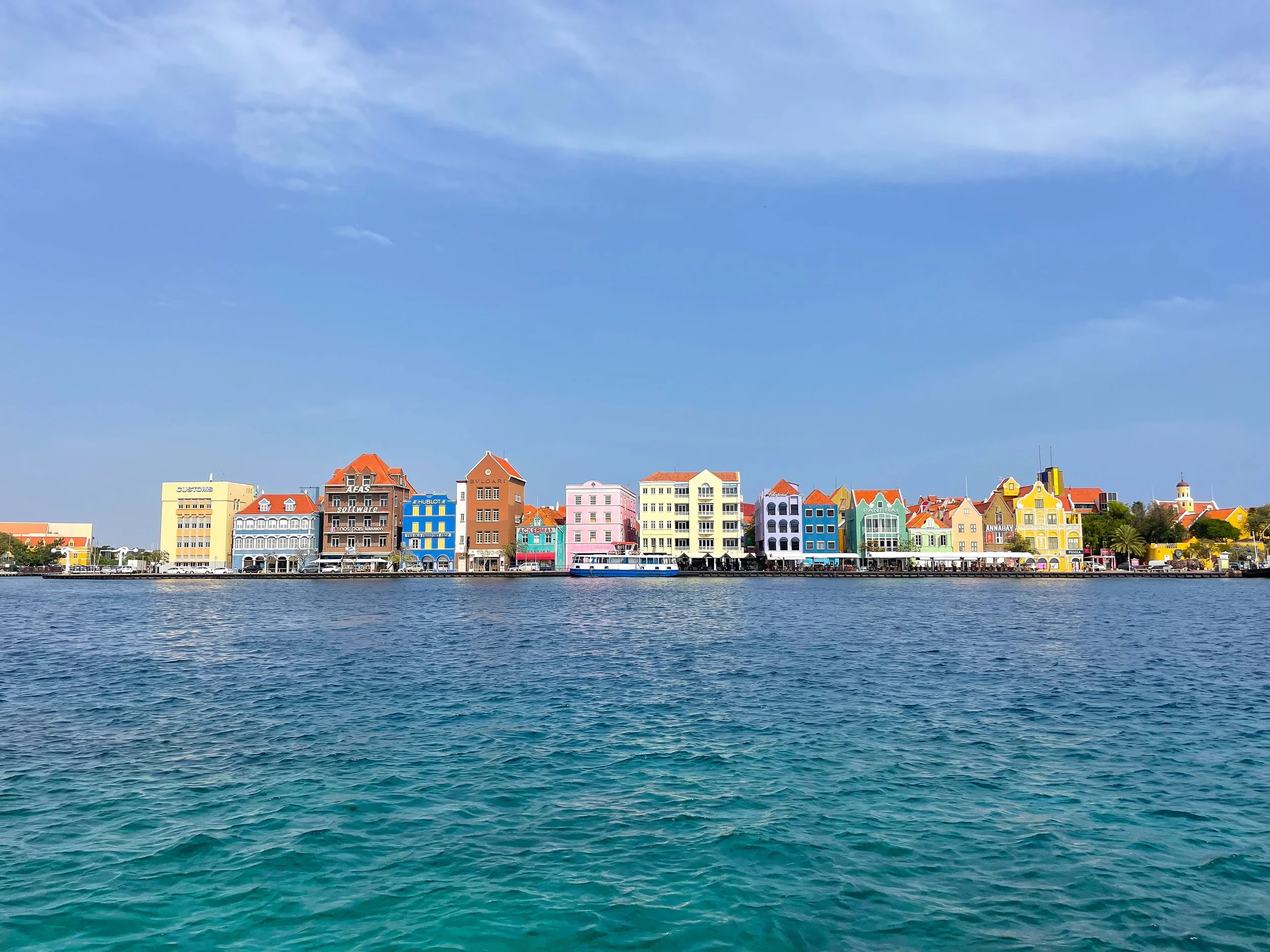
Curaçao is a Dutch Caribbean island with vibrantly painted buildings, musical nightlife, aquamarine shorelines, rugged seaside cliffs and dry forests home to many species of cacti, lizards and tropical birds.
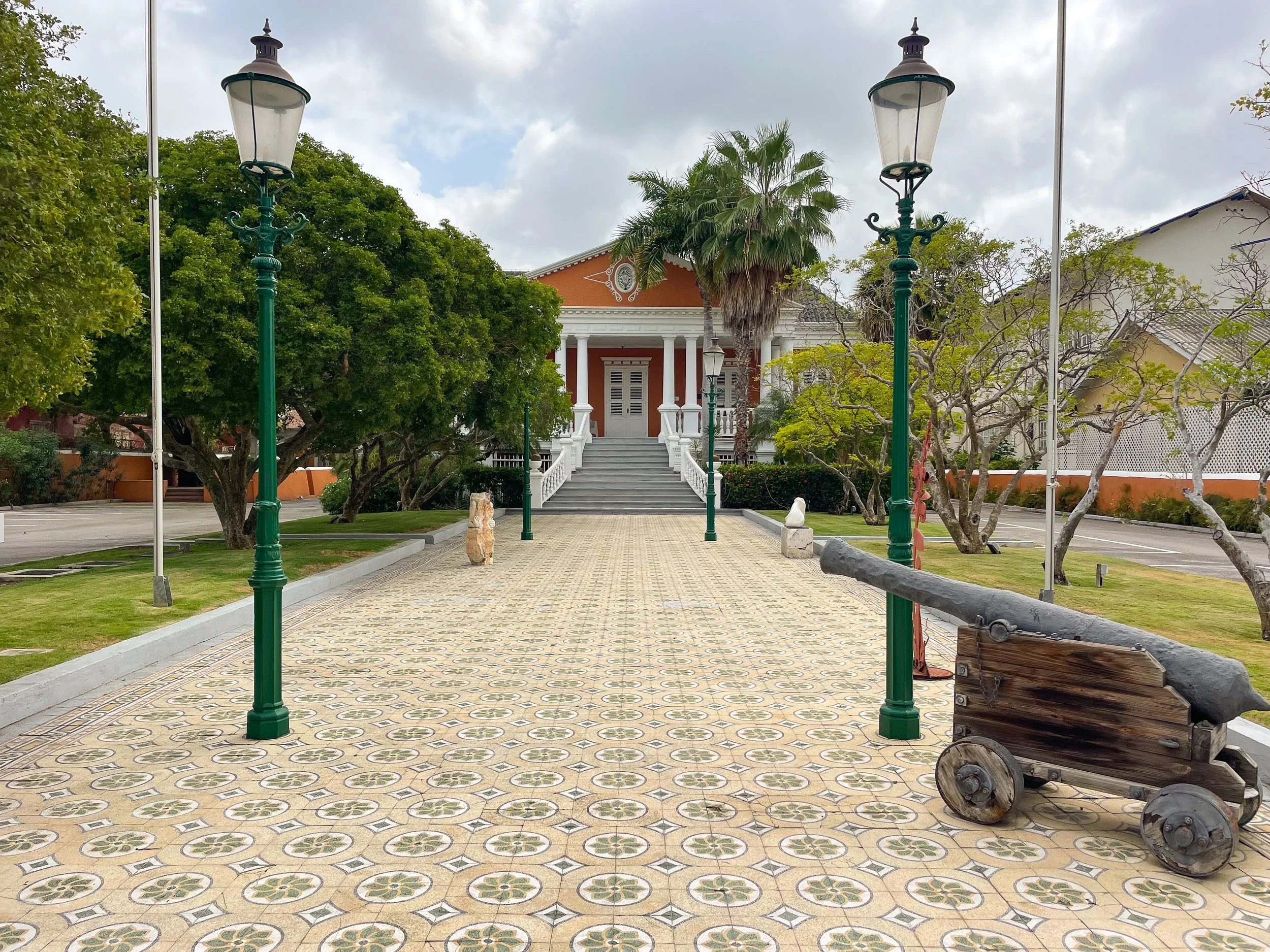
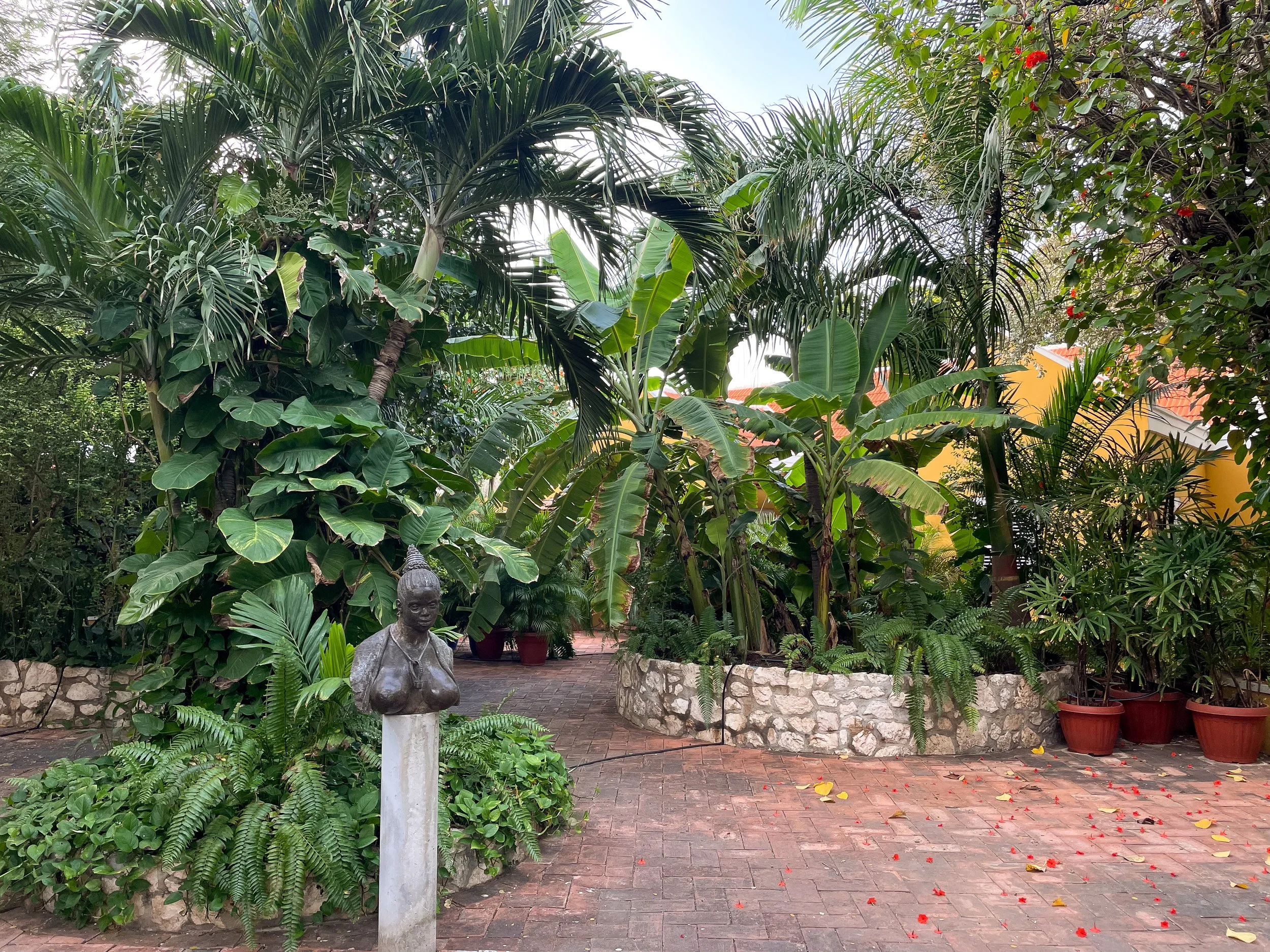
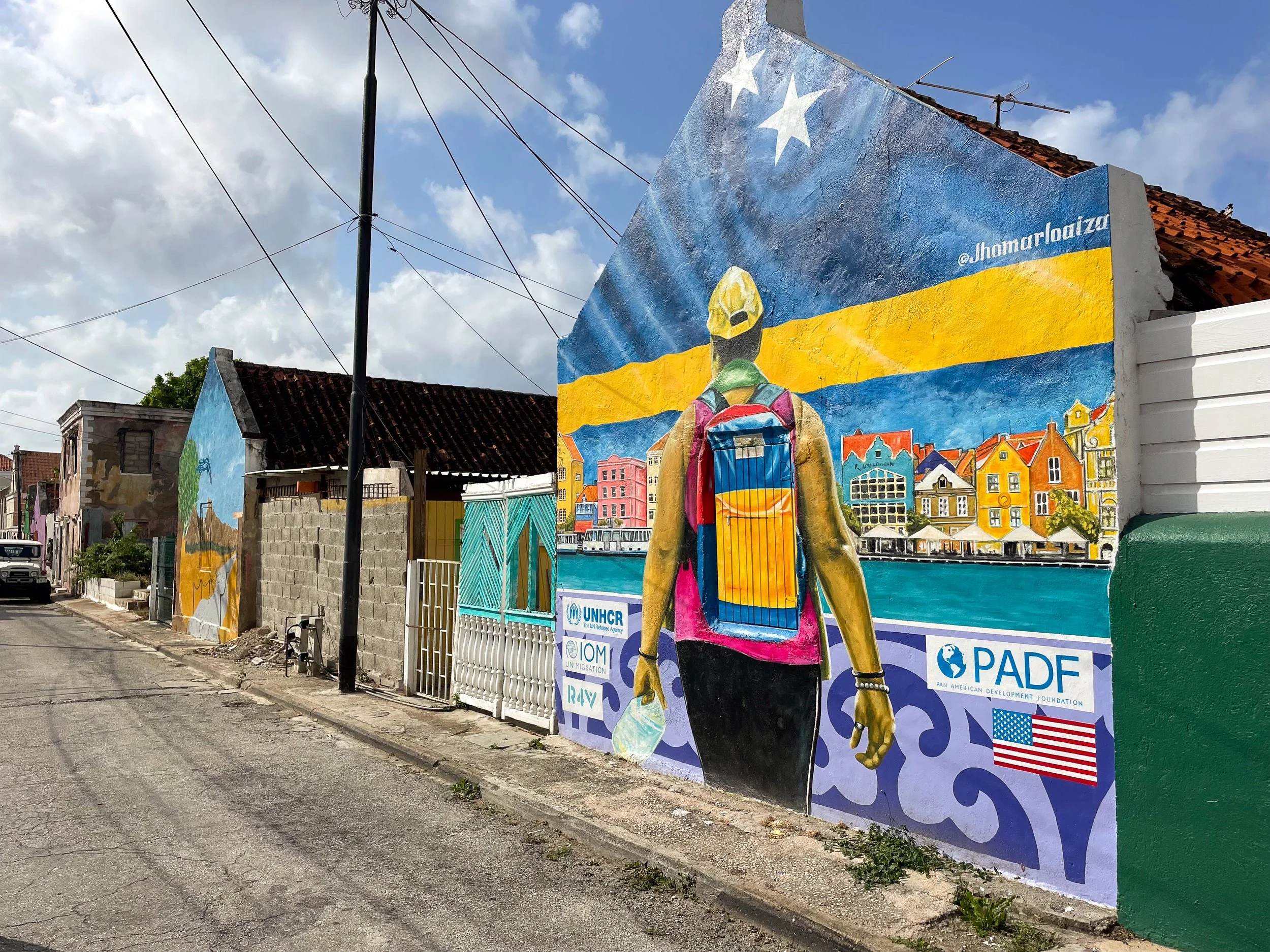
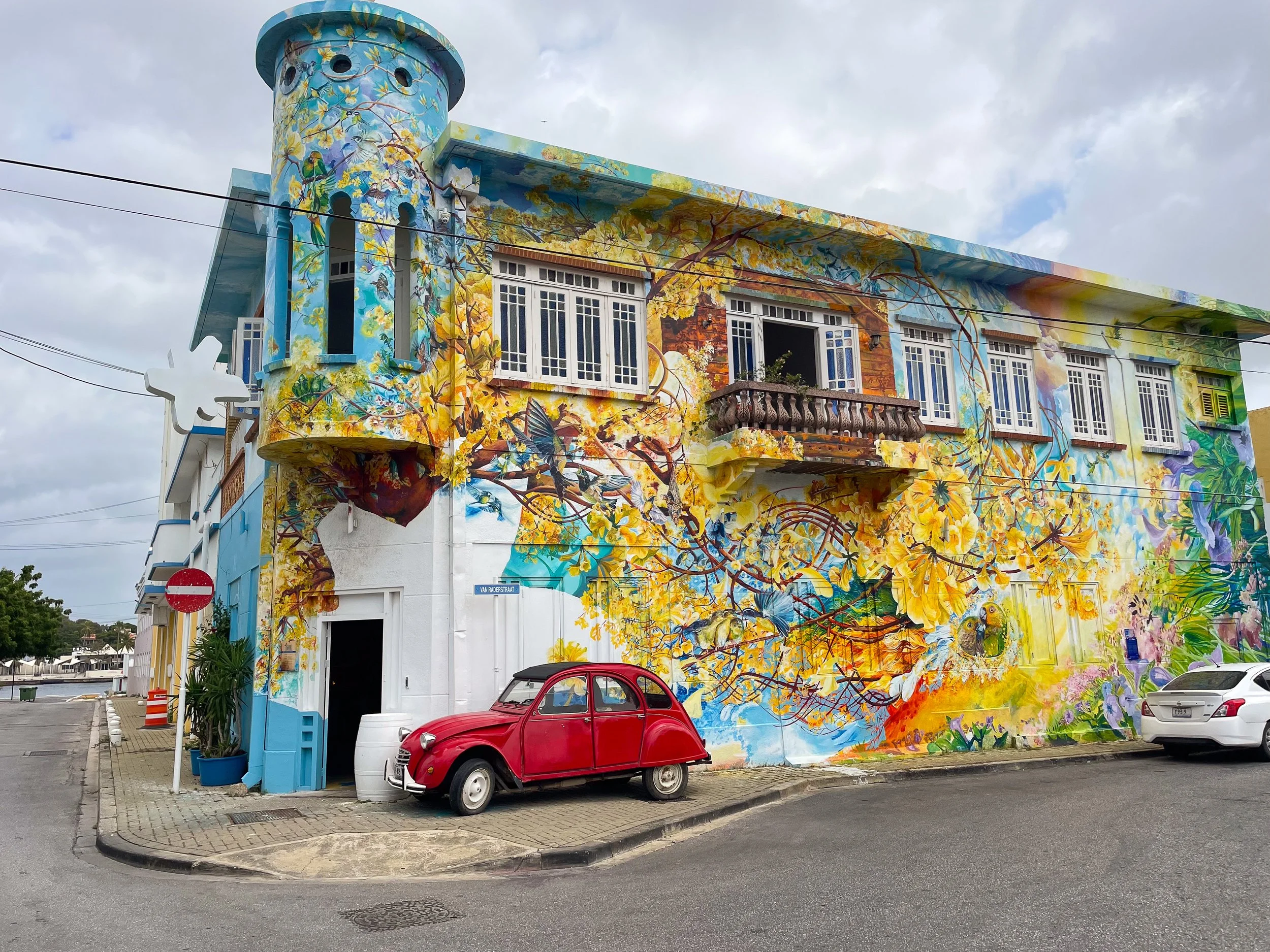
Willemstad
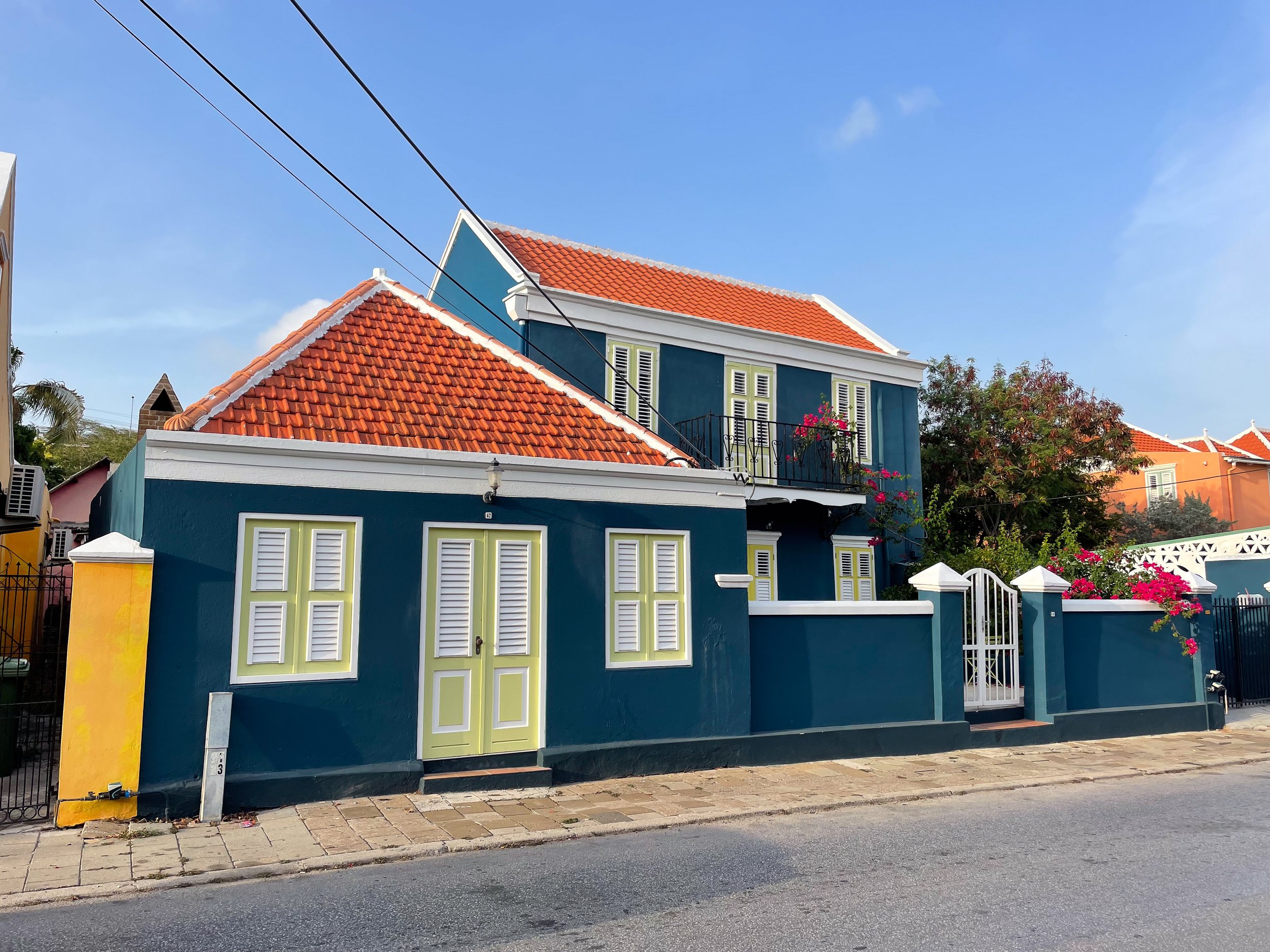
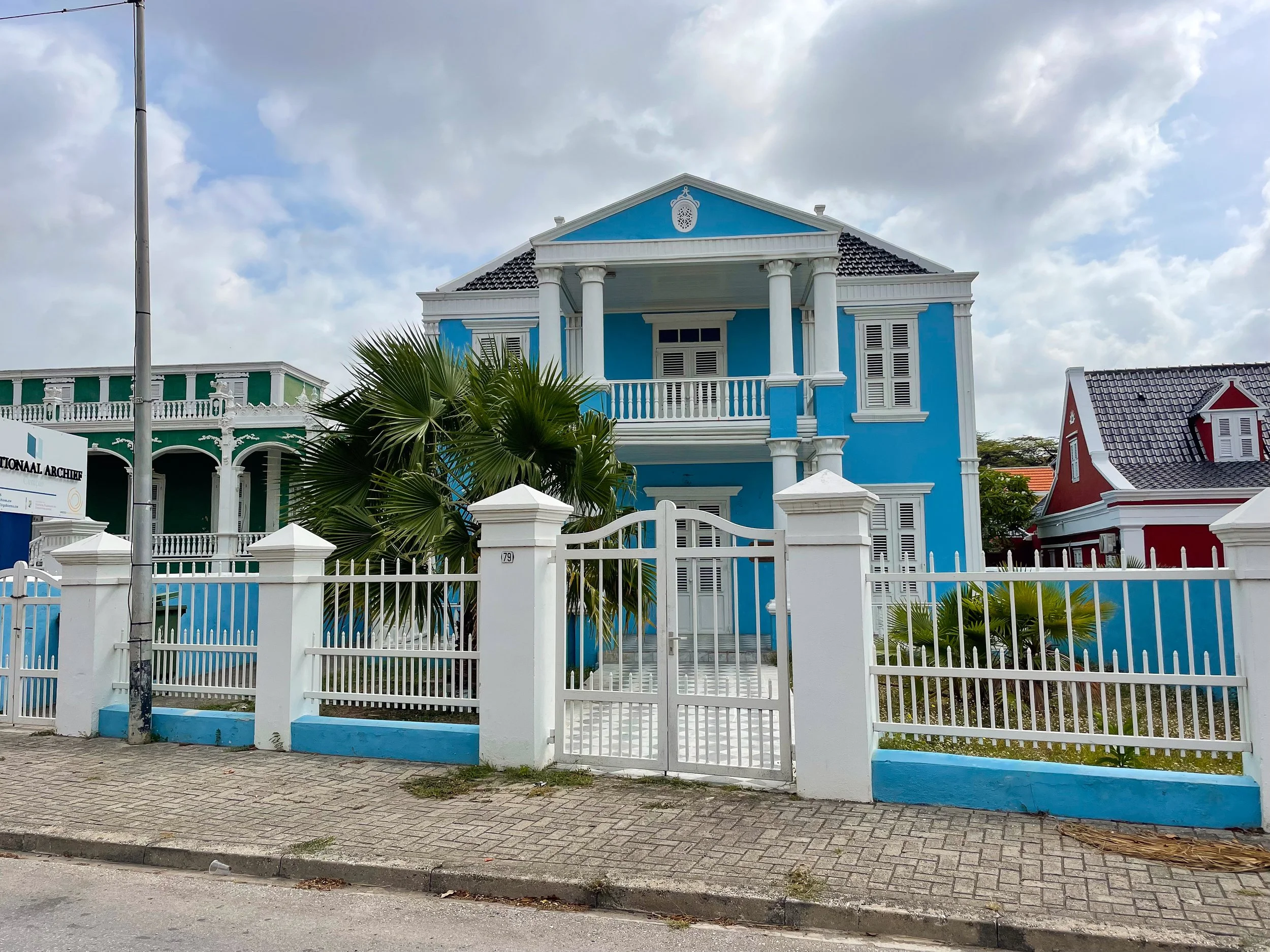
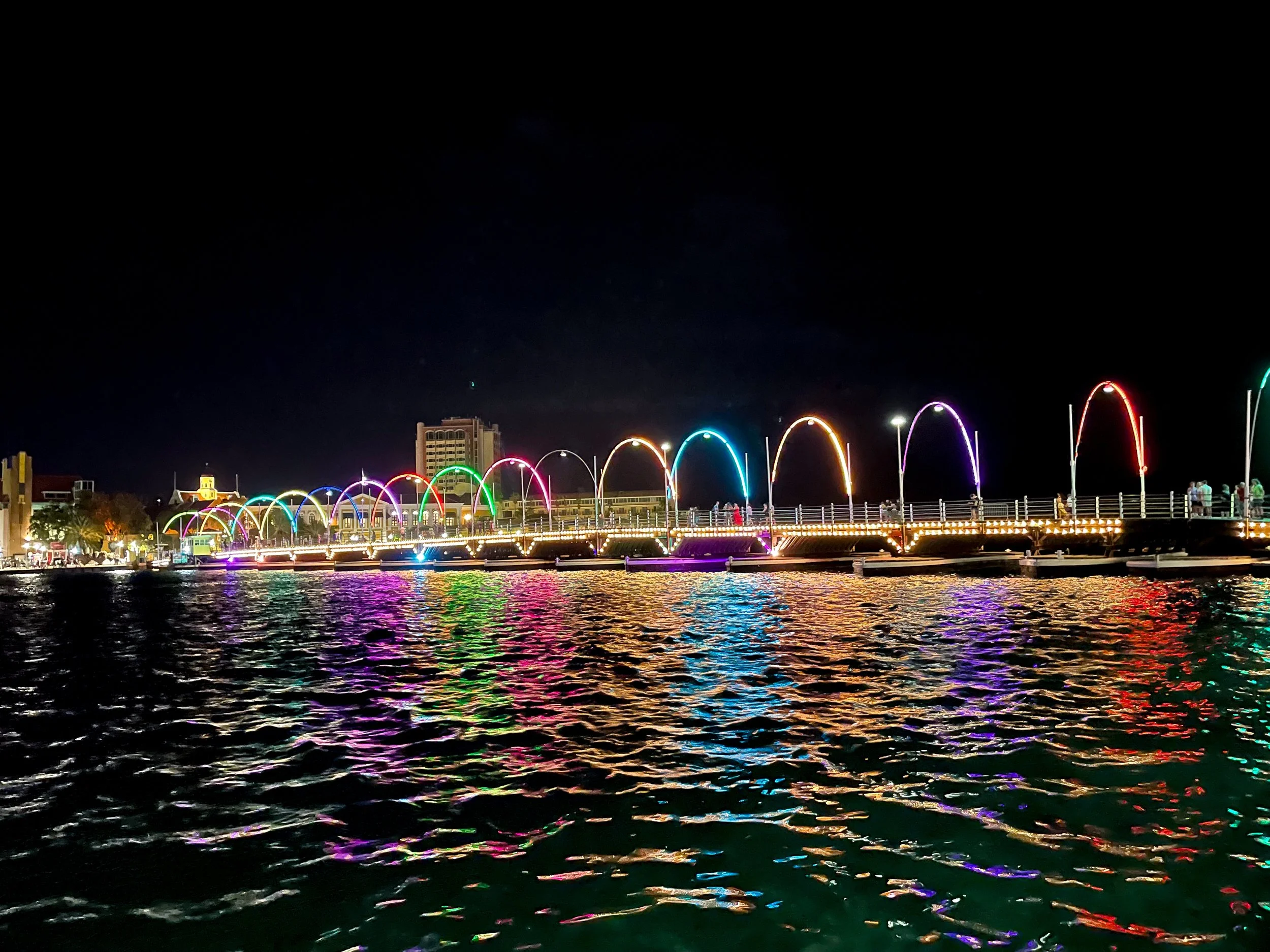
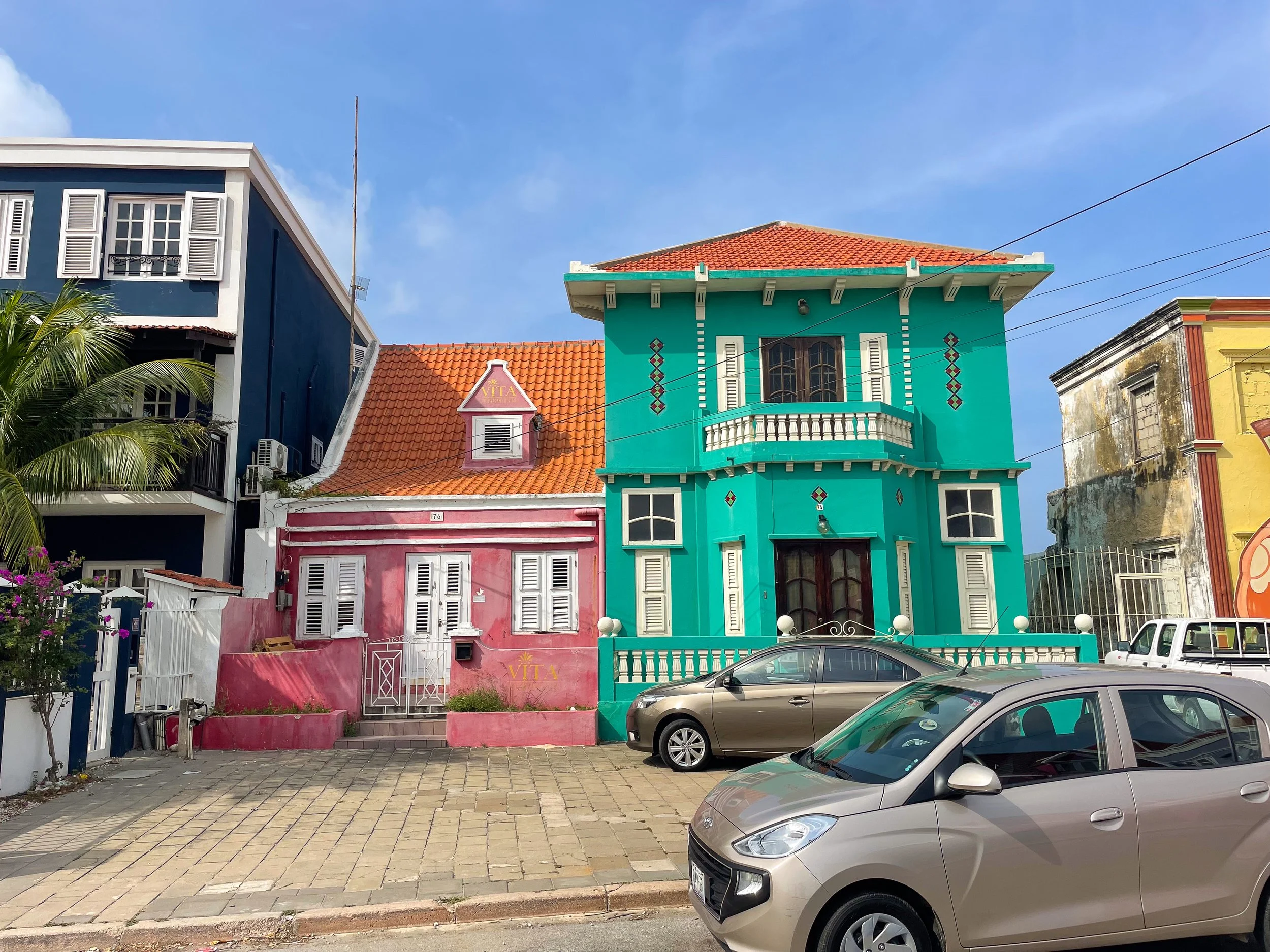
Willemstad, the picturesque capital of Curaçao, is renowned for its colorful Dutch style architecture and vibrant charm. Its central neighborhoods, Punda, Otrobanda and Pietermaai define the city’s character, offering a mix of local culture, historic landmarks, markets, artificial beaches and boutique stays. Live music echoes from restaurants and bars, creating an inviting atmosphere for both lively outings and relaxed evenings on outdoor patios.
Punda Neighborhood
Punda is the historic center of Willemstad. It’s a mostly pedestrian neighborhood popular for its colorful colonial architecture, historic sights, local markets, souvenir shops, brand name stores, cocktail bars and restaurants with outdoor dining.
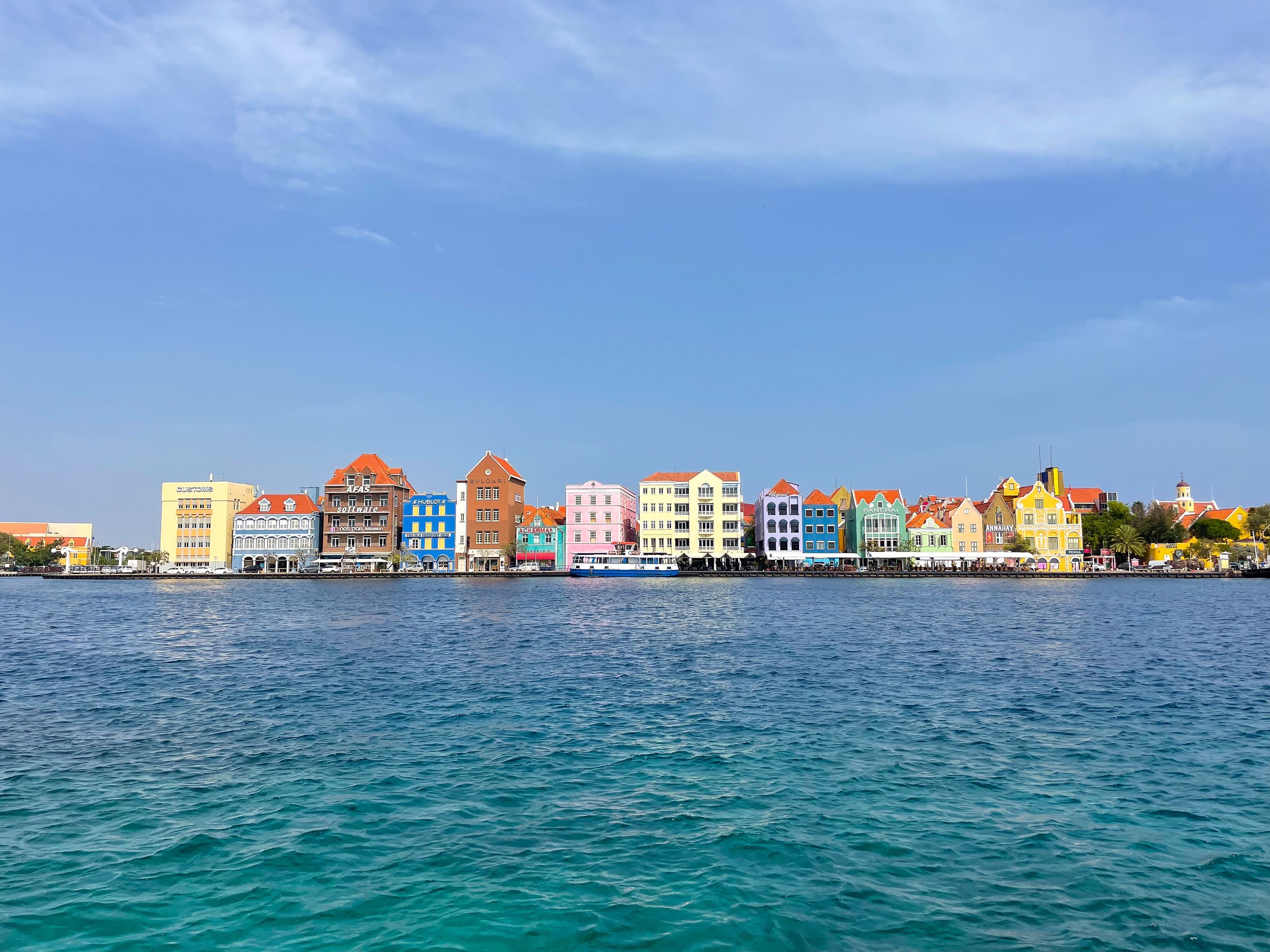
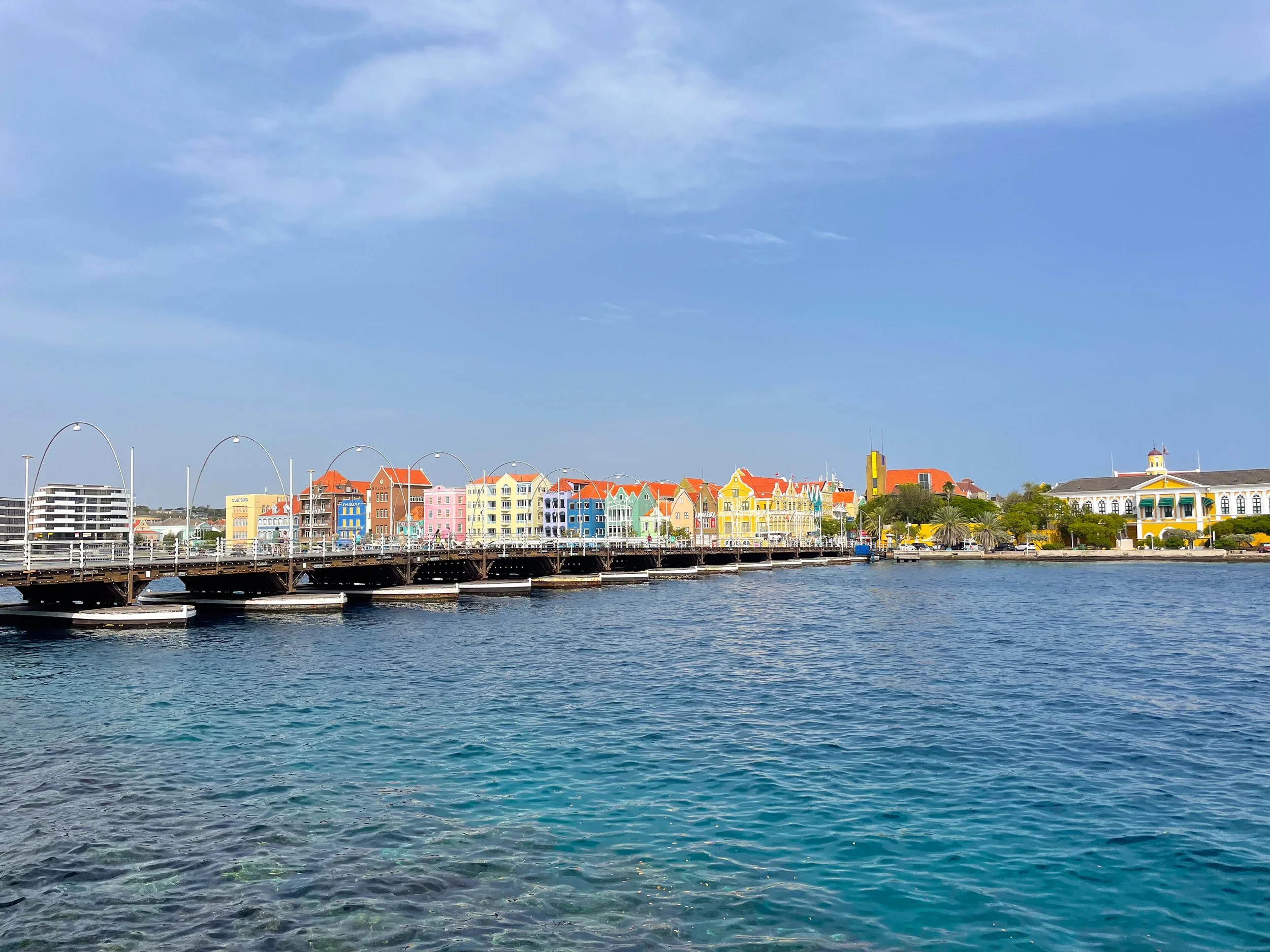
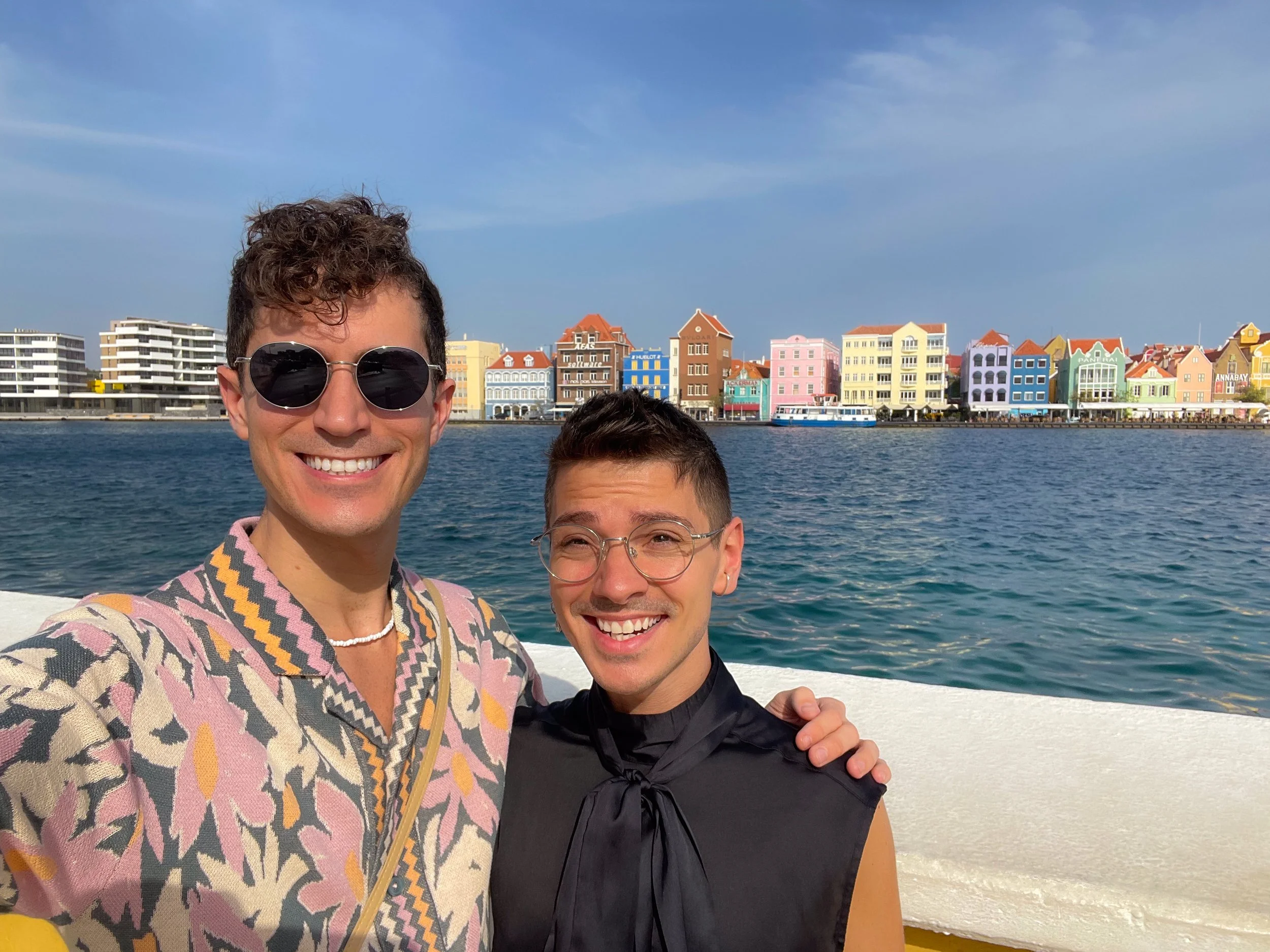
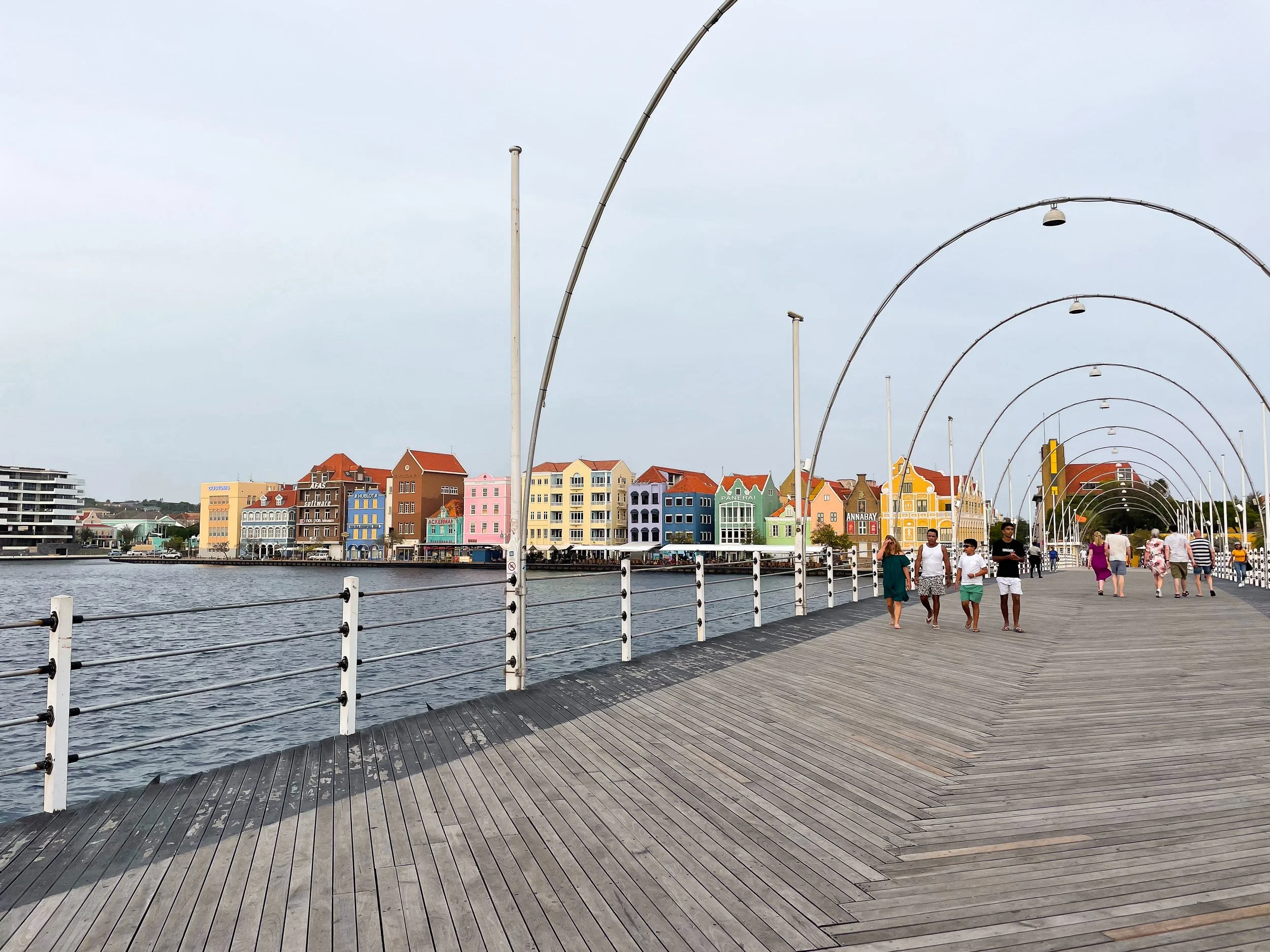
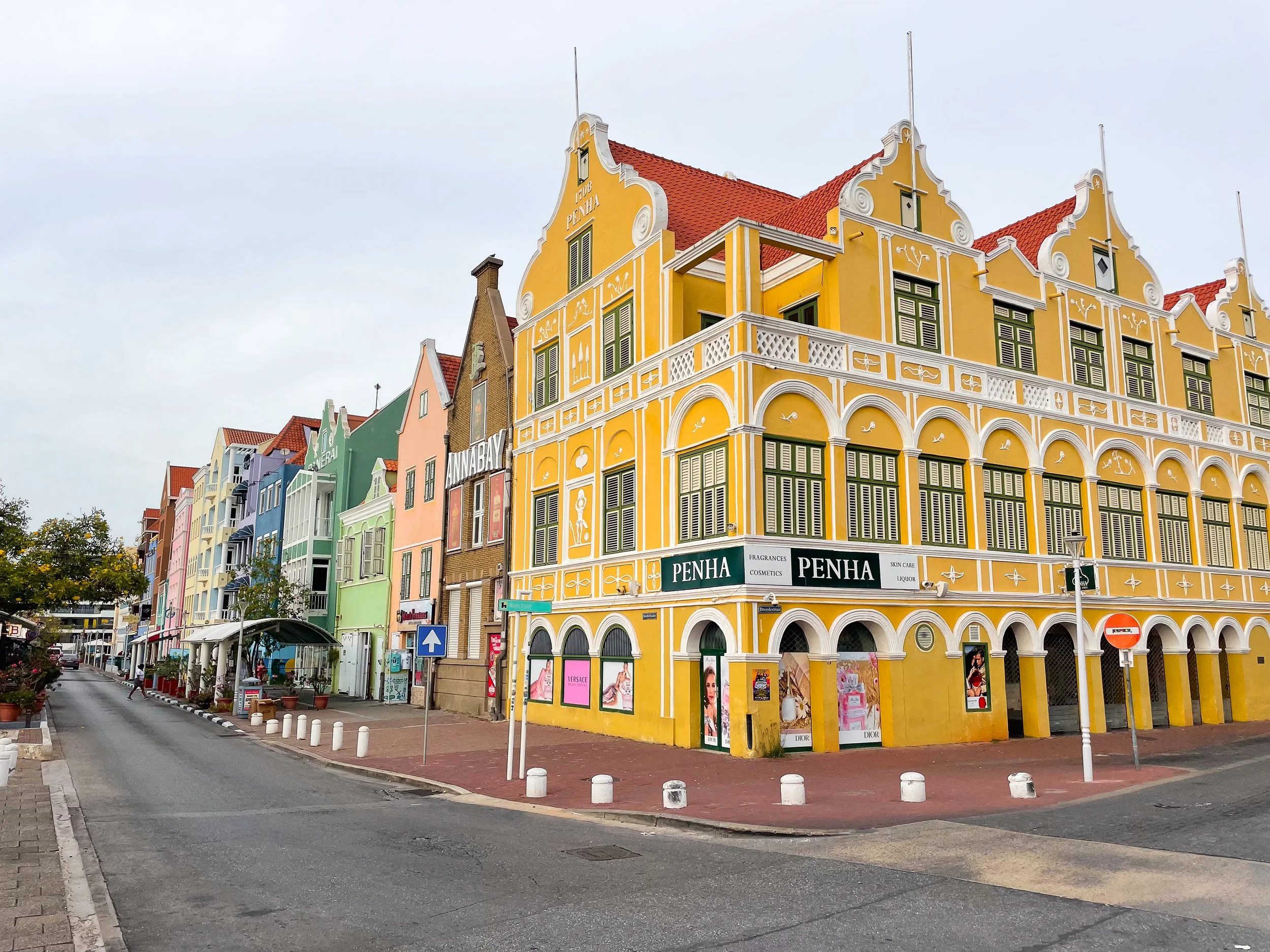
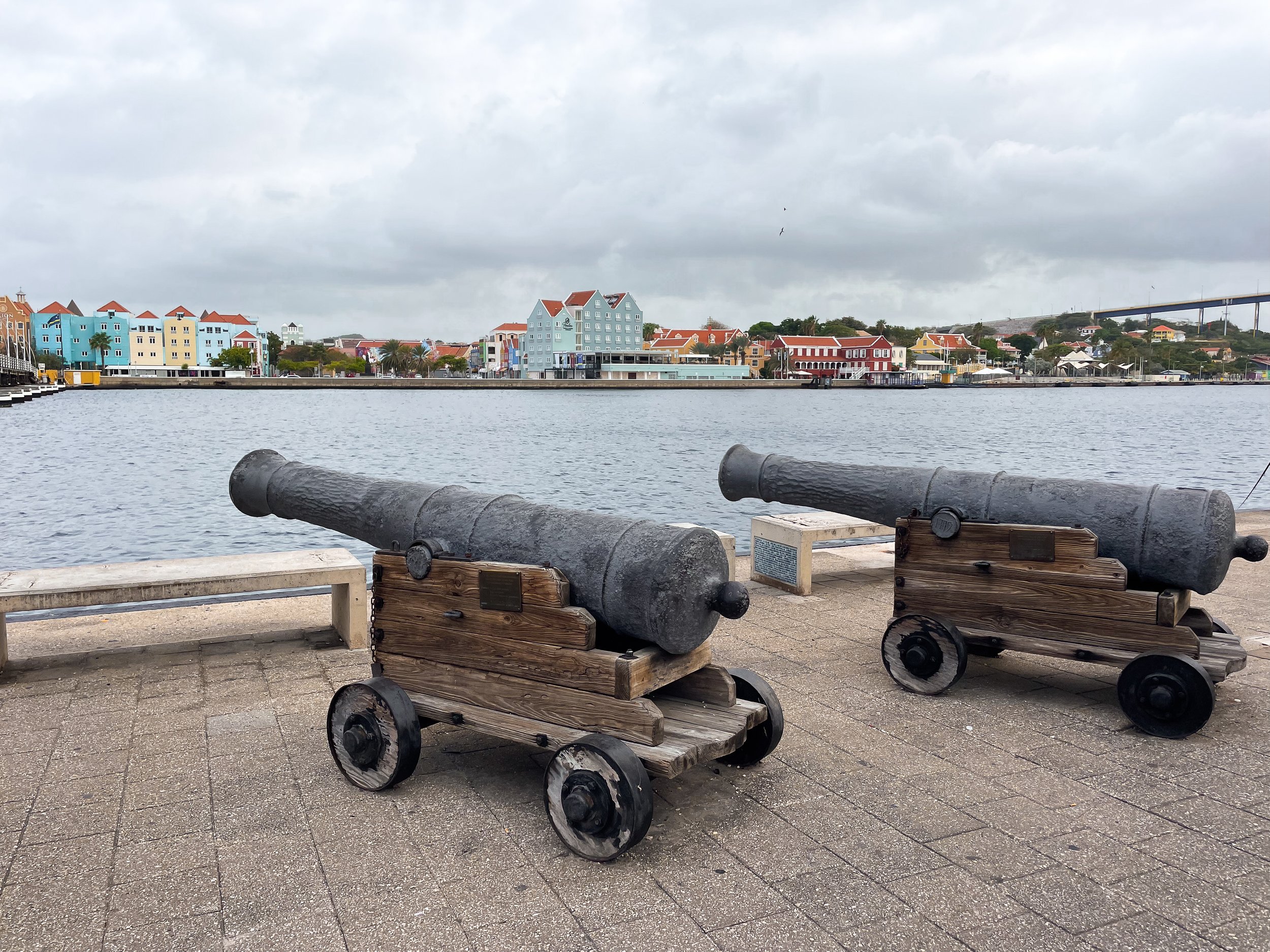
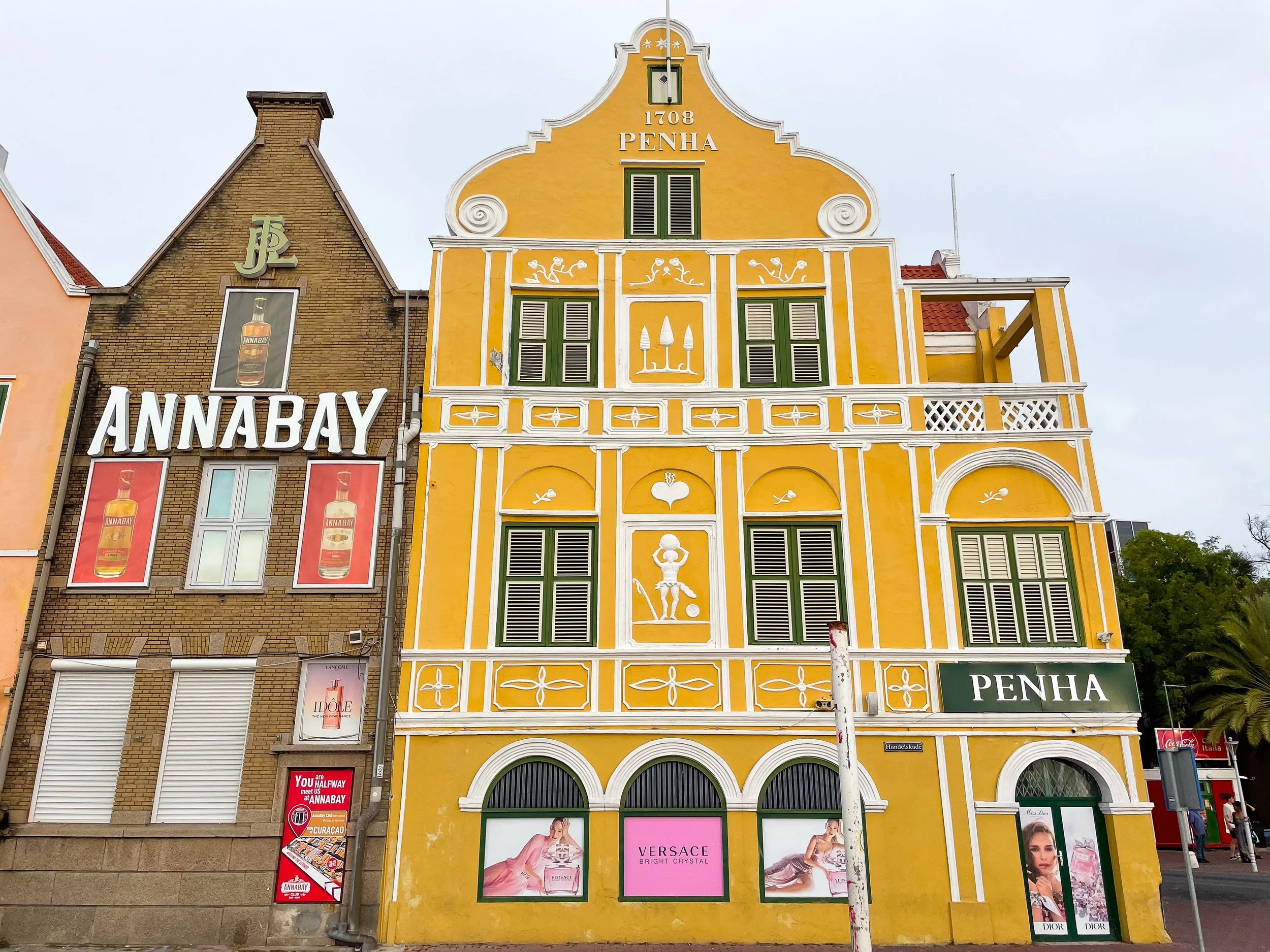
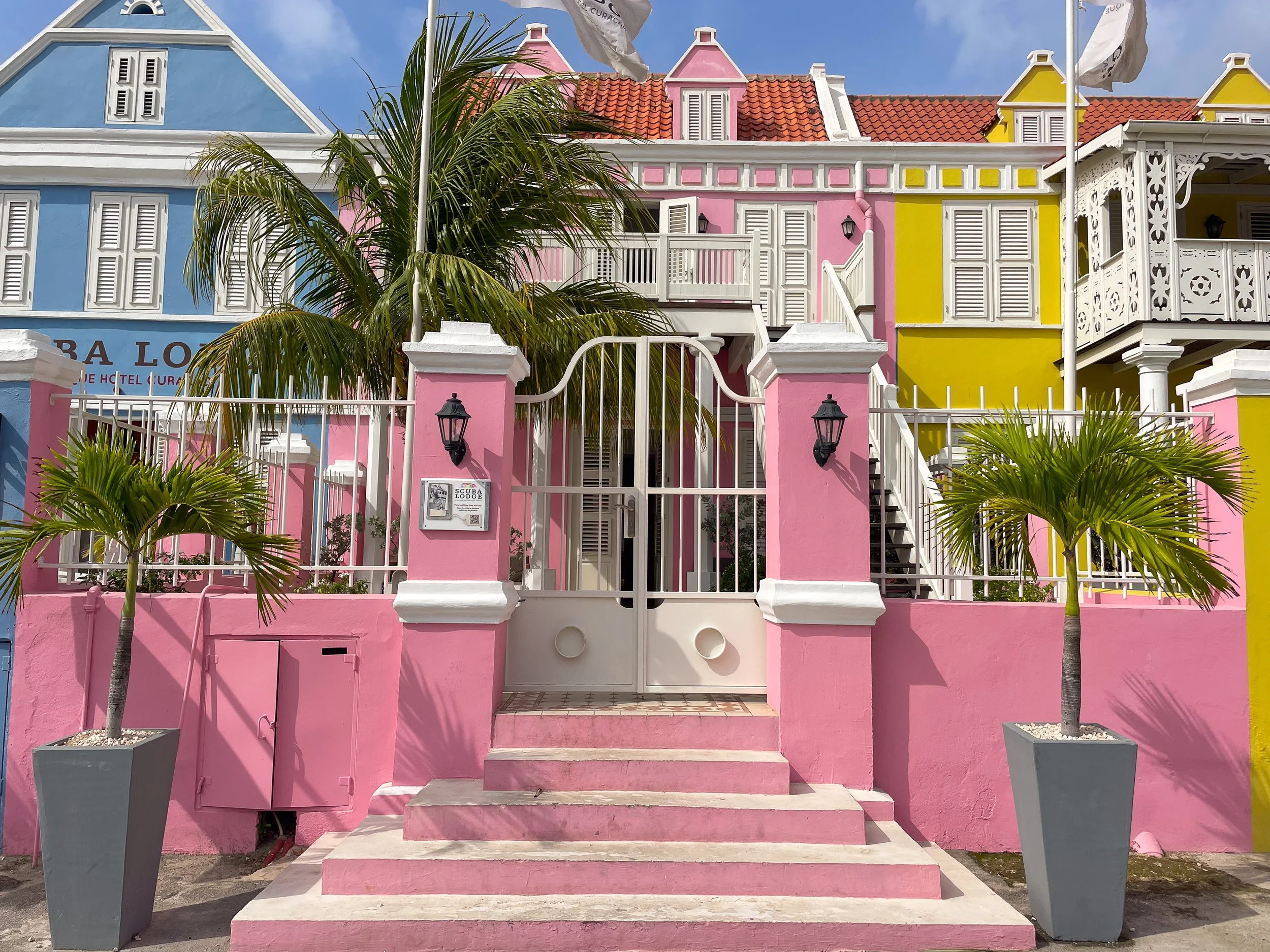
Handelskade. An iconic waterfront skyline comprised of Dutch colonial buildings painted in vibrant colors with minimal ornamentation and steep tiled roofs. Shops, restaurants and bars line the street level. Visit the Iguana Cafe for a glass of wine at sunset!
Queen Emma Pontoon Bridge. A swinging wooden pedestrian bridge that connects both sides of the St. Anna Bay. It opens several times daily to let ships pass in and out of the harbor. It’s lit up in colorful arches reminiscent of an amusement park boardwalk at night.
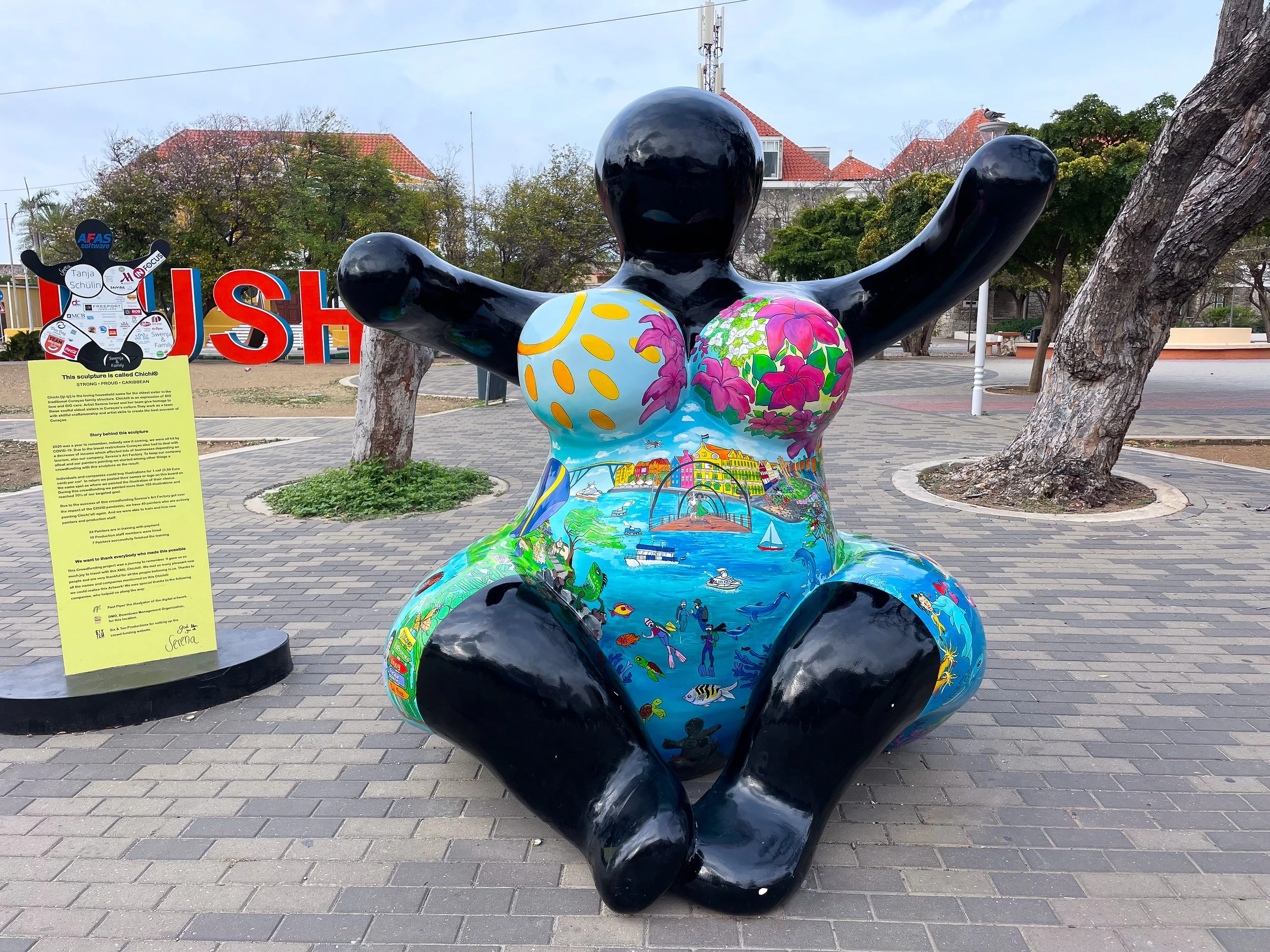
Queen Wilhelmina Park. A plaza with public artwork, photo moments, landmark buildings and touristy restaurants serving island food and tropical cocktails.
Punda Vibes. A bustling festival held in Queen Wilhelmina Park with local artists, live music, street performers and a firework show. It’s held every Thursday from 6-10pm.
De Buren. A touristy restaurant in Queen Wilhelmina Park offering Dutch snacks like fried fish kibbling and smoked gouda bitterballen. Order a blue lagoon made from the island’s famed rum, Blue Curaçao.
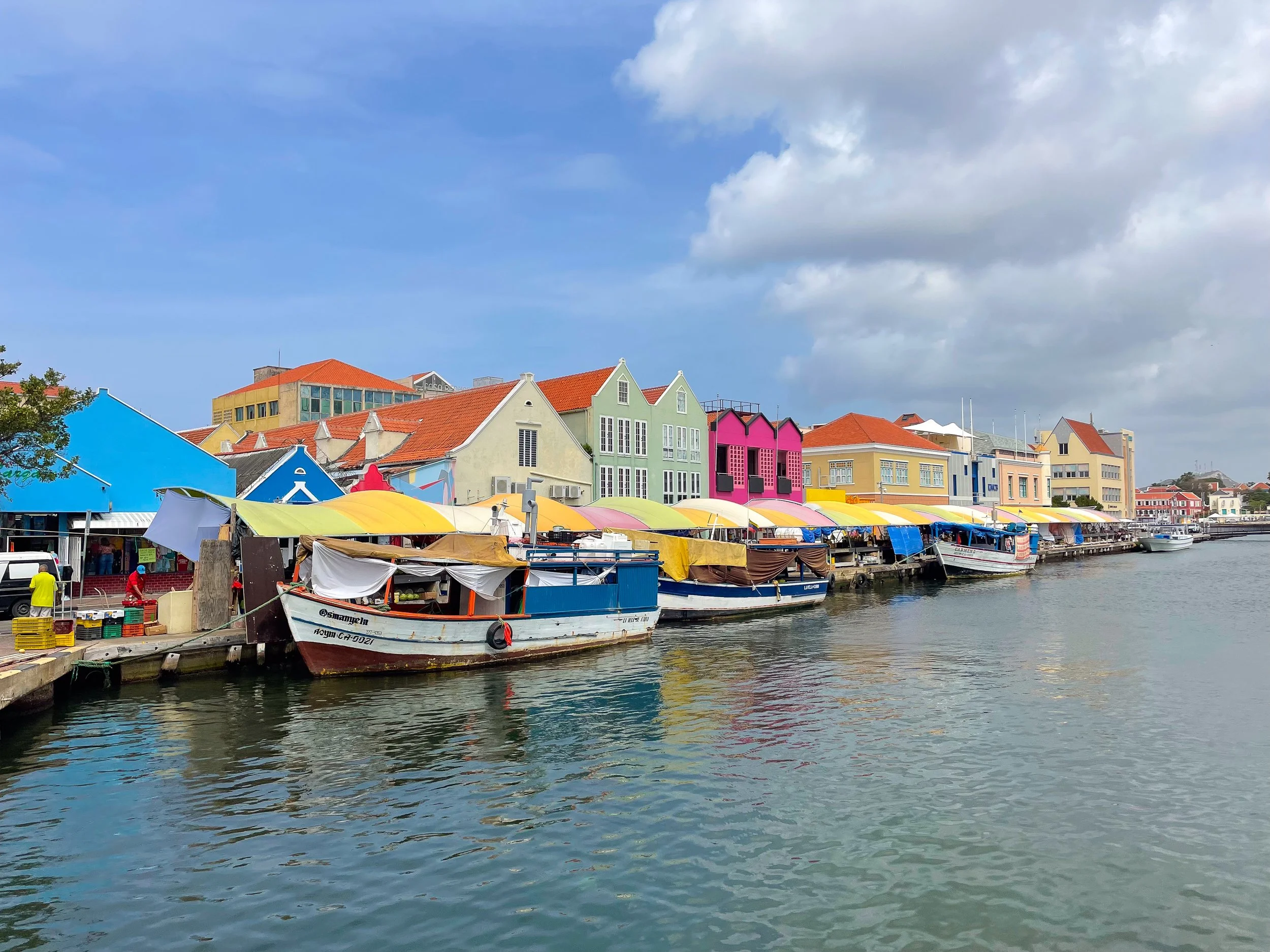
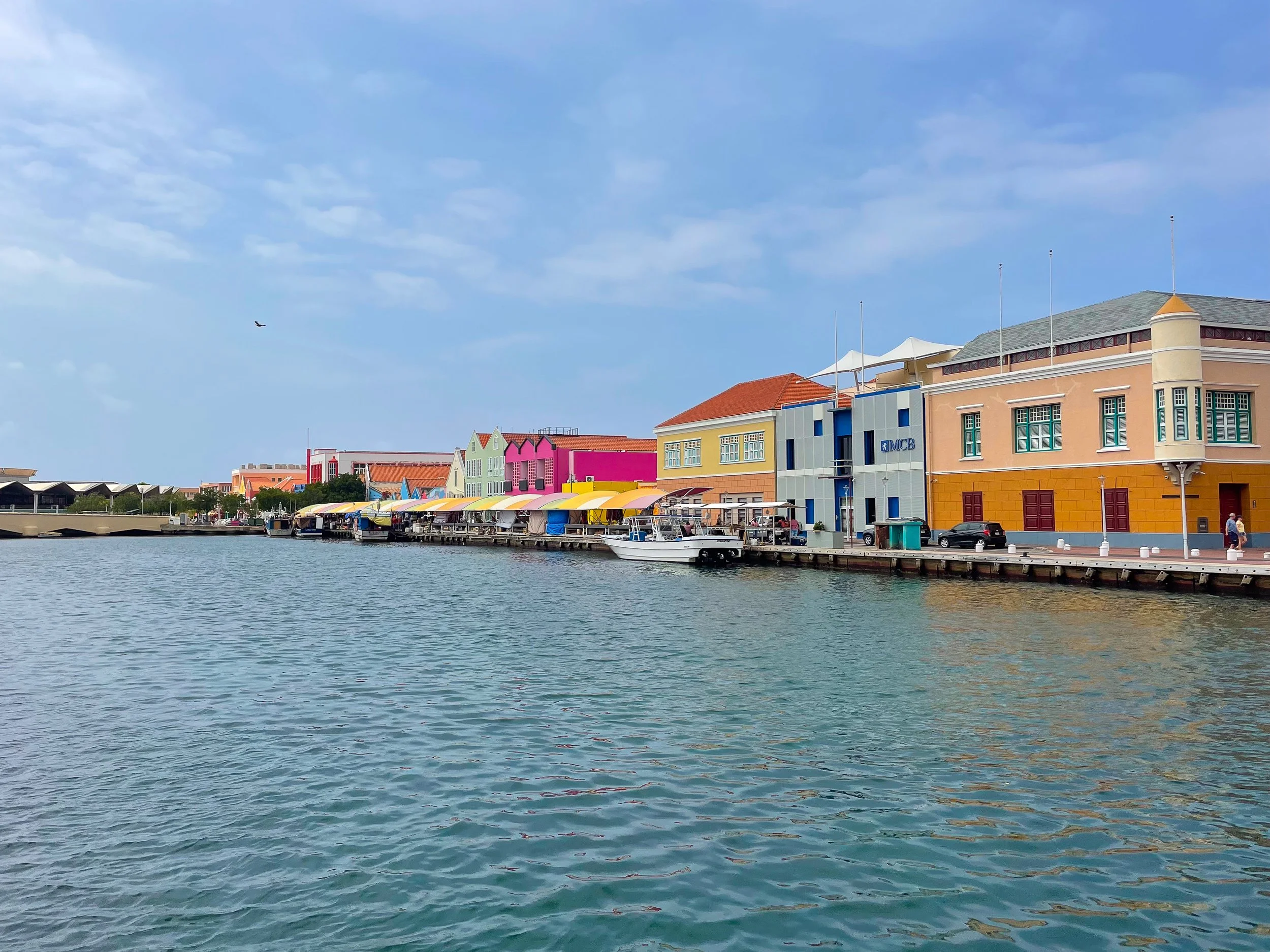
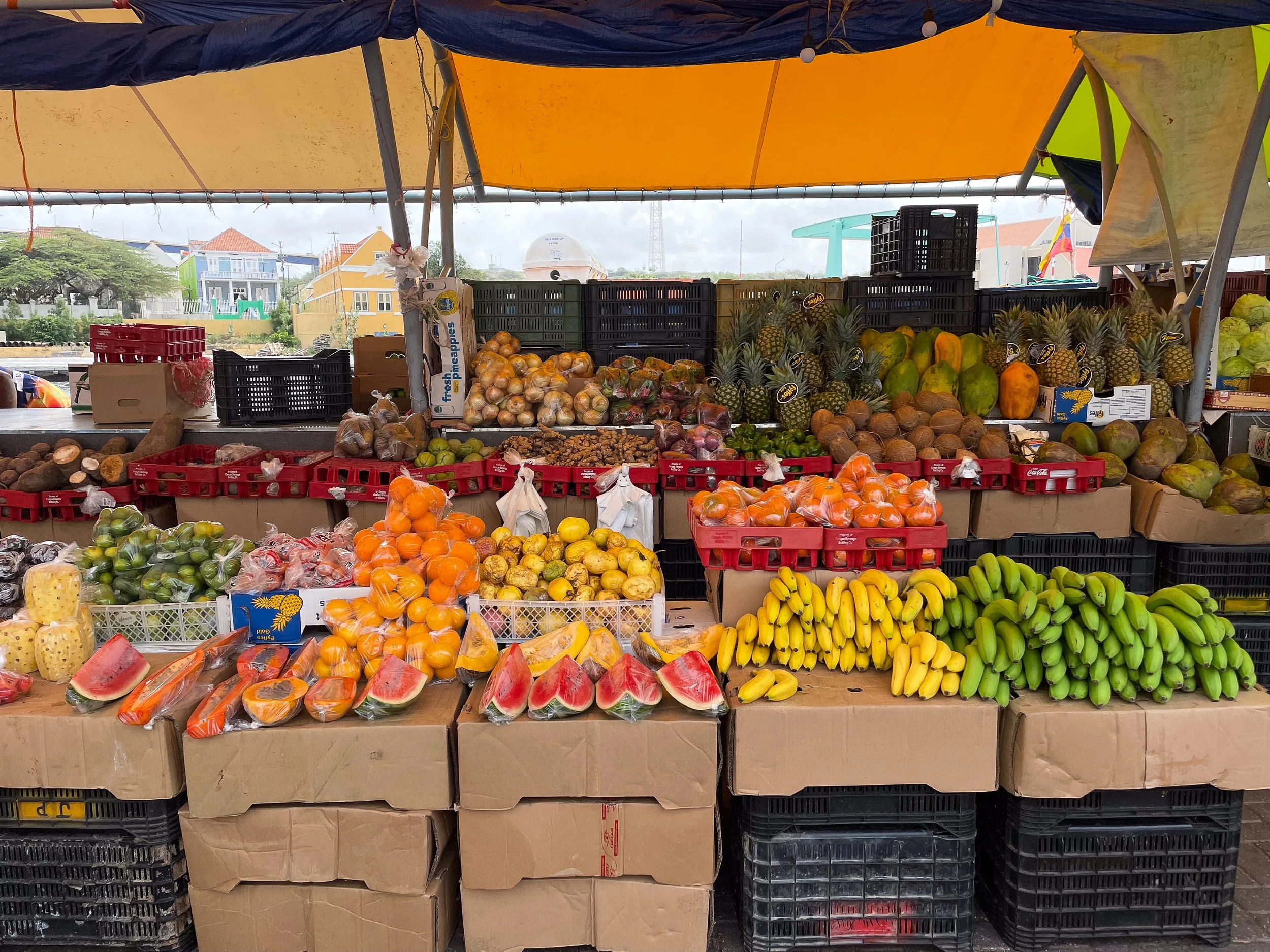
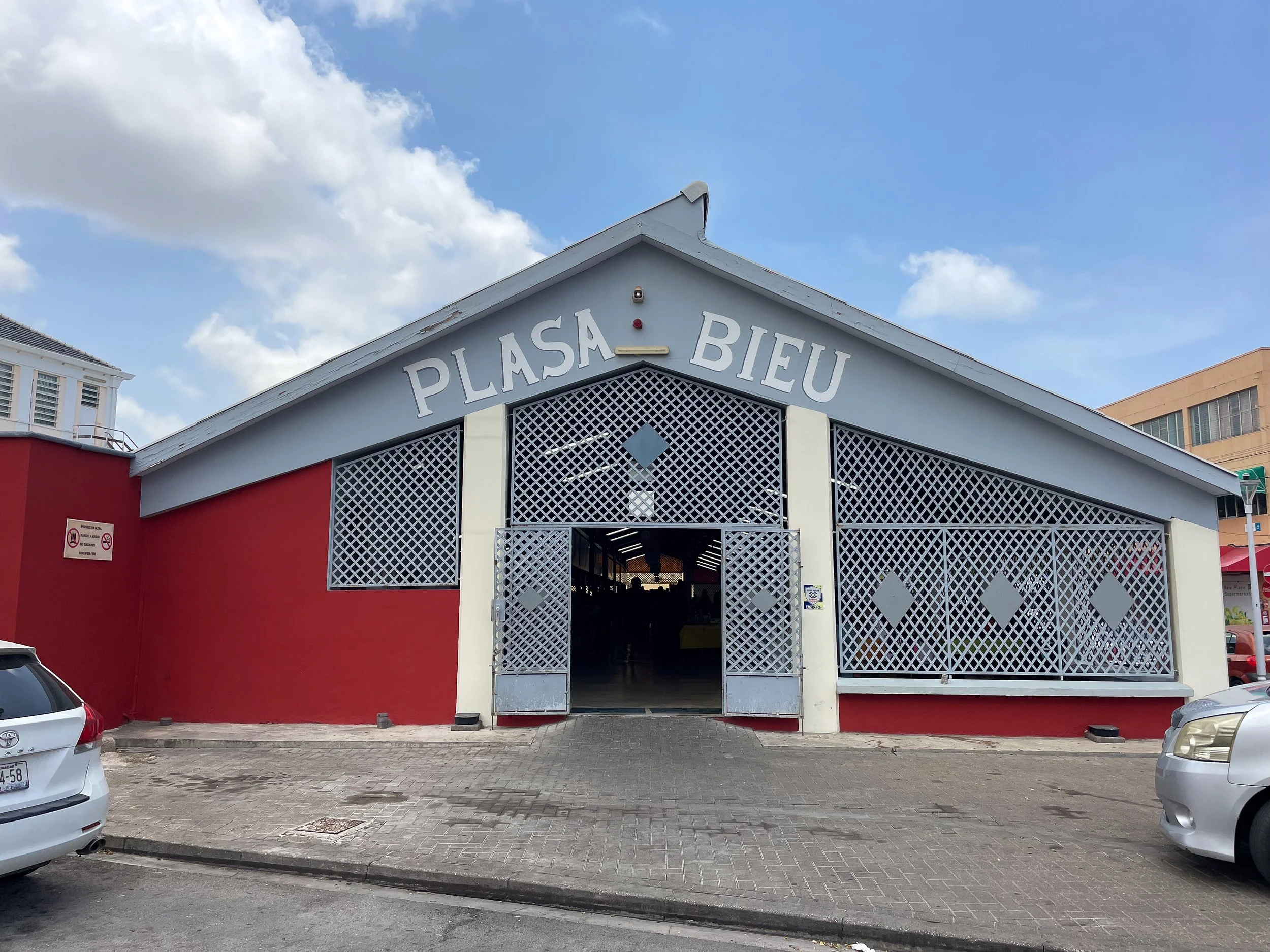
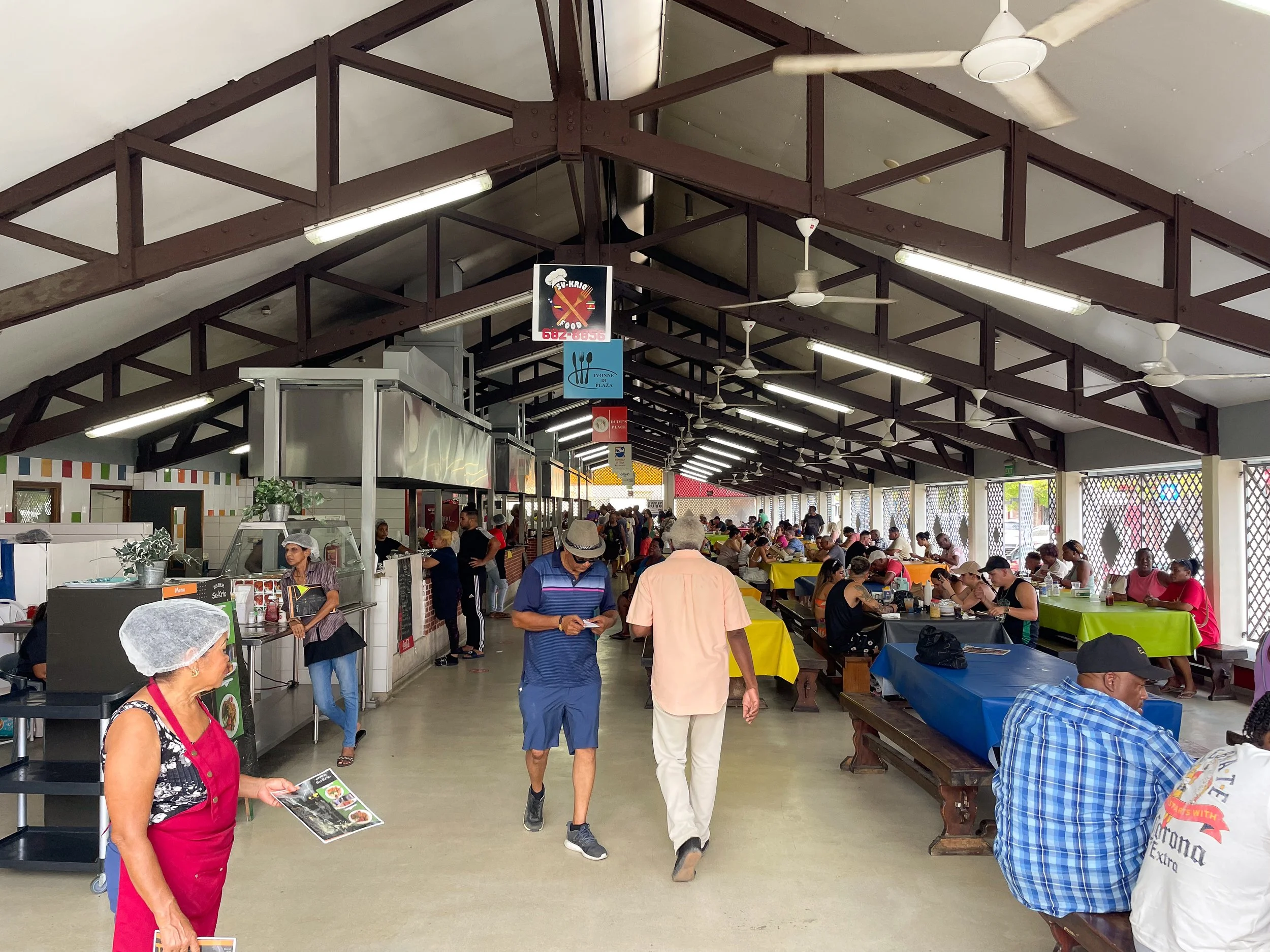
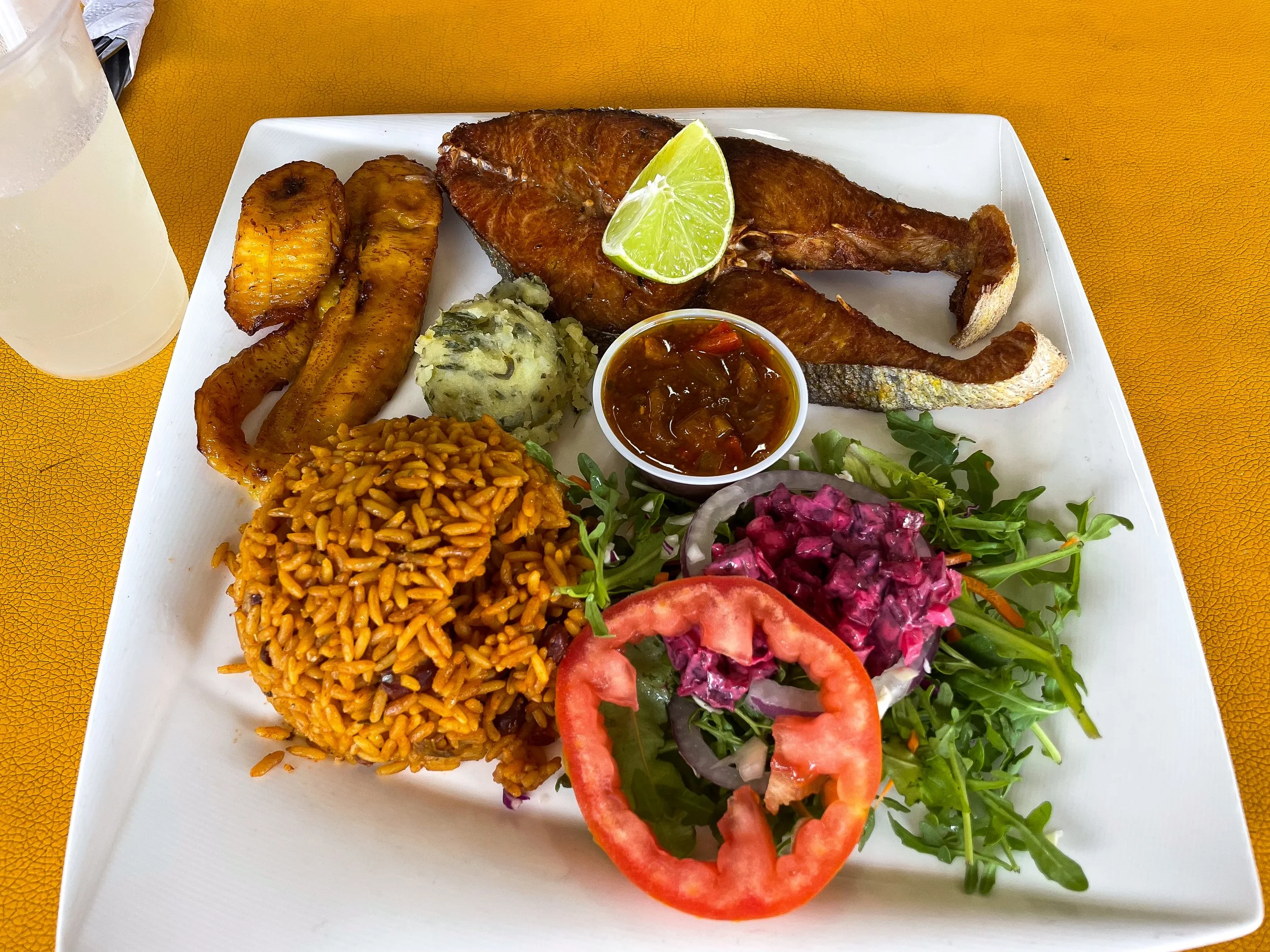
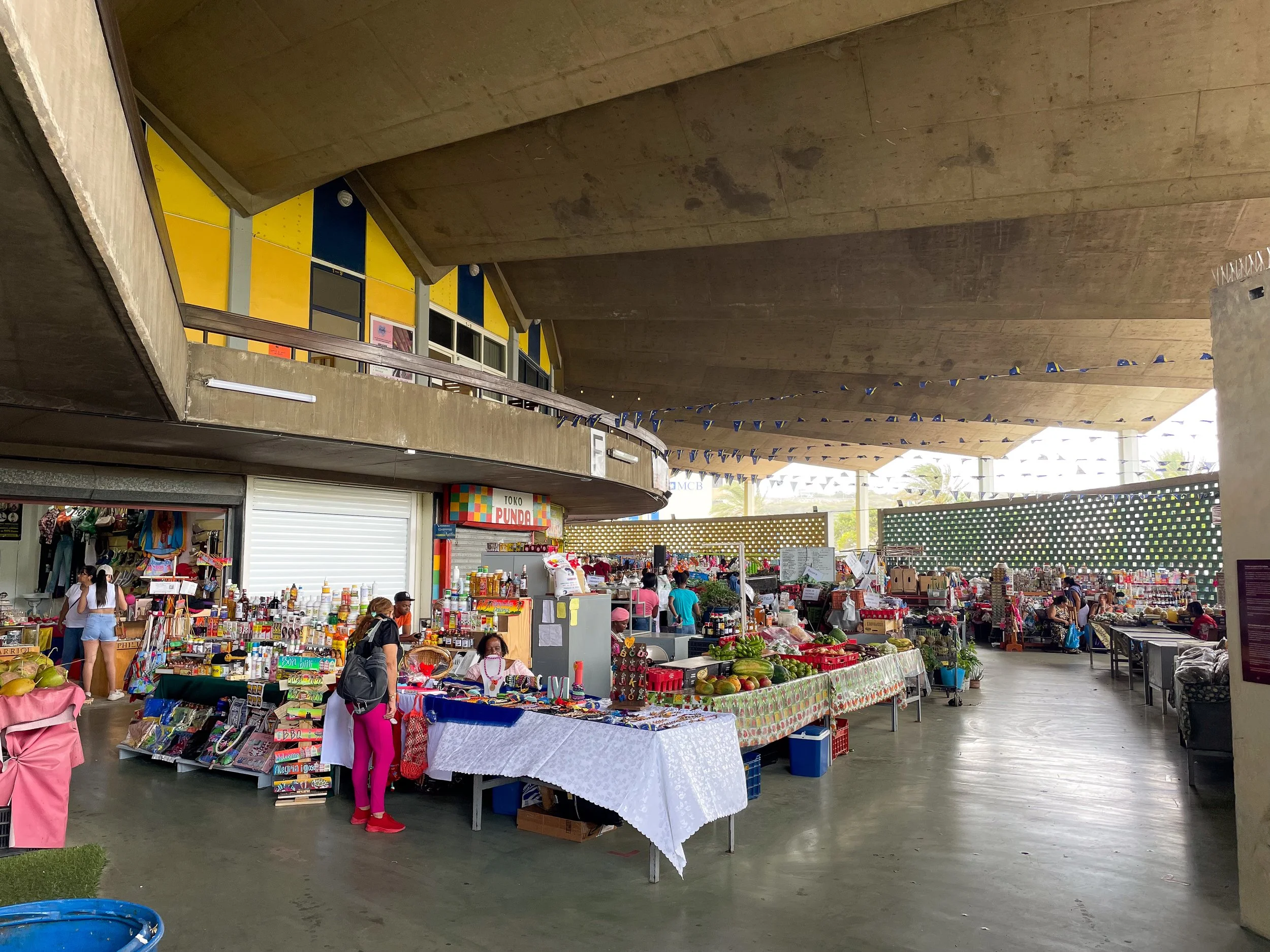
Punda Markets. Punda is home to multiple markets offering local cuisine, fresh produce and souvenirs.
Plasa Bieu Market. A food hall with several kitchens preparing traditional Curaçaoan dishes and meals. By lunchtime, the market’s colorful picnic tables are packed with locals and travelers looking for an authentic and affordable meal. The savory smells of dishes like okra soup, iguana stew, roasted goat, fried mahi mahi and sweet plantains waft through the air.
Floating Market. A waterfront market as colorful as the city’s buildings with merchants selling fresh seafood and tropical produce. Vendors historically dock along the pier and unload their goods including red snapper, pineapple, papaya, plantain, watermelon, banana, oranges, coconut, limes, hot peppers and more.
The New Market. A circular concrete pavilion with tables of vendors selling produce, spices, herbal remedies, souvenirs and clothes.
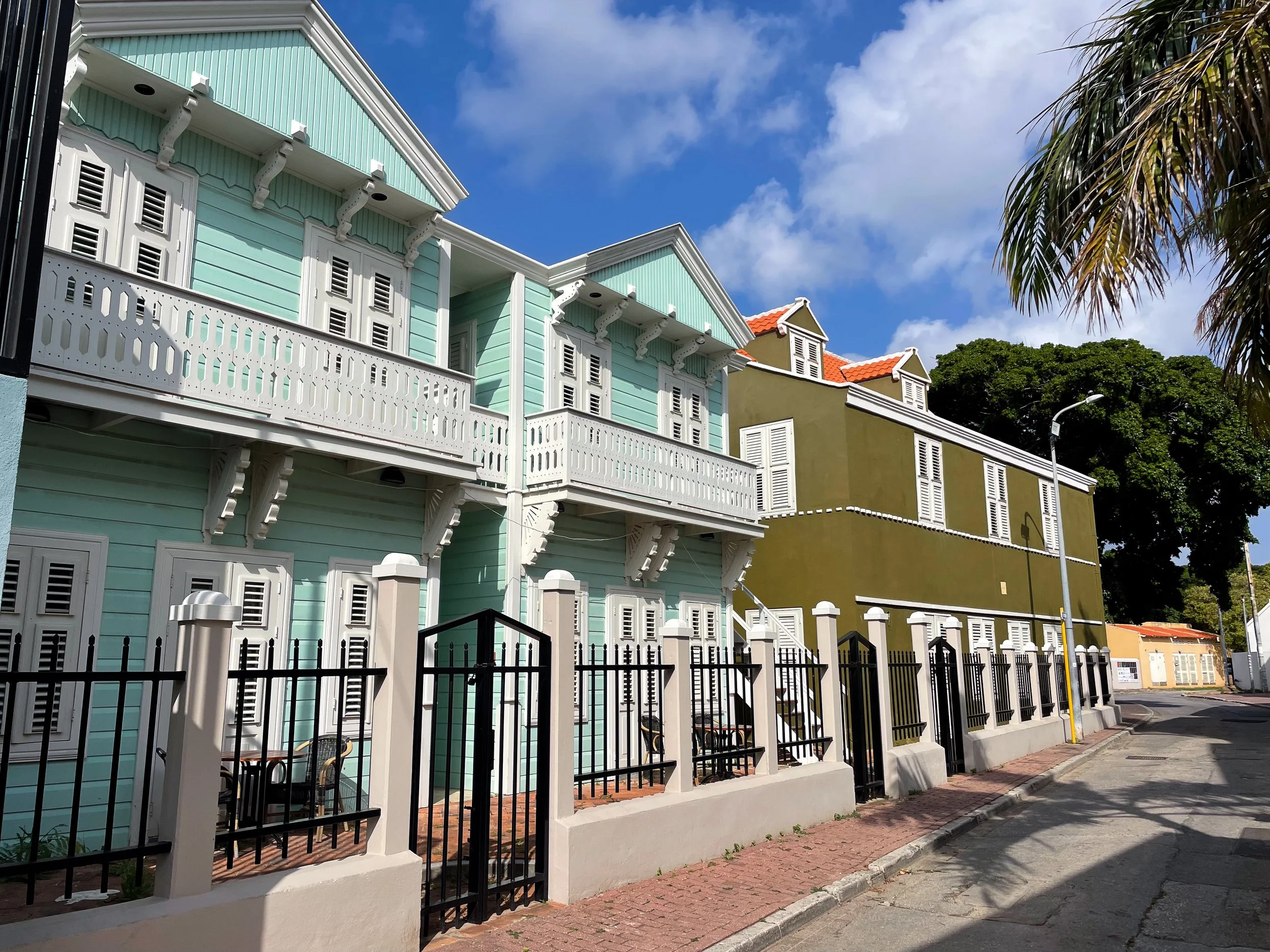
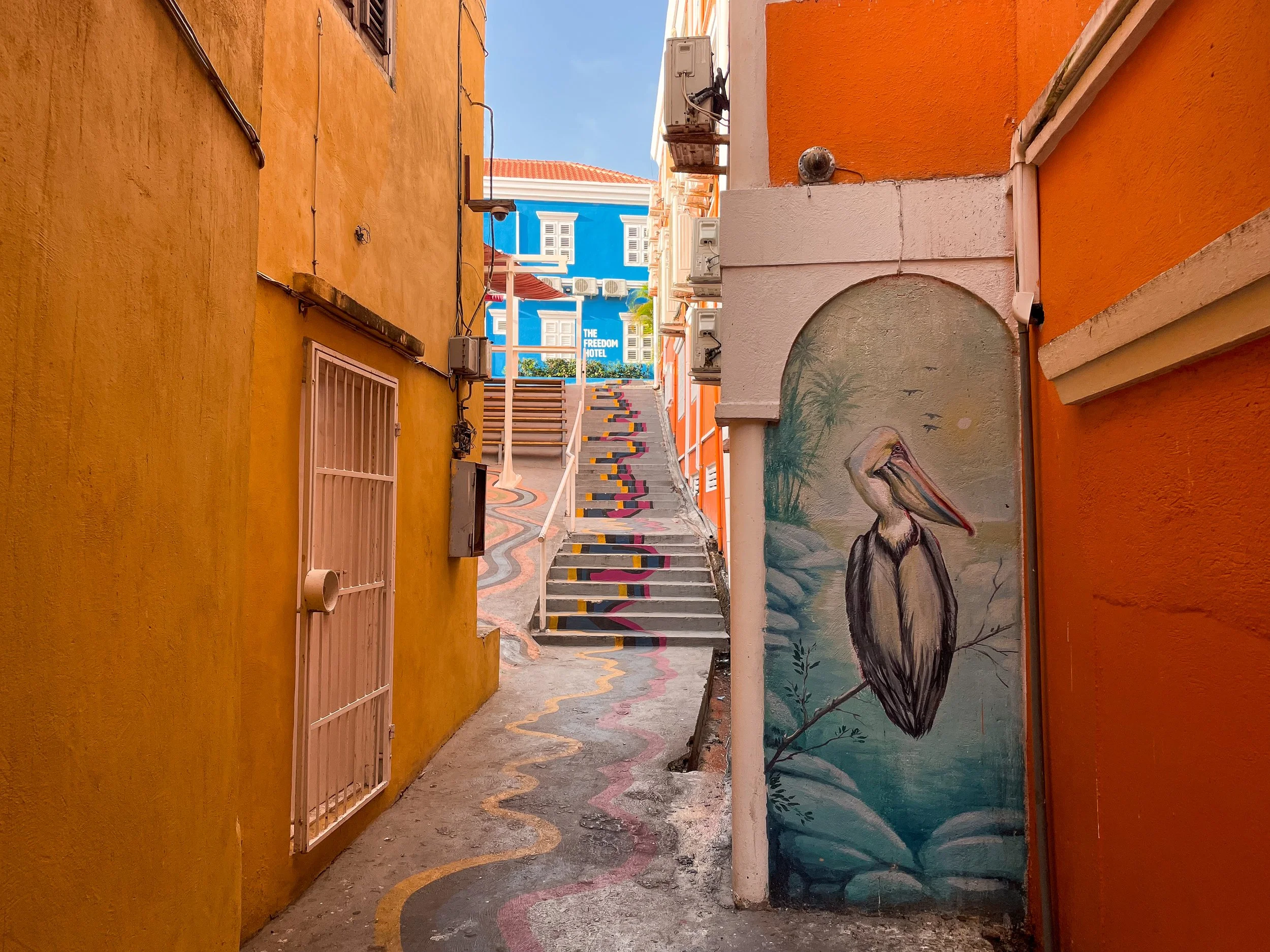
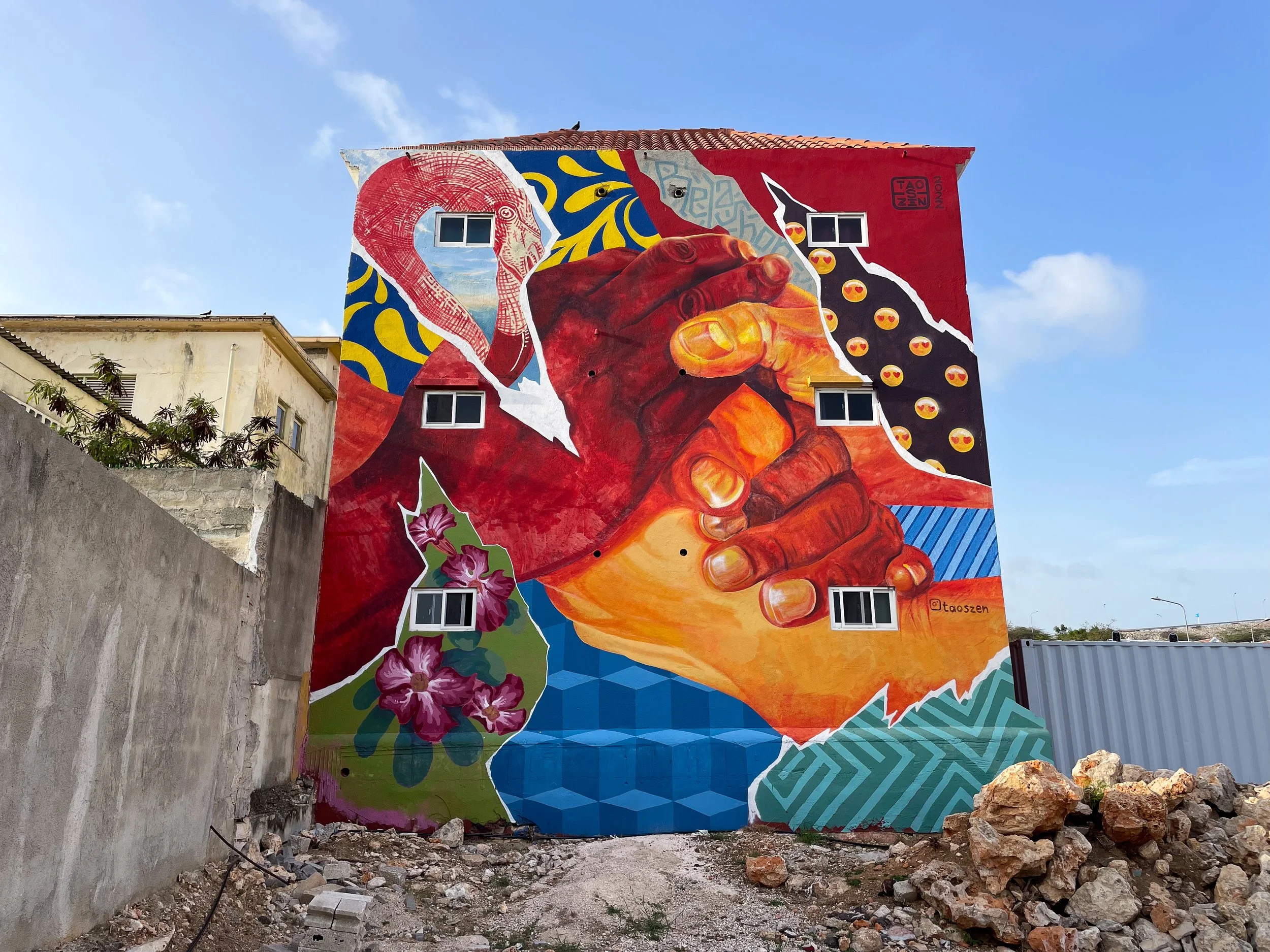
Otrobanda Neighborhood
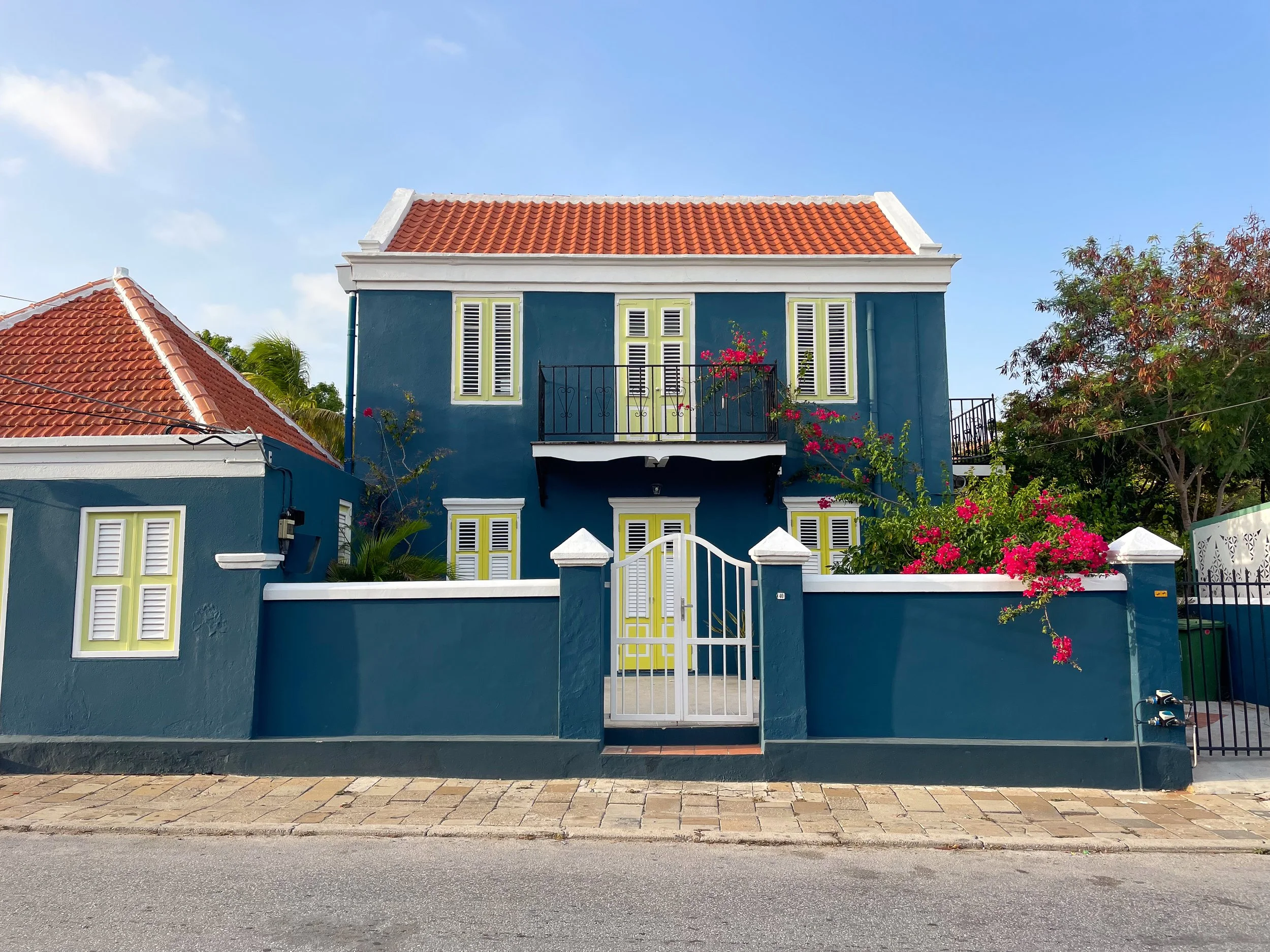
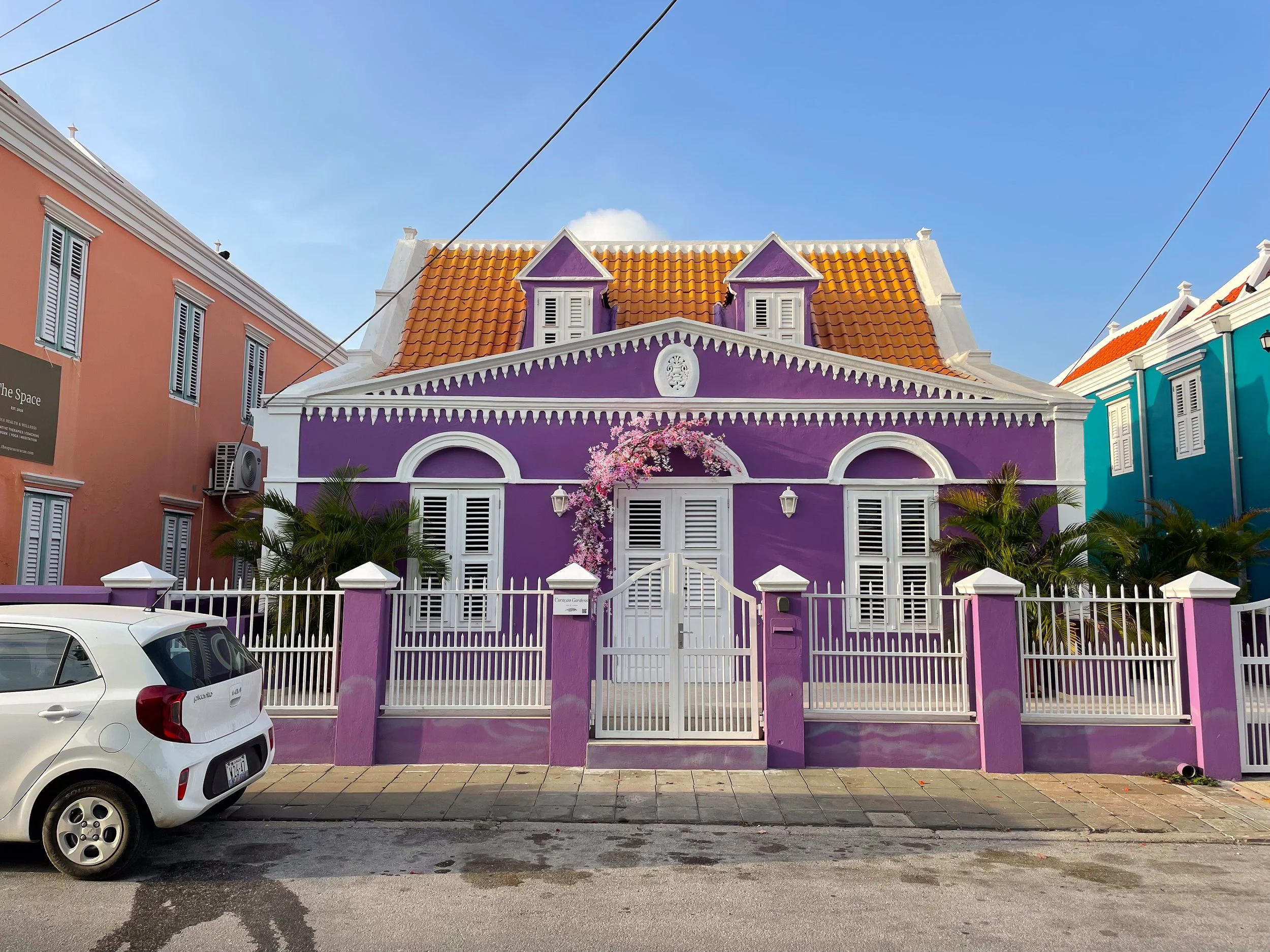
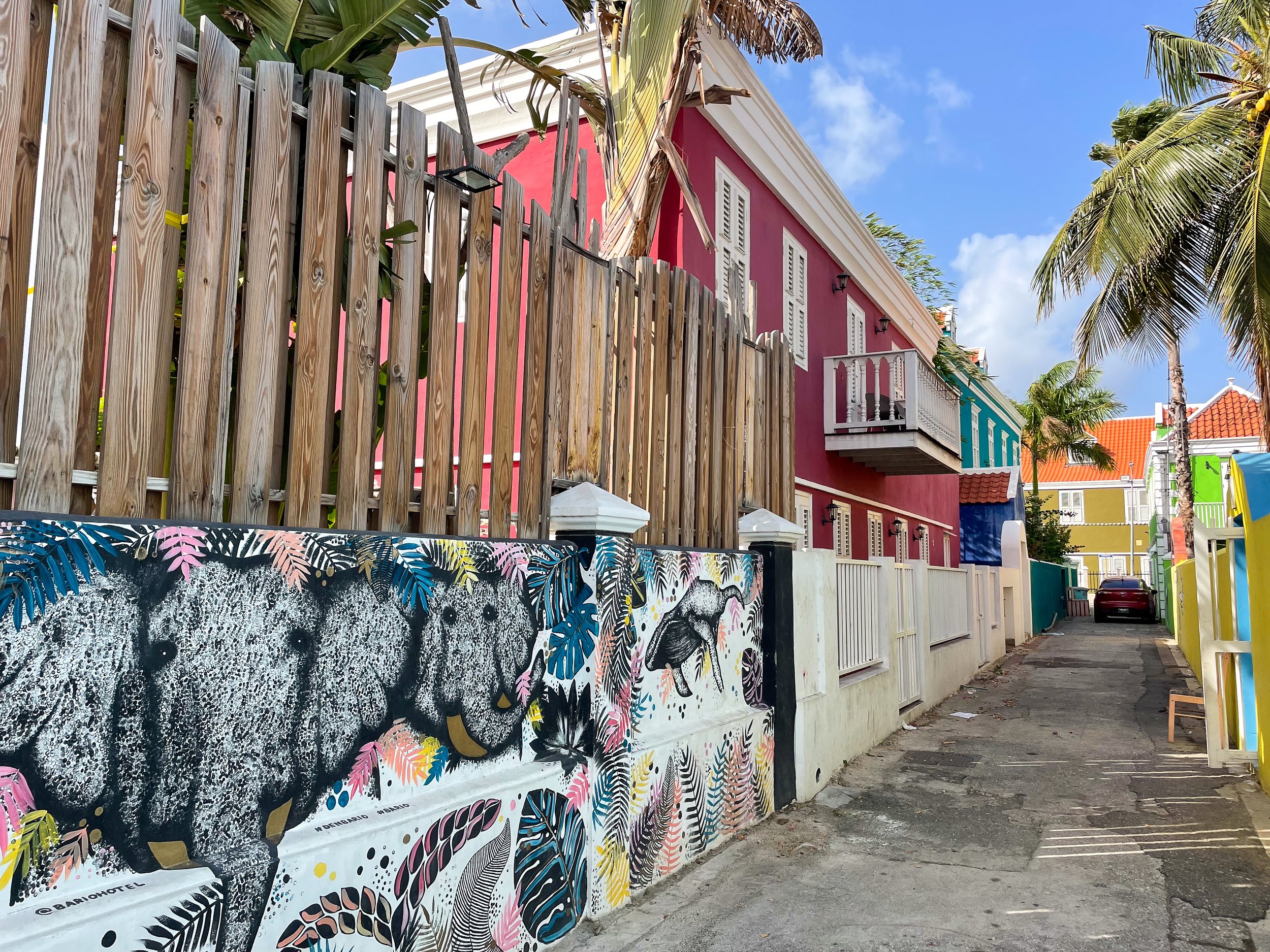
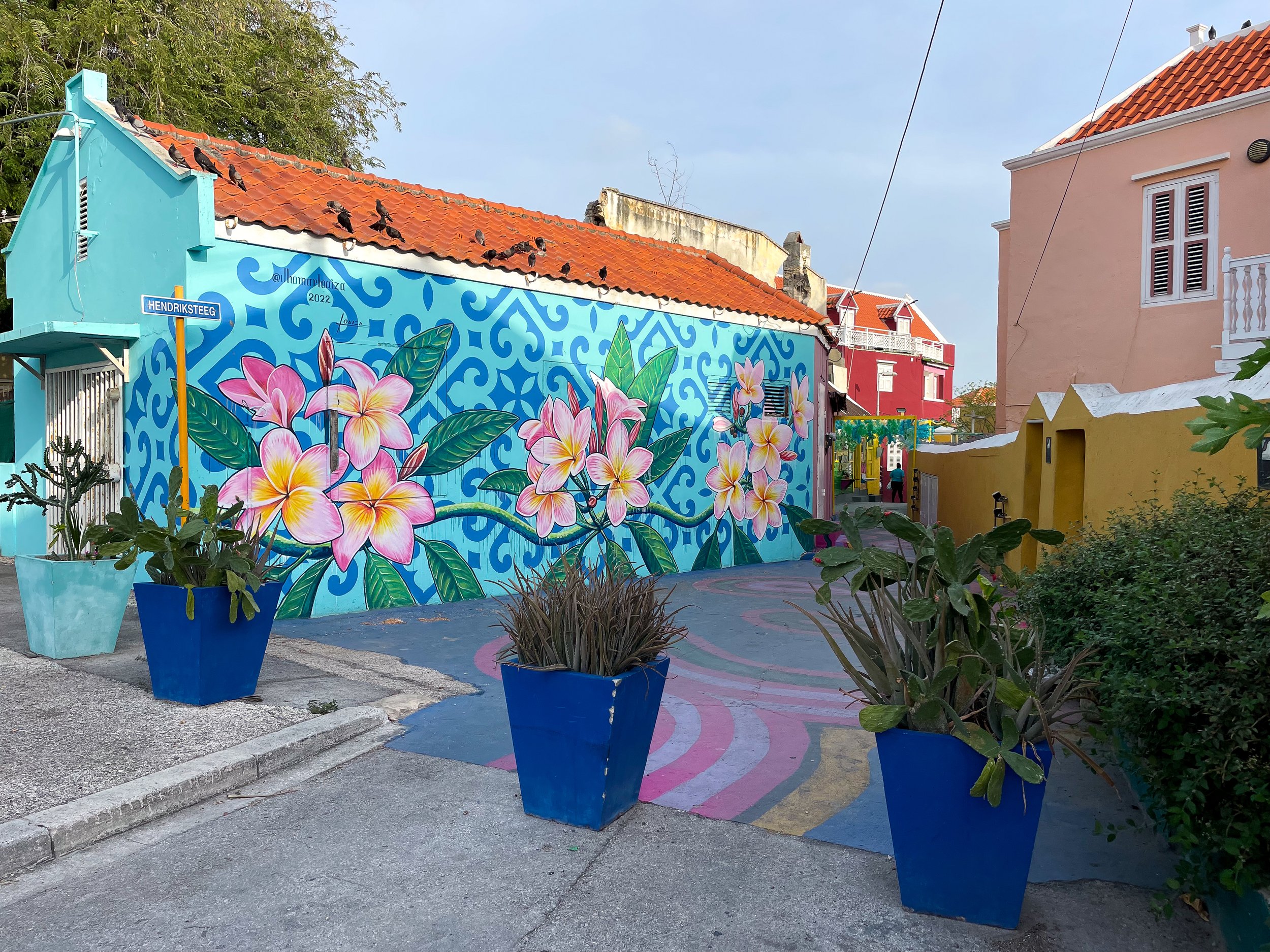
Otrobanda is a historic neighborhood and Arts District with colorful buildings, large murals, alleyway exhibits, painted stairs and historical markers. It feels more local with fewer tourists than other areas in Willemstad while offering some of the best views of Handelskade from the St Anna Bay.
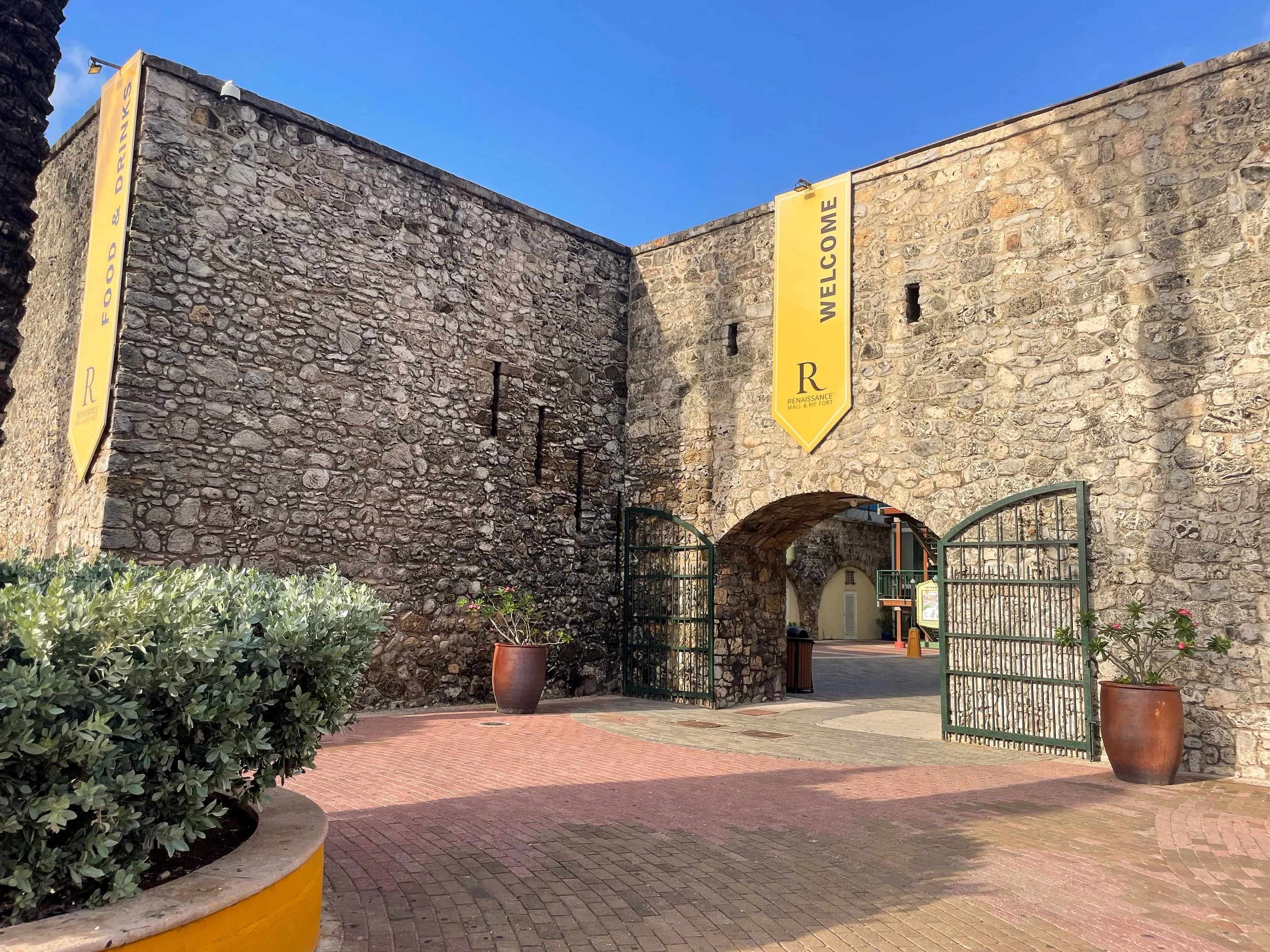
Rif Fort. A former colonial fort guarding the entrance to the harbor made from coral brick and stone walls. It’s been converted into a mall with boardwalks, seaside overlooks and a central courtyard with restaurants and shops.
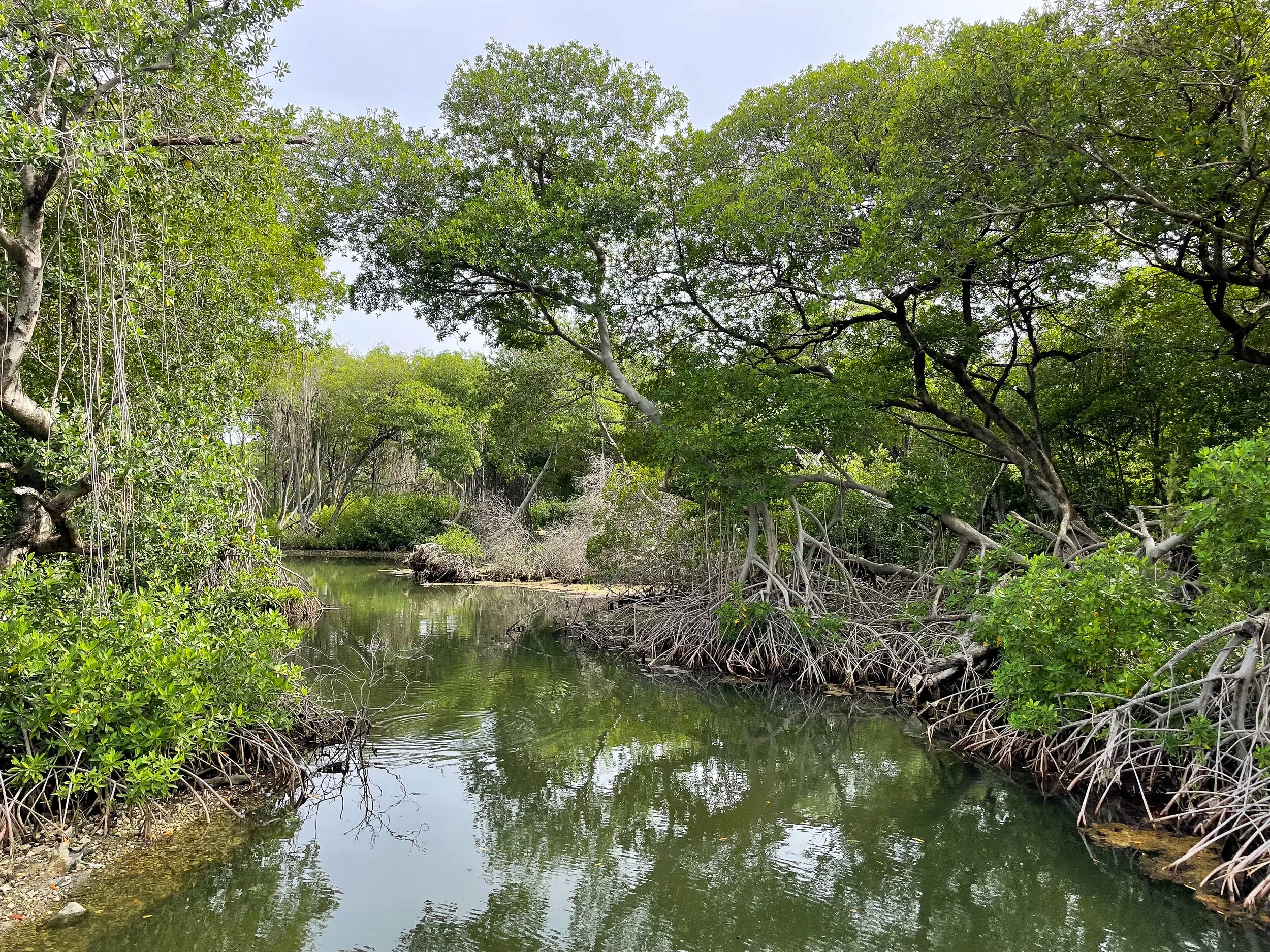
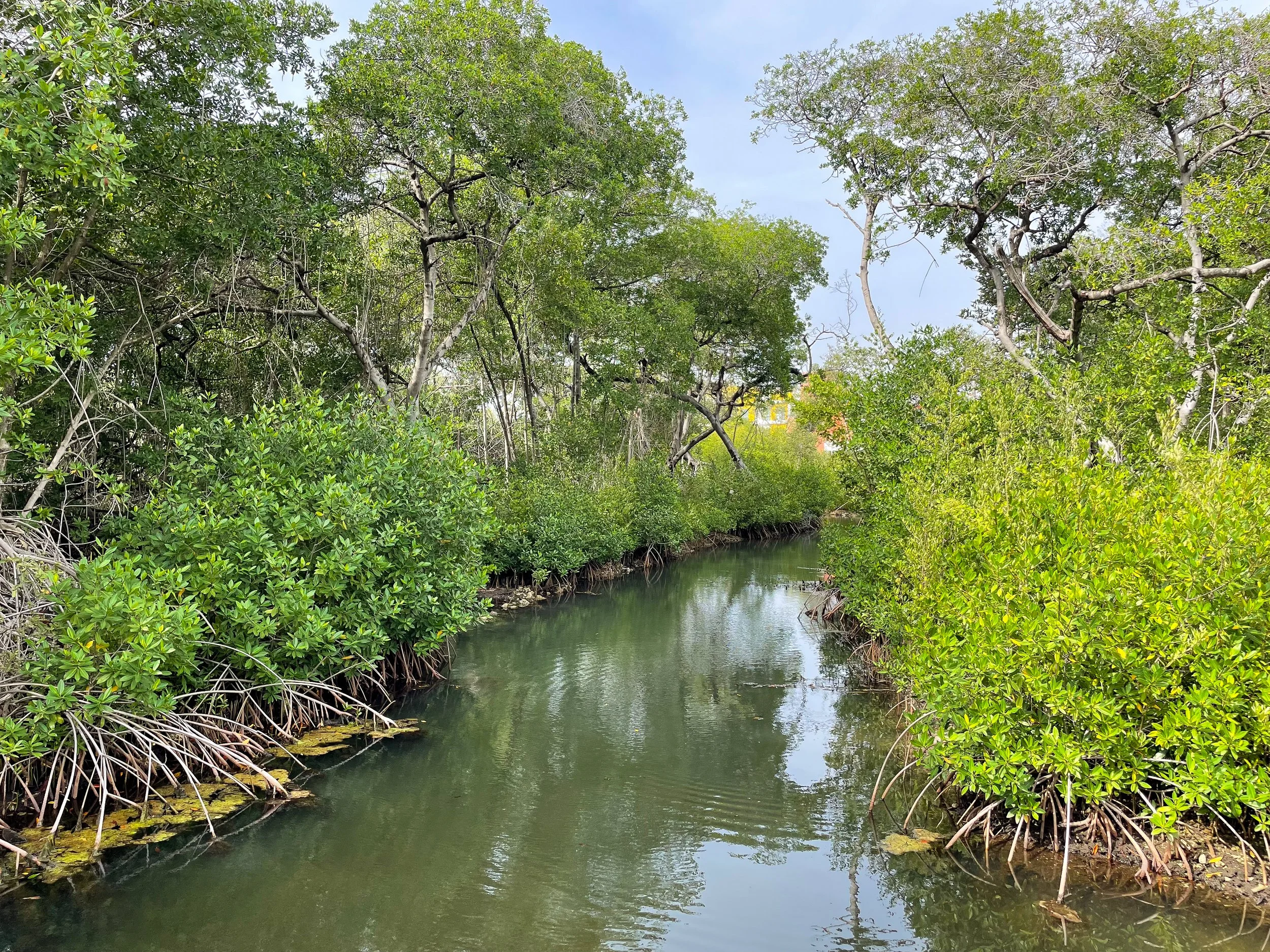
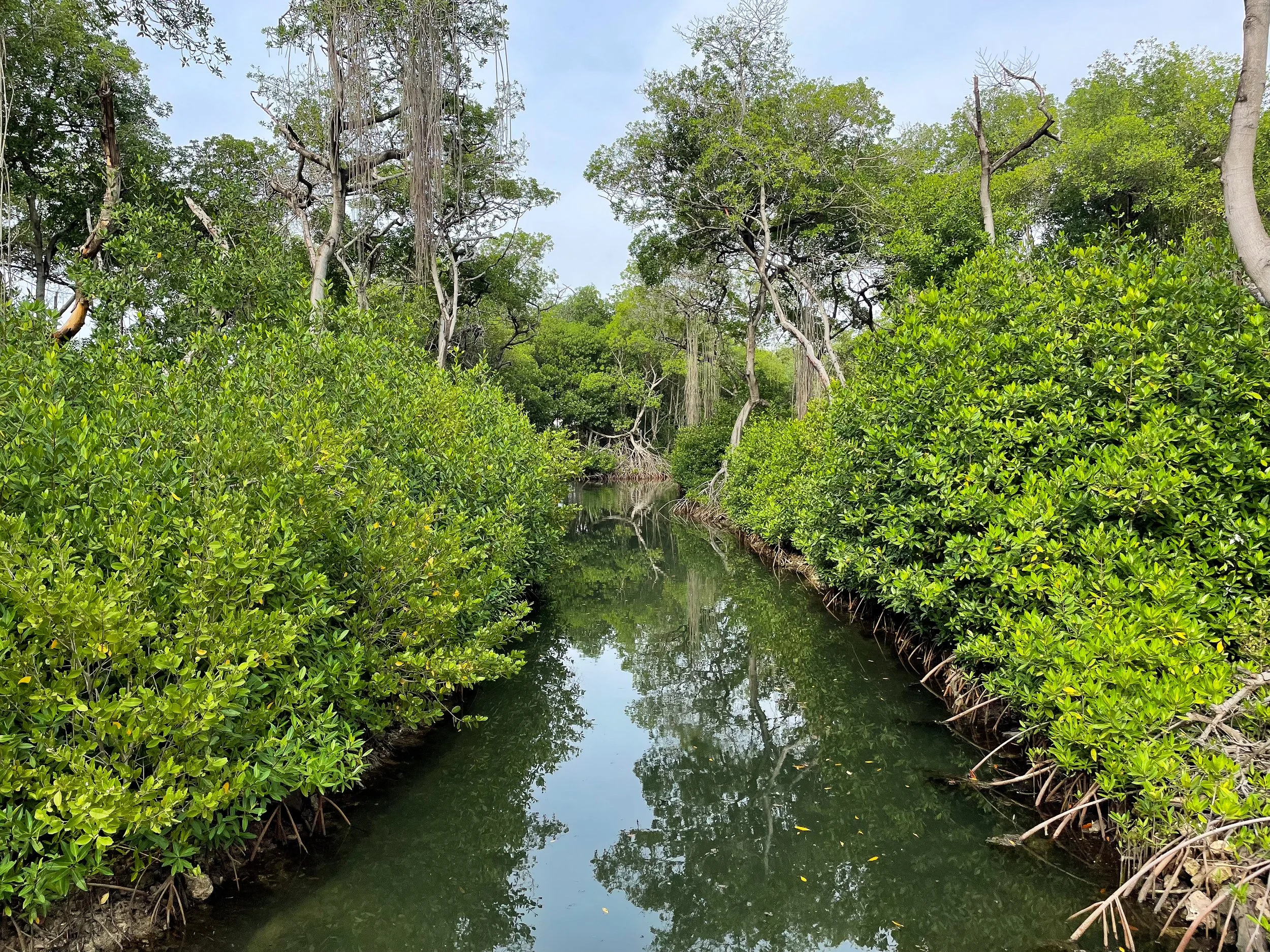
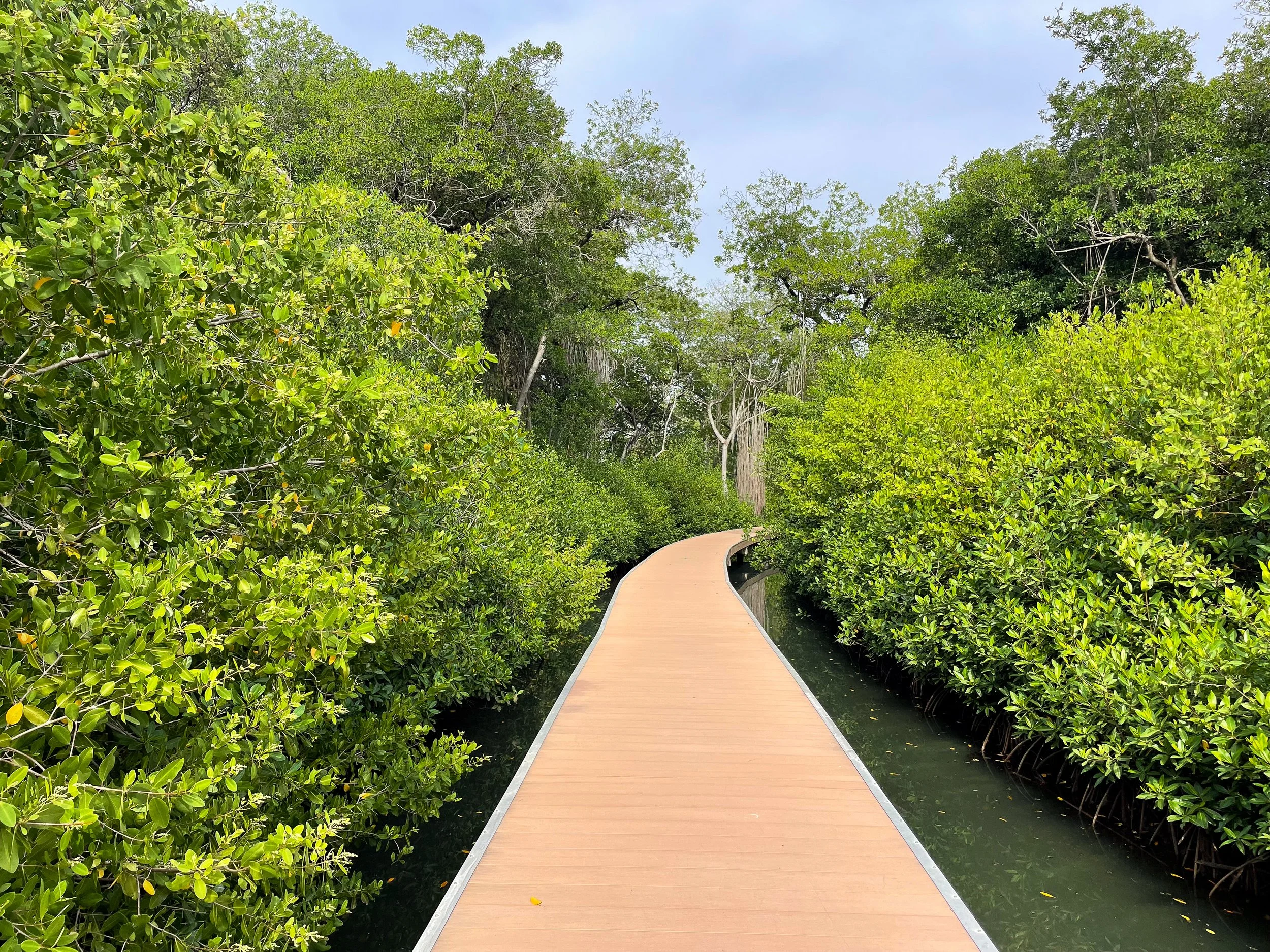
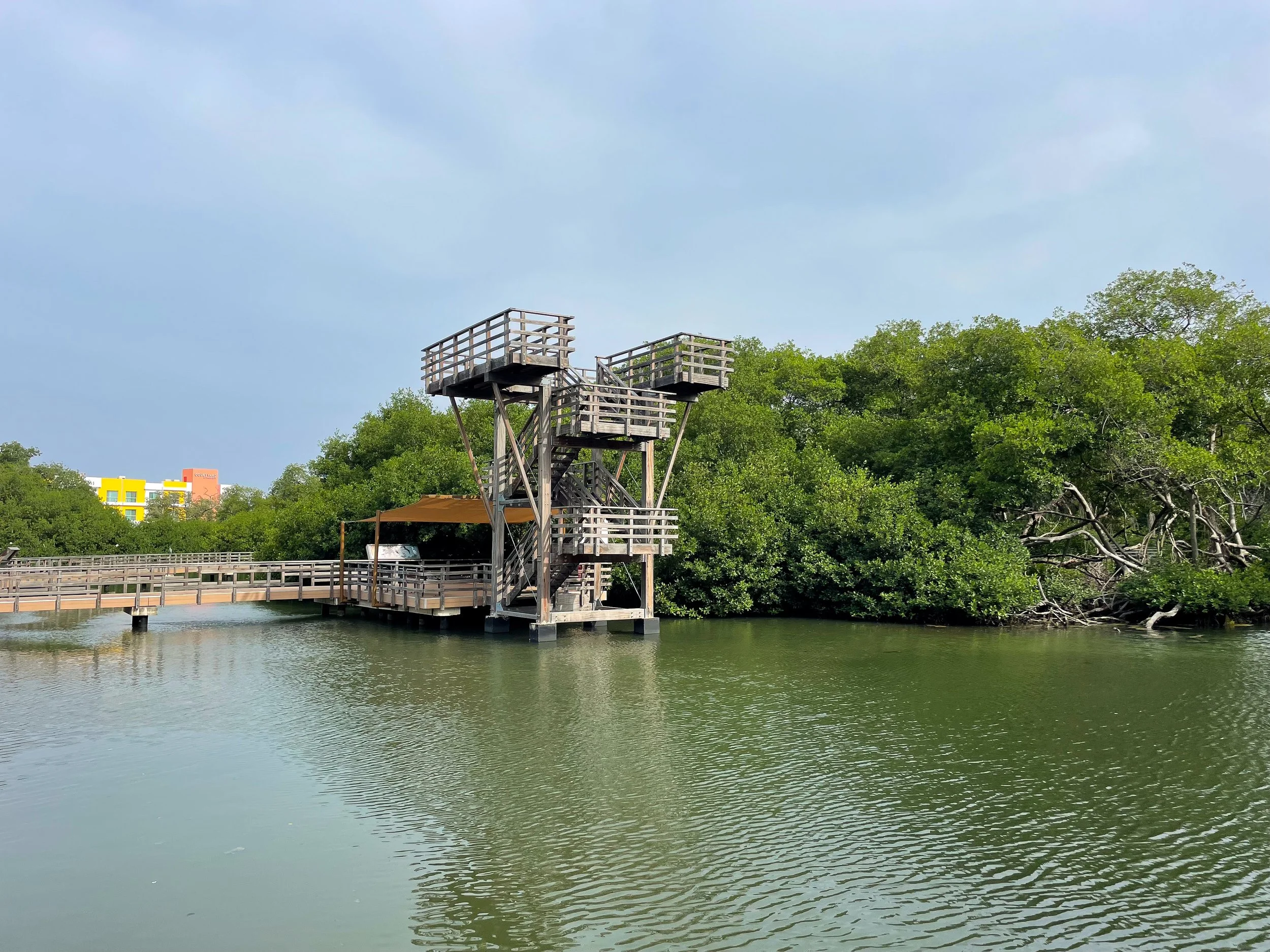
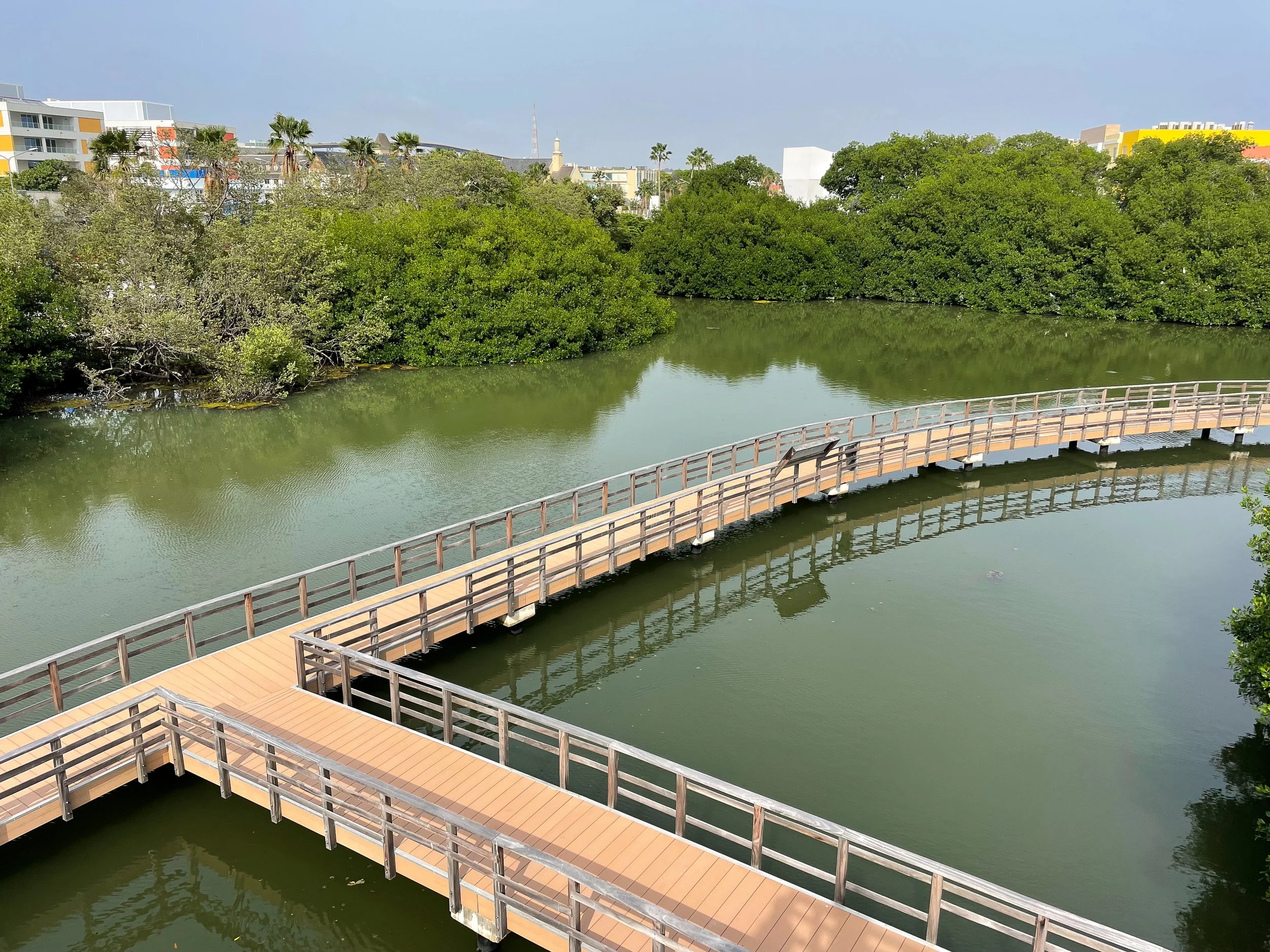
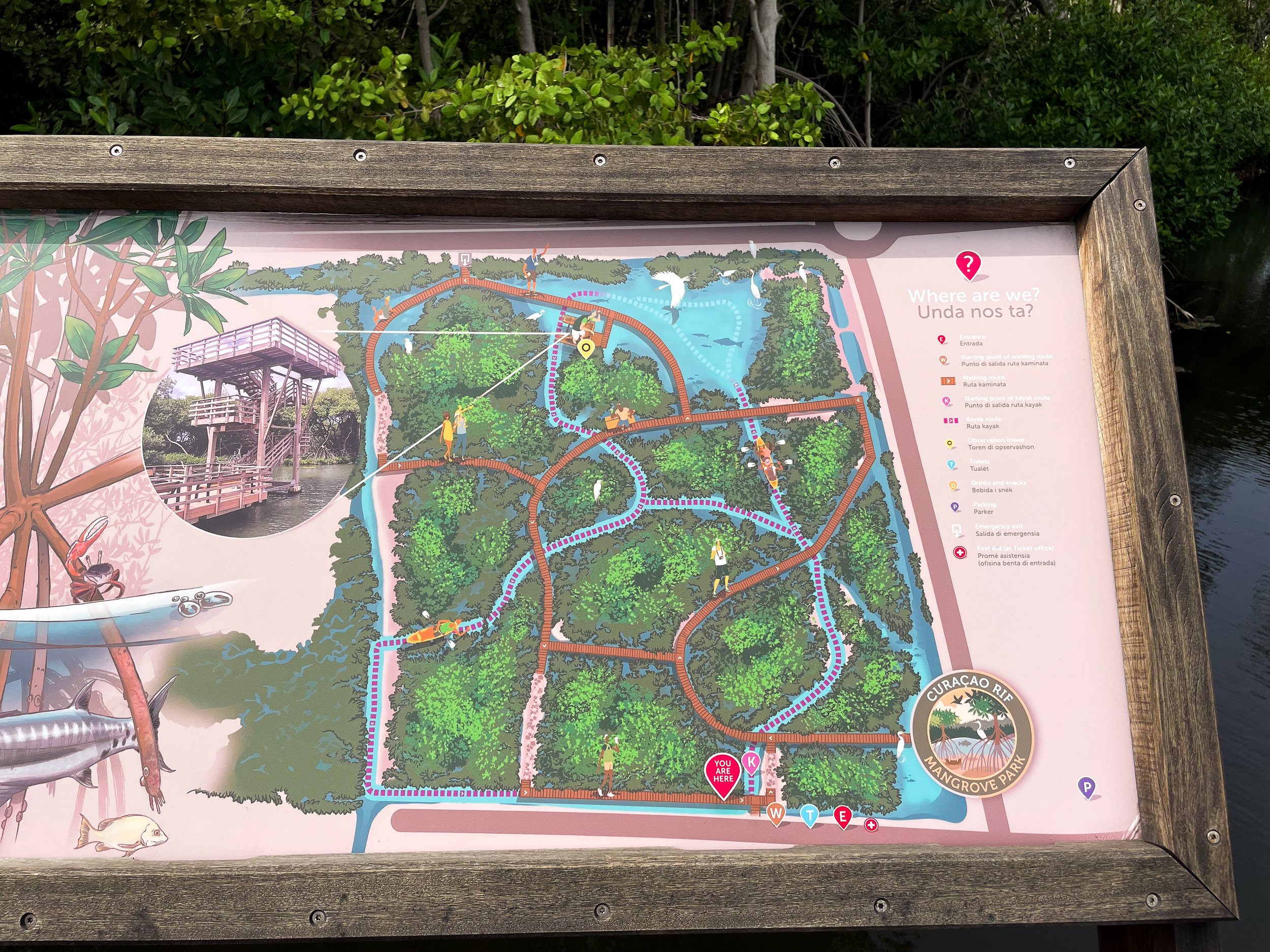
Curaçao Rif Mangrove Park. A protected mangrove forest in the center of Willemstad with a floating boardwalk, a lookout tower, educational signs and kayak rentals. The park is teeming with biodiversity. We spotted eels, puffer fish, barracuda, hermit crabs, upside-down jellyfish, yellow headed parakeets, butterflies and varying species of fish and birds.
Places to Eat & Drink
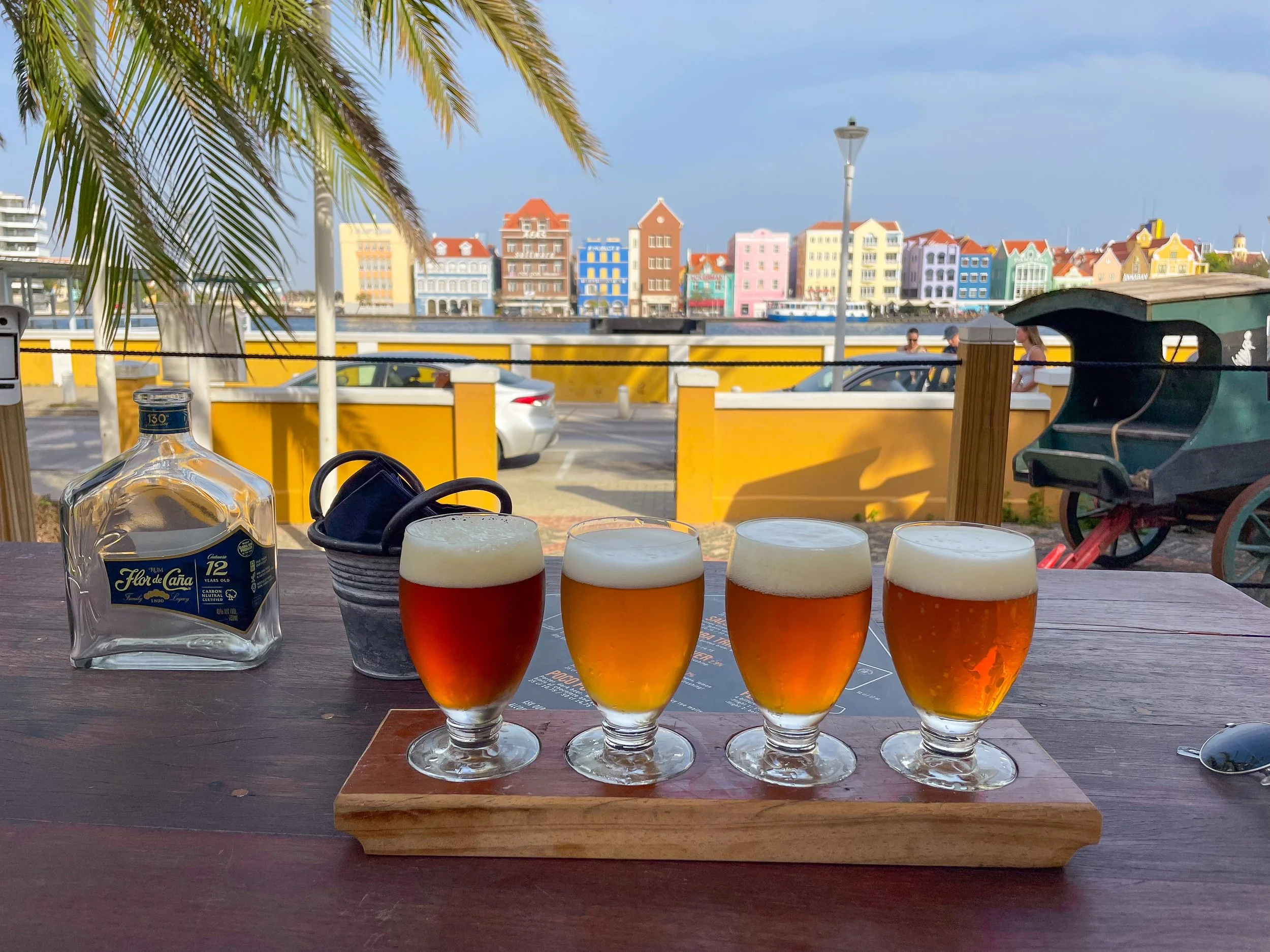
Swinging Old Lady. A brewery overlooking the harbor and skyline with a mix of local and imported beers. We shared a flight while watching the Queen Emma Pontoon Bridge open and close for passing ships. Try the Waka Waka, an IPA made with Curaçao orange peels.
Harbor Restaurant Curaçao. A hotel restaurant with views of the St Anna Bay and Handelskade. Come here for classic breakfast dishes like omelettes, fresh fruit and Poffertjes (mini Dutch pancakes).
Maria’s Kitchen. A breakfast and brunch spot offering baked goods, egg dishes and fresh juices. It’s located inside of a converted colonial home.
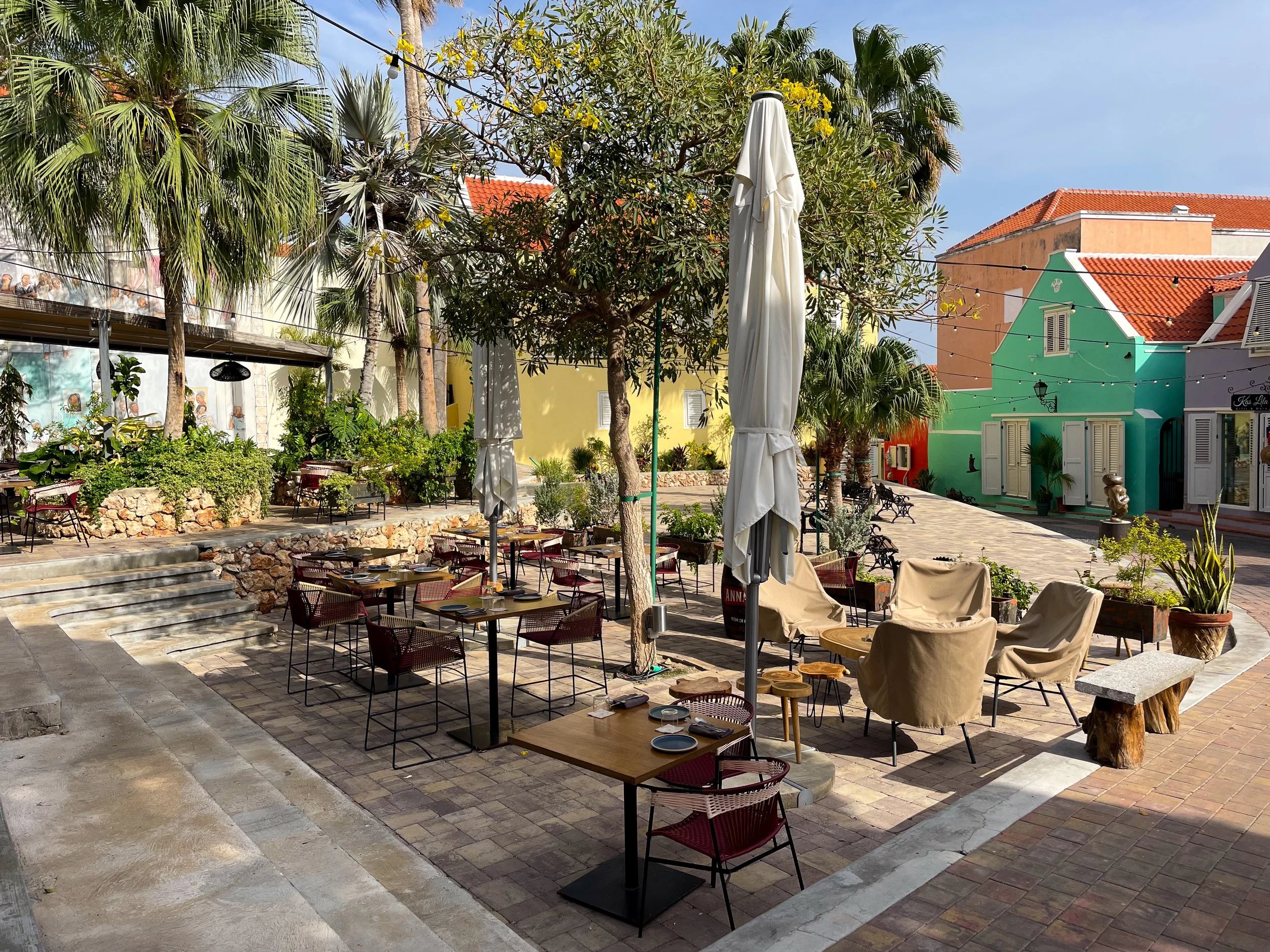
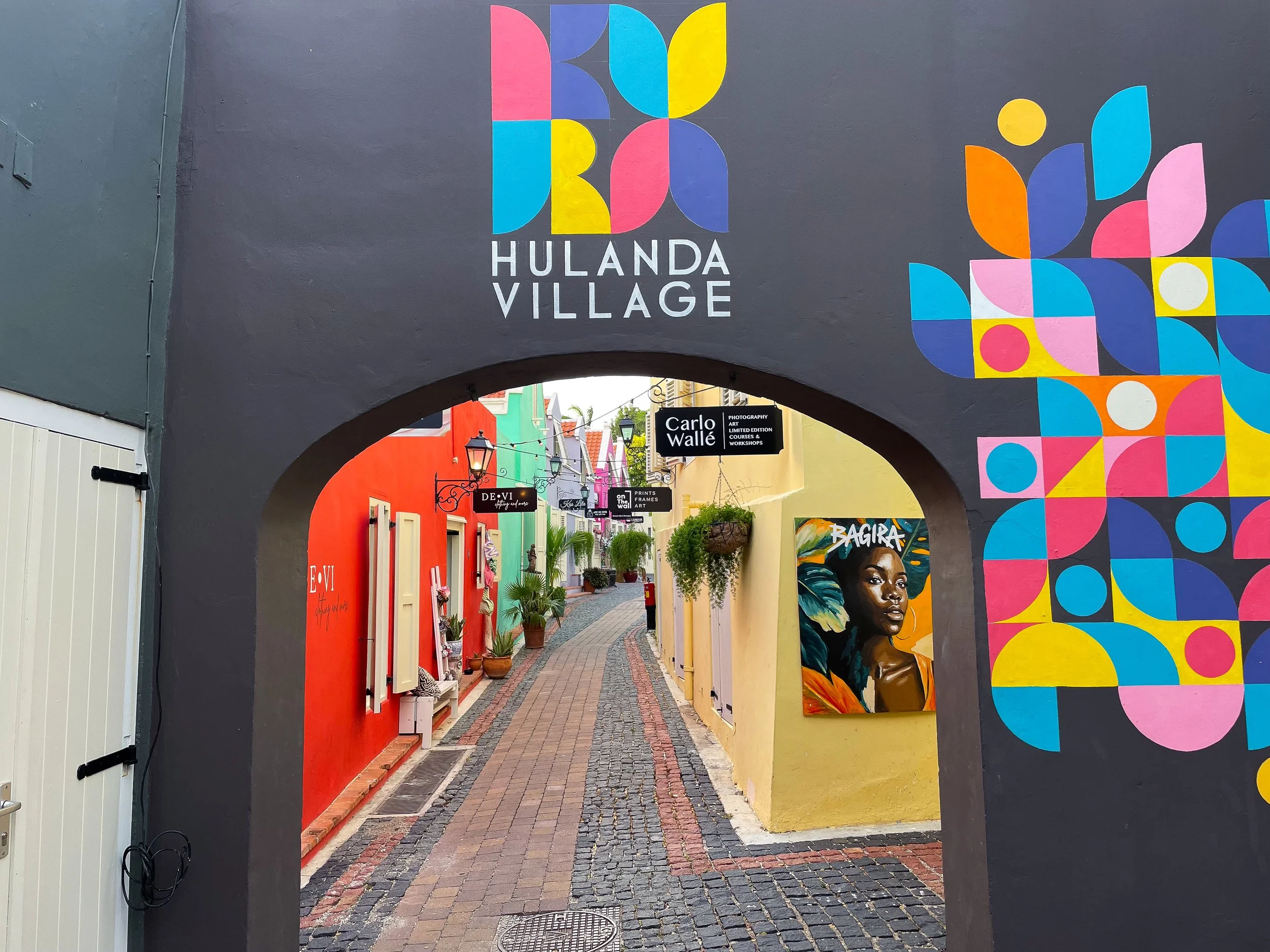
Kurá Hulanda Village
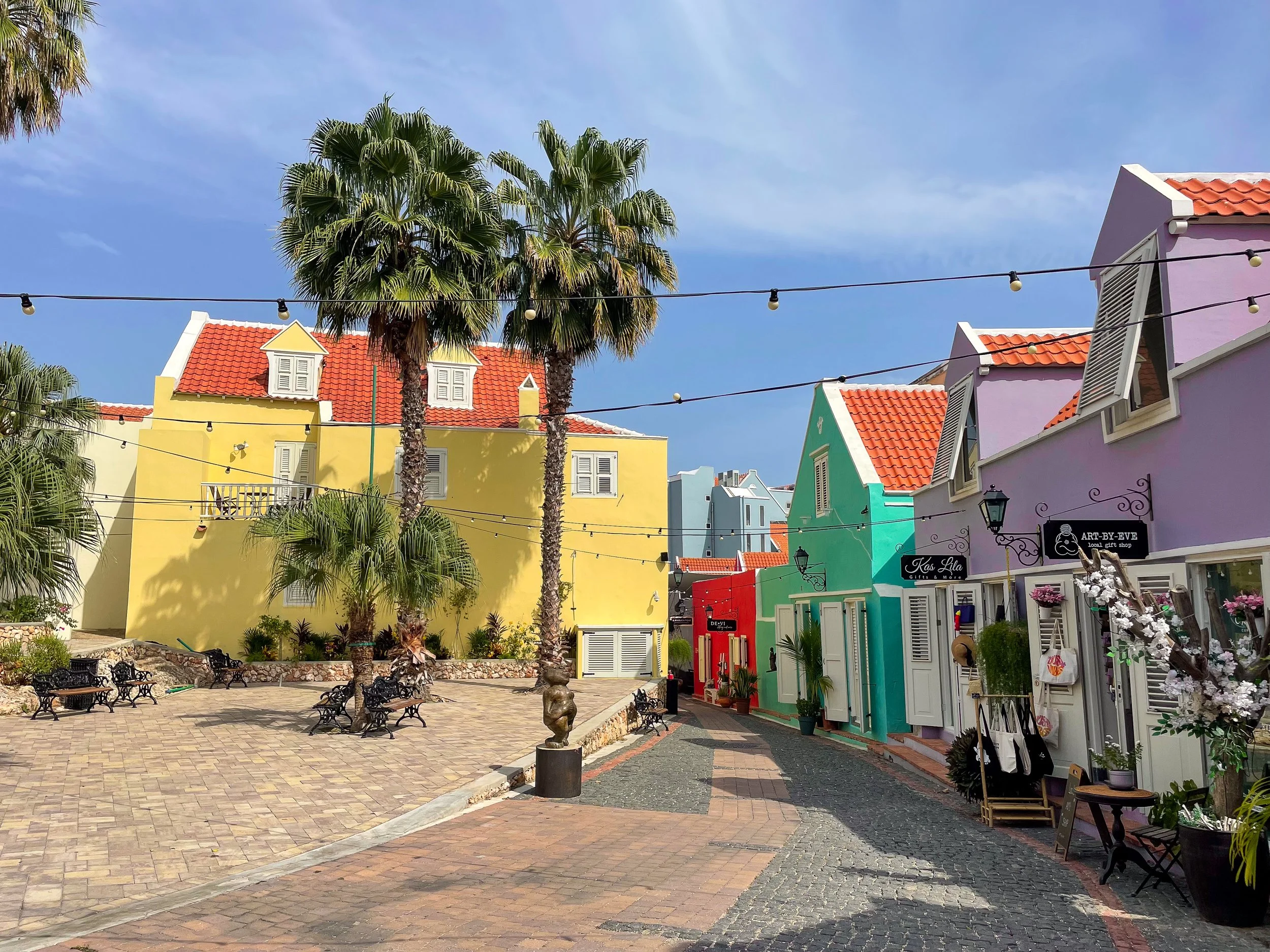
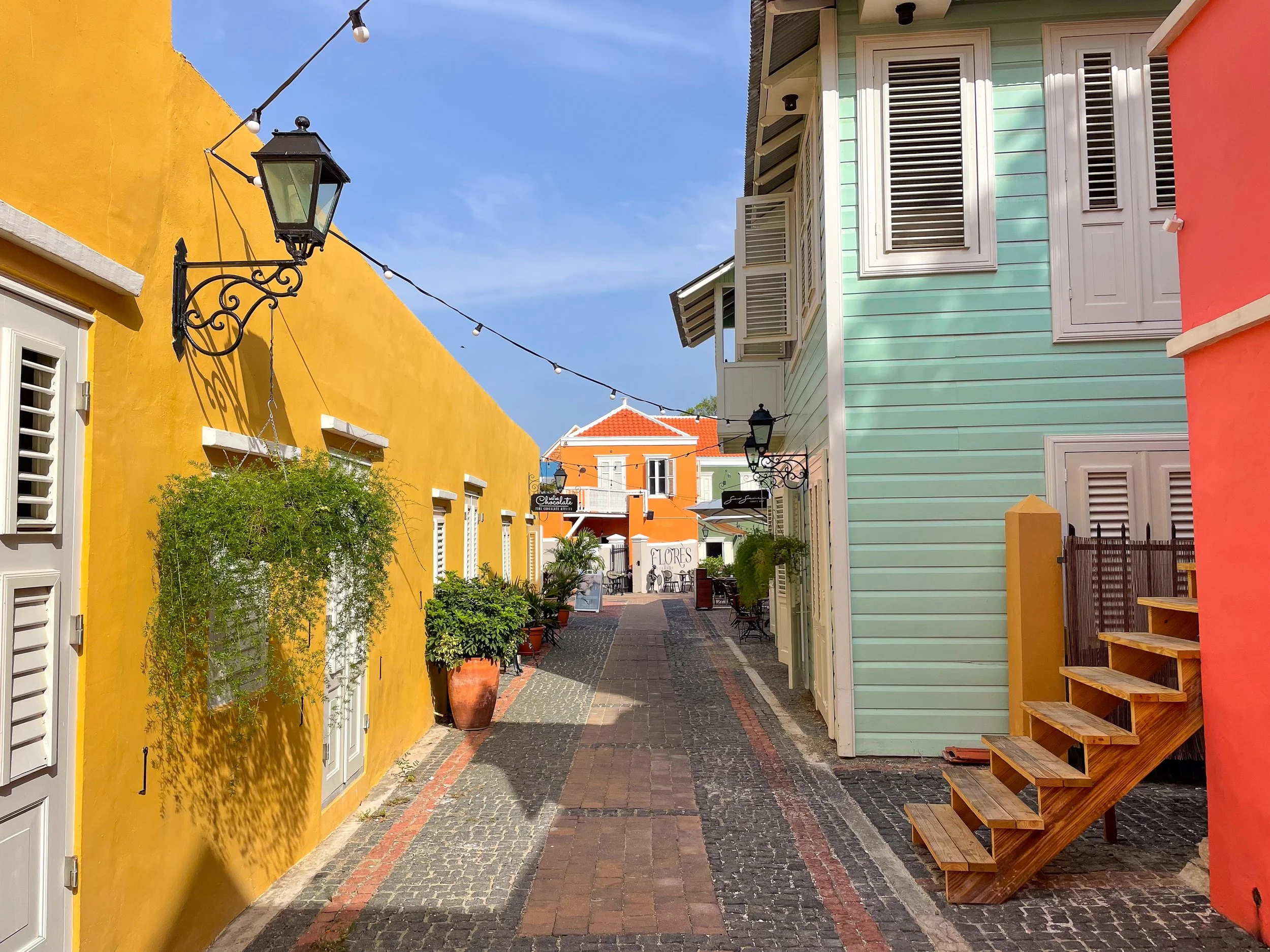
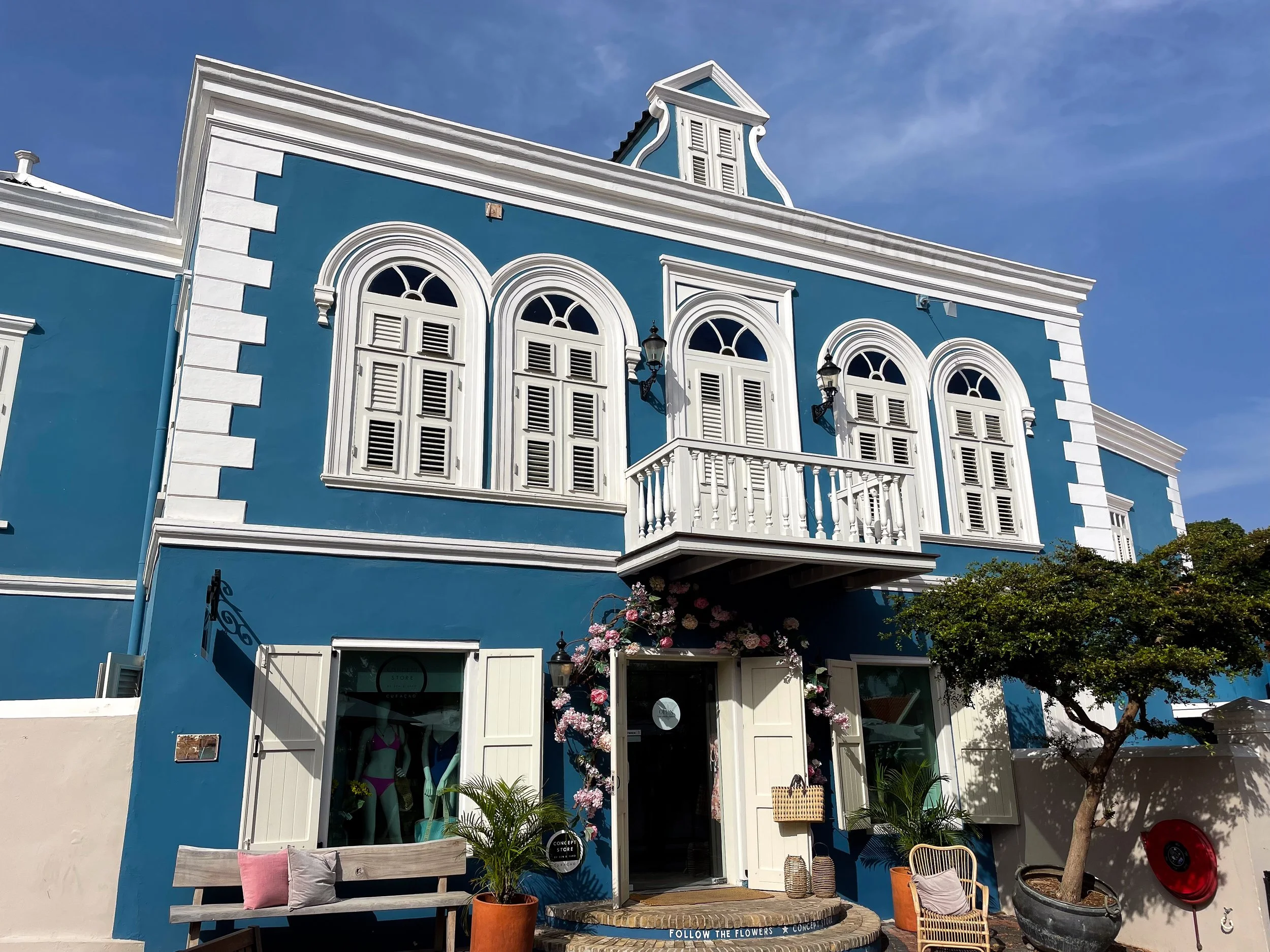
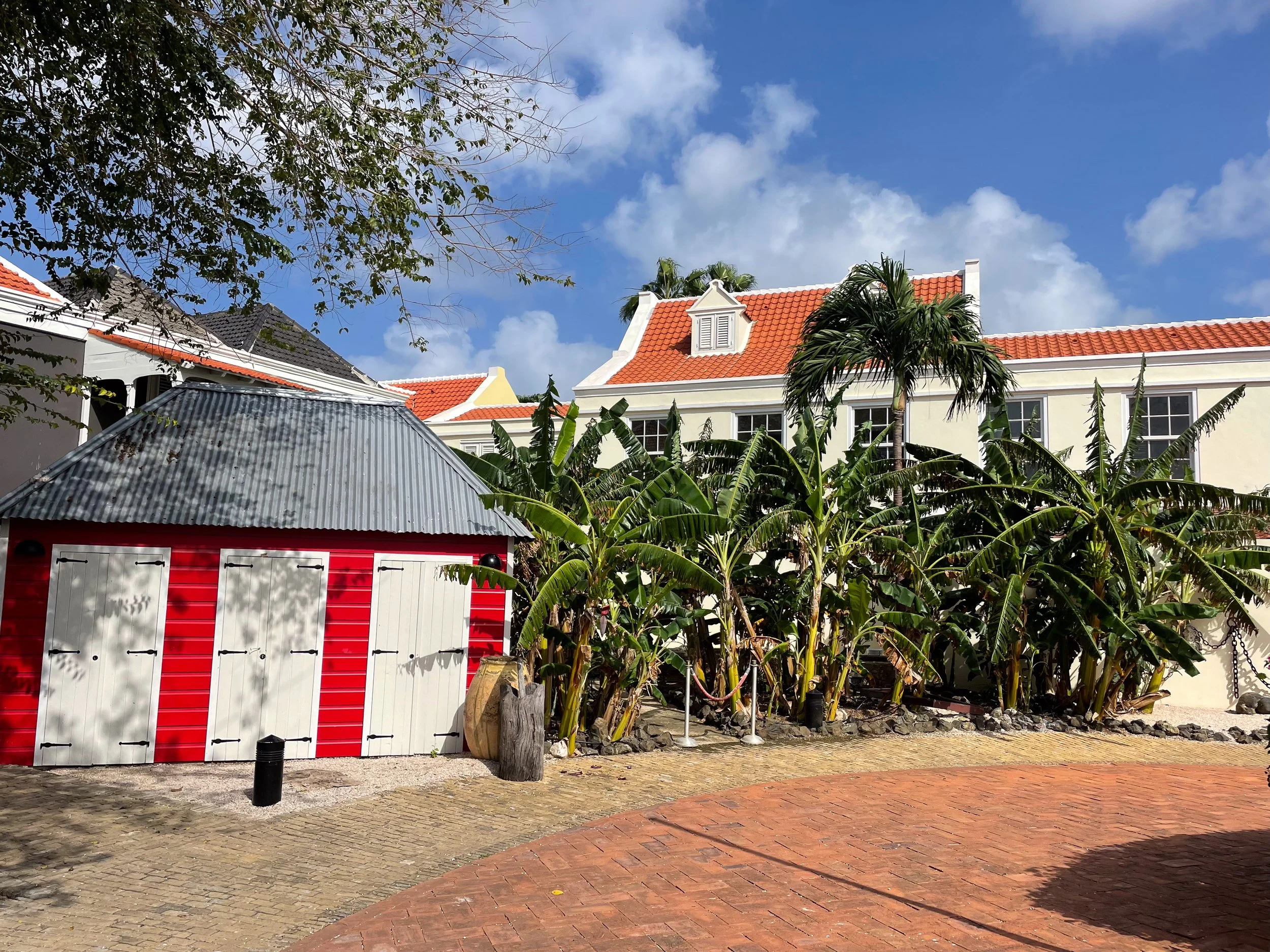
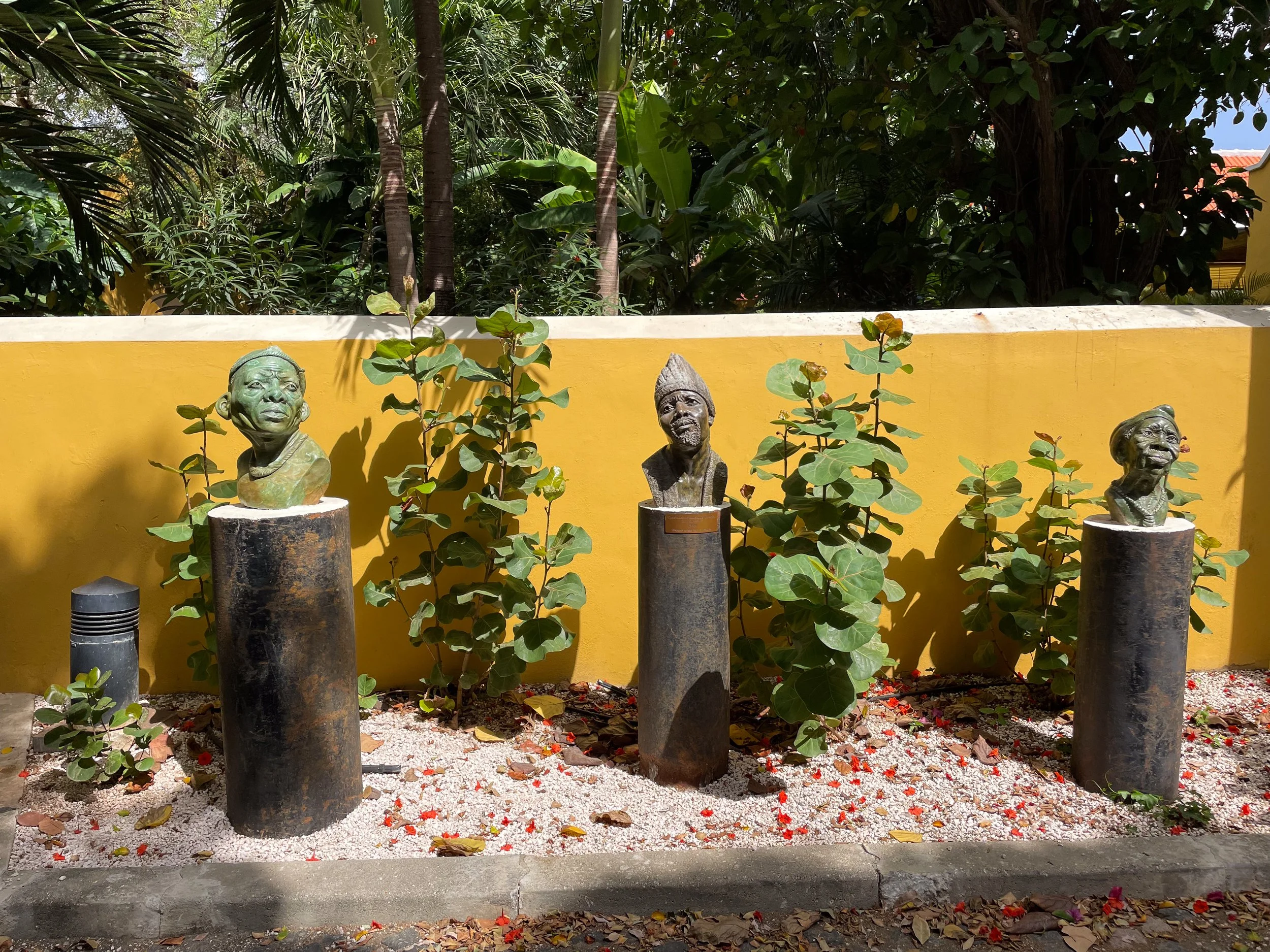
Kurá Hulanda is a semi-hidden village within the Otrobanda neighborhood. Its cobblestone alleyways and plazas are surrounded by restored colonial buildings with colorful facades, tropical greenery, vibrant murals and Afro Caribbean statues. It’s home to locals, expats, boutique shops, hotels and restaurants. Musicians perform in outdoor patios under the soft glow of twinkle lights each night, creating a relaxing and romantic atmosphere.
Saturday Morning Market. Local vendors set up booths in the village’s plazas and alleyways selling crafts, handmade items, souvenirs and edible goods each Saturday morning. We bought scotch bonnet pepper chili oil and freshly made stroopwafels.
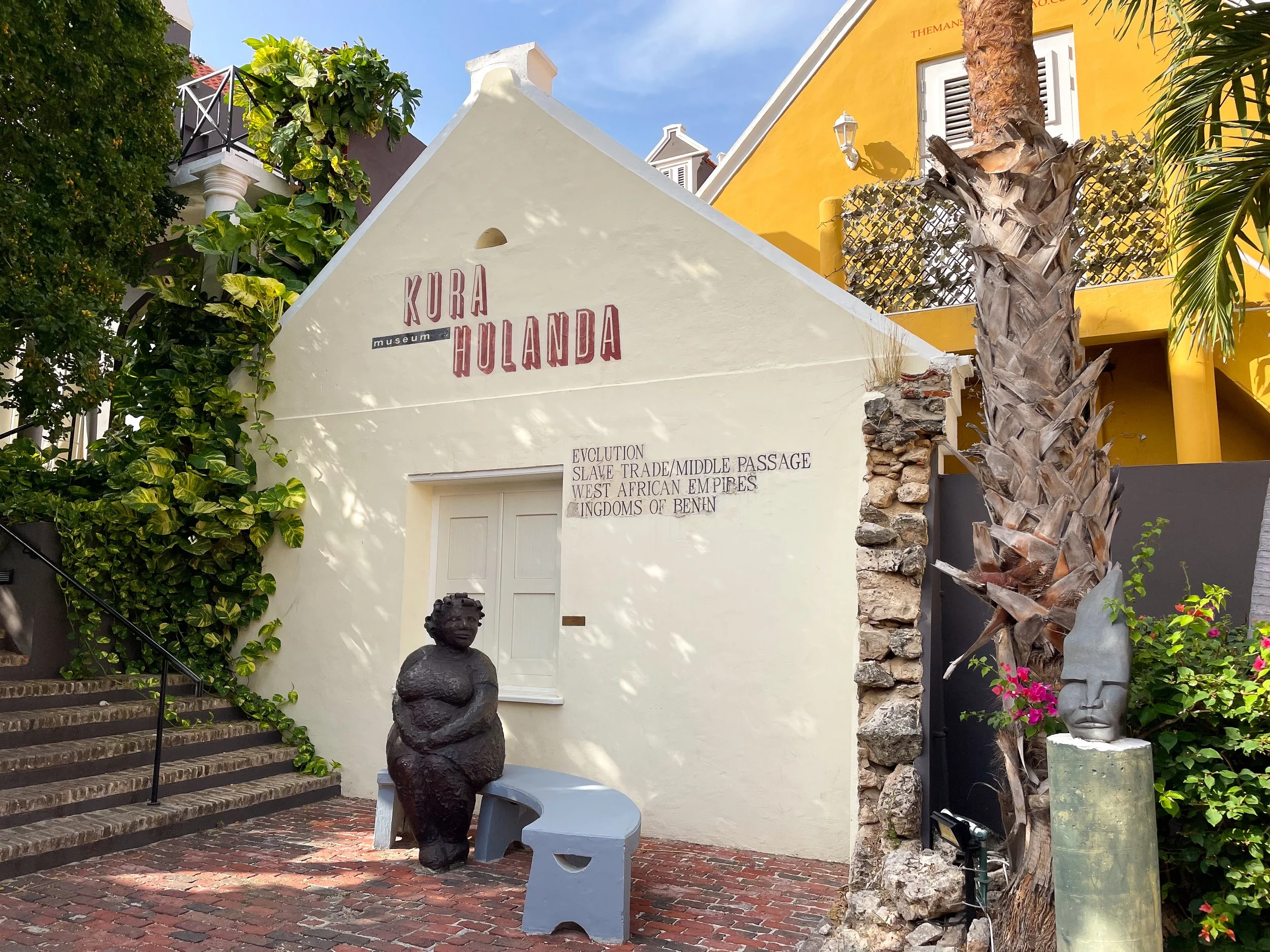
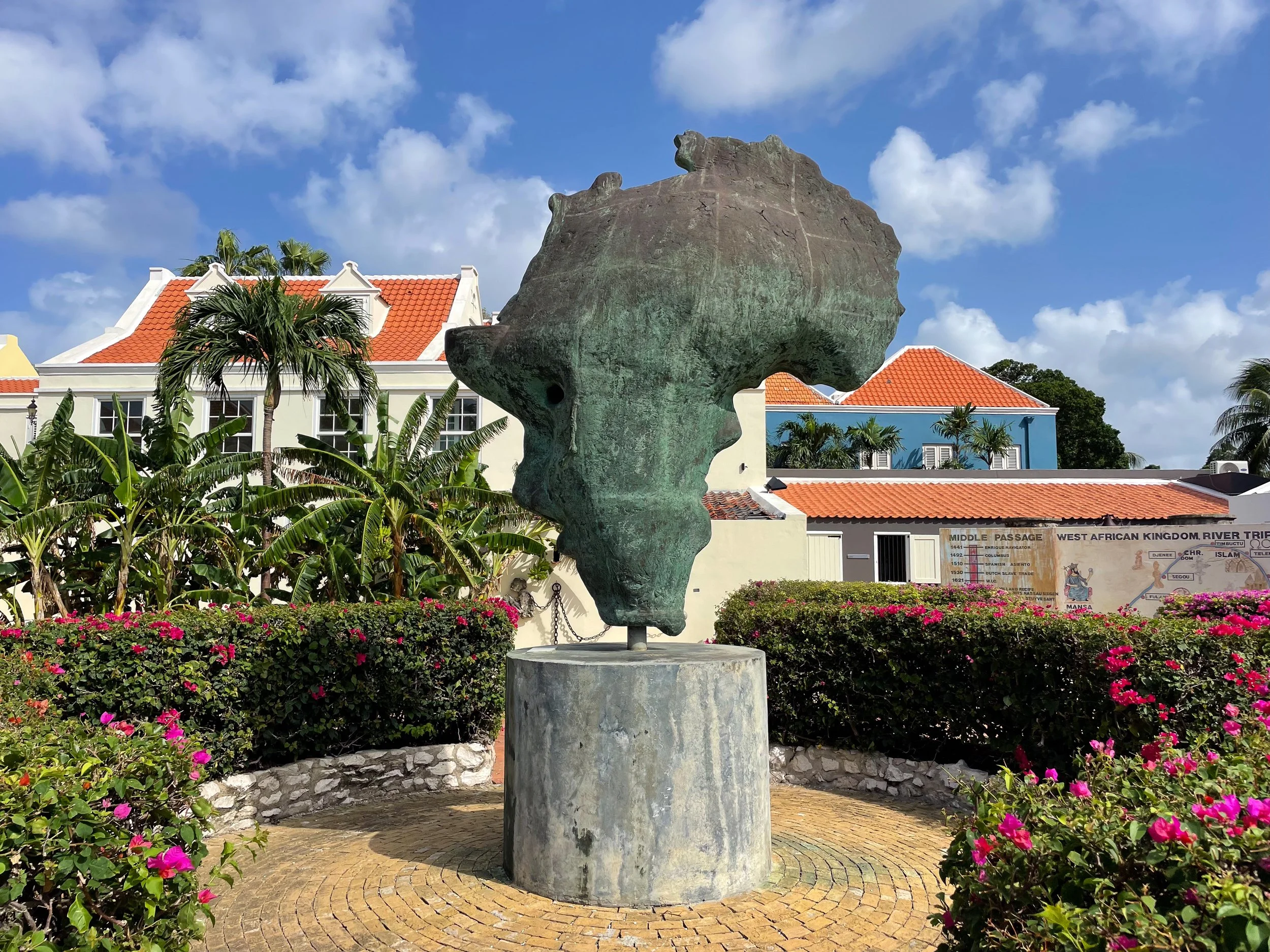
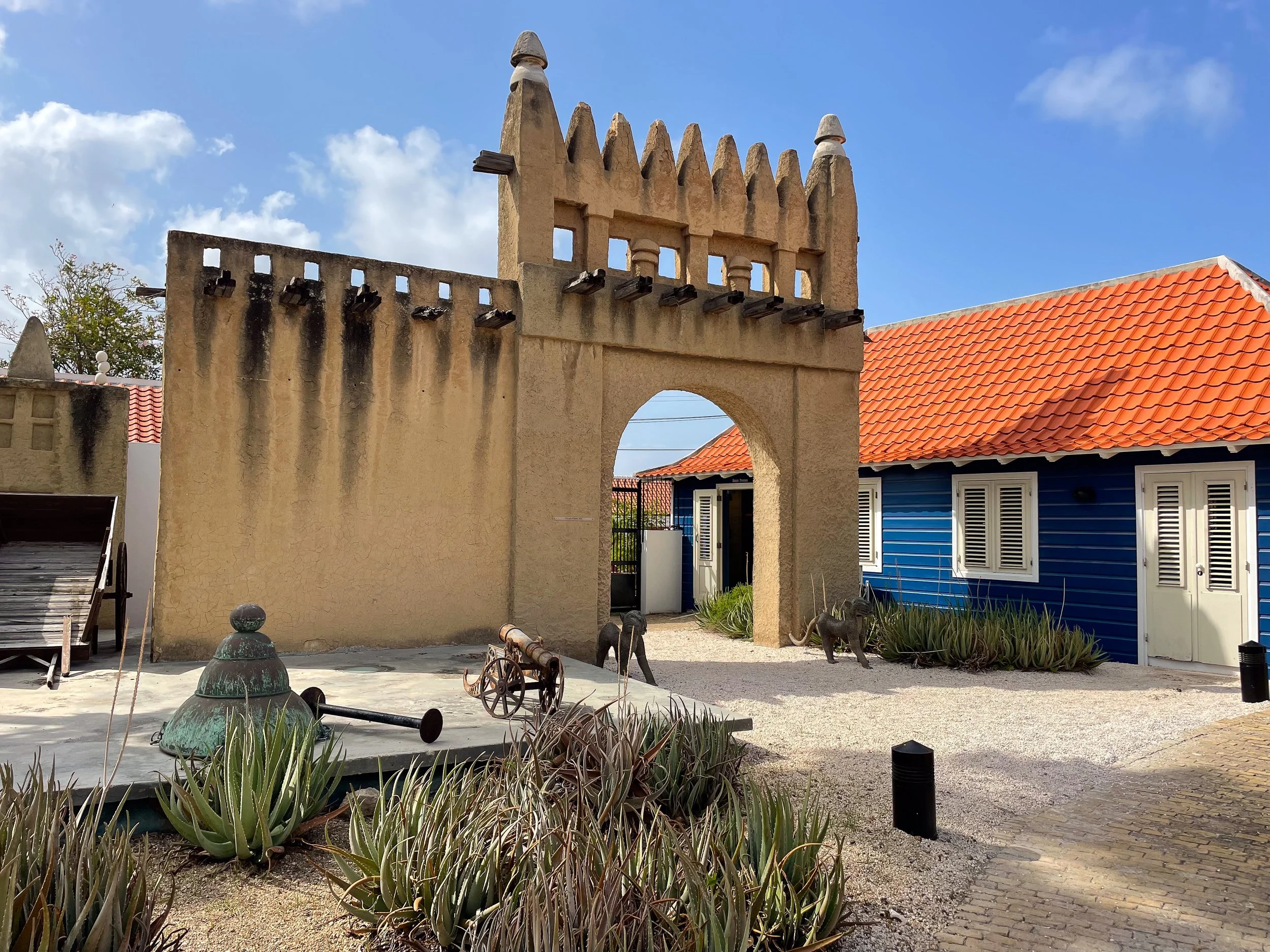
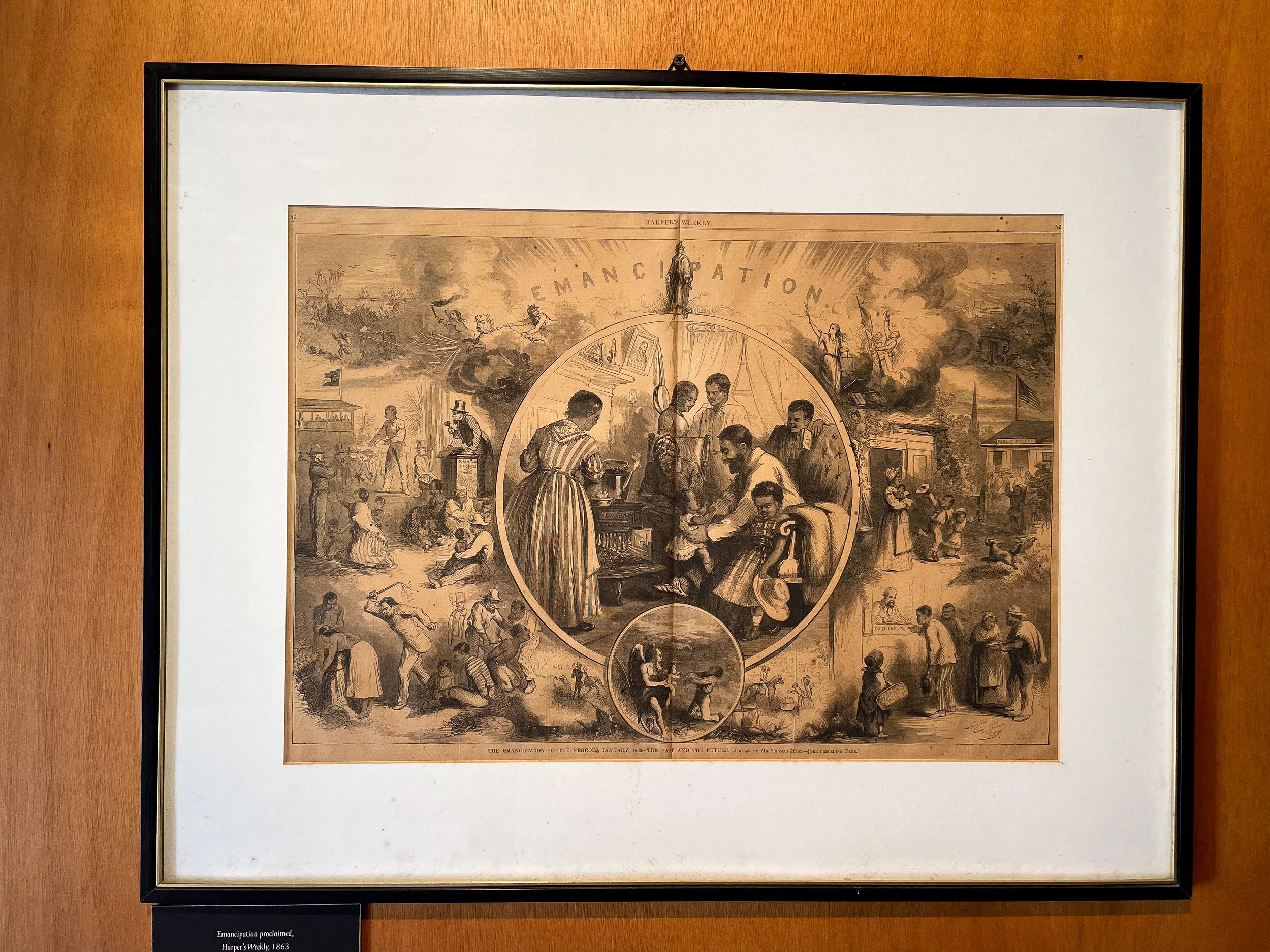
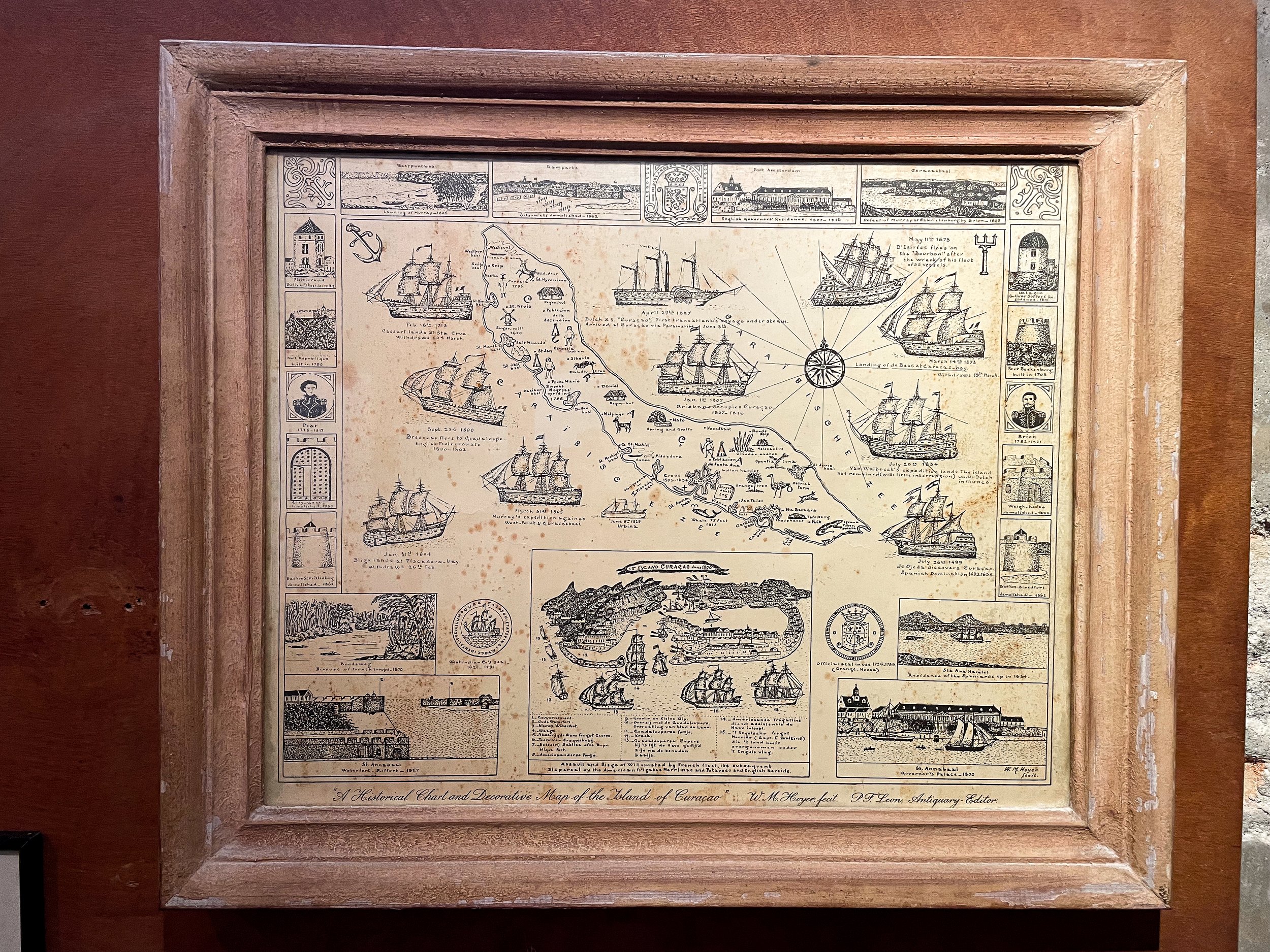
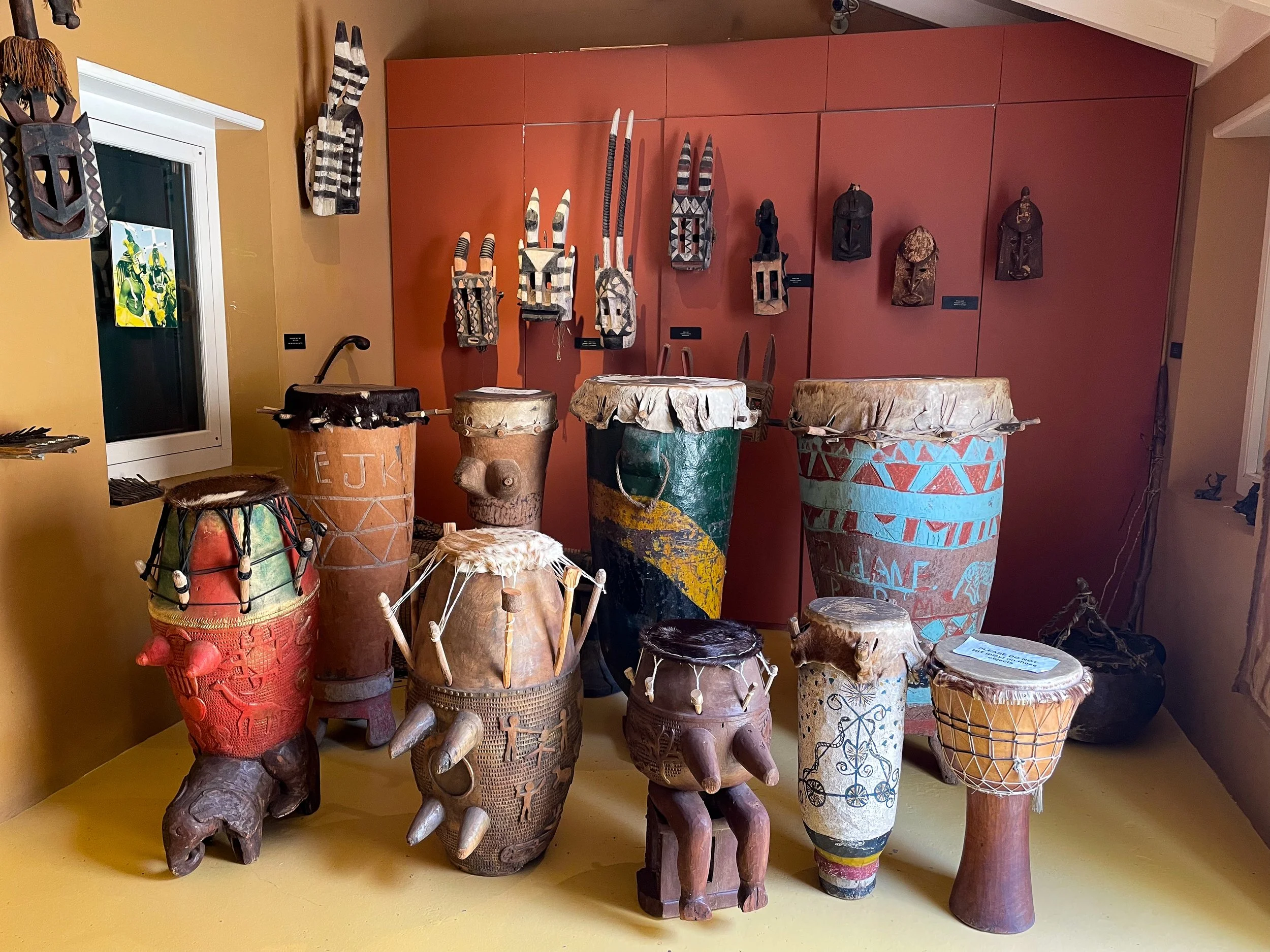
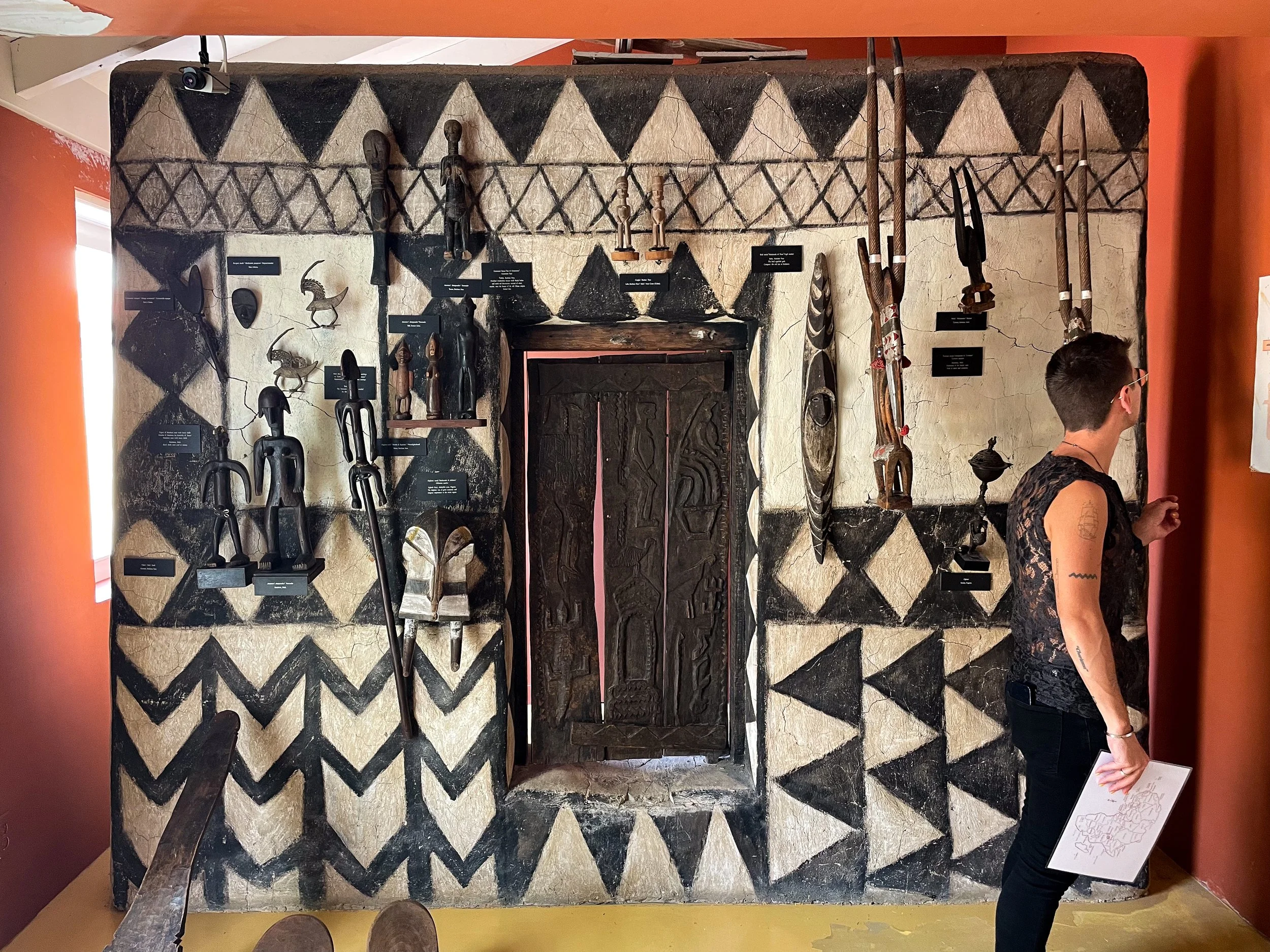
Kurá Hulanda Museum. A history museum with exhibits about the brutality of transatlantic slave trade and the enslaved people brought to Curaçao from Western Africa. It’s an extremely well organized museum with multiple exhibits on pre-colonial African cultures, the atrocities and horrific accounts of slavery, the abolitionist and equal rights movements in the US. Exhibits include African artifacts, iron shackles, nautical maps, newspaper clippings and bills of sale from slave auctions. It’s a very sobering museum and one that can’t be overlooked. You need a minimum of 1 hour to fully explore the museum and learn about the history.
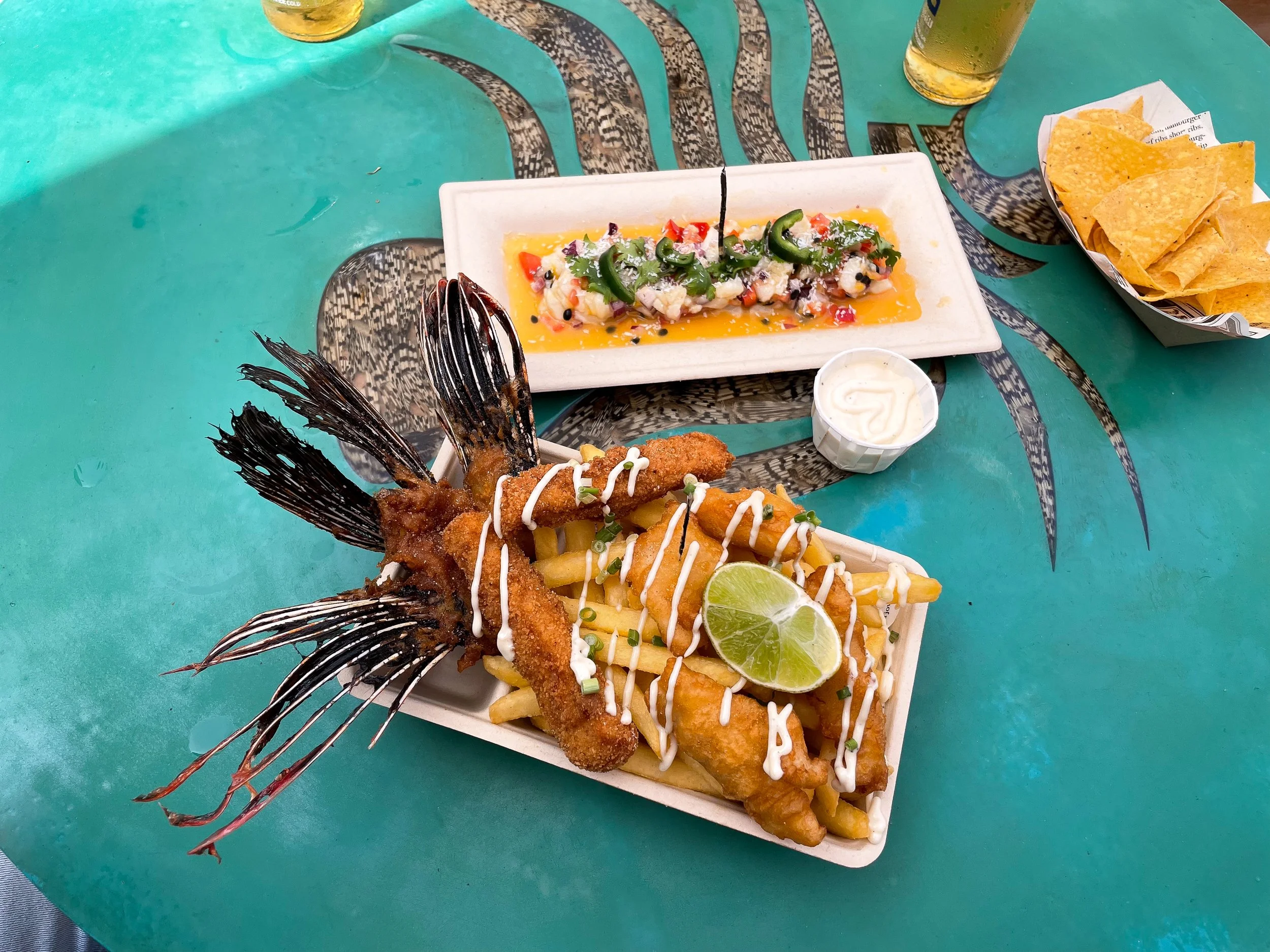
Lionfish Caribbean. A restaurant serving dishes made from invasive lionfish, like ceviche, fish and chips and tacos. The fish and chips is served with portions of the spines and fins still attached. Uncooked spines and fins are used to create jewelry. It’s only open for lunch.
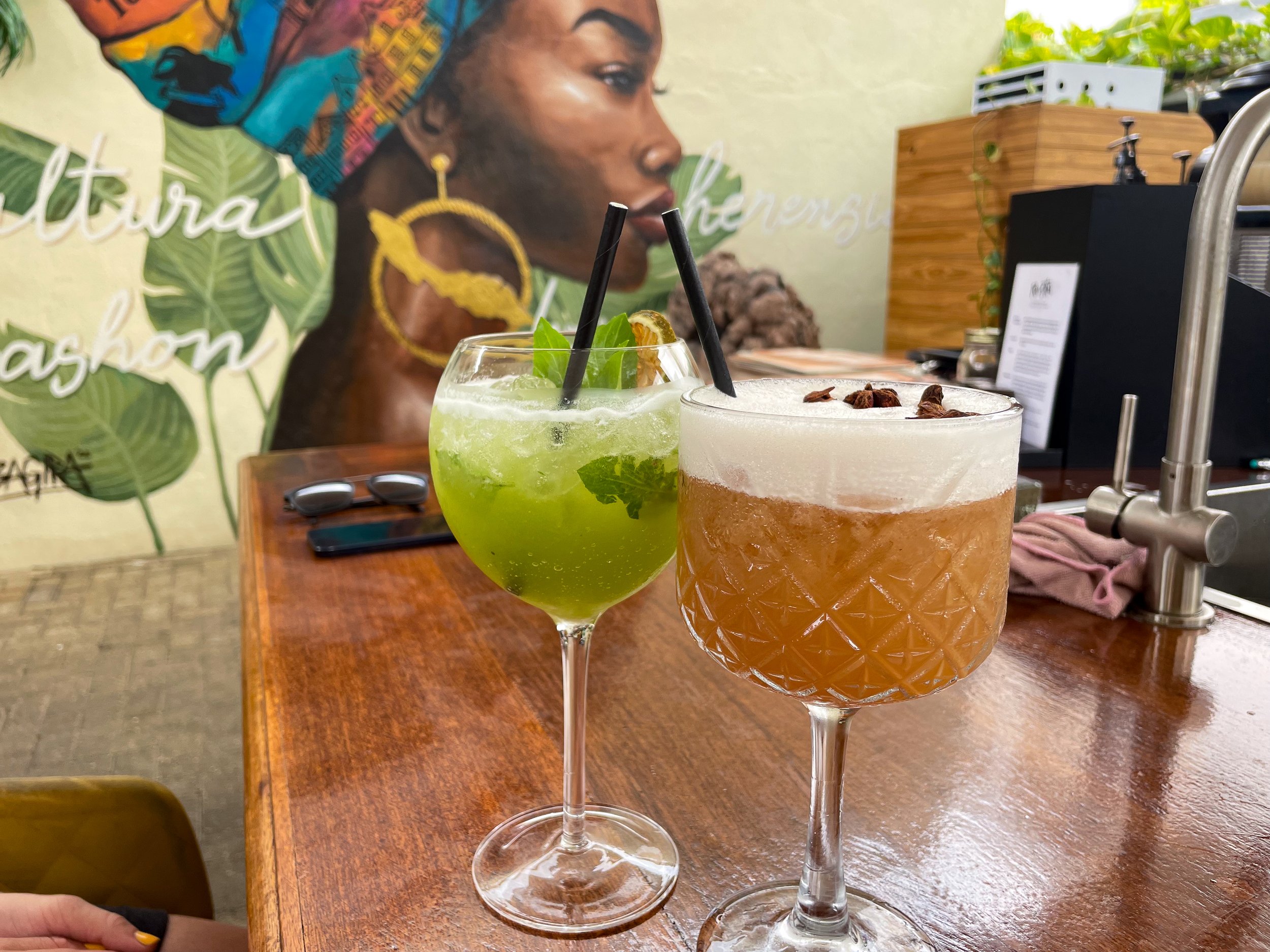
Rustica. An open air restaurant with delicious cocktails, fresh coconuts and a menu of dishes local to Curaçao. We shared a spread of dishes including:
Baklou. A dish made from stewed cod, polenta and sweet plantain.
Banana. A mash of boiled green and sweet plantain mixed with chimichuri, coconut milk and okra.
Pampuna. A pumpkin and rum raisin pancake with frozen ponche de creme.
Mosa Nena. A cocktail made from rum, local tamarind and star anise.
Krioyo Ku Orguyo. A cocktail made with oregano punch, kiwi, elderflower and basil.
Flores. A restaurant with a large romantic outdoor patio. They have music until 10pm and stay open even later. Stop in for a nightcap after a day of beaching and exploring the island.
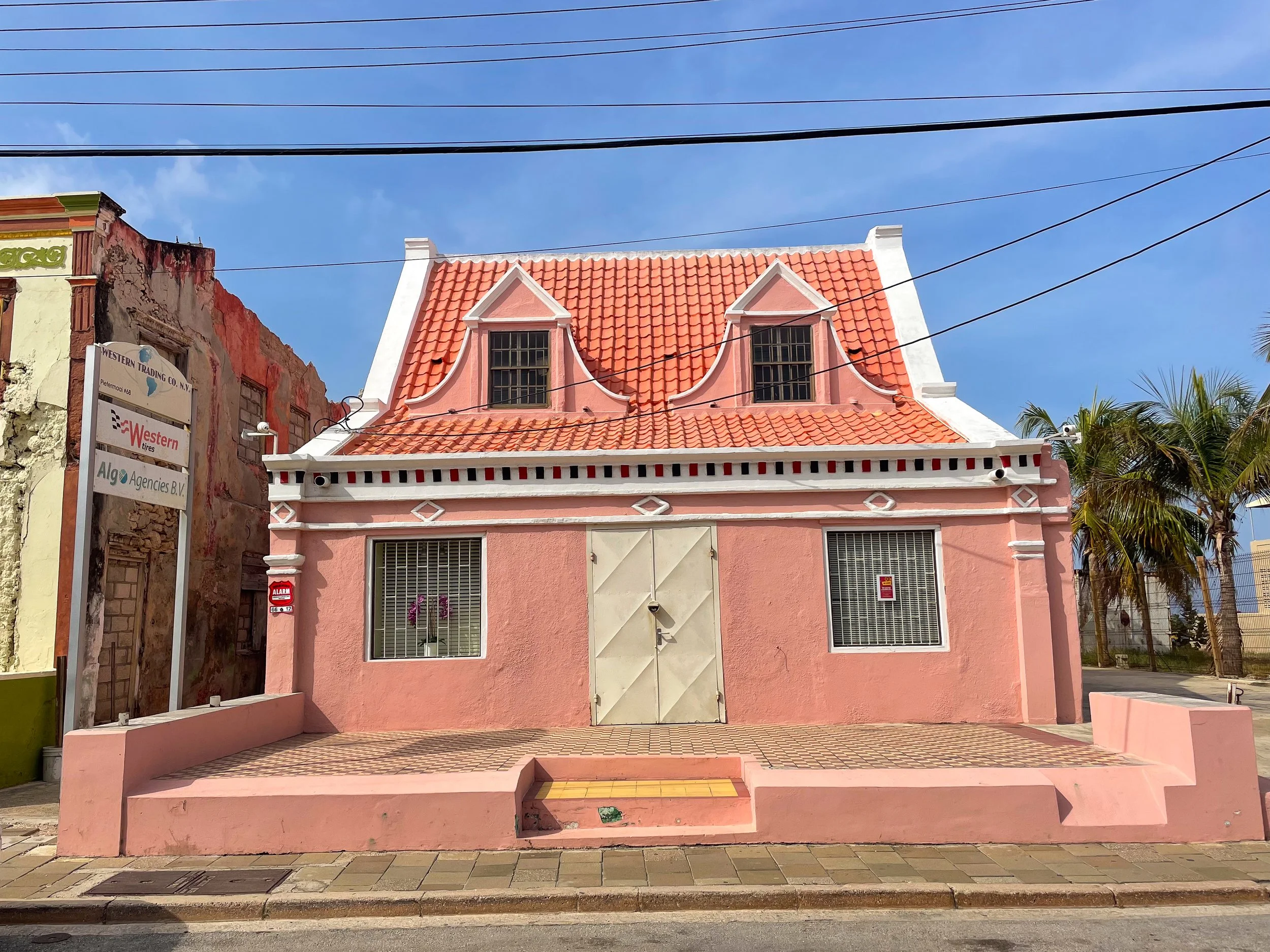
Pietermaai Neighborhood
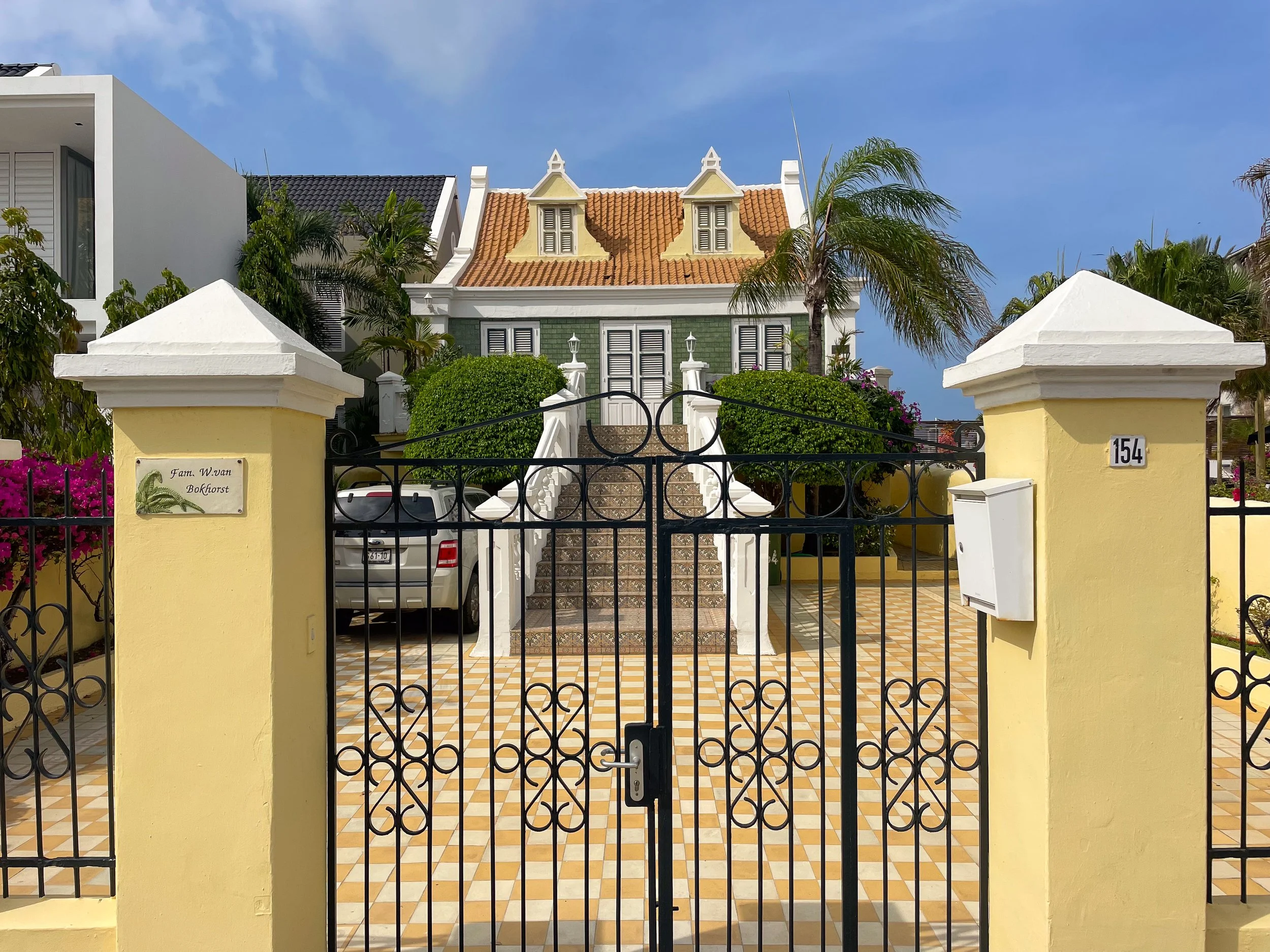
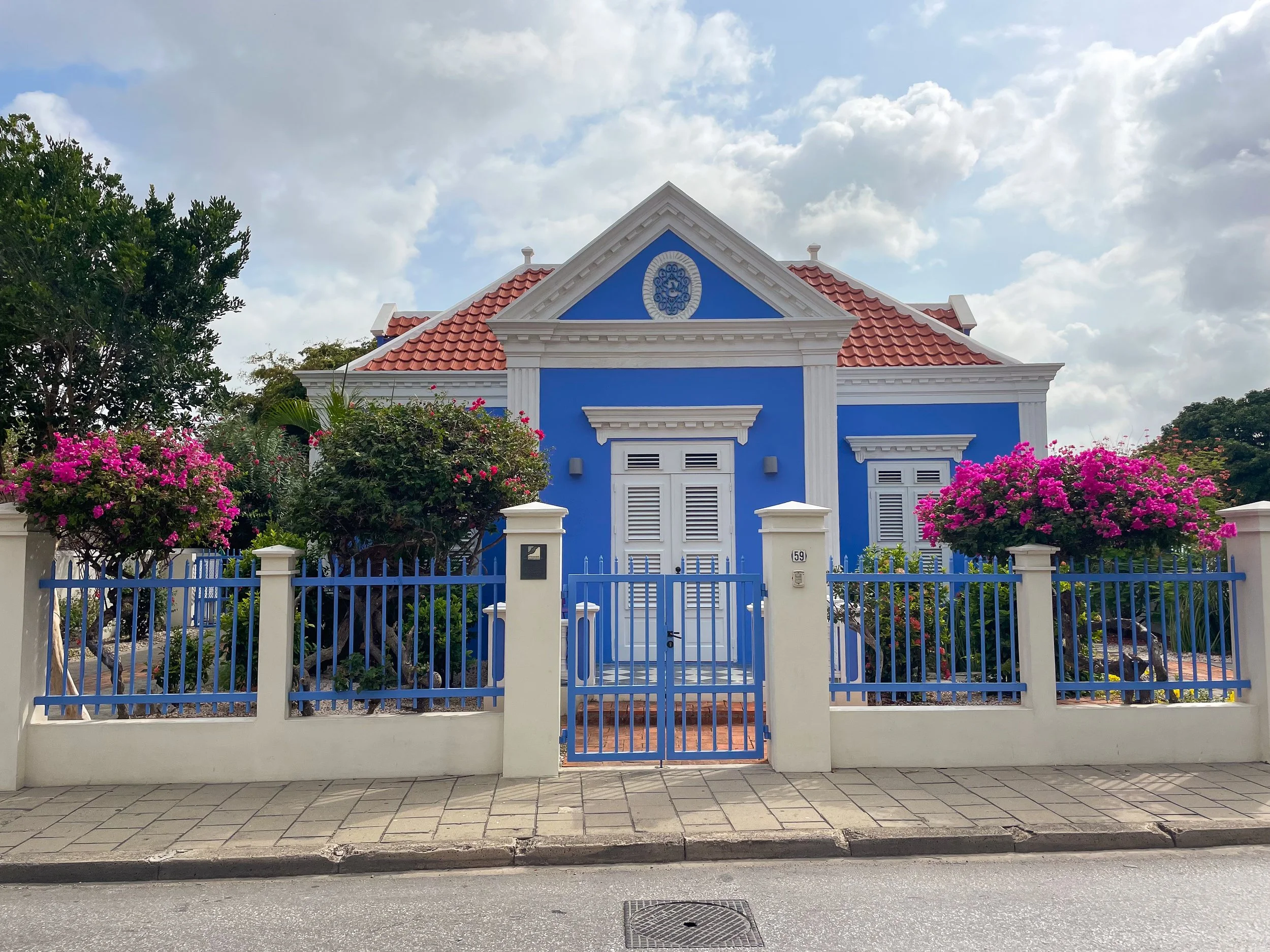
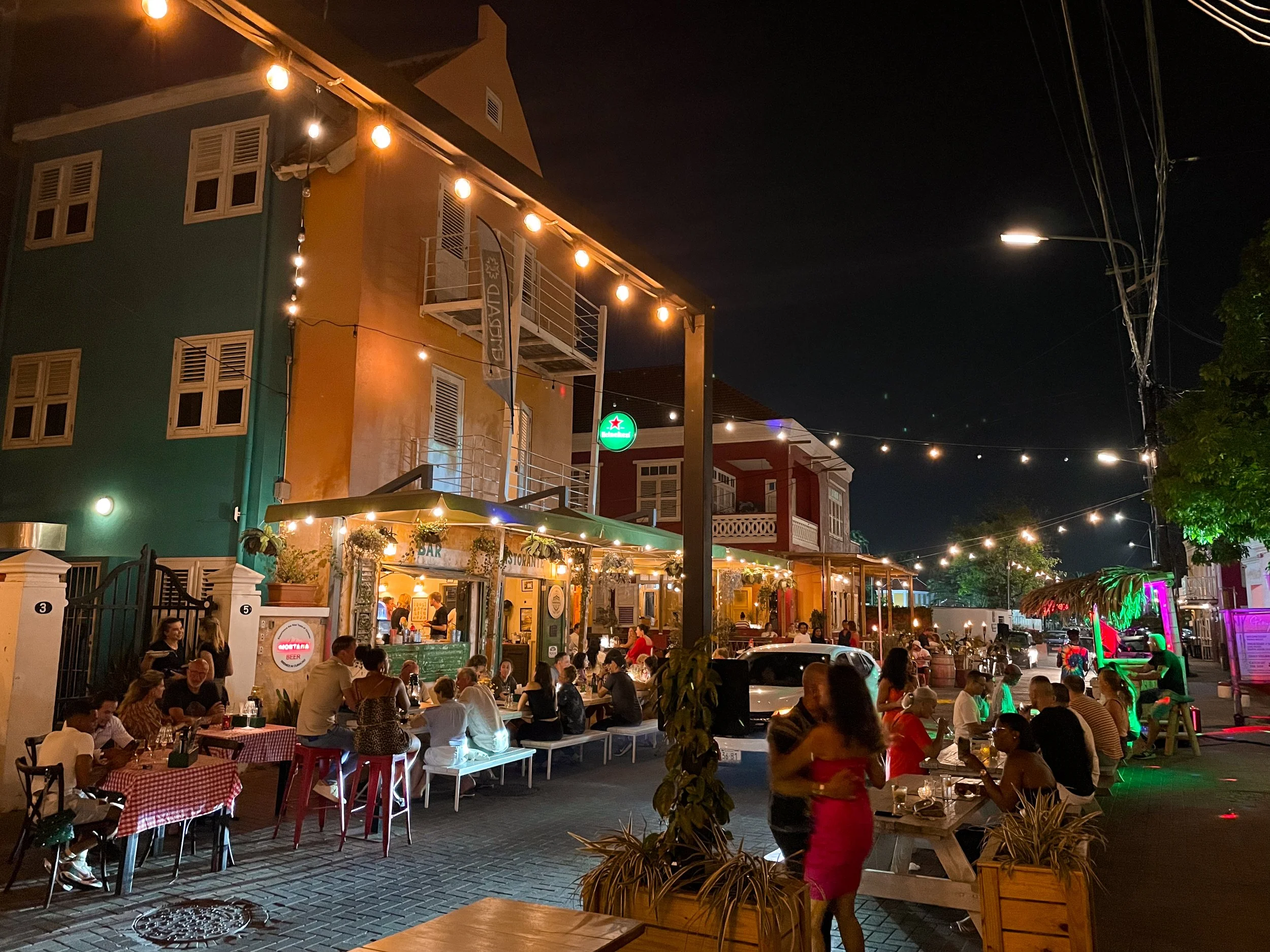
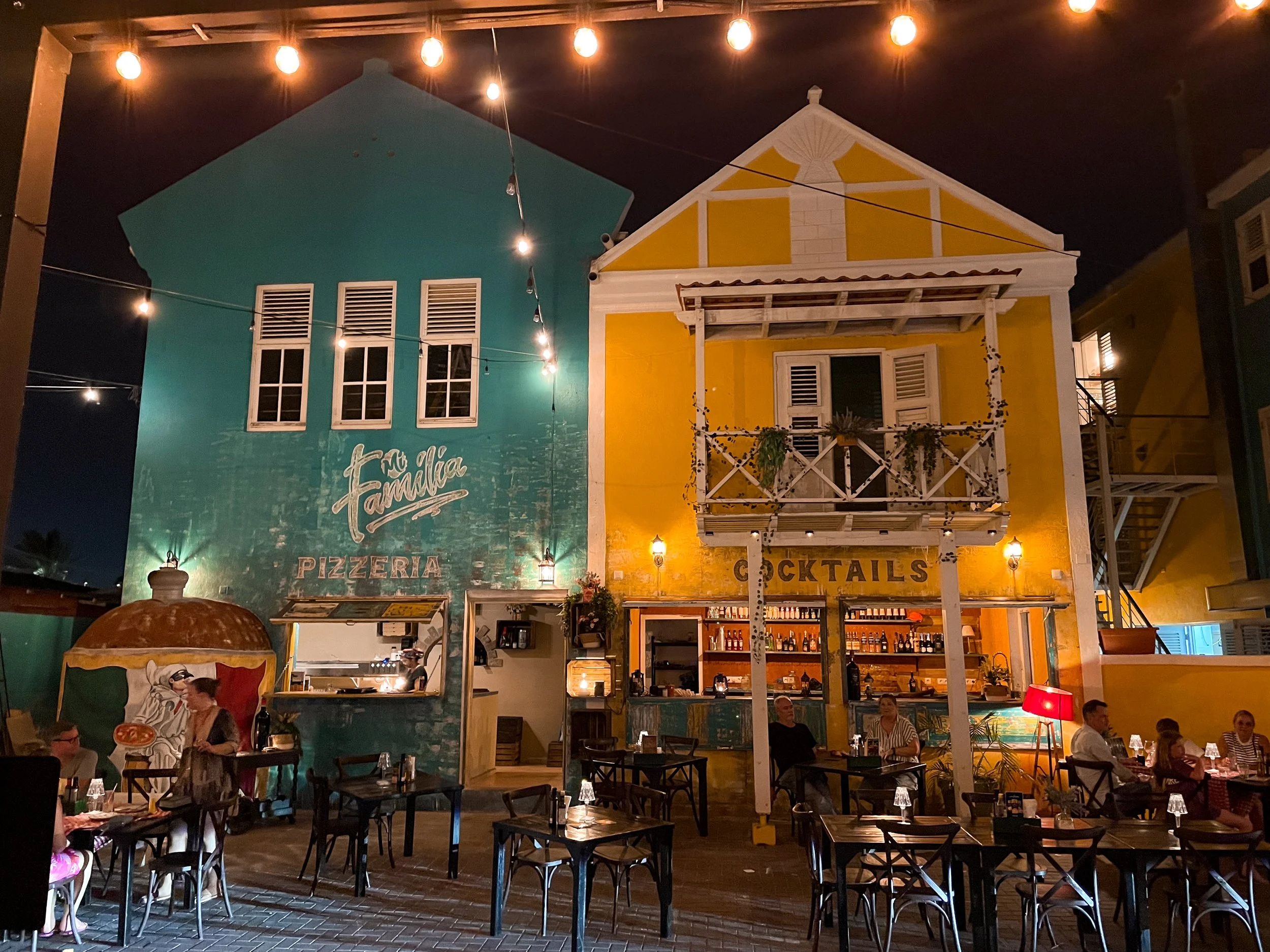
A neighborhood east of Punda with Dutch style row houses, vibrantly painted buildings, small shops, boutique hotels, small beachfront resorts, cafes, restaurants and bars. Come here during the evenings, especially from Thursday to Saturday for the night life and live music.
Nieuwestraat. A street known for nightlife with live music and several restaurants and bars that seamlessly spill out onto the street. This was a favorite area to go out!
Places to Eat & Drink
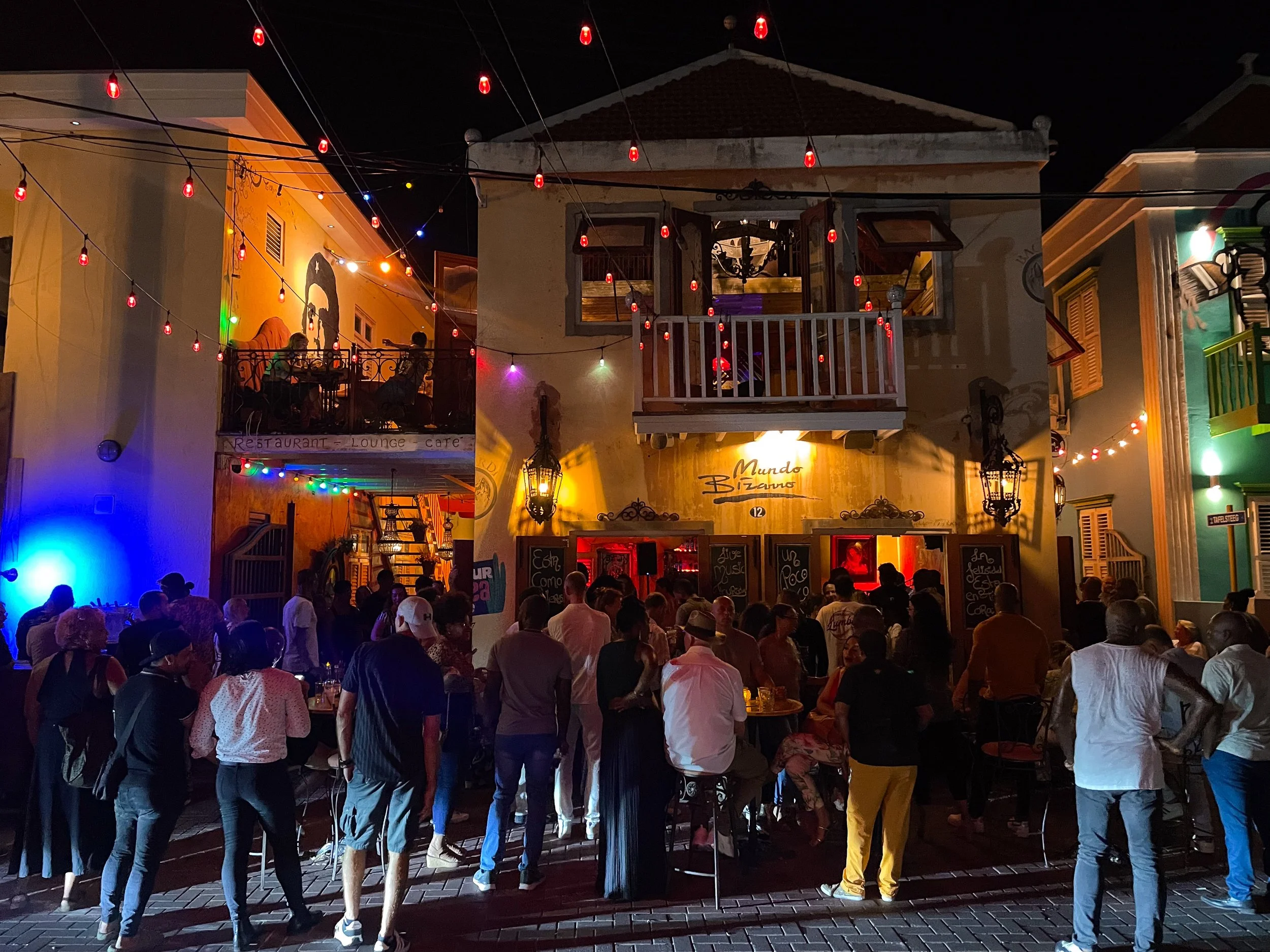
Mundo Bizarro. A bustling two floor cocktail bar with a live brass band. On Thursday nights, locals and tourists fill the bar and its alley as the band and bartenders fuel the ambiance. On Saturday night, the scene is tamer with experienced salsa dancers taking to the floor and showing off their moves.
Tiki Loco. A cocktail bar located along a lively section of Nieuwestraat serving tropical drinks and island bites. Tiki torches and live music provide an ambient setting in the outdoor patio.
Blues Bar Restaurant. An ocean view restaurant at Avila Beach Hotel serving Caribbean cuisine. Try the tropical tuna tartare with avocado and mango, the whole fried red snapper, conch burger, funchi fries and piña colada ice cream.
Van Gogh Specialty Coffee & City Roastery. A coffee shop in a blue painted dutch colonial house. Order the pumpkin pastechi, a pastry similar to baked empanada, oregano kombucha and house roasted coffee.
Westpunt
Westpunt is the northwestern area of Curaçao. It’s defined by its nature including limestone cliffs, white sand beaches, turquoise waters, snorkeling spots and hiking trails.
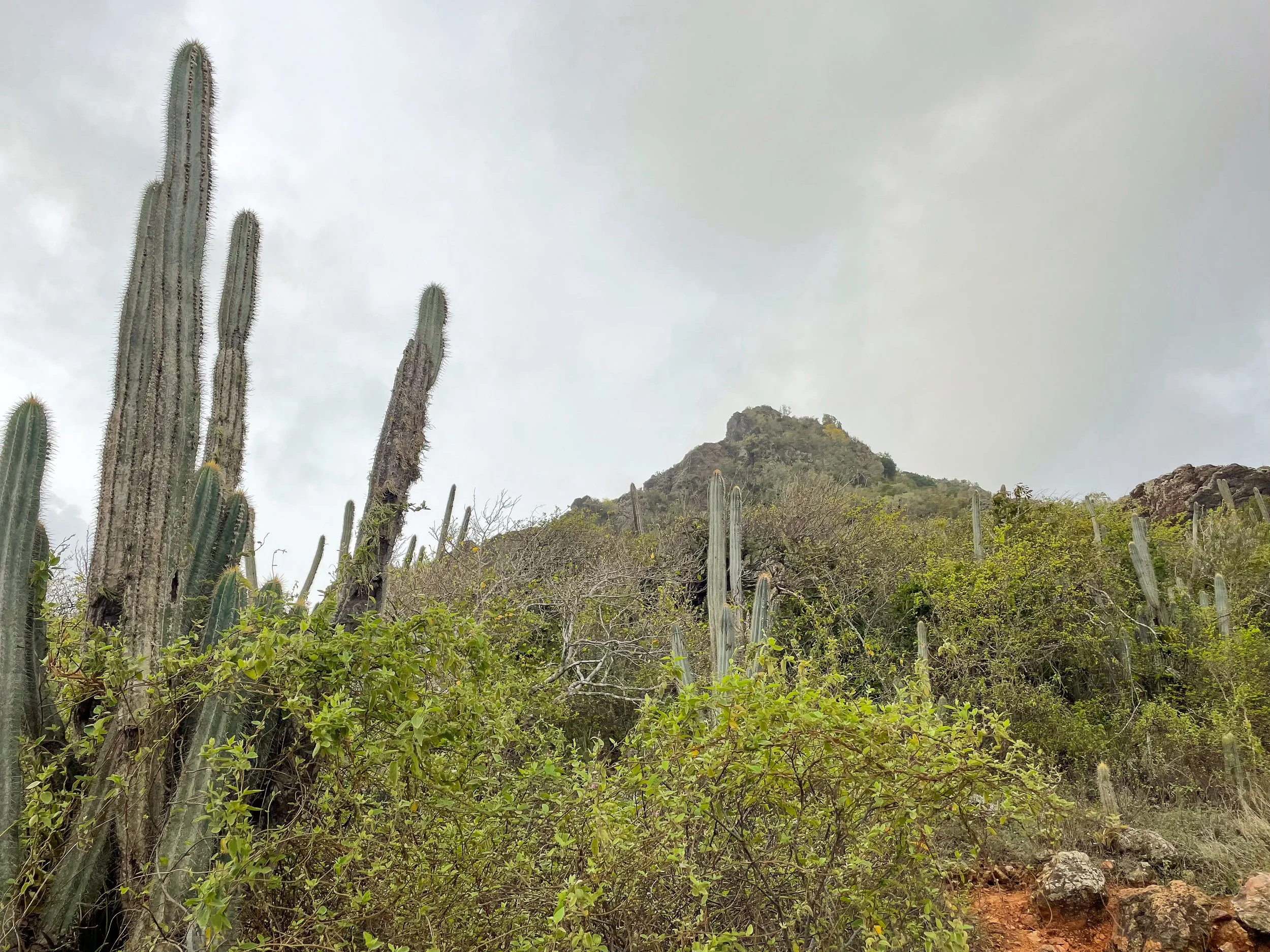
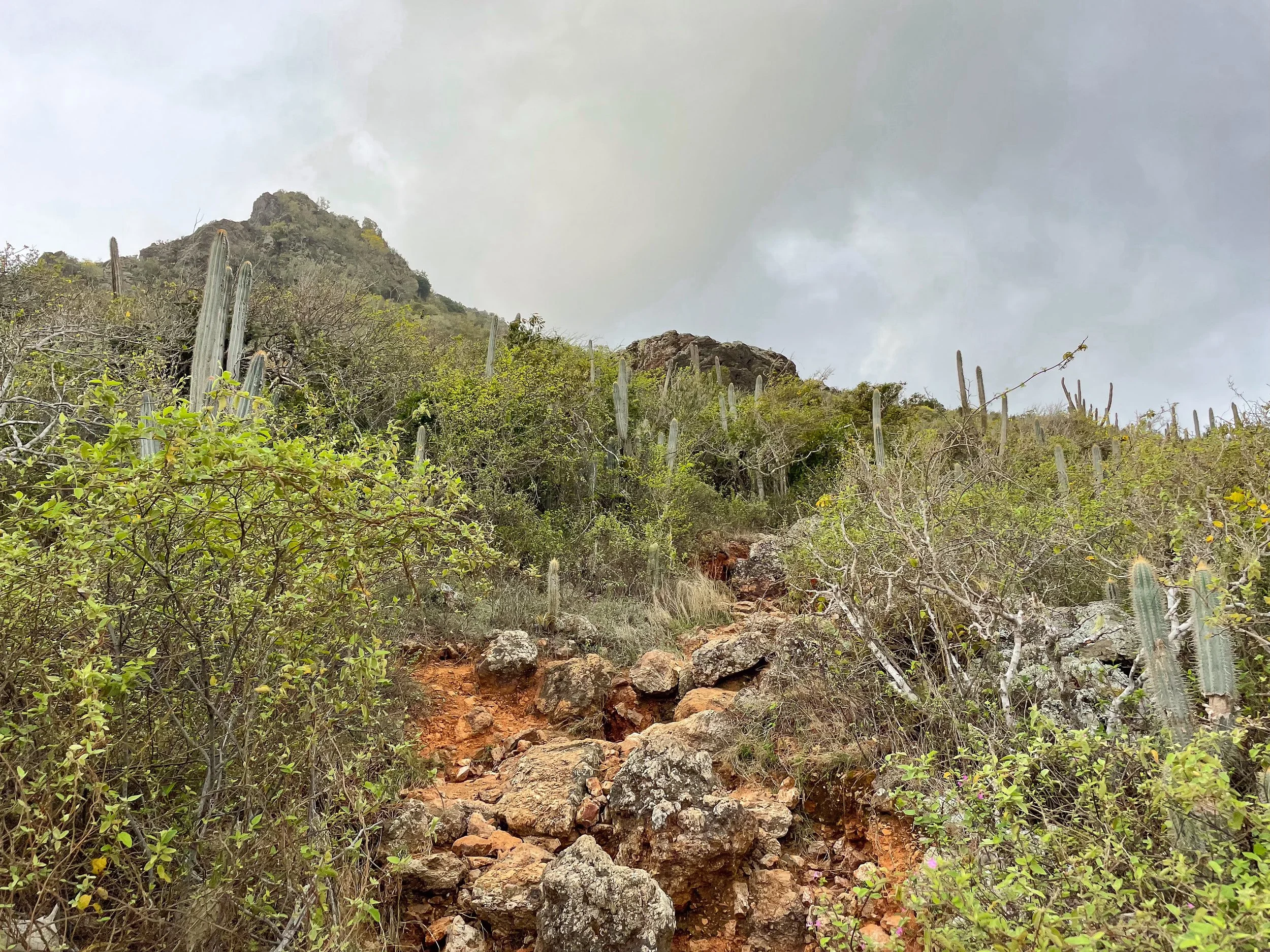
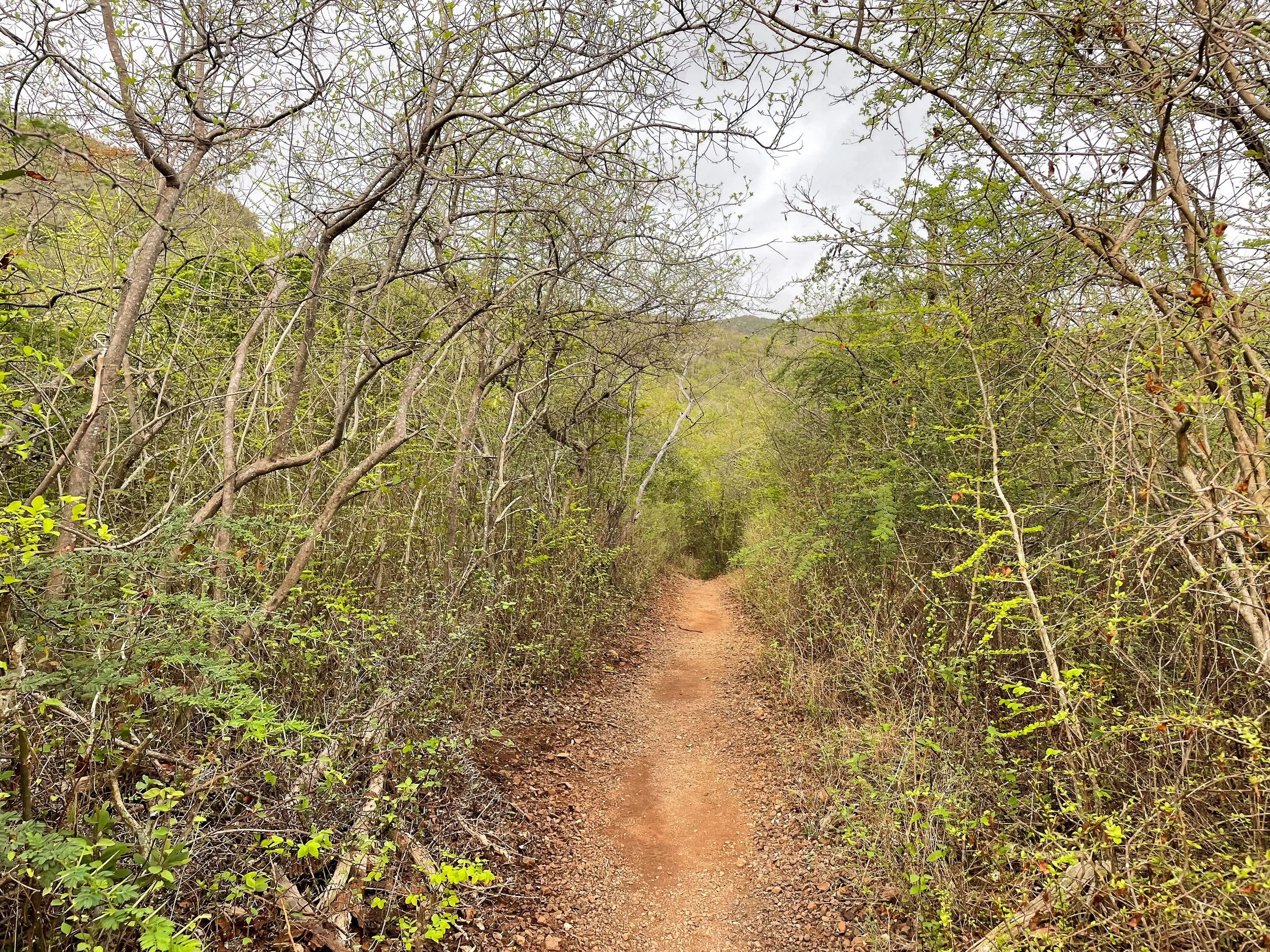
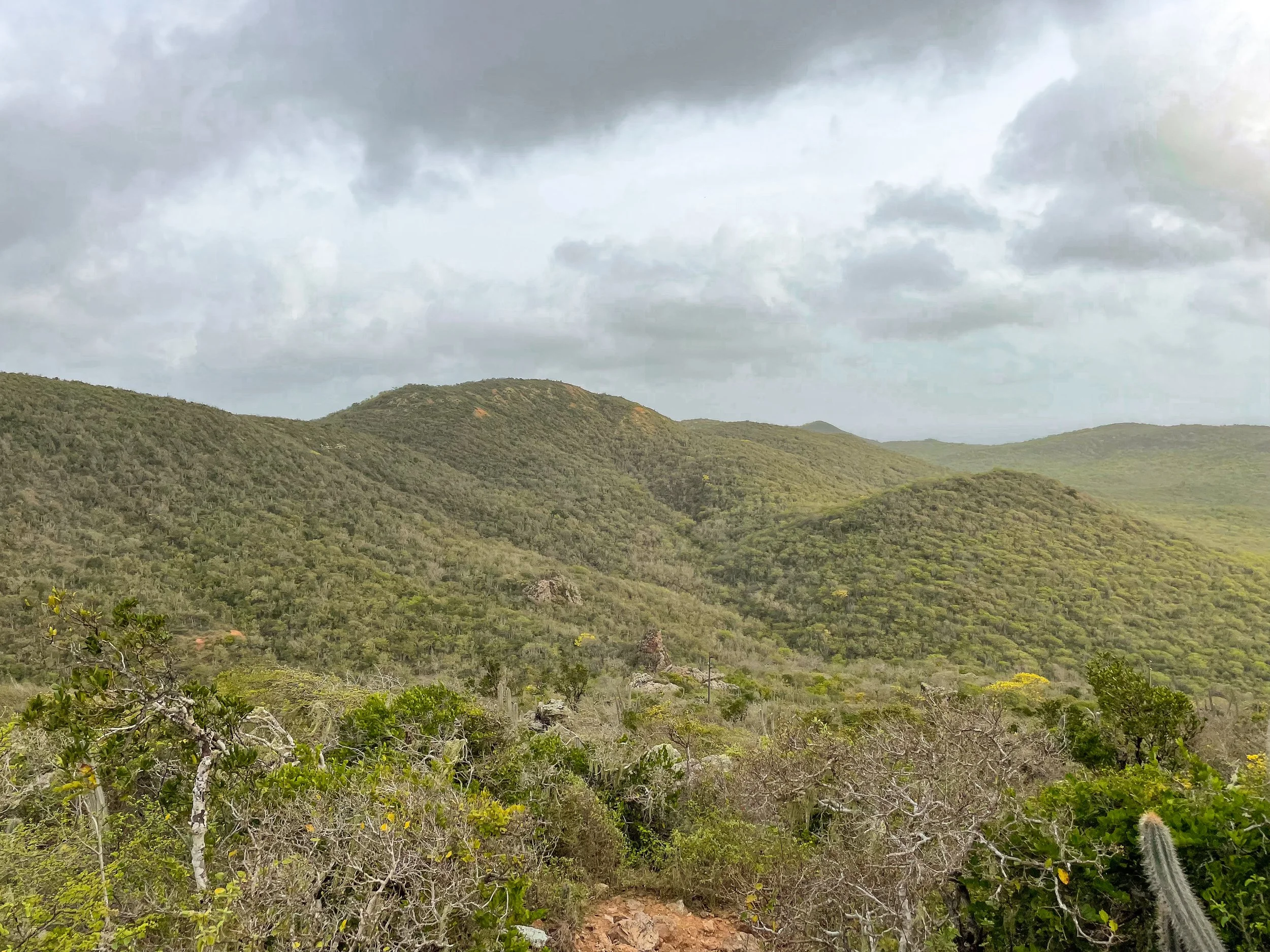
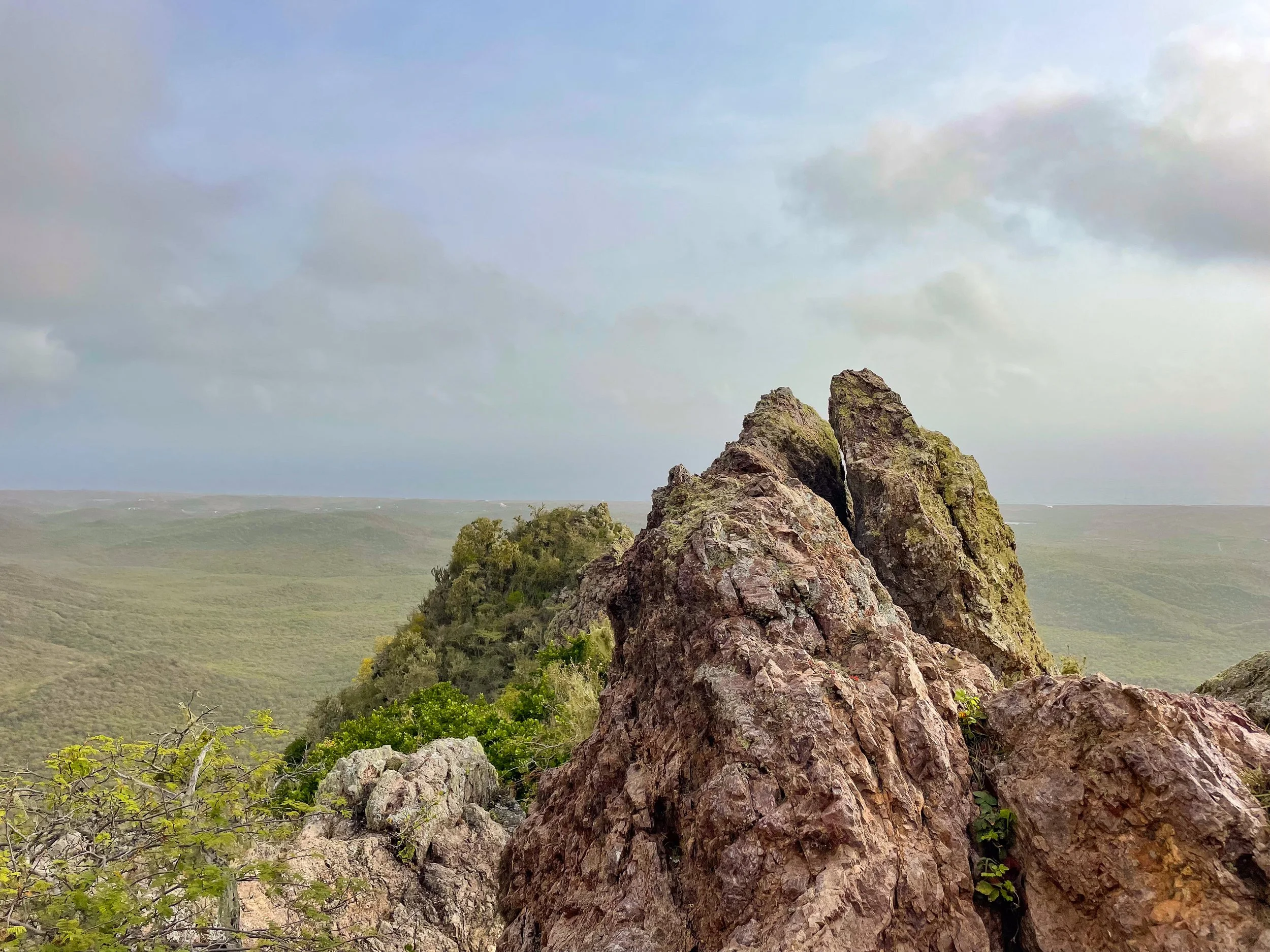
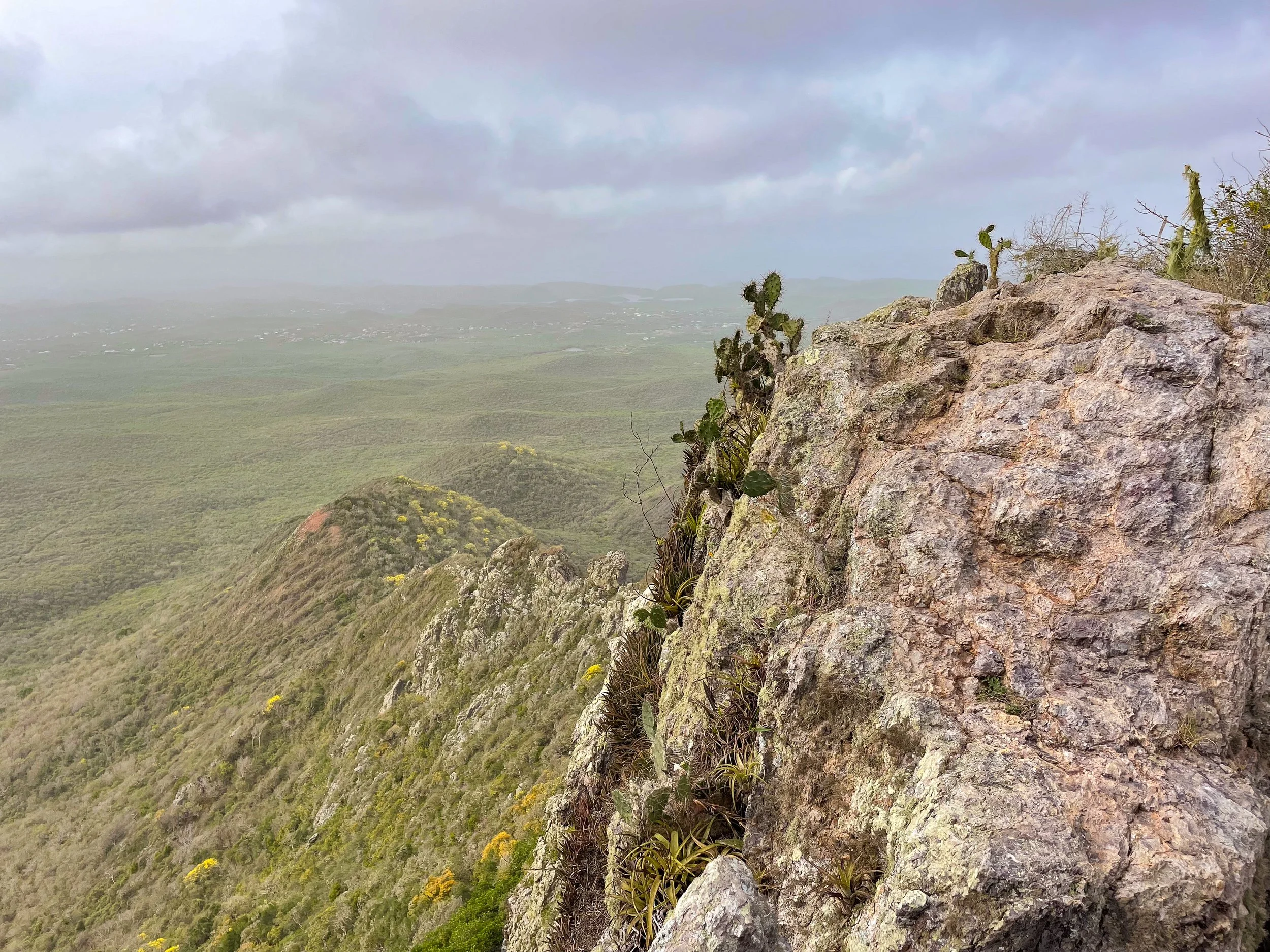
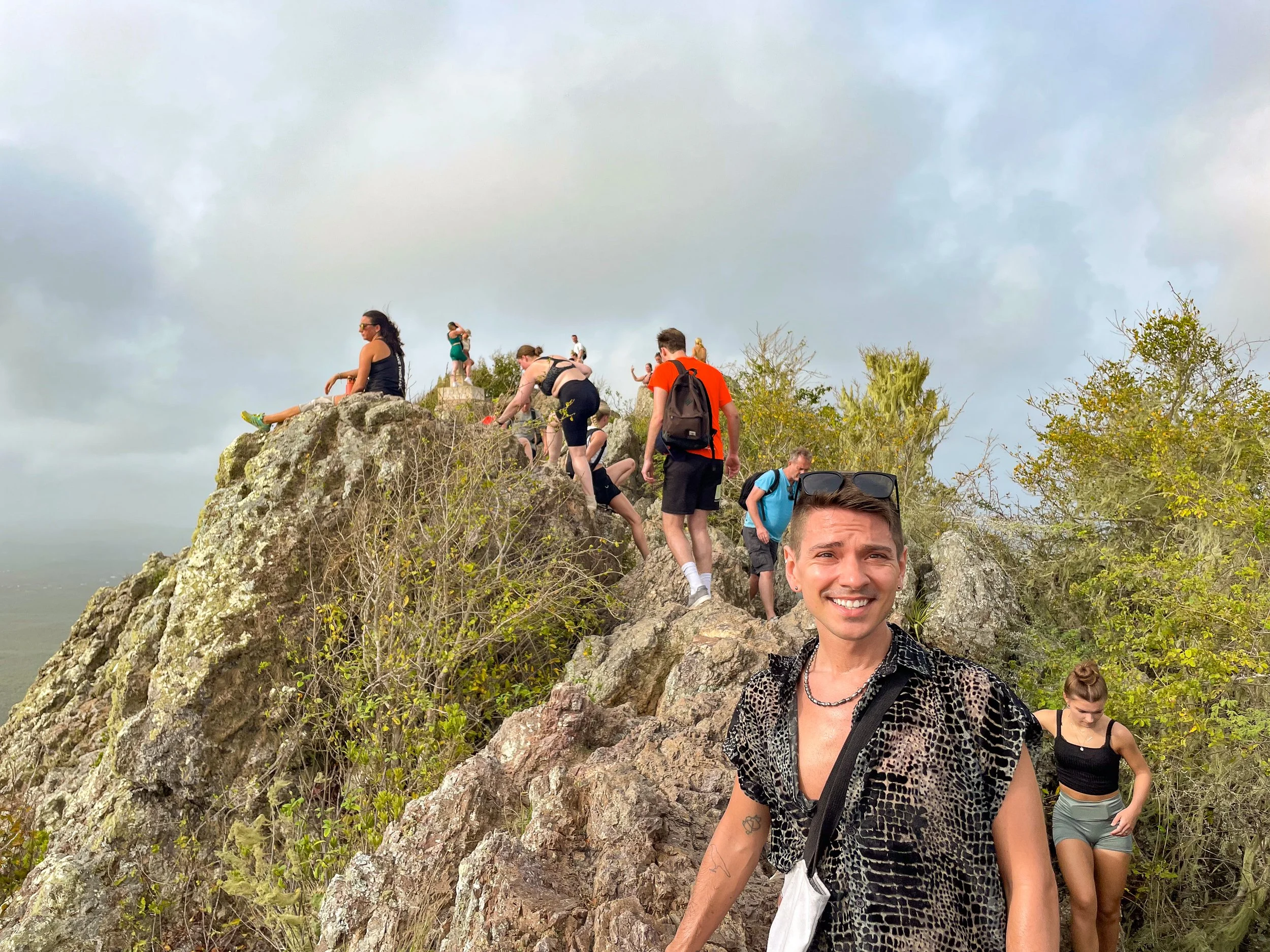
Christoffel Mountain Trail. A hike to the summit of Christoffel Mountain, the tallest natural point on Curaçao, standing at 1,220ft above sea level. The trail leads through dry forest past all manner of prickly and spiky bushes and cacti. Watch for wildlife like whiptail blue lizards, green parakeets, orange breasted Venezuelan troupials and yellow orioles. The summit views are spectacular with sweeping views of the island’s dry forest and turquoise coastline.
Pro Tip. Wear proper hiking shoes. Sections of the trail are steep and eroded with jagged rocks and loose gravel.
Good to Know. Due to extreme heat, the trail is only accessible before 10am. Purchase tickets from the visitor center before 7am. It takes an hour to reach the summit and another hour to descend.
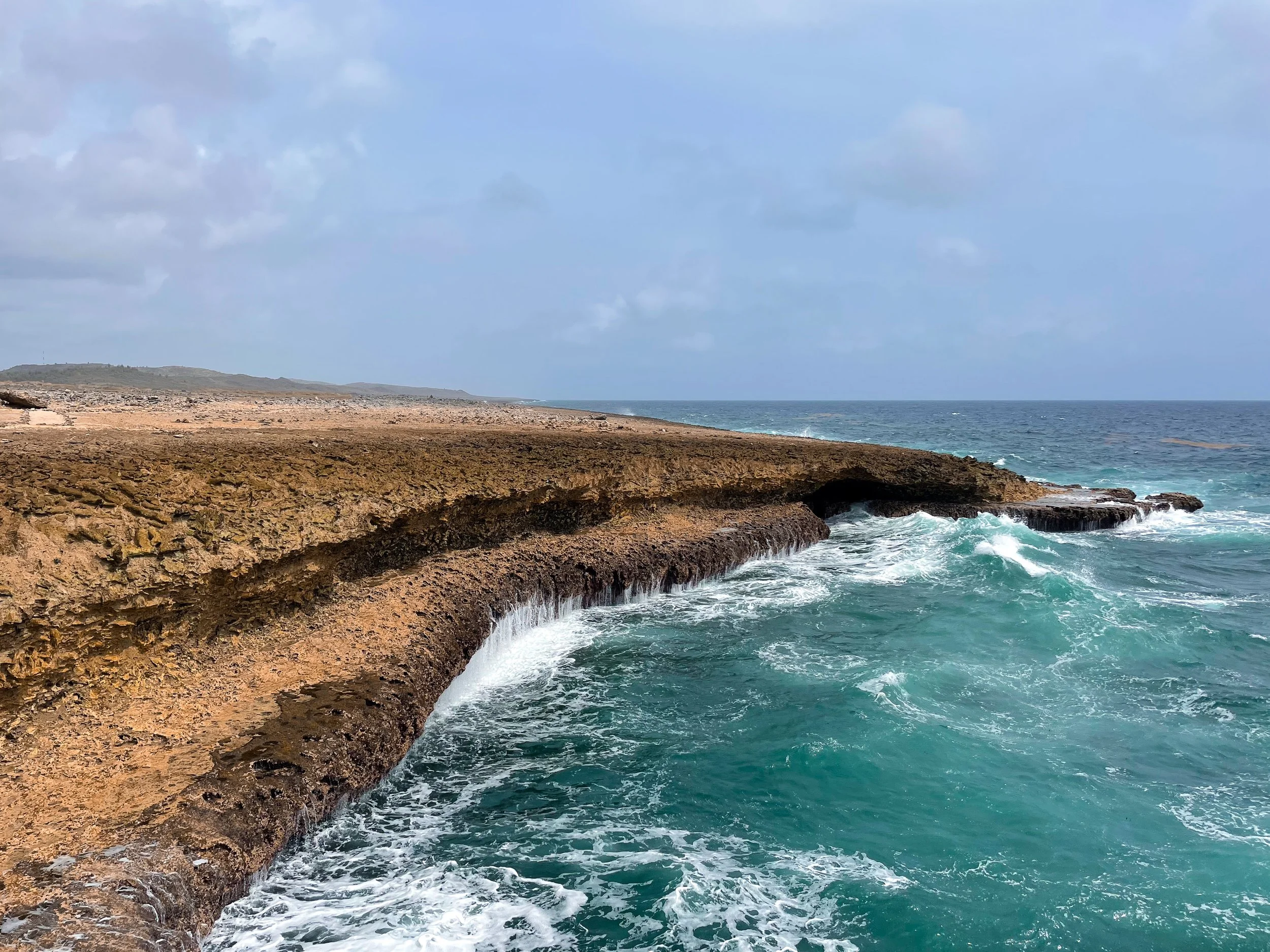
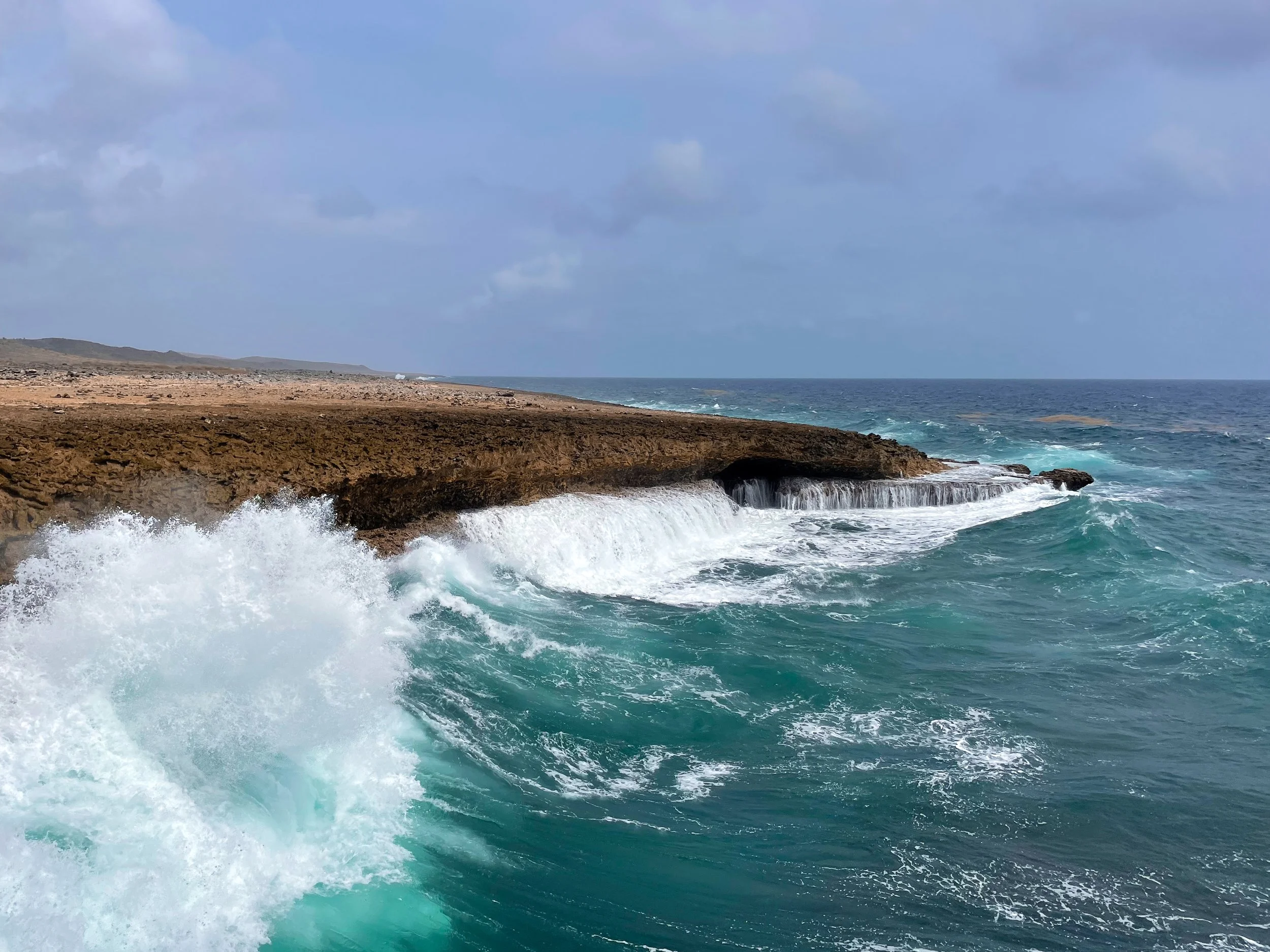
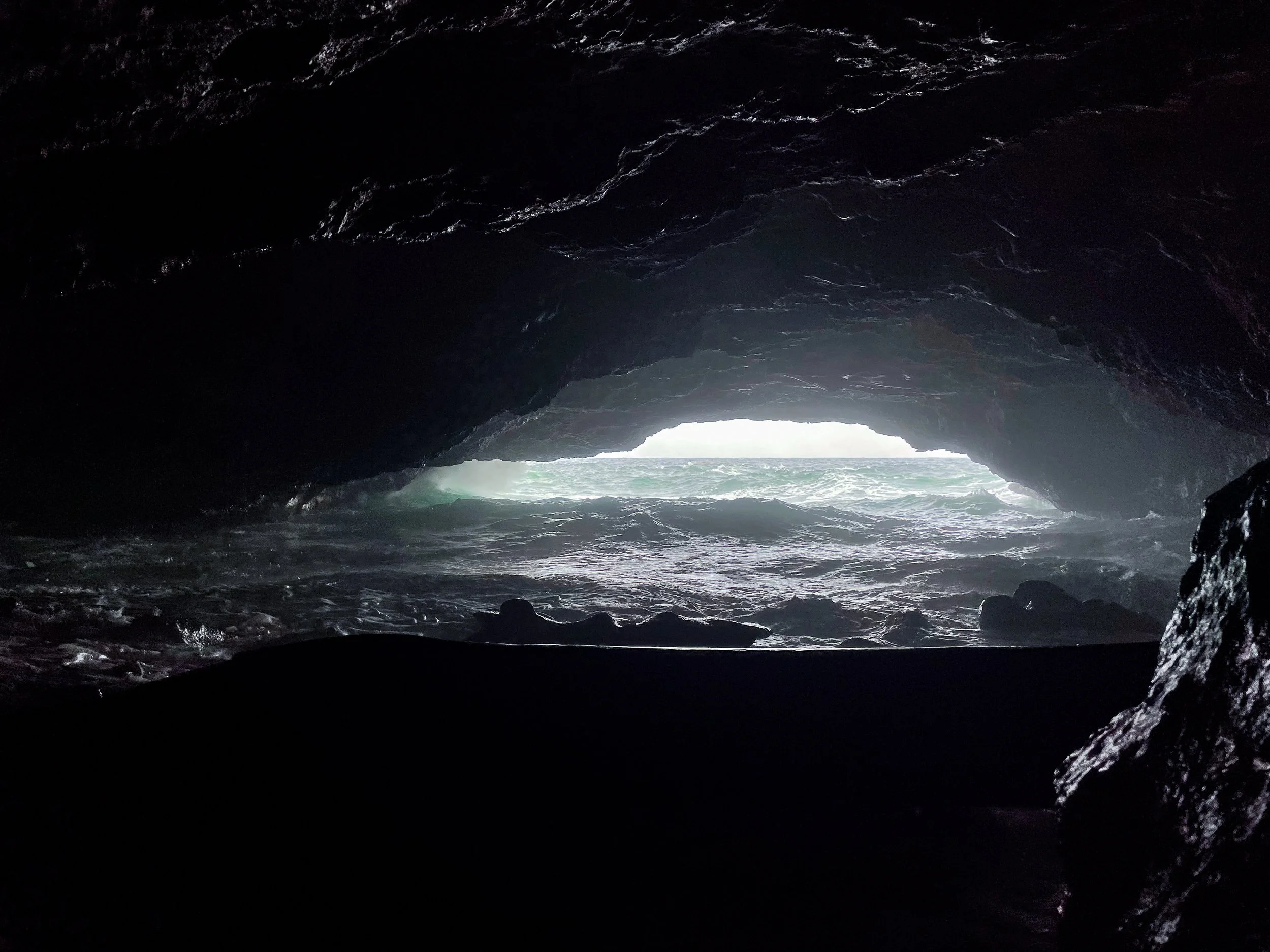
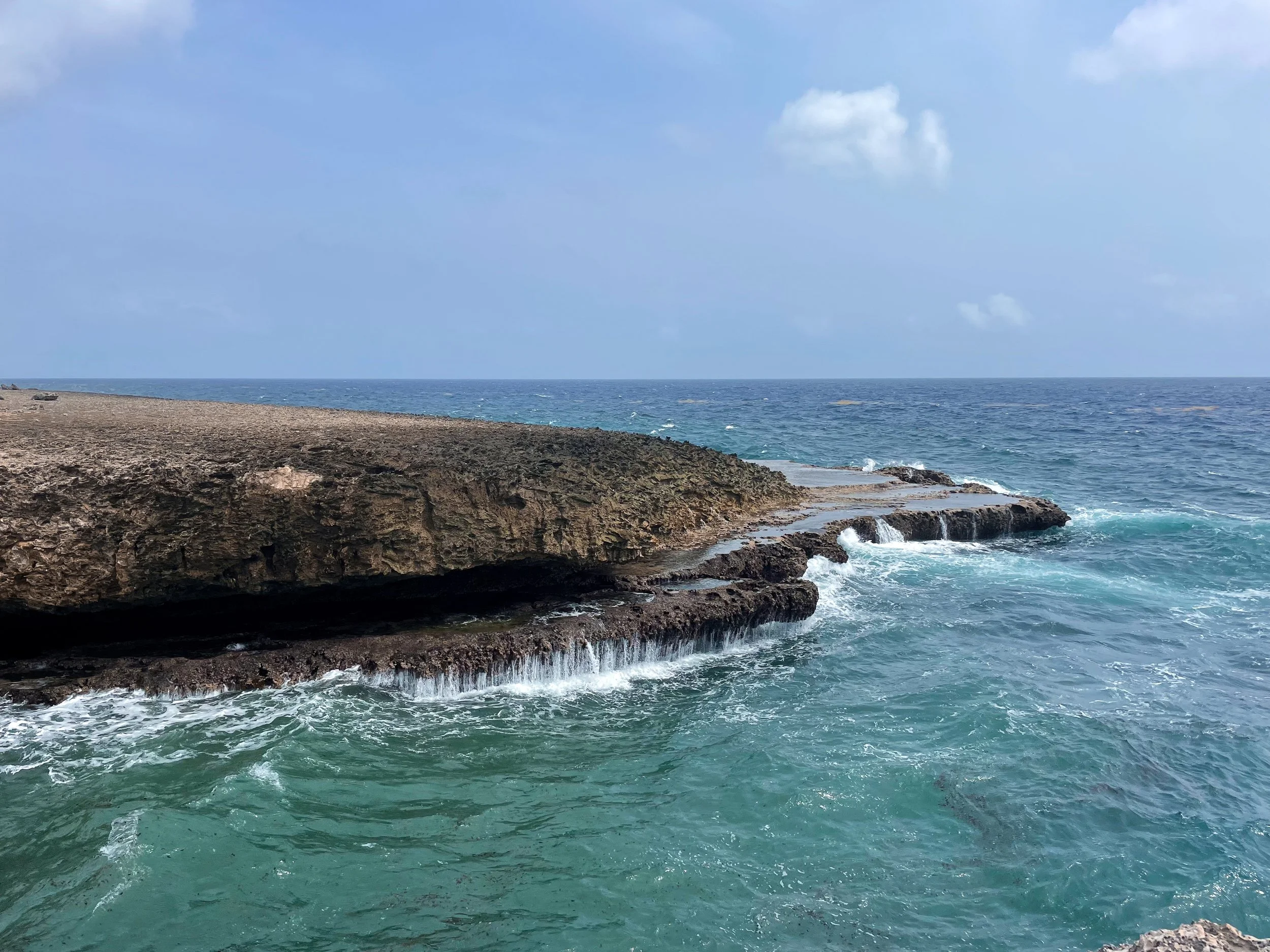
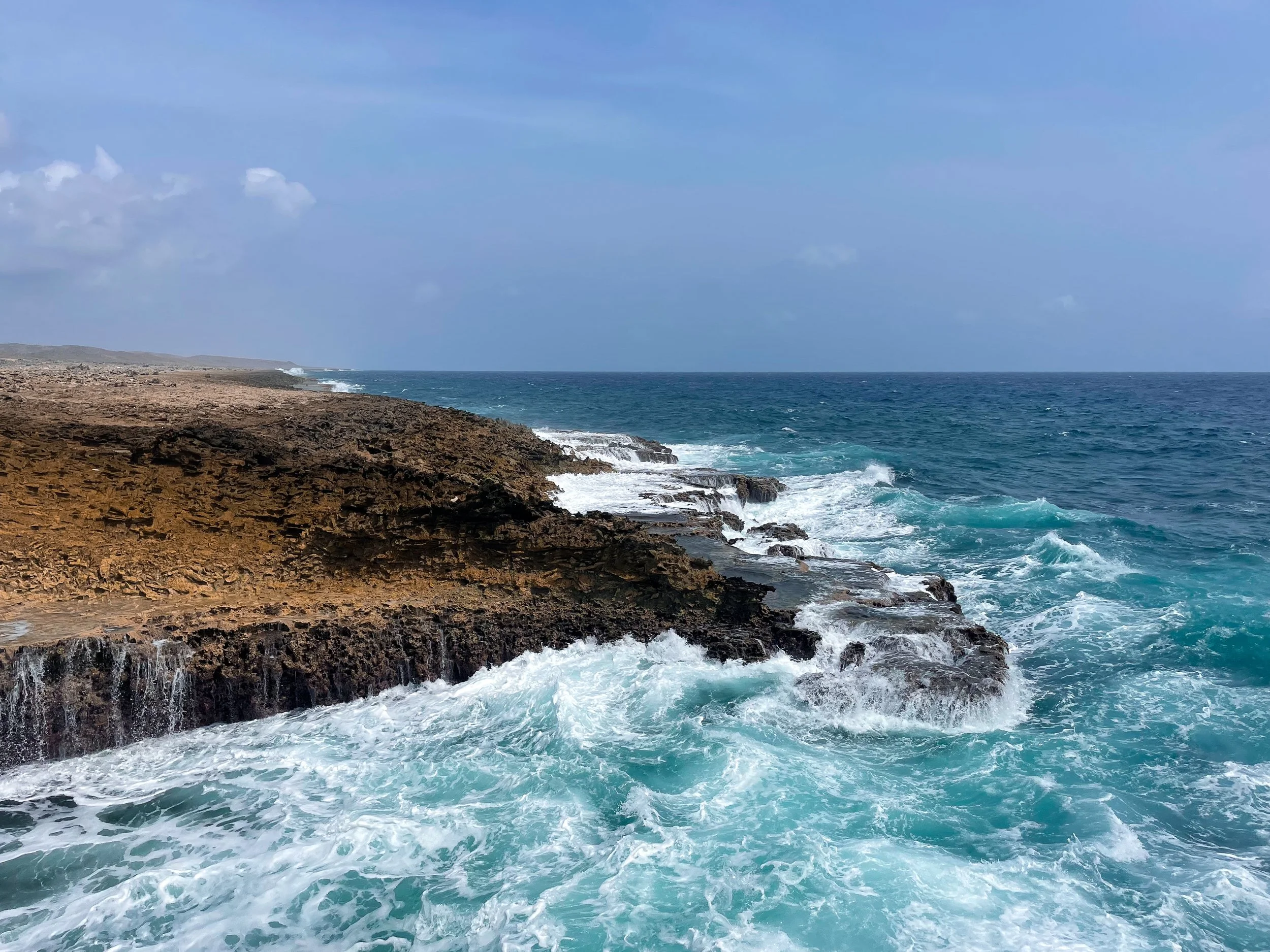
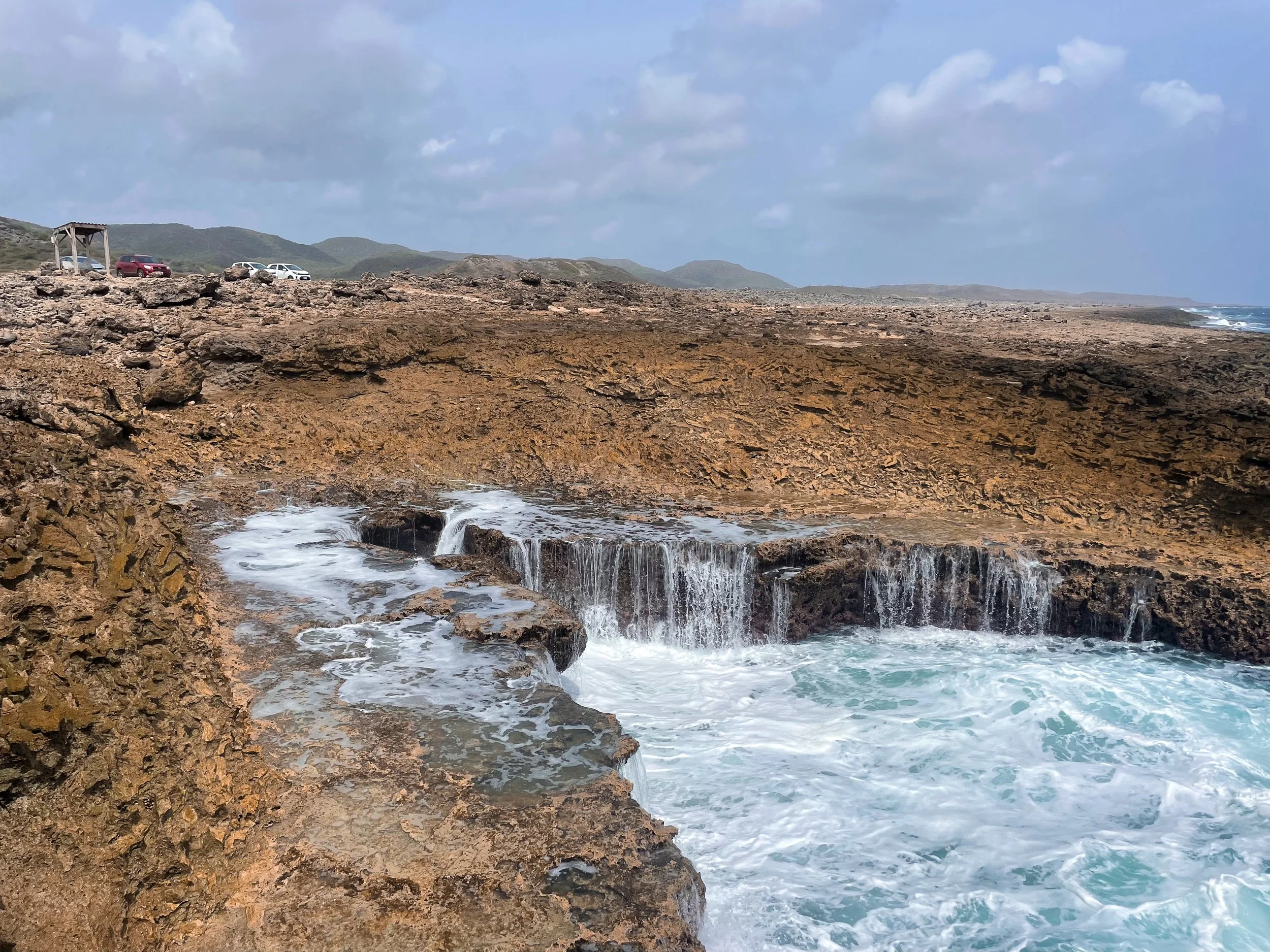
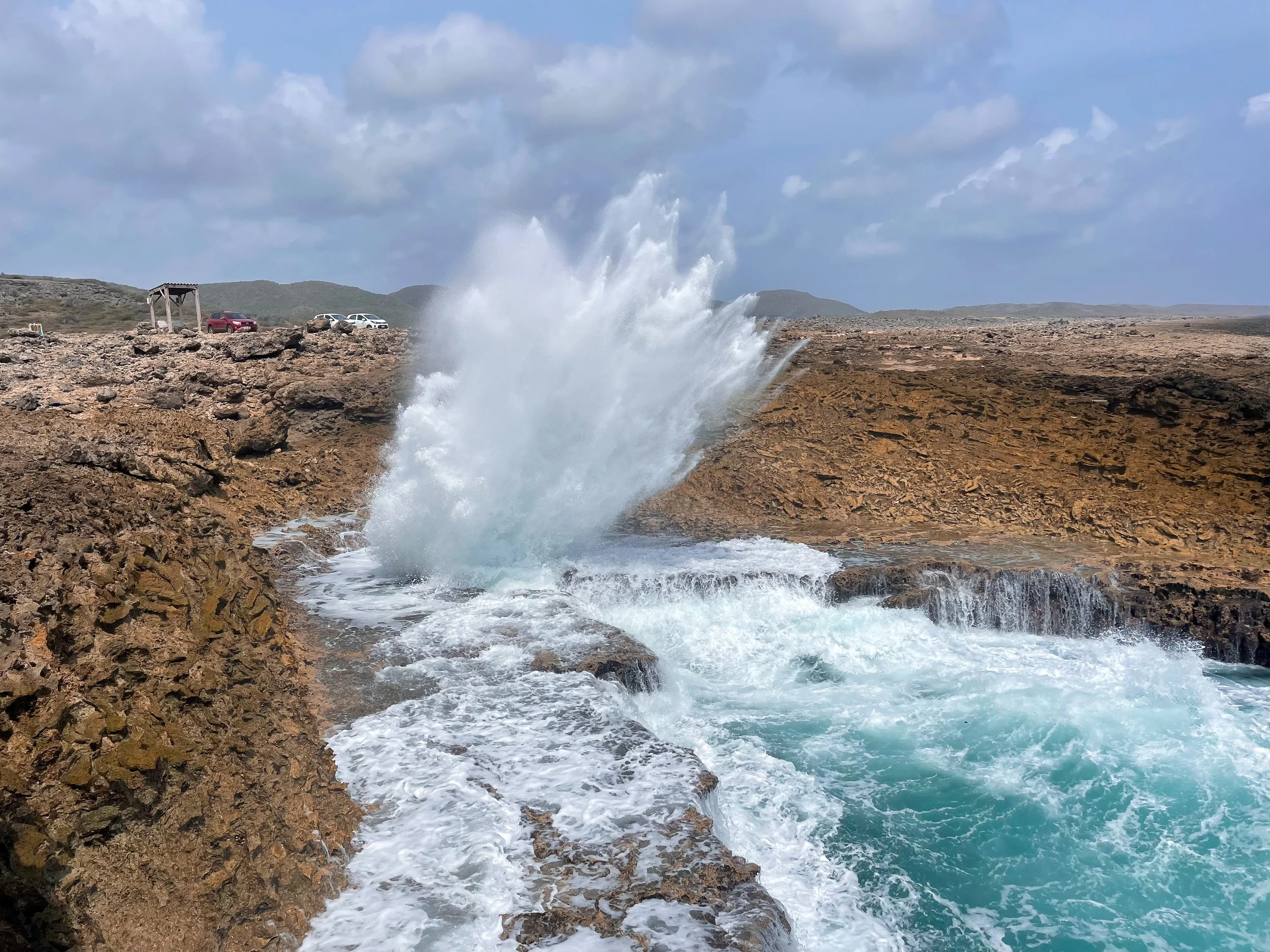
Shete Boka National Park. A coastal park where large waves crash into limestone cliffs, bays and caves. A series of nature trails leads through the park.
Boka Tabla. A half submerged coastal cave where you can watch waves crash from both an observation deck above and within the cave itself.
Boka Kalki. A limestone cliff and inlet where powerful waves crash dramatically, sending sprays of water through small blowholes along its eastern side.
Boka Pistol. A horseshoe shaped cliff that forcefully blasts seawater back into the ocean as large waves crash against it. A nature trail leads here from Boka Kalki.
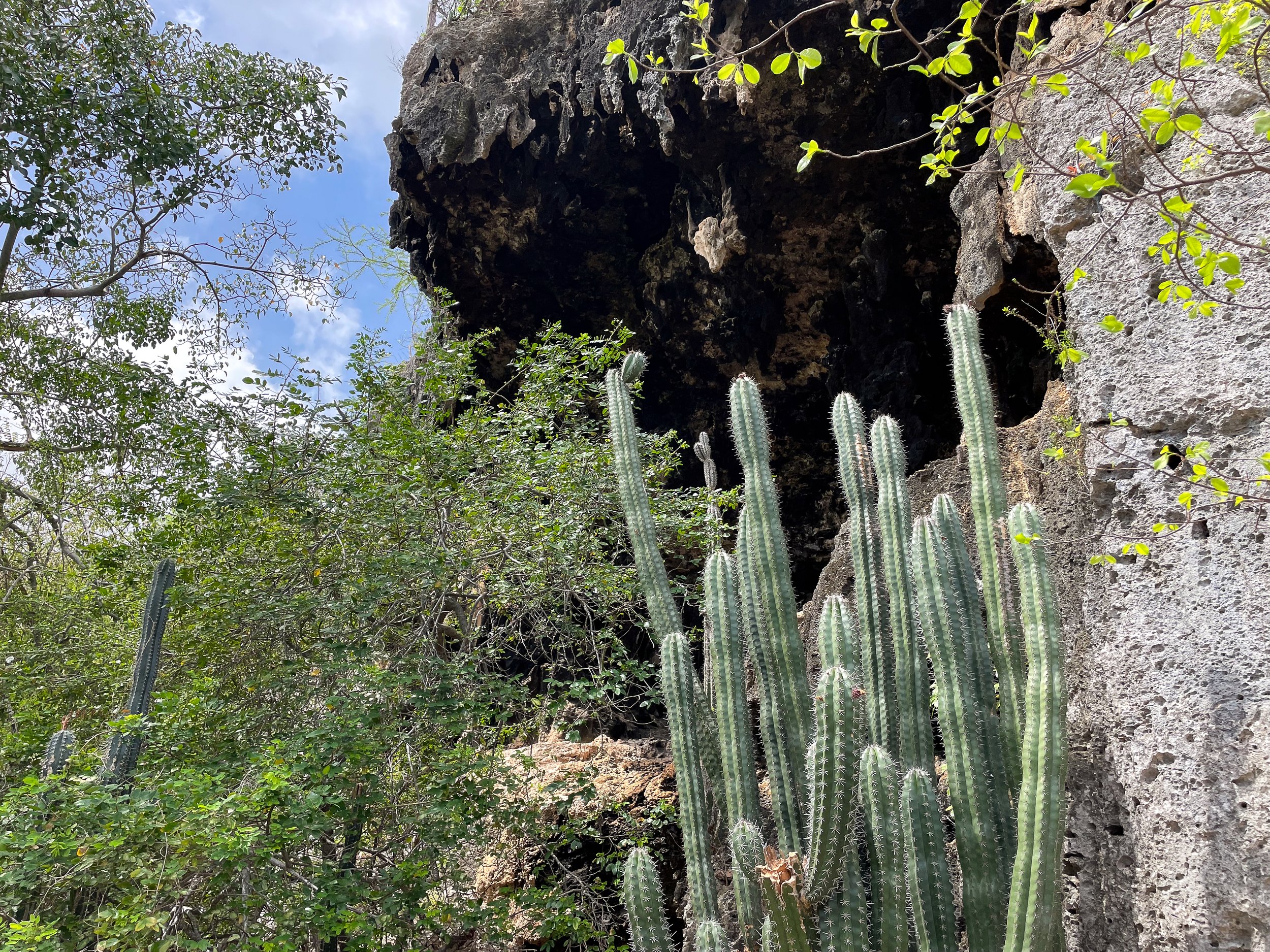
Hato Caves. A limestone cave with stalactites, stalagmites and 1,500 year old petroglyphs carved by indigenous peoples. The caves were used as a hideaway by enslaved people that escaped the plantations. A nature trail continues outside of the cave, passing cacti, coral cliffs and small caves with petroglyphs.
Good to Know. The cave can only be toured with a guide. Tours leave on the hour when operating. It’s located near the airport making it easy to visit before flying out.
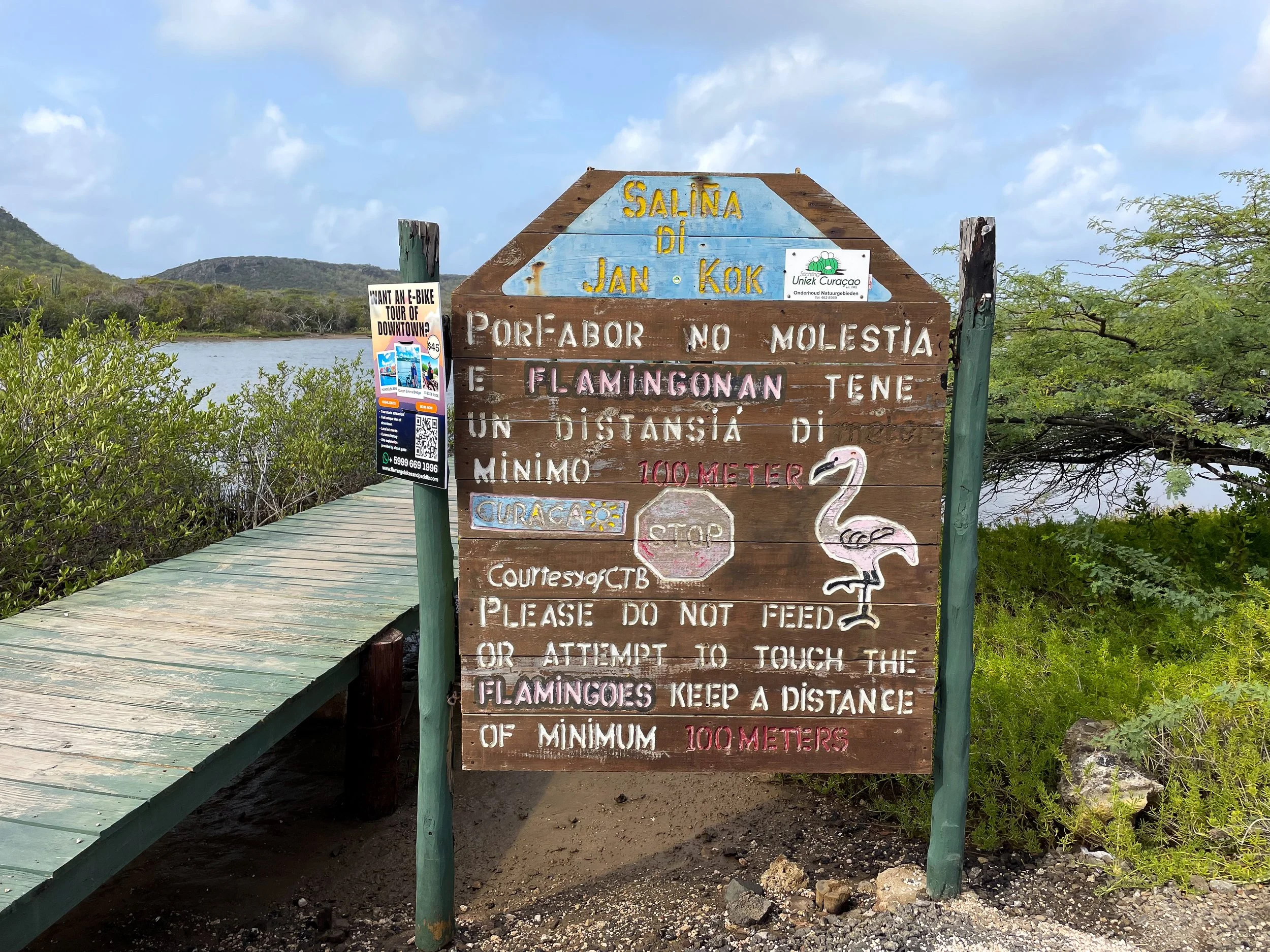
Salt Lake Willibrodus. A salt lake home to wild flamingos with a roadside observation deck. We spotted a small group over 100ft away and watched another group fly off in the distance.
Pro Tip. Bring binoculars or a long range lens for better views of the birds.
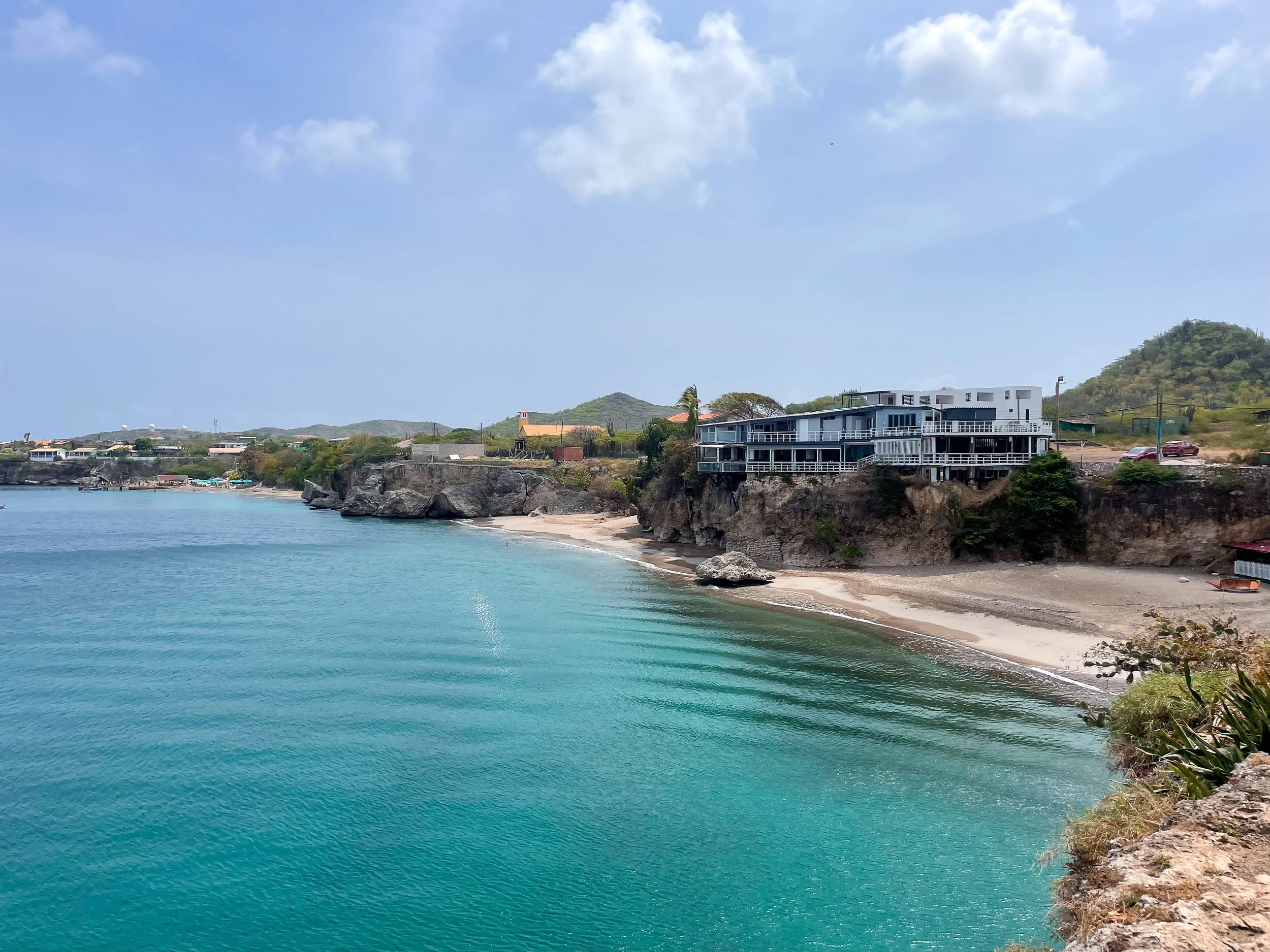
Curaçao Beaches
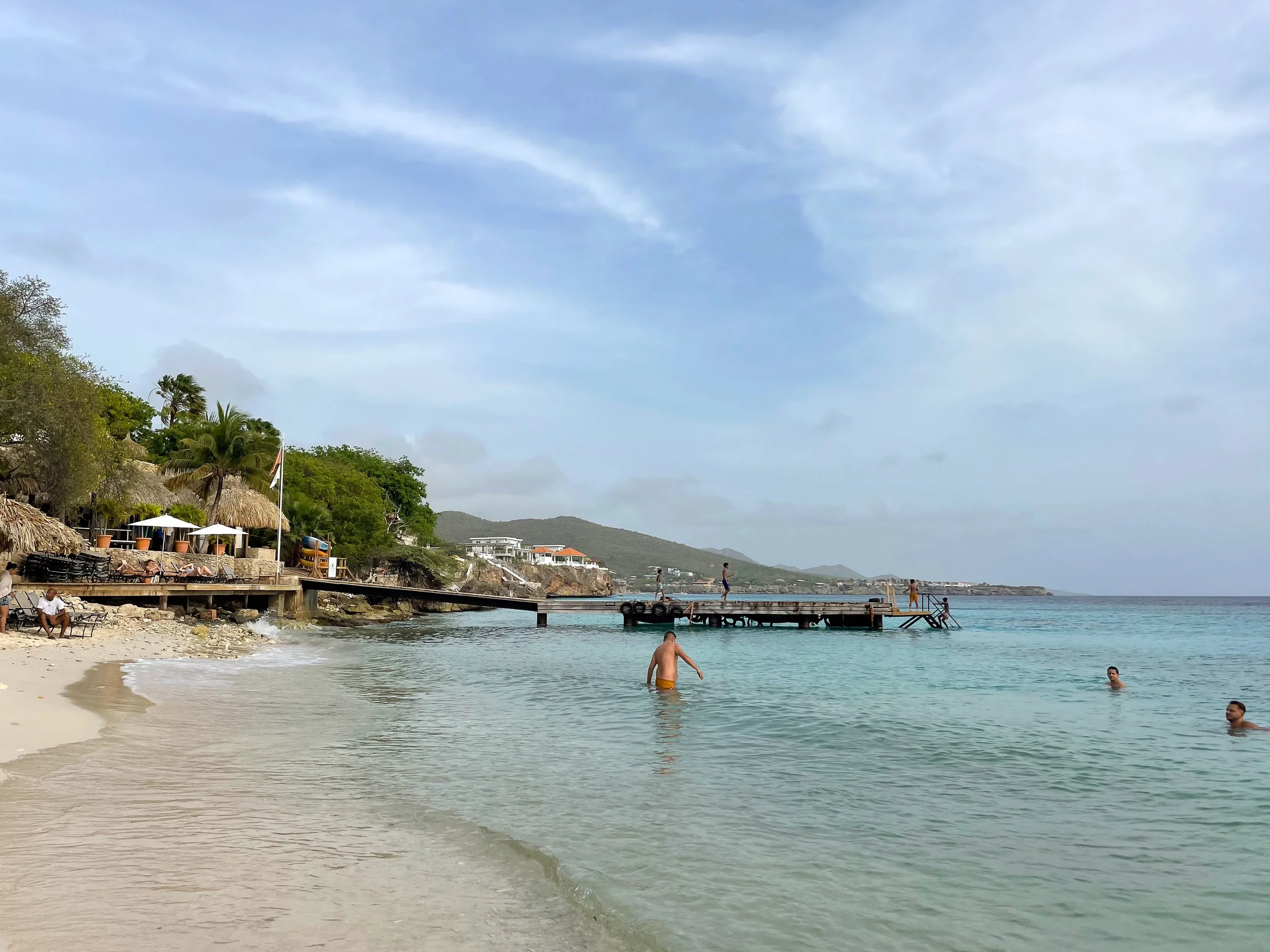
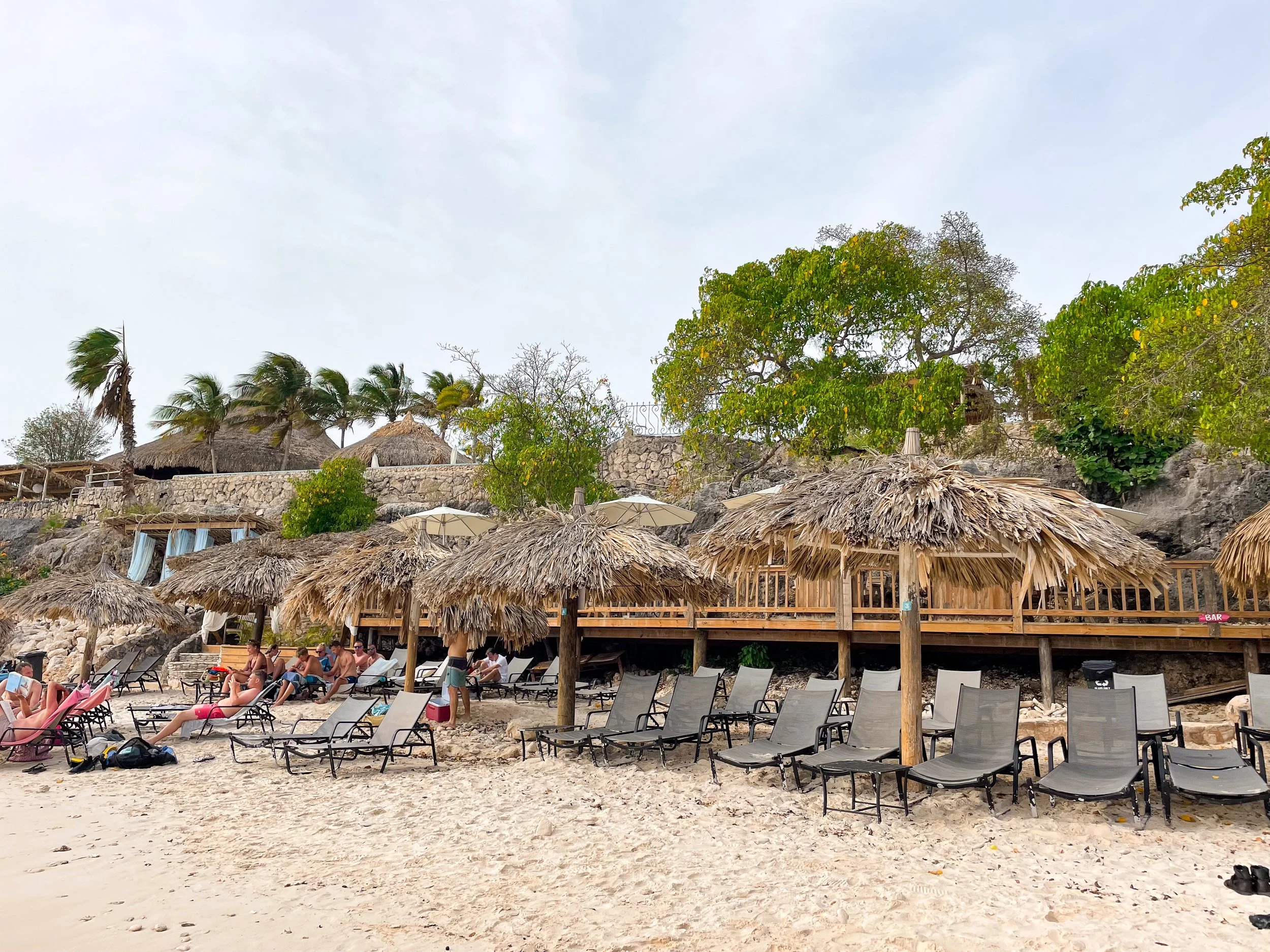
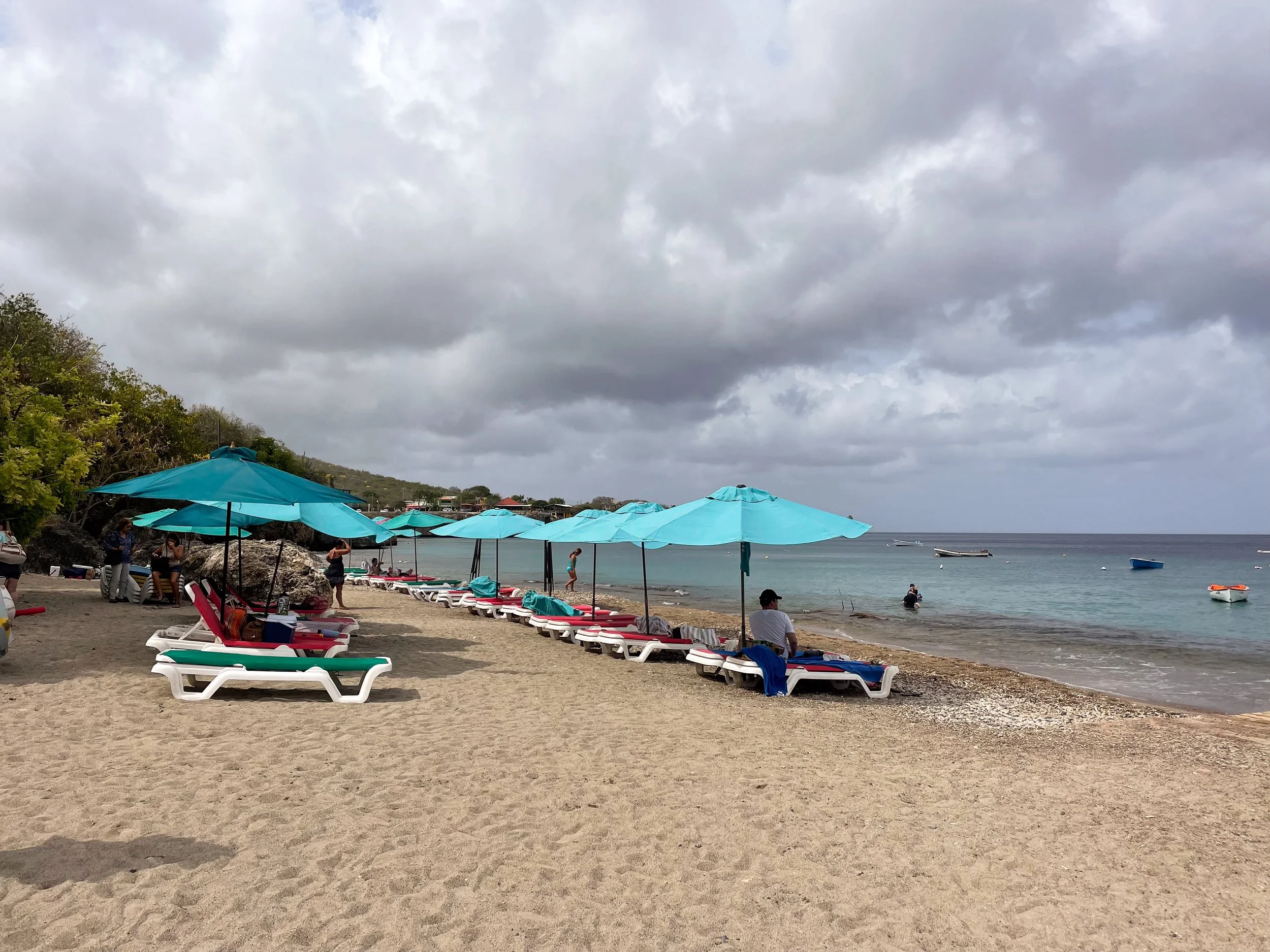
Most beaches are located along the south shore of Curaçao, nestled between limestone cliffs or at resorts. We visited several in Westpunt and around Willemstad.
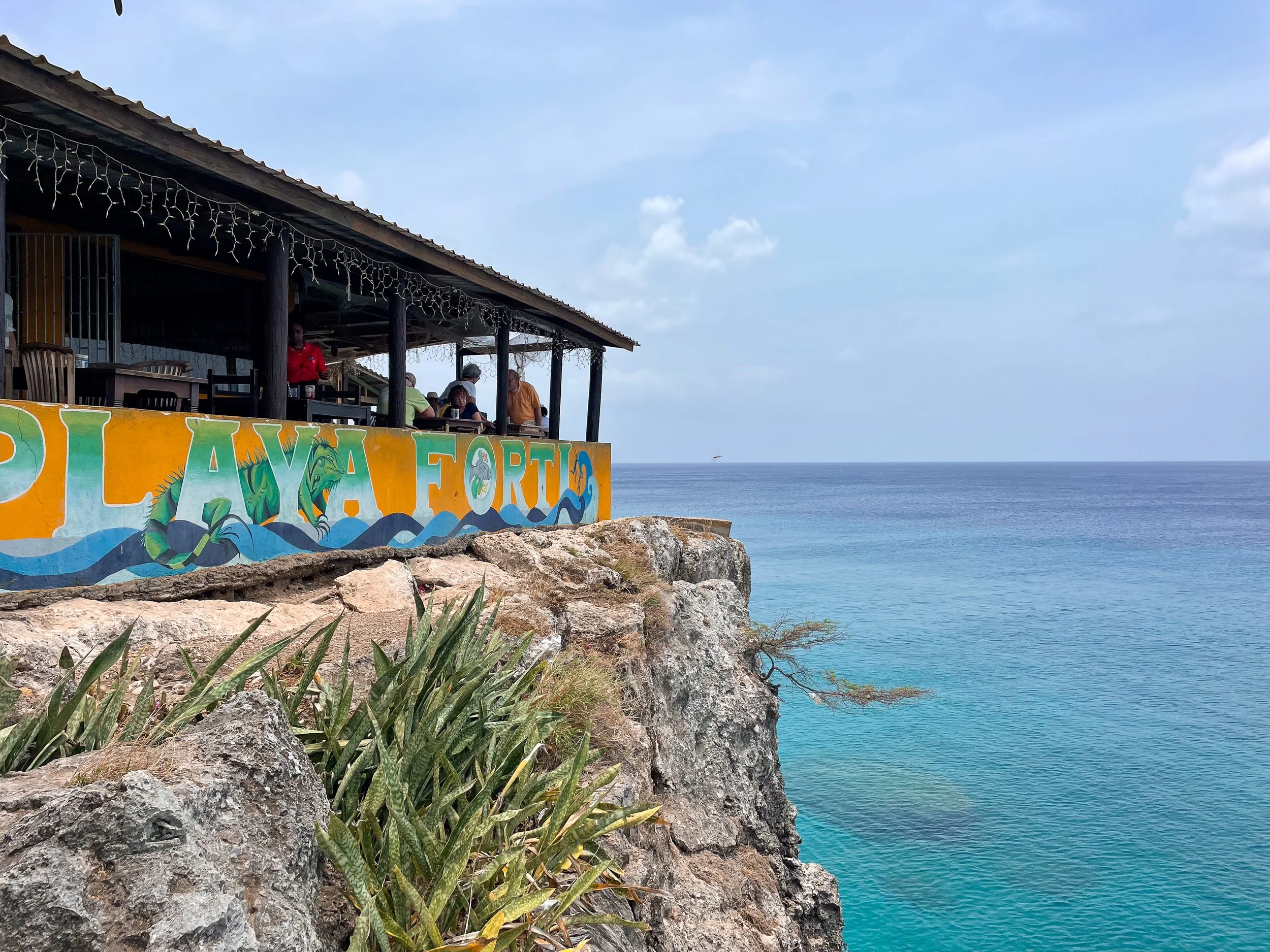
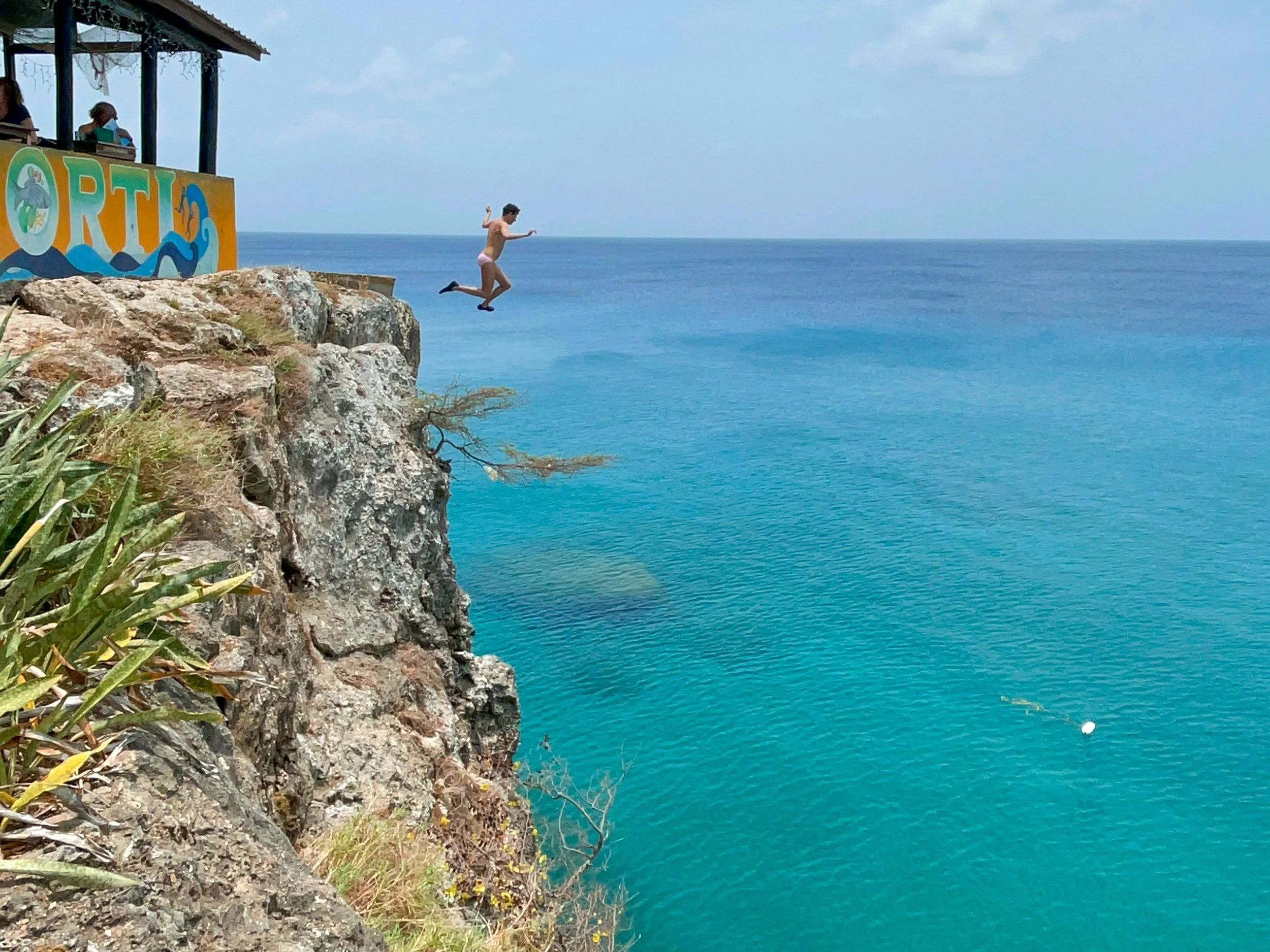
Playa Forti. A cliffside beach famed for cliff jumping! The restaurant on the cliff overlooking the beach is the best location to jump. Depending on the tide, the distance is 40-45ft above the water.
Pro Tip. To minimize the risk of injury, position yourself perfectly vertical like a pencil before hitting the water!
Playa Kalki. A narrow beach on the island’s far north shore with calm aquamarine waters ideal for swimming. Floating platforms and rentable lounges offer places to relax. There is a restaurant, bar and dive shop on the beach and a small resort on the cliff above it.
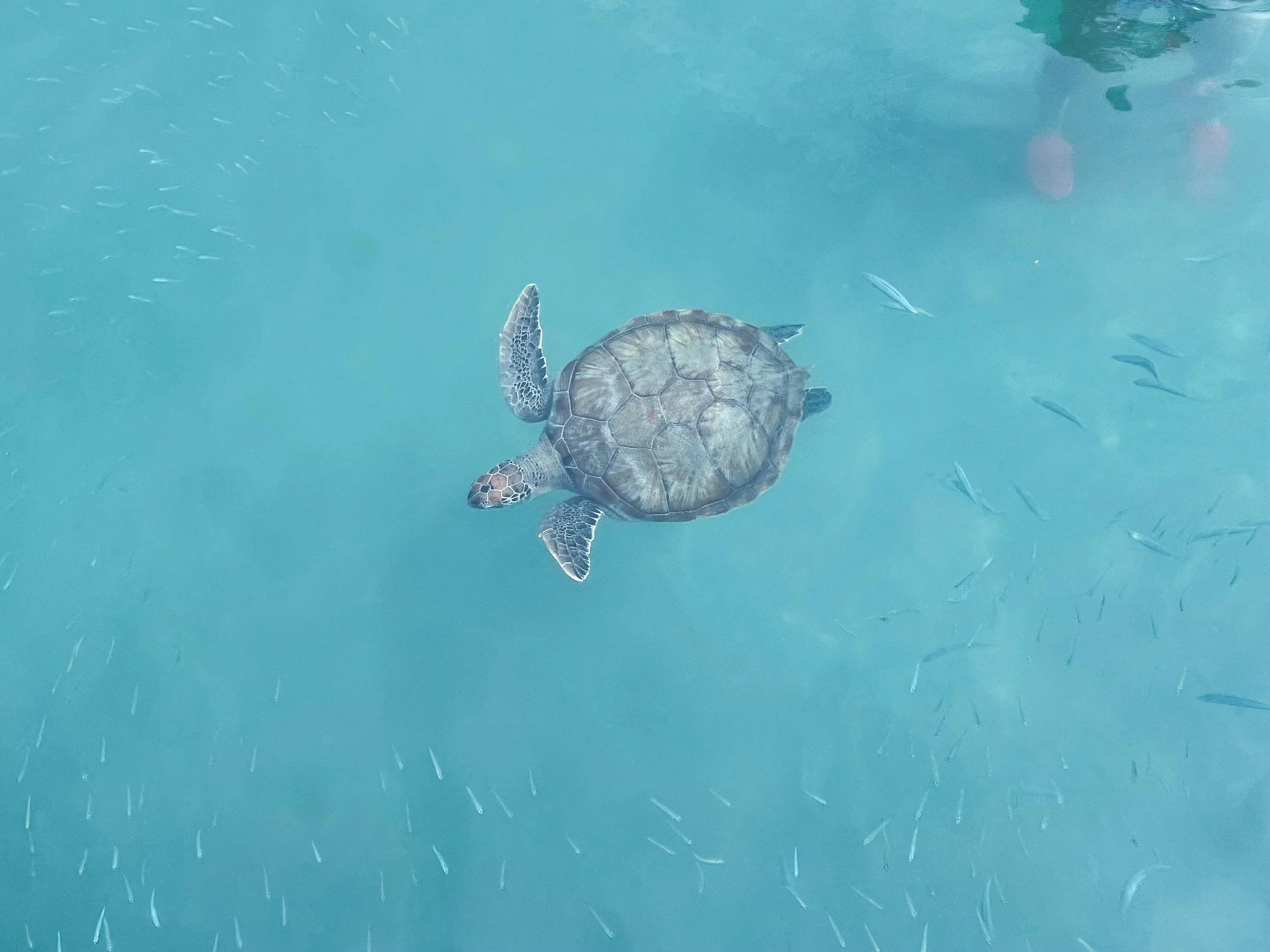
Playa Grandi. A popular beach to snorkel with sea turtles attracted by local fishermen’s chum. Visit before 8am when it’s least busy and the water is clear. Choose a different beach to swim and lounge at.
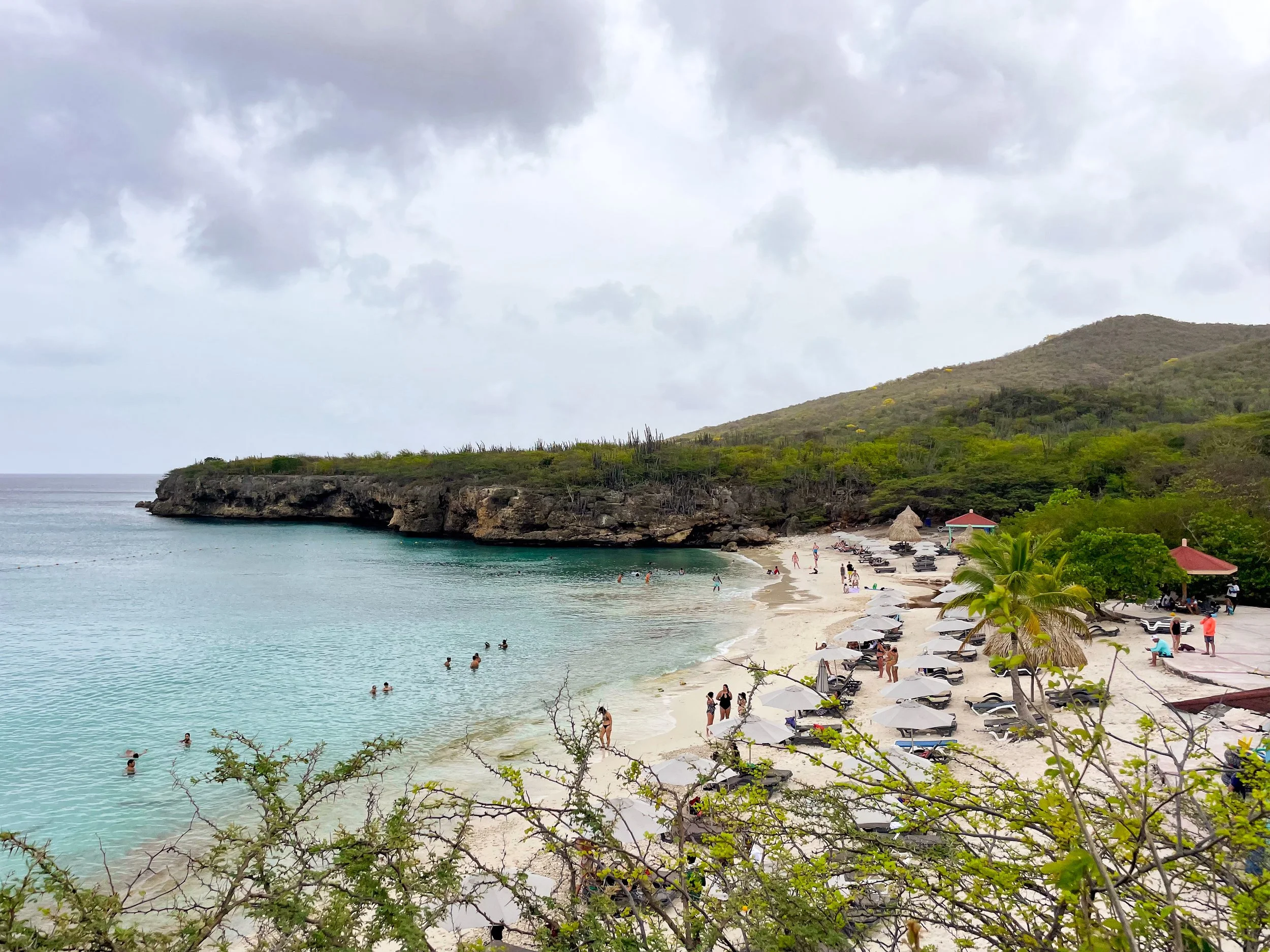
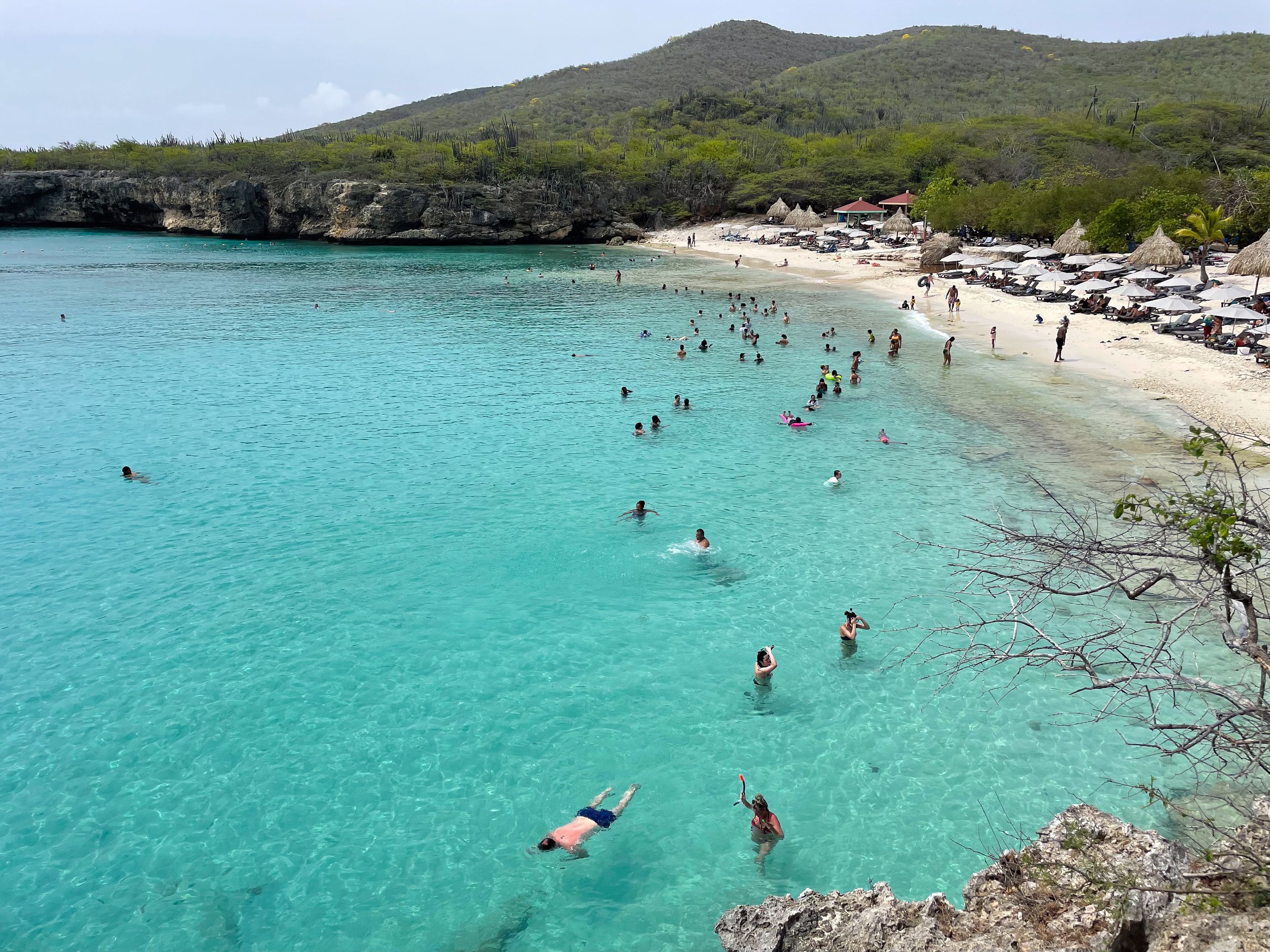
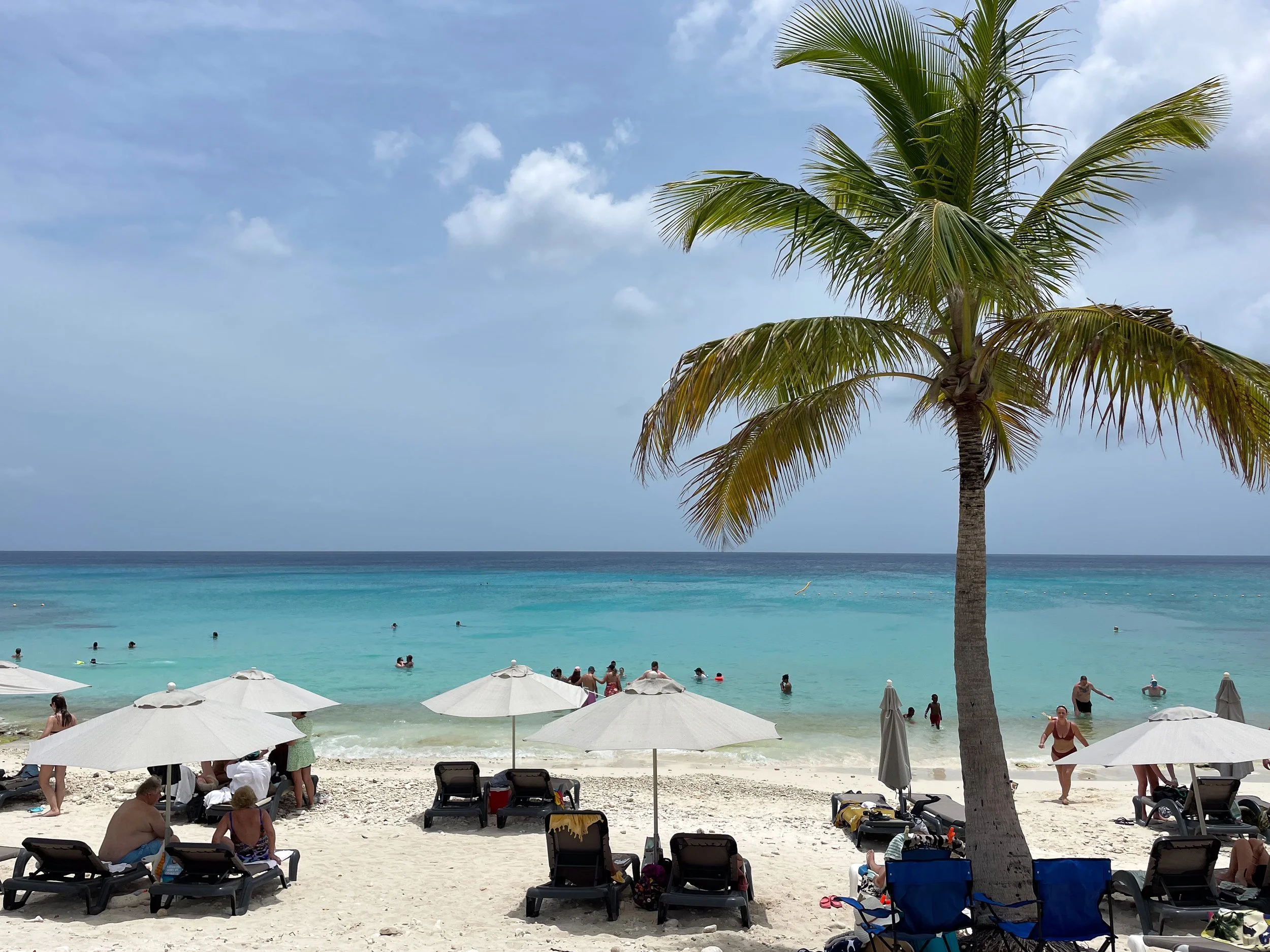
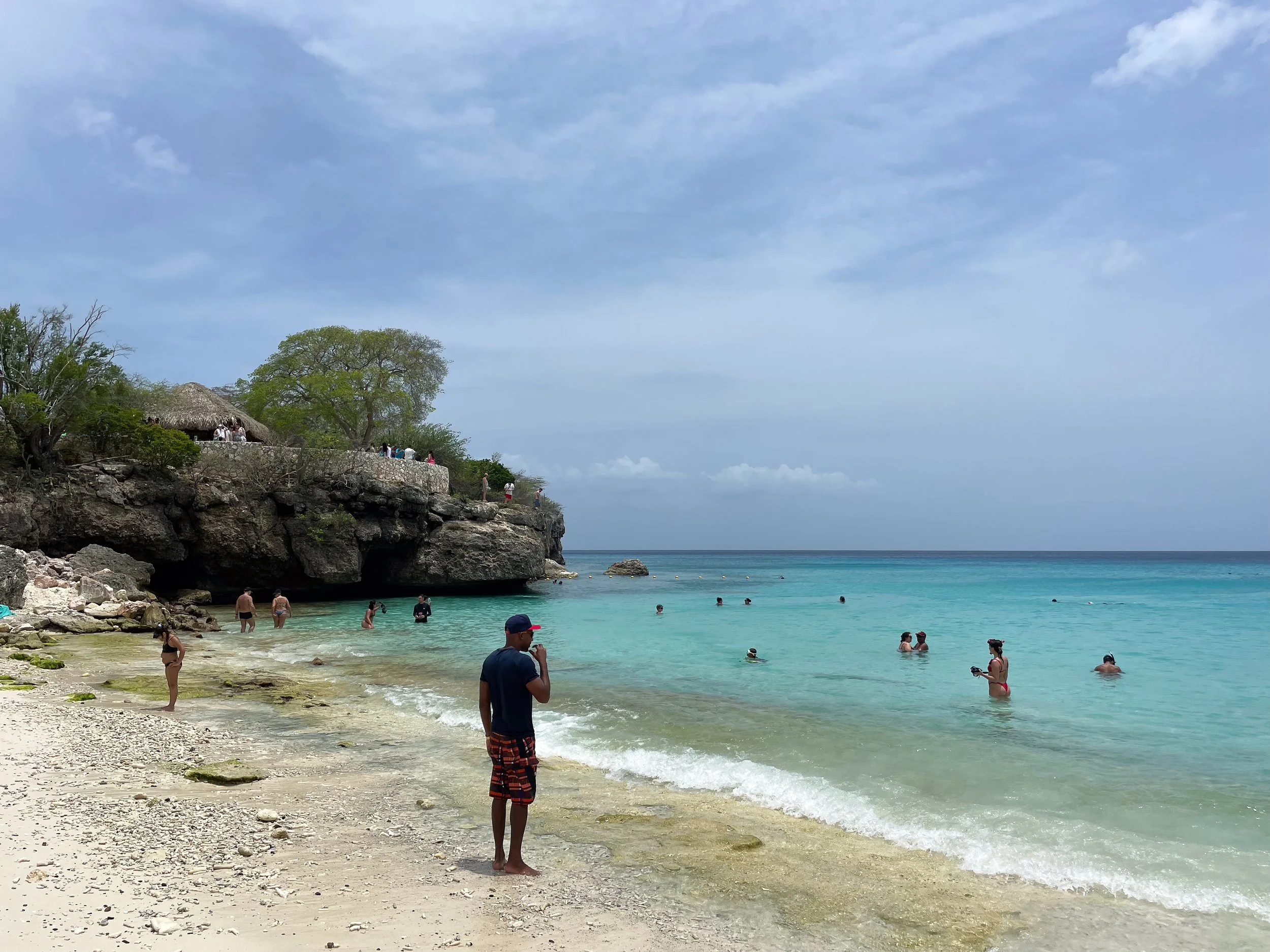
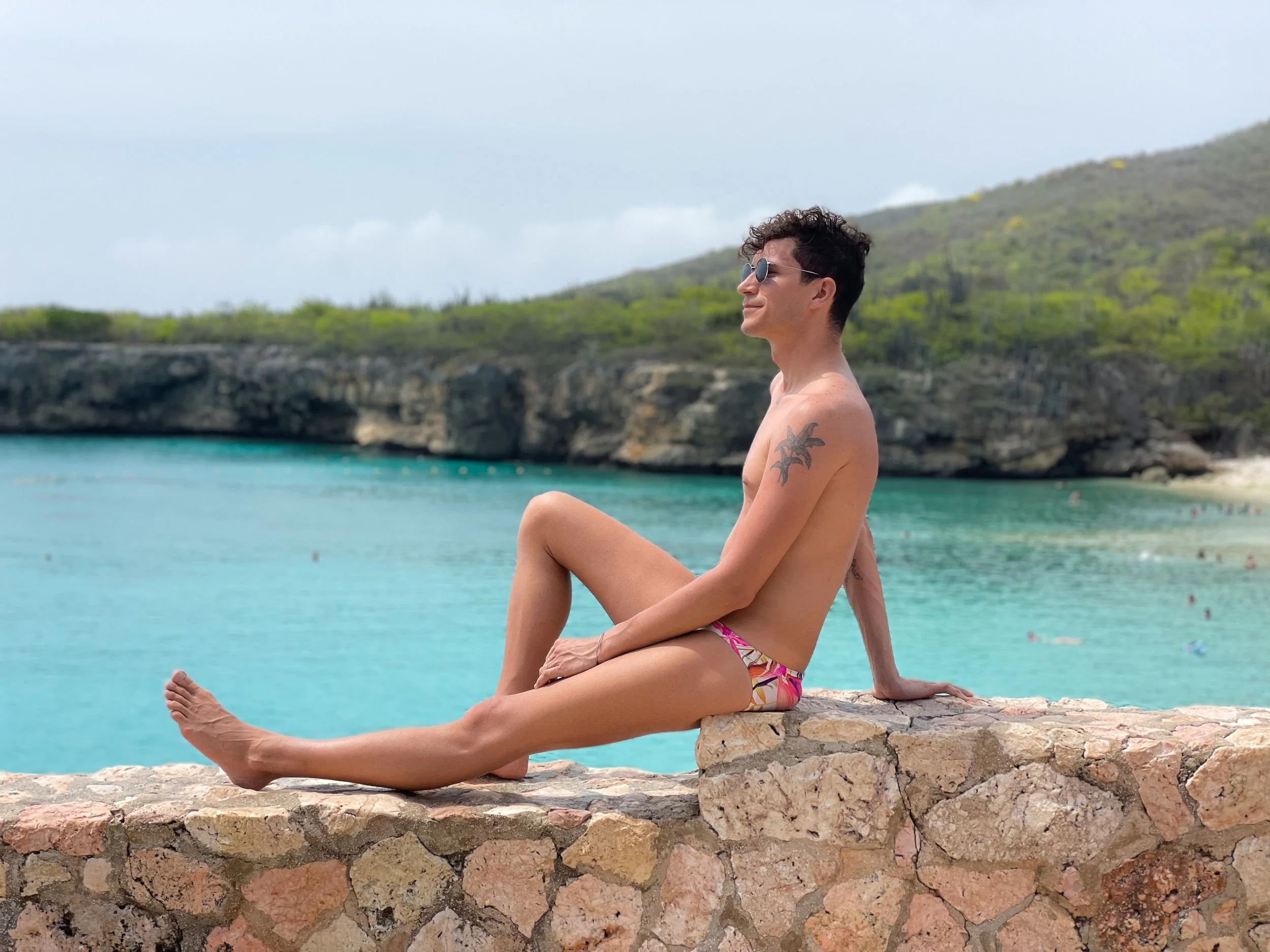
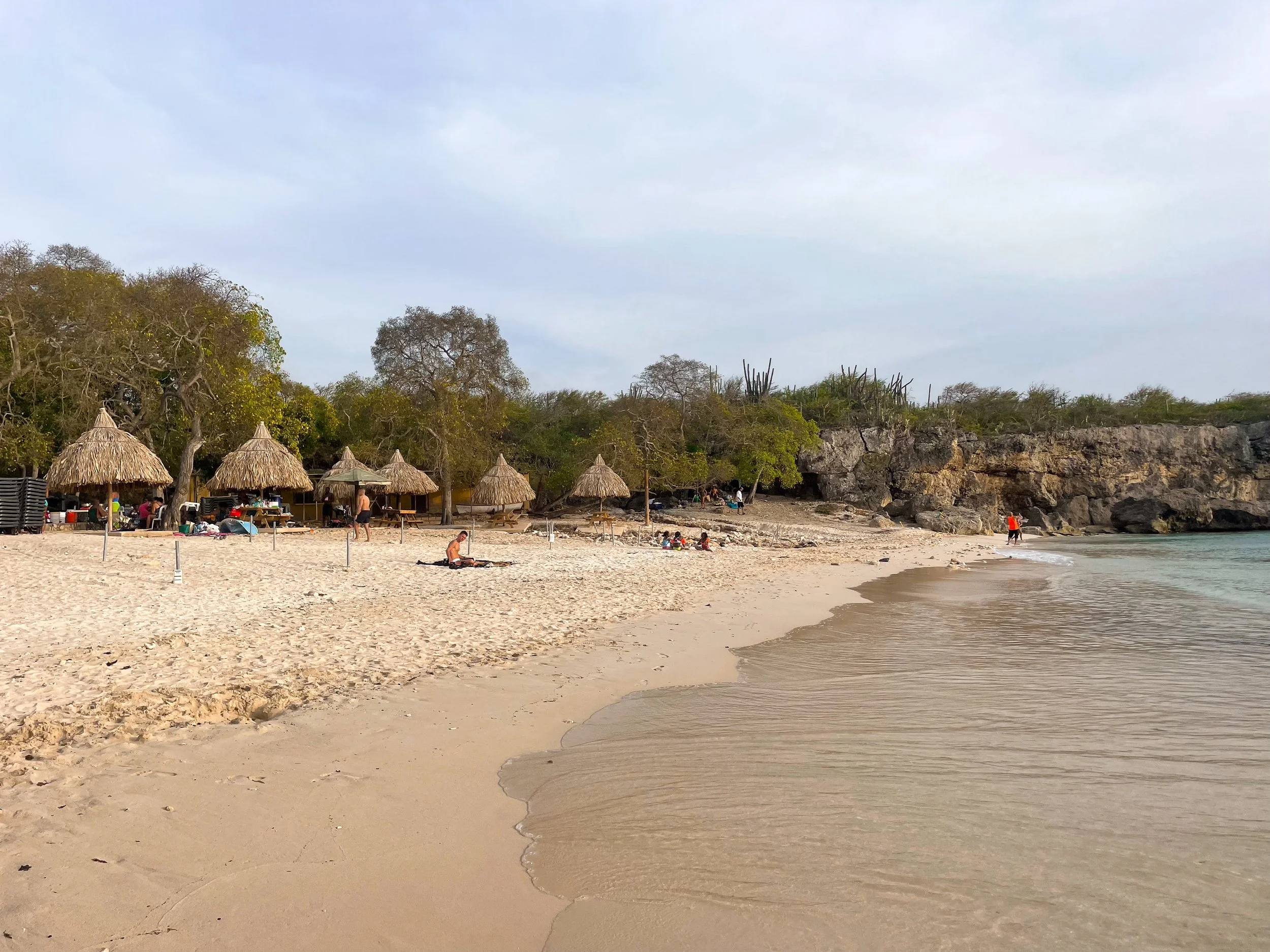
Grote Knip. A popular white sand beach with clear turquoise waters perfect for swimming, snorkeling and cliff jumping from a 20 foot ledge. Vendors rent umbrellas, lounges and snorkel gear. The southern cliff is the best place to spot marine life like parrotfish, pufferfish and barracuda. Food truck vendors sell local fritters and smoothies in the parking lot.
Kleine Knip. A quiet and smaller golden sand beach popular with locals. It’s located less than 5 minutes south of Grote Knip.
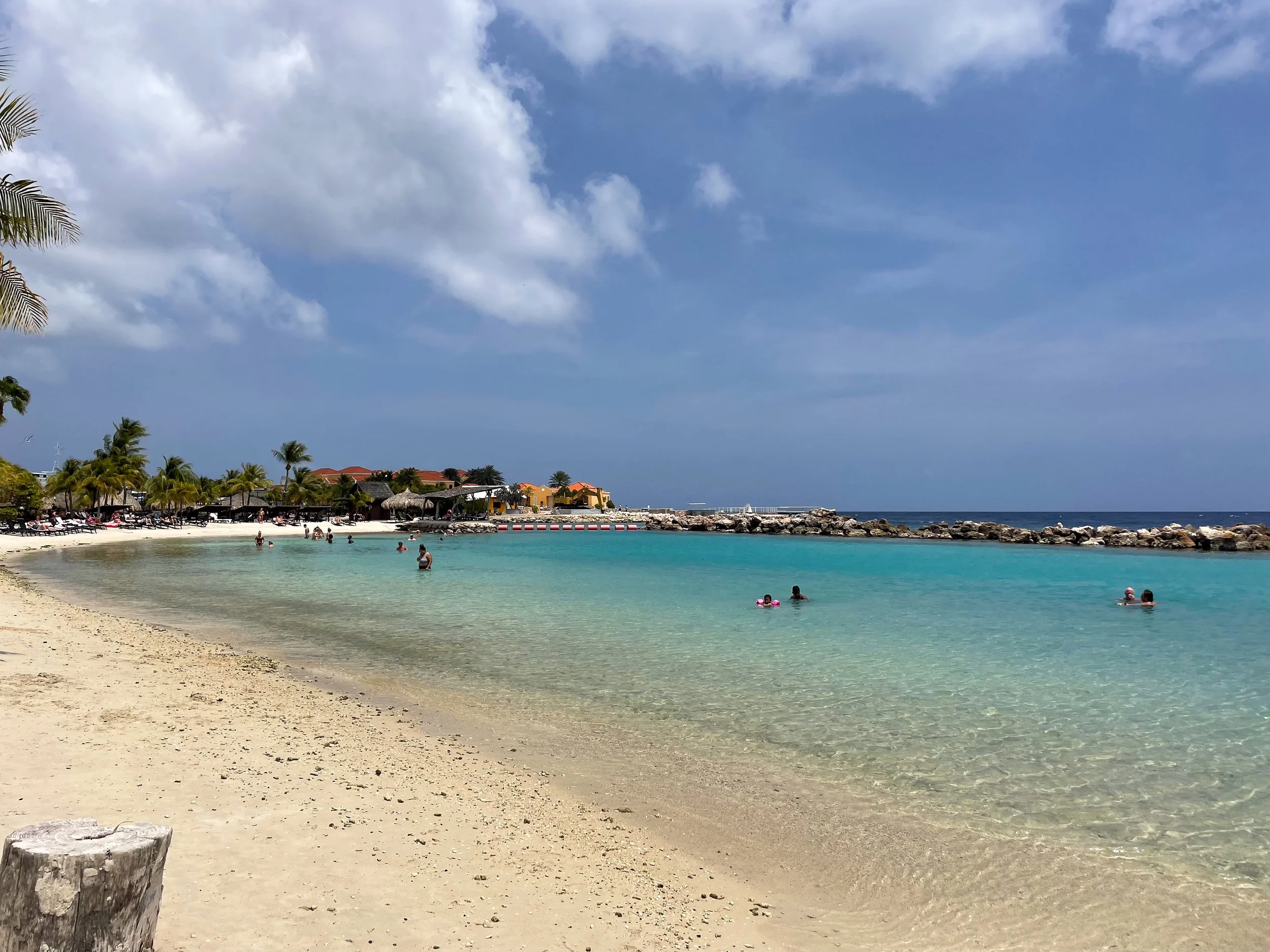
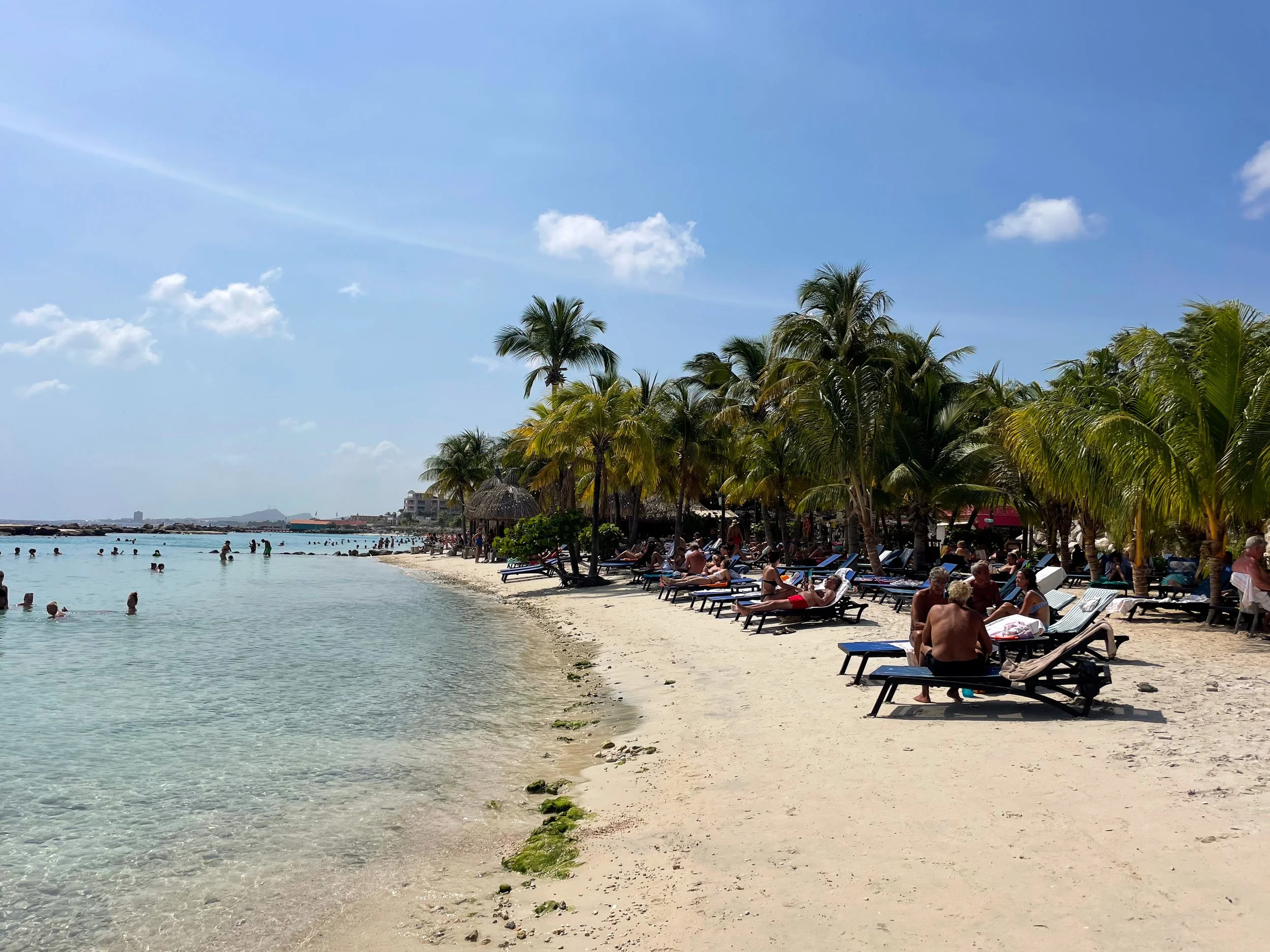
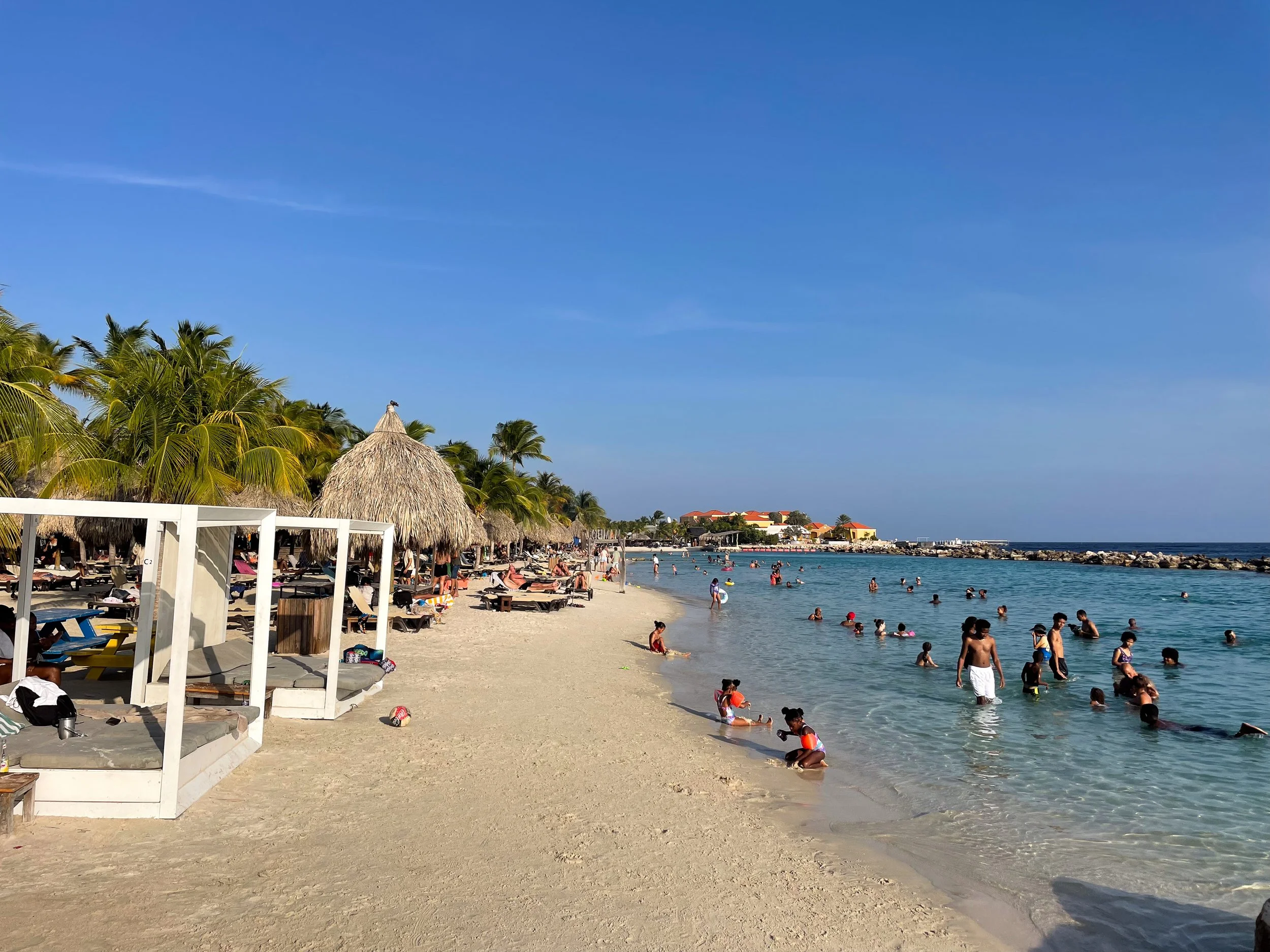
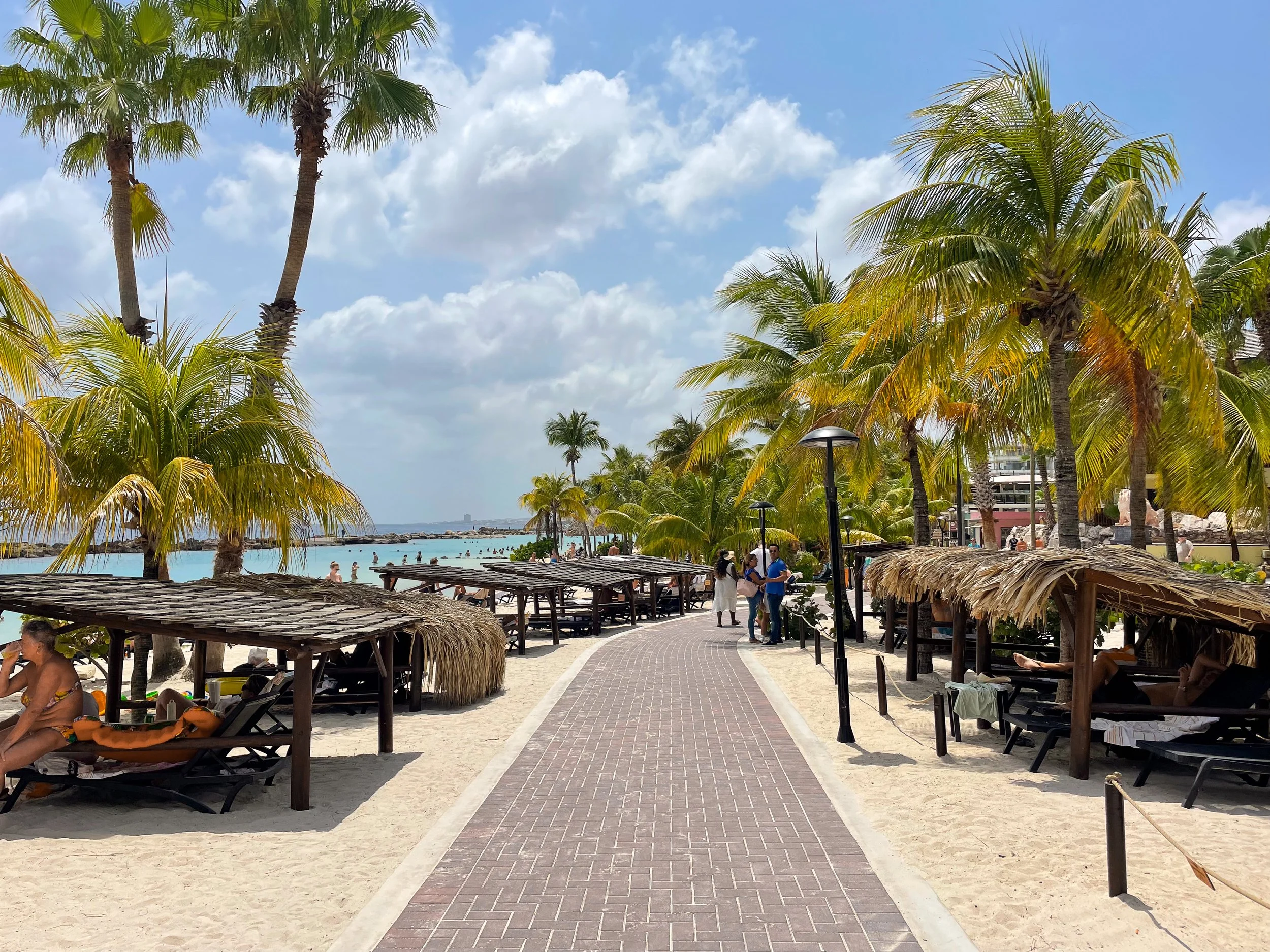
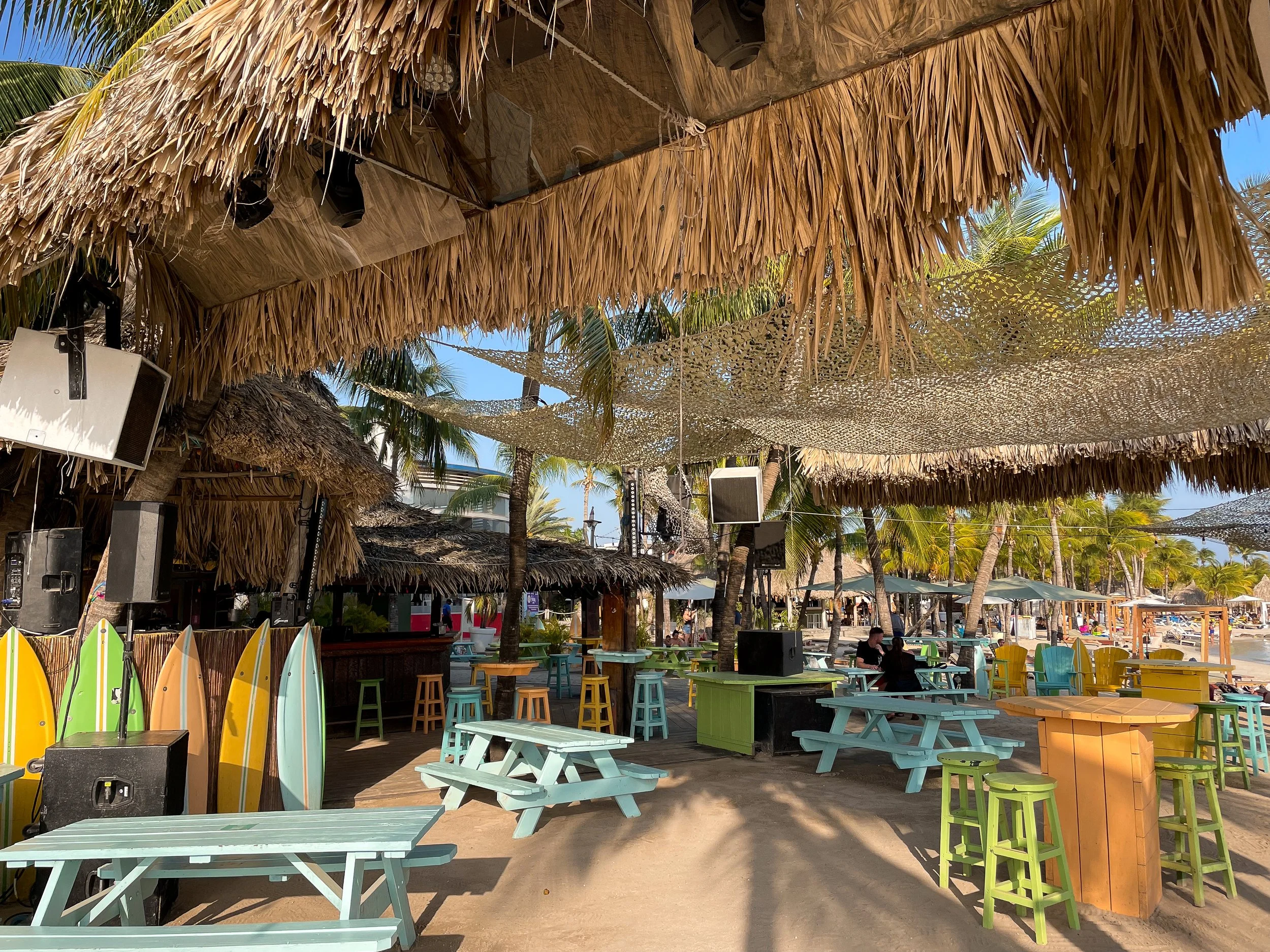
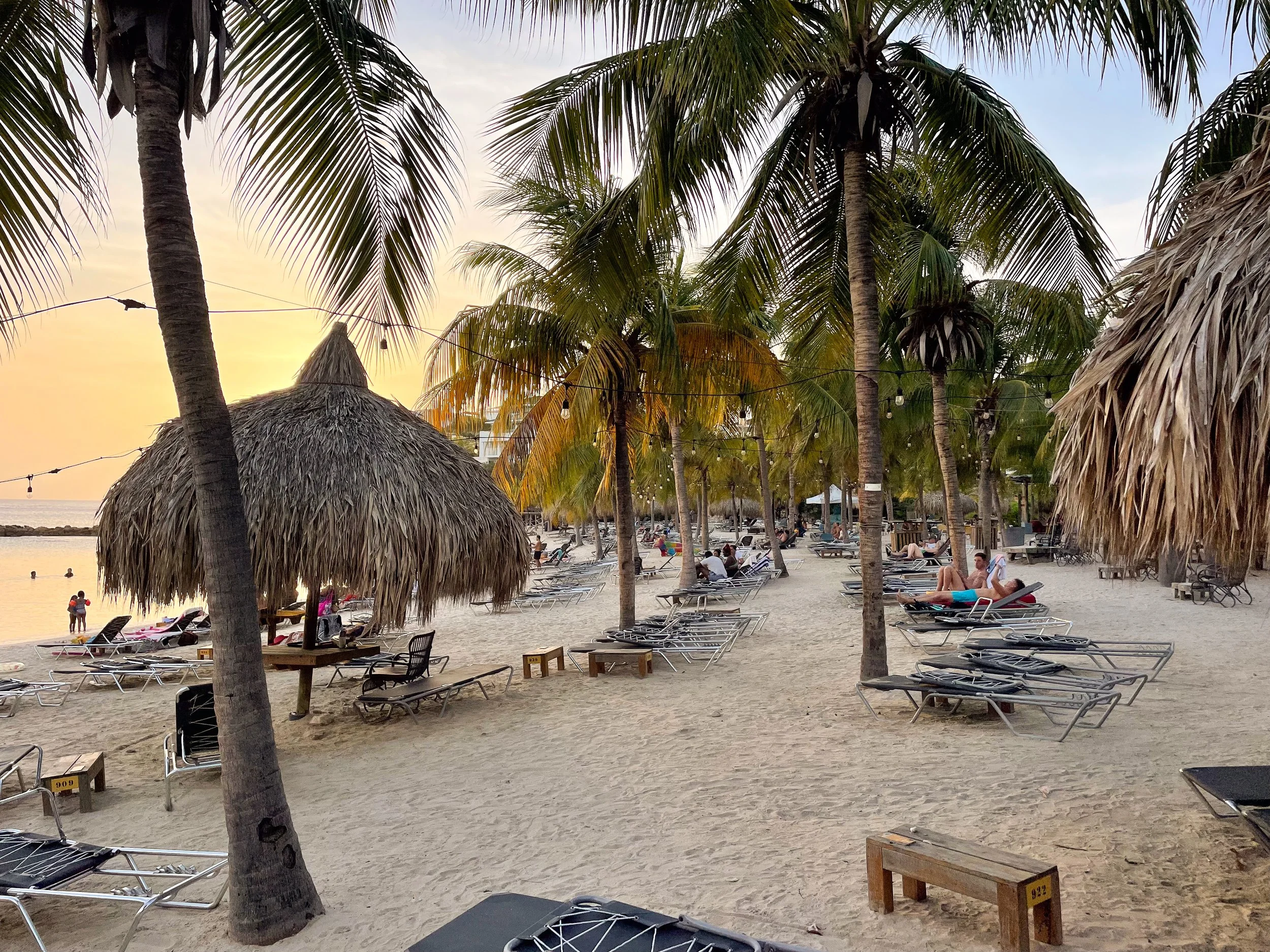
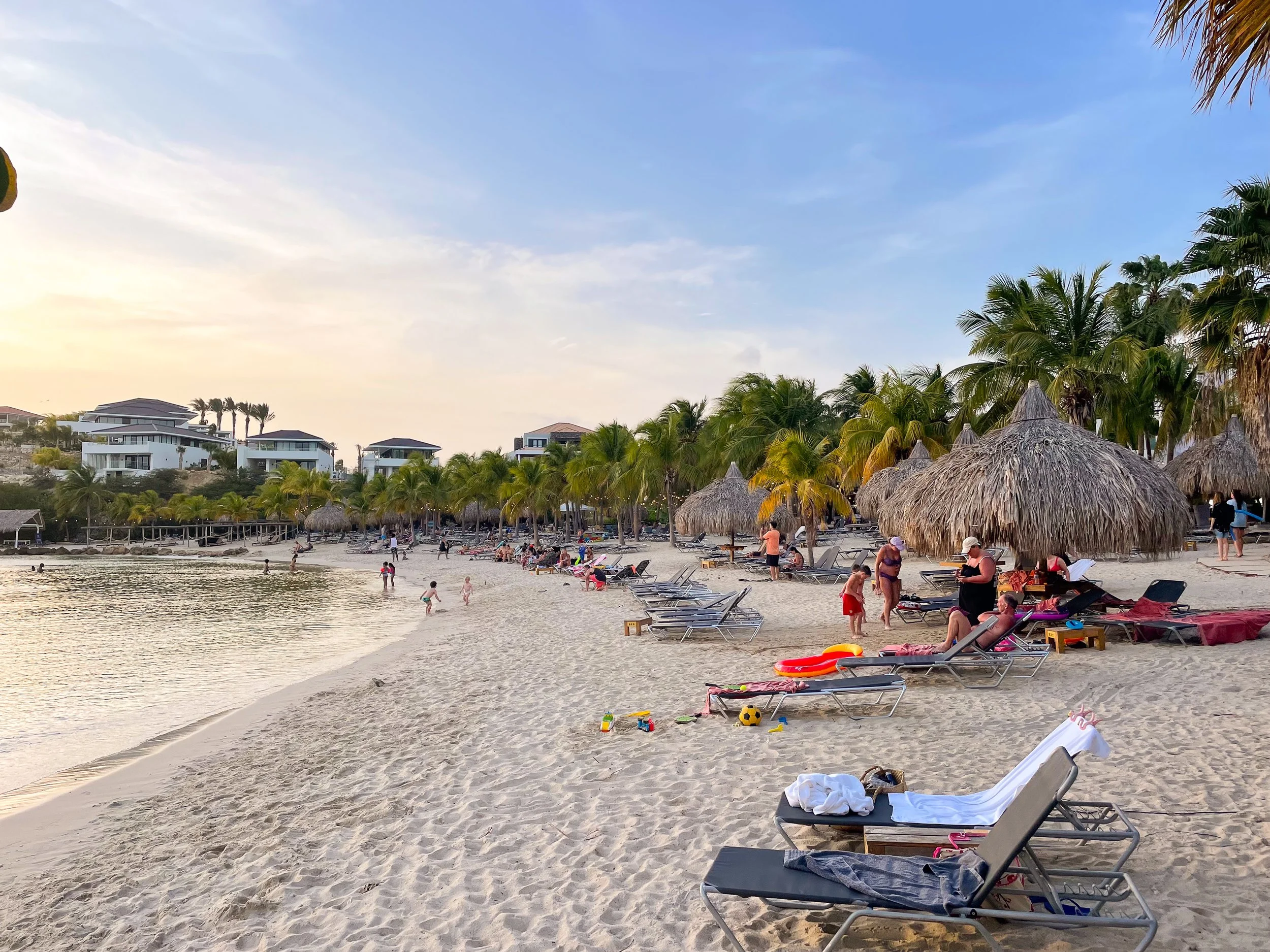
Mambo Beach. A large artificial beach with turquoise waters, white sand shores, palm trees, chair and umbrella rentals and a multi level board walk with restaurants, bars, resorts, shops and clubs. We spent an afternoon here lounging on the beach and drinking cocktails from two of the beachfront bars, Chill Beach Bar & Grill and Hemingway. It’s located 10 minutes south of Willemstad.
Blauwbaai (Blue Bay Beach). An artificial beach at the Blue Bay Resort with a palm lined shore and high end beachfront restaurant, Brass Boer. There is a fee to access the beach and use its amenities. It’s located 20 minutes north of Willemstad.
Beach Restaurants
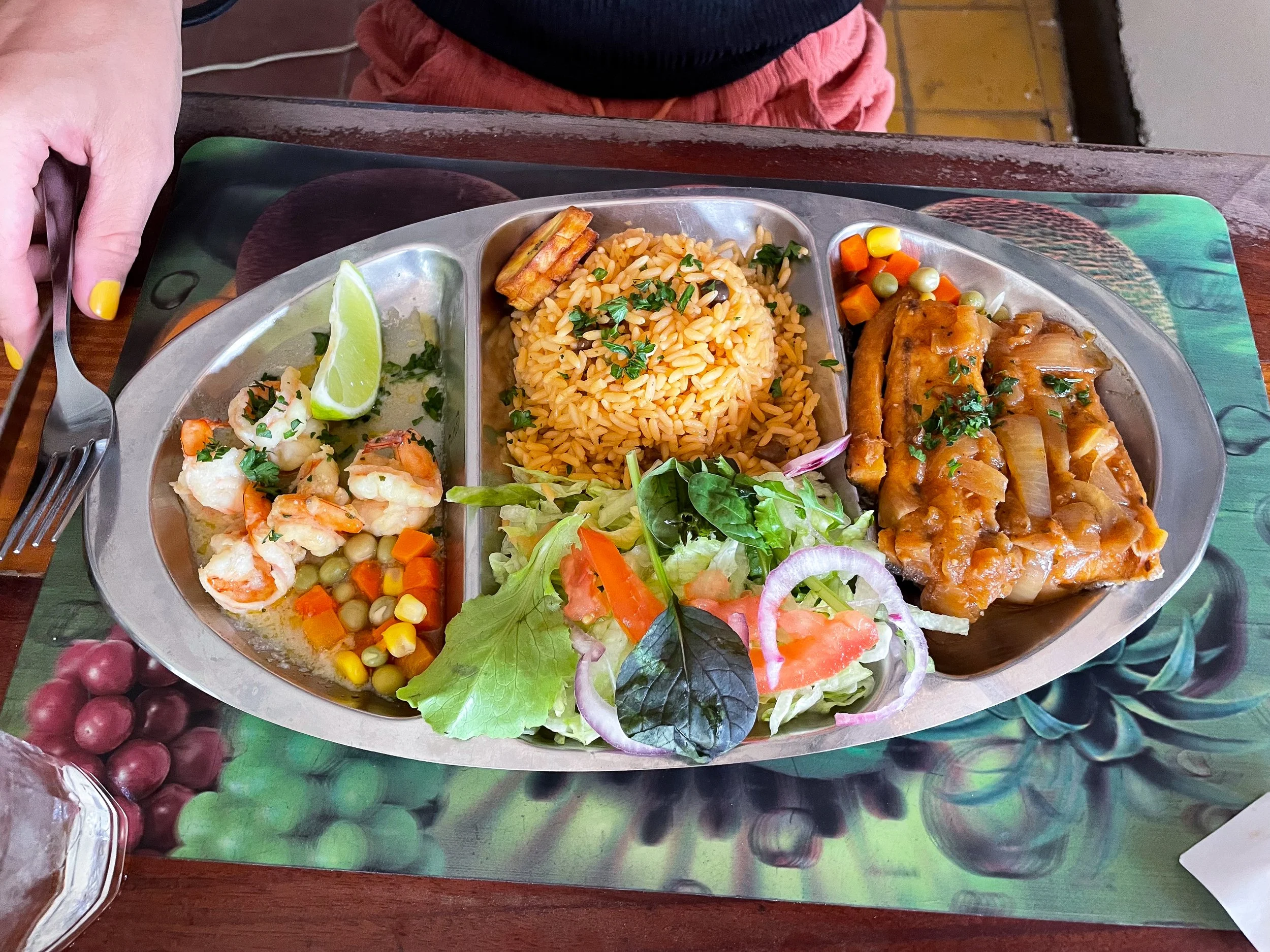
Jaanchie Restaurant. A long running restaurant near Playa Grandi with traditional stewed meats like iguana, goat, beef, fish and shrimp. Stews are served with rice & beans and fried plantains. Order the oregano punch!
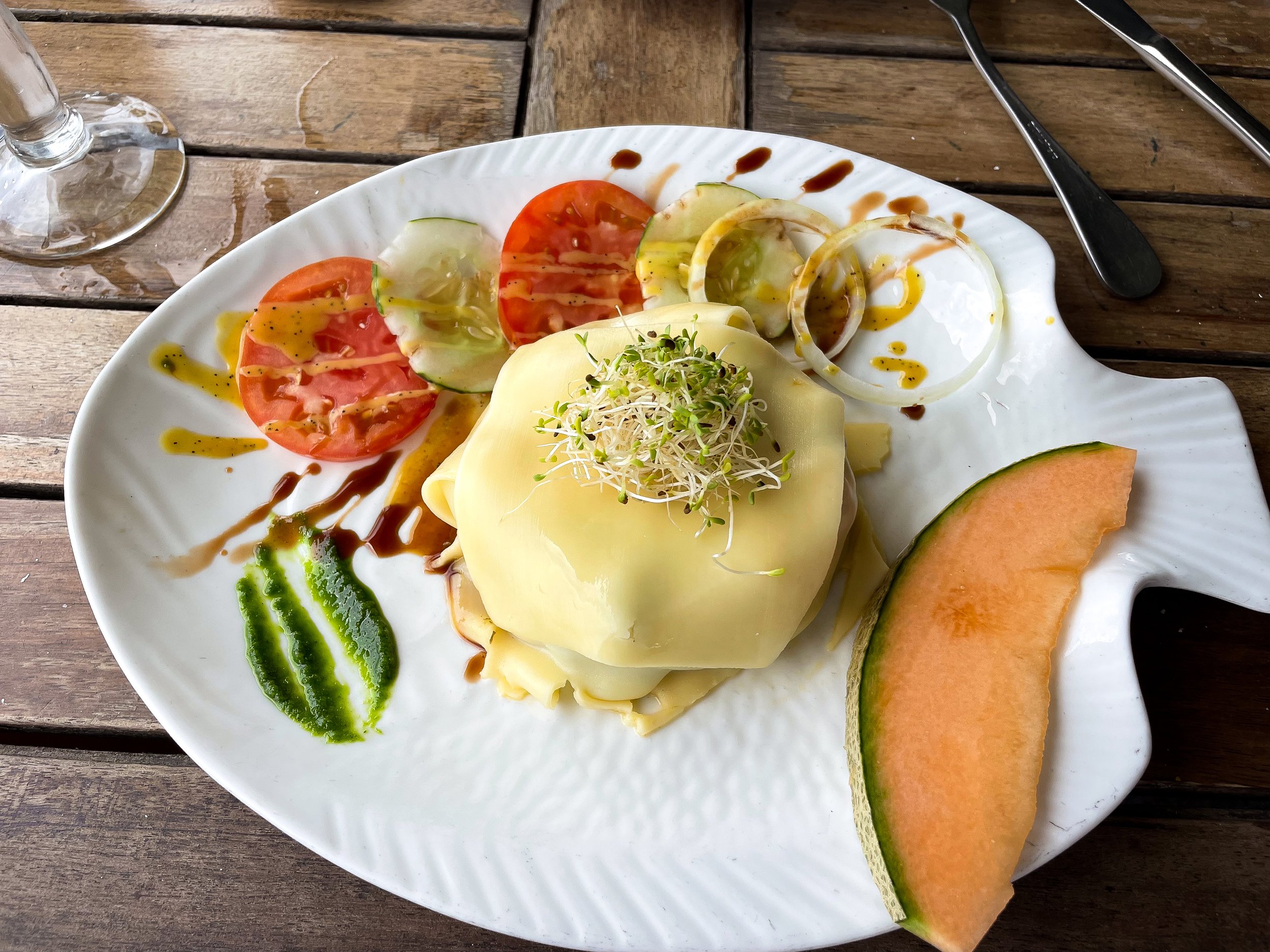
Restaurant Playa Forti. A restaurant built on the site of an old Dutch fort overlooking Playa Forti. Try the grilled conch, fried plantains and veggie Keshi Yena, a local dish made with vegetables covered in a layer of cheese.
Brass Boer. A high end restaurant at the Blue Bay Beach Resort offering a 6 course tasting menu and wine parings. Our menu included a range of vegetarian and pescatarian dishes with Dutch, Caribbean and Japanese influences. Two of our favorites were the filet of red snapper with pickled veggies and the roasted cabbage with a creamy orange sauce and crumbled pistachio. Come hungry and expect the meal to last longer than 3 hours.
Curaçao Cuisine
Stews. Iguana, goat, beef, fish and okra stews are common local dishes.
Seafood. Conch, fried red snapper, mahi mahi and garlic shrimp are all popular.
Pastechi. A stuffed savory pastry similar to an Empanada made from flaky dough.
Funchi. Fried corn dough similar to polenta. It’s often served like French fries.
Plantains. A type of savory green banana served on its own or as an ingredient cooked into other dishes.
Keshi Yena. A dish made with a base of protein and covered in a layer of cheese.
Poffertjes. Dutch style mini pancakes often served with fruit at breakfast.
Bitterballen. Deep fried cheese balls. It’s a common Dutch pub dish or street food served on some menus.
Kibbling. Deep fried pieces of fish. It’s a common Dutch pub dish or street food served on some menus.
Oregano Juice. A herbal juice made with pressed oregano leaves. It’s herbal, semi-sweet and refreshing.
Brasa. A local beer with a similar taste to Corona but slightly citric.
Blue Lagoon. A classic cocktail made with Blue Curaçao, vodka and lemonade.
Where to Stay
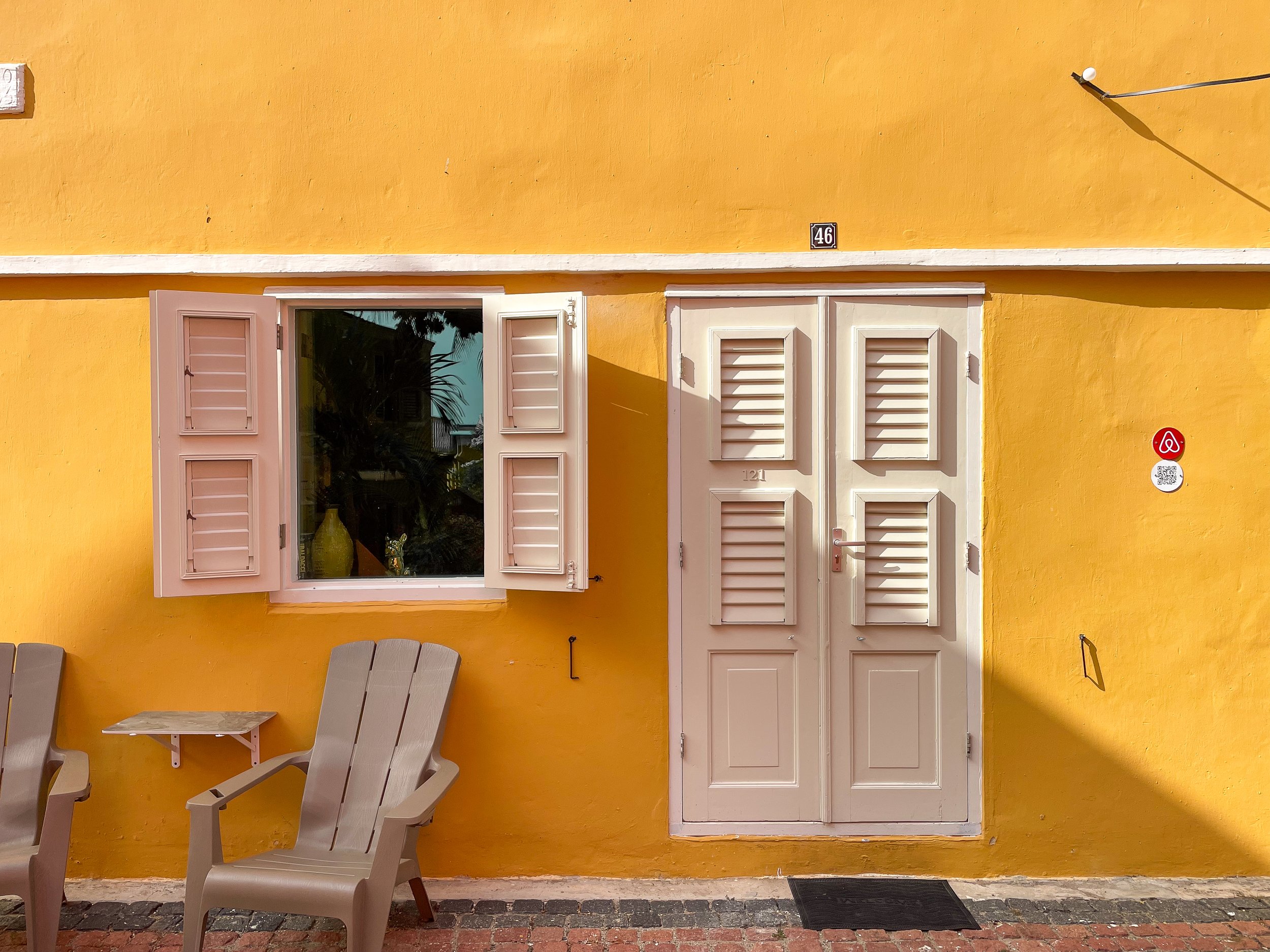
Kurá Hulanda Townhouse. A one bedroom apartment in the middle of the Kurá Hulanda Village. We stayed here for 4 nights while exploring Willemstad and elsewhere across the island. Book on Airbnb.
Location Specifics
Language. Most people speak English however Dutch and Papiamento (a creole language based on Spanish and Portuguese) are most commonly spoken.
Cash vs. Card. Most places accept credit cards but having some cash is important. The Antillean Guilder and the US Dollar are both used on the island.
Getting Around. Willemstad is easily walkable while the best way to get around the island is by car.
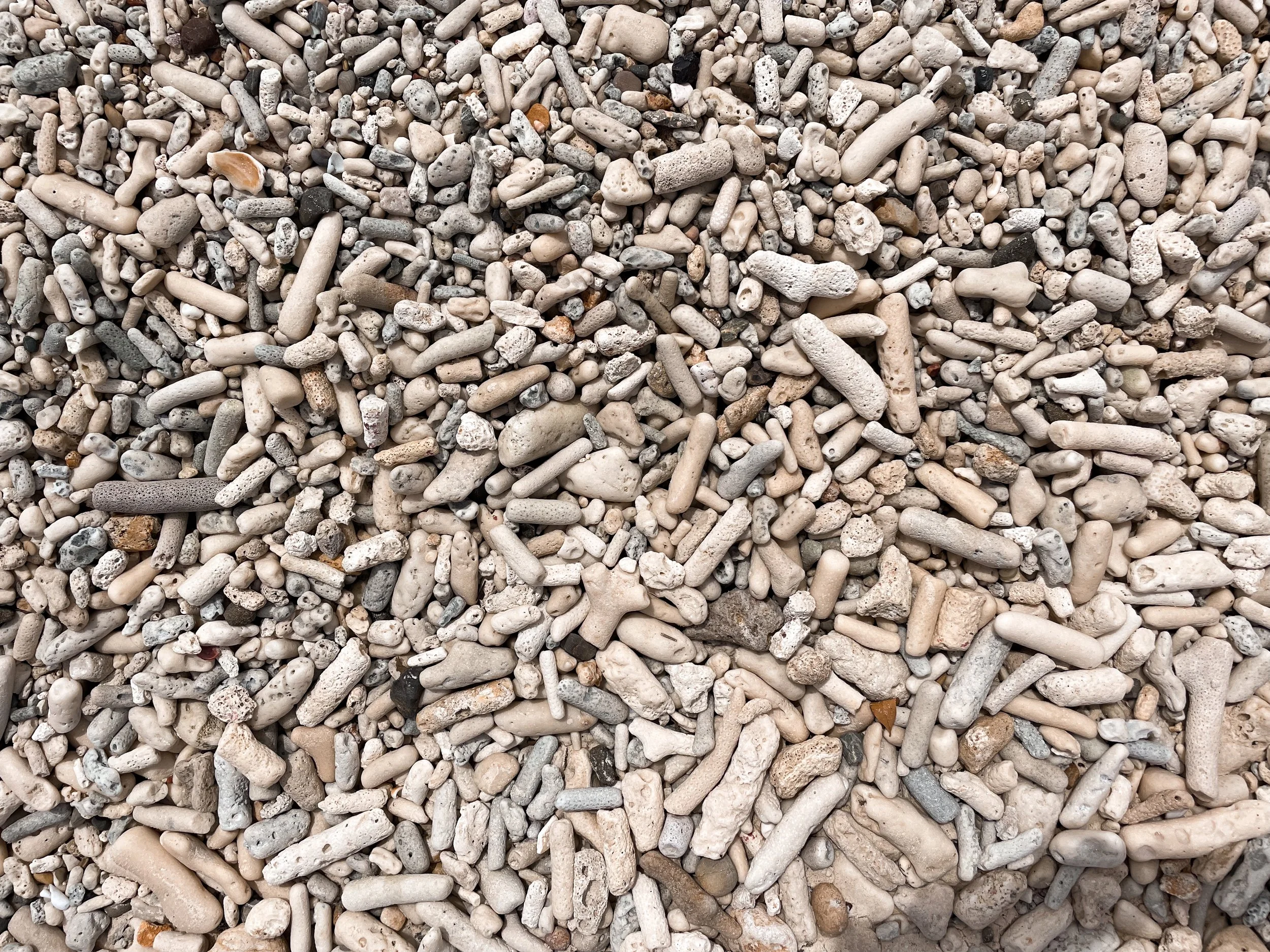
Water Shoes. Wear water shoes at all beaches to avoid discomfort from jagged washed up coral.
Sun Protection. Curaçao is a desert island in the tropics! Wear sunblock to avoid the harmful UV.
For Next Time…
Curaçao is part of the ABC island chain, including Aruba and Bonaire. We plan to visit both to explore their beaches, marine parks and Dutch colonial buildings.