

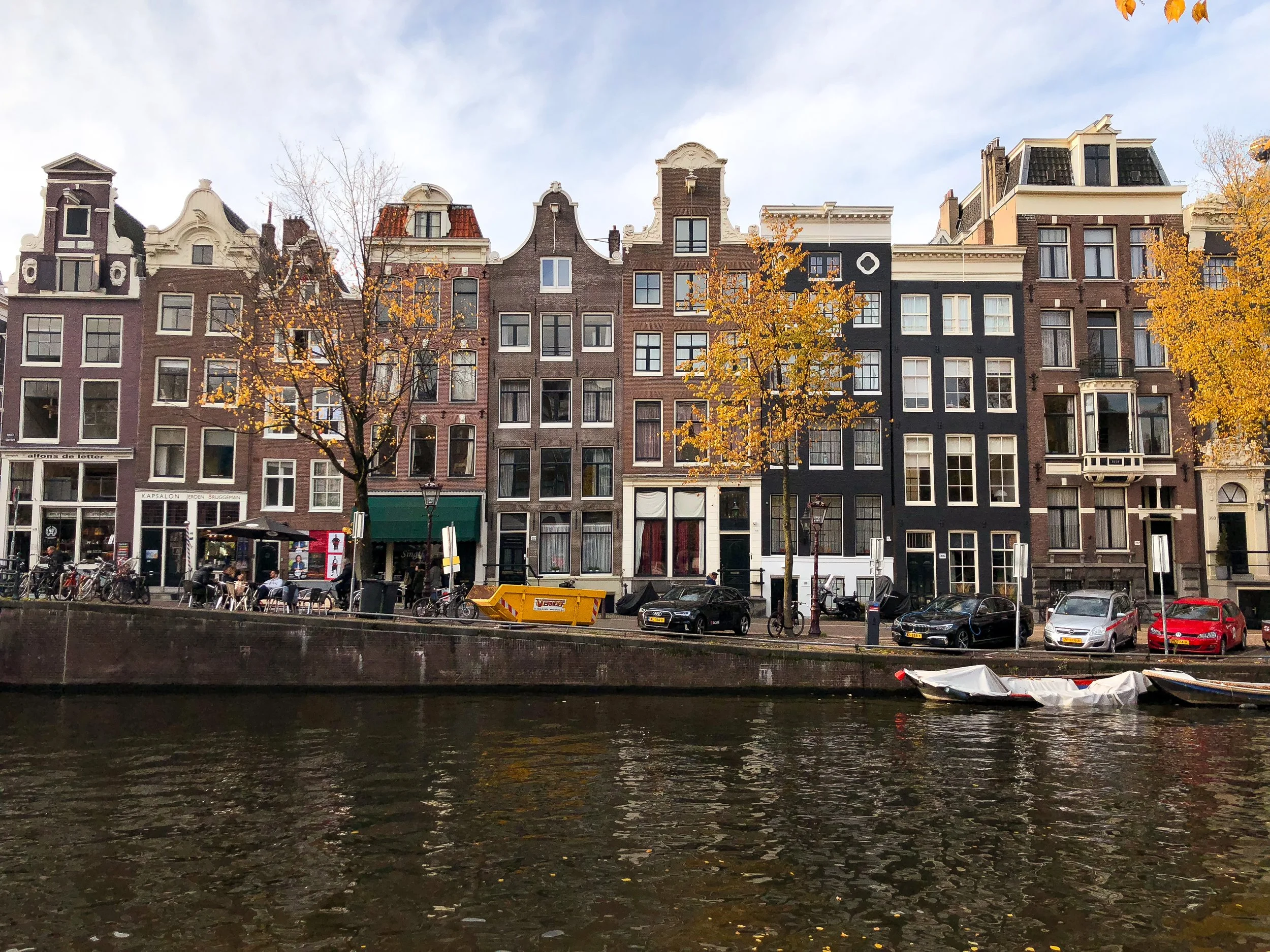
Amsterdam Travel Guide: Canals, Museums & Autumn Colors
Stroll along Amsterdam's picturesque canals through historic neighborhoods to renowned museums and lively markets as golden leaves fall across cobblestone streets.
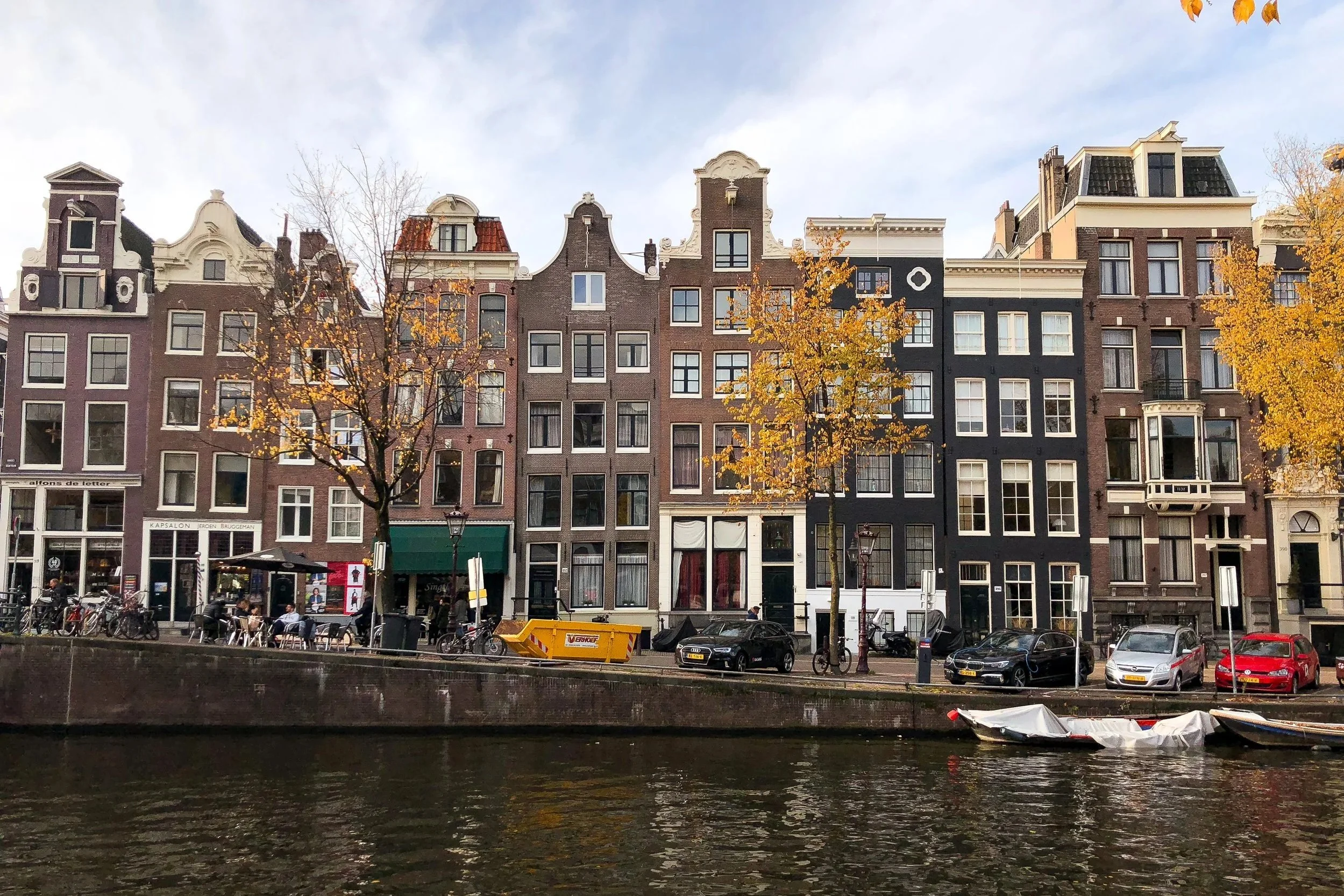
Autumn in Amsterdam
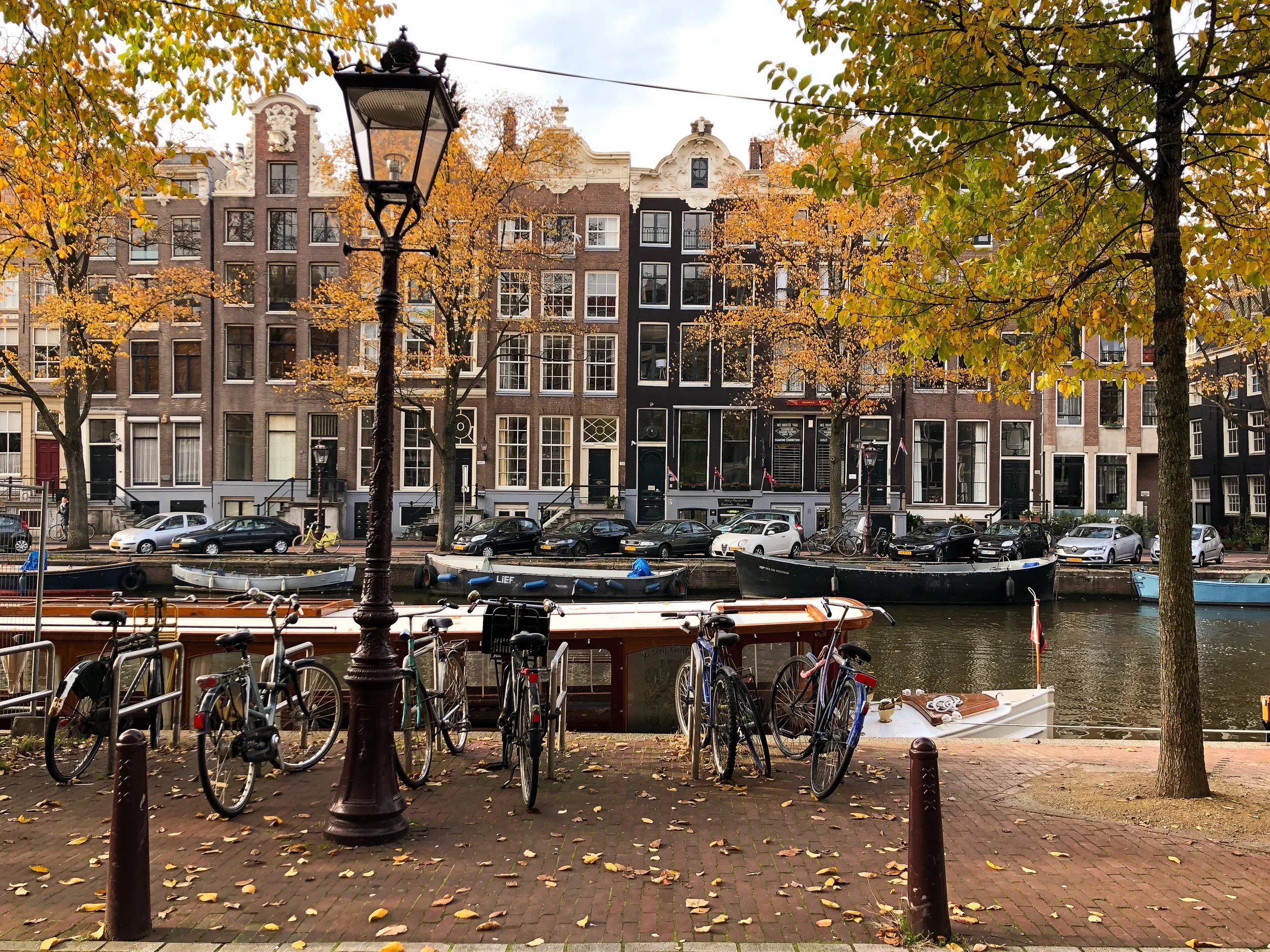
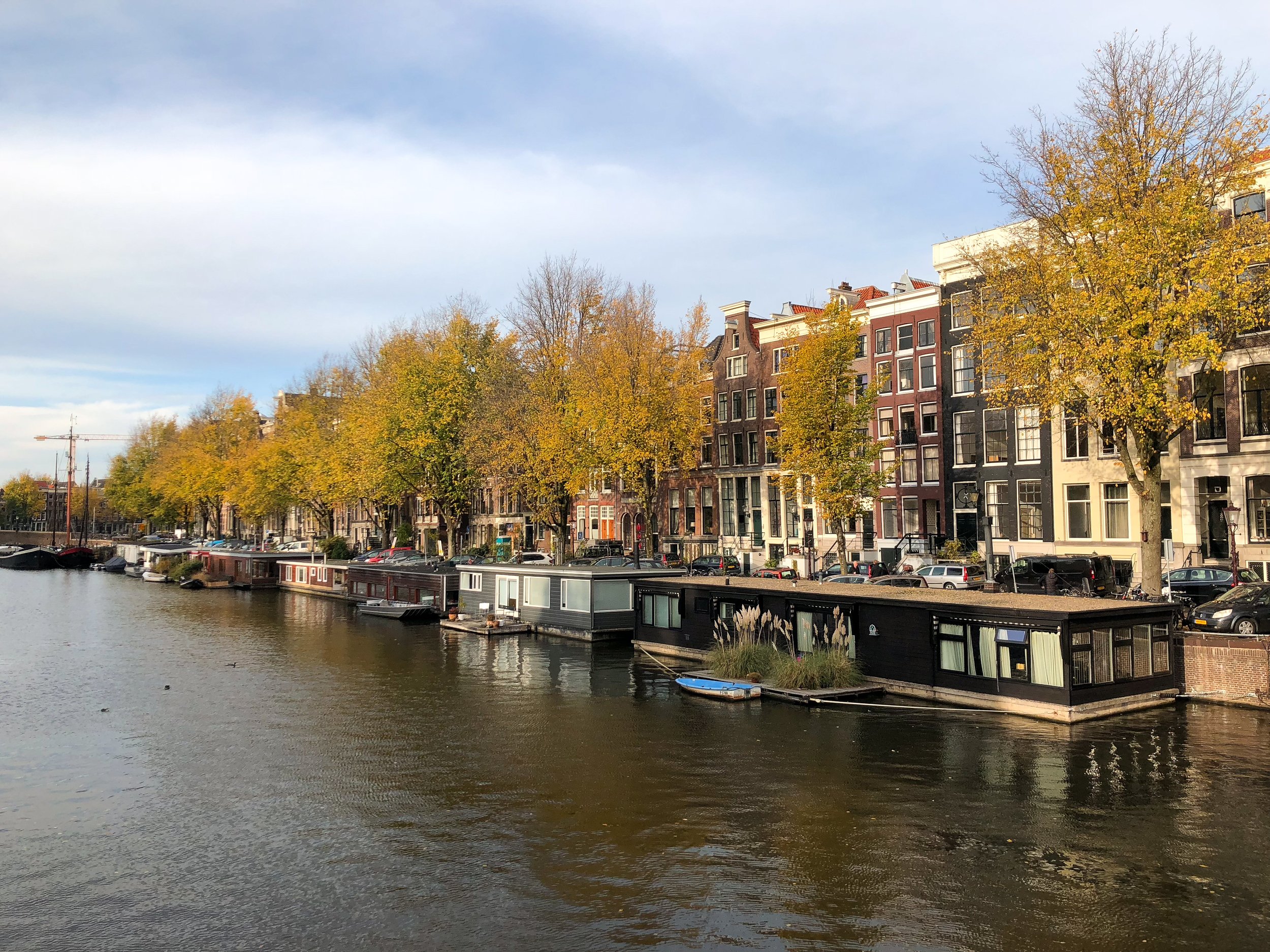
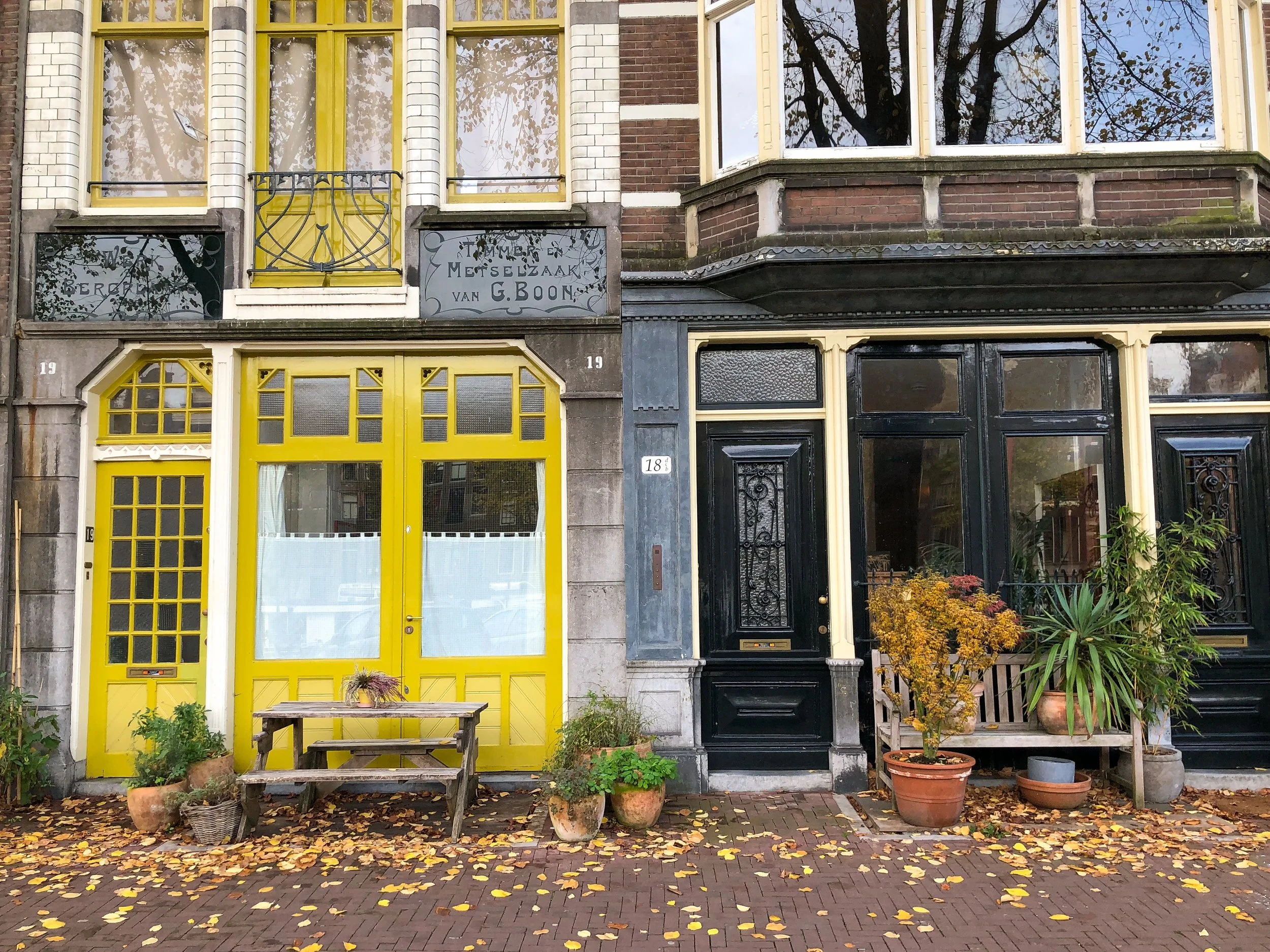
Autumn in Amsterdam is a magical time of year. The days are cool and the nights long. Golden leaves fall onto cobblestone streets while the amber glow of street lamps illuminates historic buildings lining the rings of canals. The crisp air and ability to dress in layers made it a cozy time to visit.




See the City
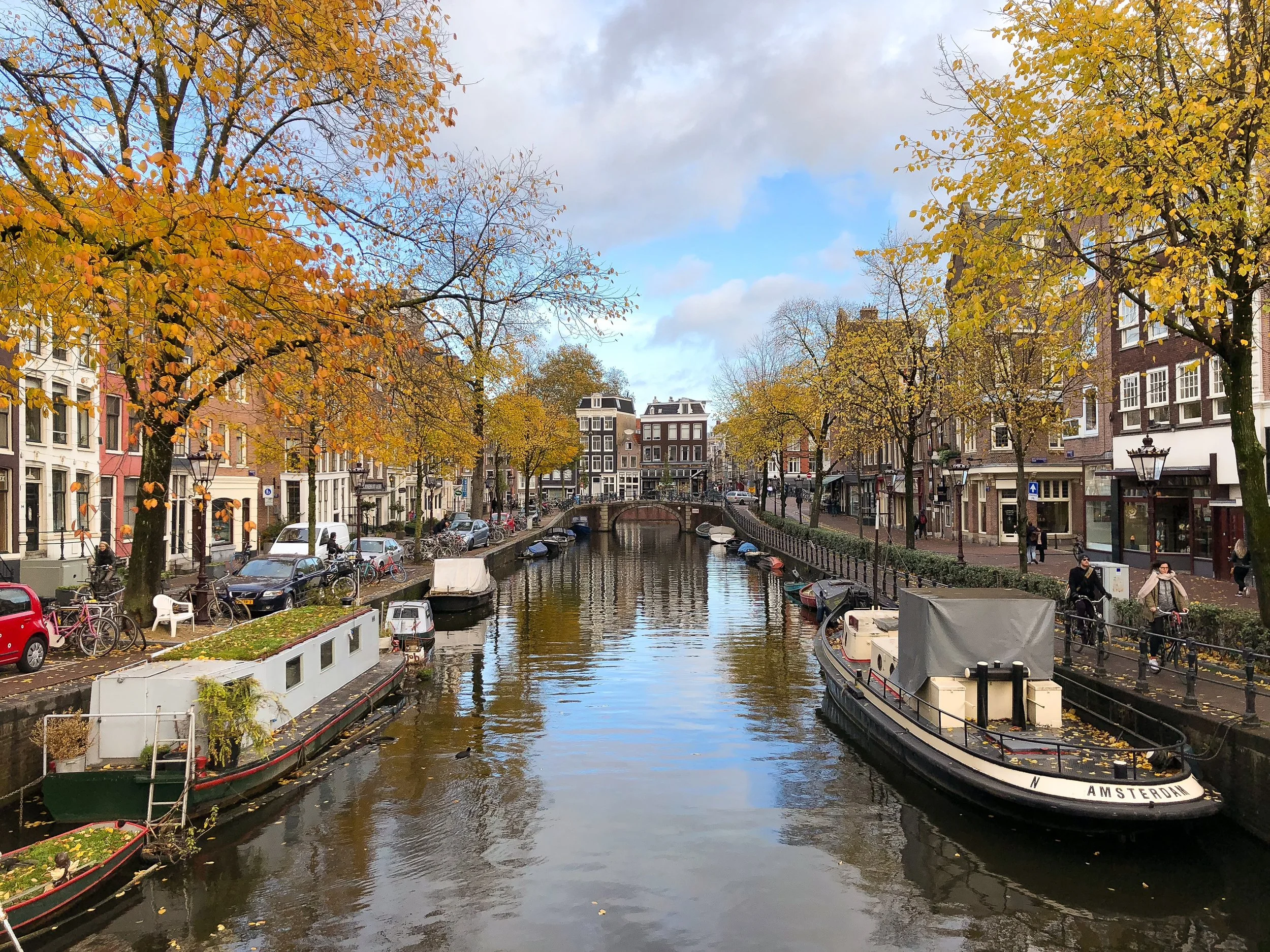
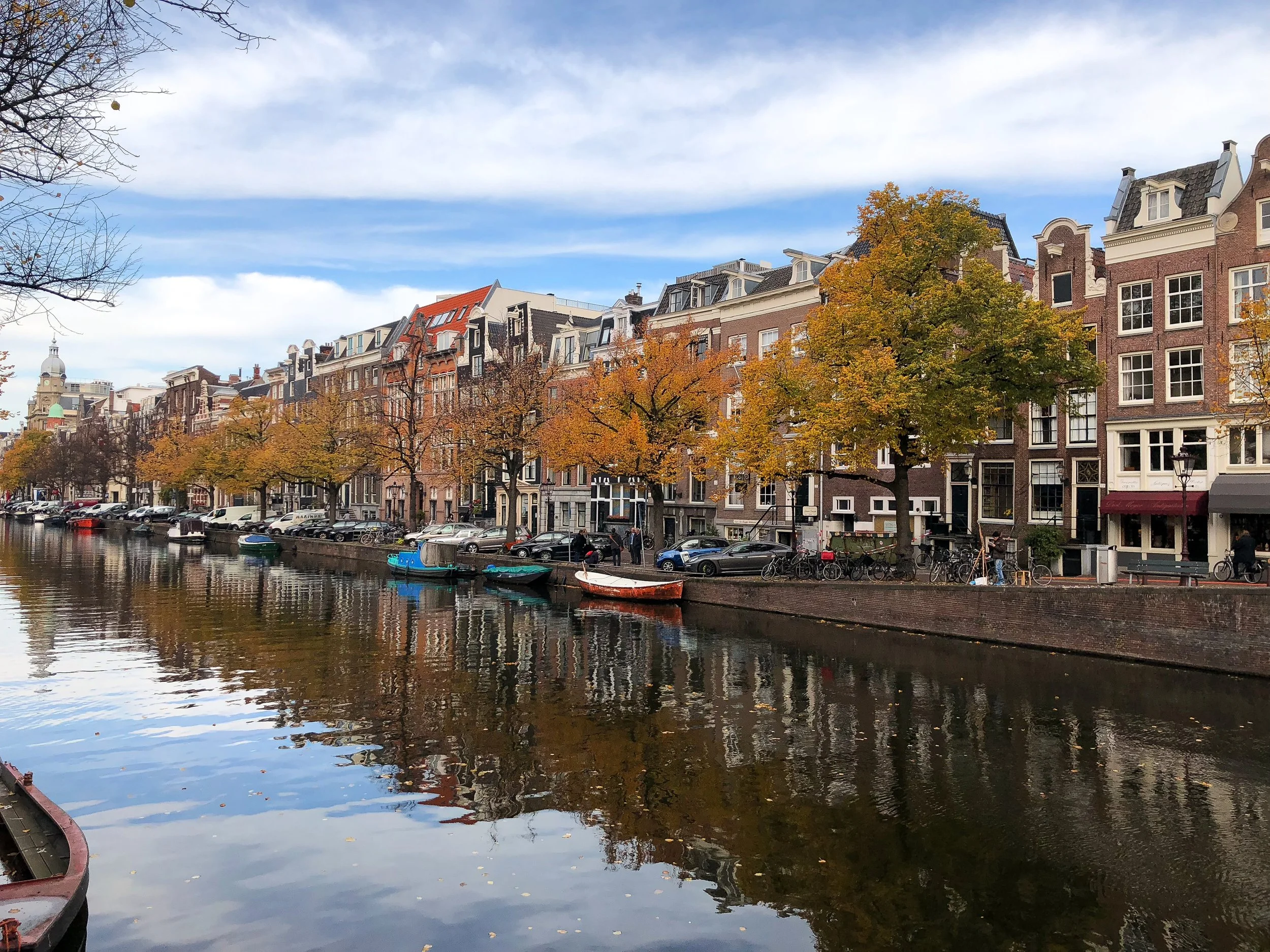
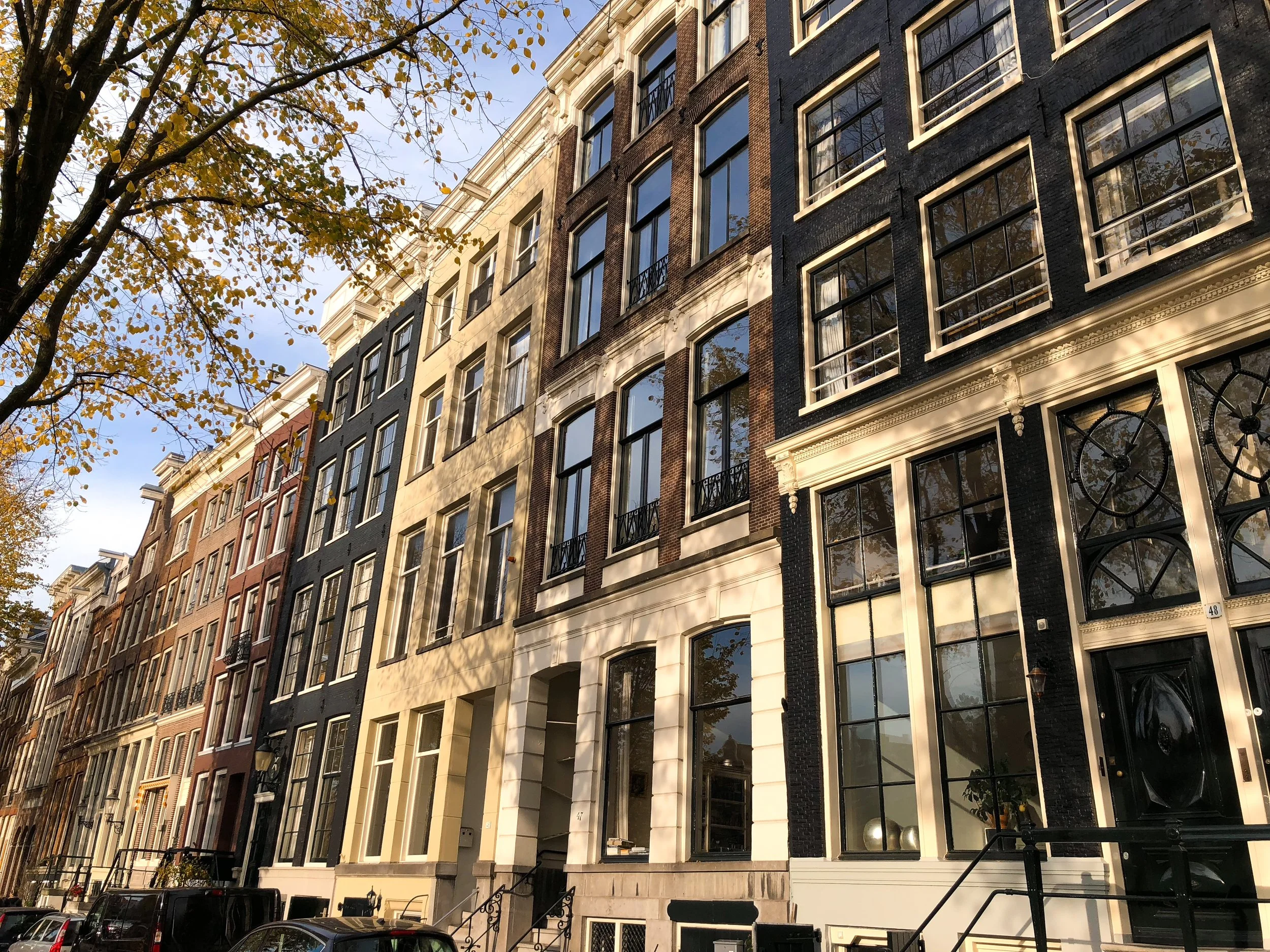
Whether on foot, by bike or boat, Amsterdam is a city that’s meant to be explored! Thin brick buildings, elegant row houses and house boats line the city’s famed canals. Creative restaurants and atmospheric cafes offer European dining experiences. Displays at vintage stores and design shops entice passersby to window shop. Food and flea markets encompass public squares and plazas. Paintings by Dutch Masters, Van Gogh, Rembrandt and Vermeer are displayed in galleries of world class museums.
Cruise the Canals
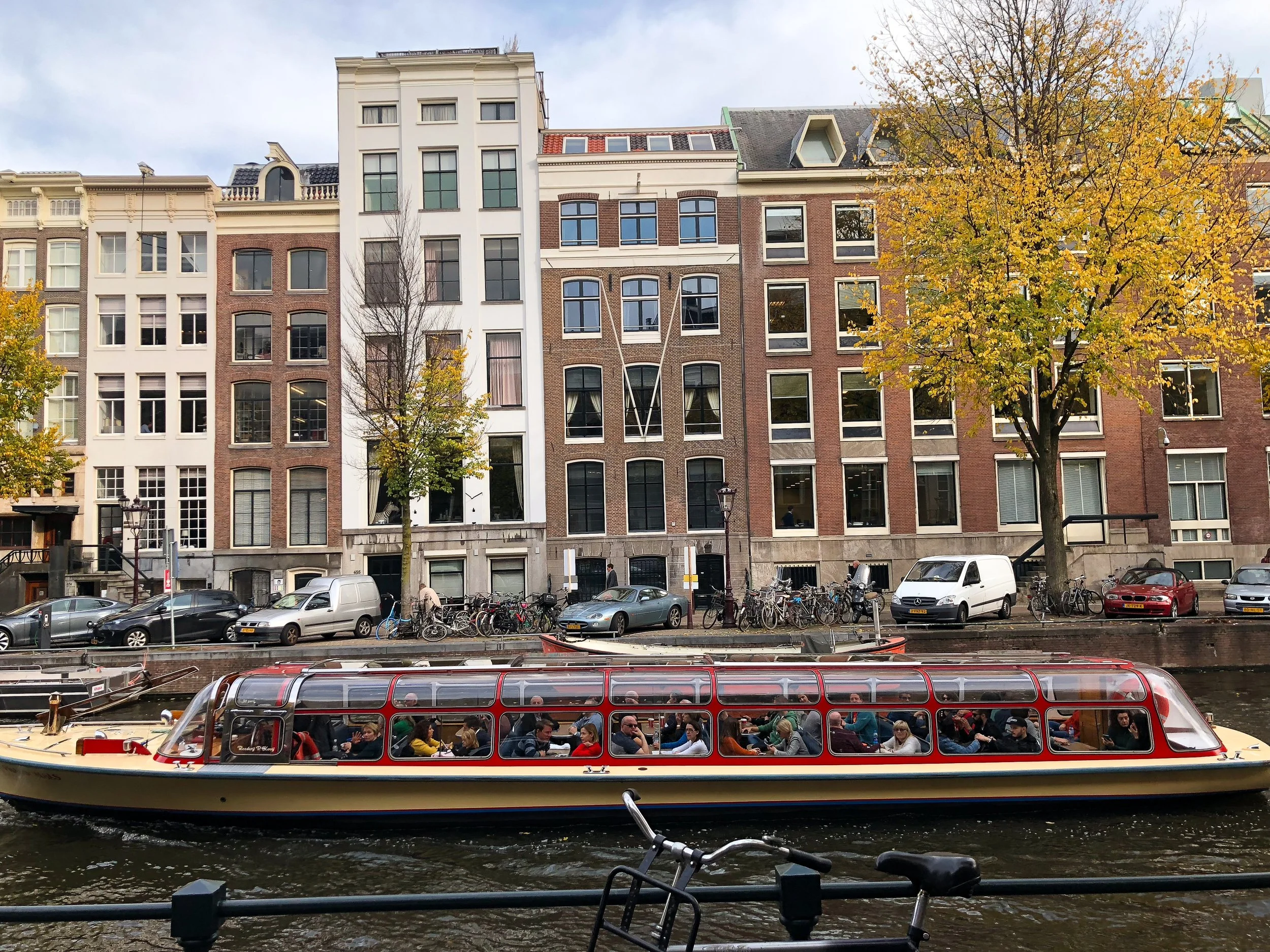
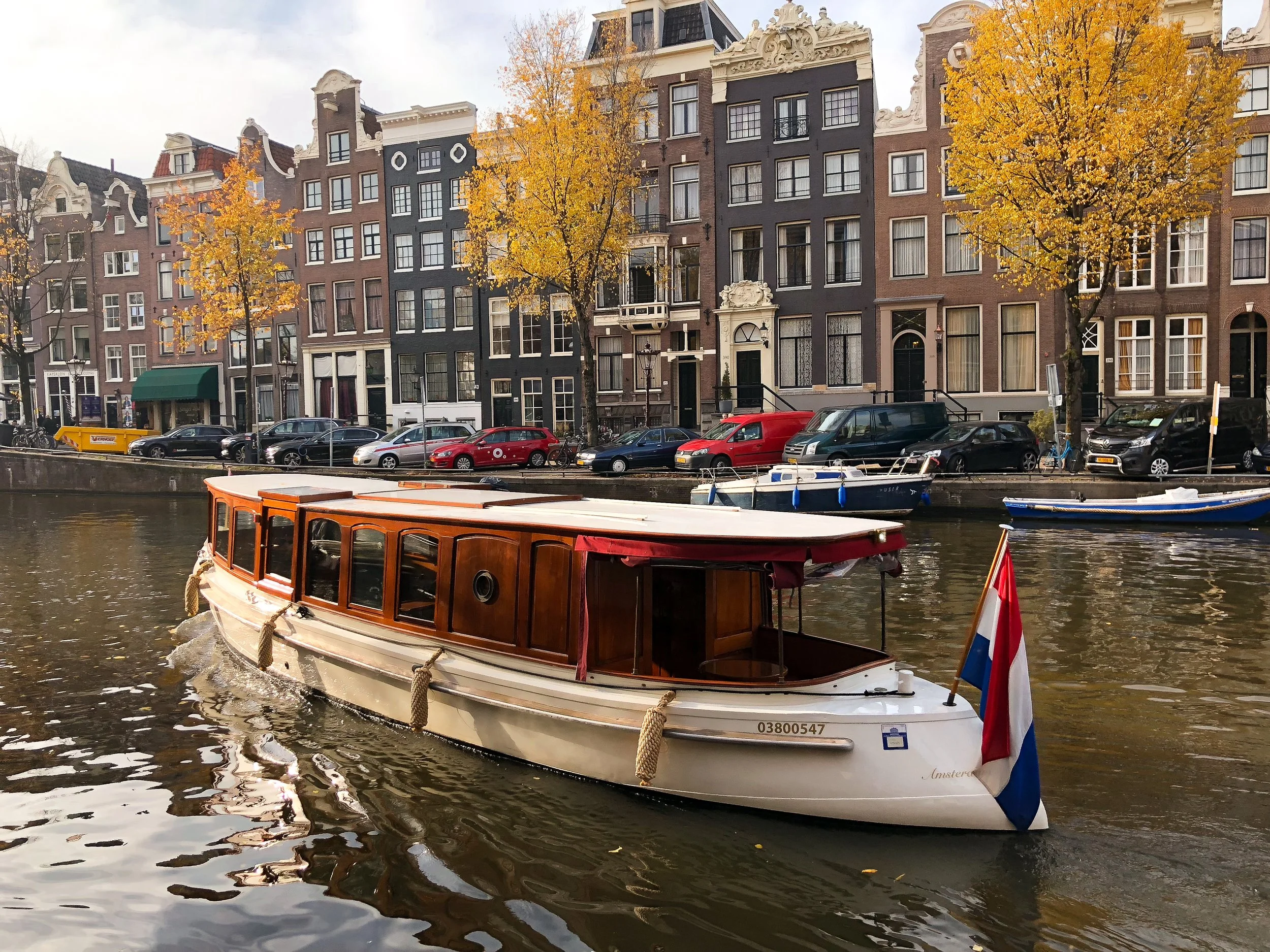
Amsterdam is best seen by cruising its charming canals! Boats depart from various docks across the city, each offering leisurely sightseeing and dining experiences. From within the covered boat, we looked out at the beautifully illuminated buildings, into countless house boats and admired how effortlessly the captain seemed to navigate through the narrow passageways and low bridges. Our tour included a spread of Dutch cheeses paired with European wines. Book with Stromma.


Visit the Neighborhoods
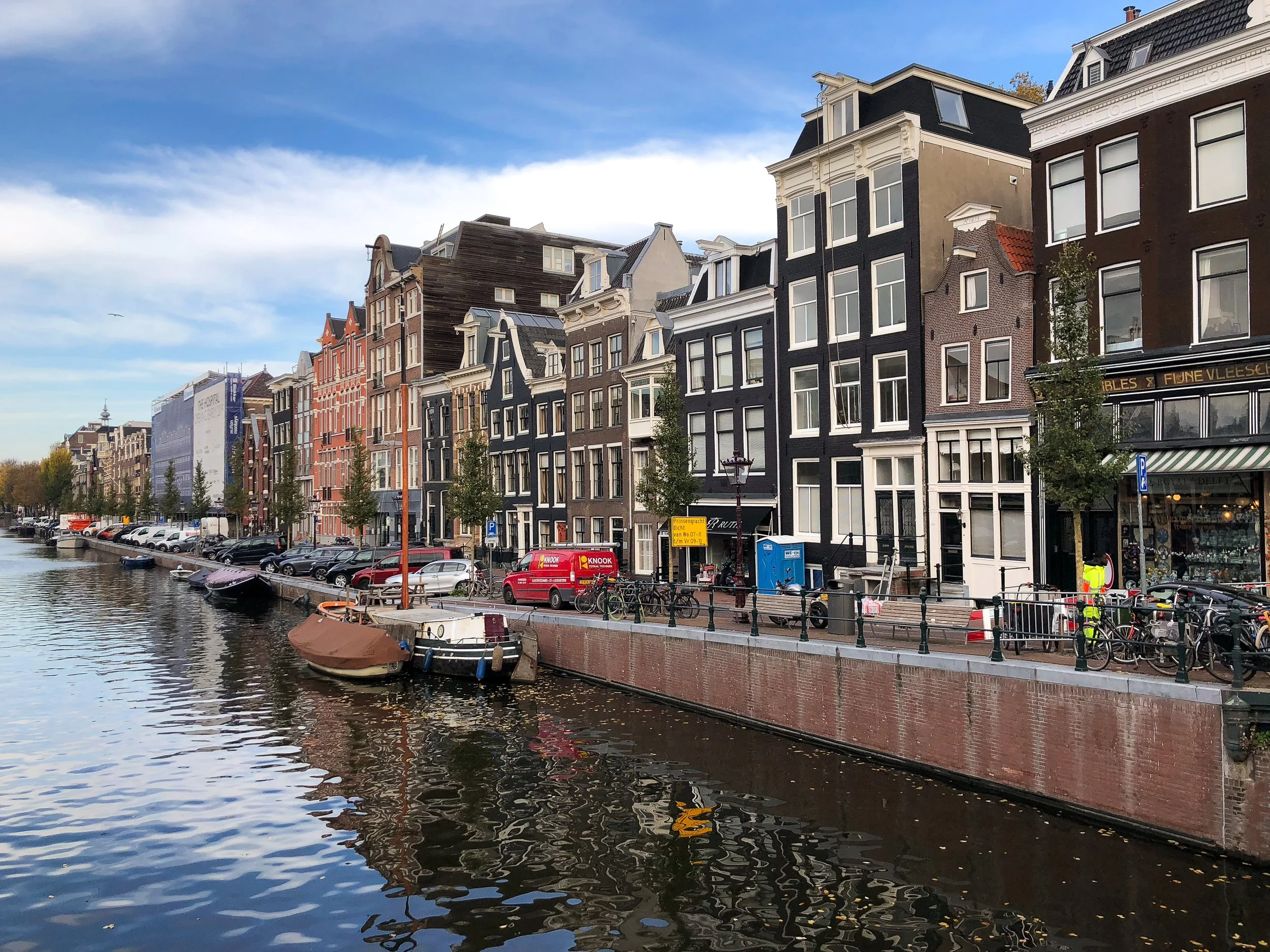
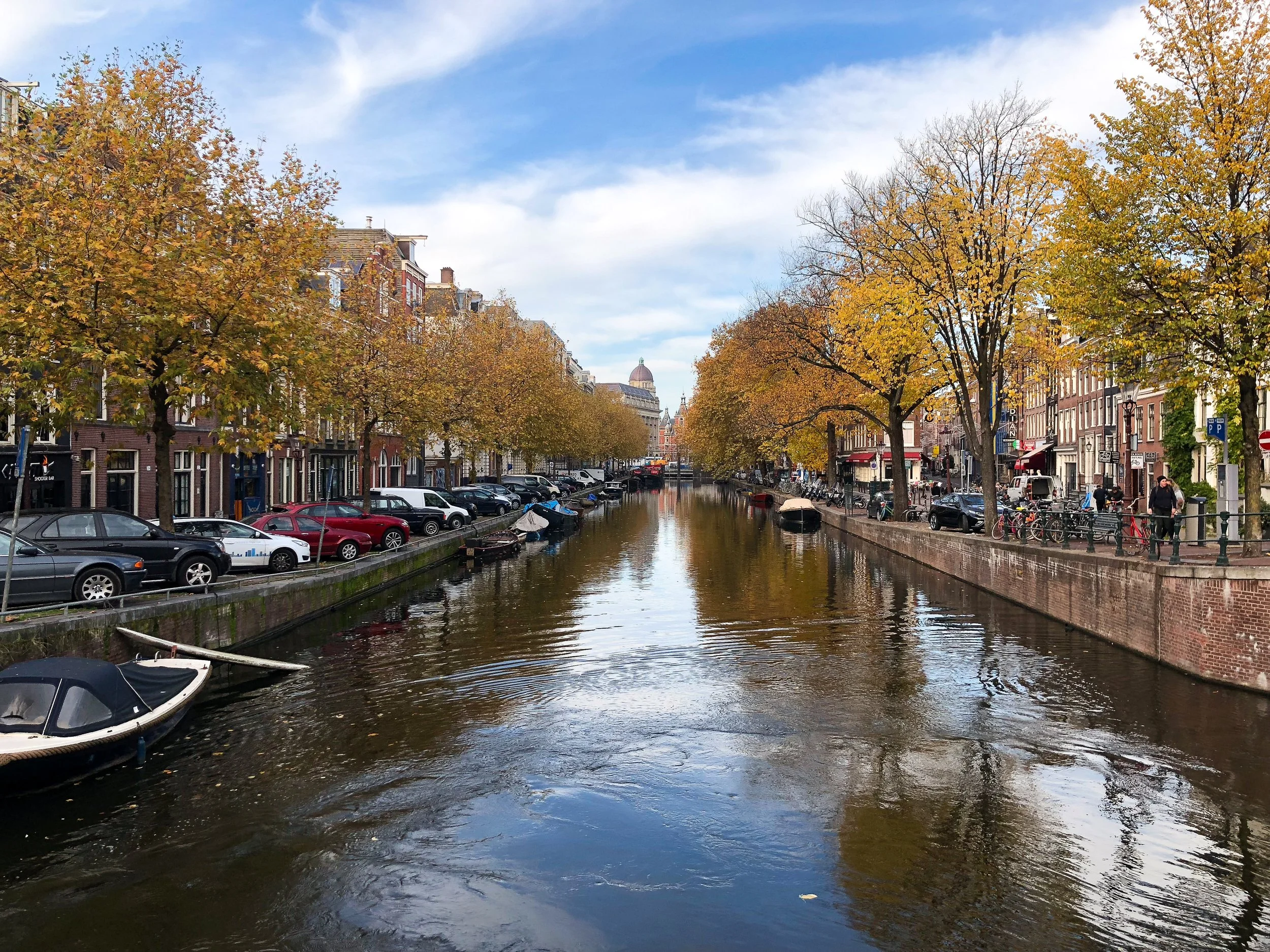
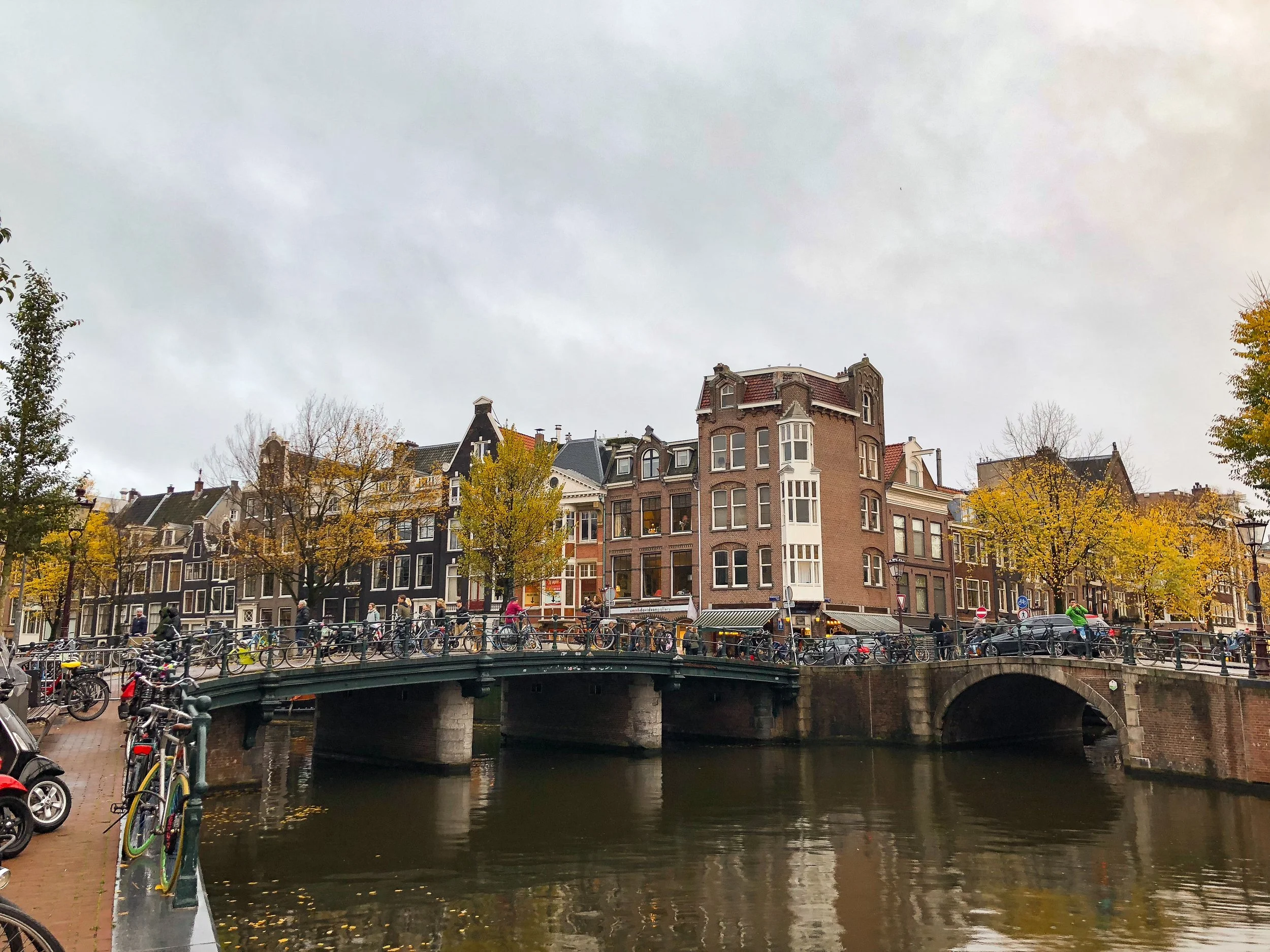
The Canal Belt. The canals define Amsterdam branching out in semi-circles from the city’s center. The inner 4 rings are designated as a UNESCO World Heritage Site. Spend time exploring them, admiring the architecture and their house boats.
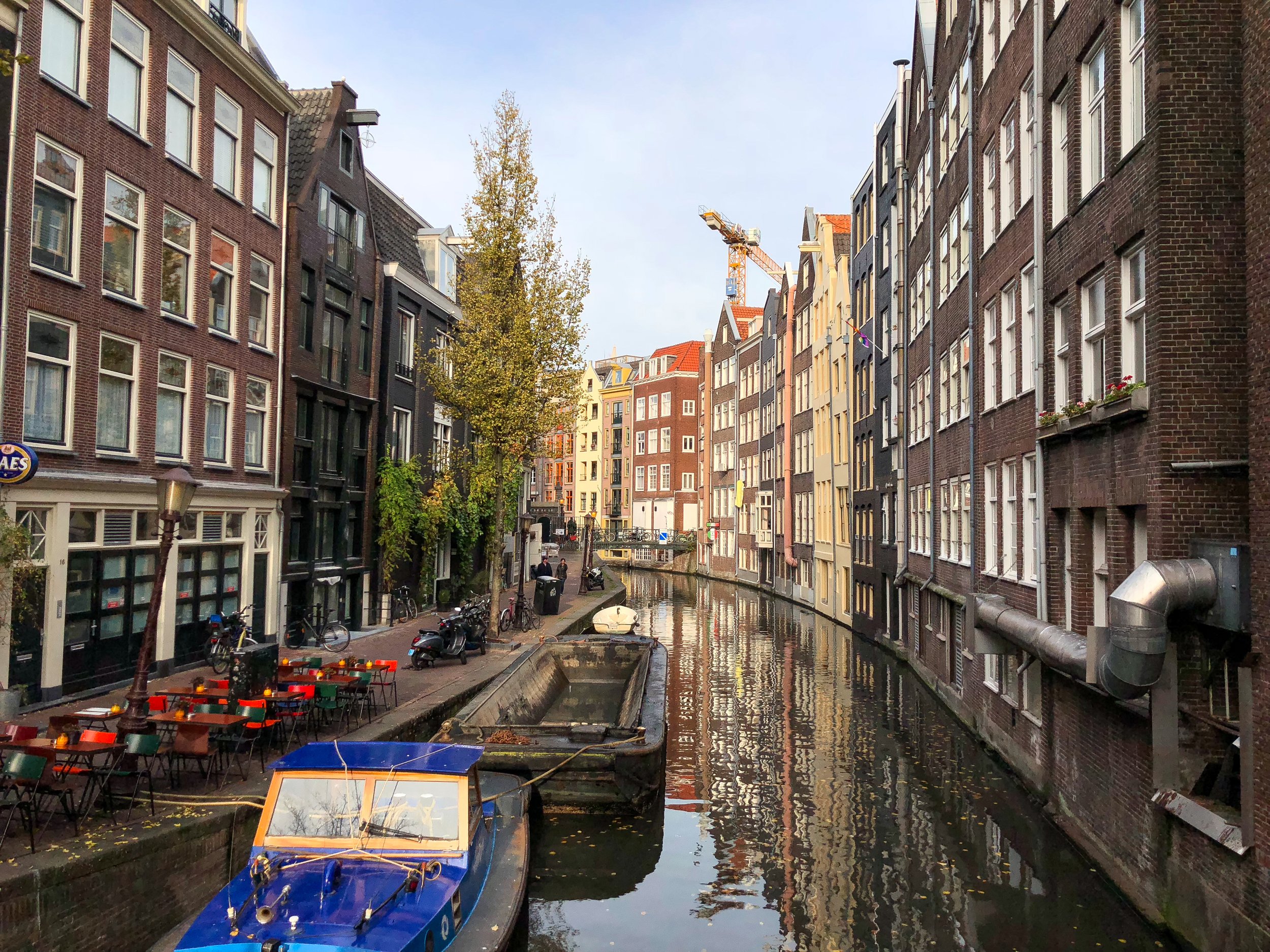



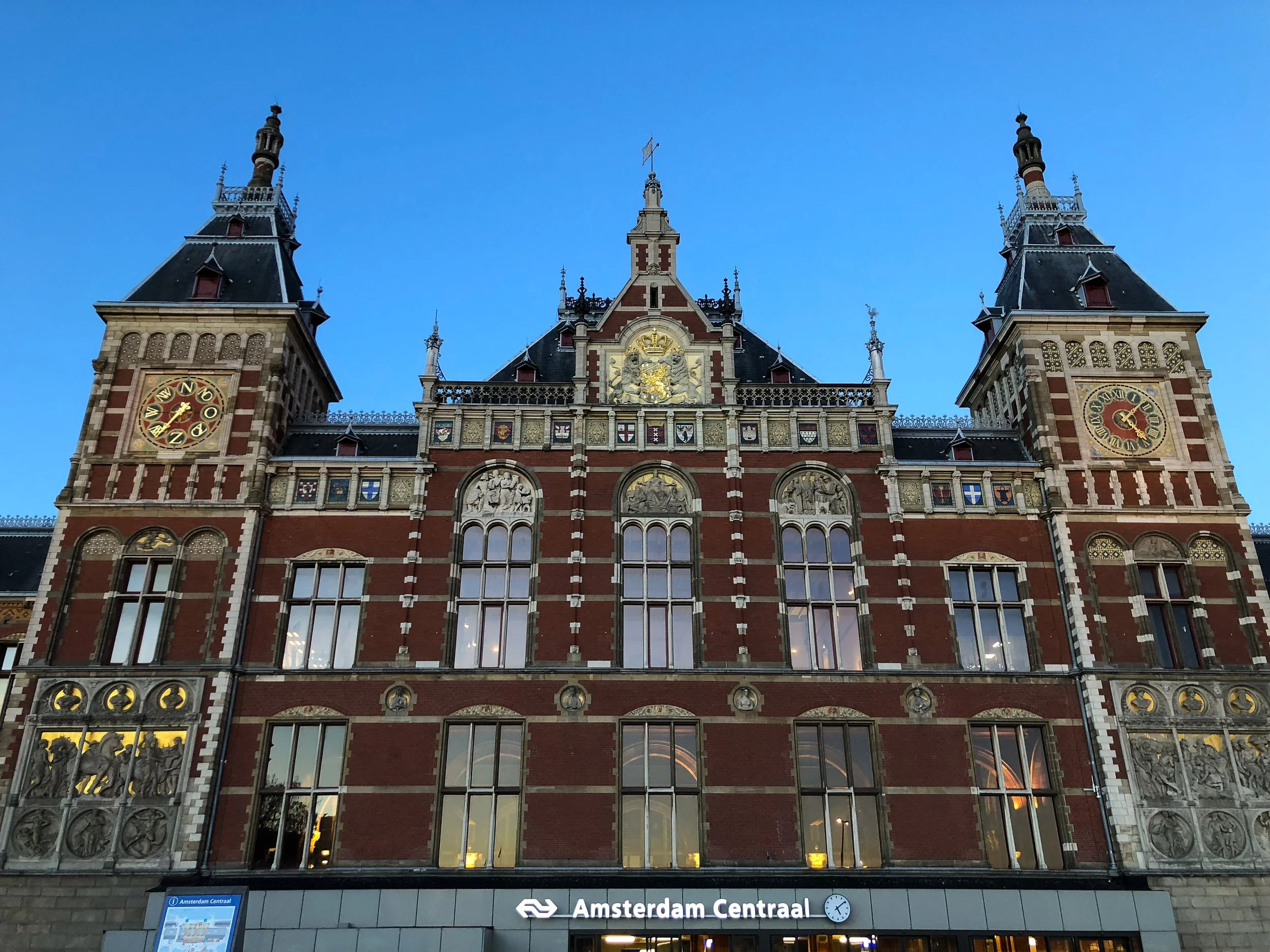
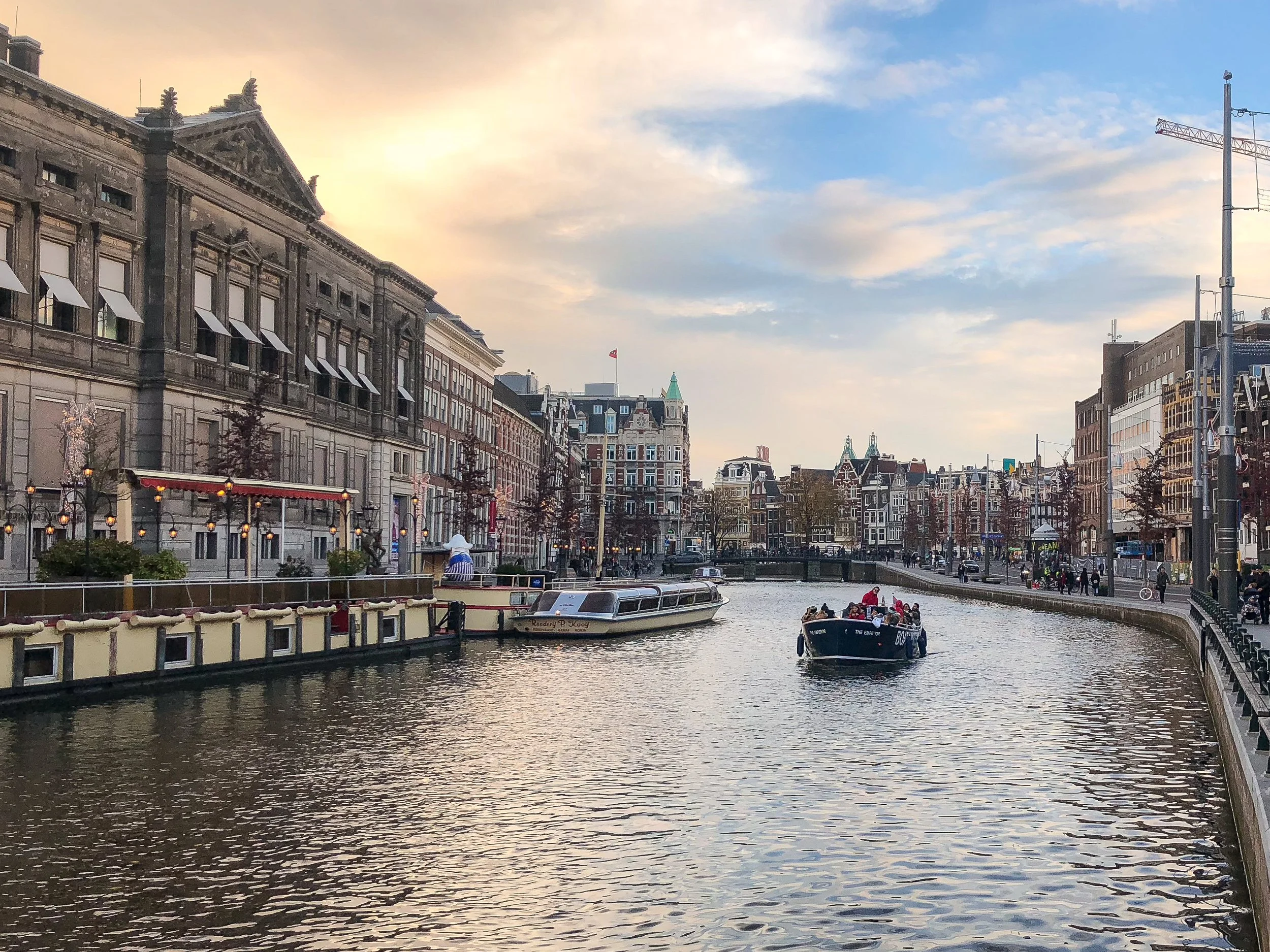
Binnenstad. The central neighborhood of Amsterdam at the inner heart of The Canal Belt. It’s defined by its slanted row houses, historic monuments and bustling walking streets. It surrounds the De Wallen, the city’s red light district.
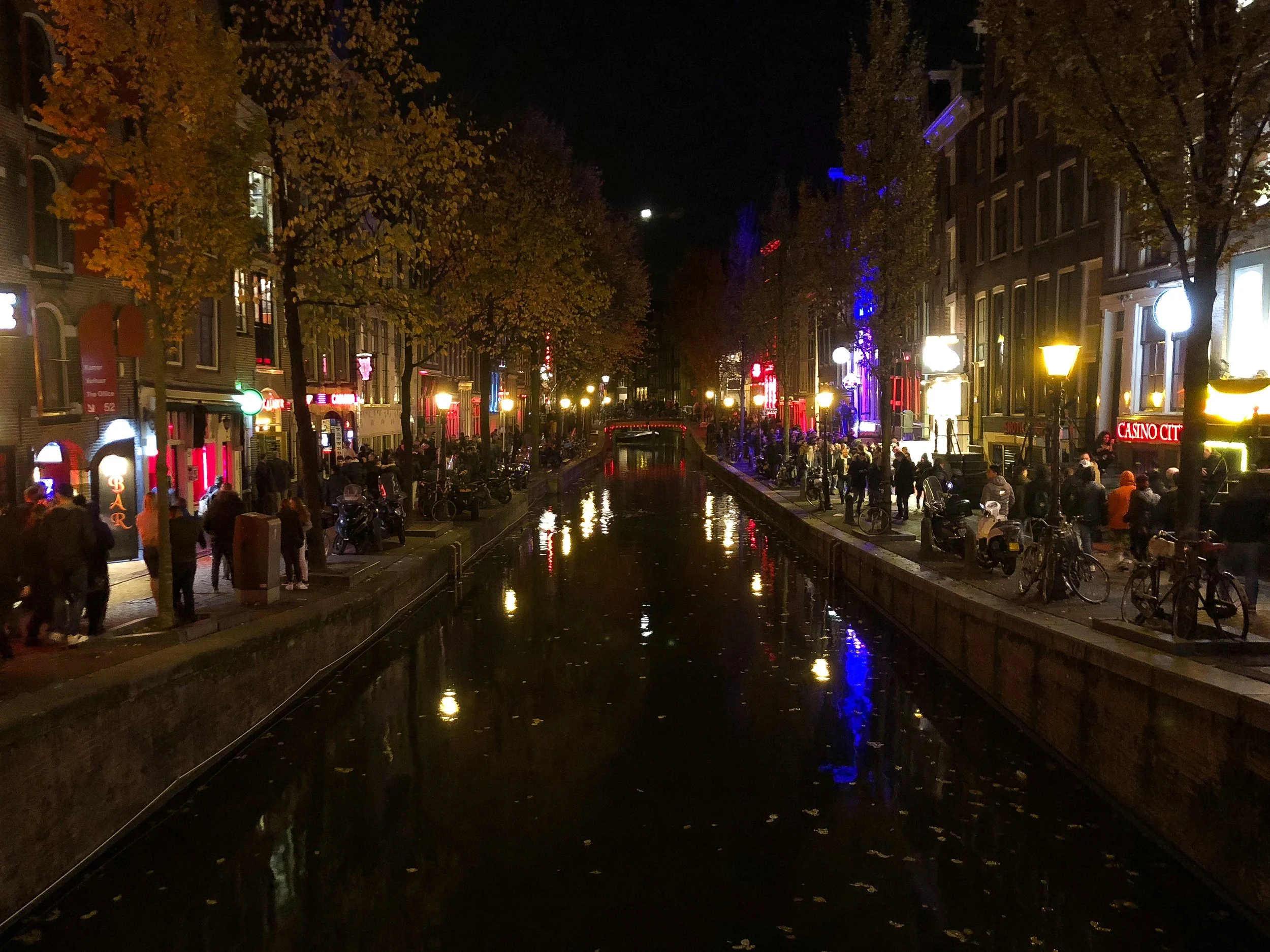
De Wallen (Red Light District). One of the oldest and well known, if not infamous, neighborhoods in Amsterdam. It’s famous for its historic architecture, narrow streets, sex-workers, nightly peep shows and coffee shops. Even if you’re not interested in the scene, it’s an exciting neighborhood to walk through by day or night.

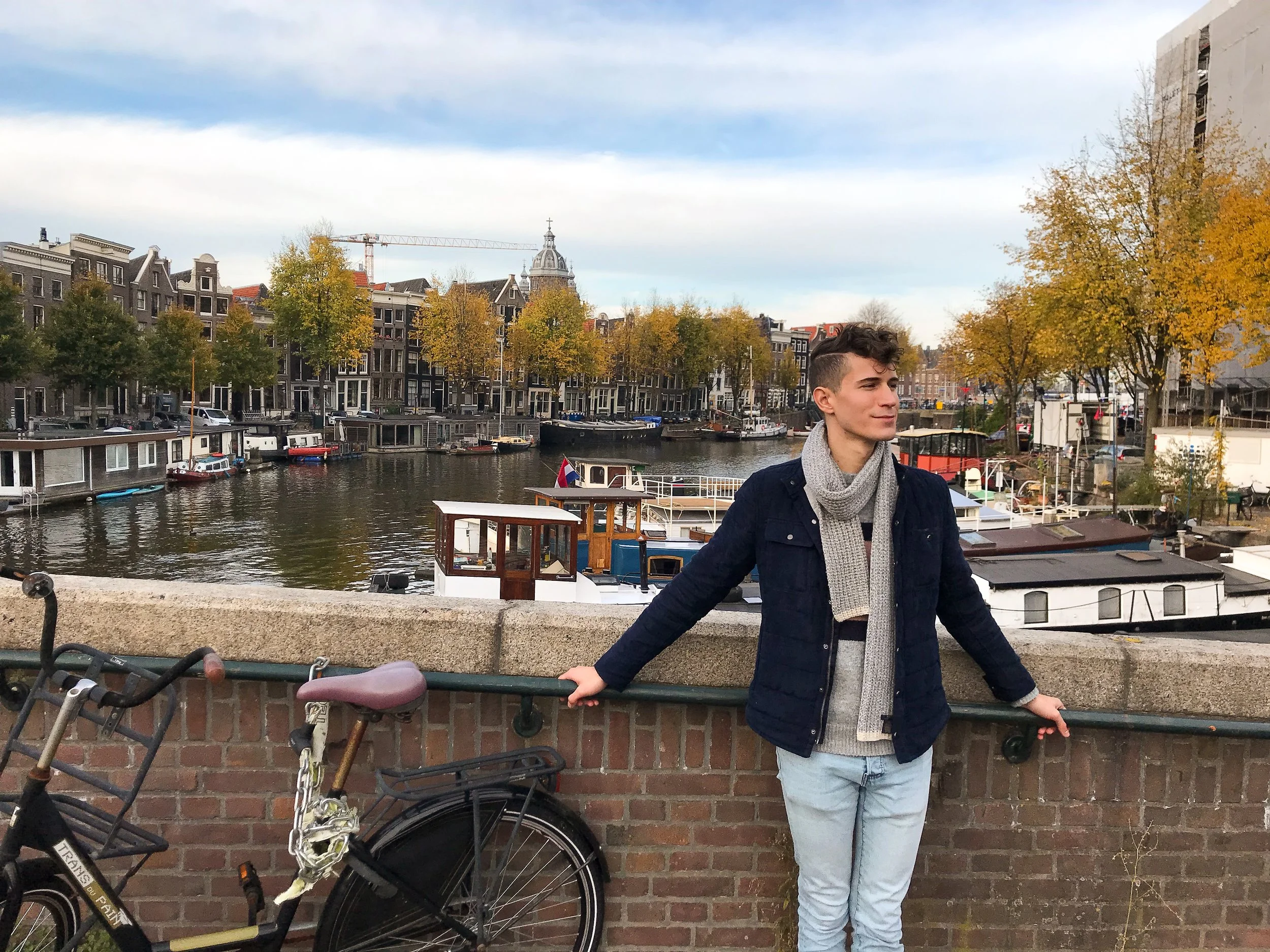


De Pijp. A vibrant neighborhood with a more local atmosphere than the central parts of the city. It’s home to The Heineken Brewery and one of the city’s largest markets, Albert Cuyp Market. We loved coming here for its quantity of cafes, making an effort to “cafe crawl” across the neighborhood and sip on different brews in the autumn air.
Oud West. This expansive neighborhood is a great place to visit for its many restaurants, bars, markets, vintage and interior design shops. It’s nearby the city’s largest park, Vondelpark, and home to Ten Katemarkt Market and the De Hallen Food Hall.
Amsterdam Noord. A former industrial neighborhood that’s become home to a large artist community. Many former warehouses have been transformed into waterfront bars, flea markets and art studios. It’s accessible via a ferry near Central Station.
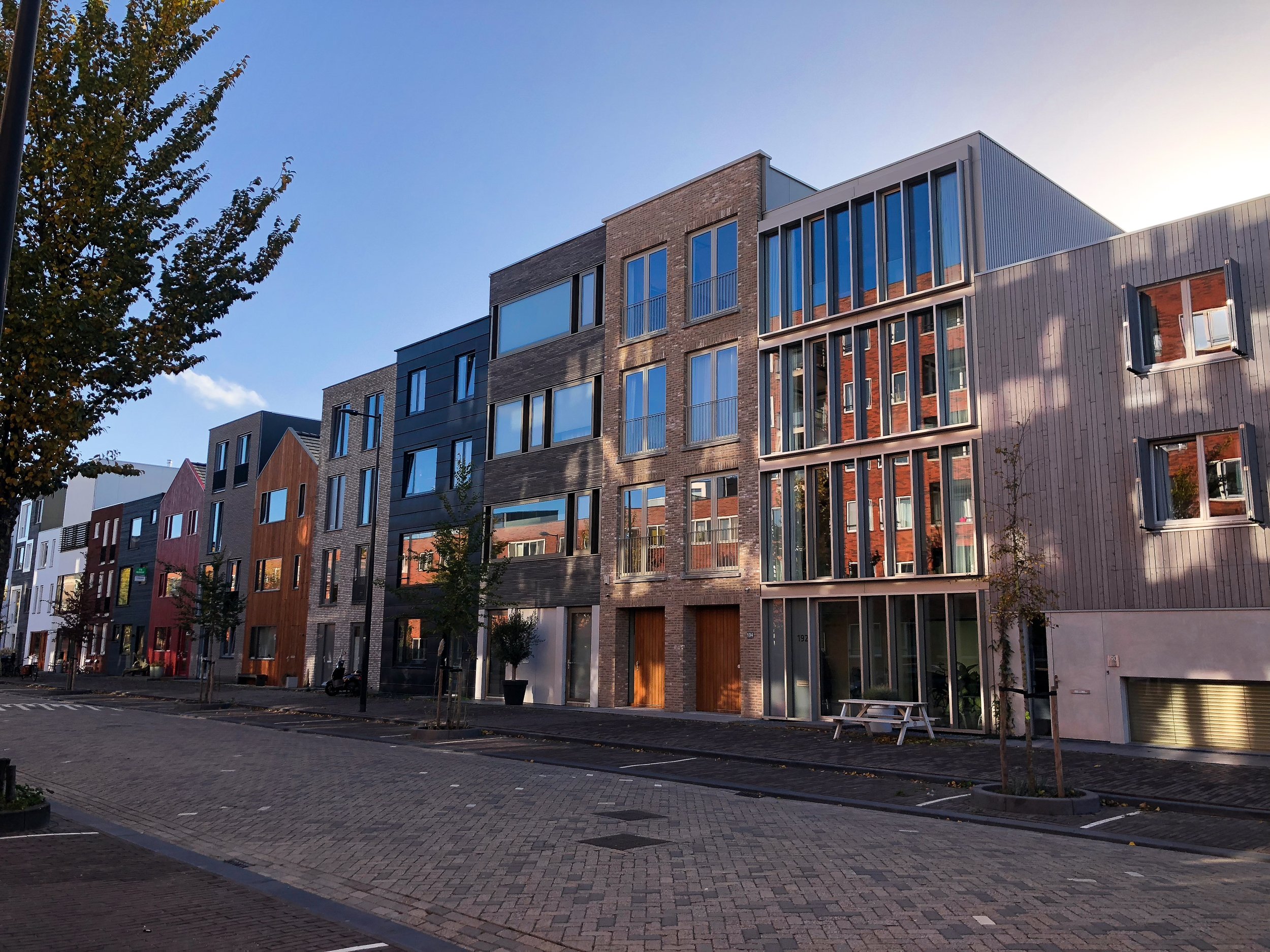
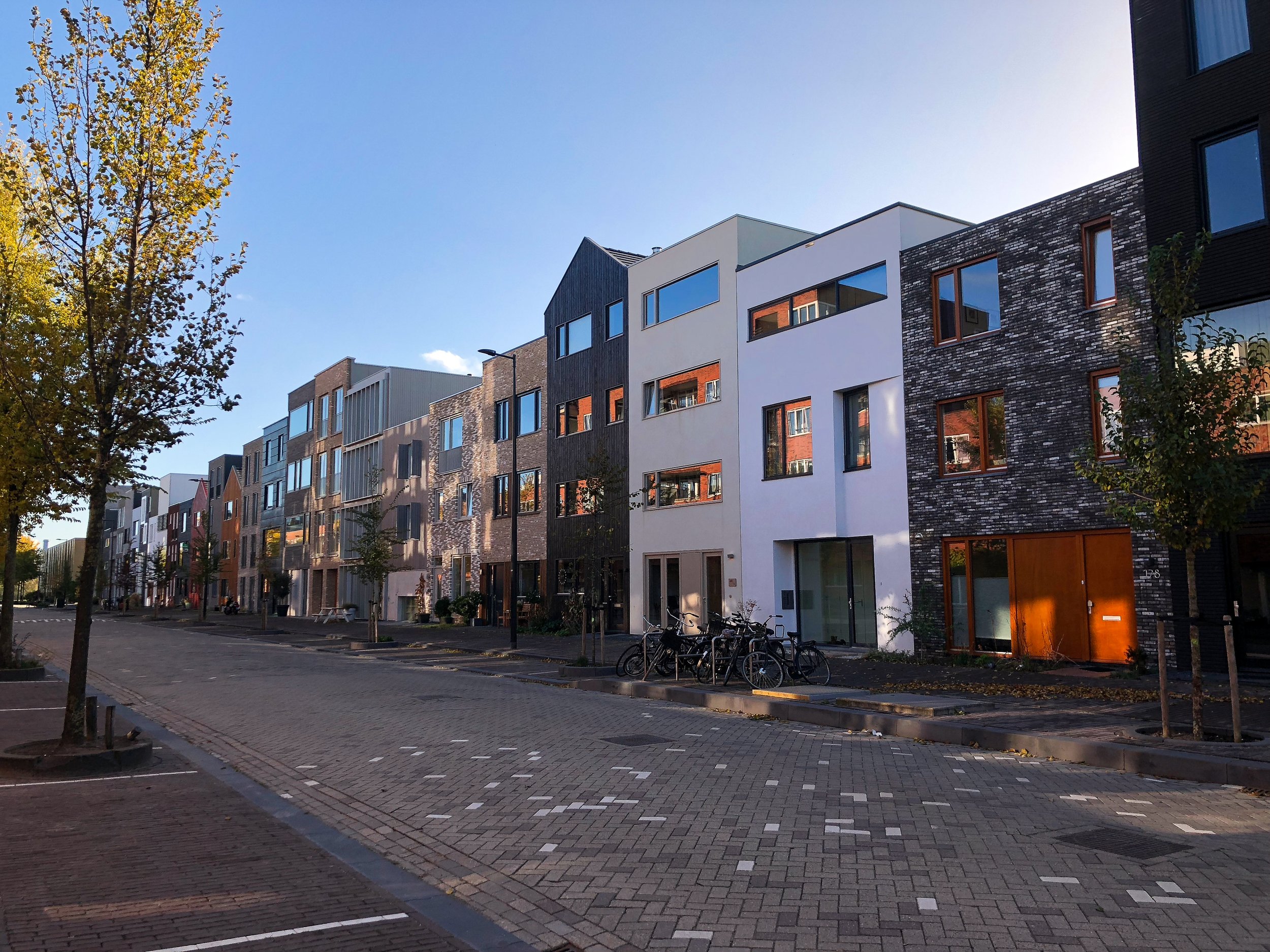

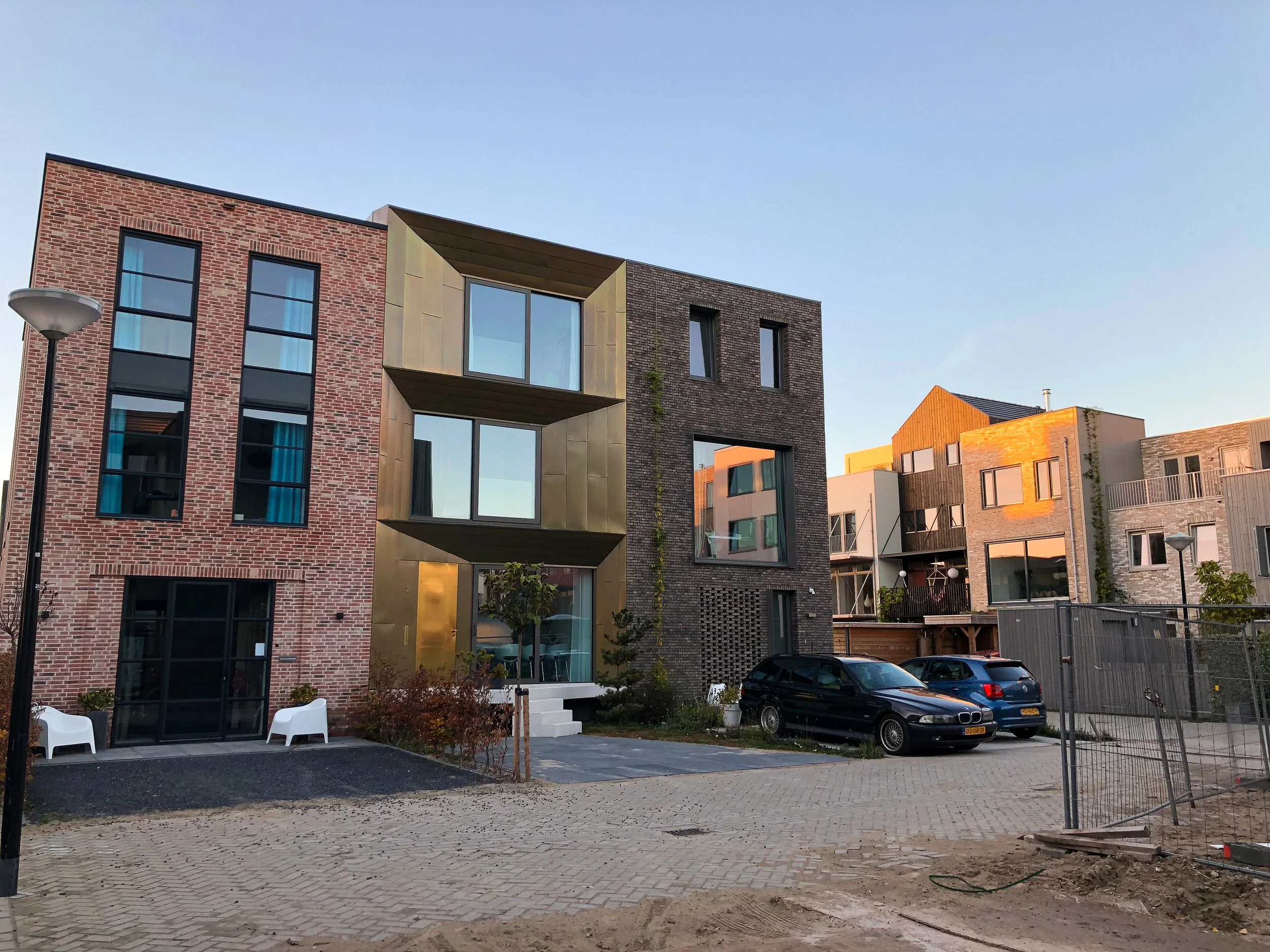

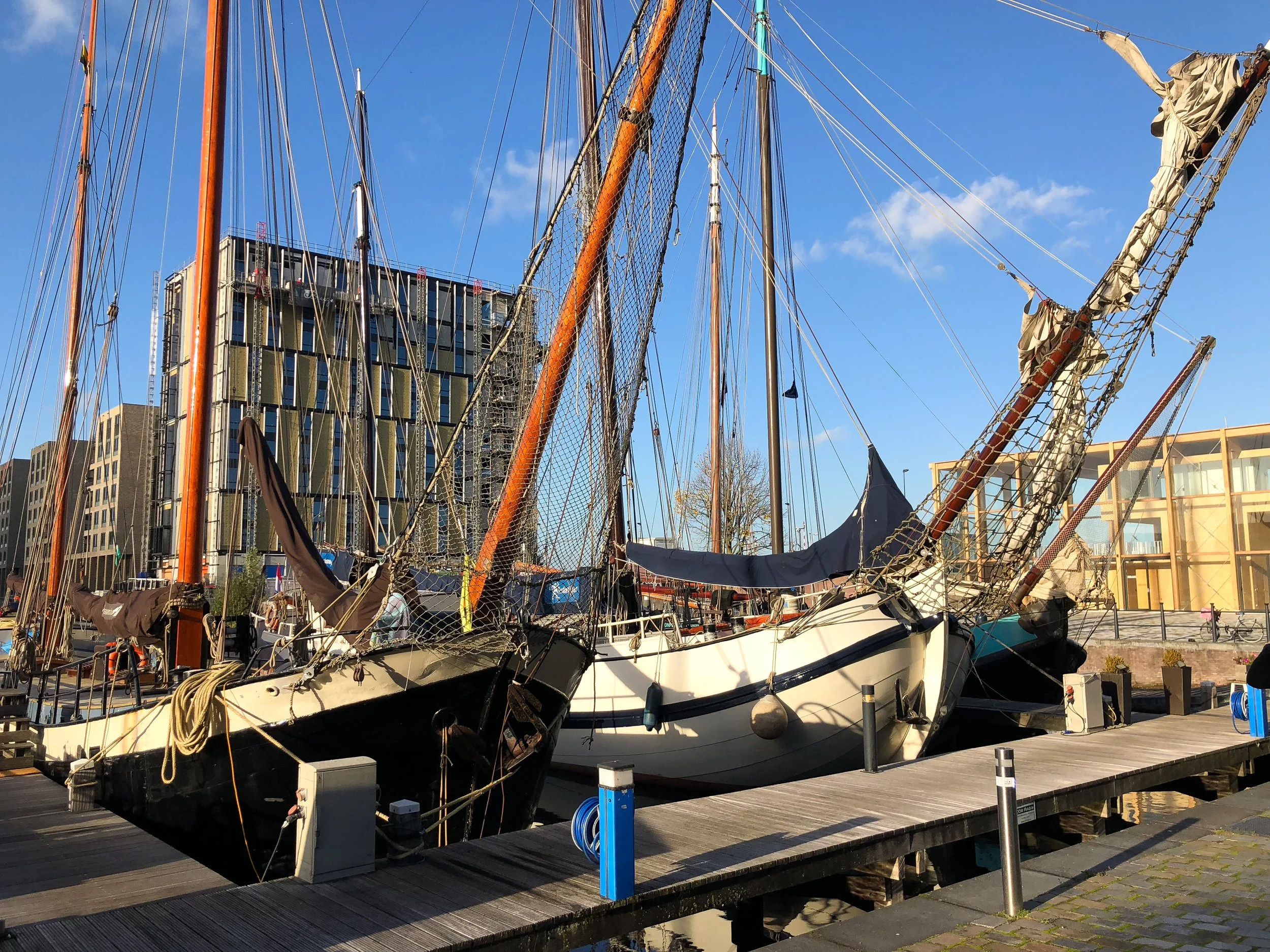
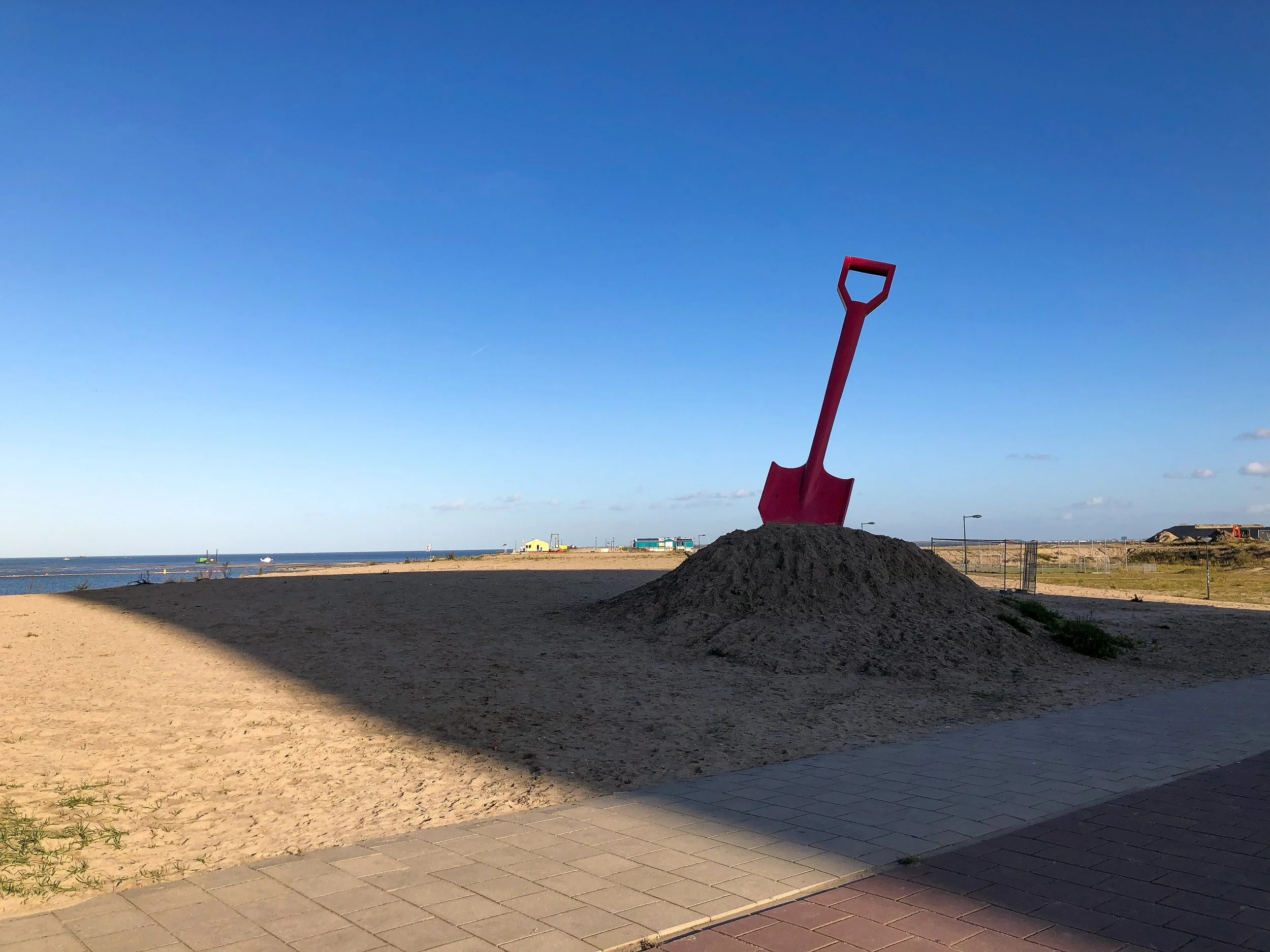
IJburg. A neighborhood built on an artificial island with boat lined canals and marinas, ultra modern row houses, tree lined sidewalks and cobblestone plazas. It’s contemporary contrast and historic similarities with the city’s oldest neighborhoods make it a unique place to visit. We stayed here in a modern cabin at an architect’s property. Book here on Airbnb.
See the Museums & Sights
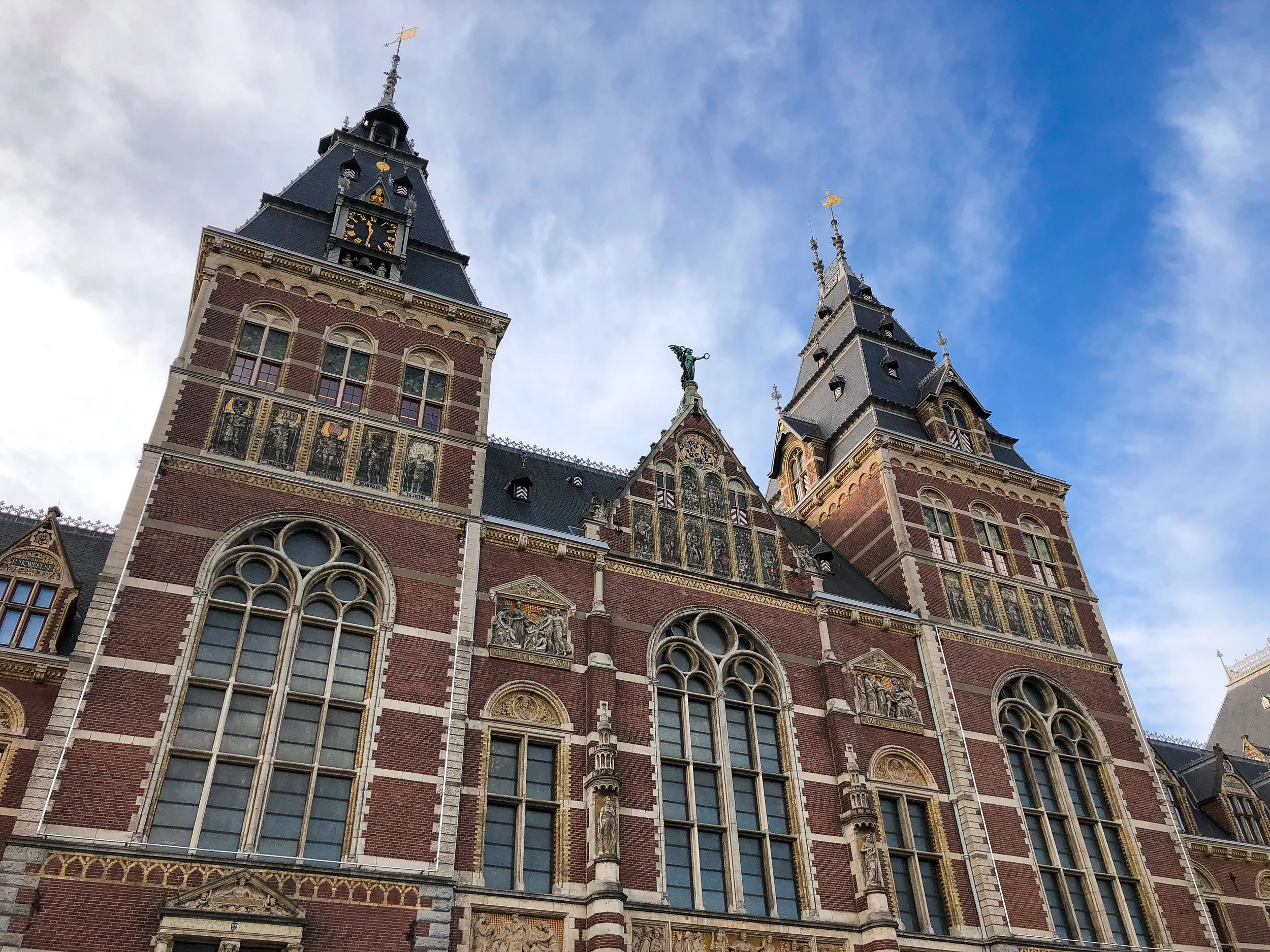
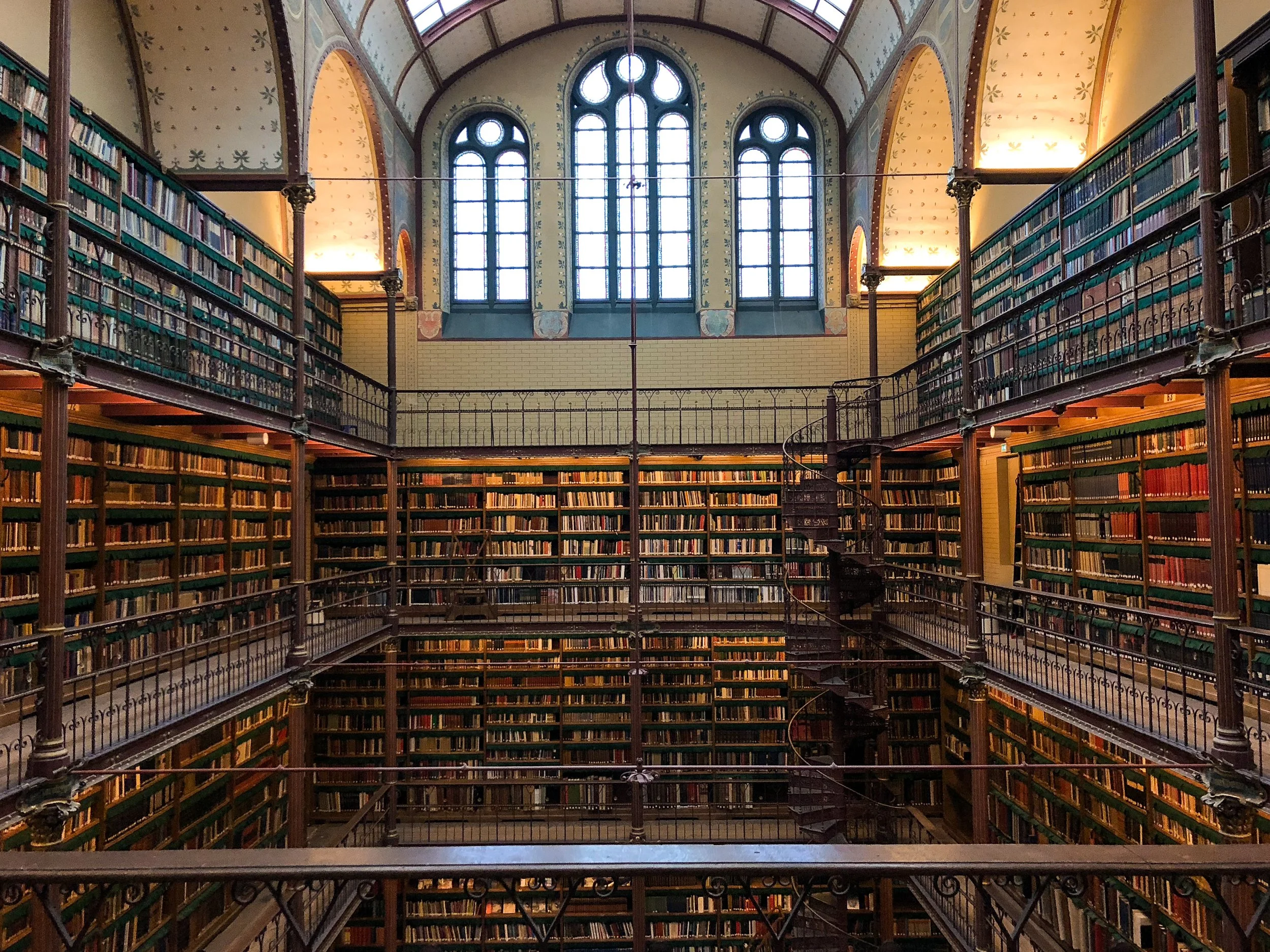
Rijksmuseum. Holland’s National Art Museum housing Dutch works created throughout the past several centuries. The most famous pieces to see are Vermeer’s The Milkmaid and Rembrandt’s The Night Watch. The museum is also home to the Cuypers Library, a picturesque art history and research library.
Van Gogh Museum. A museum dedicated to Van Gogh, featuring hundreds of pieces created by him that depict the story of his life from when he began painting until his death. If you appreciate Van Gogh’s work, this museum is truly worth visiting. Some notable pieces include a variety of his self portraits, The Potato Eaters, Sunflowers and The Wheat Field with Crows.
Museumplein. A public square surrounded by multiple museums including the Rijksmuseum and Van Gogh Museum. Come here to climb and sit on the I Amsterdam Sign.
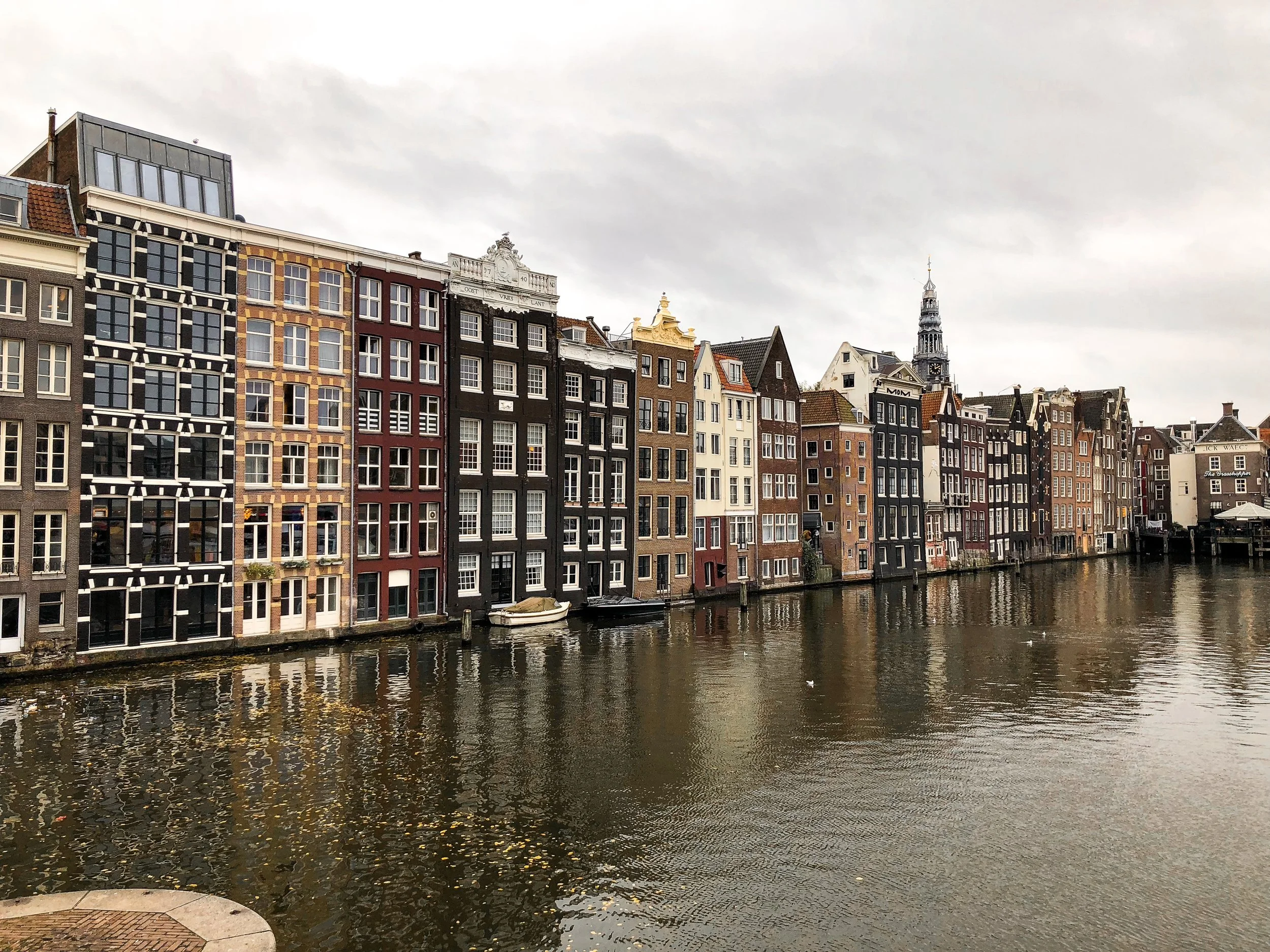
Canal Houses. The narrow, ornate and sometimes slanted canal houses can be seen throughout Amsterdam.
Dancing Houses. A series of strikingly slanted canal houses along the Amstel River.
The Golden Bend. A bend along the Herengracht Canal with the oldest and most stately canal houses.
Twins. Look for twins, two identical houses built side by side.
Vondelpark. The city’s largest park and green space. It’s a calm area for picnicking, bicycling and escaping the energy along the canals and streets.
Begijnhof. A small grassy oasis surrounded by beautiful brick row houses.
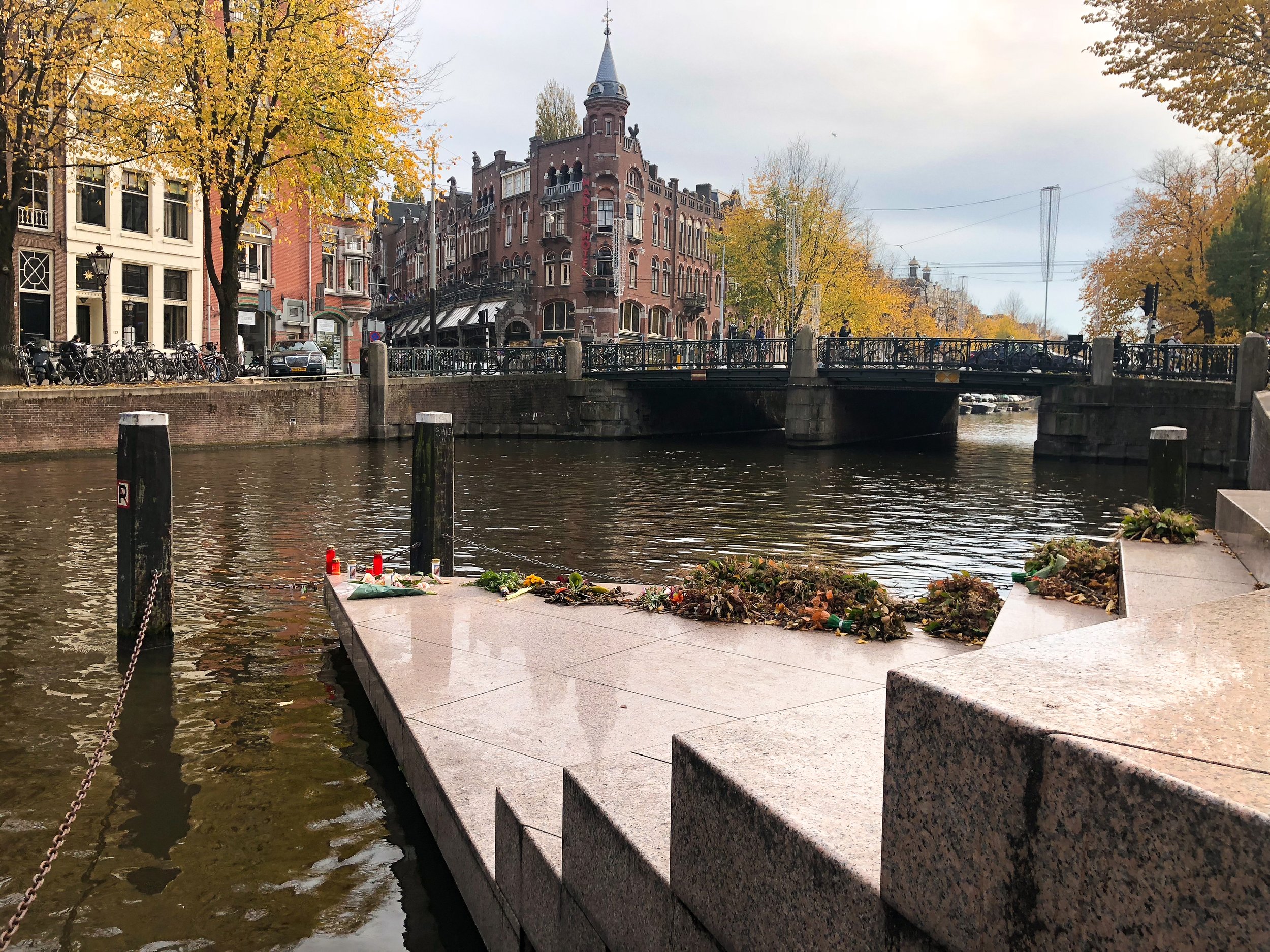
Homomonument. A series of three triangular monuments built into a canal lined square to honor the LGBTQ+ people persecuted during the Holocaust. Next to it is the Pink Point, a resourceful gay tourist info center.
Anne Frank House. The home where Anne Frank and her family hid from nazi persecution during WWII. We missed our opportunity to visit not knowing that tickets book up a week in advance. Reserve online here.
Visit the Markets & Shopping Streets
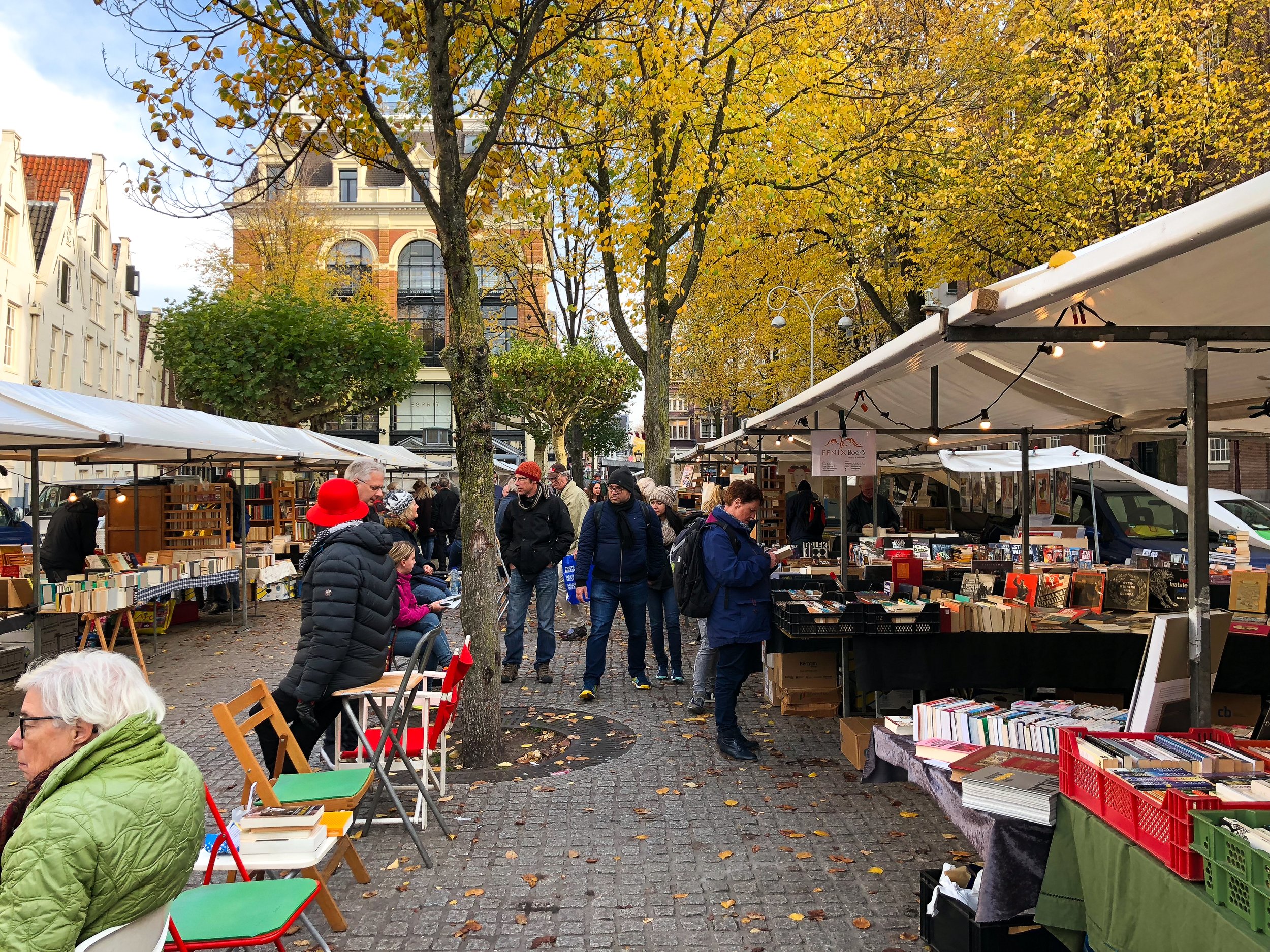
There are many opportunities to shop and visit markets in Amsterdam. The city is filled with small business and shops tucked into the first floors of the canal houses. Almost every neighborhood hosts its own market, whether it be mostly produce, clothes, antiques or a combination of them all.
Waterlooplein Market. A 300 booth flea market with vintage goods, records, cameras, antiques and bohemian clothes. Several food carts serve Dutch favorites like stroopwafels, poffertjes, coffee and frites.
Ten Katemarkt. An outdoor weekend market selling produce, cheeses, spices, breads, mushrooms, seafood, meats and street food located next to De Hallen, a large indoor food hall with a variety of Dutch and international cuisines, several bars offering local beers and artisan gin and tonics.
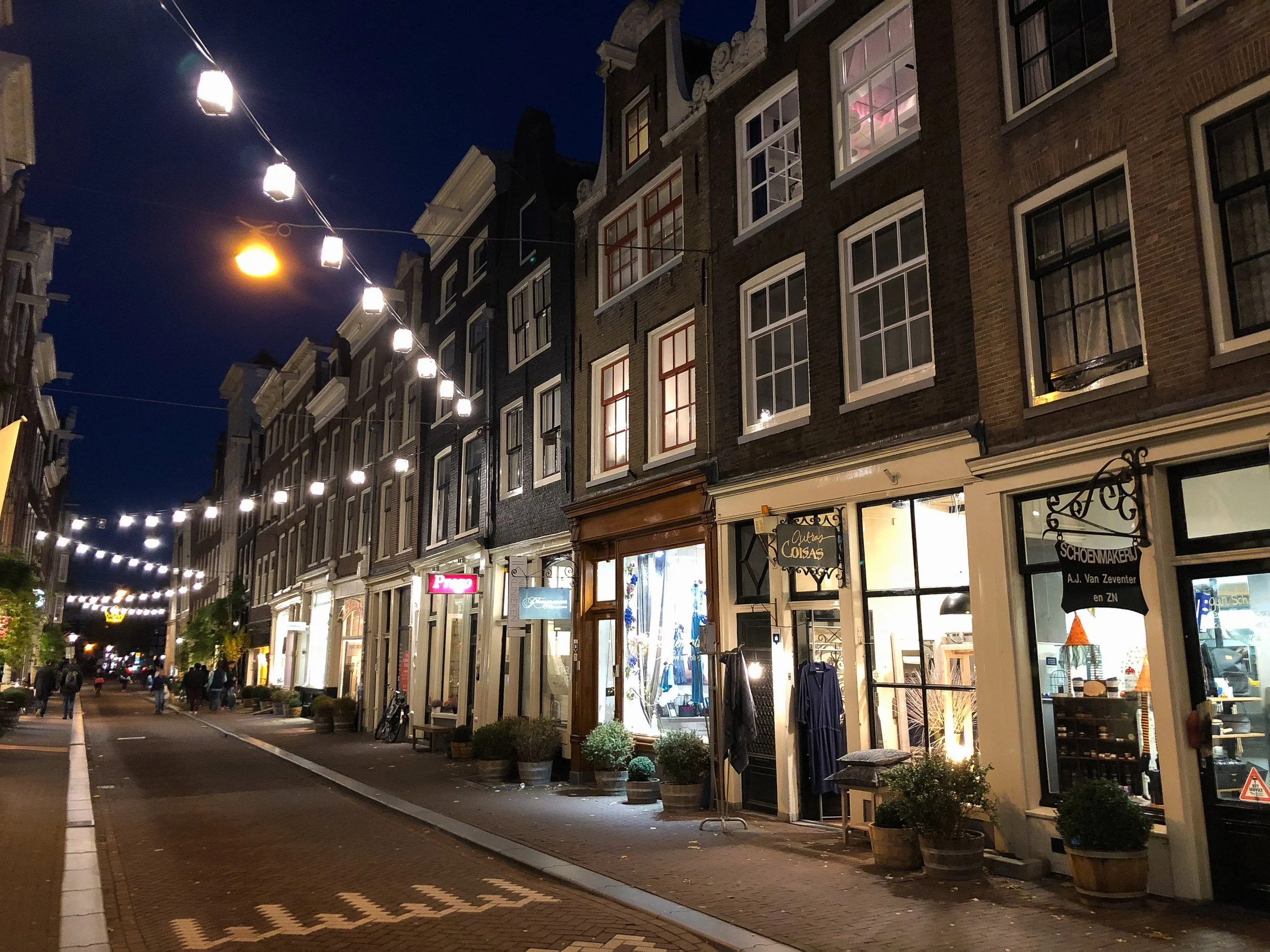
De 9 Straatjes. This district within the Canal Belt is known for its picturesque streets lined with boutiques, design shops, concept stores and clothing retailers. We spent hours one afternoon walking from shop to shop, mostly looking, at all the pretty things in search of something affordable to bring home.
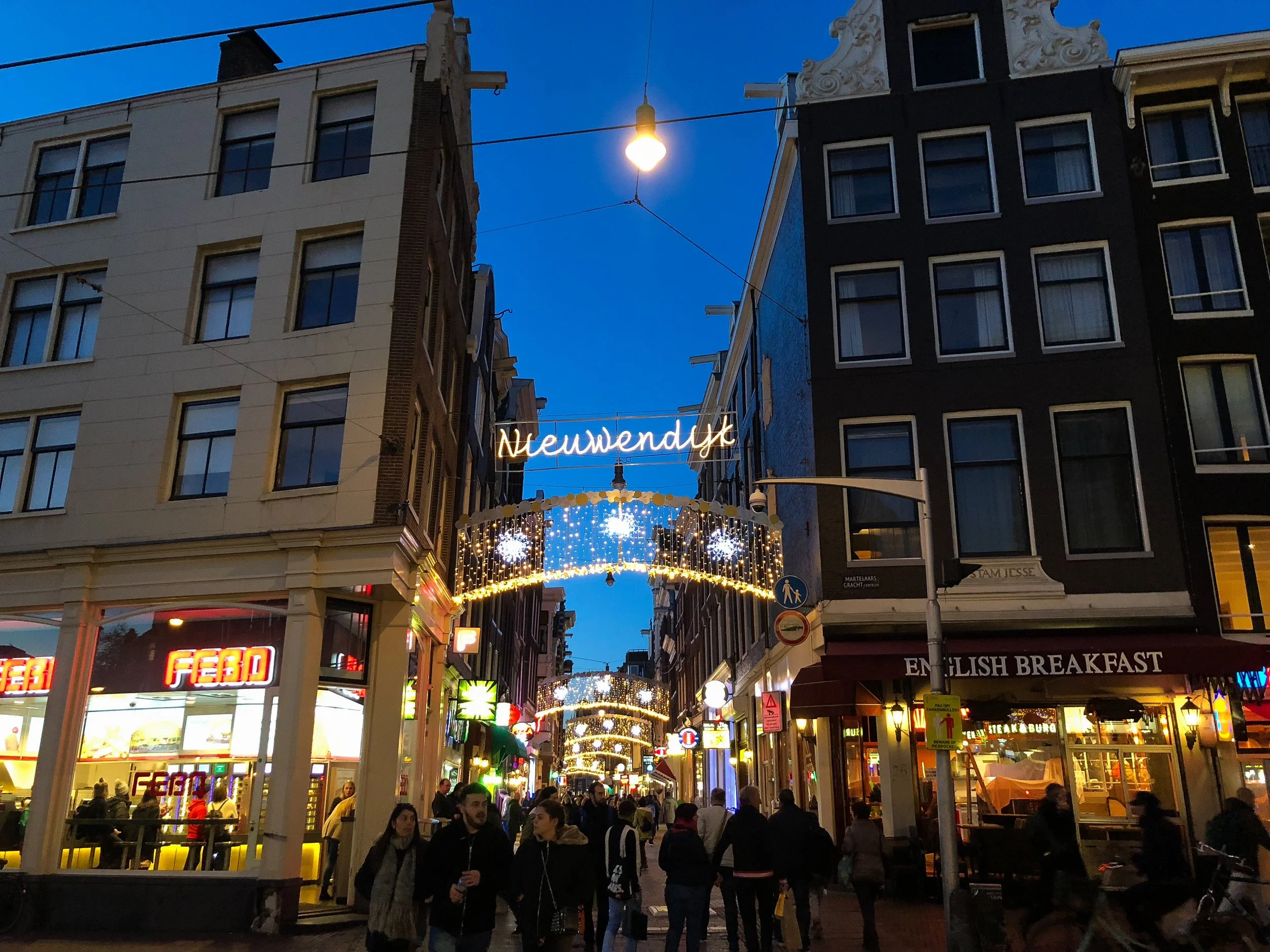
Nieuwendijk. A lengthy pedestrian street flanked by brick row houses home to hundreds of shops and restaurants including fromageries with displays of Dutch Gouda and “coffee shops” selling cannabis products.
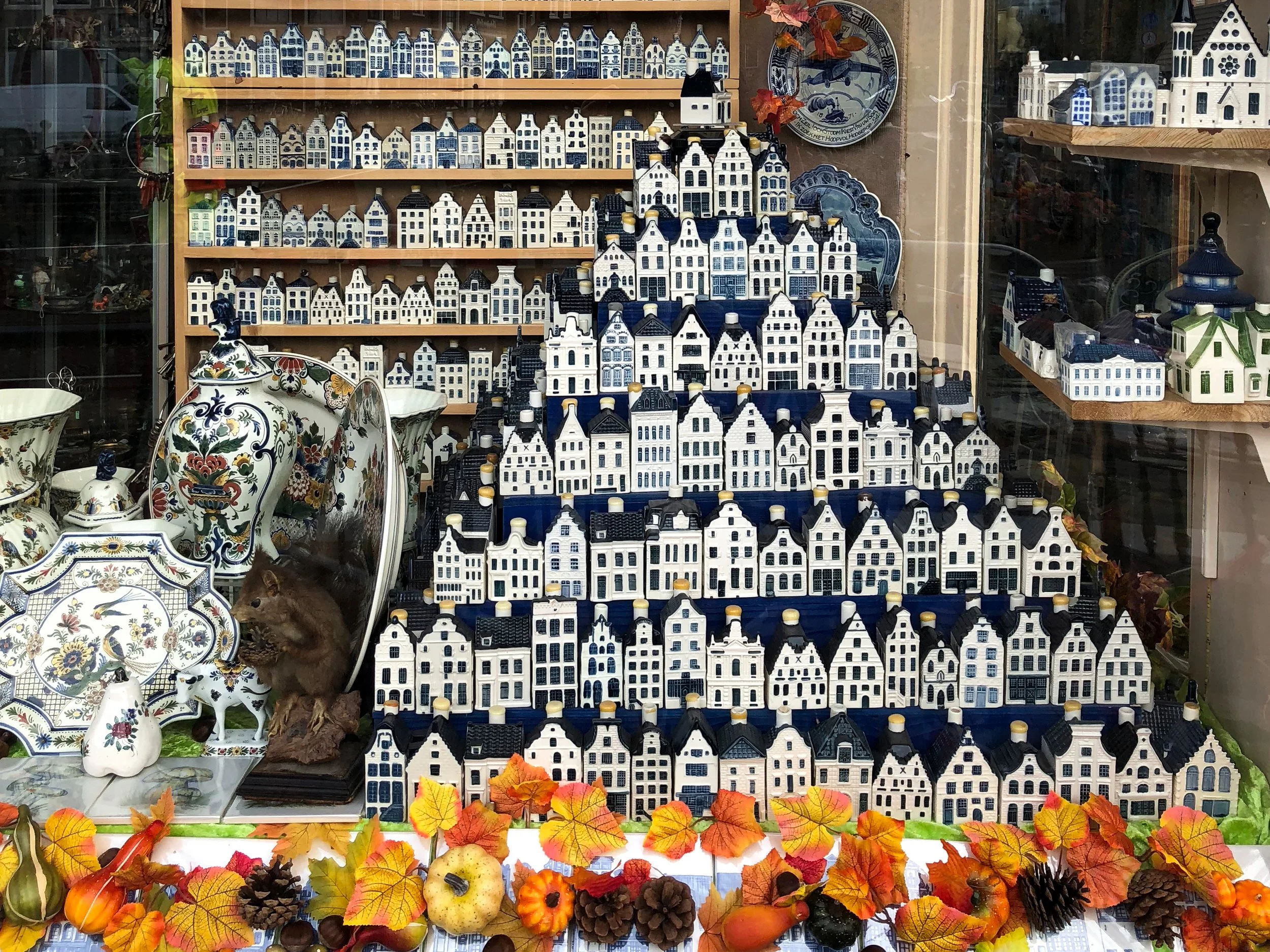
Nieuwe Spiegelstraat. A two block section, flanked between the Prinsengracht and Keizersgracht Canals lined with antique shops and galleries. Come here to buy a set of blue and white painted porcelain salt and pepper shakers shaped like the city’s row houses.
Places to Eat & Drink
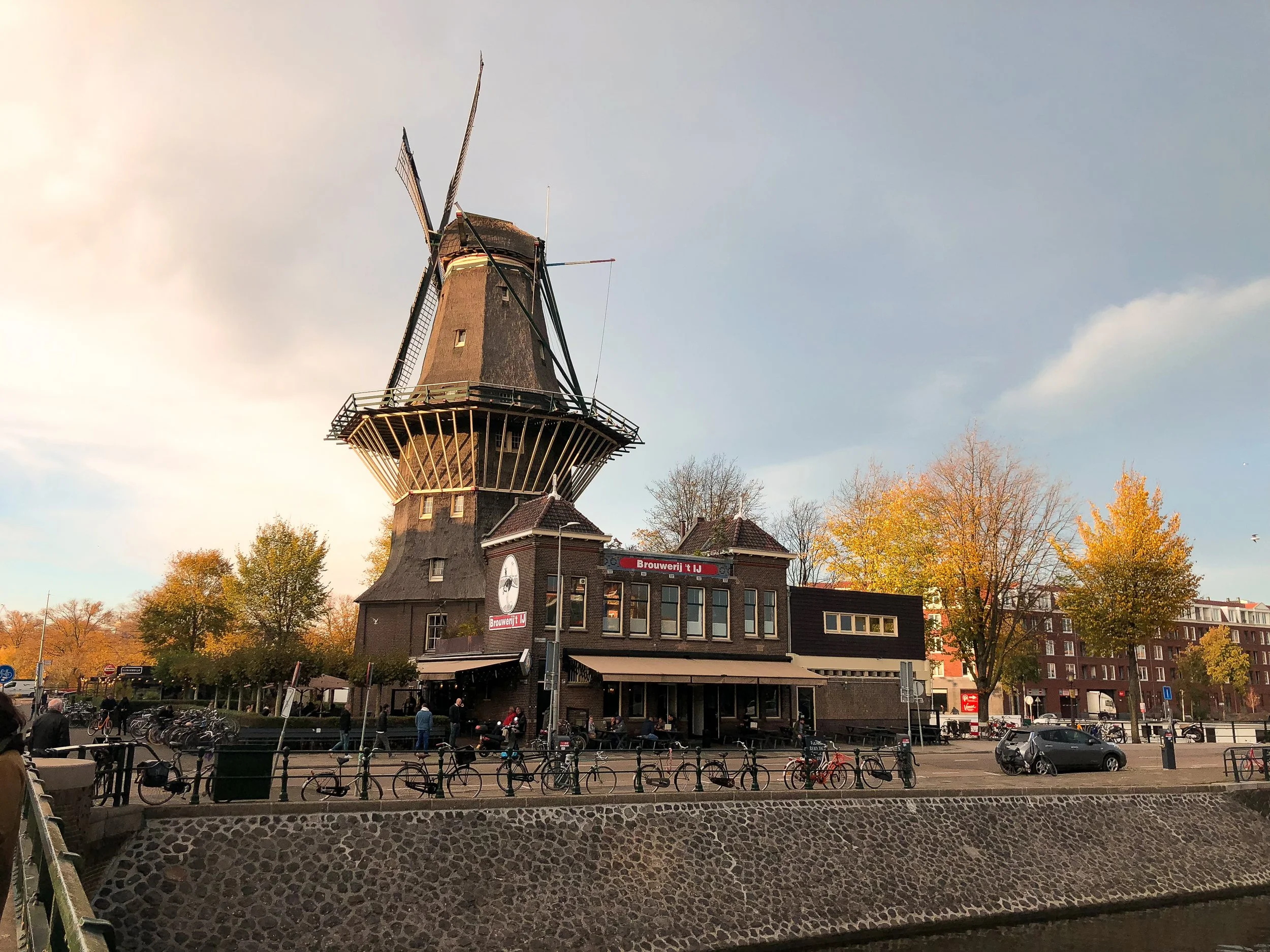
There are endless options when it comes to dining in Amsterdam. Whether along a canal, in a historic building, near a windmill or simply on the sidewalk. We never had a bad meal anywhere we dined. One thing we quickly learned is that you need a reservation for dinner at most restaurants at least 24 hours in advance, especially on weekends!
IJ Brewery. A brewery and beer garden located next to a 16th century windmill.
Bakers and Roasters. A brunch spot with all types of eggs inspired by different cultures, fruit dishes, vegetarian meals and strong coffee. We went for the banana nut French toast and eggs royal.
Brasserie Van Speyk. A romantic brick walled restaurant with glittering chandeliers, Dutch classics and North Sea seafood. Come here for the French style dover sole paired with champagne.
Balthazar’s Keuken. A tiny homestyle restaurant with a daily three course menu. Make a reservation!
Pulitzer's Bar. A dark and moody reading room-like lounge offering high end cocktails and small bites.
Café ‘t Mandje. A very eclectic and welcoming gay bar that’s been around since 1927.
Venus & Adonis. A cozy restaurant and cocktail bar specializing in craft gin & tonics.

Café & Bakery Crawl
Before visiting Amsterdam, we read somewhere that the Dutch consume more coffee per person than any other country in the world. As avid coffee drinkers ourselves, we decided to visit a number of cafes while in town.
Van Wonderen Stroopwafels. A bakery specializing in artisan stroopwafels decorated with toppings like coconut, marshmallows, chocolate, nuts and sprinkles.
Scandinavian Embassy. A popular café with slow brewed and drip coffees. Order one of their cinnamon knots.
Trakteren. A small café specializing in lattes and cappuccinos with cute foam artwork of animals.
Lot Sixty One. A canal side café with house roasted coffee and tasty baked sweets.
Koffieschenkerij. A café located on the grounds of the Oude Kerk, Amsterdam’s oldest building. Sip on a coffee at their outdoor patio with views of the cathedral.
Back to Black. A corner café with a bohemian feel, bold coffees and an array of sweets.

Dutch Cuisine
Gouda. One of the most well known Dutch cheeses. Fromageries around the city liberally hand out free samples of the cheese made with different flavors and ages.
Stroopwafels. Thin waffle crisps with caramel layered in-between. Use them to cover your hot coffee until the inside gets gooey.
Deep Dish Dutch Apple Pie. A classic dessert but even more special when baked deep dish. Visit Wenkel 43 or keep an eye out for other cafés serving it.
Pickled Herring. Raw herring served with pickles and onions. It can be found at street carts around the city, one of which is Haring & Co.
Frites & Mayo. Another common street food, also known as French Fries. They’re served in a paper cone with mayonnaise. Visit Wil Graanstra Friteshuis or watch out for them at other street carts. Order them twice fried!
Bitterballen & Kroketten. Two types of deep fried croquettes, made with a savory sauce and meat or mashed potatoes. The first is often shaped into a ball while the second is shaped like a cylinder.
Poffertjes (Dutch pancakes). Fluffy, tiny, yeasted and buckwheat pancakes covered in powdered sugar or jam.
Gin and Tonic. Almost every bar offers their own take on this classic cocktail by infusing the drinks and offering creative mixes.

Getting Around
Getting around Amsterdam is one of the most enjoyable ways to explore and experience the city! There are countless options from bicycling, taking a canal tour, riding the tram or simply walking.
By Bike. Bikes are used as the preferred method of transit by locals. Multiple companies offer bike tours and rent bikes to tourists for single and multi days including: Ajax Bike, Yellow Bike and Mac Bike. Daily rentals cost around €20 depending on the type of bike. Some rentals require a security deposit or minimal insurance fee in case of damage or theft.
On Foot. Amsterdam’s neighborhoods are easily walkable by those who enjoy getting around on foot.
On Public Transit. The trams, busses and metro are the most reliable and economical option to get across the city. There are multiple passes that work
GVB Transit Card. A single or multi-day pass that offers unlimited transit on trams, buses and metro lines.
Amsterdam Card. Unlimited transit on trams, buses and metro lines including access to the museums and a canal cruise. Costs vary by pass type, ranging from 1 to 5 days.
Single ride tickets can be purchased on any form of public transit.
Taxis and Ubers. The most expensive to get around the city. Luckily they’re almost unnecessary other than getting to/from the airport. They typically cost €50 one way.
Location Specifics
Language. Dutch is the official language however English is widely spoken.
Card vs. Cash. Most businesses accept credit and debit cards, including street food stands. Carry small denominations of Euros for markets, public transit and tips.
Watch for Cyclists. Be cautious while riding bikes and watch out for cyclists when crossing streets.
Photography. Be respectful and don’t take photos of sex-workers in the RLD.
Reservations. Make reservations at restaurants at least 24 hours in advance.
Tipping. Like many places in Europe, tipping more than 10% is not required.
Tourist Traps. Avoid tourist traps near Dam Square and Central. Explore the inner canal rings and branch out further into the outer neighborhoods.
For Next Time…
Amsterdam is a mesmerizing city that we one day hope to return to! Some ideas we have for next time include:
Moco Museum. A modern art museum featuring a large collection of physical, interactive and digital works by artists including Warhol, Haring, Banksy, Basquiat and Kusama.
The Heineken Experience. A tour of the Heineken Brewery where you’re able to cap your own bottle of beer.
Take a Day Trip. With more time, we would visit the Dutch countryside and neighboring cities of Utrecht, Rotterdam and The Hague.
Hotel Inntel Zaandam. A unique hotel made to look like a stack of green and blue painted country cottages.
Zaandam Windmills. An open air museum with several preserved windmills dating back to the 1850s.
Amsterdam Pride. An LGBTQ+ pride parade with floats and boats sailing down the Prinsengracht Canal.
Canal Ice Skating. Return during wintertime when the Keizersgracht Canal freezes over and becomes a seasonal ice rink.