

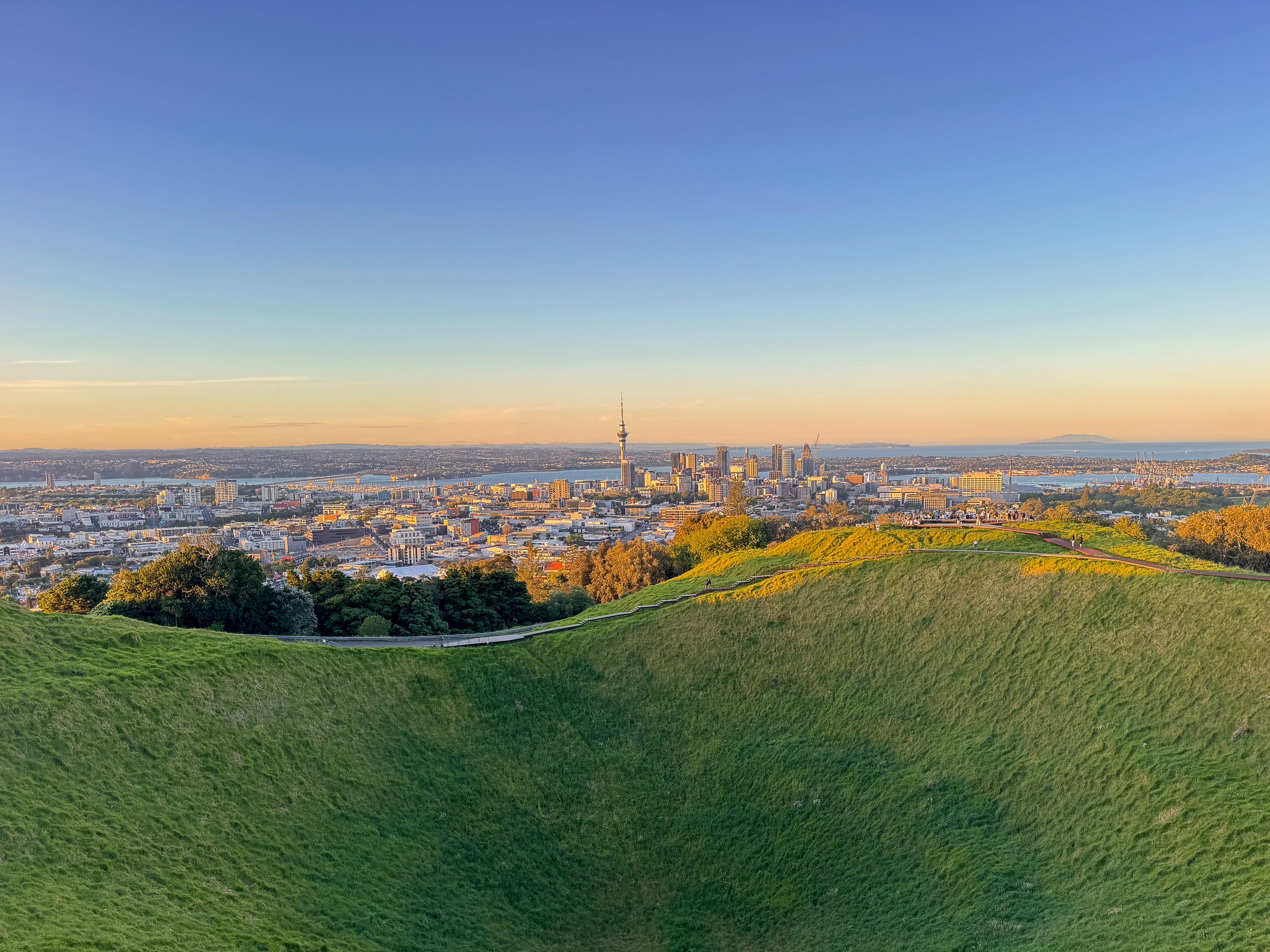
Auckland Travel Guide: Waiheke Island, Waterfronts & Volcanic Views
Wander through Auckland's waterfront neighborhoods, volcanic landscapes and Waiheke Island wineries where urban life meets natural beauty.
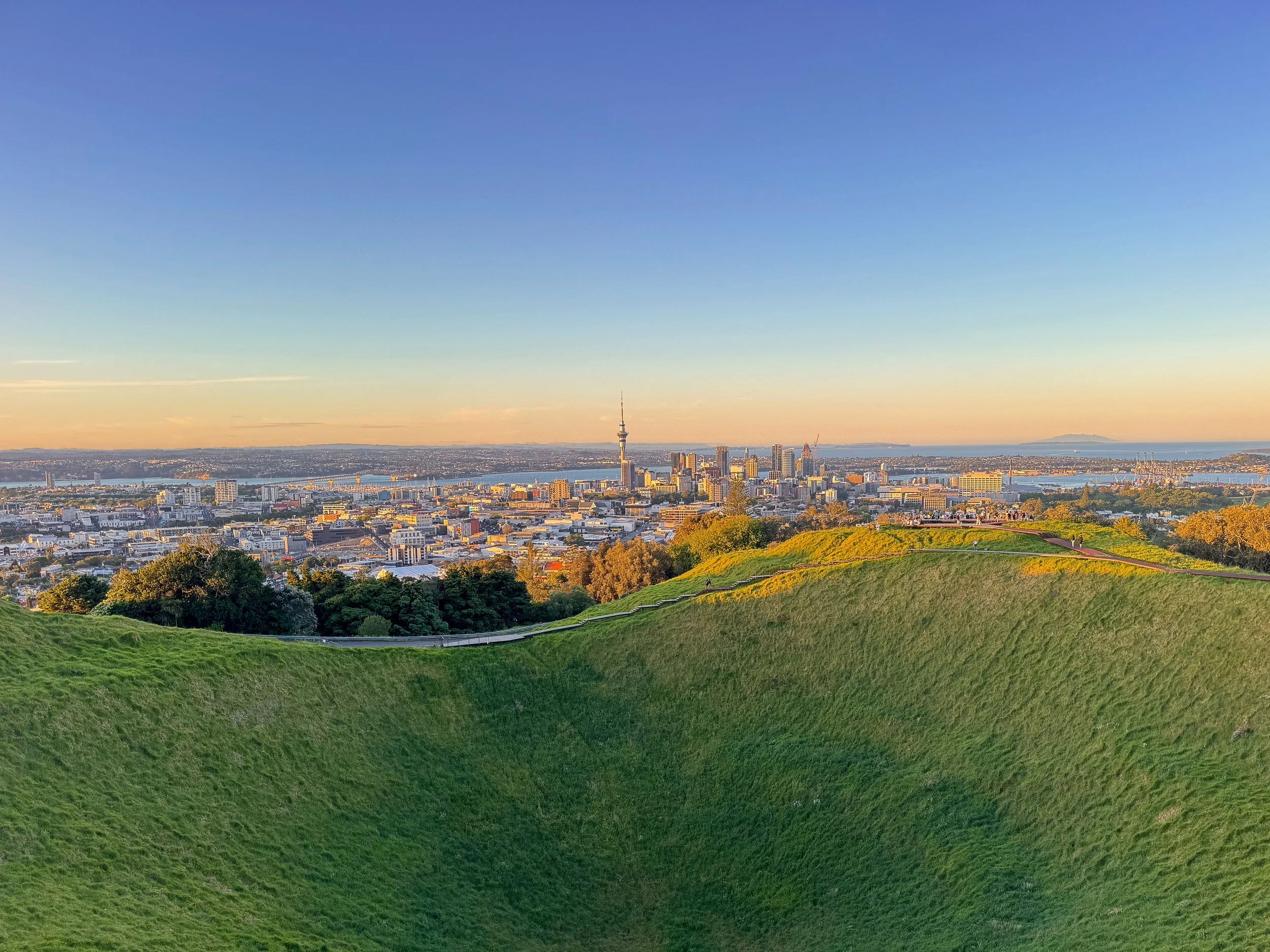
A Weekend in Auckland
Auckland is a sprawling city on the North Island of New Zealand. It’s a wonderful destination to experience Māori culture, taste local wines at island vineyards and hike an urban volcano. The city’s vibrant neighborhoods and waterfront wharfs provide opportunities for shopping, dining and sightseeing. We spent a weekend exploring Auckland during our adventurous roadtrip of the North Island.
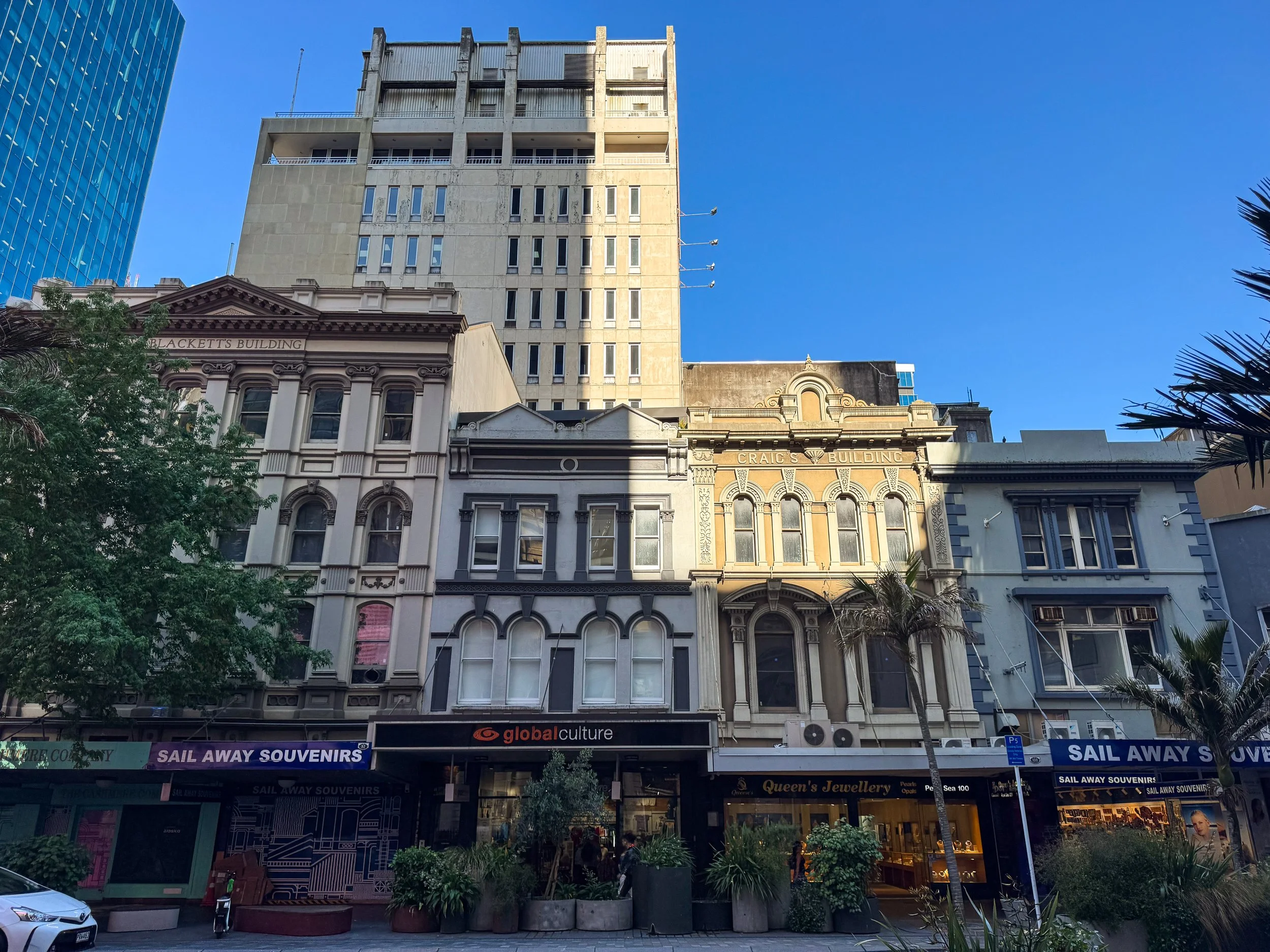
Neighborhoods & Streets
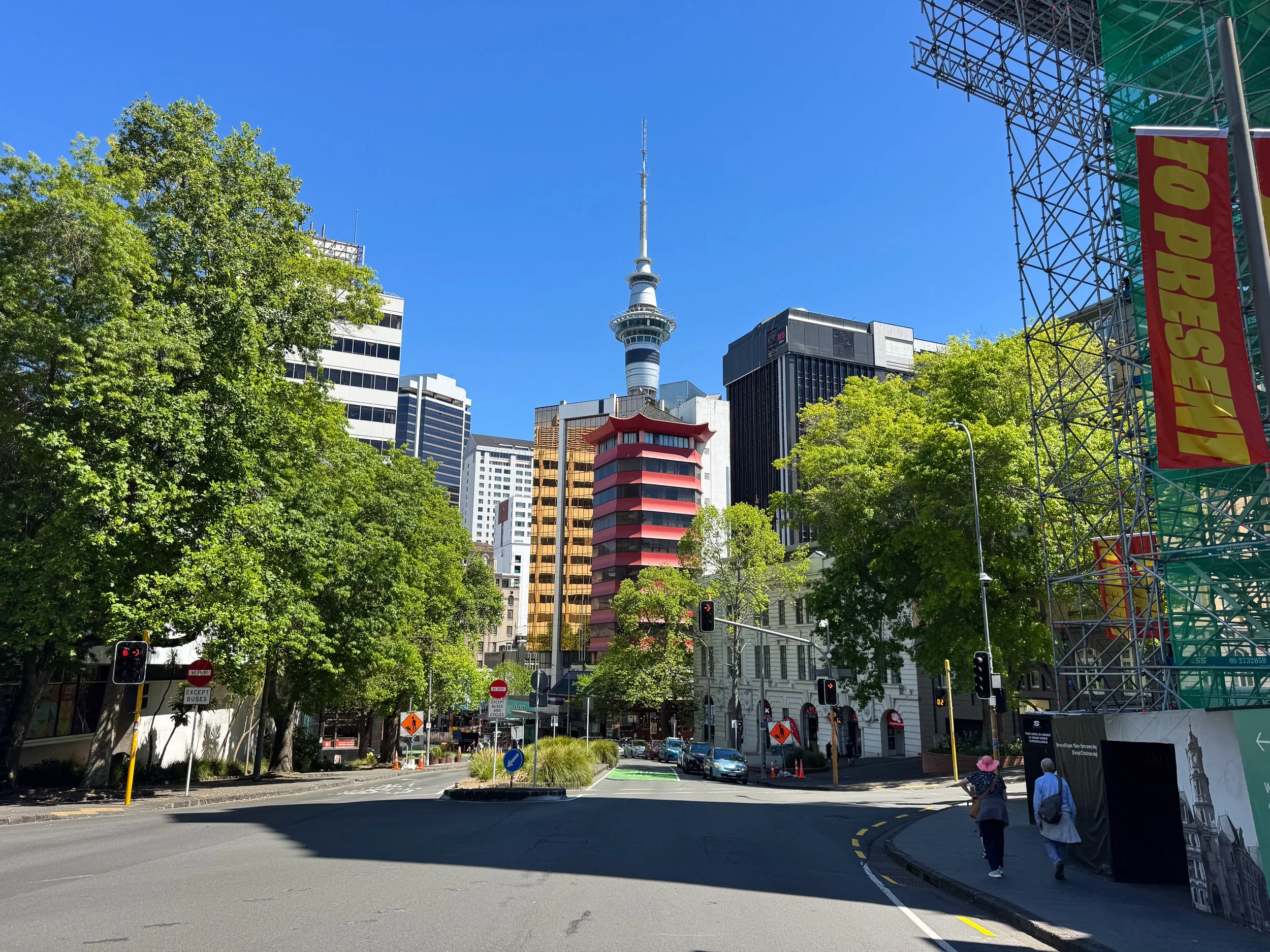
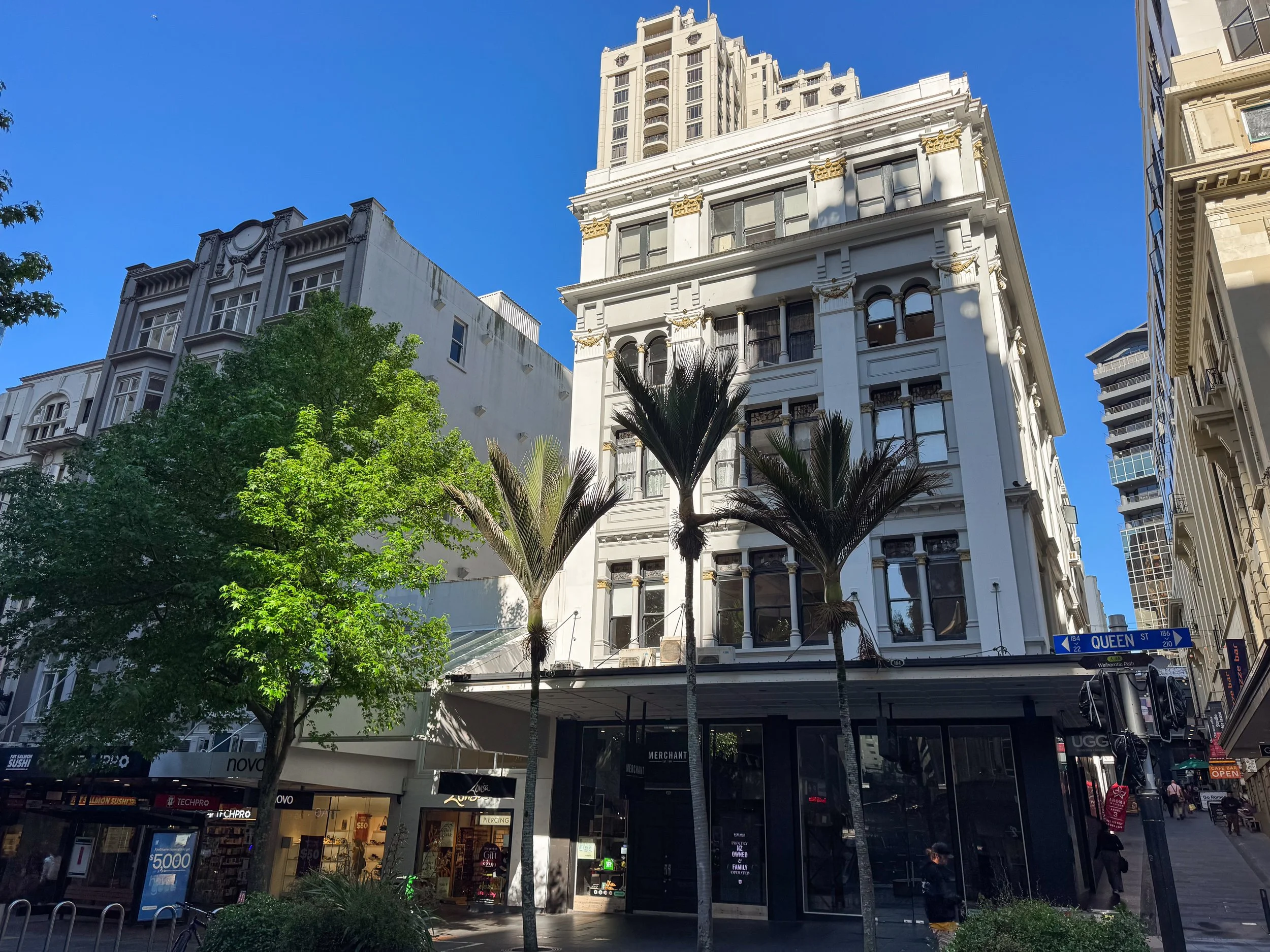
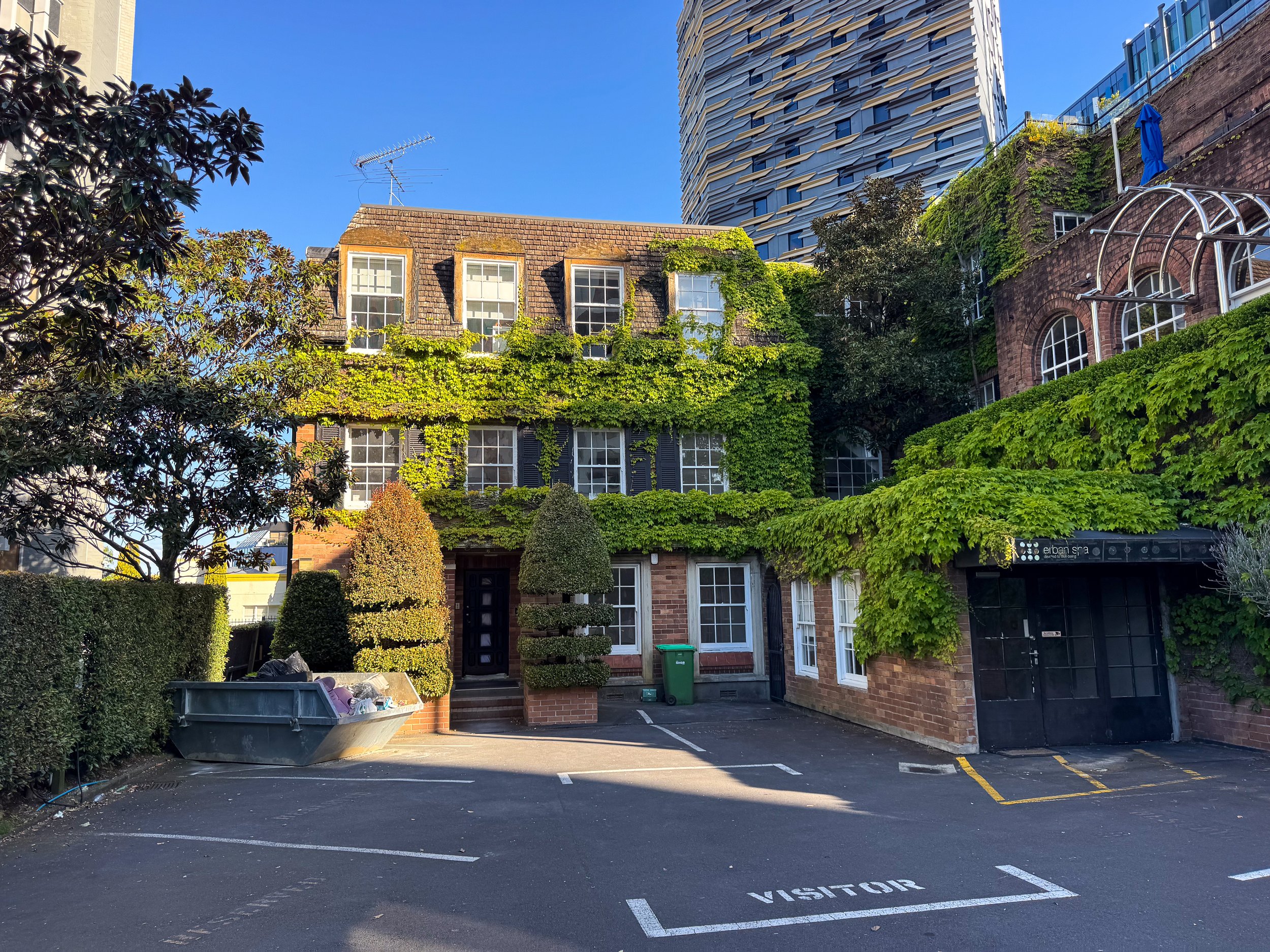
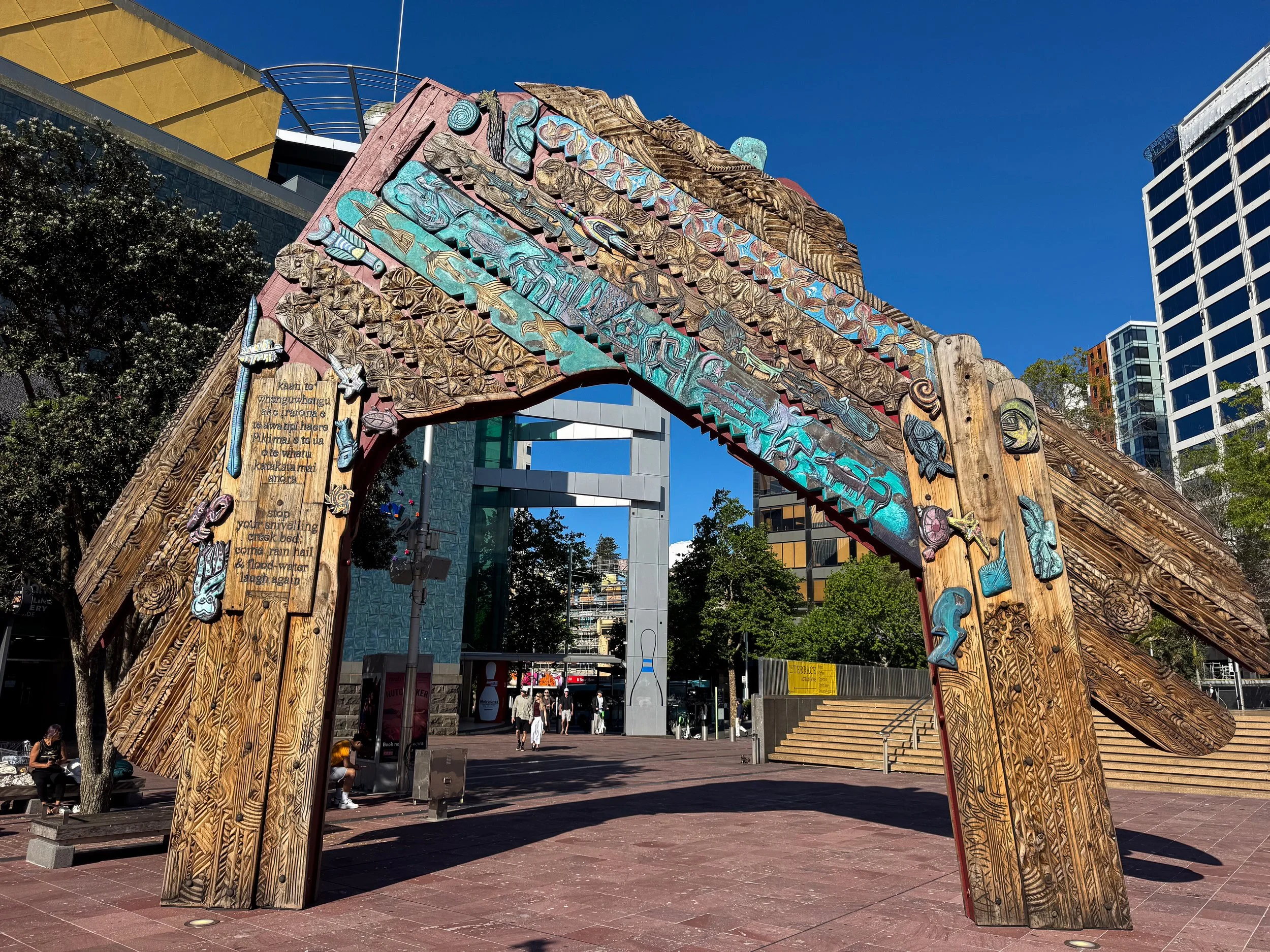
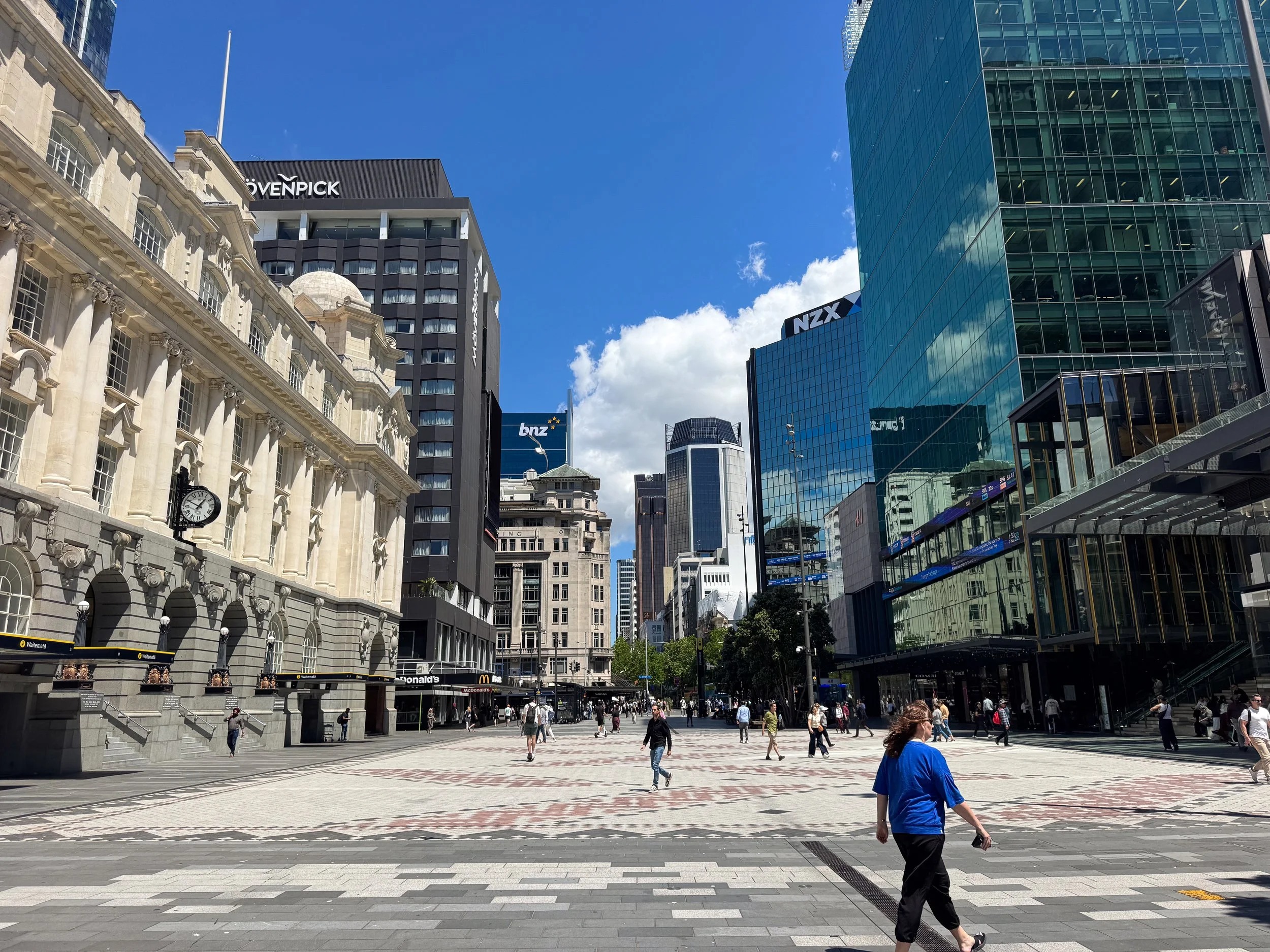
Central Business District (CBD). The downtown neighborhood of Auckland. It’s home to bustling streets, lively waterfront wharfs, historic buildings, multicultural restaurants and shopping arcades.
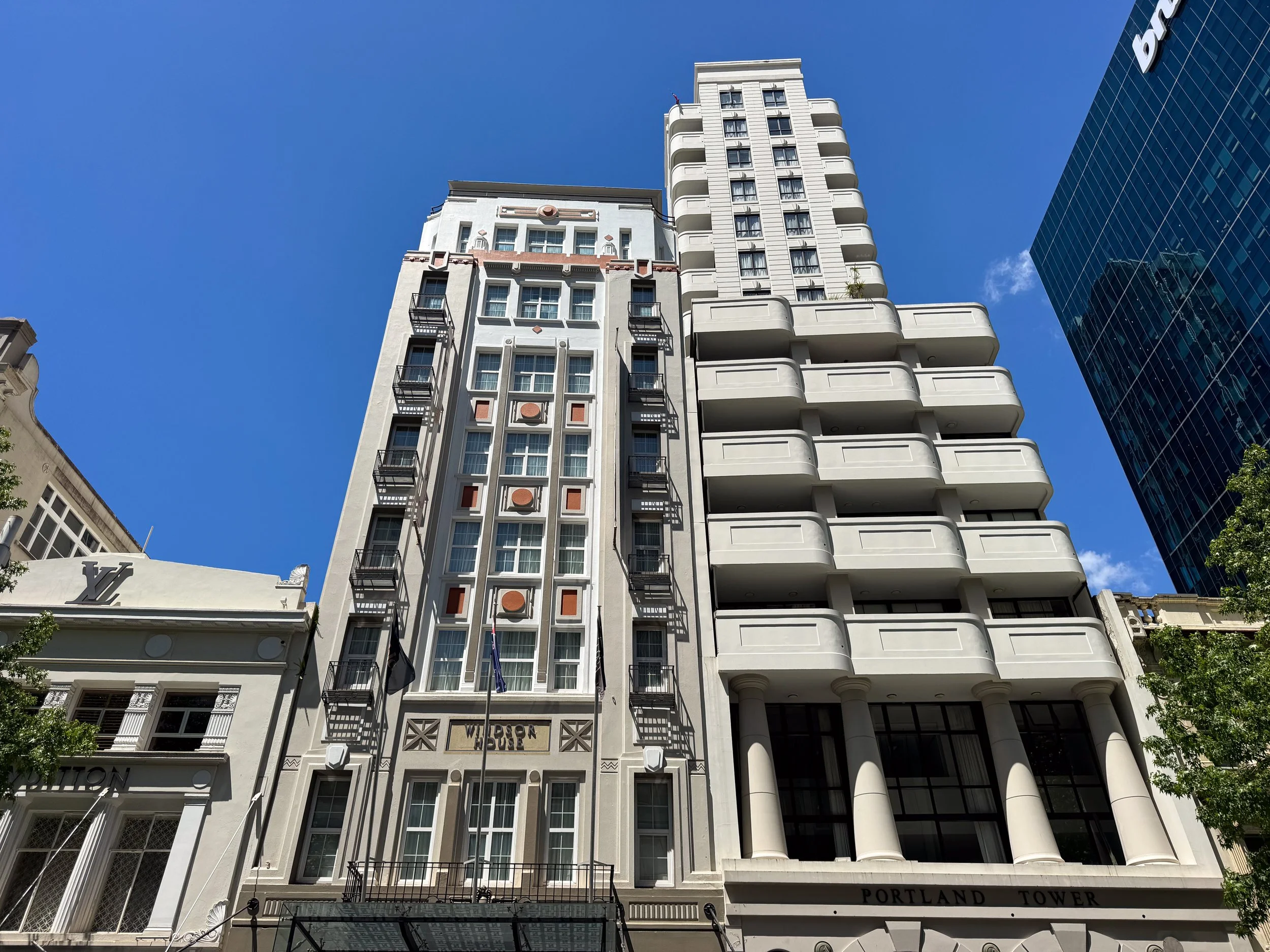
Queen Street. The central street of the CBD. Its historic architecture, small arcades and modern skyscrapers are home to big name stores, luxury brands and kiwi boutiques. Numerous restaurants, cafés and fast food joints offer places to enjoy a quick meal.
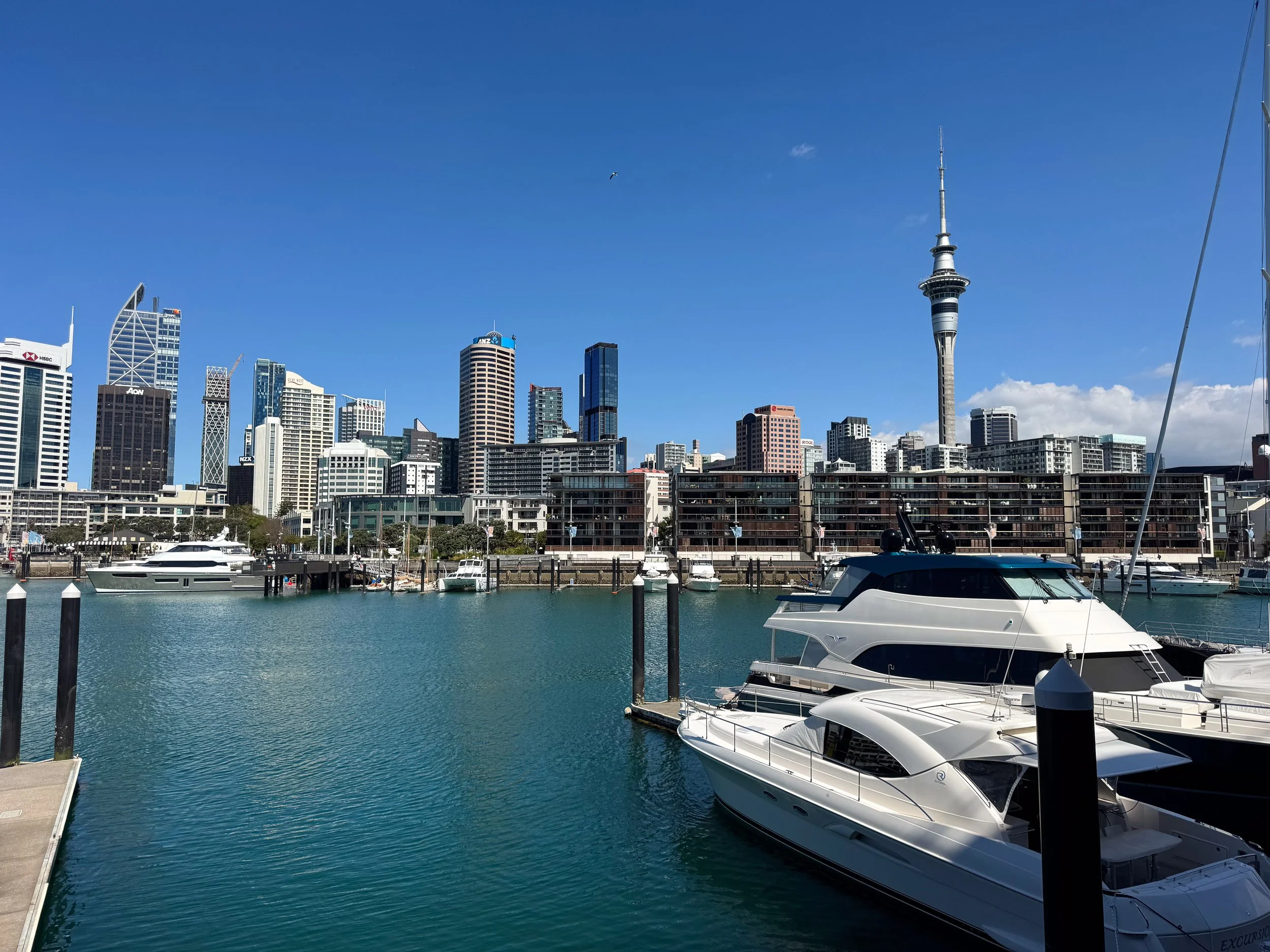
Viaduct Harbour. A bustling neighborhood centered around a boat dotted marina. Stroll the Māori patterned walkways while admiring the docked sailboats and skyline views. Dine at one of the many contemporary restaurants and harbour side bars. Join locals sunbathing on the tidal steps and splashing into the harbour pool.
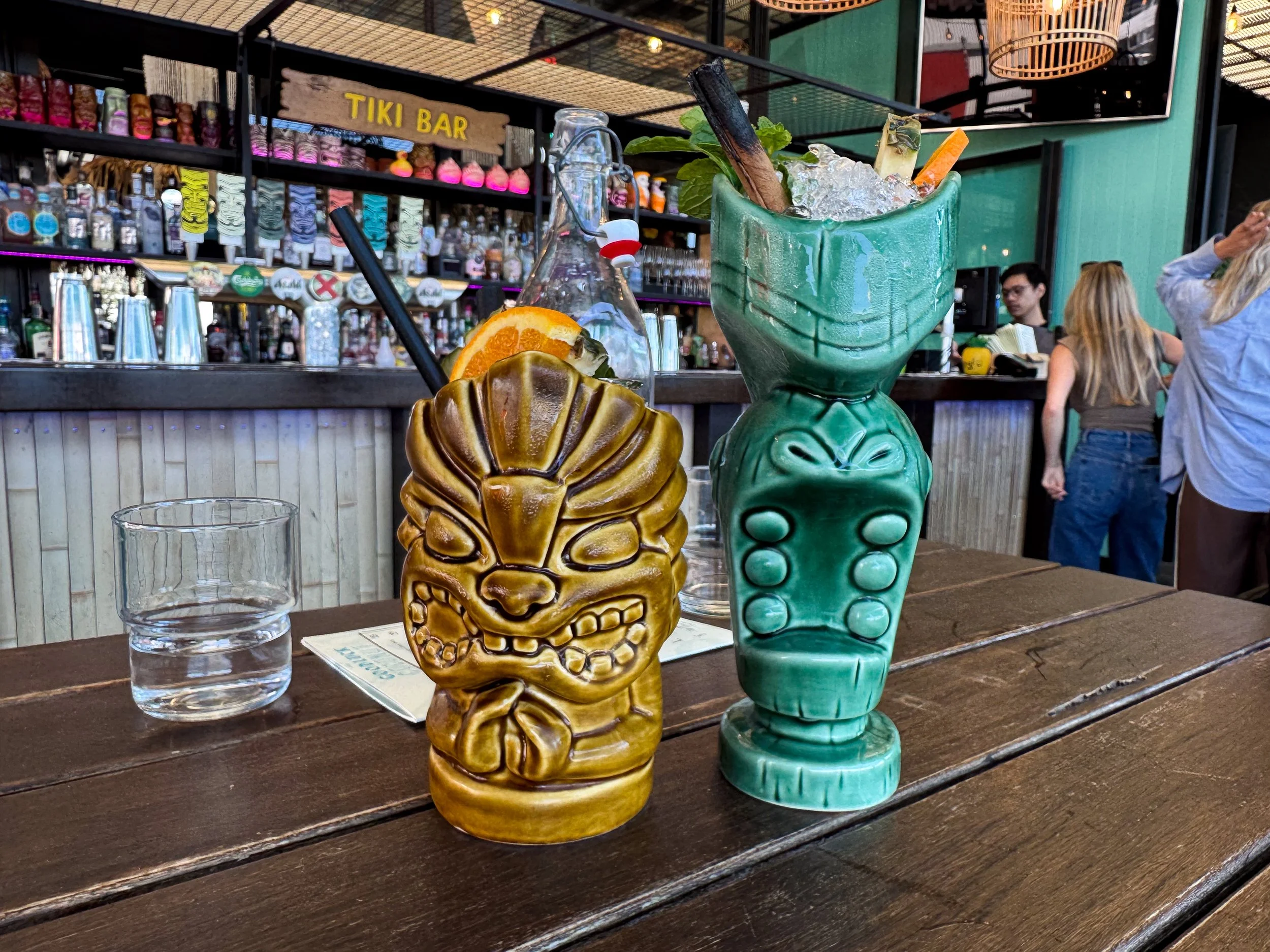
North Wharf. A lively section of Auckland’s waterfront lined with a mixture of eateries, cafés and bars. Visit Goodluck Coconut, a tiki bar with boozy and flaming cocktails in Polynesian style mugs.
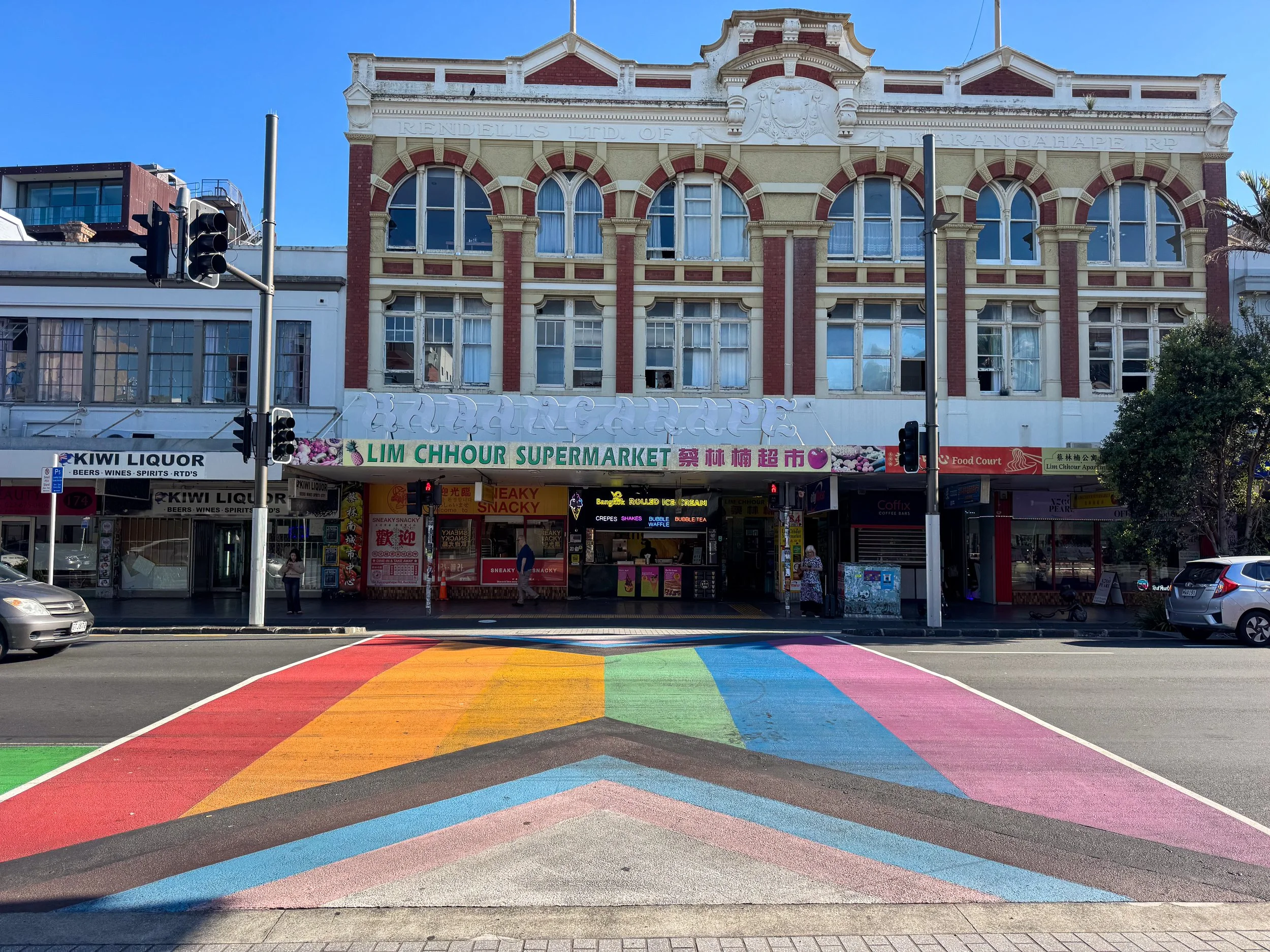
Karangahape Road (K Road). A vibrant street offering a mix of grungy cafés, vegan restaurants, vintage shops, tattoo studios, dive bars and LGBTQ+ nightlife. A rainbow painted cross walk welcomes visitors to the diverse area.
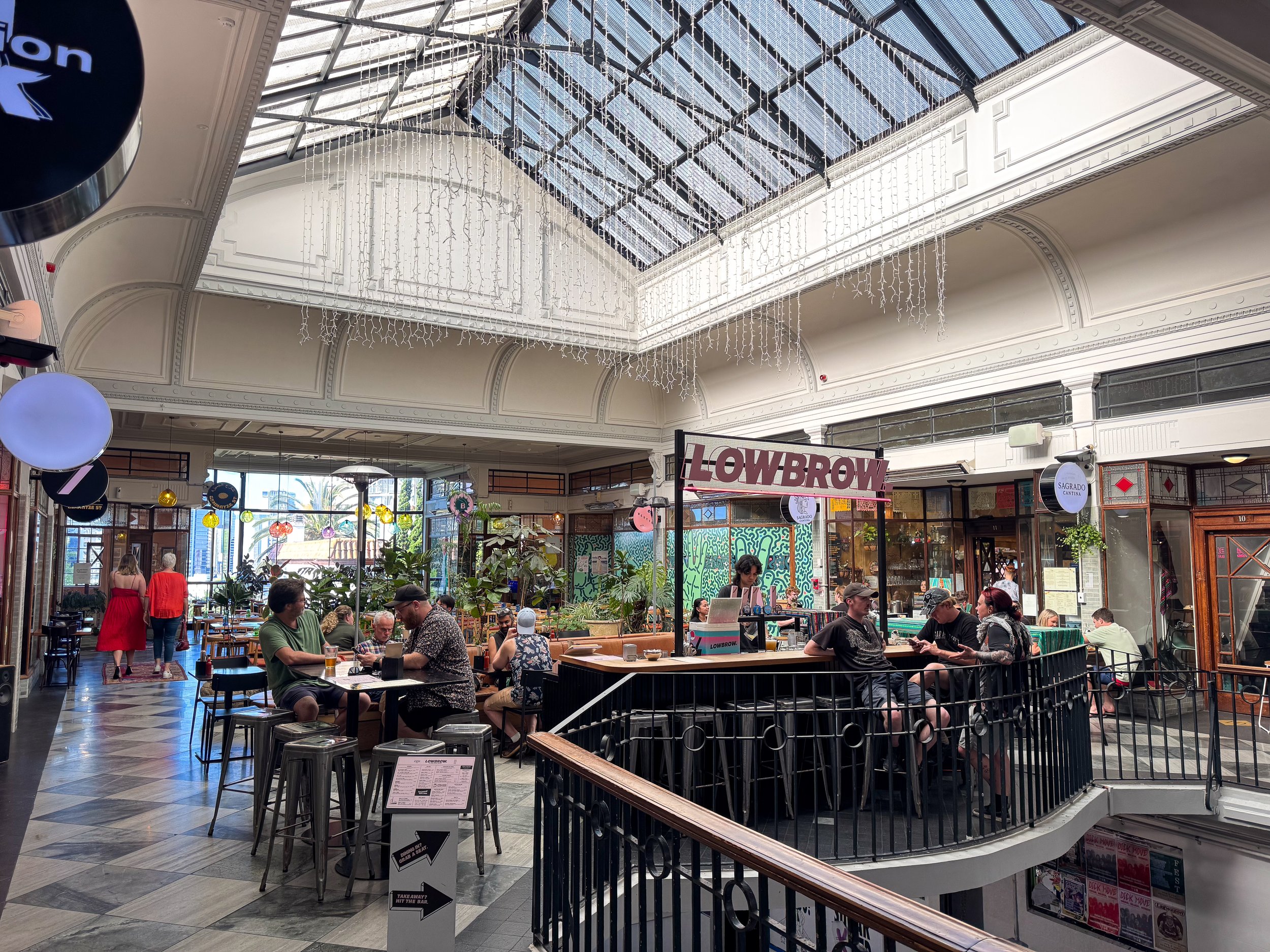
St. Kevin’s Arcade. A historic multilevel arcade between K Road and Myers Park. It’s home to several cocktail bars, tiny restaurants and vintage shops. Visit Definitely Maybe for late night drinks and inventive cocktails in the candlelit bar.
See the Sights
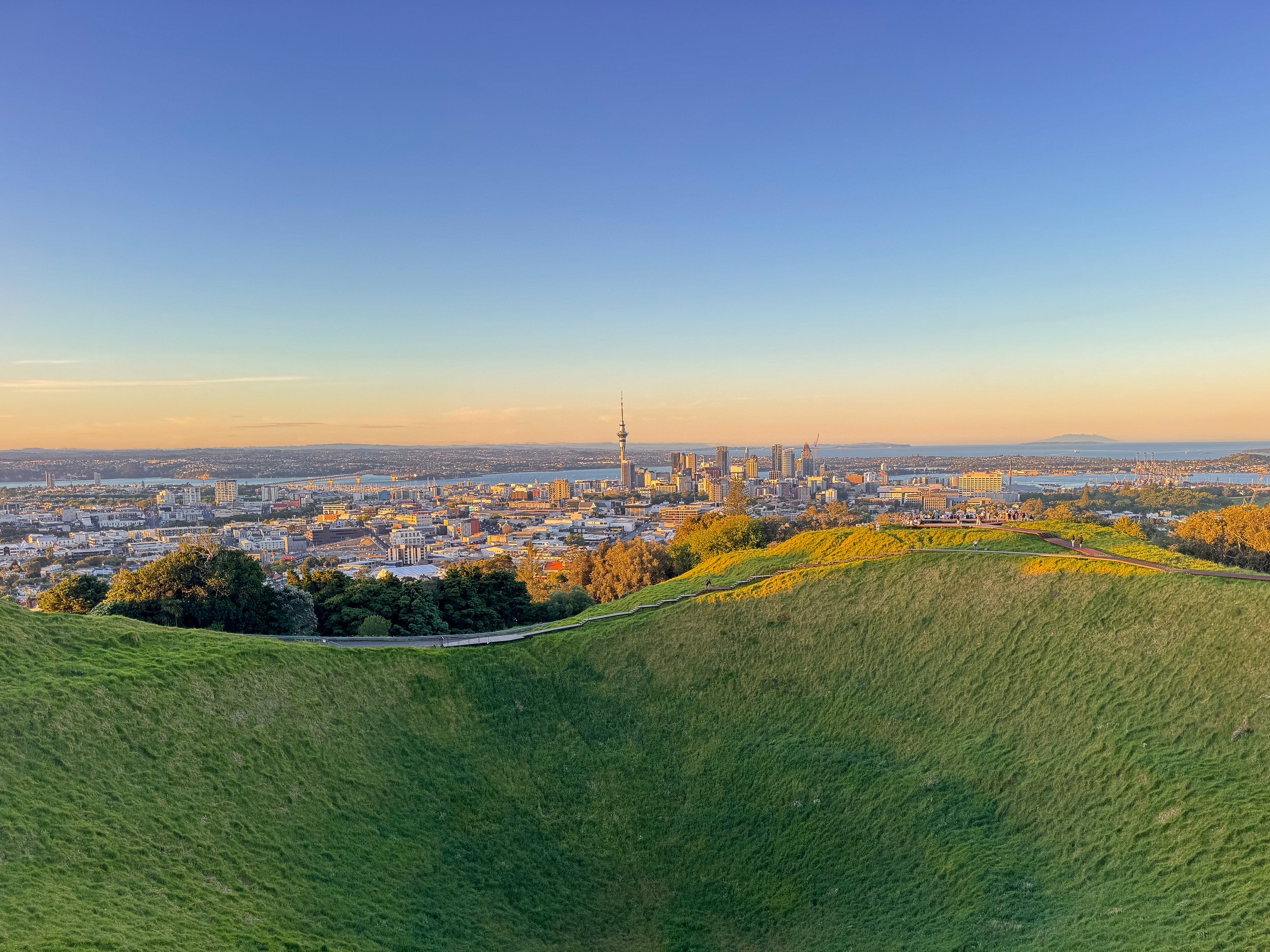
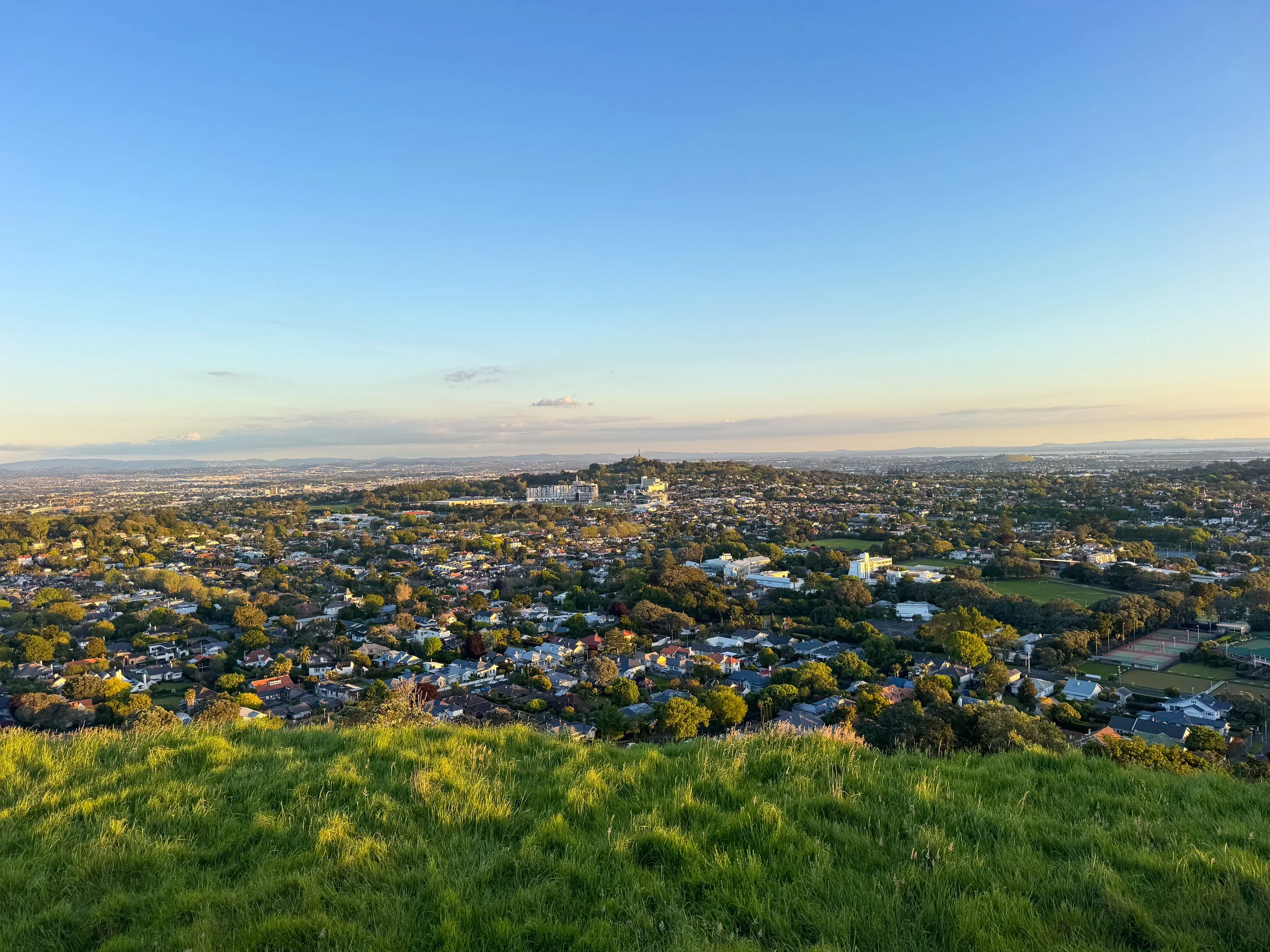
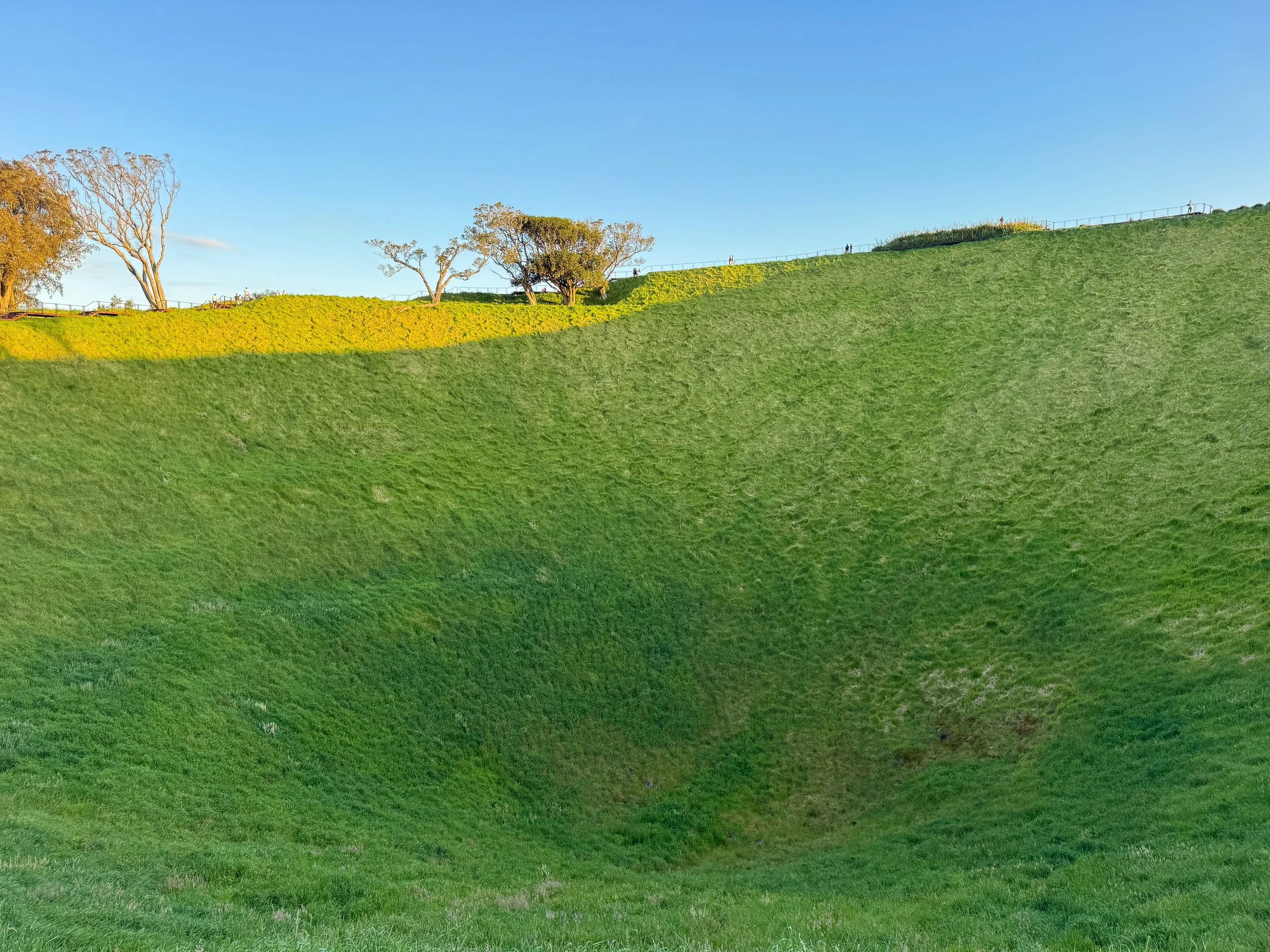
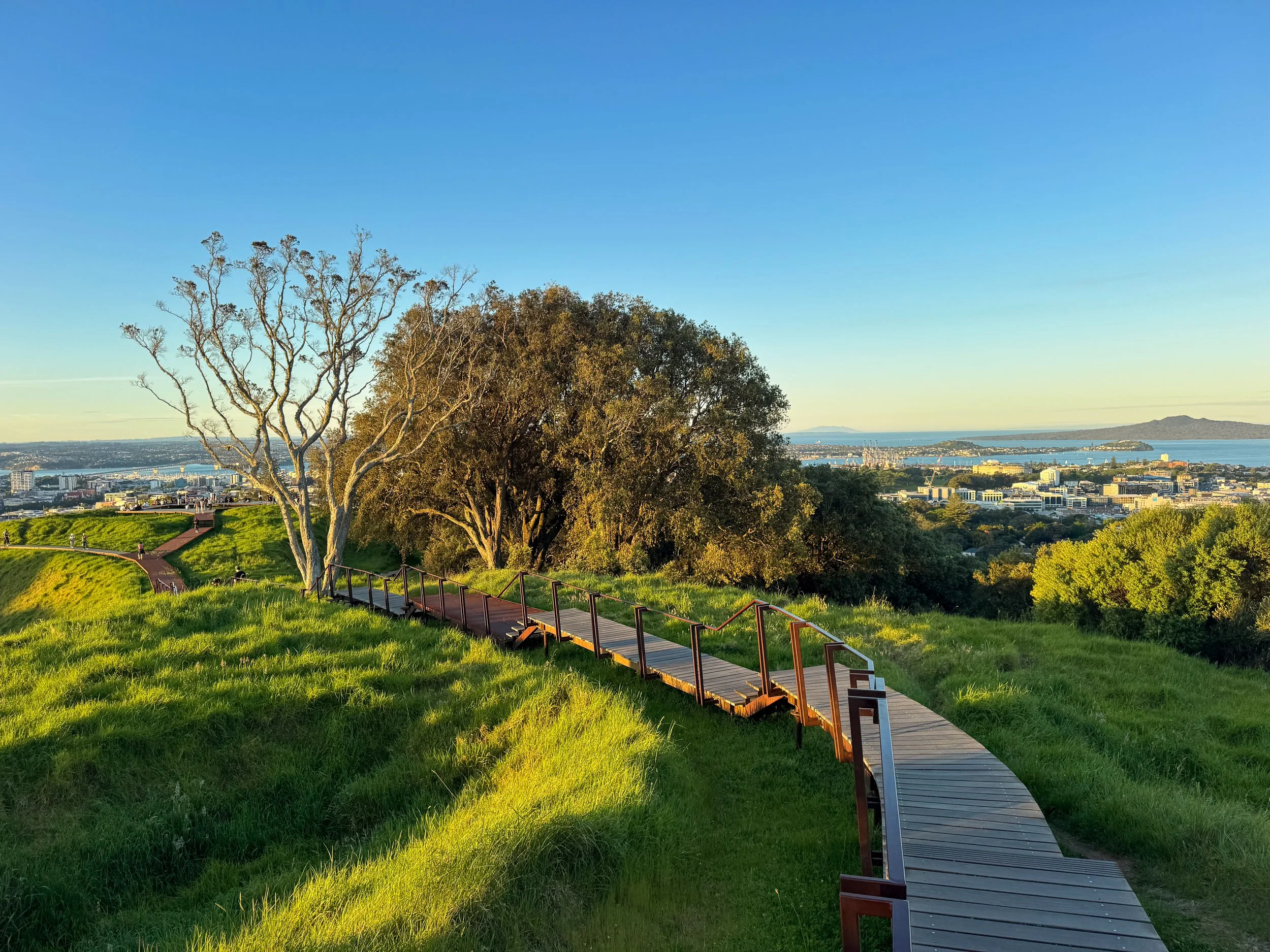
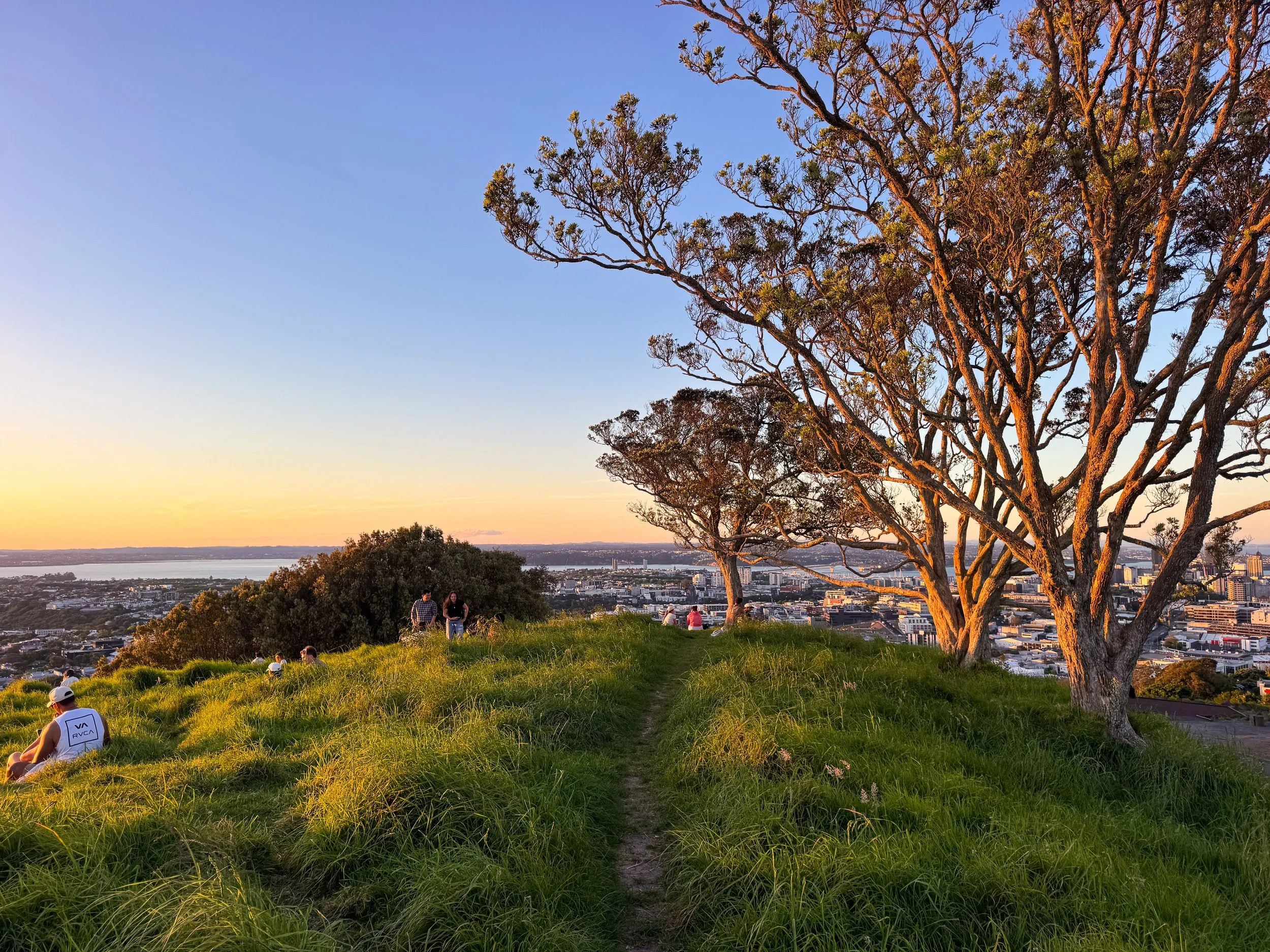
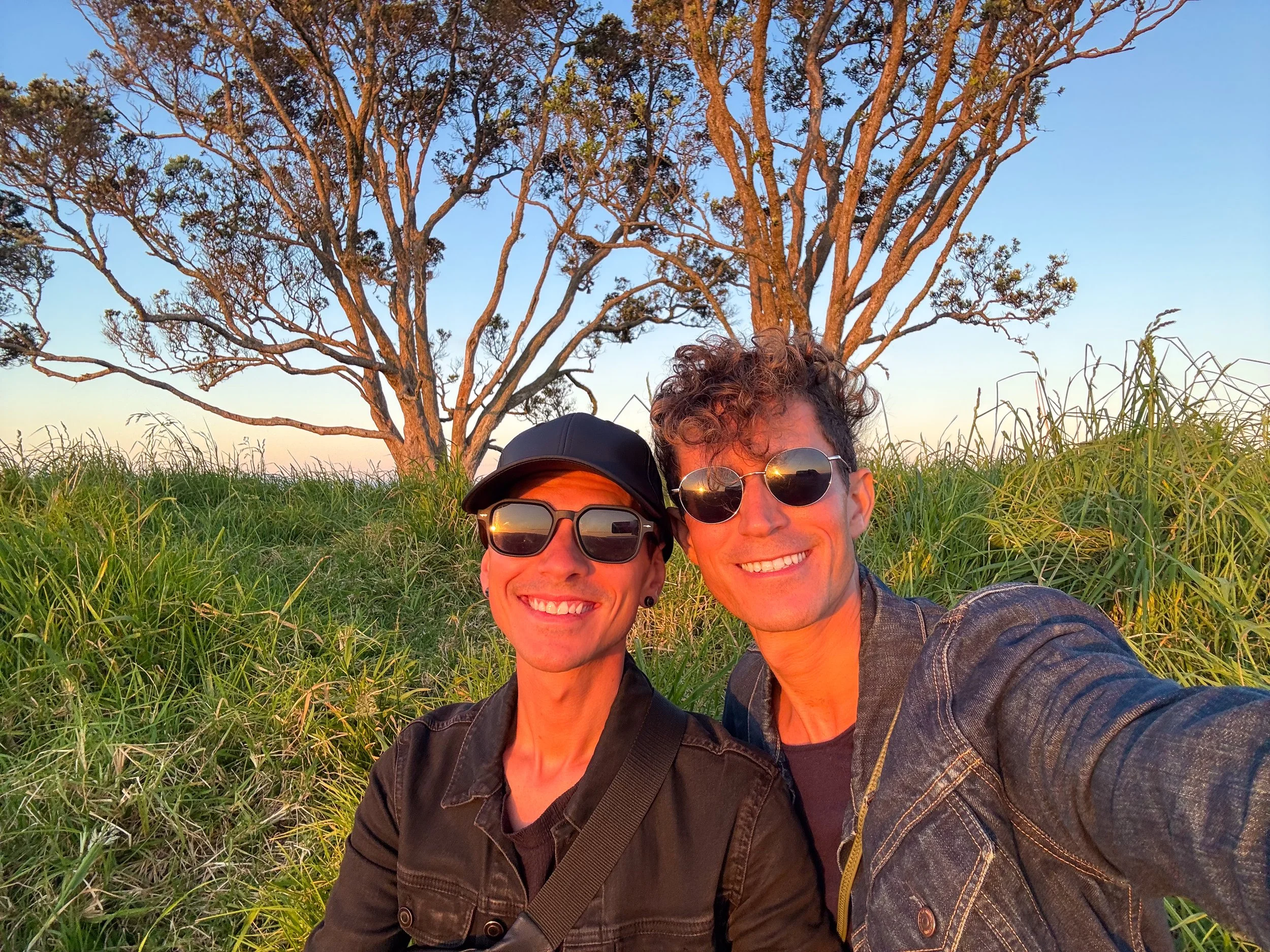
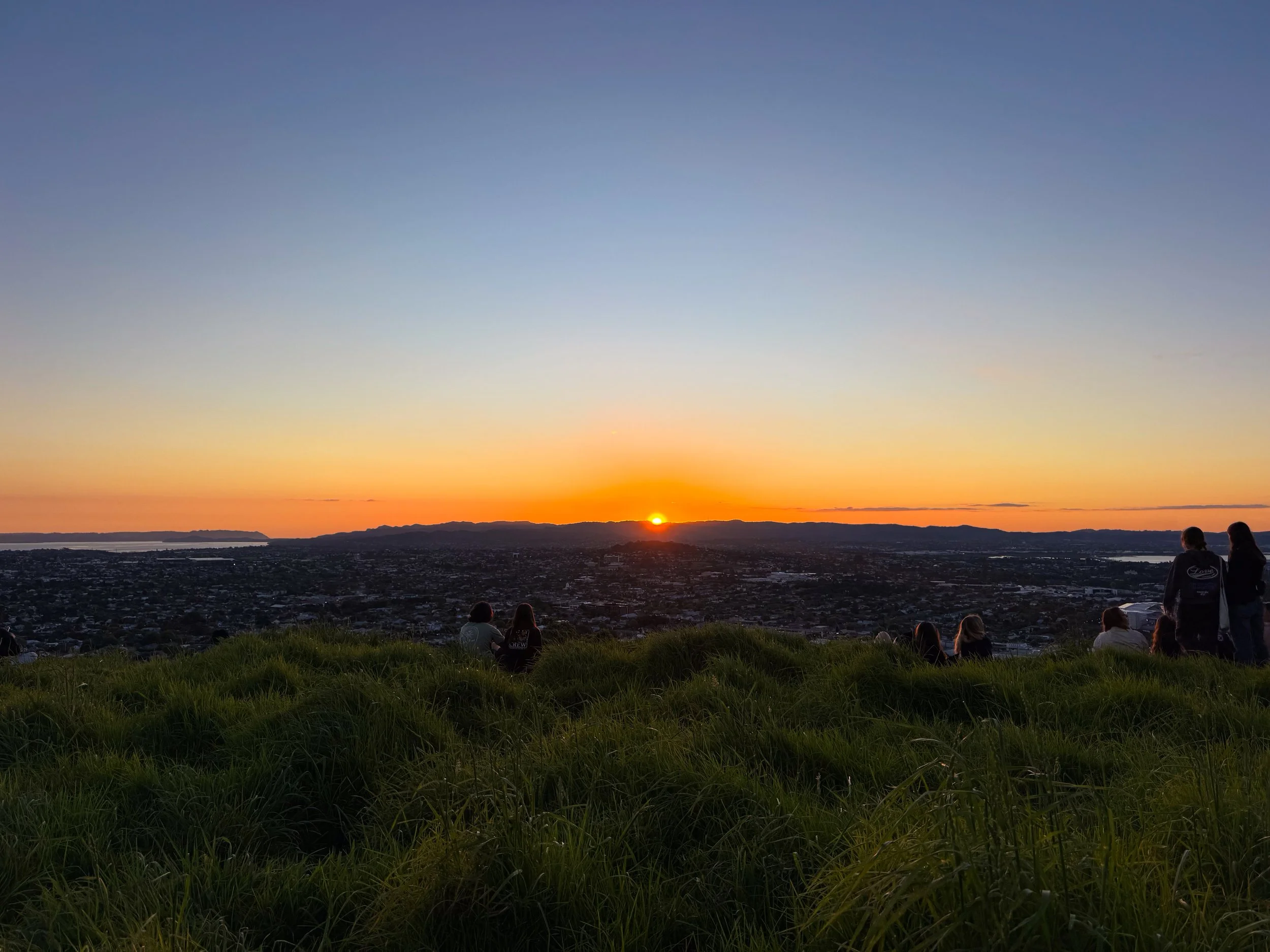
Maungawhau (Mount Eden). The tallest of many dormant volcanoes making up Auckland’s volcanic field. Trails and walkways lead to its summit with panoramic views of the city and stunning views of the sunset. A boardwalk leads around the crater rim with views peering into its conical depressions and the remnants of Māori agricultural terraces. The volcano is sacred to the Māori people. It was once the site of a precolonial Māori village and is believed to be home of Mataaho, the Māori guardian of earth’s secrets.
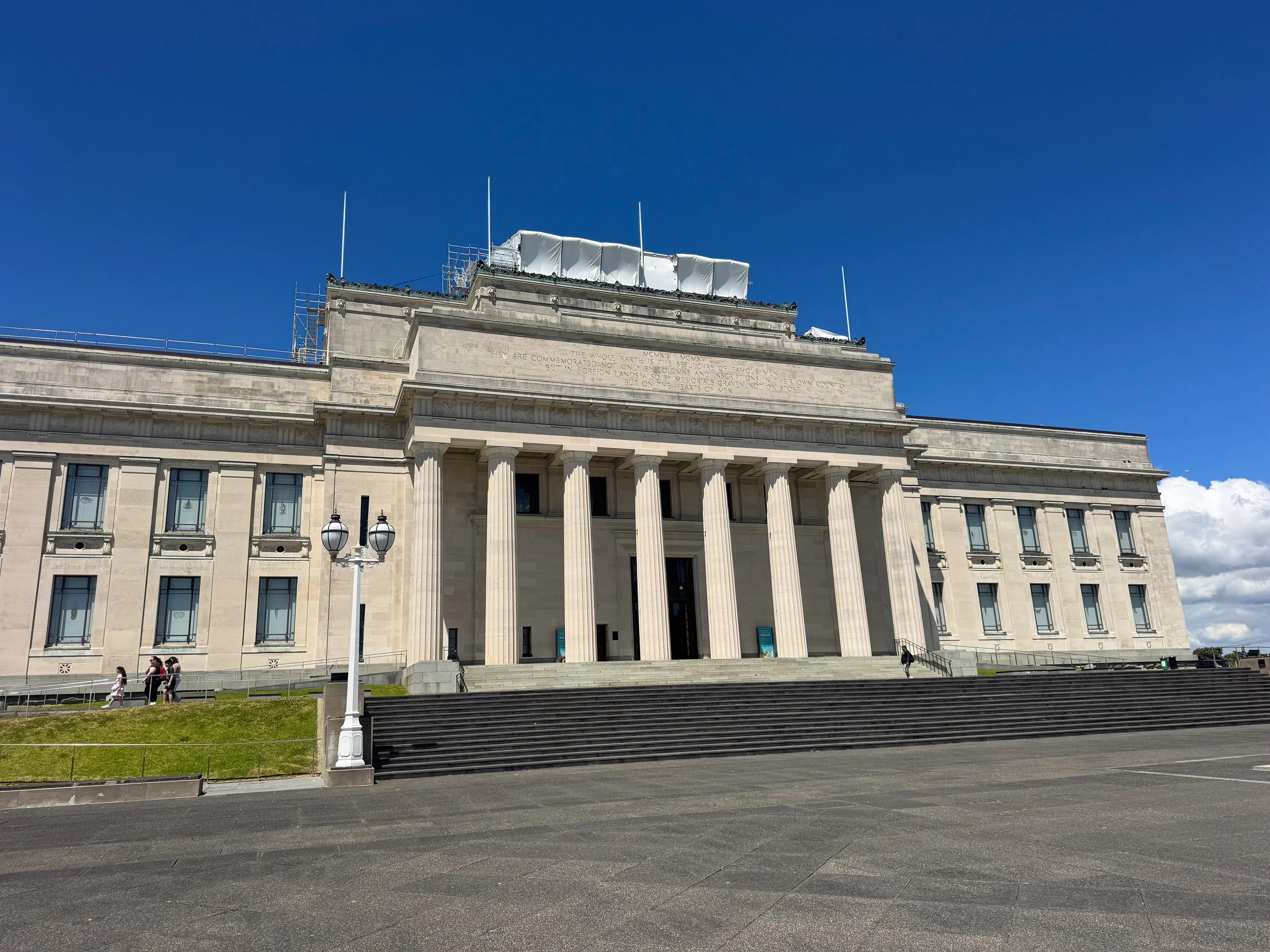
Auckland Museum. A museum with exhibits dedicated to the volcanic landscape of Auckland, New Zealand’s natural history and the island’s Māori culture. The volcanic exhibit recounts the island’s formation and ongoing volcanism. The natural history exhibit displays fossils and skeletons of dinosaurs, sea creatures and birds now extinct and native to New Zealand. The Māori exhibit recounts the Polynesian migration across the Pacific and displays objects and tools used to cultivate the land, trap fish and prepare food.
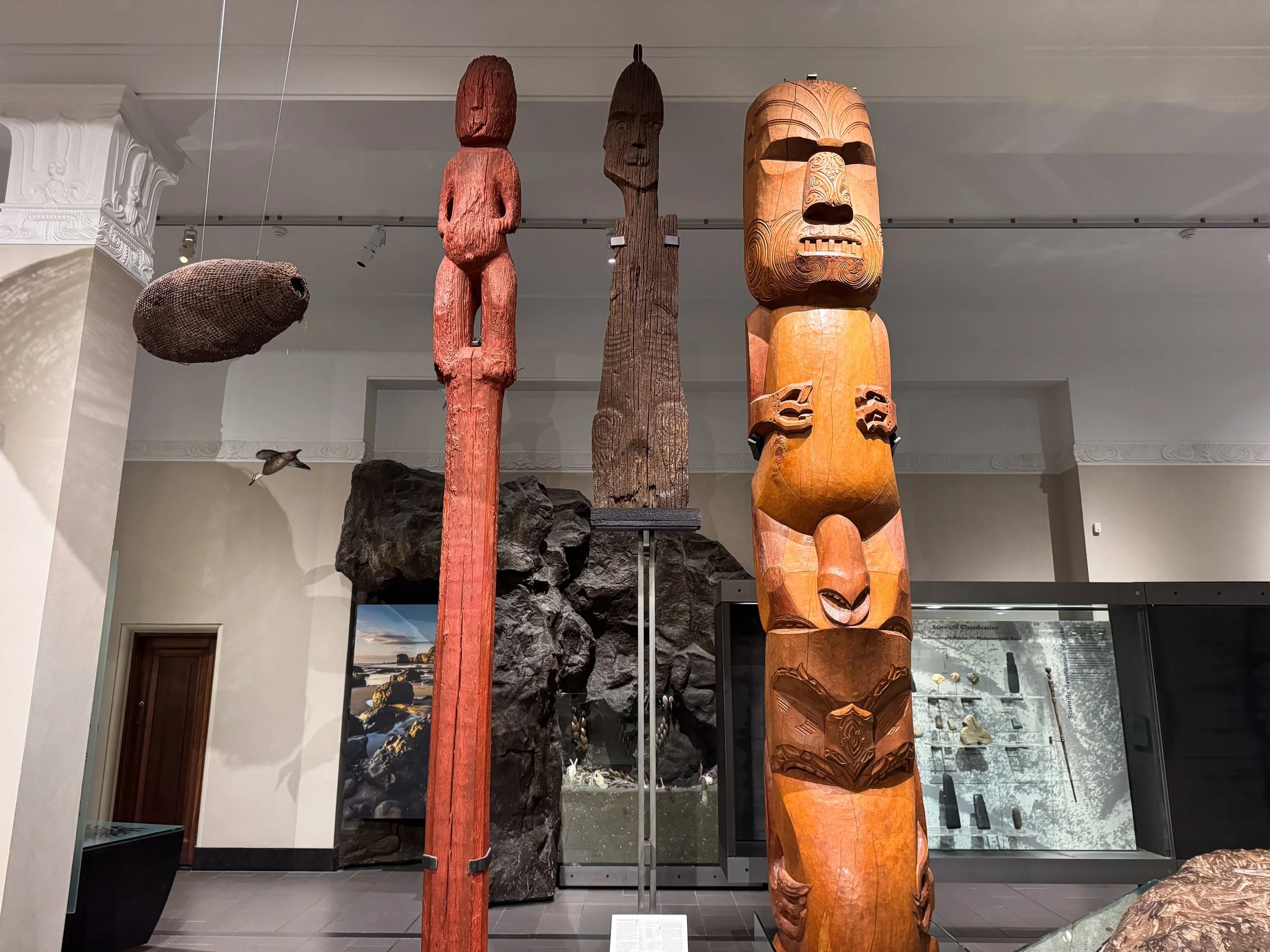
Māori Cultural Experience. A powerful cultural performance presented by Māori people. They shared their traditional dances followed by a heartfelt explanation of their meanings. A Māori orator recounts the origins of the Haka and its significance. She explains the movements and body language, the symbolism of their traditional attire and accessories, the meanings behind their tattoos and connection to their ancestry. The performance happens twice daily at the Auckland Museum.
Good to Know. Out of reverence for Māori culture and ancestors, photos and videos are not permitted during the performance.
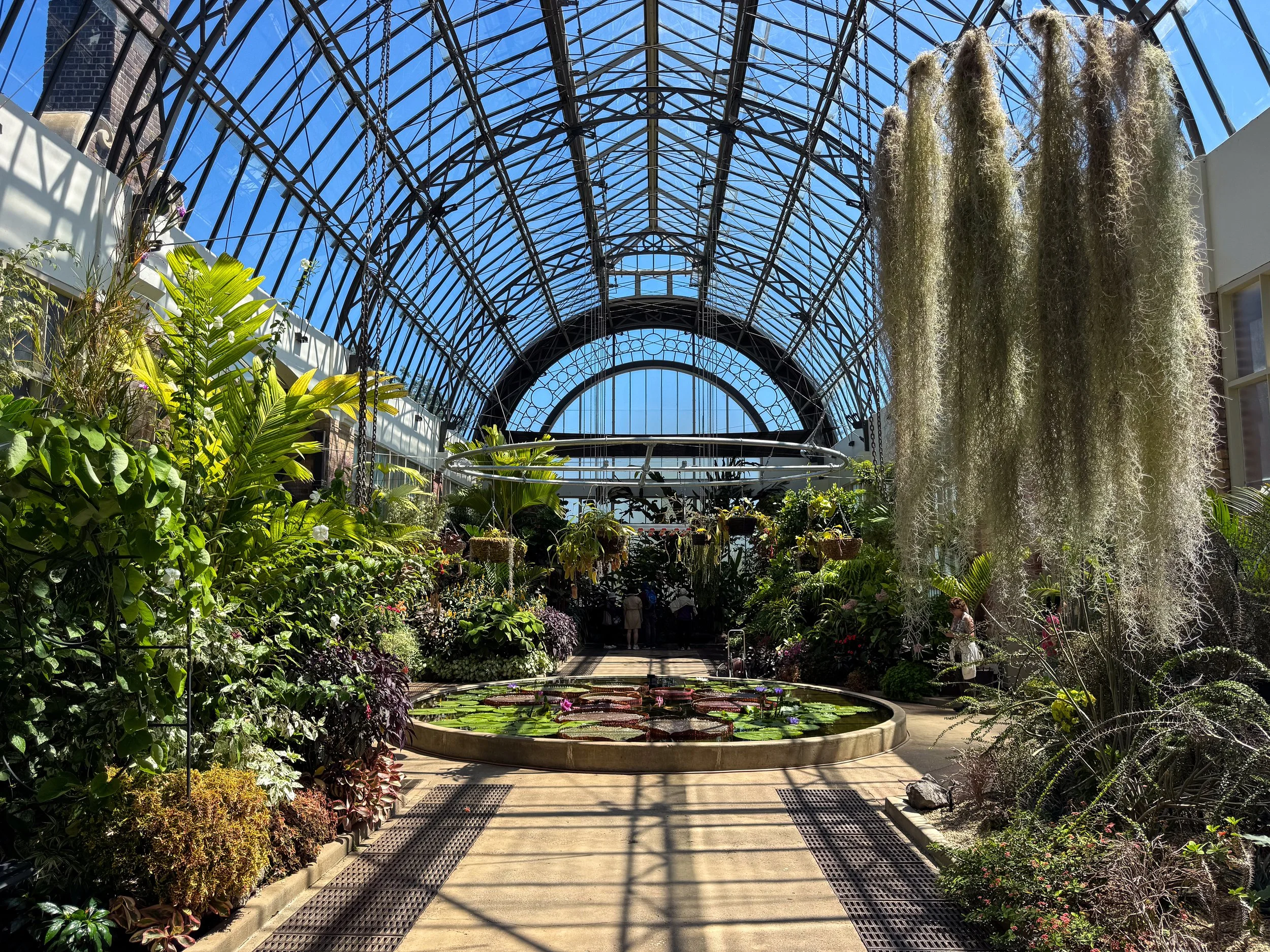
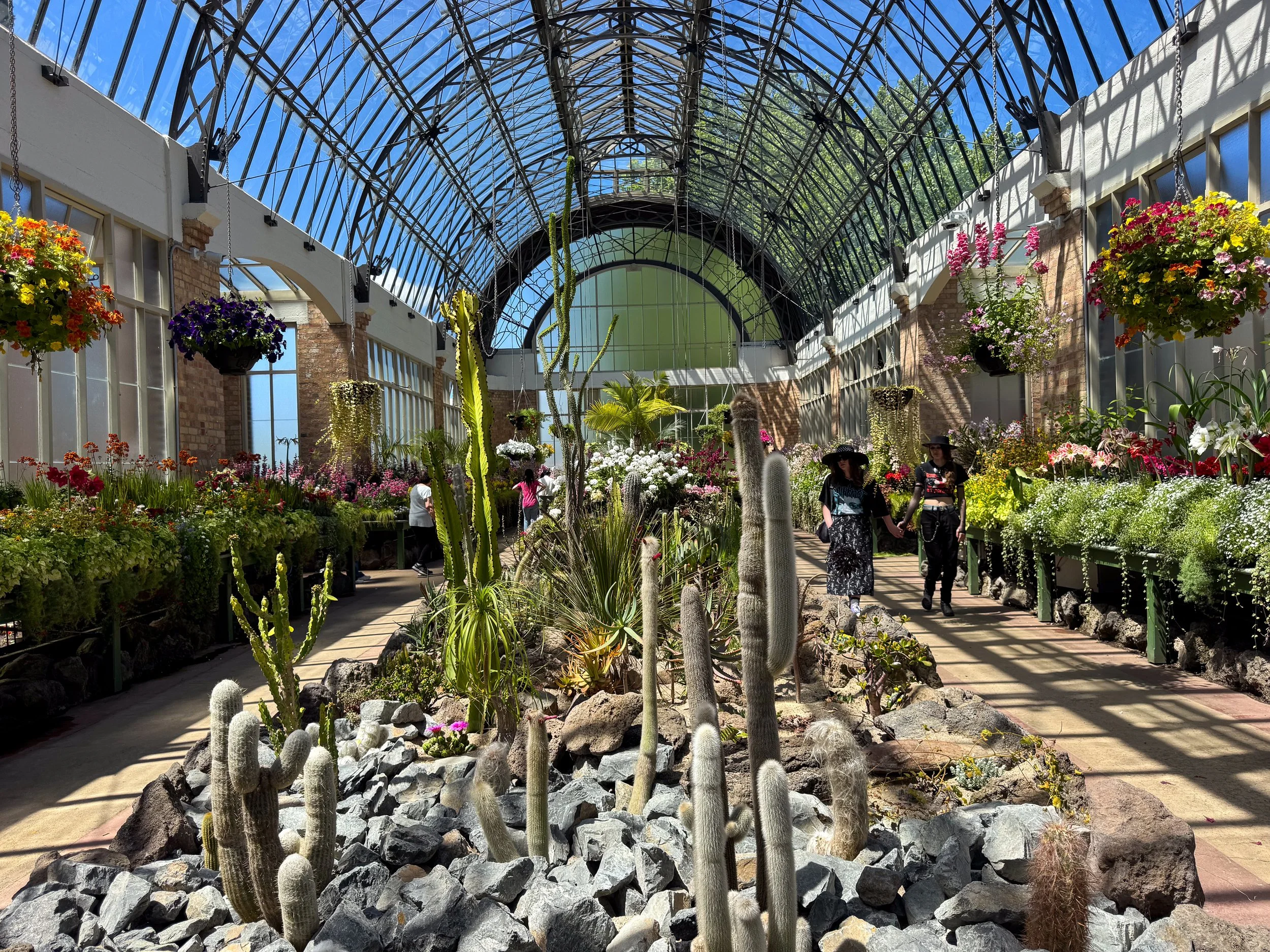
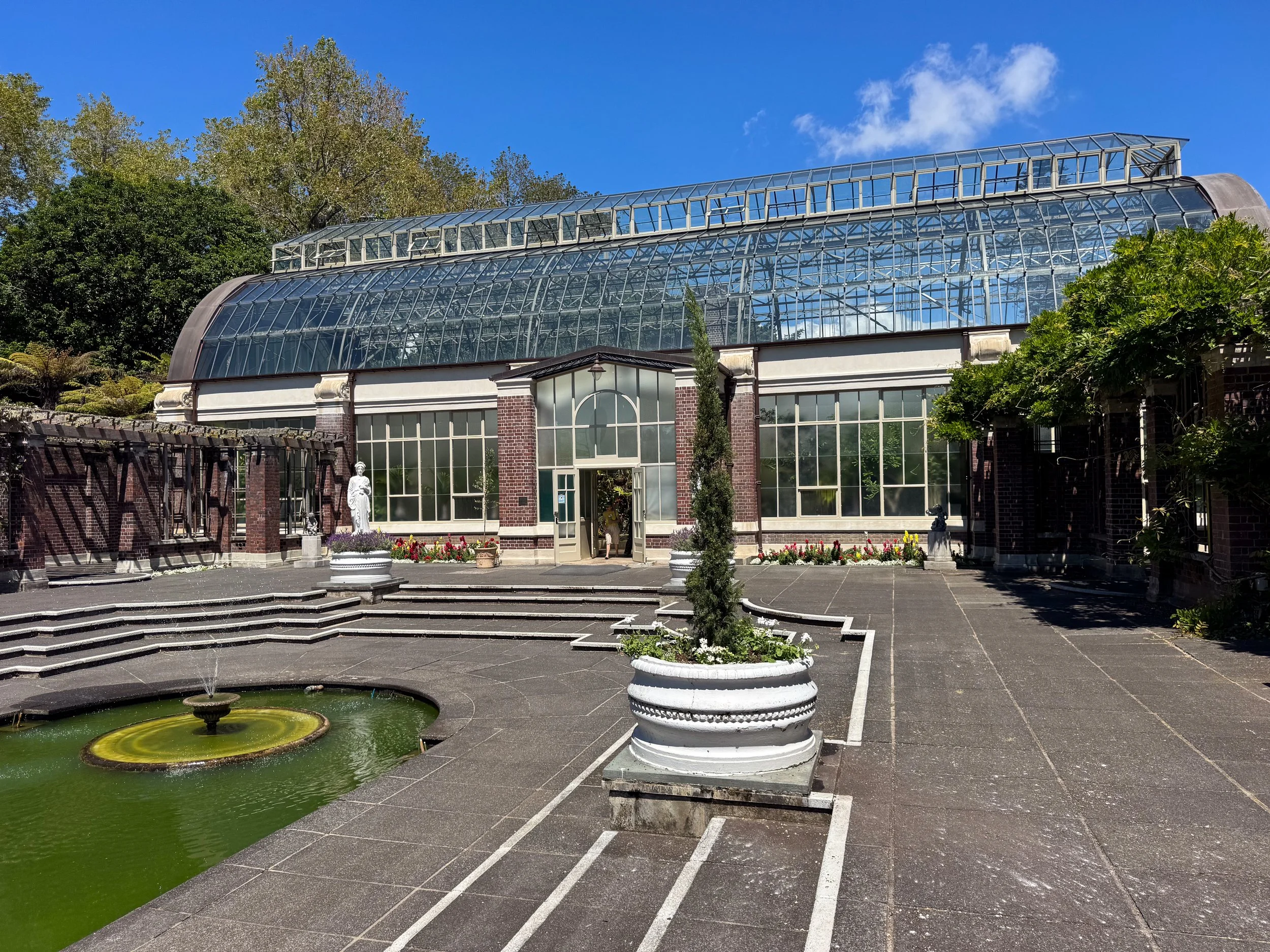
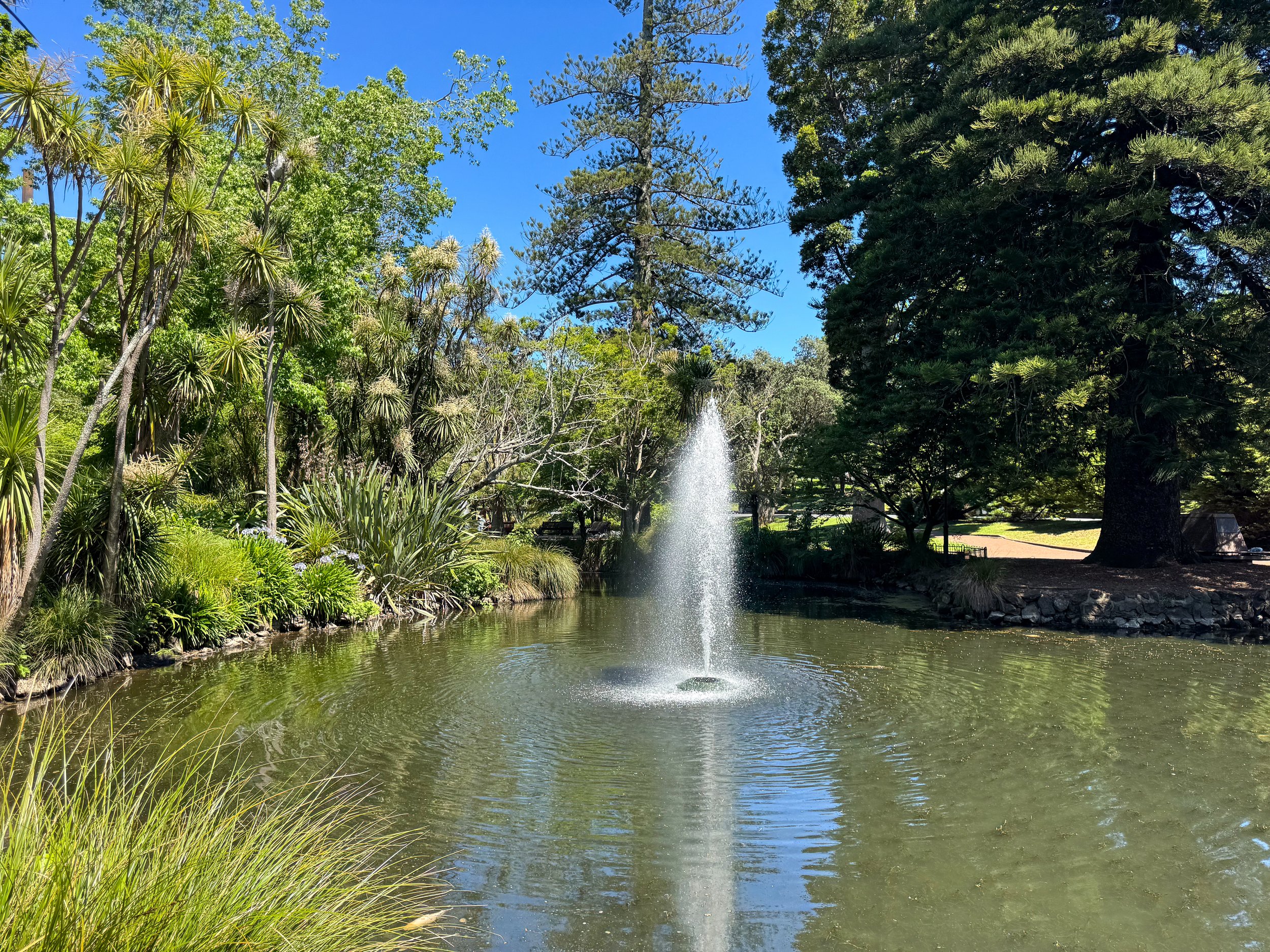
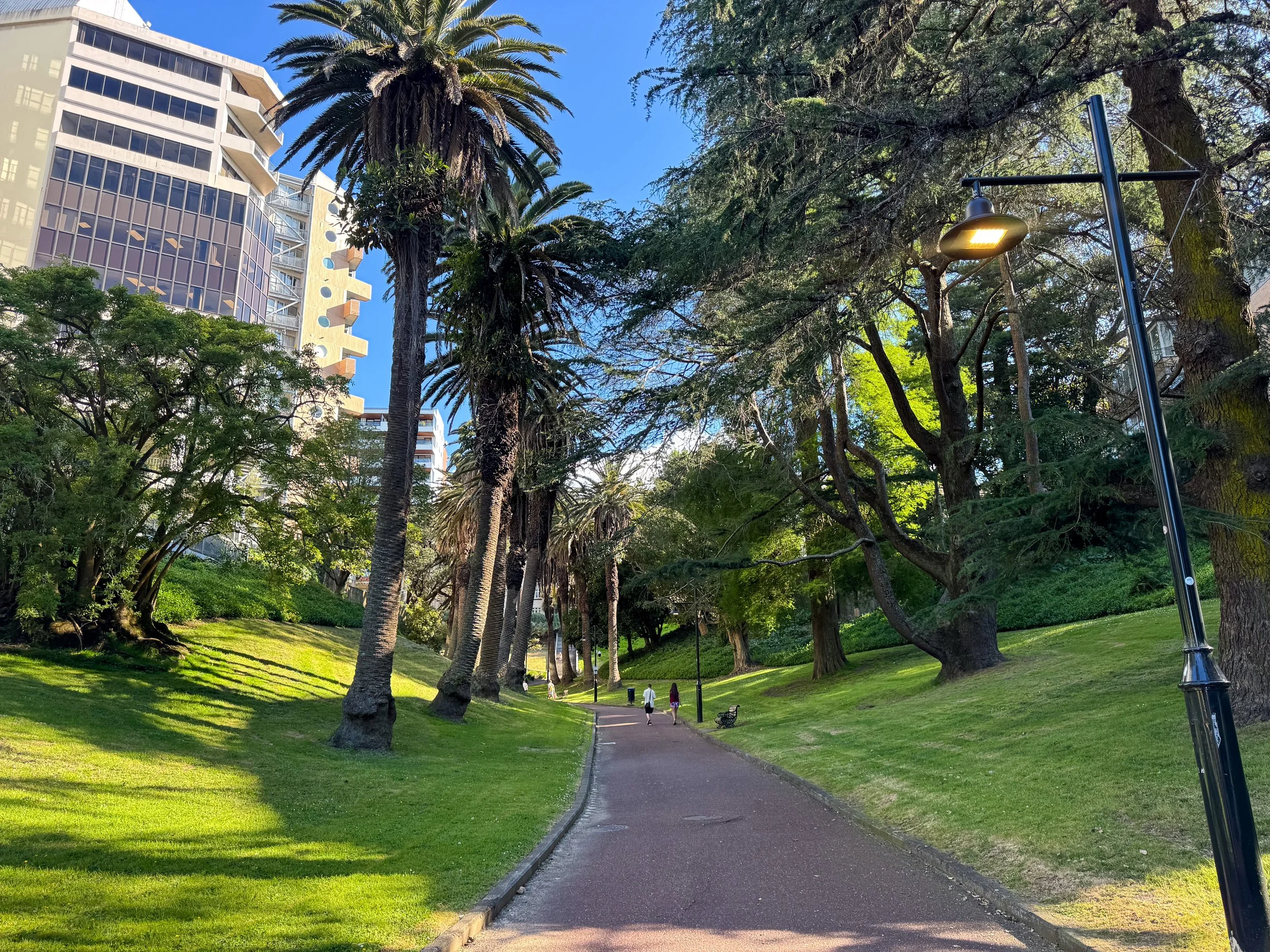
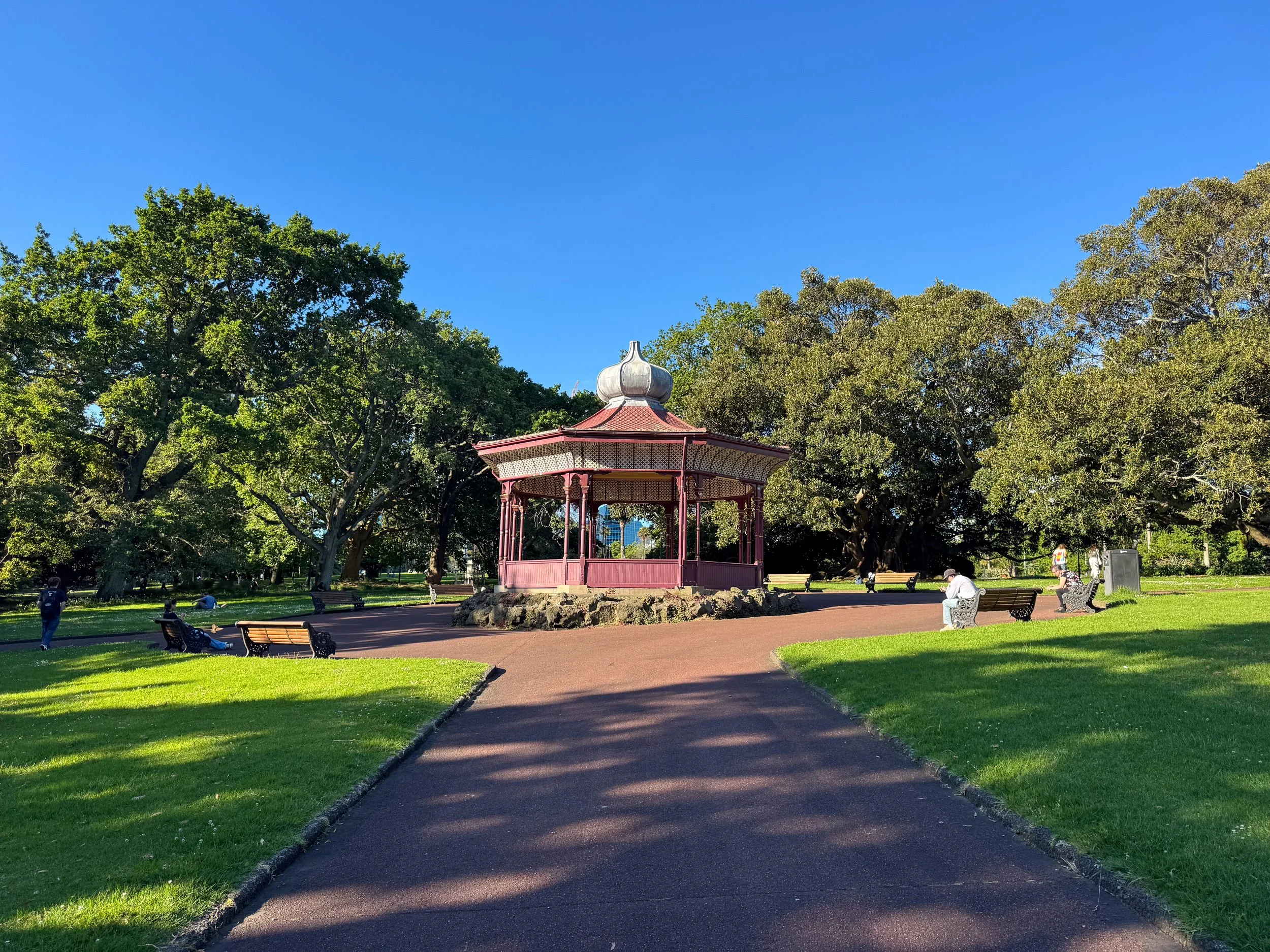
Auckland Domain. A large park developed on an extinct volcano in the middle of Auckland. It’s home to green lawns, treelined walkways, cricket fields, the Auckland Museum and Victorian style Wintergardens.
Myers Park. A city park in a valley flanked by skyscrapers. Steep grassy slopes and towering palm trees line a central walkway.
Albert Park. A beautiful park with tree lined walkways and shaded lawns on a hill near the University of Auckland. It’s a popular spot where college students gather for leisure and study.
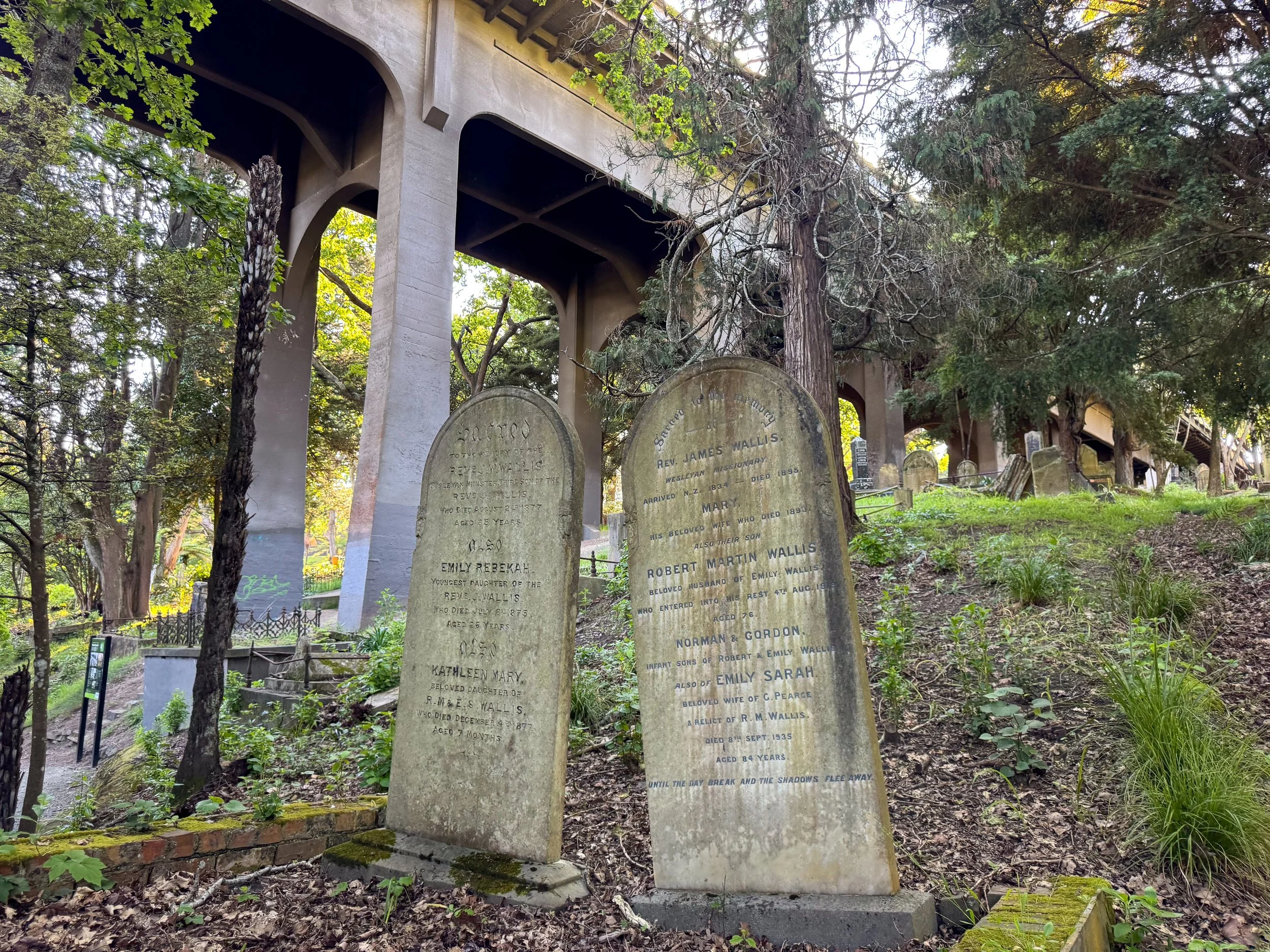
Grafton Gully. A verdant city park with trails leading through a historic cemetery and beneath an underpass. It’s not the prettiest place but does offer a very unique urban experience.
Places to Eat & Drink
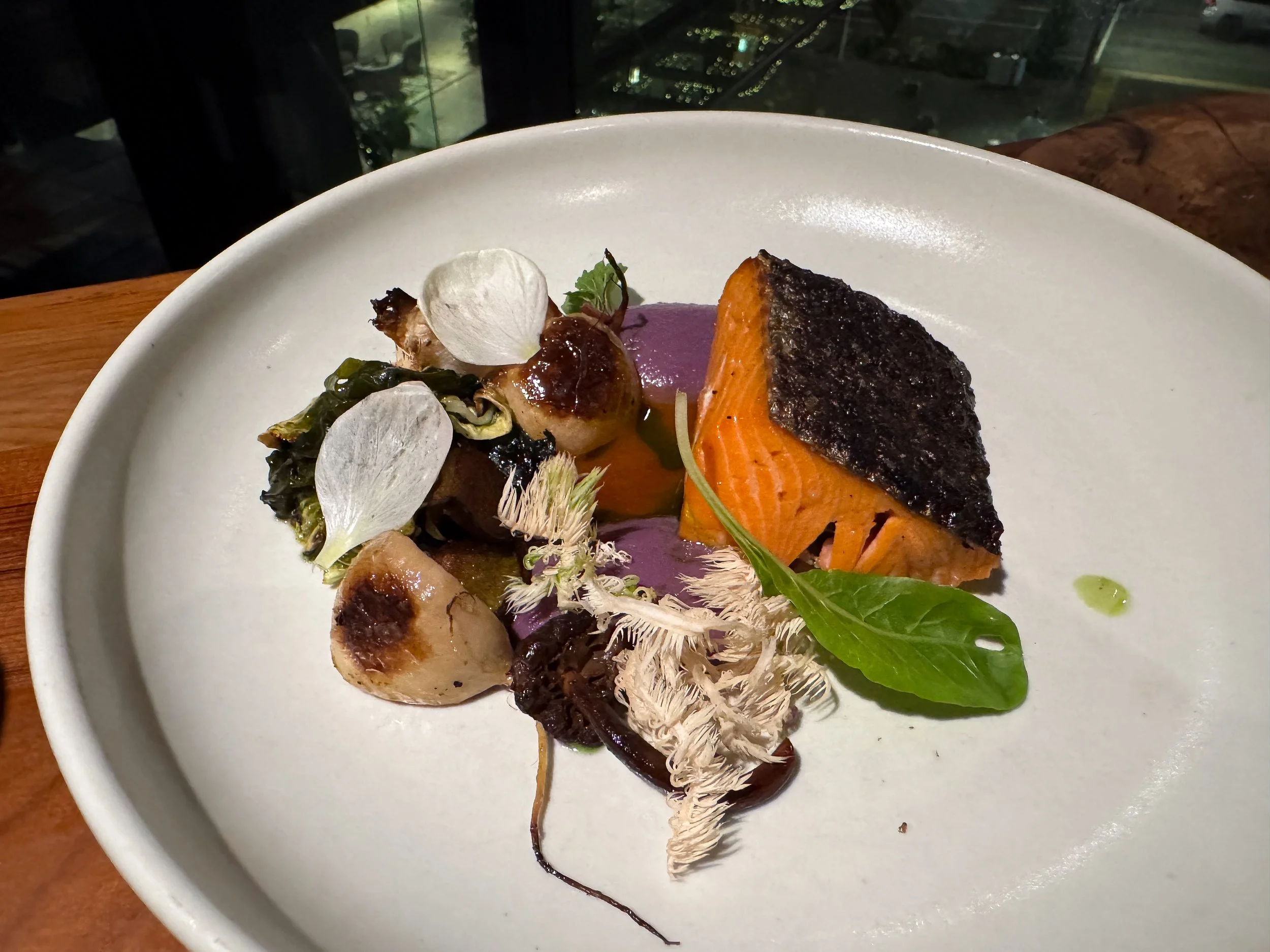
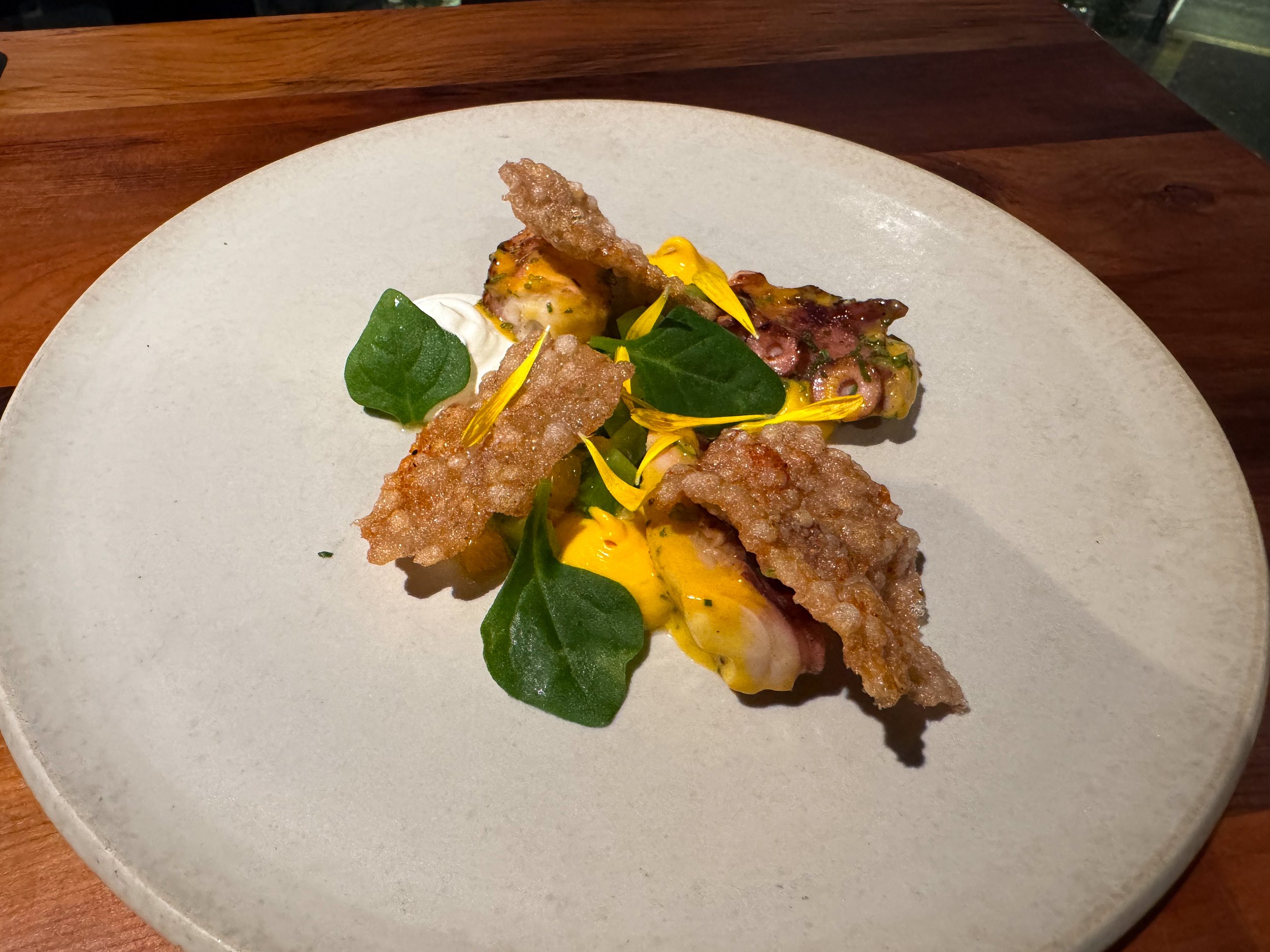
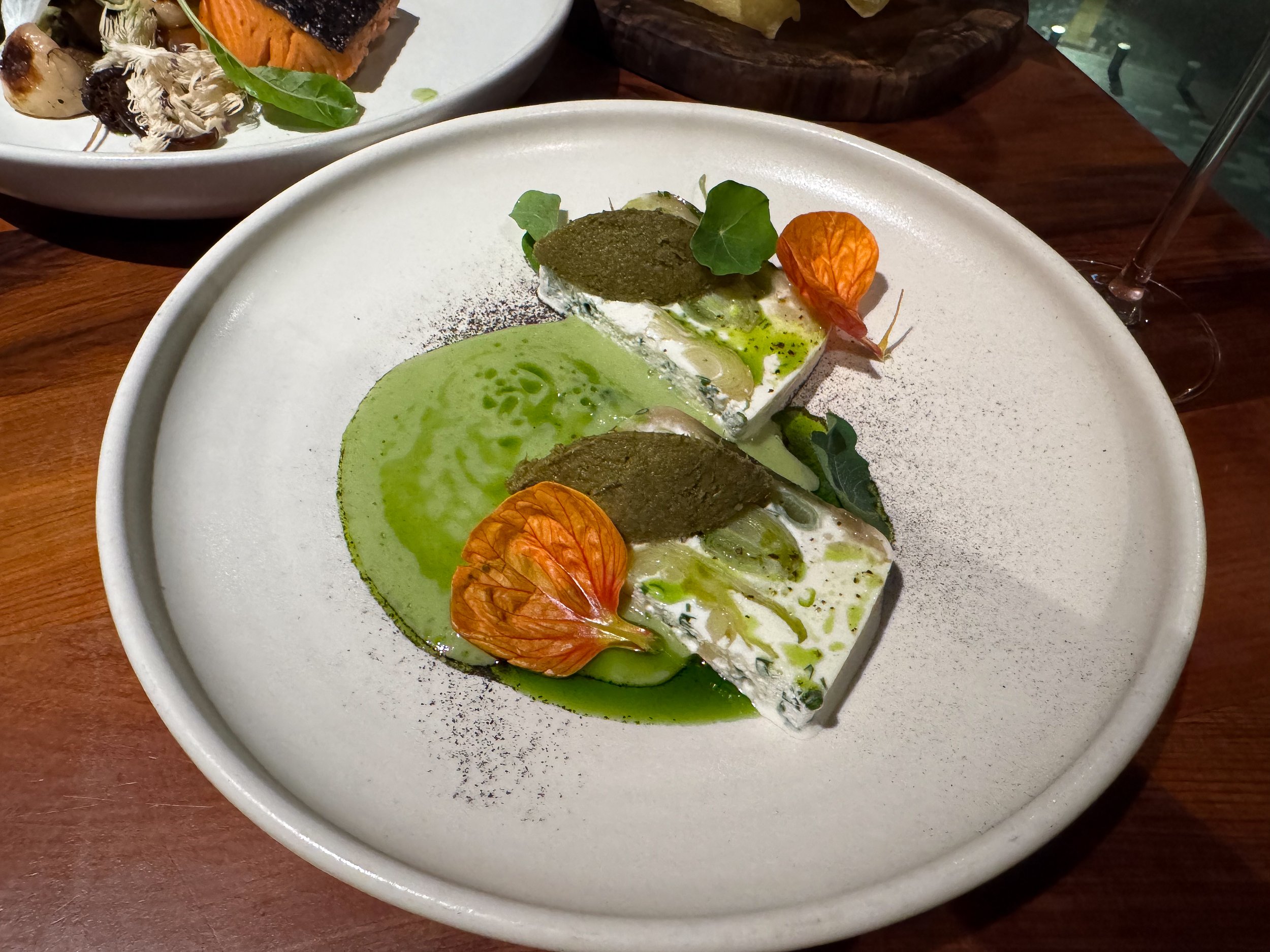
Ahi. An elevated restaurant offering contemporary kiwi cuisine made from seasonal and locally sourced ingredients. We built our own tasting menu from their range of snacks, starters and mains. Try the whitebait, octopus, salmon and fire roasted leeks. Reservations are needed.
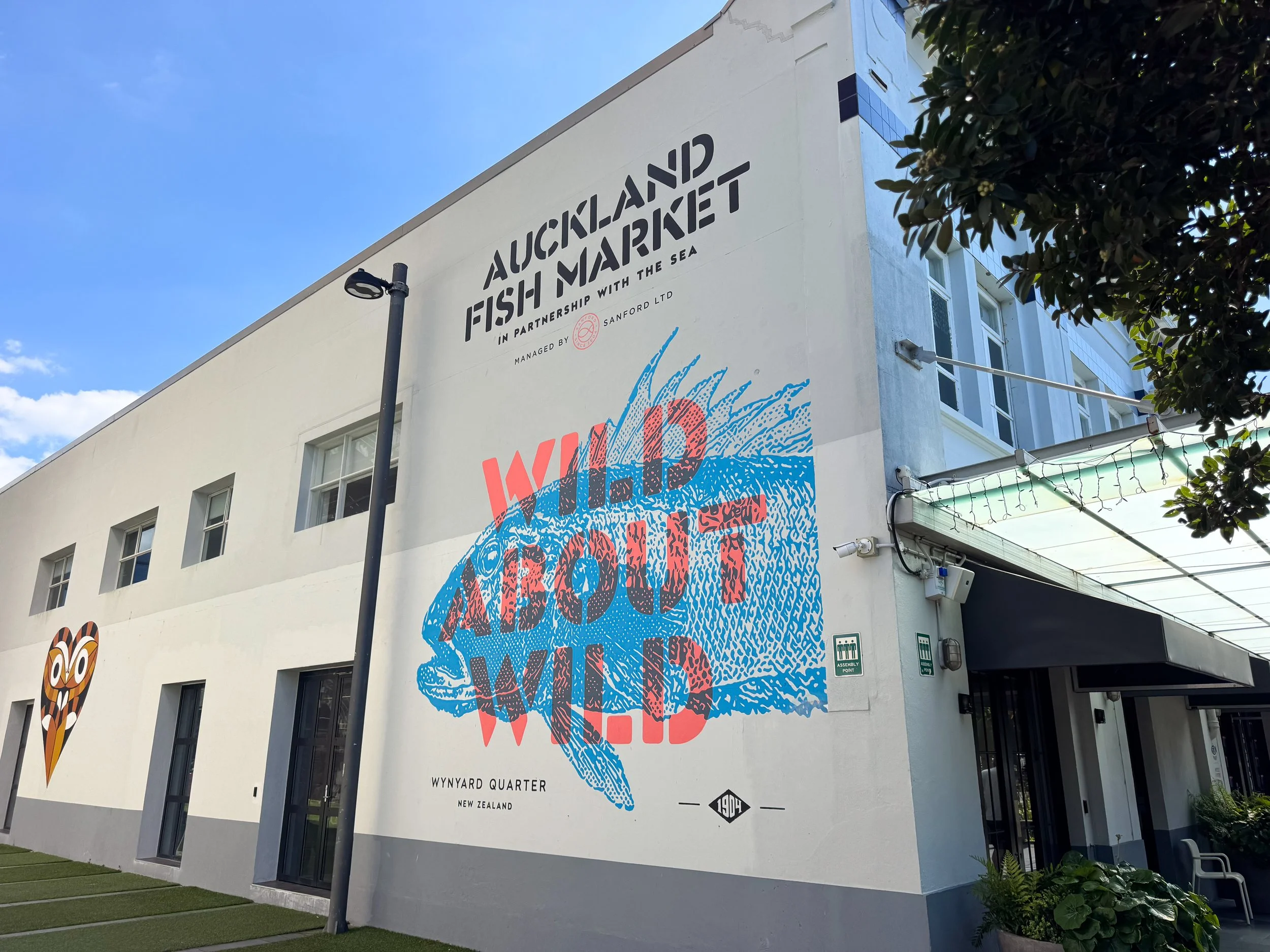
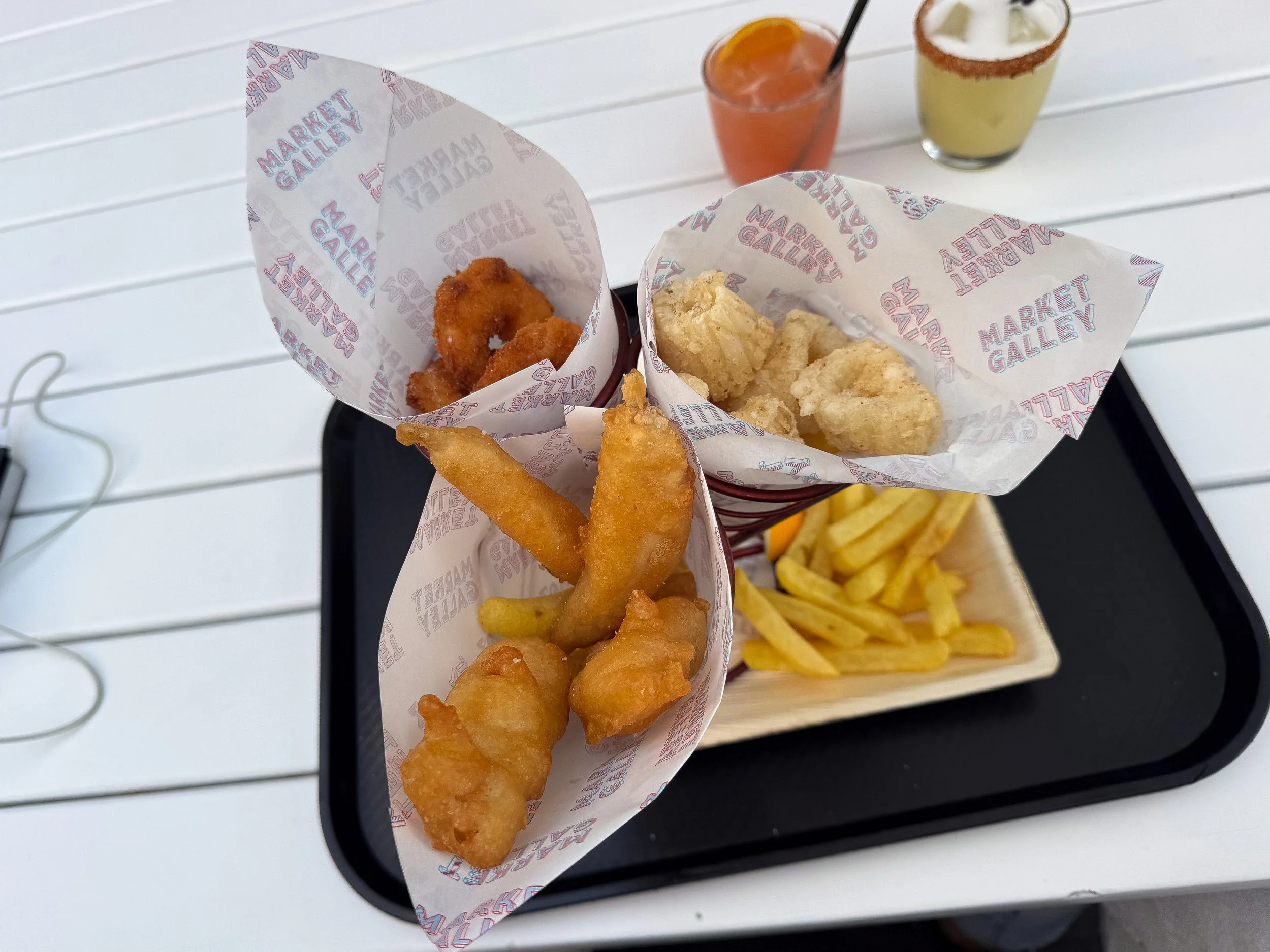
Auckland Fish Market. A market with fishmongers and restaurants serving raw and cooked seafood like pāua, mussels, prawns, whole and filleted fish. Try the “Seafood Heaven” at the Market Galley for an assortment of coconut prawns, snapper fish & chips and salt and pepper squid. Sip on local beers and cocktails from The Wreck.
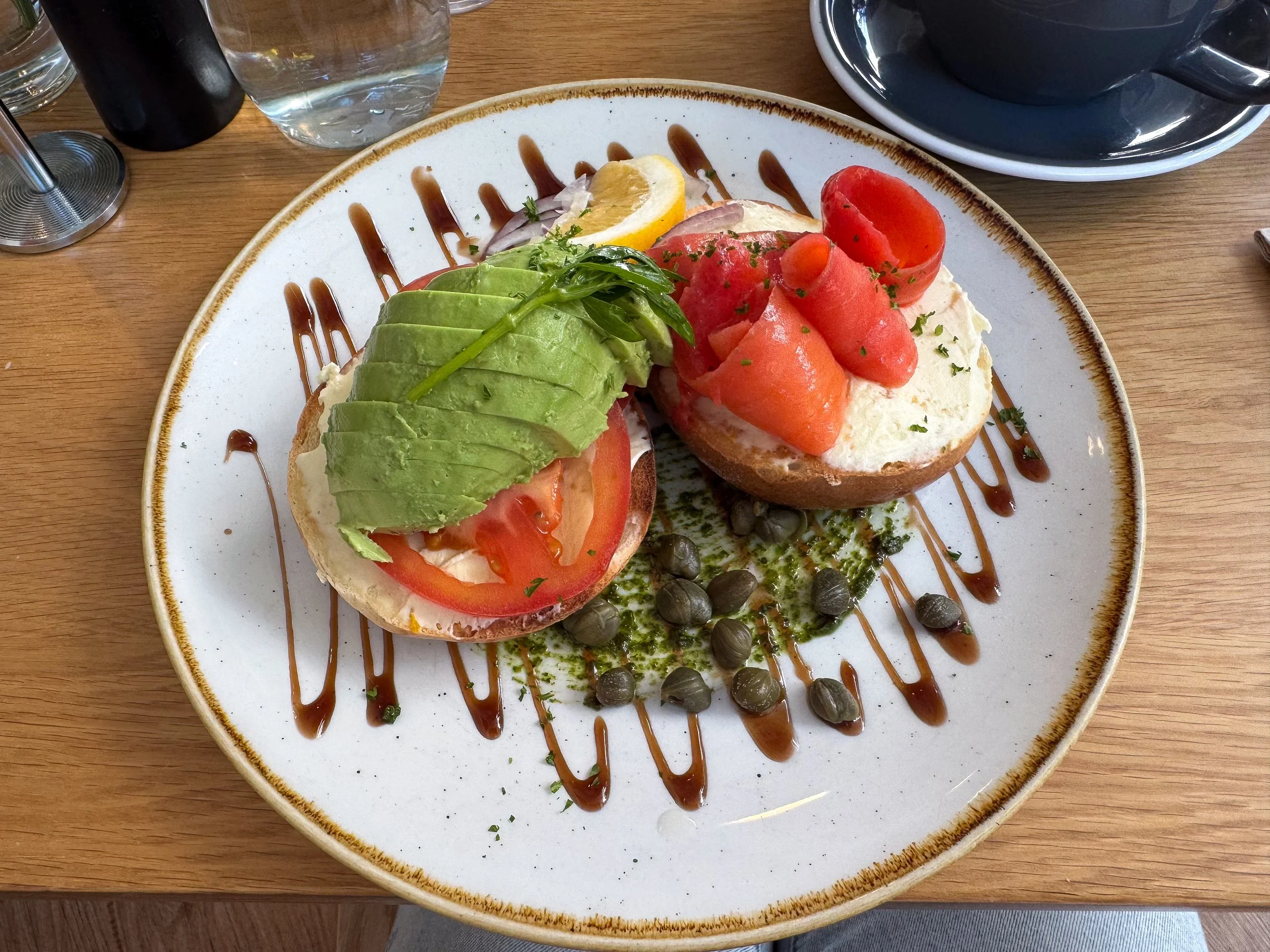
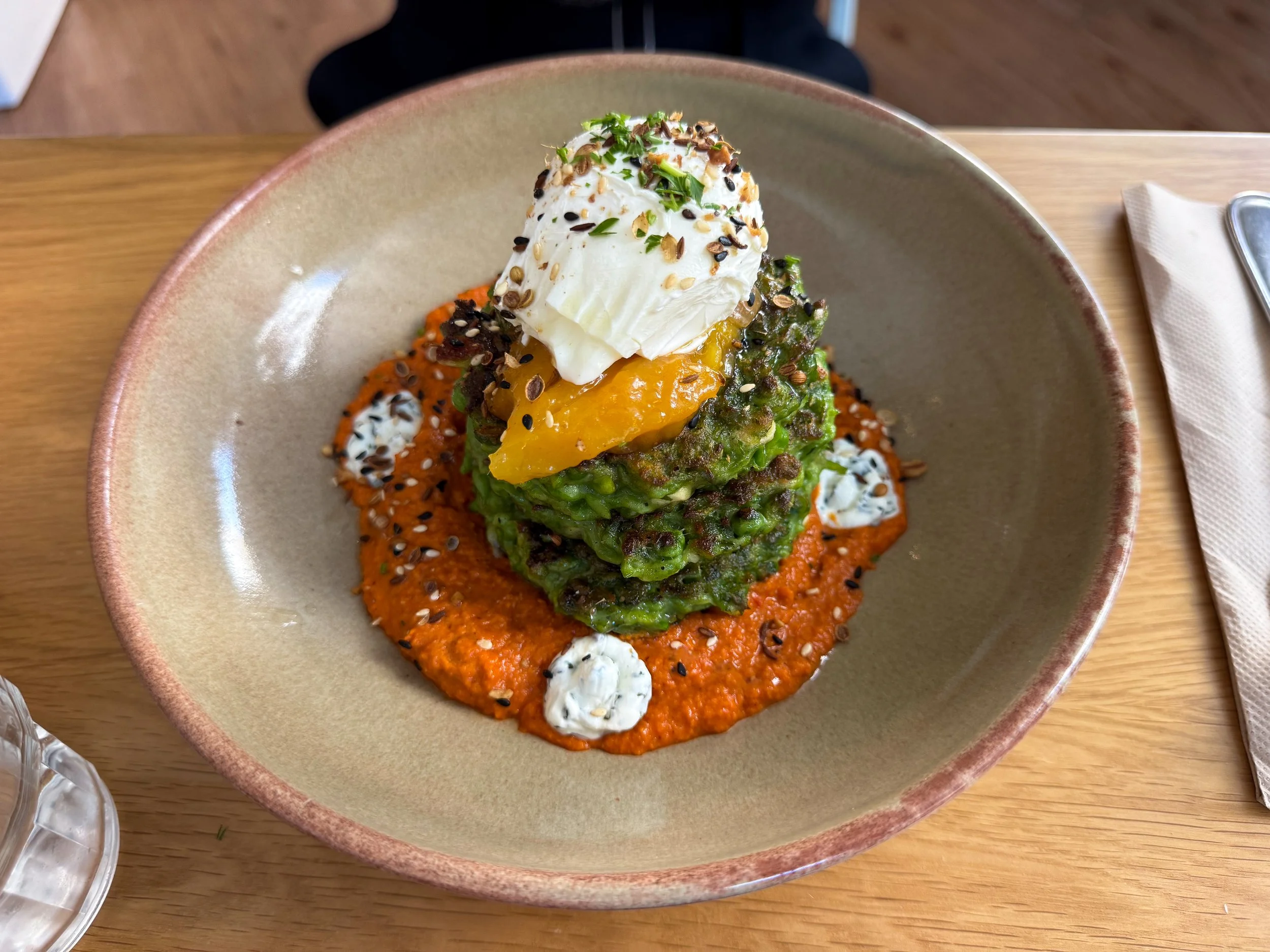
Honey Café. A breakfast and brunch spot with an all day menu of sweet and savory dishes like bagels, burgers, toasts, salads and eggs. Try the salmon bagel and pea fritters paired with a long black or flat white.
Daily Bread. A café and bakery with a large spread of pastries, sandwiches and breads. Try the cinnamon roll, peach danish and orange loaf.
Giapo. An ice cream shop with exotic flavors and fanciful shaped cones shaped like an octopus, bat or helicopter. Try the Hokey Pokey and Kūmara Orange.
Miann. A sweets shop with creative pastries and cakes. Try the Triple Chocolatemade to look like a cocoa pod and Cactus Plant Pot, layered with a range of floral, nut and spiced flavors.
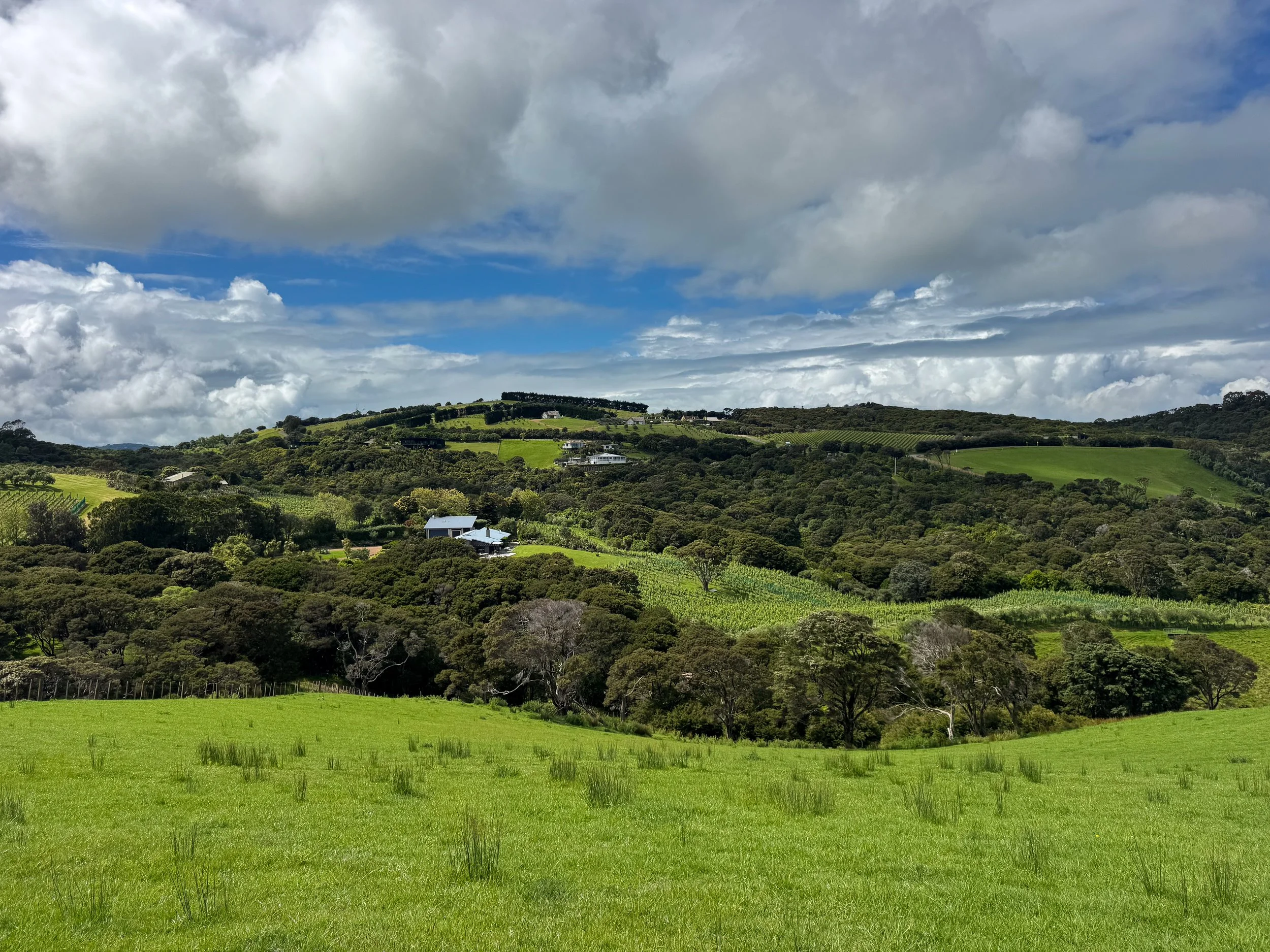
Waiheke Island
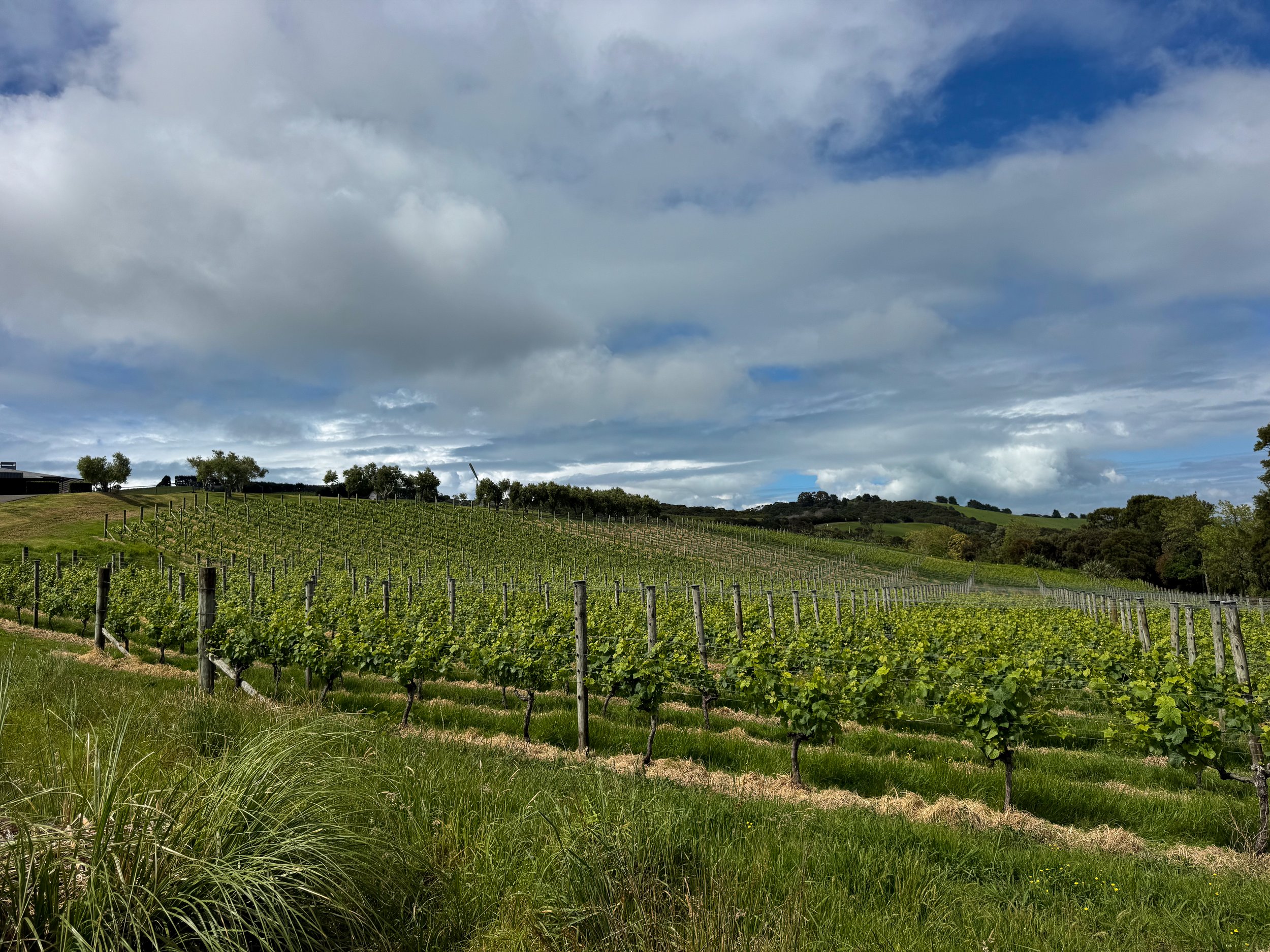
A tranquil island home to verdant vineyards and sandy shores. It’s the perfect destination to combine wine tastings with beach time. The island is easily visited on a day trip from Auckland.
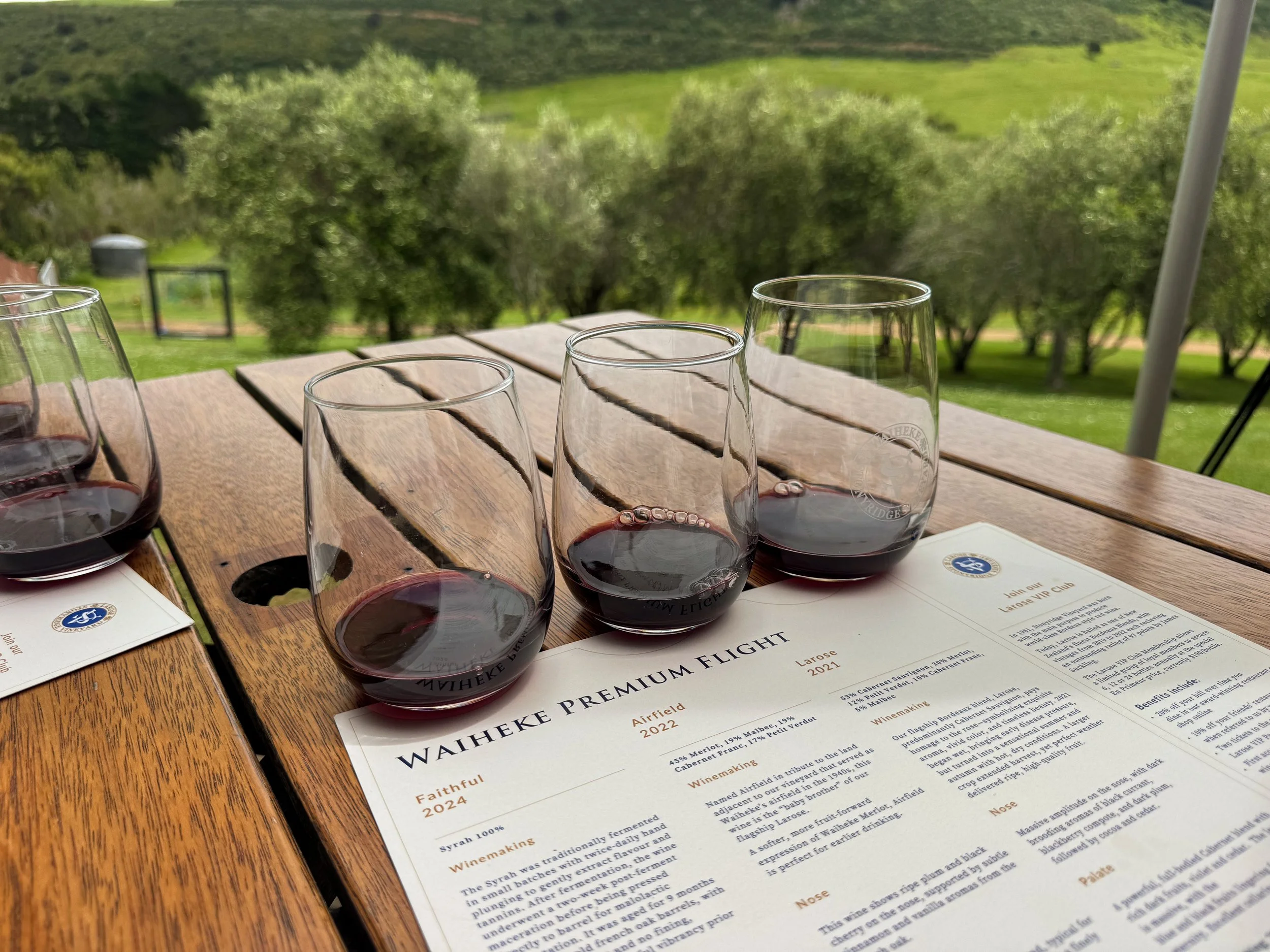
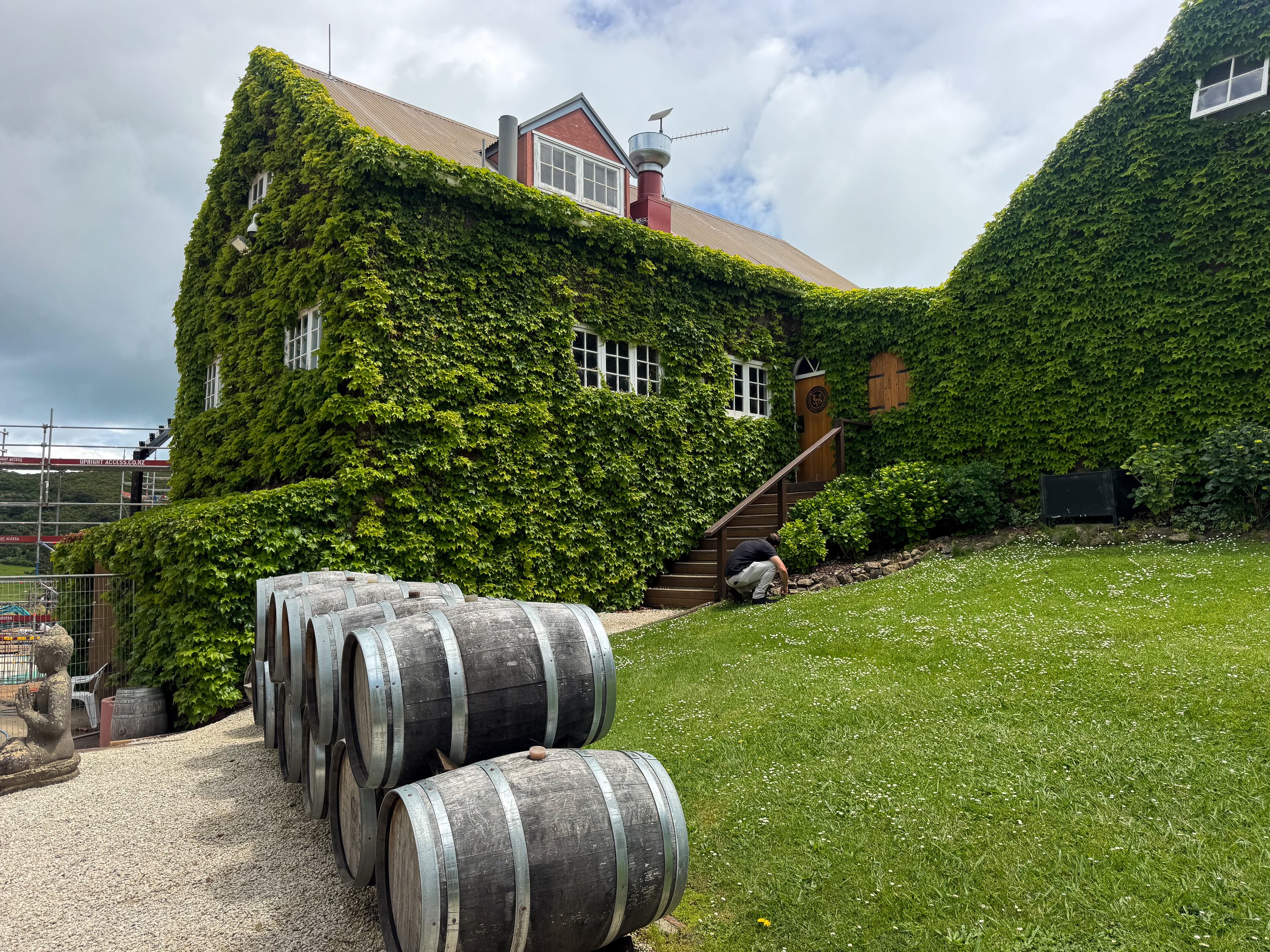
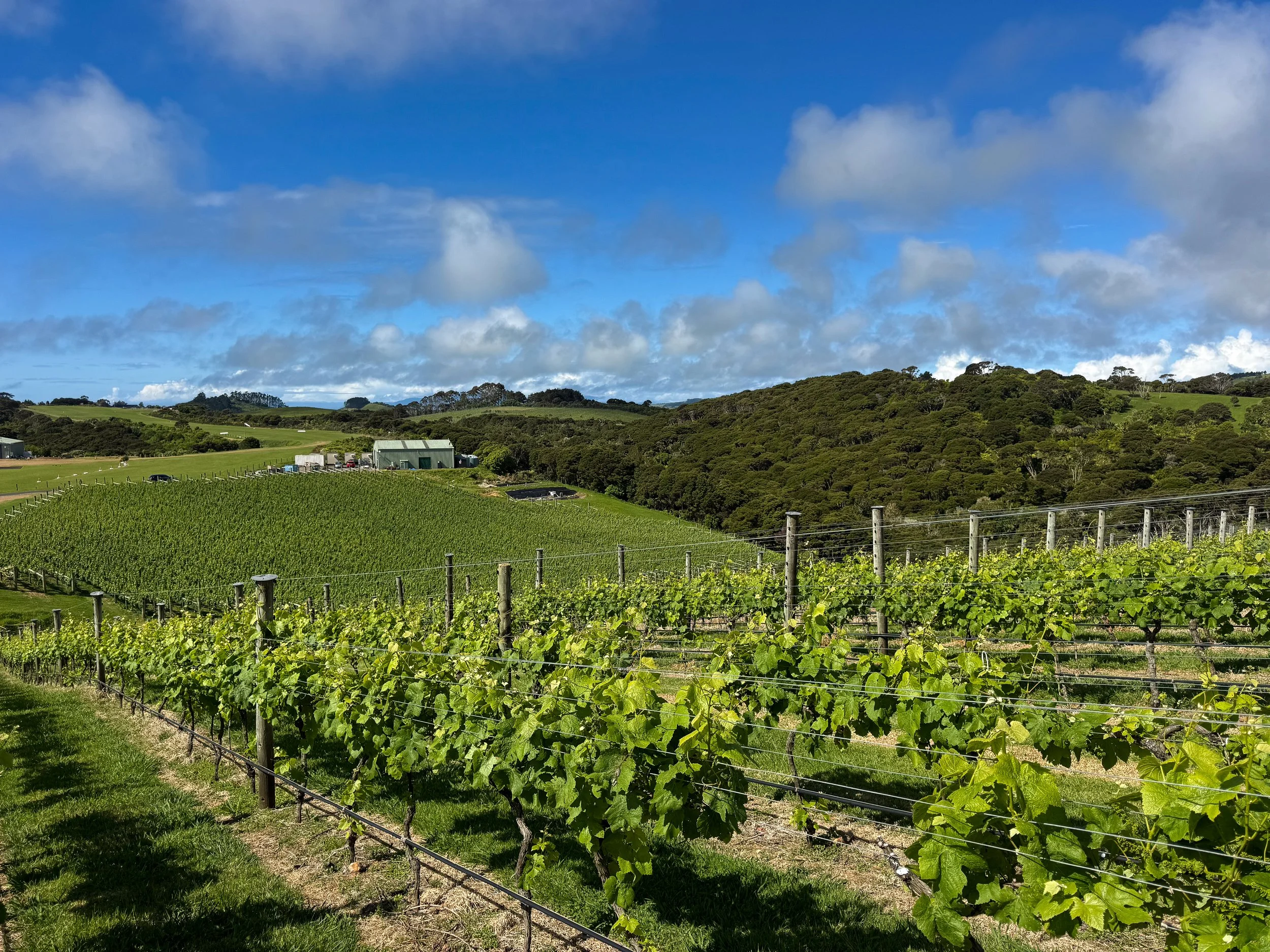
Waiheke Vineyards
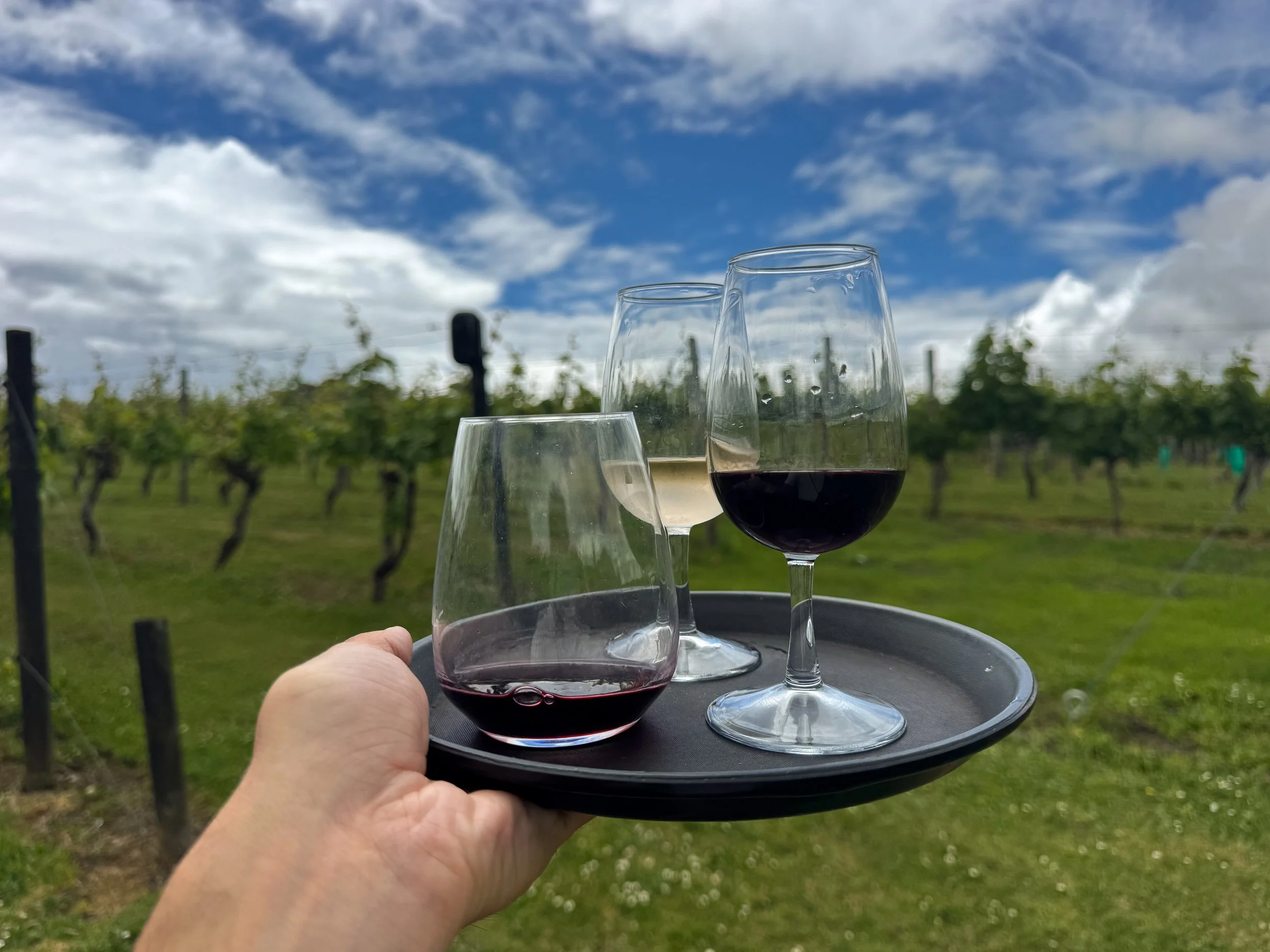
Cable Bay Vineyard. A vineyard with a variety of wines made from grapes grown on the island and in New Zealand’s largest wine producing region, Marlborough. They offer a variety of tastings including their rosé, white and red varieties in their cellar tasting room.
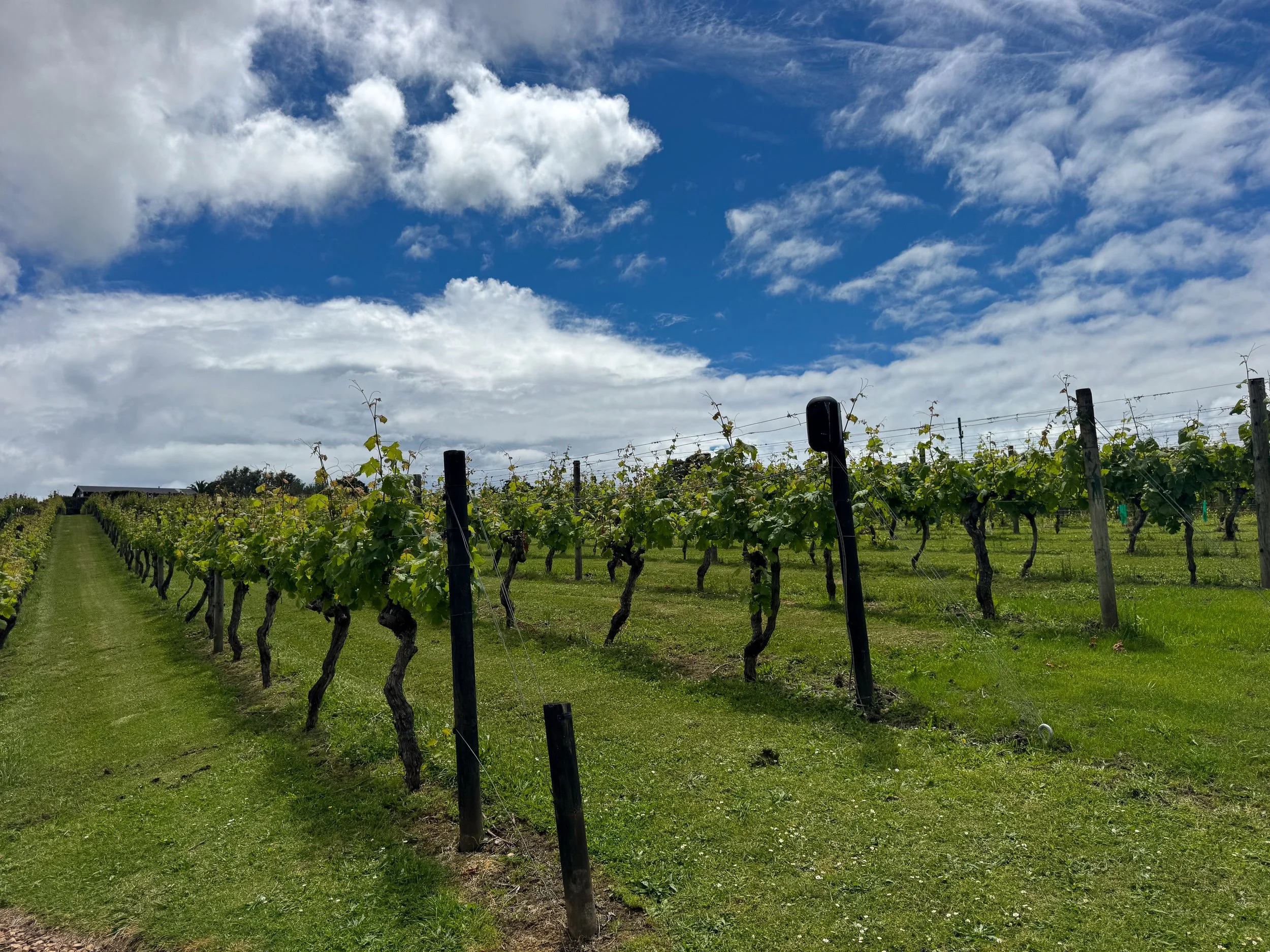
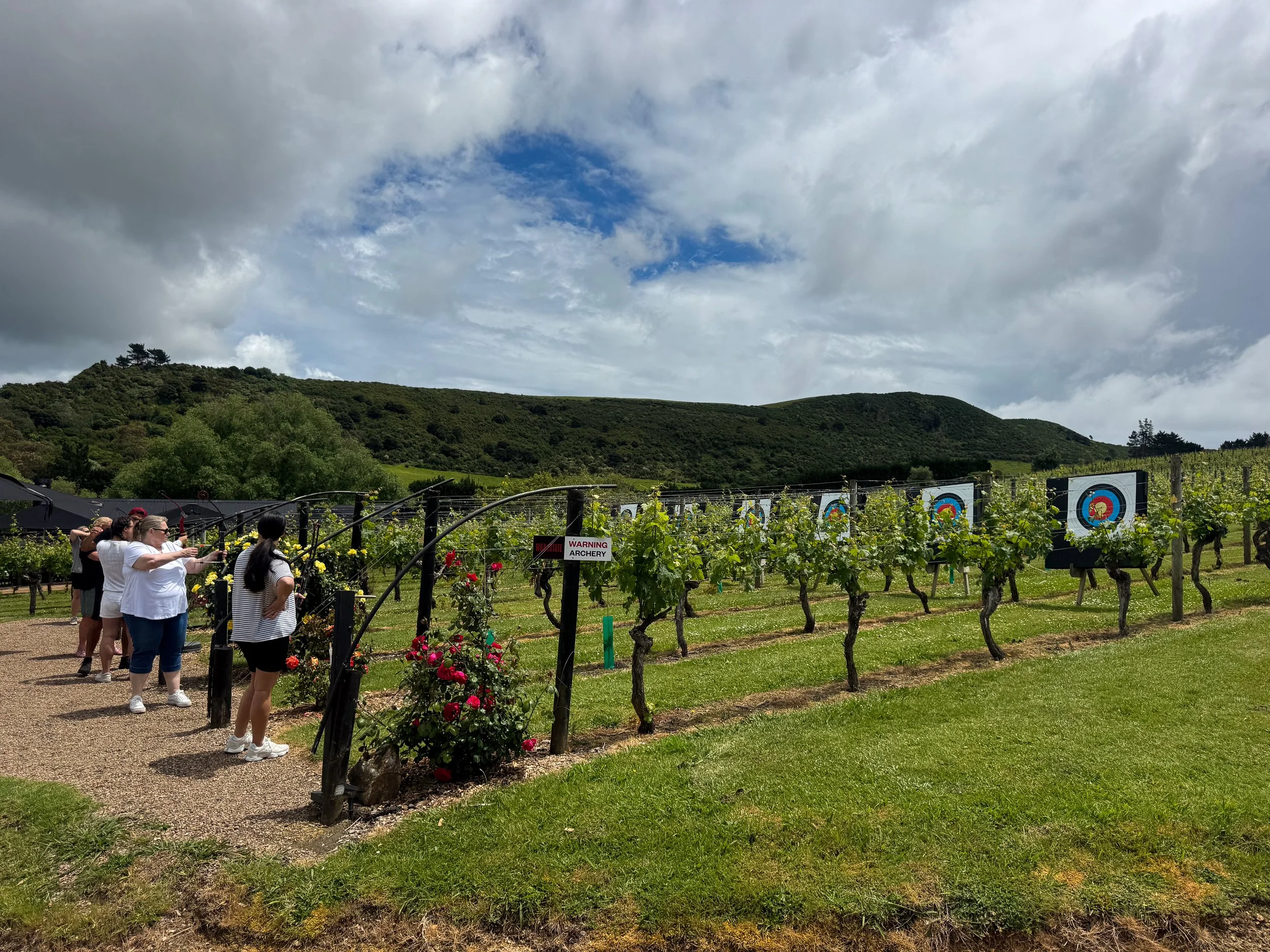
Wild Estate Vineyard. A vineyard with an outdoor tasting room next to rows of grape vines. Come here to sip on their full bodied Waiheke Island wines and play lawn games like giant Jenga, cornhole and even archery.
Stoney Ridge Vineyard. A winemaker specializing in full bodied and premium red wines with grapes grown on the island. Sip on their premium flight while overlooking the grassy valley. Don’t miss the 2021 Larose, regarded as New Zealand’s best wine.
Batch Winery. The highest elevation vineyard on the island with views of the hills and bay. Come here to sip on their bubbly rosé while overlooking the landscape.
Fullers 360 Ferry. A ferry operator with routes between Auckland and Waiheke Island. Book their Western Explorer pass which includes a hop on hop off bus ticket around the western side of the island. It includes wine tastings at three vineyards.
Beaches & Restaurants
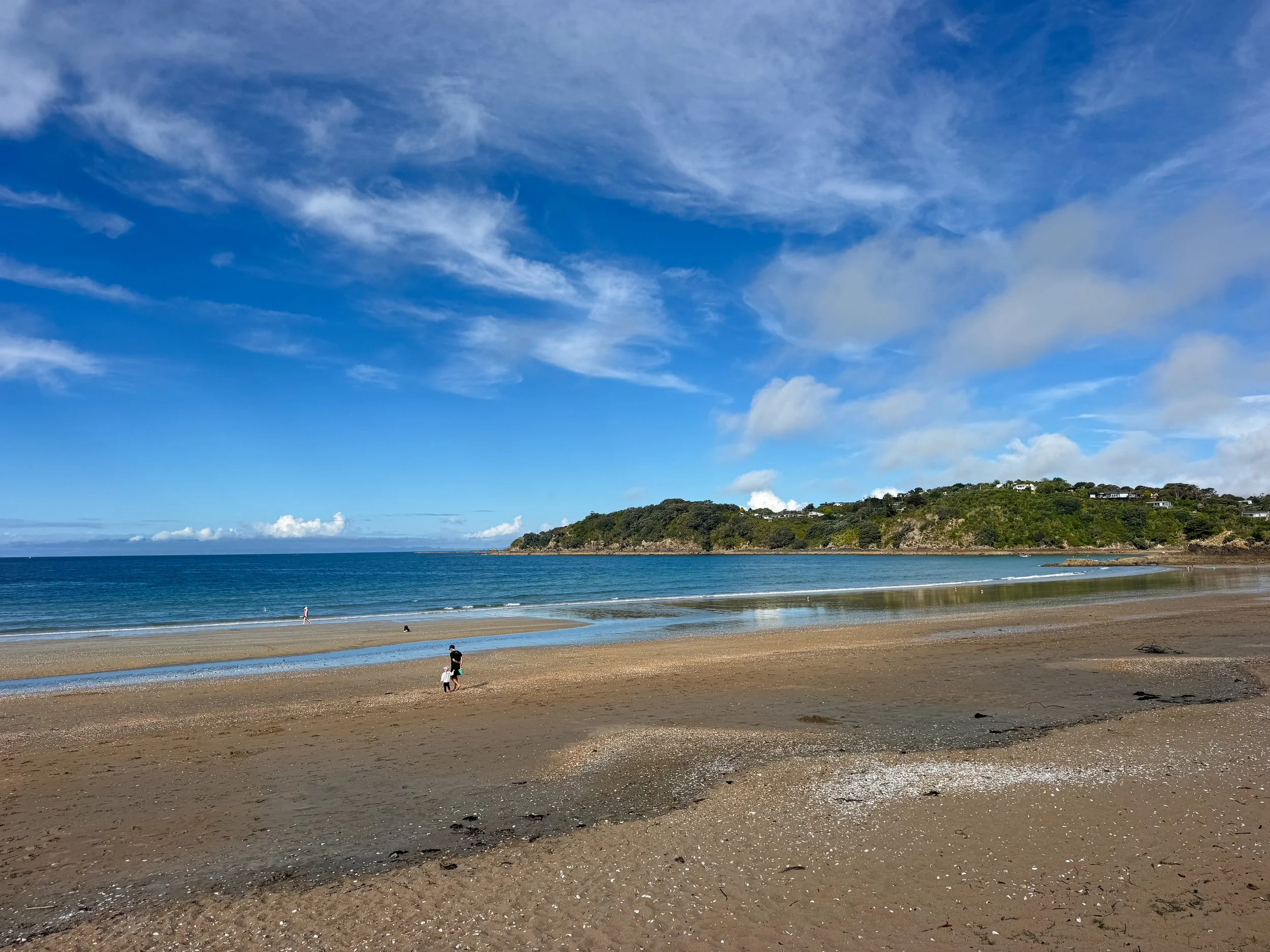
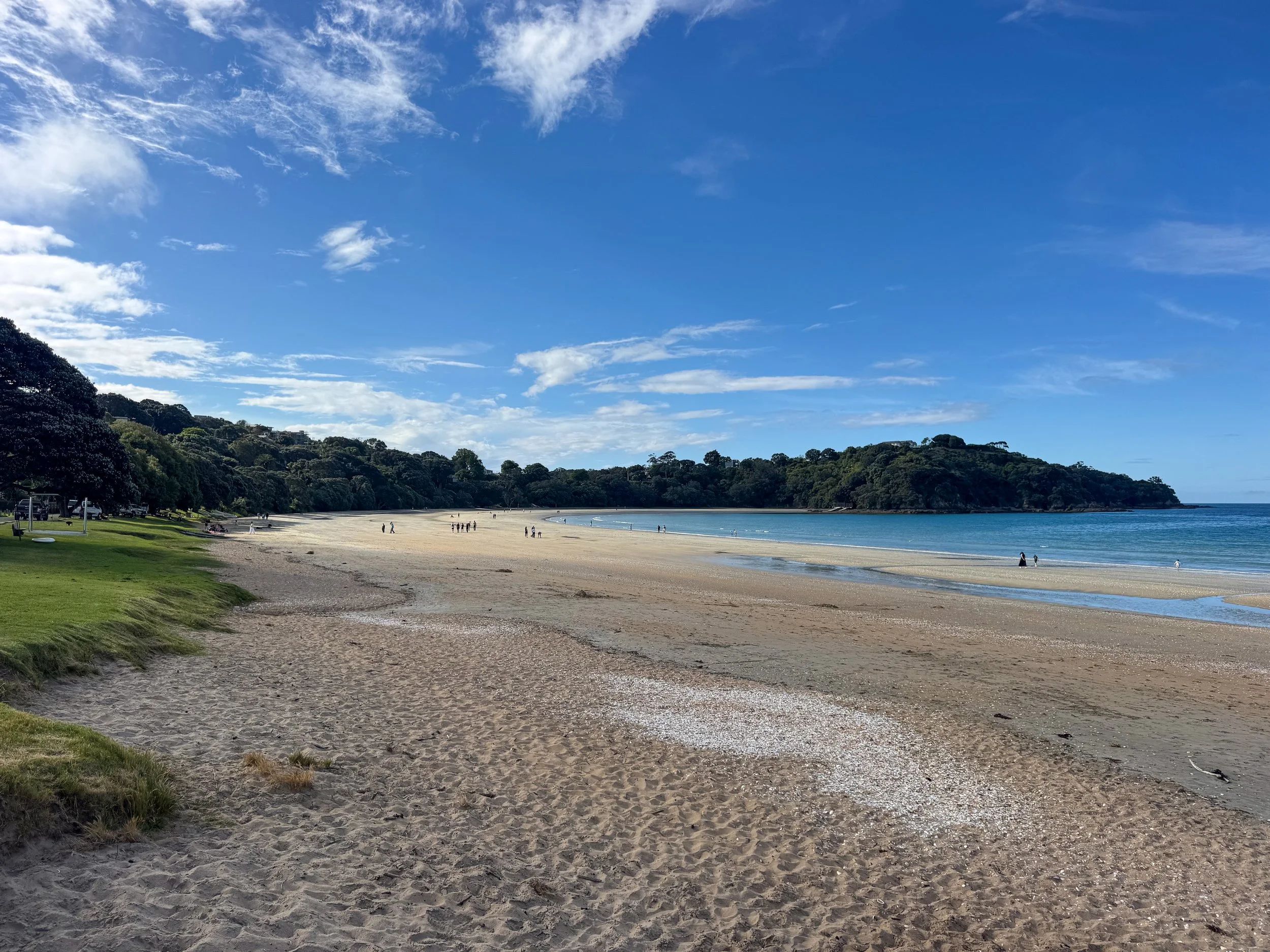
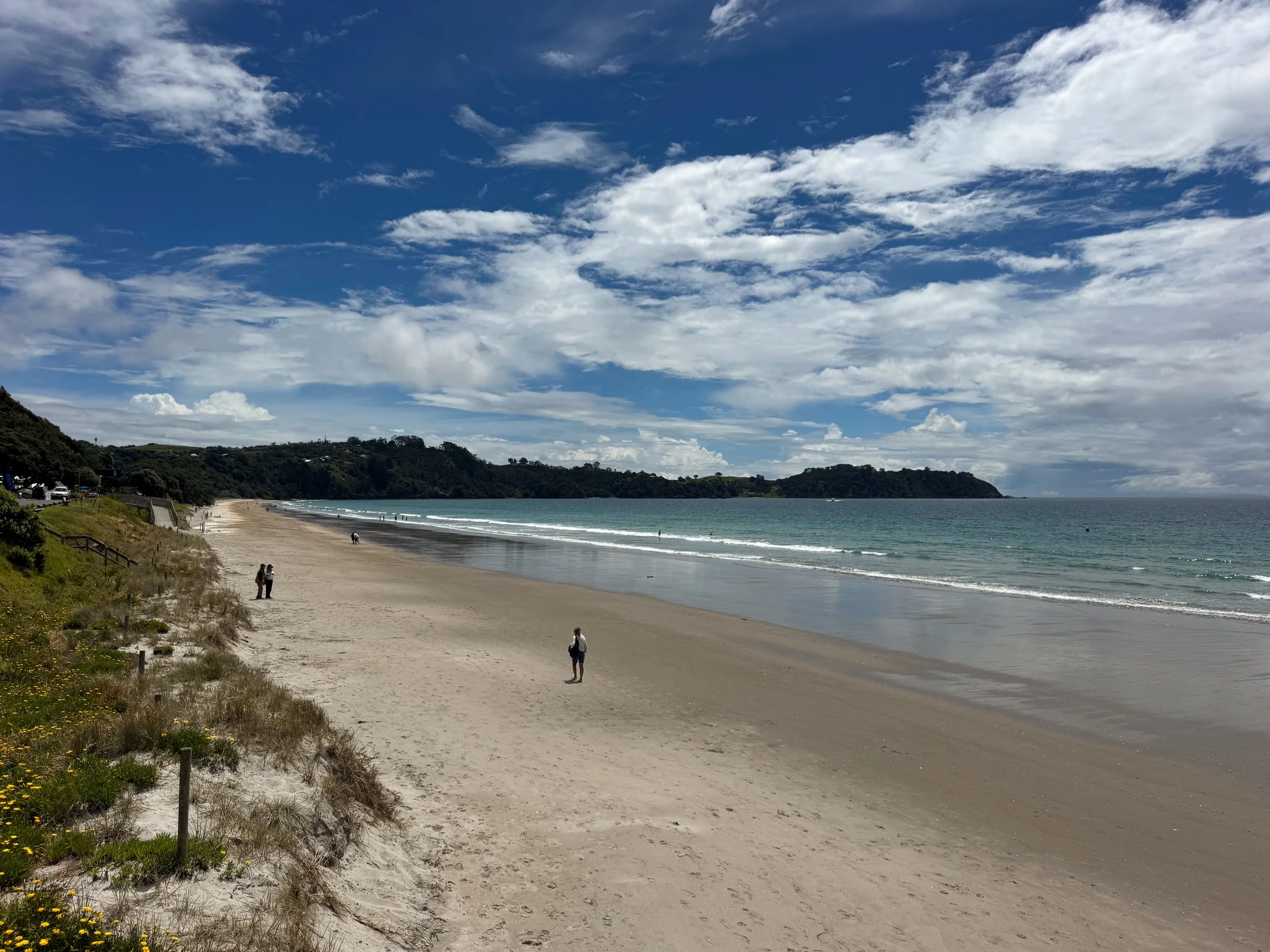
Oneroa Beach. A wide crescent shaped beach covered in sea shells. It’s a relaxing place to listen to the waves and walk along the shore.
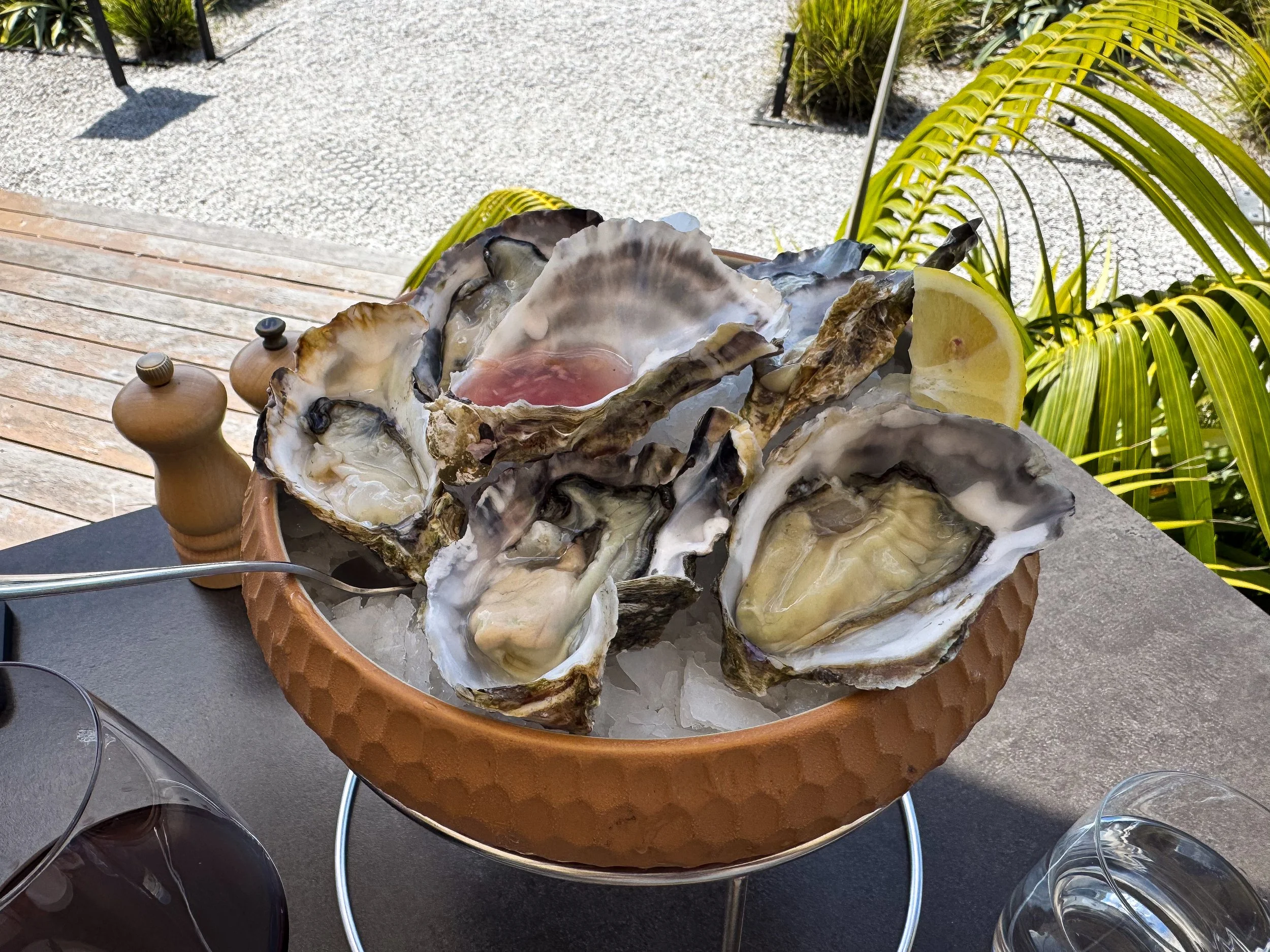
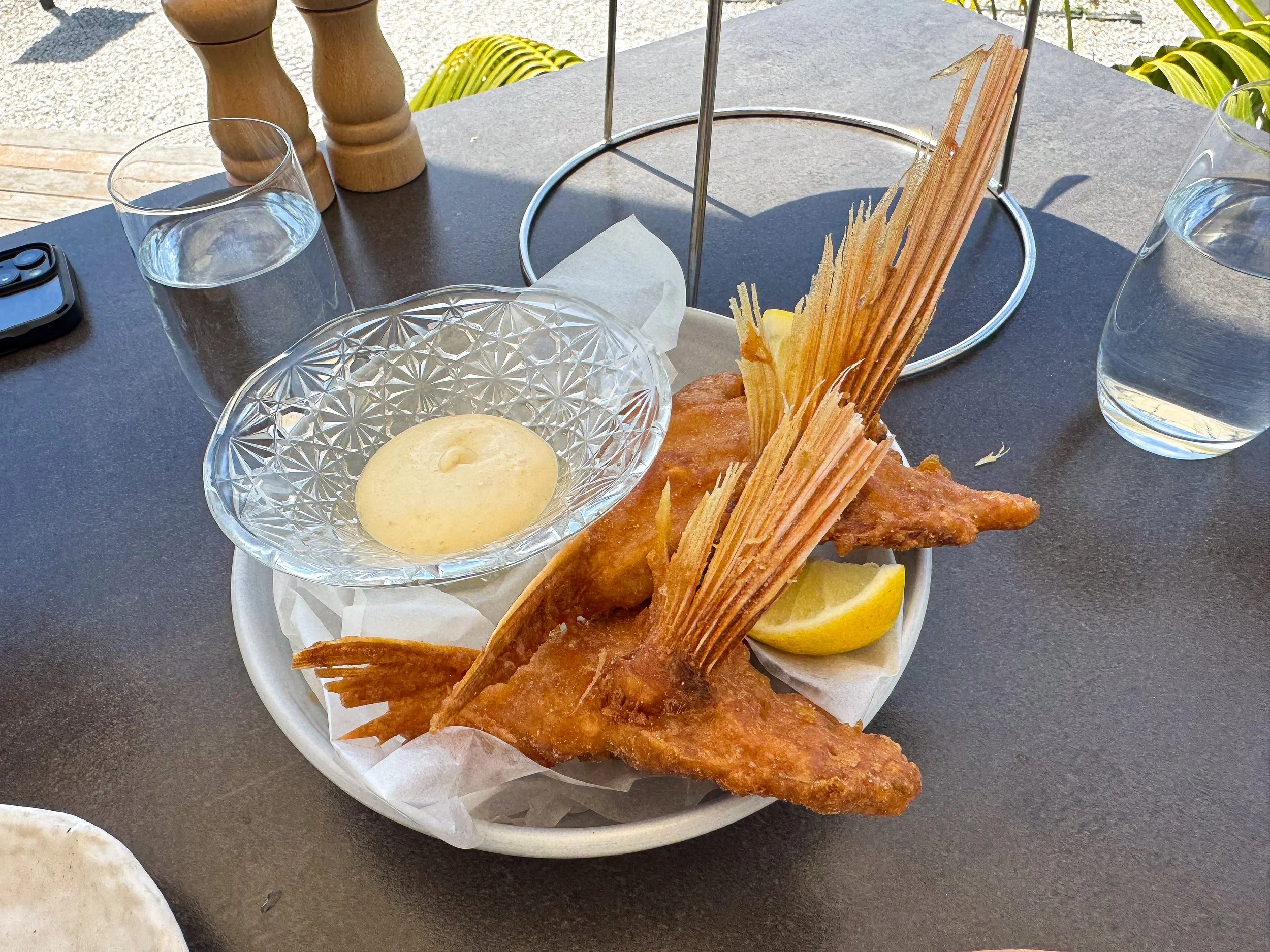
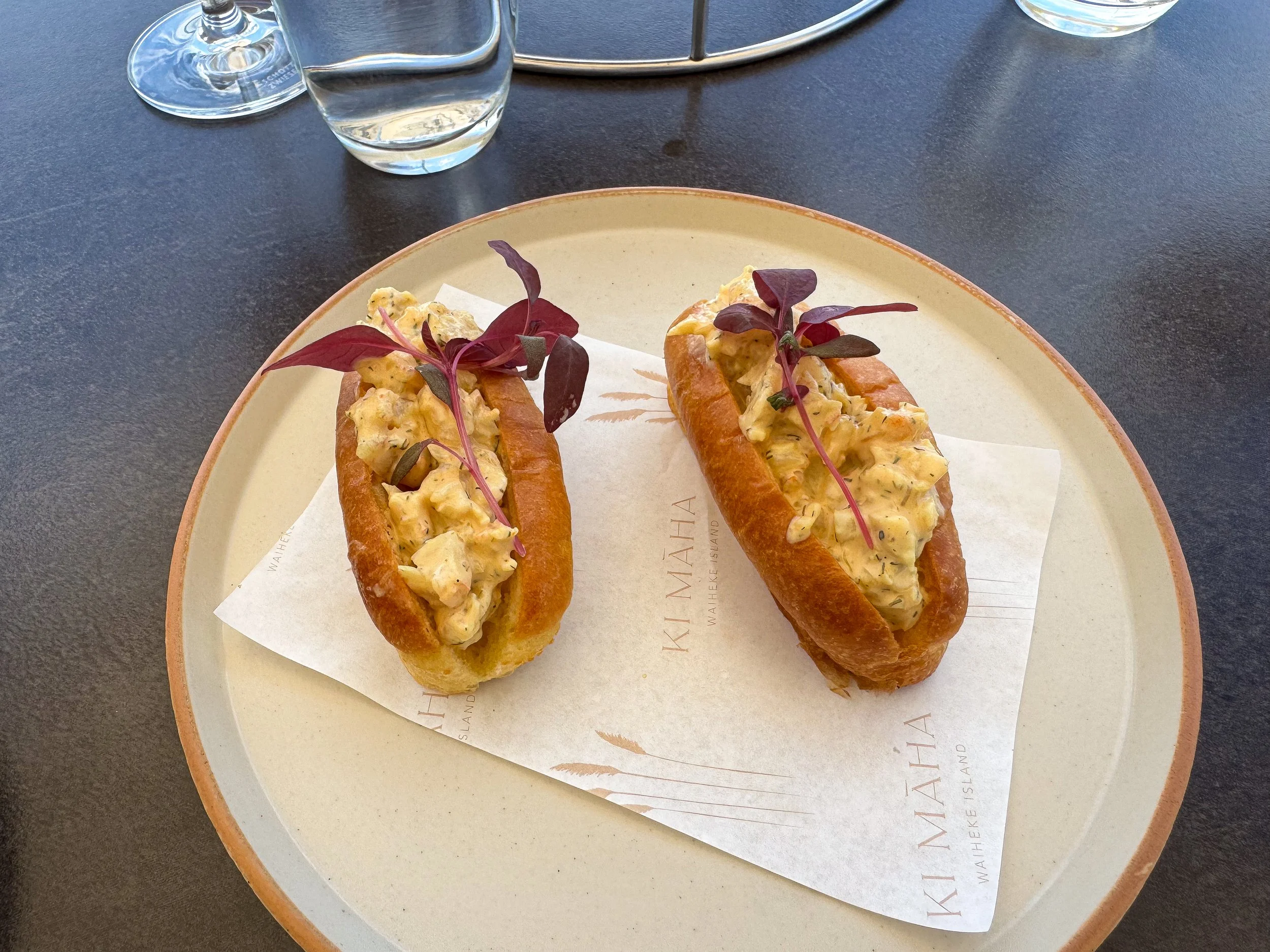
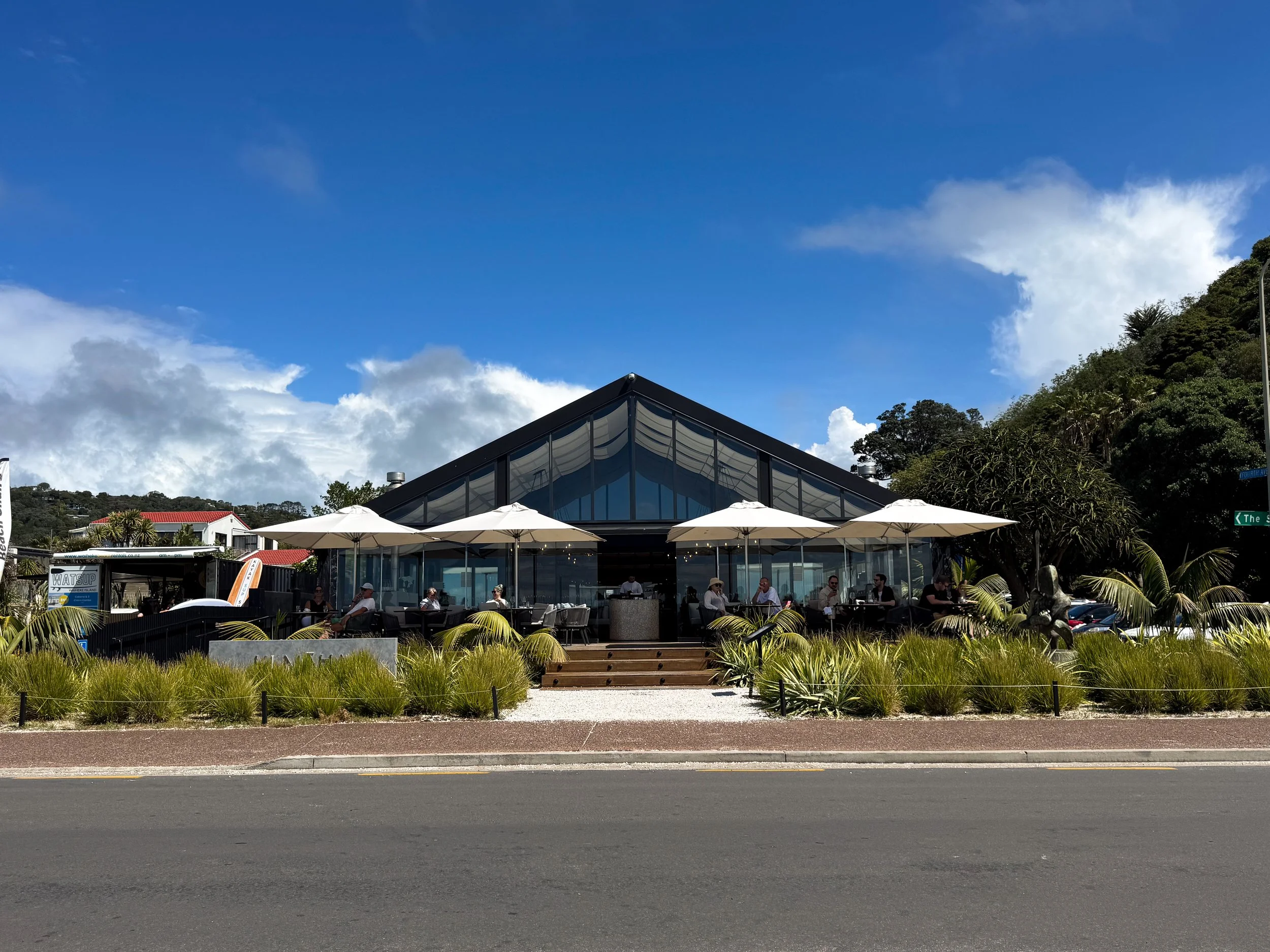
Ki Māna. A seaside restaurant overlooking Onetangi Beach. Their menu offers elevated seafood dishes and local wines from nearby vineyards. Try the oysters, fried snapper wings and crawfish rolls.
Location Specifics
Language. English is the most commonly spoken language in New Zealand. Māori is frequently written on street and road signs.
Cash vs. Card. Credit cards are accepted for virtually every payment. We did not need to use cash once.
Carry Your ID. When ordering alcohol, be prepared to show your passport to verify your age.
The Guardian. The former stock exchange building converted into a mixed used residence with apartment rentals. It’s located in the CBD on Queen Street nearby restaurants, cafes and shops. Book on Airbnb.
Elsewhere on the North Island
From Auckland's waterfronts, volcanic viewpoints and Waiheke Island to Rotorua's geothermal wonders and Taupō's outdoor adventures, continue exploring New Zealand through these travel guides:
Rotorua Travel Guide: Geothermal Wonders, Redwood Forests & Māori Culture. Discover Rotorua where steaming geothermal landscapes, redwood forests, glow worm caves and rich Māori traditions define one of New Zealand's most unique destinations.
Taupō Travel Guide: Lake Taupō, Tongariro & Outdoor Adventure. Experience Taupō where volcanic landscapes, geothermal parks, alpine crossings and dramatic waterfalls surround New Zealand's largest lake and fuel outdoor adventures.
For Next Time…
With more time in Auckland, we’d continue venturing outside of the city center to different neighborhoods, beaches and natural sights.
Devonport. A neighborhood continually recommended to us for its cute vibes, café culture, beaches and volcano hikes.
Piha Beach. A black sand beach on the western shore of the North Island with nearby hikes and lookout points.
Little Palm Beach. A clothing optional beach on Waiheke Island accessible via a forested walking trail.
Stanmore Bay. A beach town north of Auckland famed for its bioluminescent waves lapping on shore at night.
Taupō Travel Guide: Lake Taupō, Tongariro & Outdoor Adventure
Experience Taupō where volcanic landscapes, geothermal parks, alpine crossings and dramatic waterfalls surround New Zealand's largest lake and fuel outdoor adventures.
Taupō, New Zealand
Taupō is a picturesque town set along the shores of Lake Taupō on New Zealand’s North Island. The region encompasses volcanic landscapes, geothermal parks and scenic waterfalls. It’s a hub for outdoor activities and adventures like white water rafting, sailing and volcano hikes. Taupō is deeply intertwined with Māori culture with murals, monuments and carvings visible throughout the town.
See the Sights
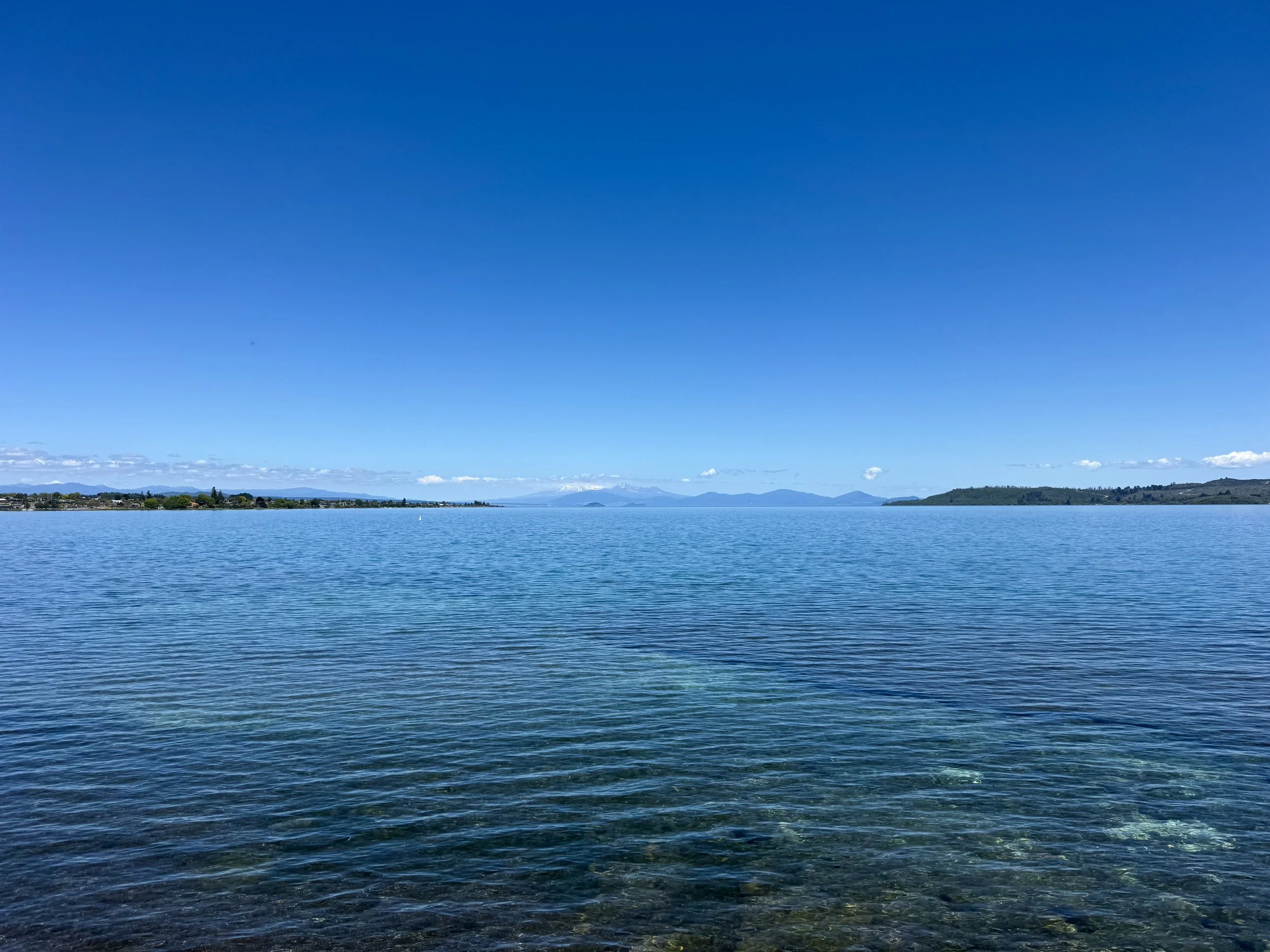
Lake Taupō. A massive volcanic crater lake and the largest lake in New Zealand. Scenic walking and biking paths follow its waterfront. Floating pumice stones and aquatic birds line its shores. Views of distant volcanoes and their snow covered peaks can be seen across the lake on a clear day.
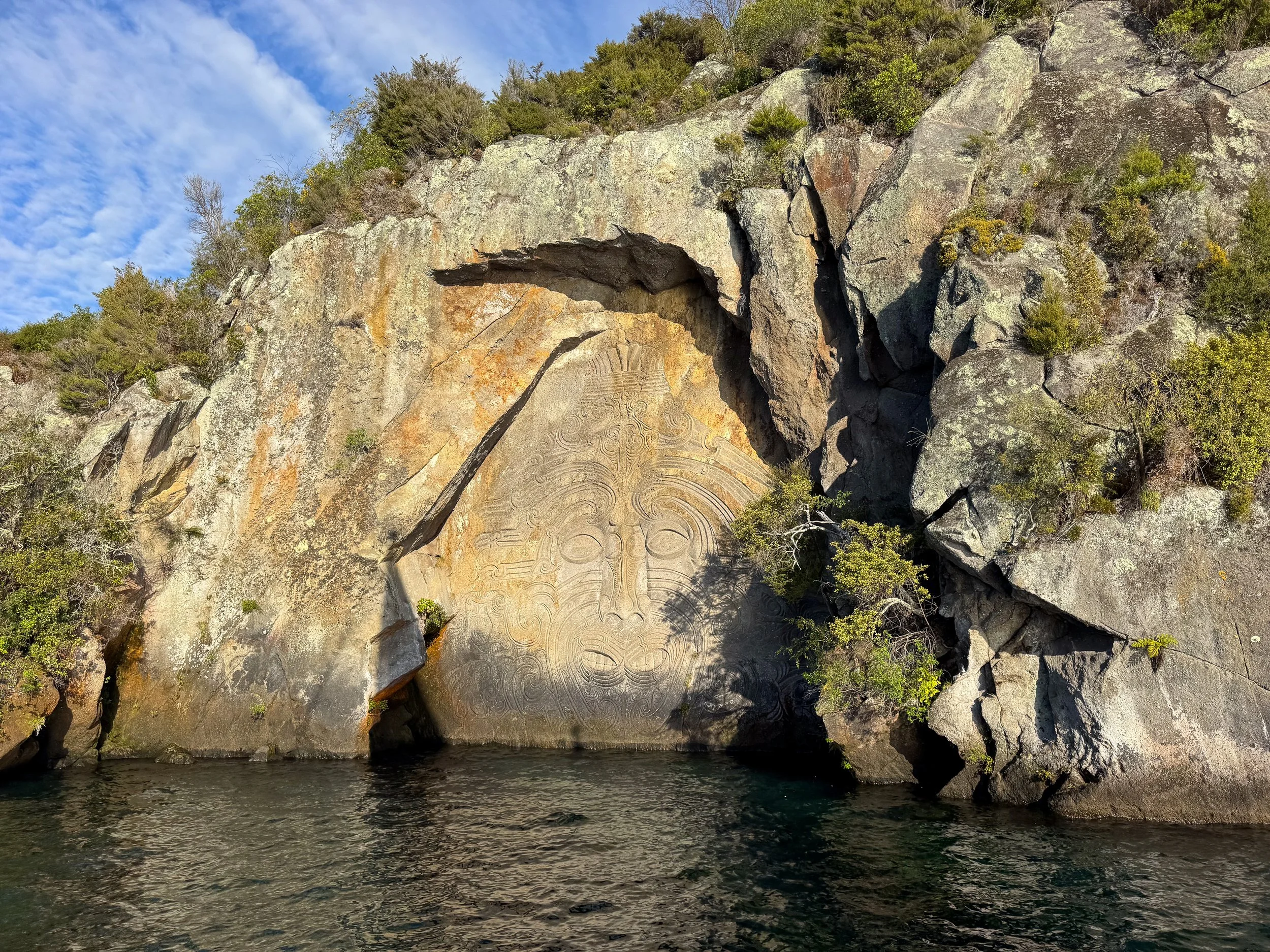
Māori Rock Carvings. A series of modern Māori rock carvings engraved onto the face of a lakeside cliff. The primary carving depicts the tattooed face of a Māori being. It’s flanked by numerous smaller carvings including a lizard, mermaid and dragon. The carvings are only viewable from the lake. We sailed across the scenic Lake Taupō on a vintage sailboat to see them up close. Book with Sail Barbary for a relaxing and enjoyable time.
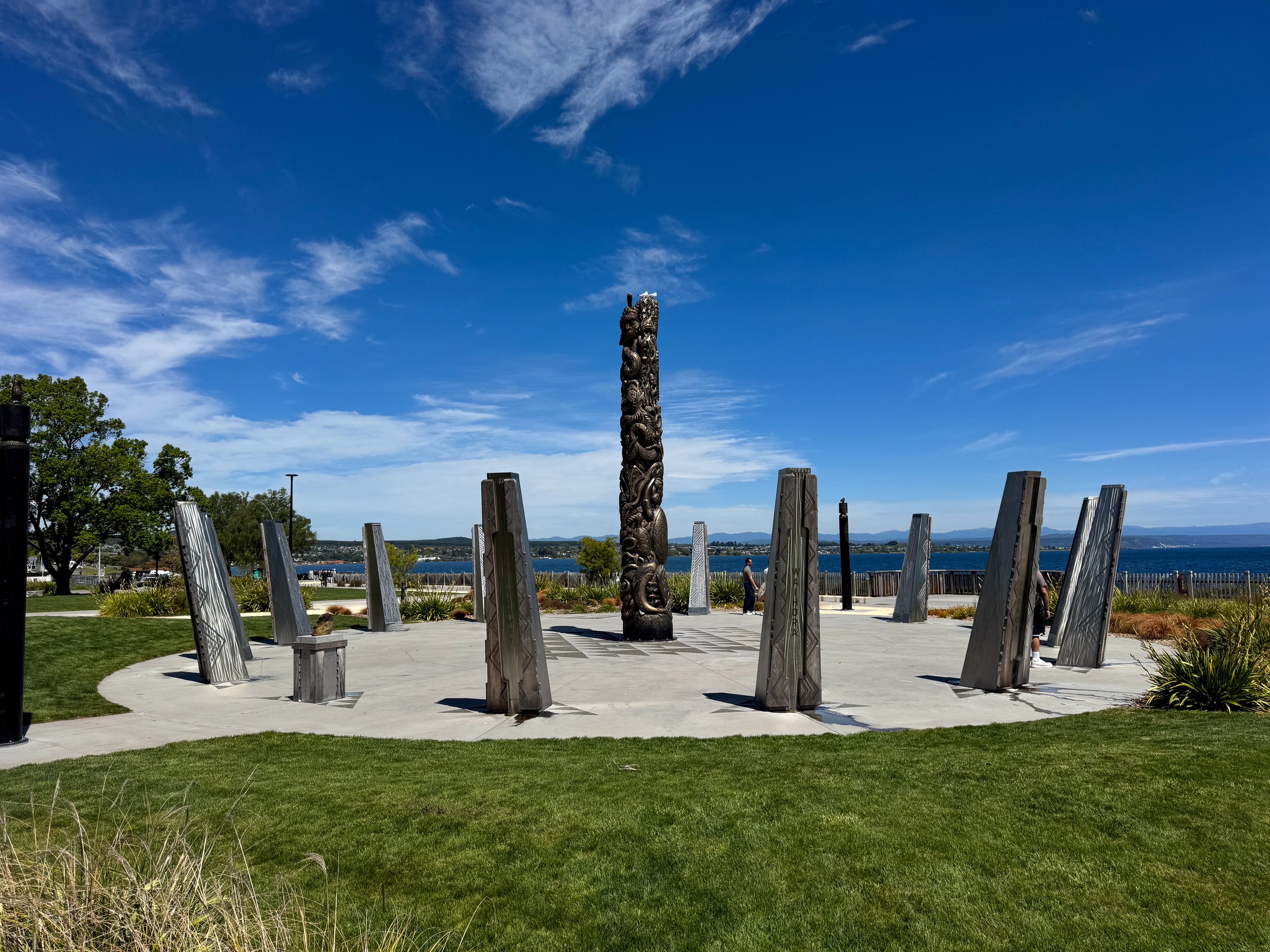
Te Atea Tapuaeharuru. A monument representing Māori ancestry and jurisdiction of Lake Taupō. At its center is an ornate pillar carved from an 1,800 year old Totara tree. The pillar is adorned with designs of Māori guardians and marine life. Surrounding it are 13 patterned columns symbolic of the rivers flowing into the lake. Press a button on each of their sides to activate a cascading water feature.
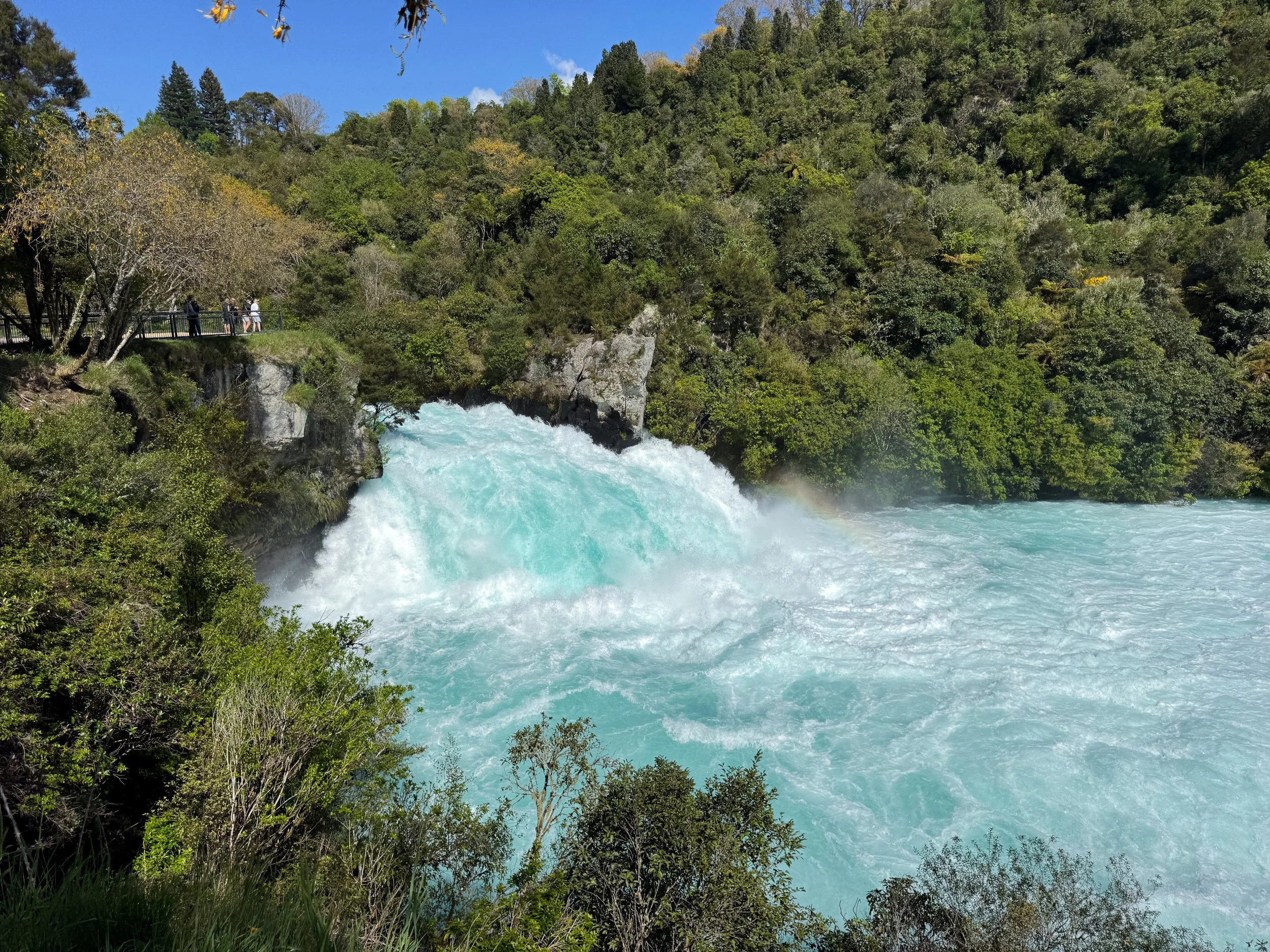
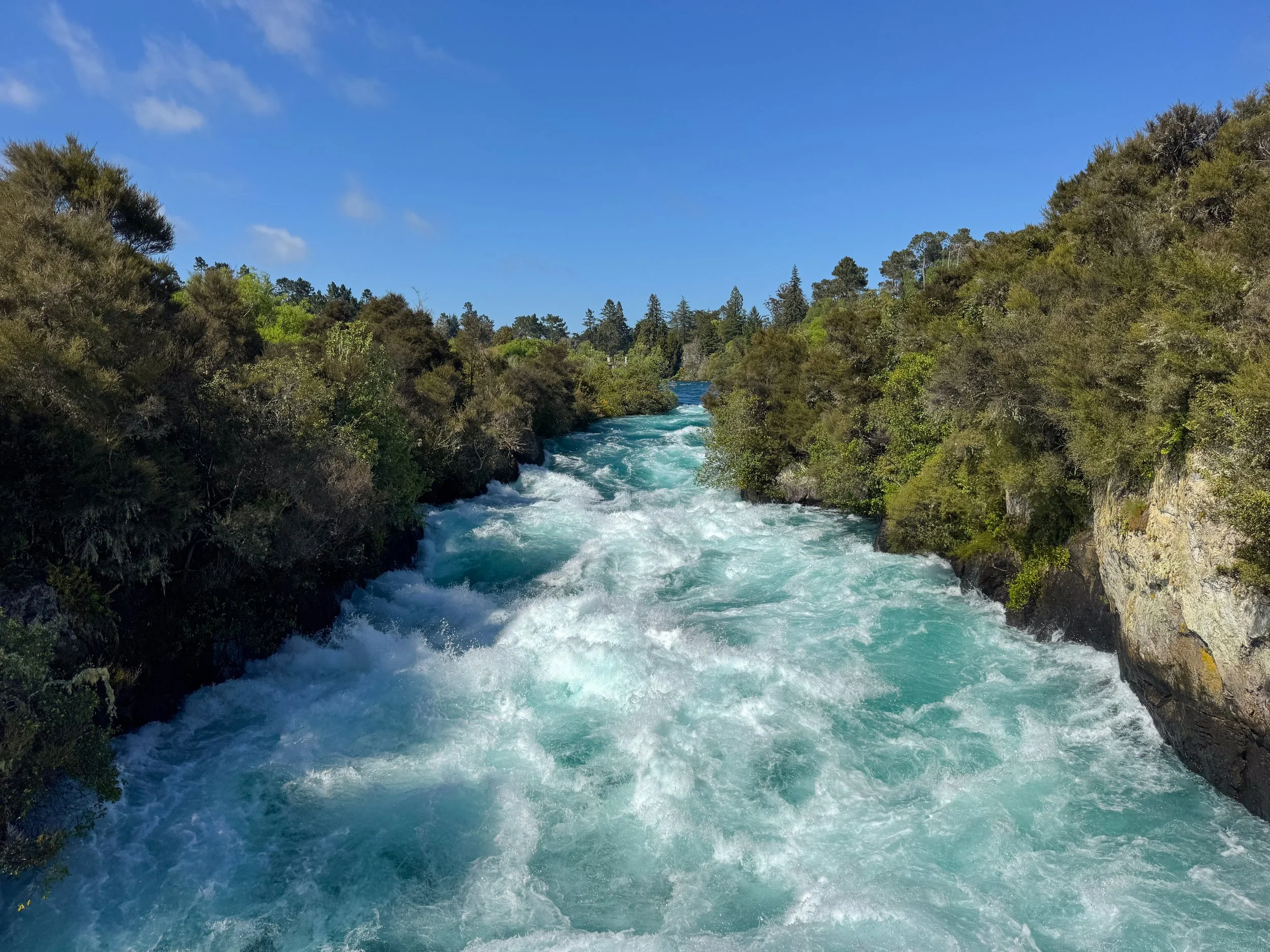
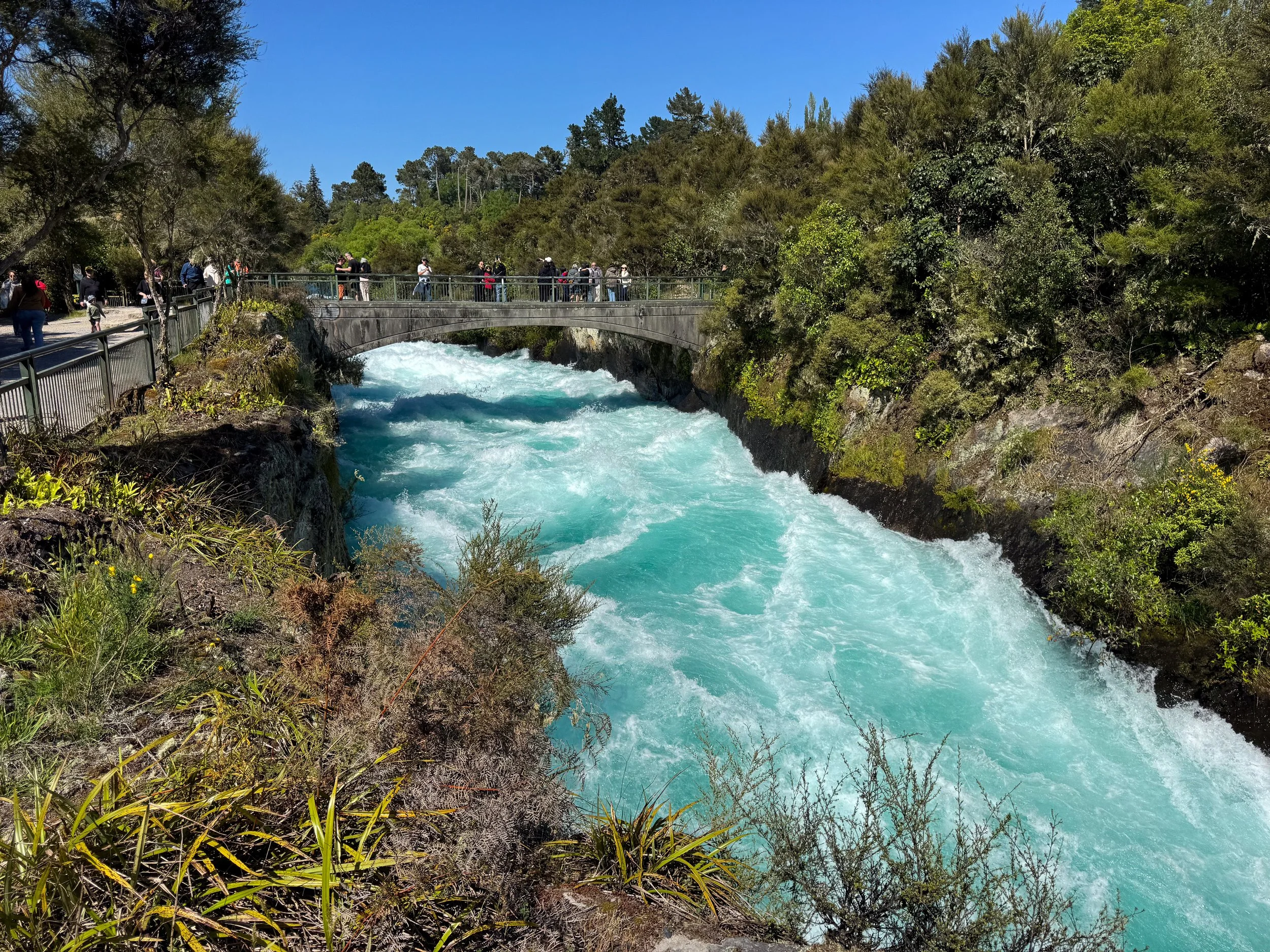
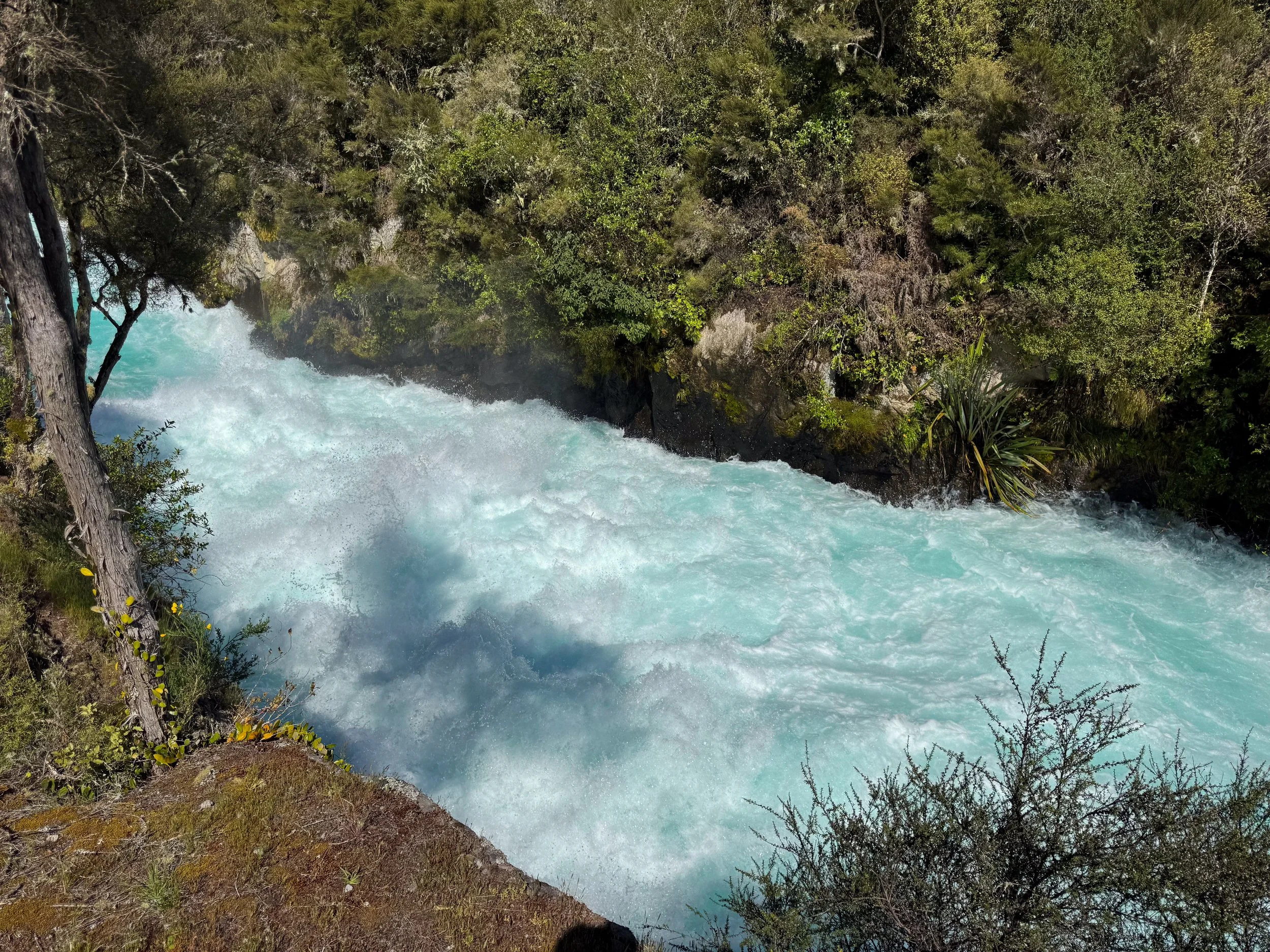
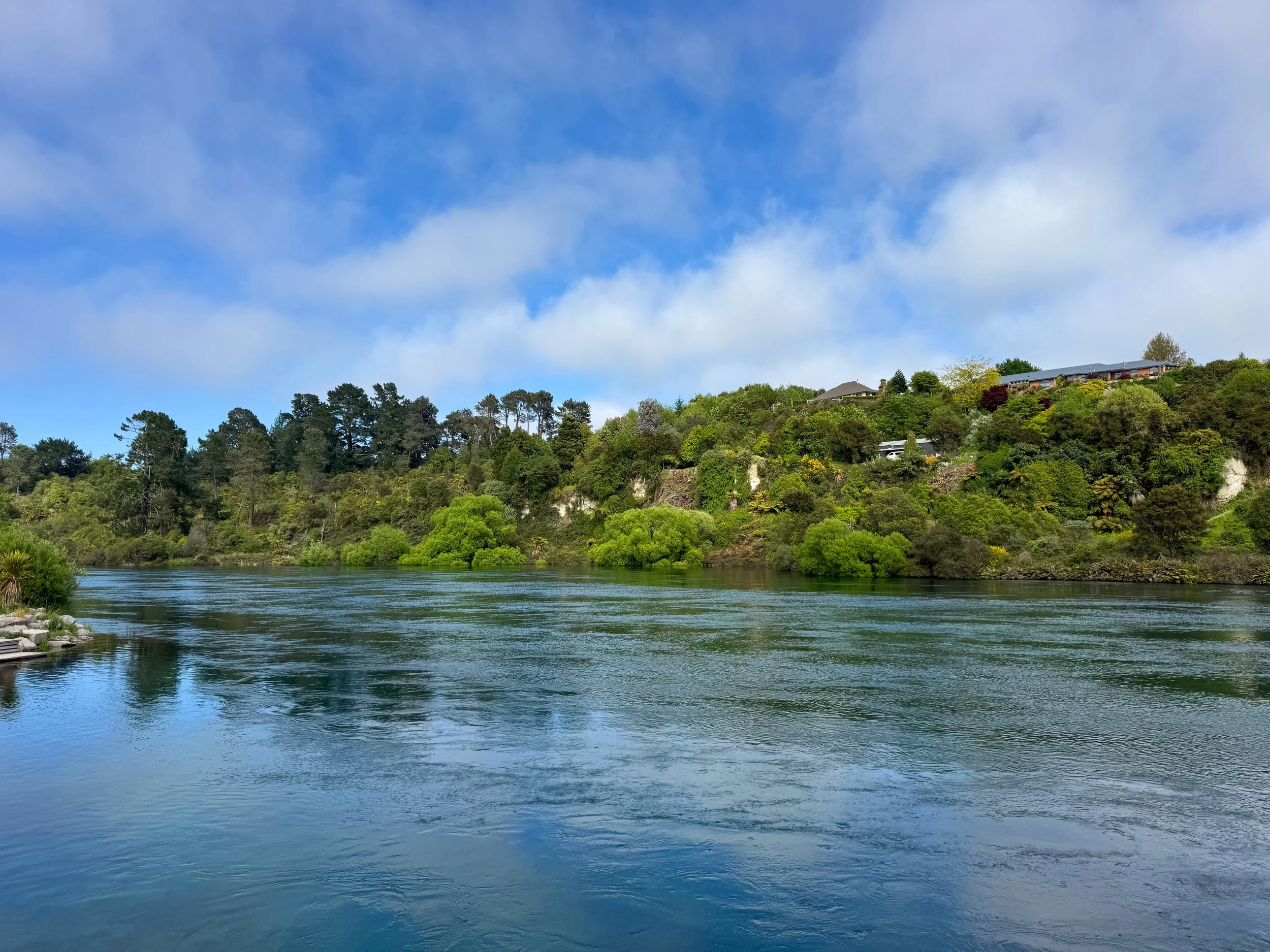
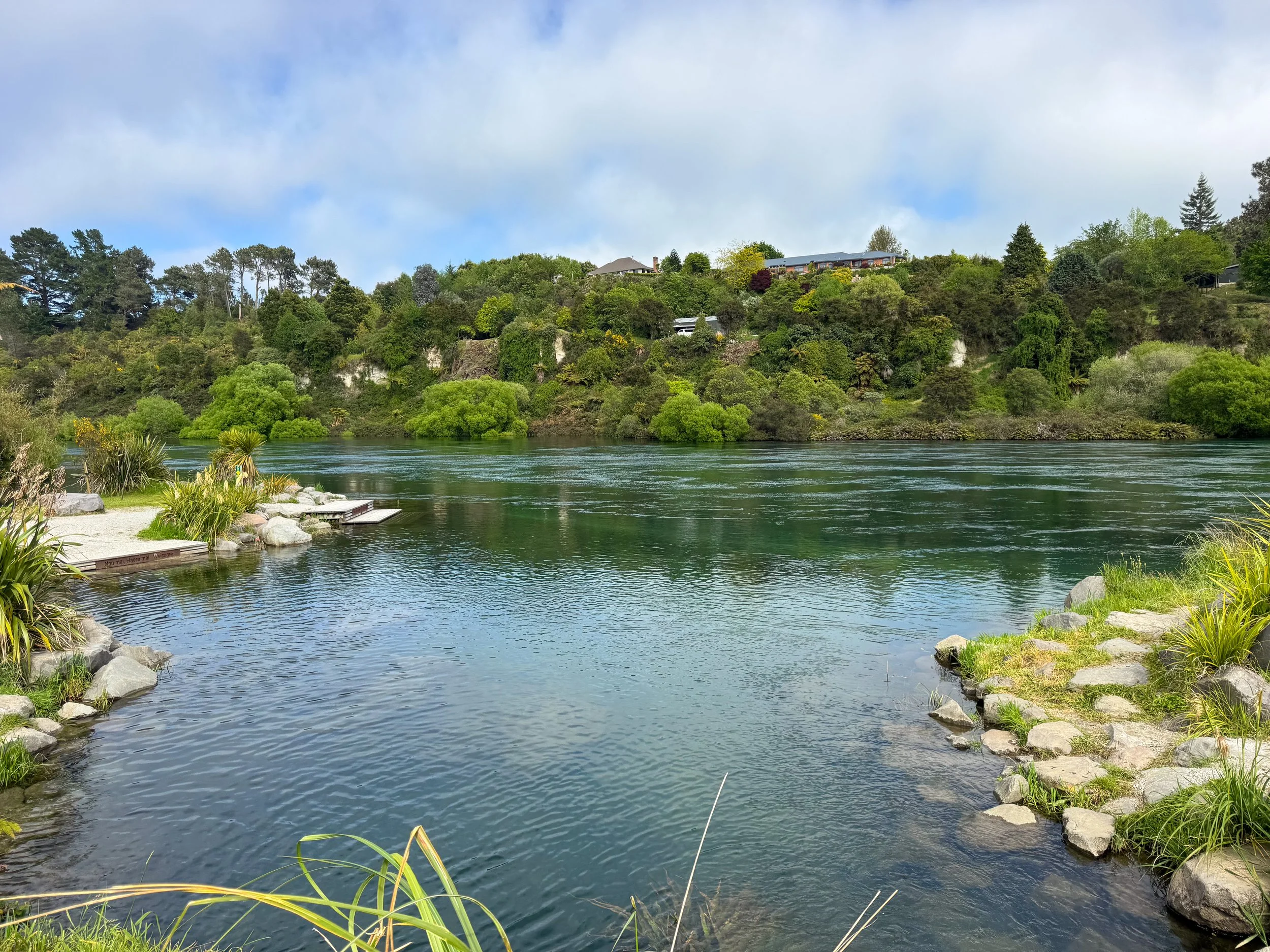
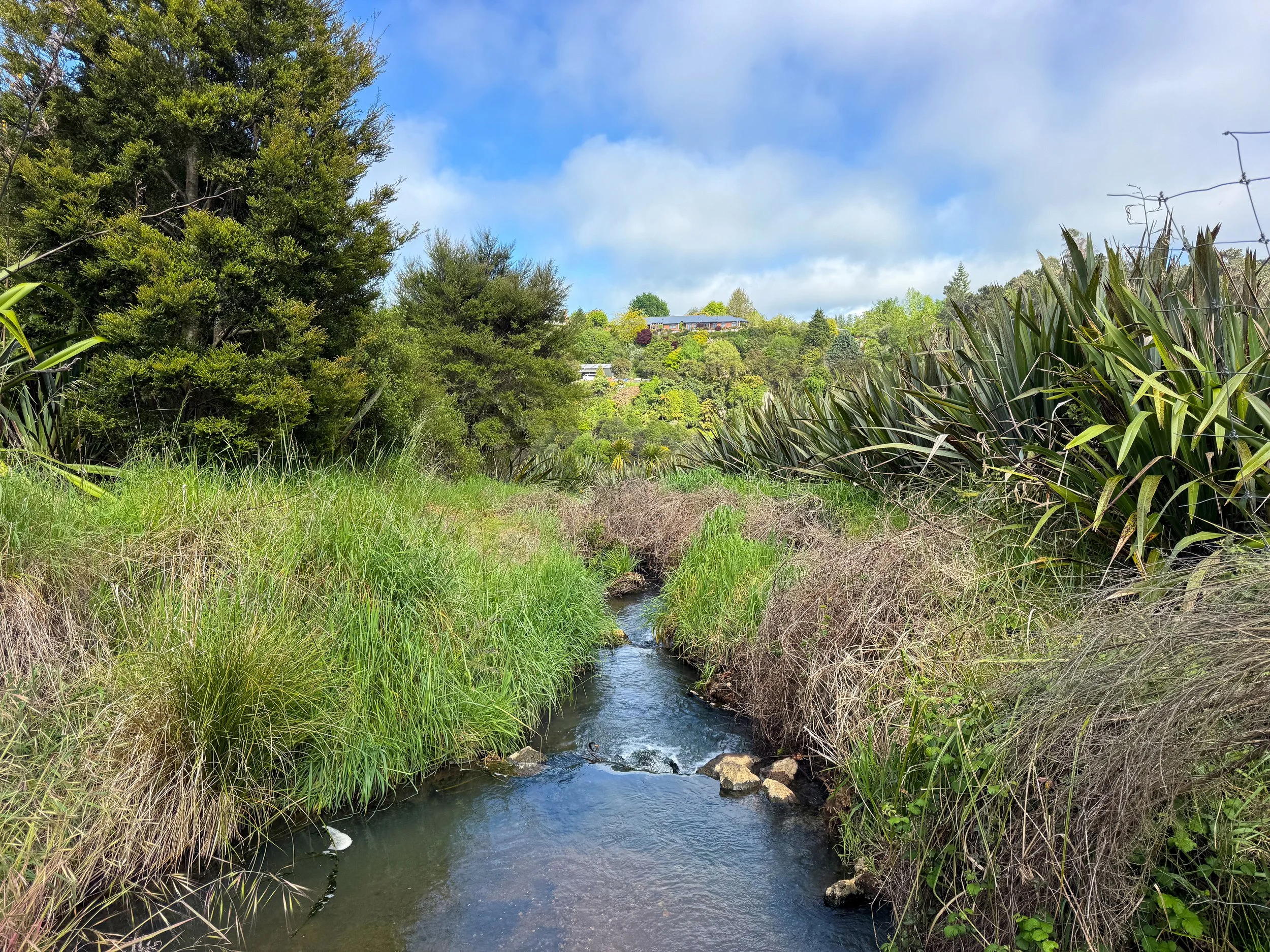
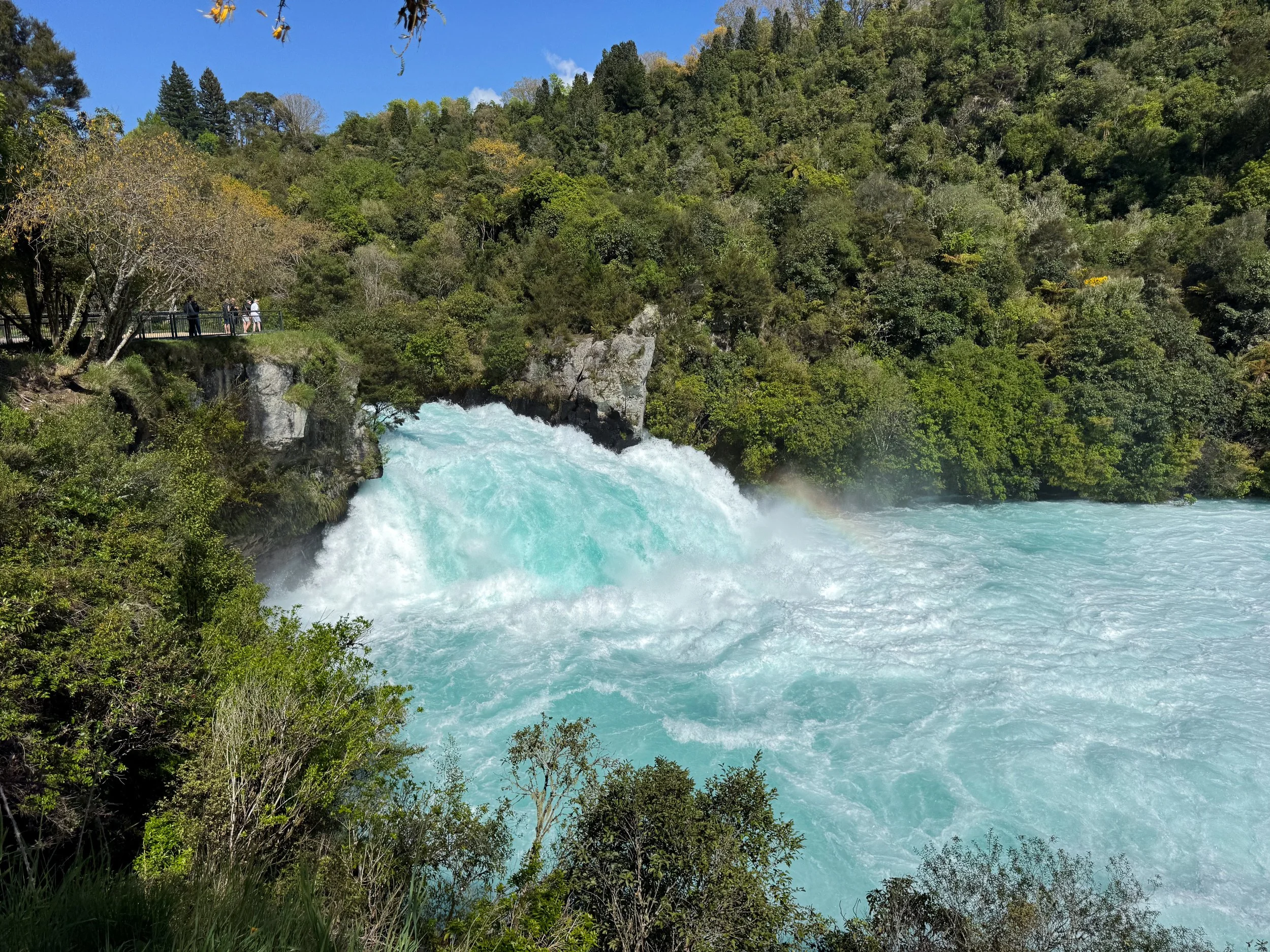
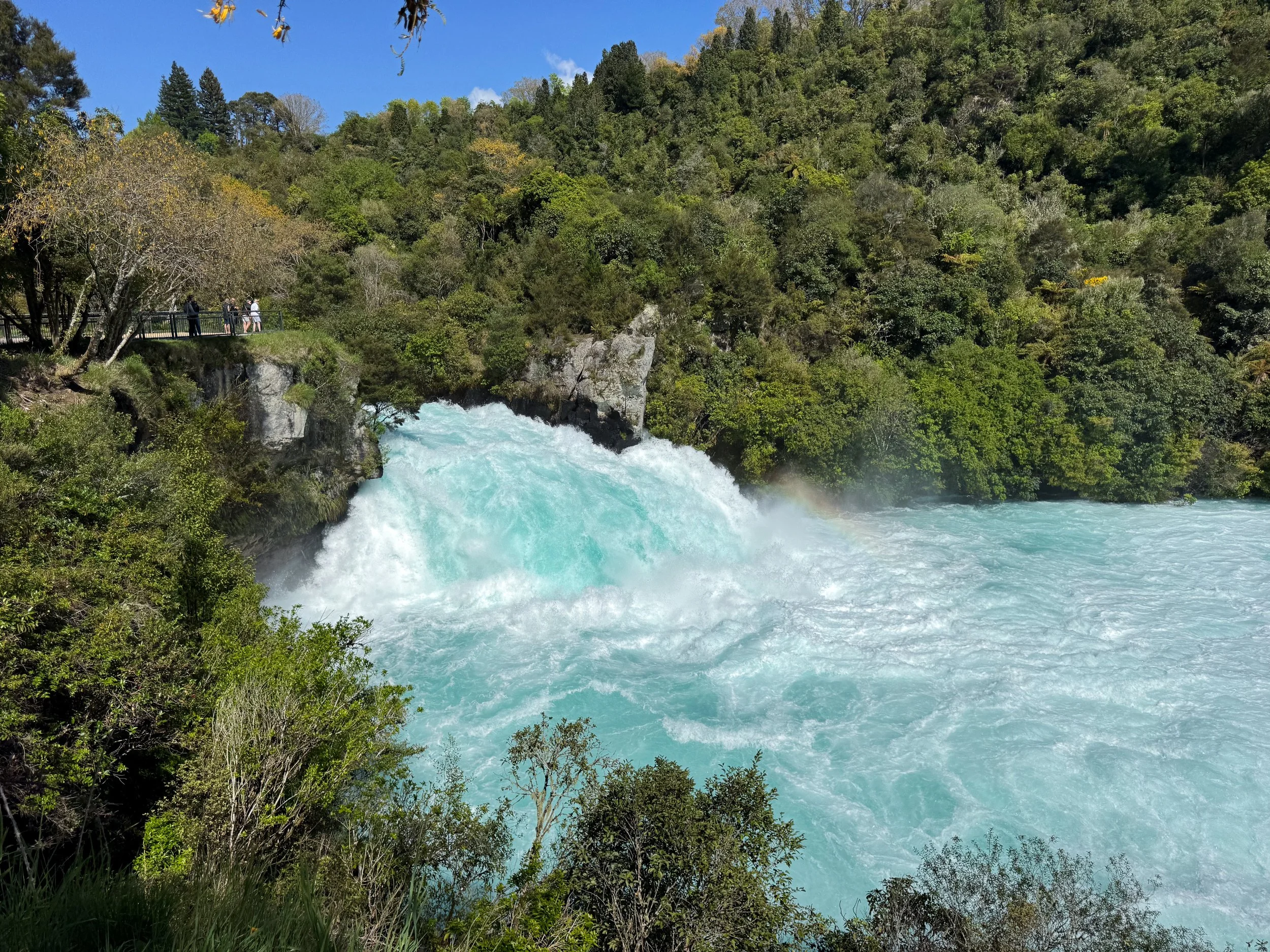
Huka Falls. A narrow channel along the Waikato River with extremely turbulent rapids and a ferocious waterfall. The current churns up brilliant aquamarine hues and bubbling white waters. It’s viewable from a bridge and riverside pathway.
Otumuheke Stream. A narrow stream fed by a hot spring. It flows into the Waikato River creating a tepid pool along its banks. It was too cold for us but others enjoyed it.
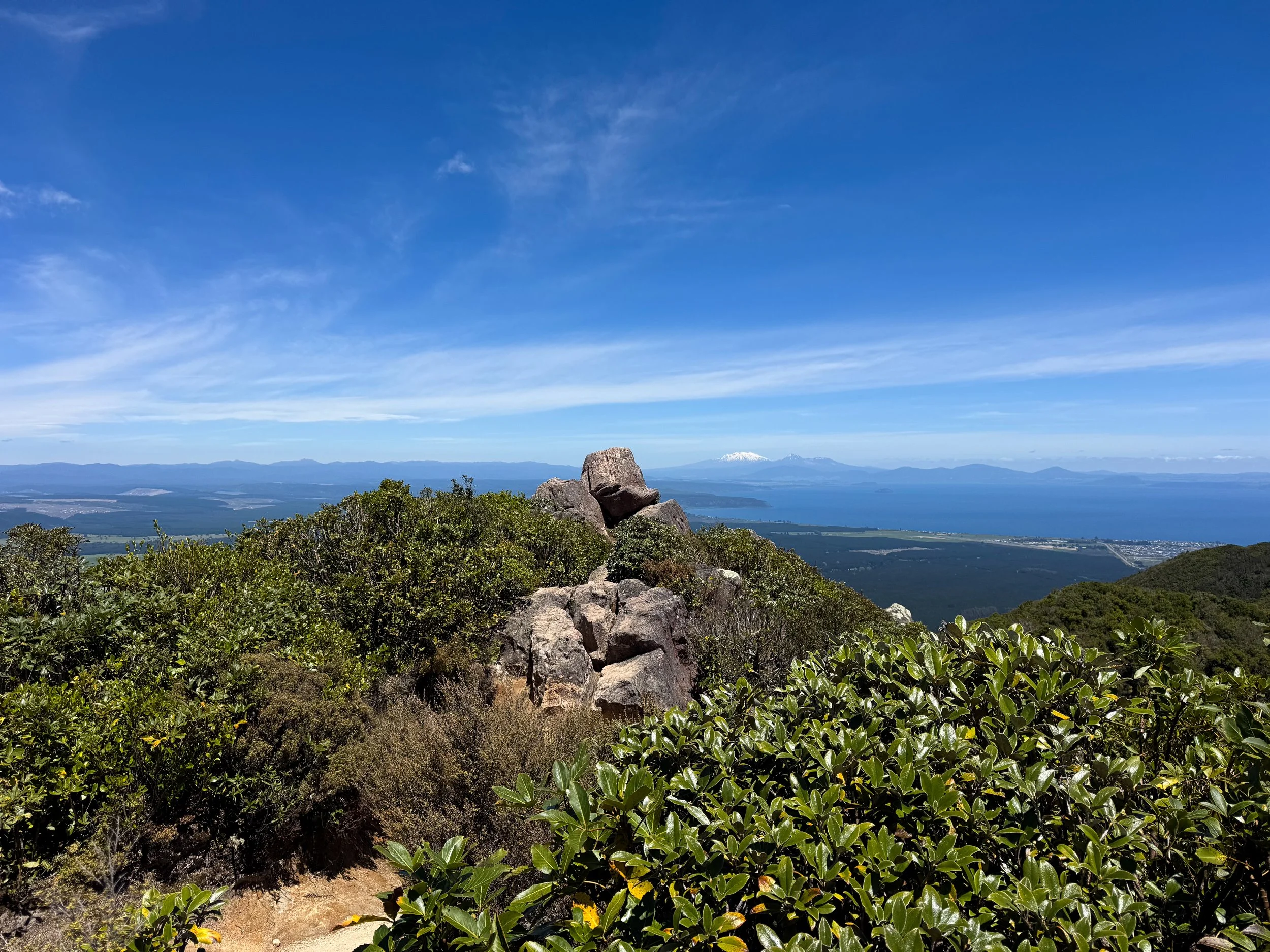
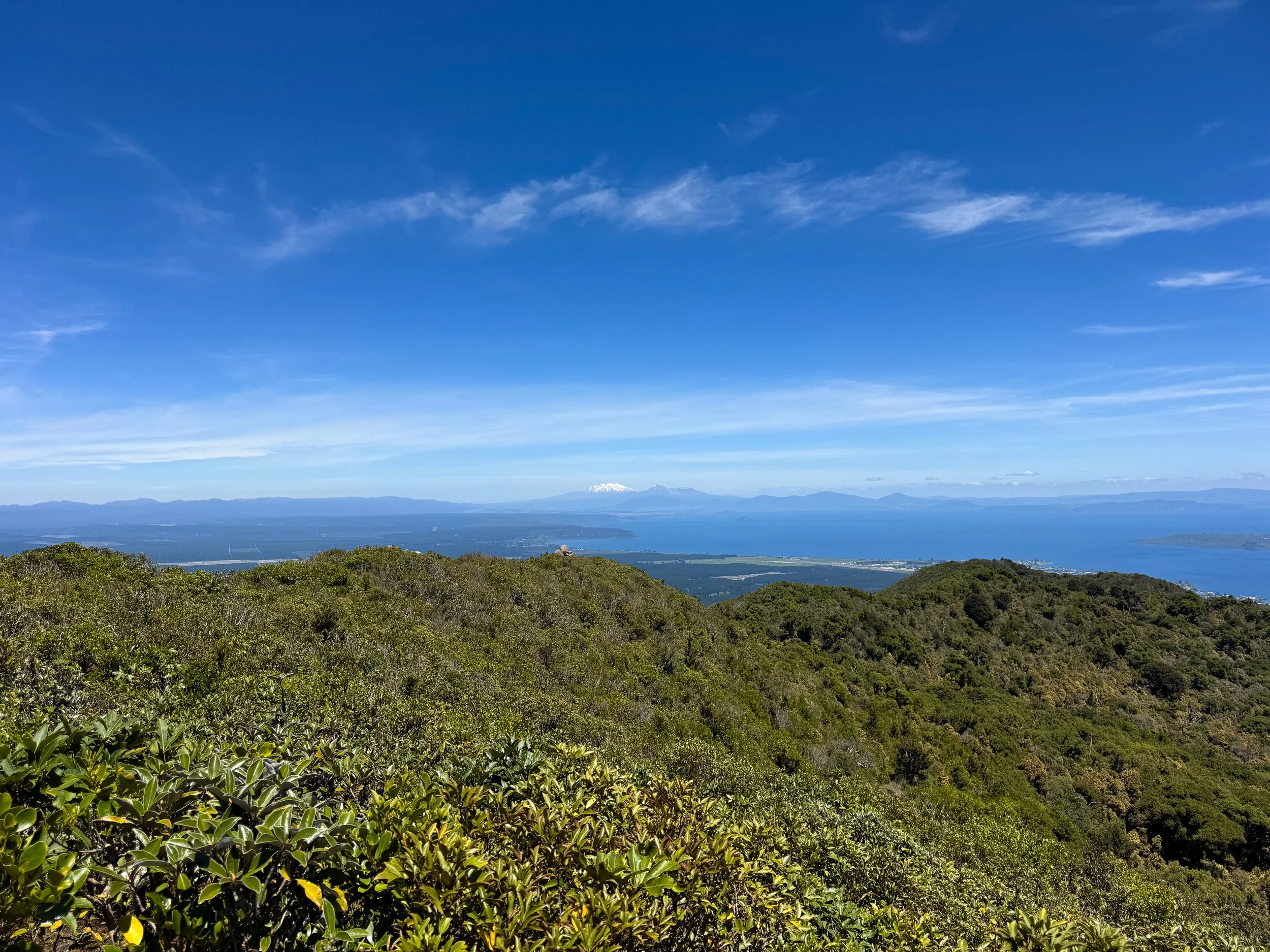
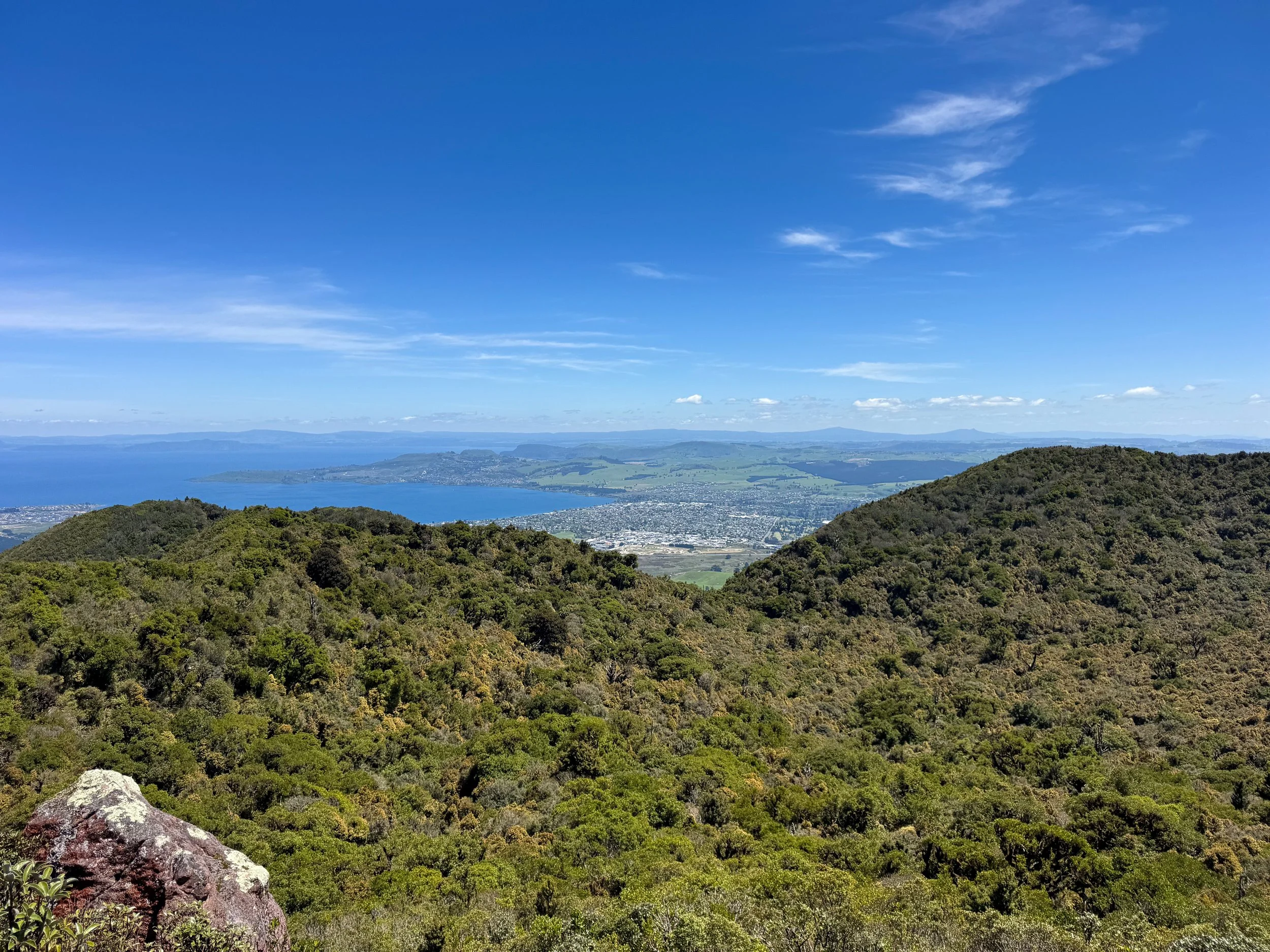
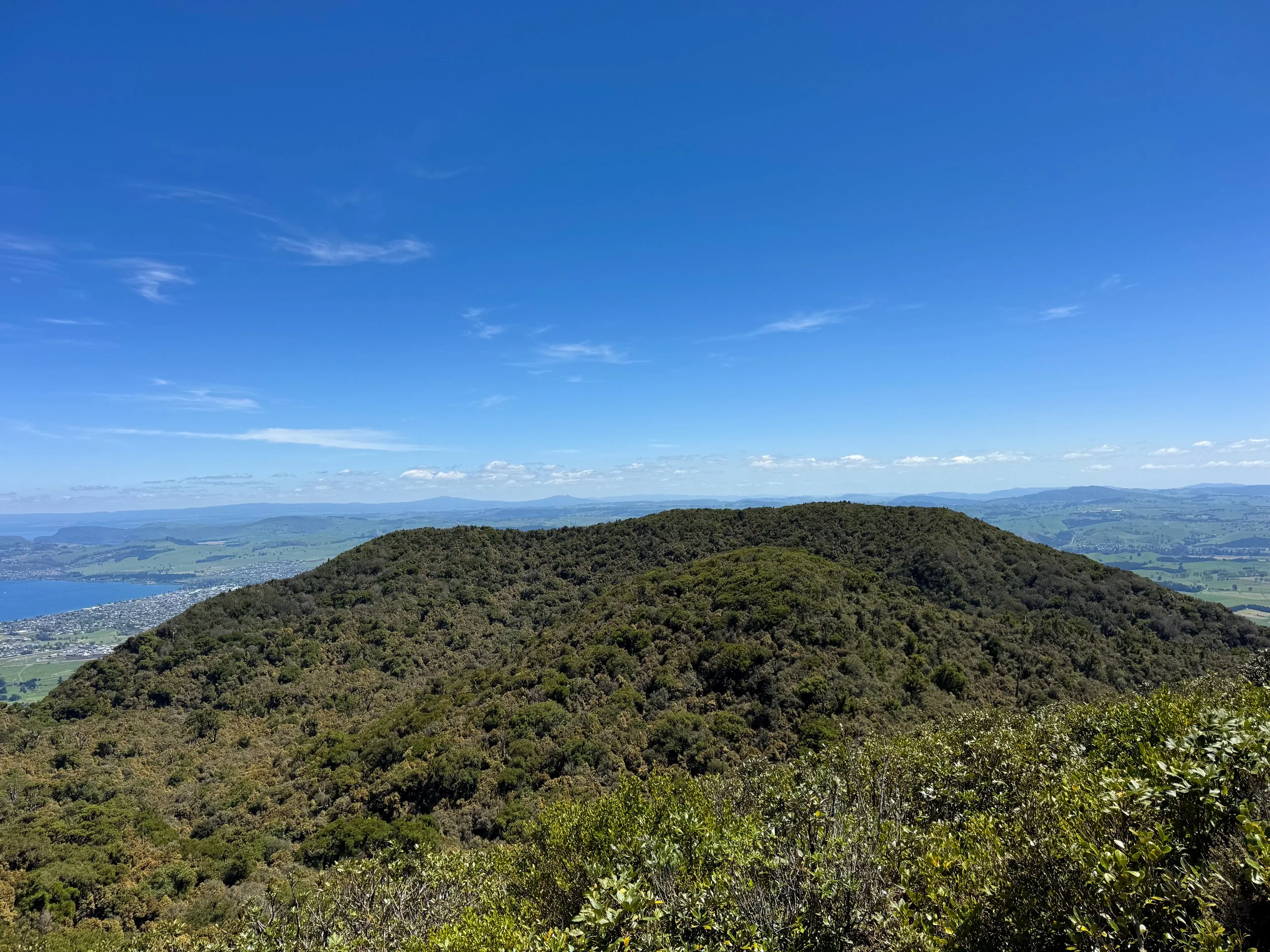
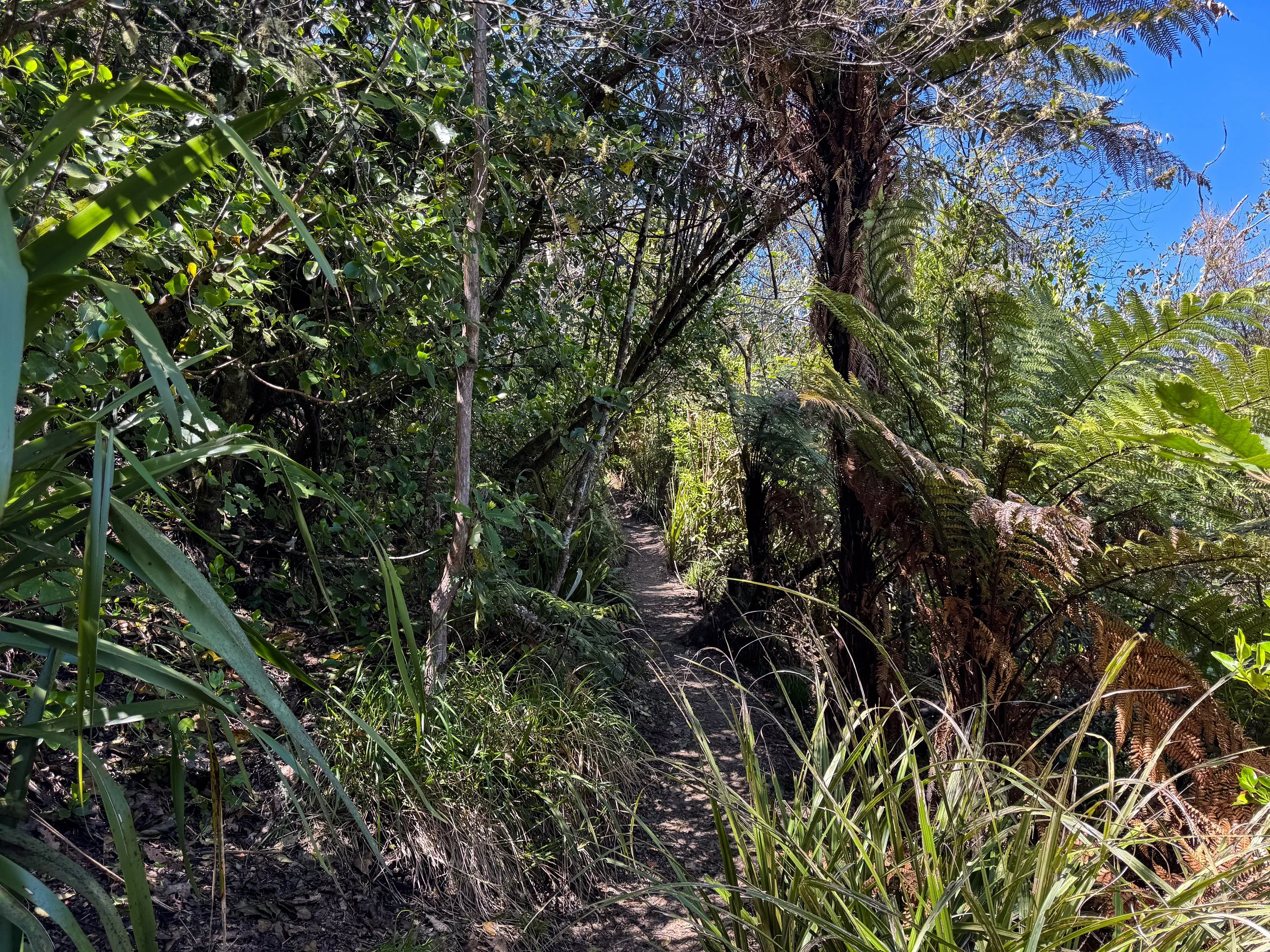
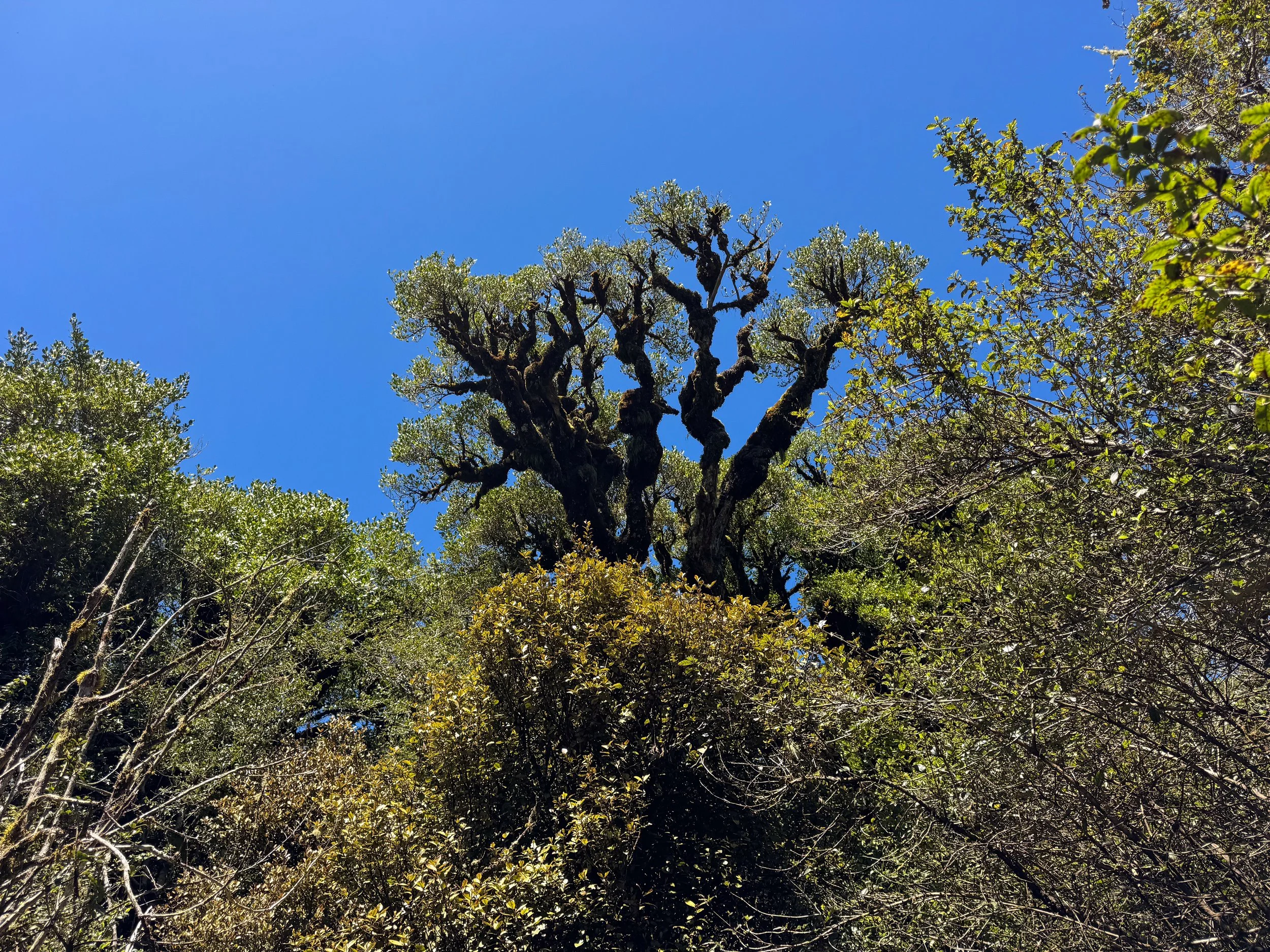
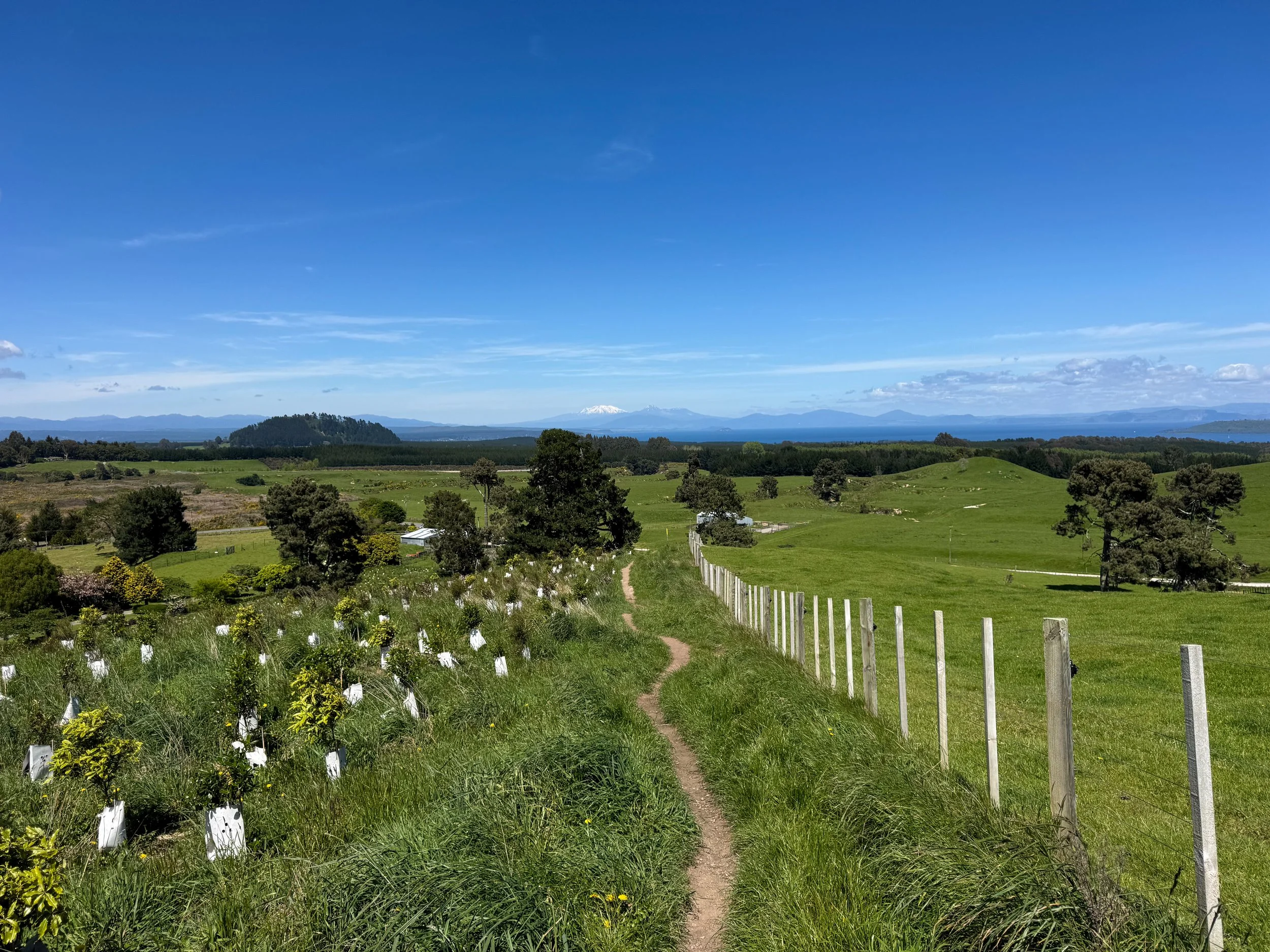
Mount Tauhara. A dormant volcano near the shores of Lake Taupō with a summitable peak. A hiking trail leads steadily uphill through farmland and shaded forest home to song birds and endemic ferns. It opens at a clearing near the summit and continues along the ridge through dense shrubs to a rocky outcrop. The mountaintop offers panoramic views of its forested slopes, grassy farmland, the vast lake and distant snow covered volcanoes.
Good to Know. Strong gusts can make it extremely windy at the summit. It takes about an hour to reach from the parking lot. Use this map pin for parking.
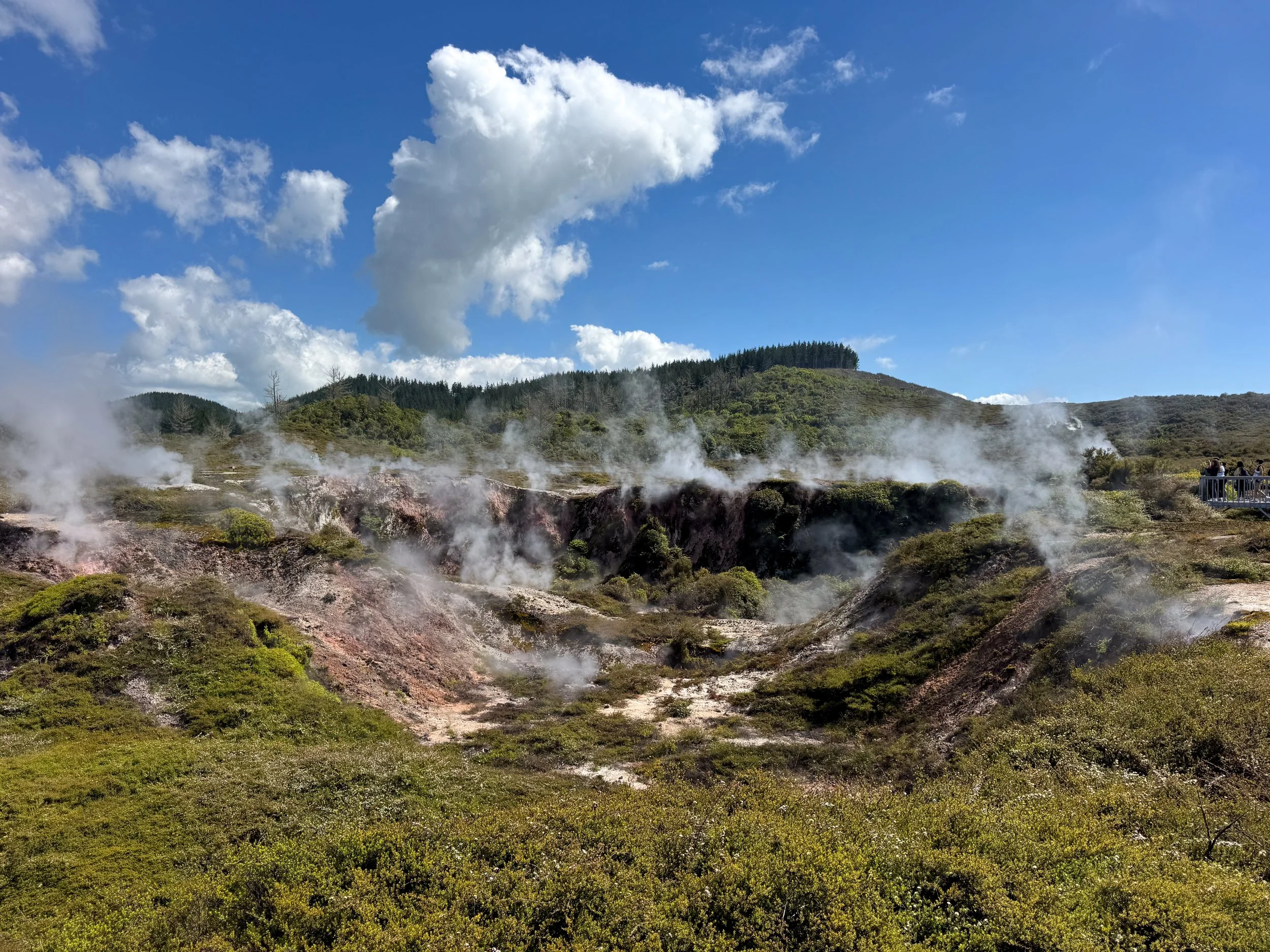
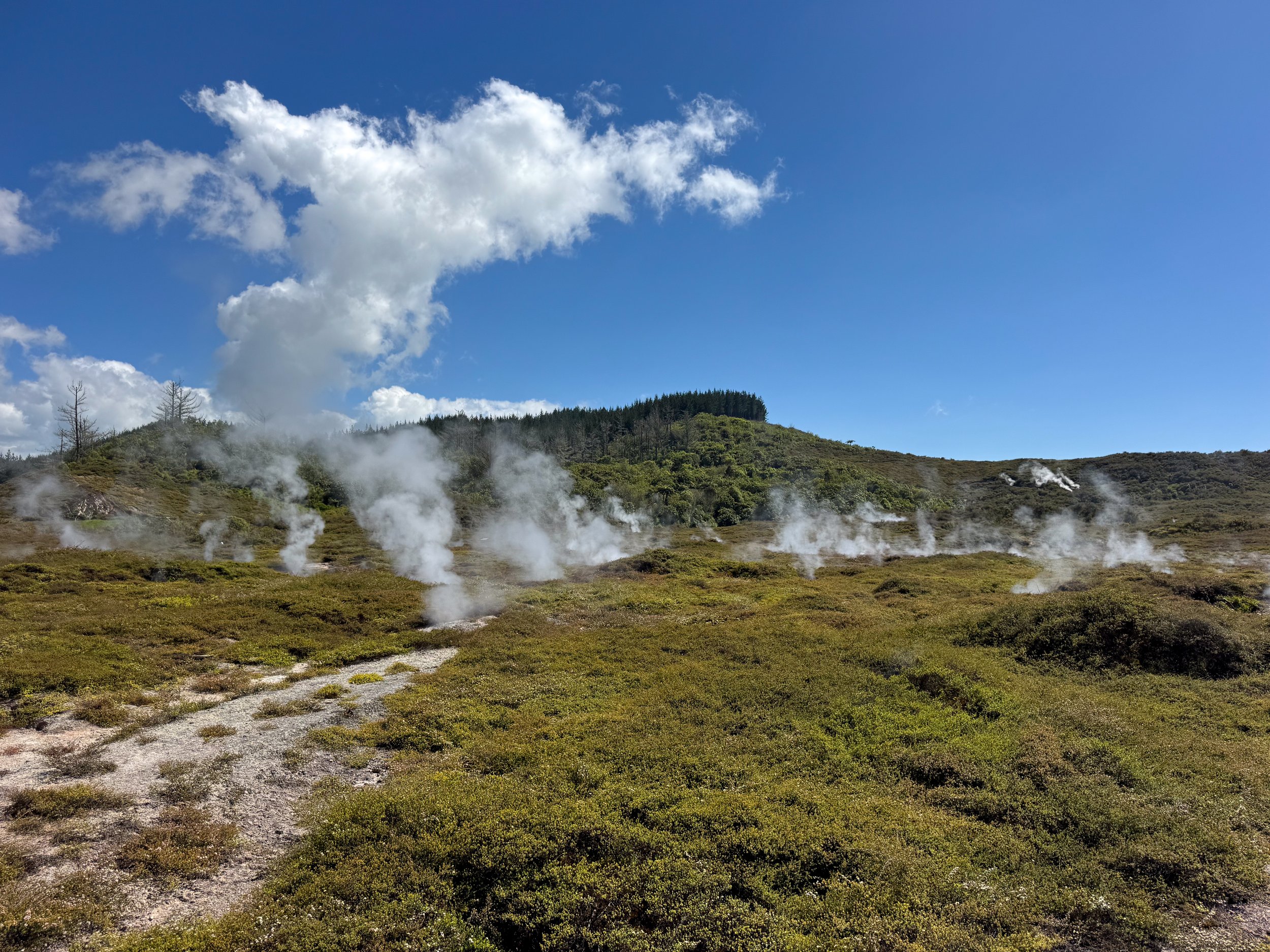
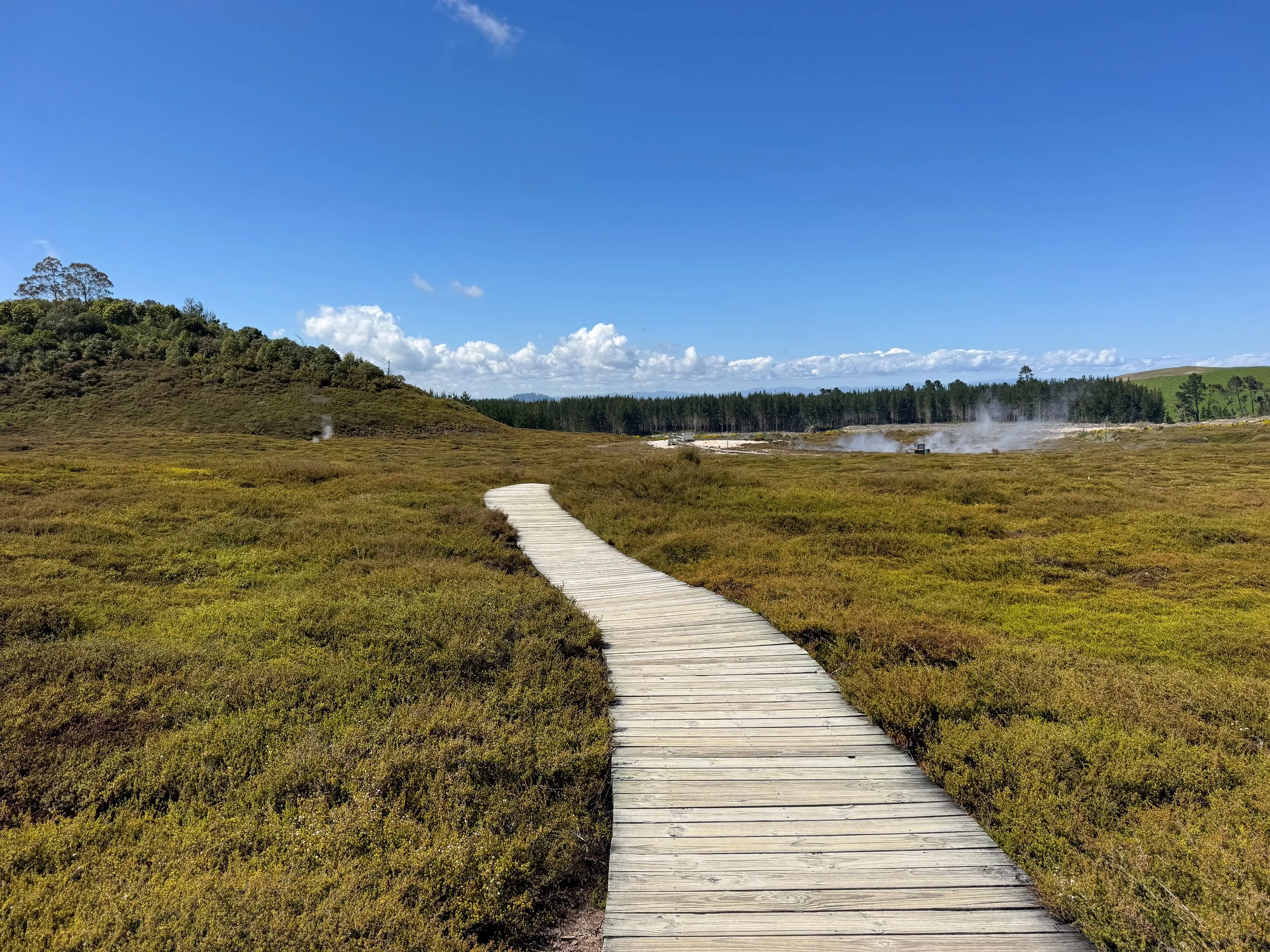
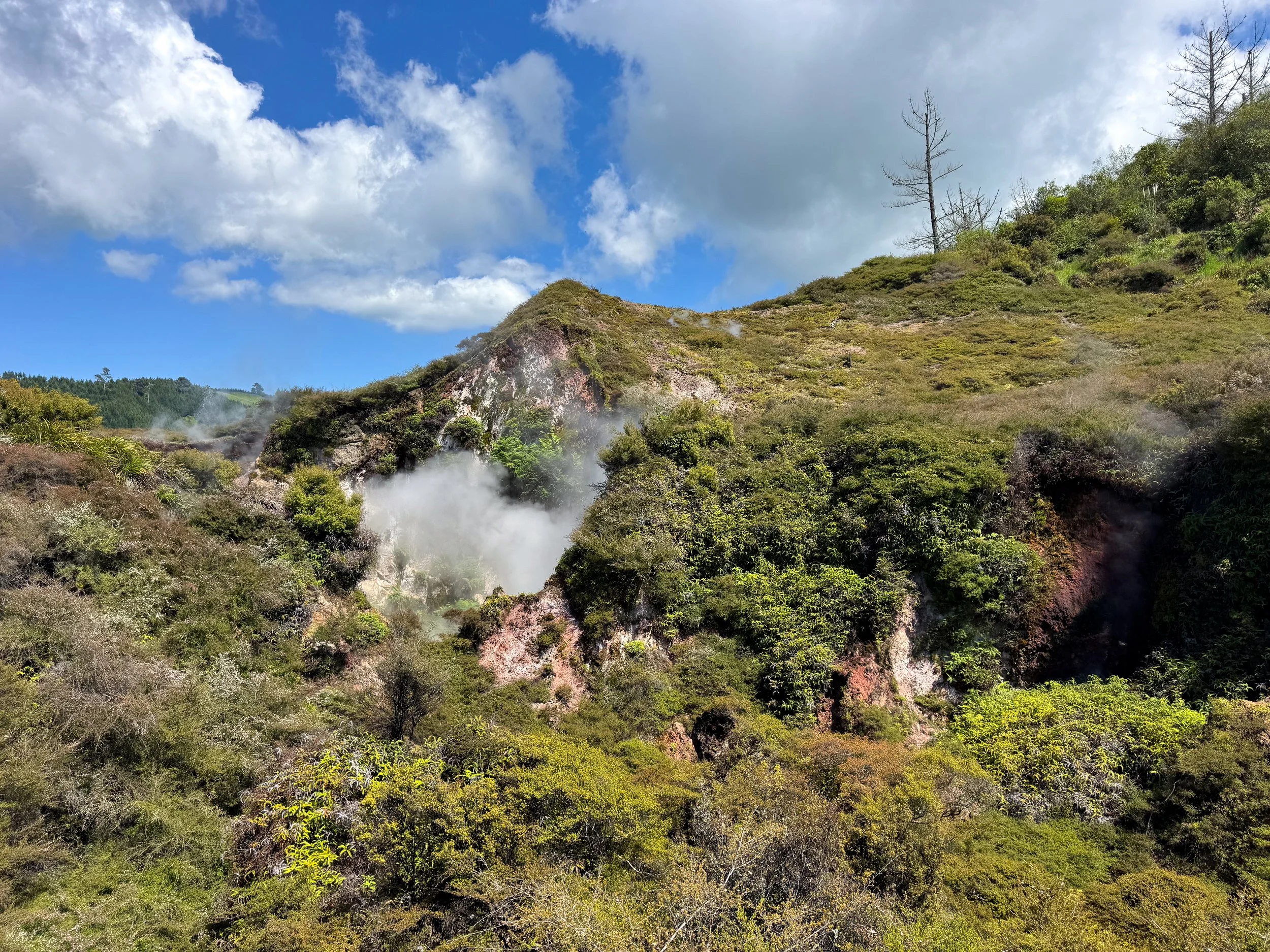
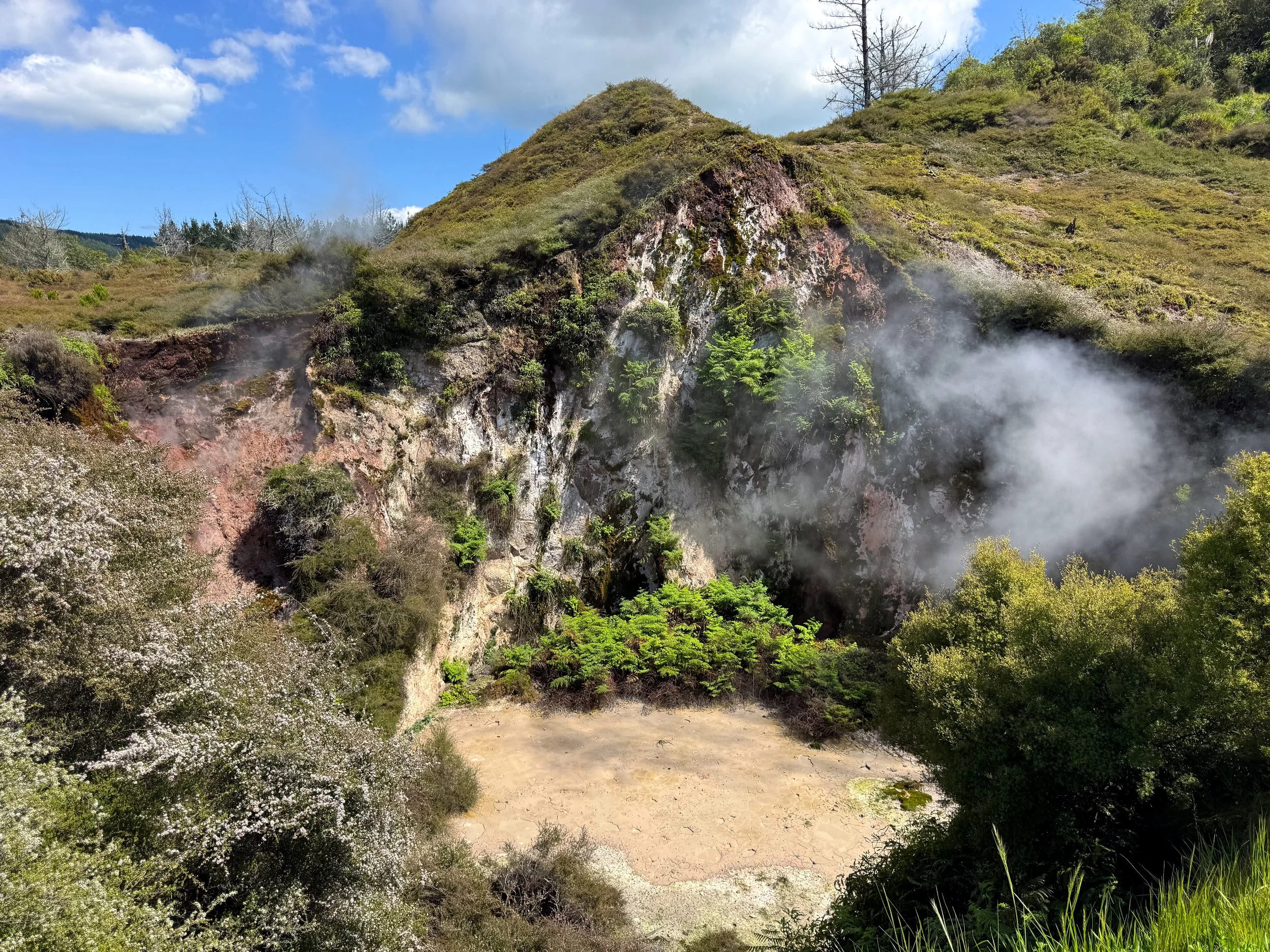
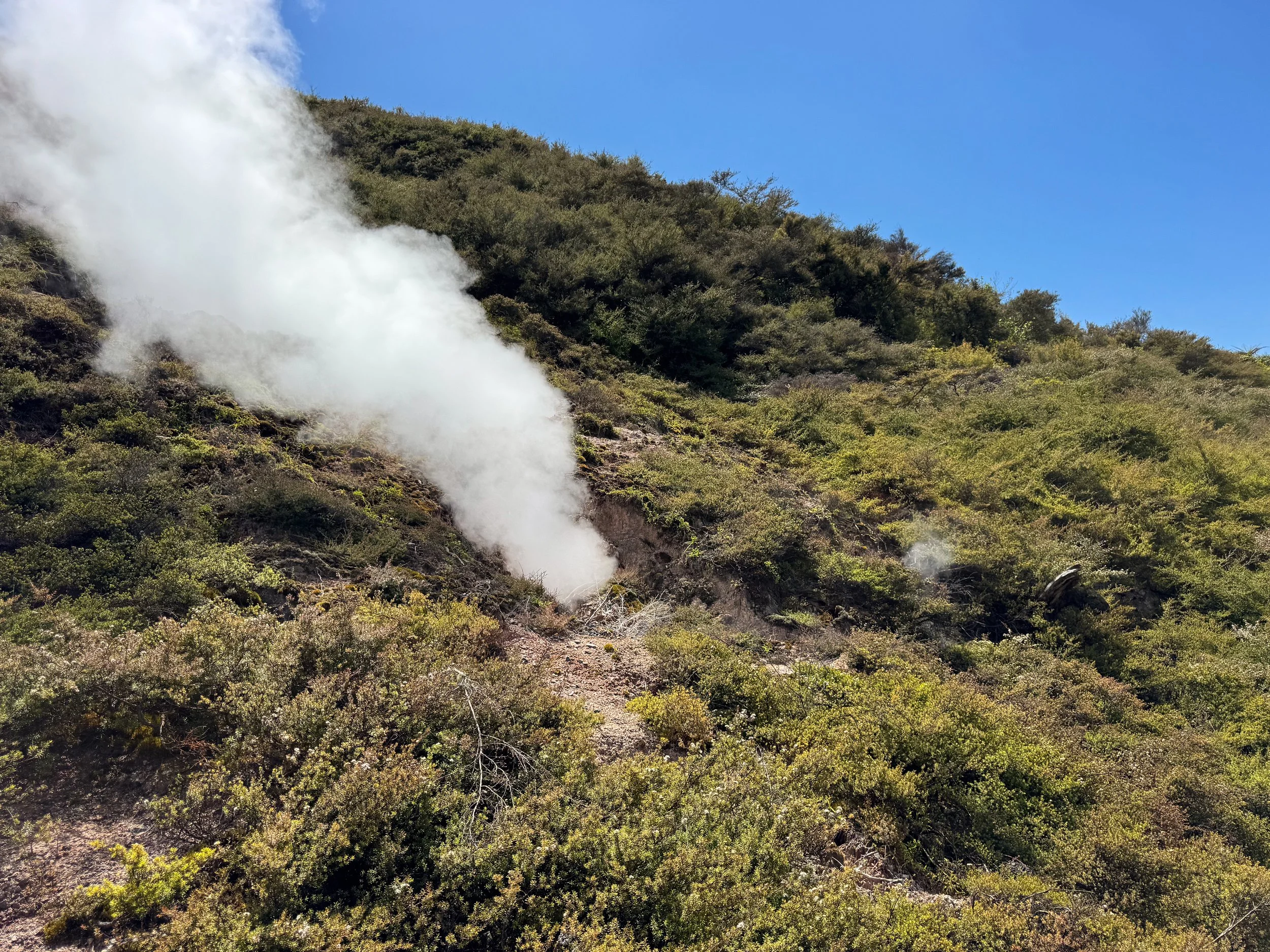
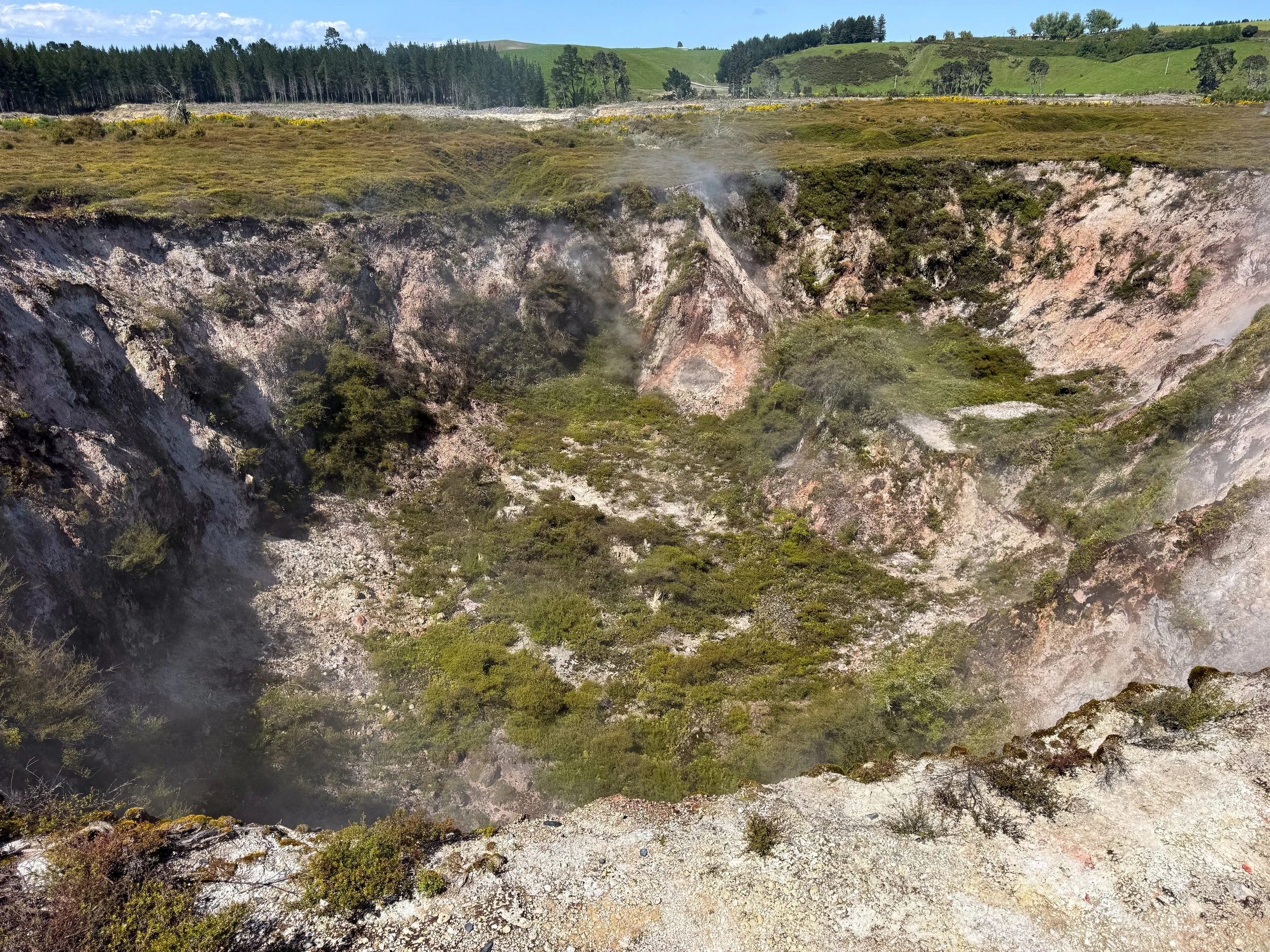
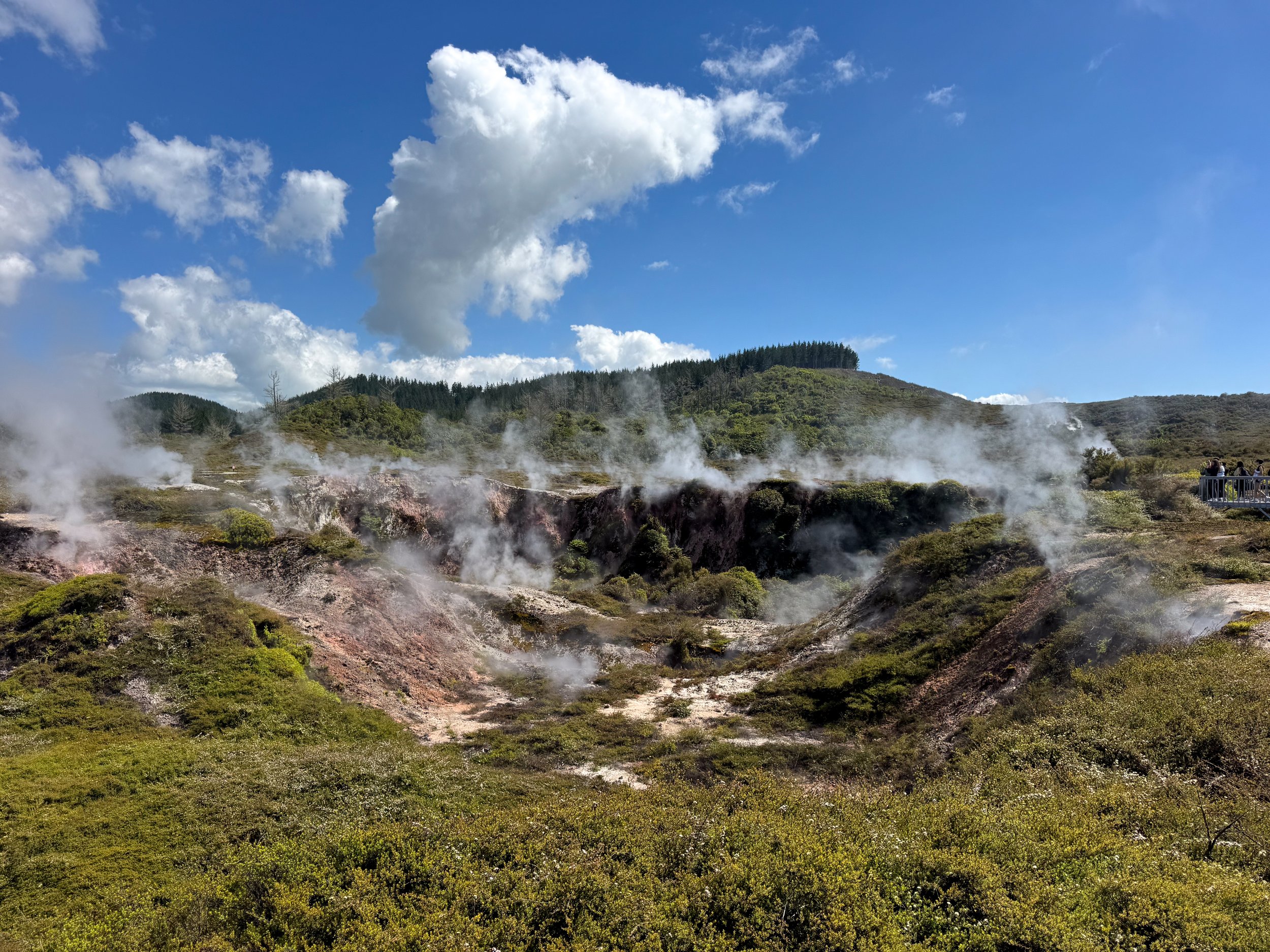
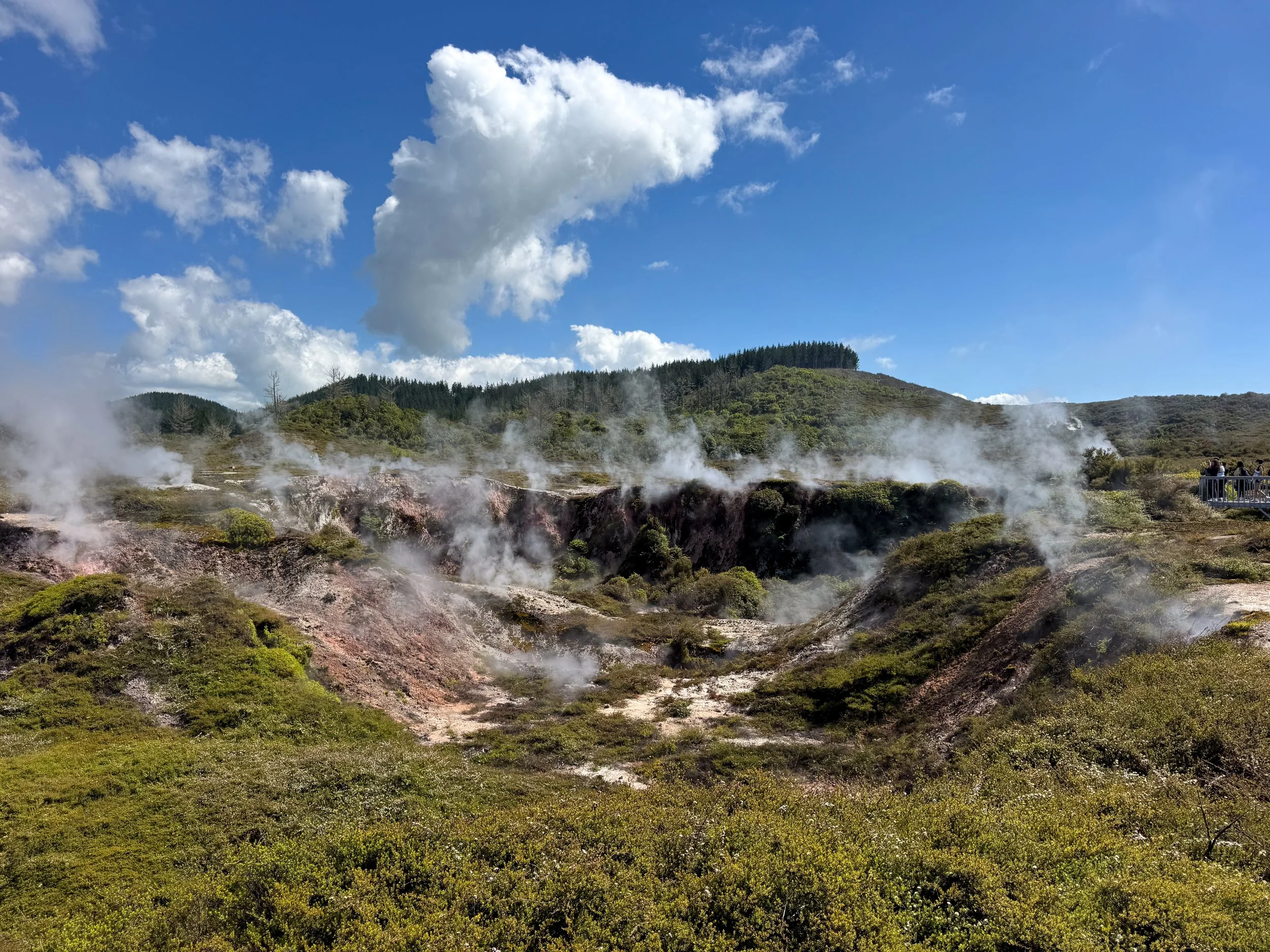
Craters of the Moon. A geothermal park with dozens of steaming craters, mud pools and blow holes. Boardwalks lead through the volcanic scrubland and low lying manuka trees as steam billows from the ground. It’s a leisurely trek taking about an hour.
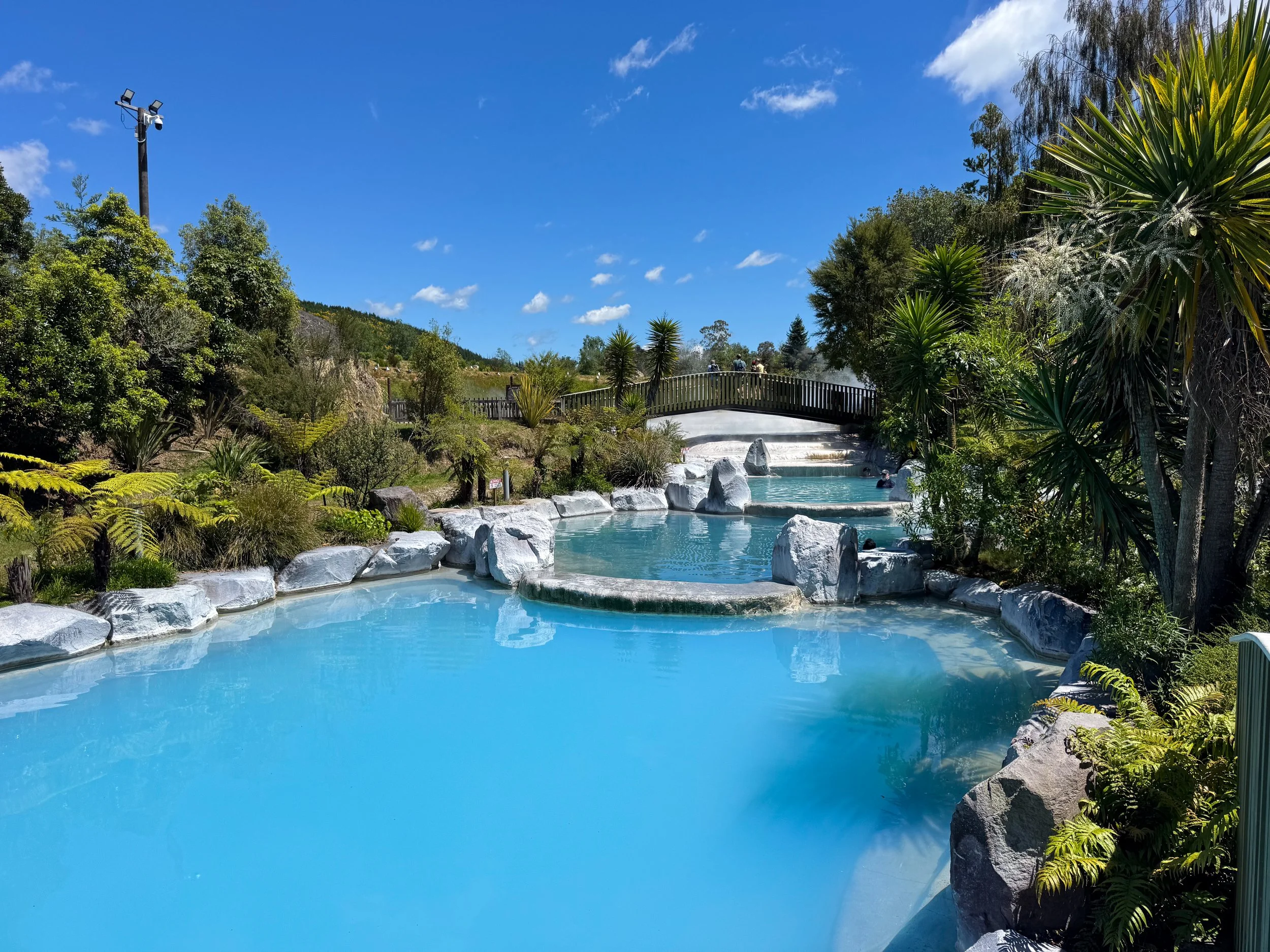
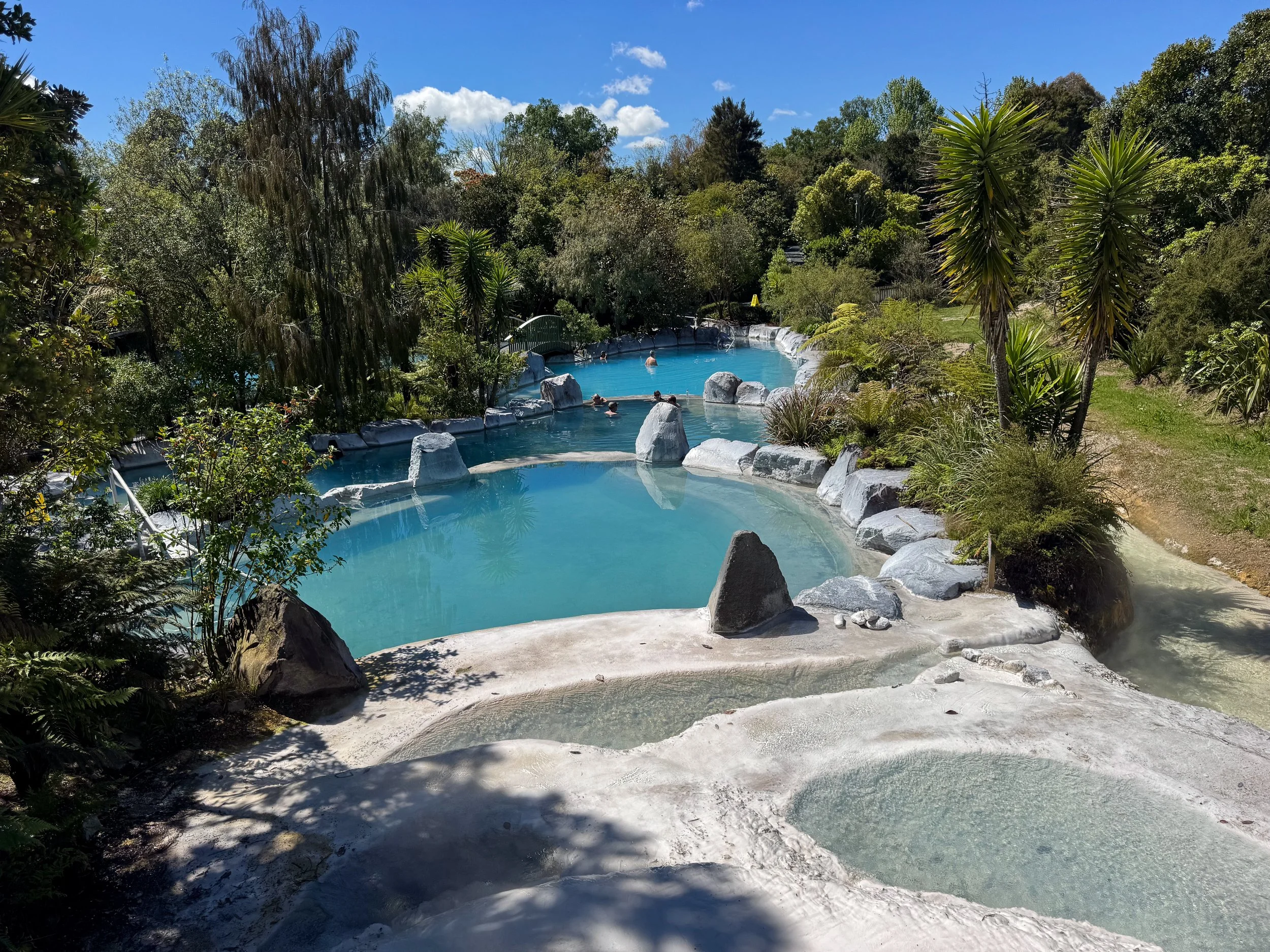
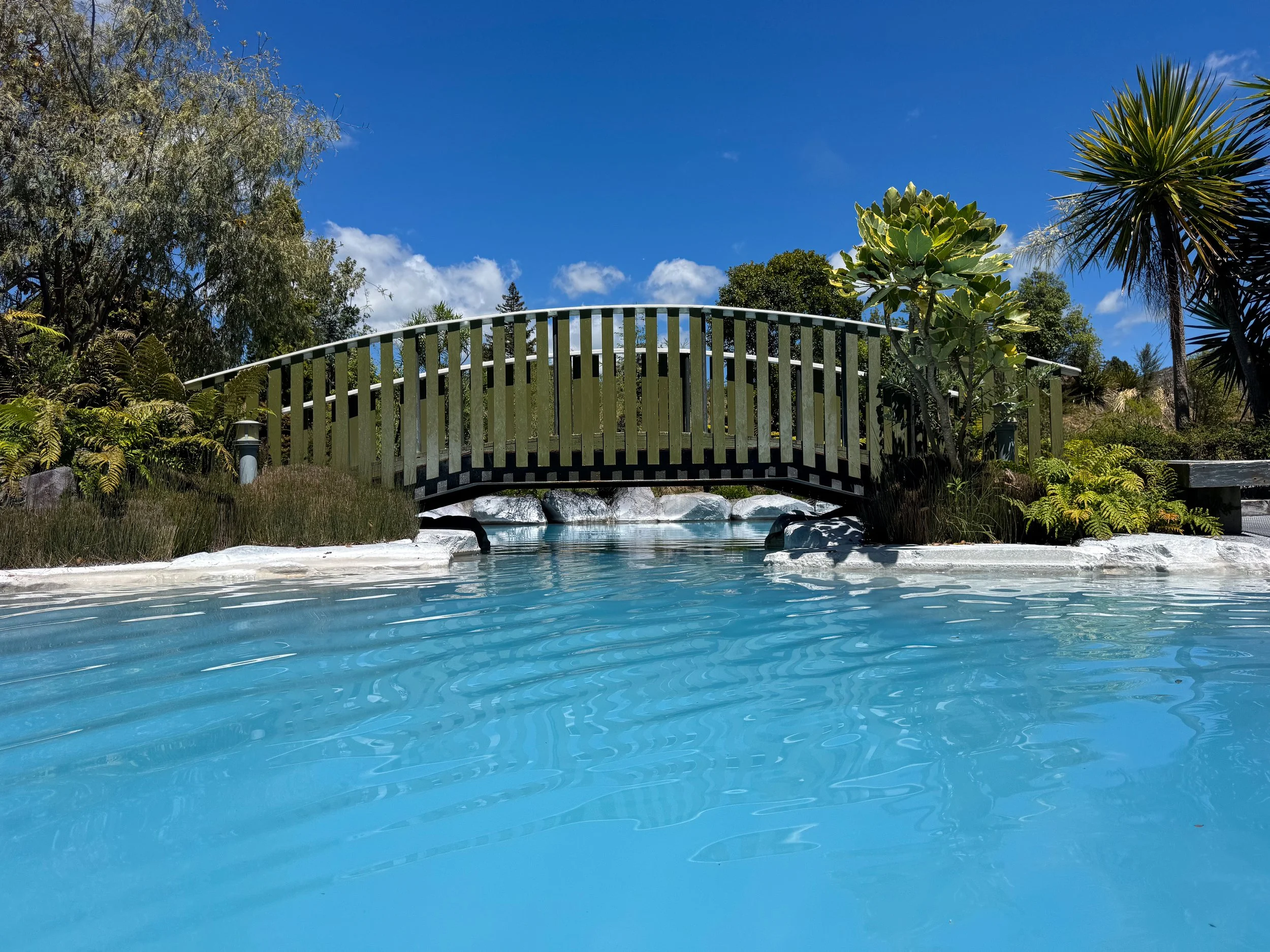
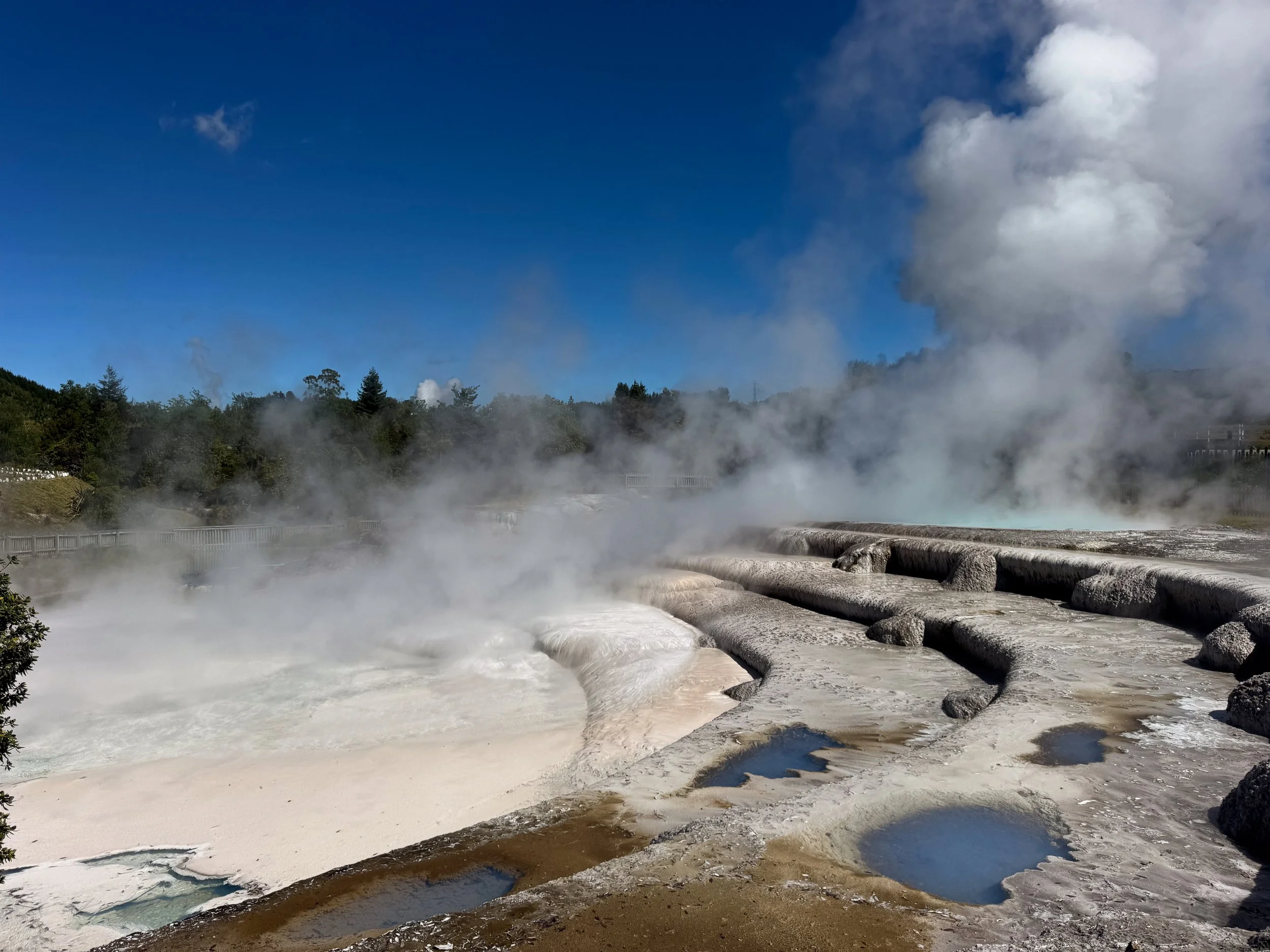
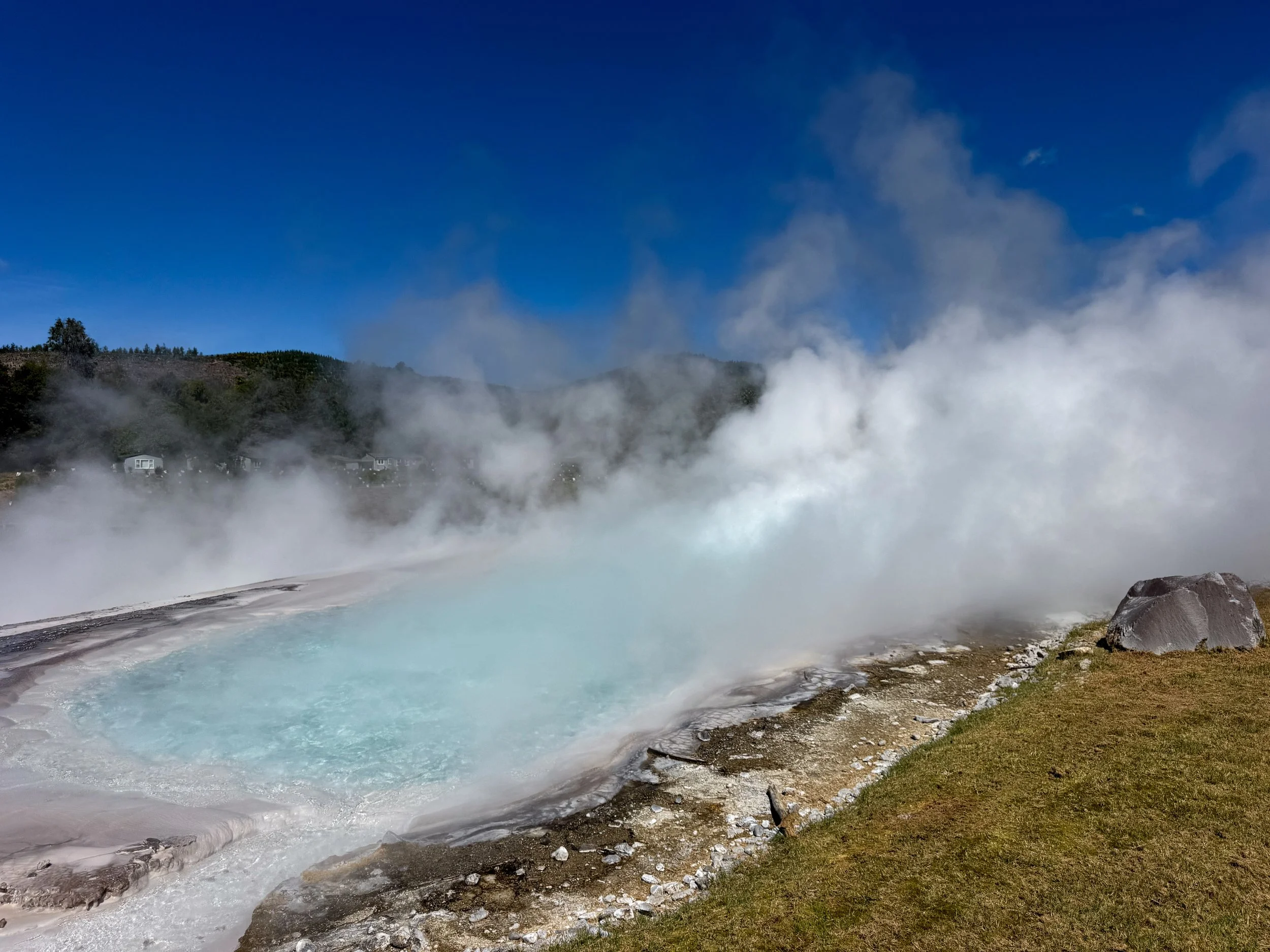
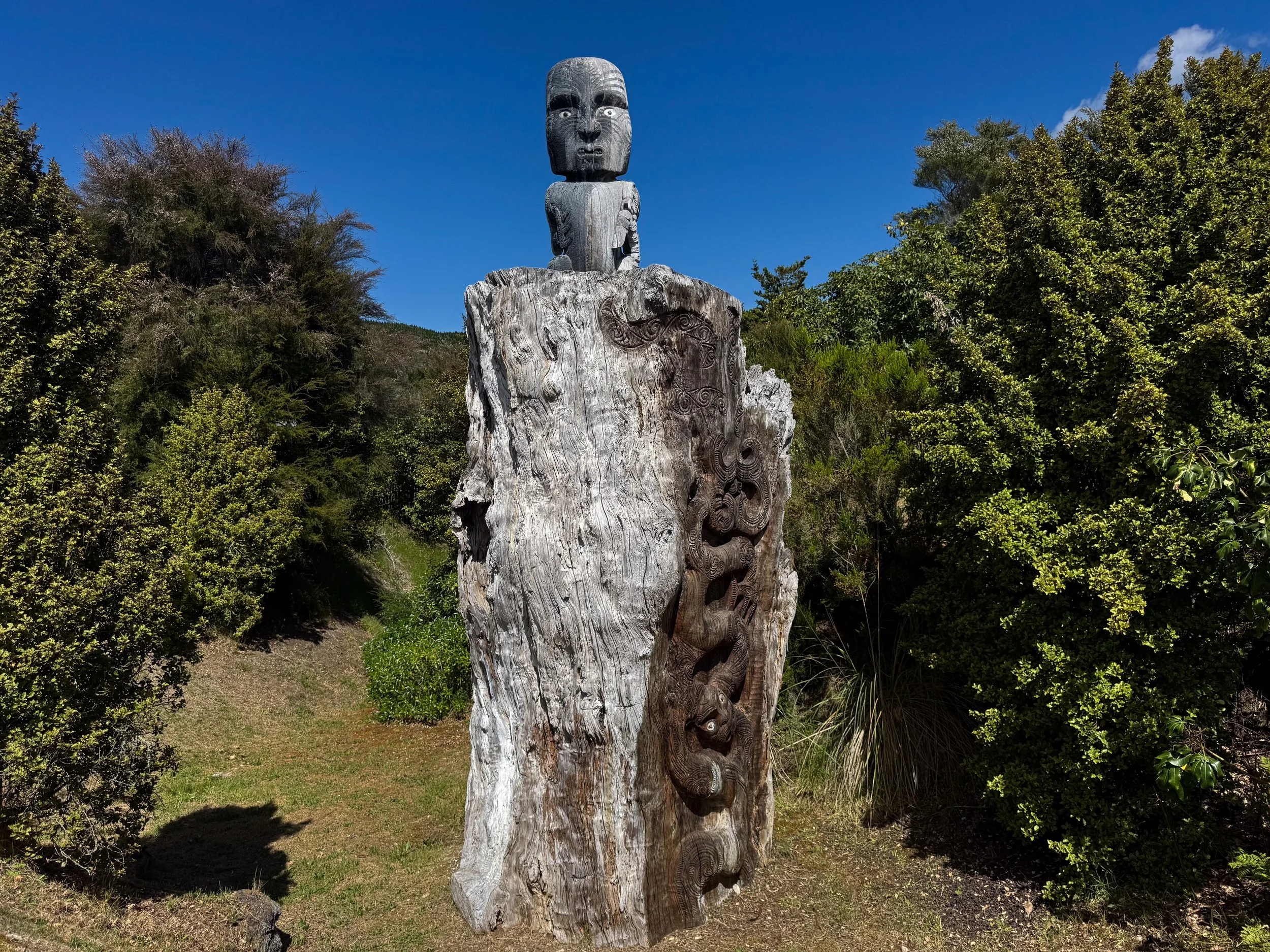
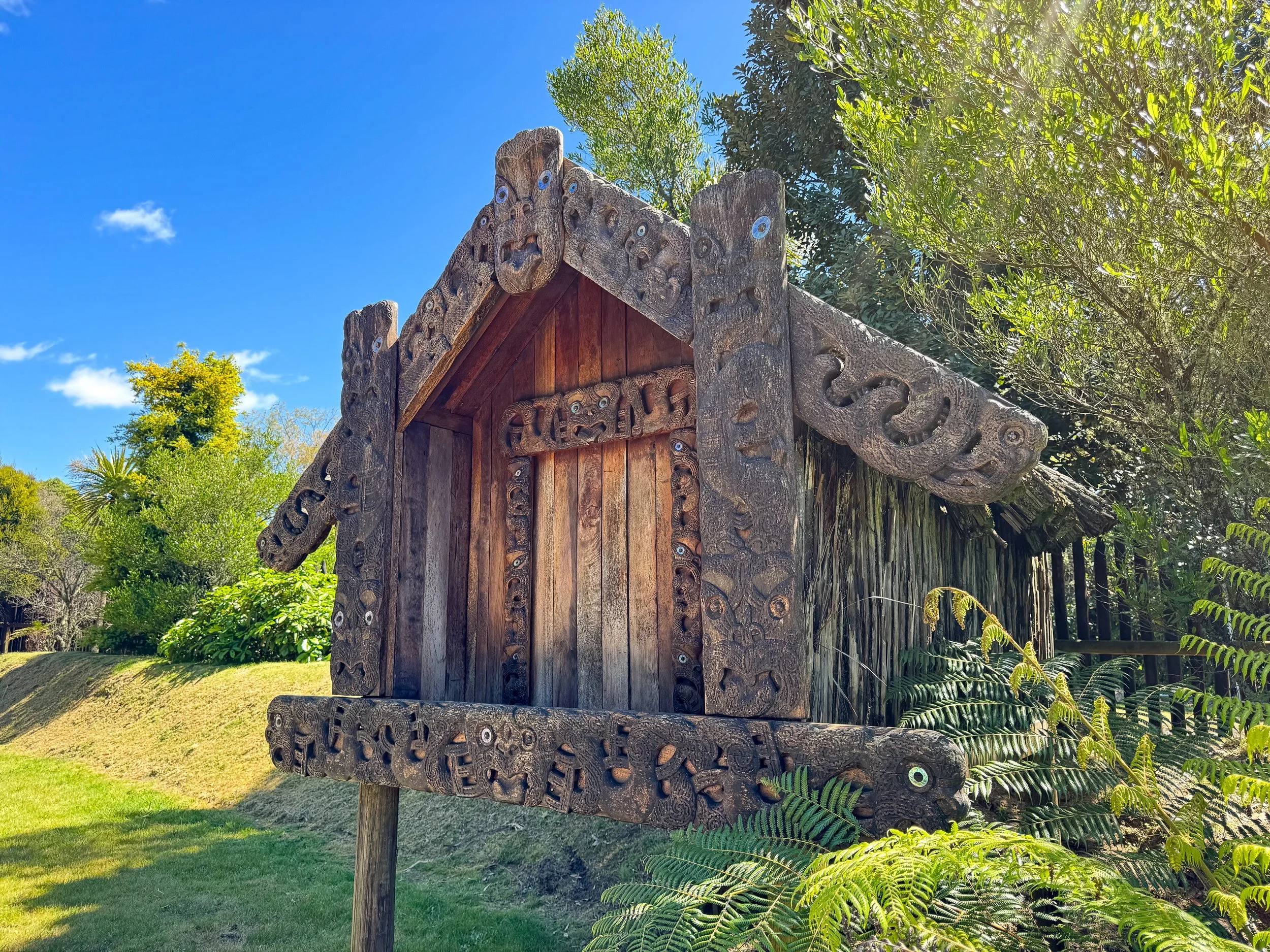
Wairakei Terraces & Thermal Health Spa. A geothermal spa with terraced hot pools fed by a manmade geyser. The mineral rich waters offer a therapeutic way to relax after a day of hiking. The Terrace Walk includes views of the geyser, silica terraces, native flora and reproductions of a Māori Village. Signs share information about Māori stories and culture.
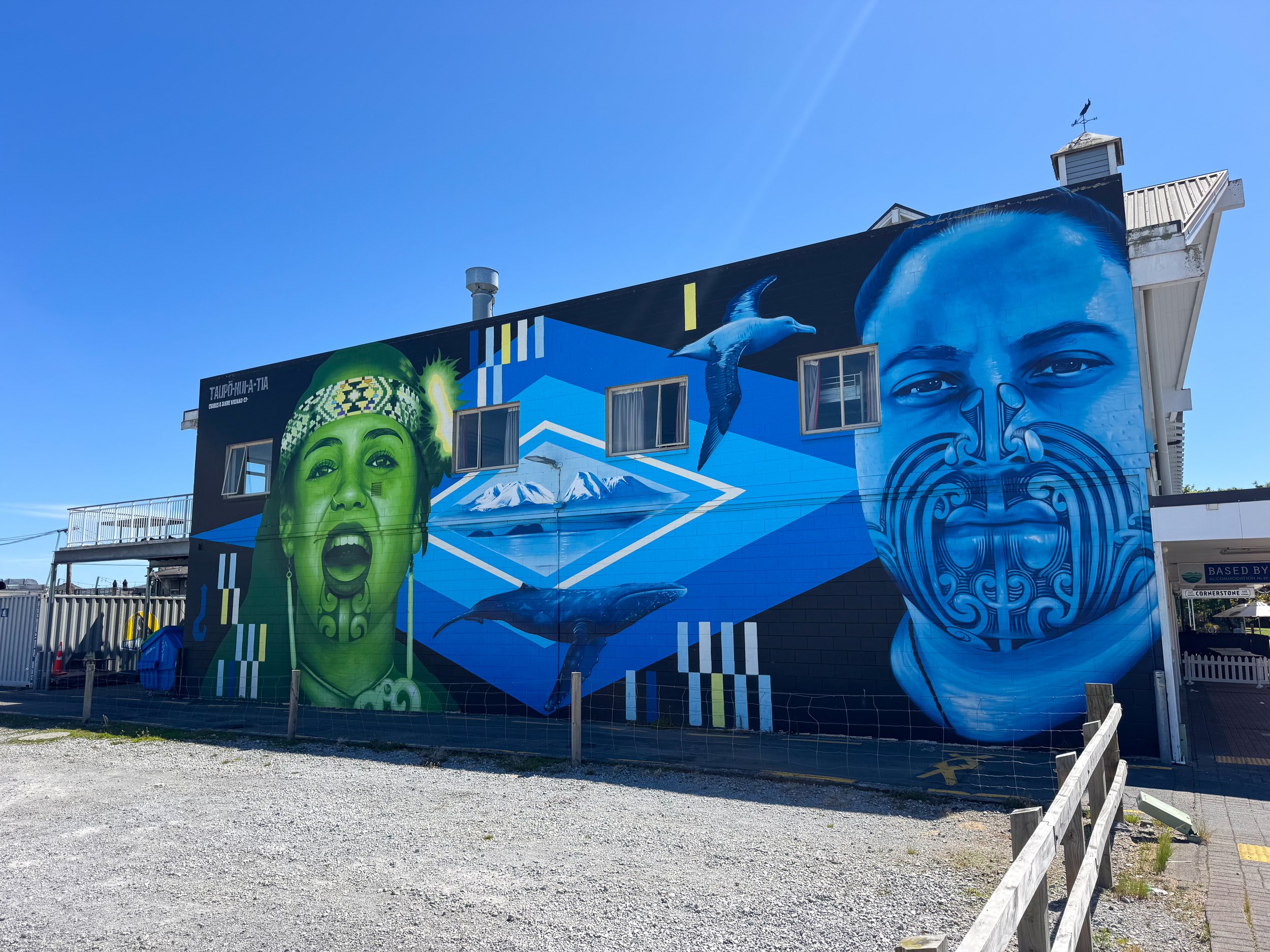
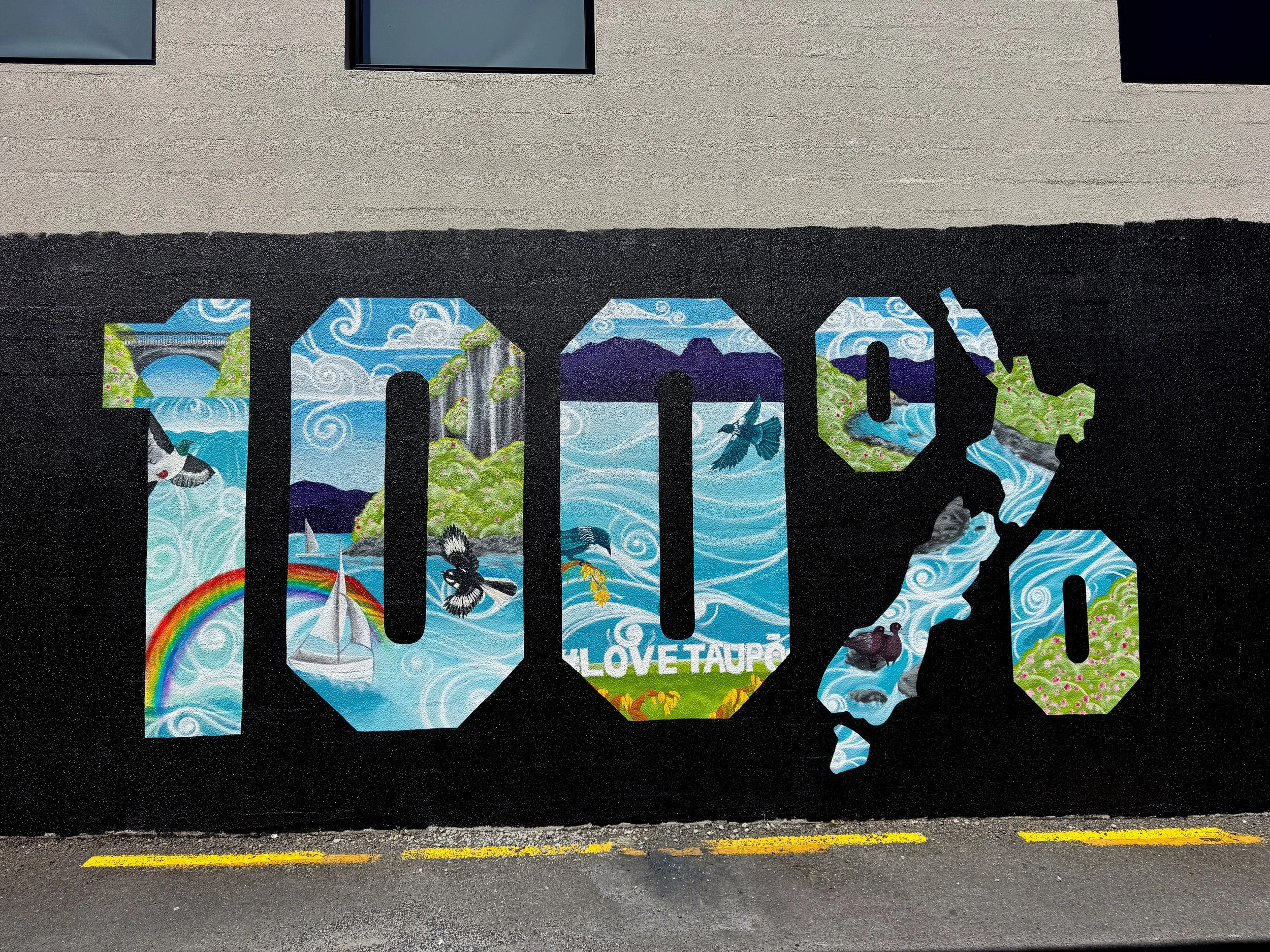
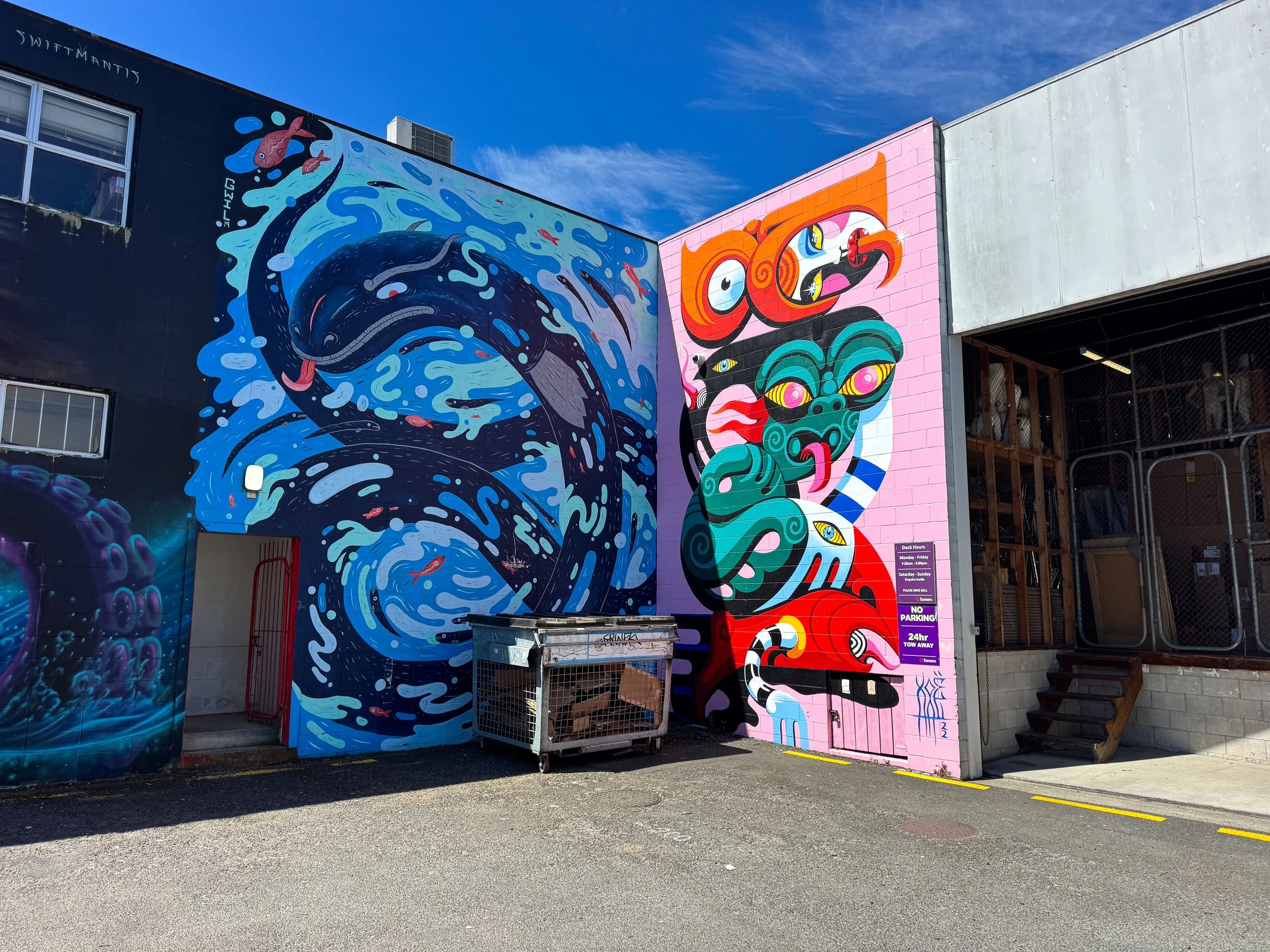
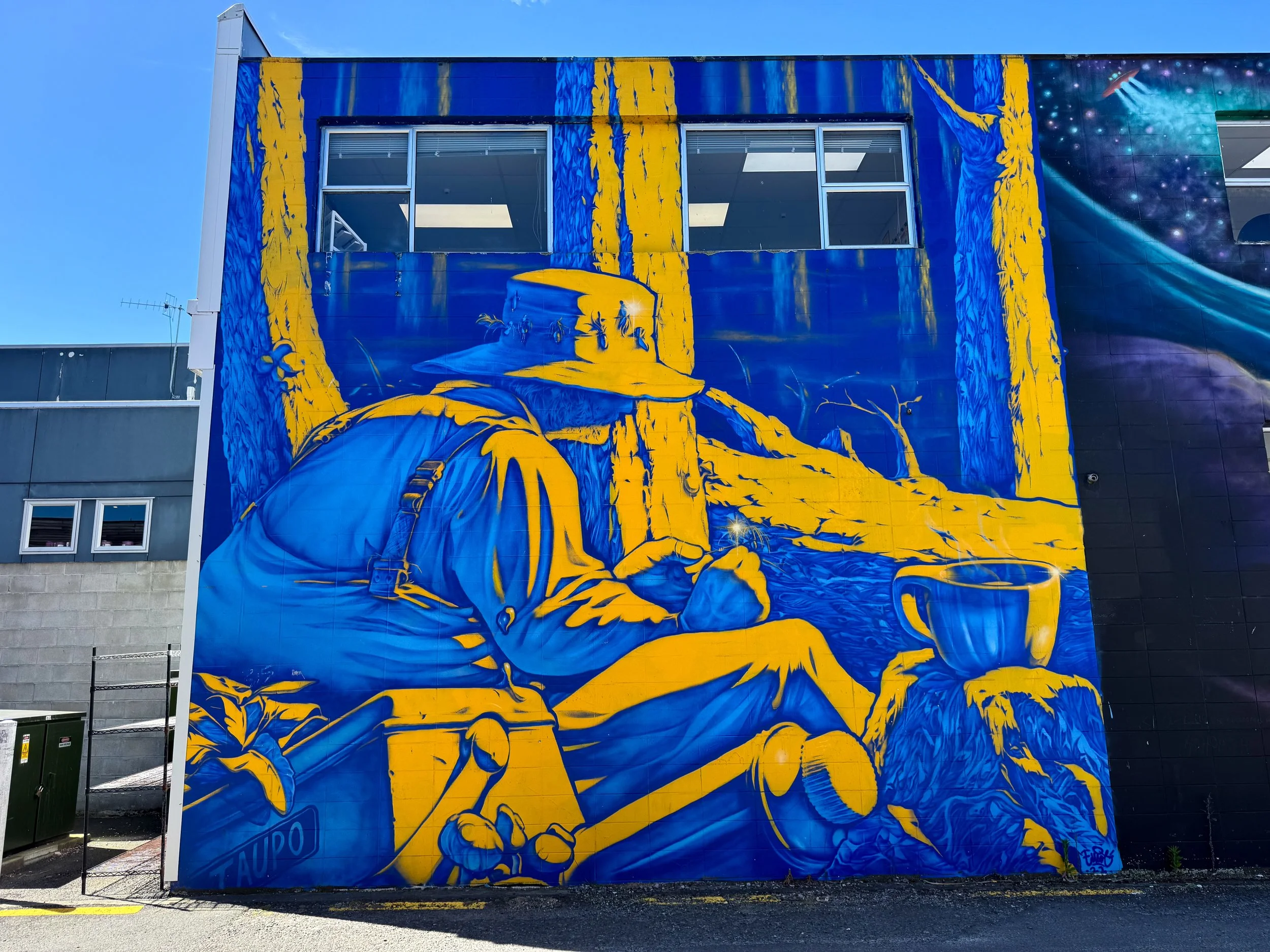
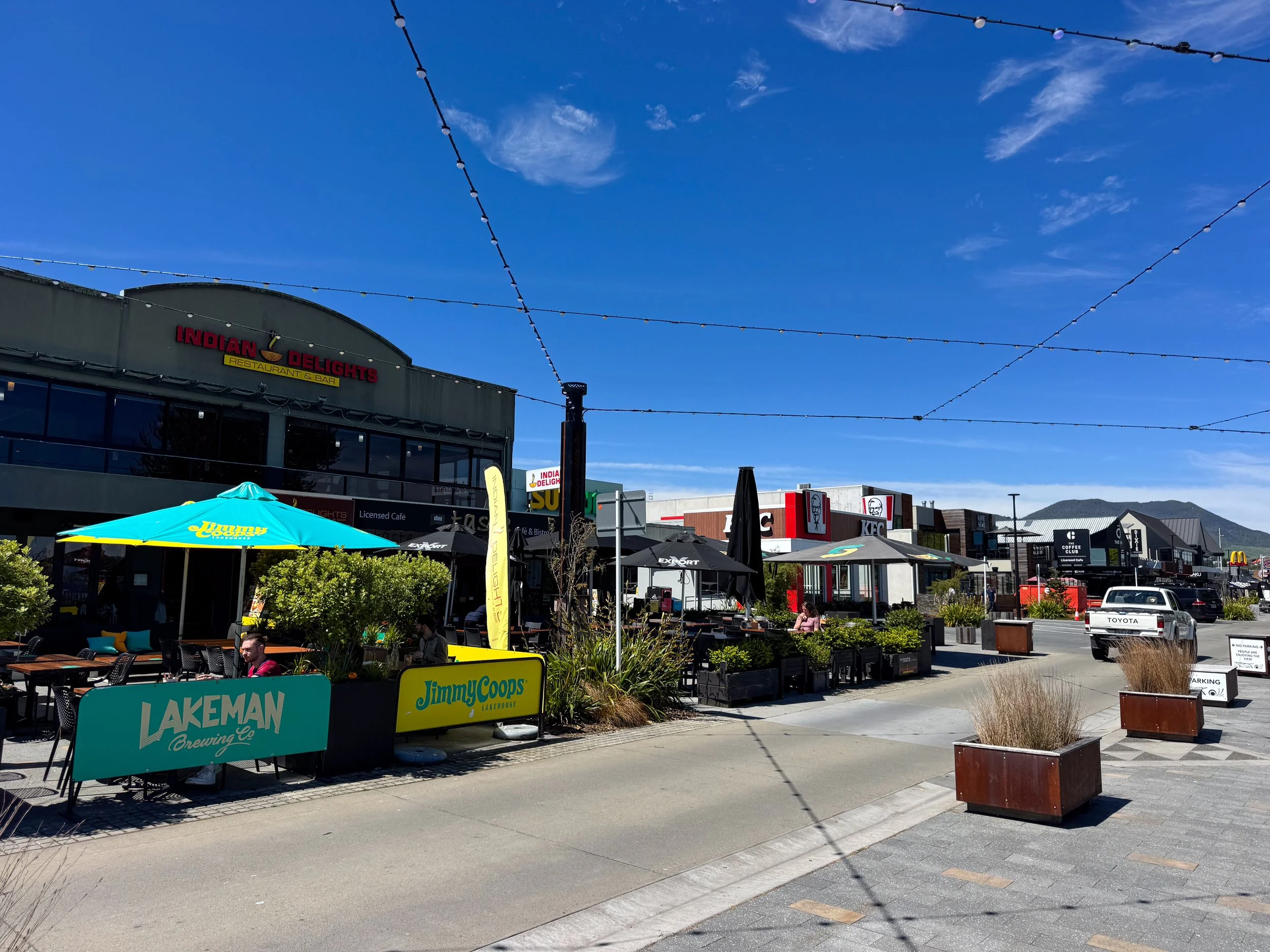
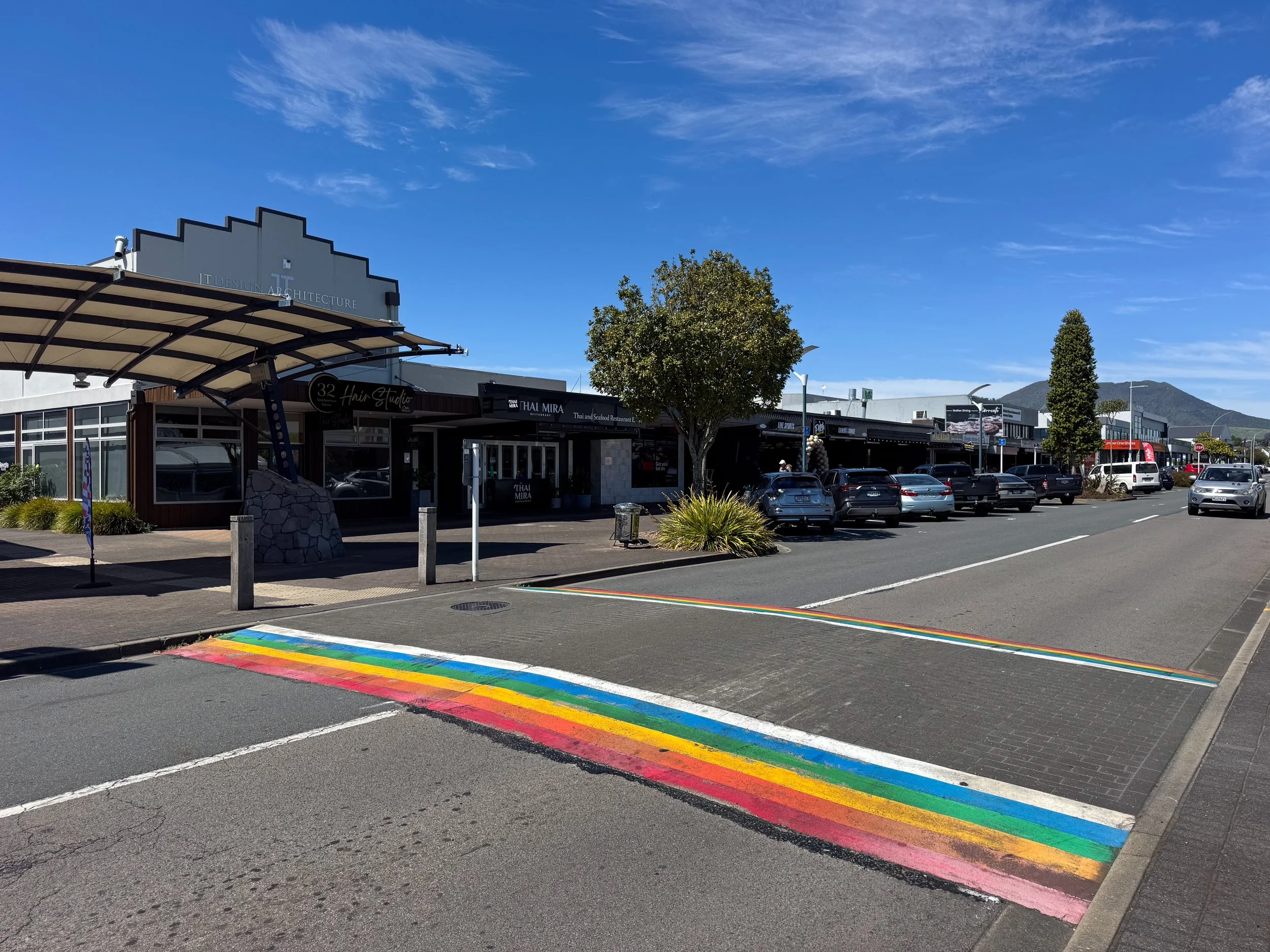
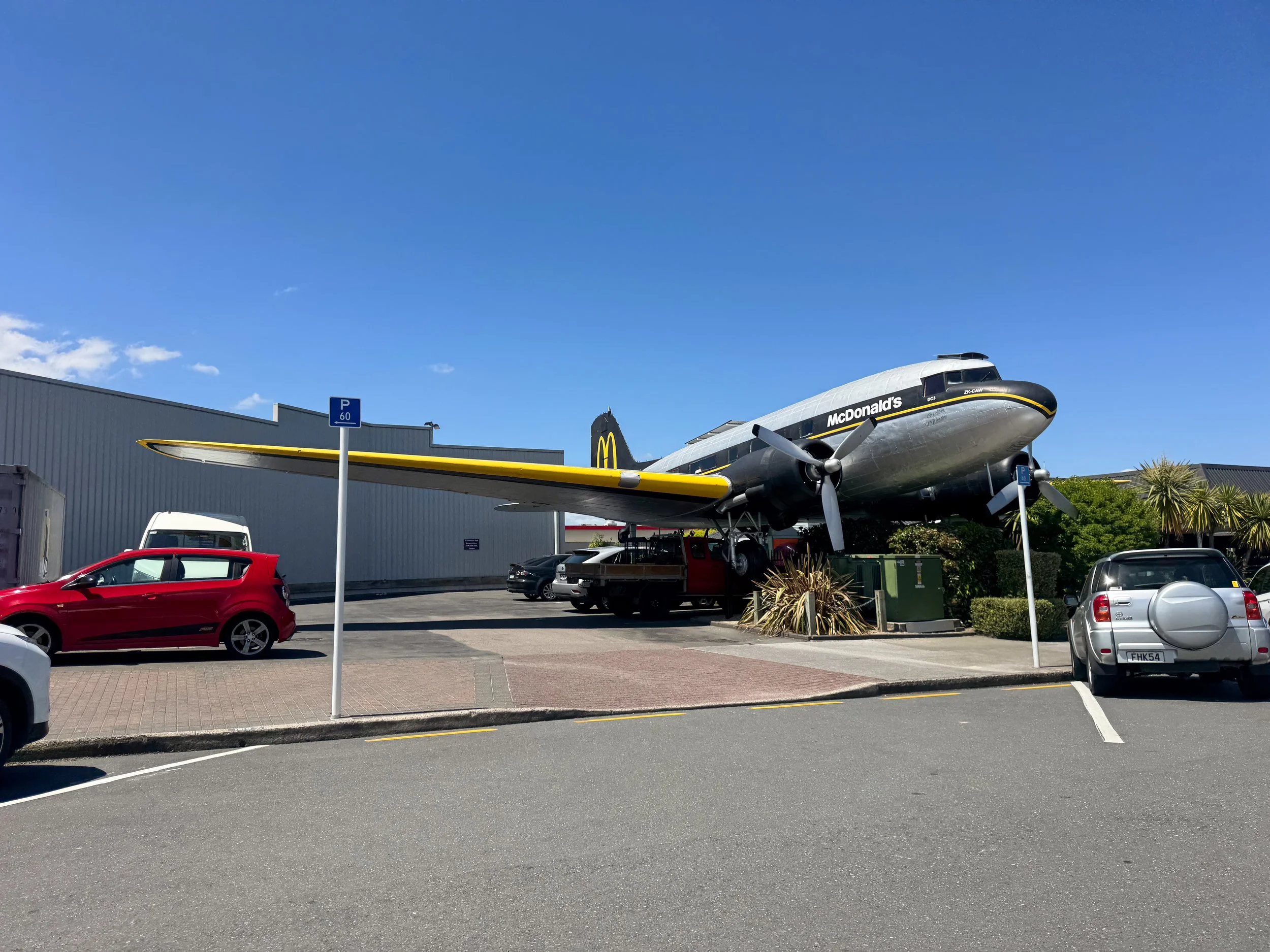
Taupō Town Center. A small but lively neighborhood of Taupō with breweries, restaurants, bakeries, clothing shops, cute boutiques and outdoor outfitters. Side alleys are painted with colorful murals. Its waterfront has scenic views of the lake.
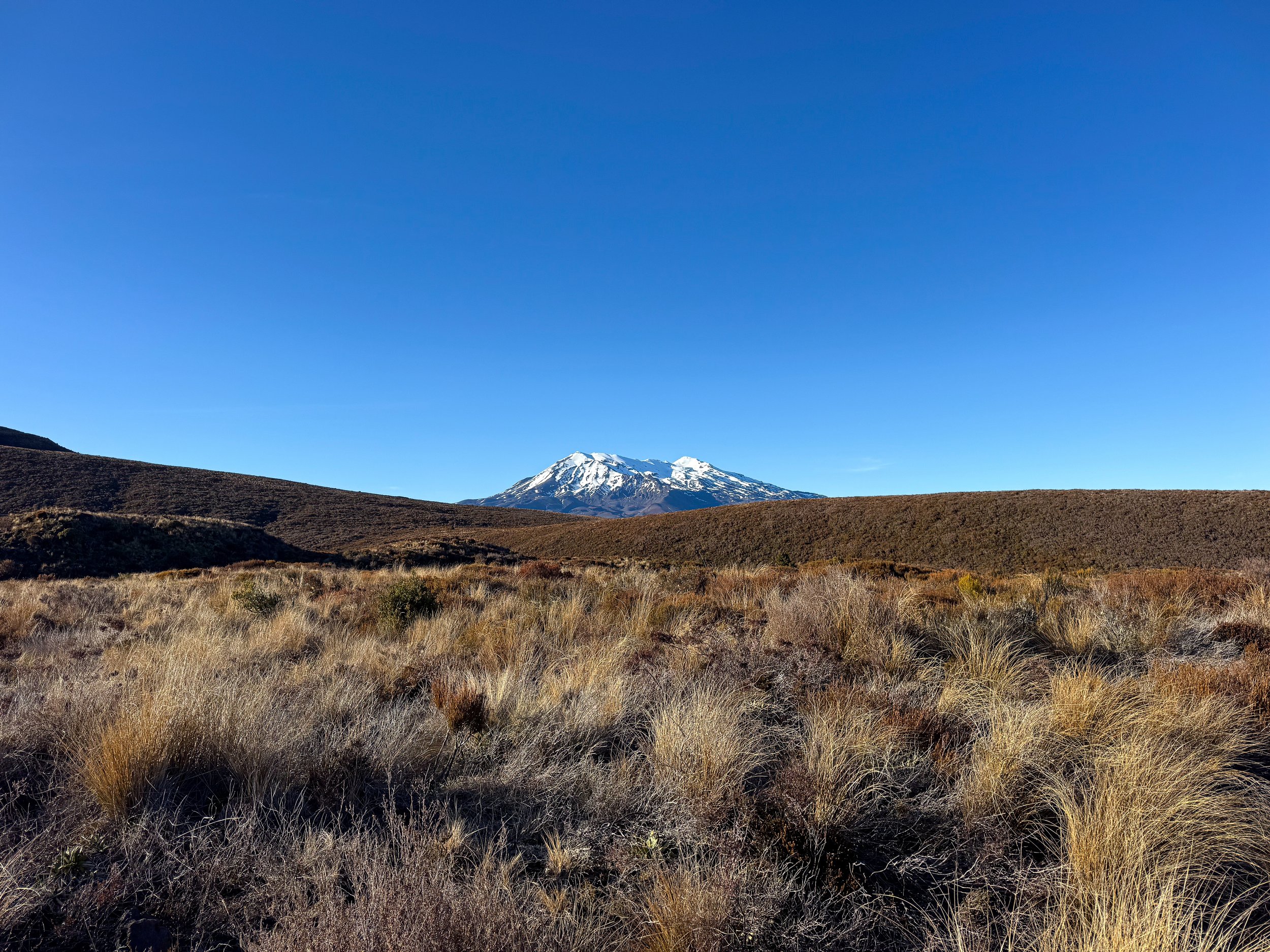
Tongariro Alpine Crossing
The Tongariro Alpine Crossing is a scenic day hike through an active volcanic landscape. The Northern Circuit leads 20.2km past hardened lava flows, dramatic volcanos, craters, thermal vents, blue lagoons and waterfalls.
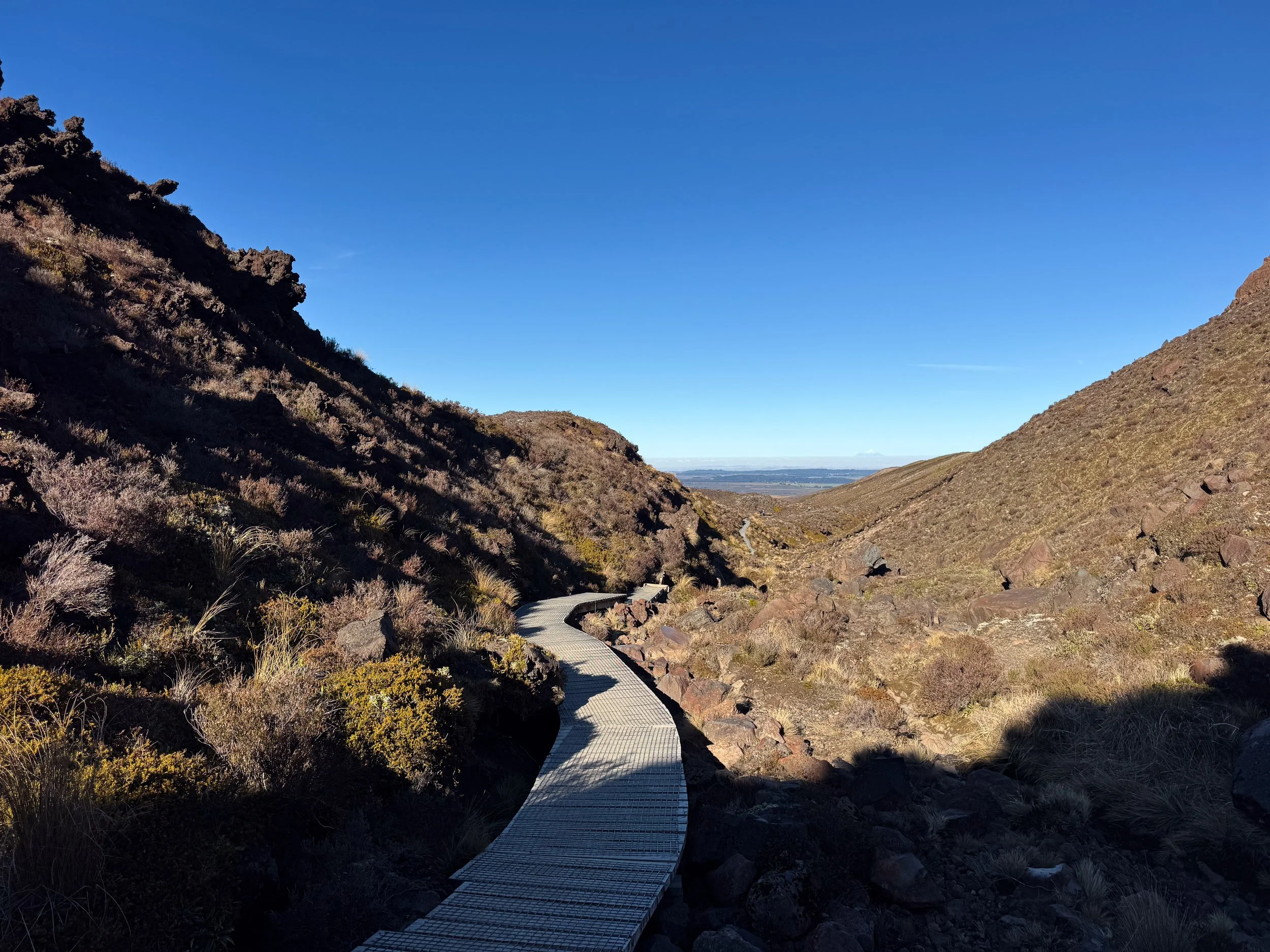
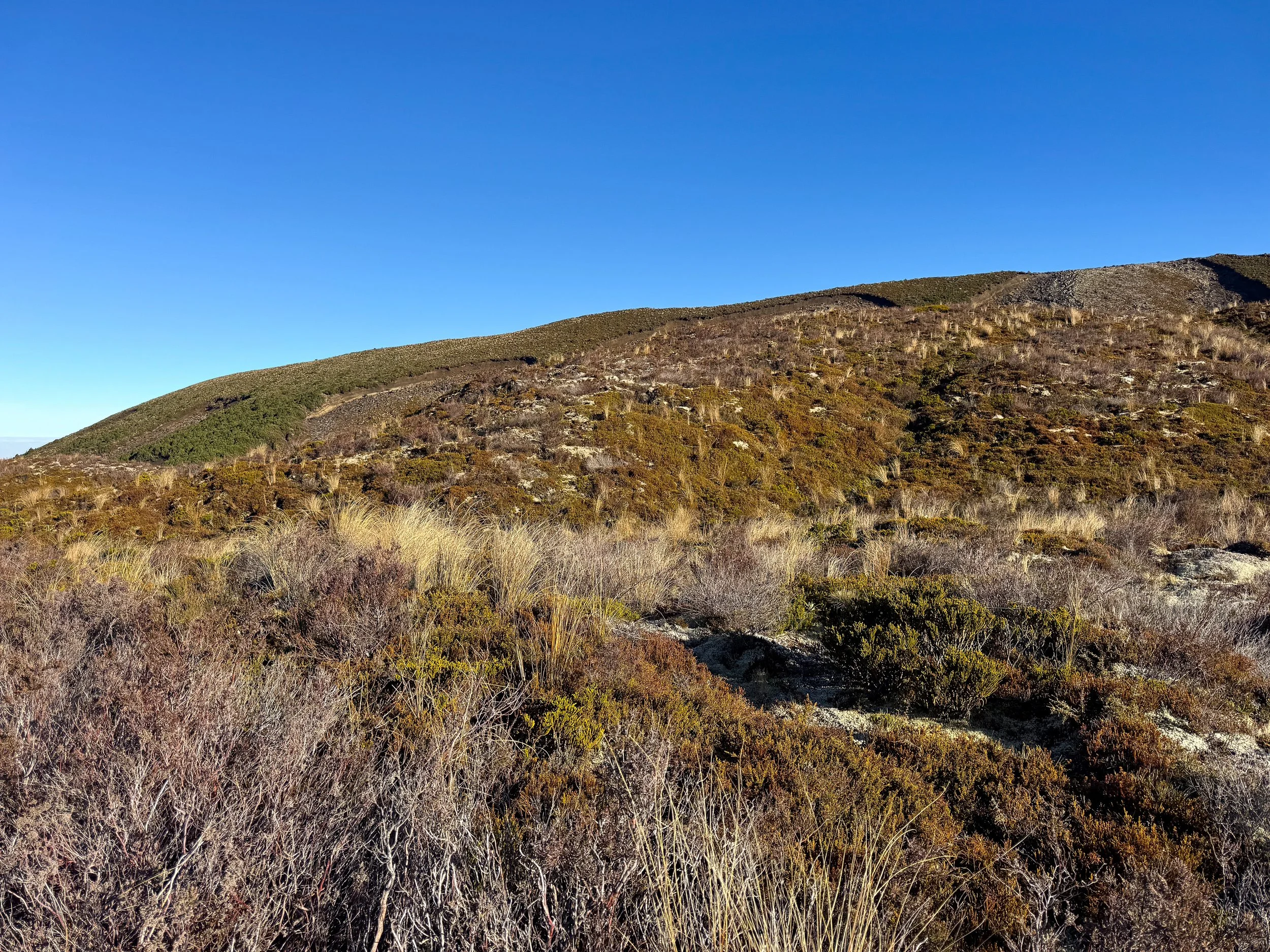
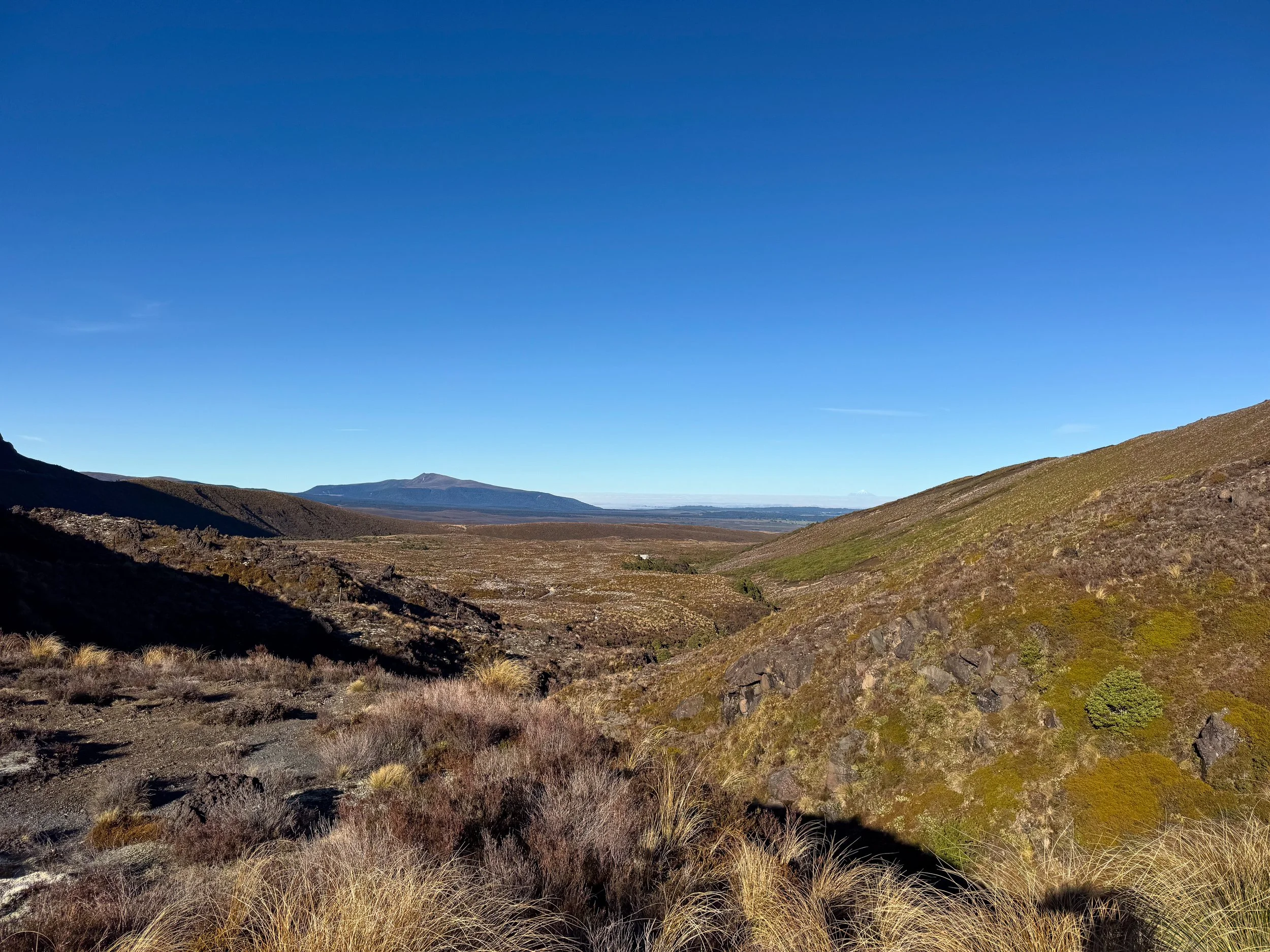
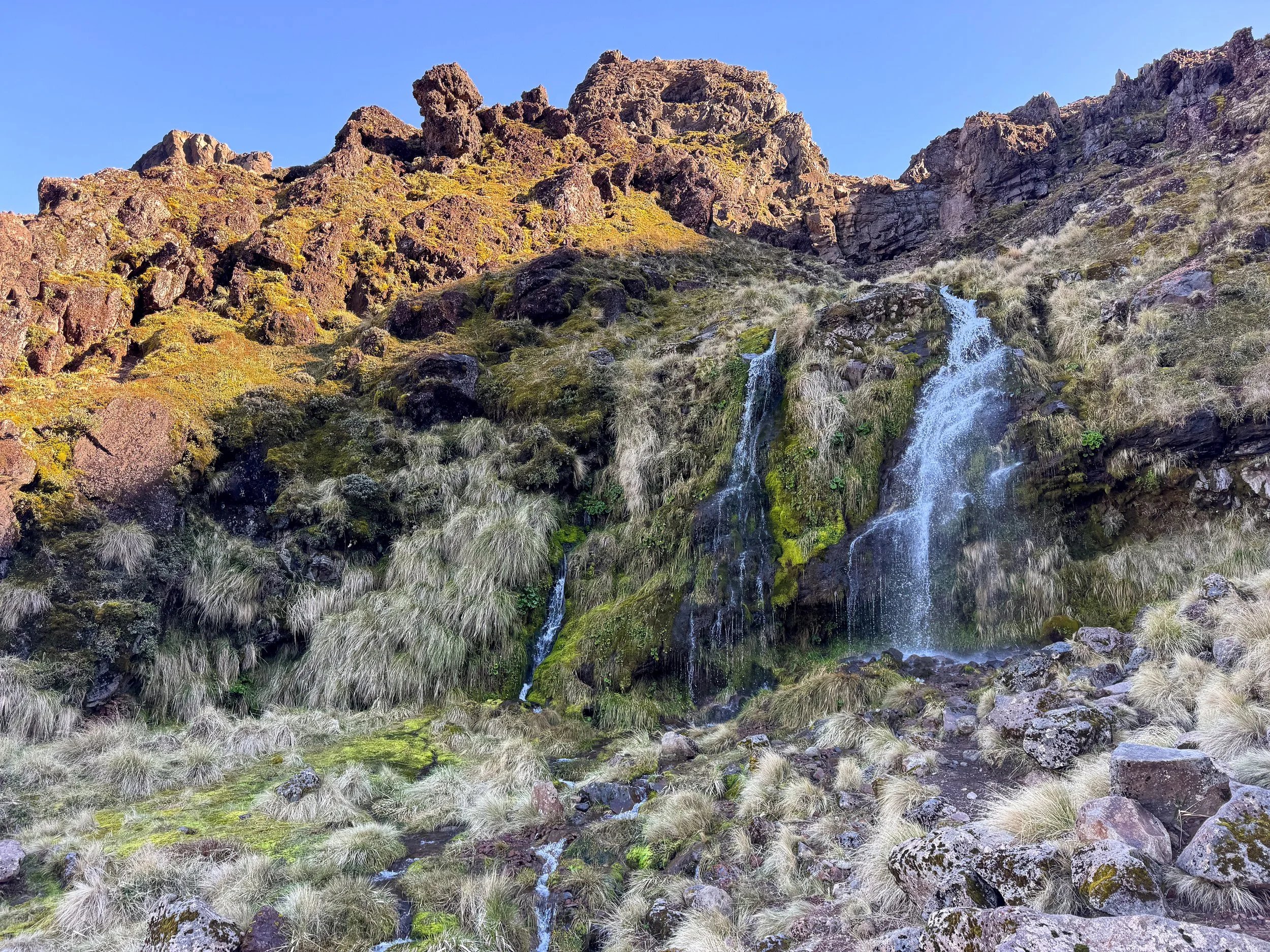
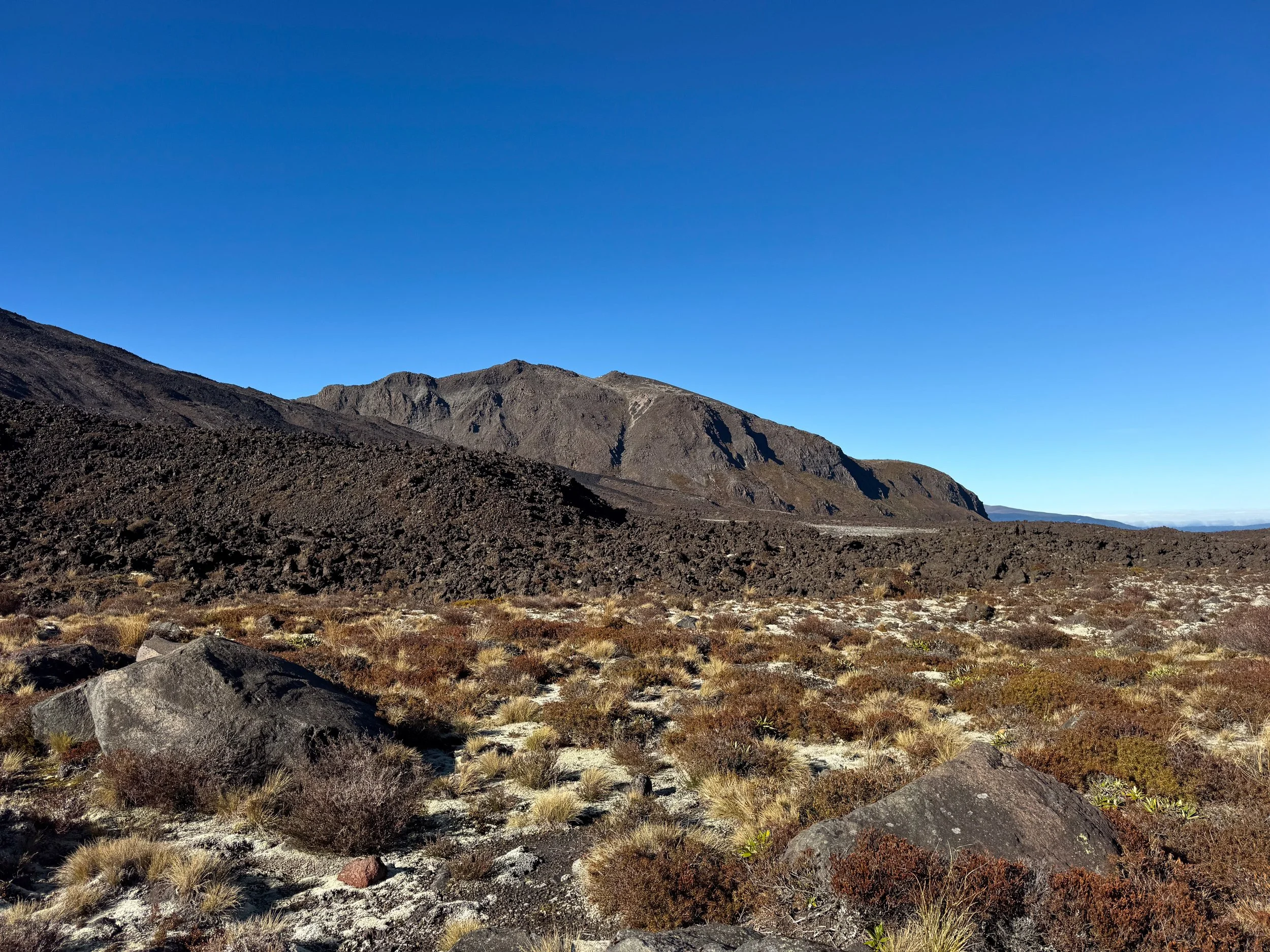
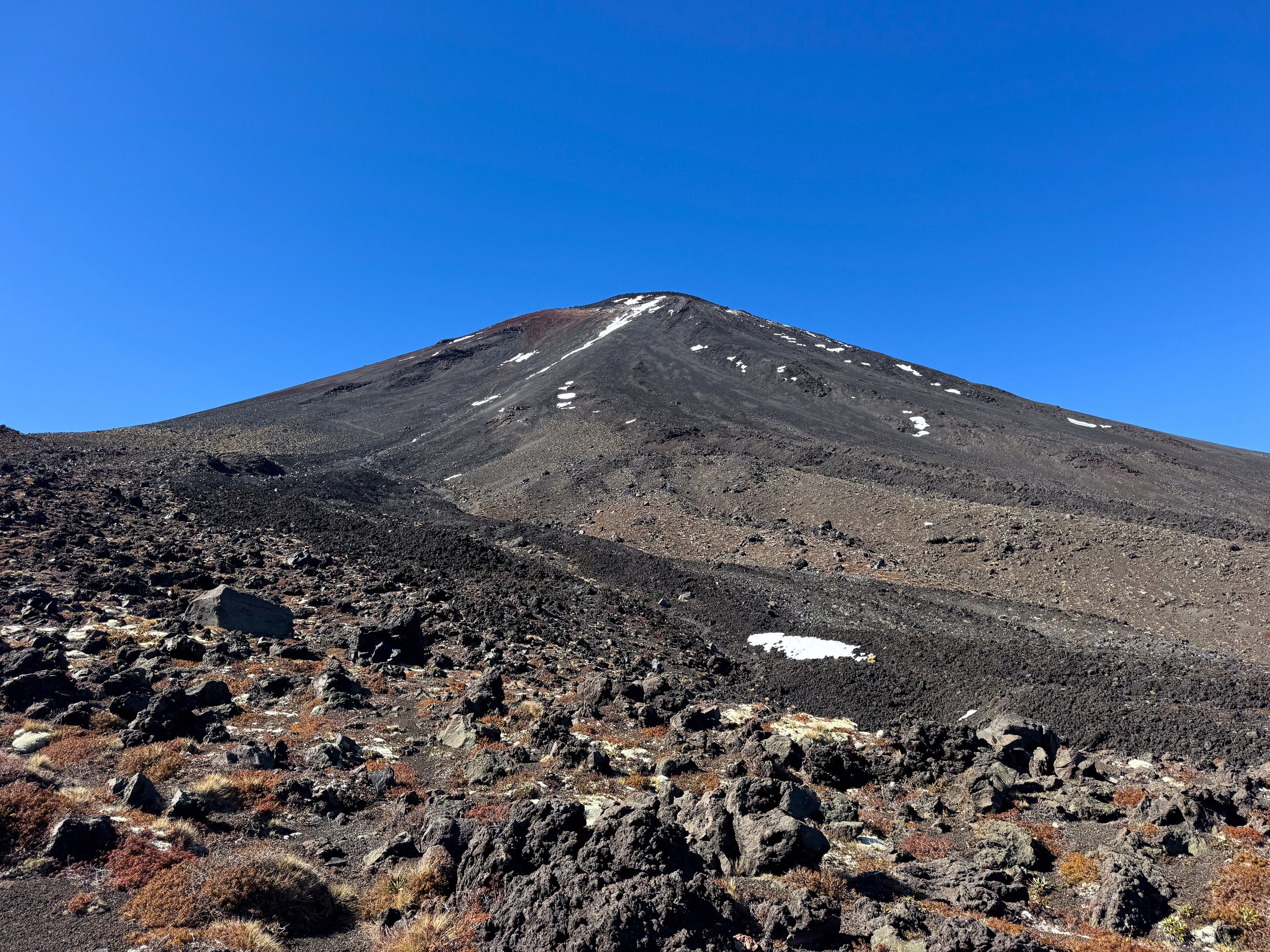
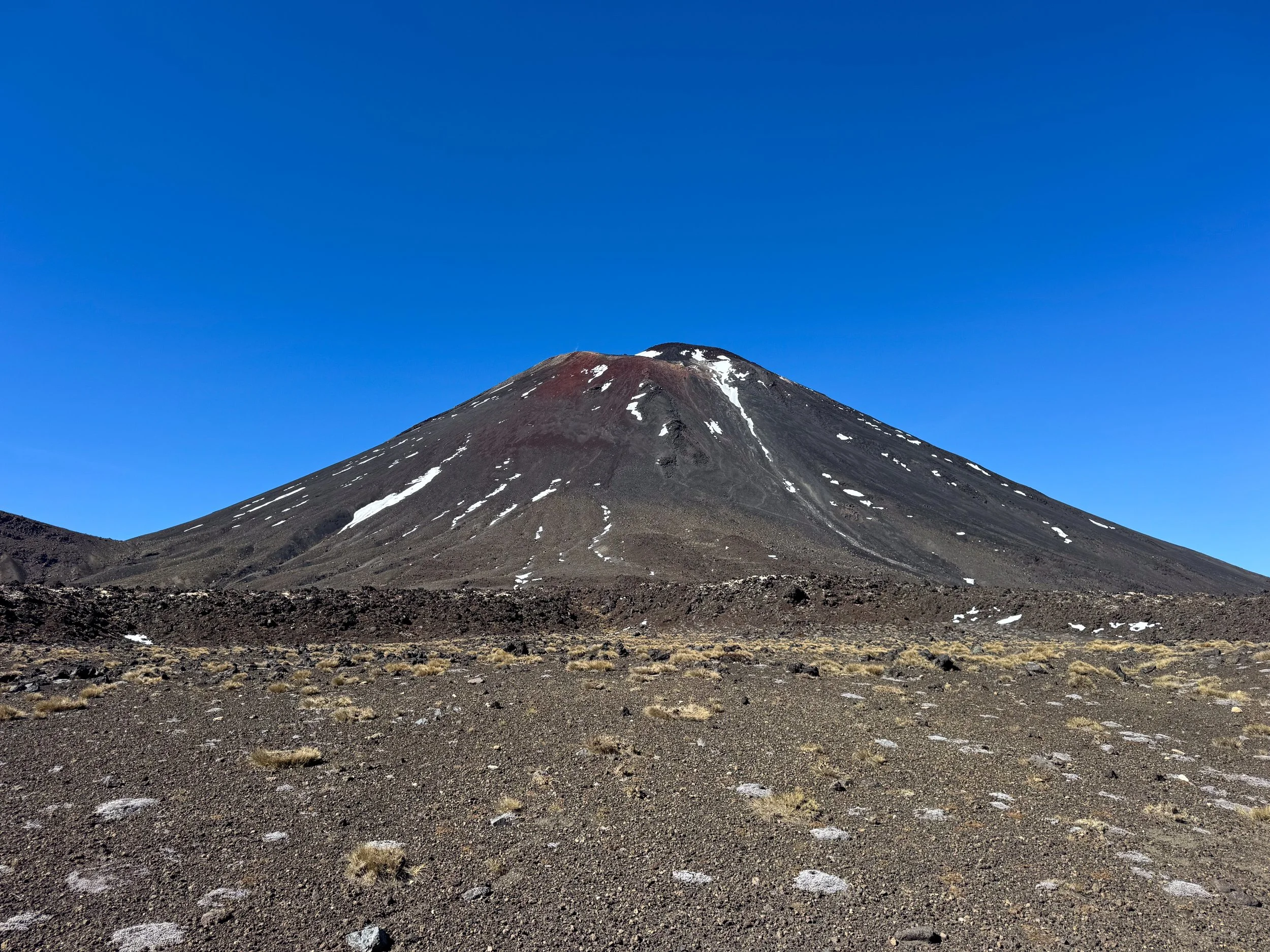
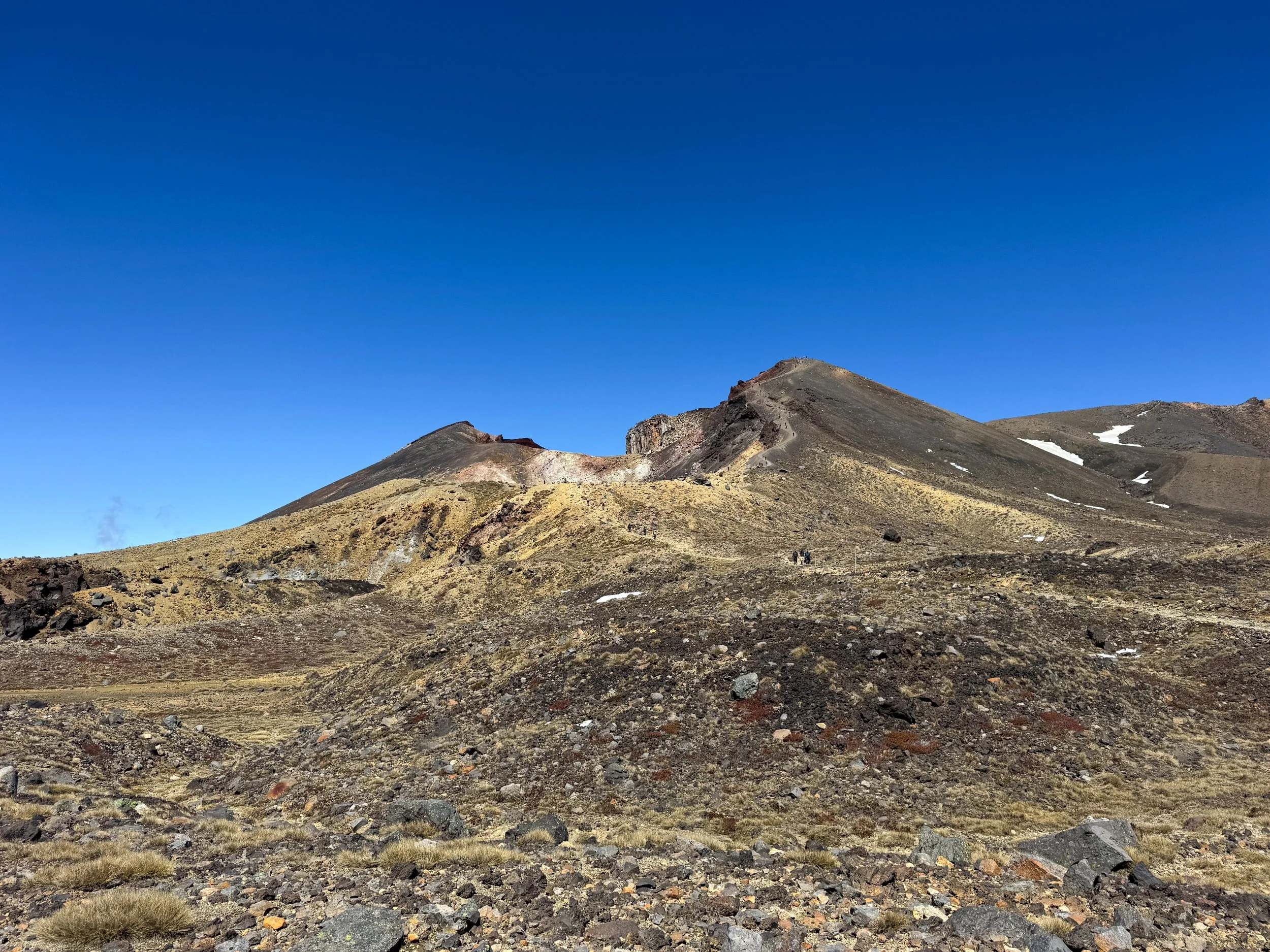
The Timber Trail. A scenic uphill trail leading several kilometers through rugged moorlands covered in short bushes, dry grasses and pale green mosses. The landscape transitions into a barren desert with hardened lava flows, black sand and snowy crevices. The trail offers closeup views of Mt Ngauruhoe, aka Mt Doom.
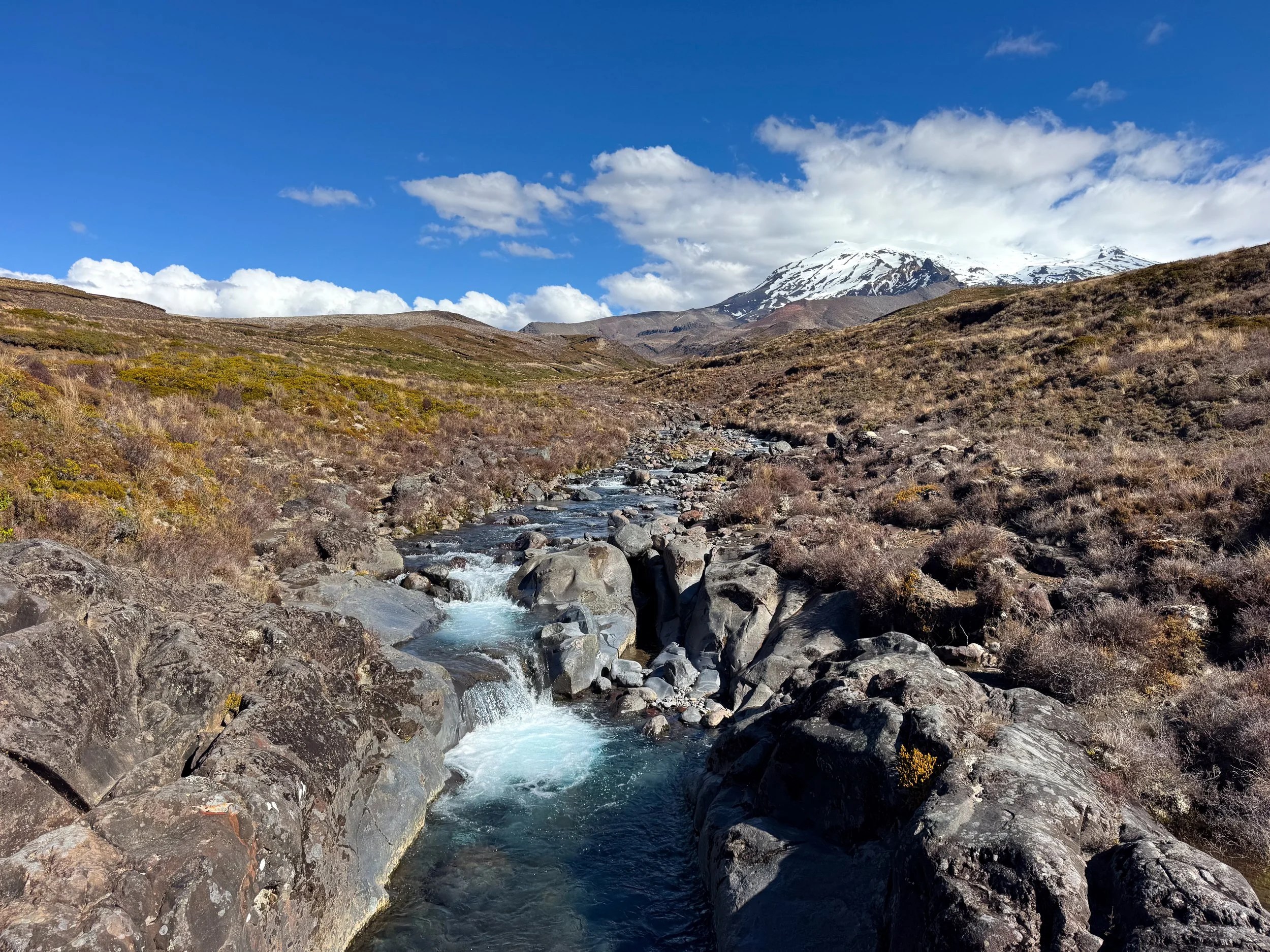
Soda Springs. A small waterfall cascading over algae covered lava rock. It’s reachable from an offshoot of The Timber Trail.
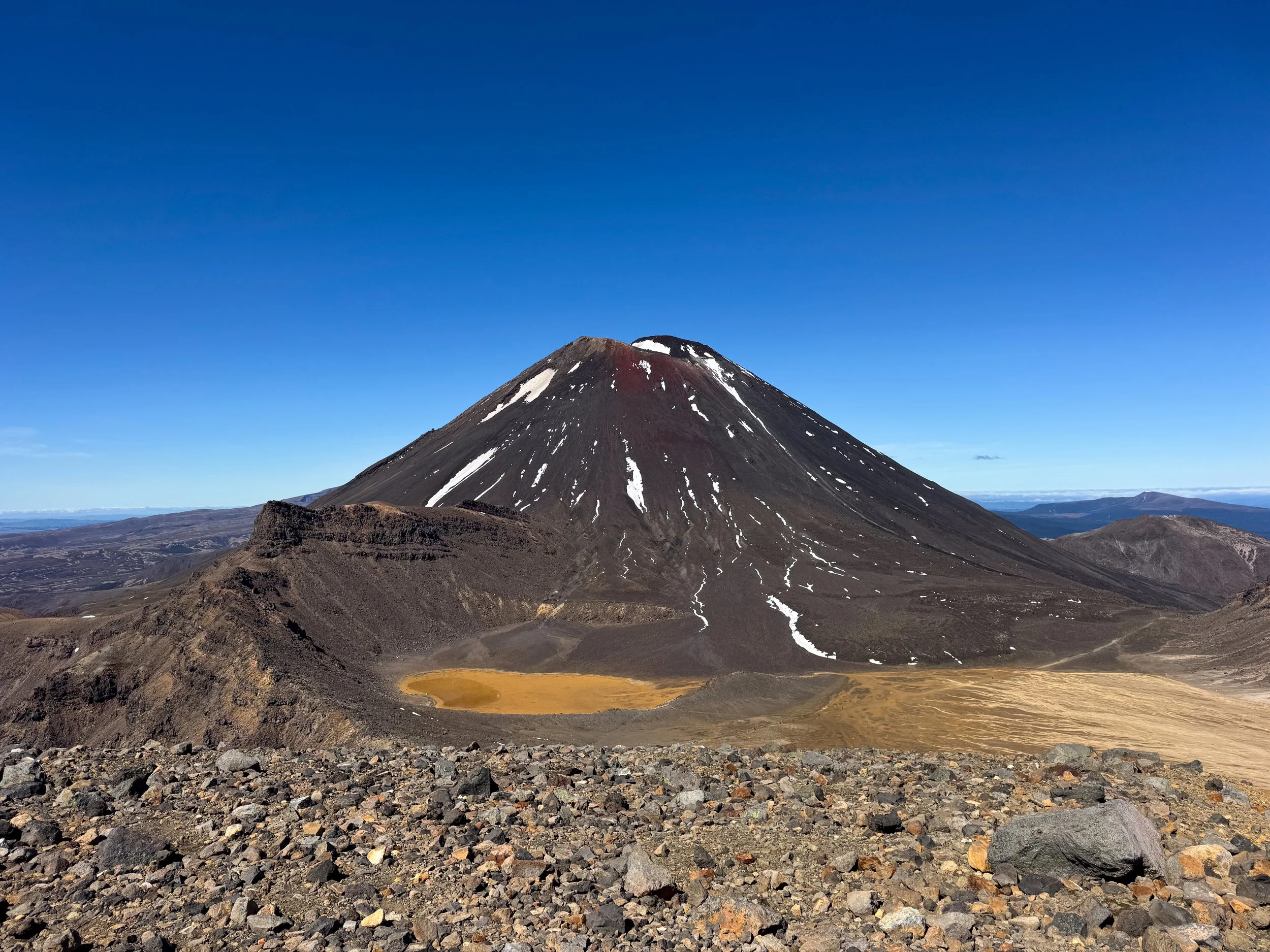
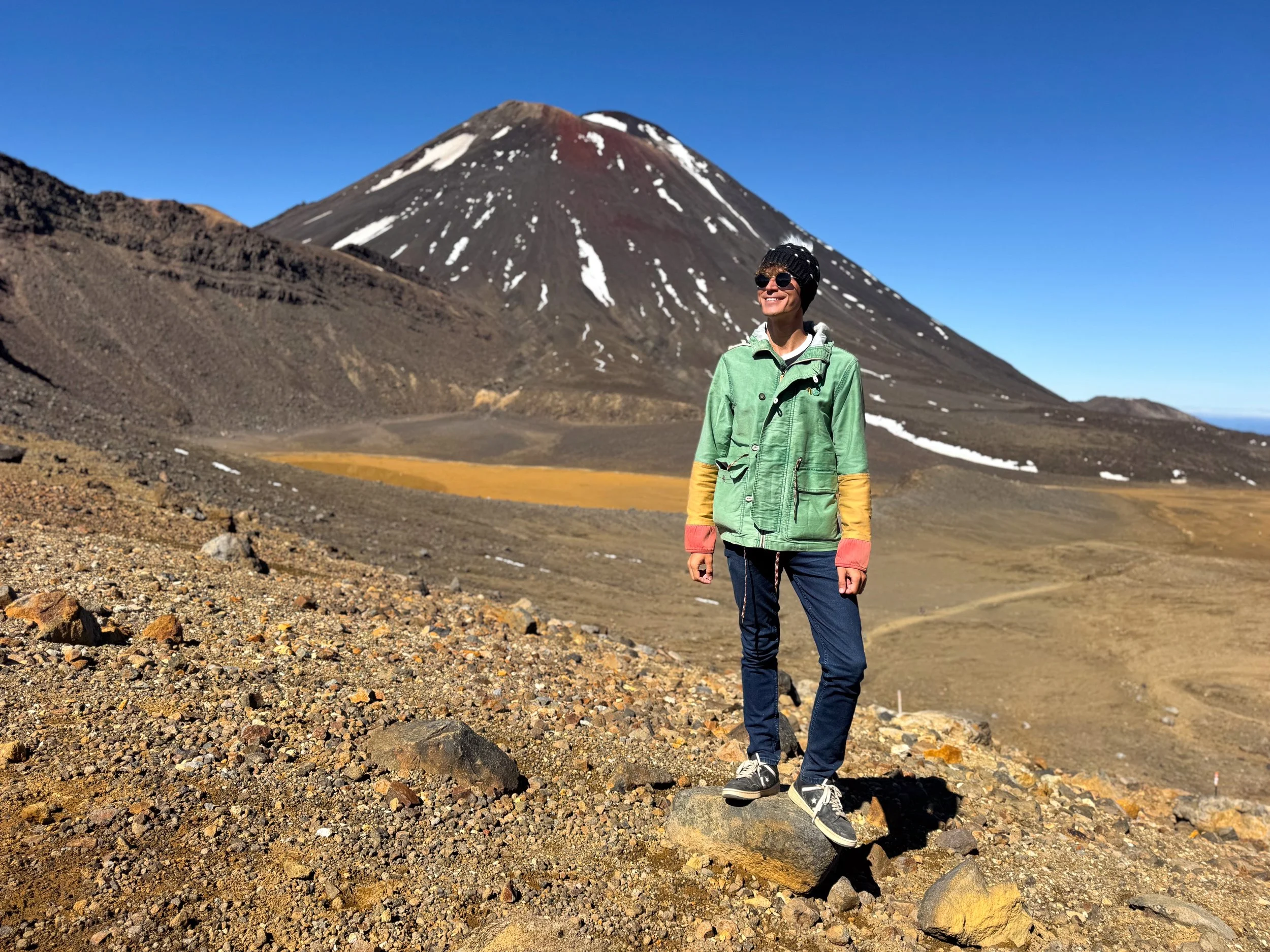
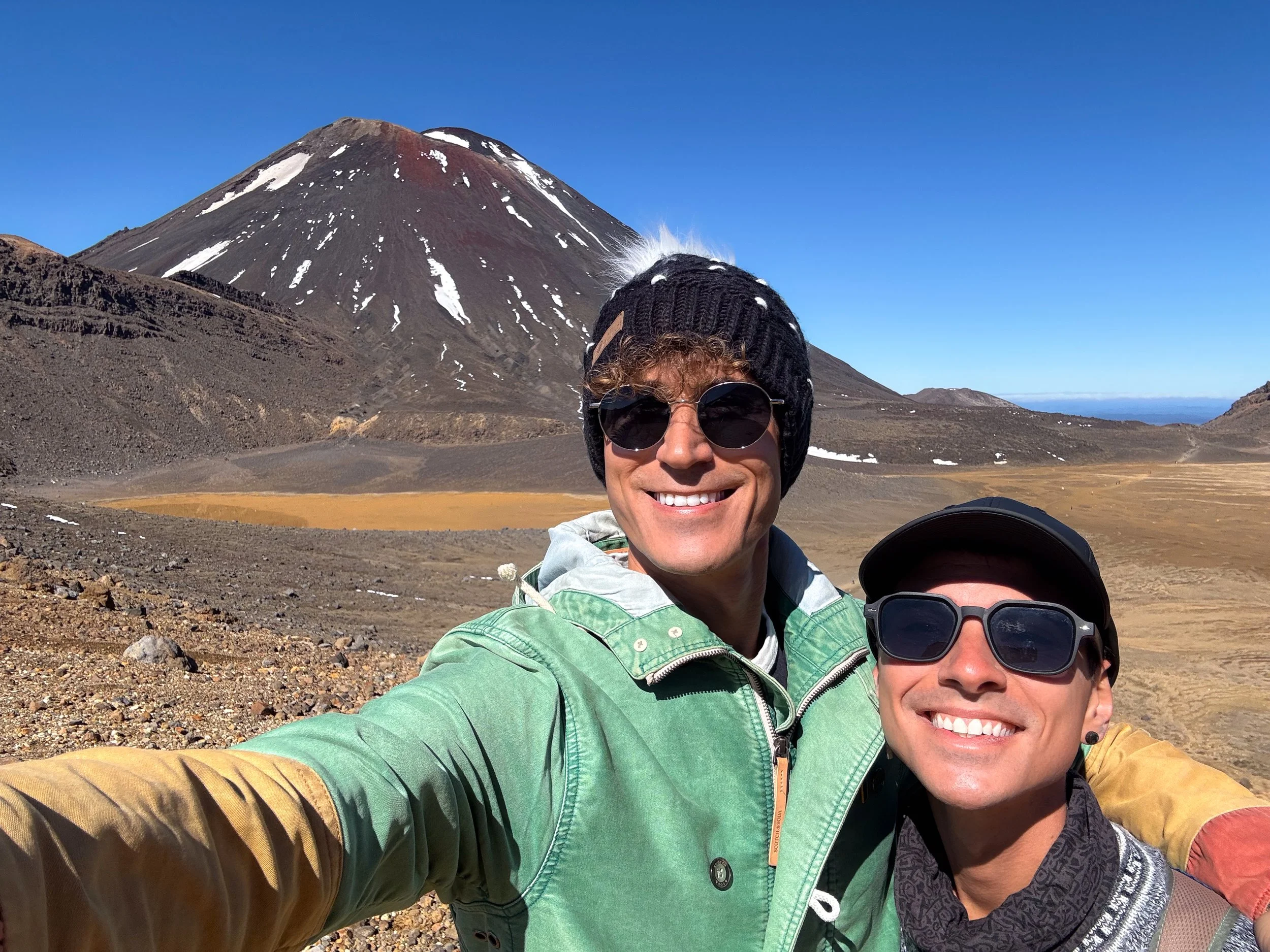
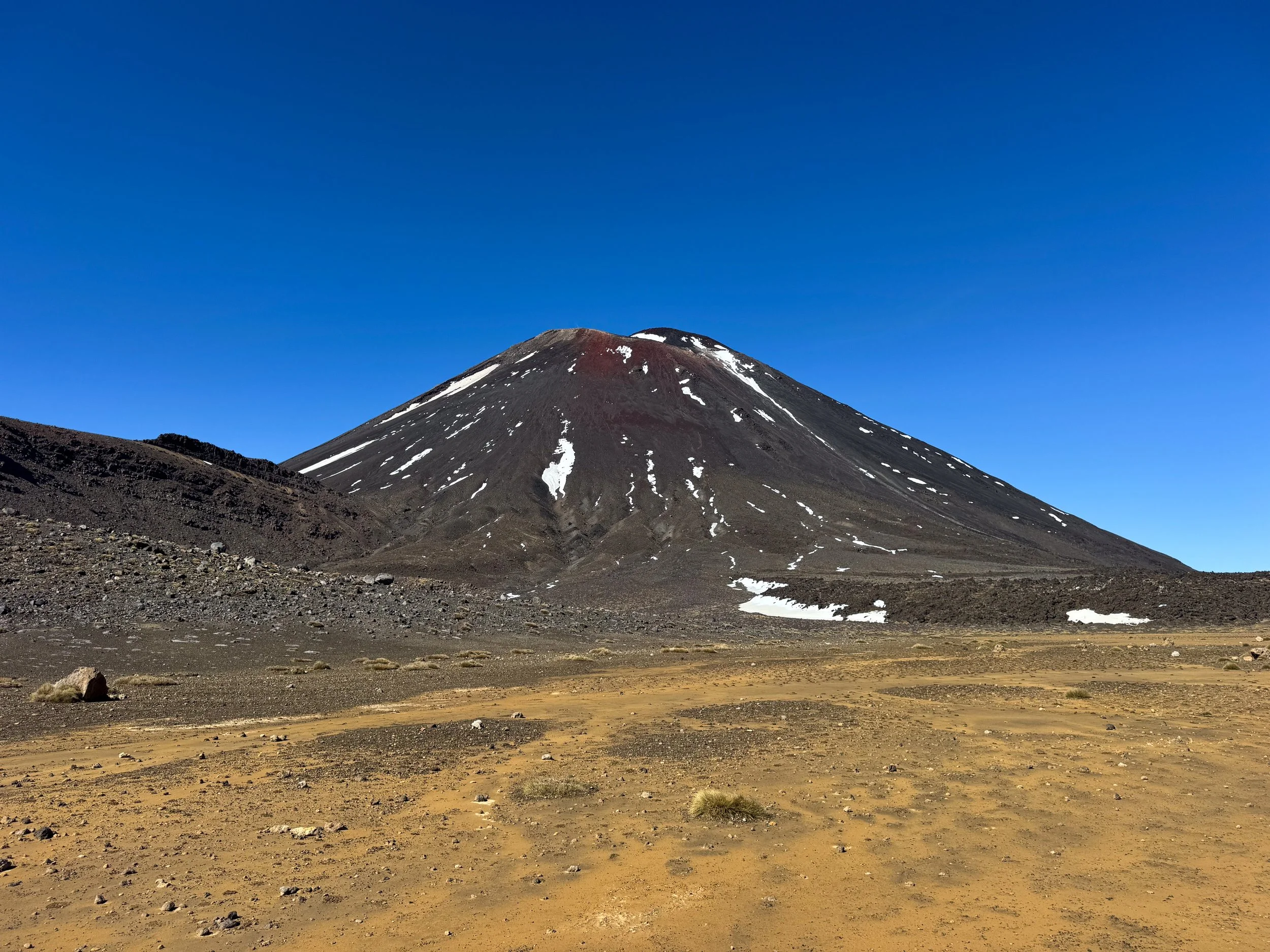
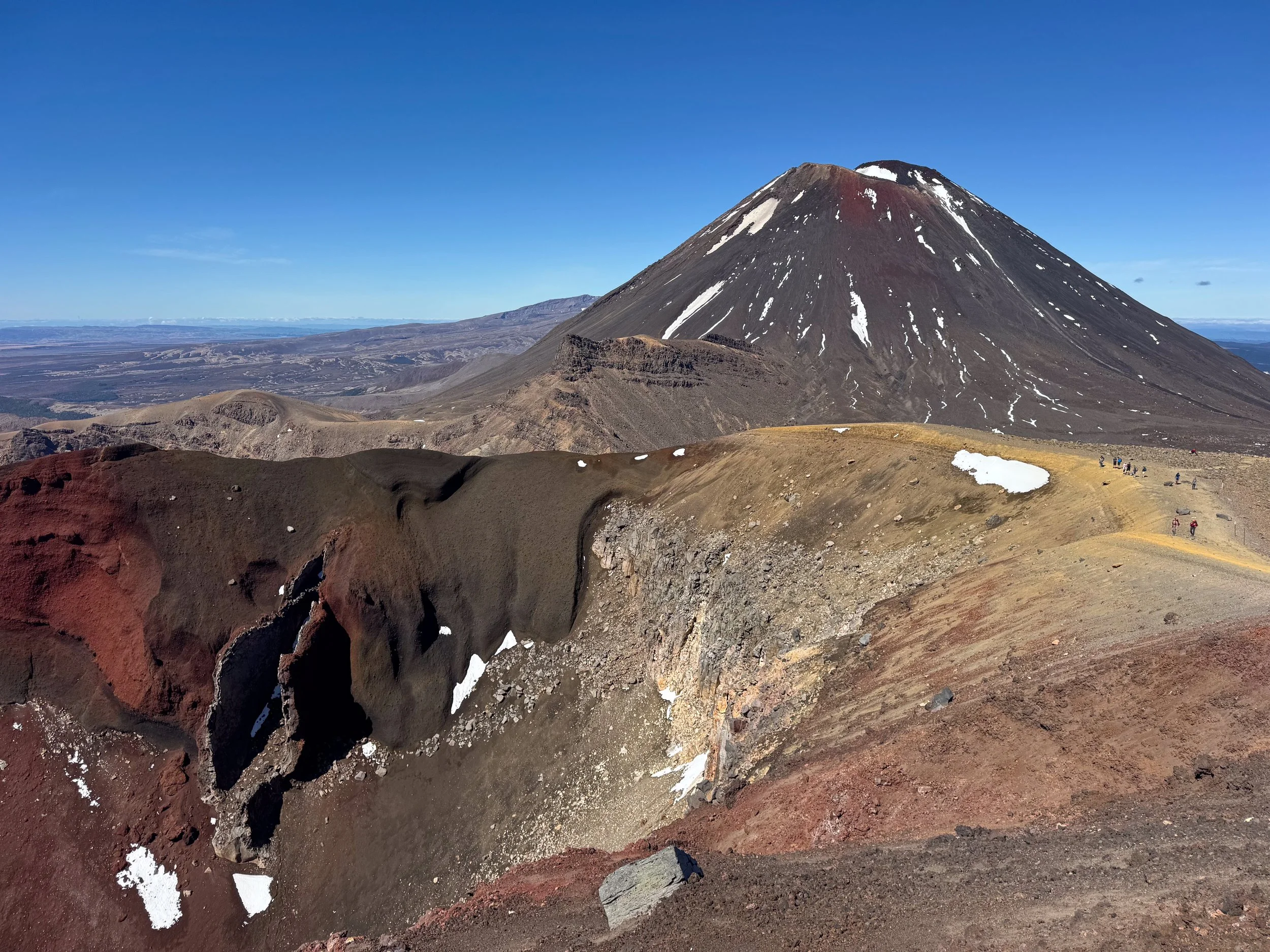
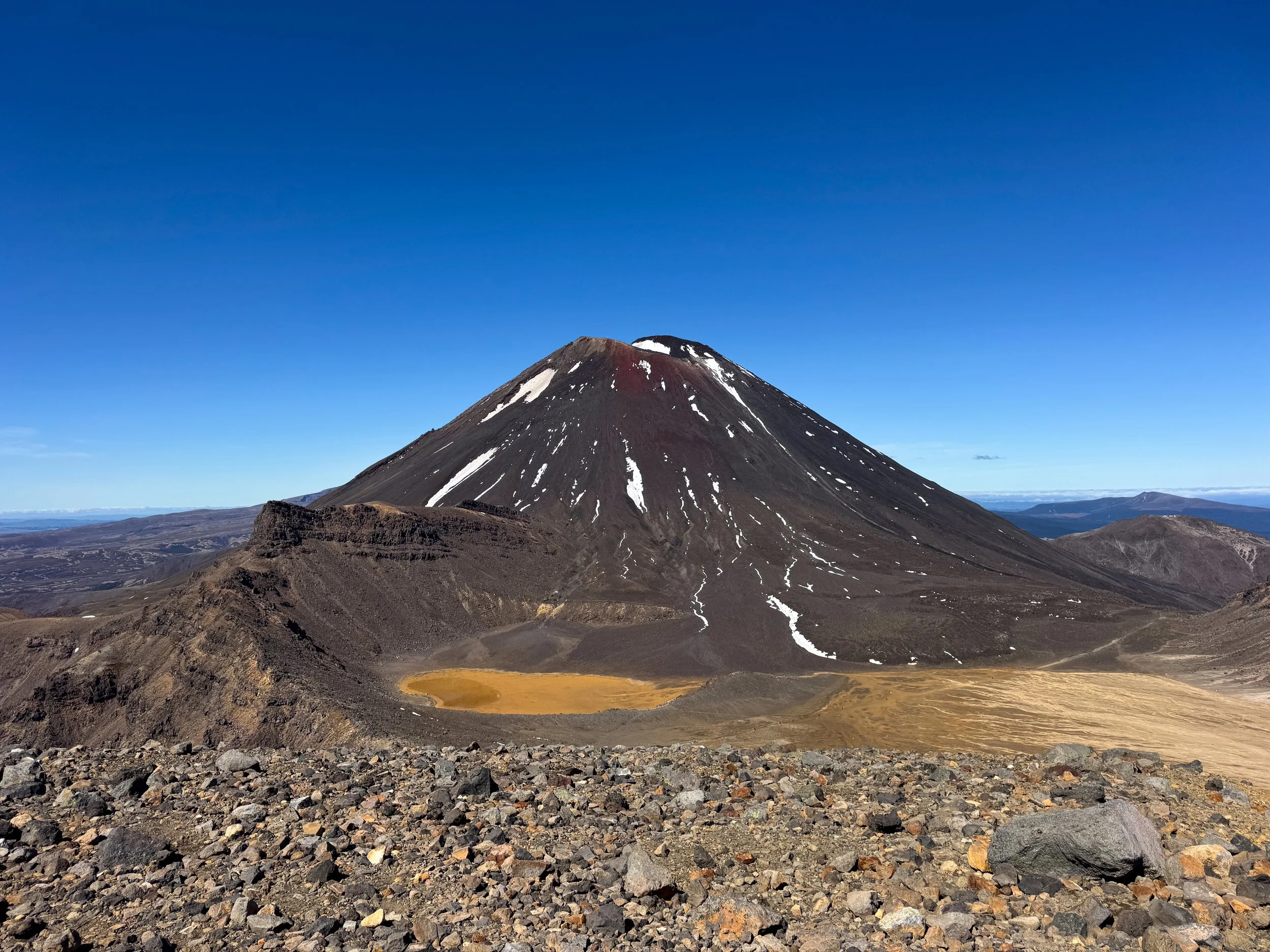
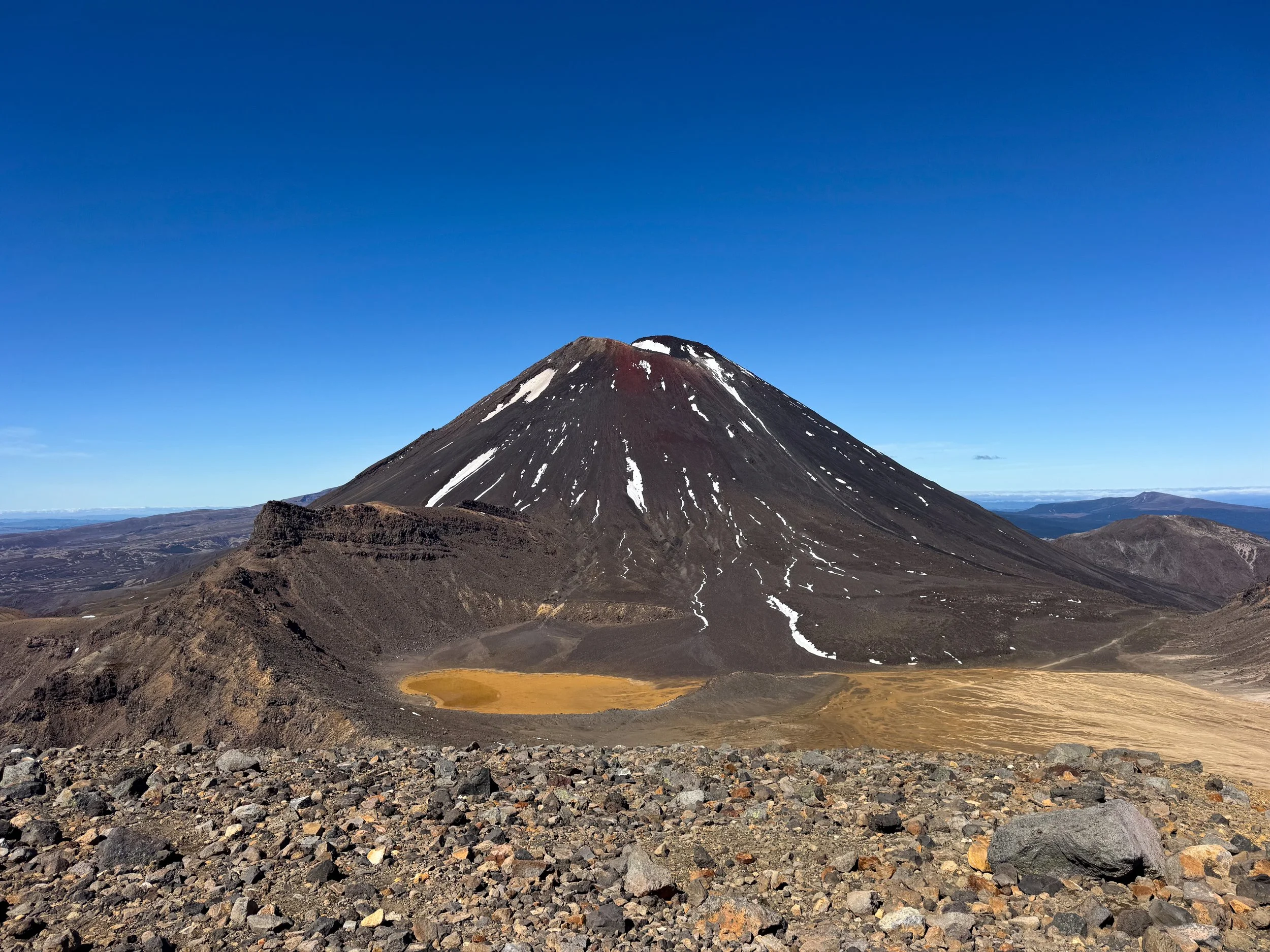
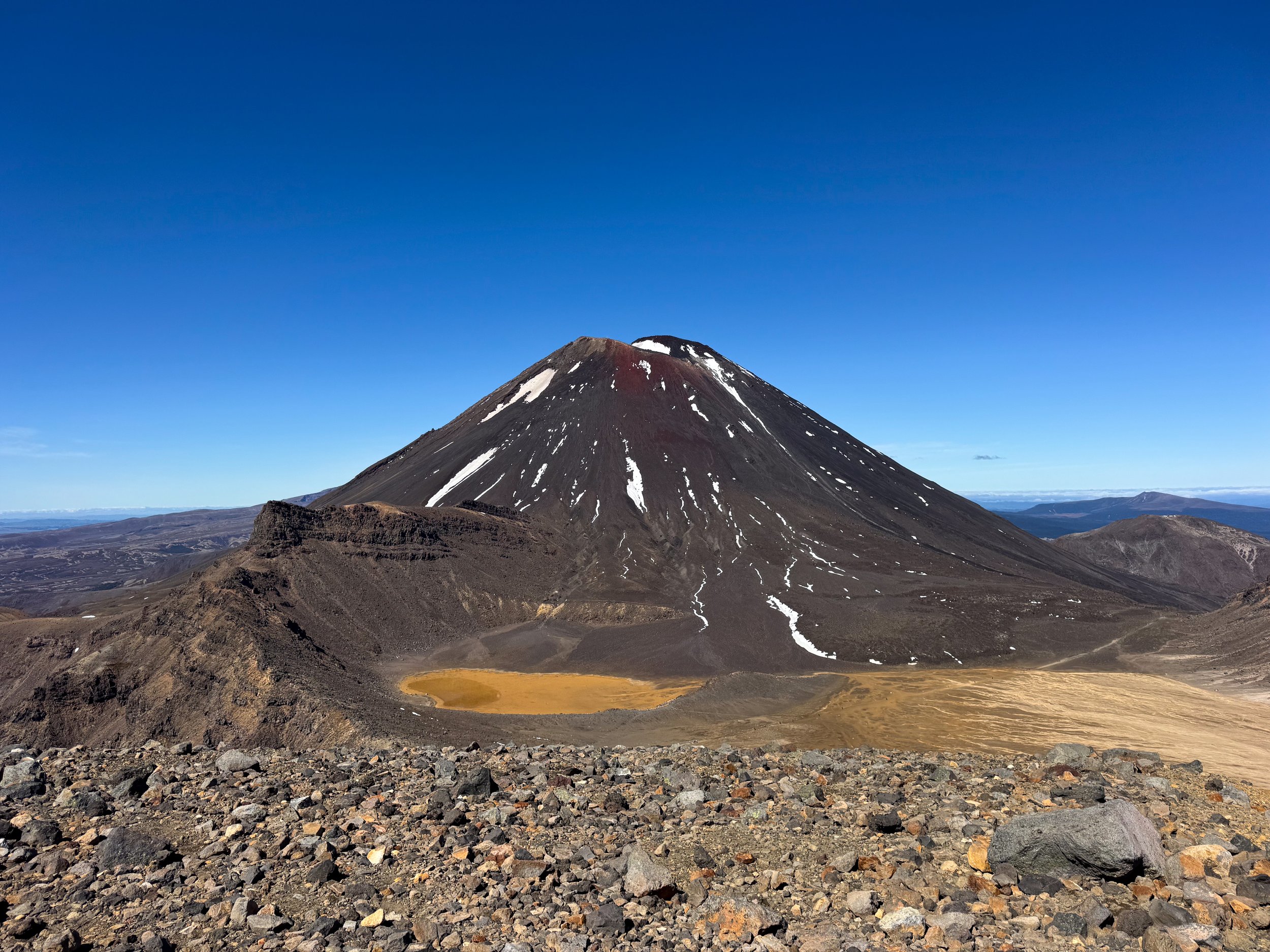
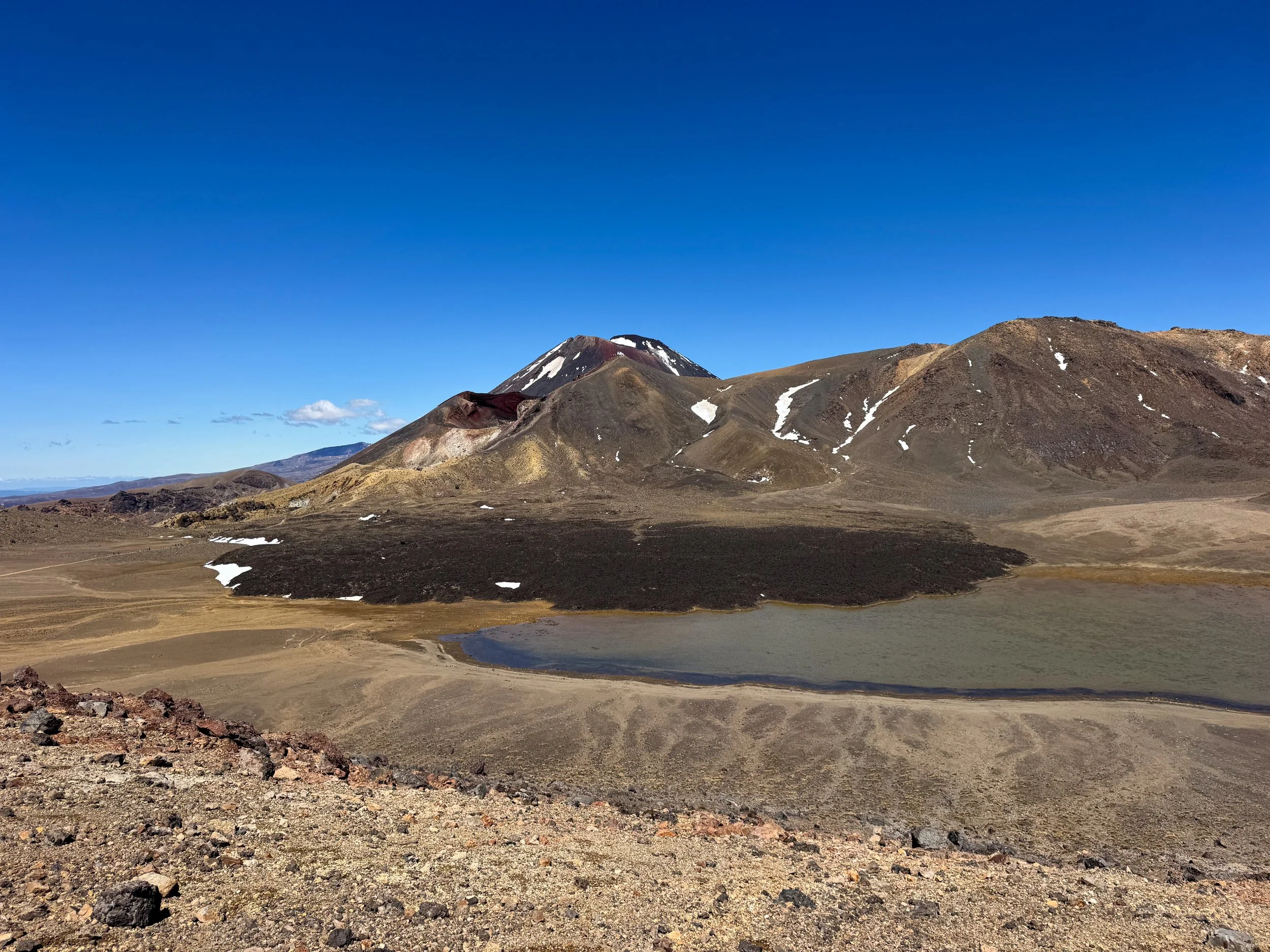
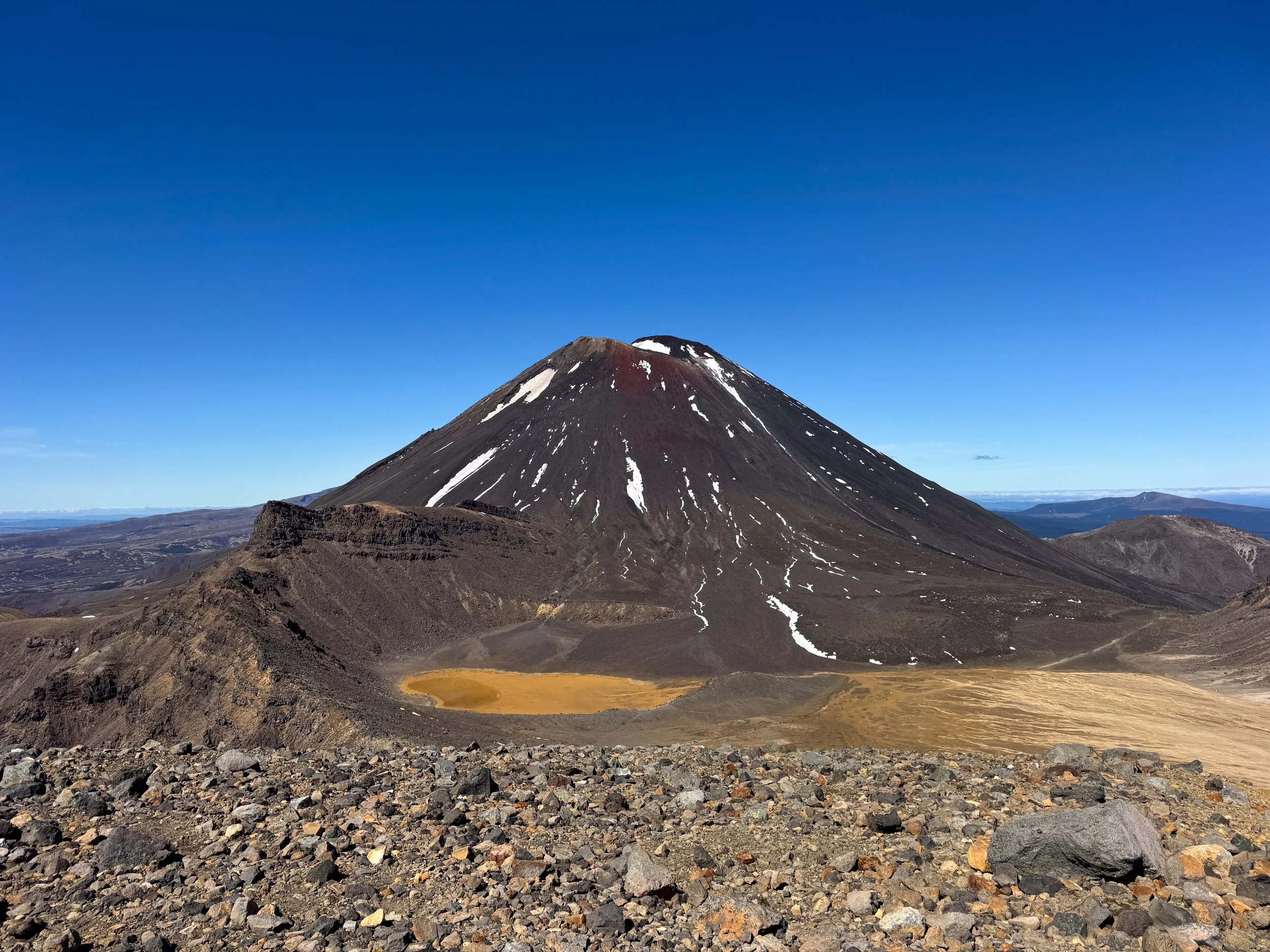
Mt Ngauruhoe (Mt Doom). A conical shaped strata volcano and one of the most iconic features of the Tongariro Crossing. Its slopes are covered in craggily black lava rock from past eruptions while its crater still faintly steams. The volcano is nicknamed Mt Doom after its appearance in Lord of the Rings.
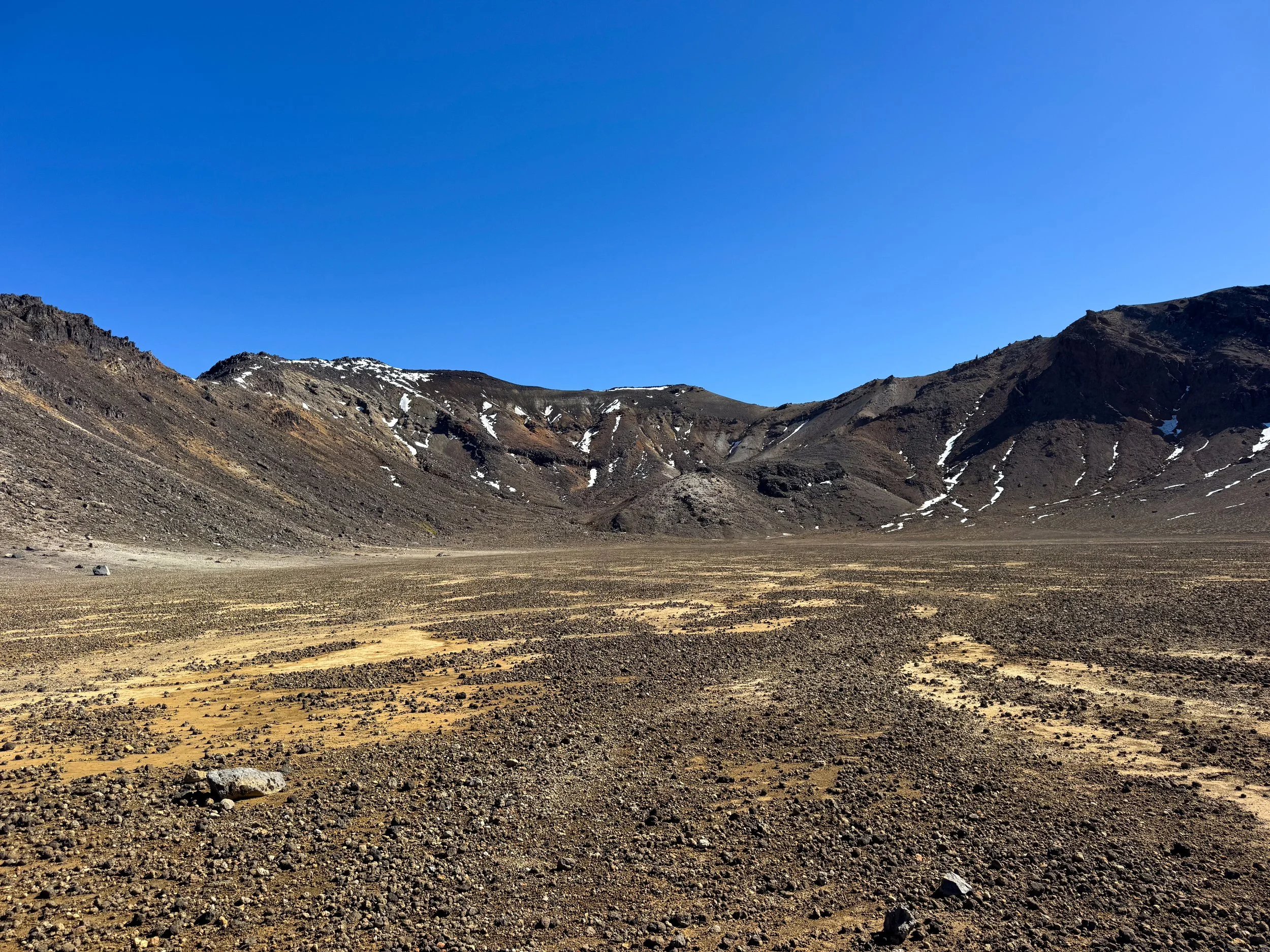
South Crater. A vast volcanic crater with imposing views of Mt Ngauruhoe. The timber trail leads across its flat sandy basin to a steep ridge and The Red Crater.
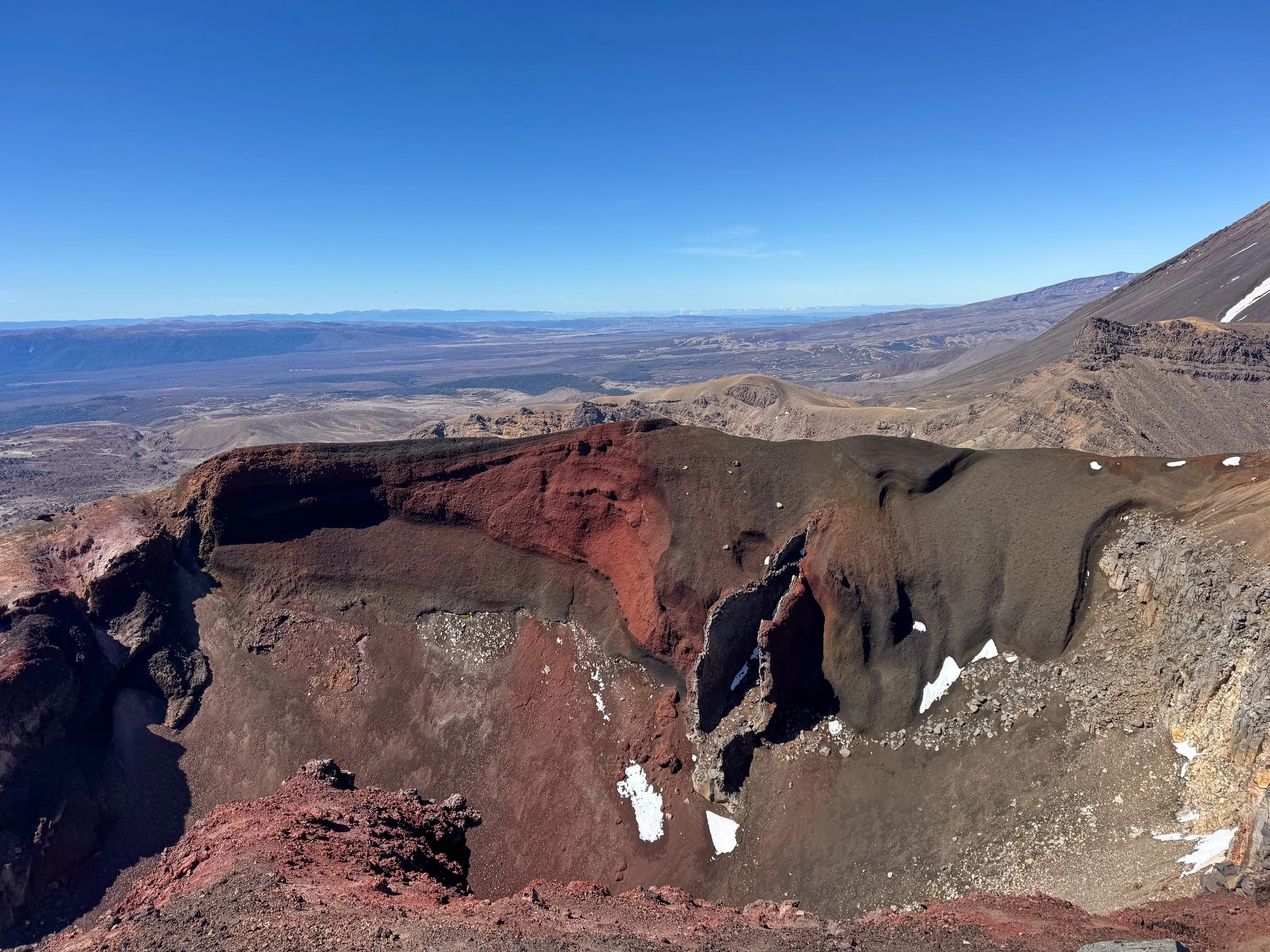
The Red Crater. A dramatic volcanic crater marking the highest point of the Tongariro Crossing. The crater is scorched black and colored deep rusty red around the point where lava previously erupted. The crater is still highly active. Rippled air and steam rise from the super heated ground within.
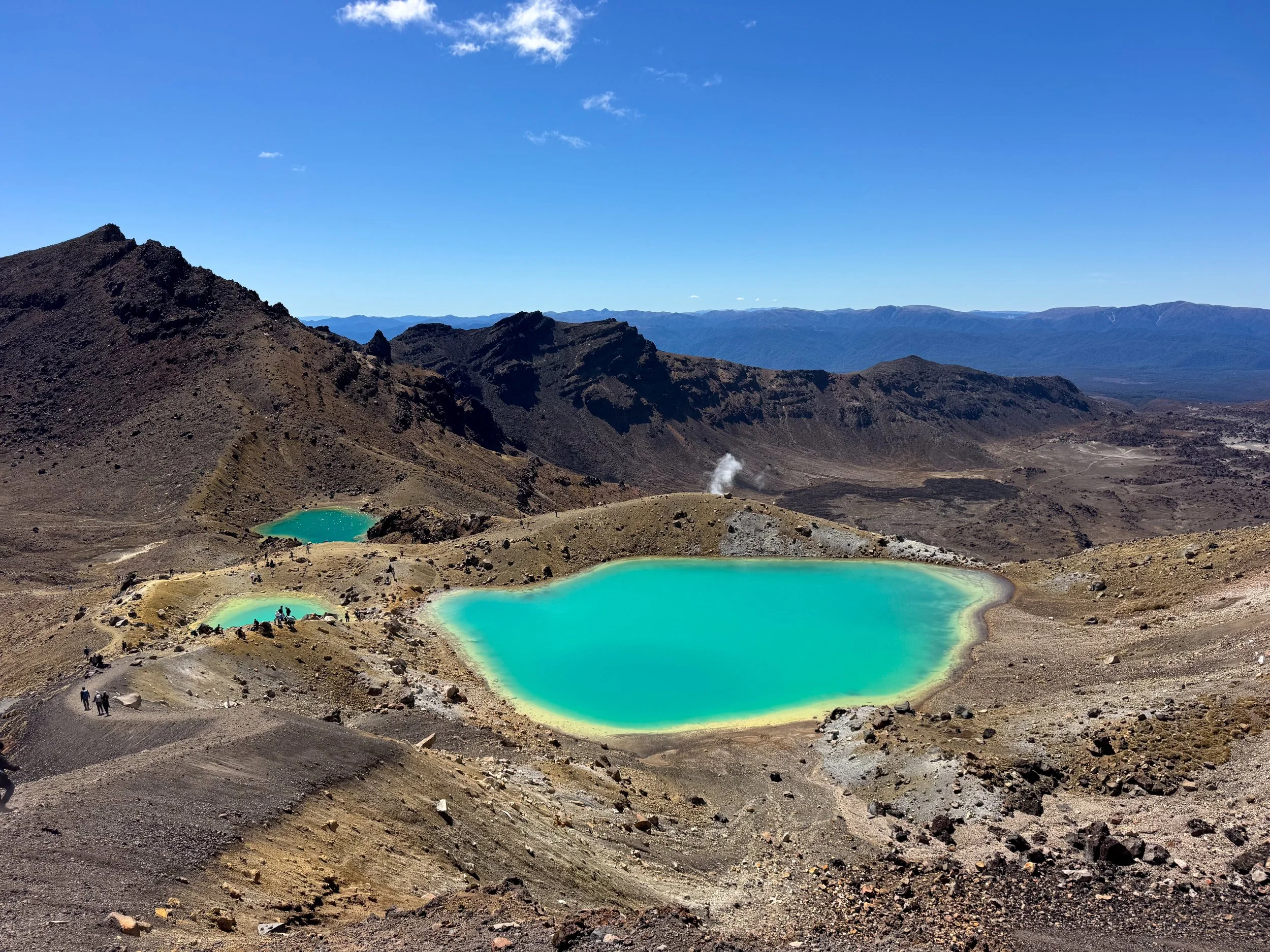
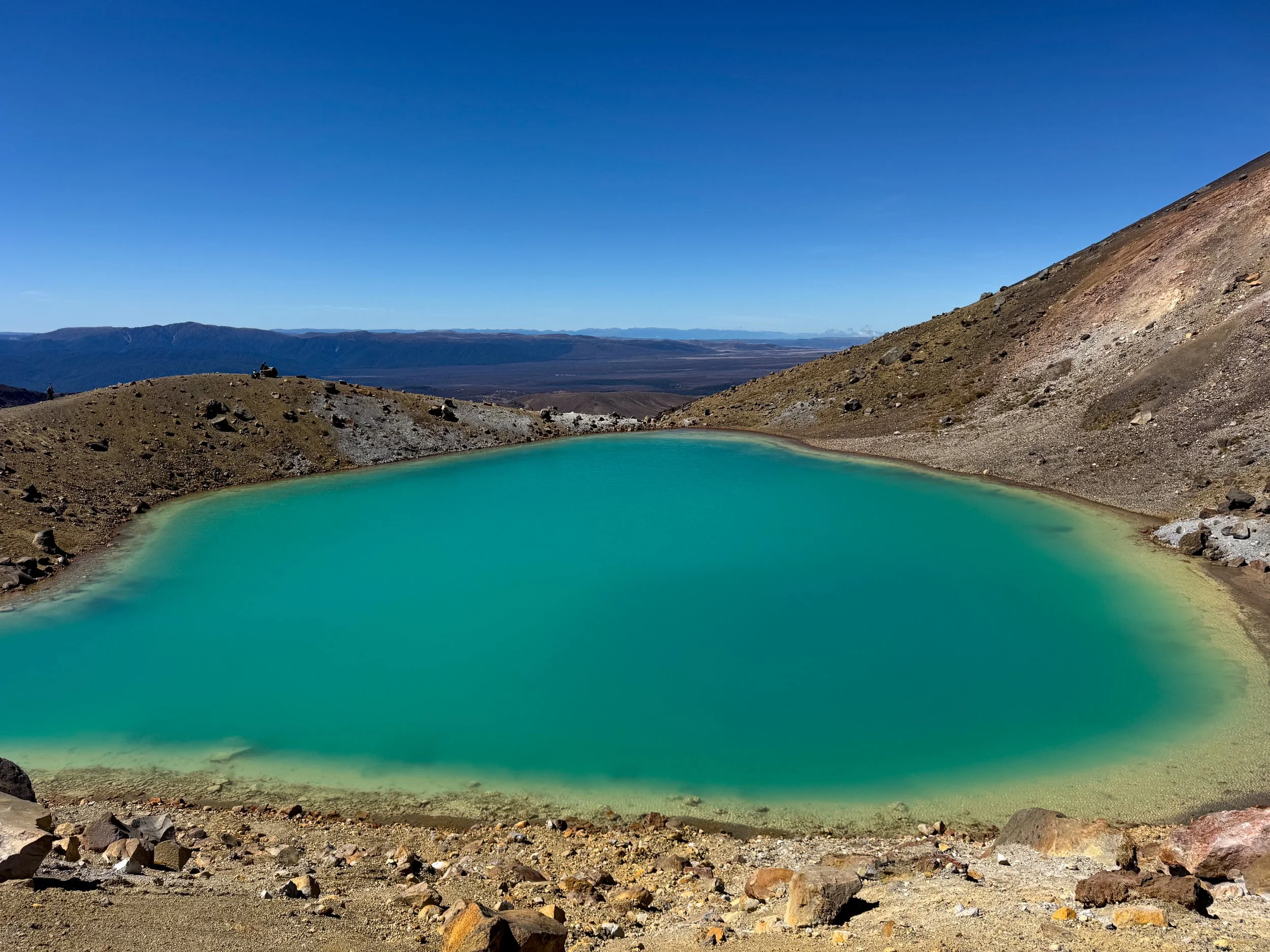
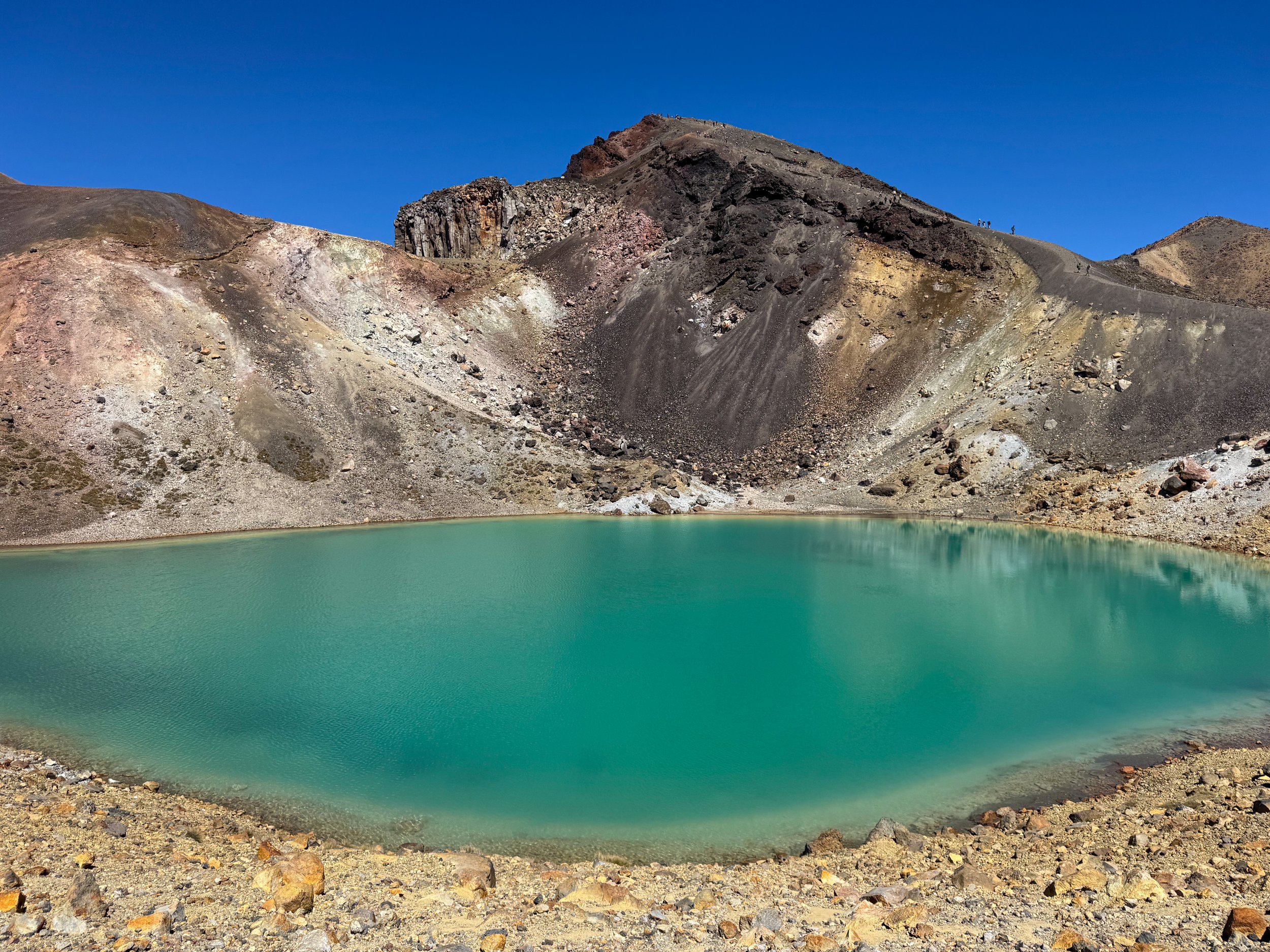
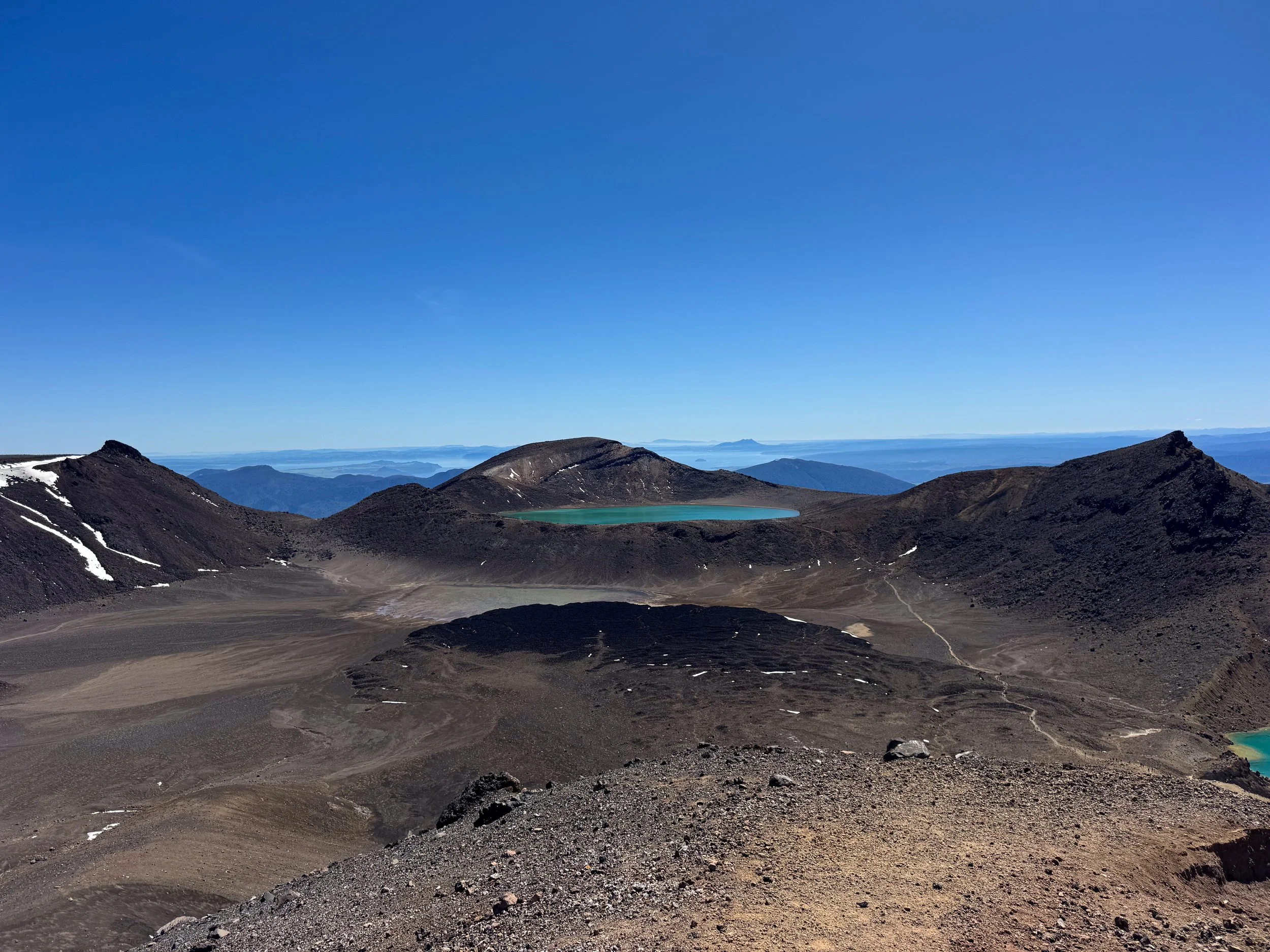
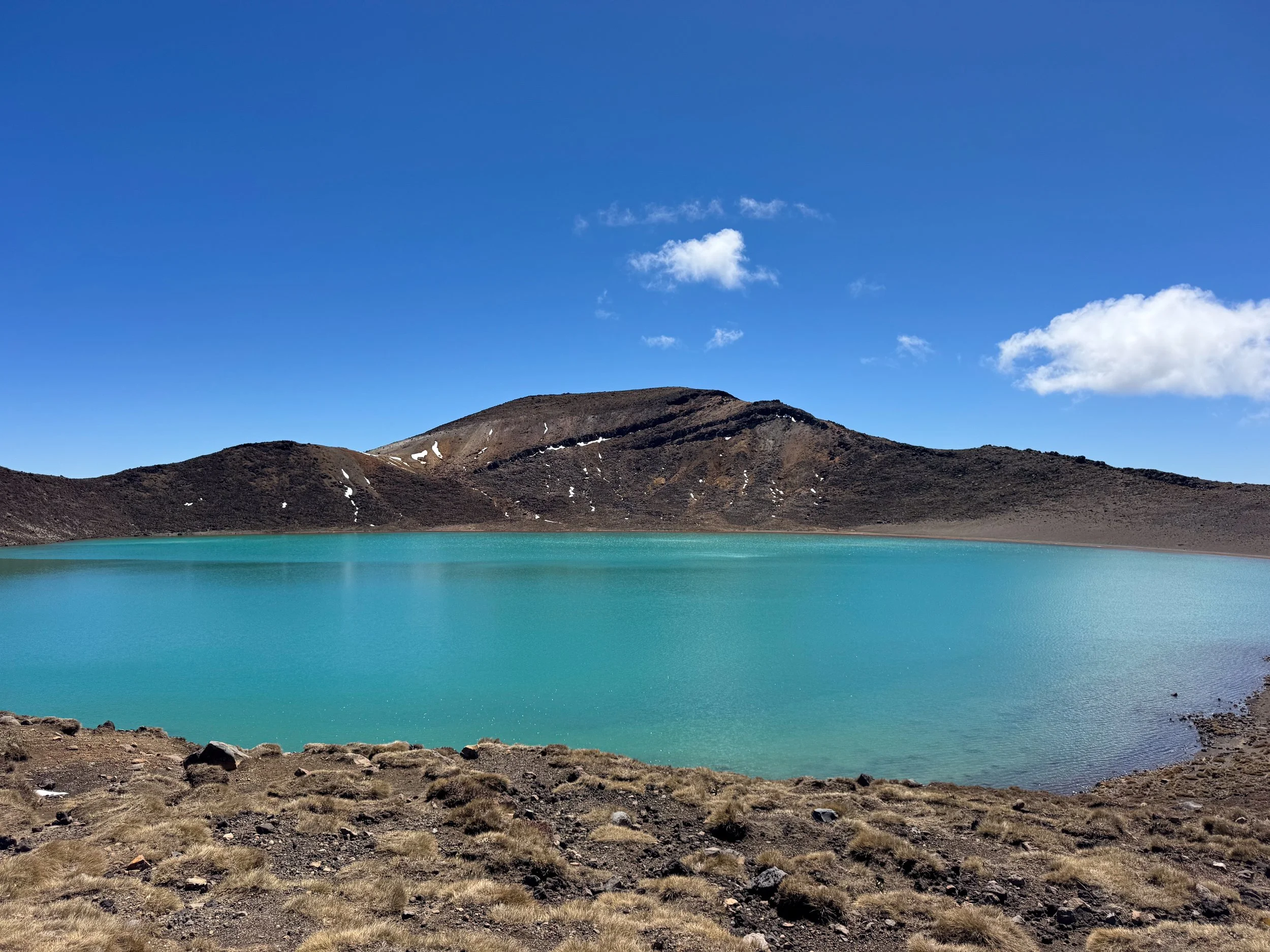
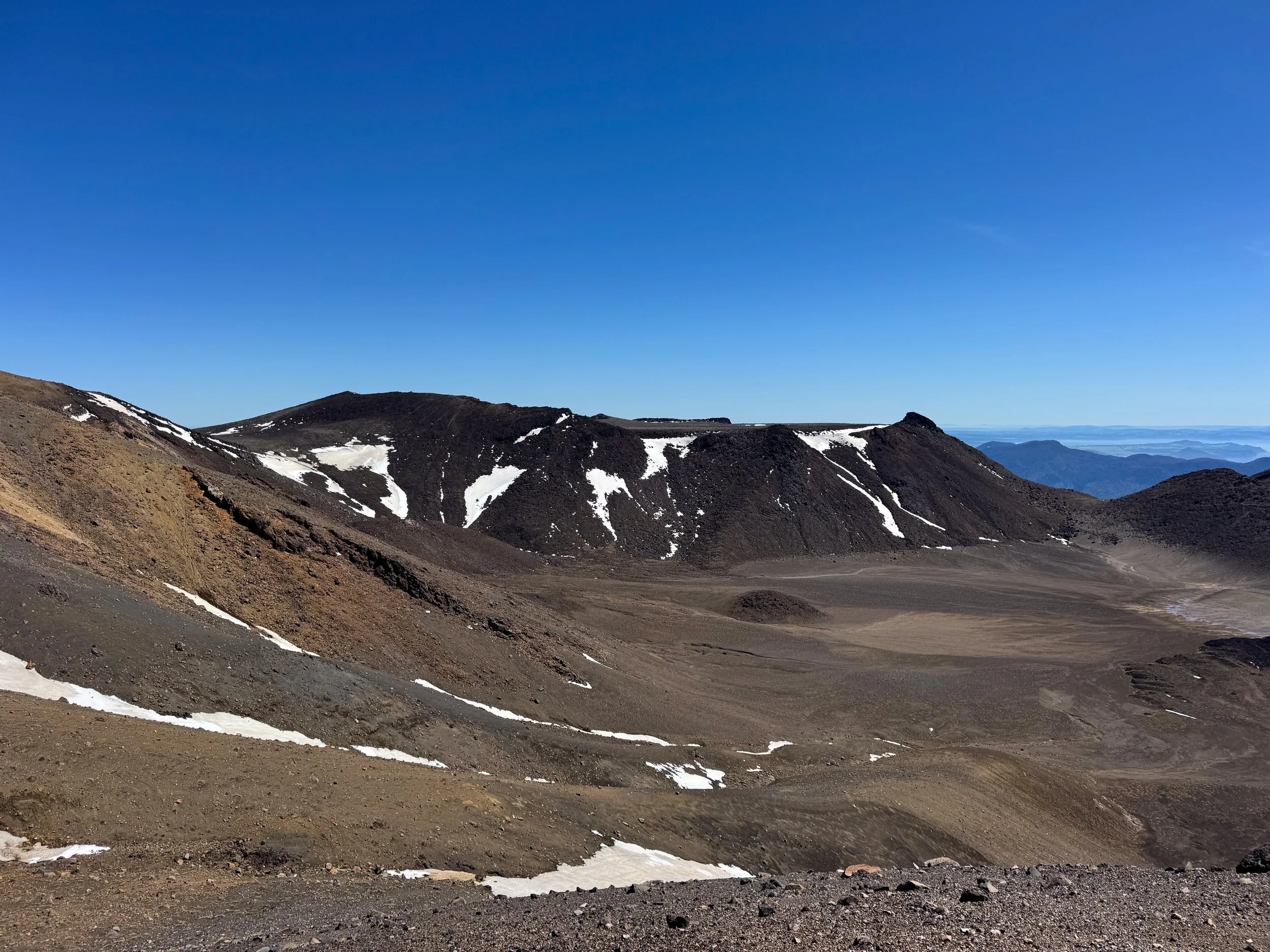
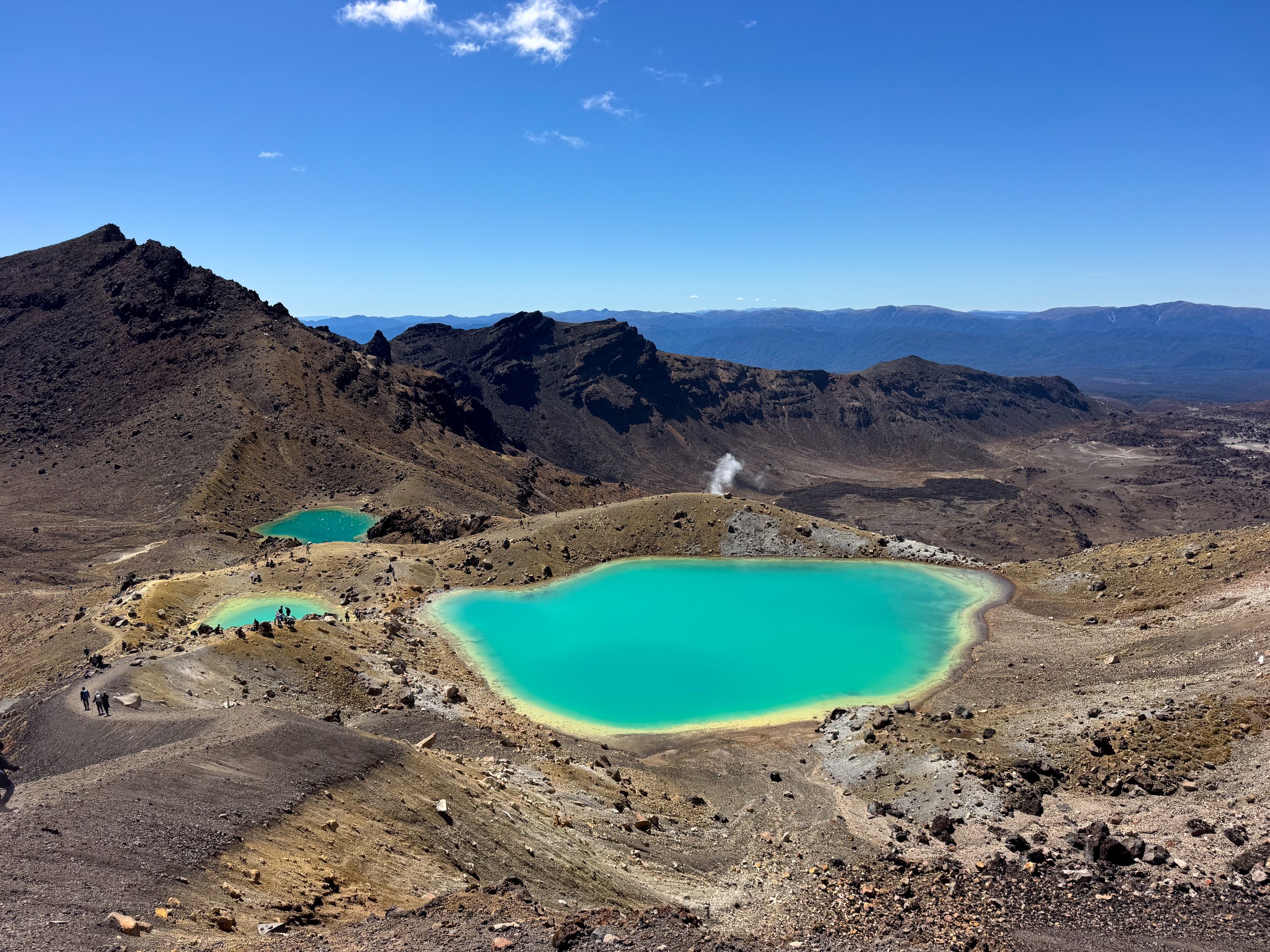
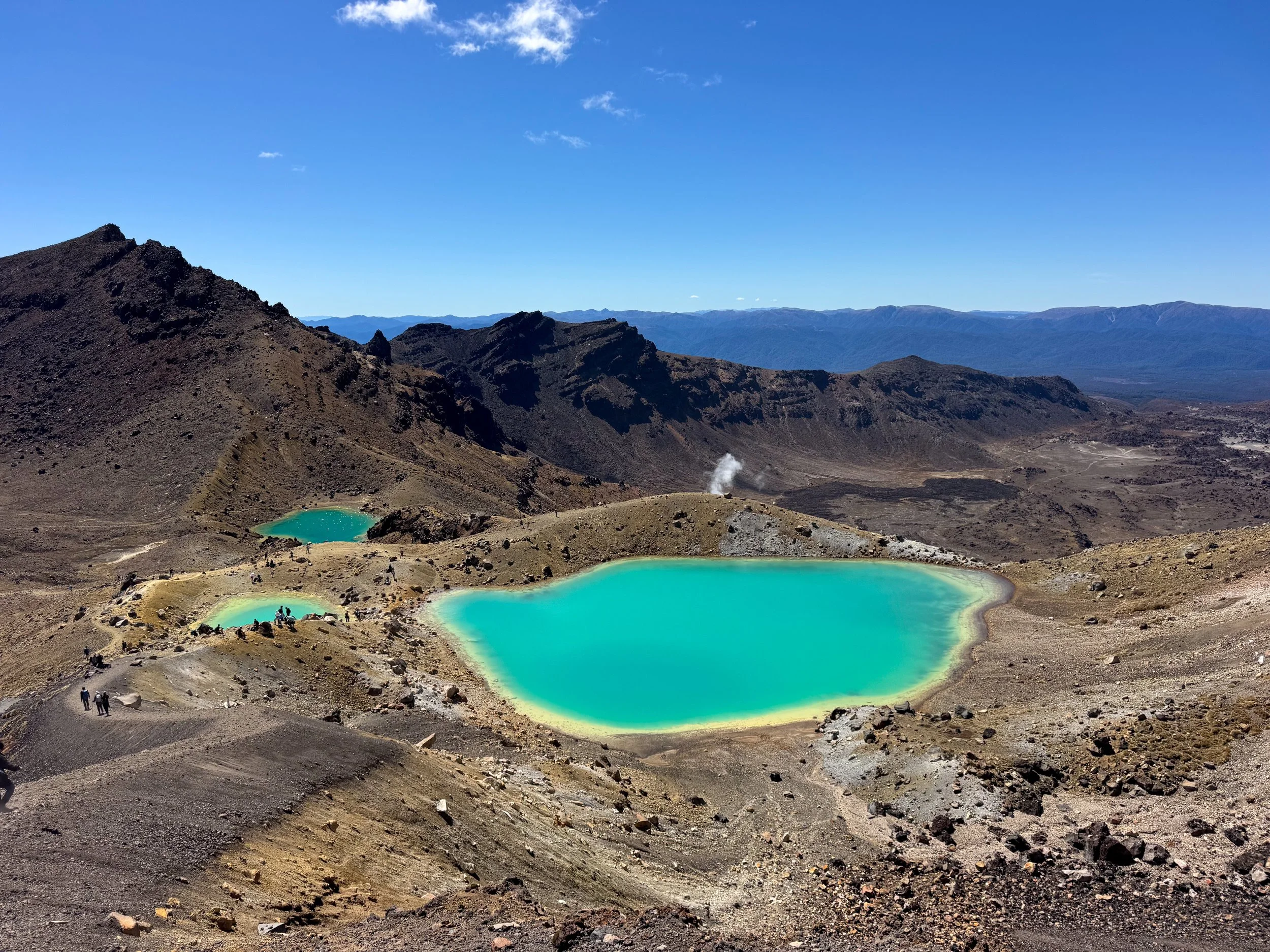
Emerald Lakes. A series of brightly colored turquoise lagoons surrounded by barren volcanic landscape and steaming vents. They’re viewable from the Red Crater and reachable via a steep gravel trail.
Blue Lake. A large crater with a deep blue lake filling its basin. It’s the perfect spot to stop for a scenic picnic lunch before making the descent.
Central Crater. A large crater surrounded by several volcanic features including The Red Crater, Mt Tongariro, Emerald Lakes and Blue Lake. A hardened lava flow from past eruptions spills into the basin of the crater.
Mt Tongariro. A blackened lava plateau flanked by craggily slopes and white snow filled crevices.
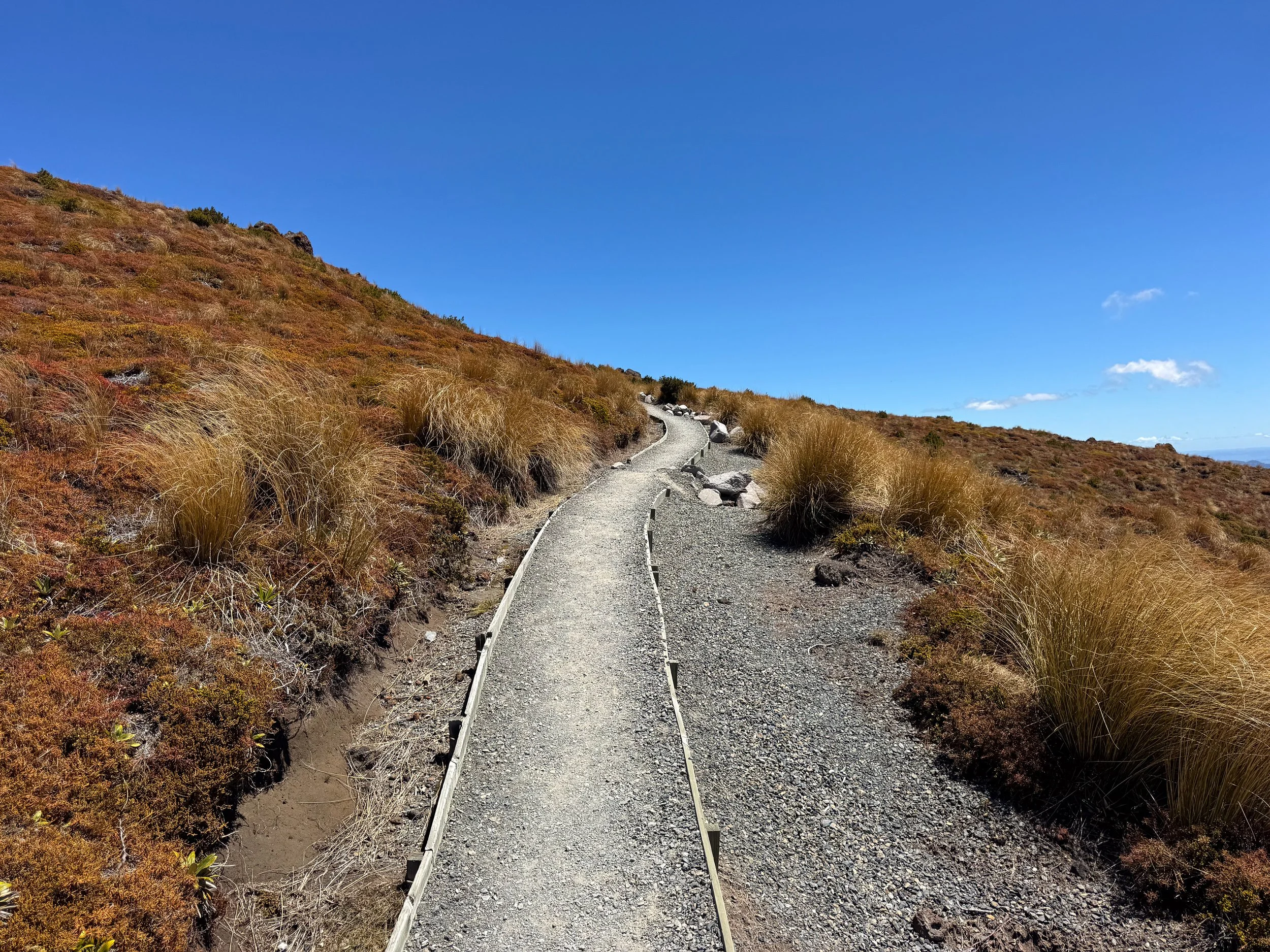
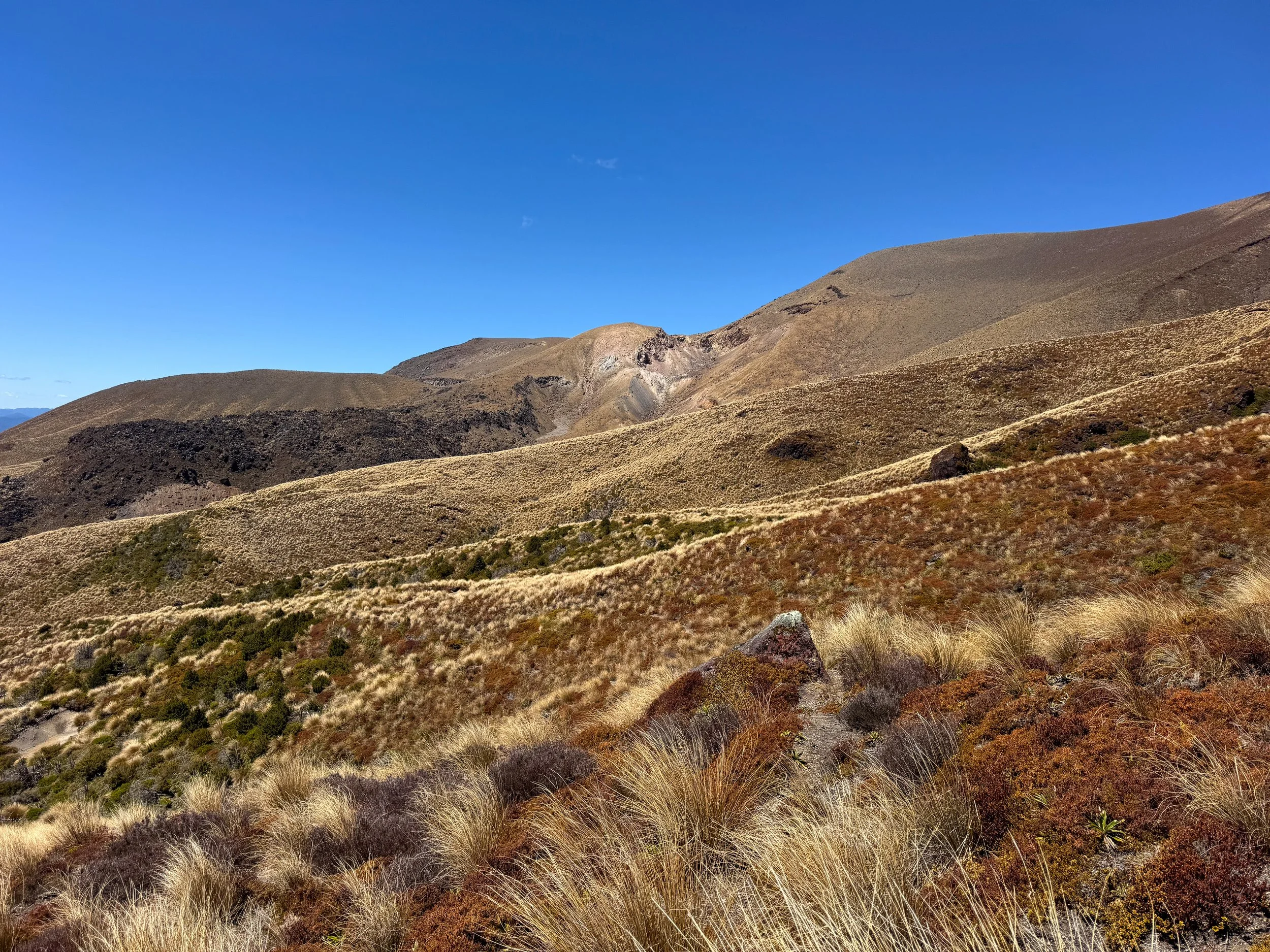
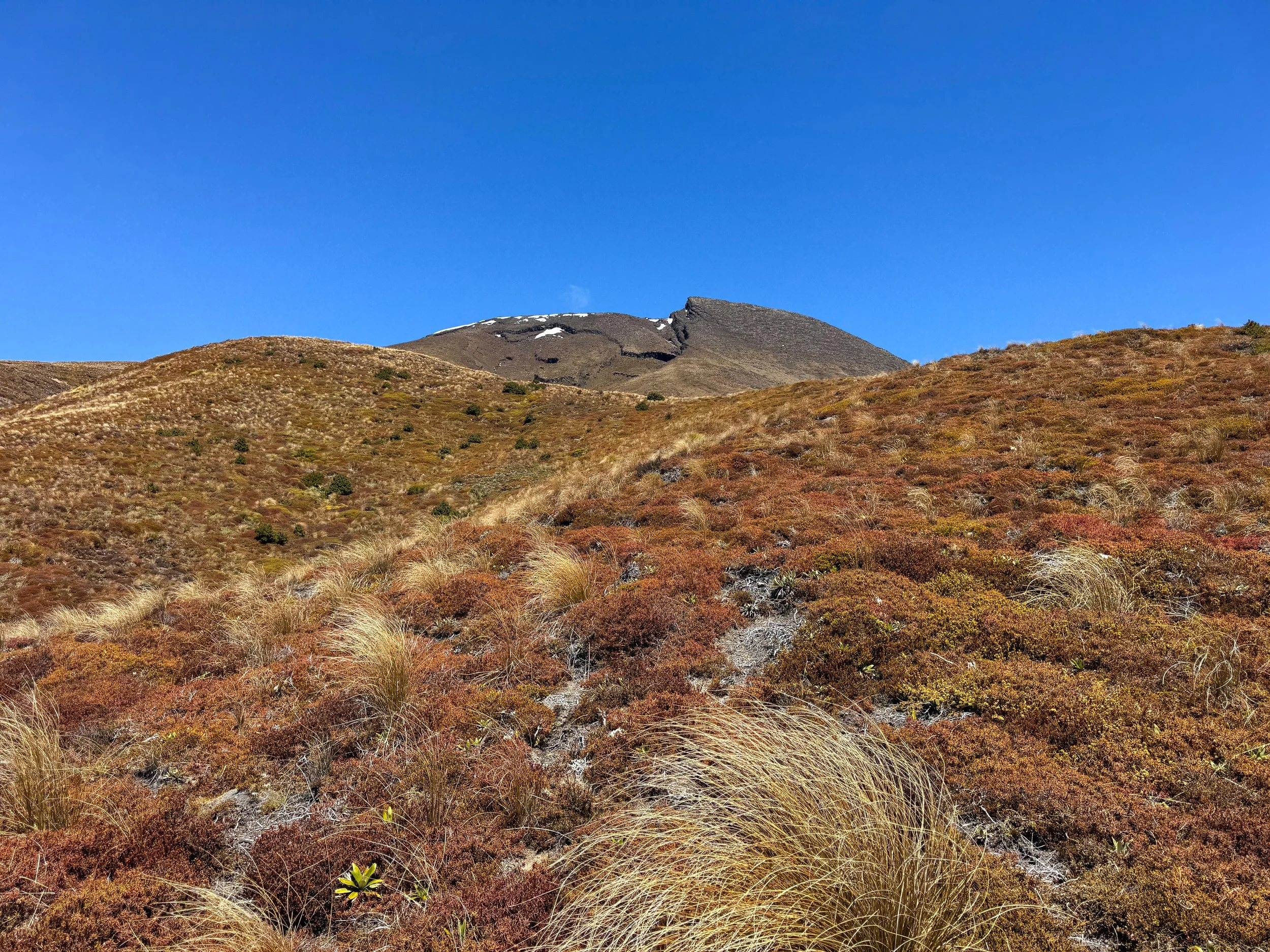
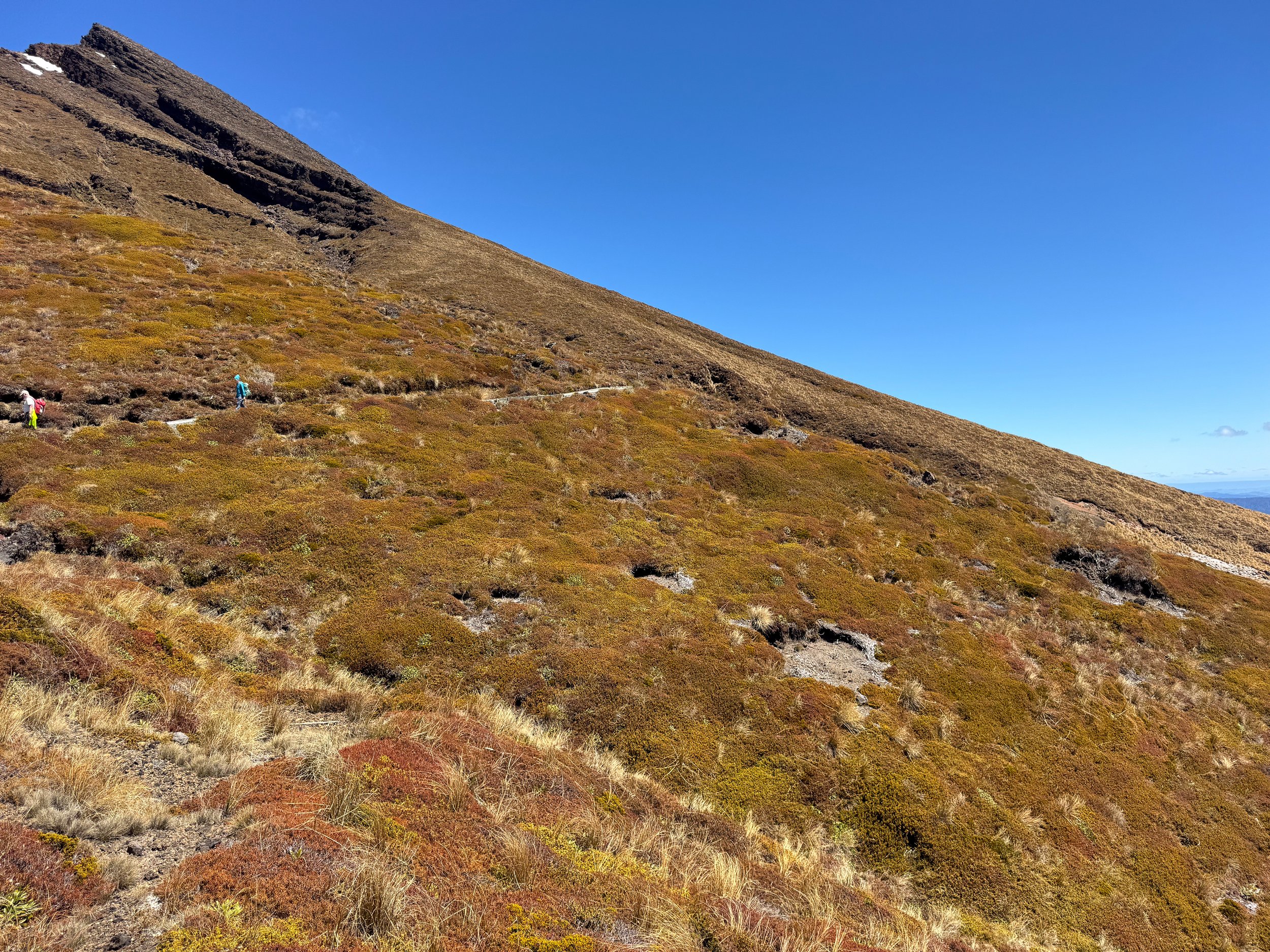
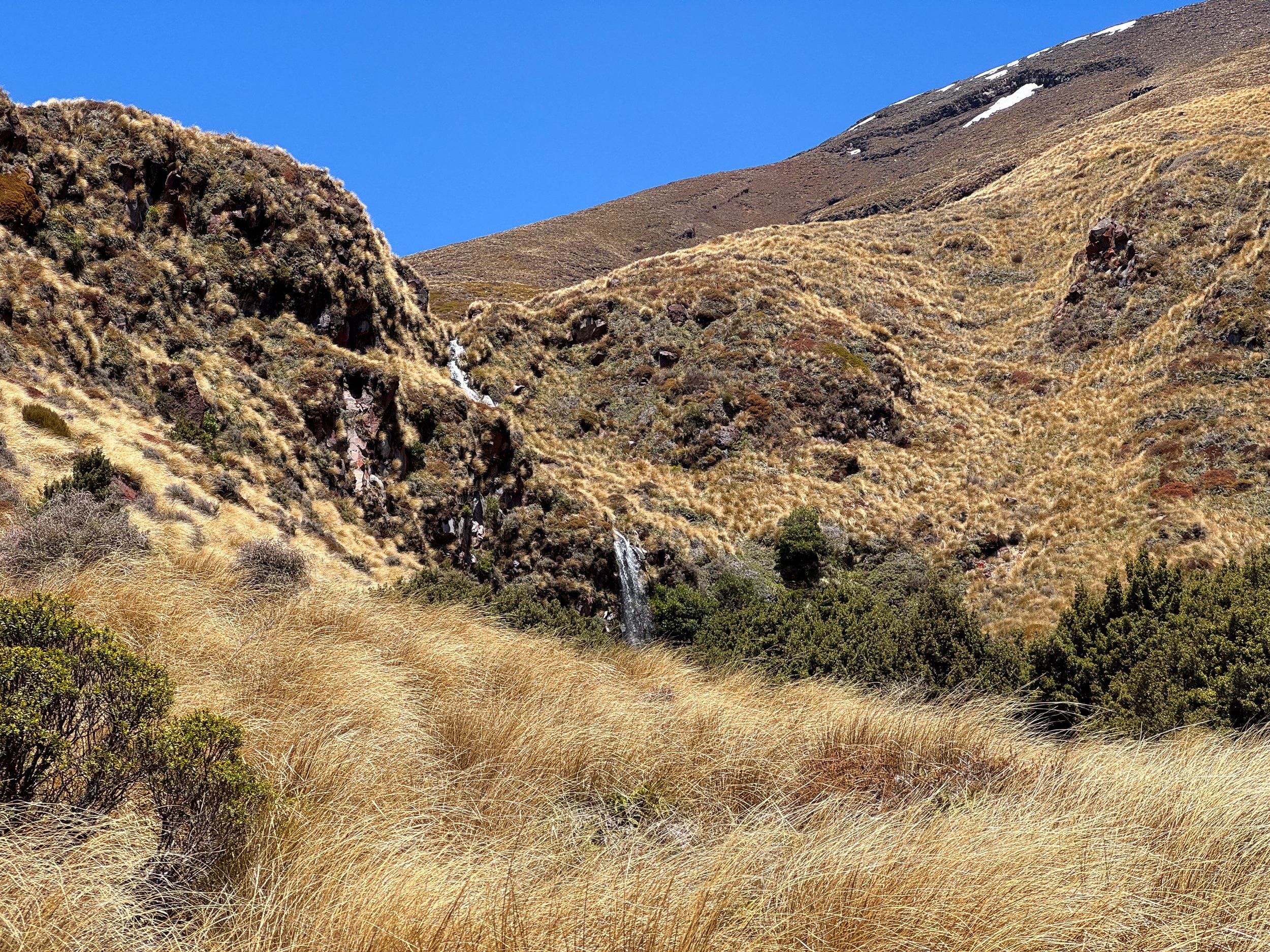
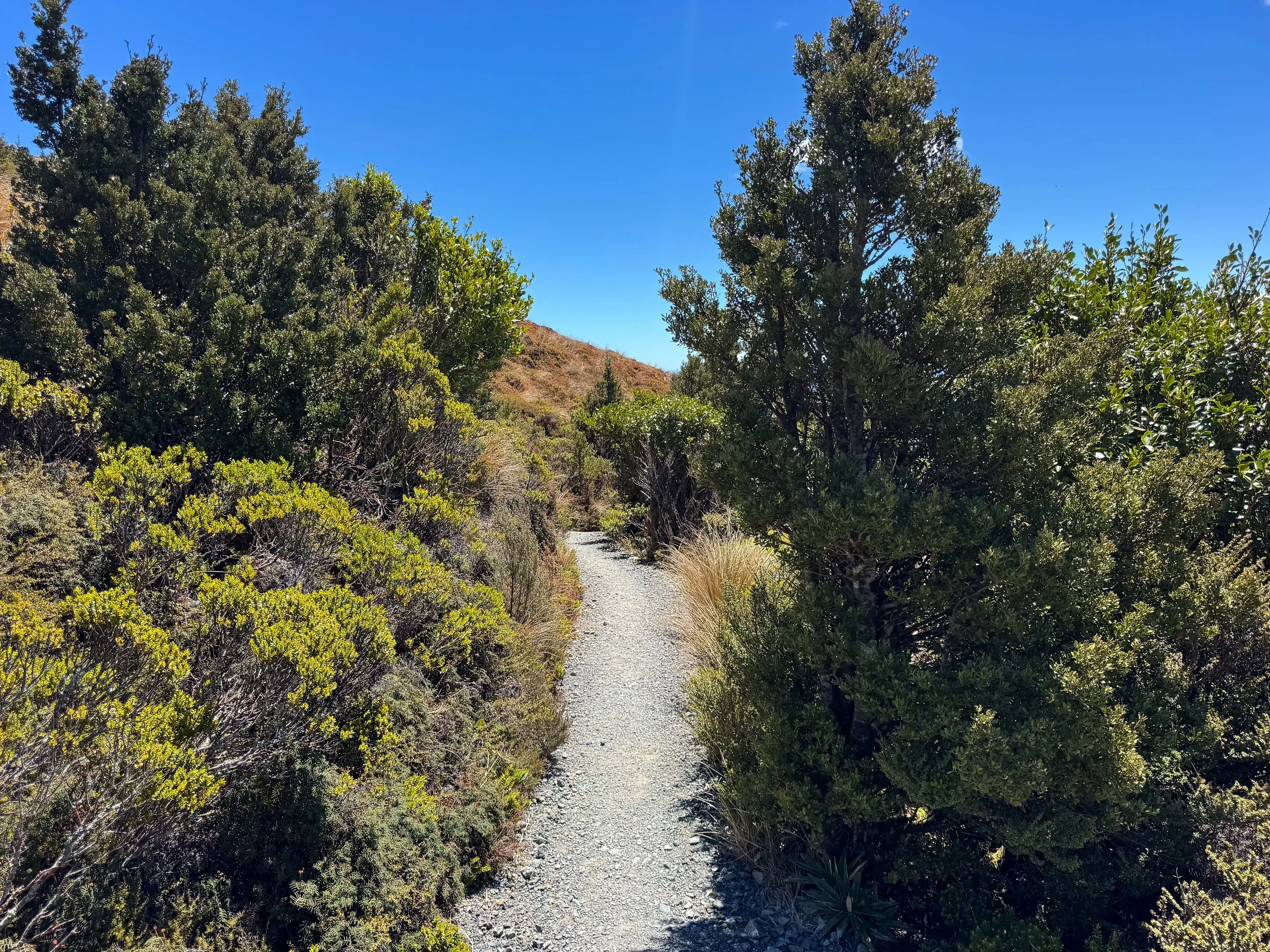
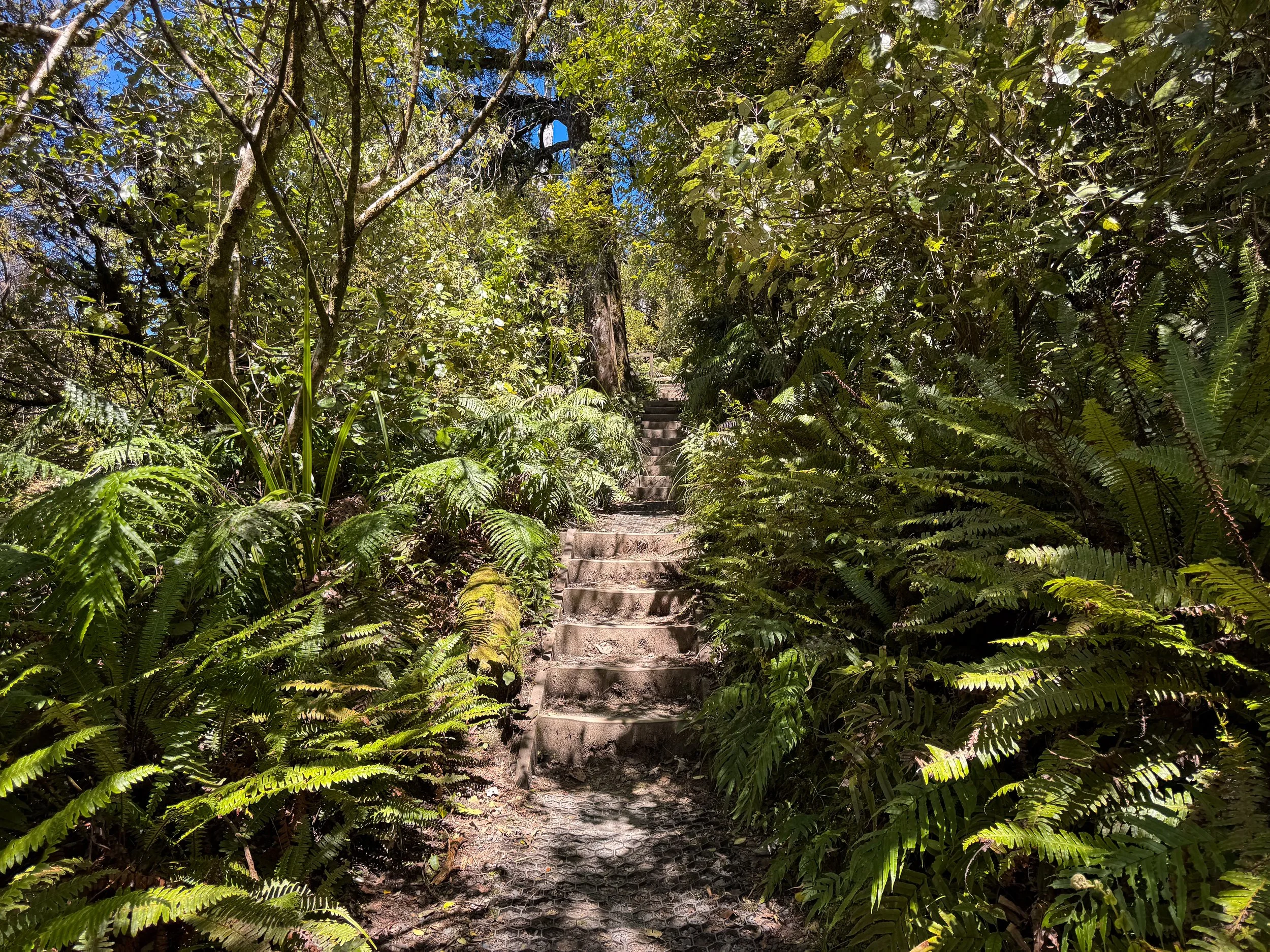
Ketetahi Track. A downhill trail meandering several kilometers past colorful shrubs, pine trees and subtropical forest. It offers views of lakes, steaming craters and small waterfalls.
Te Maari Crater. A still steaming volcanic crater on the Ketetahi Track. Hardened lava flows and ballistic craters formed by ejected rocks are visible from its 2012 eruption.
Getting Here. Drive to and park at the Tongariro Crossing Car Park. Book a shuttle to the Tongariro Alpine Crossing trailhead to begin the hike. The 20.2km trail ends back at the car park. Book the shuttle with Backyard Tours on Viator.
Tips for Hiking The Tongariro Alpine Crossing:
Check weather before hiking
Bring 2 liters of water per person
Pack snacks and a lunch for the trail
Wear warm removable layers
Hiking poles are helpful for the downhill
Wear sunblock and sunglasses
Toilets are available every several kilometers
Bring toilet paper and hand sanitizer
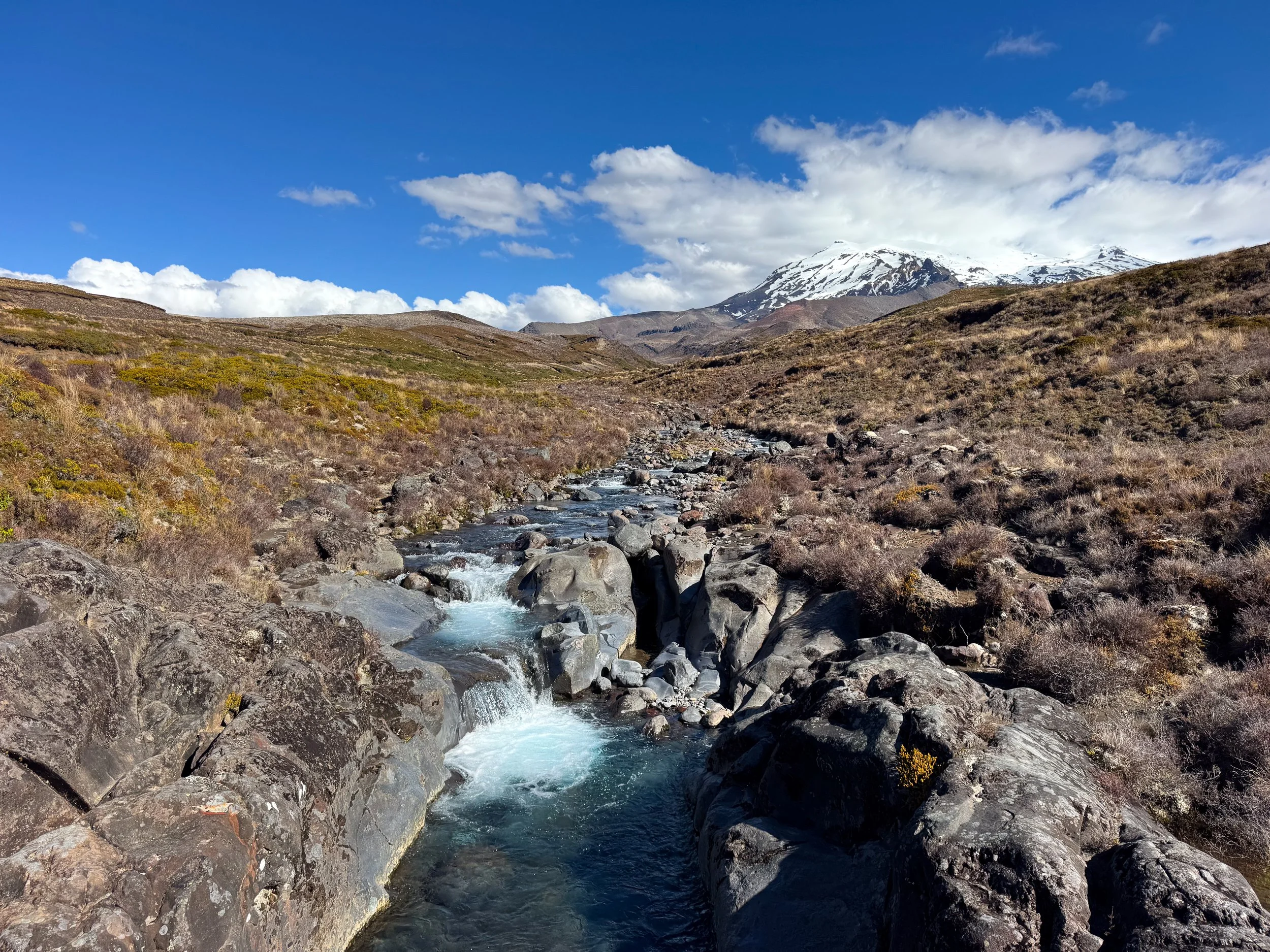
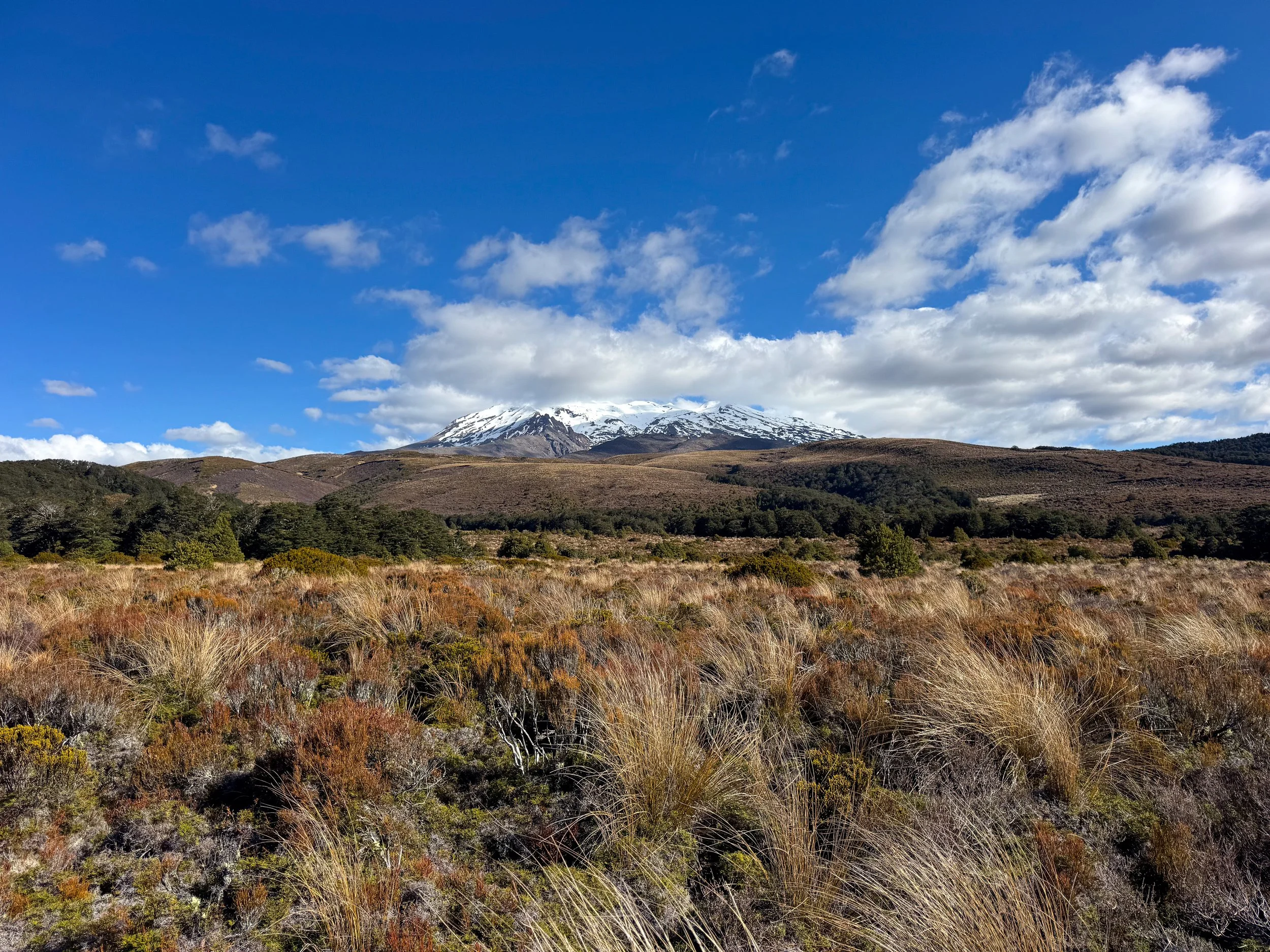
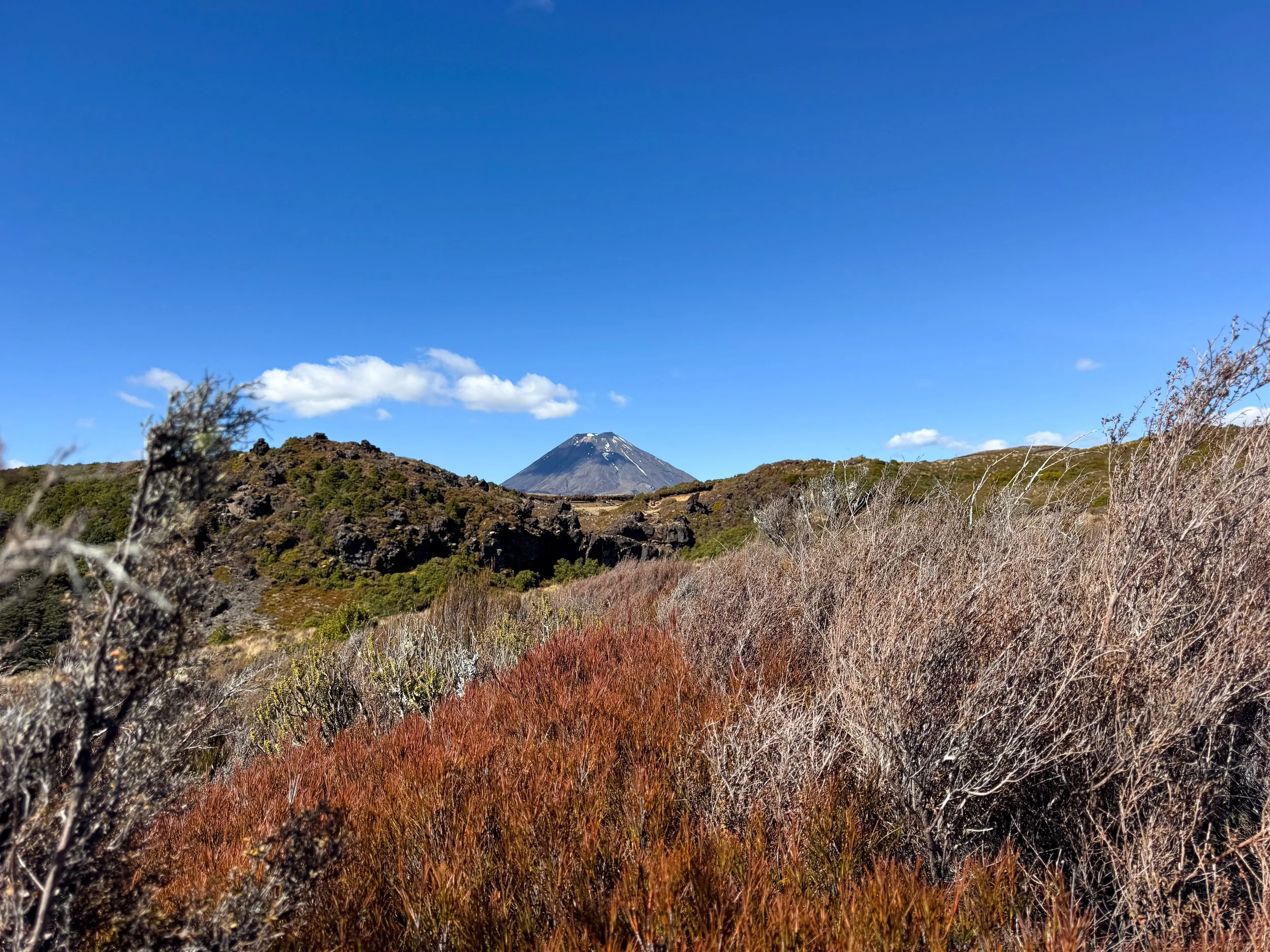
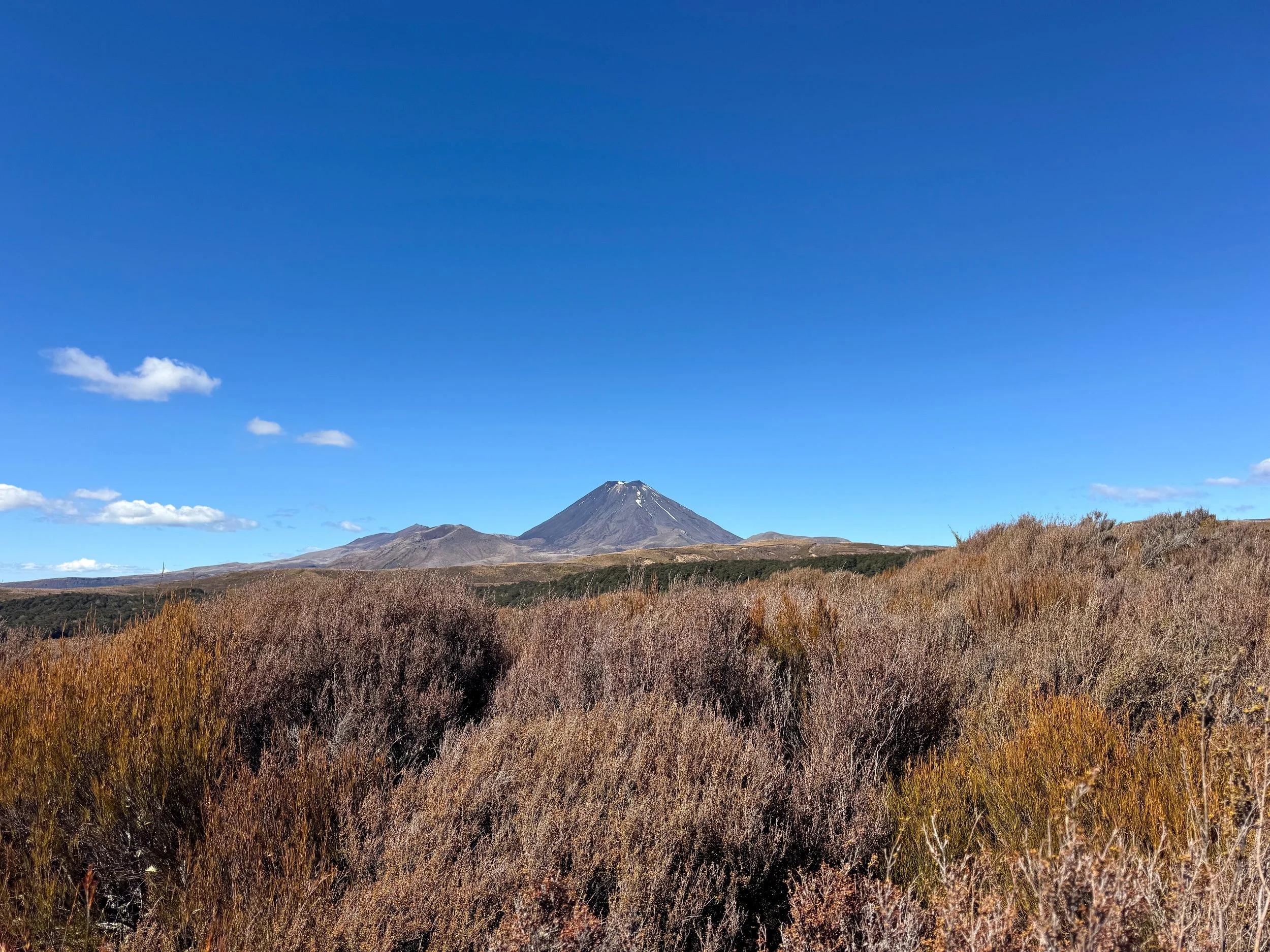
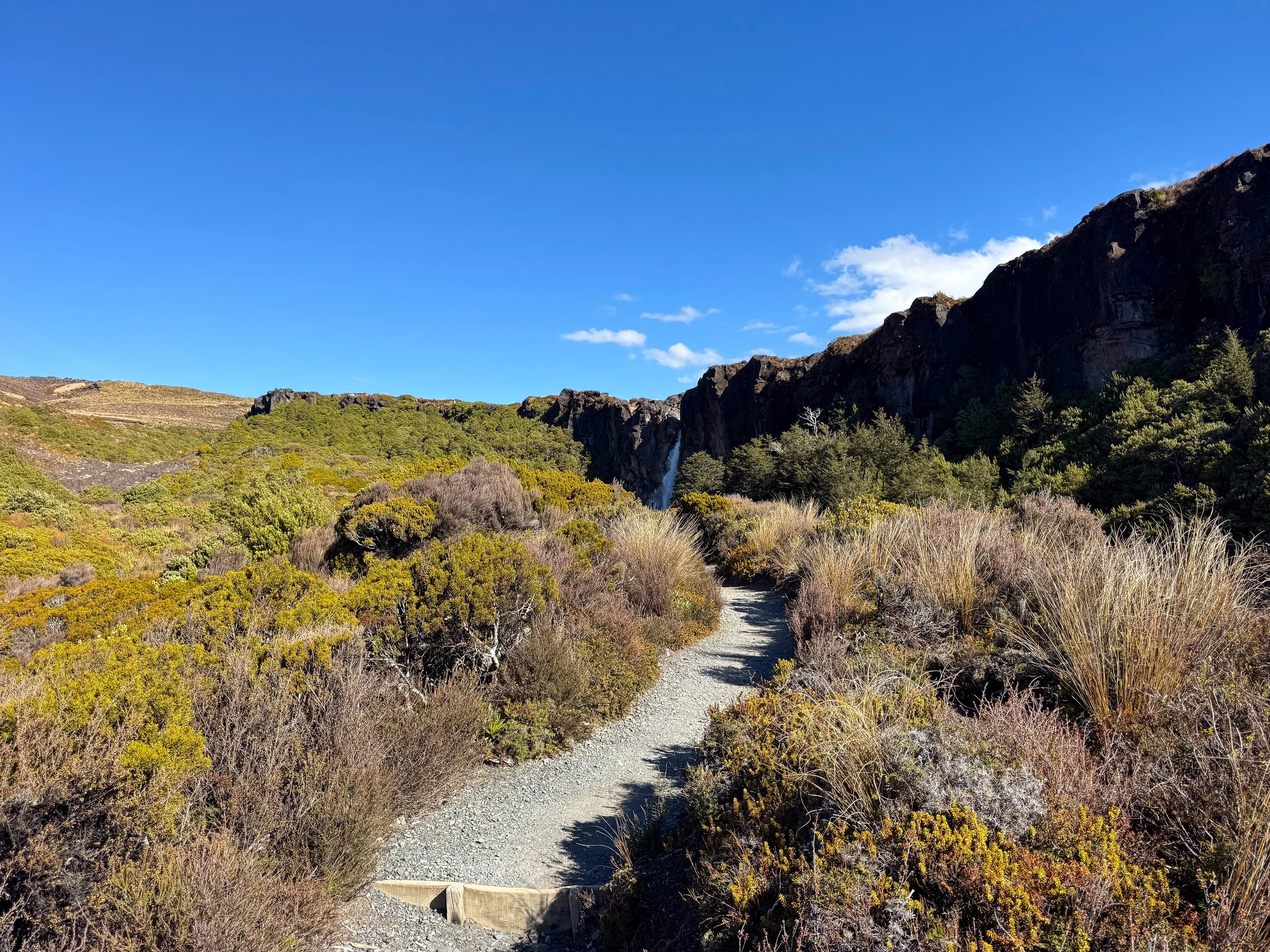
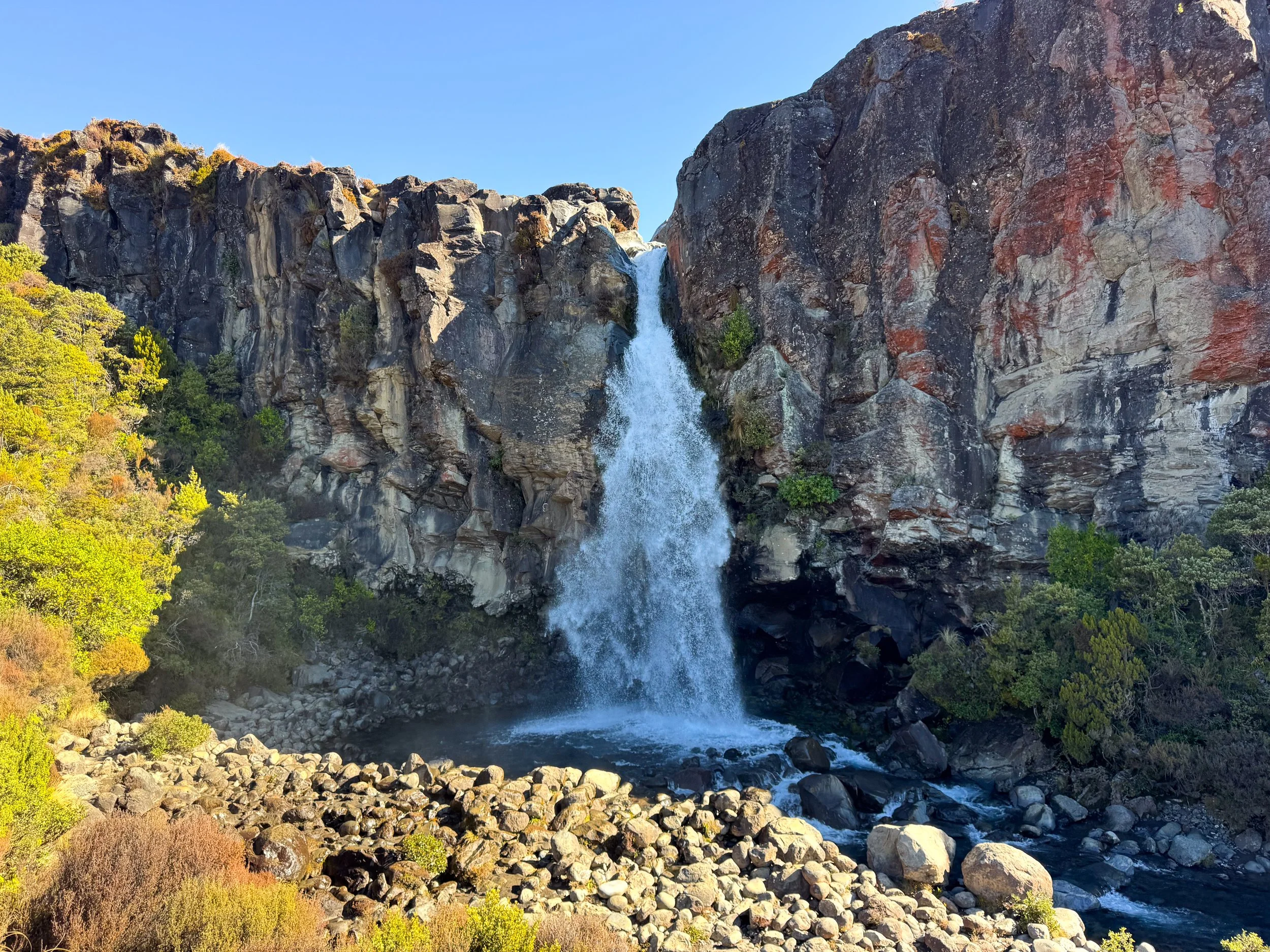
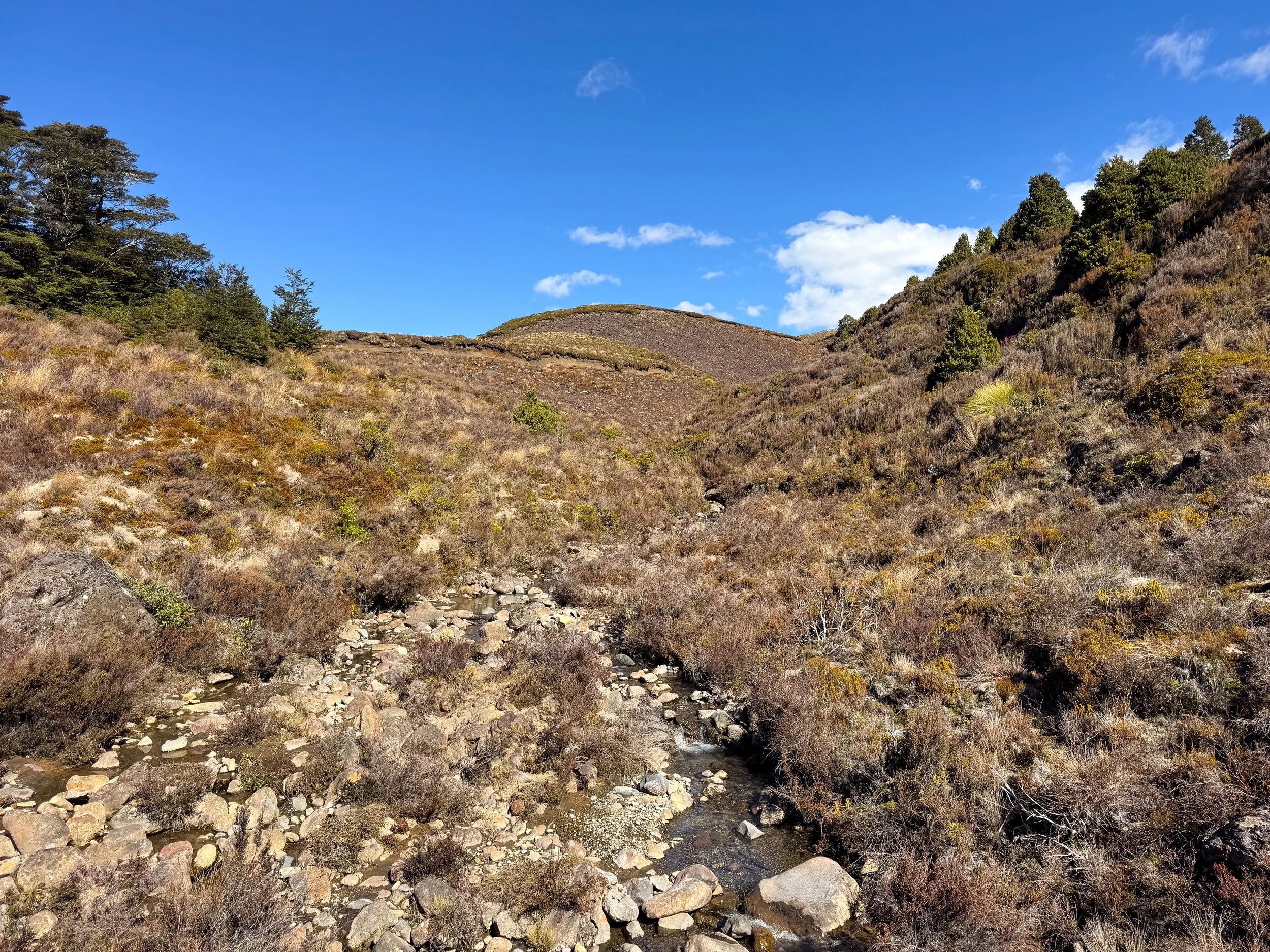
Taranaki Falls. A 20m tall waterfall streaming from a narrow crevice into the rocky pool below. The waterfall is accessible midway along a 6km loop trail. The trail passes through scrubland with scenic views of Mount Ruapehu’s snow capped summit and Mt Ngauruhoe’s conical profile.
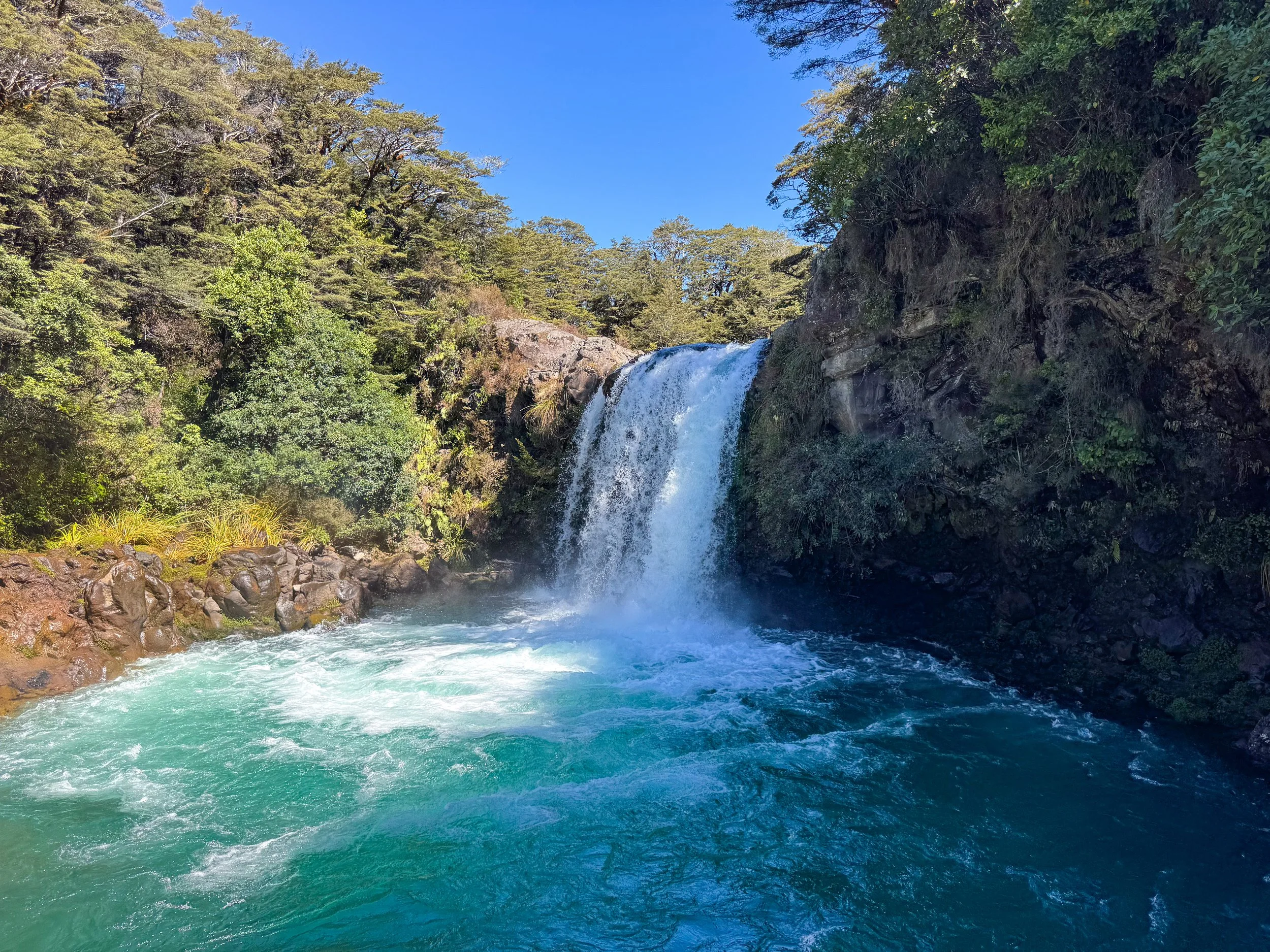
Tawhai Falls (Gollum’s Waterfall). A small but picturesque waterfall flowing over a diagonal cliff into a turquoise river pool. The location was used to film Gollum’s fishing scene in Lord of the Rings. It’s possible to swim here, however the water is frigid.
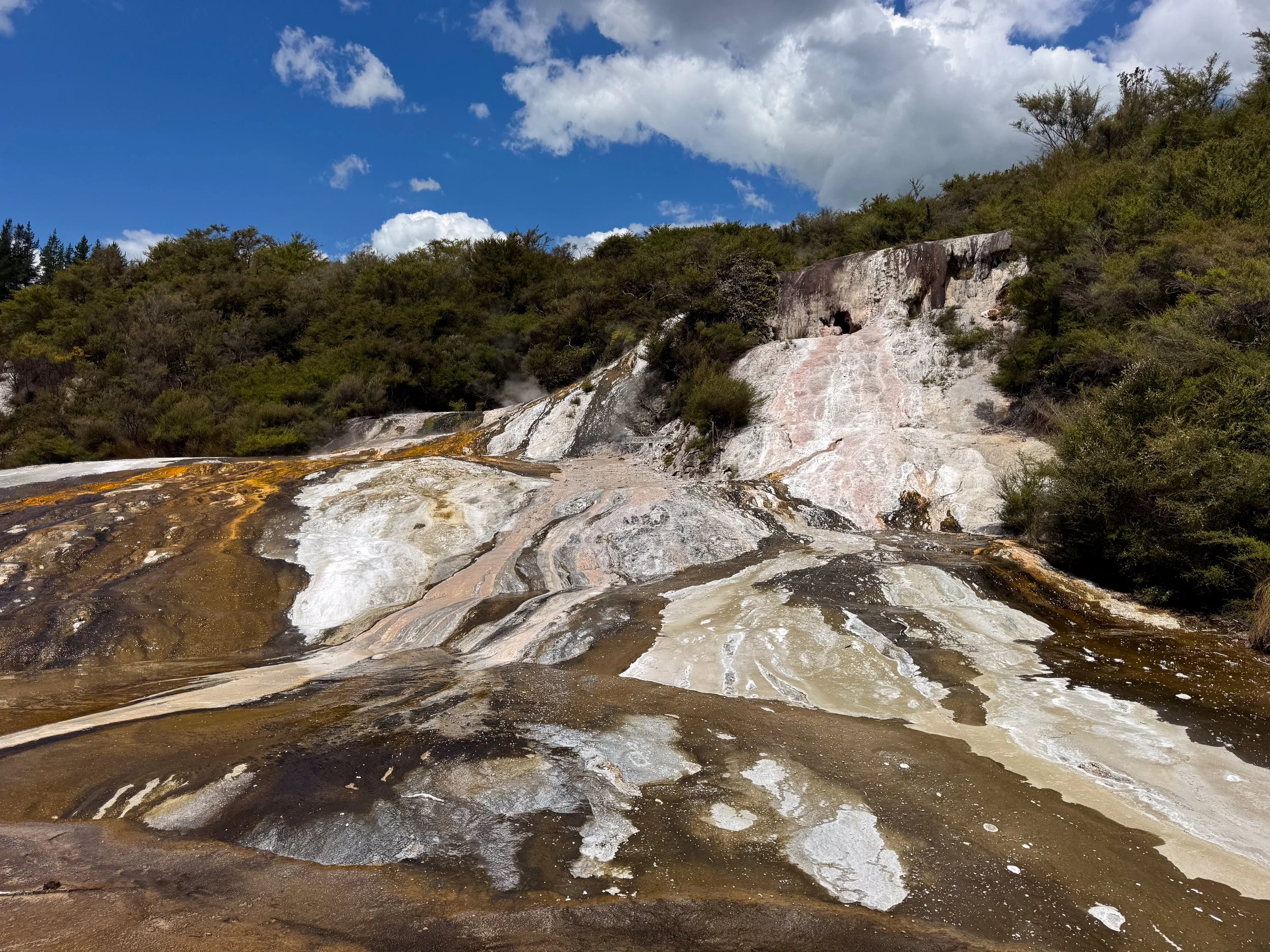
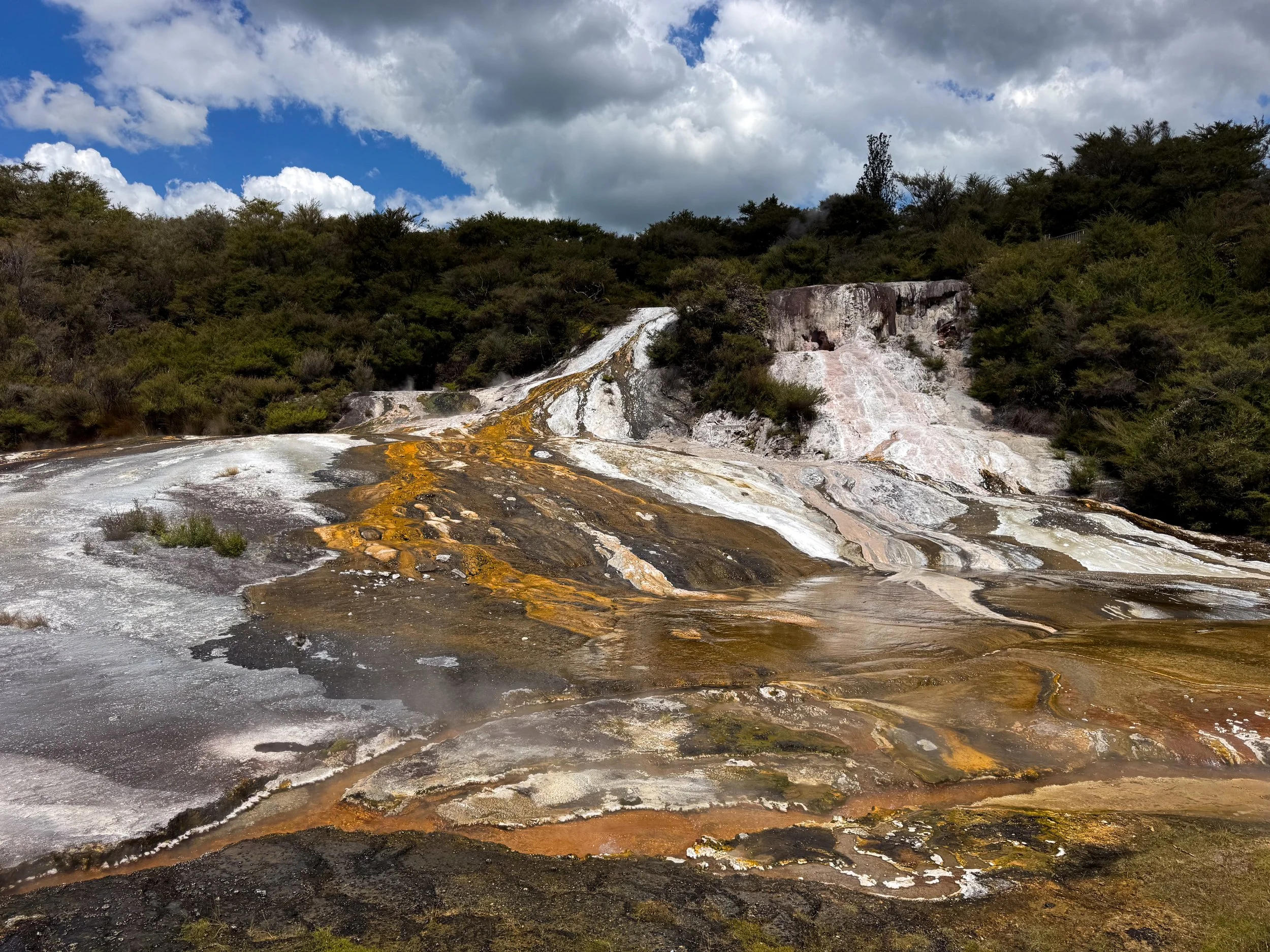
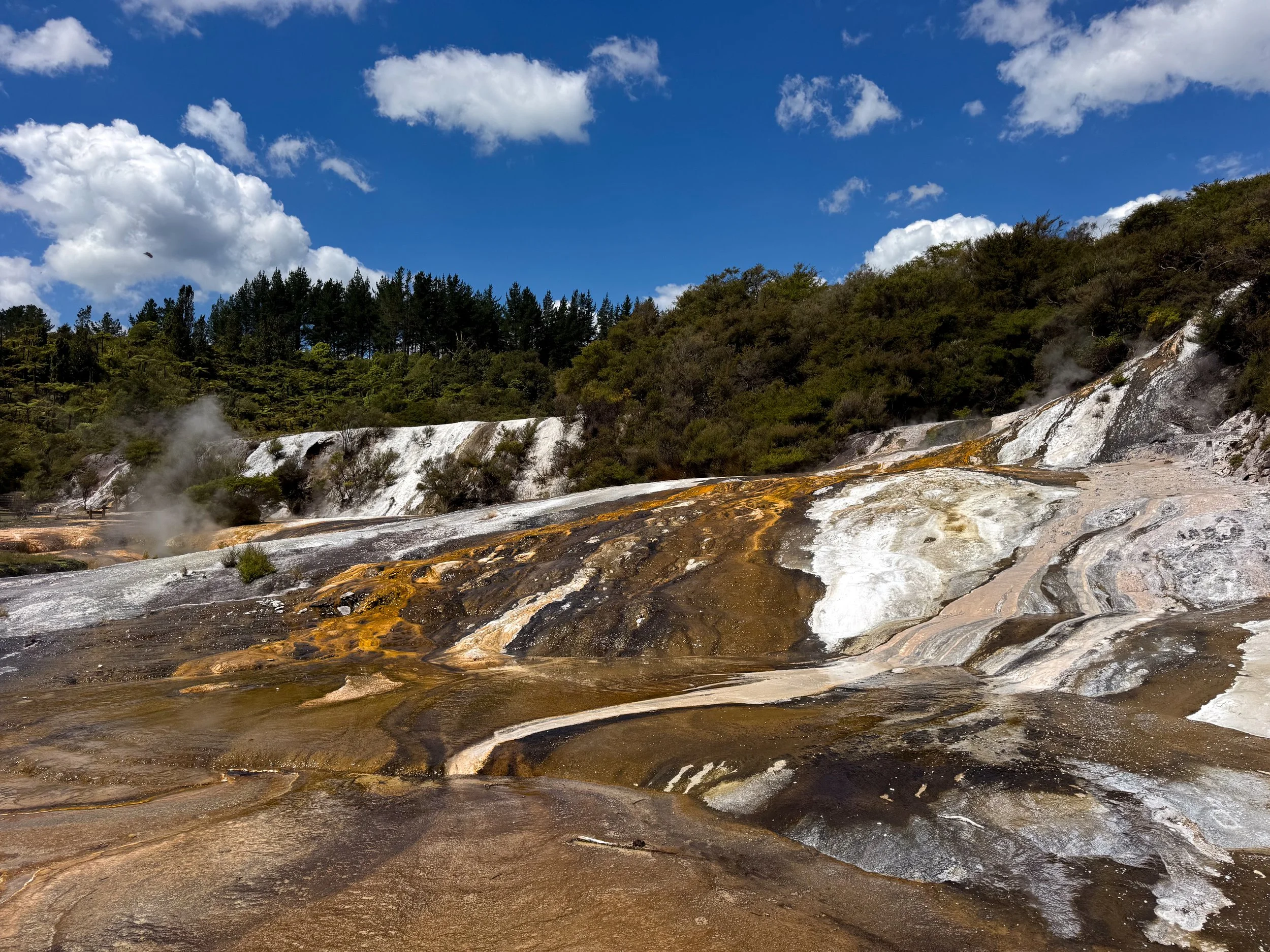
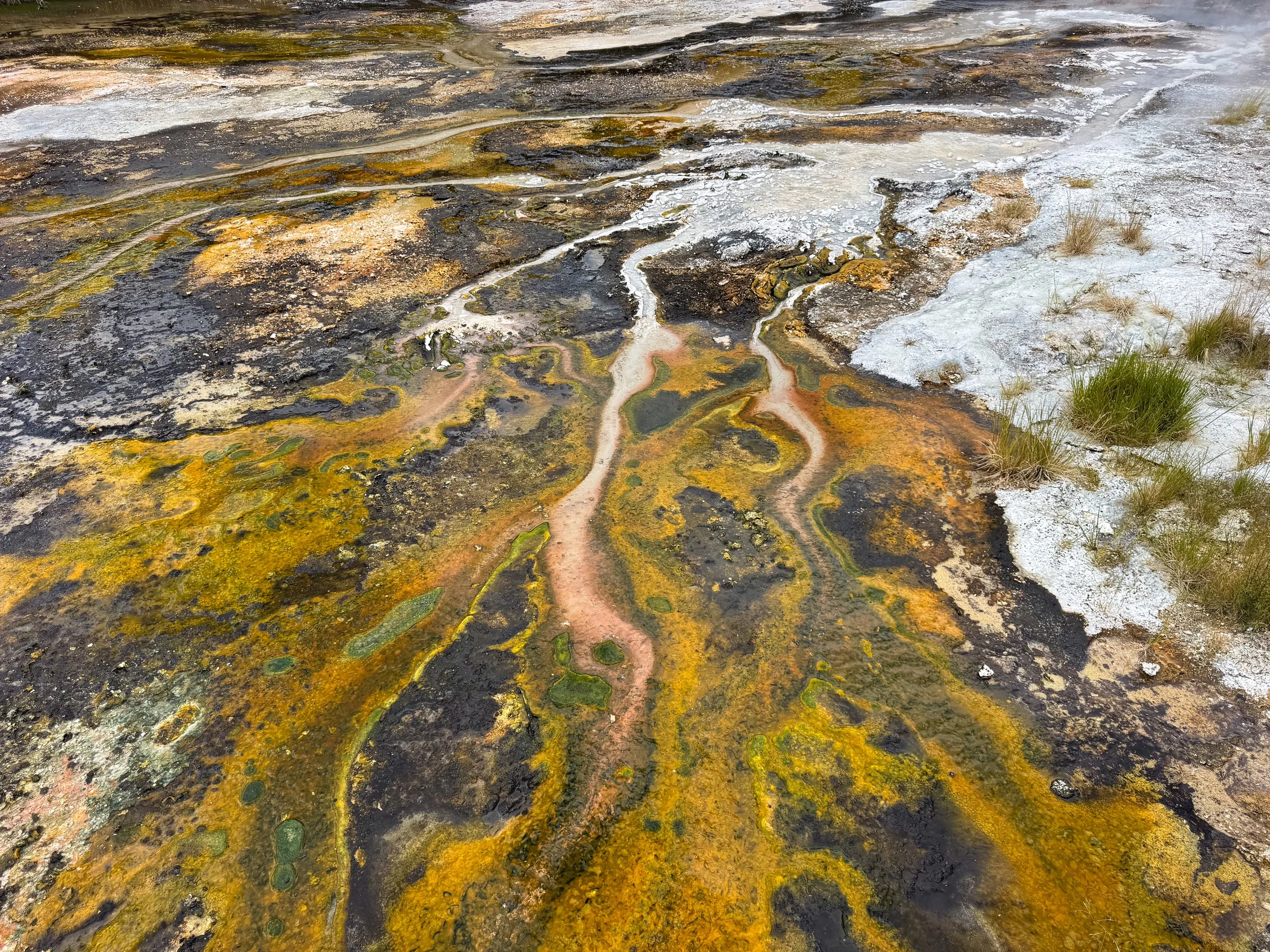
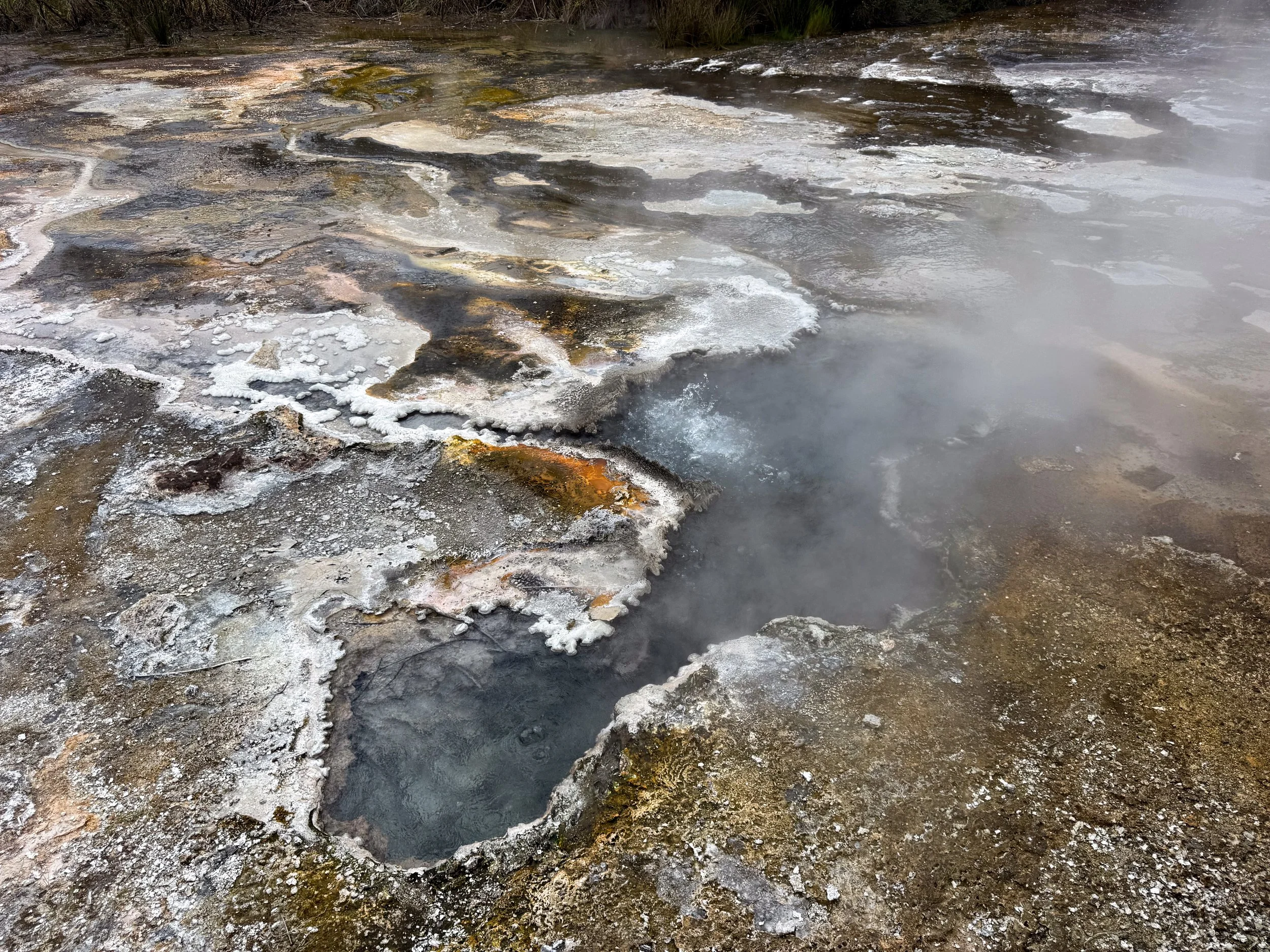
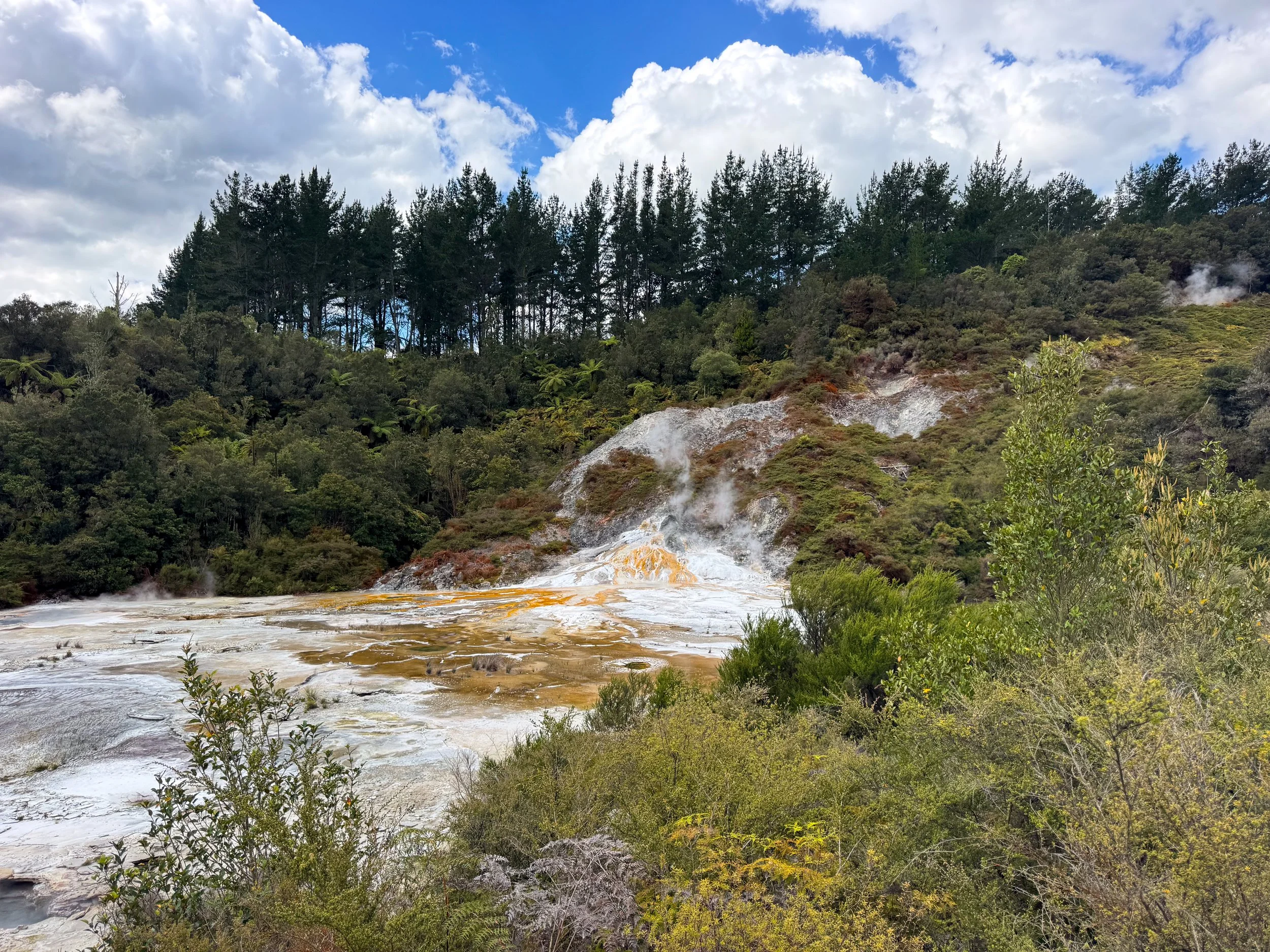
Orakei Korako Cave and Thermal Park
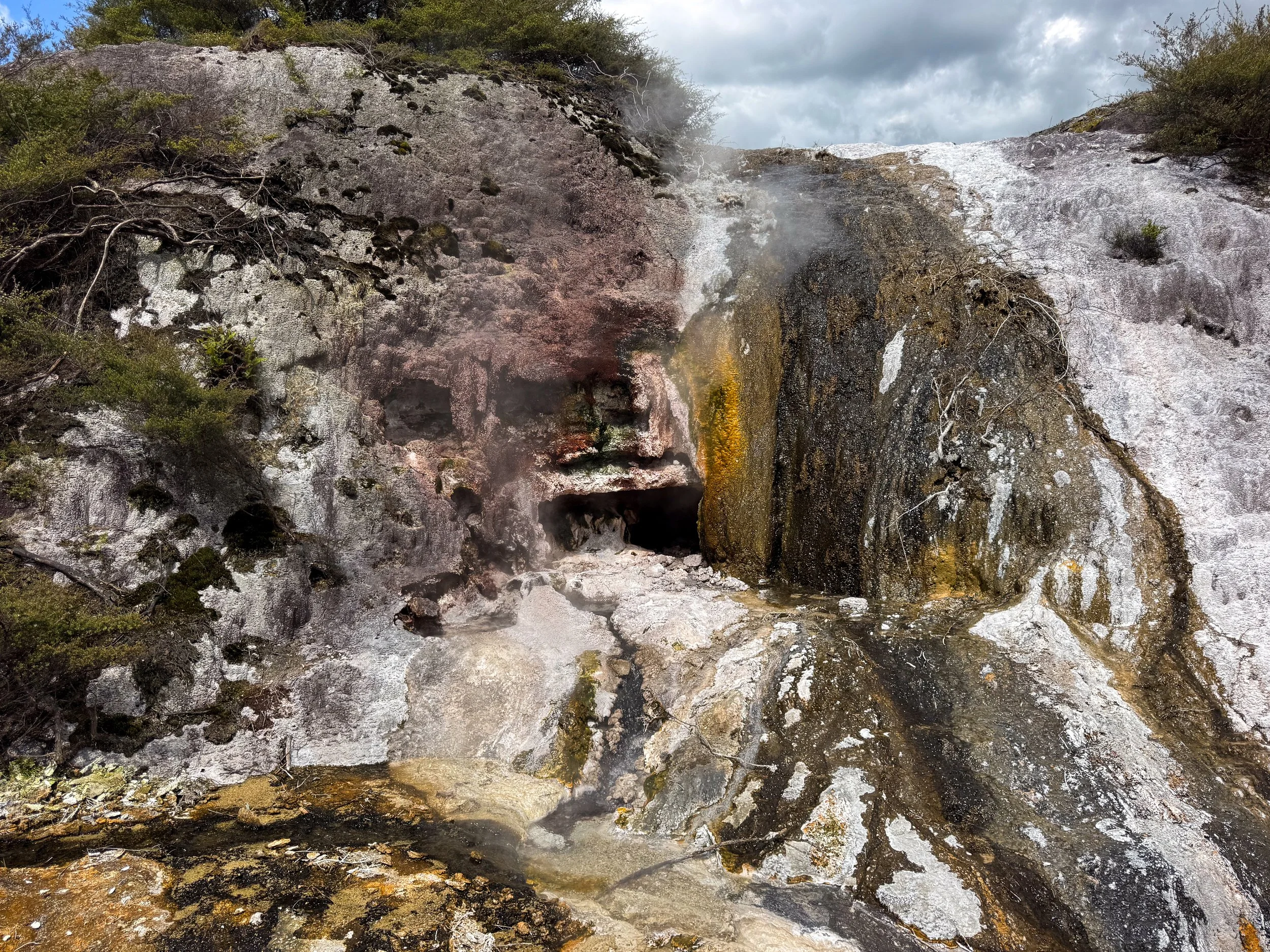
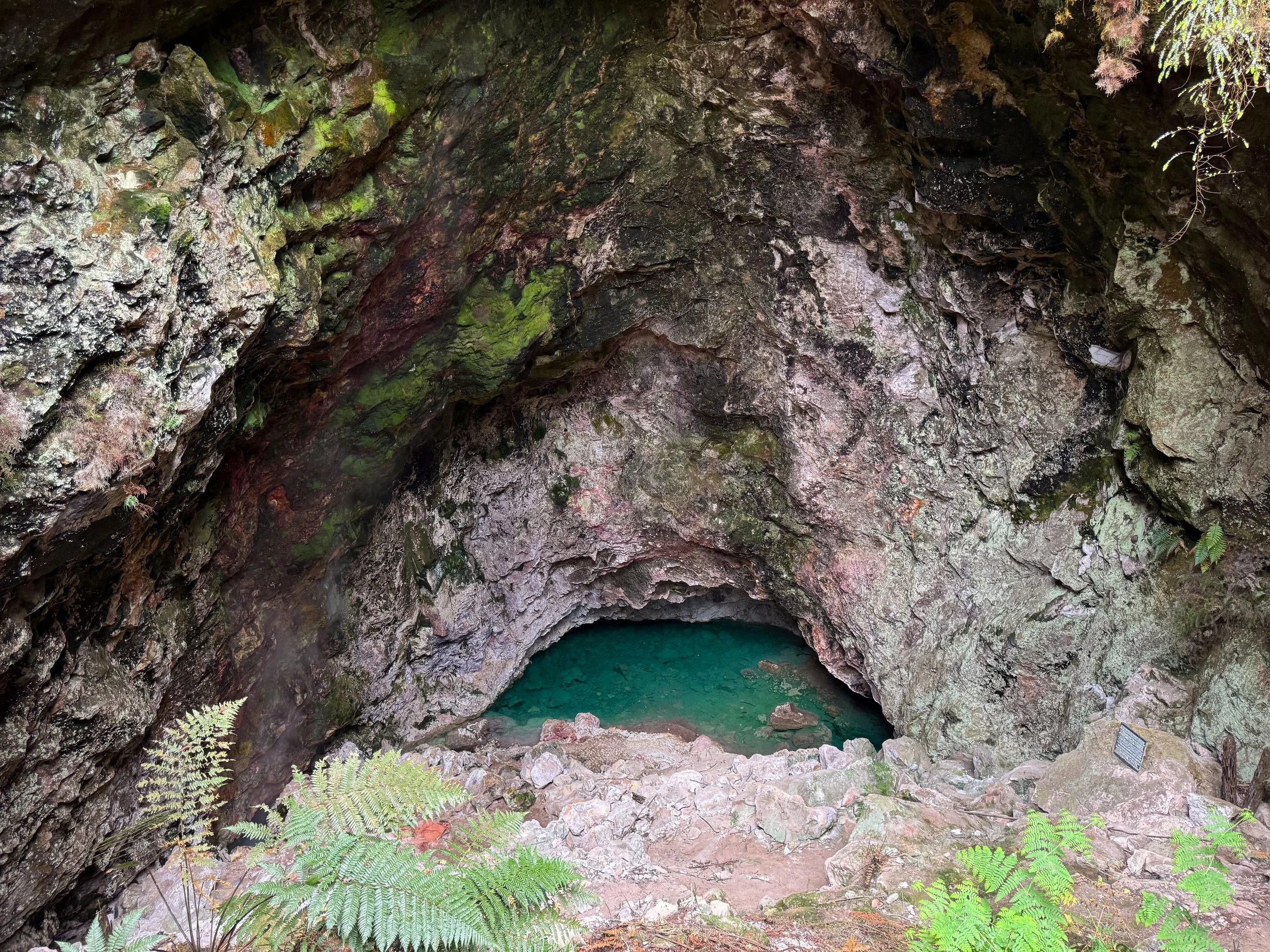
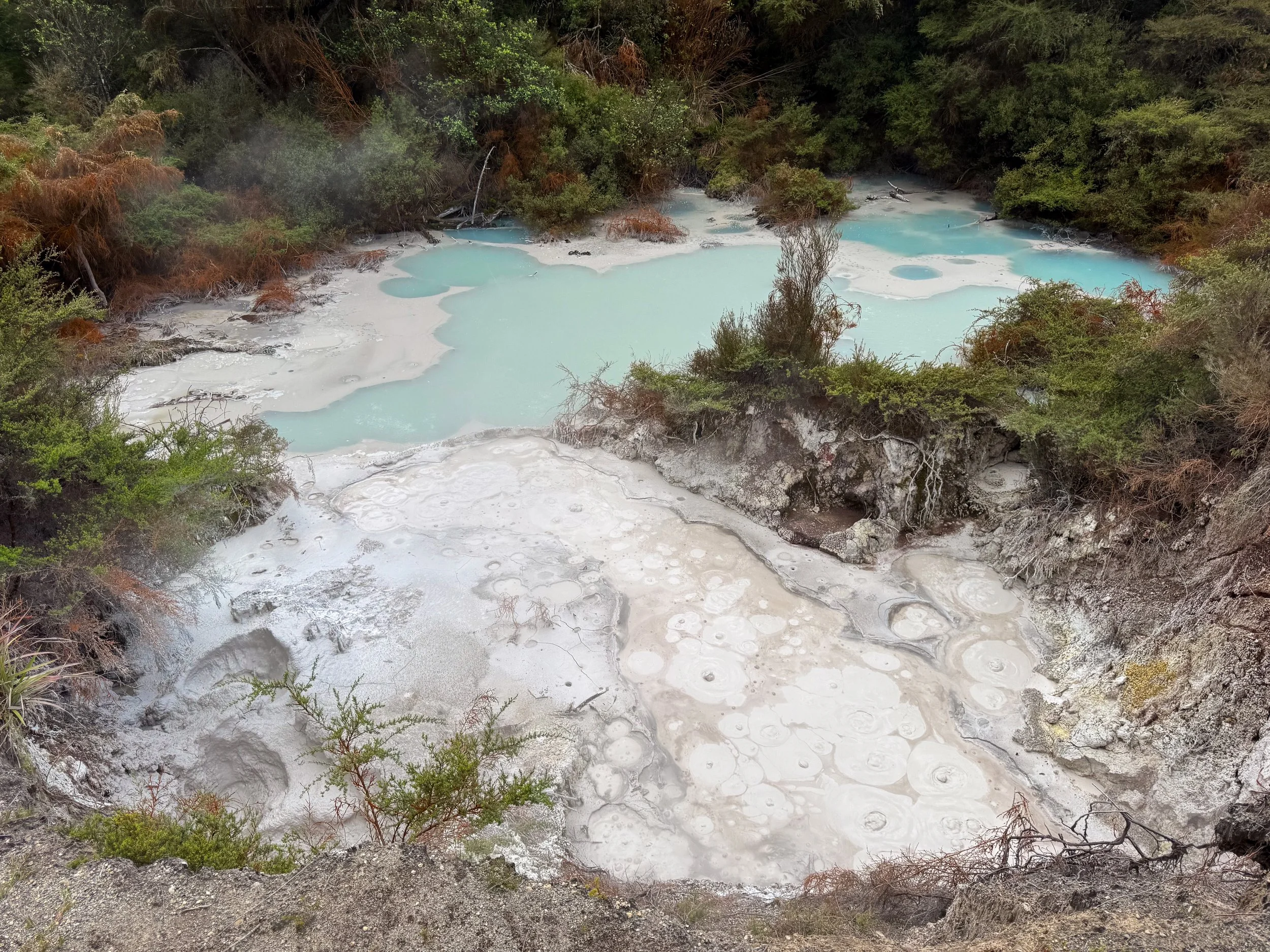
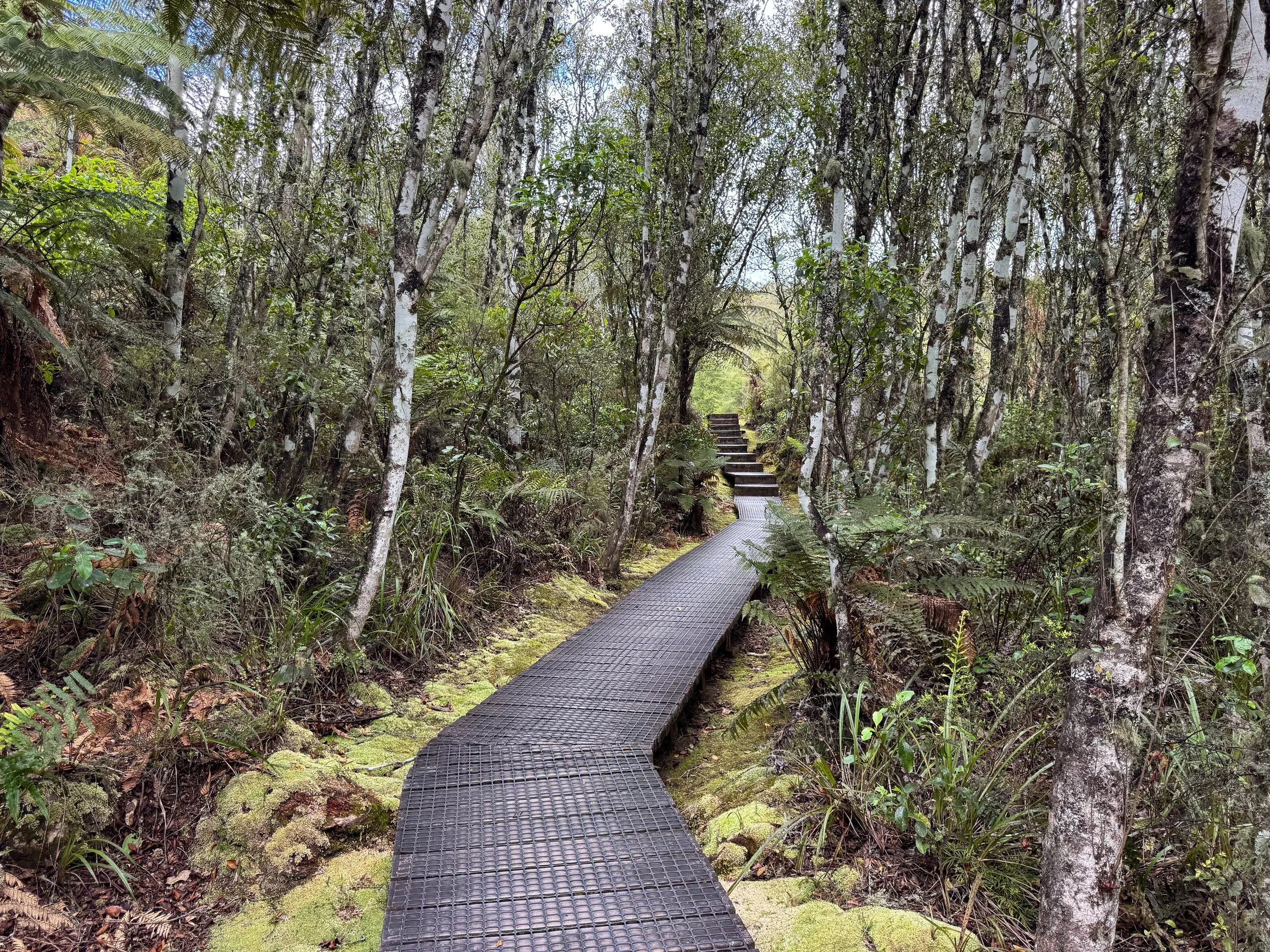
A geothermal park with a range of boiling geysers, bubbling streams, colorful mineral flows, mud pools and a rare thermal cave. Wooden boardwalks lead between the geothermal features and through the forested hillside past manuka trees, bushy ferns and moss covered rocks. Take a boat across the Waikato River from the welcome center to access the park.
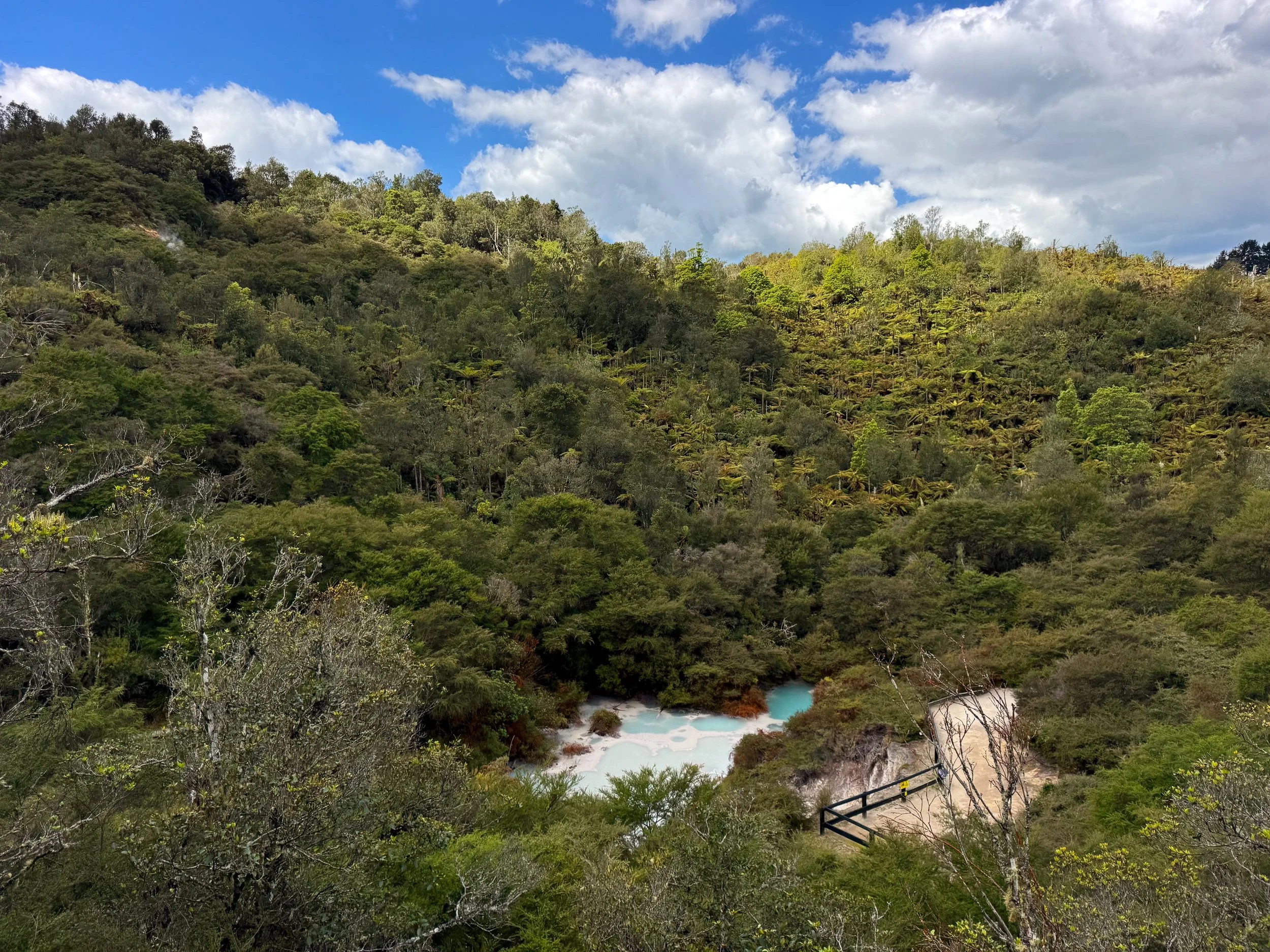
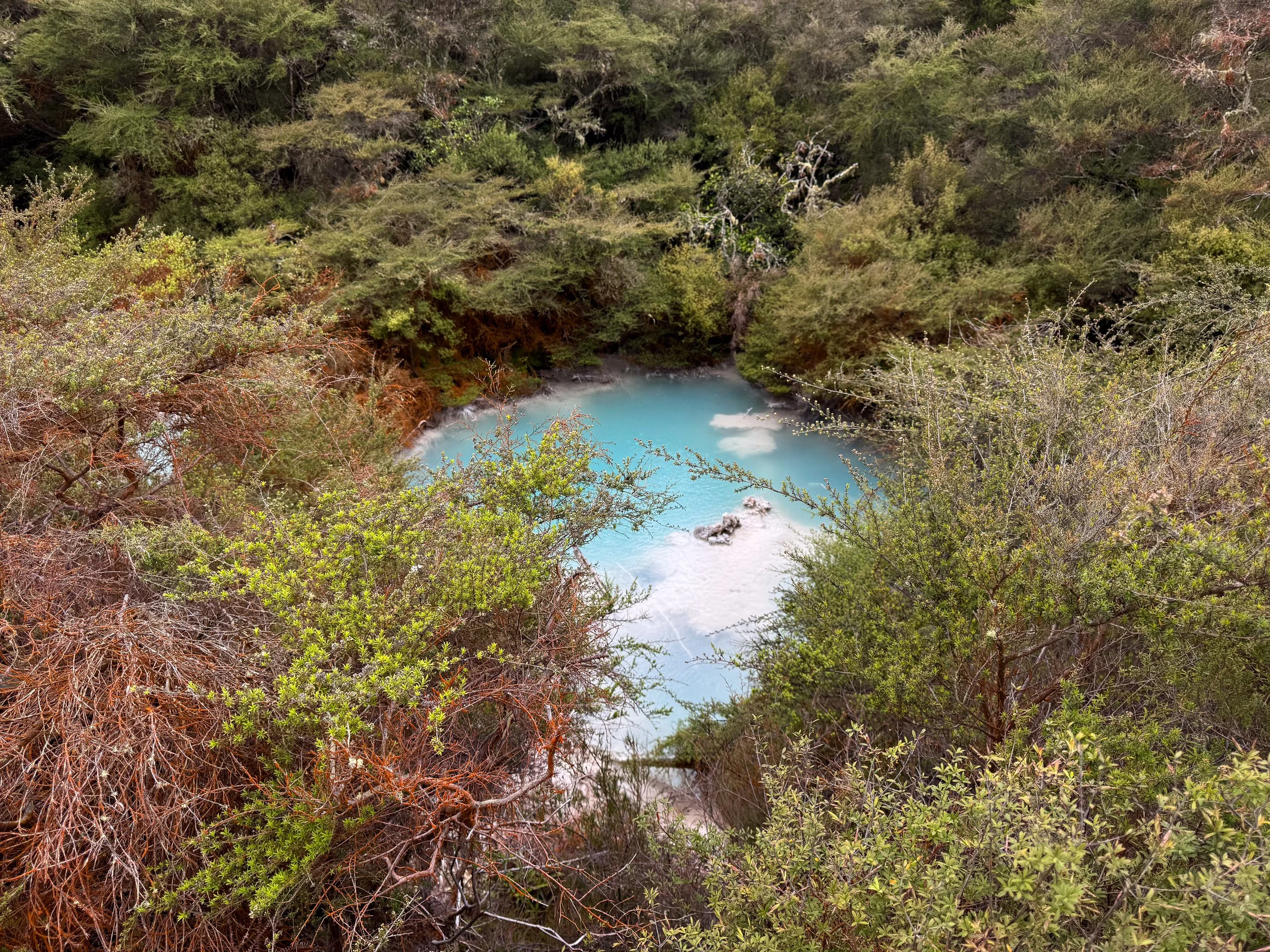
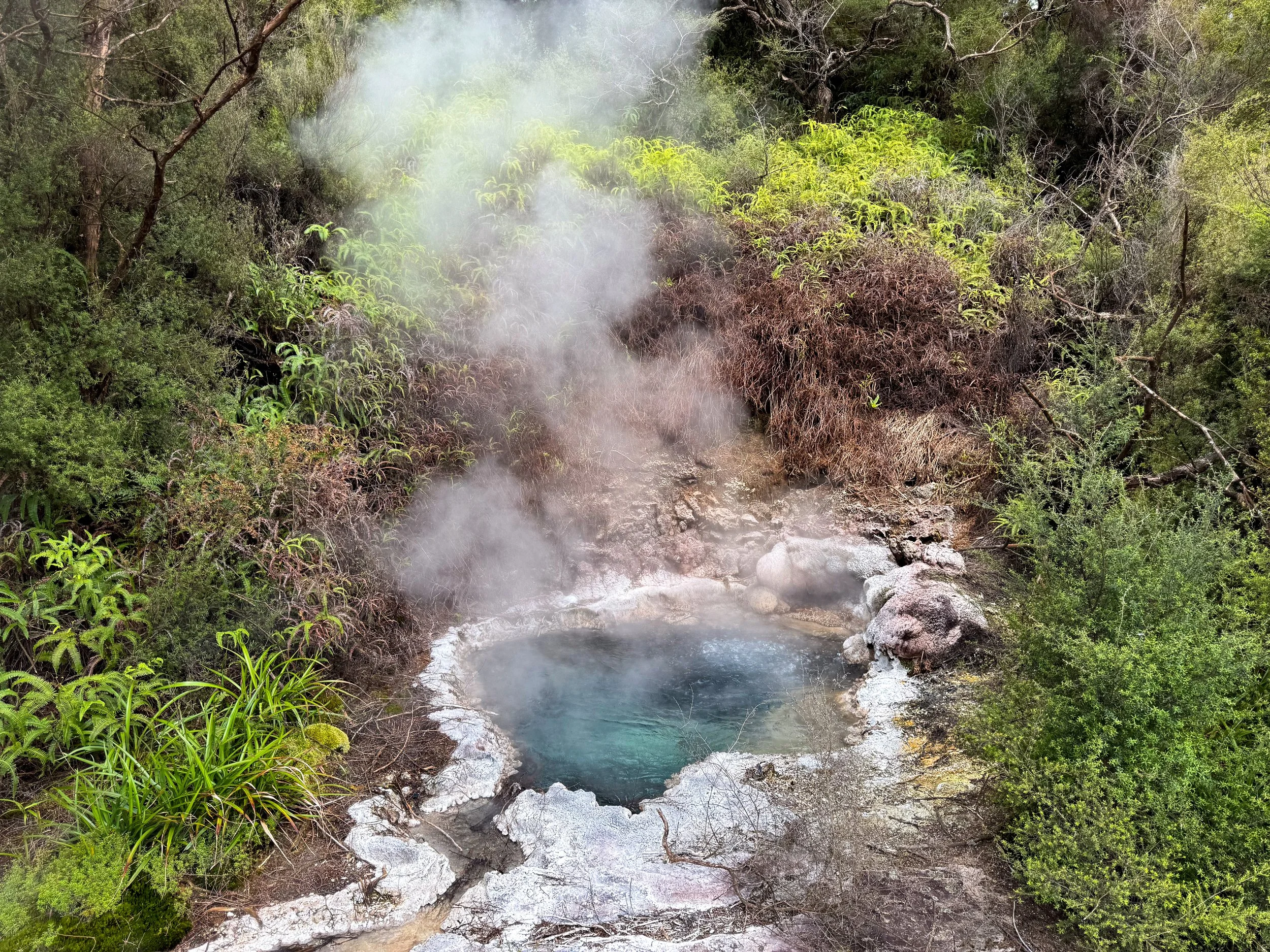
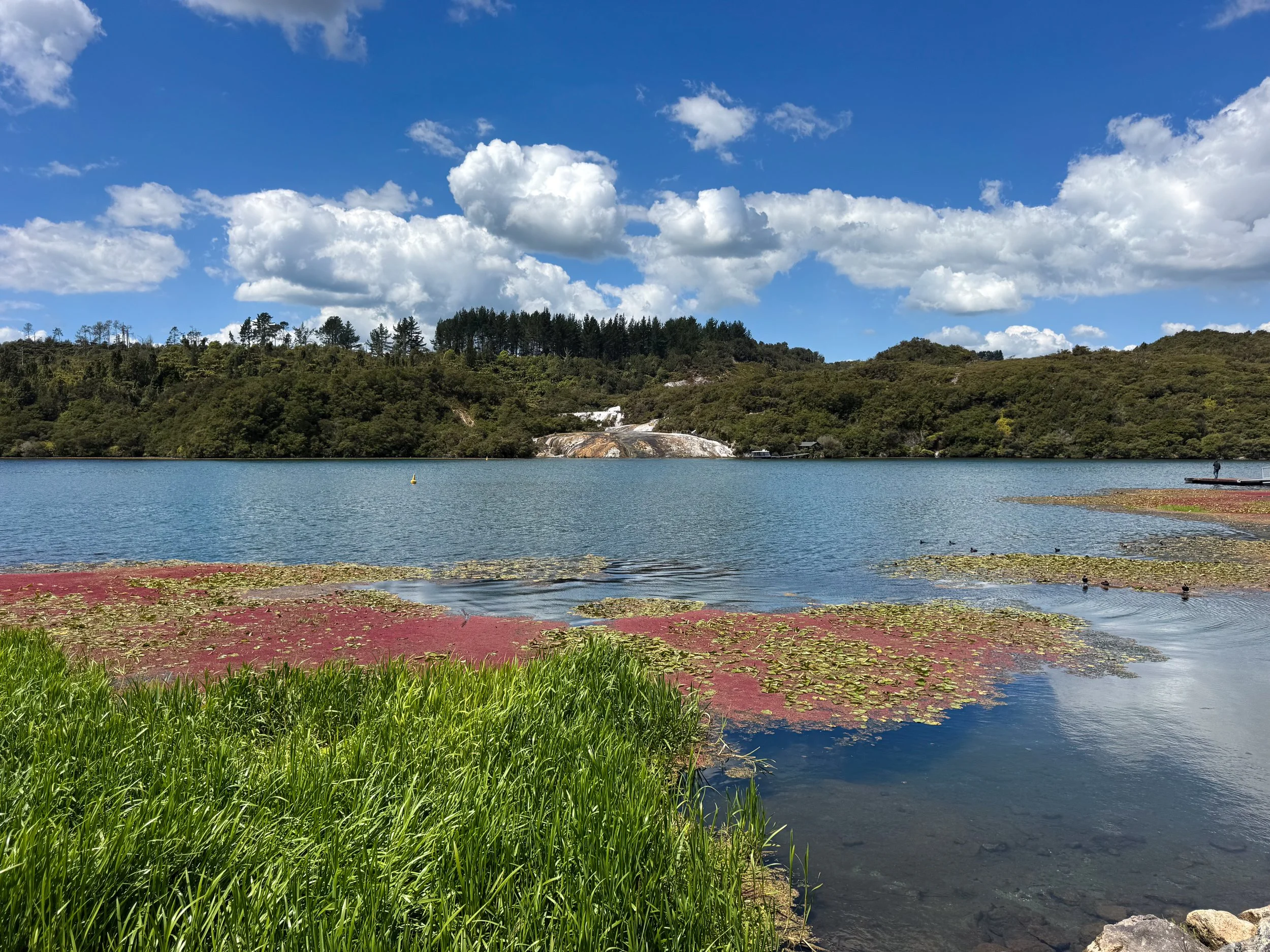
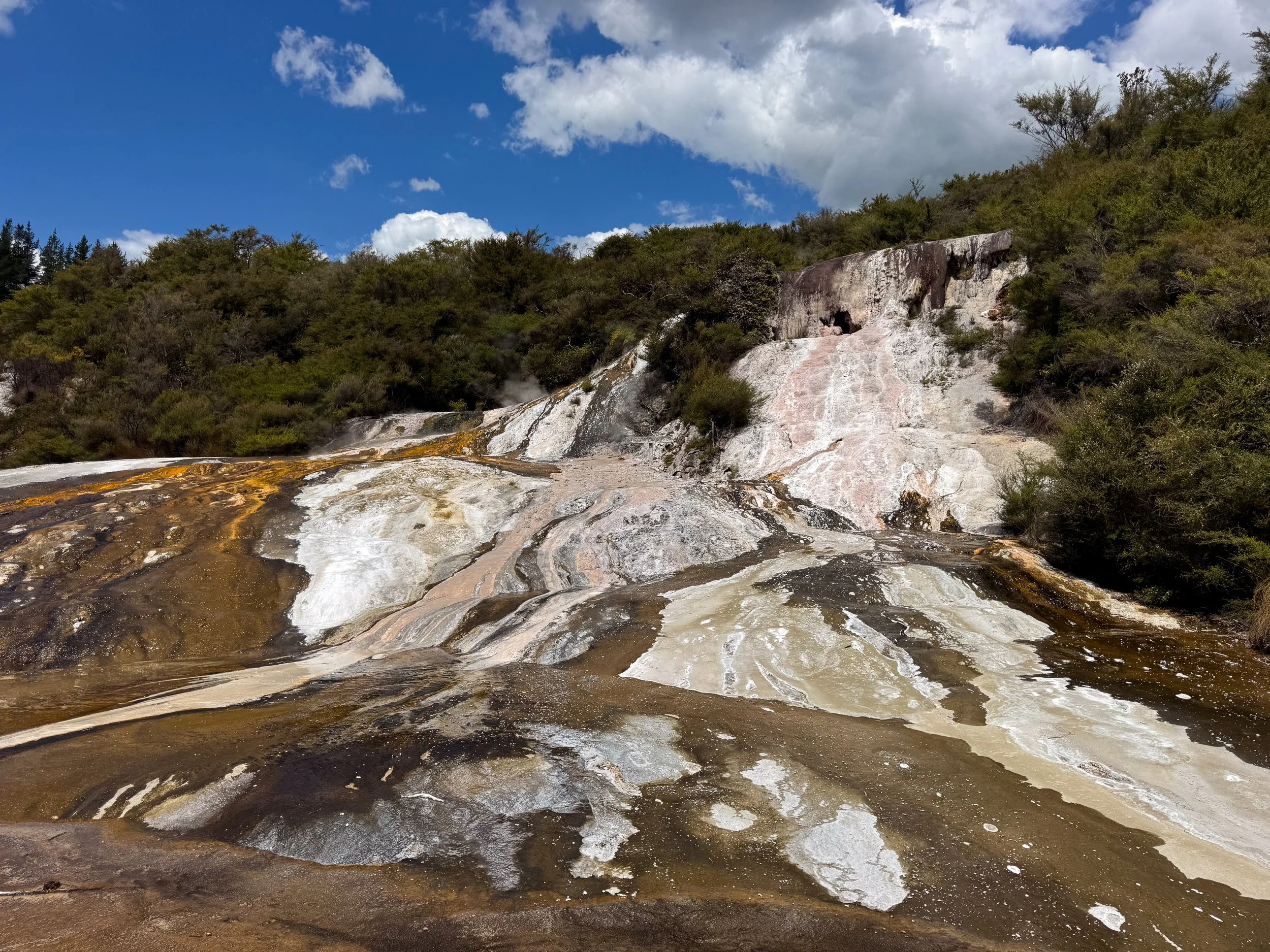
The Rainbow Terrace. A geothermal feature with streaming flows of boiling water and mineral rich sediment. Colorful patterns paint the earth in shades of orange, red, brown and white.
The Devil’s Throat. A small red cave spewing boiling water and steam towards the Rainbow Terrace.
Rautapu Cave. One of only two geothermal caves in the world. Its large rocky opening exposes a bubbling emerald pool at its base and steaming vents along its sides.
Mud Pools. A bubbling series of clay pools with sections of turquoise blue water.
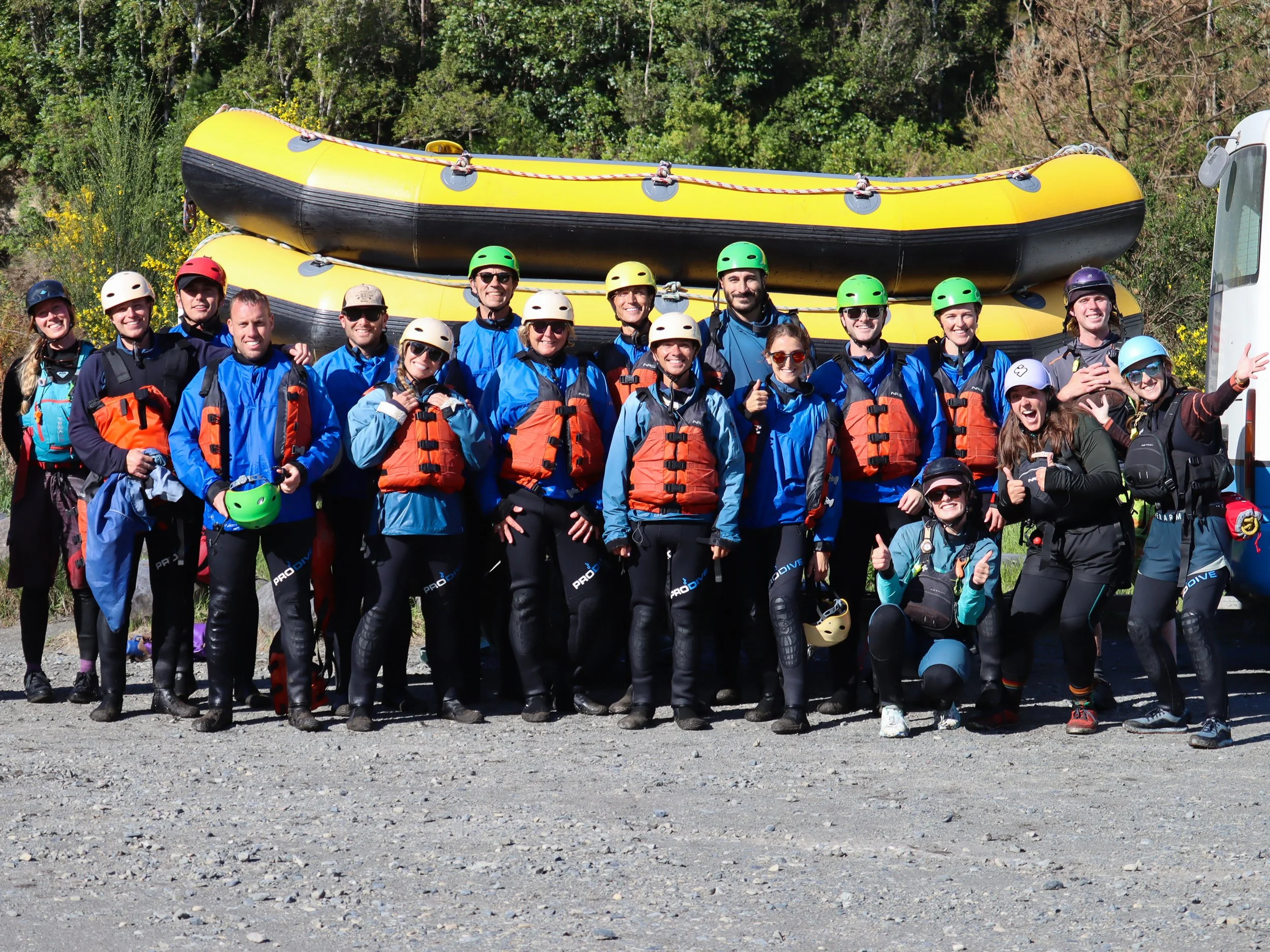
Tongariro River Rafting
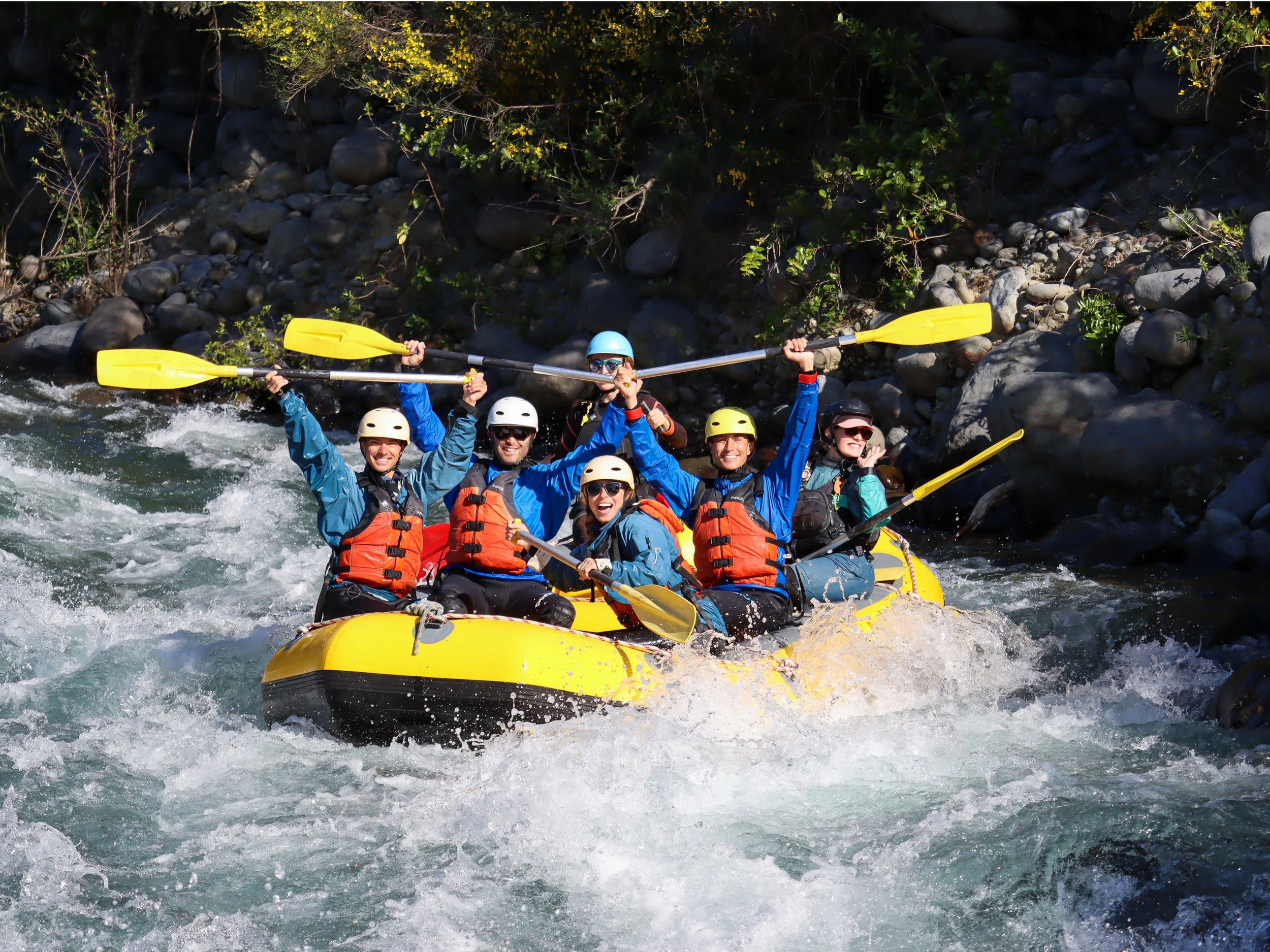
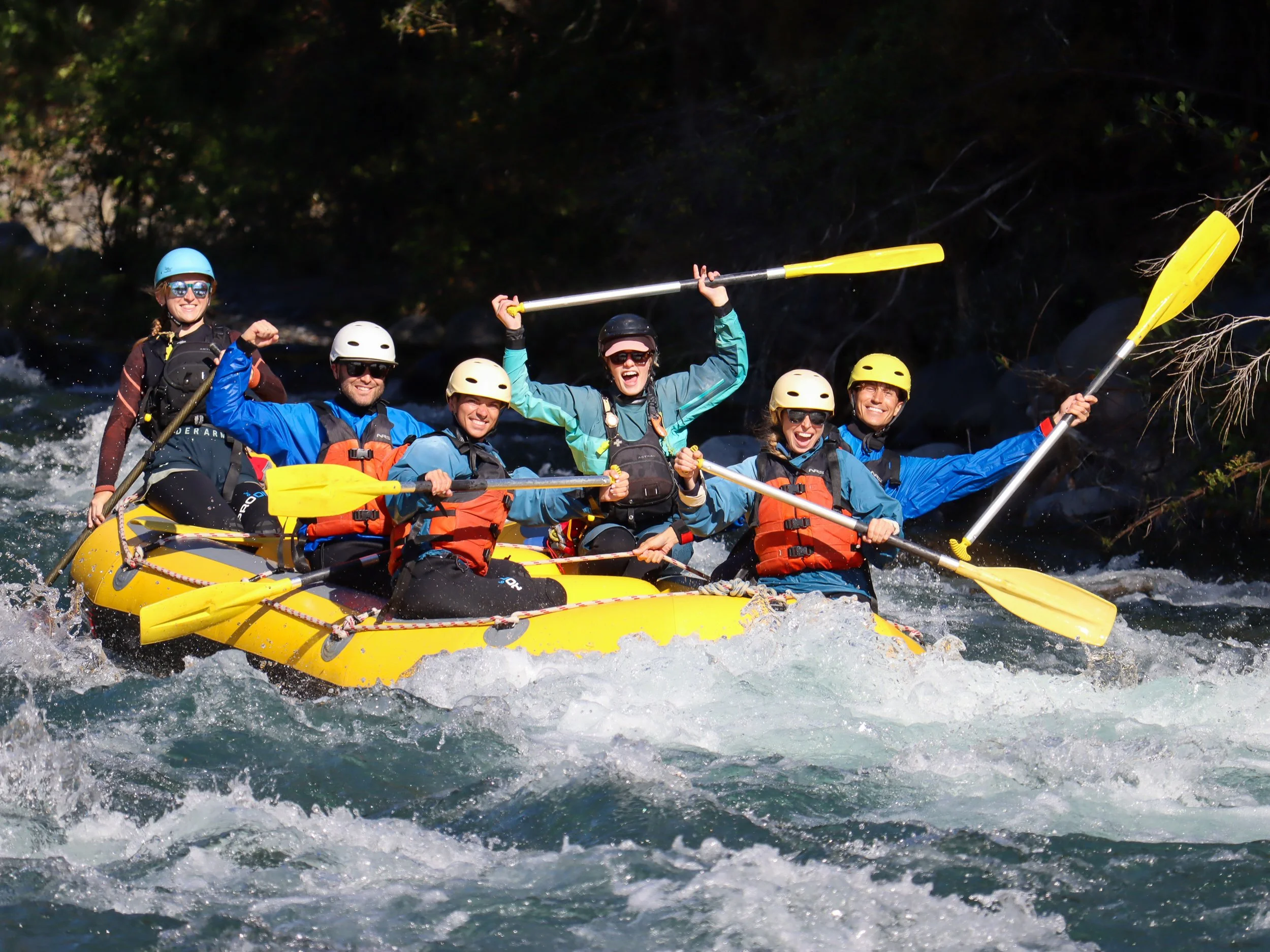
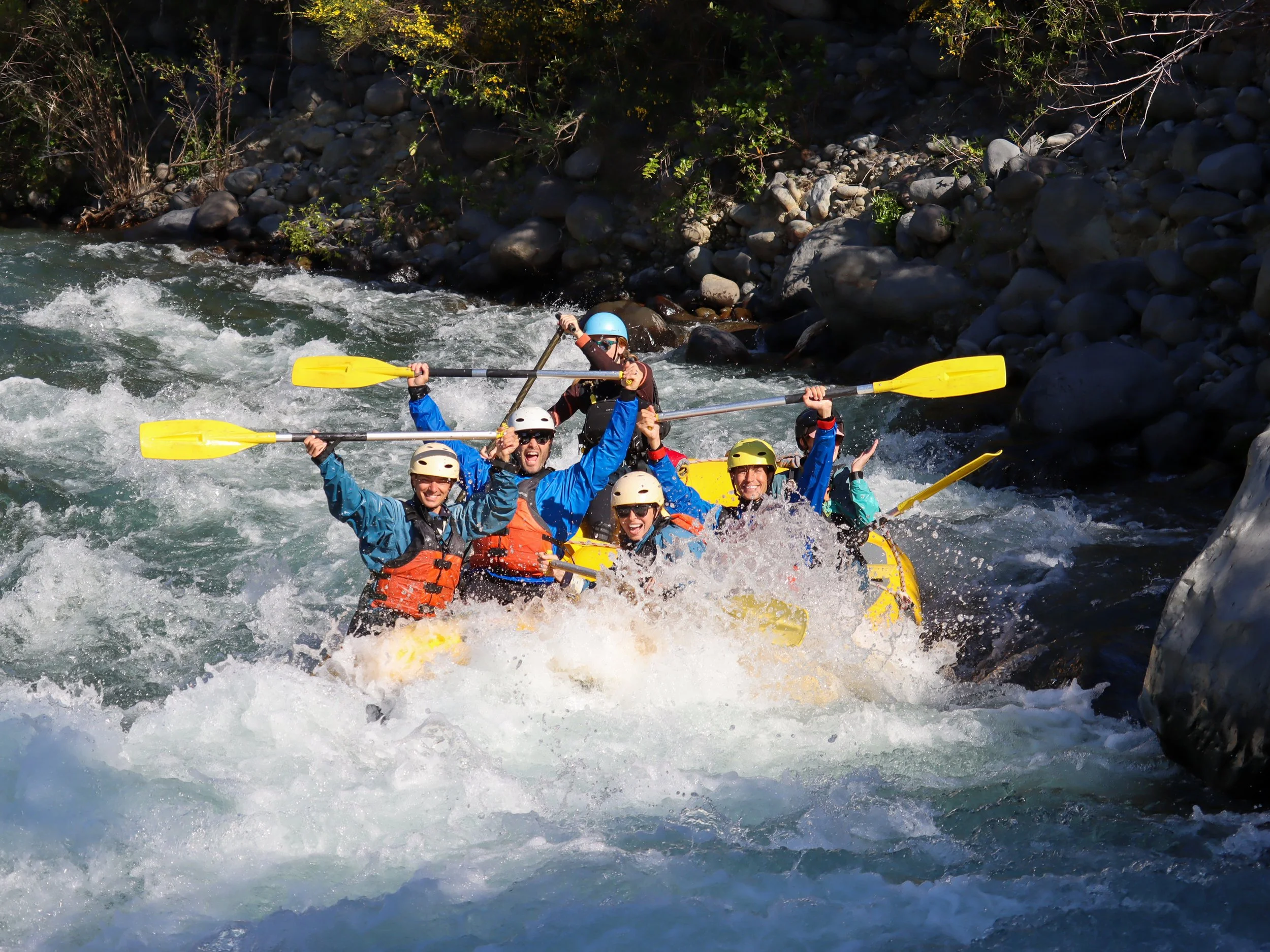
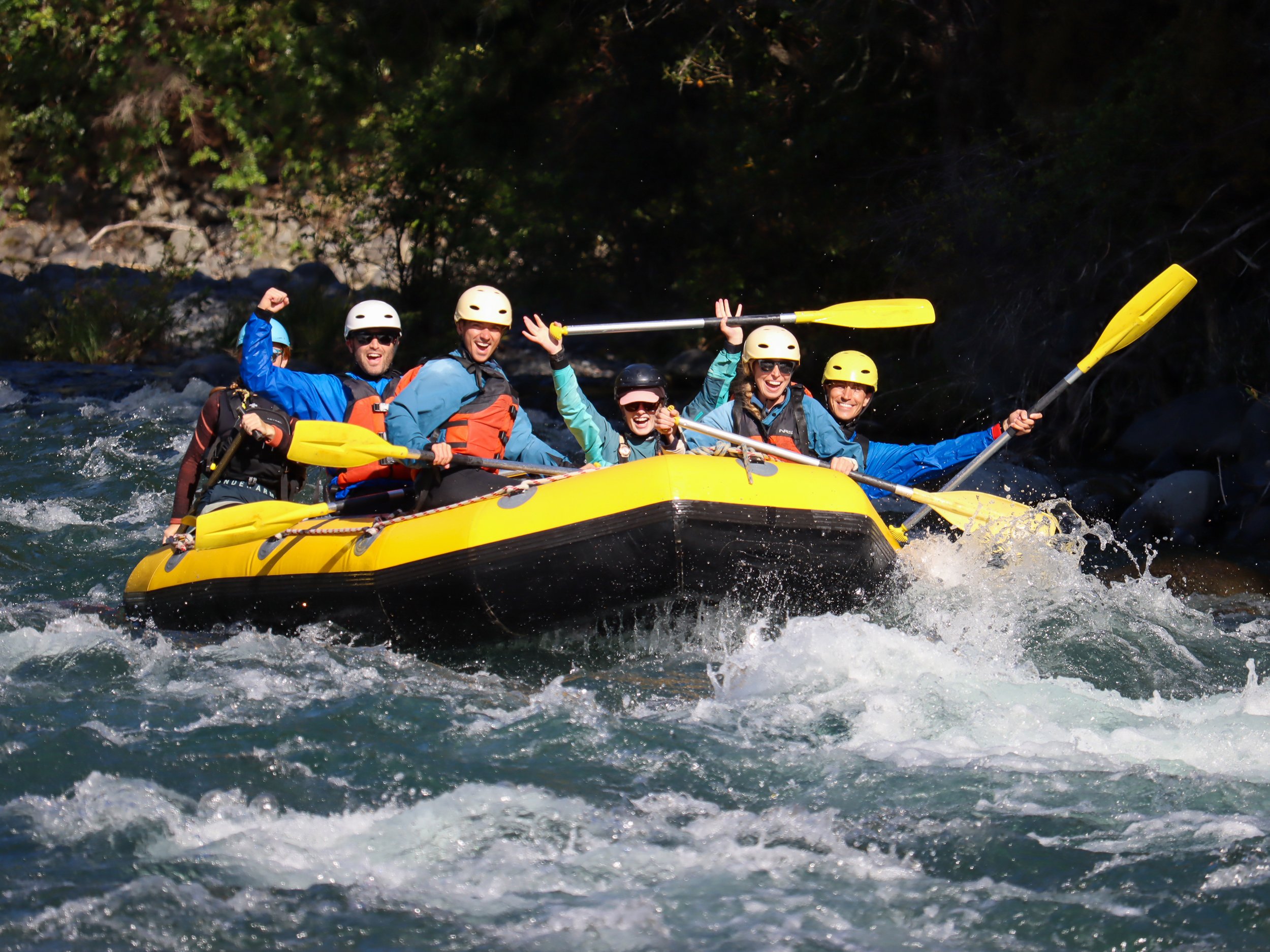
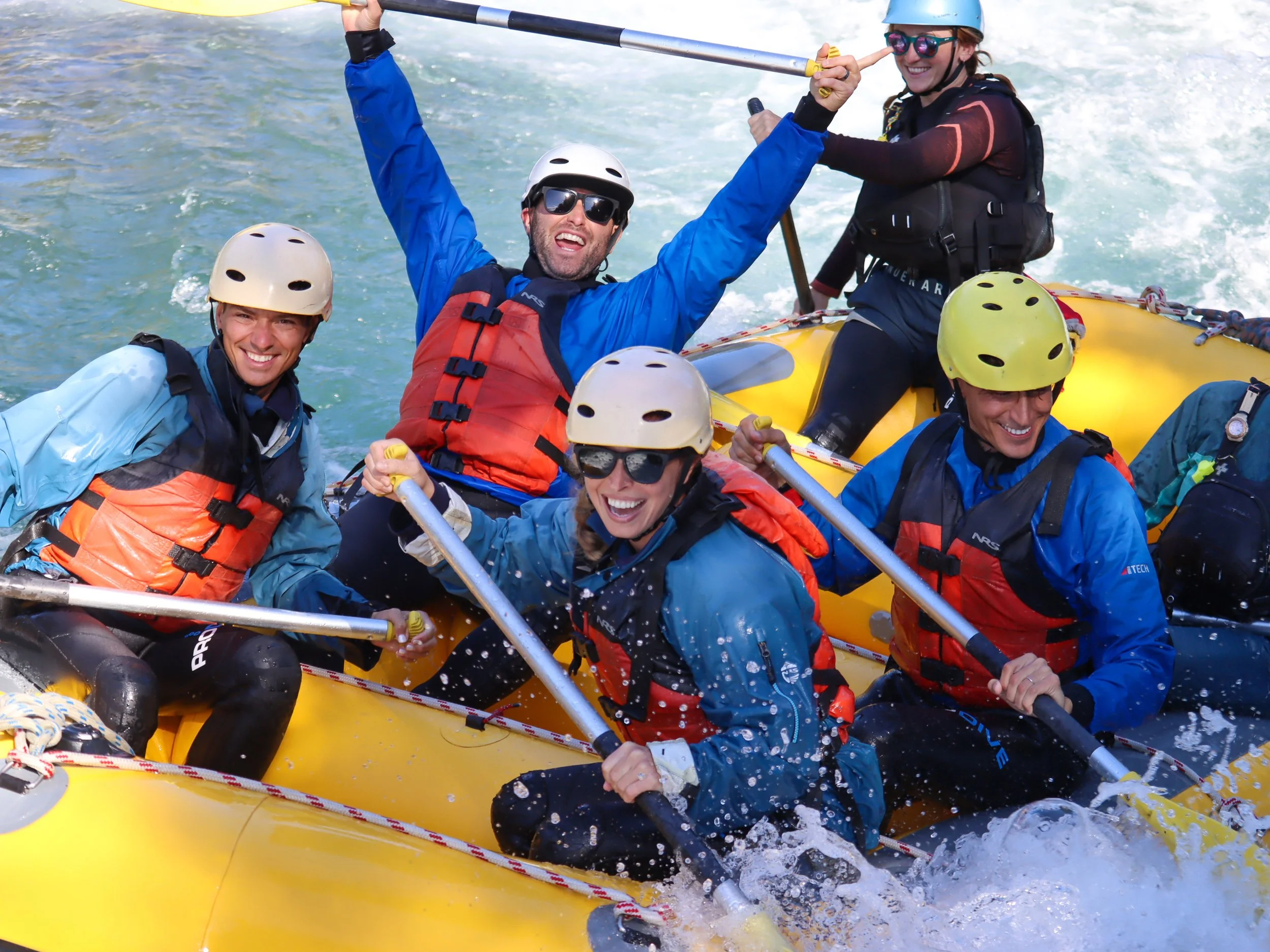
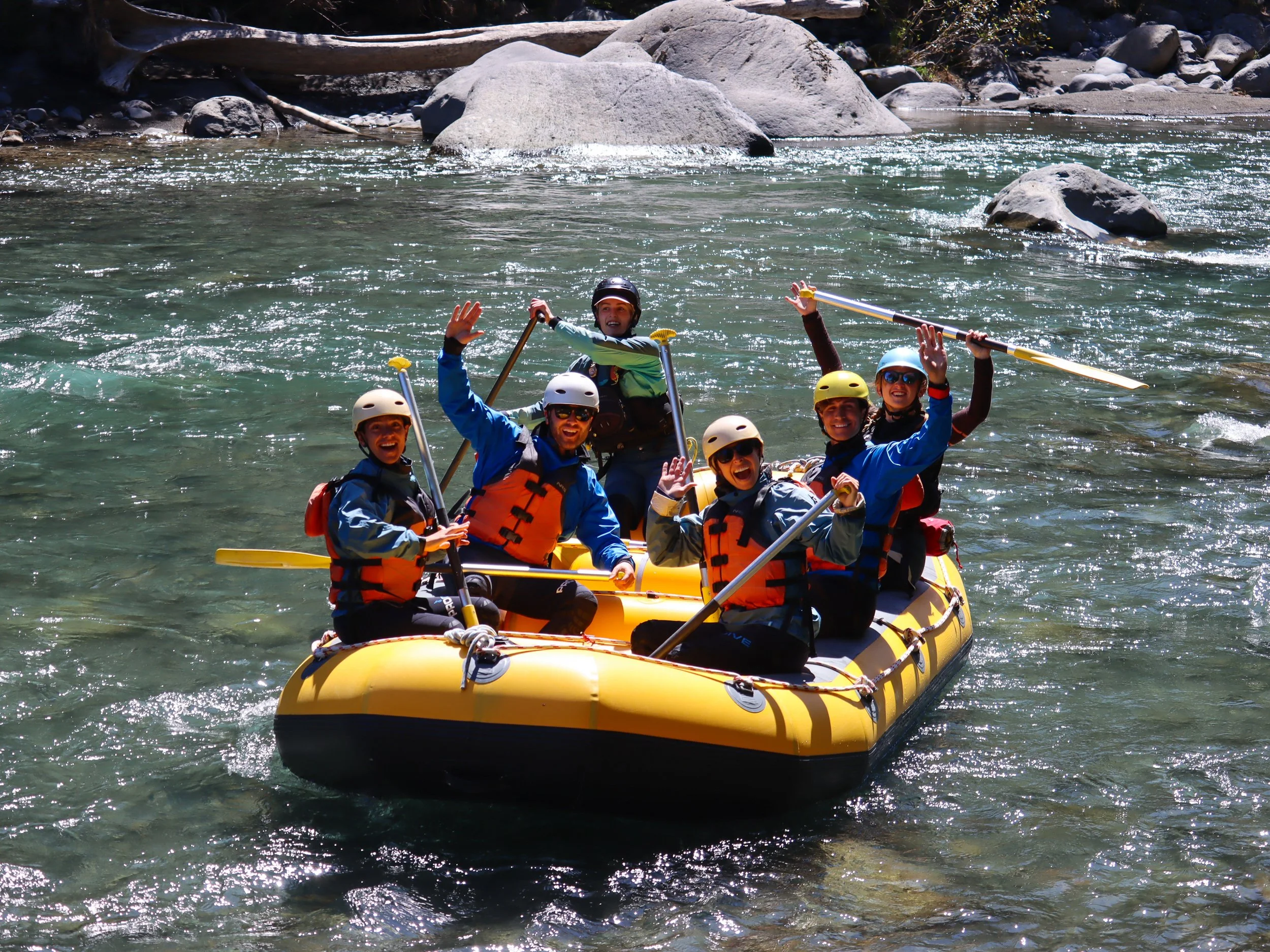
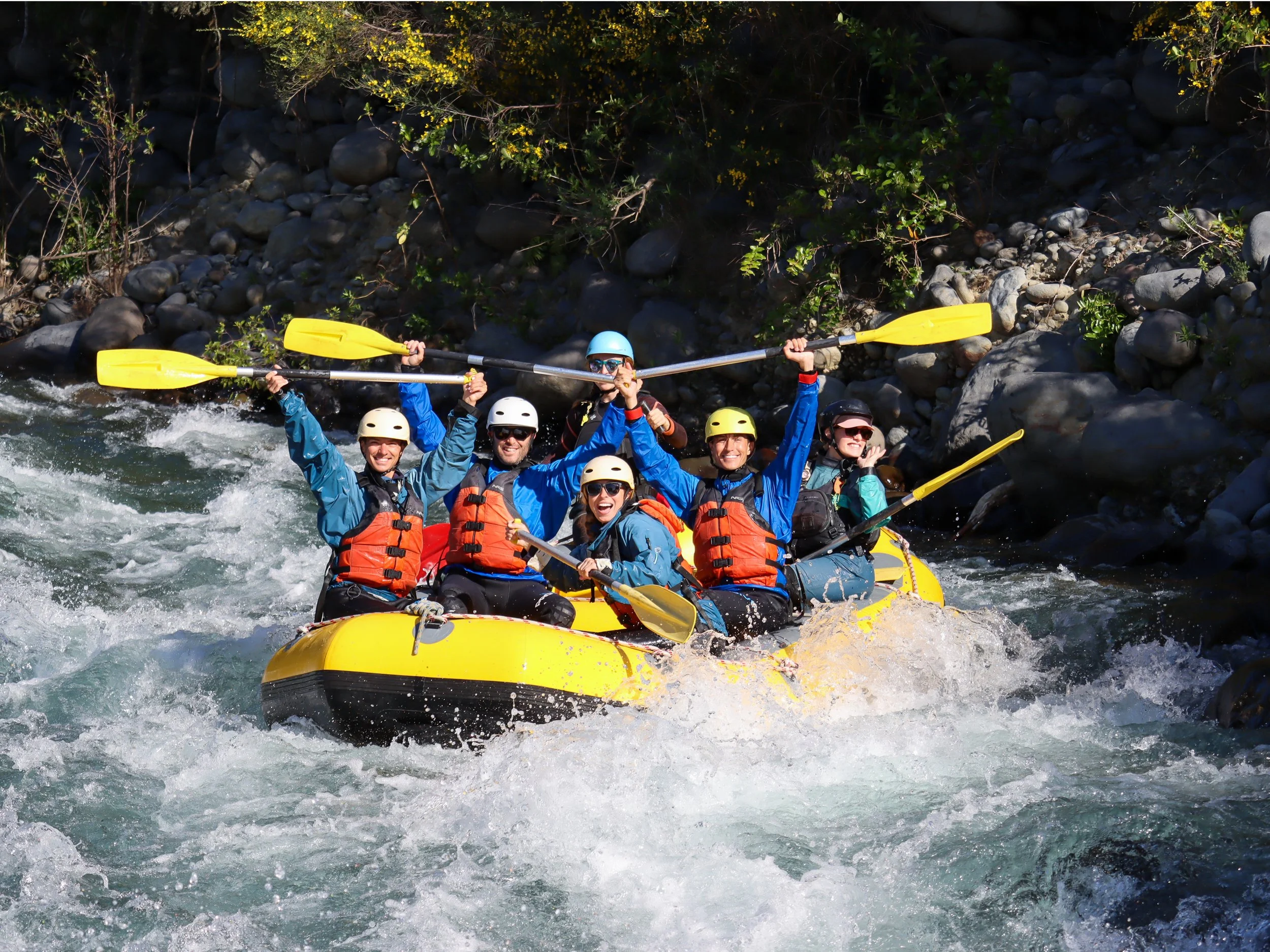
White water rafting is an exhilarating way to enjoy New Zealand’s landscapes and wildlife! We paddled down the Tongariro River through 60 grade 3 rapids with Tongariro River Rafting. The river offers a continuous roller coaster of white water rapids, technical challenges and leisurely cascades. The scenic adventure passes overgrown and sheer rock cliffs, black sand beaches and smooth volcanic boulders. Trout swam beneath the raft while aquatic birds floated by. A brief stop afforded us an opportunity to jump from a small cliff into the frigid water. The water is so fresh that we could drink directly from the stream.
Māori & Kiwi Cuisine
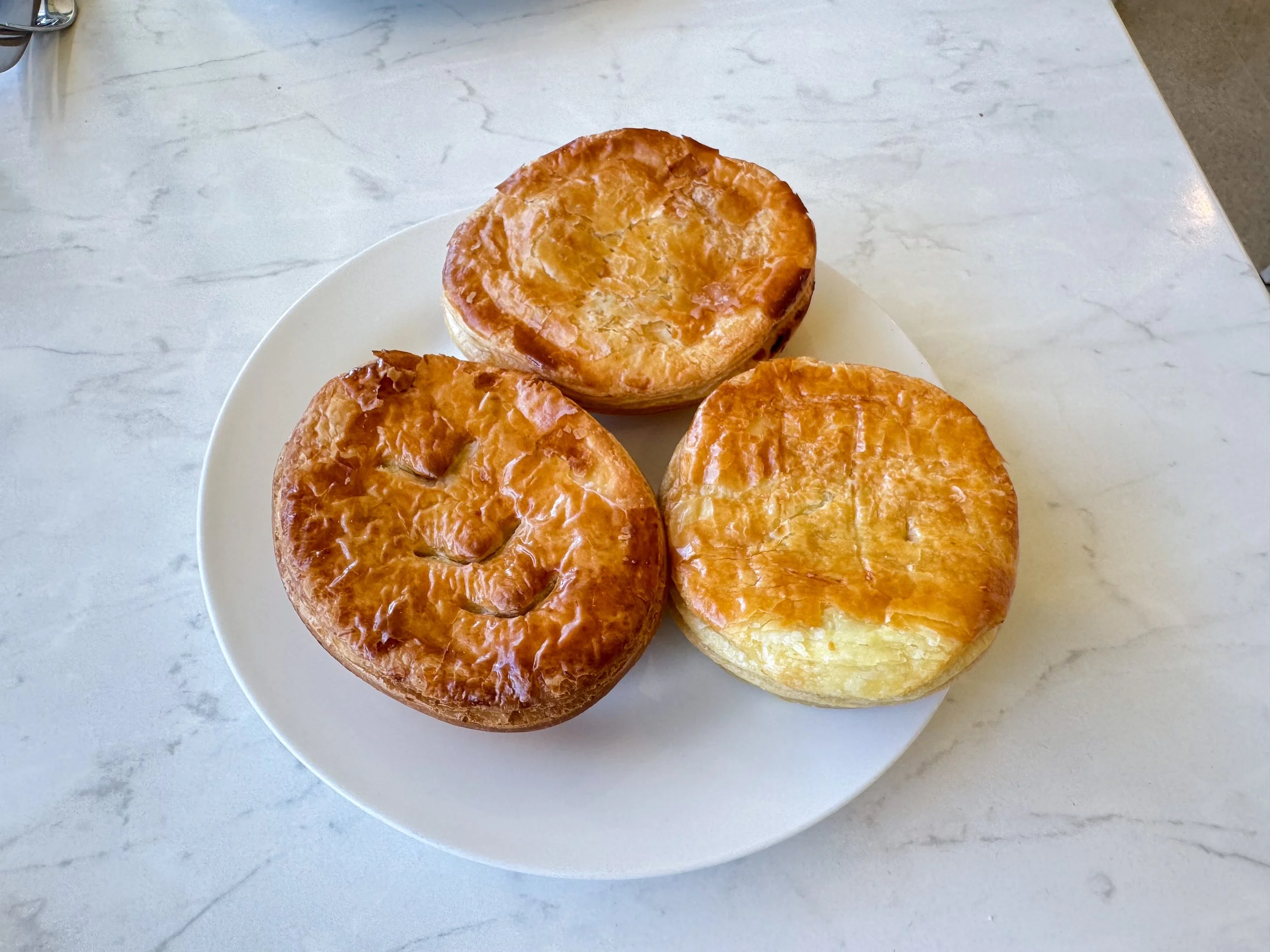
New Zealand Pies. Personal sized pies with a flaky crust and filled with a range of savory ingredients like vegetables, meats and seafoods are common across New Zealand. They’re often served at cafés and fast food restaurants.
Ika Mata. Raw fish marinated in coconut cream with tomatoes and scallions.
Paua. A type of sea snail native to the waters of New Zealand. It’s served raw, sautéed, in soups and fritters.
Fish & Chips. A classic pairing of fried fish and potatoes. It’s common among current and former British territories.
Kumara. A yellow potato with a slightly sweet flavor and starchy texture. It’s often served fried with fish and chips.
Manuka Tea. A herbal black tea with a pine forward flavor. It’s made from the leaves of a bushy evergreen tree.
Manuka Honey. Bush honey, famed for its antibiotic properties, made by bees that pollinate the manuka trees.
Toasties. Buttered and griddled white bread sandwiches often served at breakfast.
Places to Eat & Drink
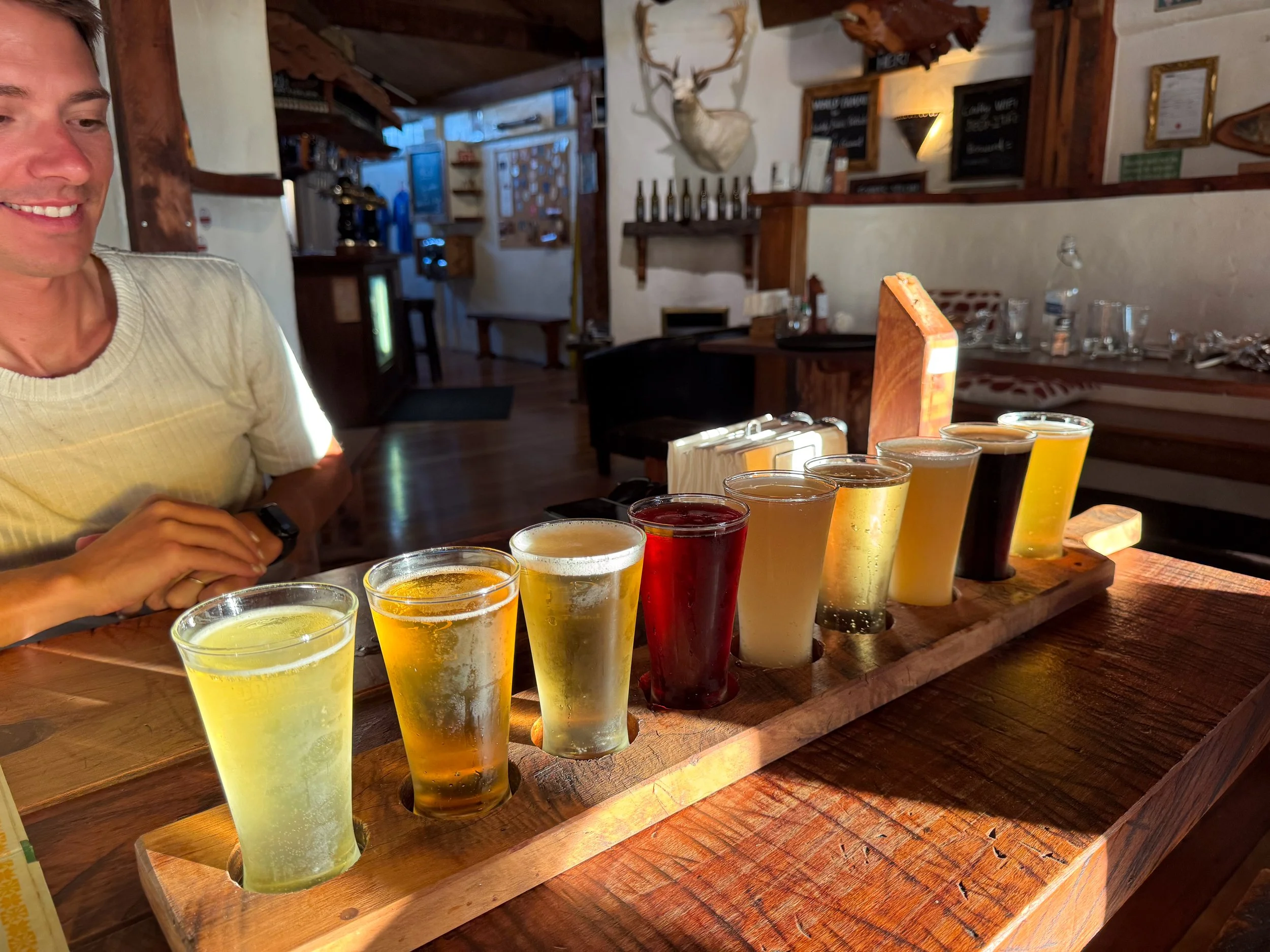
Crafty Trout Brewery. A cozy brewery in the center of Taupō with a range of traditional and flavored brews. Order a paddle of 9 to share and try almost everything on tap.
Kona Kones. An ice cream shop with a range of classic and creative flavors. Try the boysenberry and coconut marshmallow.
Paetiki Bakery Café. A self serve café stocked with dozens of fresh baked New Zealand pies and pastries. Try the vegetarian, smoked fish and paua pies.
Brumby’s Bakery. A bakery with fresh baked breads, sweets and New Zealand pies.
Where to Stay
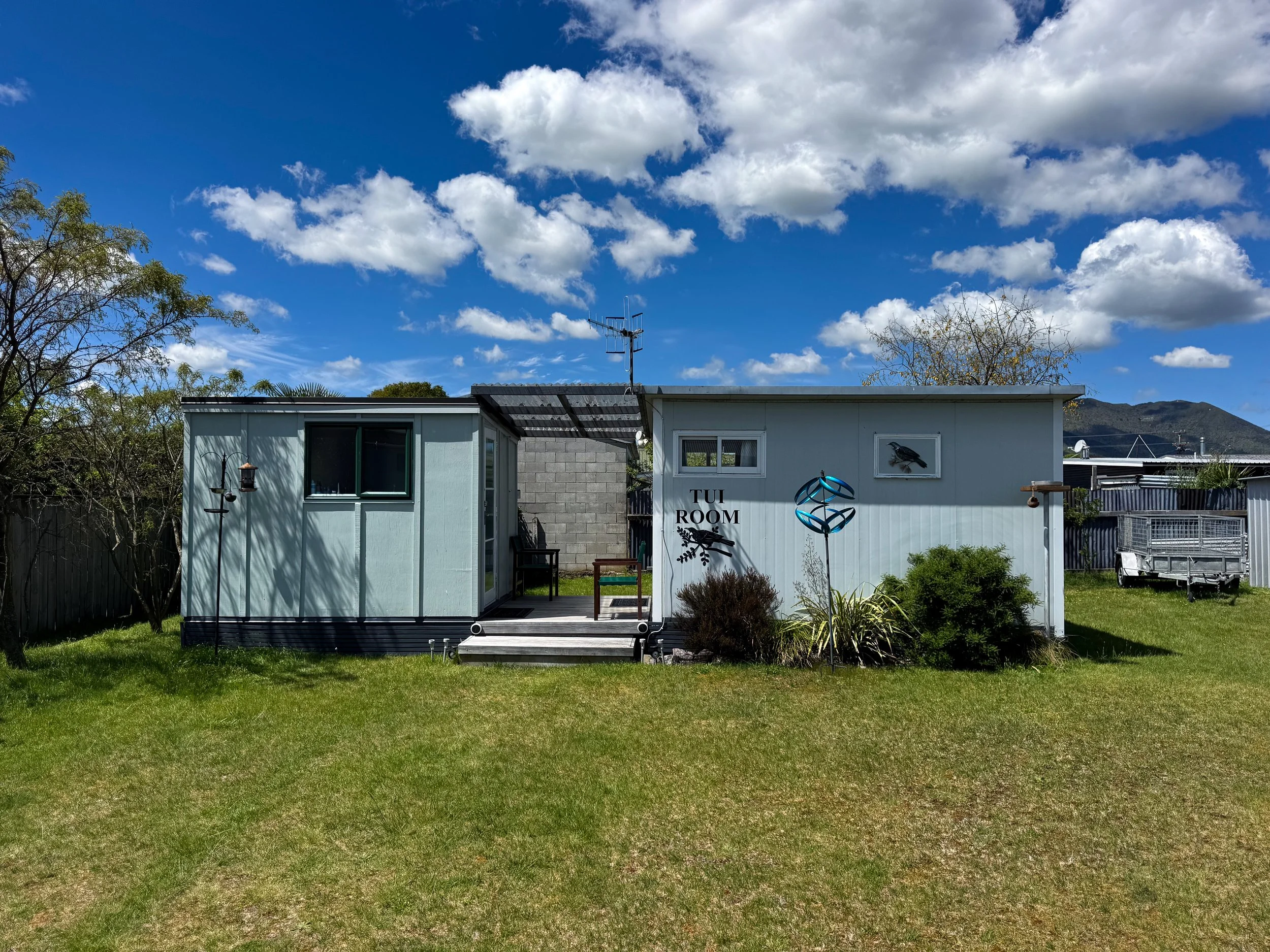
Taupō Airbnb. A backyard tiny house with a comfy bedroom, fully equipped kitchen and outdoor patio. It’s located near Taupō’s city center and natural sights. Book here.
Location Specifics
Language. English is the most commonly spoken language in New Zealand. Māori is frequently written on street and road signs.
Cash vs. Card. Credit cards are accepted for virtually every payment. We did not need to use cash once.
Carry Your ID. When ordering alcohol, be prepared to show your passport to verify your age.
Rental Cars. We rented a car with Auto Union at the Auckland airport. The agency has affordable rates and hundreds of positive reviews.
Drive on the Left. Like many former British colonies, New Zealanders drive on the left side of the road.
Elsewhere on the North Island
From Taupō's volcanic landscapes and outdoor adventures to Rotorua's geothermal wonders and Auckland's vibrant waterfronts, continue your journey through New Zealand with these travel guides:
Auckland Travel Guide: Waiheke Island, Waterfronts & Volcanic Views. Wander through Auckland's waterfront neighborhoods, volcanic landscapes and Waiheke Island wineries where urban life meets natural beauty.
Rotorua Travel Guide: Geothermal Wonders, Redwood Forests & Māori Culture. Discover Rotorua where steaming geothermal landscapes, redwood forests, glow worm caves and rich Māori traditions define one of New Zealand's most unique destinations.
For Next Time…
Visit the South Island. Seeing the snow covered mountains of the South Island from our airplane window left us with a major sense of fomo. When we return, we plan to spend at least two weeks exploring the South Island.
Fiordland National Park. A glacier carved fjord flanked by forested and rugged mountains.
Lake Tekapo. A bright blue lake surrounded by scenic views of snow covered mountains and springtime blooms of lupin flowers.
Tasman Glacier. A glacier with a turquoise lagoon and floating icebergs at its leading edge.
Rotorua Travel Guide: Geothermal Wonders, Redwood Forests & Māori Culture
Discover Rotorua where steaming geothermal landscapes, redwood forests, glow worm caves and rich Māori traditions define one of New Zealand's most unique destinations.
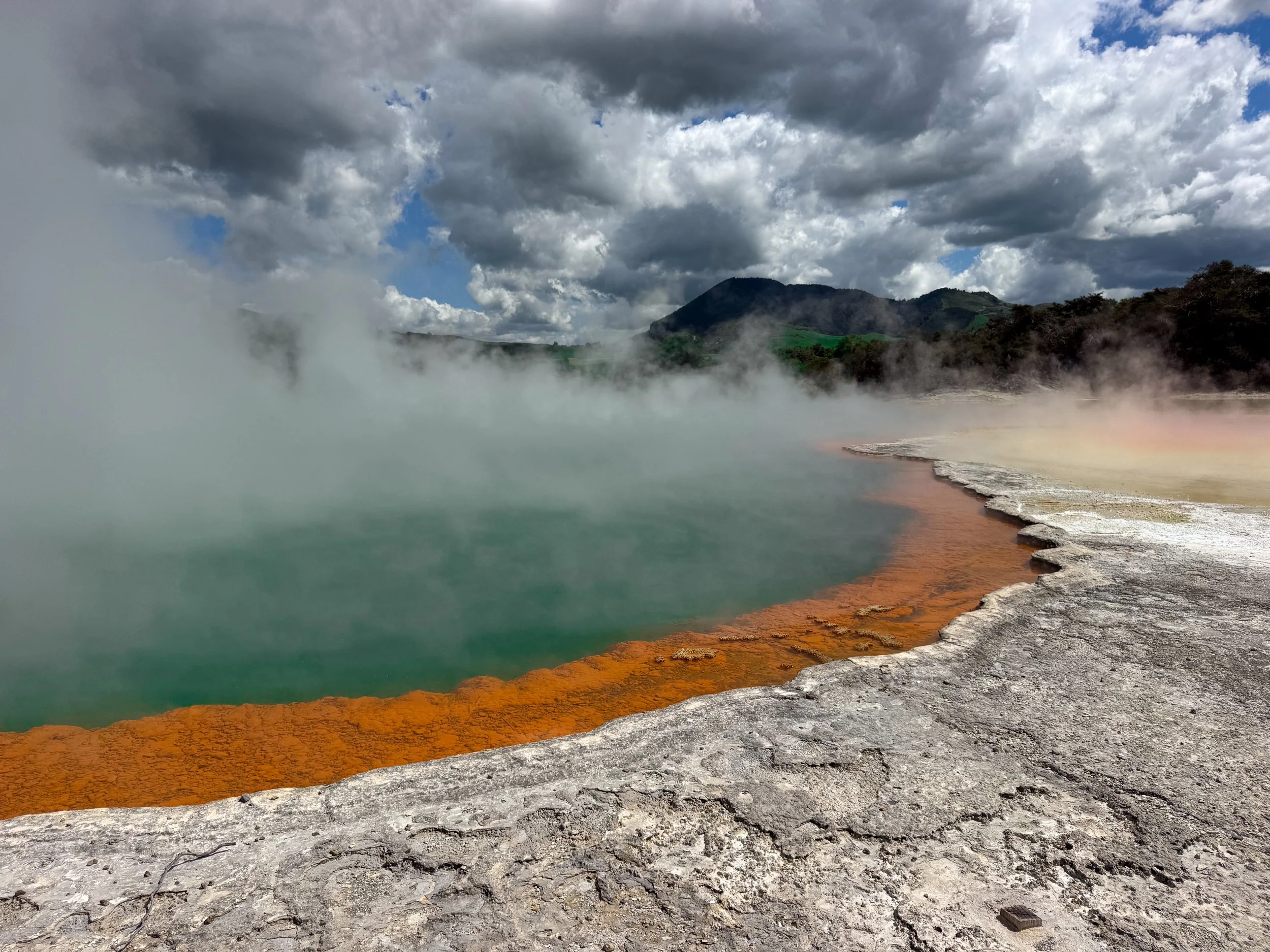
Rotorua, New Zealand
Rotorua is a scenic lakeside town on New Zealand’s North Island. It’s home to active geothermal features, towering redwood forests and outdoor adventure parks. It’s a magical destination, with nearby glowworm caves and the mythical film set of Hobbiton adding to its allure. Māori cultural experiences provide deep insight into the traditions of the island’s first peoples.
See the Sights
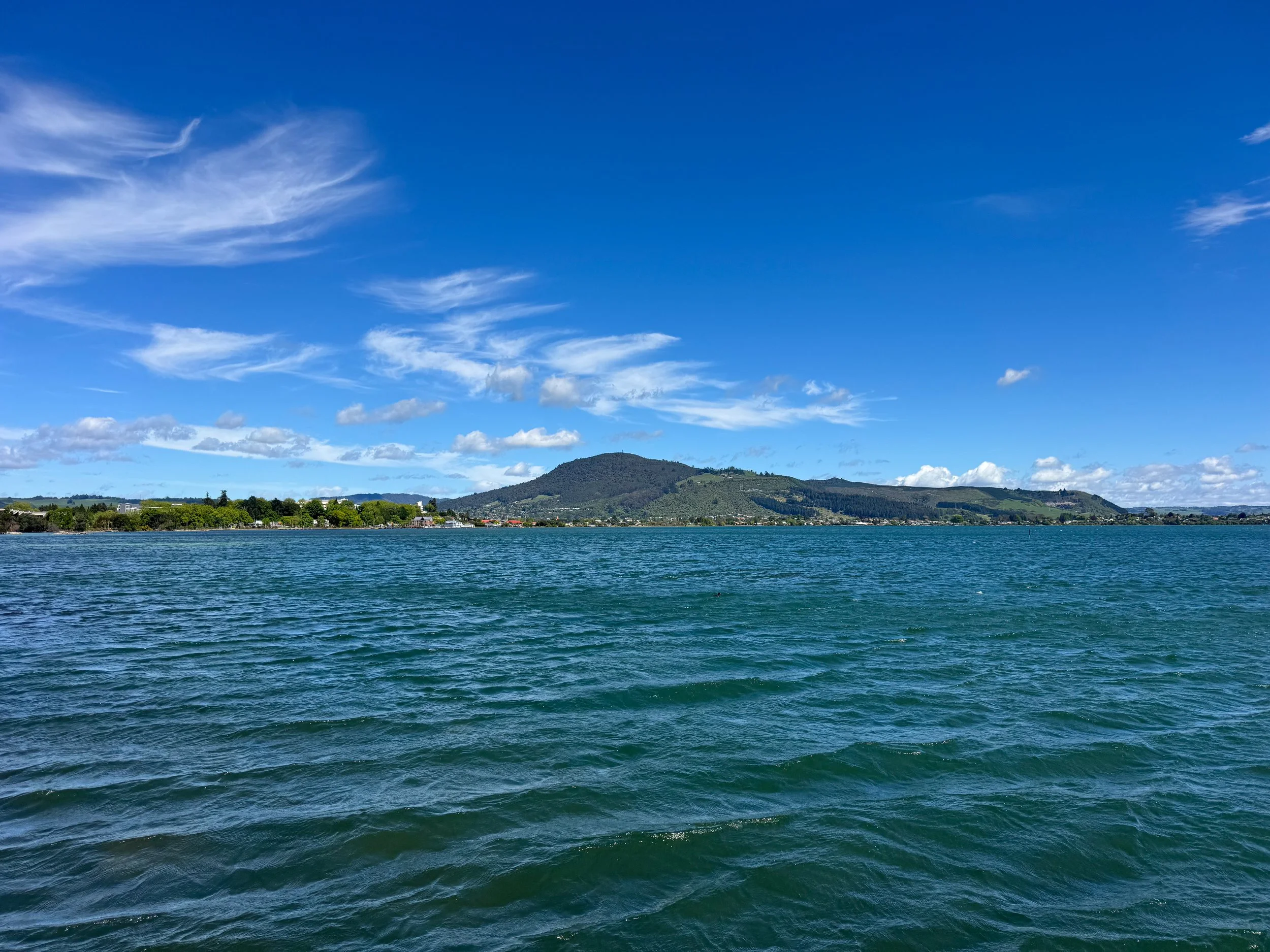
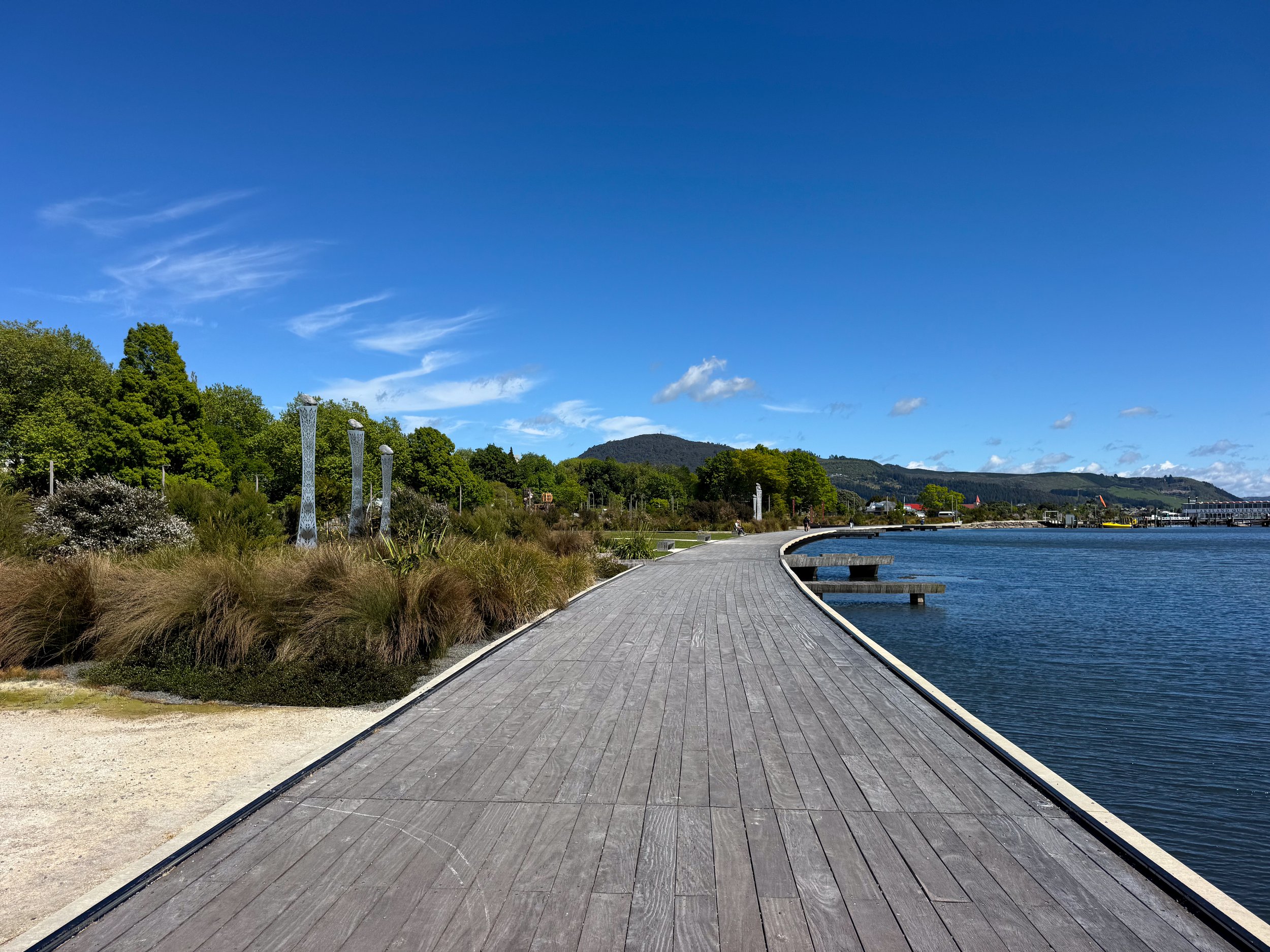
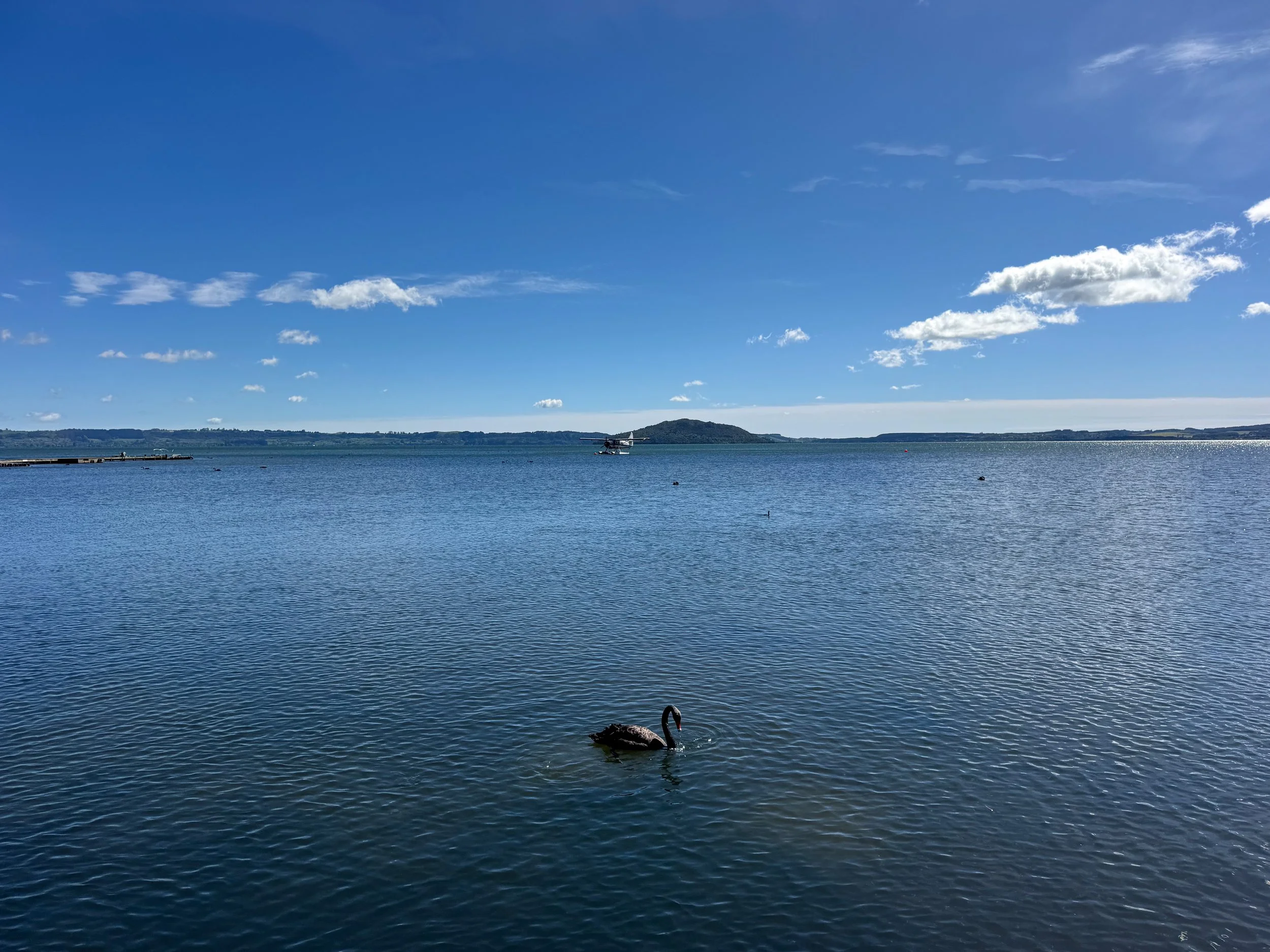
Lake Rotorua. A picturesque lake filling the caldera of an ancient volcano. The lake is lined by a scenic boardwalk, forested nature trails and geothermal activity. It’s inhabited by families of black swans, ducks, geese and other aquatic birds.
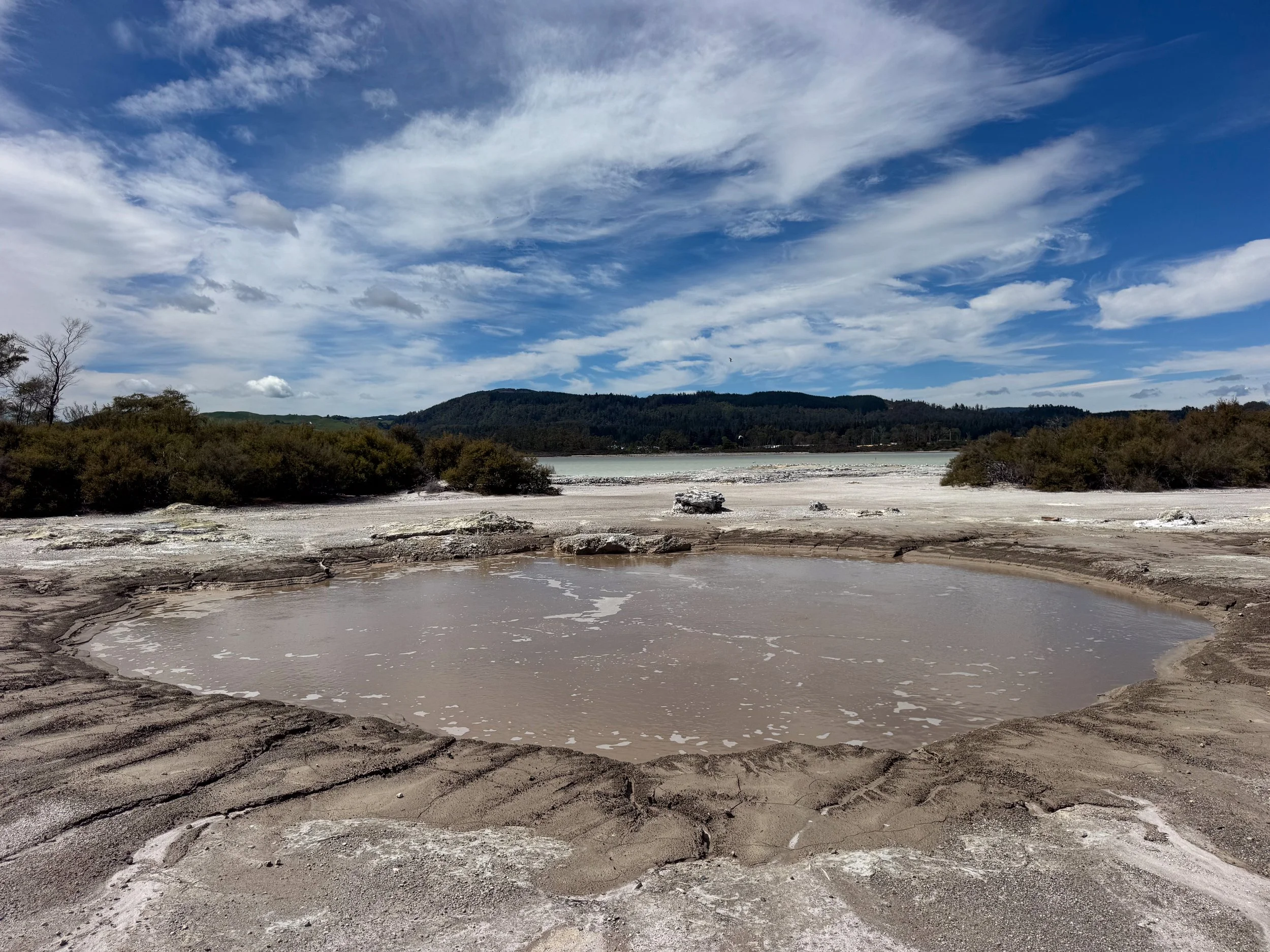
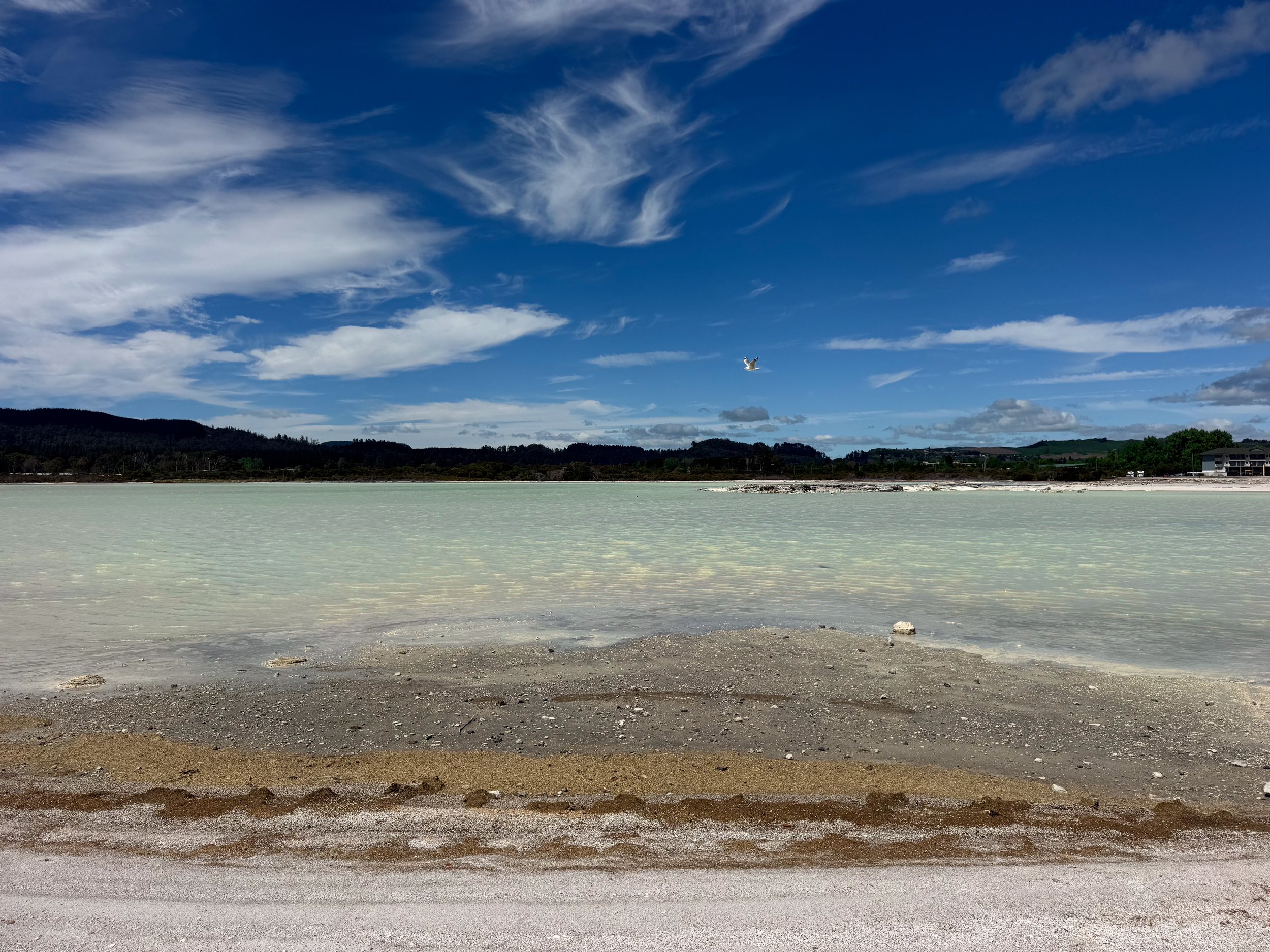
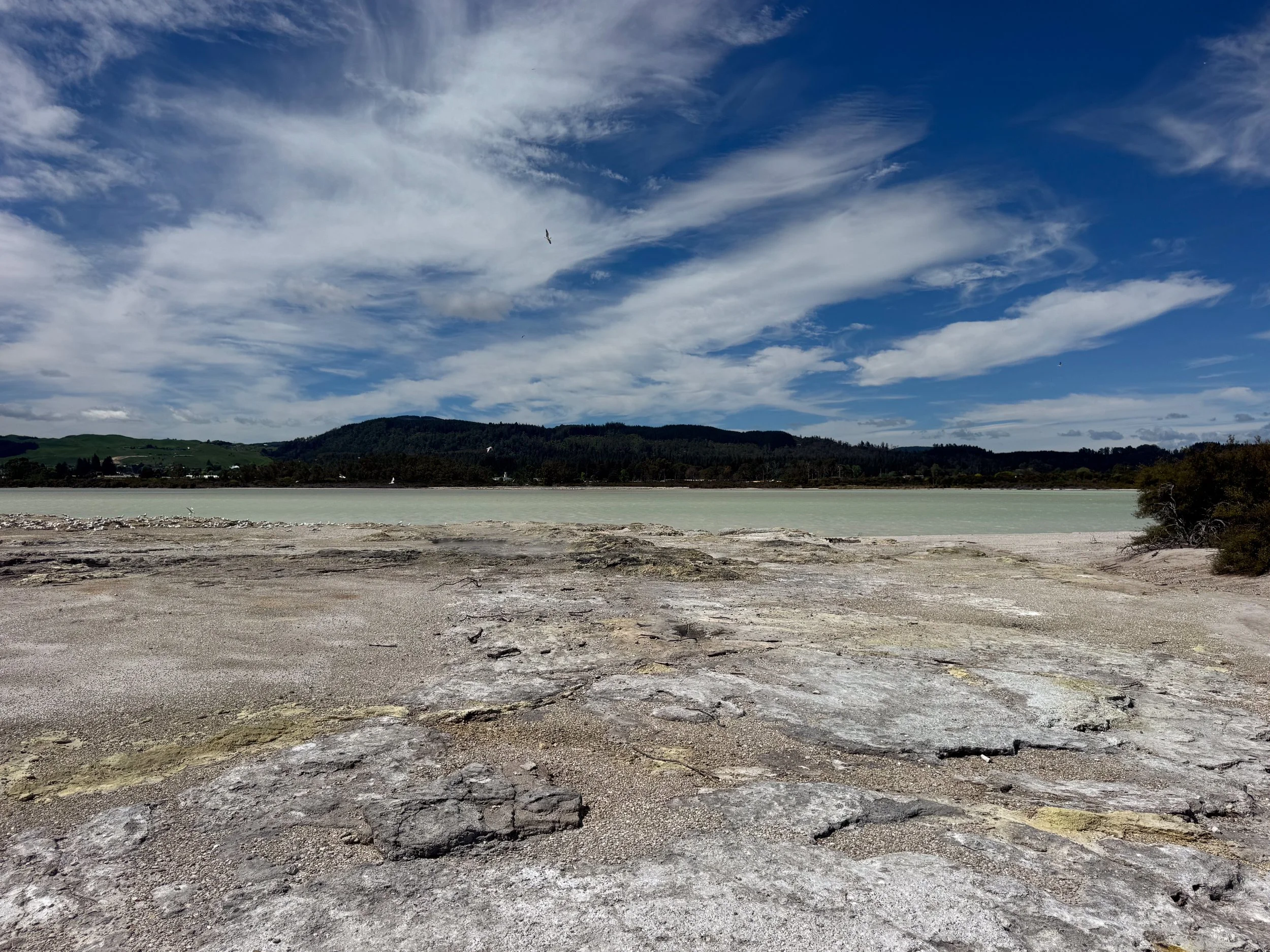
Sulphur Point. A geothermal bay on Lake Rotorua with milky blue water, bubbling mud pools, steam vents and sulphur deposits. It’s a nesting place for various gulls. Trails with picturesque views lead along its edge.
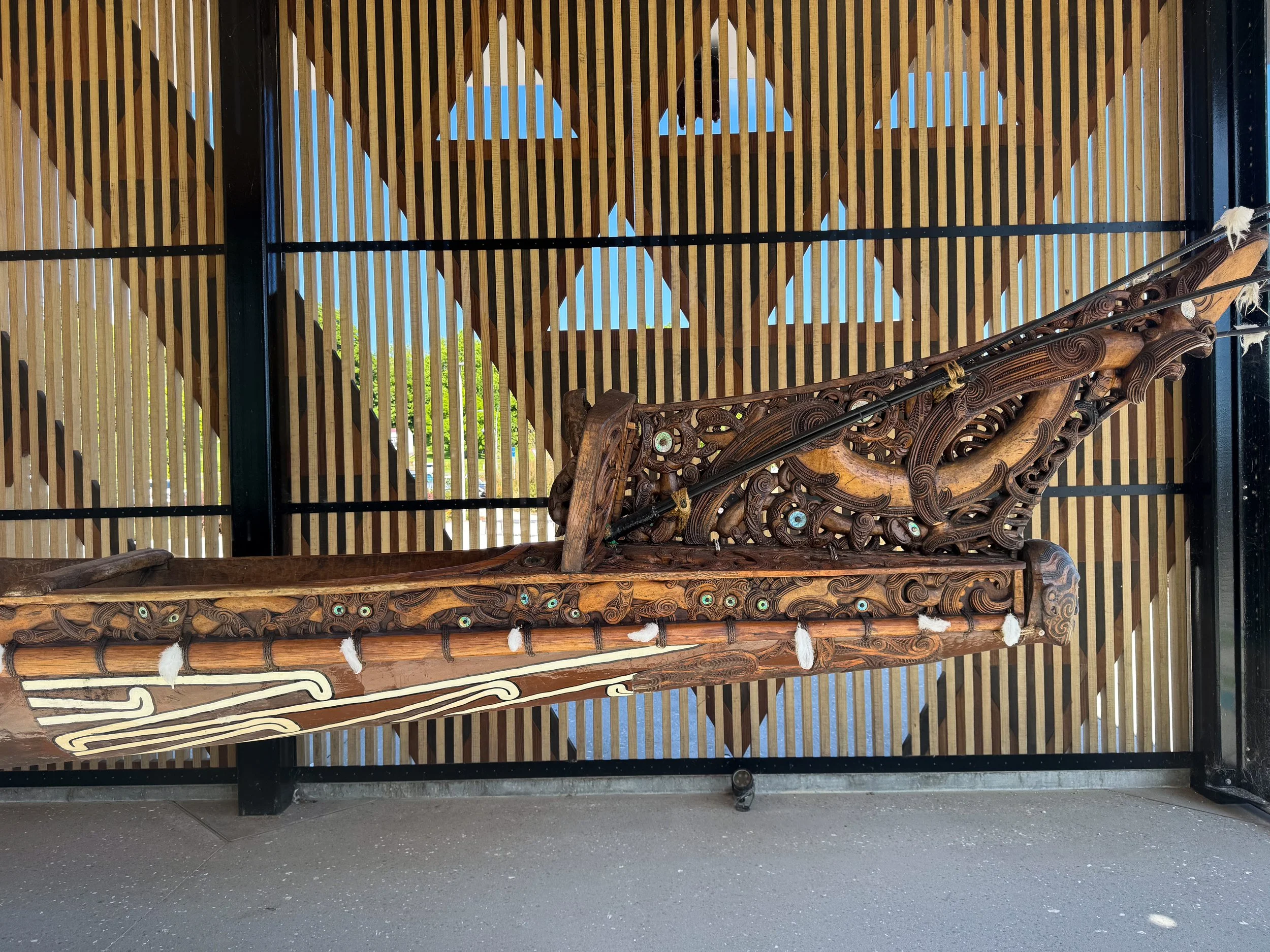
Te Arawa War Canoe. A Māori war canoe preserved in a protected shelter near Lake Rotorua. The large canoe is carved from a 1,500 year old tree and adorned in carved faces of Māori beings to navigate and guide the Māori people.
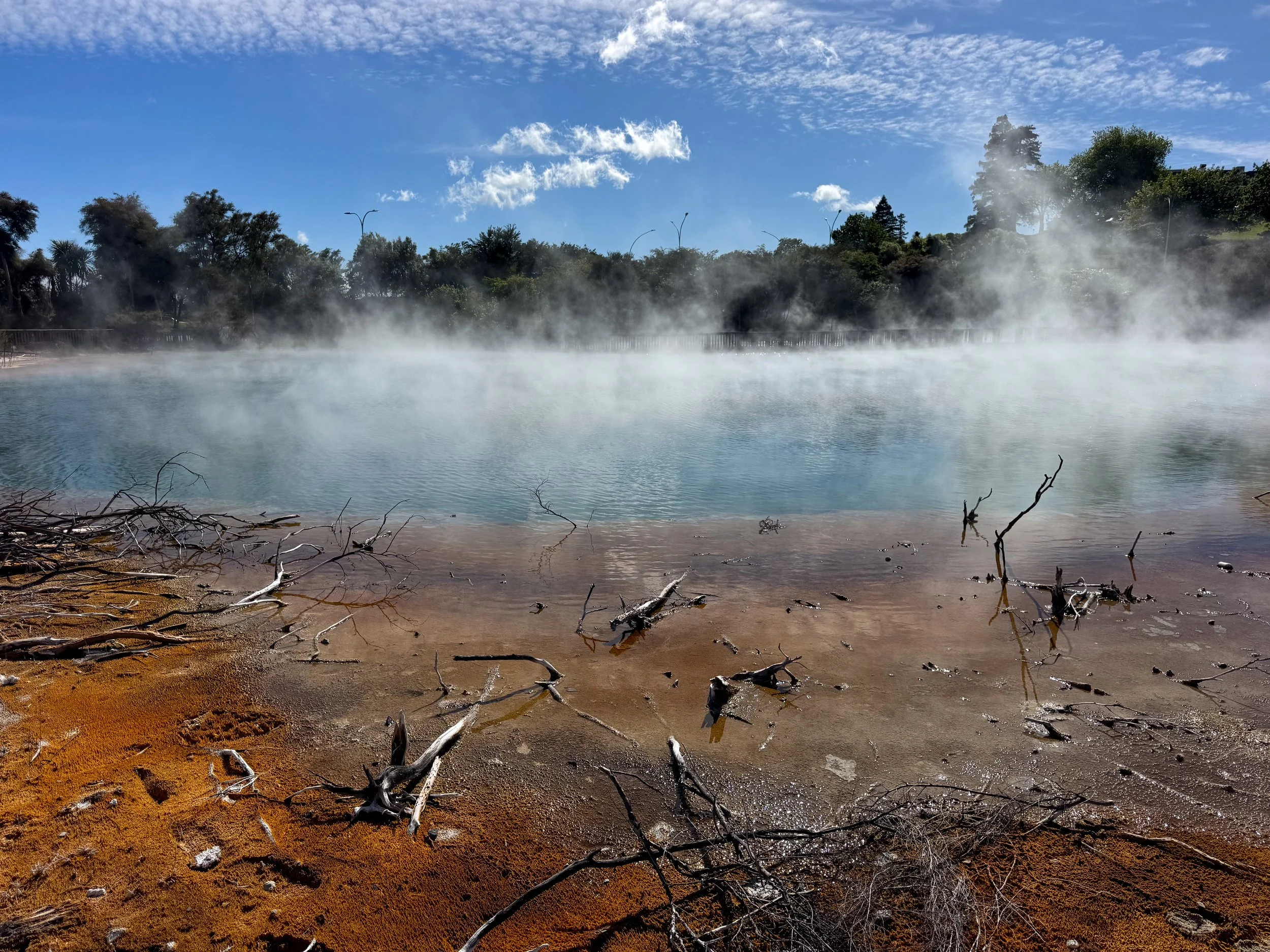
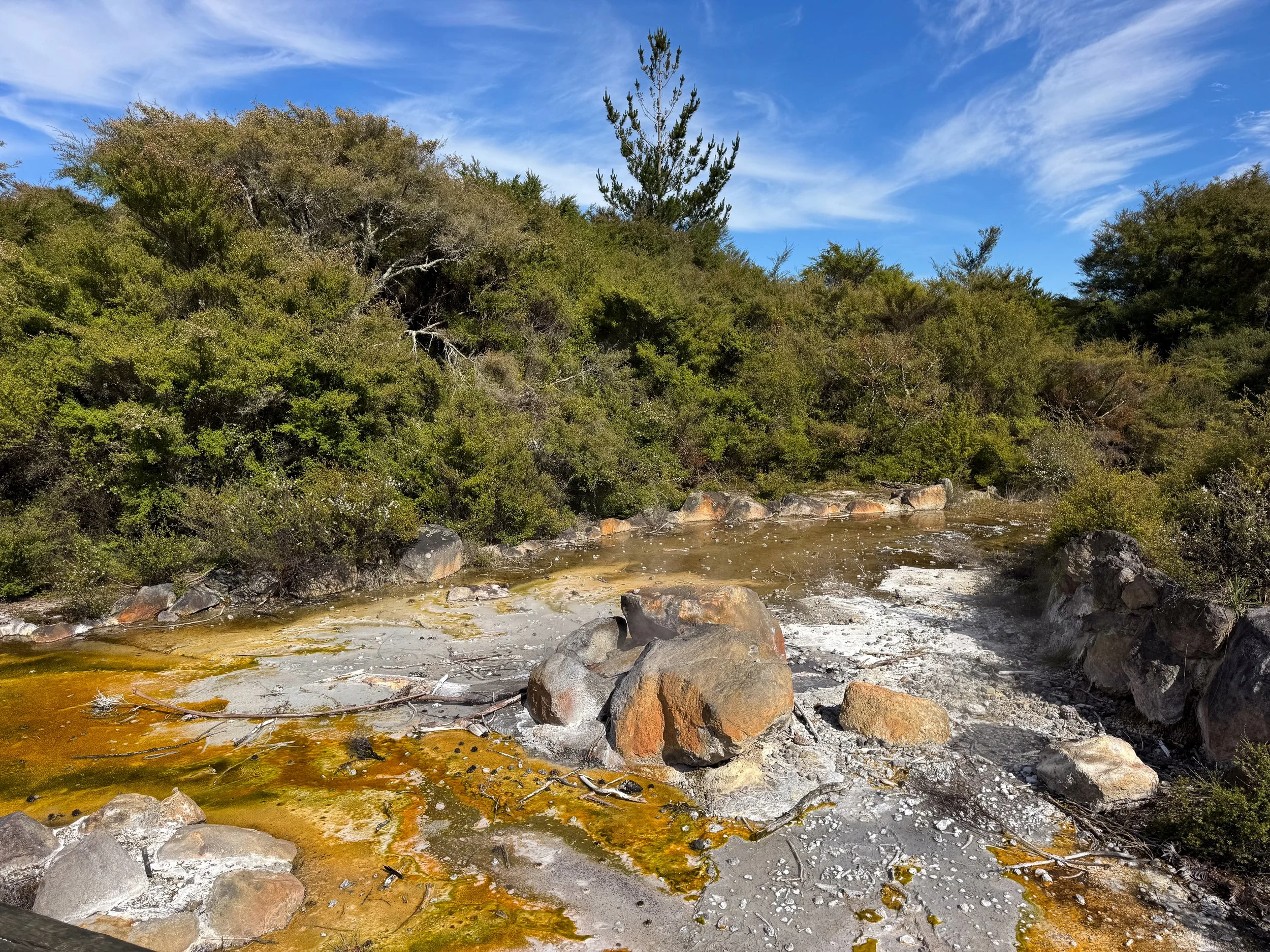
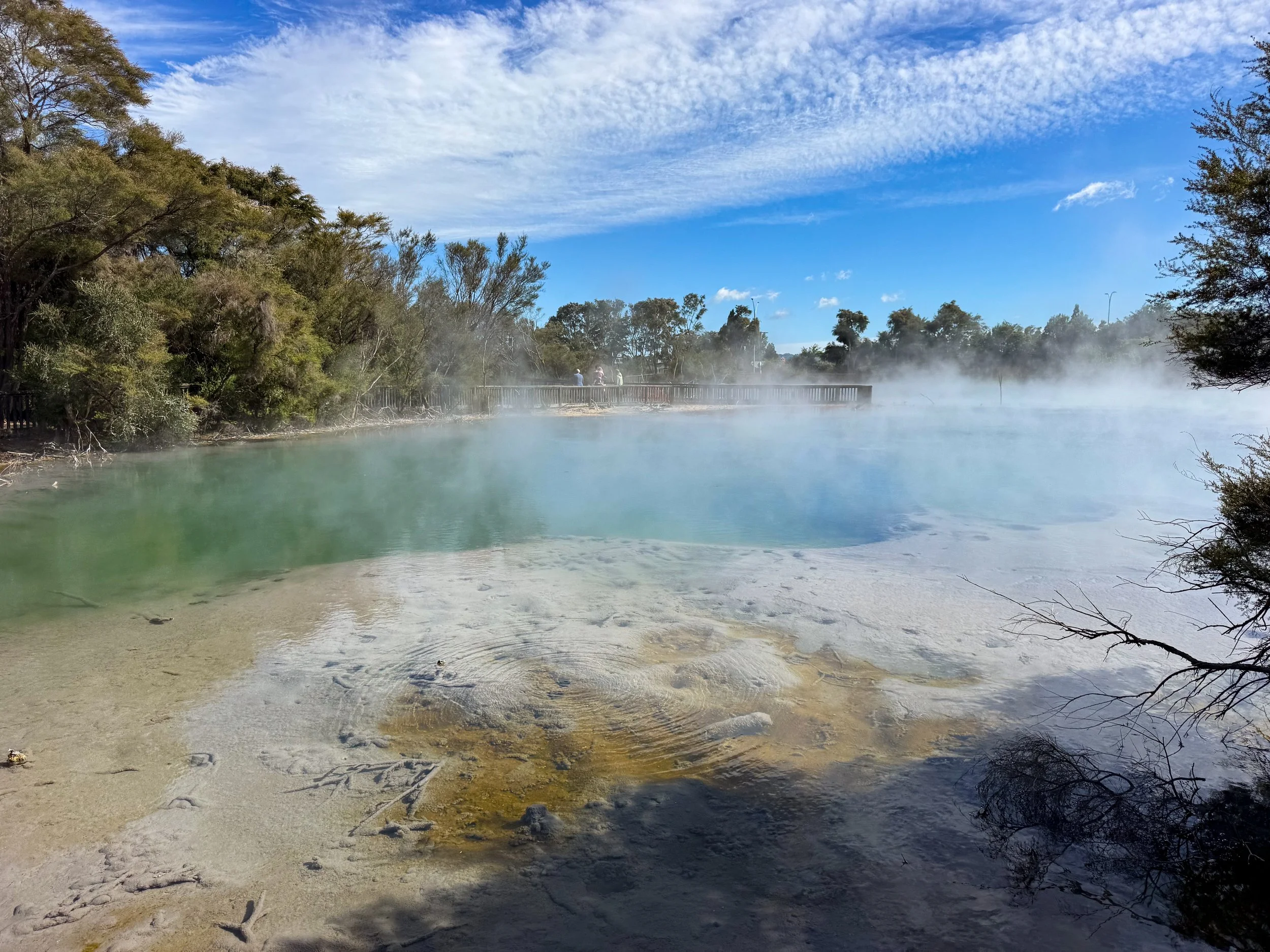
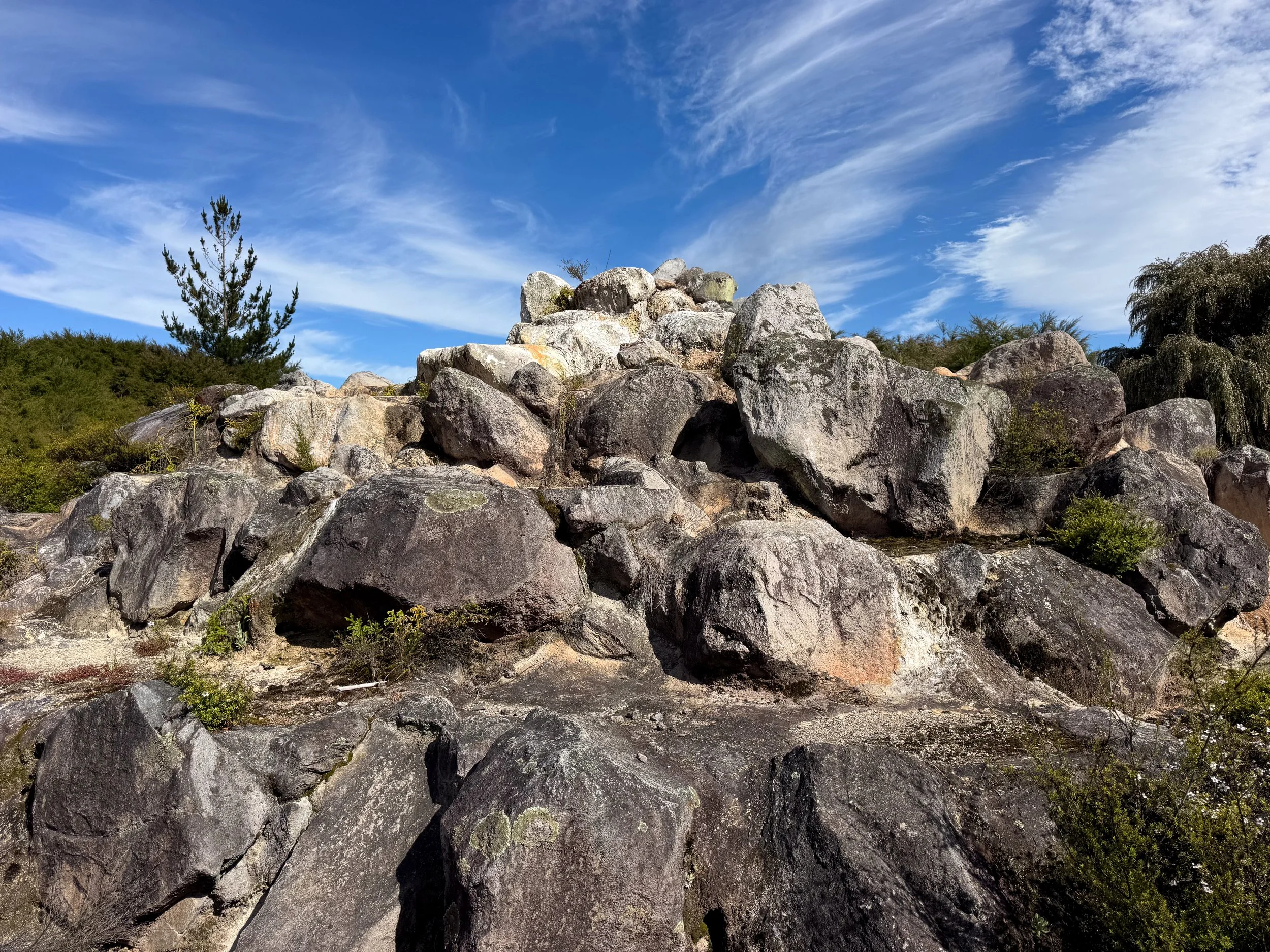
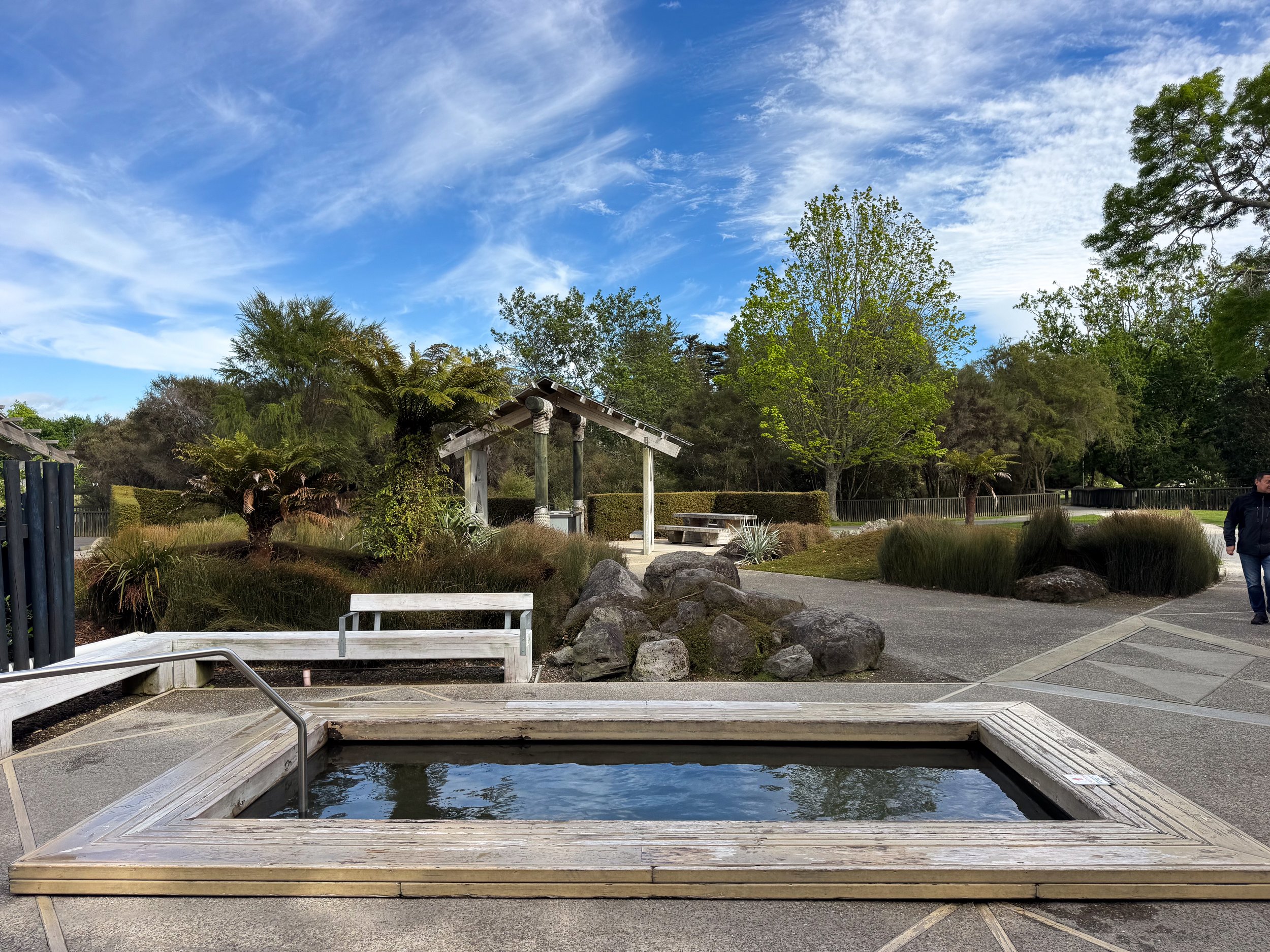
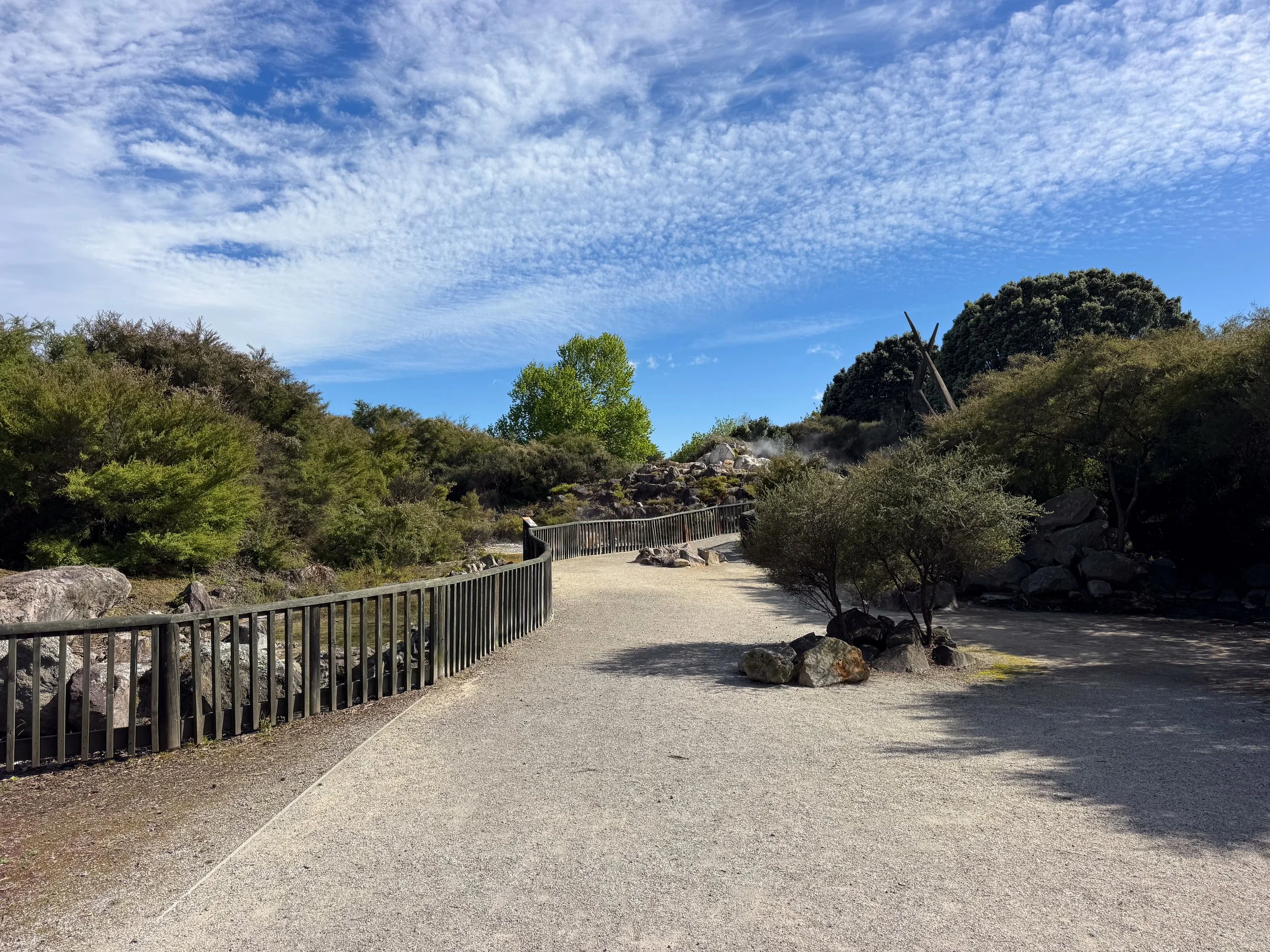
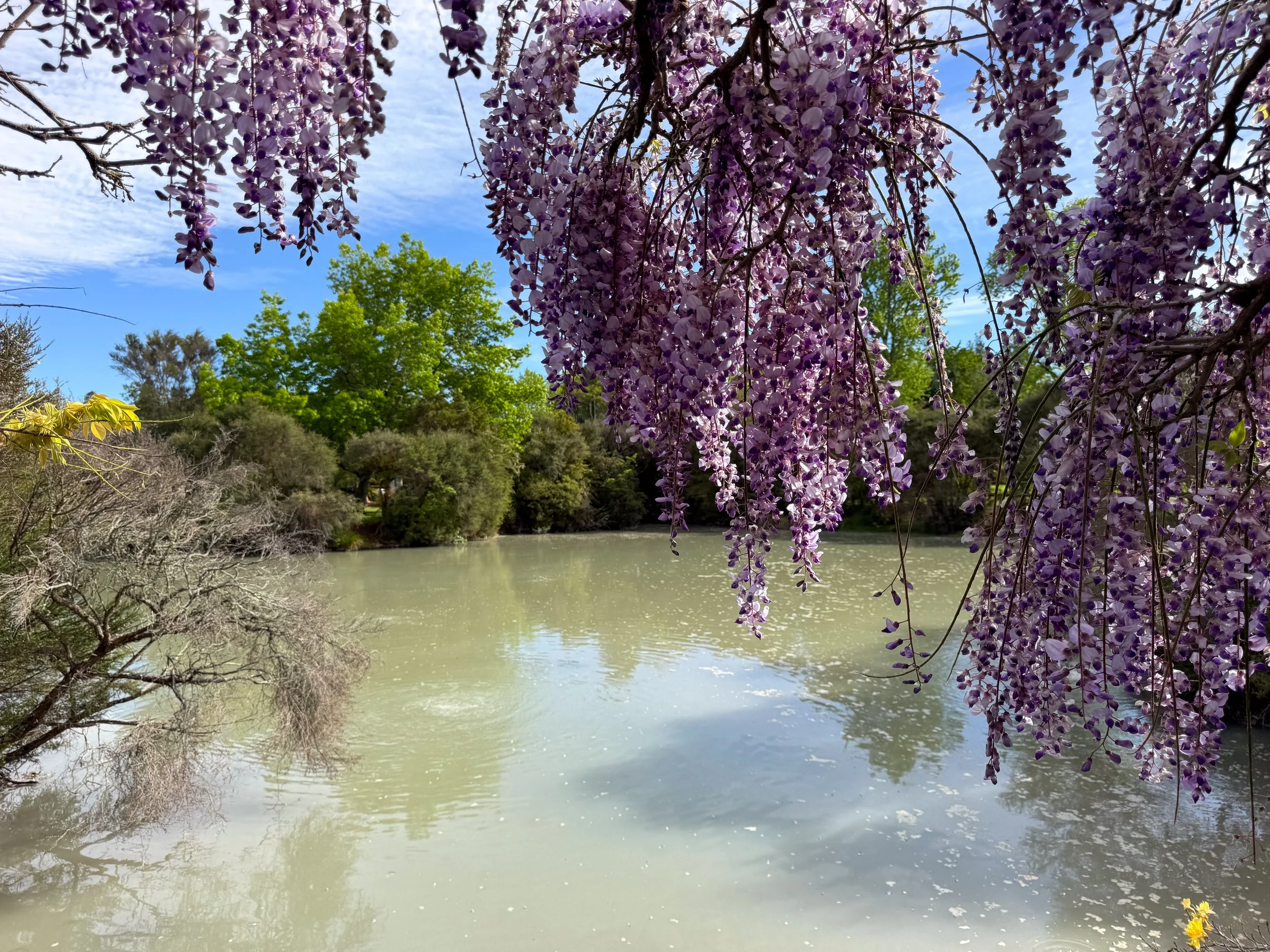
Kuirau Park. A city park with hot springs, steaming vents, bubbling pools and a geothermal lagoon. Come here to stroll the Manuka tree lined paths and boardwalks. Stop to plunge your legs in thermal foot baths fed by naturally heated spring water.
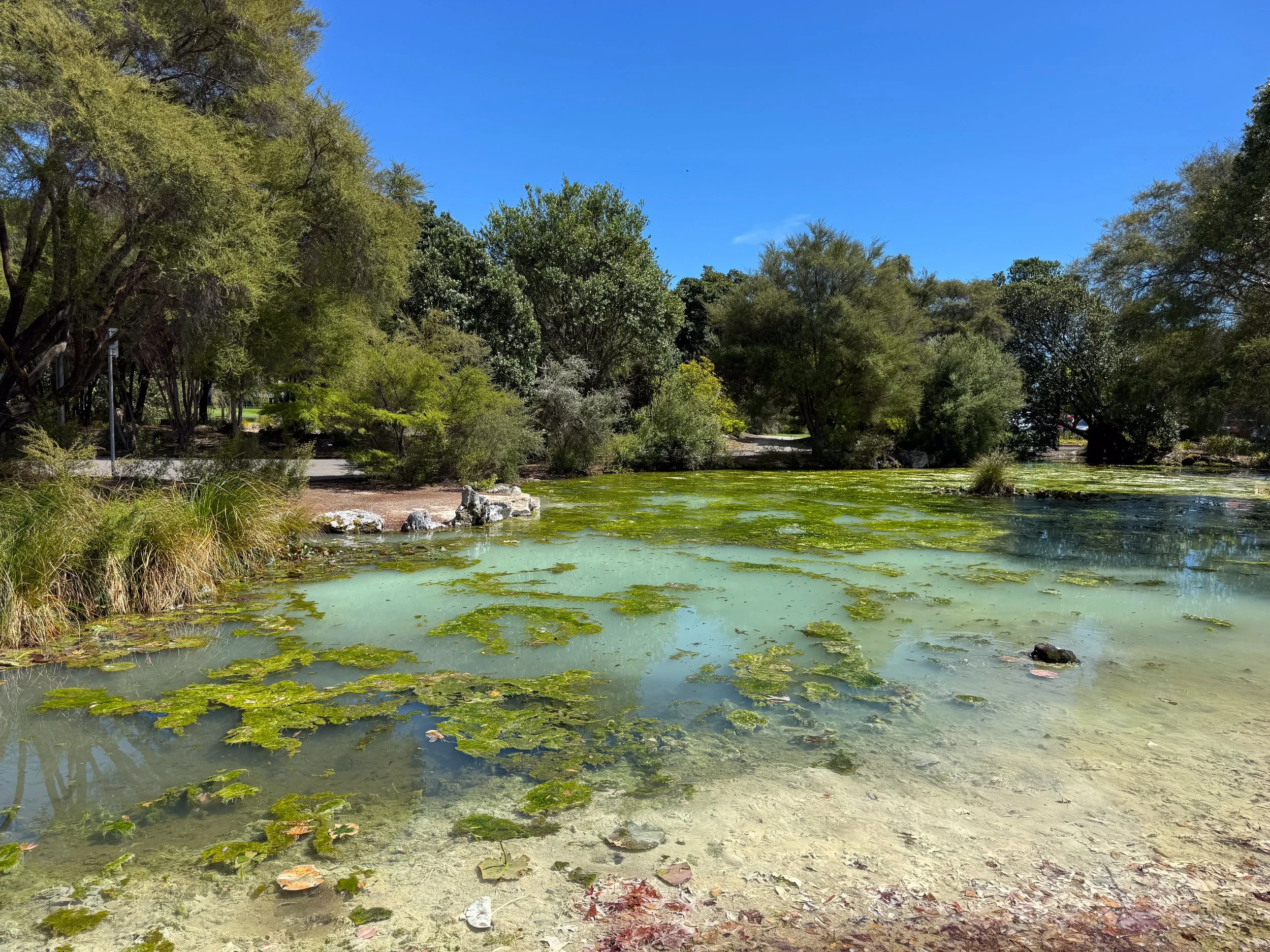
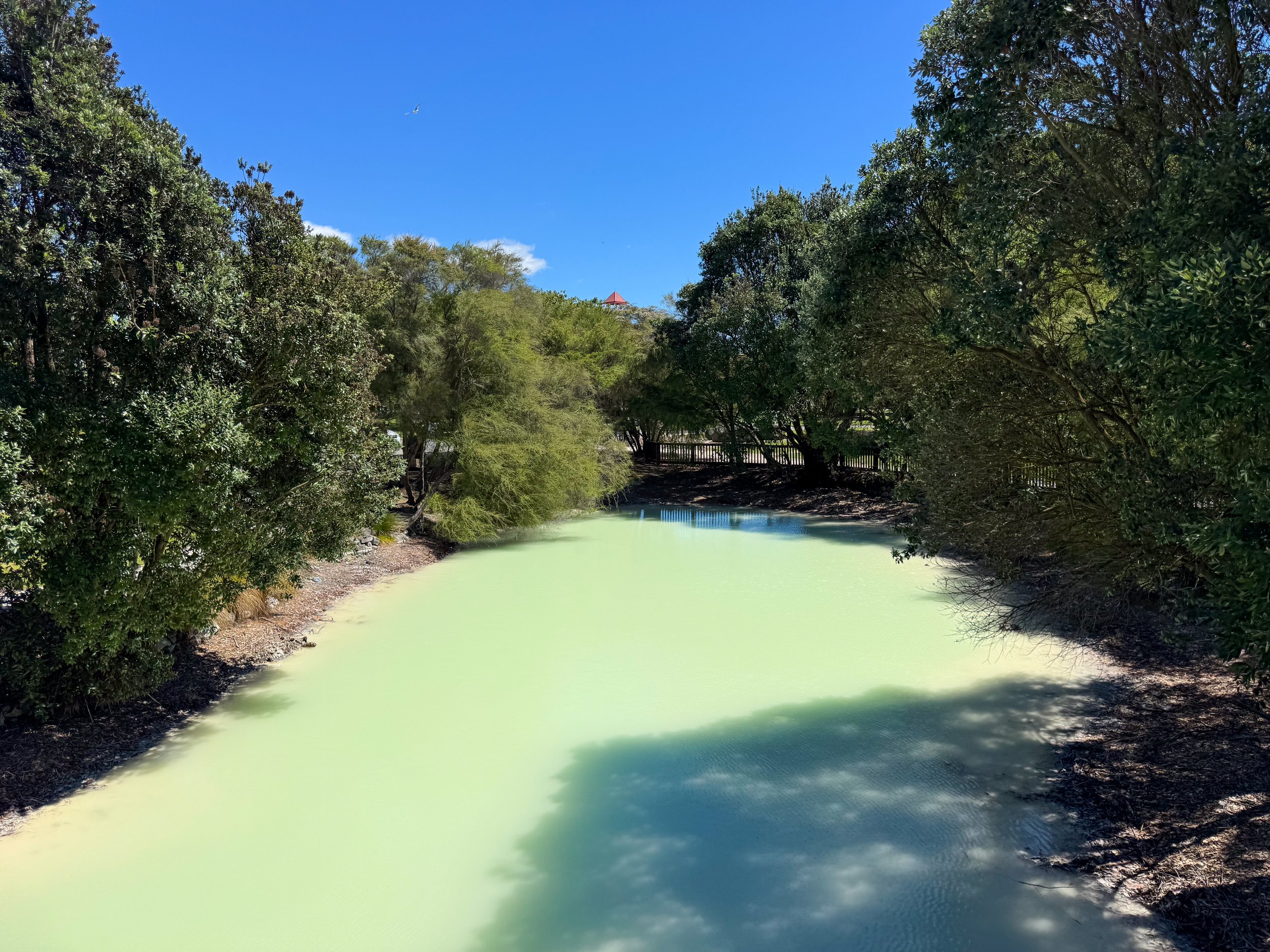
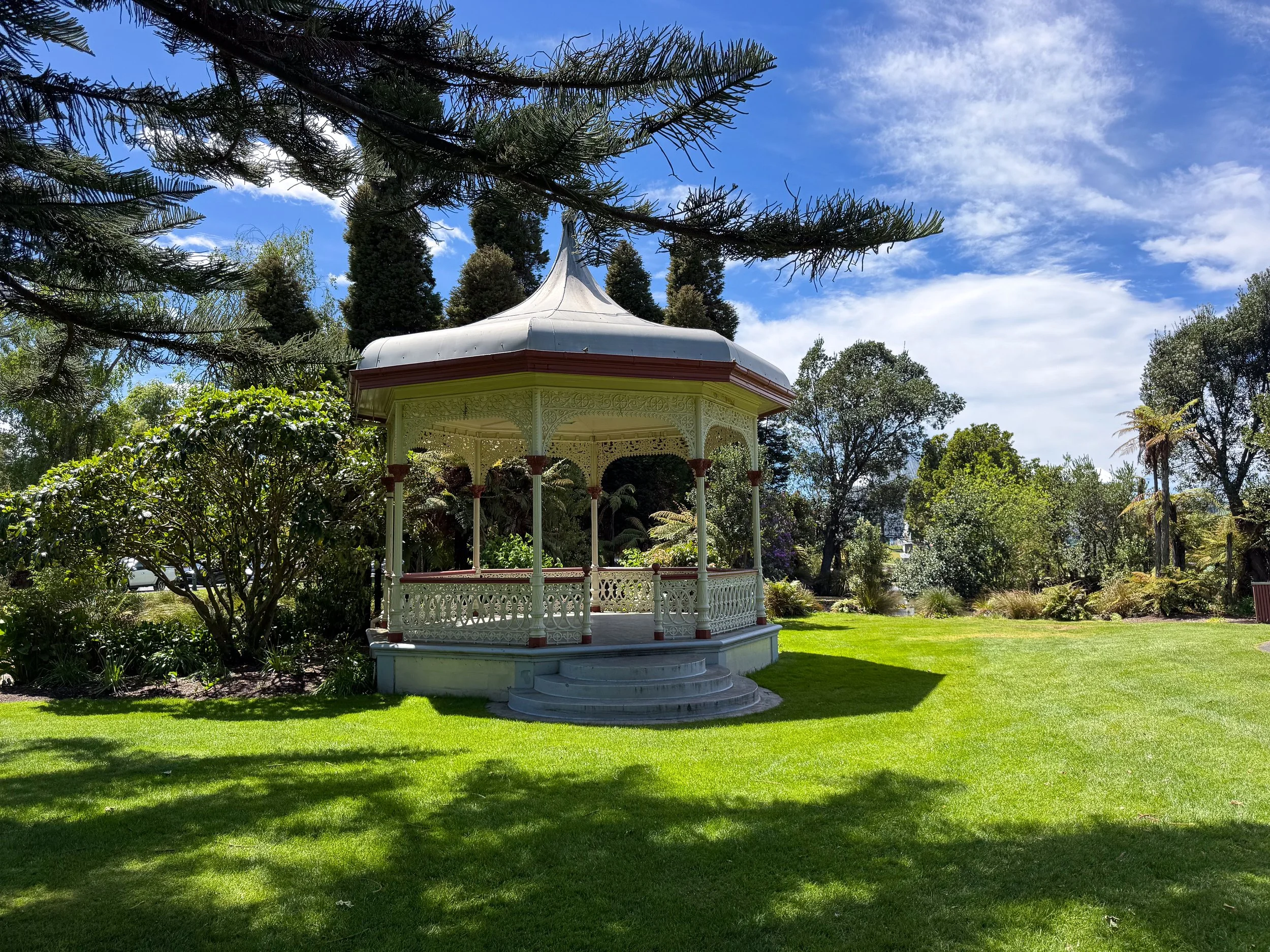
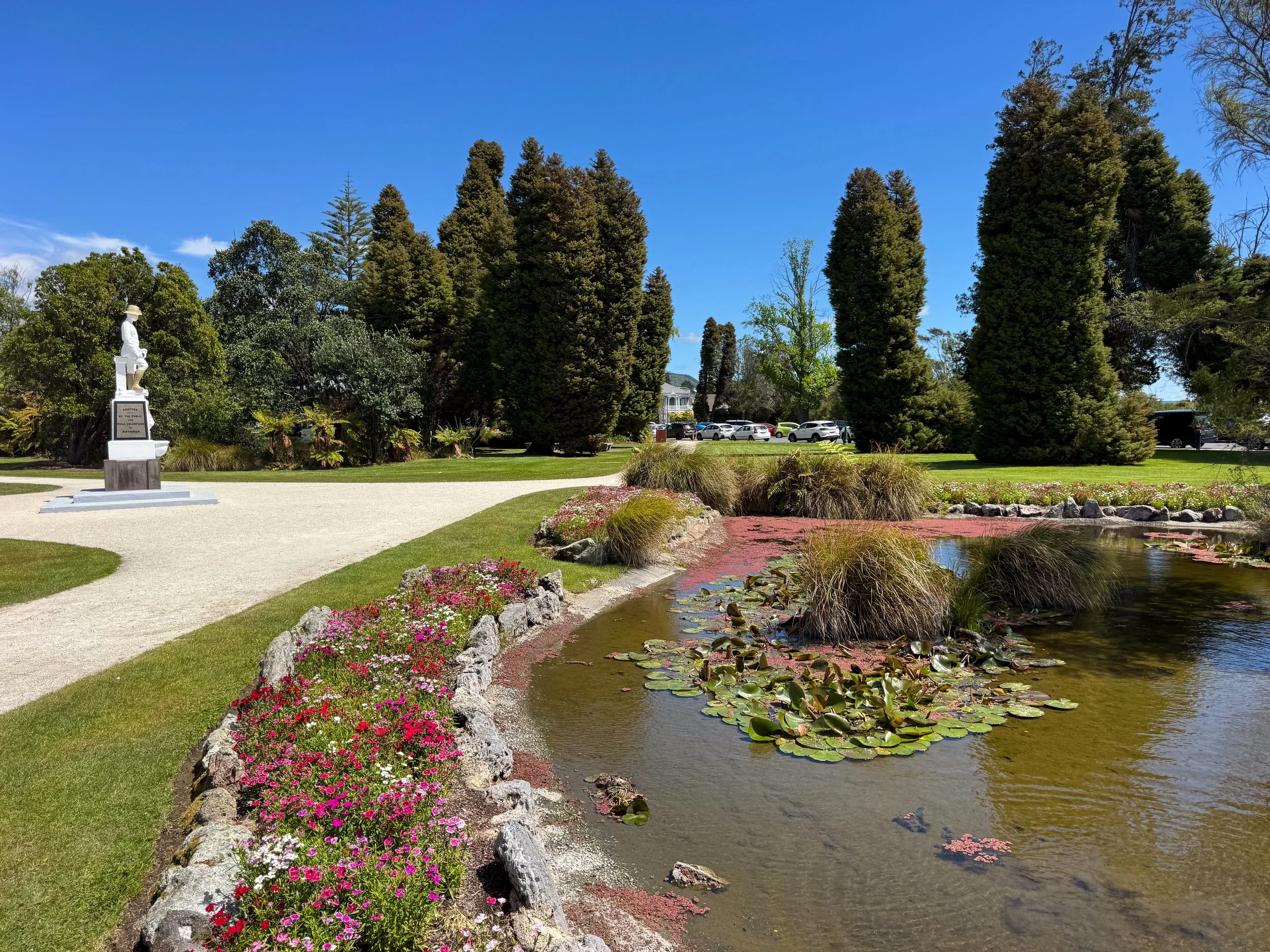
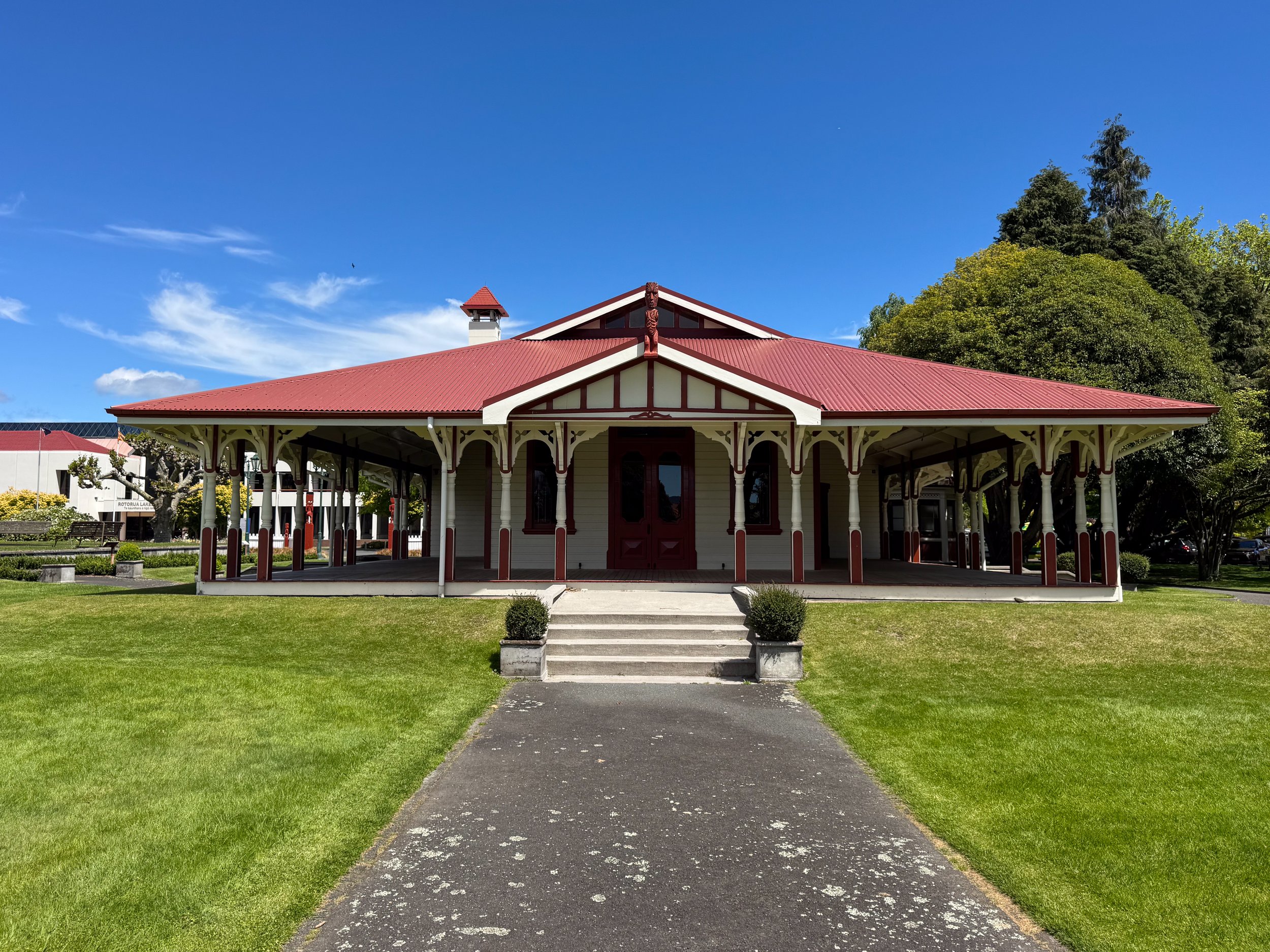
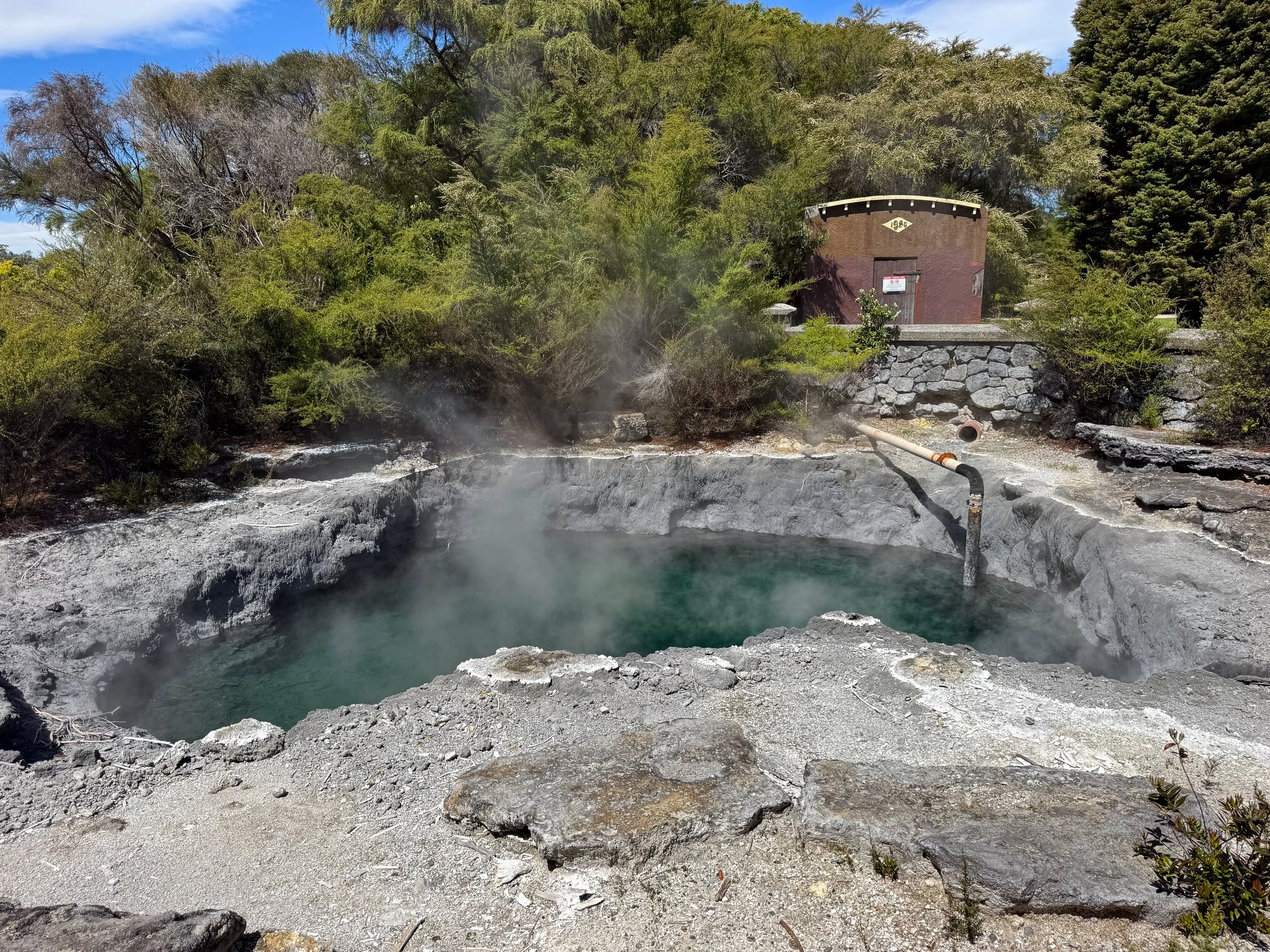
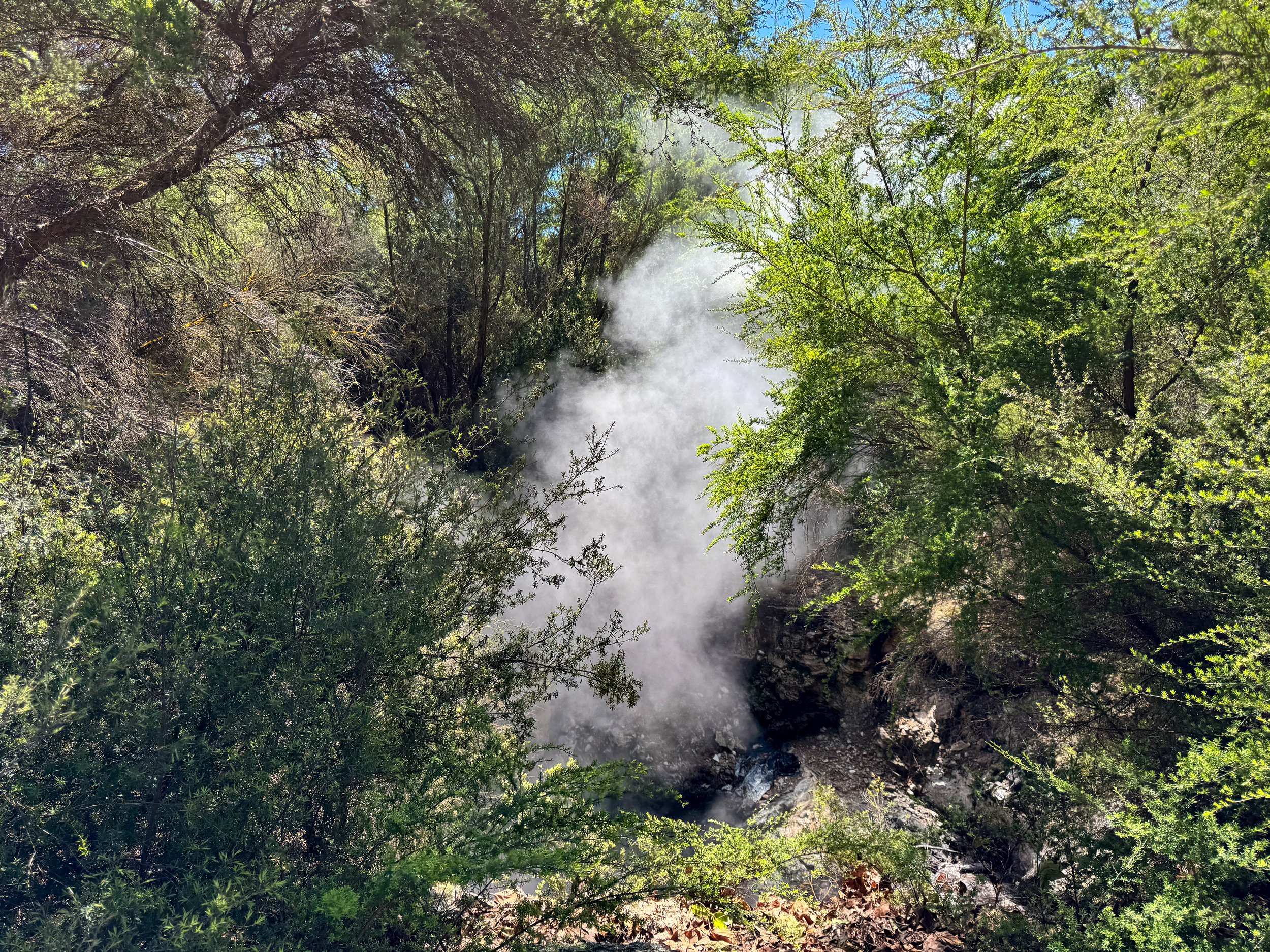
Government Gardens. A public garden with floral beds, bowling fields used by cricketers, Māori sculptures and cultural landmarks, steaming thermal vents, vibrant hot springs and historic wooden buildings.
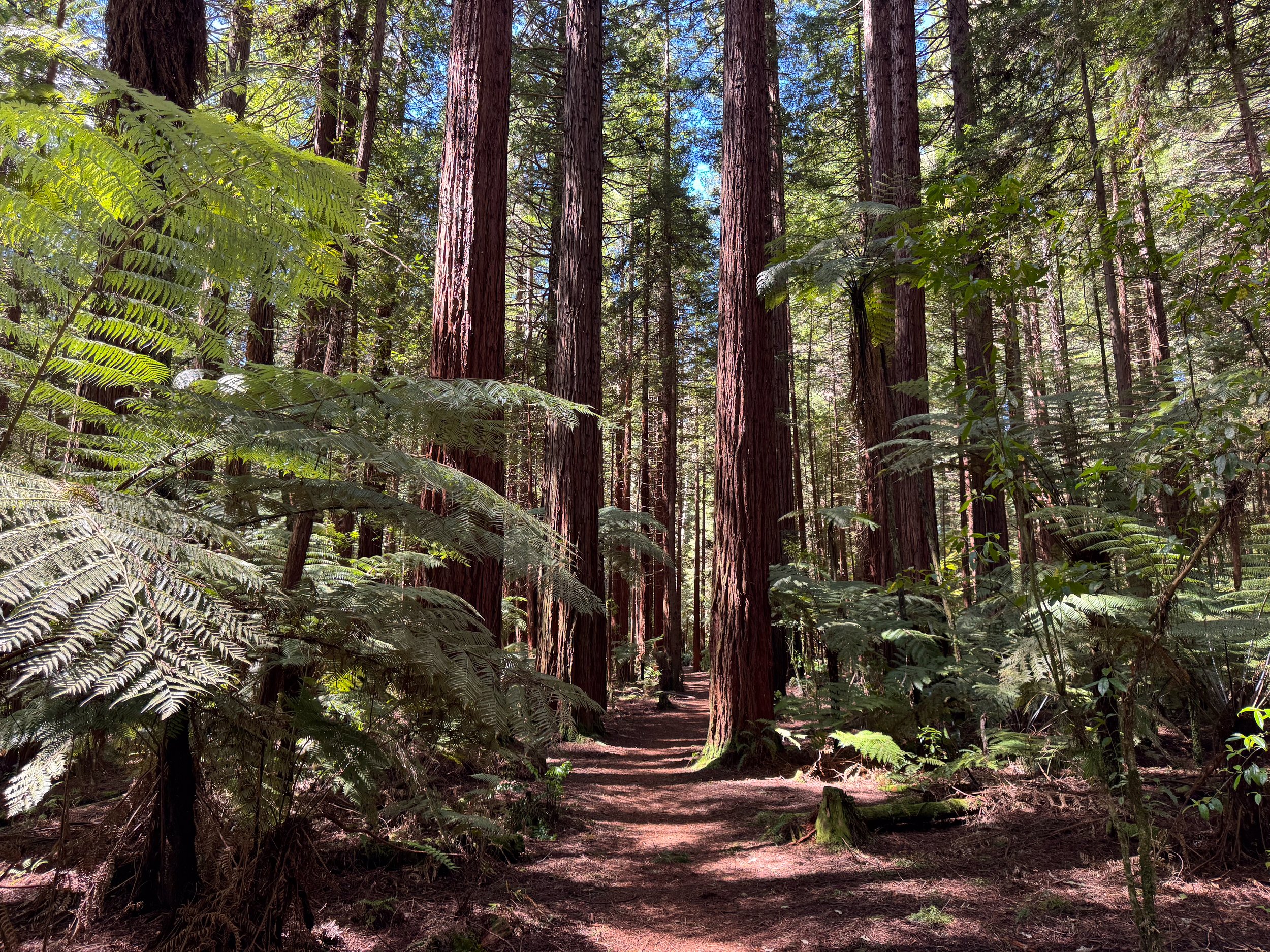
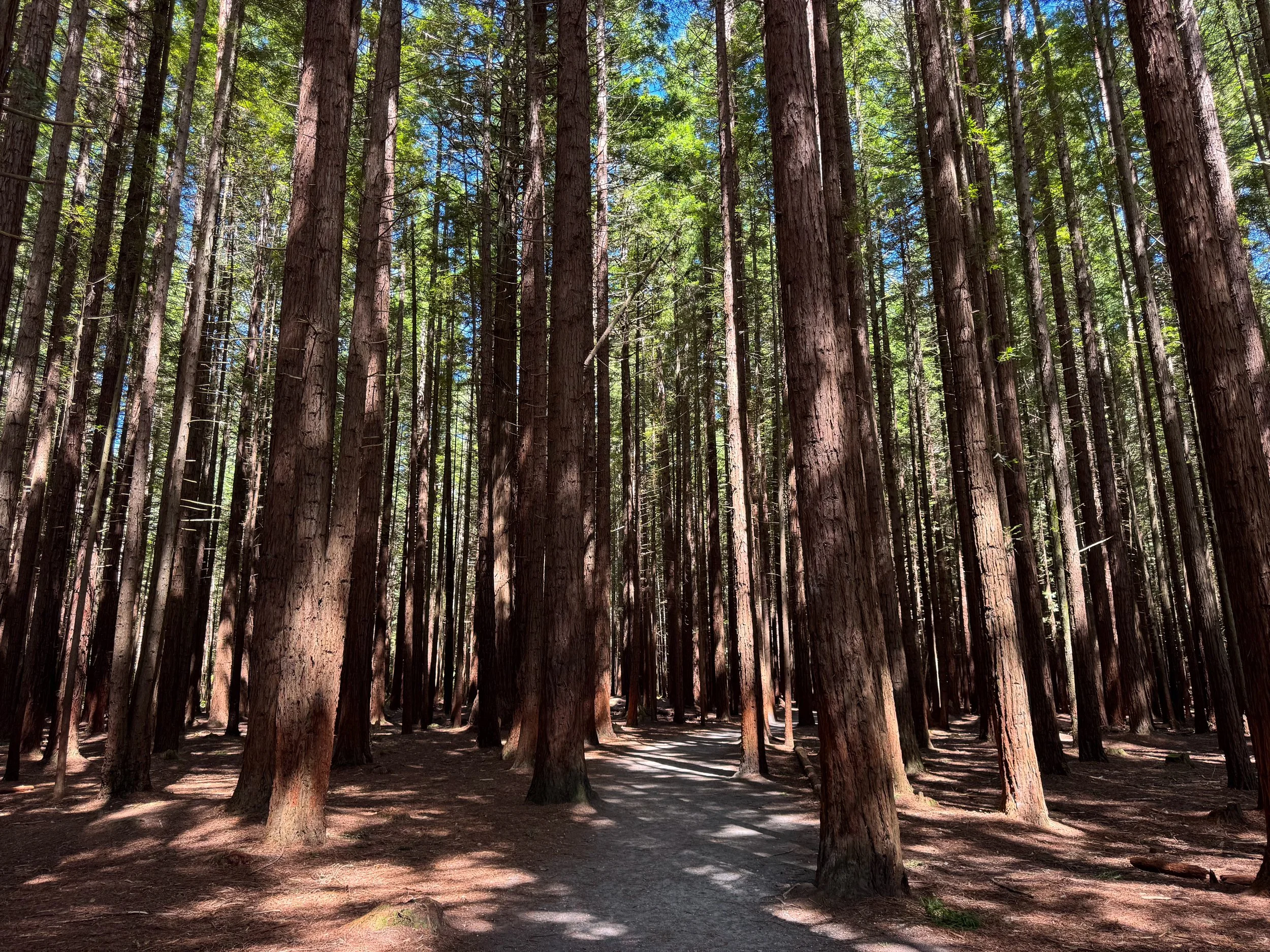
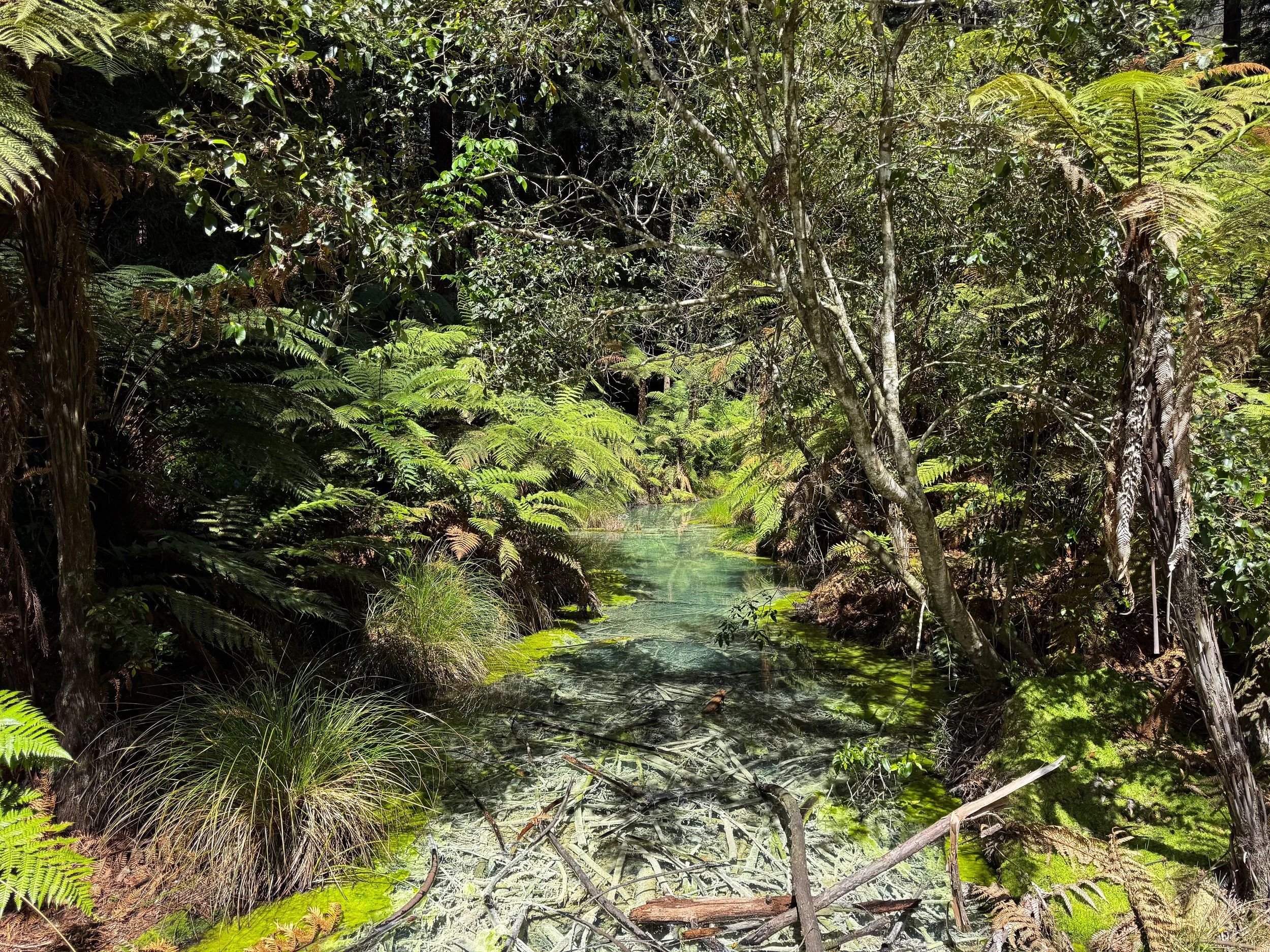
Outdoor Adventure Parks
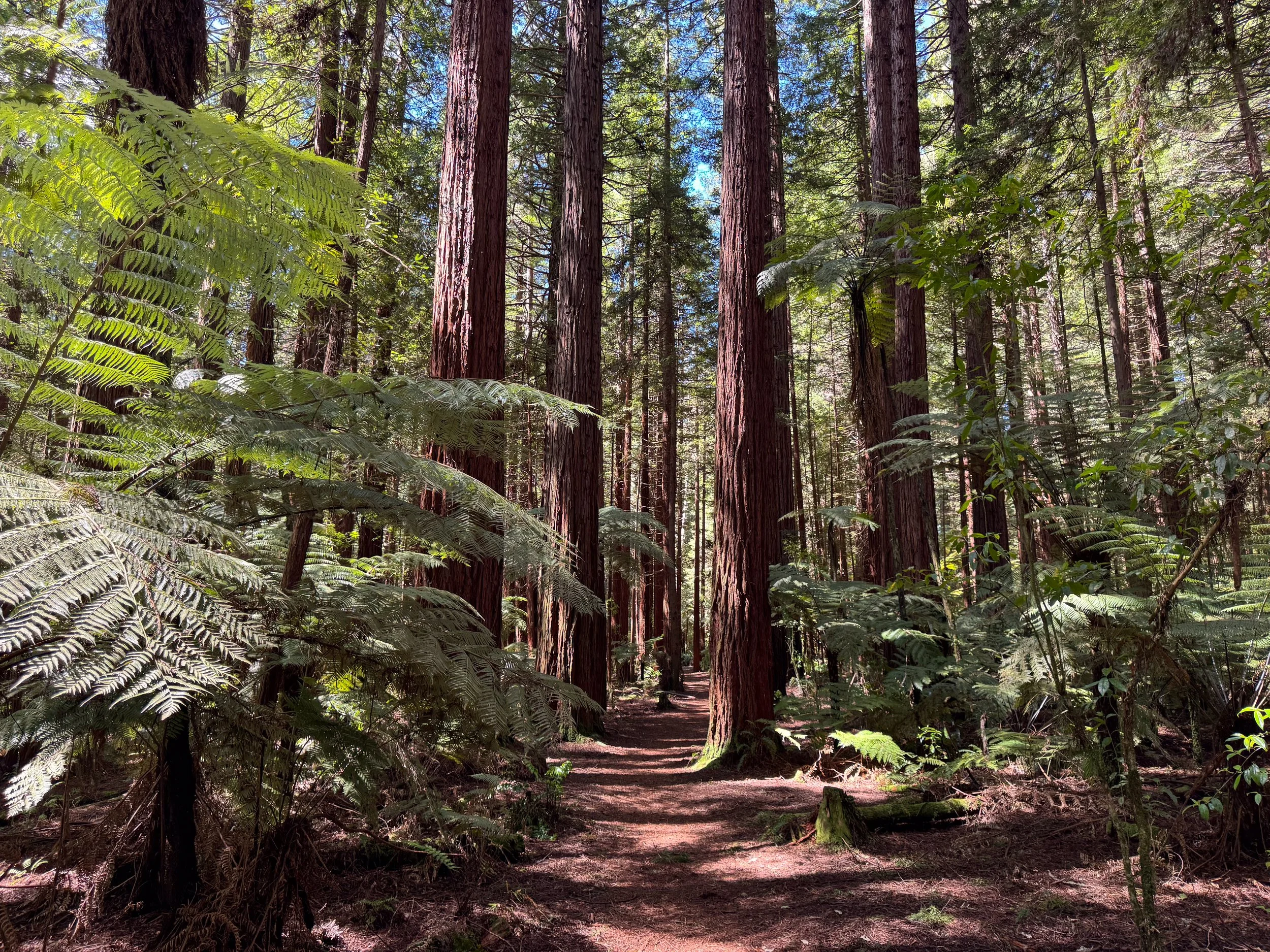
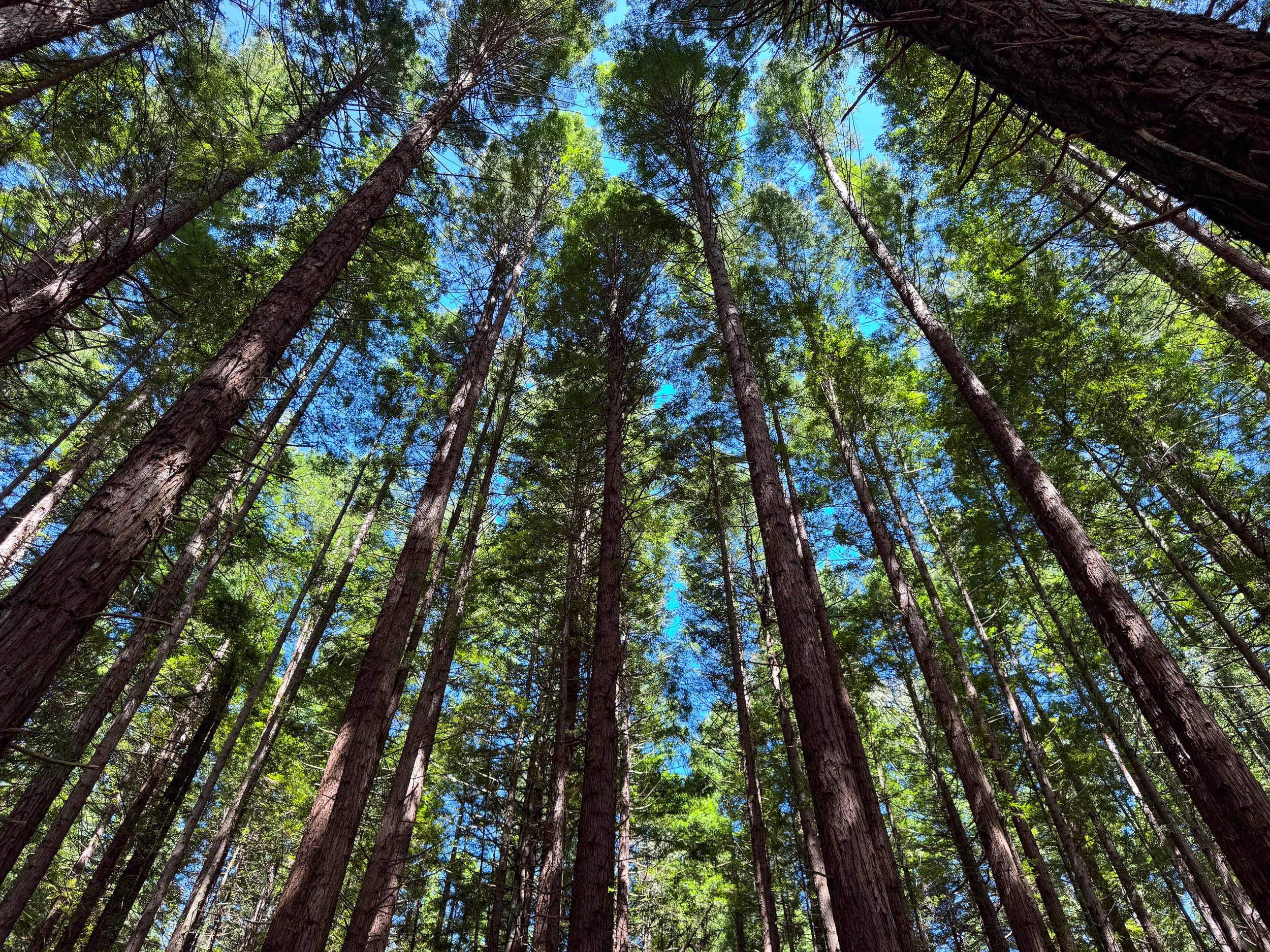
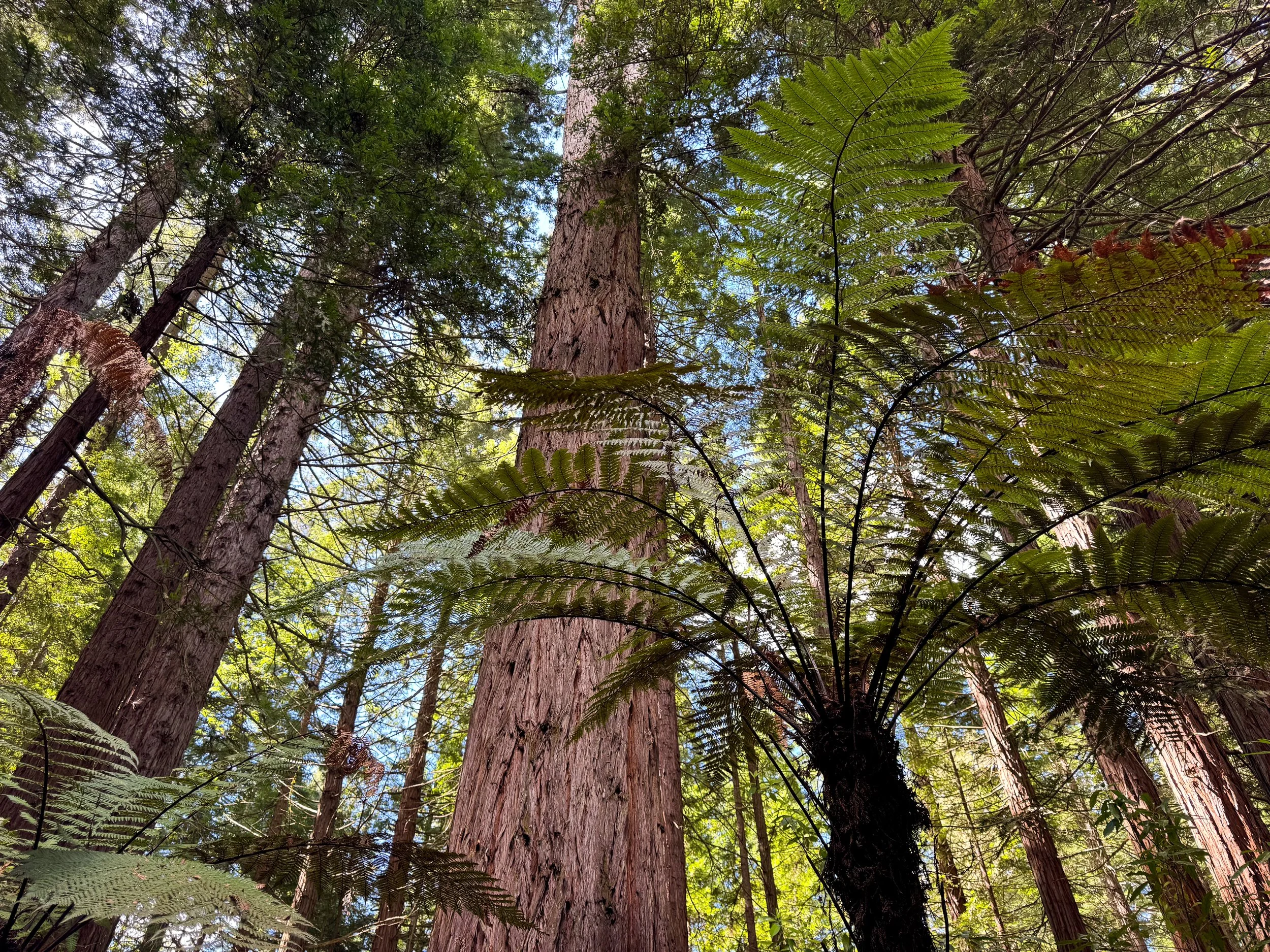
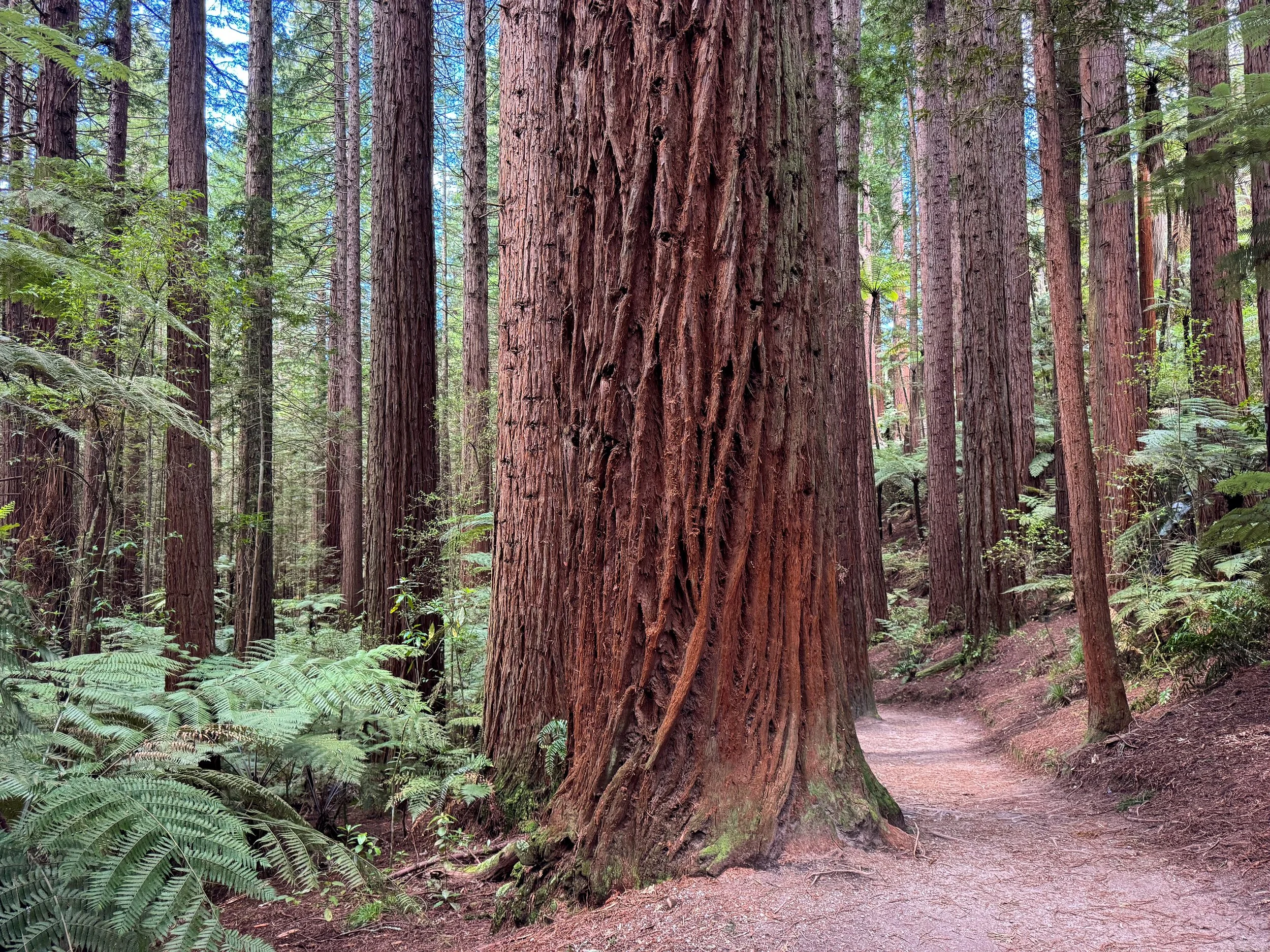
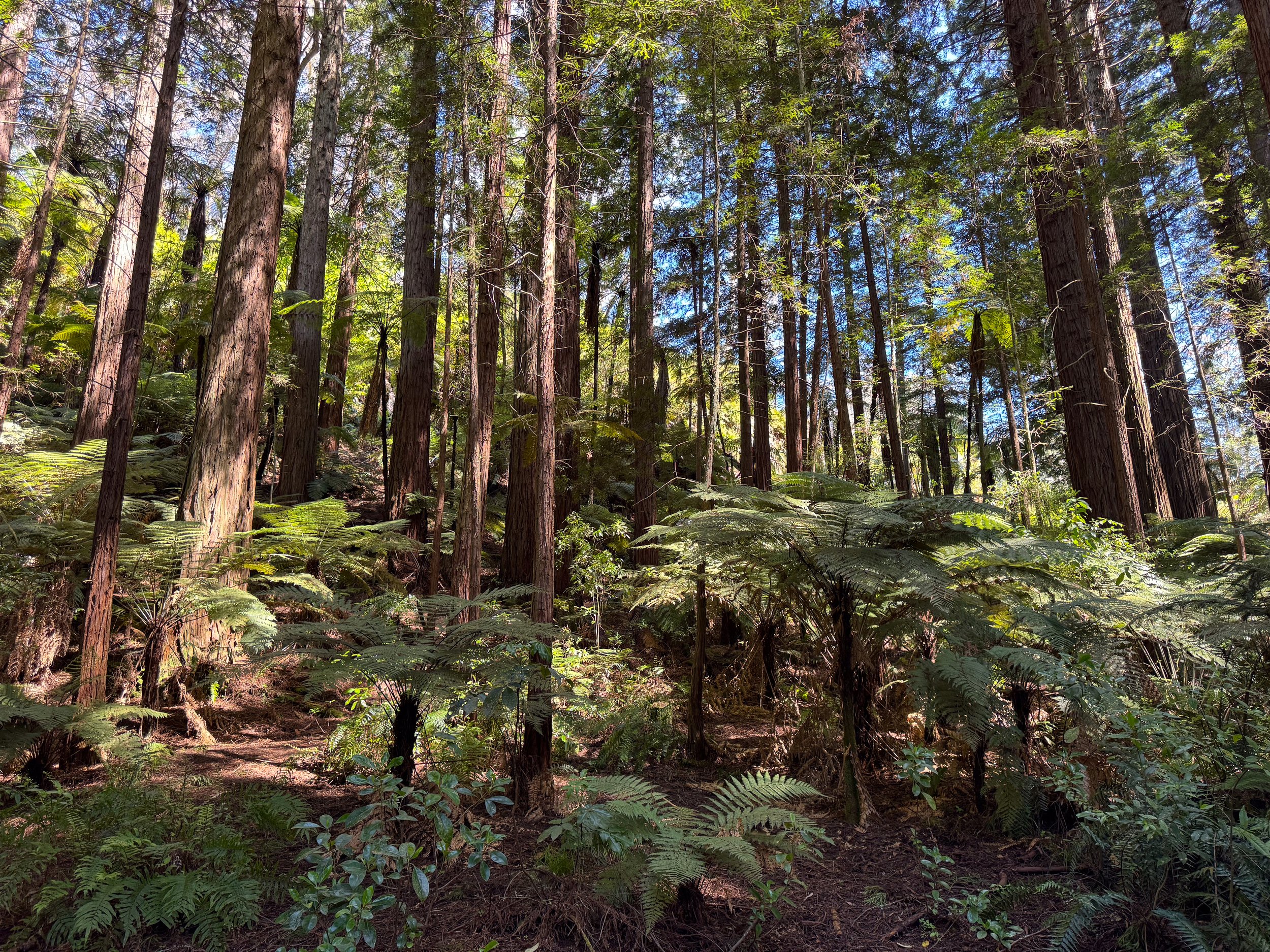
Redwoods Whakarewarewa Forest. A redwood forest with towering redwood trees and elevated adventure courses. Trails lead through the forest past larger than life redwoods, leafy ferns and mossy patches. Spend a couple hours here walking the trails and canopying in the trees. We hiked the 3.4km Waitawa Walk by day and returned for the night trek in the Redwoods Treewalk.
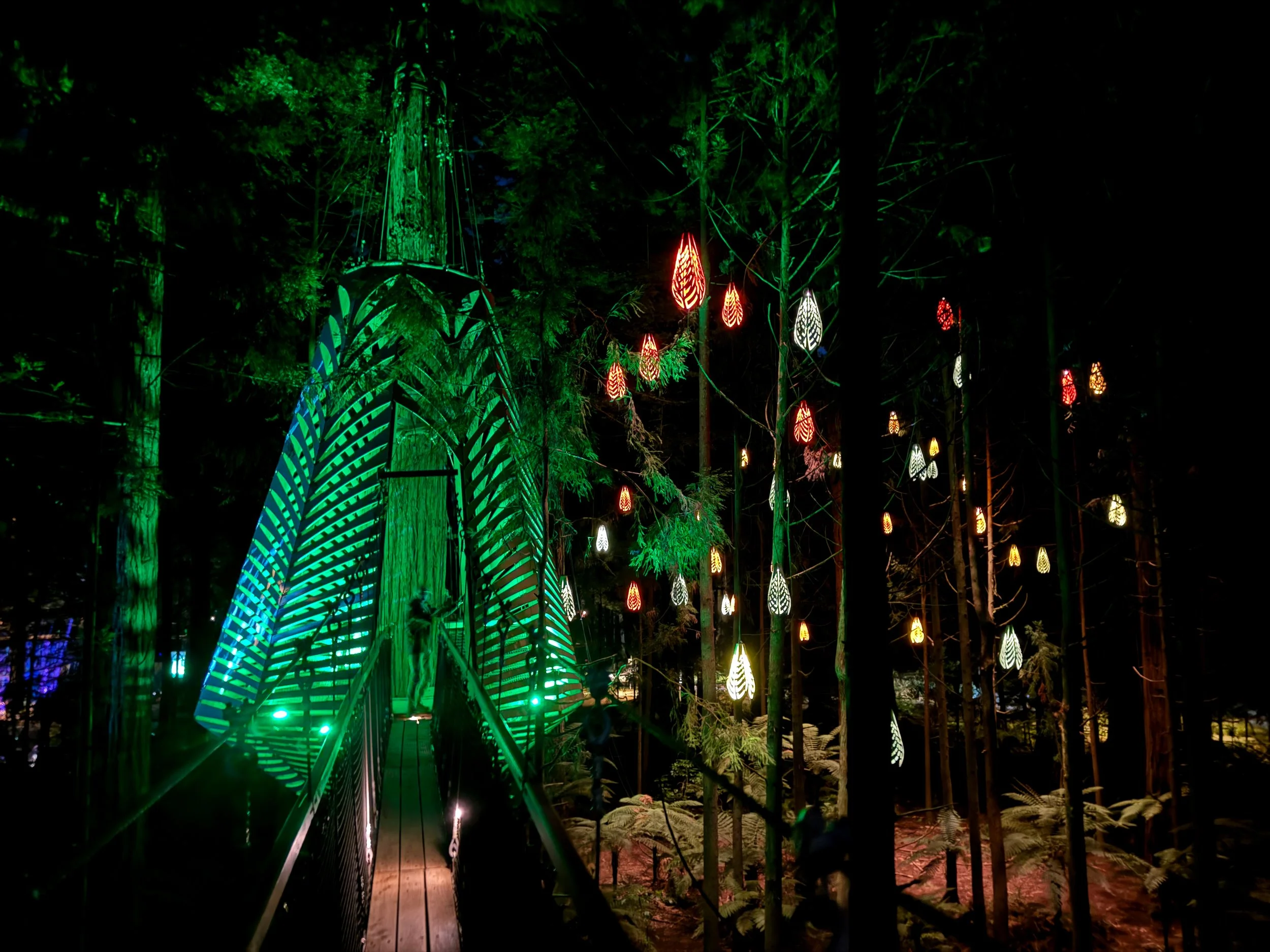
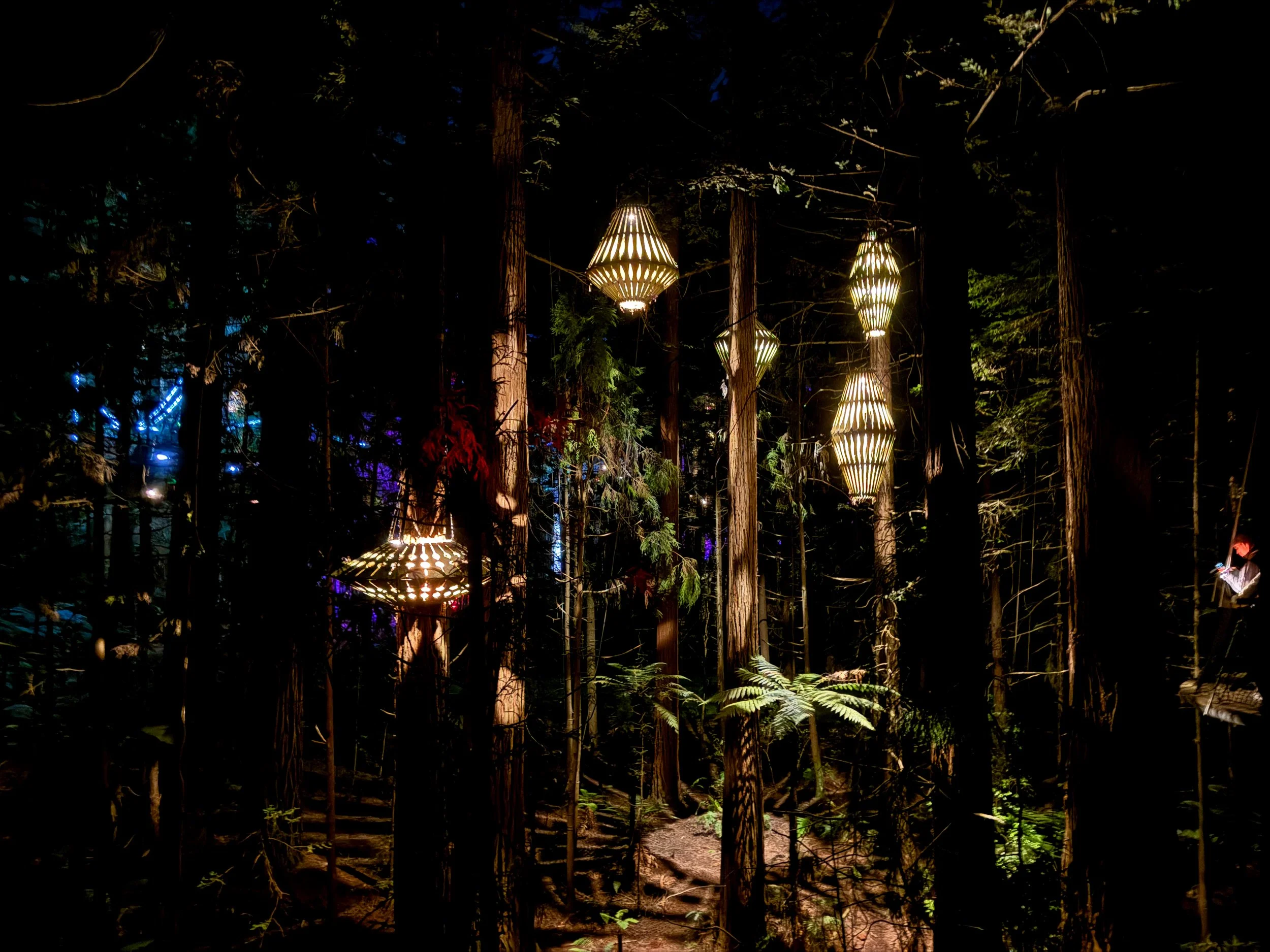
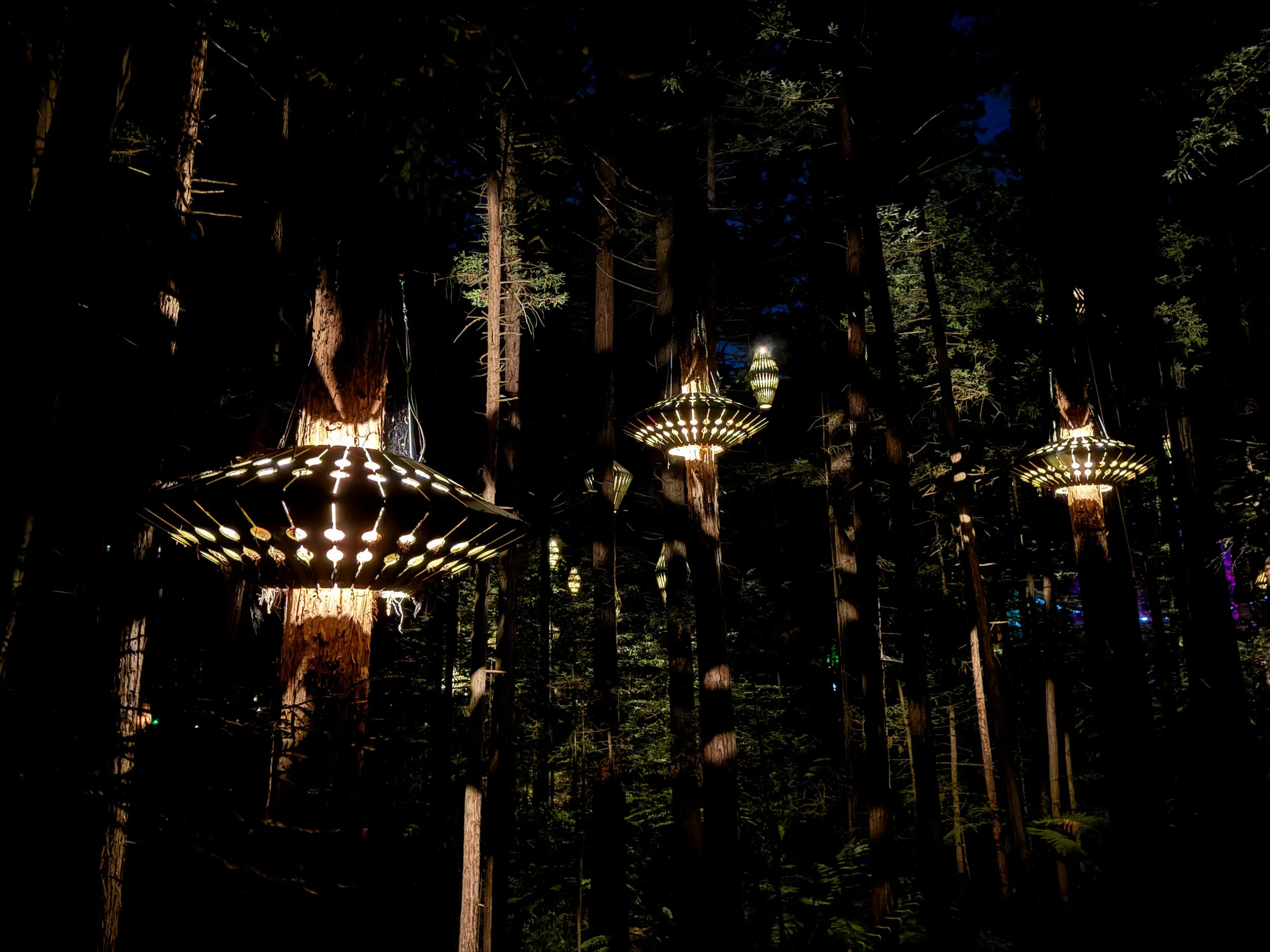
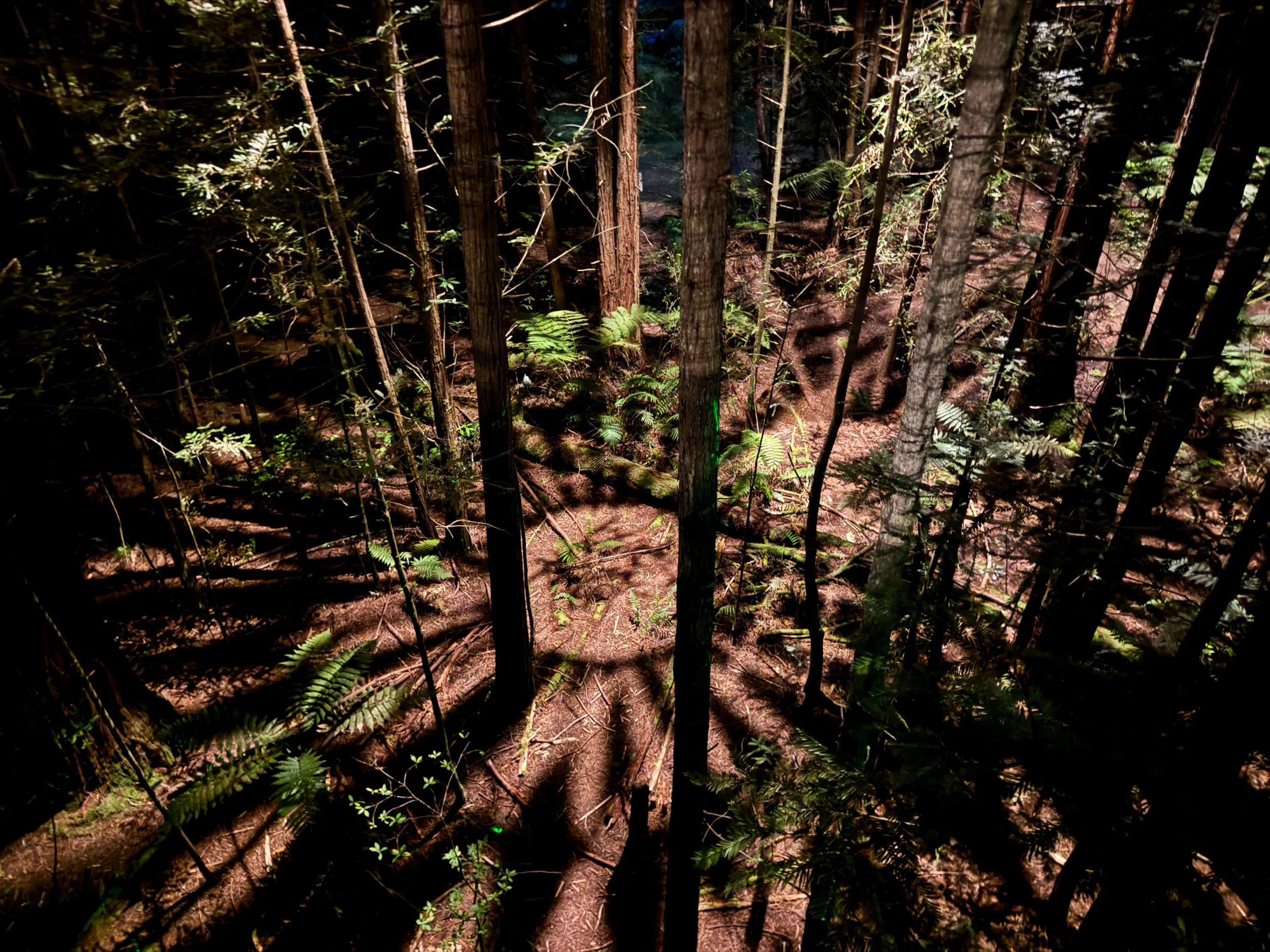
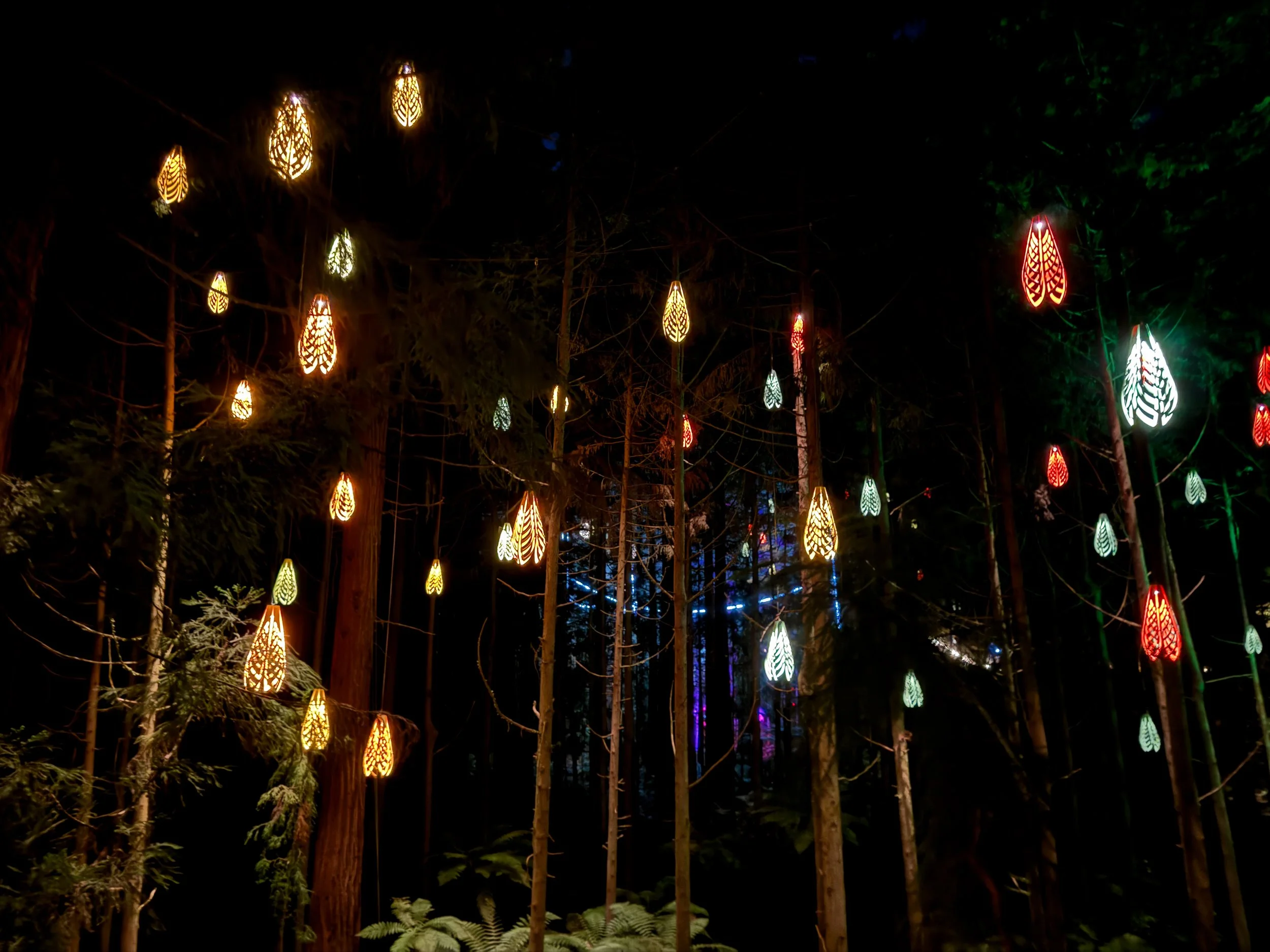
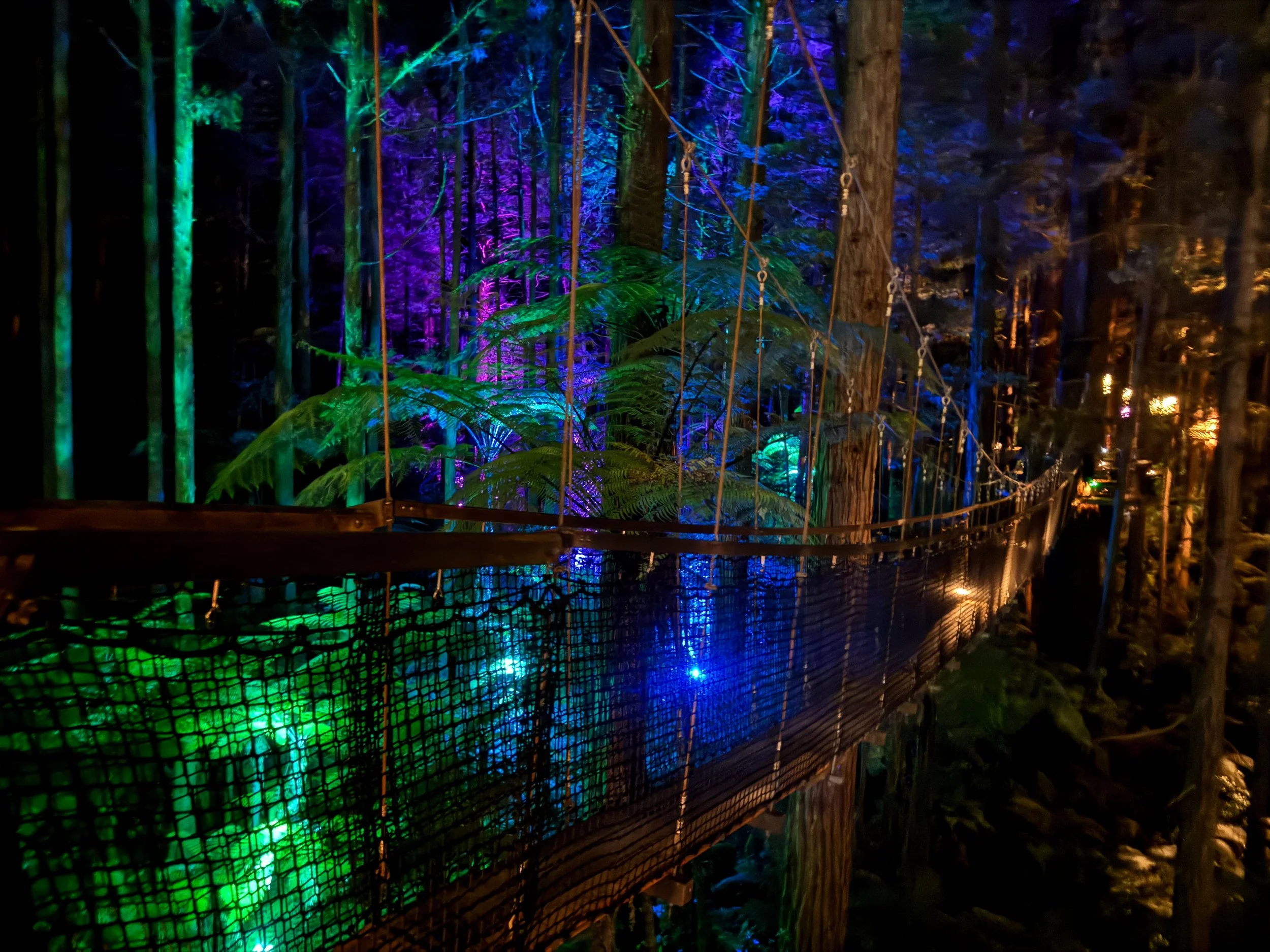
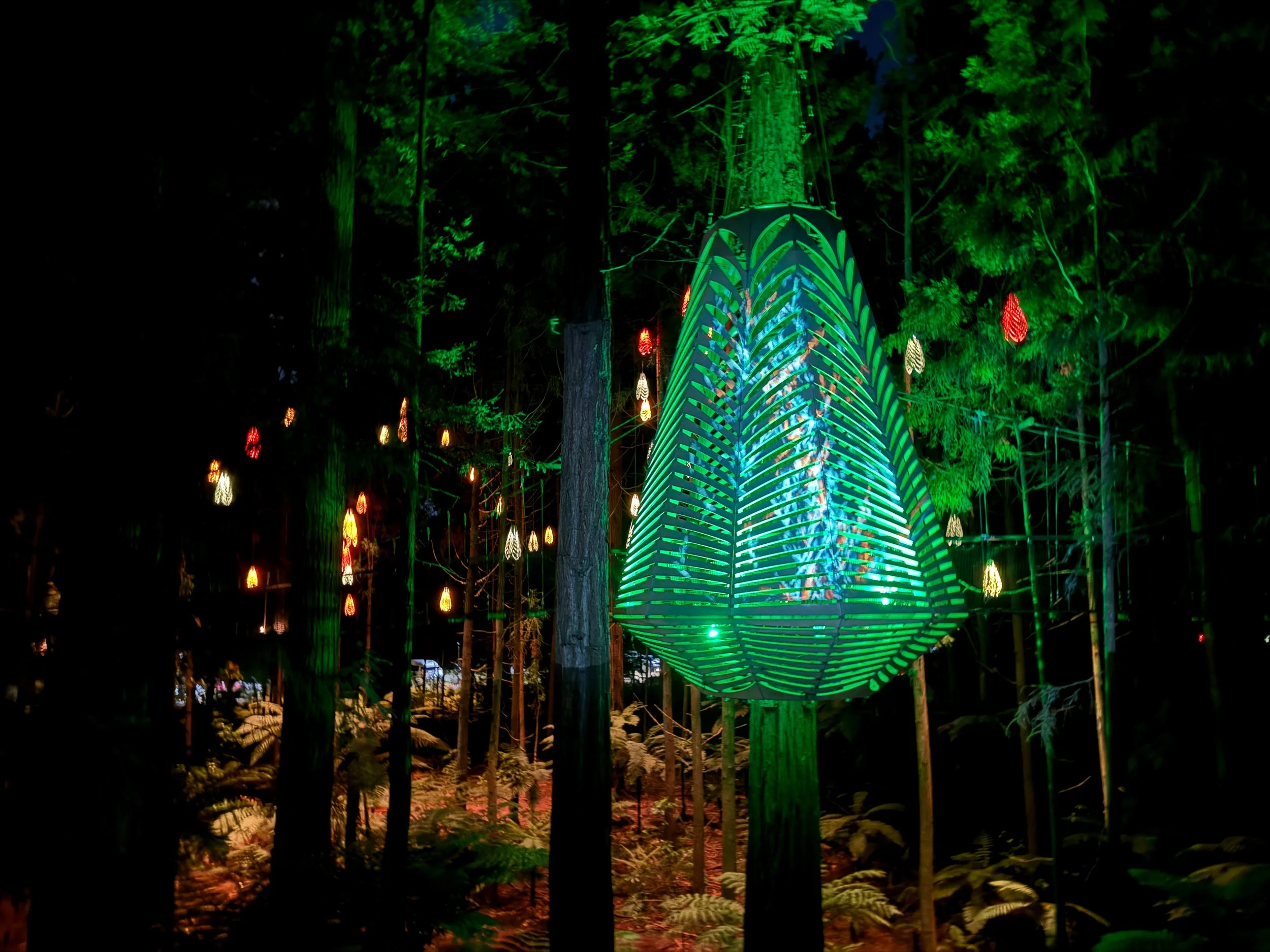
Redwoods Treewalk. A series of elevated suspension bridges and platforms built between the massive trunks of the redwood trees. The evening treewalk is a magical experience. Suspended lanterns dimly glow throughout the redwood forest while colorful lights illuminate the fern trees below.
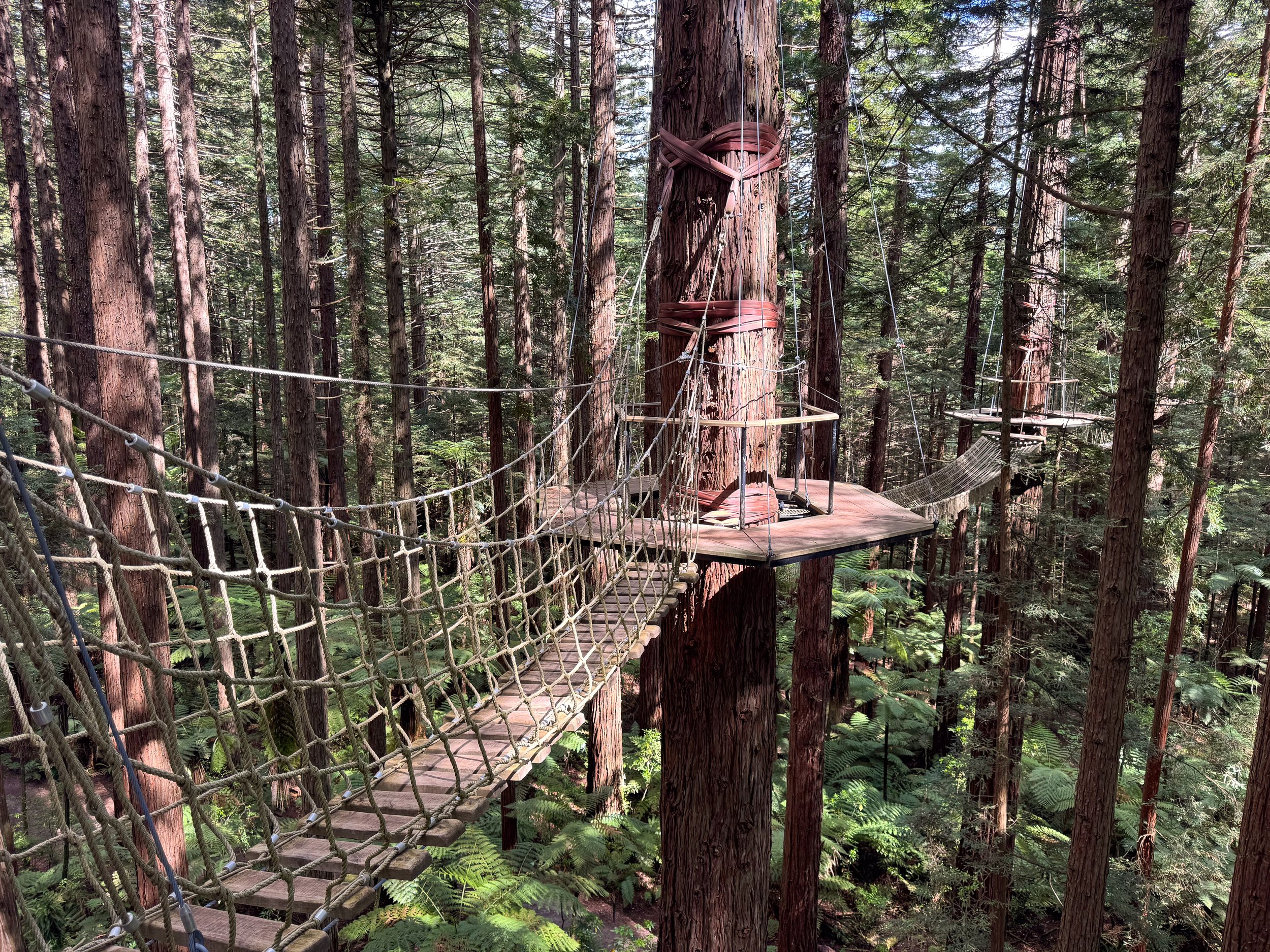
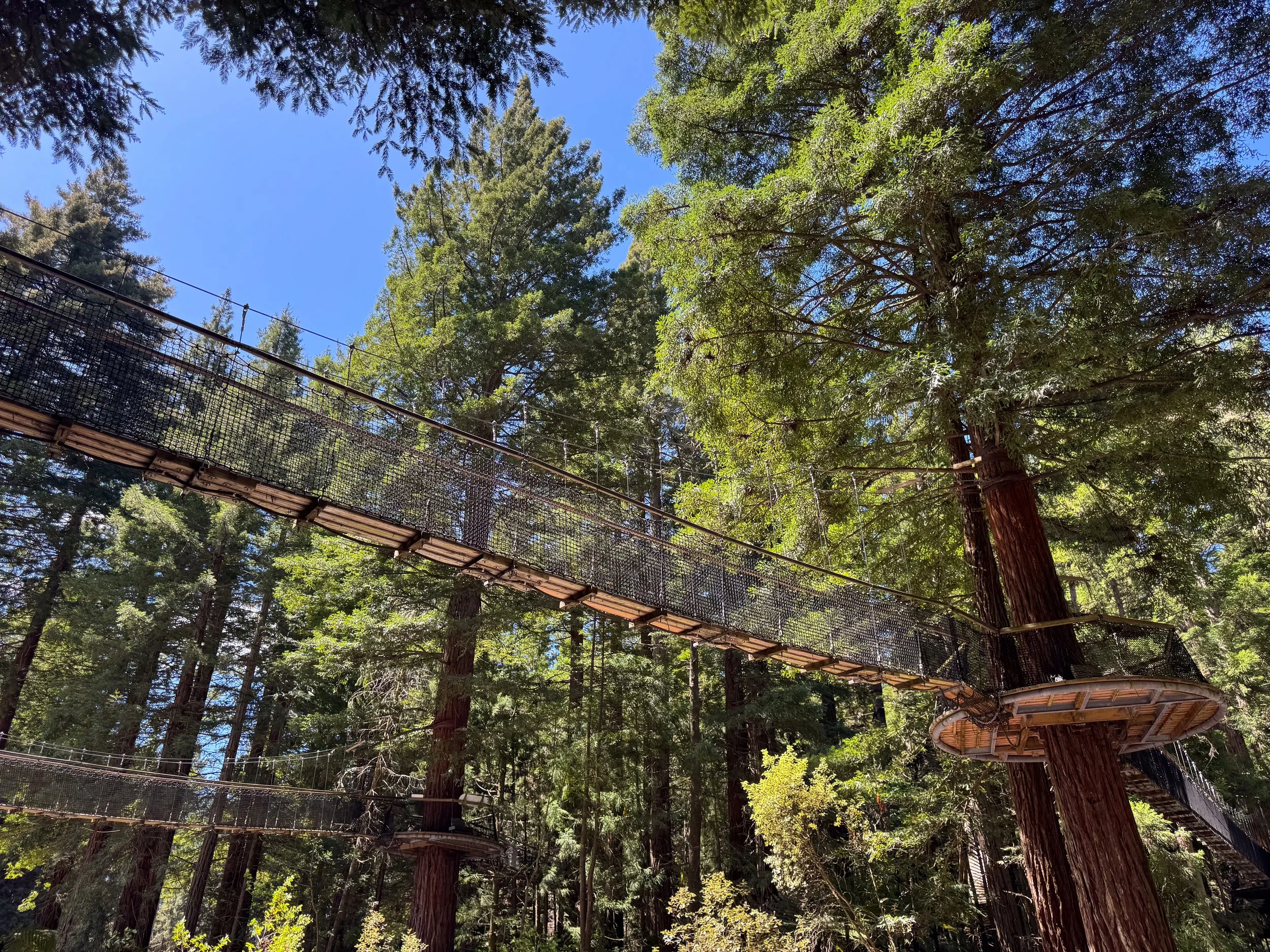
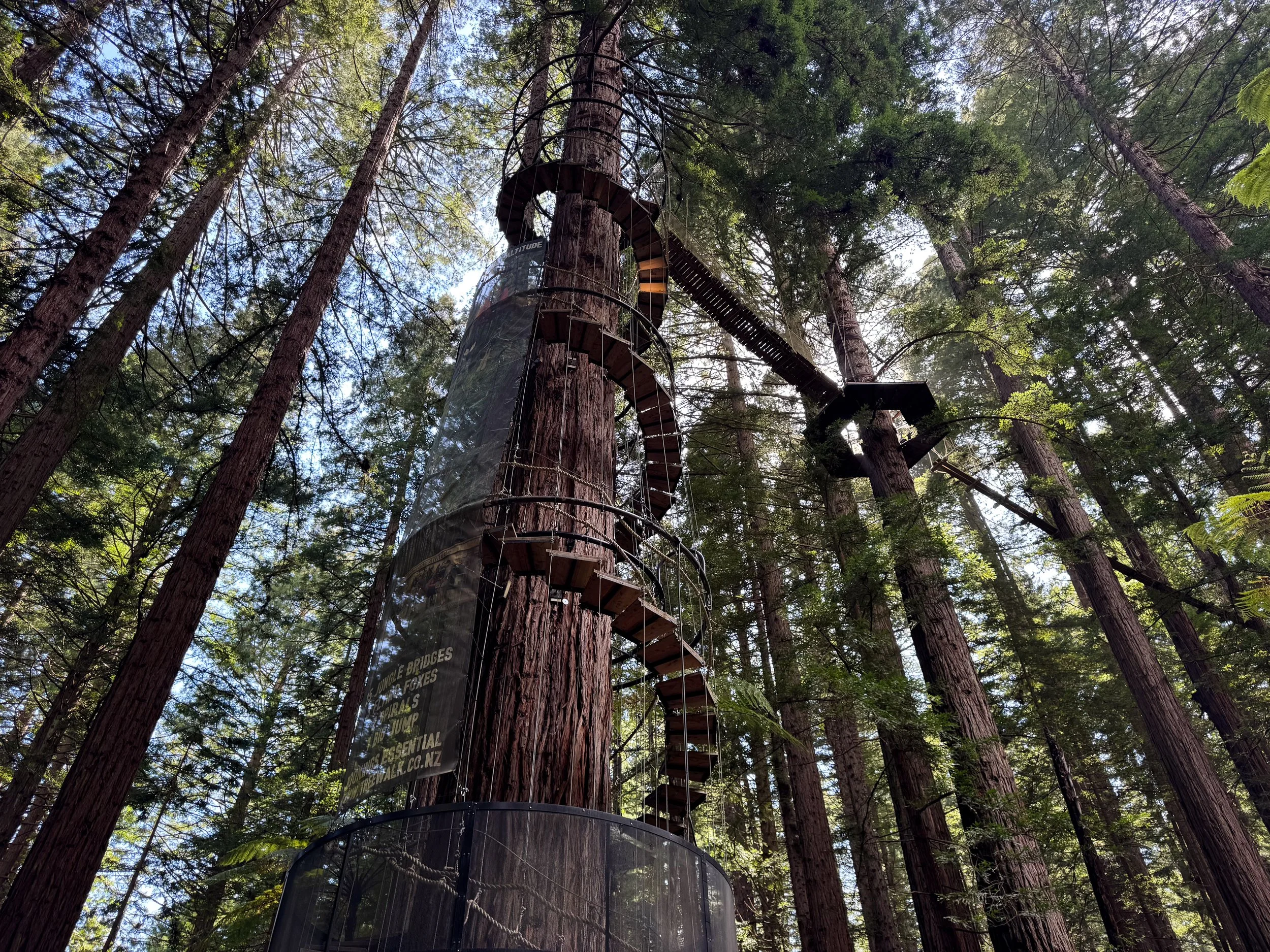
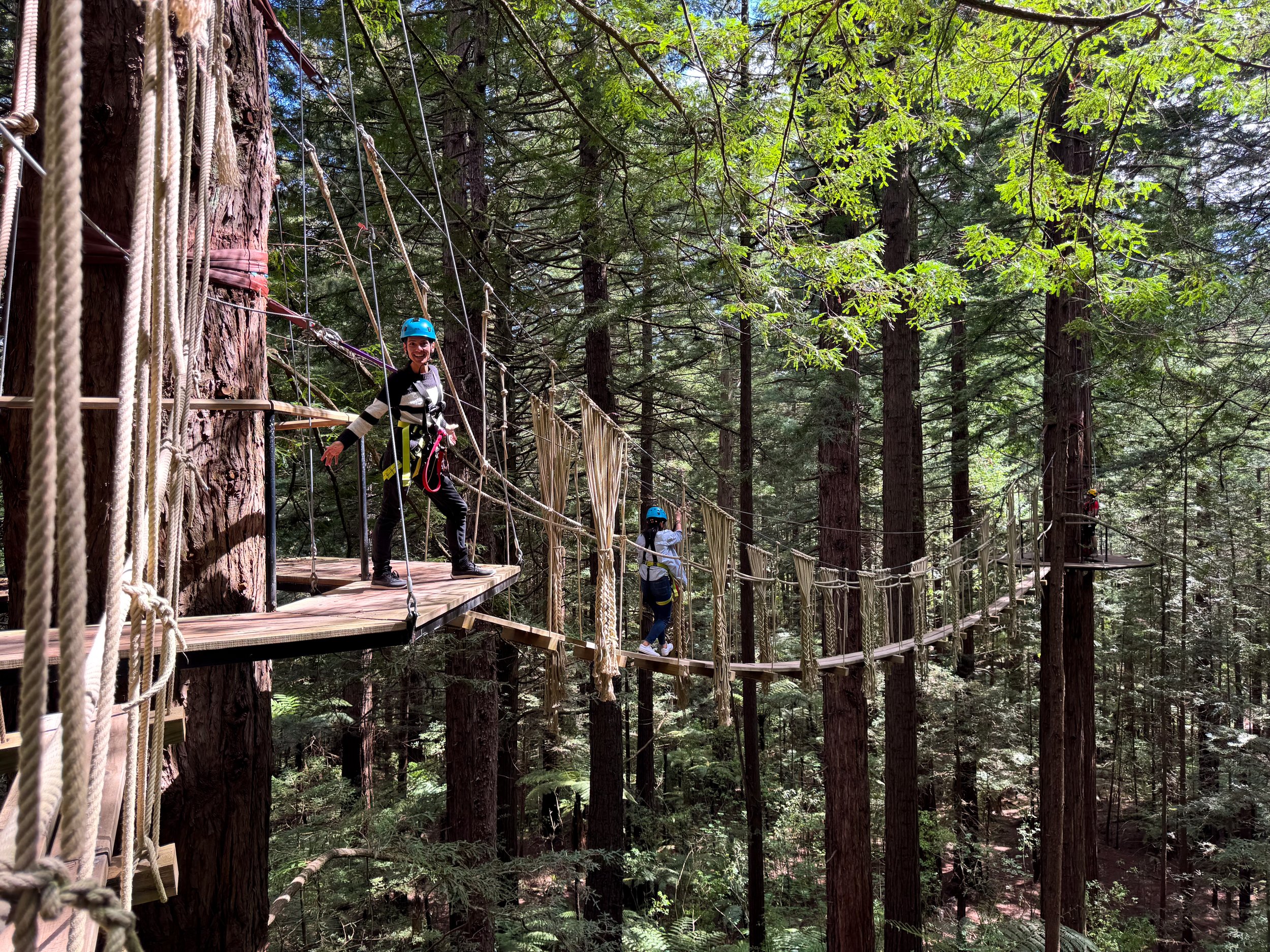
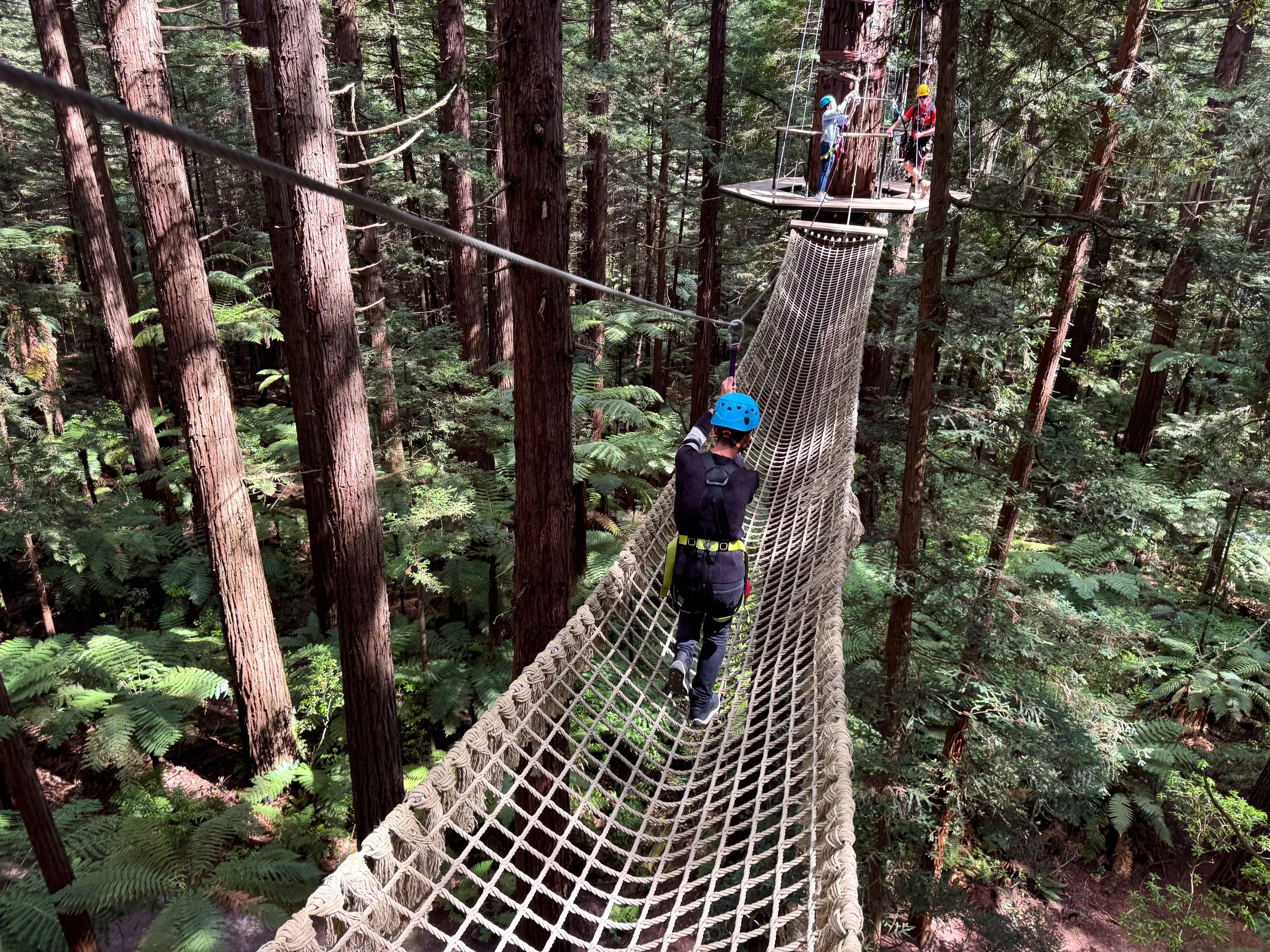
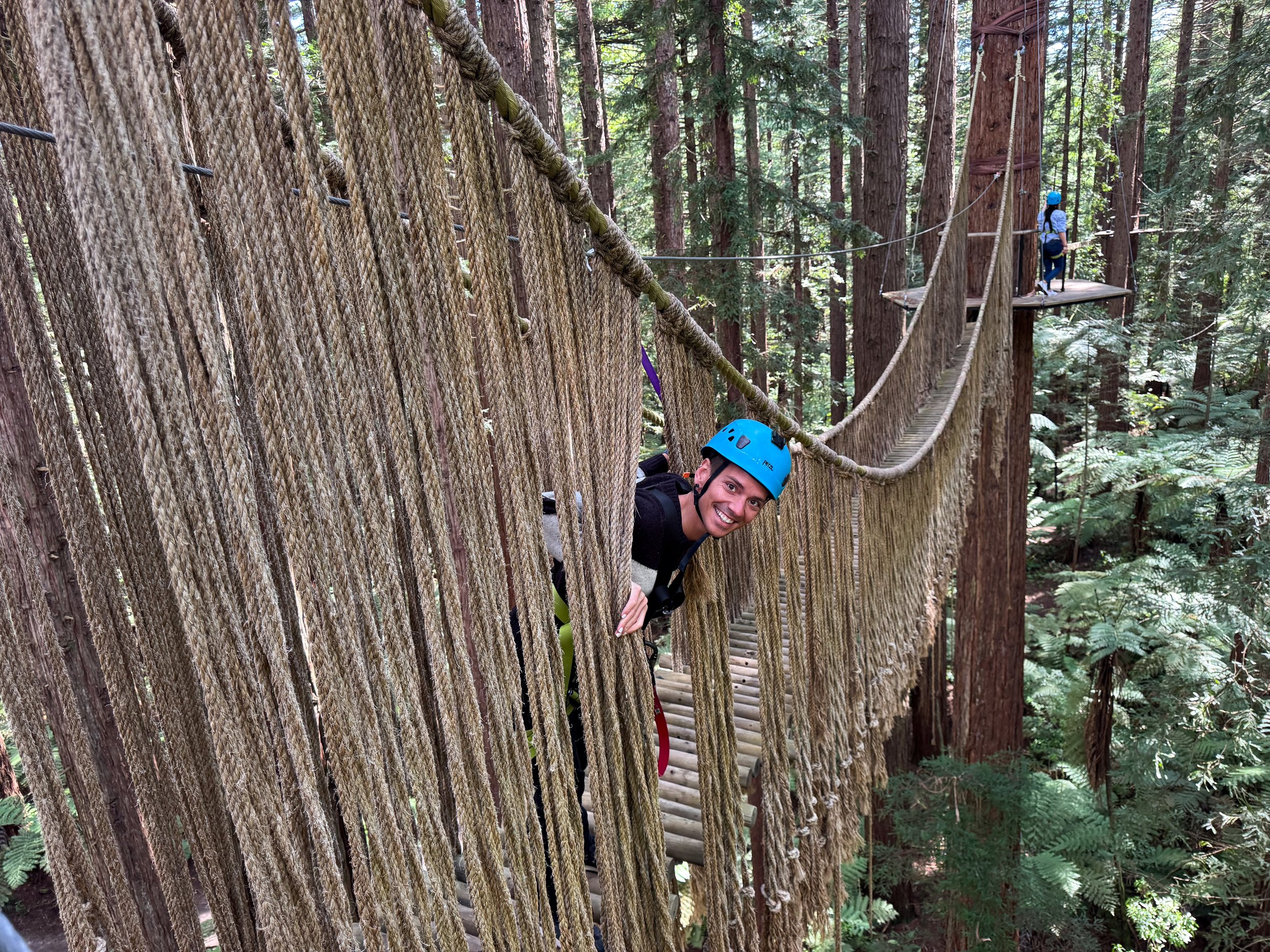
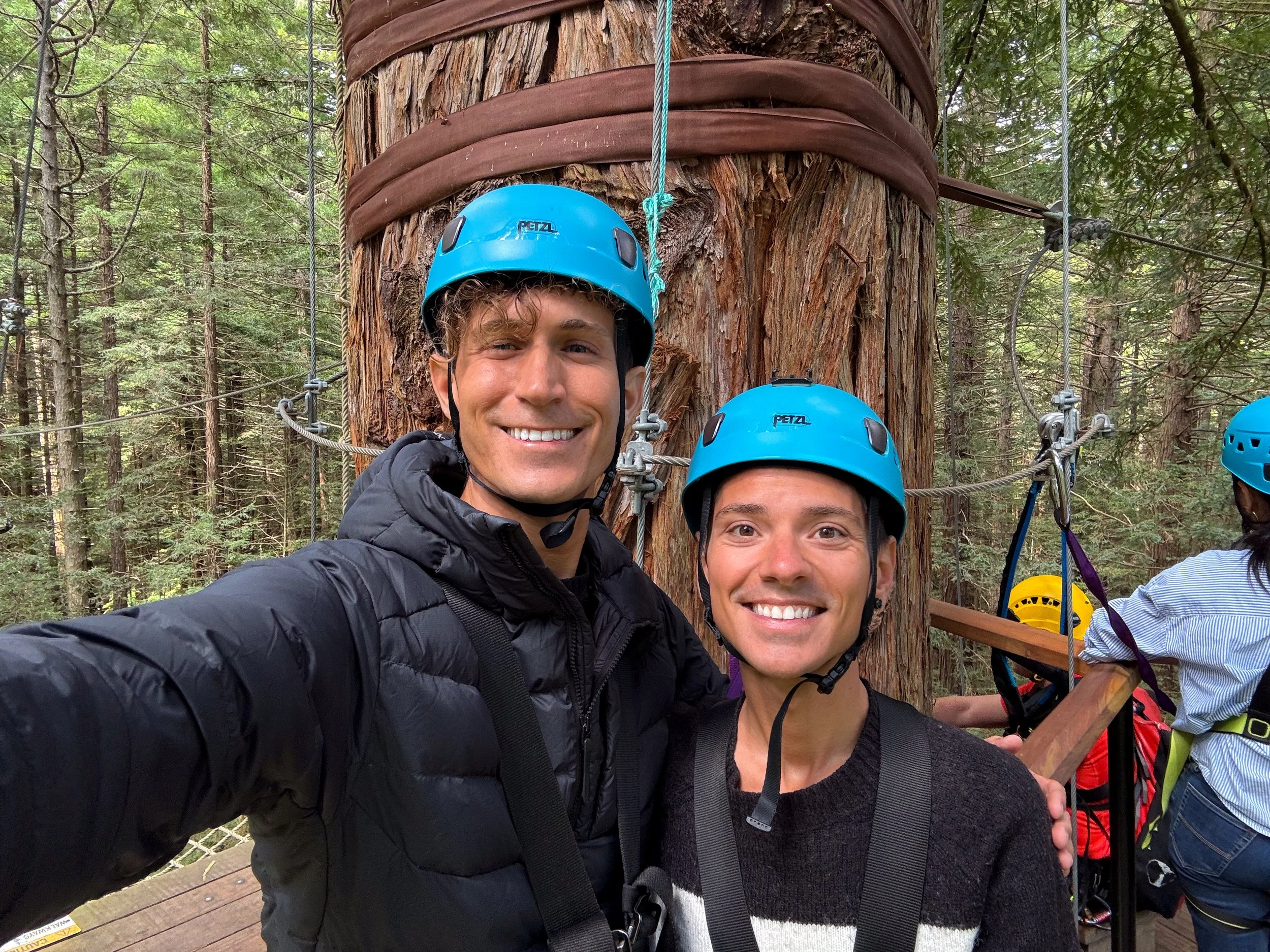
Redwoods Altitude. An elevated adventure course with zip lines and unique suspension bridges meandering between the trunks of the forest’s oldest redwoods. A spiral staircase leads up the trunk of a redwood while a rappelling jump descends back to the ground.
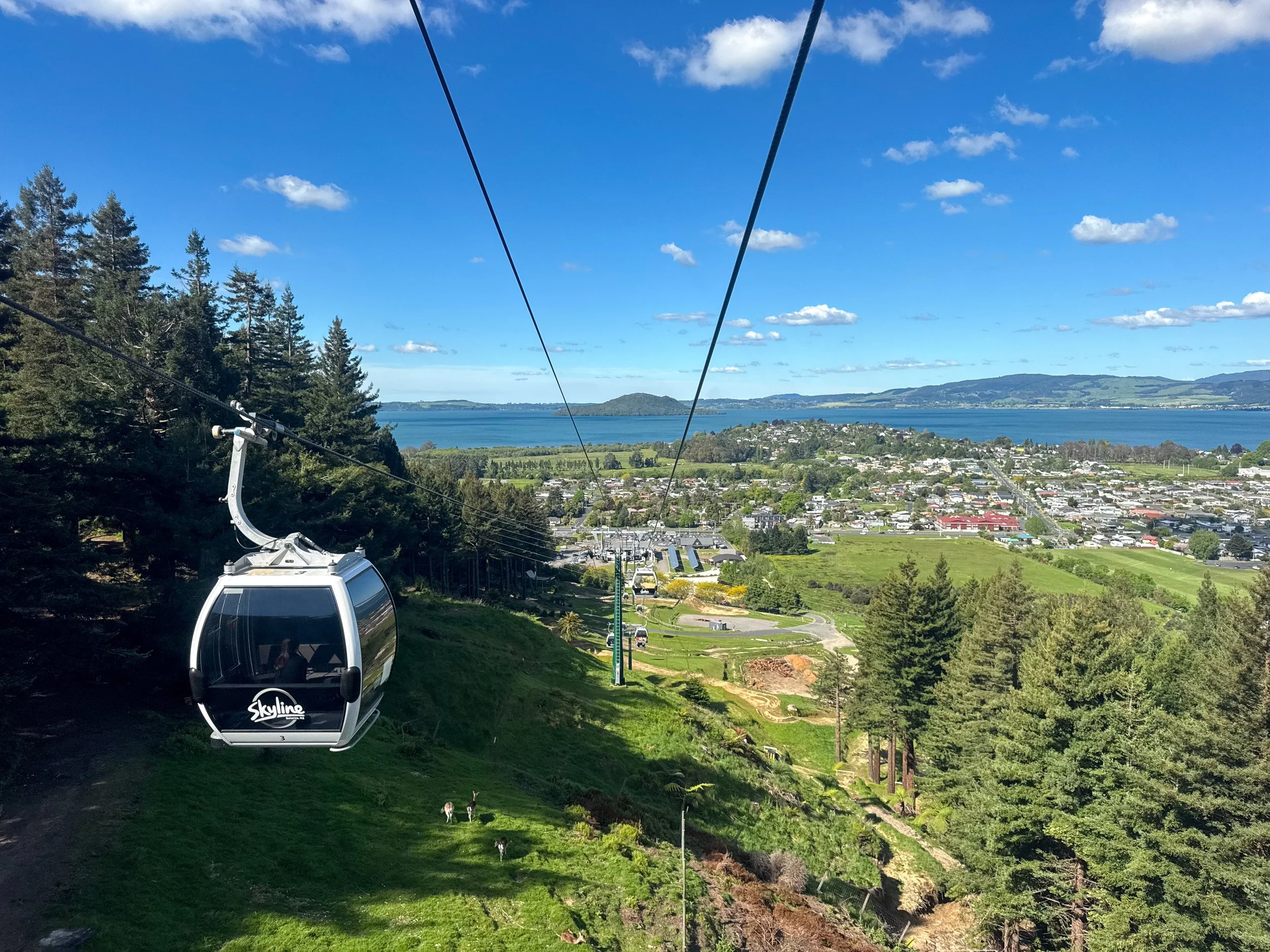
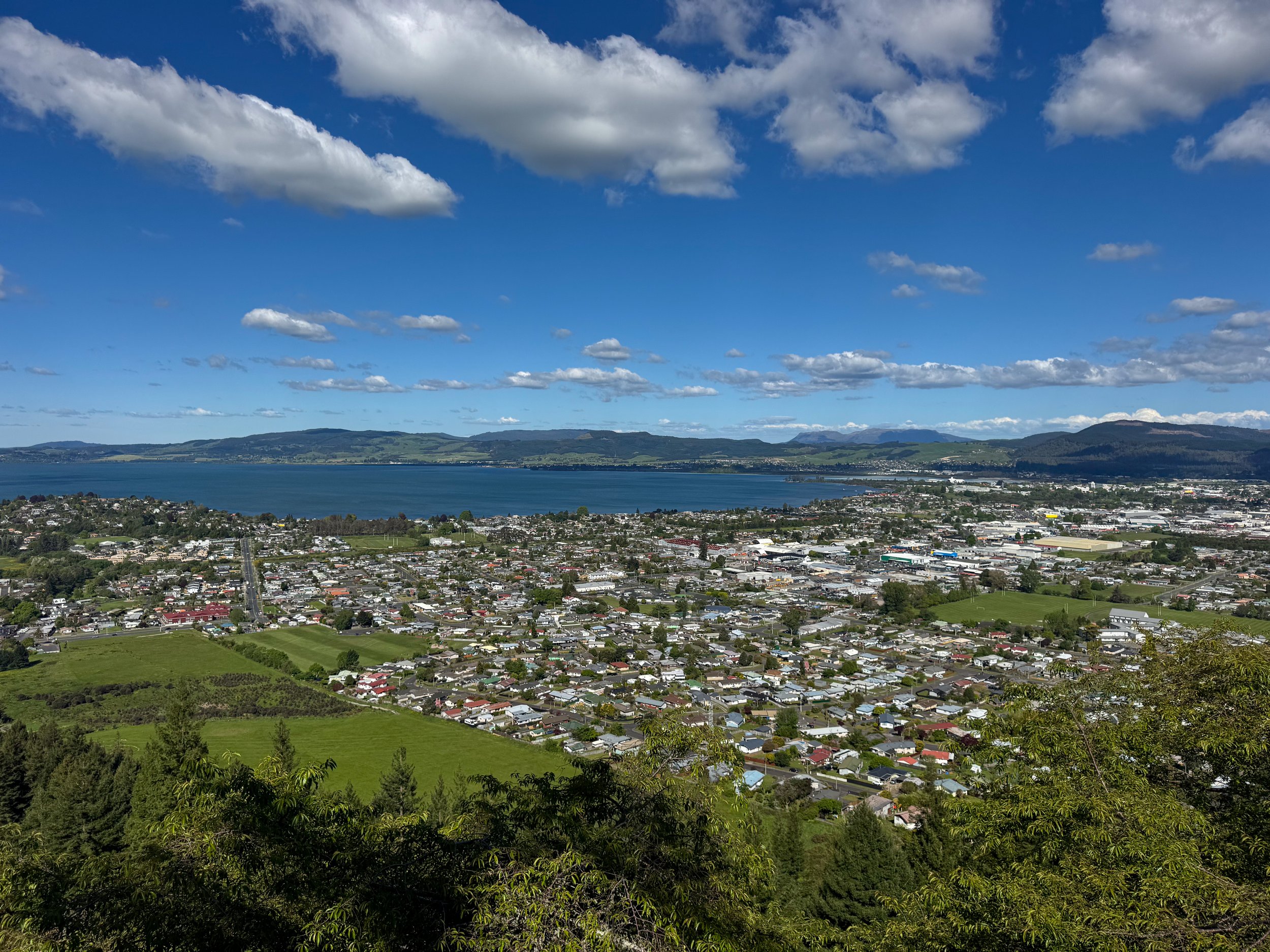
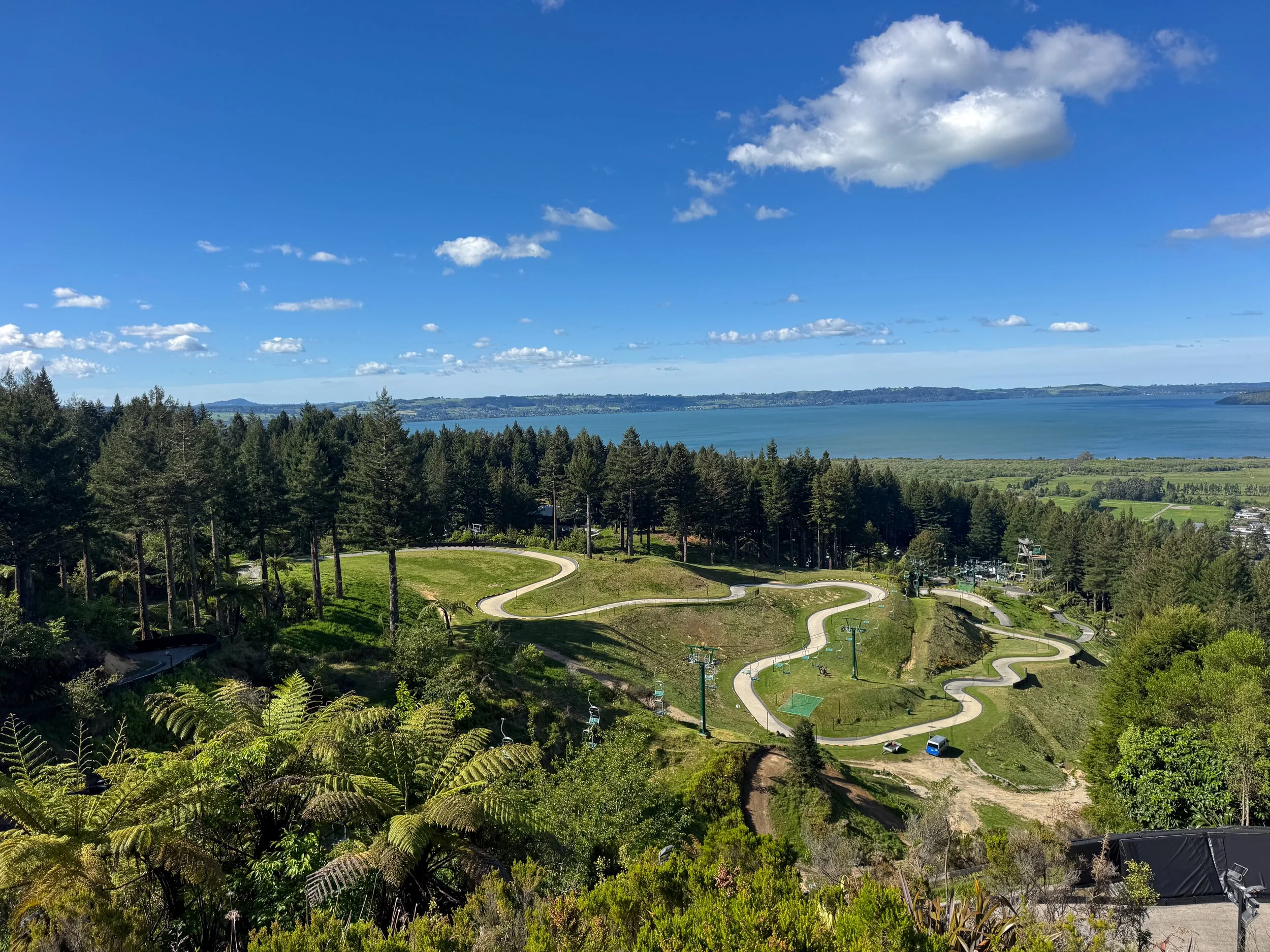
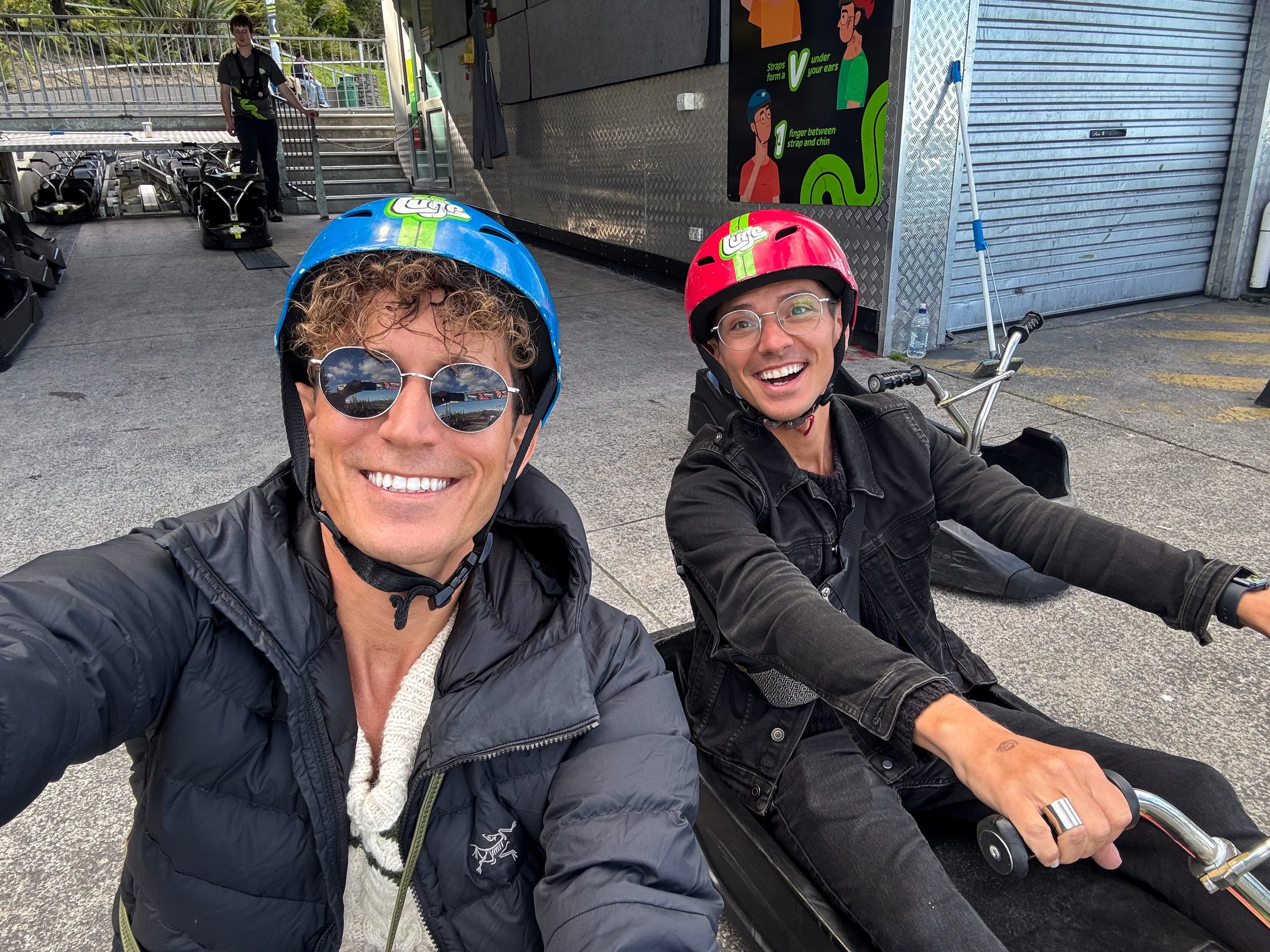
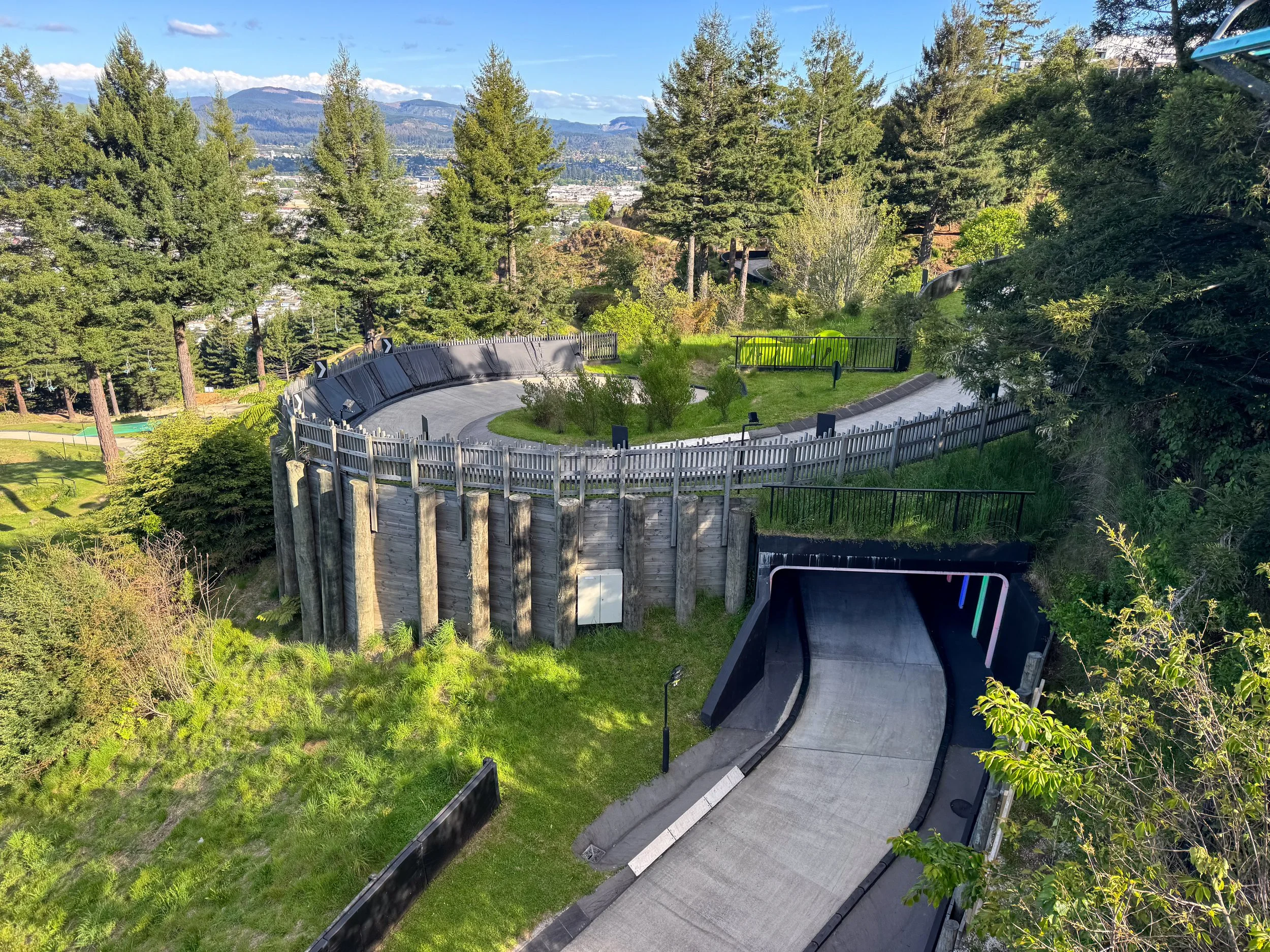
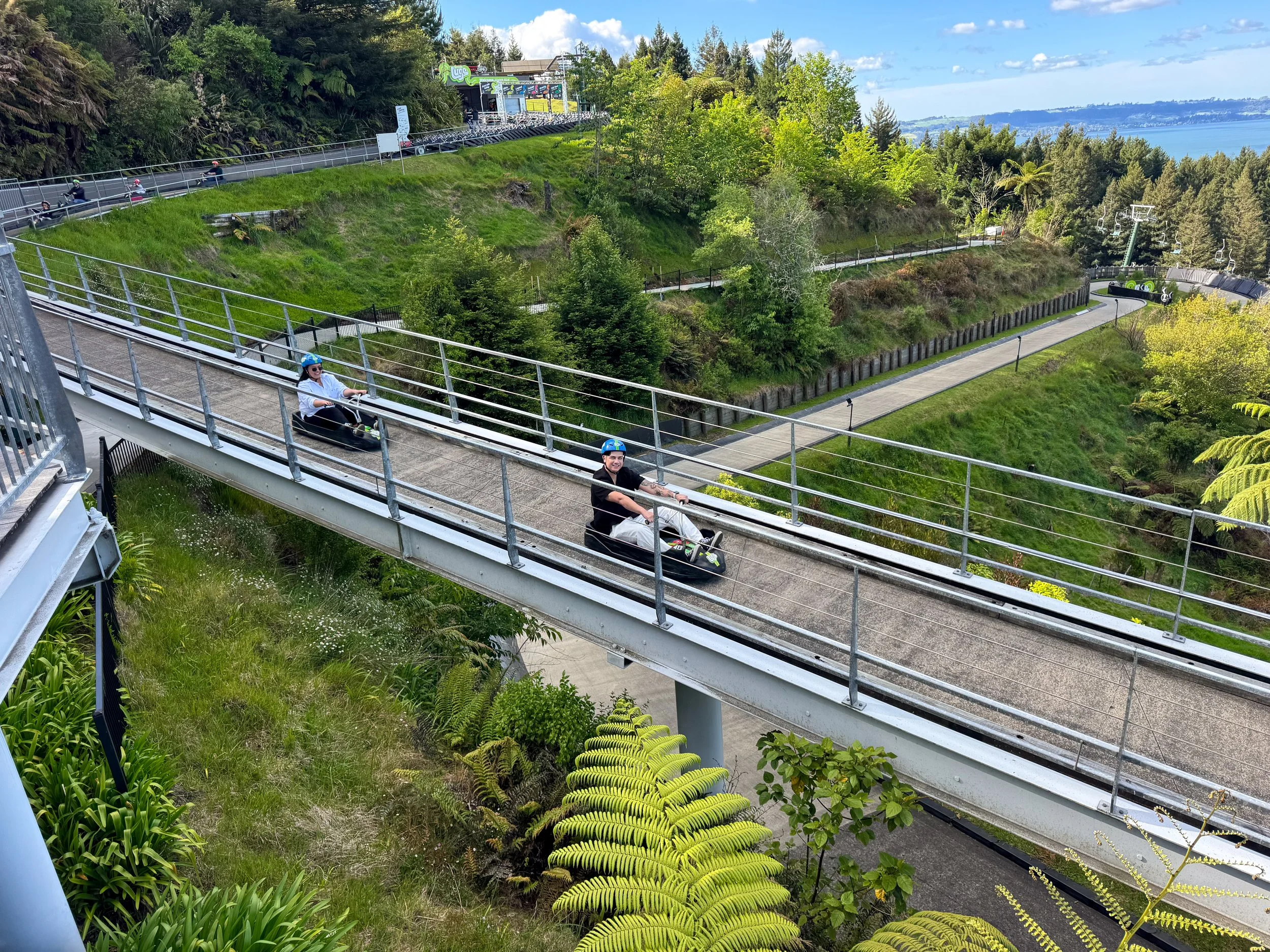
Skyline Rotorua. An adventure park with cable cars, extreme mountain biking, zip lines and lugeing courses built on the slopes of Mount Ngongotaha. It’s reachable via a 900 meter long gondola with views of Lake Rotorua and the city below. The park also includes low energy activities, wine tastings at the Stratosfare Restaurant and nature walks through the fern covered forest.
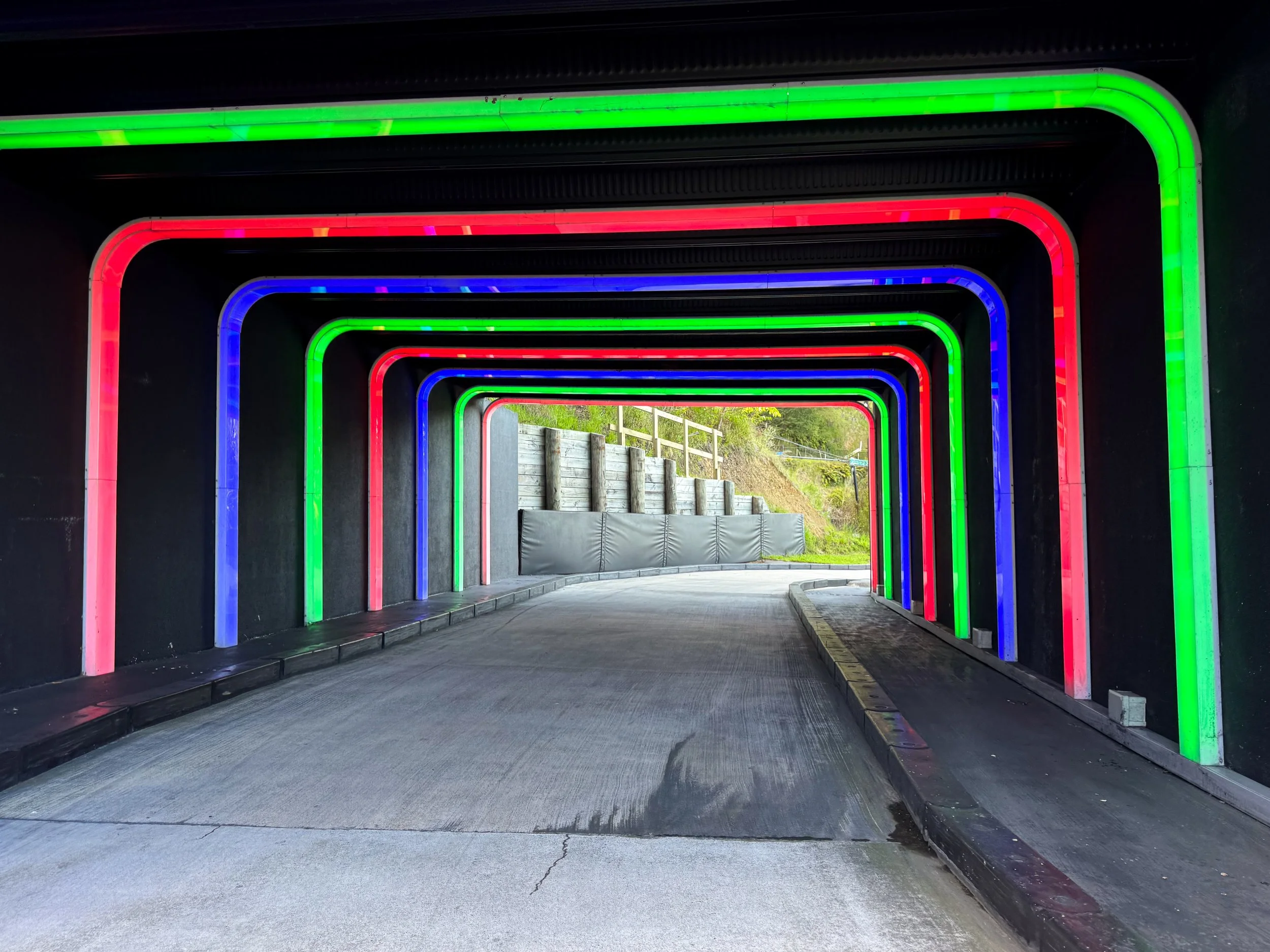
Skyline Luge. A gravity fueled luge course with multiple routes, downhill straightaways, steep curves and illuminated tunnels. Race small carts to the bottom, ride the lift up and repeat. It’s an exciting activity made for all ages. Buy tickets that include at least two rides.
Geothermal Sights & Parks
Waiotapu Thermal Wonderland
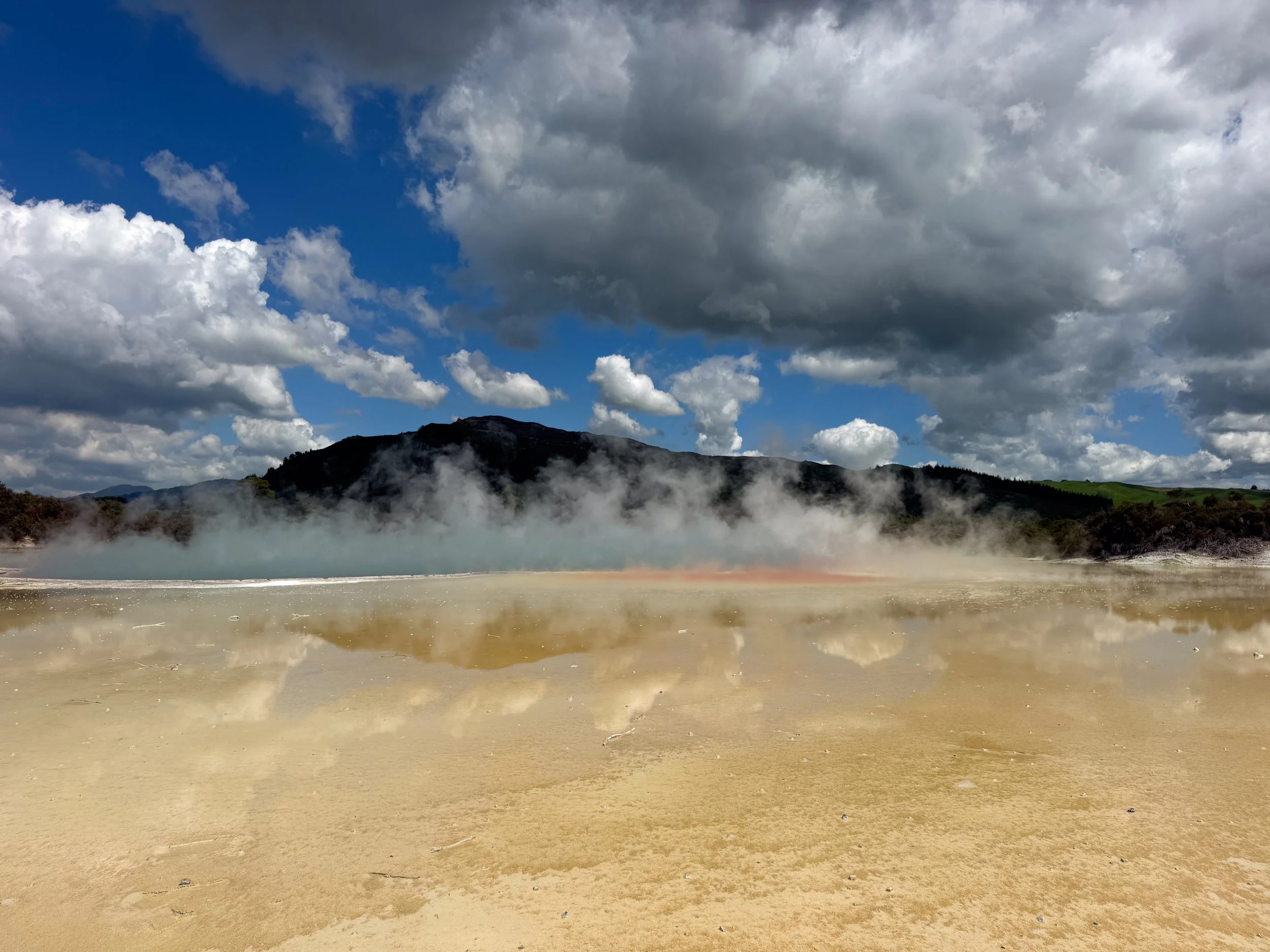
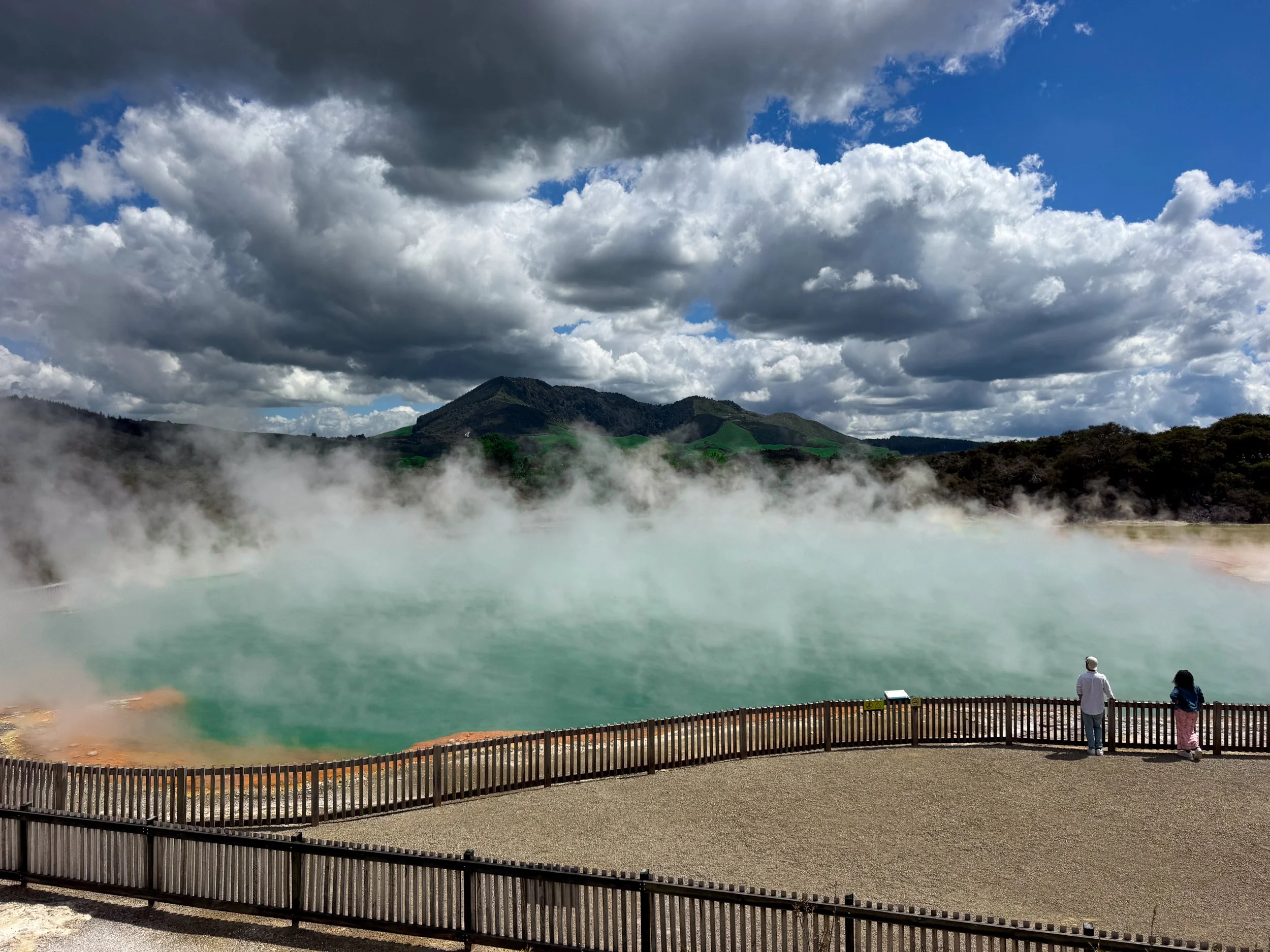
The Waiotapu Thermal Wonderland is a vast geothermal park featuring eruptive geysers, colorful hot springs, acidic lakes, steaming vents and bubbling mud pools. Scenic walkways traverse the park’s many sights.
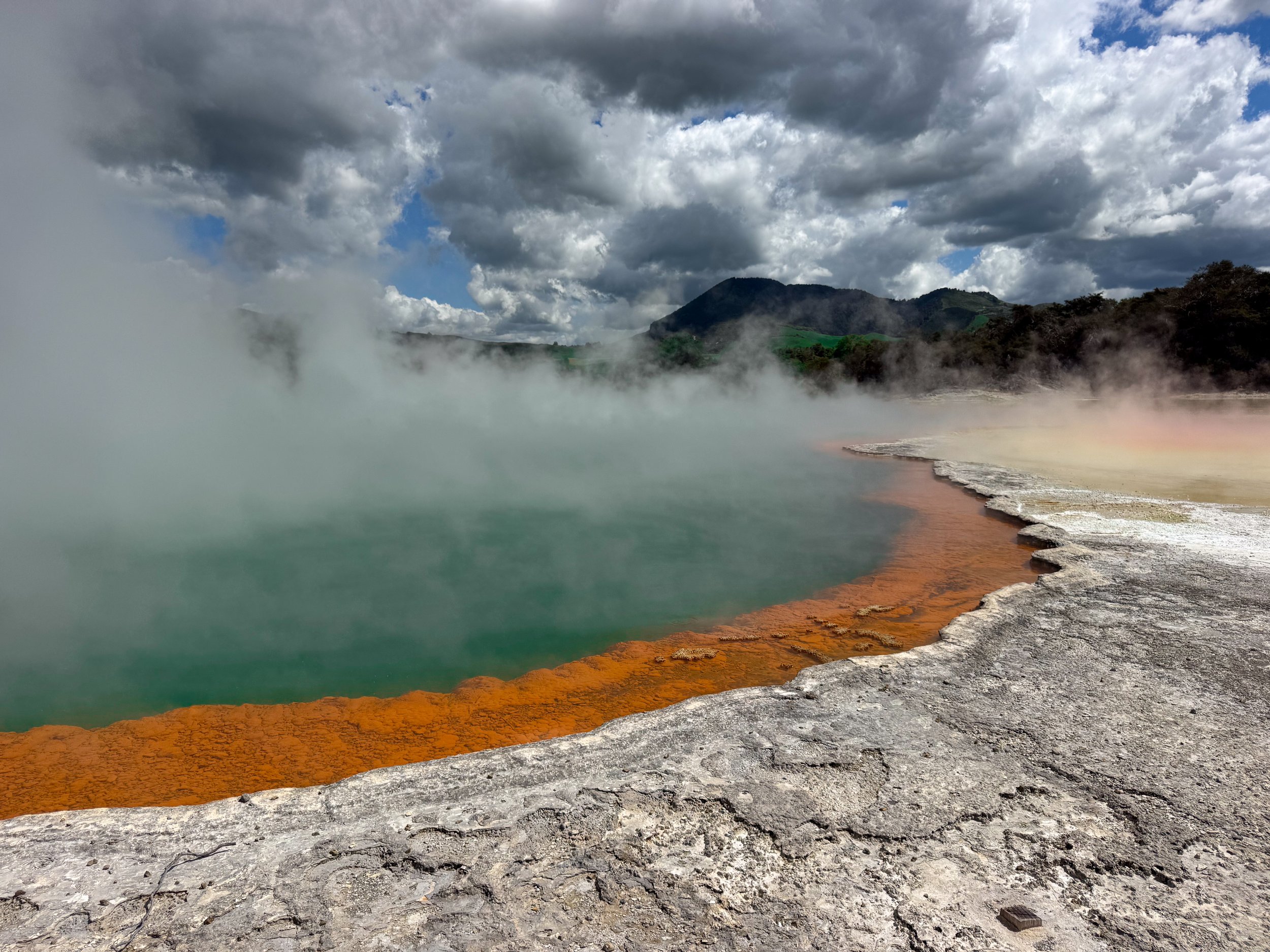
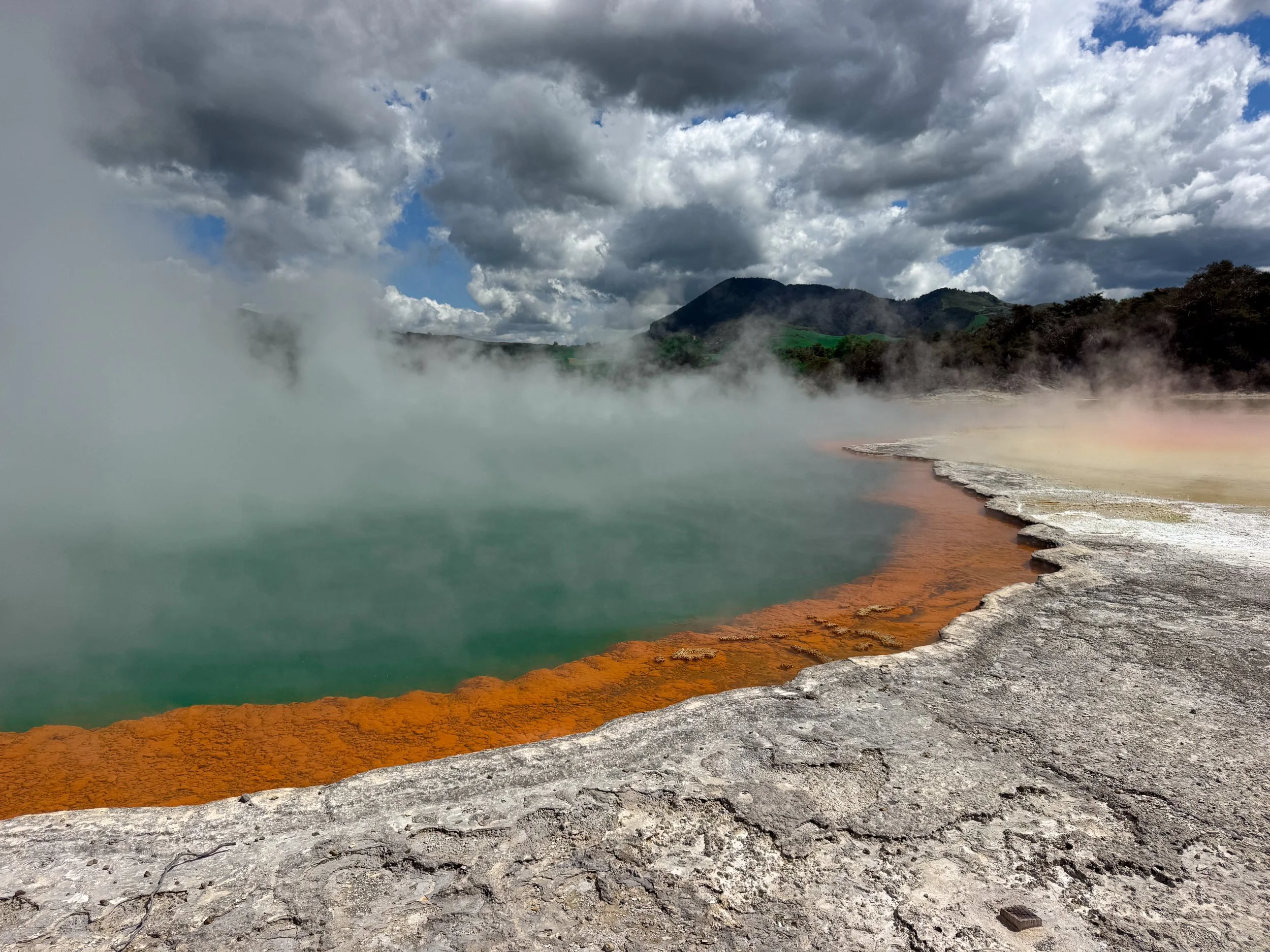
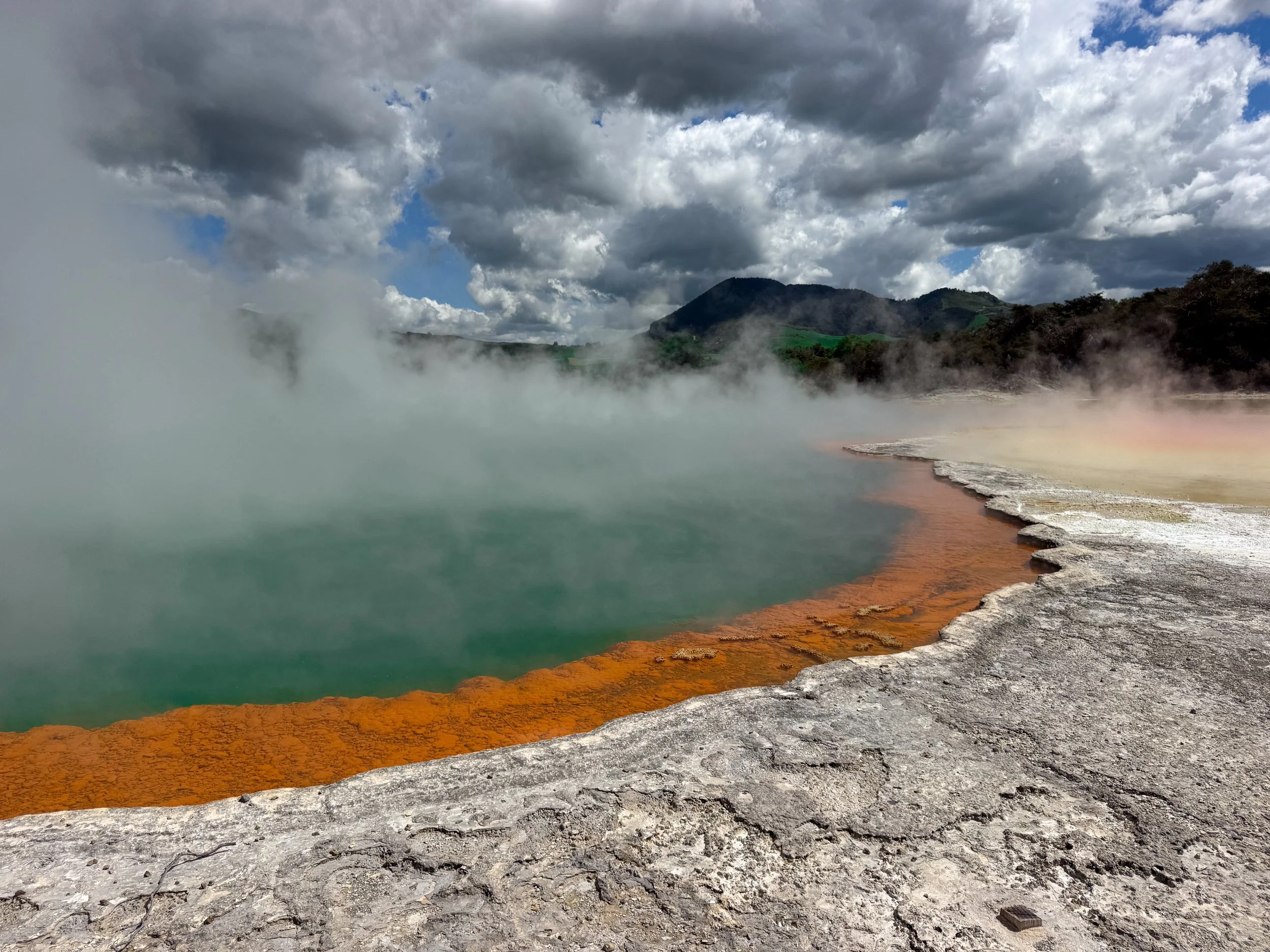
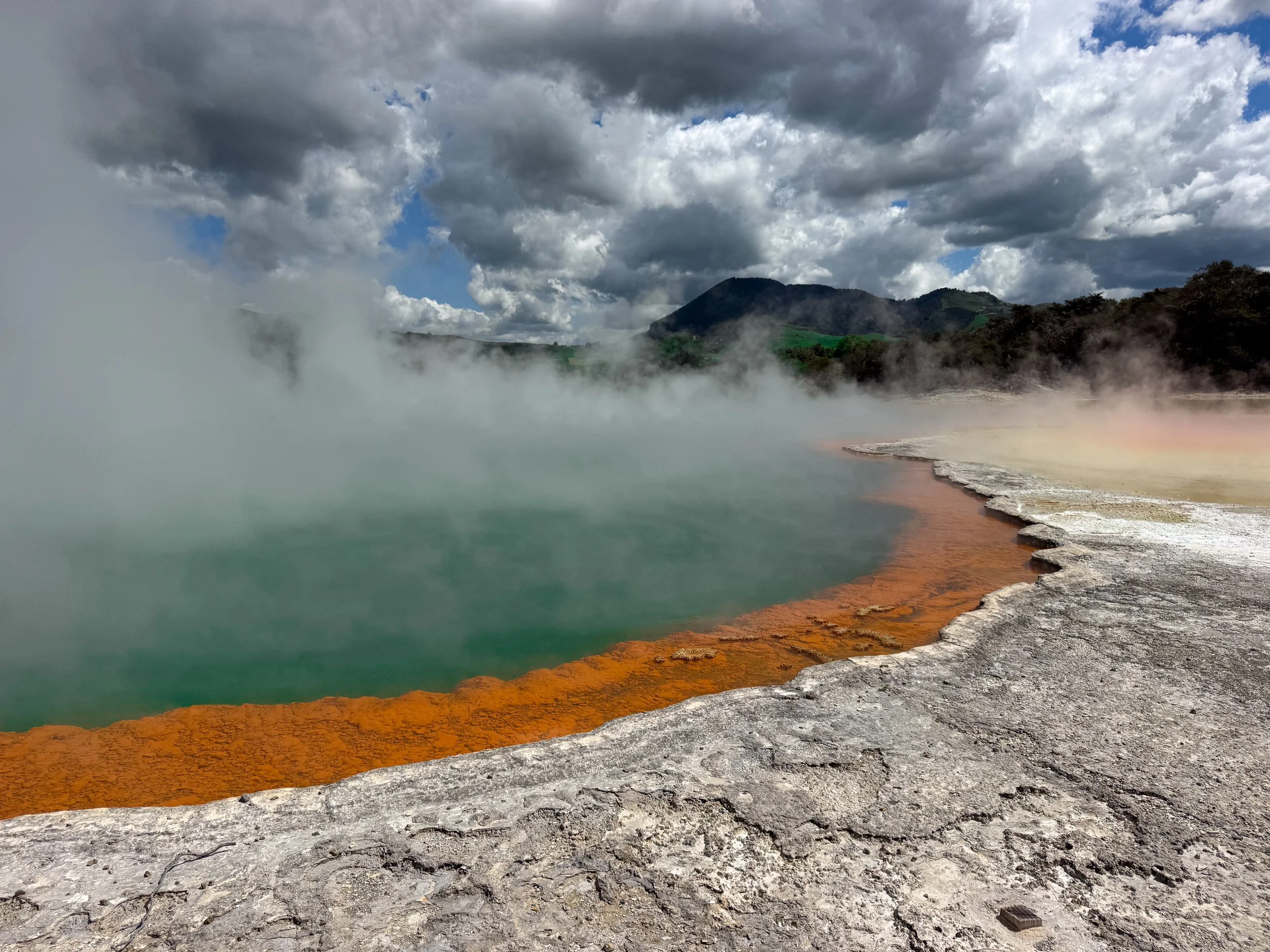
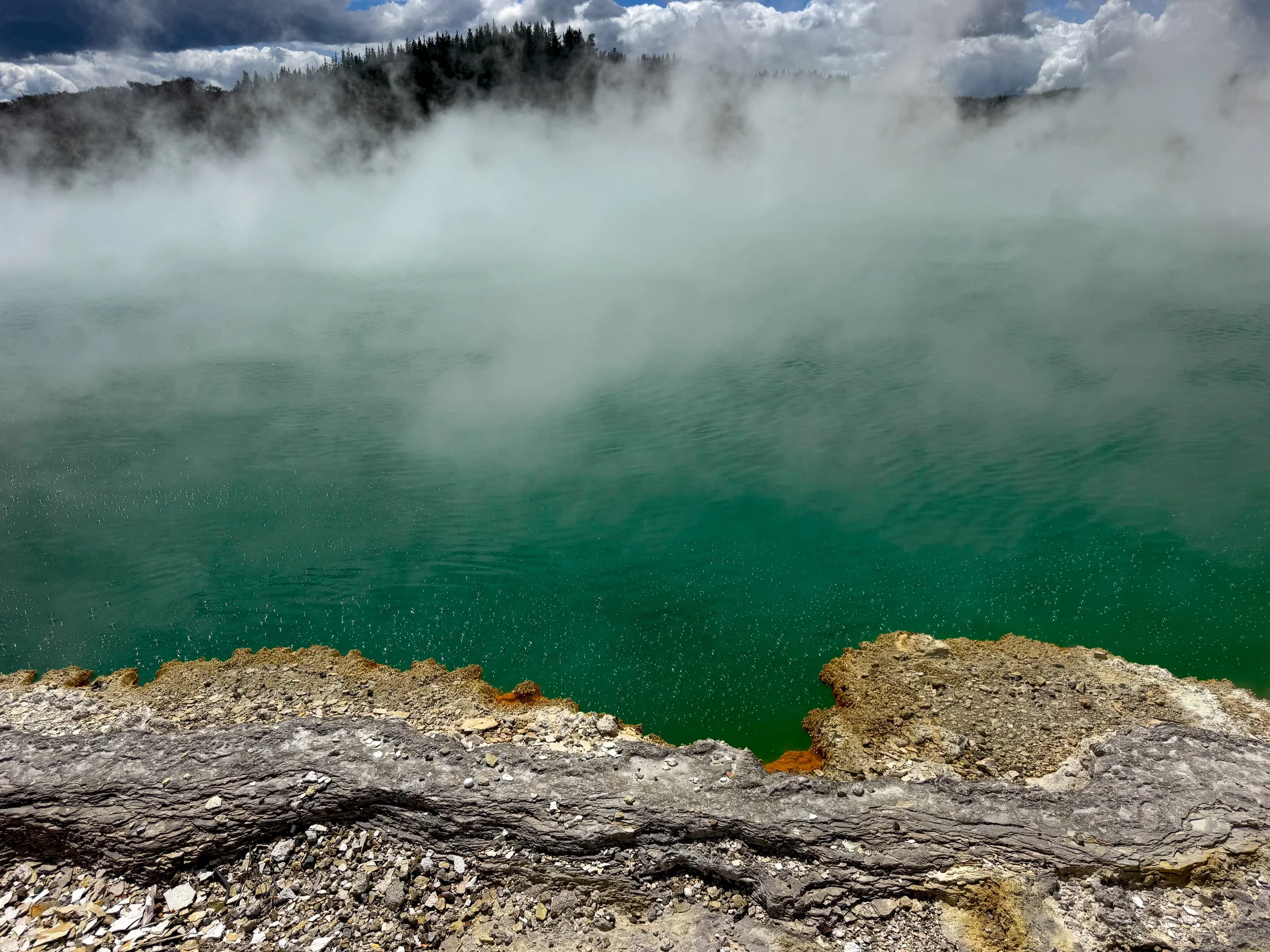
Champagne Pool. A large hot spring named after its small bubbles and fizzing noises resembling a glass of champagne. Mineral deposits line the edge of the pool graduating inwards from white to yellow, orange and green. Steam rises from its surface, wafting gaseous clouds and the occasional vortex.
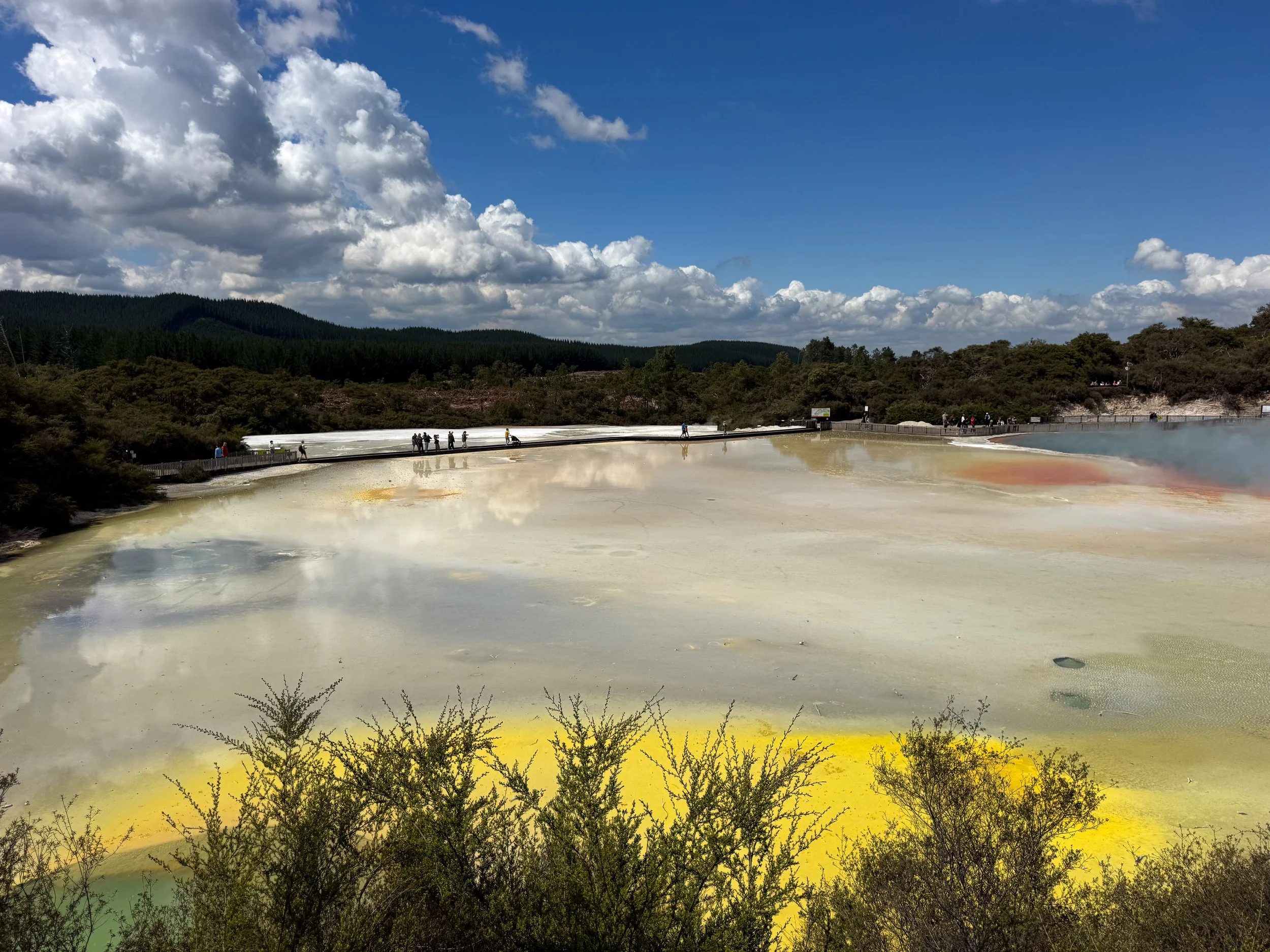
Artist’s Palette. A colorful basin created by mineral deposits and overflowing water from the Champagne Pool. The palette displays bright yellow, rusty orange, turquoise blue, aquamarine, bone white, beige and brown colors. The colors change based on viewing angles and amount of sunlight.
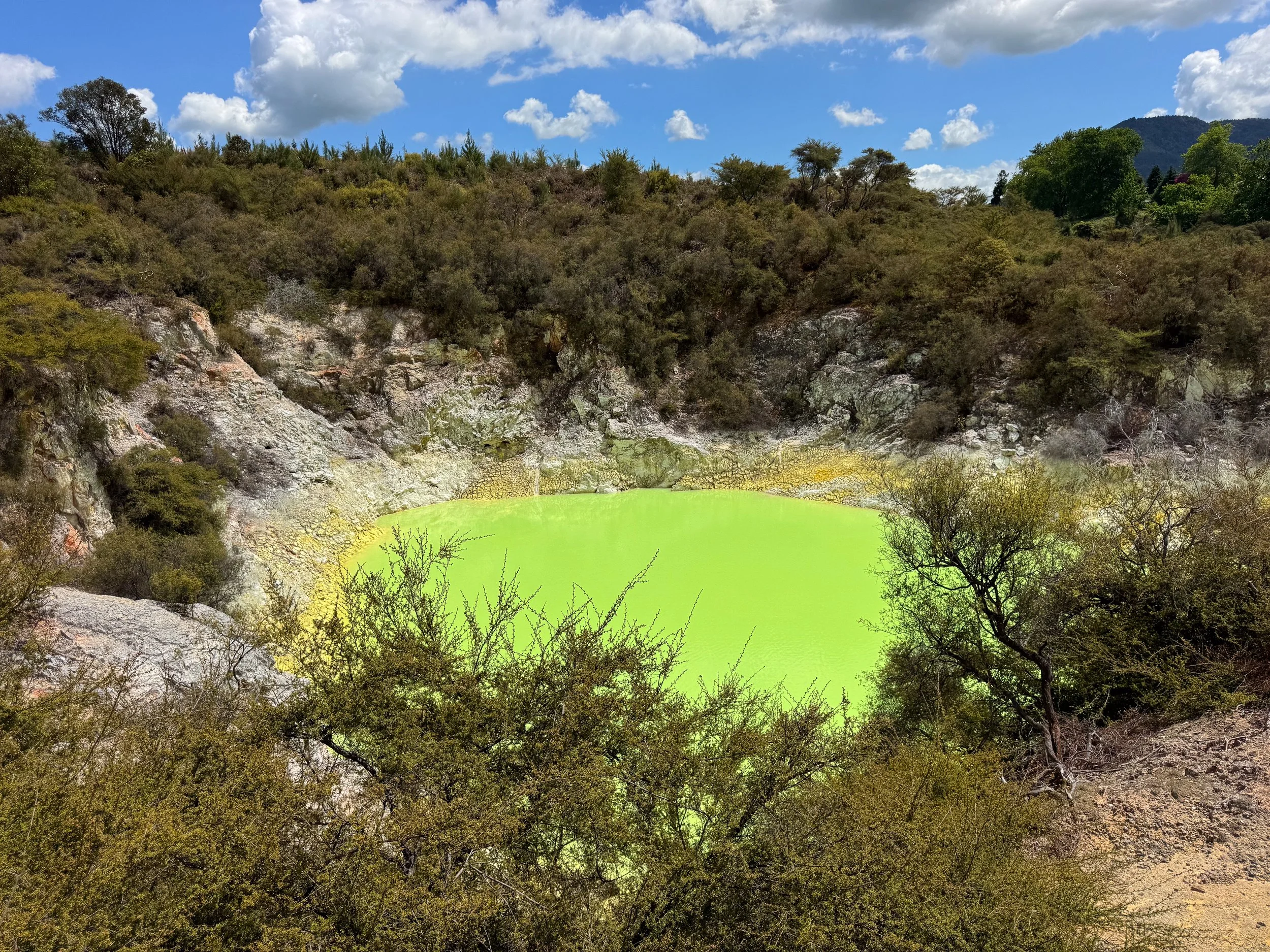
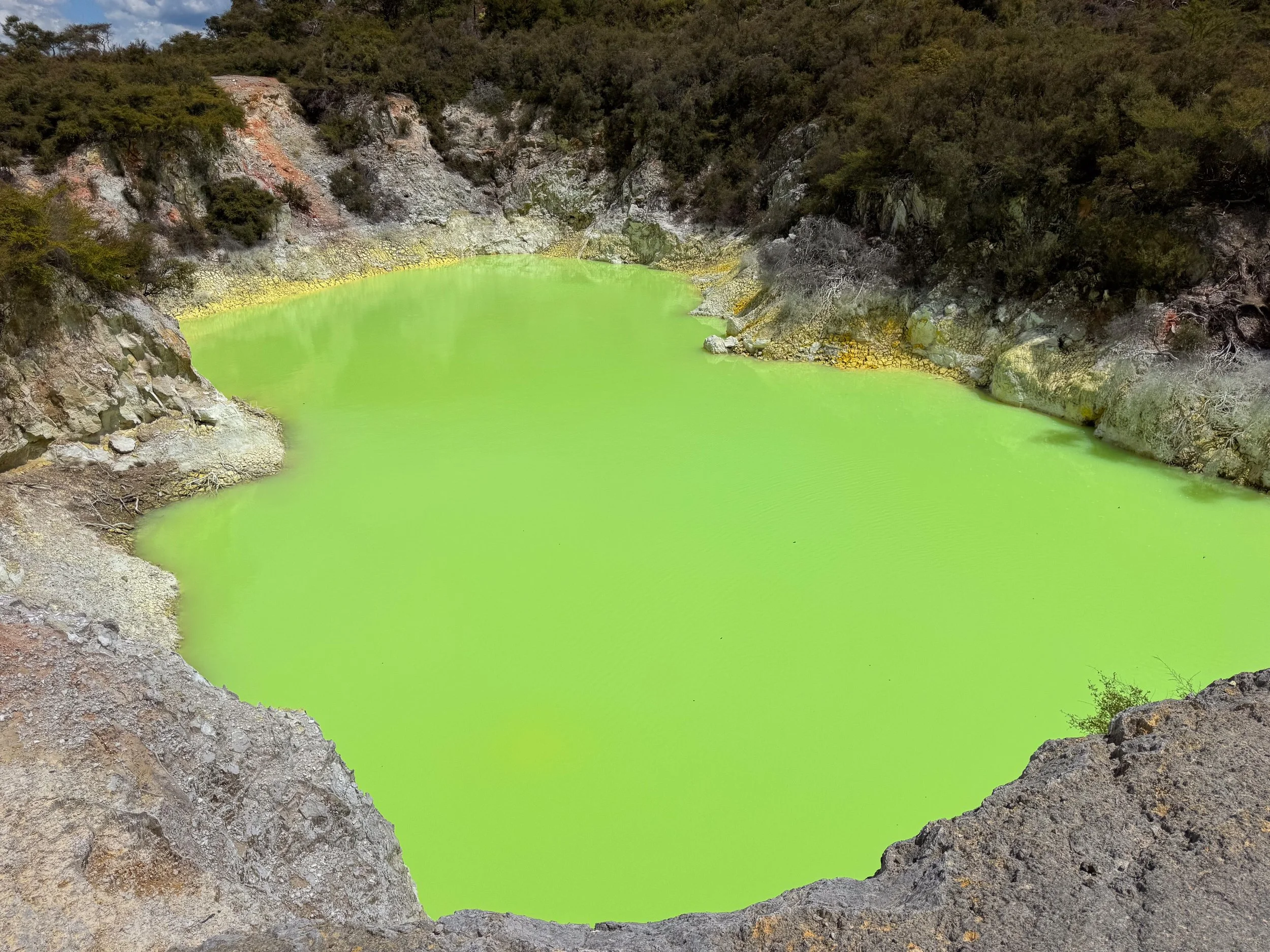
Roto Kārikitea. A neon green colored acid pool formed by runoff from the Champagne Pool.
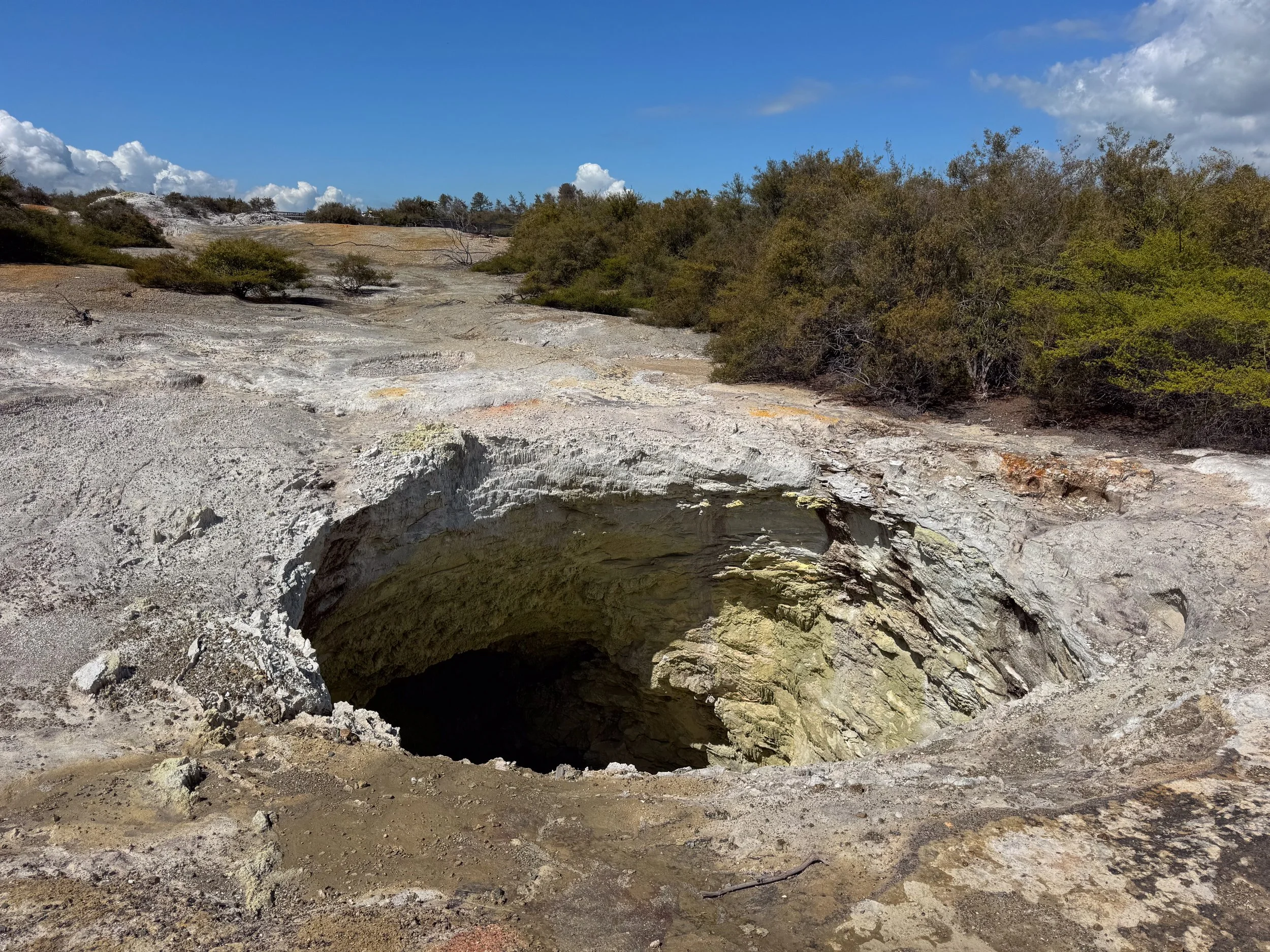
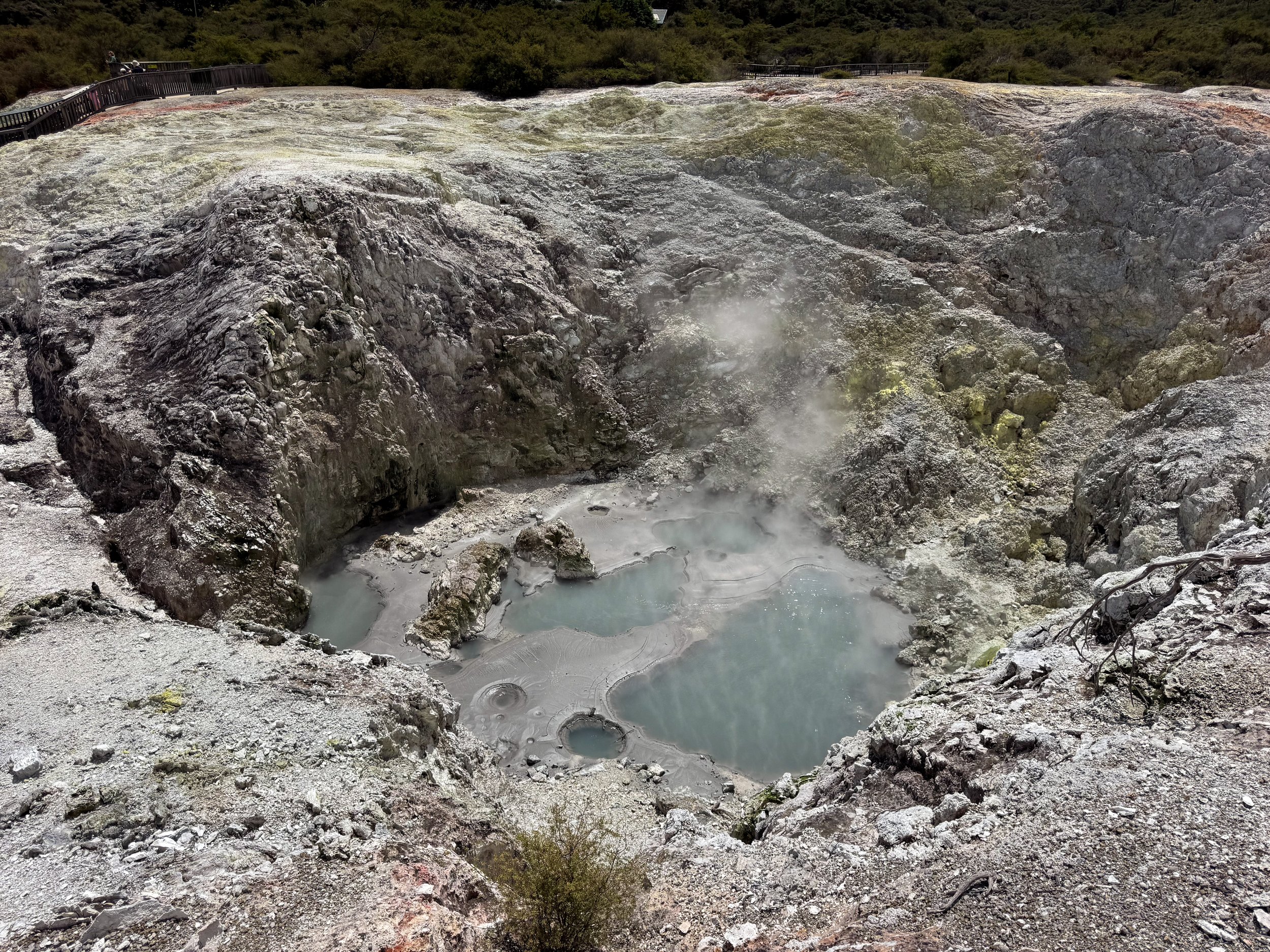
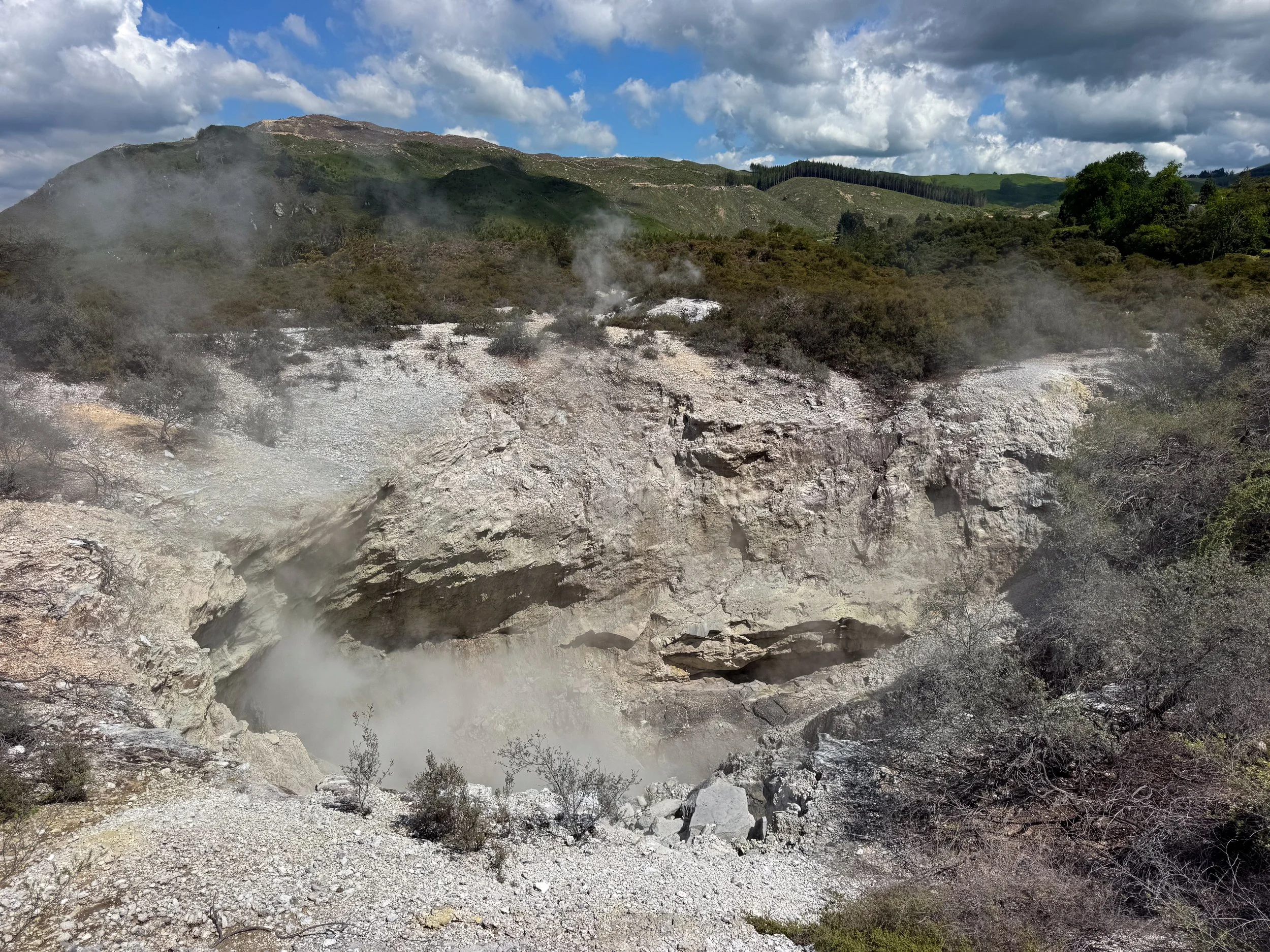
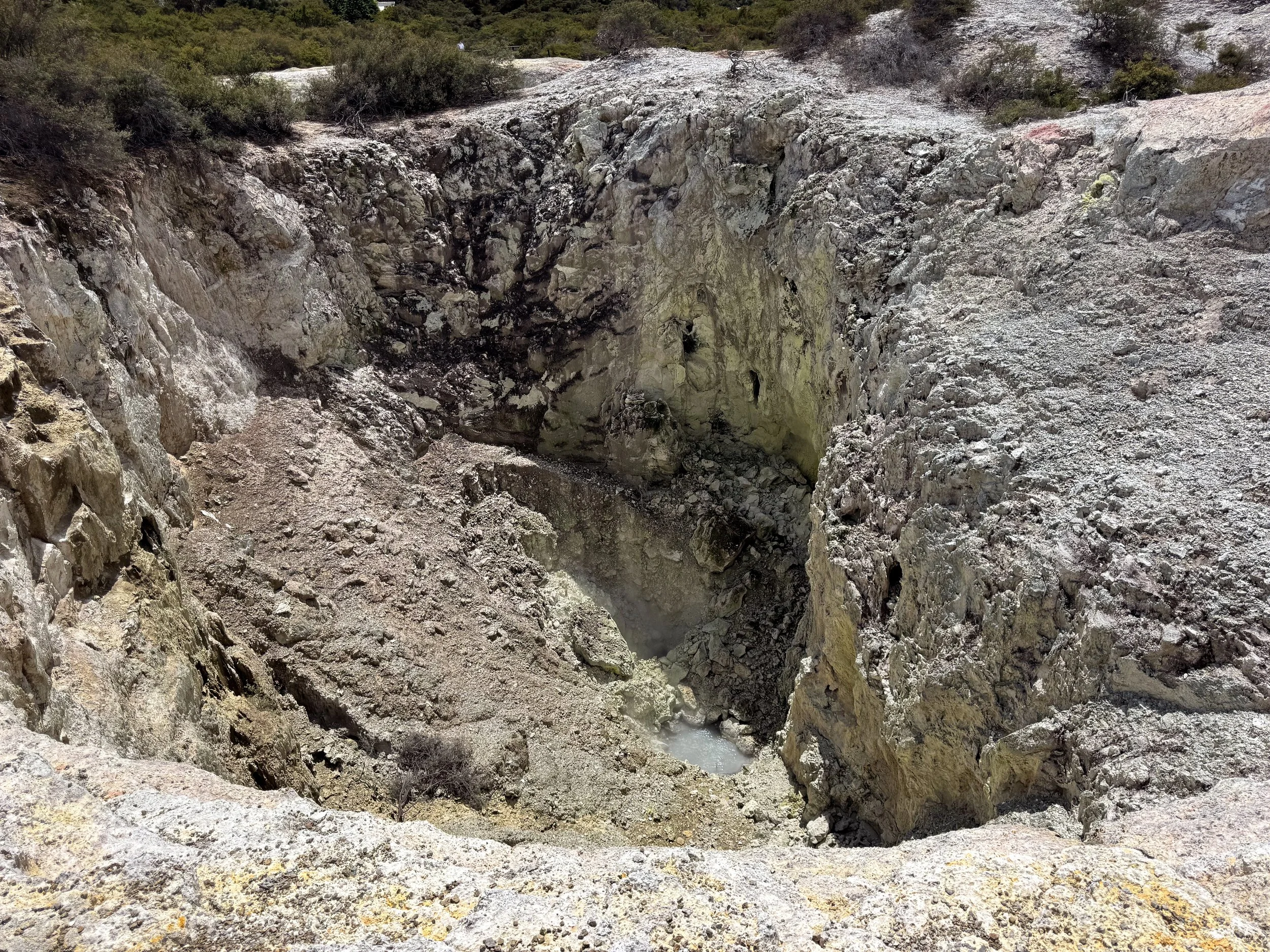
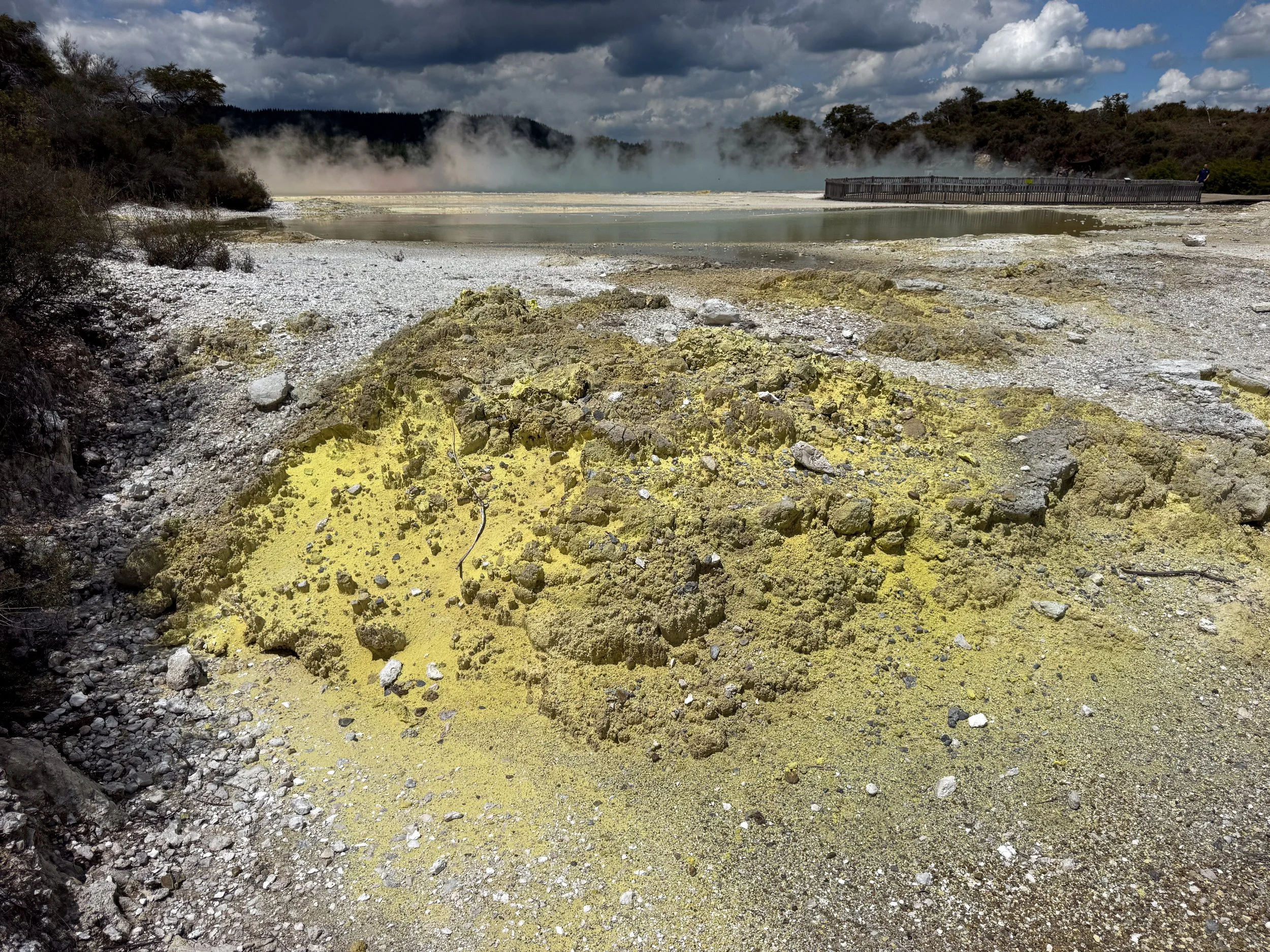
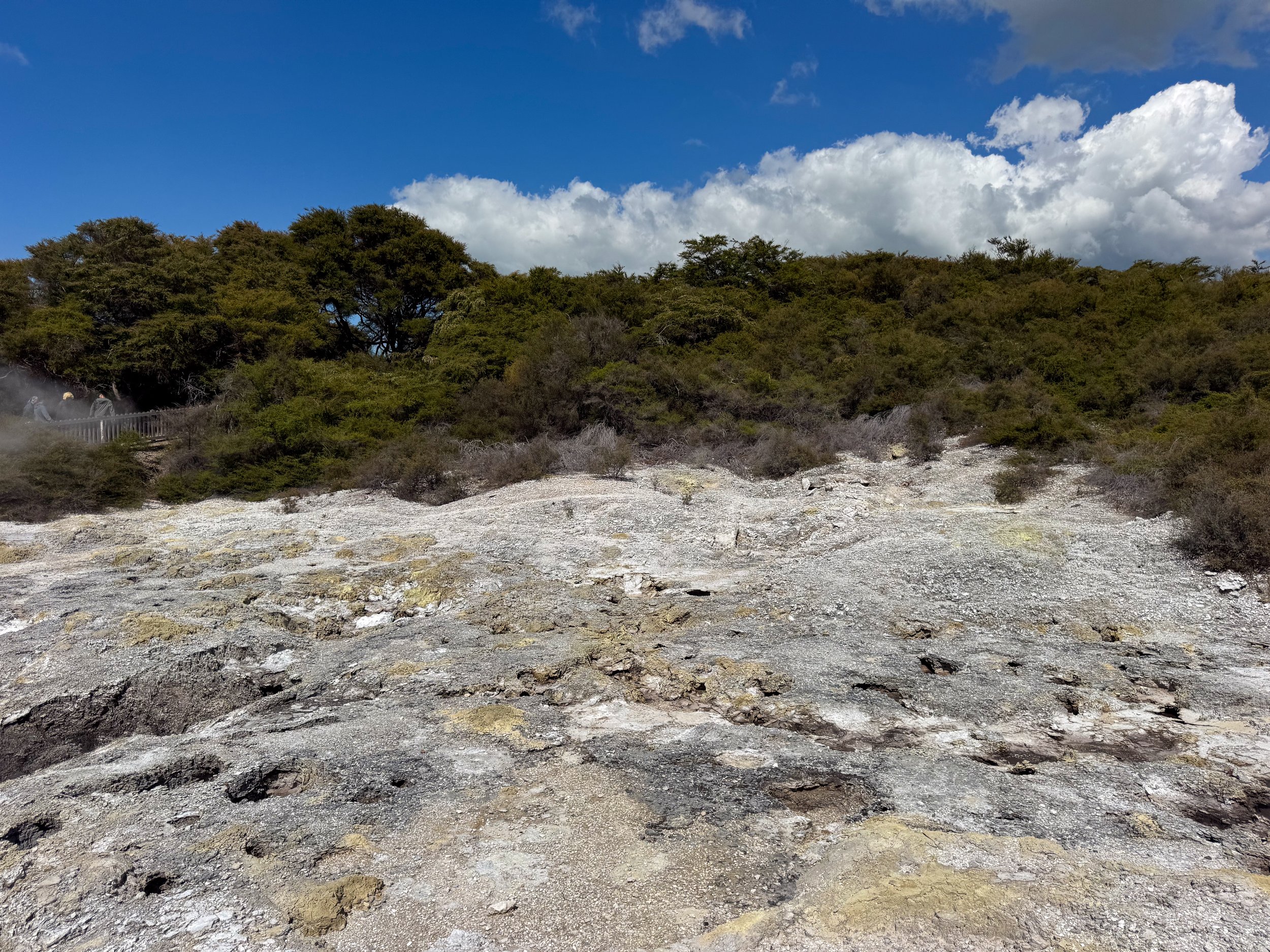
The Craters. A series of collapsed thermal vents with boiling mud pools, sulphuric deposits and steaming gases. They’re some of the first sights when entering the geothermal park.
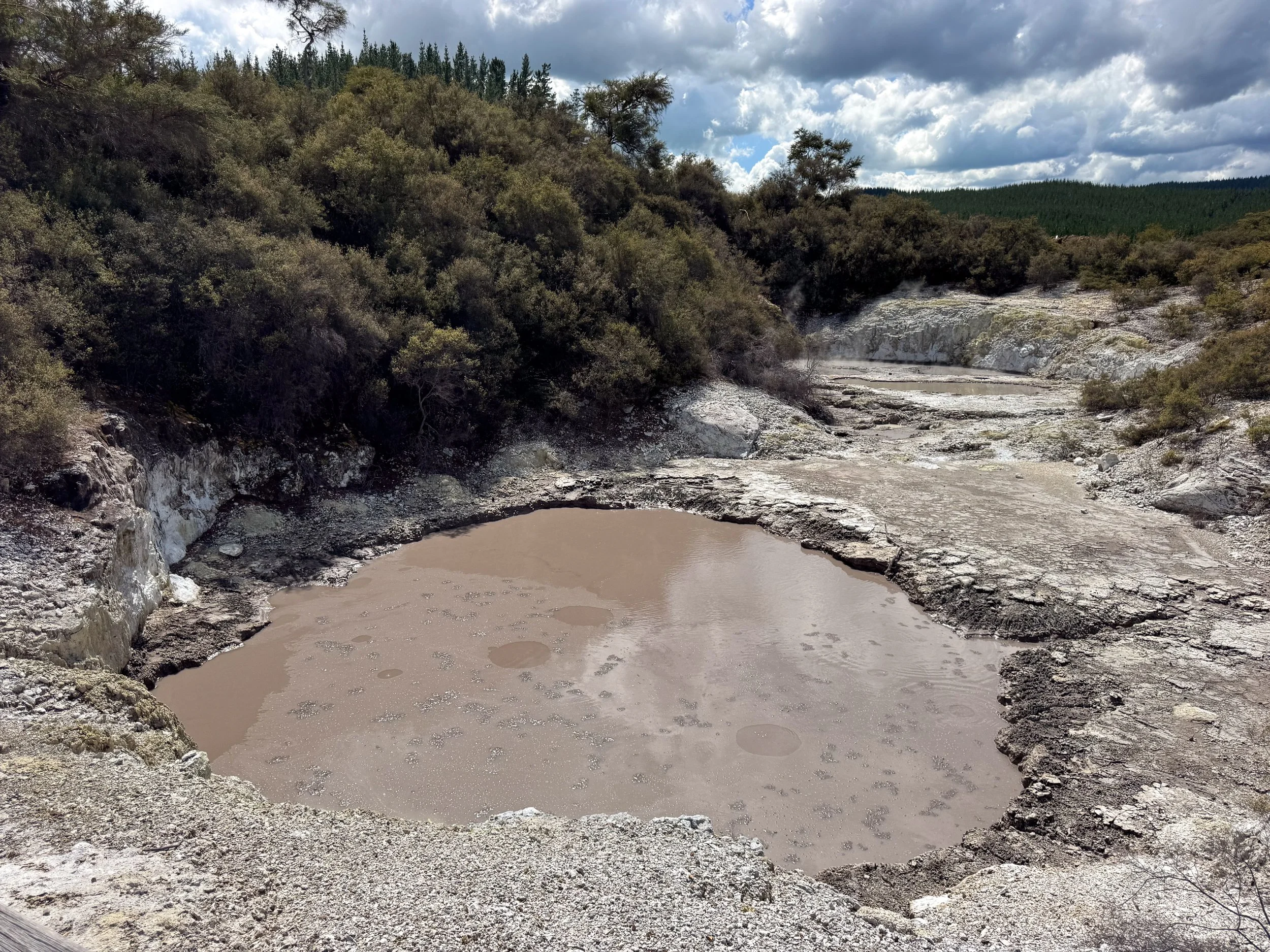
The Mud Pools. An area with multiple bubbling mud pools, stinky gases and blobs of floating crude oil.
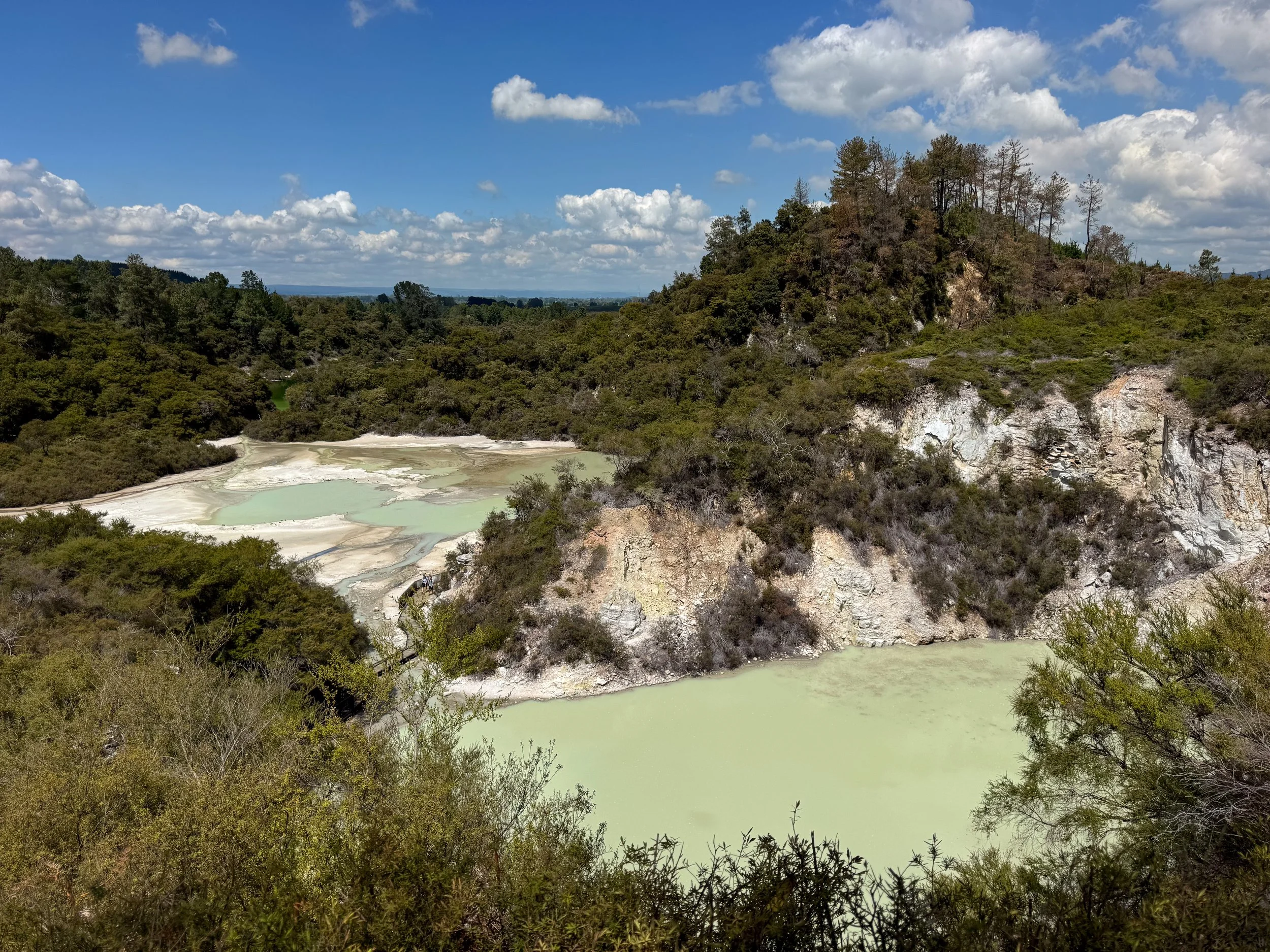
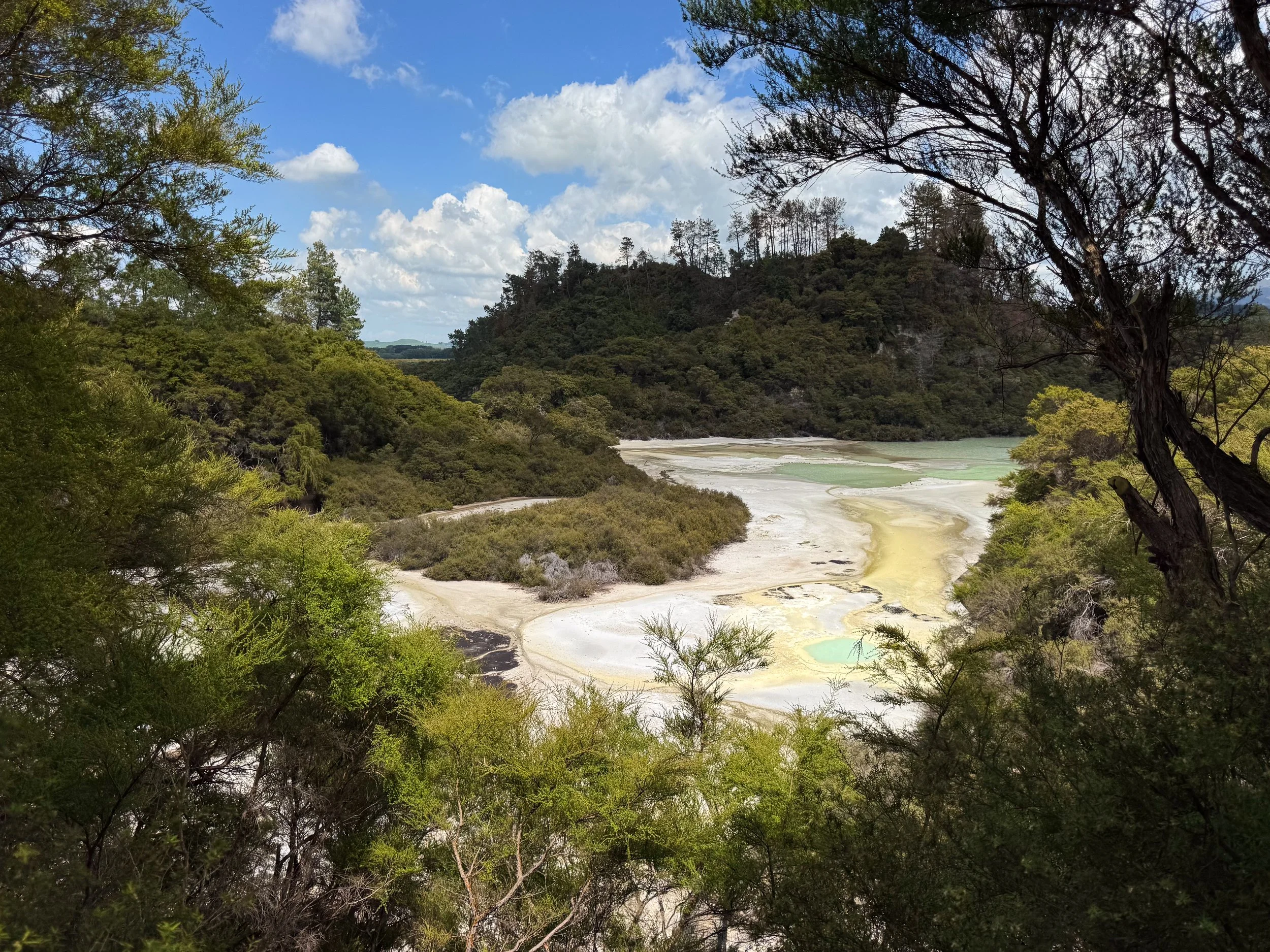
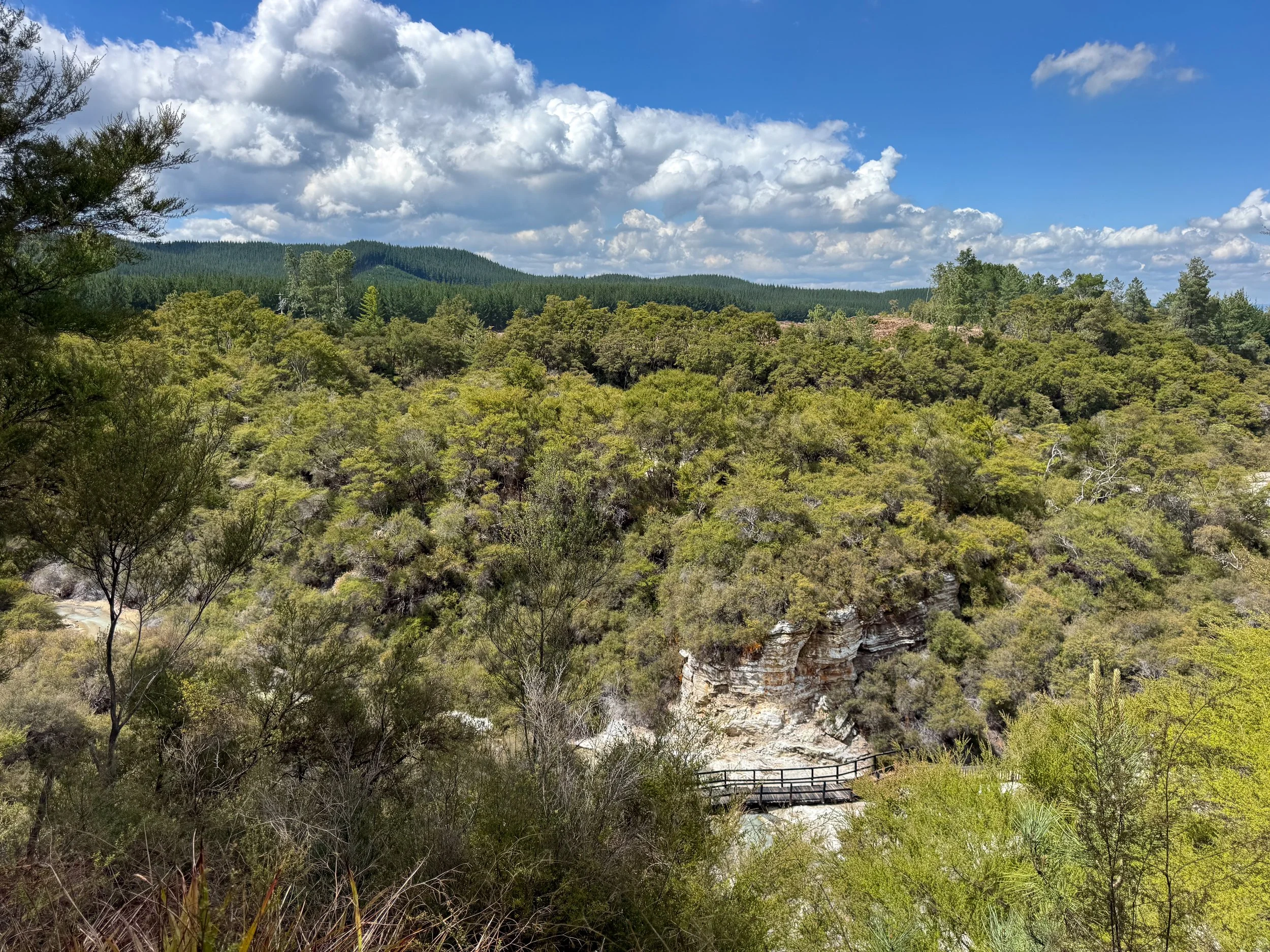
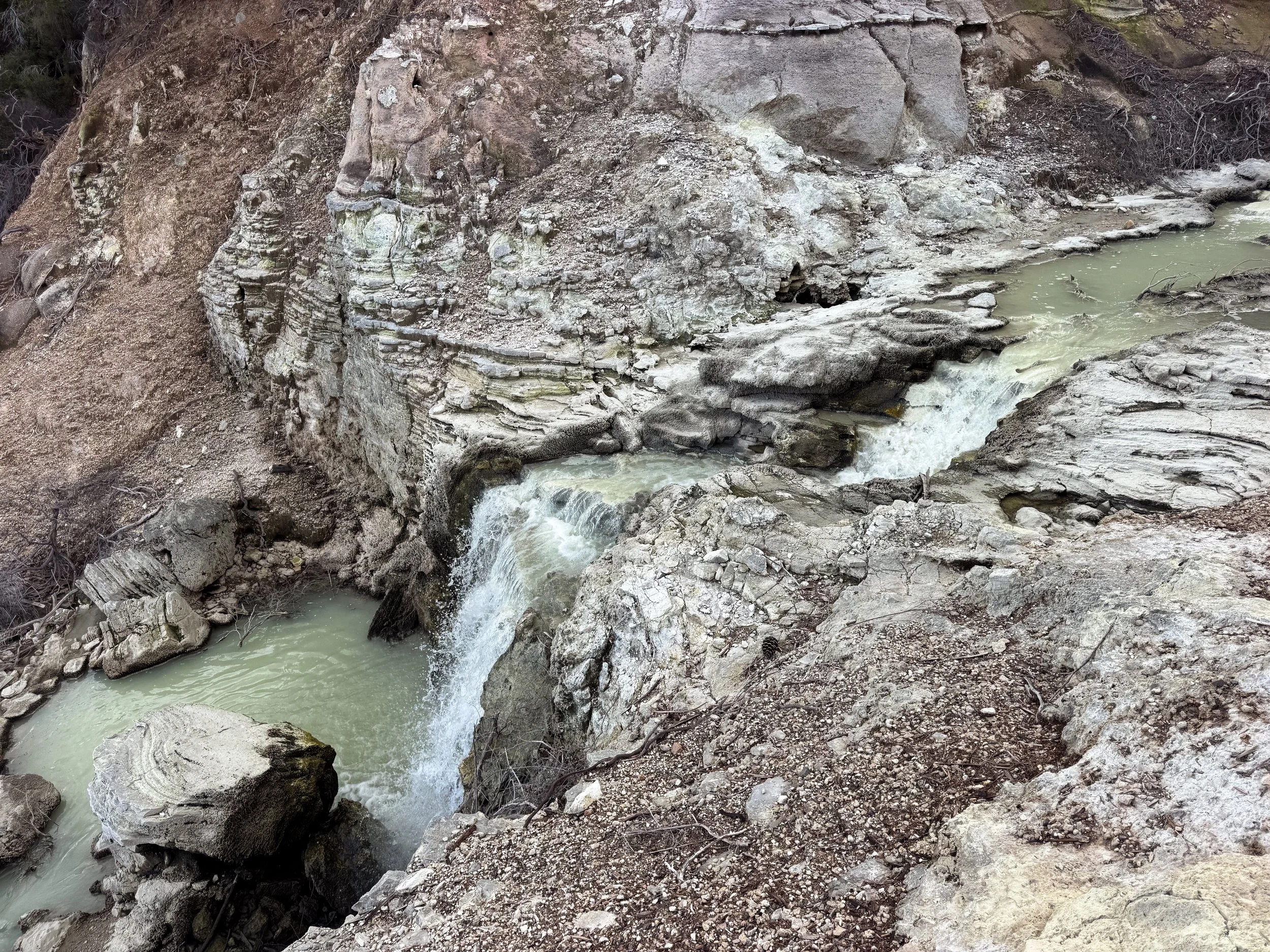
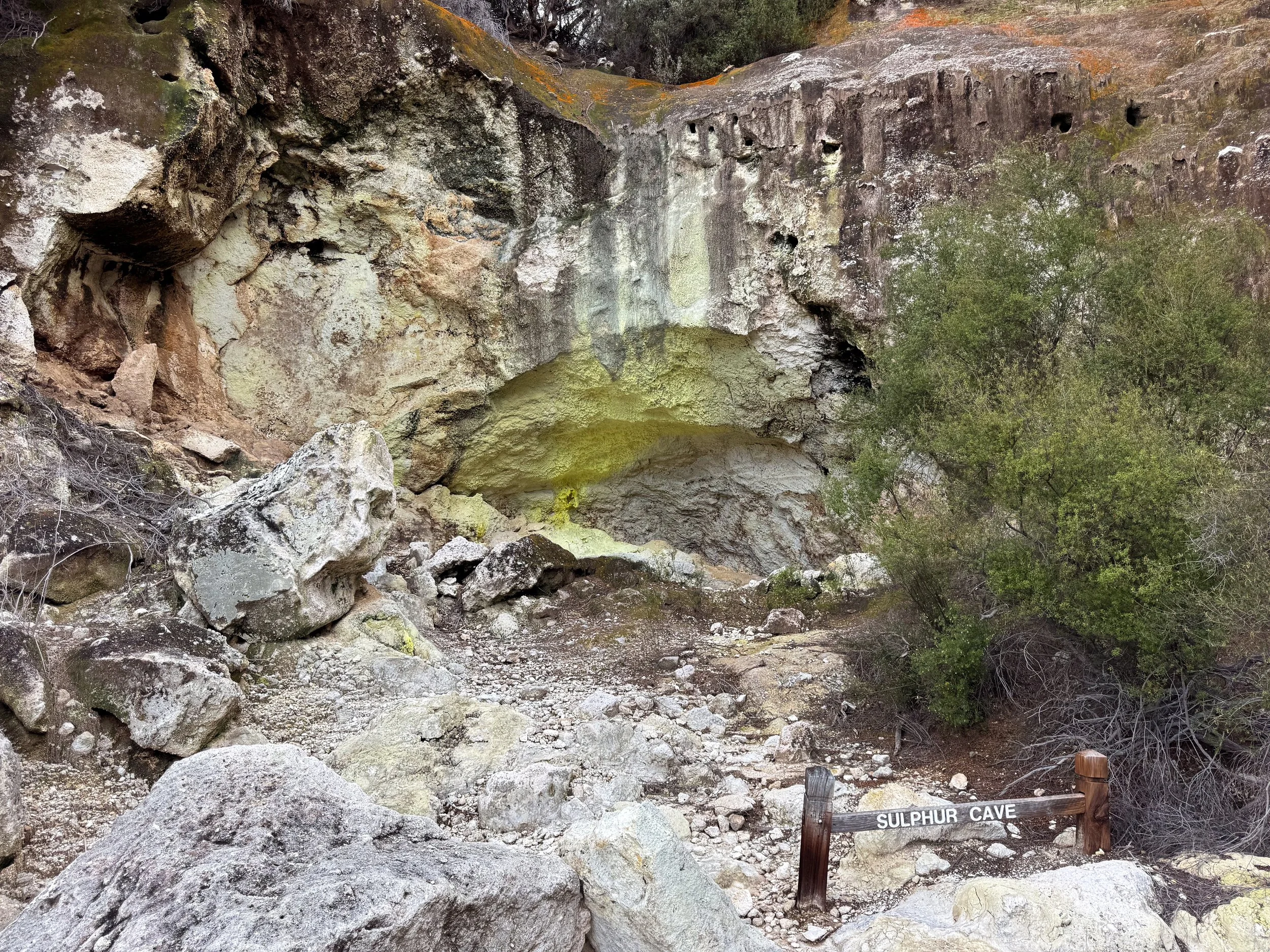
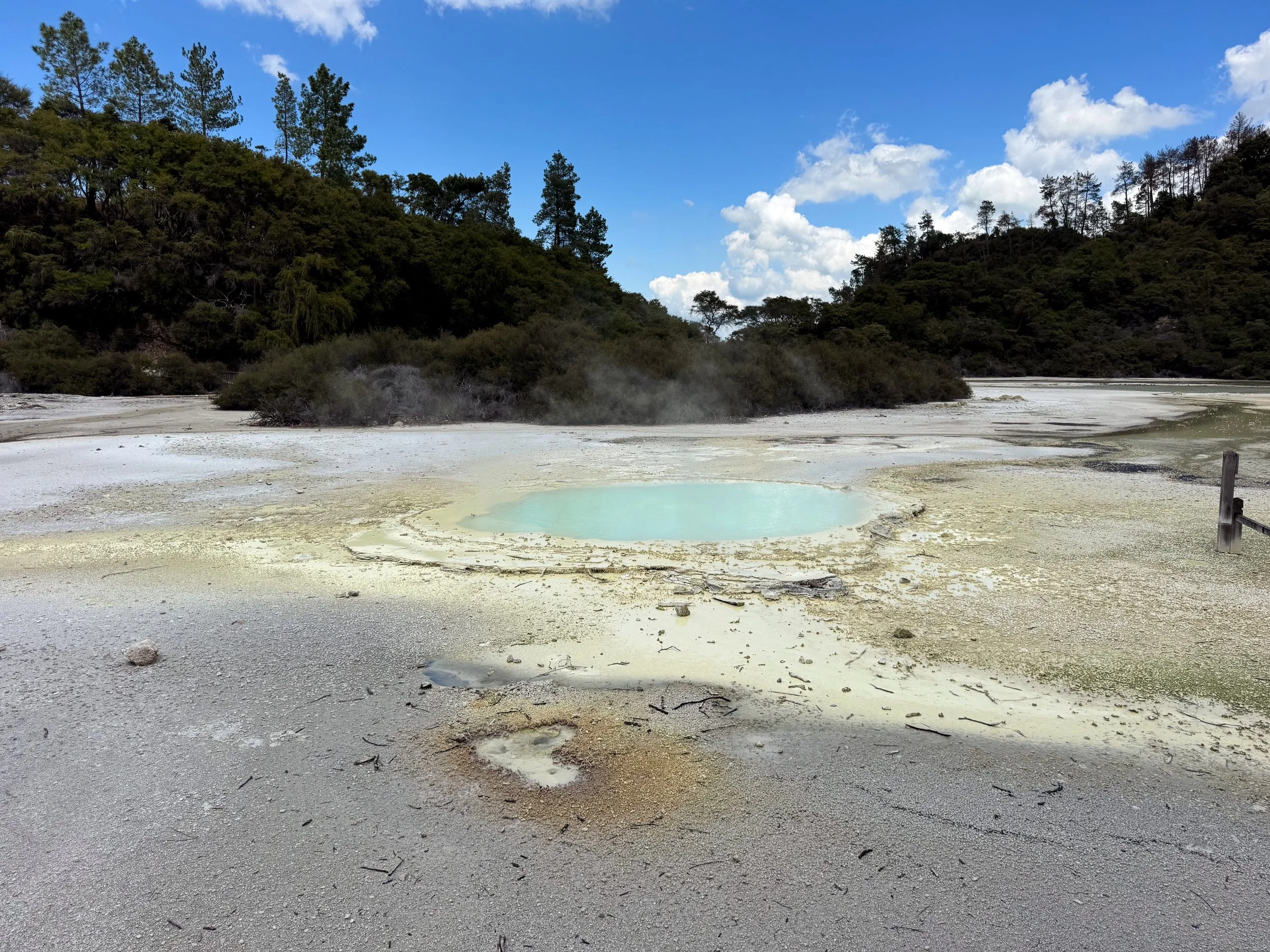
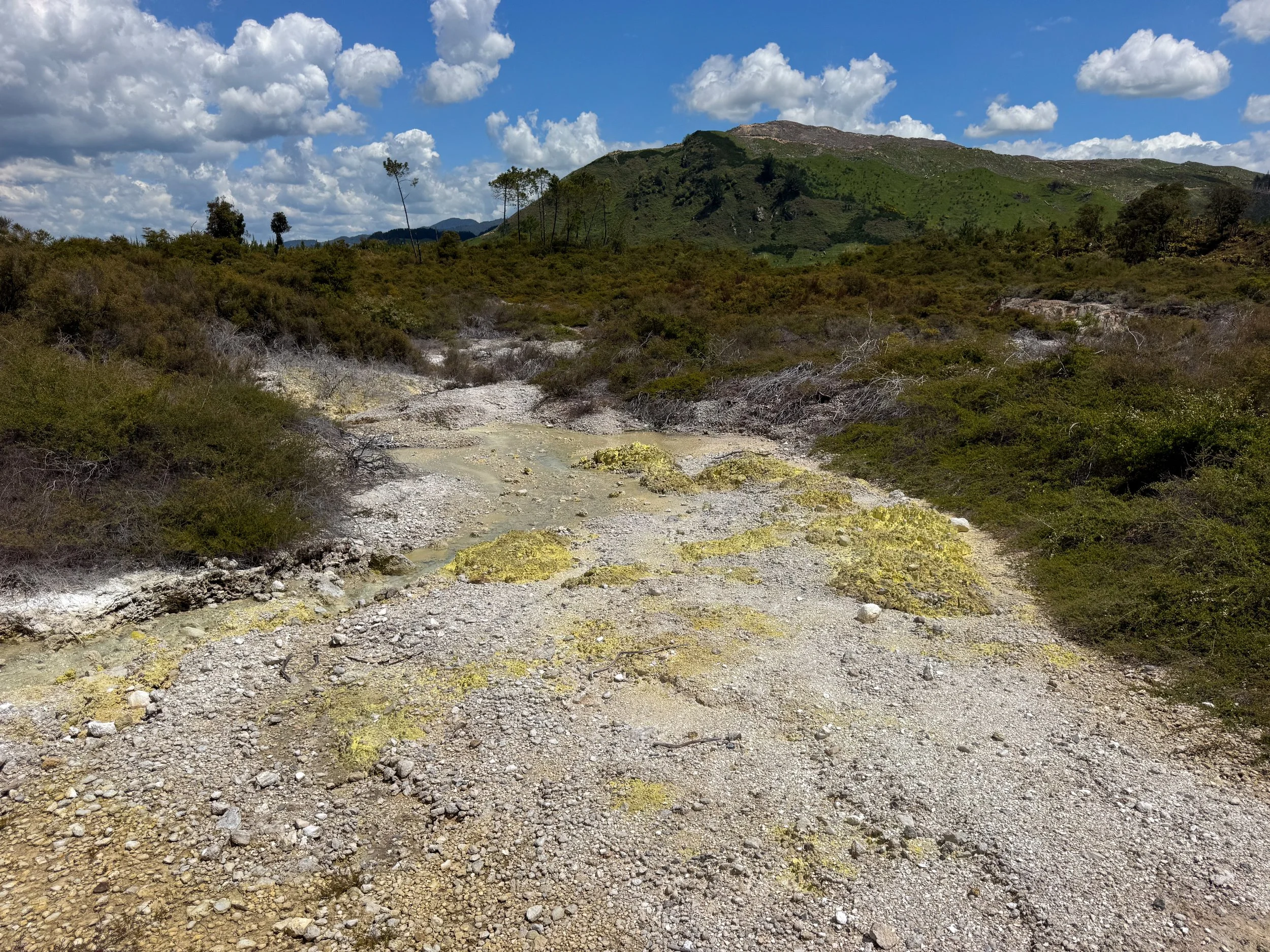
Nature Walks. A series of trails winds through forested hillsides, offering sweeping views of the landscape, its geothermal features and endemic plants. Routes pass through the park’s most active thermal areas, showcasing acidic lakes, bubbling hot springs, steaming vents, sulfuric caves and waterfalls.
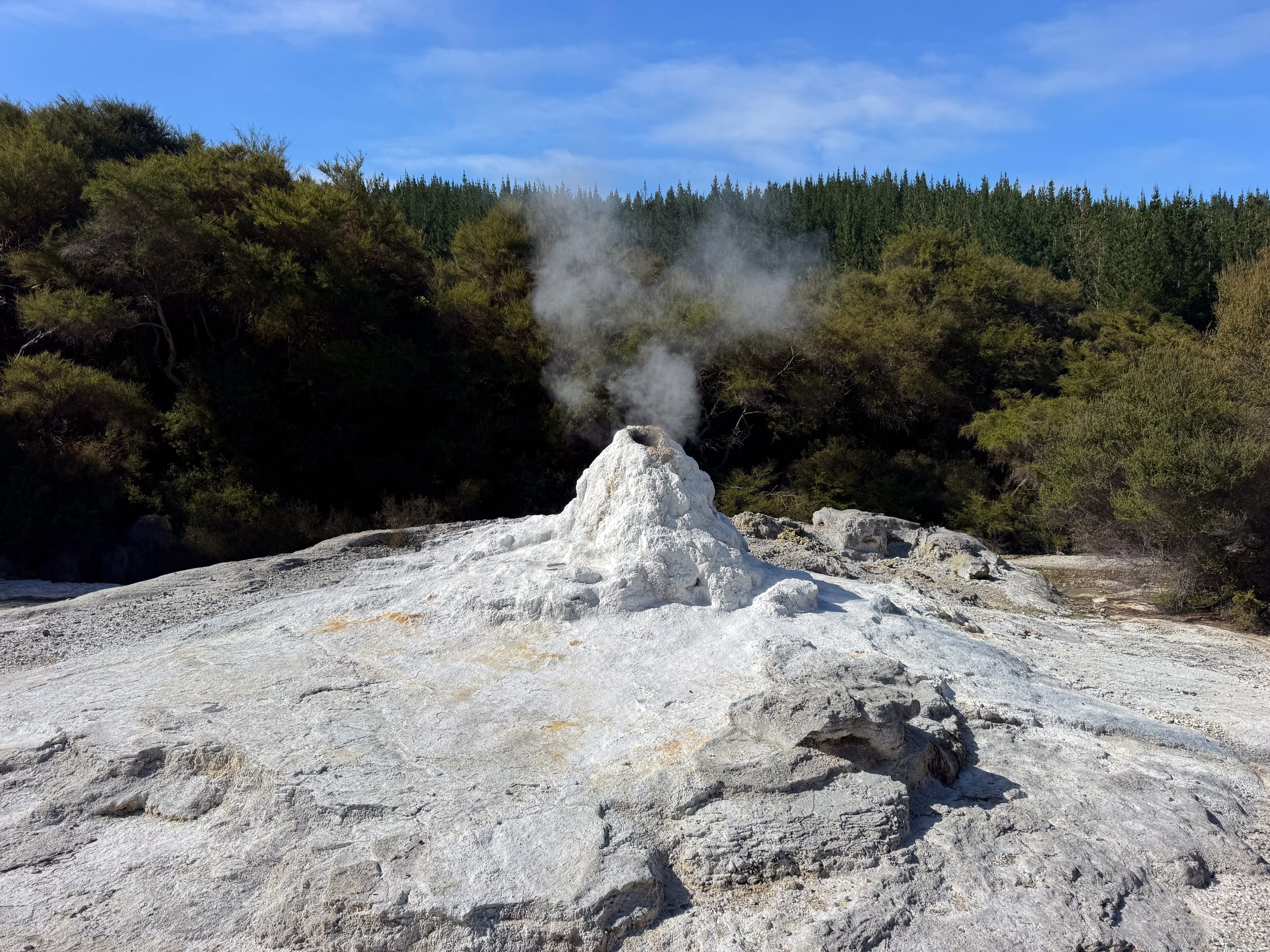
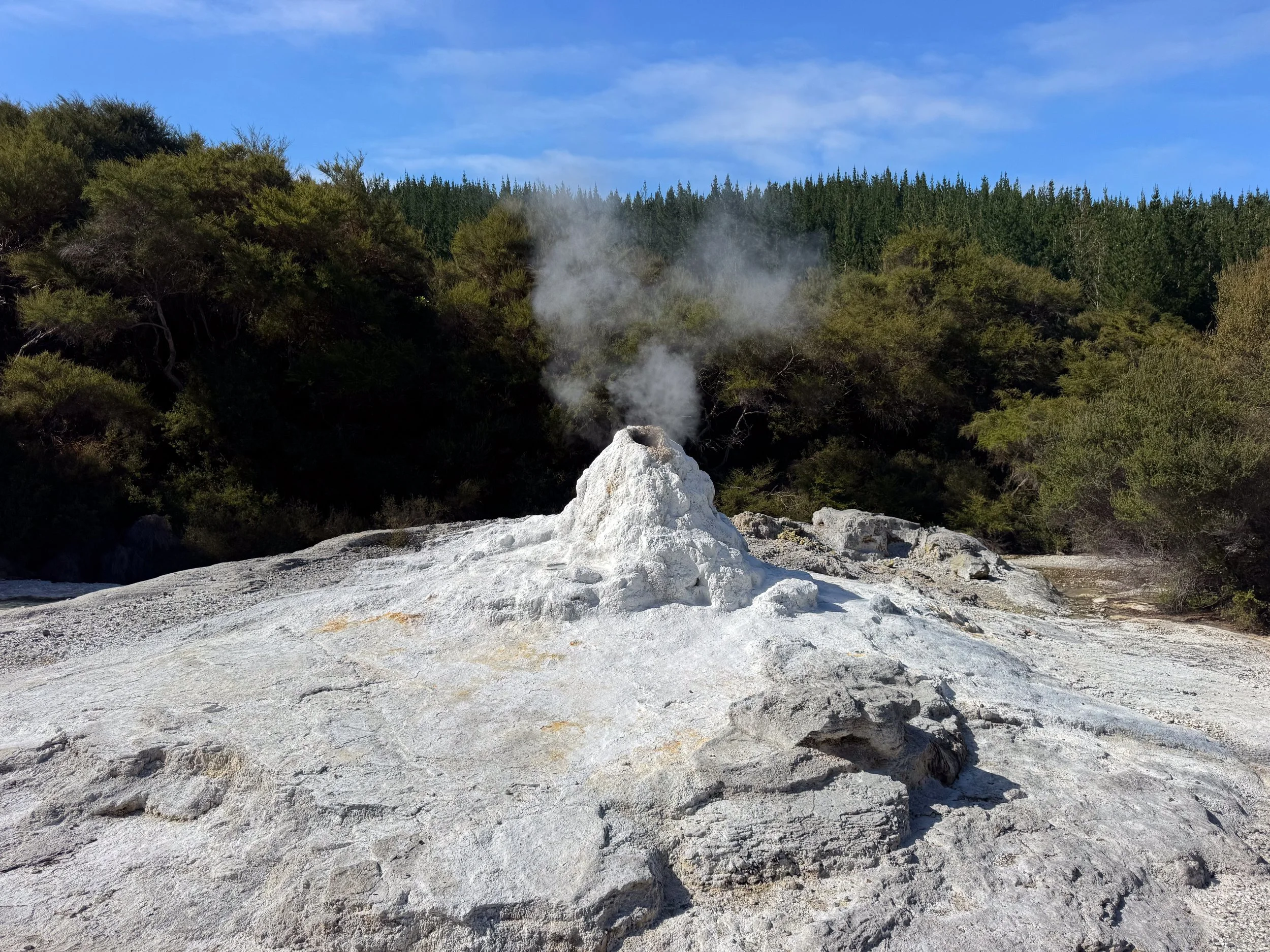
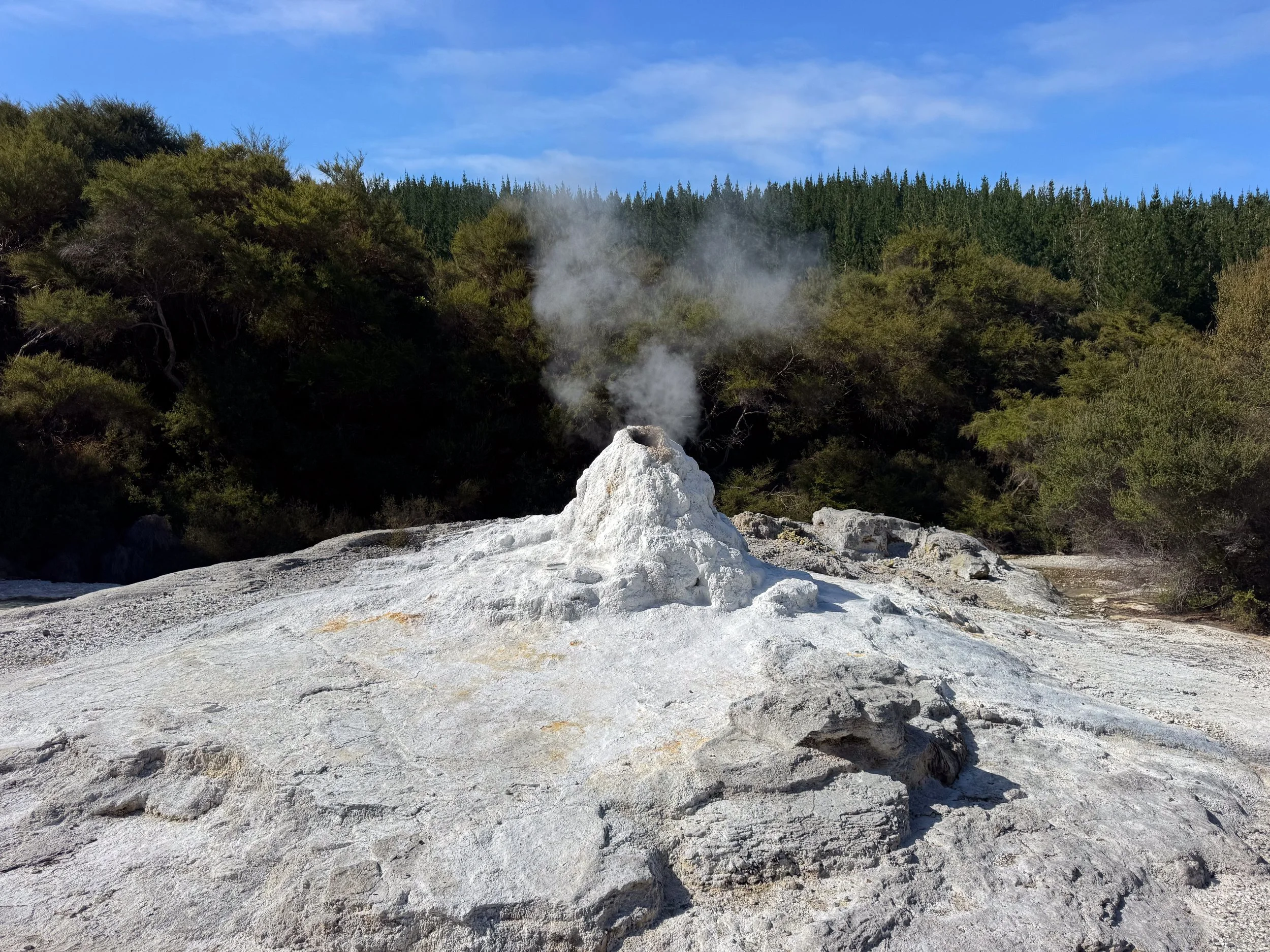
Lady Knox Geyser. A white geyser with a steaming conical vent resembling a miniature volcano. The geyser is “induced” to erupt each morning as a Māori woman sings. A growing fountain of bubbling water slowly flows forth followed by a towering jet of steam reaching 20 meters in height. Arrive by 9:30am to get a front row seat in the outdoor amphitheater.
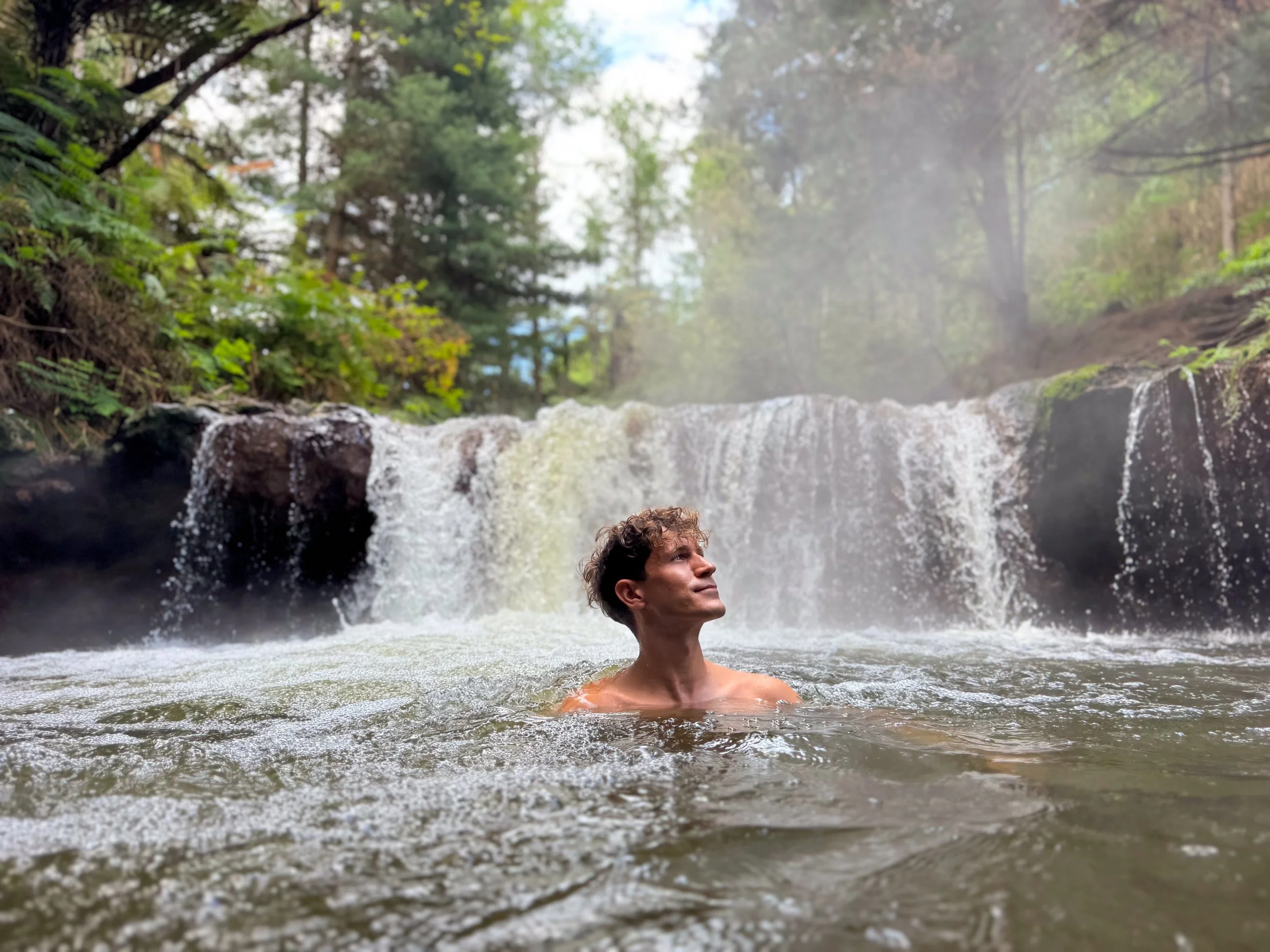
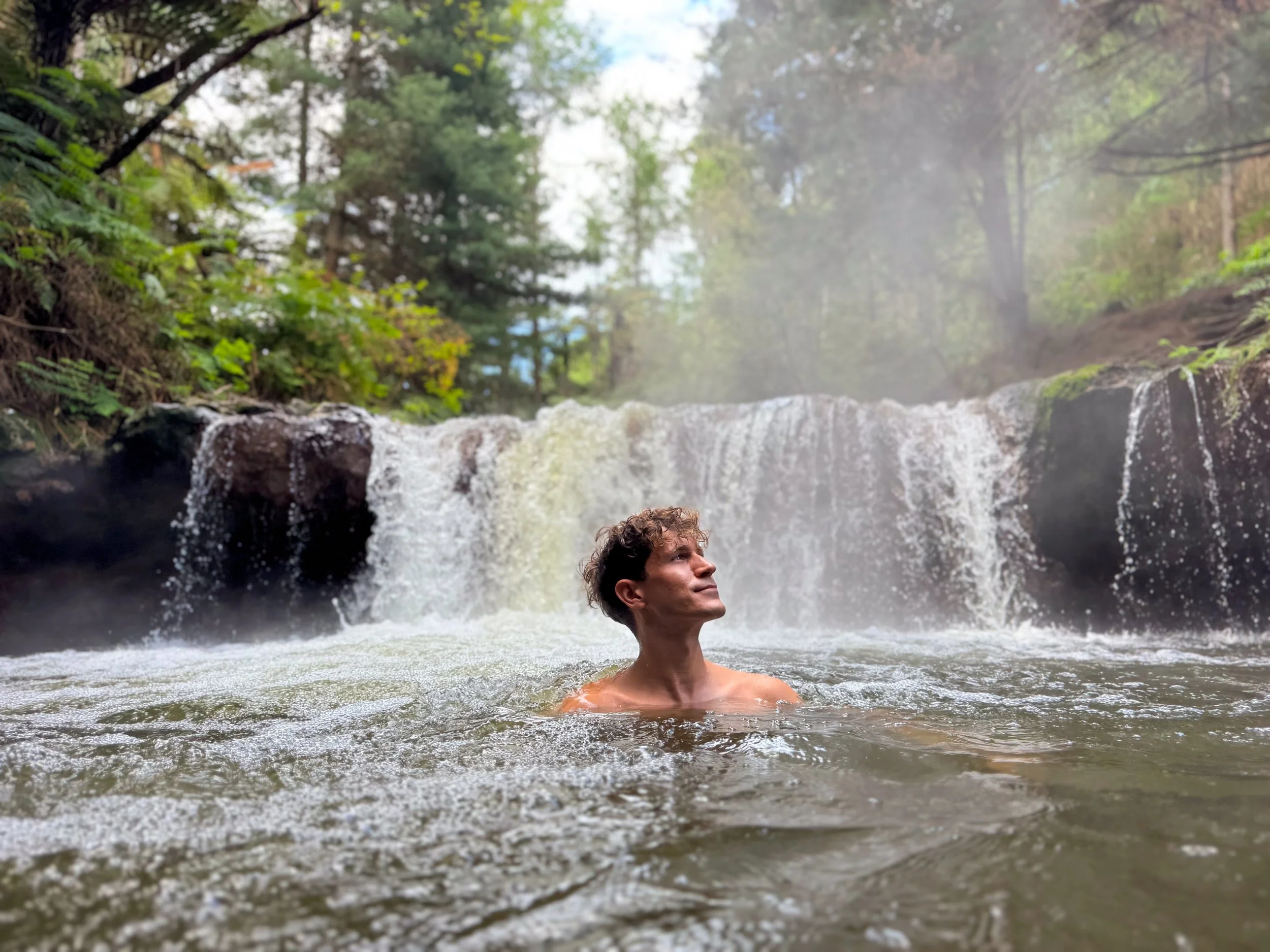
Kerosene Creek. A forested creek fed by a thermal hot spring with spa-like river pools and small waterfalls. Soak in warm waters and jacuzzi-like falls while admiring the serene surrounding nature. Park here and hike in.
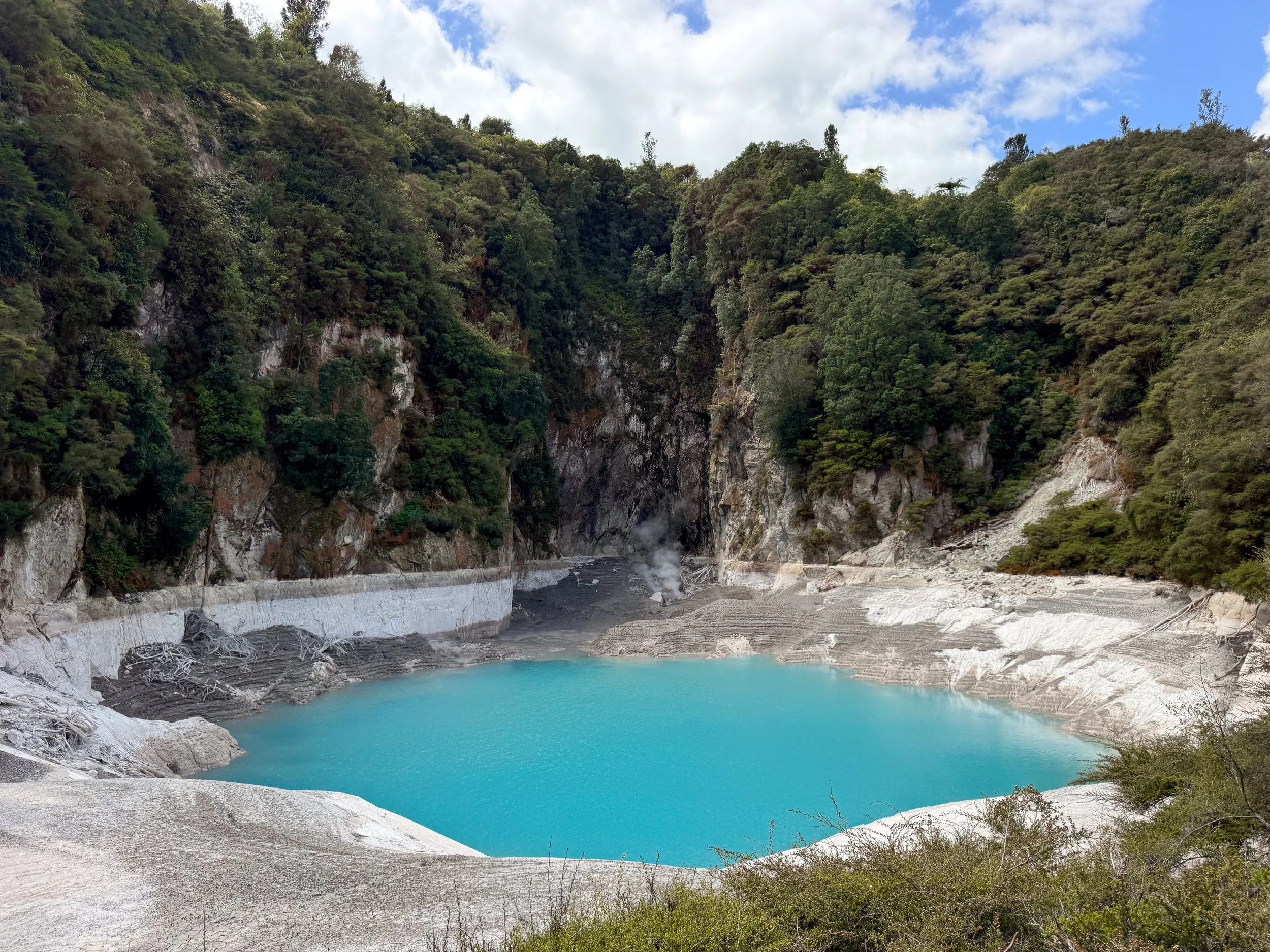
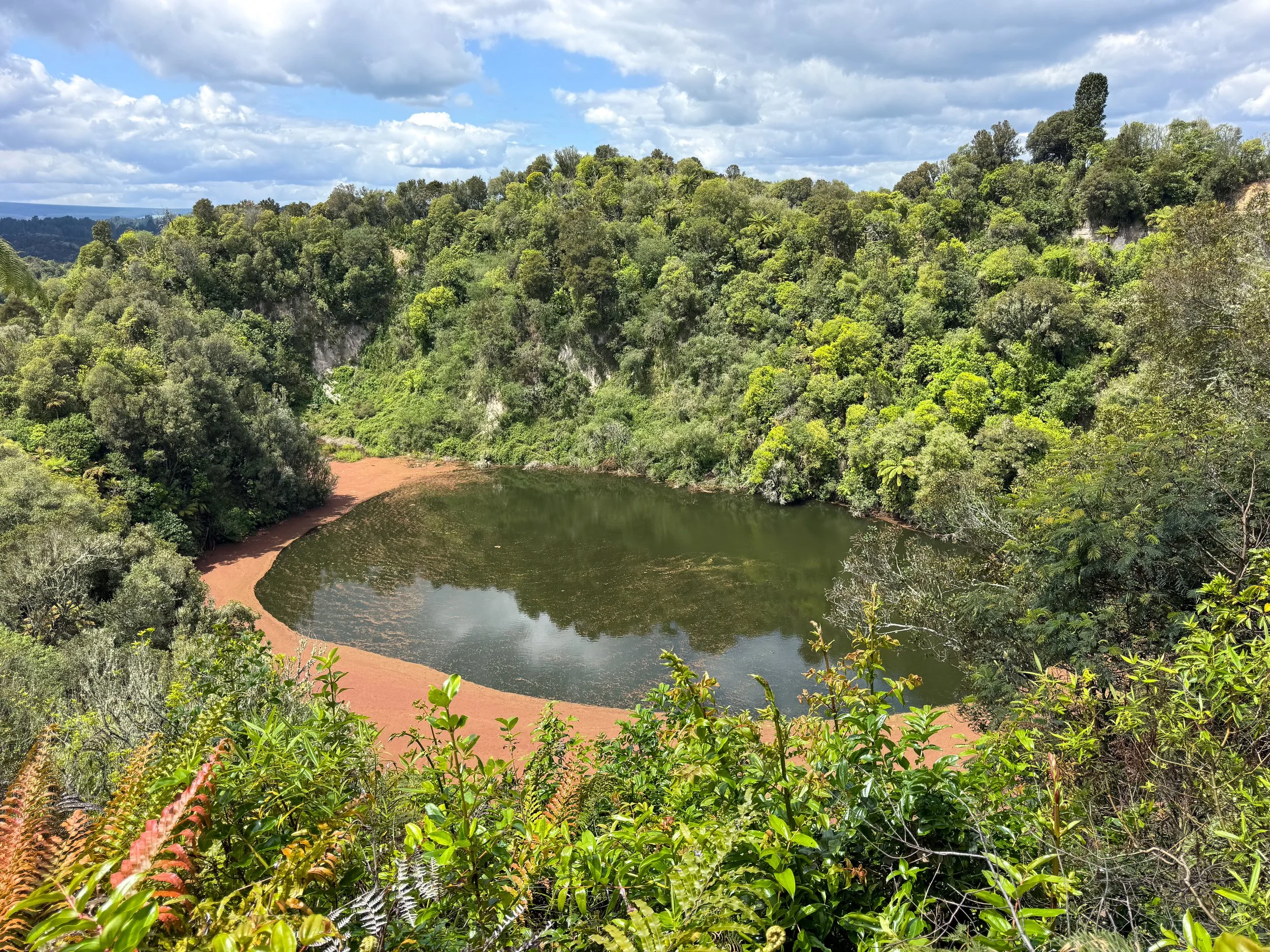
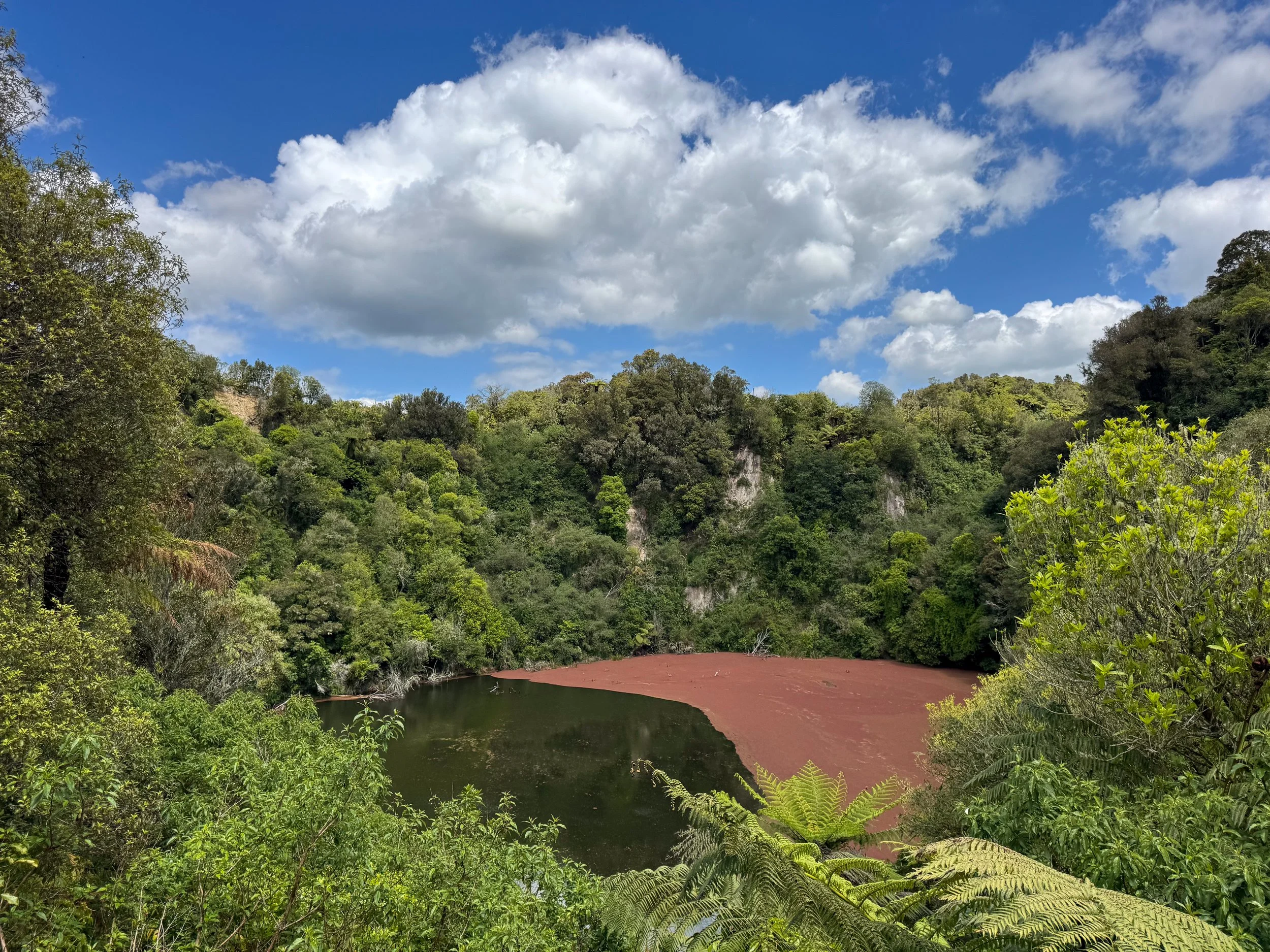
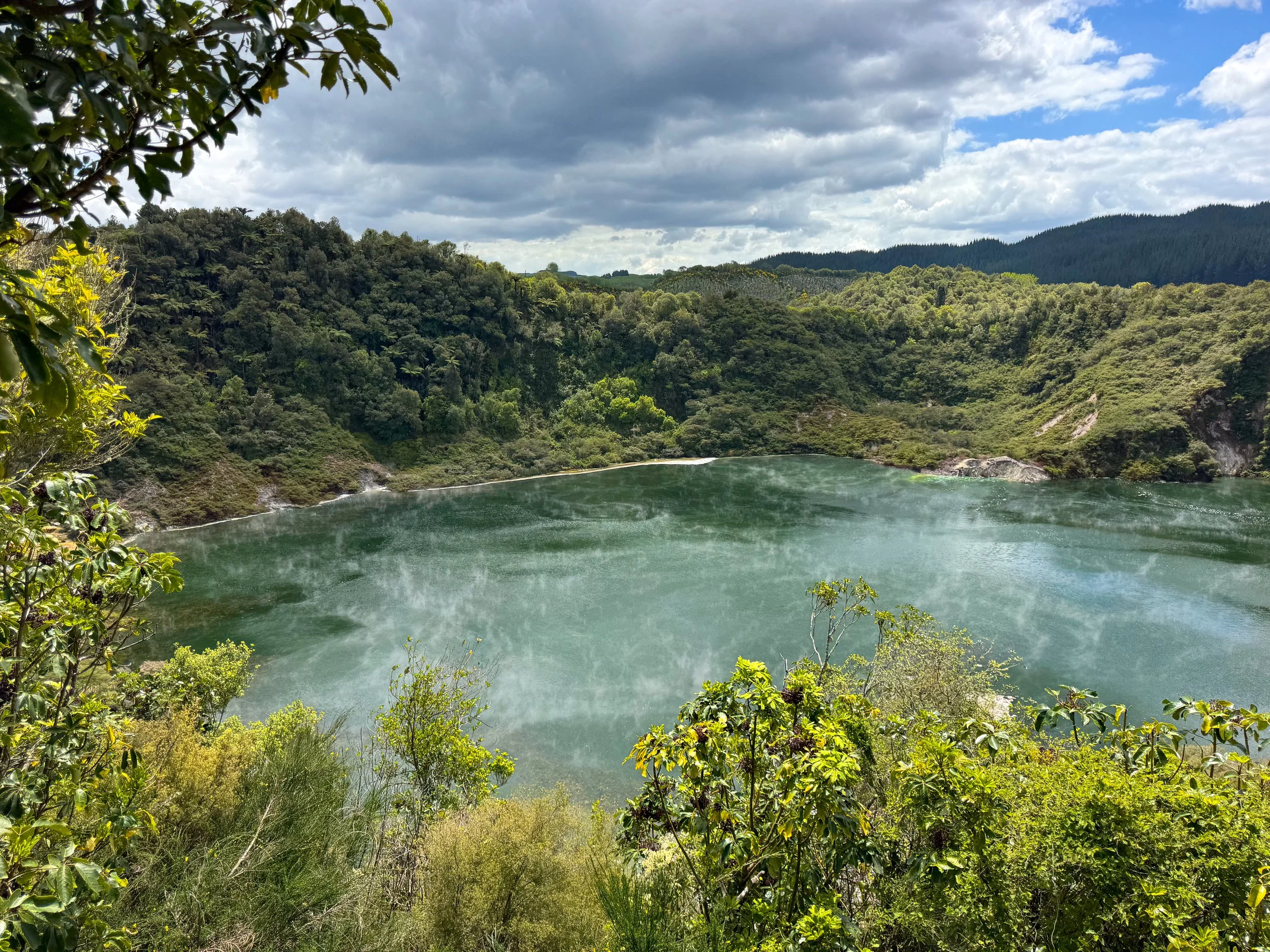
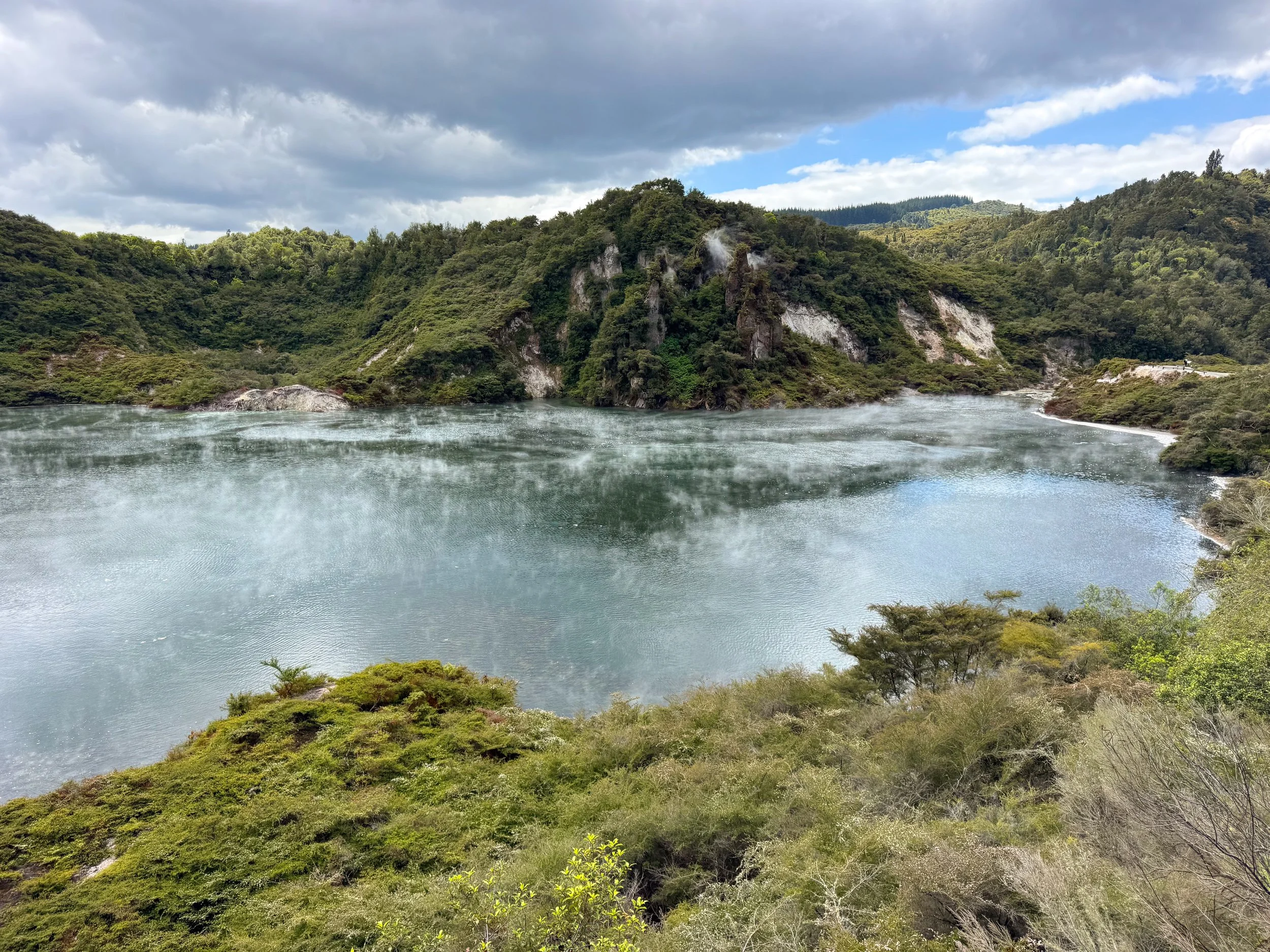
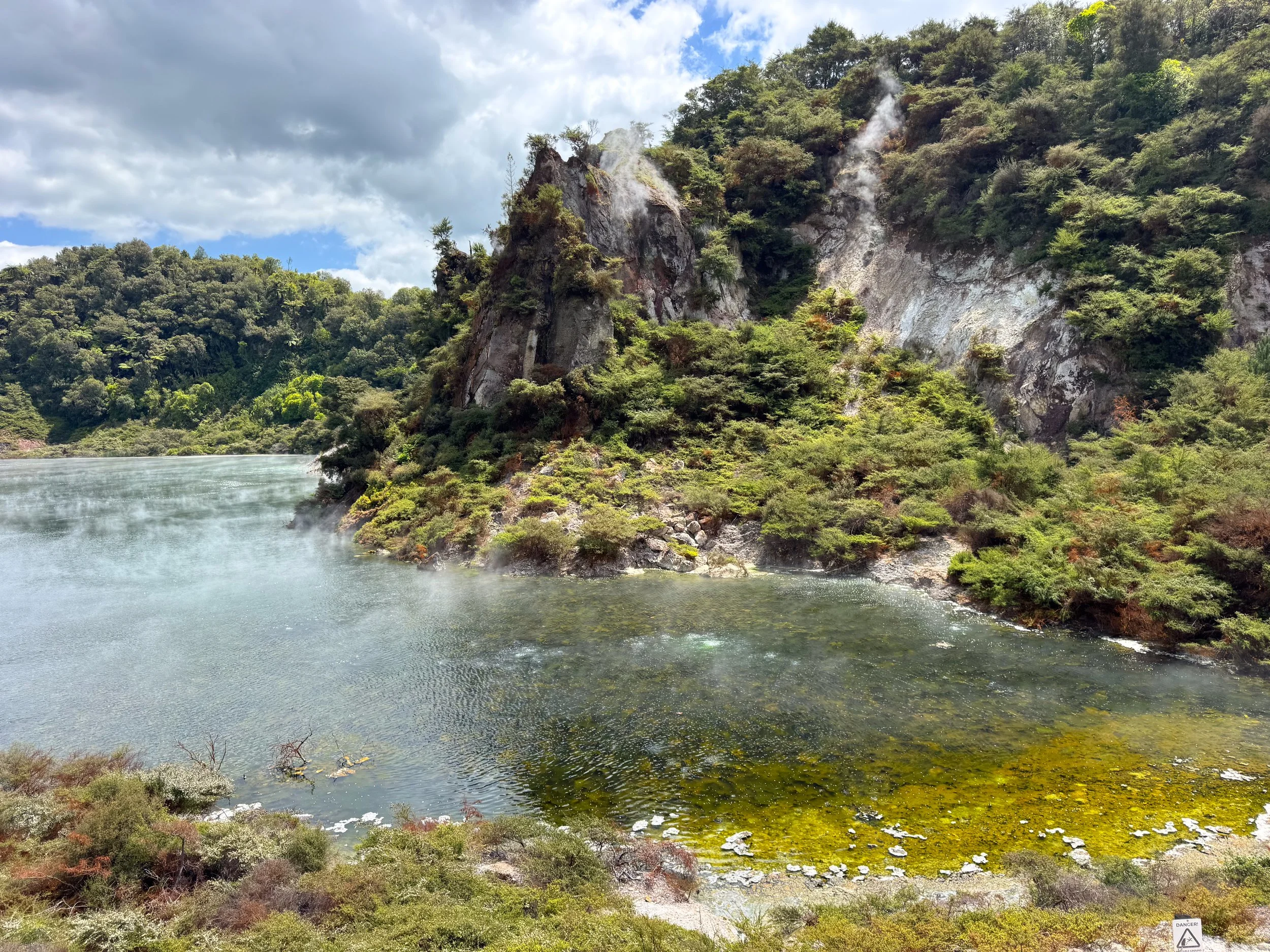
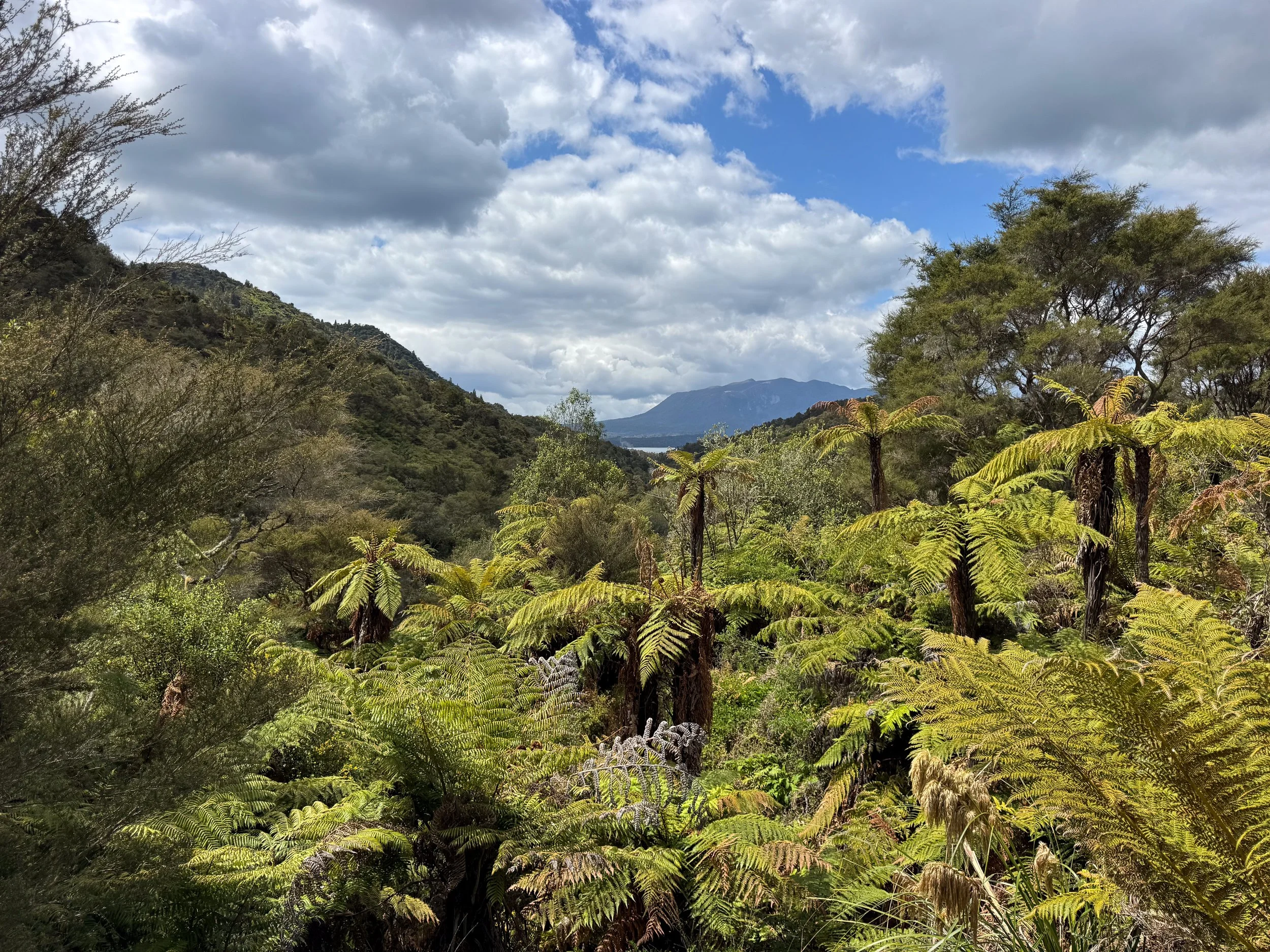
Waimangu Volcanic Valley
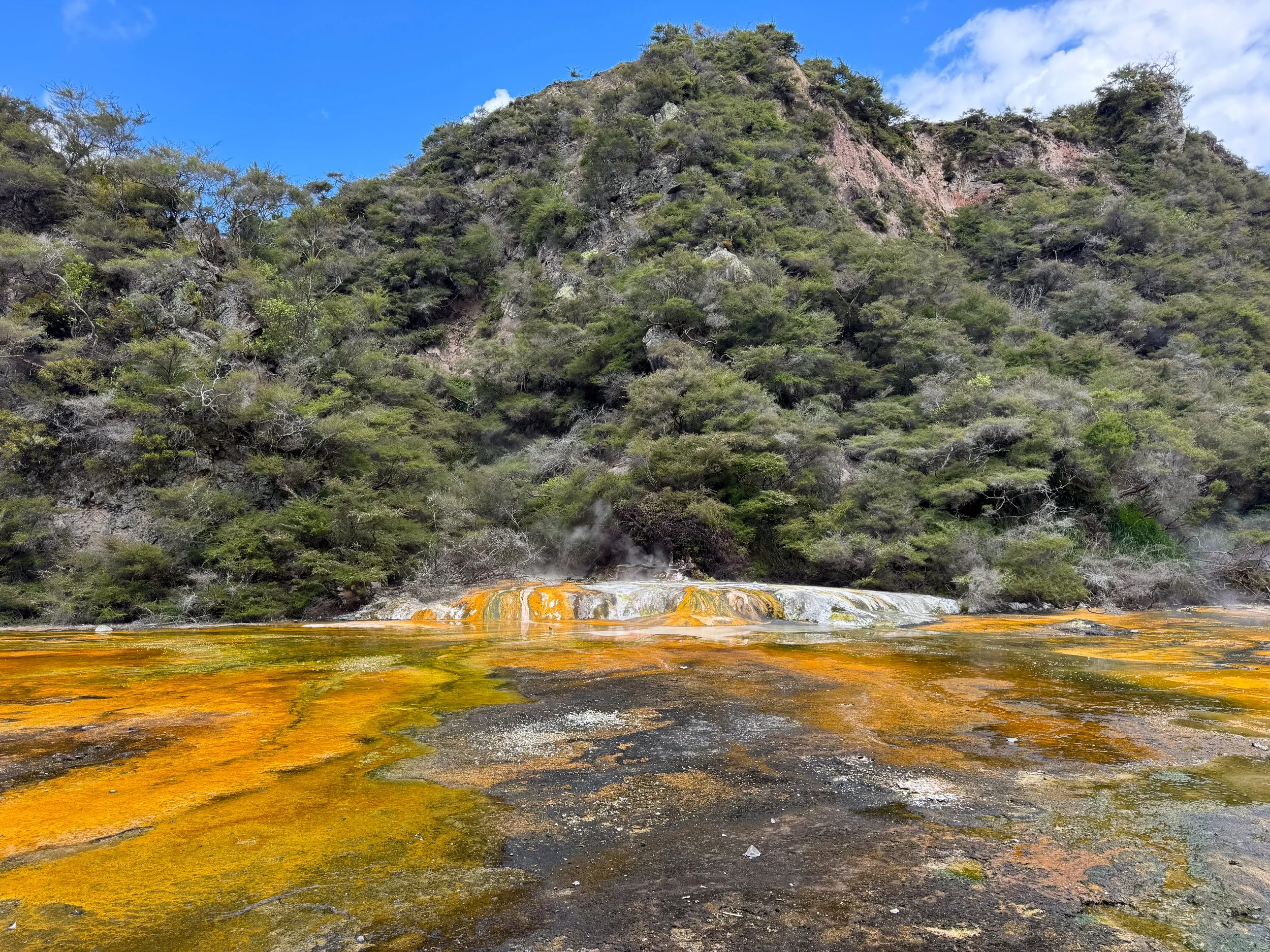
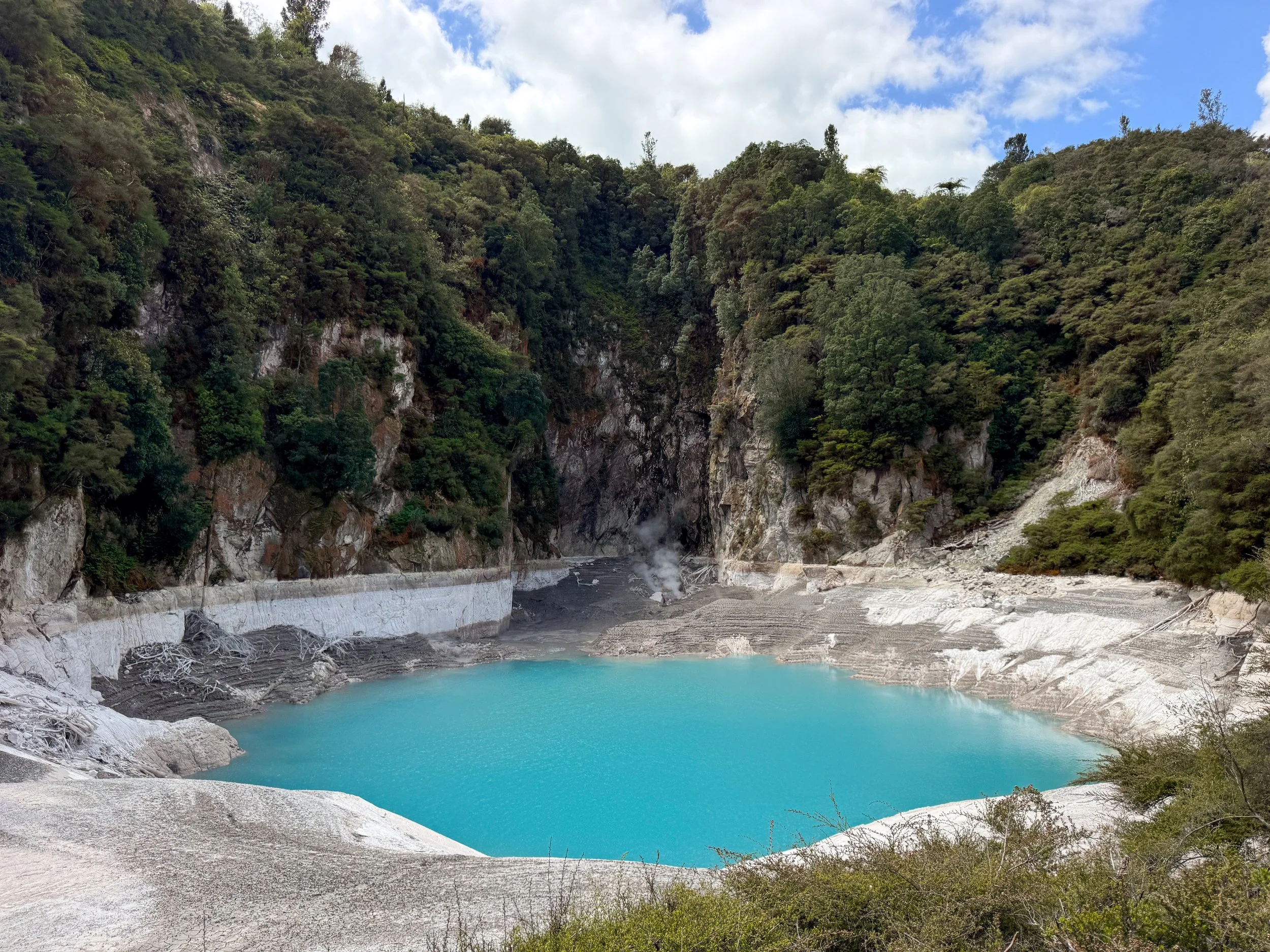
The Waimangu Volcanic Valley is a geothermal area created by a dramatic eruption in 1886. Trails lead through the valley past views of volcanic craters, large hot springs, boiling rivers, sputtering geysers and steaming vents.
The Crater Track. A nature walk with scenic views of the valley’s largest volcanic features like crater lakes, colorful silica terraces, steaming rock pinnacles, hot streams and lush landscapes.
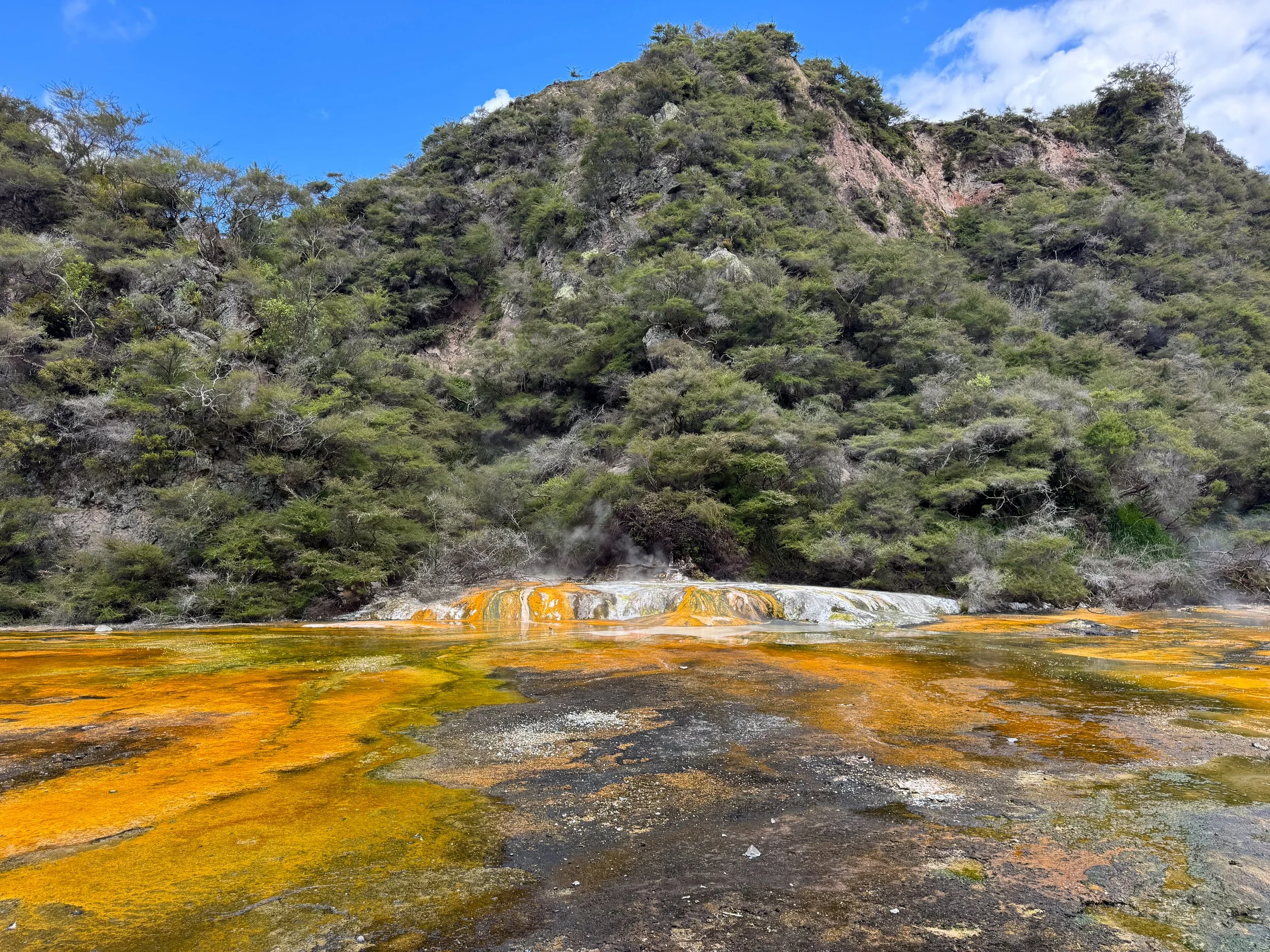
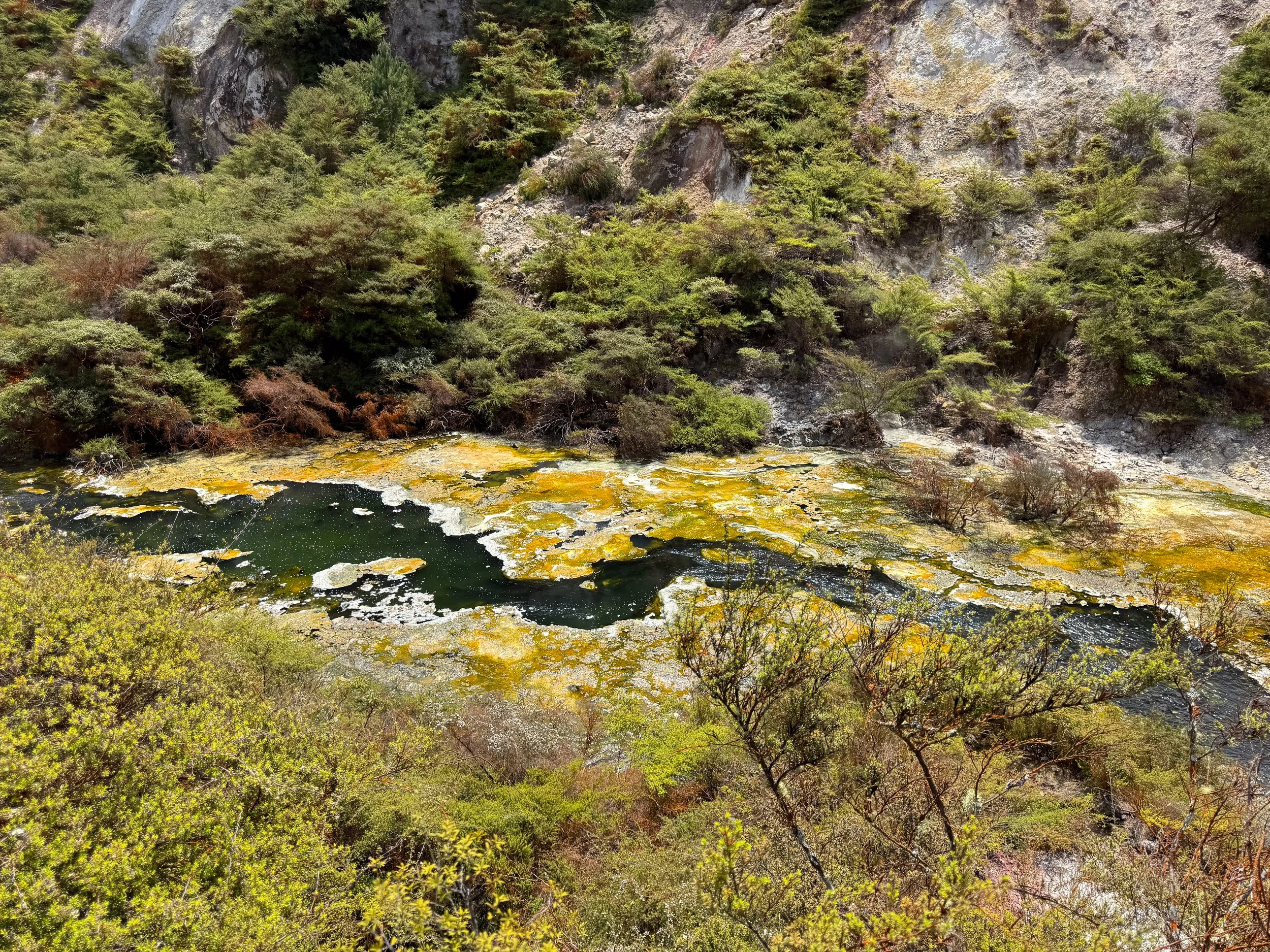
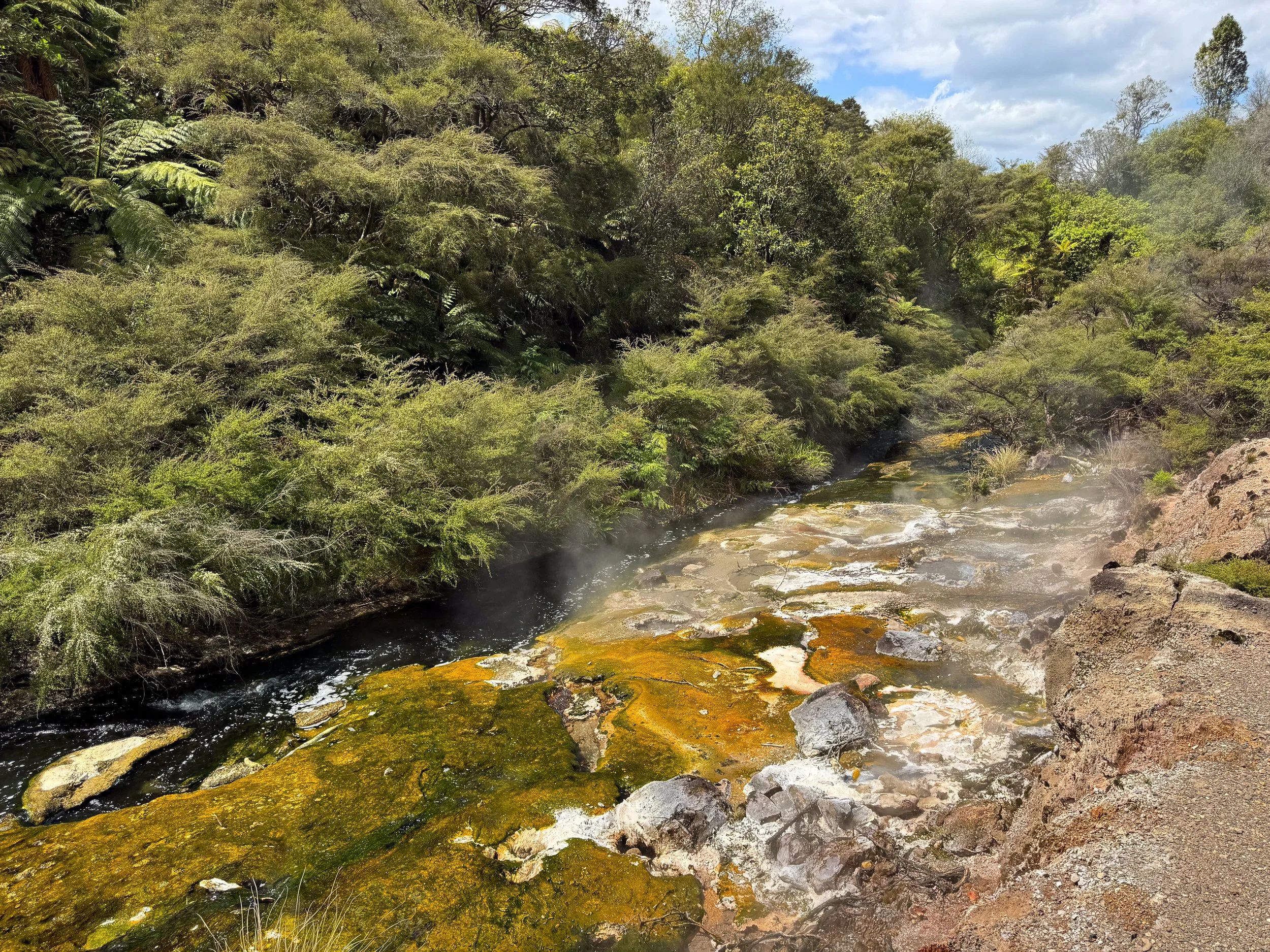
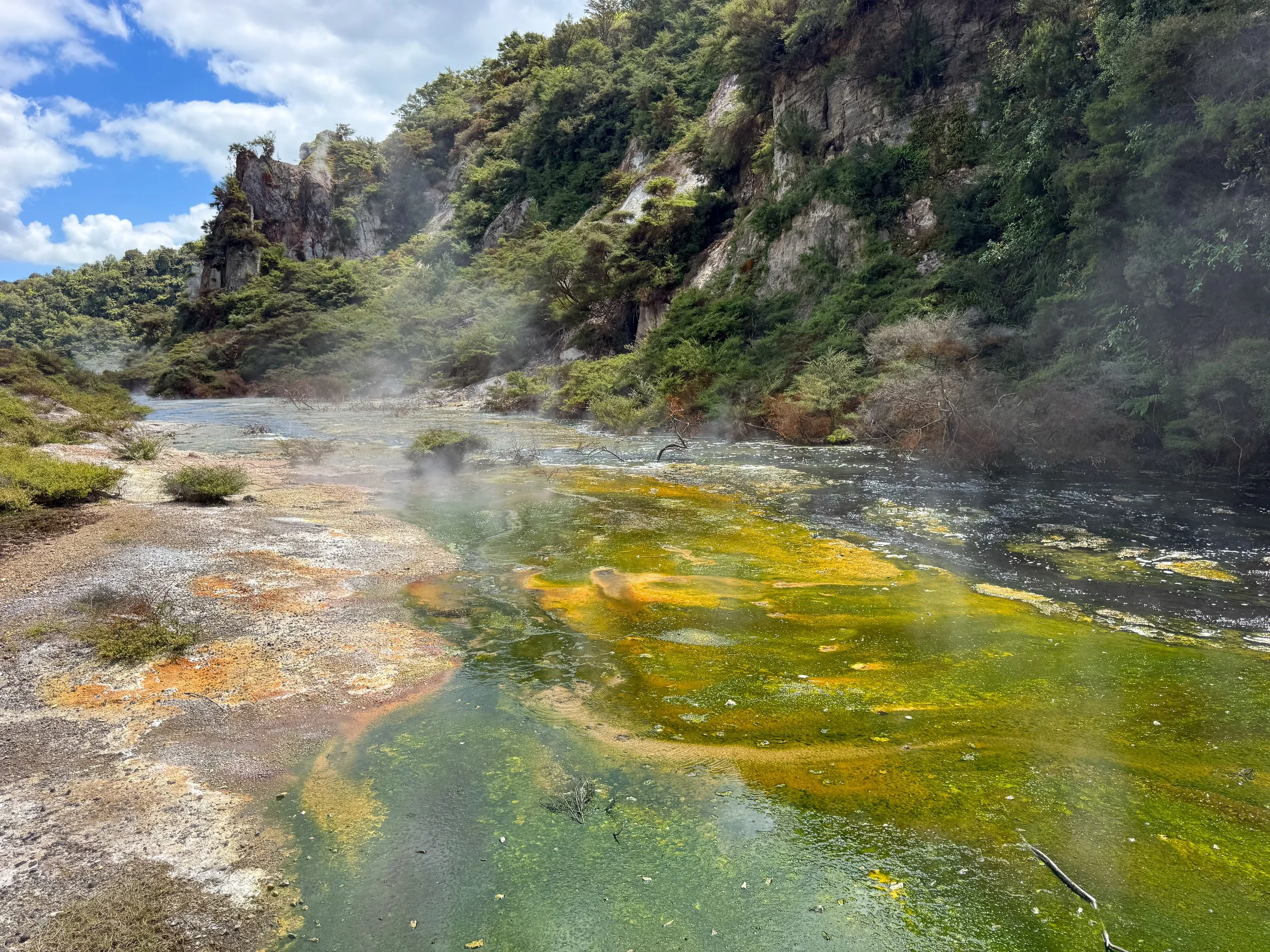
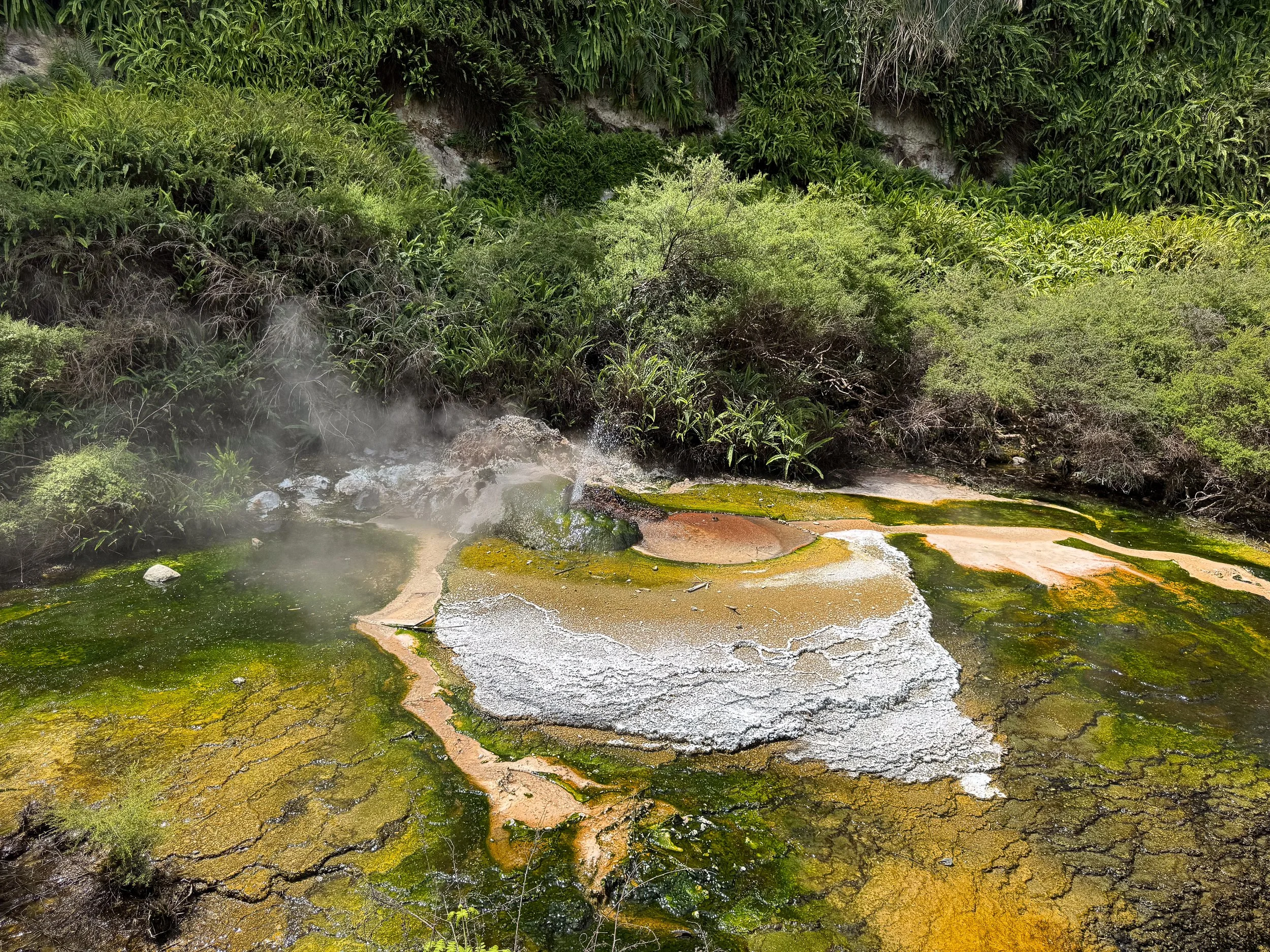
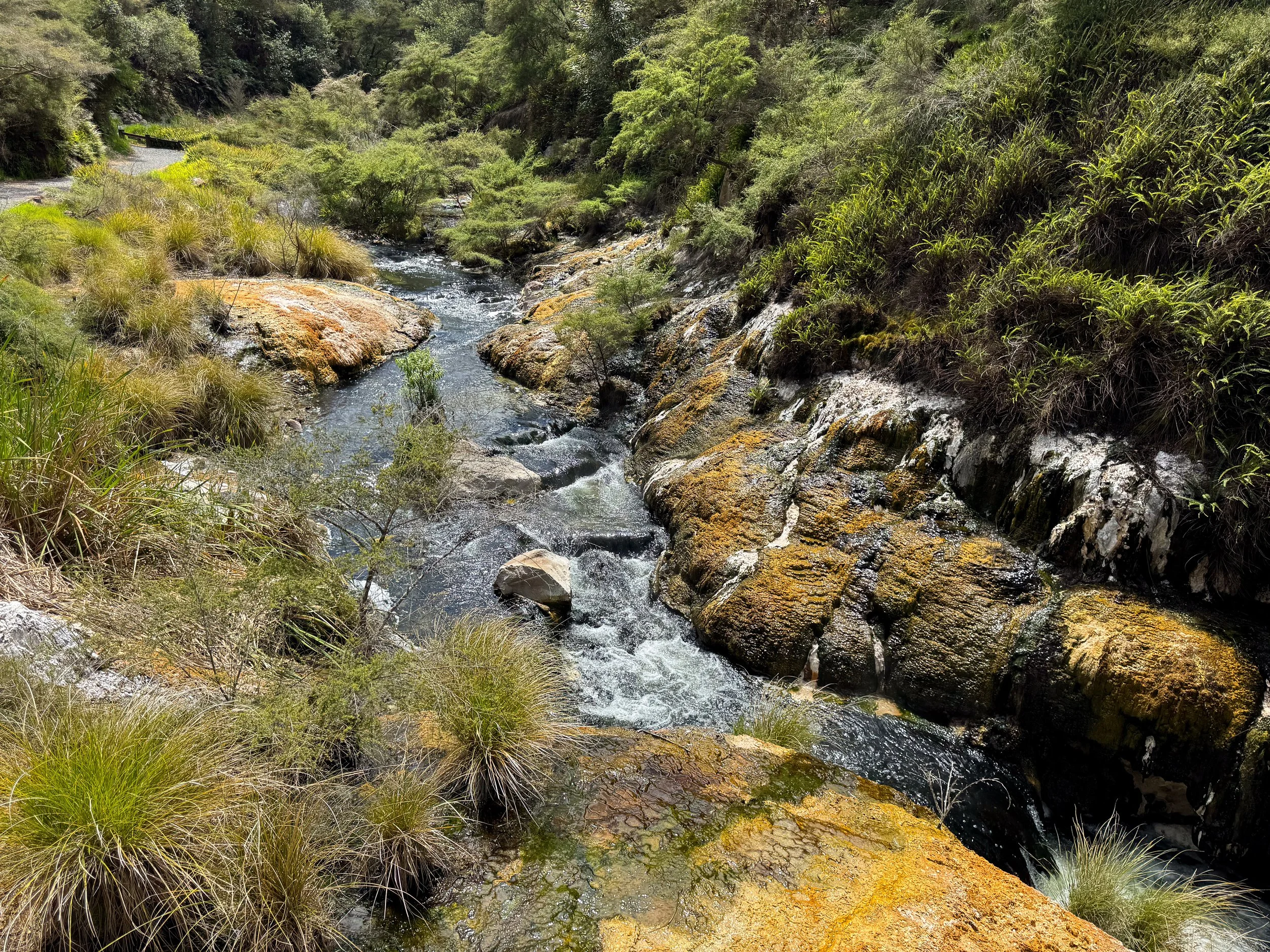
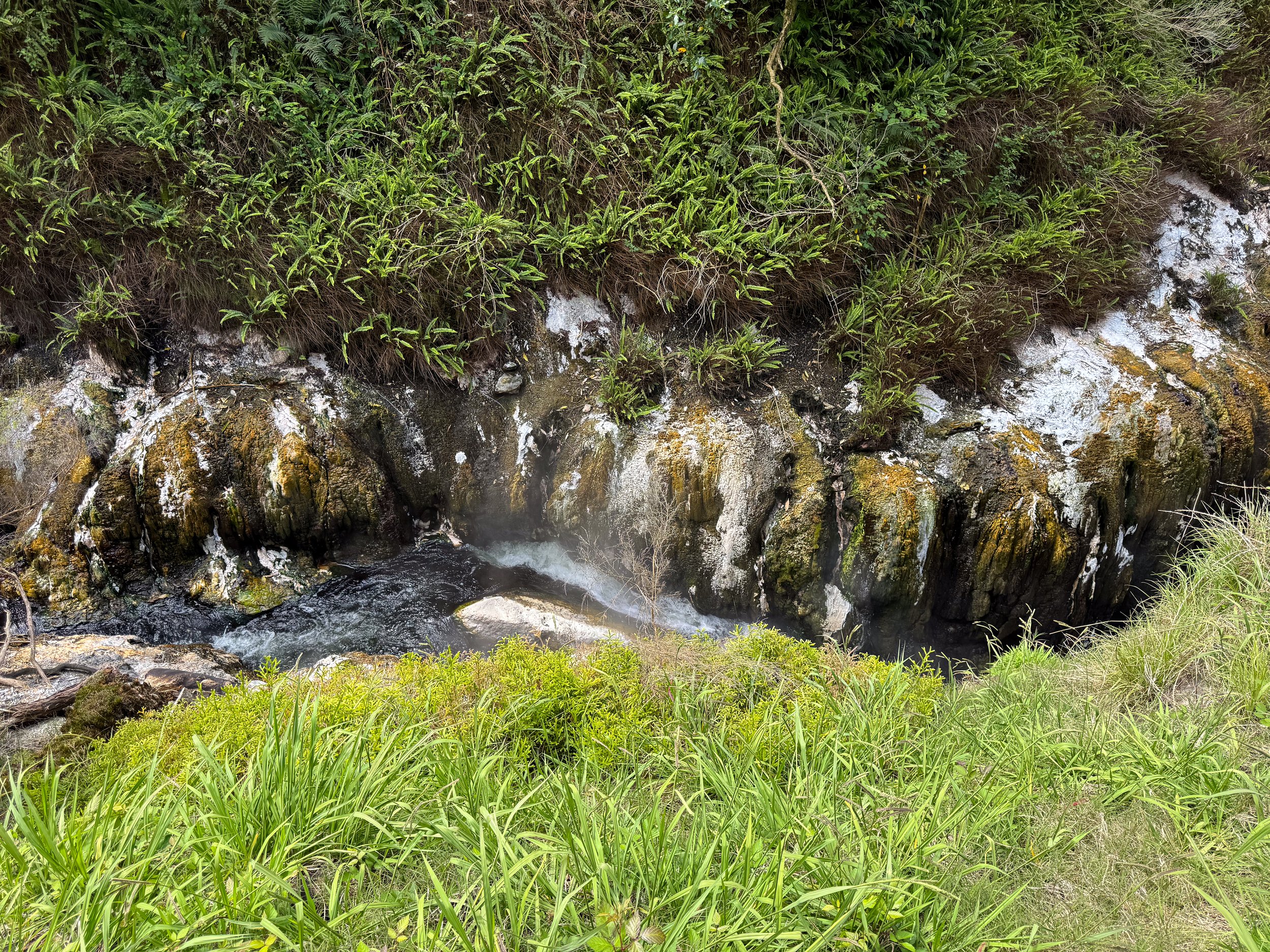
The Terrace Track. A trail following hot and cold streams lined with orange and white hued silica terraces. Sputtering vents emit hot steam and boiling water along the stream’s edges and terrace surfaces.
Wetland Trail. A trail leading through wetlands populated by native plants and aquatic birds. It ends at Lake Rotomahana with views of the Tarawera Volcano.
The Waitomo Glowworm Cave
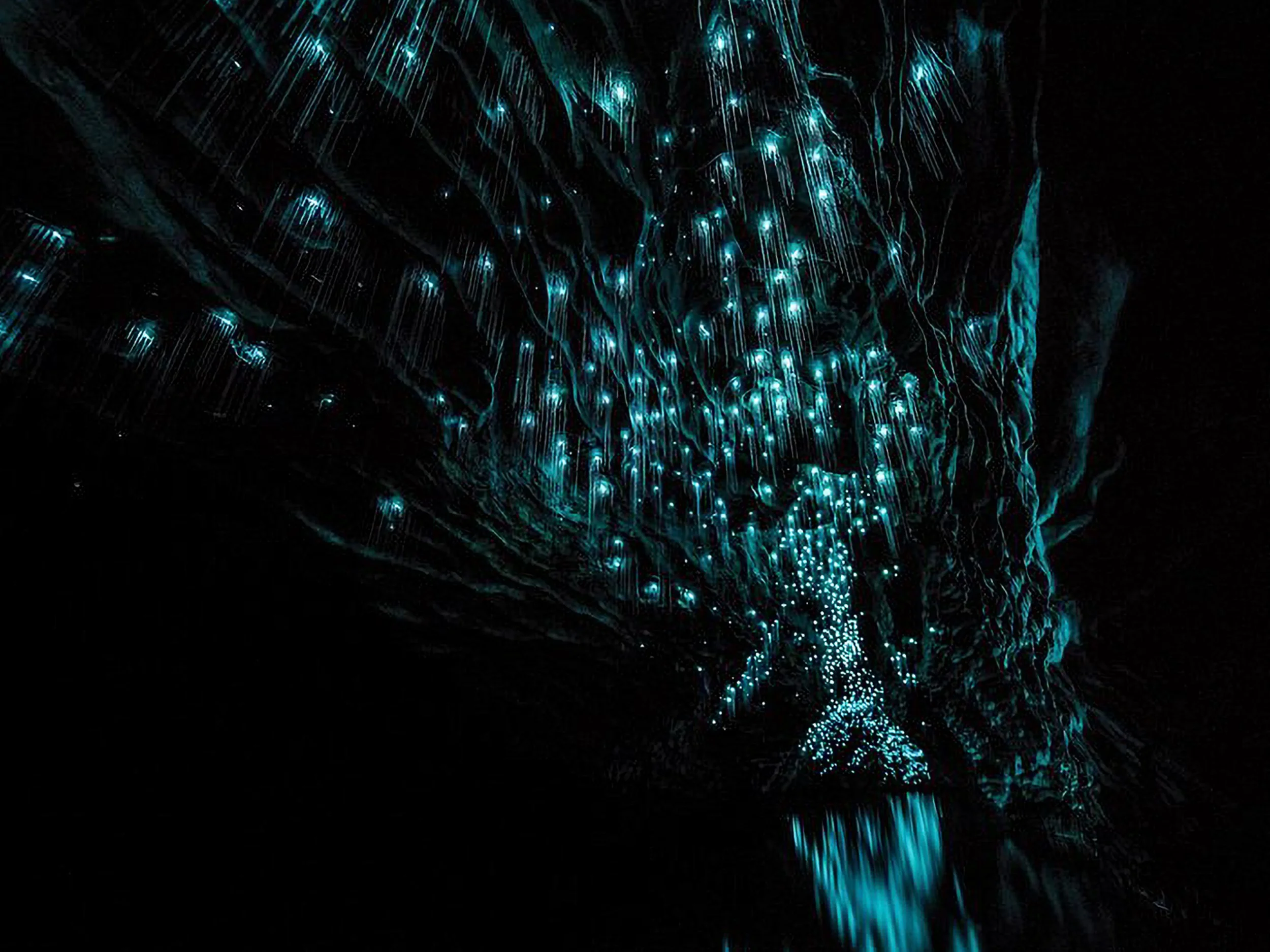
The Waitomo Glowworm Cave is a subterranean habitat home to colonies of bioluminescent glowworms. The best way to see the glowworms is by blackwater rafting through the cave’s underground river. It’s a truly magical experience coupled with a unique sense of adventure!
Black Water Rafting (Black Labyrinth). We geared up with wetsuits, boots, helmets, headlamps and inner tubes to enter the cave. Guides led us through a crevice into a series of narrow passageways and flooded chambers. We jumped from small waterfalls and floated deeper underground as cold water rushed around us. Thousands of glowworms glittered above our heads in a brilliant display of bioluminescence. Greenish blue dots illuminated the darkness of the cave like stars in the night sky. Book here!
Good to Know. Personal cameras are not allowed in the cave to maintain participant safety. The rule forces you to live in the moment and appreciate the beauty. Photos can be purchased after the tour.
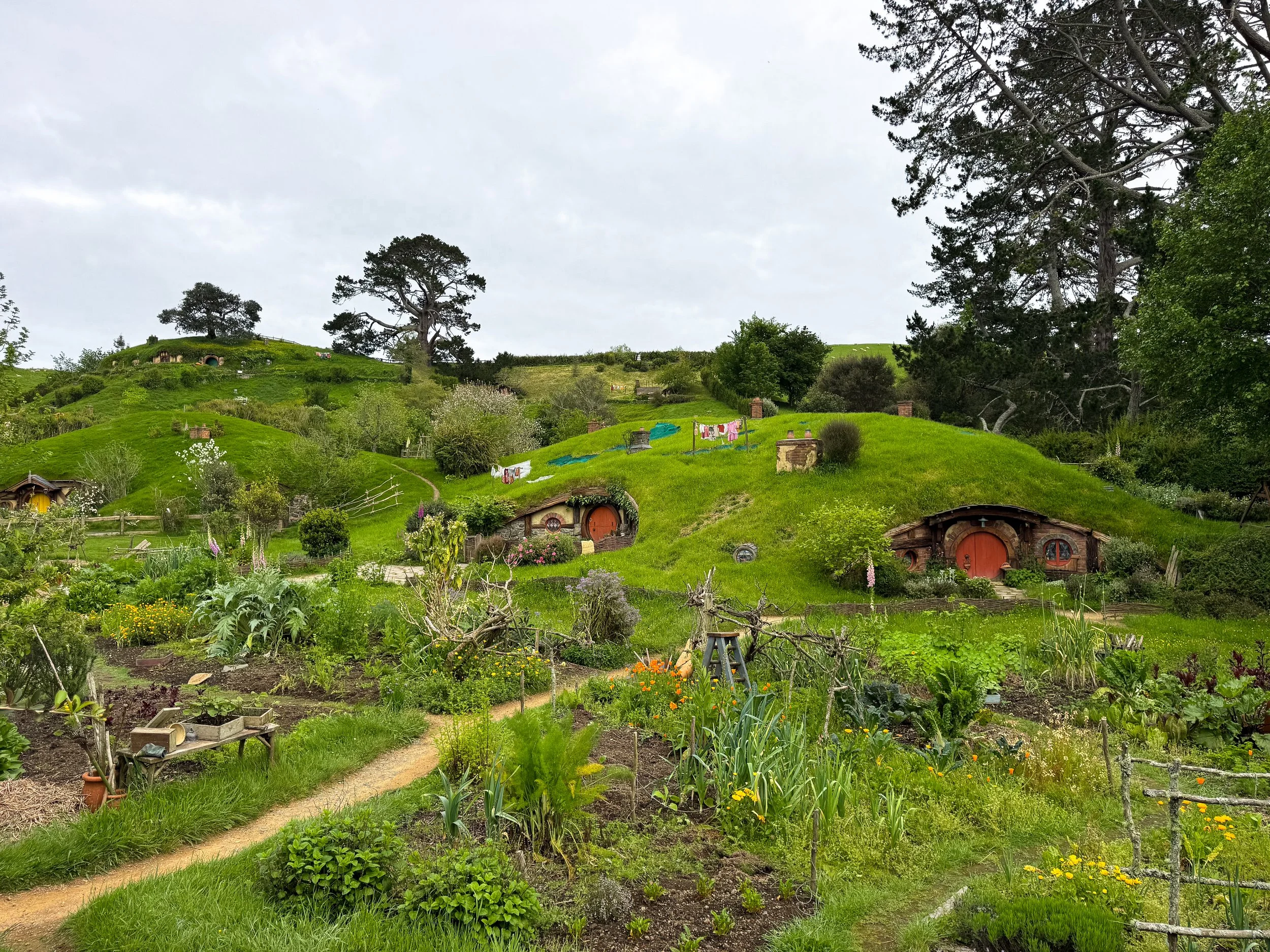
Hobbiton Movie Set
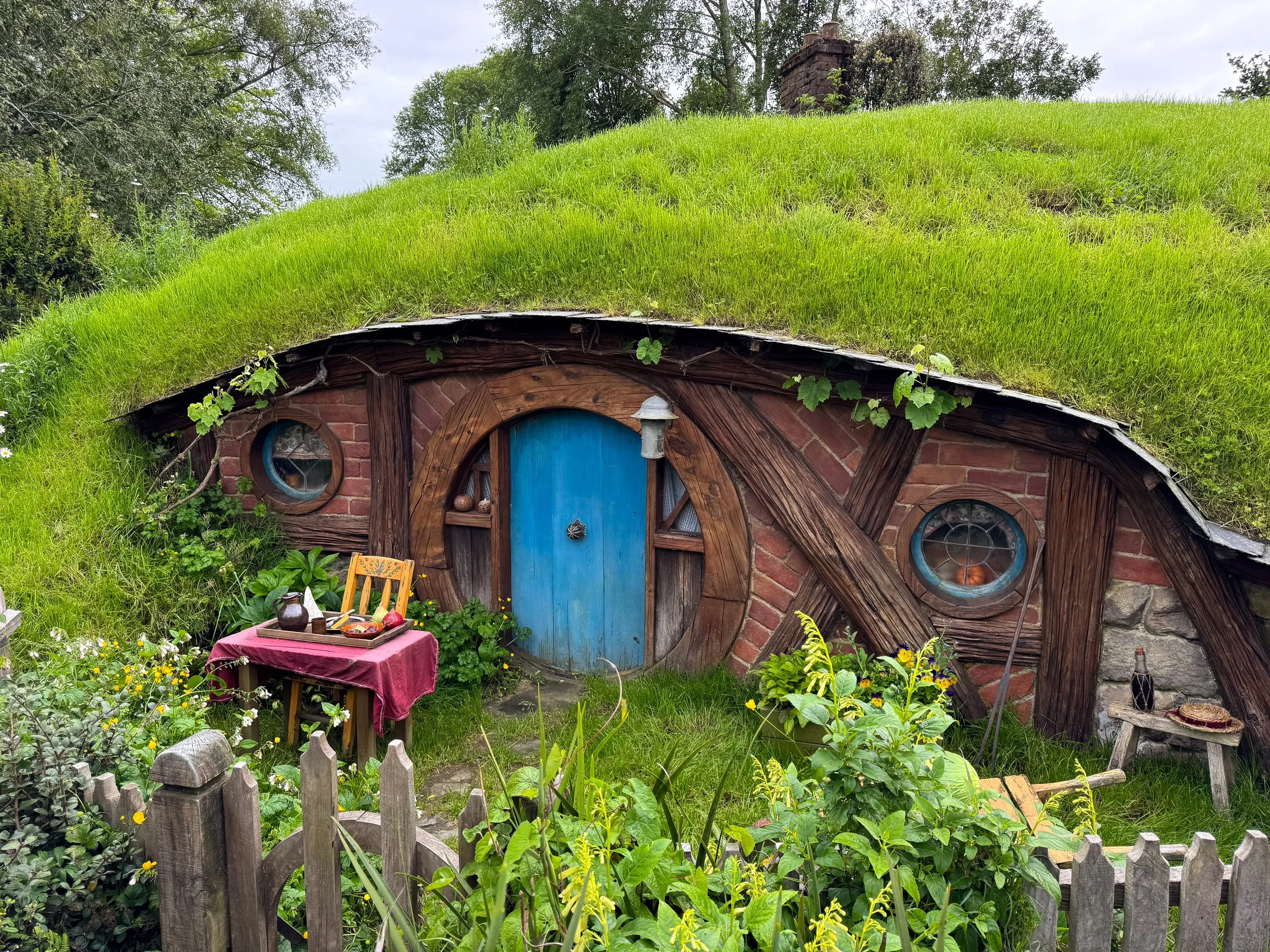
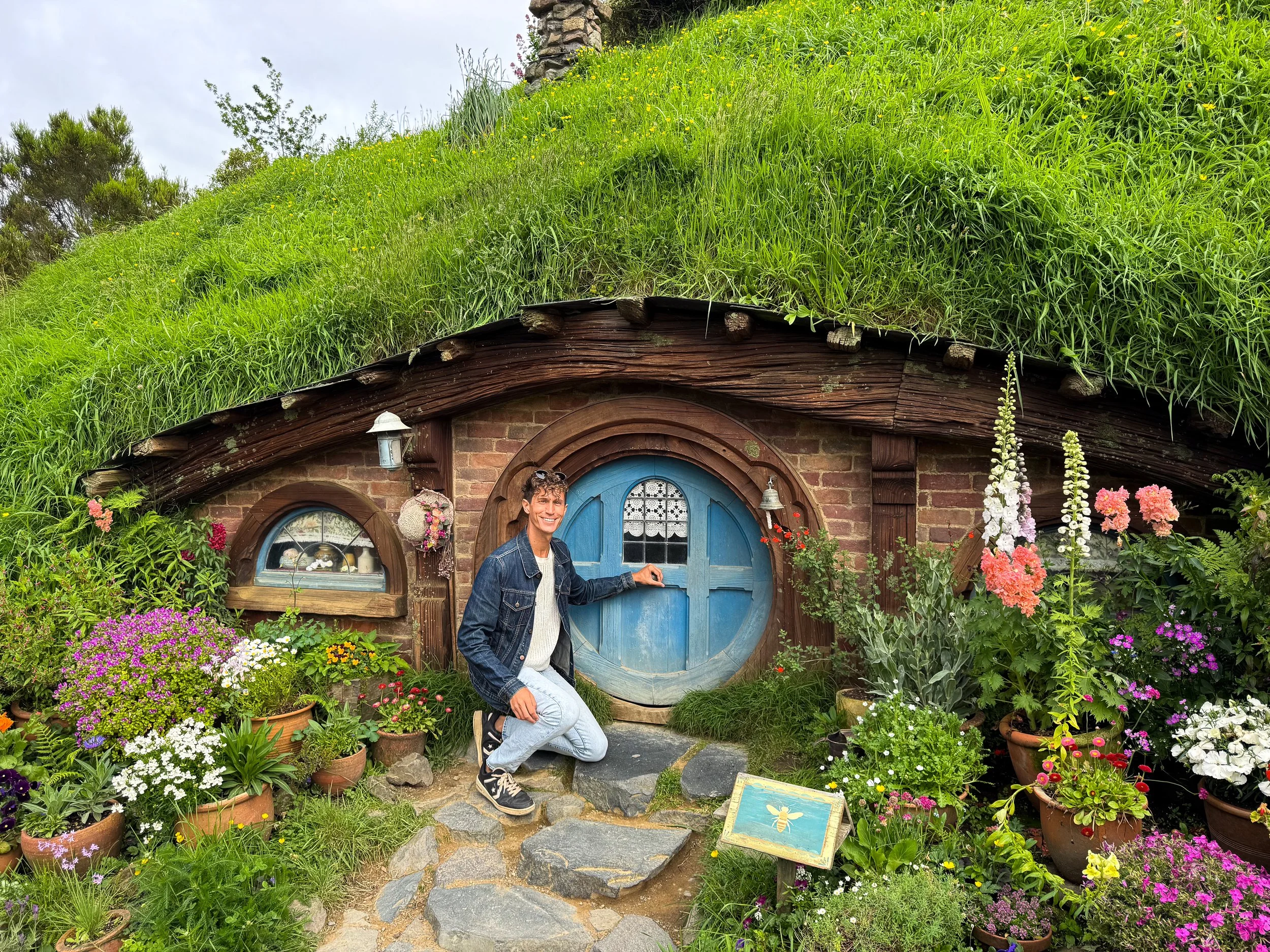
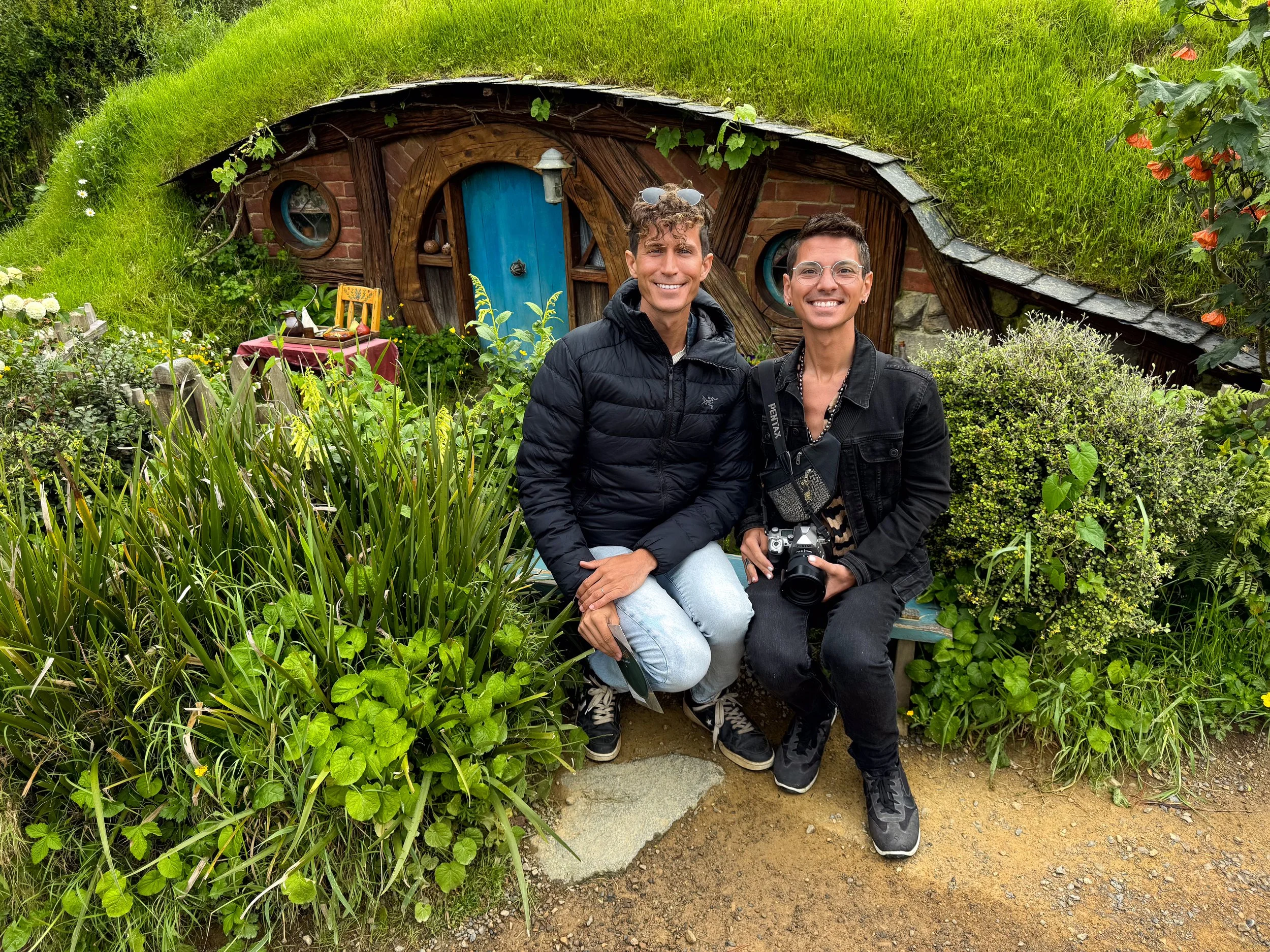
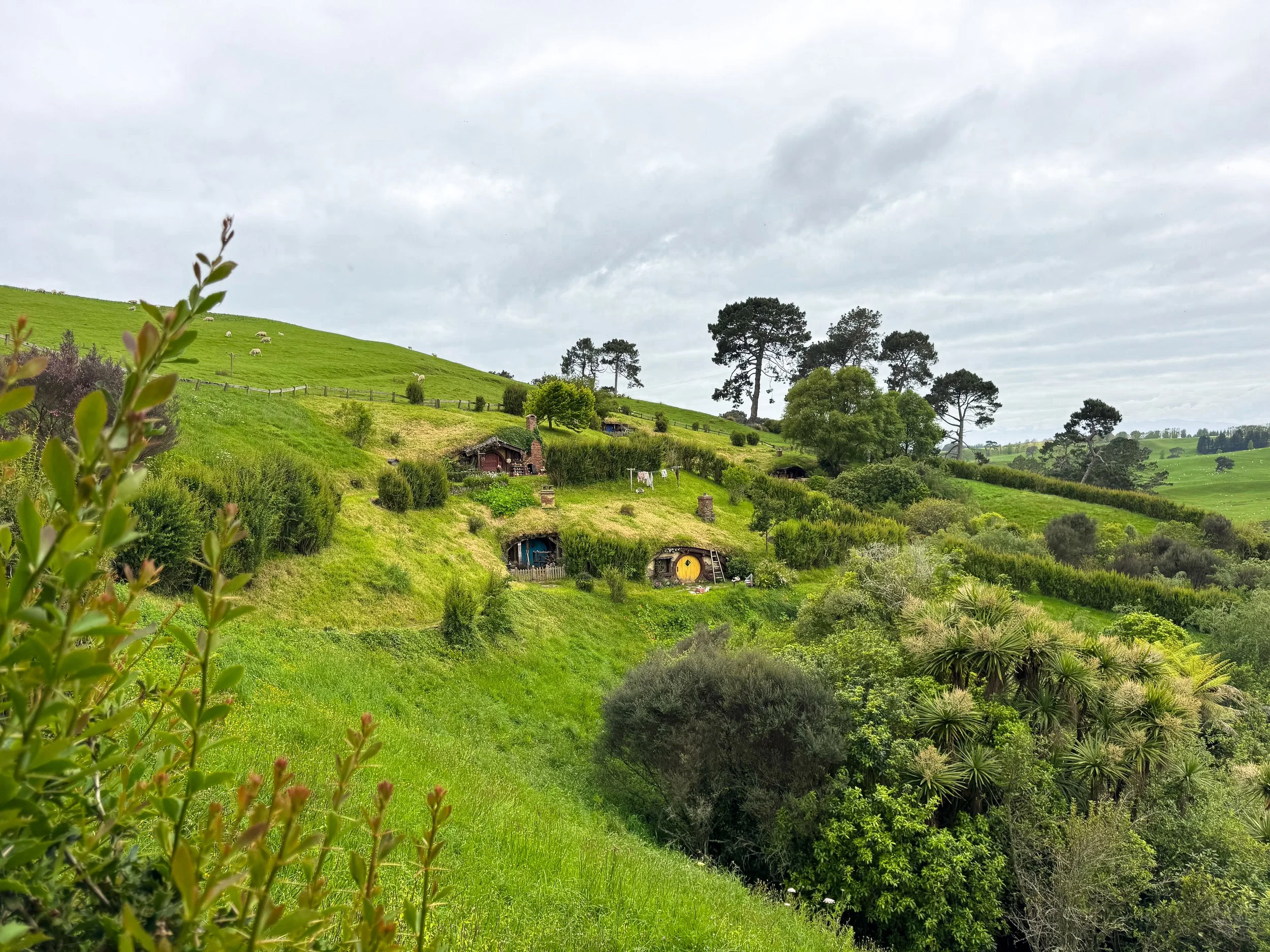
Hobbiton is the fictional movie set built for the Lord of the Rings and Hobbit Trilogies. The whimsical village spans a verdant hillside of a functioning sheep farm. Dirt walkways meander past “hobbit holes” built into the faces of grassy mounds. Round doorways and tiny windows peer inside. Flower and veggie gardens sprout beyond wooden picket fences. Smoke rises from brick chimneys poking out of the hilltops. Guided tours include stops at iconic film sites like Bag End, The Party Field, Bagshot Row and The Green Dragon Inn.
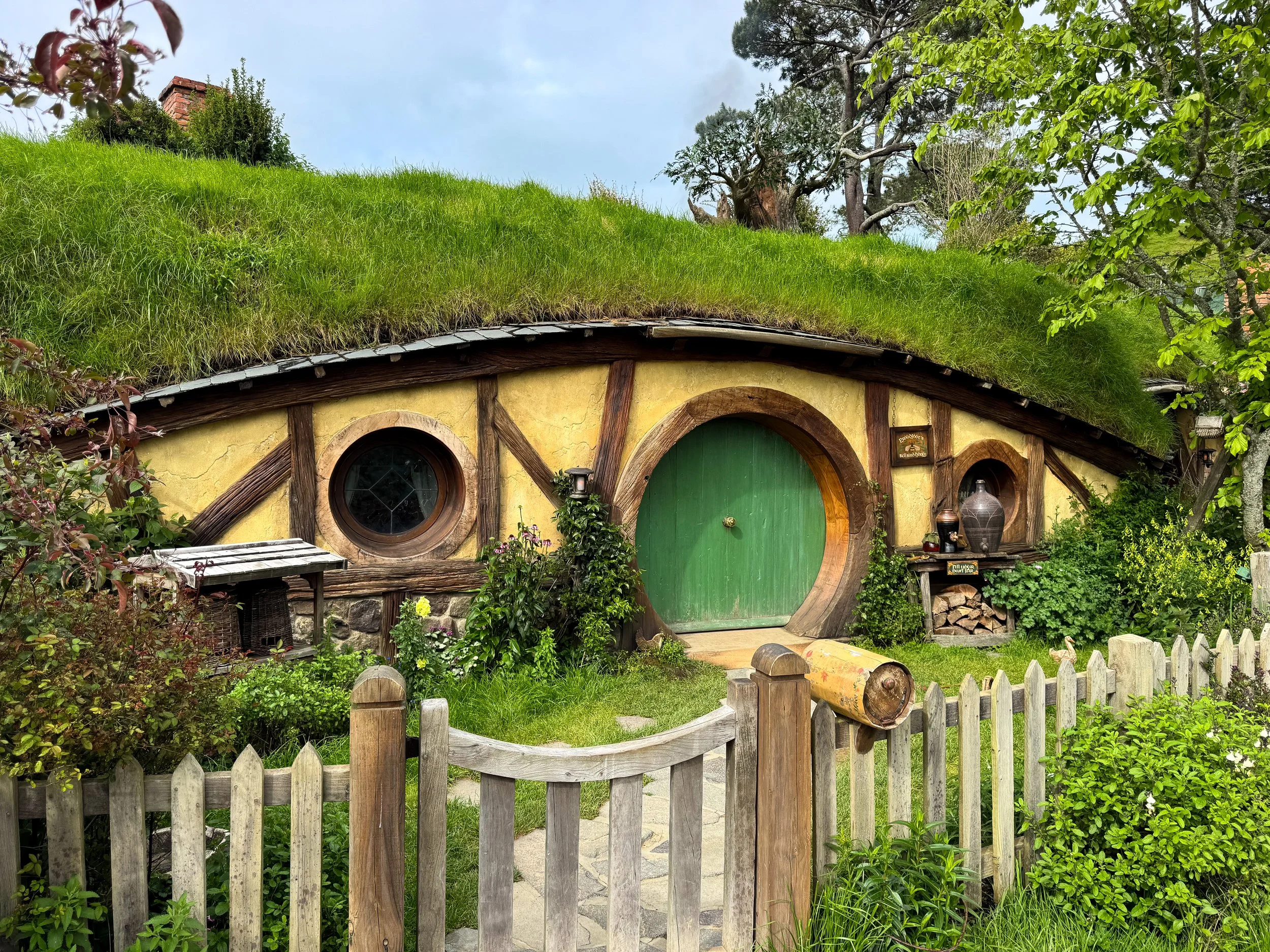
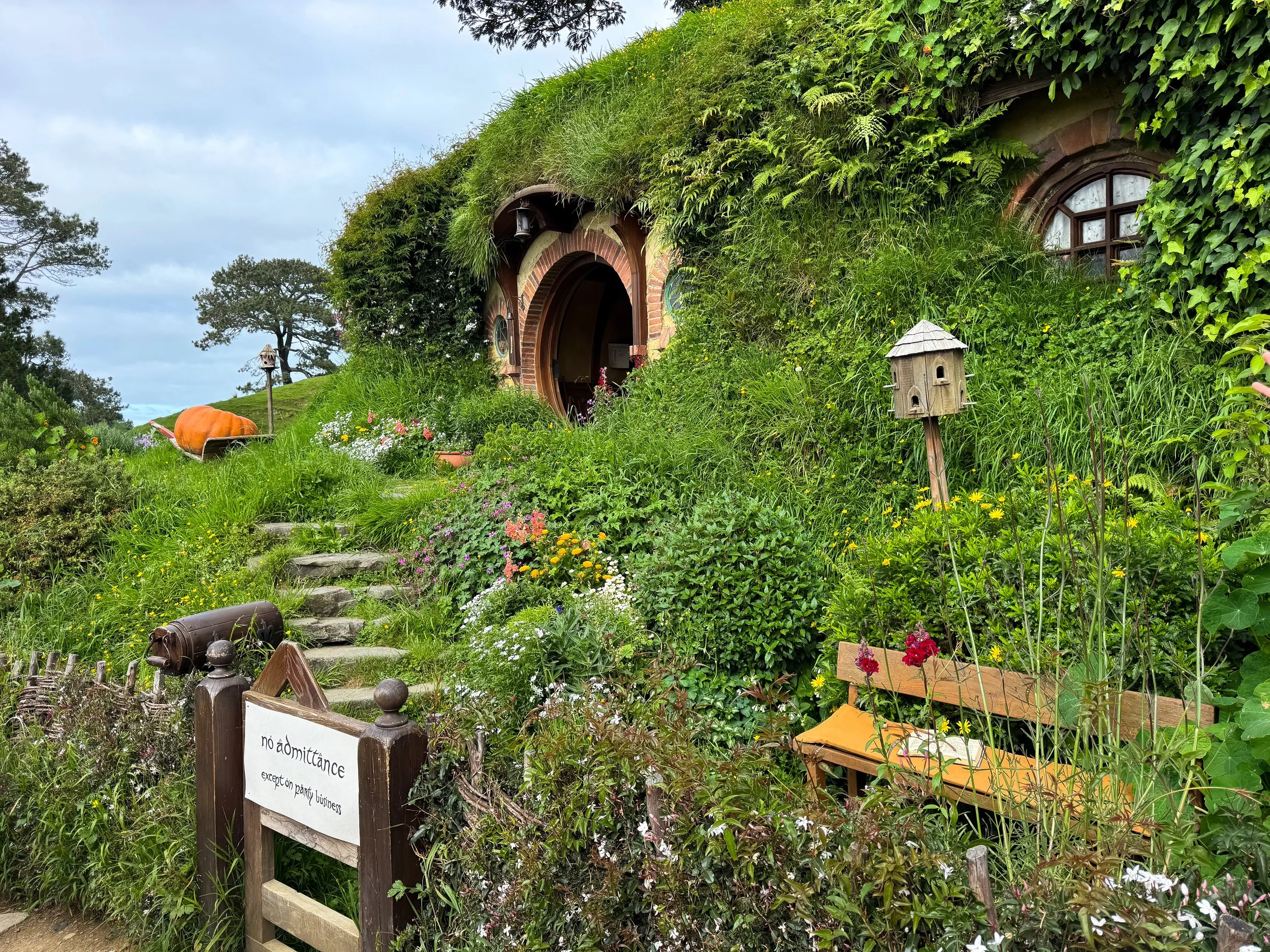
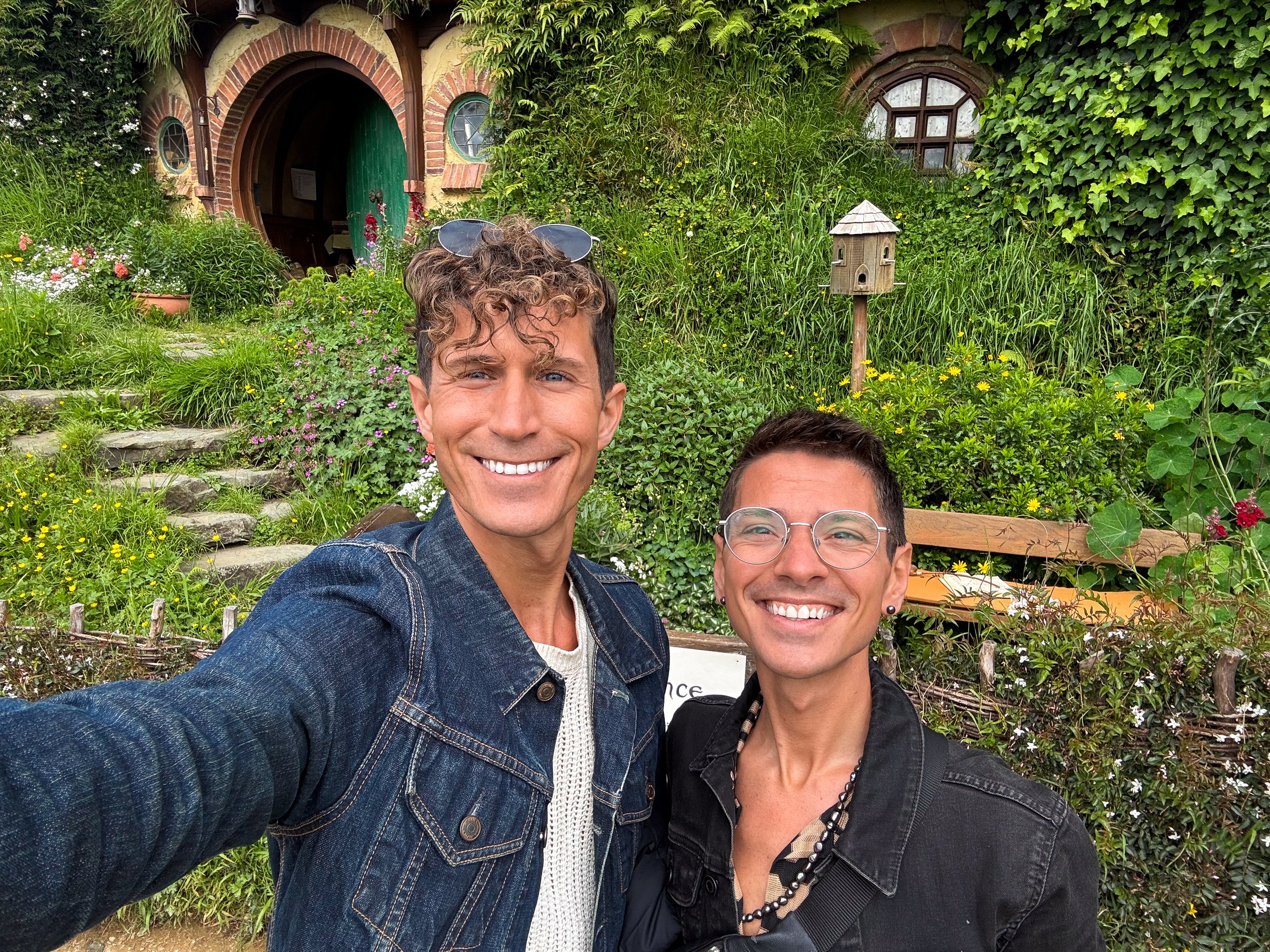
Bag End. The famed “hobbit hole” home to Bilbo and Frodo. It’s built into the top of a grassy hill beneath a large tree. Its green painted round door is left slightly ajar as if inviting guests in for afternoon tea.
Party Field. A grassy field in the middle of Hobbiton where Bilbo’s 111th birthday party is held. Ride the teeter totter or play lawn games like quoits.
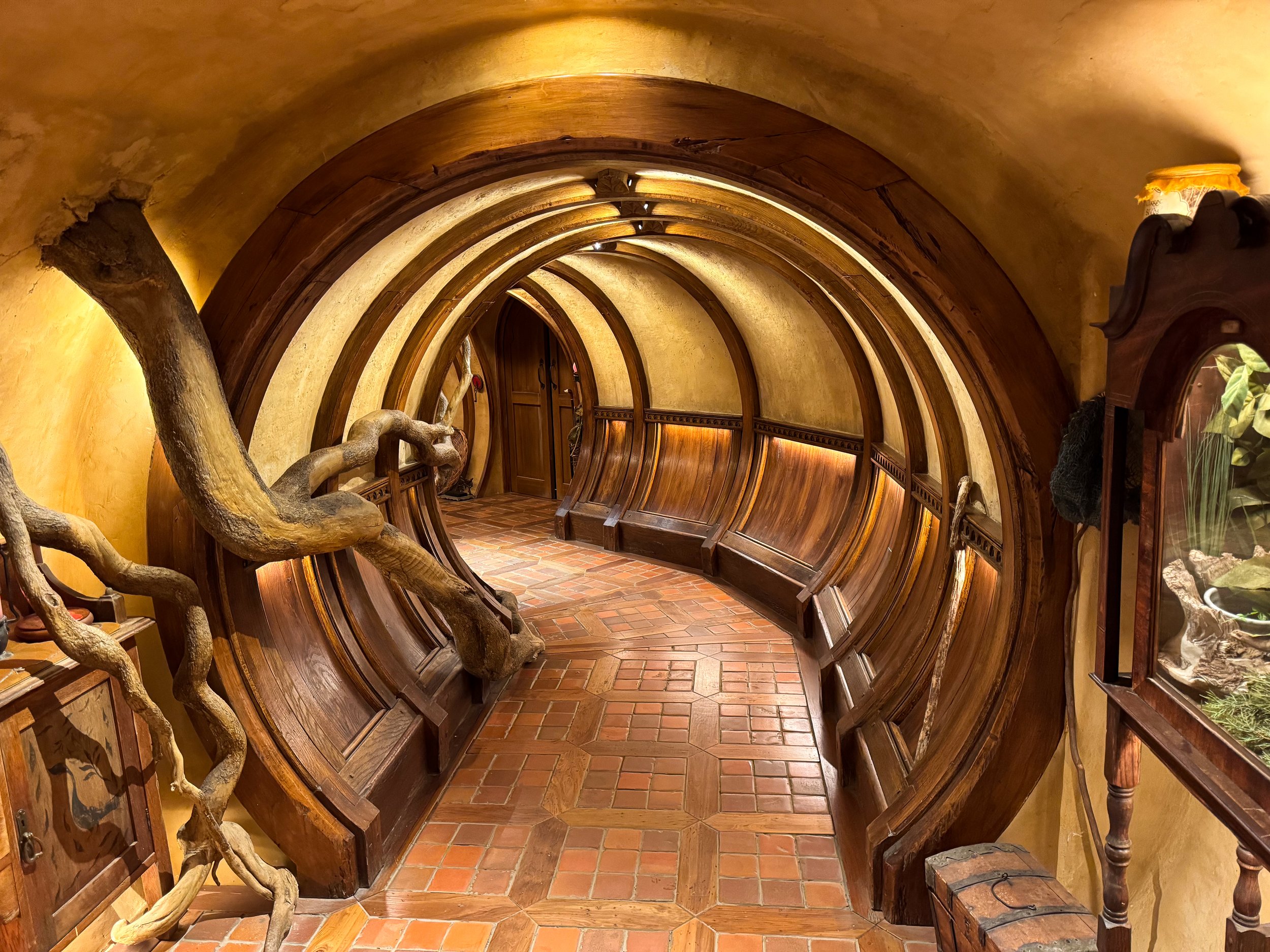
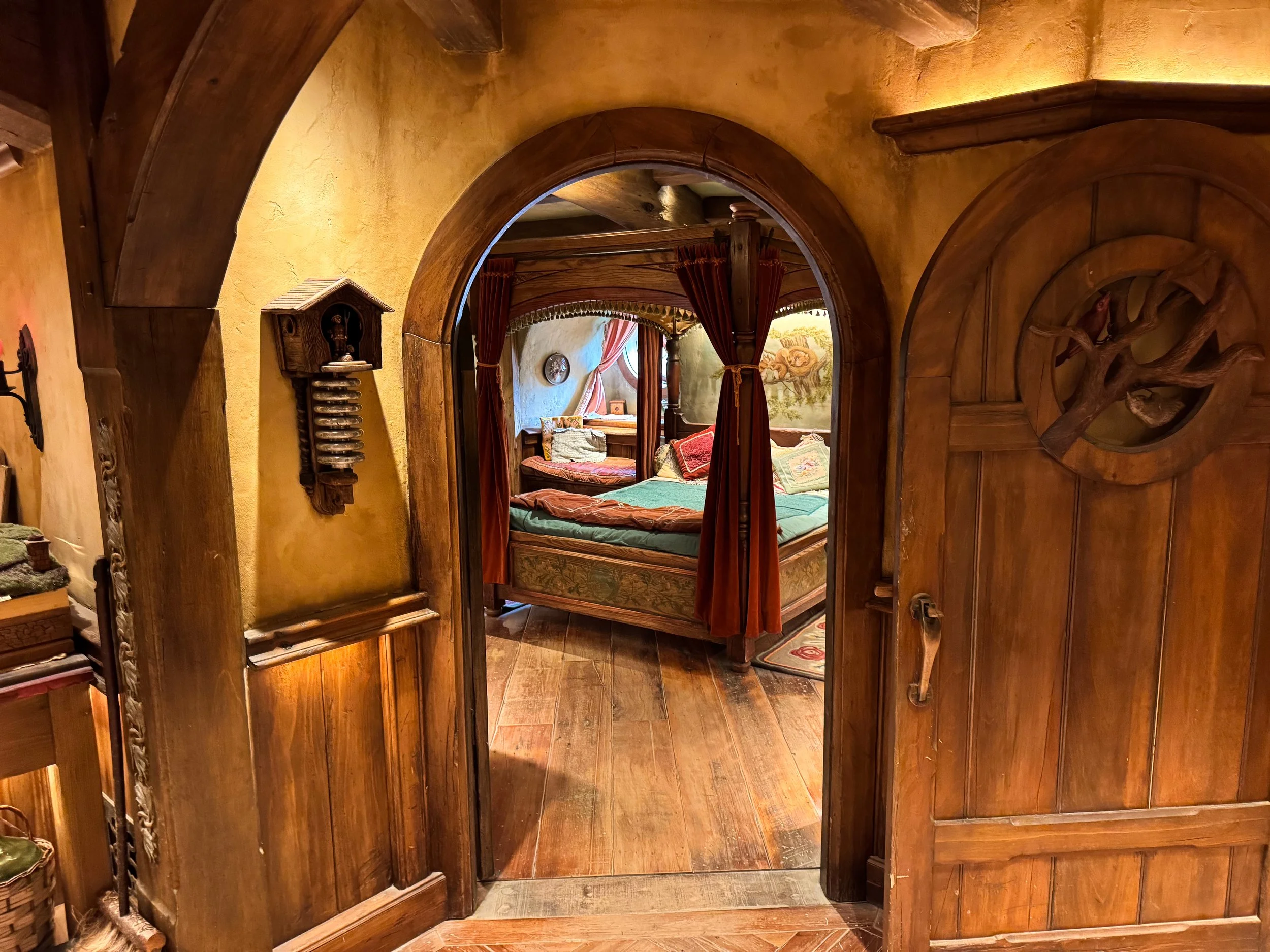
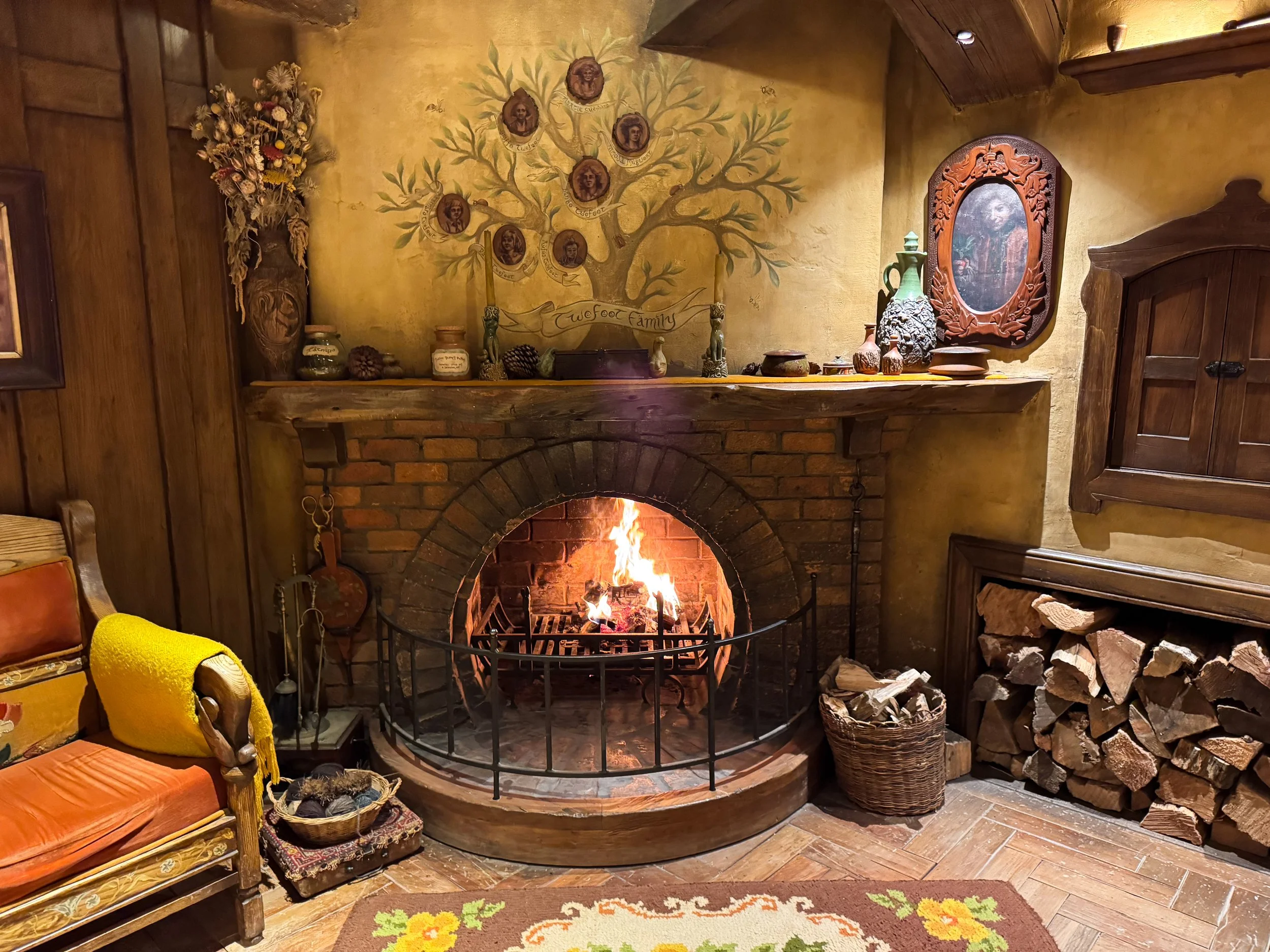
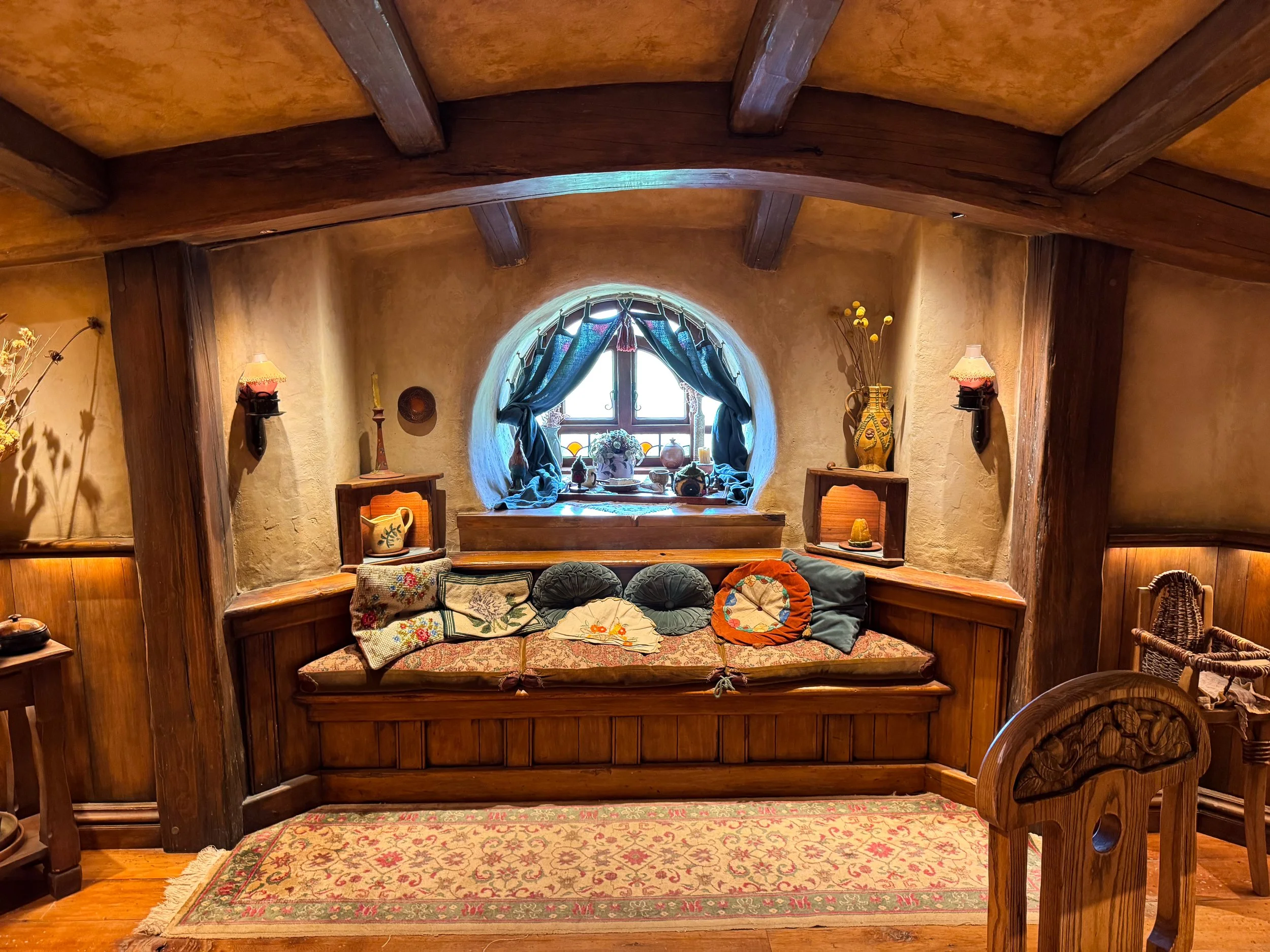
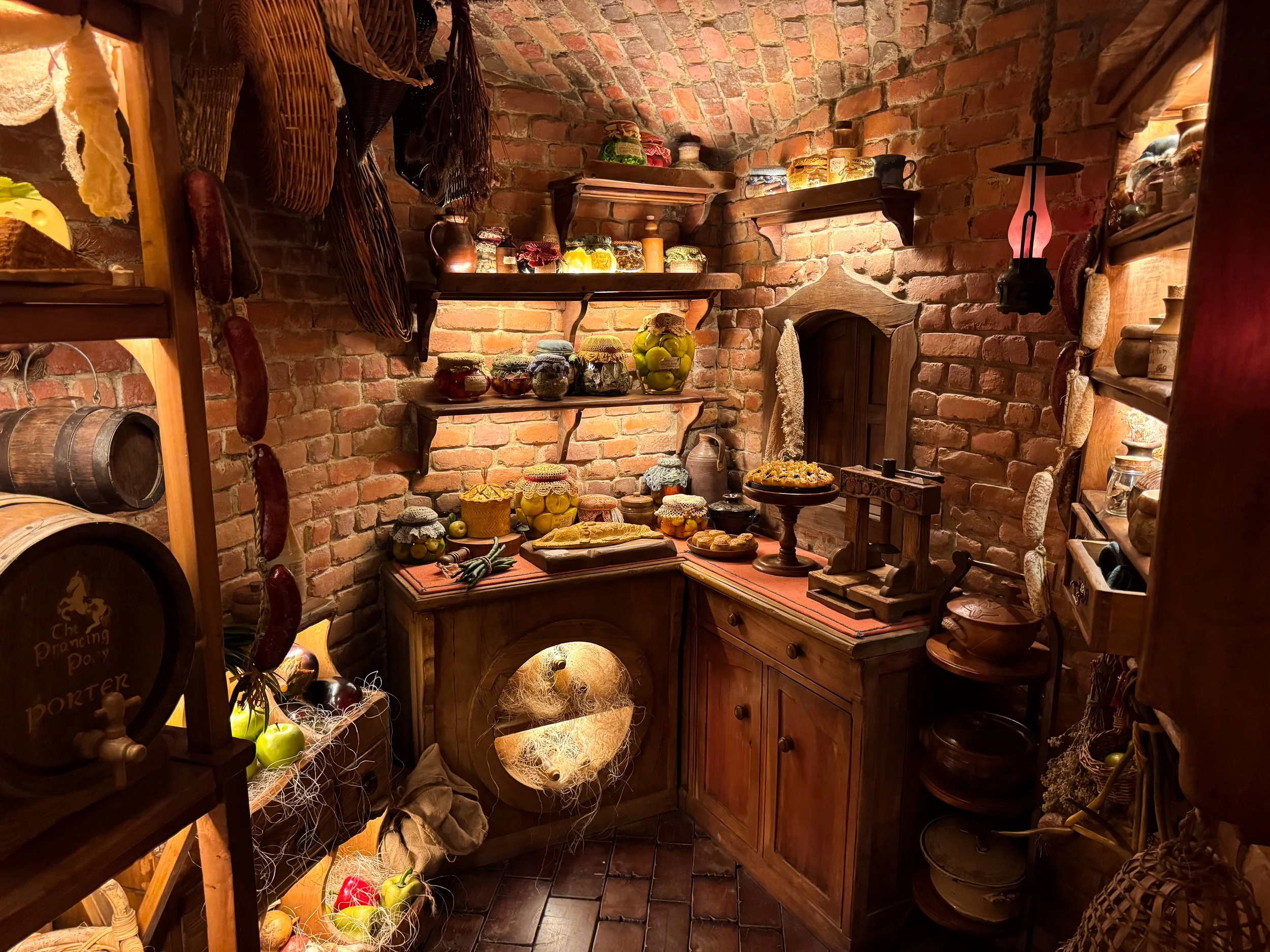
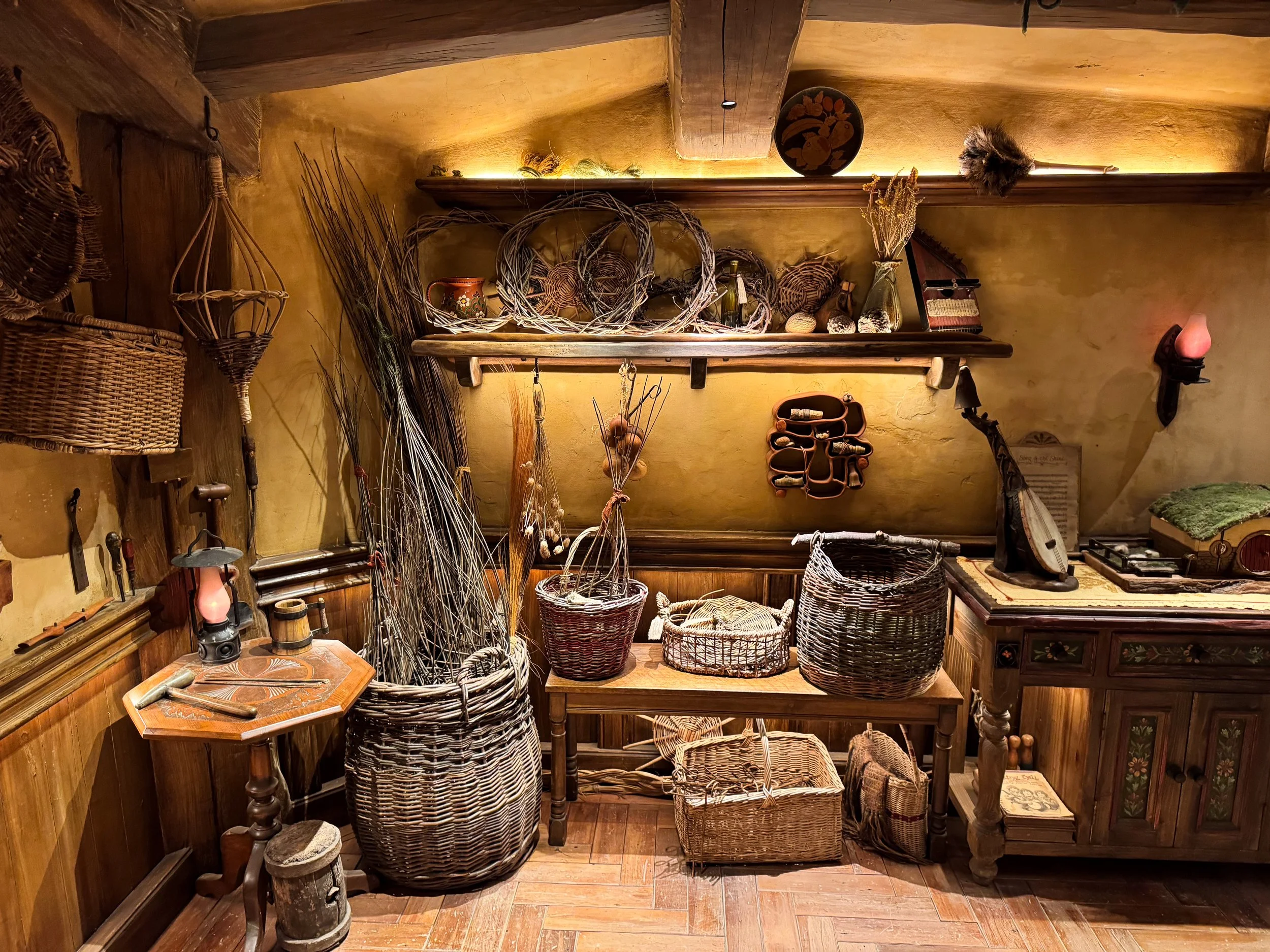
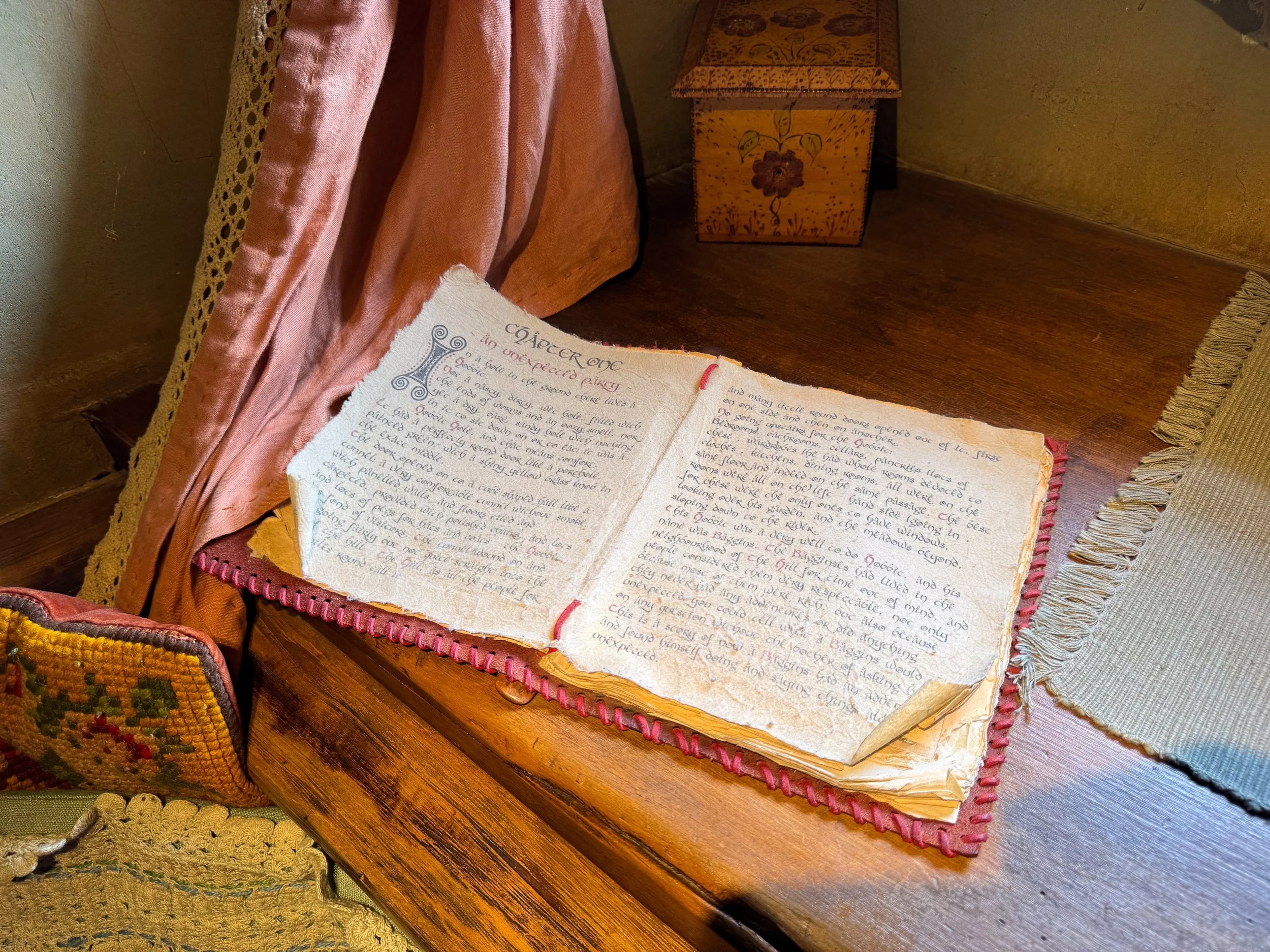
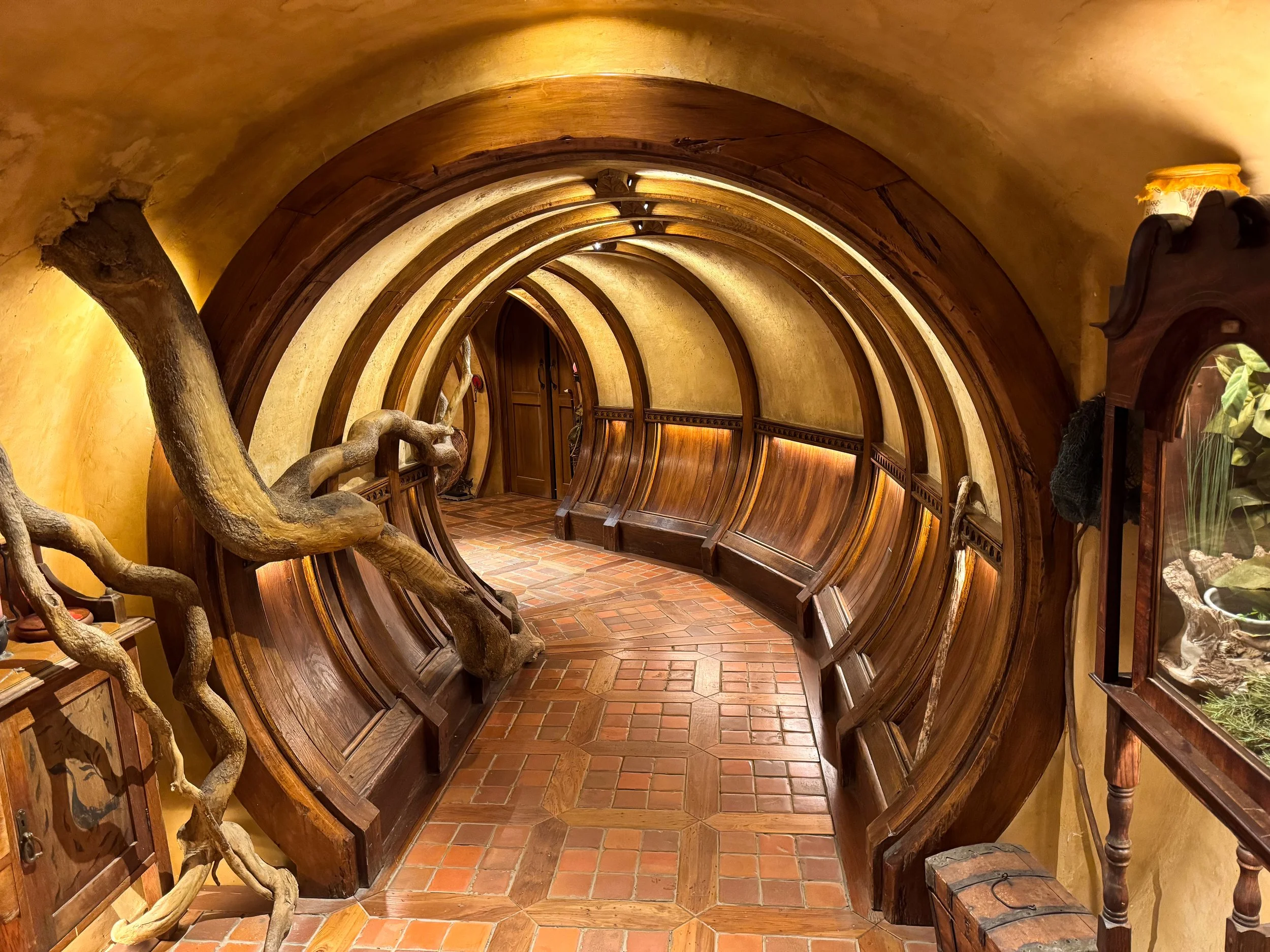
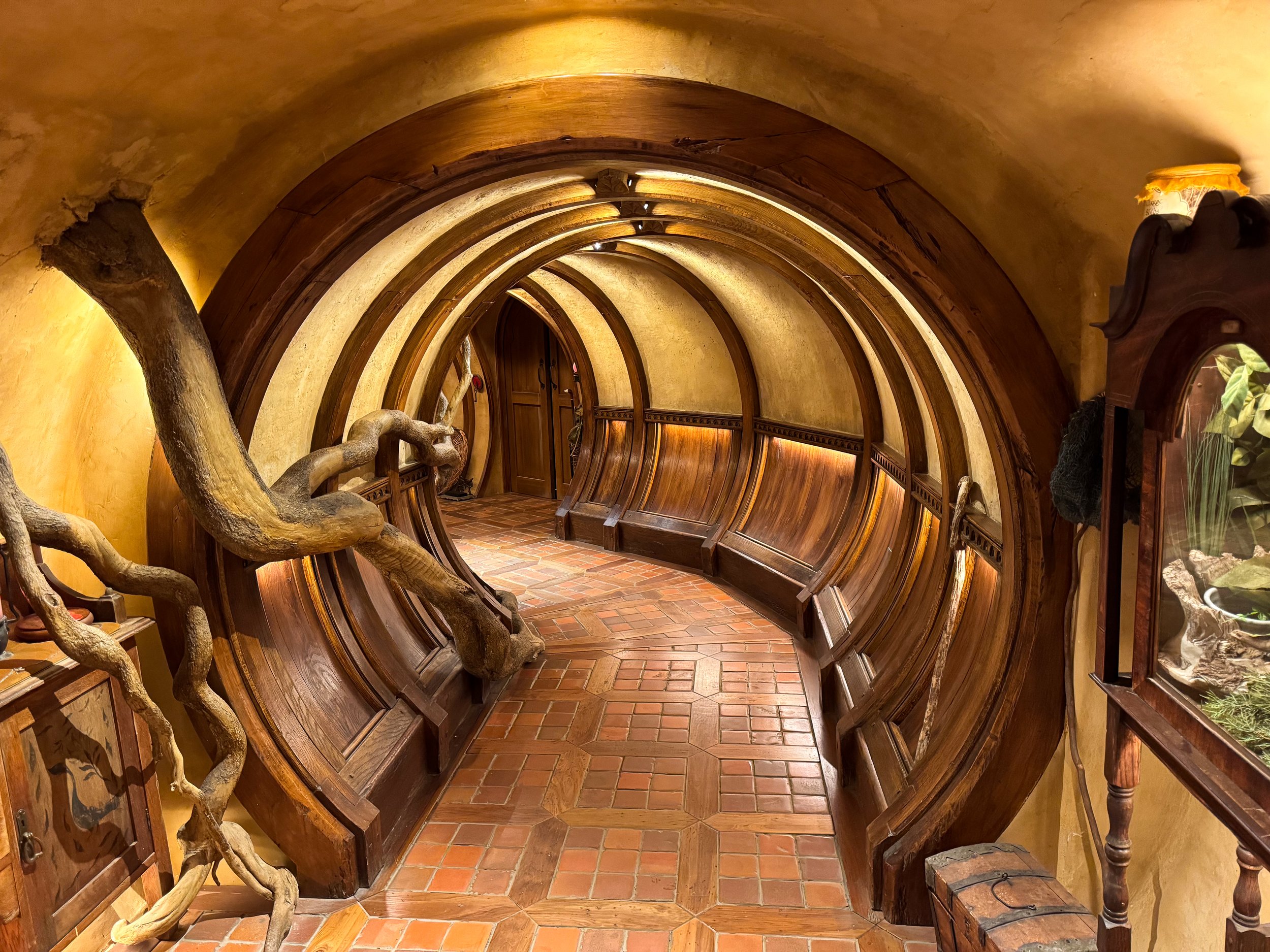
Bagshot Row. A lovely row of intricately designed “hobbit holes.” Beyond their round doors is a series of meticulously designed wooden tunnels, cozy chambers and warmly lit rooms with hobbit sized furniture, Shire decor, working fireplaces and numerous hidden easter eggs.
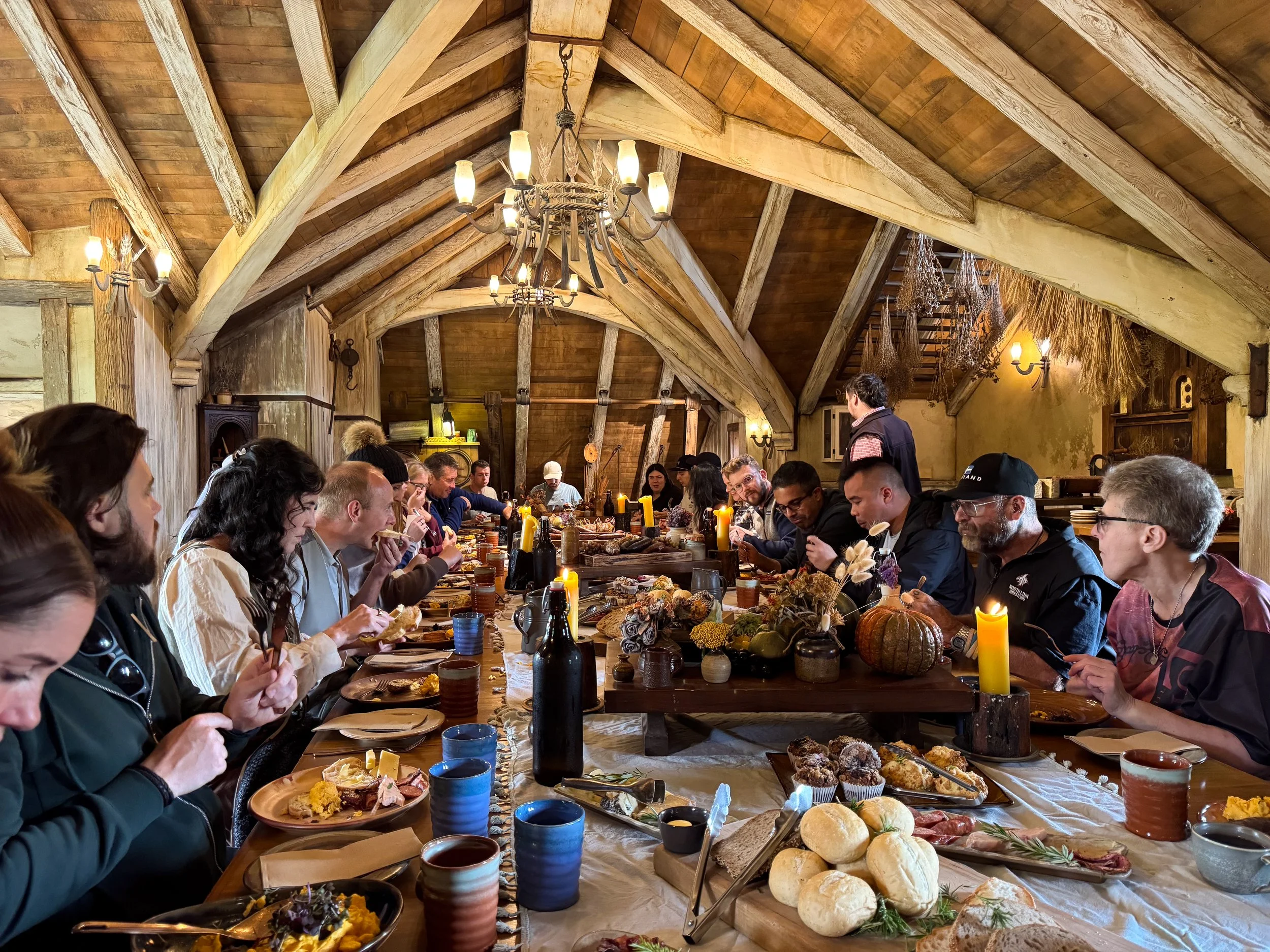
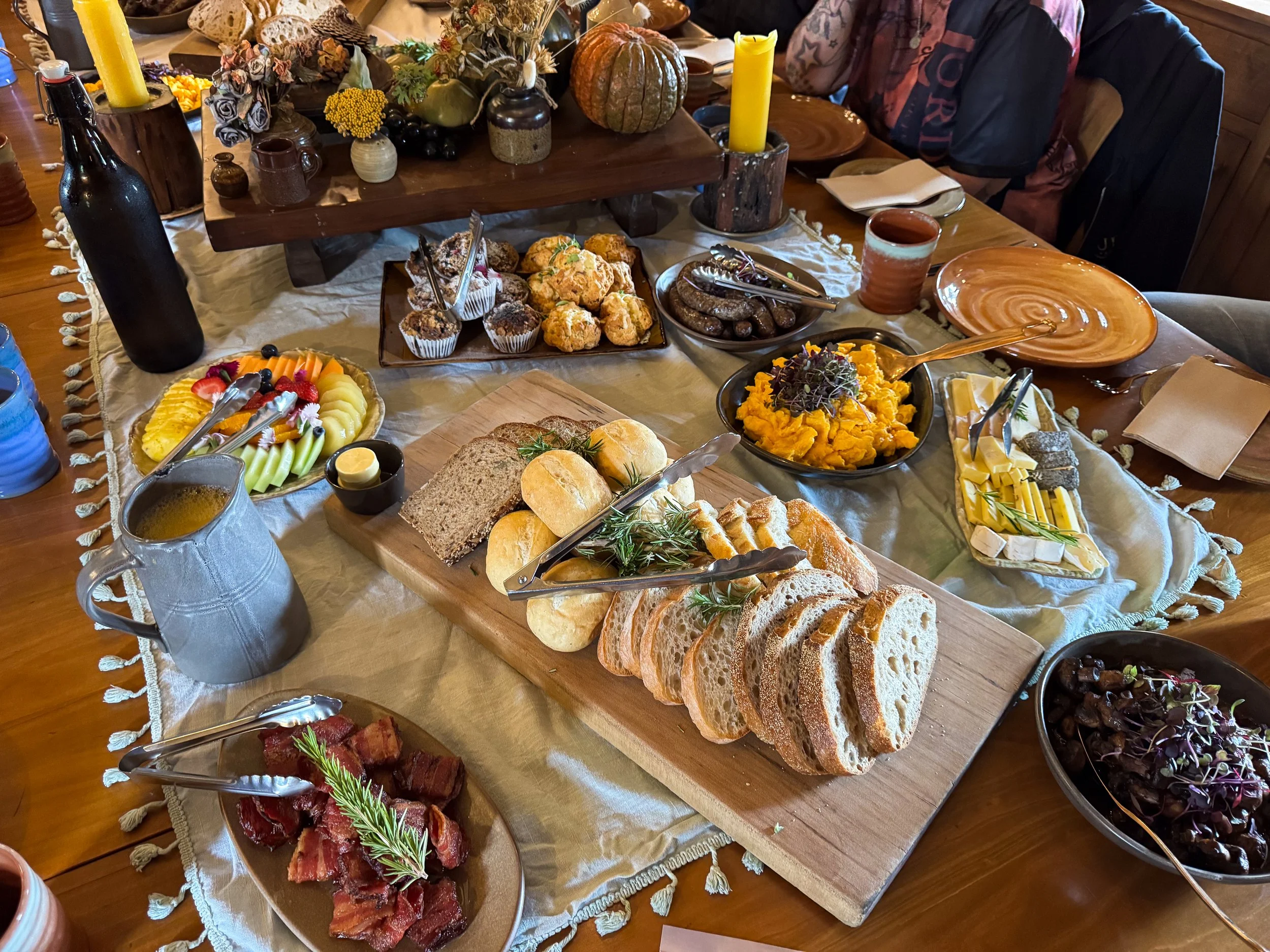
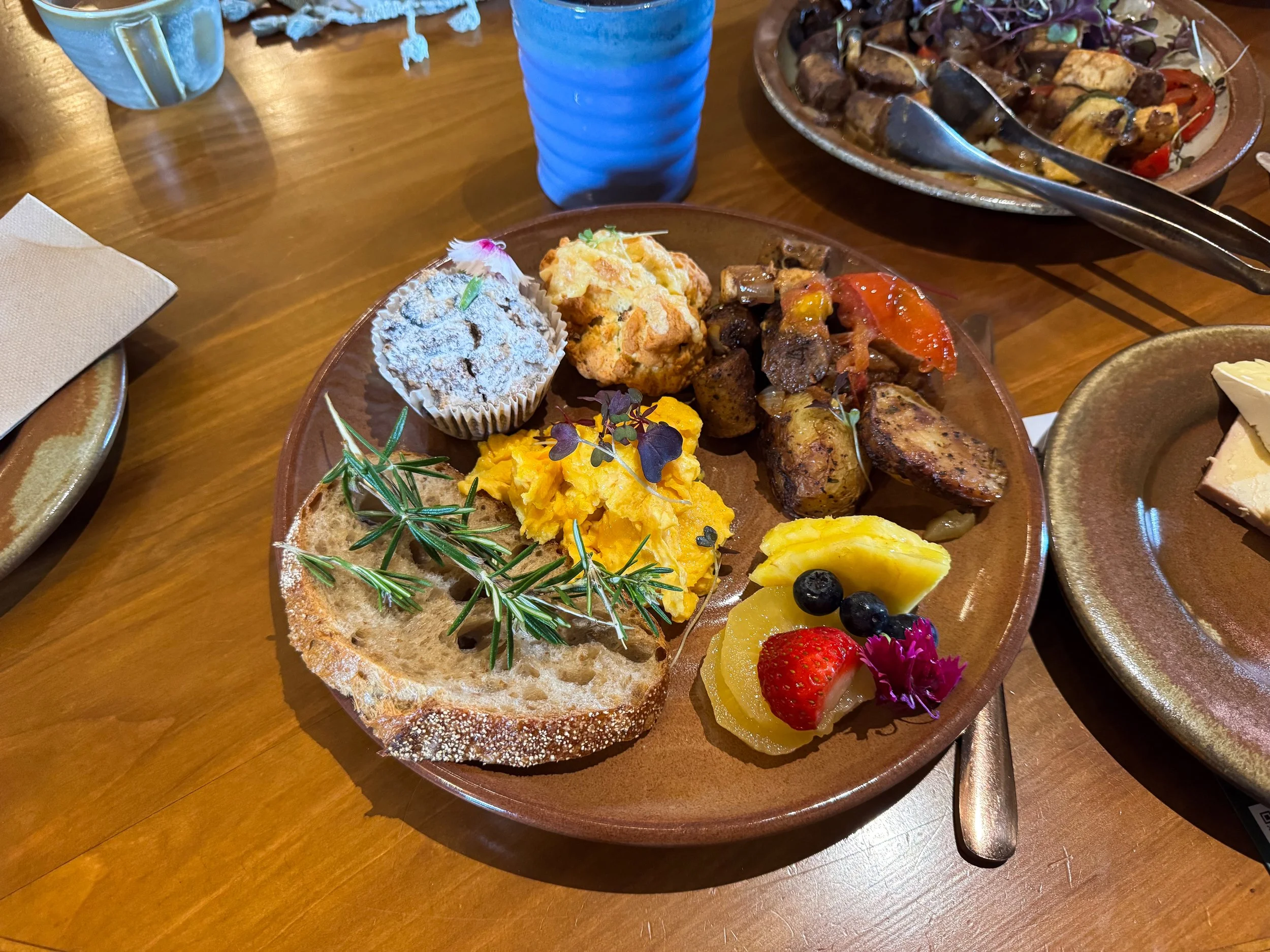
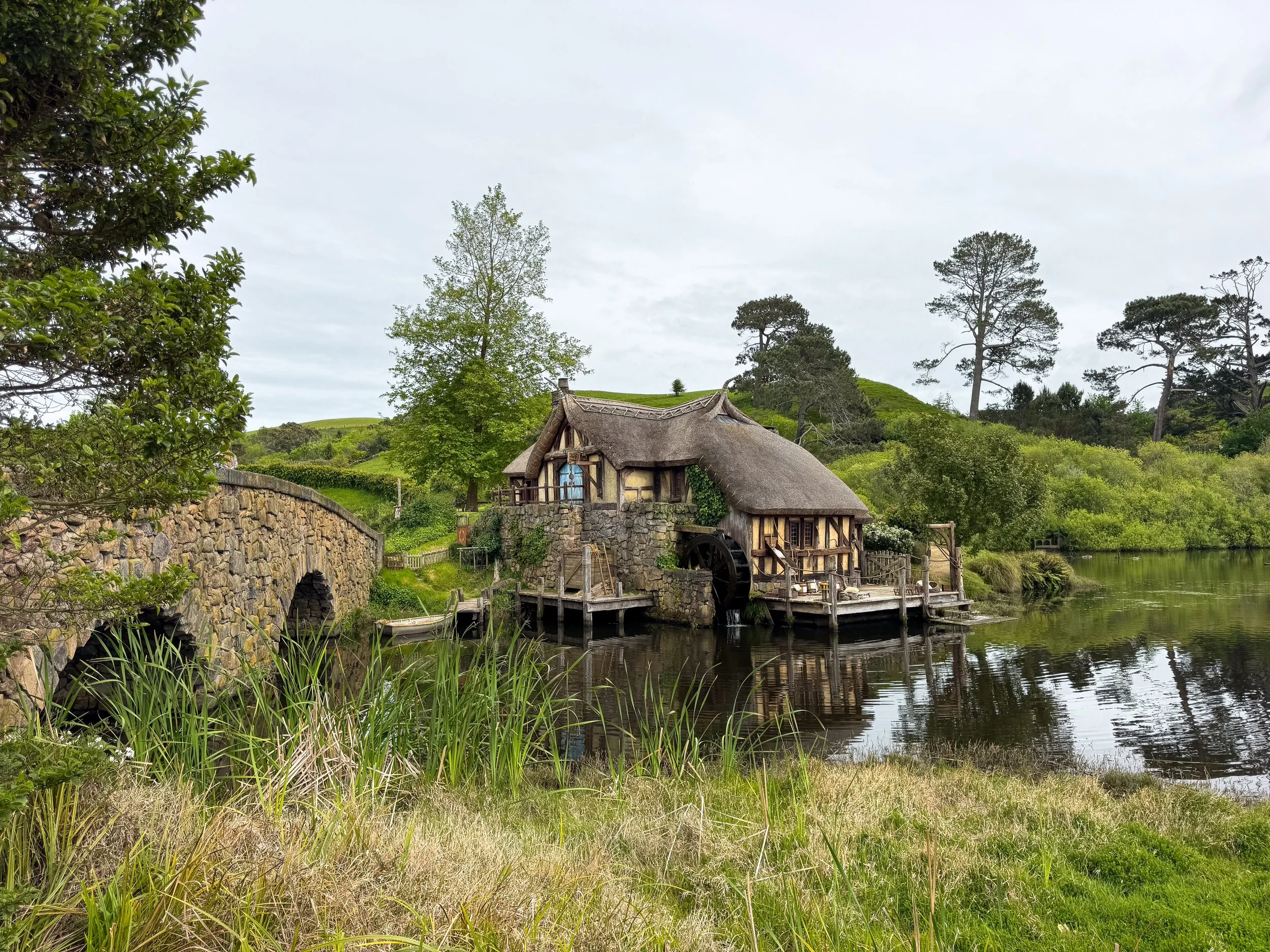
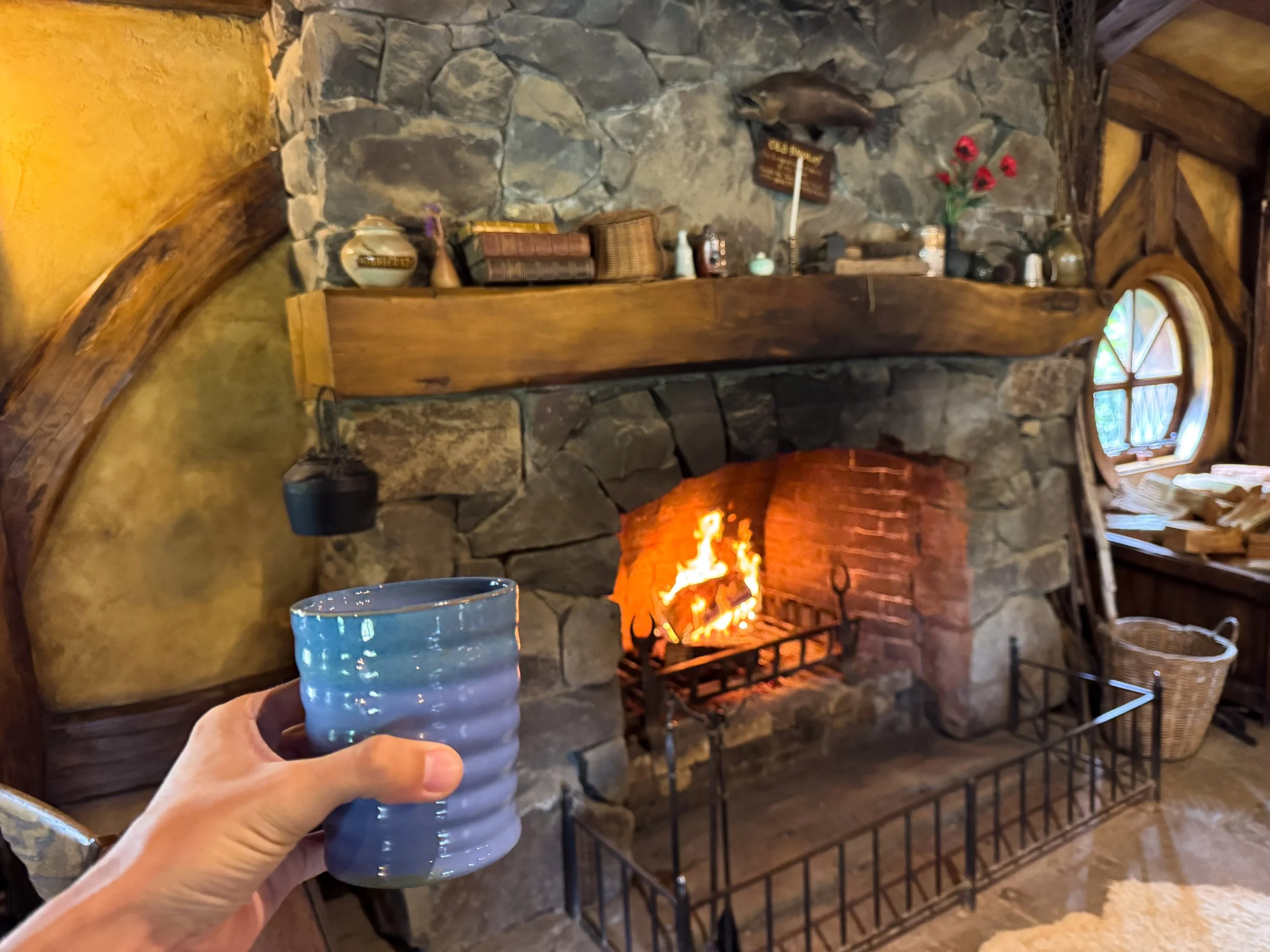
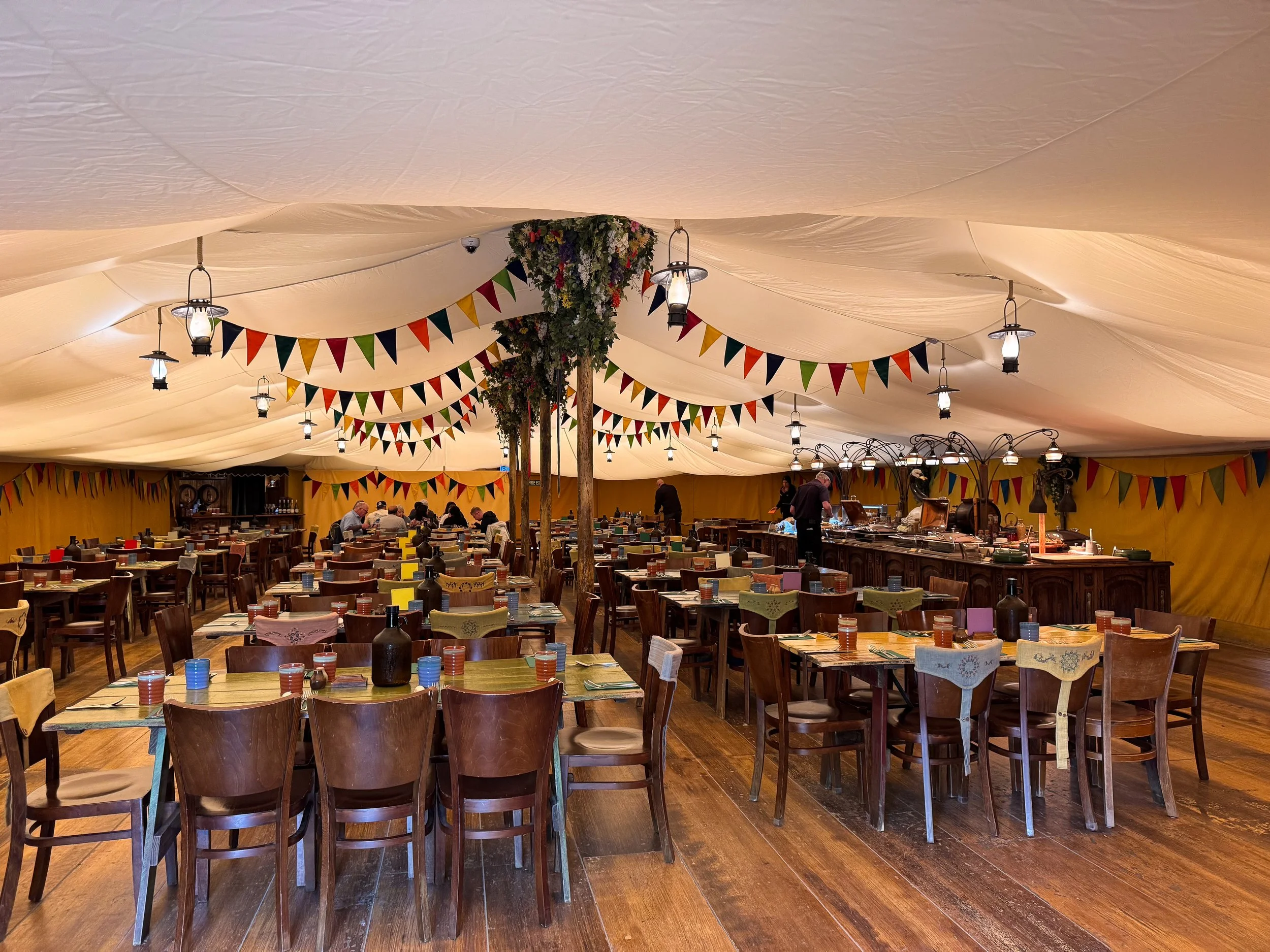
Second Breakfast Tour. A specialty tour of Hobbiton based on the beloved concept of “second breakfast.” The tour includes a feast worthy of respectable hobbits or a company of dwarfs. A vast dining table within The Millhouse is covered in spreads of fresh baked scones, muffins, breads and pastries. Dishes are plated with a variety of cheeses, meats, fruits and eggs. Vegan sausage, tofu, mushrooms and potatoes can be requested for vegetarians. Carafes sit on the side with teas, coffee and juices.
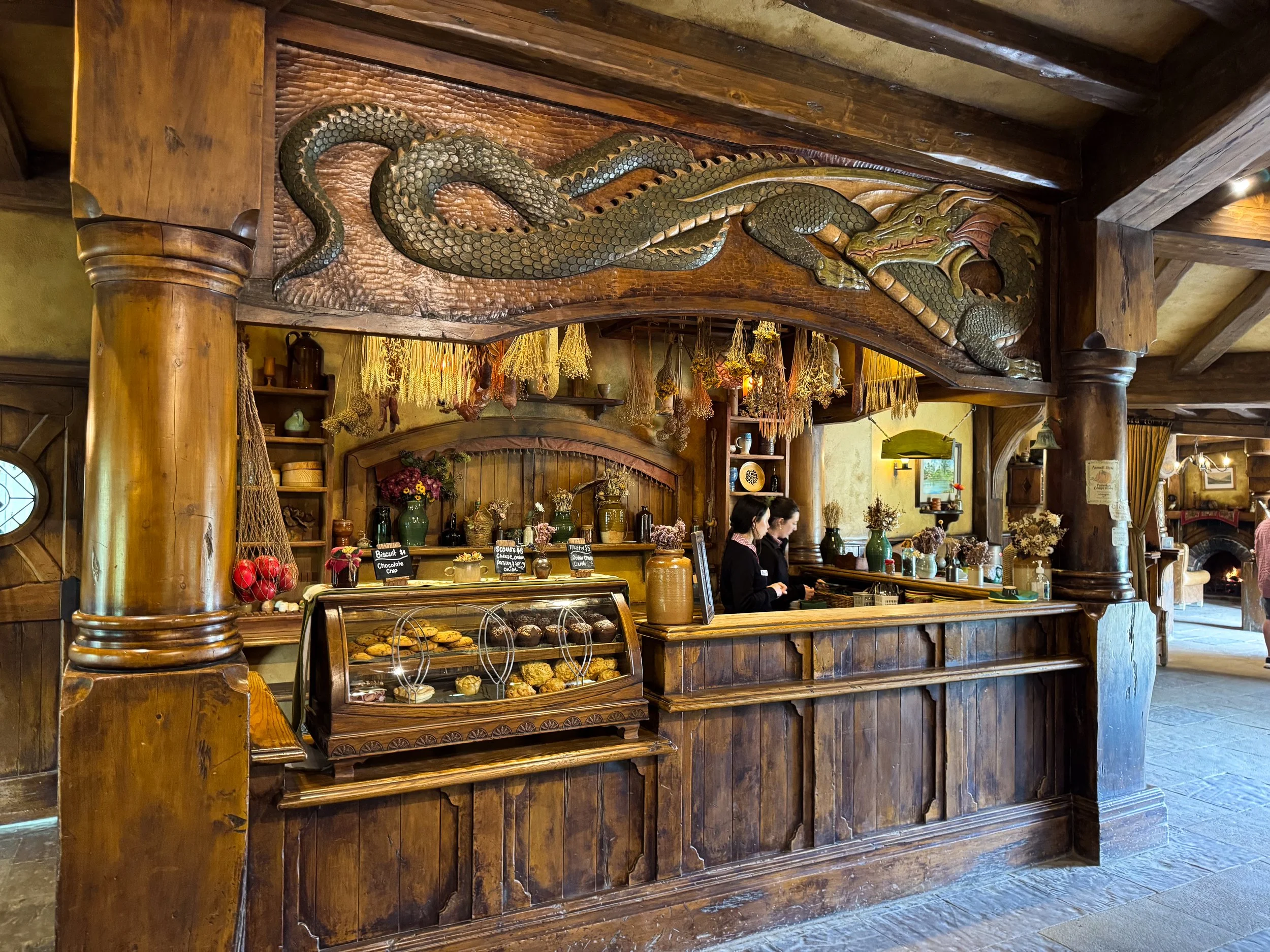
The Green Dragon Inn. A warm and cozy Shire pub and gathering place for hobbits and dwarfs. Come here to sit around a roaring fireplace with a “tankard” of locally brewed beer made especially for Hobbiton!
Good to Know. A majority of the hobbit holes are not actually accessible. Bag End only recently opened and gives a true glimpse into the life of the hobbits.
Pro Tip. Book tours directly through Hobbiton Movie Set Toursup to 10 months in advance!
Māori & Kiwi Cuisine
New Zealand Pies. Personal sized pies with a flaky crust and filled with a range of savory ingredients like vegetables, meats and seafood are common across New Zealand. They’re often served at cafés and fast food restaurants.
Ika Mata. Raw fish marinated in coconut cream with tomatoes and scallions.
Paua. A type of sea snail native to the waters of New Zealand. It’s served raw, sautéed, in soups and fritters.
Fish & Chips. A classic pairing of fried fish and potatoes. It’s common among current and former British territories.
Kumara. A yellow potato with a slightly sweet flavor and starchy texture. It’s often served fried with fish and chips.
Manuka Tea. A herbal black tea with a pine forward flavor. It’s made from the leaves of a bushy evergreen tree.
Manuka Honey. Bush honey, famed for its antibiotic properties, made by bees that pollinate the manuka trees.
Toasties. Buttered and griddled white bread sandwiches often served at breakfast.
Places to Eat & Drink
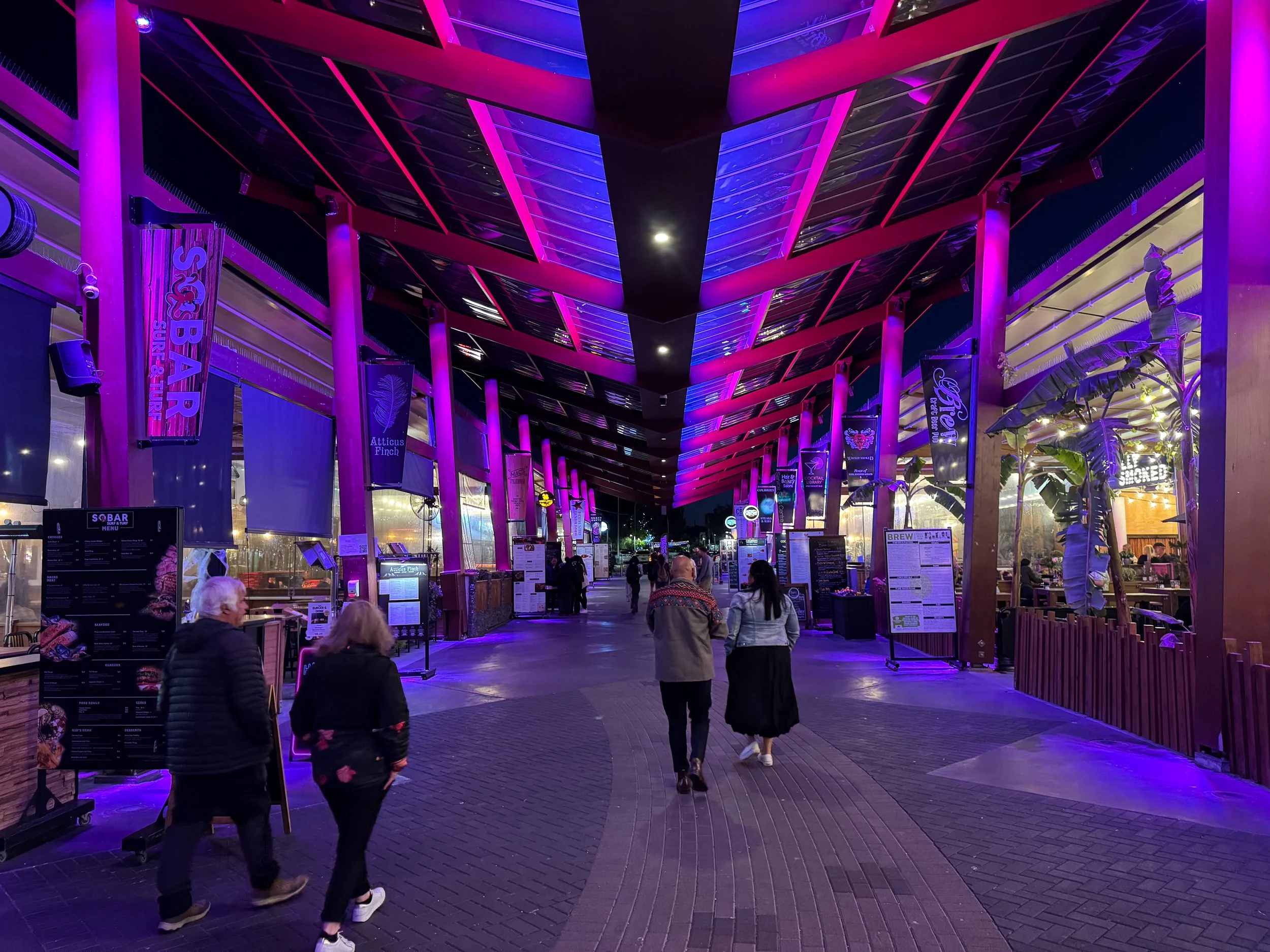
Eat Street. A pedestrian street in the center of Rotorua with restaurants, bars and nightly live music. Come here to eat, drink and be merry!
The Fainting Goat. A restaurant on Eat Street with a menu of shareable plates, house brewed beers and New Zealand gins. Try the salt and pepper squid, tarakihi fish tostadas and pumpkin frites with truffle honey.
Brew Craft Beer Pub. A pub on Eat Street with fried snacks, pizzas, burgers and local beers.
Lady Jane’s Ice Cream. An ice cream shop on Eat Street with dozens of classic and local flavors. Try the Black Doris Plum and Hokey Pokey, honey toffee in vanilla ice cream.
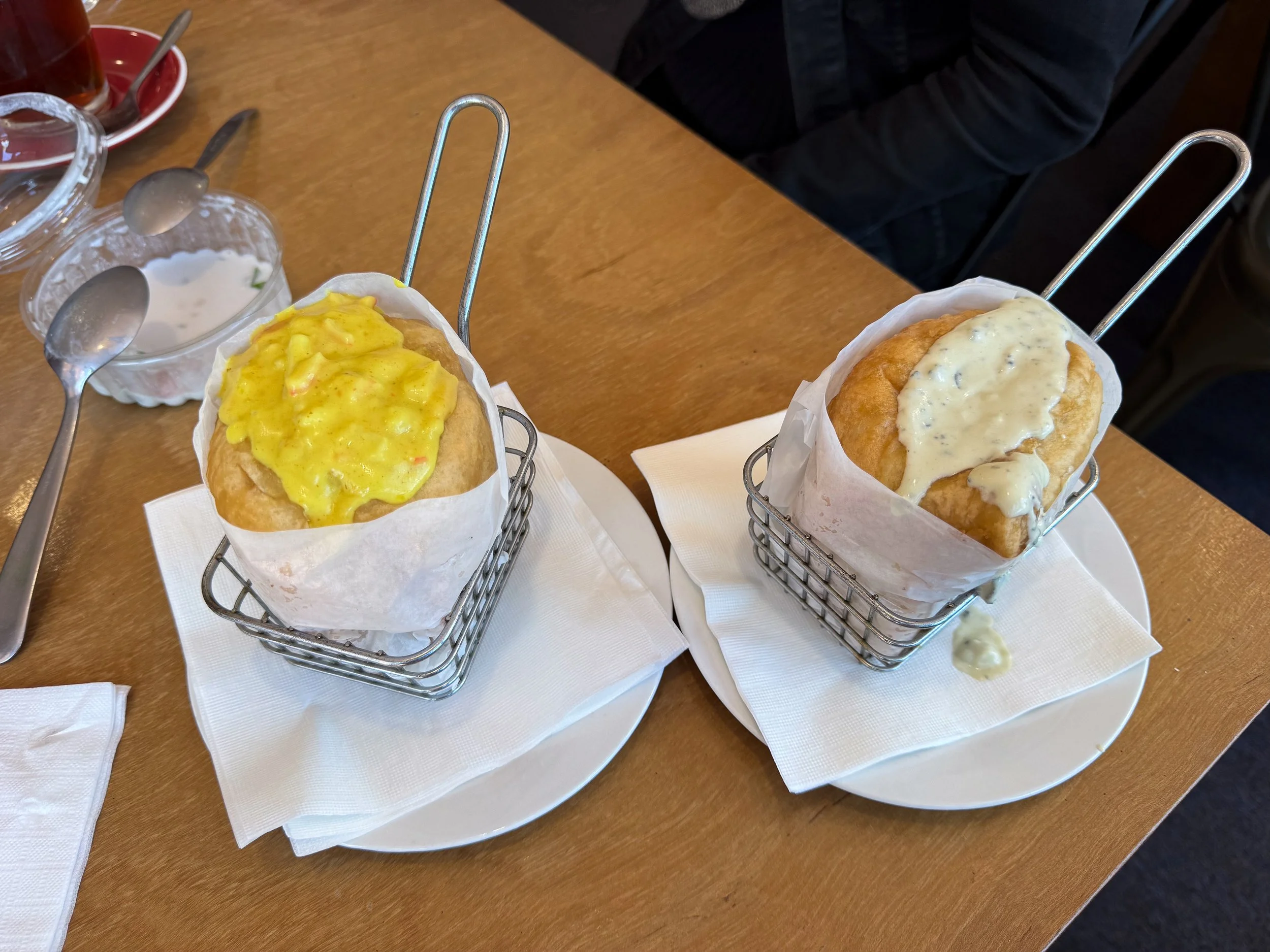
Kai Caff Aye. A restaurant specializing in traditional Māori cuisine. Come here for Kai Moana (seafood). Try the chowder of Paua (sea snail) in a pocket of fry bread and Ika Mata.
Devon Sea Foods. A takeaway seafood kitchen with fish & chips, fish burgers and other fresh caught New Zealand fish meals. Try the Tarakihi Fish with Kumara Chips.
Where to Stay
Rotorua Airbnb. A ground floor apartment in a home with a small kitchenette. It’s close to the city’s geothermal sights and walking distance to cafés and restaurants. Book here.
Location Specifics
Language. English is the most commonly spoken language in New Zealand. Māori is frequently written on street and road signs.
Cash vs. Card. Credit cards are accepted for virtually every payment. We did not need to use cash once.
Carry Your ID. When ordering alcohol, be prepared to show your passport to verify your age.
Rental Cars. We rented a car with Auto Union at the Auckland airport. The agency has affordable rates and hundreds of positive reviews.
Drive on the Left. Like many former British colonies, New Zealanders drive on the left side of the road.
Elsewhere on the North Island
From Rotorua's geothermal landscapes and Māori culture to Auckland's island escapes and Taupō's volcanic adventures, discover more of New Zealand through these travel guides:
Auckland Travel Guide: Waiheke Island, Waterfronts & Volcanic Views. Wander through Auckland's waterfront neighborhoods, volcanic landscapes and Waiheke Island wineries where urban life meets natural beauty.
Taupō Travel Guide: Lake Taupō, Tongariro & Outdoor Adventure. Experience Taupō where volcanic landscapes, geothermal parks, alpine crossings and dramatic waterfalls surround New Zealand's largest lake and fuel outdoor adventures.
For Next Time…
Visit the South Island. Seeing the snow covered mountains of the South Island from our airplane window left us with a major sense of fomo. When we return, we plan to spend at least two weeks exploring the South Island.
Fiordland National Park. A glacier carved fjord flanked by forested and rugged mountains.
Lake Tekapo. A bright blue lake surrounded by scenic views of snow covered mountains and springtime blooms of lupin flowers.
Tasman Glacier. A glacier with a turquoise lagoon and floating icebergs at its leading edge.