

Cebu Travel Guide: Whale Sharks, Canyoning & Wildlife
Chase adventure in Cebu to swim with whale sharks and sardines, canyoneer at Kawasan Falls and island hop to Bohol’s Chocolate Hills for experiences on land and water.
Cebu, Philippines
Cebu is an island destination in the Philippines known for its thrilling outdoor adventures, underwater excursions and memorable wildlife encounters. The island is a hub in the region to visit neighboring islands and destinations across the country.
An Island of Adventures
The underwater world is teeming with an incredible array of life. Outrigger boats ferried us to coral reefs and ocean drop offs where we snorkeled and free dived with giant whale sharks, tens of thousands of sardines and sea turtles. On land, we zip-lined above tropical forests, canyoneered down a turquoise river, swam through waterfalls, jumped from cliffs, boated up jungleous rivers, overlooked the “chocolate hills” and spotted wild tarsiers.
Kawasan Falls & Canyoning
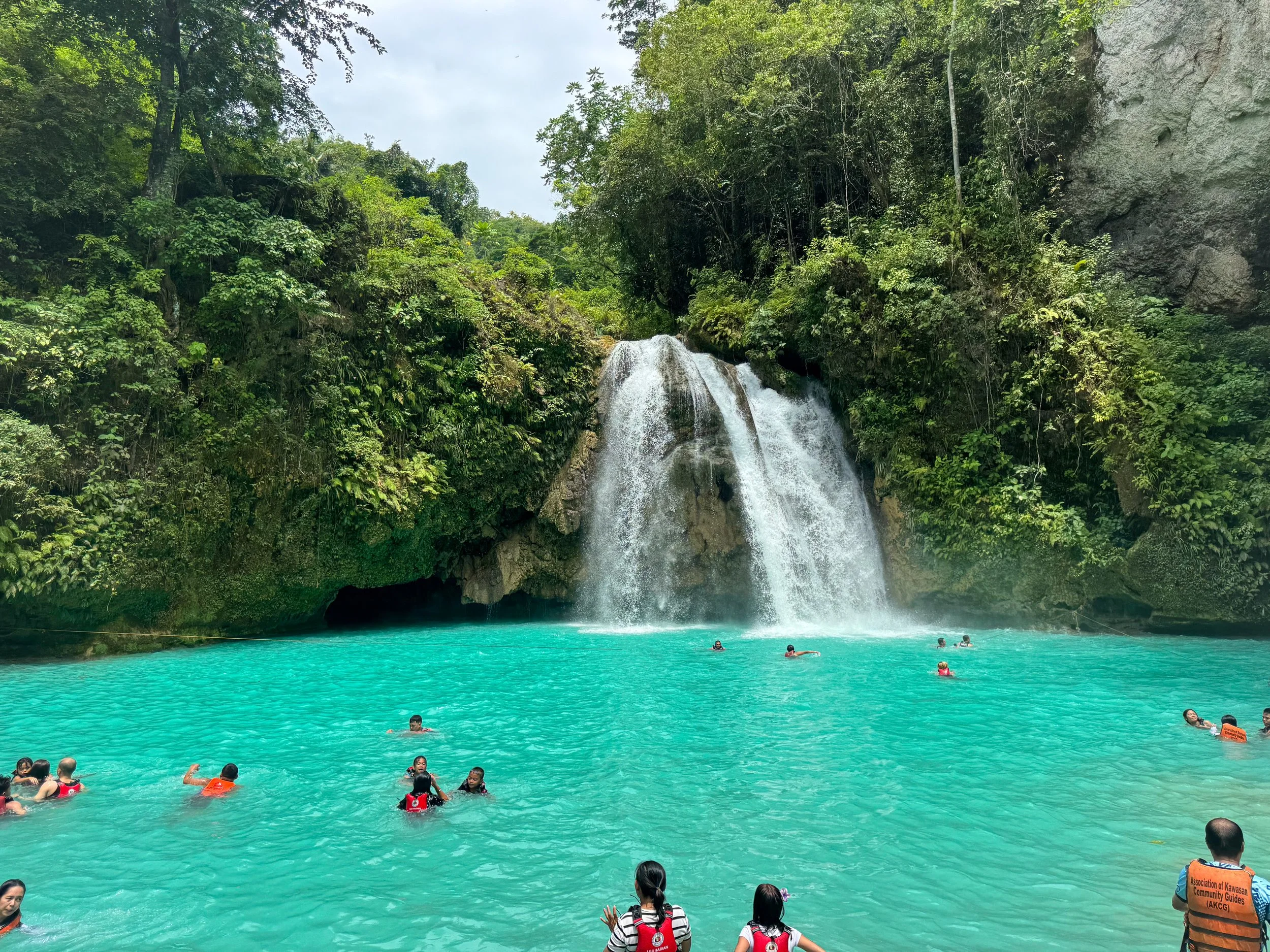
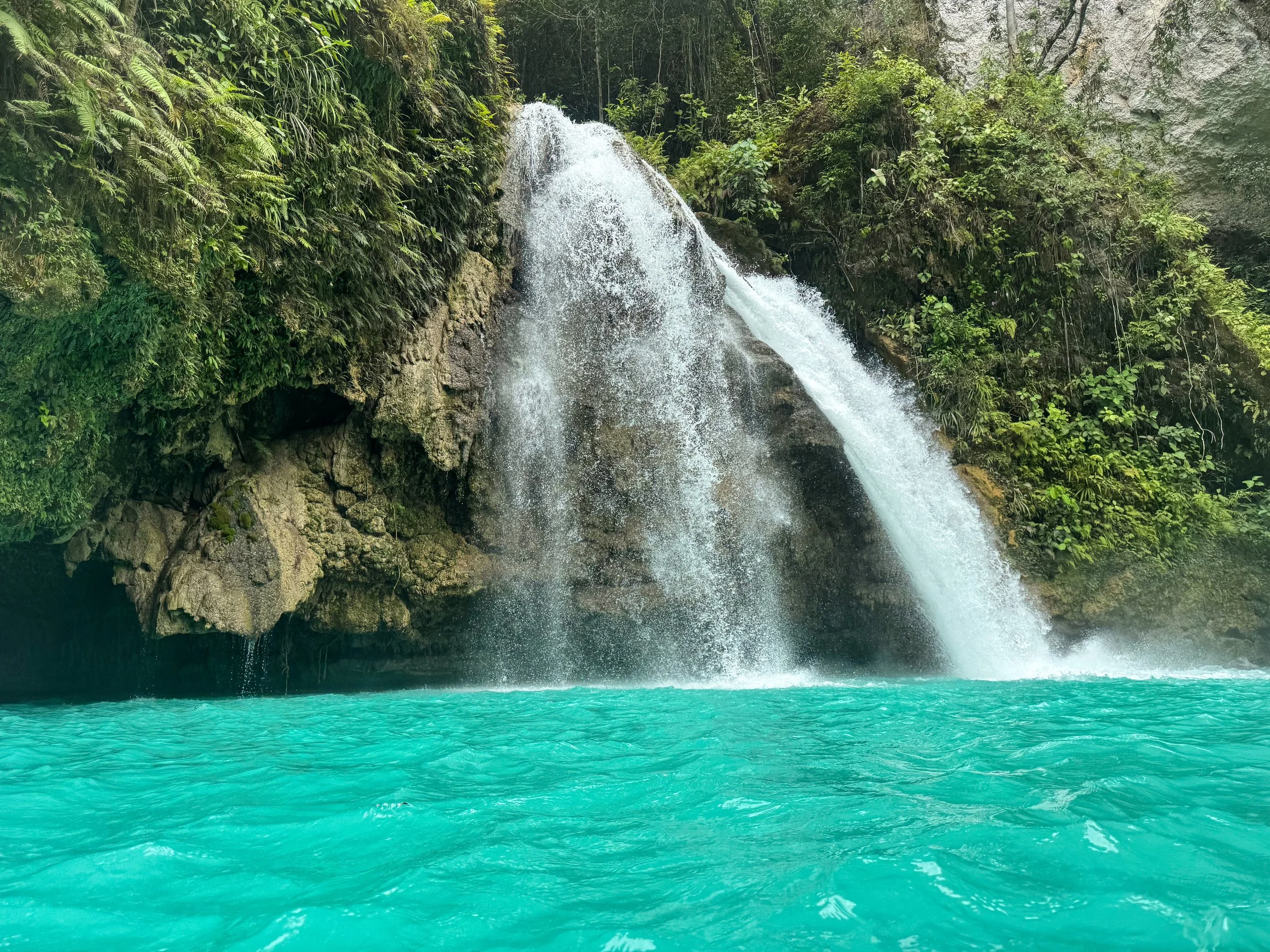
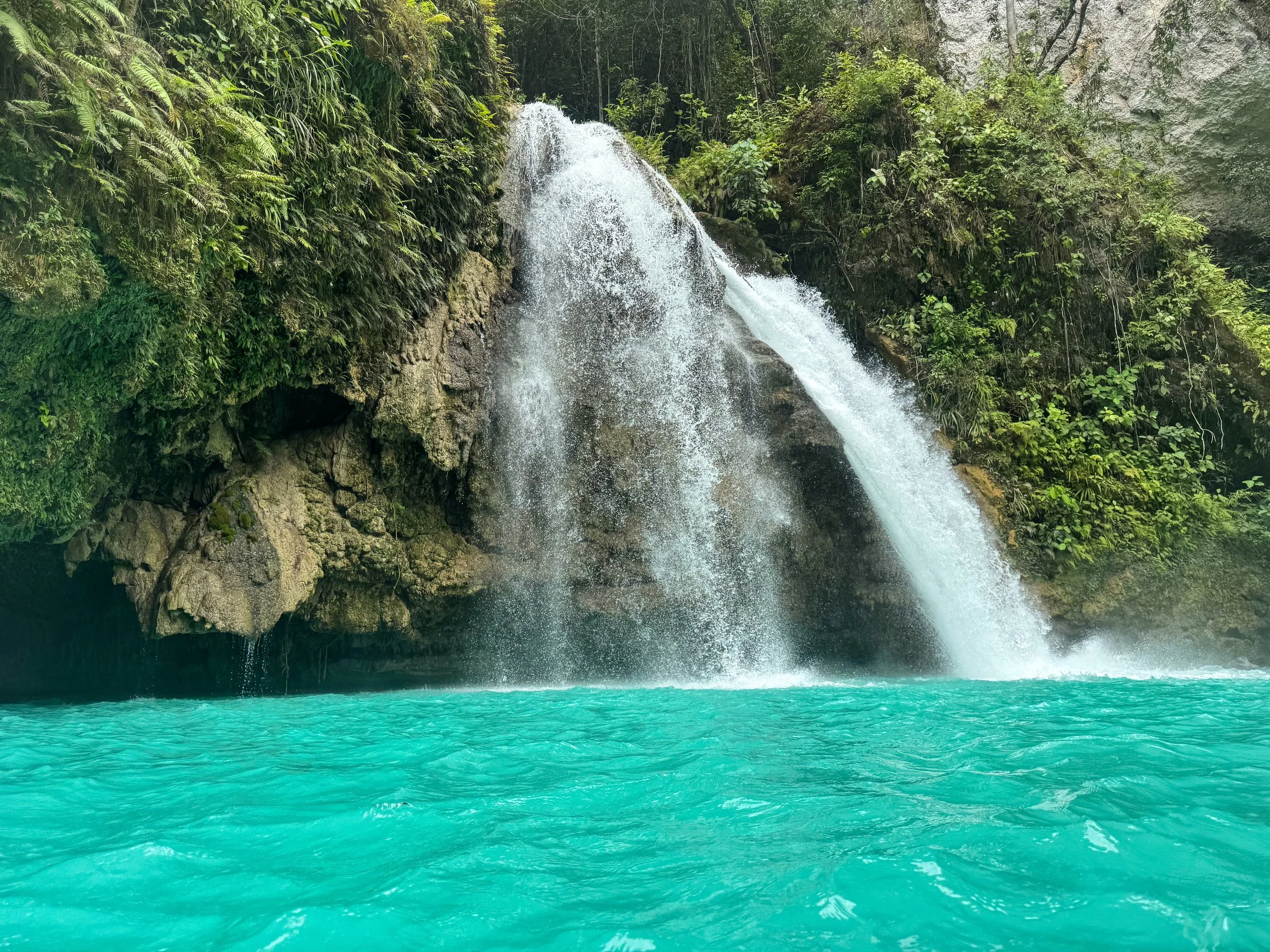
Kawasan Falls is a three tiered cascading waterfall flowing from a turquoise colored mountain river. The river flows down a canyon popular for guided canyoneering adventures with hiking, swimming, cliff jumping, natural waterslides and trapeze style swings.
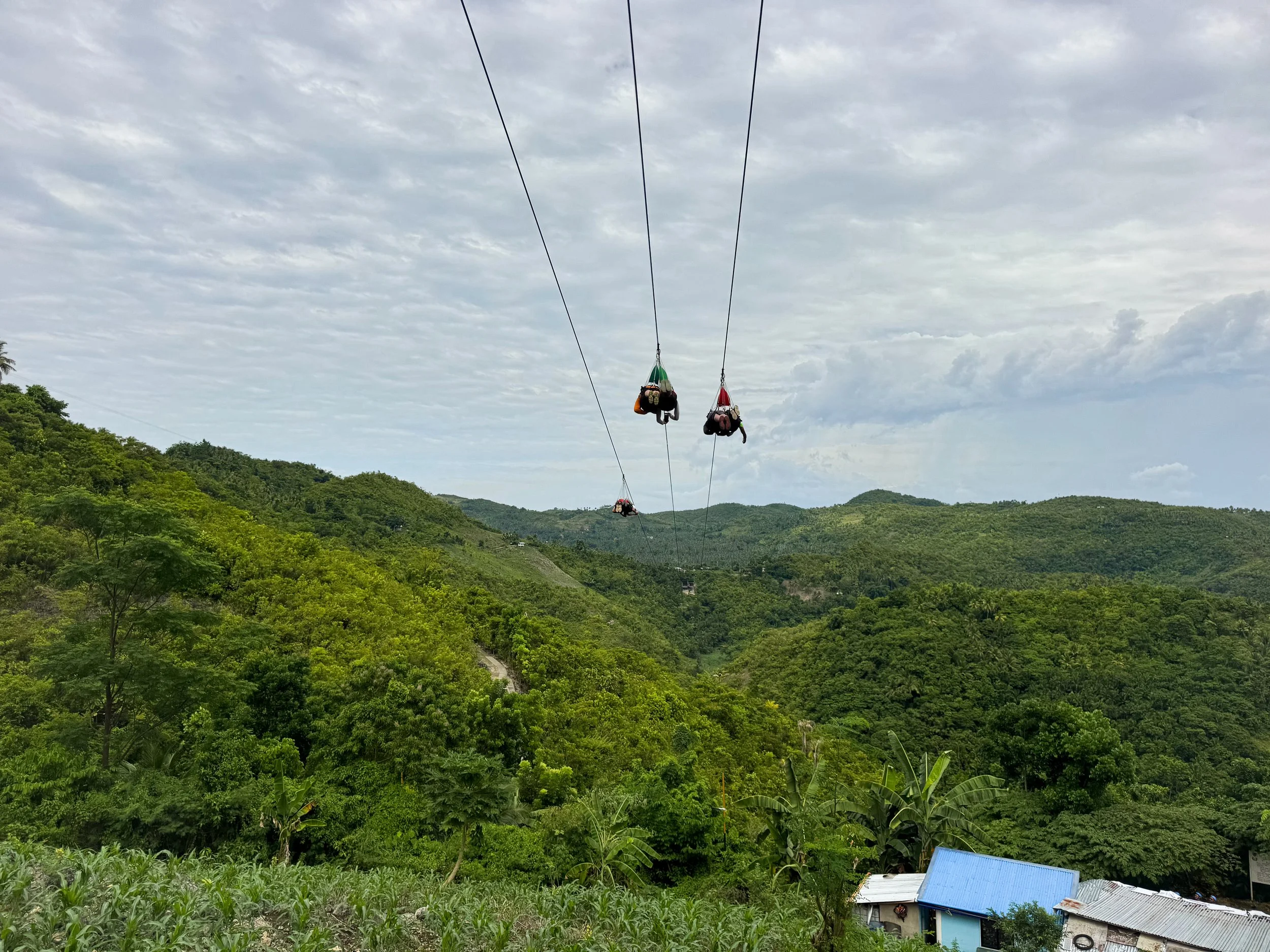
Jungle Zip Line. The day starts with a 3 hour car ride from Cebu and a further 15 minutes up the mountain on motor bike to reach the jungle zip line. Strapped into body harnesses, we zip-lined 1km side by side, like superheroes, across a lush valley to reach the trailhead and river.
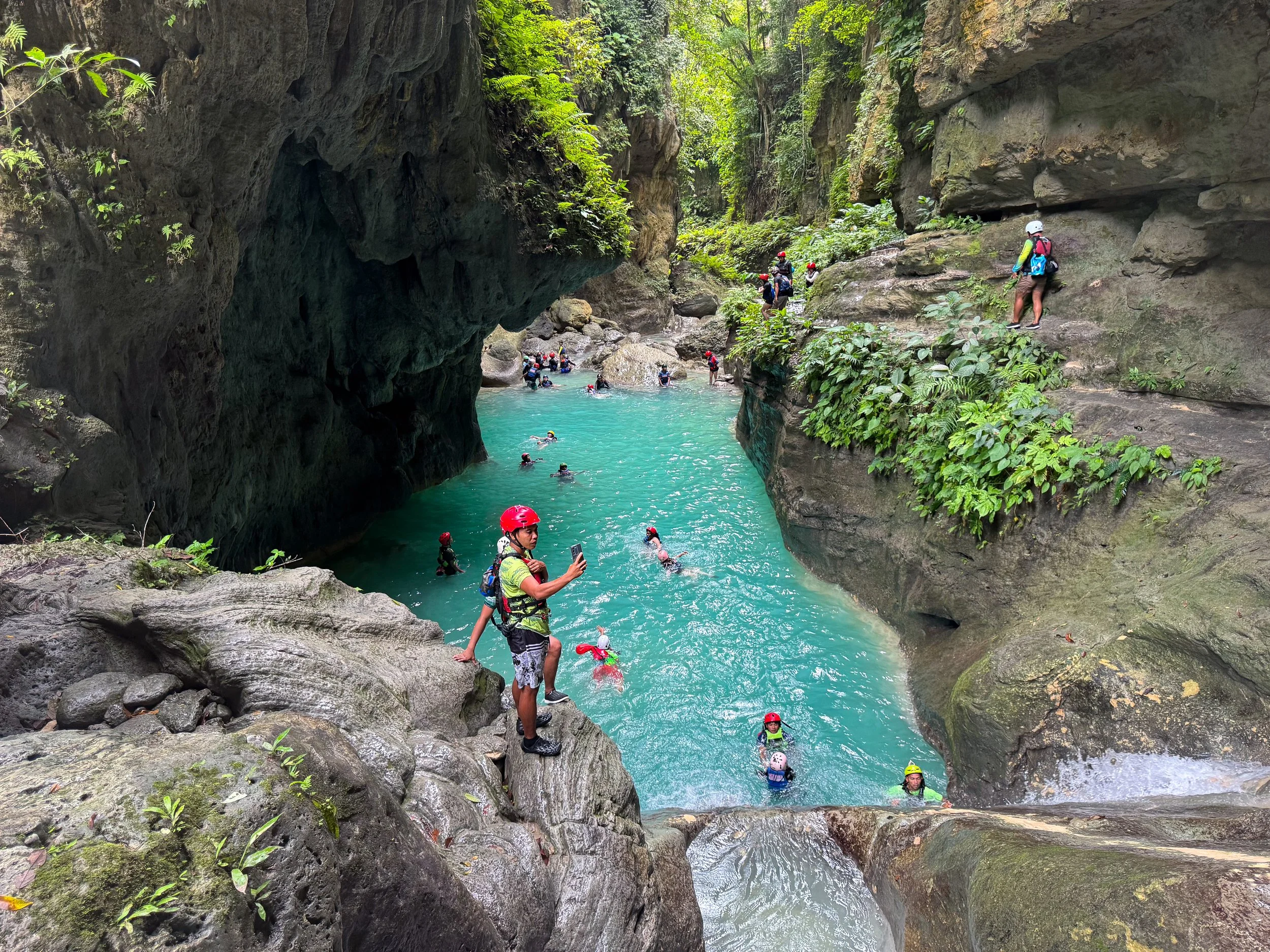
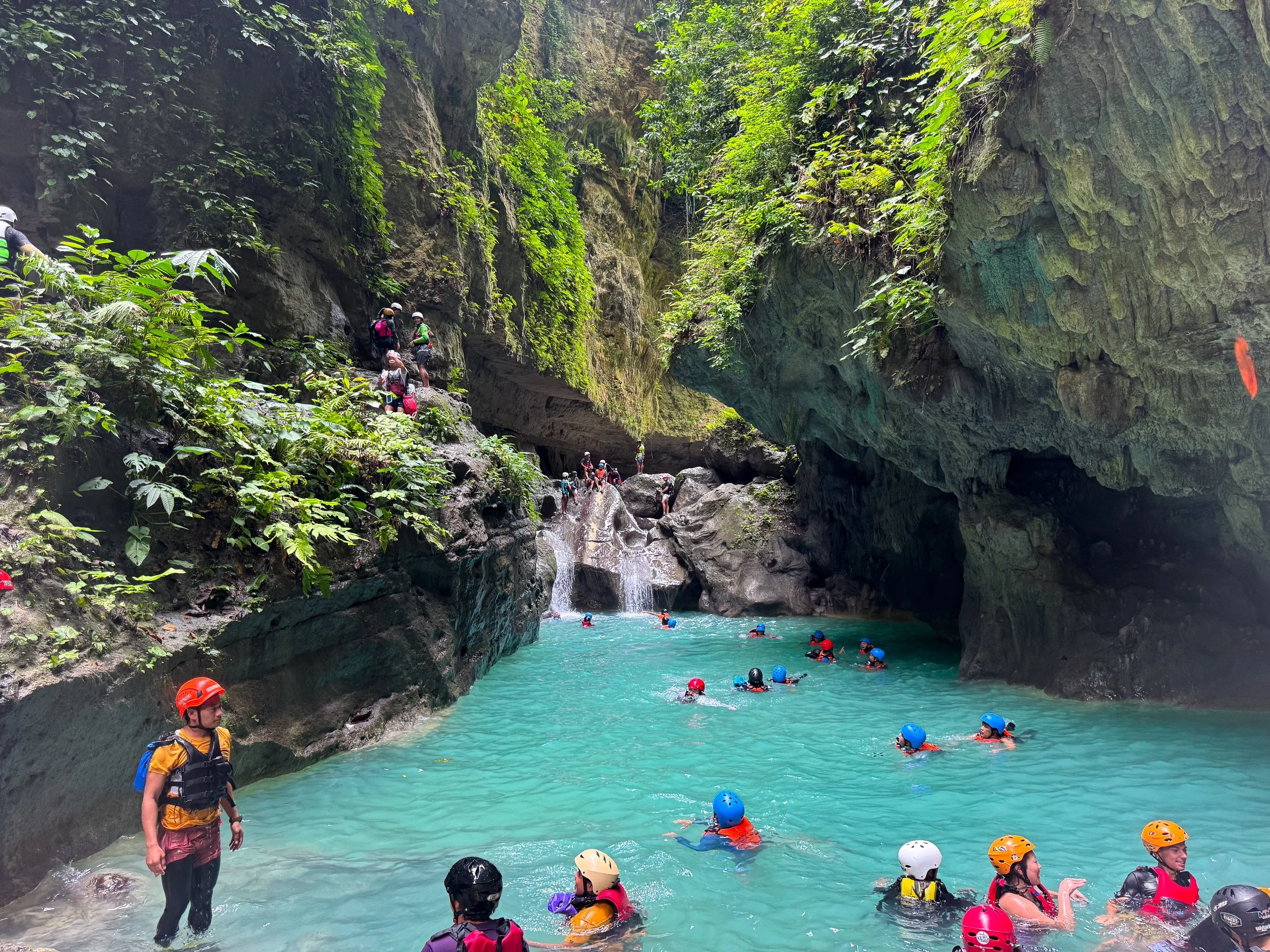
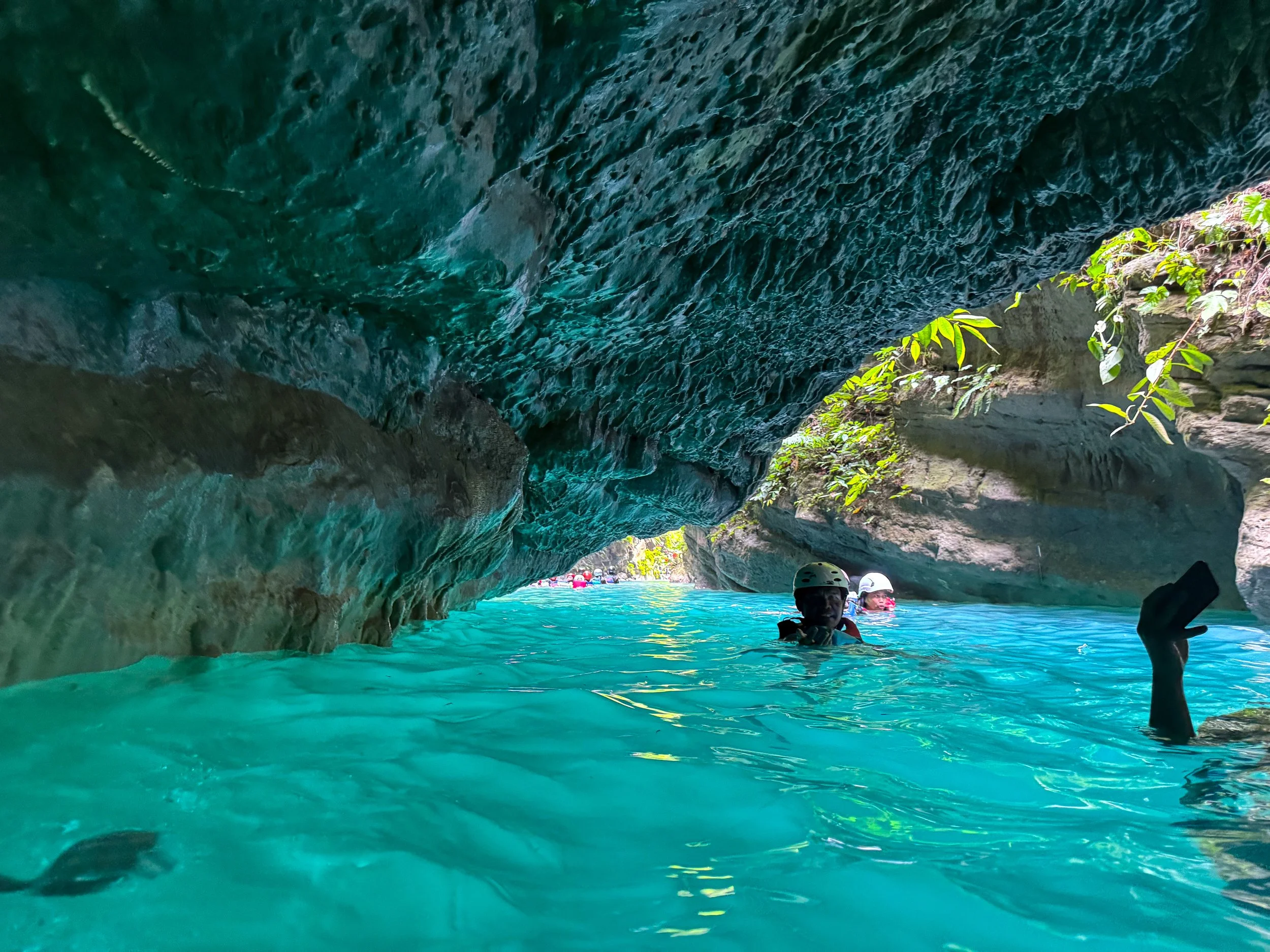
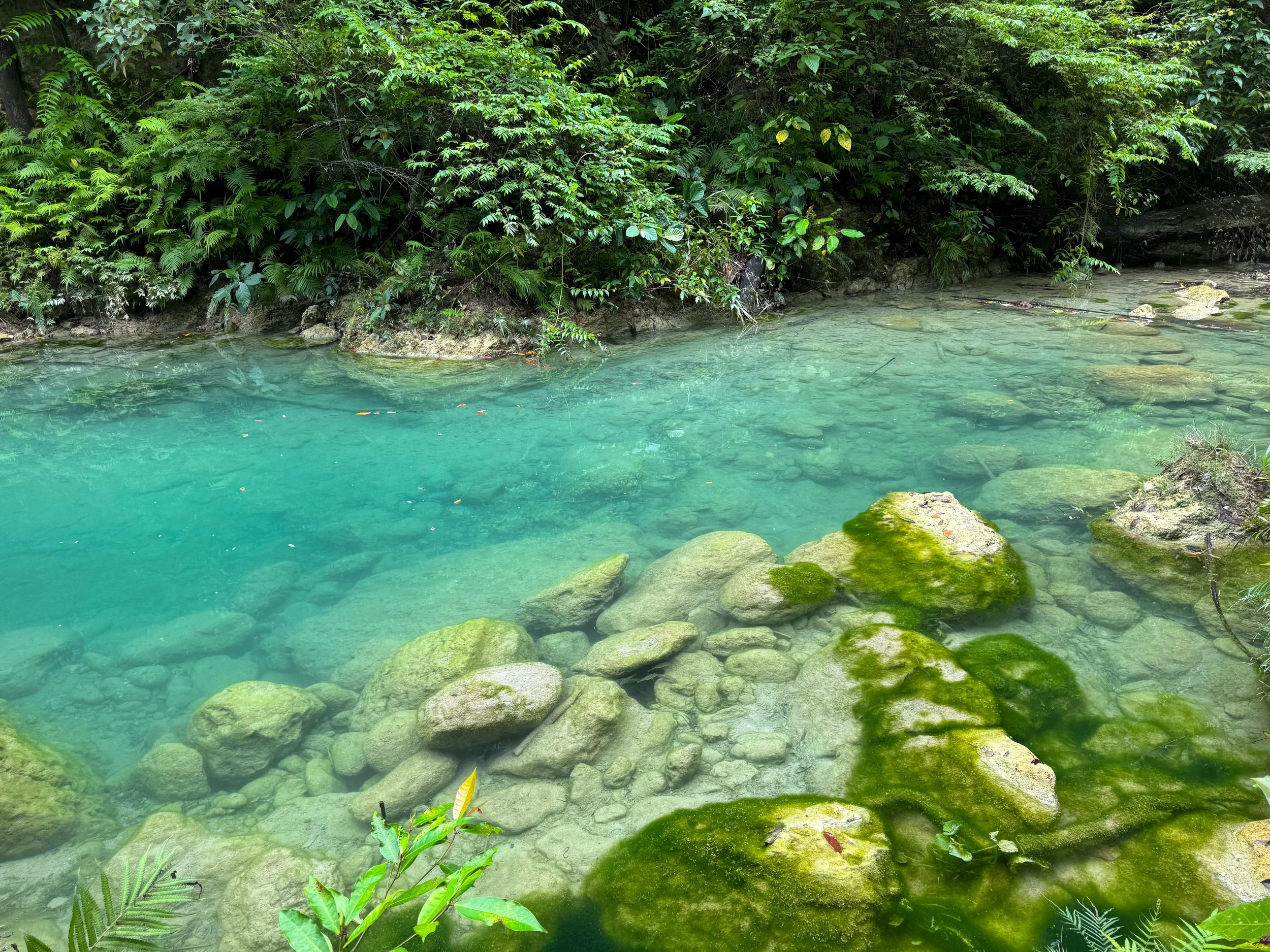
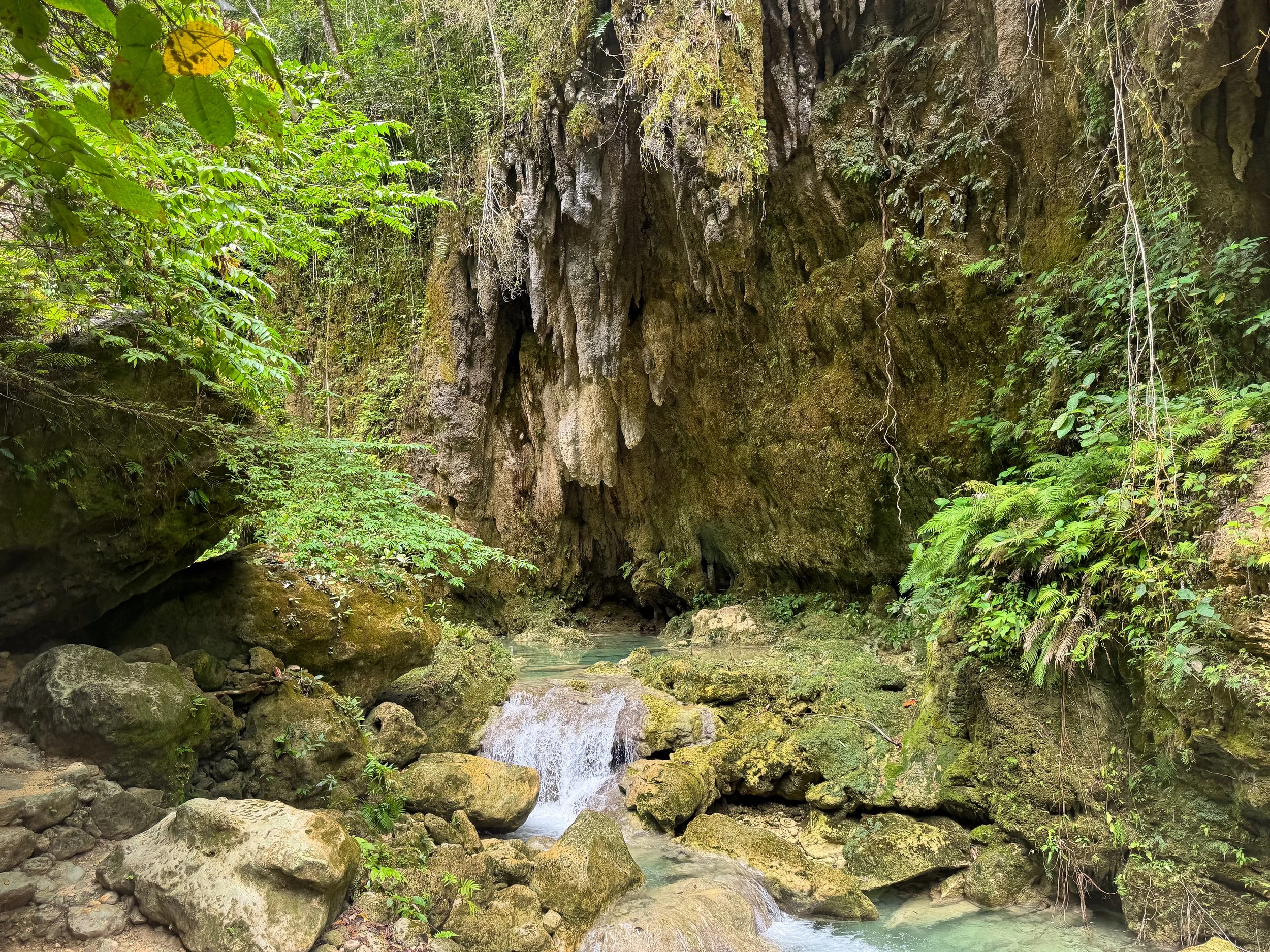
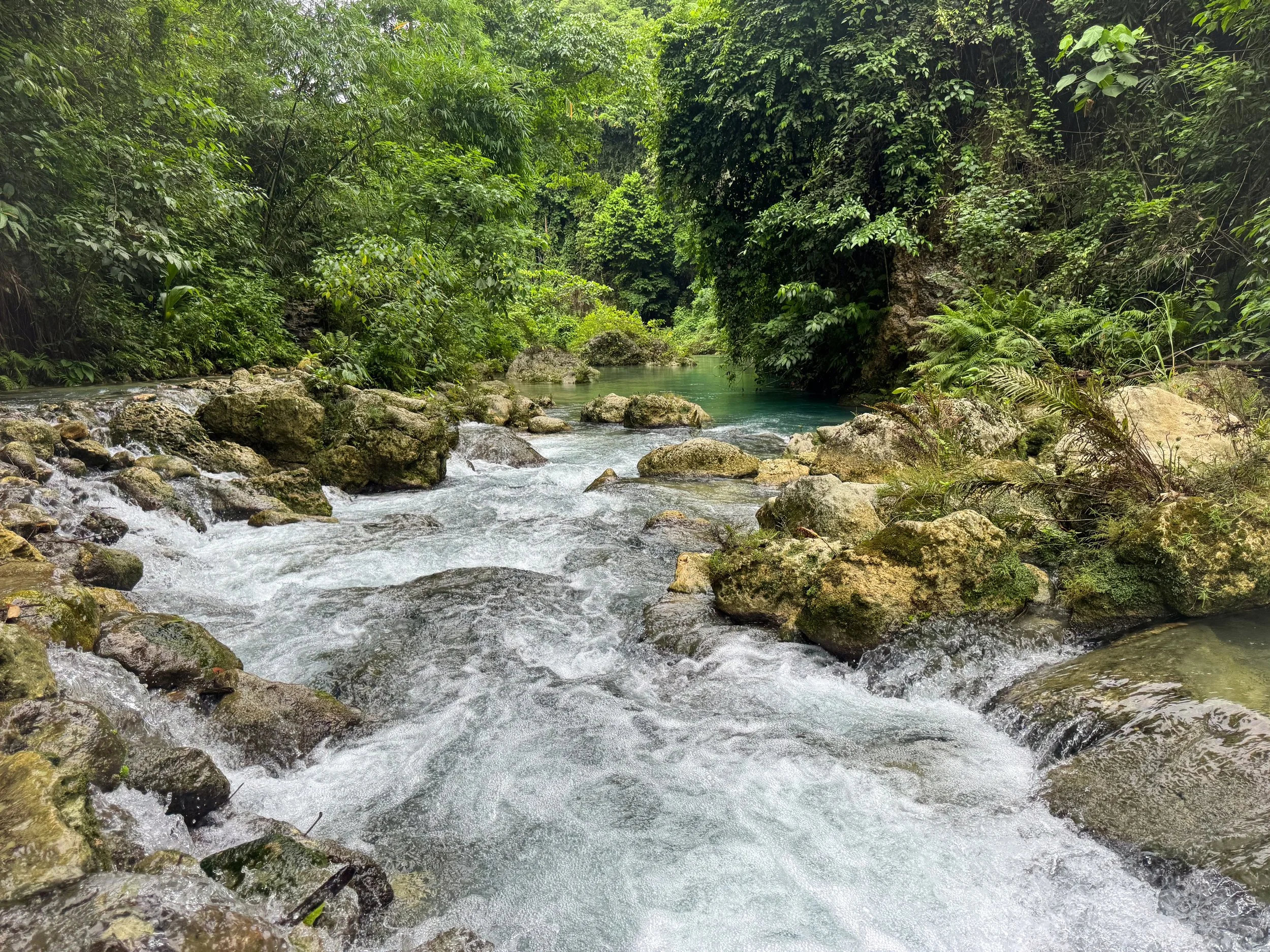
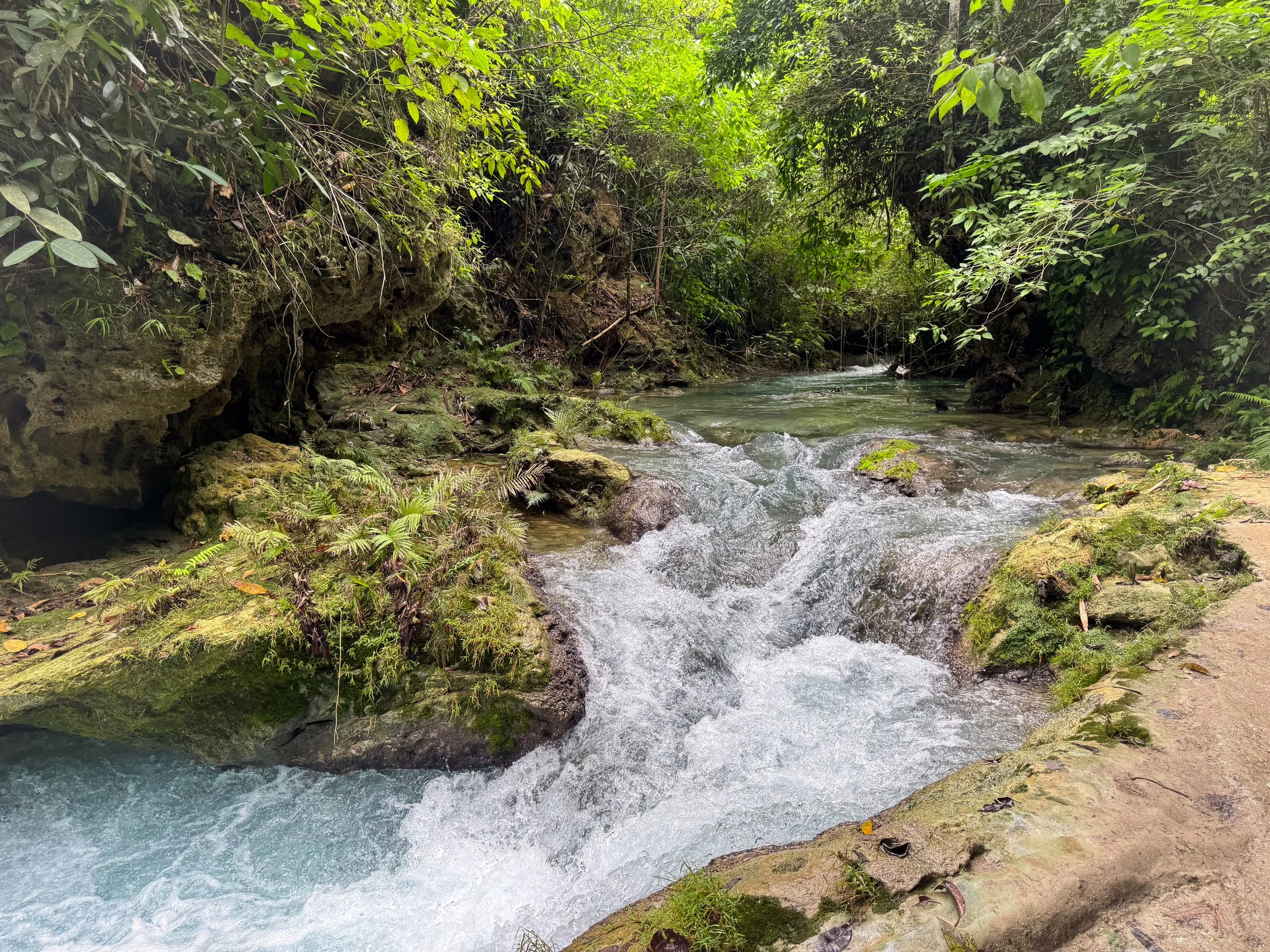
Kawasan River Canyon. We plunged feet first into the river and swam briefly down stream with the flow of the current. The bright turquoise hued water seemed to glow all around us. Led by our guides, we traversed the river canyon and several natural obstacles. We jumped off 7 meter tall cliffs into deep river pools, slid down a natural waterslide and swam through narrow channels and small caves.
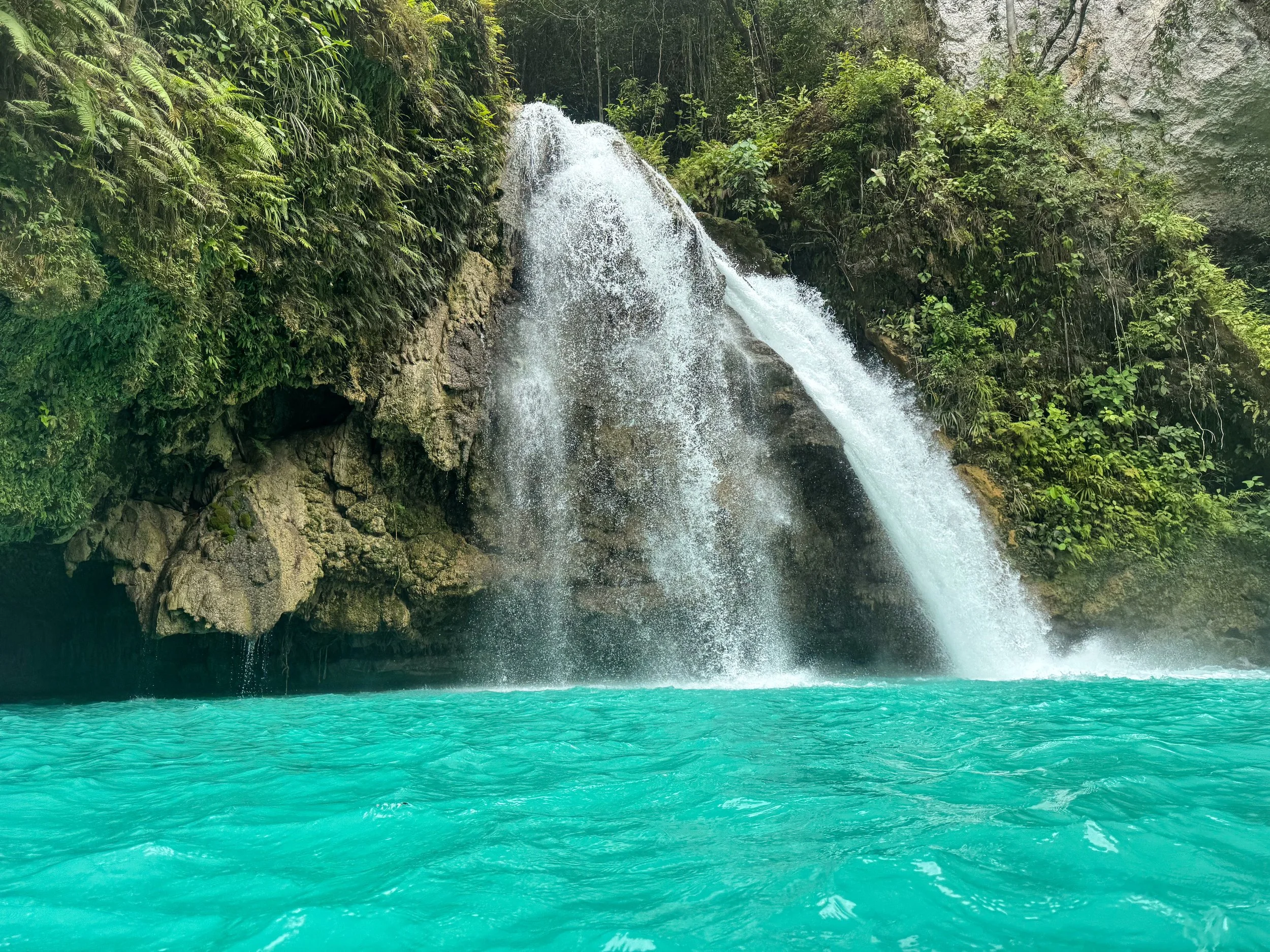
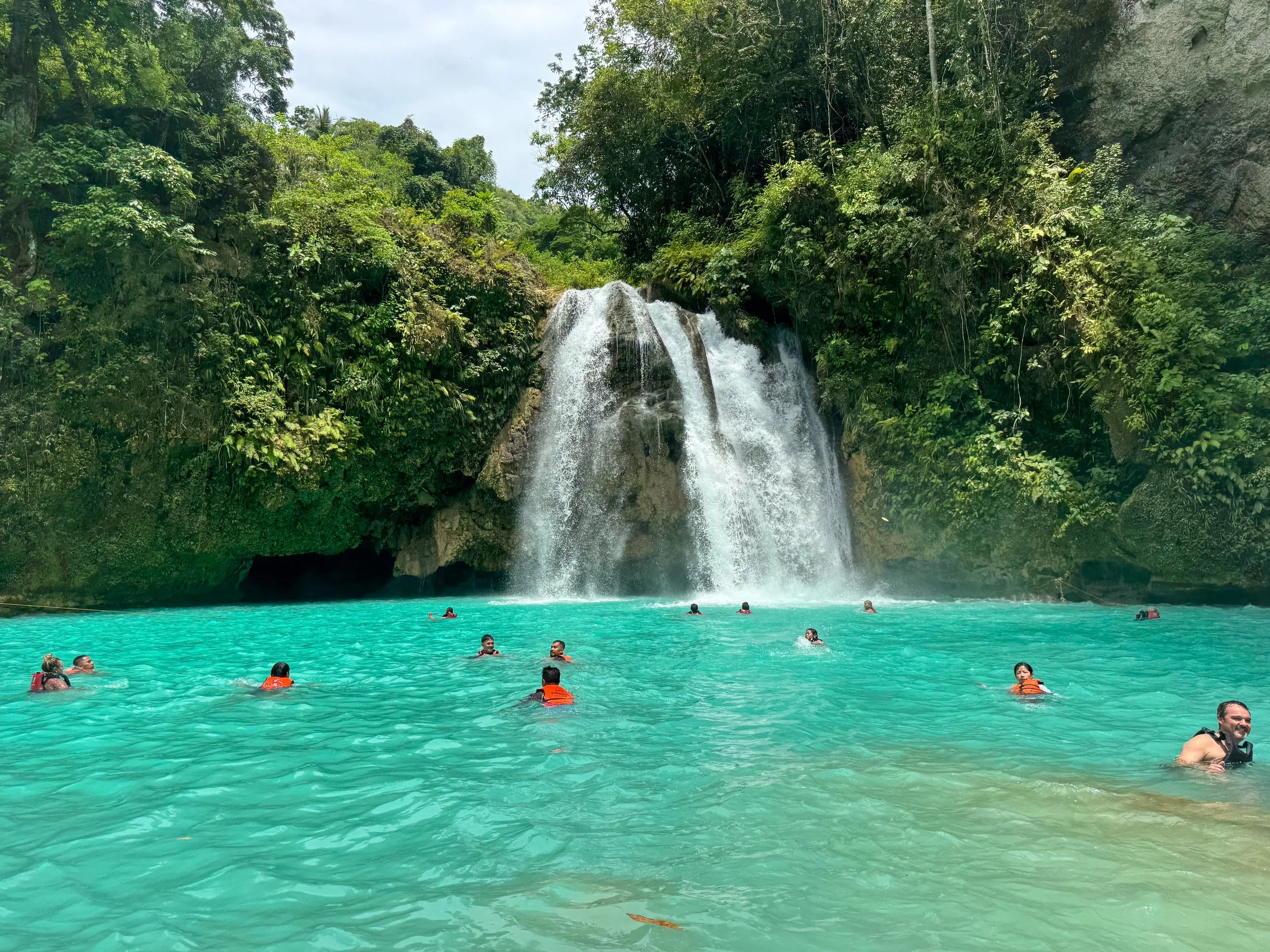
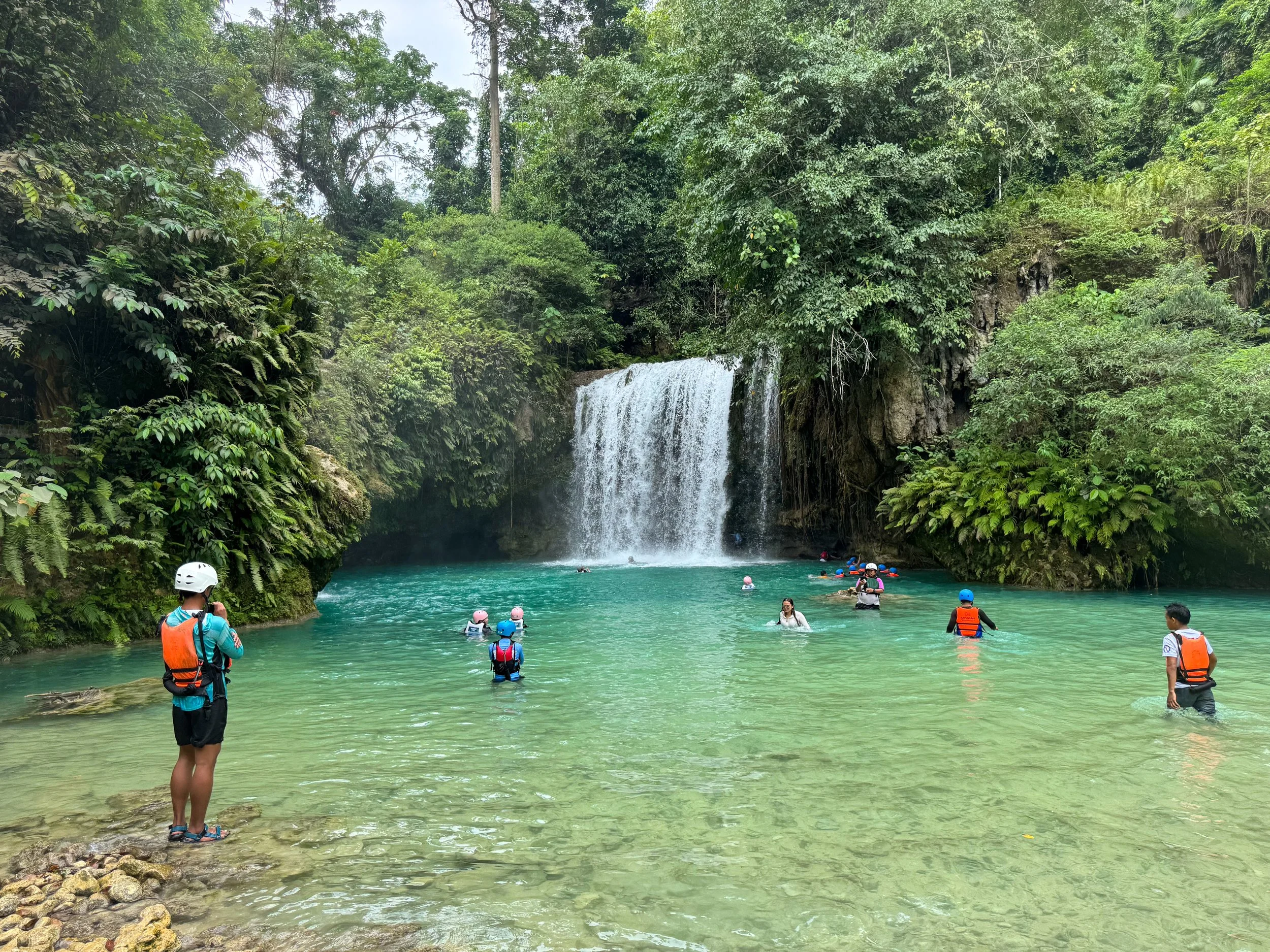
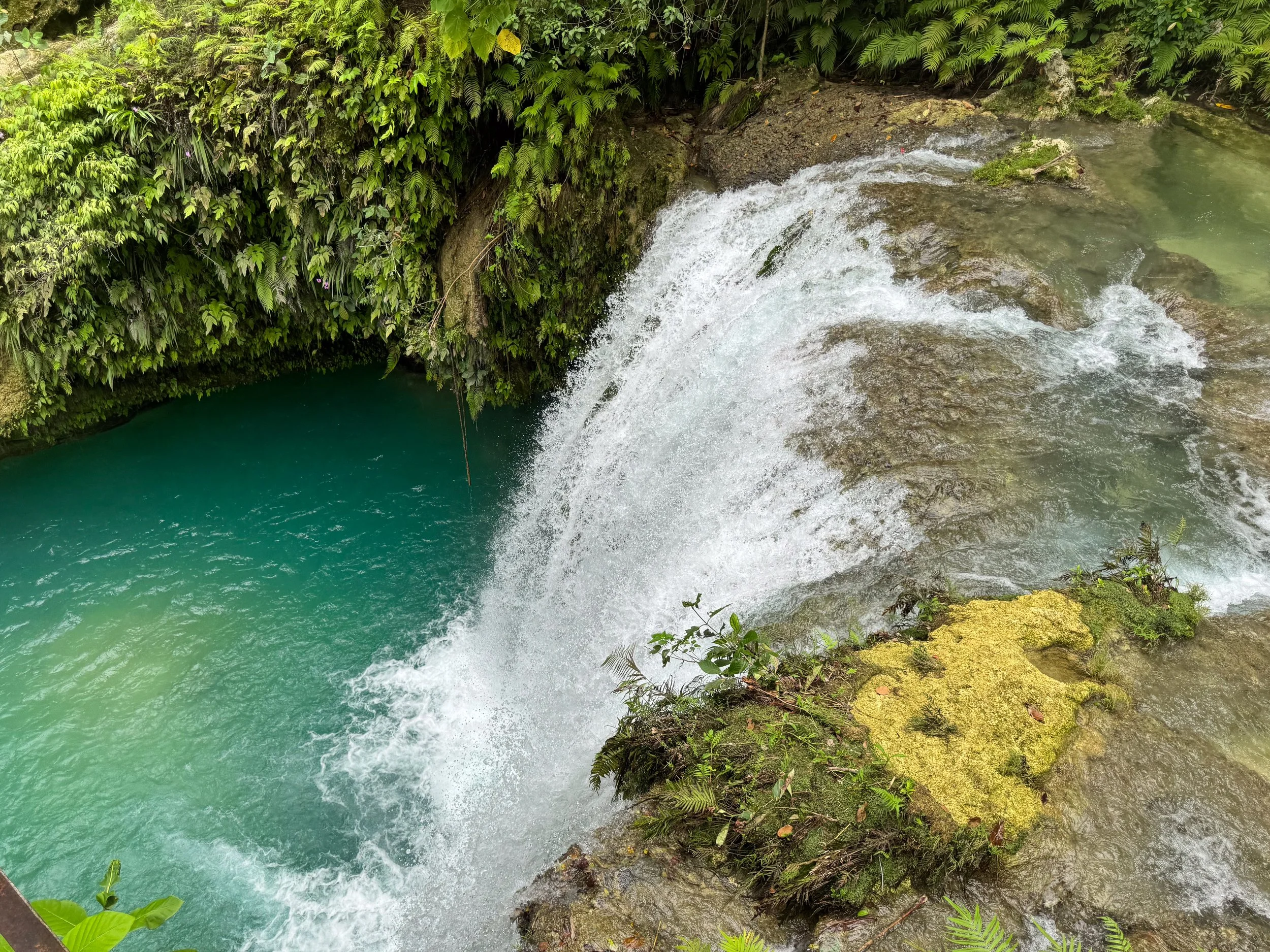
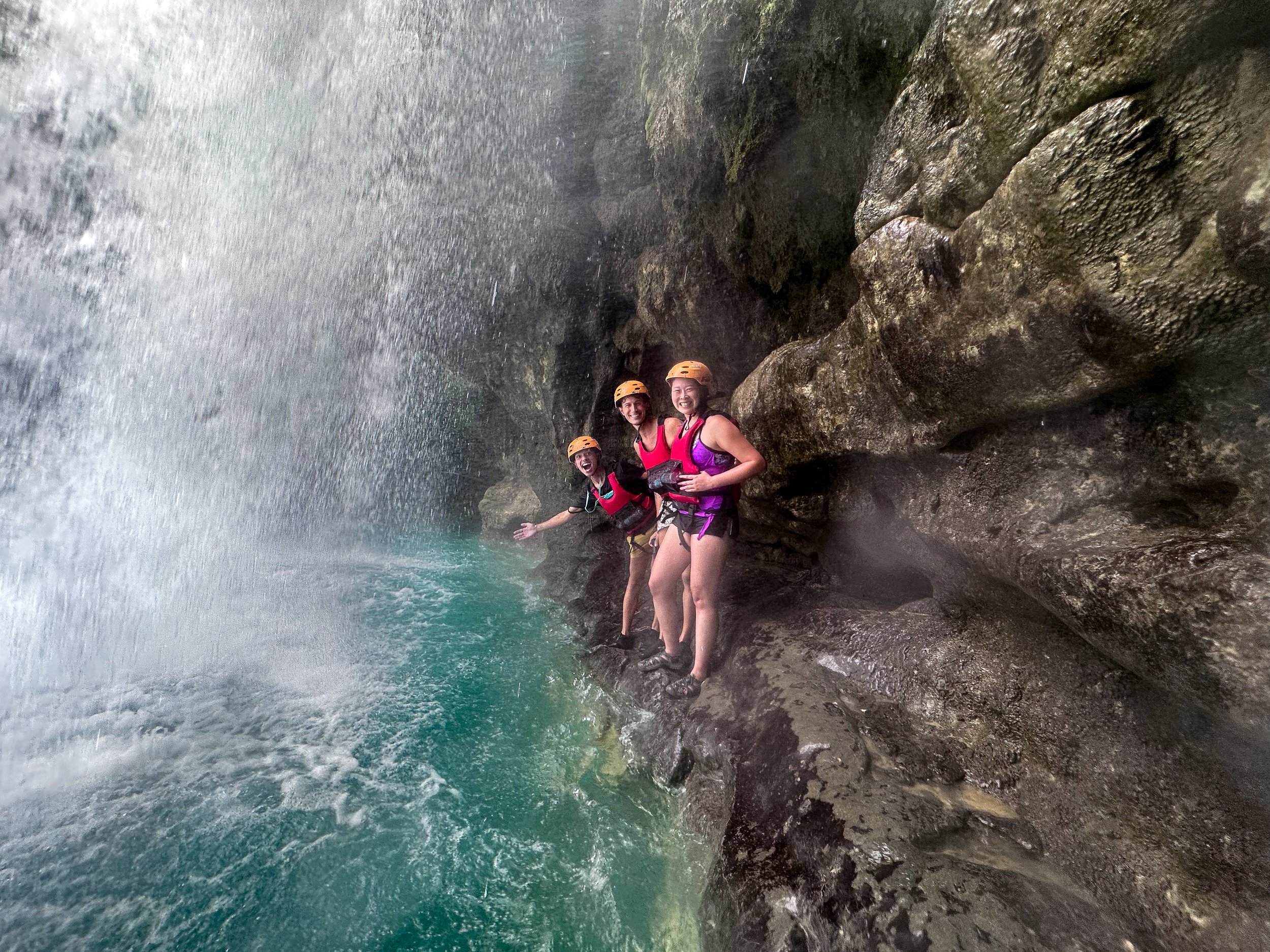
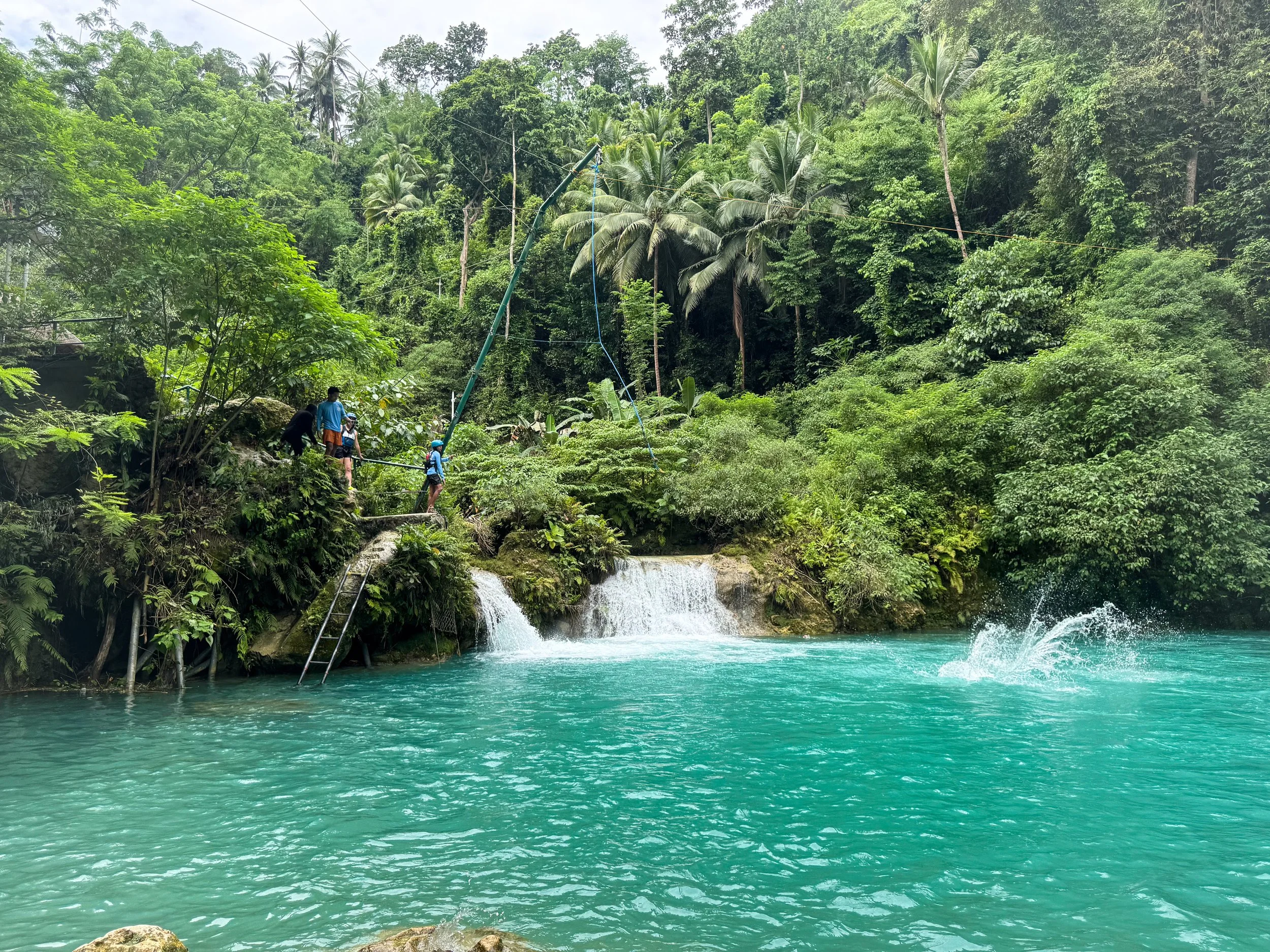
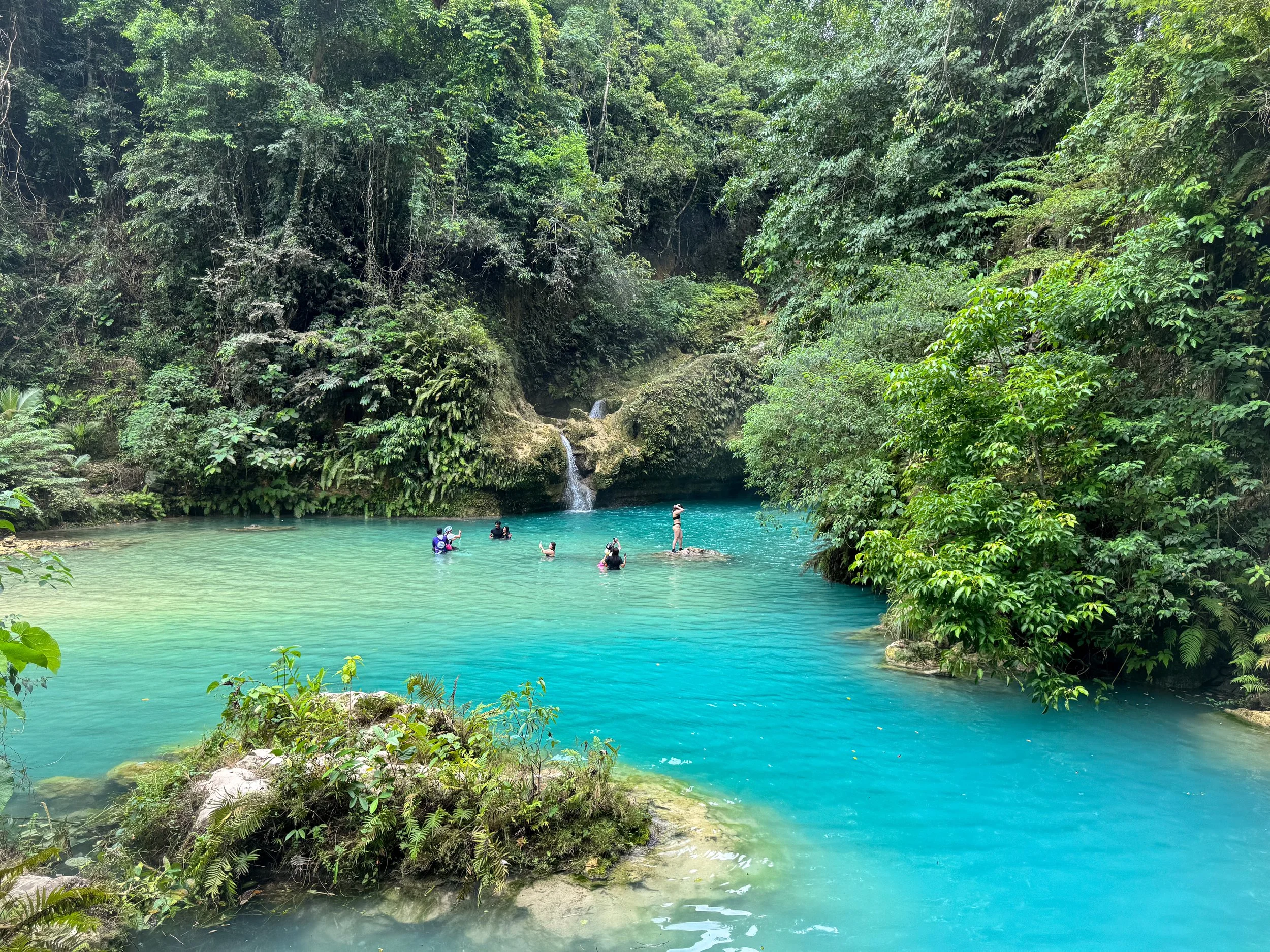
Kawasan Falls. We experienced the three tiers of Kawasan Falls from the top down. The uppermost tier spills down rapids, through a narrow cliff and over a 15 meter tall drop. The second tier pours over a wide cliff into a turquoise river pool. We swam behind the waterfall and dove through it back into the lagoon. Downstream a rope swing sways from a cliff into a separate pool near the top of the final tier. The last tier is a forked waterfall that flows into a large turquoise river pool. We swam in its vibrant water while admiring the natural beauty of the waterfall. Book with Cebu Tours on Viator.
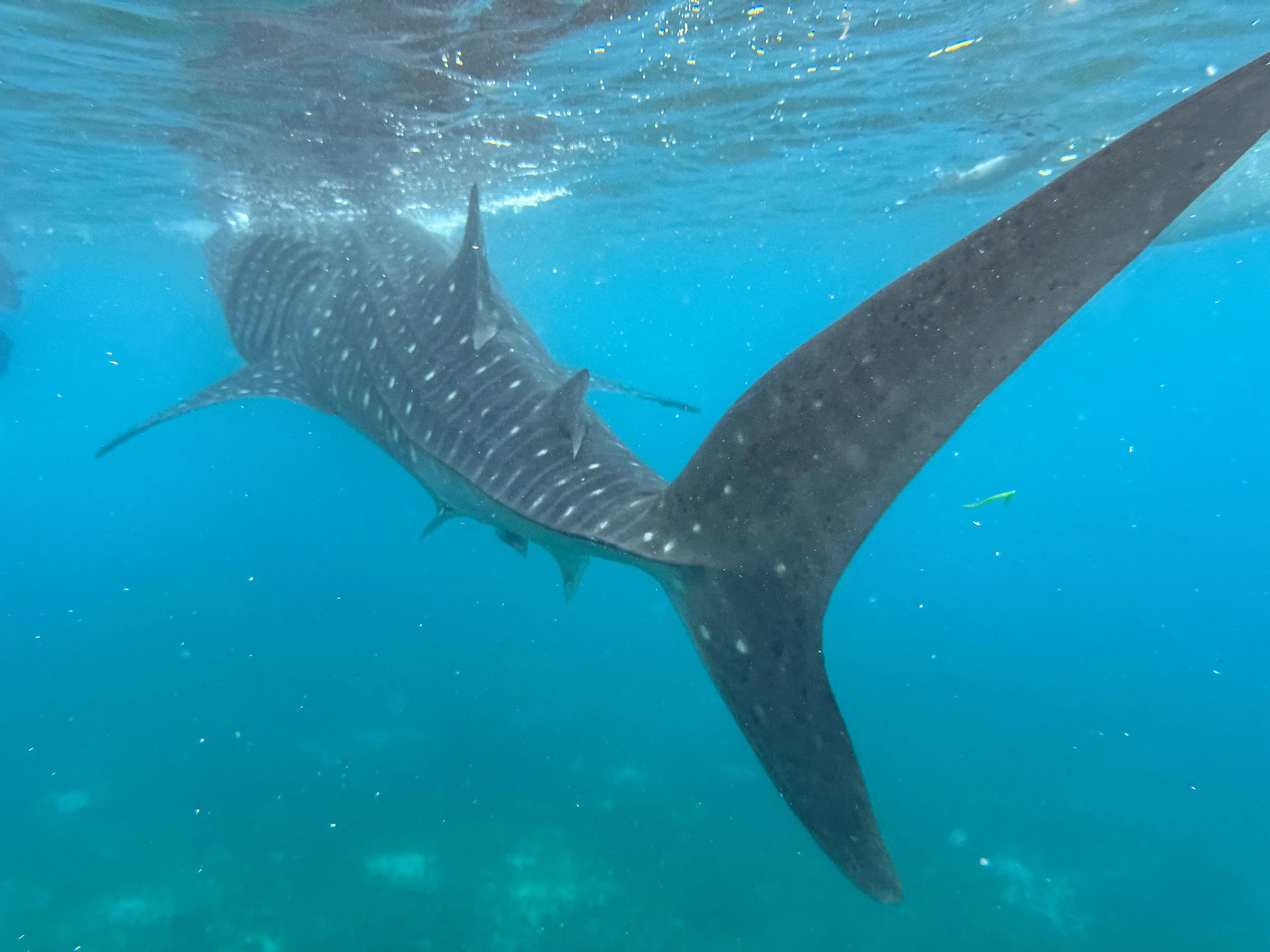
Swimming with Whale Sharks
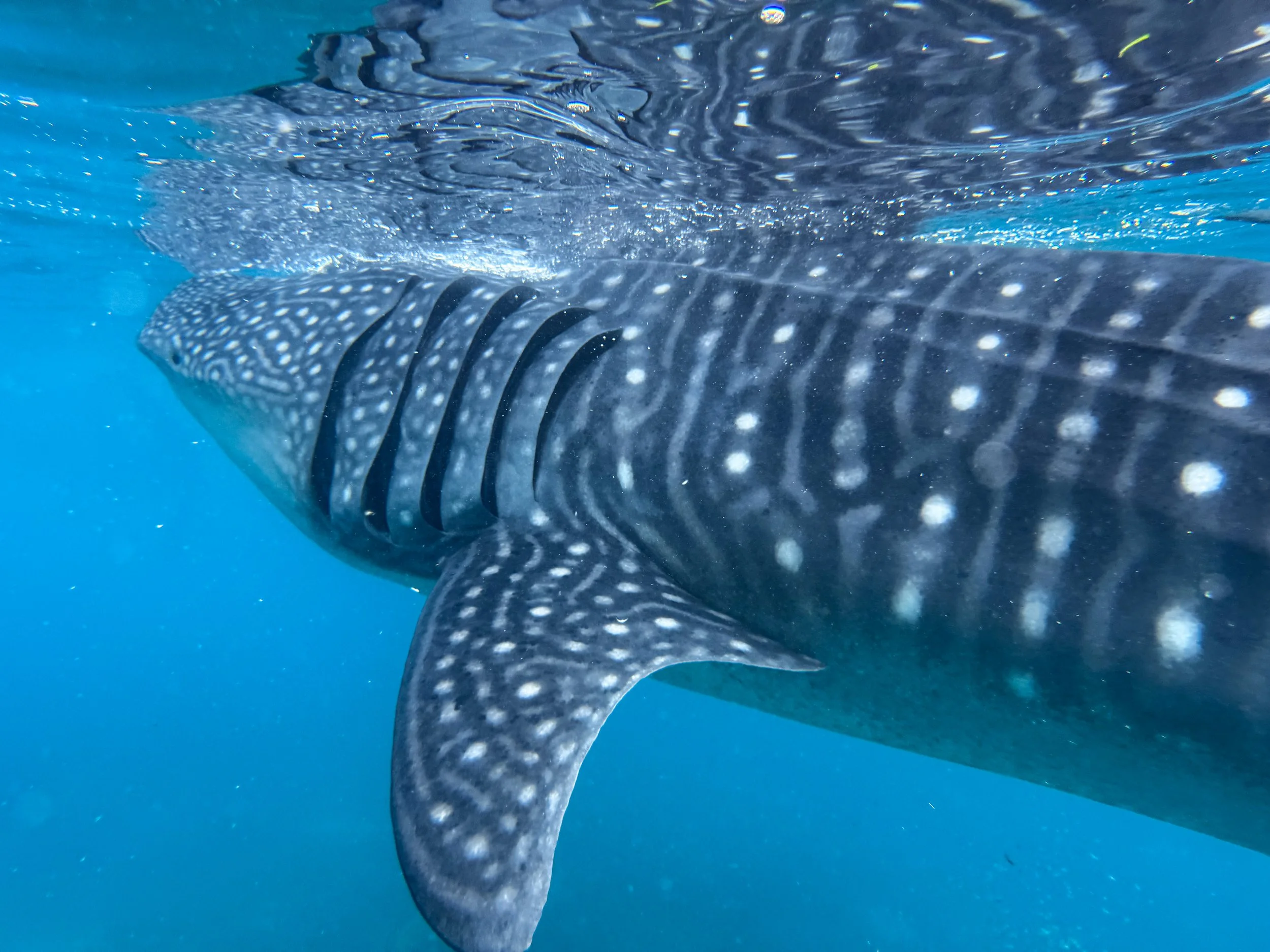
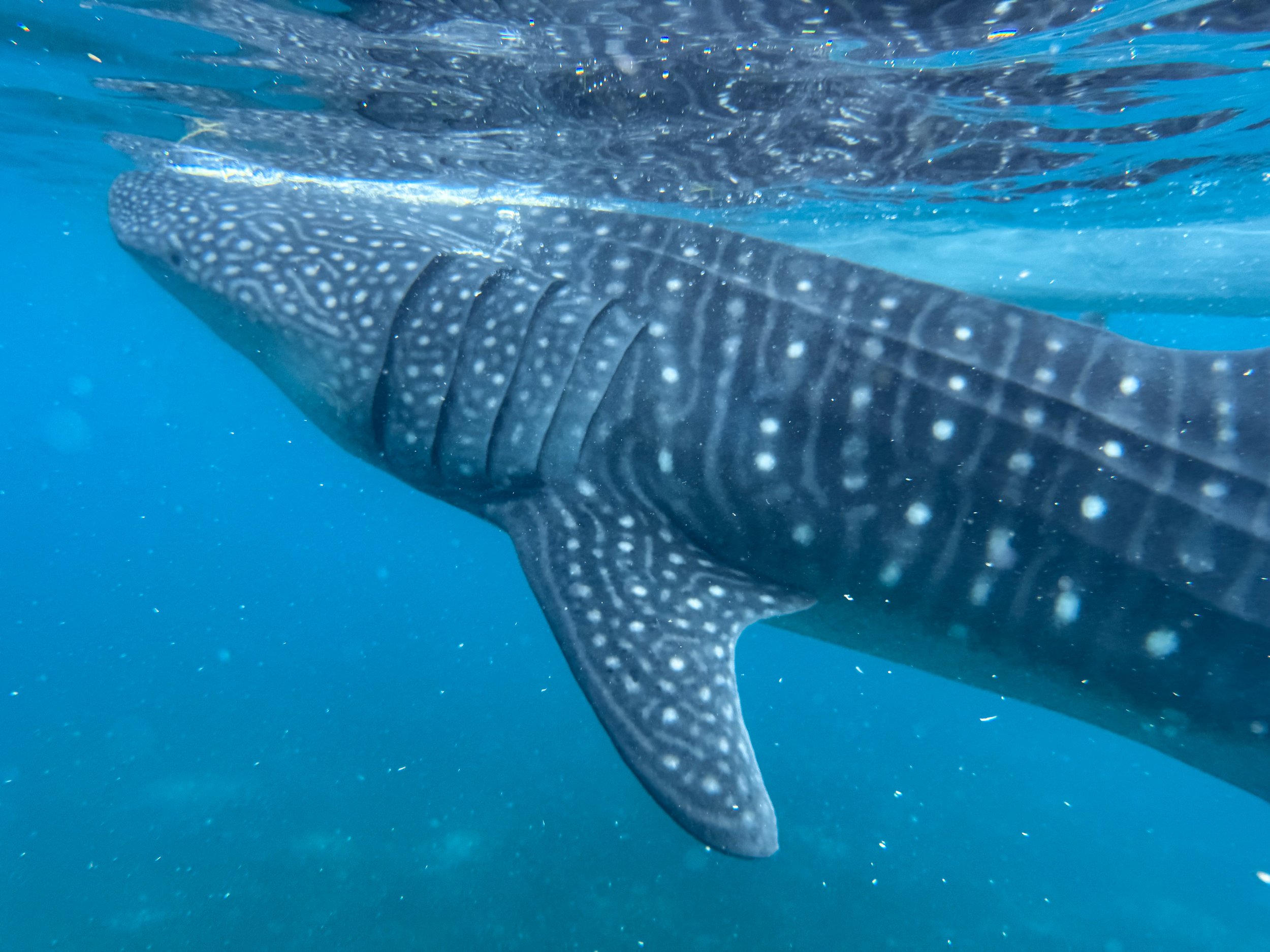
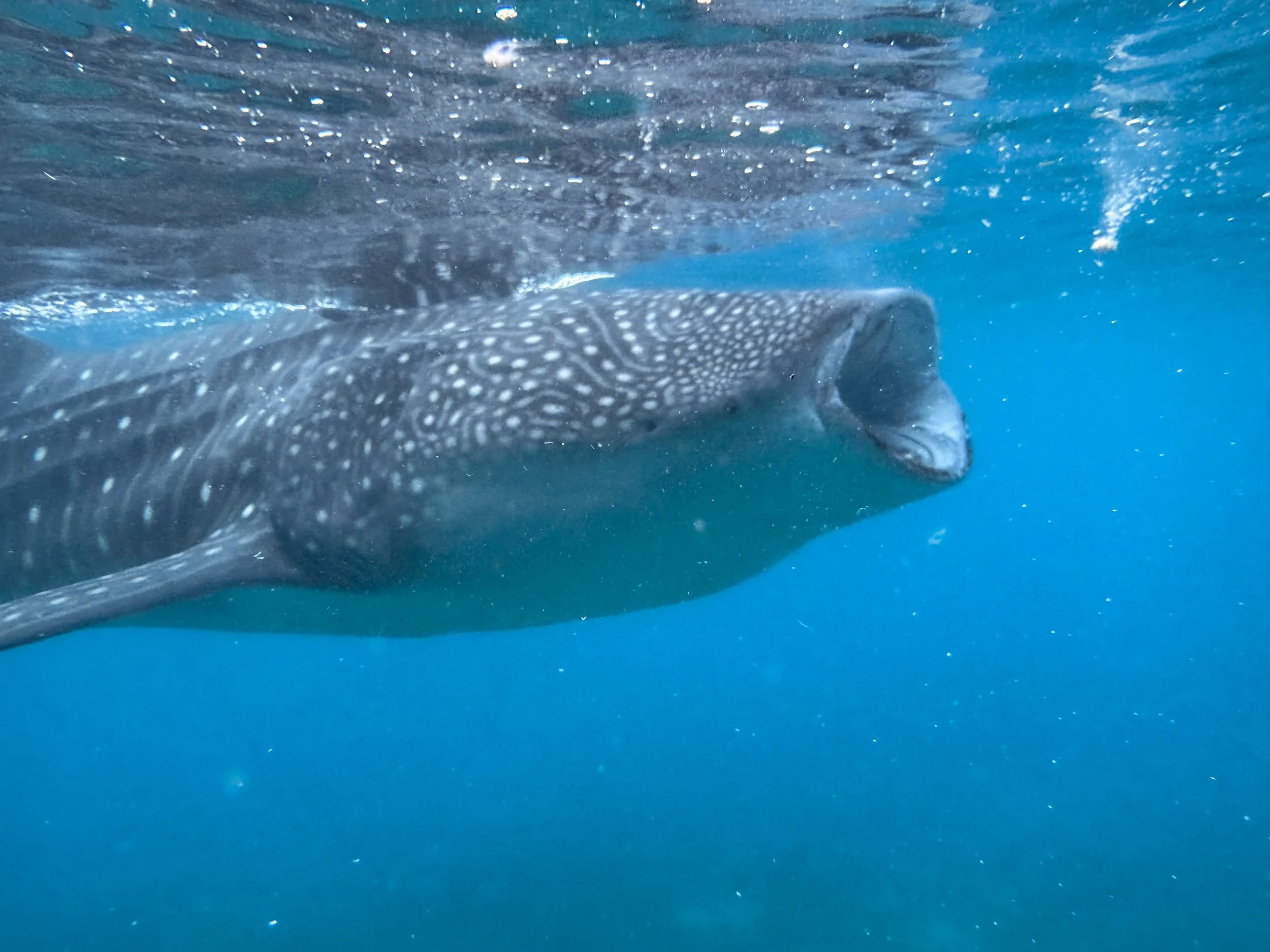
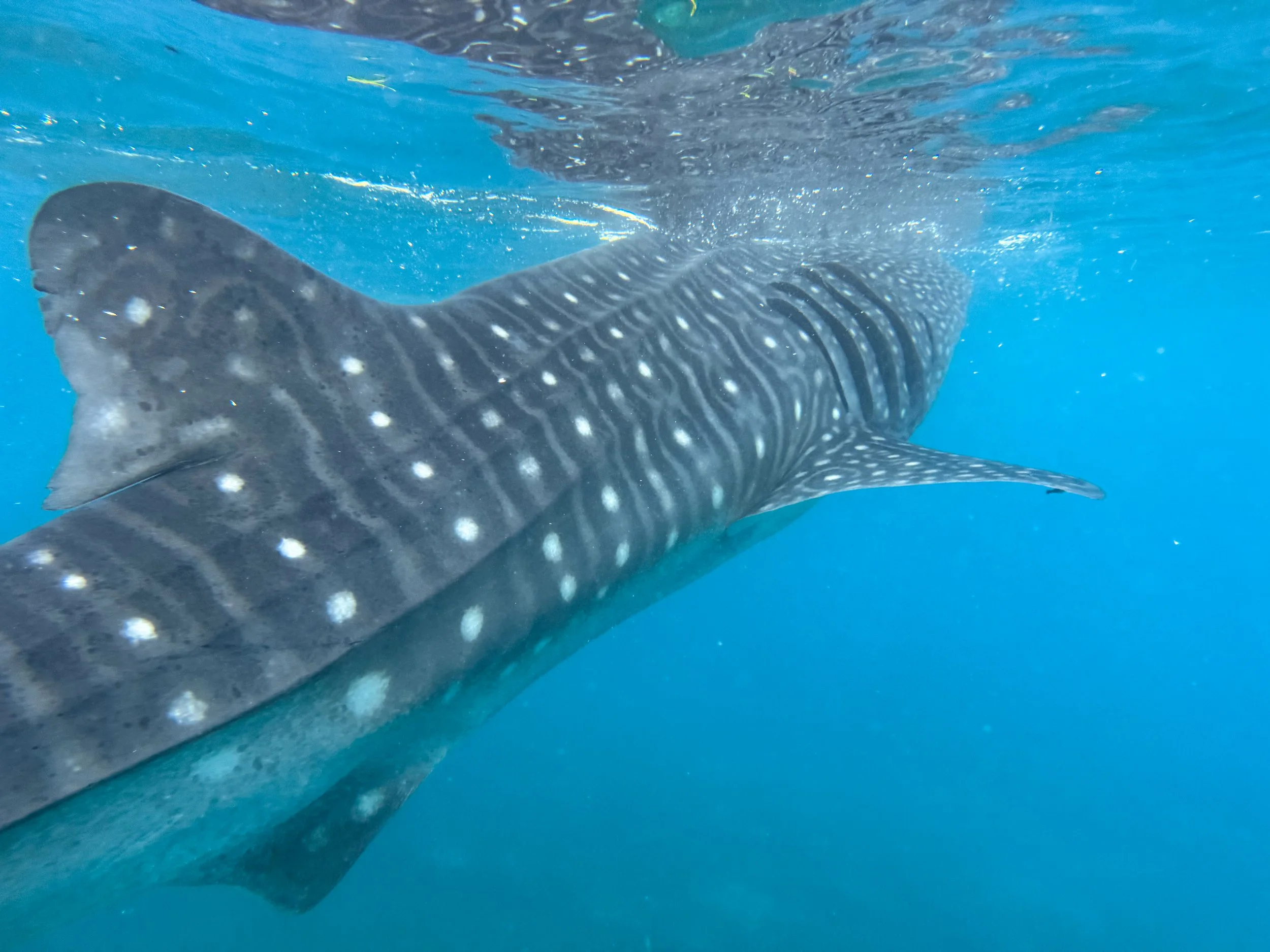
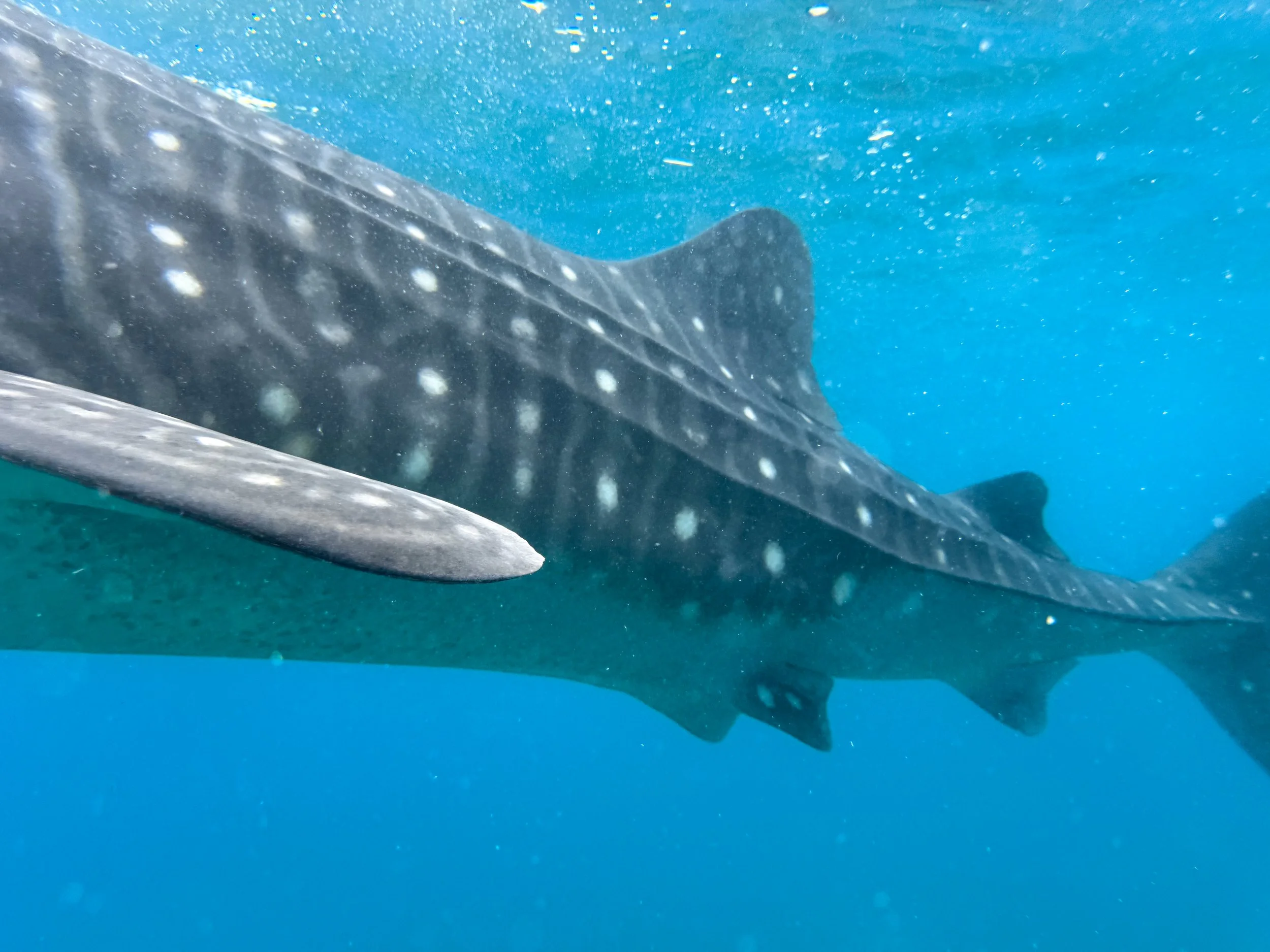
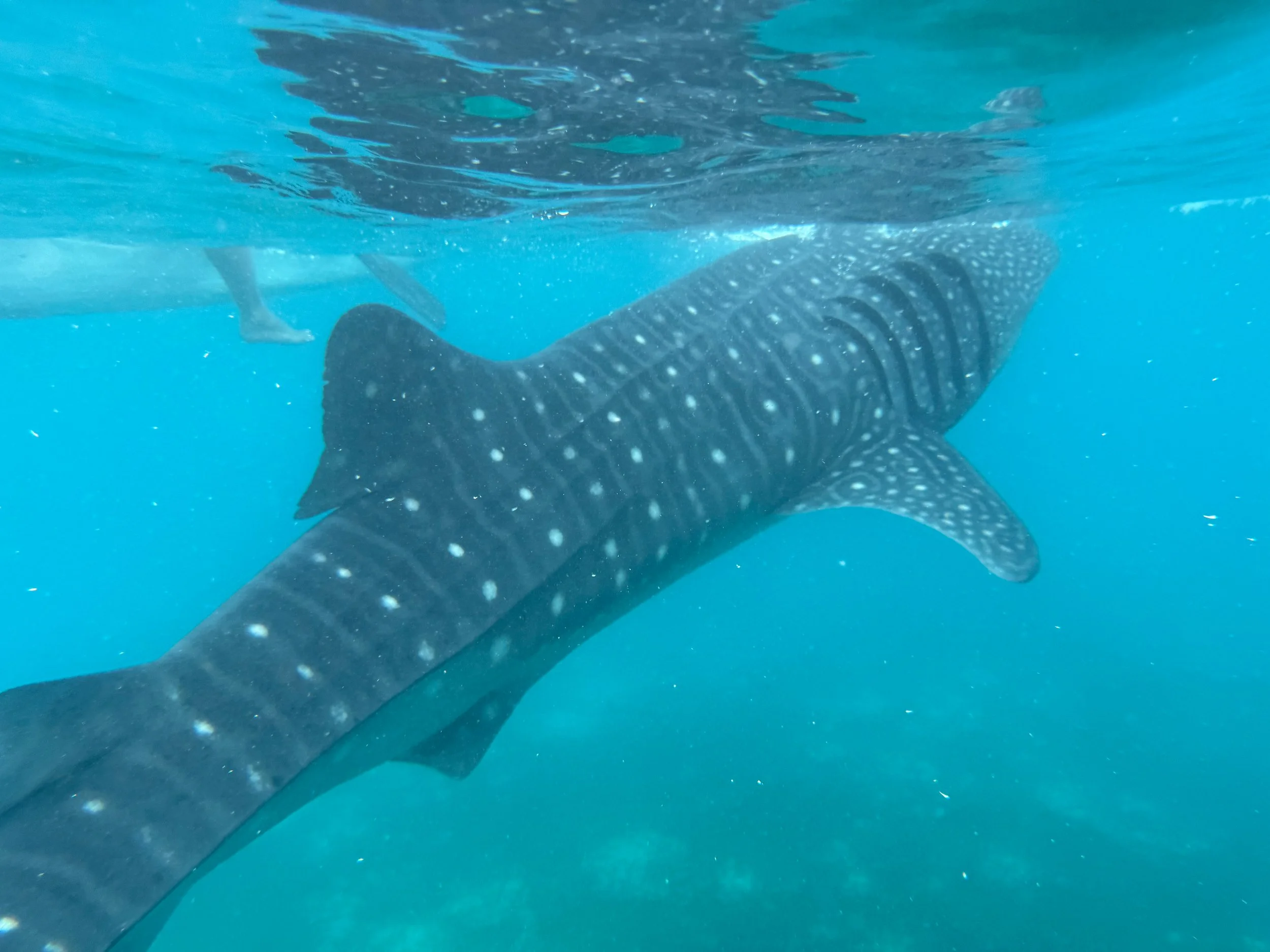
One of the absolute highlights of our time in the Philippines was swimming with the whale sharks! The giant creatures feed just off the coast from the town of Oslob. They’re lured with krill early each morning as snorkelers observe from outrigger canoes and beneath the surface. We snorkeled alongside these magical giants, watching as they gracefully swam by. They sucked in krill through their large mouths, slowly waving their fins and tails as they brushed past. Their unique striped and spotted pattern was mesmerizing to see up close. Their impressive size reached lengths of 10 meters, far longer than our boat. We spent about 30 minutes in the water with them before saying goodbye.
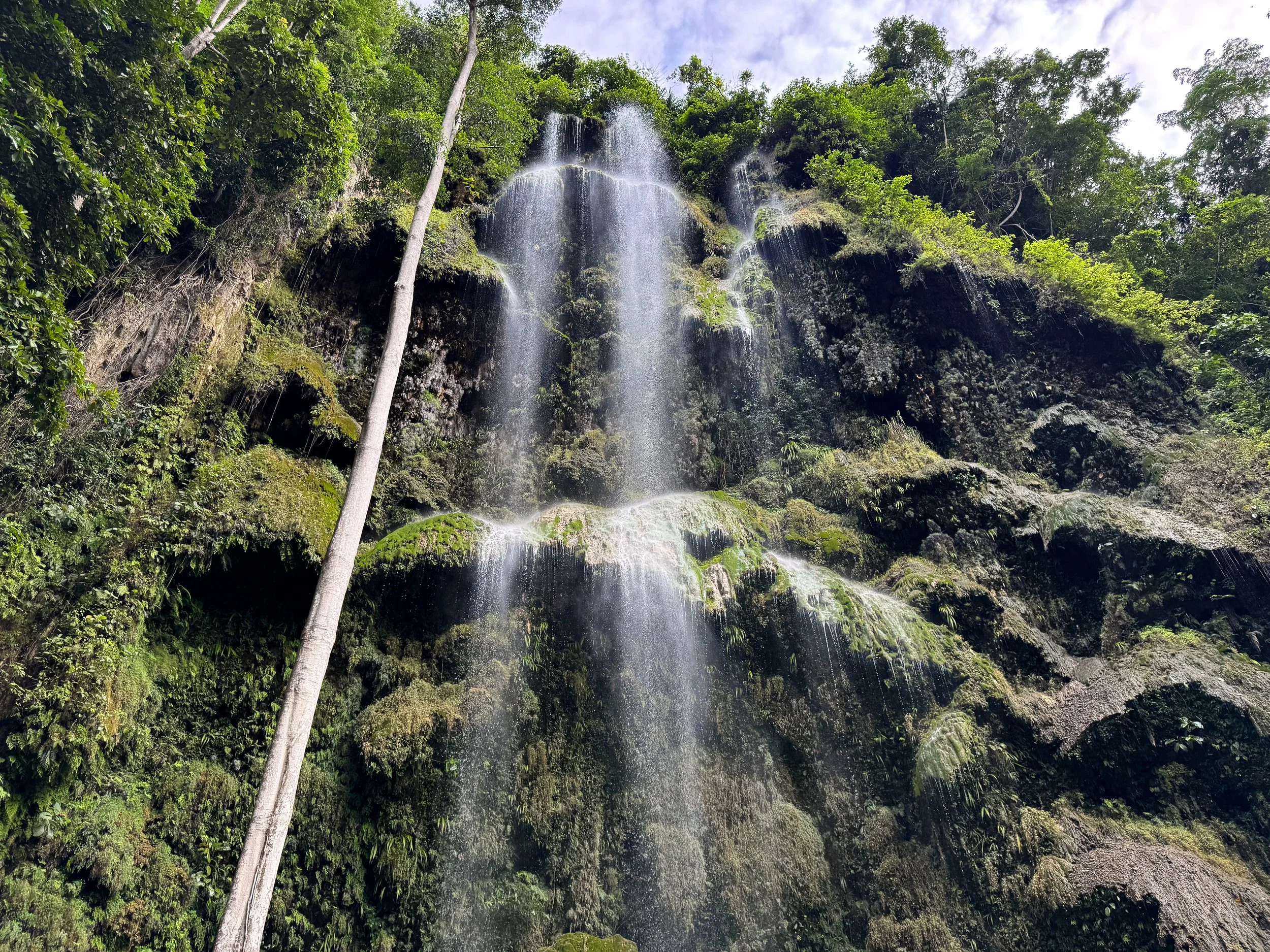
Tumalog Waterfall. A dramatic waterfall that cascades down a 100 meter tall cliff surrounded by lush tropical forest. The cliff is a natural green wall, covered in ferns, moss and plants. Water spills over protruding rocks and nodules before reaching the natural pool at its base. We stood beneath it, letting the cool and refreshing water shower us. It’s an easy sight to see after swimming with the whale sharks. Book with Cebu Tours on Viator.
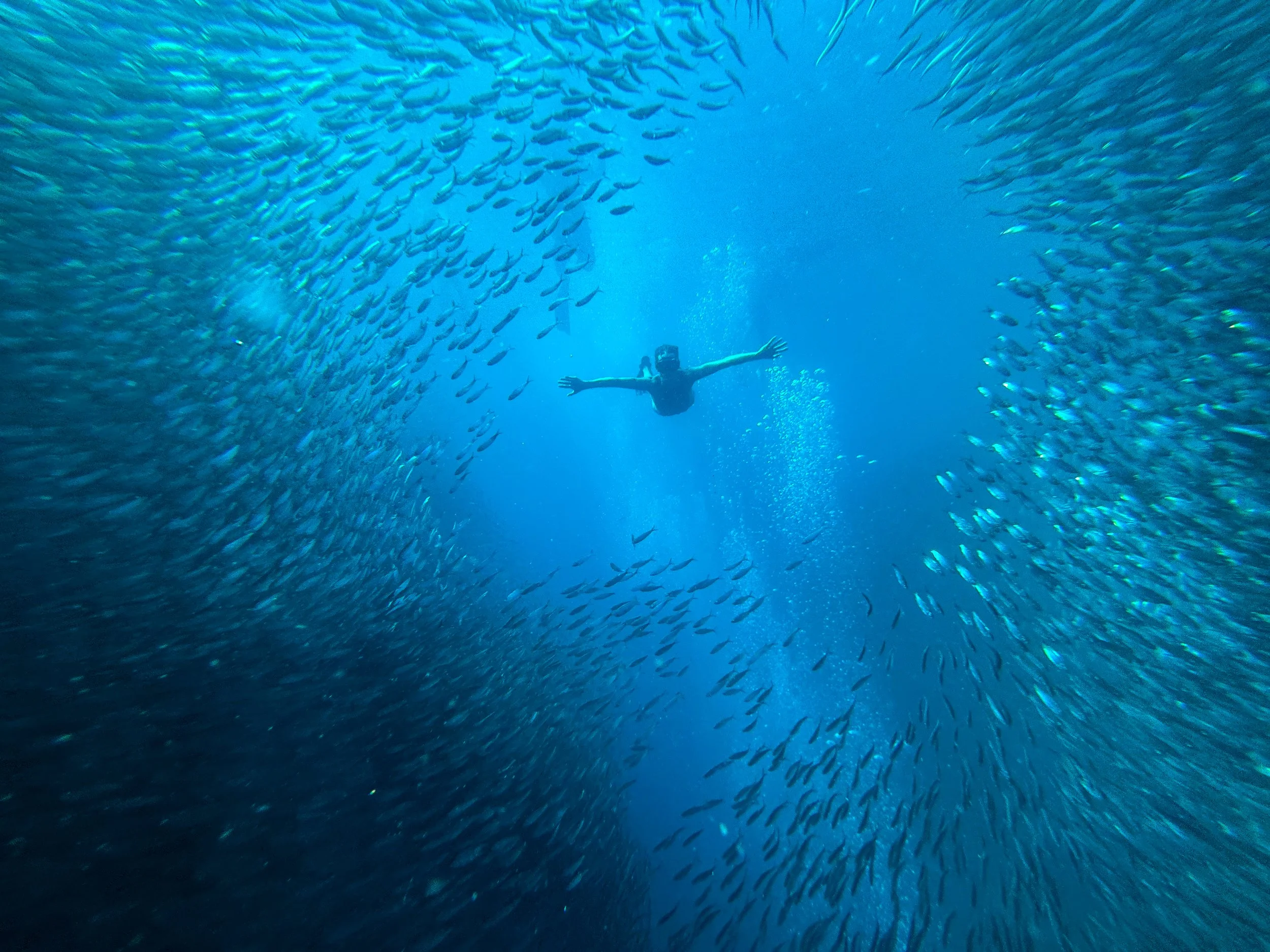
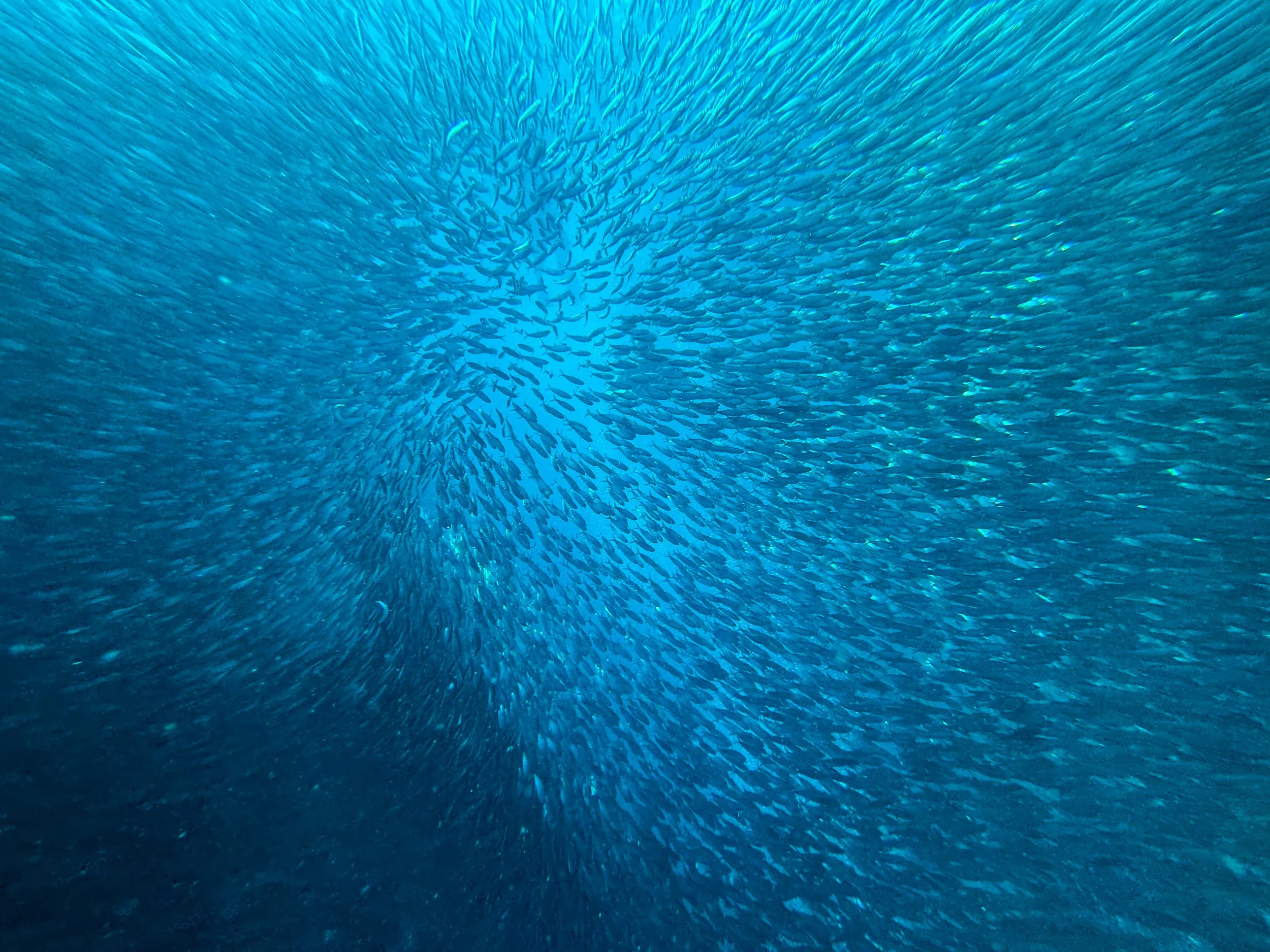
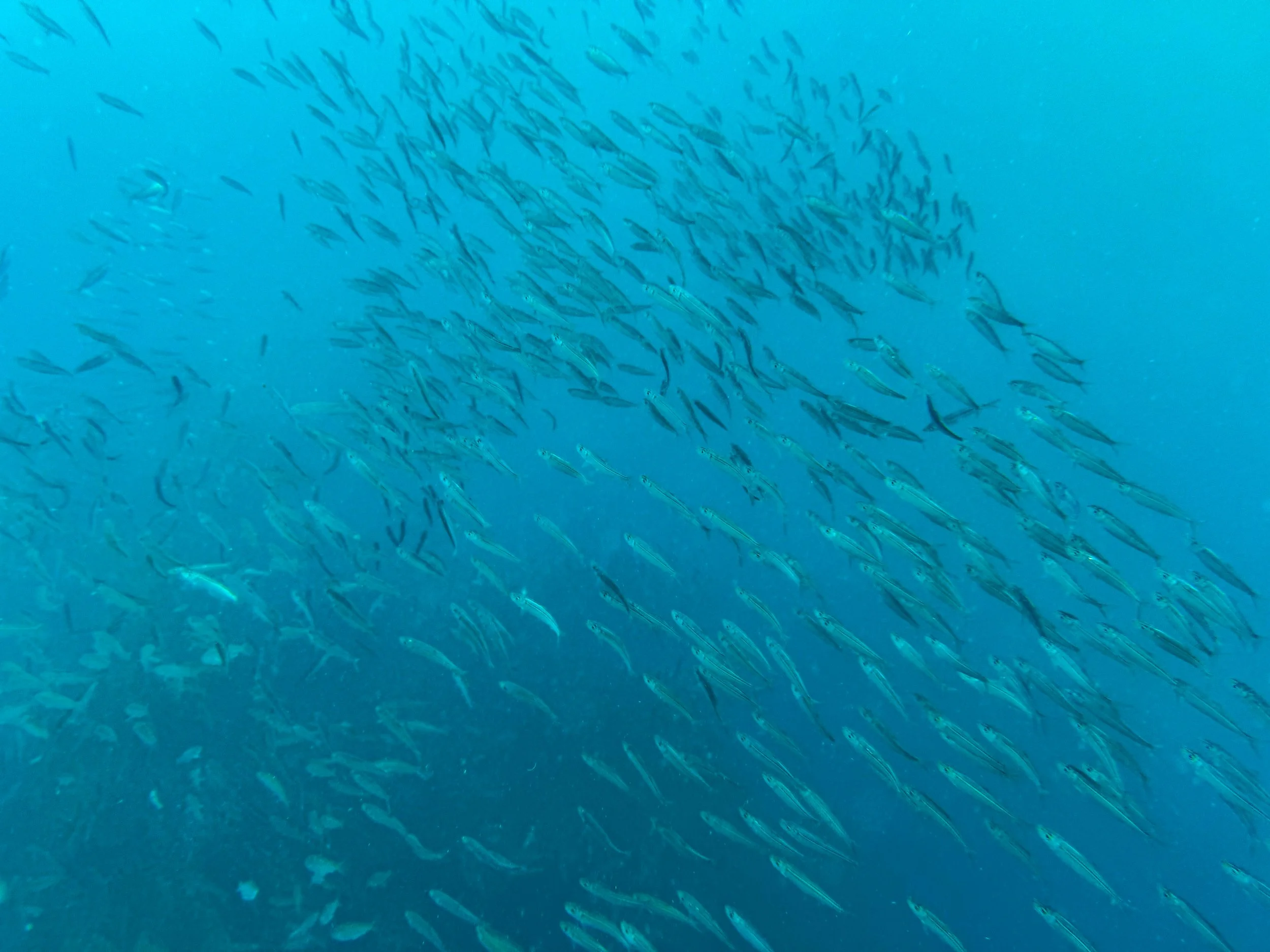
The Sardine Run
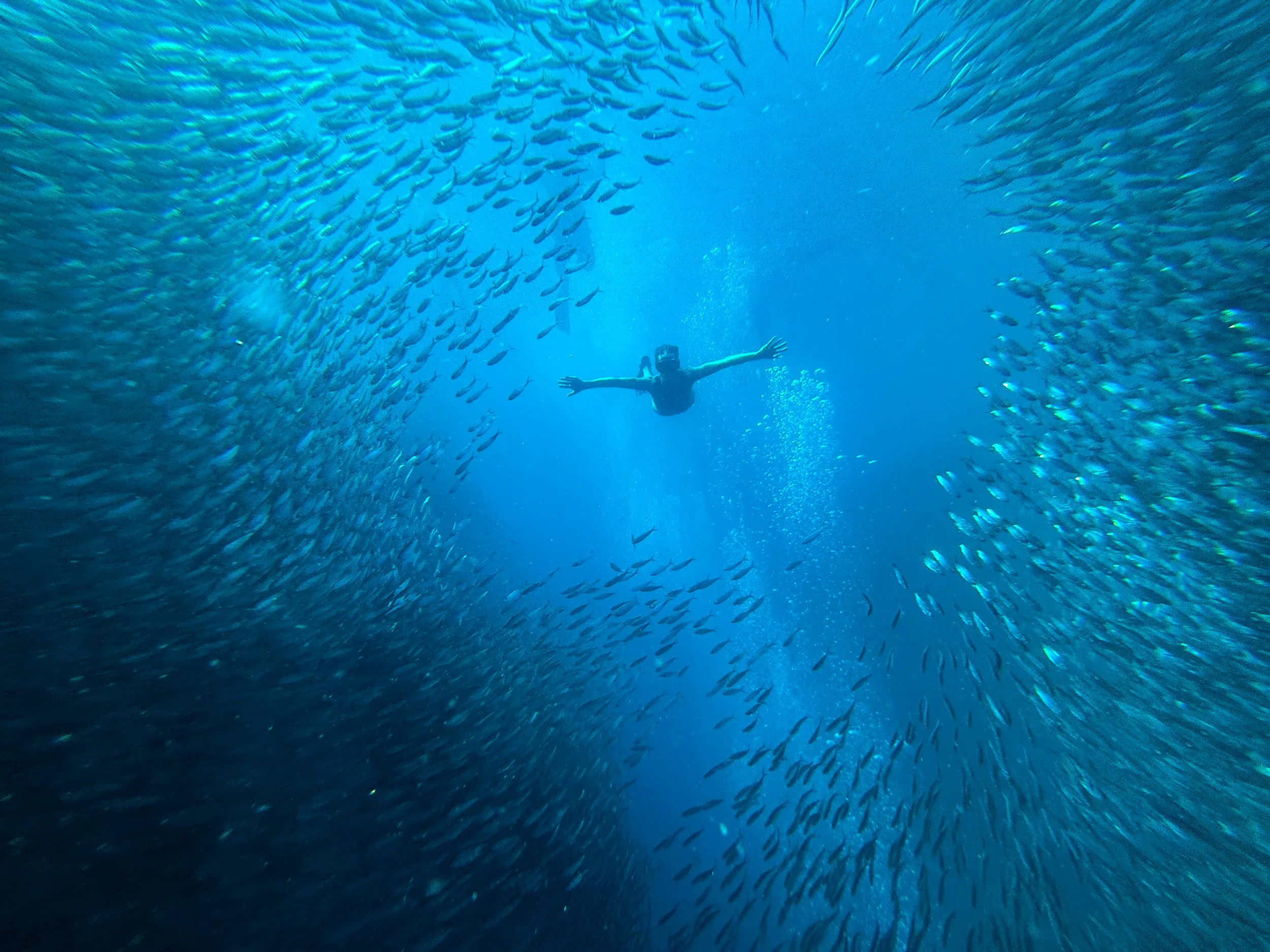
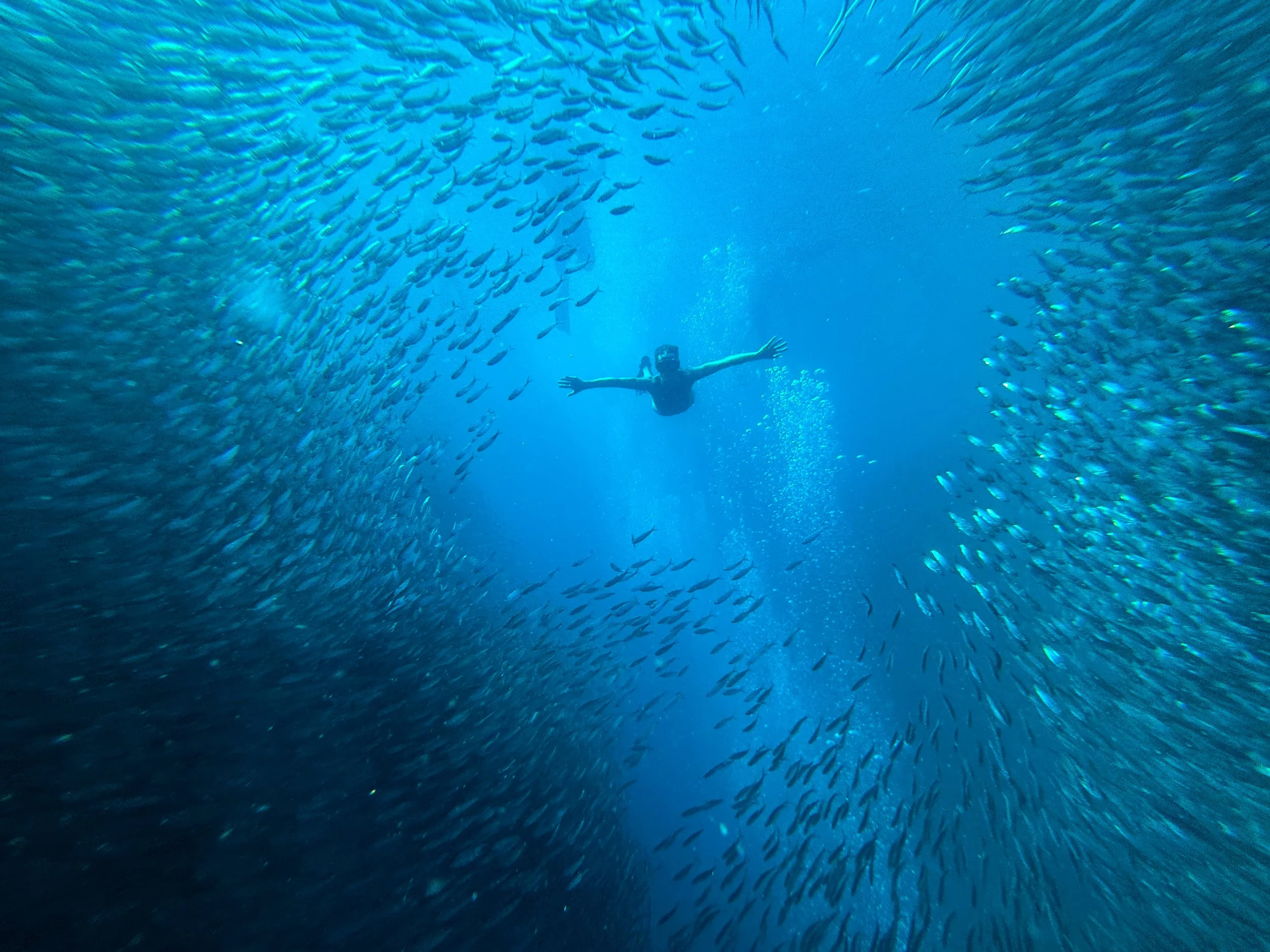
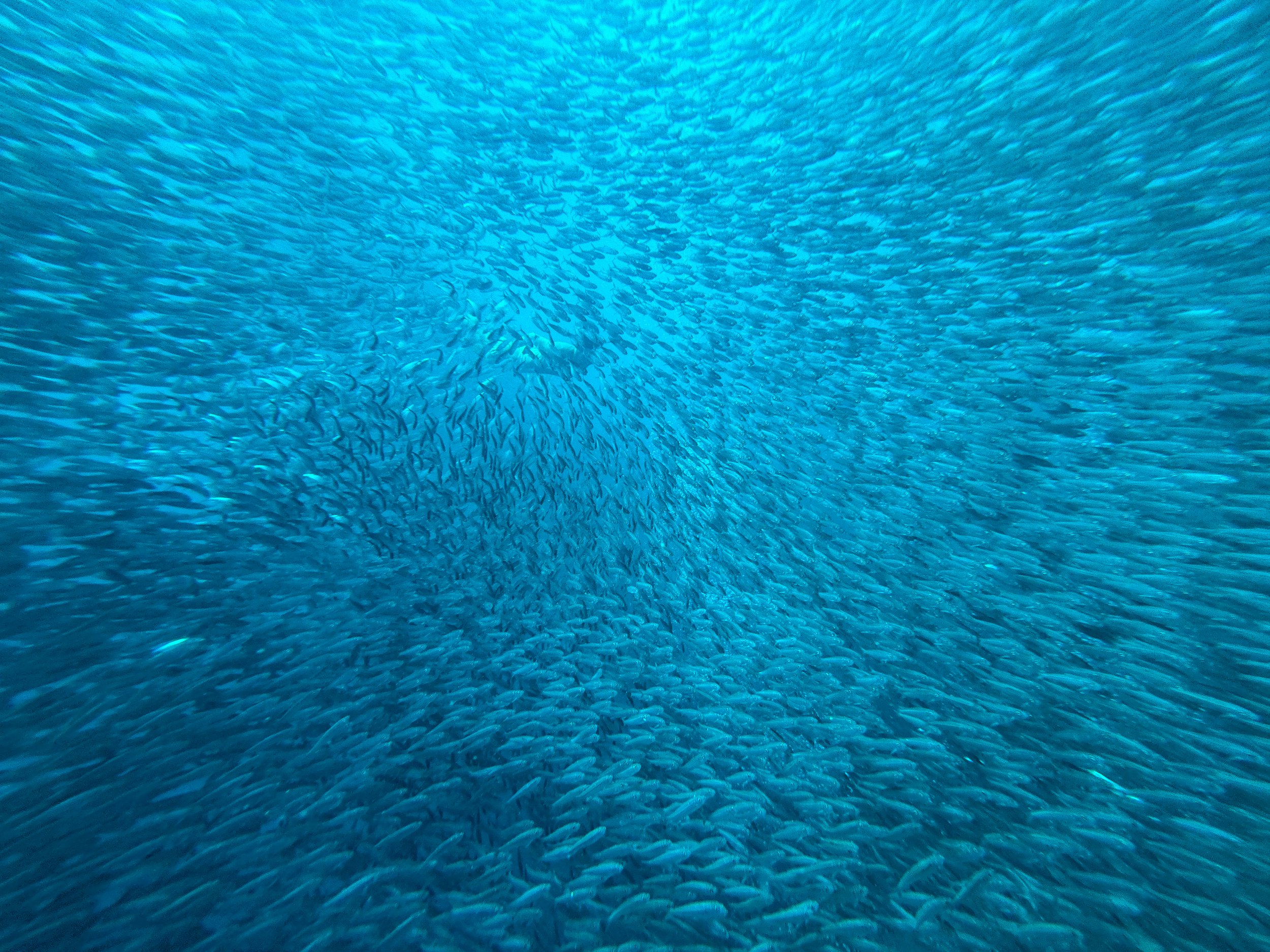
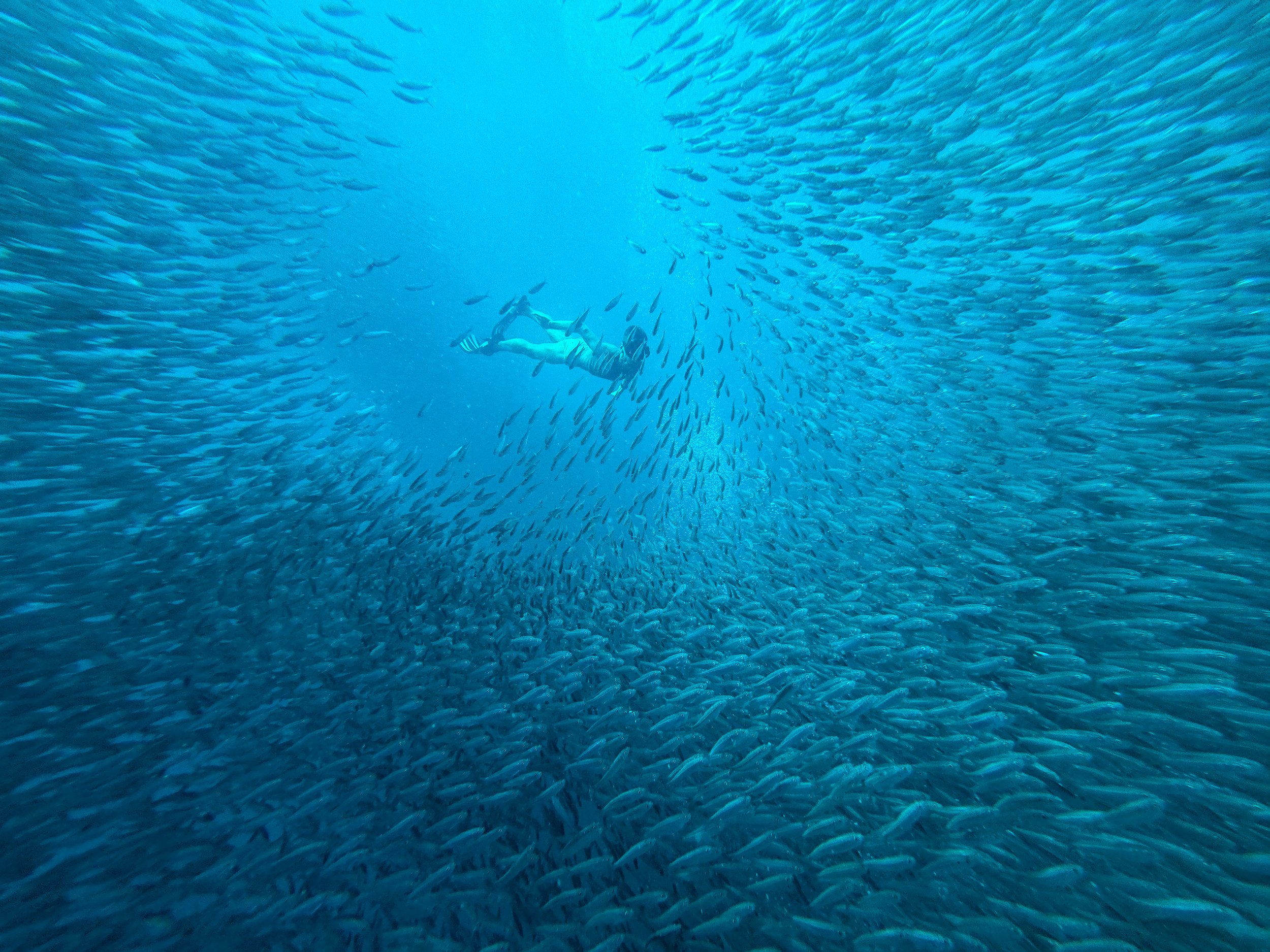
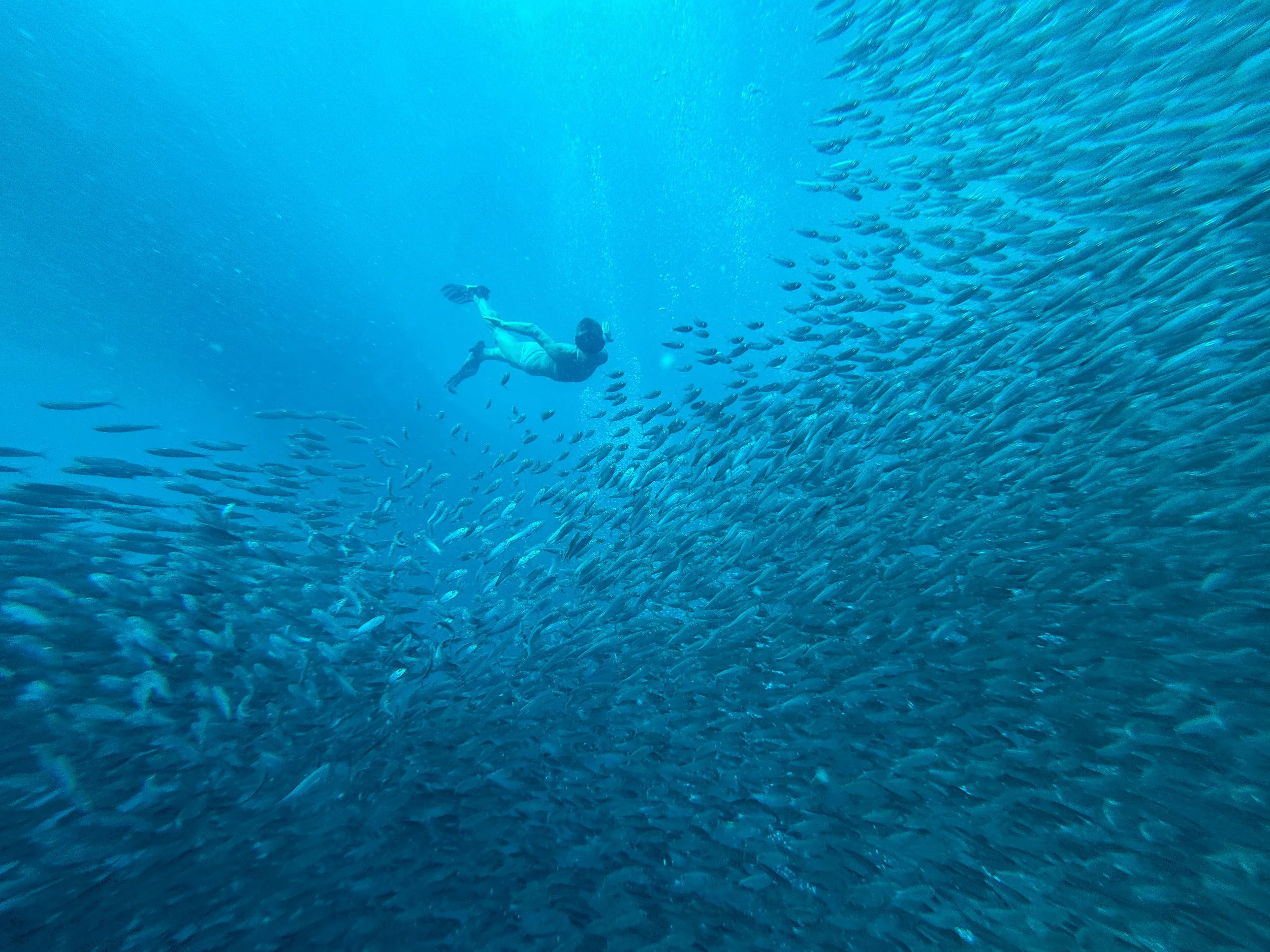
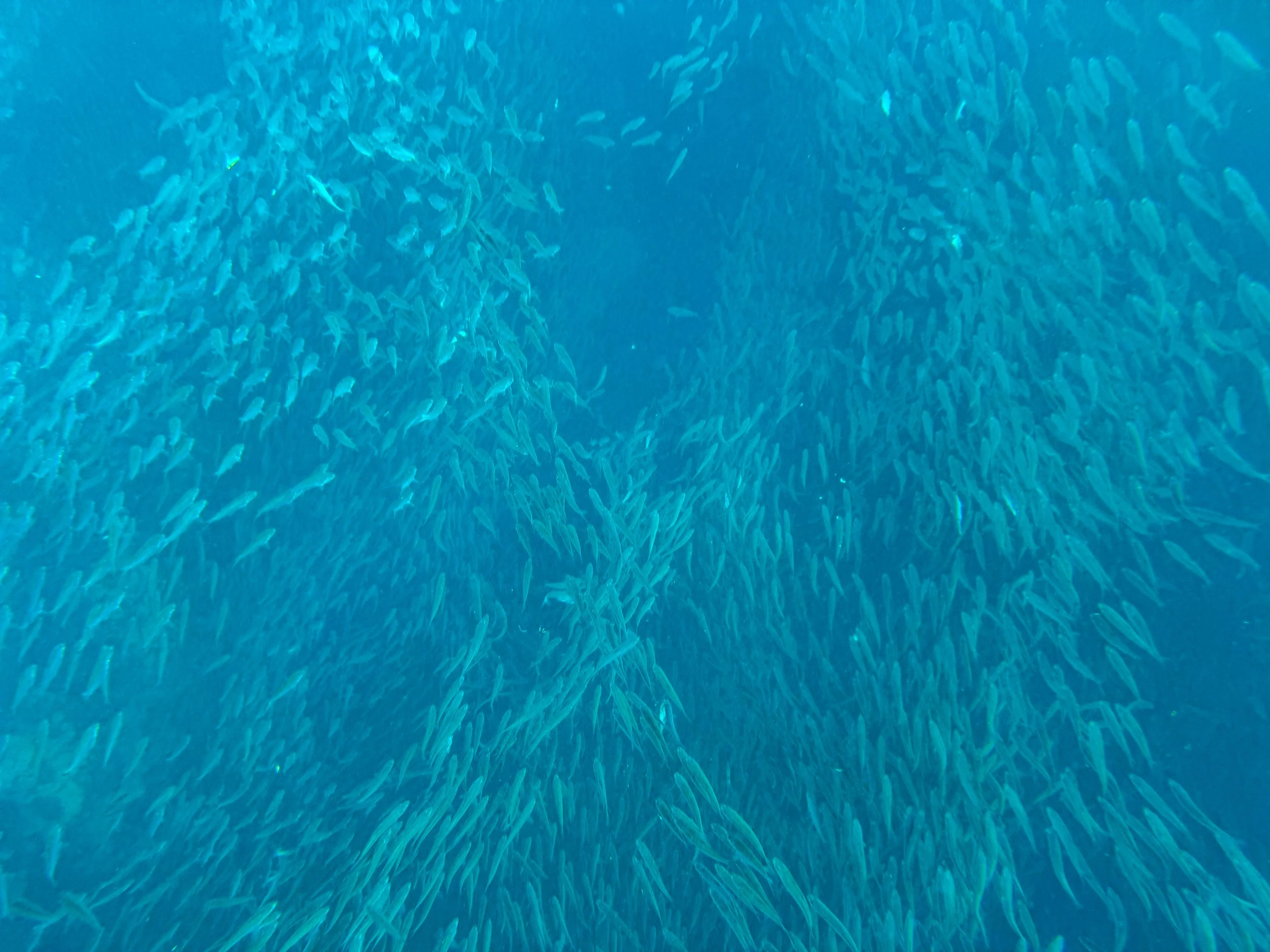
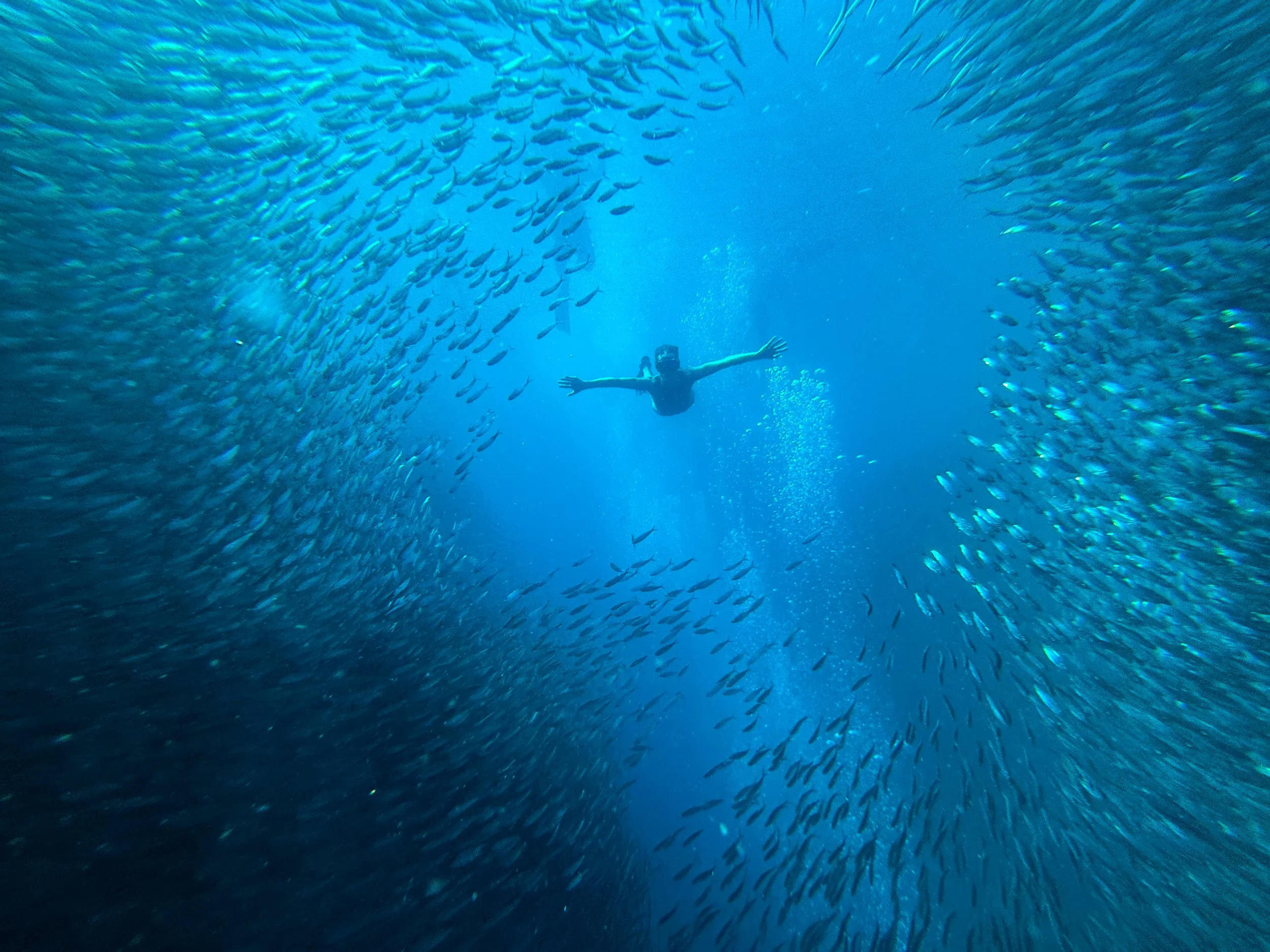
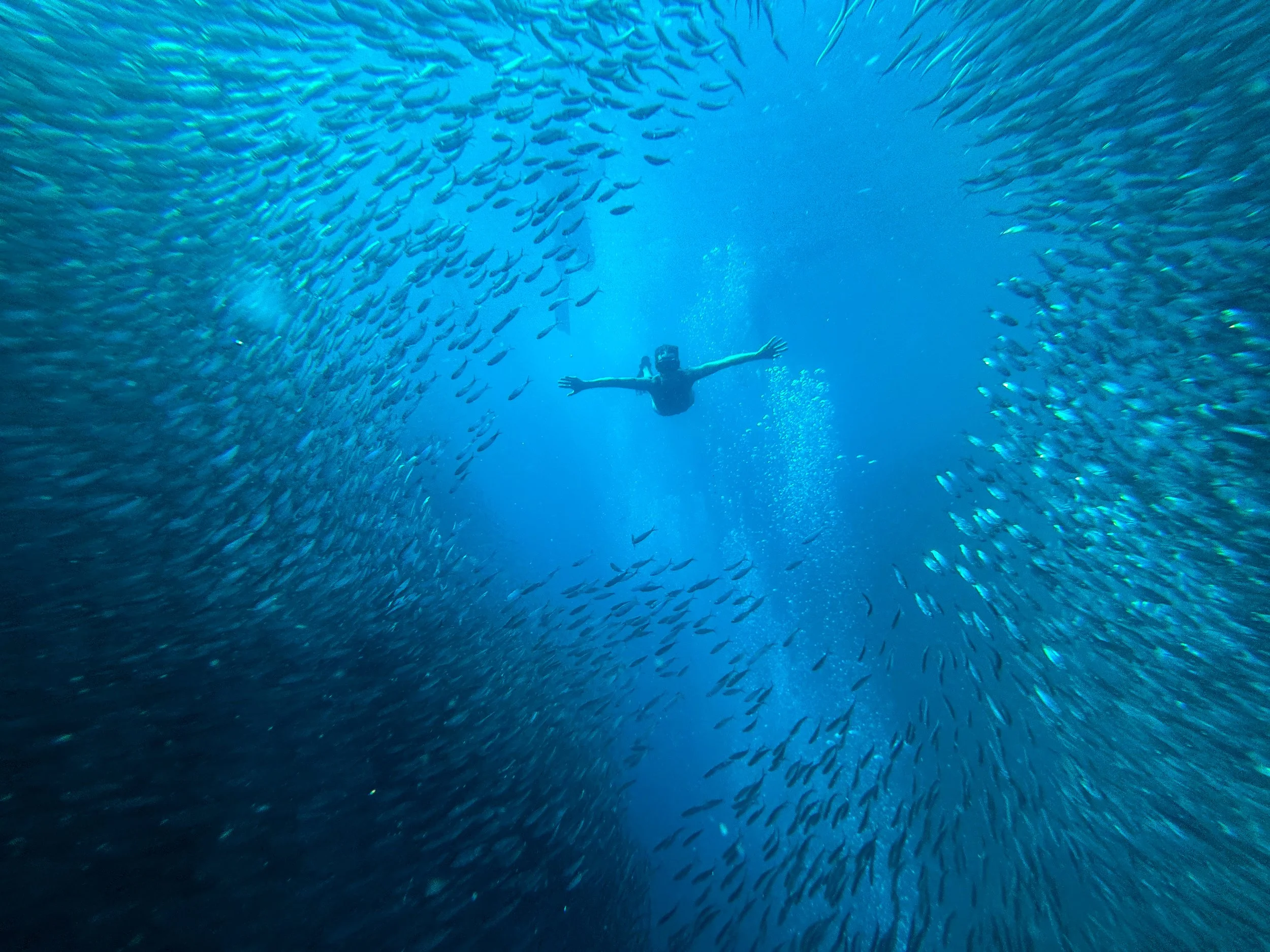
The Sardine Run is an incredible spectacle just offshore from the town of Moalboal. Beneath the surface, swirling masses of shimmering sardines swim in vast schools numbering in the tens to hundreds of thousands. We snorkeled and free dived around them, breaking through walls of fish and watching them part ways in perfect unison. It was surreal to experience a sardine run and swim with so many fish.
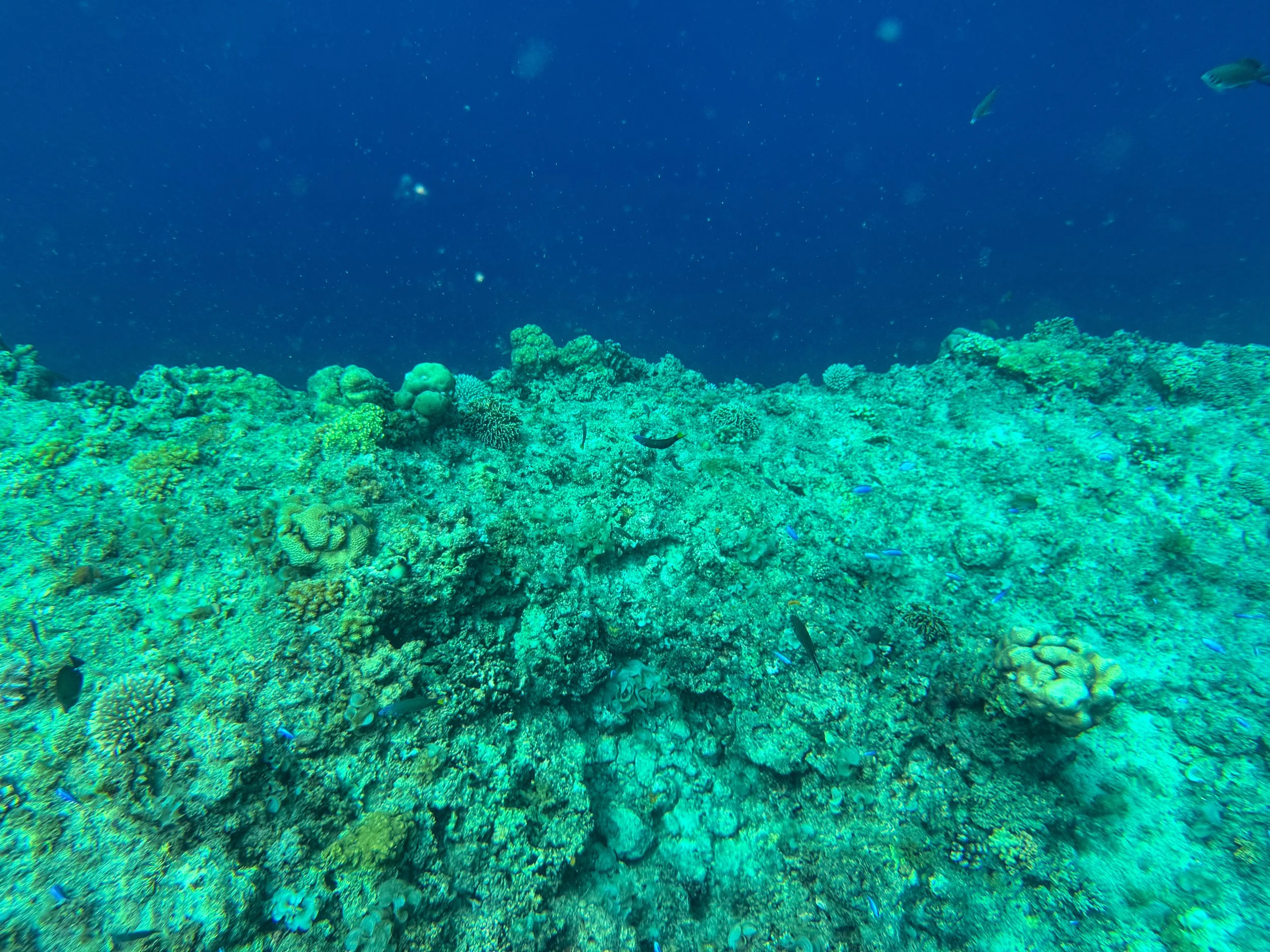
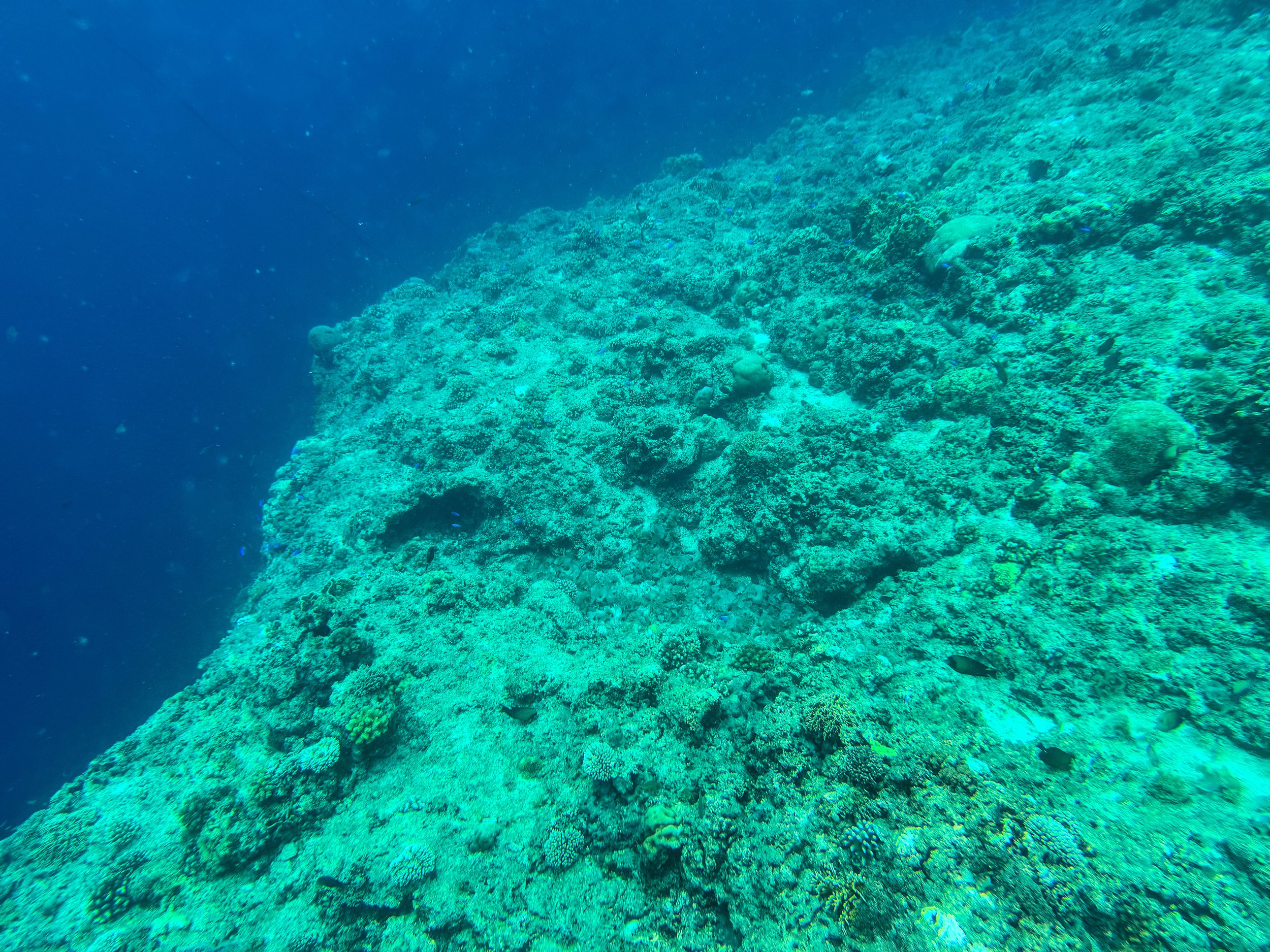
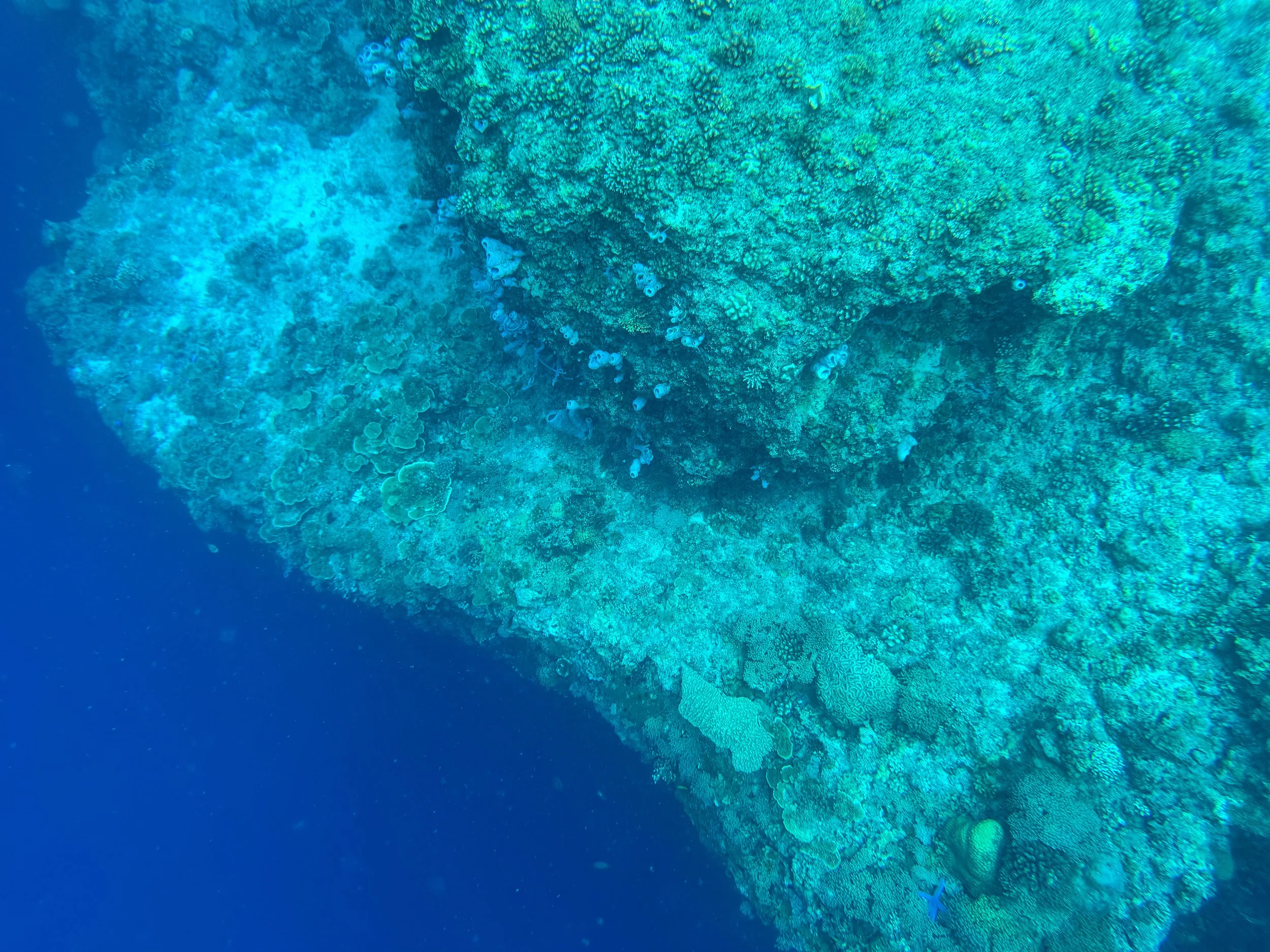
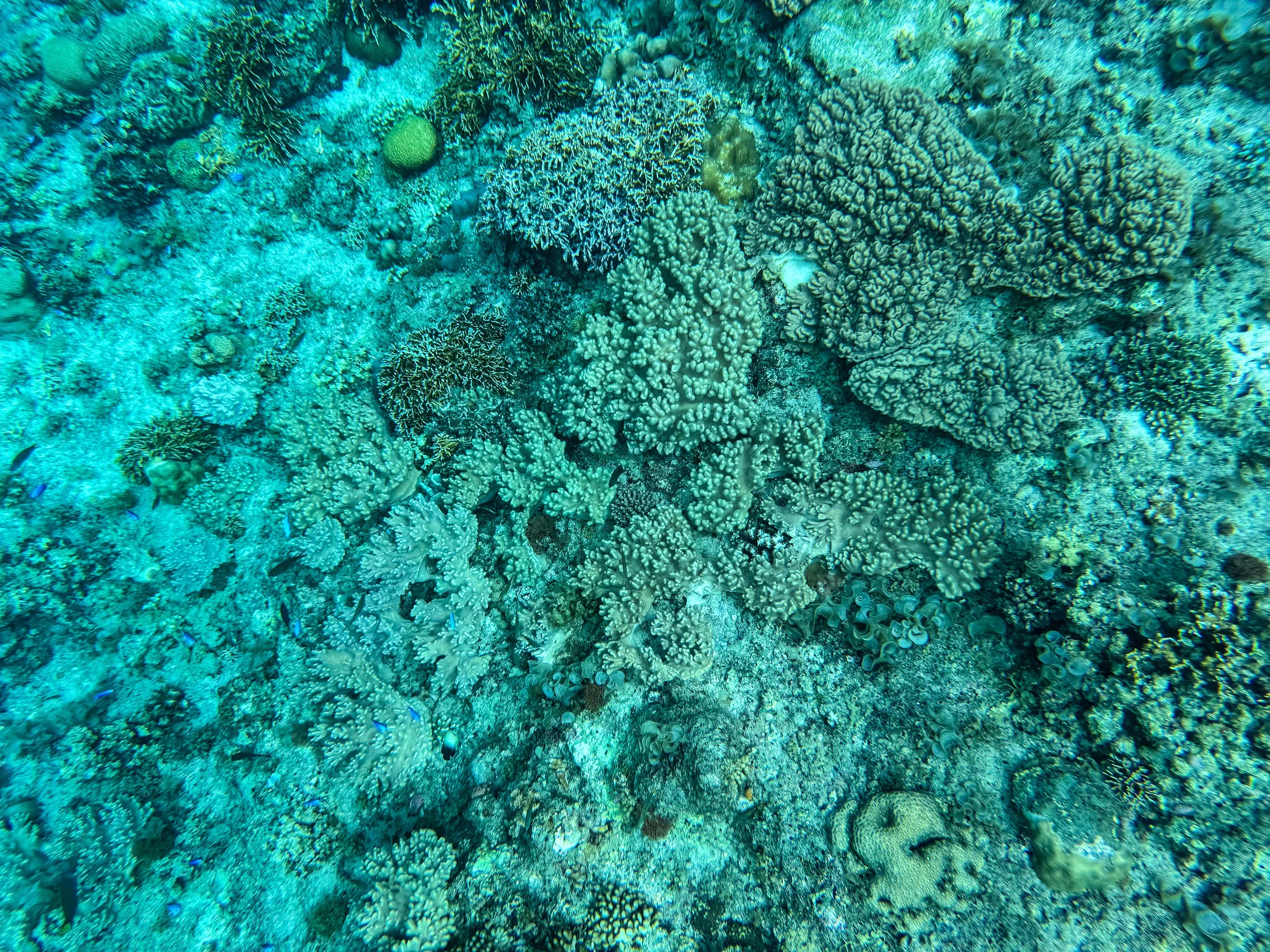
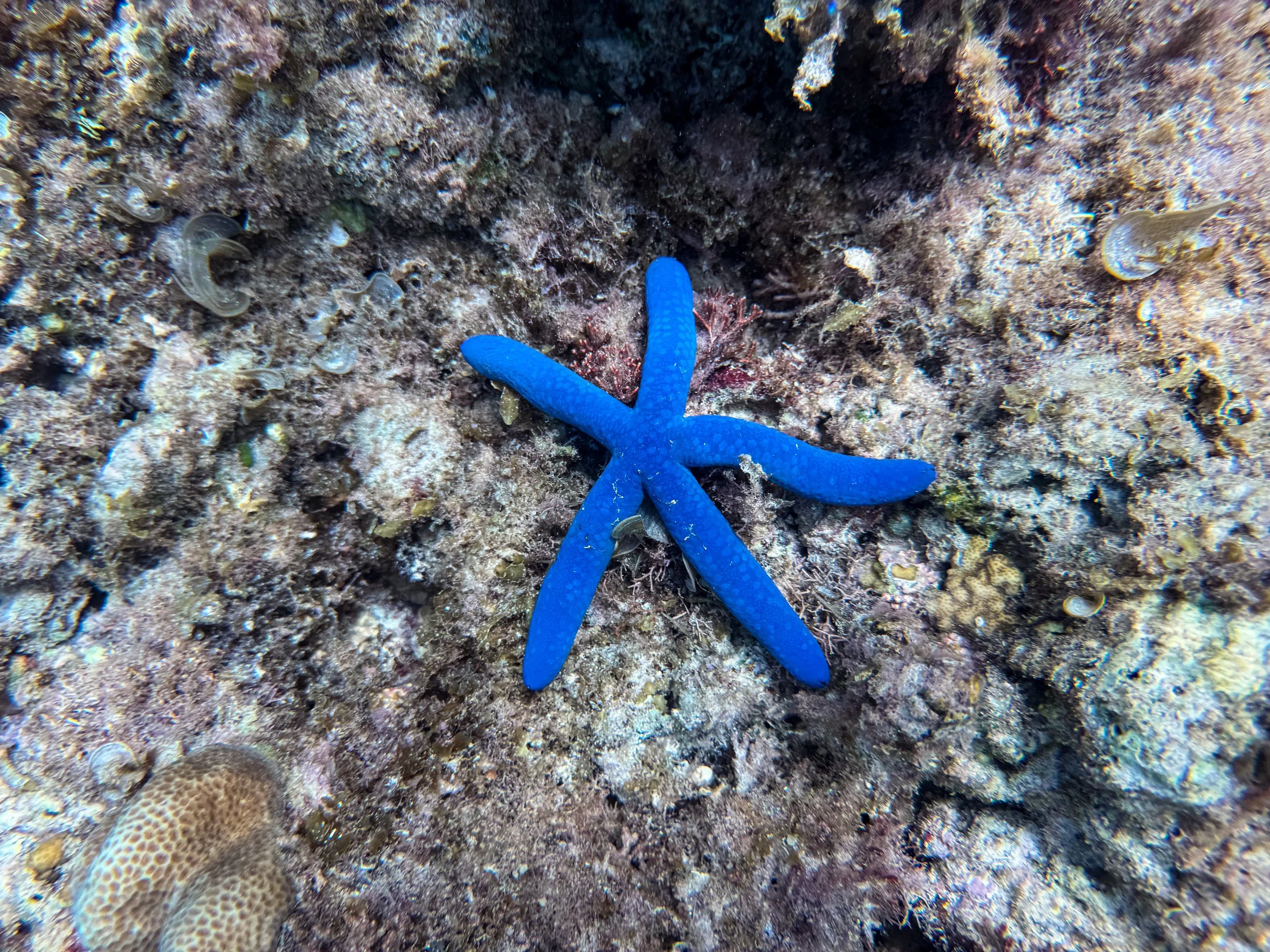
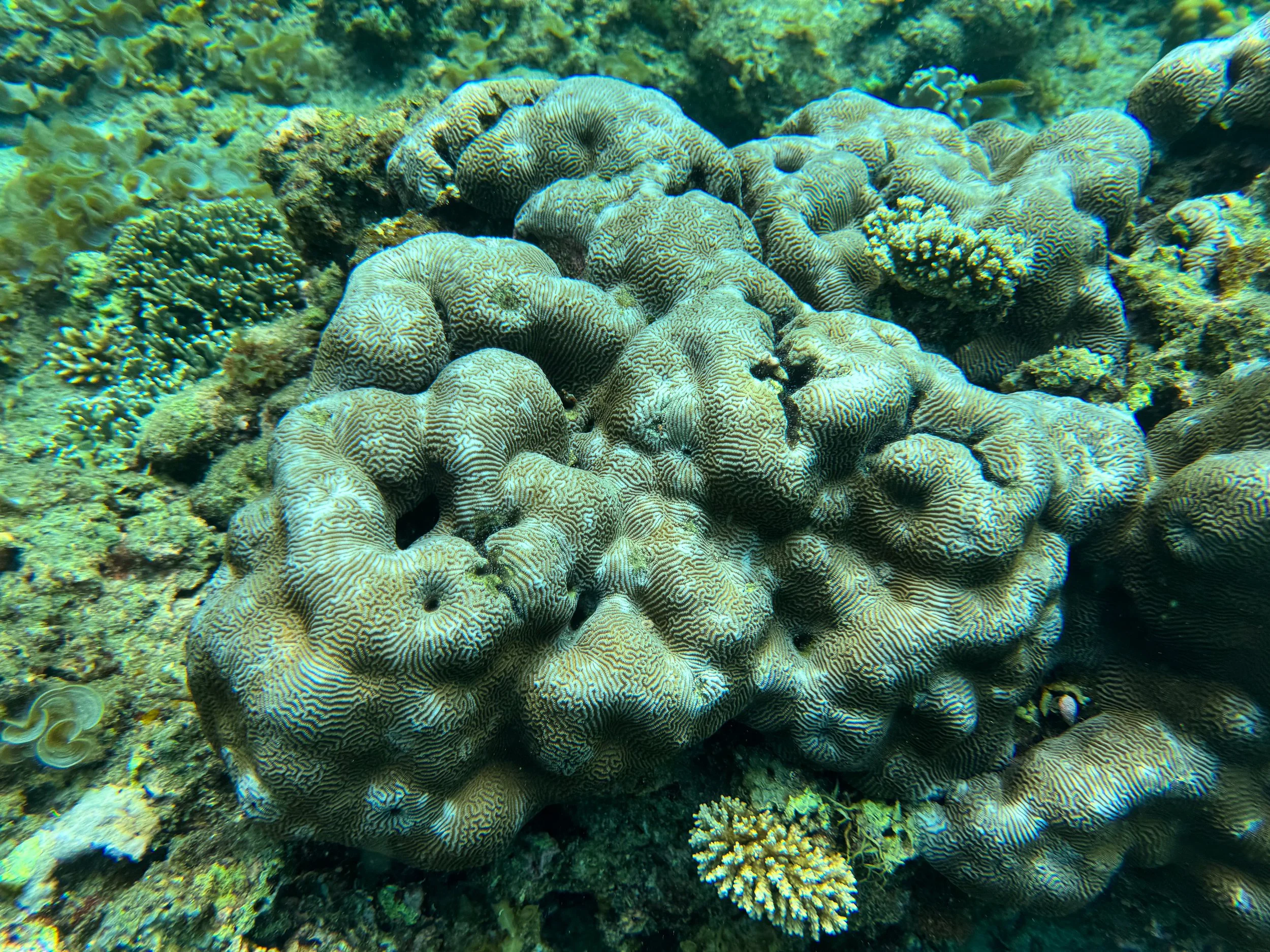
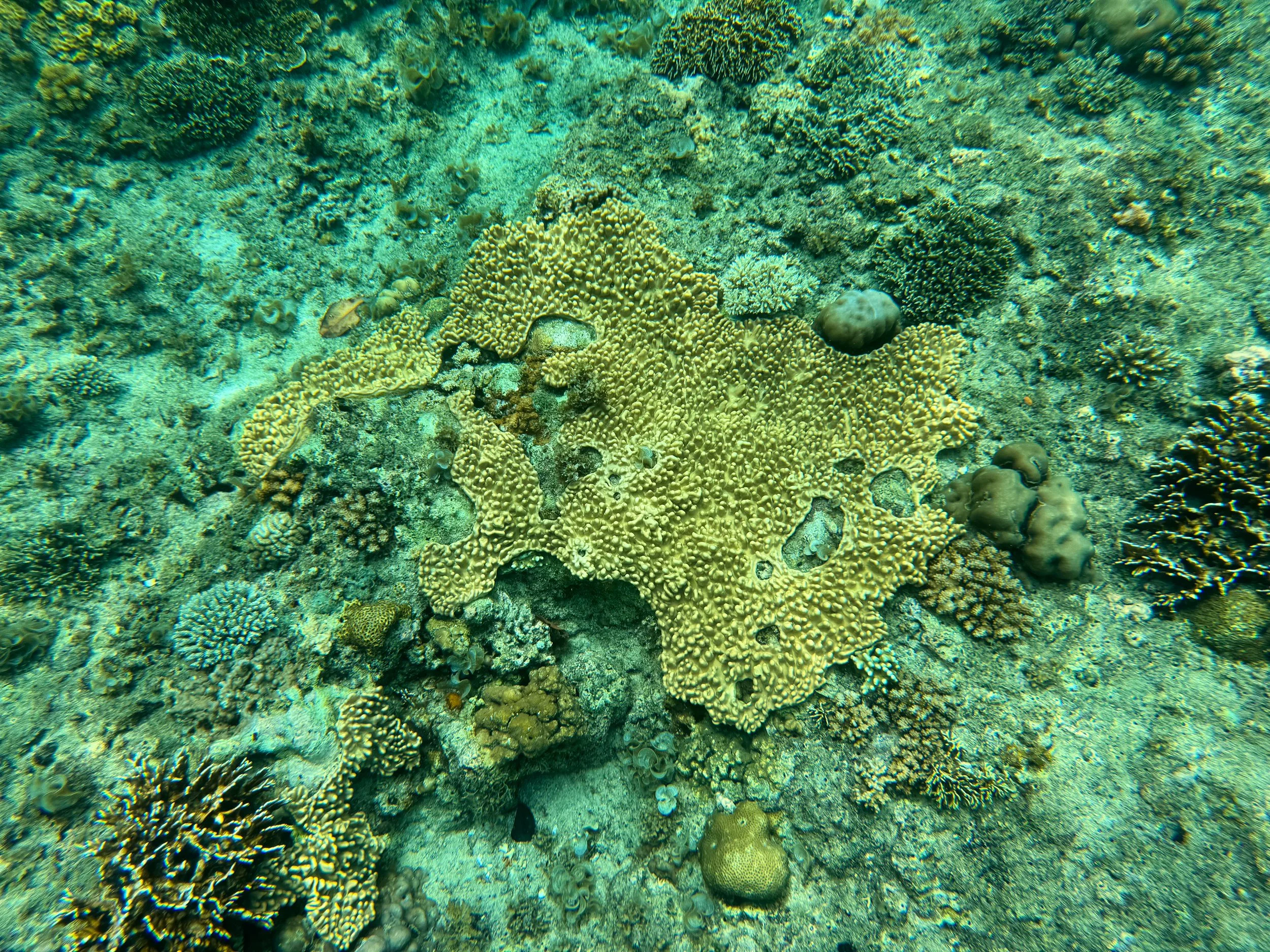
Pescador Island. A small and unassuming island in the middle of the Tanon Strait. Surrounding it is a thriving coral reef and a 100 meter drop off descending into the deep blue abyss. Strange looking coral formations grow from the reef and its cliffside. They’re home to tropical fish, vibrant blue sea stars, pulsing jellyfish and unseen marine life. We snorkeled and free dived but can only imagine what it’s like to see with scuba gear.
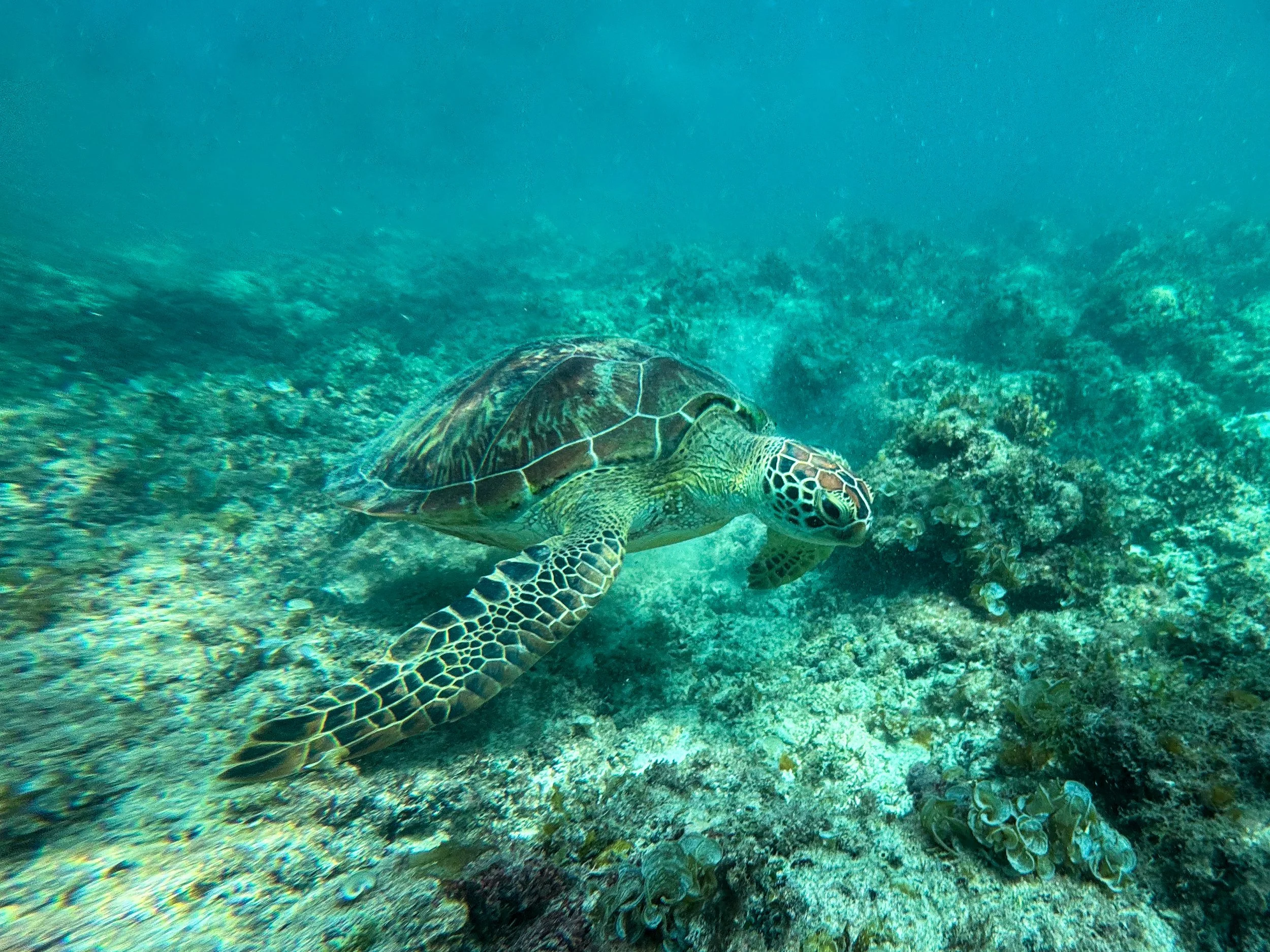
Good to Know. We navigated around pods of golf ball sized jellyfish with long stringy tentacles. Their stings were mild but uncomfortable. We’d recommend wearing a rash guard or wetsuit to protect your skin. On the bright side, the jellyfish attracted a hungry sea turtle eager to feast on them. Motors on outrigger canoes and tour boats are extremely loud. Bring headphones or ear plugs to avoid hearing loss. Book with Cebu Tours on Viator.
Bohol Island
A large tropical island across the Cebu Strait with picturesque landscapes, reserves with endemic primates and Spanish colonial era sights. We explored the island on a day trip from Cebu.
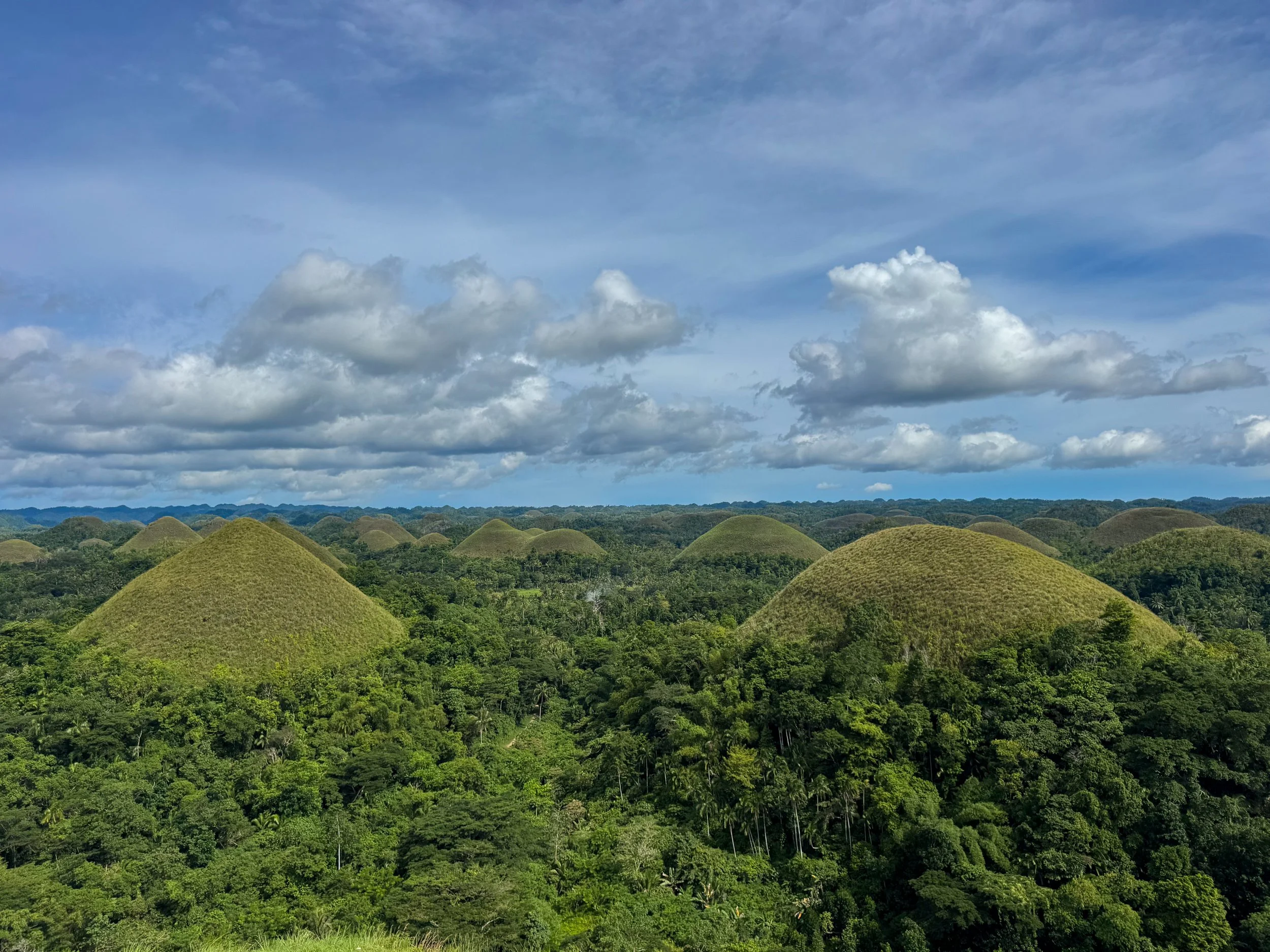
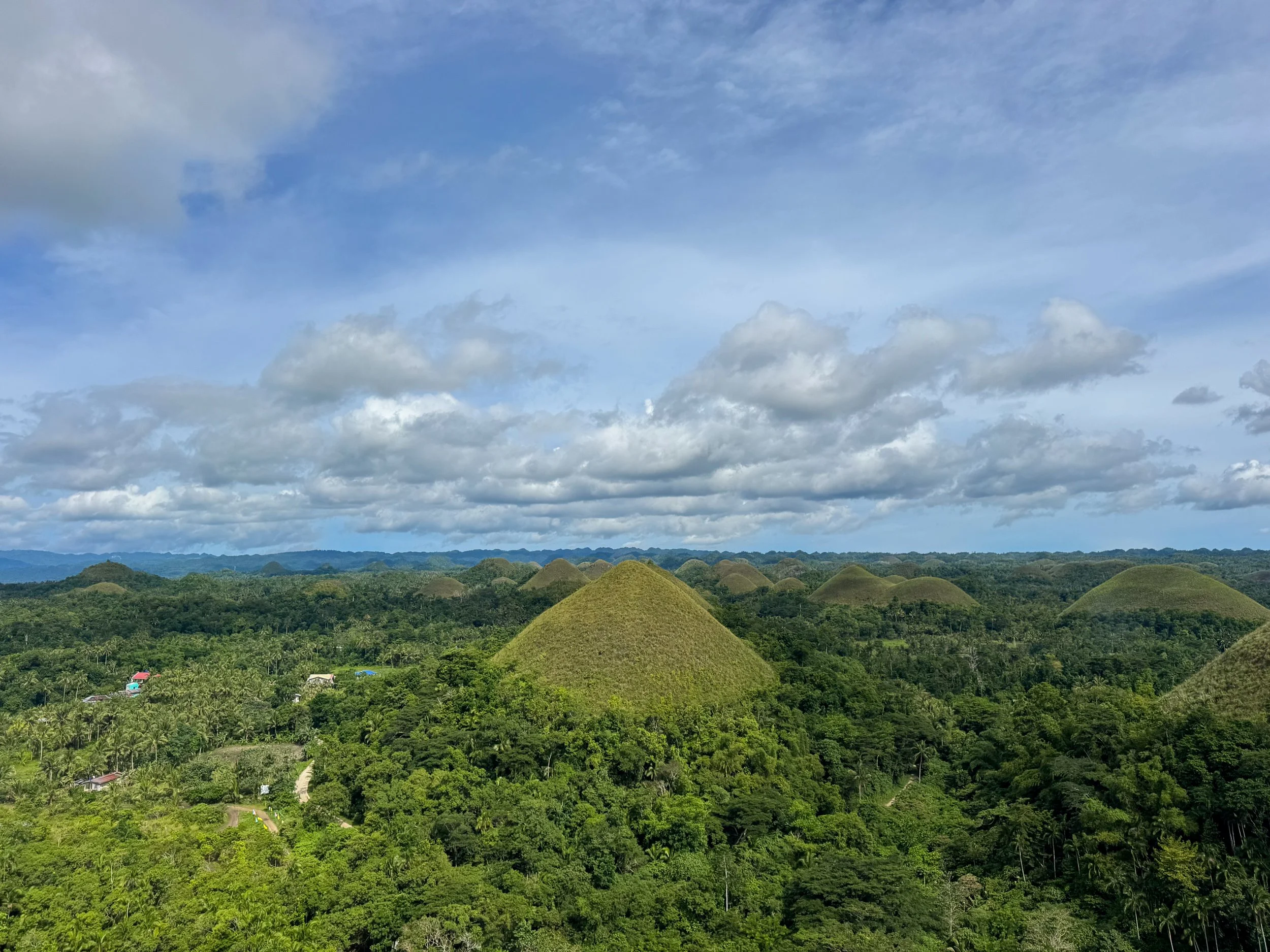
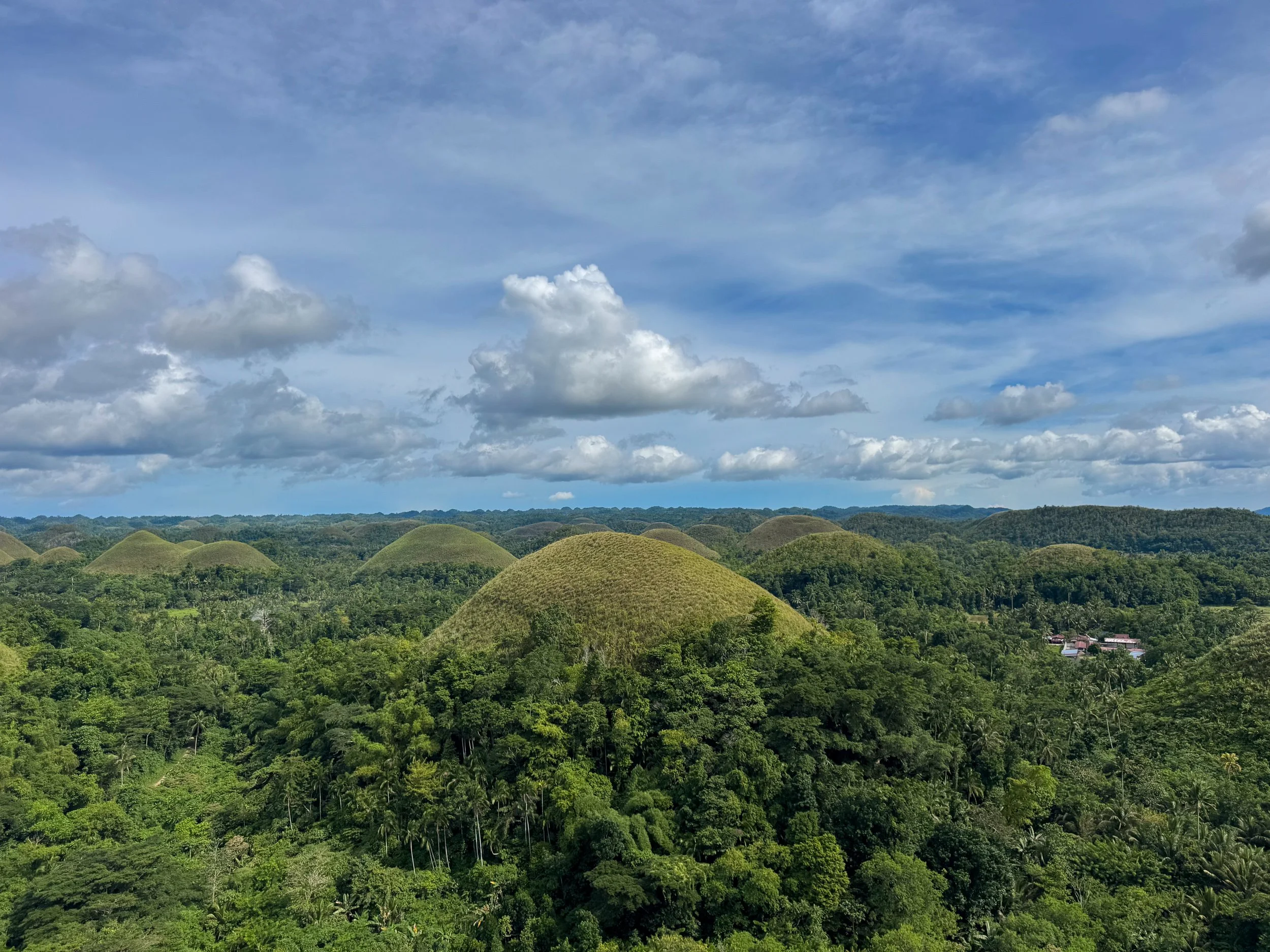
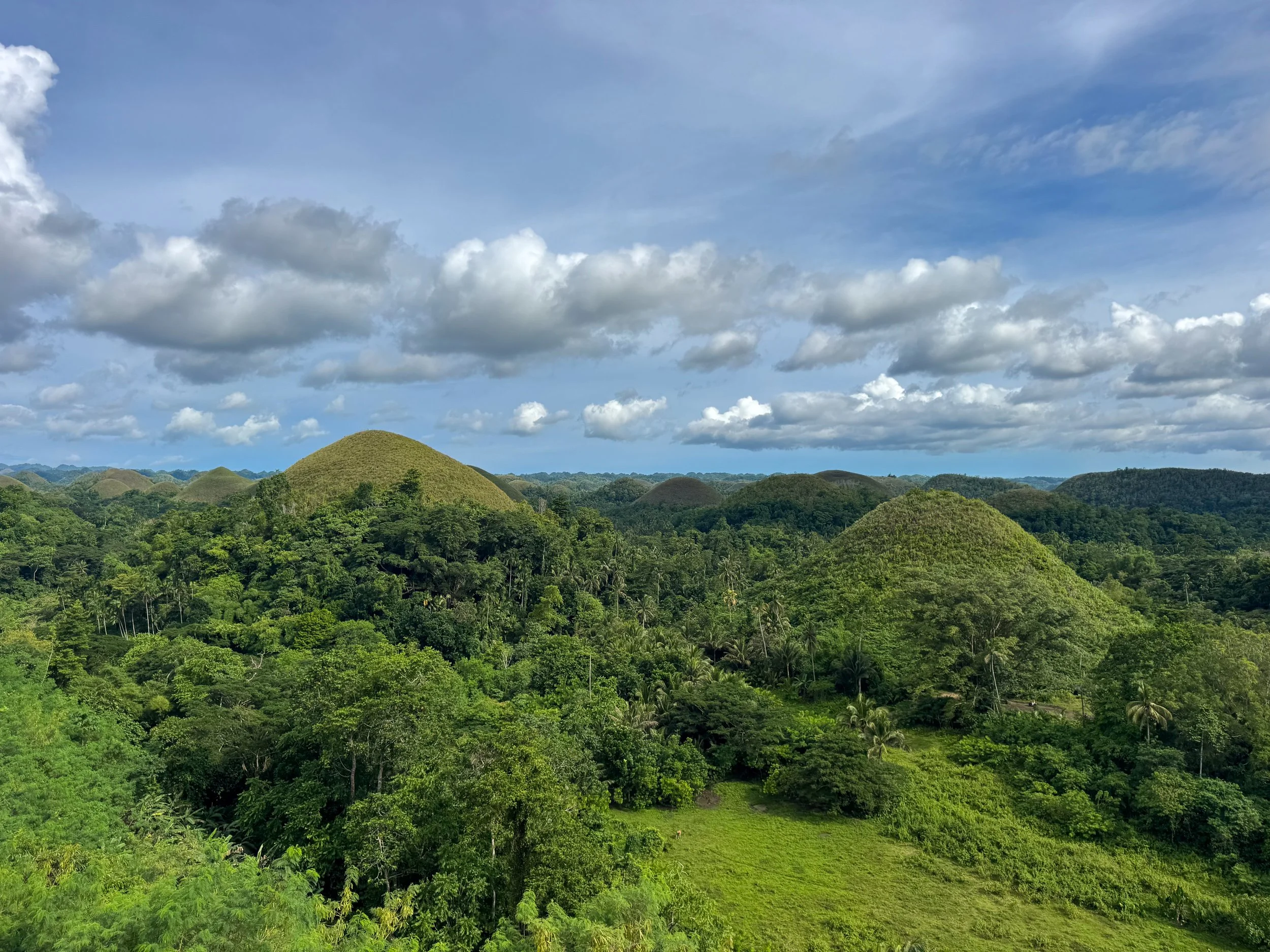
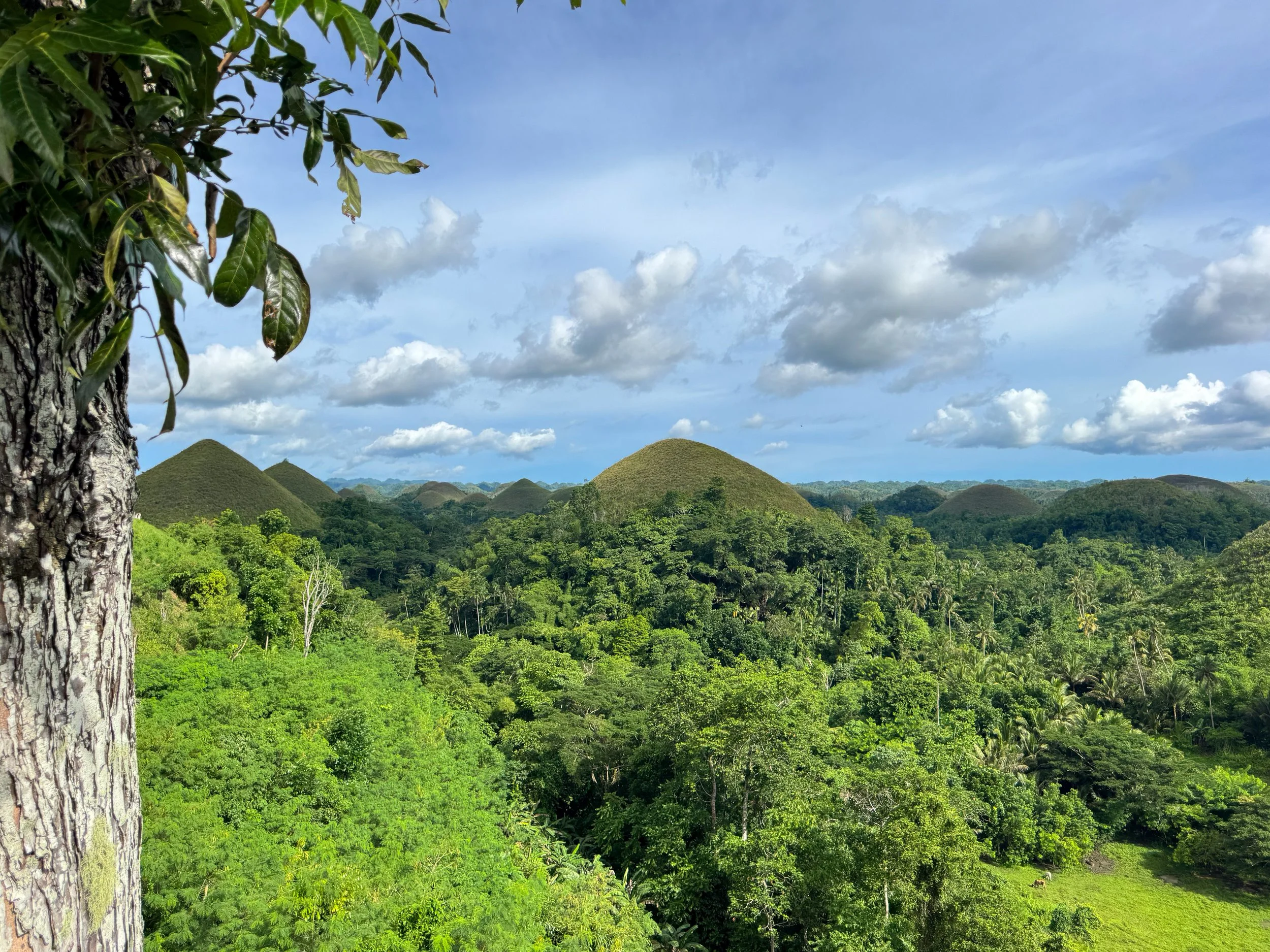
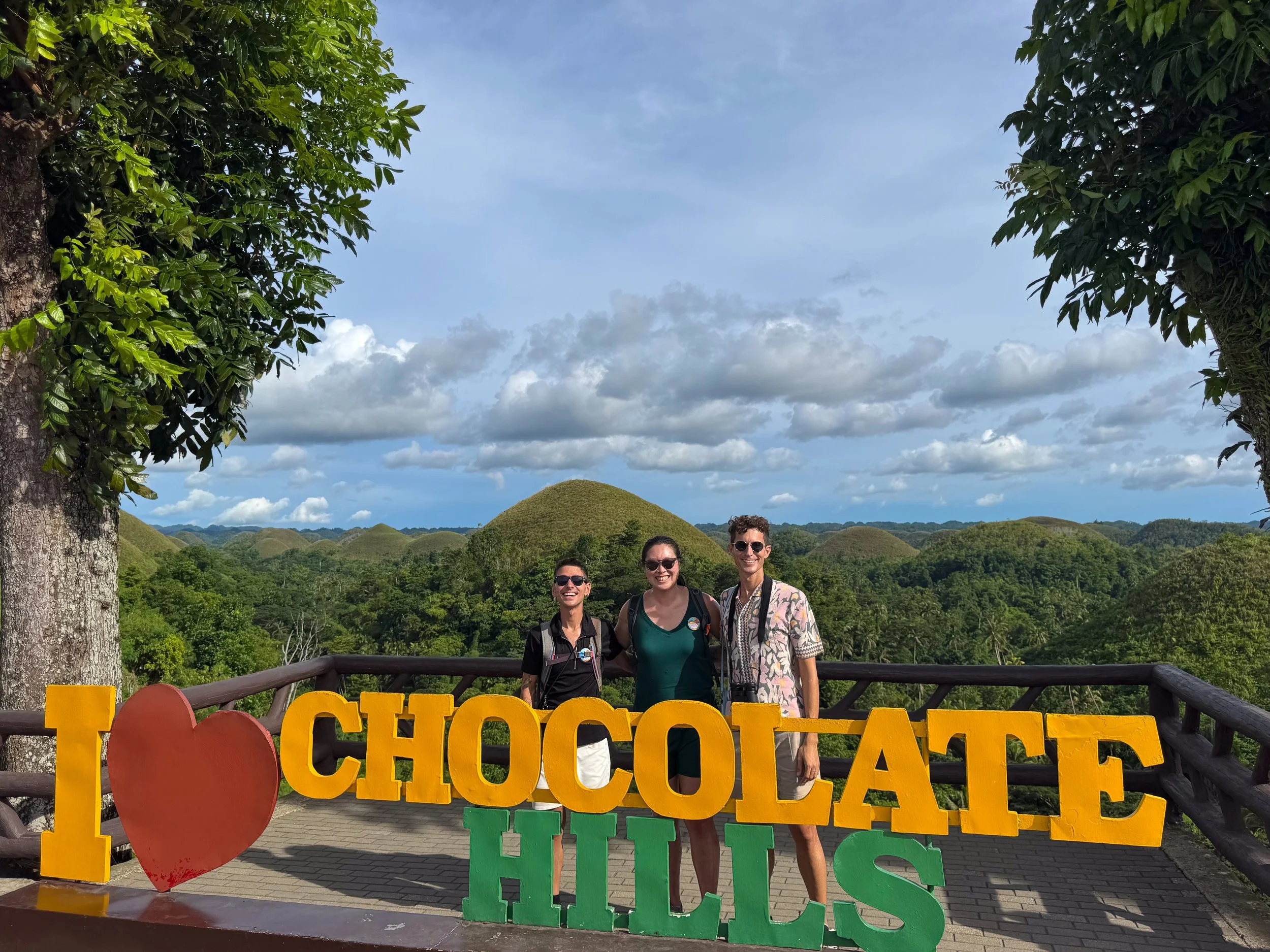
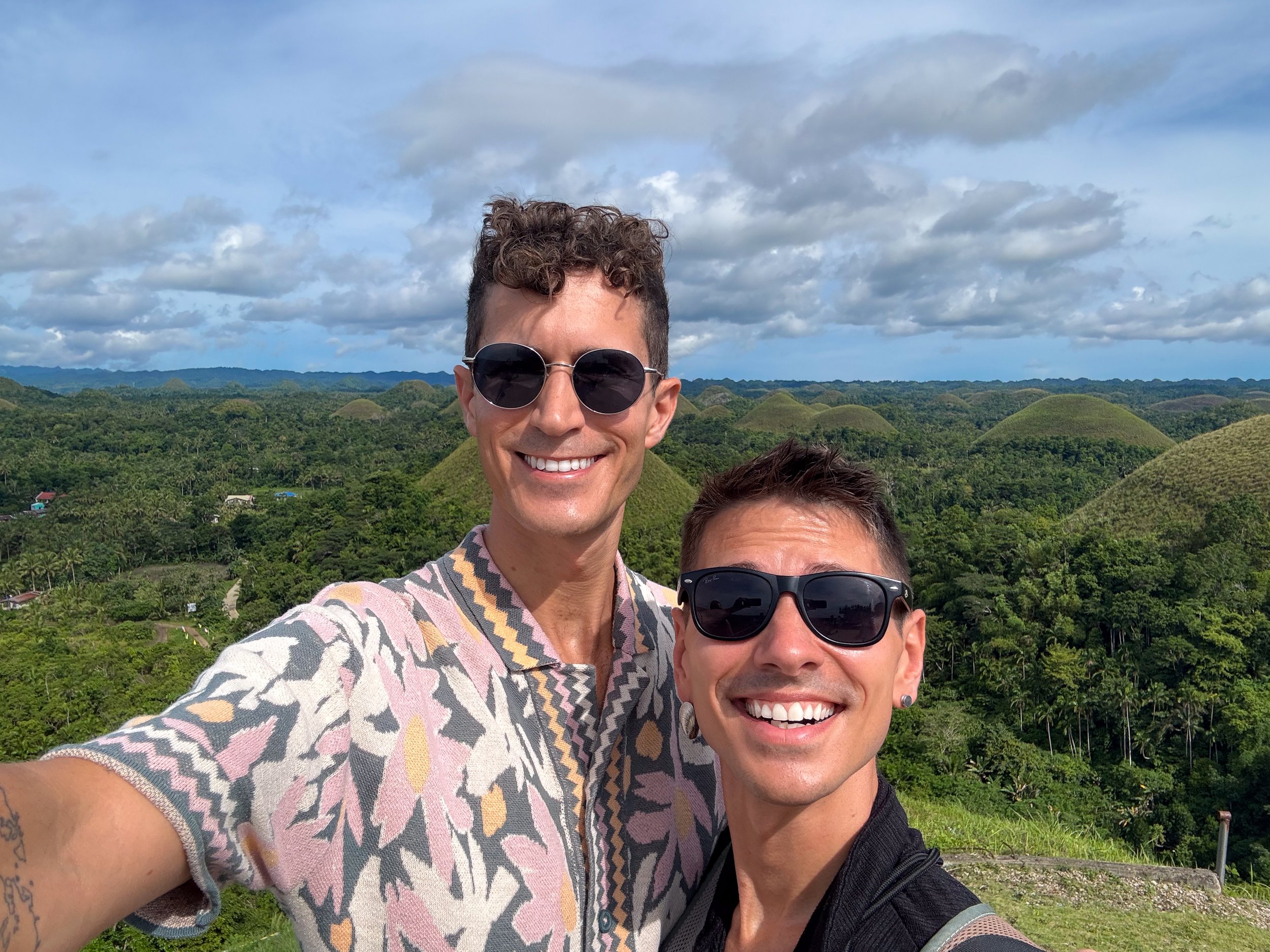
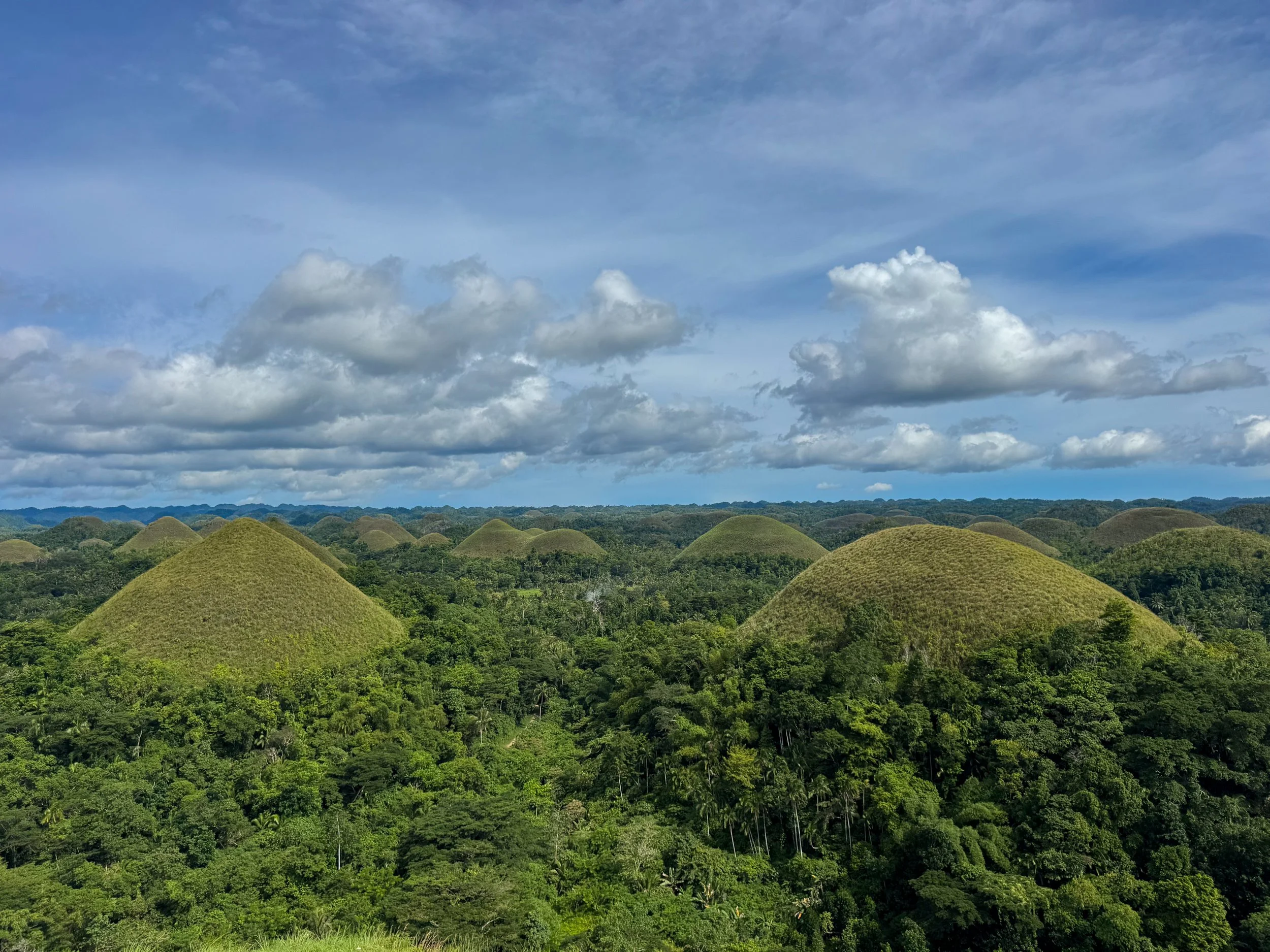
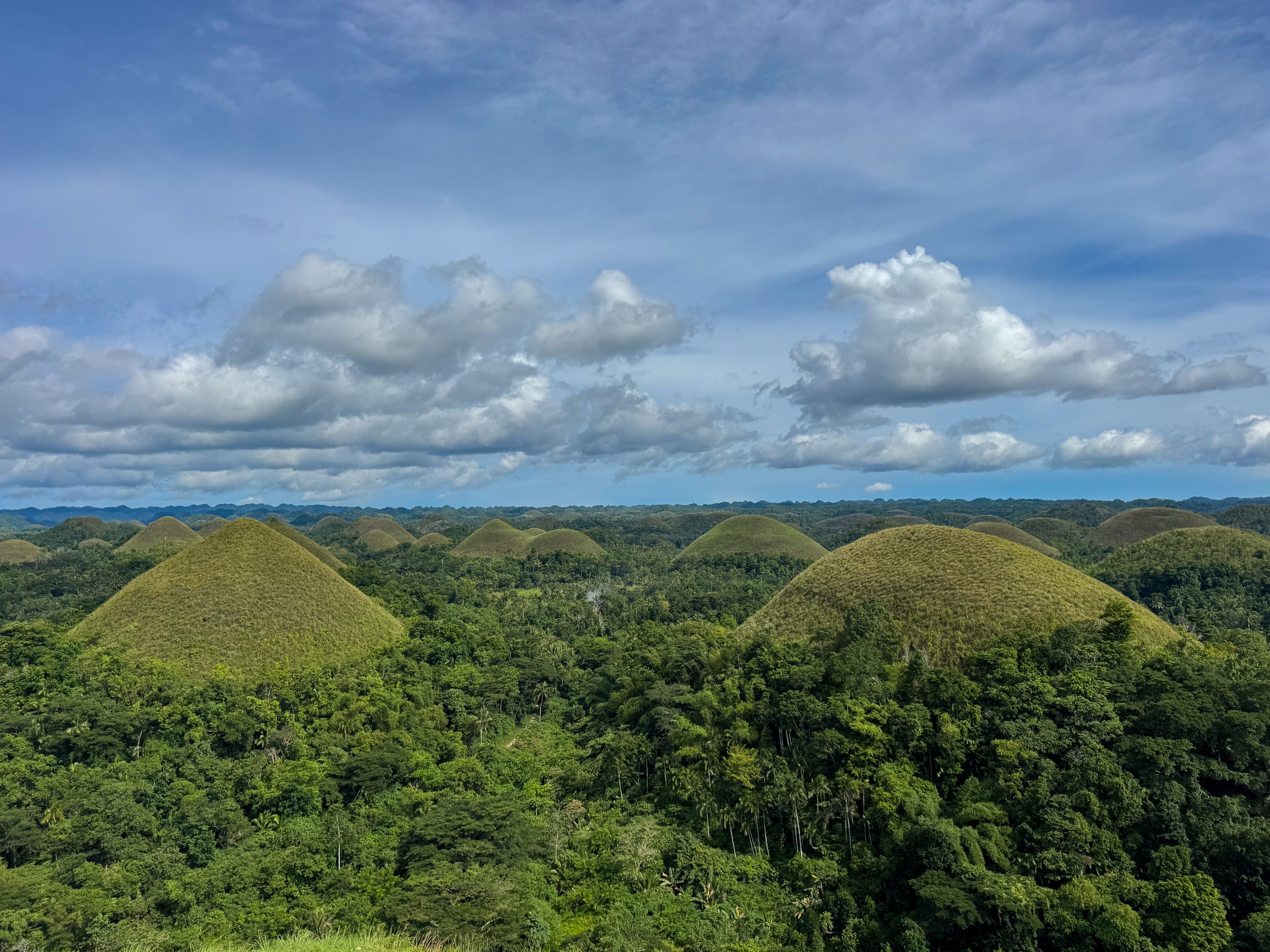
Chocolate Hills. A landscape covered in over 1,000 domed and conical shaped hills. We visited the Chocolate Hills Viewing Deck, a lookout on top of one of the hills. From the view point we overlooked hundreds of them dotting the countryside. At the time, the hills were covered in green grass and called the name, “Avocado Hills” by our guide. During the peak of the dry season, the grass dries giving them their name, Chocolate Hills.
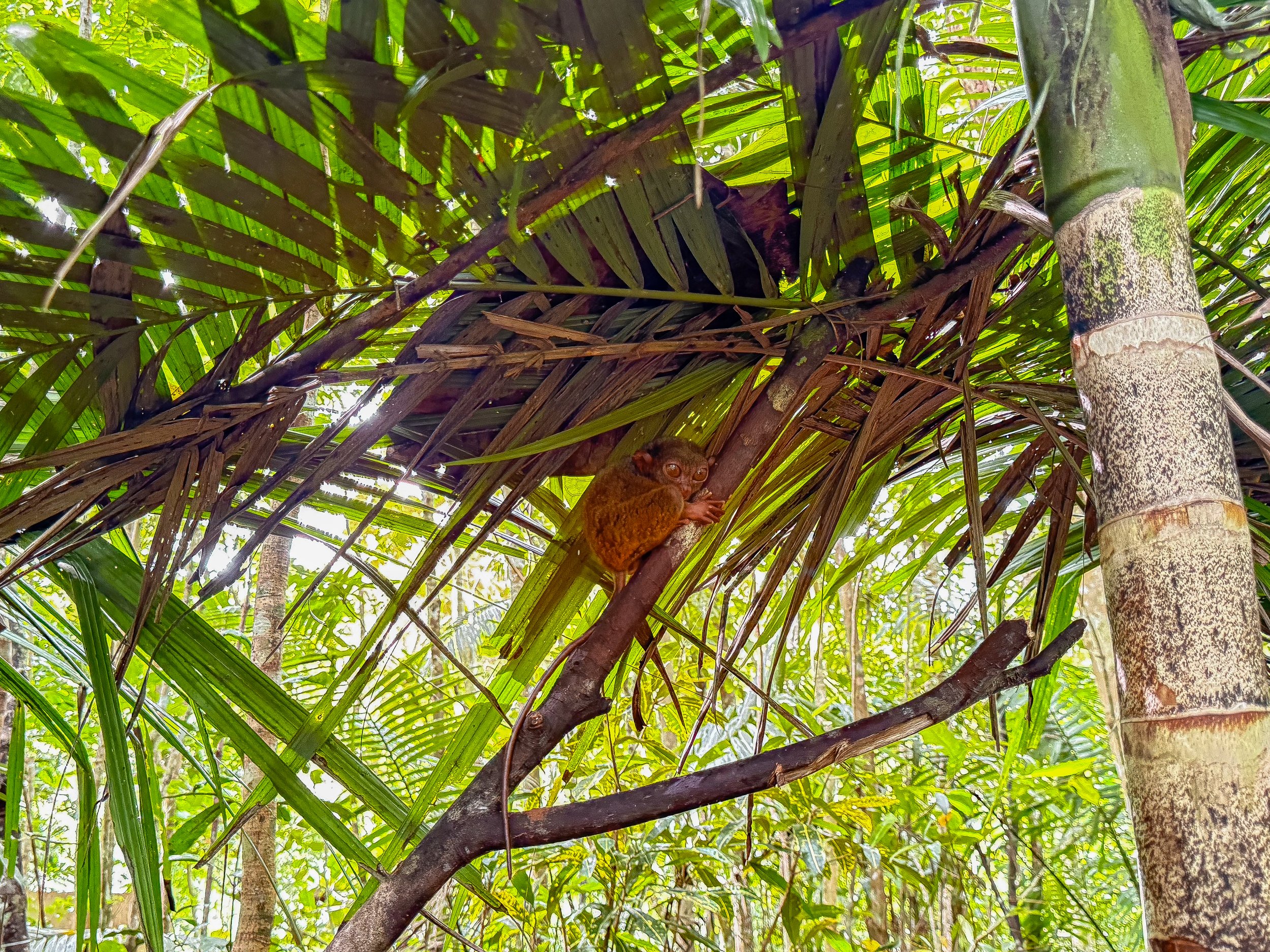
Tarsier Conservation Area. A conservation area home to the second smallest type of primate, the tarsier. The cute animals are no larger than a closed fist. They’re recognizable by their large buggy eyes and tiny bodies. They’re nocturnal but occasionally open their wide eyes and stare out. We spotted them clinging onto thin tree trunks under canopies of leaves.
Pro Tip. Despite their size, they’re easy to spot. Skip the first few where people are gathering and follow the trail to spot the ones further in.
Loboc River. A green hued river flanked by verdant mountains and lush tropical forest. Palm trees lean over its banks as children swing from ropes into the water. Cold springs and small waterfalls flow into the river at its source. We cruised upstream on a floating restaurant serving classic Filipino dishes while enjoying the picturesque views and musical performances. A barge with locals danced the Tinikling, a traditional folk dance. Participants hop between bamboo poles as they’re smacked together following the rhythm of the music. We were invited up to join in after feasting on a Filipino lunch.
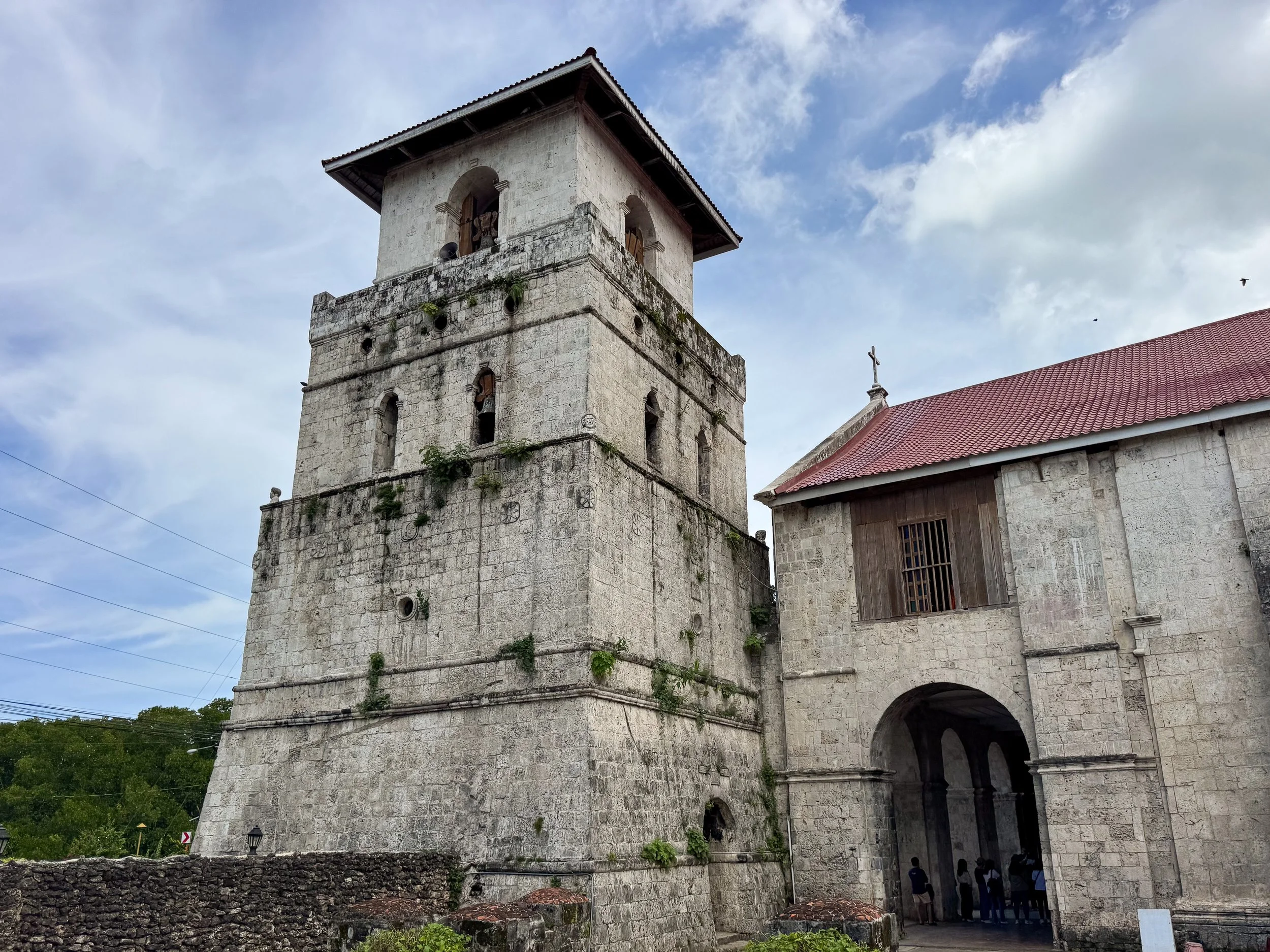
Spanish Colonial Sights. Stop at the Bacalyon Church, the oldest Spanish colonial church on the island and the Blood Compact Monument, the site where the Spanish Conquistadors made a blood pact with the local tribe.
Getting Here. We took a round trip ferry from Cebu City to the Tagbilaran in Bohol with Ocean JetFast Ferries. It takes 2 hours to make the crossing with boats operating from early morning to after sunset. Book with Explore Cebu Tours & Travel on Viator.
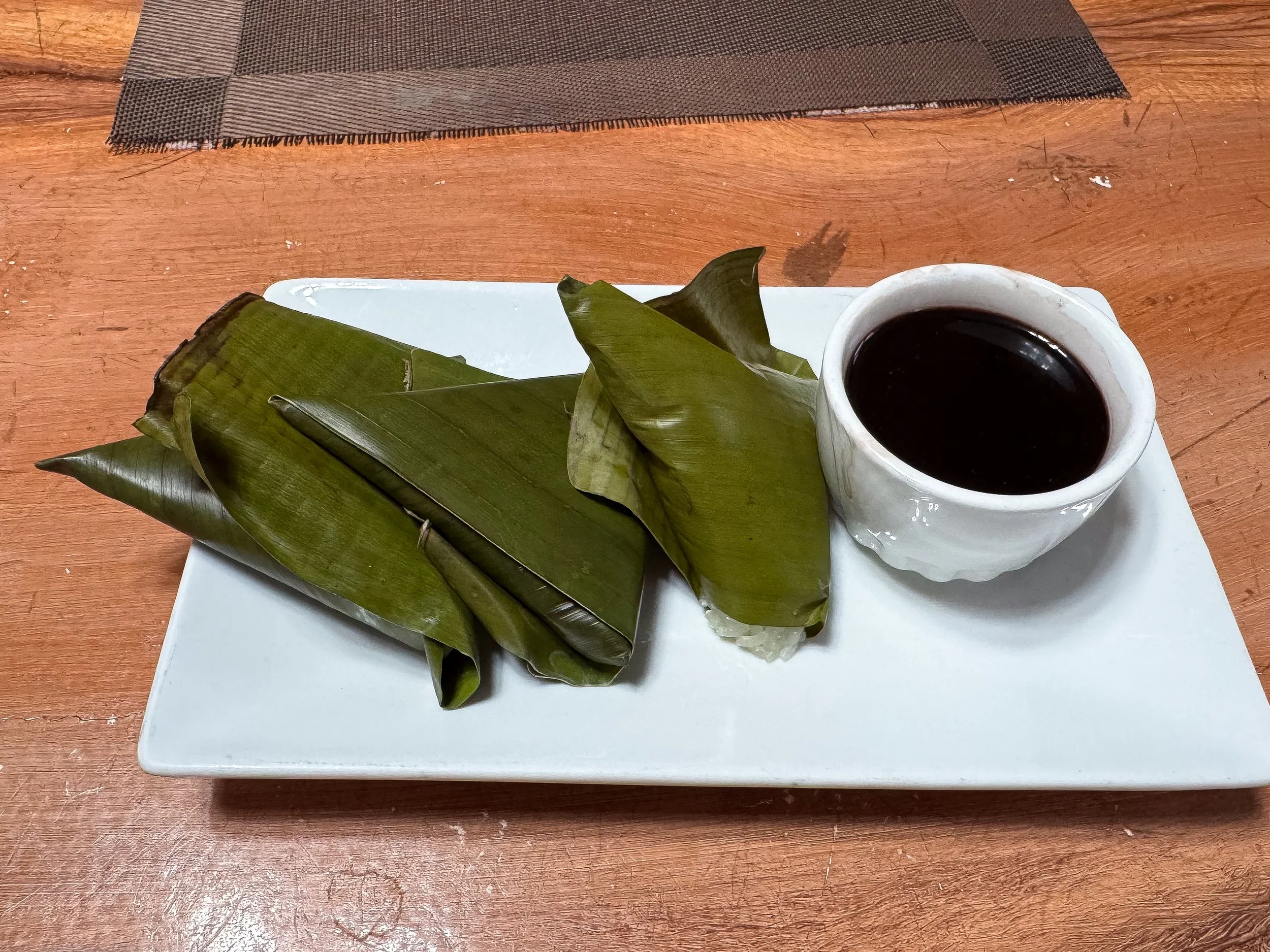
Places to Eat & Drink
Two restaurants we dined at in Cebu City gave us a flavor for home style local cuisine and elevated Asian flavors.
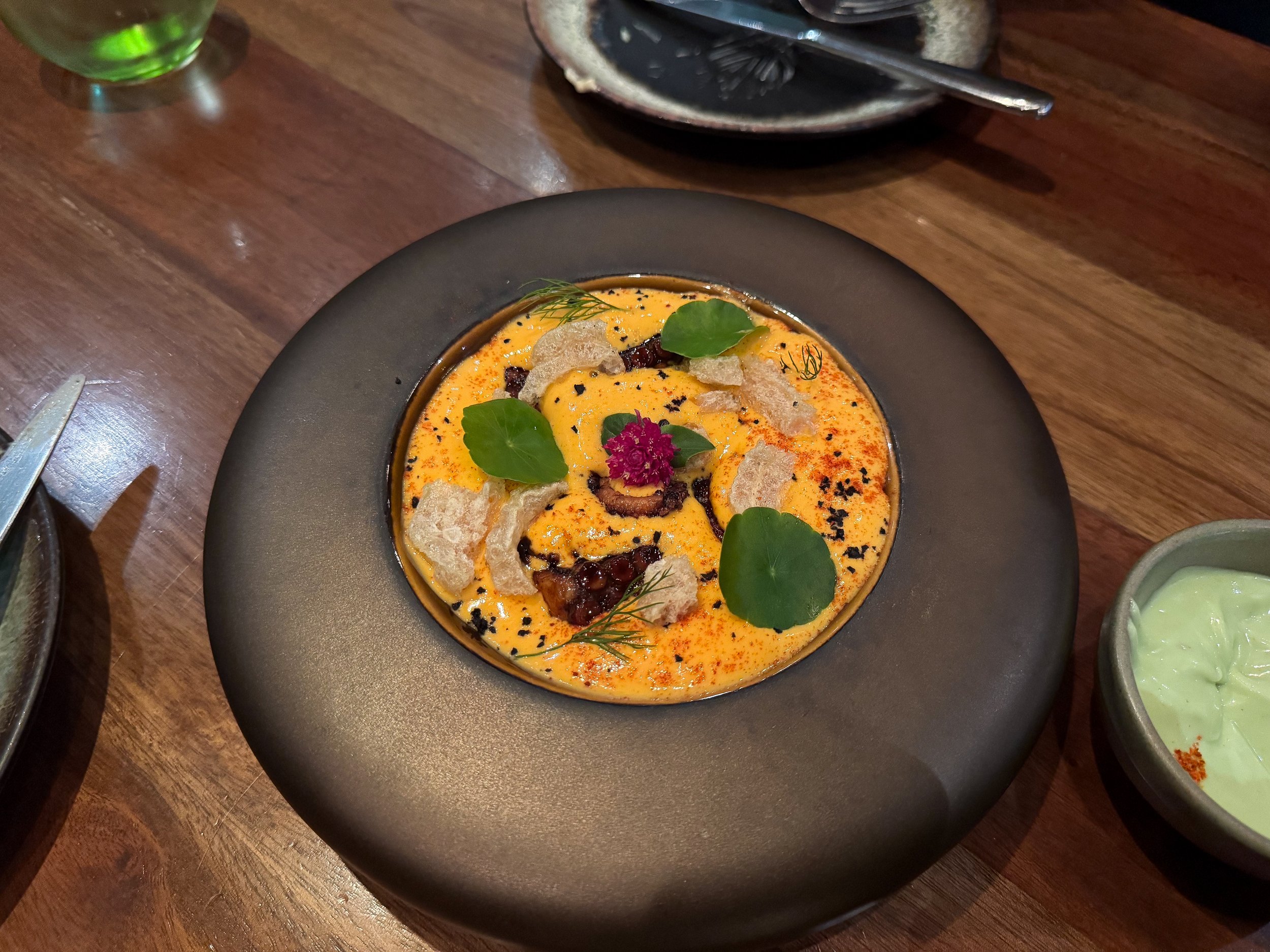
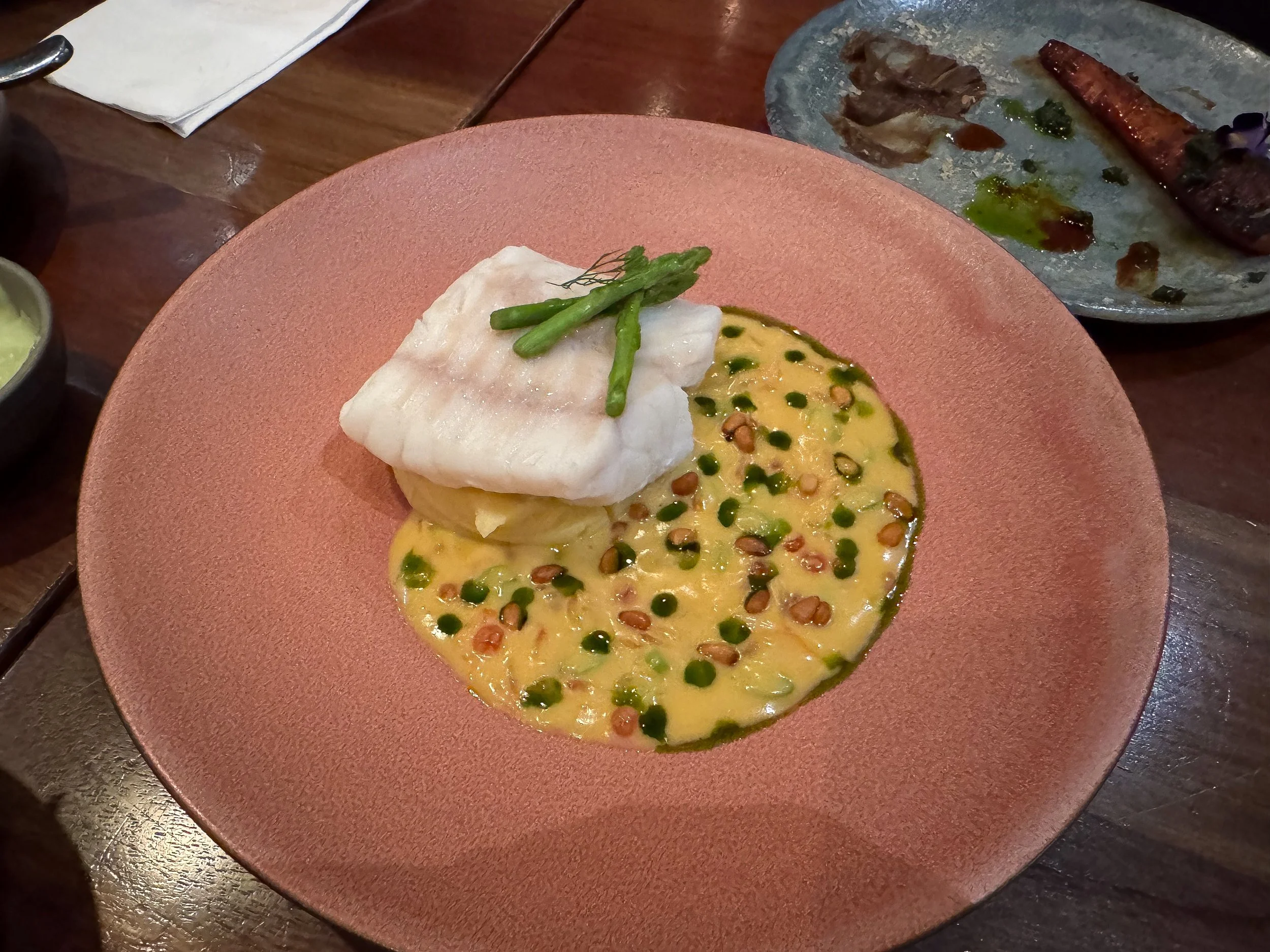
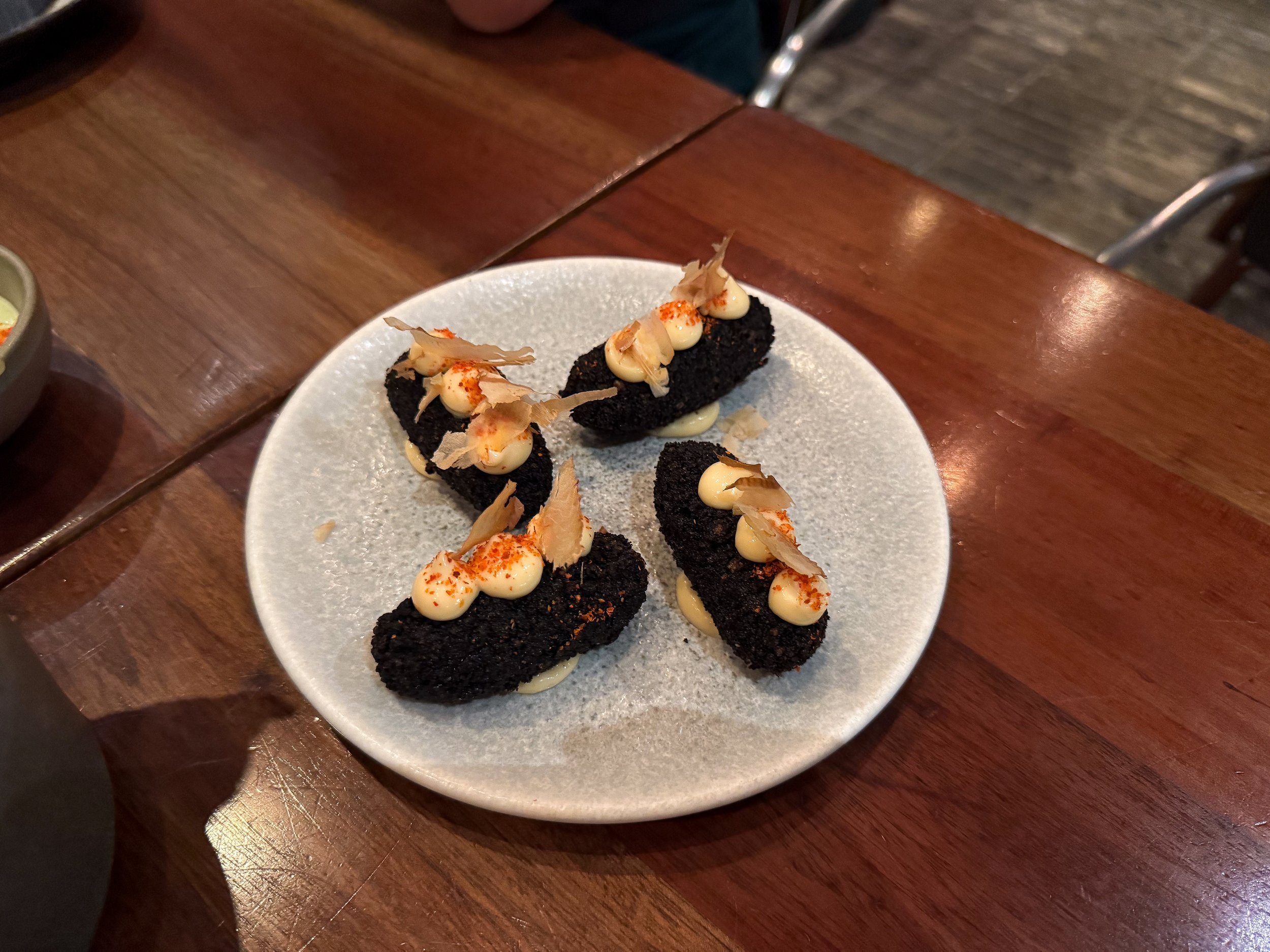
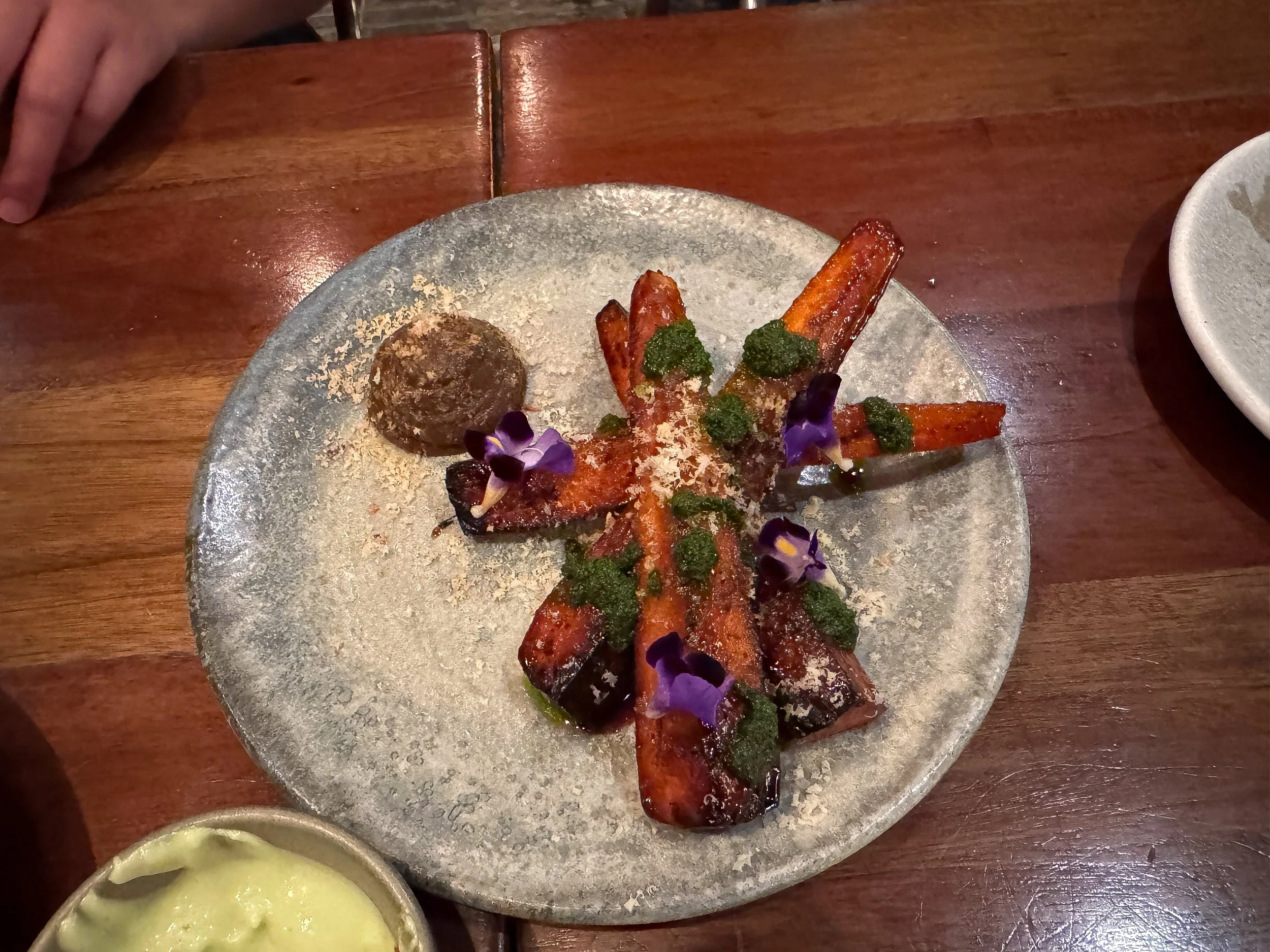
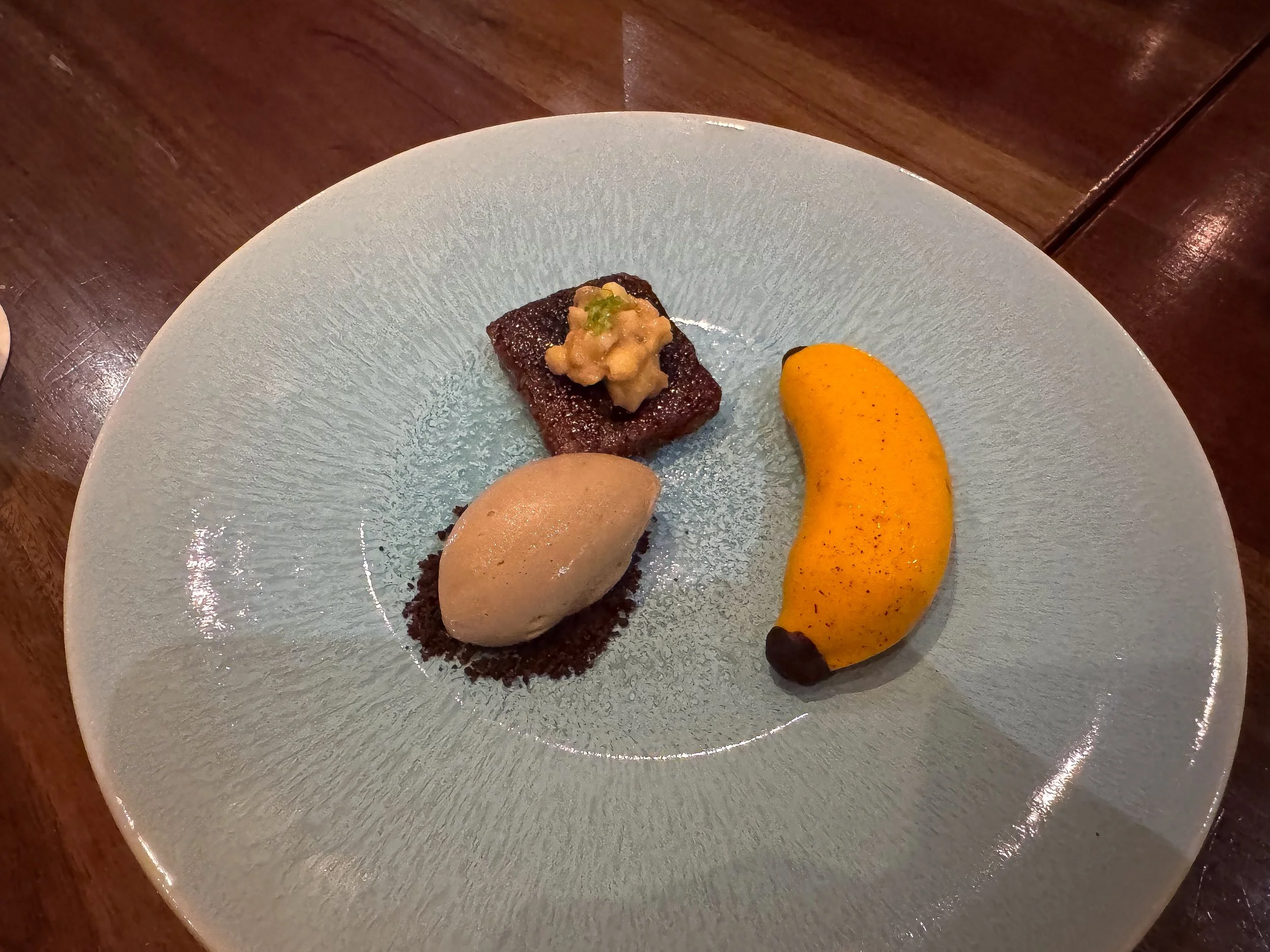
Pig & Palm. A higher end restaurant with a tapas style menu serving contemporary Asian cuisine. We ordered a spread of artfully arranged dishes including nori rice crackers, squid ink croquettes, miso glazed octopus, chargrilled carrots, steamed snapper and a trio of banana desserts. It was an impressive feast as tasty as it was pretty.
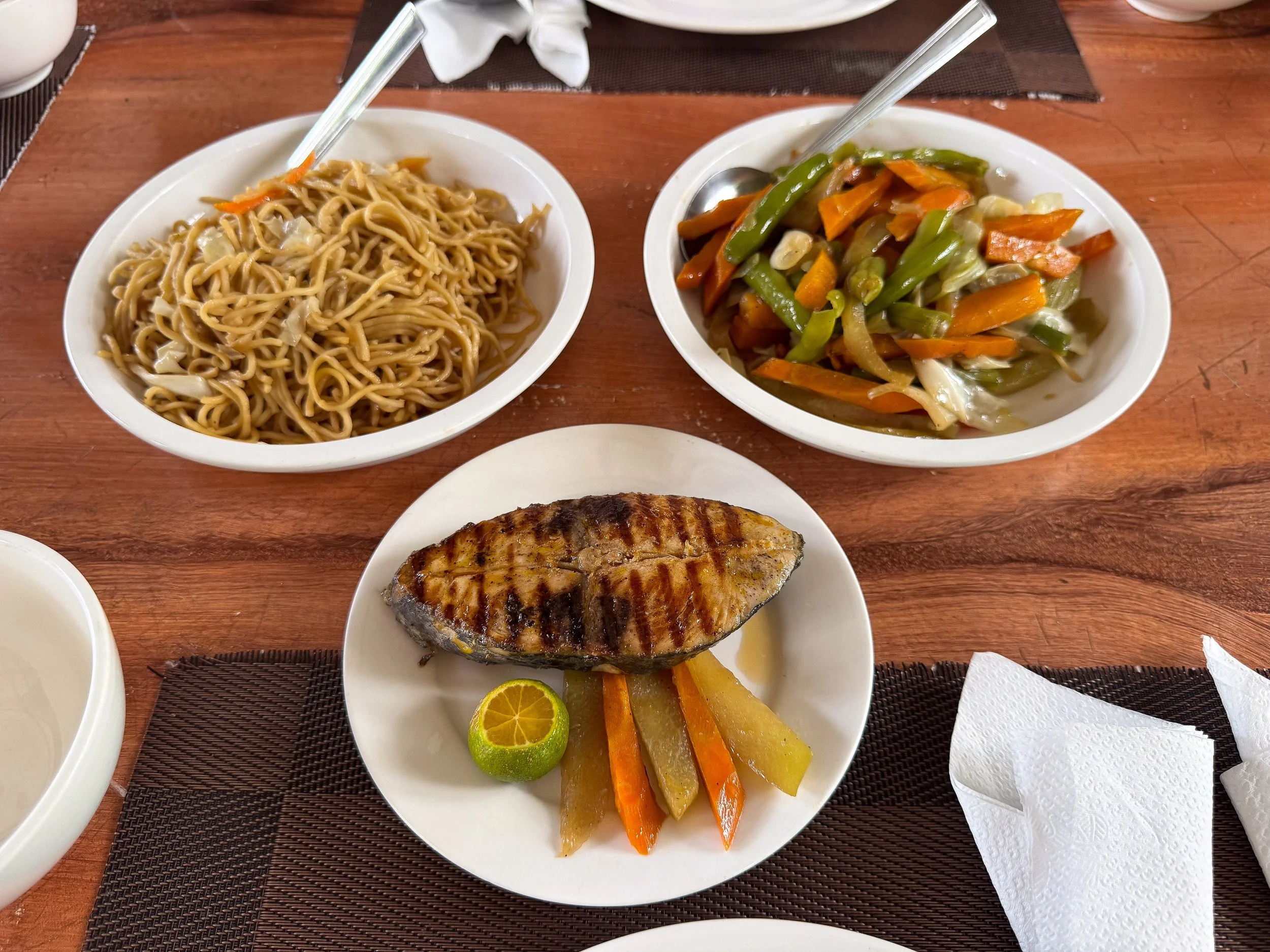
Marjo’s Pochero. A local restaurant serving traditional Filipino dishes. Try the smoked bangus, crab relleno, vegetable chop suey and garlic rice.
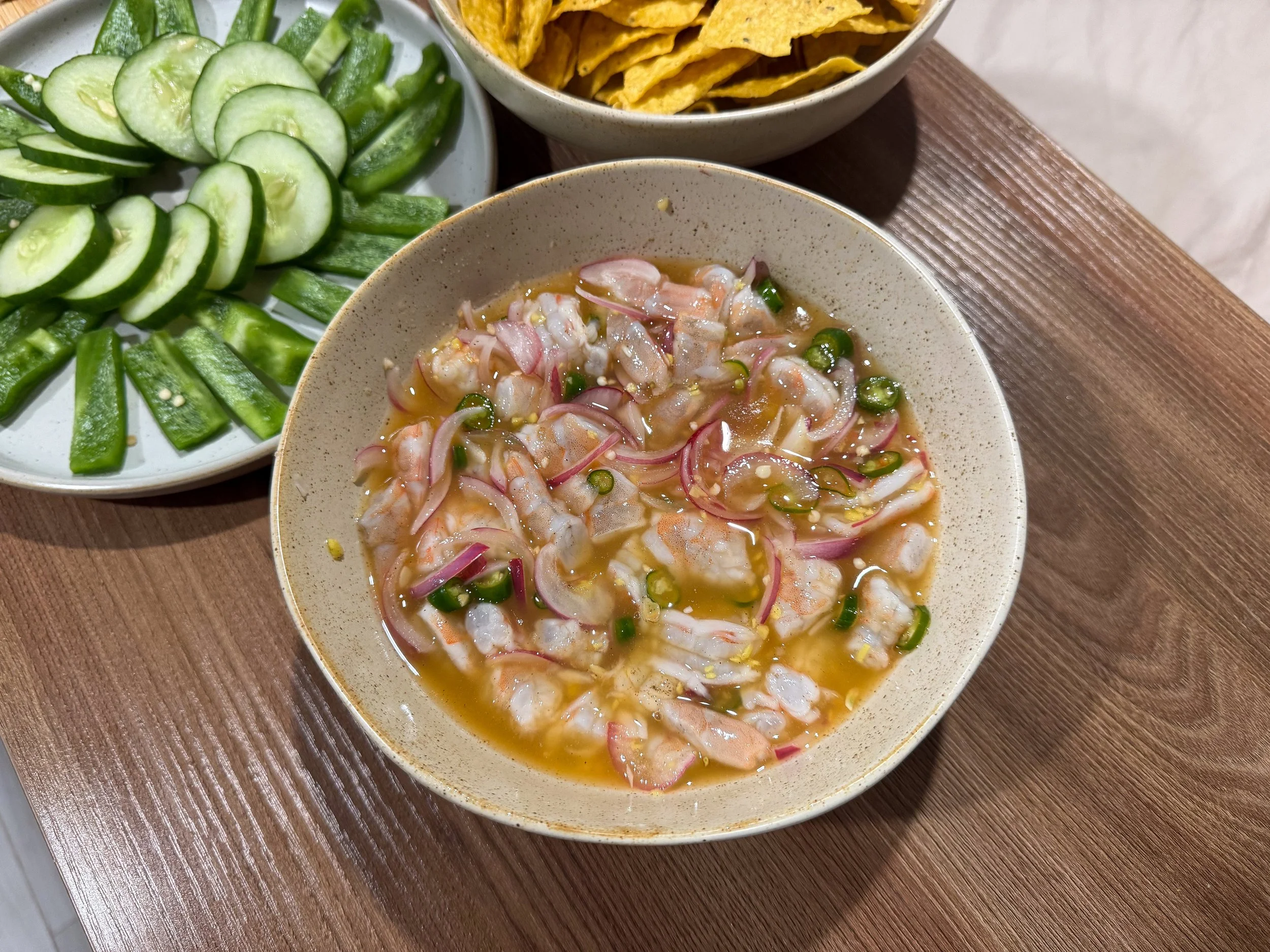
Filipino Cuisine
Having spent three weeks island hopping across the Philippines, we ate and cooked many traditional Filipino dishes.
Kinilaw. A Filipino style ceviche made with vinegar washed seafood mixed with calamansi lime juice, coconut cream, red onions, hot peppers and ginger.
Adobo. A national dish of the Philippines seen on menus across the country. Its base has a seared protein simmered with a sticky soy sauce glaze made with vinegar, brown sugar and pepper.
Garlic Rice. Rice cooked with fresh or fried pieces of garlic. It’s served with almost every meal.
Lumpia. The beloved Filipino style spring roll stuffed with a protein. It’s typically served deep fried and crispy. We made a version using local Bangus fish.
Banana Turon. A breakfast or dessert style lumpia made with fresh banana filling and sometimes ube jam.
Bangsilog. A traditional Filipino breakfast dish pairing with grilled or fried fish, fried eggs and white rice.
Pancit. A commonly served noodle dish stir fried with carrots and cabbage.
Champorado. A chocolaty rice porridge made with cocoa powder and evaporated milk.
Calamansi Juice. A Filipino juice made with calamansi limes. It has a citrus flavor similar to a mixture of lime, lemon and orange.
Taho. A layered dessert made with silken tofu, tapioca pearls and brown sugar sauce. It’s a common street food dish sold by vendors carrying large steel tins.
Halo Halo. A Filipino “ice cream sundae” layered with a variety of different toppings including shaved ice, sweetened condensed milk, ice cream, sweet corn, red beans, peanuts, banana, mango, ube, jellies and cereals.
Ube. A starchy root vegetable famed for its deep purple color. It’s cooked down into a number of dishes, mostly desserts. We used it to make a sweet jam using a Filipino friend’s family recipe.
Getting Around
Grab. The Southeast Asian ride hailing app is readily available across the city and to and from the airport. Rides between the airport and city center cost around 600 pesos.
Where to Stay
Stay in Cebu City, using the location as a hub to explore the island. We stayed in an apartment at Cityscape Grand Tower in Cebu City. The central location made tour pick ups and drop offs easy as well as provided us with options for nearby restaurants. Book on Airbnb.
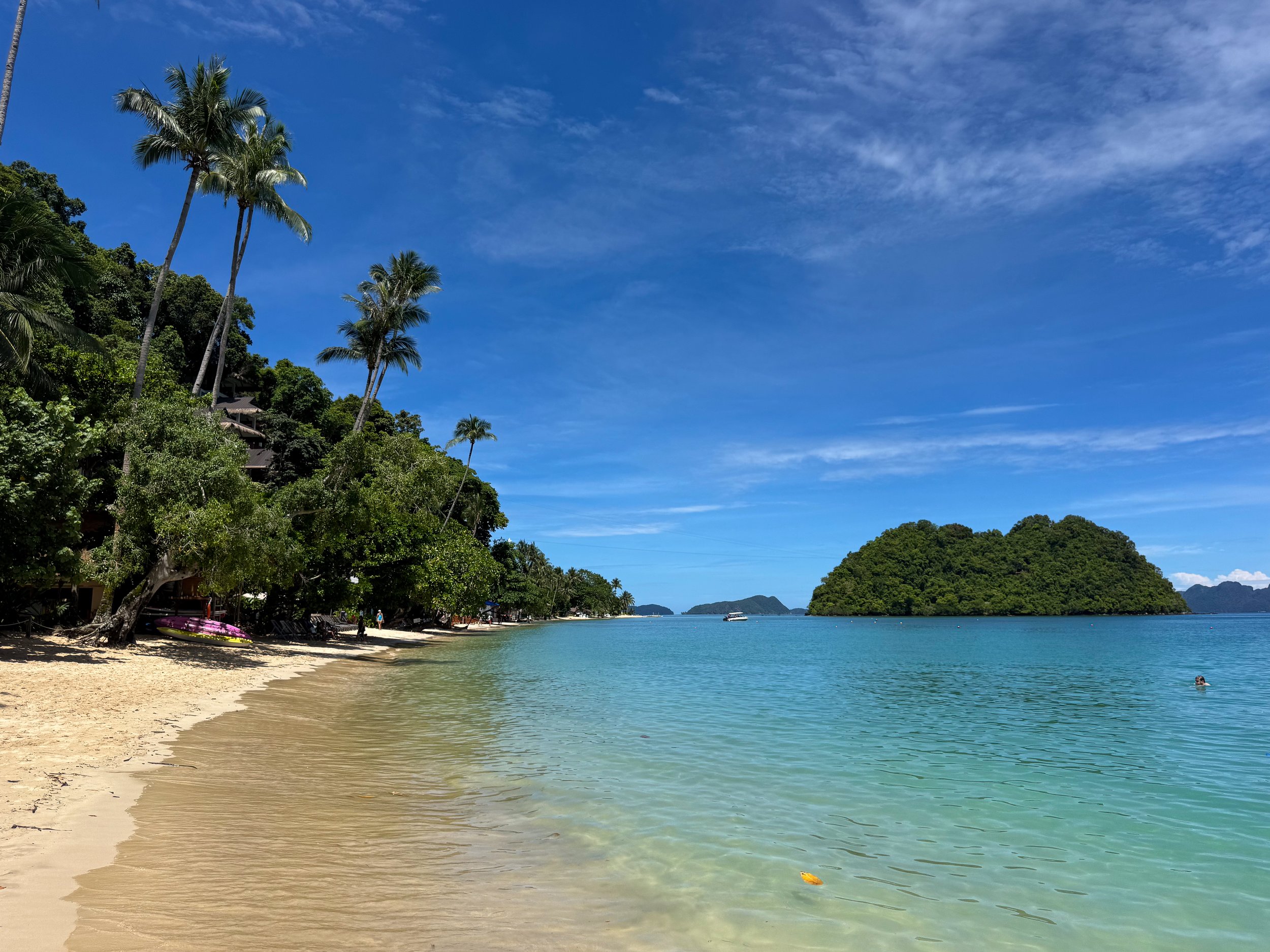
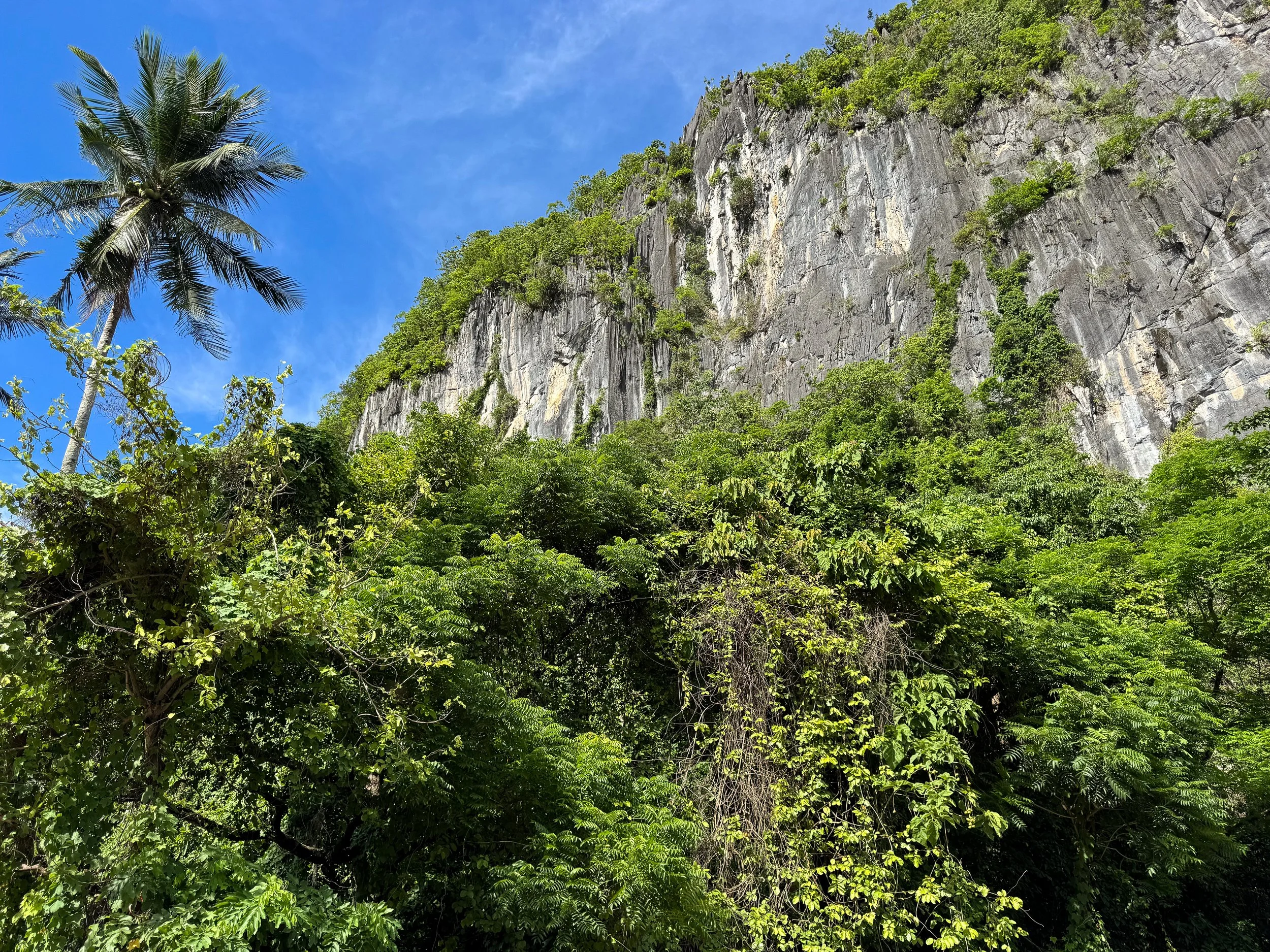
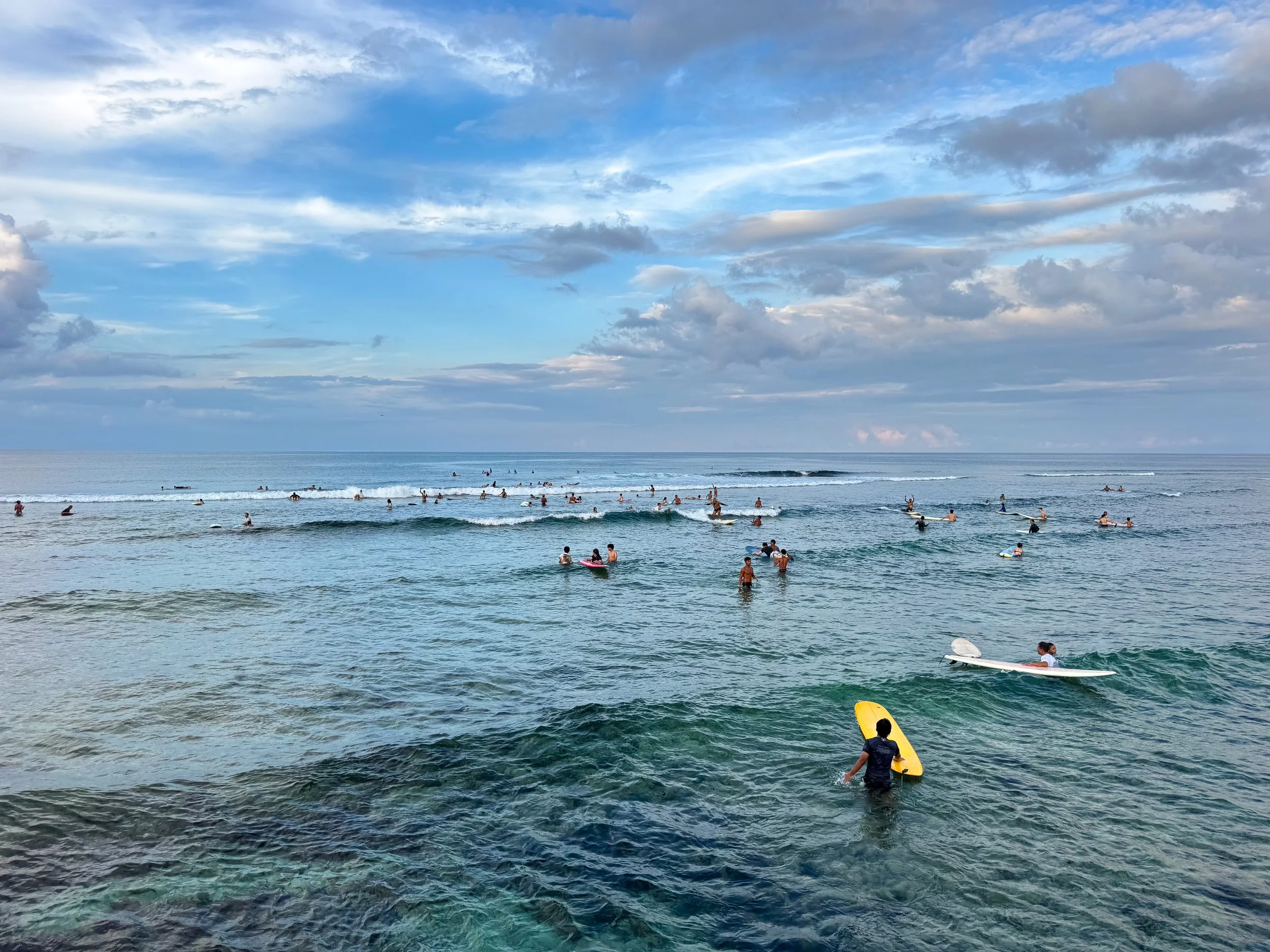
Elsewhere in The Philippines
From Cebu's whale sharks, waterfalls and outdoor adventures to Palawan's tropical islands and Siargao's surf culture, discover more of the Philippines through these travel guides:
Palawan Travel Guide: El Nido, Island Adventures & Tropical Beaches. Set sail in Palawan where El Nido's limestone cliffs, crystal clear lagoons, coral reefs, white sand beaches and island hopping adventures reveal the beauty of the Philippines.
Siargao Travel Guide: Surfing, Island Adventures & Filipino Cuisine. Ride the waves in Siargao where Cloud 9 surf breaks, turquoise lagoons, palm fringed islands and Filipino cuisine embody the island's relaxed rhythm and adventurous spirit.
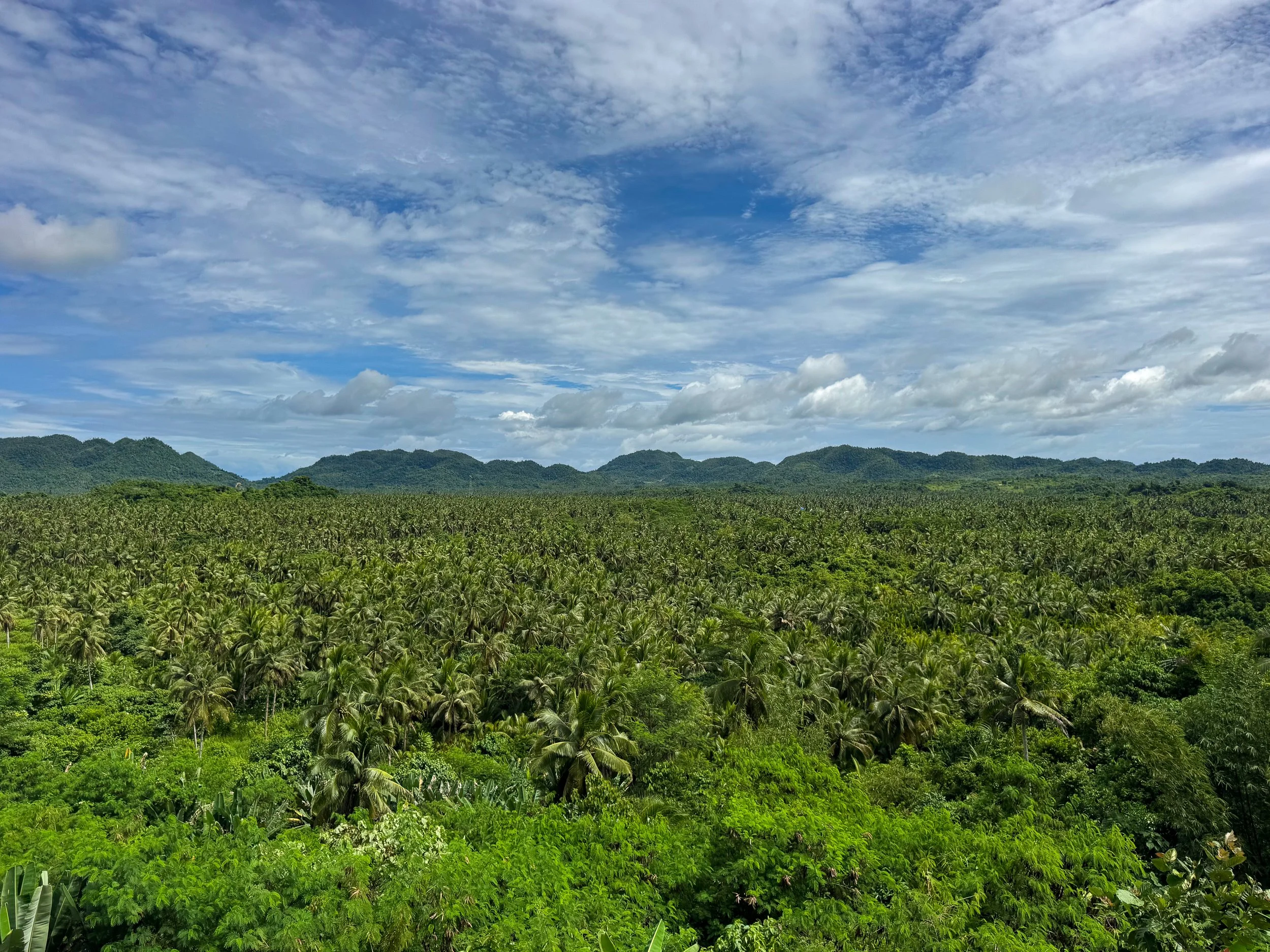
Siargao Travel Guide: Surfing, Island Adventures & Filipino Cuisine
Ride the waves in Siargao where Cloud 9 surf breaks, turquoise lagoons, palm fringed islands and Filipino cuisine embody the island's relaxed rhythm and adventurous spirit.
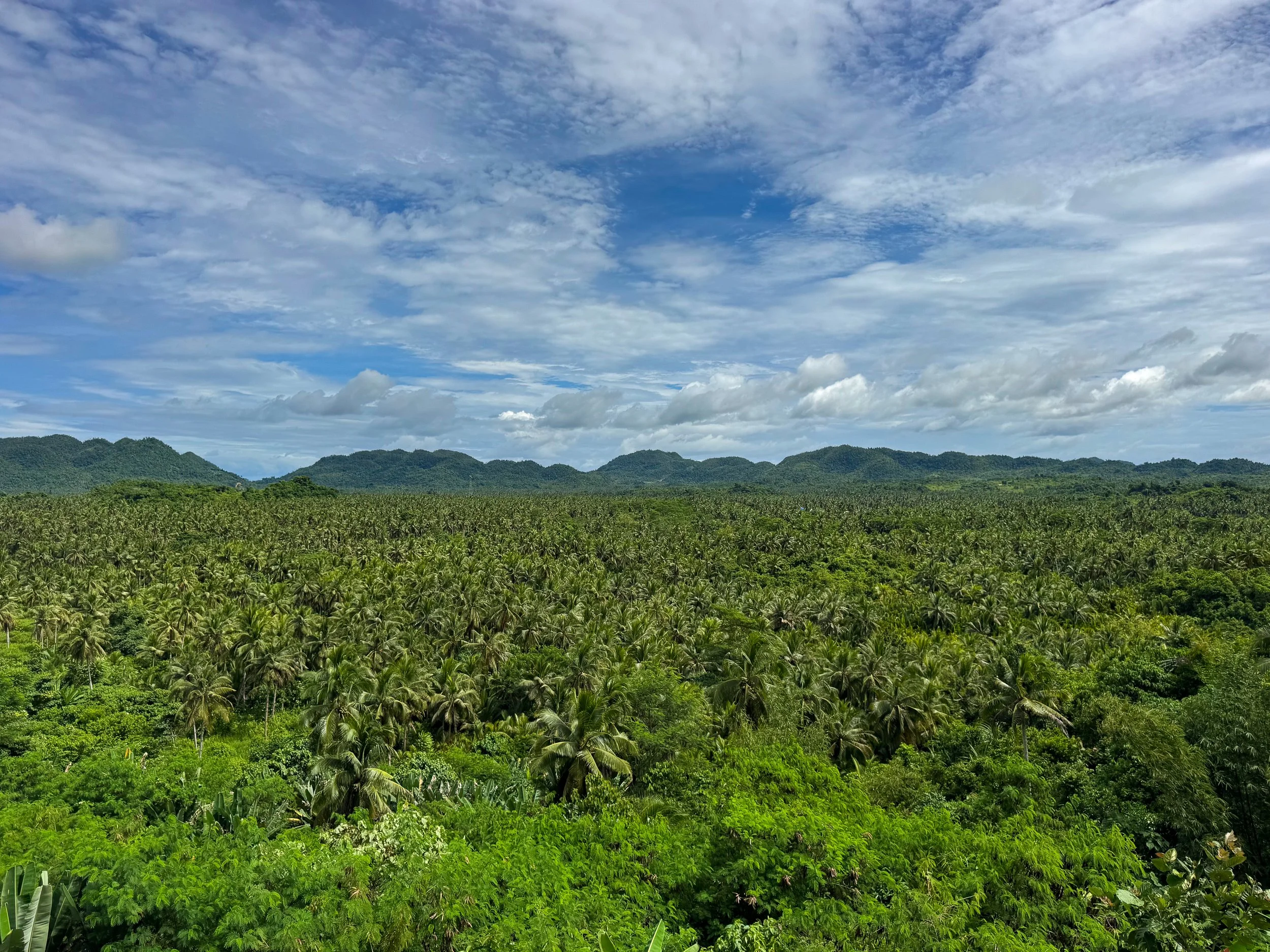
Siargao, Philippines
Siargao is a sleepy palm covered island and the surf capital of the Philippines. Its local atmosphere, tropical vibes and relaxed way of life exude paradise. At sea, surfers ride waves on colorful boards, outrigger boats speckle the shoreline and captains ferry visitors to nearby islands. In town, palm thatched and tin roofed buildings enhance the island vibes while tuk tuks and scooters zip around streets. Siargao is home to a mix of locals and foreign expats enjoying life in paradise. Fishermen sell the daily catch at the public market, digital nomads work away at cafés and tourists unwind on vacation.
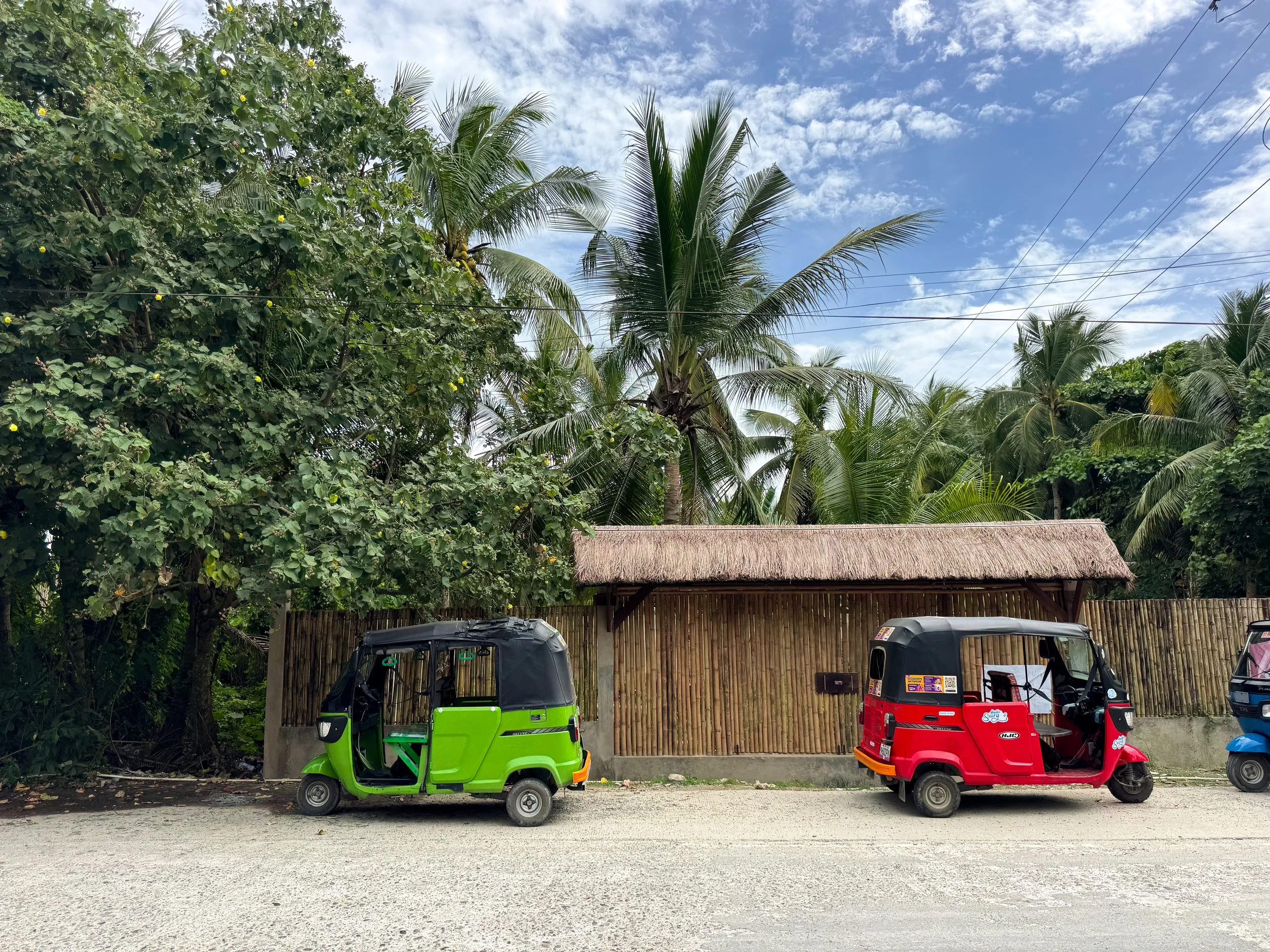
Towns on Siargao
General Luna. Siargao’s main town and hub for tourism. It’s located on the southeast side of the island. Its main road is home to all types of businesses including vibey cafés, Asian restaurants, cocktail bars, ice cream shops, tattoo studios, small produce markets and surf shops.
Del Carmen. A small town on the northwest side of the island close to the airport. It’s a very local place and often less visited. The town is a jumping off point to visit the Sugba Lagoon, the Del Carmen Mangrove Forest and to try Filipino cuisine at roadside carinderias.
Things to Do in Siargao
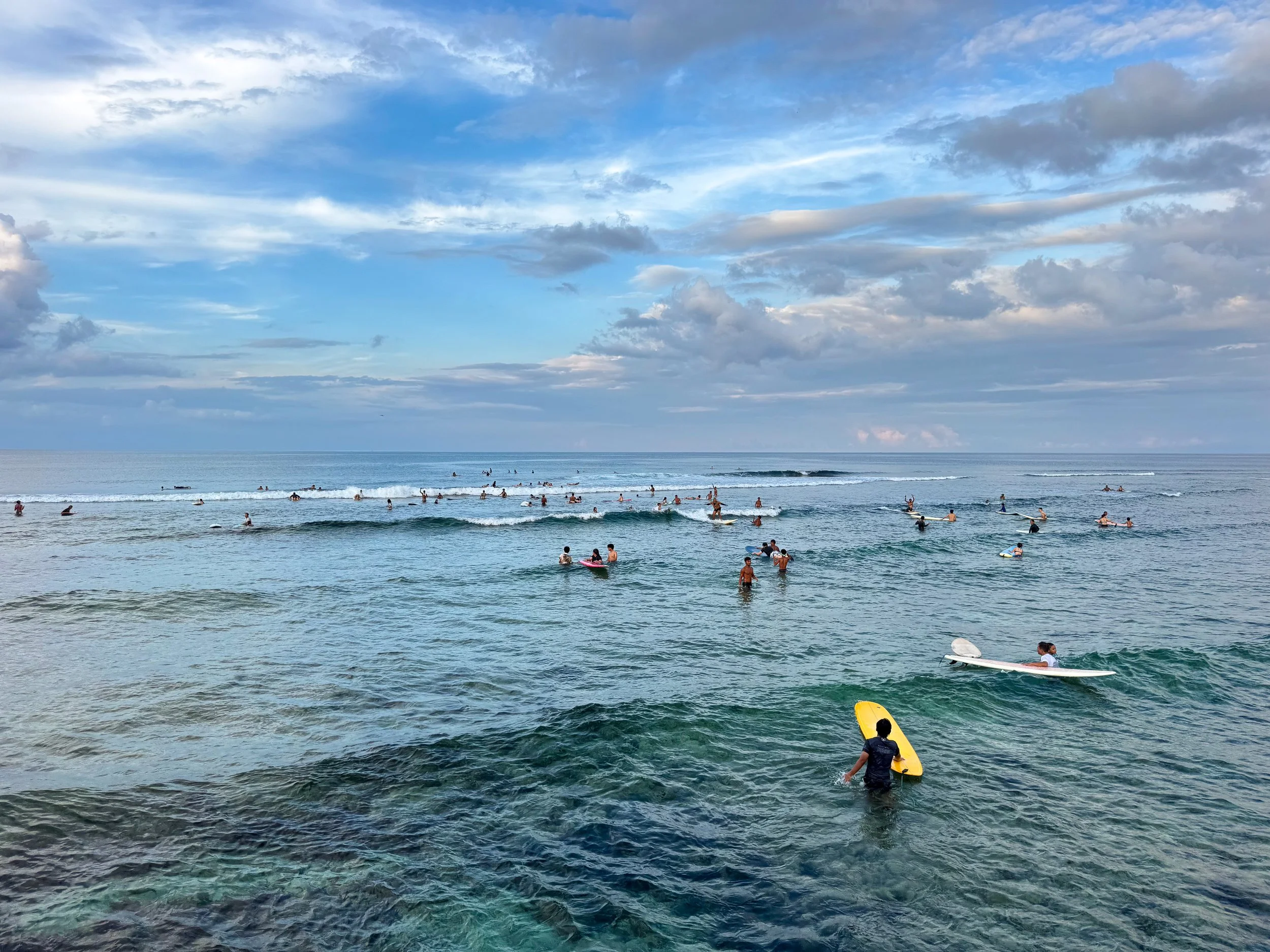
Go Surfing. Siargao is the surf capital of the Philippines. One thing that can’t be missed is taking a surf lesson and riding some waves.
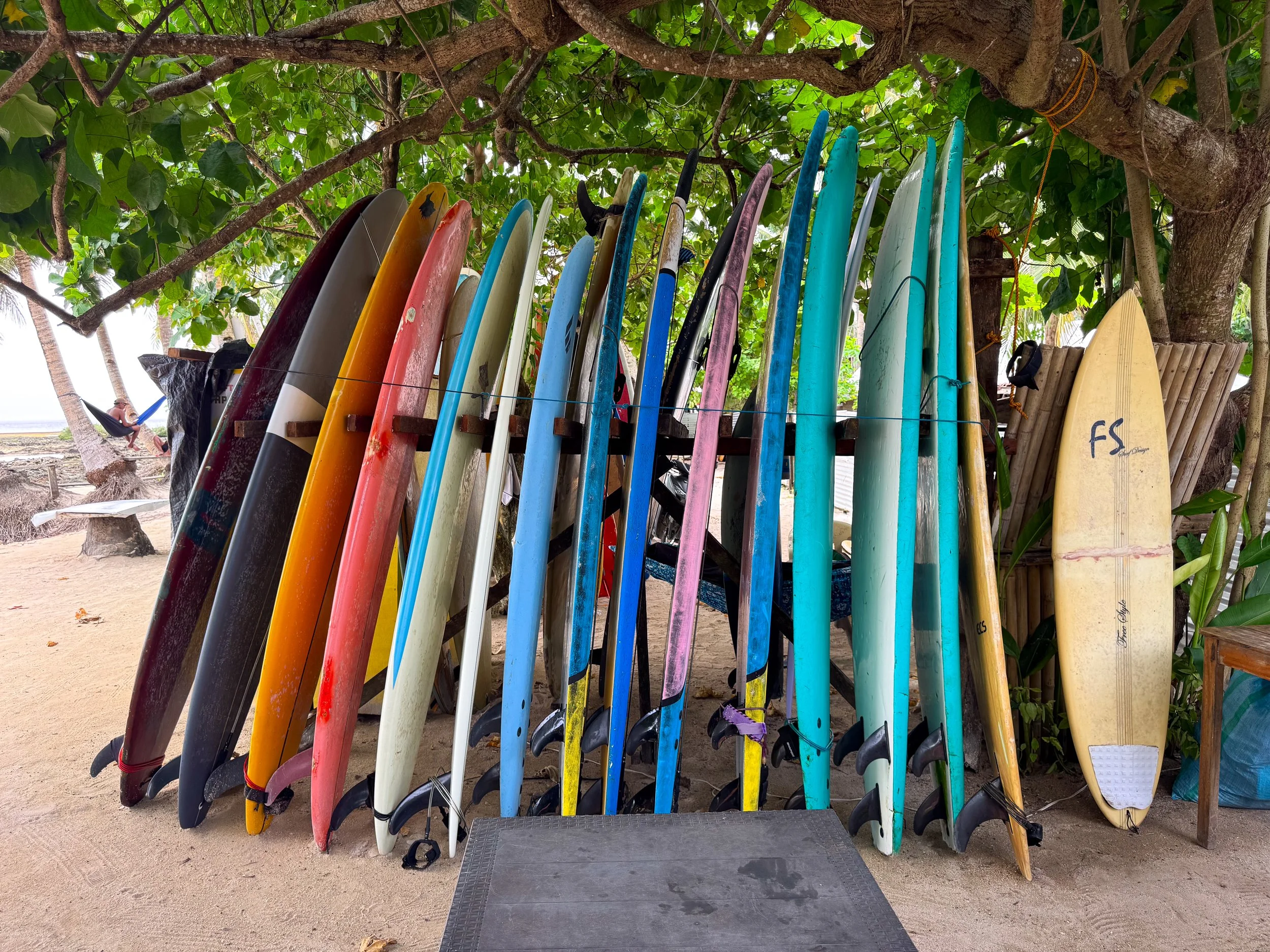
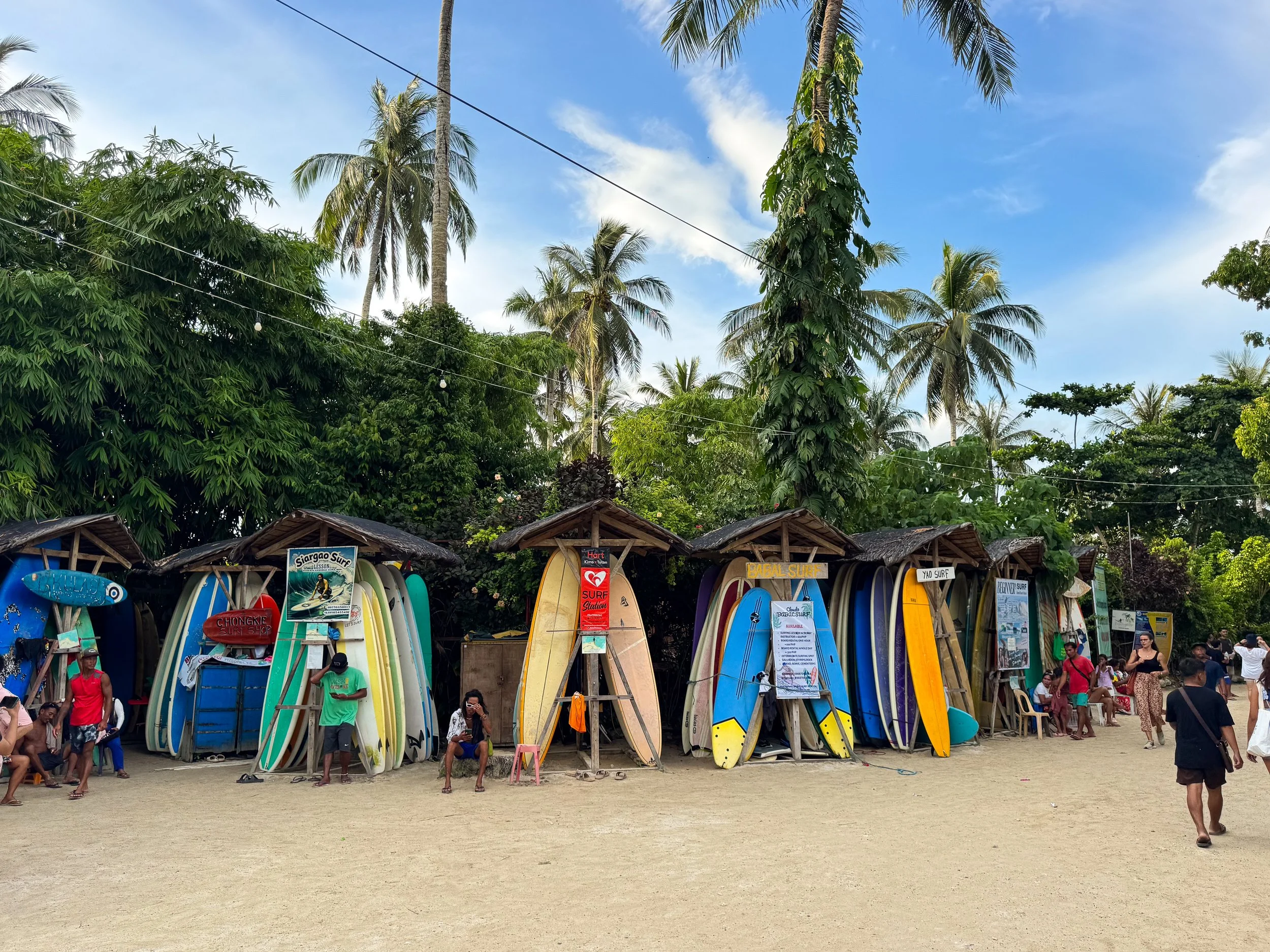
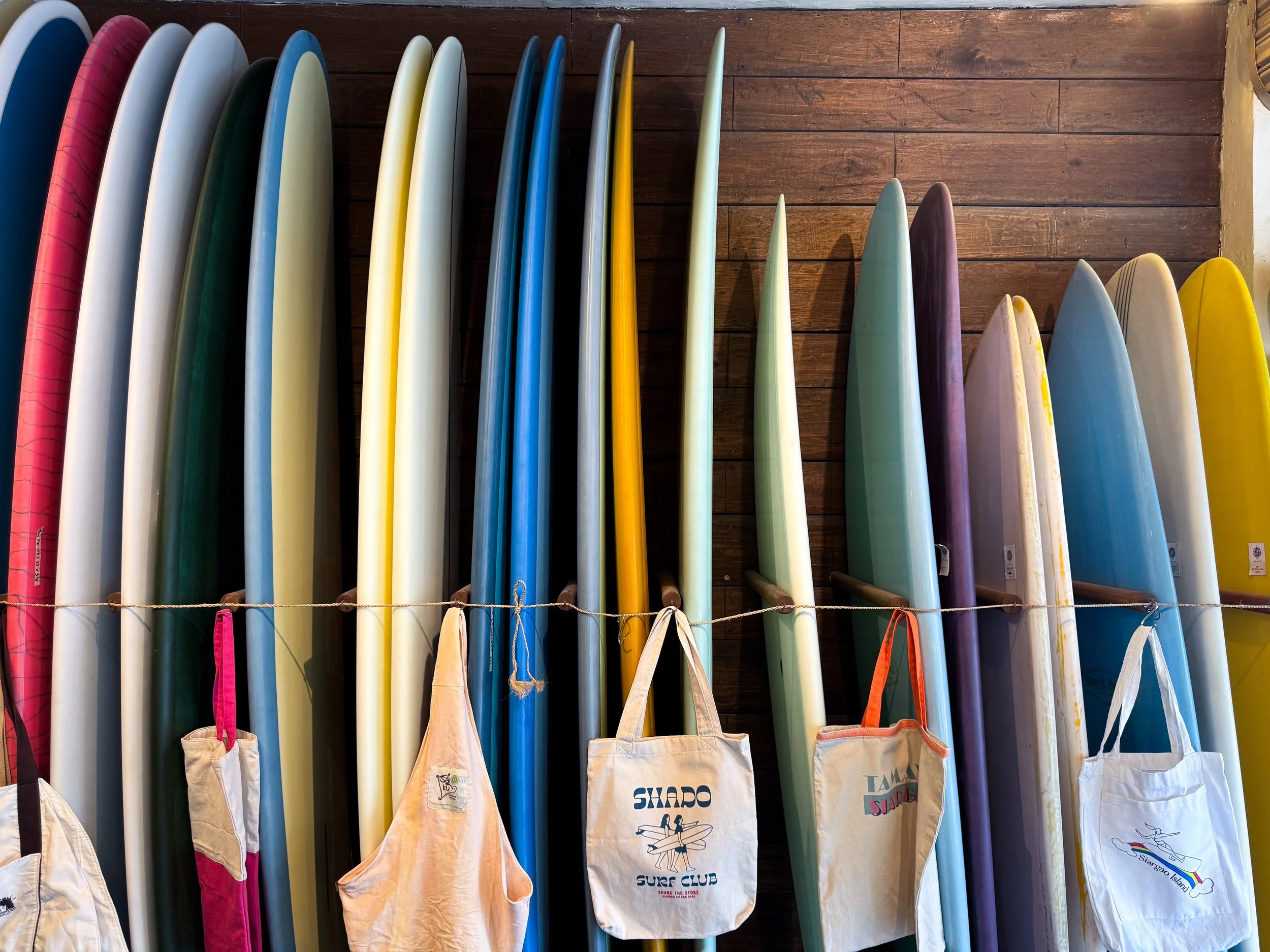
Cloud 9 Surf Beach. Cloud 9 is one of the best spots for beginners and advanced surfers to ride consistent waves along a lengthy surf break during high tide. Colorful rows of surfboards are stacked along the beachfront while instructors wait nearby offering lessons. Access to the beach costs 100 pesos.
Happy Islanders Surf Club. A surf school near Cloud 9. Instructors offer private lessons by the hour on fiberglass boards. We booked a two hour lesson, refreshing our knowledge of surfing basics, learning new skills and catching several waves.
Good to Know.The afternoon lineups can get pretty crowded causing occasional collisions. Be cautious when falling off the board. The water is very shallow and rocky.
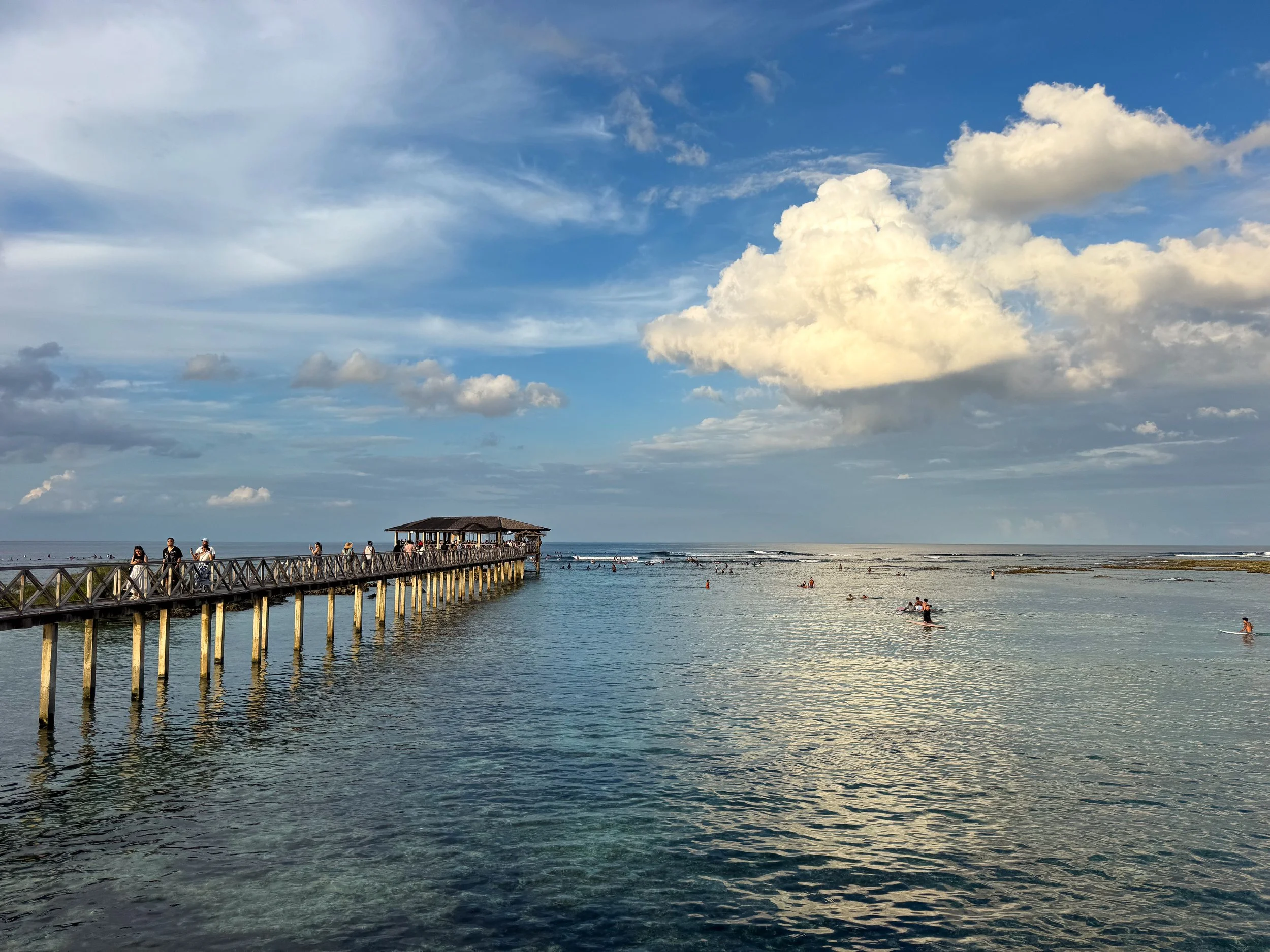
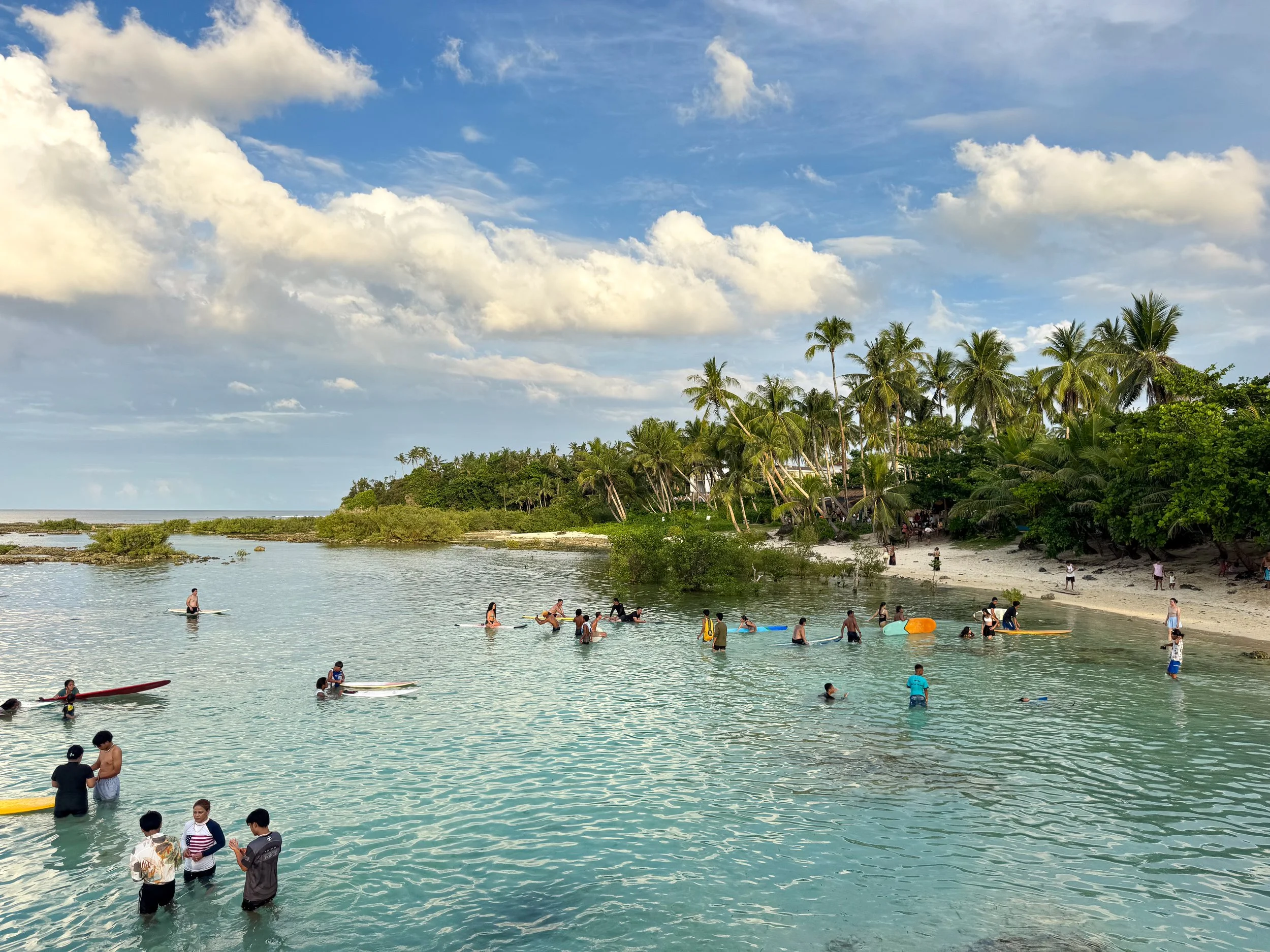
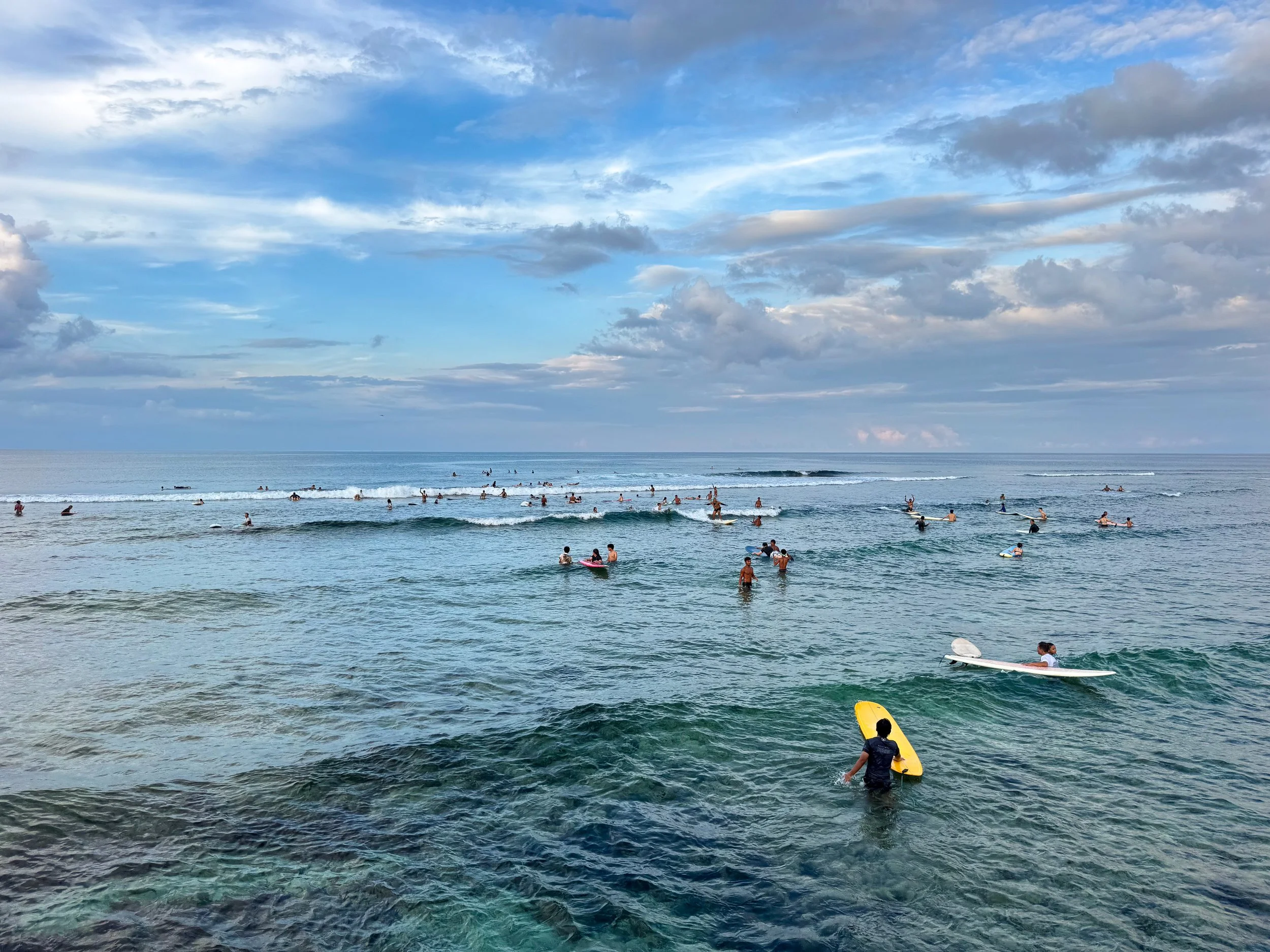
Stay for Sunset. The Cloud 9 Surf Beach & Boardwalk comes to life around sunset. A long wooden pier reaches out over the rocky shallows offering views of the island, warmly lit sky and groups of surfers.
Pro Tip. Find a snack lady selling cassava chips with chocolate drizzle.
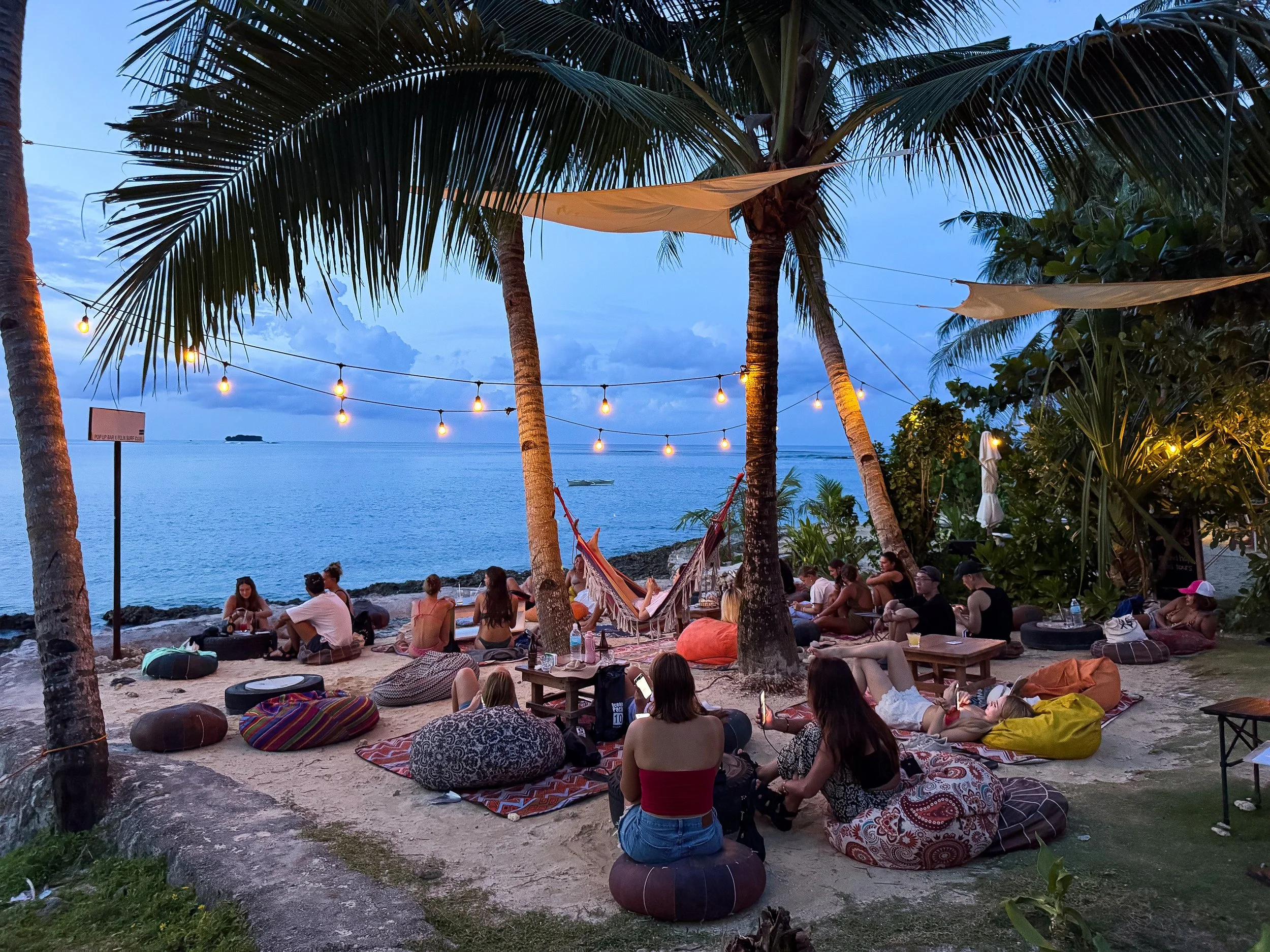
Jacking Horse Trail. A palm lined beachfront trail at Cloud 9 with surf rentals, cafés and restaurants. There’s a small ice cream kiosk serving avocado and mango soft serve. Visit Pop Up Bar Siargao after sunset to relax in hammocks and beanbag chairs under twinkle lights and palm trees as a musician performs.
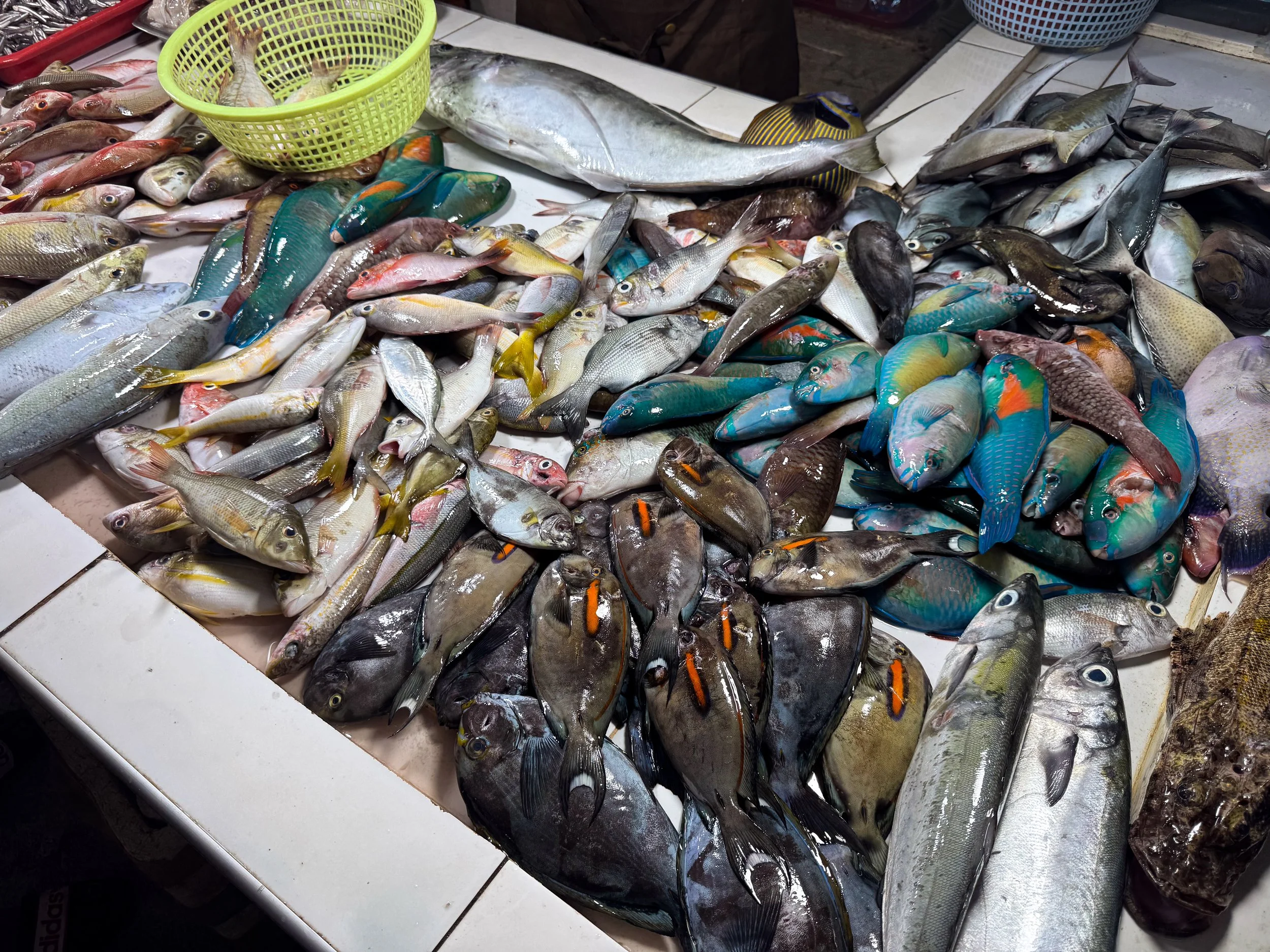
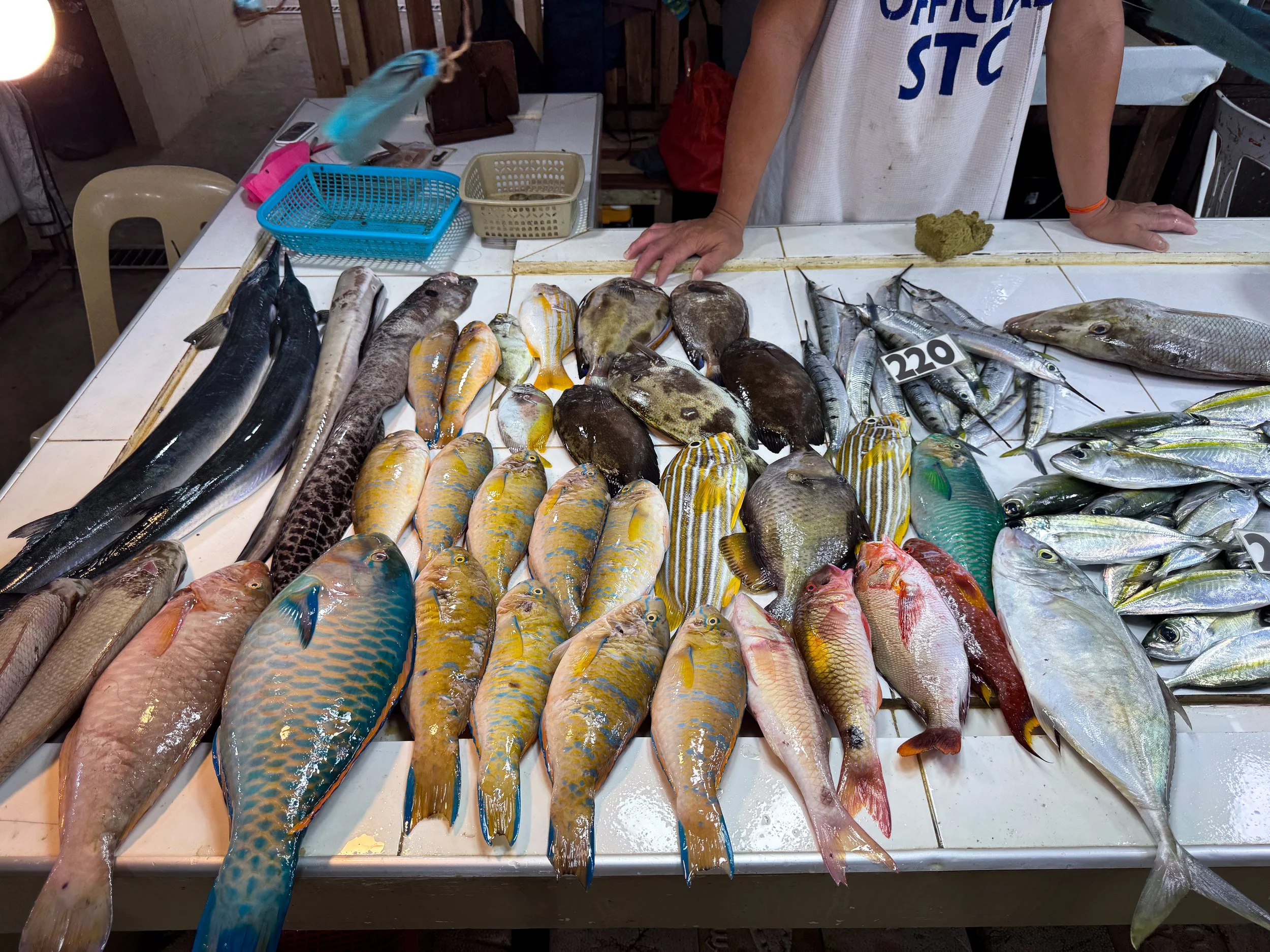
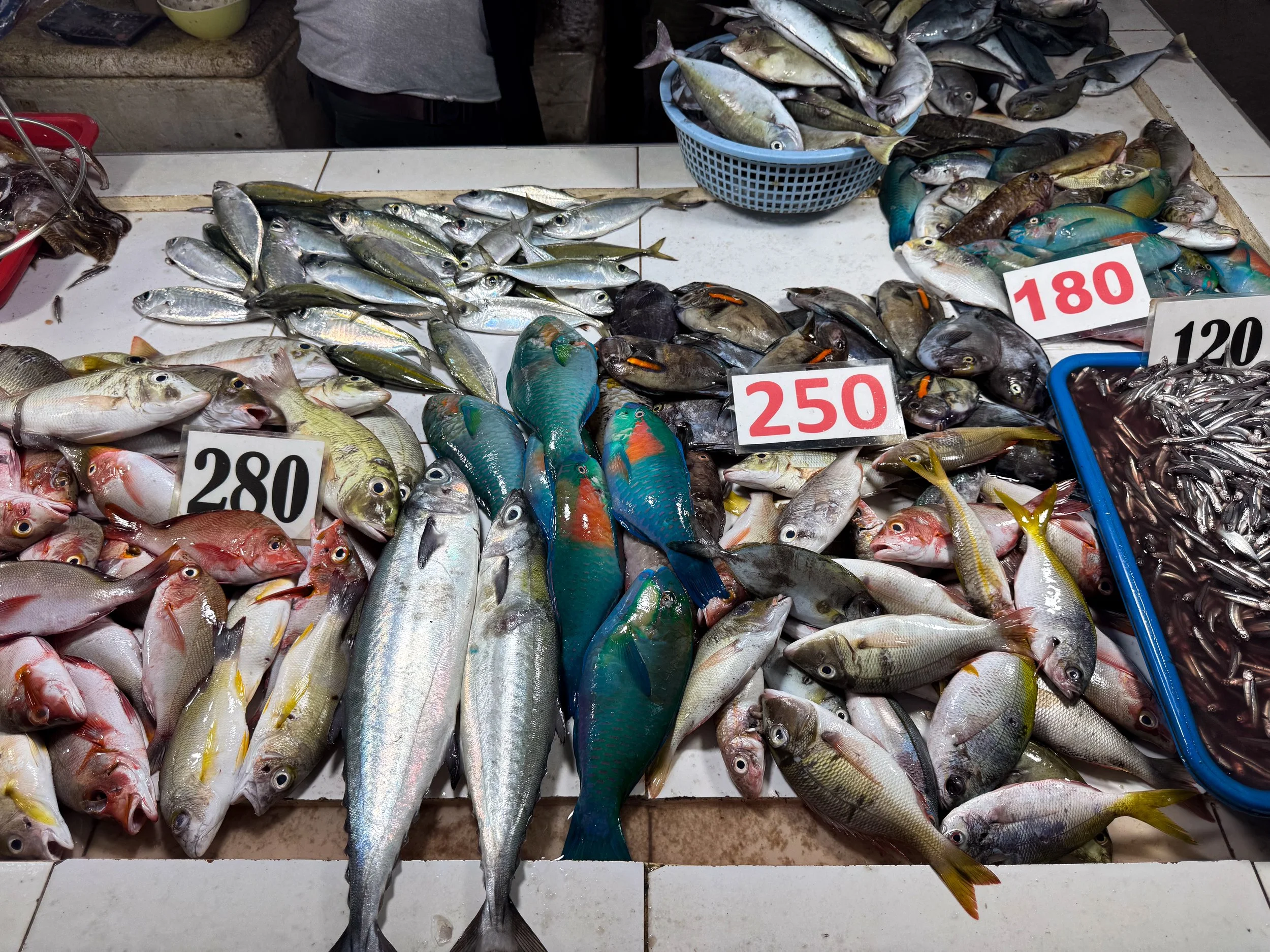
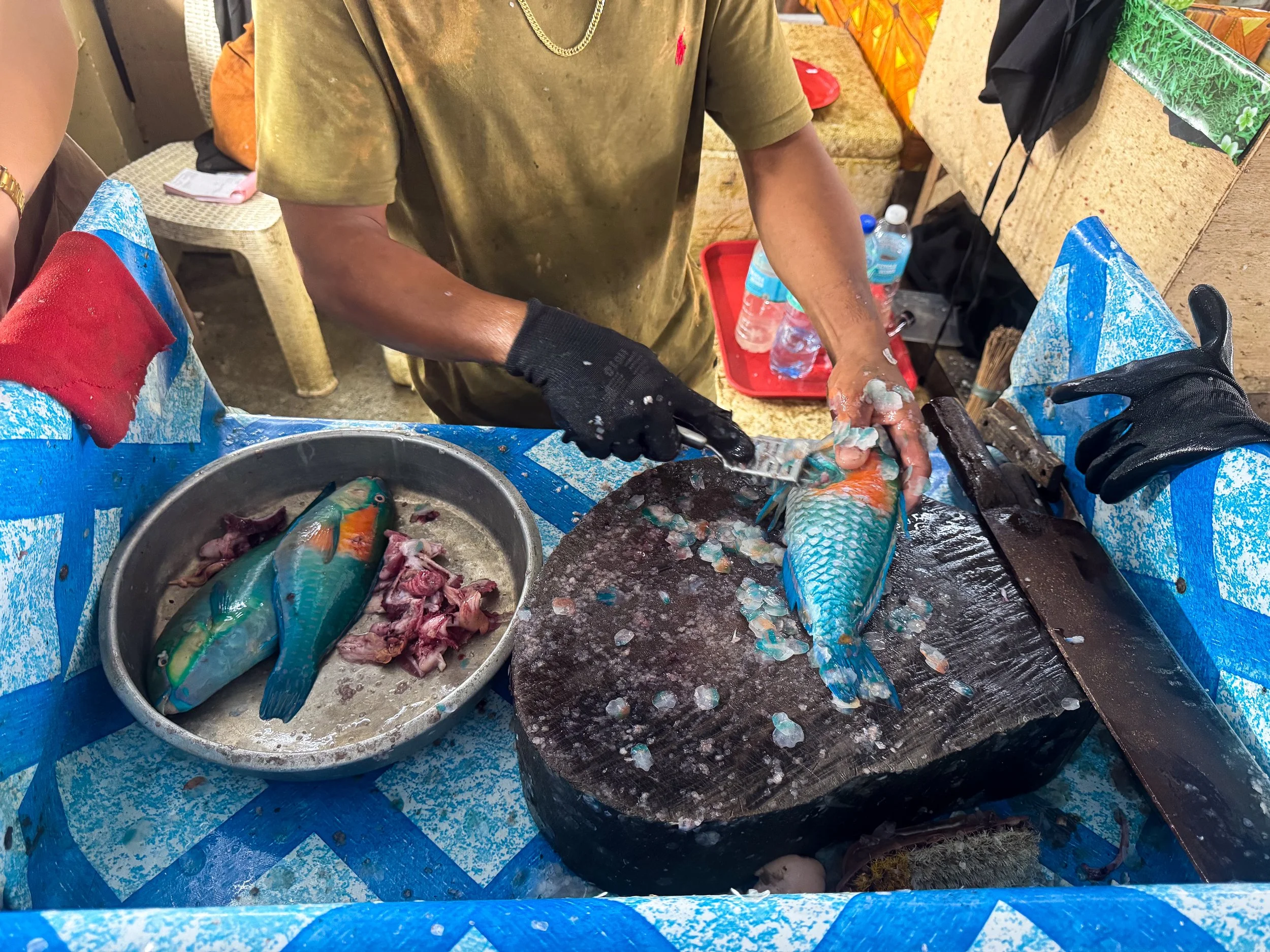
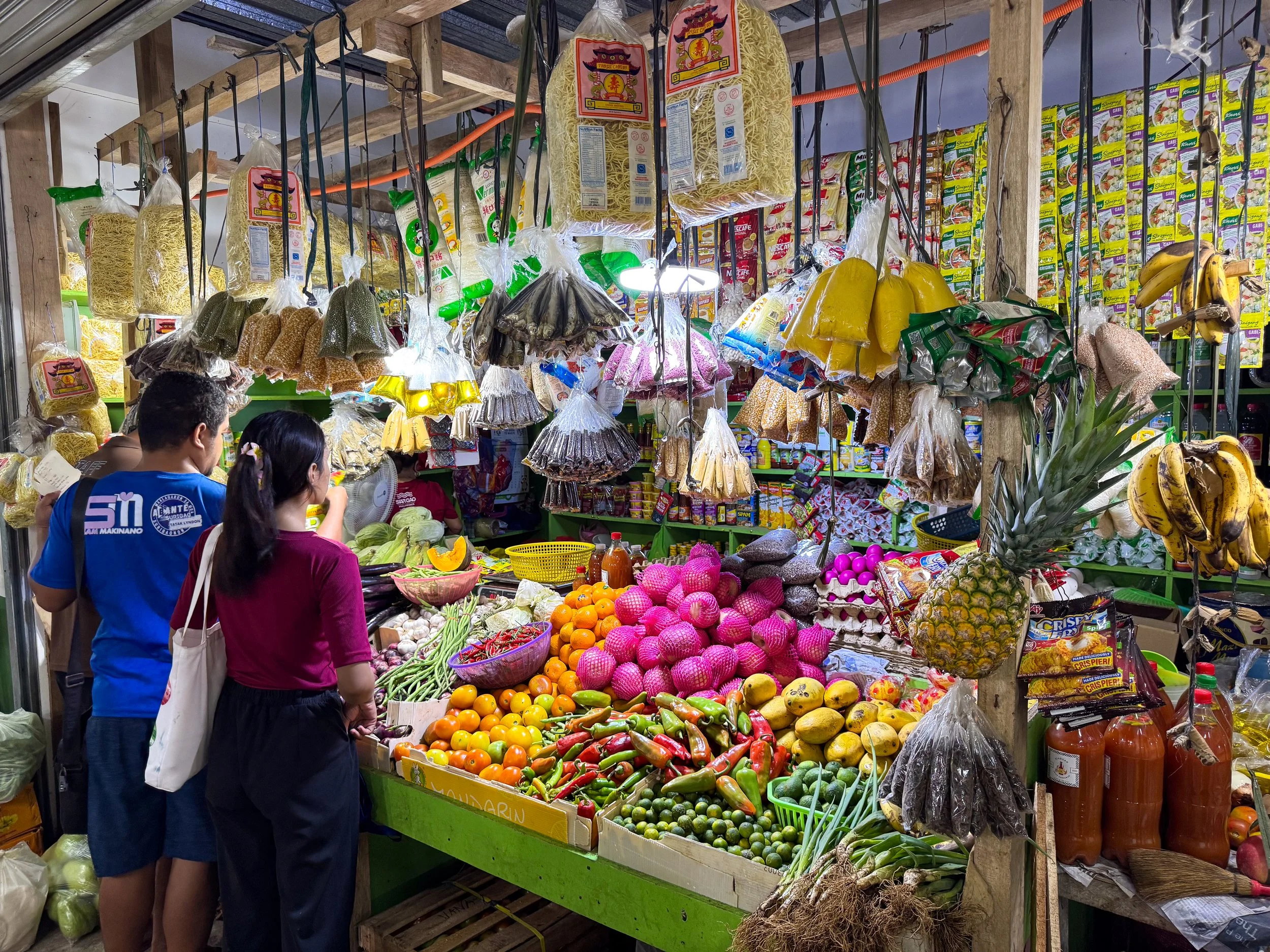
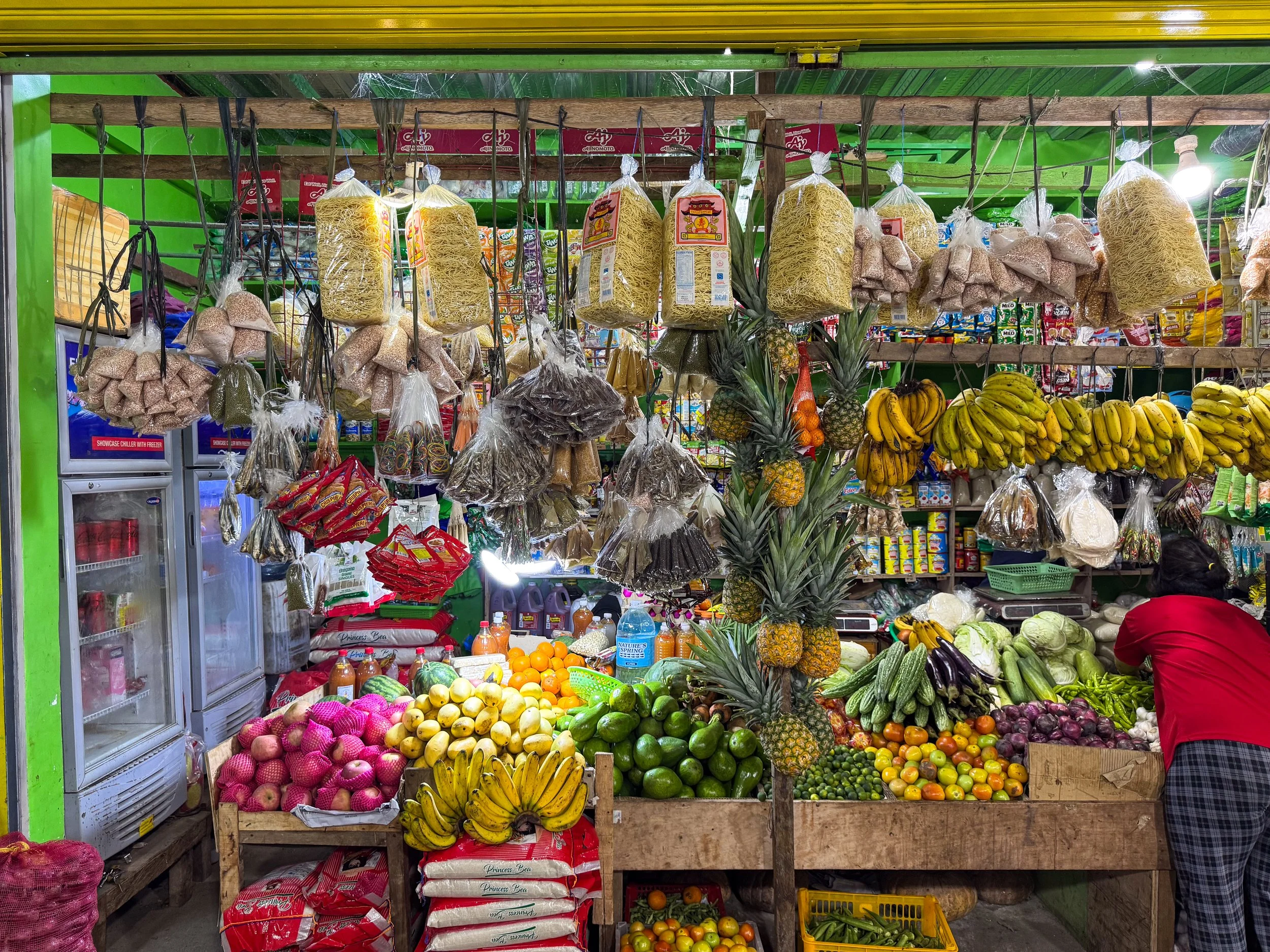
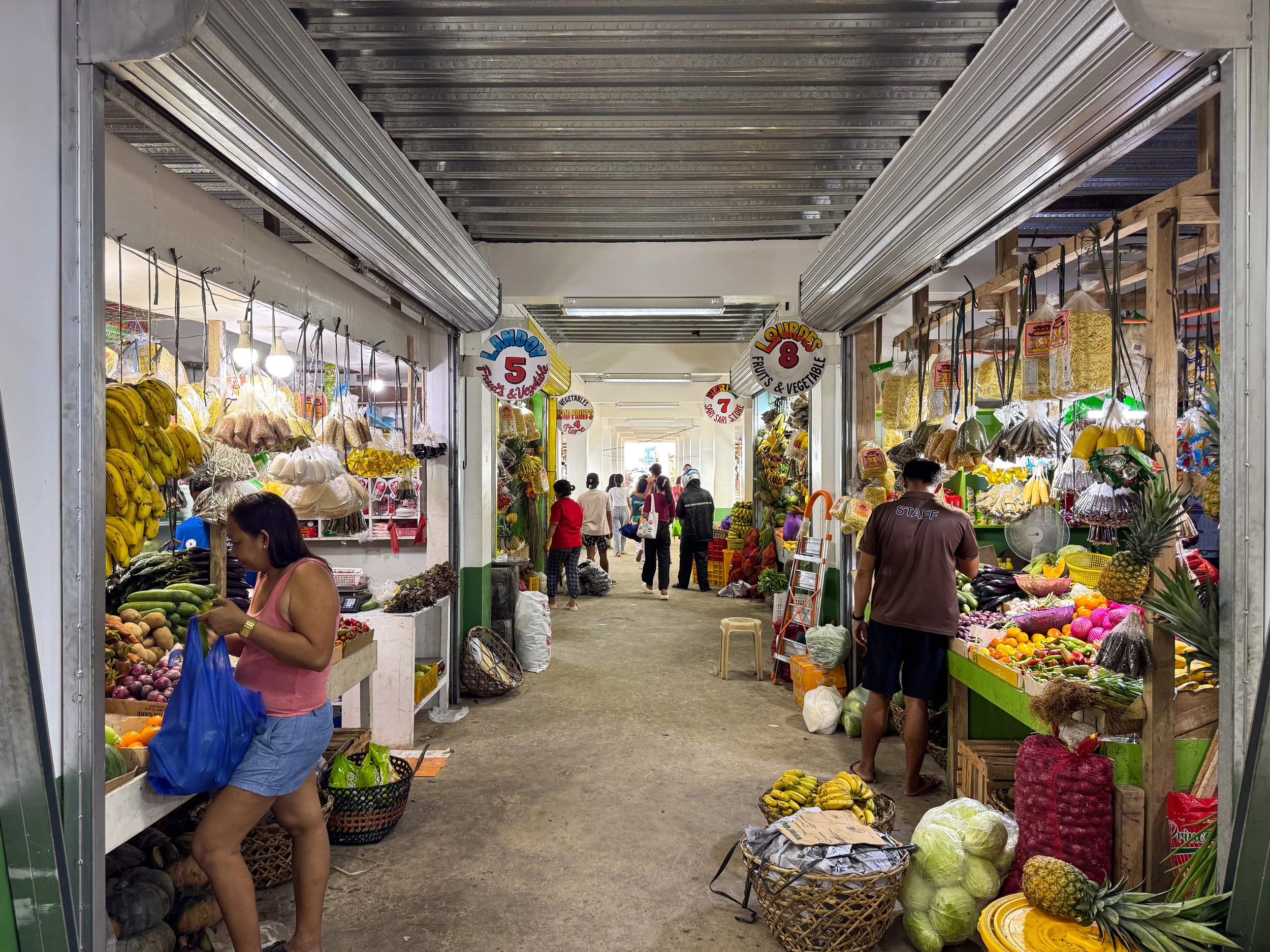
Shop at the General Luna Community Market. The town’s main farmers market is a hub for locally sourced produce, meats and especially seafood. Located on the beach, fishermen deliver the day’s catch directly to the market each morning and mid afternoon. Piles of colorful reef fish, large yellowfin tuna and all types of sea creatures are sold by the kilo. Other vendors display stacks of eggs, cleanly plucked chickens, butchered pieces of pork, freshly harvested fruits, all types of vegetables, herbs and roots. Traveling on a budget, we shopped here for groceries needed to make local dishes back at our tropical hut.
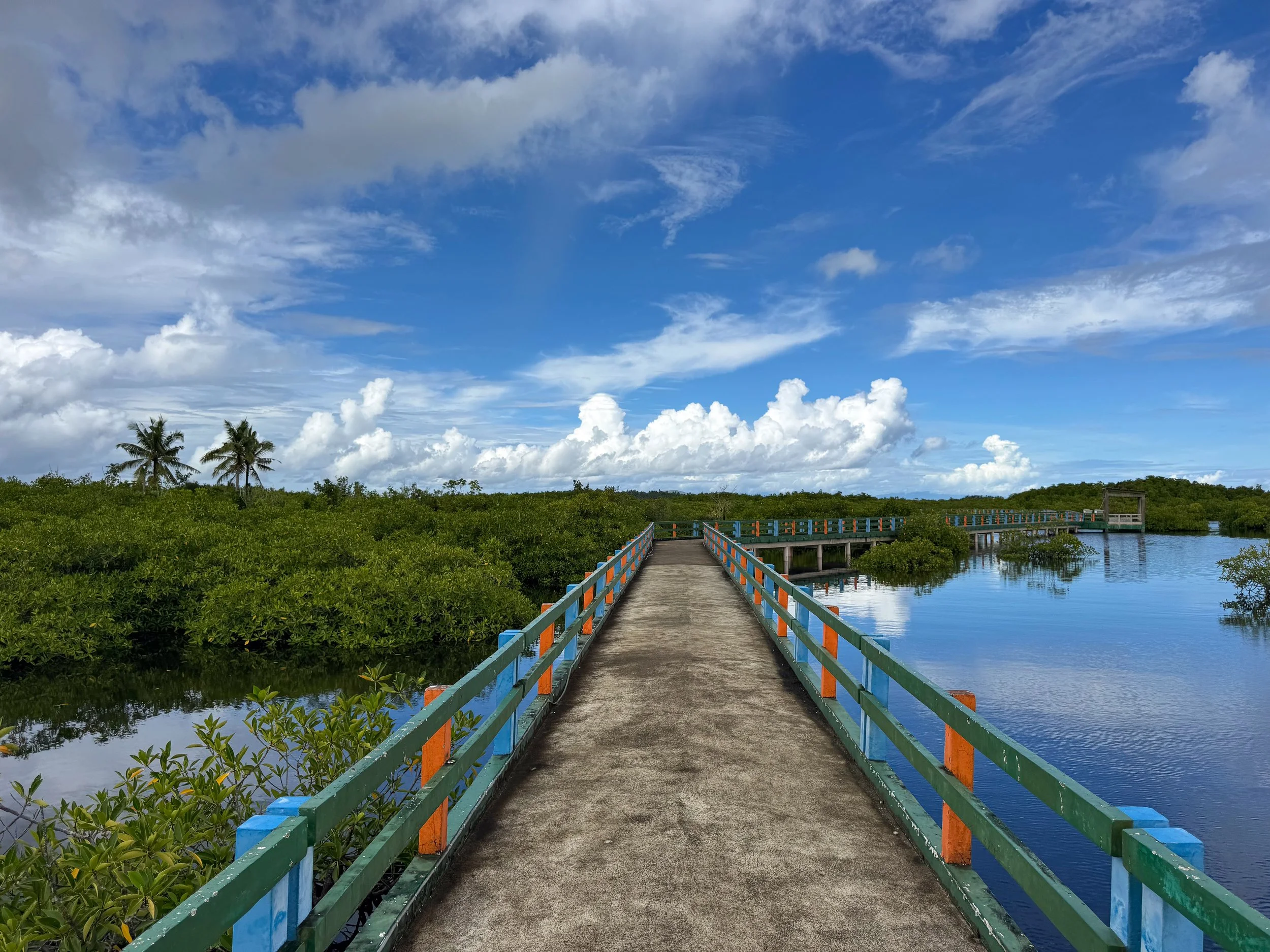
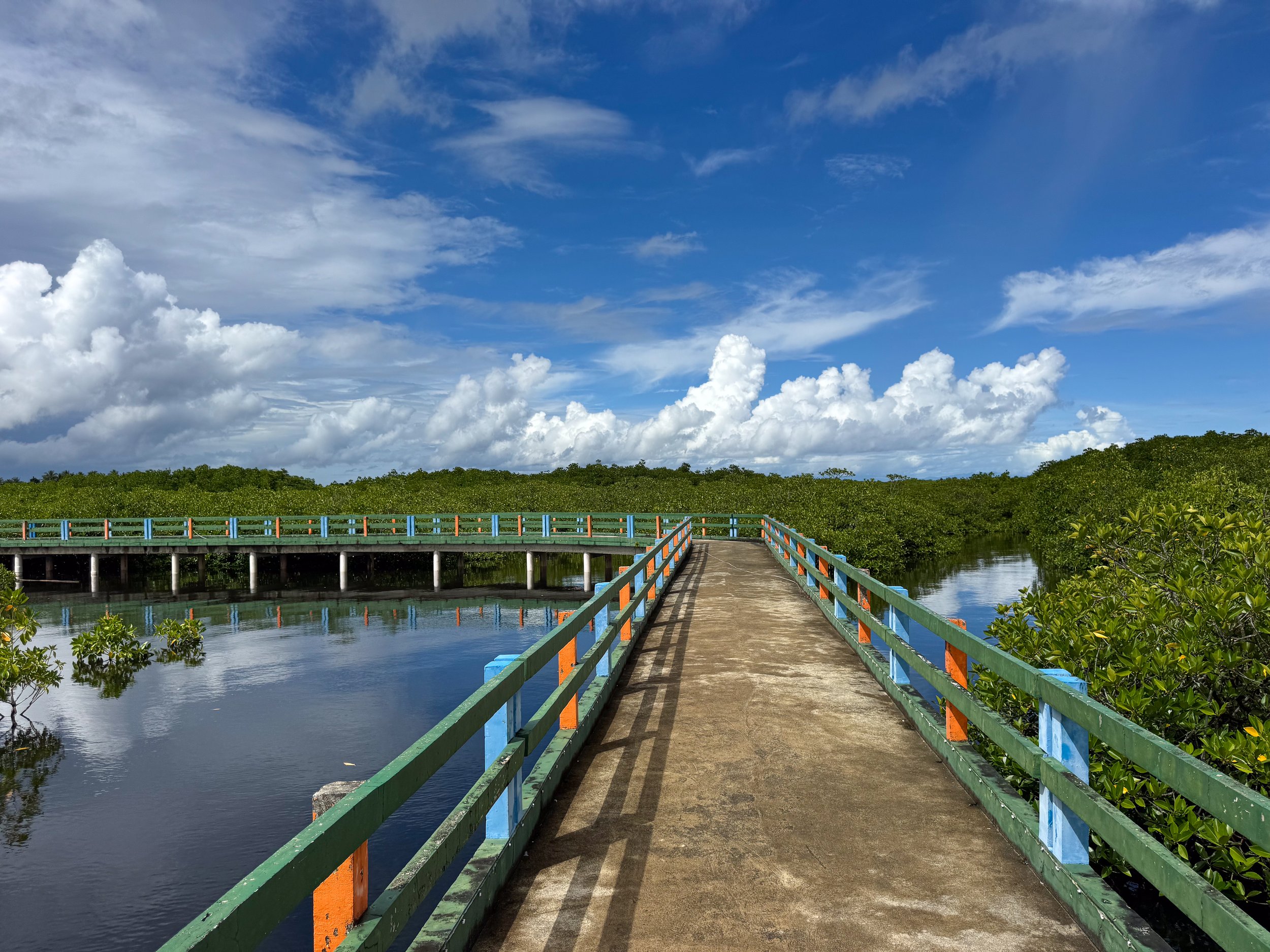
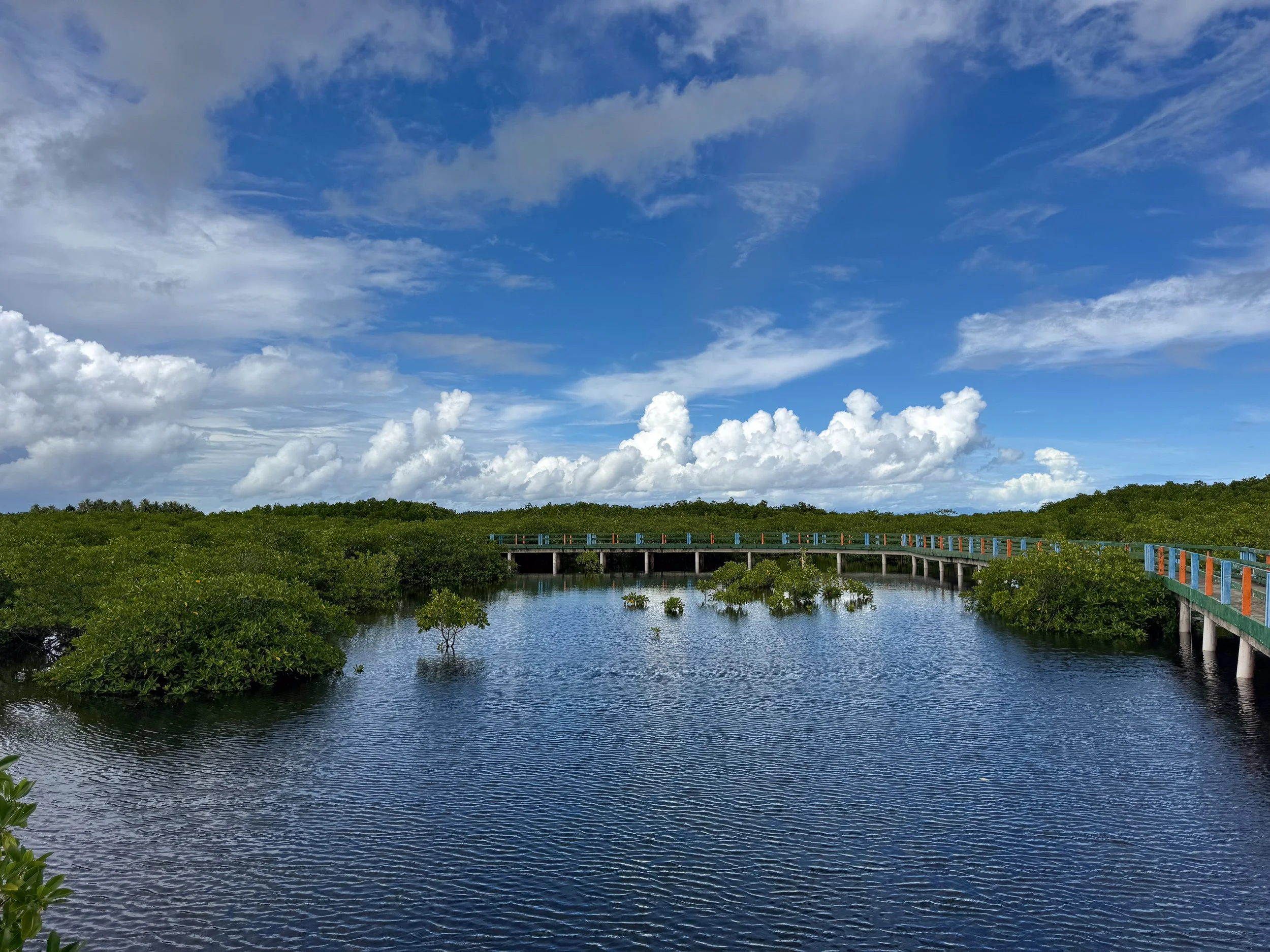
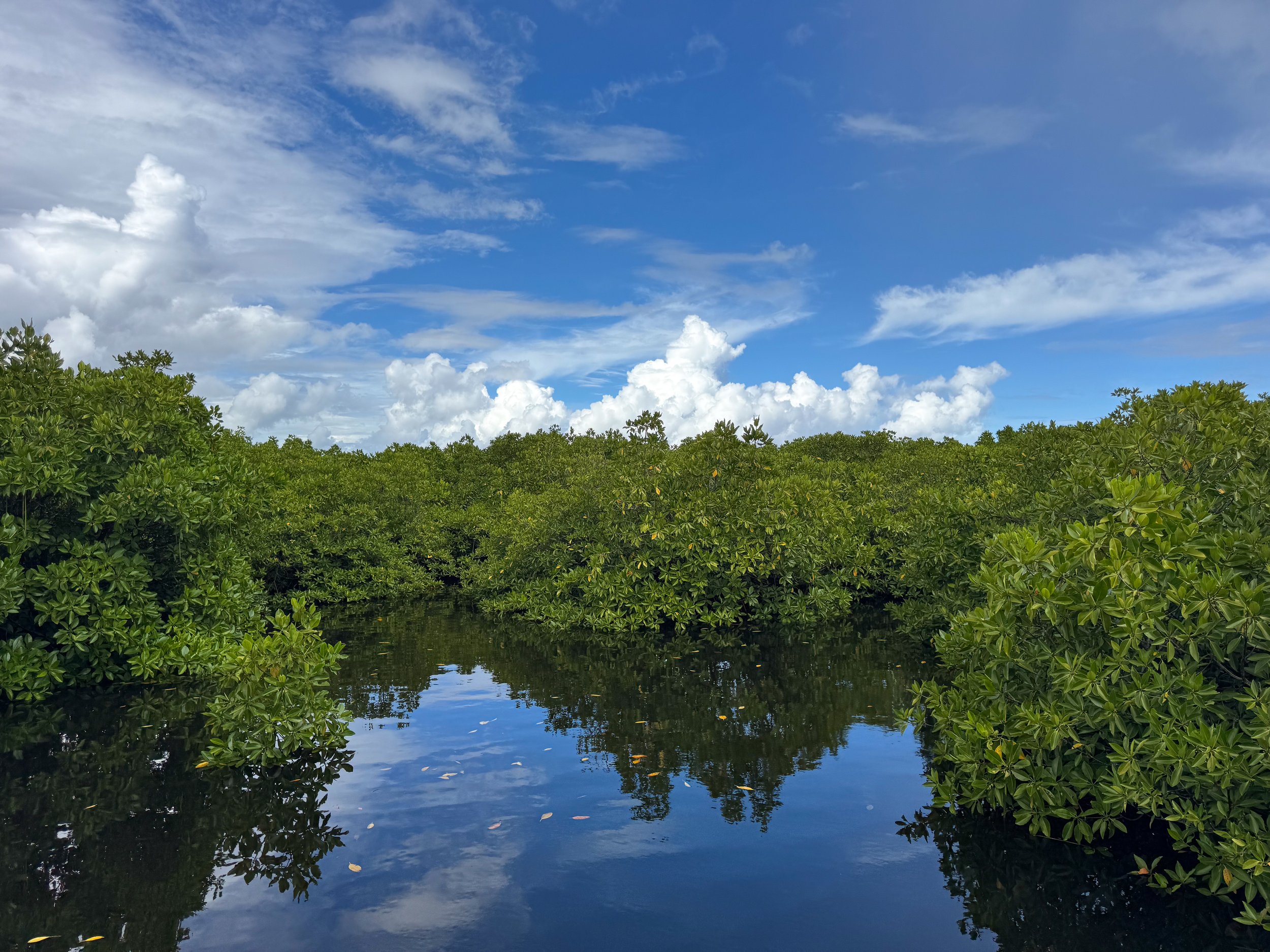
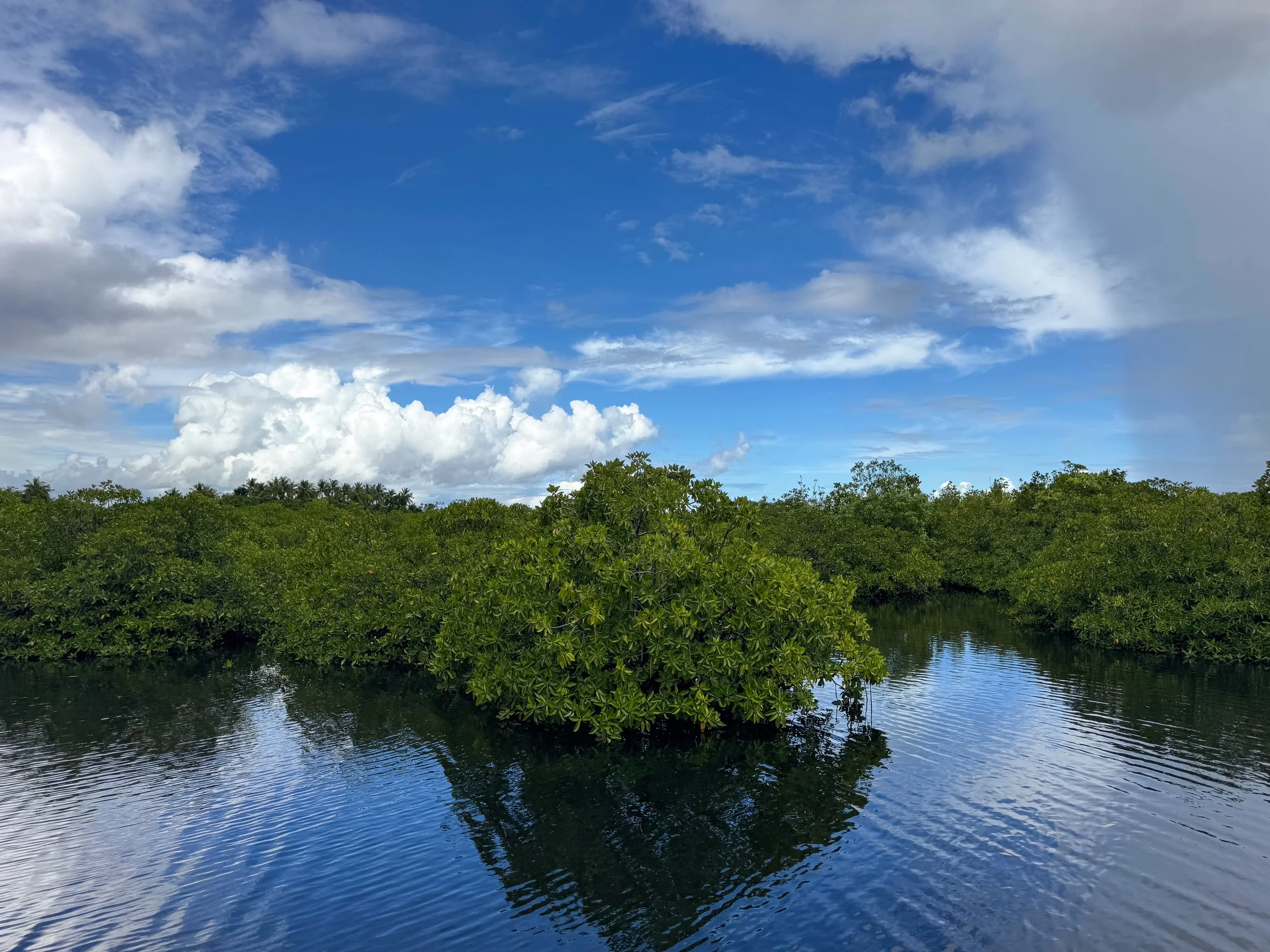
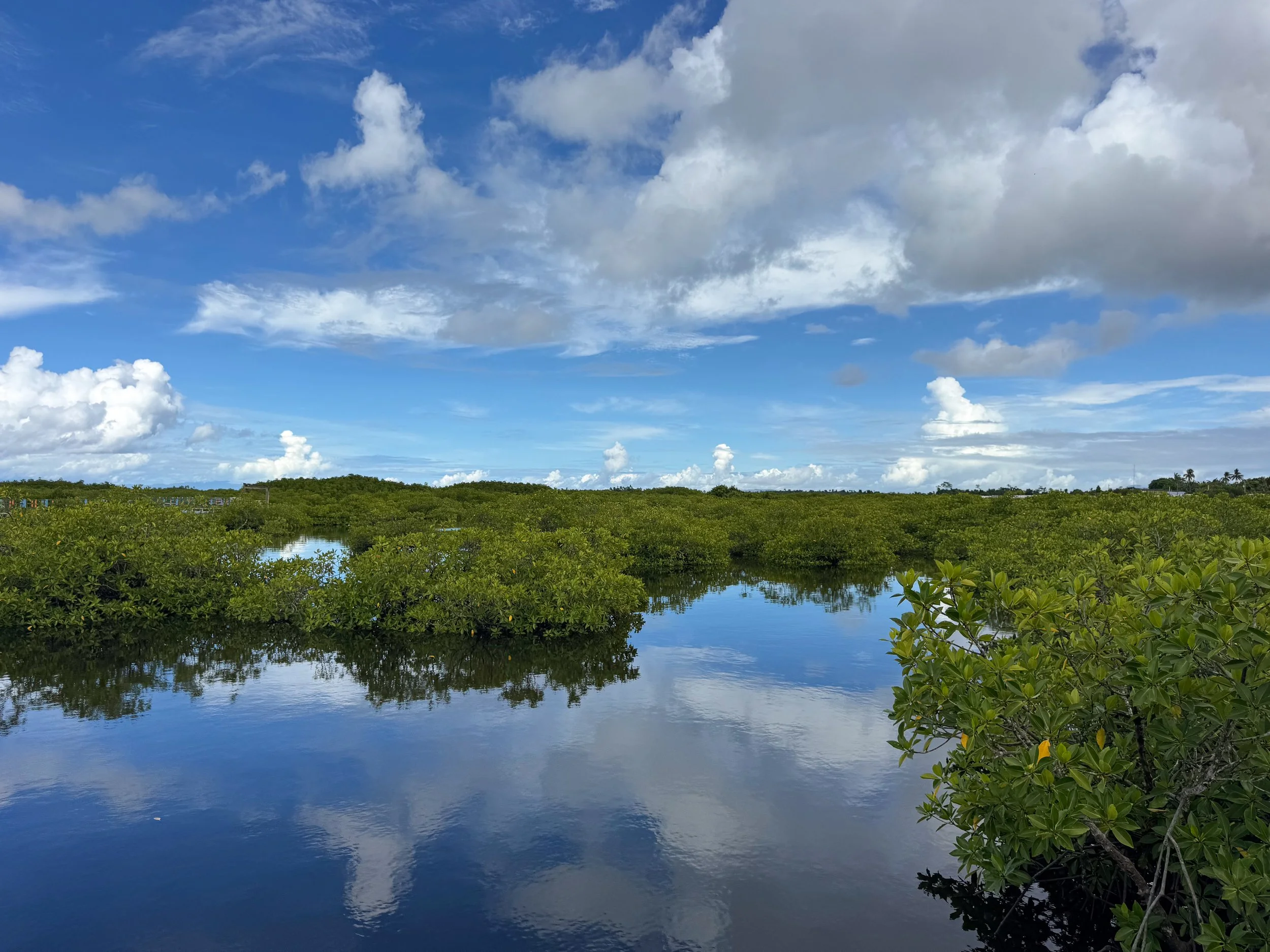
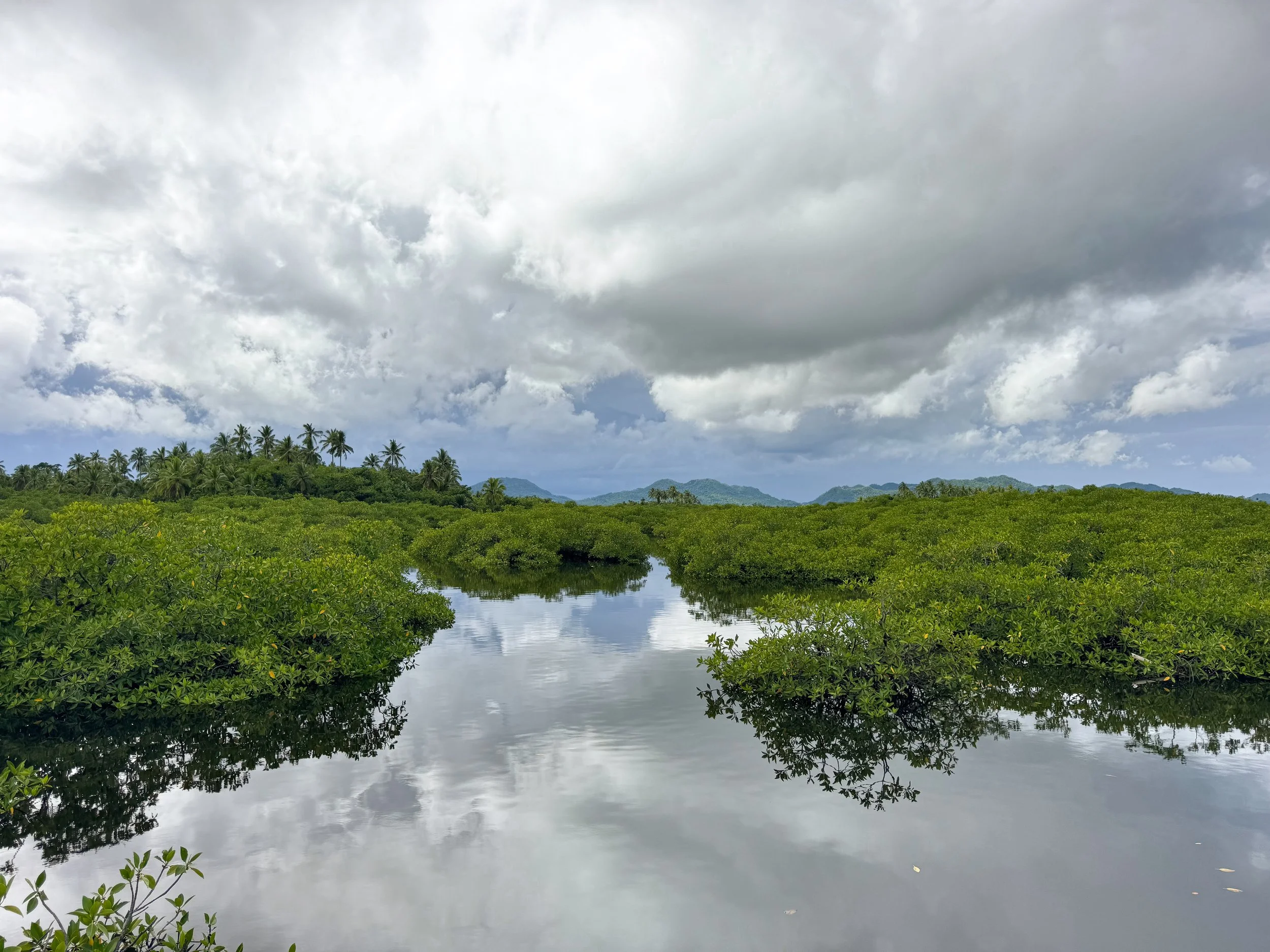
Walk the Del Carmen Mangrove Boardwalk. The Del Carmen Mangrove Forest is the largest mangrove forest in the Philippines. A lengthy and winding boardwalk leads deep into its lush expanse and flowing waterways. Educational signs are posted along the route explaining the forest’s biodiverse importance and climatic significance. It makes for a peaceful walk in nature when visiting Del Carmen.
Get a Tattoo. Dozens of tattoo shops and studios around the island offer plenty of opportunities to get fresh ink. We visited Irie Tattoo for tattoos, getting a sea urchin and fish skeleton. Most studios offer walk ins and are cash only.
Eat at a Carinderia. Carinderias are Filipino restaurants with a spread of home cooked dishes served in metal trays or pots. They’re an affordable way to try the local cuisine including noodle and rice dishes, meat and veggie stews, fried chicken, fish and lumpia.
Hire a Human Drone. A uniquely Filipino style of taking videos. The “human drone” uses a phone to film a group or scene in fast swooping, swirling and dramatic motions mimicking that of an actual drone. Most tour guides thoroughly enjoy providing the service.
Island Tours
The island tours are one of the best ways to see the natural beauty of Siargao and its nearby islands. We booked three tours during our week here at Siargao INT'L Travel & Tours. They have a small tour office in General Luna along “Tourism Road.”
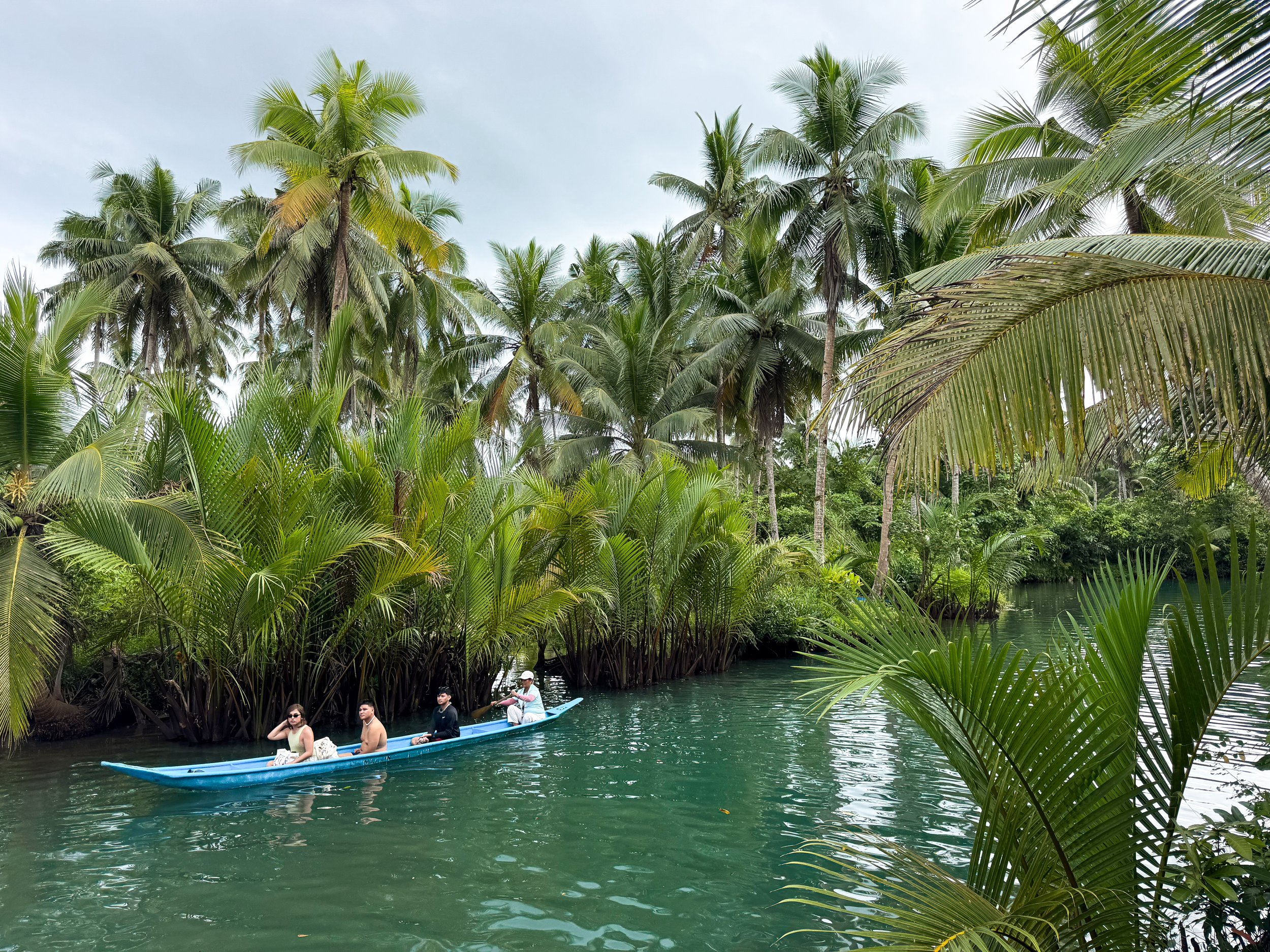
Siargao Land Tour
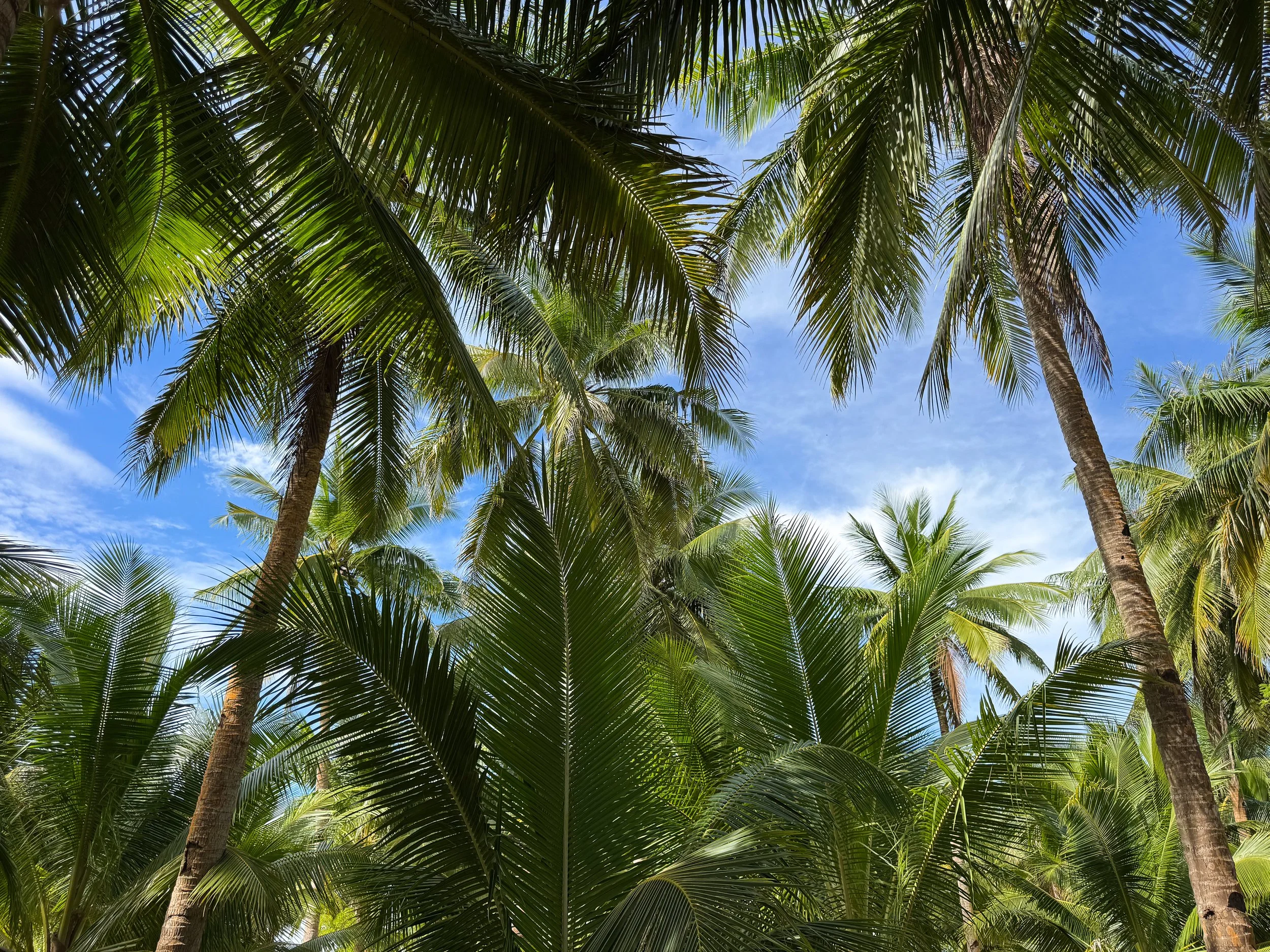
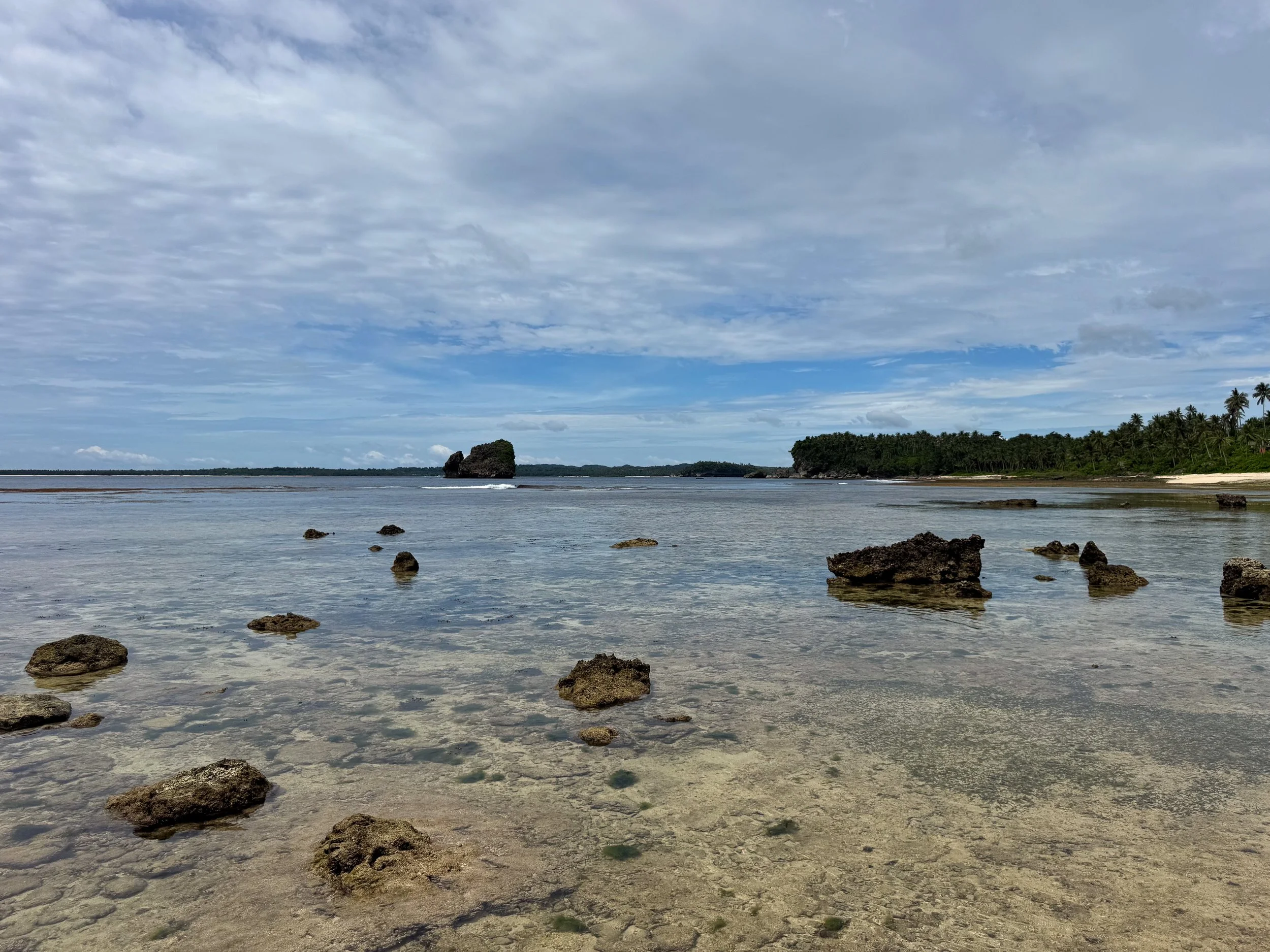
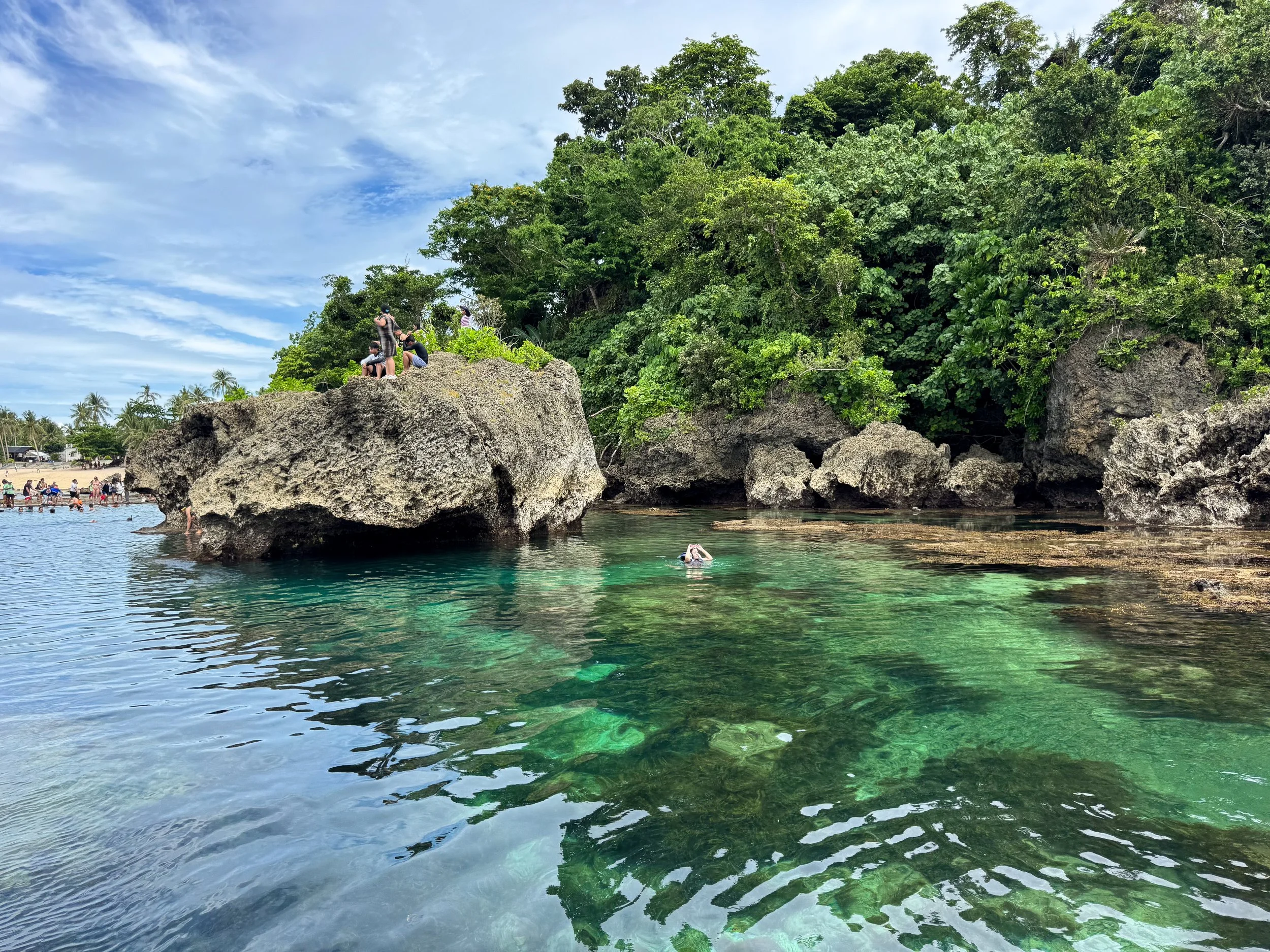
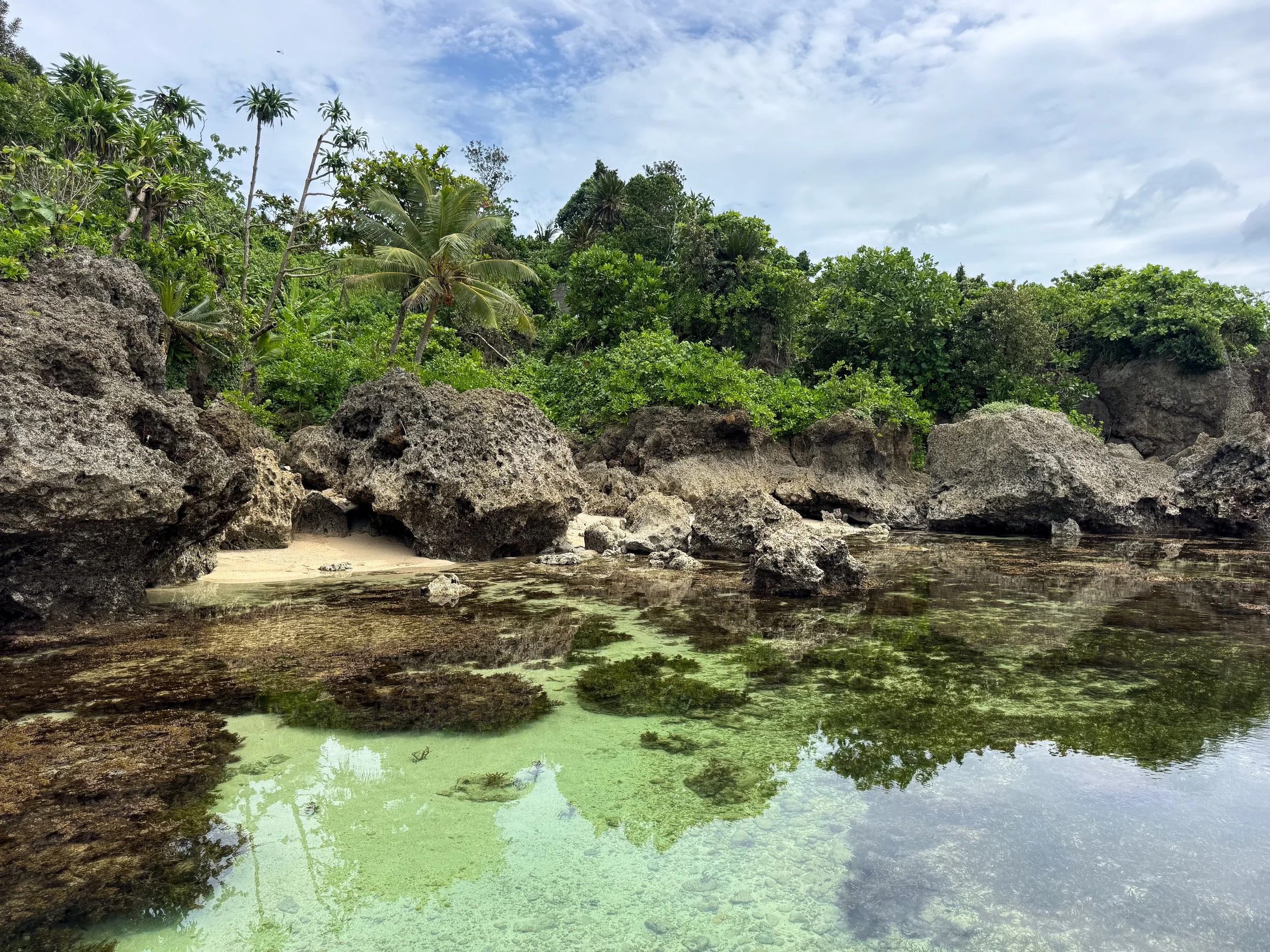
Land tours offer visitors a chance to witness the vast palm groves, beaches, lagoons, tidal pools and waterways of Siargao in one day.
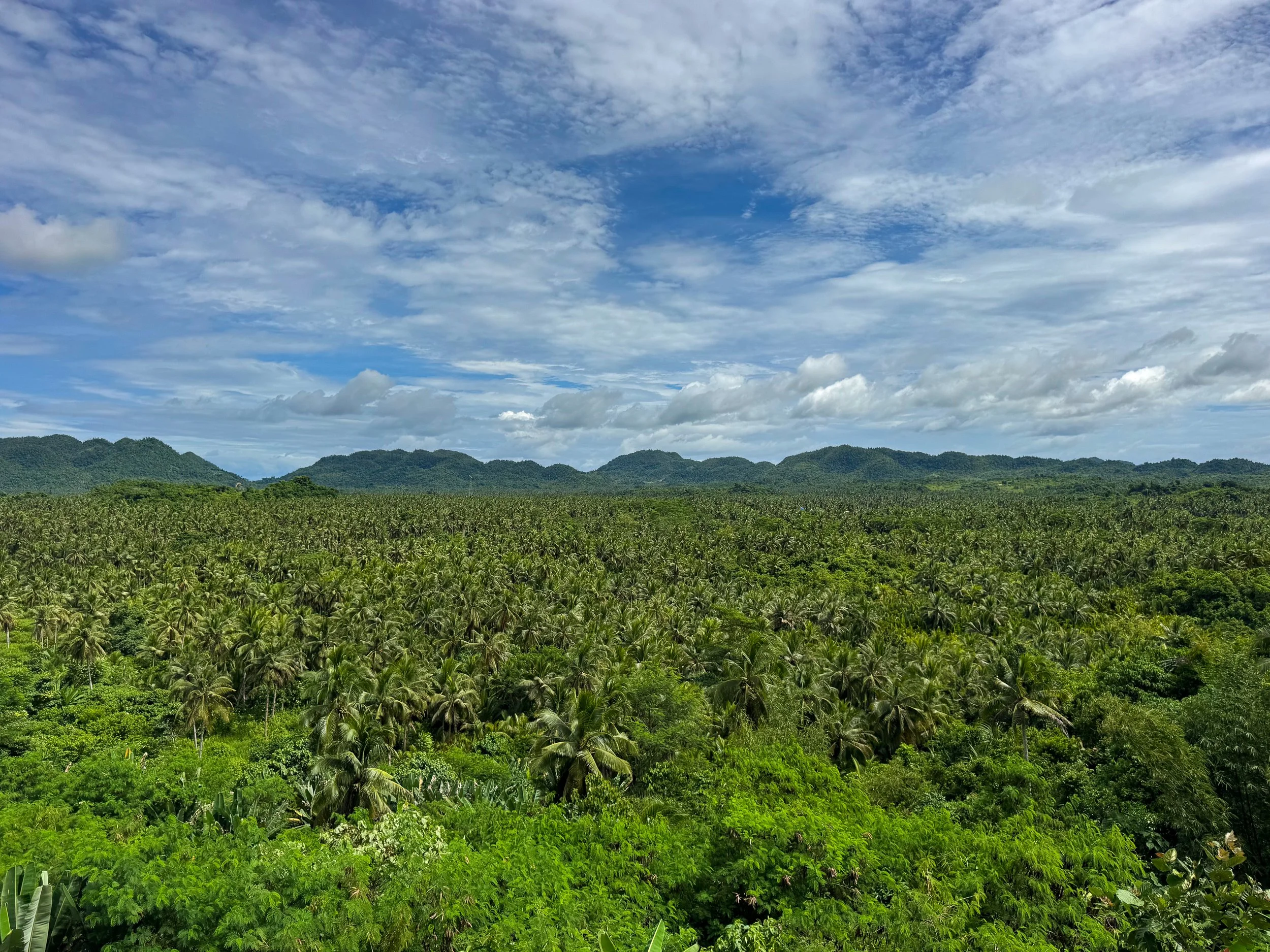
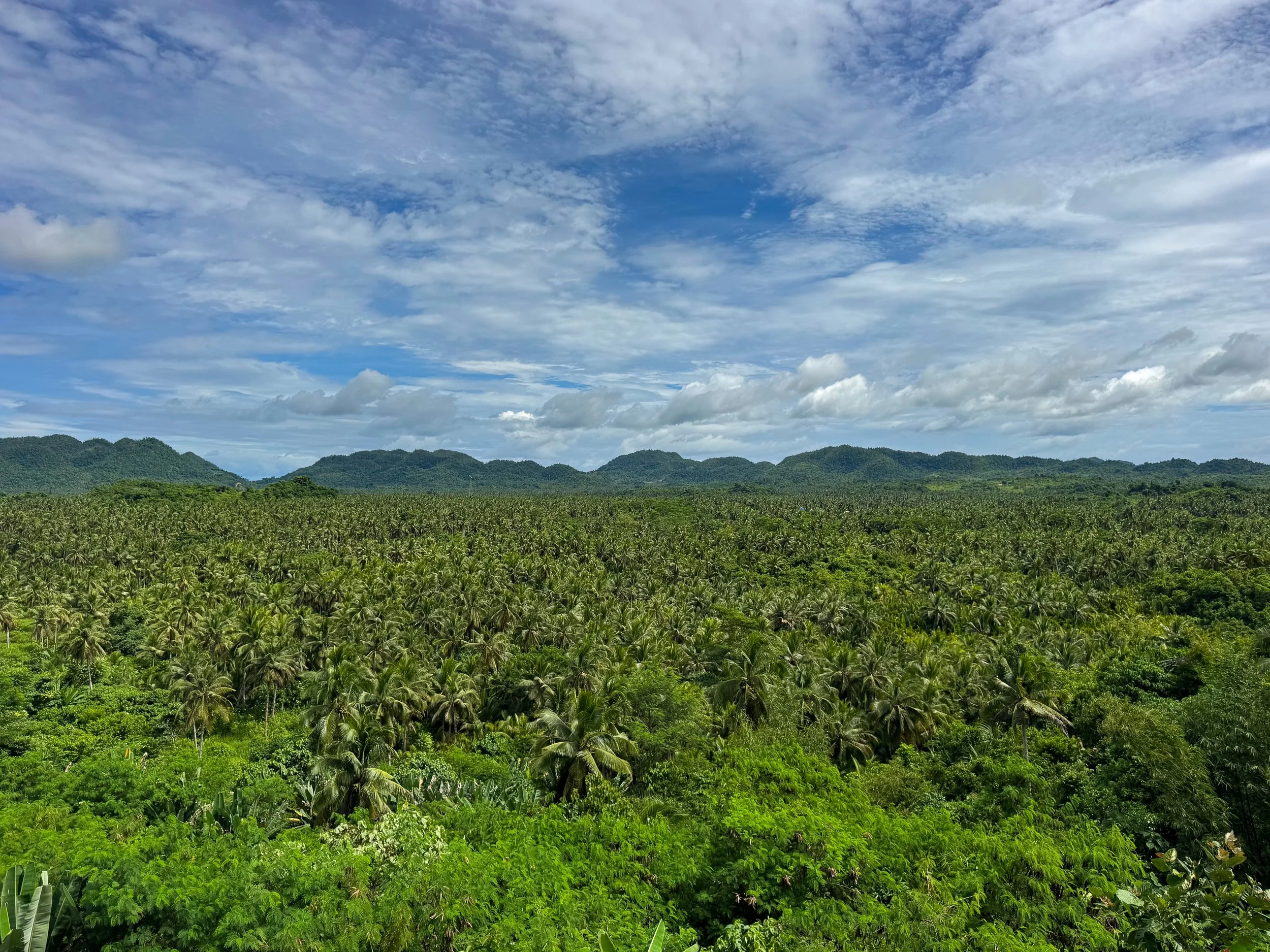
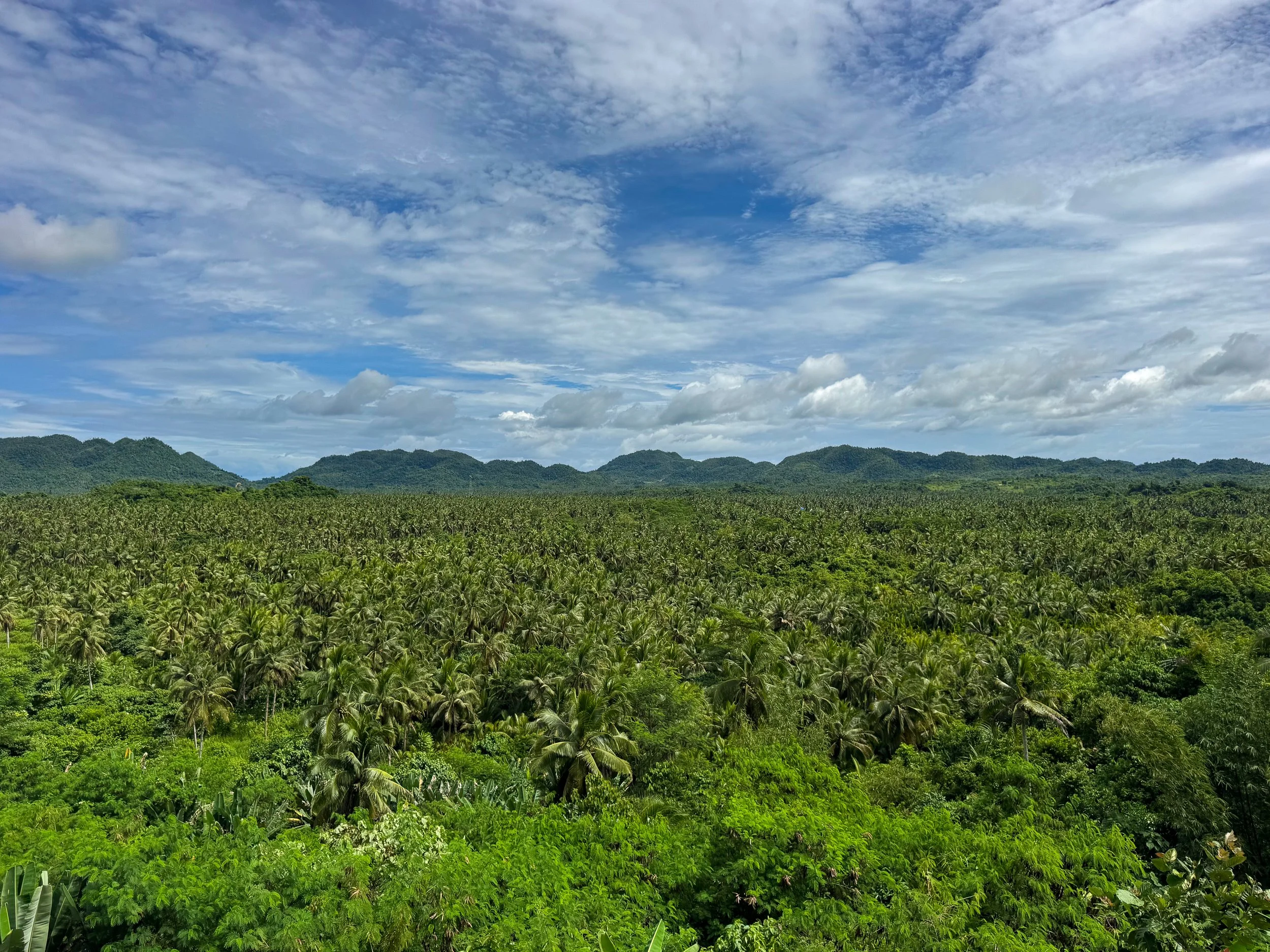
Coconut Viewpoint. A roadside lookout in the center of the island with views of the tropical palm forest spanning across the valley.
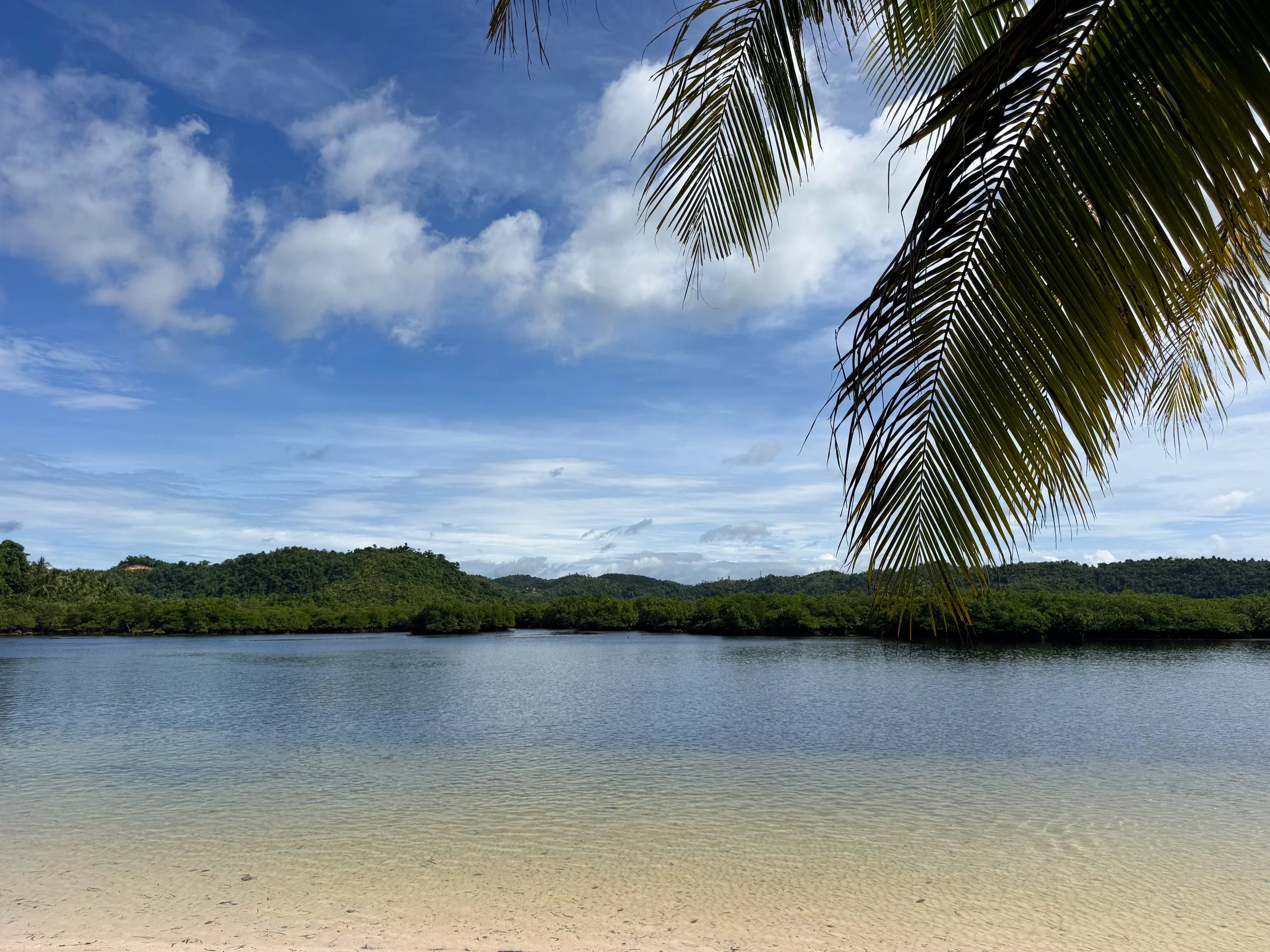
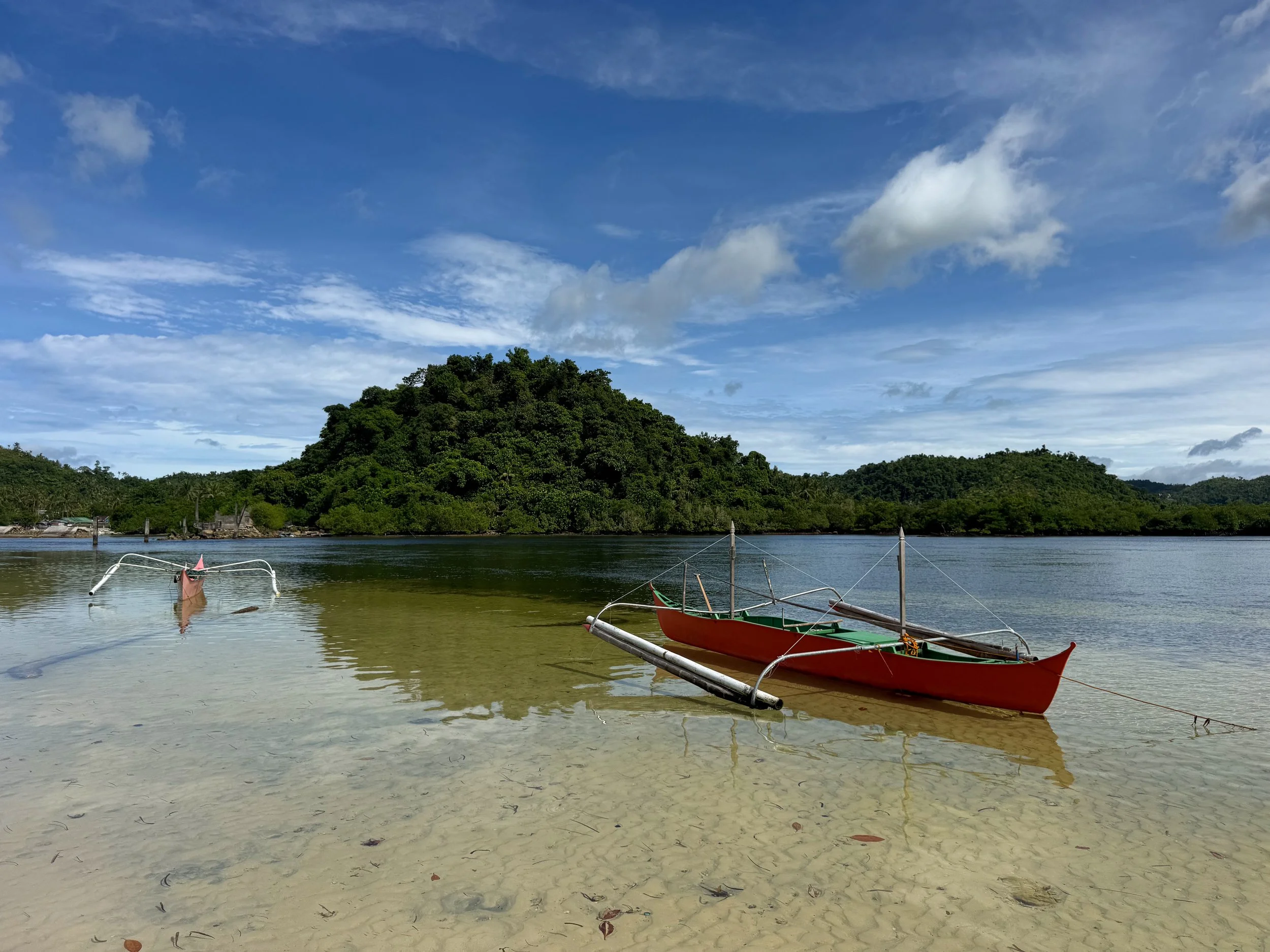
Secret Beach. A tidal beach on an inlet only visible during low tide. Its shaded coconut grove offers a relaxing place to enjoy the tropical scenery.
Magpopongko Rock Pools and Flats. A beach with tidal pools large enough for people to swim. They’re surrounded by shallow pools with marine creatures and plant life.
Maasin River. A palm lined river with a boardwalk and platform for jumping off of. There are street vendors near the bridge overlooking it selling river oysters and offering canoe tours.
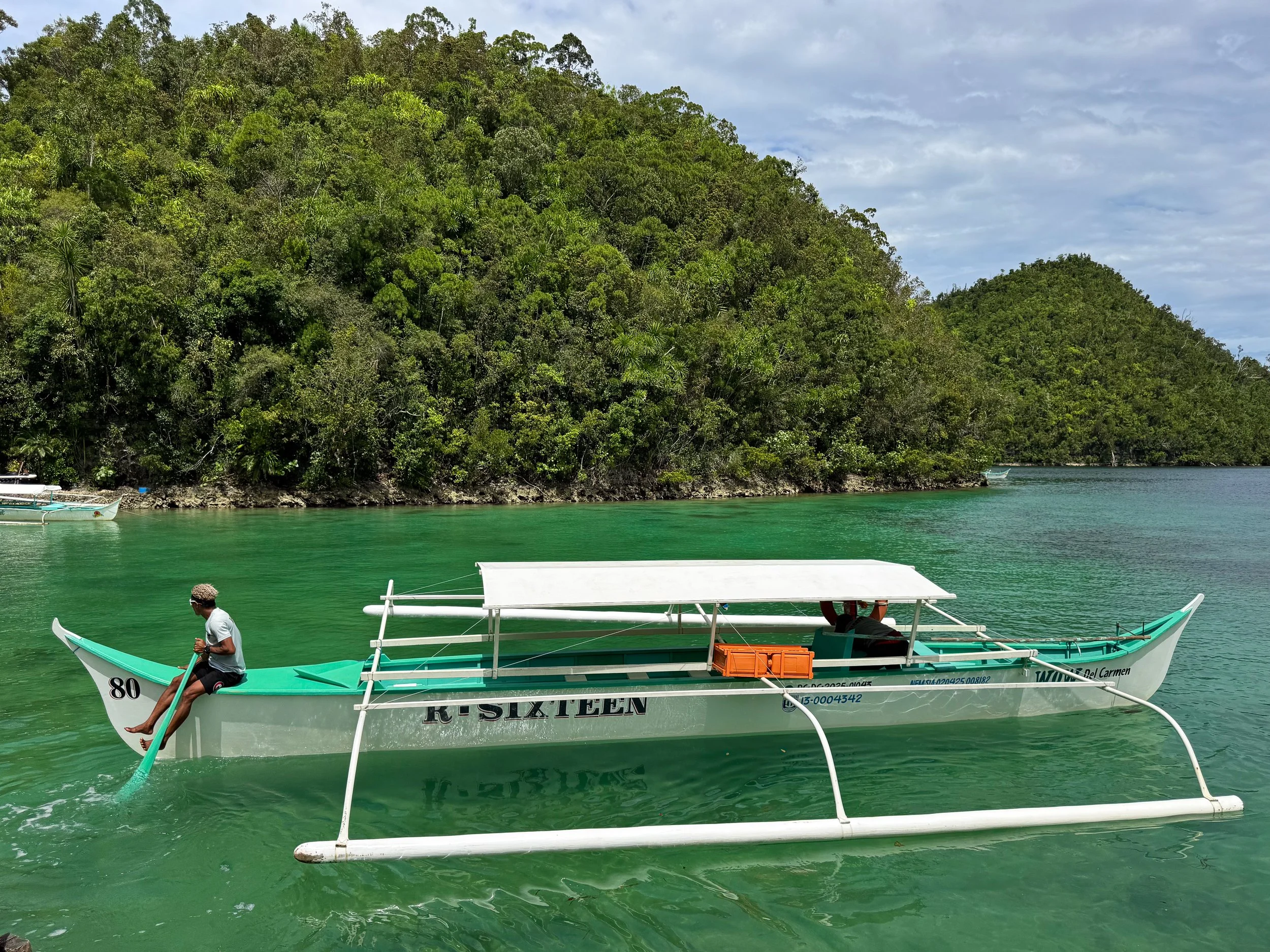
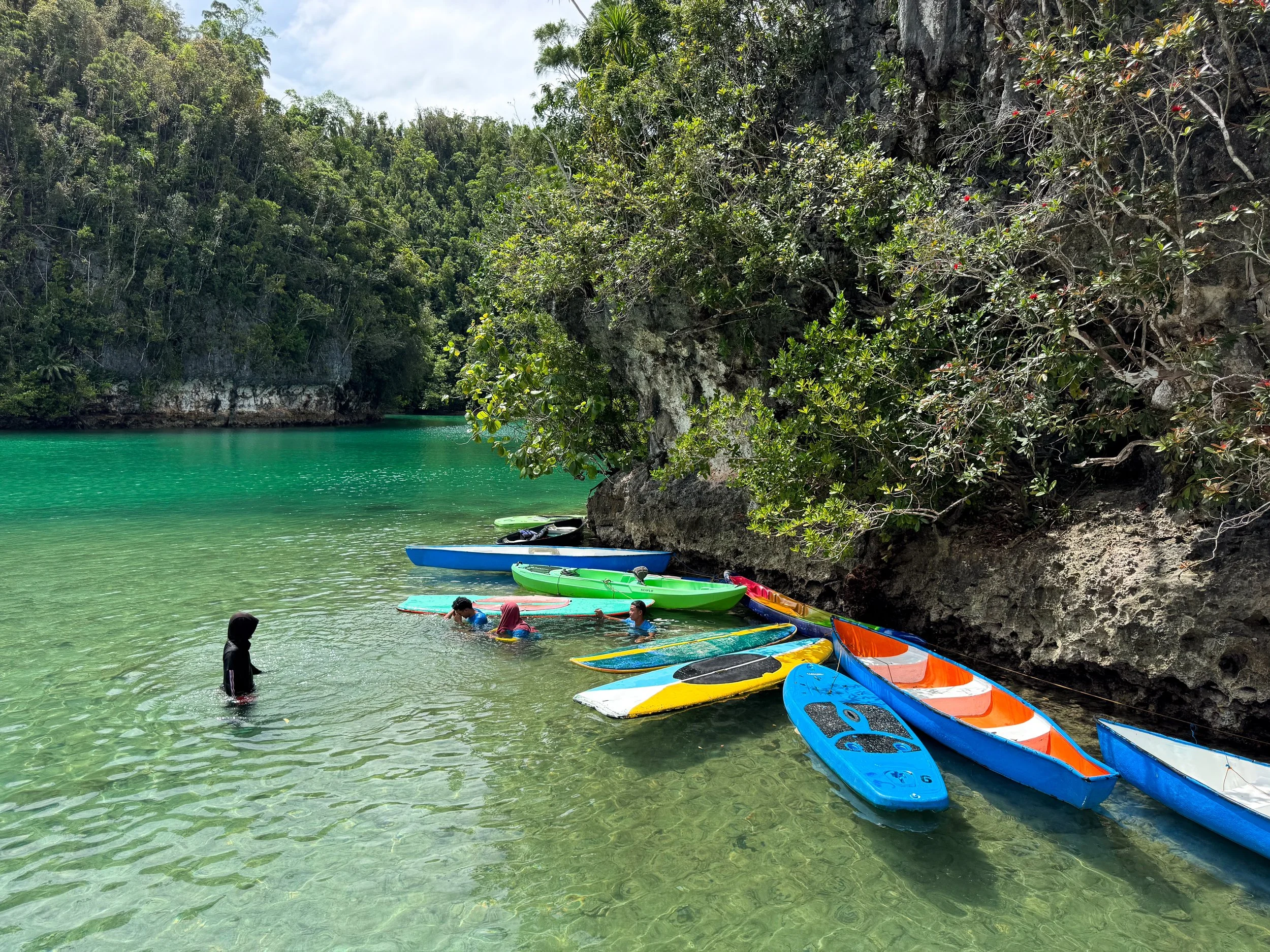
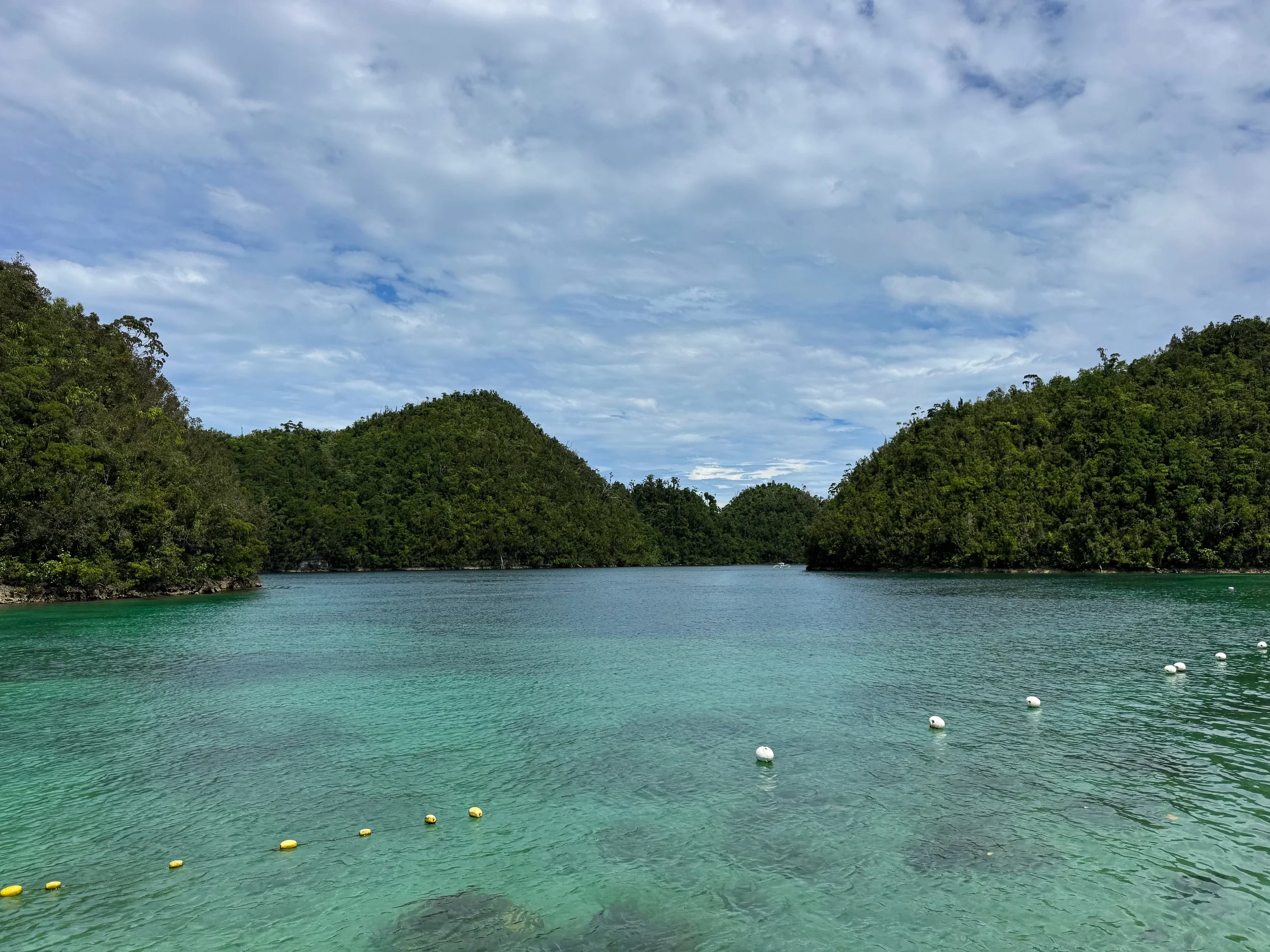
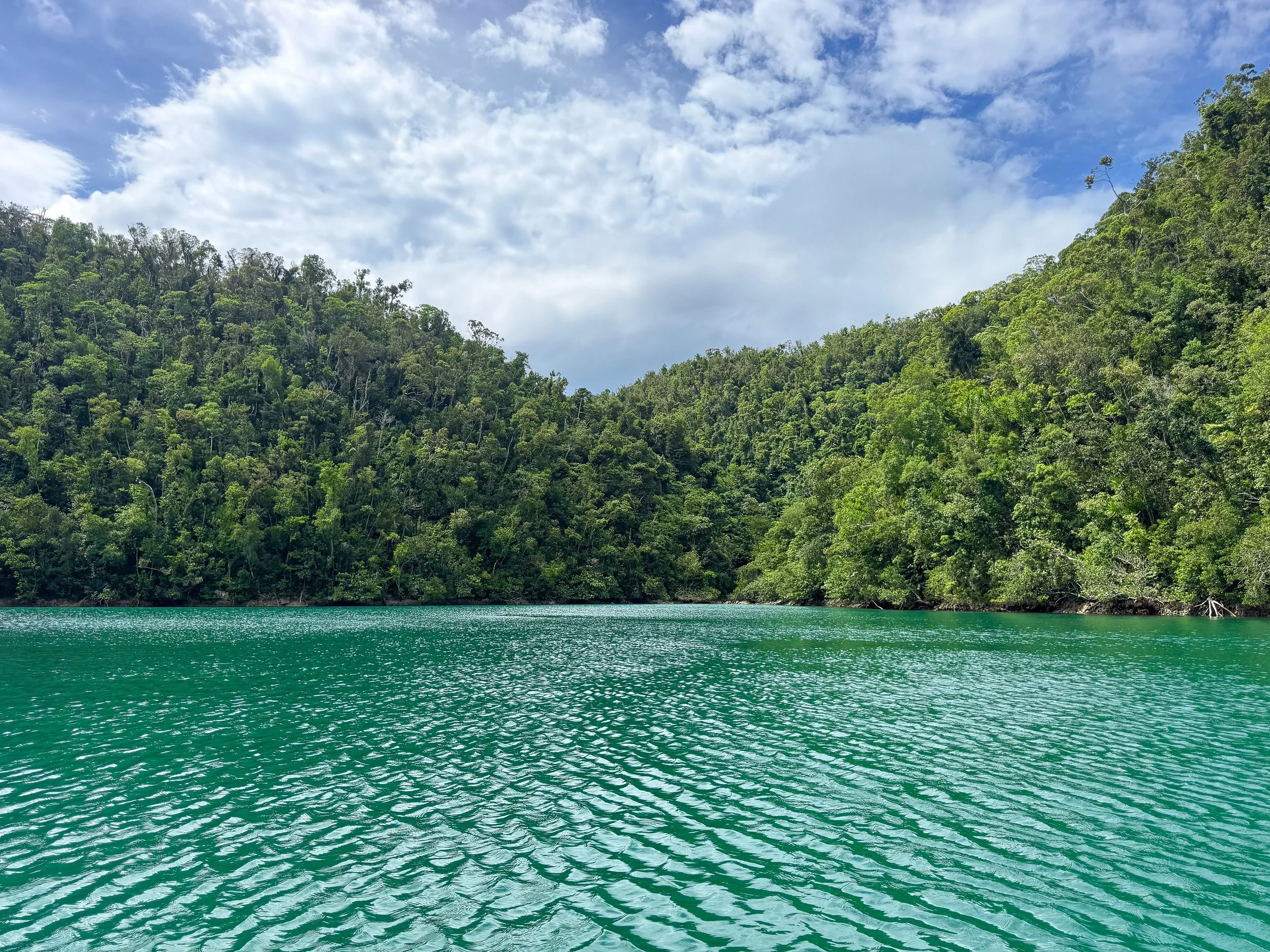
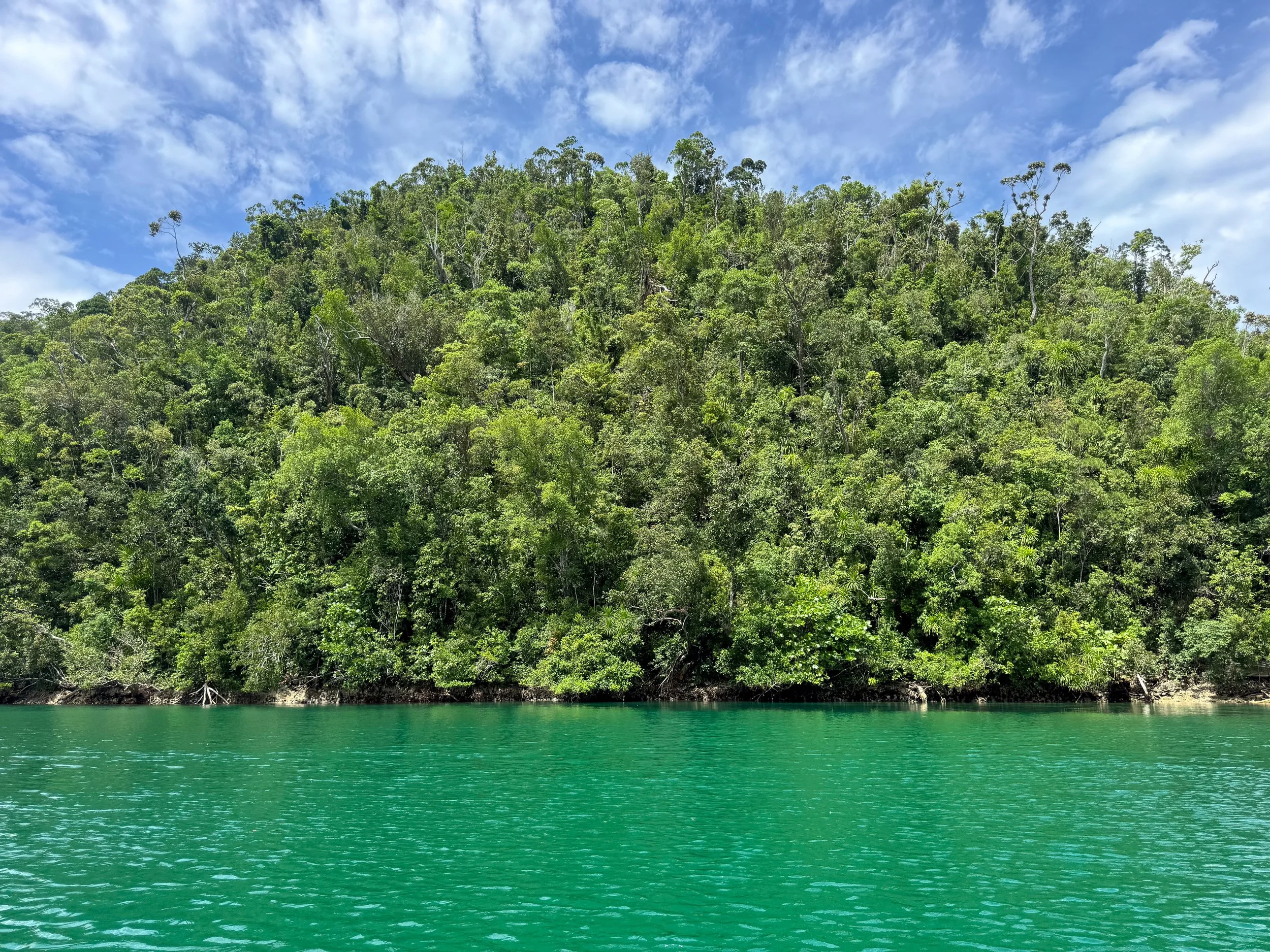
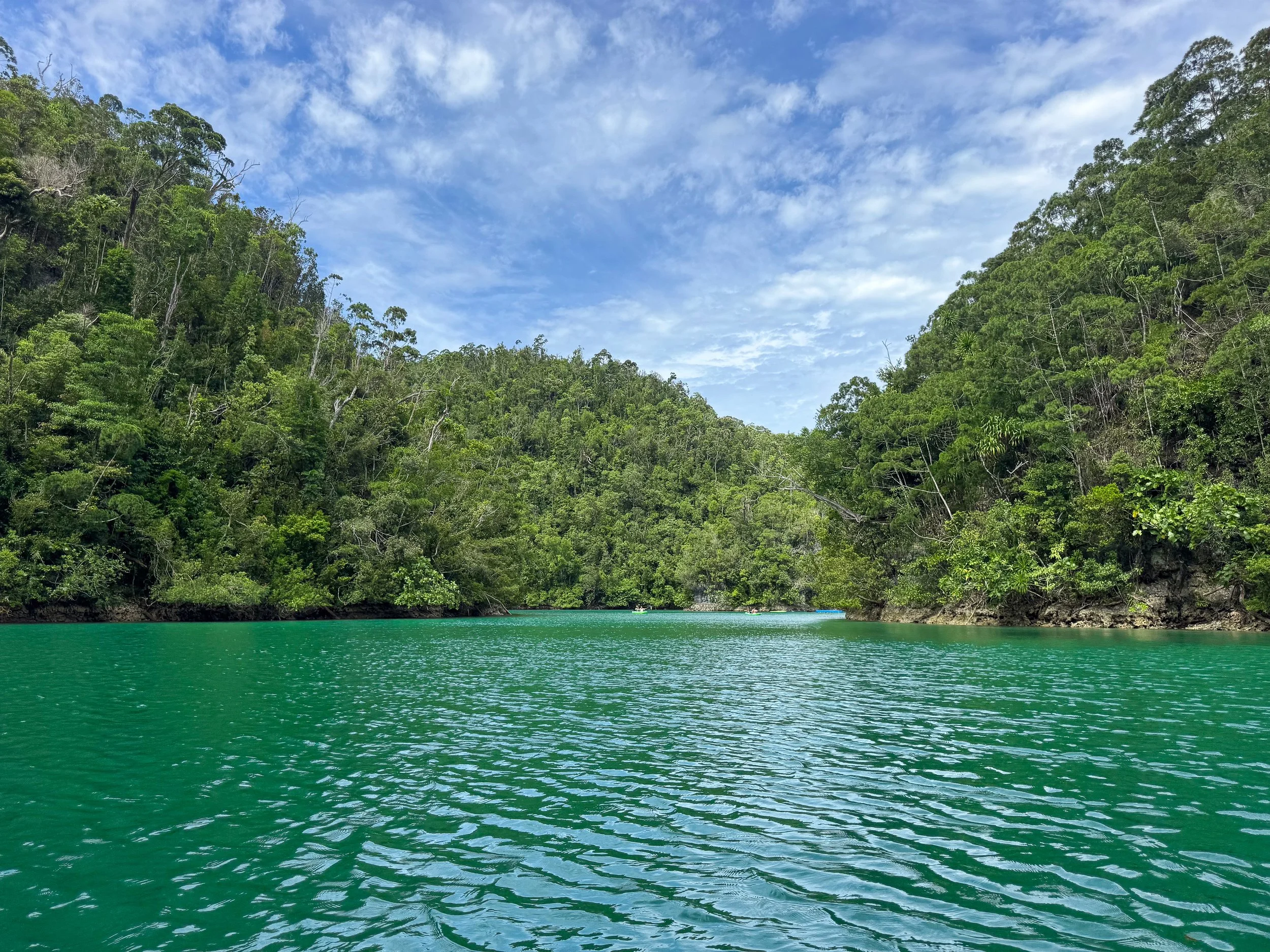
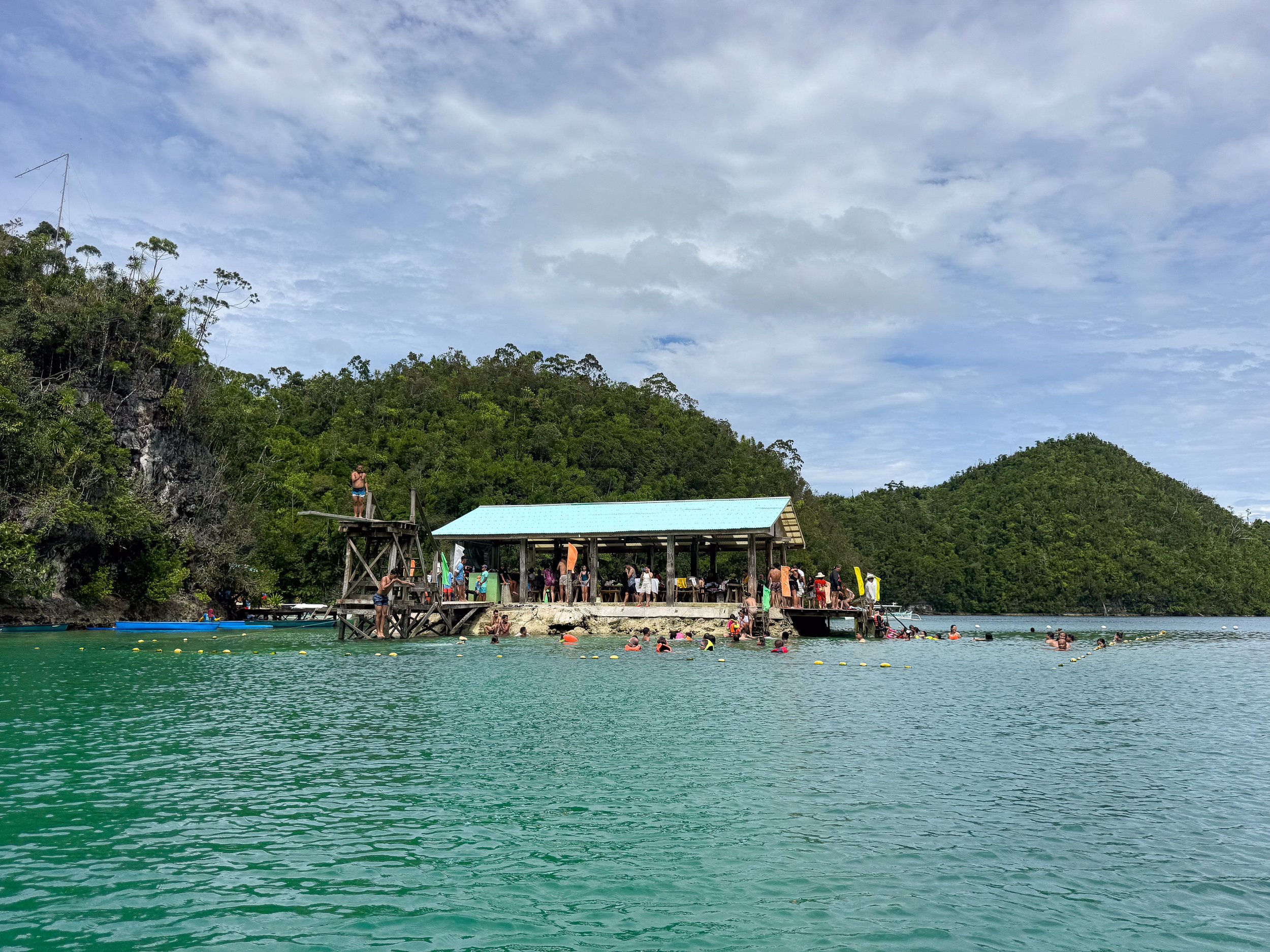
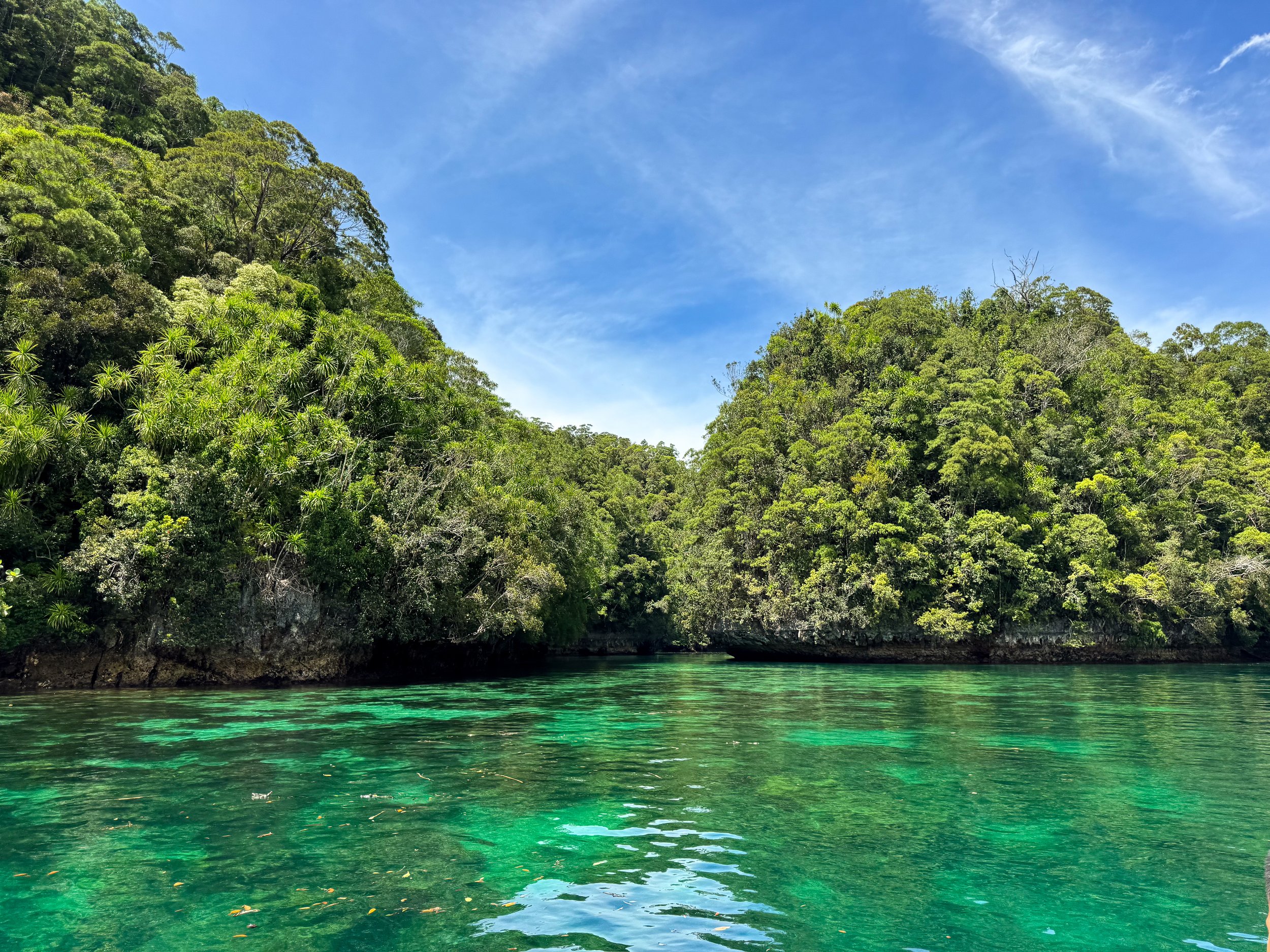
Sugba Lagoon. An island lagoon with emerald green waters surrounded by tree covered hills. At the lagoon’s center is an island with kayak rentals, swimming areas and a diving platform. The voyage into the lagoon passes dense mangroves, lush islands and stilt villages.
Sohoton Island Tour
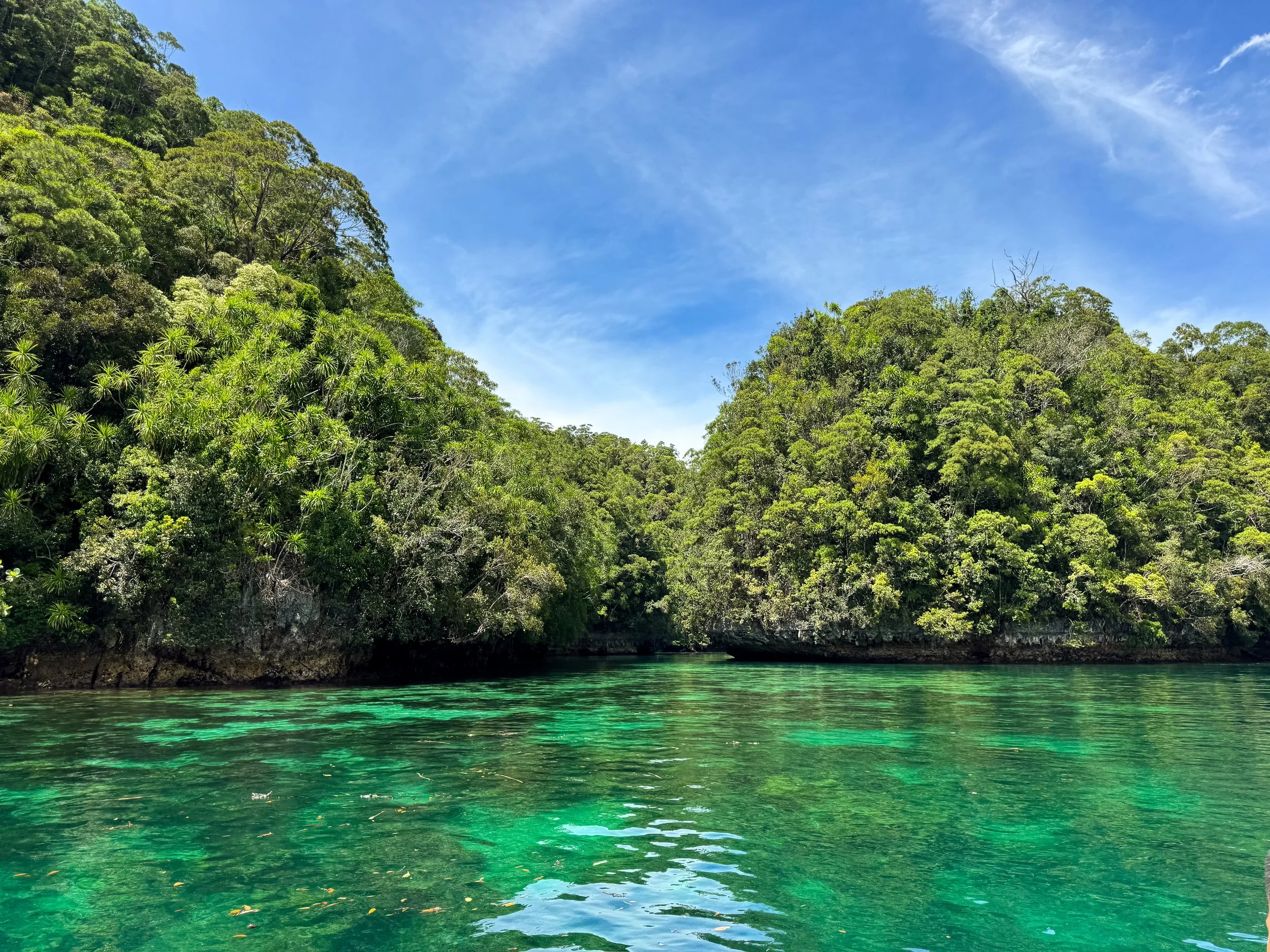
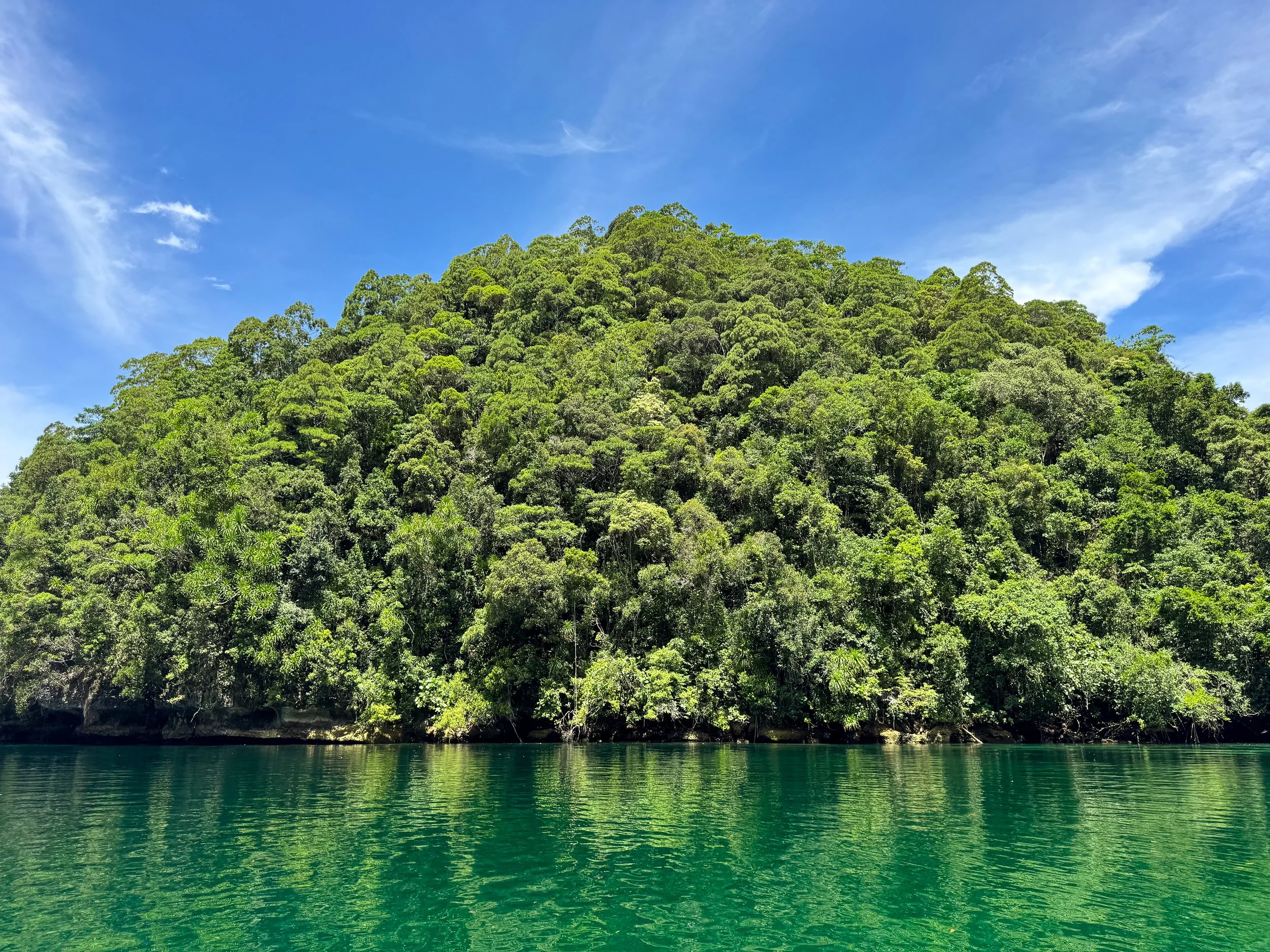
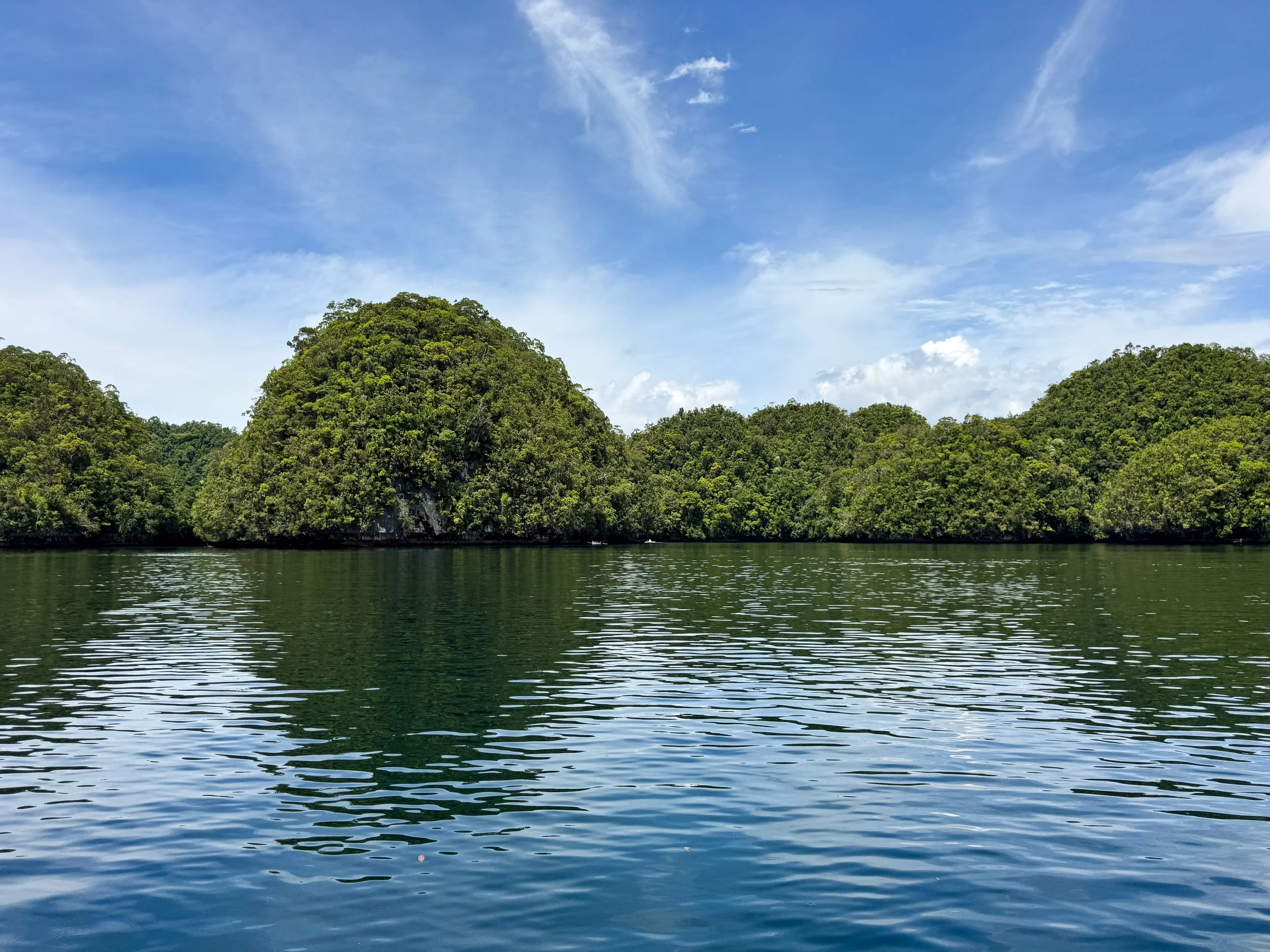
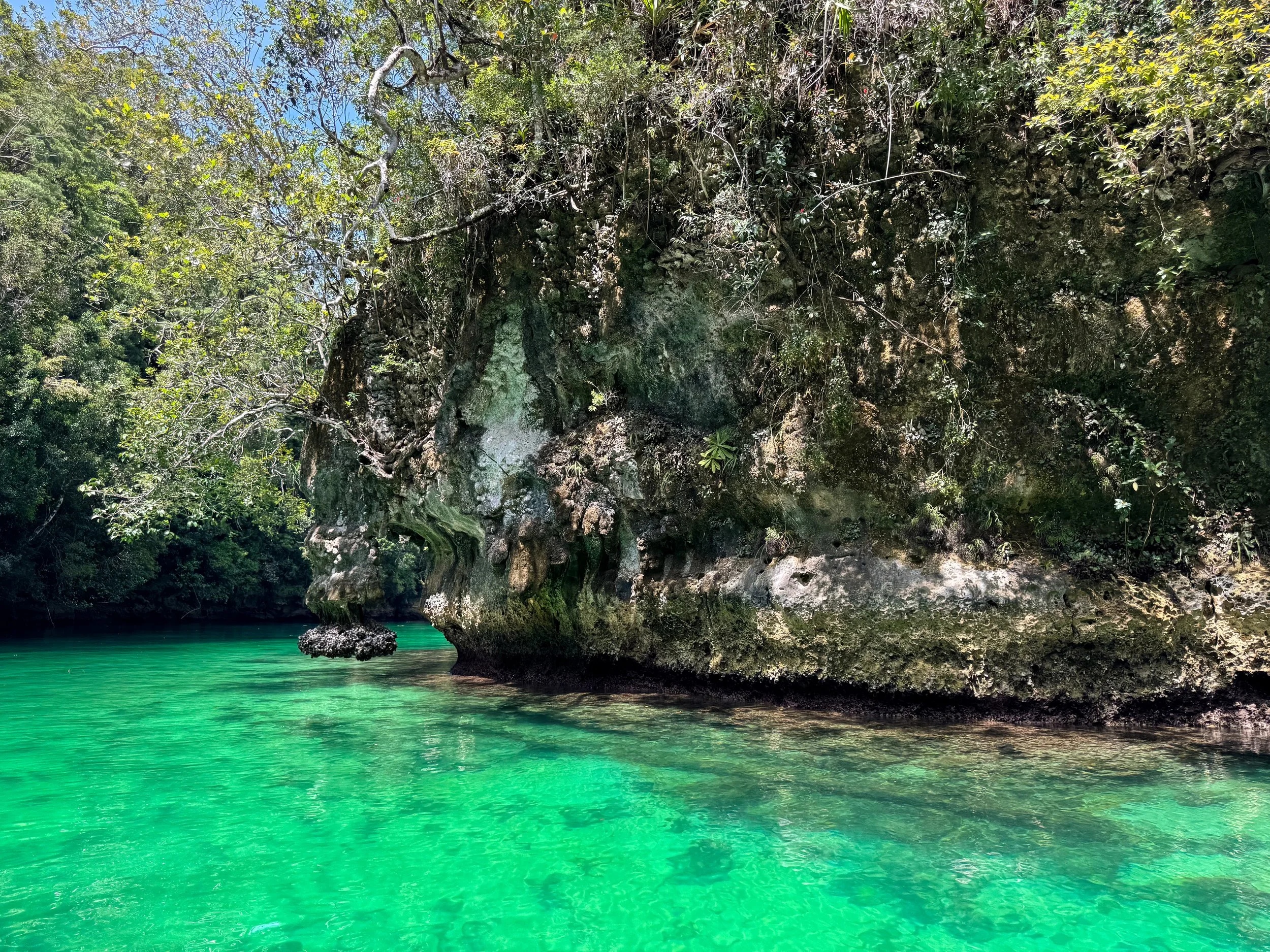
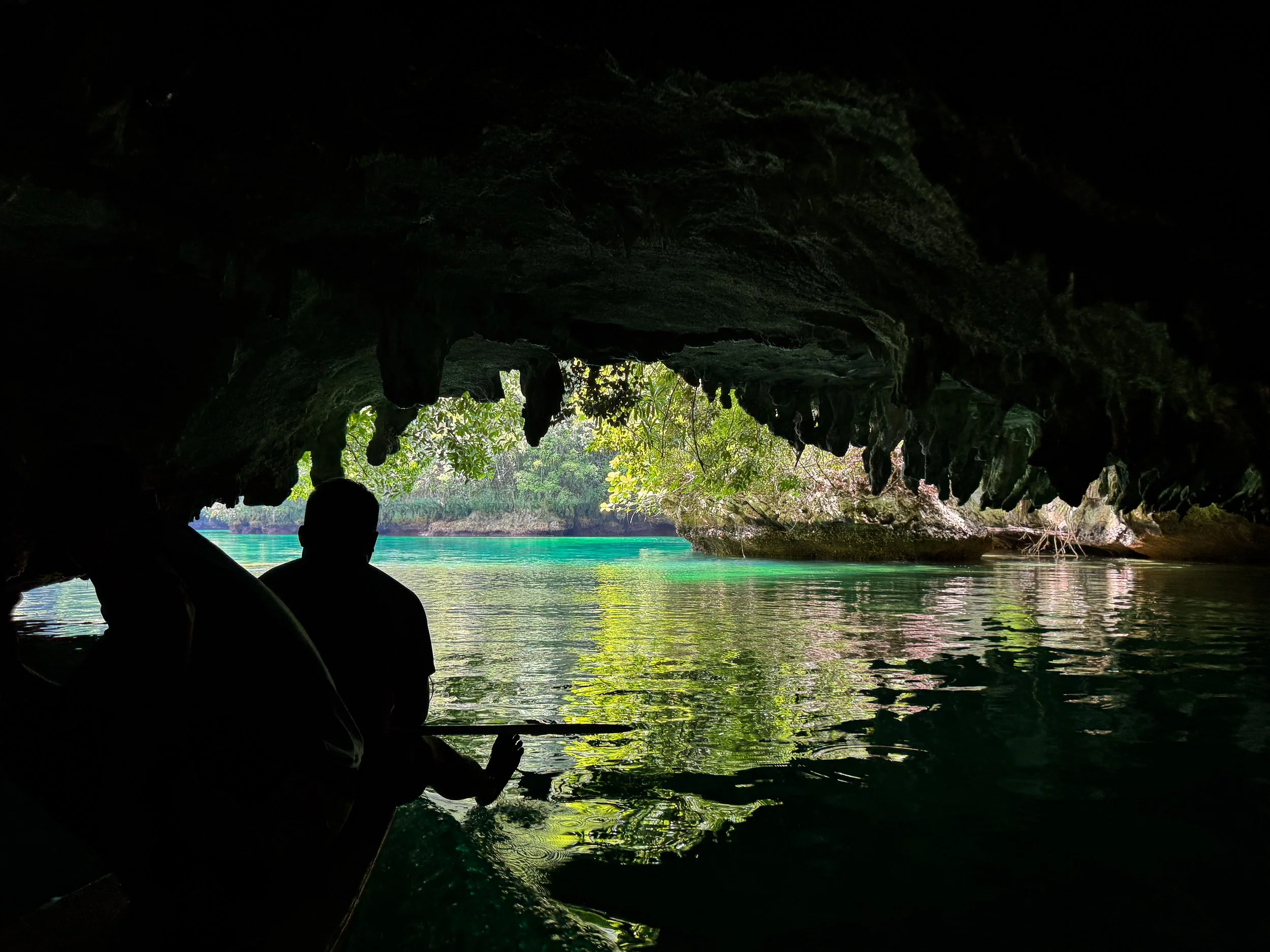
Sohoton is a remote island west of Siargao home to a series of small tropical islands, emerald hued waterways, flooded caves and lagoons with stingless jellyfish. The islands are only accessible via small outrigger canoes and local tour operators.
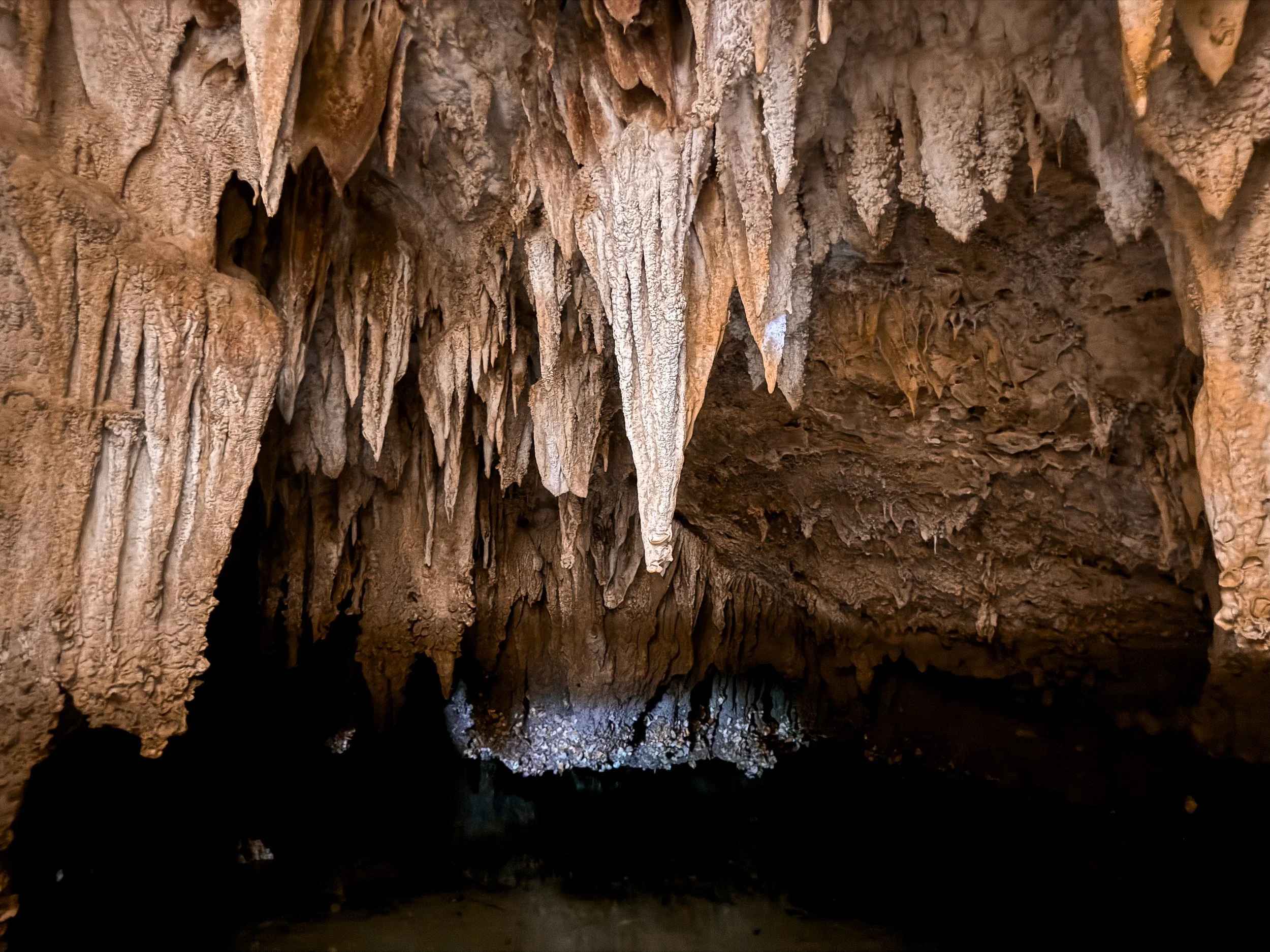
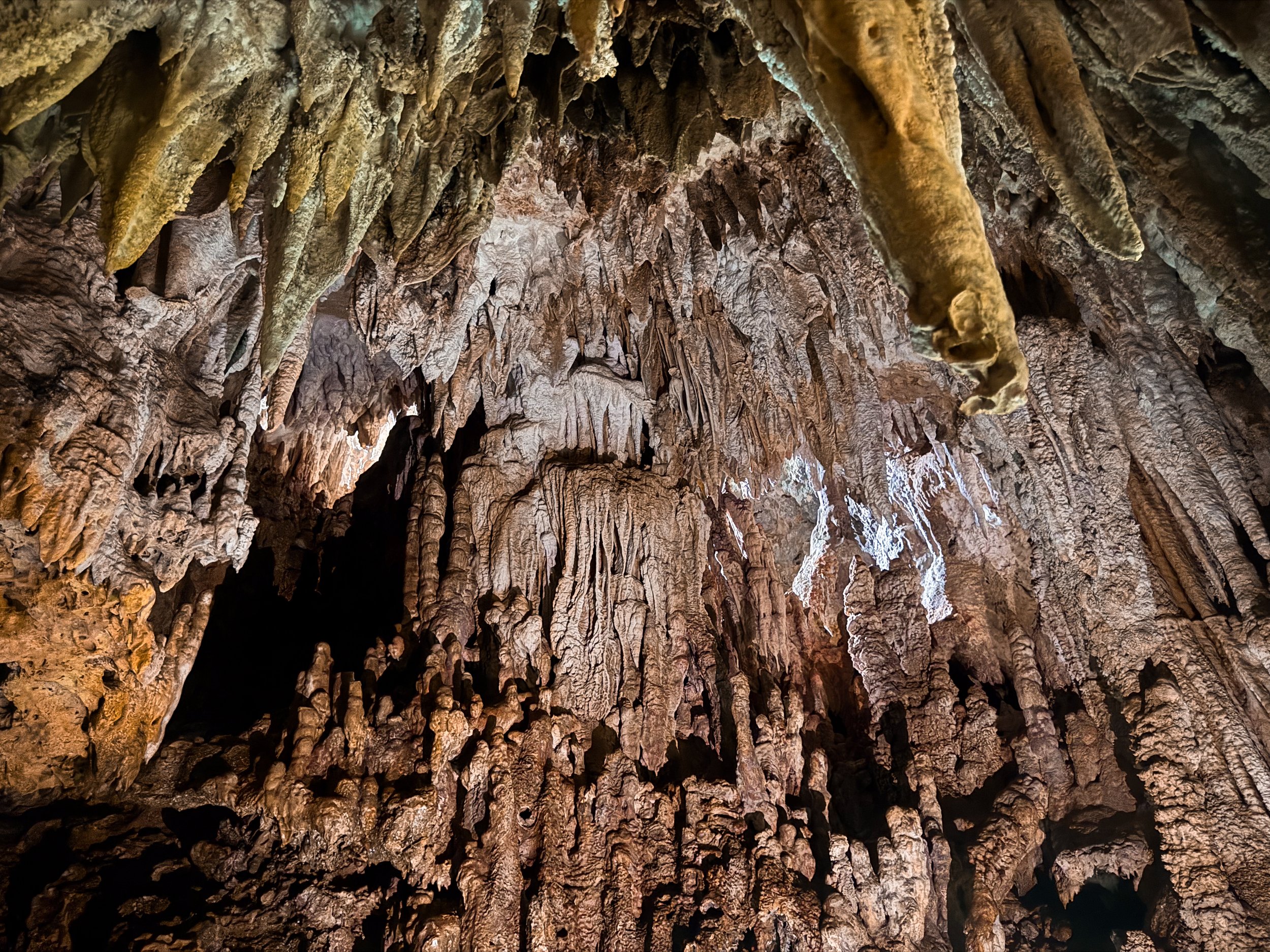
Hagukan Cave. A flooded cave accessible after swimming through a shallow entrance into its main chamber. The ceiling was dripping with stalactites while the water glowed emerald green as sunlight reflected in.
Magkukuob Cave. A flooded cave with stalactites and bats hanging from the chamber ceiling. We walked up one of the steep cliffs over stalagmites to an opening in the rock. On the other side was a wooden platform about 4 meters above the water. One by one, we exited the cave, jumping from the platform and swimming back to our outrigger canoe.
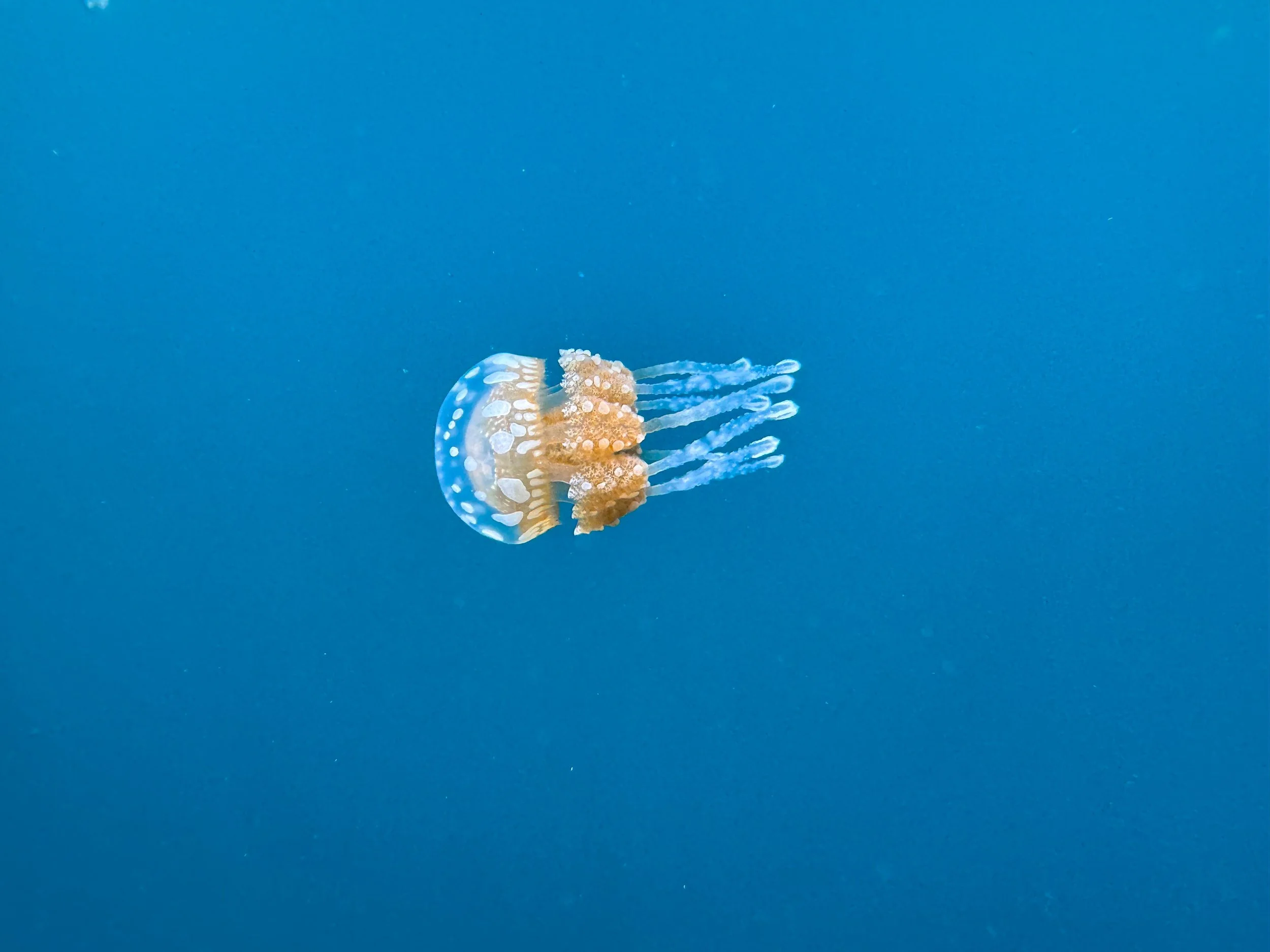
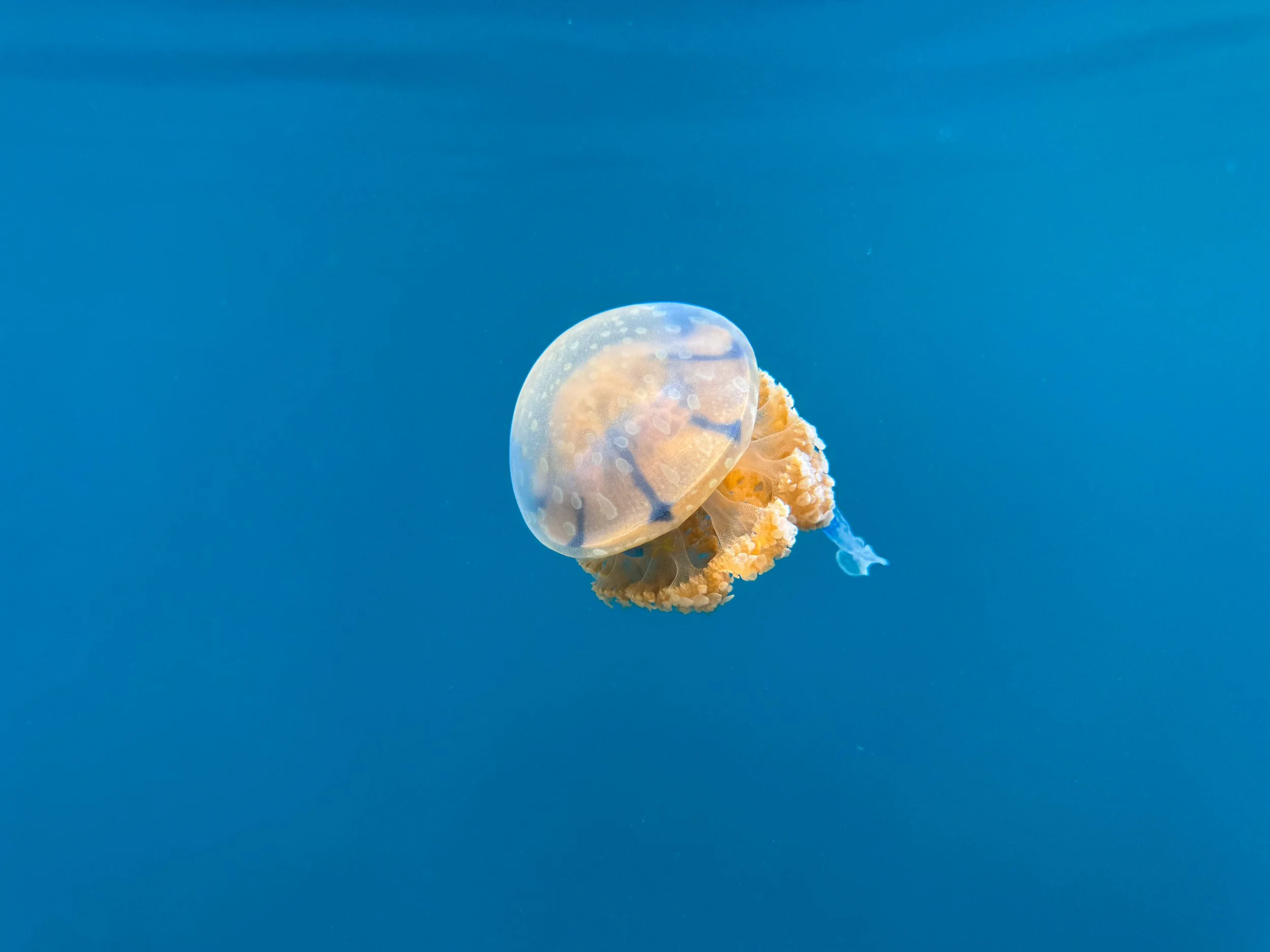
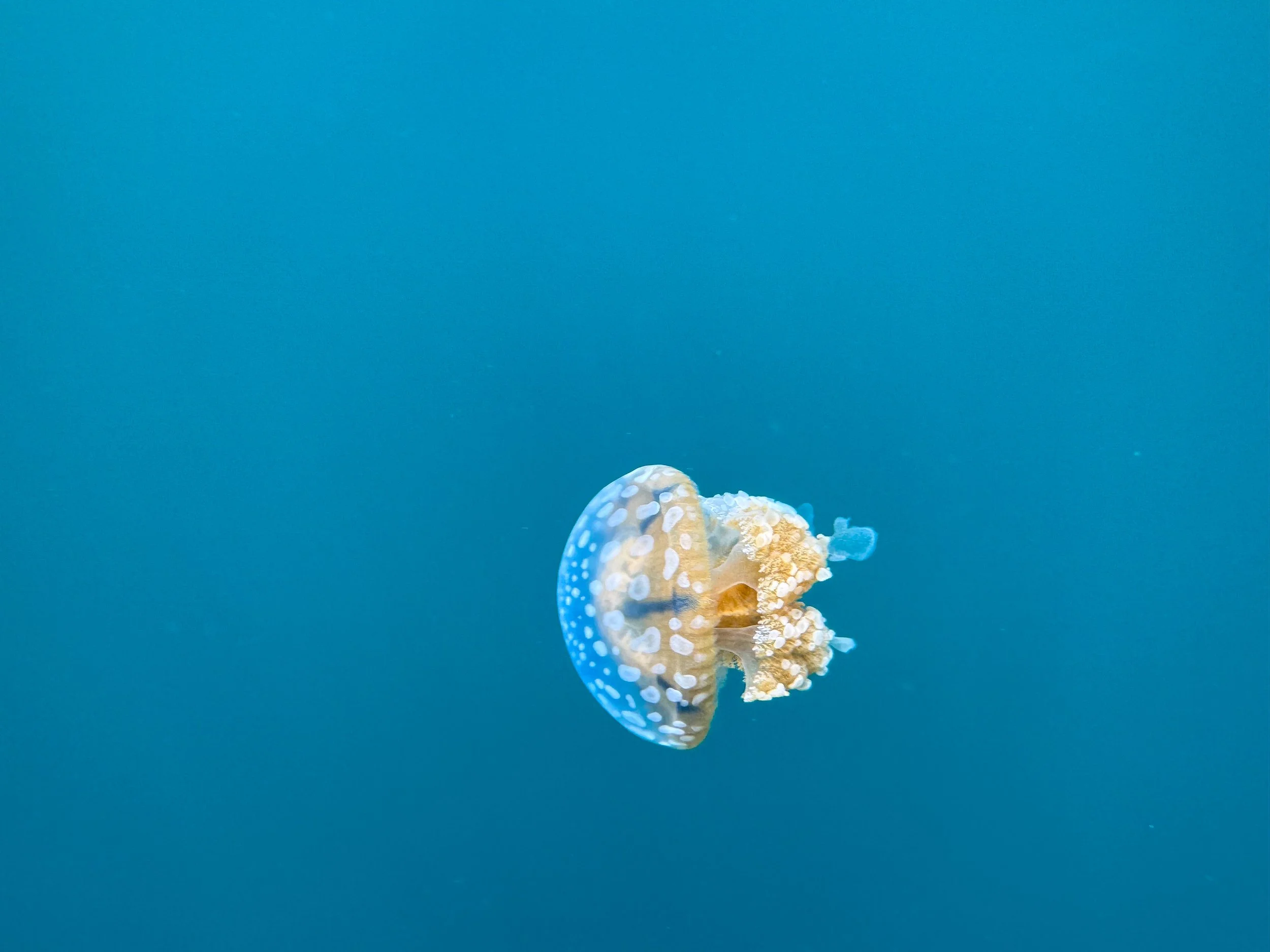
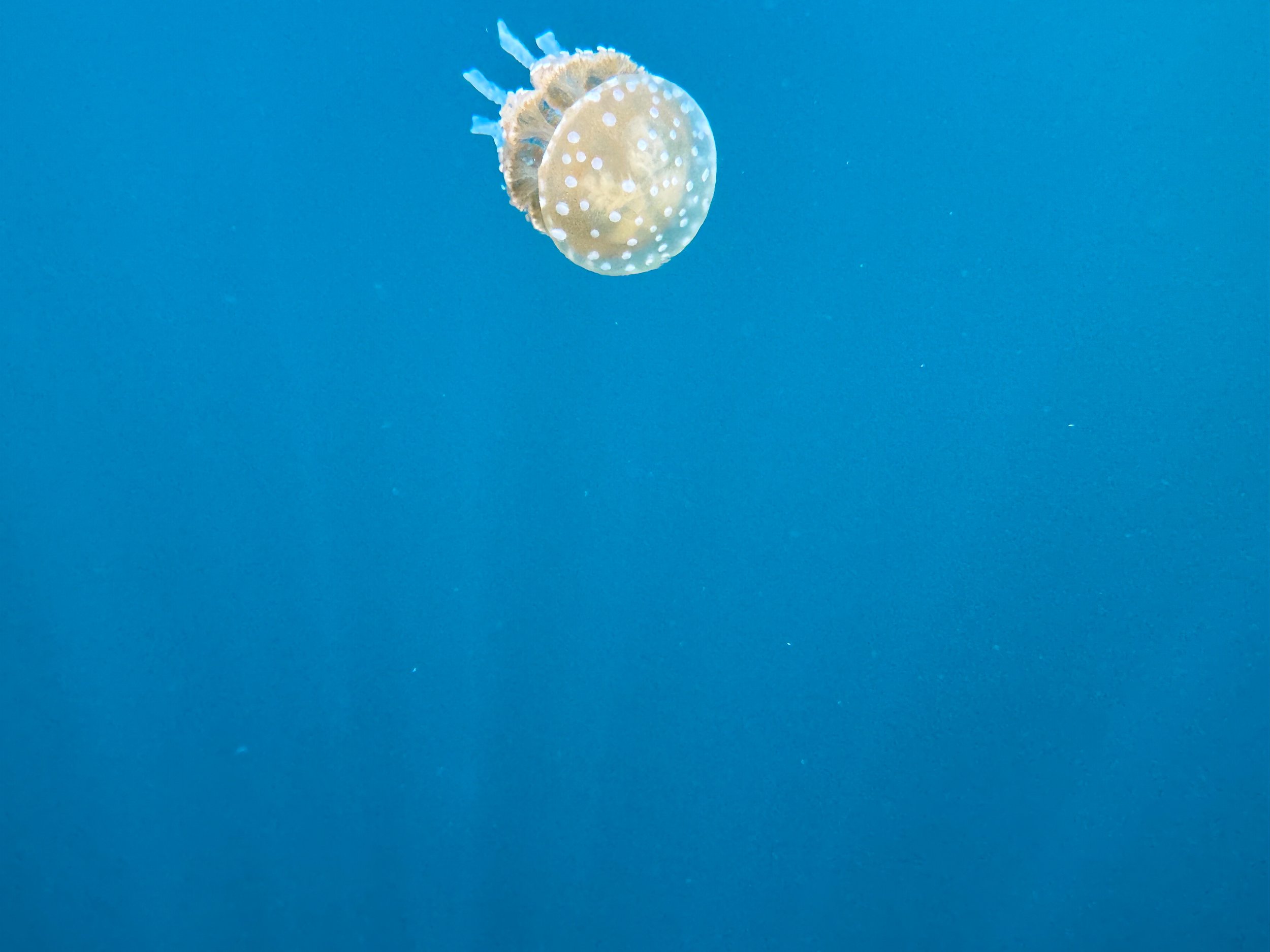
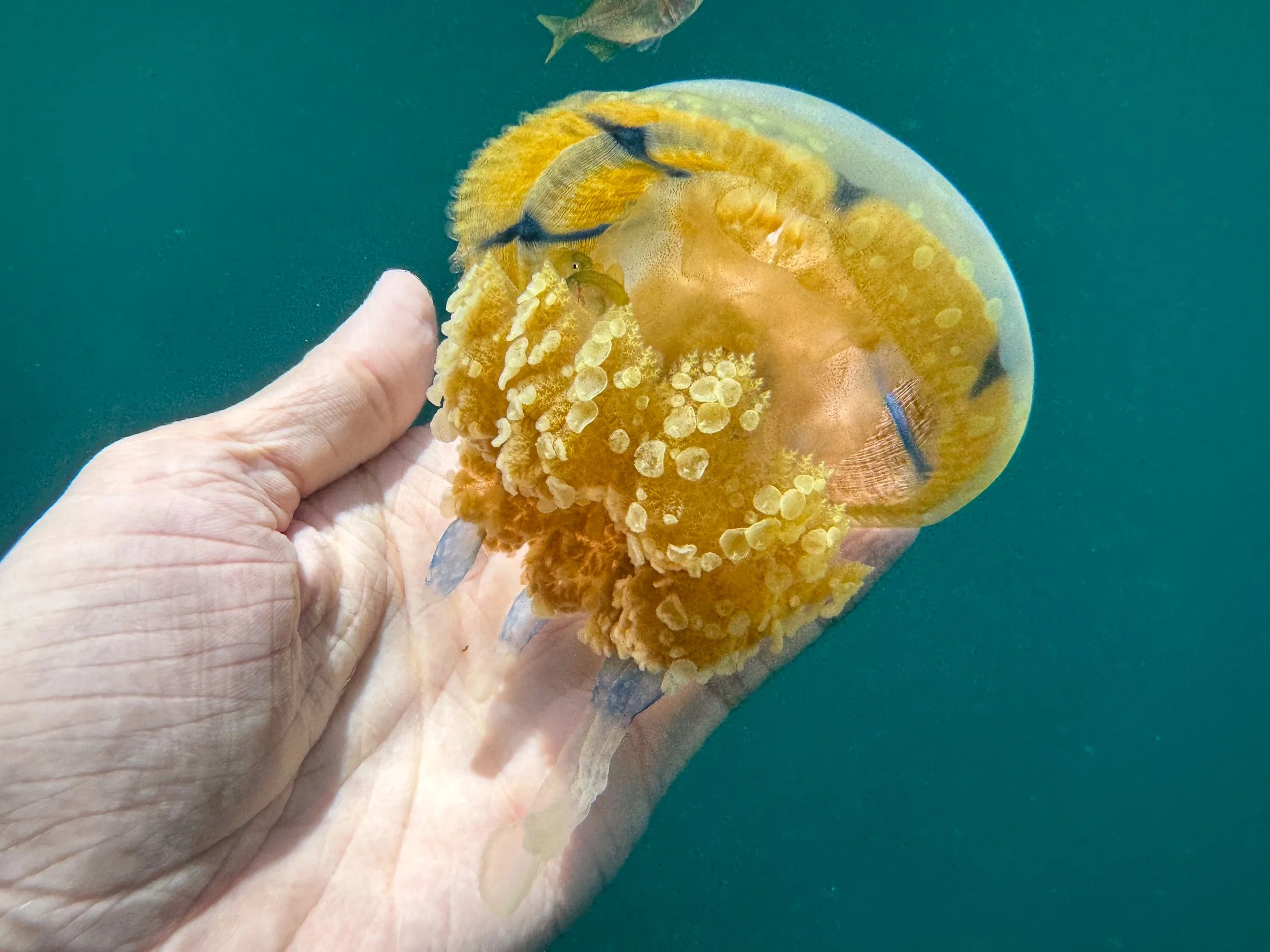
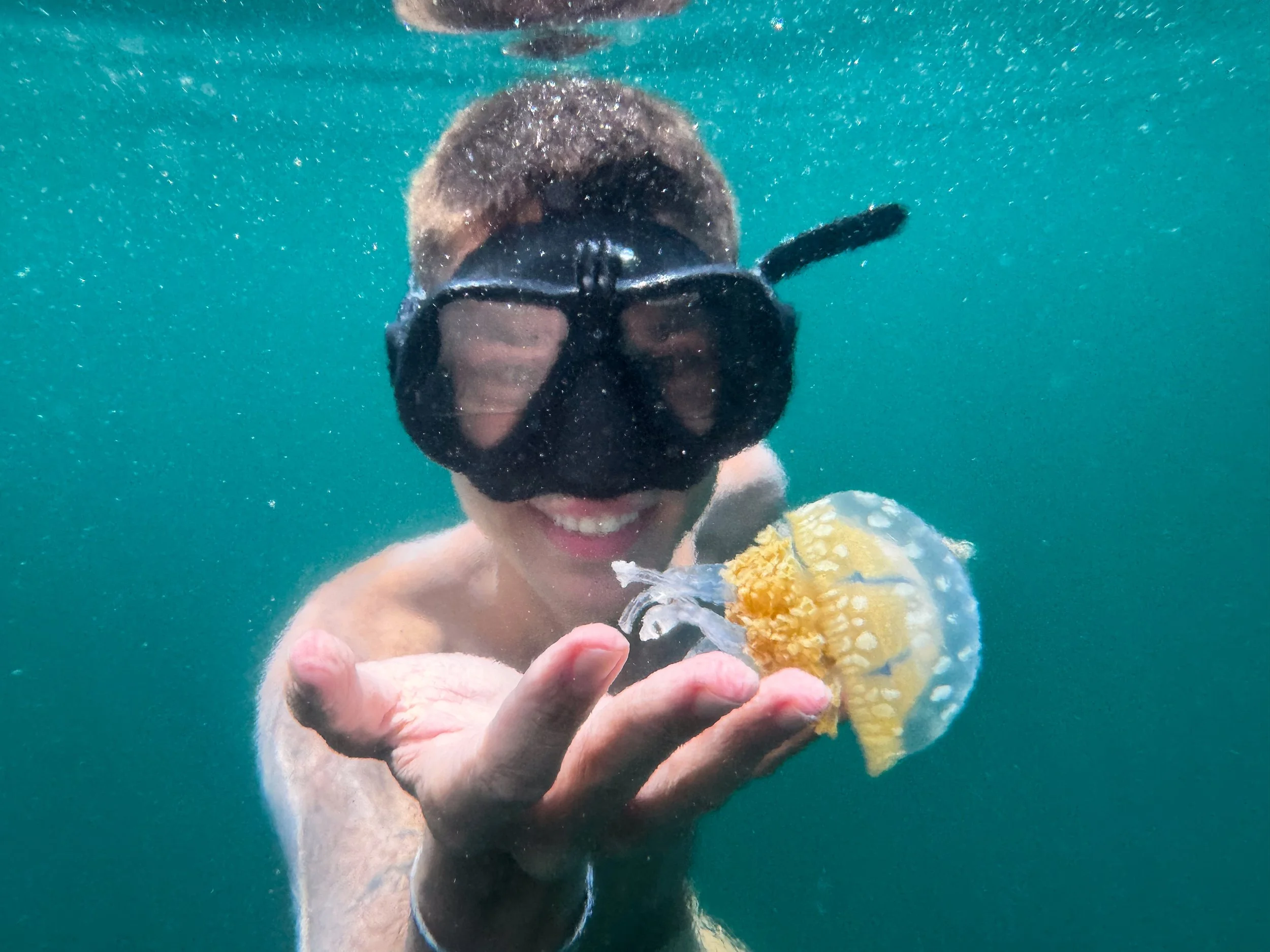
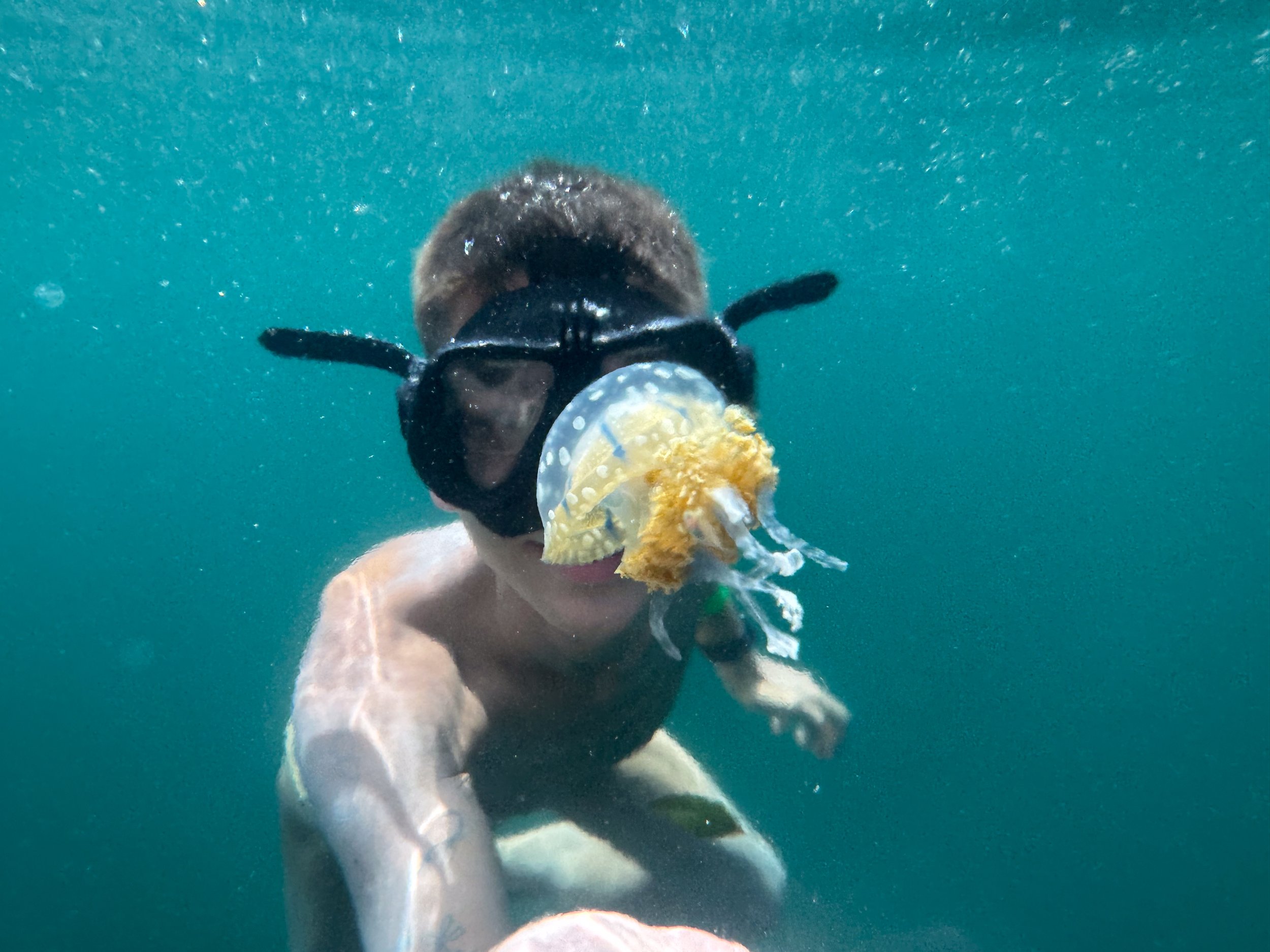
Jellyfish Sanctuary. A secluded and sheltered lagoon home to a rare variety of stingless jellyfish. We jumped from the outrigger canoe into the jellyfish abundant waters. Small golden jellyfish pulsed all around us as we swam. Deep below the surface, large iridescent blue jellyfish pushed through the waters. It was a surreal and disarming experience swimming with these typically threatening creatures.
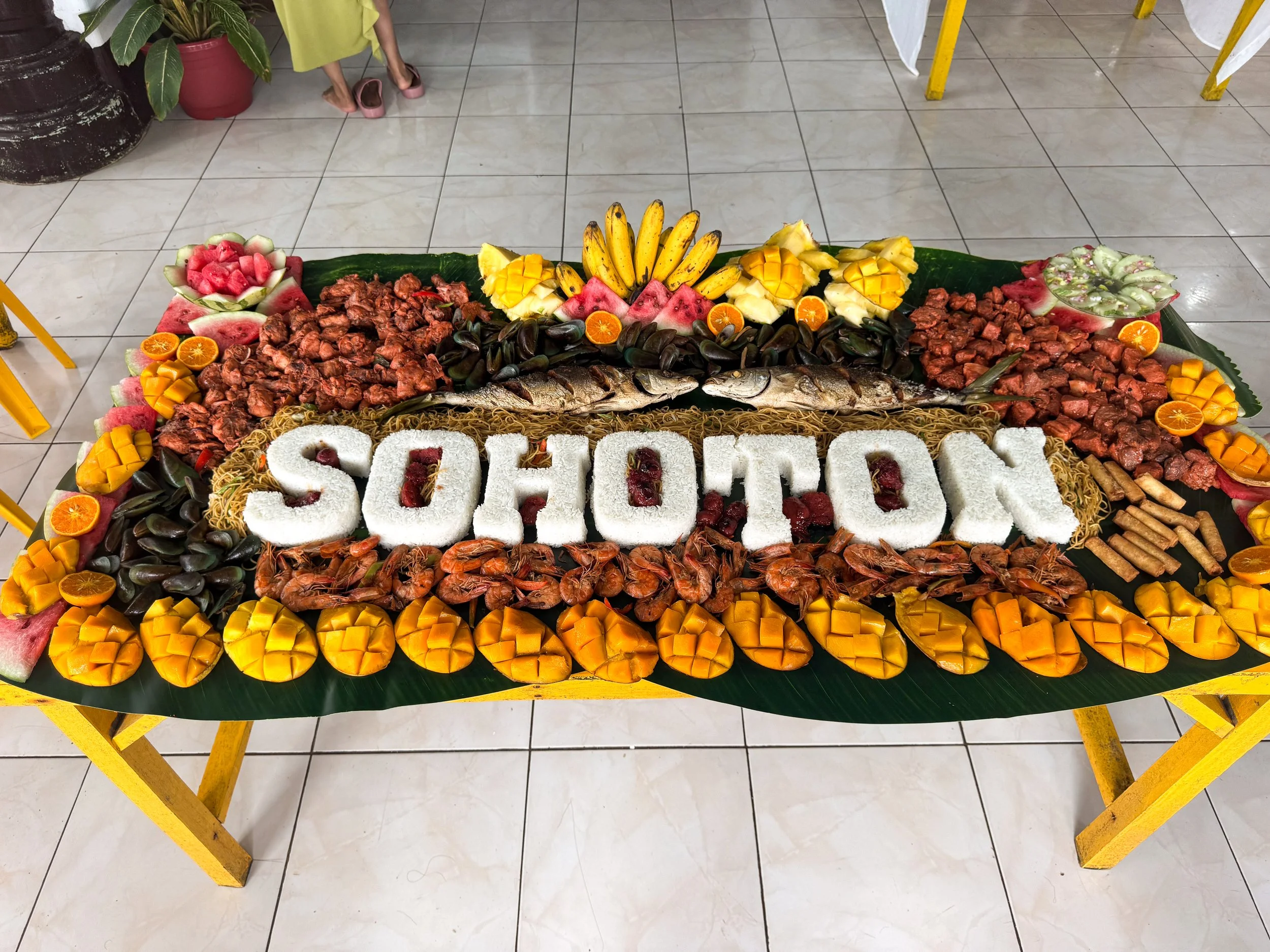
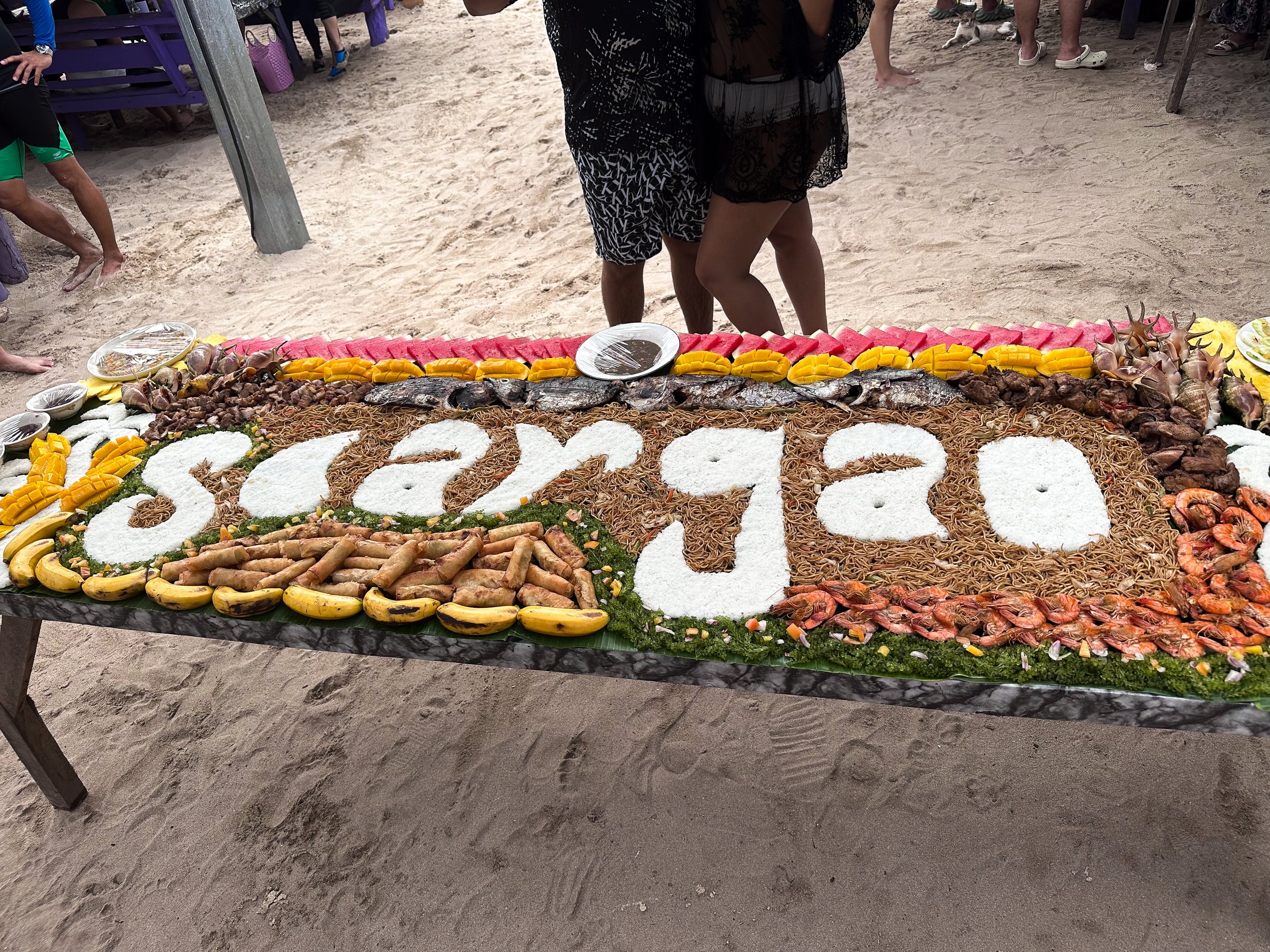
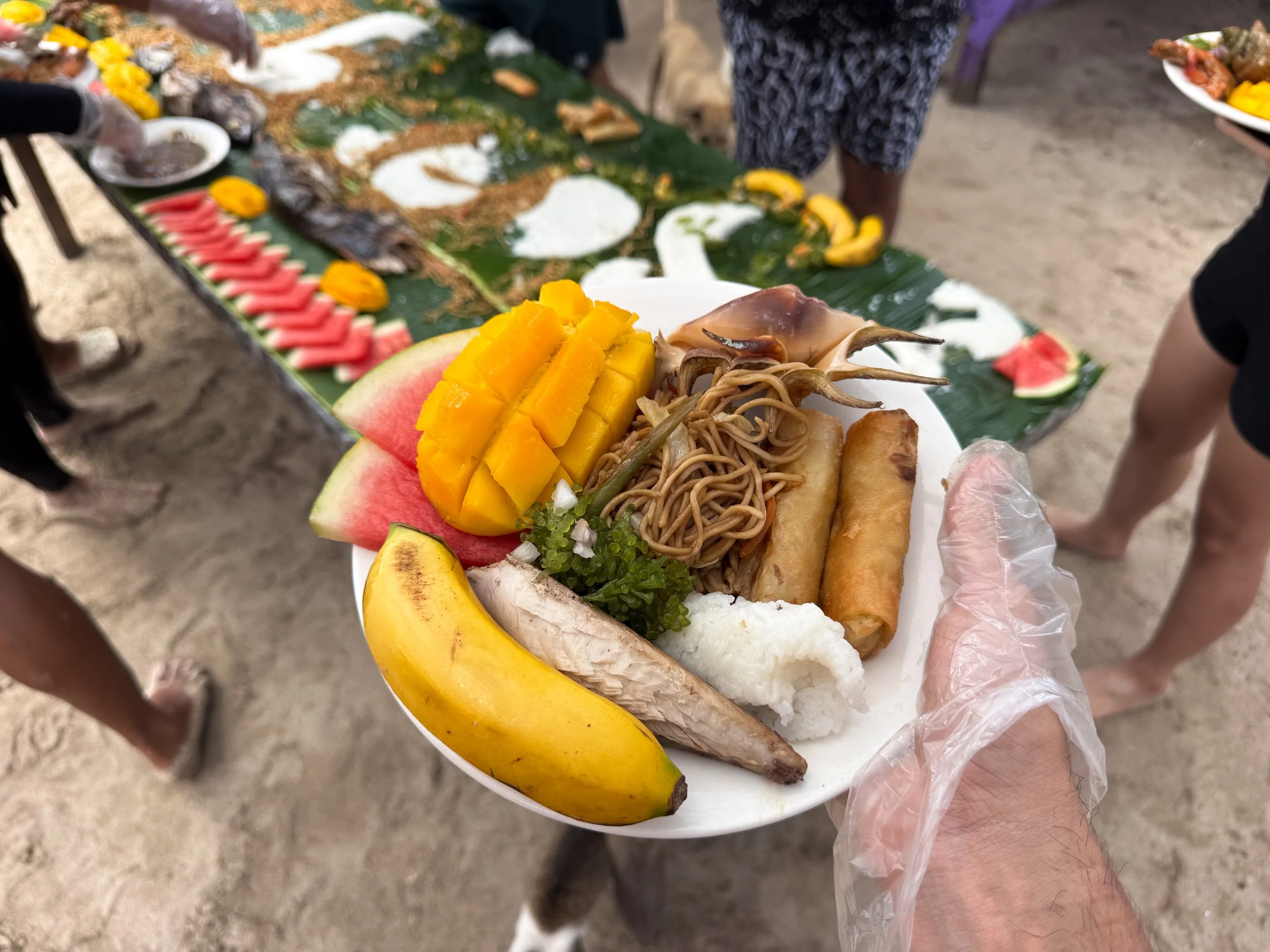
Dagatan Sifai Resort. A restaurant with a long yellow waterslide and diving platform leading into the lagoon. While waiting for lunch, we slid down the slide and splashed down into the water. Together with our tour group, we feasted on a Boodle Fight, a traditional Filipino style communal meal consisting of seafood, chicken, lumpia, fresh fruits, seaweed, noodles and rice all artfully arranged on banana leaves into an edible spread.
Tri Island Tour
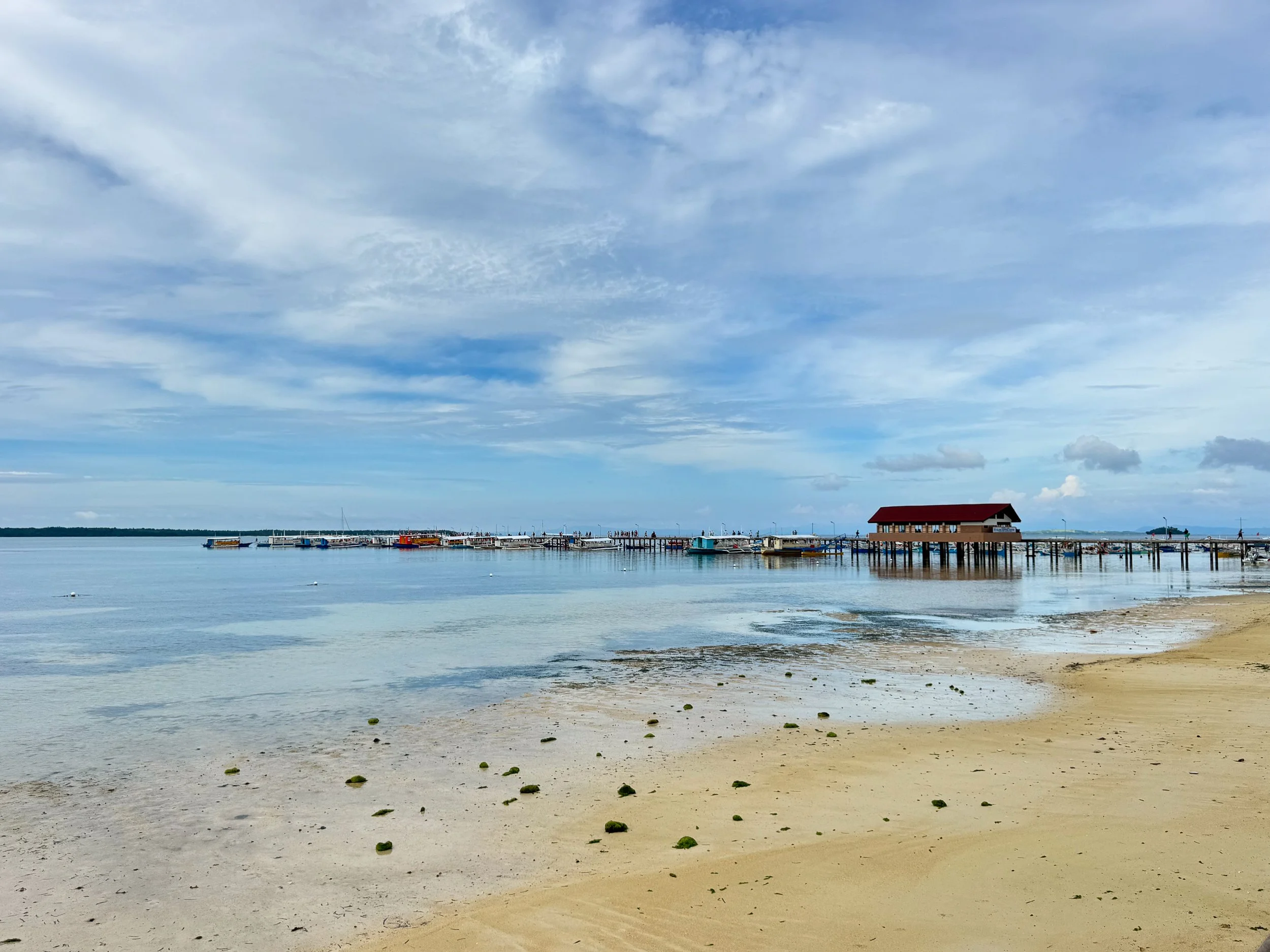
The Tri Island Tour is the most accessible tour from General Luna stopping at three off shore islands and a sand bar.
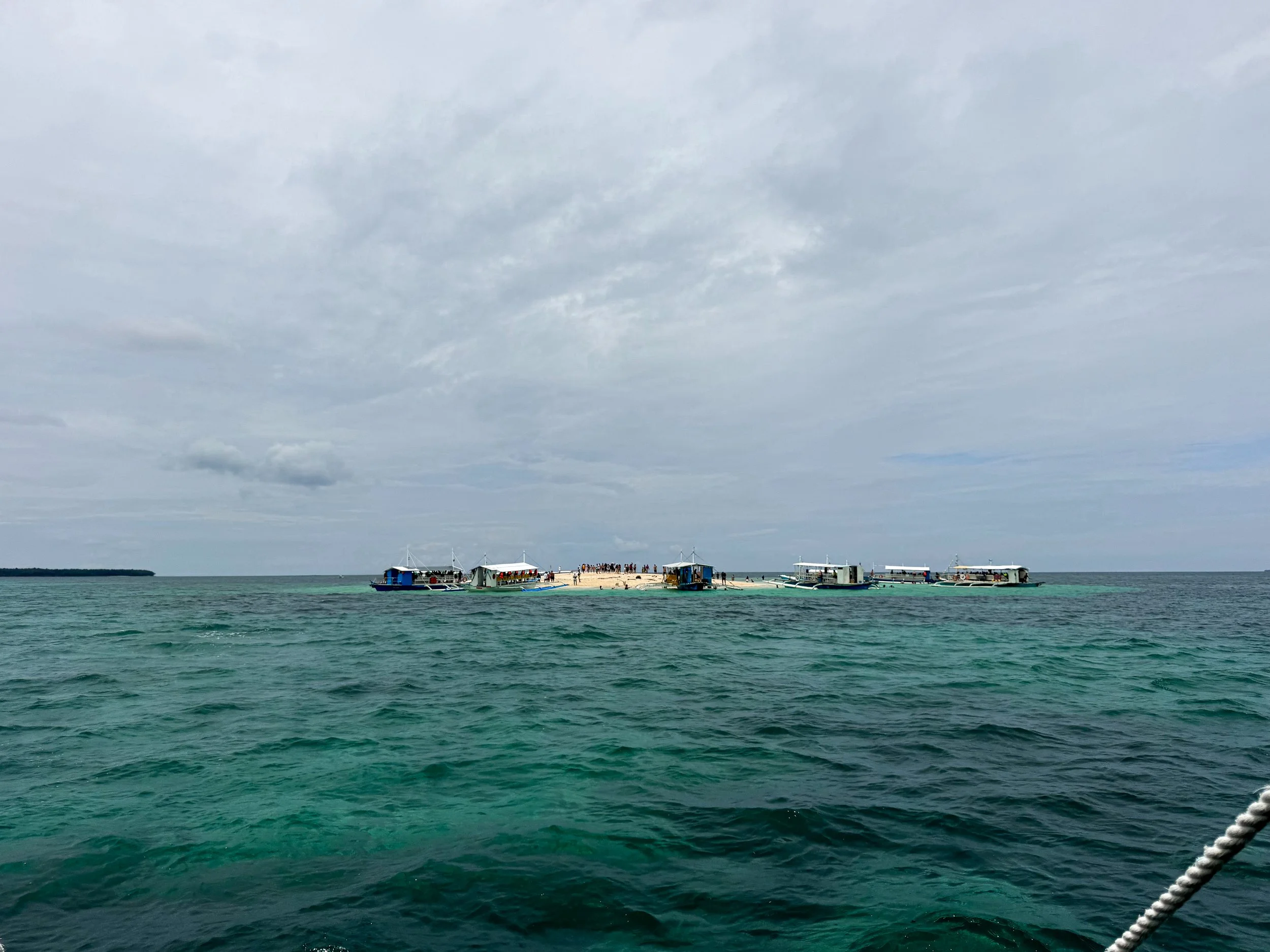
Secret Island. A shallow sand bar and swimming area in the middle of the bay. Outrigger canoes anchor around it and passengers jump off into the aqua colored water.
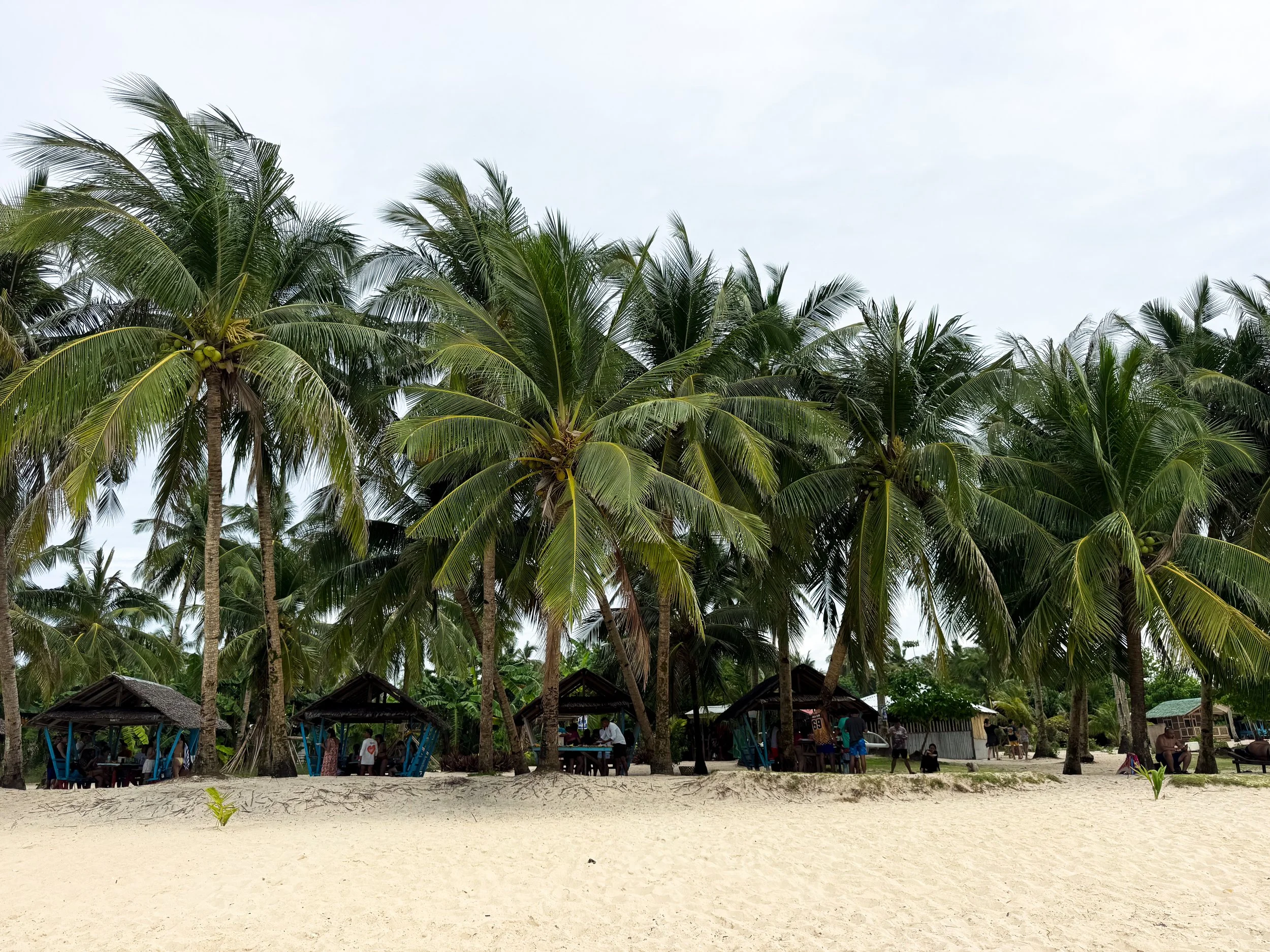
Guyam Island. A tiny palm covered island with beach shacks serving fried foods, fresh coconuts and snacks. There is a small swimming area and beach for relaxing. All around the island are many staged photo spots and drones flying overhead. We nicked named the spot “Instagram Island.”
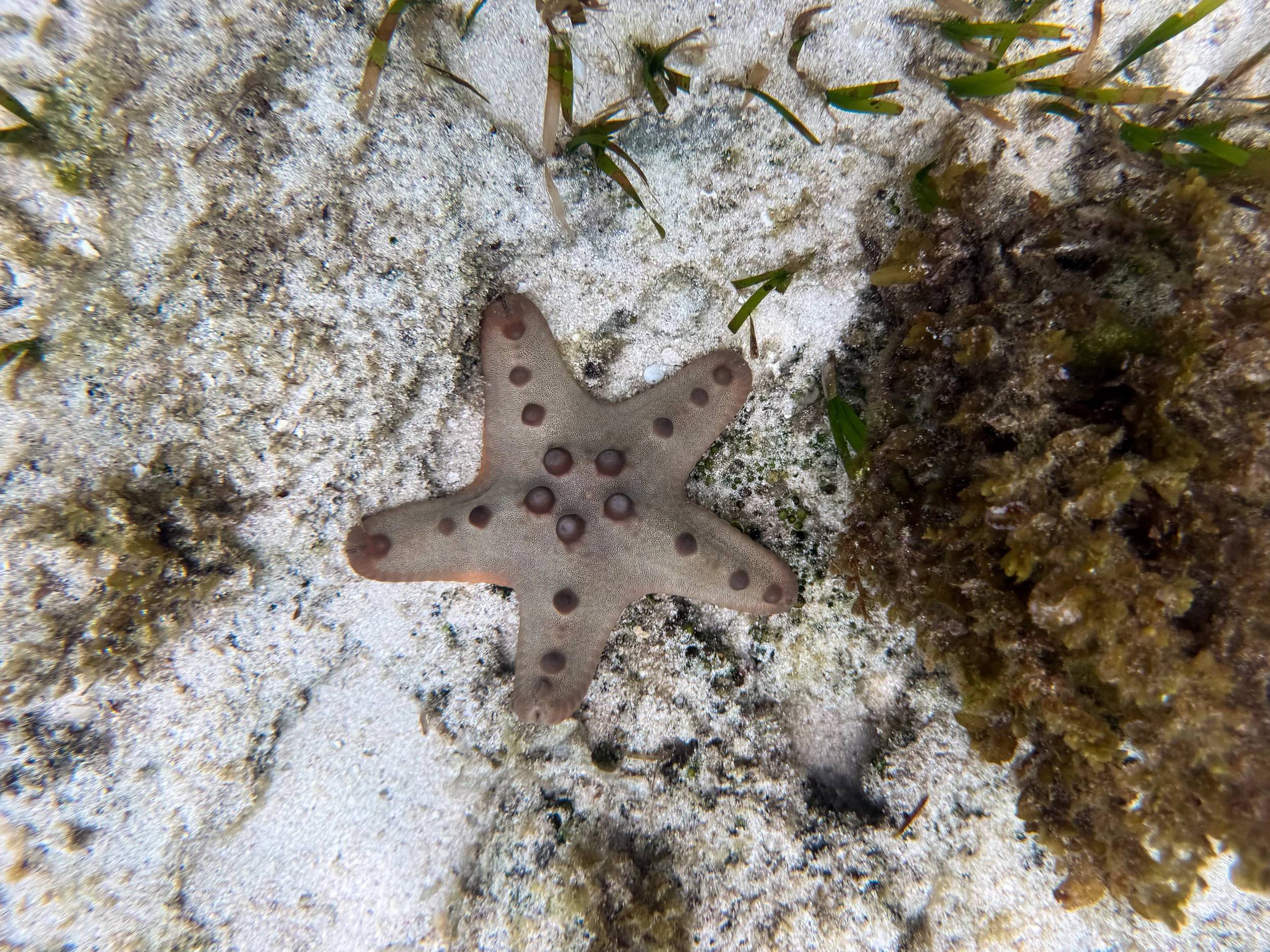
Naked Island. A small sand island in the middle of the bay completely void of any palm trees or foliage. We spotted a few starfish in the rocks around the island.
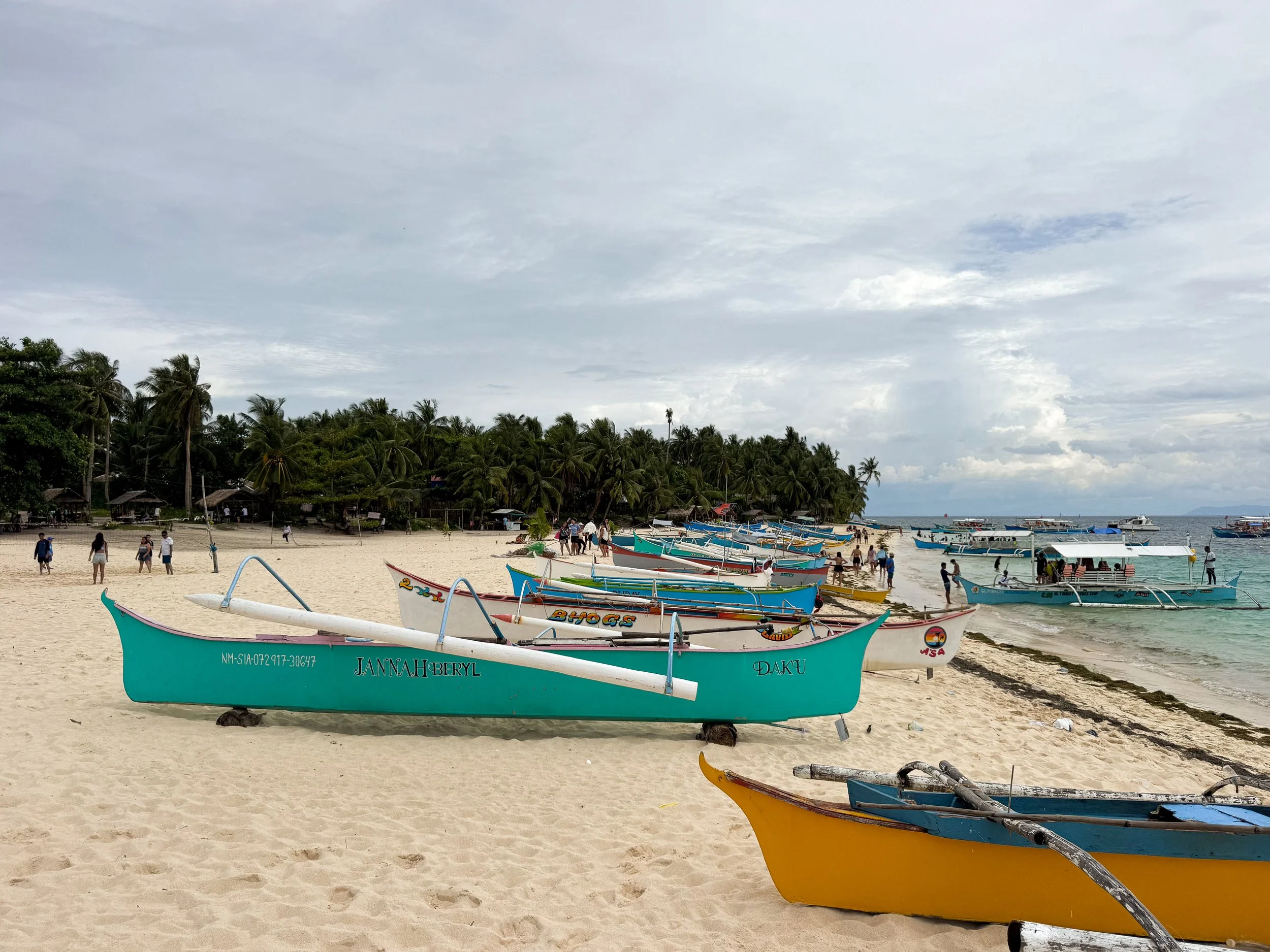
Daku Island. A large palm covered island with dozens of picnic areas and restaurants serving Boodle Fights.
Places to Eat & Drink
Siargao has a wide range of places to eat and drink. The main road in General Luna is lined with places to enjoy a lazy brunch, vegan meal, Filipino dinner or late night cocktail. We visited several spots during our week on the island.
Places in General Luna
Cosmic Siargao. A restaurant and café specializing in vegan versions of traditionally meat forward Filipino dishes. We ordered a spread of dishes including:
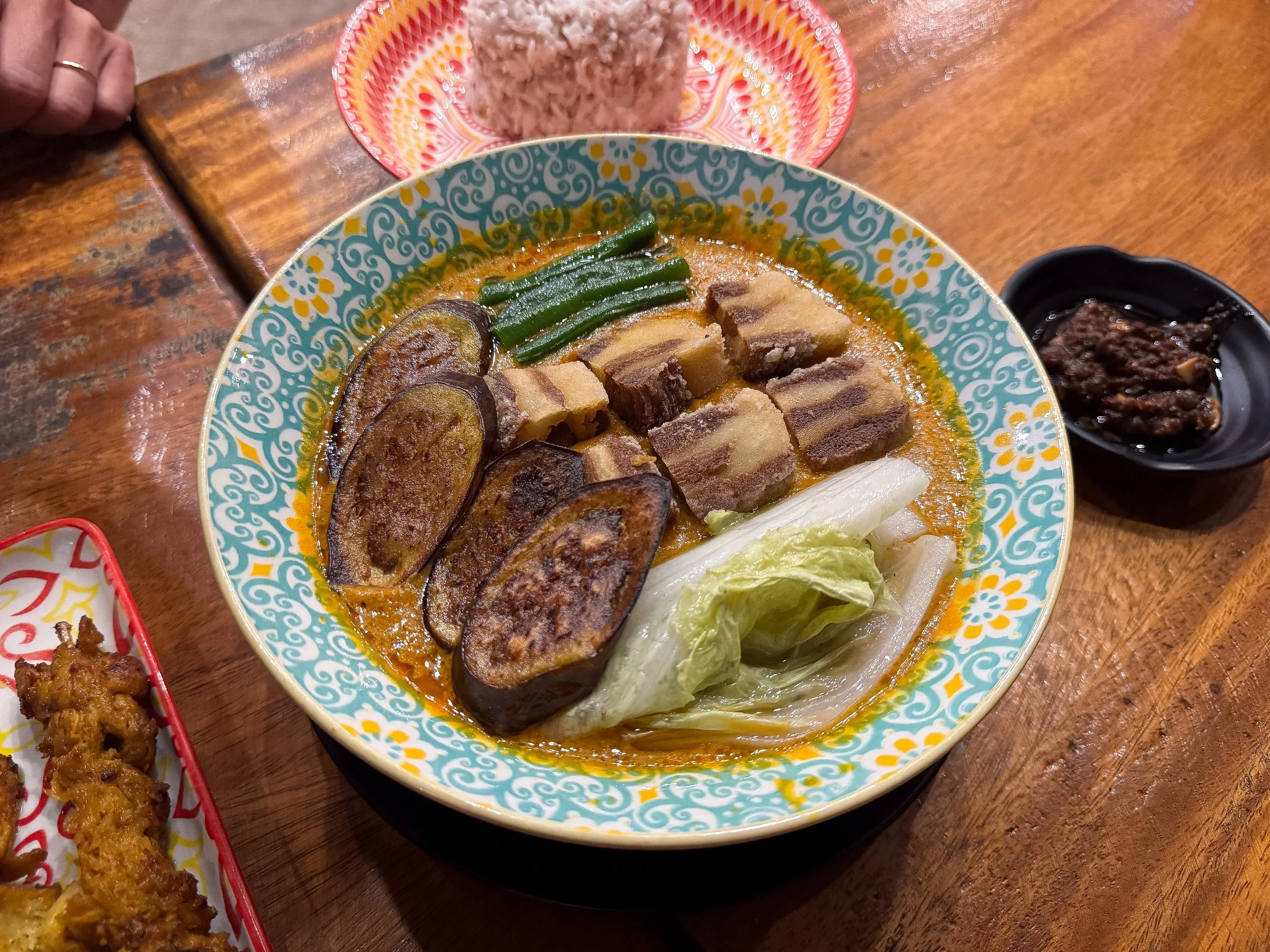
Kare Kare. A stew made with a savory peanut sauce, eggplant and tofu.
Bicol. A spicy coconut stew made with “meat,” string beans, onion and garlic.
Satay. A classic Southeast Asian skewer with marinated and barbecued “meat.”
Manu. An island style cocktail bar nodding to the Filipino origins of tiki drinks and culture. Inside the warmly lit space, bartenders shake and stir classic tiki drinks and cocktails with a house twist. Try the Planter's Punch!
Halika Siargao. A popular ice cream and gelato shop serving classic and local flavors like ube, mango, pandan and cashew.
Cabuntog Golden Bell Café. A beachy café above a cute island boutique. Come here for banana pancakes, smoothie bowls, fresh fruits and coffees.
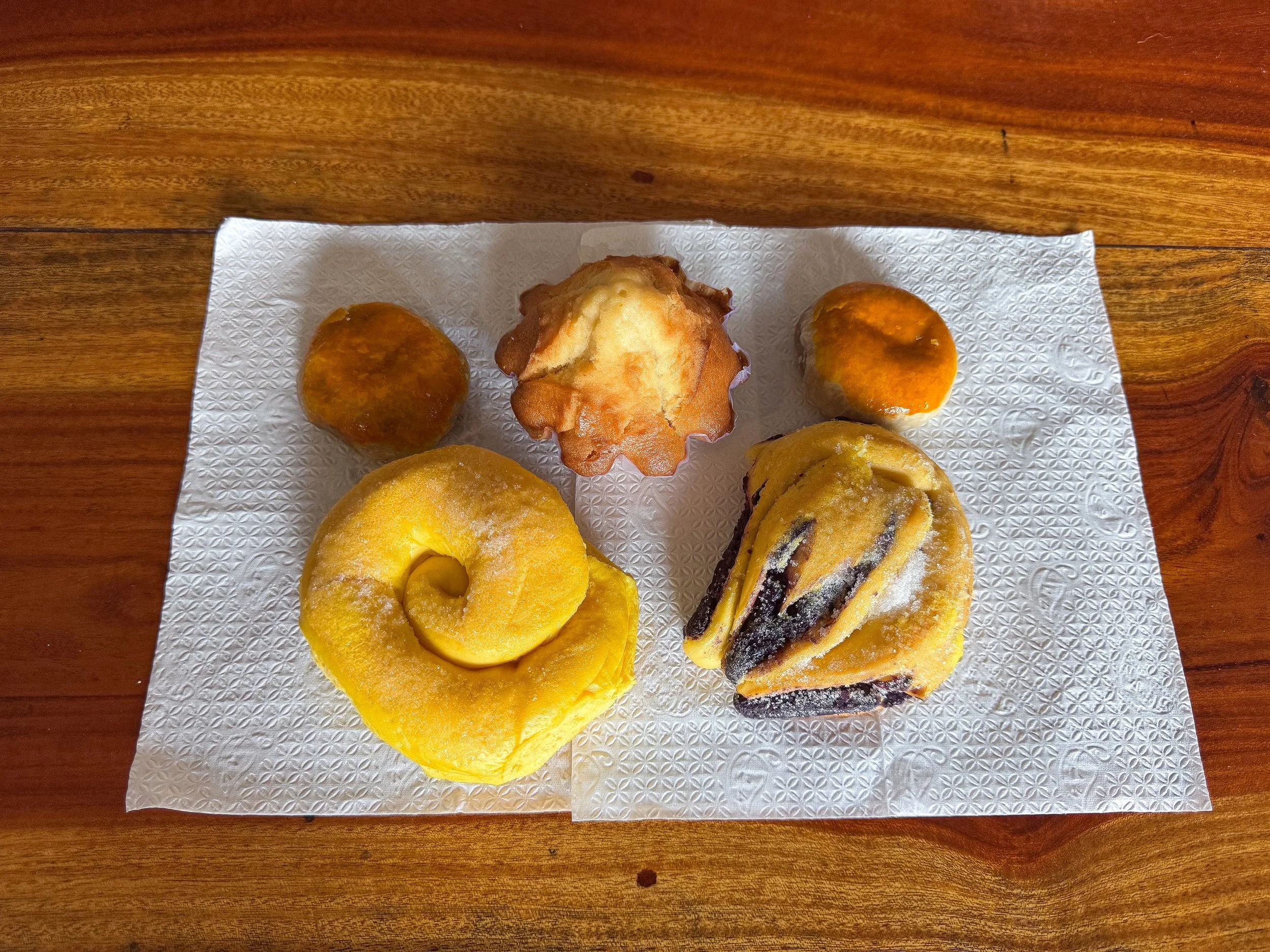
Karrose Bakeshop. A traditional Filipino bakery with a glass display case featuring dozens of freshly baked breads, cookies, pastries and cakes. Try the Ube Swiss Roll.
Last Chance. An elevated cocktail bar with a moody yet tropical lounge, house cocktails and flavorful small plates. Try the Coconut Old Fashioned for a classic with an island twist, the Nutty Pailhog for a herbal and light rum drink or the Saging Palenque for something smoky and sweet.
Las Palmas. A tropical styled hotel restaurant with lush greenery and island decor under a tall palm thatched roof. Their menu features sweet and savory dishes, perfect for a late morning brunch!
El Chapo’s. A Mexican inspired taqueria with tacos, tostadas and nachos. Order the spiked horchata with a shot of local rum!
Café Kokomo. A small café along Jacking Horse Trail with lunchtime sandwiches and light bites.
Al’s Beach & Pizza. A restaurant at Cloud 9 with breakfast dishes, brick oven pizza, coffees and cocktails.
Places in Del Carmen
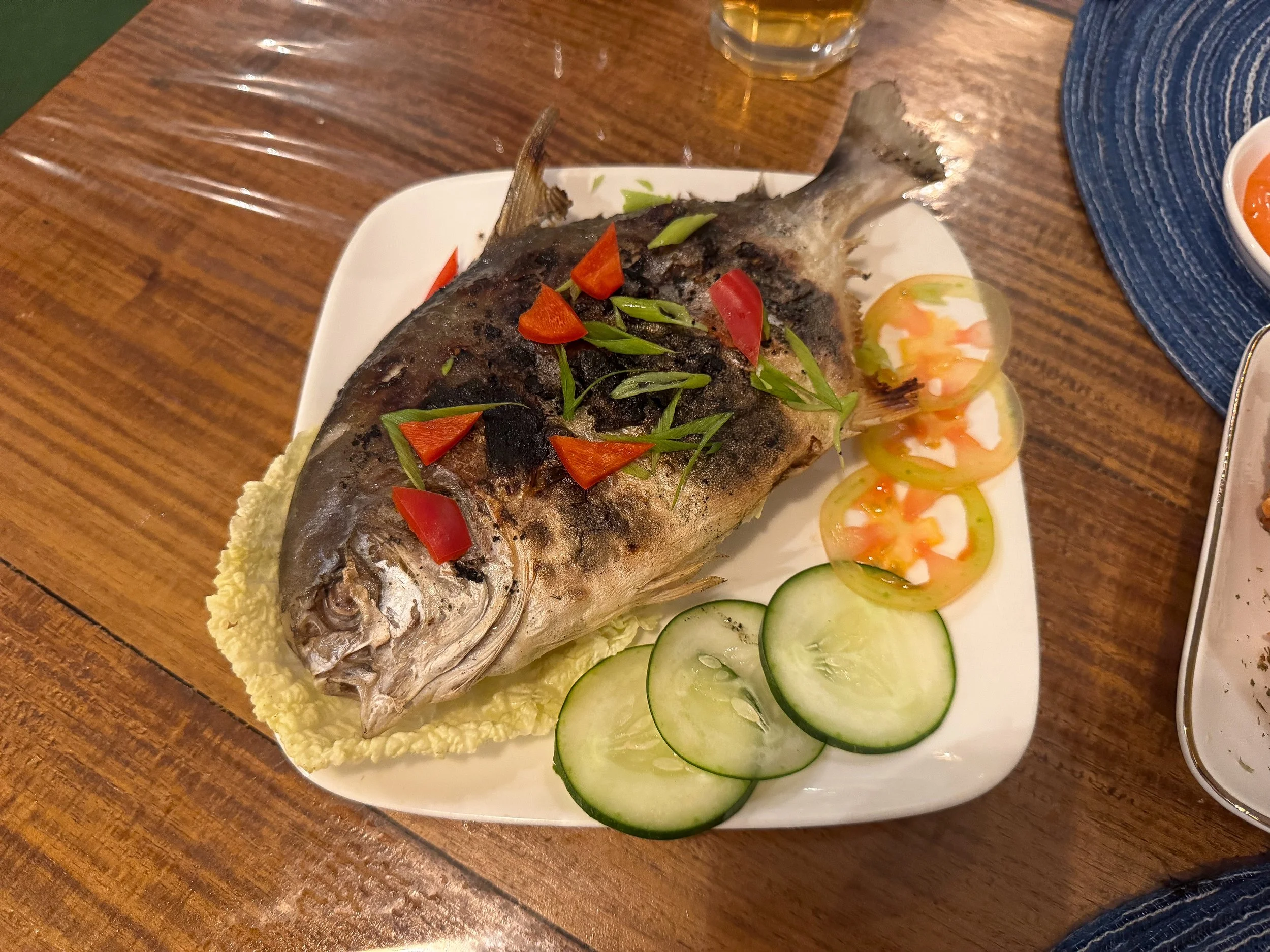
The Mangroves. A second floor restaurant overlooking the Del Carmen port with a variety of seafood dishes served in generous portions. Order the sizzling and fried shrimps, crab soup and whole grilled Pompano fish. For dessert, Halo Halo.
JB Bakeshop. A local bakery with a glass display case filled with hundreds of Filipino pastries, cakes, cookies and breads. We ordered multiple bakes for a pastry breakfast.
Sulima Eatery. A classic carinderia in Del Carmen with a range of Filipino dishes sold by the plate. Try the lumpia, grilled fish and squash soup. We stopped here on our tour of Sugba Lagoon.
Filipino Cuisine
Having spent three weeks island hopping across the Philippines, we ate and cooked many traditional Filipino dishes.
Kinilaw. A Filipino style ceviche made with vinegar washed seafood mixed with calamansi lime juice, coconut cream, red onions, hot peppers and ginger.
Adobo. A national dish of the Philippines seen on menus across the country. Its base has a seared protein simmered with a sticky soy sauce glaze made with vinegar, brown sugar and pepper.
Garlic Rice. Rice cooked with fresh or fried pieces of garlic. It’s served with almost every meal.
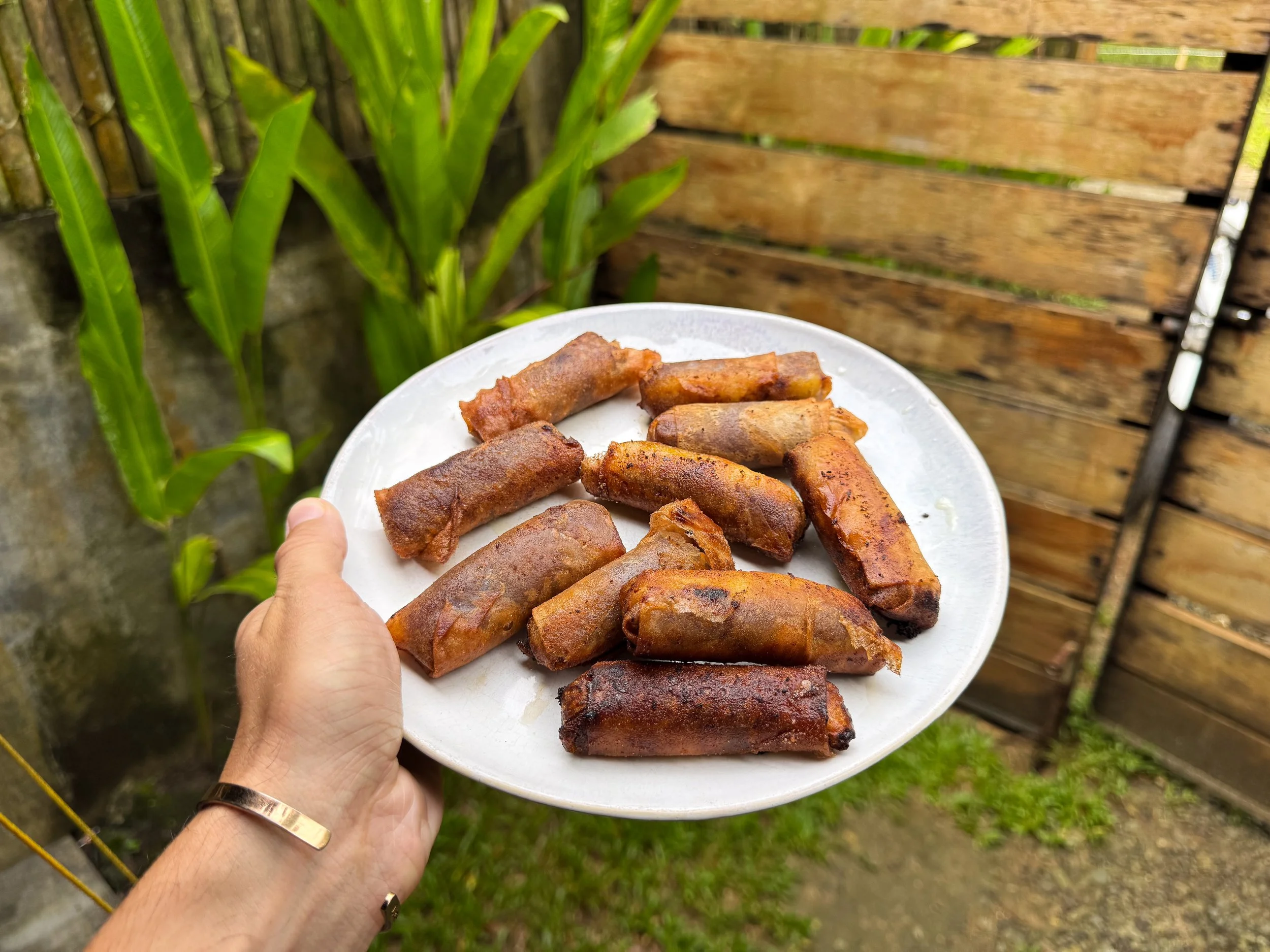
Lumpia. The beloved Filipino style spring roll stuffed with a protein. It’s typically served deep fried and crispy. We made a version using local Bangus fish.
Banana Turon. A breakfast or dessert style lumpia made with fresh banana filling and sometimes ube jam.
Bangsilog. A traditional Filipino breakfast pairing with grilled or fried fish, fried eggs and white rice.
Pancit. A commonly served noodle dish stir fried with carrots and cabbage.
Champorado. A chocolaty rice porridge made with cocoa powder and evaporated milk.
Calamansi Juice. A Filipino juice made with calamansi limes. It has a citrus flavor similar to a mixture of lime, lemon and orange.
Taho. A layered dessert made with silken tofu, tapioca pearls and brown sugar sauce. It’s a common street food dish sold by vendors carrying large steel tins.
Halo Halo. A Filipino “ice cream sundae” layered with a variety of different toppings including shaved ice, sweetened condensed milk, ice cream, sweet corn, red beans, peanuts, banana, mango, ube, jellies and cereals.
Ube. A starchy root vegetable famed for its deep purple color. It’s cooked down into a number of dishes, mostly desserts. We used it to make a sweet jam using a Filipino friend’s family recipe.
Where to Stay
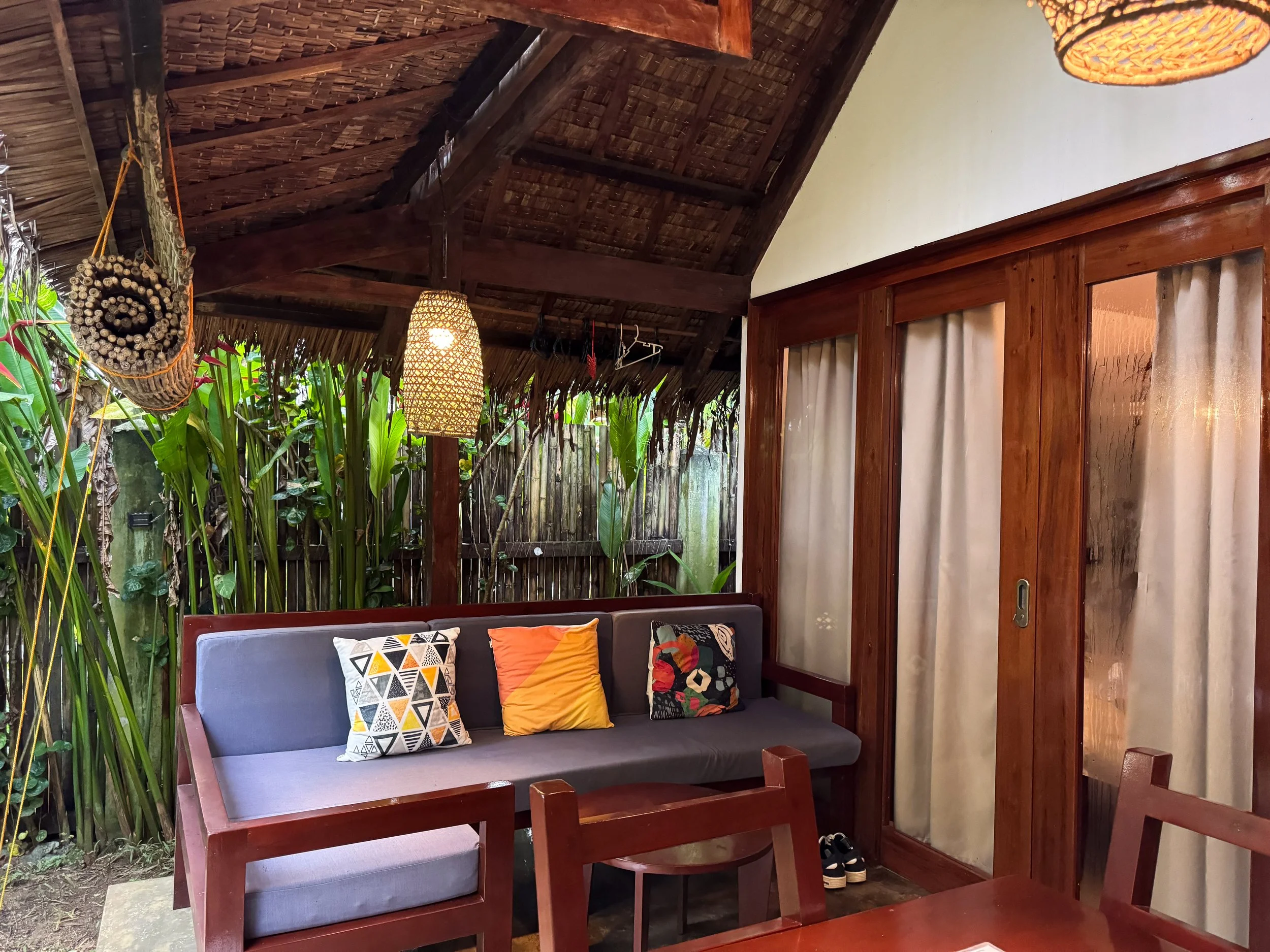
Tropical Cozy Hut Retreat. A jungelous cabin surrounded by palm trees and lush tropical foliage built with natural elements like bamboo, wood and palm thatch. The house has multiple outdoor spaces including a kitchen, living room and bathroom. We spent time relaxing outdoors every evening before retiring to the indoor bedroom. The cabin is located less than 10 minutes from town by tuk tuk. Book on Airbnb.
Sing Siargao. A beautiful boutique hotel with several studio apartments. We visited a friend staying here, cooked breakfast together and dined on the room’s outdoor balcony. Reserve on Booking.
Kopinos Tourist Inn. A small hotel in the middle of Del Carmen with standard rooms and a communal kitchen. We stayed here for a night in between flights while island hopping. Reserve on Booking.
Getting Around
Airport Transfer. Vans wait at the airport to transfer guests to General Luna. Shared rides cost 300 pesos each. Private rides cost 2,500 pesos for the van. Tuk tuks to Del Carmen cost 400 pesos total.
Tuk Tuks. The easiest way to get around General Luna is by tuk tuk. Drivers frequently patrol the main road looking for fares. Rides anywhere in town cost 50 pesos each.
Location Specifics
Drinking Water. Tap water is not safe for consumption. Only use bottled or filtered water to drink, cook or brush teeth with.
Insect Repellent. Mosquitoes are a real bother across the island. Wear insect repellent to avoid bites.
Sunblock. Wear sunblock and bring enough of it with you to last the entirety of the trip. It’s extremely expensive to buy on the island.
Cash. The island is cash forward with few businesses accepting credit or debit cards. Fortunately there are several ATMs throughout General Luna.
Reckless Drivers. If renting scooters, beware of reckless and speeding drivers, especially tour vans. We saw multiple accidents across the island.
LGBTQ+ Safety. Siargao is very welcoming and accepting of the LGBTQ+ community.
Island Tours. The island tours can seem a bit shallow. Many of the tours are designed for people to take selfies or drone footage while time at some sights is very limited.
Elsewhere in The Philippines
From Siargao's surf breaks and island lifestyle to Palawan's turquoise lagoons and Cebu's waterfalls and marine wildlife, continue exploring the Philippines with these travel guides:
Palawan Travel Guide: El Nido, Island Adventures & Tropical Beaches. Set sail in Palawan where El Nido's limestone cliffs, crystal clear lagoons, coral reefs, white sand beaches and island hopping adventures reveal the beauty of the Philippines.
Cebu Travel Guide: Whale Sharks, Canyoning & Wildlife. Chase adventure in Cebu to swim with whale sharks and sardines, canyoneer at Kawasan Falls and island hop to Bohol’s Chocolate Hills for experiences on land and water.
For Next Time…
We spent most of our week in General Luna on the southeast side of Siargao. When we return, we plan to explore Del Carmen in the west and the small surf towns in the north. Some highlights we missed are:
Alegria Beach. A white sand and palm lined beach near the island’s northernmost tip.
The Marvelous Somyot Cave. A cave system with all types of rock formations and flooded chambers.
Pacifico Beach. A beginners surfing beach with lessons, rentals and less crowds than Cloud 9.
Taktak Falls. A small waterfall with a natural swimming pool at its base.
Palawan Travel Guide: El Nido, Island Adventures & Tropical Beaches
Set sail in Palawan where El Nido's limestone cliffs, crystal clear lagoons, coral reefs, white sand beaches and island hopping adventures reveal the beauty of the Philippines.
Palawan, Philippines
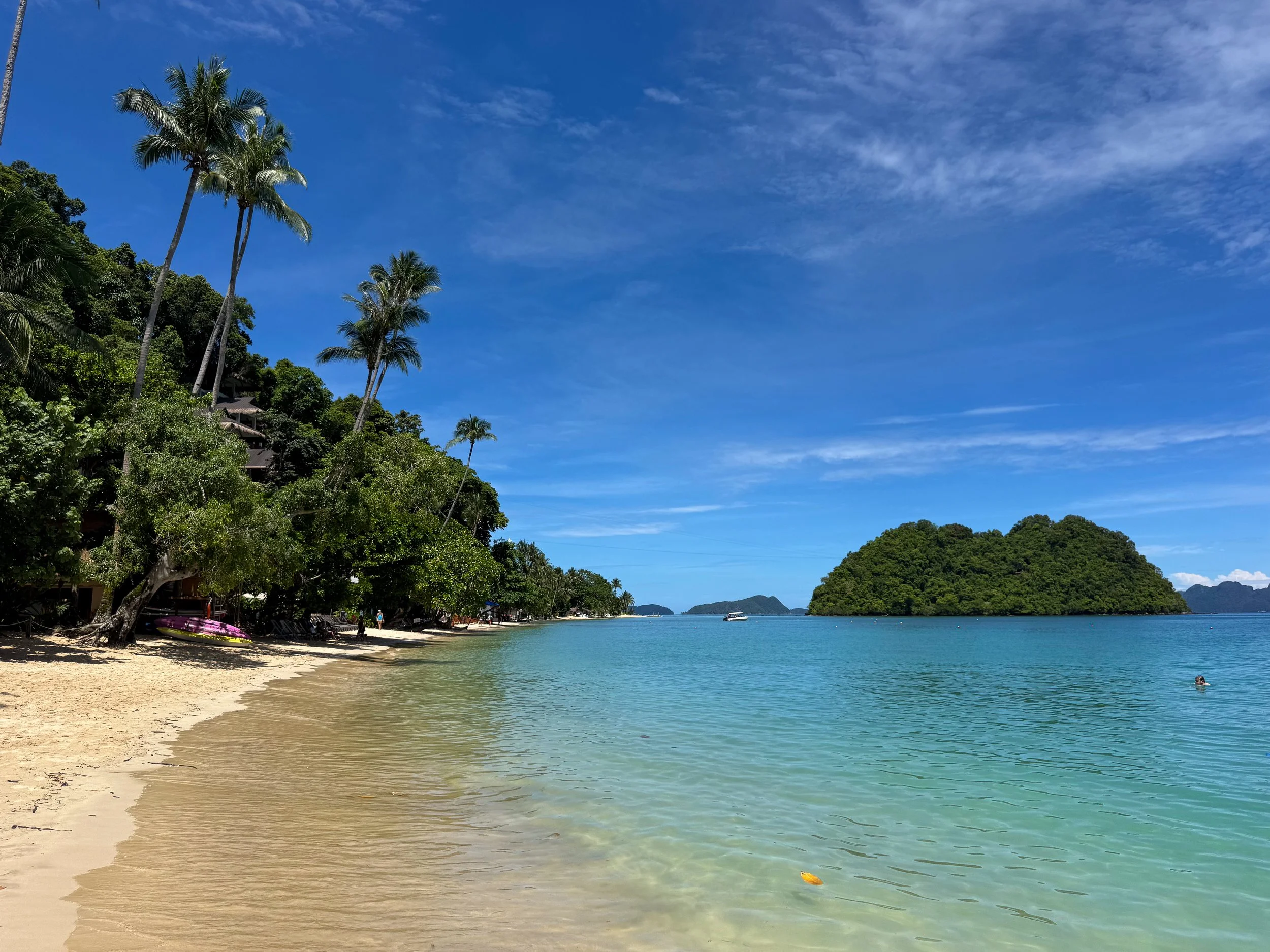
Palawan is a tropical island in the Philippines home to breathtaking scenery and natural wonders. The island is a developing and welcoming destination that holds true to its authenticity by preserving its culture and protecting its nature. Its shores are lined with white sand beaches, swaying palm trees, vibrant coral reefs and smaller islands. Rainforests and jagged cliffs stretch across the landscape as lagoons and caves lurk within. Captains of outrigger boats take travelers on tours or bring back the day’s fresh catch. Happy locals exchange smiles, strike up friendly conversations, sing nightly karaoke and share in their love of snacks. We spent over a week here between Puerto Princesa and El Nido, exploring the island’s beaches, lagoons, coral reefs and caves.
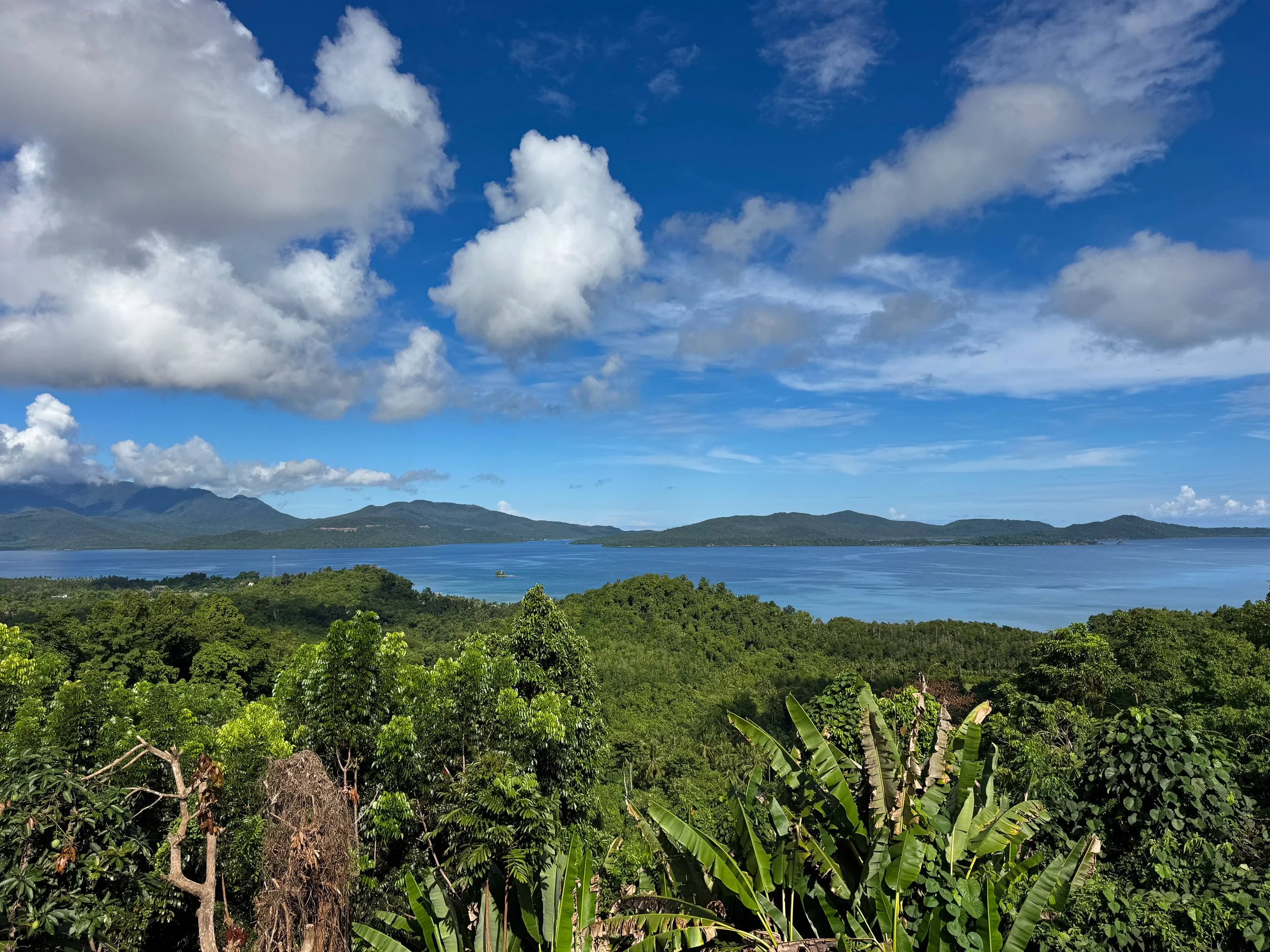
Puerto Princesa
Puerto Princesa is one of the main entry points to Palawan. It’s a traditional Filipino town home to local restaurants, rustic stays and access to other parts of the island, including the world renowned underground river.
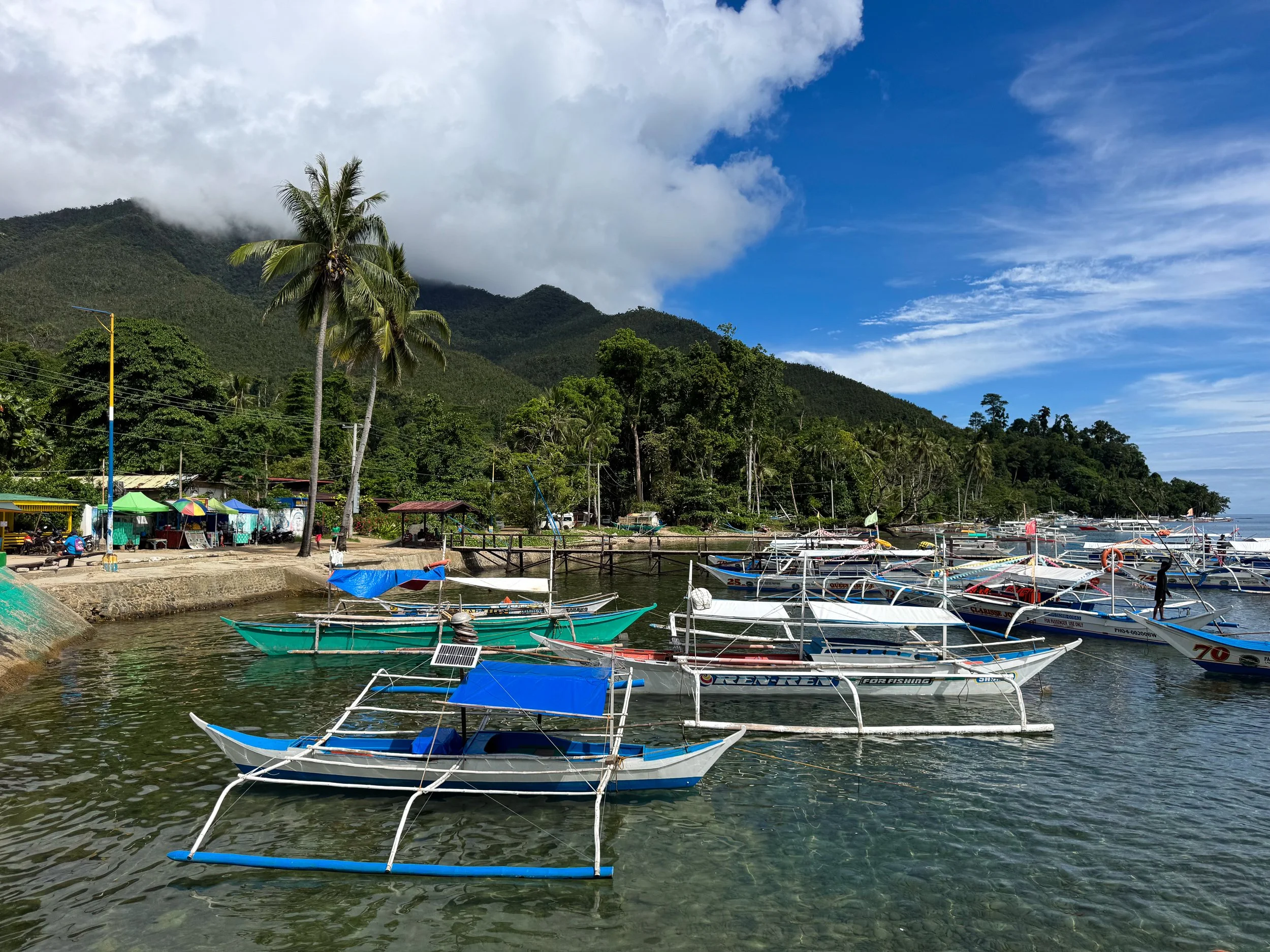
Puerto Princesa Underground River
The Puerto Princesa Underground River is the world’s longest navigable underground river. We toured a section of it by boat on a day trip from Puerto Princesa.
Getting to the underground river was an adventure of its own. We were shuttled across the island along winding roads to the Sabang Boat Terminal, a pier dotted with colorful outrigger canoes. We boarded one and boated across the bay to reach a small beach. On shore, a trail led through the forest, past wild monkeys, to the boat launch and the cave entrance.
Pro Tip. Bring or rent ear protection to muffle the dangerously loud boat engines.
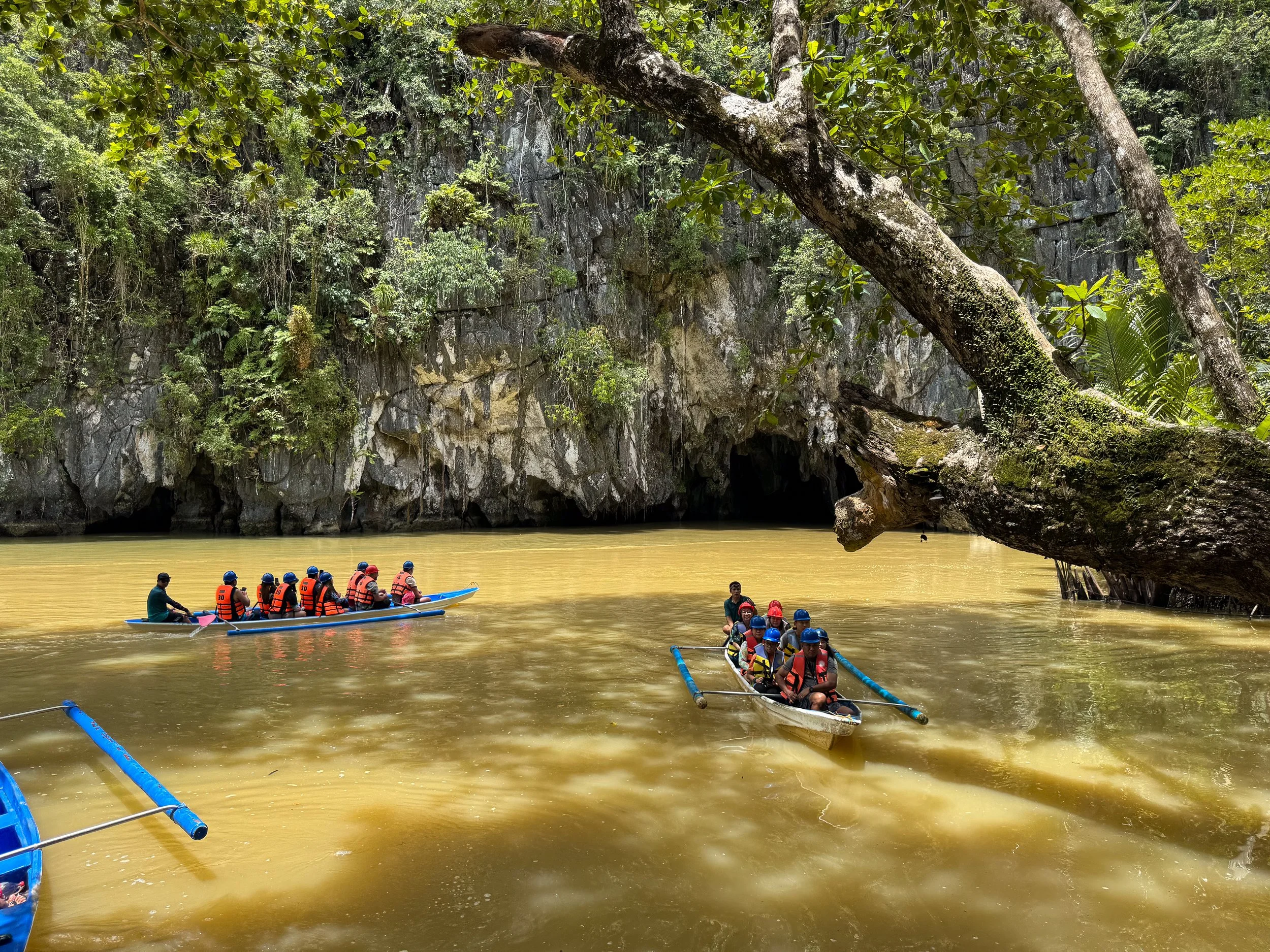
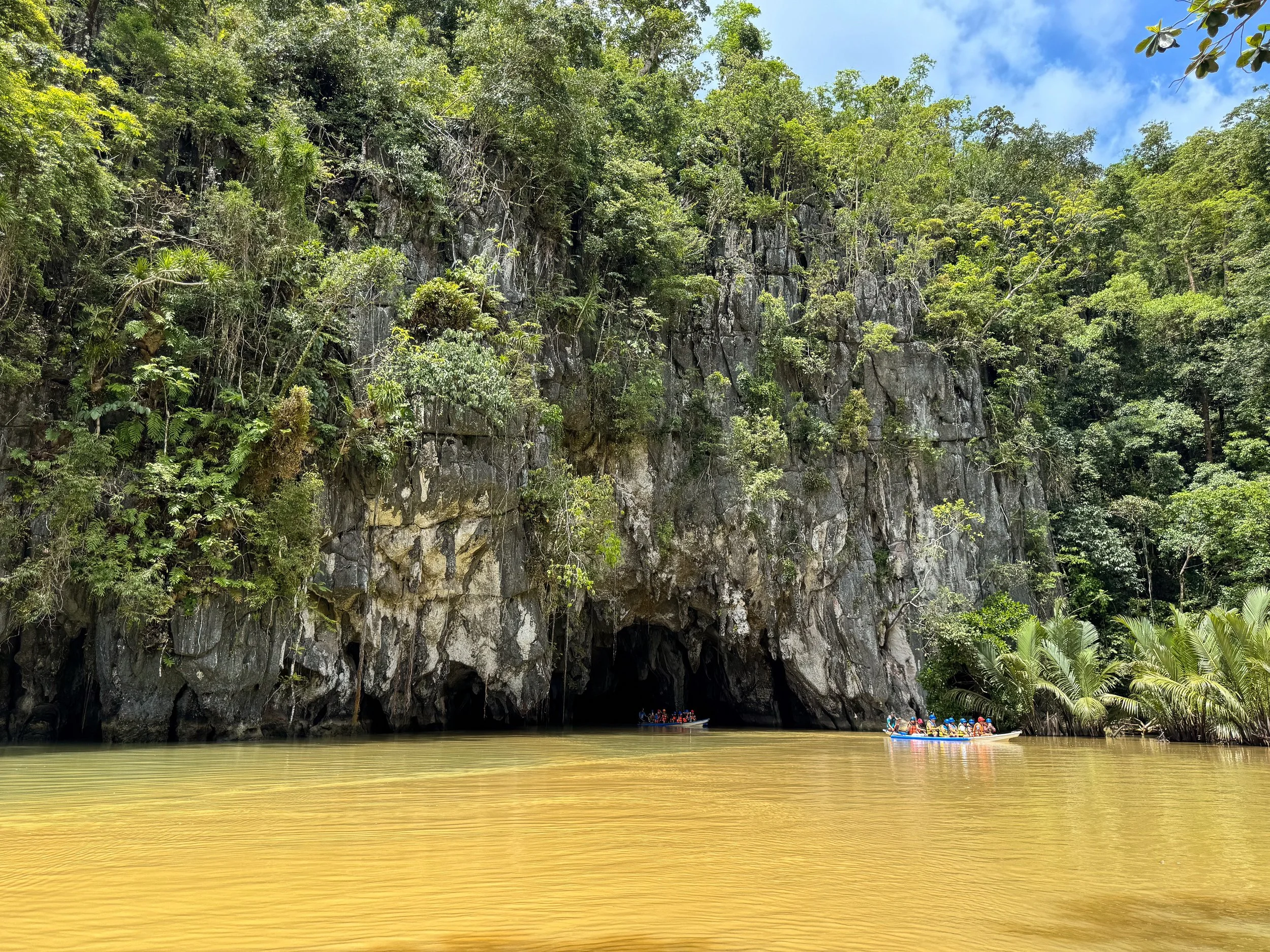
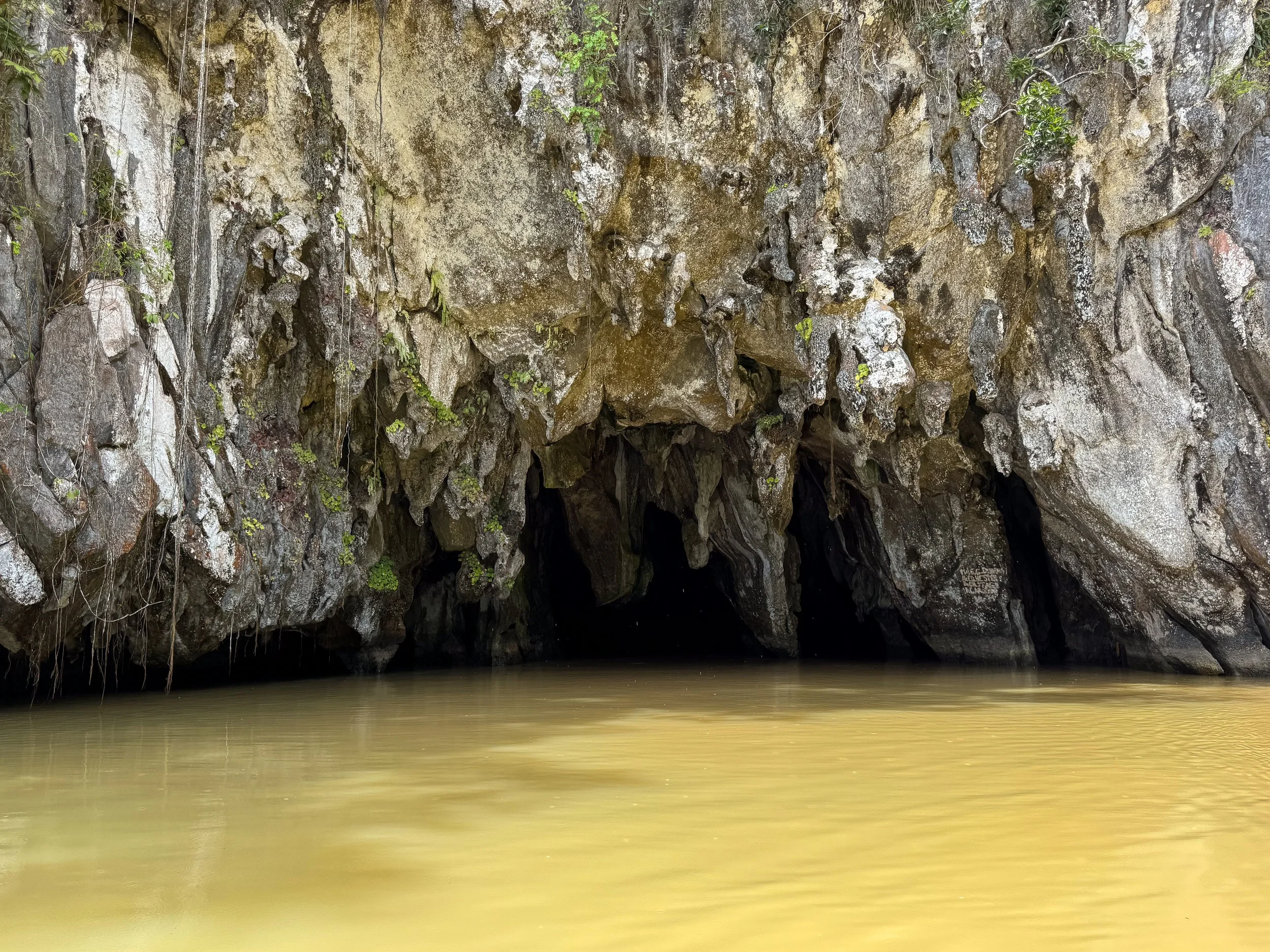
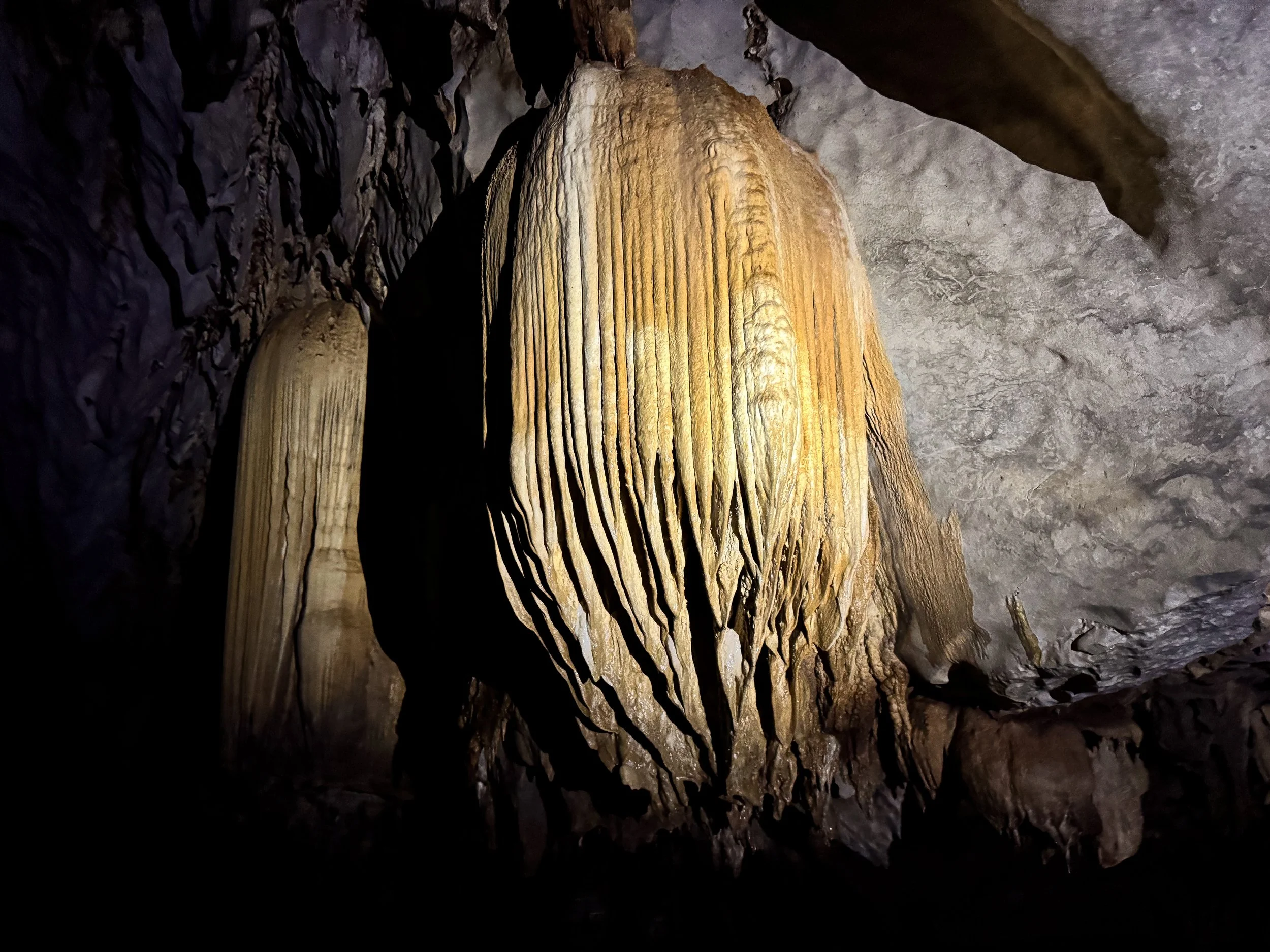
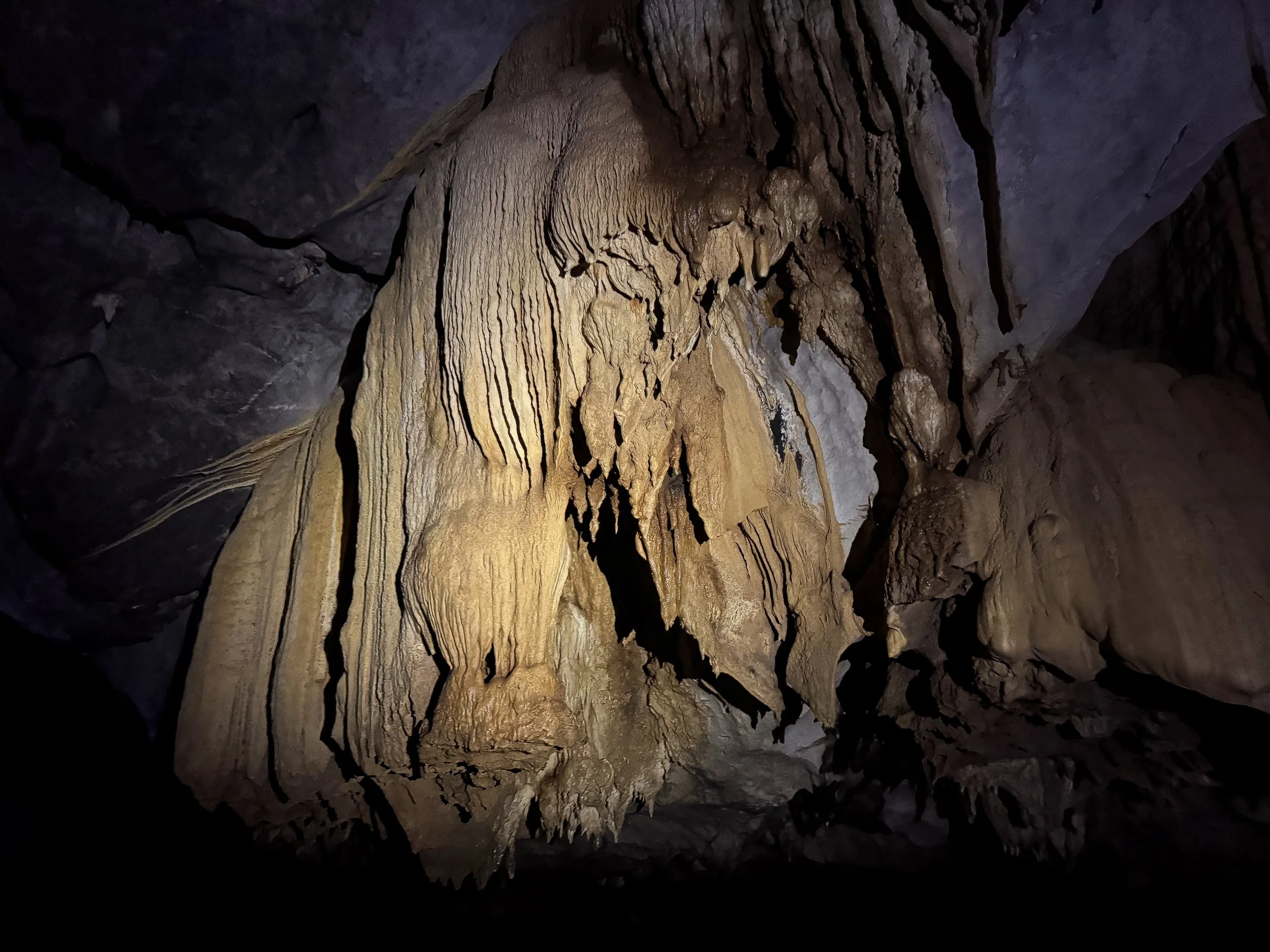
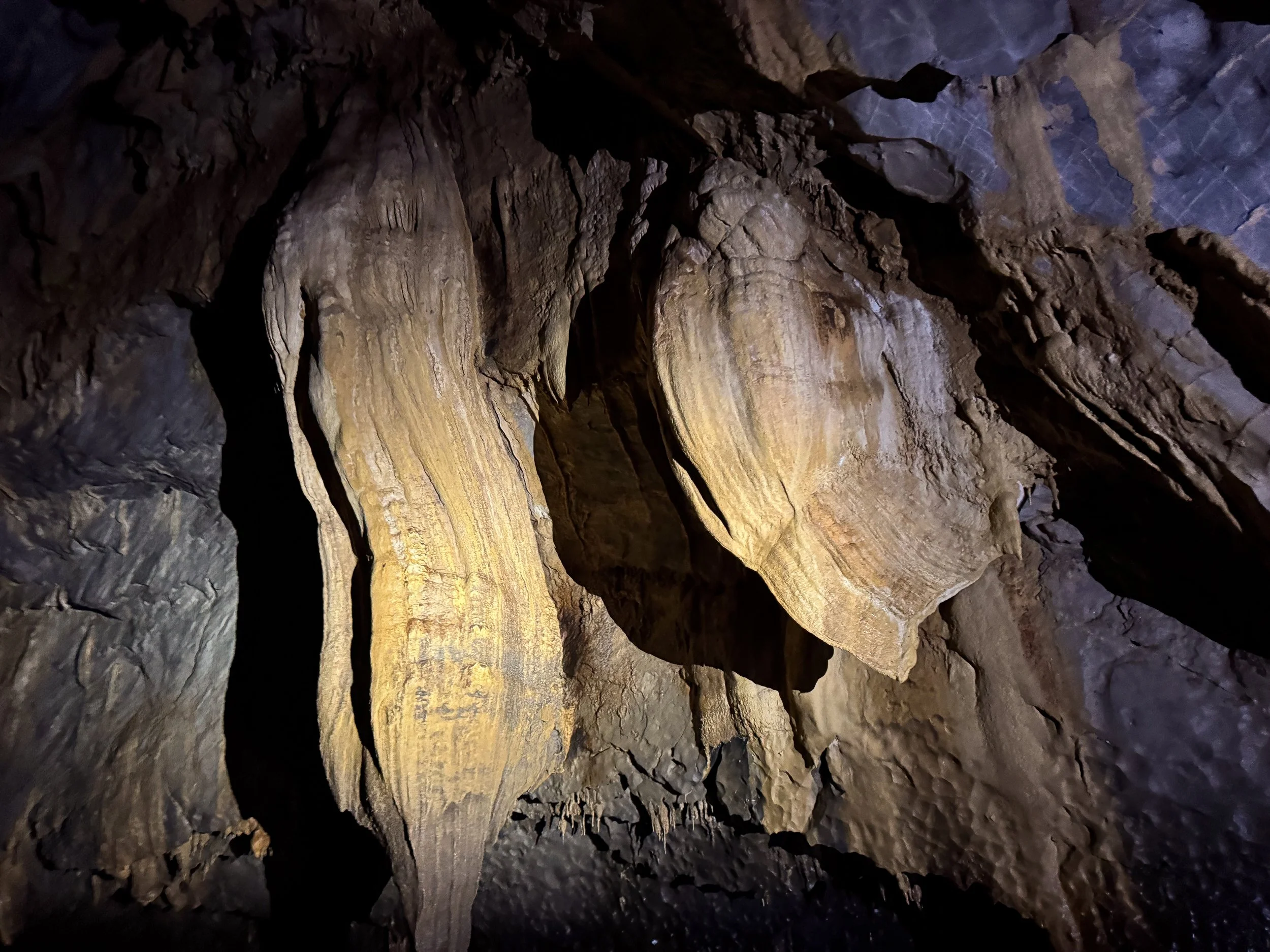
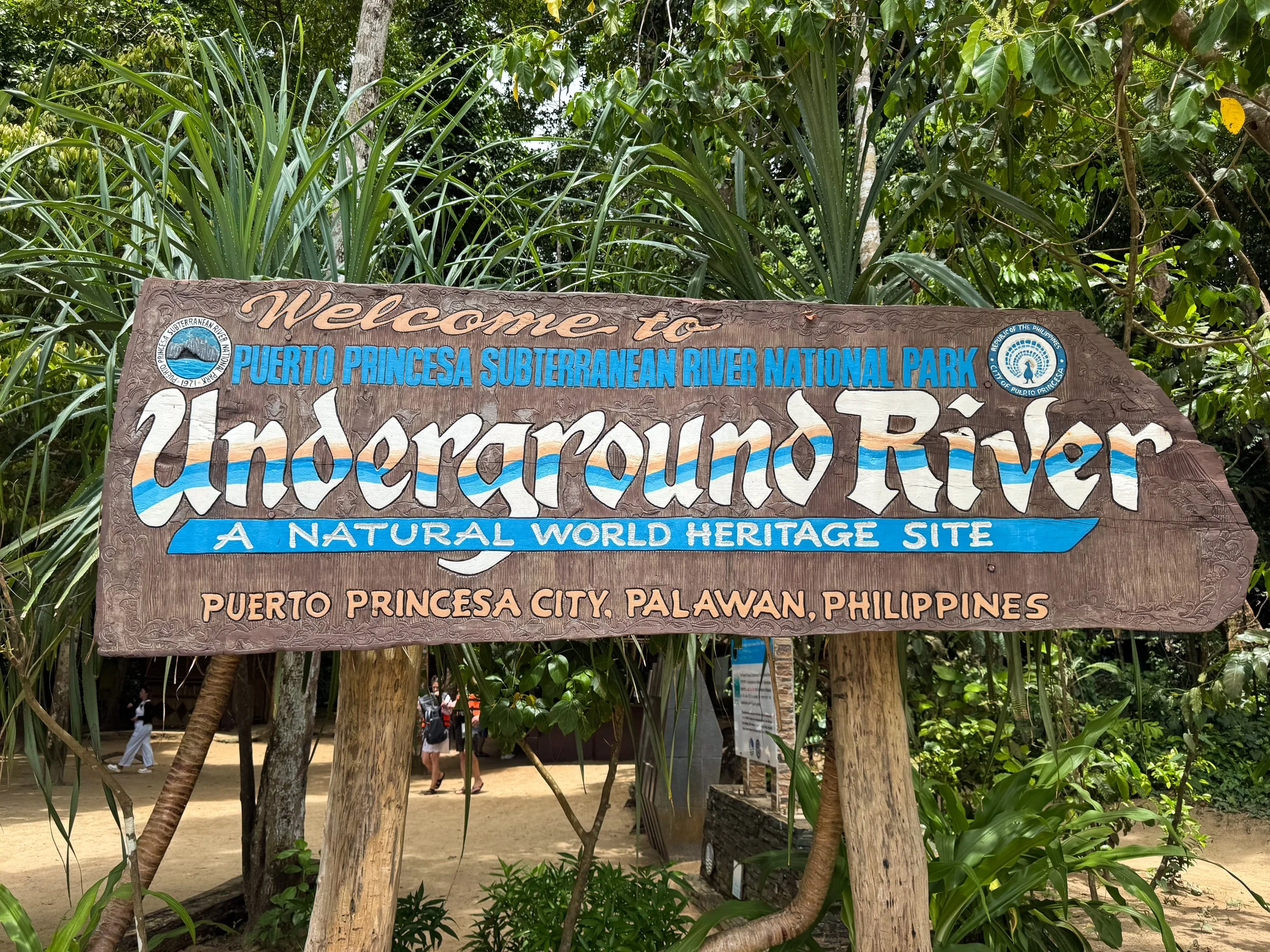
The captain rowed us into the dark mouth of the cave, waiting a few moments for our eyes to adjust. The sounds of squeaking bats, swooshing swallows and continual drips of water echoed around us. The smell of guano was hard to ignore. Upriver are large chambers with various rock formations. Jagged stalactites, rippled surfaces and crystalline flow stones comprised the cave’s walls and ceilings. There is a strong emphasis on silence and not disturbing the cave environment. The captain pointed out key formations while an audio guide narrated.
We booked our tour with Corazon Travel & Tours. Its included round trip transportation from Puerto Princesa, our tour of the underground river and lunch.
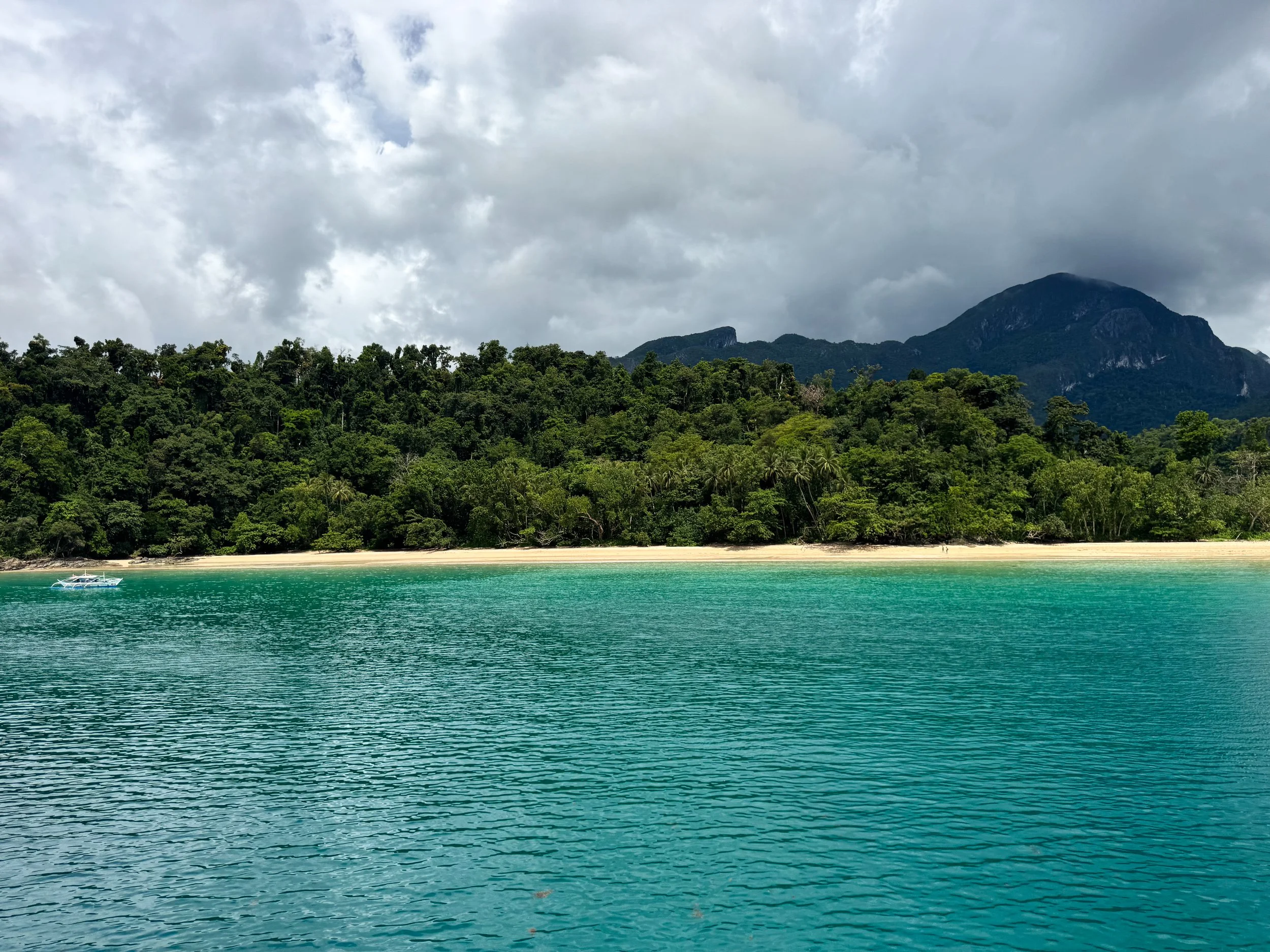
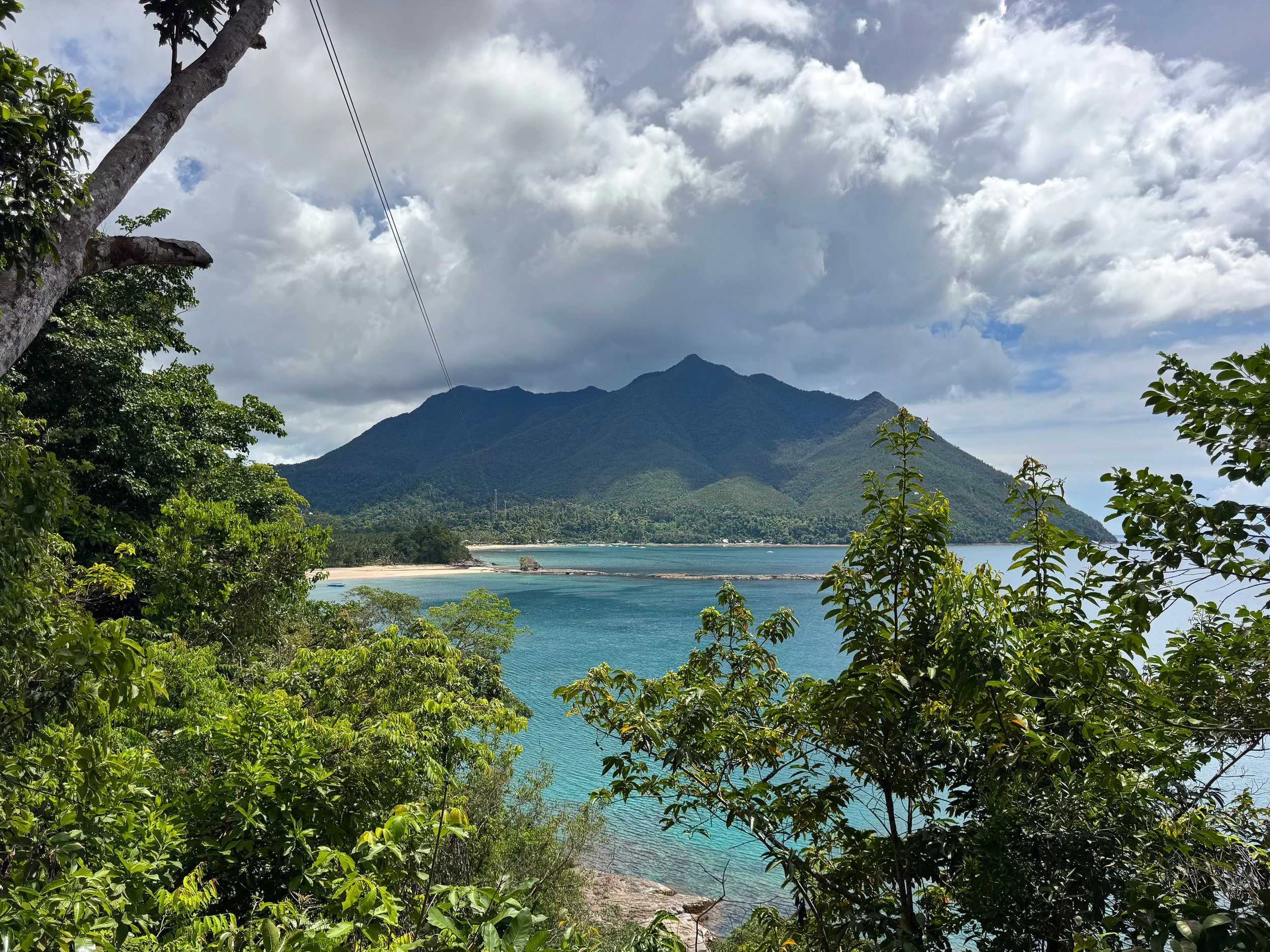
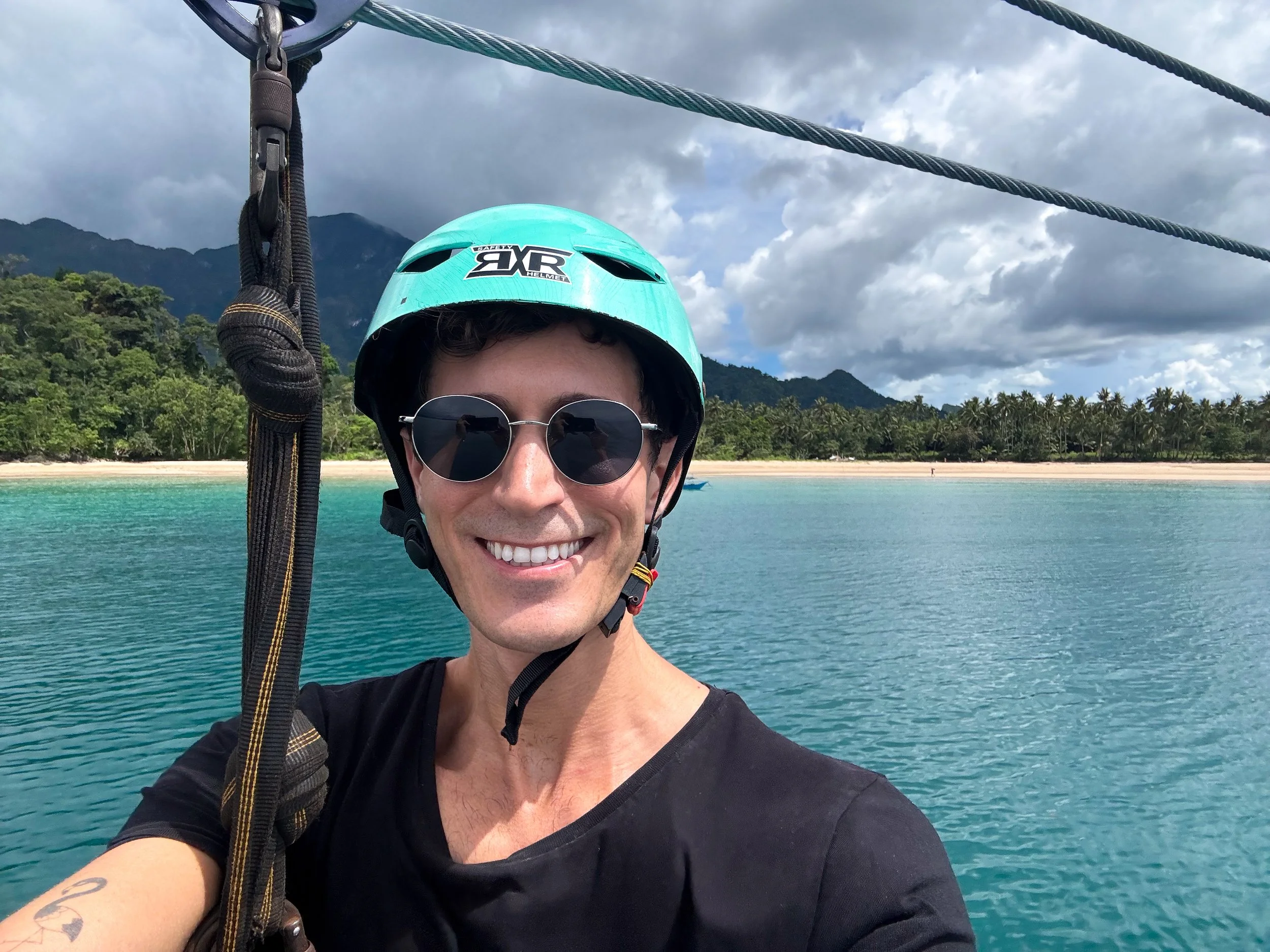
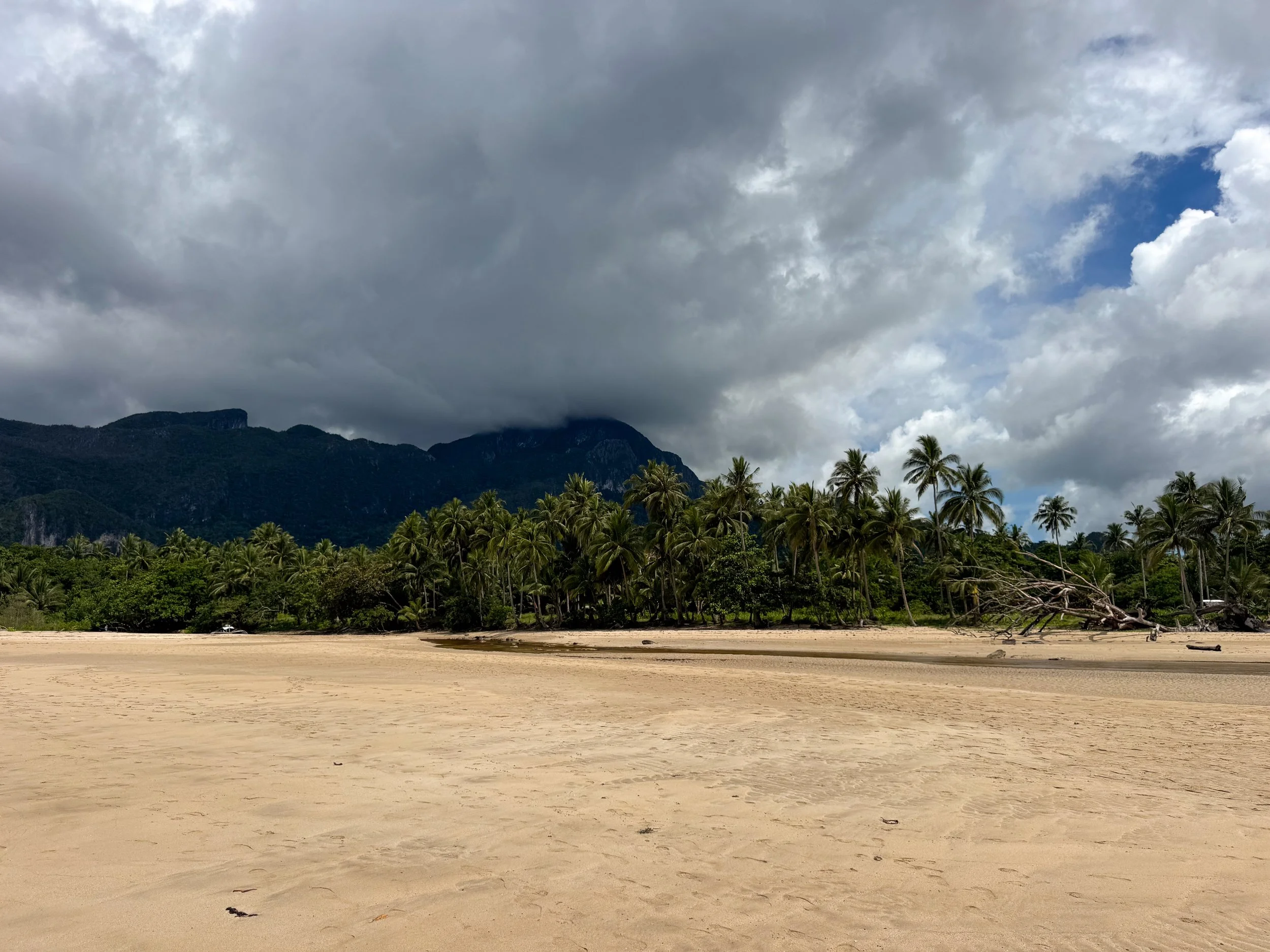
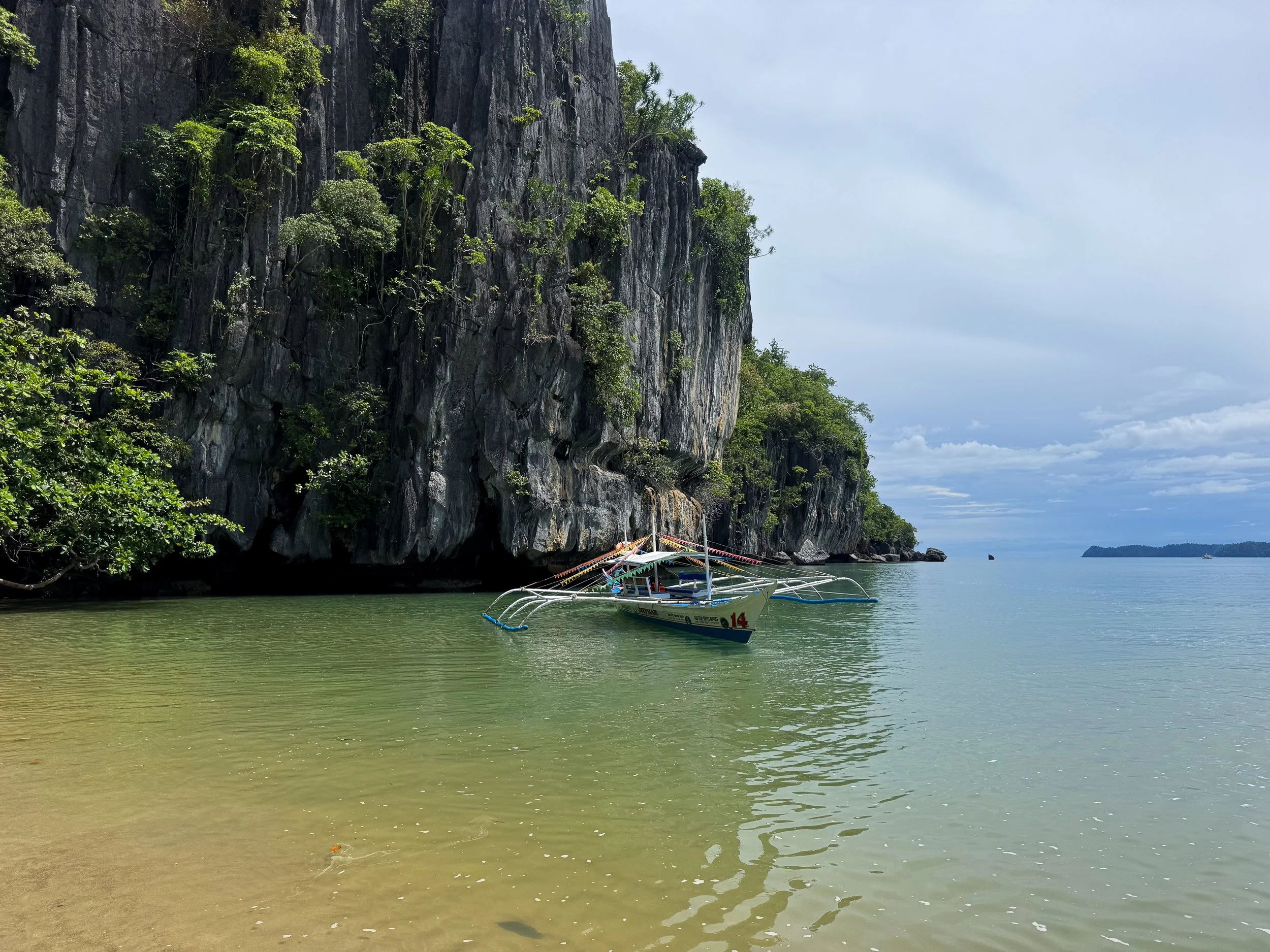
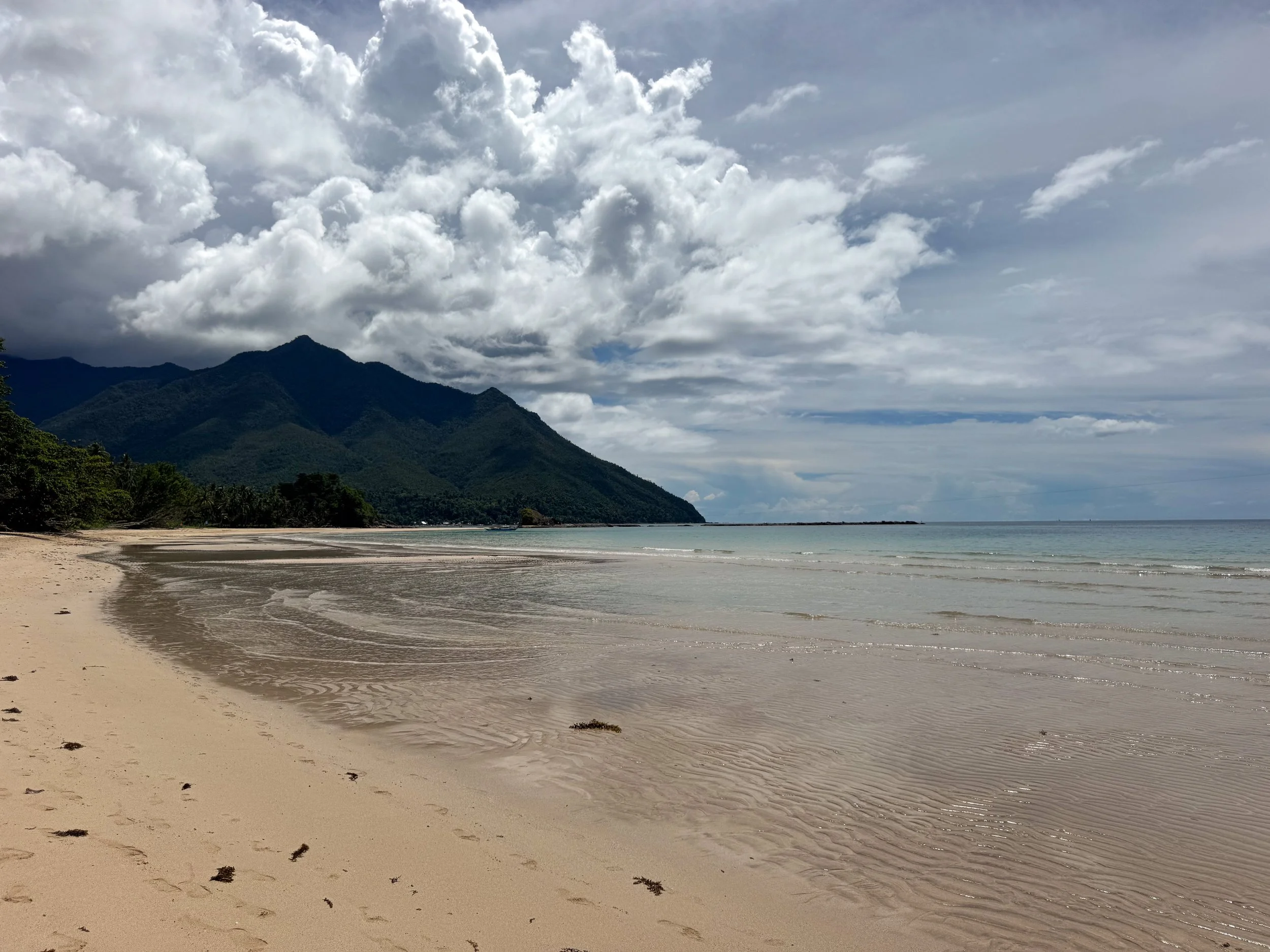
Sabang X Zipline. An overwater zip-line from a cliff to a small island 800 meters away. From the harness we overlooked the vibrant blue waters, sandy beach and forested mountains.
Manlipien Beach. A sandy beach with views of the zip-line and shallow aquamarine water. There are a couple fresh fruit and juice vendors nearby.
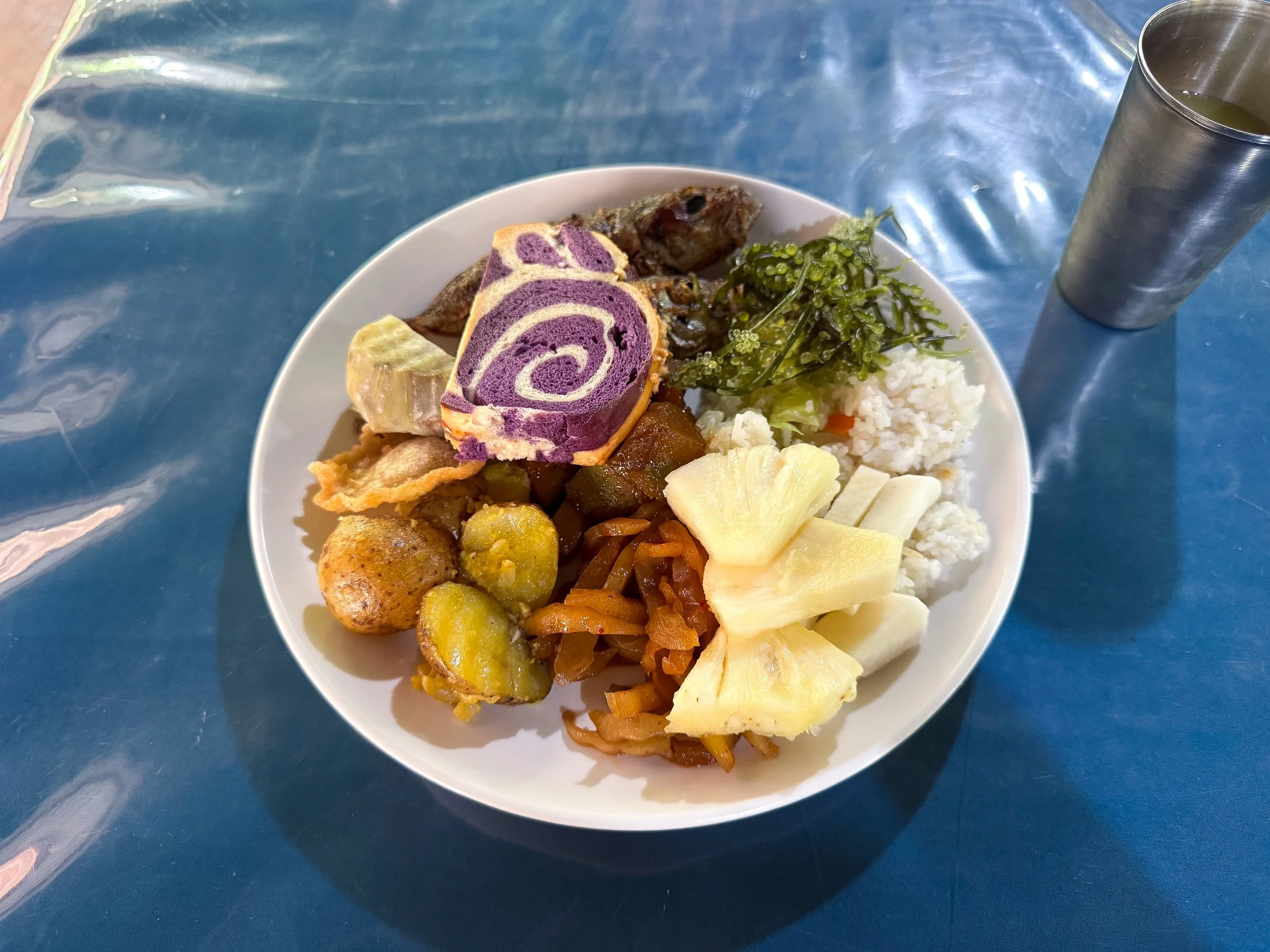
Sarang Restaurant. A buffet lunch spot near the Sabang Boat Terminal with Filipino dishes like fried galunggong fish, garlic rice, boiled yam, seaweed, fresh pineapple and ube bread.
Places to Eat & Drink
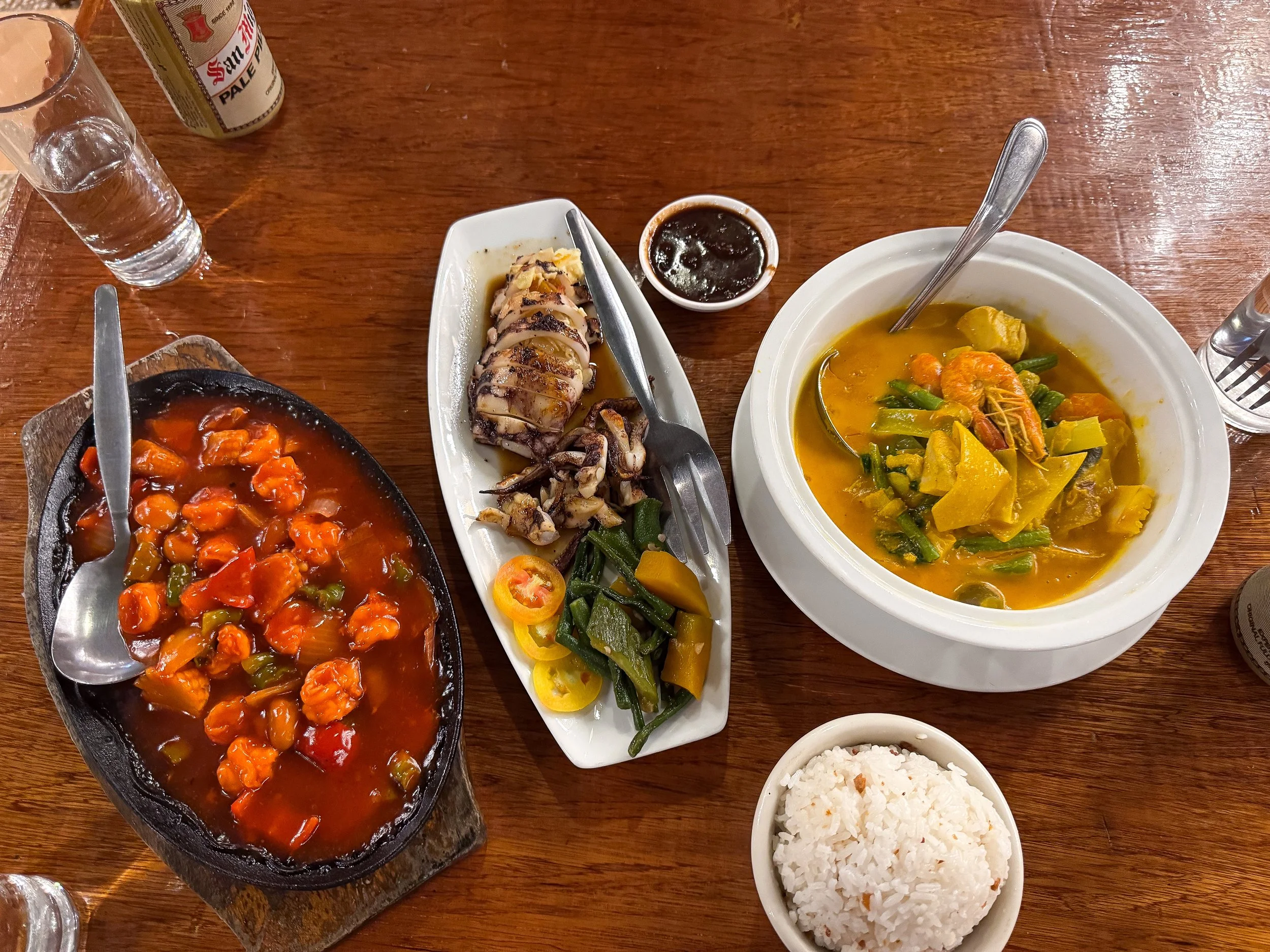
Ka Inato Main Branch. A Filipino restaurant in Puerto Princesa serving local dishes. We dined here for our first meal in the Philippines, ordering a spread of local dishes including:
Seafood Kare-Kare. A peanut curry mixed with veggies and seafood.
Binusog na Pusit. A whole squid grilled and stuffed with veggies.
Afritada. Sweet tomato sauce with shrimp, vegetables and garlic rice.
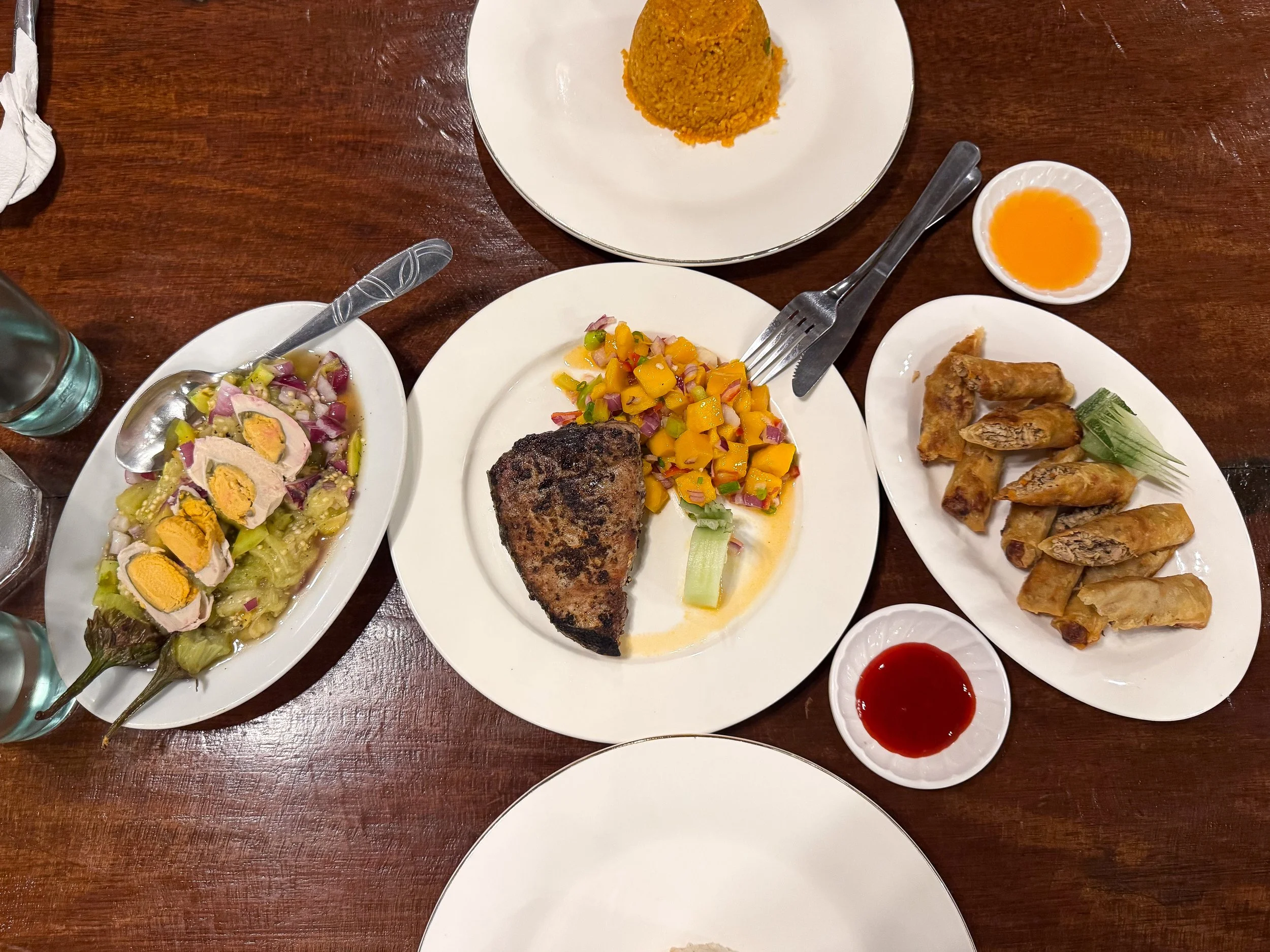
Mang Cary’s Bulalo. A Filipino restaurant with bamboo walls, wooden tables and tropical plants decorating the dining room. We shared multiple dishes including:
Fish Lumpia. Crunchy rolls stuffed with shredded fish and deep fried.
Talong Salad. A salad made with steamed eggplants, cucumber, red onions and boiled eggs.
Grilled Tuna. A tuna steak grilled, peppered and served with sides of mango salsa and garlic rice.
Flan. A delicate caramel custard that takes influence from the Spanish colonial period.
Where to Stay
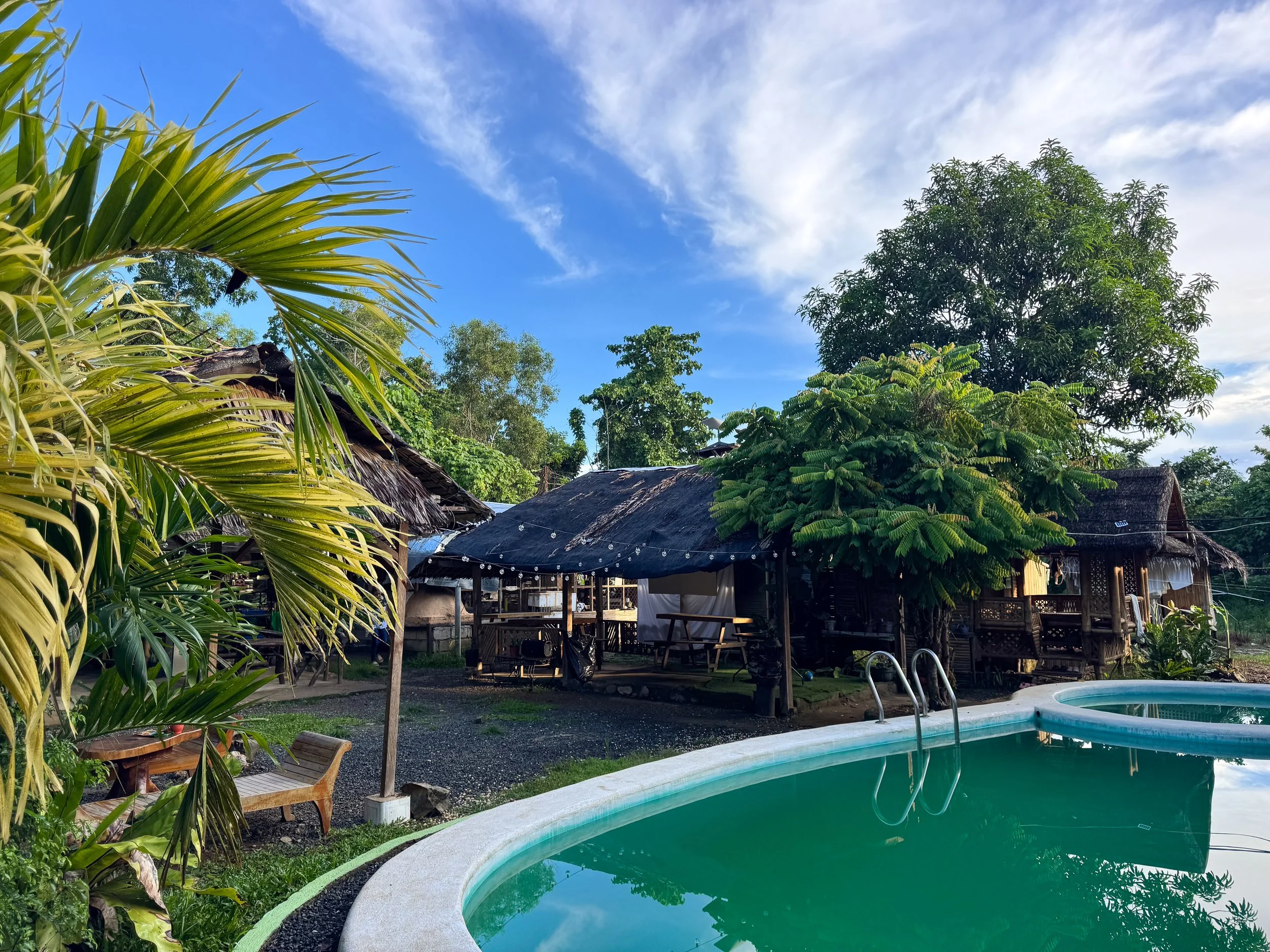
We stayed at Casa La Aitor, a small hotel along a dirt road in Puerto Princesa with spacious apartment style rooms, an outdoor pool and an onsite café. Reserve on Booking.
El Nido
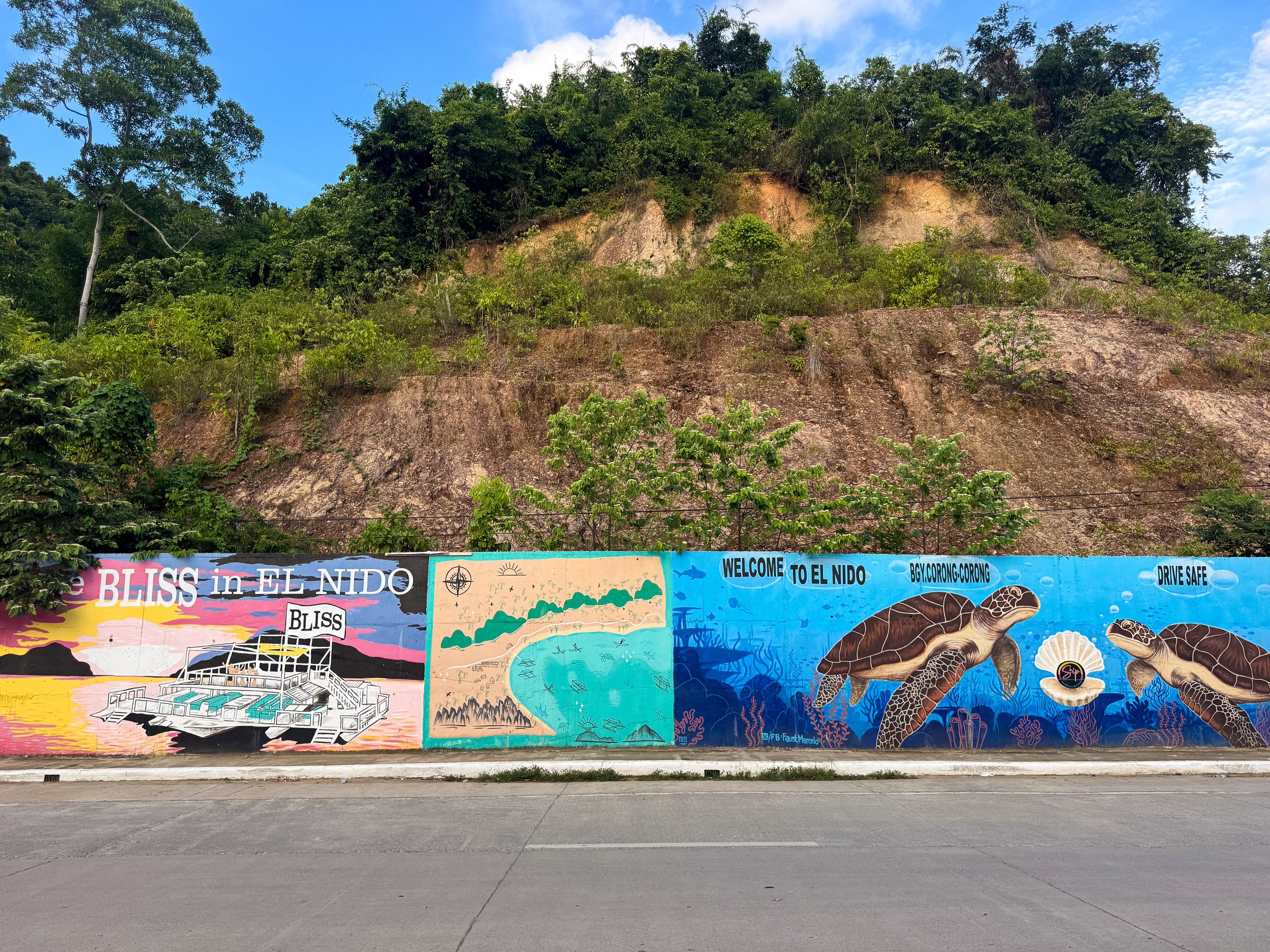
El Nido is a hub for marine activities, adventure parks and pure relaxation. We spent a lot of our time underwater, underground and beneath palm trees as we visited caves, coral reefs, tropical islands and white sand beaches.
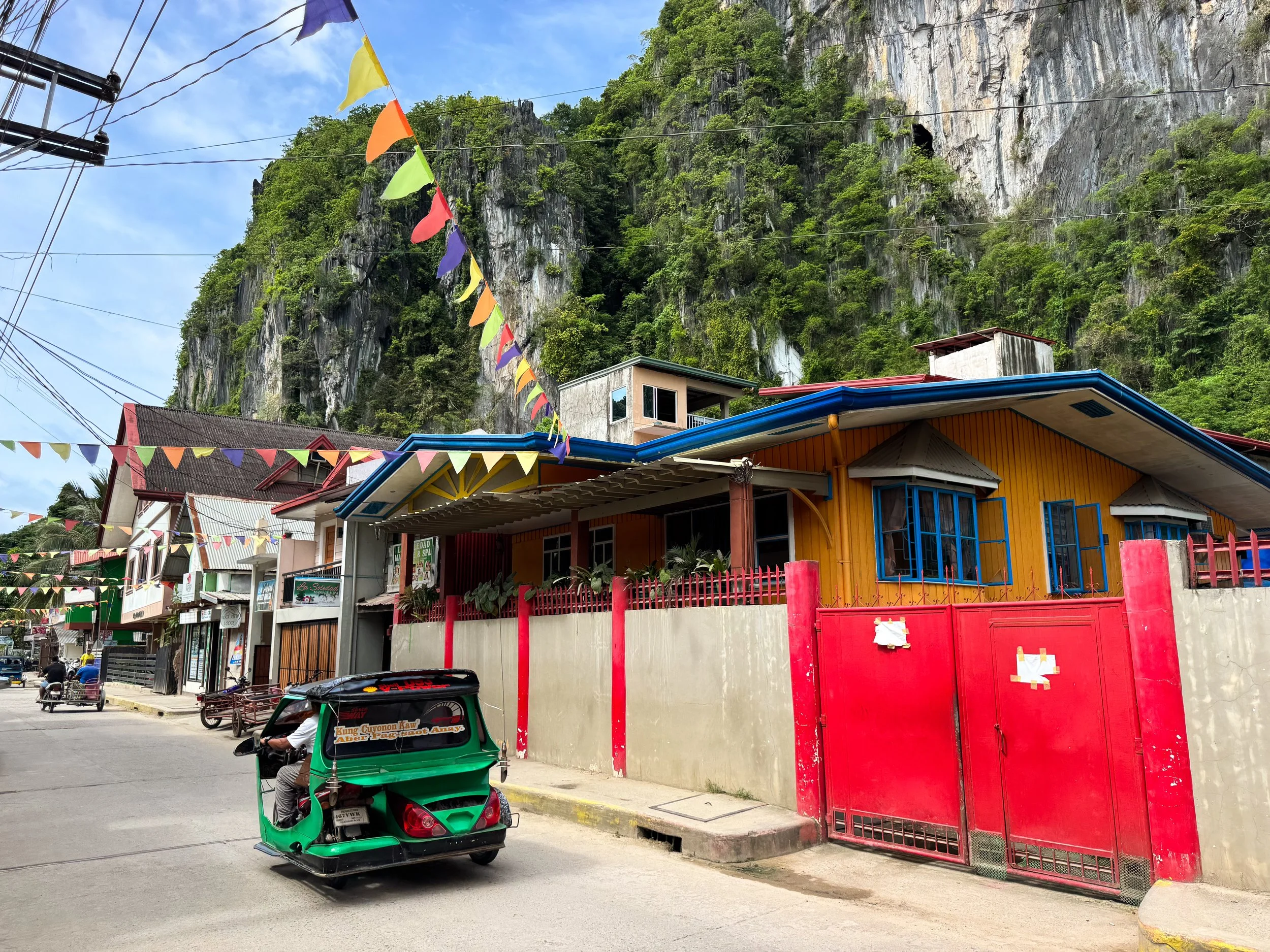
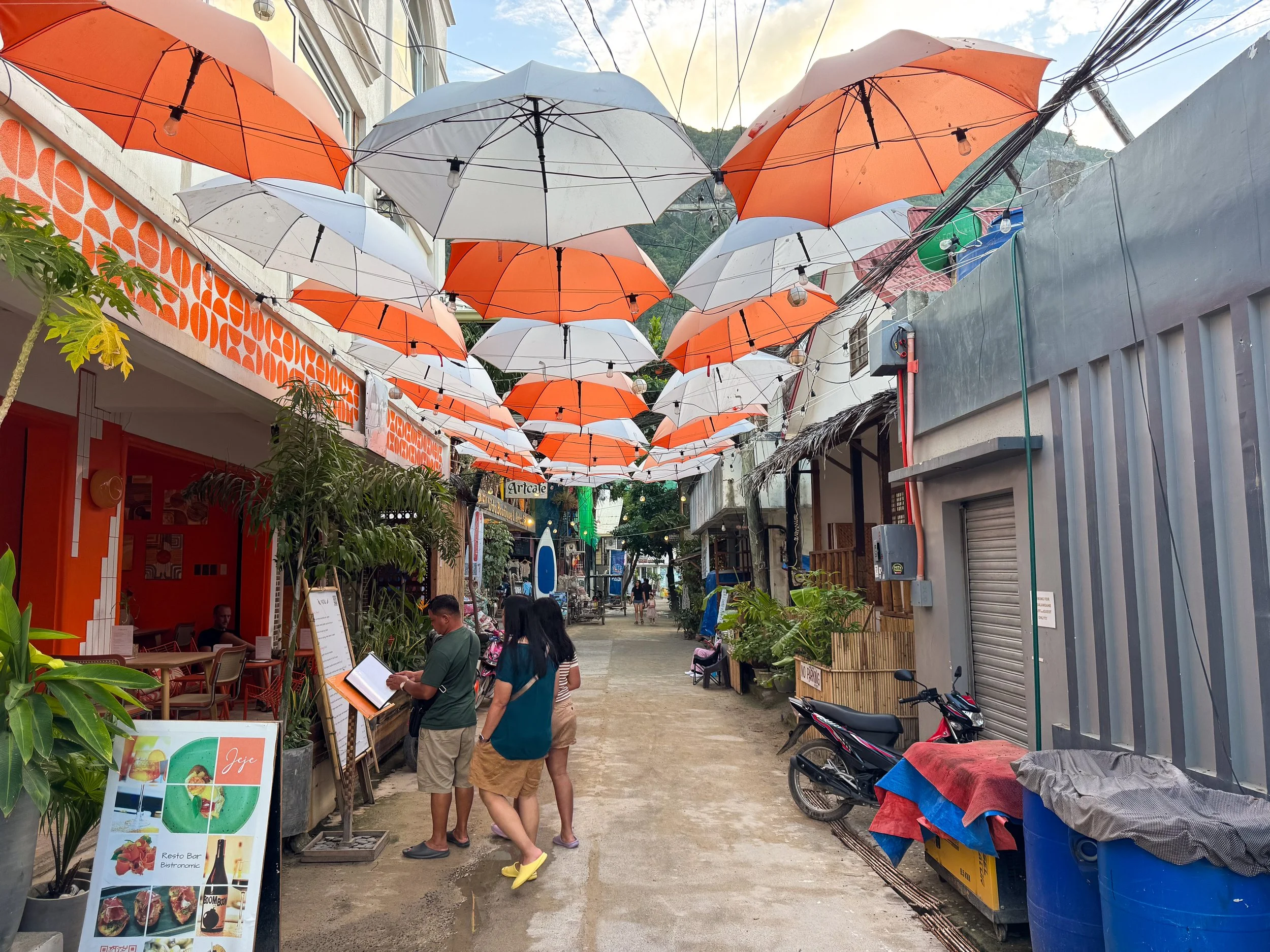
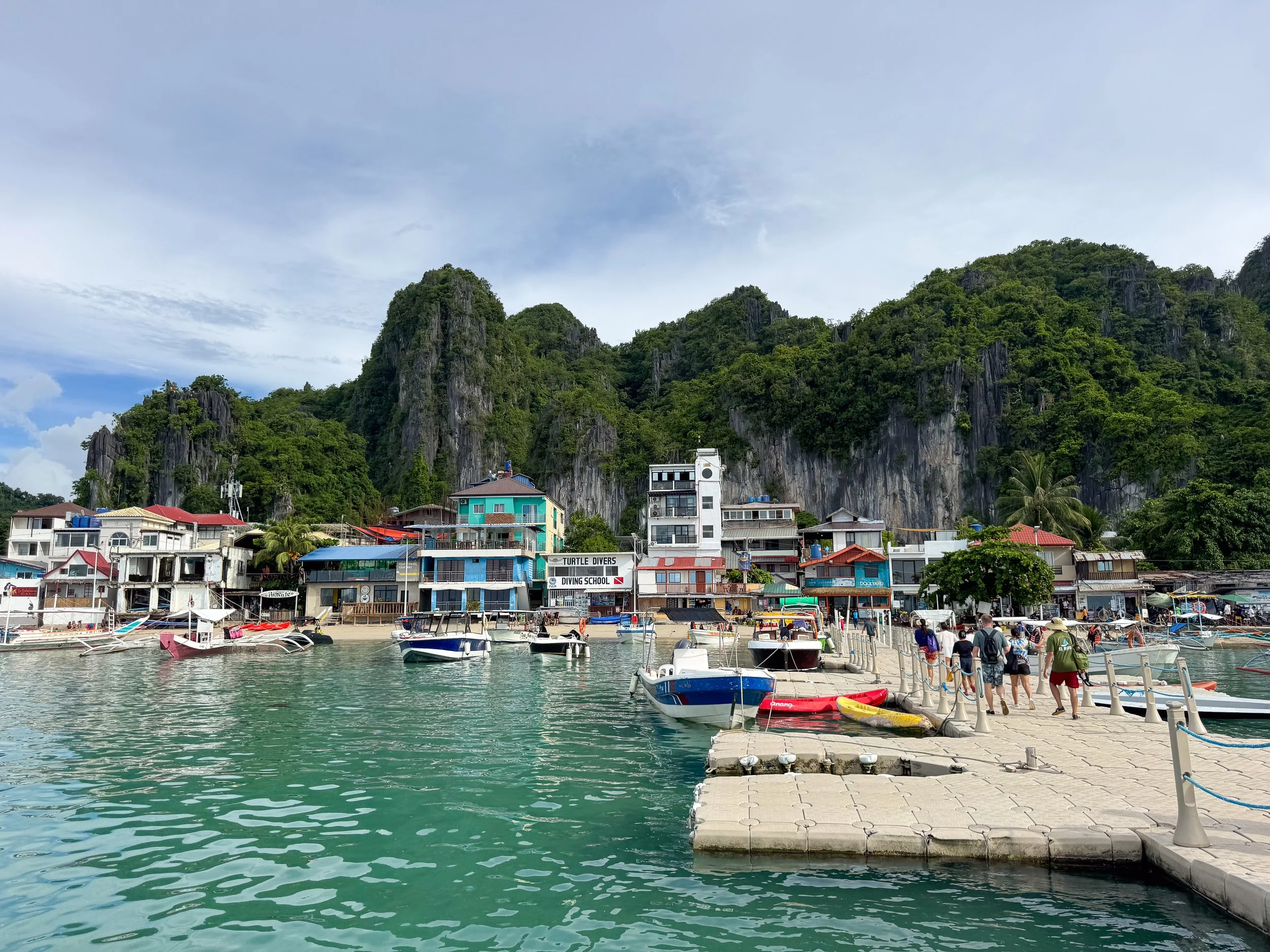
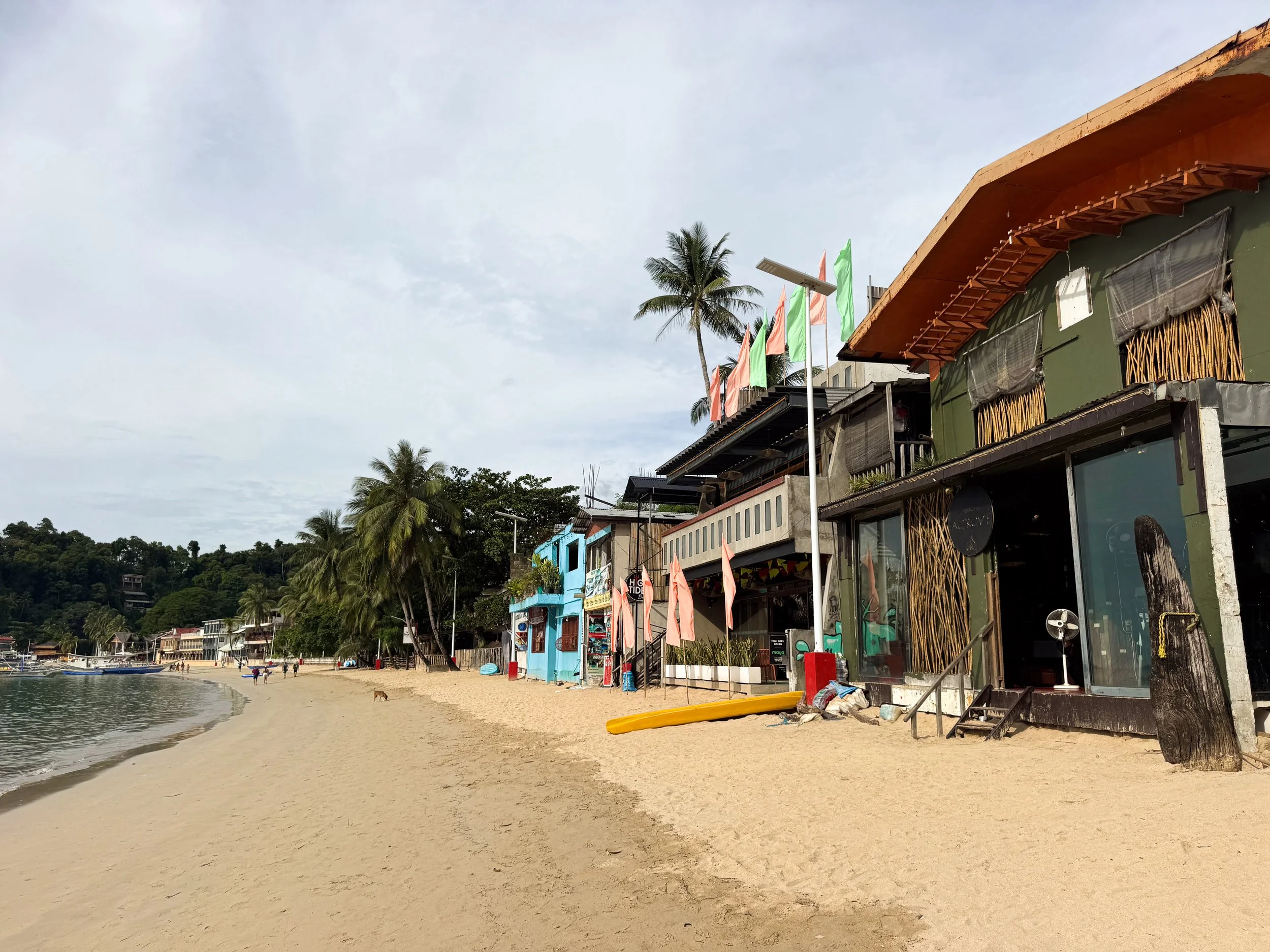
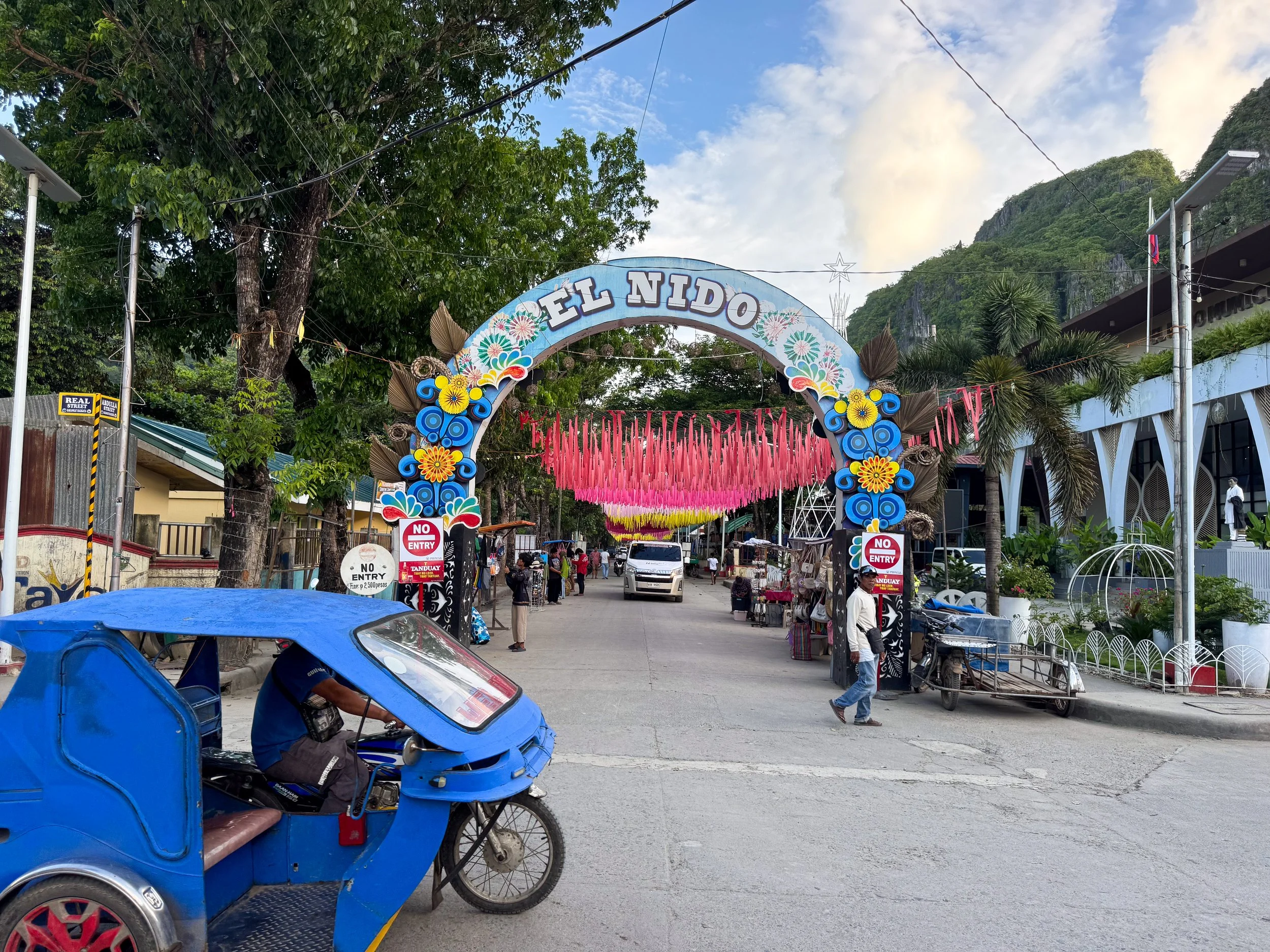
El Nido Town Center. The town center is a beachy haven with vegan cafés, local bakeries, coffee shops, boutique hostels, seafood restaurants, tour offices and beachwear shops. It’s still a small town with micro markets, barber shops, pharmacies and plenty of local residents. Colorful ribbons span across many of the streets while tricycle taxis drive below. Steep and lush cliffs flank the town while outrigger boats sit anchored in its crescent shaped bay.
El Nido Tours
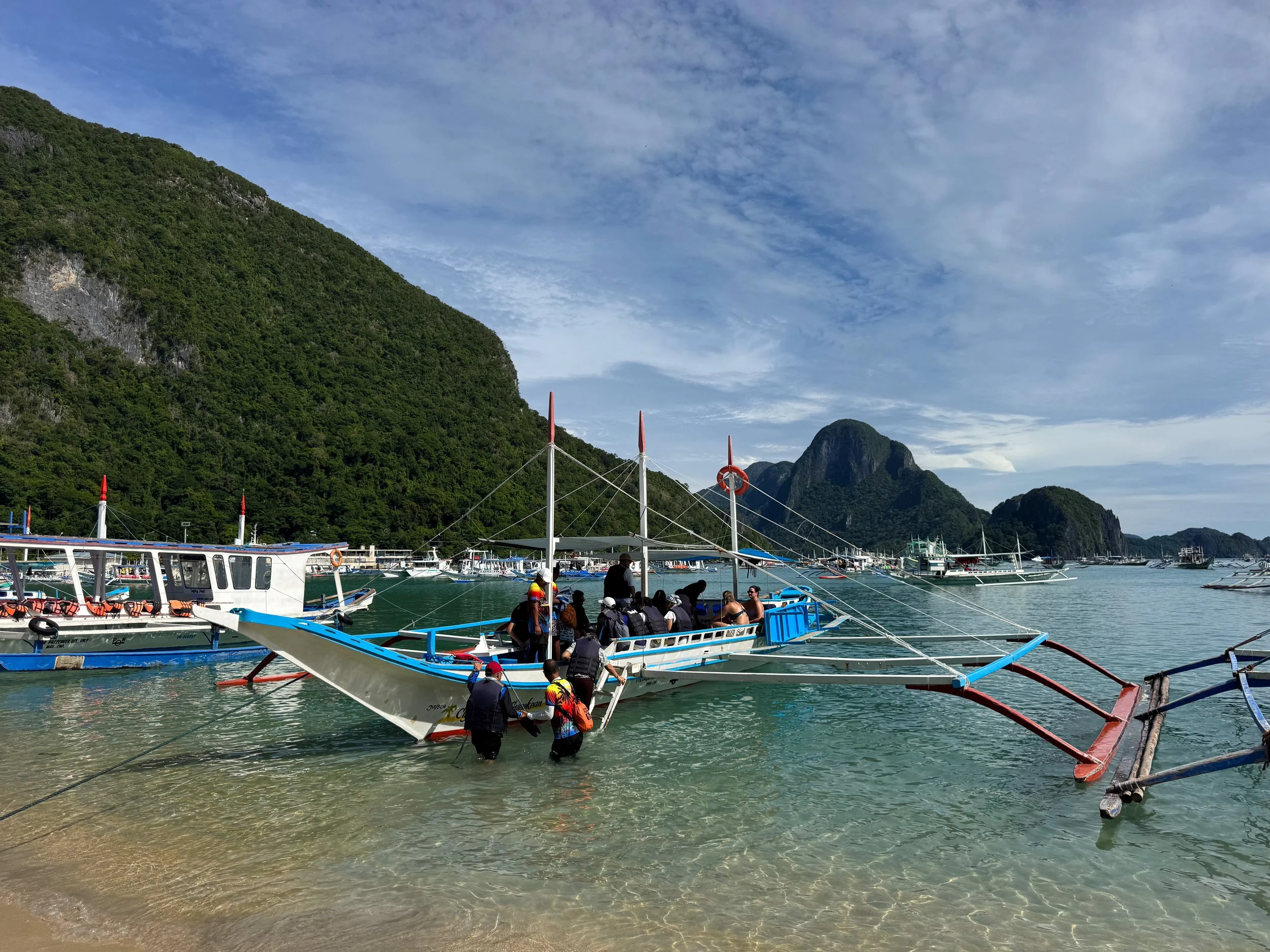
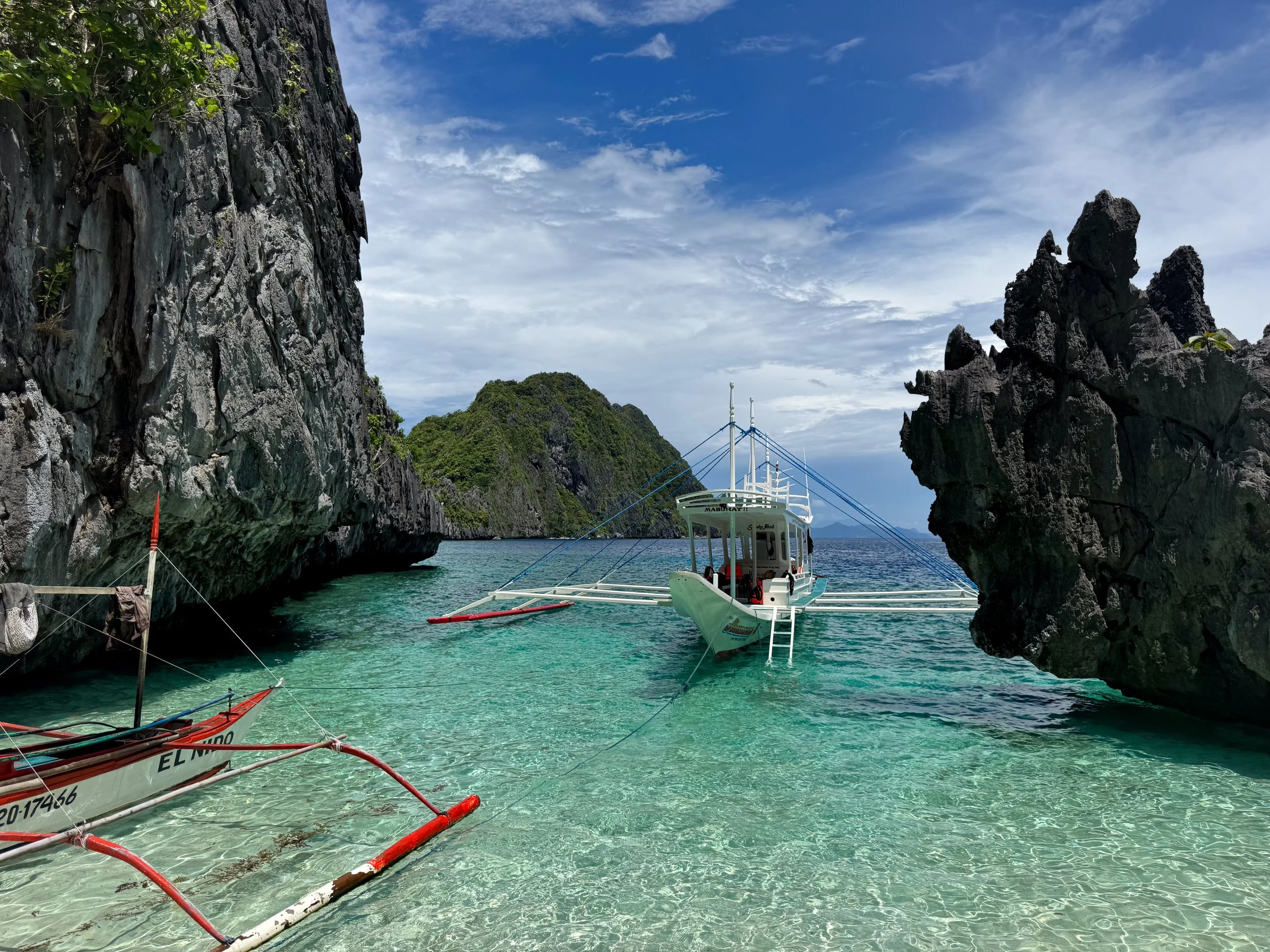
El Nido has a well choreographed circuit of four tours making stops at beaches, caves, coral reefs, sandbars and islands around the El Nido and Bacuit Bays. We boarded outrigger boats over a course of three days for tours A, B and C.
Good to Know. Each tour lasts about 6 hours, starting between 9-10am and returning between 3-4pm. A lunch spread with Filipino dishes is served around noon.
Pro Tip. Pay for the Eco Tourism Development Fee (ETDF) in advance at the El Nido Municipal Hall. They’re needed for any tour and valid for up to 5 days. Bring extra cash on the tours for snacks, drinks and additional fees to certain sights and for kayak rentals.
Where to Book. All tours can be booked in person at El Nido Beach in front of Mabuhay Sports Bar. Bring cash for payments and proof of your ETDF. Alternatively, tours can be booked ahead of time with Corazon Travels & Tours.
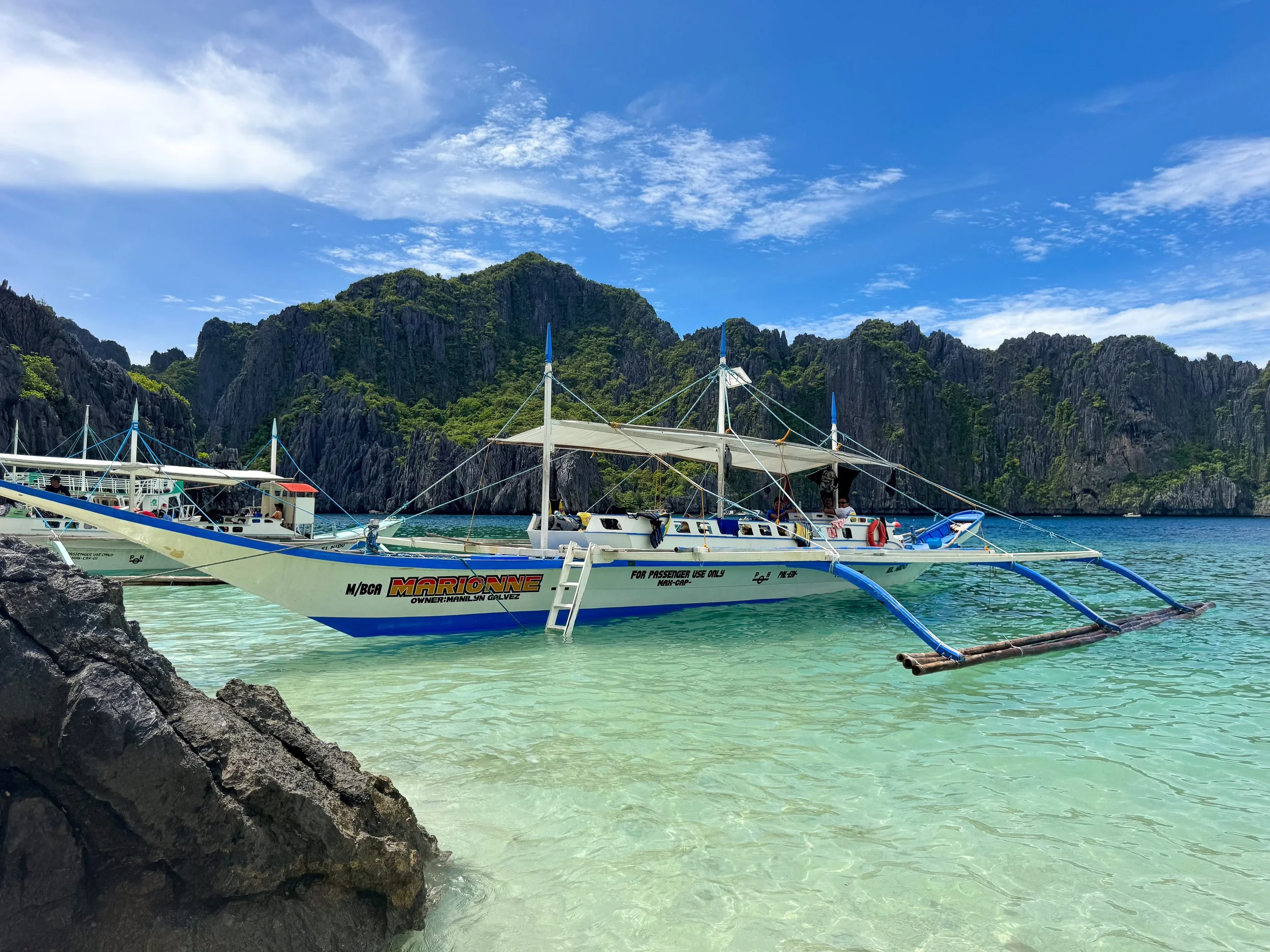
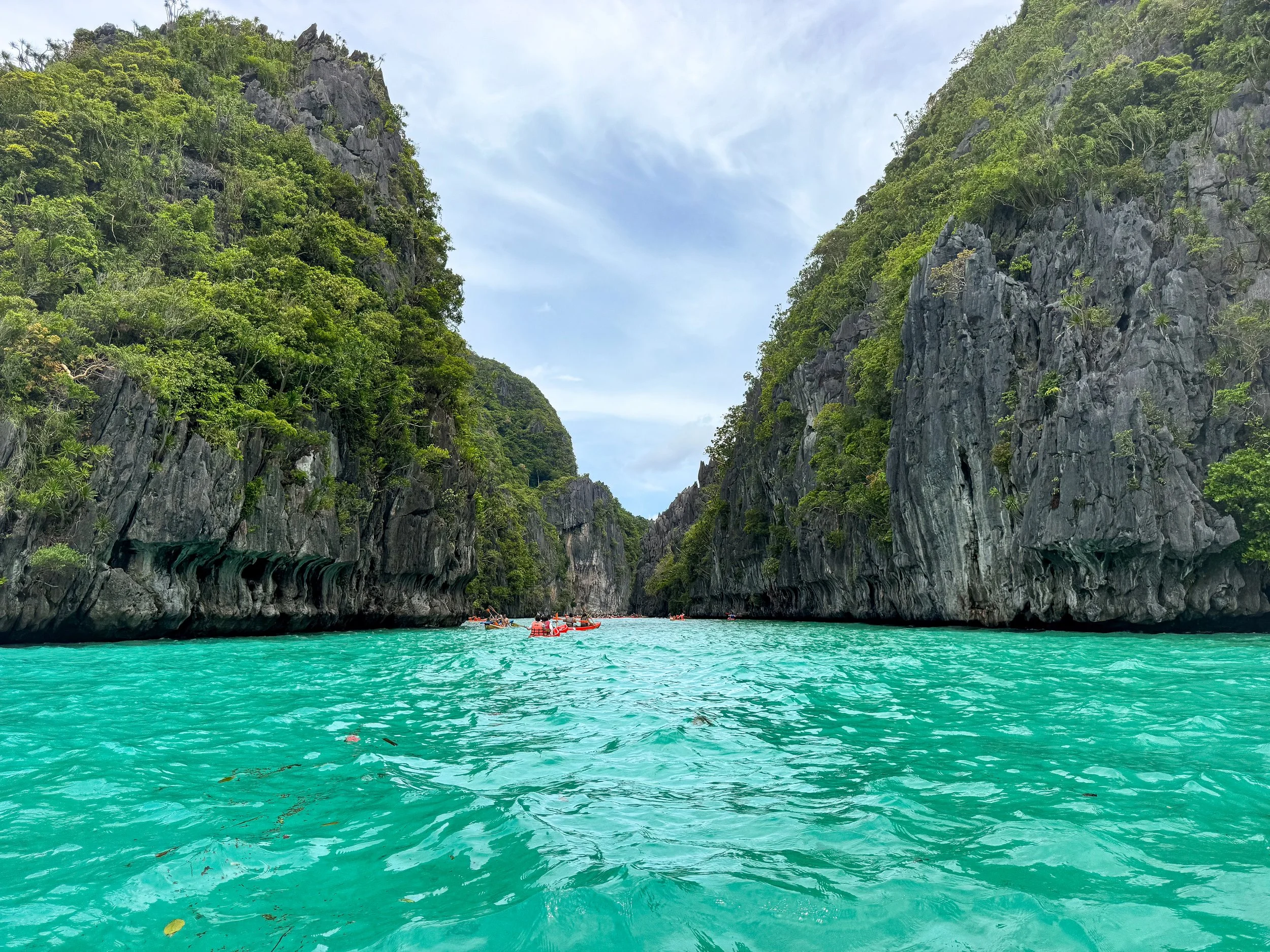
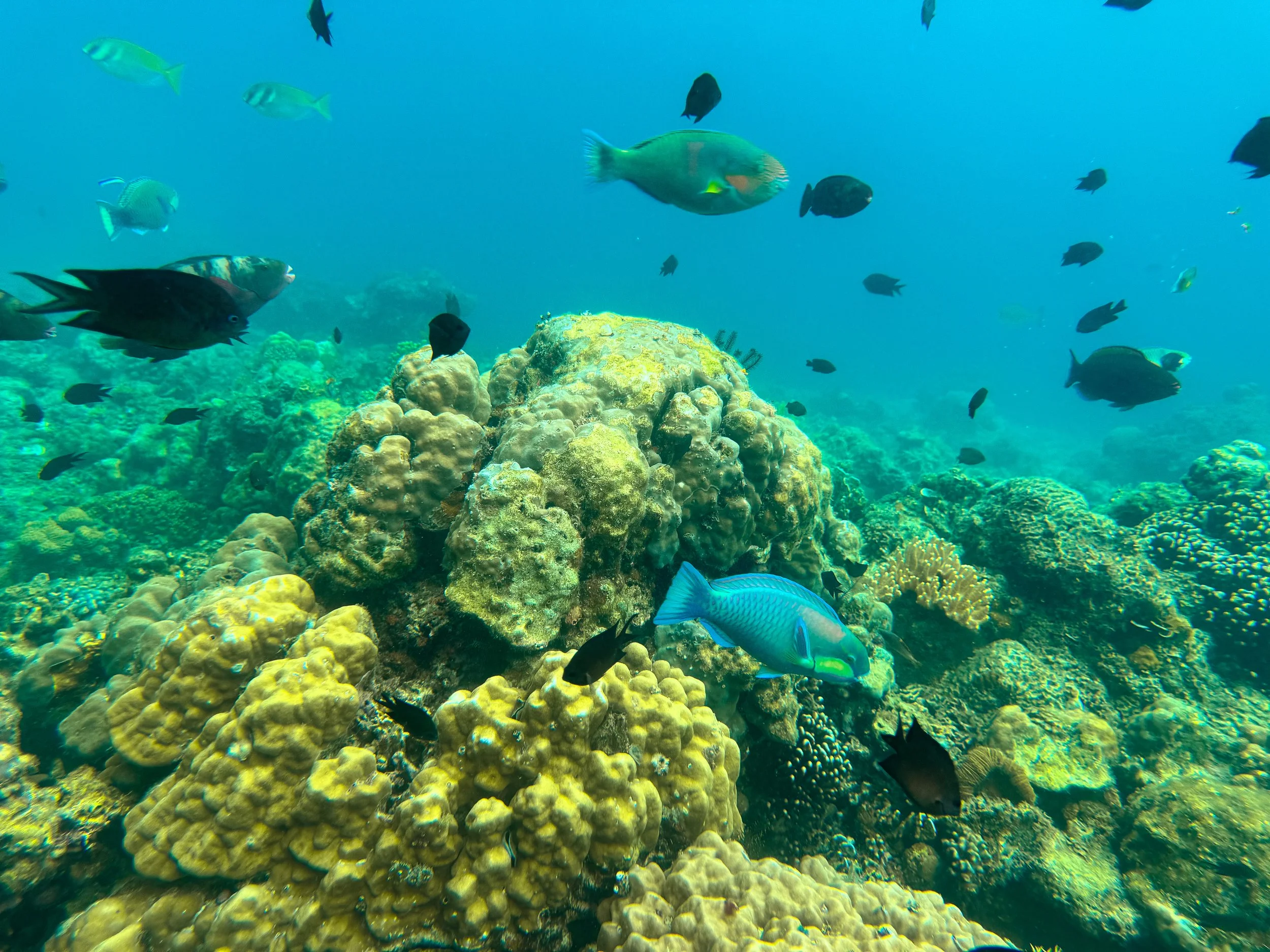
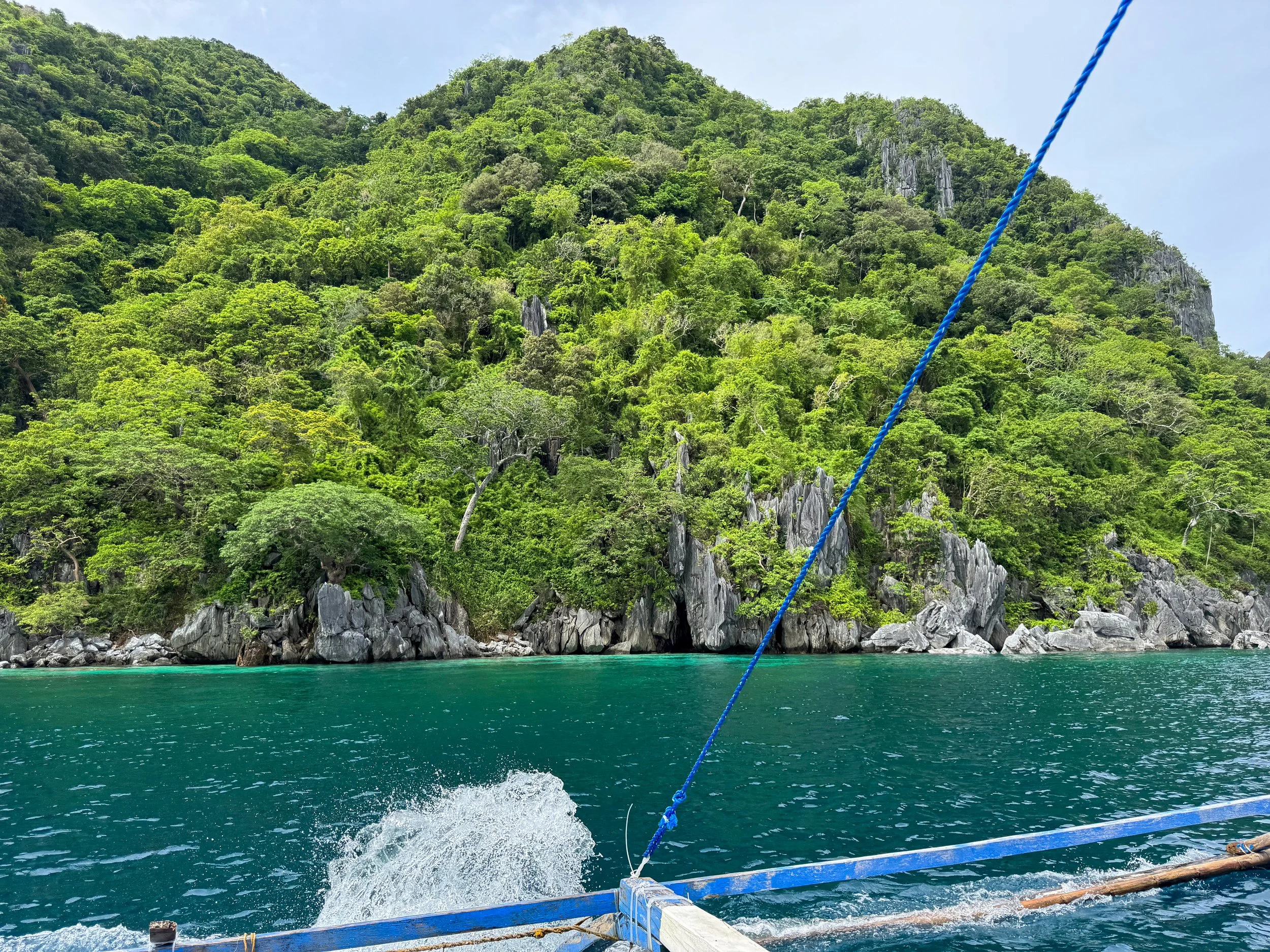
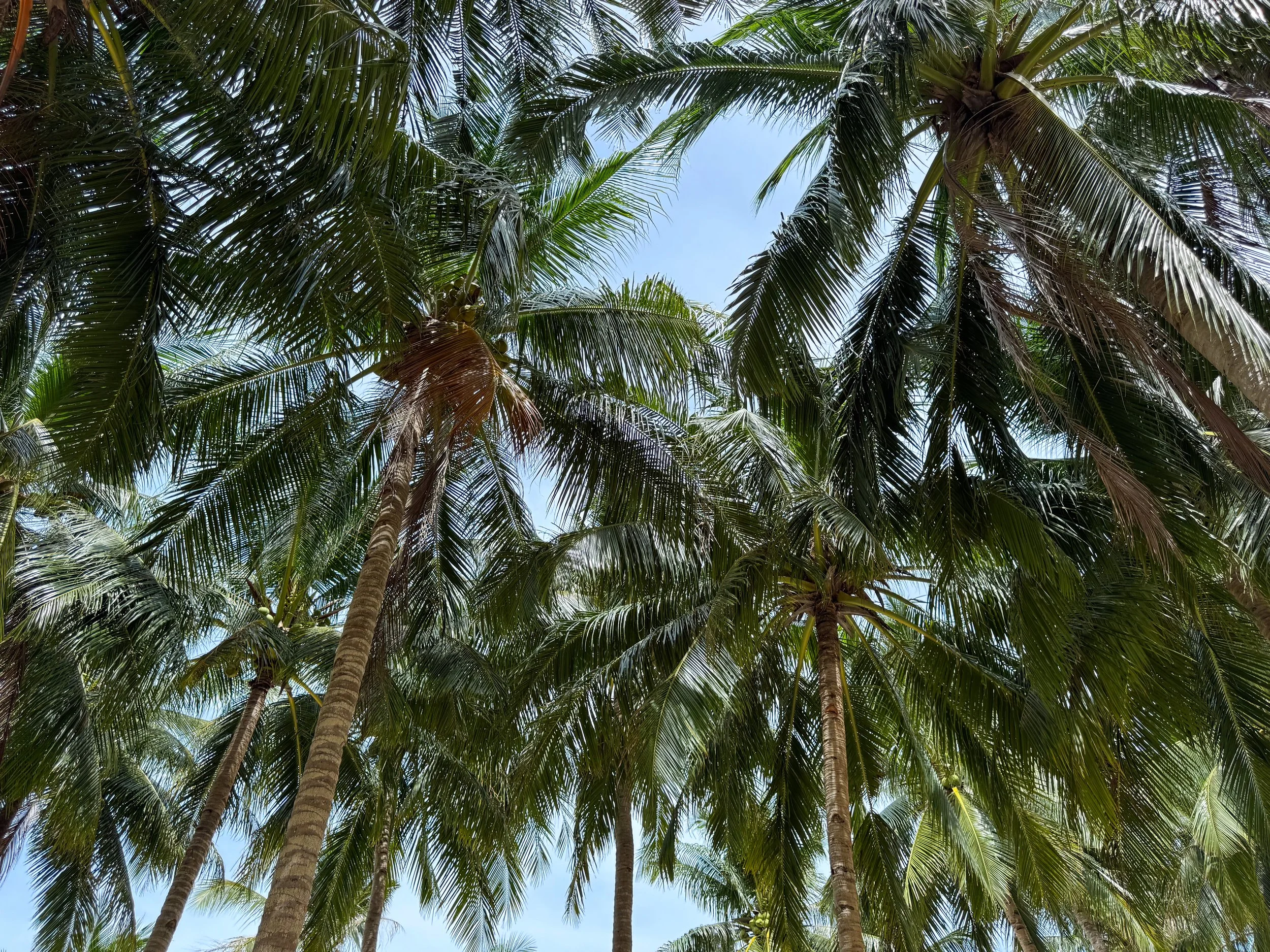
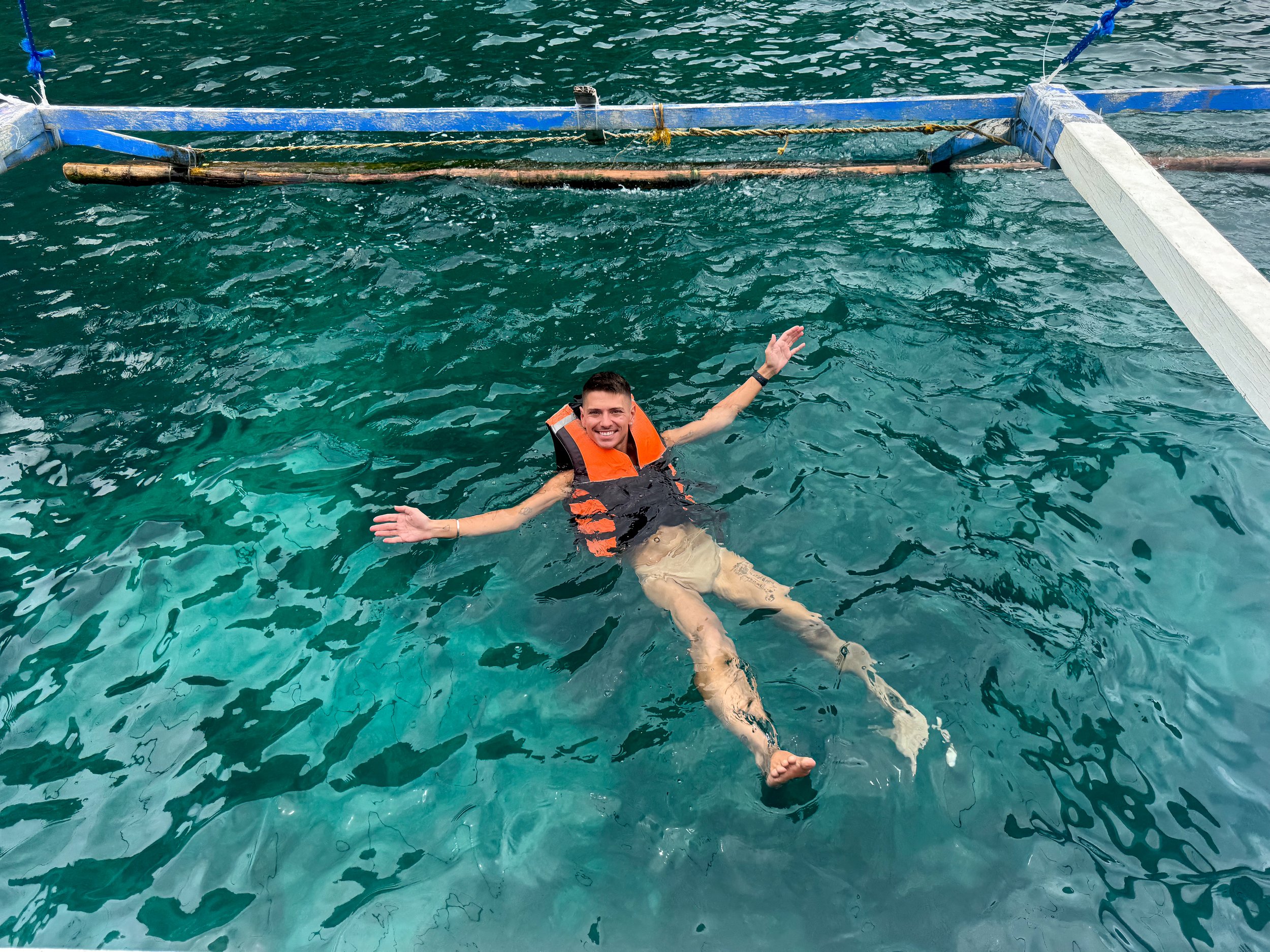
El Nido Tour A
One of the most popular circuits around El Nido. It visits multiple beaches and lagoons over the course of the day. It’s the perfect way to enjoy beach time, kayaking, snorkeling and swimming.
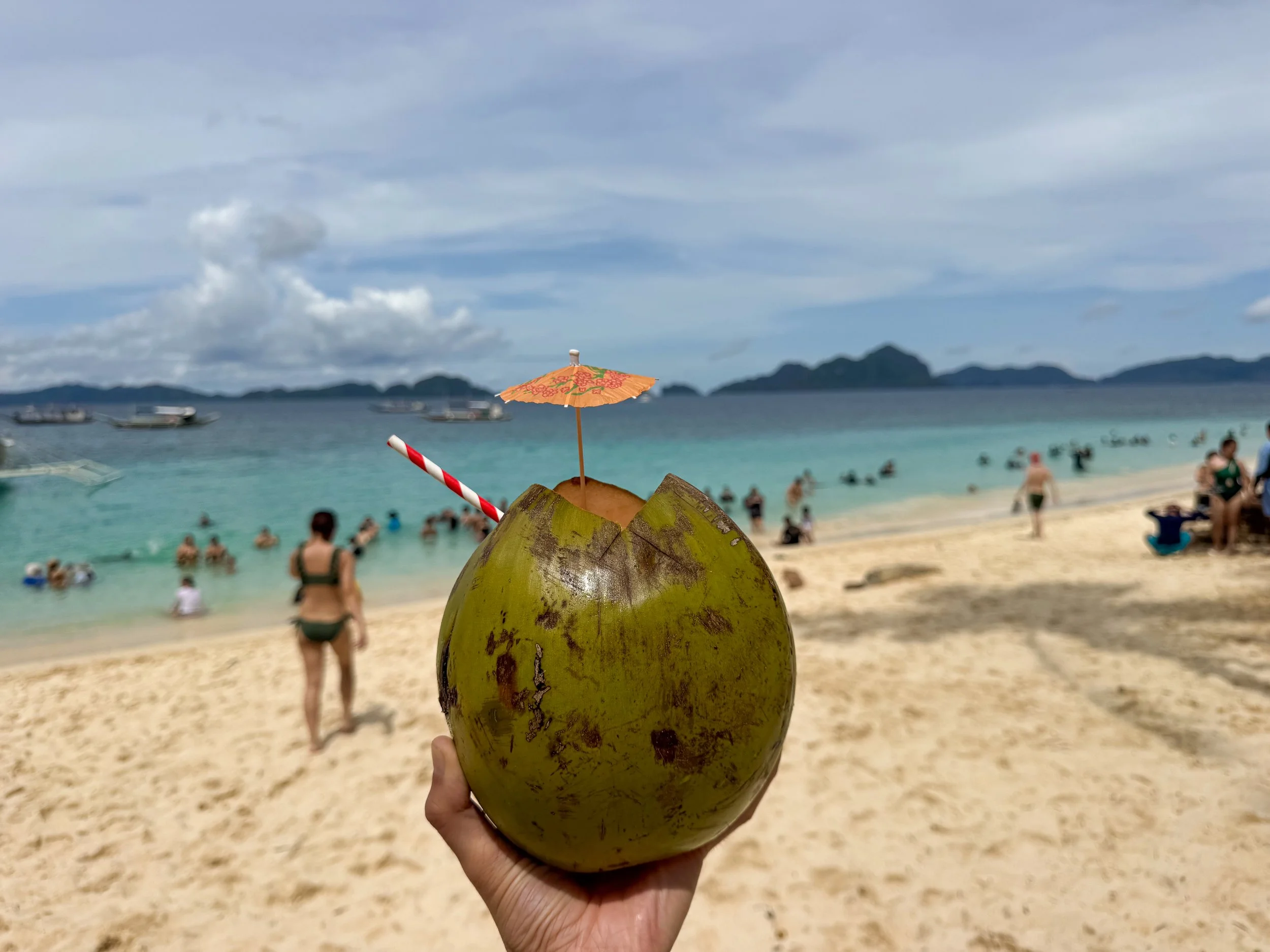
Seven Commandos Beach. A white sand beach with palm groves and turquoise swimmable waters set against a steep tree covered mountain. There is a beach bar with fruit shakes, cocktails and fresh coconuts. Order the coconut with rum poured inside for a tropical buzz.
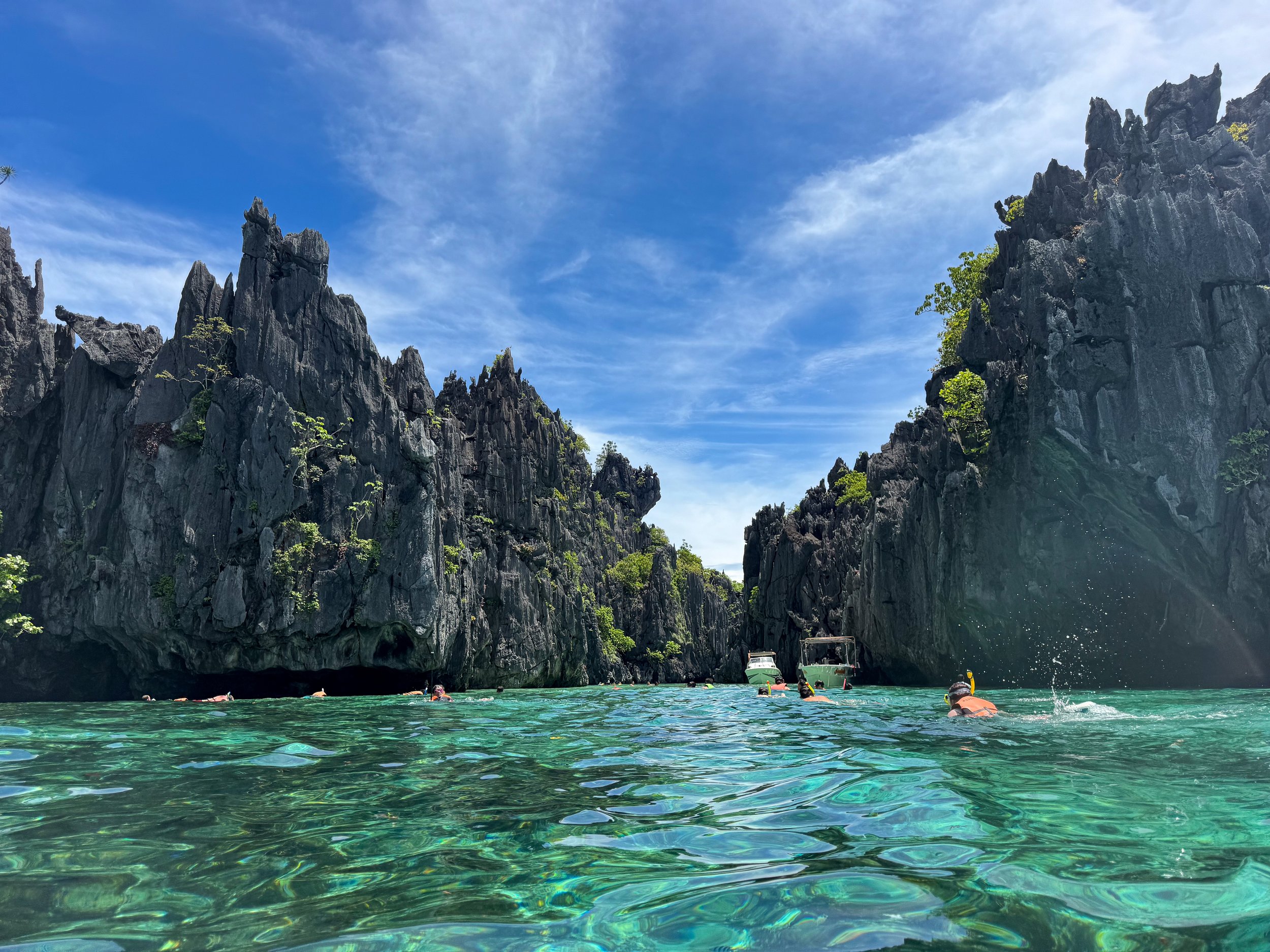
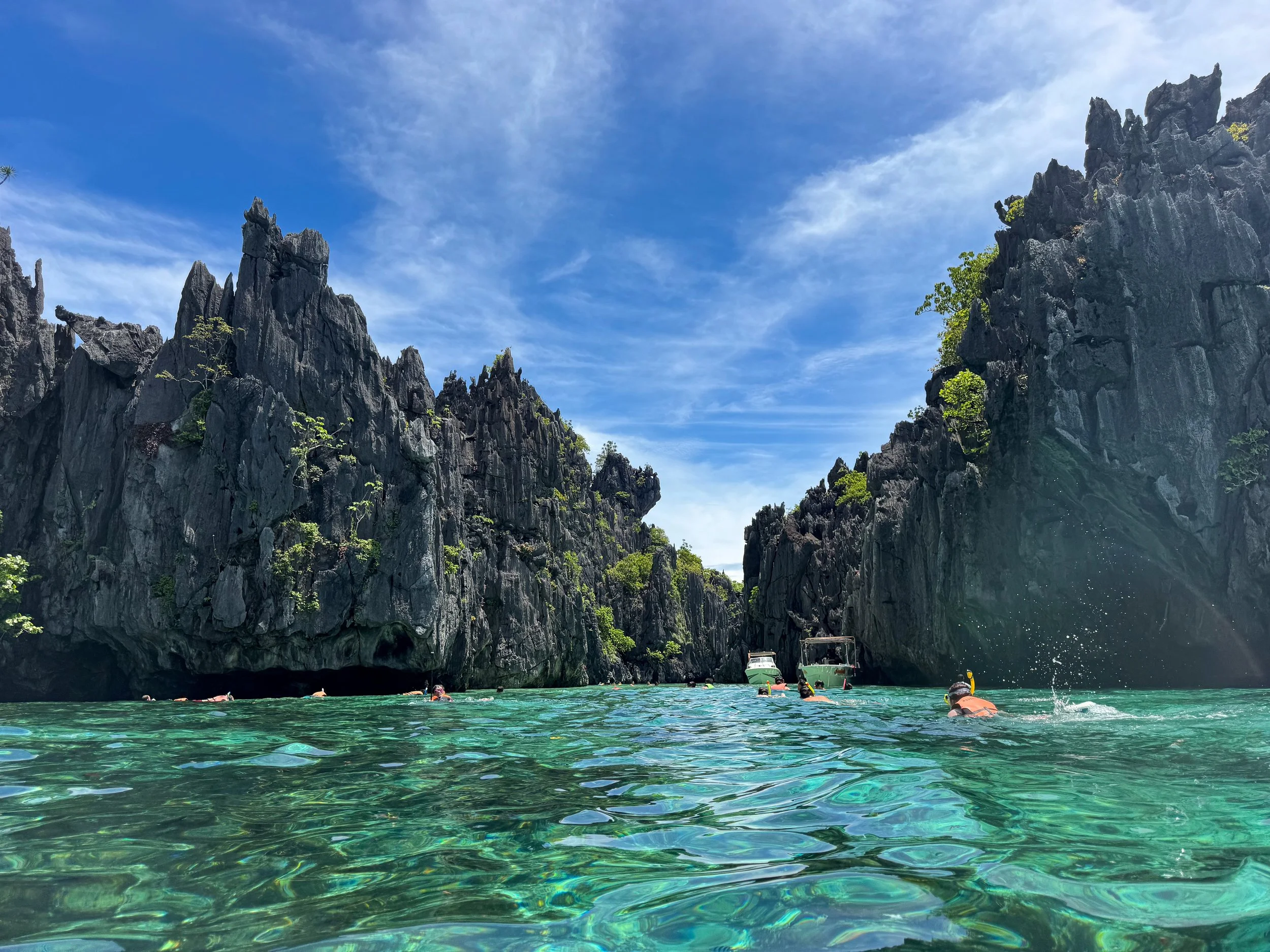
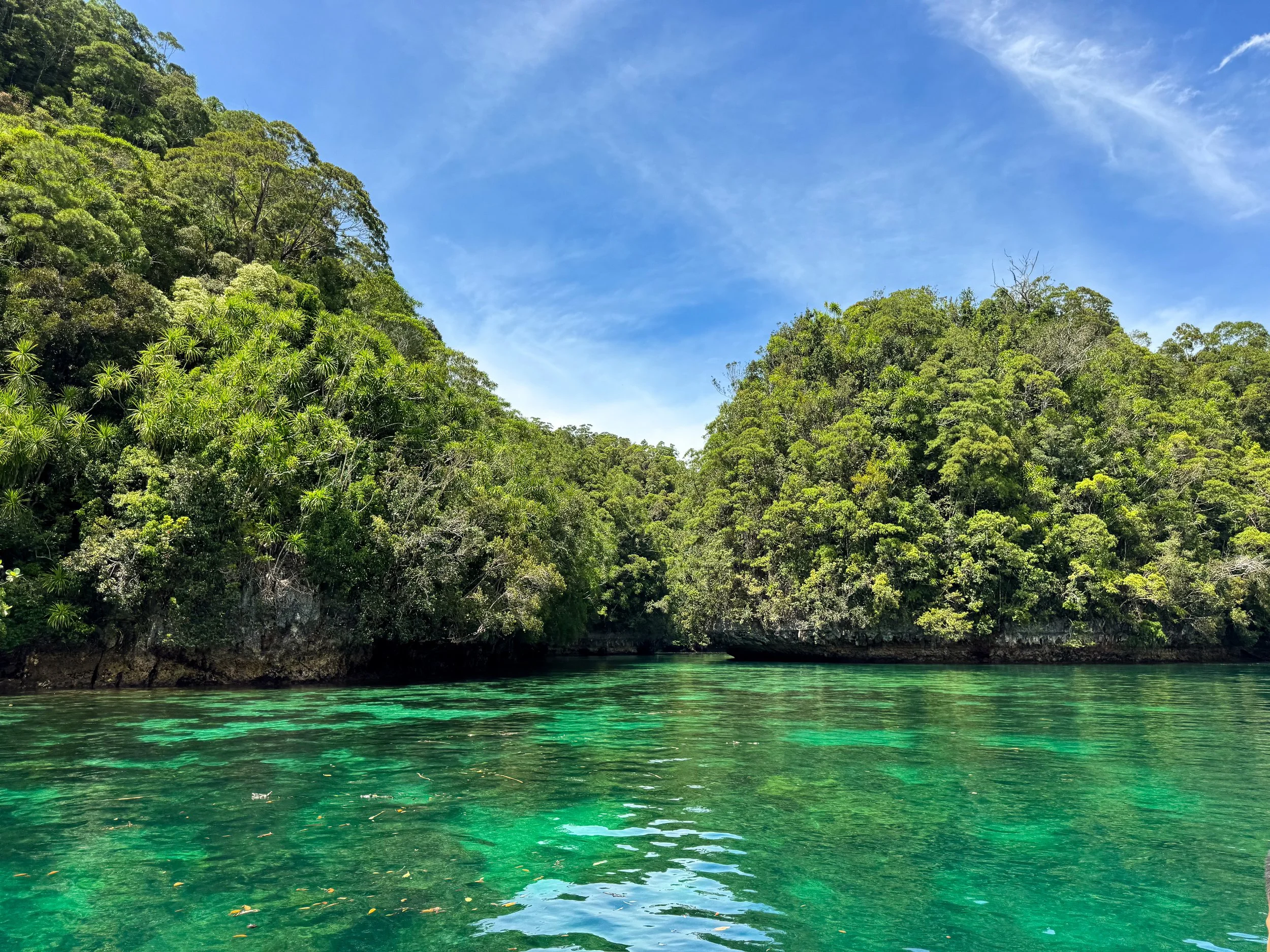
Big Lagoon. Rented kayaks and paddled into a shallow channel lined by sharp rocky cliffs and shrubs. The channel varied in color from light blue to deep navy. We entered a lagoon and paddled left, kayaking through a very narrow cave. Once outside of it, we paddled further across the lagoon where no one else visited. In a few shallow coves were coral, jellyfish and even a small shark.
Shimizu Island. A rugged and lush island in the bay with several small sandy beaches. We stopped along one of the beaches to swim and for lunch.
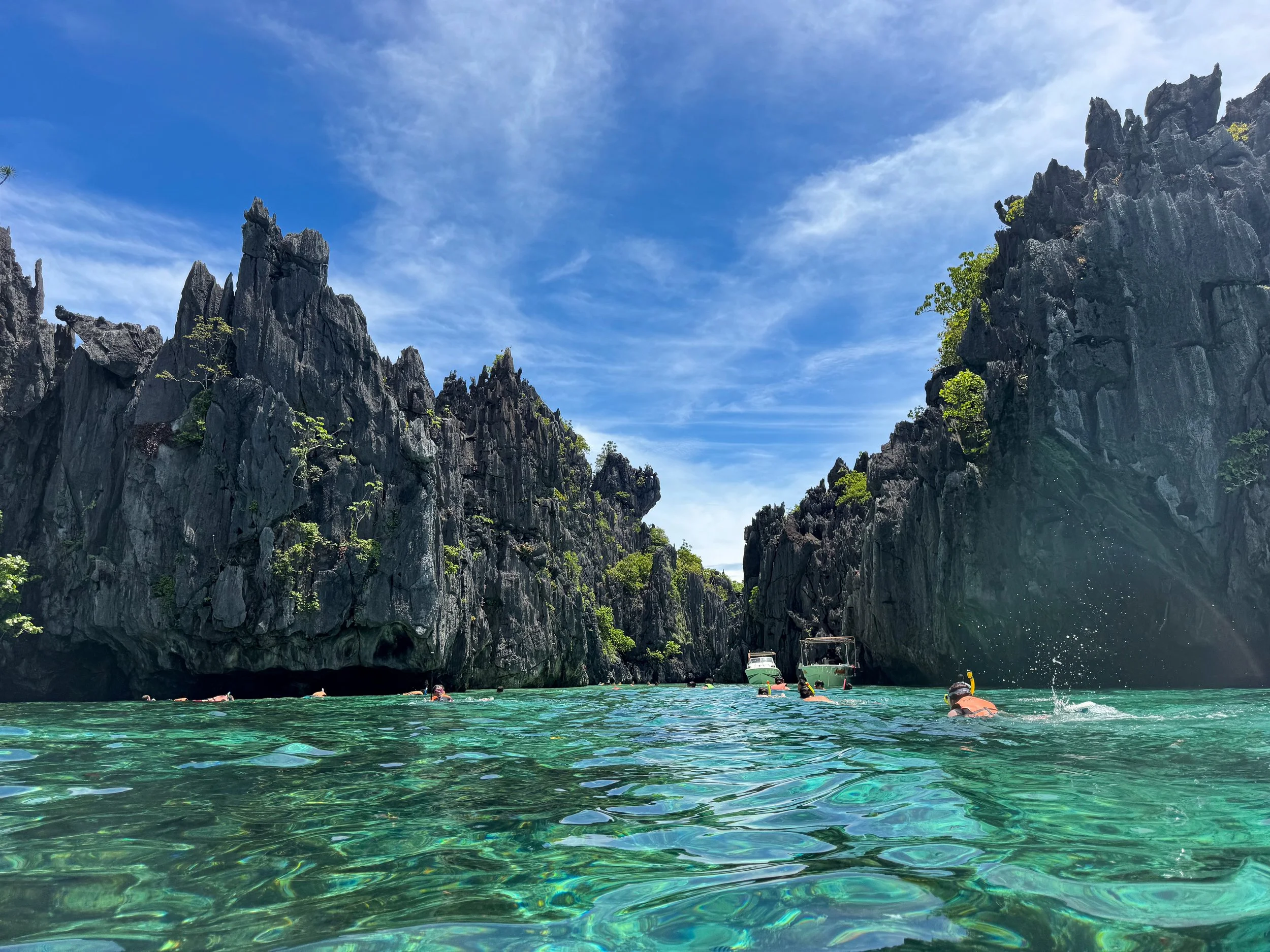
Secret Lagoon. A hidden lagoon only accessible by crawling through a narrow opening in the rock cliff. Beyond is a milky blue lagoon with vertical rock cliffs opening up to the sky beyond.
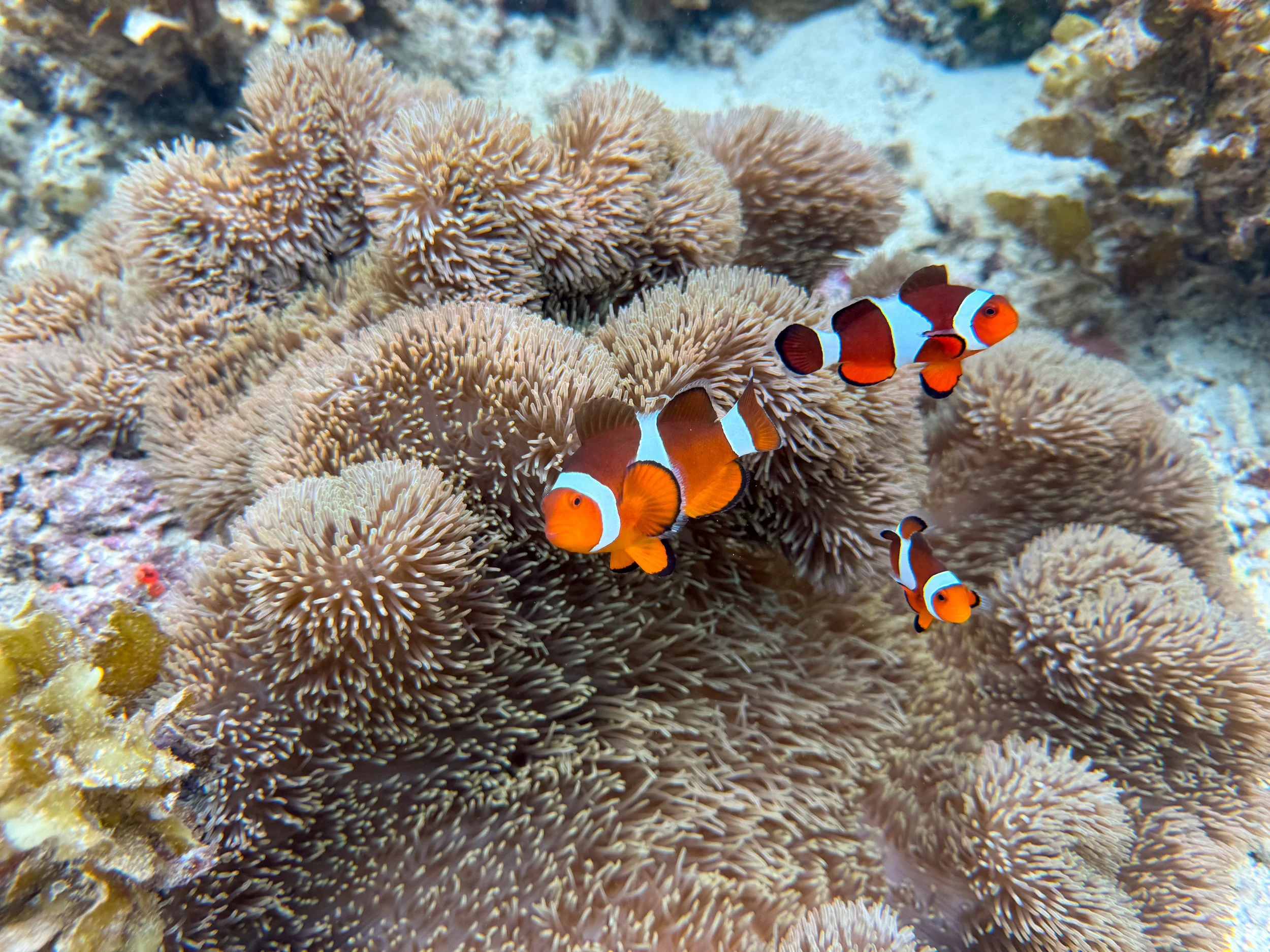
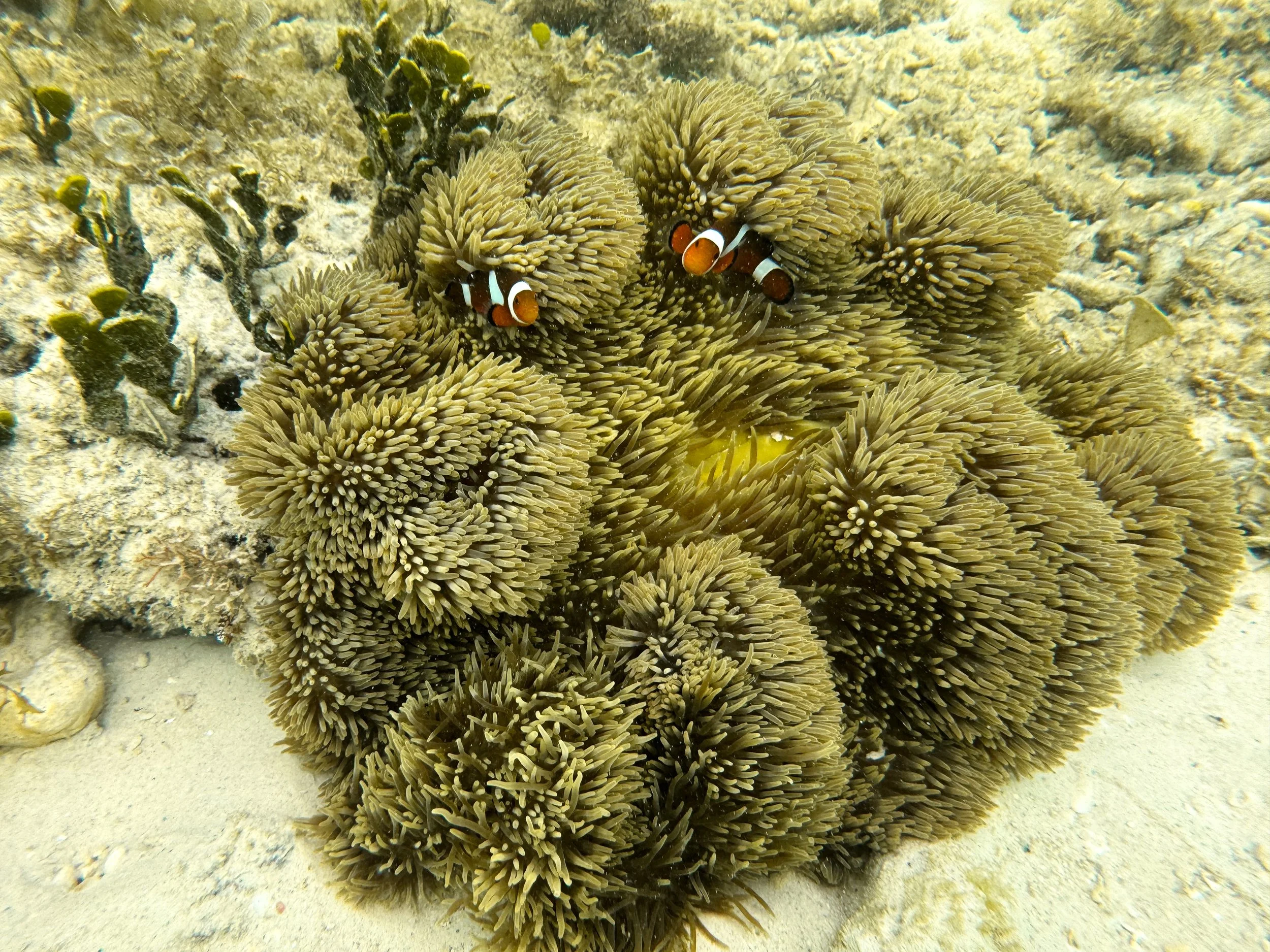
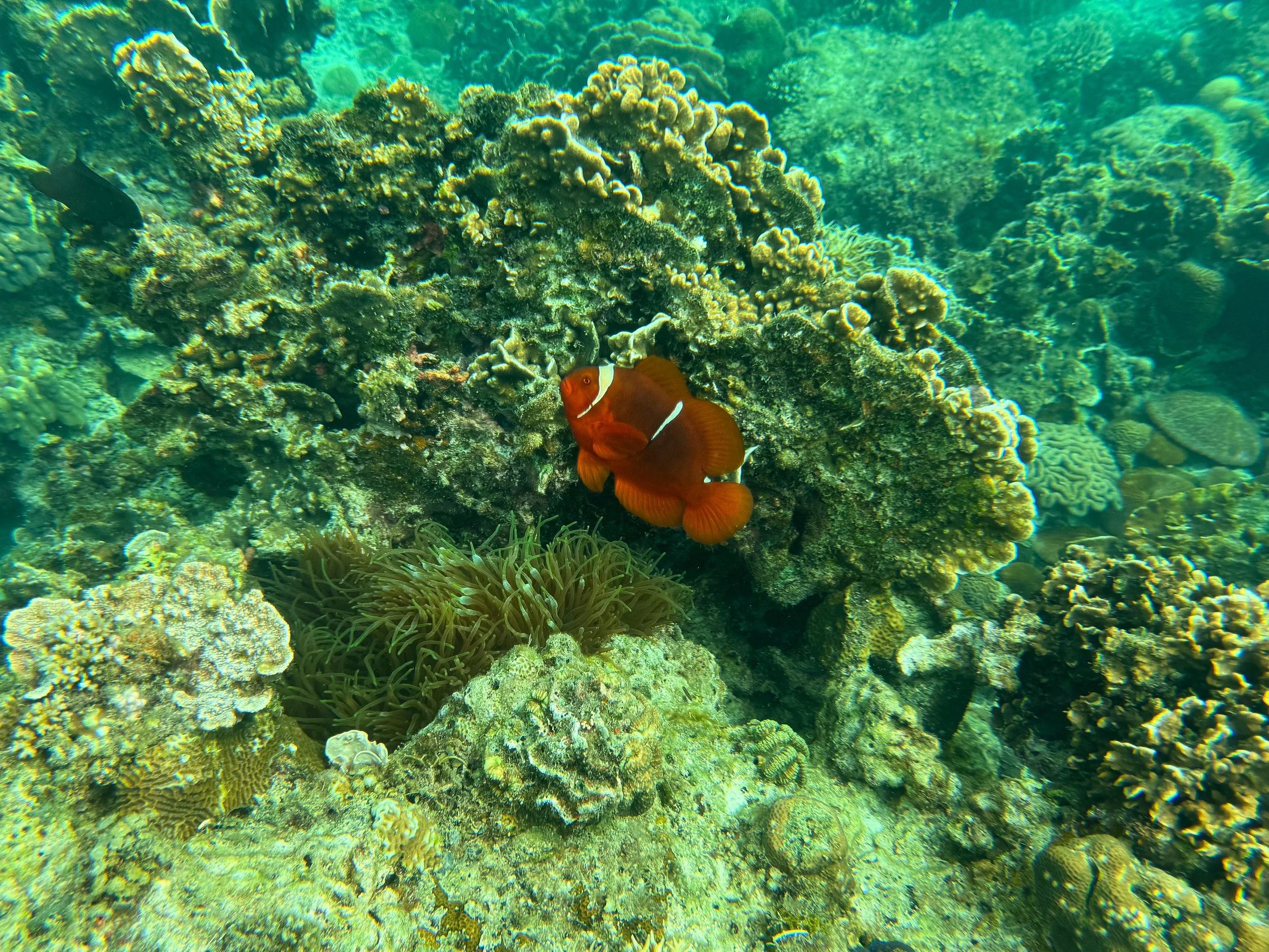
South Miniloc. On the south side of Miniloc island between Secret Lagoon and Payong Payong Beach is a cove teeming with corals and marine life. The corals are all at a shallow depth and easy to snorkel above and between. Fish seemed to acclimate around our presence as we observed them. Electric blue clams, colorful christmas tree corals and rainbow scaled tropical fish were seen across the reef. Several anemones with clown fish swimming around swayed in the currents while spiky urchins hid in crevices below.
El Nido Tour B
An often overlooked tour on the A to D circuit making it more peaceful than the others. It visits beaches, snorkeling spots and caves. It happened to be our favorite tour even with unfavorable weather!
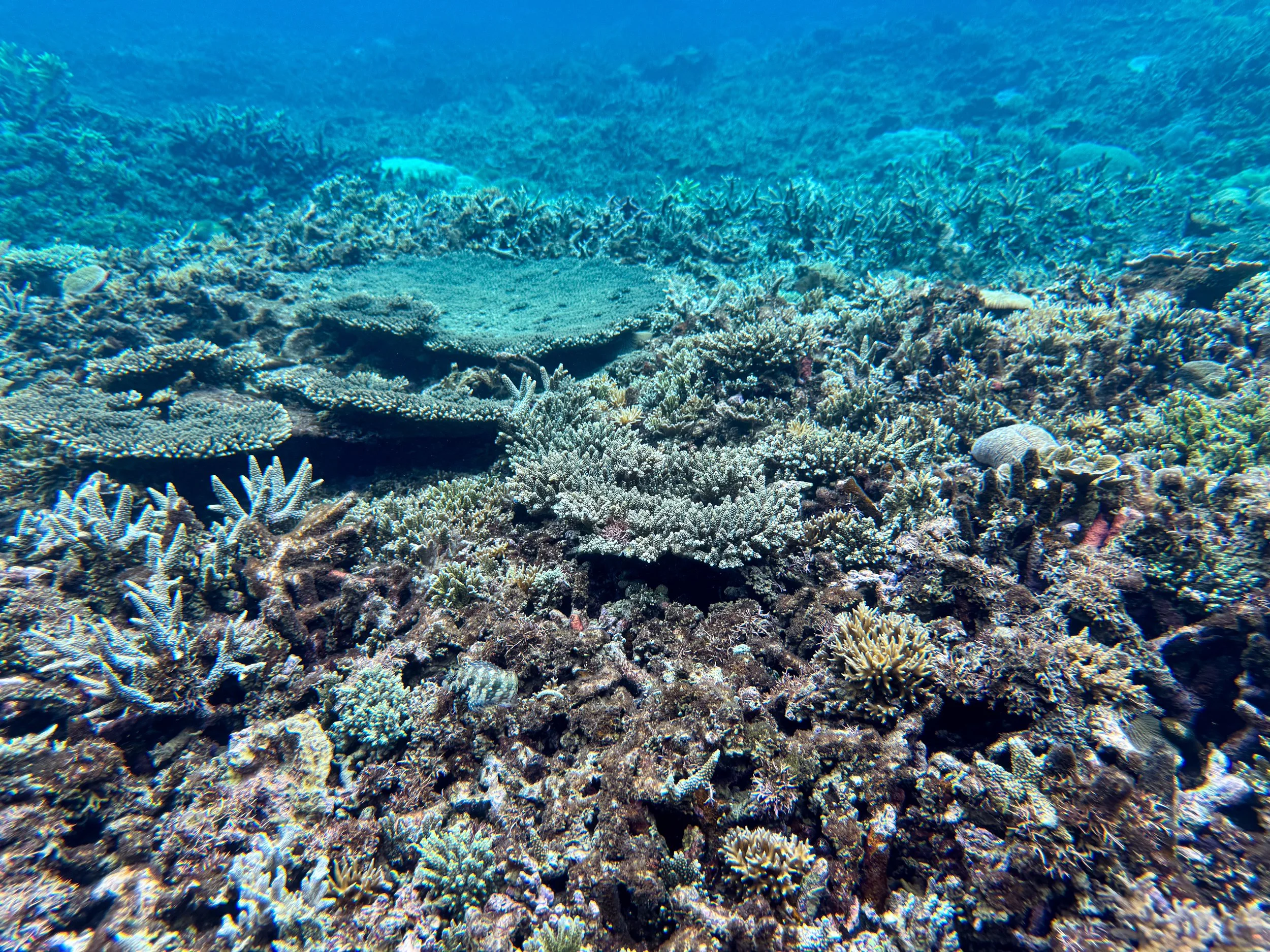
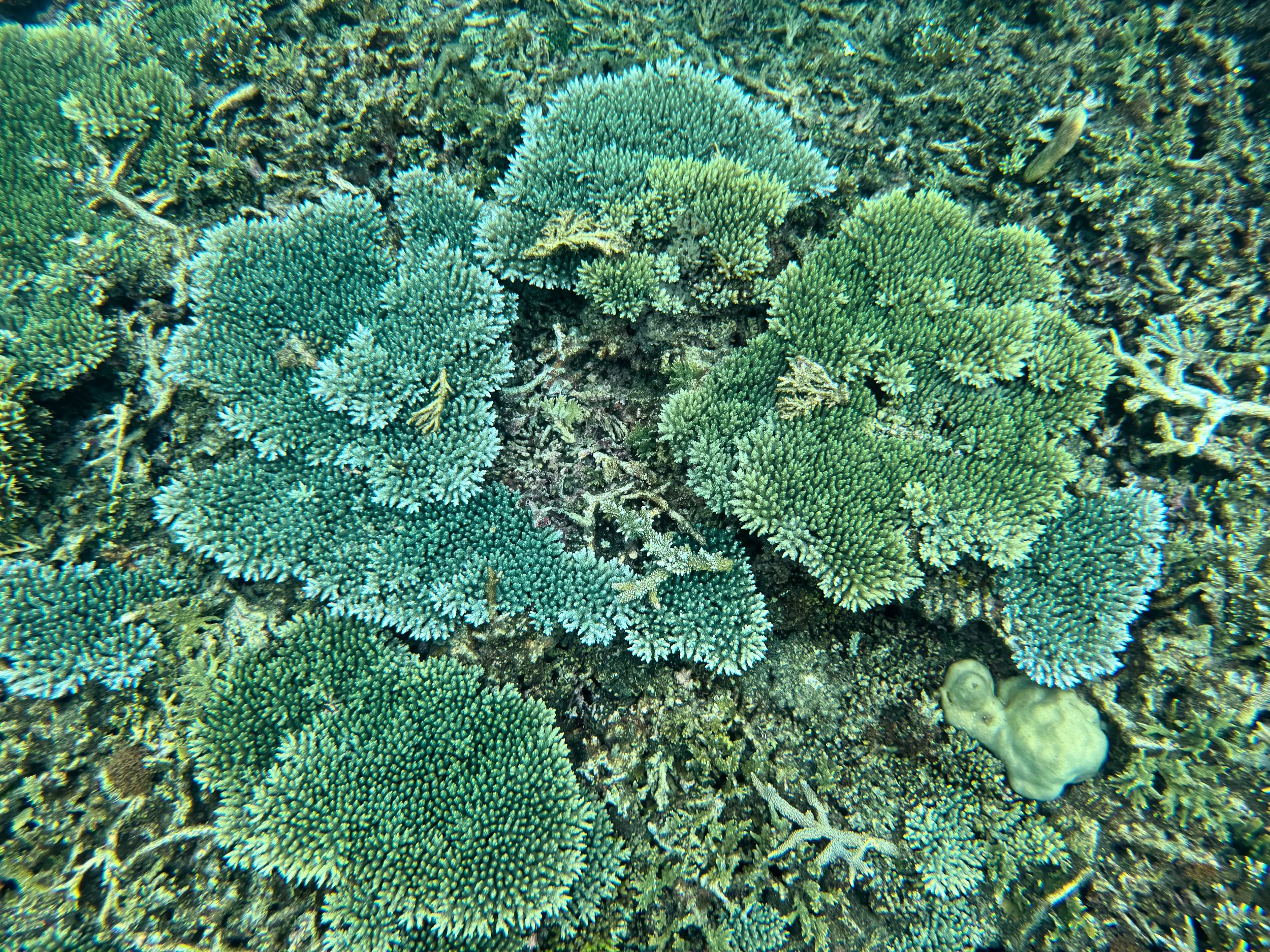
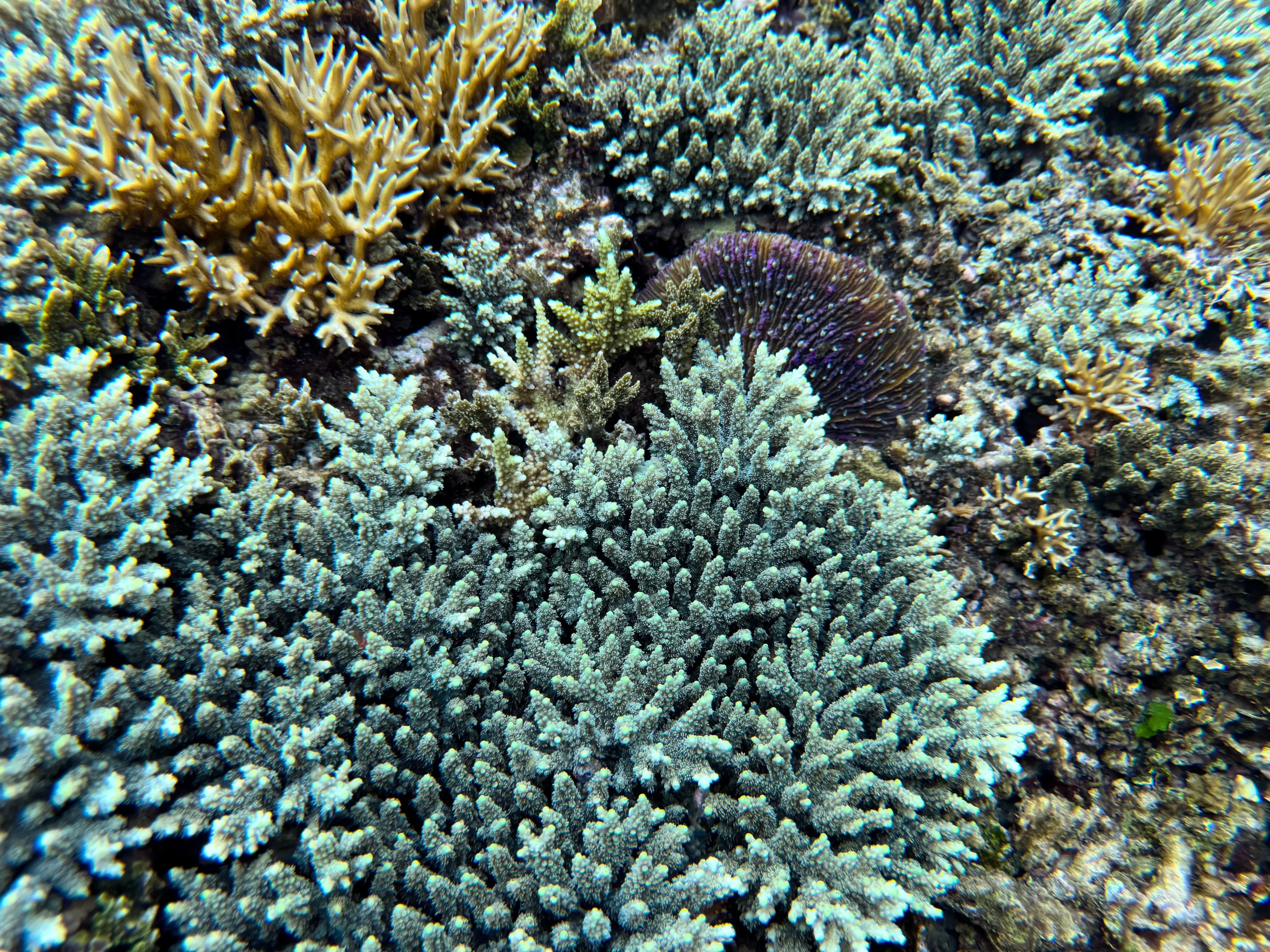
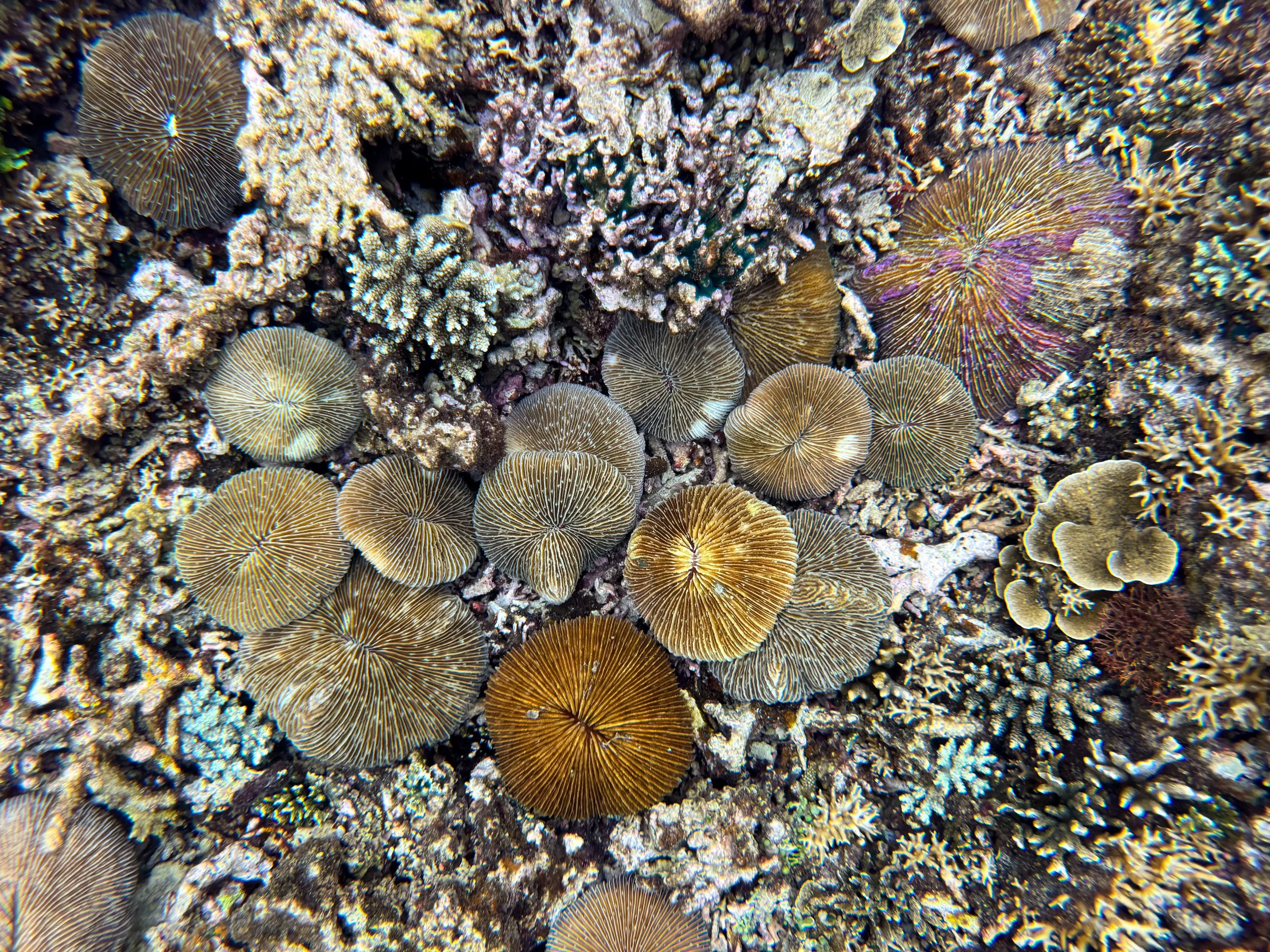
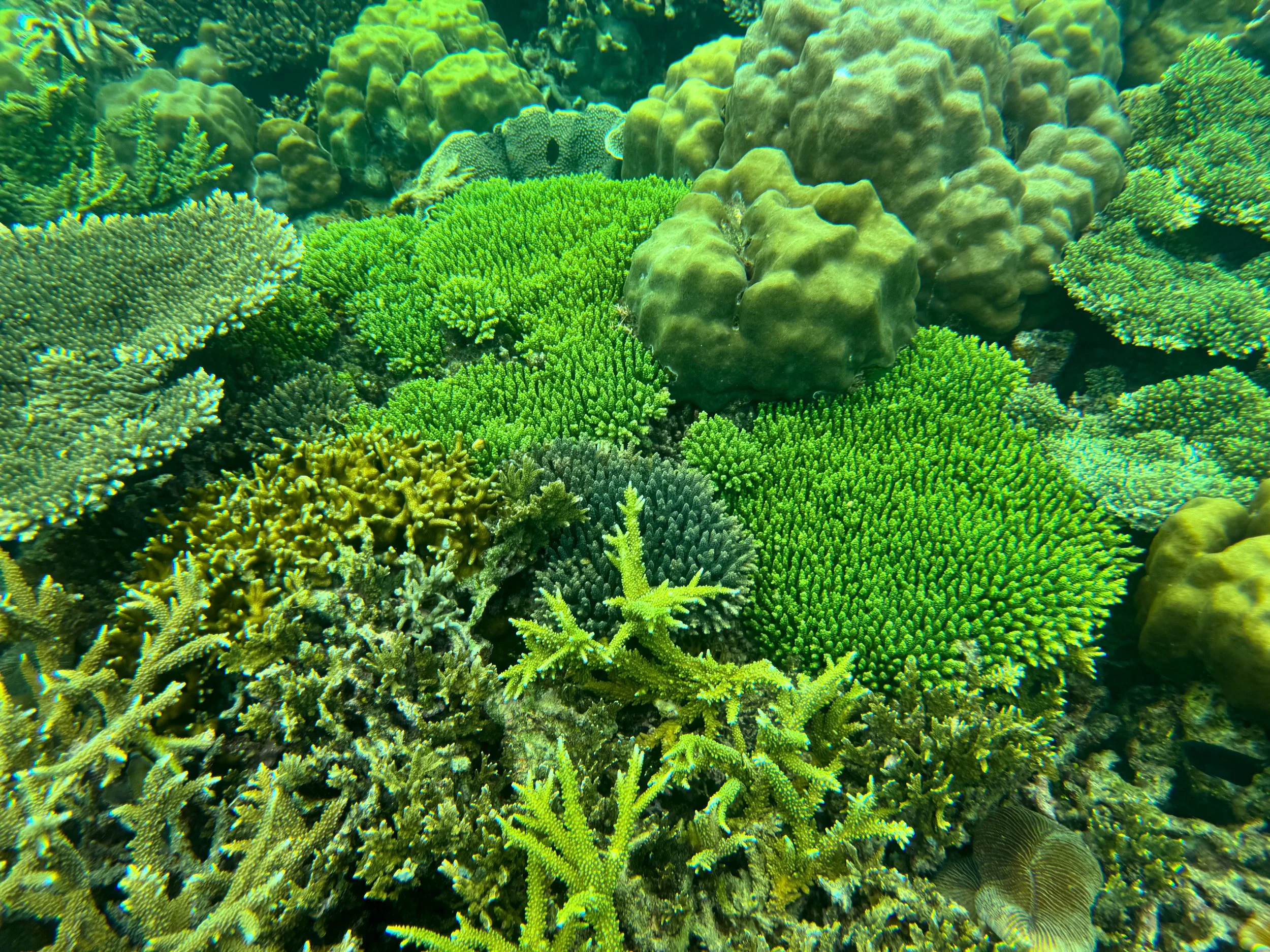
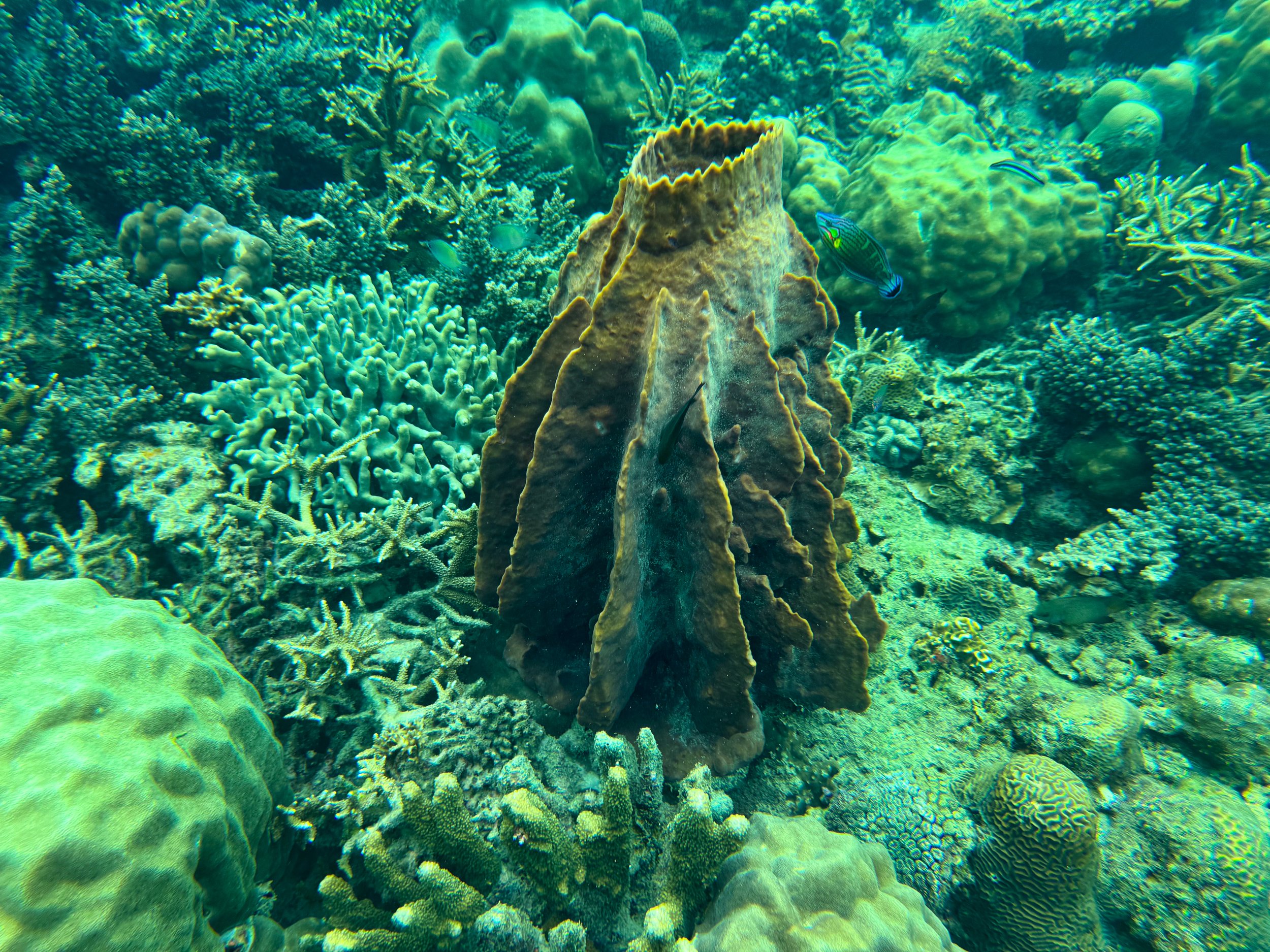
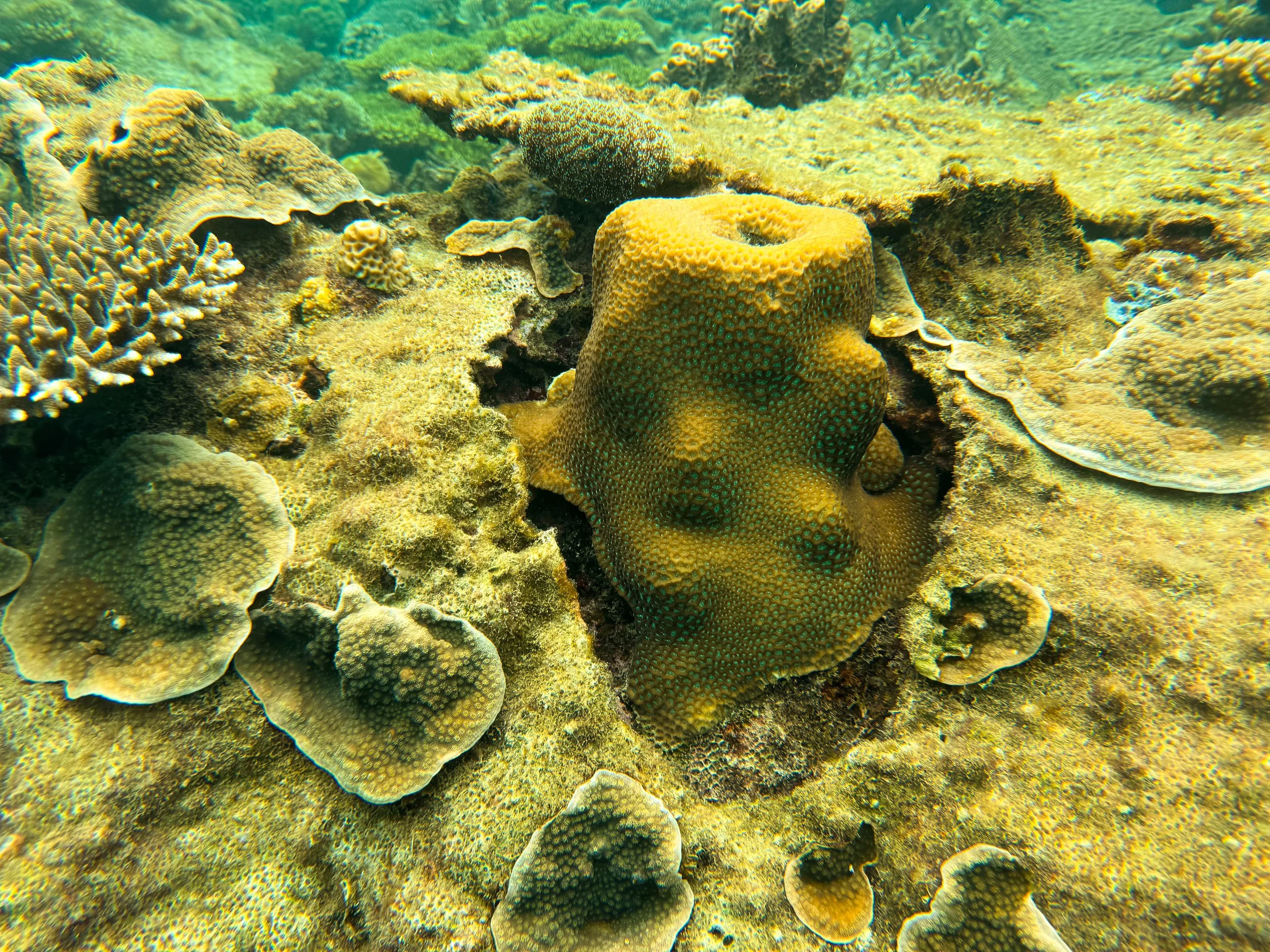
Cathedral Island. A thriving shallow water coral garden just below the surface. It makes up a sprawling landscape of colorful corals home to many varieties of reef fish and marine life. We snorkeled overhead, observing the stunning structures, clusters of sea creatures and strange reef formations. The sight was easily the highlight of the day and one of the best living coral reefs we have seen.
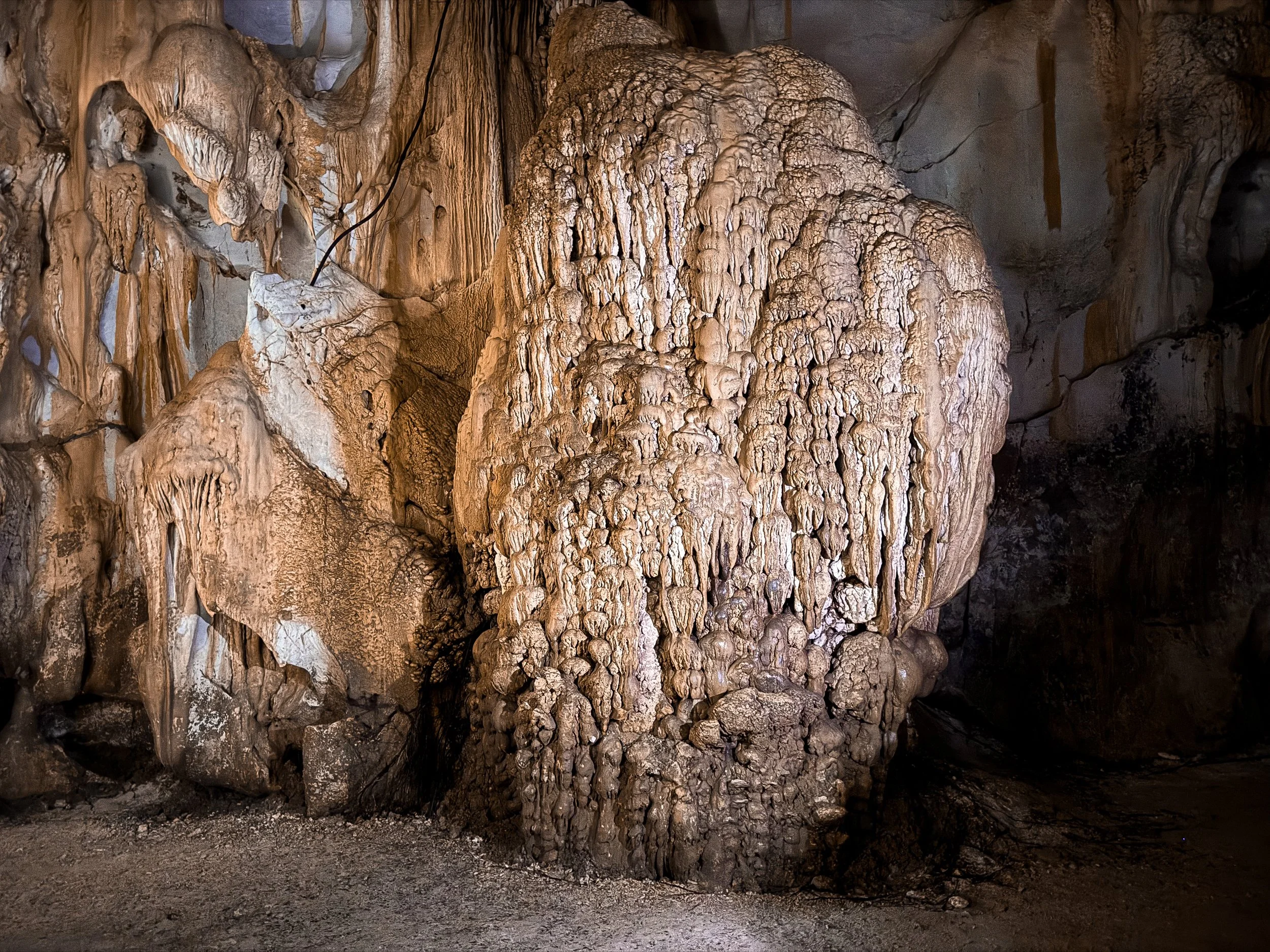
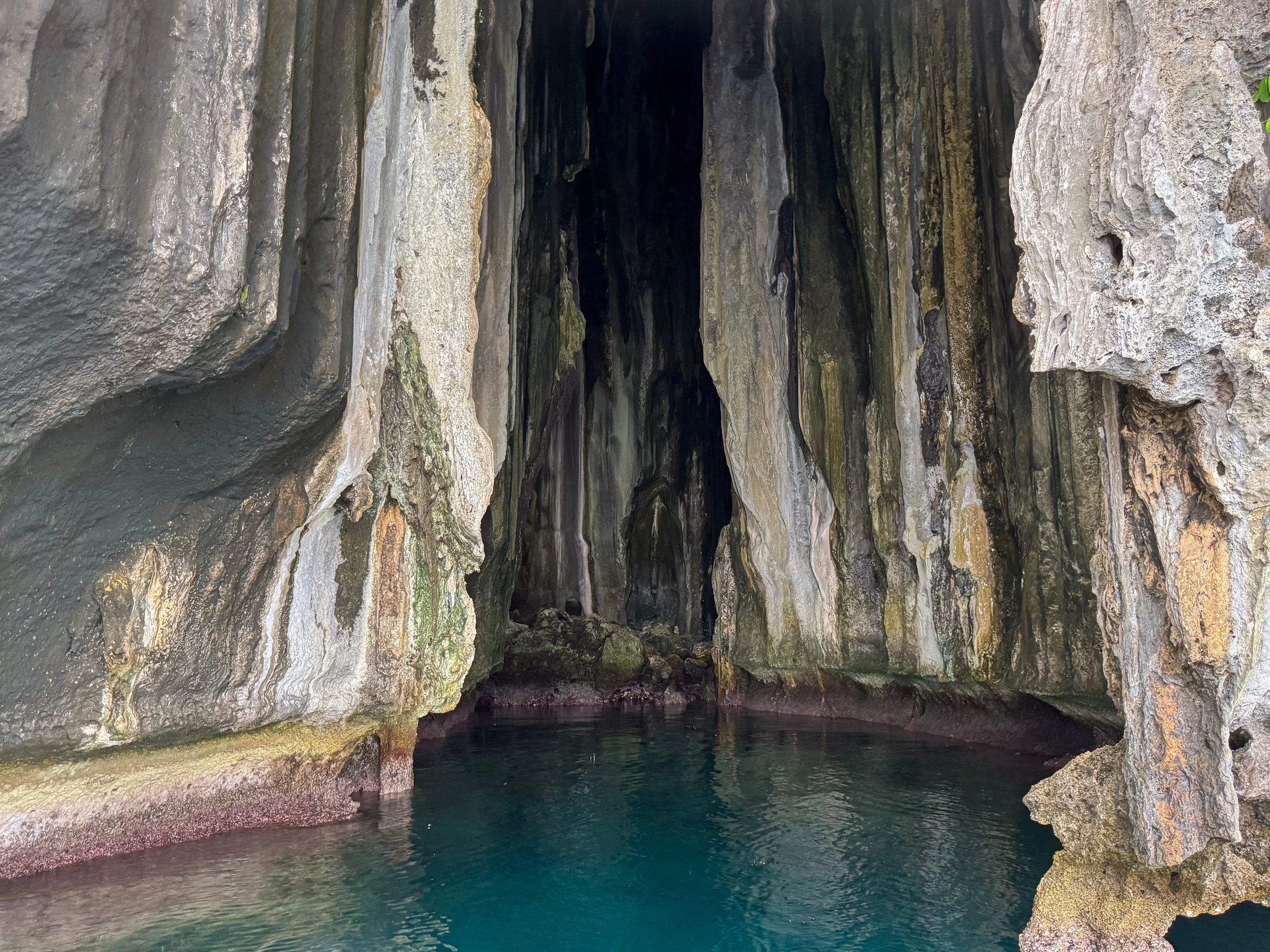
Cathedral Cave. An ocean cave named for its tall vertical columns and rocky ribbons lining its walls. The cave is only observable from outside due to poisonous sea serpents living within.
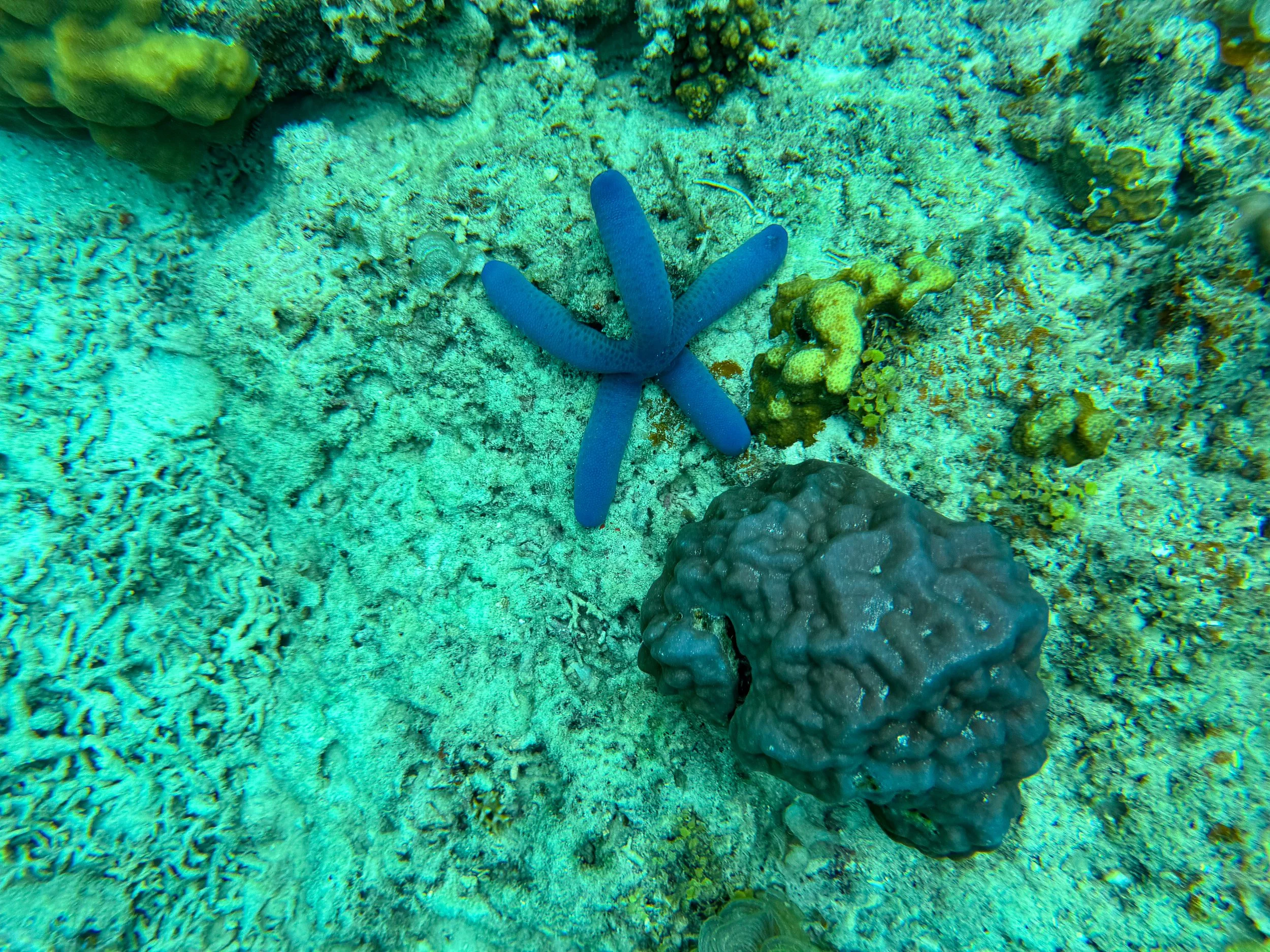
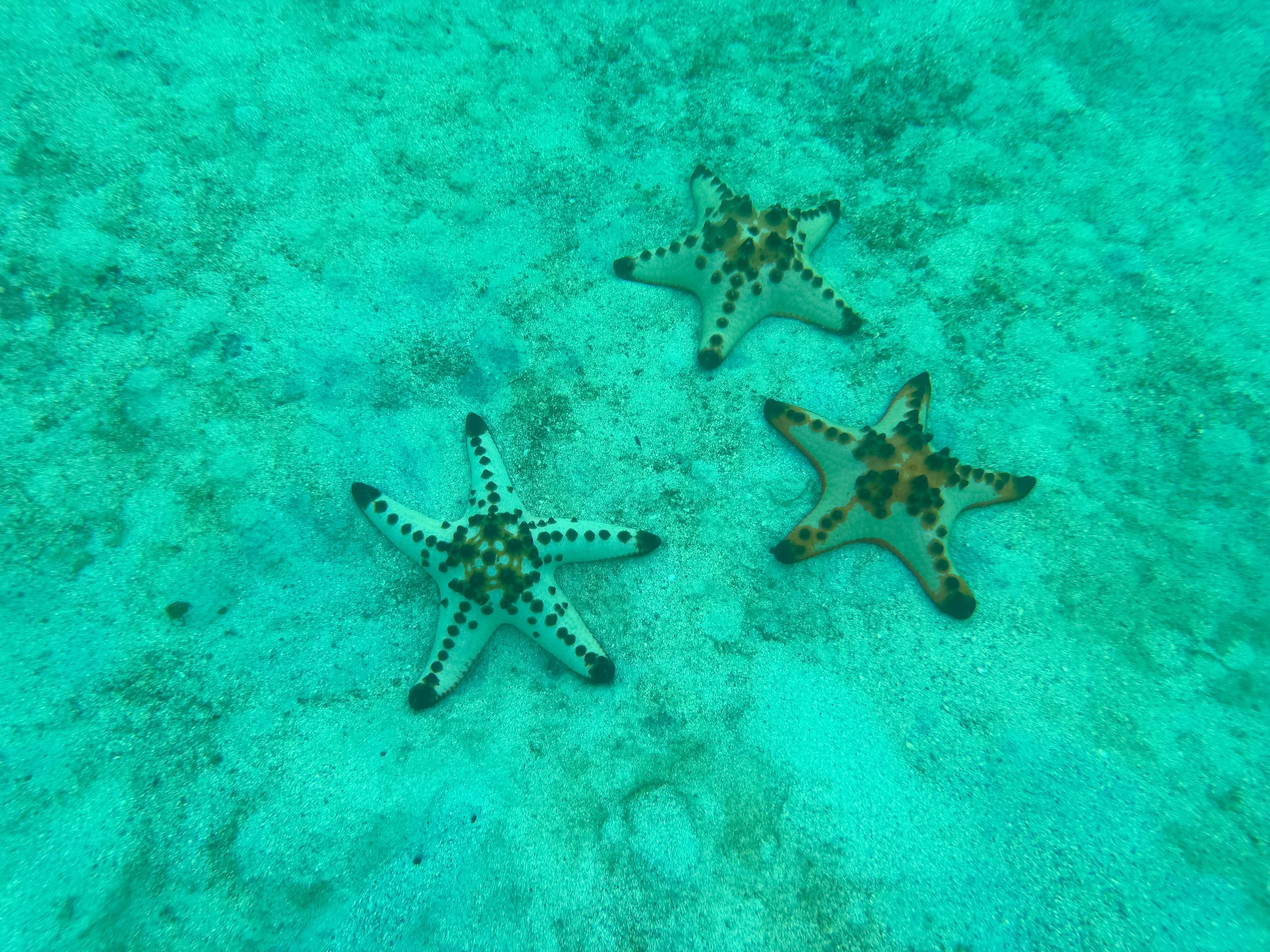
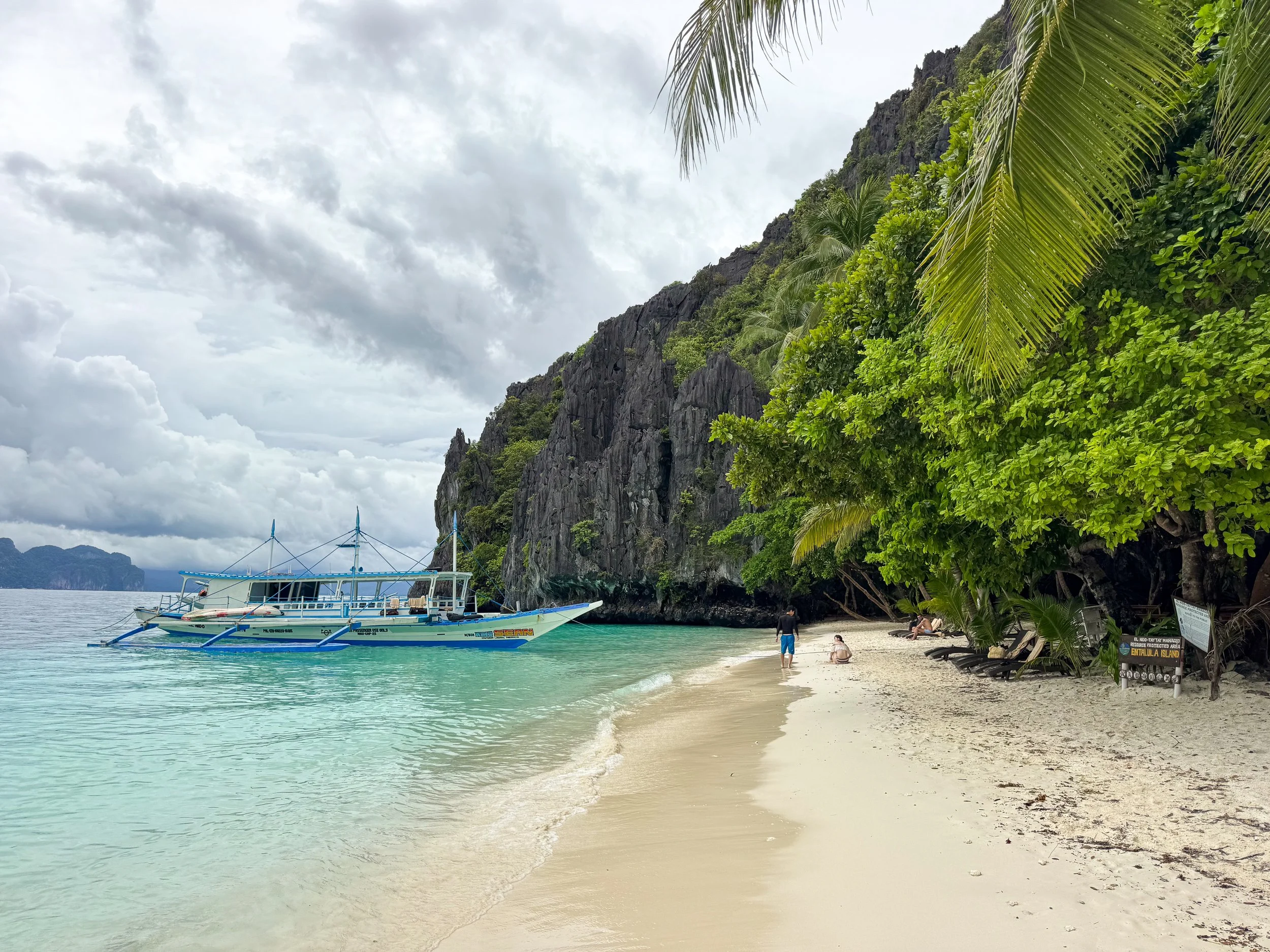
Entalula Island. A sandy beach with a palm lined shore and snorkeling area about 100 meters offshore. Below the water are nodules of living corals, anemone with families of clown fish, leafy sea grass and blue starfish.
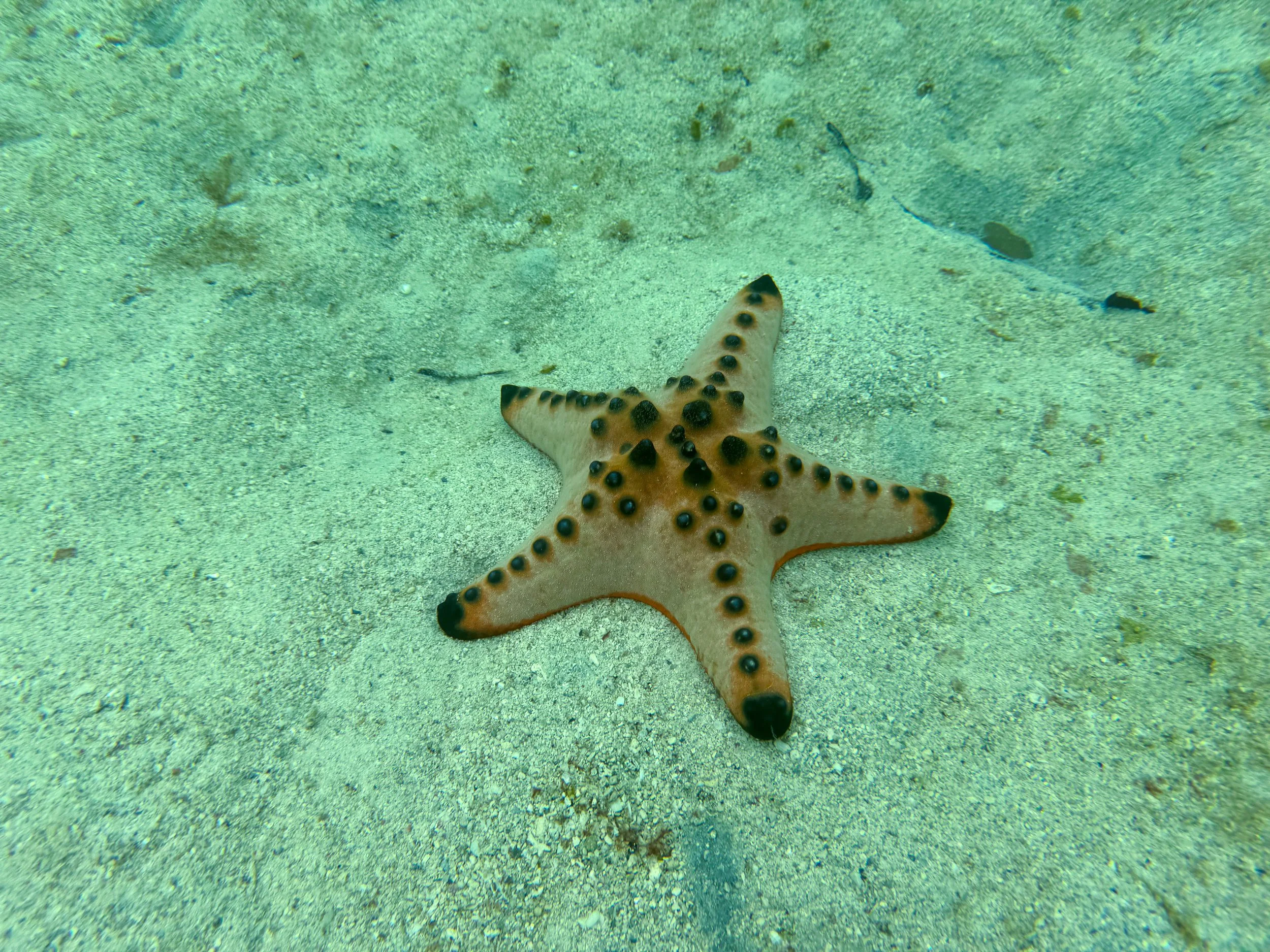
Snake Island. An island advertised for its snaking sandbar accessible during low tide. The tide was high when we arrived; however we discovered rows with dozens of large starfish covering the ocean bottom.
Cudugnon Cave & Beach. A beautiful beach with a sandy palm lined shore, bat cave, underwater garden and small restaurant. The cave led into a pitch black chamber with large flow stones, stalagmites and a colony of sleeping bats. Under the sea is a garden with leafy grasses, swaying anemones, tropical fish and iridescent blue clams. After cave exploring and snorkeling, we ordered mai tais from the restaurant and sipped on them at the beach.
El Nido Tour C
A beach hopping tour making stops at a variety of beaches over the course of the day. It’s the second most popular tour on the circuit around El Nido.
Helicopter Island. An island with a sandy tree lined beach at the base of a cliff. The water gradually gets deeper the further out and the coral becomes more lively with multiple large structures, colorful fish, sea stars and clams. It’s not as lively as points on other tours but still beautiful.
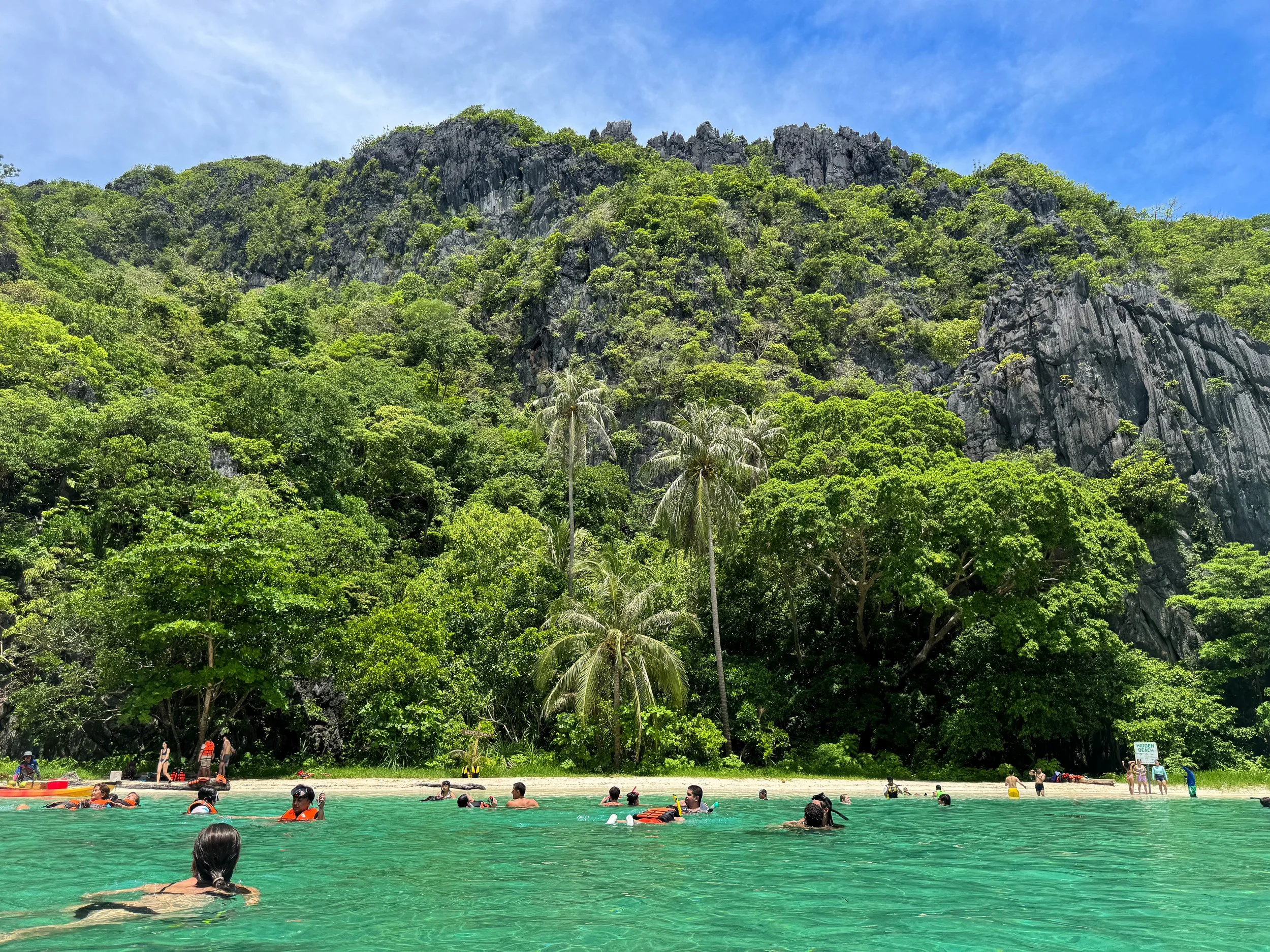
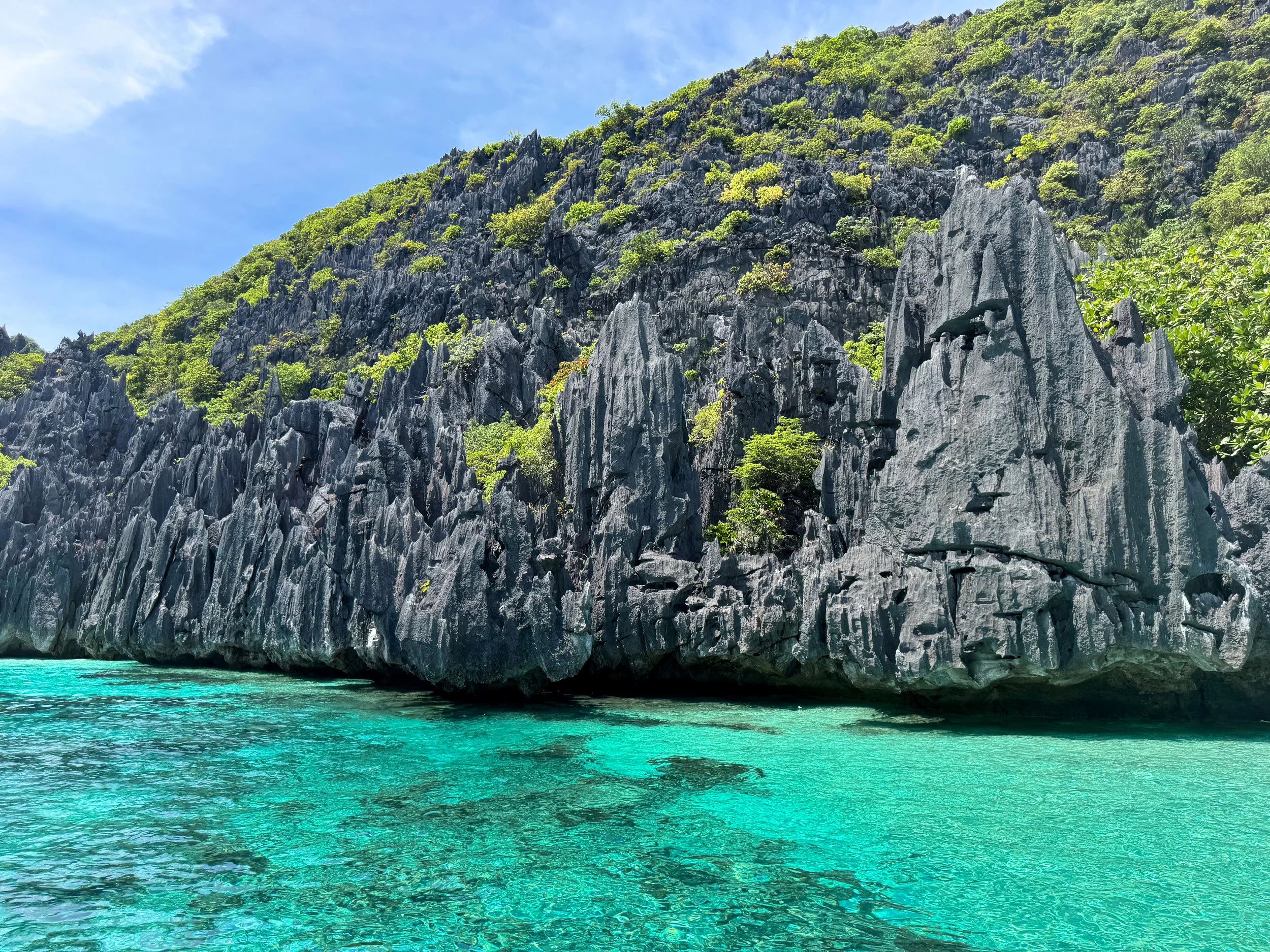
Hidden Beach. A shallow and sandy beach reachable after swimming up a channel with aquamarine water nestled between jagged rock walls. The channel had many small jellyfish that stung as we swam. Luckily they were relatively painless.
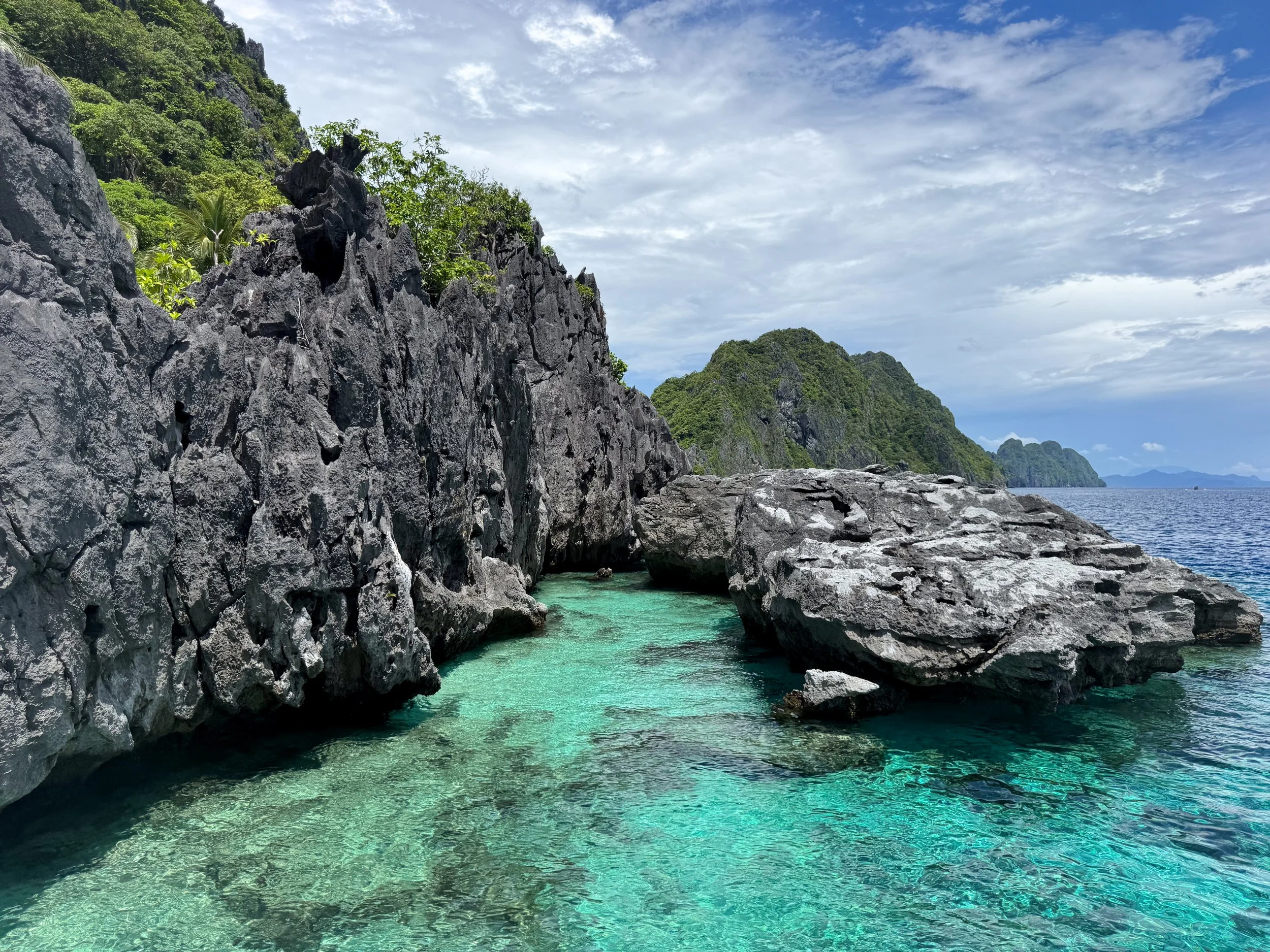
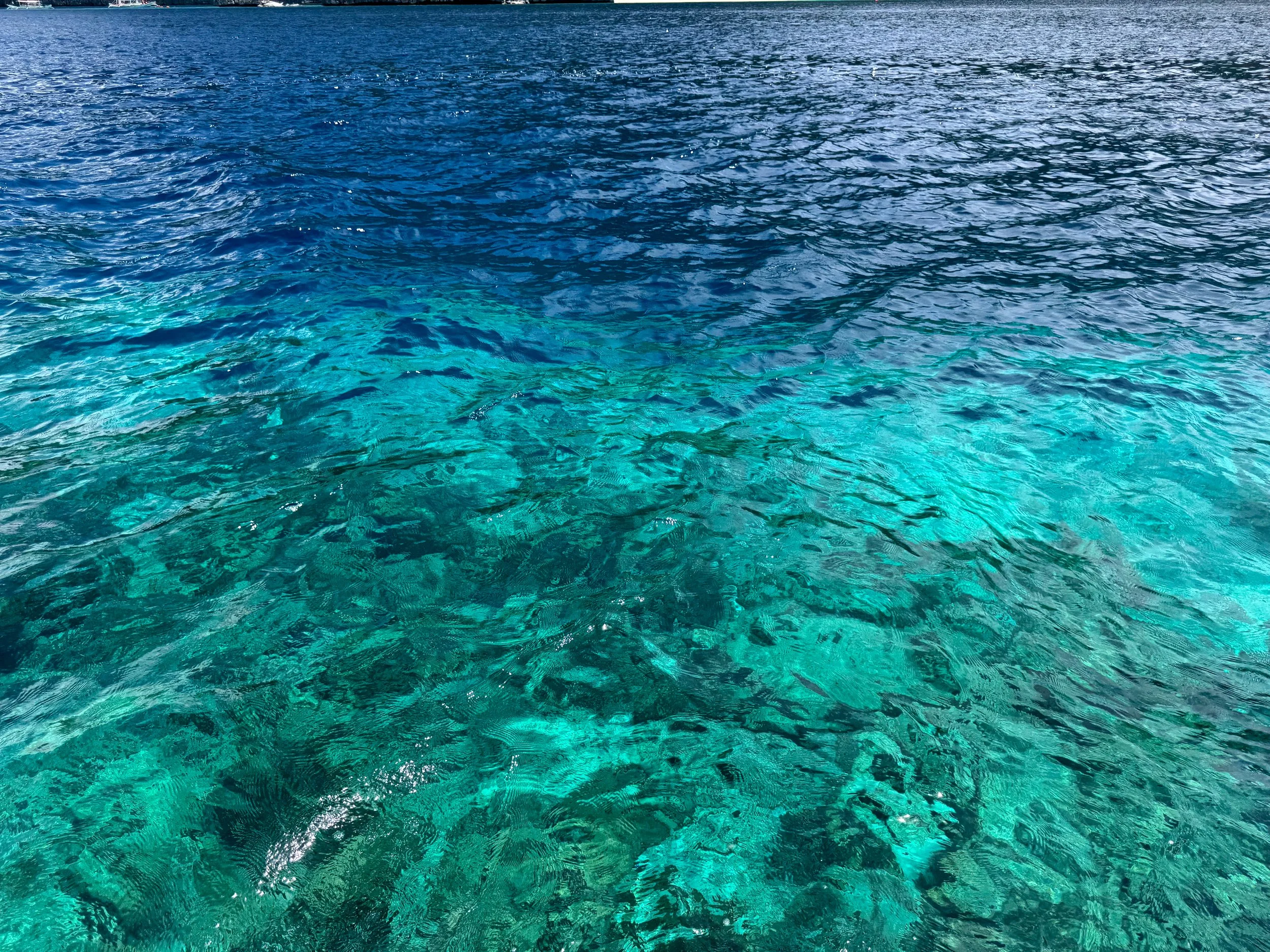
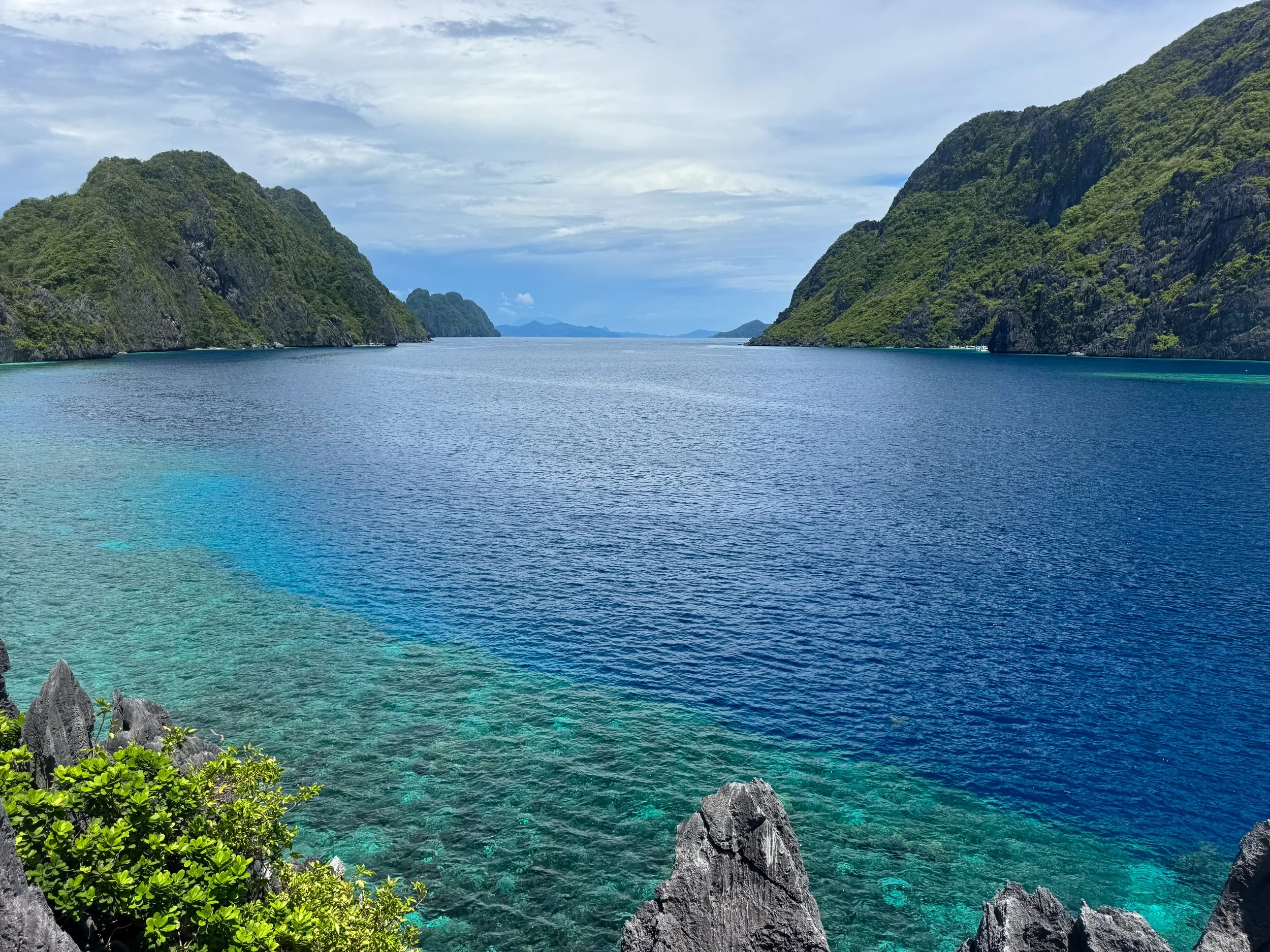
Matinloc Shrine. An island shrine with several steps carved into the rock leading to a panoramic lookout over the channel. On a sunny day a gradient of turquoise, aqua and marine blue can be seen along the drop off below the water. We even spotted a sea turtle coming up for air.
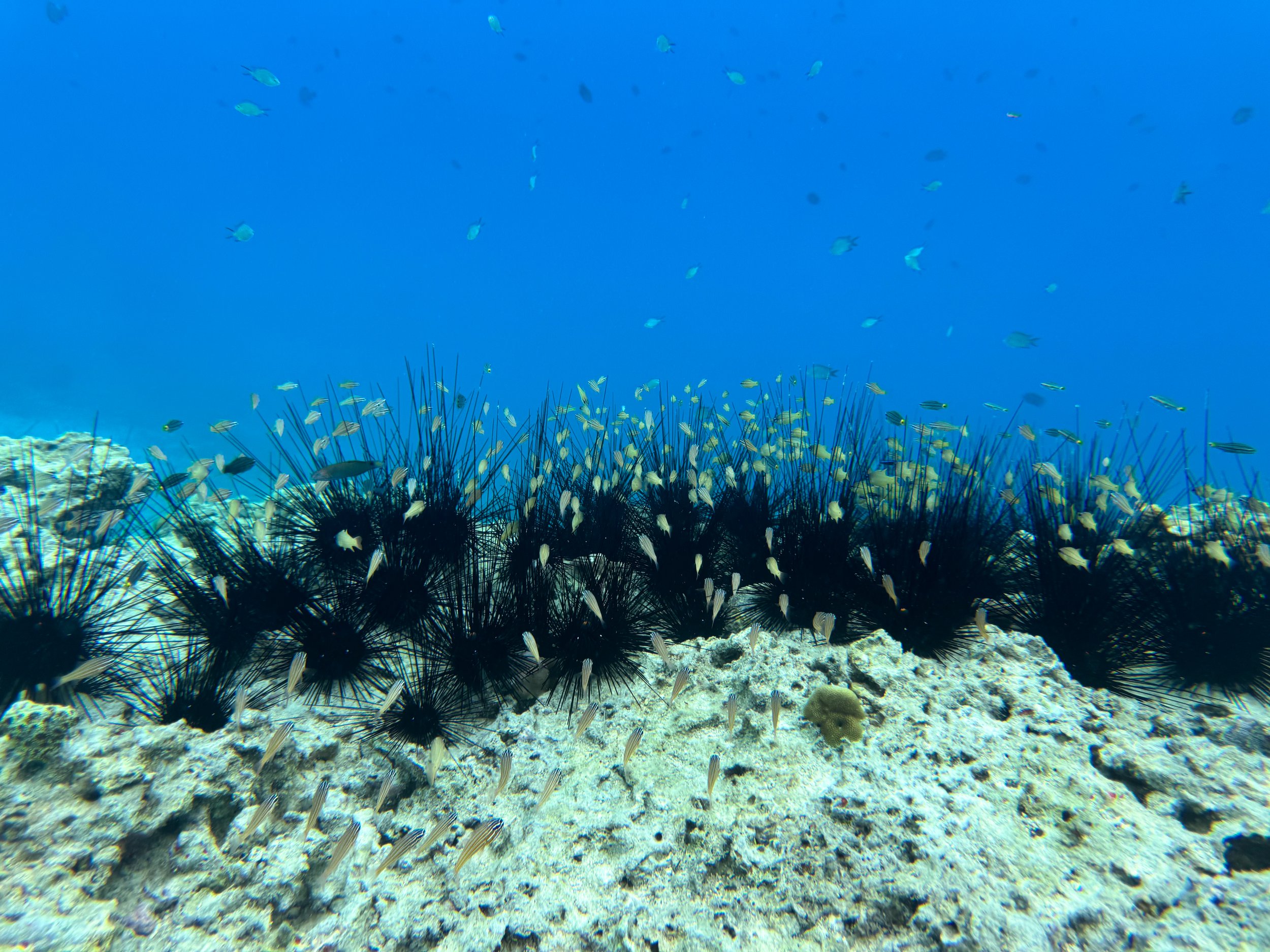
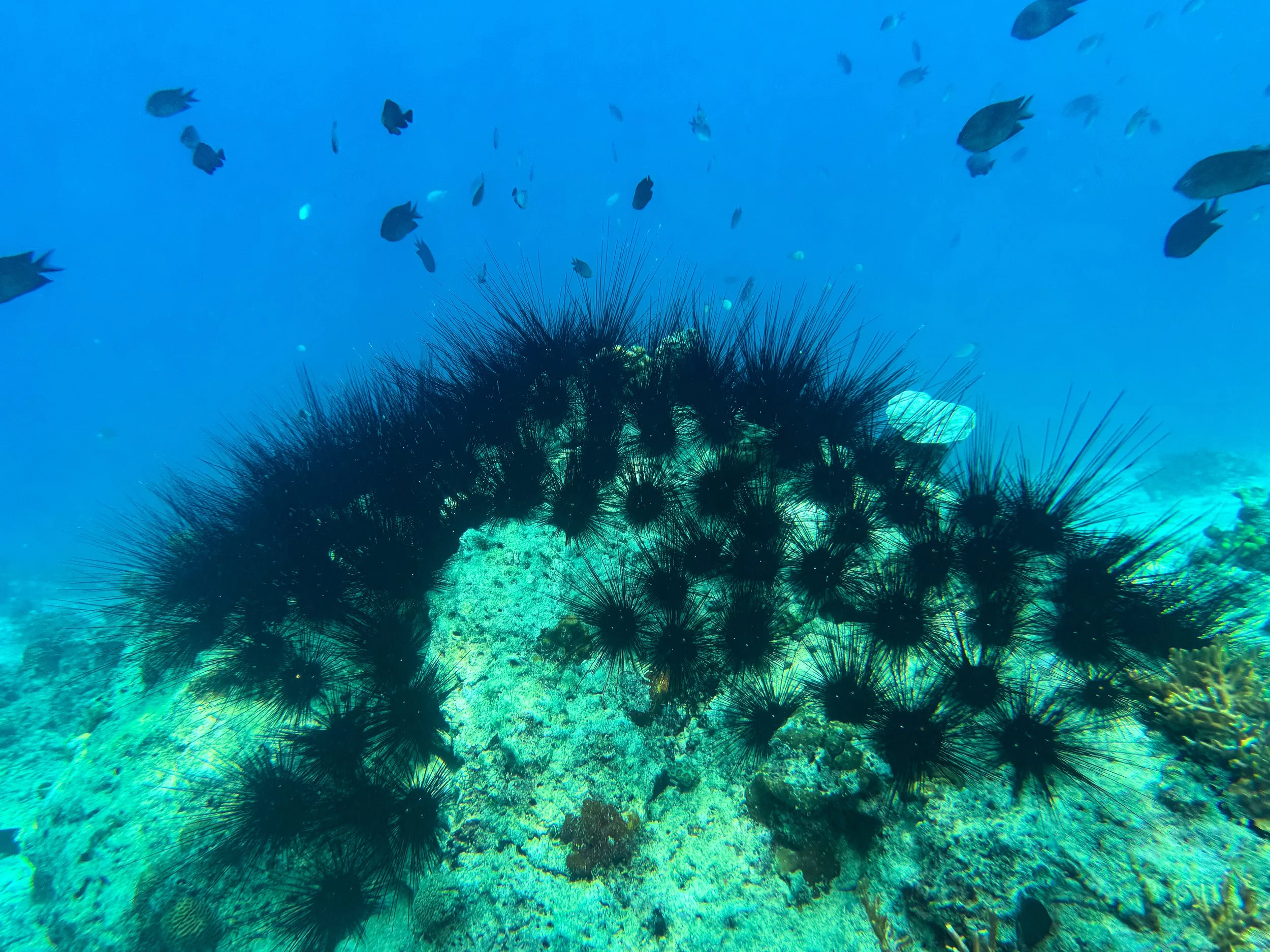
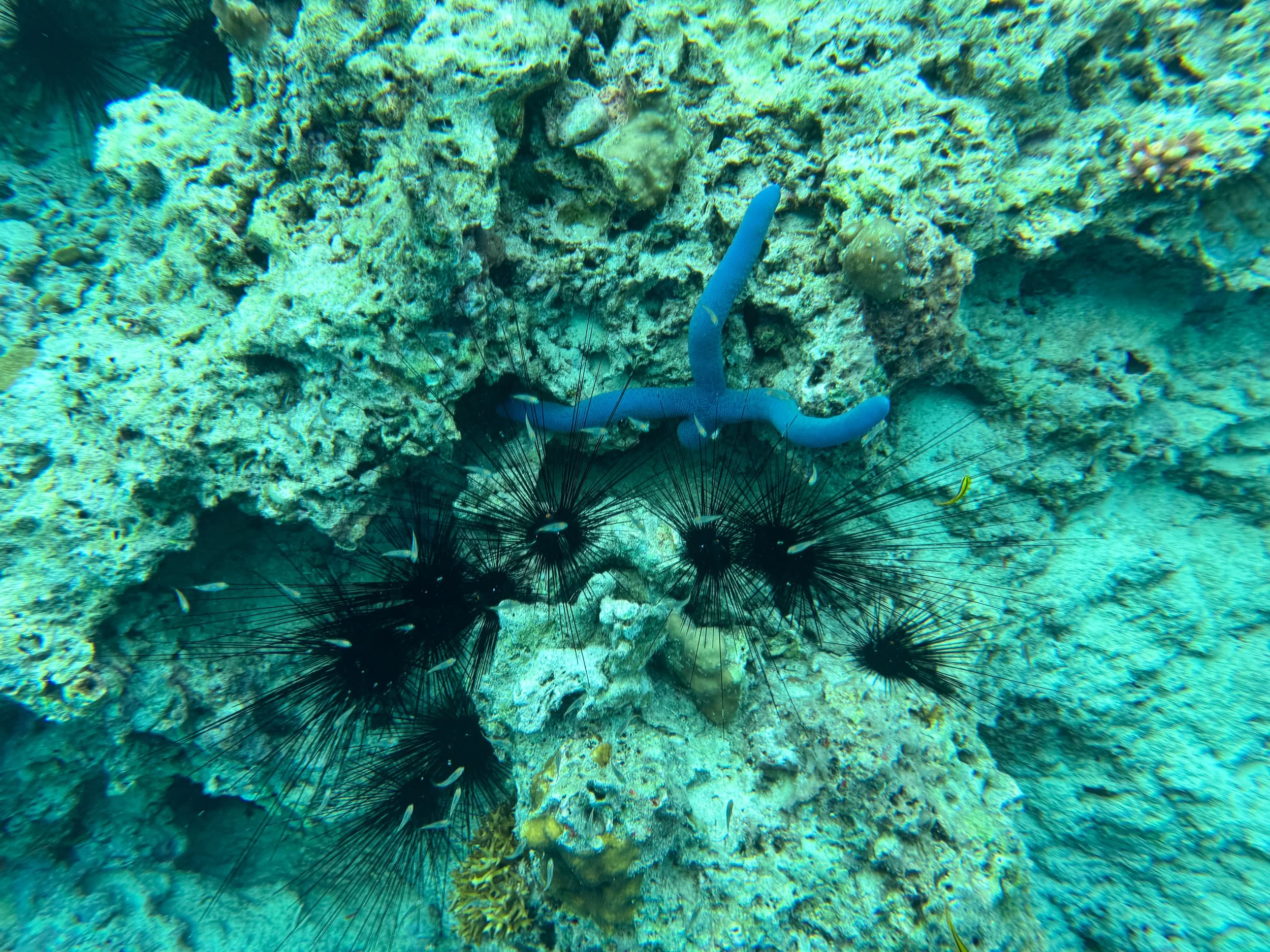
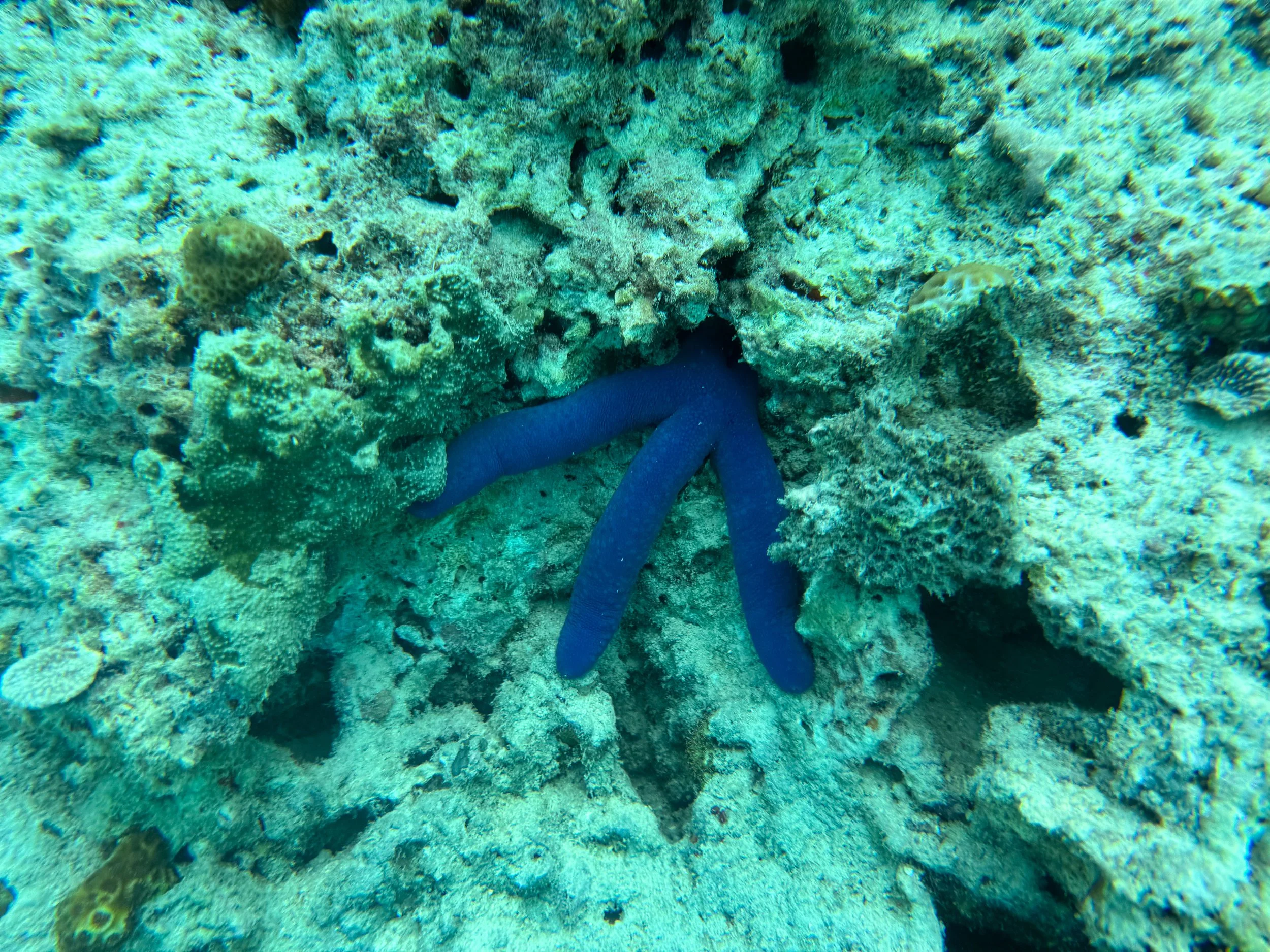
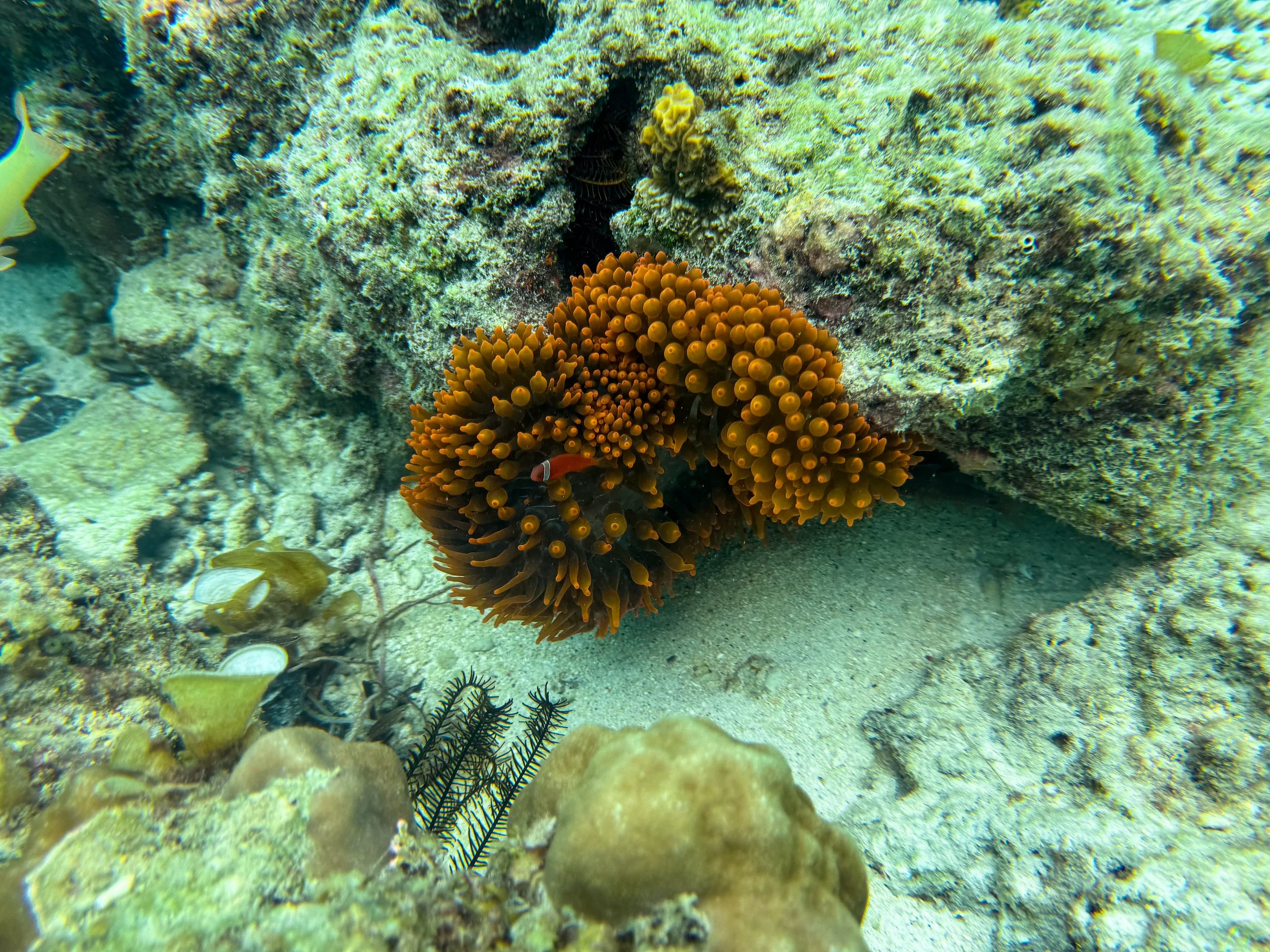
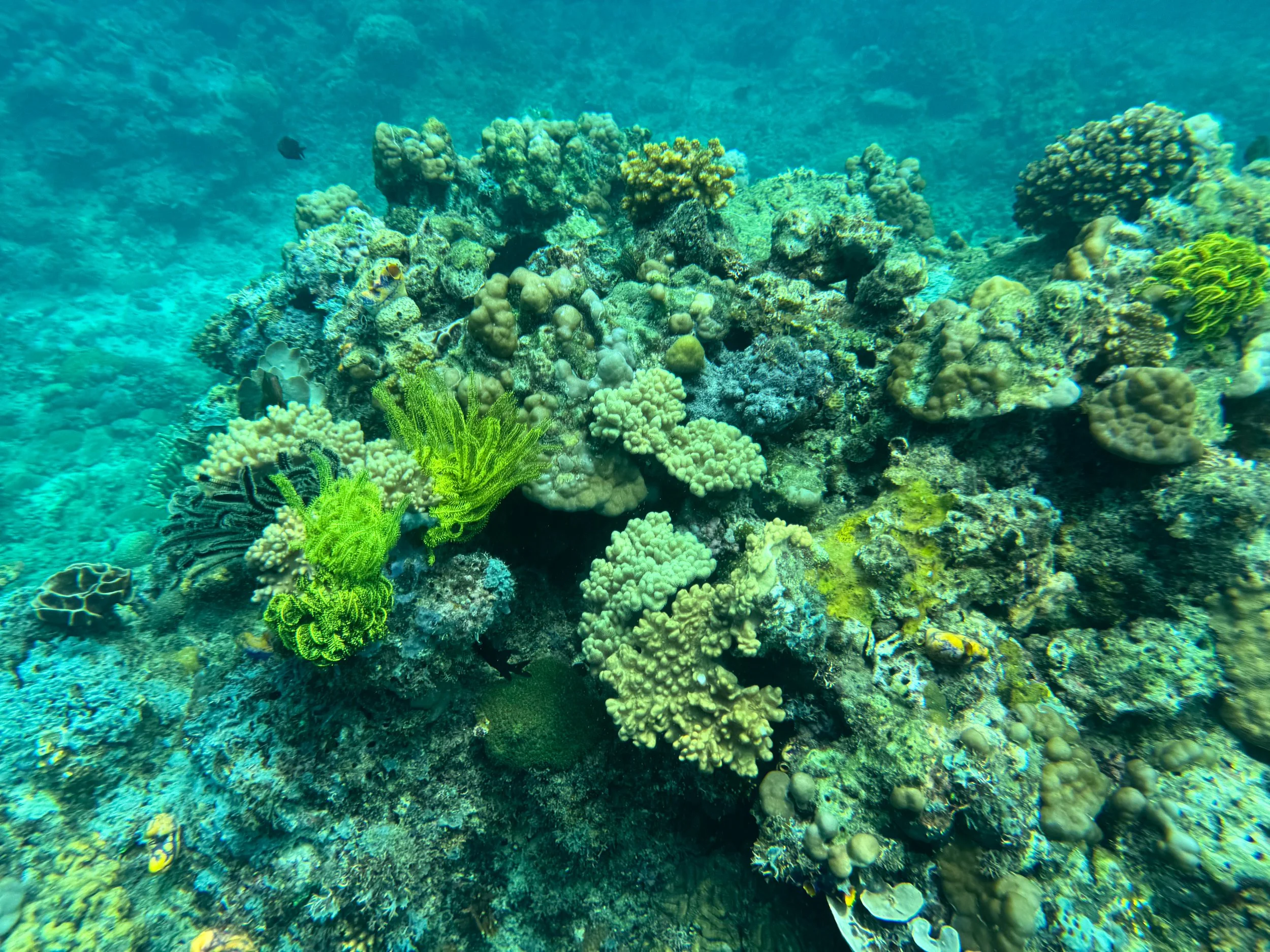
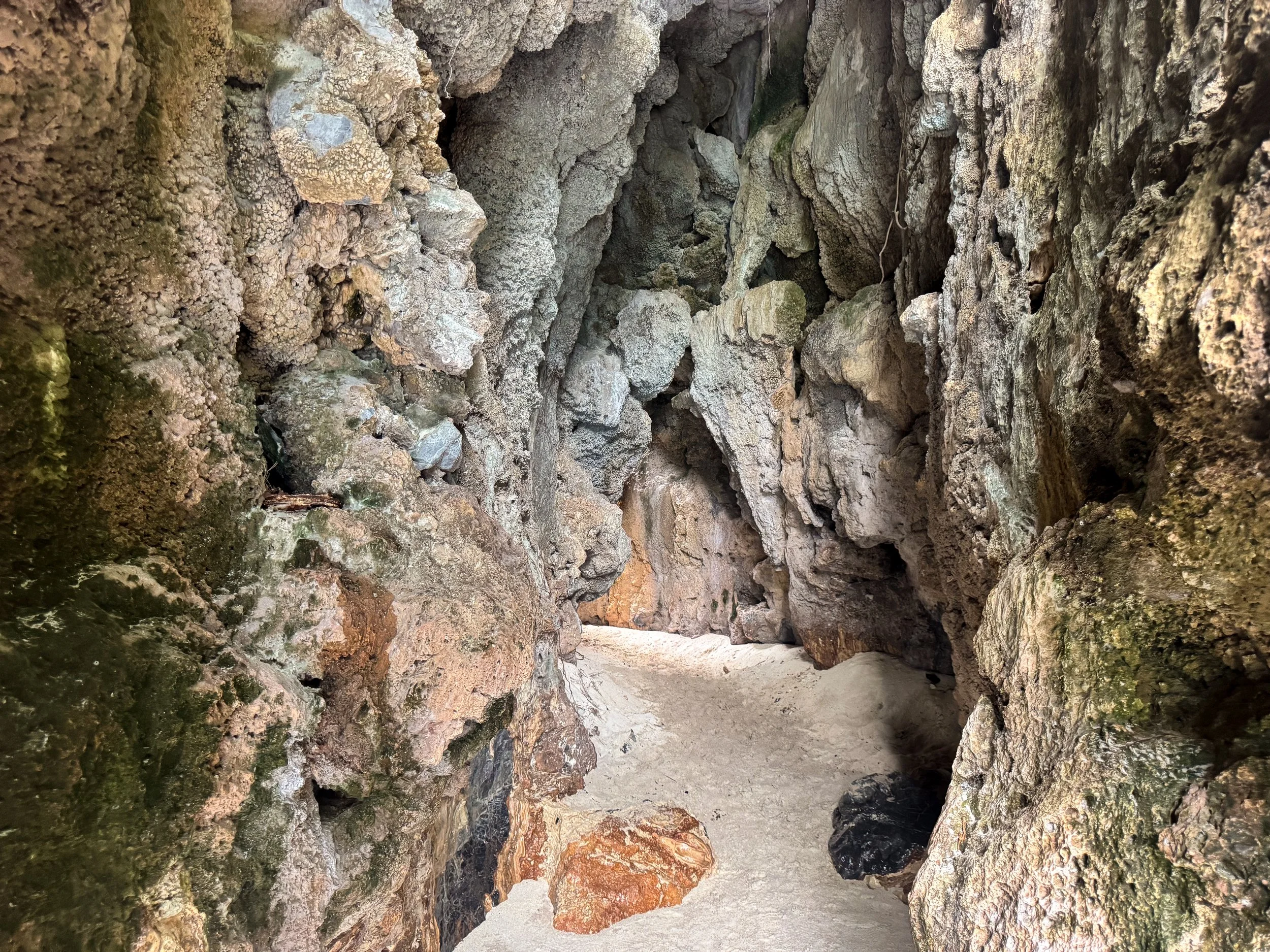
Secret Beach. An underwater cave that leads to a “secret beach” just beyond. The high tide and strong current prevented us from reaching the beach.
Talisay Beach. A narrow beach with a steep drop off just meters from shore. The ledge of the drop off is covered in colonies of spiky black sea urchins and tropical fish. All of the coral was bleached or decaying. On shore is a small cave and a shack with snacks and drinks.
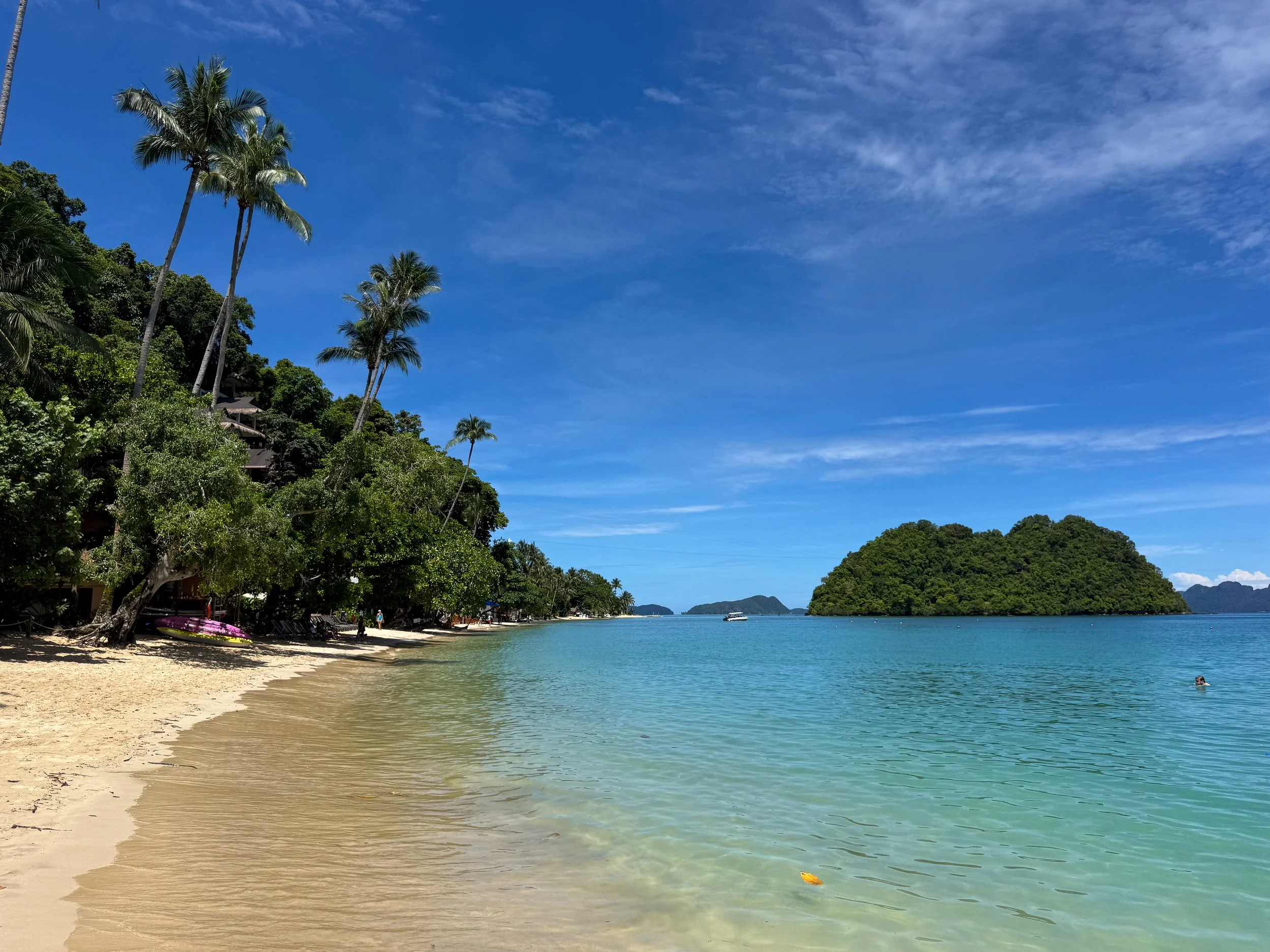
El Nido Beaches
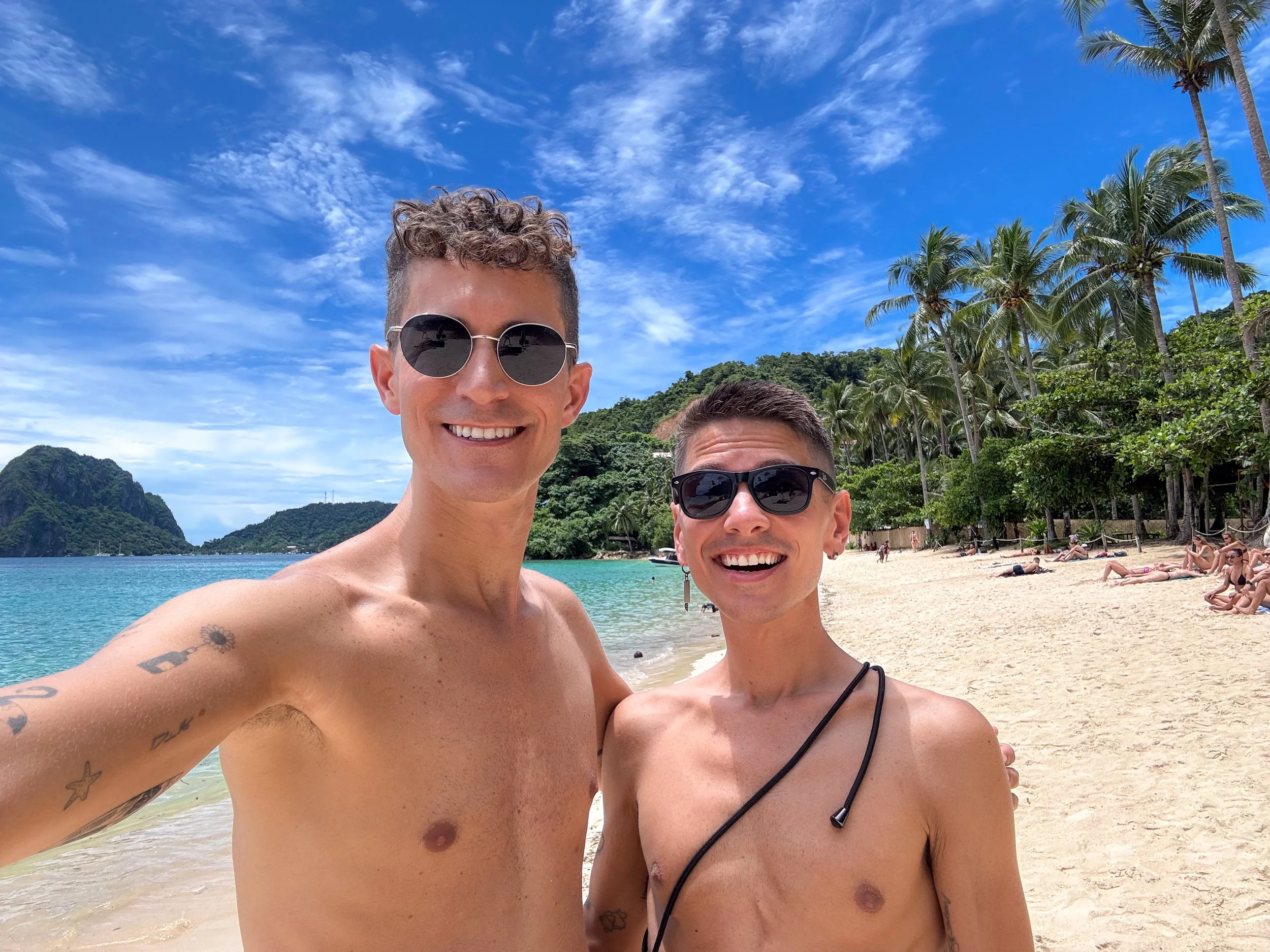
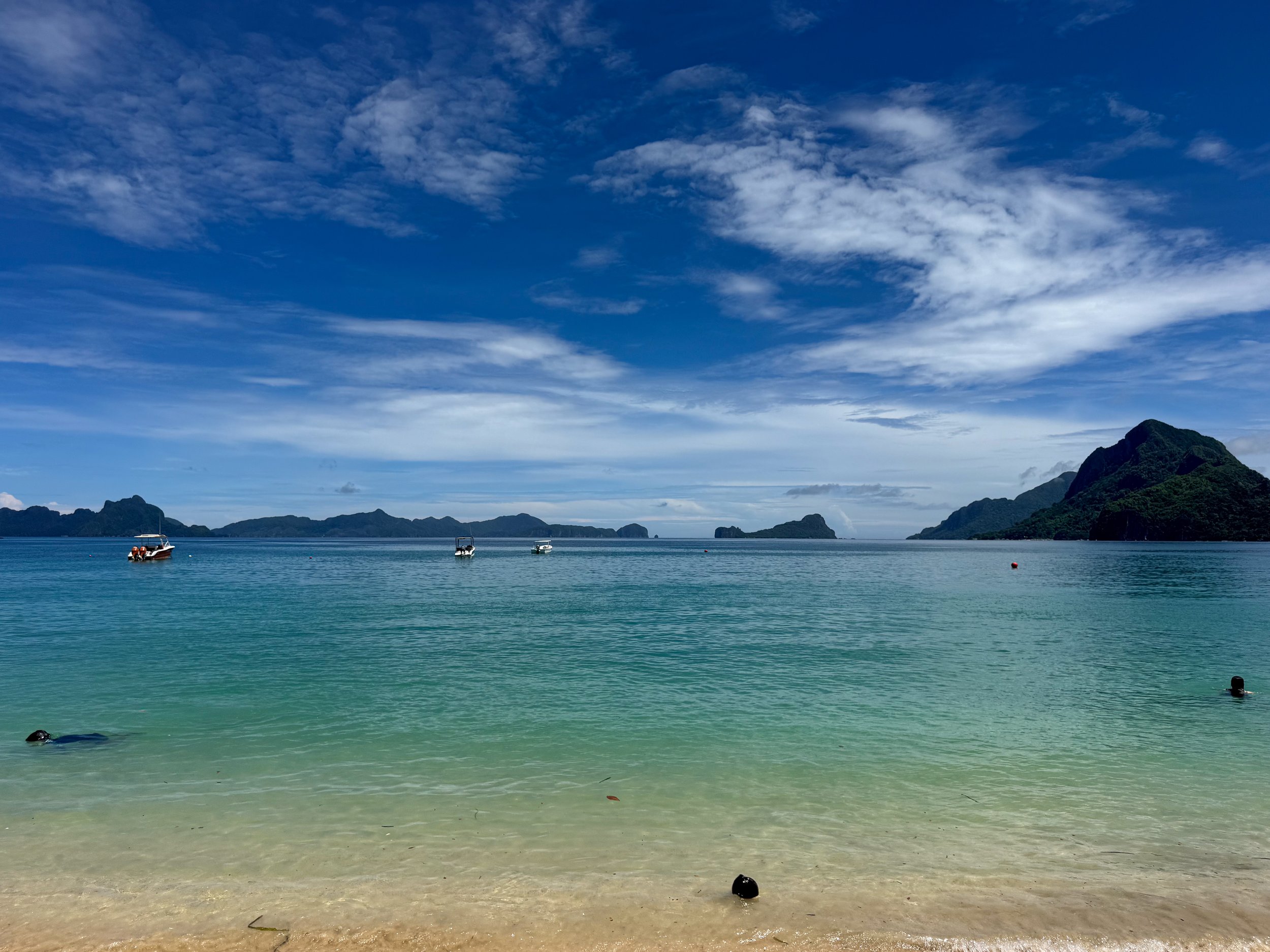
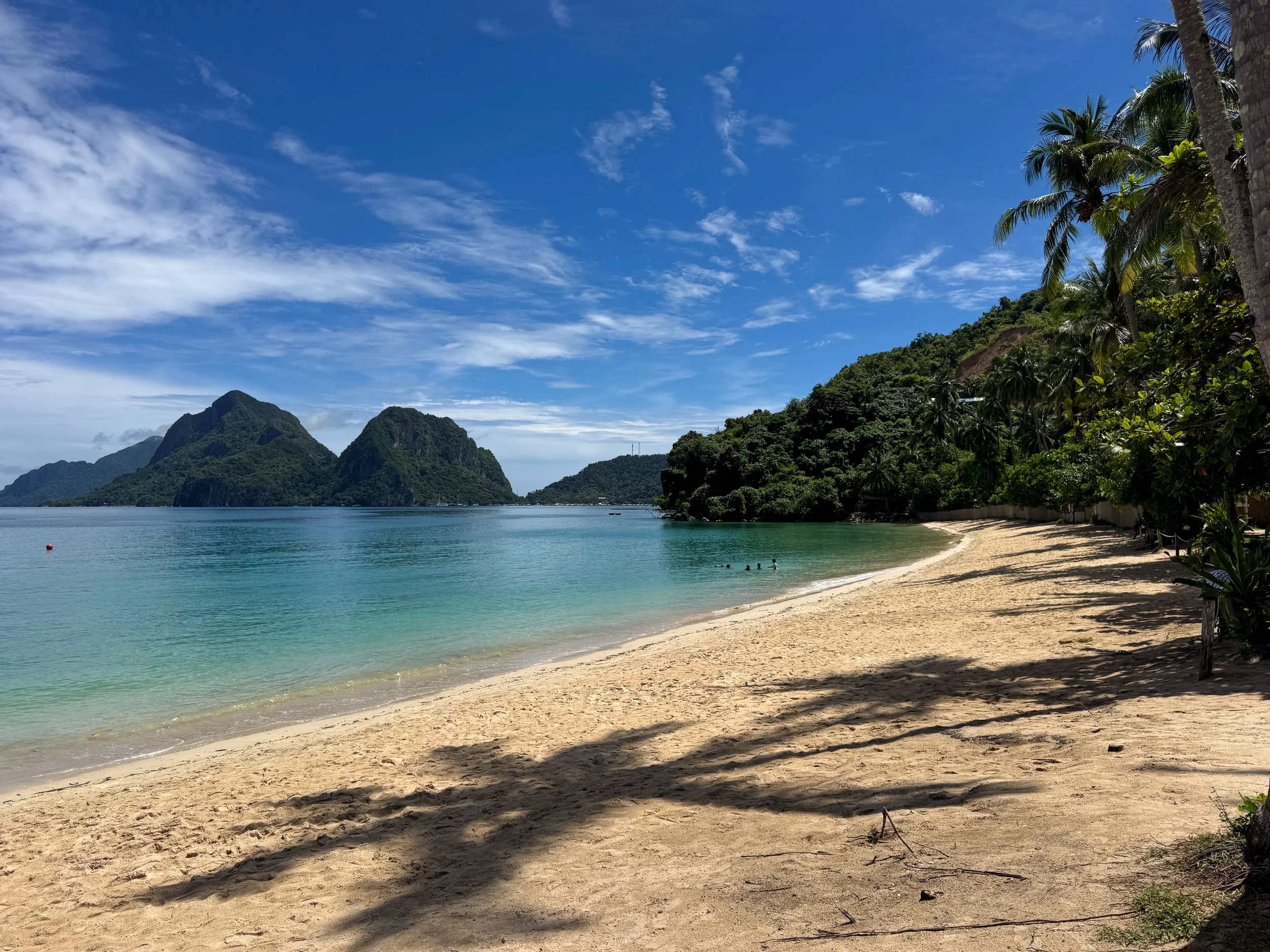
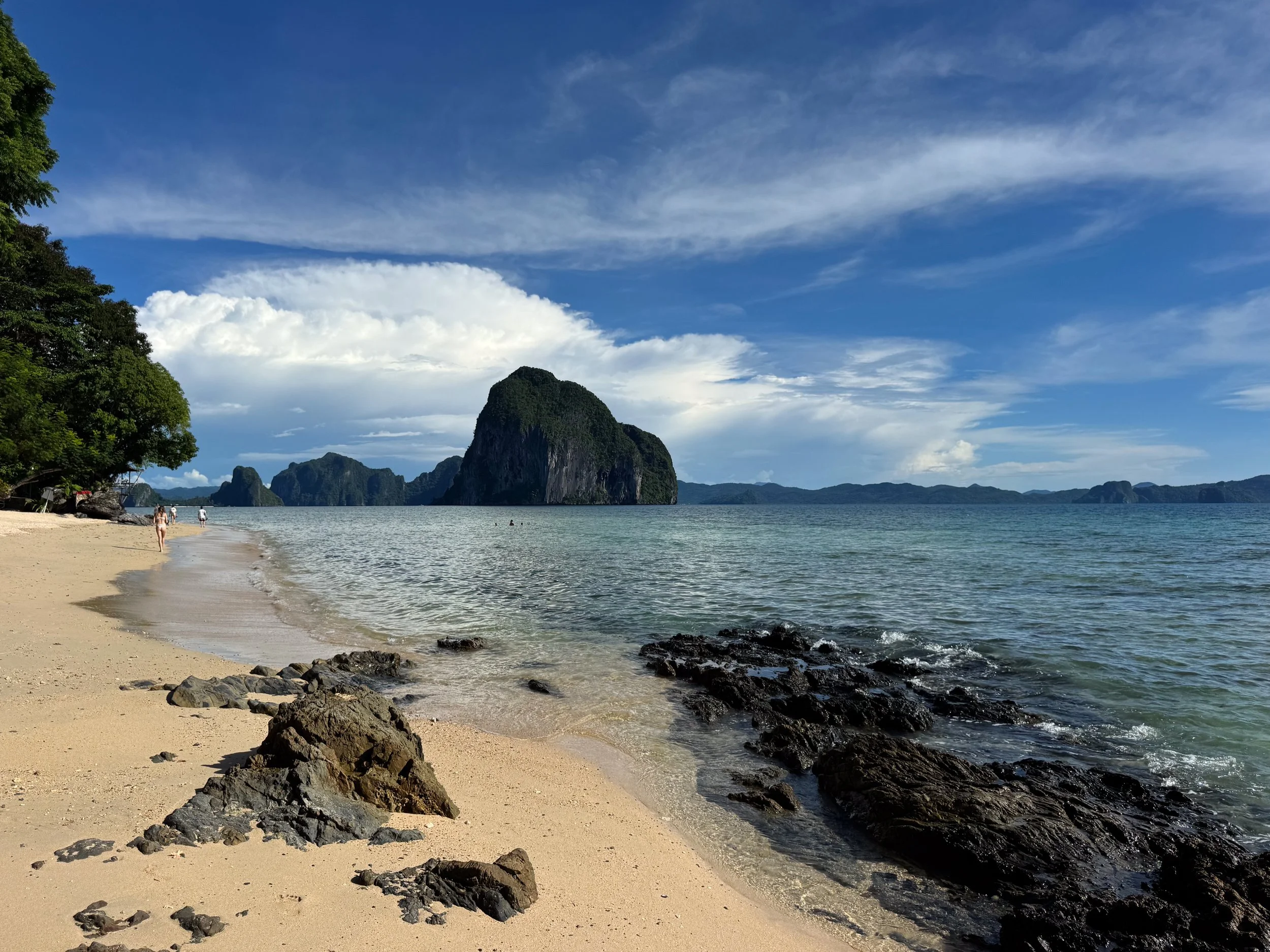
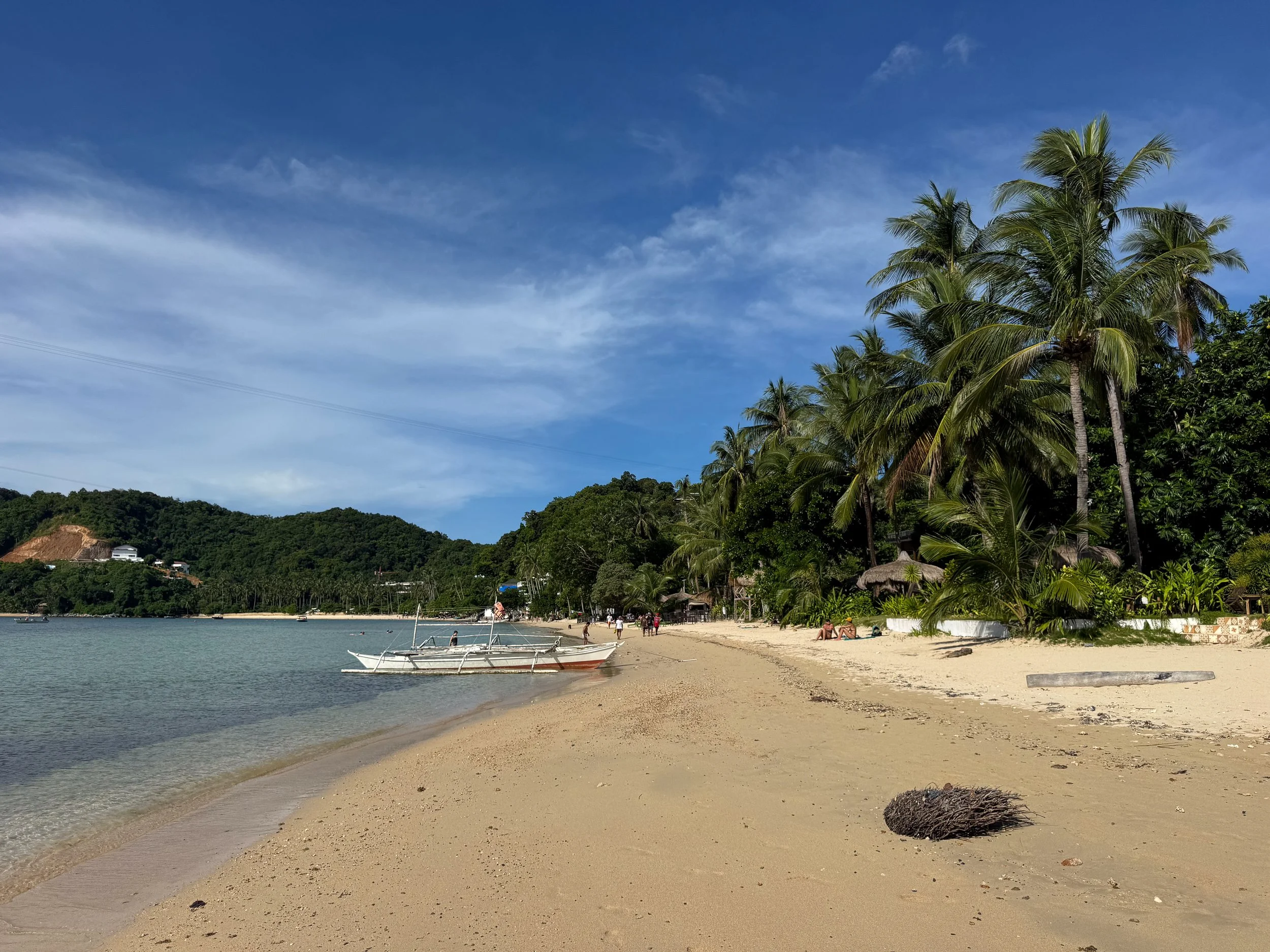
Corong Corong Beach. A lengthy beach lined with boutique hotels, tropical style restaurants and beach bars. The water is not swimmable due to jagged coral and hundreds of outrigger boats anchored offshore. It’s a pretty spot to catch the sunset, sip on a cocktail or sit down for a meal.
El Nido Beach. A large crescent shaped beach in the middle of town with colorful buildings home to seaside restaurants, bars and hotels. Most tours of the surrounding islands leave from here. It’s a popular spot for beach runners though not the best spot to swim or layout.
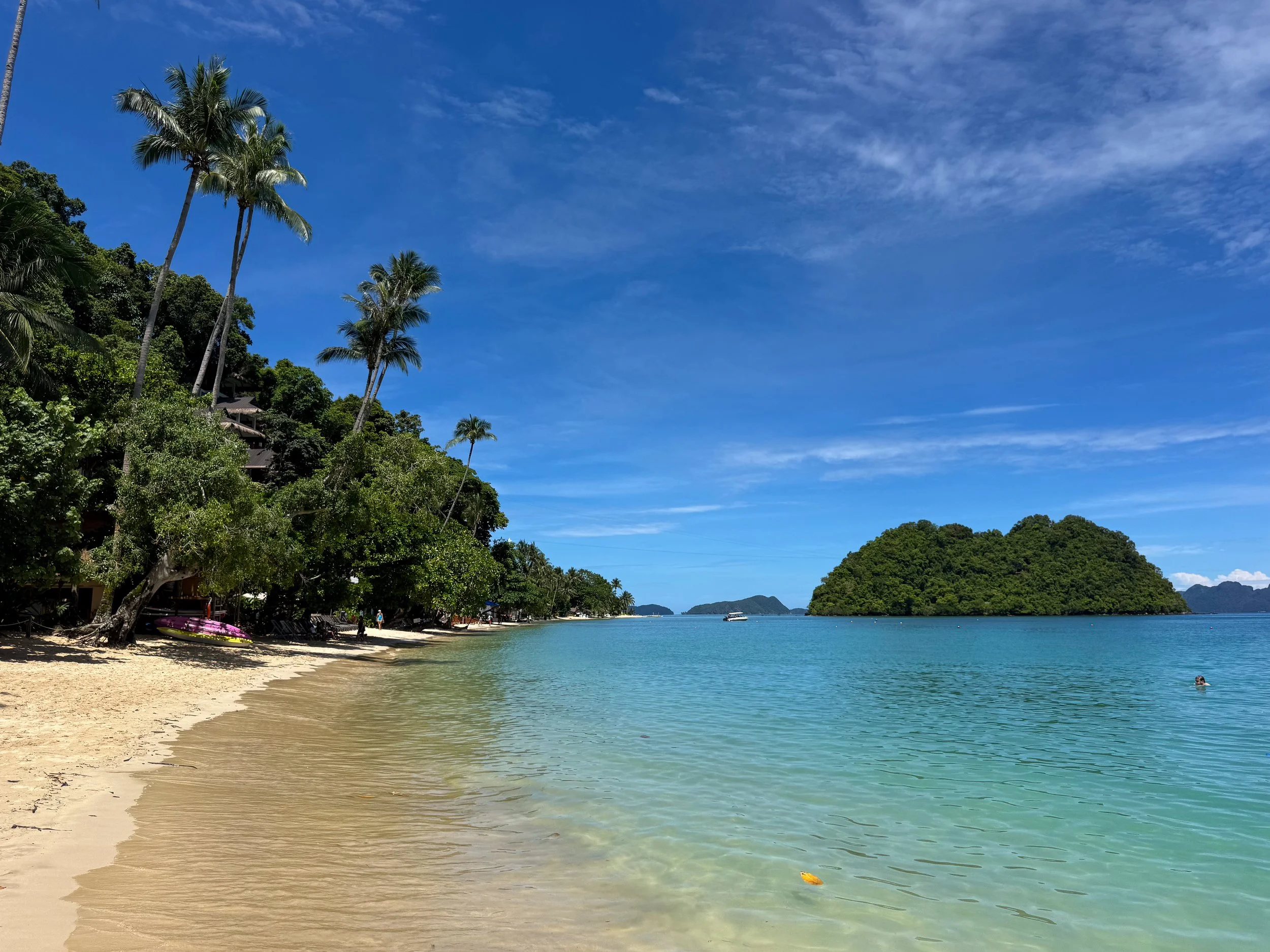
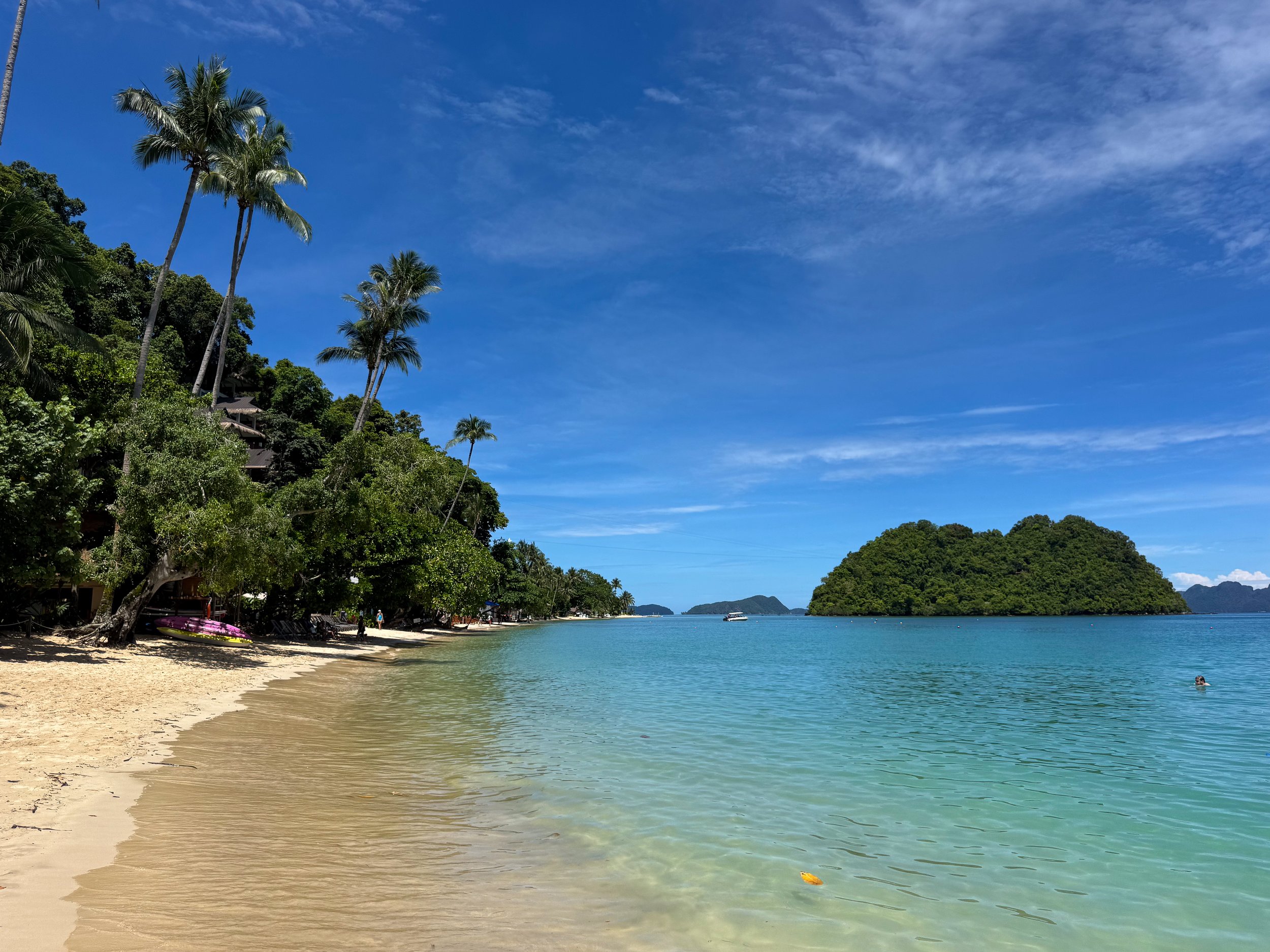
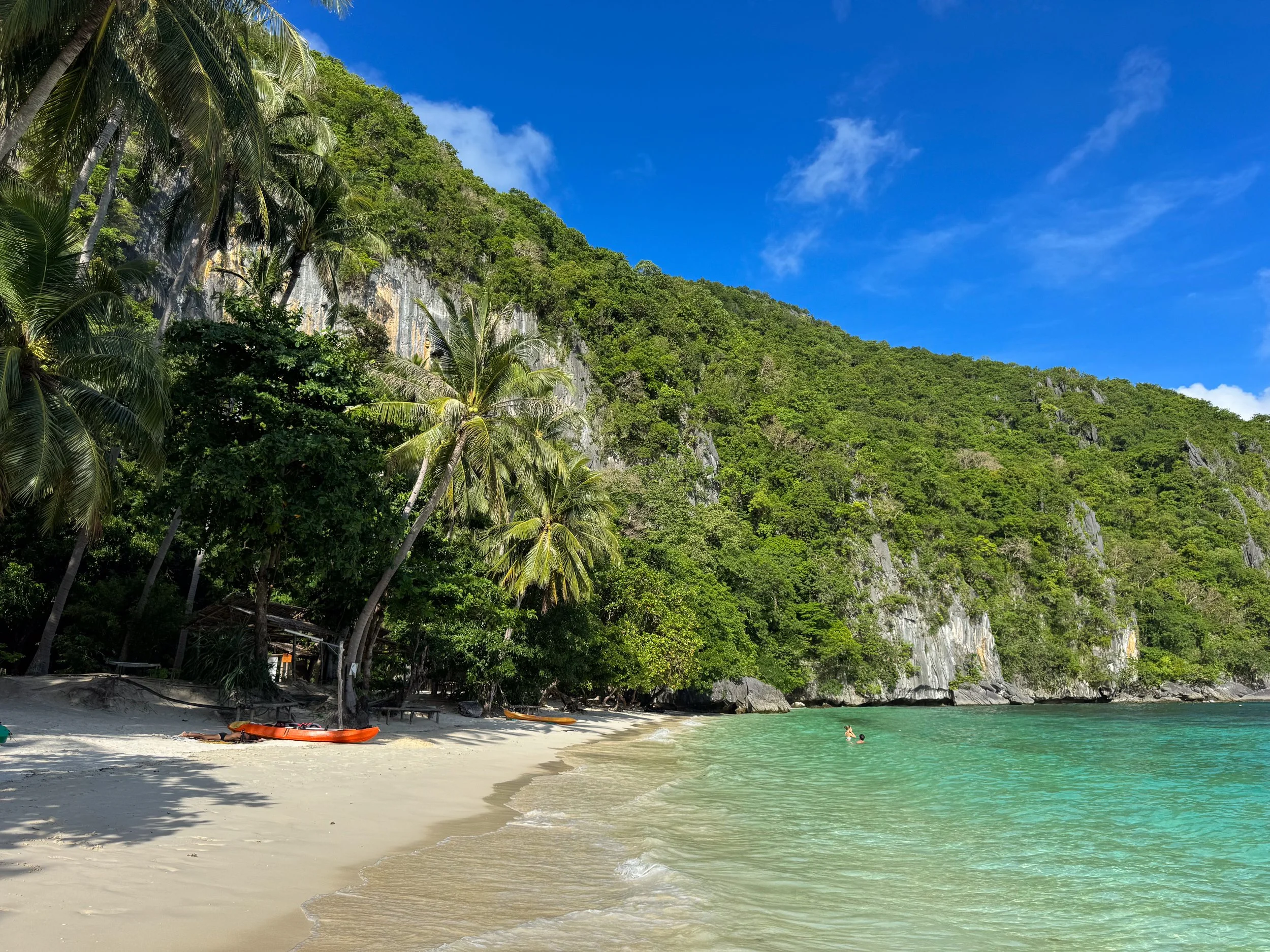
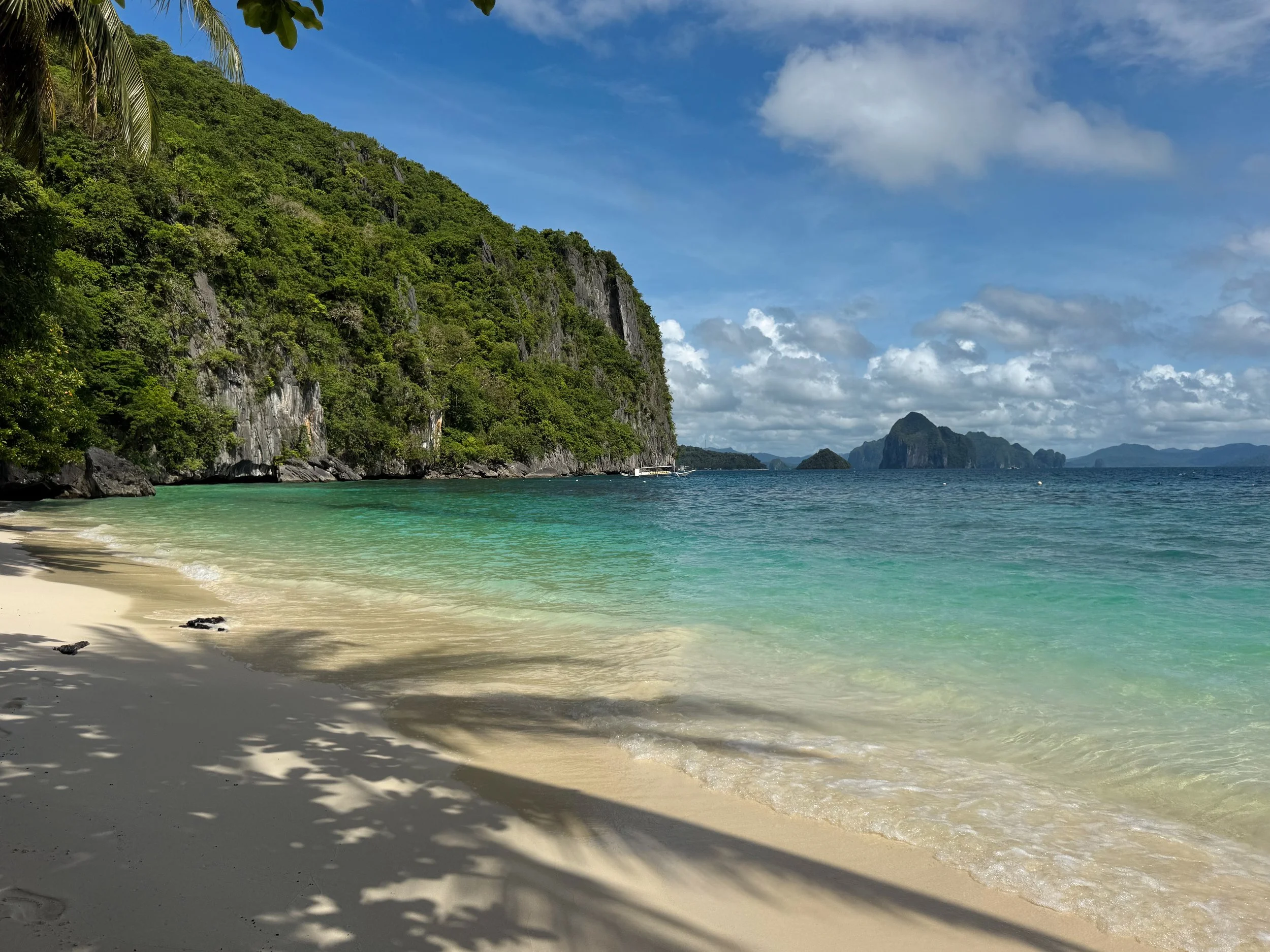
Marimegmeg Beach. A golden sand beach named after a 100 year old Marimegmeg tree. Its crescent cove is the perfect spot for swimming in the calm turquoise waters while its sunny shore is ideal for sunbathing and picnicking under the palm trees.
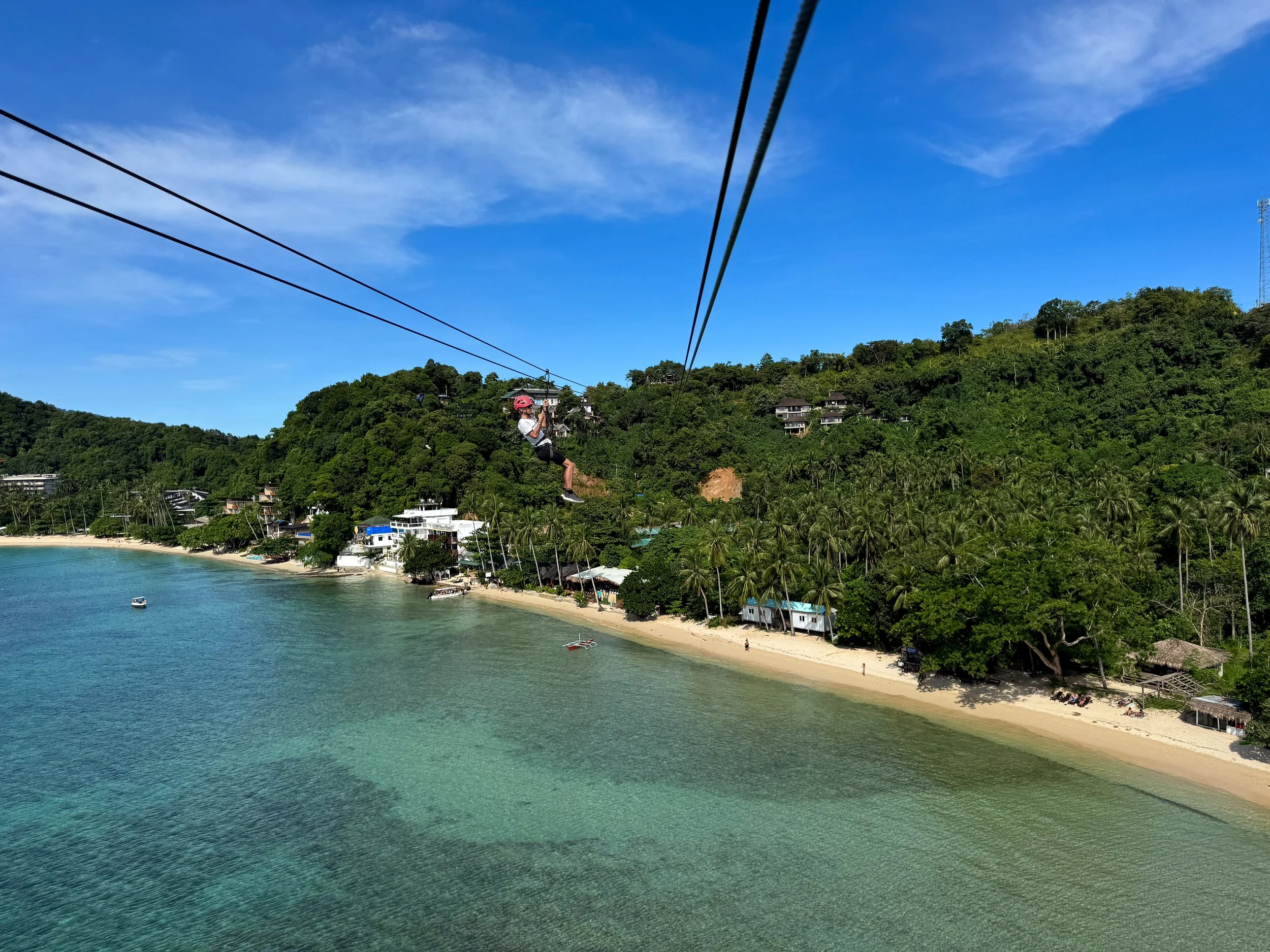
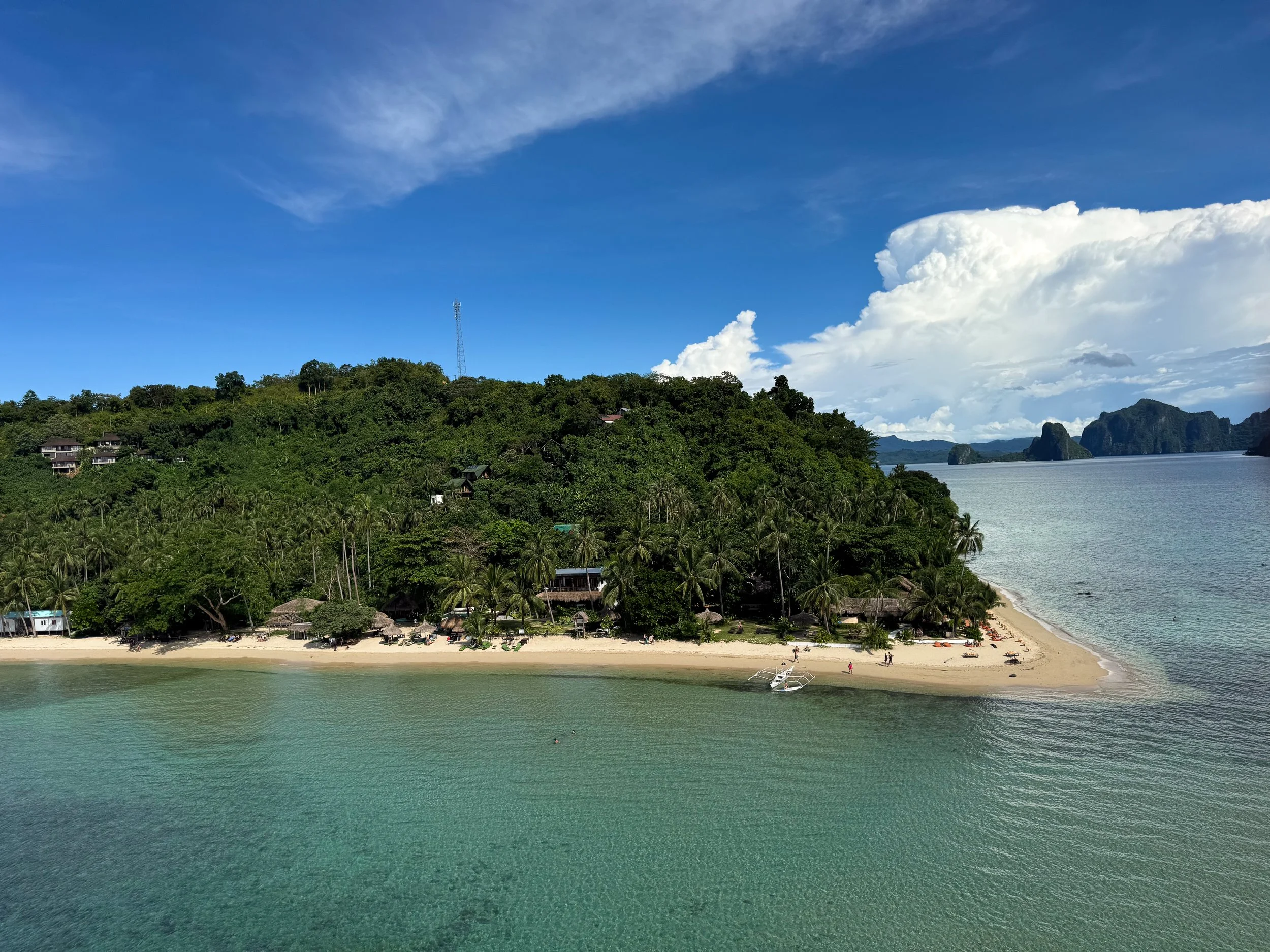
Las Cabañas Beach. A golden sand beach that comes to a point with views of the karst islands throughout the bay. It’s lined with beachfront hotels and restaurants, popular for their sunset views. It’s most accessible during low tide though many areas are non-swimmable due to coral and rocks. The El Nido Zip Line passes overhead from the cliff behind.
Papaya Beach. An idyllic white sand beach with turquoise waters, palm shaded shores and views of Bacuit Bay. About 50ft offshore is a coral reef and field of sea grass with tropical fish, anemones, sea urchins and the occasional jellyfish. The beach is sparsely visited due to its remoteness making it a peaceful retreat to spend the day. There is a beach kiosk with coconuts, snacks and drinks for sale. It’s only reachable by boat or kayak. Unlike its neighbor, Seven Commandos Beach, it’s not offered as a stop on any of the tours.
Things to Do
Outside of tours and beaches, there are a few nearby activities that were easy to DIY and experience on our own.
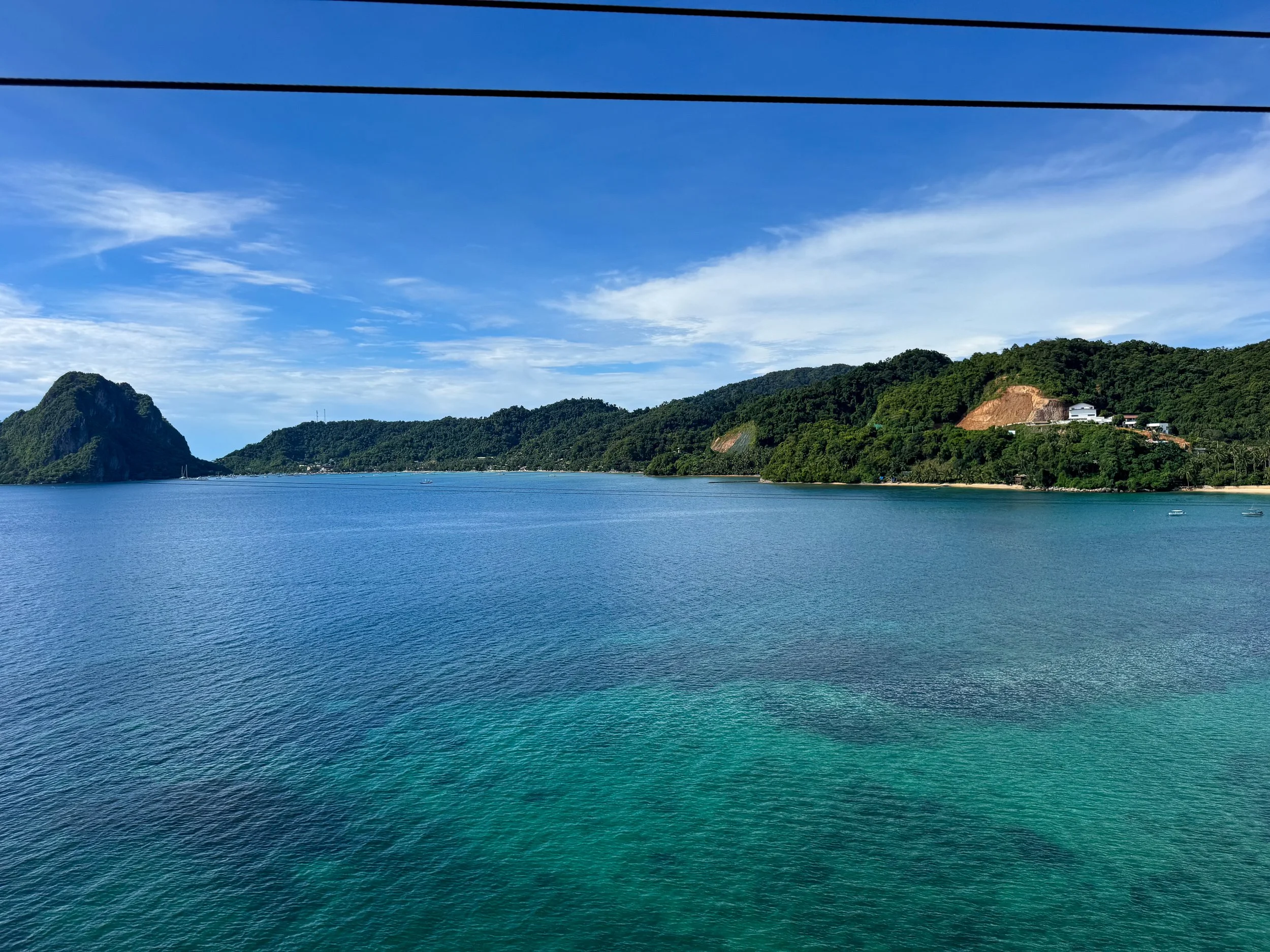
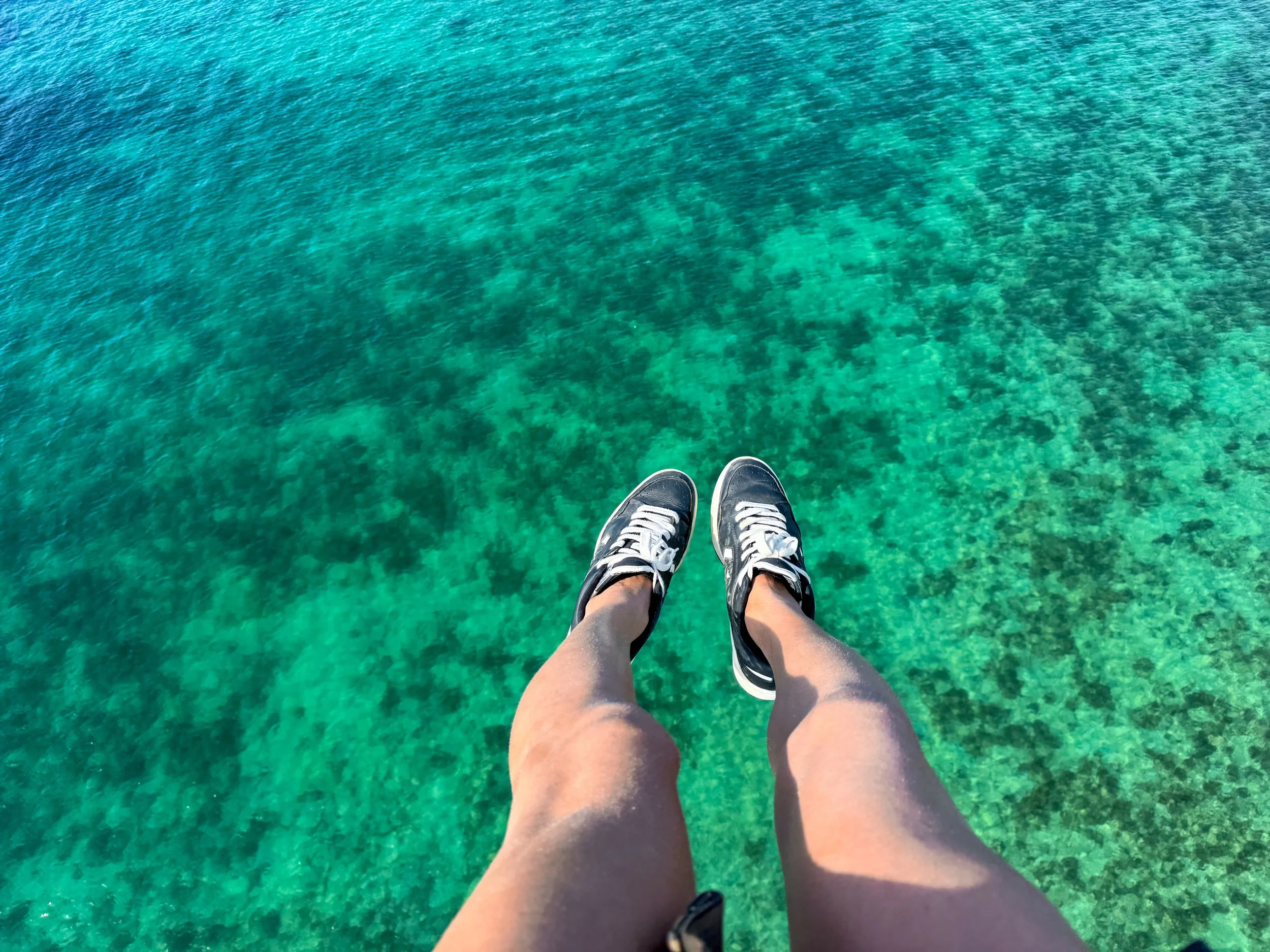
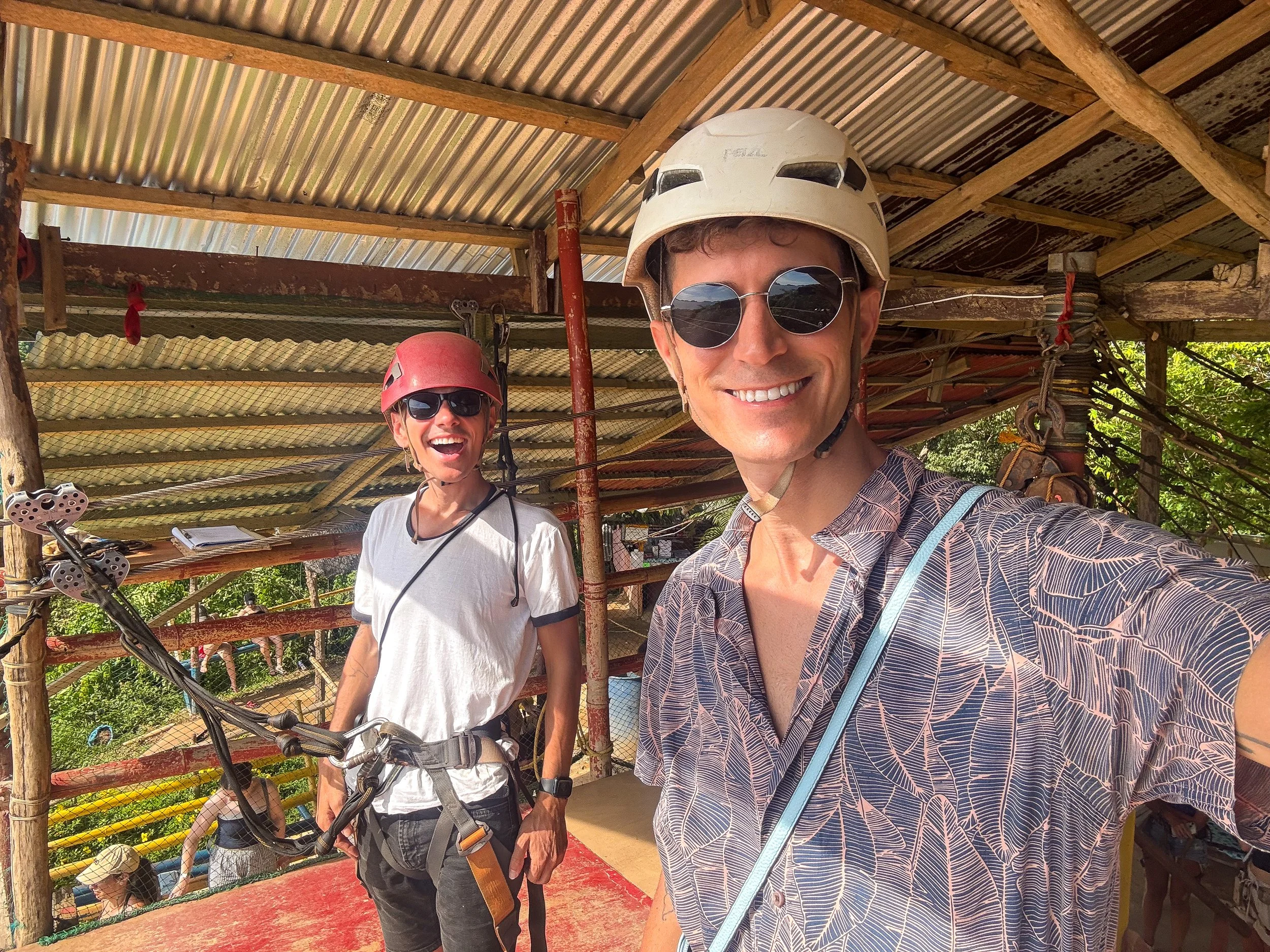
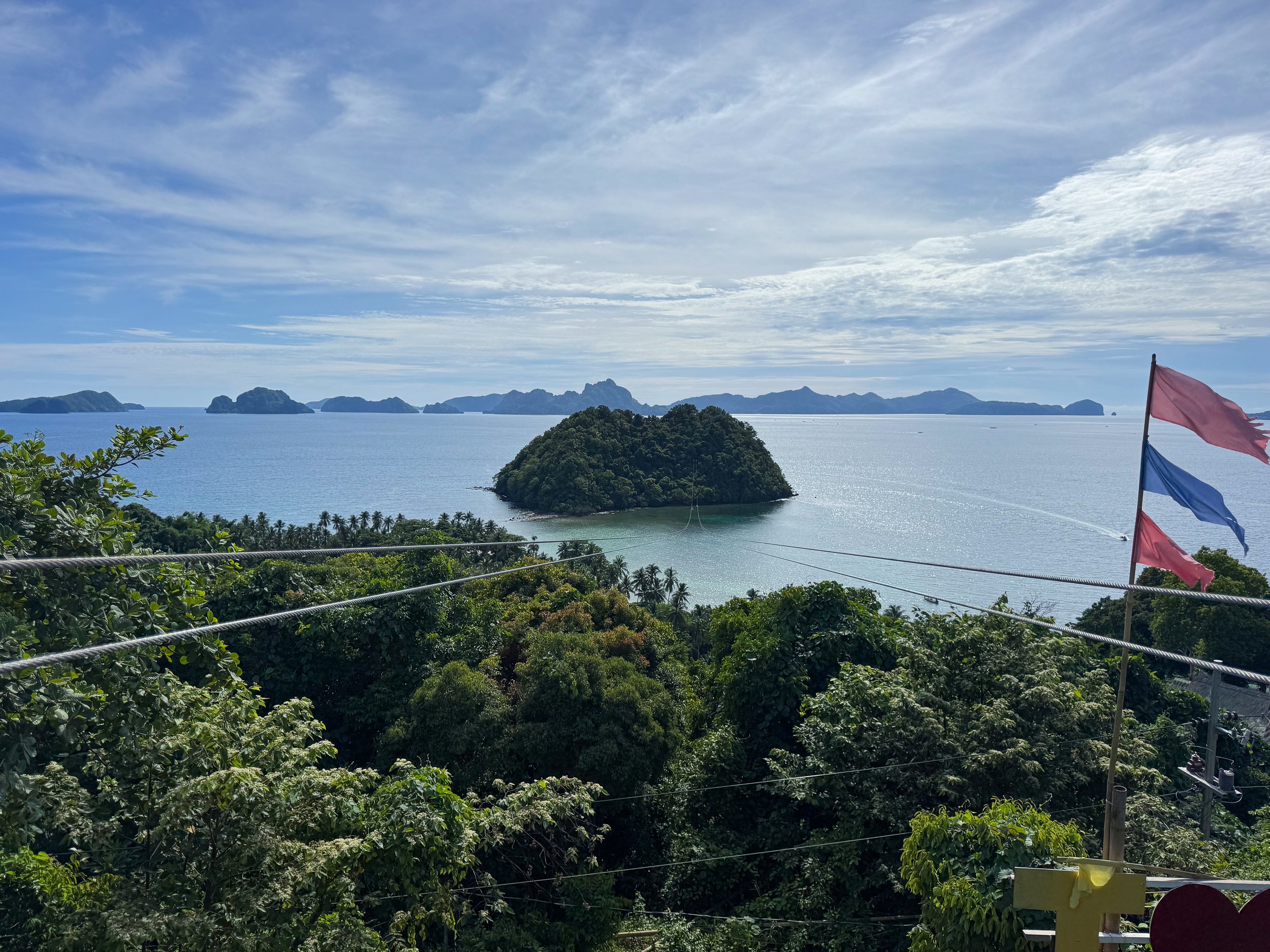
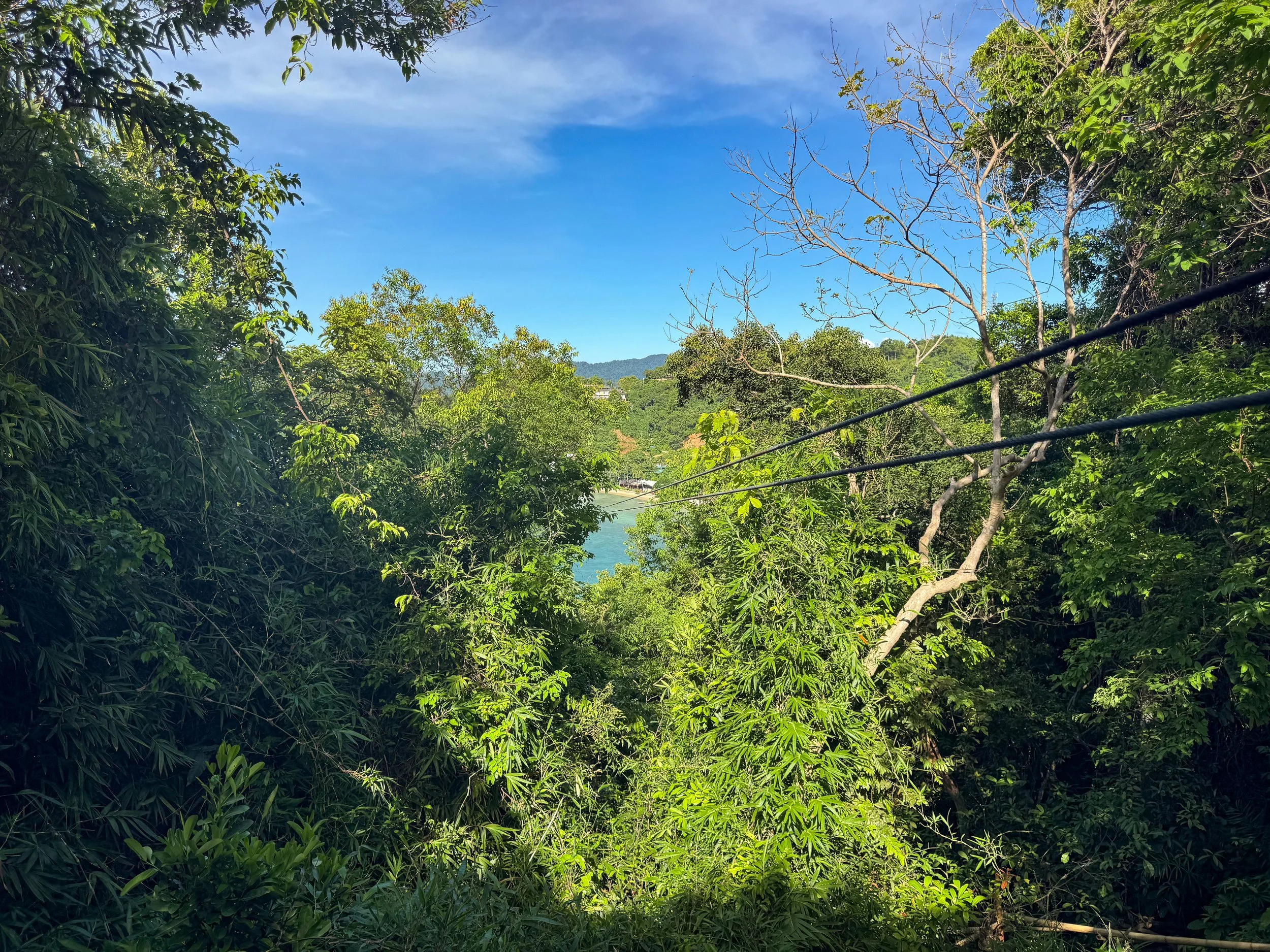
El Nido Zipline. A 750 meter zipline from a cliffside lookout to an island in the bay. We raced side by side, spinning back and forth as we overlooked the picturesque landscapes surrounding us and the ocean about 20 meters below. It’s possible to ride one way and walk back from the island during low tide. We rode during high tide and took the second zip line back, enjoying the thrilling views again.
Pro Tip. Arrive in mid morning or mid afternoon to avoid the post breakfast and post lunch rushes. Otherwise, waits can be up to 2 hours.
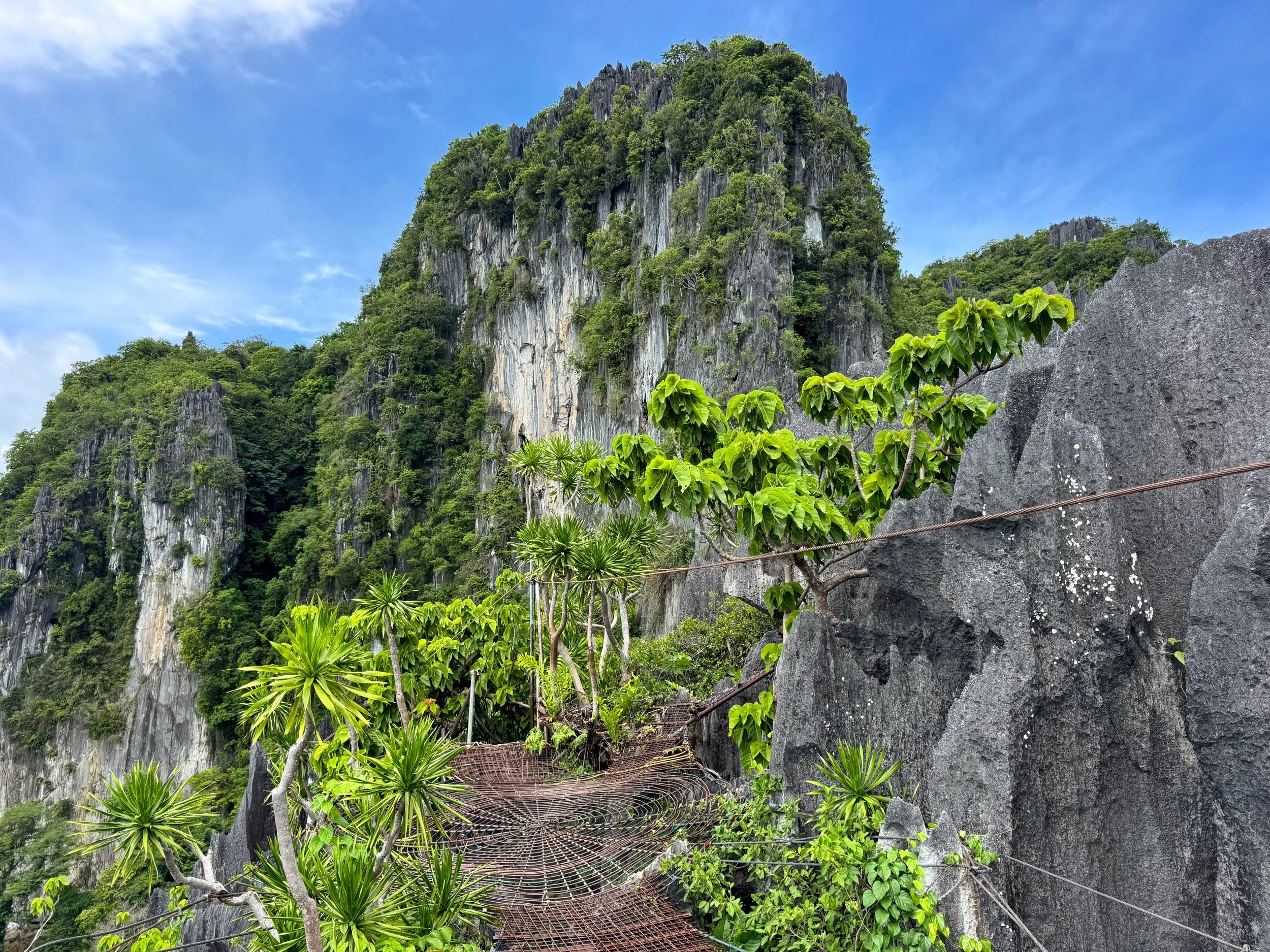
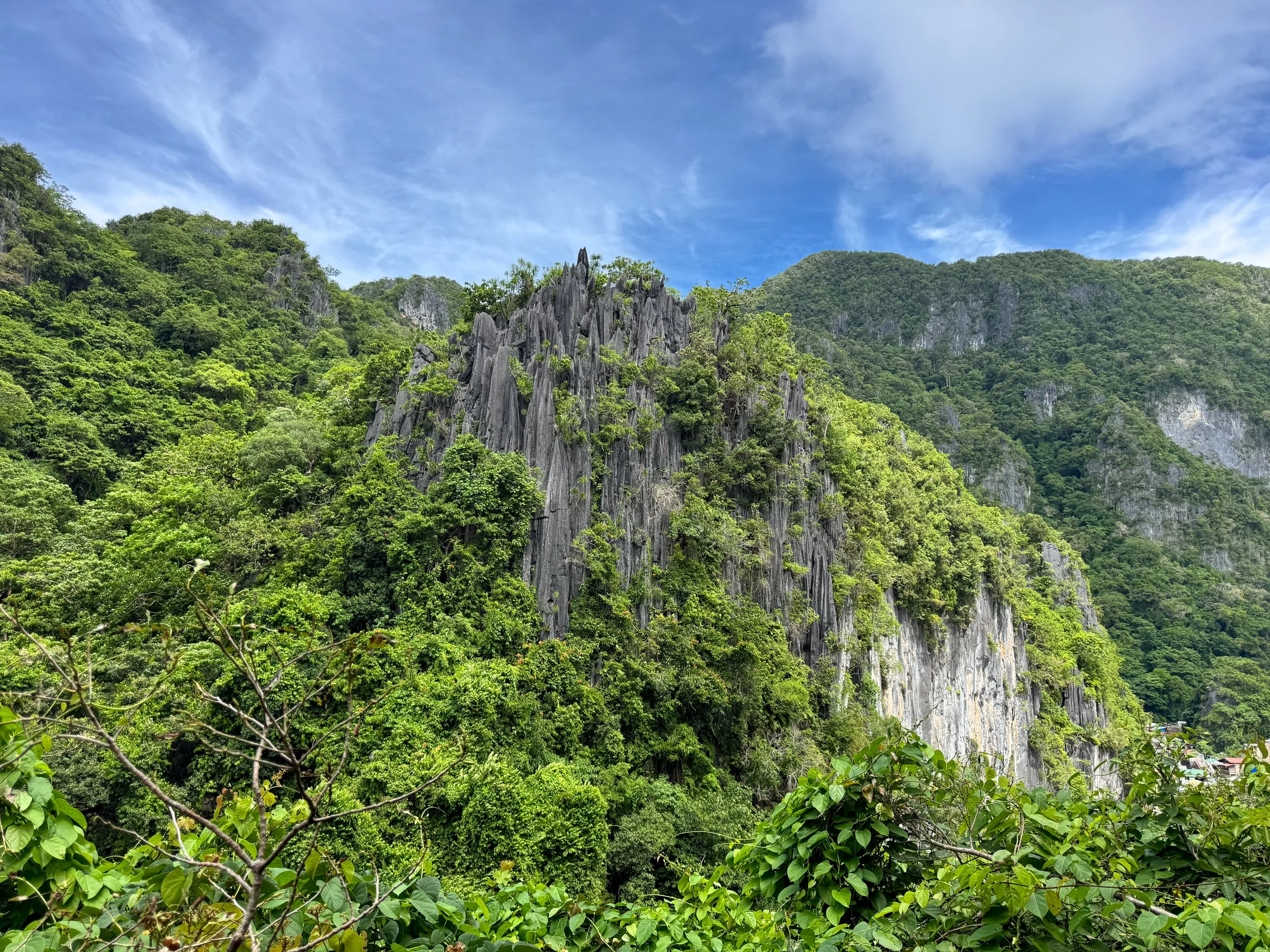
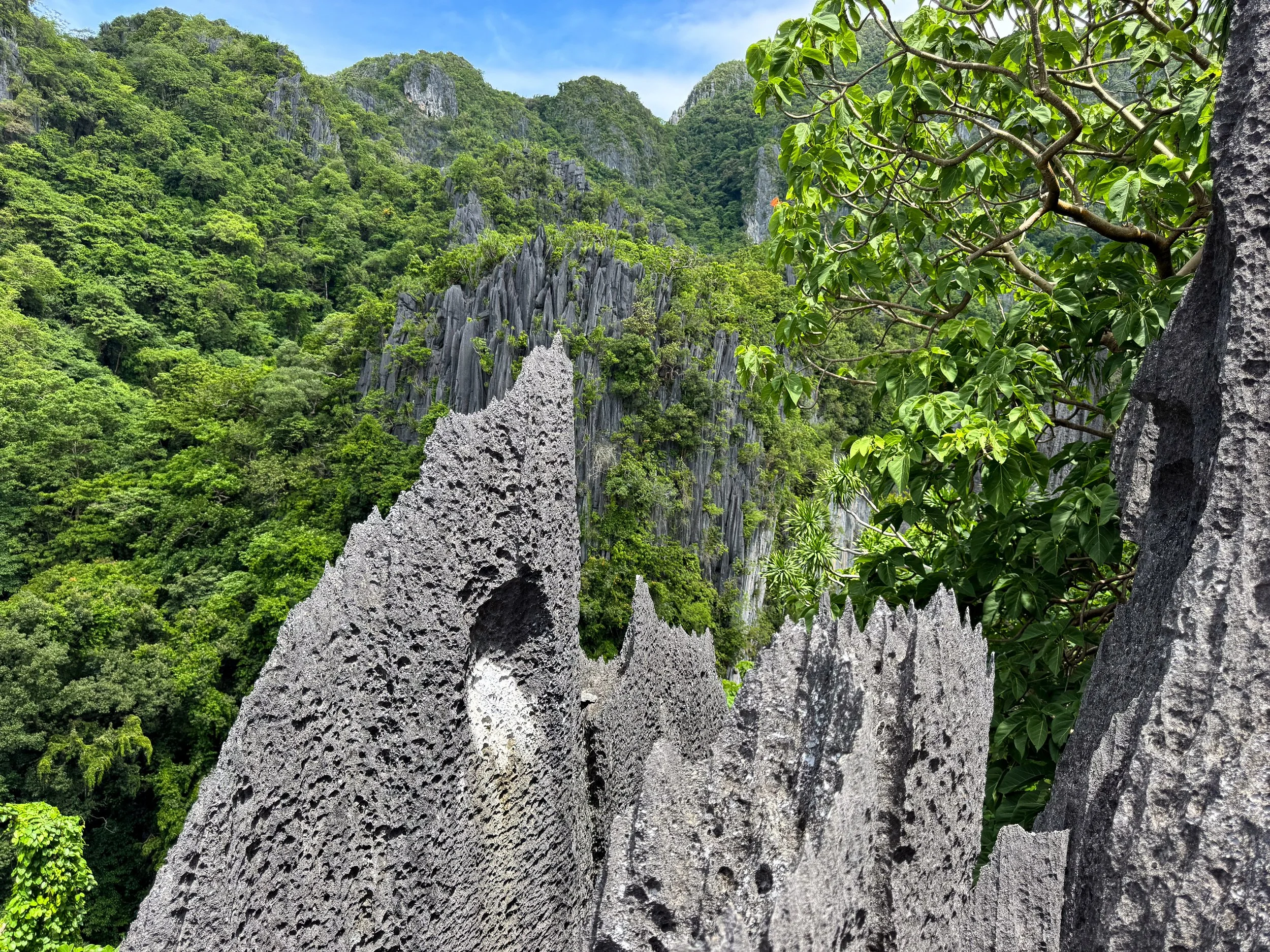
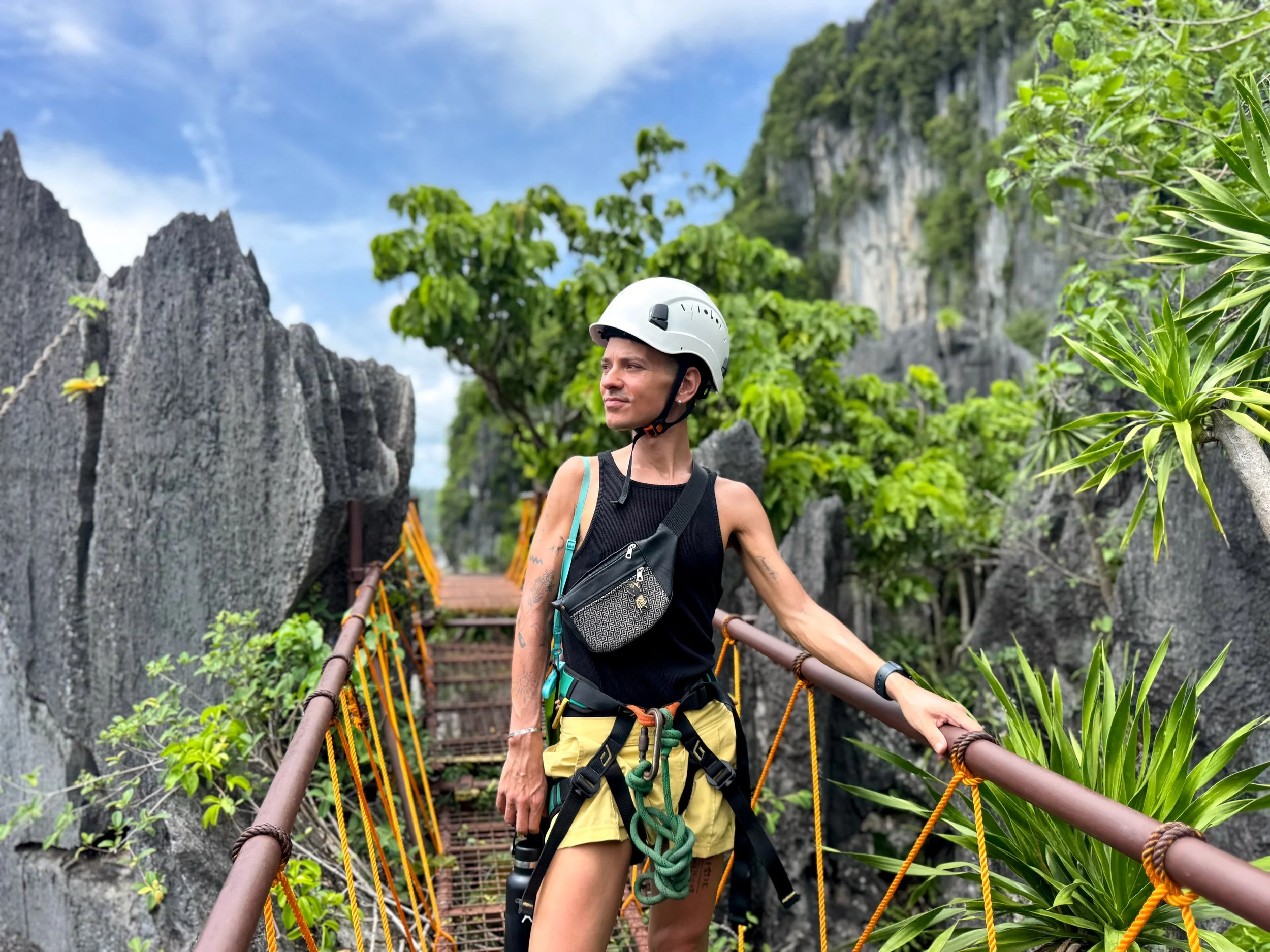
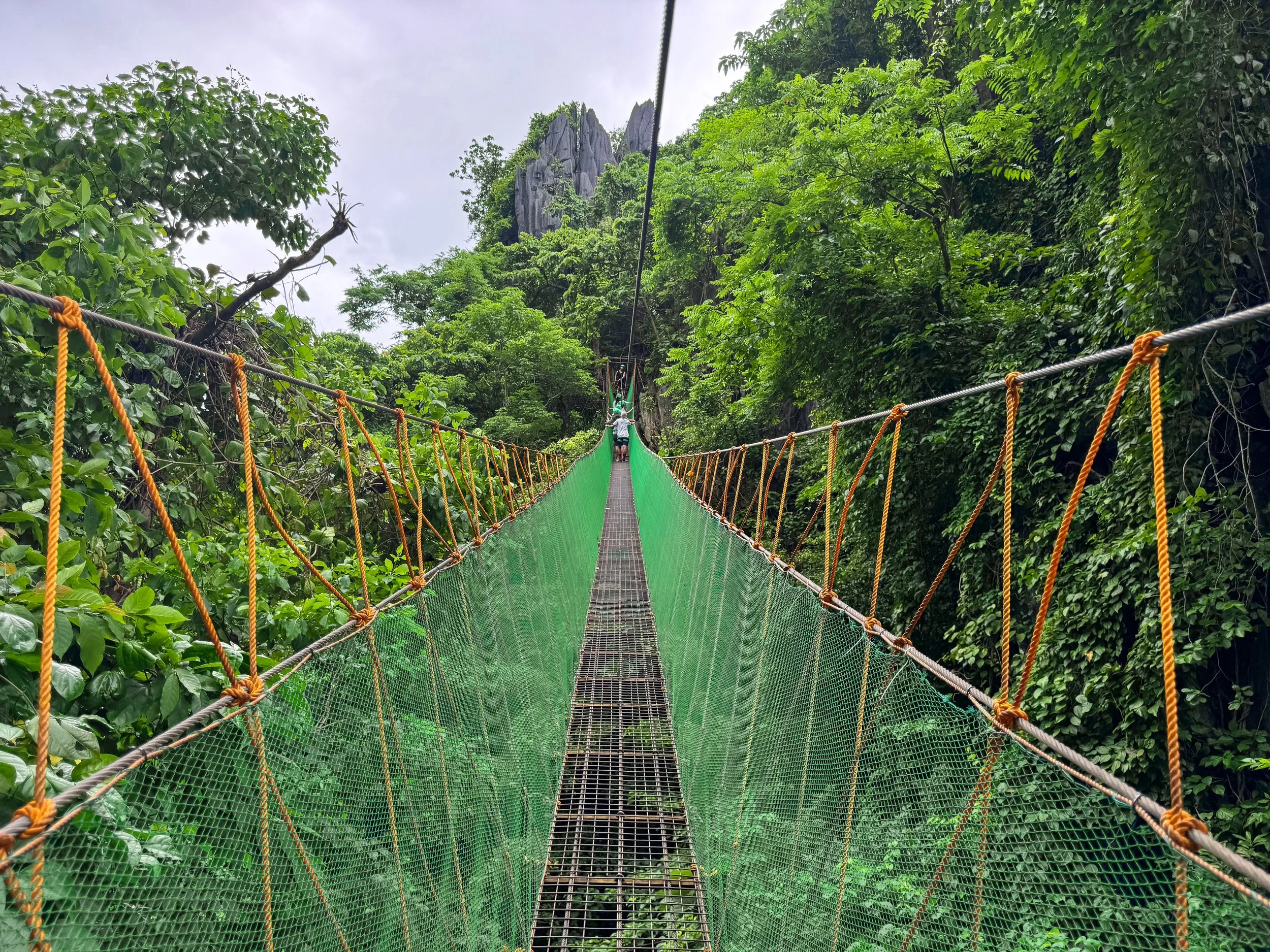
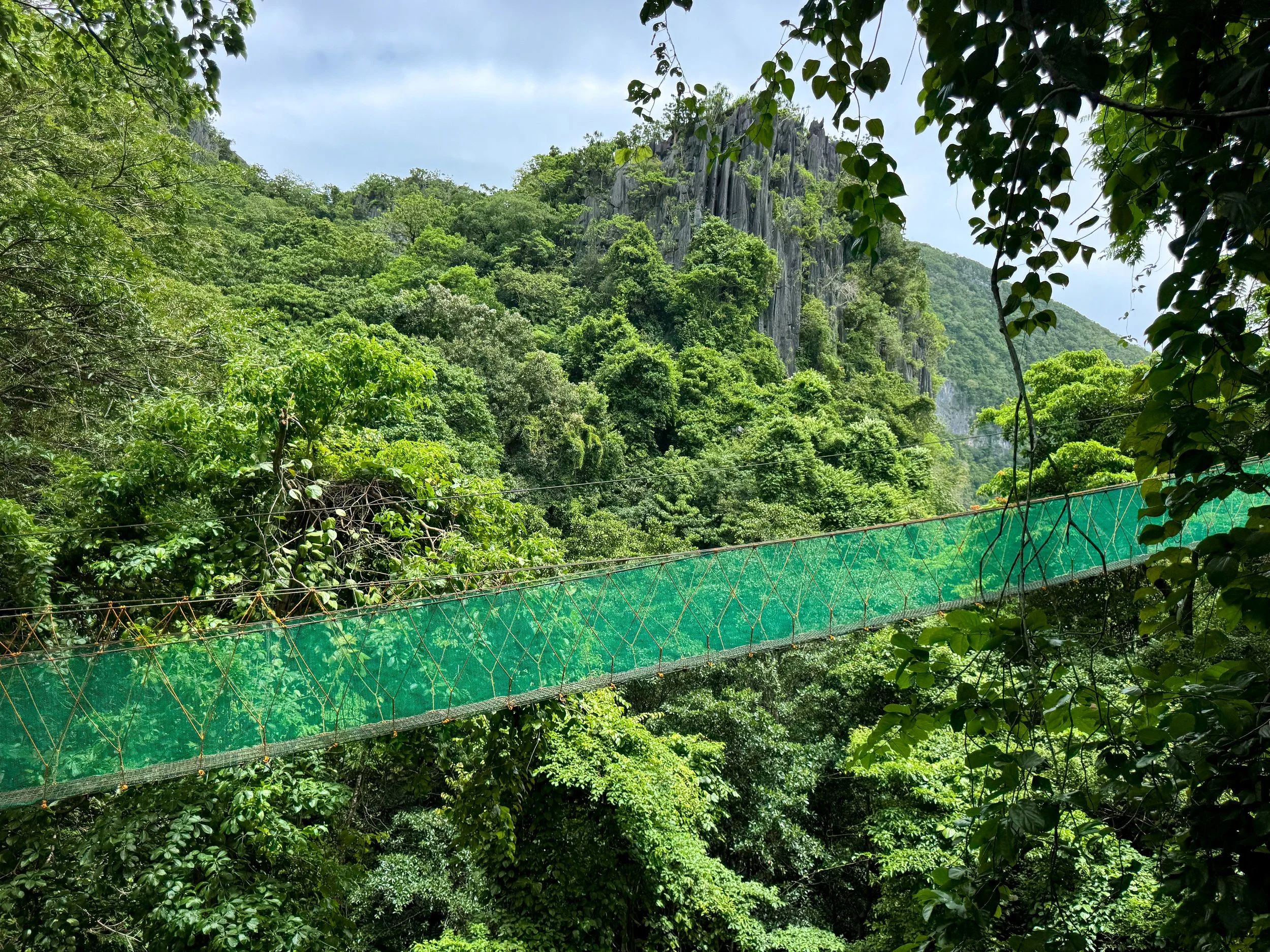
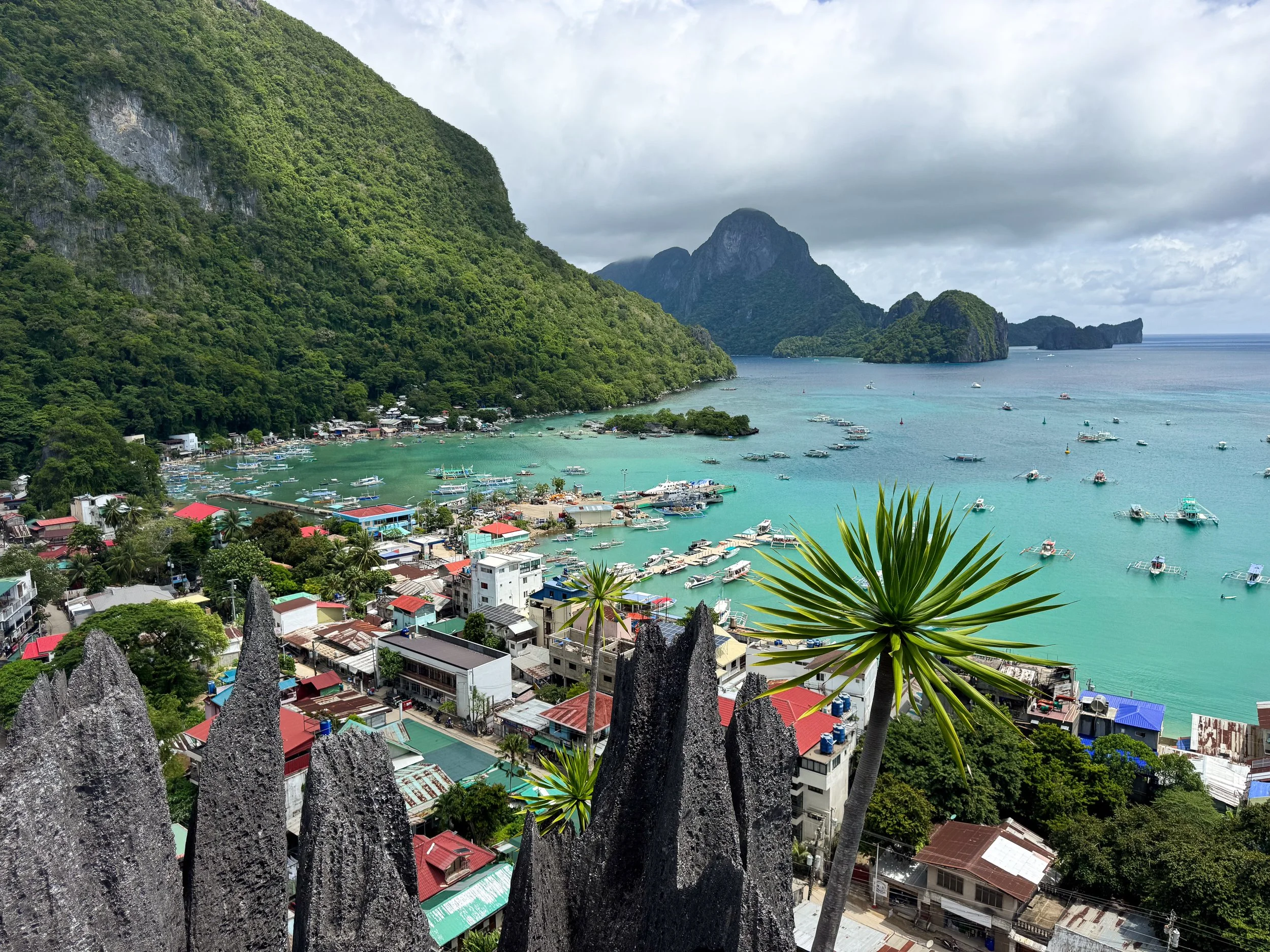
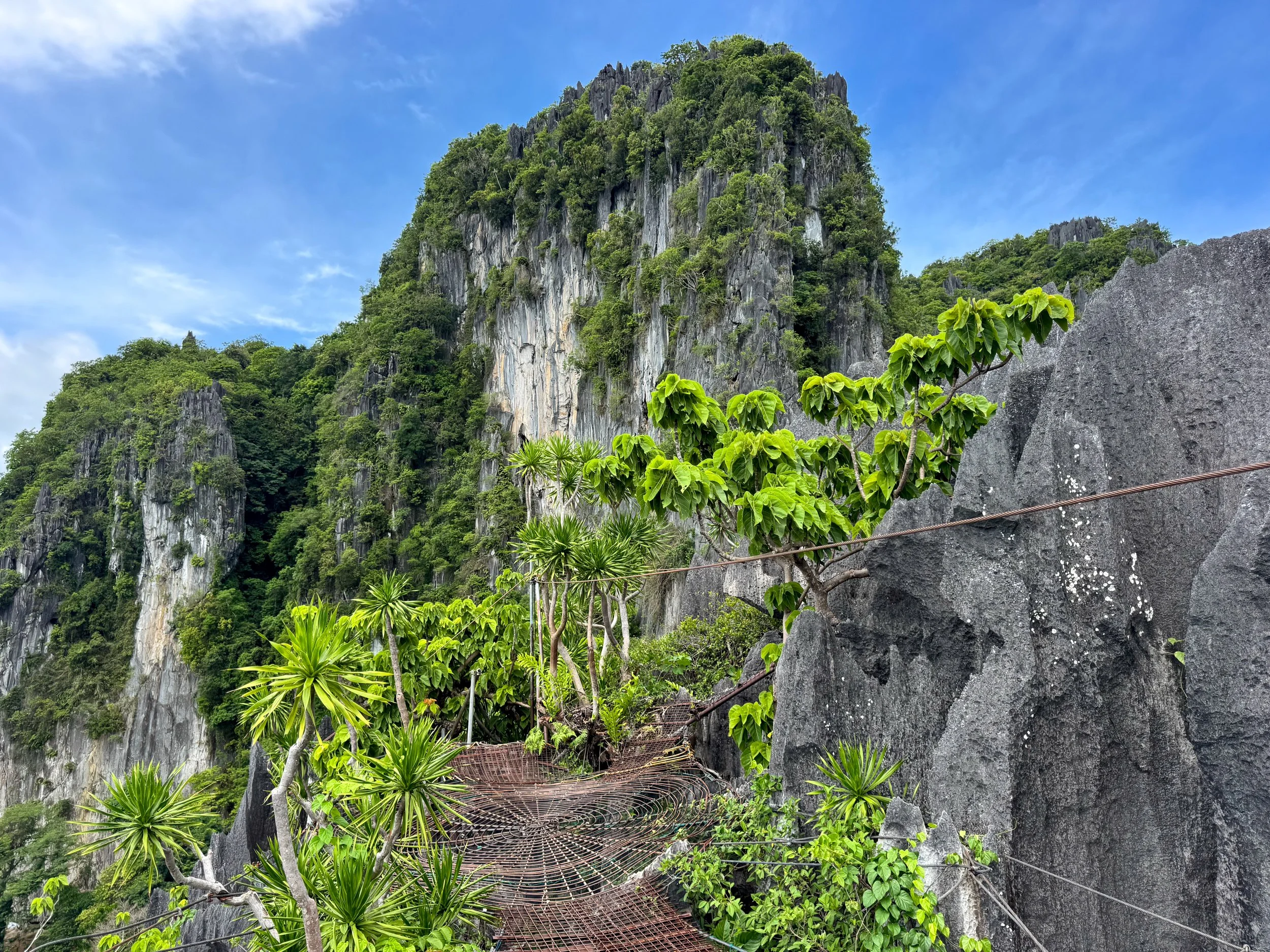
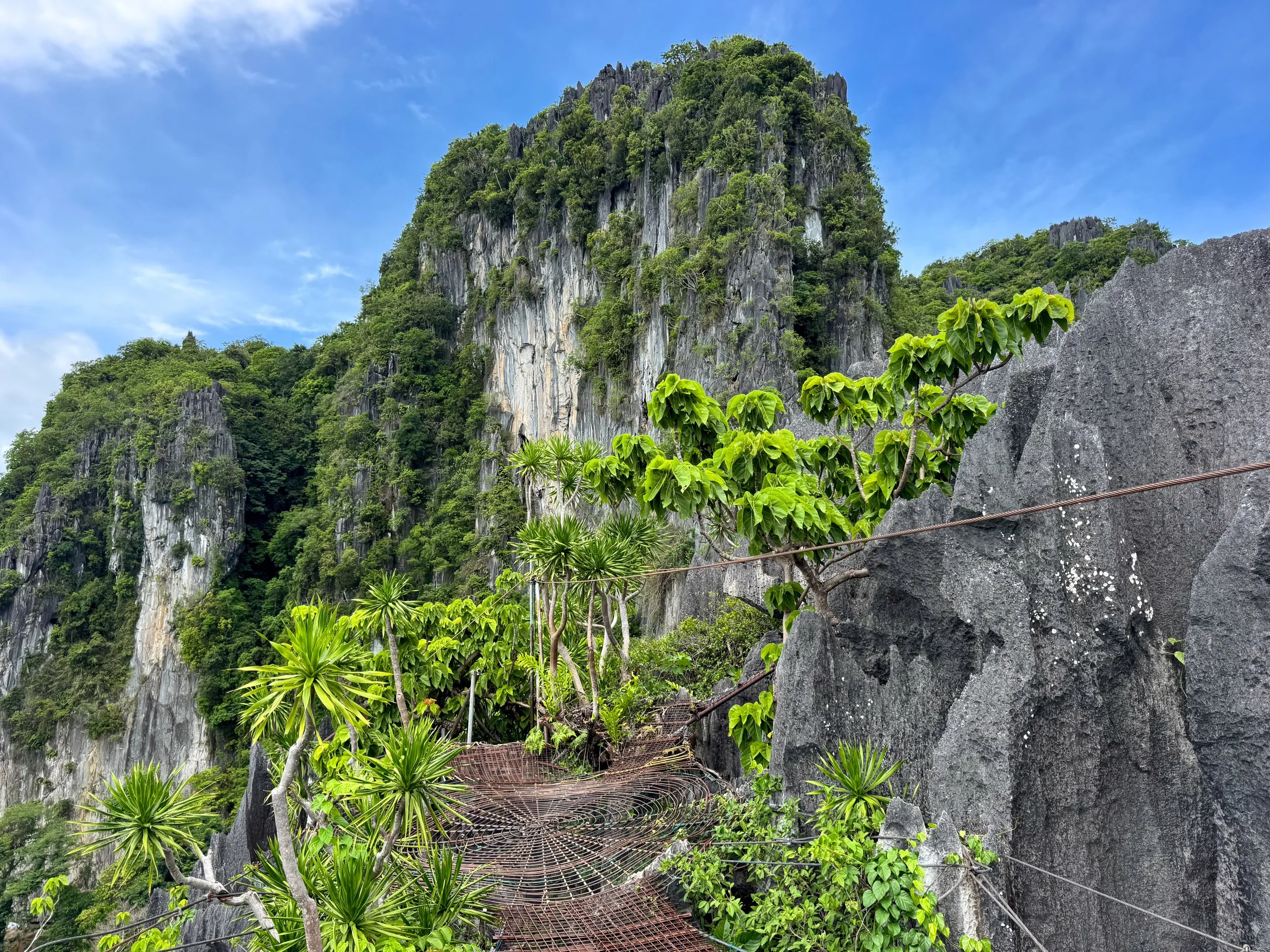
El Nido Via Ferrata Canopy Walk. An adventure park with a suspension bridge and steep walkways through the jagged and razor sharp cliffs towering above El Nido. Along the route are views of the cliffs ending at a platform with a panorama of the town and harbor. The route down has a couple spider web shaped platforms for observation and photo opps. We booked day of at the ticket office around 10am.
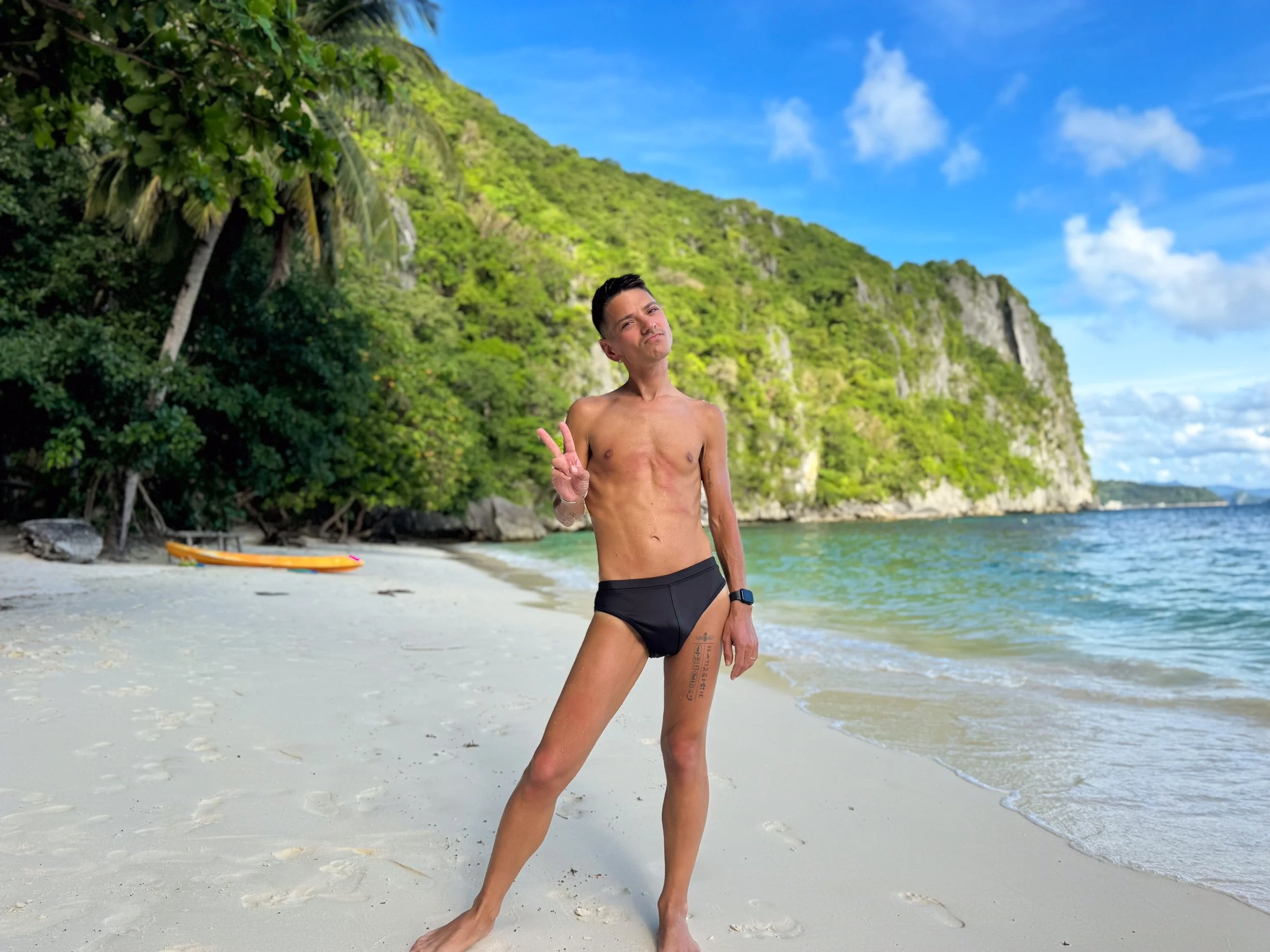
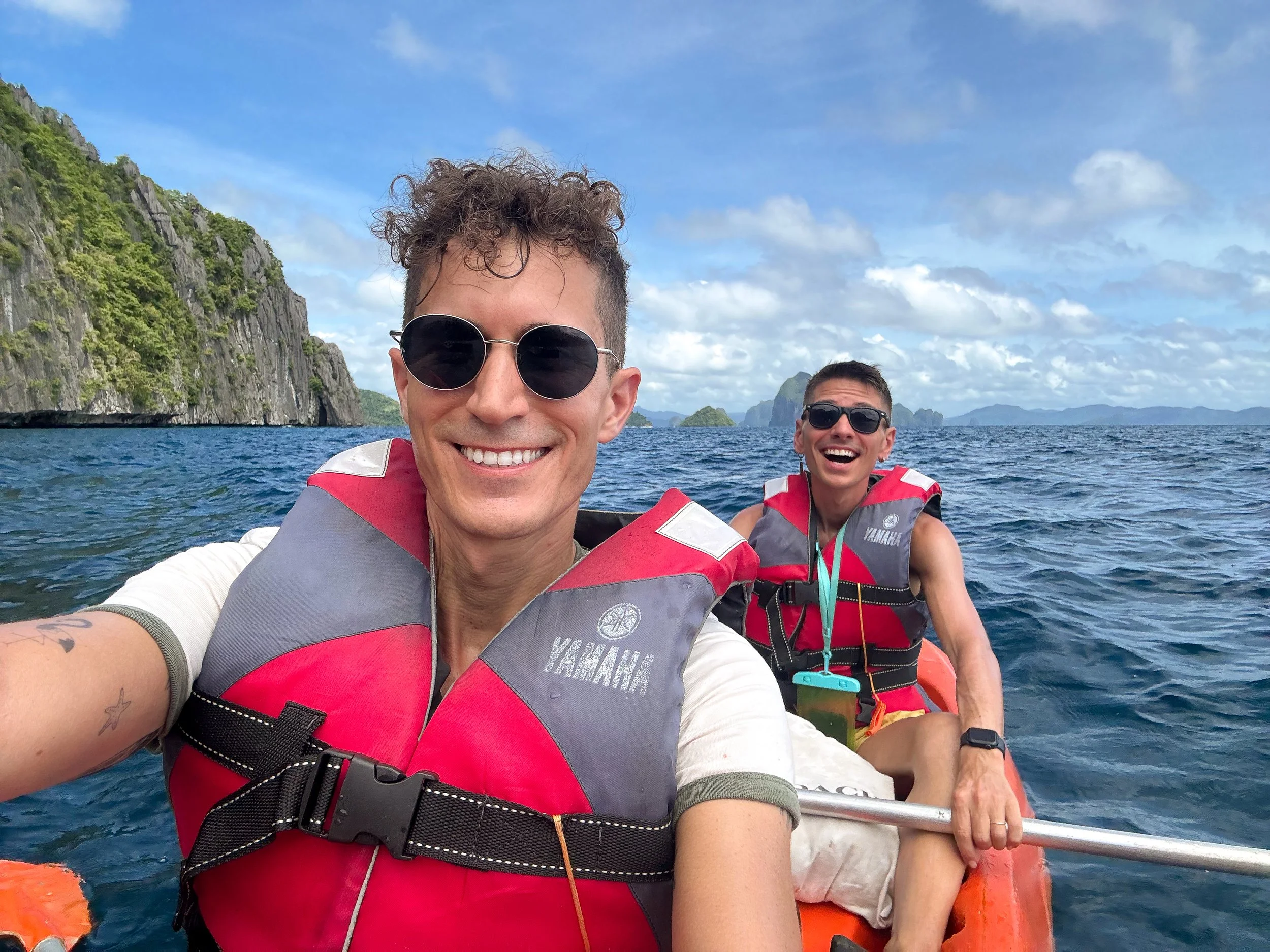
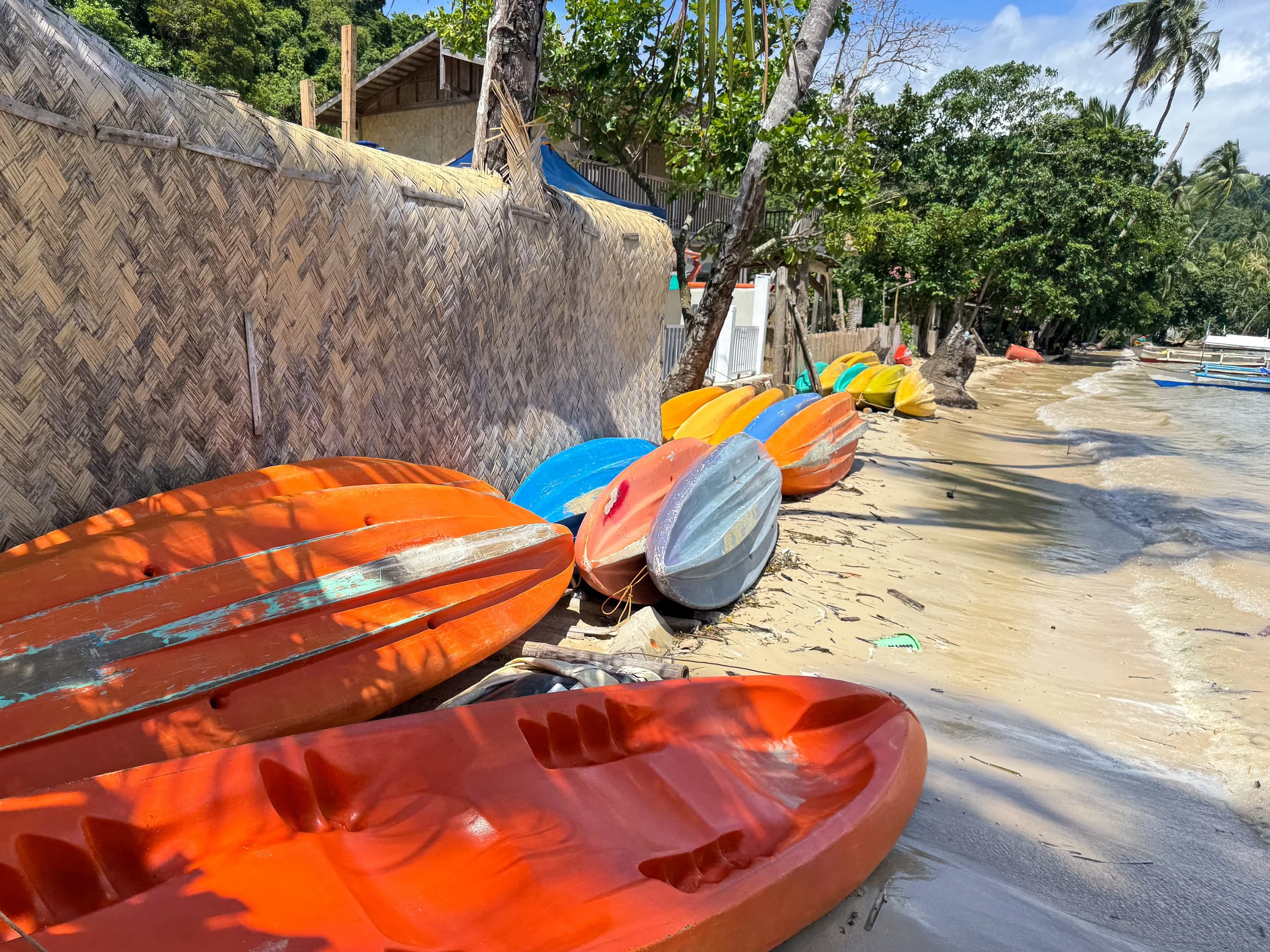
Jayven Kayak Rental. A kayak rental at Corong Corong Beach with full day rentals. We paid 600 PHP for a double kayak, returning it before sunset. From here, we kayaked around the boat dotted harbor, rugged cliffs and to Papaya Beach about 45 minutes away.
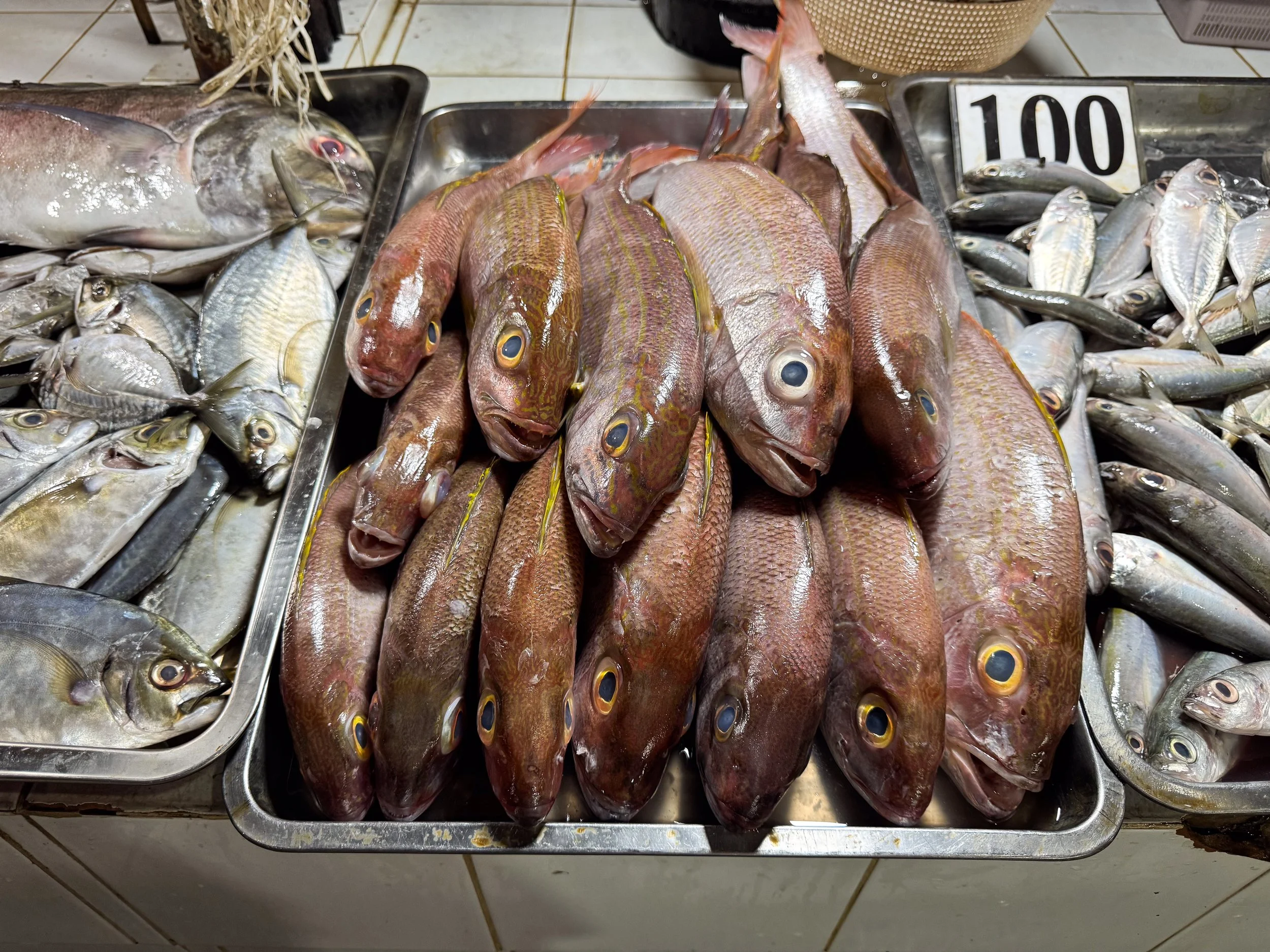
Shop at the El Nido Public Market. A local farmer’s market with booths of vendors selling fresh produce, vegetables, eggs, herbs and groceries. There is a central area with butchers carving meats and fish mongers preparing the day’s catch. Shop keepers are friendly and eager to help. We bought a bounty of items to cook various local dishes. It’s open daily and still bustling until 7pm. The market is cash only and prices are very fair.
Places to Eat & Drink
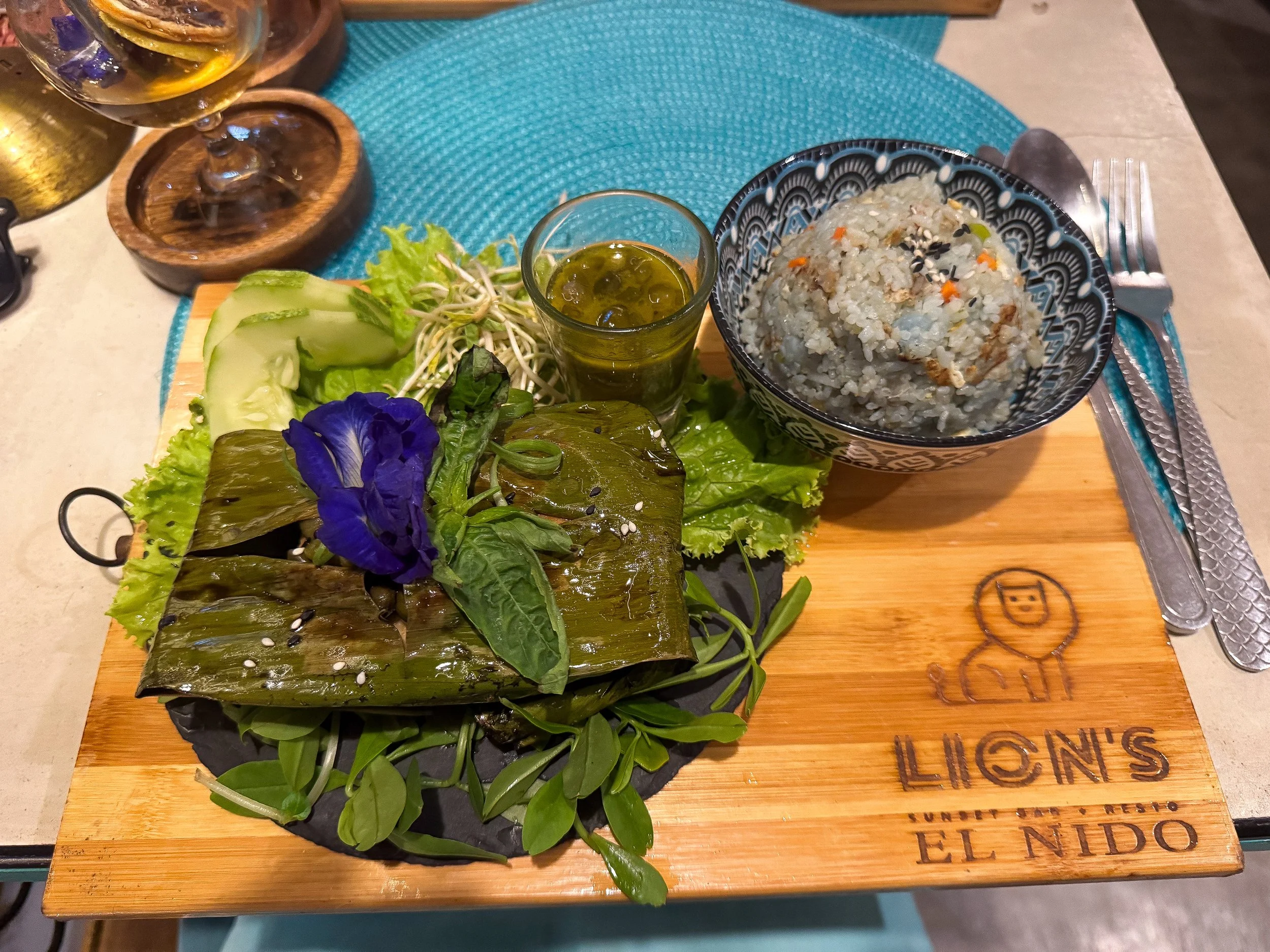
Lion’s Sunset Lounge. A beautiful beachfront restaurant decorated in bamboo, thatchery and natural materials. Their menu features Filipino and tropical dishes. We ordered the calamari rings, ground crab burger and a filet of tuna steamed in a banana leaf.
El Nido Bakery. A bakery in town with a display of golden baked pastries made with local flavors. We stopped in for pineapple cake, banana bread, salt bread and hopia ube, a flaky pastry filled with bright purple ube jam.
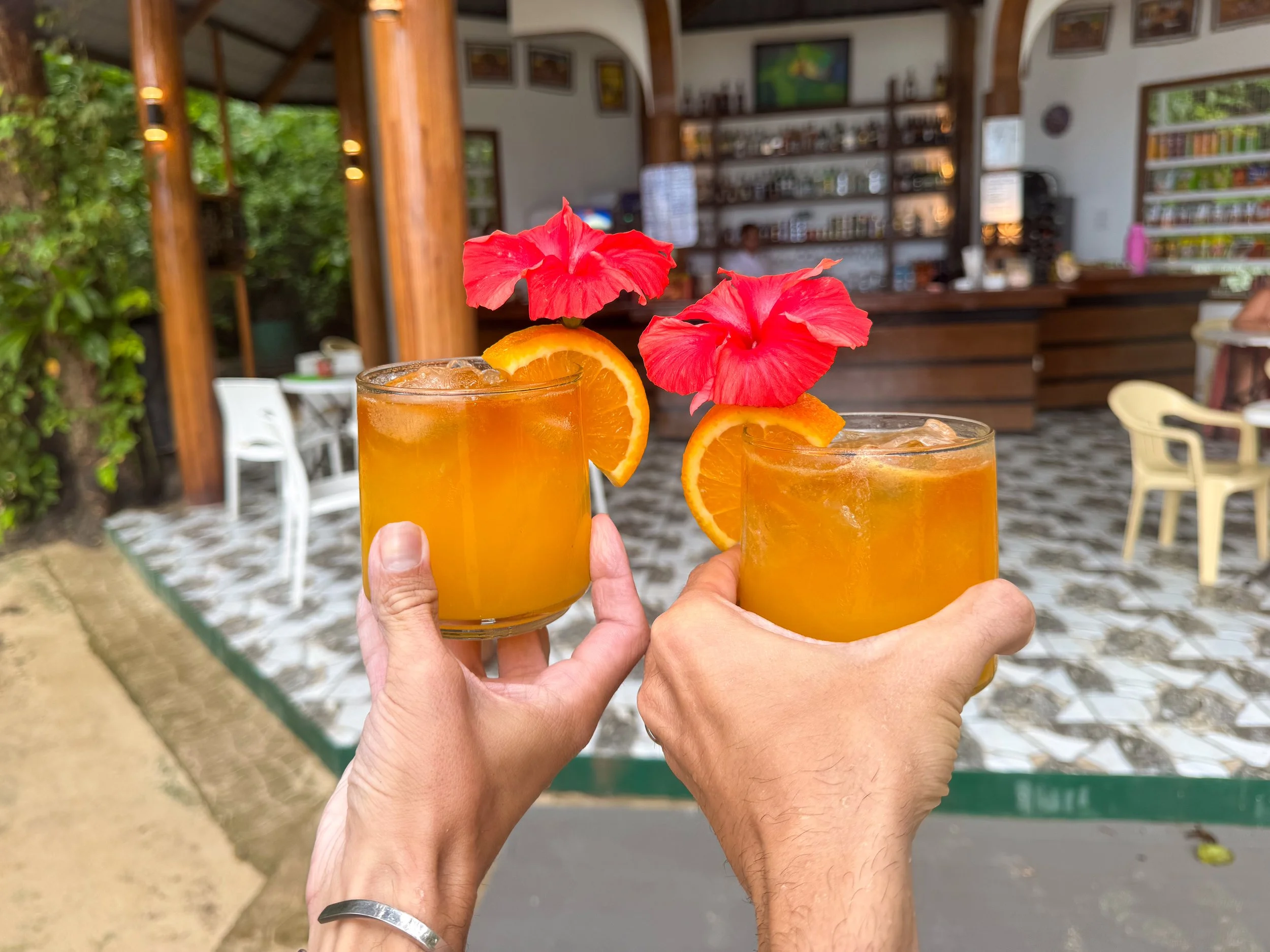
Tales of the Islands. A vibey restaurant and bar with a daily buy one get one happy hour from 3-7pm. We stopped in after a tour, ordering the Coco Tropical, an anise flavored piña colada and a classic sangria.
Happiness Beach Bar. A cocktail bar along the main beachfront road in town. We stopped in for their buy one get one happy hour after a tour. Try the frozen margaritas and daiquiri!
Orange Pearl Restaurant. A beachfront hotel restaurant with views of the islands and bay. We stopped in for their buy one get one happy hour after zip lining and relaxing at Marimegmeg Beach.
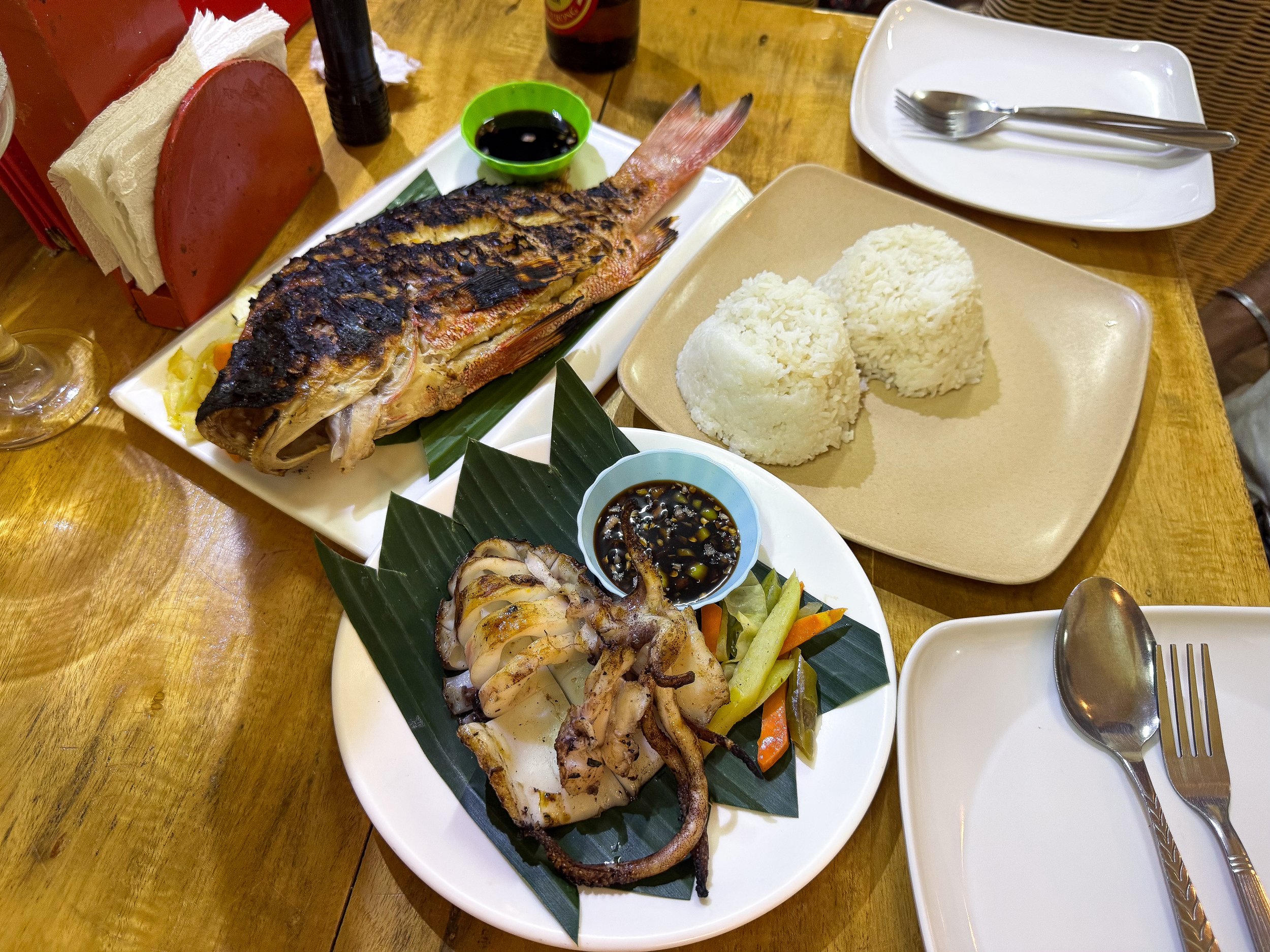
Jarace Grill. A seaside restaurant at El Nido Beach with the freshest selection of seafood displayed on ice. We hand chose a red snapper and squid to have charcoal grilled with a side of Filipino garlic rice.
Don Macchiatos. A small coffee shop beloved for their 39 PHP lattes (less than $1 USD). Try the iced ube latte for a local flavor!
Brunch El Nido. As its name implies, they do one thing, brunch! Their food menu offers egg dishes, overnight oats, sandwiches and fruit bowls. Bean bags sit at tables on the second floor, perfect for lounging with a coffee, mimosa or sangria.
Art Café. A beachfront café and bar at El Nido Beach with freshly baked local pastries. We stopped in for a tuna empanada and cassava bread.
Filipino Cuisine
Having spent three weeks island hopping across the Philippines, we got to eat and cook several traditional Filipino dishes. We tasted so many delicious local flavors at restaurants in Puerto Princesa, El Nido and on our tours.
Sotanghon Noodle Soup. A thick and savory noodle soup often made with chicken, carrots, cabbage and sotanghon noodles. We replaced the chicken with marinated tofu giving it a chicken noodle soup flavor.
Kinilaw. A Filipino style ceviche made with vinegar washed seafood mixed with calamansi lime juice, coconut cream, red onions, hot peppers and ginger.
Adobo. A national dish of the Philippines seen on menus across the country. Its base has a seared protein simmered with a sticky soy sauce glaze made with vinegar, brown sugar and pepper.
Garlic Rice. Rice cooked with fresh or fried pieces of garlic. It’s served with almost every meal.
Lumpia. The beloved Filipino style spring roll stuffed with a protein. It’s typically served deep fried and crispy. We made a version using local Bangus fish.
Banana Turon. A breakfast or dessert style lumpia made with fresh banana filling and sometimes ube jam.
Bangsilog. A traditional Filipino breakfast pairing with grilled or fried fish, fried eggs and white rice.
Pancit. A commonly served noodle dish stir fried with carrots and cabbage.
Champorado. A chocolaty rice porridge made with cocoa powder and evaporated milk.
Calamansi Juice. A Filipino juice made with calamansi limes. It has a citrus flavor similar to a mixture of lime, lemon and orange.
Taho. A layered dessert made with silken tofu, tapioca pearls and brown sugar sauce. It’s a common street food dish sold by vendors carrying large steel tins.
Ube. A starchy root vegetable famed for its deep purple color. It’s cooked down into a number of dishes, mostly desserts. We used it to make a sweet jam using a Filipino friend’s family recipe.
Halo Halo. The unofficial national dessert of the Philippines. It’s an icy layered treat made with sweetened jellies, root vegetables, corn and cereal drizzled with sweetened condensed and evaporated milks.
Where to Stay
El Nido Lofts. A small apartment complex with a handful of lofted studios. It’s a central spot located between the town center and Corong Corong Beach. From here, most places were only a 20 minute walk away. Reserve on Booking.
Getting Around
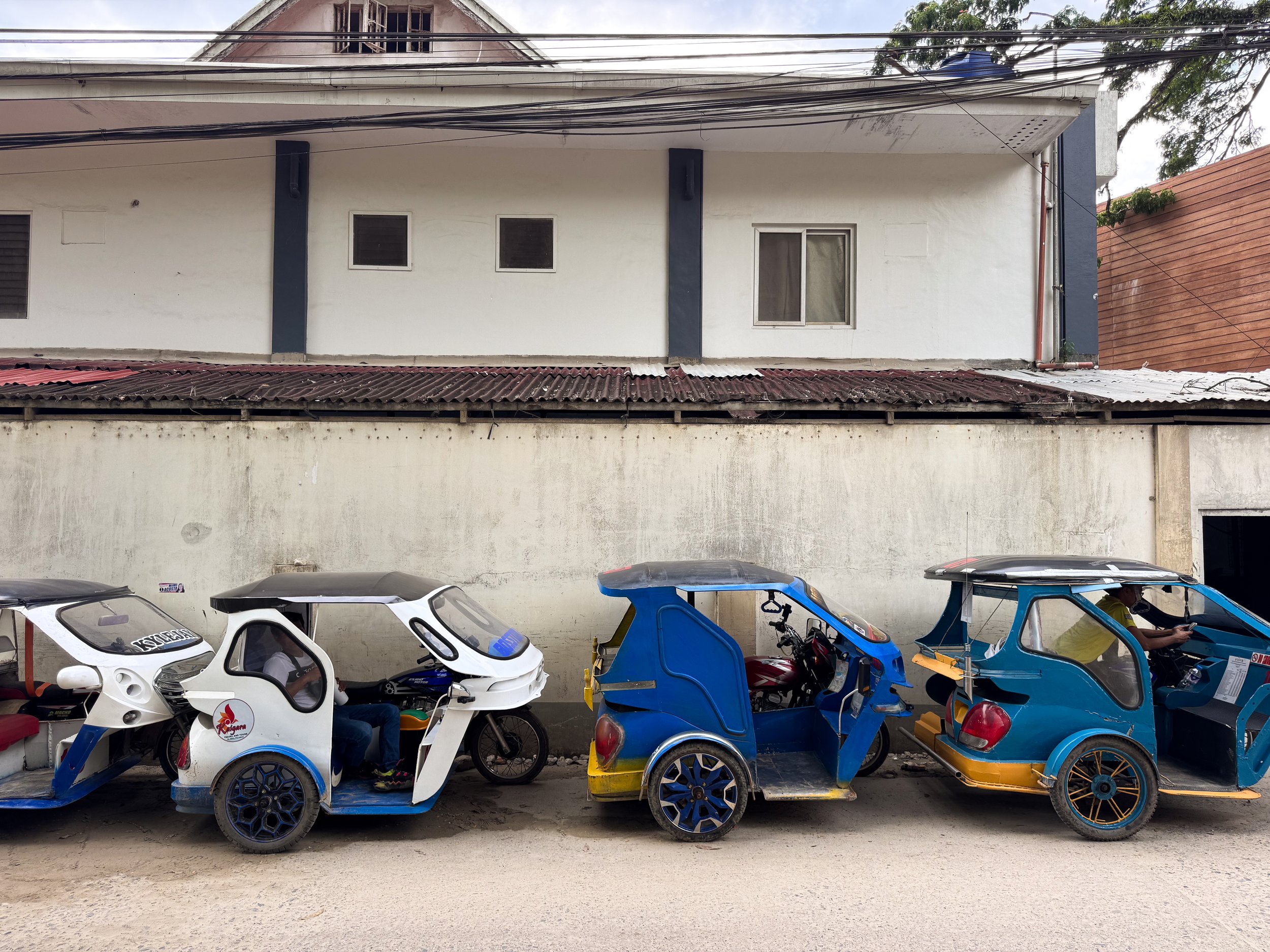
Tuk Tuk. The three wheeled hybrid of a car and motorcycle is the most efficient way of getting around El Nido. Tuk tuks are readily available on the street. Plan to pay in cash and negotiate price before getting in. Typical rides cost between 100 - 300 PHP depending on distance.
Between Puerto Princesa & El Nido. The best way to get between Puerto Princesa and El Nido is by taking a shared transfer. Shuttles are available from either town’s transport terminal or by booking ahead with a scheduled pick up. After 5 hours of very winding roads, a couple pit stops and speedy driving, we made it to our destination. We booked with Corazon Travels & Tours on Get Your Guide the day before.
Warning! If you suffer from motion sickness, this is not the way to travel! The road is full of fast twists, turns and hills.
Location Specifics
Cash Only. Many businesses and restaurants are cash only. There are ATMs and currency exchanges in town. Withdraw cash in the local currency (Philippine Peso) for the best exchange rate.
Language. Tagalog is the national language of the Philippines. It’s heavily influenced by Spanish. English is commonly spoken by most people.
Power Outages. There are near nightly power outages about an hour after sunset lasting from a few minutes to over an hour. This was especially true in Puerto Princesa.
Drinking Water. Tap water is not safe to drink, cook with or use for brushing teeth. Only use bottled water. Let tap water run clear before using it.
Rain Storms. There are frequent rainstorms lasting around 20 minutes, even on sunny and clear days. Always carry an umbrella!
Single Use Plastic. While not entirely banned, it’s strongly encouraged to avoid single use plastic. Bring a re-usable straw, cloth grocery bag and insulated water bottle.
Beware of Jellyfish. There are signs at every beach warning visitors to beware of jellyfish. We spotted several ranging from the size of a ping pong ball to the size of volleyball.
When to Visit. We visited in late May through early June on the shoulder season between spring and summer. We experienced more warm and sunny days than the couple cloudy and rainy days.
Elsewhere in The Philippines
From Palawan's limestone cliffs and island hopping adventures to Siargao's surf culture and Cebu's wildlife encounters, discover more of the Philippines beyond El Nido with these travel guides:
Siargao Travel Guide: Surfing, Island Adventures & Filipino Cuisine. Ride the waves in Siargao where Cloud 9 surf breaks, turquoise lagoons, palm fringed islands and Filipino cuisine embody the island's relaxed rhythm and adventurous spirit.
Cebu Travel Guide: Whale Sharks, Canyoning & Wildlife. Chase adventure in Cebu to swim with whale sharks and sardines, canyoneer at Kawasan Falls and island hop to Bohol’s Chocolate Hills for experiences on land and water.
For Next Time…
Palawan is one of those destinations you hope will never change. We imagine coming back years from now and reliving our adventures all over again in addition to experiencing some things we missed.
Coron. A rugged and mountainous island with a rainforest, lagoons, coral reefs and ship wrecks. Similar to El Nido, it has its own circuit of 4 tours. The island is reachable by ferry 4 hours from El Nido.
Nacpan Beach. A lengthy golden sand beach about an hour north of El Nido by tricycle. Though semi-remote, it has small resorts, beach bars and lounge rentals.
Tour D. The only tour on the El Nido circuit that we missed due to timing. It visits island lagoons, coves, beaches and snorkeling points.