

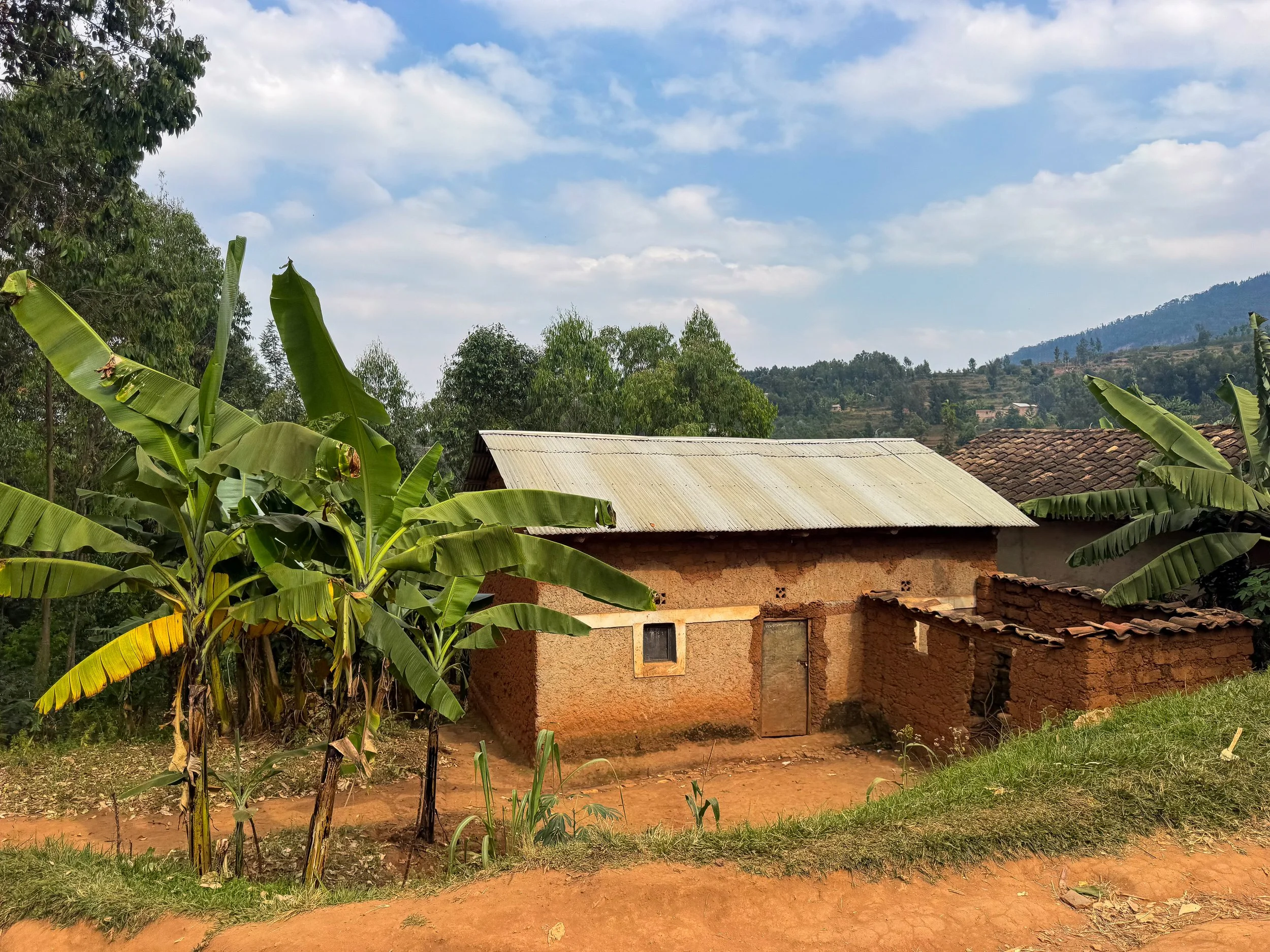
Rwanda Road Trip Guide: Kigali, Wildlife Trekking & Local Culture
Discover Kigali and road trip through Rwanda's rolling landscapes where local culture thrives and remote forest treks lead to wild chimpanzees and golden monkeys.
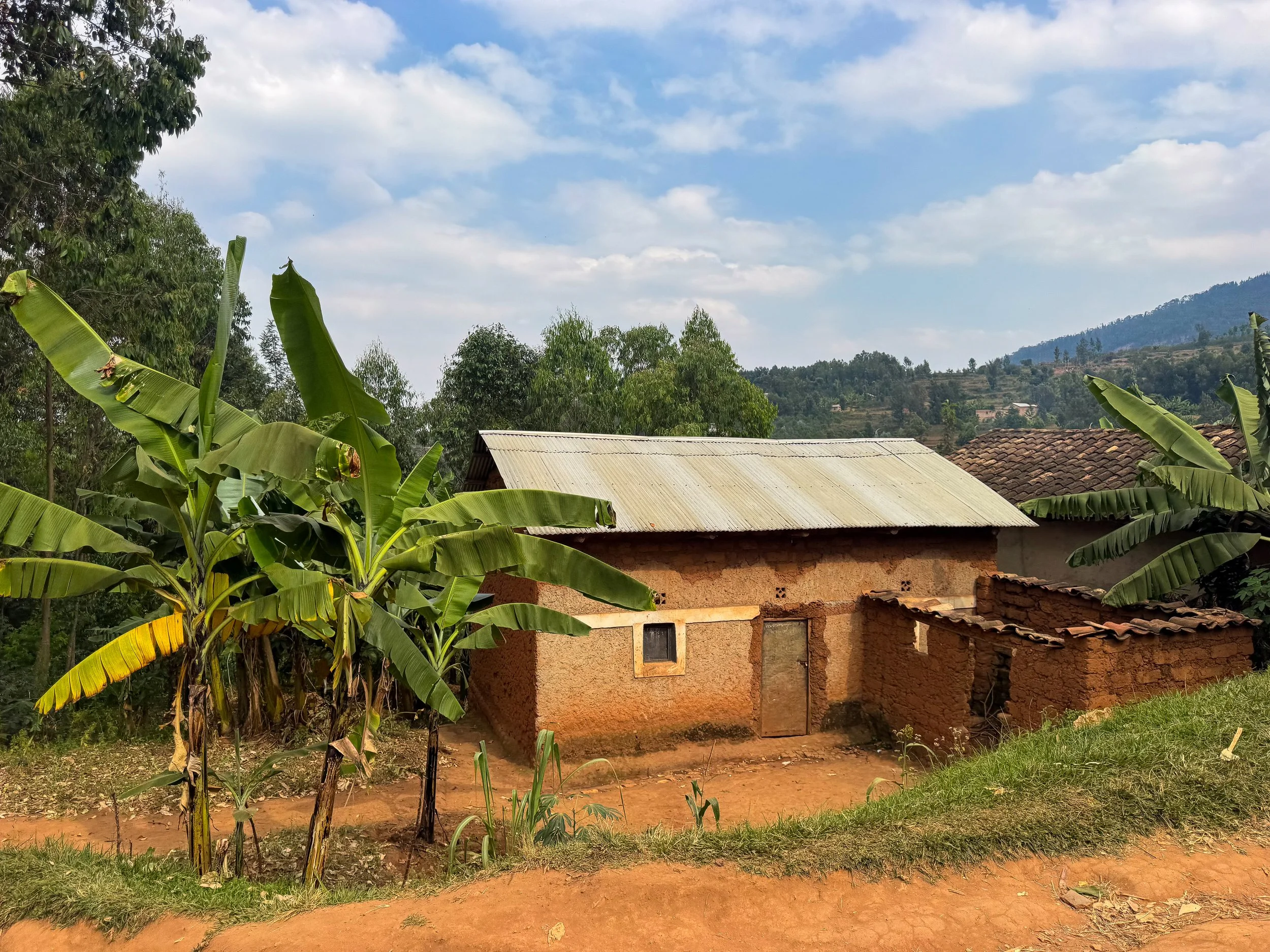
Rwandan Roadtrip
Rwanda is a small East African country known as the land of 1,000 hills. It’s home to lush farmland, mountainous rainforests, sprawling savannas, great lakes and volcanoes. Encounters with endangered primates like gorillas, chimpanzees and golden monkeys attract eco-tourists from across the world. The country’s cultural identity and history are on display at museums, galleries and memorials. We spent a week road-tripping across the country, experiencing its natural beauty, extraordinary animals and local culture.
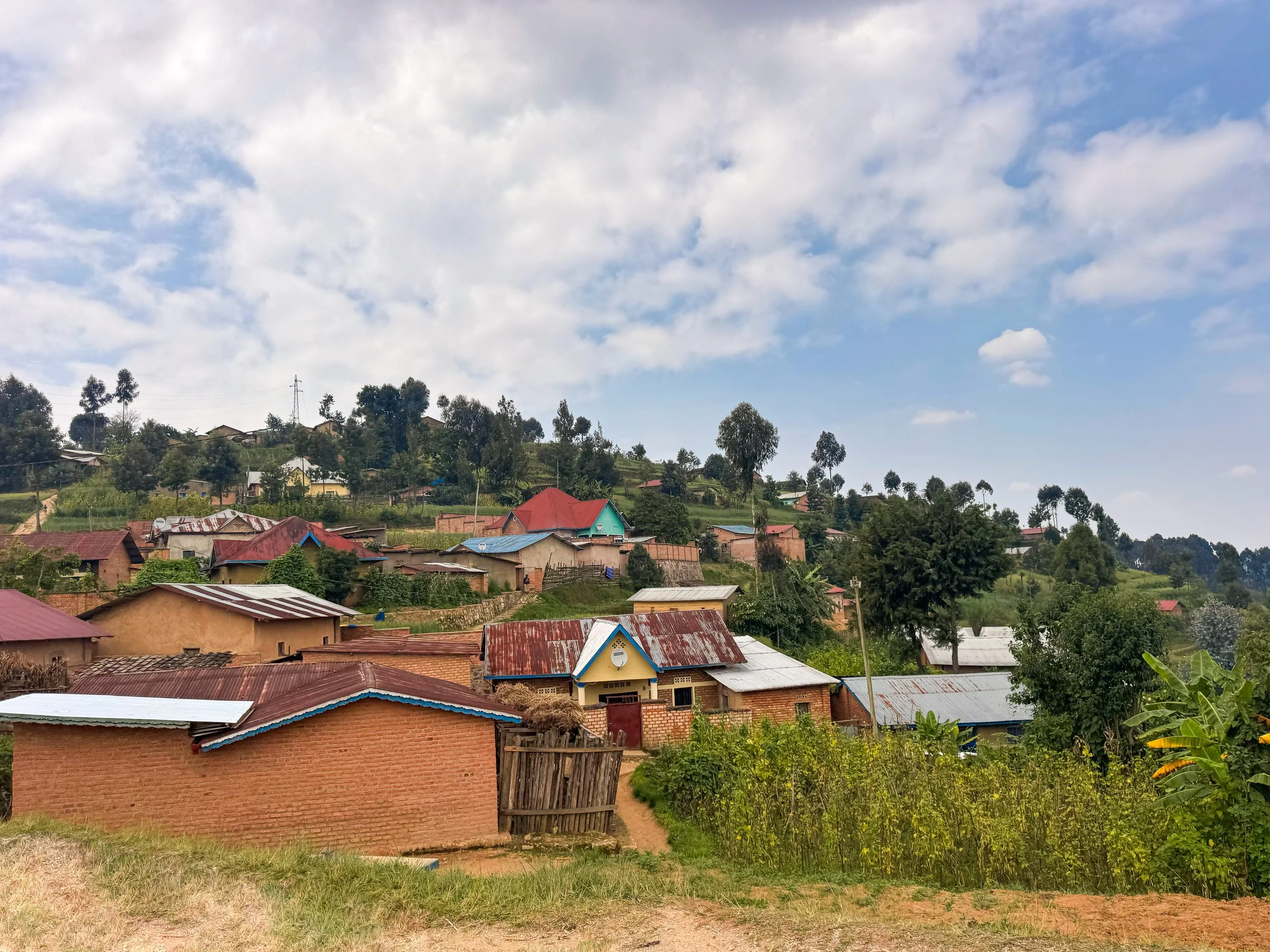
Observe the Local Culture
One of the most eye-opening parts about driving in Rwanda was observing the local culture. People work hard cultivating farmland and transporting goods to markets in rural villages. The roadsides are consistently buzzing with people. Women carry bunches of bananas, baskets of produce and sacks of goods on their heads. Men ride and push bicycles overloaded with bundles of sugarcane, silver canisters of milk and bags of goods. Children fill jerry cans with fresh water from wells and roll wheels with sticks for leisure.
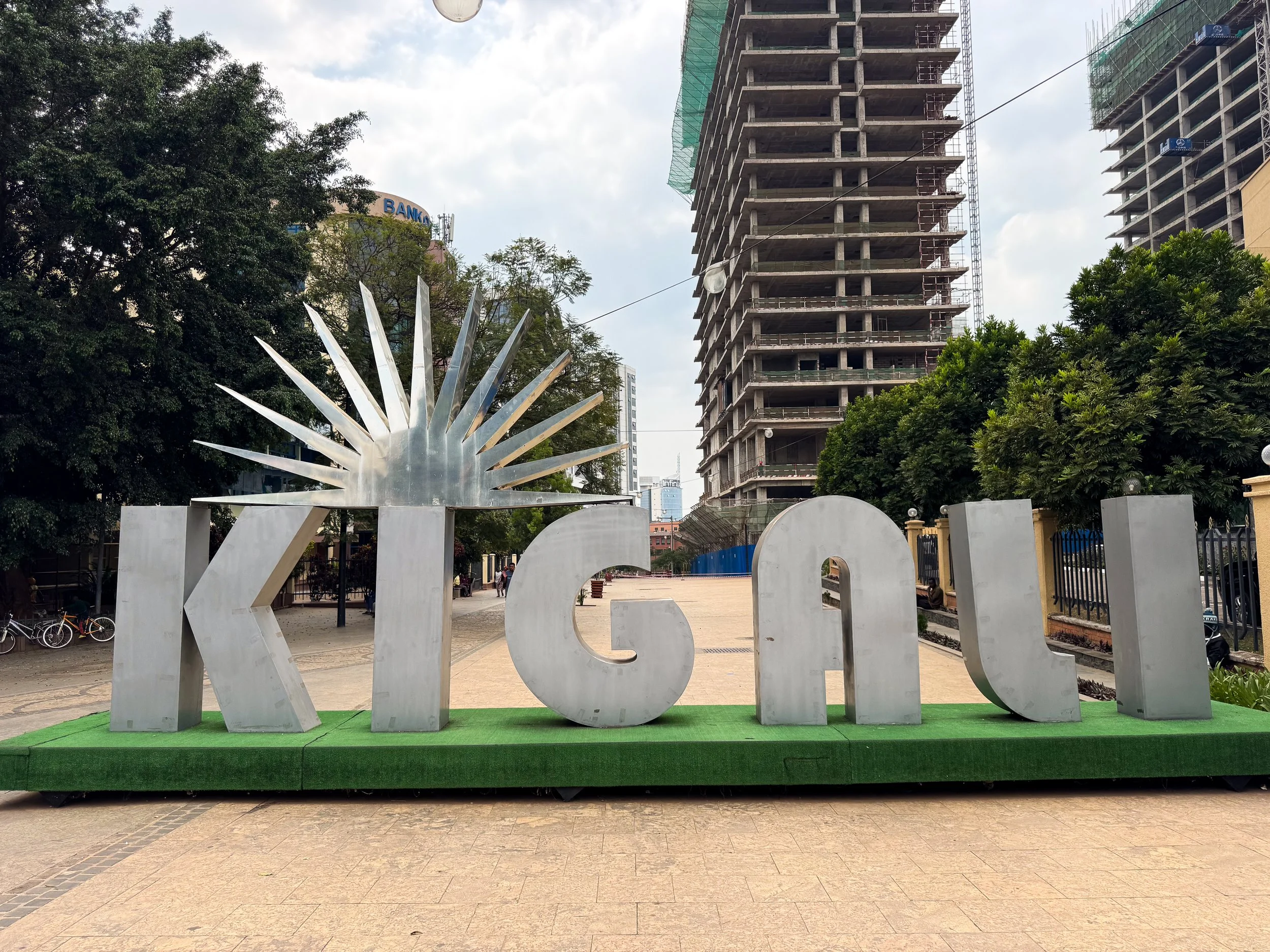
Kigali, Rwanda
Kigali is the vibrant capital city of Rwanda. Its modern neighborhoods and densely populated communities sprawl across the landscape’s rolling hills. Their warm tones glow by day and white lights twinkle by night. It’s a verdant place with palm lined boulevards, flowering trees and manicured bushes. The country’s culture is expressed through its people, goods, cuisine and history. Shops sell handmade crafts and African goods. Seasonally farmed produce is sold at local markets. Women dress in colorfully patterned clothes. Restaurants serve Rwandan cuisine while cafés brew Rwandan coffee. The people look towards the future while remembering the 1994 Genocide.
See the Sights
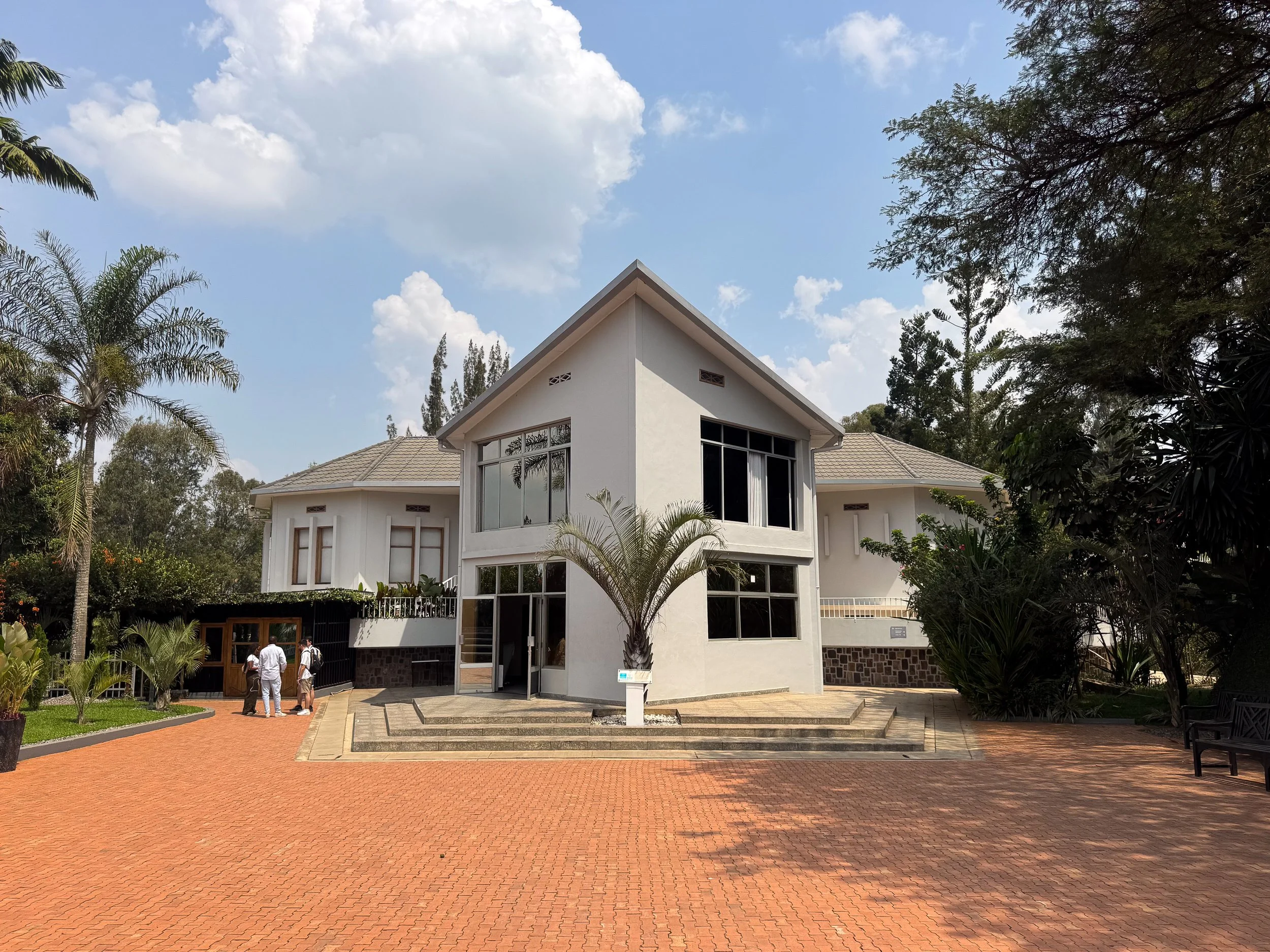
Kigali Genocide Memorial. A memorial and historical museum dedicated to the victims of the 1994 genocide. The museum is organized by section. It teaches about the root causes and colonial divisions that led to the genocide. It details the history and atrocities prior to and during. It honors the victims and those that stood up to terror as it ensued. It explains the steps post genocide to heal Rwanda and hold accountable those responsible. Lastly, it calls upon humanity to act to prevent future genocides. Mass graves containing the remains of a quarter million people murdered during the genocide are laid to rest here. They’re surrounded by symbolic gardens dedicated to the victims. More than 200 other memorial sites across the country serve as a stark reminder of the atrocities.
Pro Tip. Pay for an audio guide to learn more from the memorial and museum.
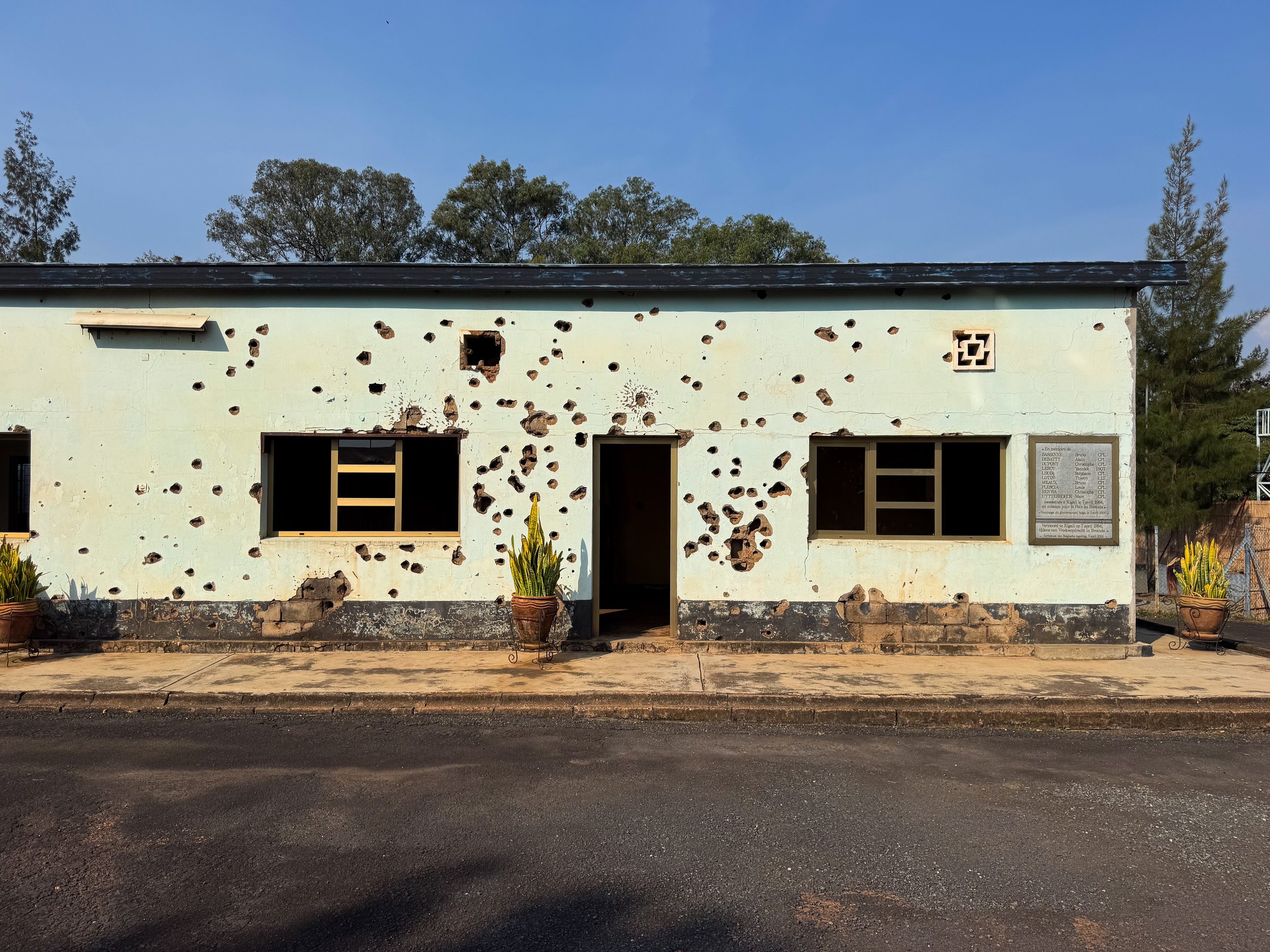
Belgian Peacekeepers Memorial. A memorial for 10 Belgian peacekeepers killed during the early hours of the 1994 Genocide. The bullet riddled building is the site of the massacre. It is preserved and partially converted into a museum recounting the timeline of the tragedy. A stone monument honors and remembers the peacekeepers lives. Entrance is by donation.
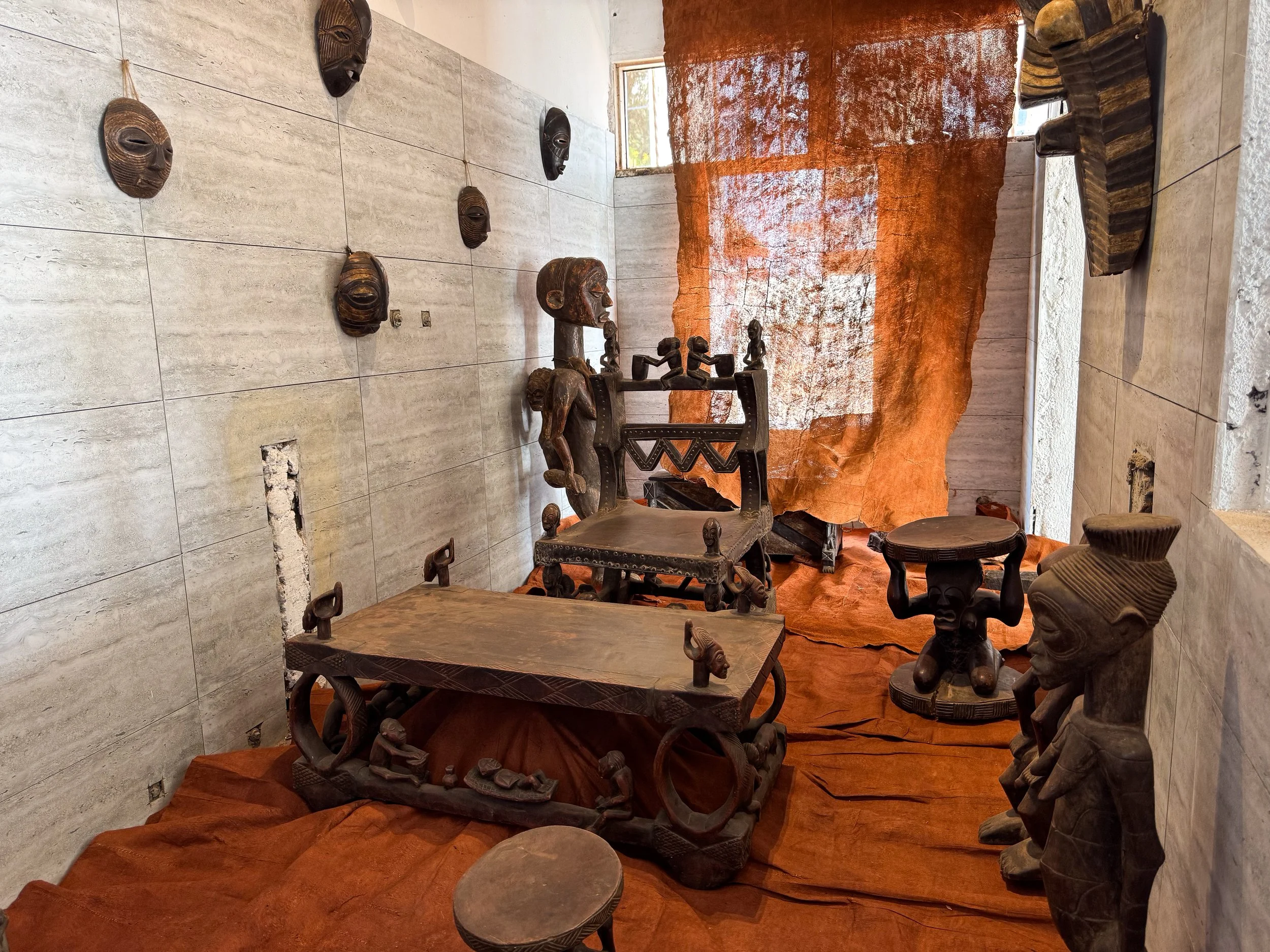
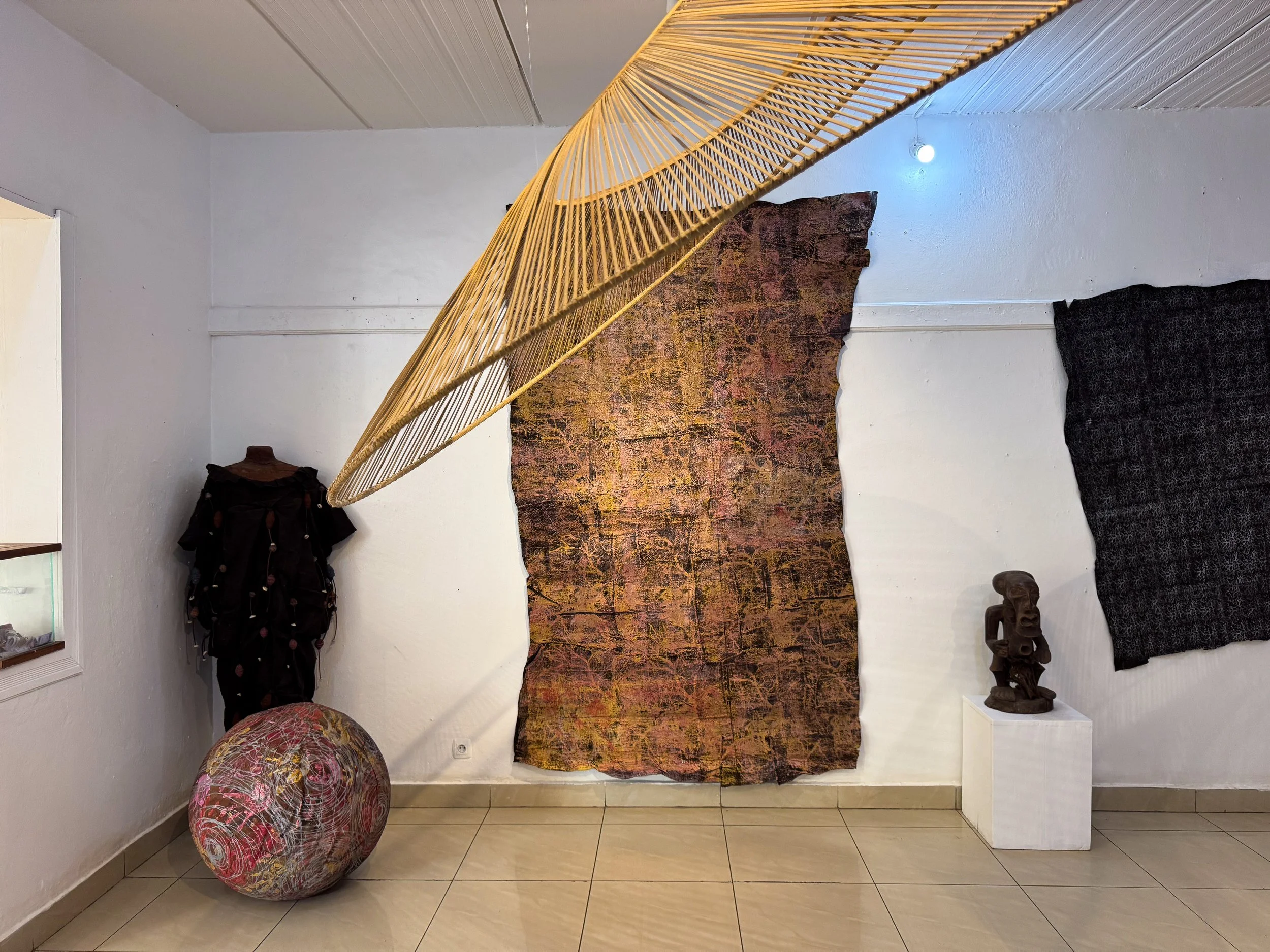
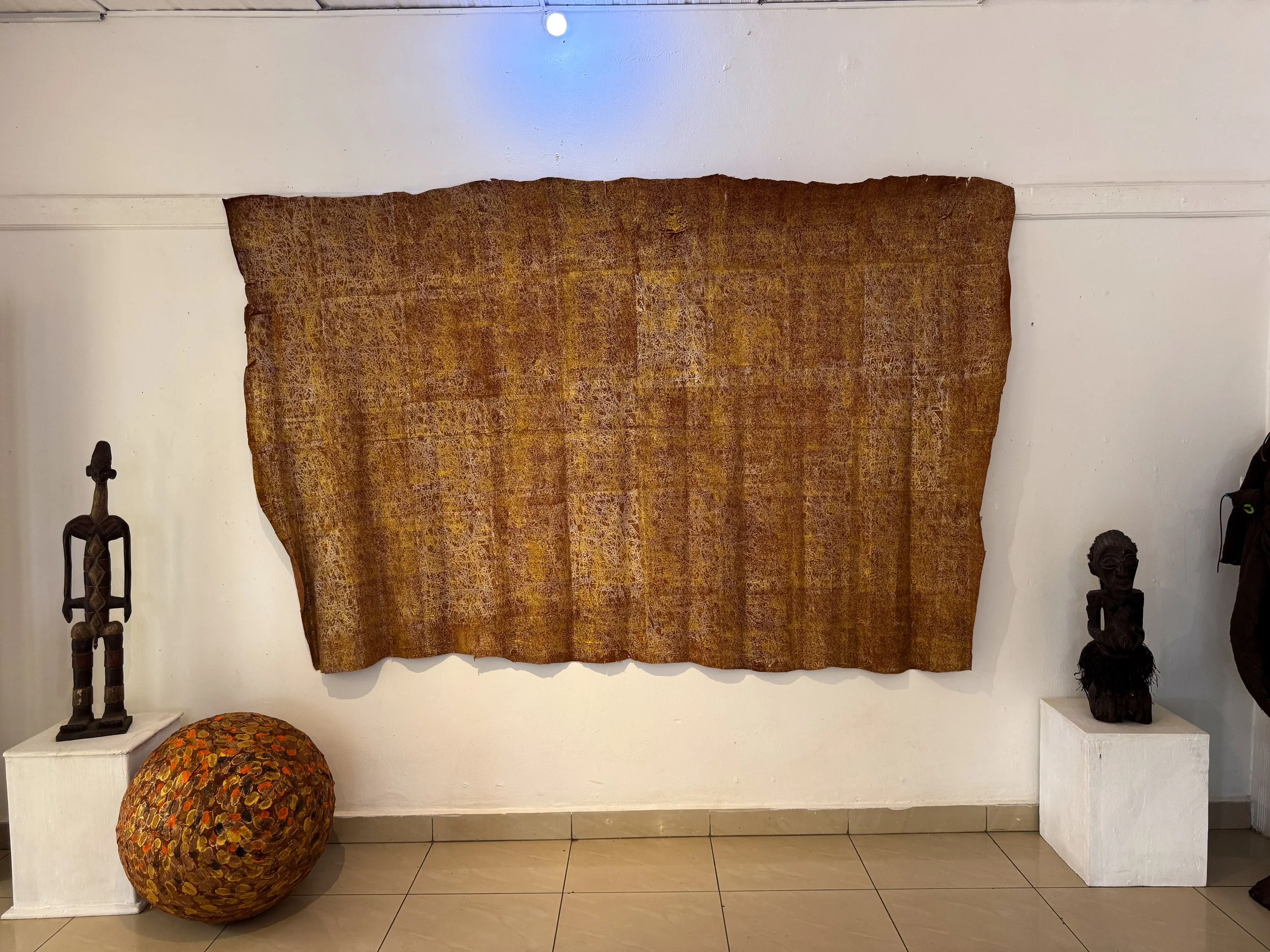
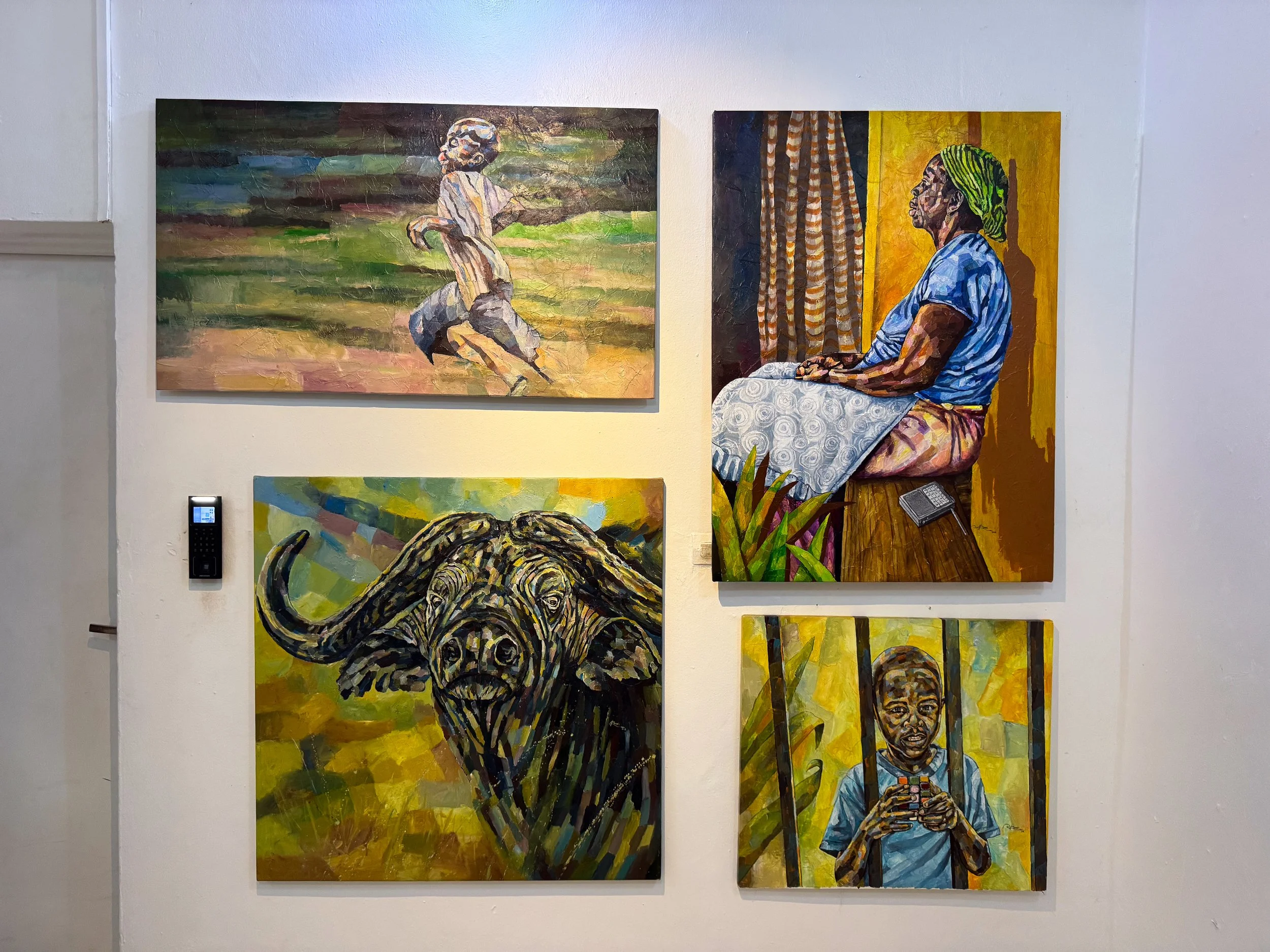
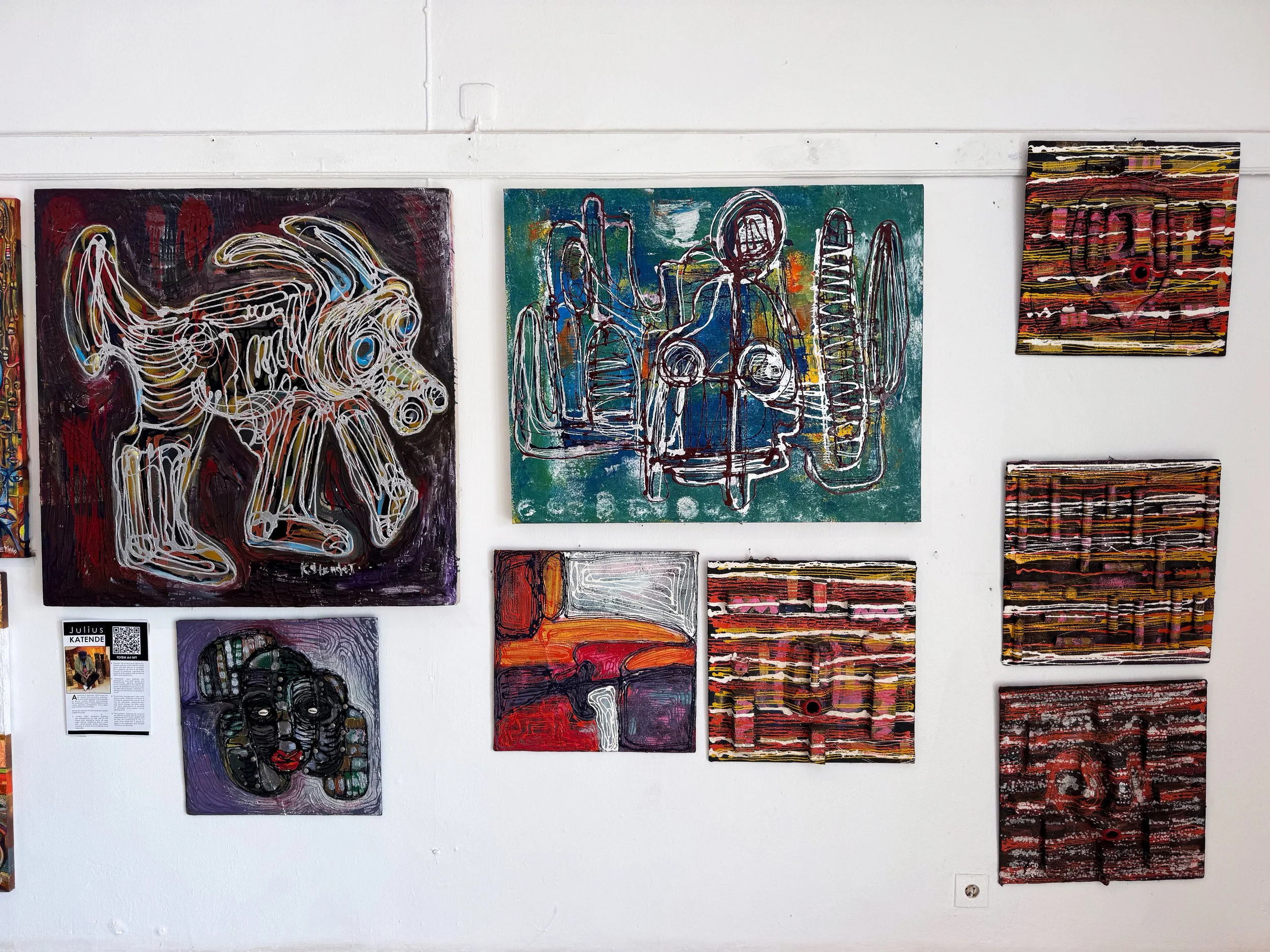
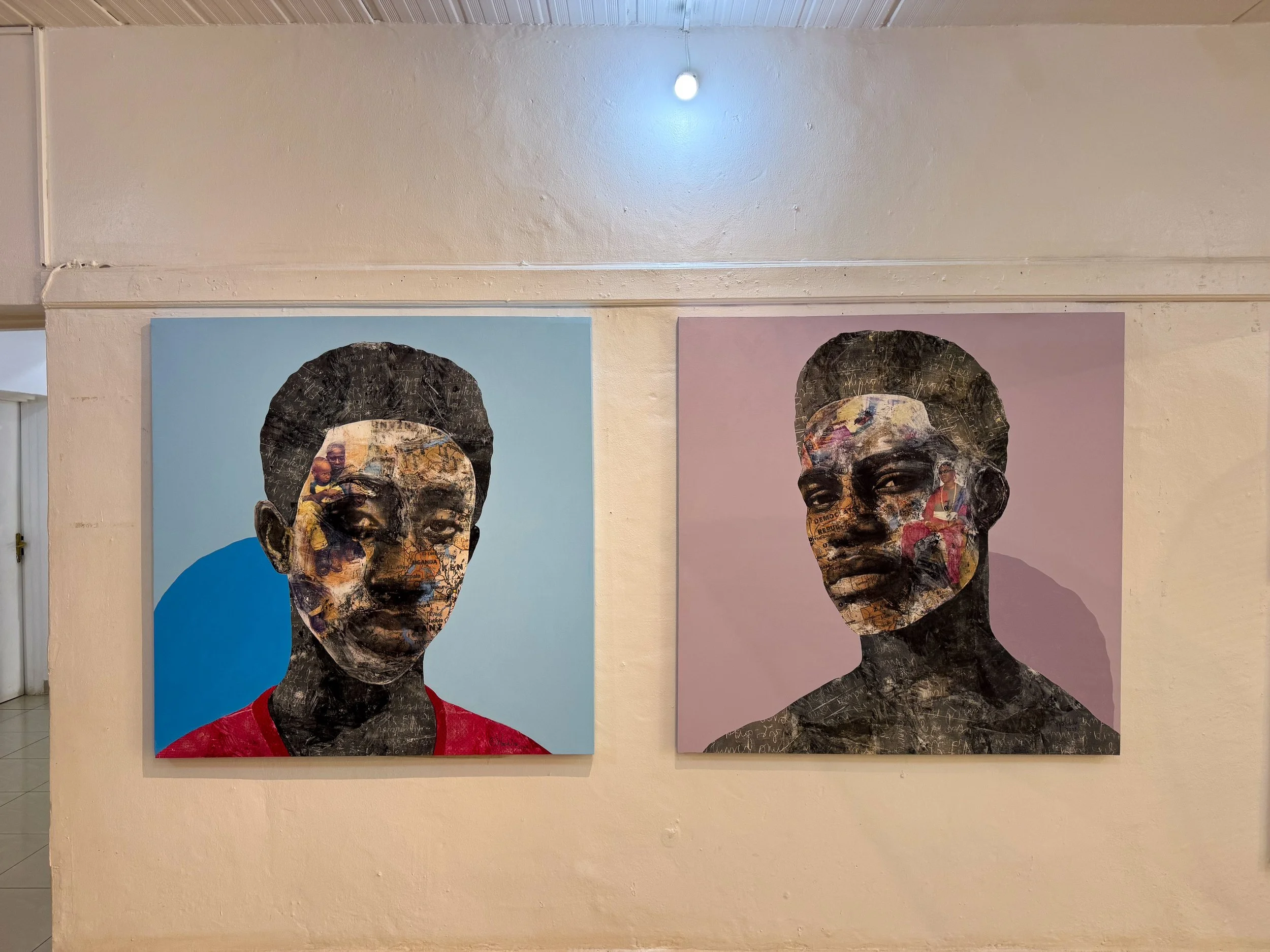
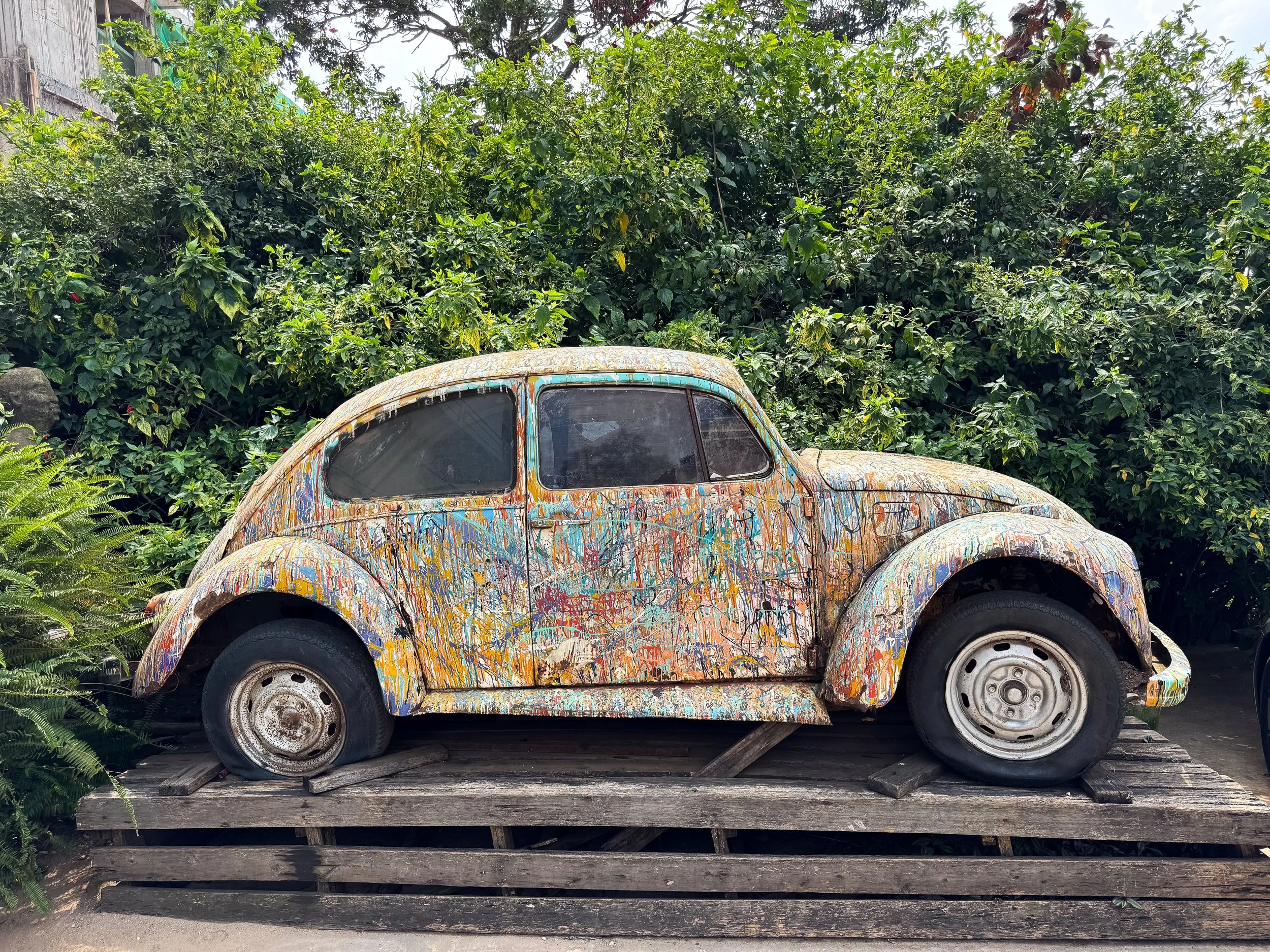
Inema Arts Gallery. A small arts center and gallery with pieces made by East African and Rwandan artists. Many of the works explore cultural identity, ancestry and heritage. Several pieces are made using Bark Cloth, the outer layer of the ficus tree. The gallery also features traditional wooden masks, furniture and sculptures.
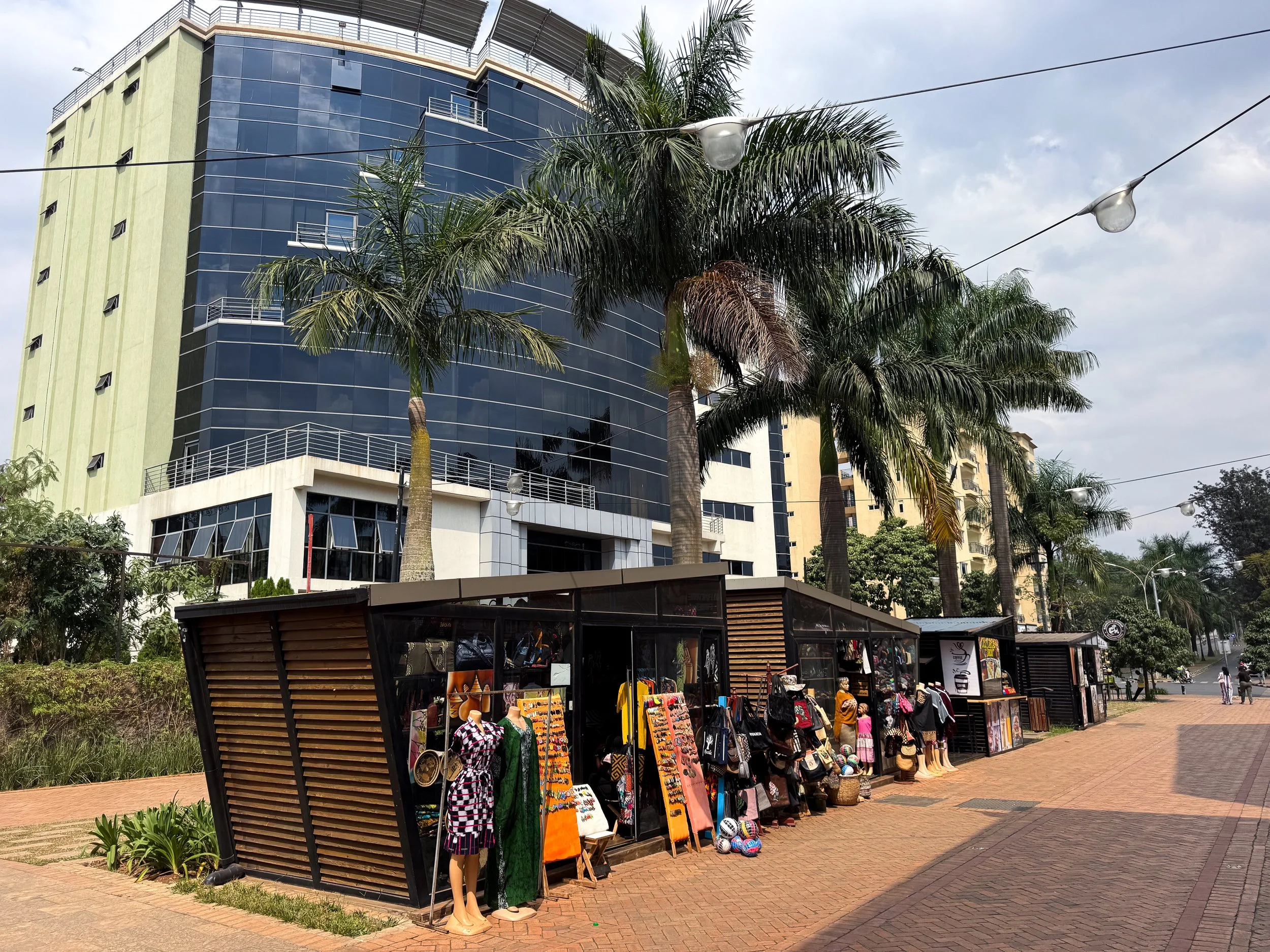
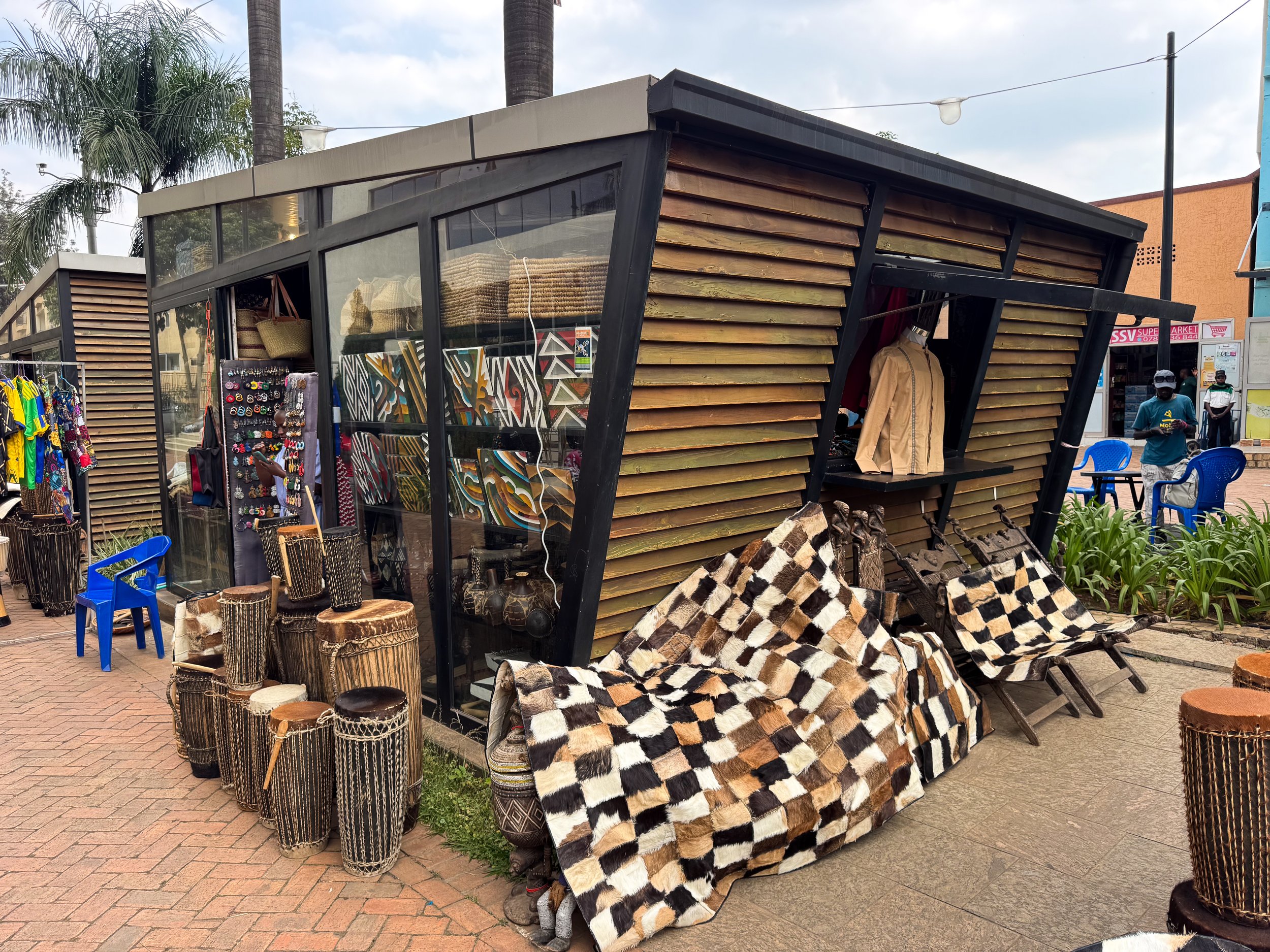
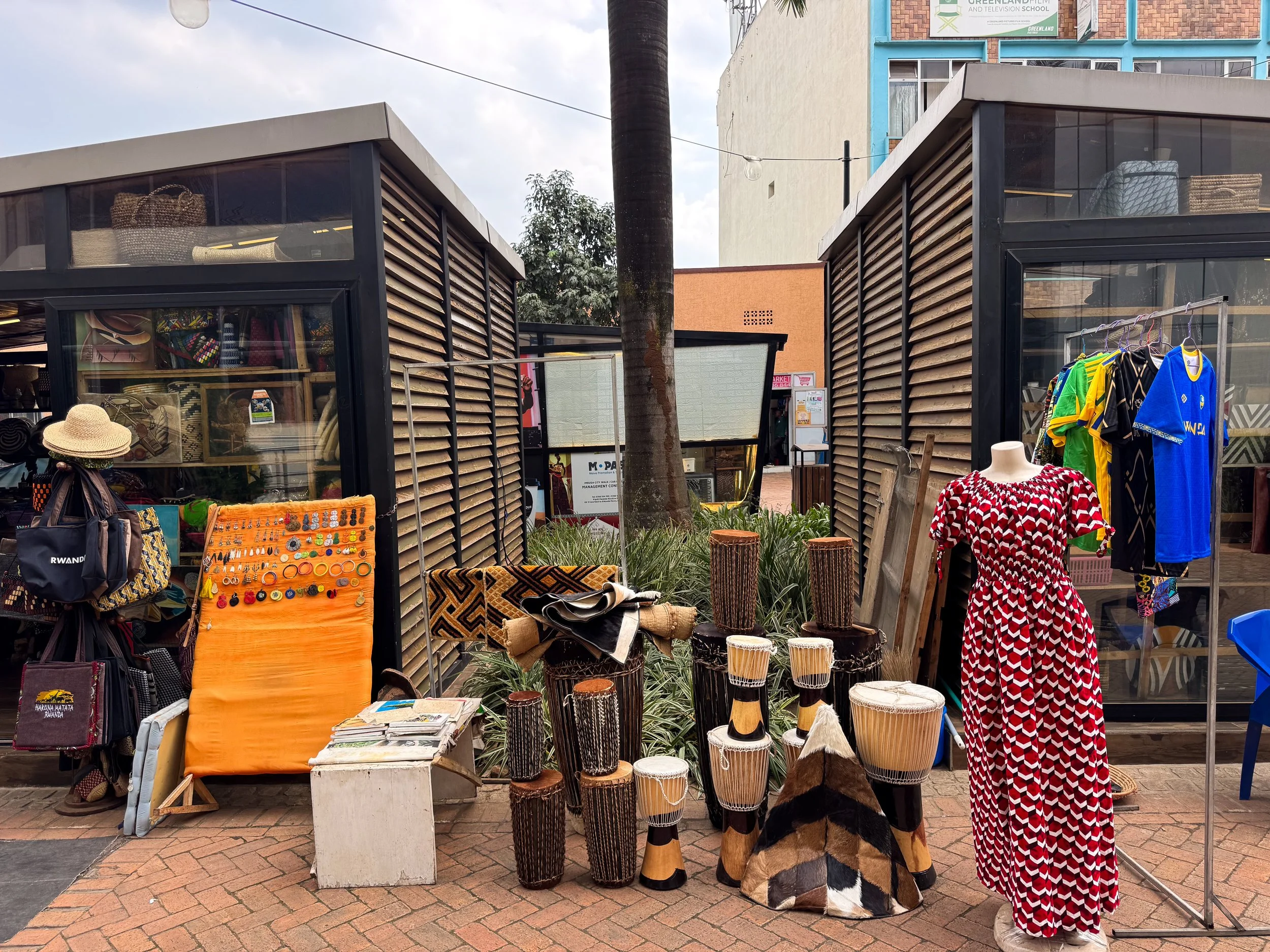
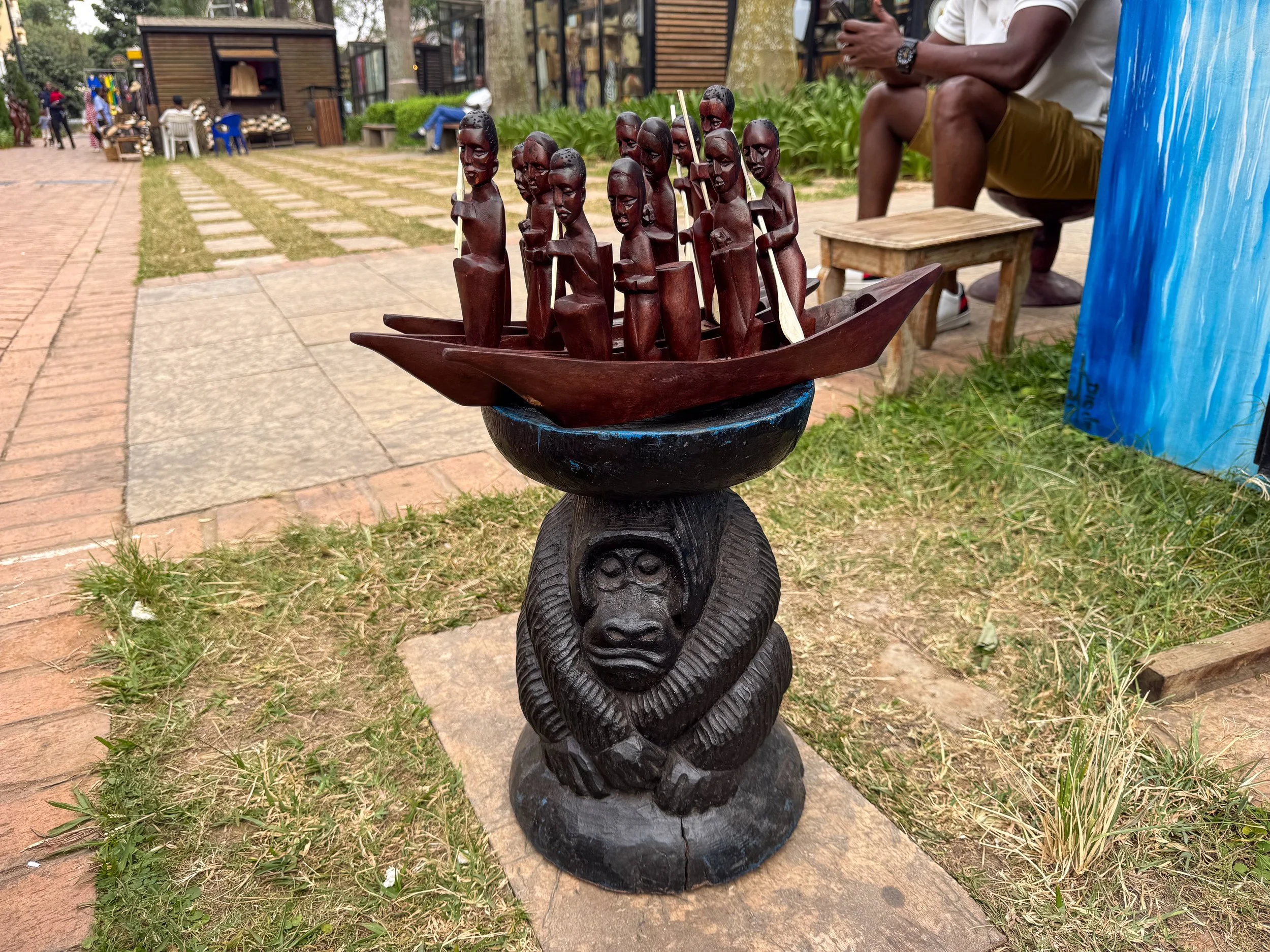
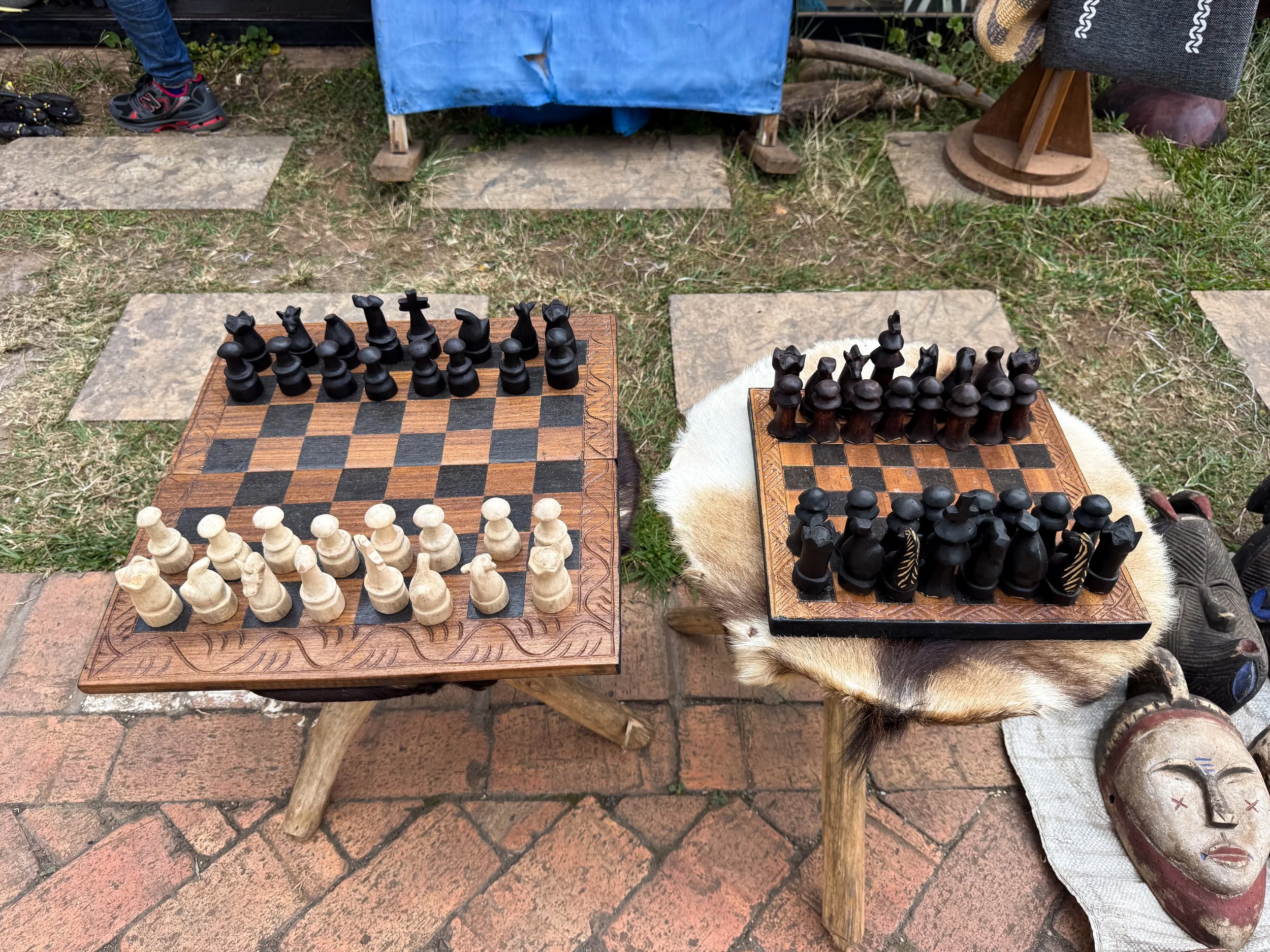
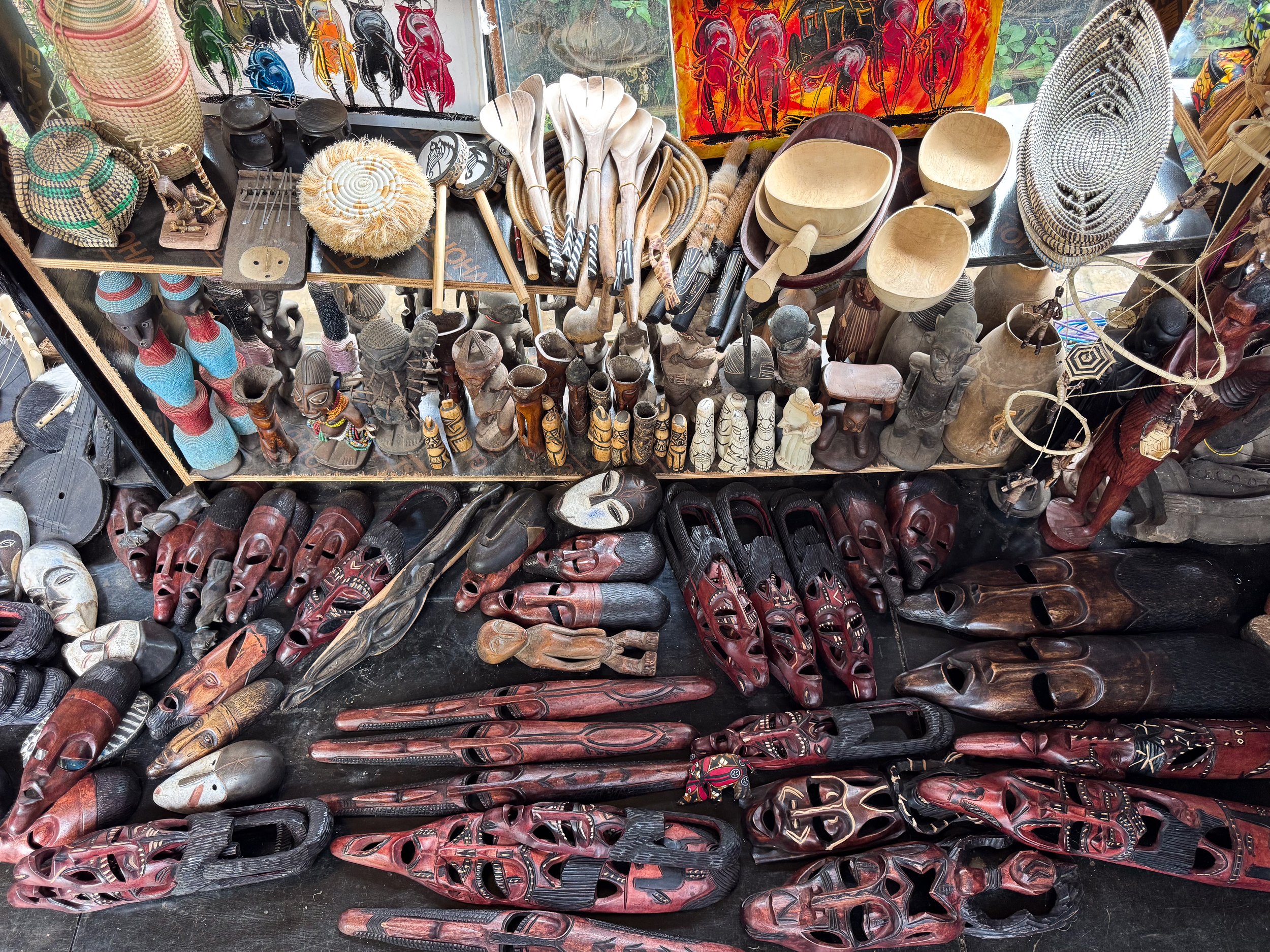
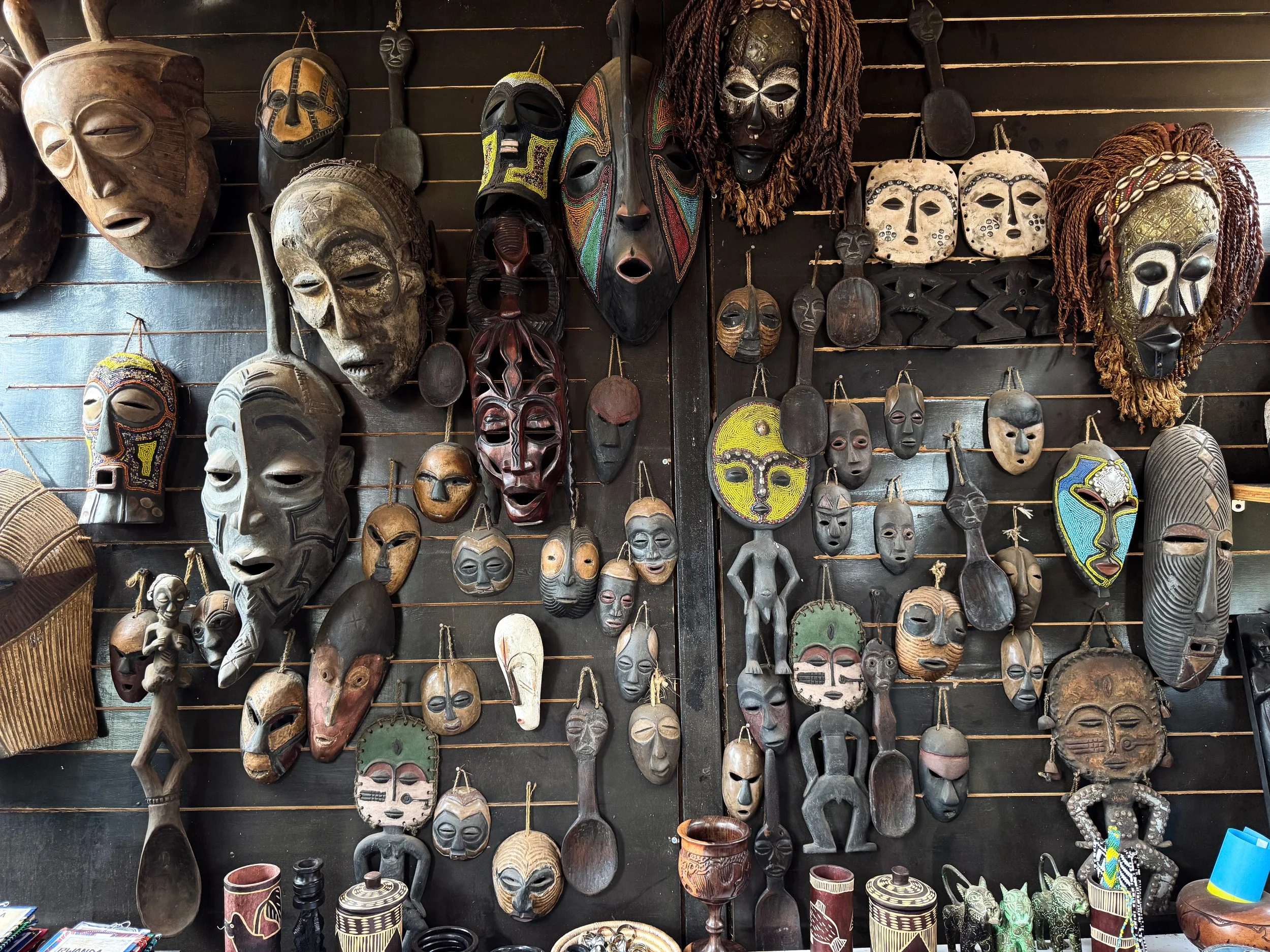
Kigali Car Free Zone. A walking street and plaza lined with kiosks and shops selling Rwandan handicrafts and Rwandan street food. There is no shortage of carved wooden gorillas and similar themed objects like chess sets, walking sticks and furniture. Merchants sell African masks, woven baskets, cow hide drums, colorful handmade jewelry, home decor, patterned clothing and culturally inspired paintings. Cafes serve cups of Rwandan coffee, croissants, chapati rolls and samosas.
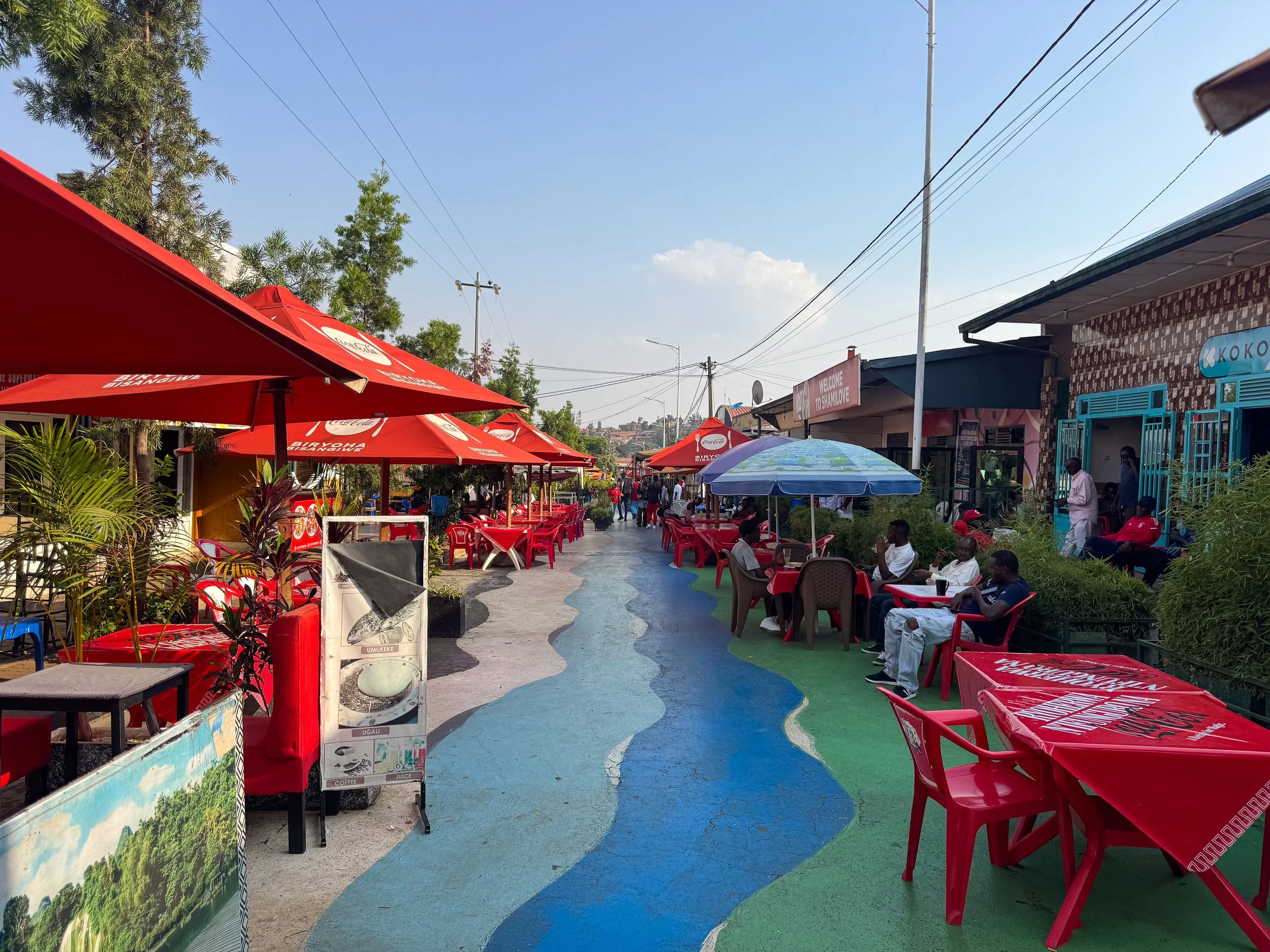
Biryogo Car Free Food Street. A painted walking street lined with dozens of Rwandan, Arabian and South Asian restaurants. Tables, chairs and umbrellas flood the street as hosts advertise and compete for business. It’s a hyper local spot to taste Rwandan cuisine and regional flavors. We ate at Visit Rwanda, a restaurant serving a range of local dishes and fresh fruit juices. We ordered the Nile perch fish brochettes, vegetarian imvange amashaza, spiced rice pilau, tree tomato and passion fruit juices. Visit on Saturday night for the liveliest experience.
Good to Know. Most restaurants are cash only. Vegetarian versions of local dishes are hard to come by. The street is in the Arab Quarter, resultantly, alcohol sales are forbidden.
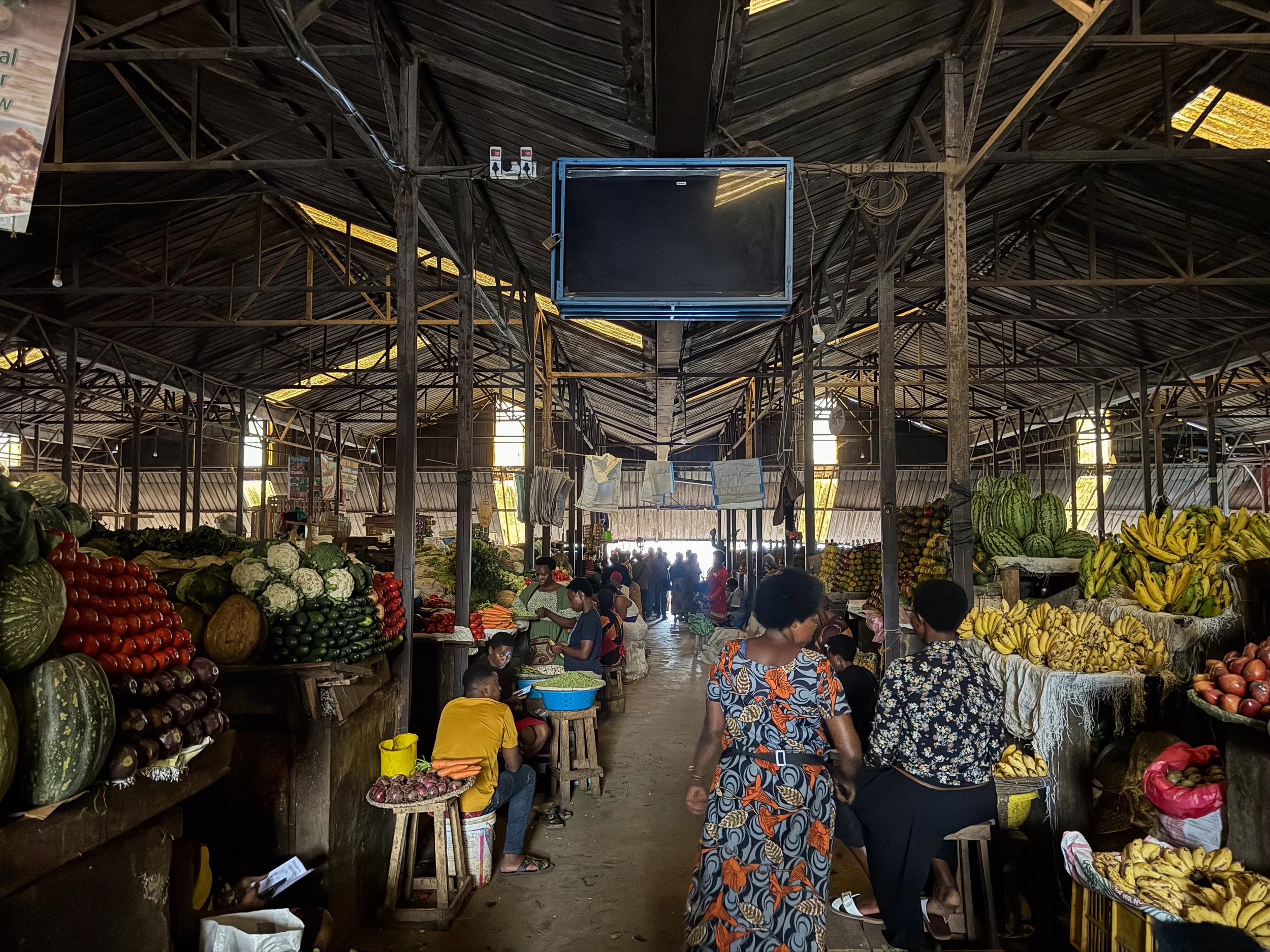
Kimironko Market. Kigali’s central marketplace is a hub for locals and affordable goods. Inside a dimly lit yellow shed is a bustling farmers market with towering piles of vegetables and produce. It took our eyes a few minutes to adjust before truly appreciating the vast selections. Barrels overflow with dried beans and grains. Tables are covered with heaps of carefully stacked fruits and vegetables. Leafy greens and herbs blur into a singular mass. Bunches of bananas and plantains rest at the end of aisles. The smell of dirt wafts from the potatoes and root vegetables. Friendly vendors greeted us with “hello customer, buy something?” The building is surrounded by red dirt roads and stands selling miscellaneous goods like clothes, shoes, furniture, hardware and fabrics.
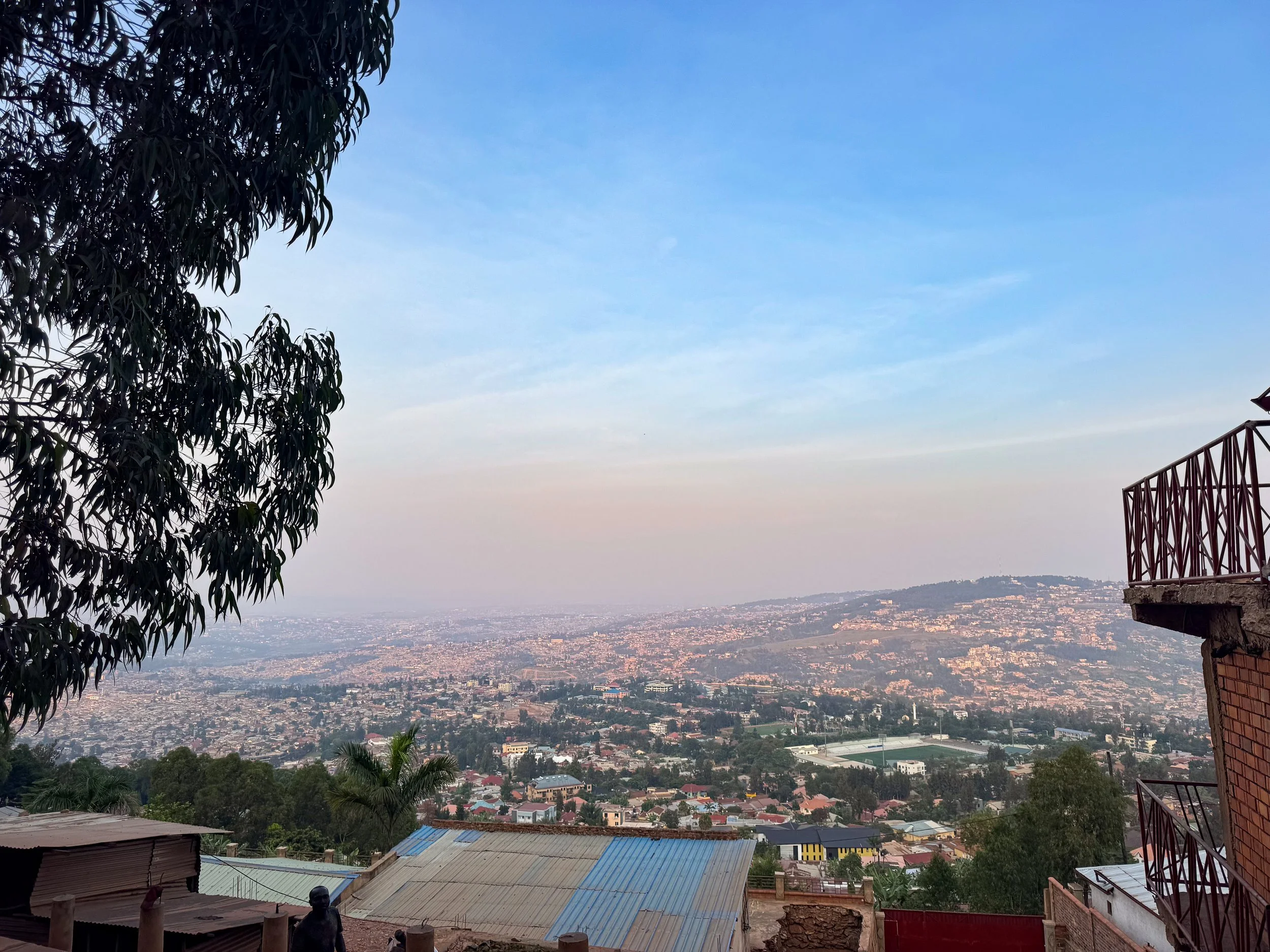
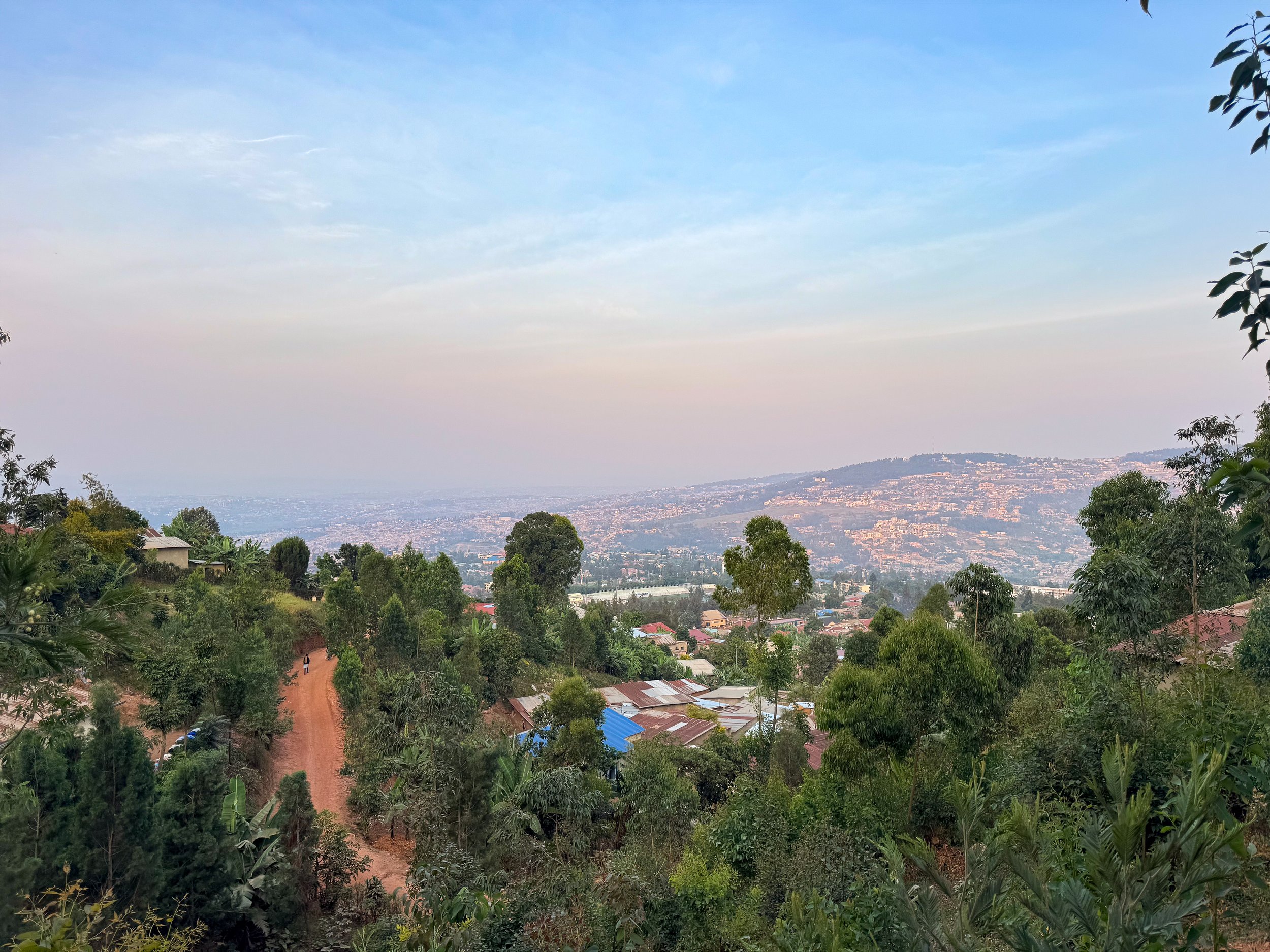
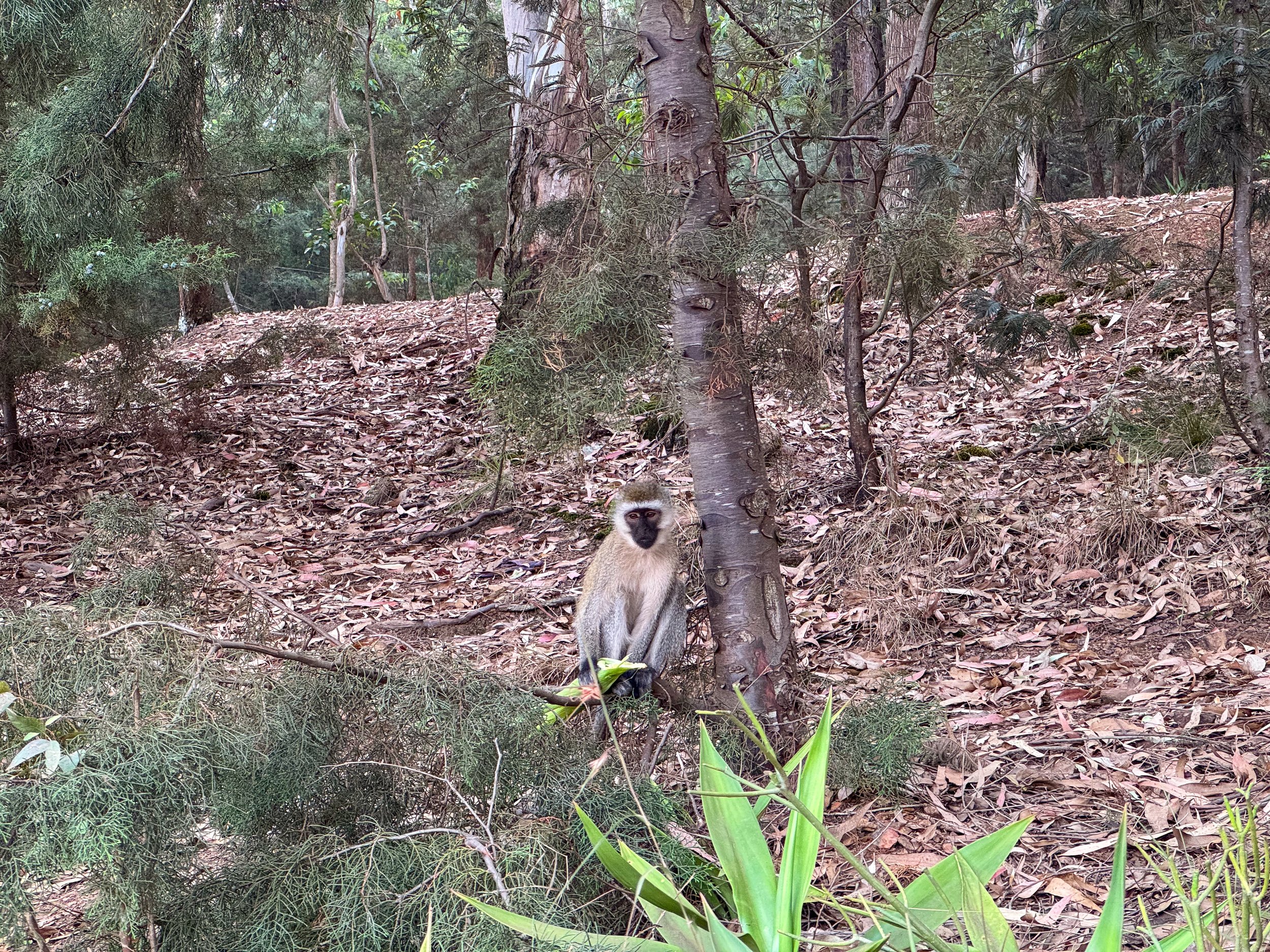
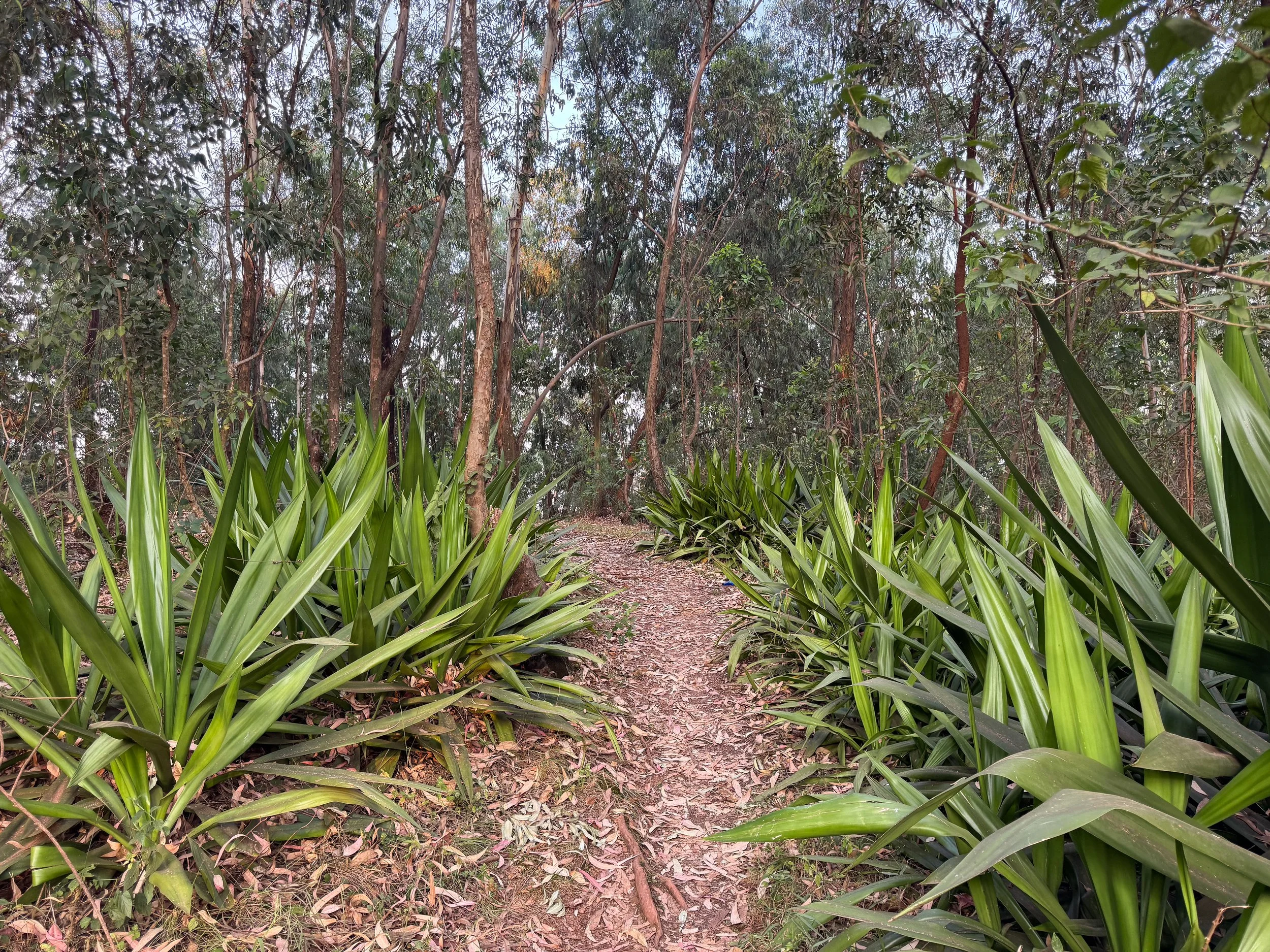
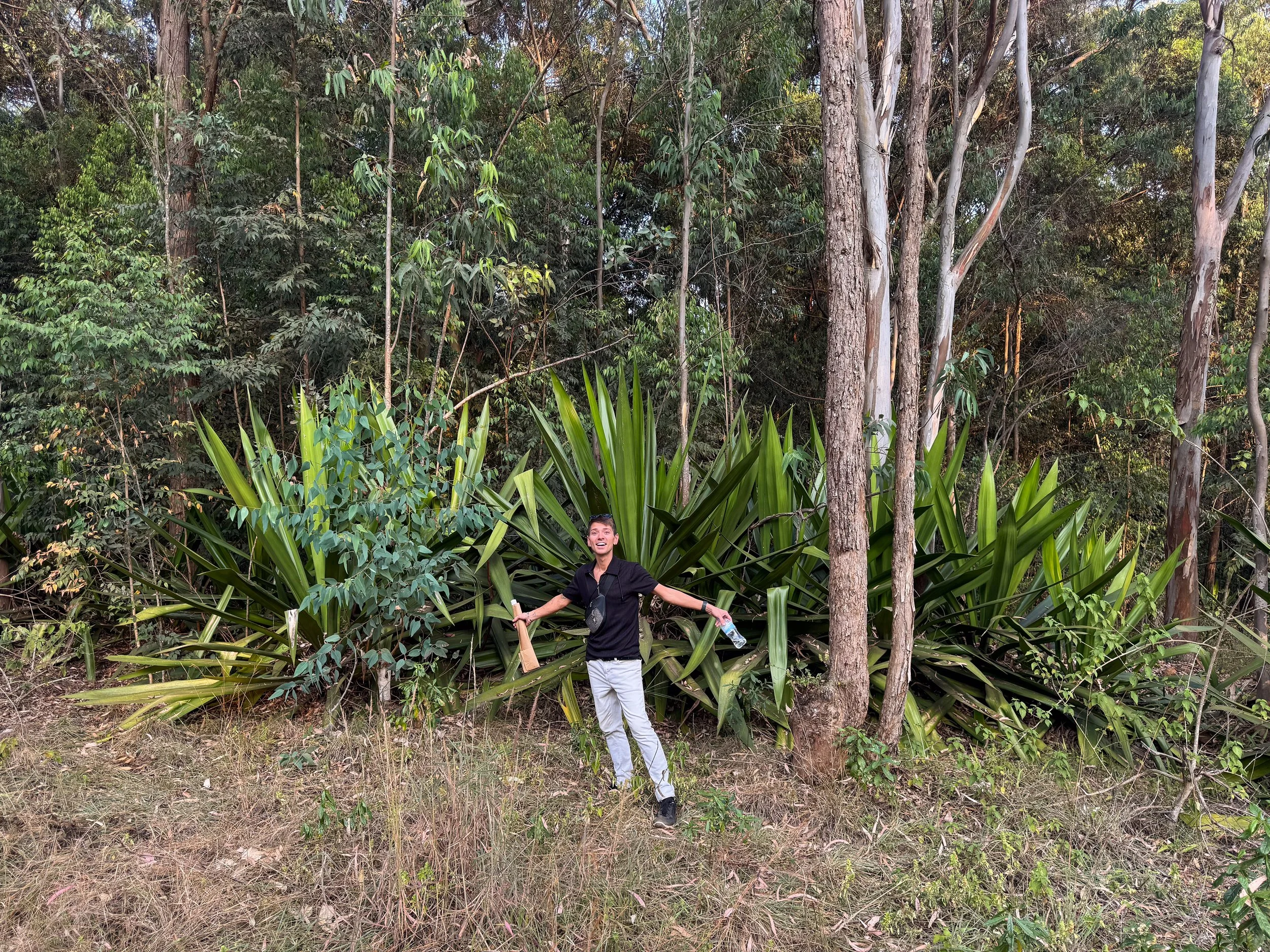
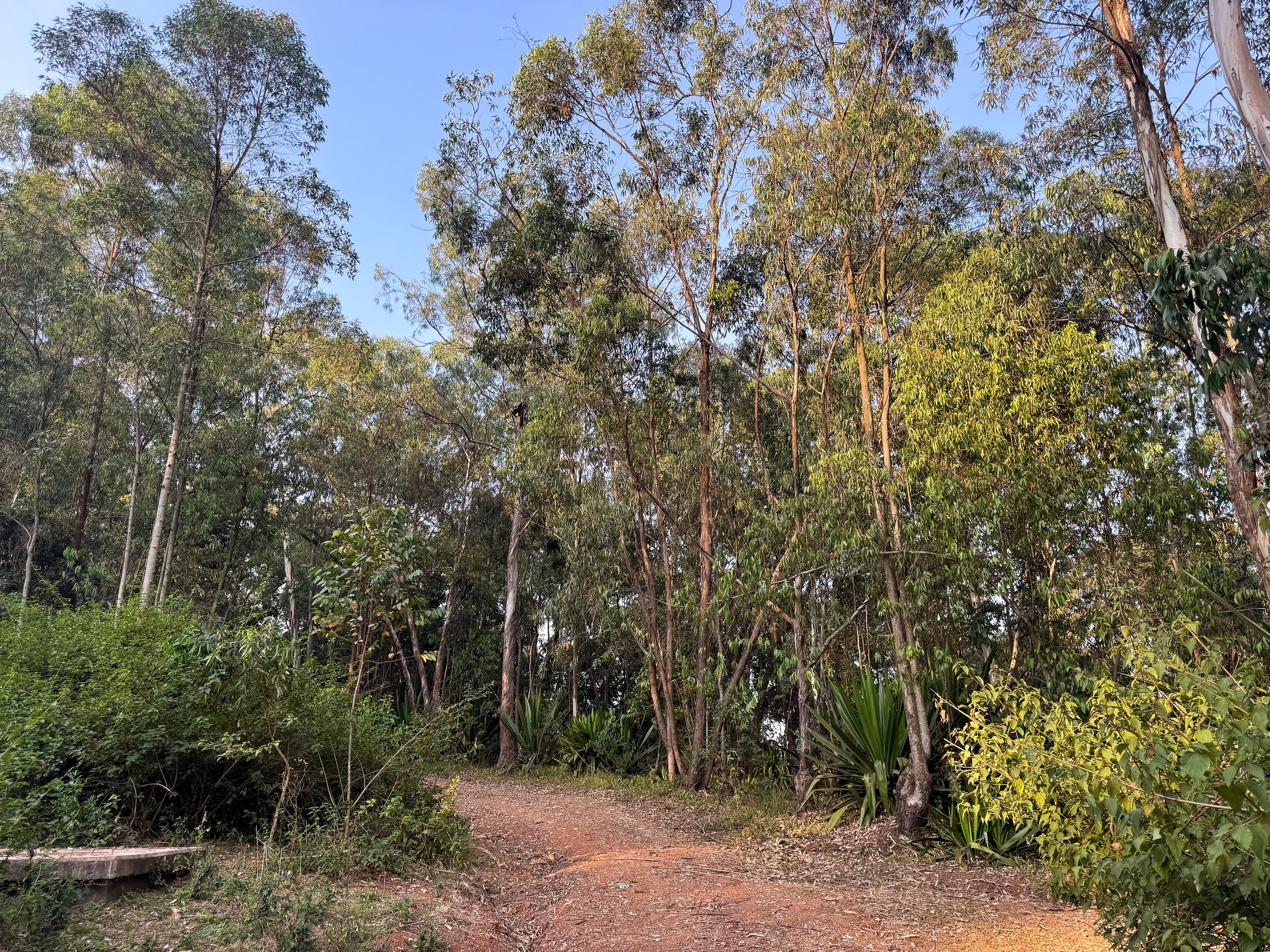
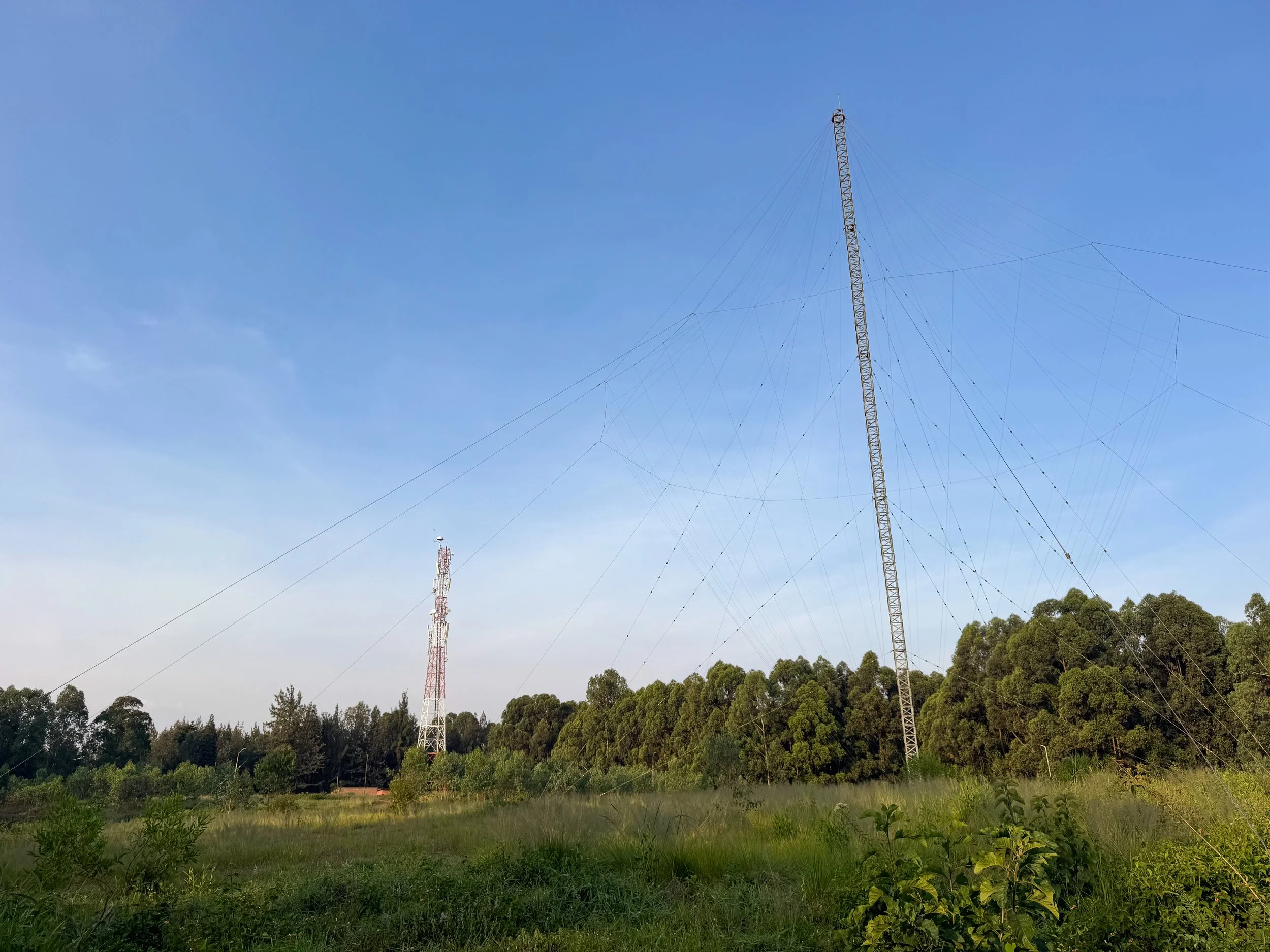
Mount Kigali Forest. A forested mountain in the center of Kigali with nature trails, wild velvet monkeys and partial city views. Dirt roads lead up its hillside through local communities to the entrance of the forest. Unmarked trails weave through the forest while city views are visible from the dirt road between it and the communities below.
Getting Here. Follow KN229 Street to reach the forest. The steep and rocky street is lined with vendors selling home grown produce and charcoal. People were curious about us and very friendly, often smiling in response to us saying Muraho, hello in Kinyarwanda.
Good to Know. The top of the mountain has a field with communications towers and a military base. We wandered here but were turned around by soldiers. It’s best to avoid.
Volcanoes National Park
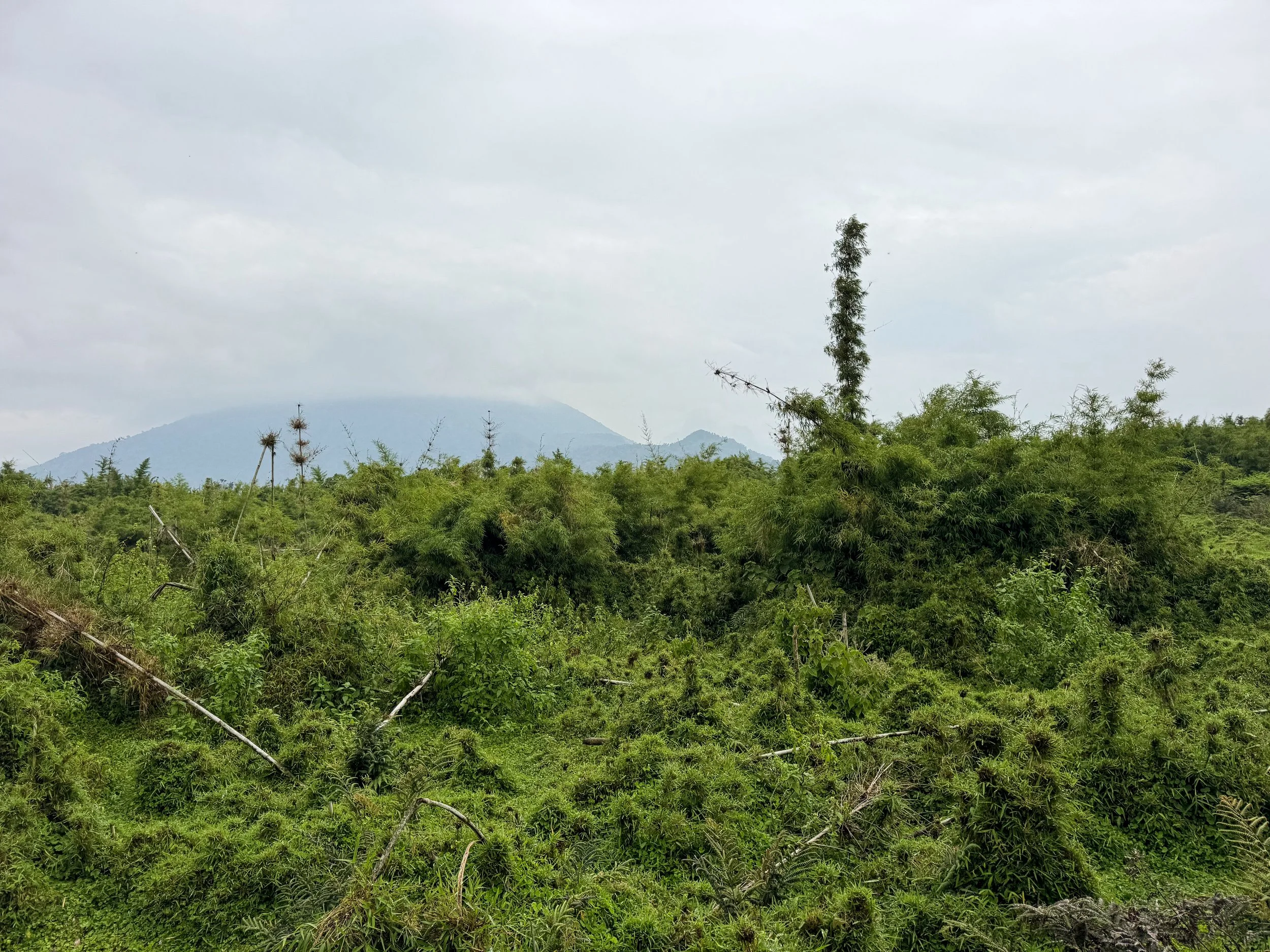
Volcanoes National Park is the last remaining habitat for the endangered Silverback Gorillas and Golden Monkeys. The park is covered in a crest of tree covered volcanoes, straddling the borders of Rwanda, Uganda and the Democratic Republic of the Congo. Eco hotels are built between farmland just outside of the park. The Rwanda Development Board offers eco tours to see the primates in their natural habitat. They’re highly protected and require an advance permit to visit.
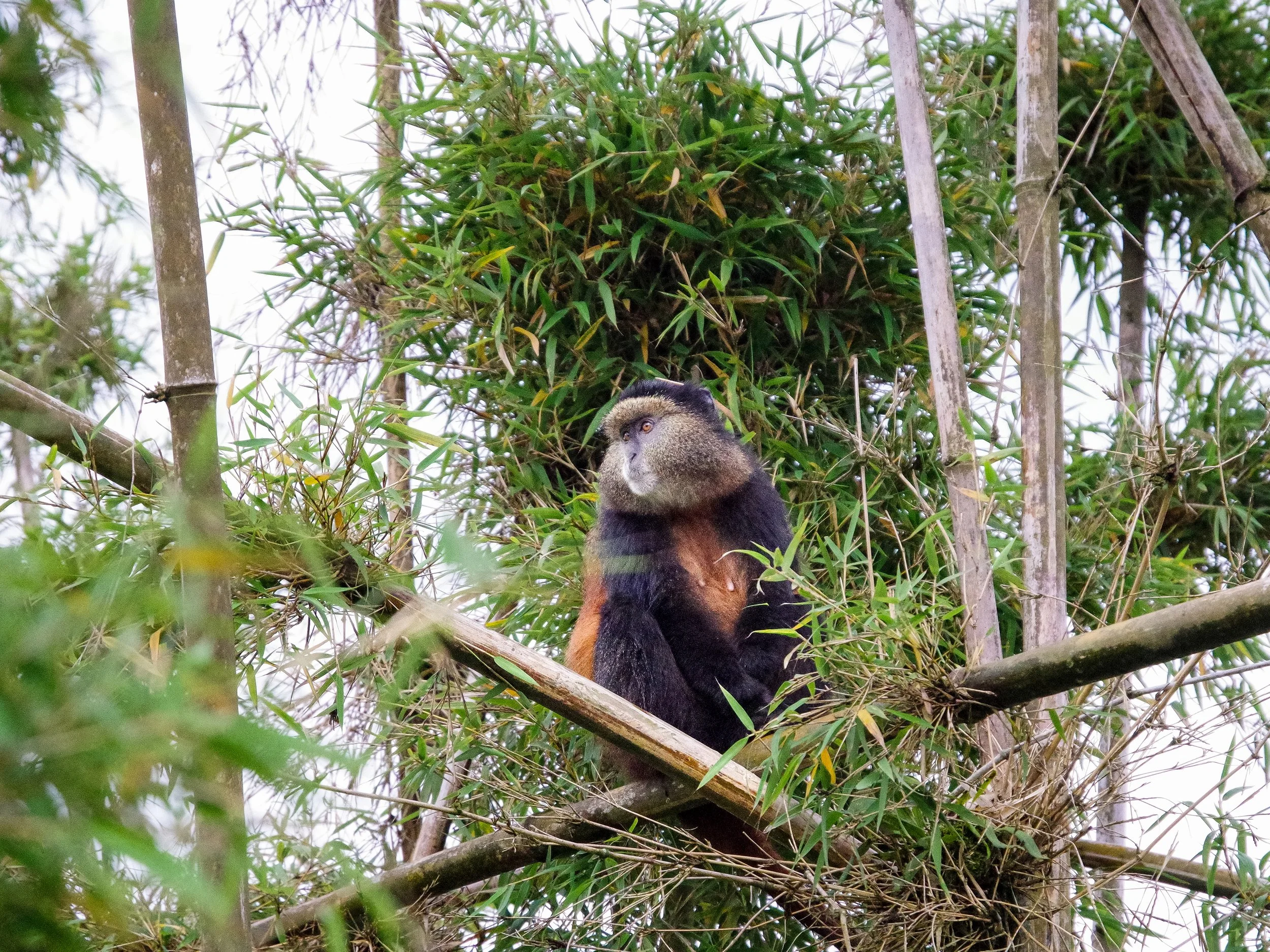
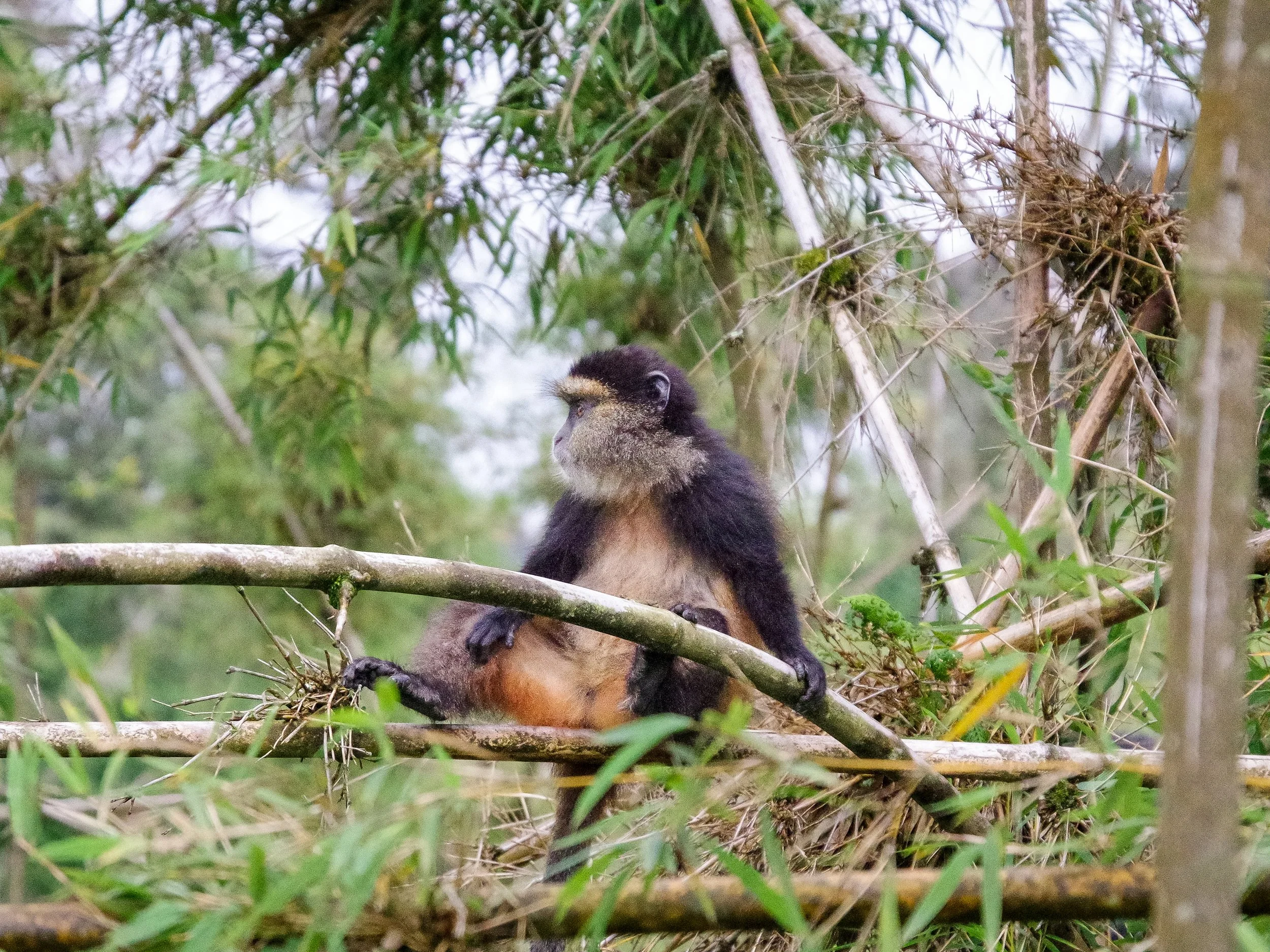
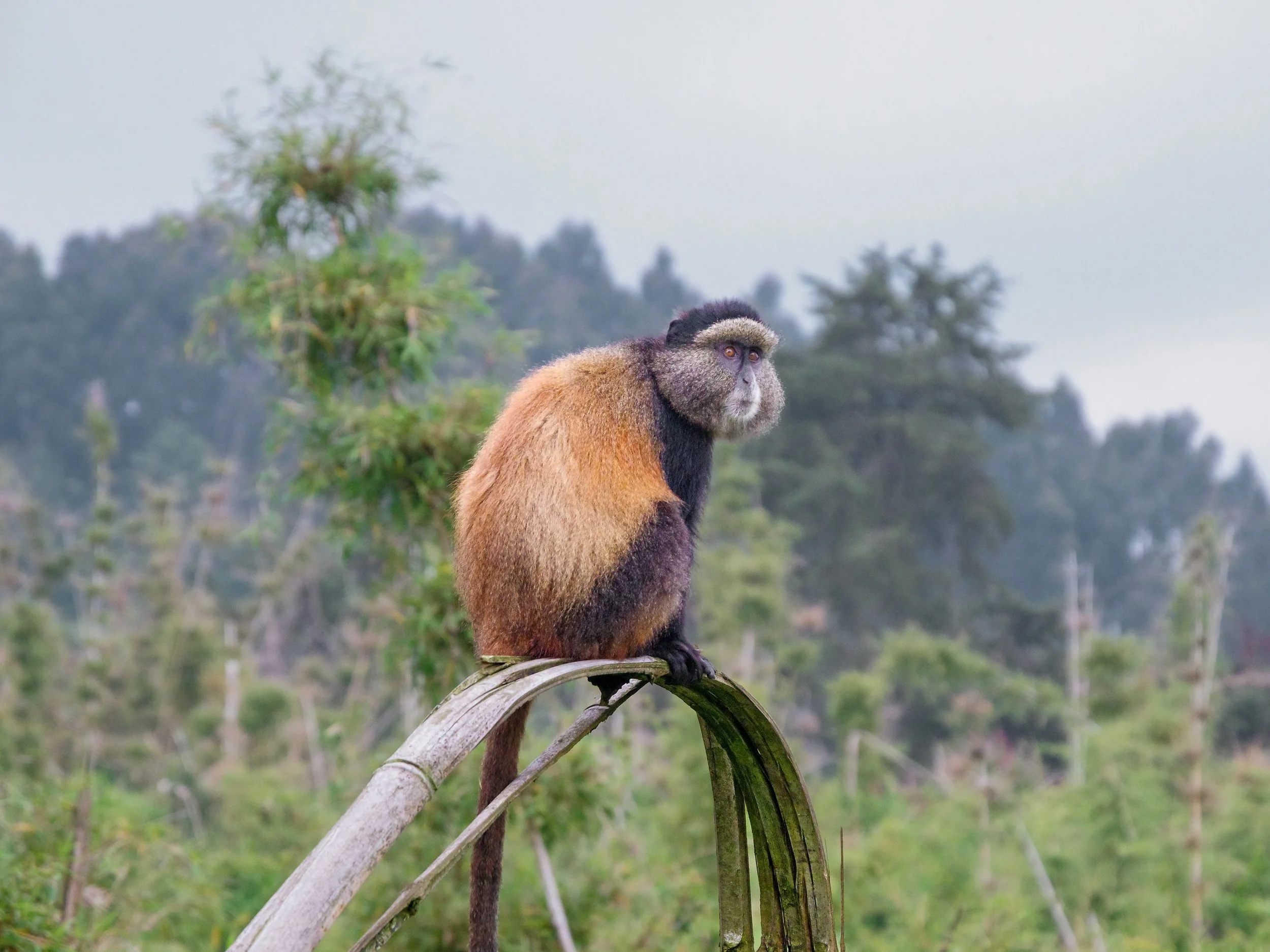
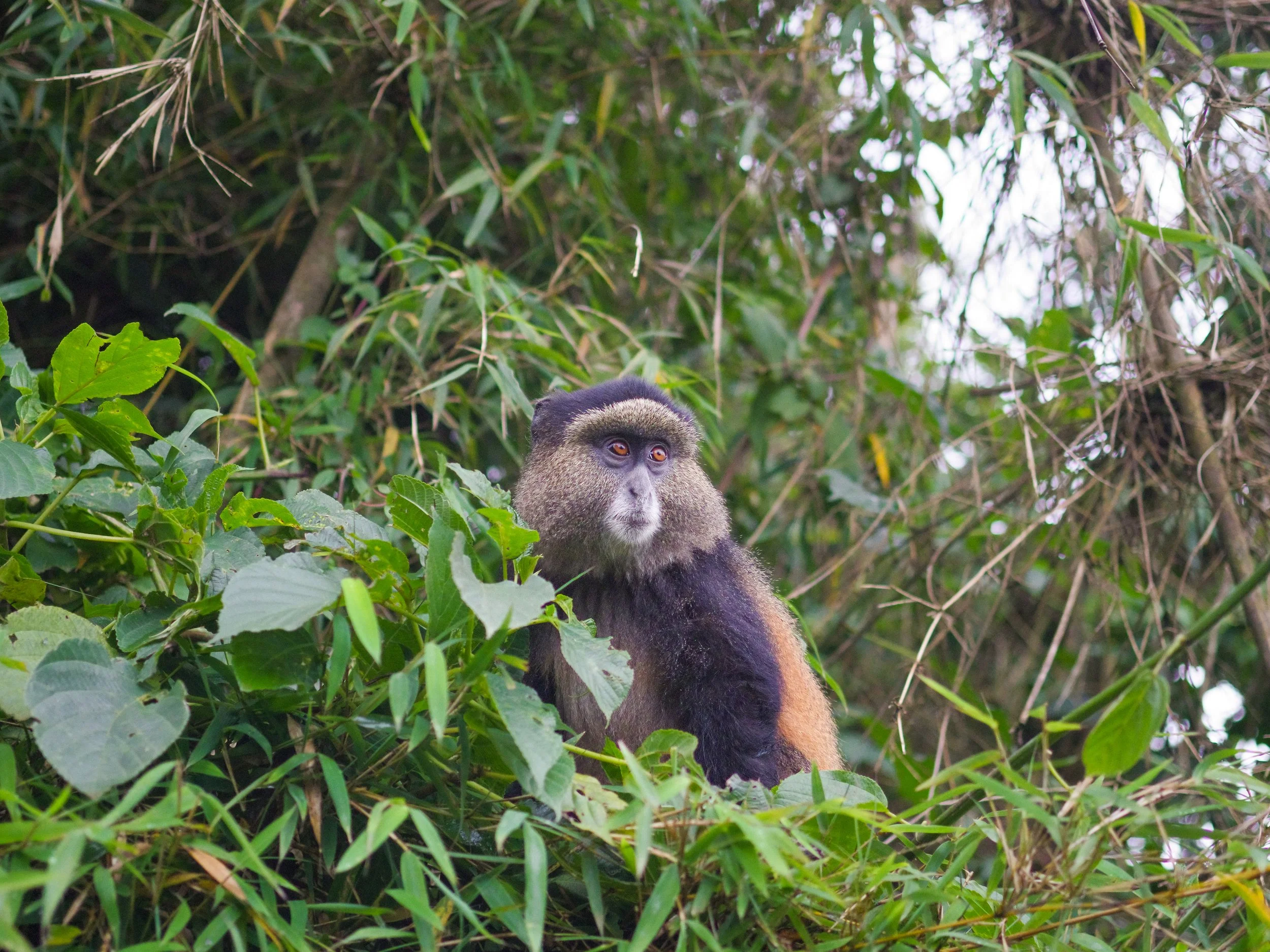
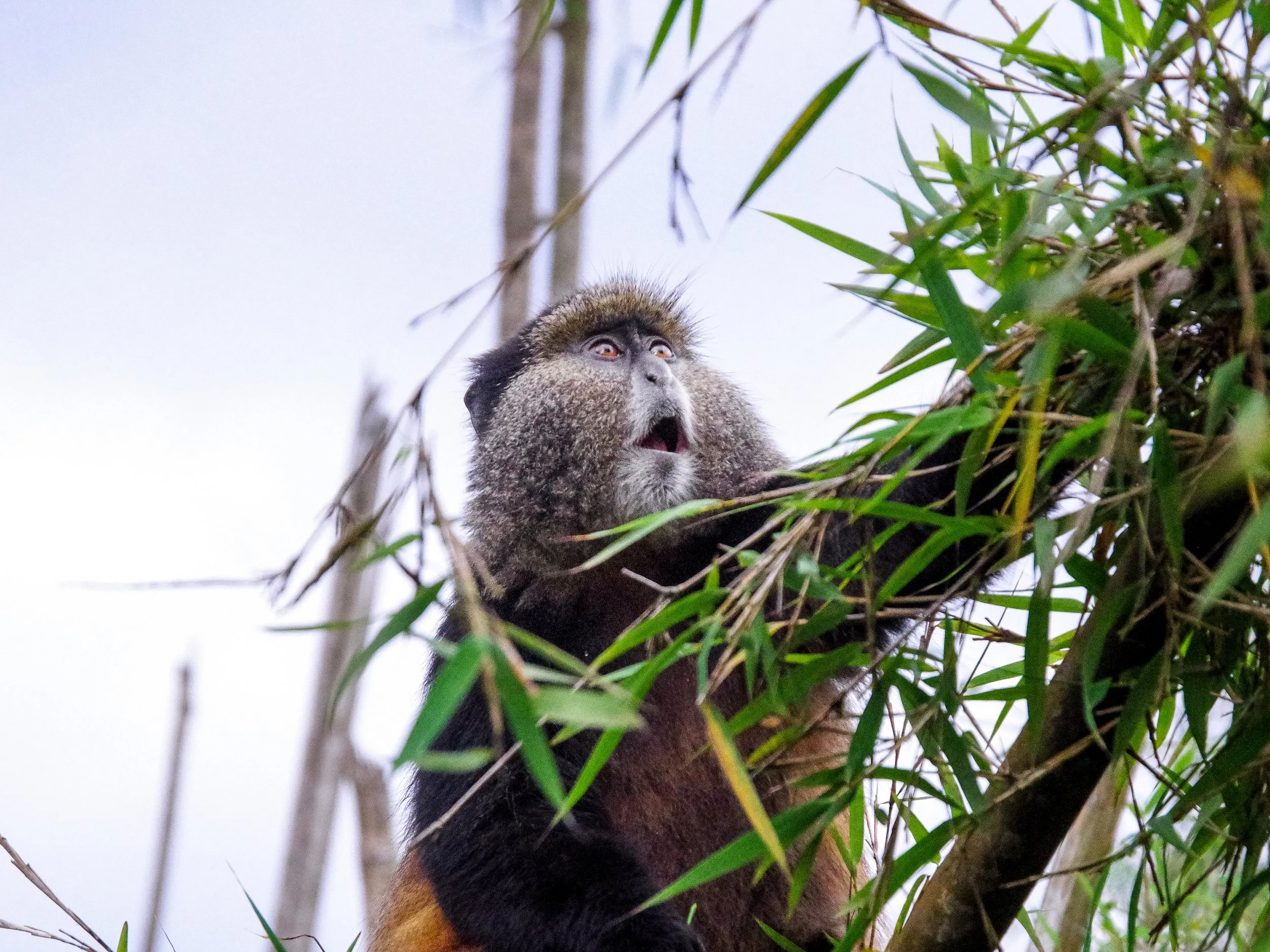
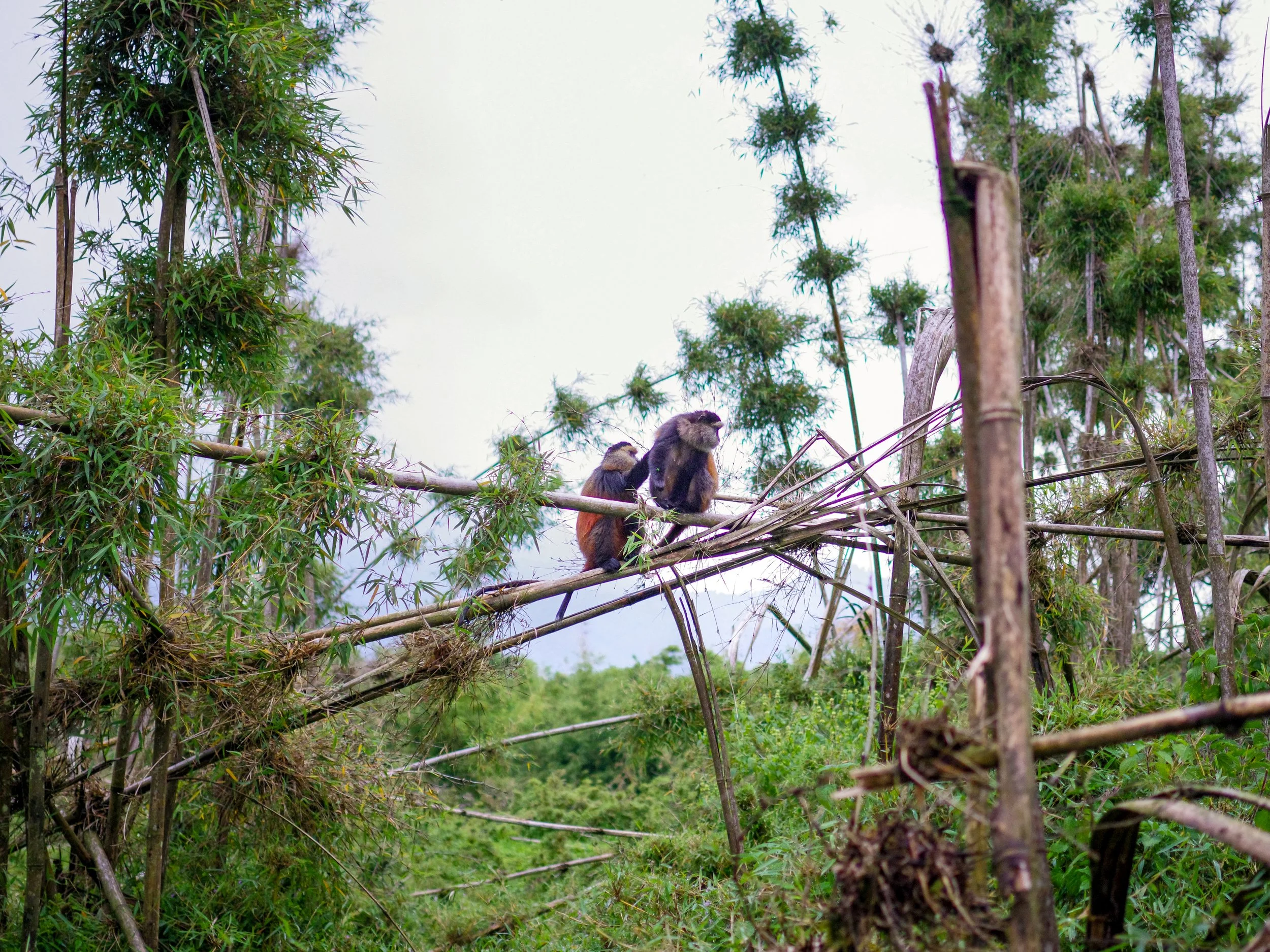
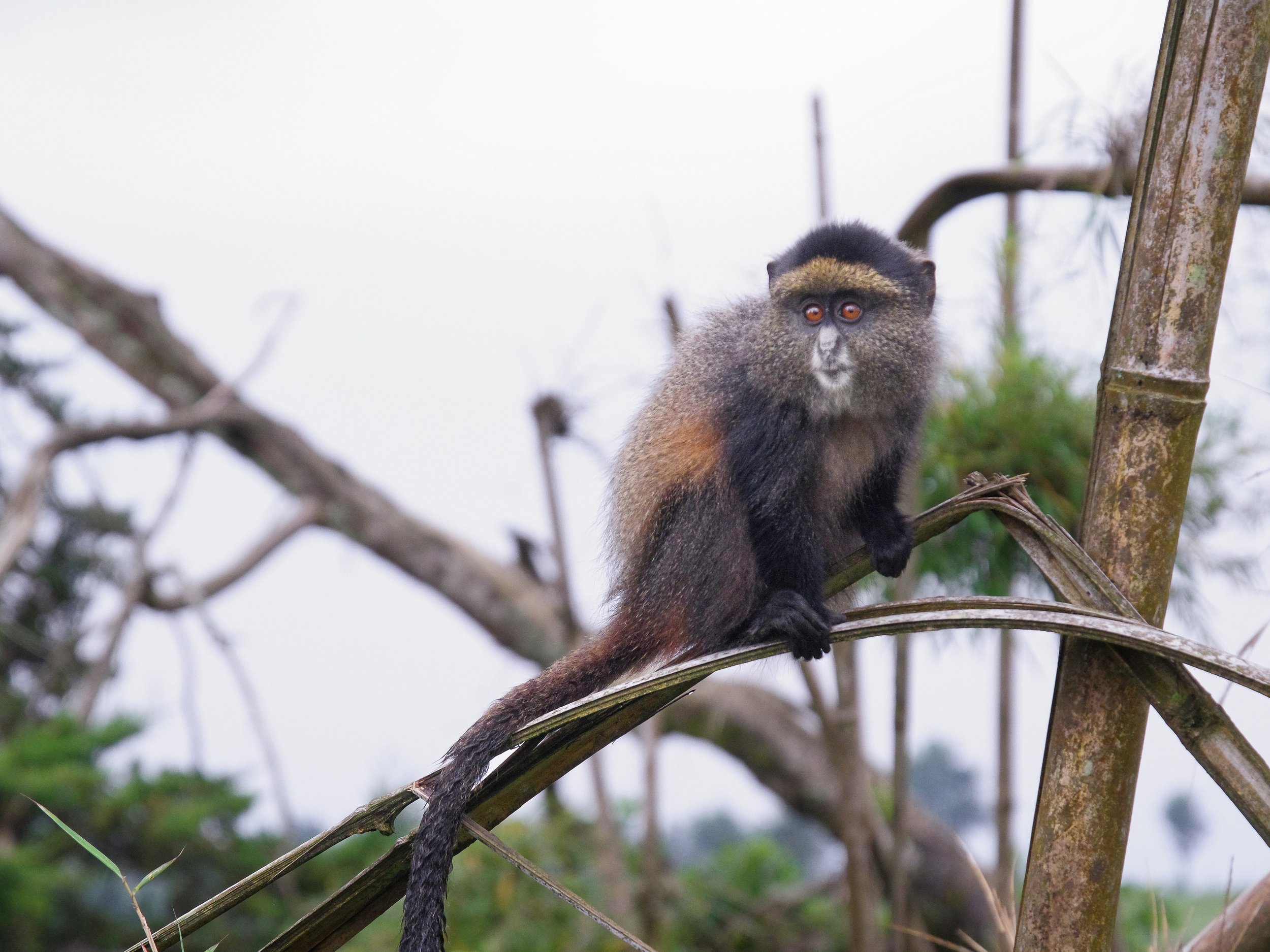
Golden Monkey Trekking. The Golden Monkeys are an endangered species native to the Volcanoes National Park. They live in the forested lowlands surrounding the volcanos and feed on endemic patches of bamboo. Just over 3,000 golden monkeys remain in the wild. Our guides tracked a troop of 70 to an area along the border of the park. We spent over an hour observing them in their natural habitat. Their cute and puffy faces glimpsed at us spying on them. They jumped between bamboo stalks and nibbled on leaves. They showed off their golden backs while grooming each other.
Good to Know. We were required to wear medical masks to prevent spread of disease. Given their border location, trackers and armed guards followed us for added security.
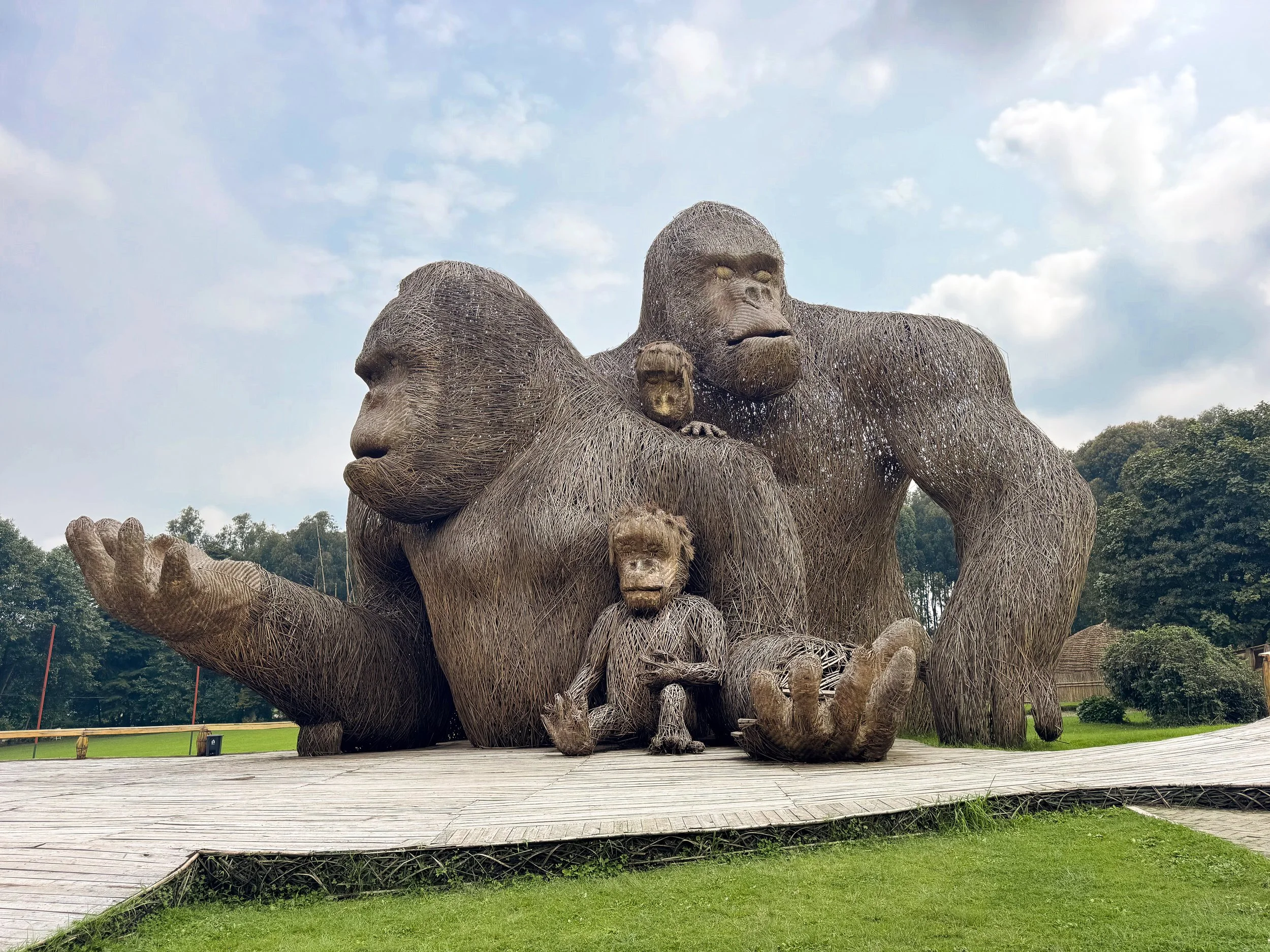
Gorilla Naming Place. A large thatched monument of a family of Gorillas. The largest gorilla’s hands are outstretched, creating a platform for photos. Behind is a replica village with three thatched huts.
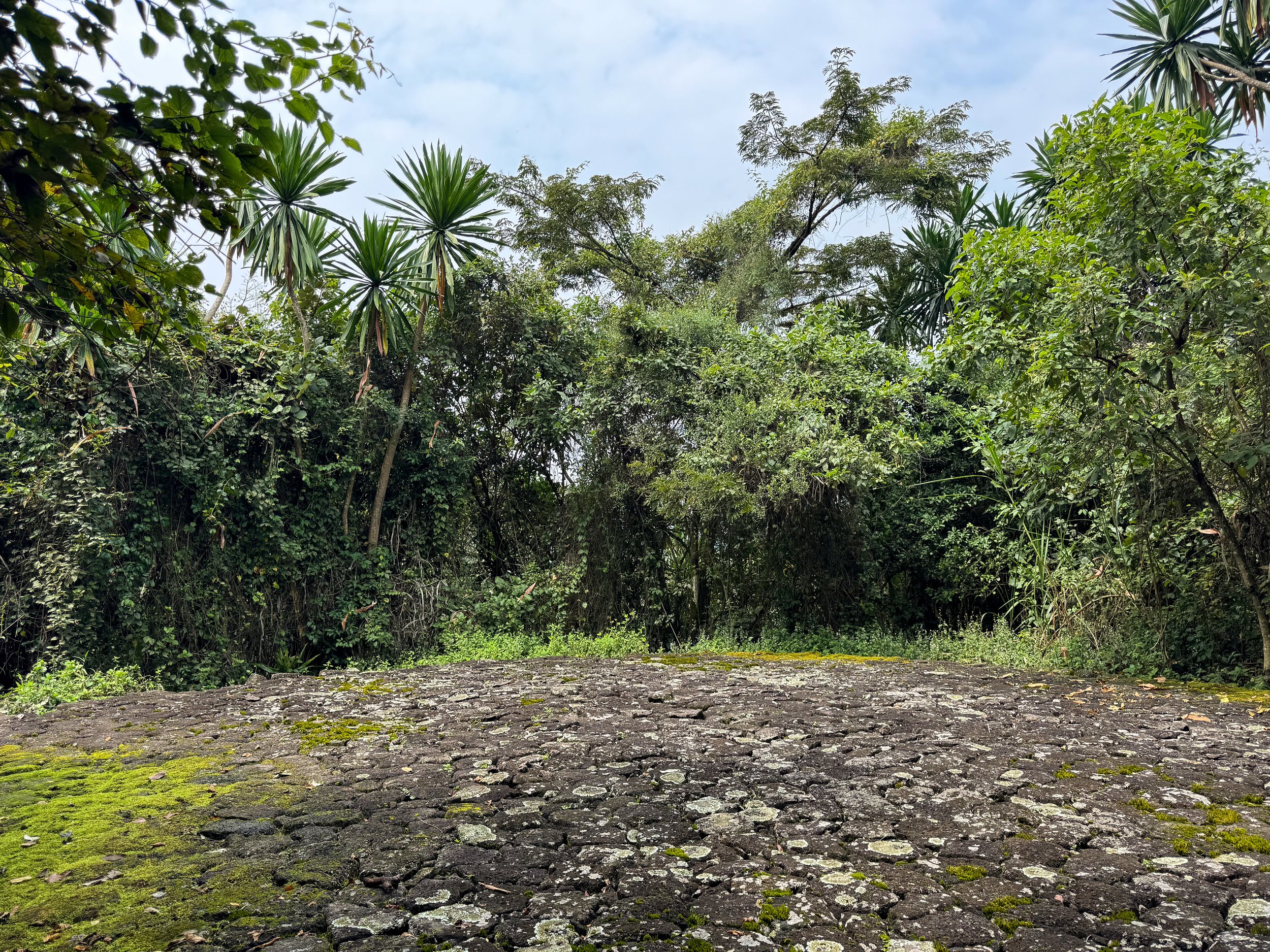
Buhanga Eco Park. A historical site used to anoint the past kings of Rwanda. Inside the forested park are moss covered lava rock walkways and platforms. They lead to a small cave where the heir to the throne would descend for the anointment ritual. Servants would cleanse him with water and leaves from the forest. He would be declared king upon exiting the cave. The park is only accessible by permit and guide from the Rwanda Development Board.
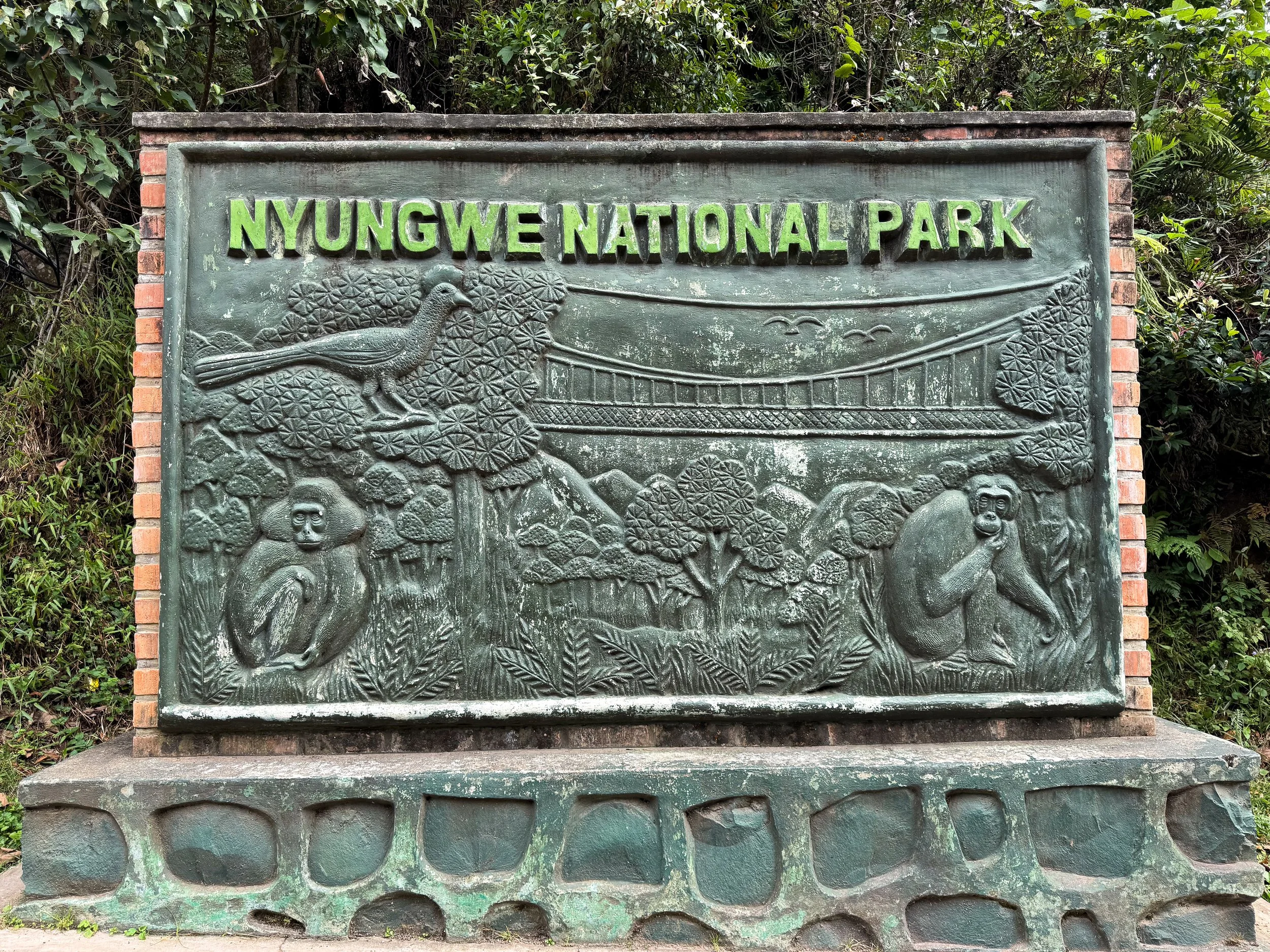
Nyungwe Forest National Park
Nyungwe Forest National Park is a tropical rainforest in the high hills of Rwanda. Its lush canopy is home to 20 percent of Africa’s primates including endangered chimpanzees. We spent a couple days here exploring the park and watching for wildlife.
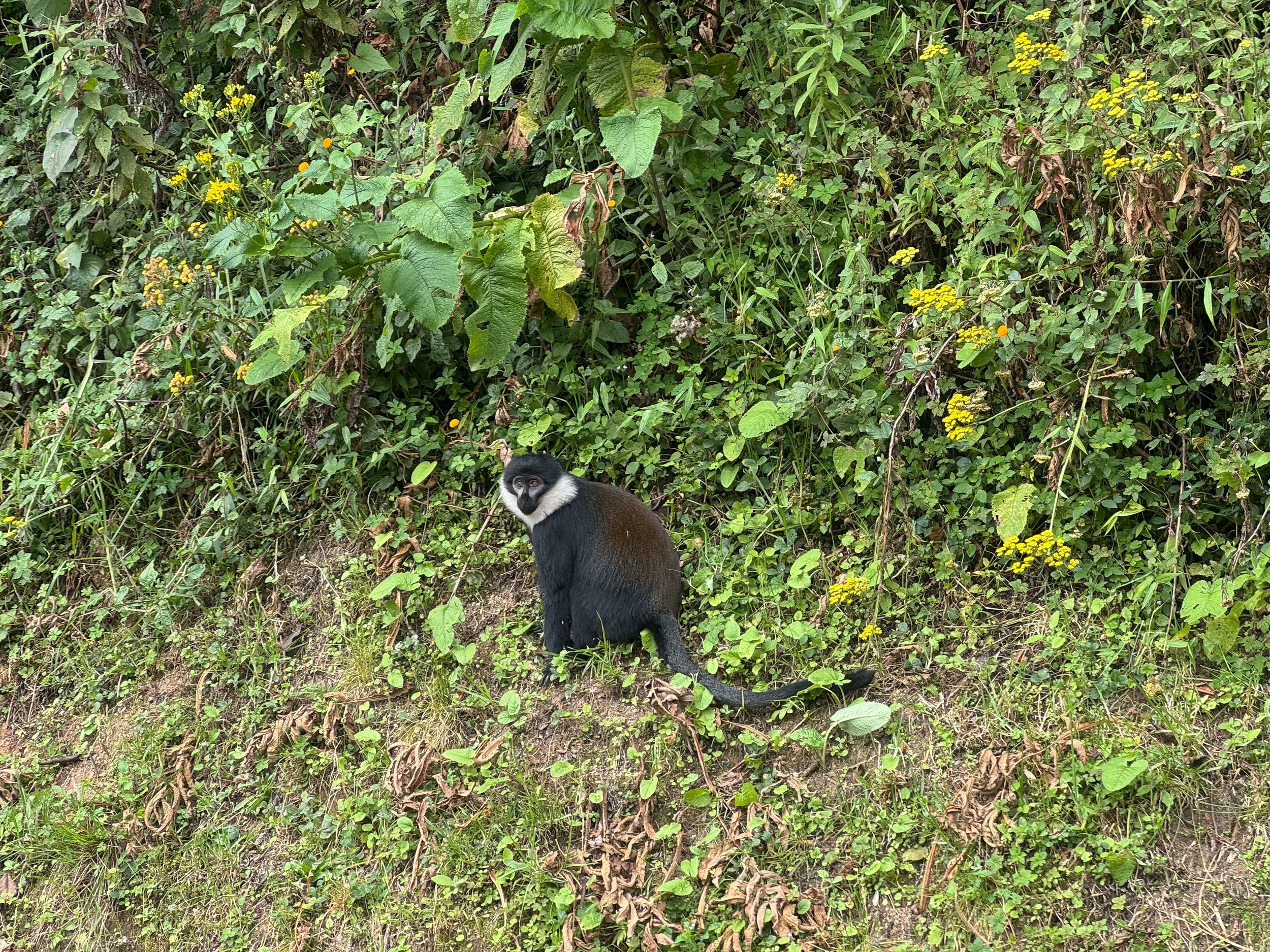
Kivu Belt Road. The single road through the forest and between its visitor centers. It’s a hub for roadside wildlife spotting. We saw chimpanzees, olive baboons, forest antelopes, L'Hoest's and blue monkeys. The road is heavily patrolled by the military in response to conflict with neighboring Burundi and Democratic Republic of the Congo.
Uwinka Visitor Center. A nature center in the middle of the forest with a canopy walk, zipline, coffee shop, eco hotel and hiking trails. It’s the main hub for many of the forest’s activities.
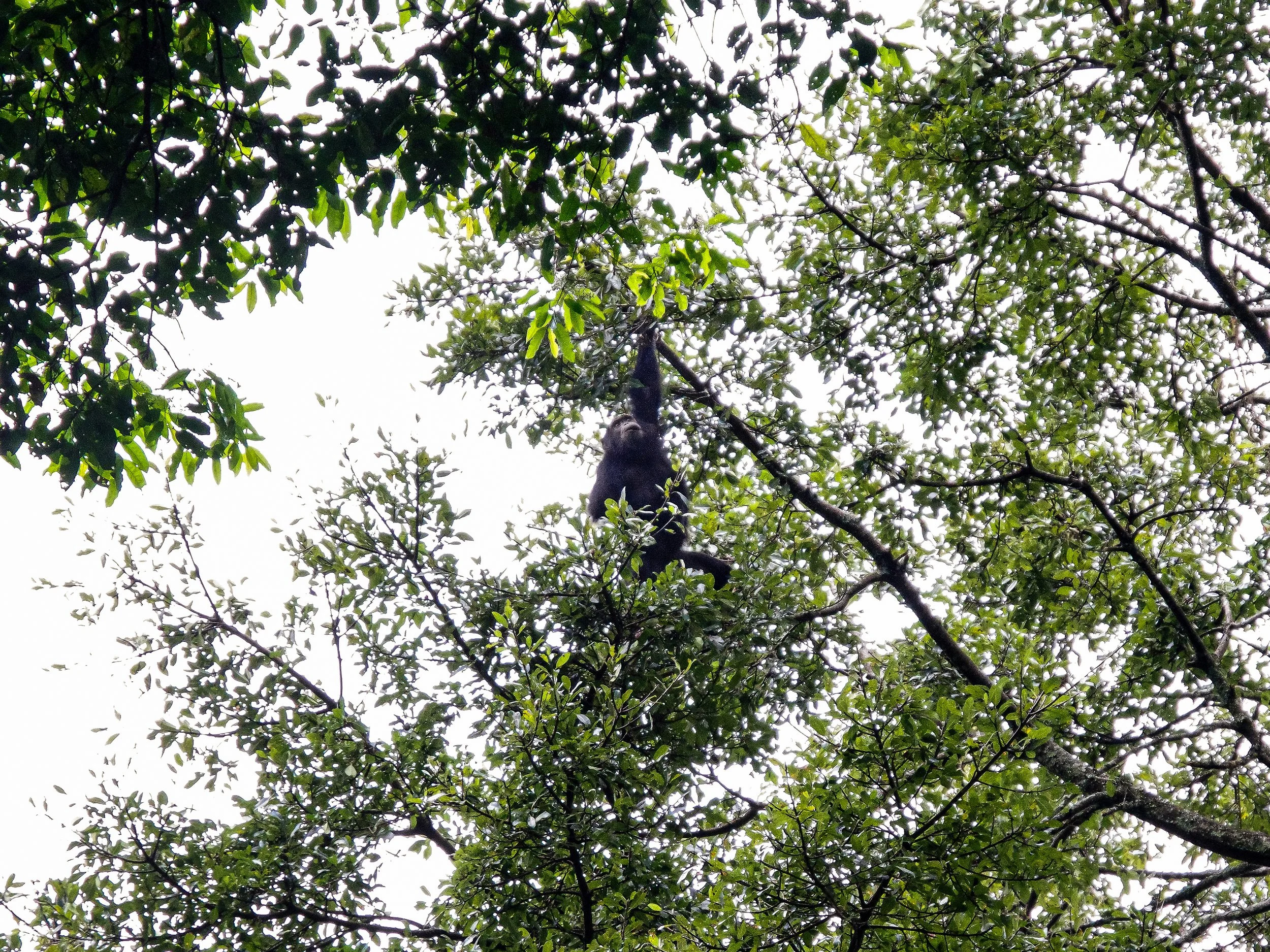
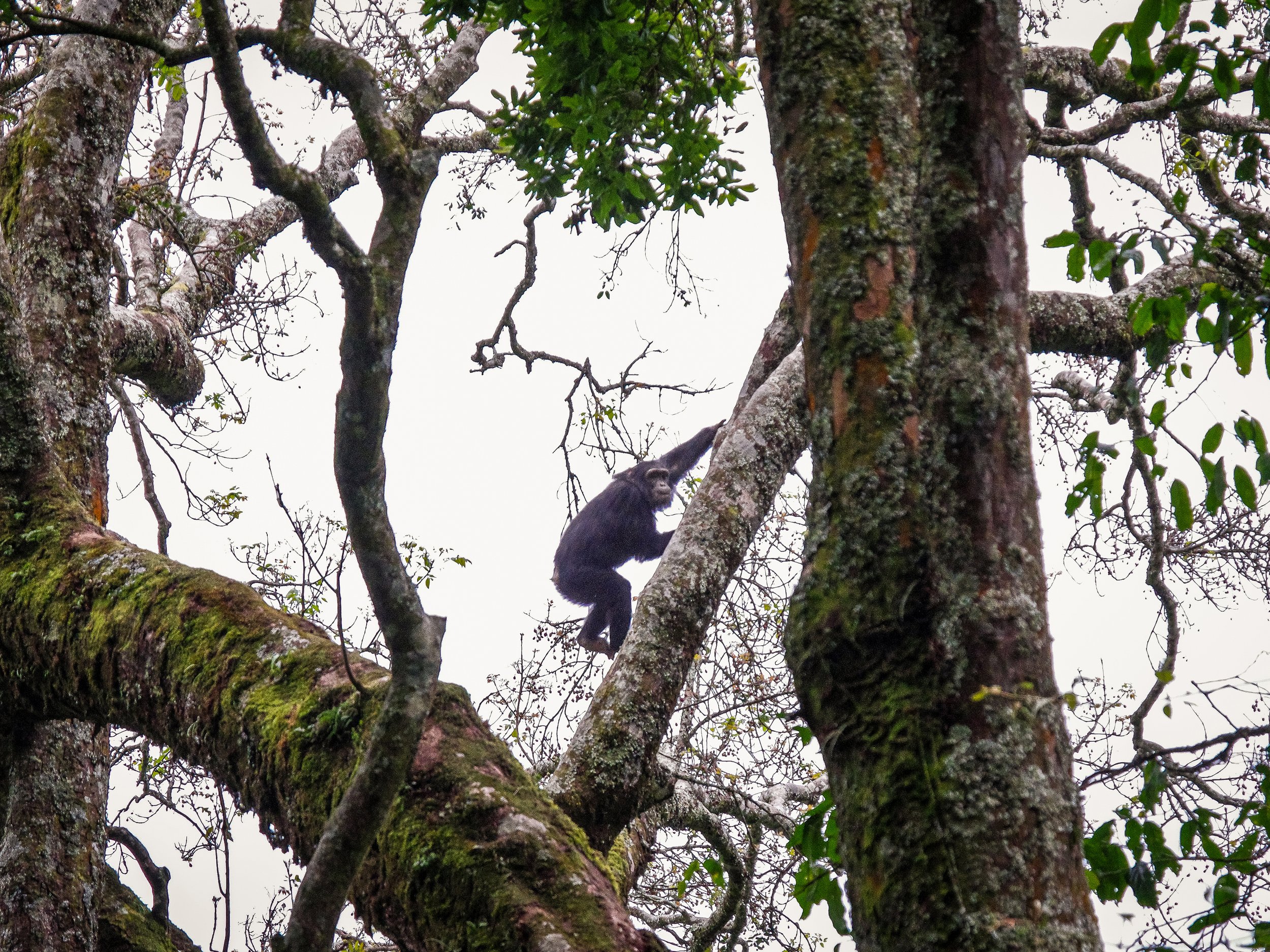
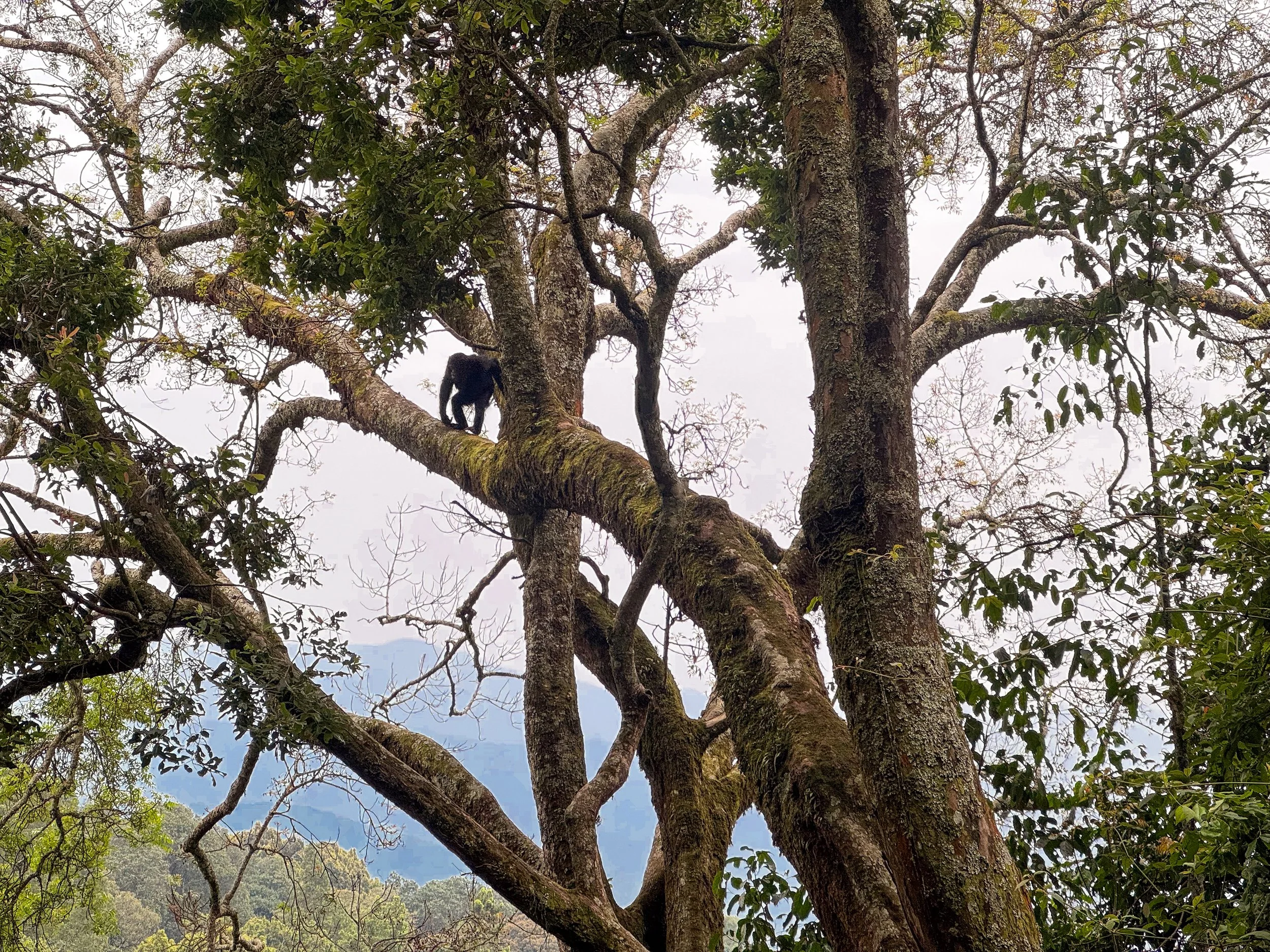
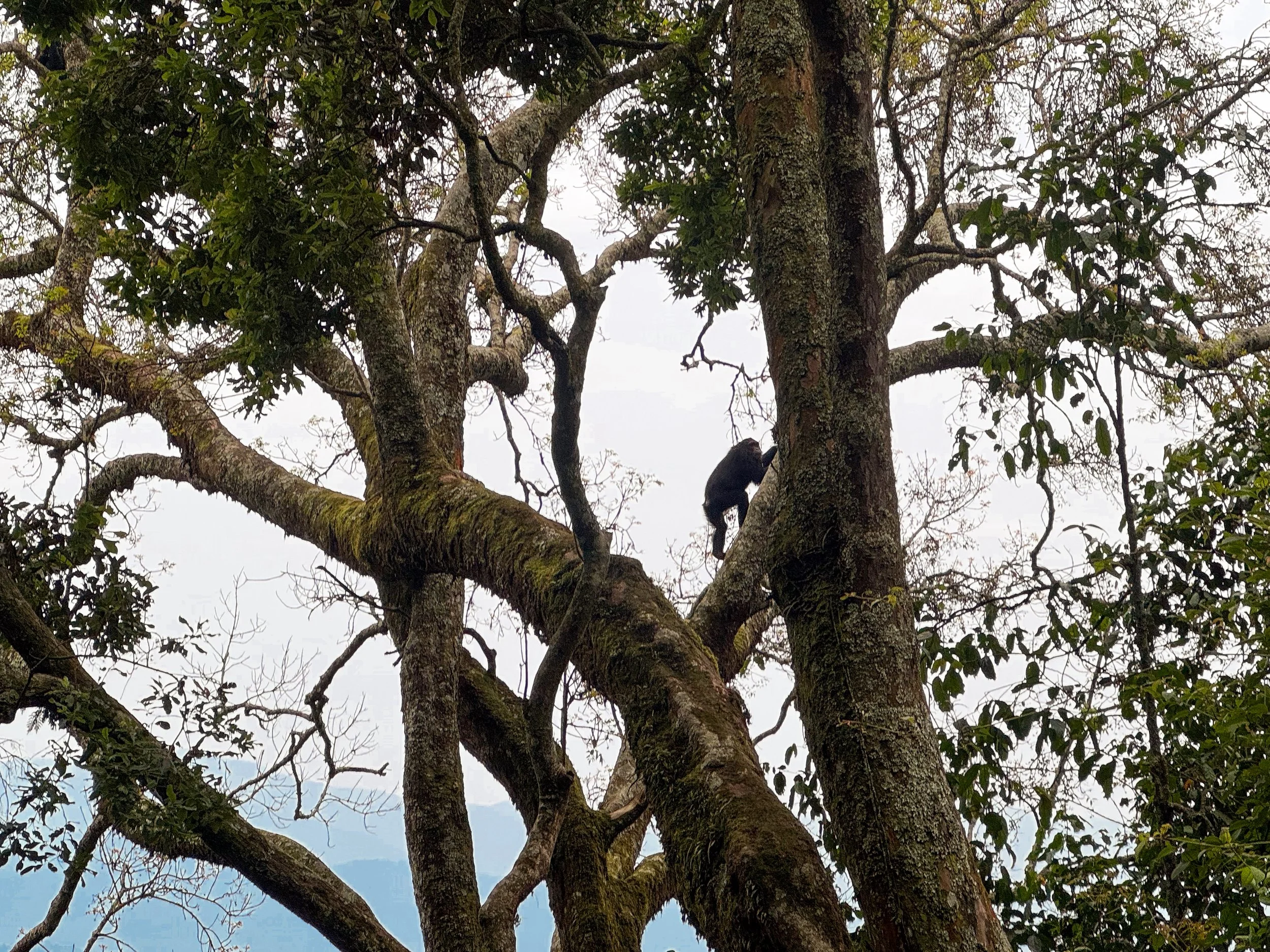
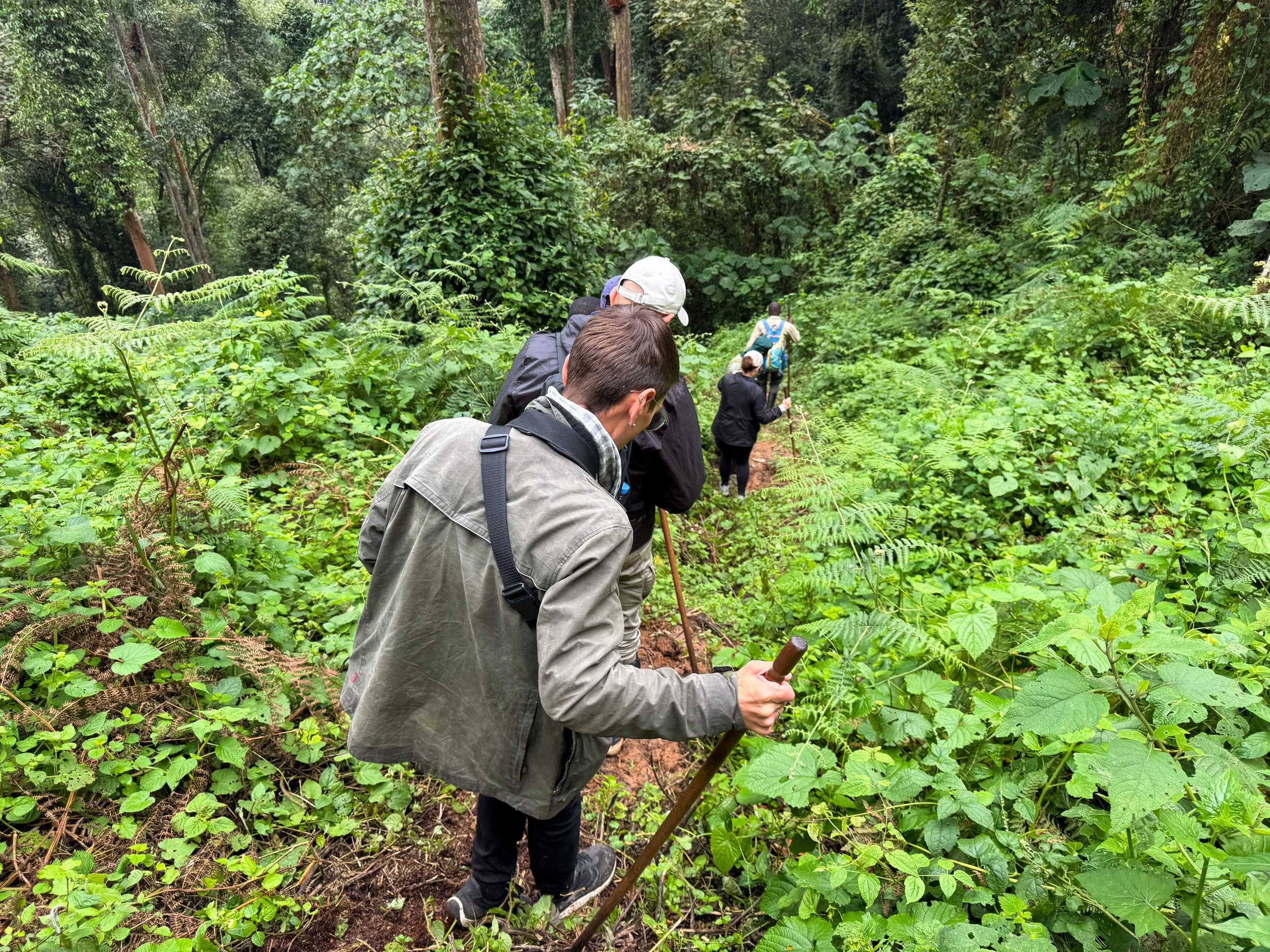
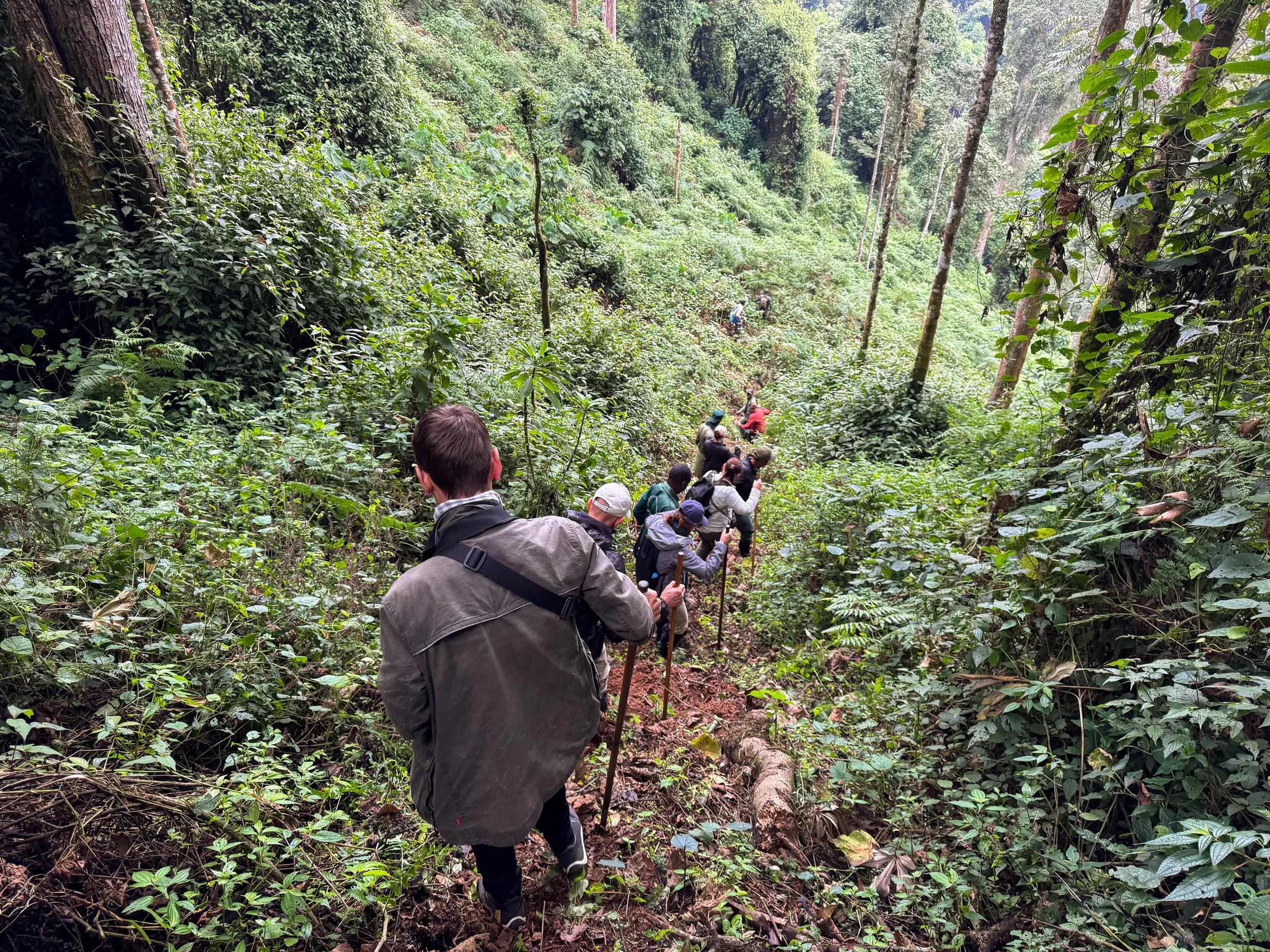
Chimpanzee Trekking. The Nyungwe Forest is home to a growing population of wild Chimpanzees. We trekked beneath its lush canopy to see them in their natural habitat. The sounds of birds singing and insects buzzing filled the morning air as daylight broke. Trackers led the way as we hiked trails, through the thick jungle and down steep slopes. After a couple kilometers, we spotted a family of four chimps in a towering tree. They climbed and swung between branches while feeding on berries. A baby chimp stuck close to its mother while learning to climb on its own. We continued further into the jungle, spotting a tree with several more chimps nomming on its leaves. Tropical birds like hornbill toucans, colorful turacos and vibrant sunbirds appeared around us while we quietly watched.
Pro Tip. Ants are everywhere when trekking through the jungle. Wear hiking gaiters or long socks over your pant legs to avoid painful bites.
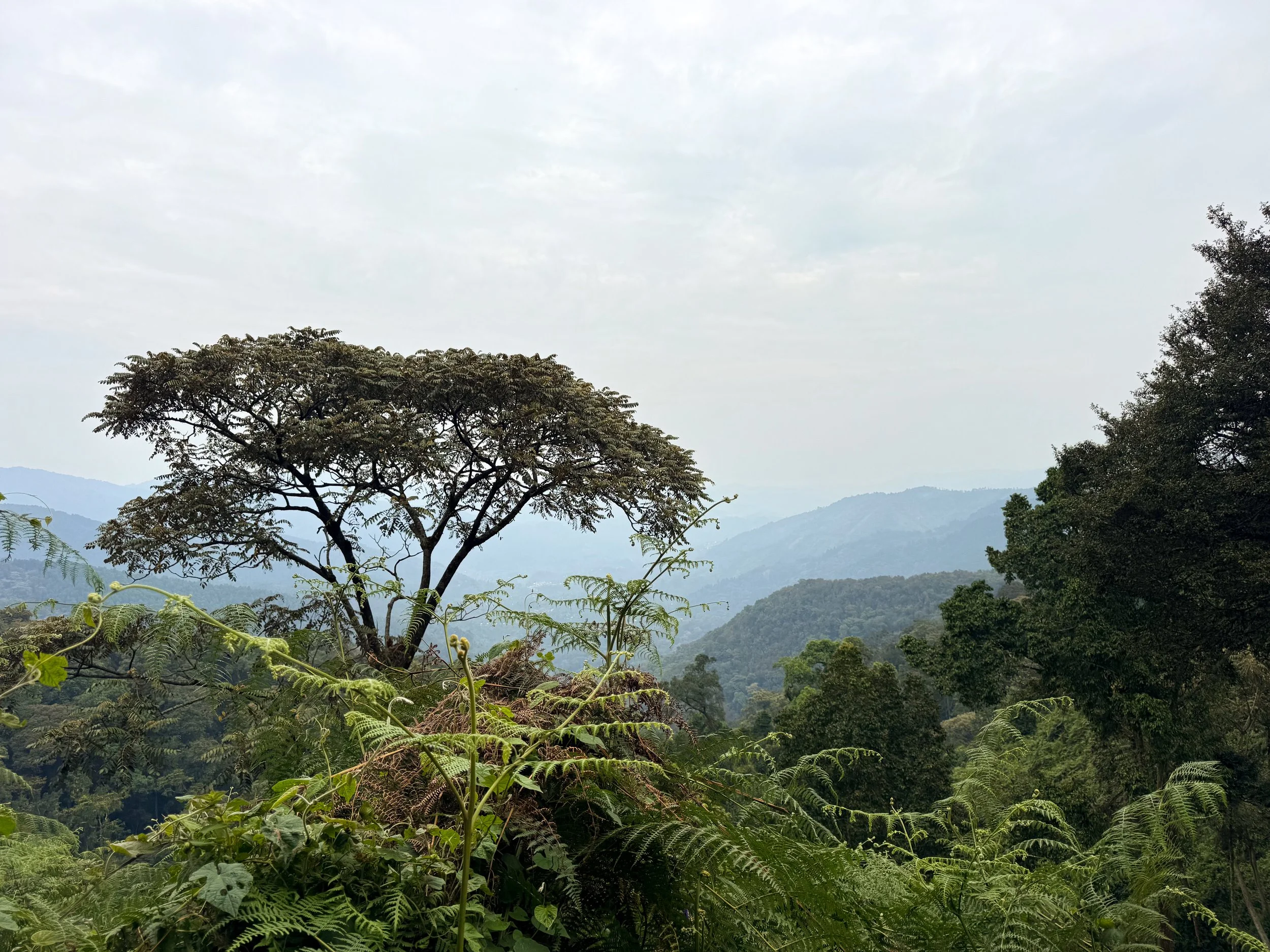
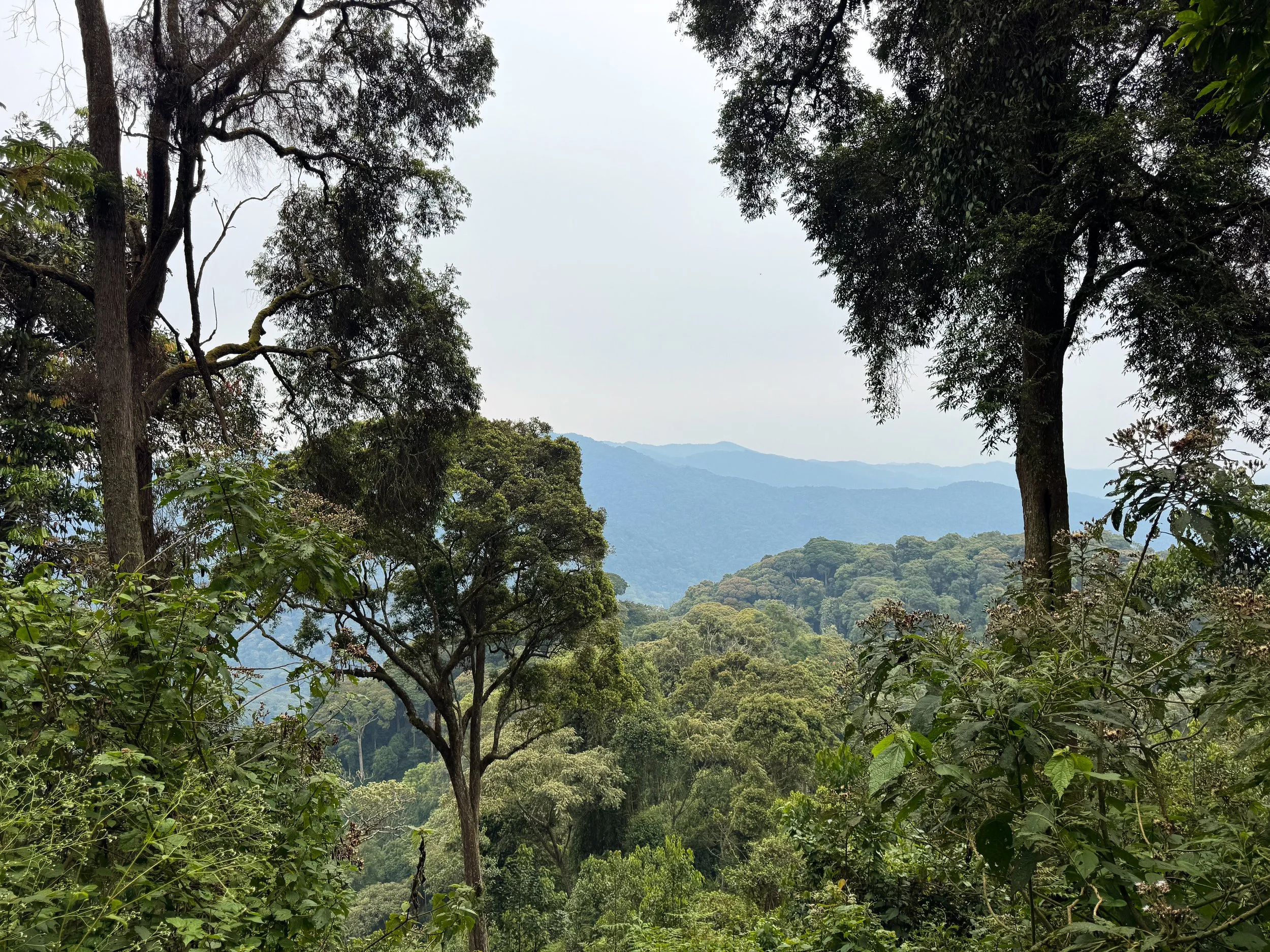
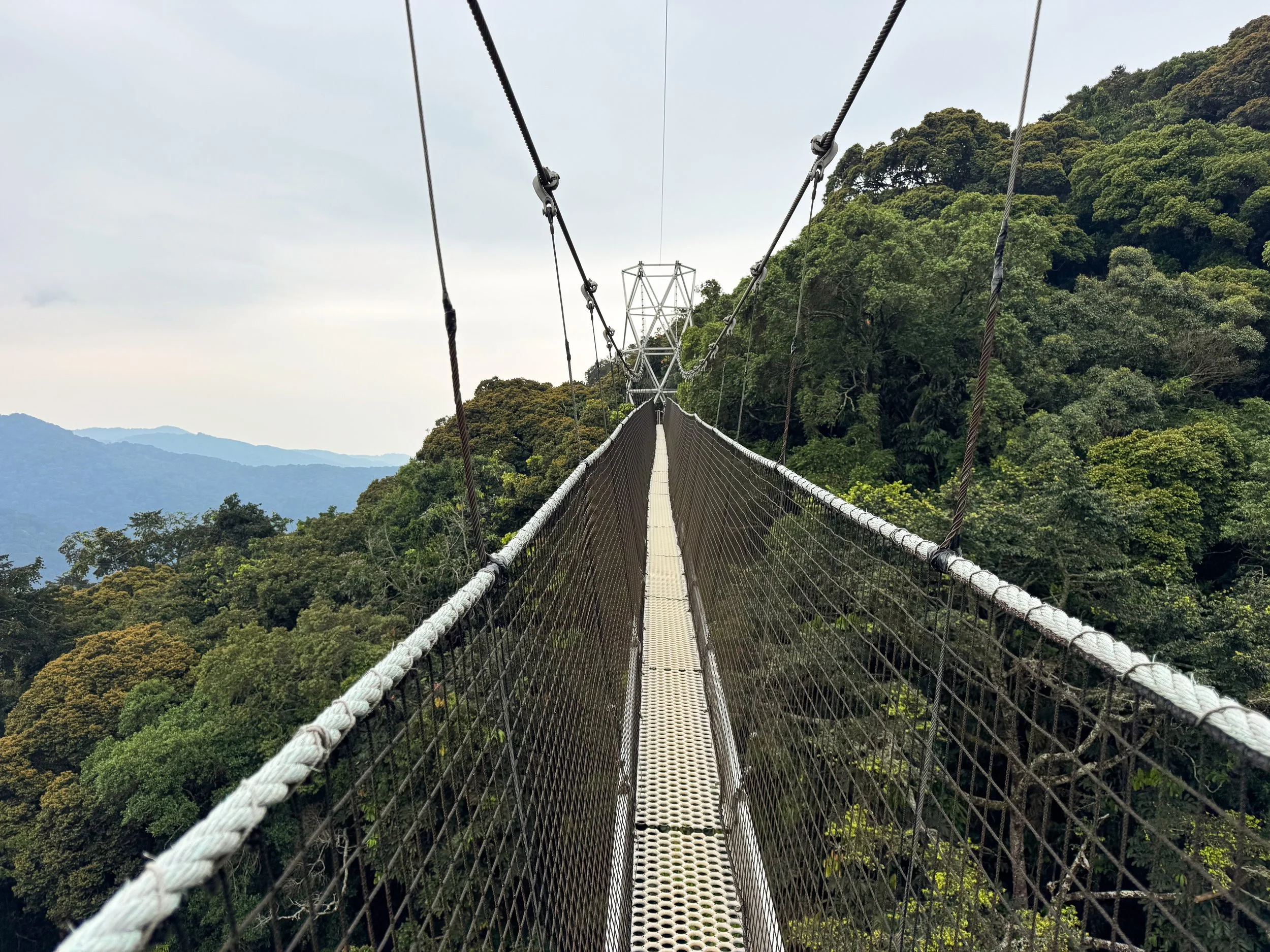
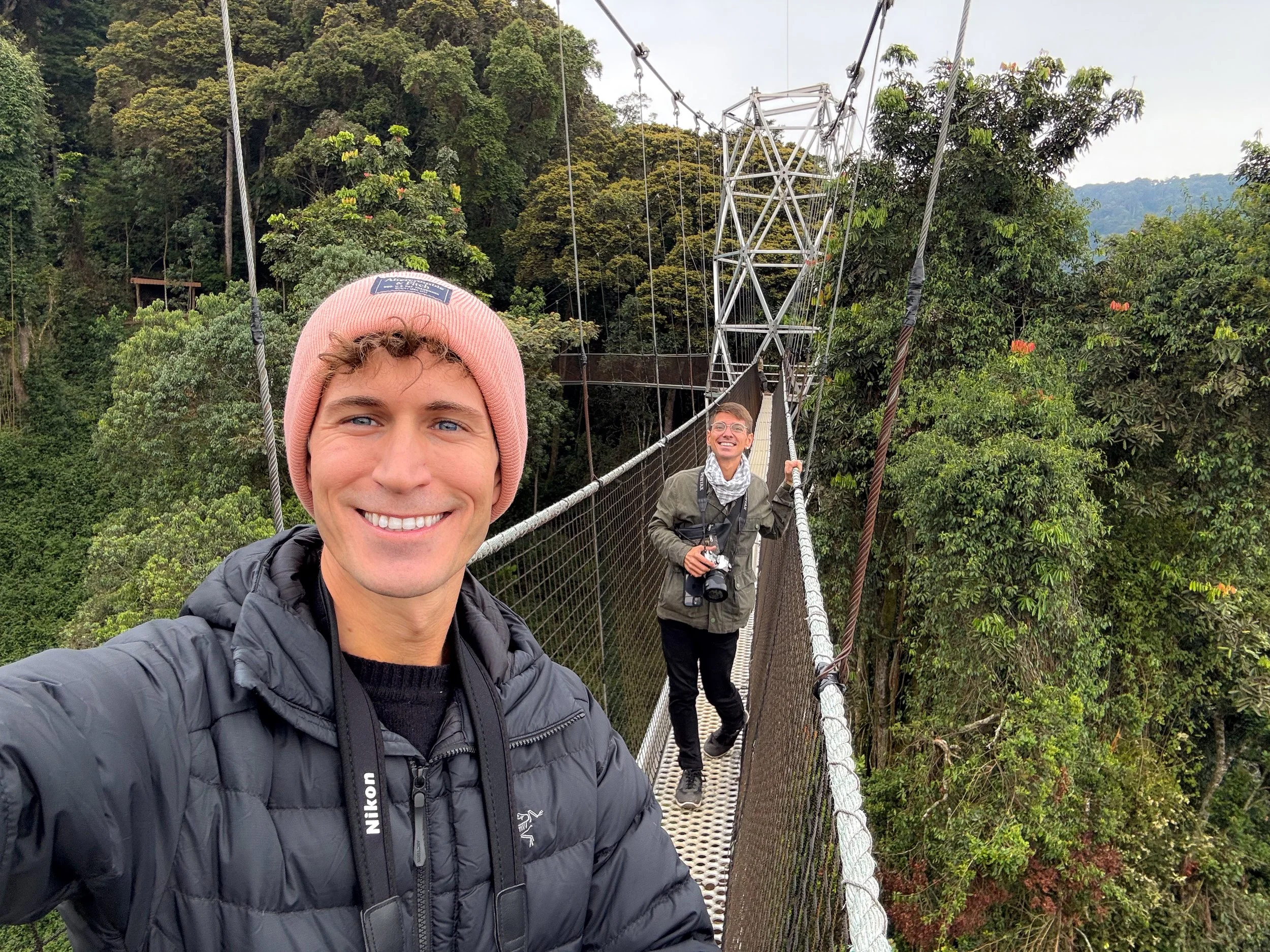
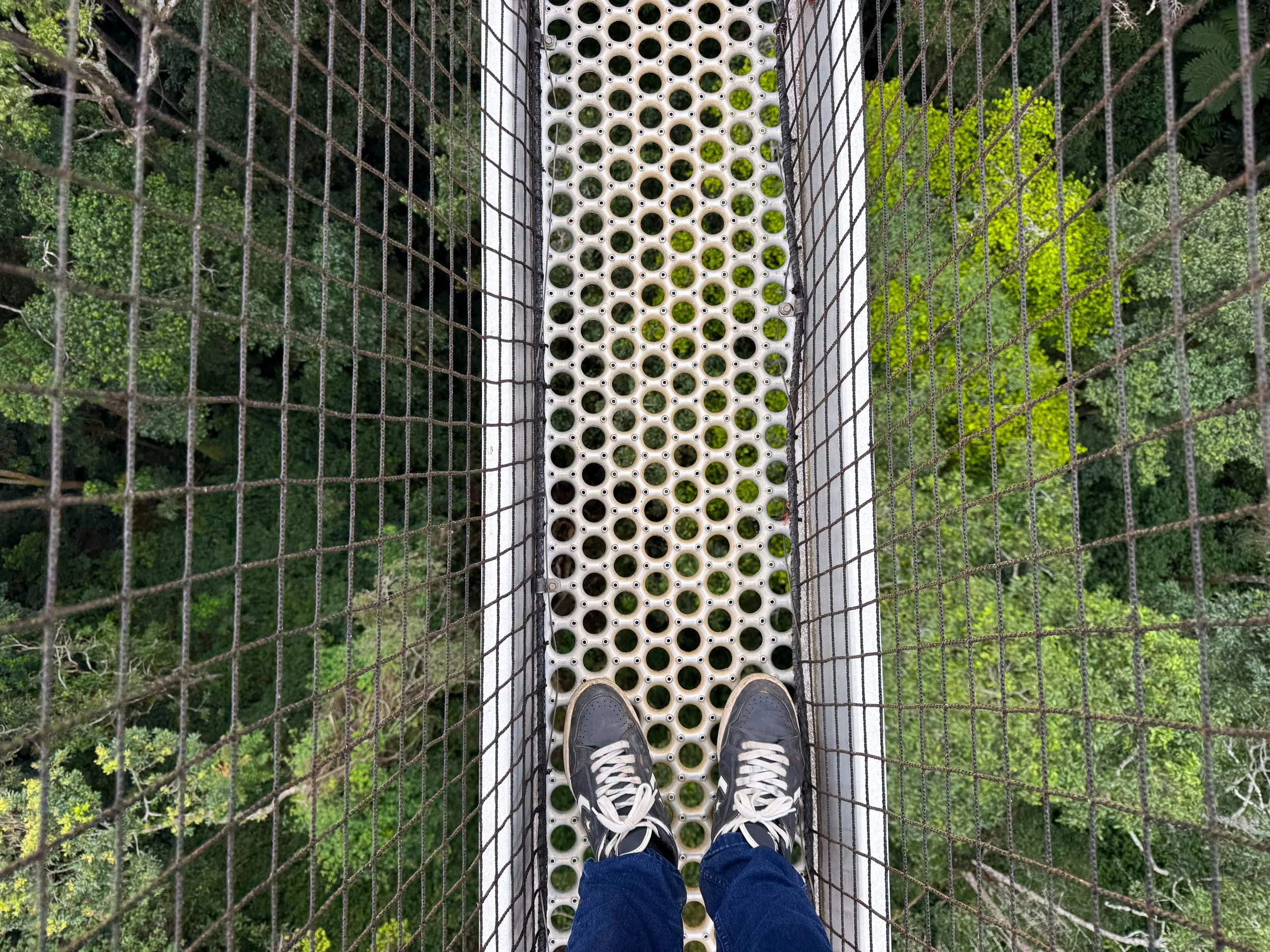
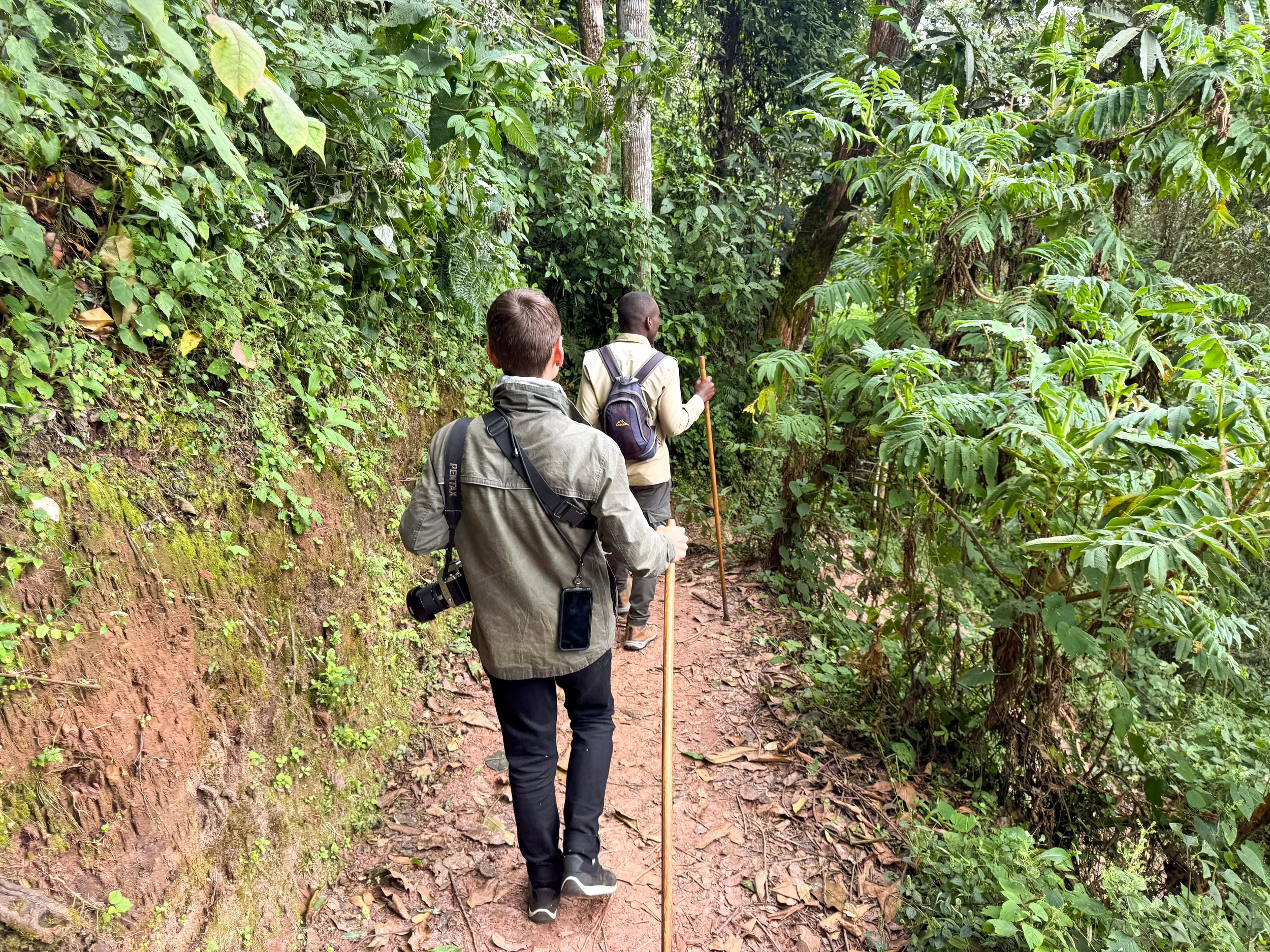
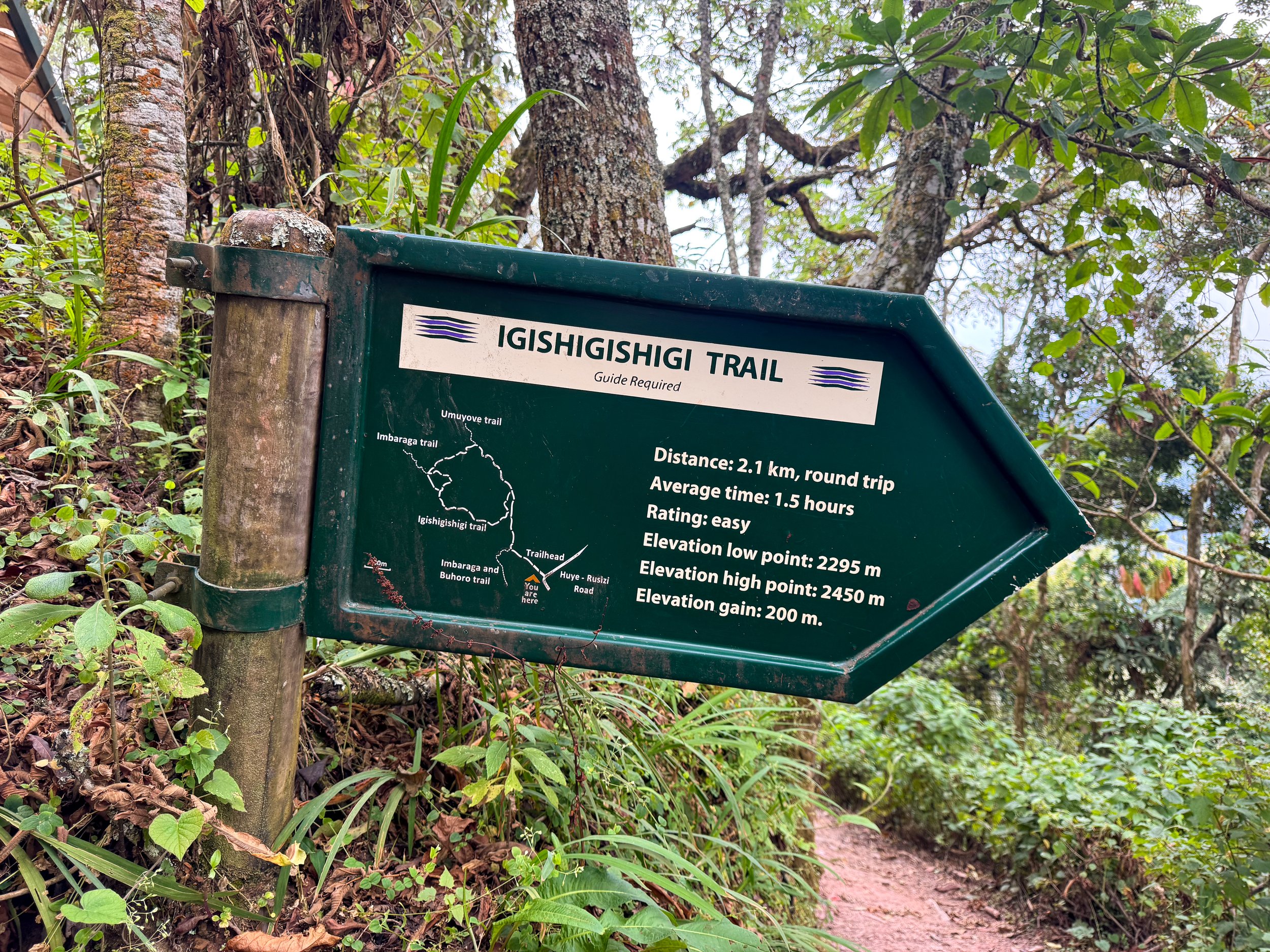
Nyungwe Canopy Walk. A series of three suspension bridges above the treetop canopy. The central bridge has panoramic views of the jungleous forest, parasol trees and layers of hilly ridges. It’s reachable from the Uwinka Visitor Center along the Igishigishigi Trail, a 2.1km loop through the forest.
Nyungwe Night Walk. A two hour nighttime walk through the forest to spot nocturnal animals. We trekked the Igishigishigi Trail with red lamps in hopes of seeing flying squirrels and bush babies. Unfortunately we didn’t have any luck spotting many animals outside of seeing a few bats.
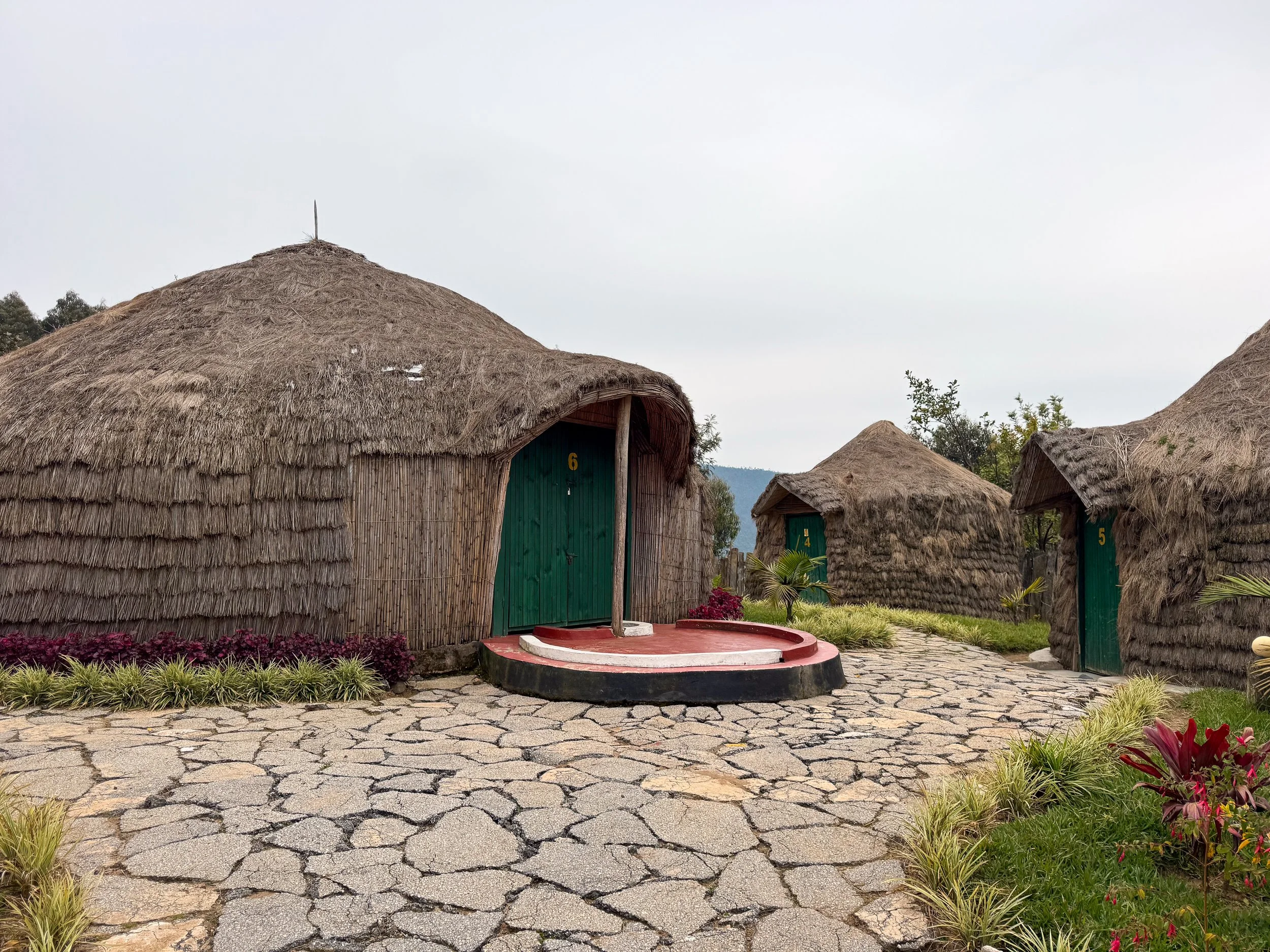
Kitabi Eco Center Hotel. An eco lodge on the edge of Nyungwe Forest with a half dozen thatched huts and a restaurant. The huts have an authentic feeling, designed in the traditional style of the Rwandan king’s palace. The hotel and restaurant overlook steep hills and valleys planted with rows of tea. Our stay included complimentary breakfast each morning: eggs, fruit and the local flat bread. We enjoyed dinner around a coal camp fire and watched European football with a group of locals. Reserve on Booking.
Good to Know. All trails and activities within the forest need to be accompanied by a guide. Park permits and activities can be booked and paid for in advance with Visit Nyungwe.
Pro Tip. Wear layers. It gets cold with temperatures ranging from high 40s F to low 60s F (5C - 15C).
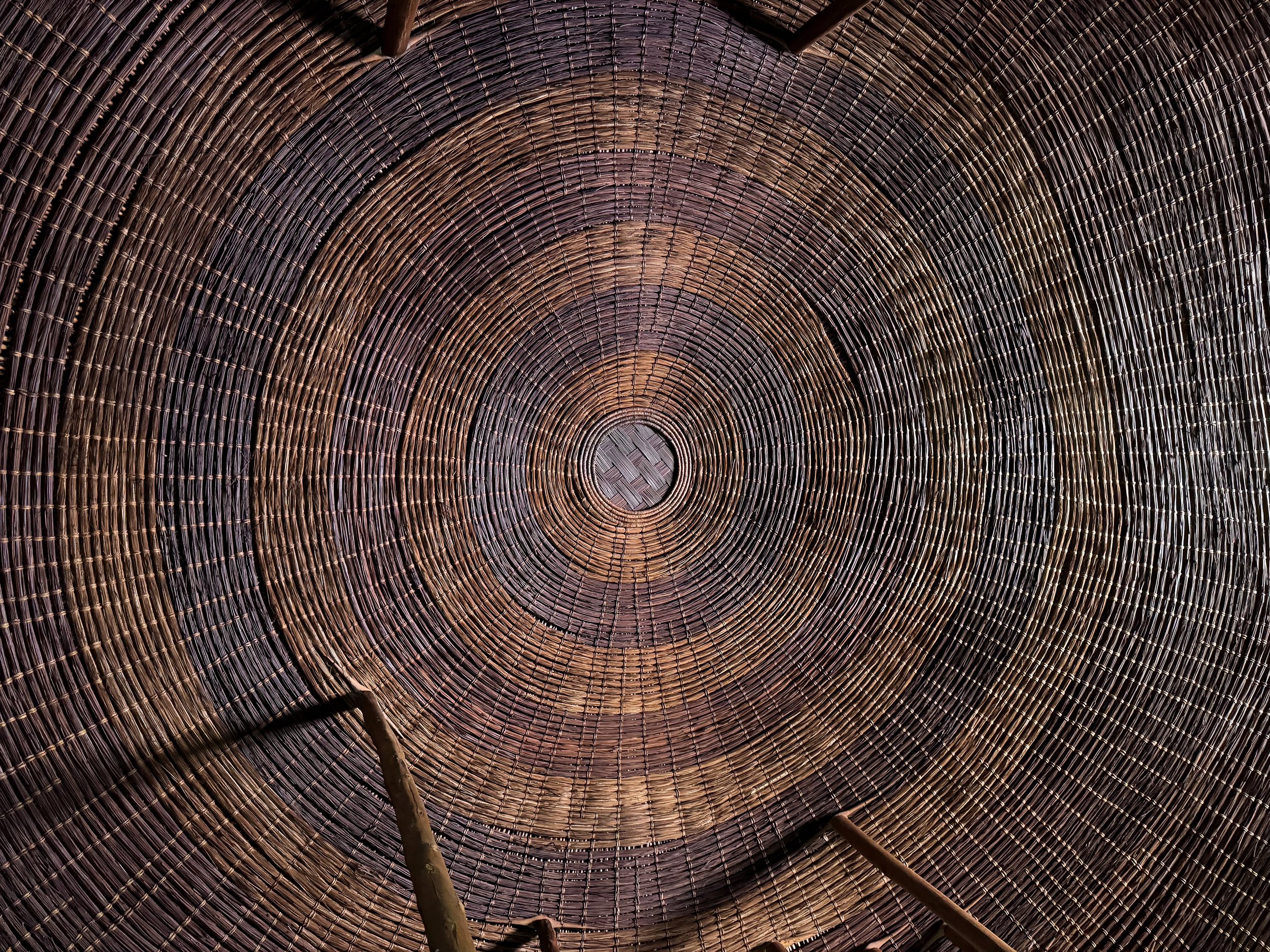
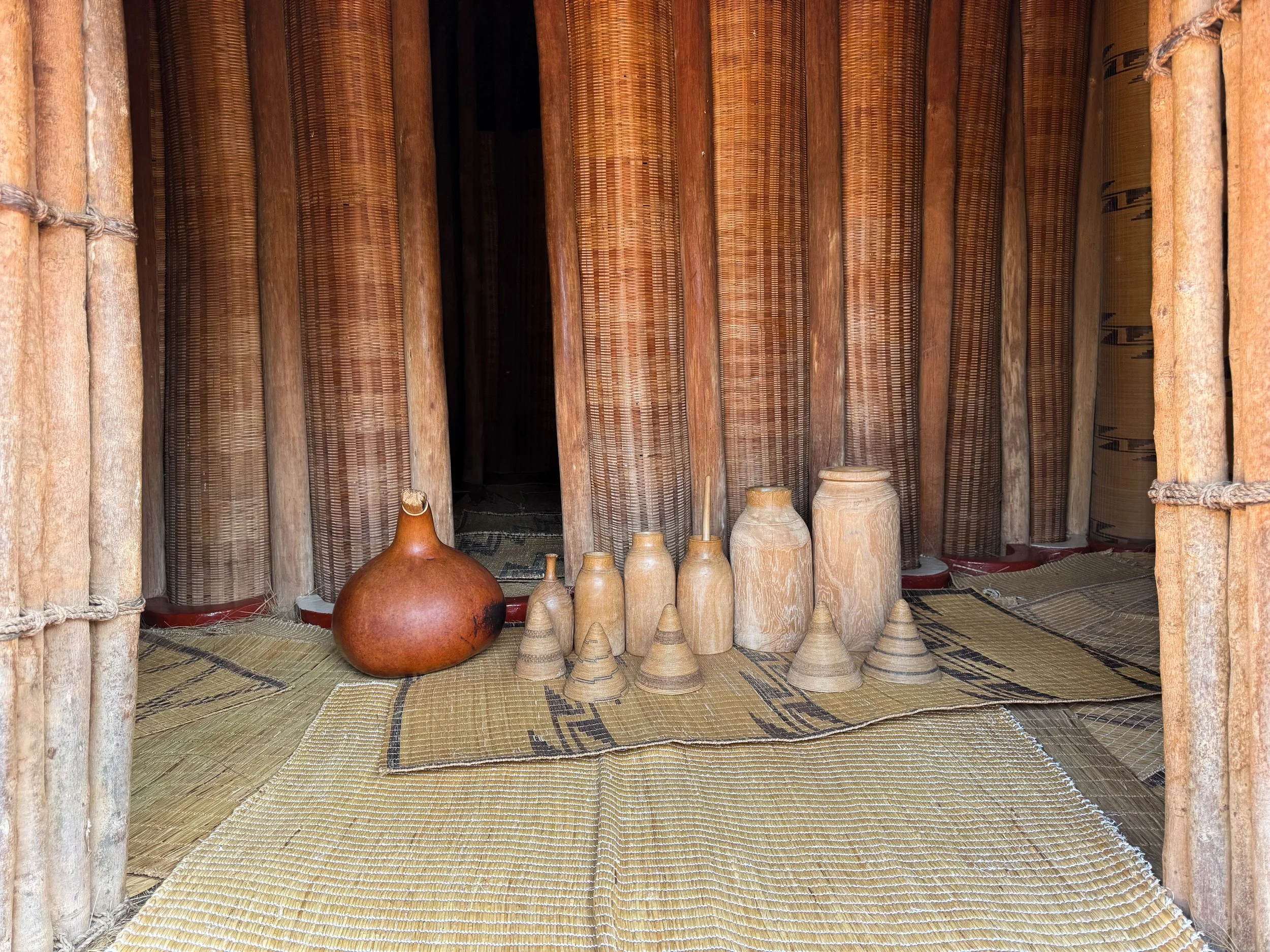
King’s Palace Museum
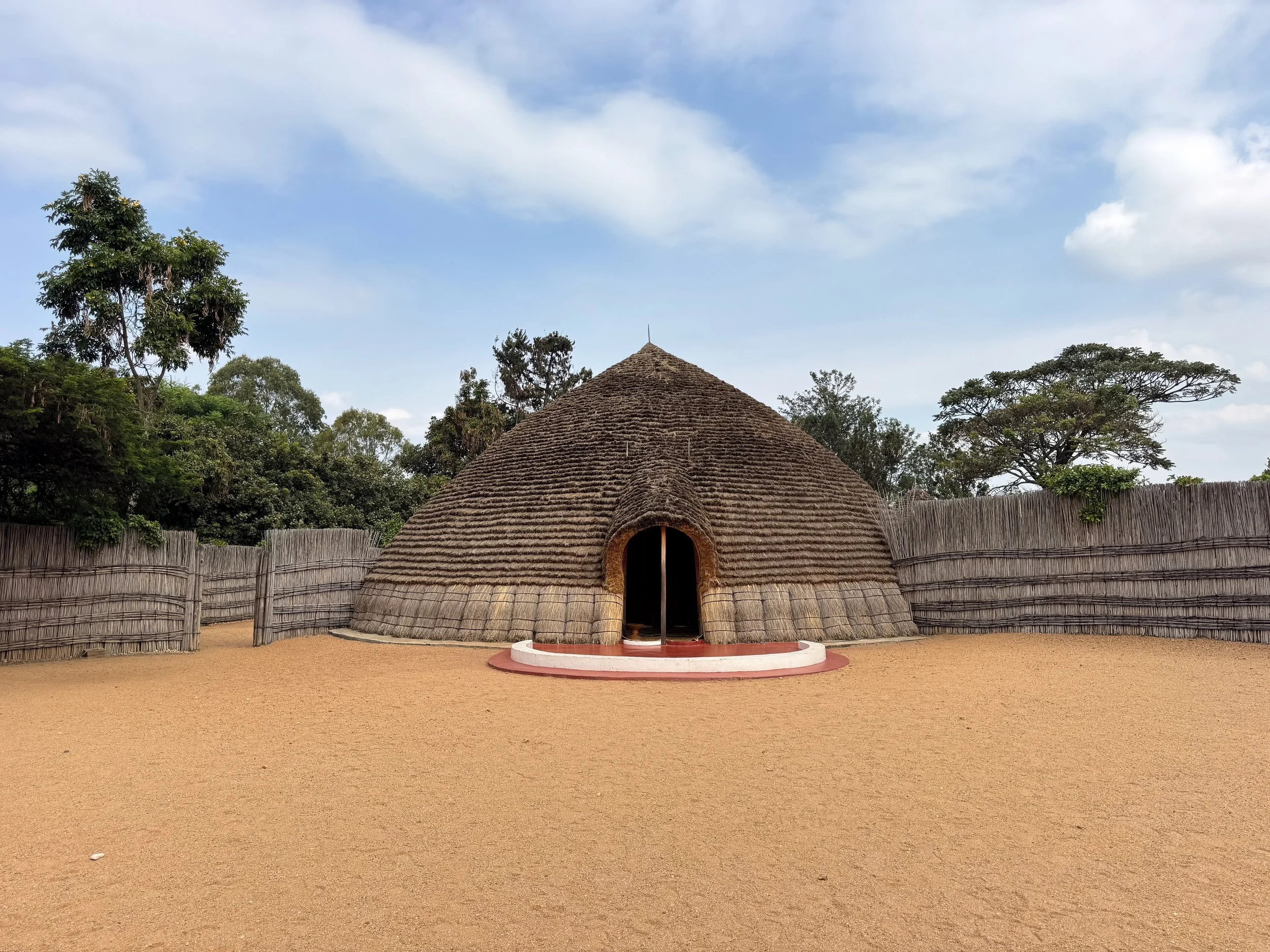
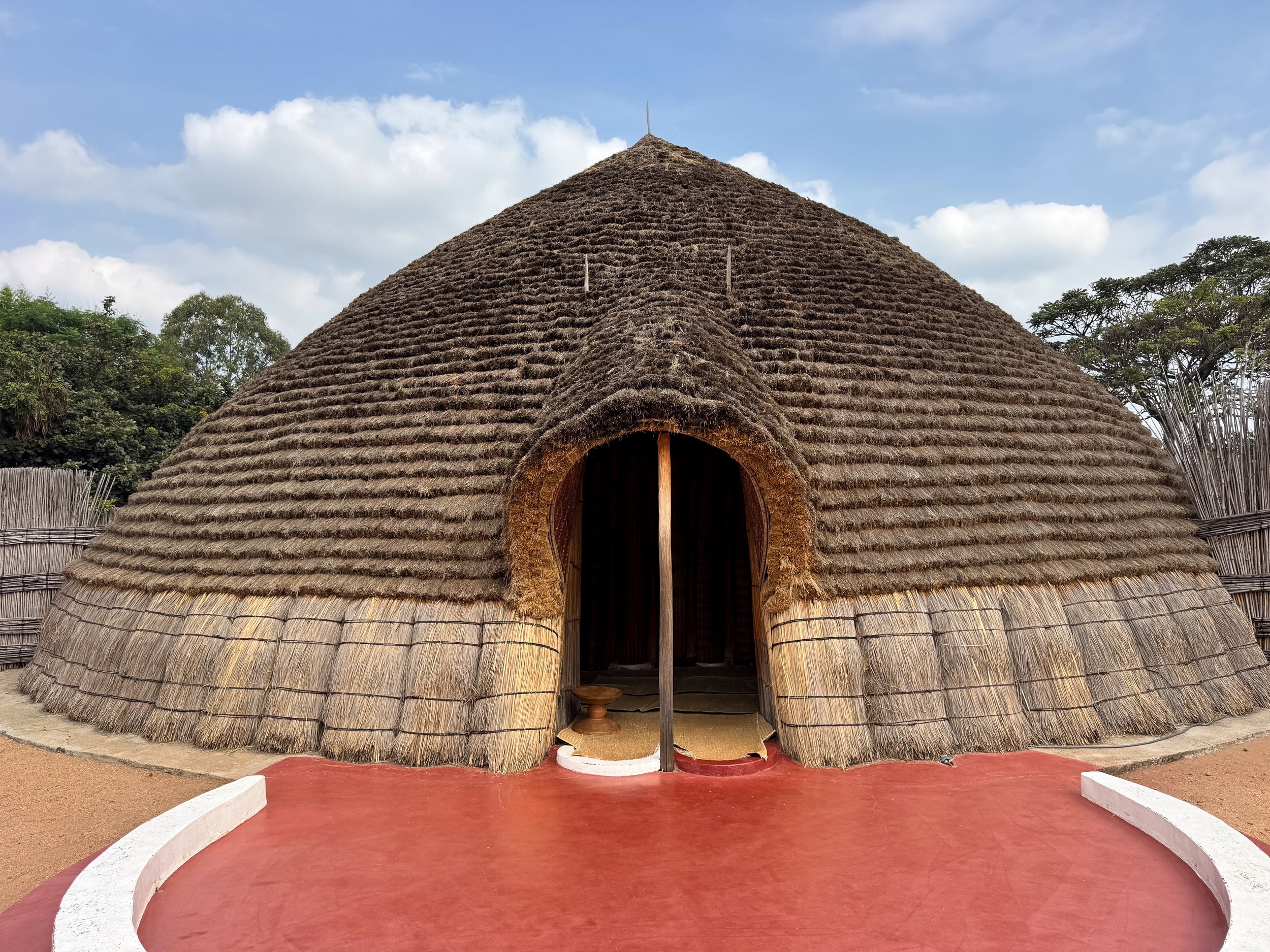
The King’s Palace Museum showcases the modern and traditional homes of Rwanda’s past kings, the country’s royal cows and cultural board games.
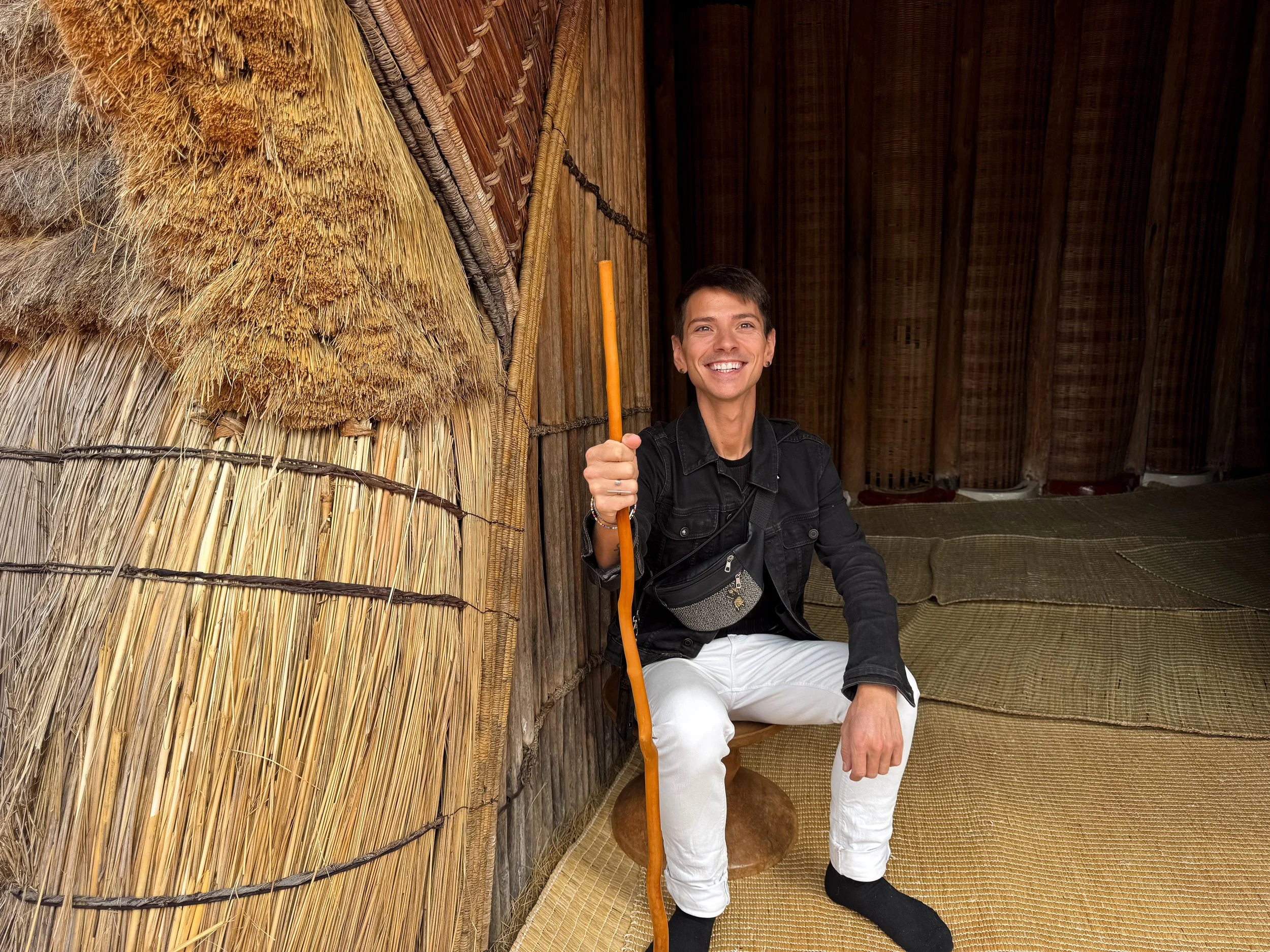
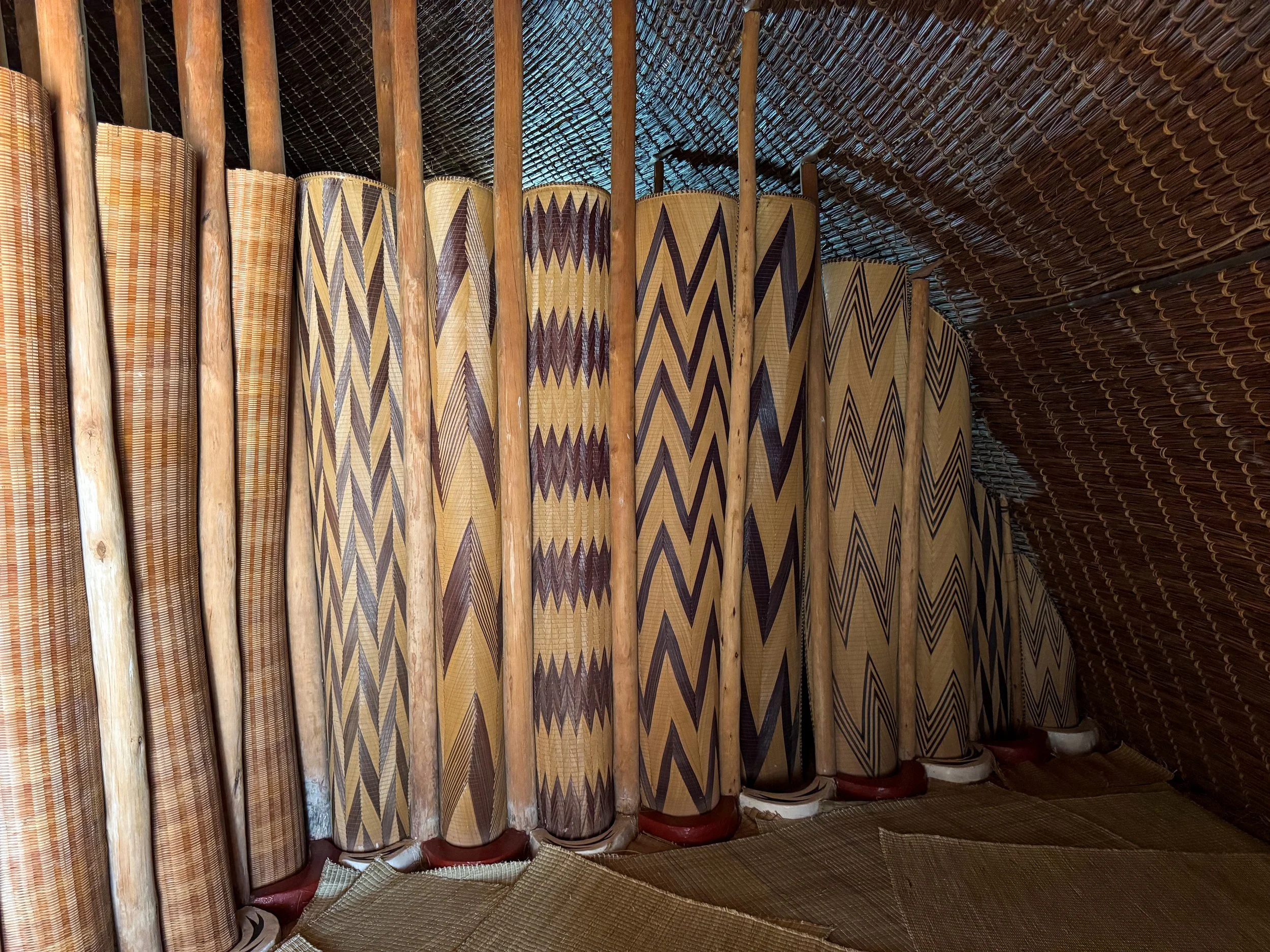
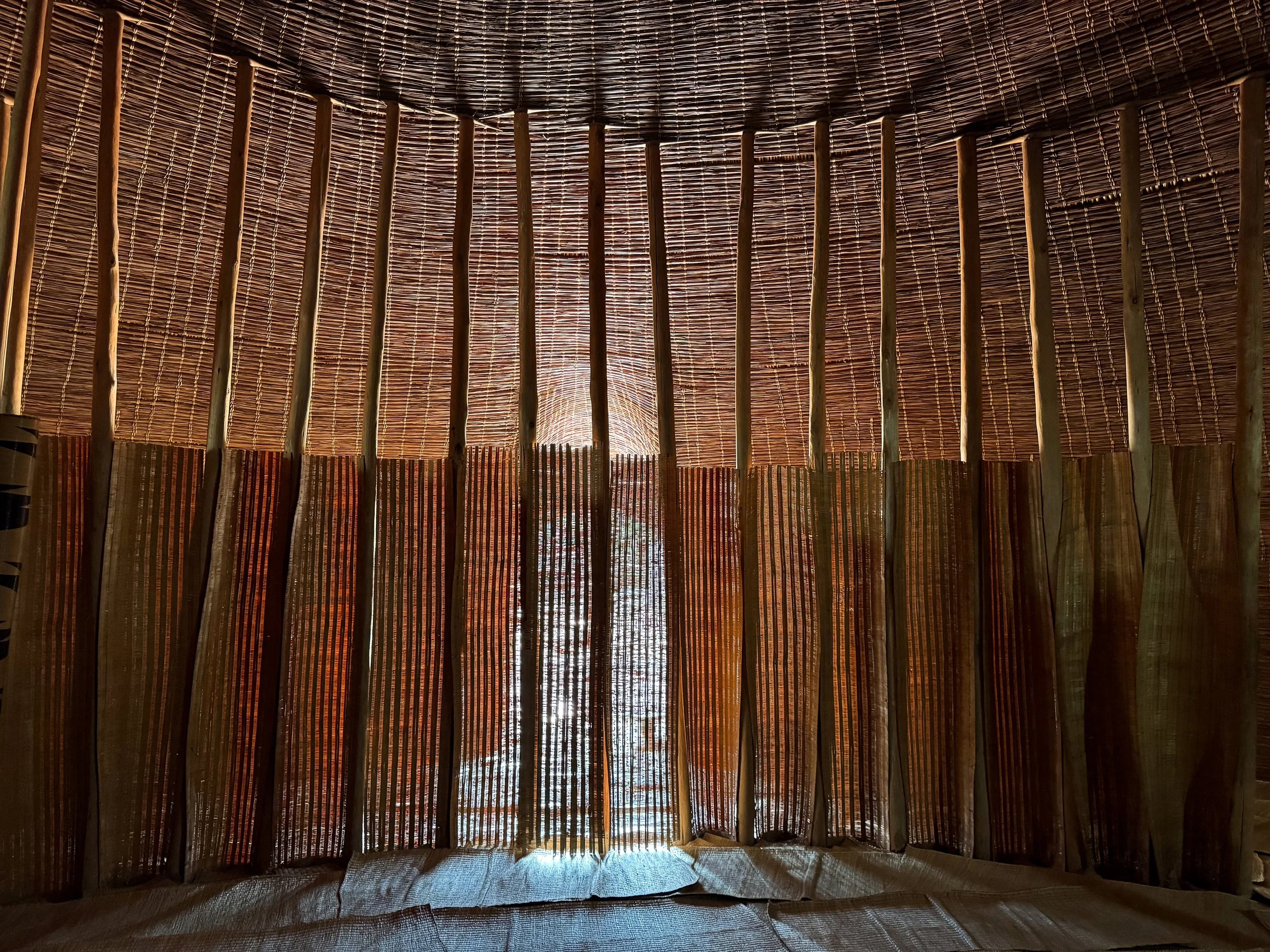
The Traditional Palace. A replica of the royal tribal village. At its center is a large thatched hut made from woven and braided grasses. Its domed interior feels like an upside down basket with rooms divided by wooden columns and woven panels. The floor is layered with dried grasses and thatched rugs. A ficus bark blanket covers an elevated bedroom platform. It’s circled by a reeded fence and multiple small huts. Each surrounding hut had its own purpose such as storing milk or beer.
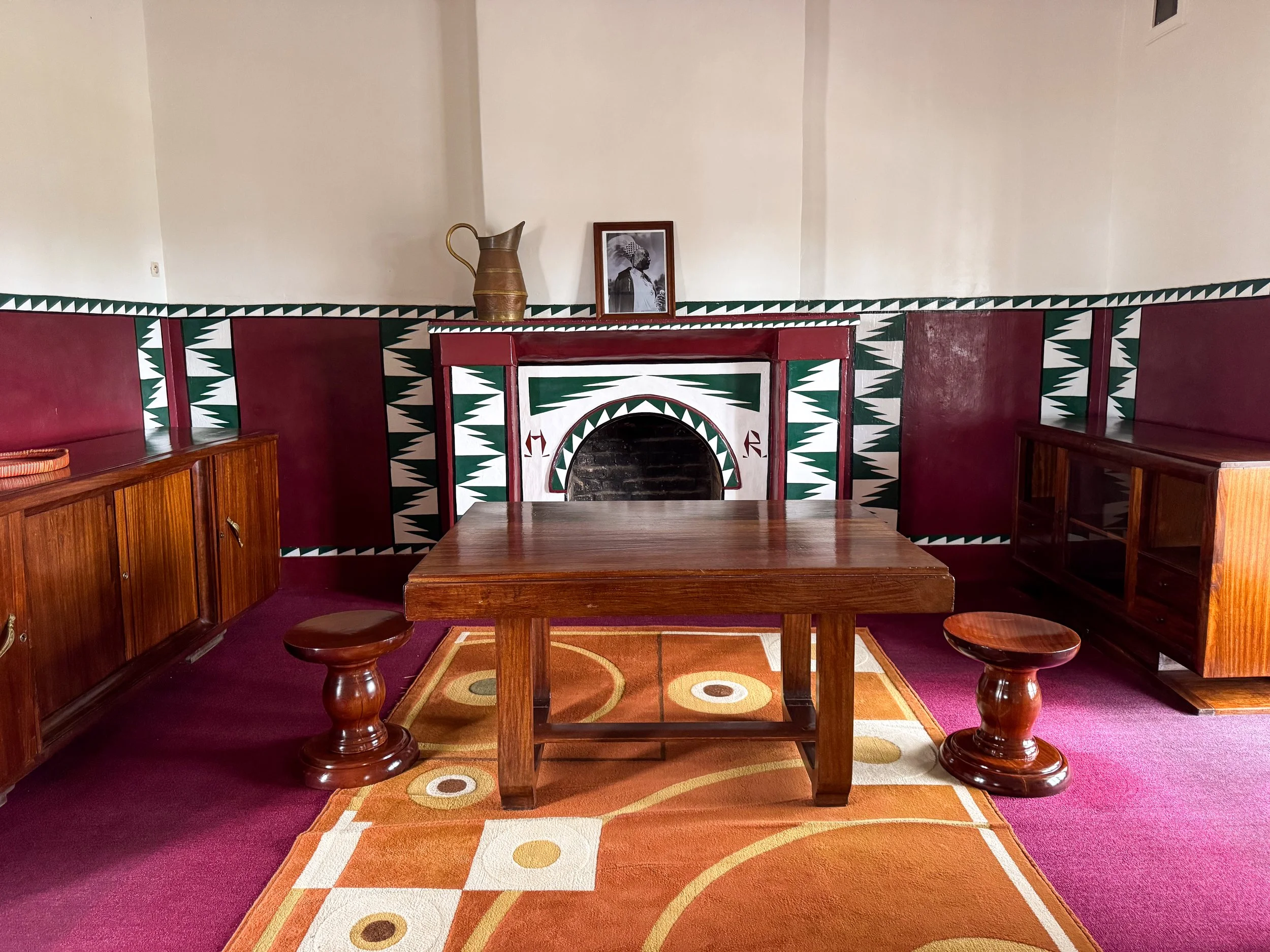
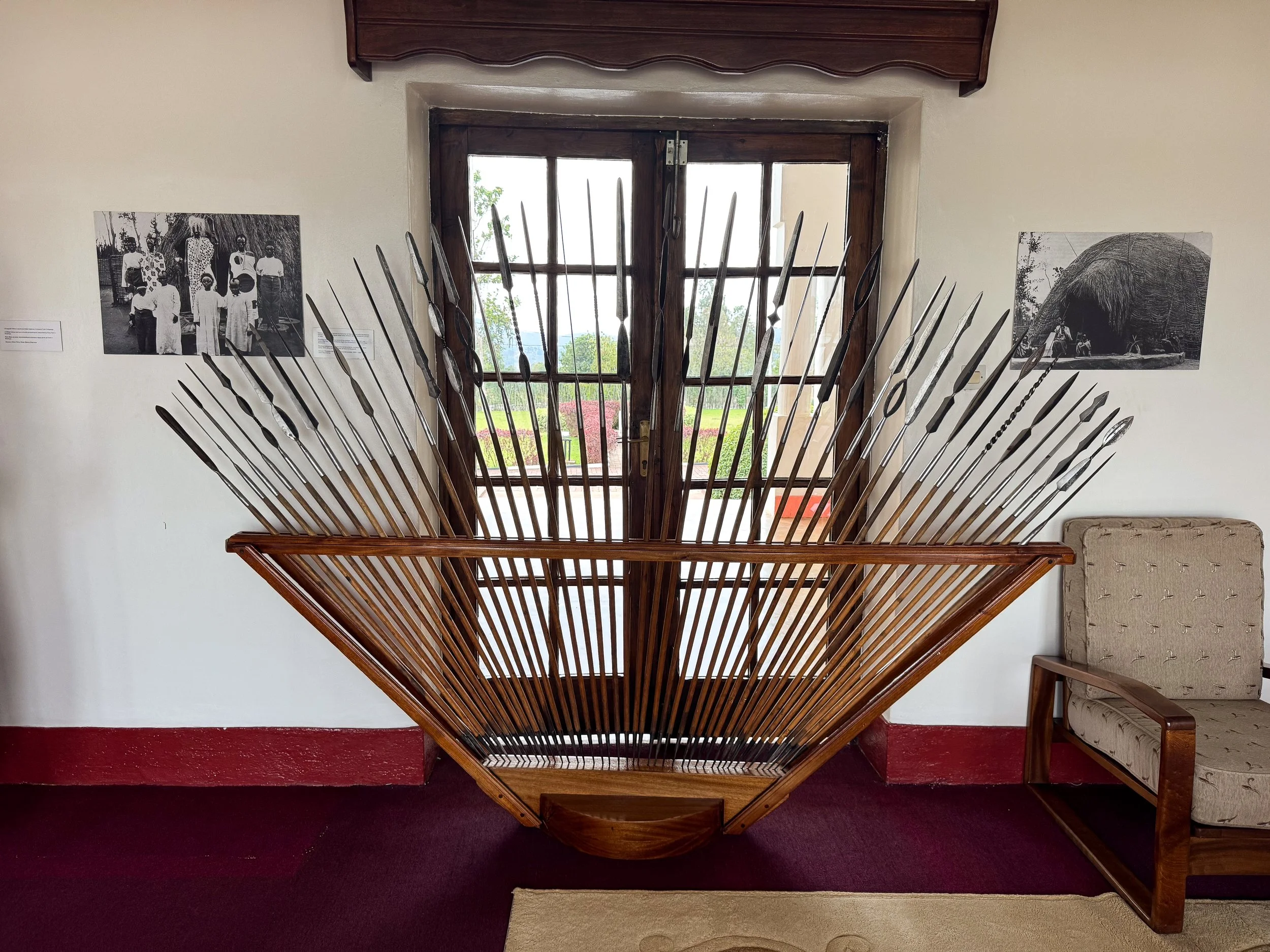
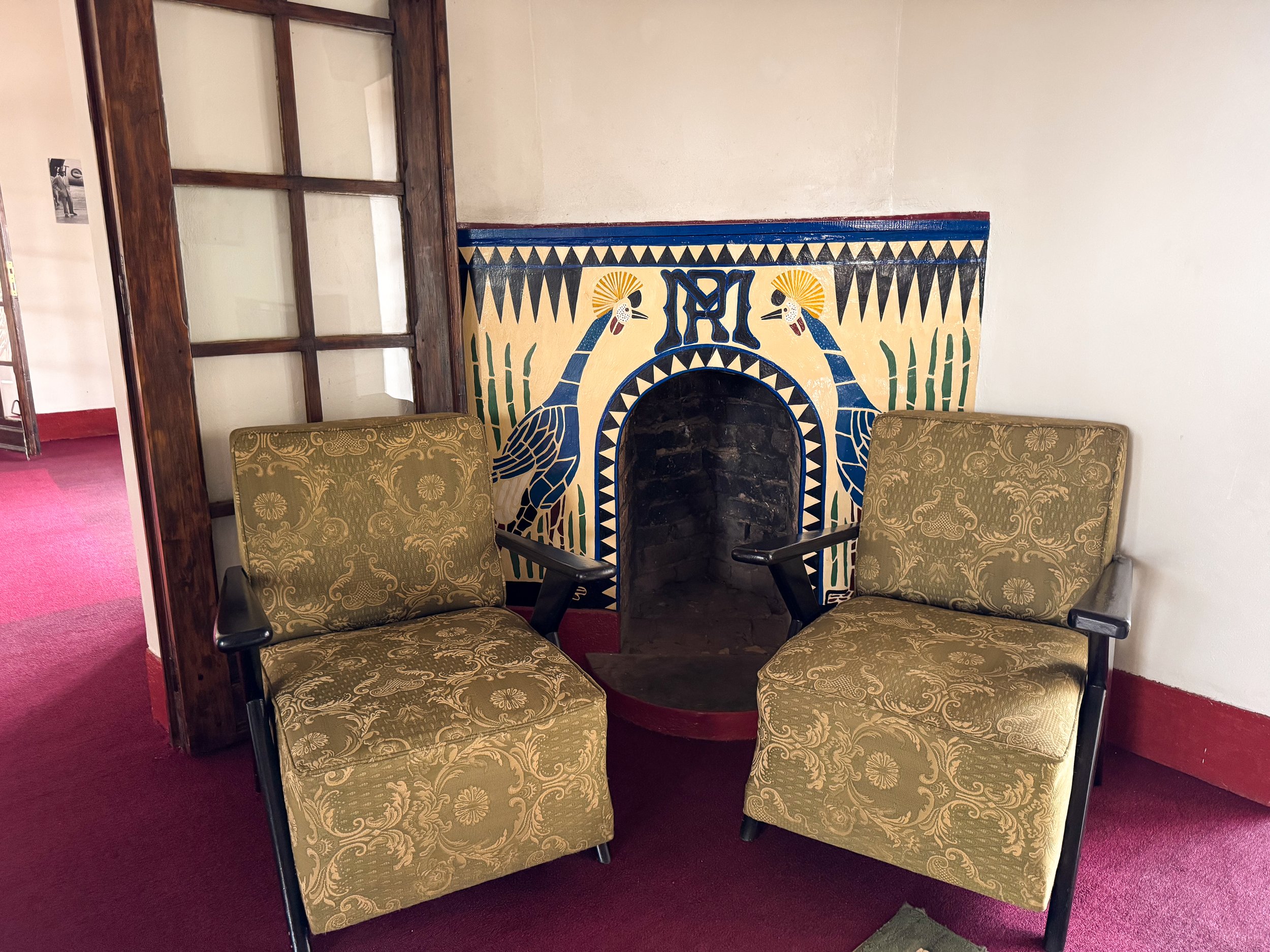
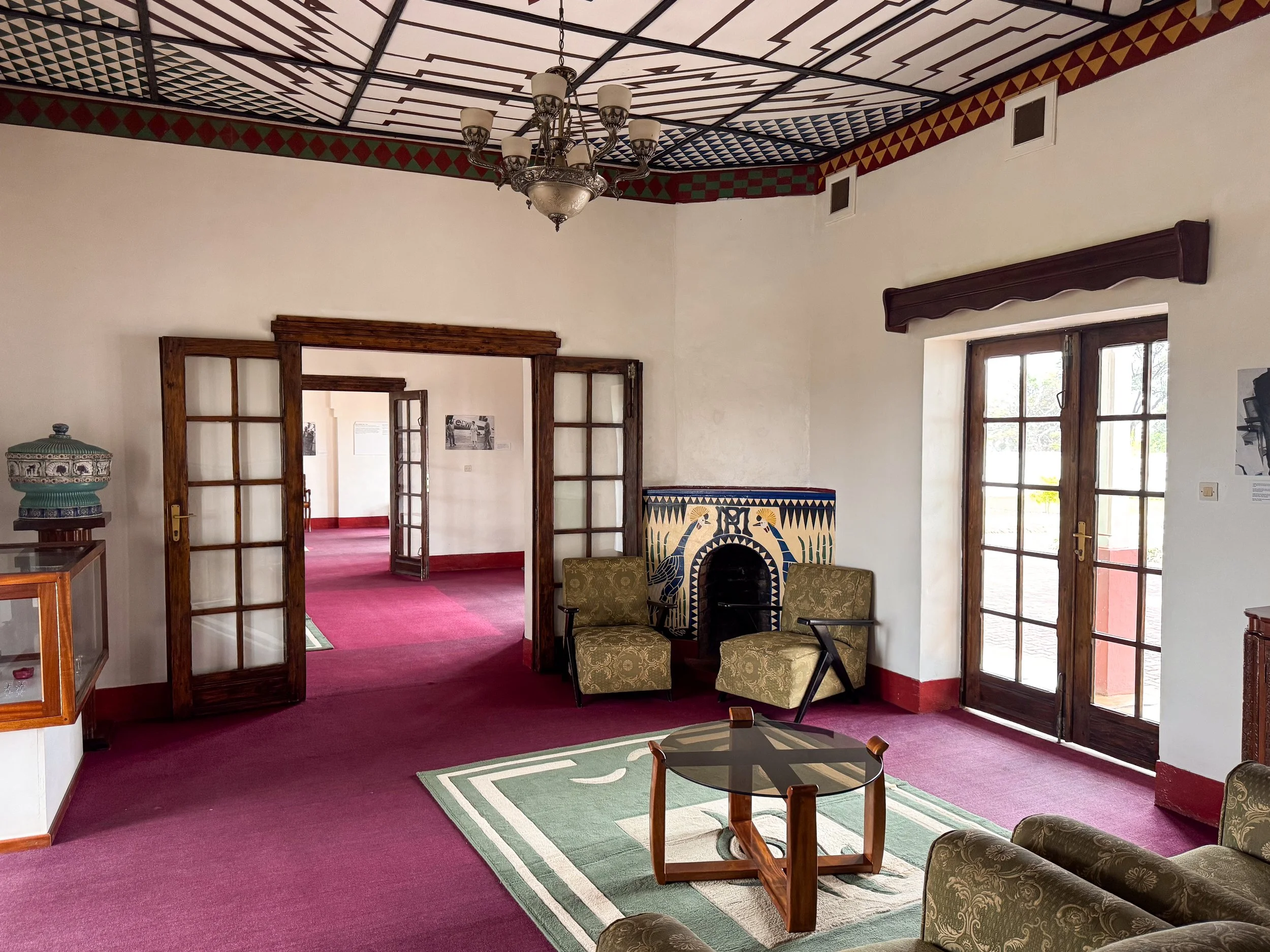
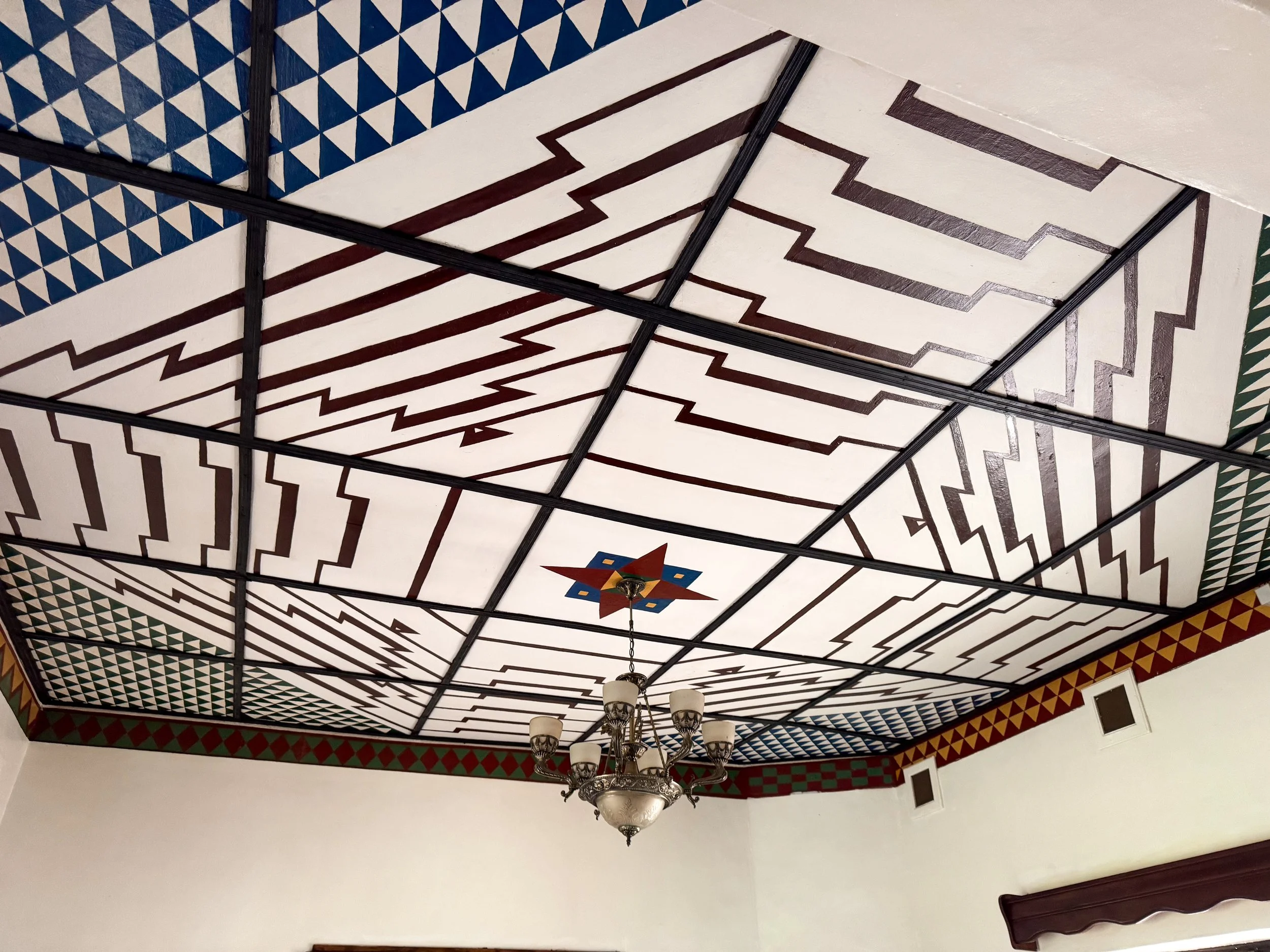
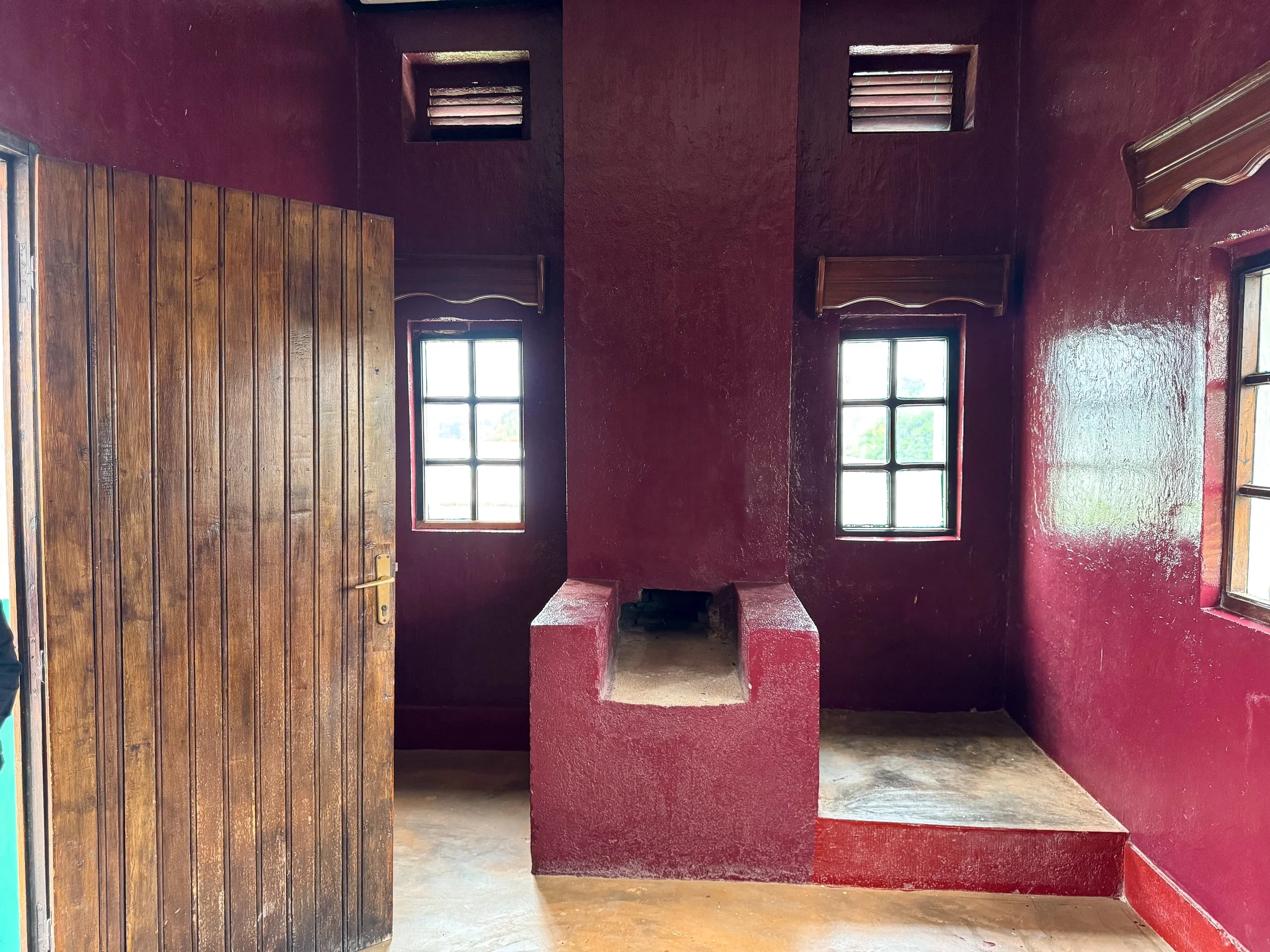
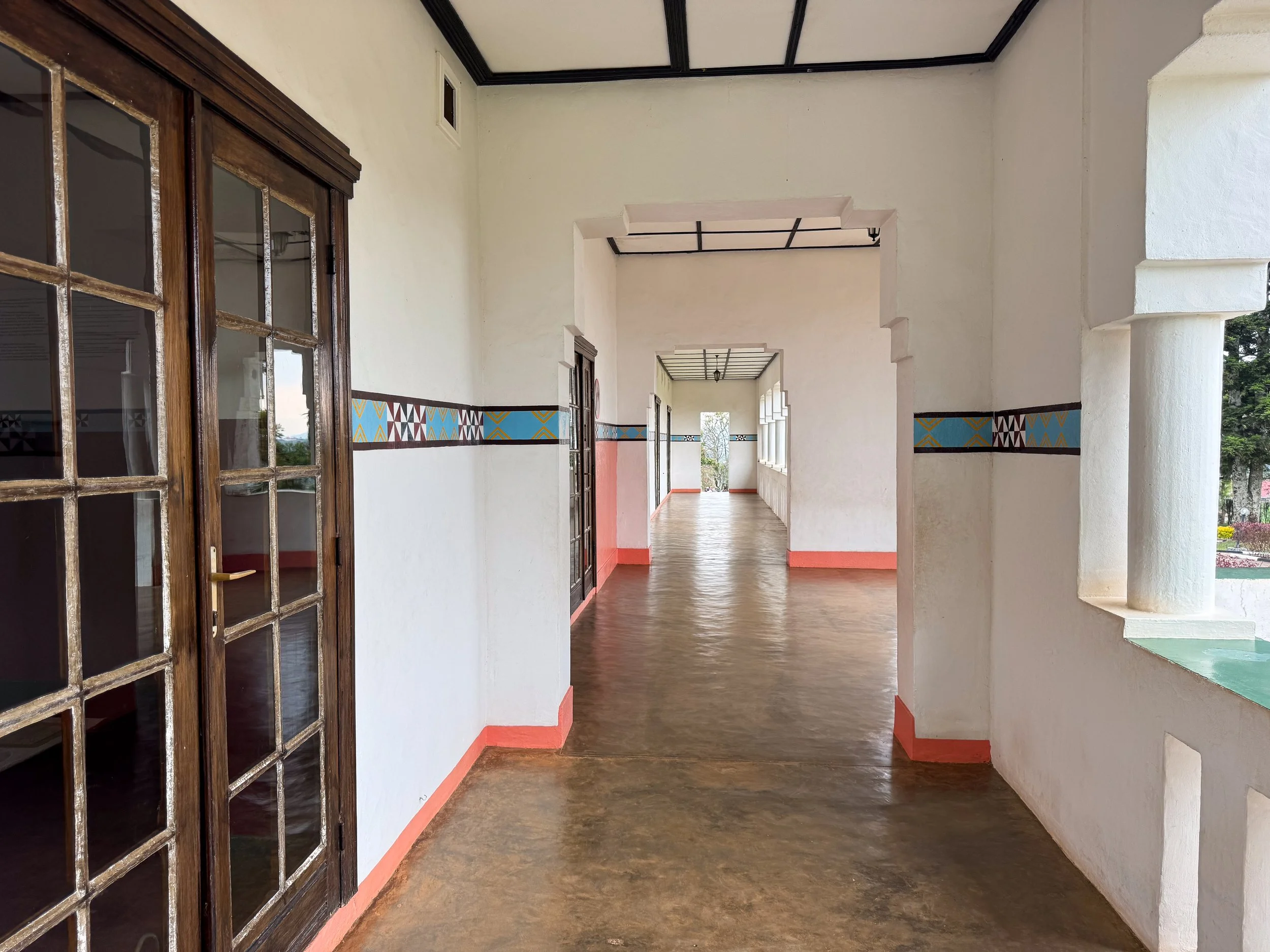
The Modern Palace. A residence built in the early 20th century for the Rwandan King. It featured living quarters and formal rooms decorated with painted fireplaces, tribal patterns, antique furniture, hunting spears and historic photographs.
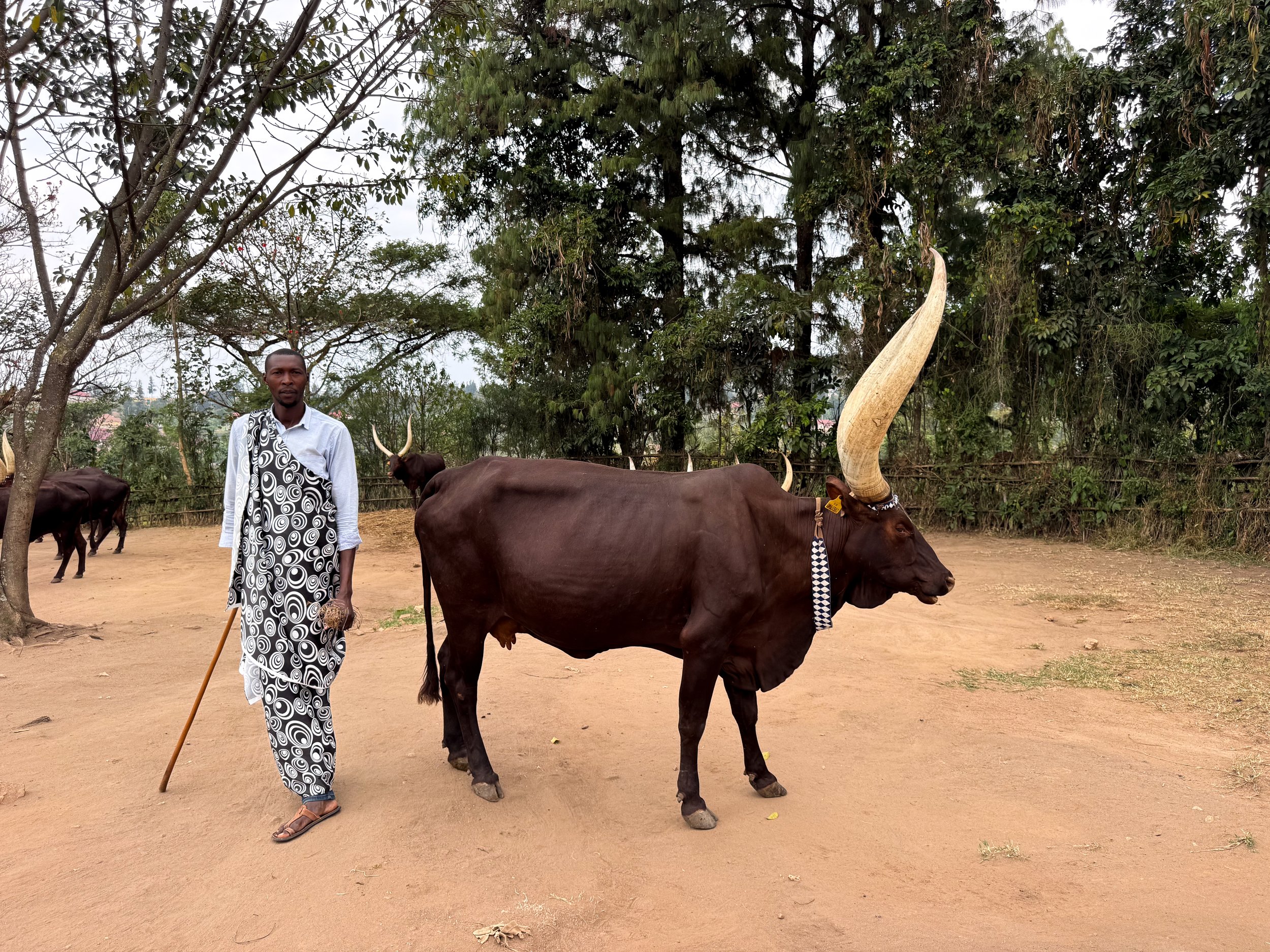
The Royal Cows. An endangered species of cows recognizable by their disproportionately large horns. A handler sang and presented them to us like they would be traditionally done for kings. We pet fully grown and adults and several month old calves.
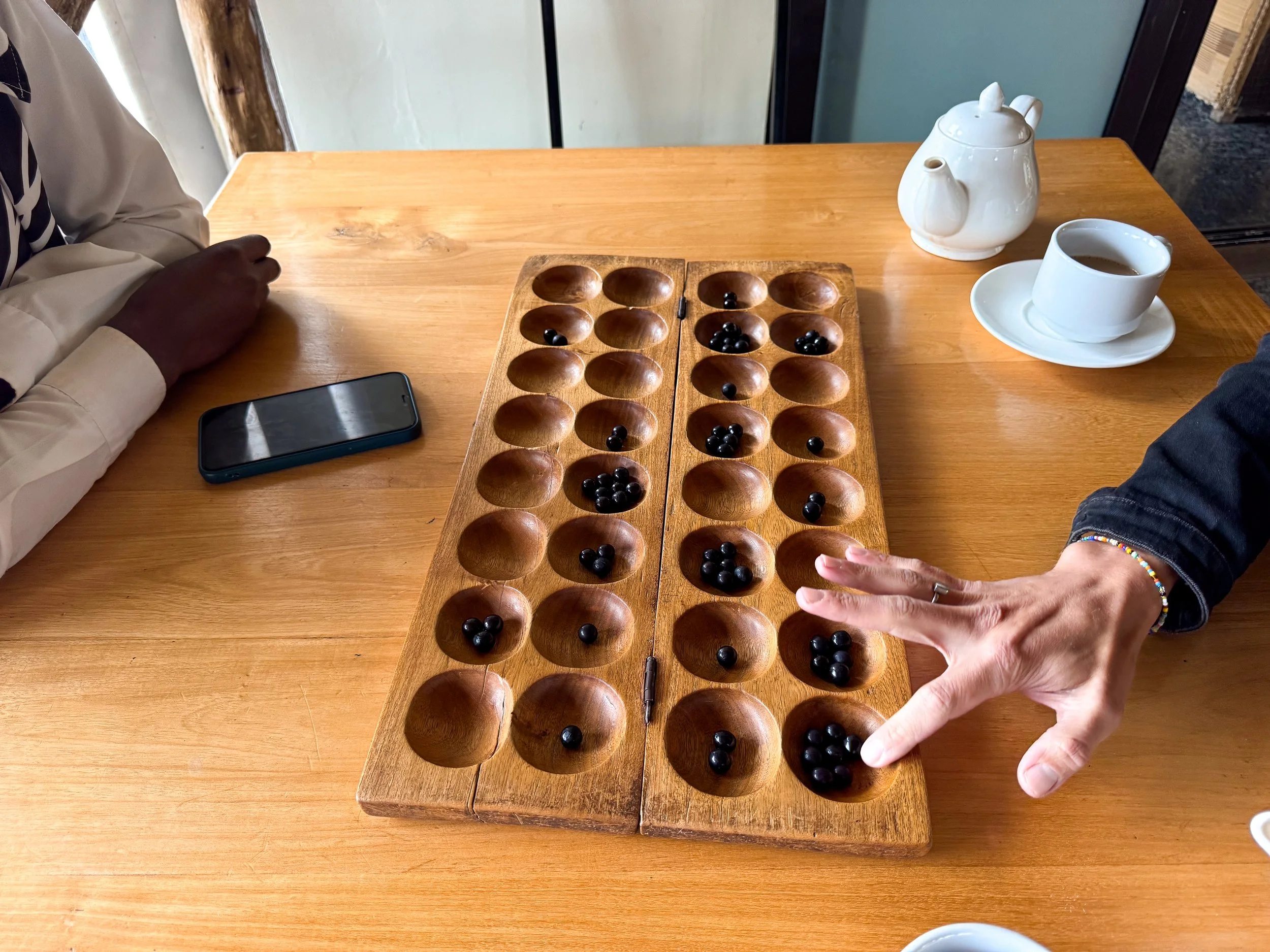
Play Igisoro. A traditional two player strategy game where opponents “eat” or compete for each other’s pieces along a pitted board. We learned to play while sipping on African Coffee.
Getting Here. The museum is located in Nyanza, halfway between Kigali and the Nyungwe Forest.
Coffee Culture
The coffee culture in Rwanda is growing, both figuratively and literally! We visited a coffee farm, roastery and multiple cafés during our time here.
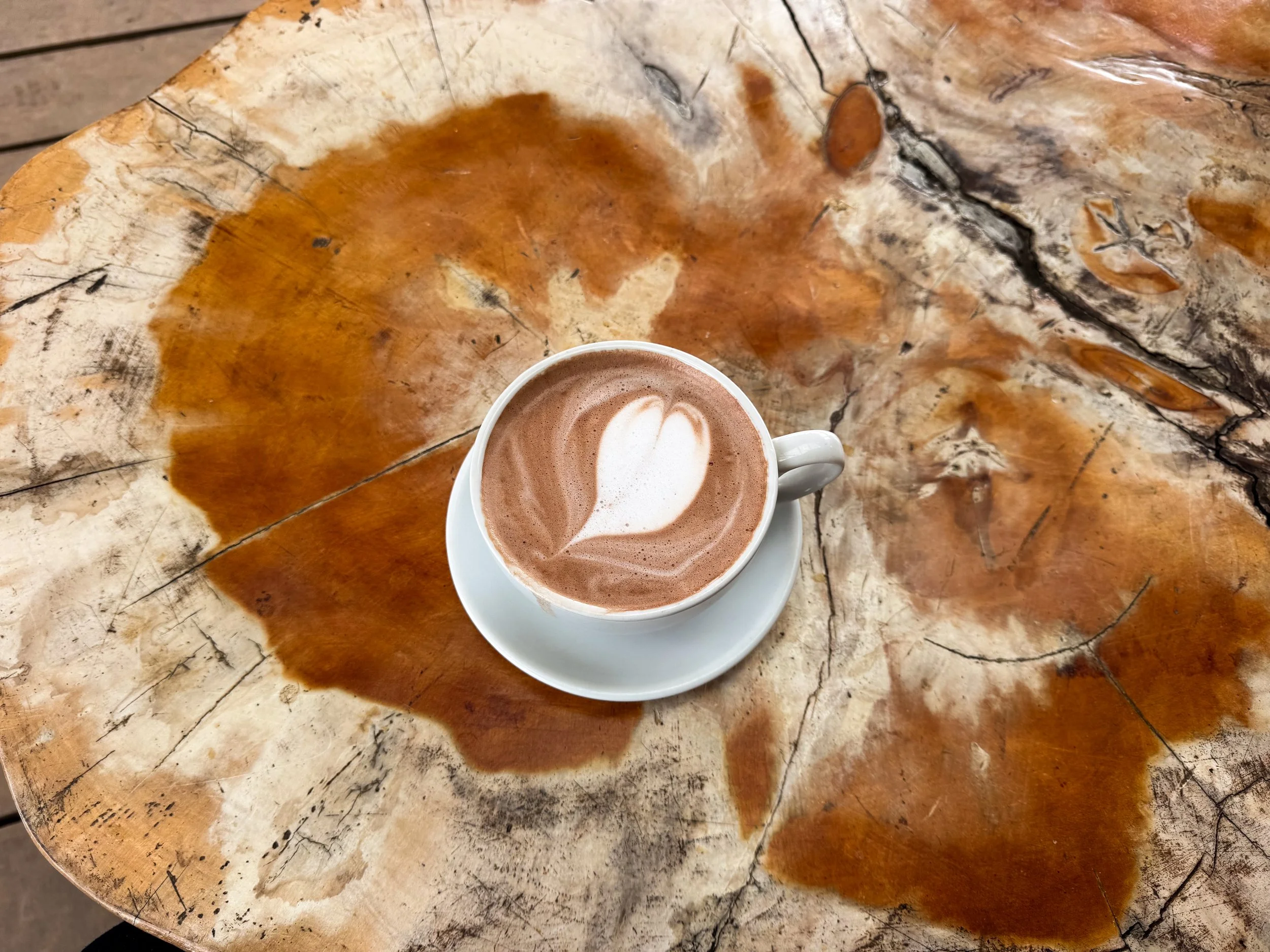
African Coffee. A Rwandan style coffee made with espresso, ginger, steamed milk and occasionally chocolate.
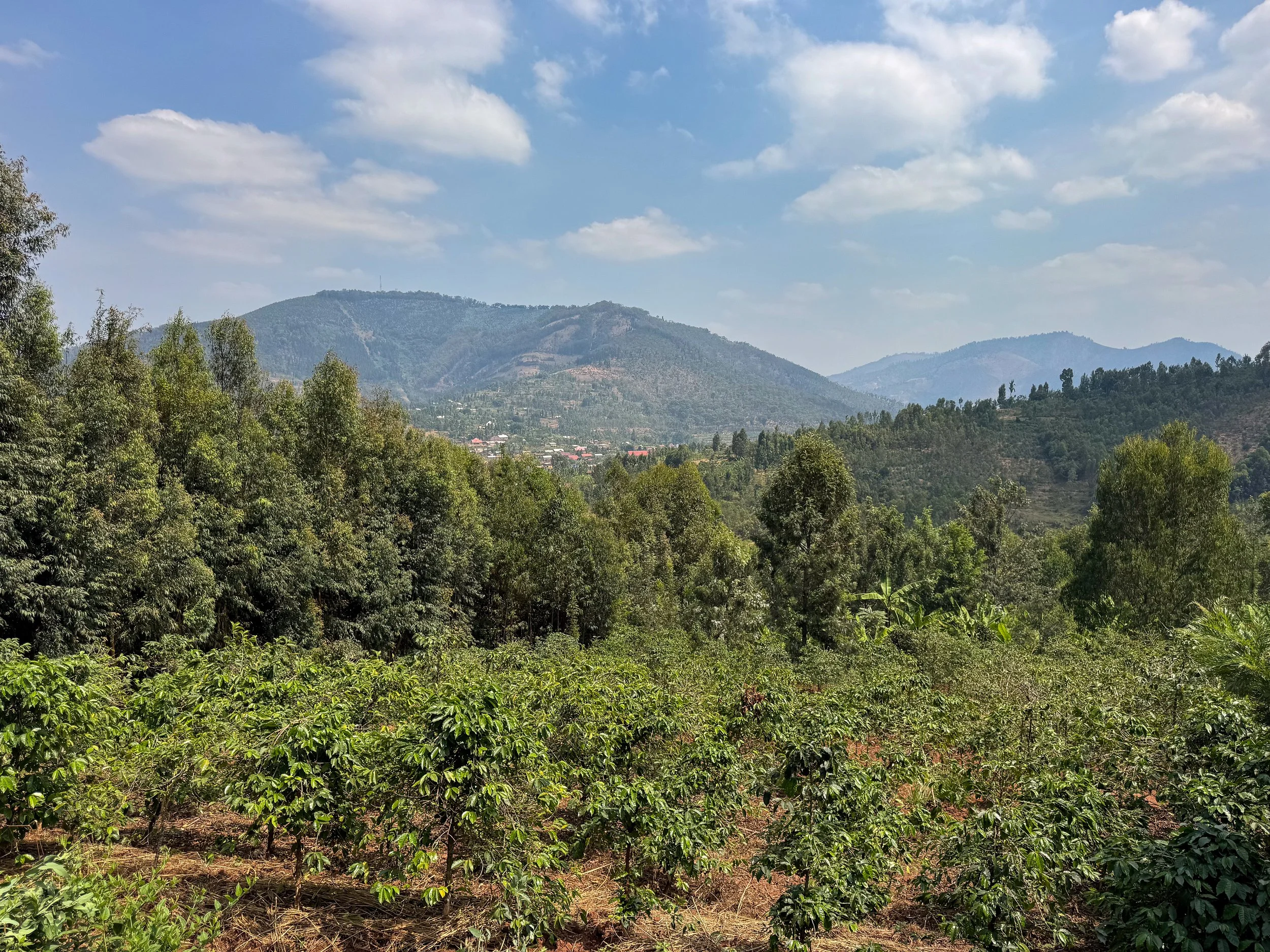
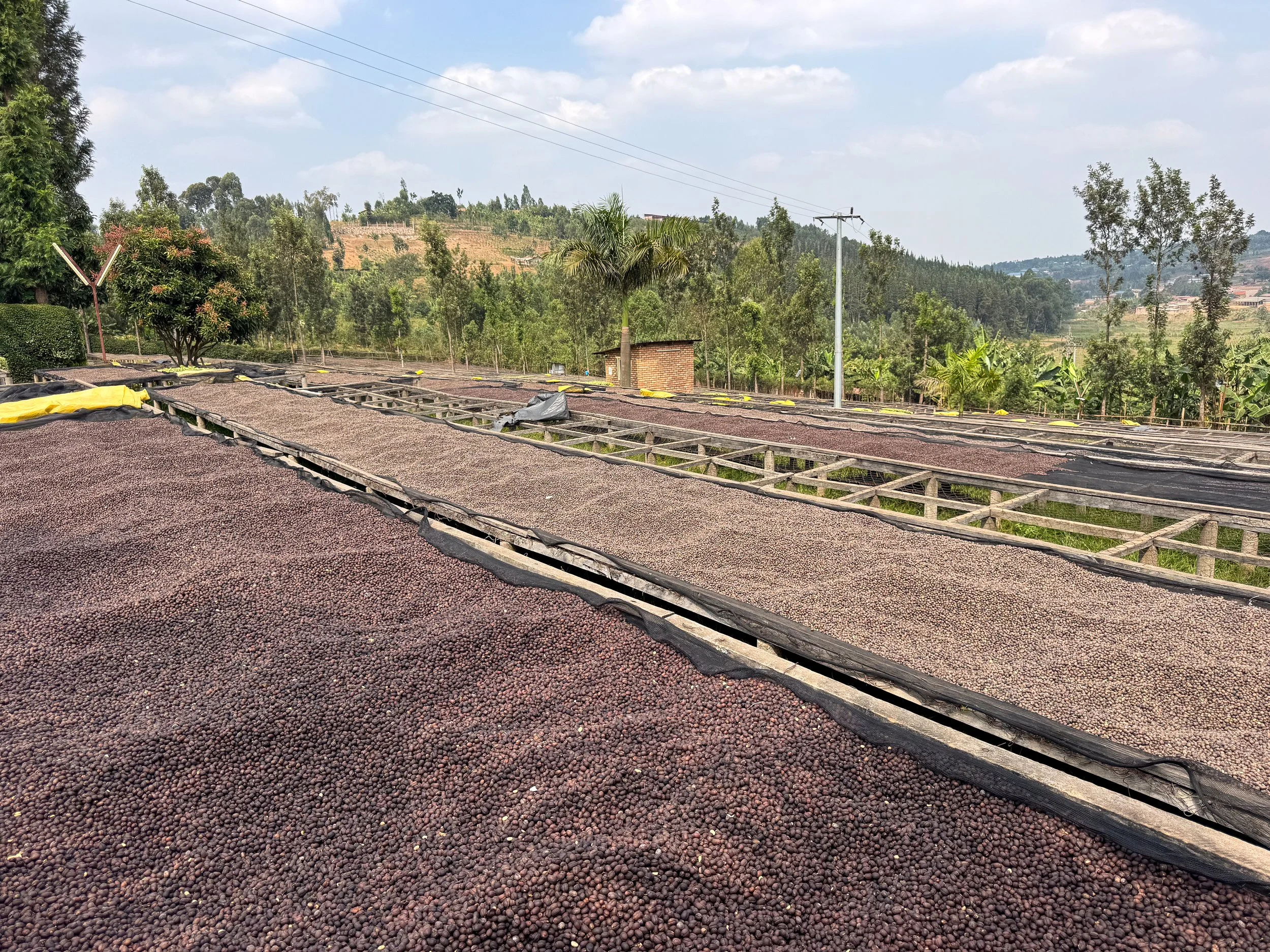
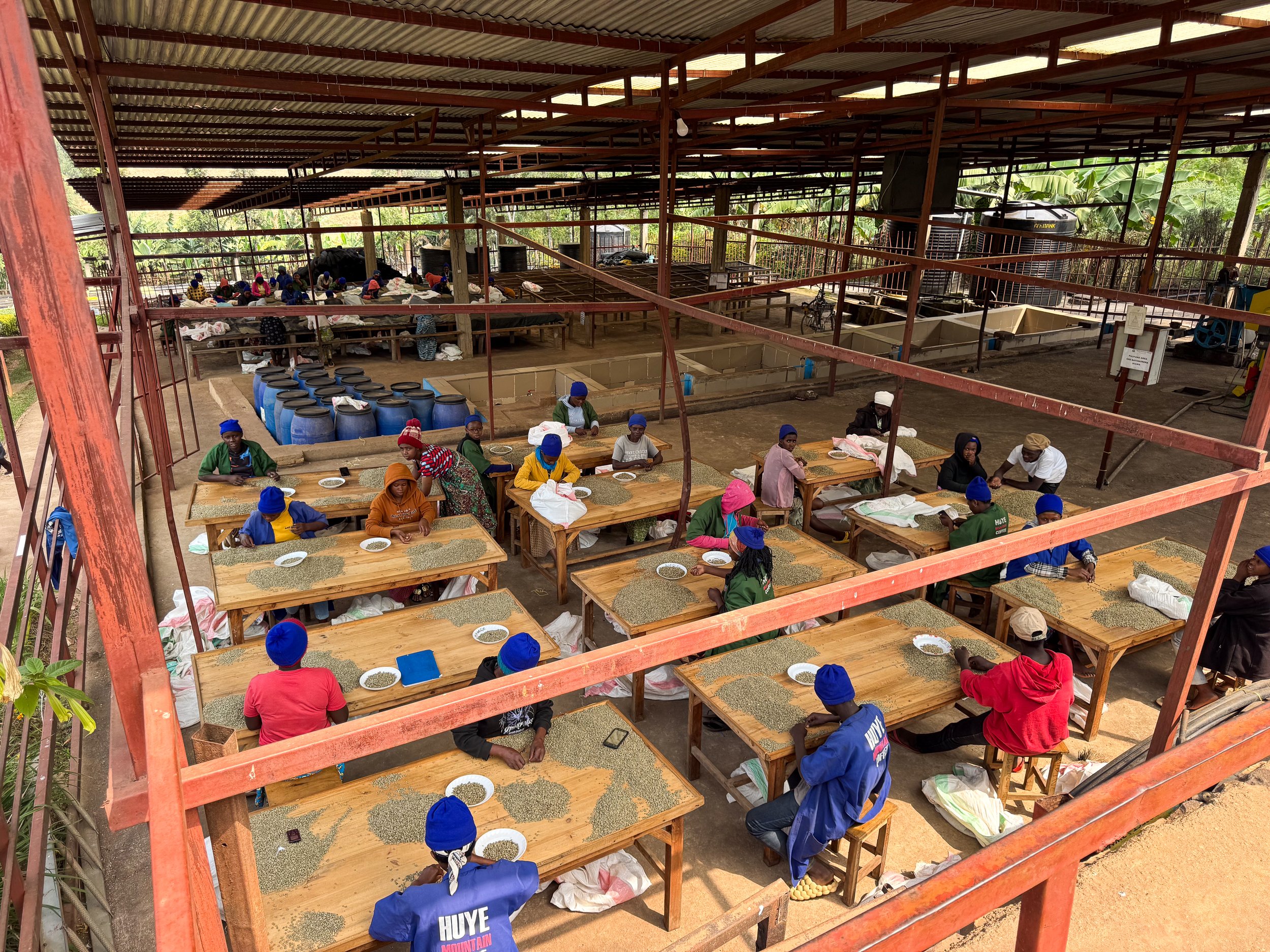
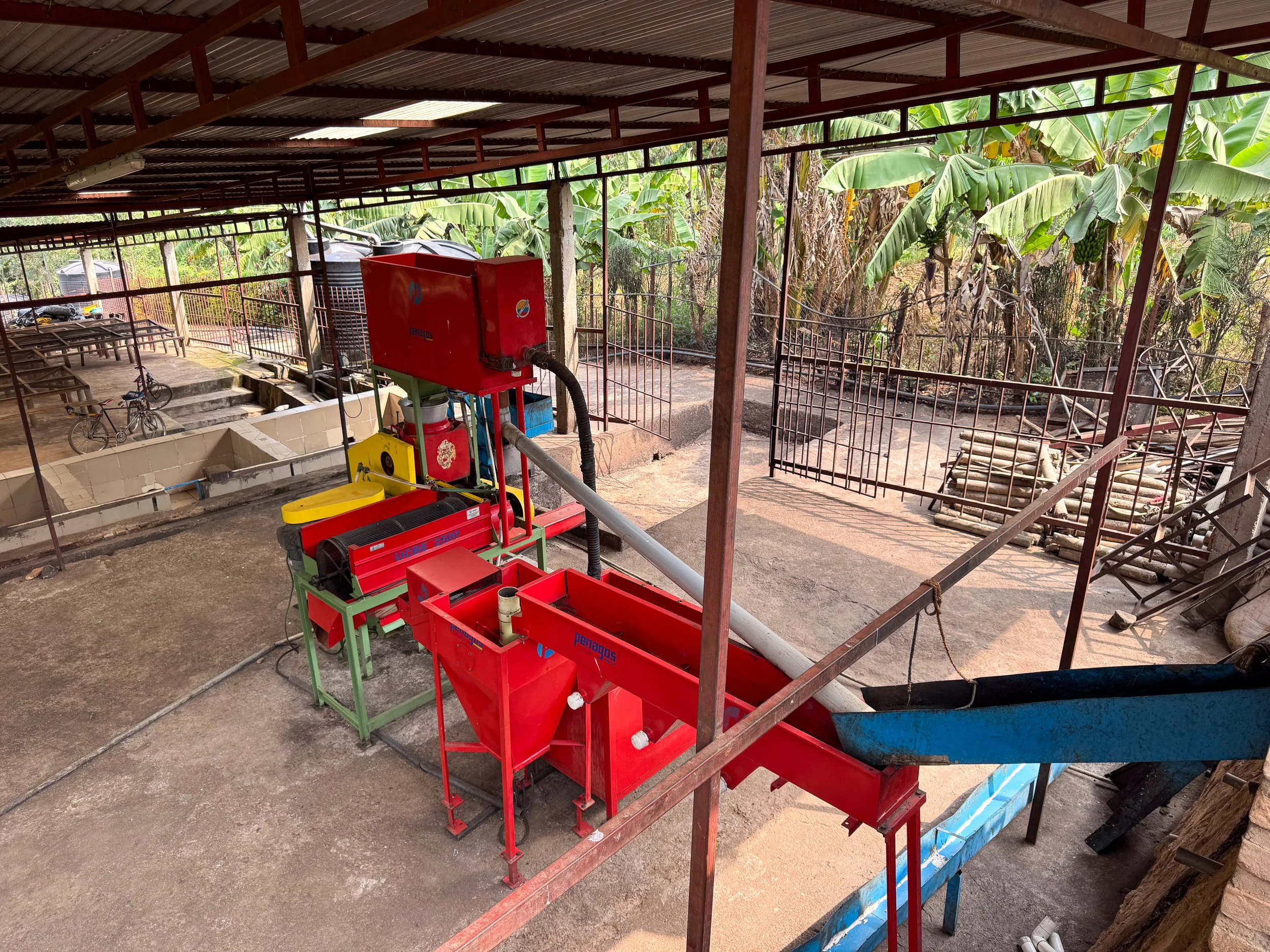
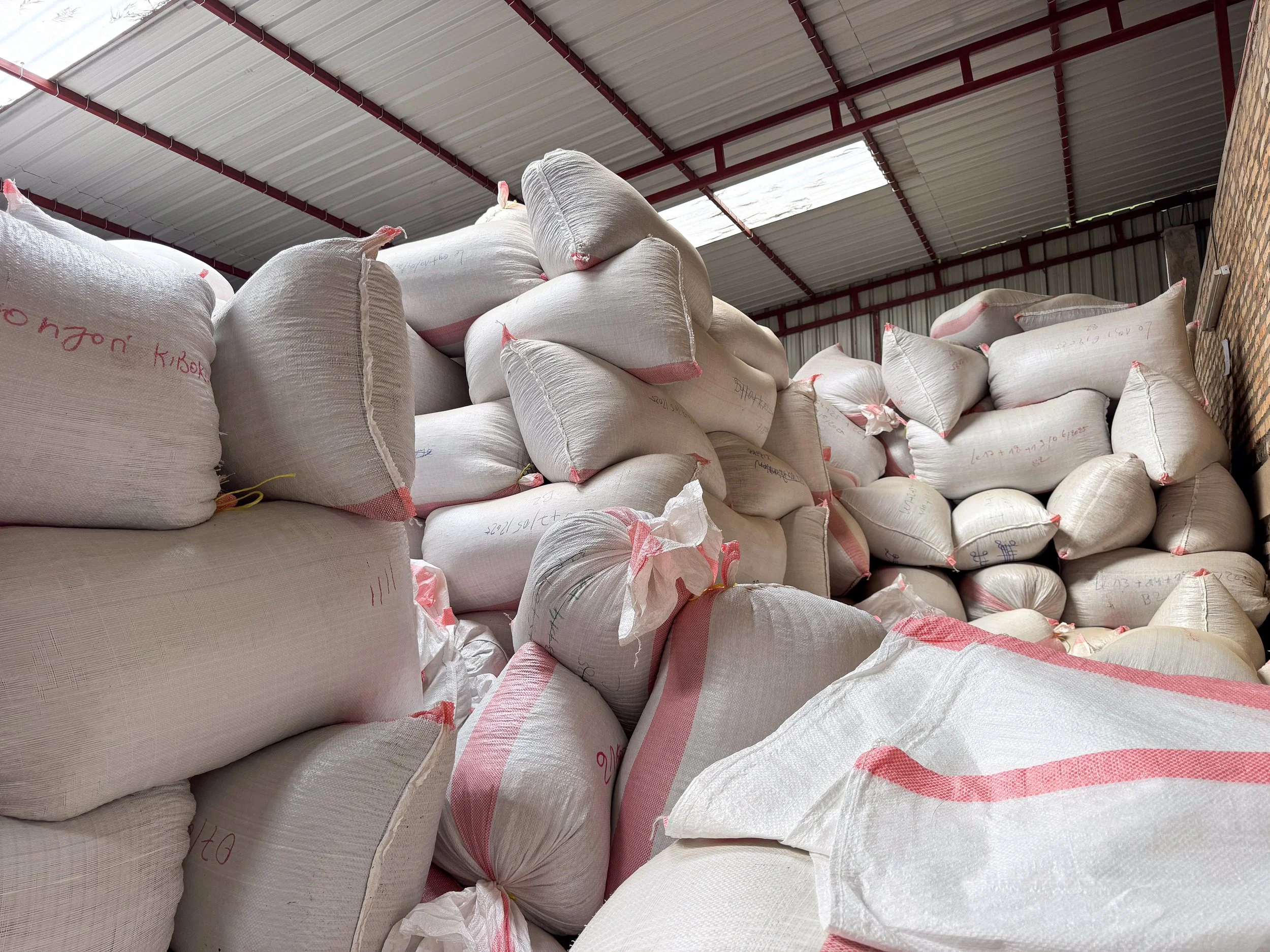
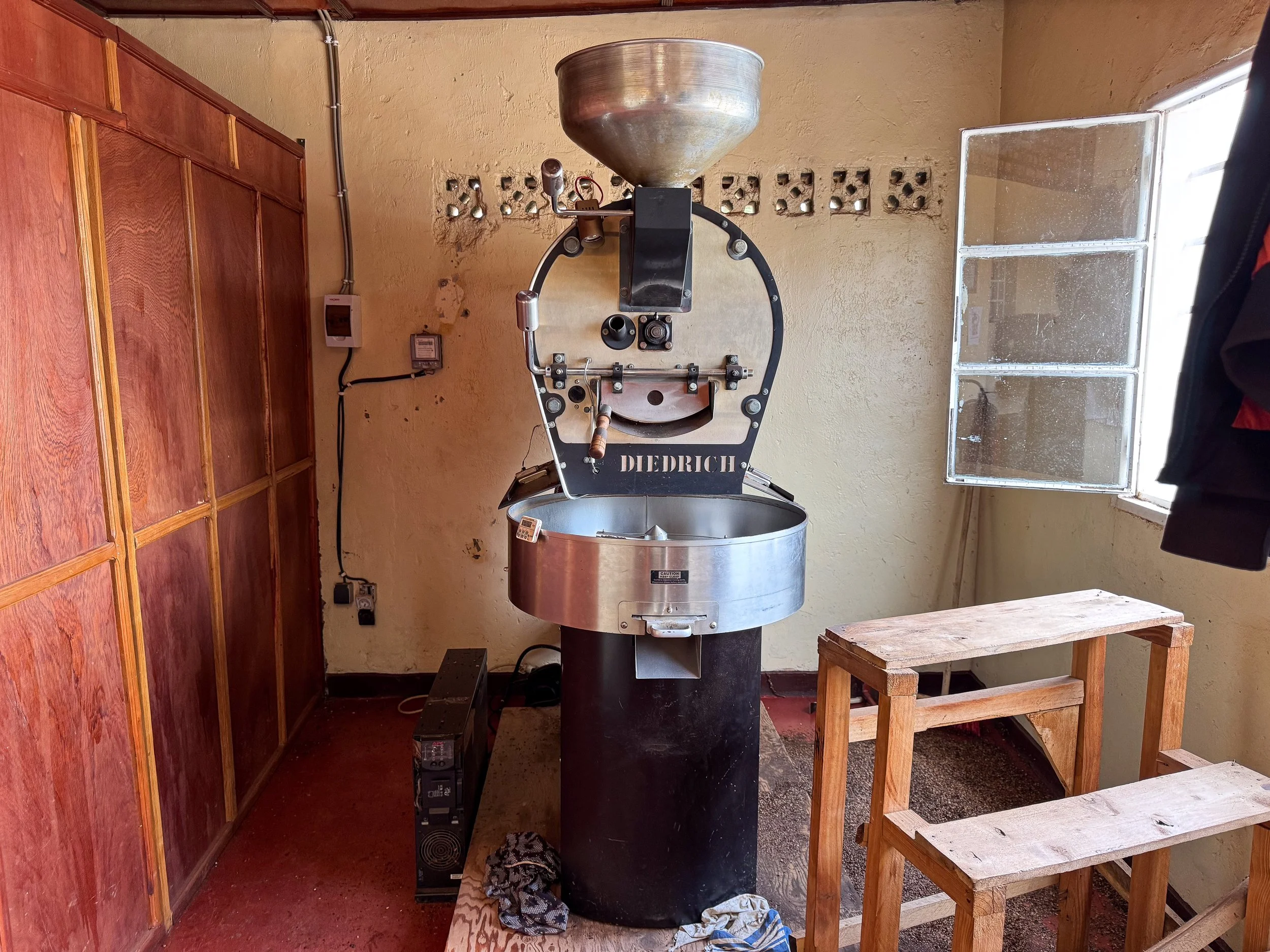
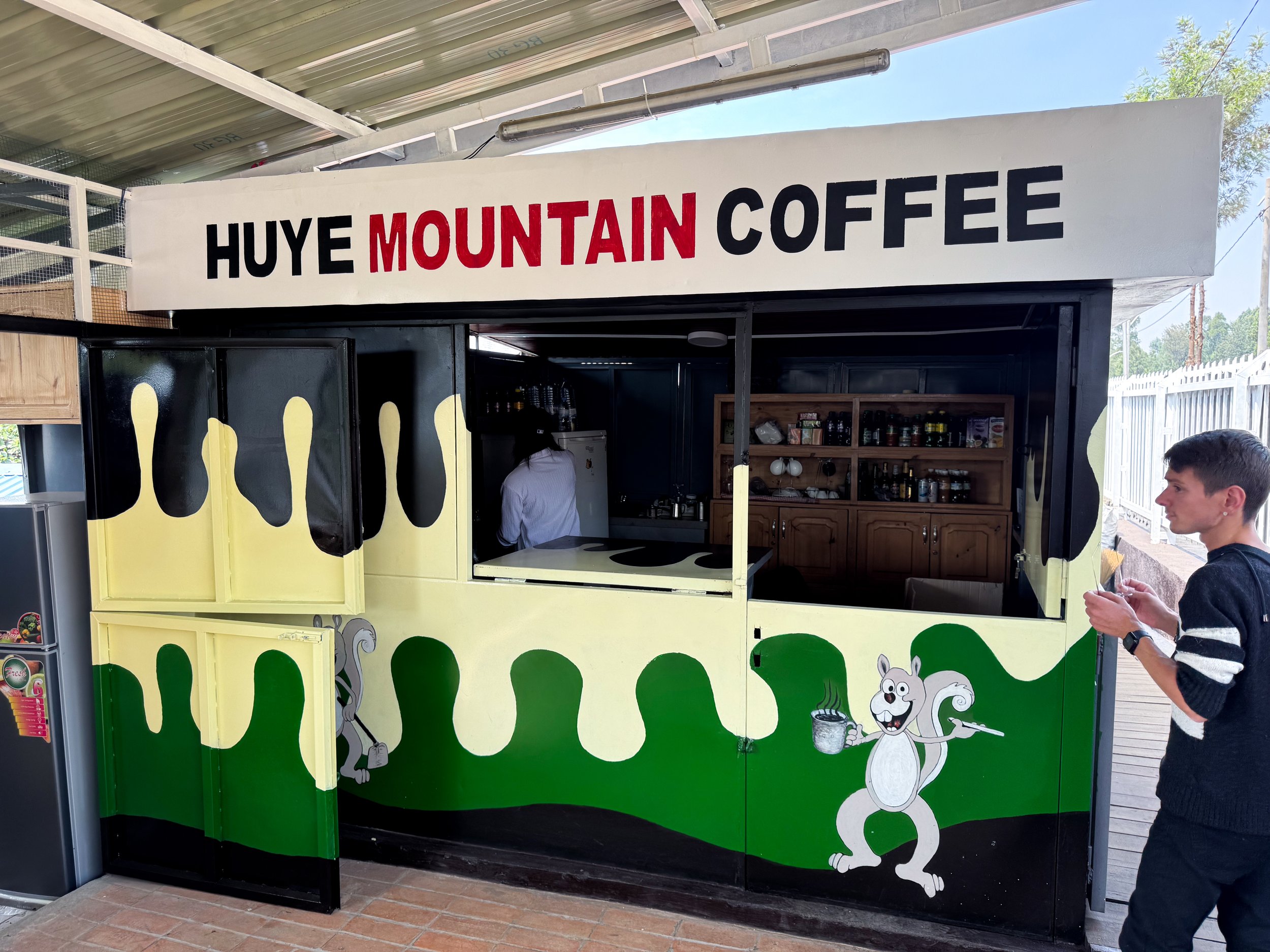
Huye Mountain Coffee. A coffee farm with over 7,000 trees, a processing factory, small roastery and roadside café. We toured the farm, learning more about the history of coffee, the farm’s organic growing methods and hand processing. Once grown and harvested, the fruits are skinned, fermented, dried and sorted into green coffee for export. The roasted coffee is only sold in Rwanda and at their café. We enjoyed a midafternoon caffeine fix before our drive back to Kigali.
Places to Eat & Drink in Kigali
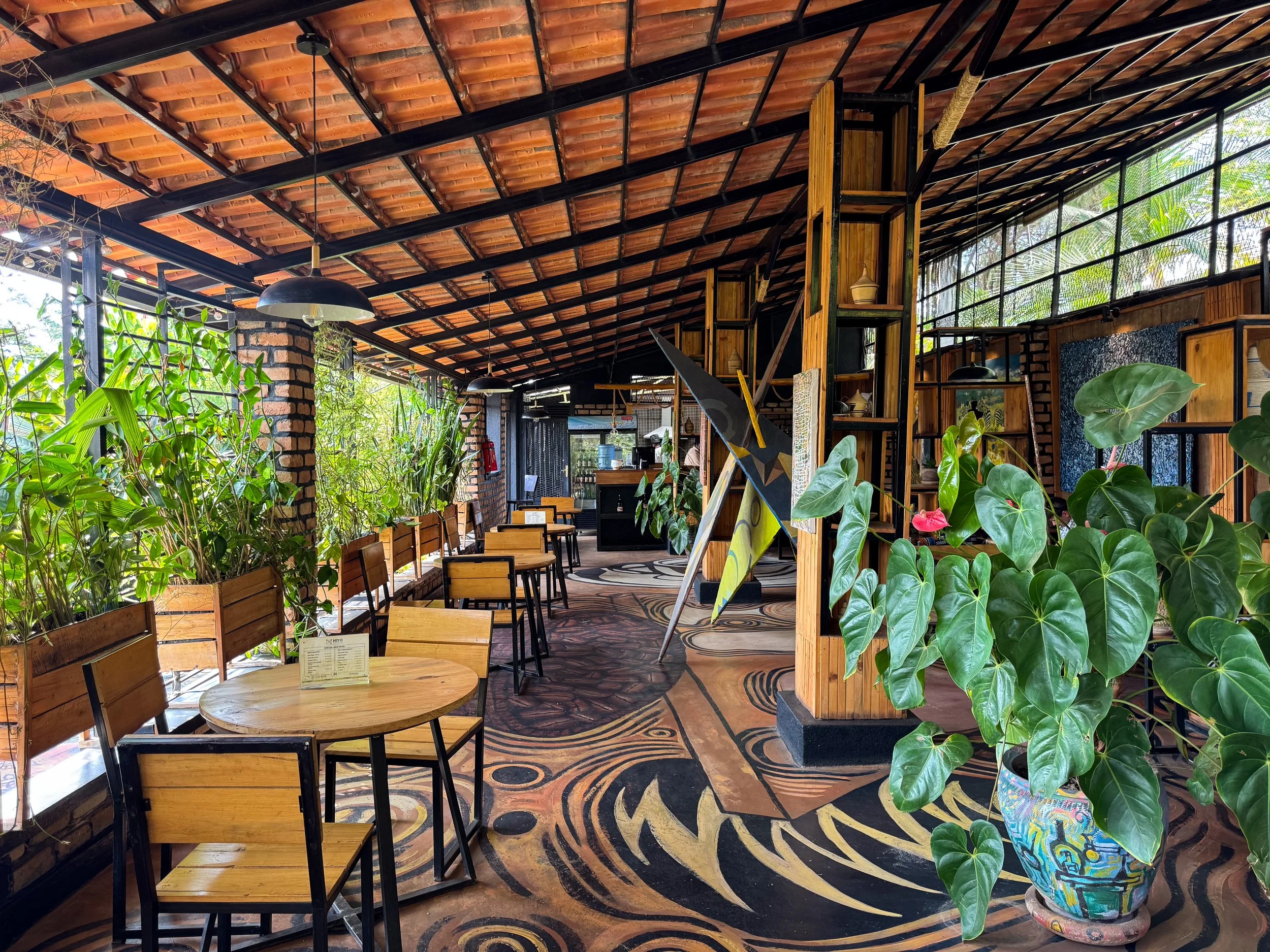
Niyo Art Café. An open air café with vibrant murals spanning the floor from the street to the interior. The dining area is decorated with patterned Rwandan textiles, sculptures, paintings and plants. Come here for coffee!
Restaurant l’Epicurien. A romantic restaurant serving traditional French dishes made using local Rwandan ingredients. The dining room is spread out amongst an atmospheric garden and indoor terrace. We enjoyed the Burgundy snails, a whole grilled tilapia and brochettes (skewers) of Nile Perch along with French wine.
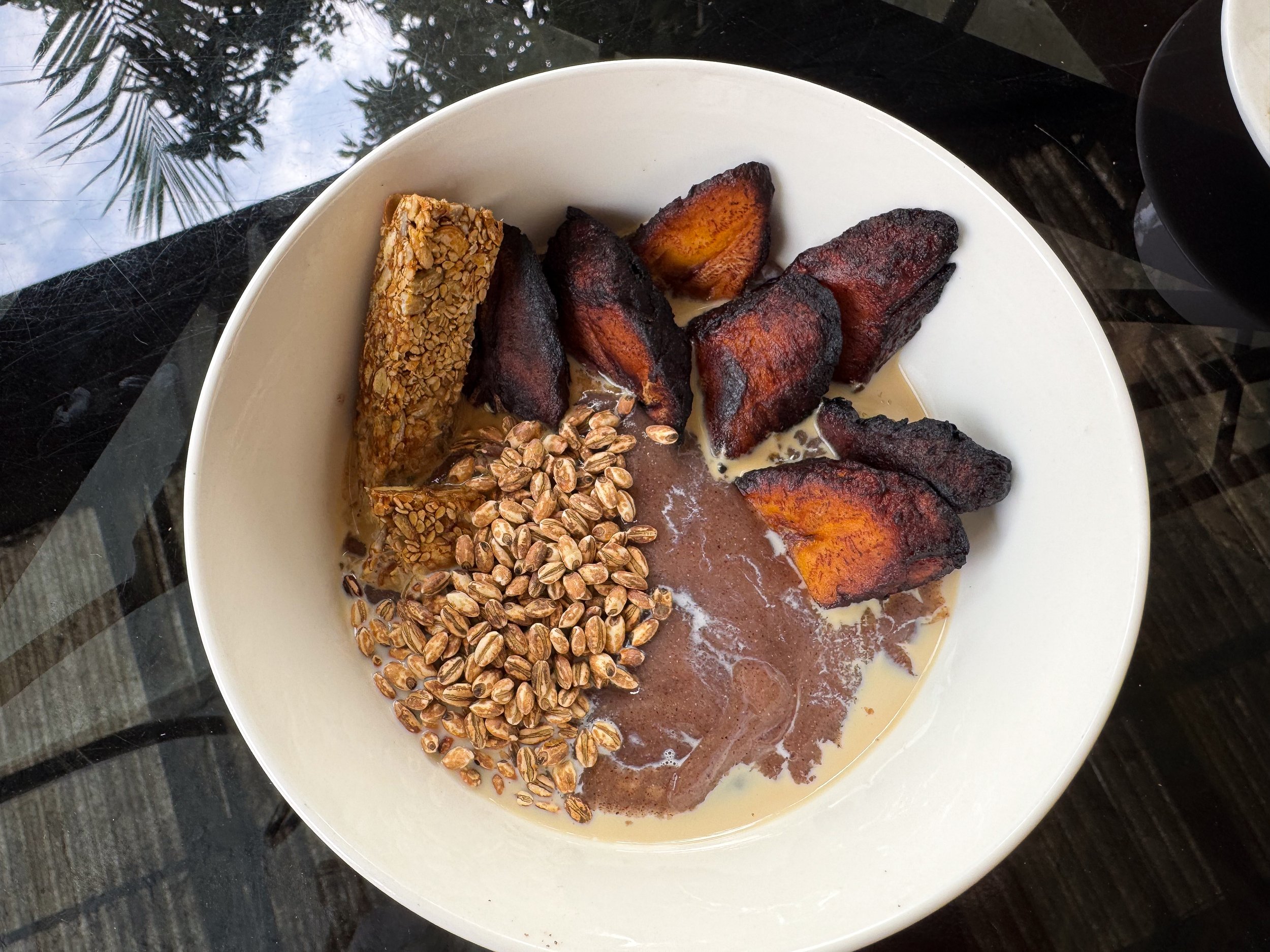
Rwandan Cuisine
Ibihaza. The national dish of Rwanda. It’s a hearty one pot stew made with pumpkin, beans, bell pepper, onions and garlic.
Agatogo. A savory one pot stew made with green bananas, collared greens, spinach, tomato, bell peppers, onions and spices. It’s garnished with avocado and peanut crumble.
Brochettes. Barbecued or fried skewers of meat like beef, goat, chicken or fish.
Imvange Amashaza. Stewed peas mixed with potatoes, carrots, onions and spices accompanied by fresh avocado. It’s typically vegetarian.
Pilau. An East African rice dish cooked with a range of warm spices like cardamom, cumin, turmeric, cinnamon and bay leaves. It’s served as a side or stand alone meal.
Tree Tomato. A deep red egg shaped fruit with a tart flavor similar to raspberry. It’s eaten fresh, blended into juices and baked with pastries.
Ugali. A commonly eaten white corn or cassava flour mash used to scoop stews by hand. Roll a small lump into a ball, press an indentation in the center and scoop using your right hand.
Chapati. A type of roti used to scoop stews and curries by hand. They’re also used to make wraps and samosas.
Chips (French Fries). A common side dish served with most meals made popular by the Belgian and French colonial influences.
Rwandan Beers
Rwanda has a growing beer culture with both traditional and modern brews. We sampled a few pints.
Banana Beer. A traditional Rwandan drink made from banana juice, water, sugar, sorghum flour and yeast. It’s home brewed across the country. It’s often sold at local markets in small villages.
Akarusho. A commercial brand of banana beer. It’s described as a “sweet banana based alcoholic beverage.” It has a malty and semi sweet flavor with a hint of banana.
Virunga. The most popular craft beer in Rwanda. It comes in at least three varieties: Silver, Gold and Mist.
Silver. A light and easy drinking lager.
Gold. A flavorful lager with a subtle sweetness.
Mist. A dark ale with a nutty and aromatic flavor.
Where to Stay
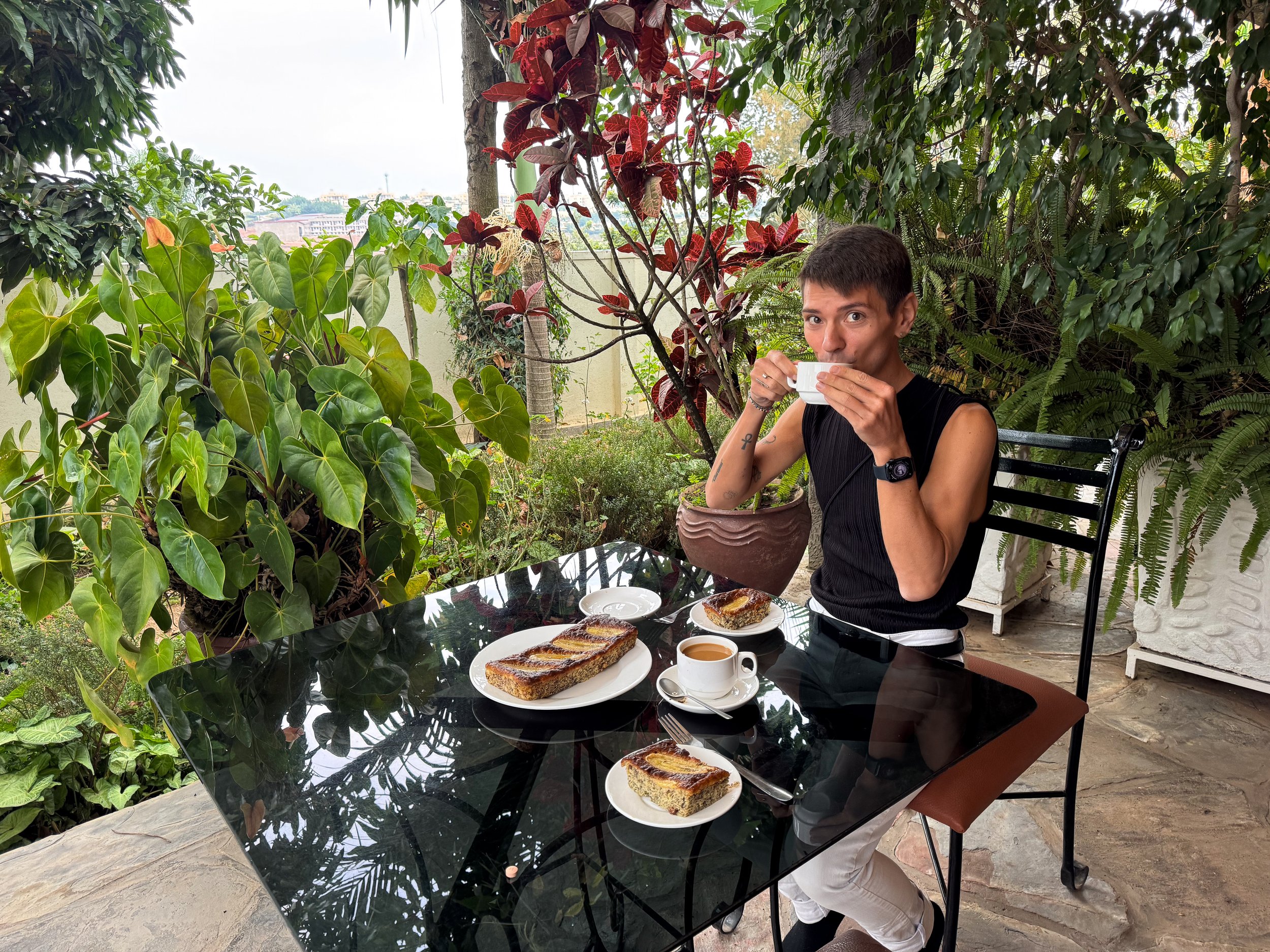
Salama Village Kigali. A small homestay in a lush and quiet neighborhood of Kigali. Its rooms have shaded outdoor patios, access to a communal kitchen and a living room lounge. Reserve on Booking.
Driving in Rwanda
We loved driving in Rwanda due to freedom of exploration and getting to observe the local culture. It’s easy to get used to after the first day but like everywhere it has its pros and cons.
Pros: Most roads are double lane, smoothly paved, well maintained and illuminated at night. Cars are typically automatic. Locals drive on the right side of the road.
Cons: Roadsides become congested with people carrying goods, large trucks can cause delays, and motorbikes can be unpredictable.
Traffic Cameras. Speed limits are strictly enforced by traffic cameras across the country. Permanent cameras are located every few kilometers while hidden cameras are nestled in bushes daily by police.
Refueling. Gas station attendants refuel vehicles for you. Credit cards are typically accepted for payment.
Car Rental. We rented our car from Rent Car Rwanda. The car was dropped off and picked up from our accommodation in Kigali. The prices are very reasonable for a 4x4 SUV with insurance included. Reservations are made through WhatsApp and can be paid by card in person.
Getting Around Kigali
Move. A taxi hailing app similar to Uber or Grab. It’s specific to Rwanda and one of the best ways of getting around Kigali affordably. The app can be glitchy, with issues reaching drivers and processing payments.
Moto Taxi. Moto taxis are the local way of getting around. They’re readily available in groups along the roadsides.
Location Specifics
Language. Most people in Rwanda are trilingual. They speak their mother tongue Kinyarwanda as well as French and English. Some common words and phrases are:
Muraho (mo-rah-ho) = Hello / Bonjour
Murakoze (moo-rah-koh-zay) = Thank you / Merci
Urakoze (oo-rah-koh-zeh) = Thank you / Merci
Murabeho (moo-rah-bay-ho) = Good bye / Au revoir
Muryoherwe (moo-yo-heh-weh) = Enjoy your meal / Bon appetit
Cash vs. Card. Cash is preferred by most businesses. They accept Rwandan Franc and the US Dollar. Most places will accept credits card, but with a transaction fee.
General Safety. Kigali is one of the safest cities in Africa. People are kind, honest and respectful. We had no issues walking around by day or night.
LGBTQ+ Safety. Rwanda is one of the few African countries where homosexuality is not illegal. There are no laws against discrimination and public opinion is generally unfavorable toward same sex relationships. Read more on our article about LGBTQ+ Travel Safety.
Plastic Bags. Rwanda is serious about conservation. Plastic bags are banned across the country with strict enforcement to prevent littering. Hardly a single piece of trash litters the streets or roadsides.
The 1994 Genocide. The genocide is a horrific and recent part of the country’s past. Treat the topic with the utmost care and respect. Avoid conversations regarding people’s ethnic groups.
Pre-Airport Security Check. Before entering the airport, there is a roadside security check. Passengers have to pass through metal detectors while their bags are scanned or sniffed by dogs. It’s common practice in East Africa.
For Next Time…
Gorilla Trekking in Volcanoes National Park. Traveling on a budget, we prioritized seeing Rwanda’s other primates. When we return, visiting the gorillas will be top of mind.
Volcano Hiking. We plan to hike at least one of the volcanoes in the Volcanoes National Park bordering Rwanda, Uganda and the Democratic Republic of the Congo like Mount Bisoke and its crater lake as well as Mount Sabyinyo and the tri-border point.
Lake Kivu. Rwanda may be land locked but it’s flanked by one of Africa’s Great Lakes, Lake Kivu. Its shores are ideal for hiking, bird watching and water sports.
Safari in Akagera National Park. Having gone on safari in Kenya and Tanzania on our trip through East Africa, we opted out of going on safari in Rwanda. Next time we return, we plan to visit Akagera National Park to see its landscapes and wild game.