

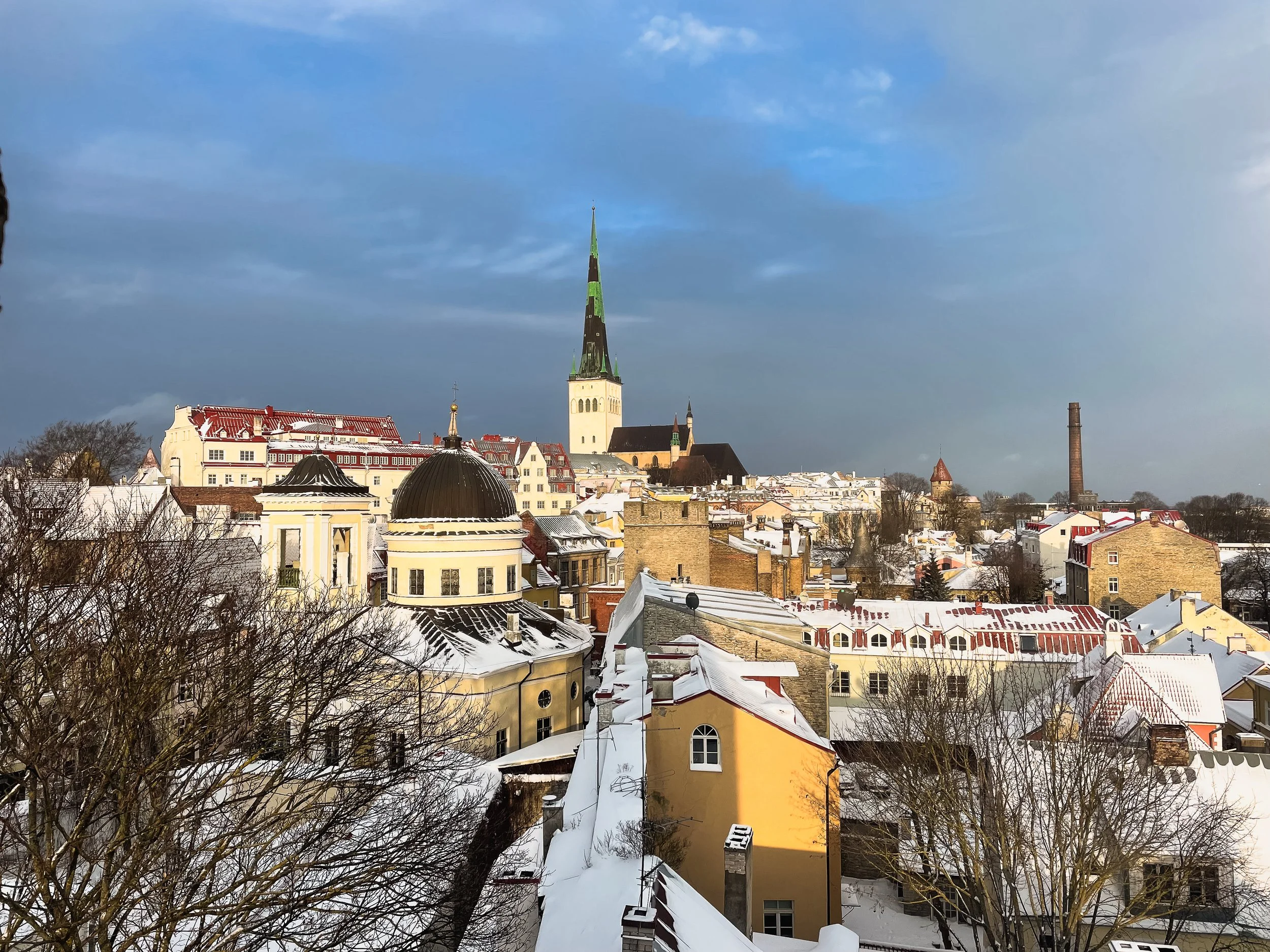
Tallinn Travel Guide: Medieval Old Town, Winter Charm & Estonian Cuisine
Step into Tallinn's walled old town where medieval towers, historic cathedrals, local artisans, Baltic culture and snowy streets create a fairytale winter setting.
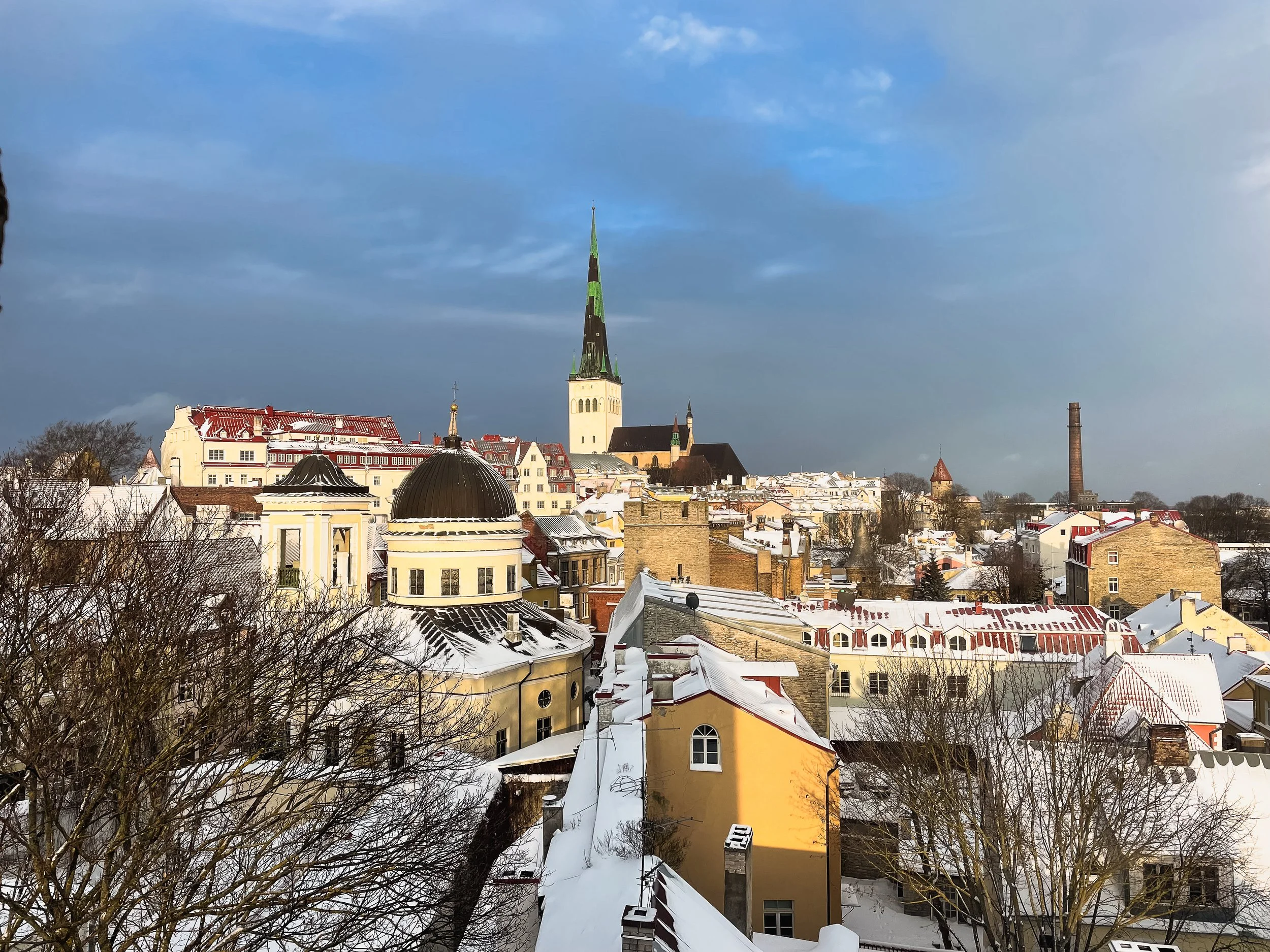
Tallinn, A Medieval Capital
Tallinn is a medieval city and the modern day capital of Estonia abundant in cultural sights, historic architecture, Baltic restaurants, cocktail bars and local artisans.
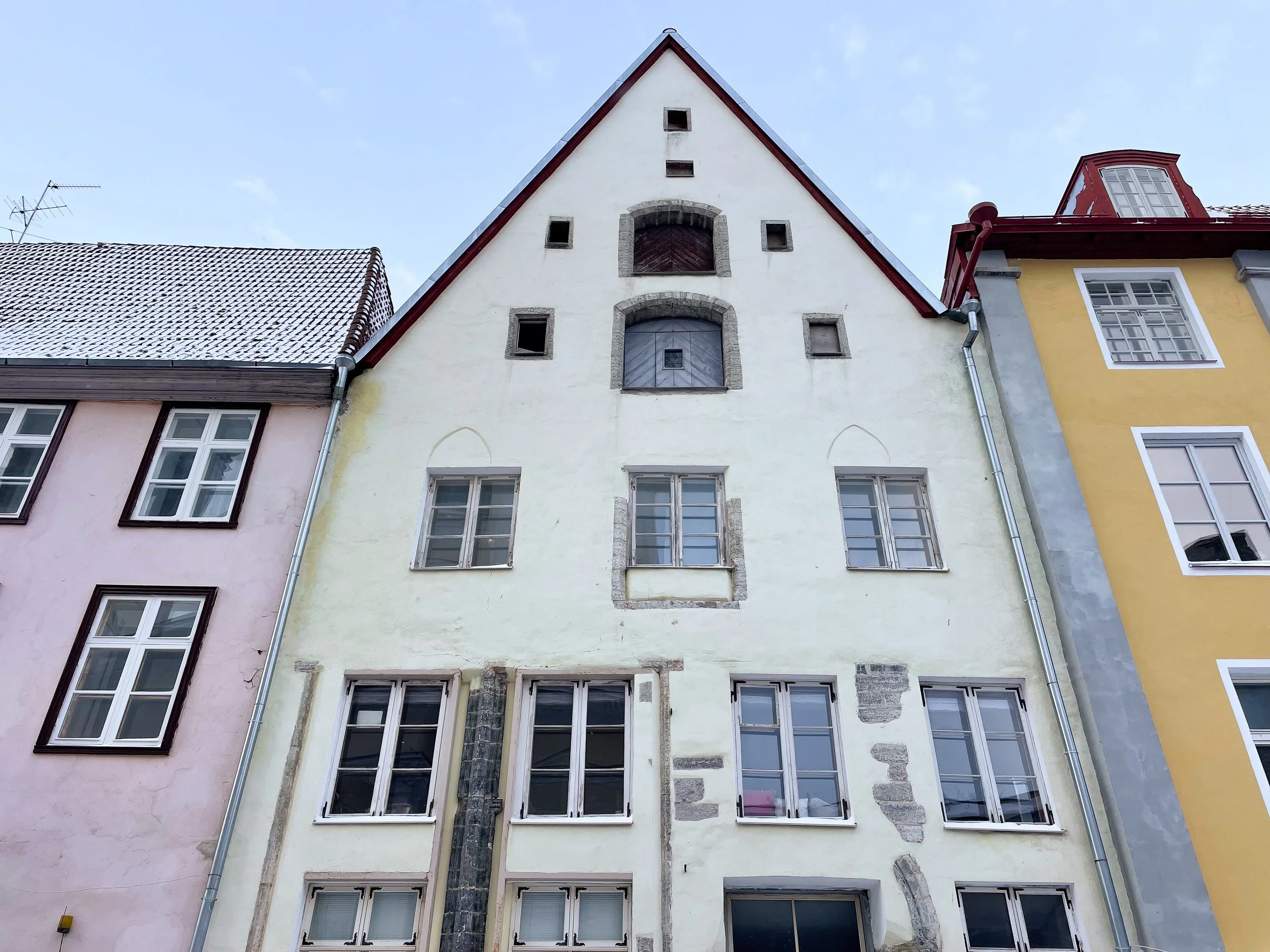
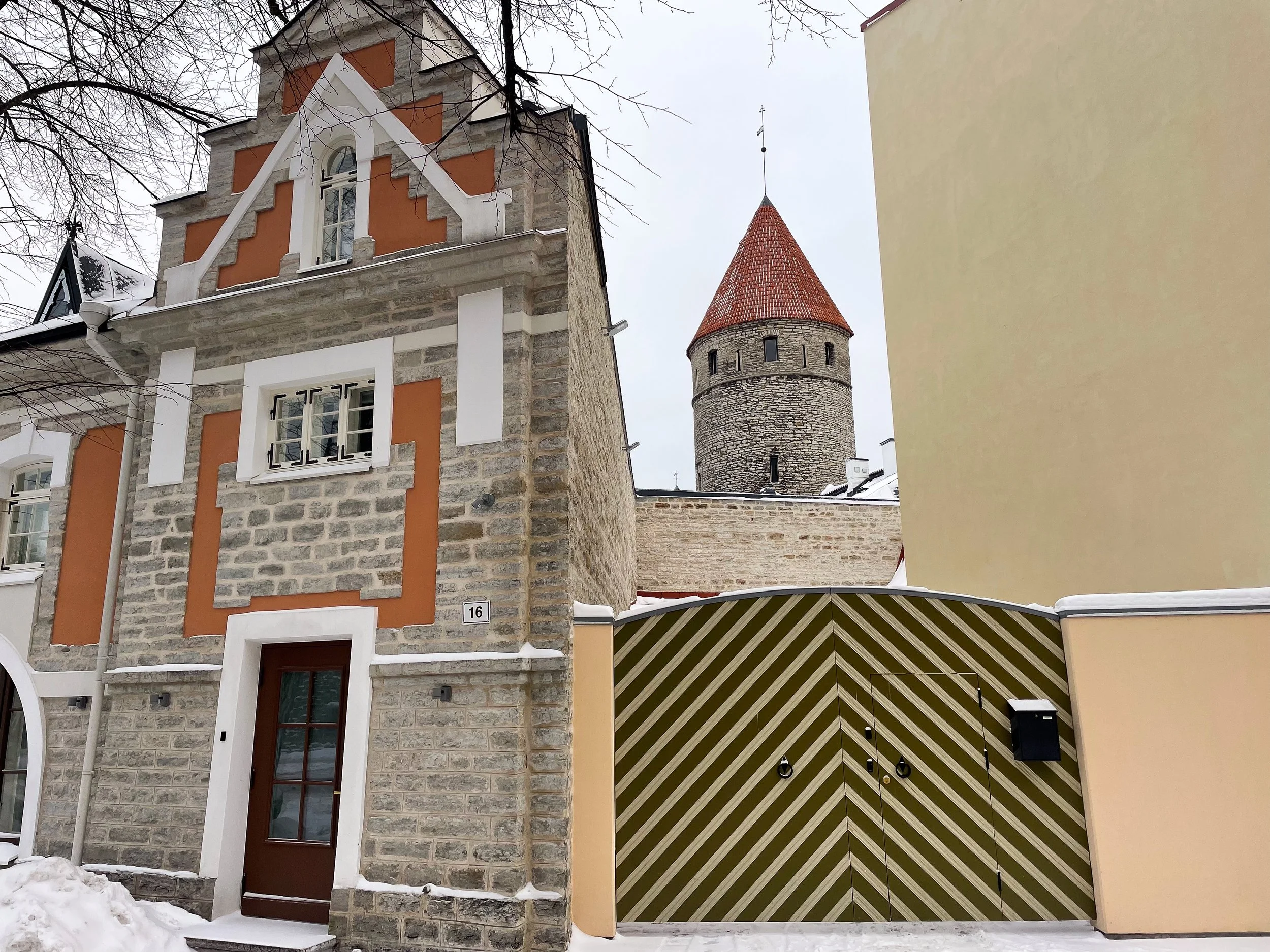
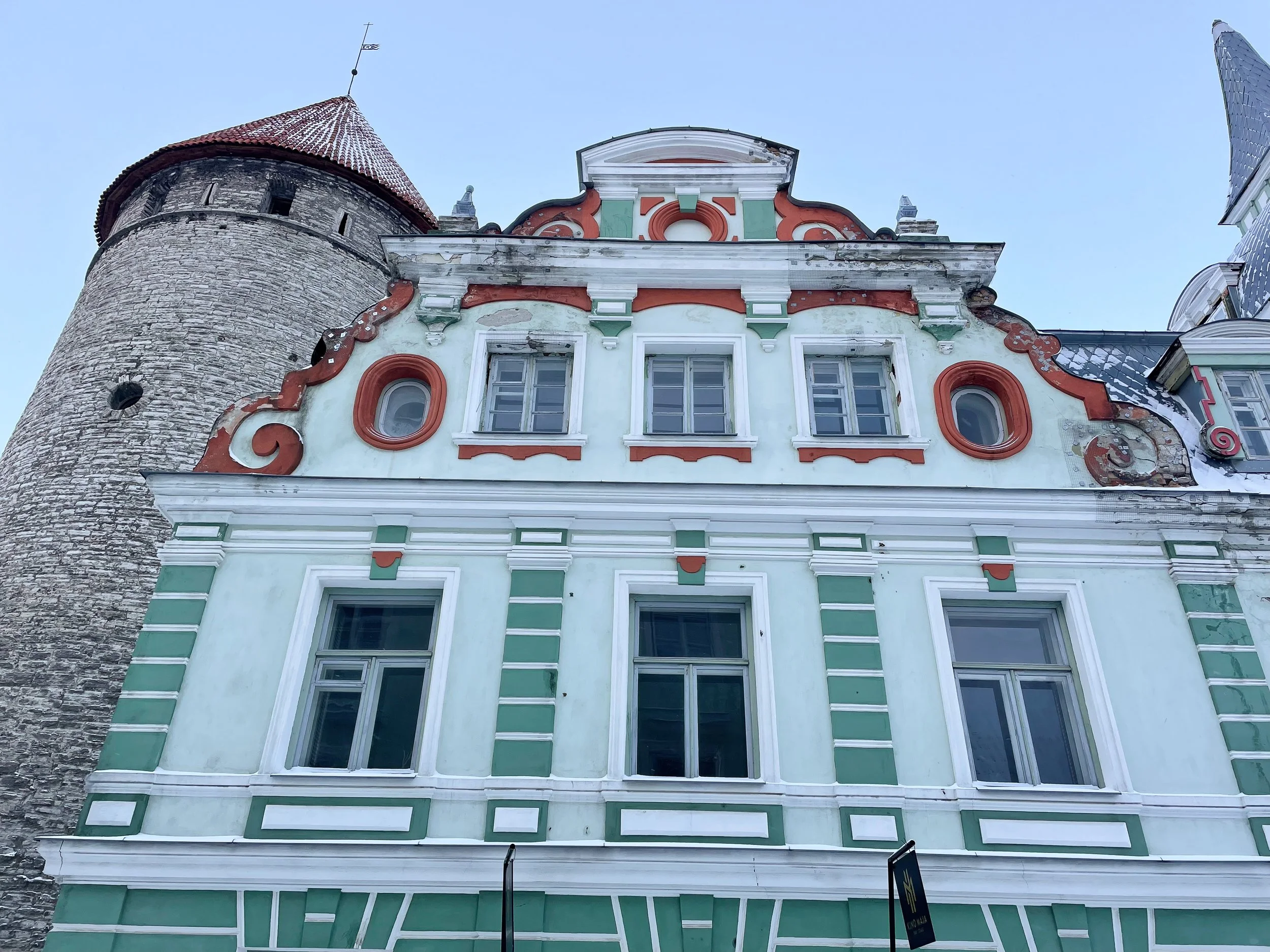
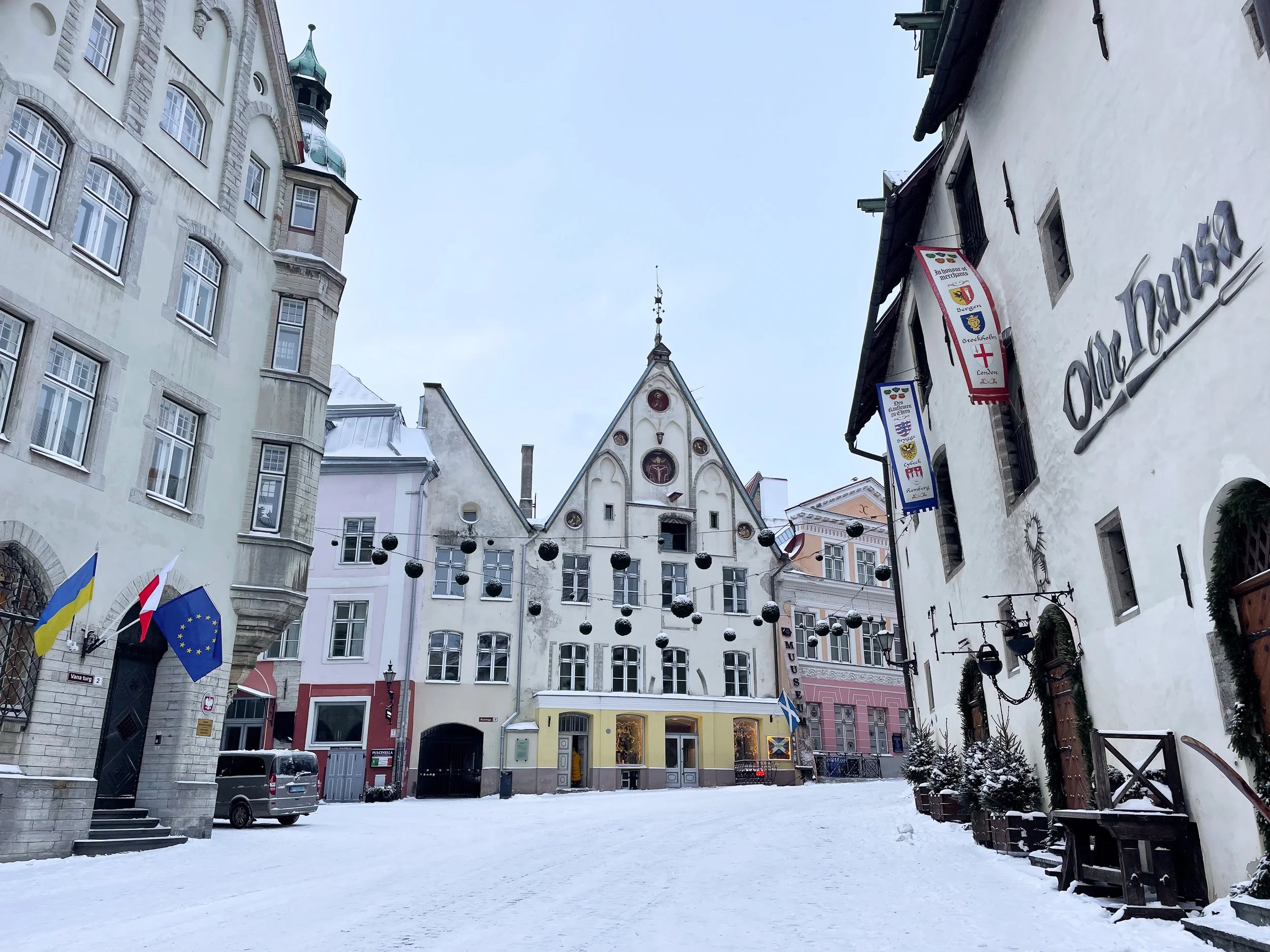
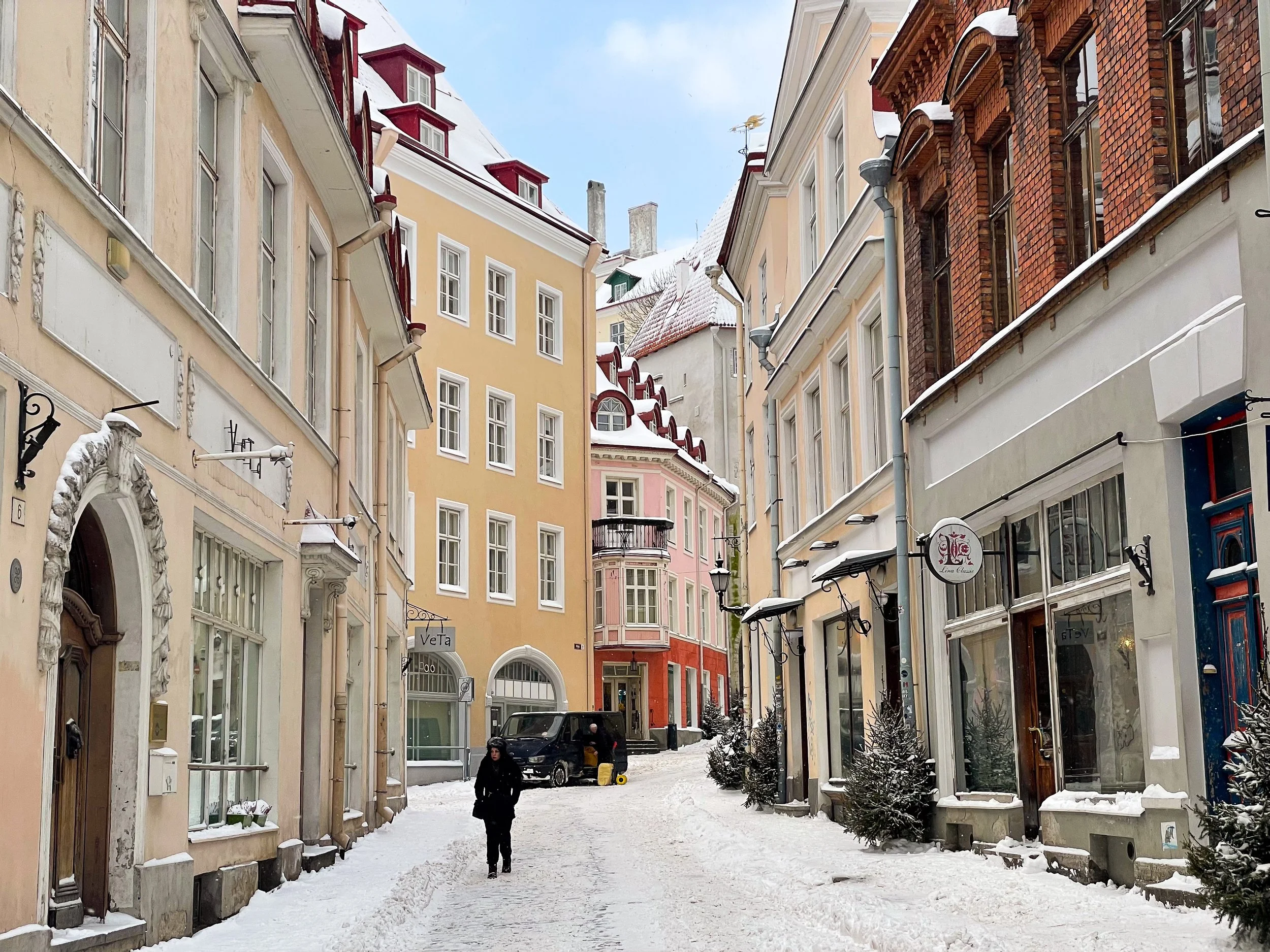
The Old Town of Vanalinn
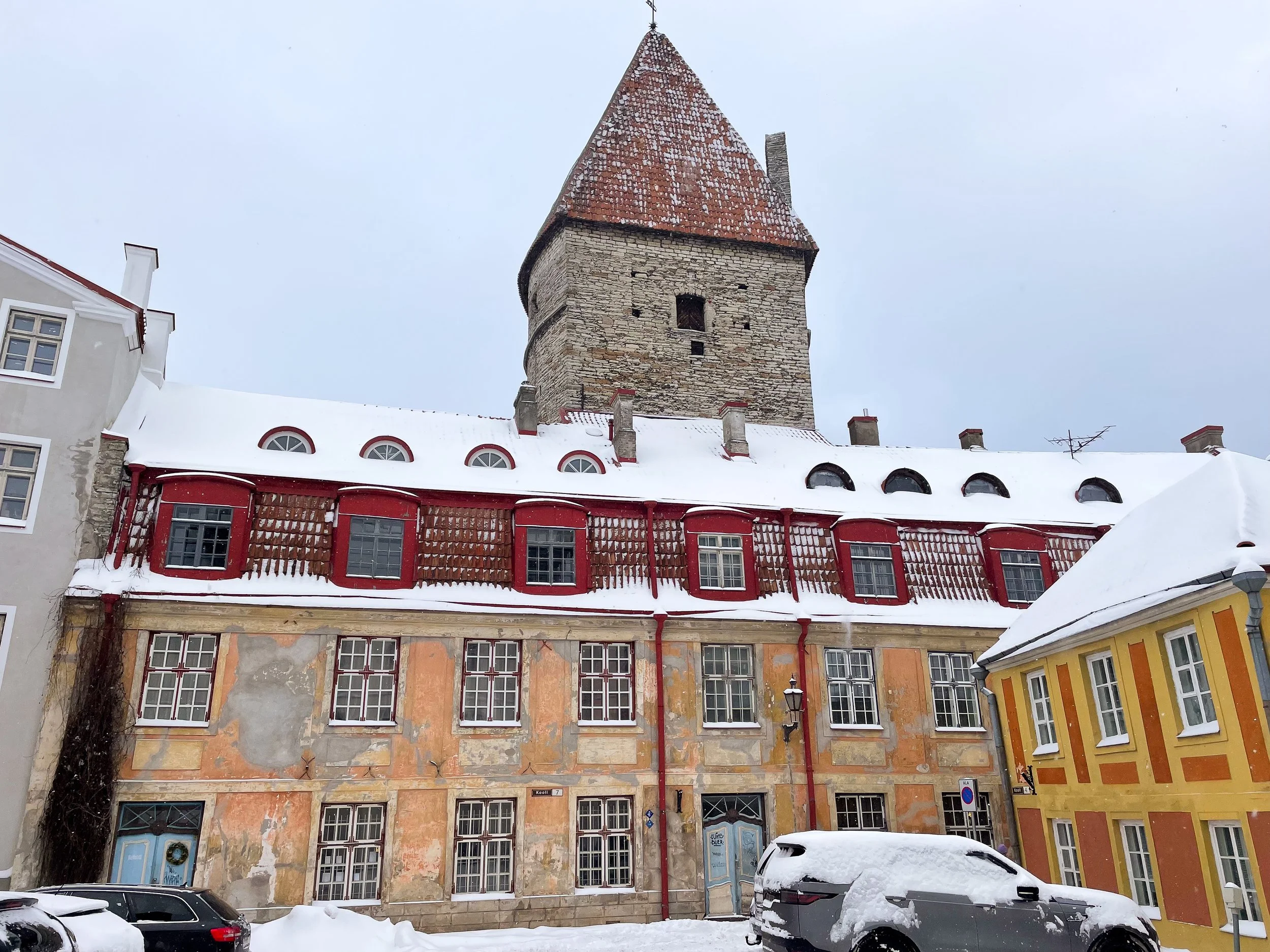
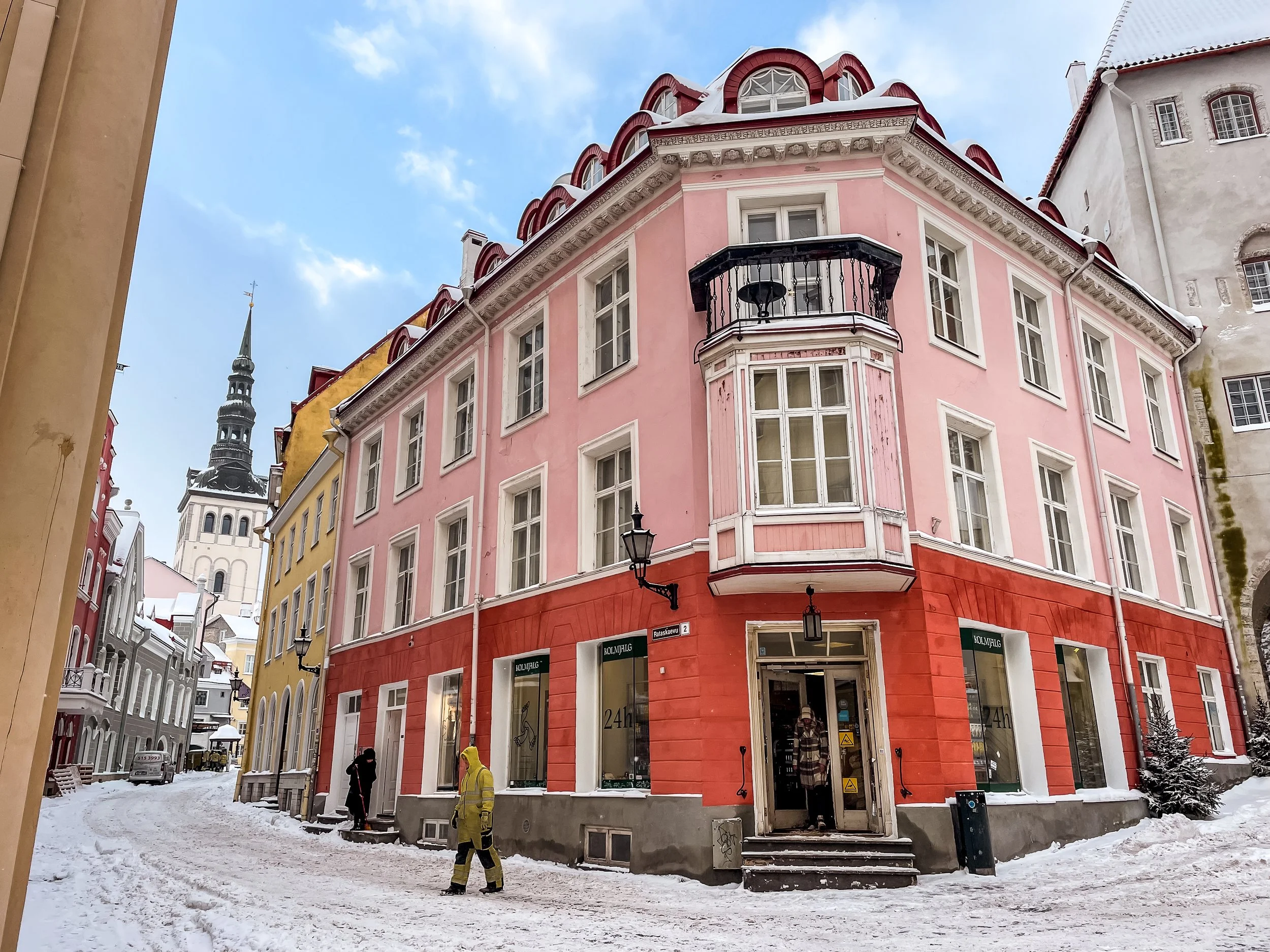
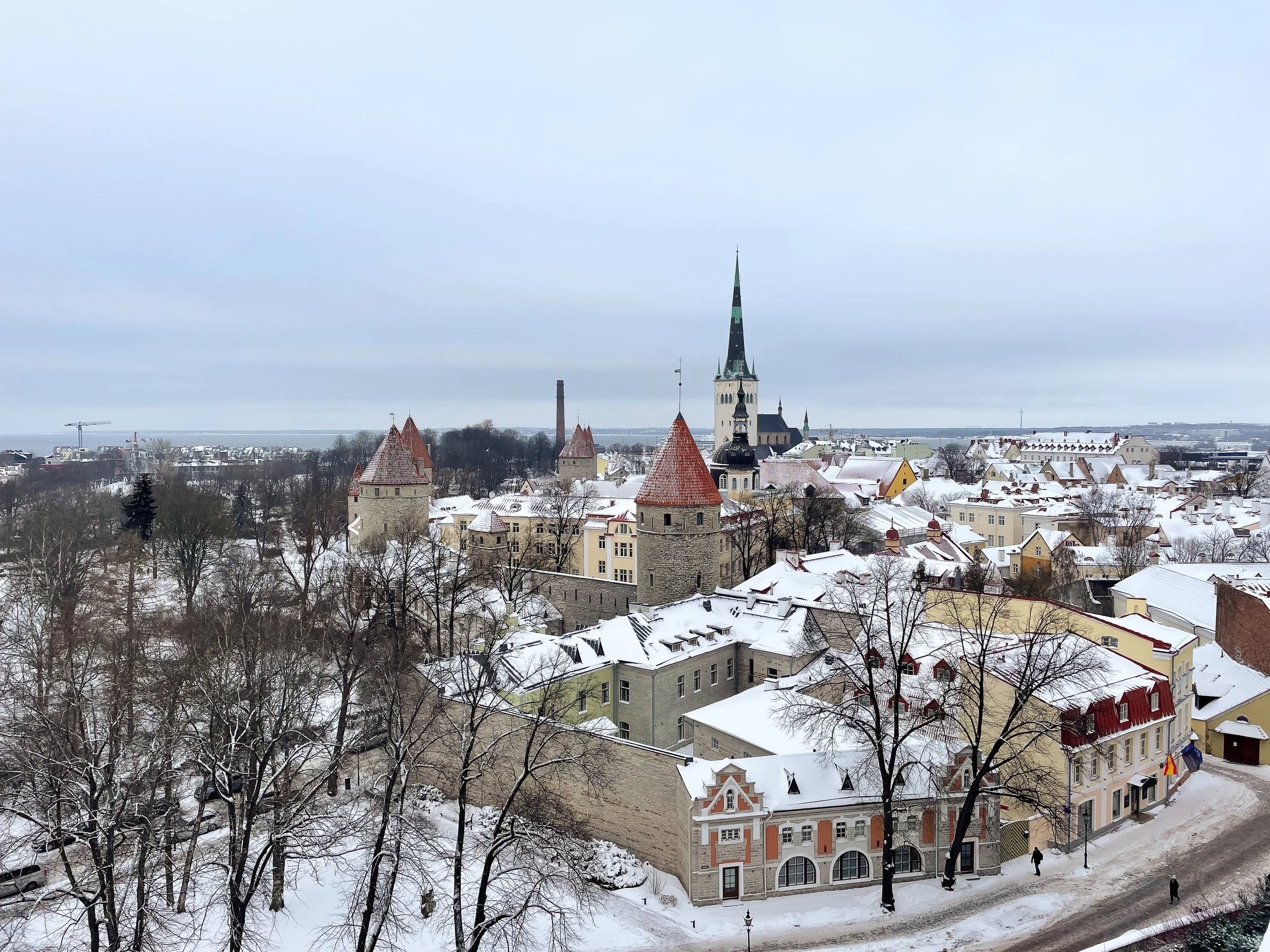
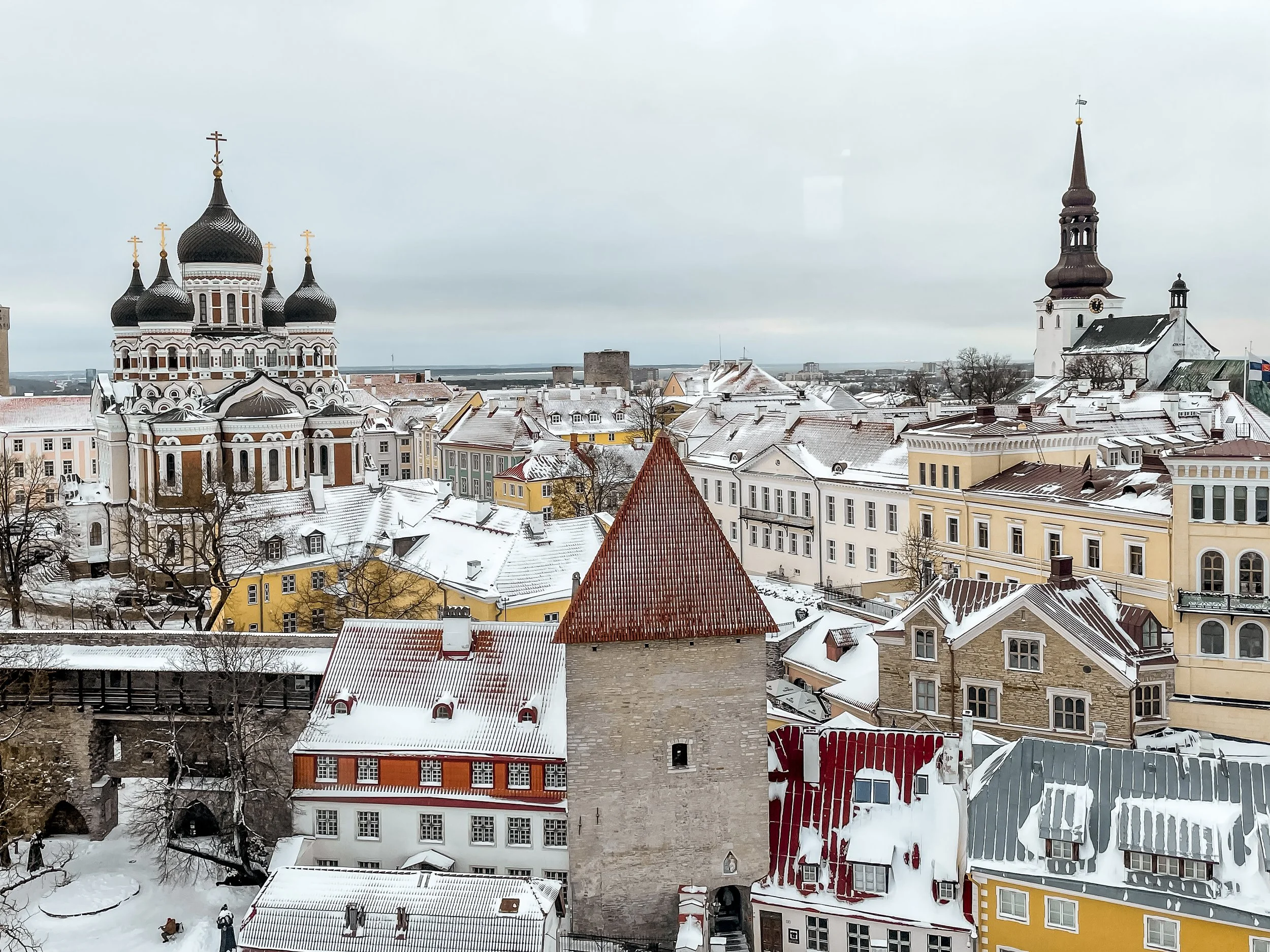
Surrounded by a stone wall with defensive towers and a former moat, The Old Town of Vanalinn boasts some of the most impressive medieval architecture in Europe. Within its historic walls reside former guilds, ornate buildings, towering spires and narrow passageways. By day, we climbed stone defensive towers, tried on knightly armor and learned about Estonia’s past and recent history. At night, we indulged in Estonian cuisine, discovered hidden bars and slept in a former merchant house.
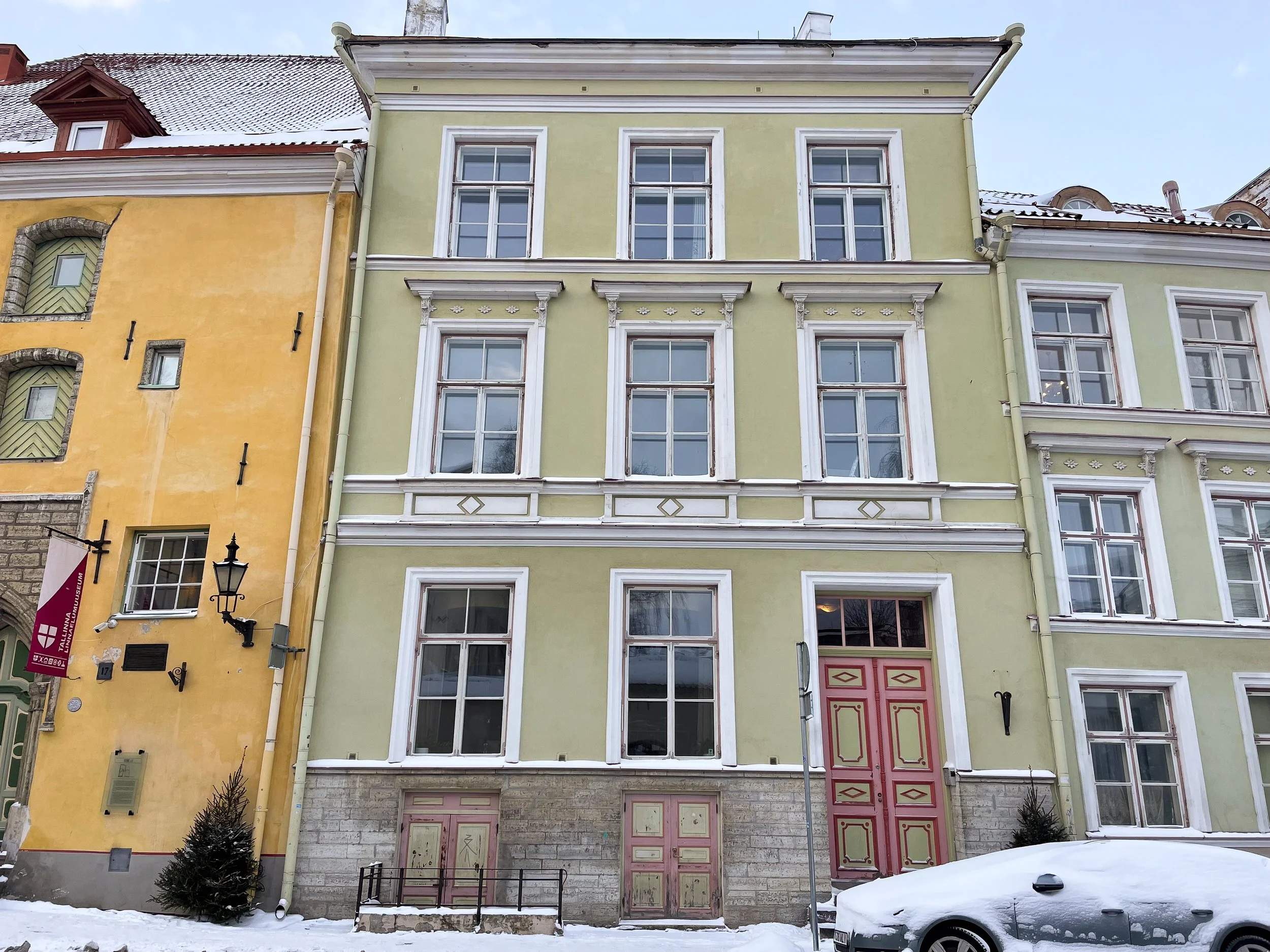
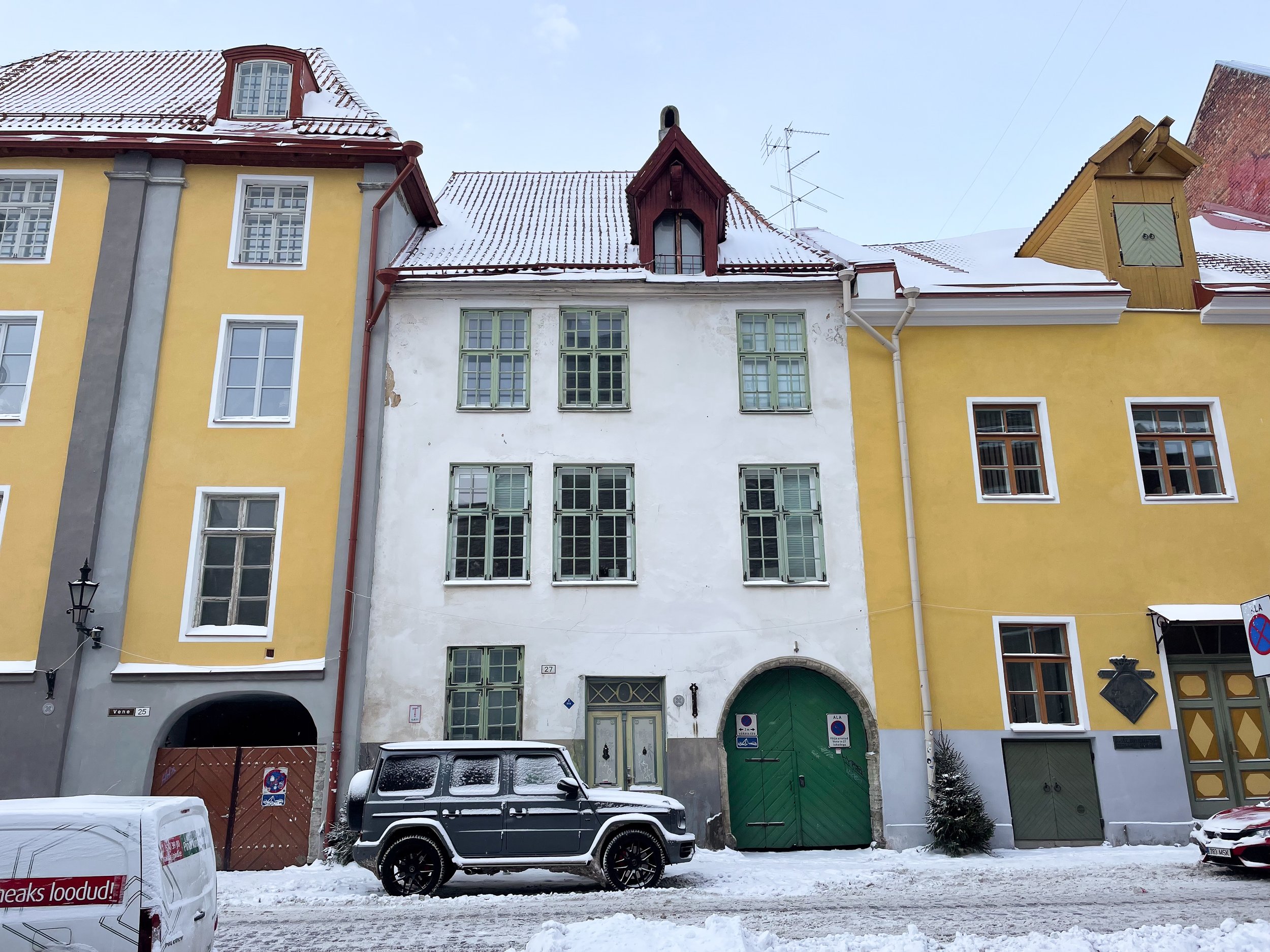
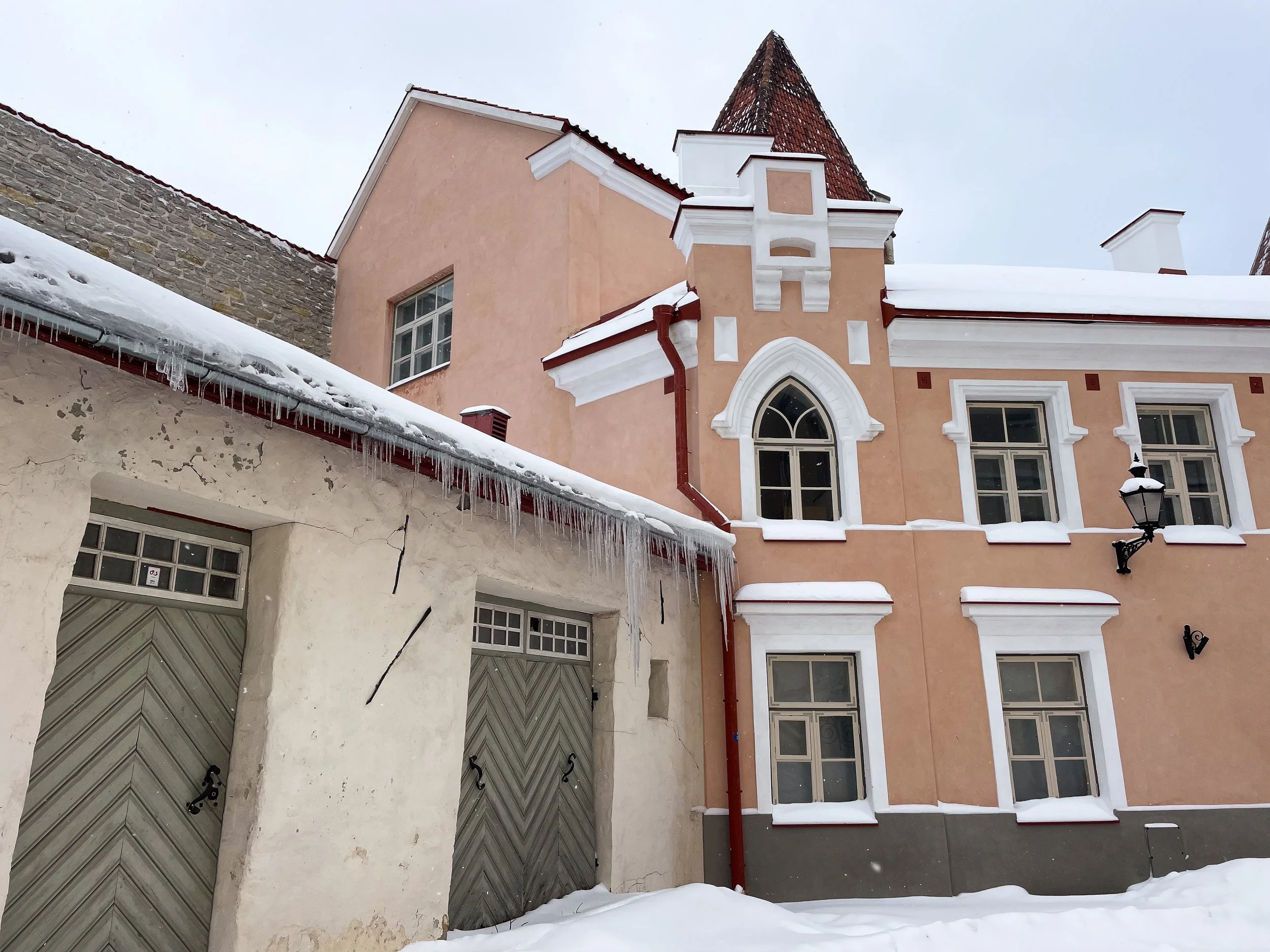
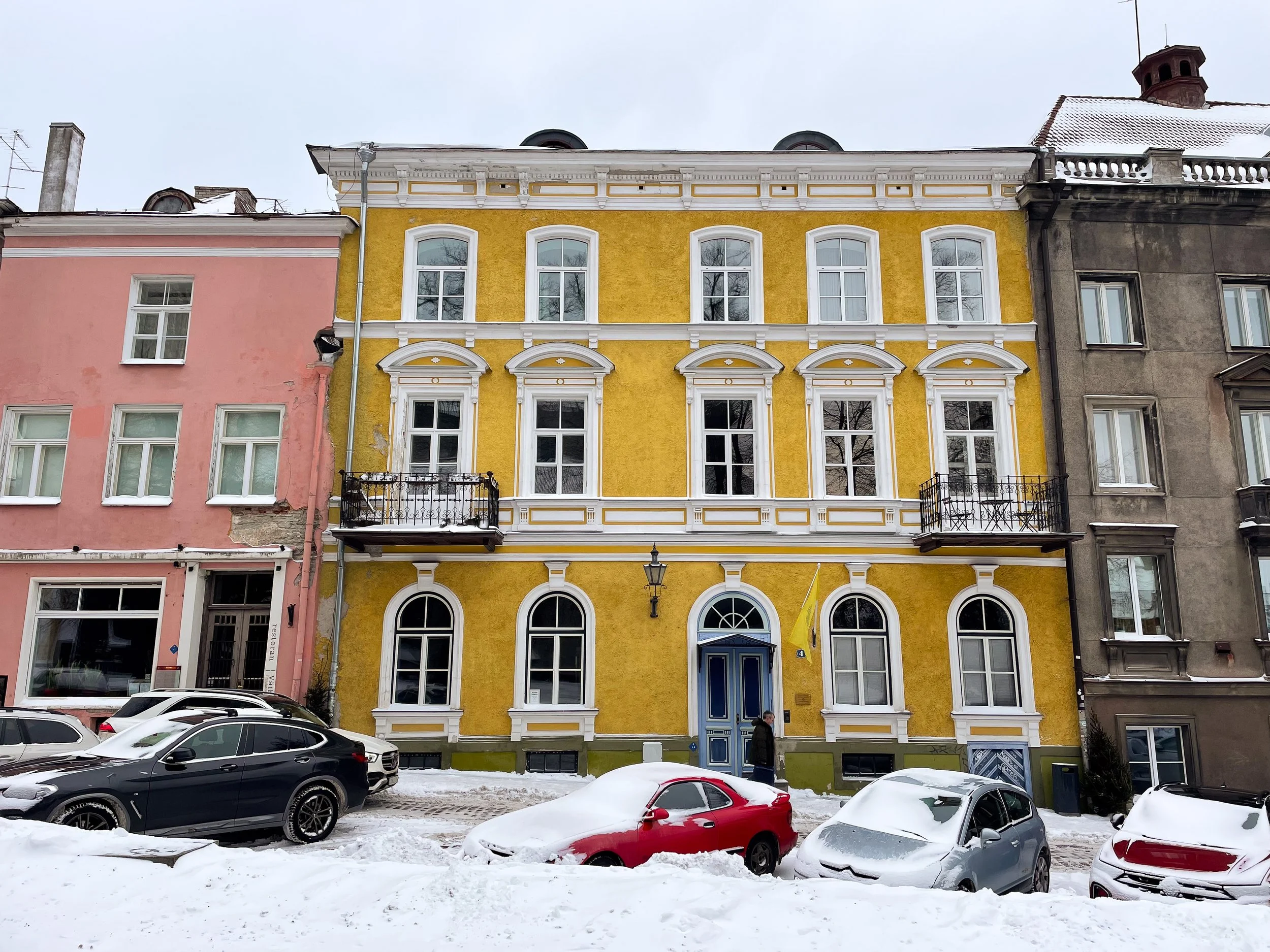
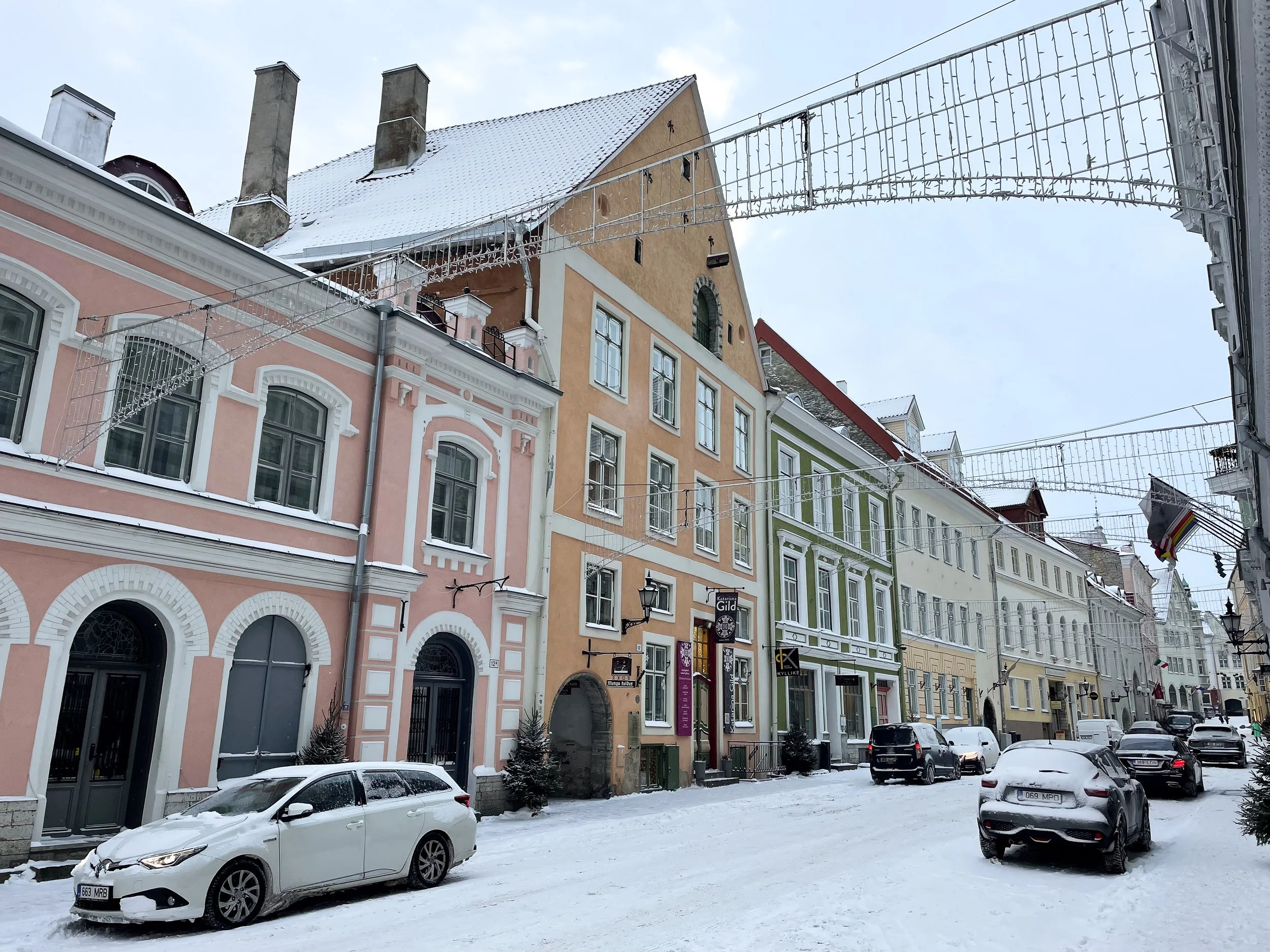
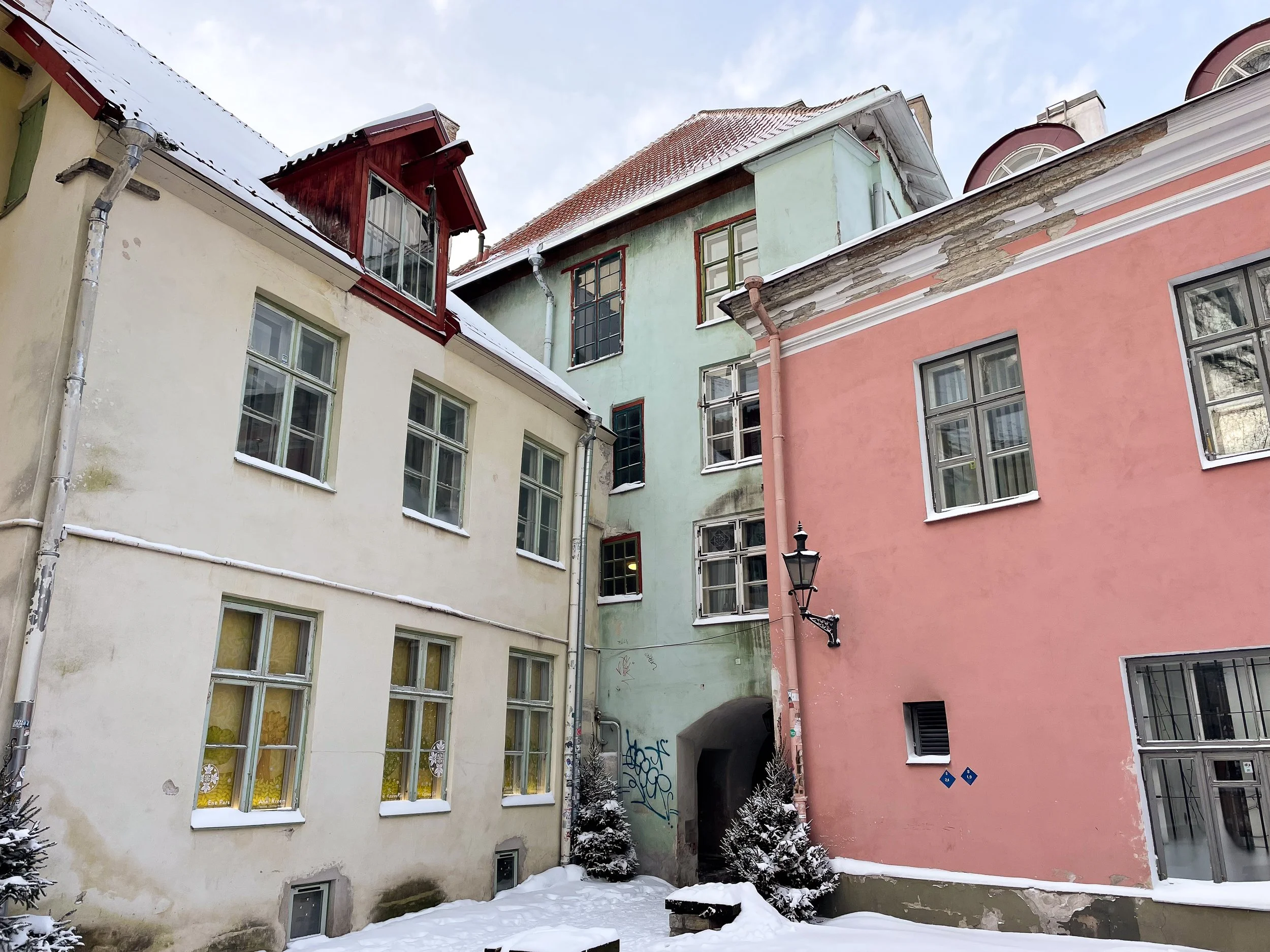
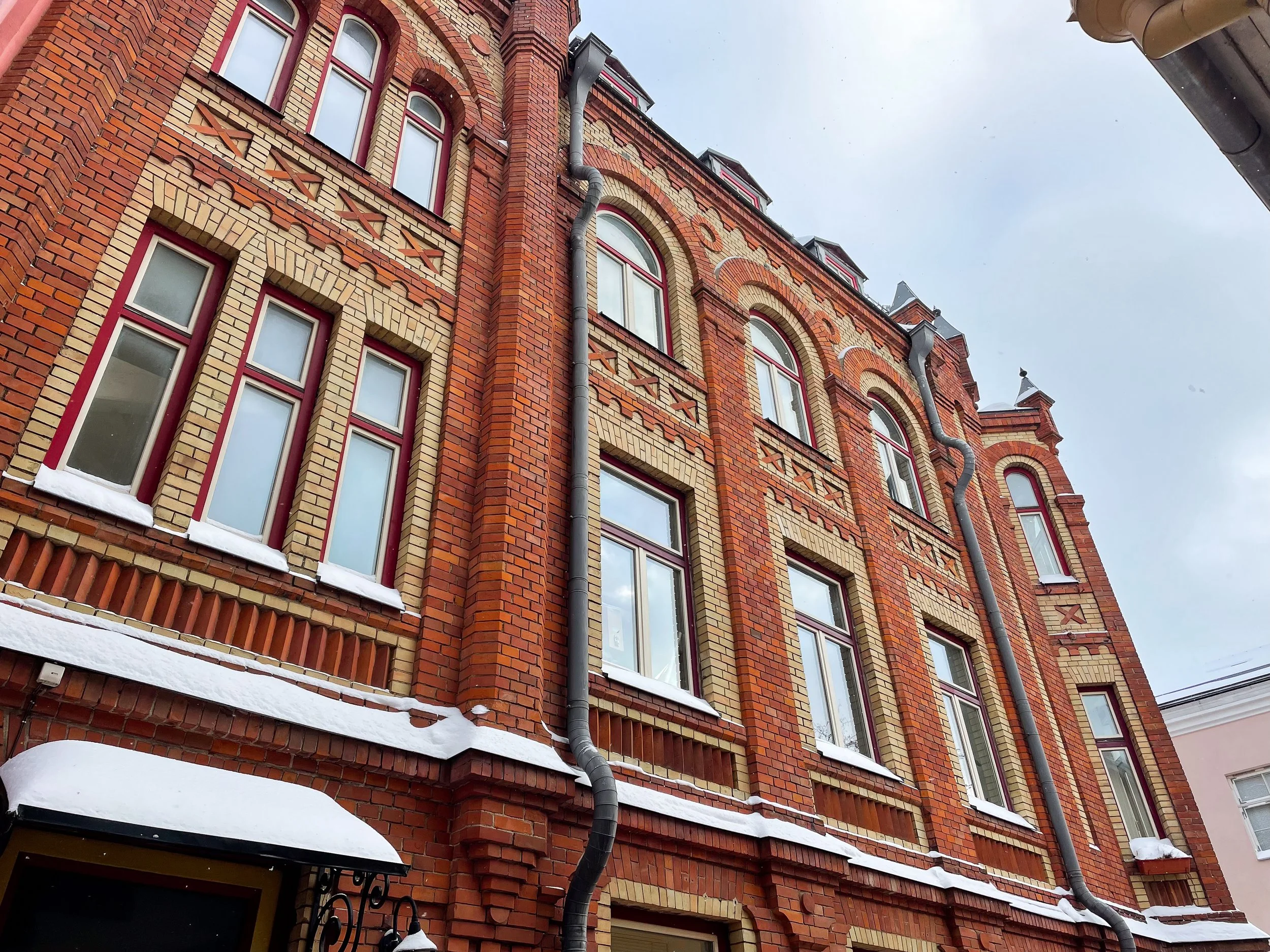
Blanketed in Snow
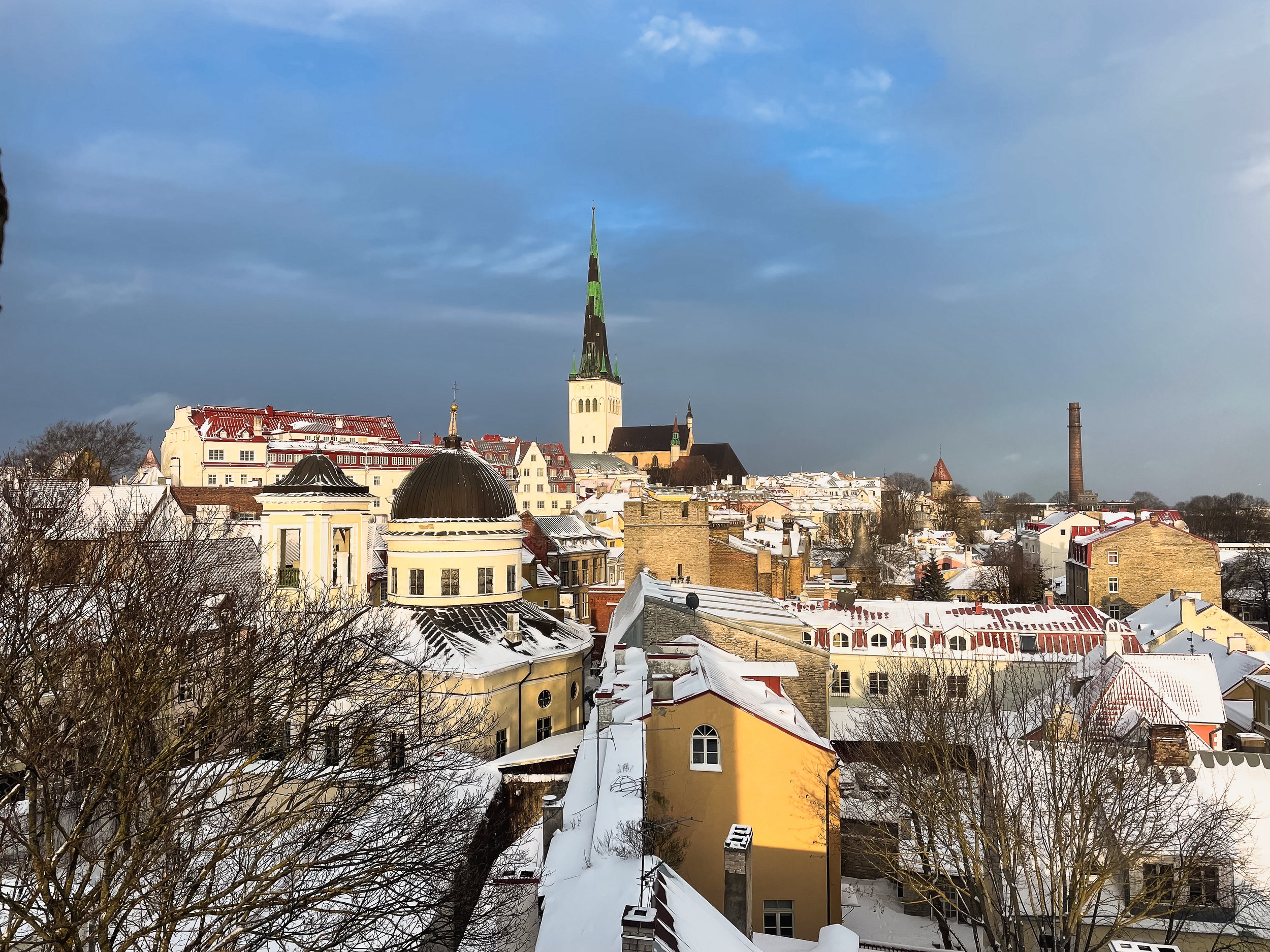
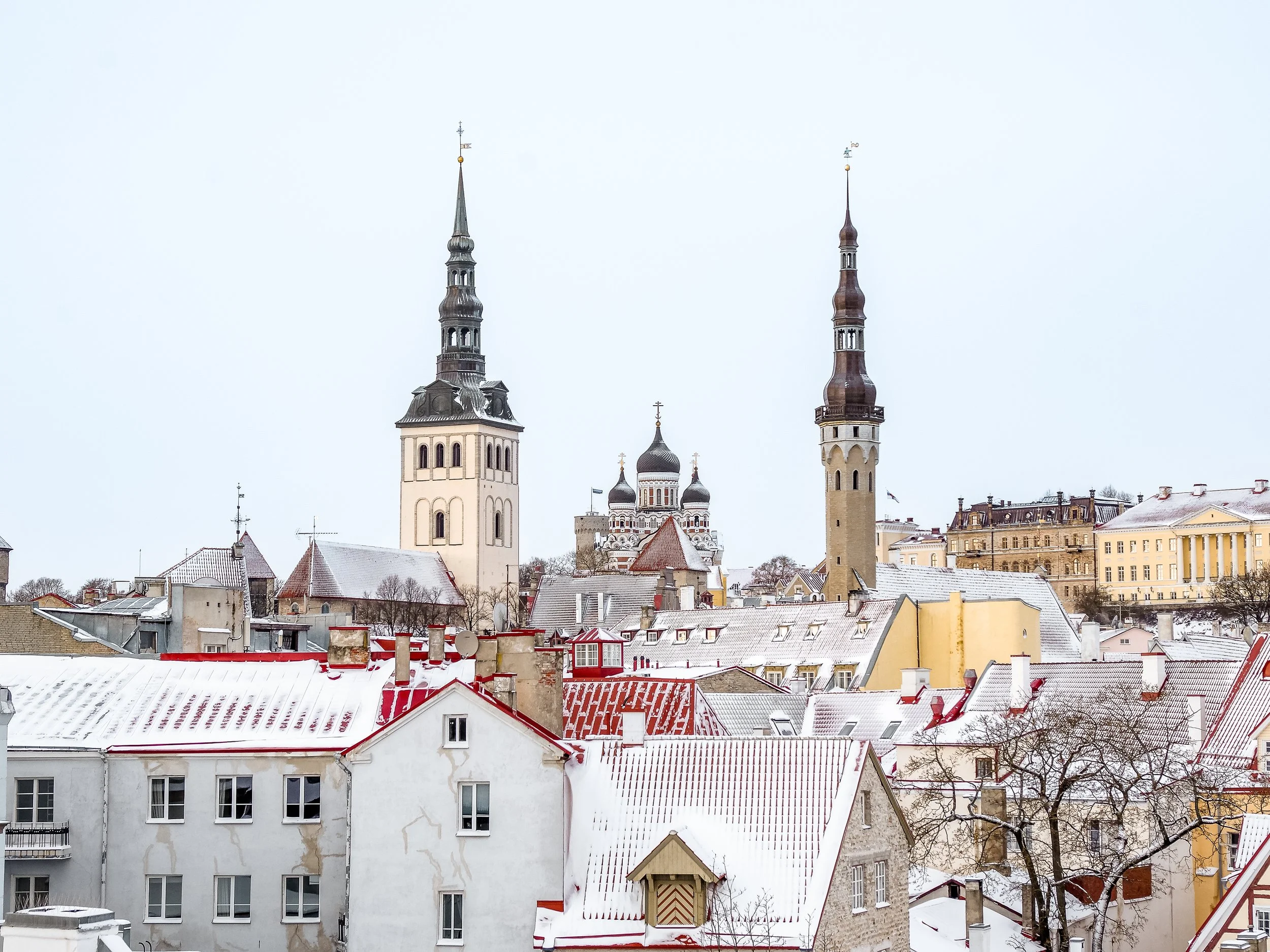
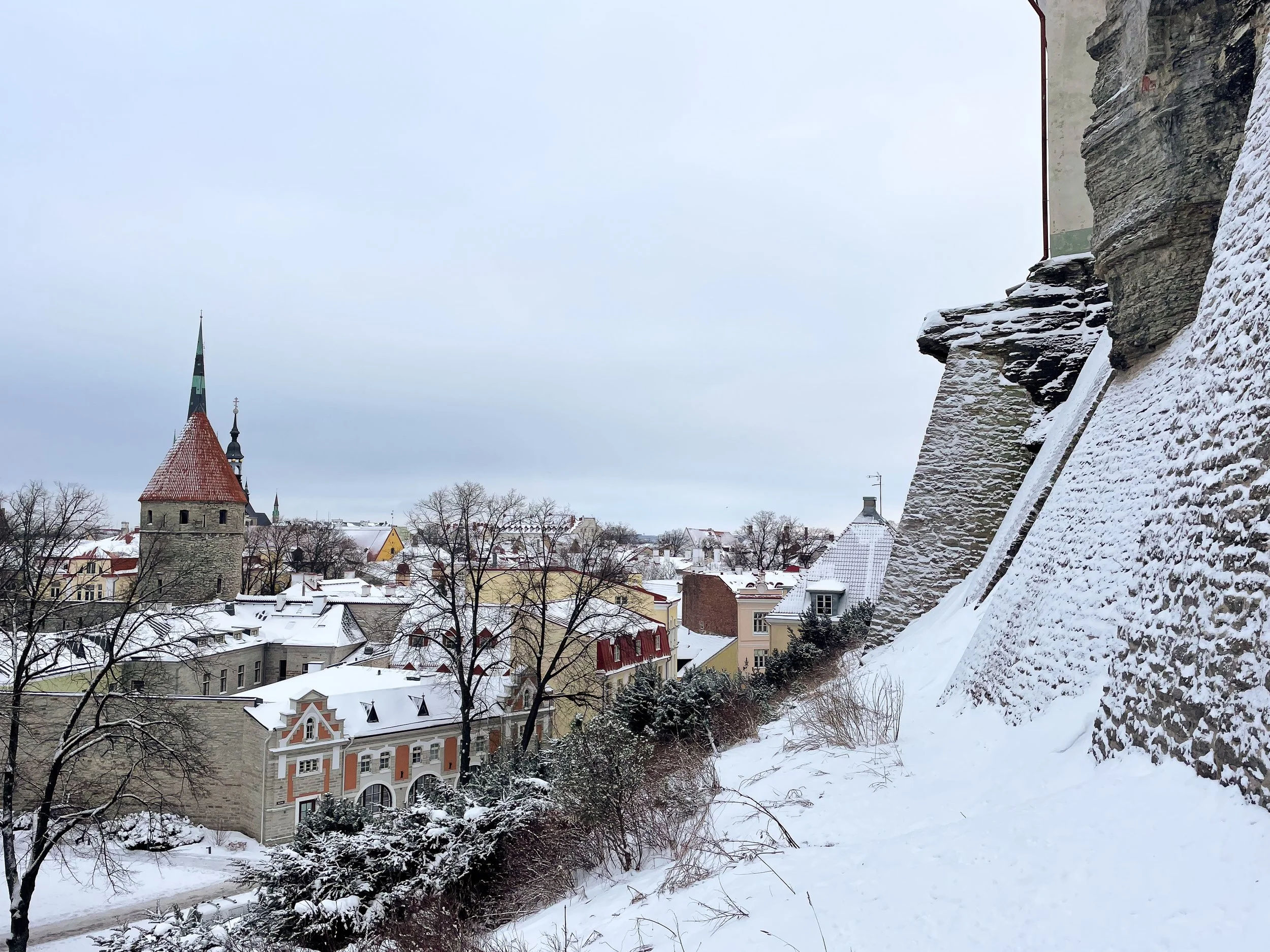
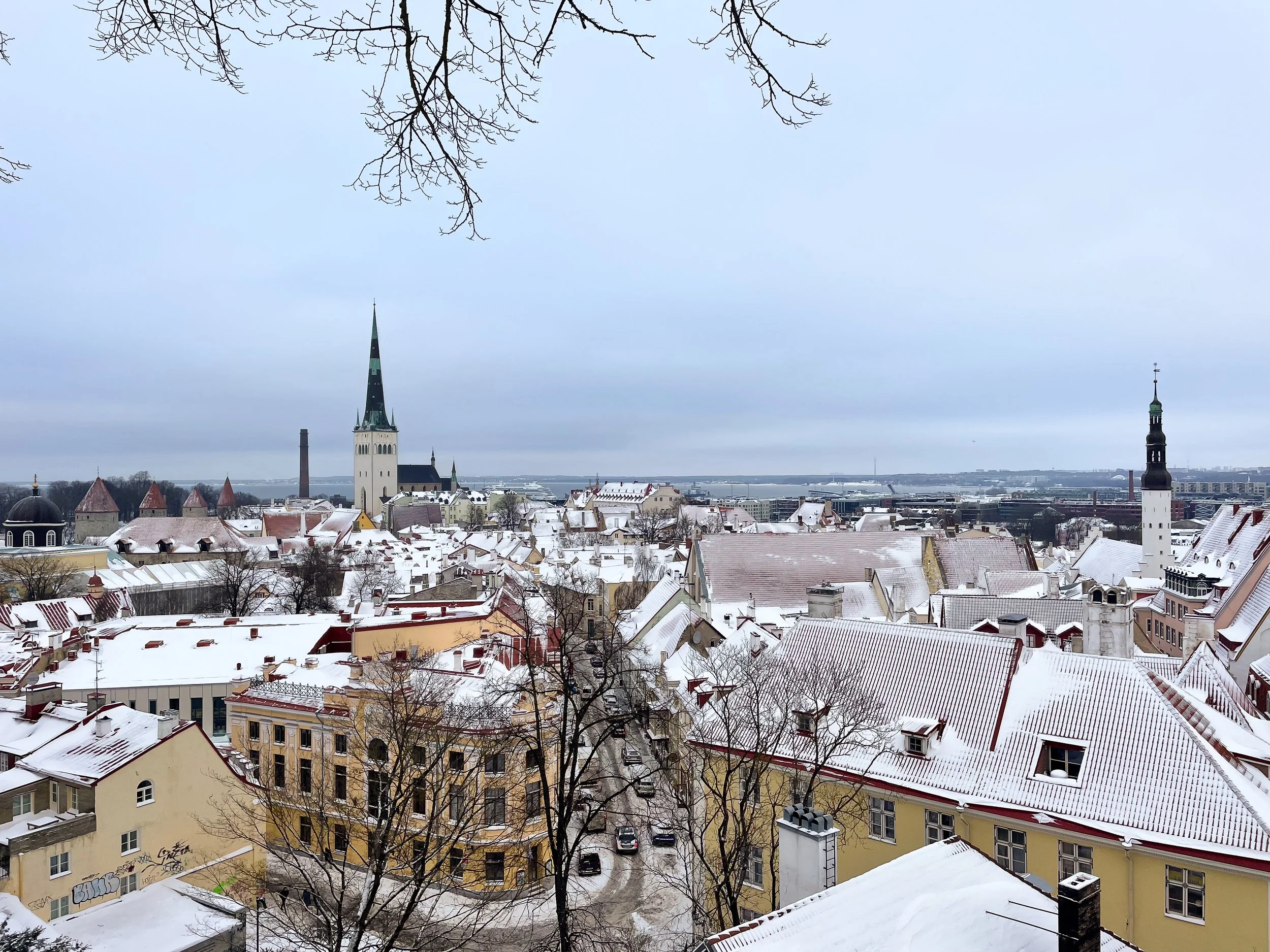
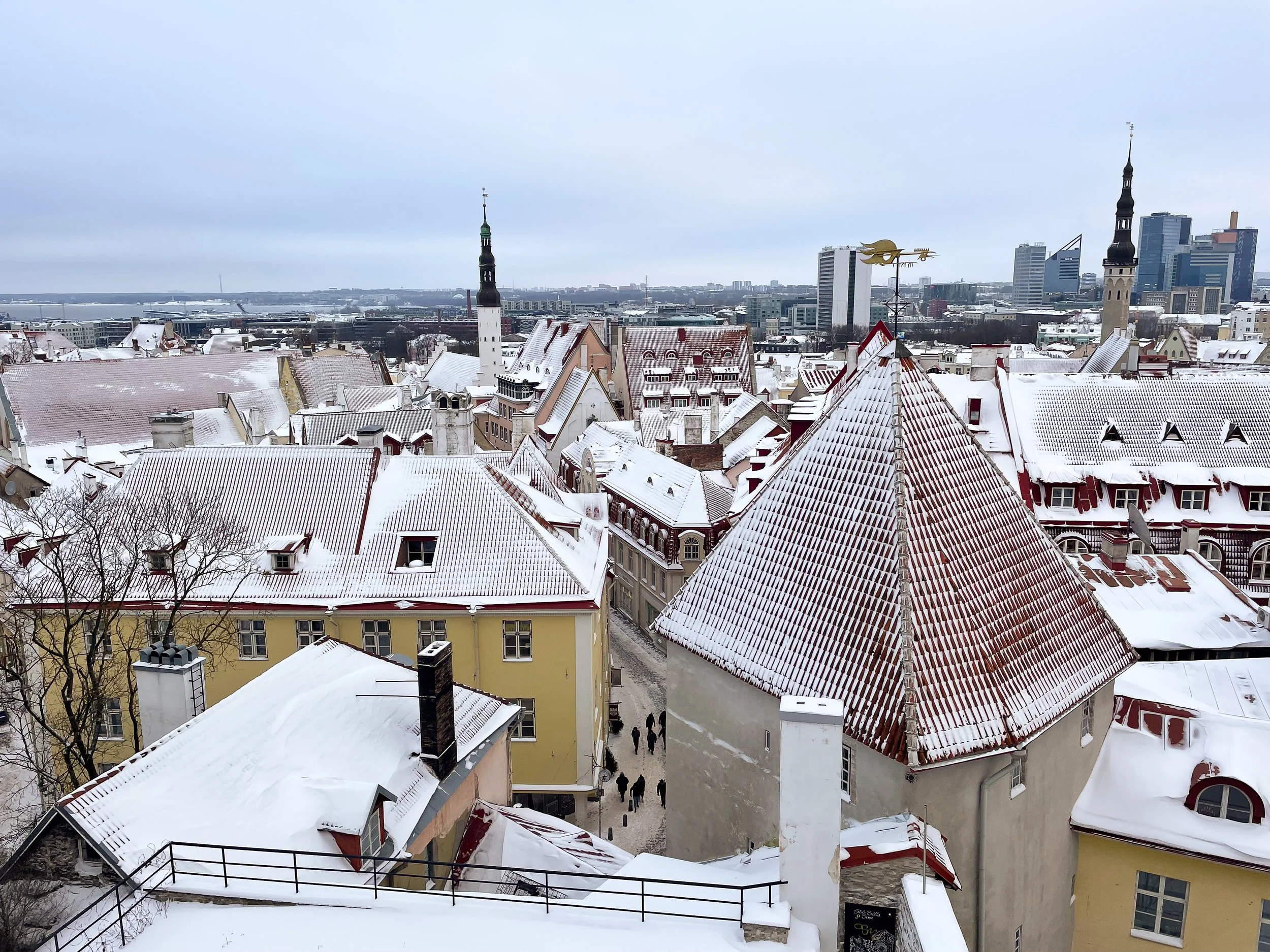
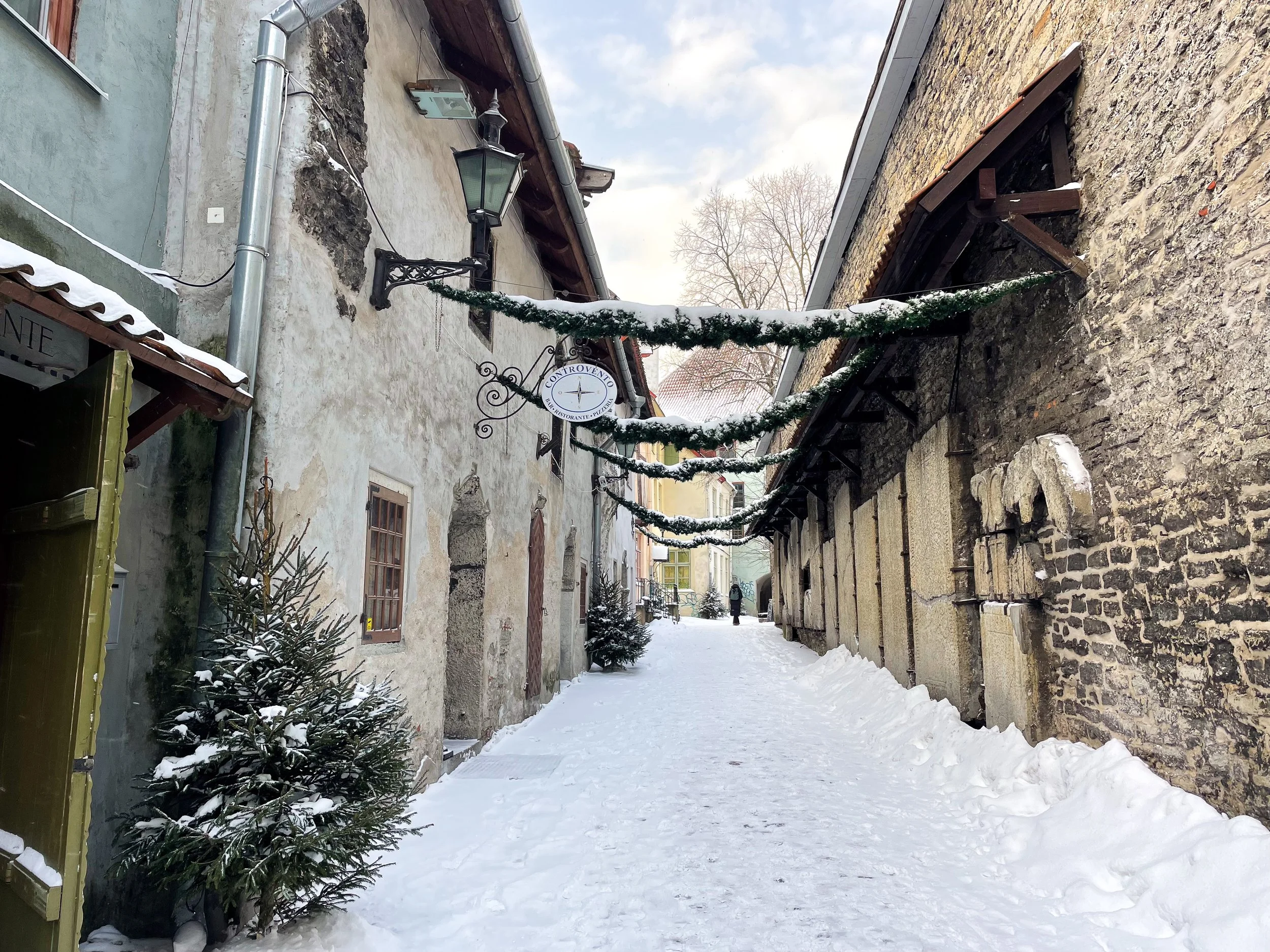
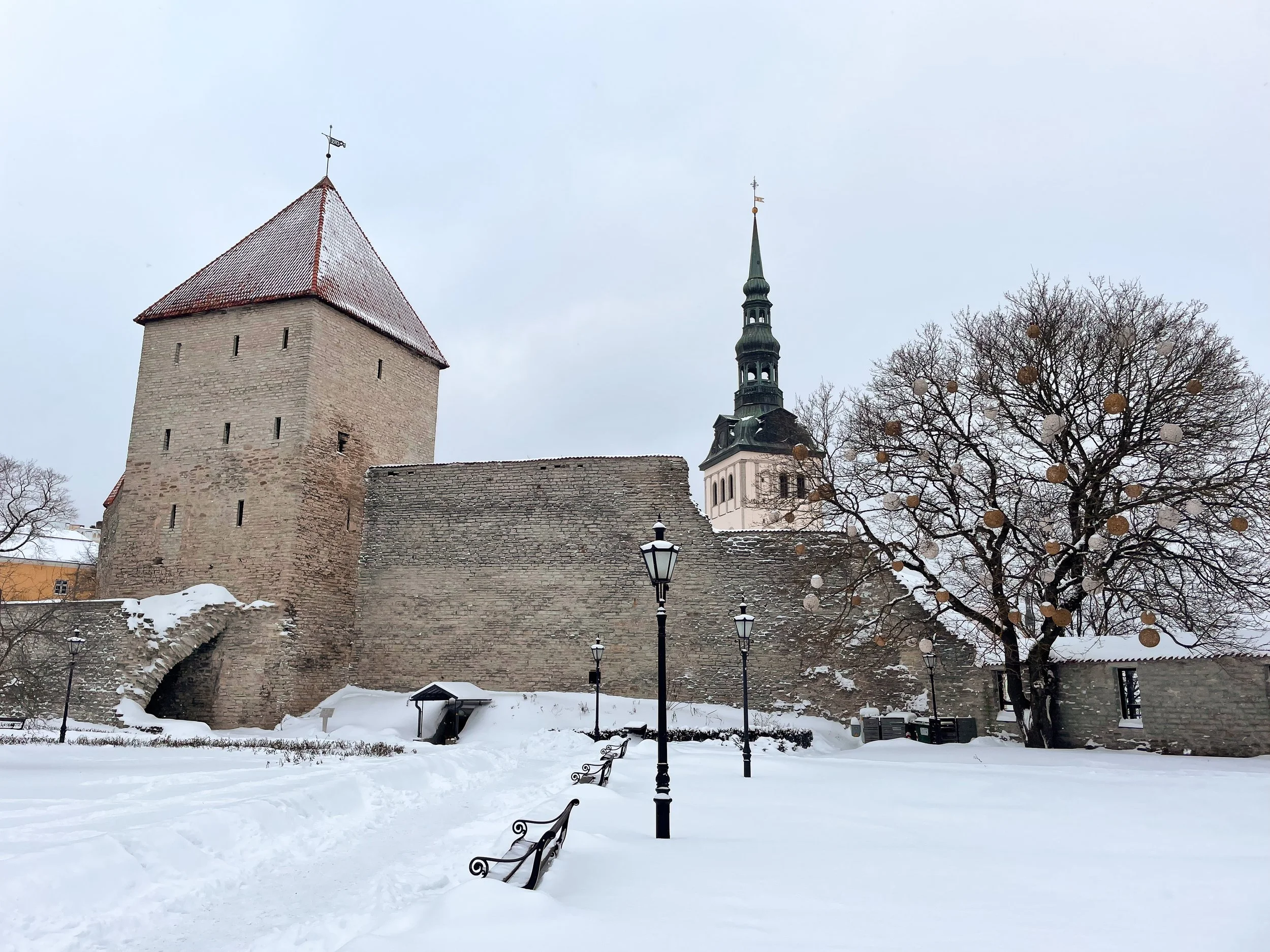
In mid-January, the city of Tallinn was blanketed in snow. It’s a cold and cozy time when locals sport fur hats, parents pull children on sleds, vendors sell hot mulled wine and twinkle lights decorate the streets. It felt a lot like being in a snow globe; a feeling we fully embraced by having a snowball fight in the town square, ice skating at night and catching snowflakes on our tongues.
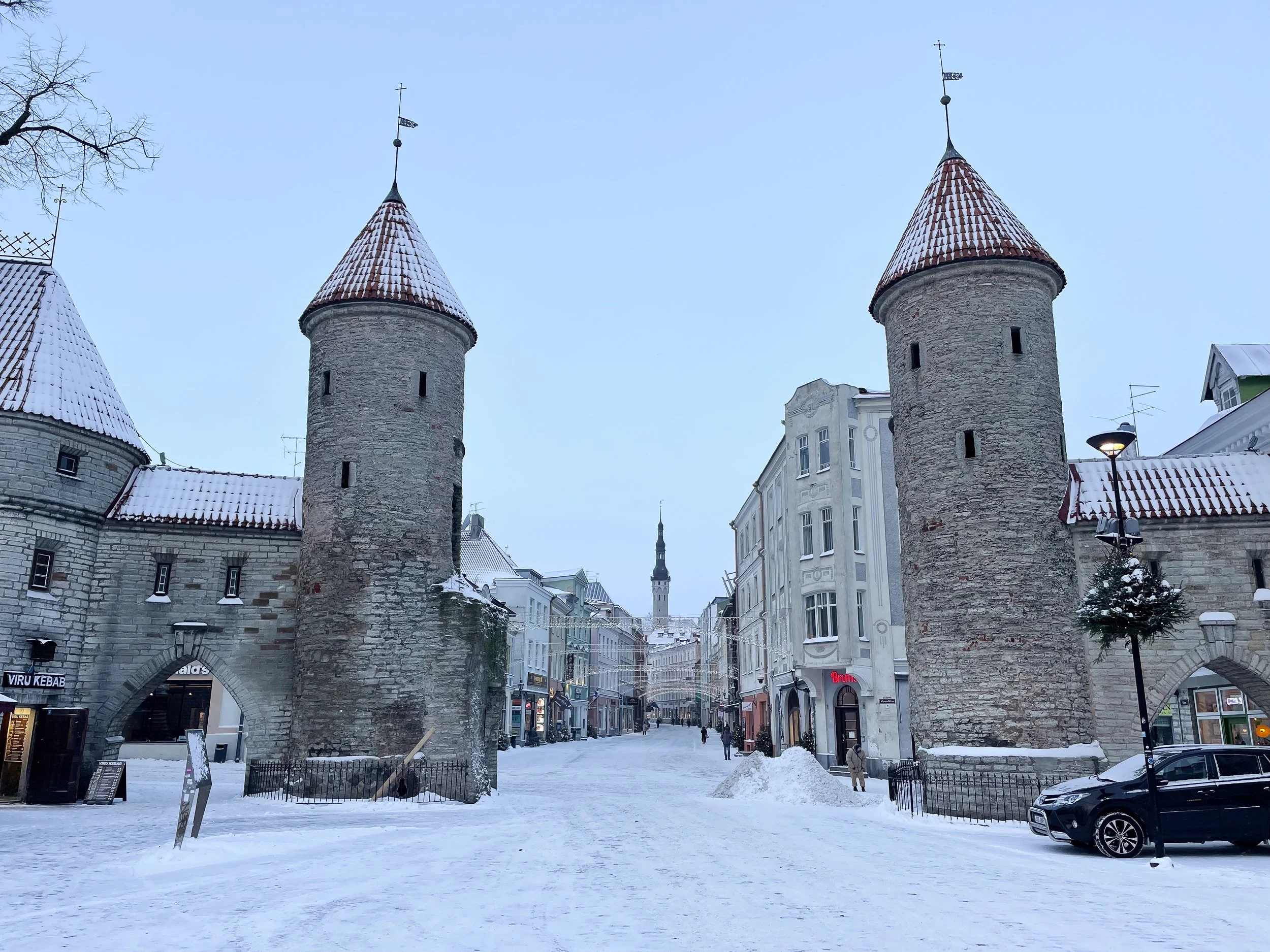
Climb the Medieval Towers
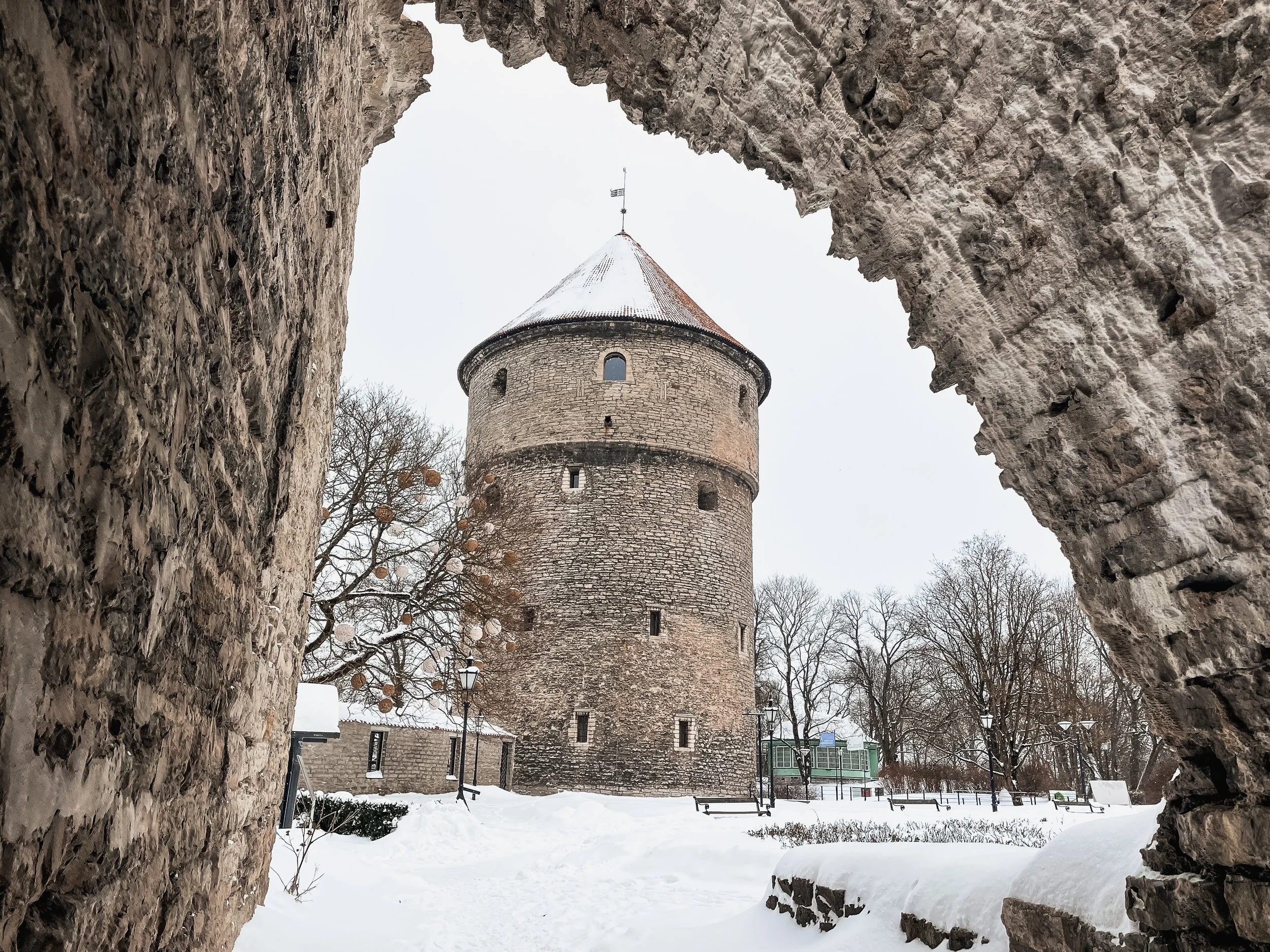
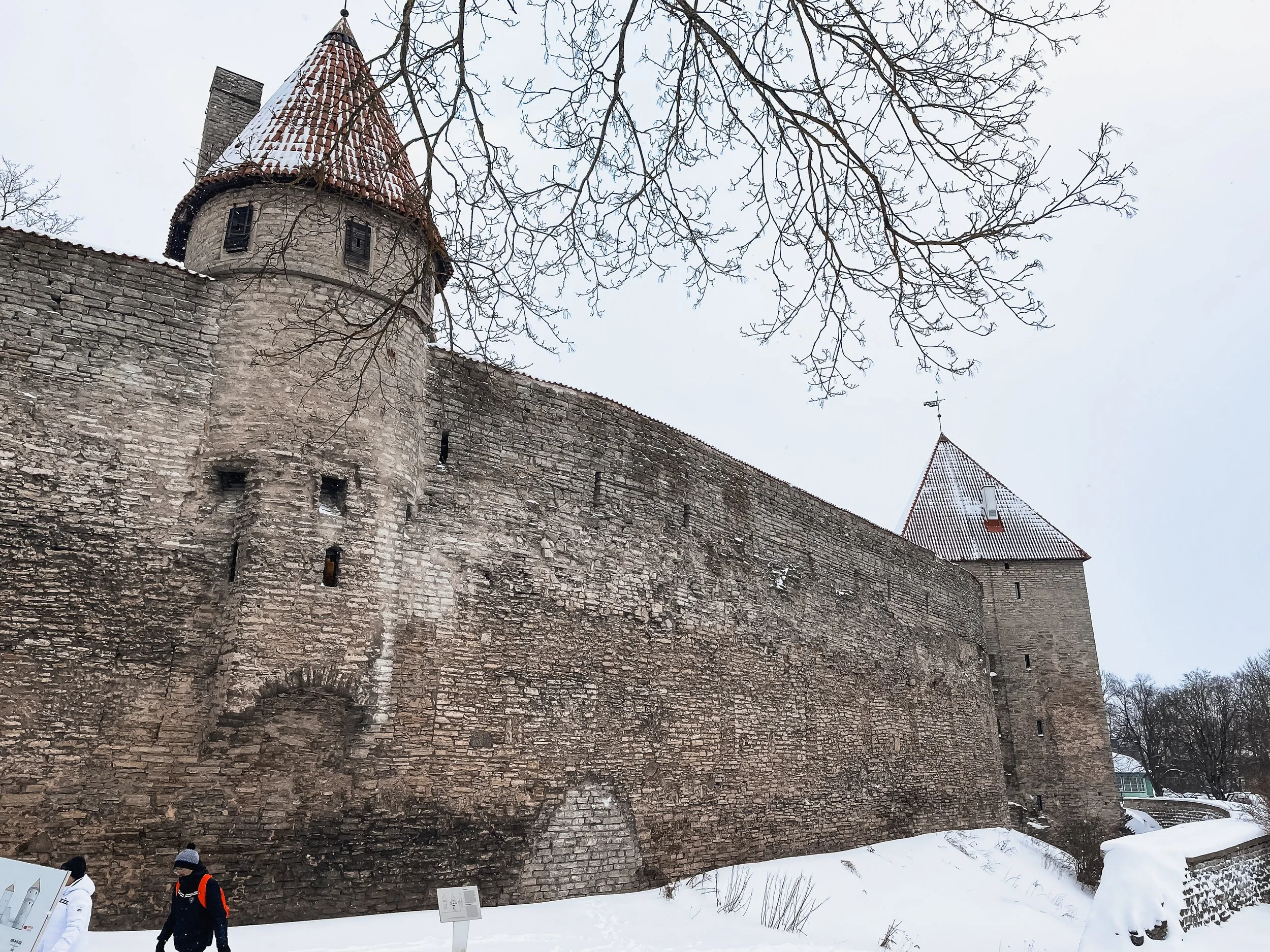
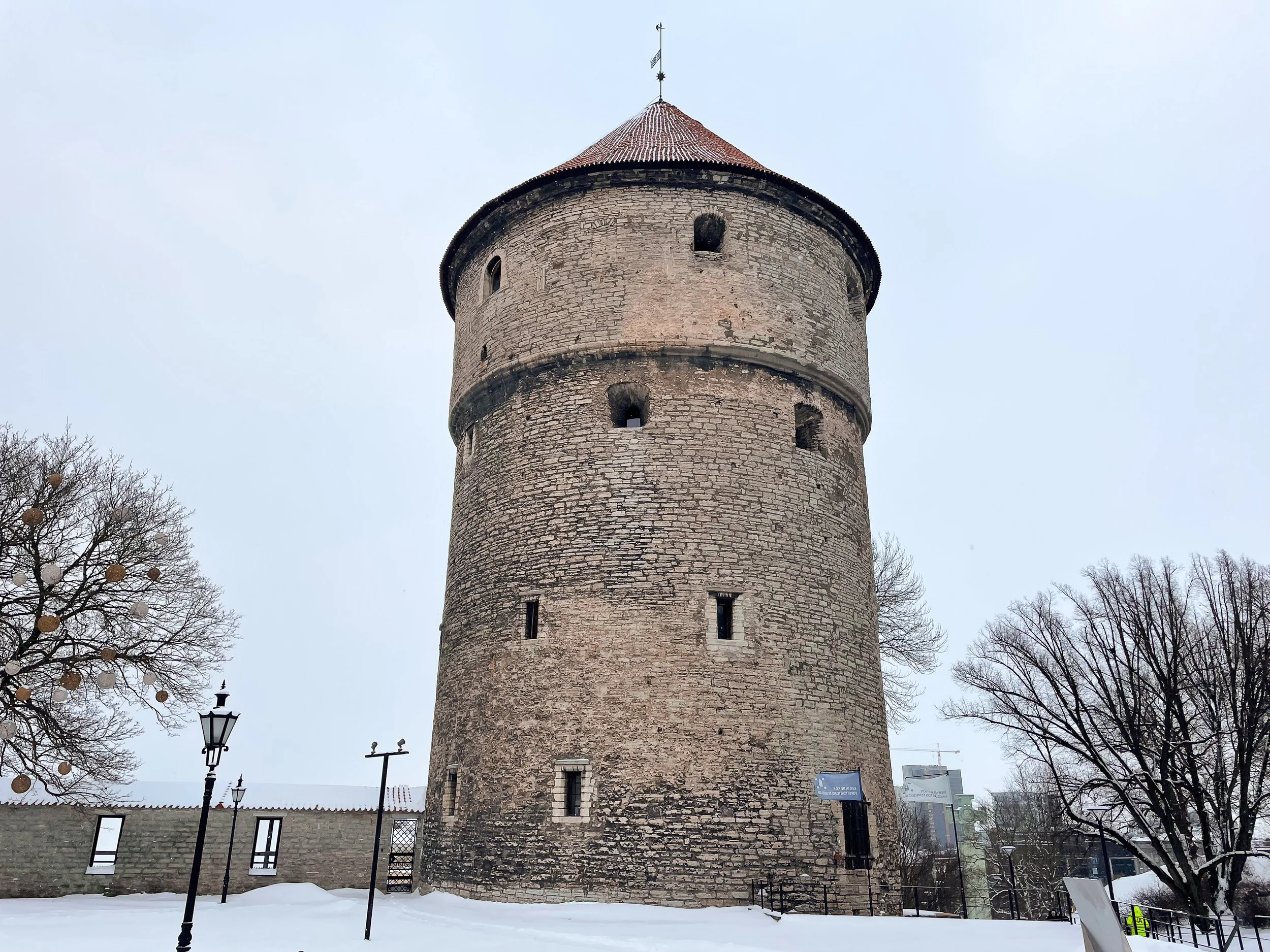
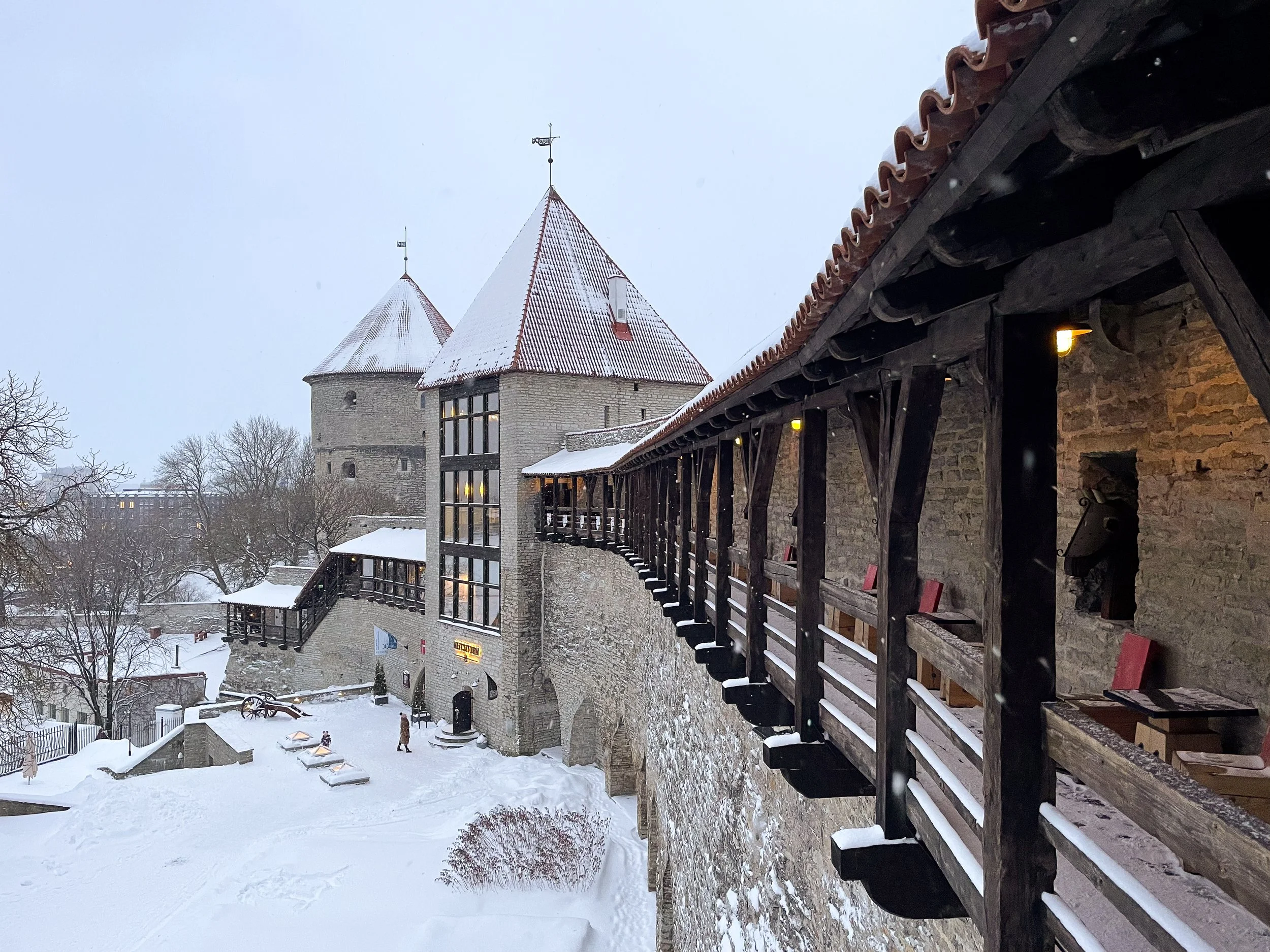
Walking along the city wall, we visited several medieval towers, admiring some from the outside and ascending to the lookouts of others.
Viru Gate. A pair of stone defensive towers at one entrance to the walled city.
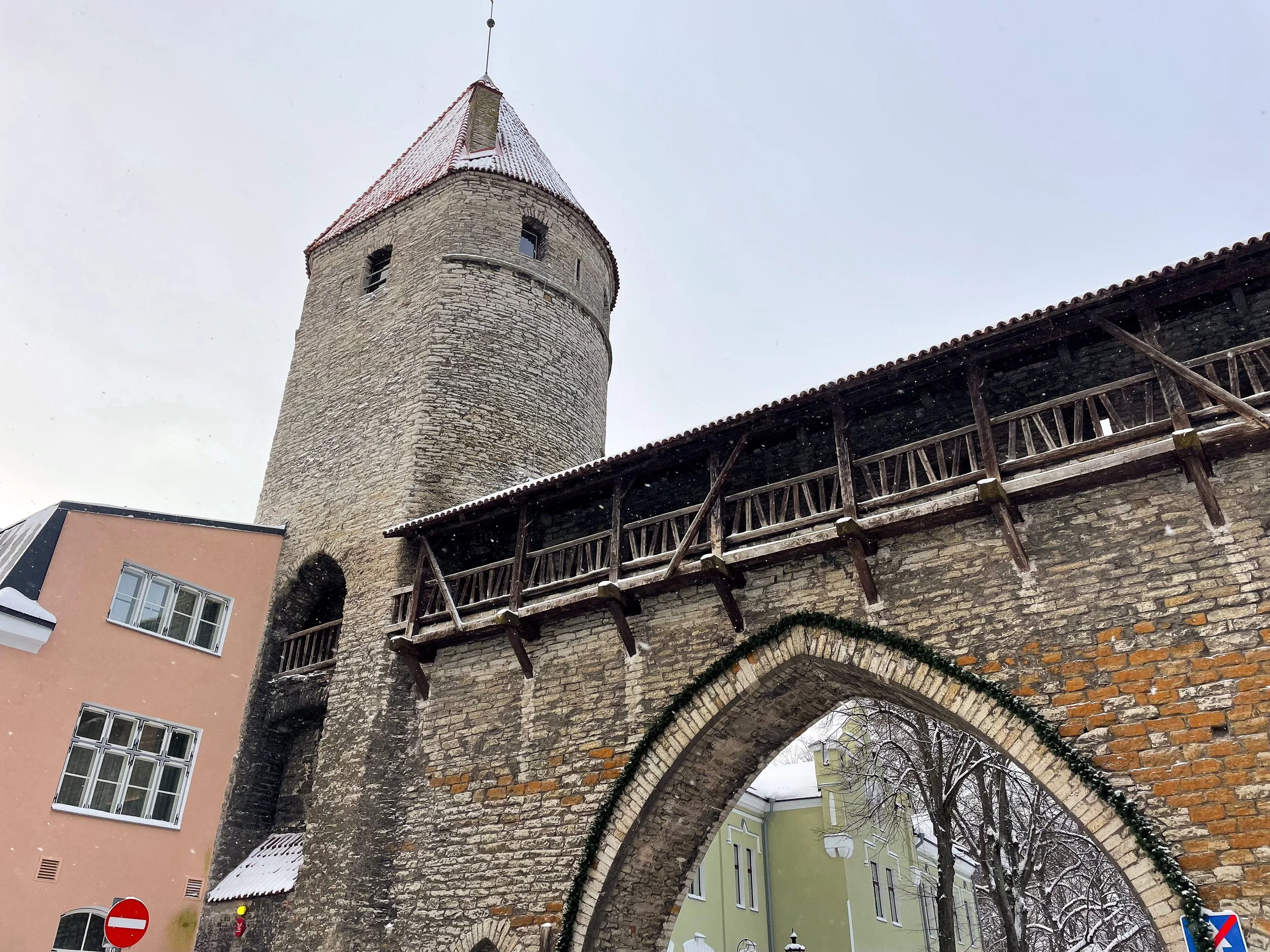
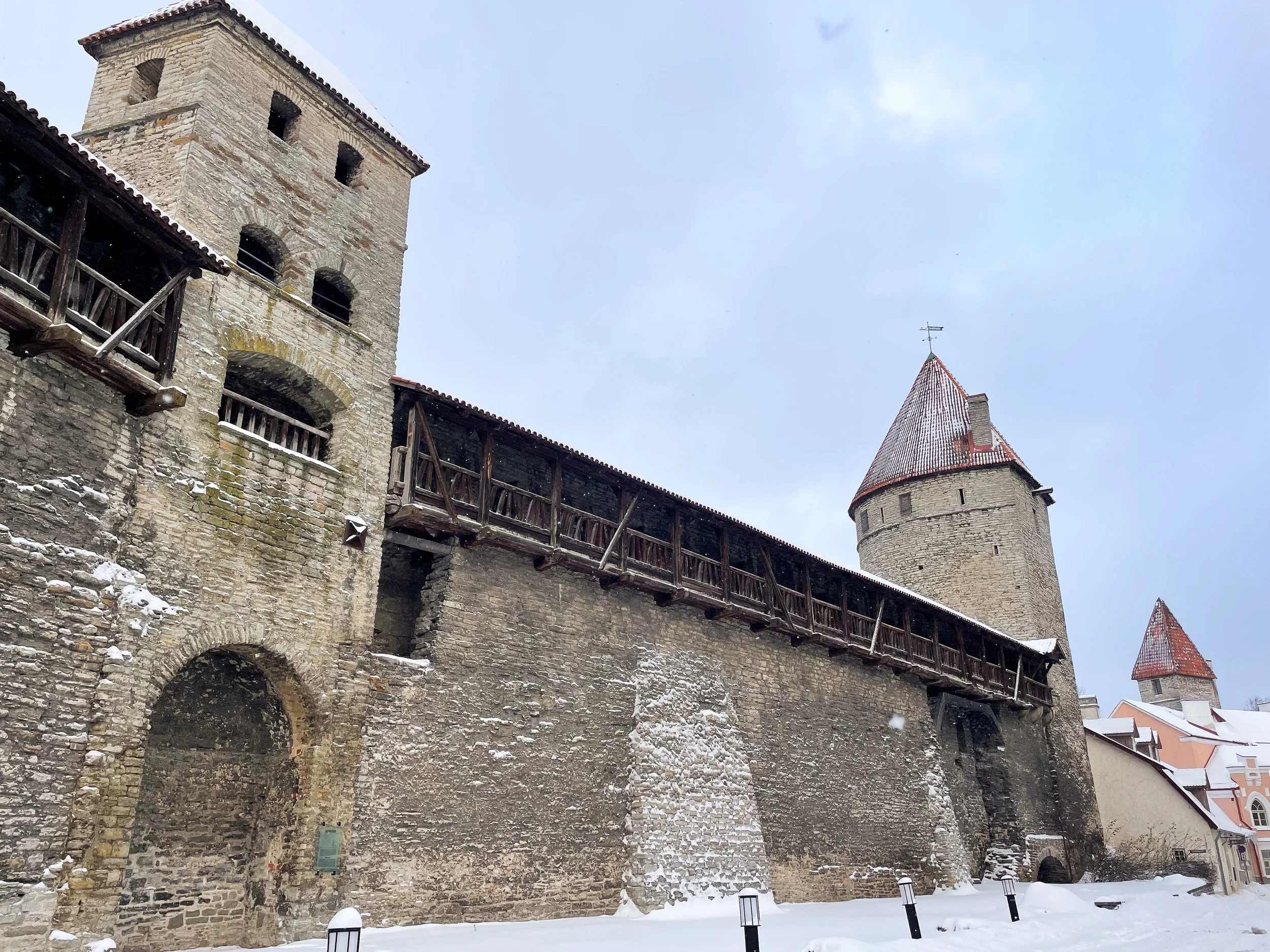
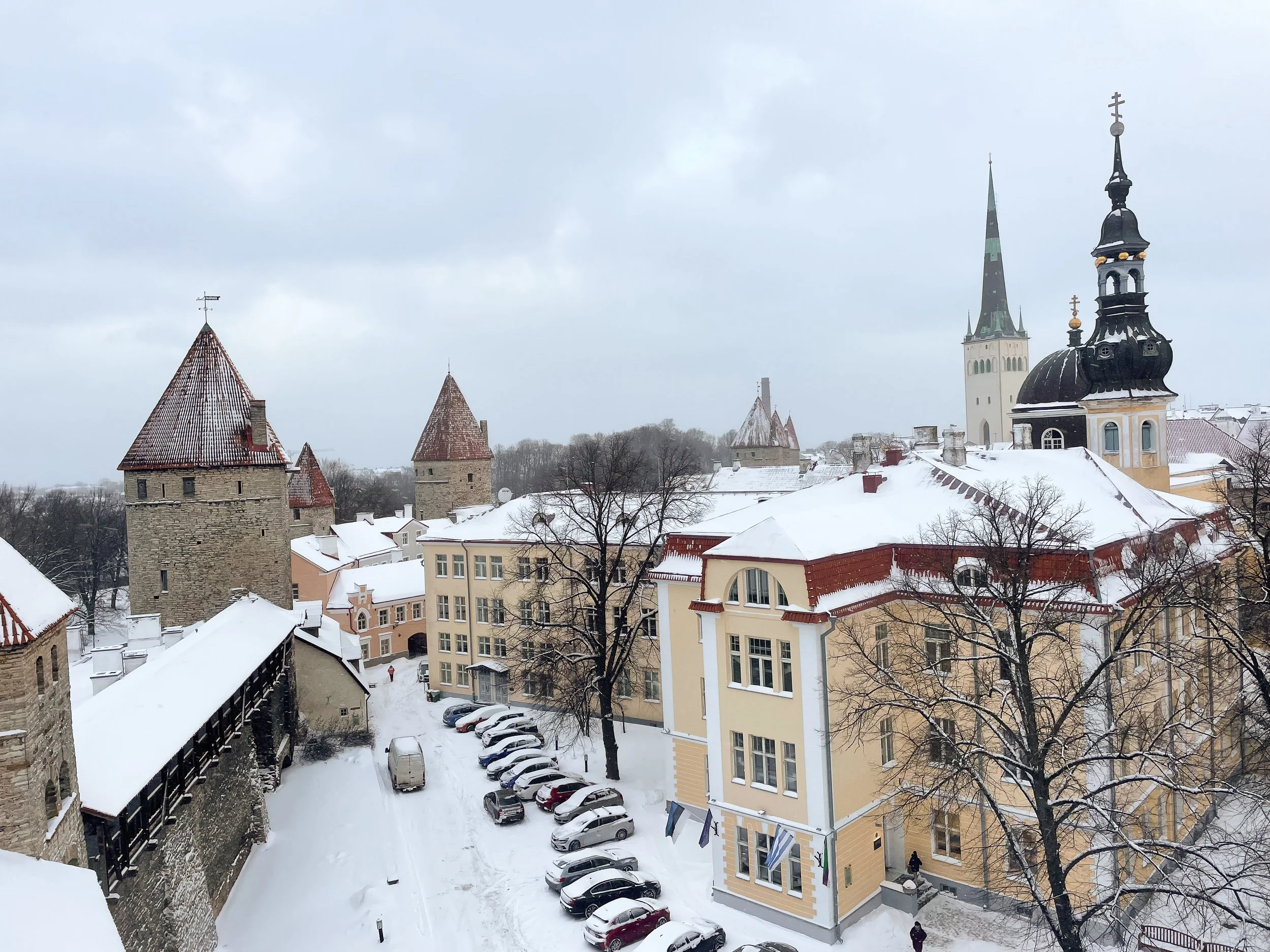
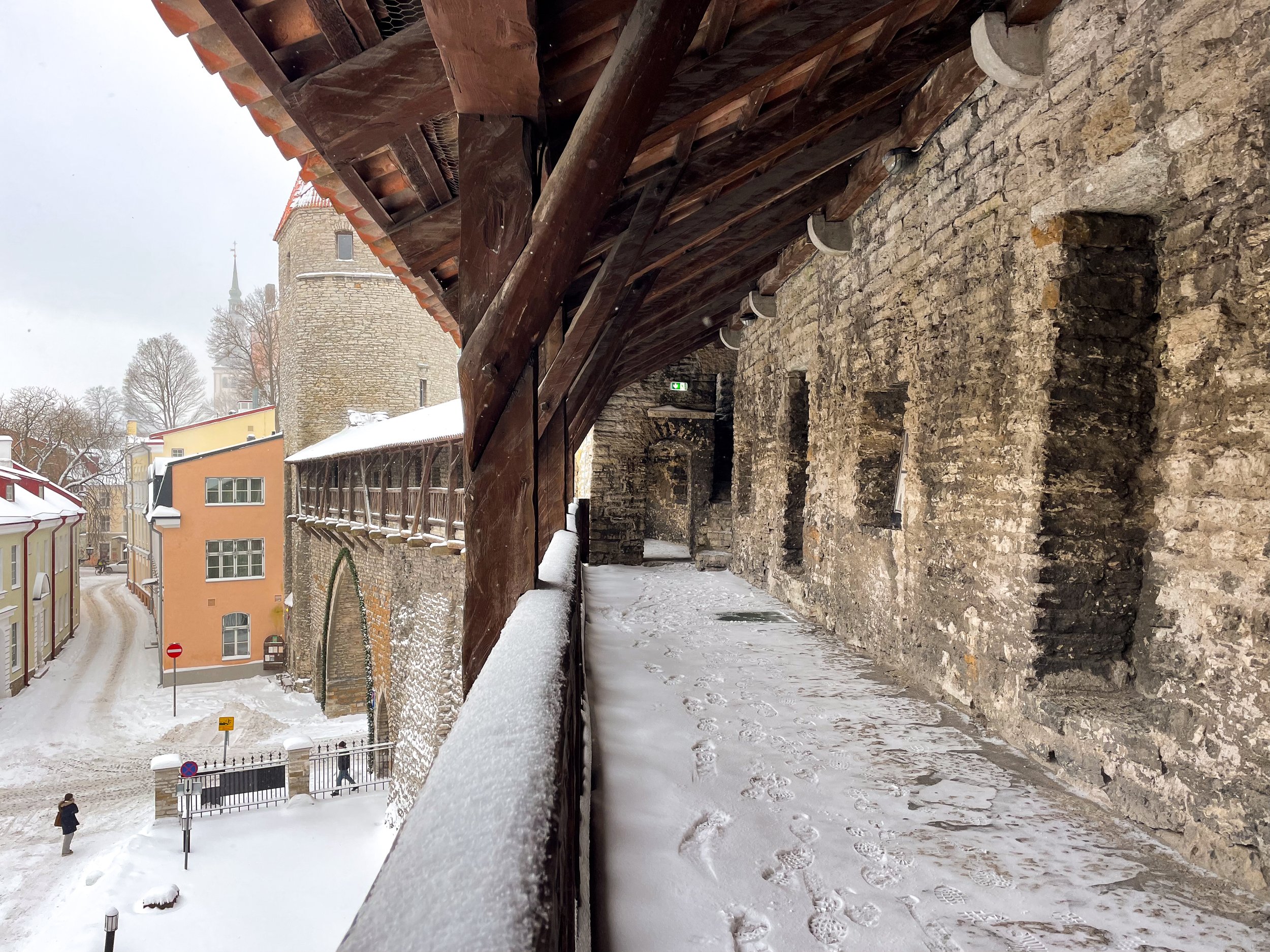
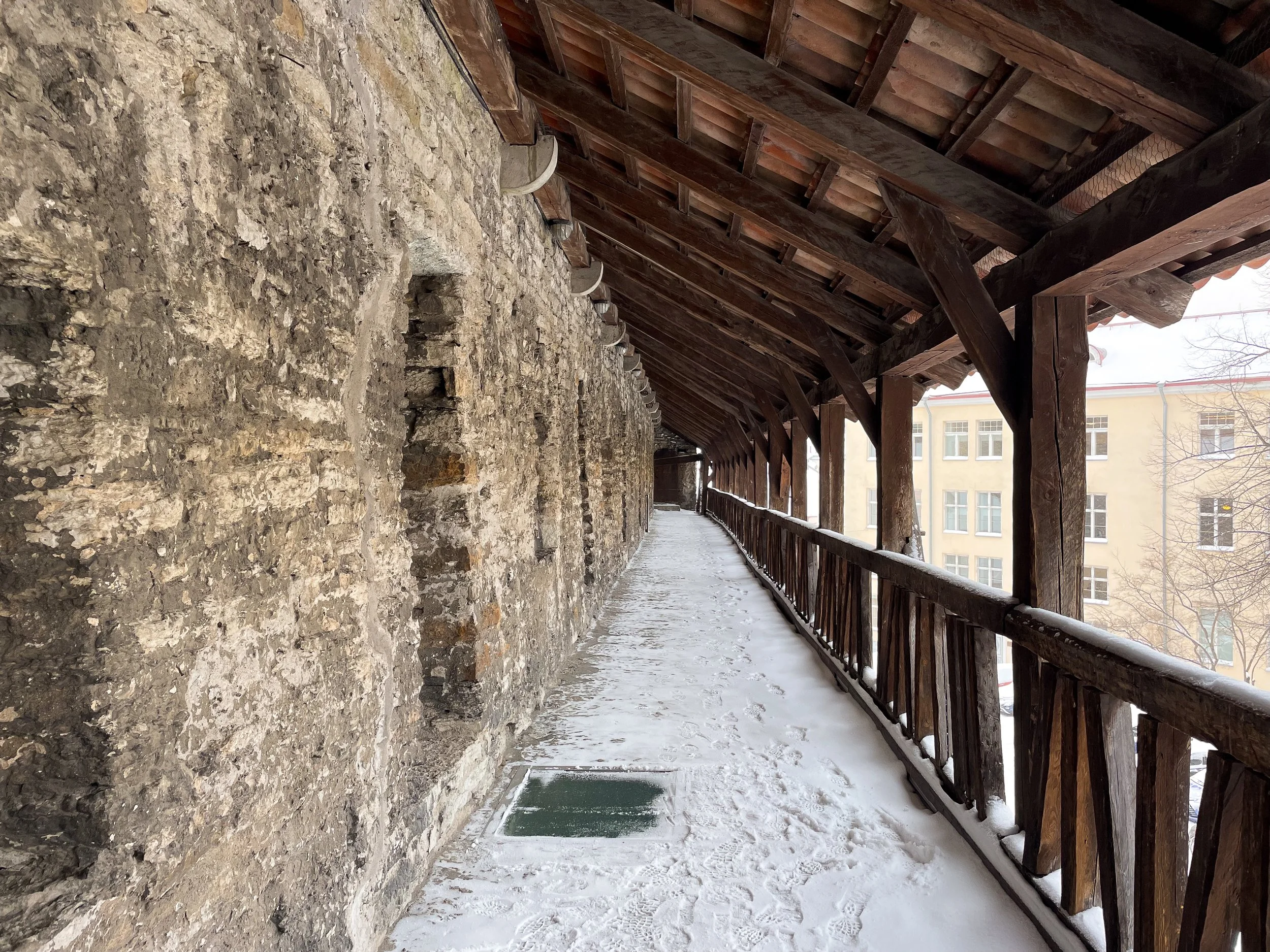
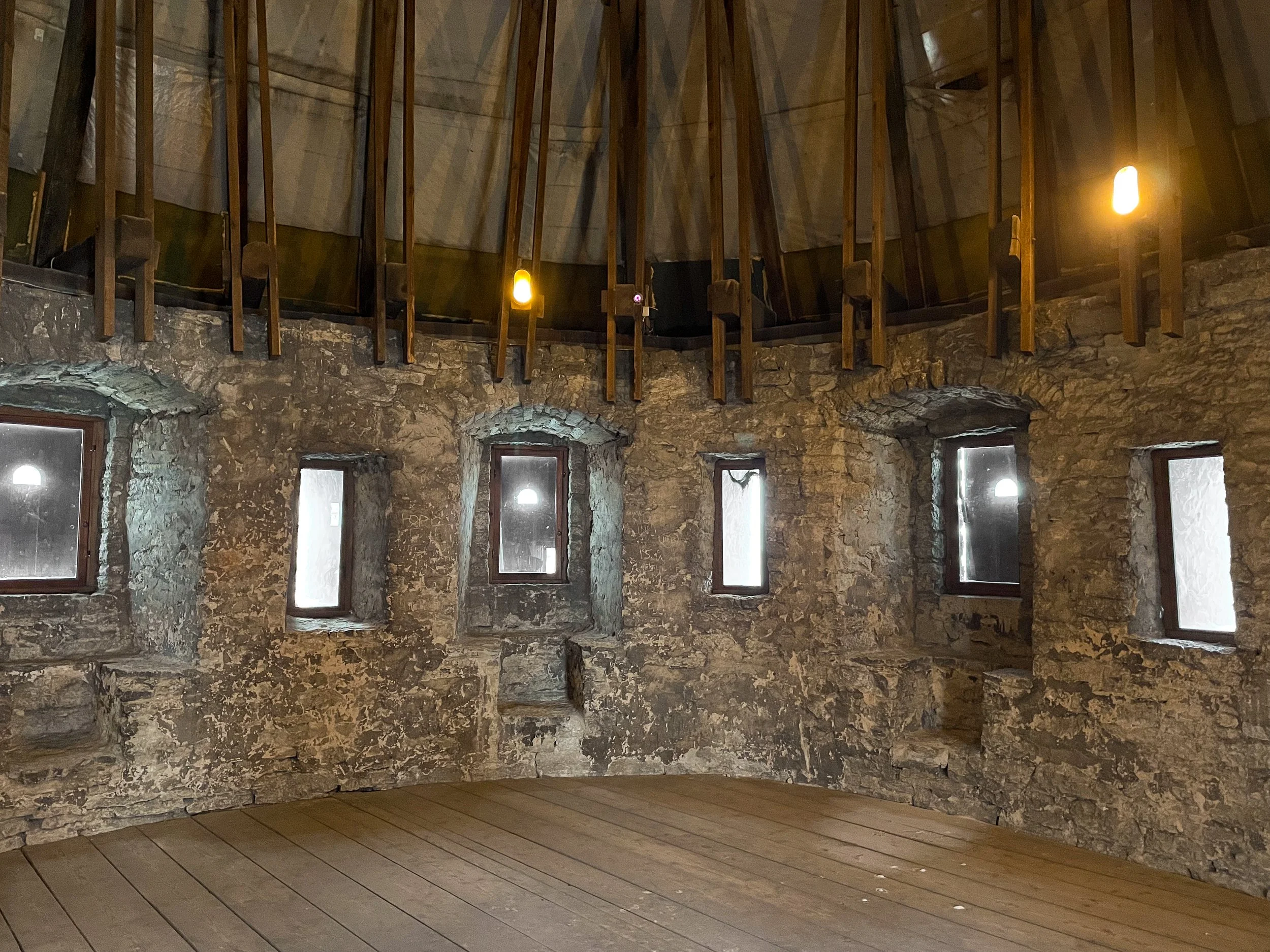
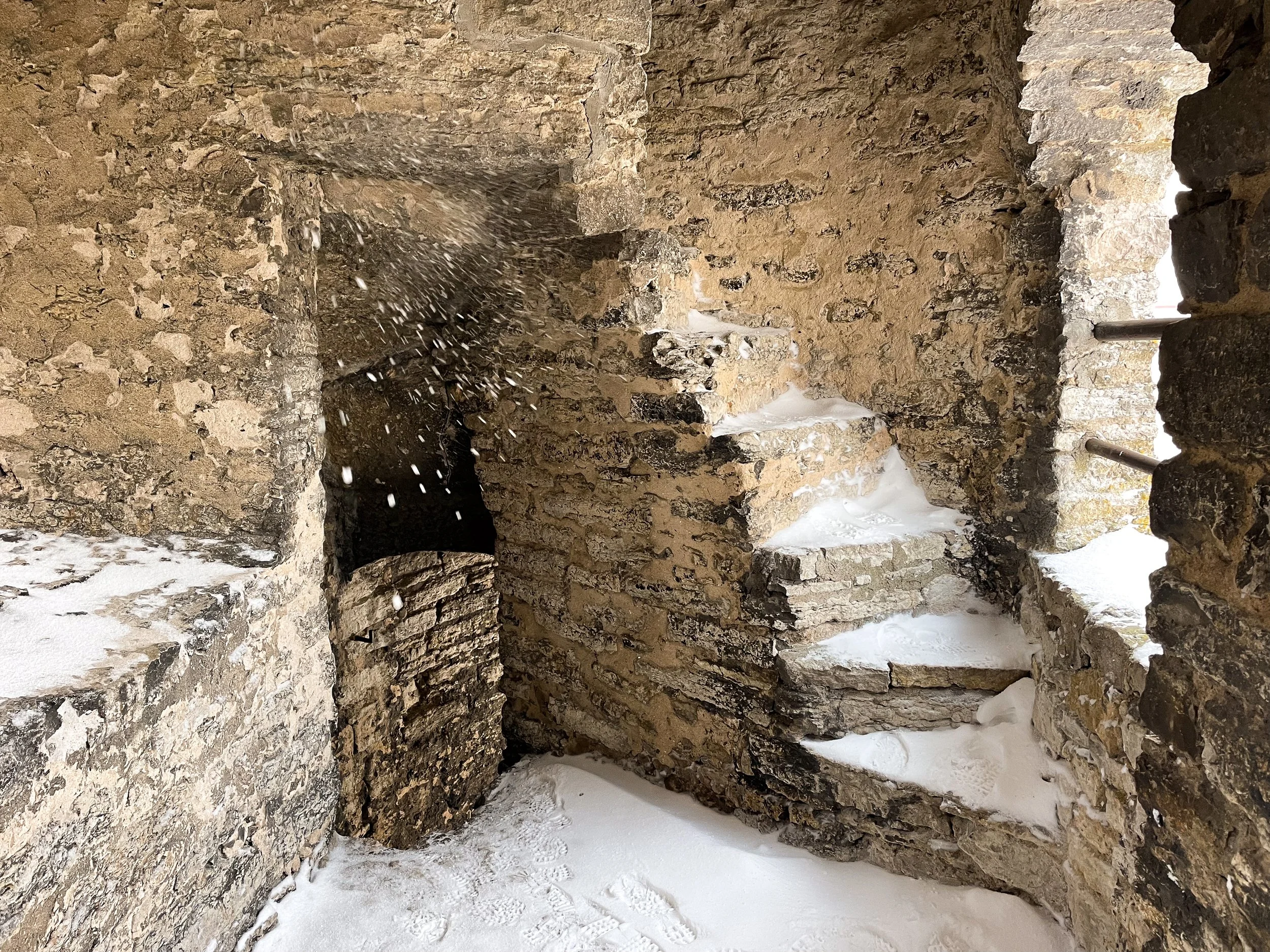
Sauna, Nun’s & Golden Leg Towers. The oldest section of the city wall with 3 towers connected by a stone and wood defensive wall. Each tower has stone spiral staircases that lead to different levels, each with windows overlooking the city.
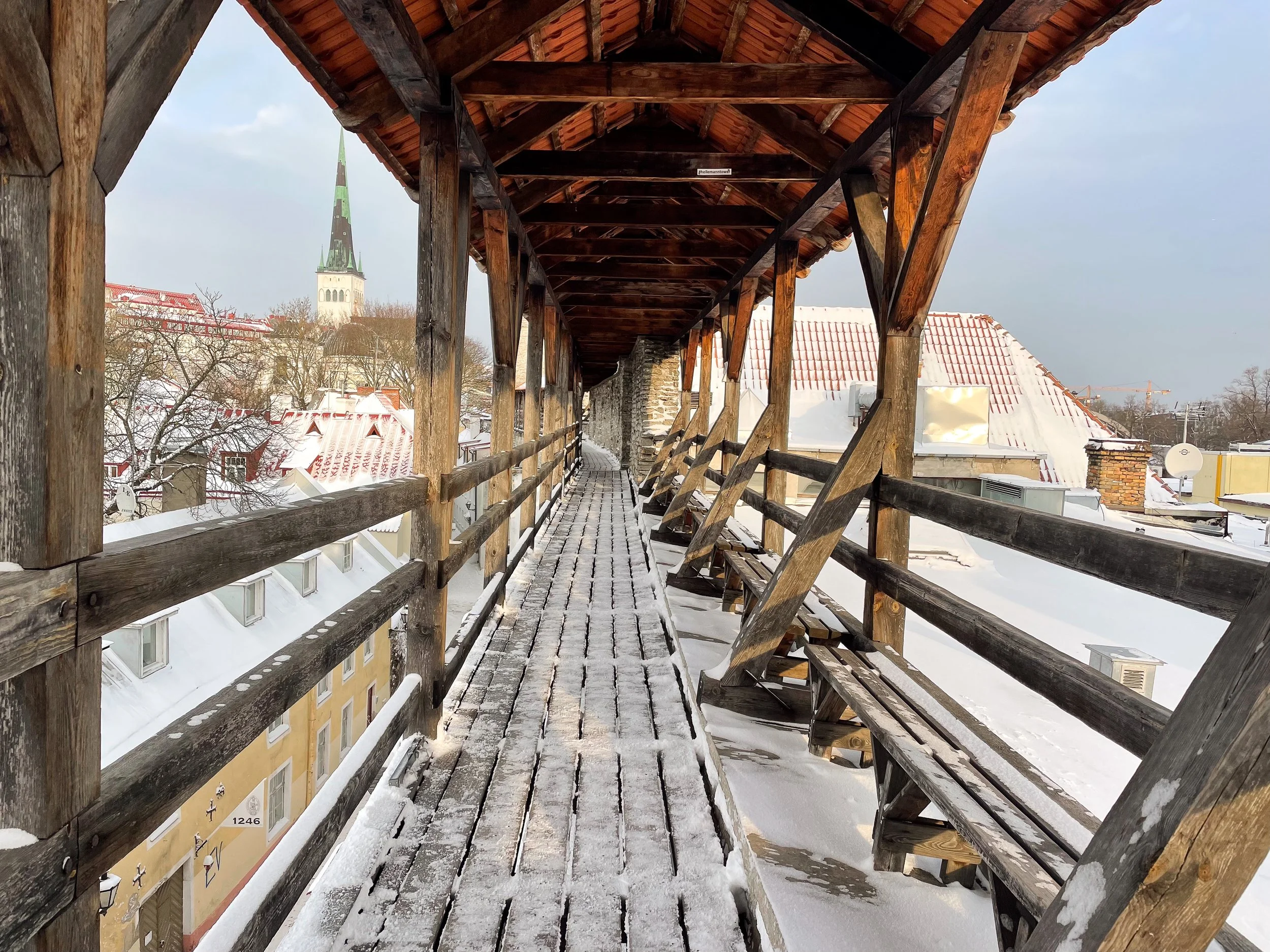
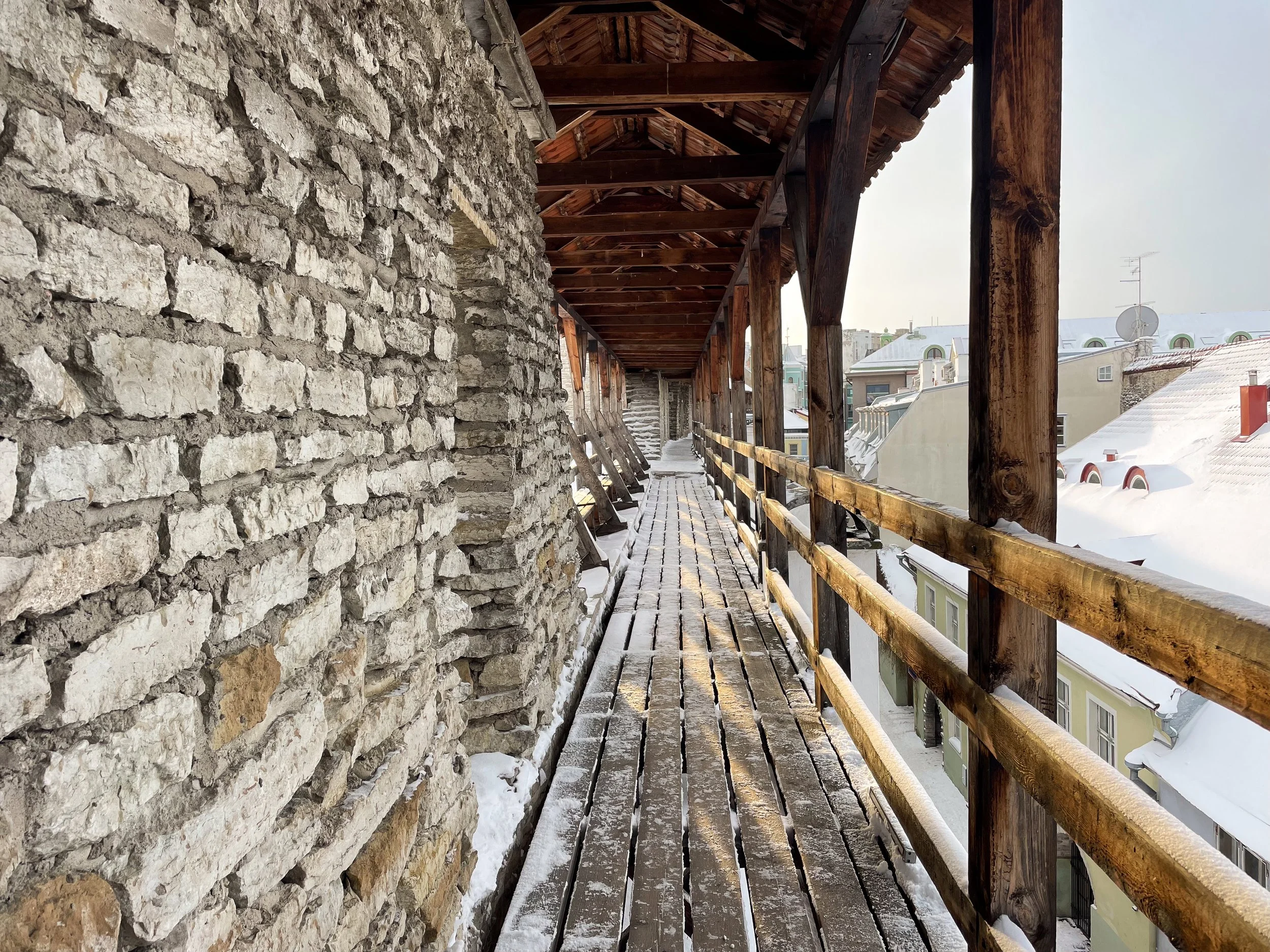
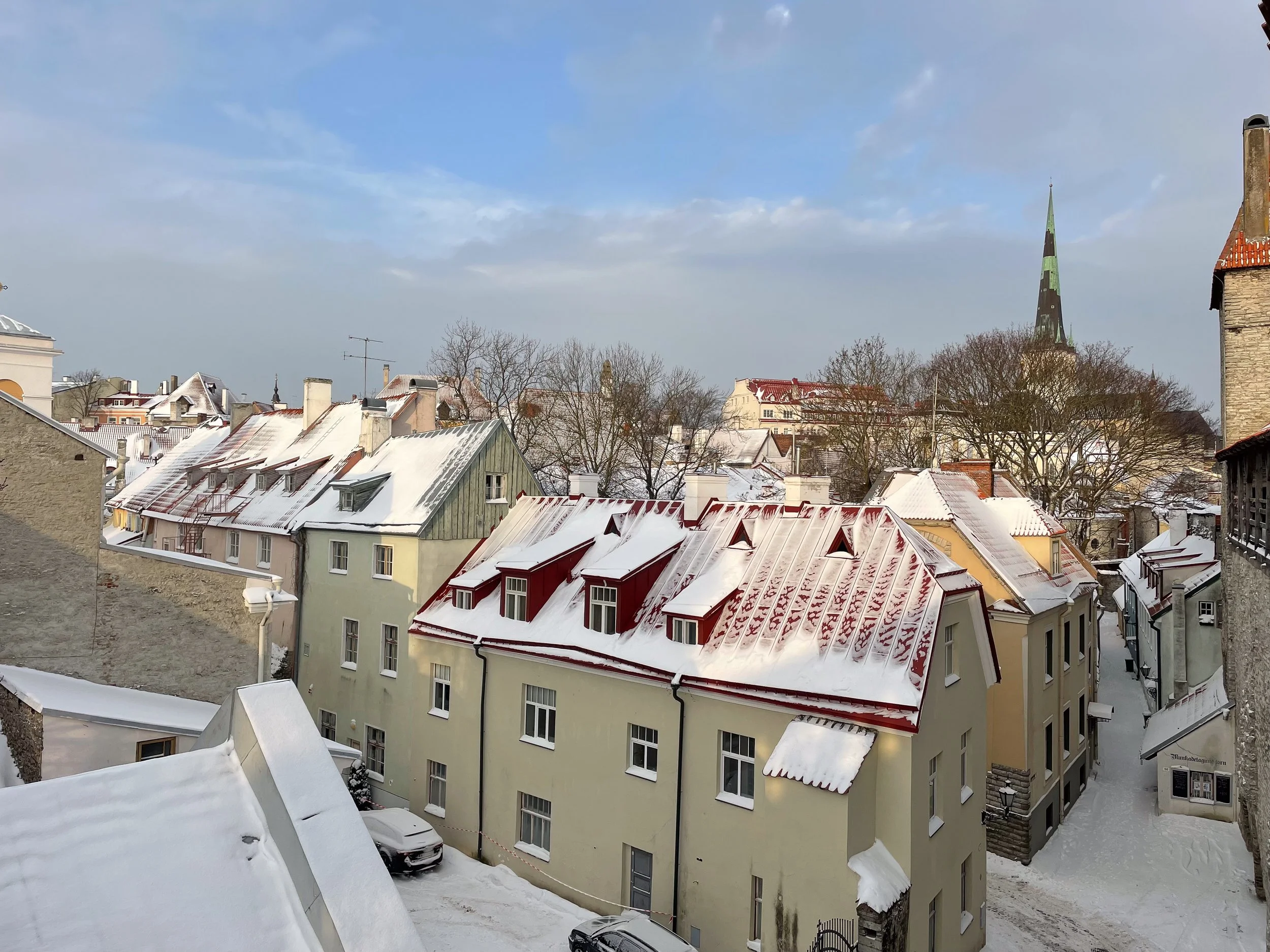
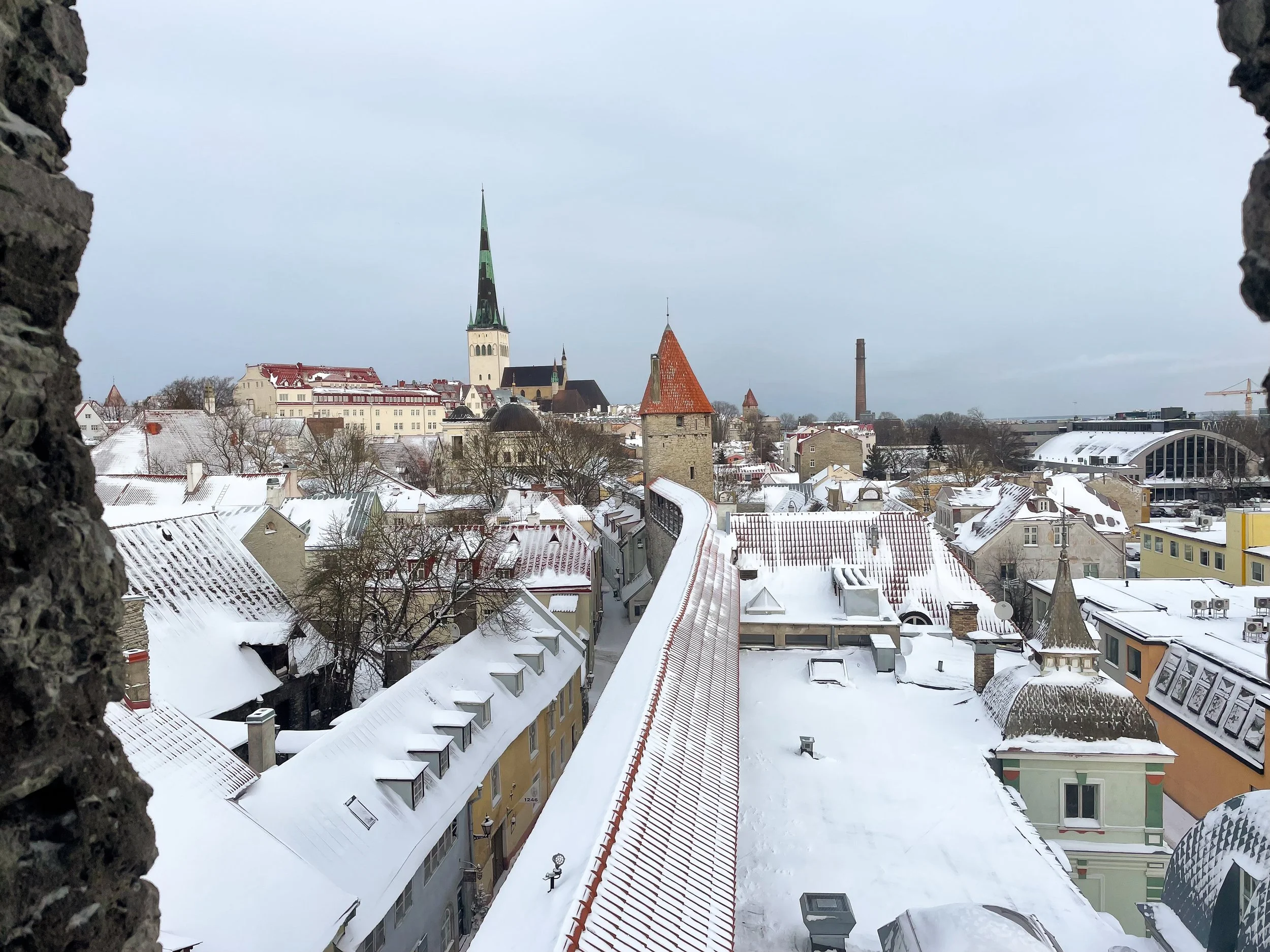
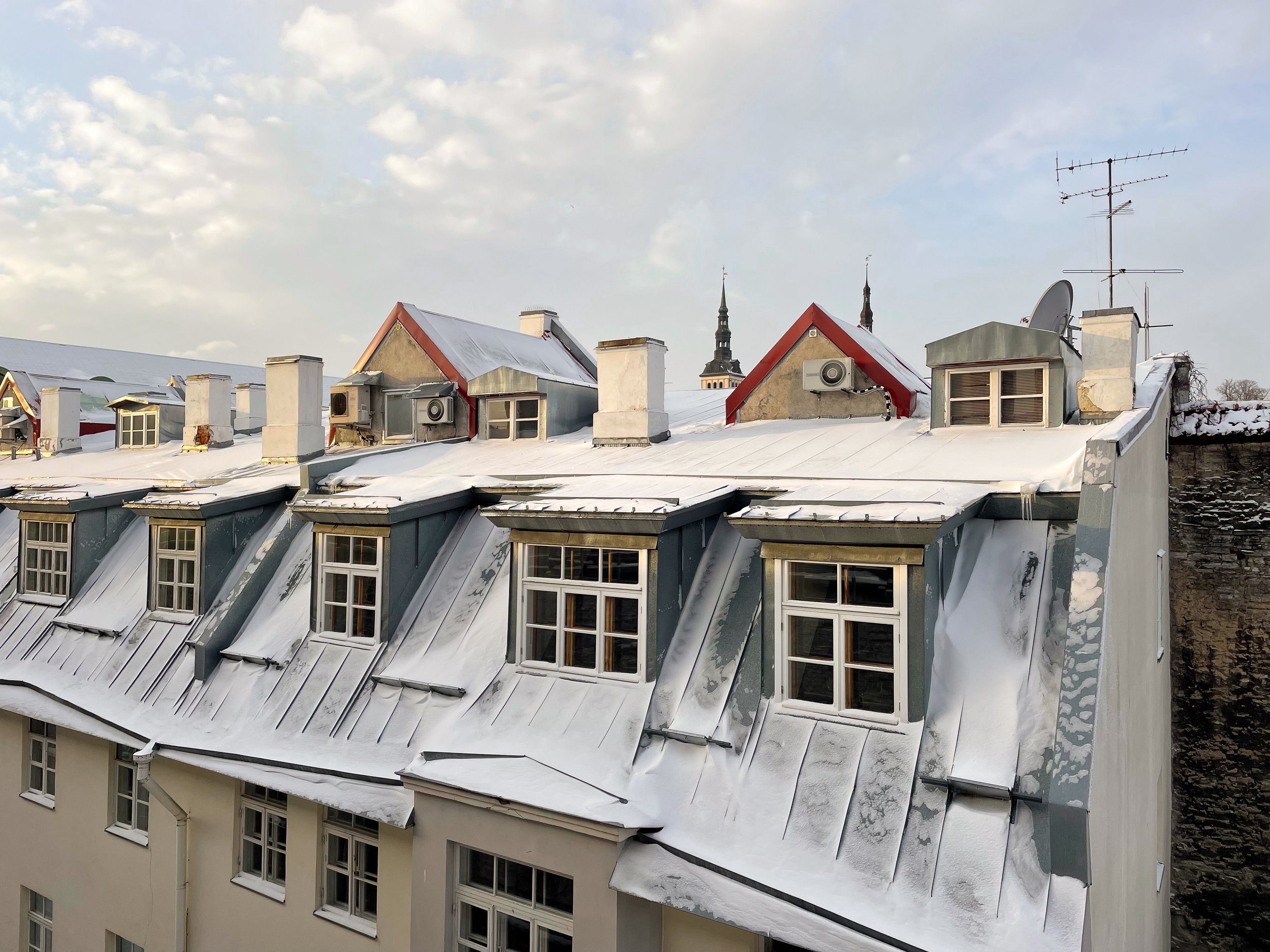
Hellemann Tower & Wall. A 3 floor artillery tower with a clay tile roof. A spiral staircase leads to a 200 meter long defensive wall and platform with city views.
Monks Tower. A tower accessible from the Hellemann Tower & Wall. It has a gallery of historic city photos and a café on its ground floor.
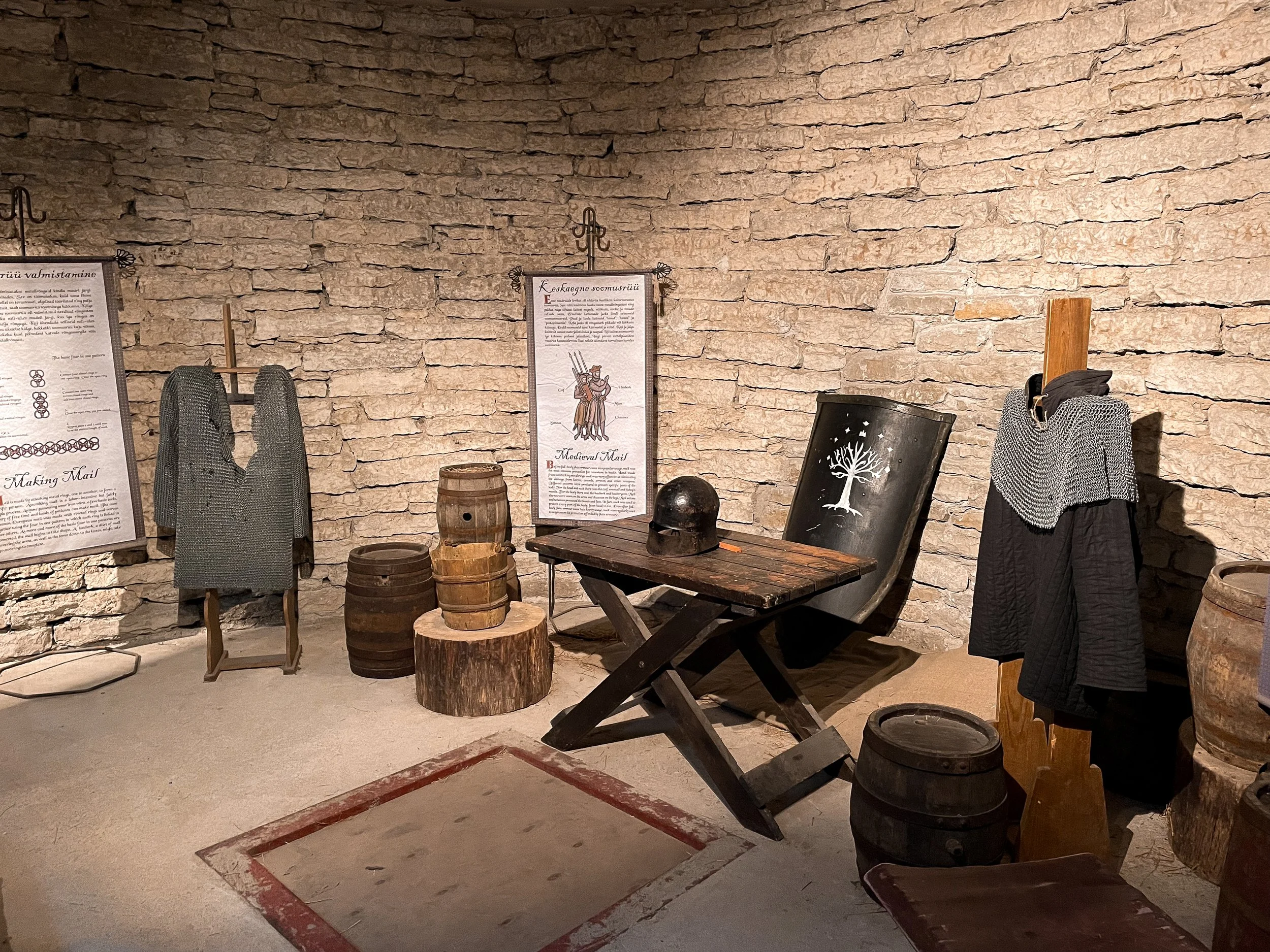
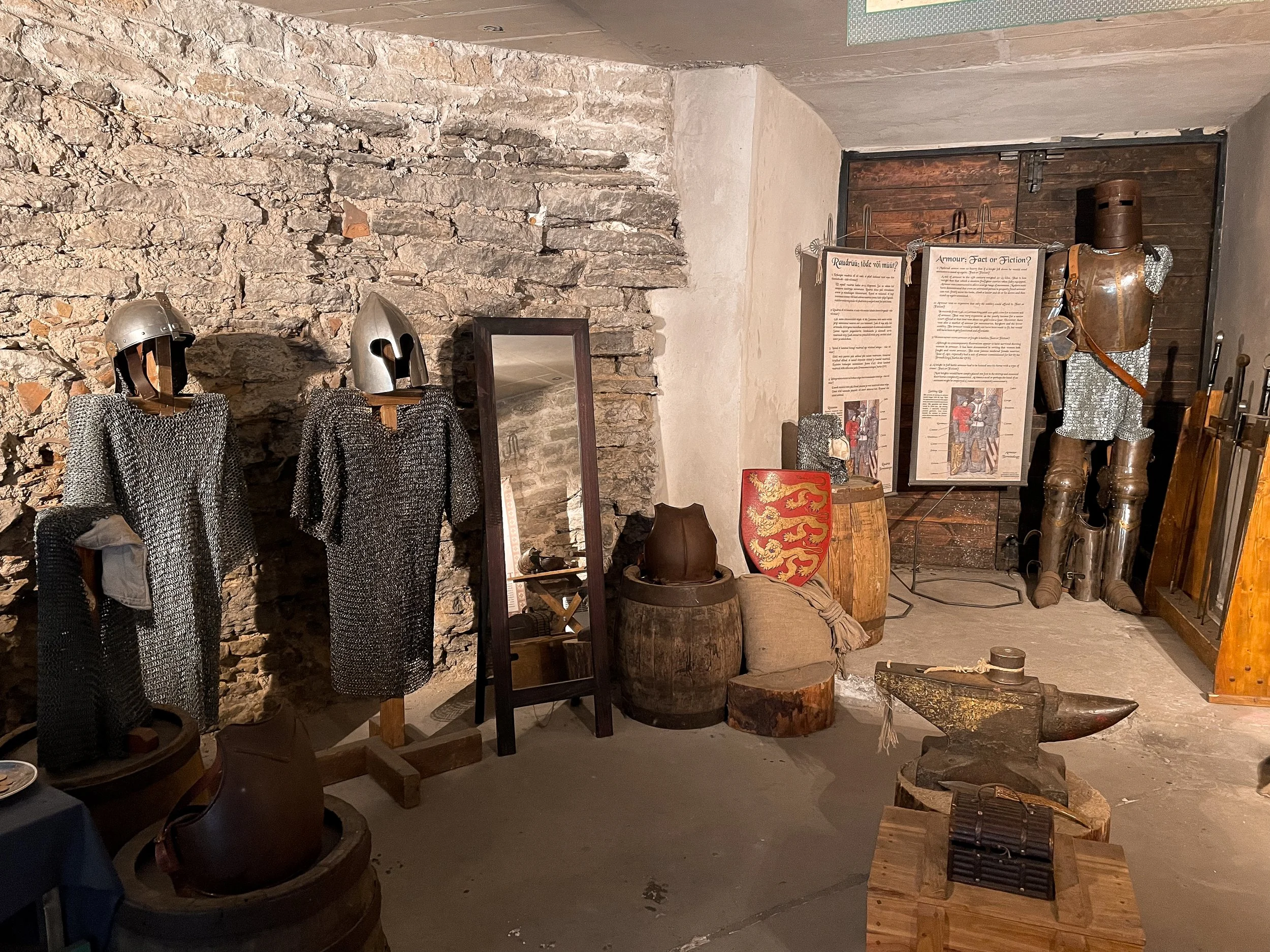
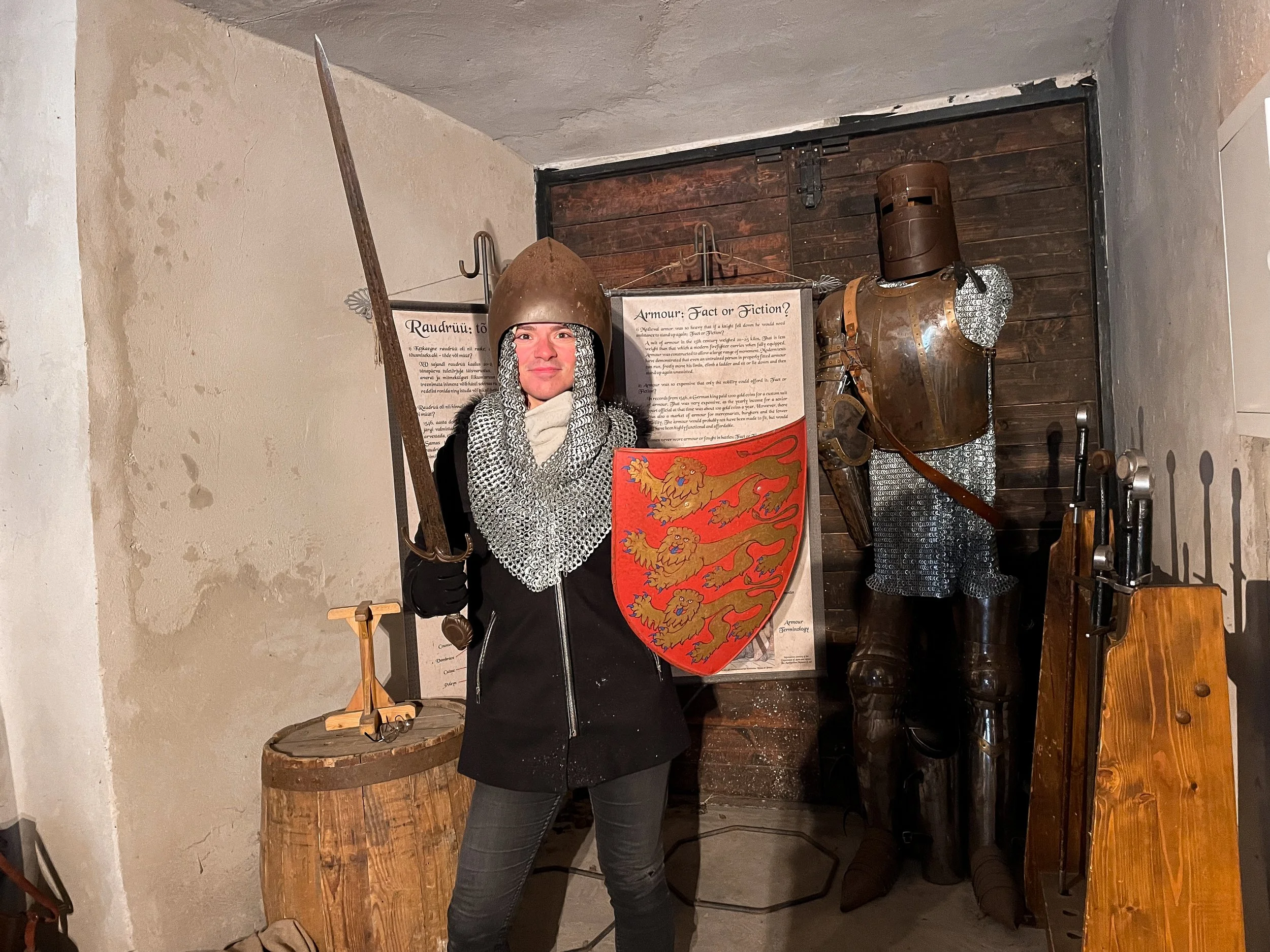
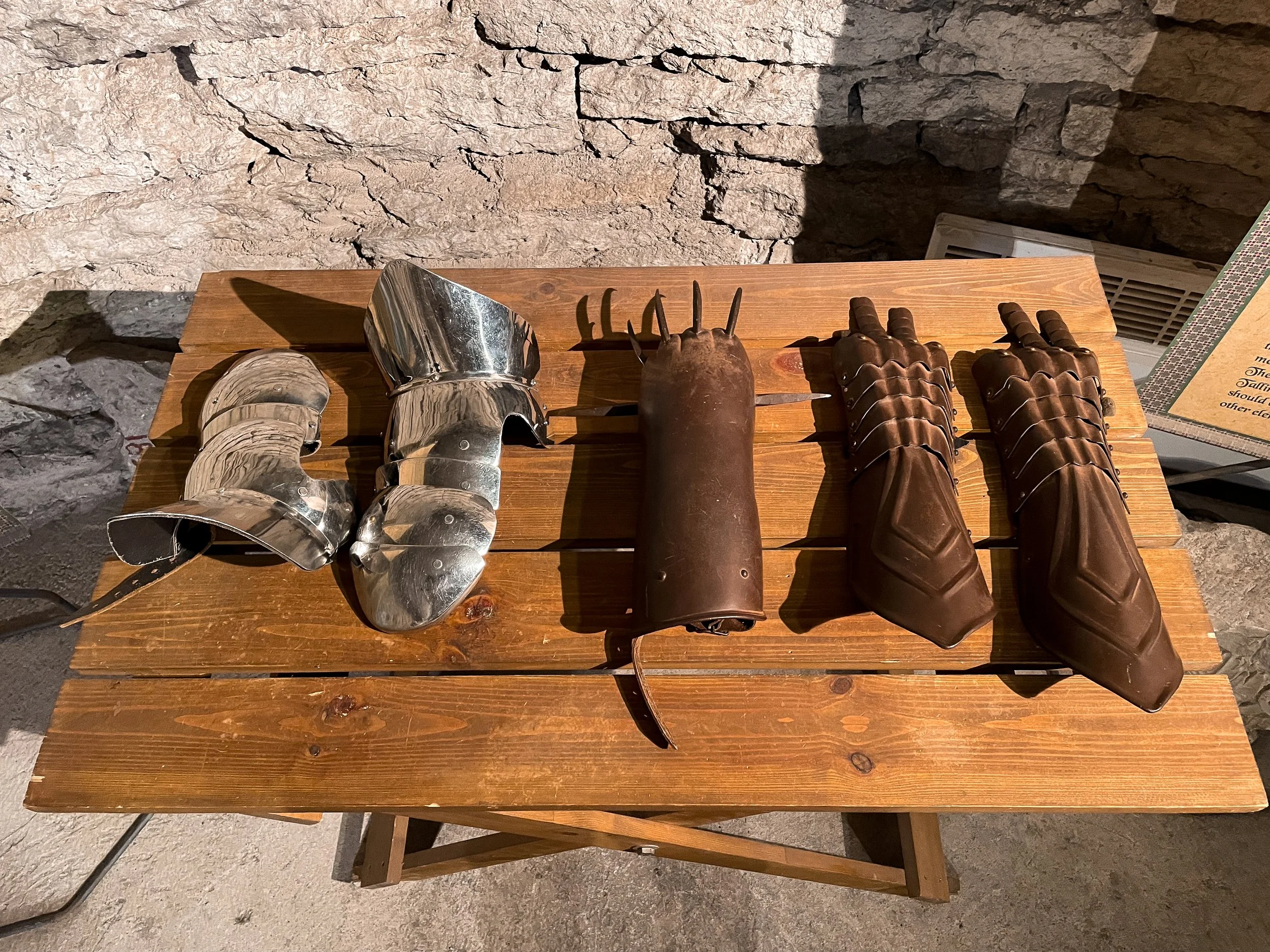
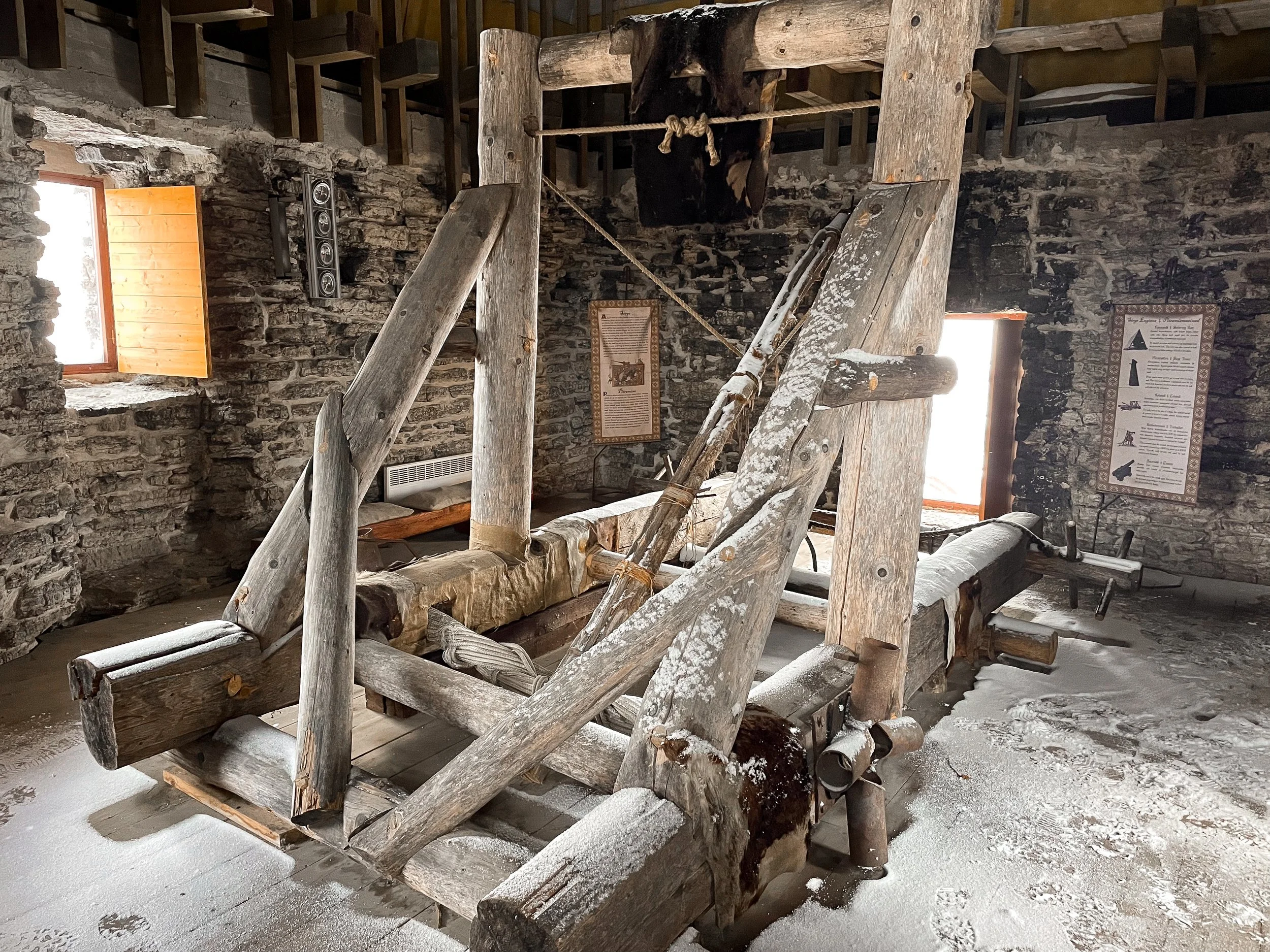
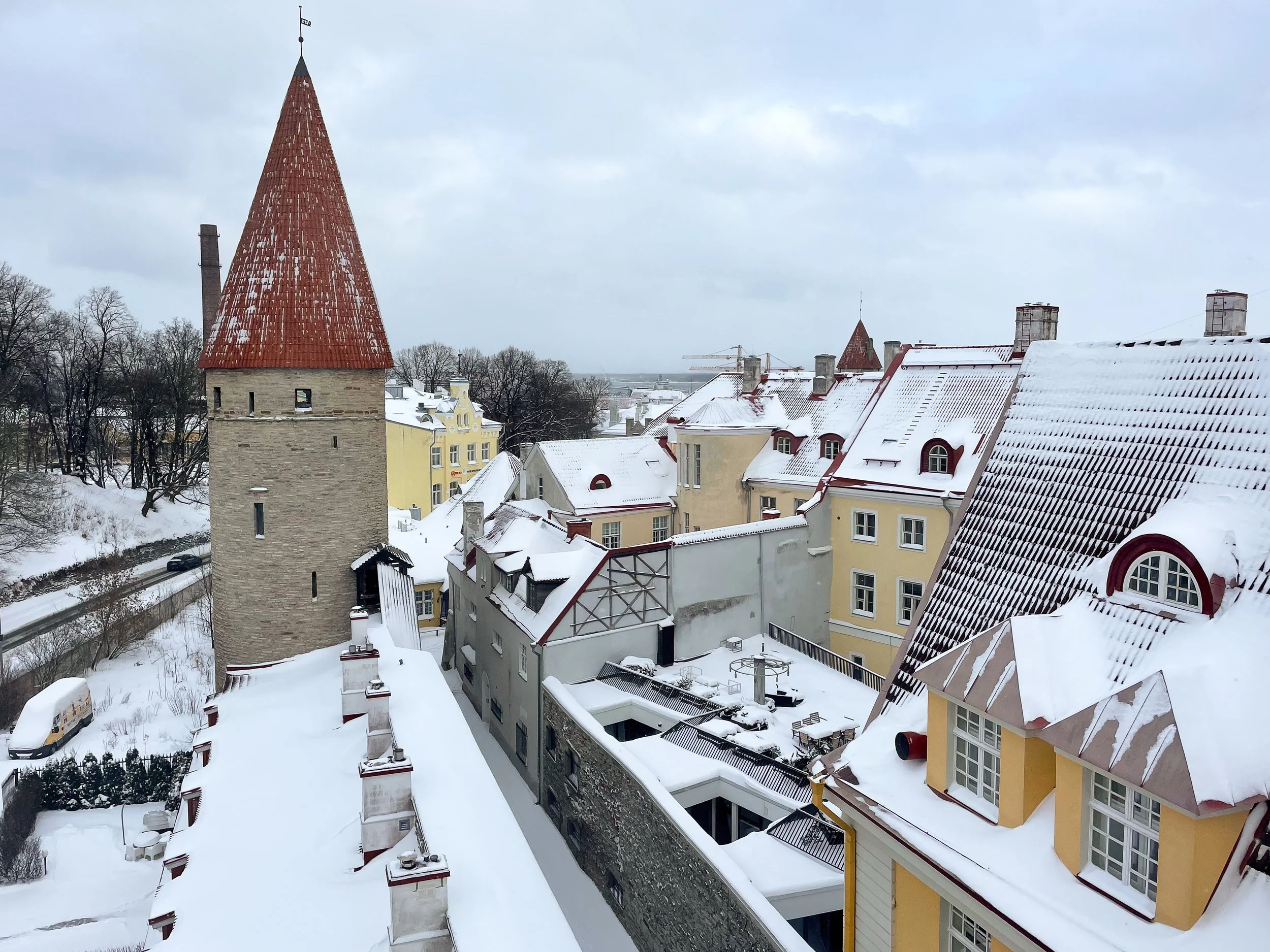
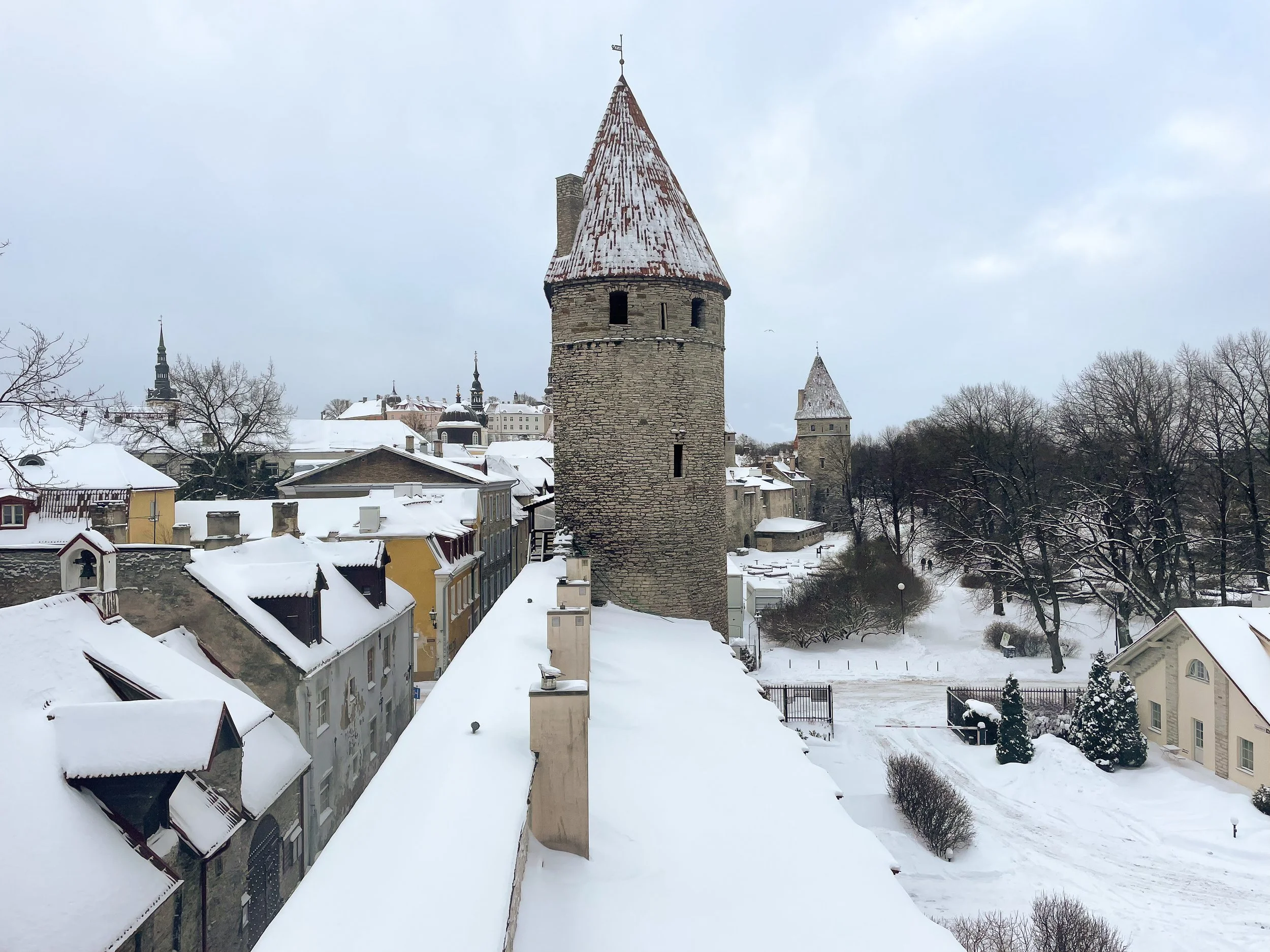
Epping Tower. A 6 floor defensive tower and medieval museum. Each floor has an exhibit with weapons like swords, crossbows and a catapult. Come to try on armor, chain mail and helmets.
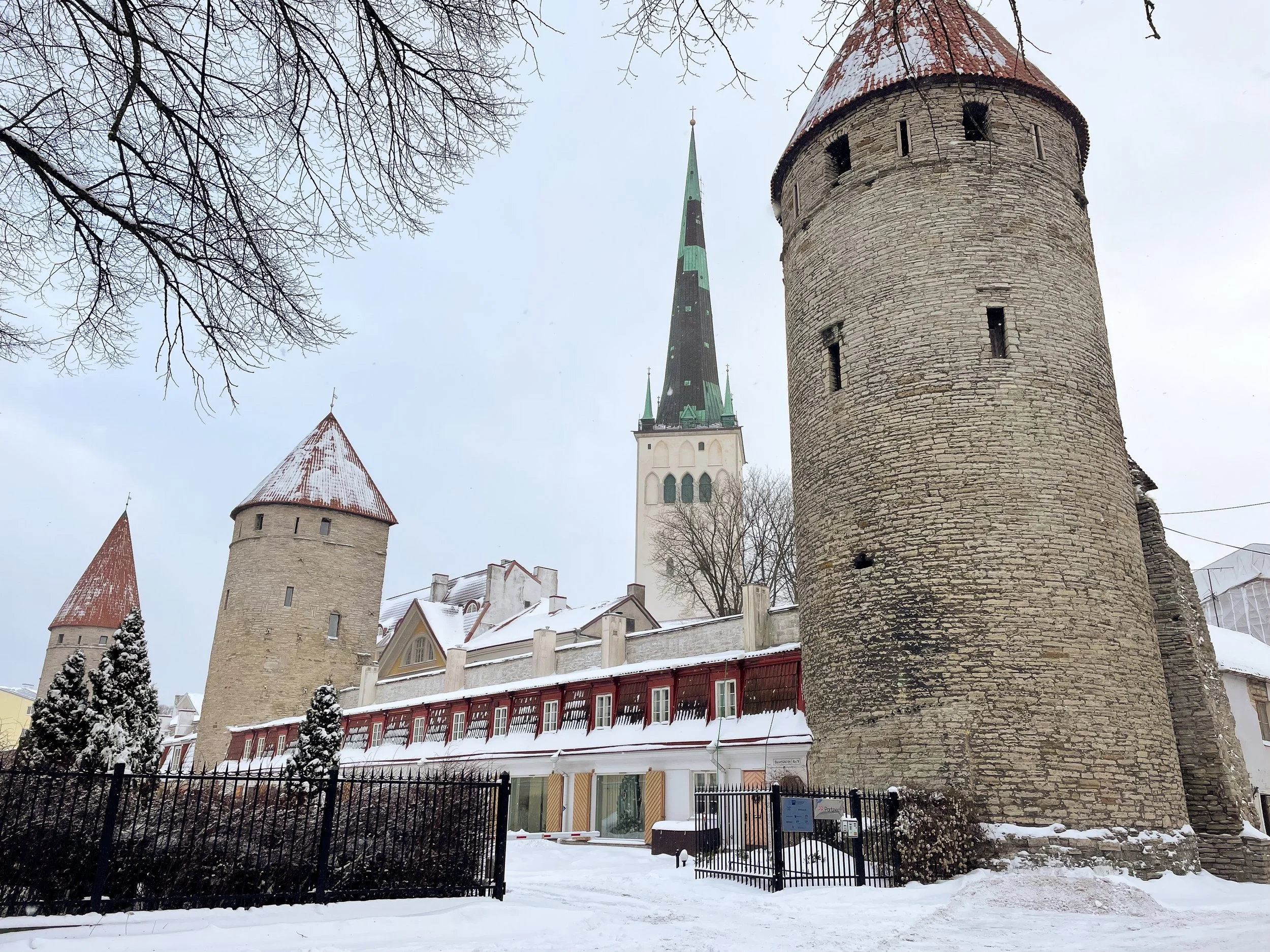
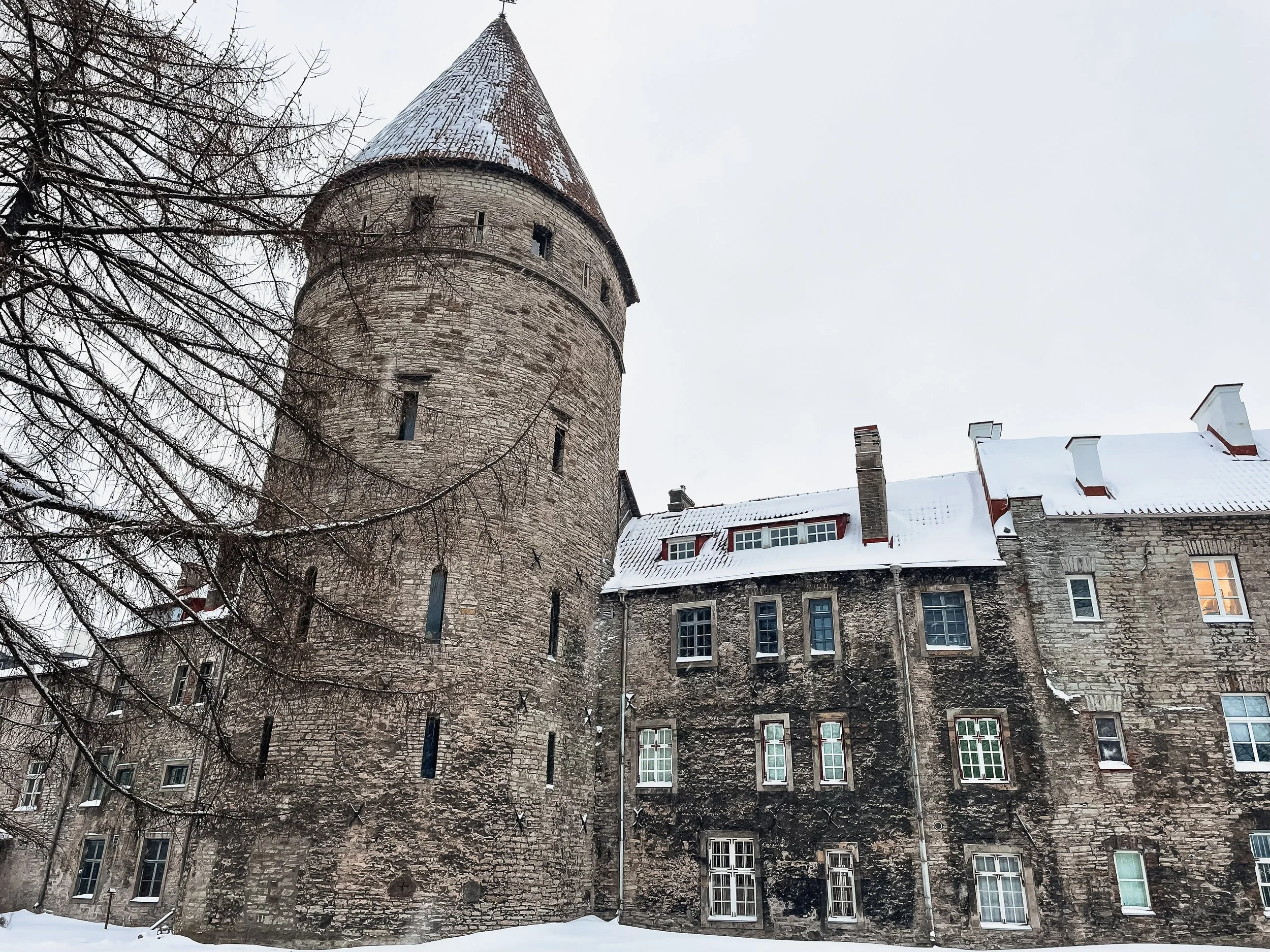
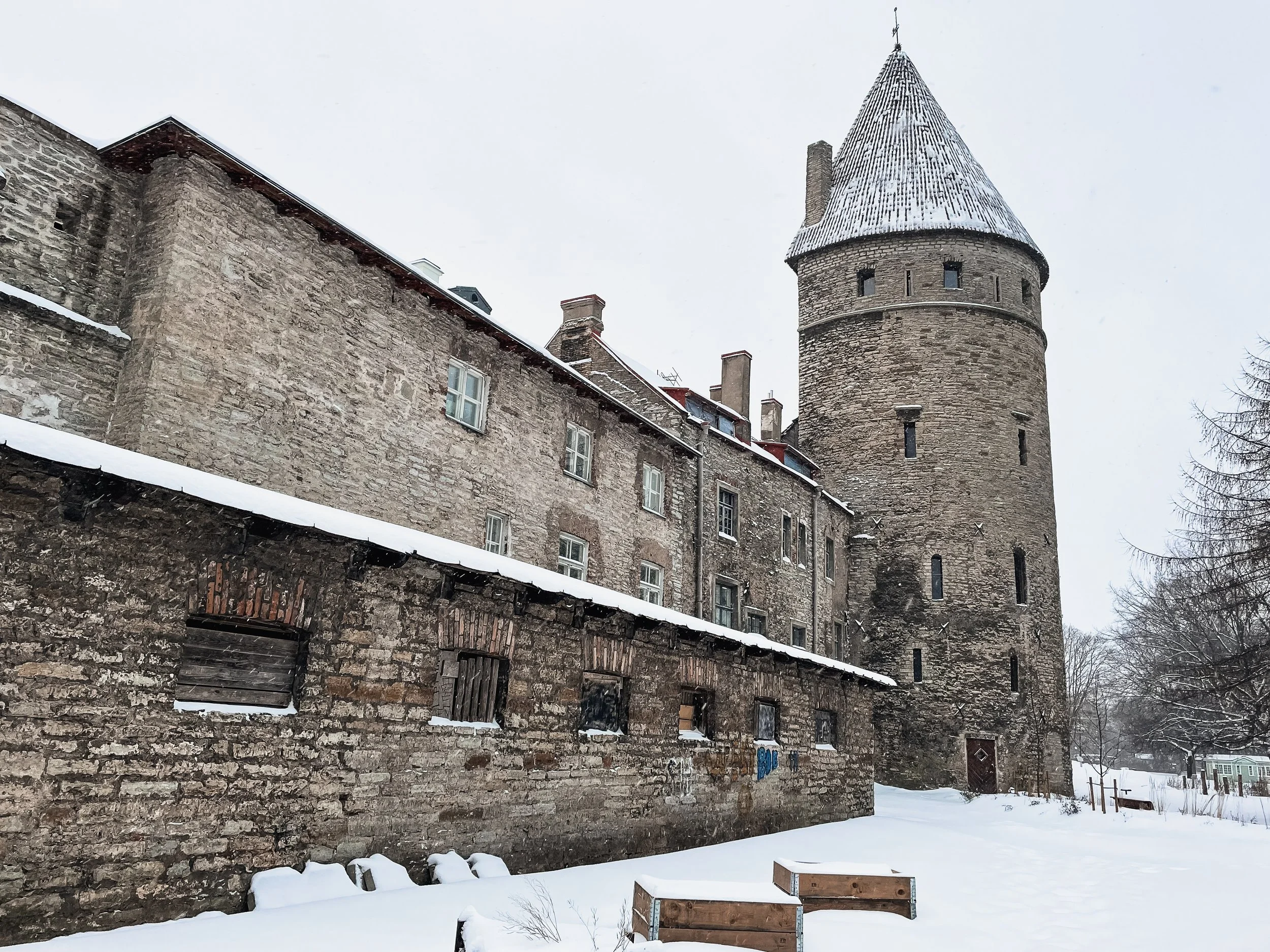
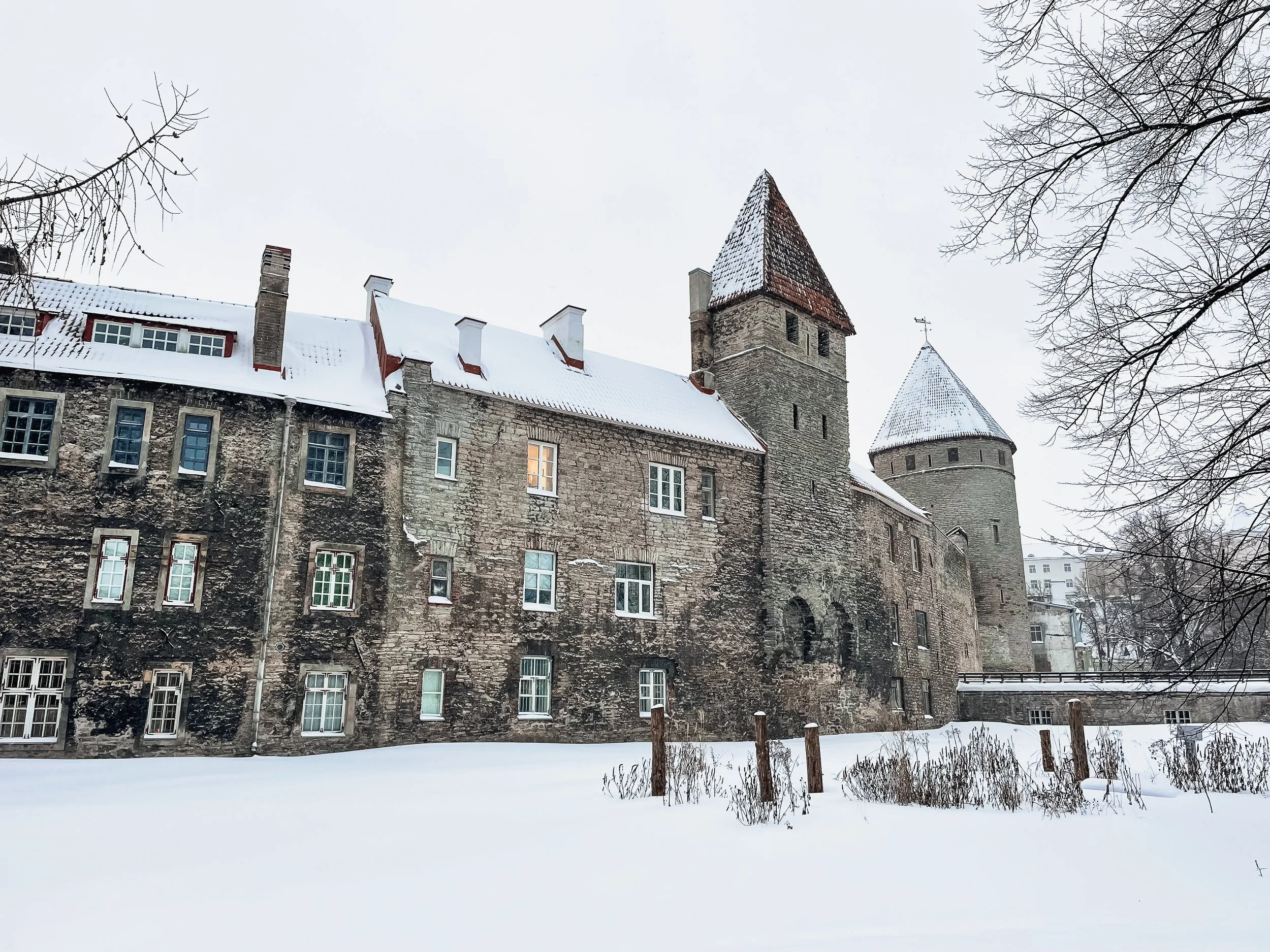
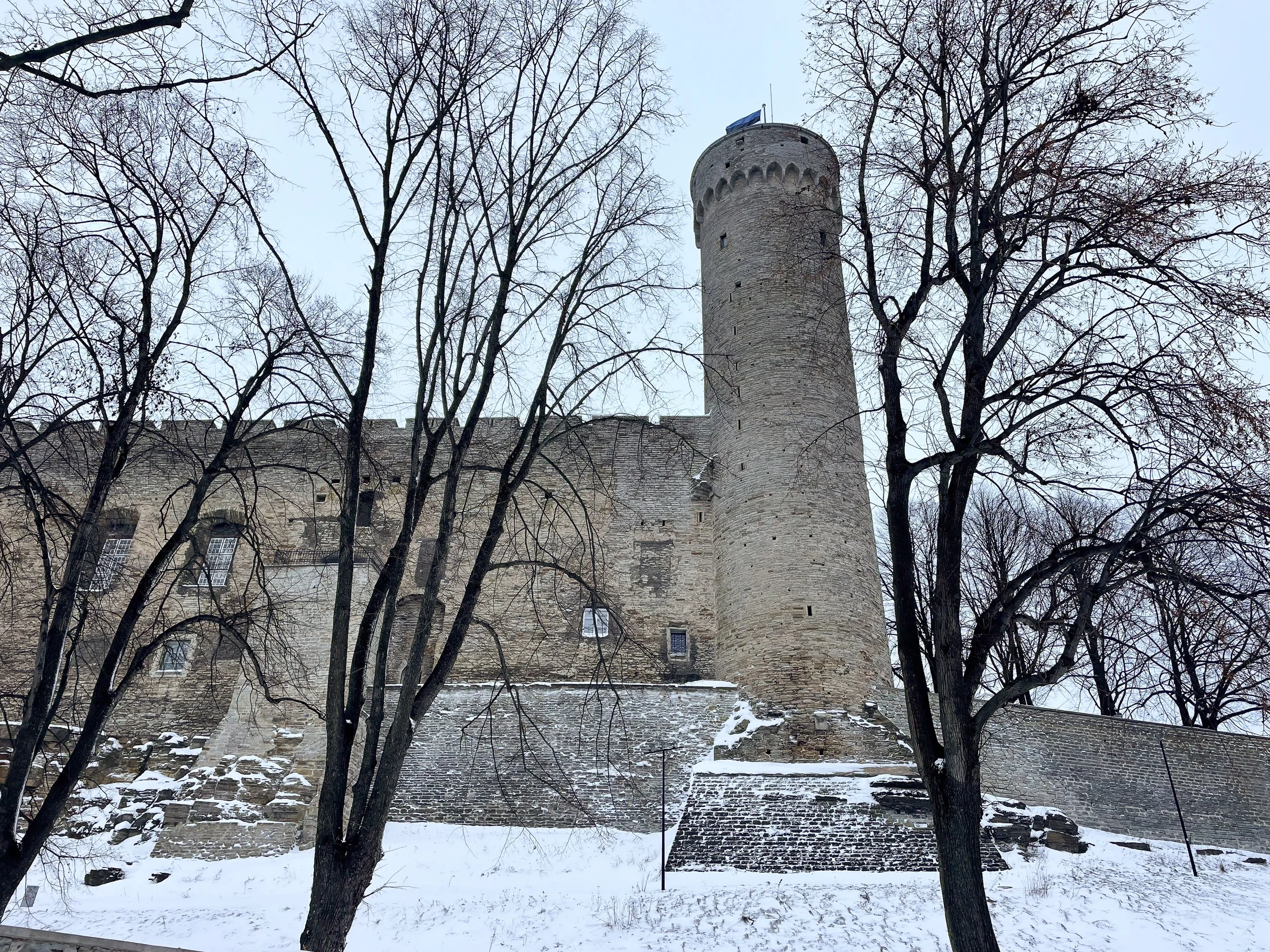
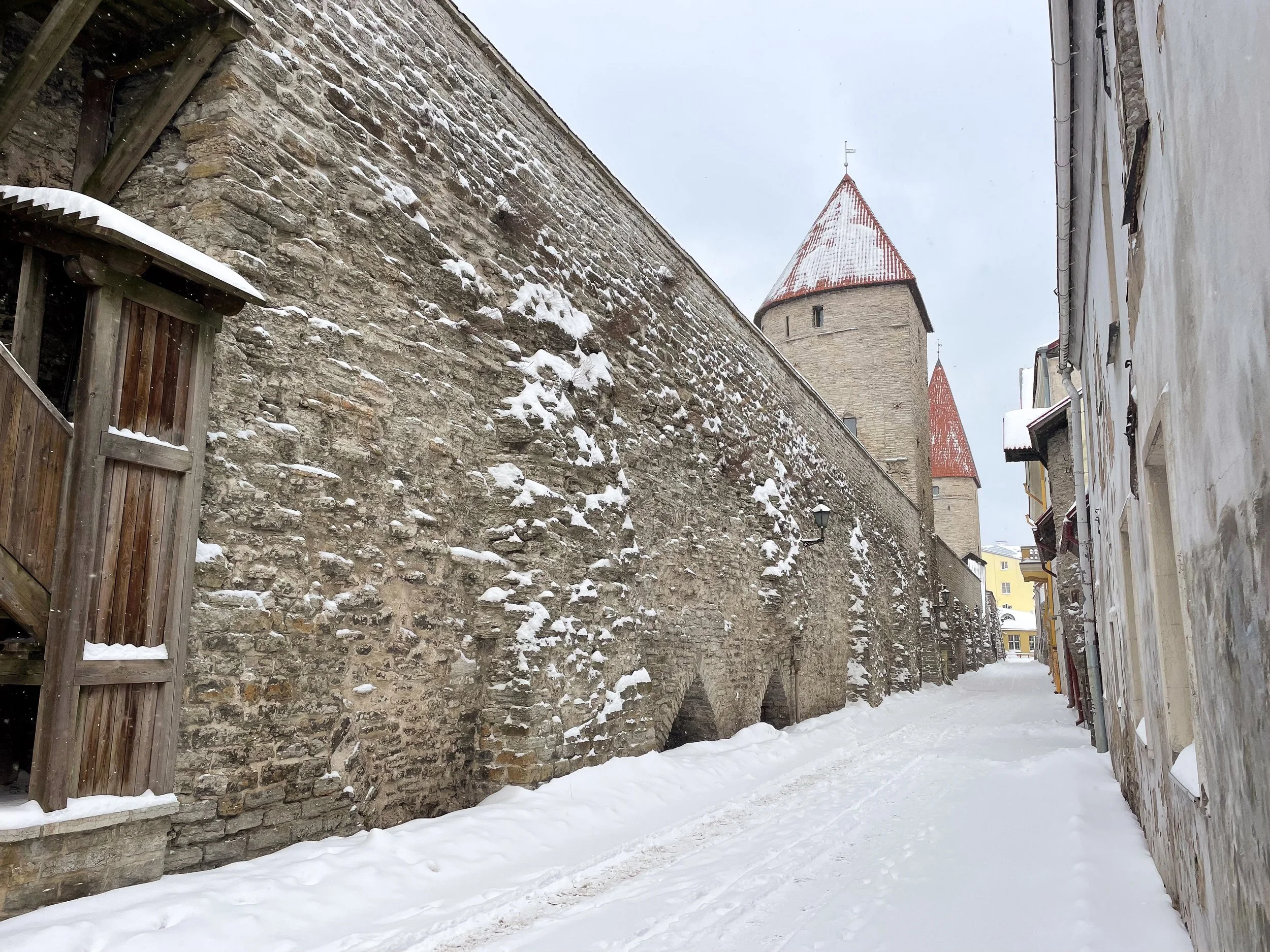
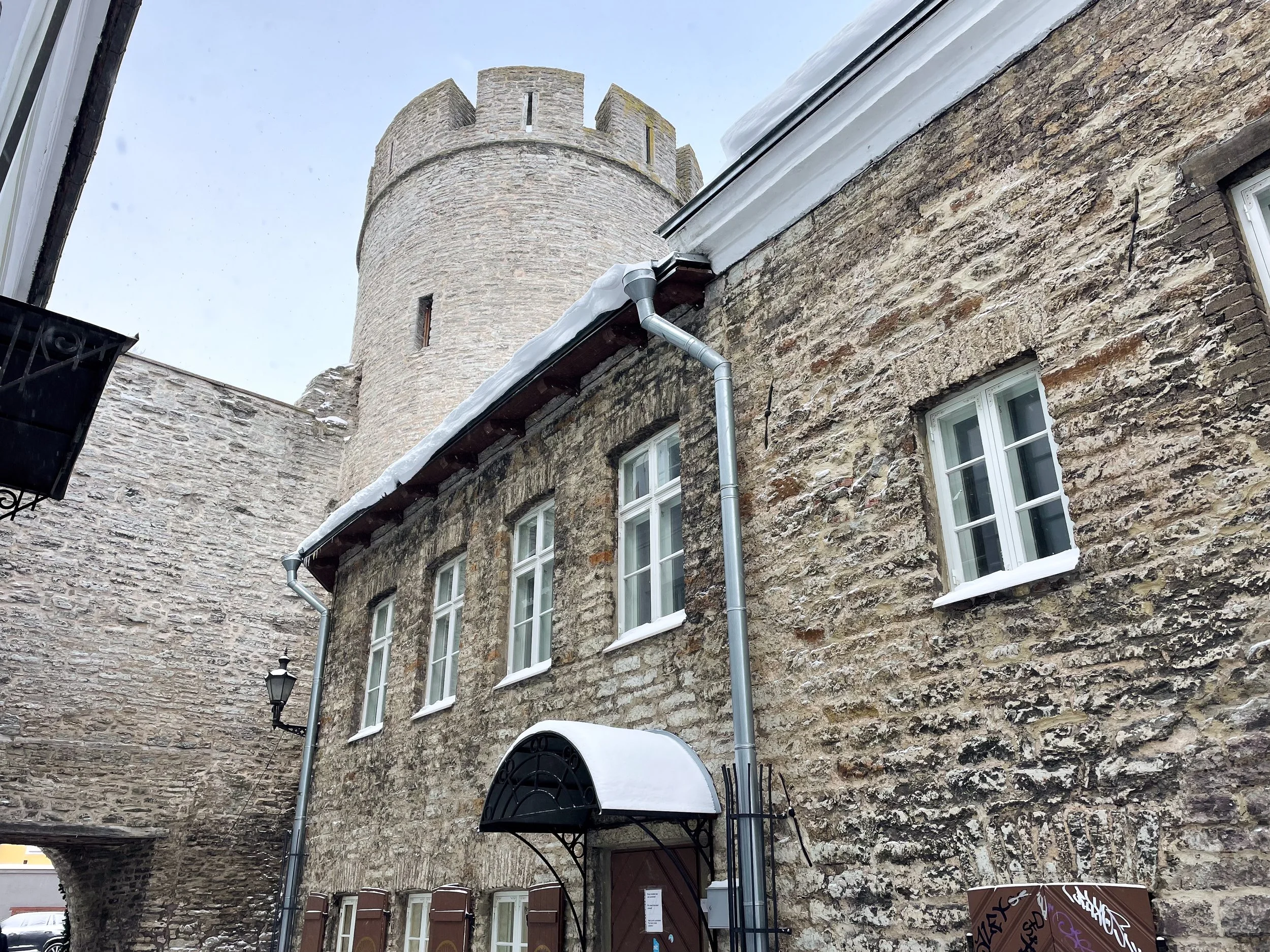
The Towers Square. A plaza and garden outside the old town’s wall with views of several defensive towers.
Bremen Tower. A 4 floor defensive and prison tower. It’s inaccessible but there is a passageway below it into and out of the walled city.
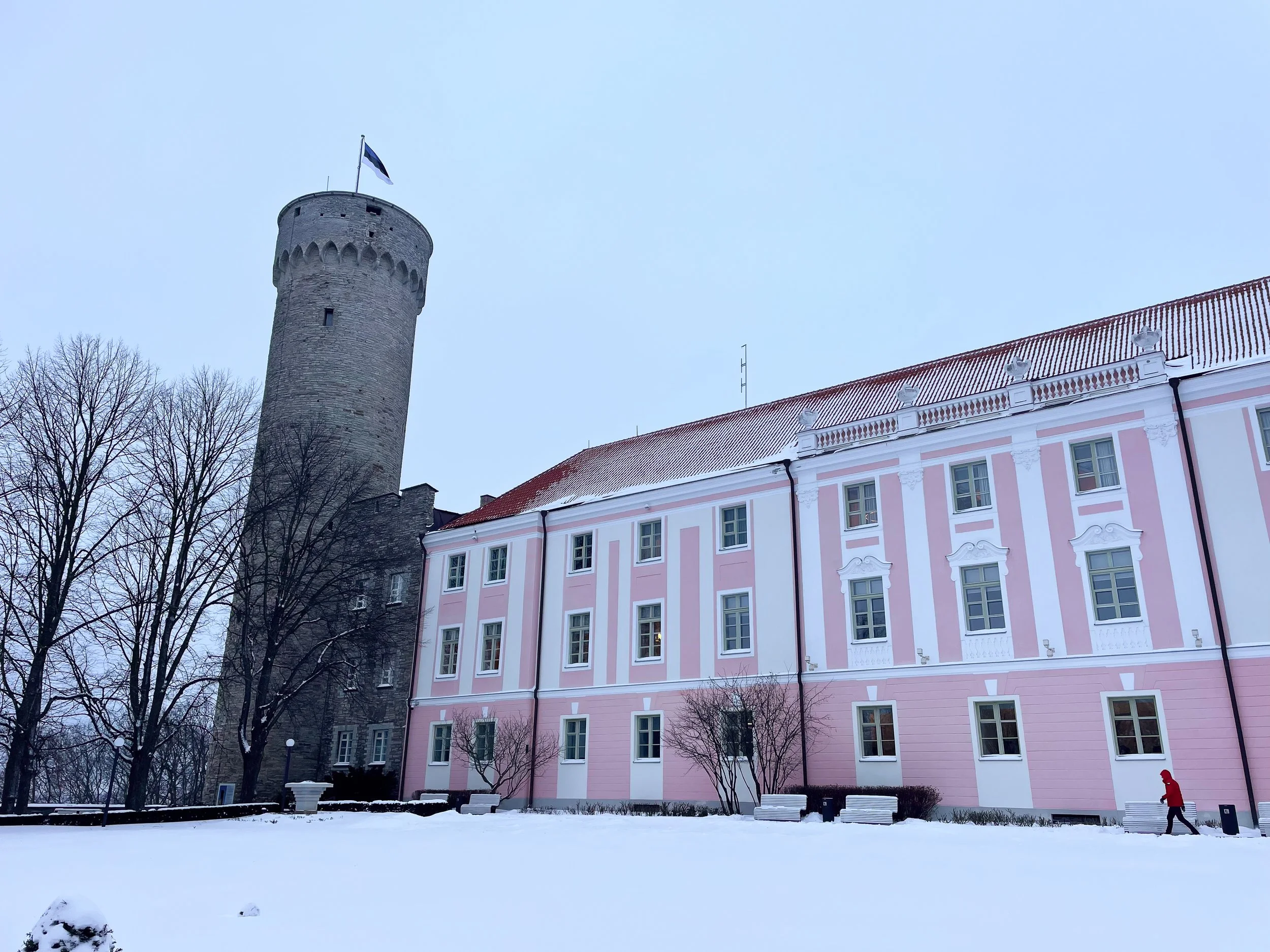
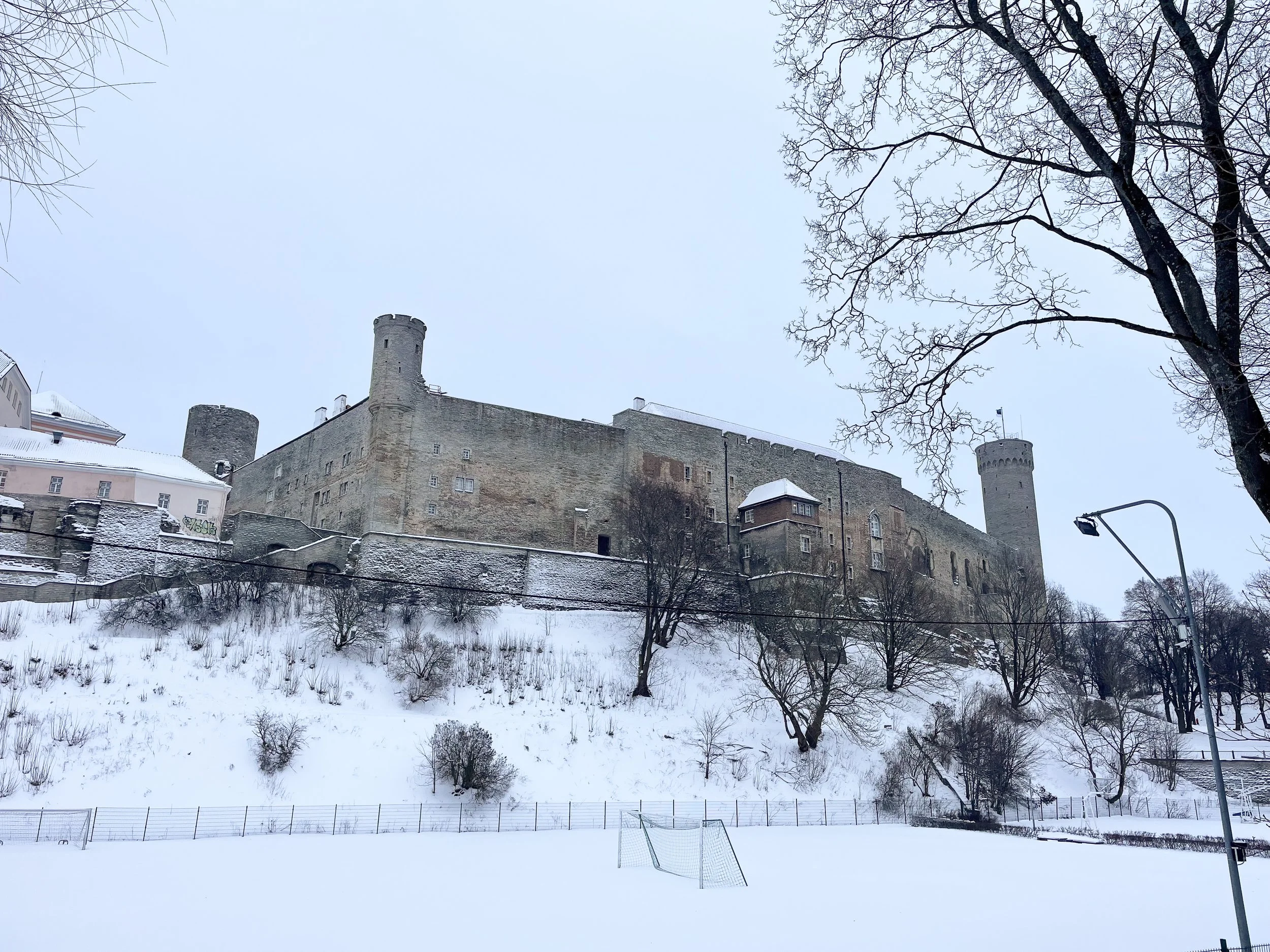
Tall Hermann. A 45 meter tall defensive tower at Toompea Castle.
See the Sights of Vanalinn
Many of the sights within Vanalinn are in close proximity to each other, making it easy to explore the city.
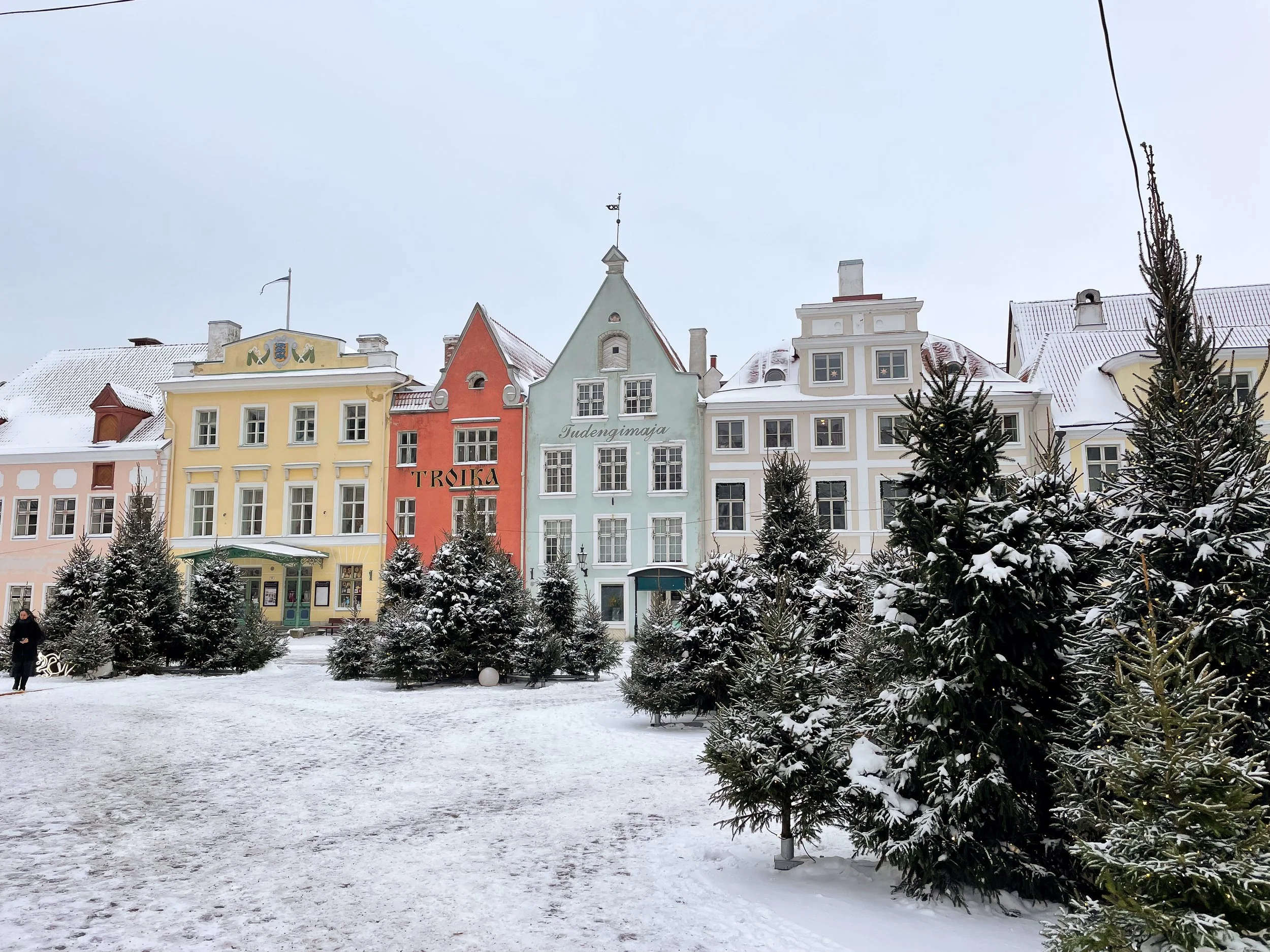
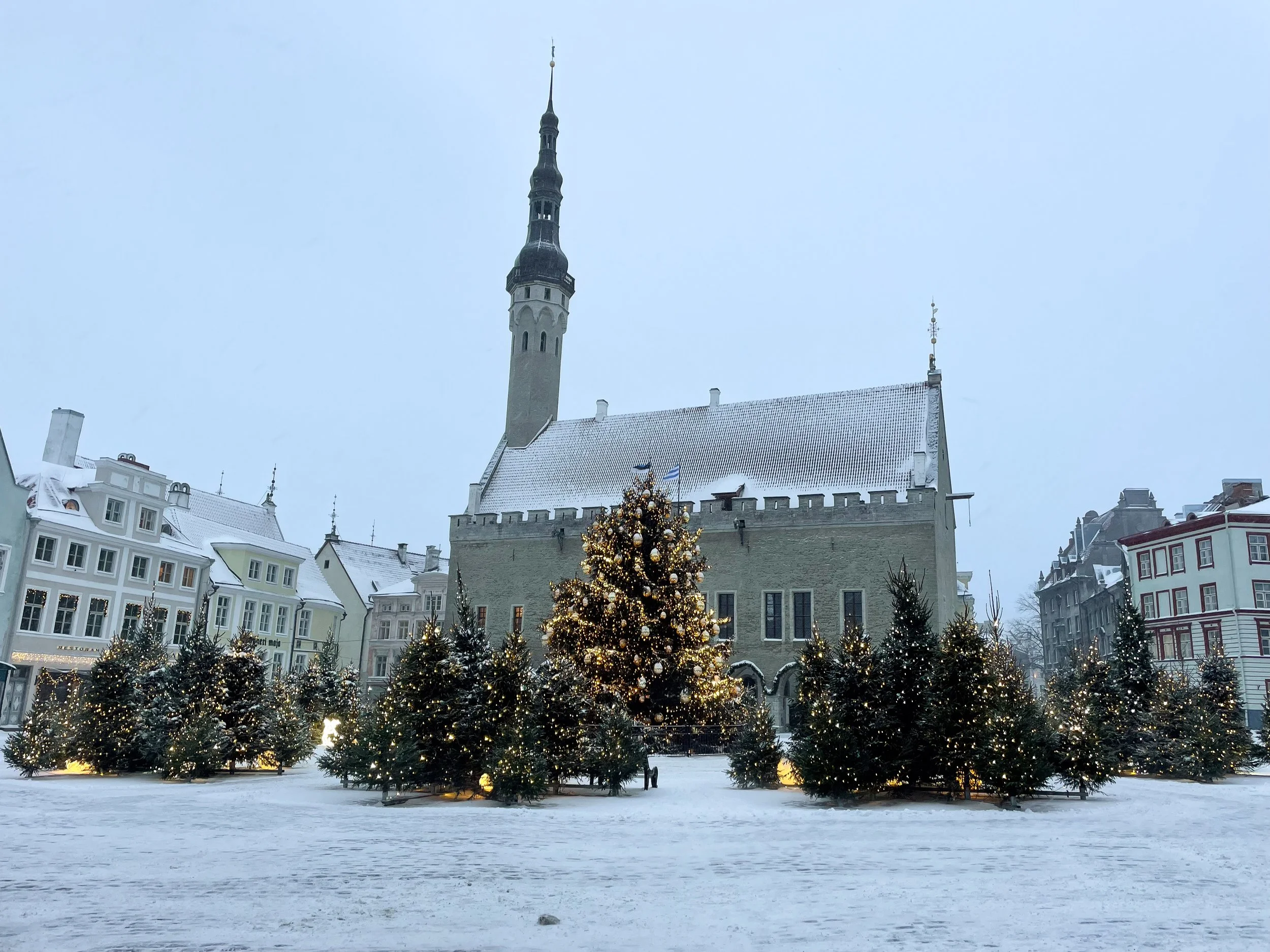
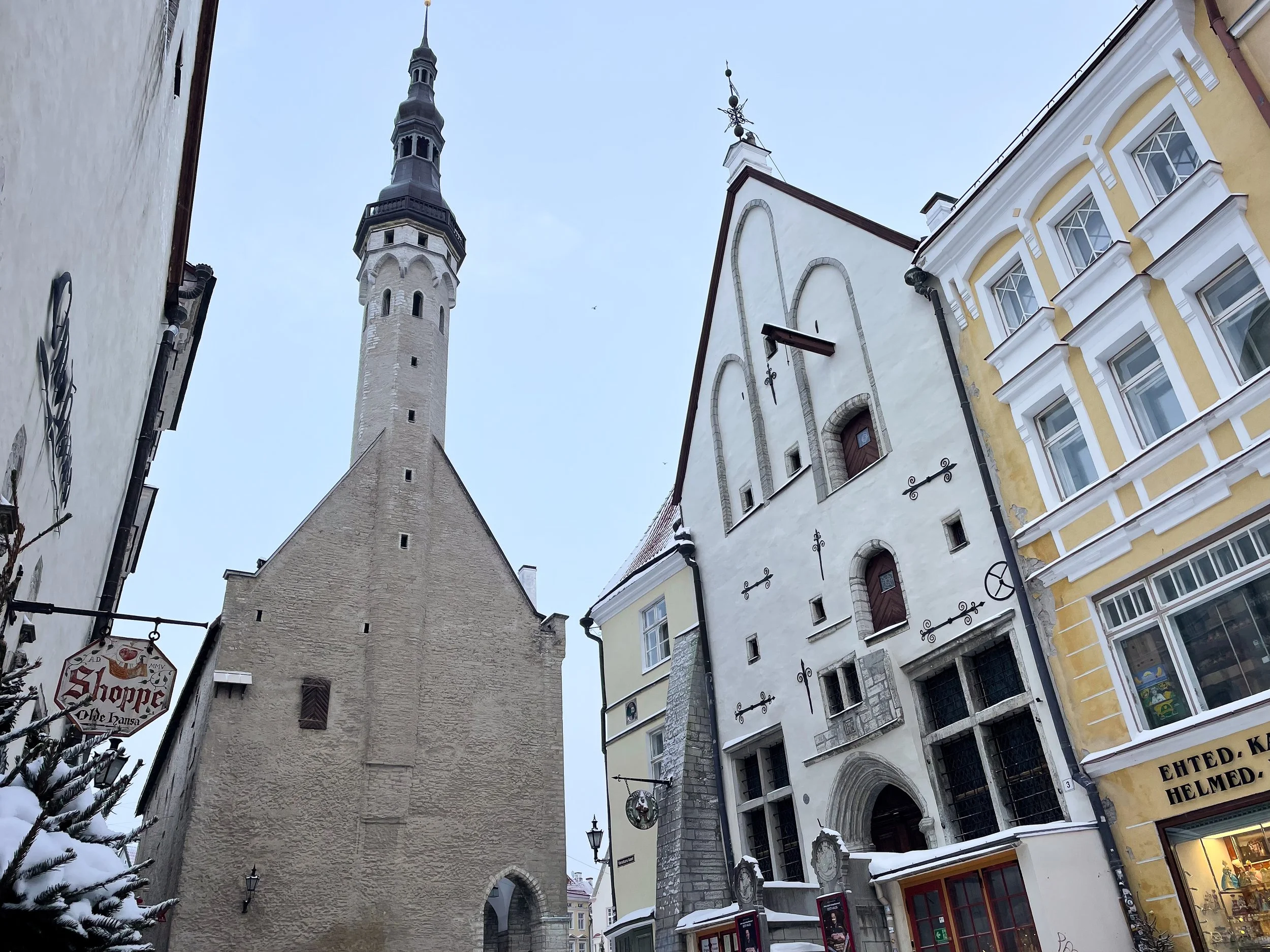
Tallinn Town Hall Square. A plaza at the medieval center of Tallinn surrounded by historic architecture, most notably the town hall recognizable by its towering spire.
Toompea Hill. The tallest natural area of Tallinn’s old town with historic sights and city views.
Patkuli & Kohtuotsa. Two lookouts on Toompea Hill with the best views of Vanalinn, greater Tallinn and the ports.
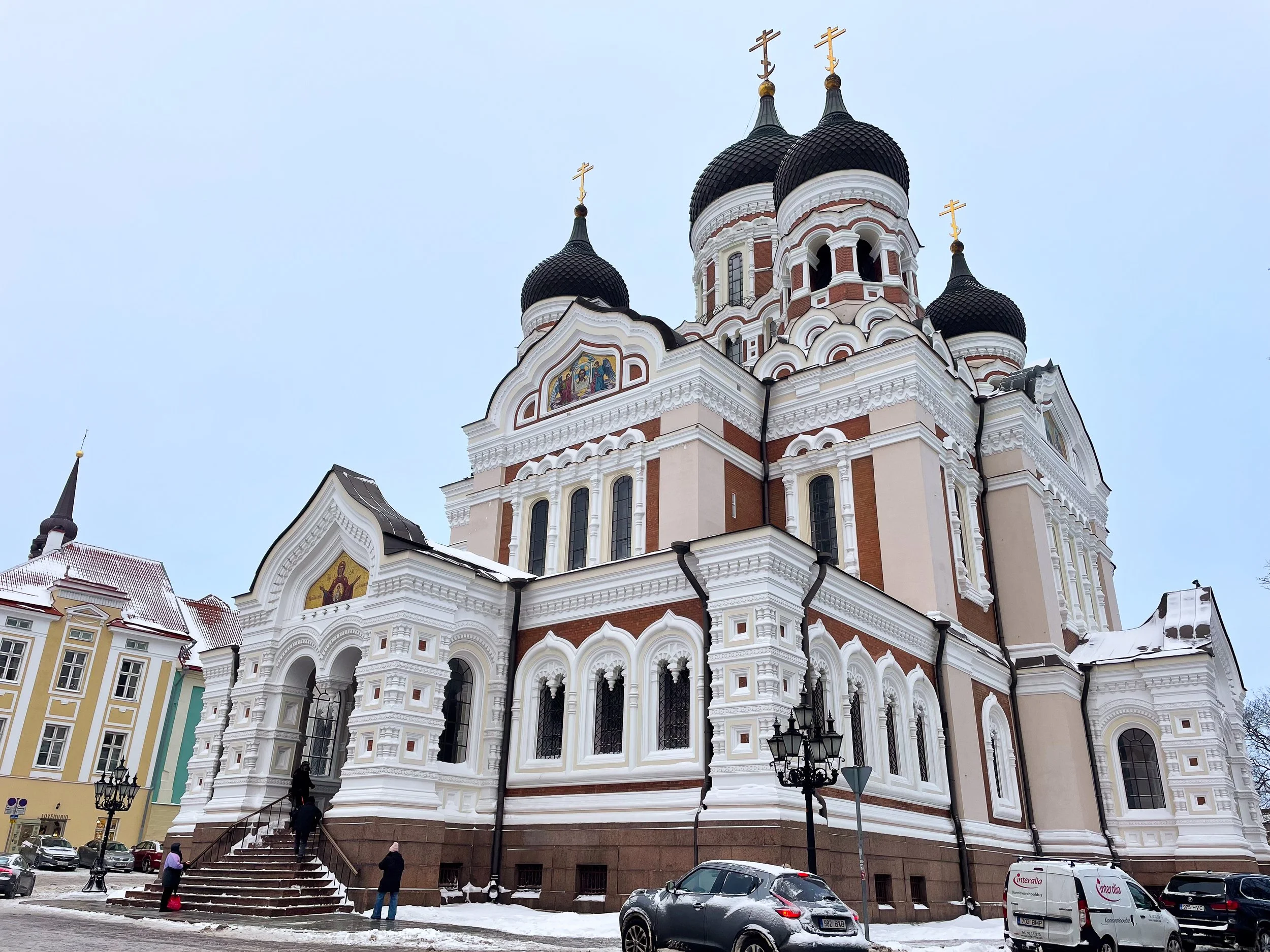
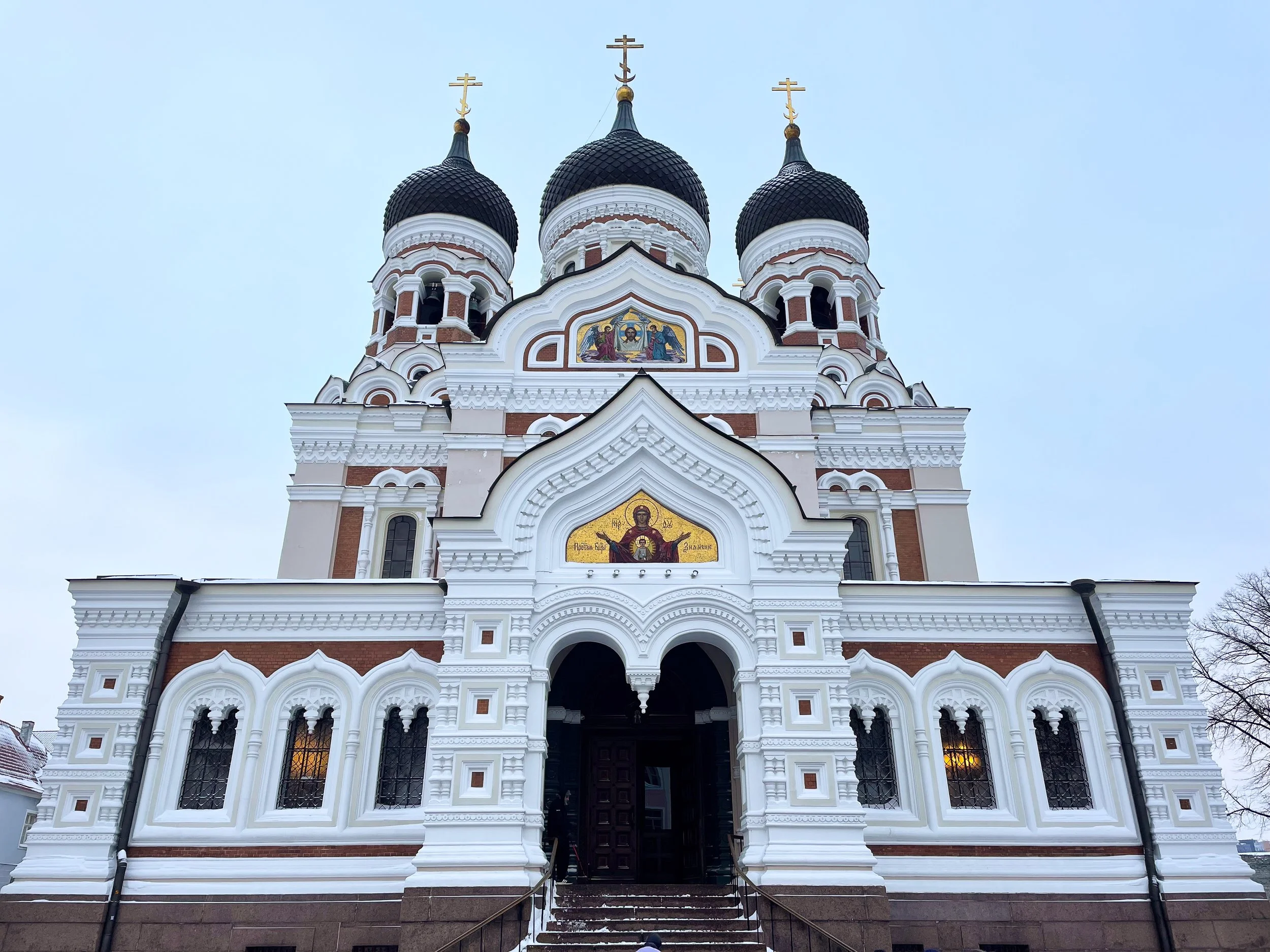
Alexander Nevsky Cathedral. An intricately decorated Russian Orthodox cathedral on Toompea Hill with red brick, plaster ornamentation, onion domes and bell towers.
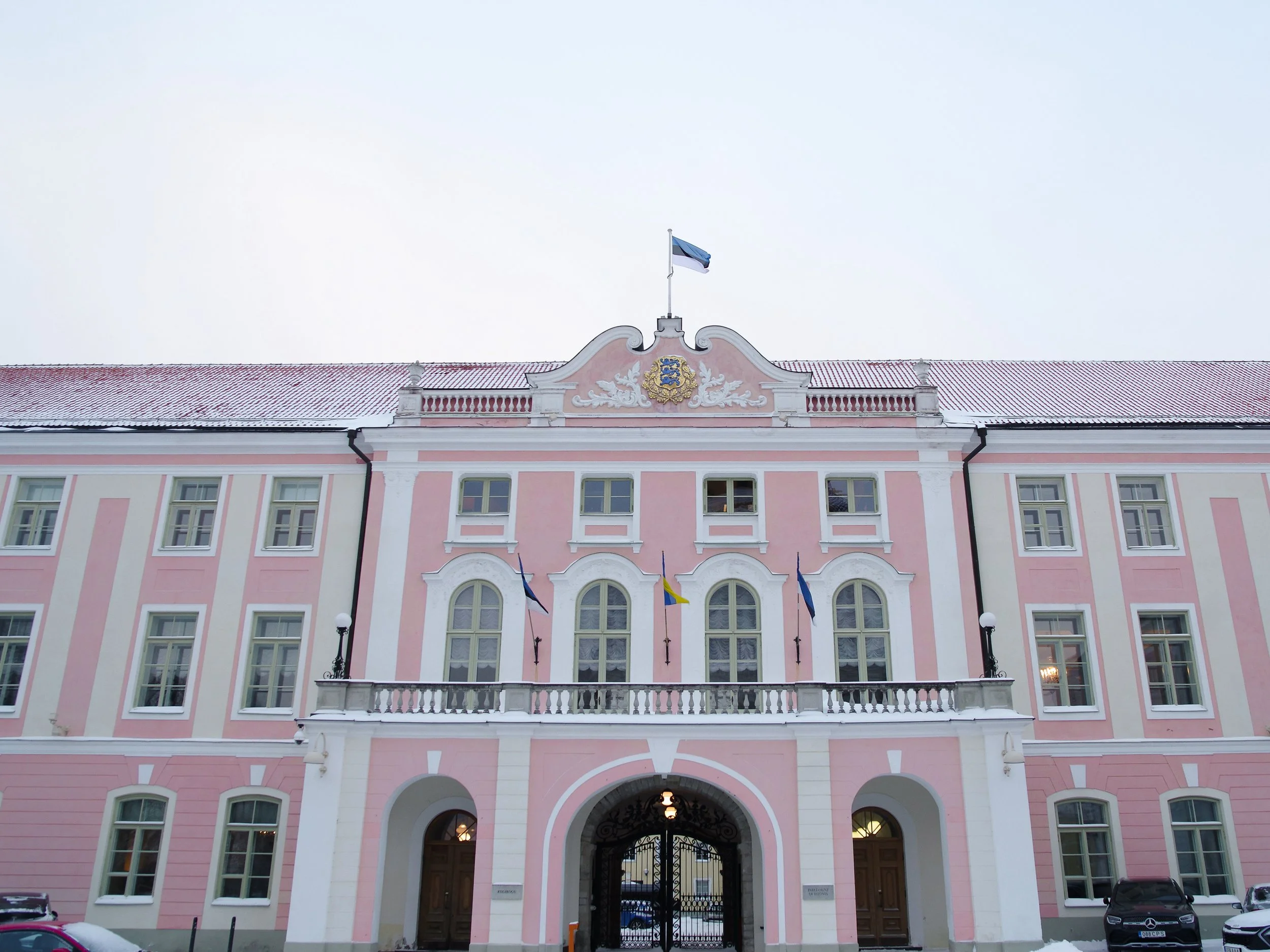
Toompea Castle. A medieval stone castle on Toompea Hill with a pink and white neo-classical facade. It houses Estonia’s Parliament.
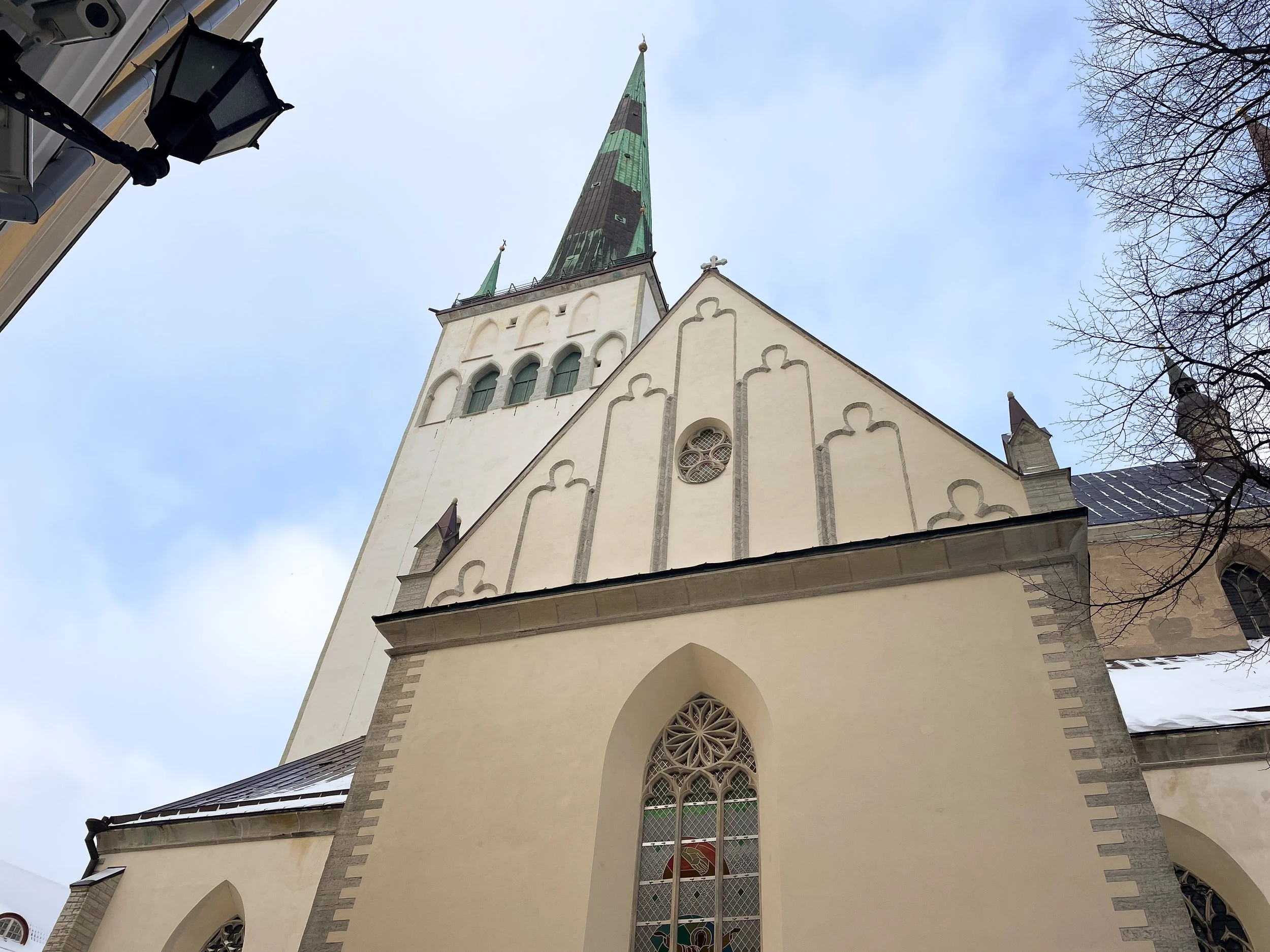
St Olaf’s Church. The tallest medieval building in the old town with a 124 meter steeple. During the summer months, it’s accessible with an observation deck at its base.
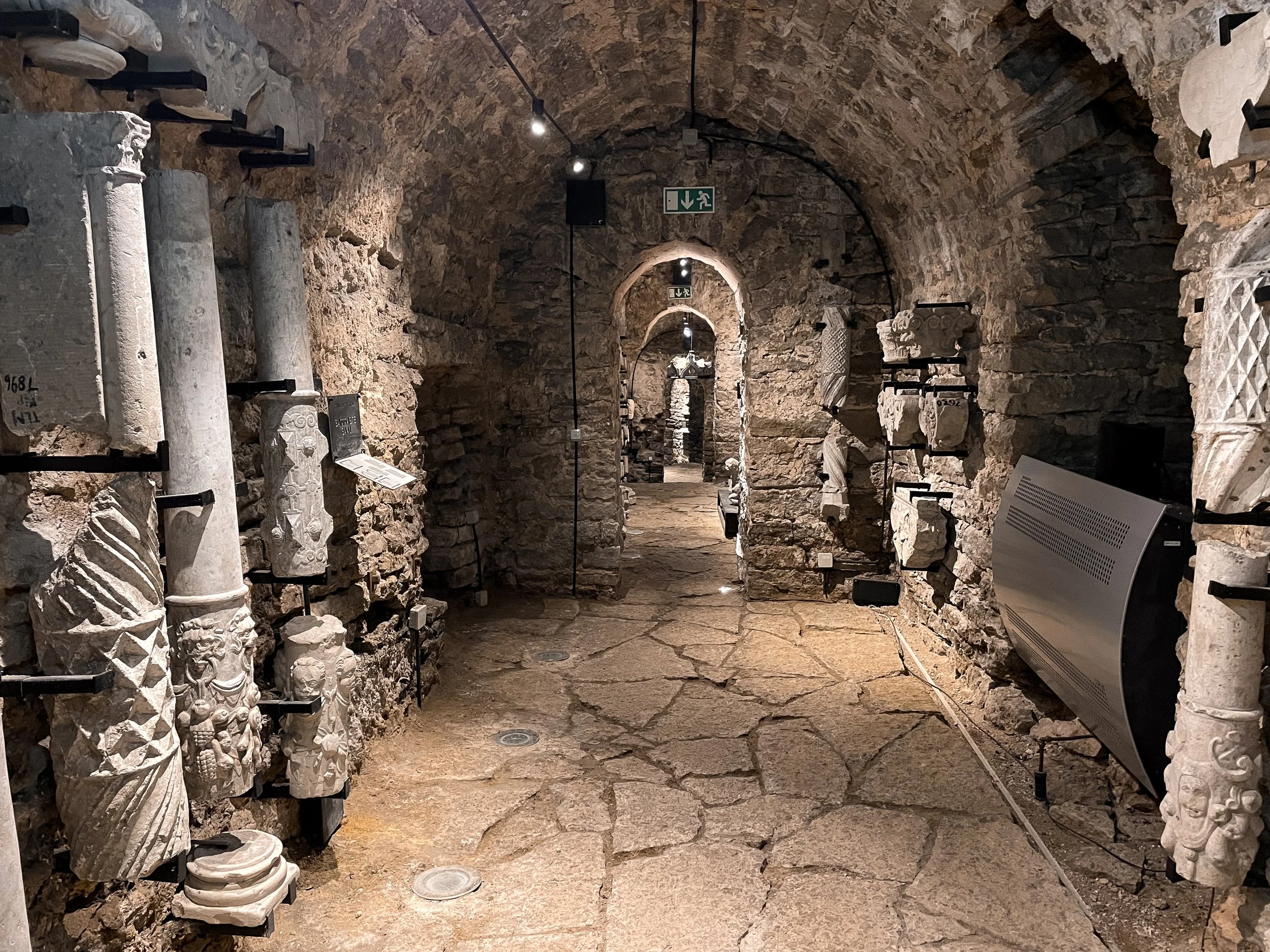
Catherine's Alley. A medieval alley with tiled arches and a gallery of merchant tombstones dating back to the 12th century displayed on the wall.
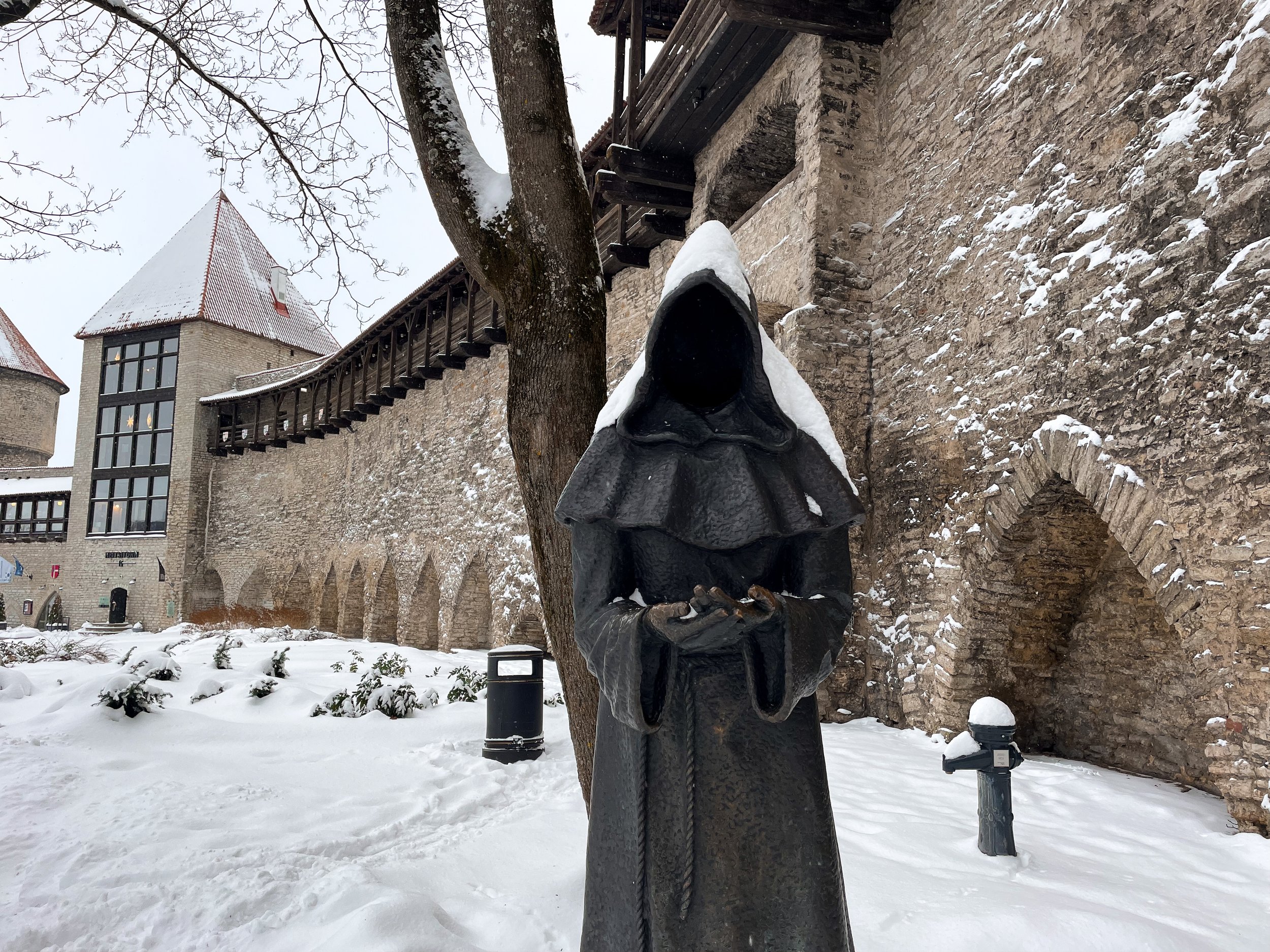
Danish King’s Garden. A garden and plaza with a view of Vanalinn. It’s popular for bronze statues of 3 ominous and haunted looking monks.
Old Town Ice Rink. An outdoor ice rink open during the winter months with skate rentals and a café.
Visit the Museums
Tallinn is home to so much history and many museums. We made time to visit them and learn about the city’s history, medieval past and merchant guilds.
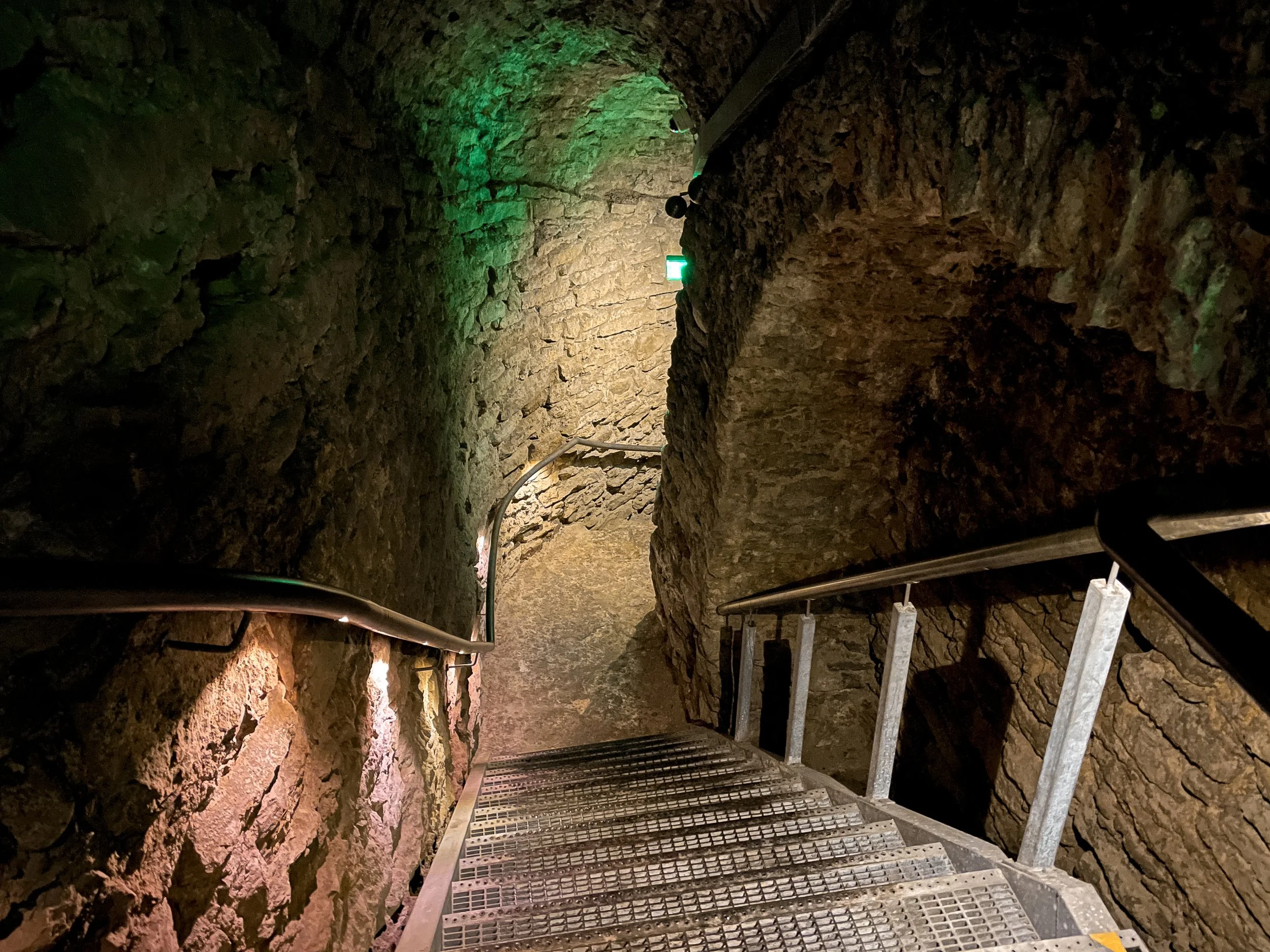
Kiek in de Kök Fortification Museum. A museum with tunnels, exhibits and multiple stone towers connected by a defensive wall with views overlooking Vanalinn. The tunnels contain artifacts and exhibits explaining their importance throughout history from medieval times through Soviet and German occupation and independence. The towers have exhibits dedicated to their previous uses, from defending the city, to art studios and cafés.
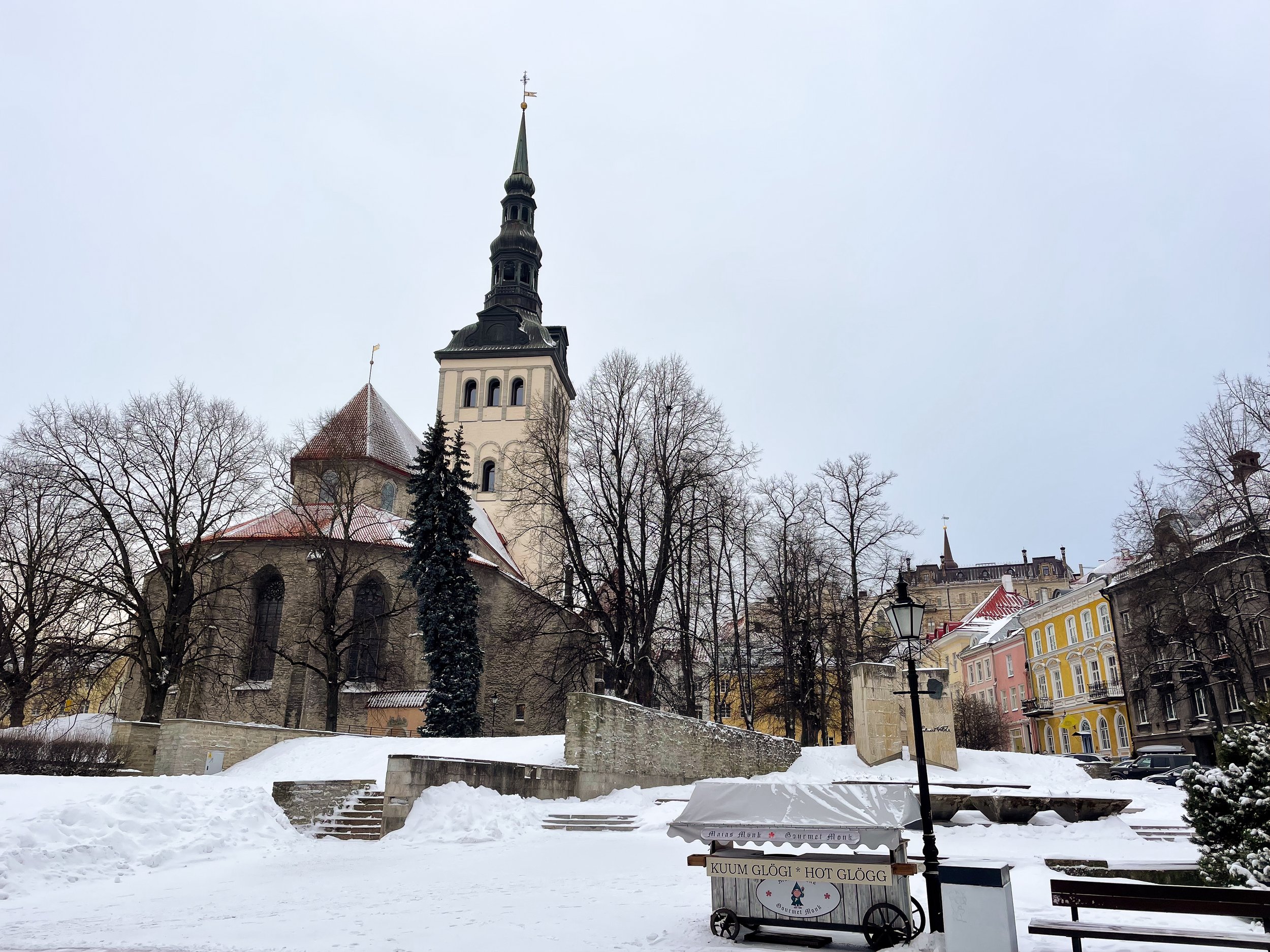



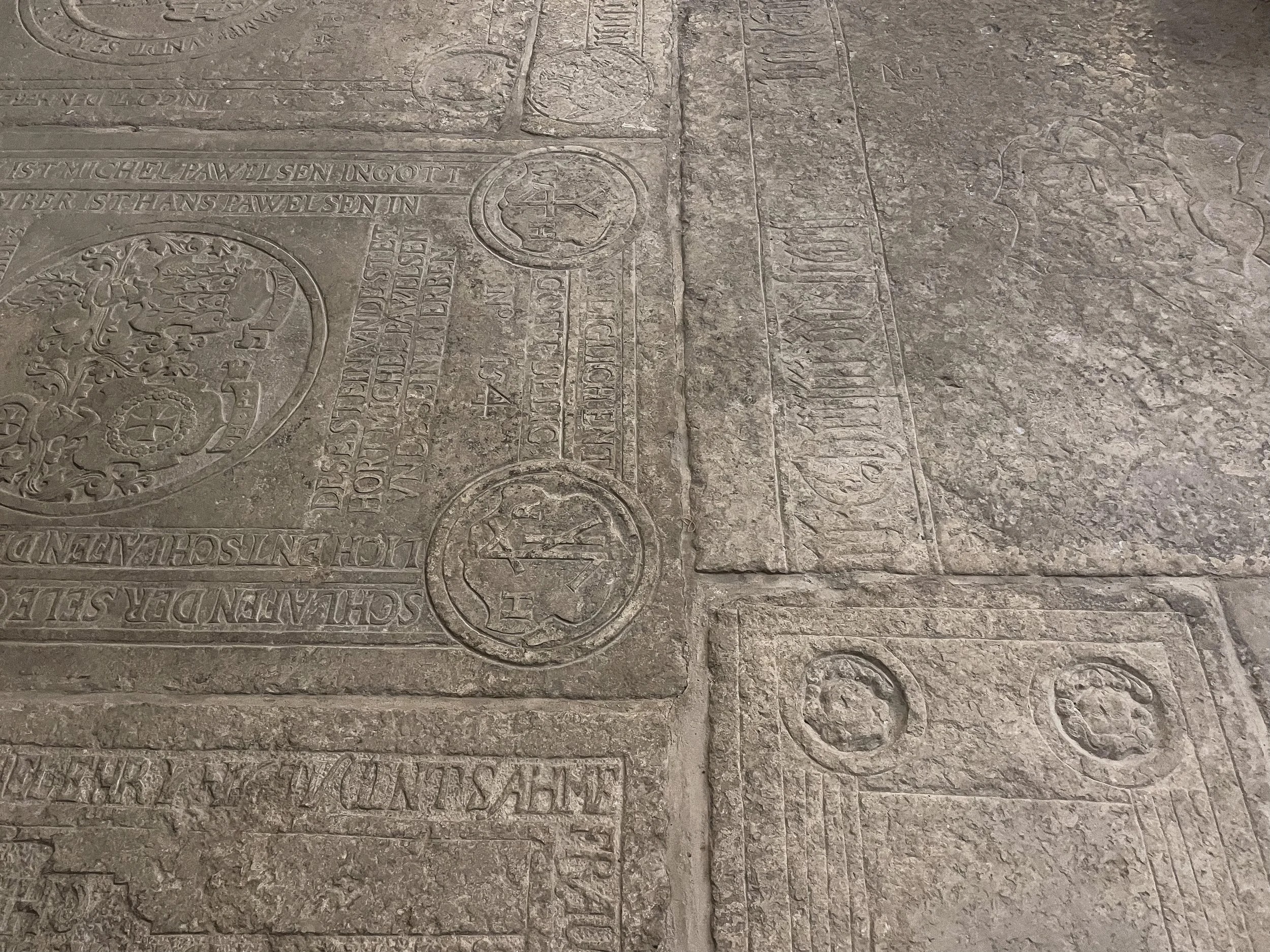
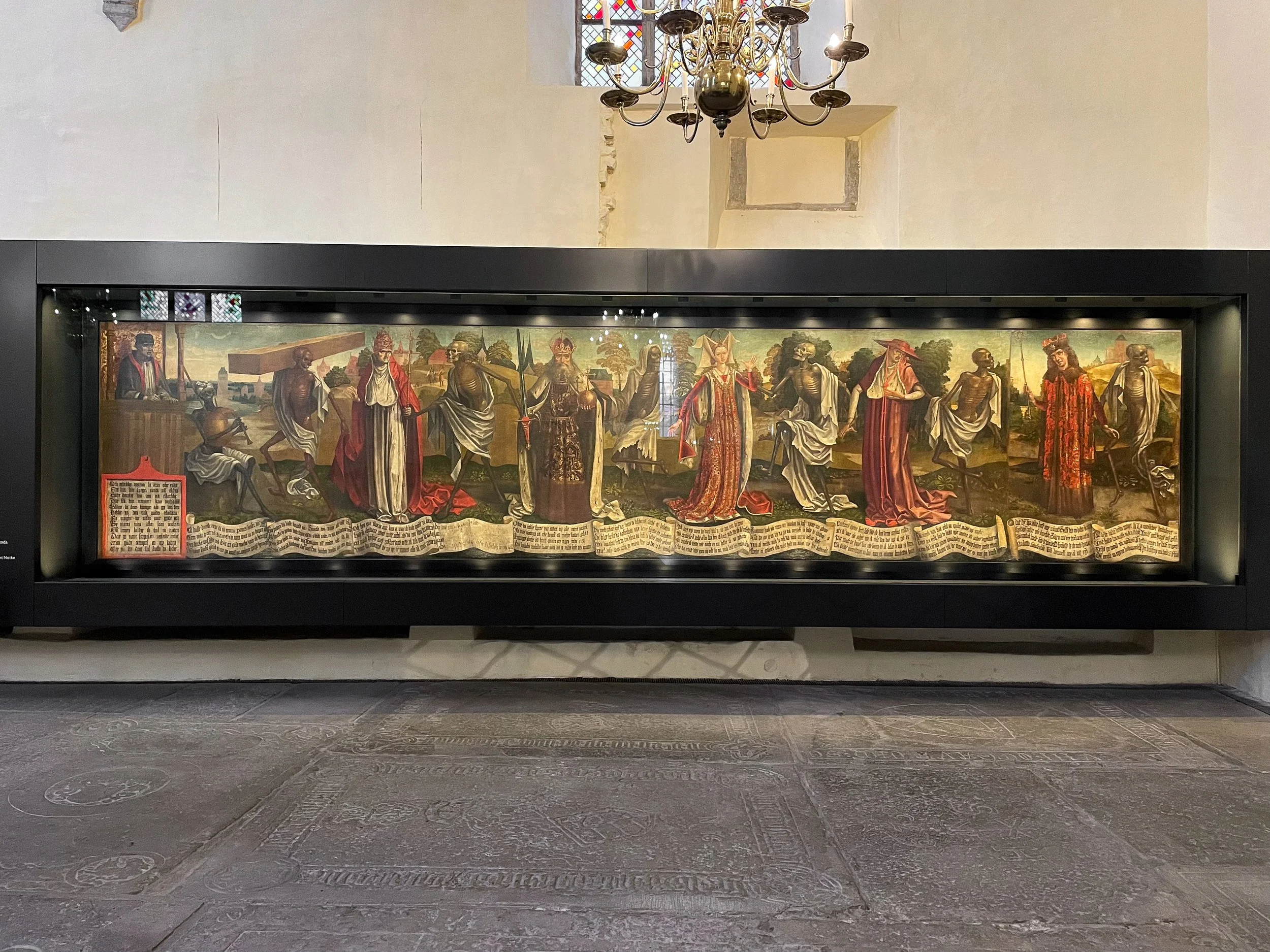
St. Nicholas' Church and Niguliste Museum. A church and museum with medieval and religious artifacts like bronze bells, tomb stones, coats of arms, silver collections and the only surviving painting depicting “The Dance of Death”. The restored spire accessible by spiral staircase and glass elevators leads to an observation deck with views of Tallinn.
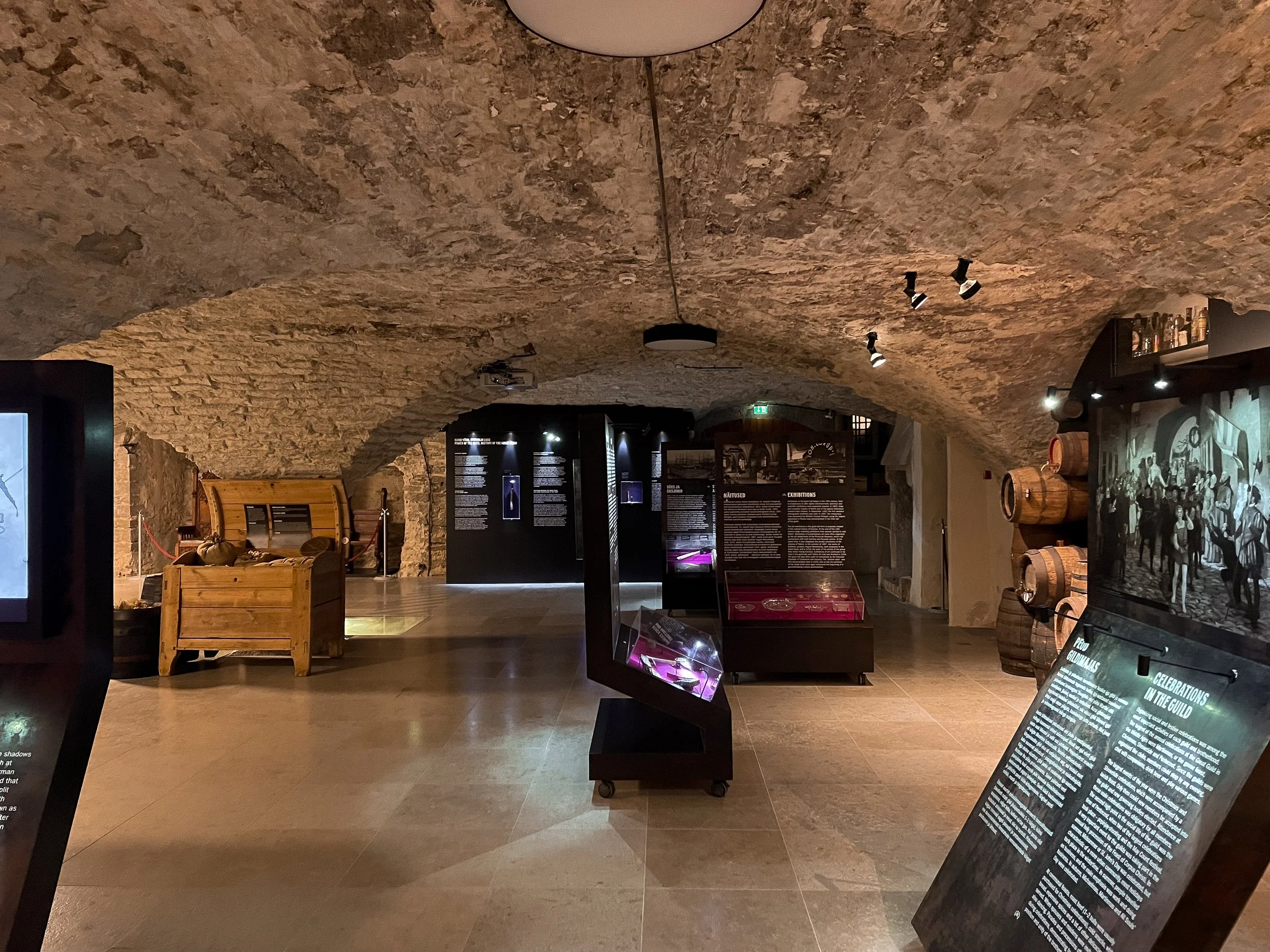
Estonian History Museum (Great Guild Hall). A history museum located in a medieval hall with tall vaulted ceilings and a stone arched basement. Exhibits portray the history of Estonia, its merchants and guilds, fortifications, religious reformation, former occupation and independence. The museum houses Estonian artifacts including paintings, swords, guns, cannons, armor, chests, barrels, ceramics, silver dishes and coins.
Places to Shop
From food markets to medieval shops, Tallinn’s merchant past is equally as present today. We visited a few spots and even brought home some souvenirs.
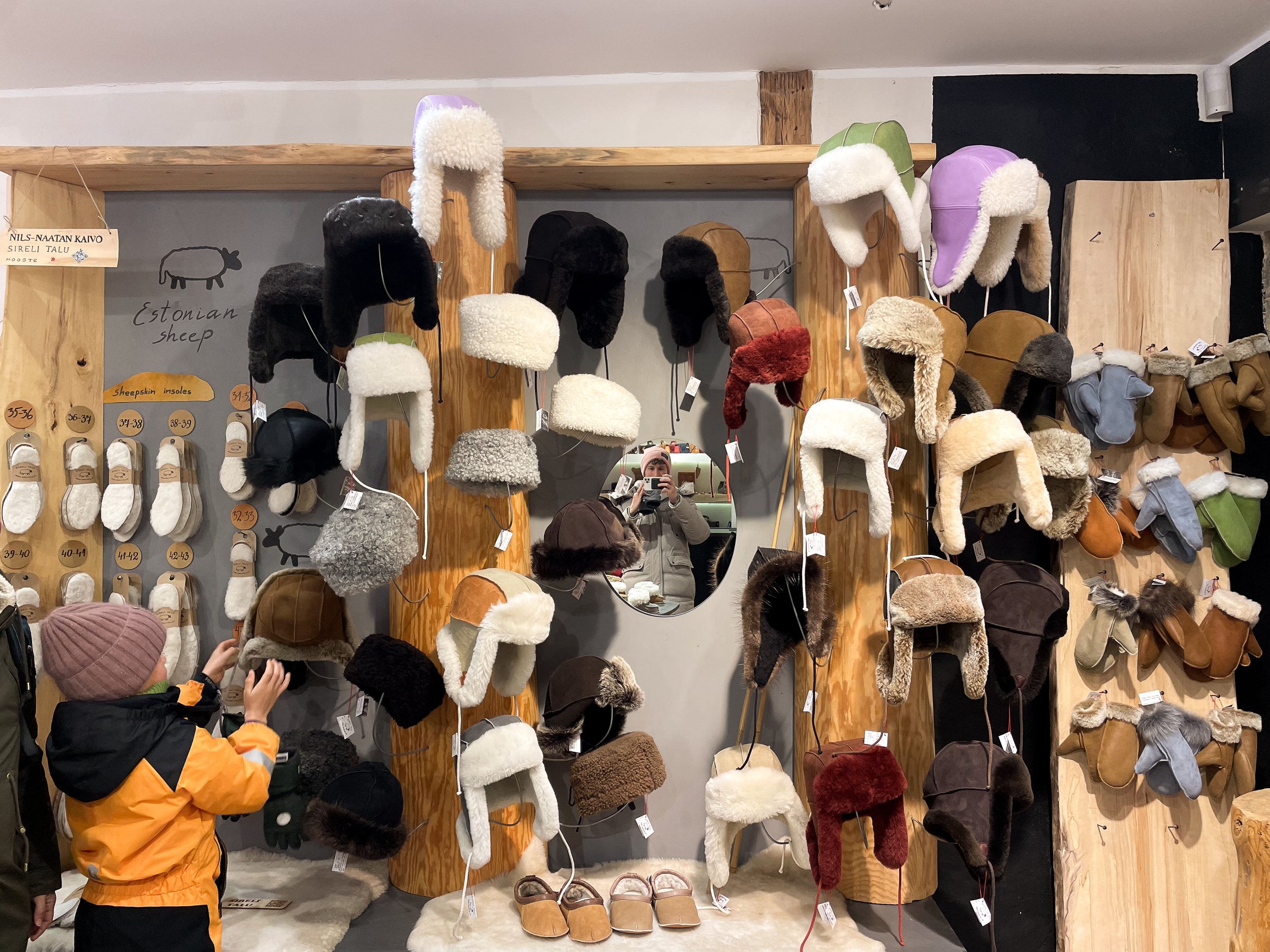
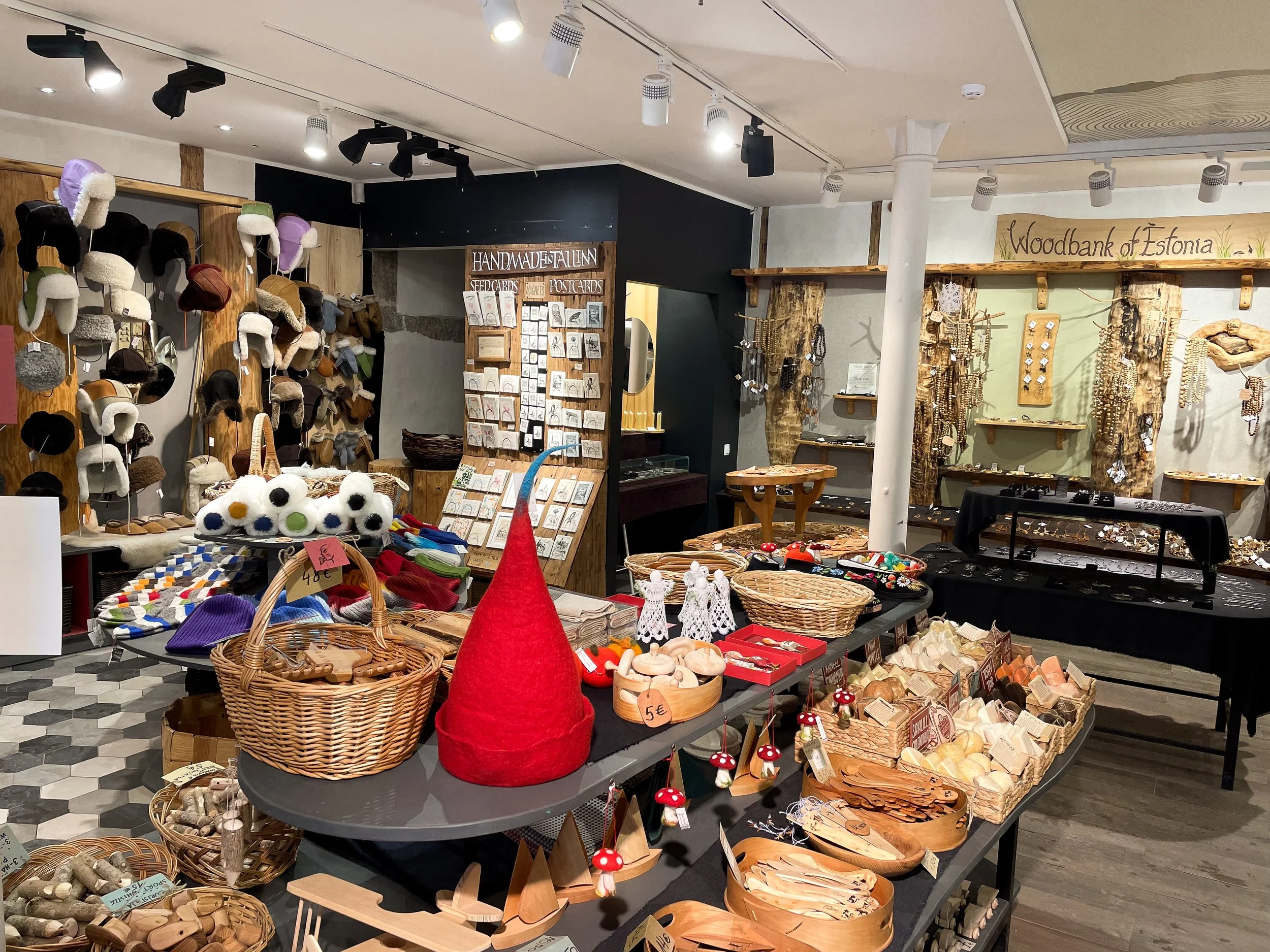
Easti Esindus Tallinnas Estonian House. An Estonian handicrafts shop with items made by local artists including fur hats, wool clothing, felted accessories, amber jewelry, ceramics, soaps, iron work, wooden toys and cooking utensils.
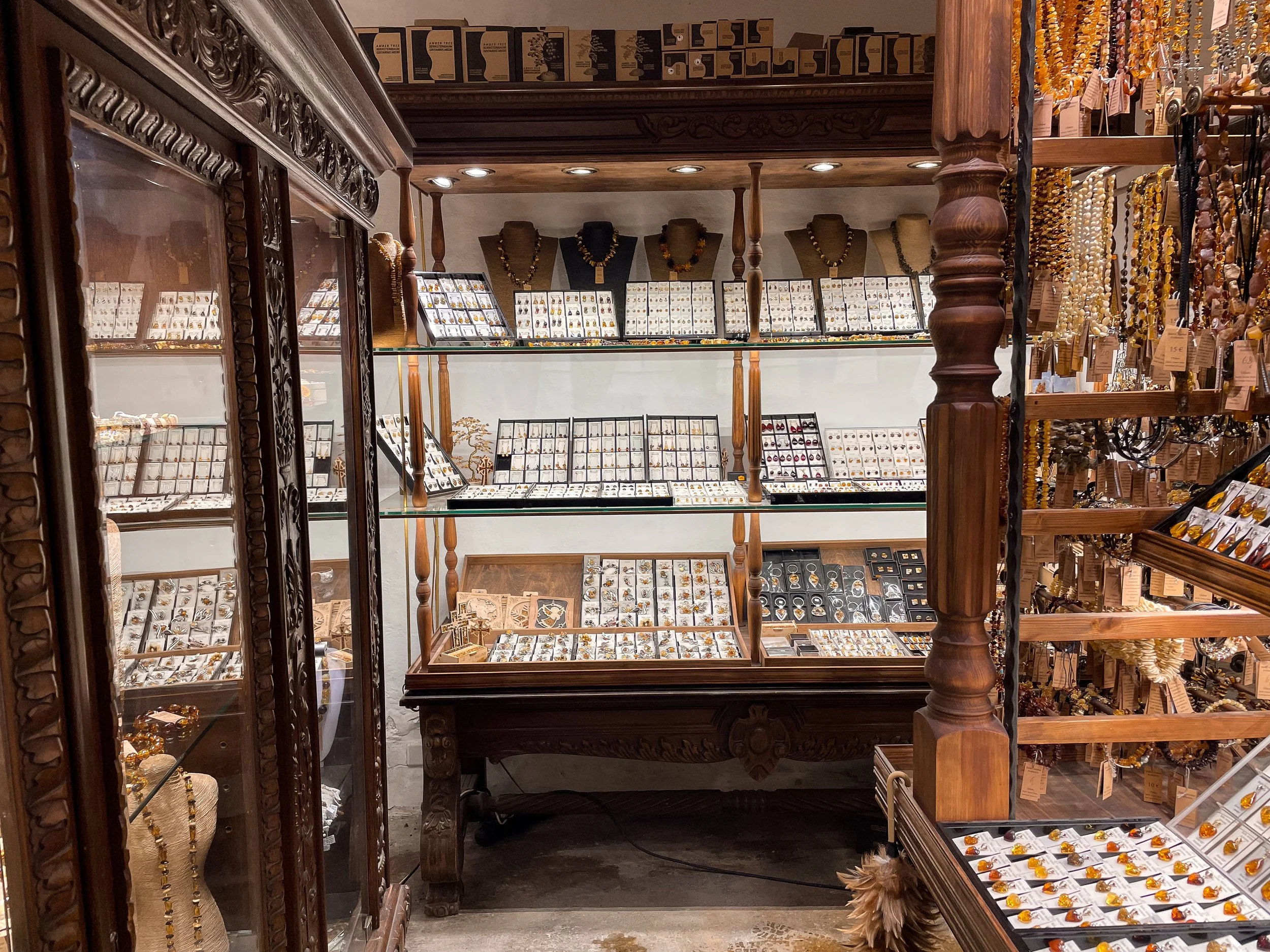
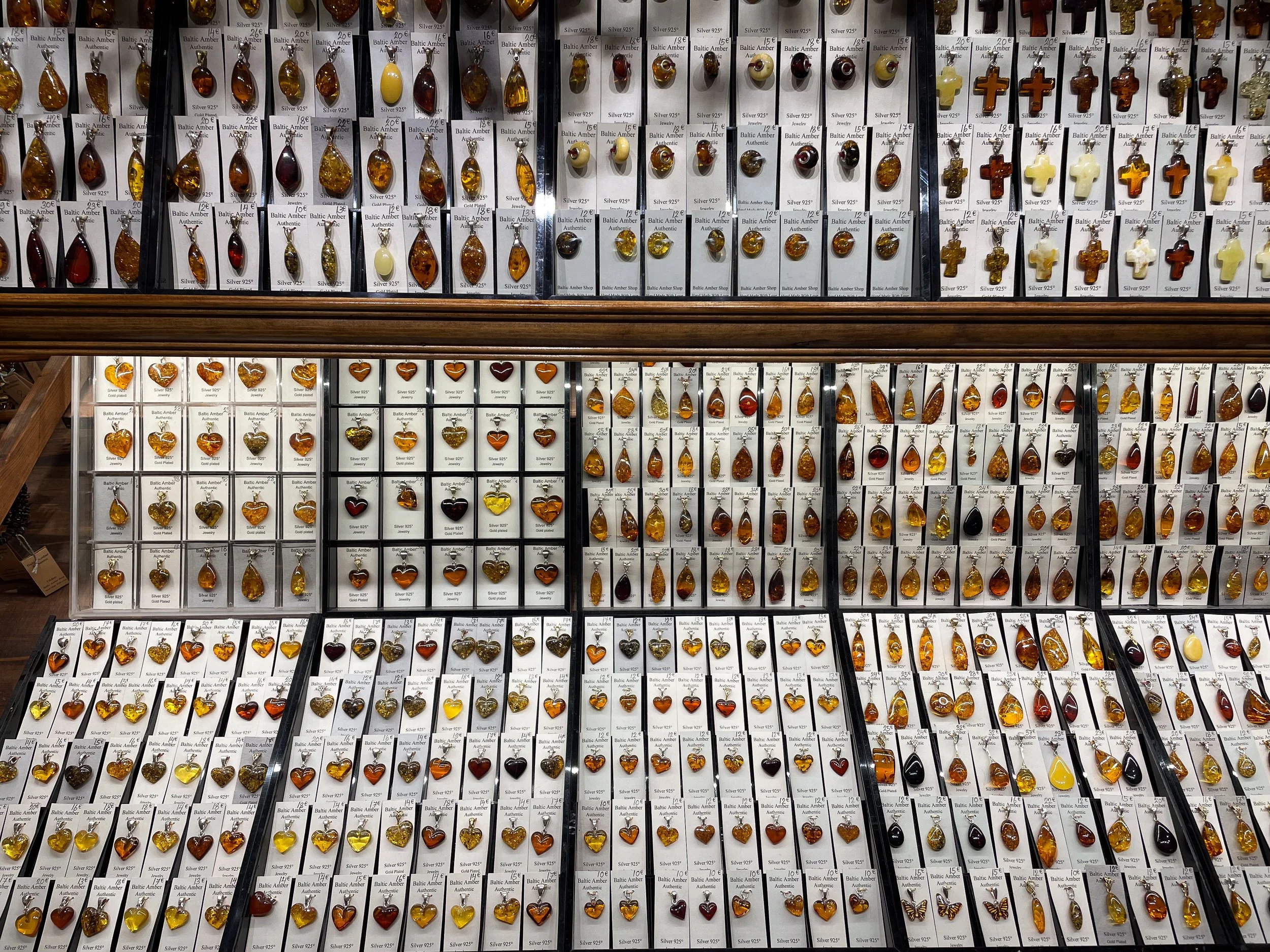
Baltic Amber. Fossilized tree sap ranging in color from light yellow to deep brown. It’s a popular commodity sold at souvenir and jewelry shops throughout the city. We purchased a carved bird figurine and pair of earrings.
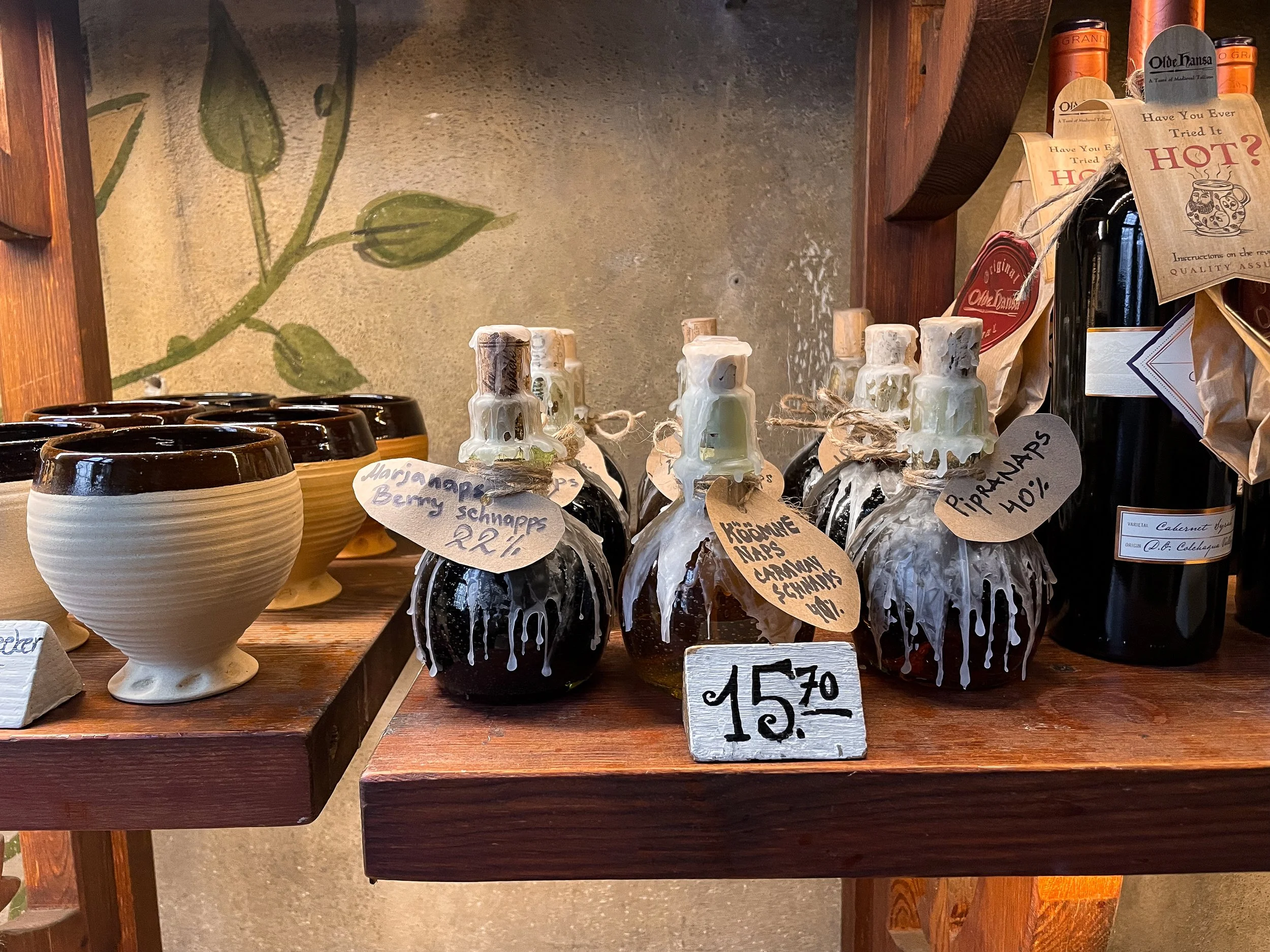
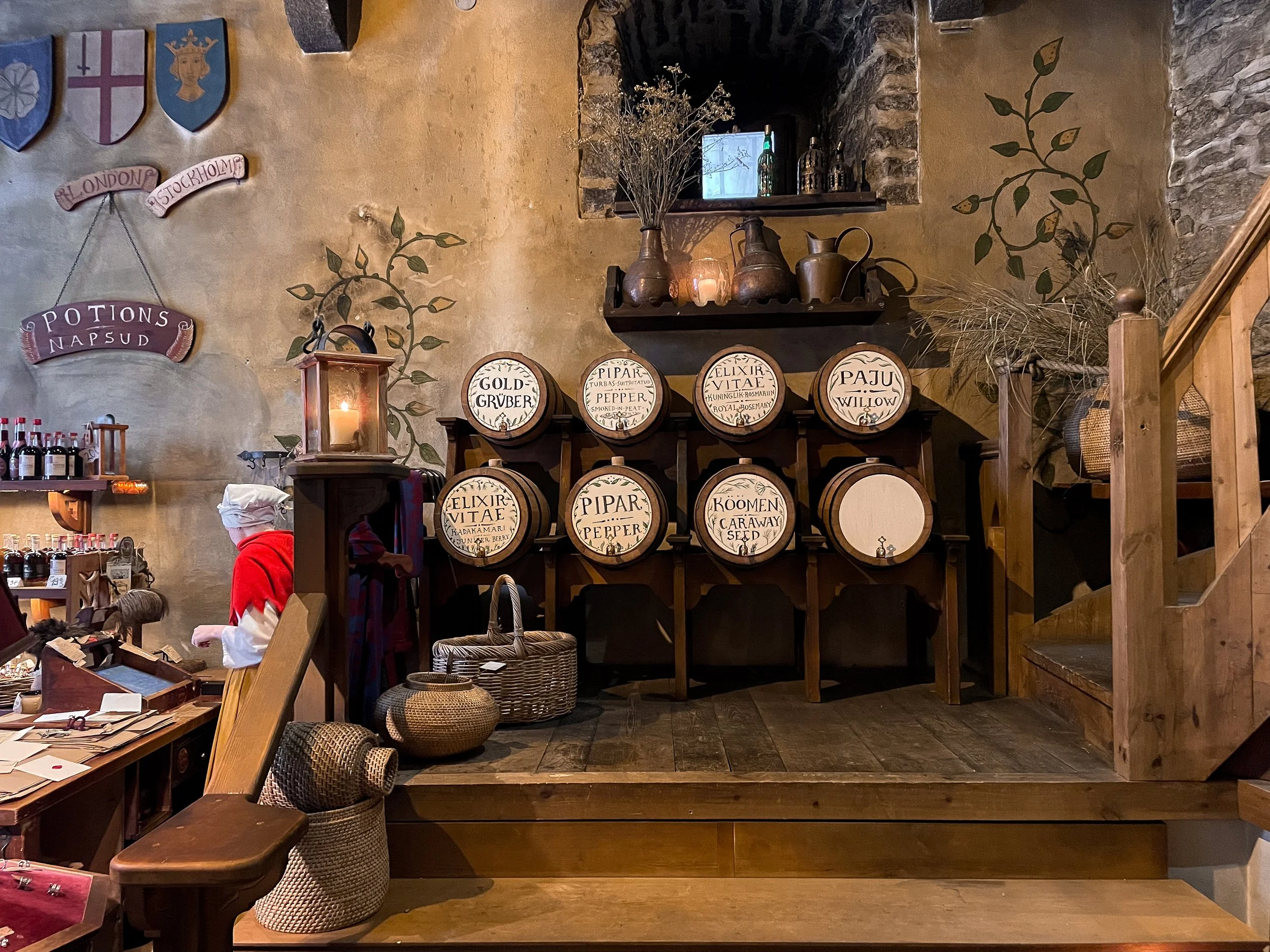
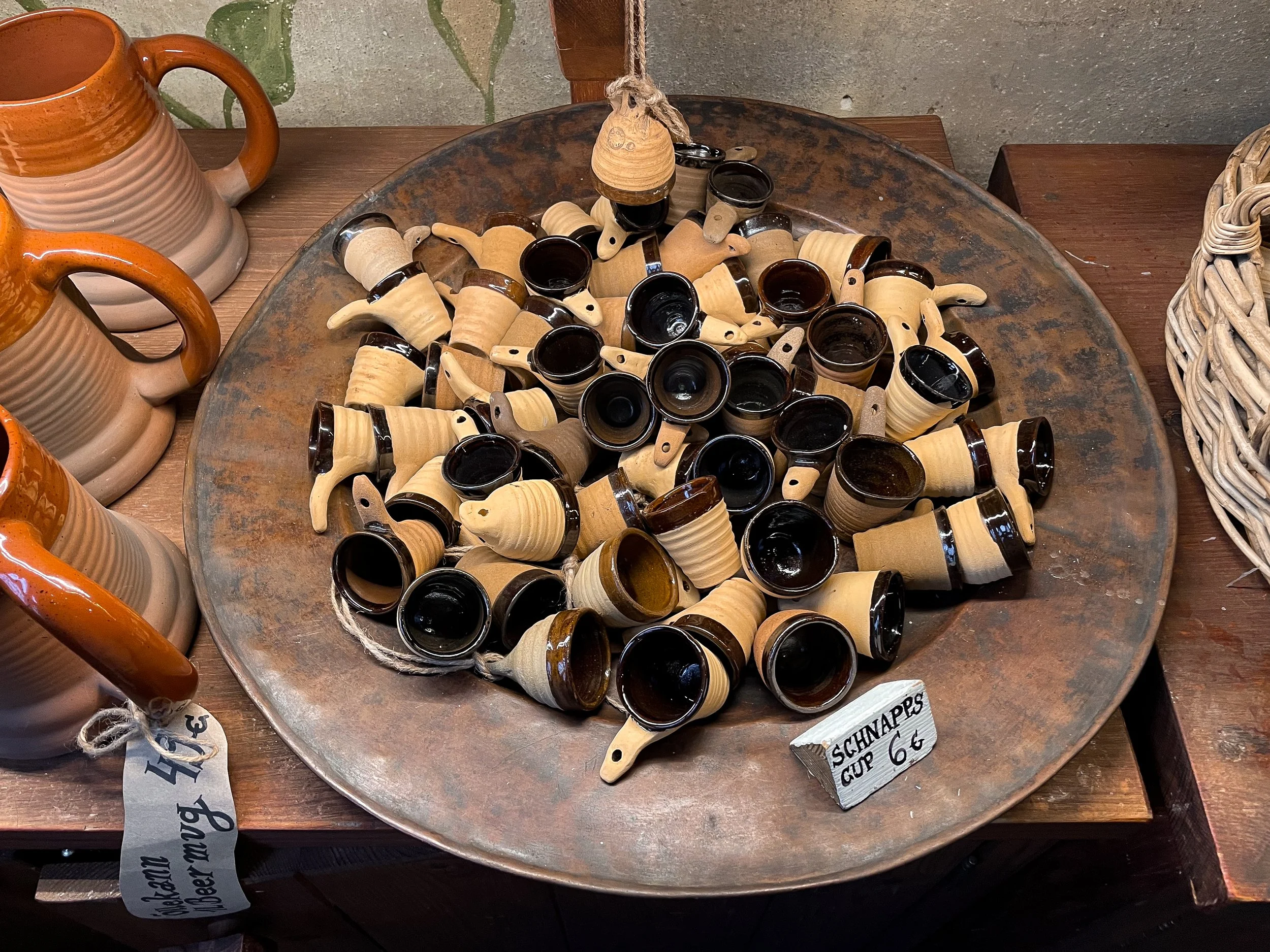
Olde Hansa Shoppe. A medieval shop connected to the Olde Hansa Restaurant selling items like hand blown glassware, hand-spun pottery, forged iron jewelry, herbal schnapps, roasted nuts, tar soaps, beeswax candles, warm spices and small swords.
Estonian Cuisine
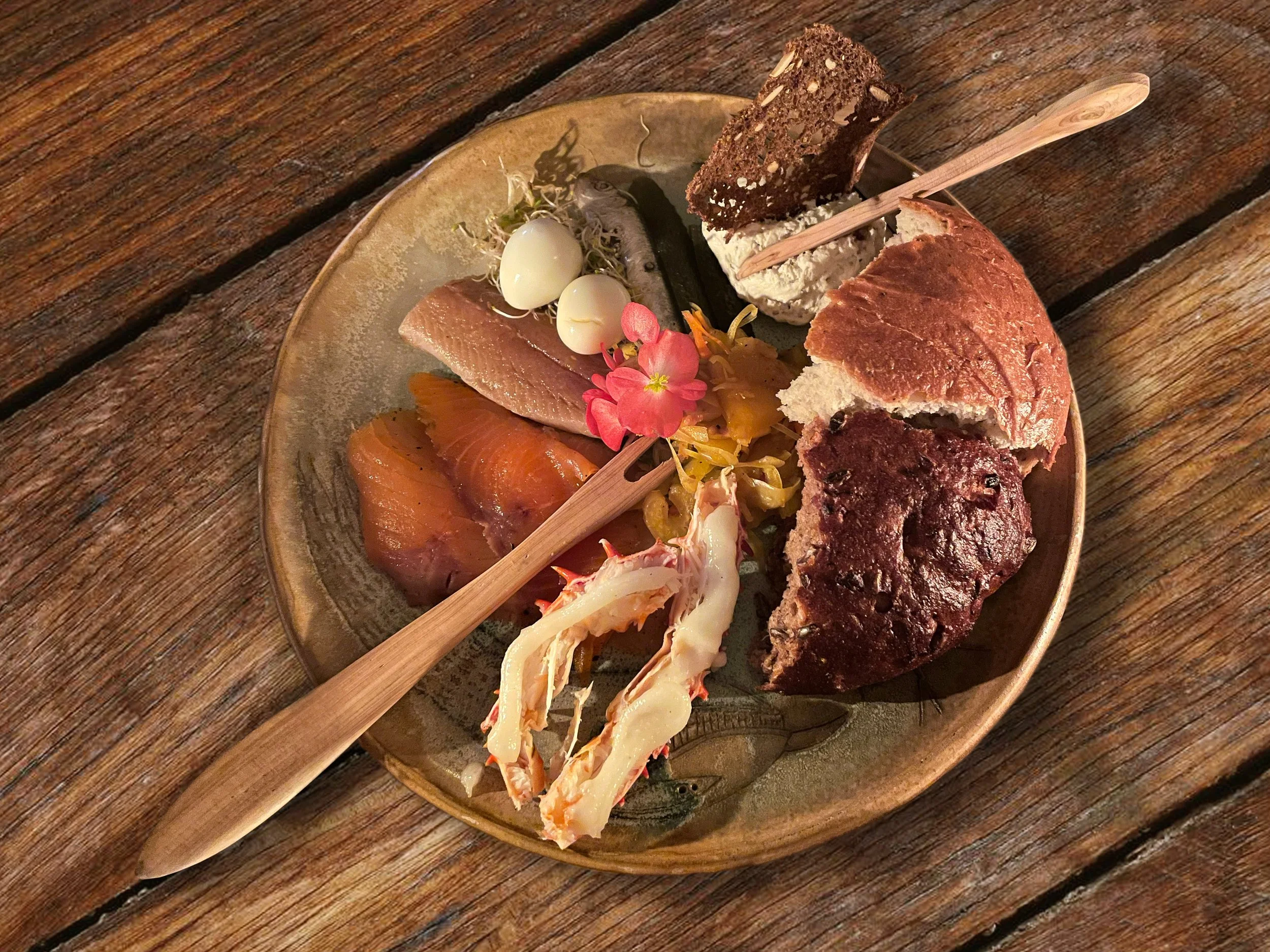
Estonian food is very hearty, commonly pickled, smoked or prepared in soups. Dishes frequently include ingredients like beet, potato, onion, cabbage, mushroom, dill, buckwheat, sour cream, game meat and Baltic seafood.
Places to Eat & Drink
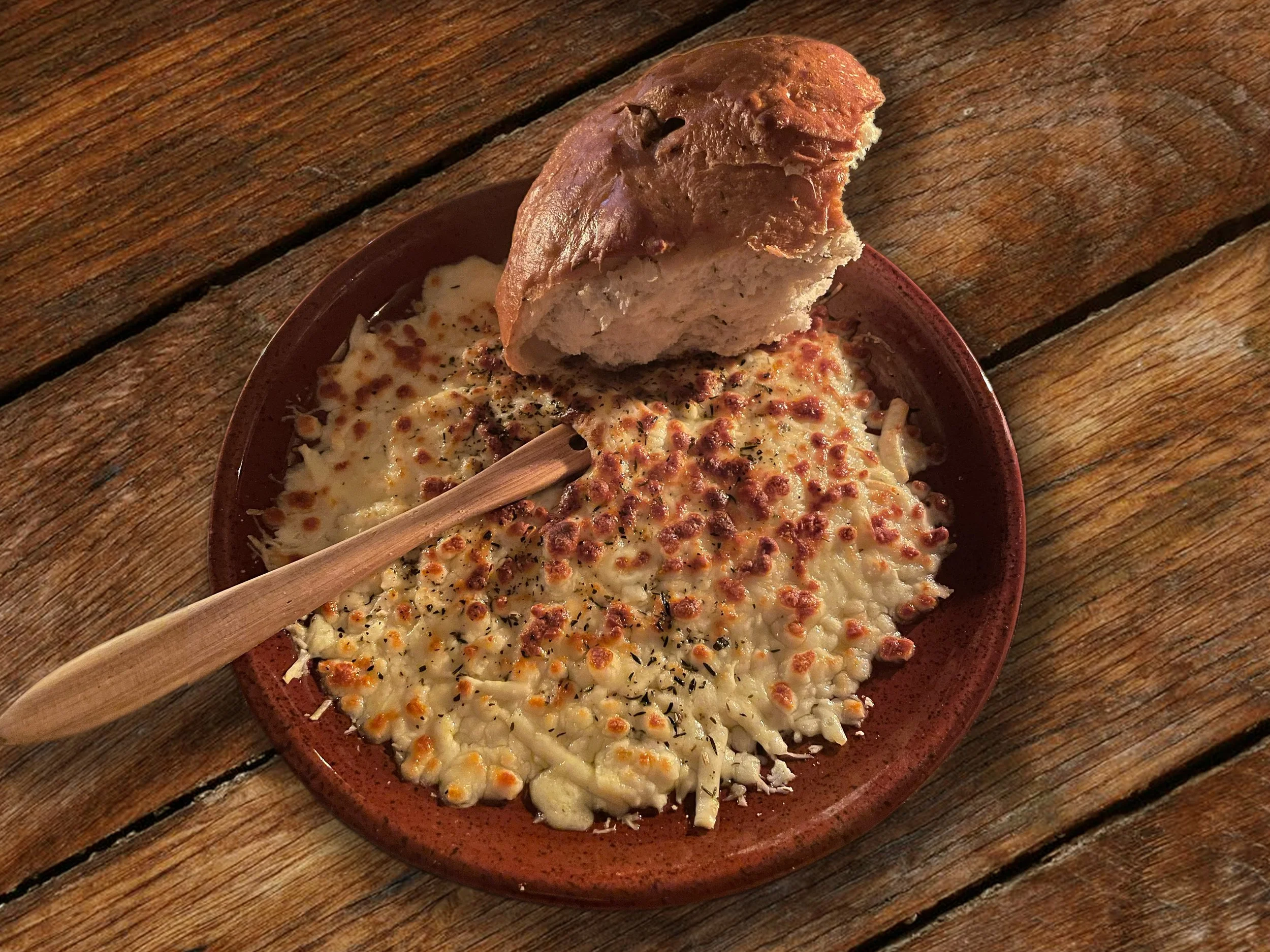
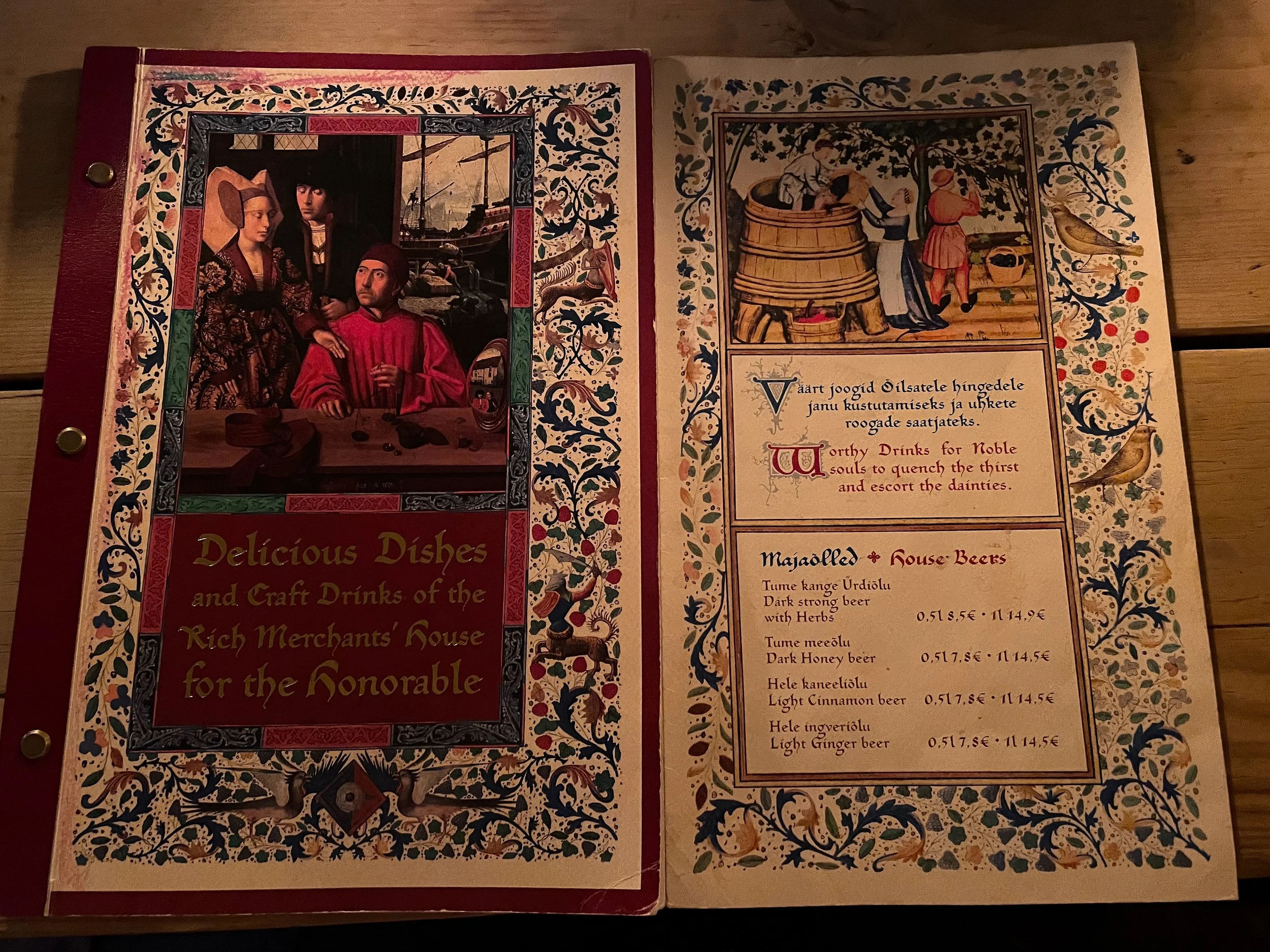
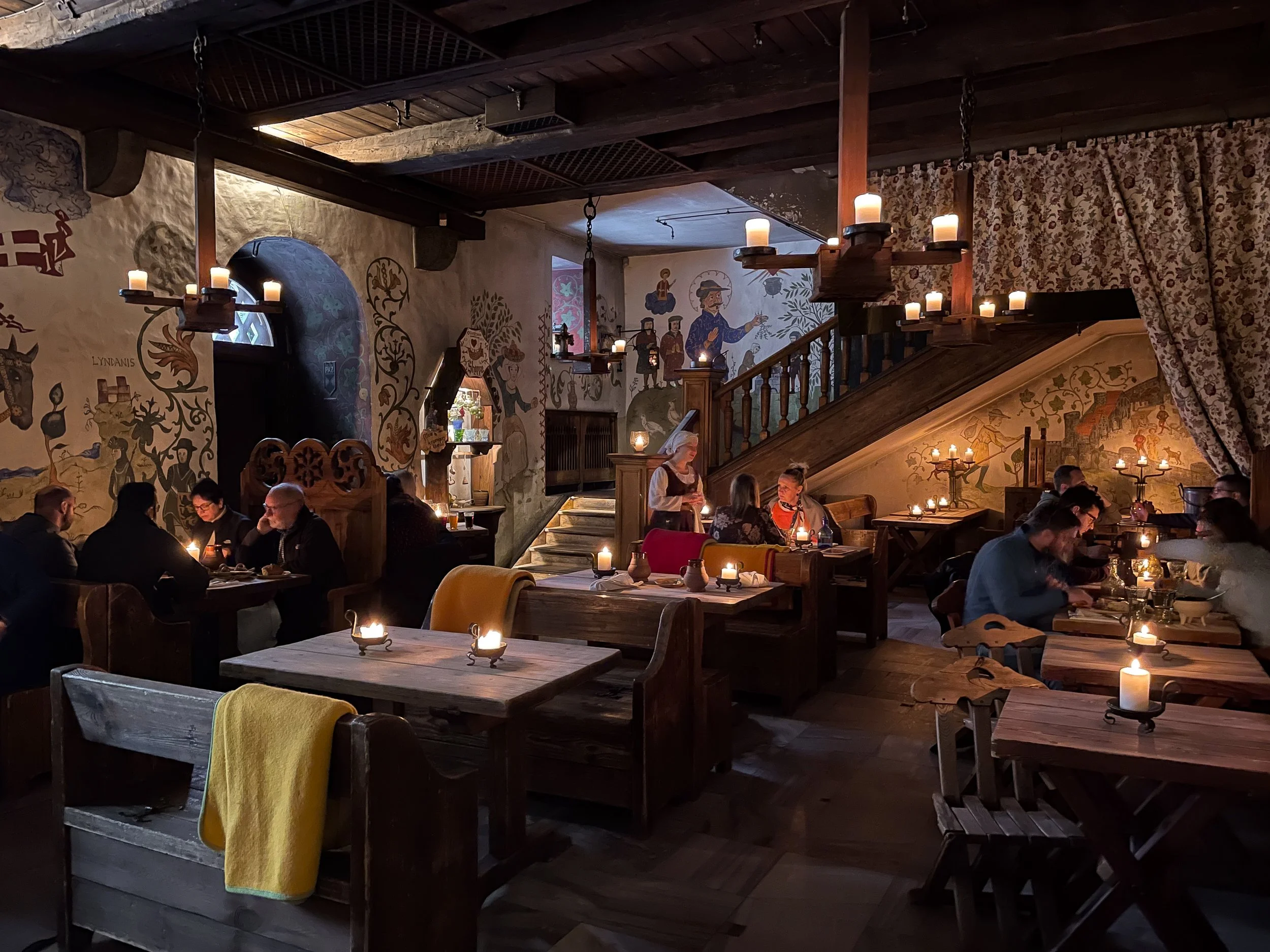
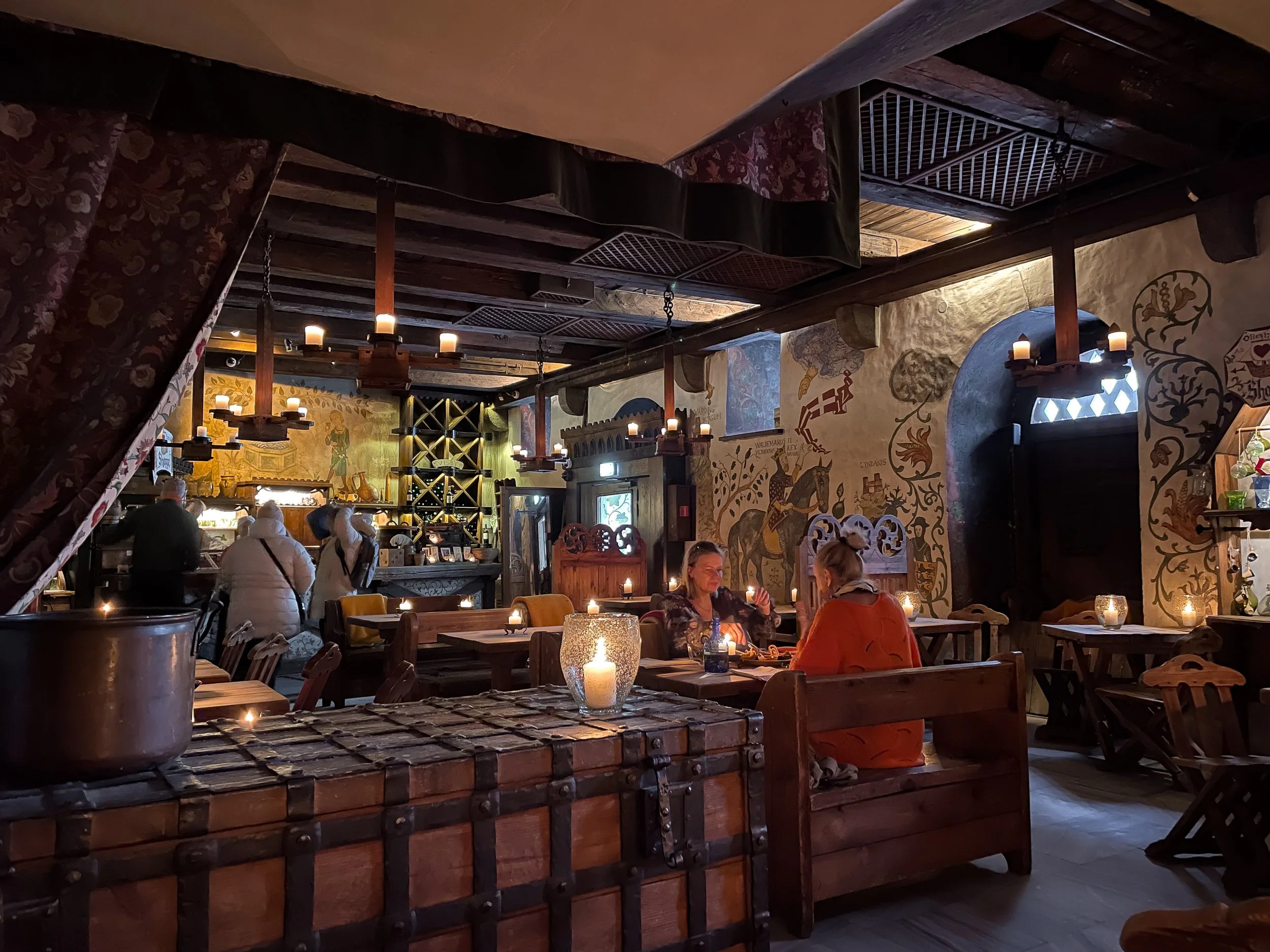
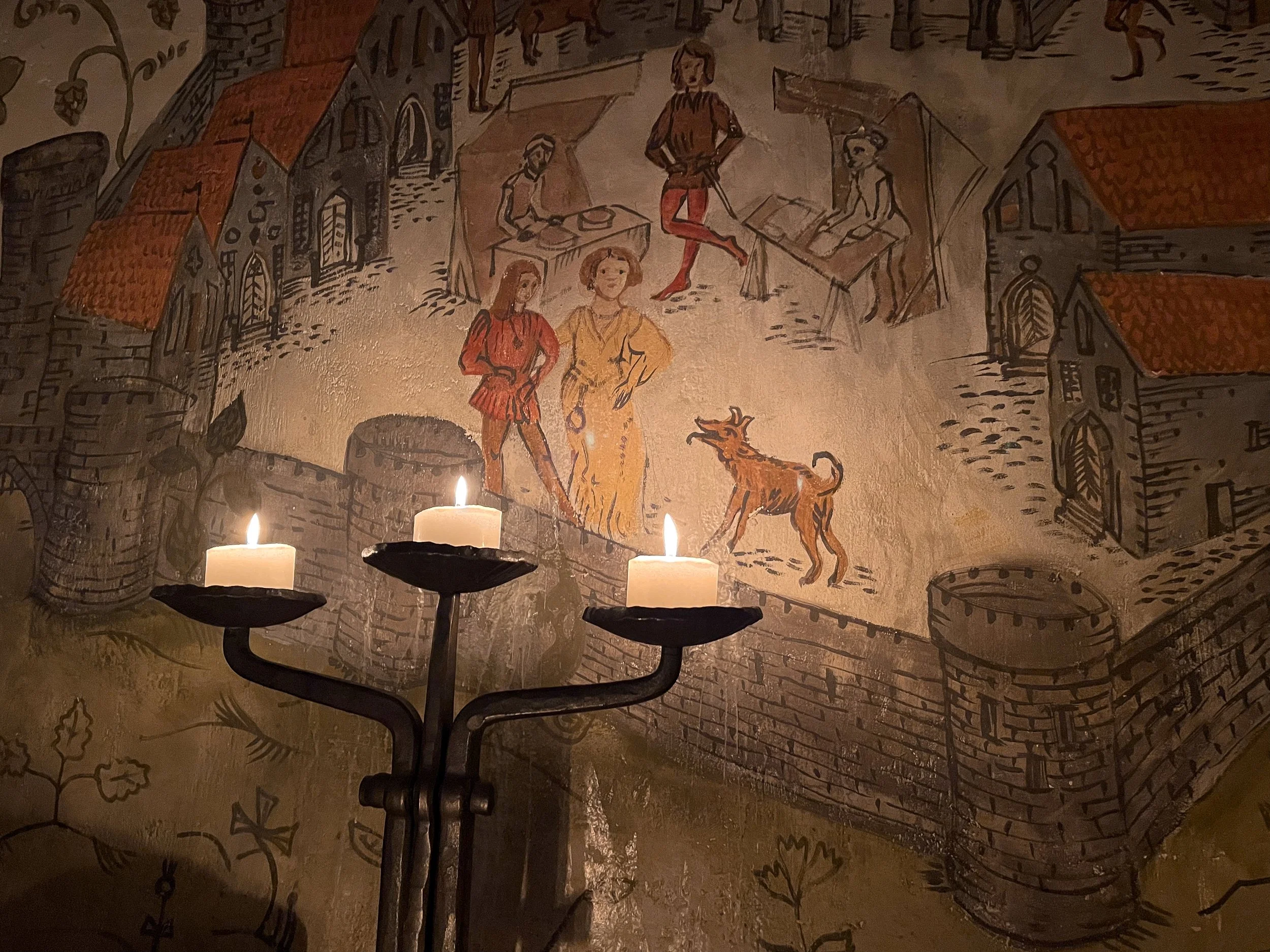
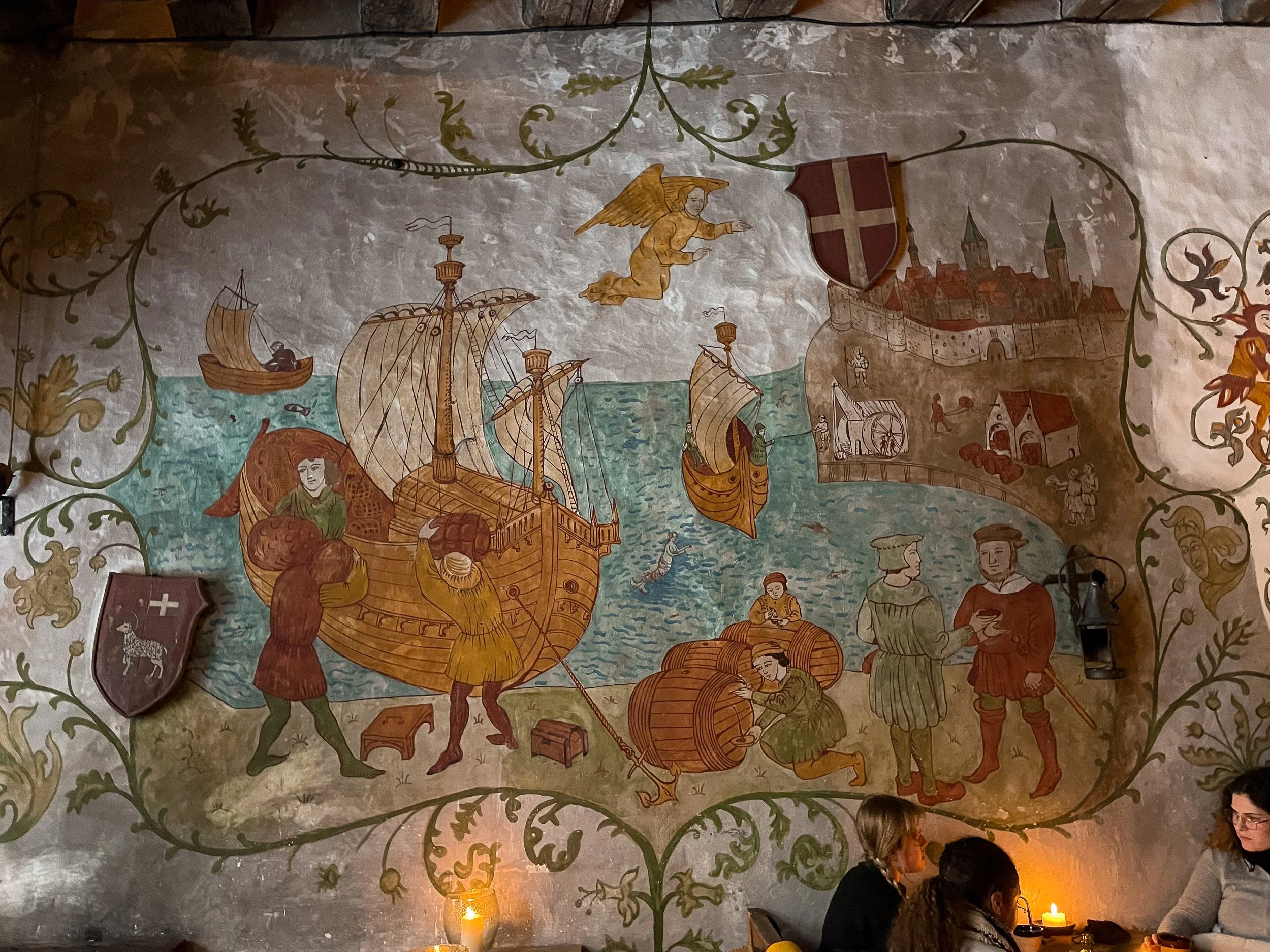
Olde Hansa. Set within a 14th century merchant house, this restaurant offers a medieval atmosphere with its candlelit interior, carved furnishings, illustrated decor, piper music and costumed staff. Its extensive menu features hearty dishes and tasting courses with smoked game, exotic meats, cured fish, braised vegetables and herbed breads, complemented by spiced wines, flavored beers and infused schnapps. Order the forest mushroom soup, oven baked juniper cheese and the Neptune fish platter along with a goblet of herbal or cinnamon beer and caraway schnapps. The food and ambiance struck the perfect balance of theme and authenticity without being gimmicky. Most importantly, everything tasted delicious!
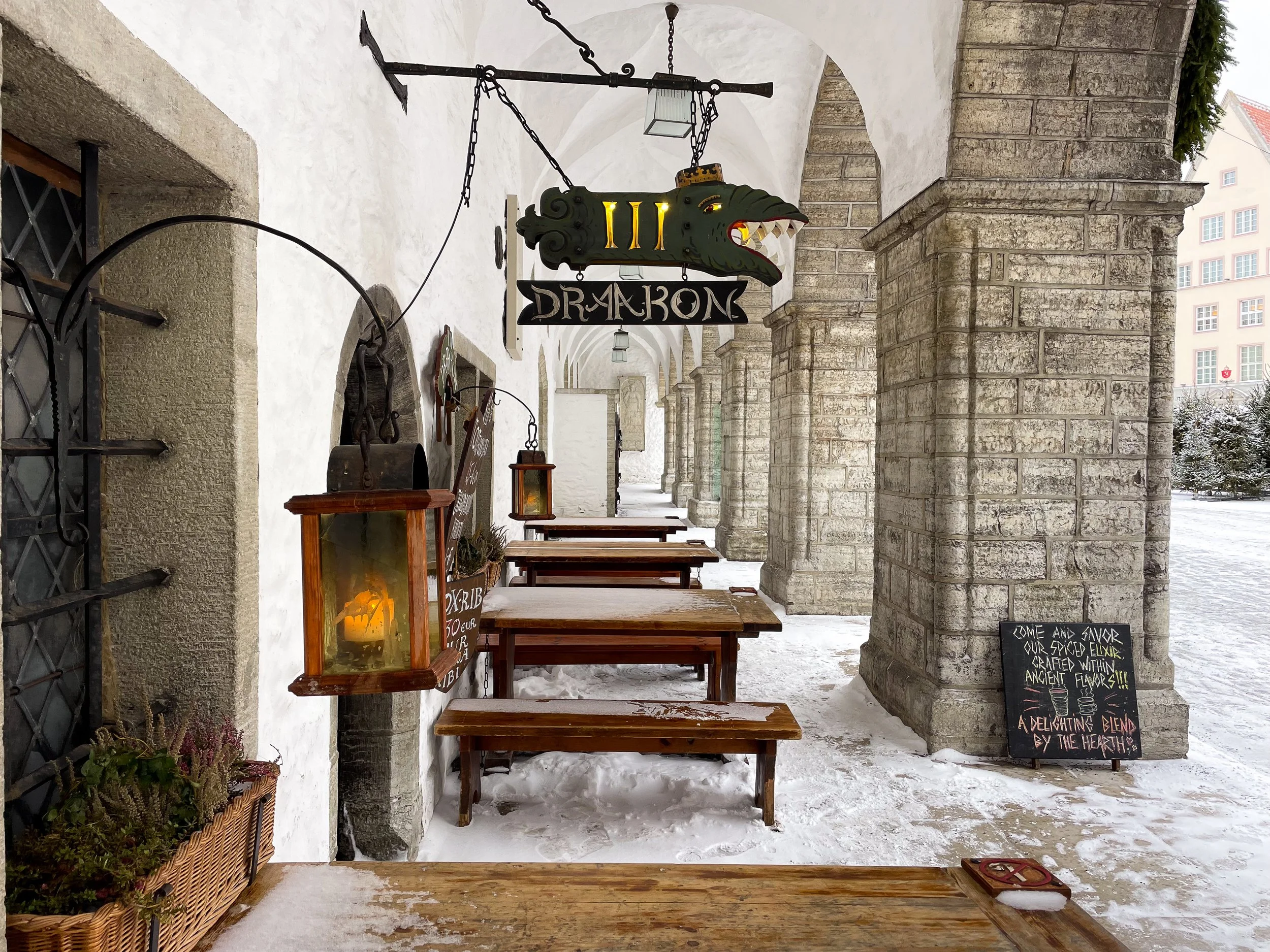
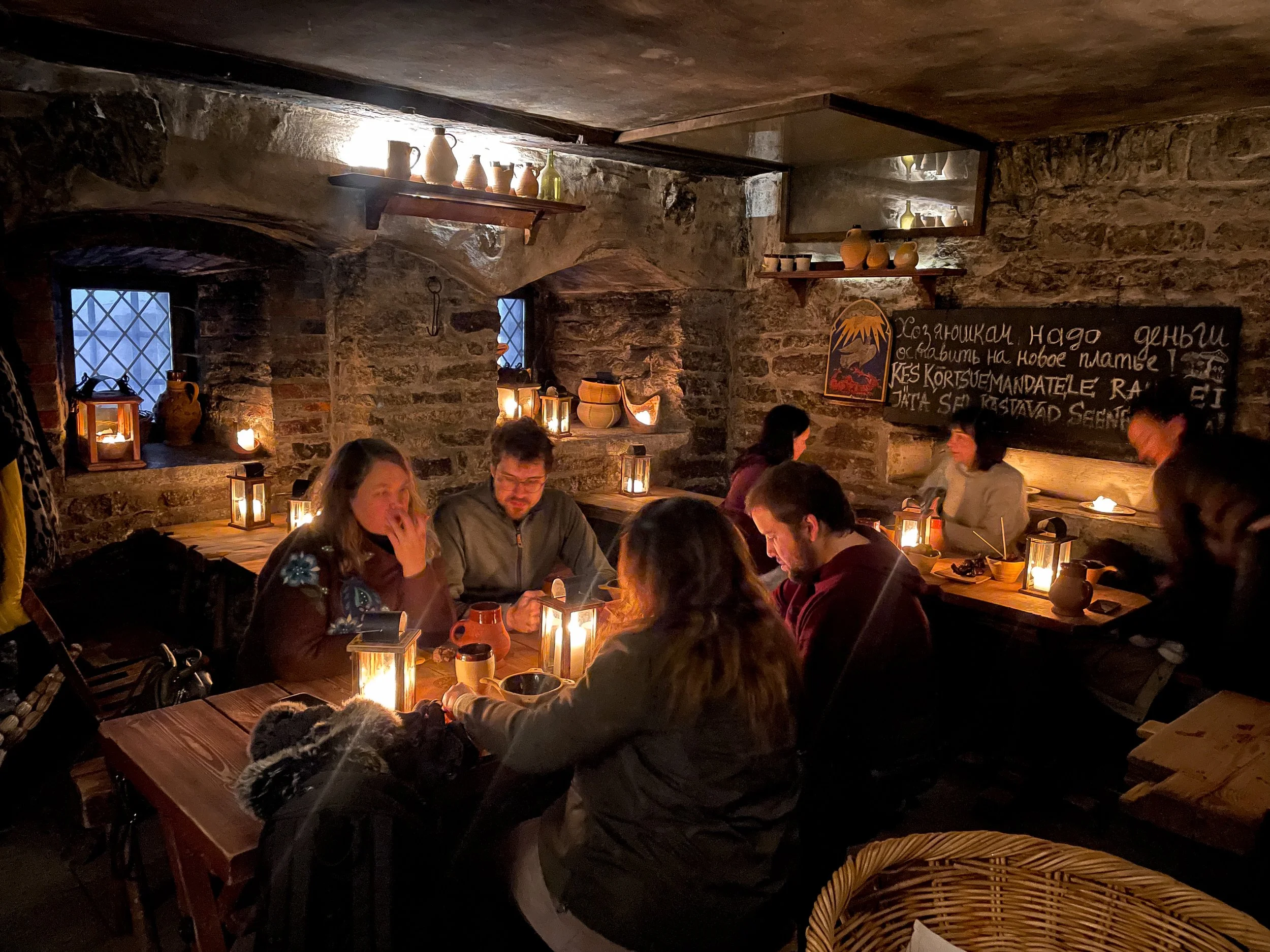
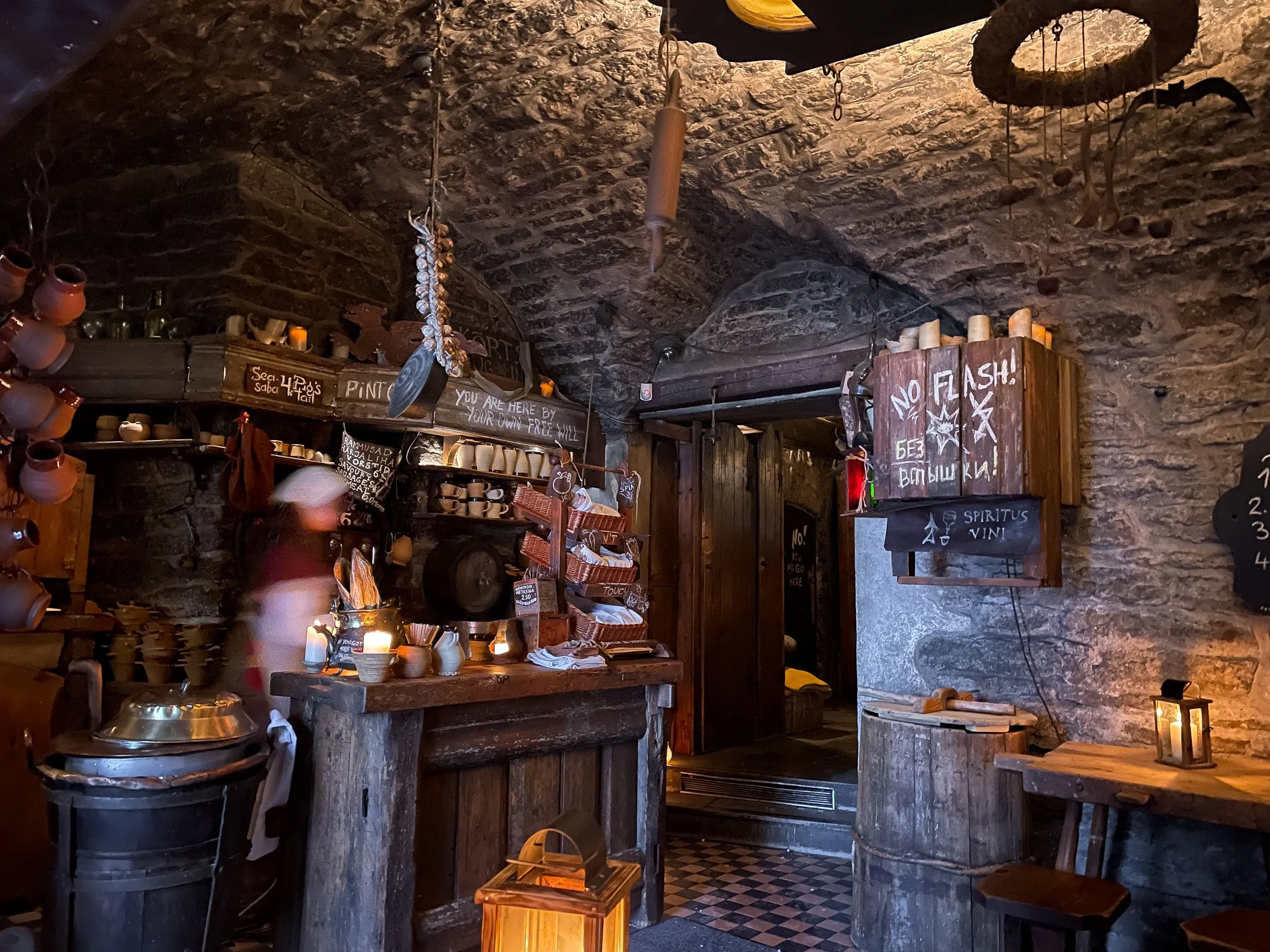
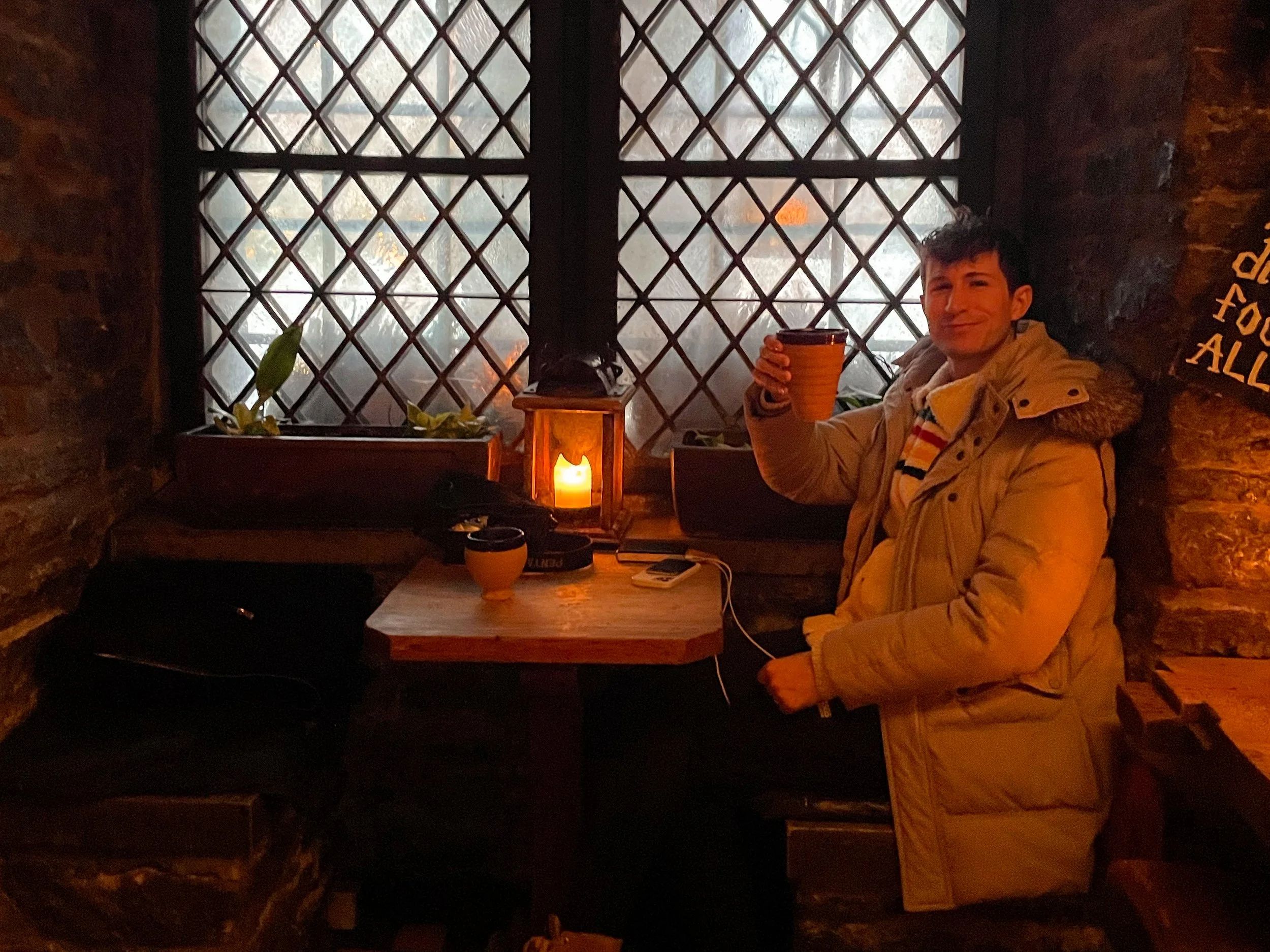
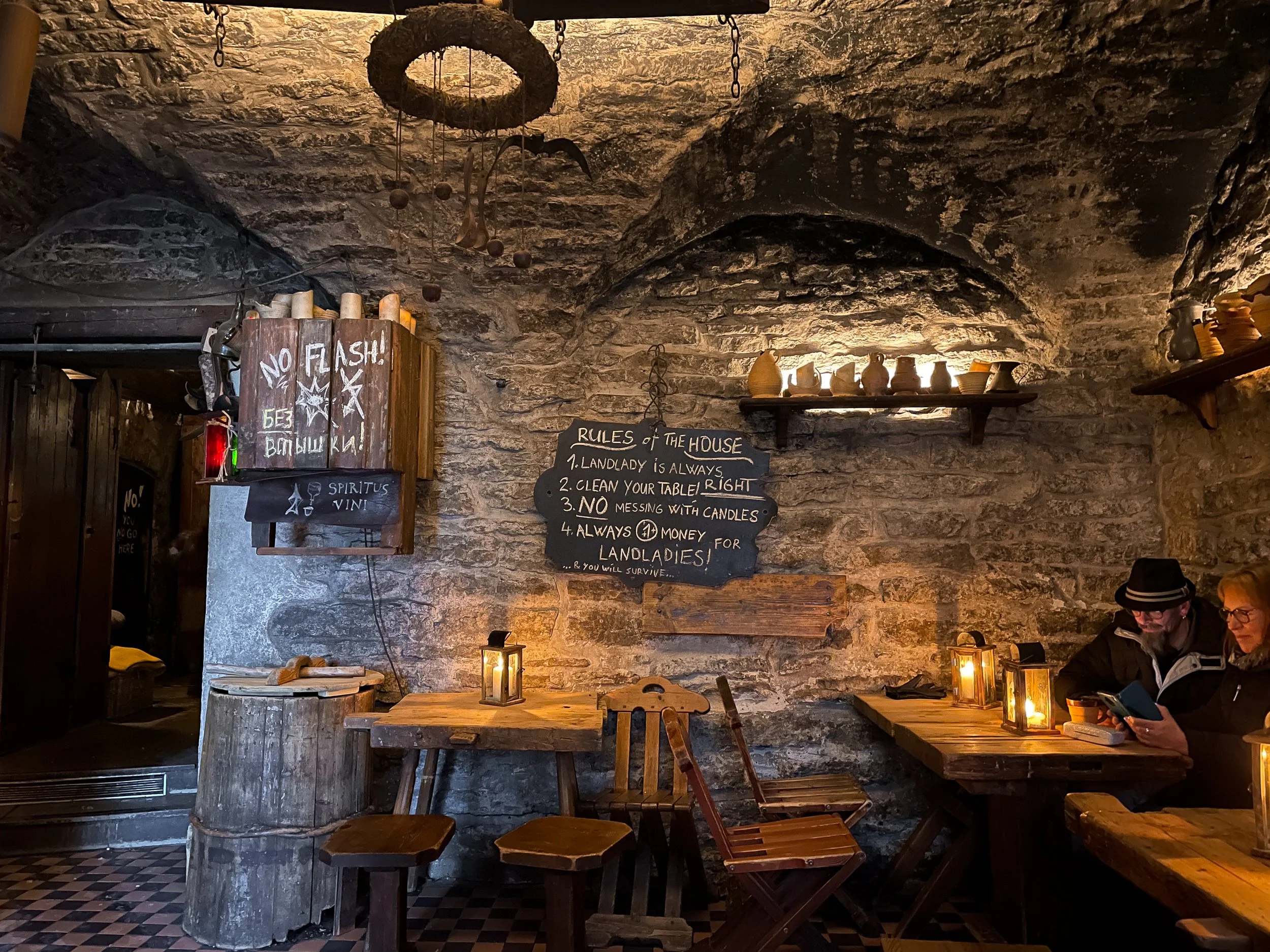
Draakon. A medieval pub in a dark candle lit stone interior with a dragon sign above the door. Come here for Glögg (hot spiced wine) and Estonian beer.
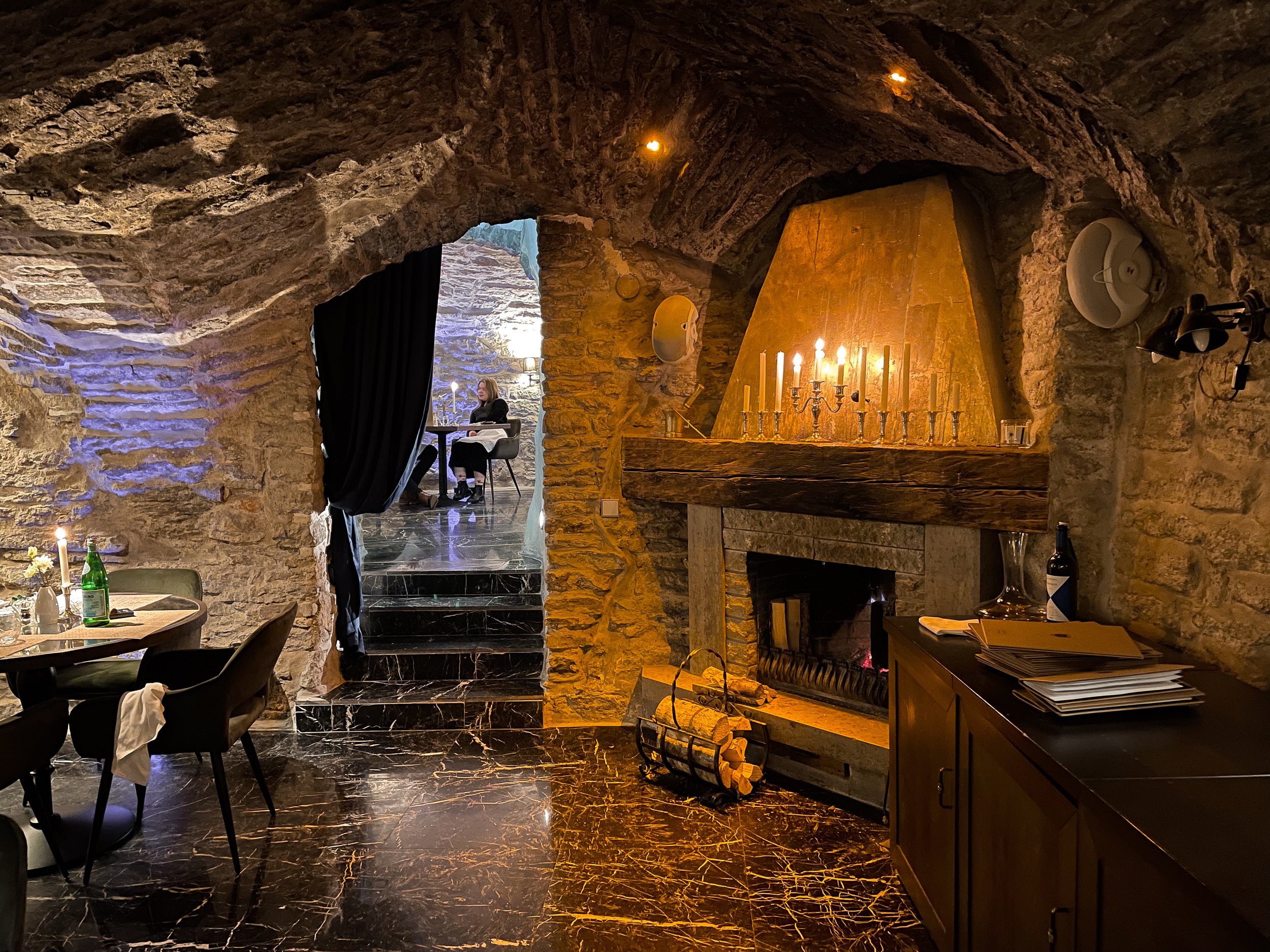
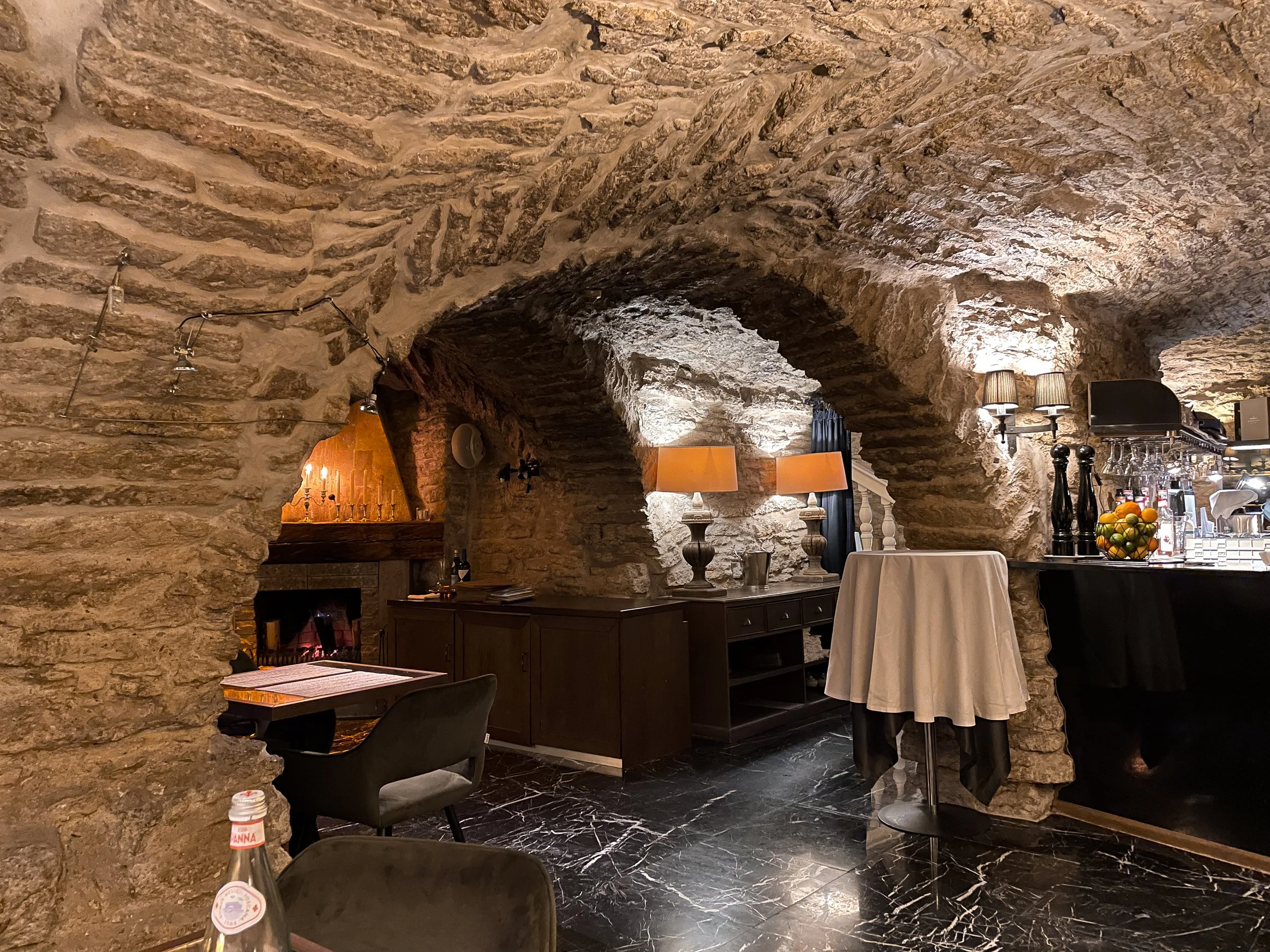
Restaurant Stenhus. A high-end Estonian restaurant located in the hotel basement of a former merchant house. The interior is defined by its stone walls, vaulted stone ceiling, black marble floor and brick fireplace. The menu delicately layers Baltic flavors paired with wine. Try the black bread with beet butter, the smoked eel smørrebrød, eggplant steak with buckwheat cream, halibut with leek and braised pearl onions and fermented plum with sour milk ice cream.
Restaurant Odessa. Come for Ukrainian and Eastern European classics like the vareniki (dumplings), cabbage rolls and borscht (beet soup). Try the horseradish vodka and sprat sandwich, Odessa style vareniki stuffed with flounder and parsley and cabbage rolls filled with vegetable, mushroom and rice.
Restaurant Cru. A contemporary Estonian restaurant. Try the beet tartare with goat cheese snow, seeded pumpkin risotto and marbled fish made from salmon, white fish and trout garnished with roe, fresh veggies and pickled root vegetables.
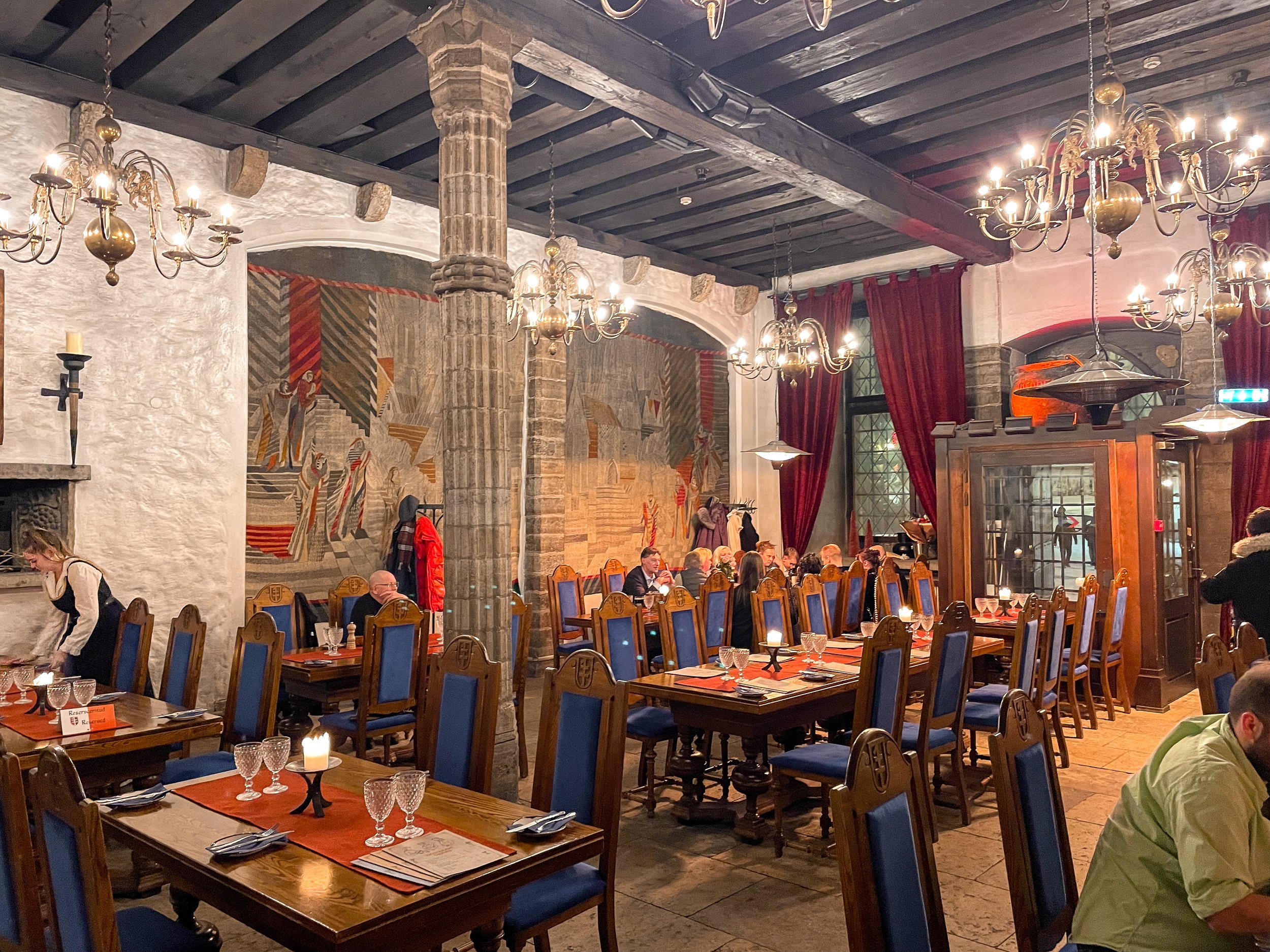
Peppersack. A medieval restaurant with plastered stone walls, candlelit tables, wooden furniture, velvet upholstery and costumed waiters. Come for a goblet of herbed beer and vegan sorrel soup made with sorrel leaves, potato, onion, carrot and dill. Add a hard boiled egg and sour cream to it for extra flavor.
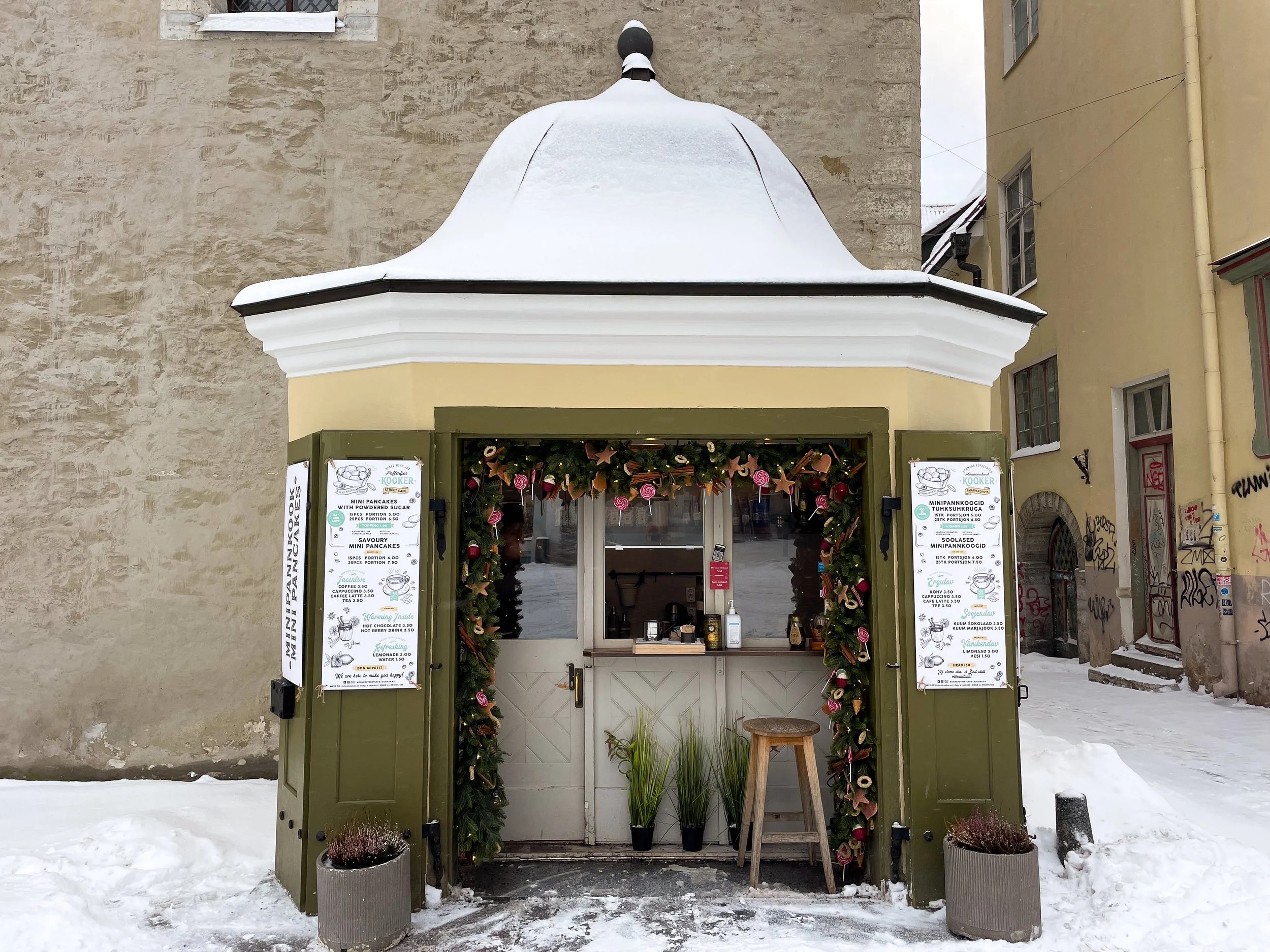
Kooker Raekoja Plats. A small street side counter serving mini grilled pancakes and hot beverages in edible cups. Try them topped with raspberry jam and sweetened condensed milk.
Saiakanig Kohvik. A café with sweet and savory breakfast pastries and pies filled with cabbage and sweet cheese.
The Babylon Bar. A second floor speakeasy hidden behind a bookshelf. Come here for their spirit forward cocktails, art deco atmosphere and Estonian cheese plate.
Sigmund Freud Bar. A cocktail bar with drinks themed after different moods and emotions. Cocktails are served in funky glasses with inventive garnishes. Sit at the bar or lounge on a therapist sofa.
The Cork Bar. A small bar in a brick and stone walled interior. It’s popular among expats and the younger crowd. Try the Estonian Coffee made with Vana Tallinn, a rum-like liquor made in Tallinn.
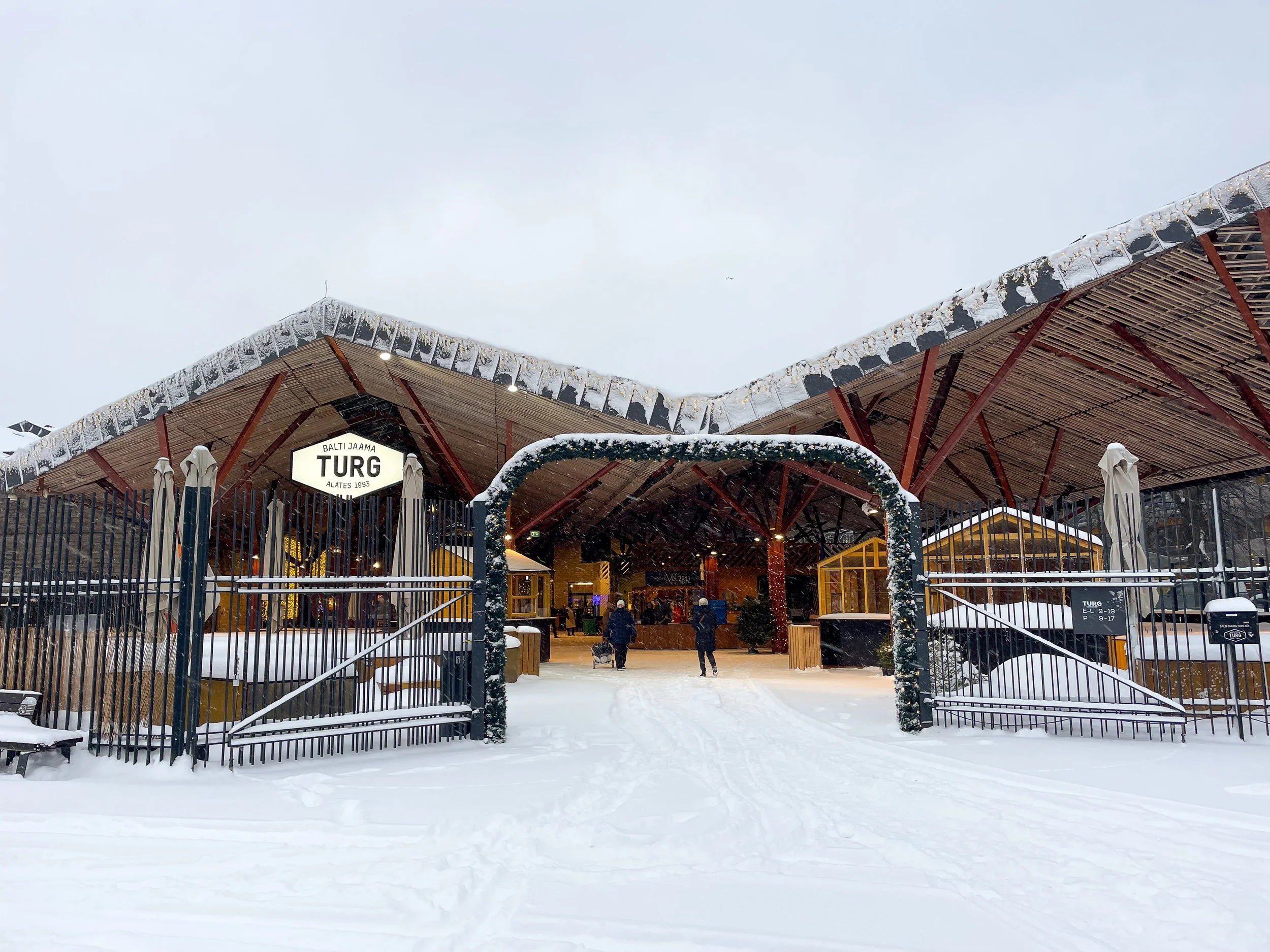
Balti Jaam Market. A three floor indoor and outdoor market with vendors selling produce, seafood, meats, grains, breads, pastries, cheese, chocolates, preserves, oils, flowers, soaps, etc. There is a range of international food vendors and restaurants. We came here for breakfast, sampling Estonian pastries.
Kringle. A twisted round of sweet dough with lemon and poppy seed.
Kaneelikuklid. A cinnamon and cardamom roll.
Where to Stay
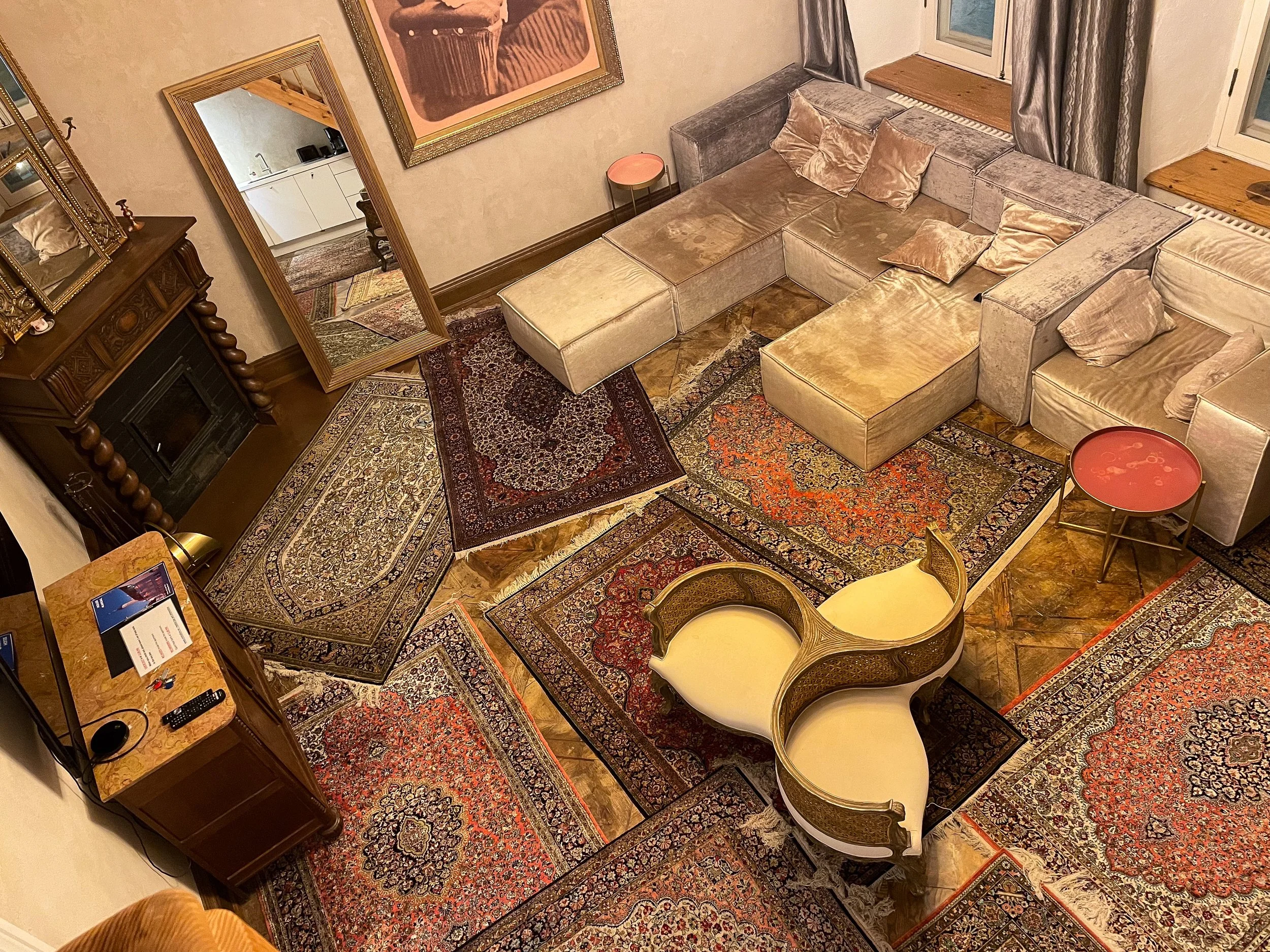
Merchant House. There are numerous unique stays in Vanalinn including former merchant houses, renovated defensive towers and inns. We stayed in a possibly haunted merchant house available on Airbnb with a working fireplace, tall ceilings and intricate wood floor overlaid with antique rugs.

Getting Here
By Ferry from Helsinki. We arrived in Tallinn by ferry from Helsinki on the Tallink Line. The ferry was similar to a cruise ship with large seating areas, sleeping cabins, restaurants, bars, shops, a theater and casino games. The ship voyaged 3 hours across the icy and slushy waters of the Gulf of Finland.
For Next Time…
Three full days in Tallinn were just enough to explore the medieval city of Vanalinn. When we return, we plan to explore more of Estonia and the neighboring Baltic countries.
Kalamaja. A waterfront neighborhood outside of Vanalinn with maritime museums, food halls and saunas.
Kadriorg Park & Palace. A vast city park built for former Russian Tsar, Peter the Great. It’s home to museums, gardens and nature trails.
Riga. A coastal city on the Baltic Sea and capital of Latvia. The city’s cobblestone streets are lined with historic buildings, domed cathedrals and markets.
Vilnius Old Town. A medieval and baroque style old town in Vilnius, the capital city of Lithuania.