Cartagena Colombia Travel Guide: Walled City, Getsemaní & Local Food
Cartagena, The Gem of the Caribbean
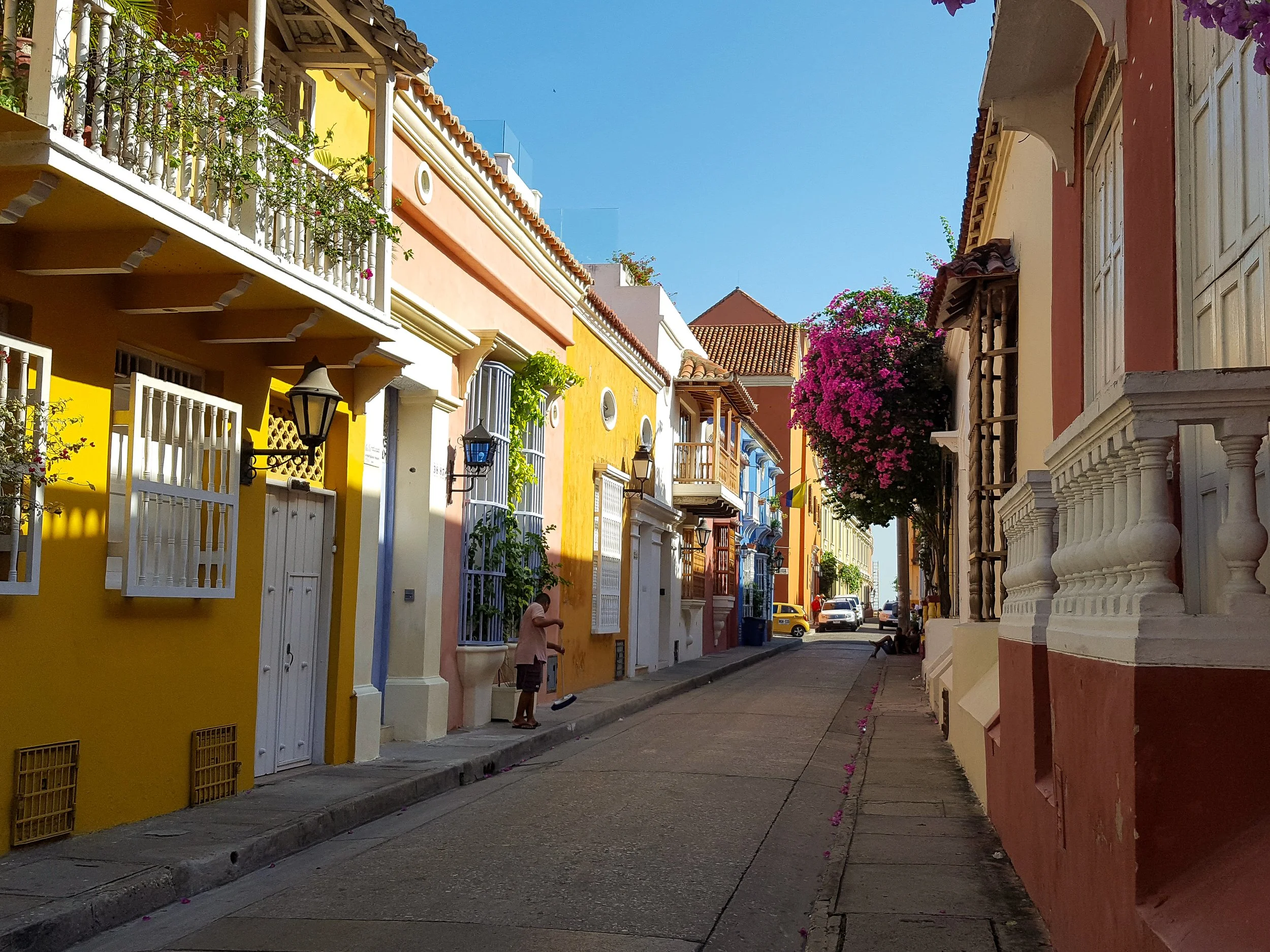
Cartagena is a romantic destination, often referred to as “The Gem of the Caribbean” for its seaside location, walled city and colonial architecture. The city exudes Colombian culture, history and cuisine. Start each day with a Colombian coffee, spend time wandering the streets of colorful colonial architecture, enjoy leisurely strolls along the wall at sunset, take a beach getaway to an offshore island, eat street food in the plazas and dine to live music.
The Walled City
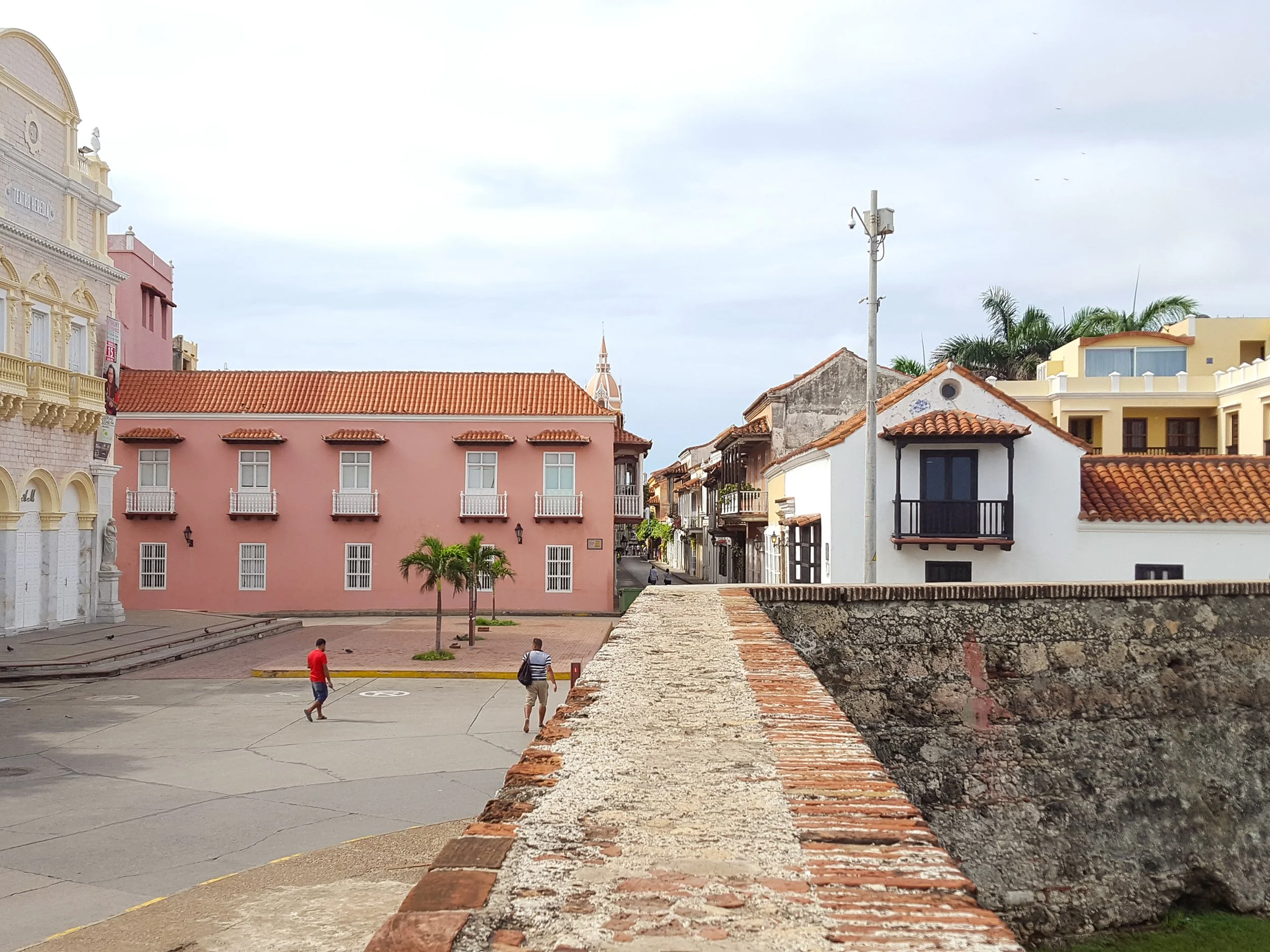
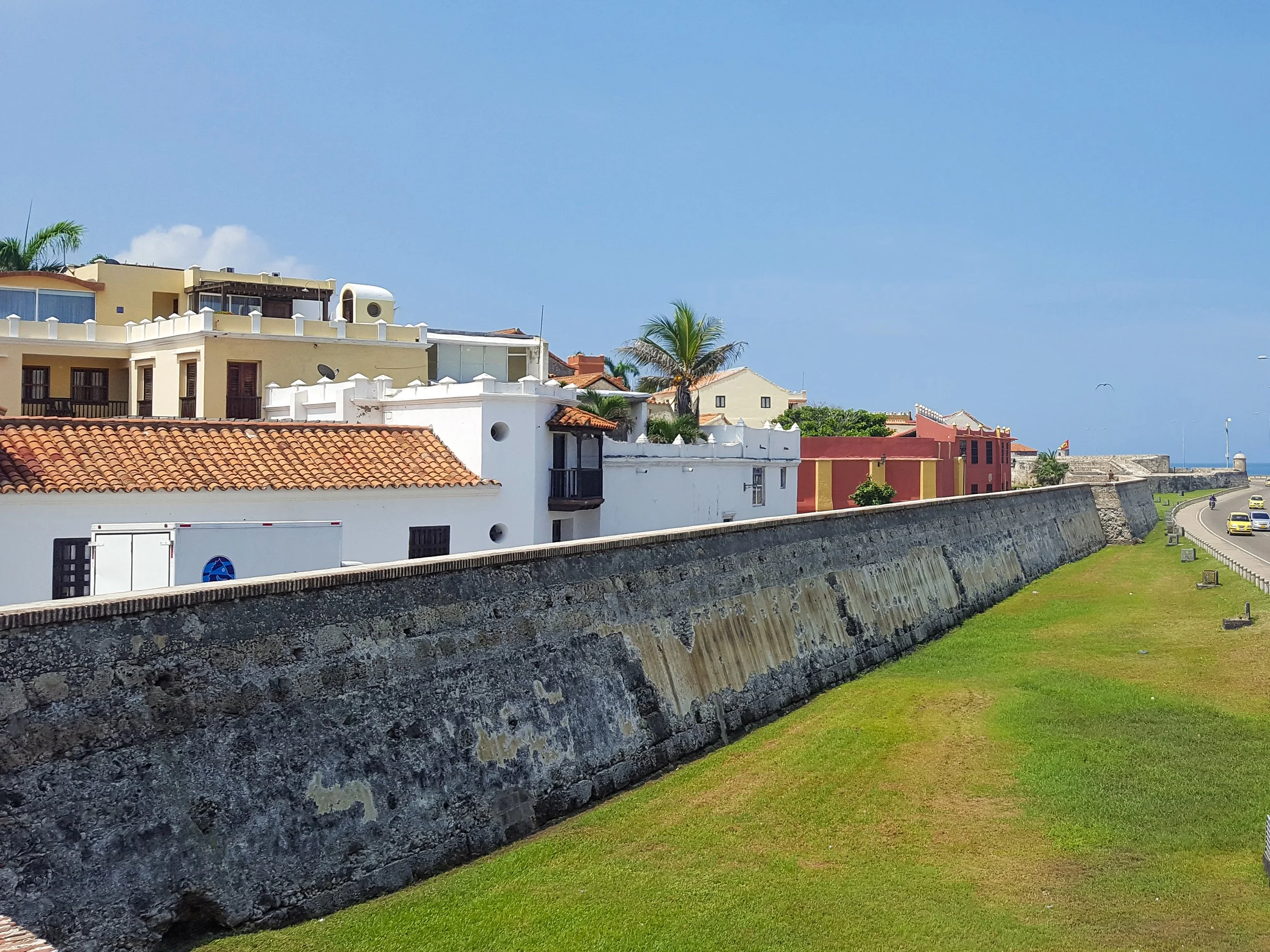
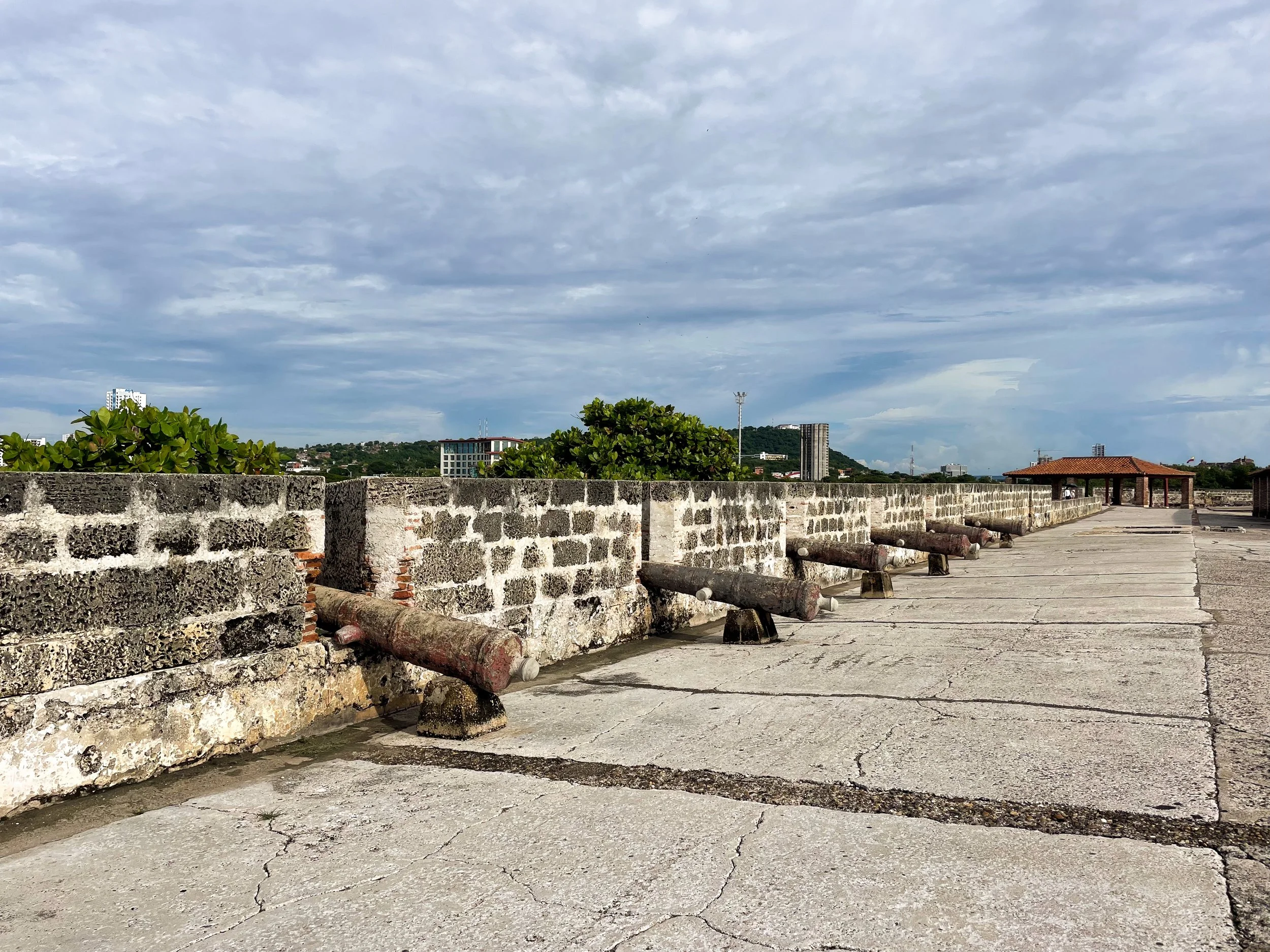
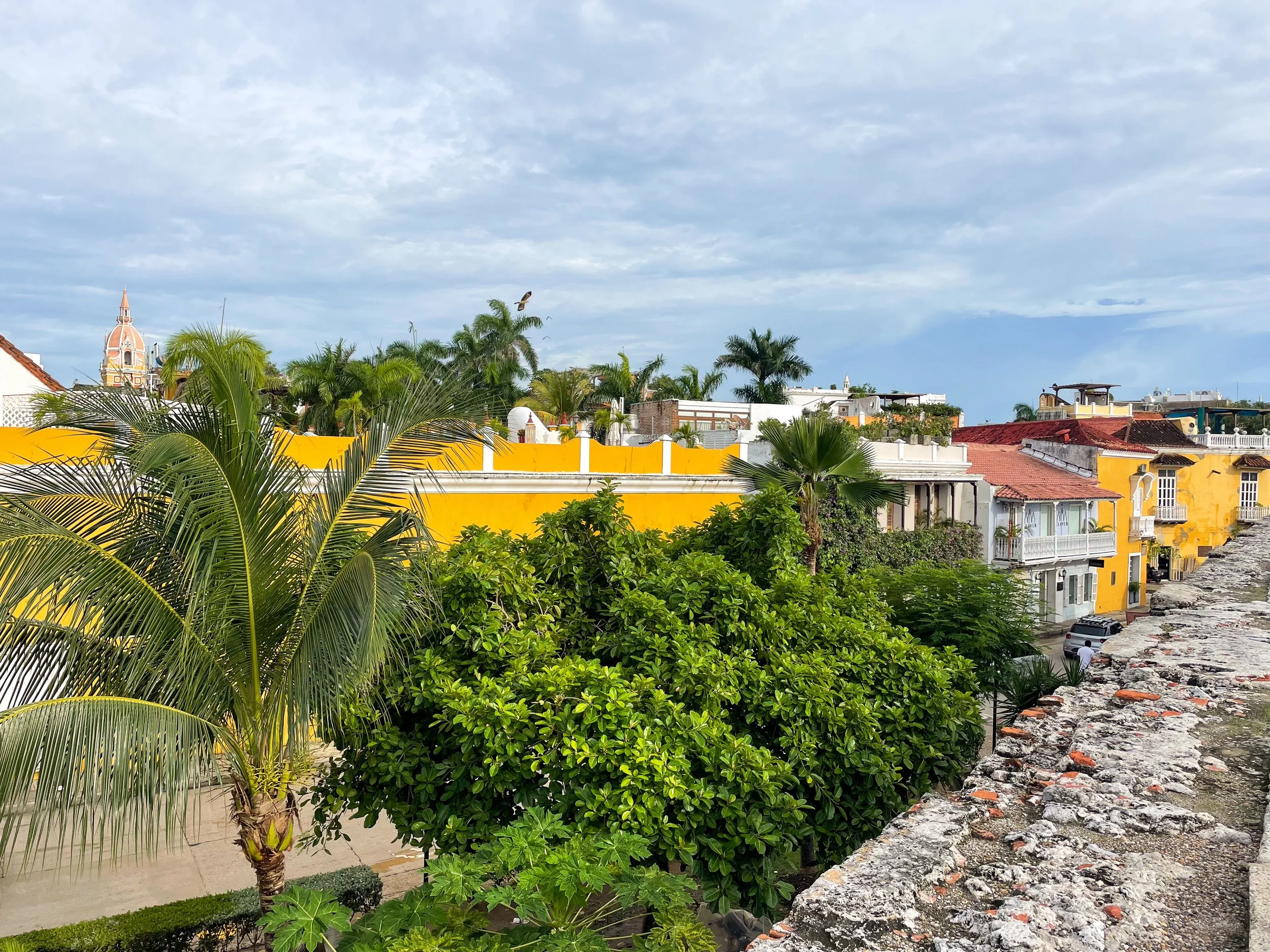
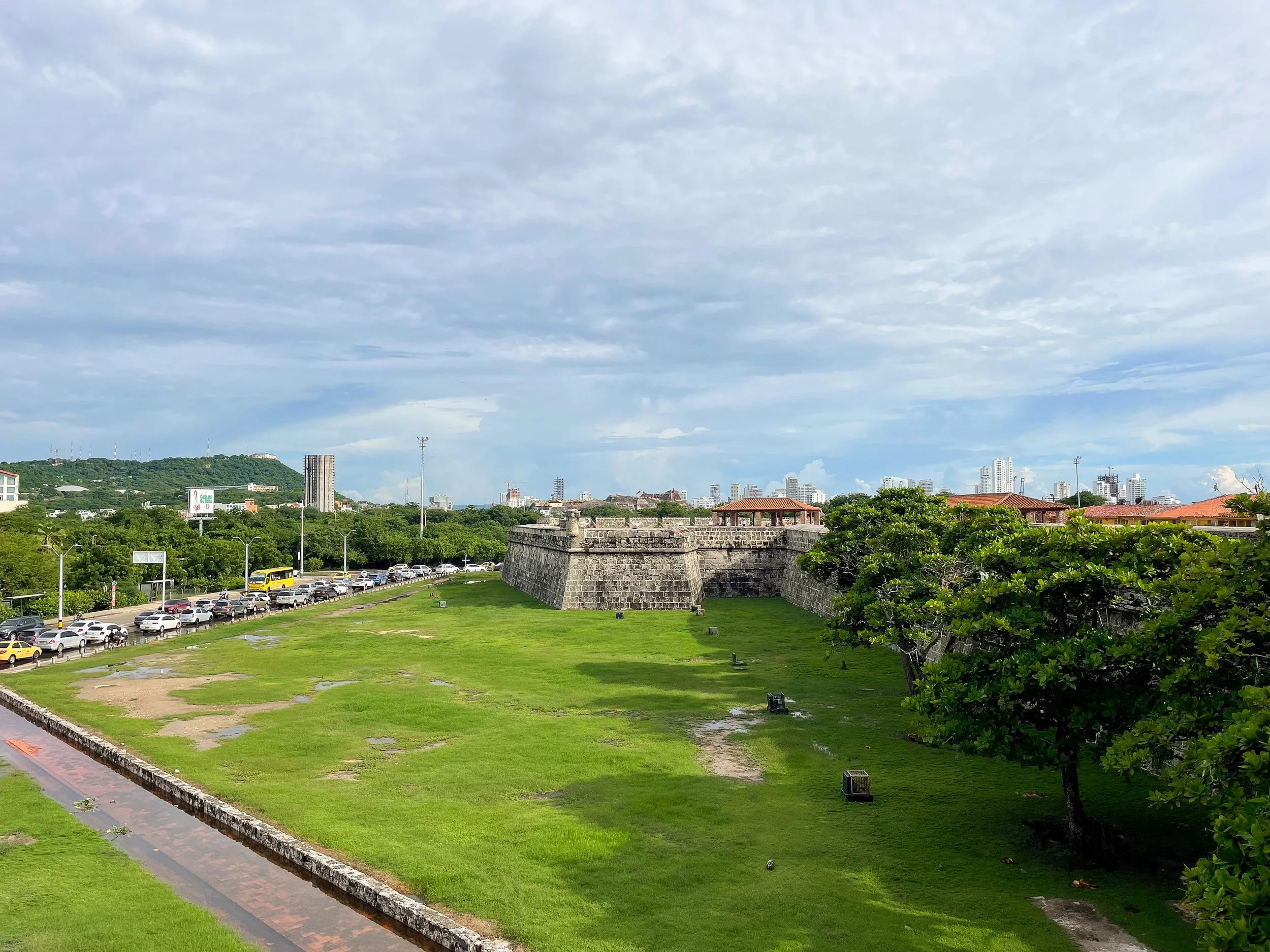
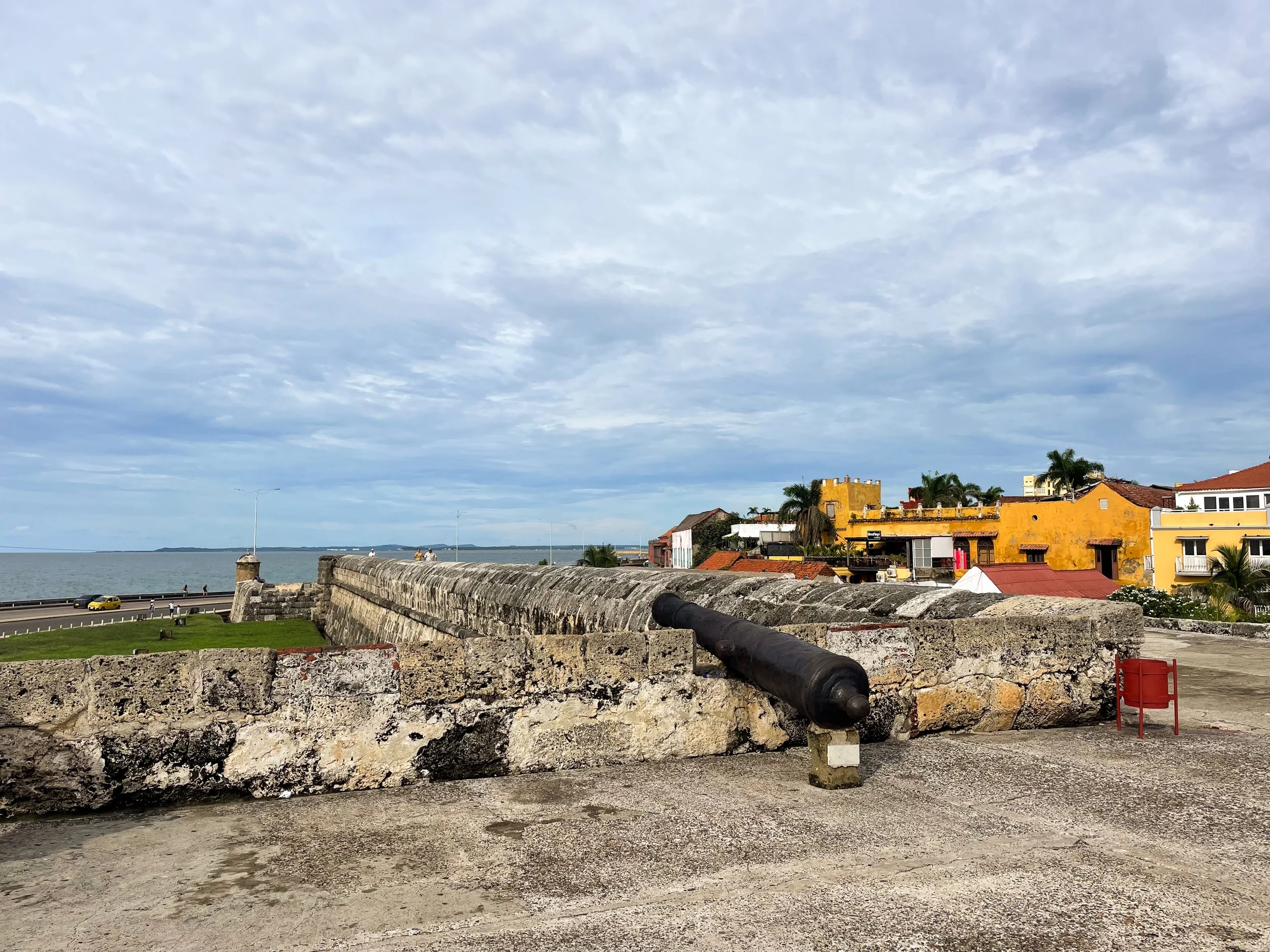
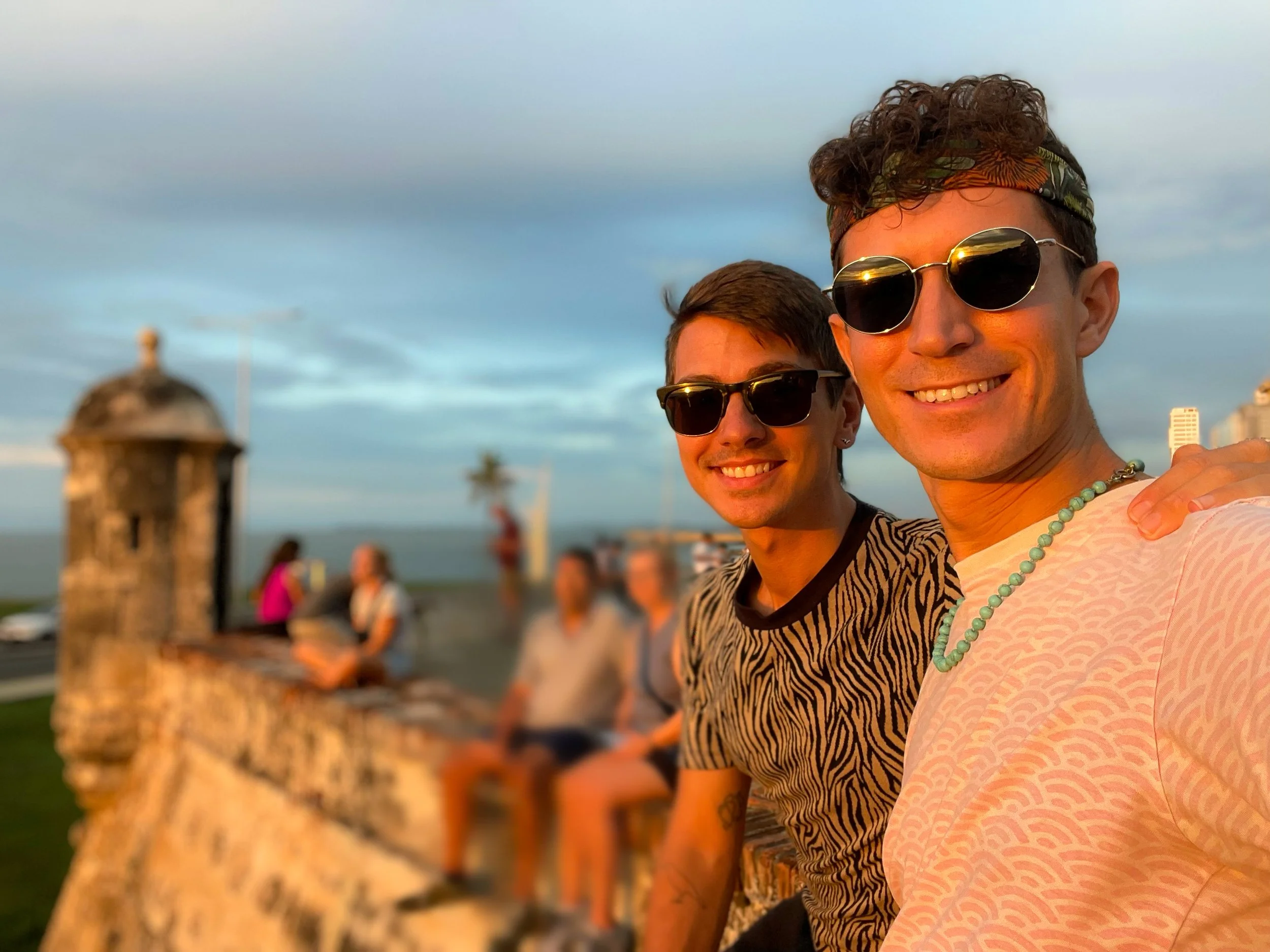
The old town of Cartagena is surrounded by a thick stone and coral brick wall designed to protect the city from pirates and attacks during the colonial era. It is lined with guard towers, lookouts and cannons. From inside, there are numerous ramps and staircases with access to the wall’s upper level and walkways. Along the walkways are city and sea views. Couples often come here to hideaway in the nooks, walk hand in hand and watch the sunset.
Explore the Barrios
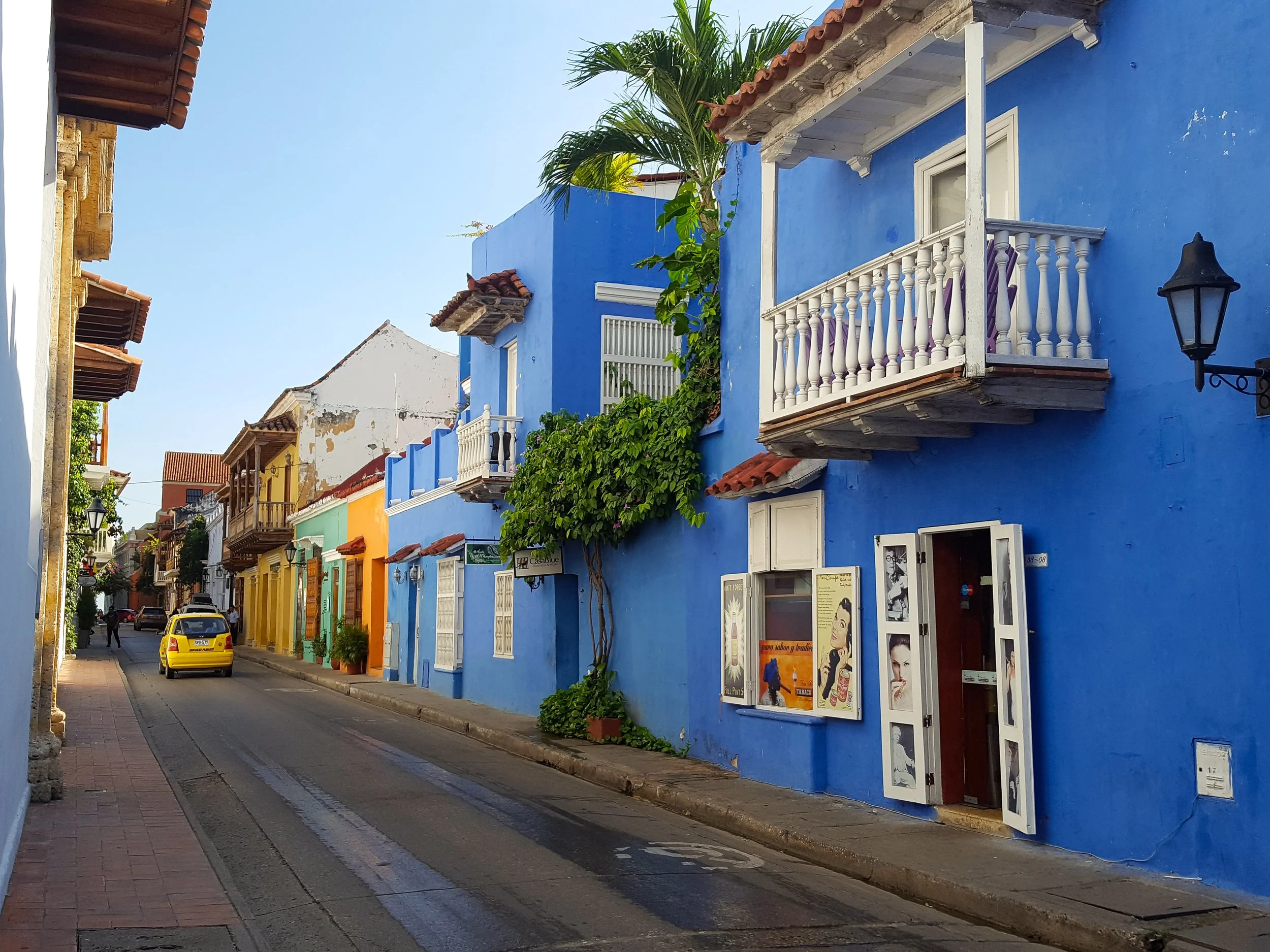
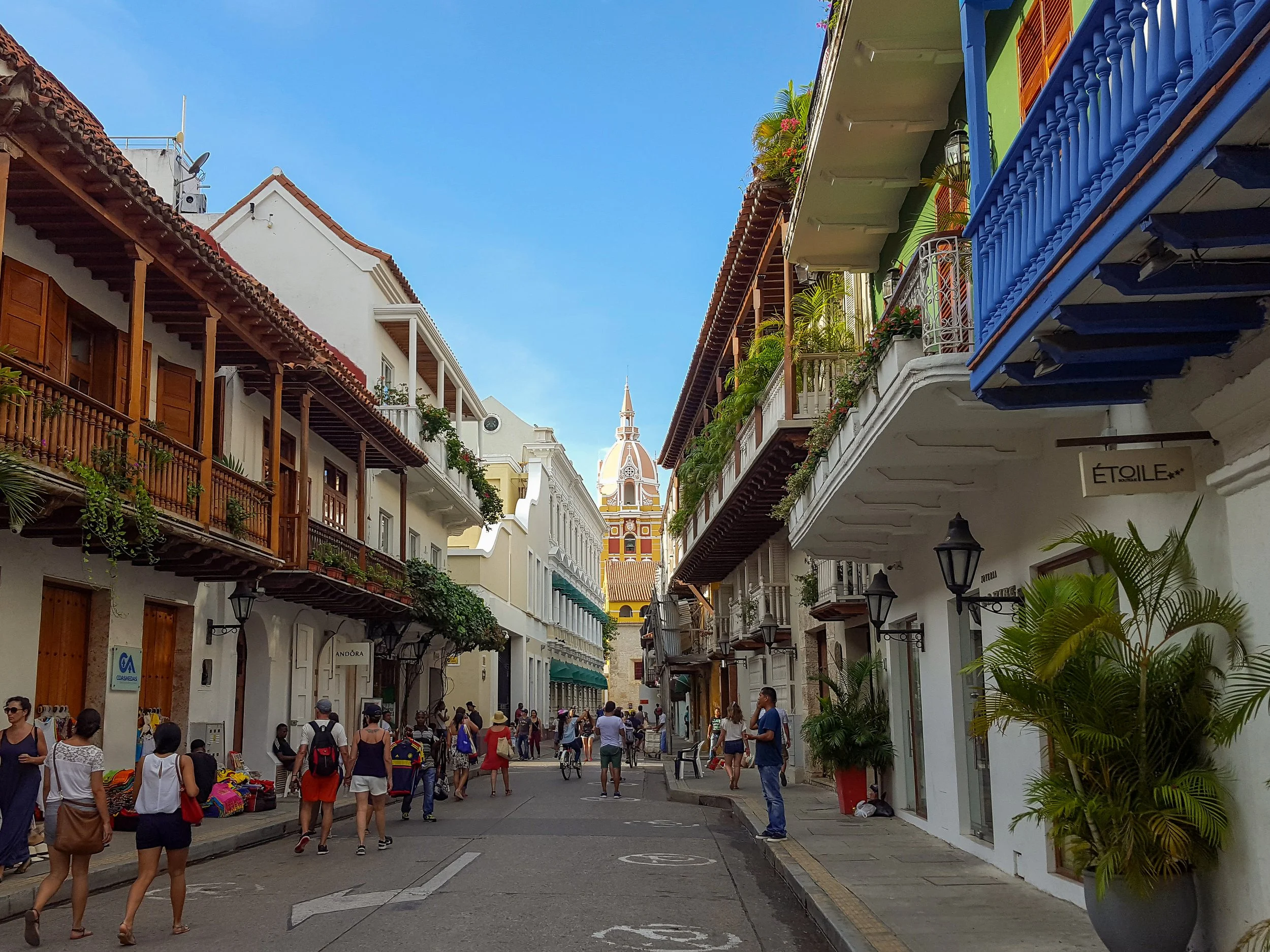
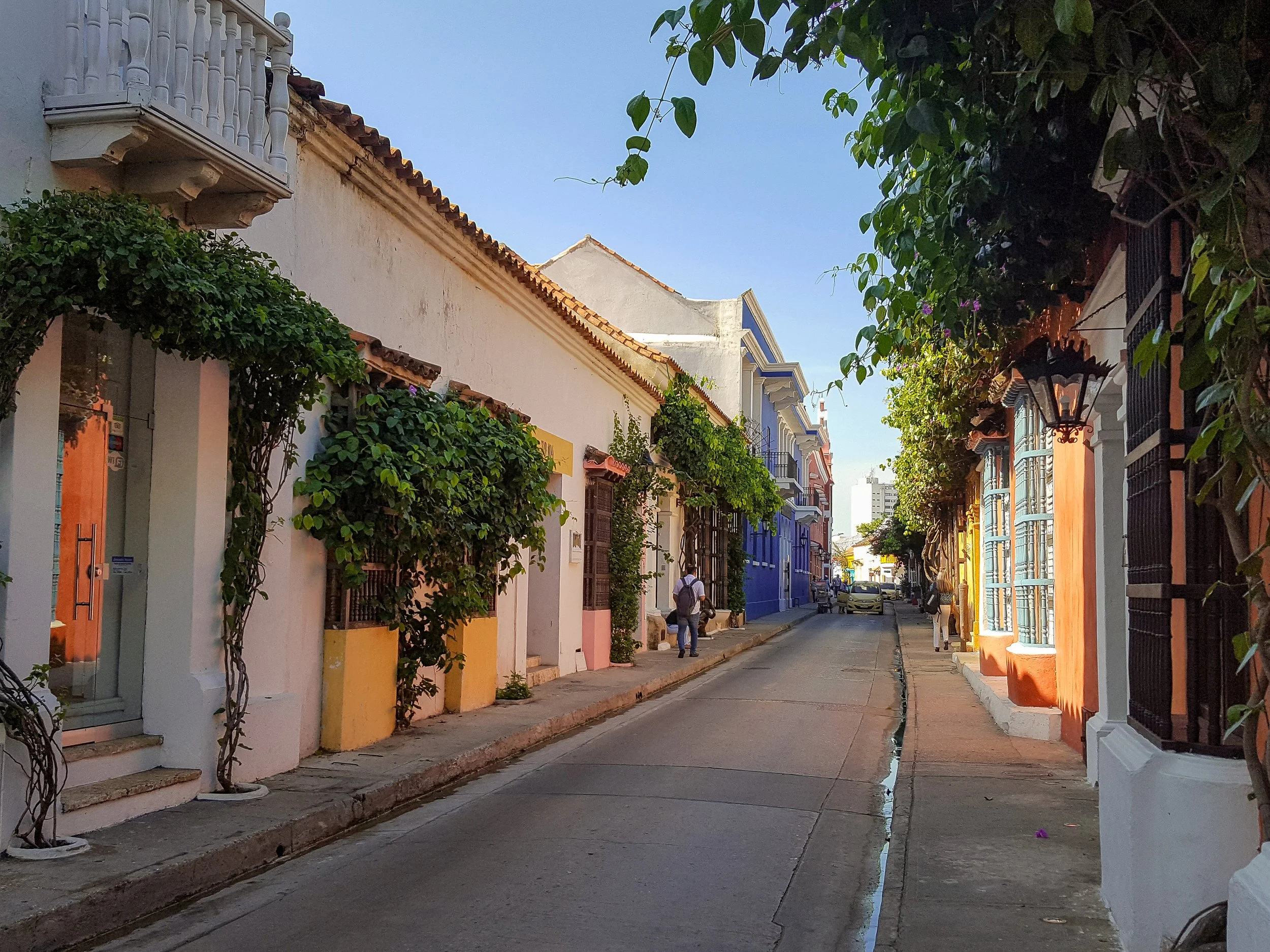
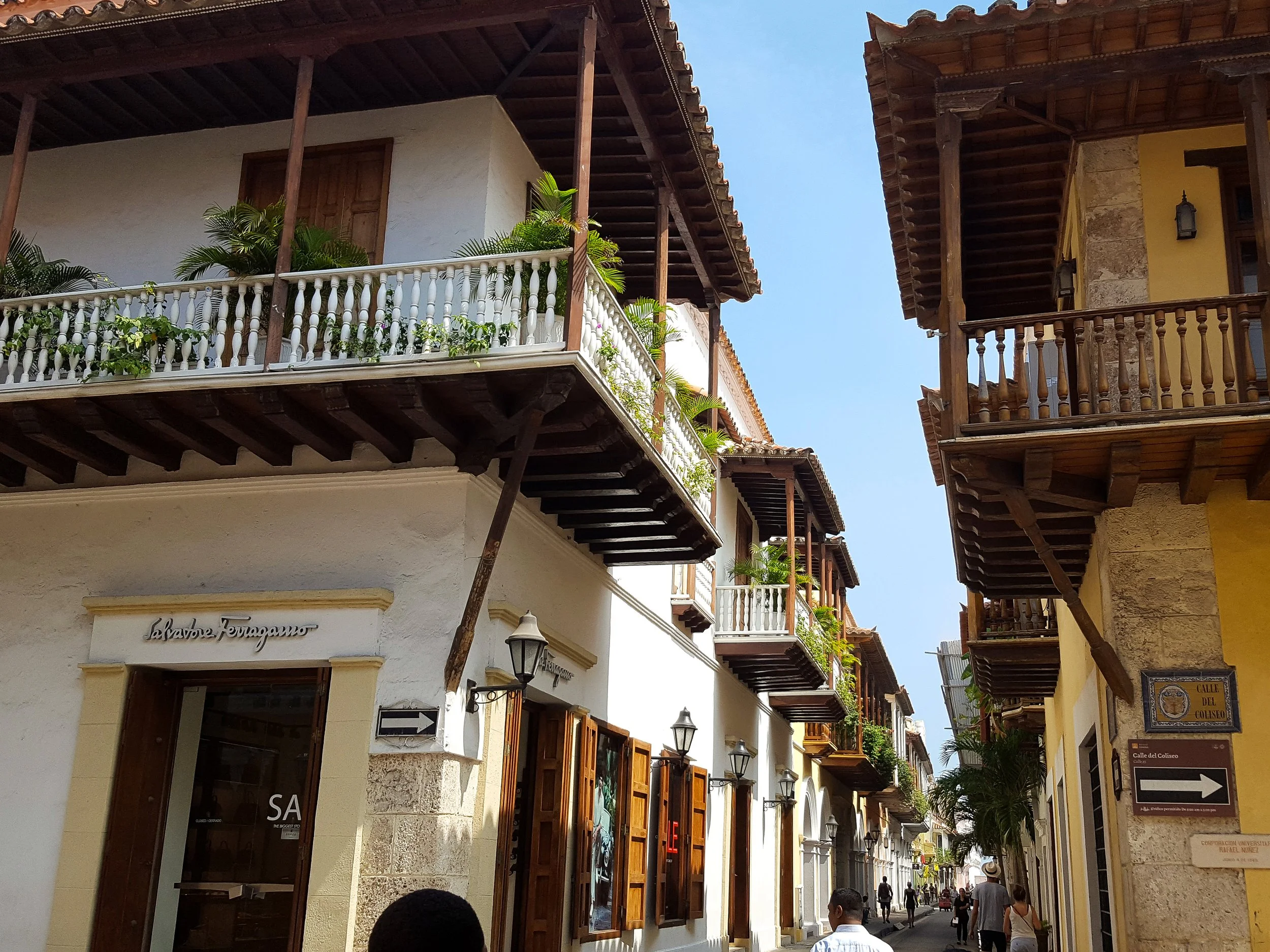
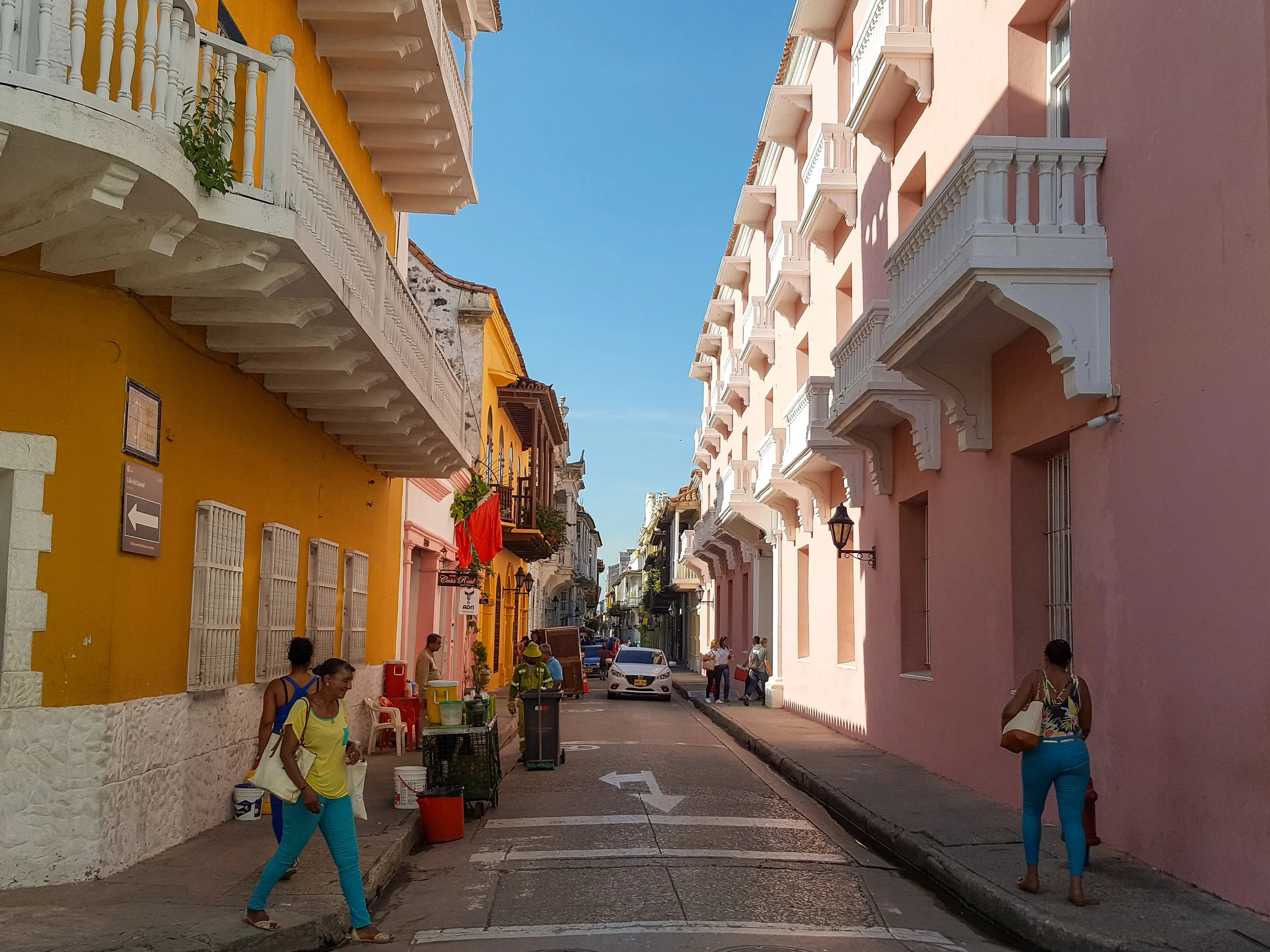
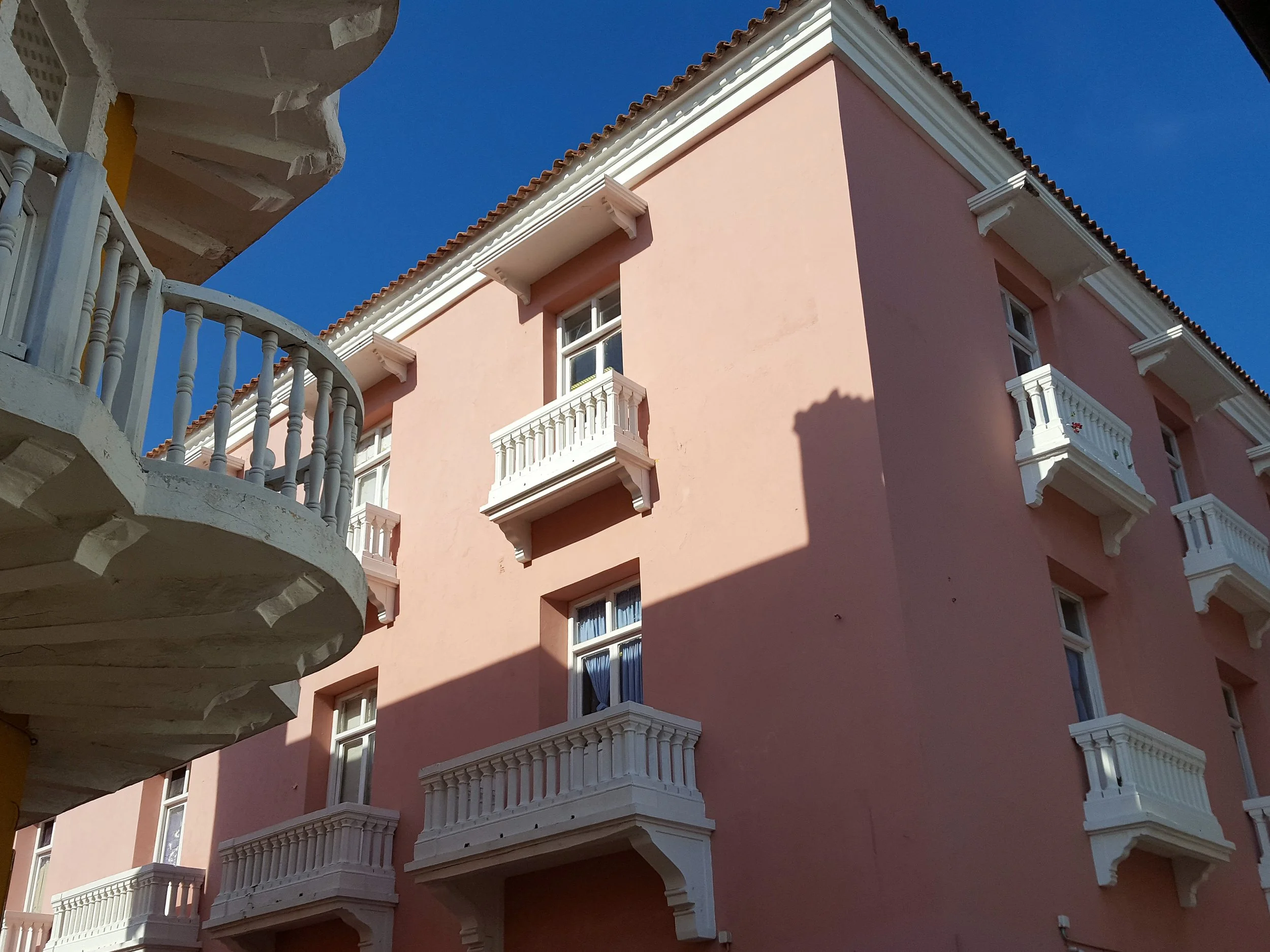
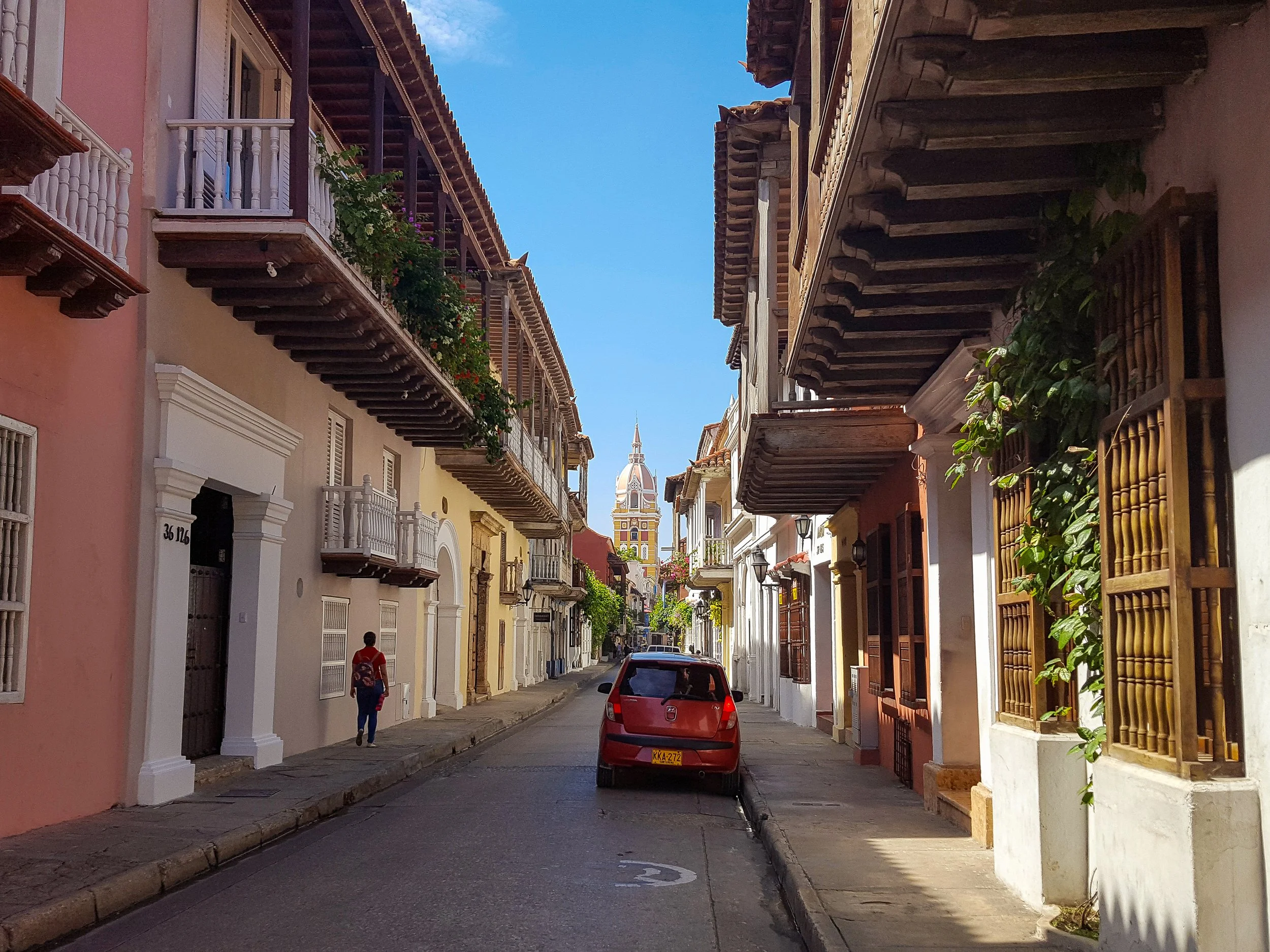
Cartagena is organized by picturesque barrios with vibrant plazas, colonial buildings, cathedrals, colorfully painted homes and lush streets.
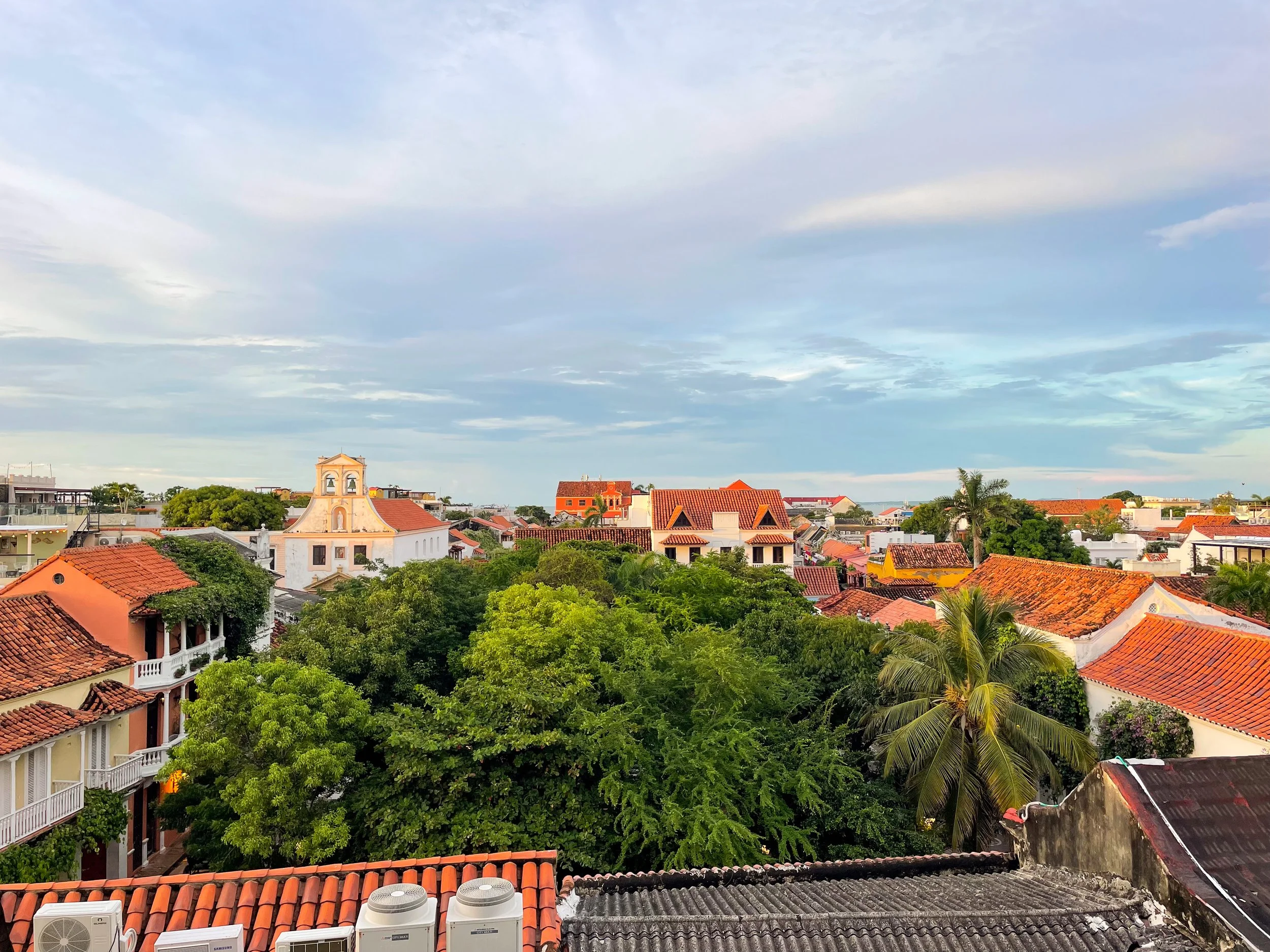
El Centro. The neighborhood at the center of the Walled City with many historic sights, large plazas, restaurants and hotels. The buildings here are painted golden orange or white with exposed coral bricks, wooden balconies and window banisters.
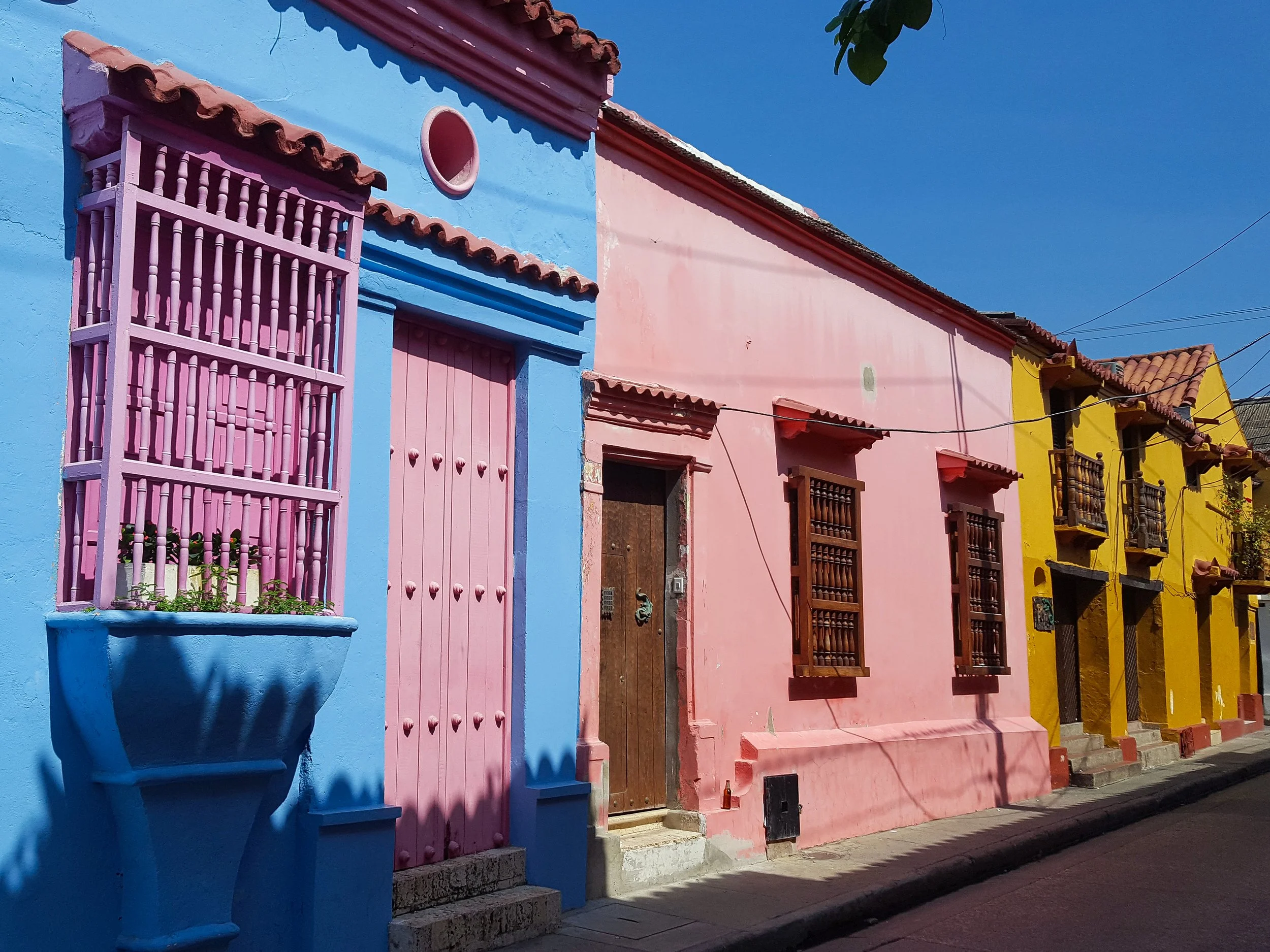
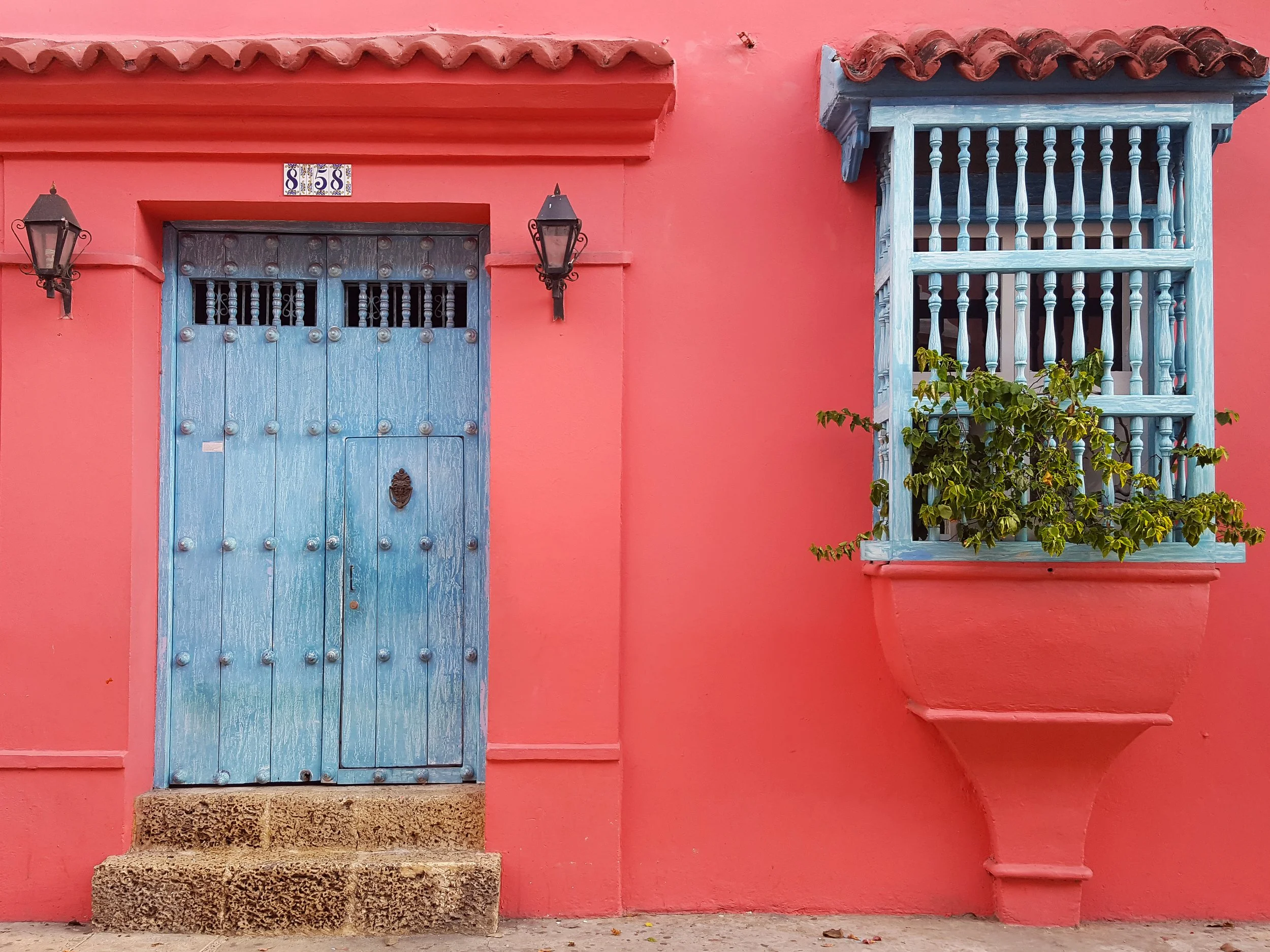
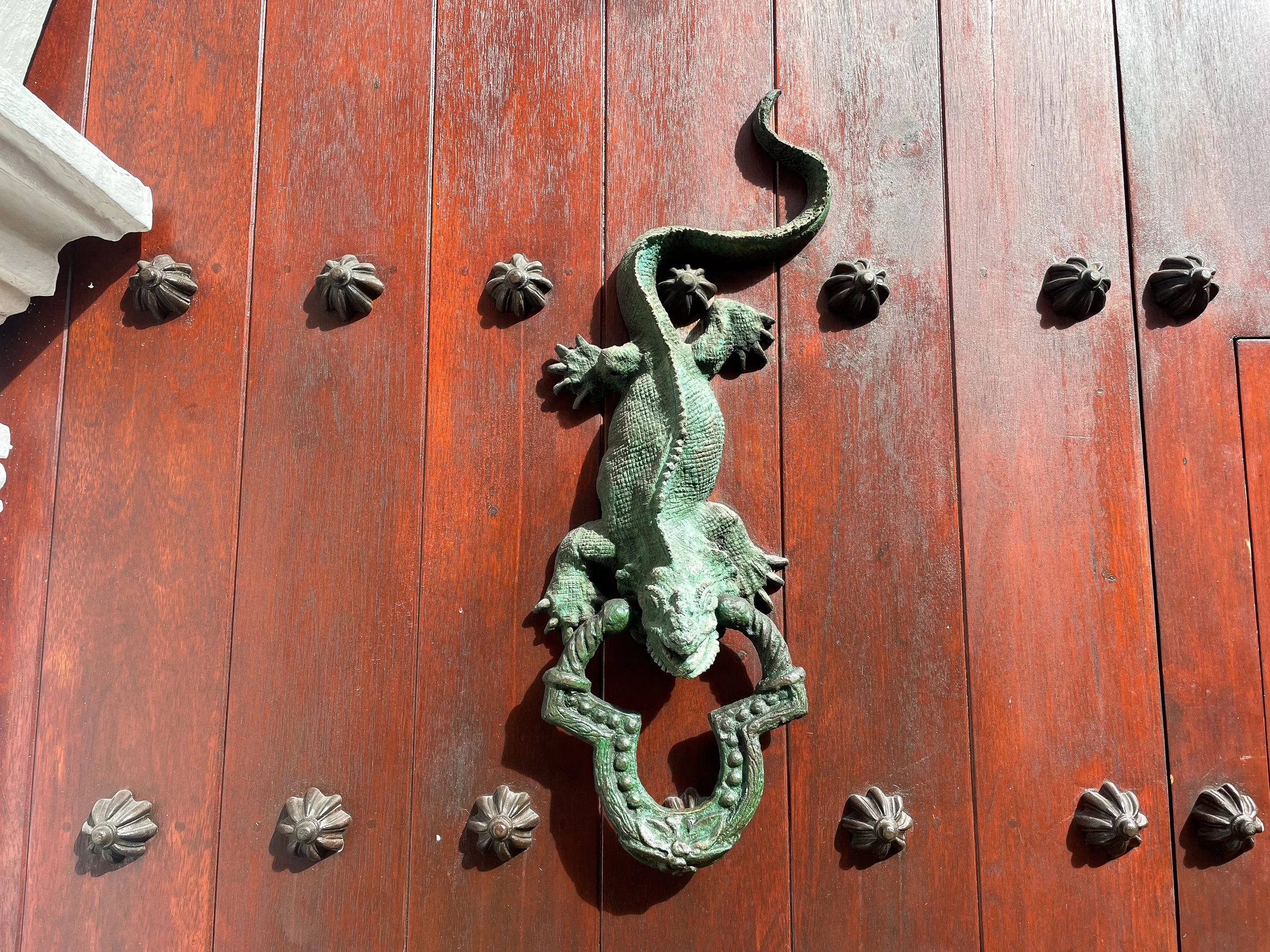
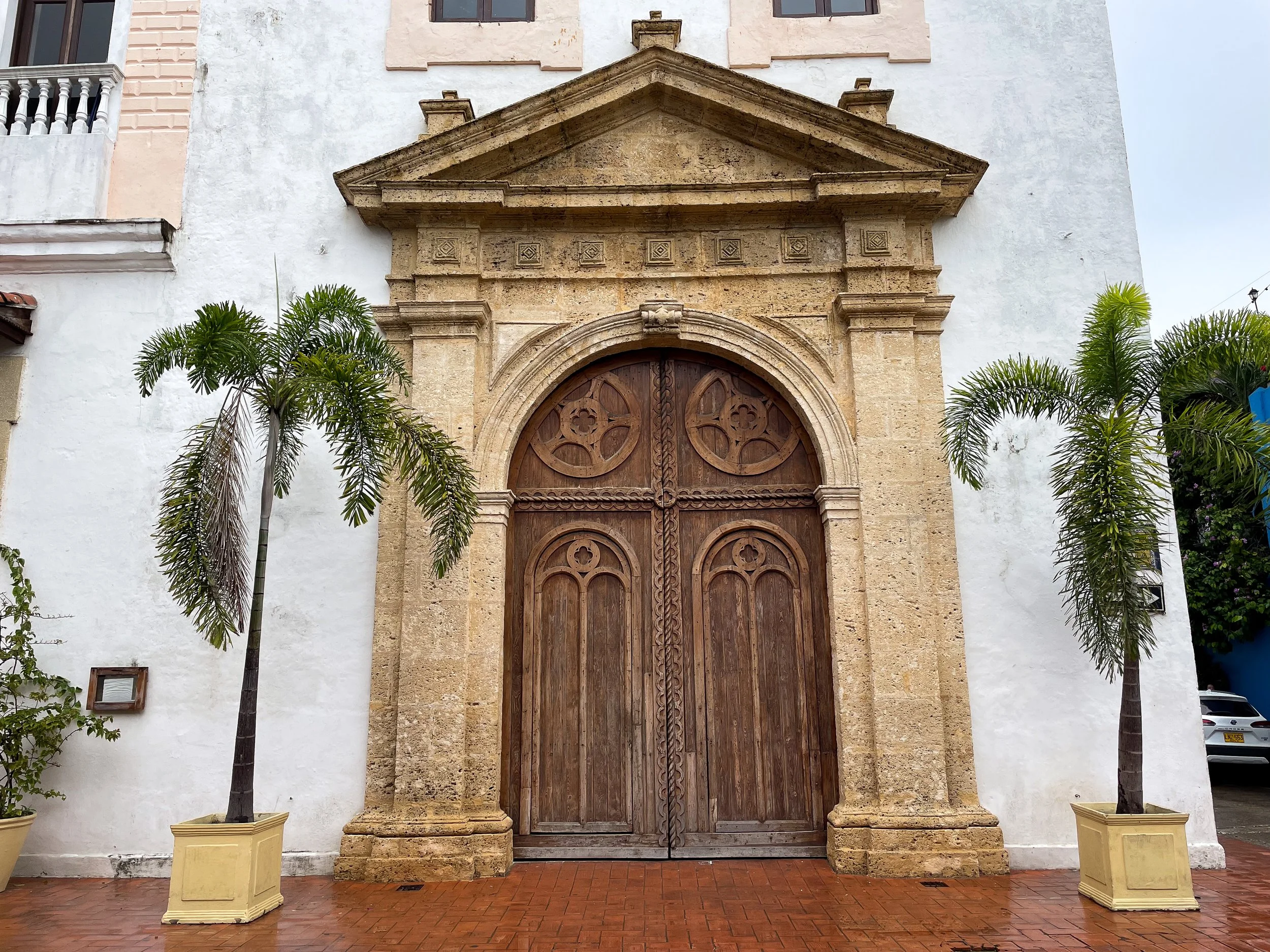
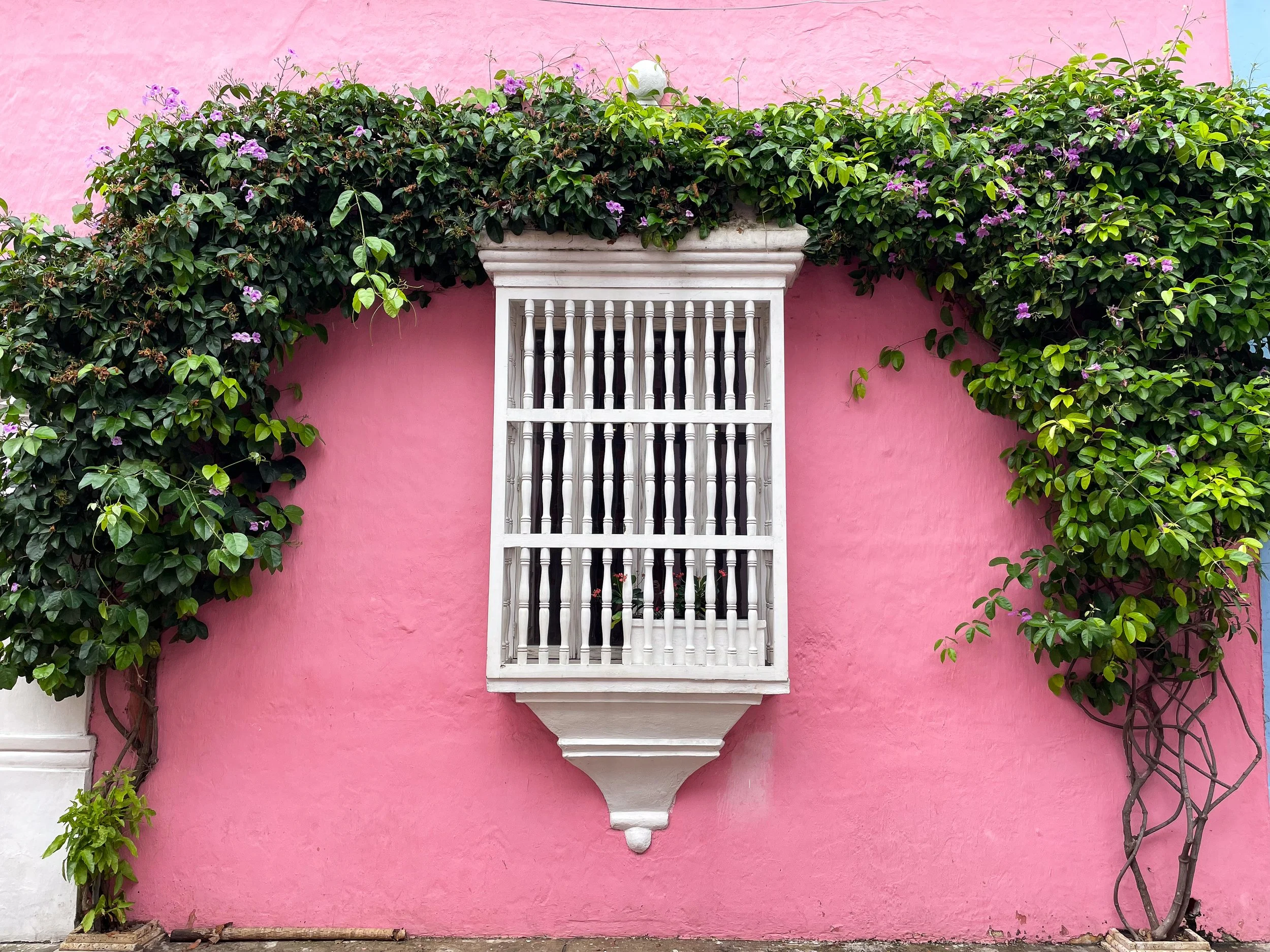
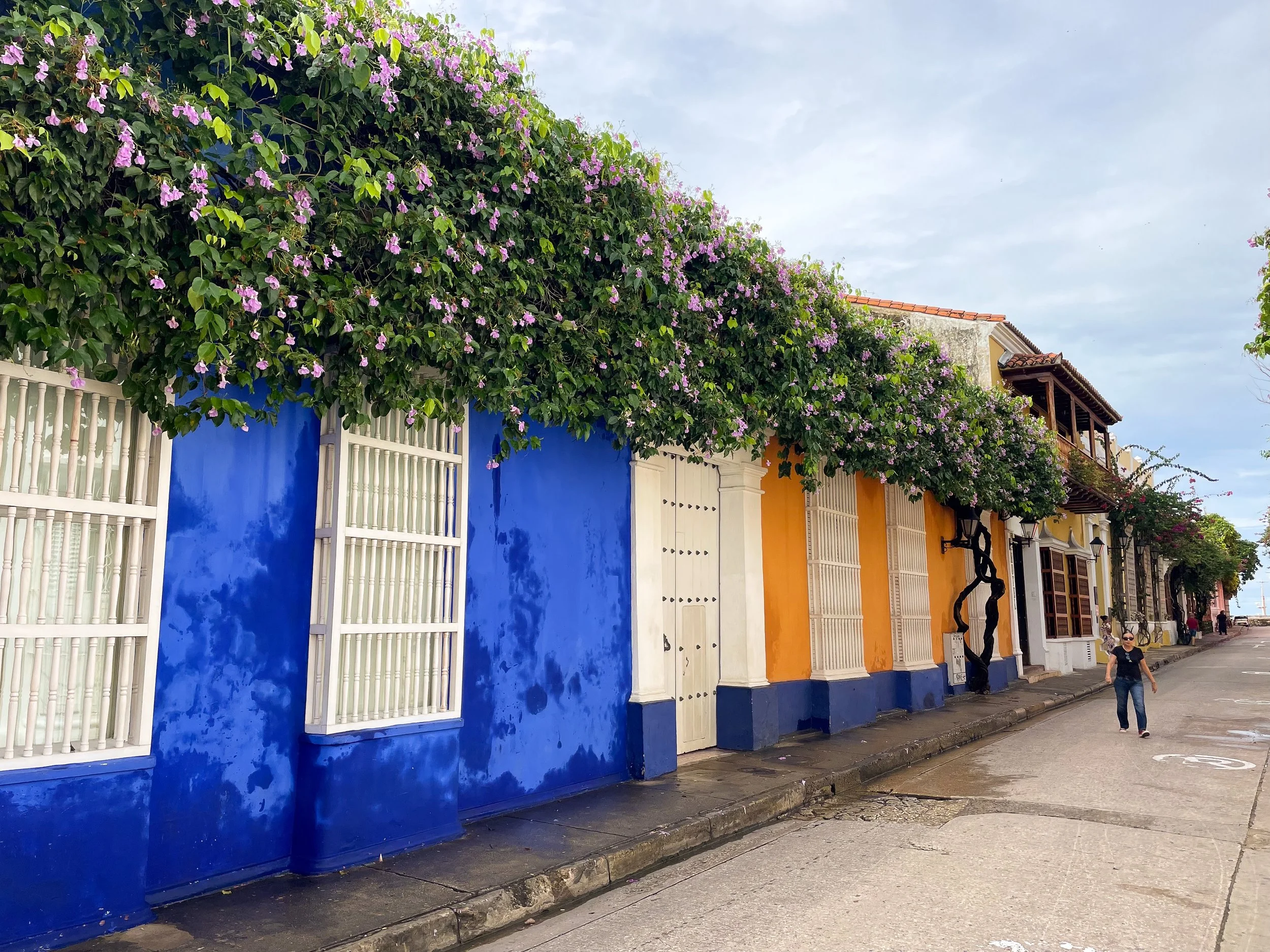
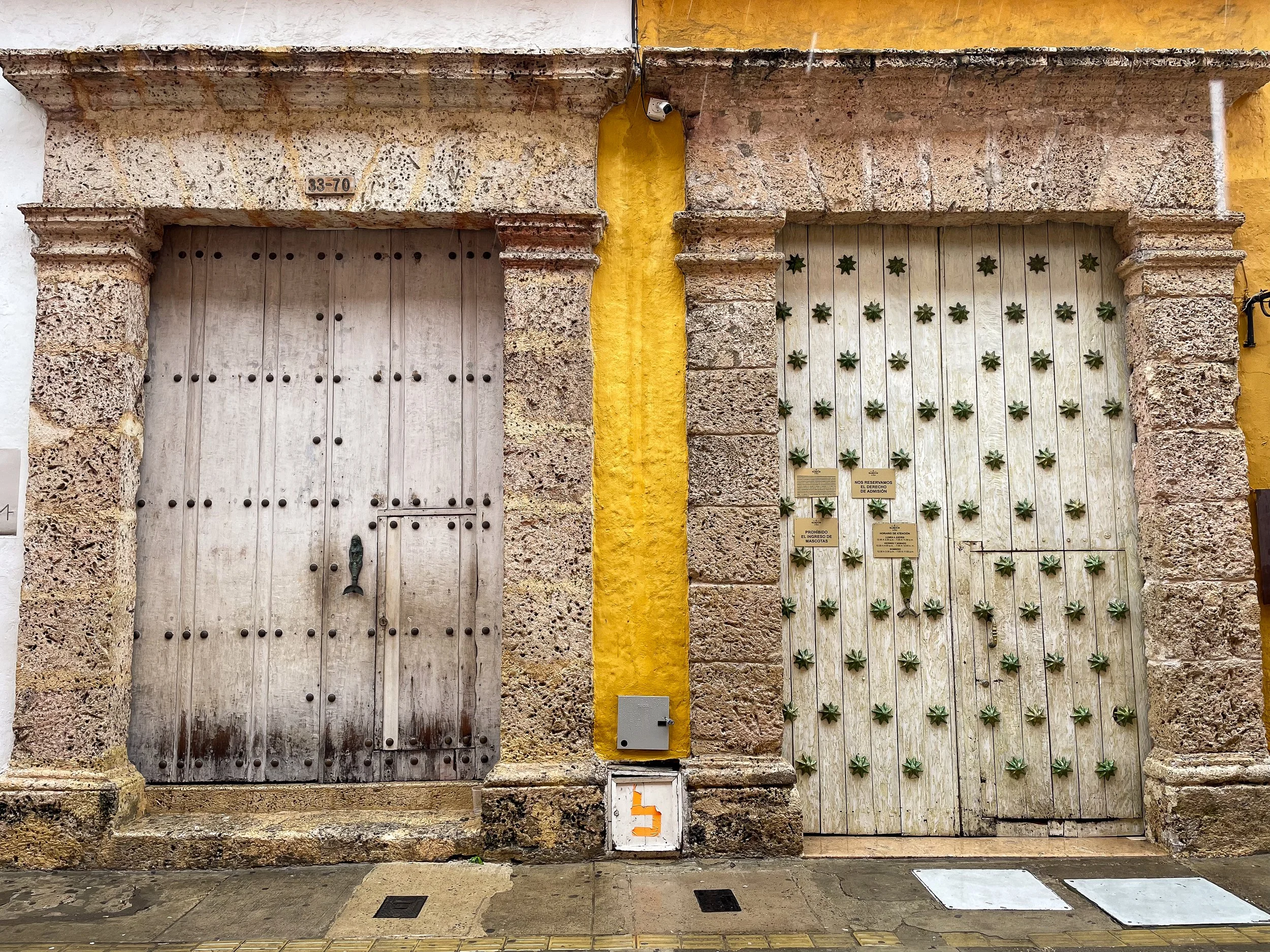
San Diego. The most vibrant neighborhood within the Walled City with colorfully painted buildings, lush flowering vines, streets draped in floral canopies, doors adorned with elaborate knockers and lively plazas.
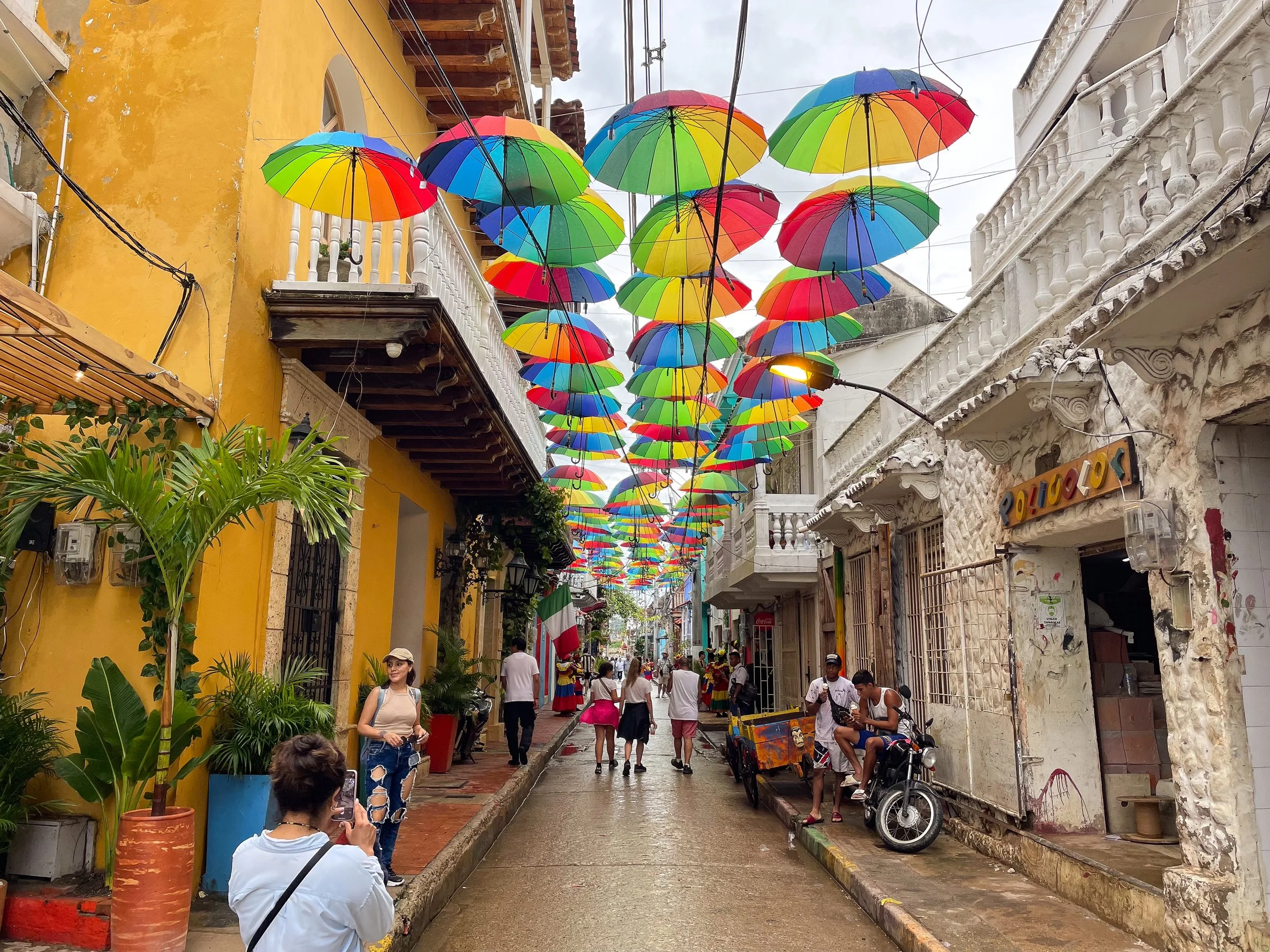
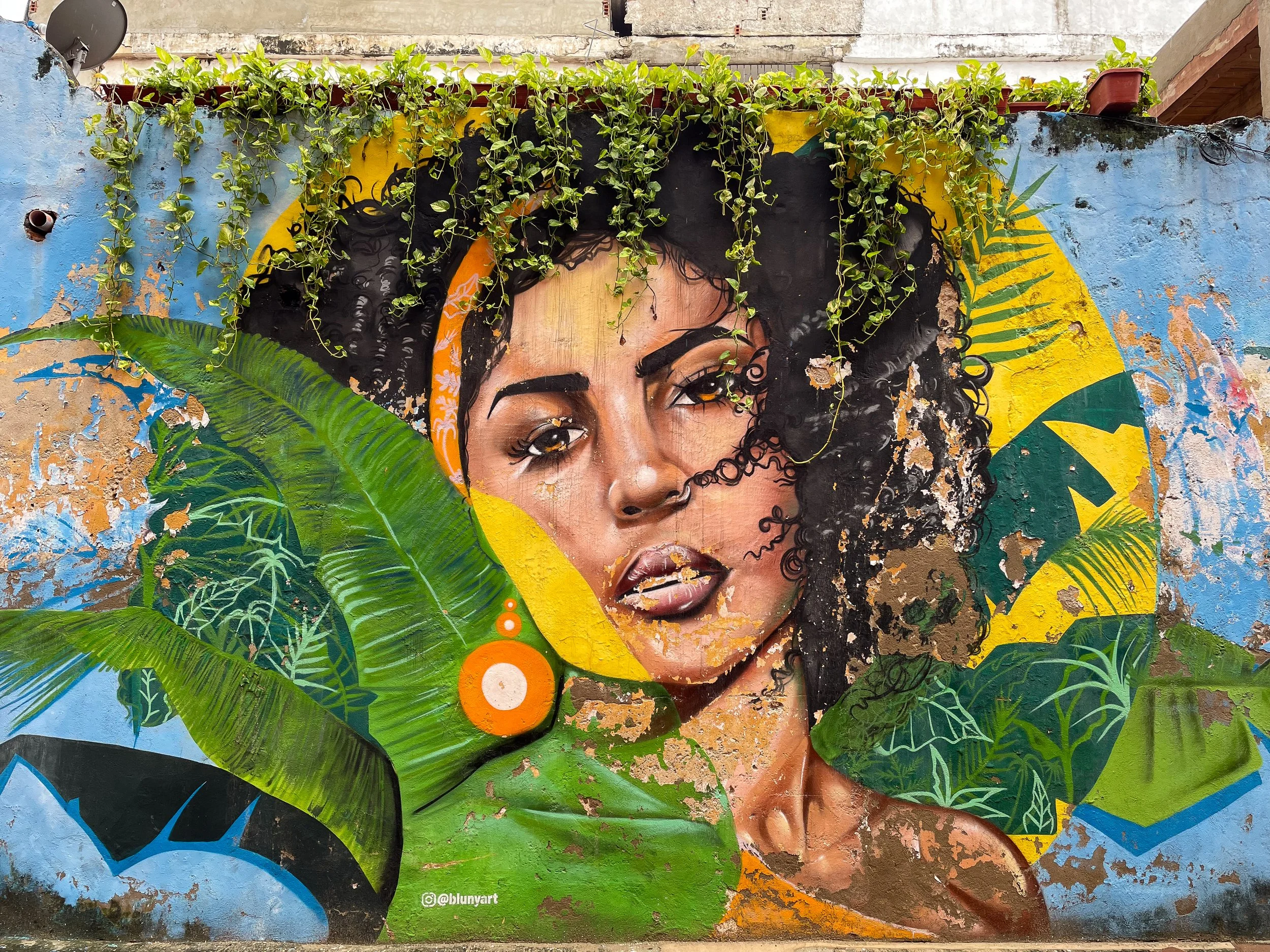
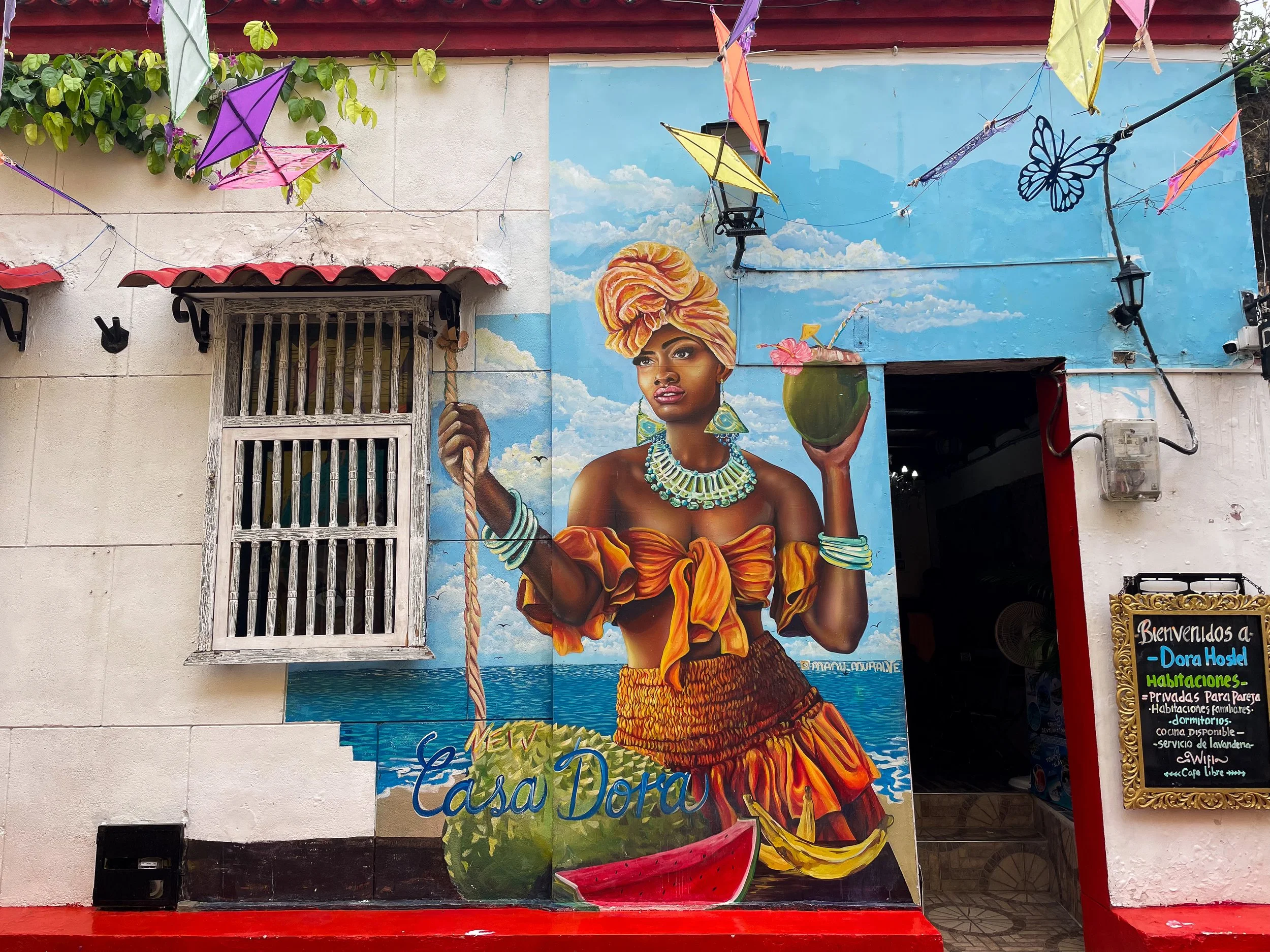
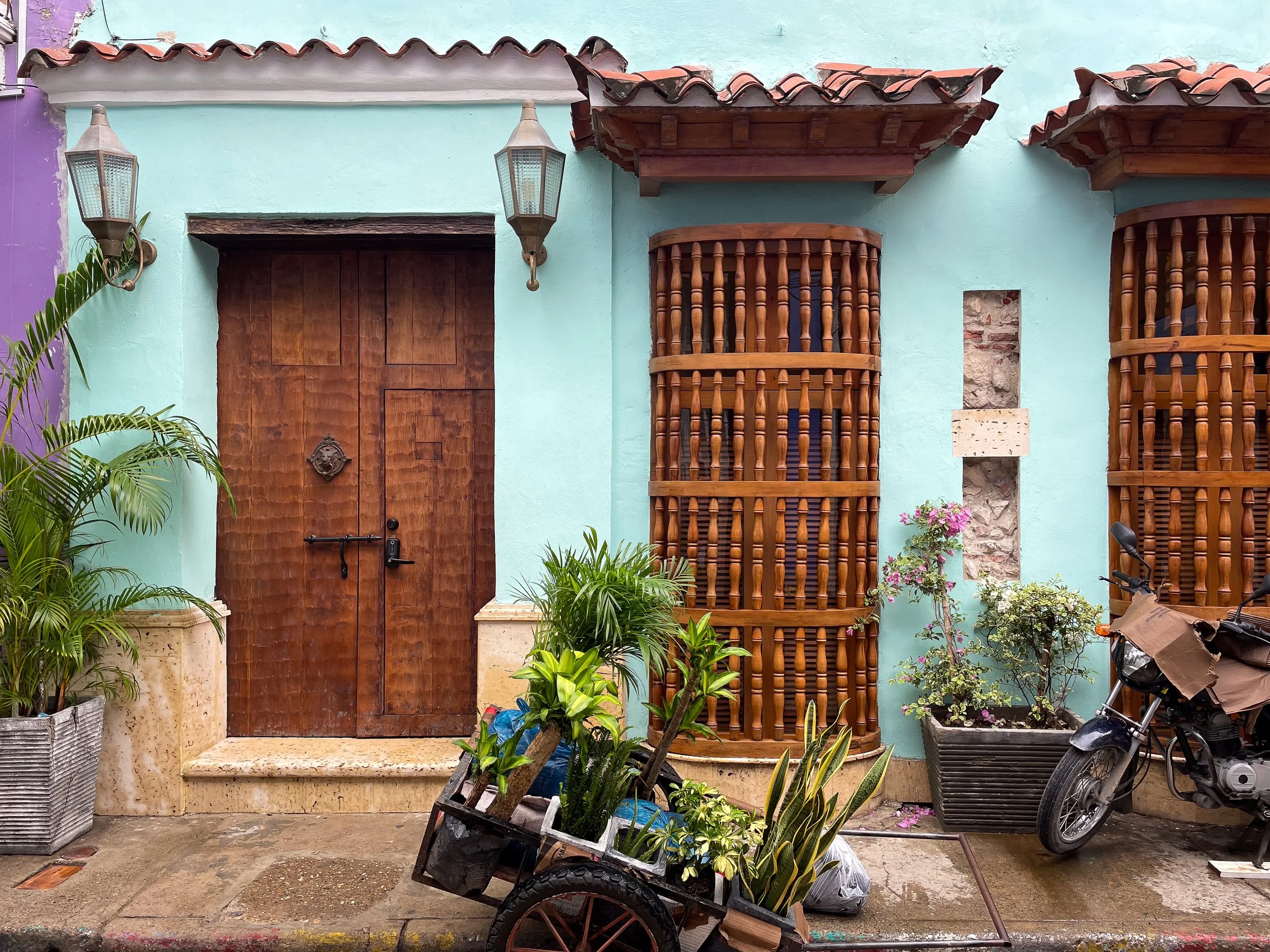
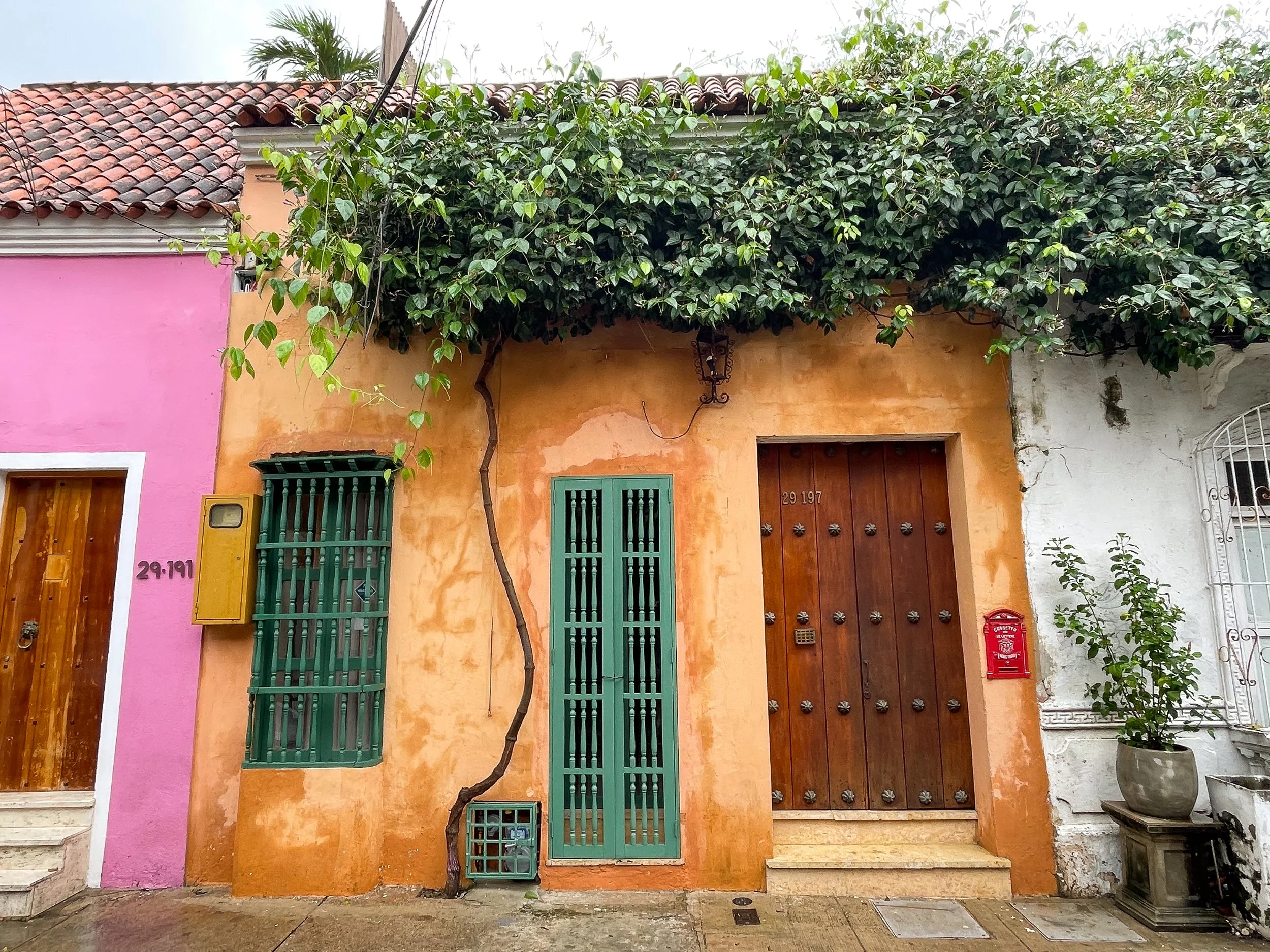
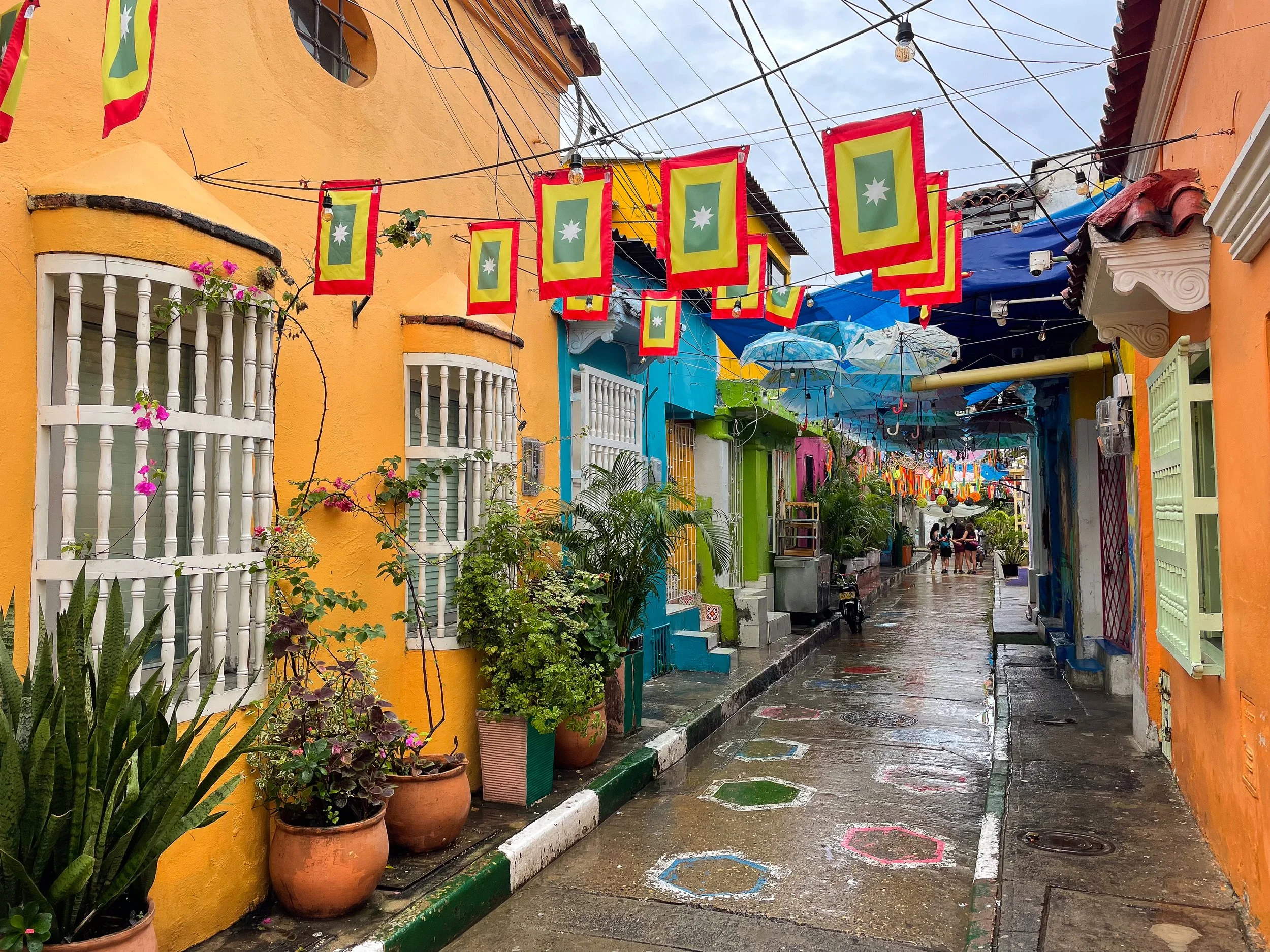
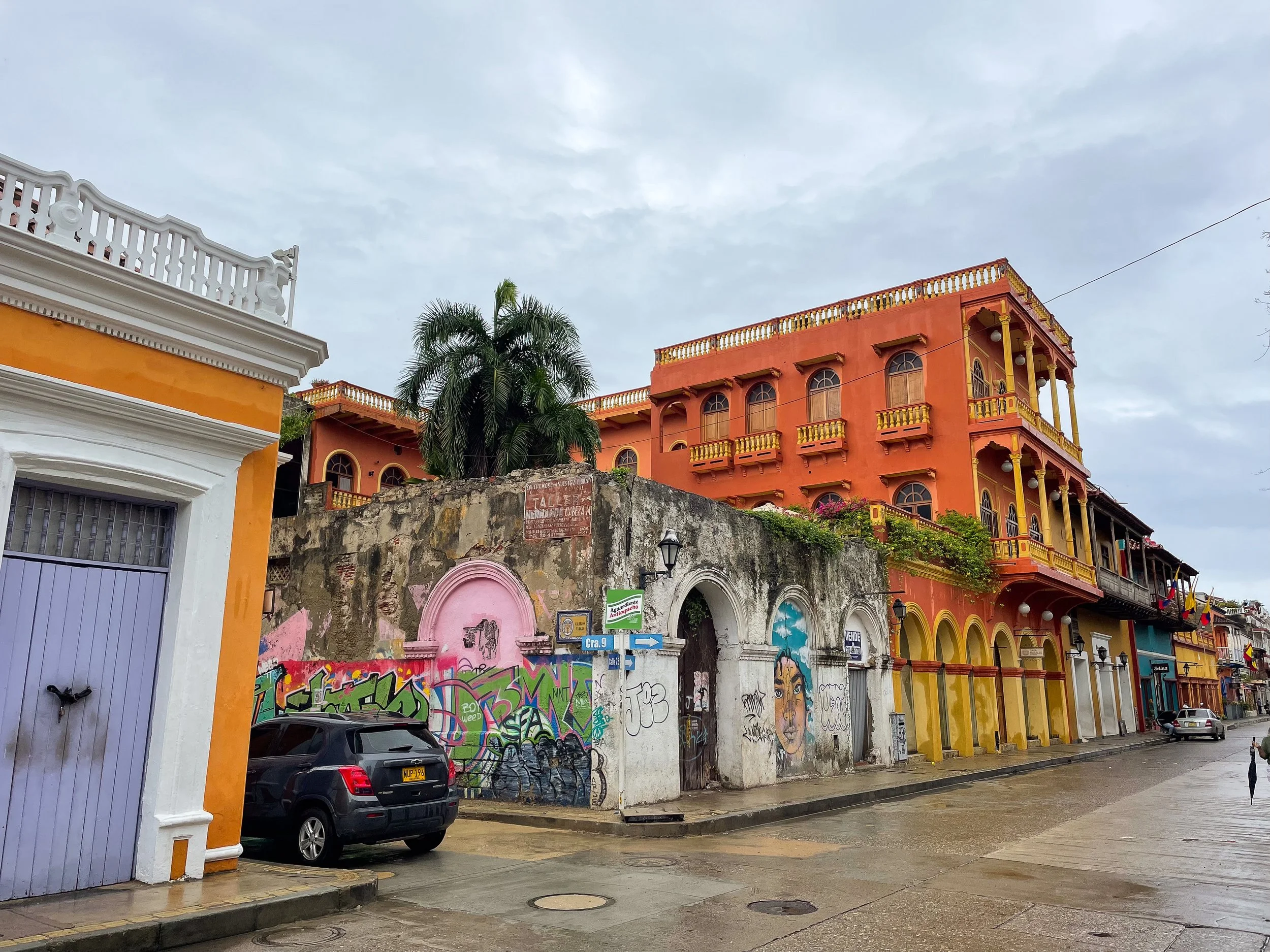
Getsemaní. An artist’s neighborhood with murals, graffiti, galleries, colorful architecture and streets draped with banderas and umbrellas. There are many cafes, restaurants, bars, hostels and boutique hotels here.
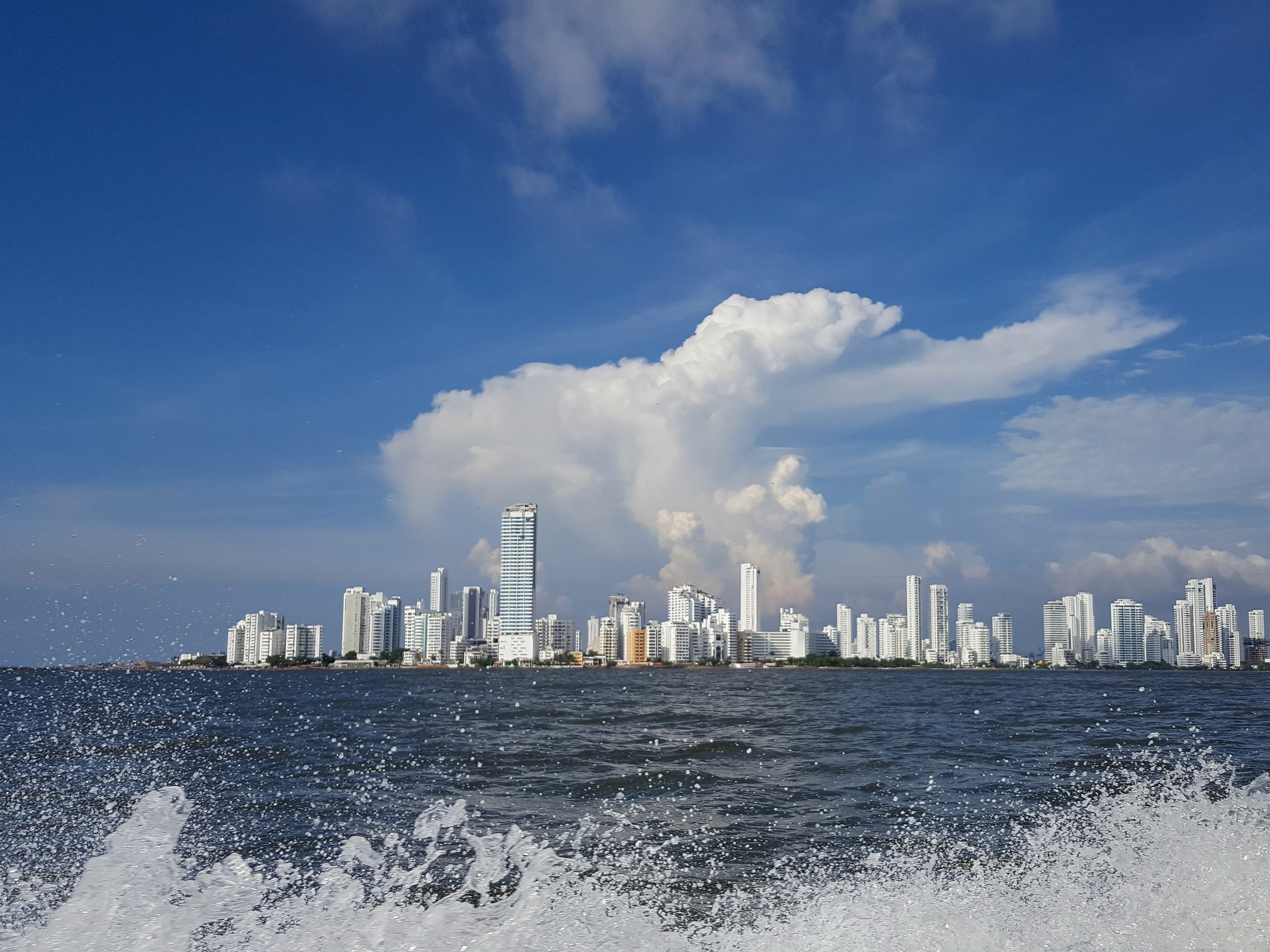
Bocagrande. A beachside neighborhood with tall skyscrapers, hotels and residential towers. Locals jokingly refer to it as Miami. It's home to Cartagena’s most popular and convenient beach, Playa Boca Grande.
See the Sights
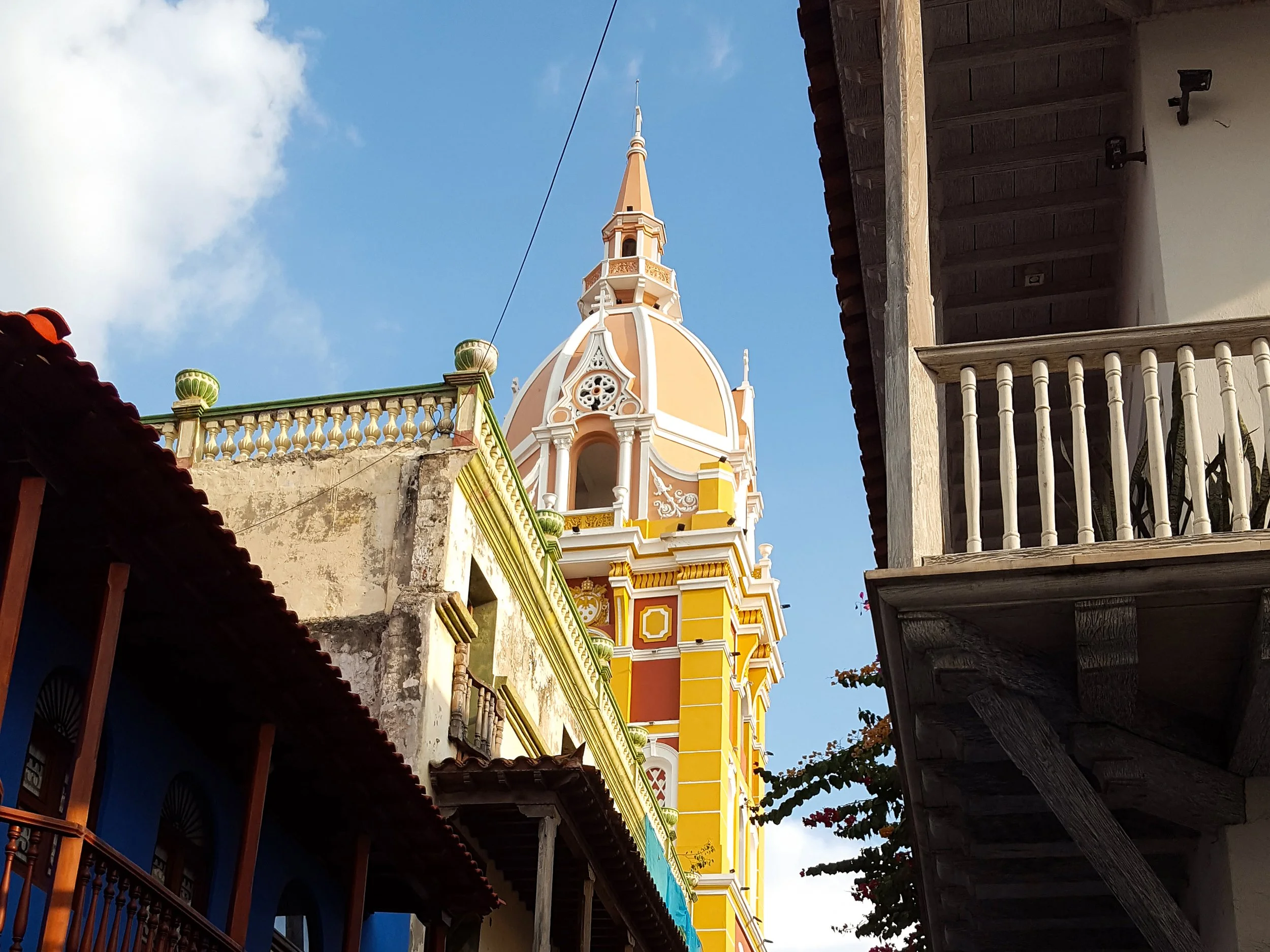
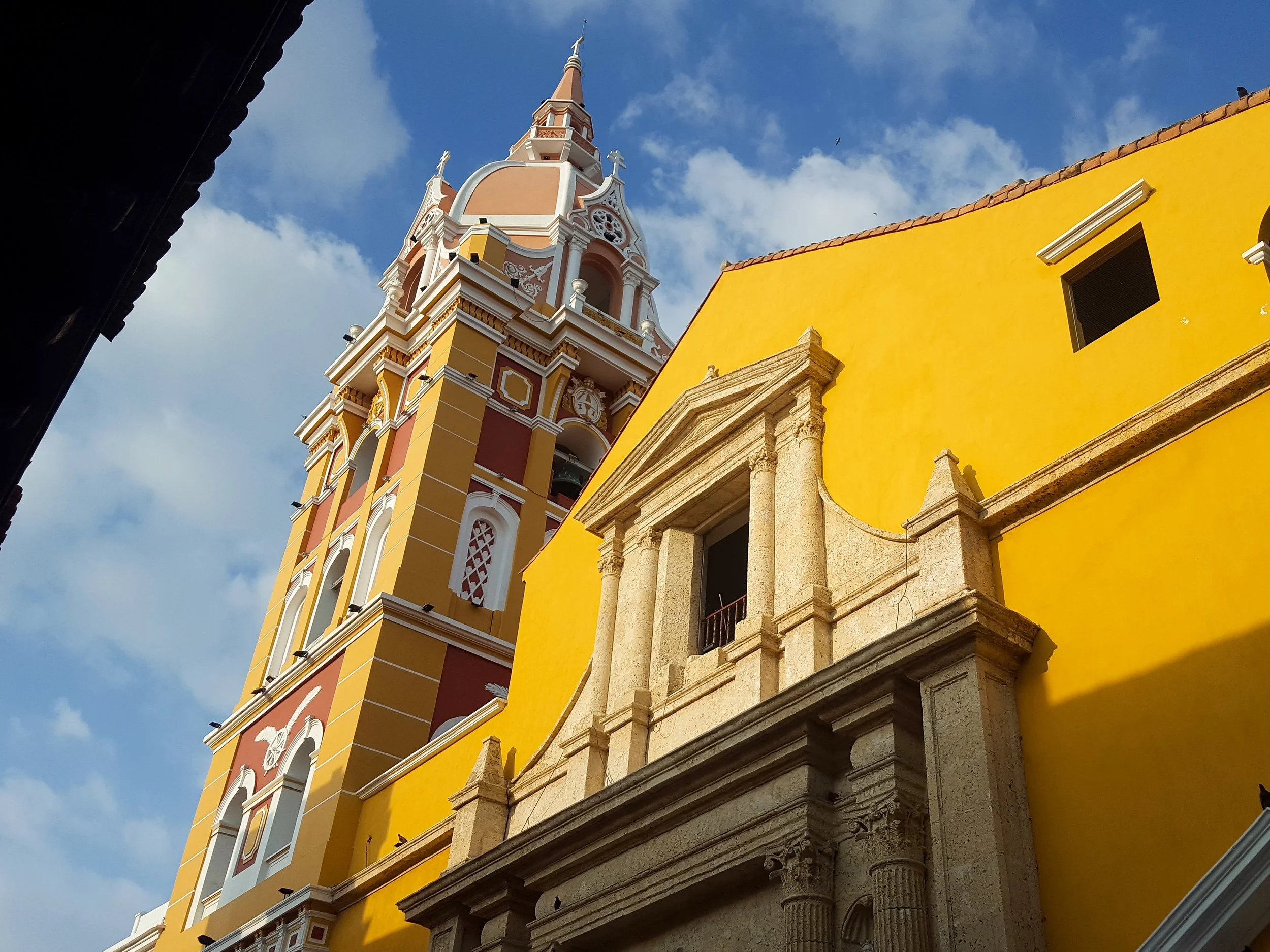
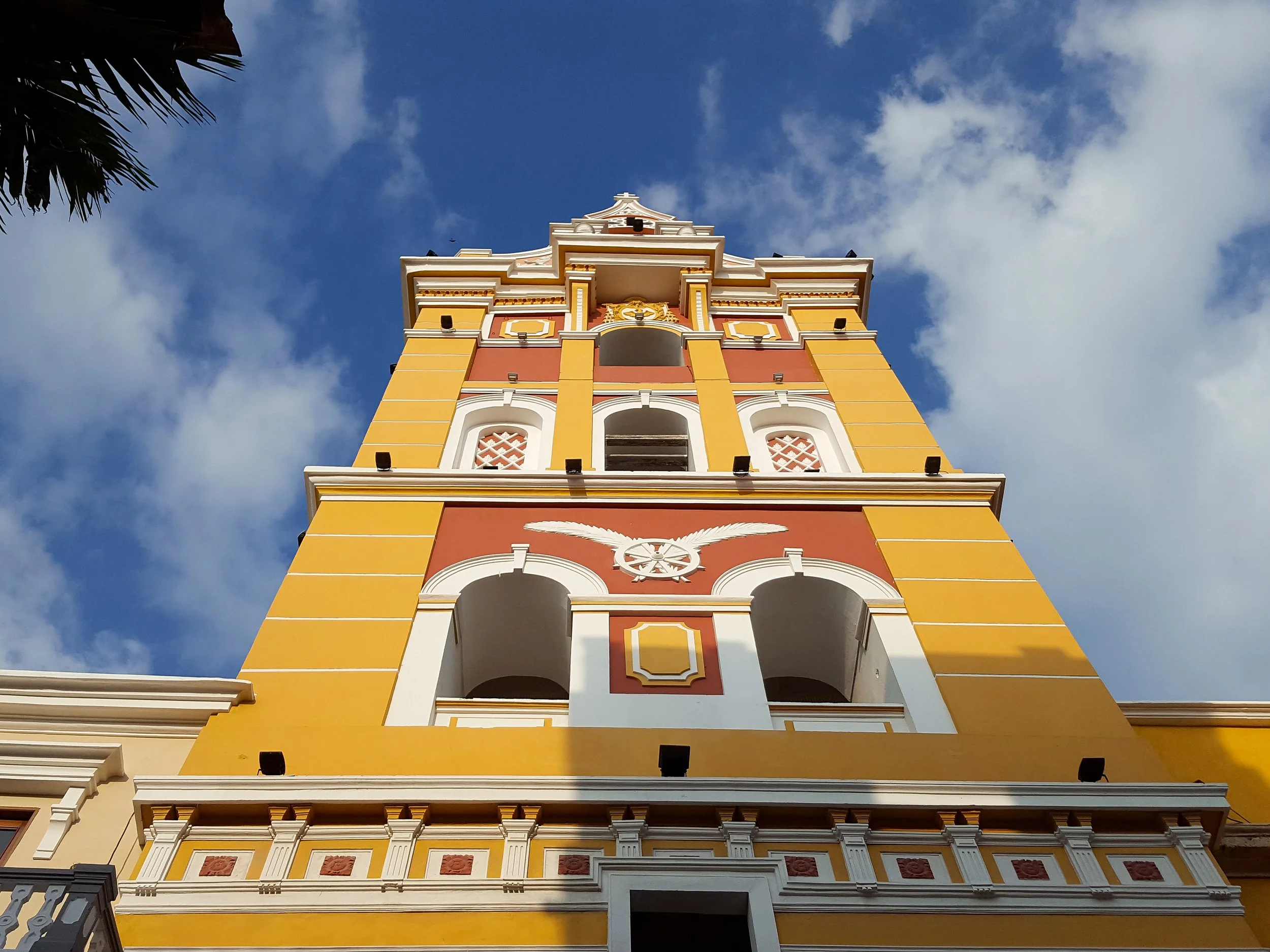
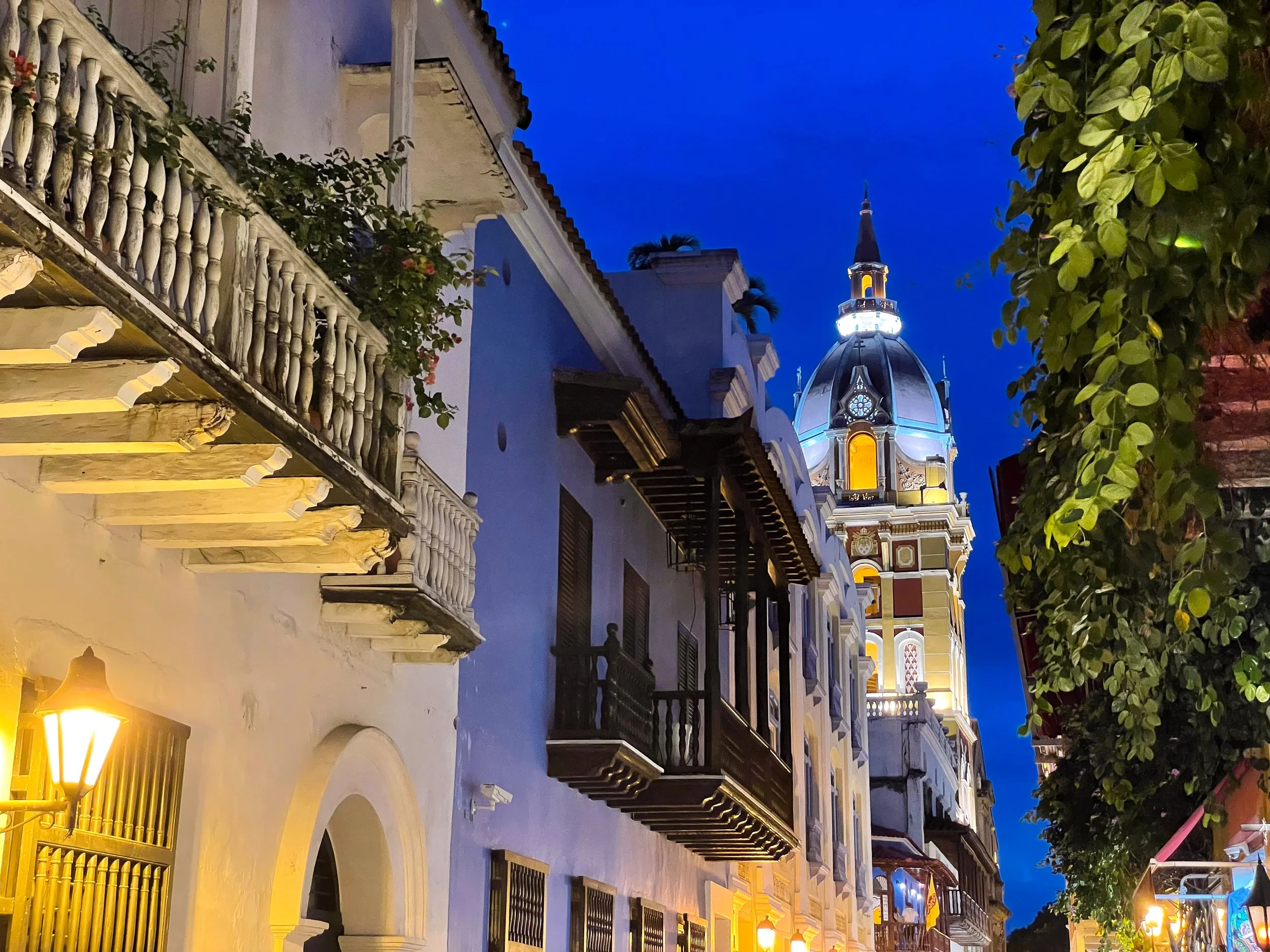
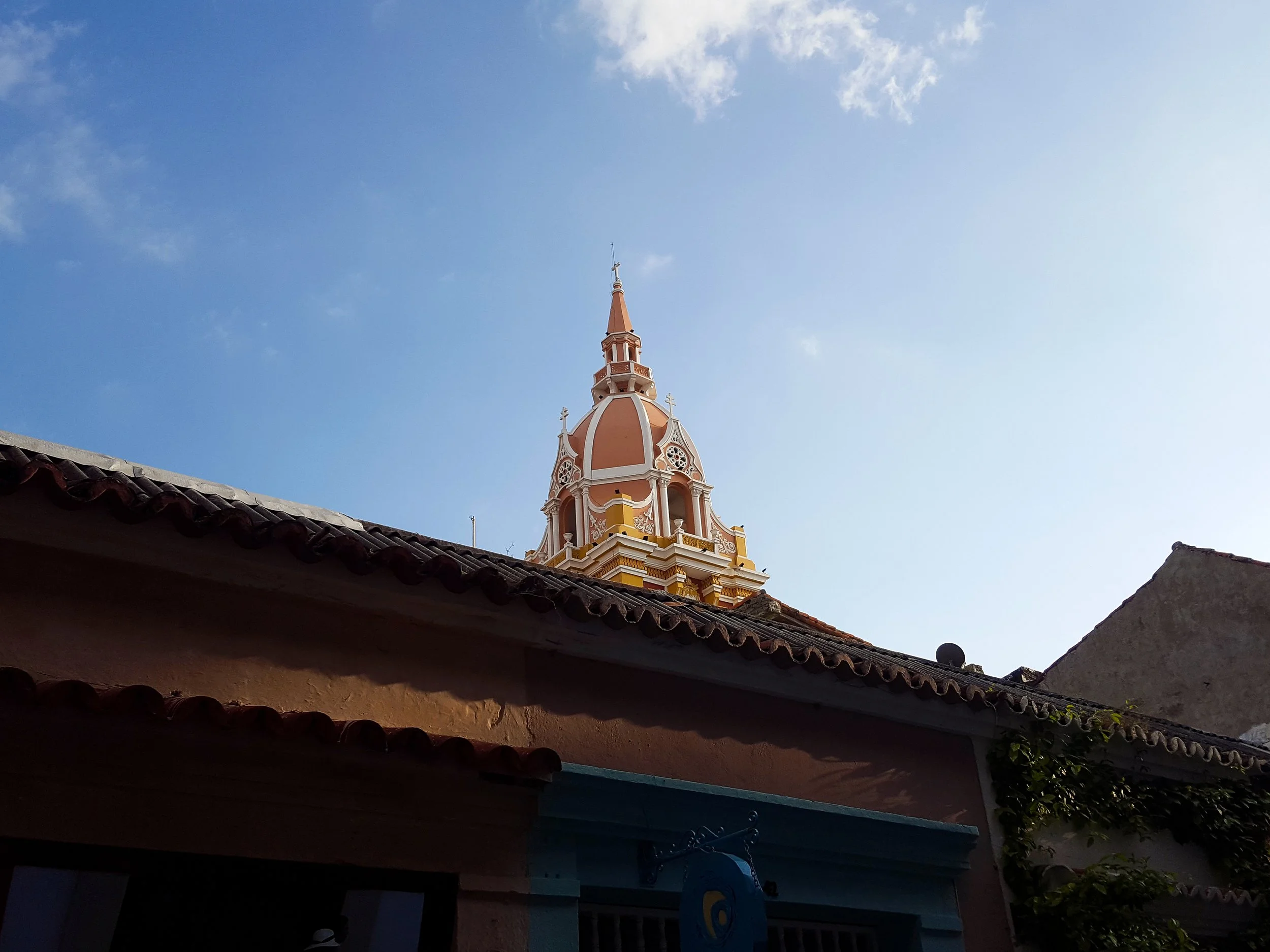
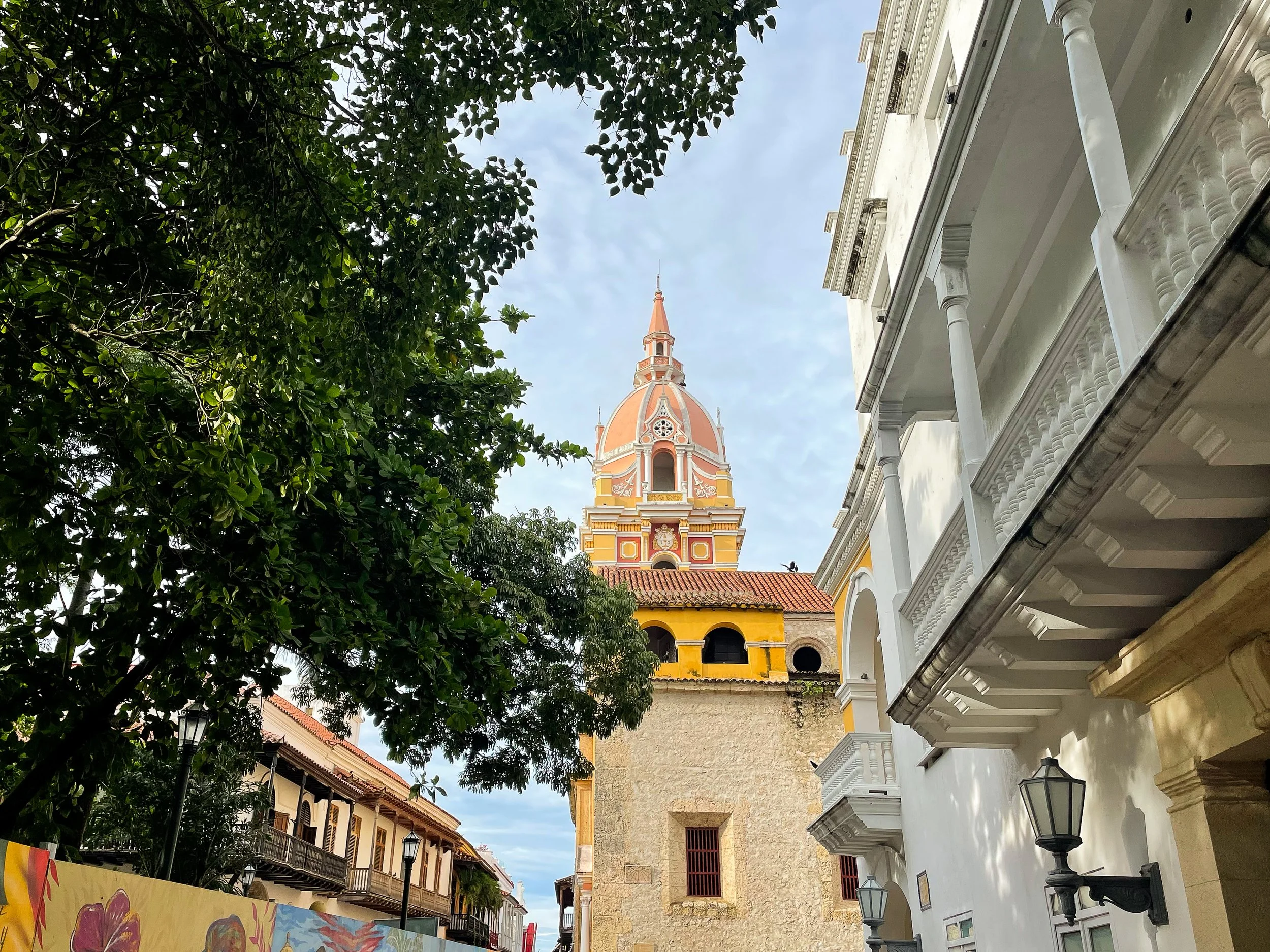
Catedral Santa Catalina de Alejandría. An iconic yellow and peach painted cathedral recognizable by its ornate neoclassical spire. It's located in the heart of El Centro, visible from the streets, rooftops and walls surrounding the colonial old town.
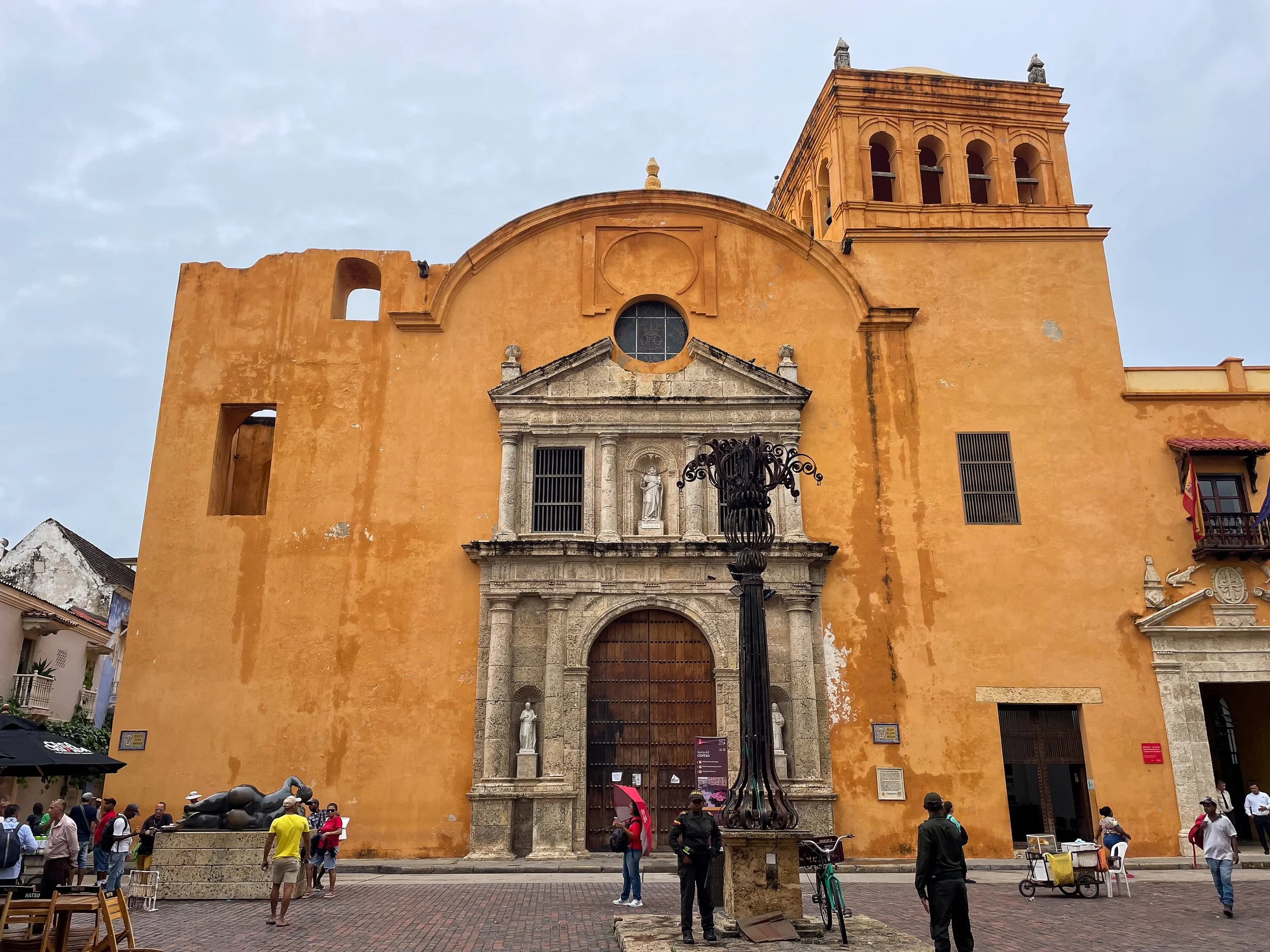
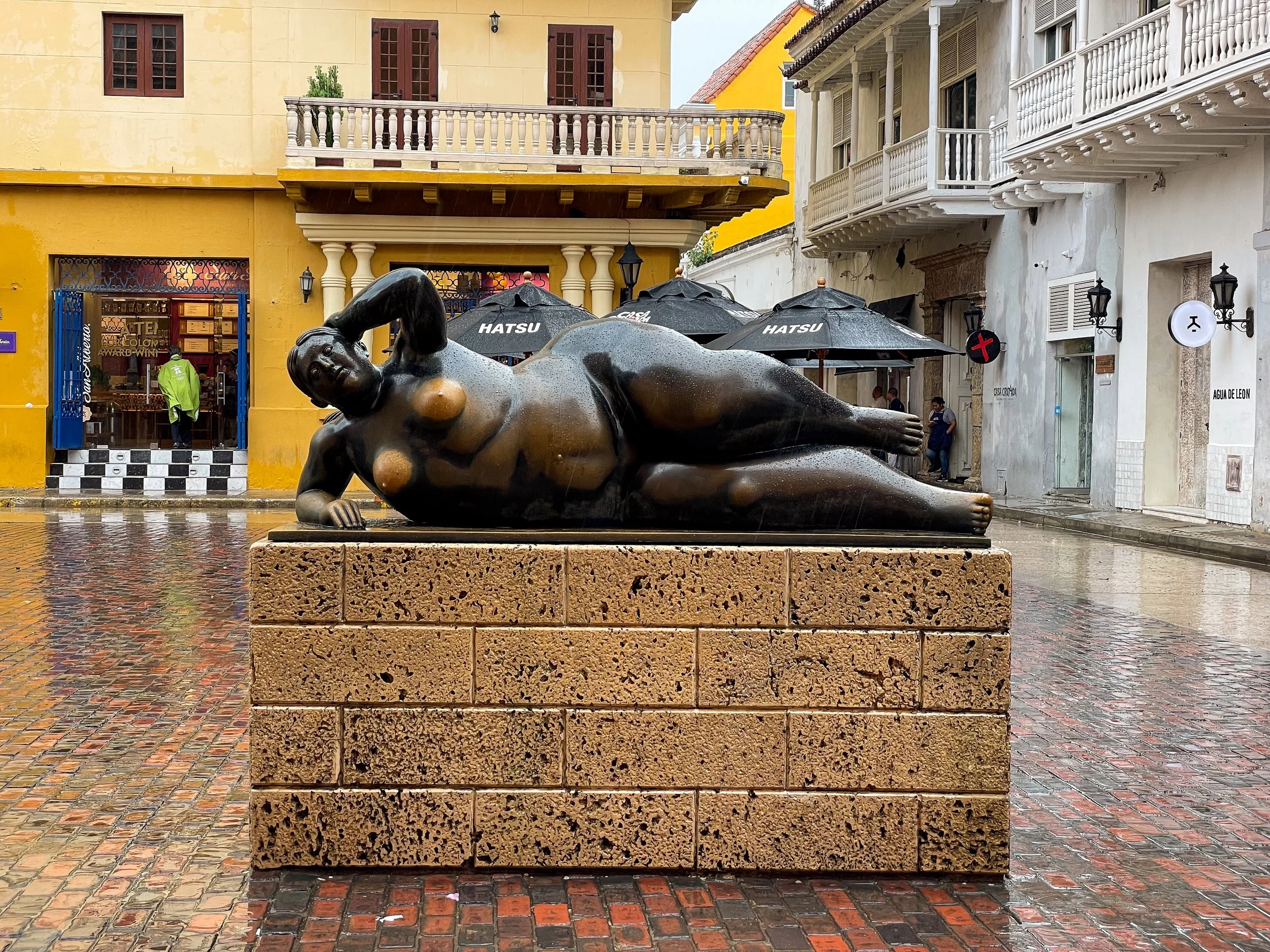
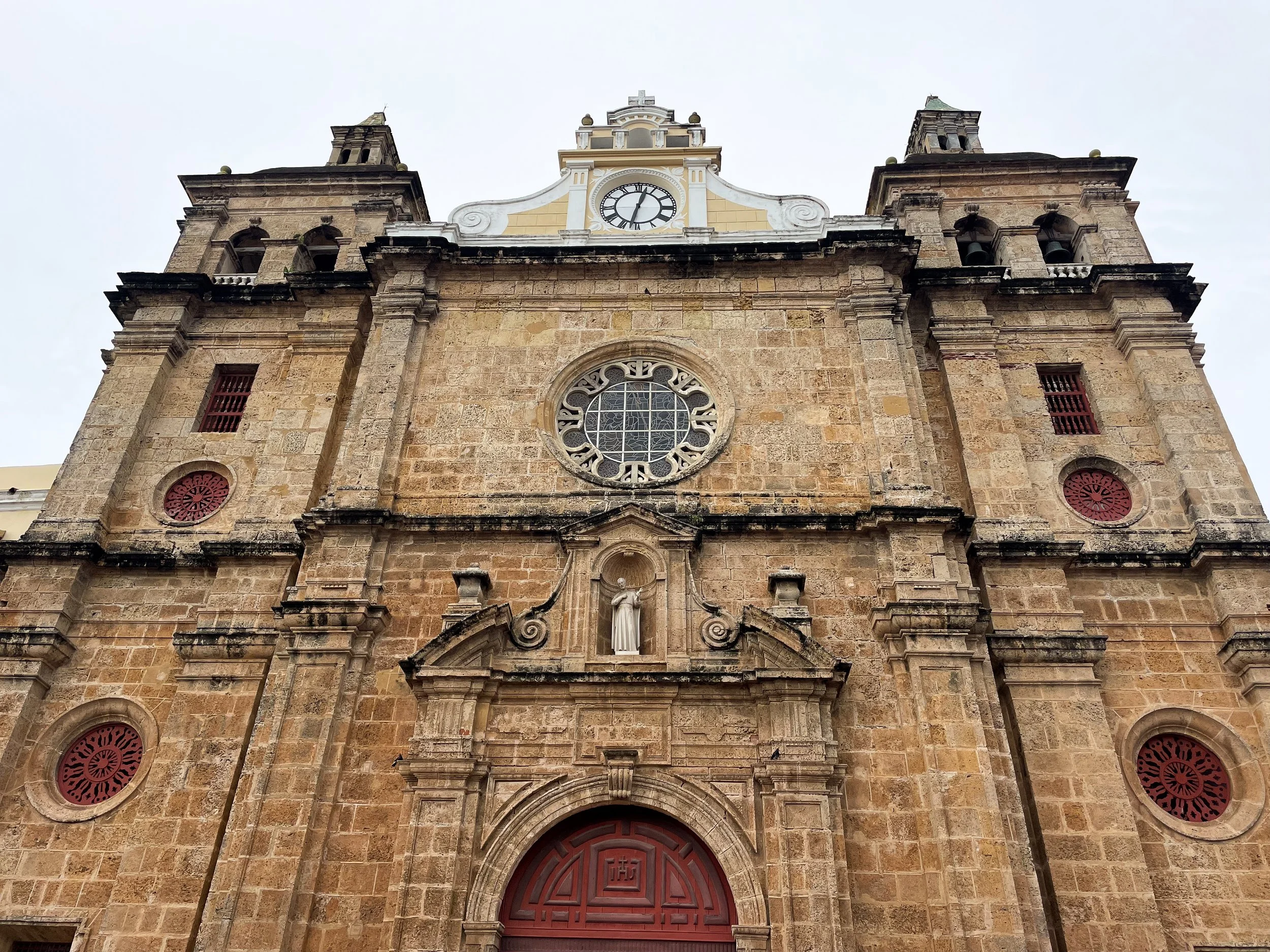
Plaza Santo Domingo. A large plaza in El Centro with outdoor dining, street vendors selling jewelry, musicians performing, colonial architecture, the Iglesia de San Pedro Claver and a Botero sculpture of a lying naked woman.
Iglesia de San Pedro Claver. A church with a coral brick and stone facade built in the early 1,600s. It contains an archeological museum with the tomb of the saint, pre-Columbian, religious, African and Caribbean artifacts.
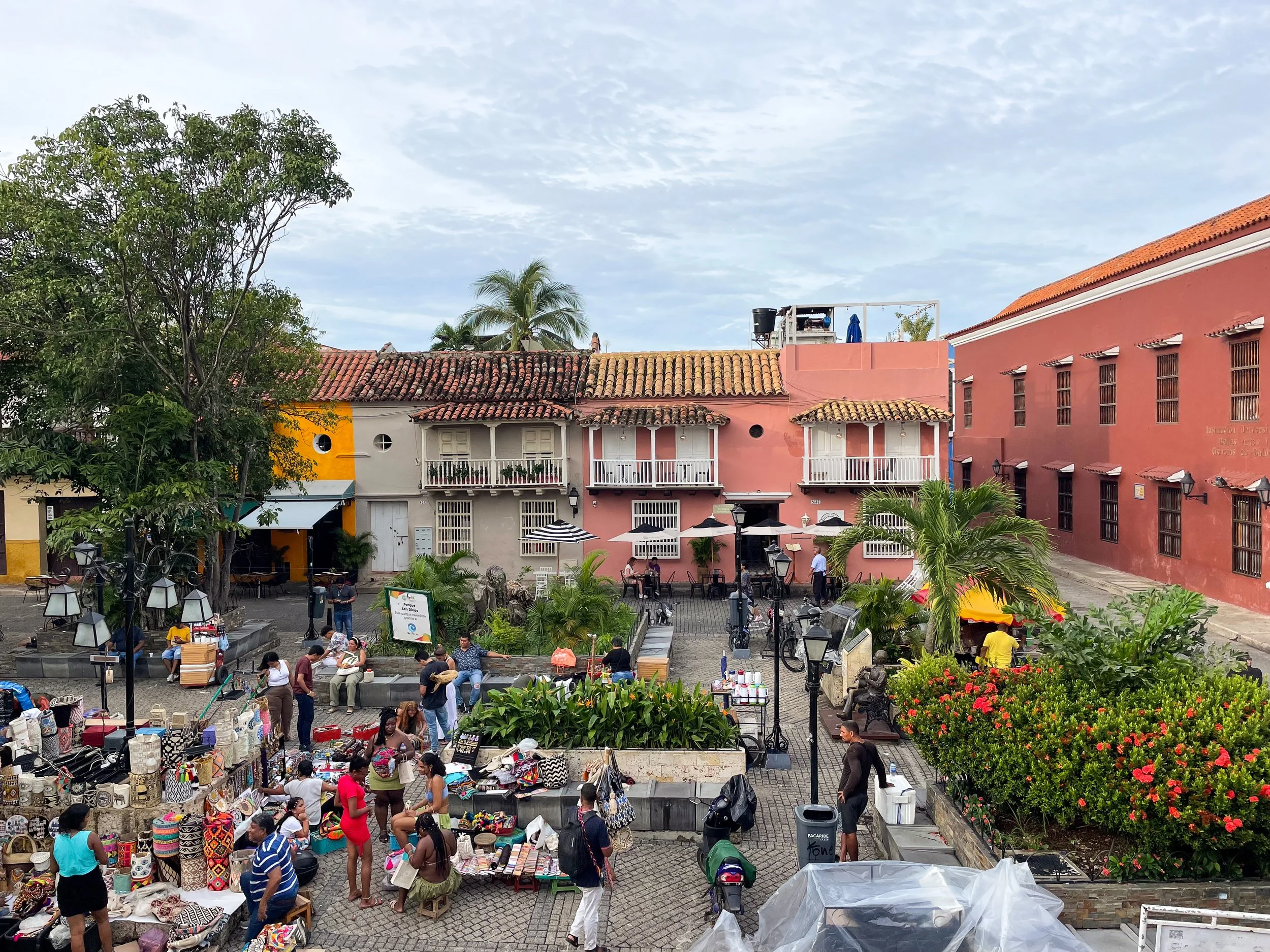
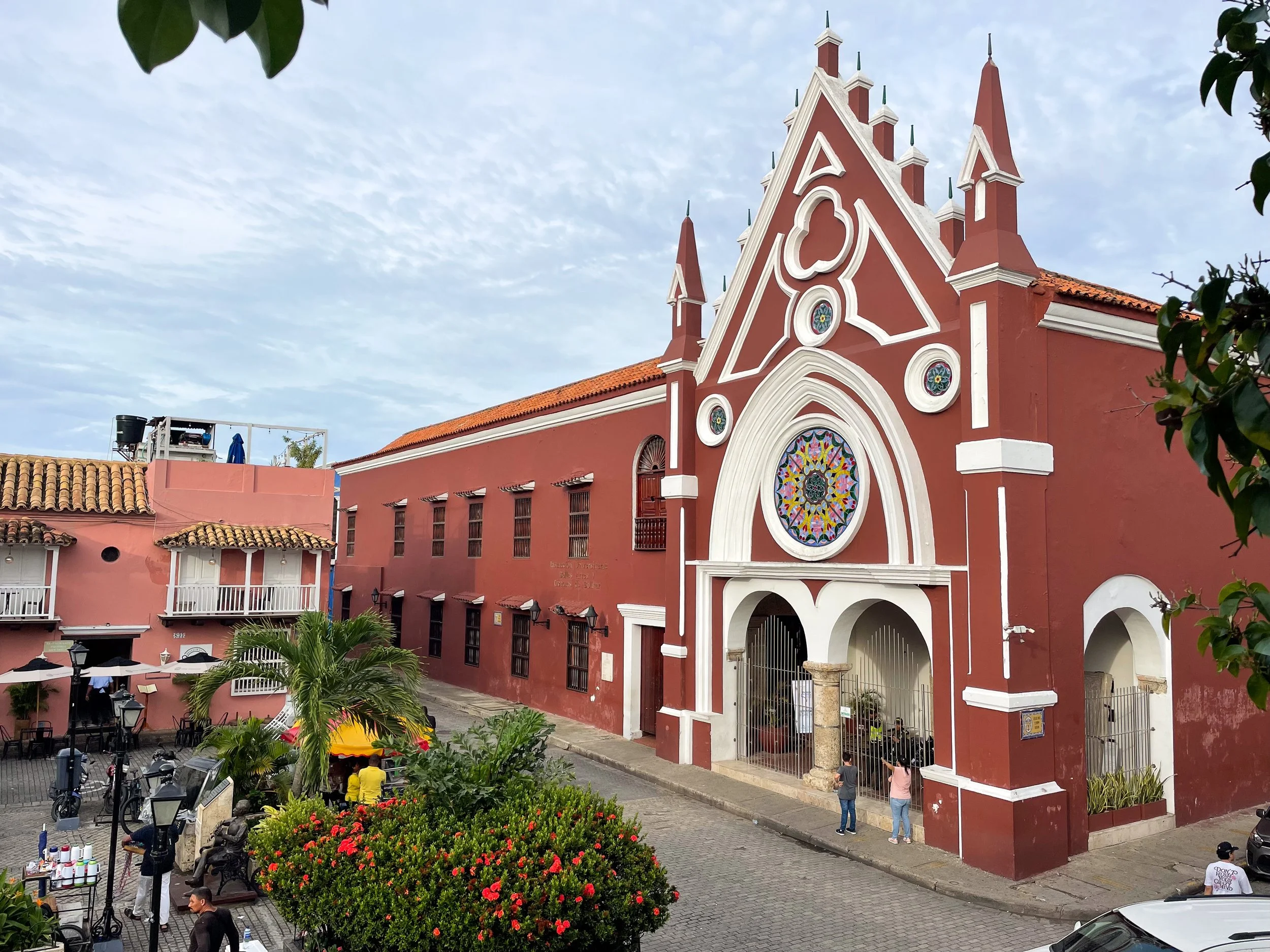
Plaza de San Diego. A small but very lively plaza located in San Diego. It’s surrounded by restaurants that spill into the street, artists, musicians, performers and street food vendors. The plaza is recognizable by the church that resembles a large gingerbread house.
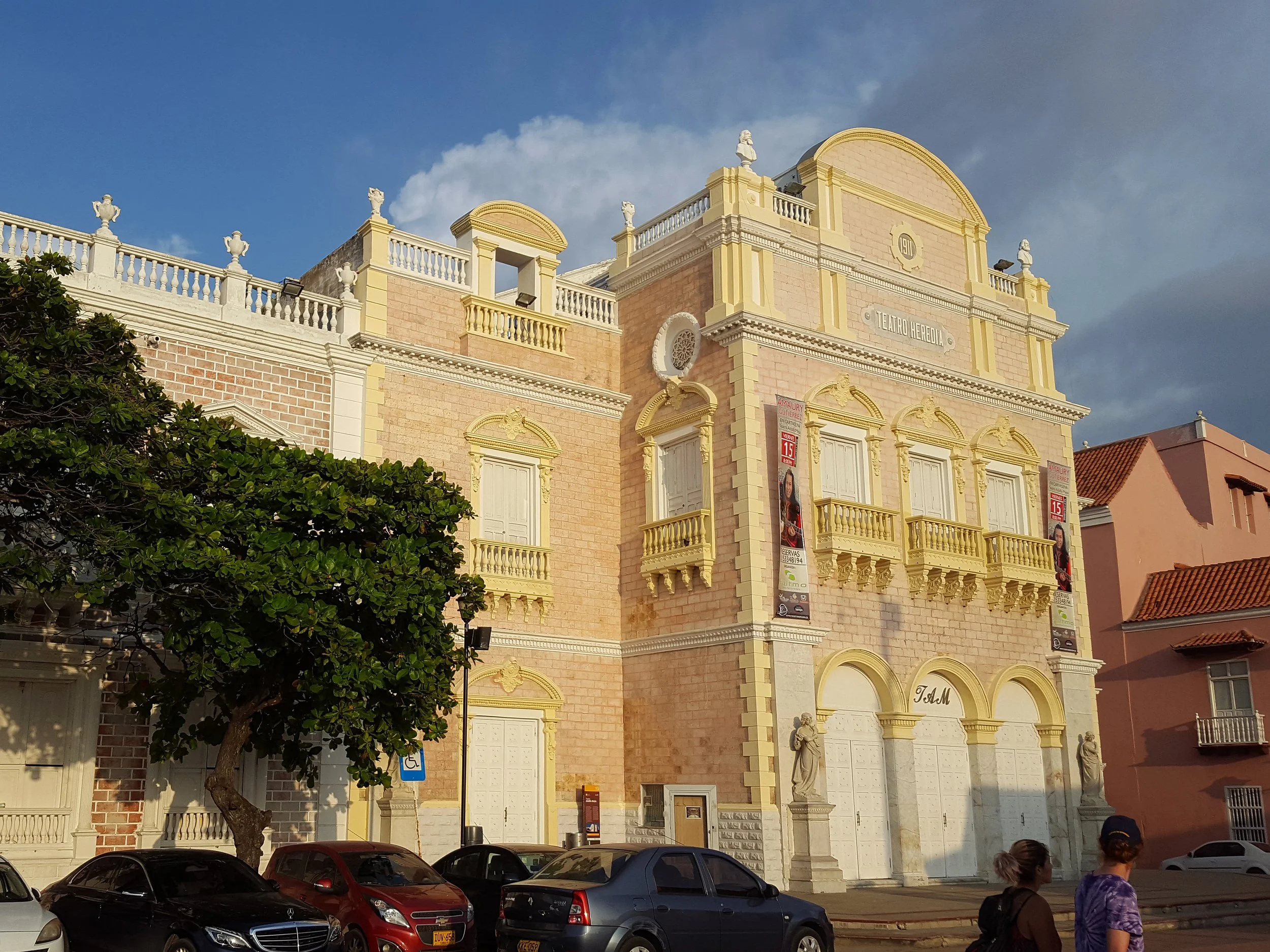
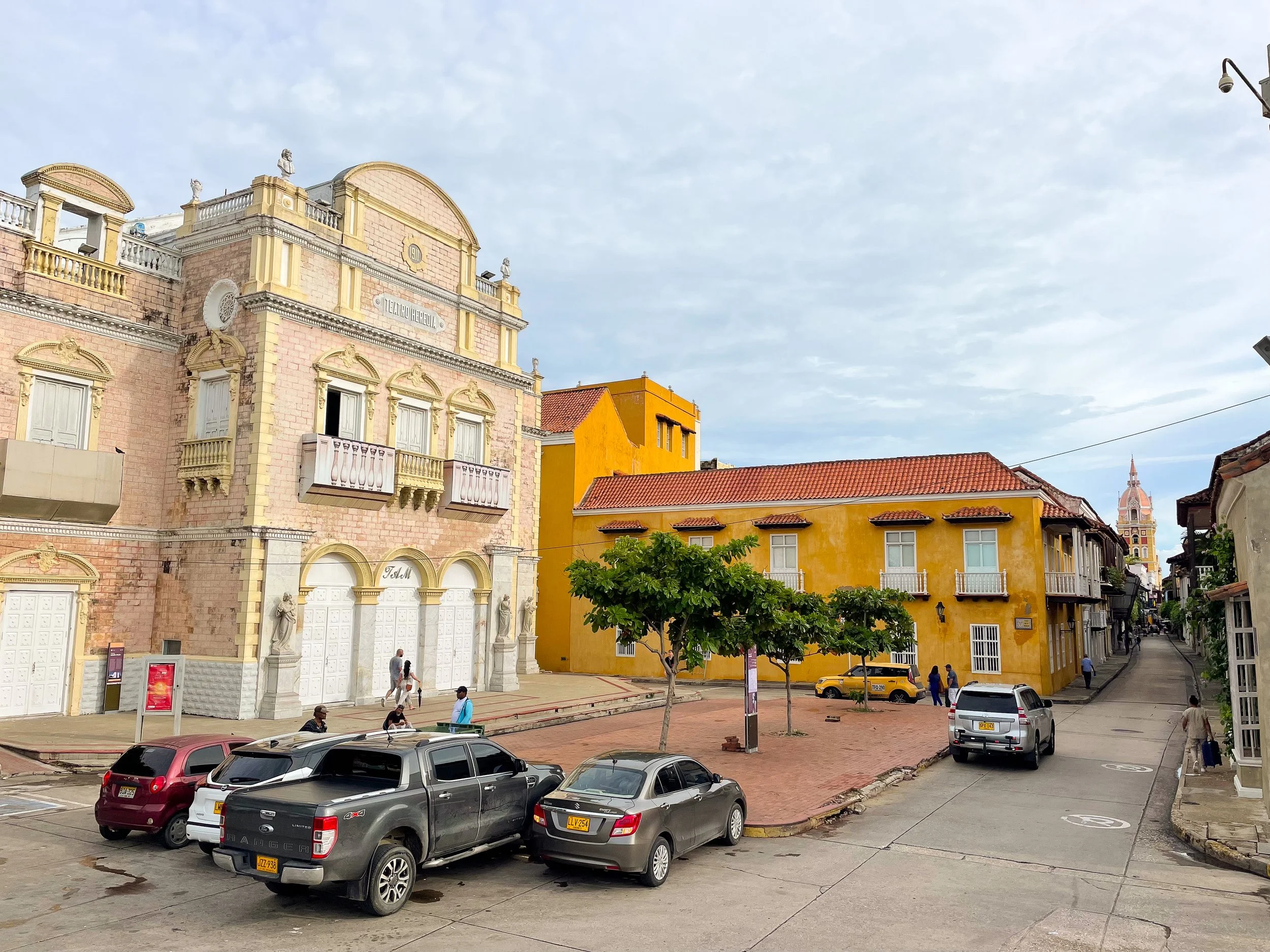
Heredia Theatre. A colonial era theater made from pink stone and accented with yellow painted ornamentation.
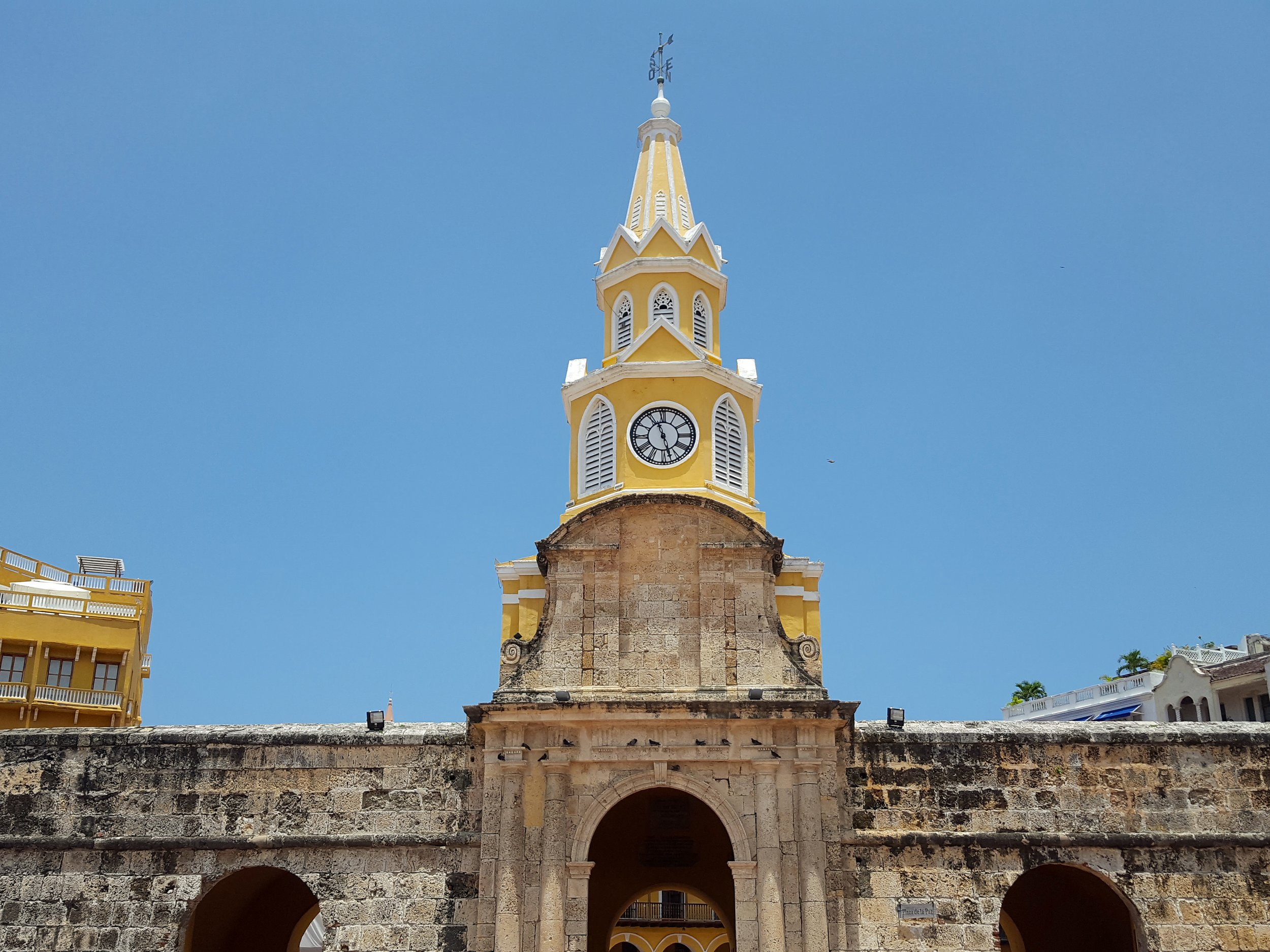
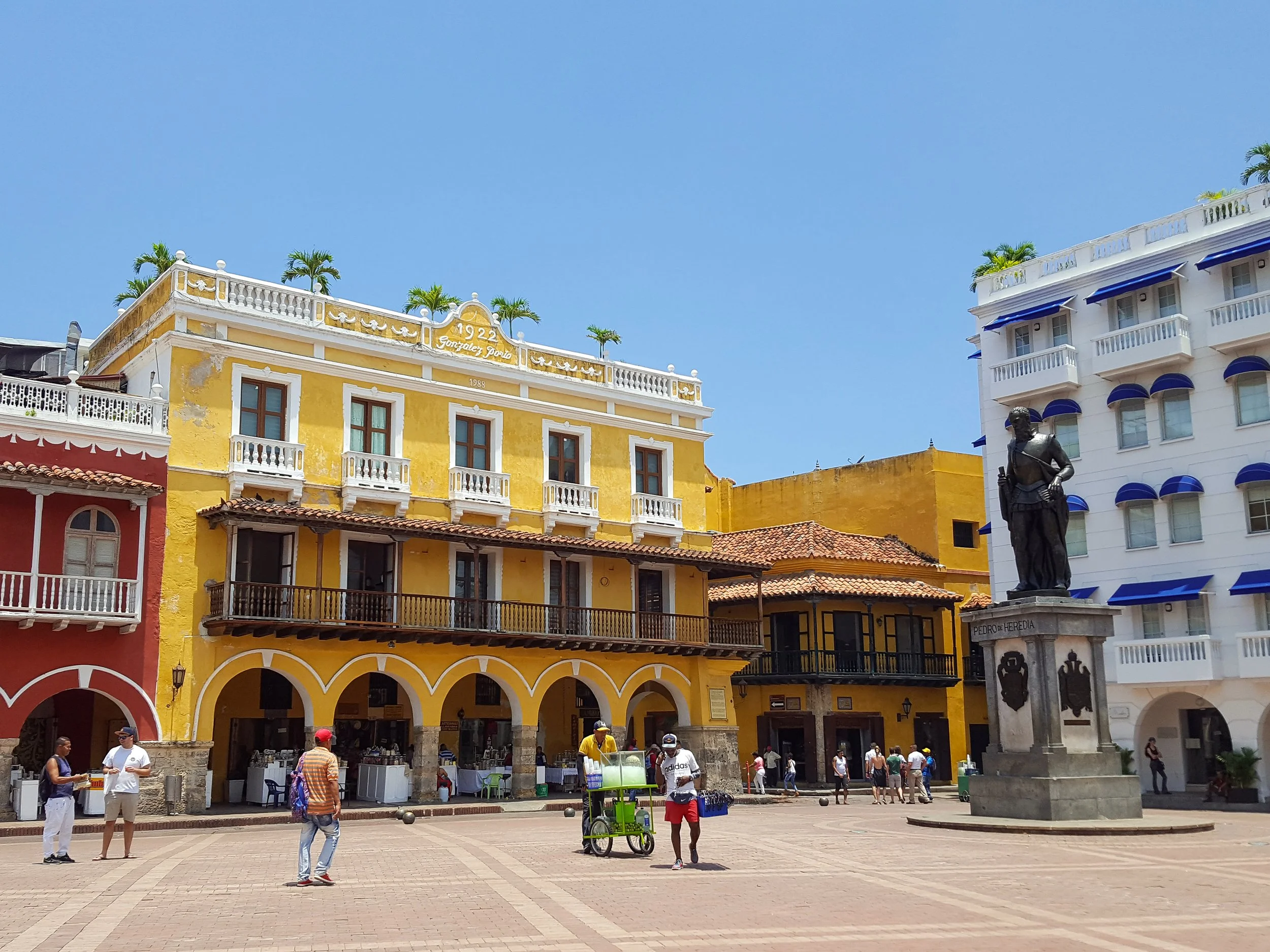
Puerta del Reloj. The yellow clock tower and gate along the wall marking the entrance to the old town. The adjacent plaza is lined with vendors selling books, fresh juice, candy and offering tours.
Plaza de la Aduana. A large plaza inside the walled city accessible through the Puerta del Reloj. It's a popular place to buy fresh fruit juice and take a photo with the Palenqueras, women wearing colorful dresses and tropical fruit bowls on their head.
Centenario Park. A park located outside the old town across from the Puerta del Reloj. Come here to spot wildlife including sloths, monkeys and parrots living in the trees.
Pier Los Pegasos. Located just outside the Puerta del Reloj are two Pegasus statues along the waterfront pier. Many boat tours to the coastal islands depart from and return here.
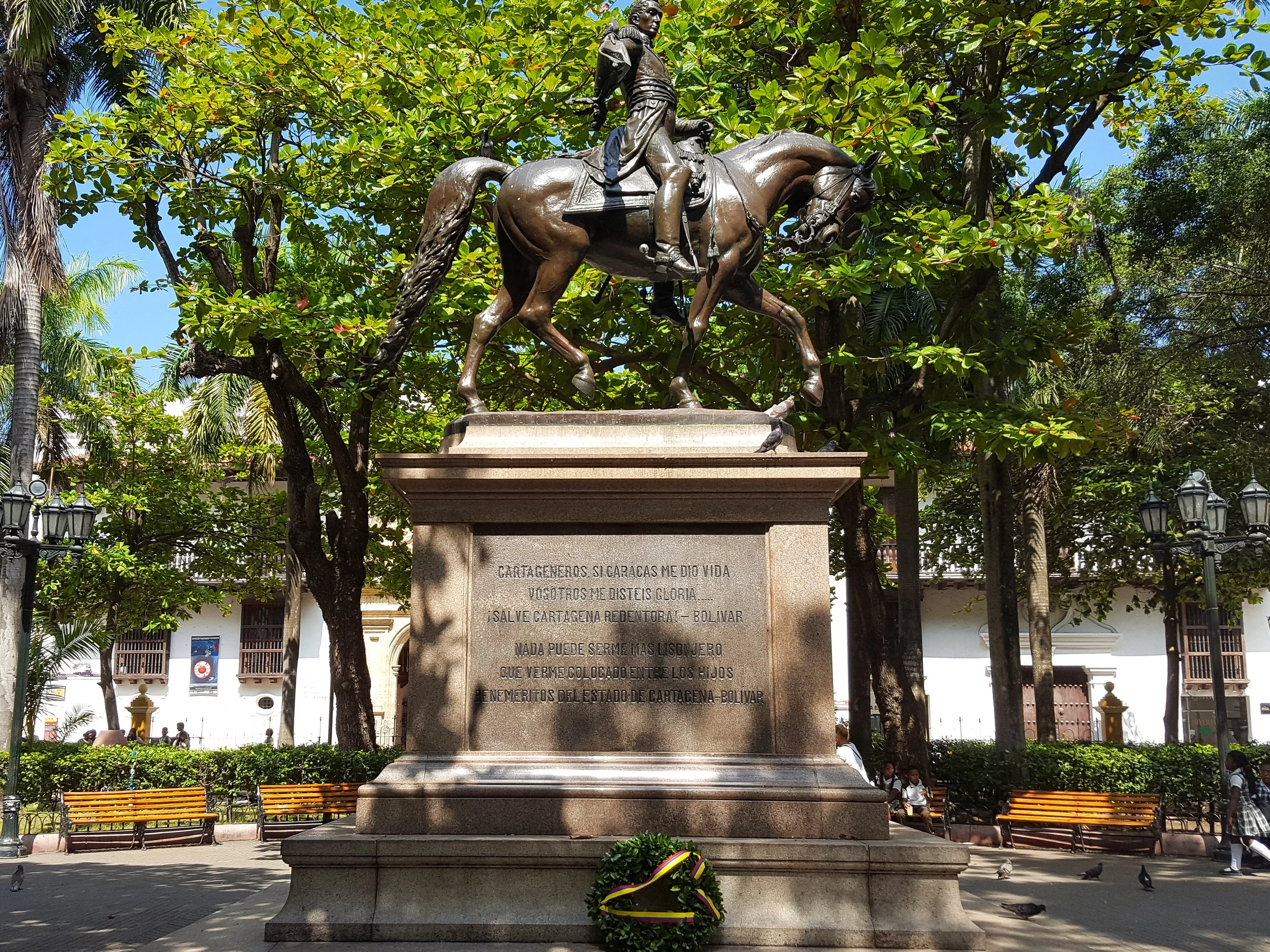
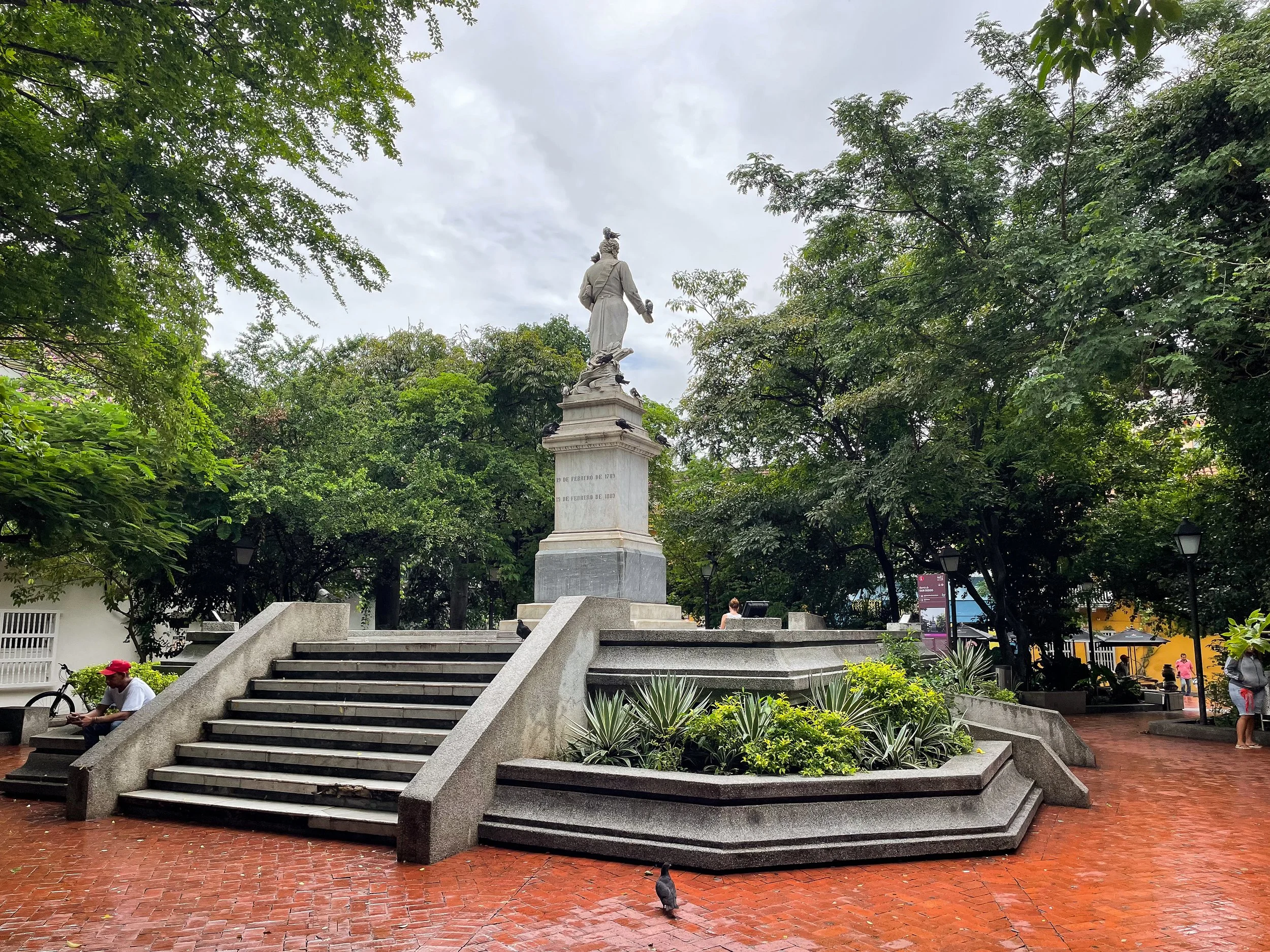
Plaza de Bolívar. A lush tree covered plaza in the center of the walled city with a bronze statue of Simón Bolívar. Artists frequently sell paintings and crafts here.
Plaza Fernández de Madrid. A lush plaza located between El Centro and San Diego in the walled city. It’s surrounded by colorful colonial architecture, restaurants, bars and artists.
Las Bóvedas. A series of shops built into a yellow arched section of the old town’s wall formerly used as prison cells. The vendors sell various souvenirs including baskets, hammocks, artwork, coffee, jewelry and cigars.
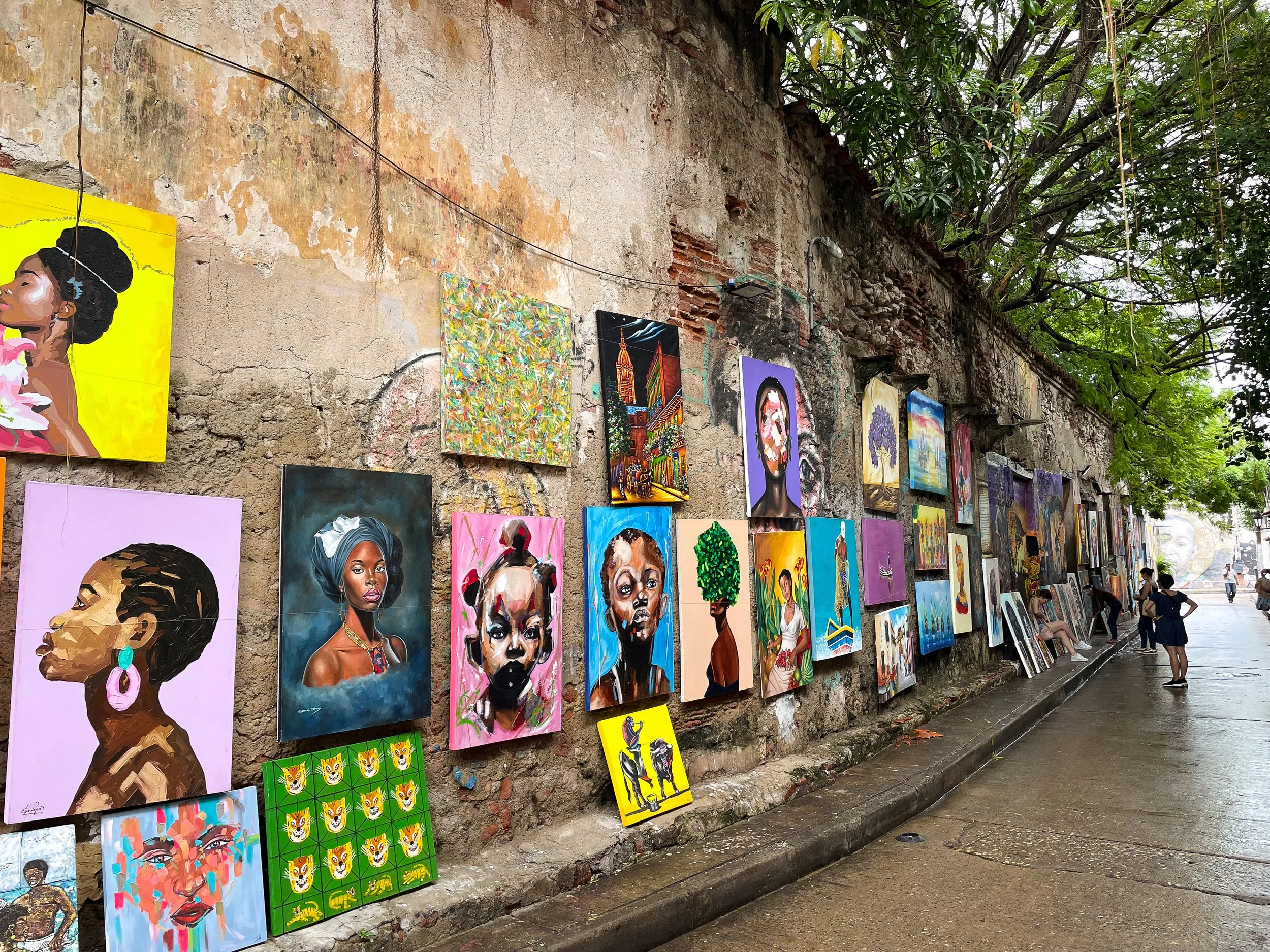
Calle de San Juan. A street in Getsemani with murals and galleries selling colorful paintings depicting the walled city, Botero style artwork, portraits of Colombian women and tropical Caribbean scenes.
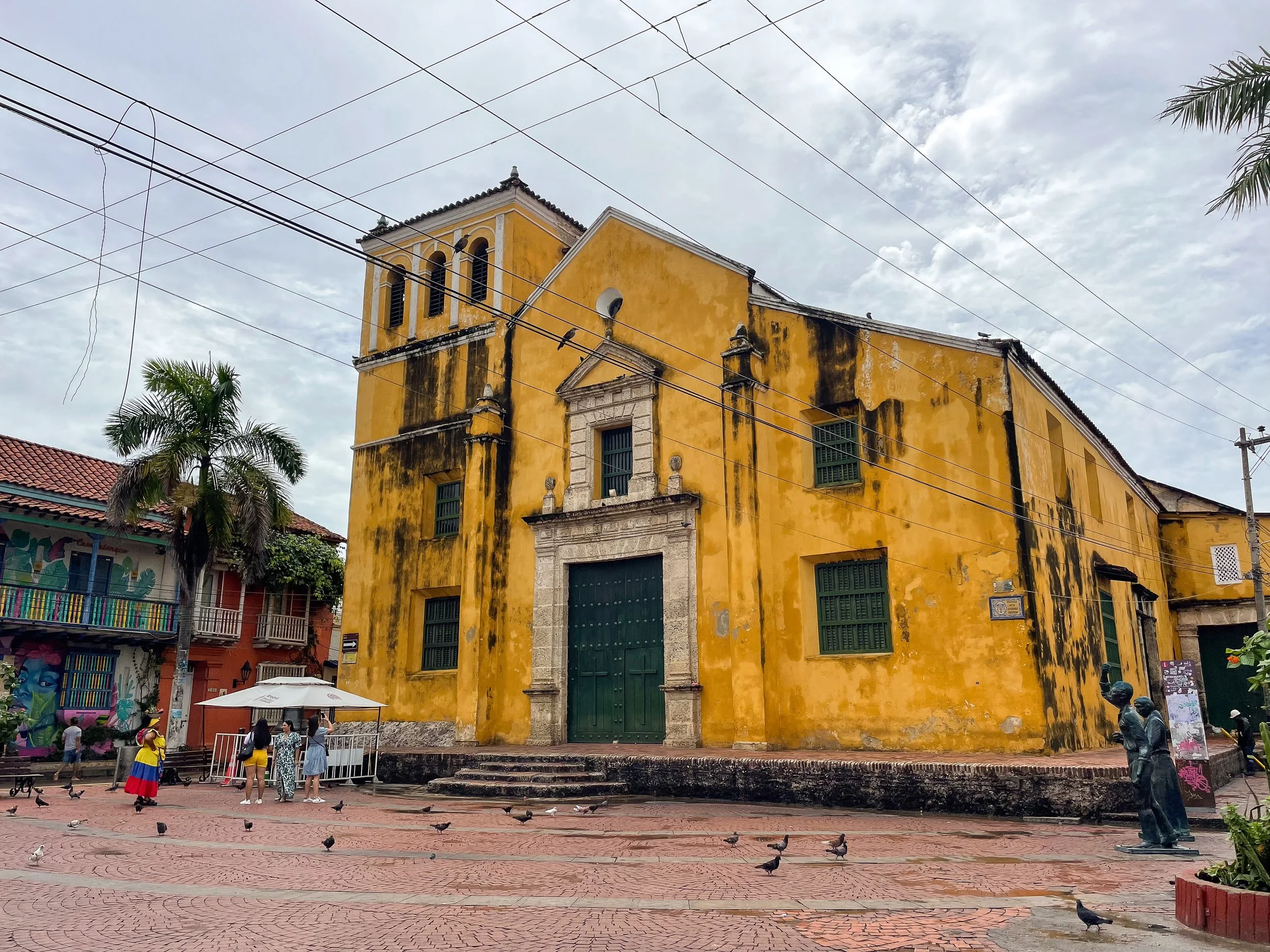
Plaza de la Trinidad. A small plaza located in Getsemaní surrounded by restaurants and centered on a large golden yellow church.
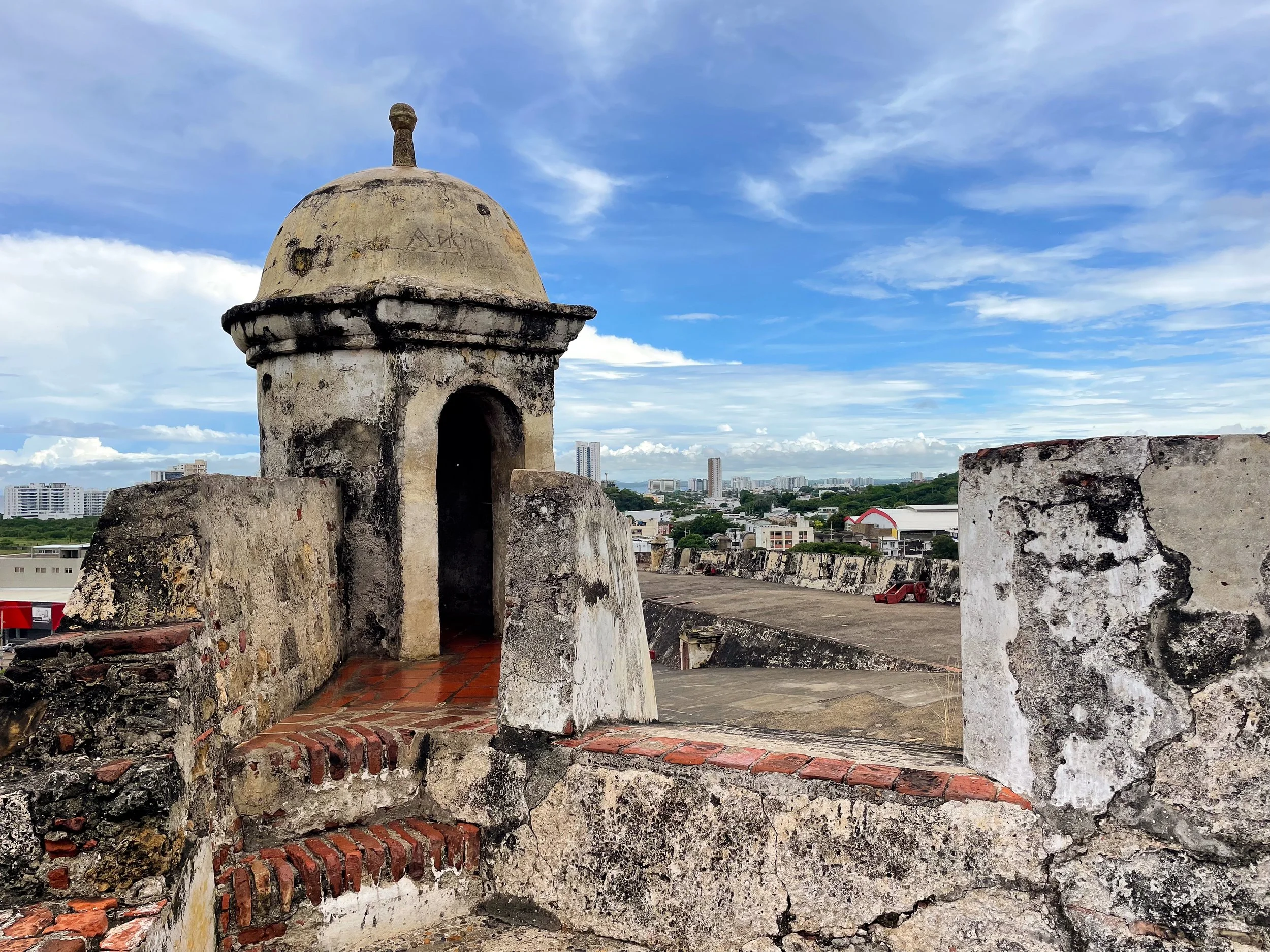
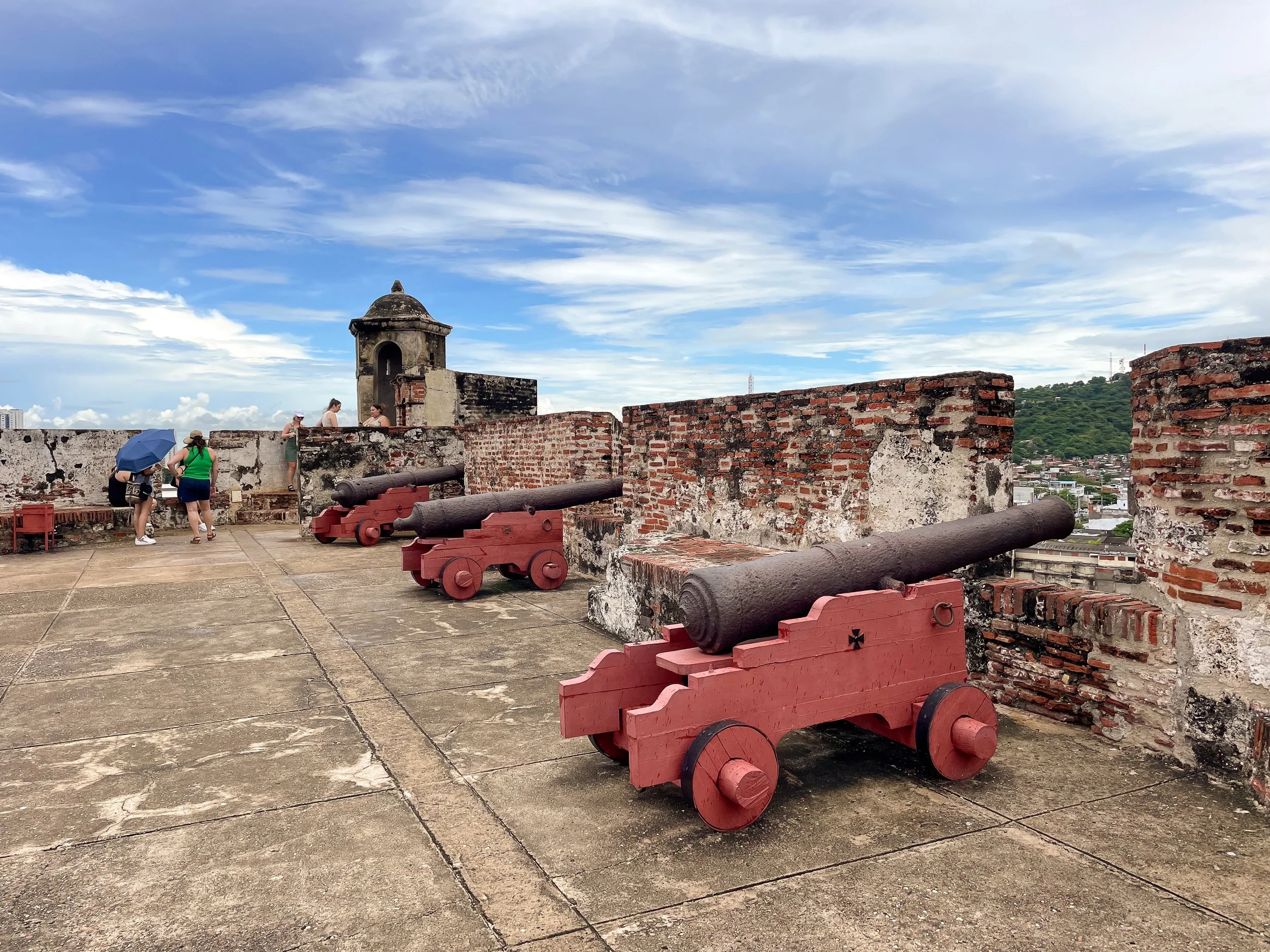
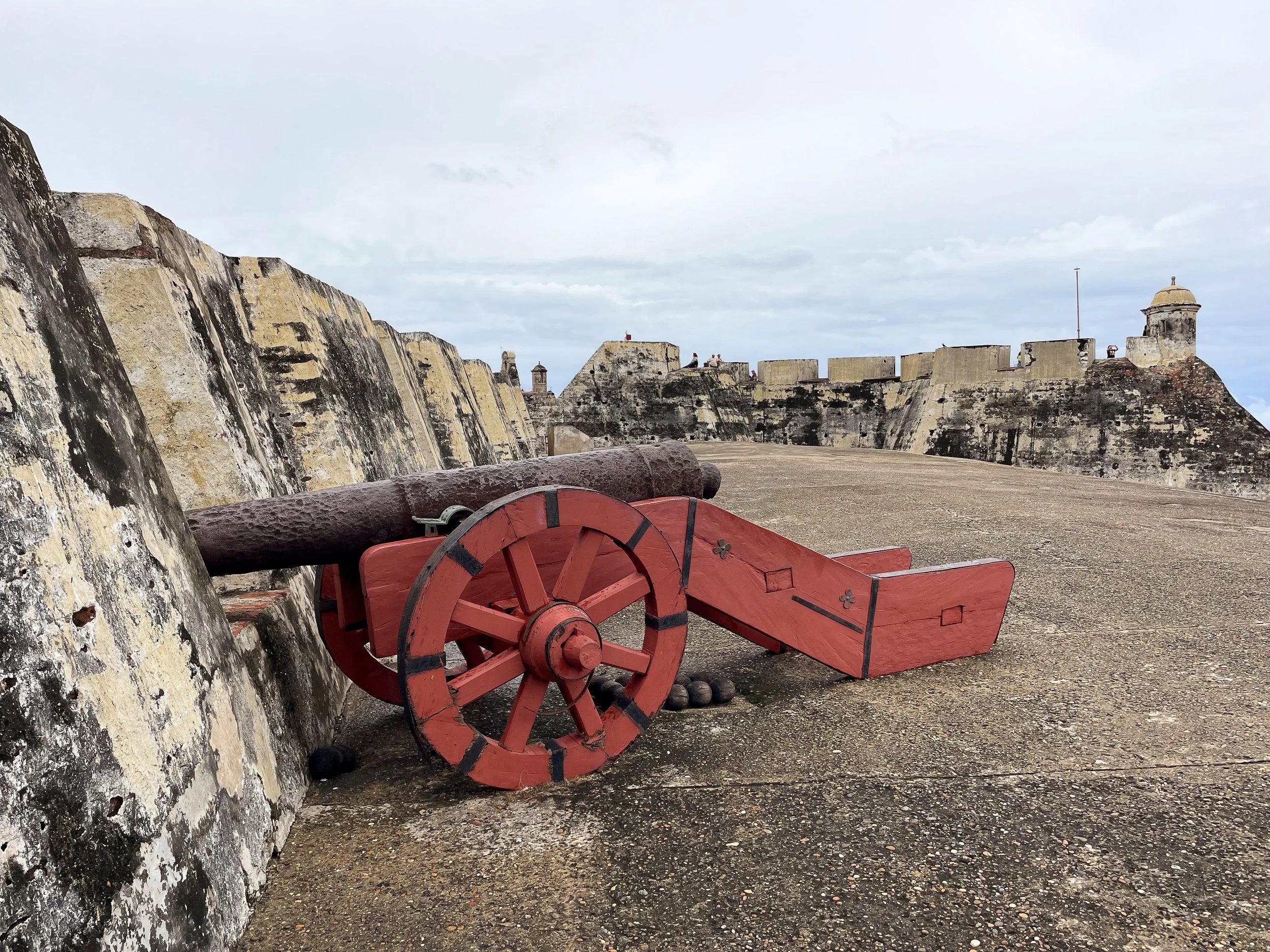
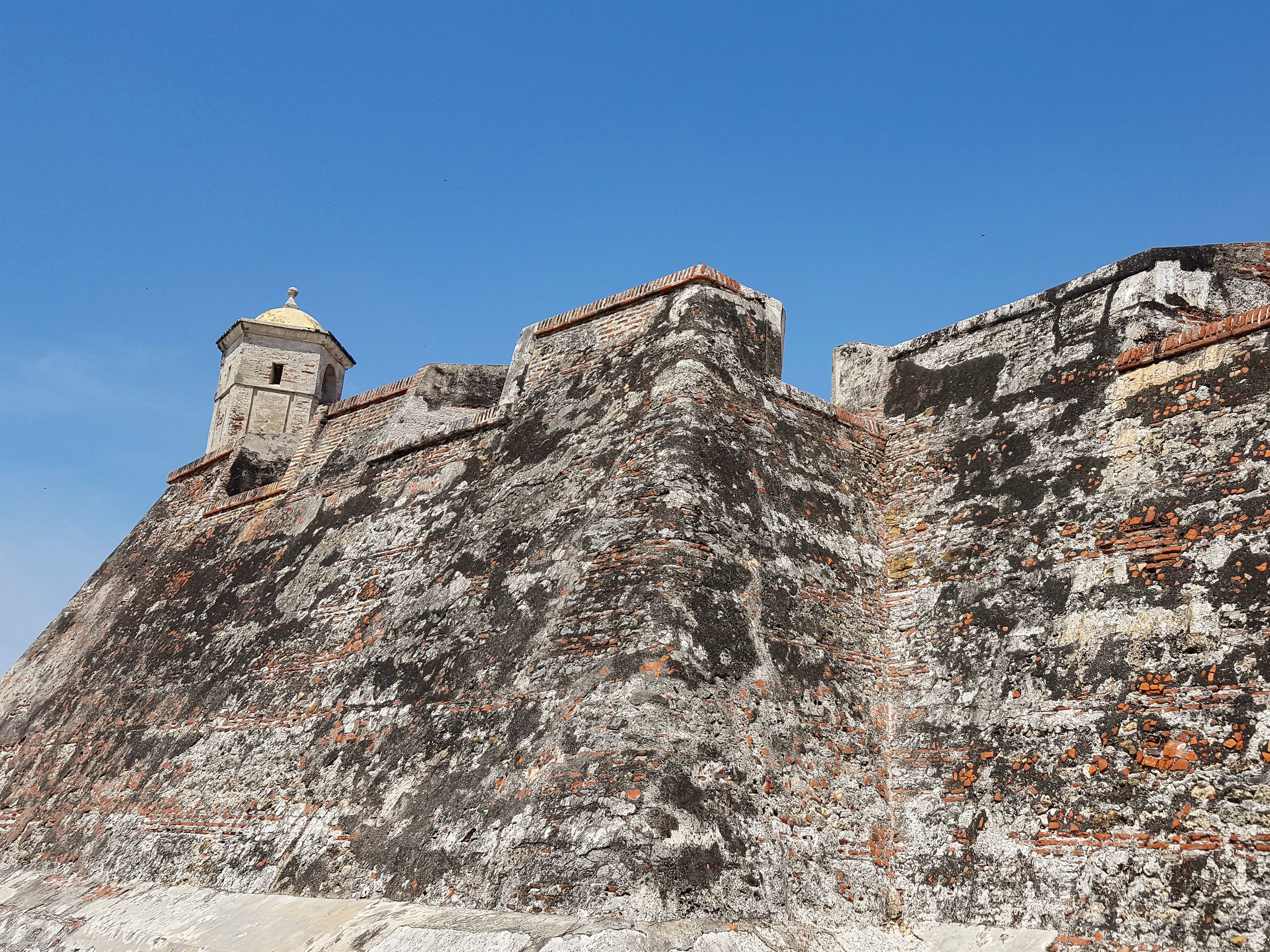
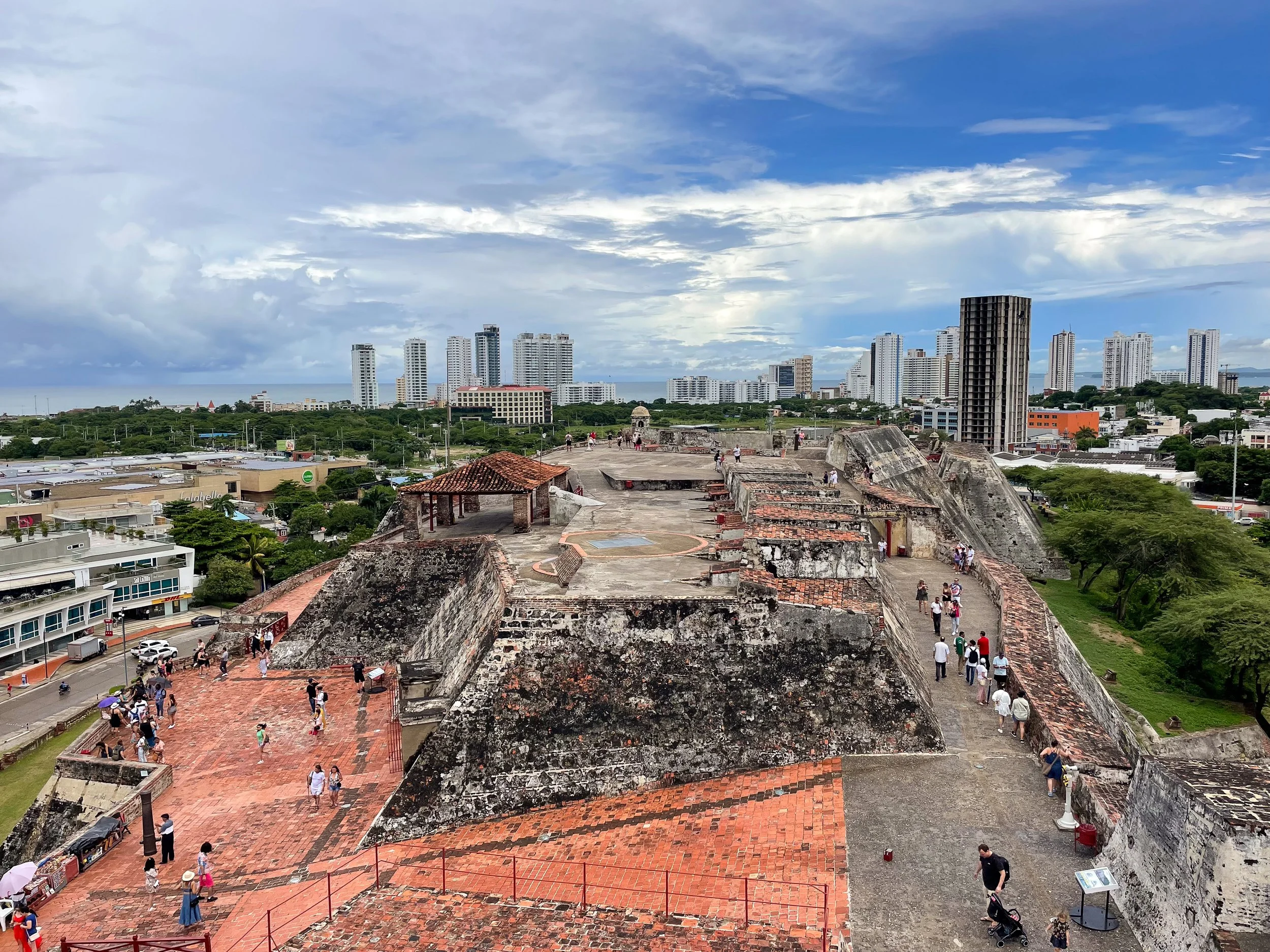
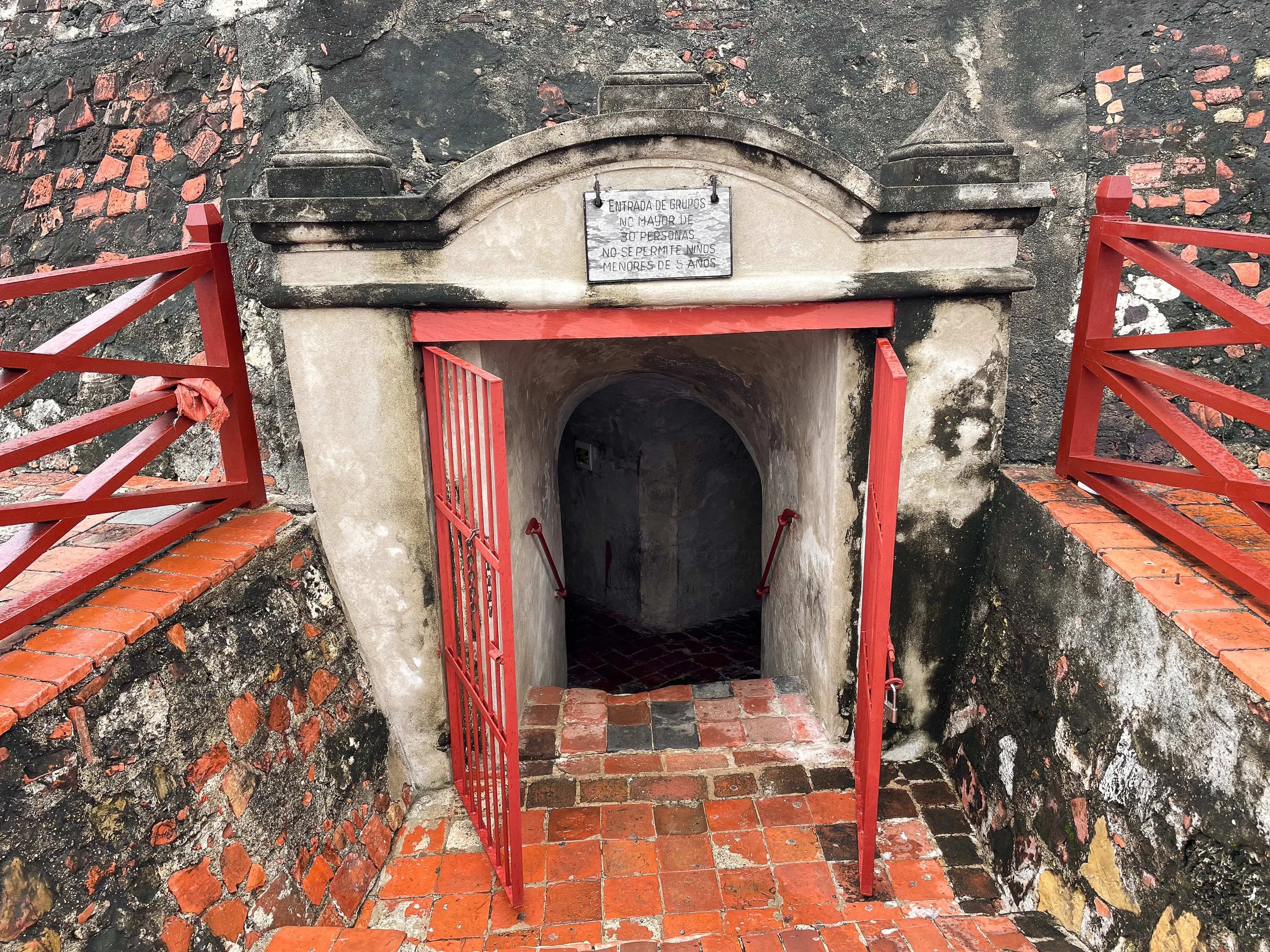
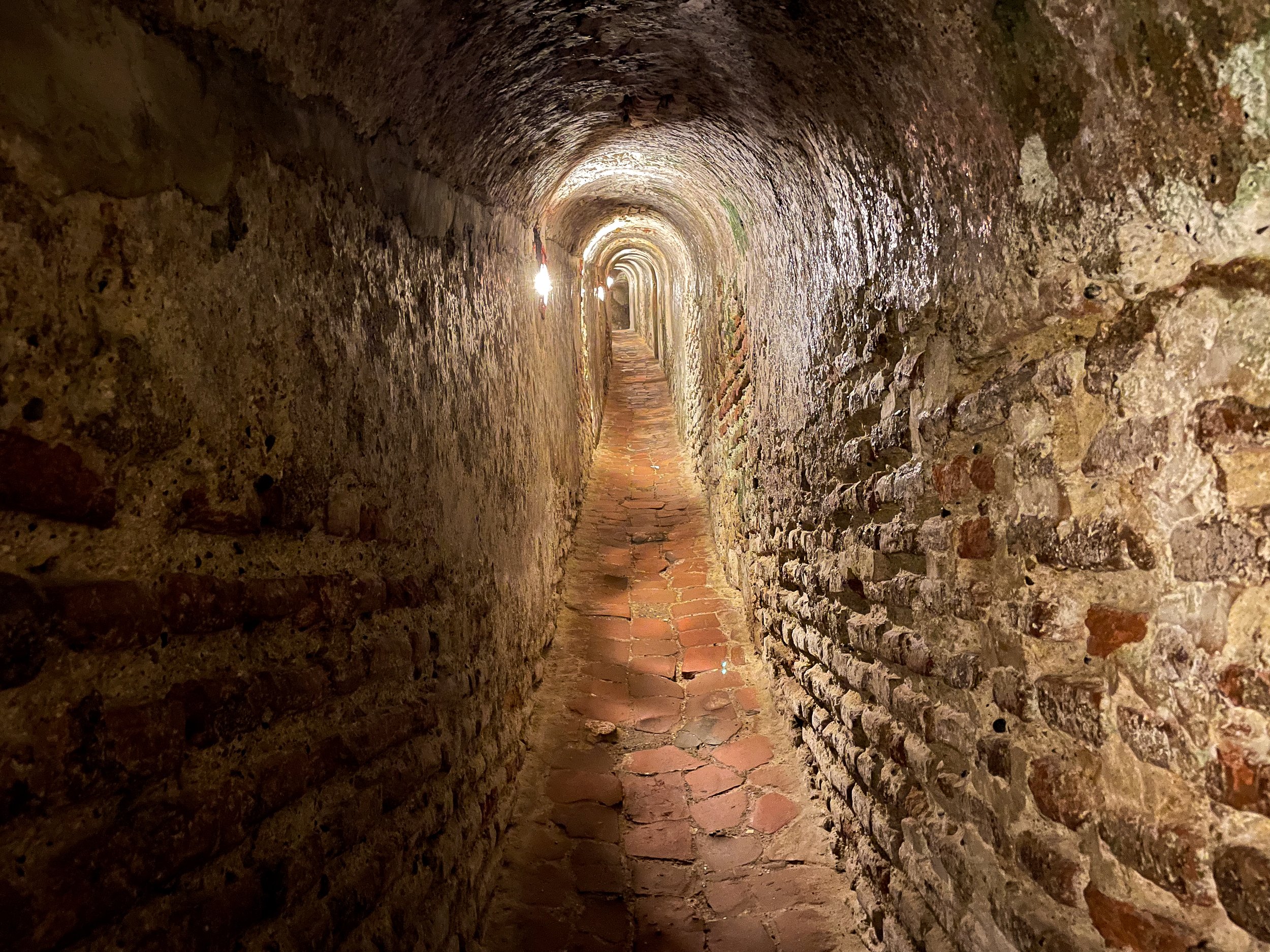
Castillo de San Felipe de Barajas. A military super fortress built during the 1600’s with maze-like tunnels, barracks, cannons, chambers and lookouts over the sea and city. The tunnels cut through different sections of the fortress and descend deep into its interior.
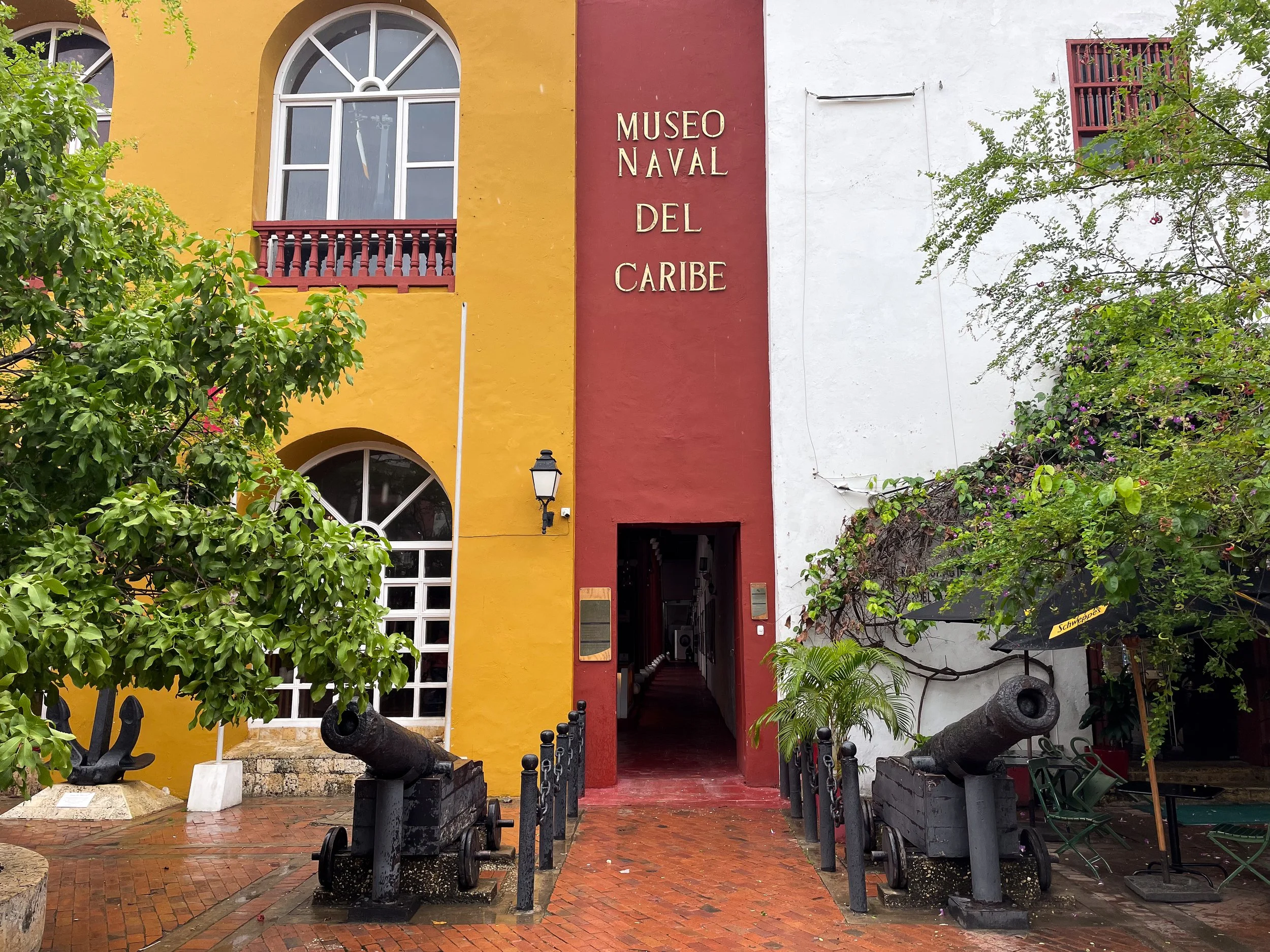
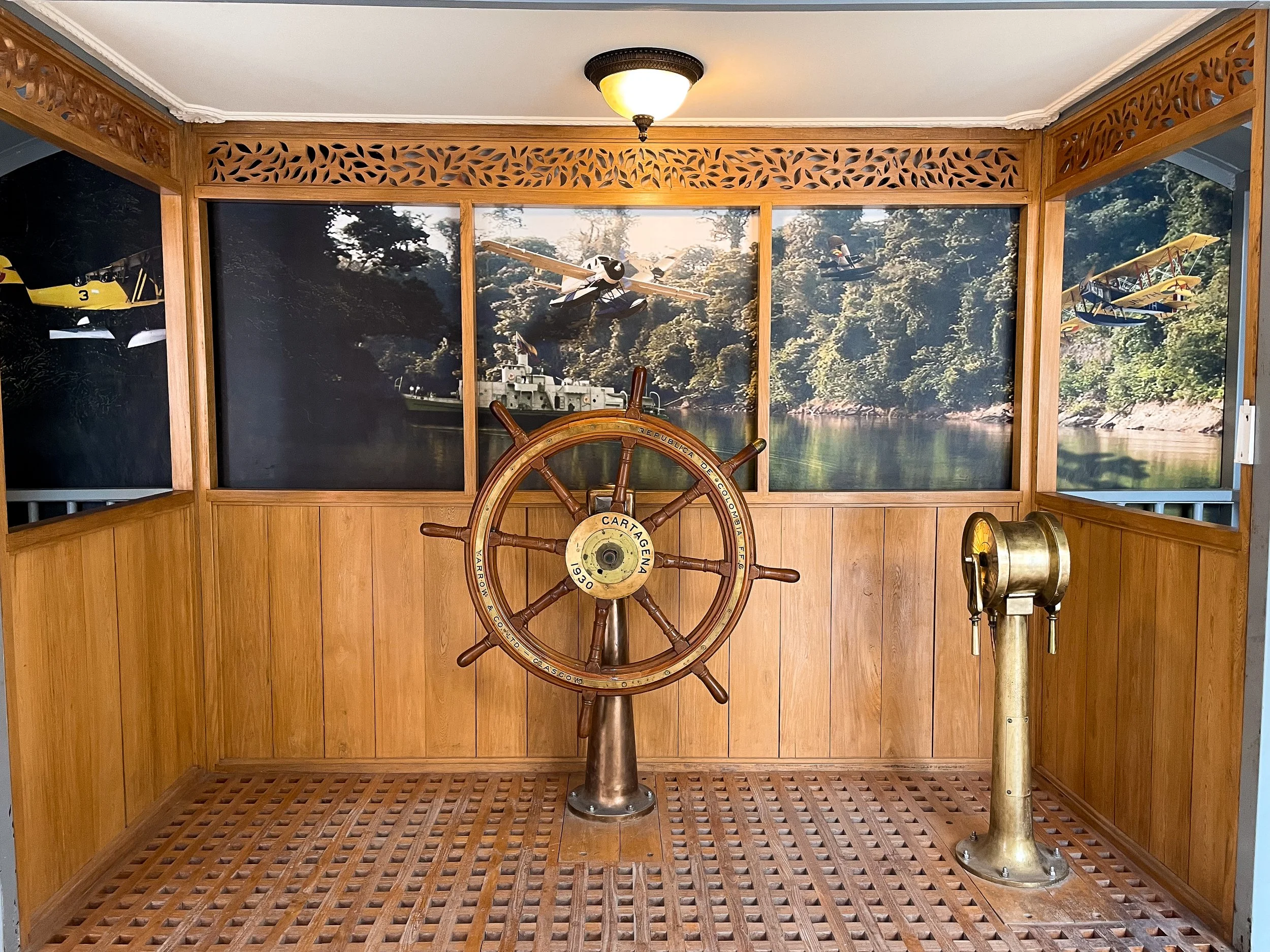
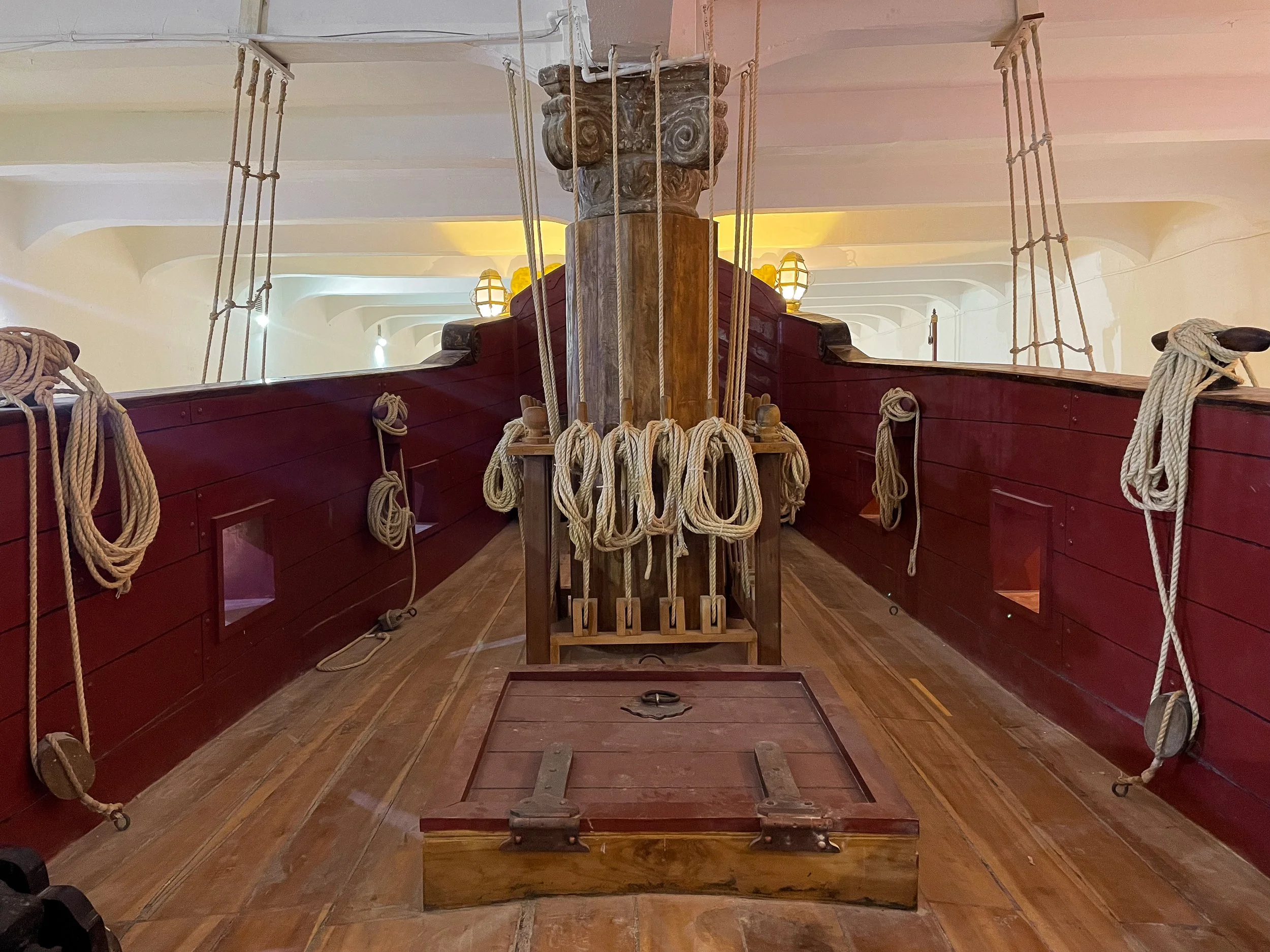
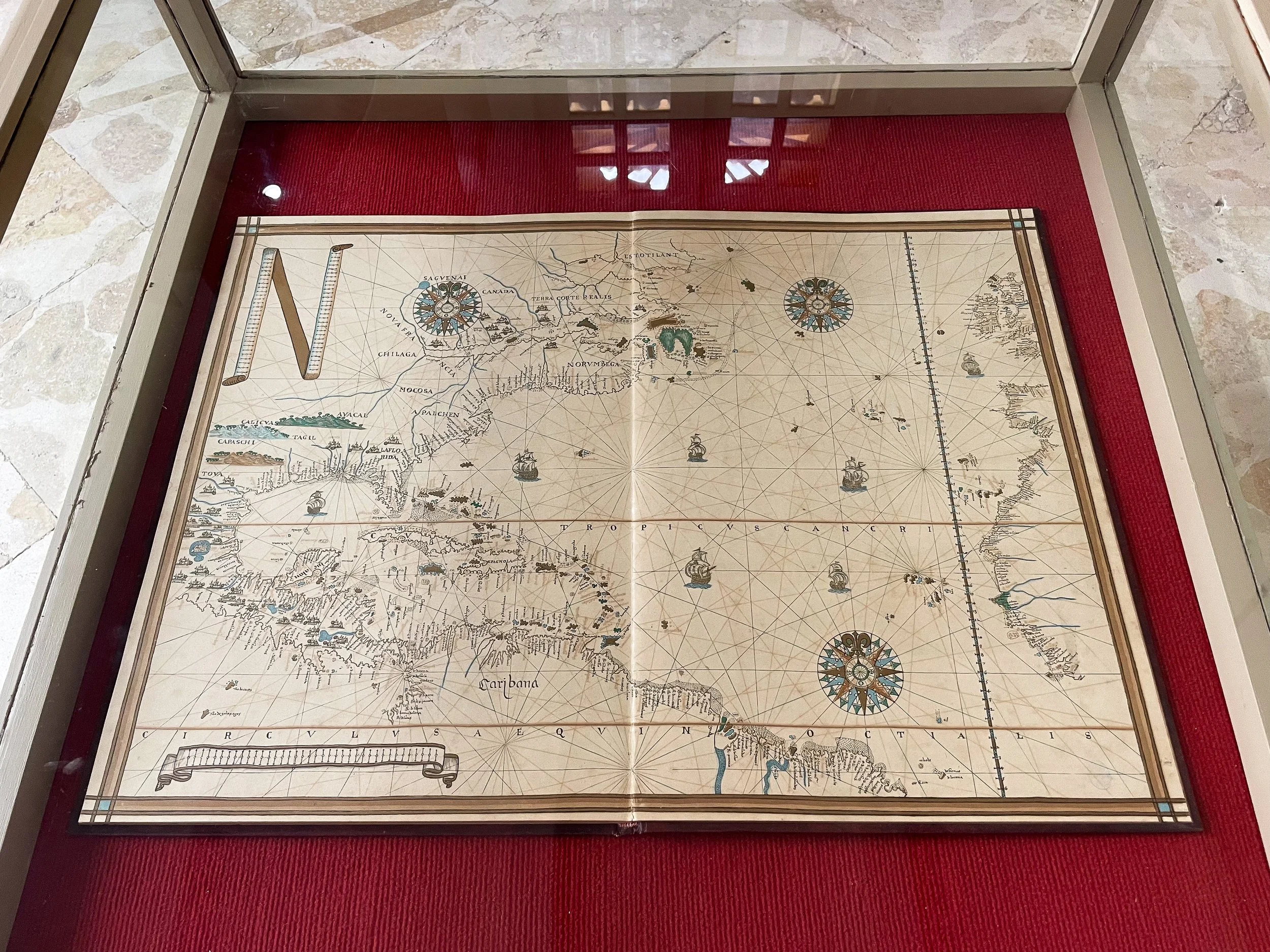
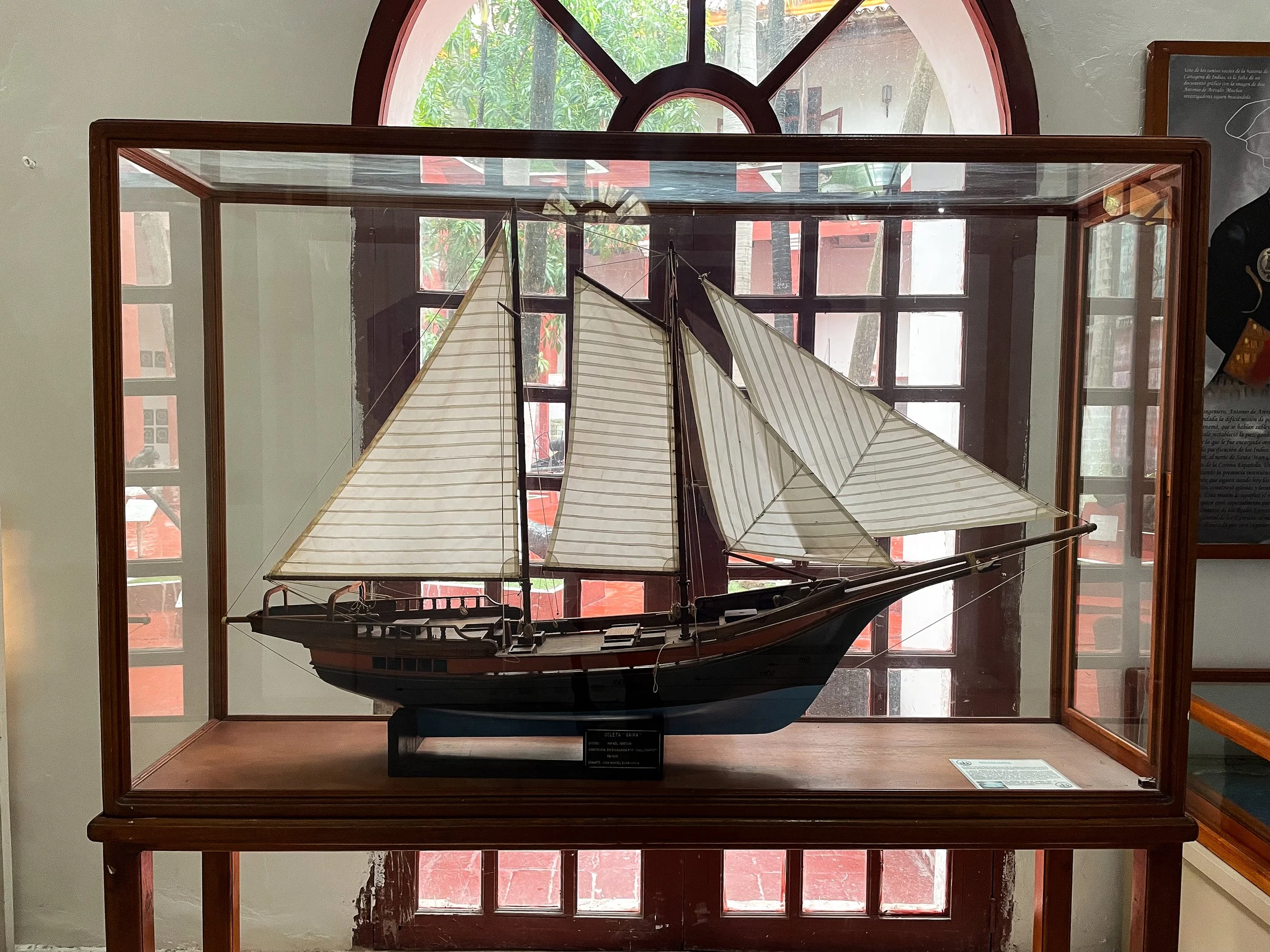
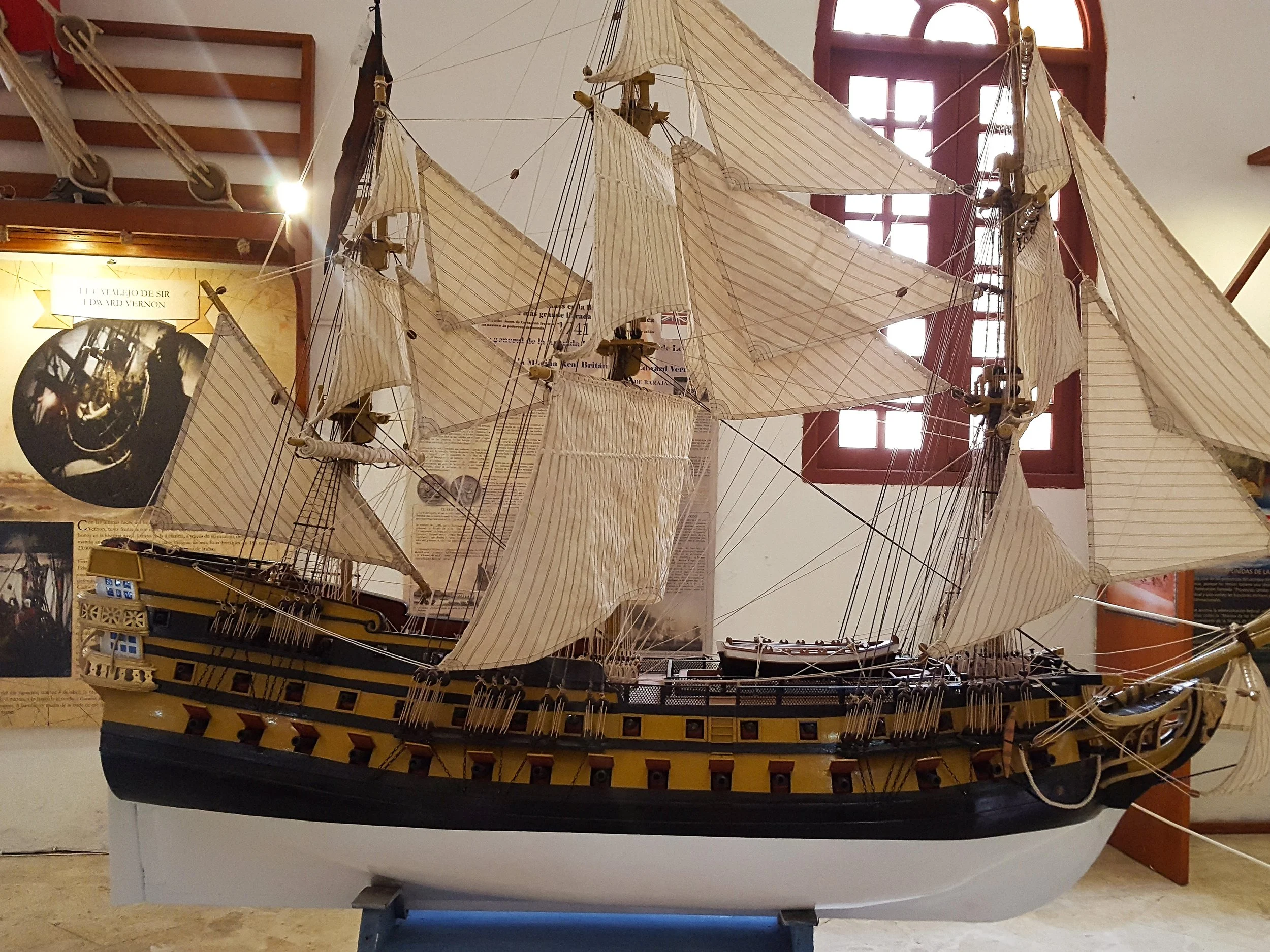

Museo Naval Del Caribe. A Caribbean and Colombian naval history museum with exhibits ranging from colonial to modern day. There are Spanish cannons, naval outfits, nautical maps, model fortresses and replica ships on display. The exhibits include interactive features like a pirate ship, submarine, battleship, speed boat and helicopter.
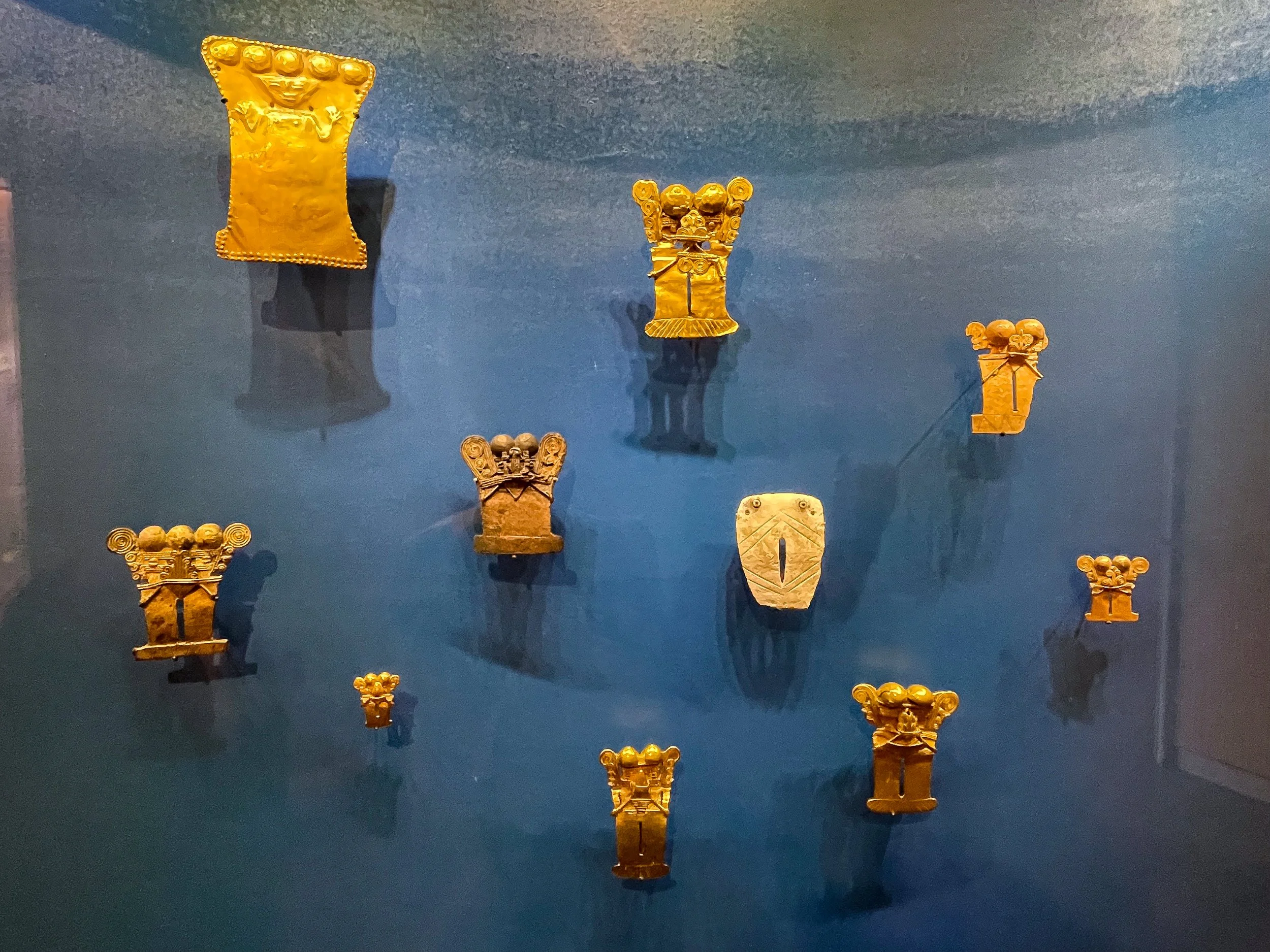
Museo del Oro Zenú. A small but very well curated museum with pre-Columbian artifacts including hundreds of gold pieces, musical instruments, statuettes and pottery. The artifacts and exhibits focus on the indigenous Zenú people and their connection to the land, sea, sky and animals that inhabit them. It’s free to enter.
Las Playas
City vs Island Beaches. Island beaches are located off the coast of Cartagena and are often much cleaner, prettier with less aggressive vendors than the city beaches. Boats depart from Playa Boca Grande and Pier Los Pegasos between 8-11am to ferry passengers to the idyllic Rosario Islands.
Rosario Islands National Park. An archipelago of over 30 tiny islands reachable by boat 1 hour from Cartagena. Many small hotels and resorts are located here, a convenience for overnight guests.
Isla Grande. A large island in the Rosario Islands National Park with hotels, beaches and snorkeling spots.
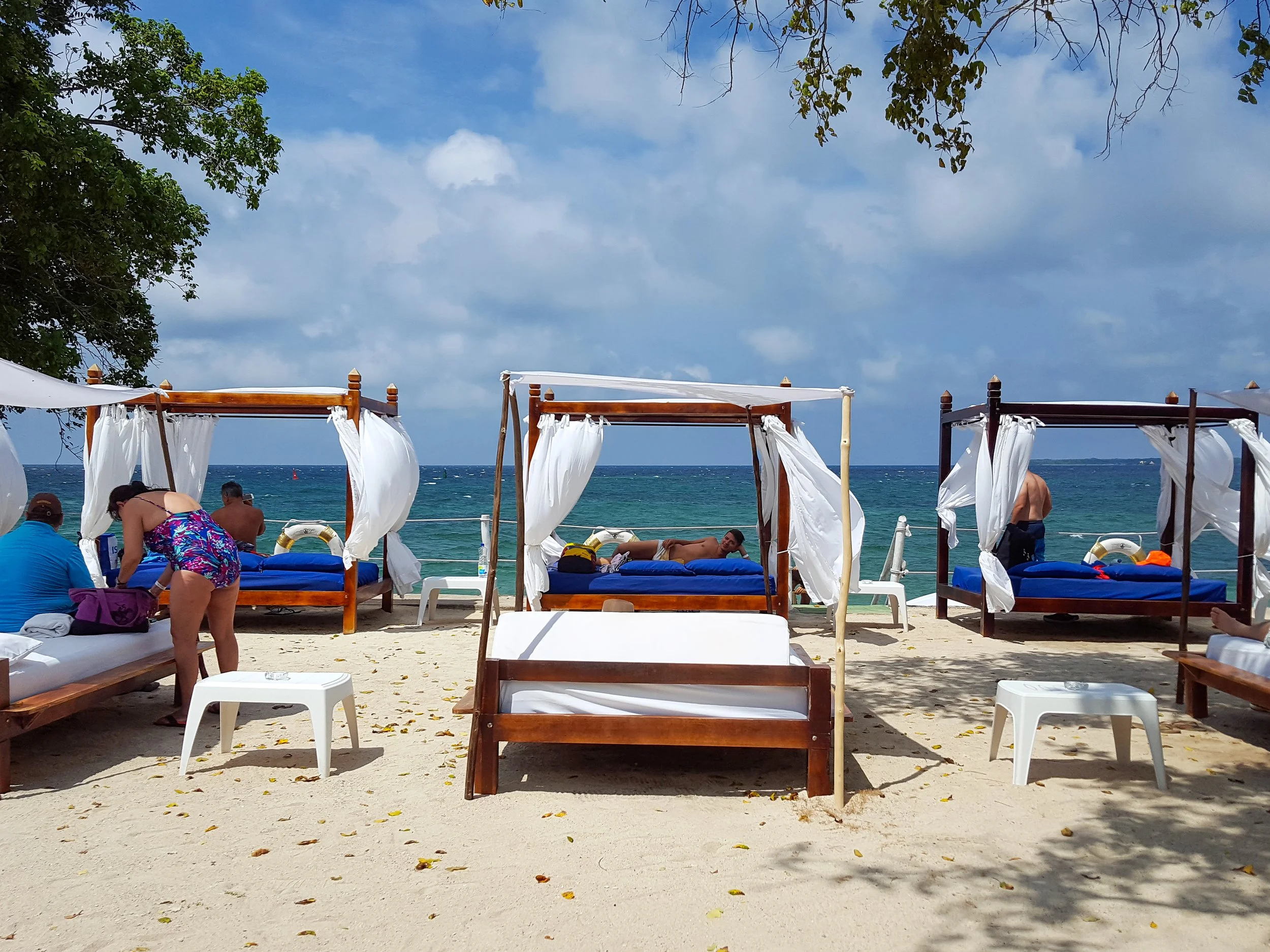
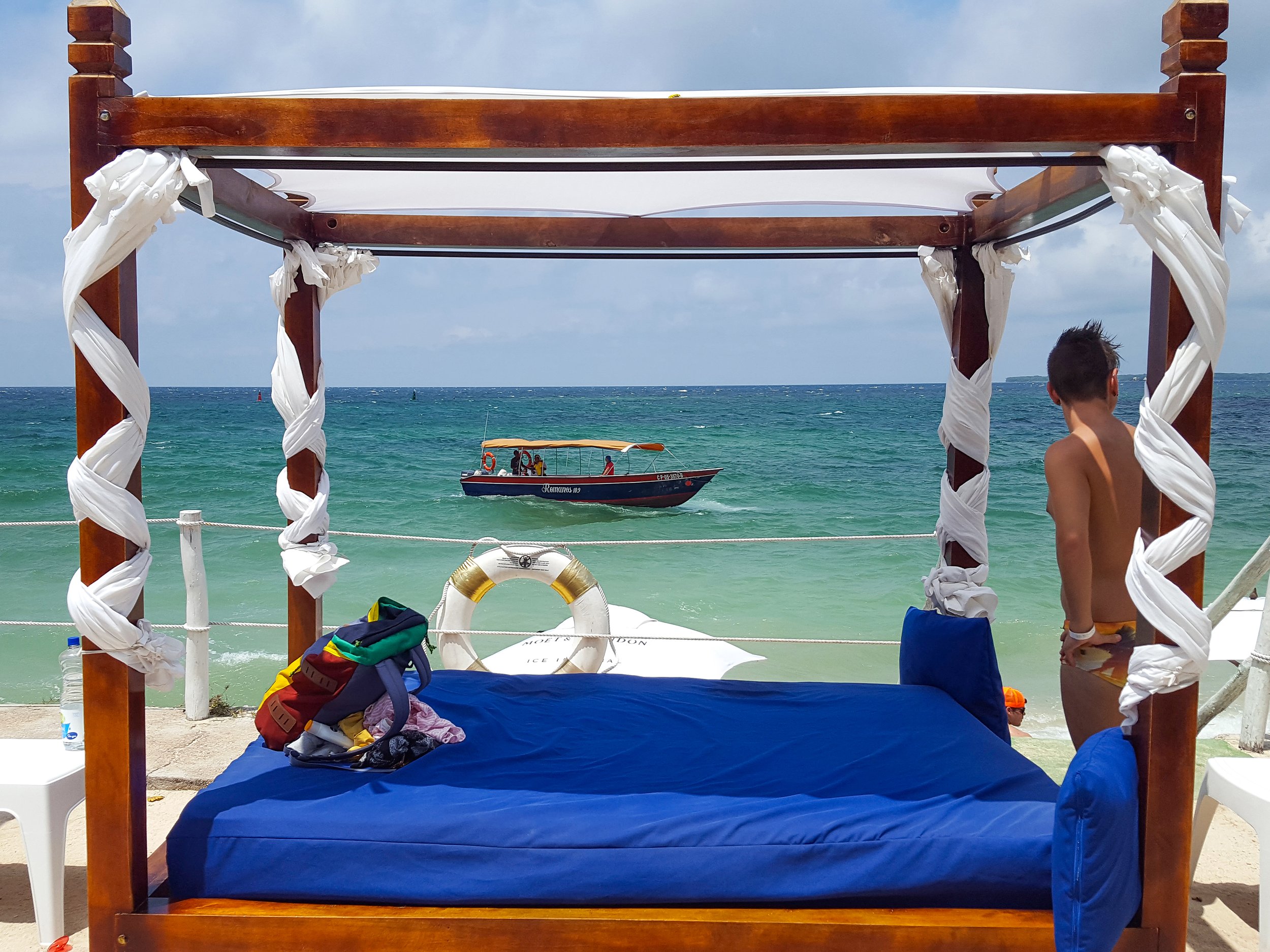
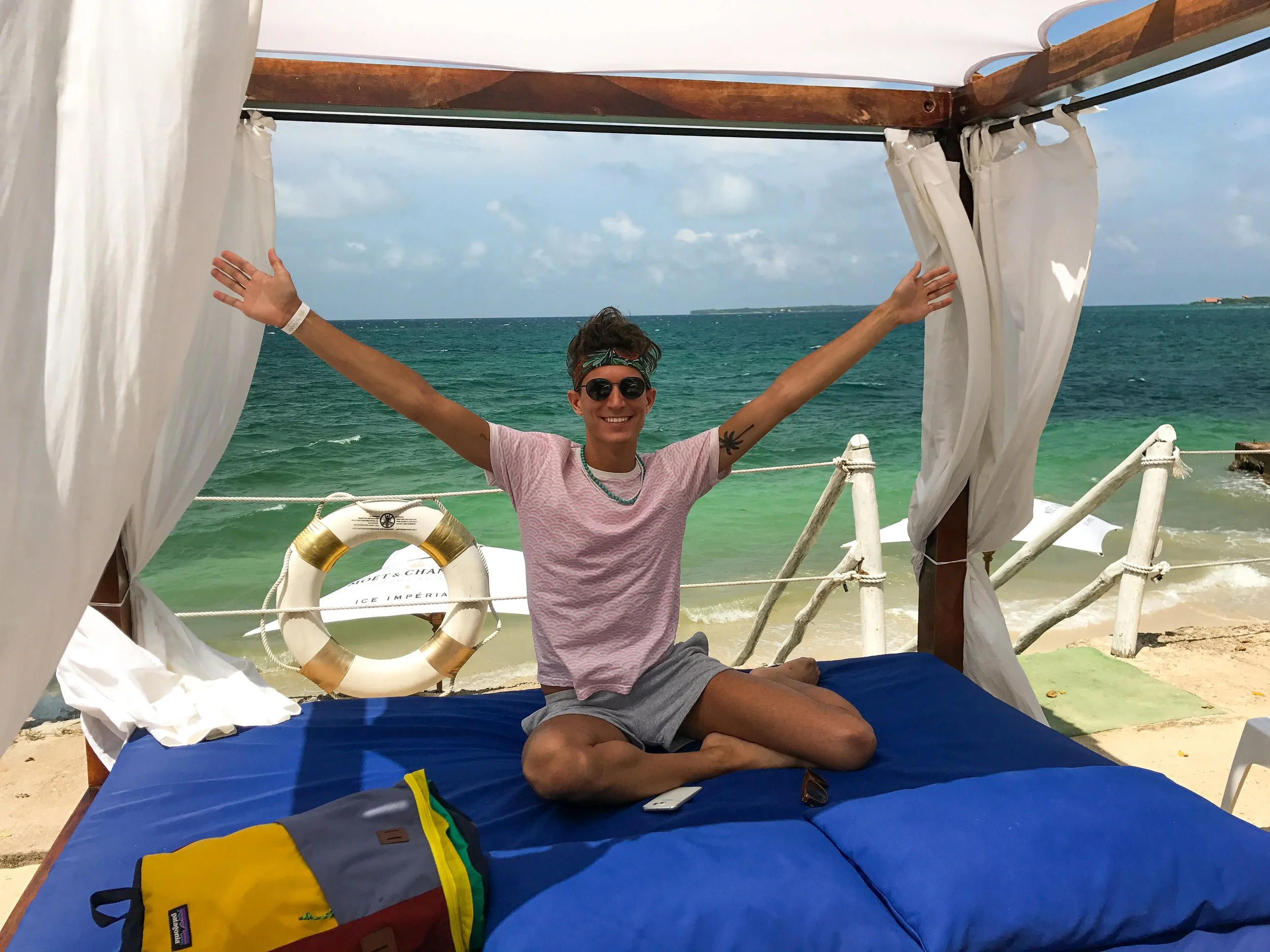
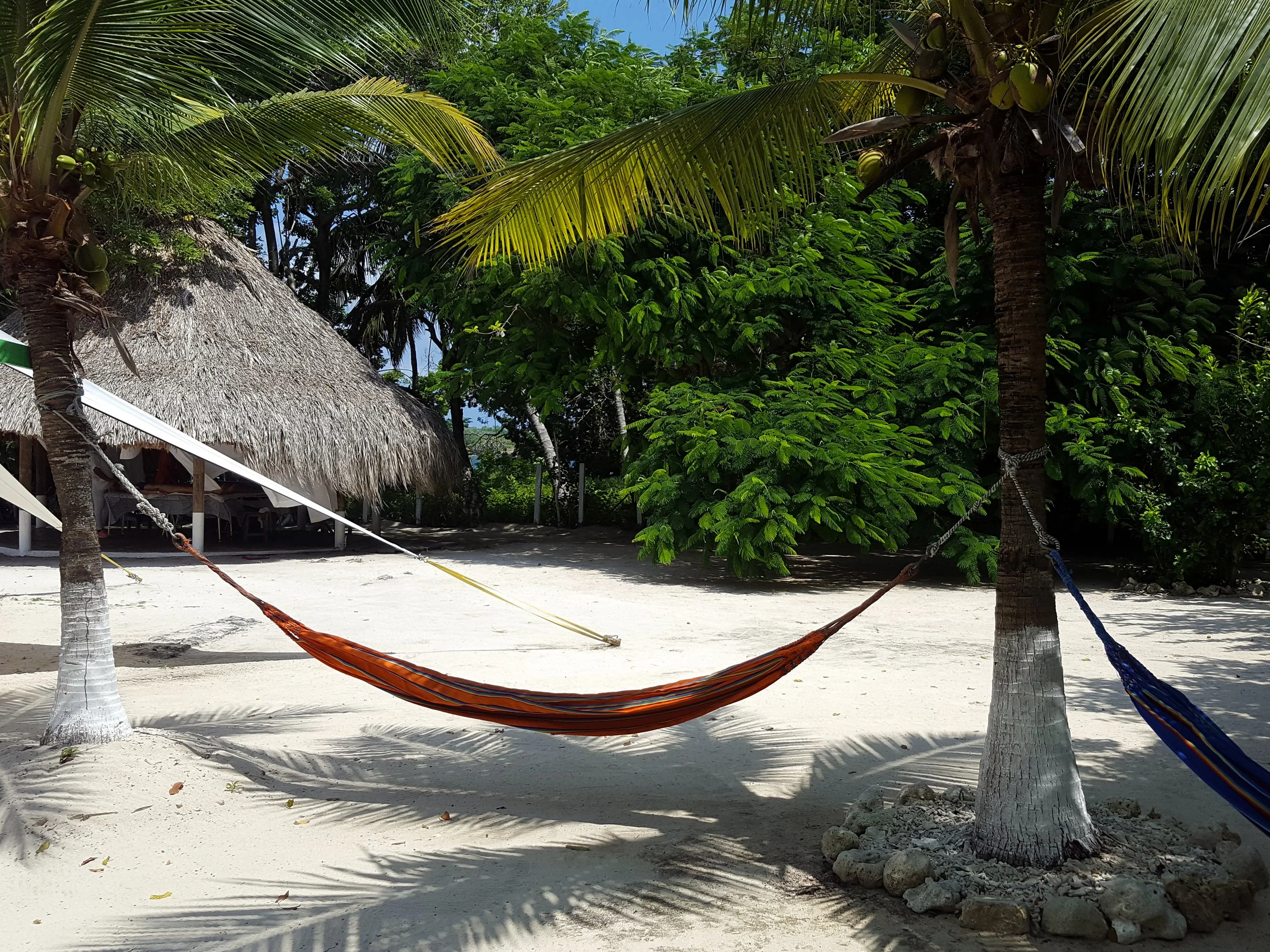
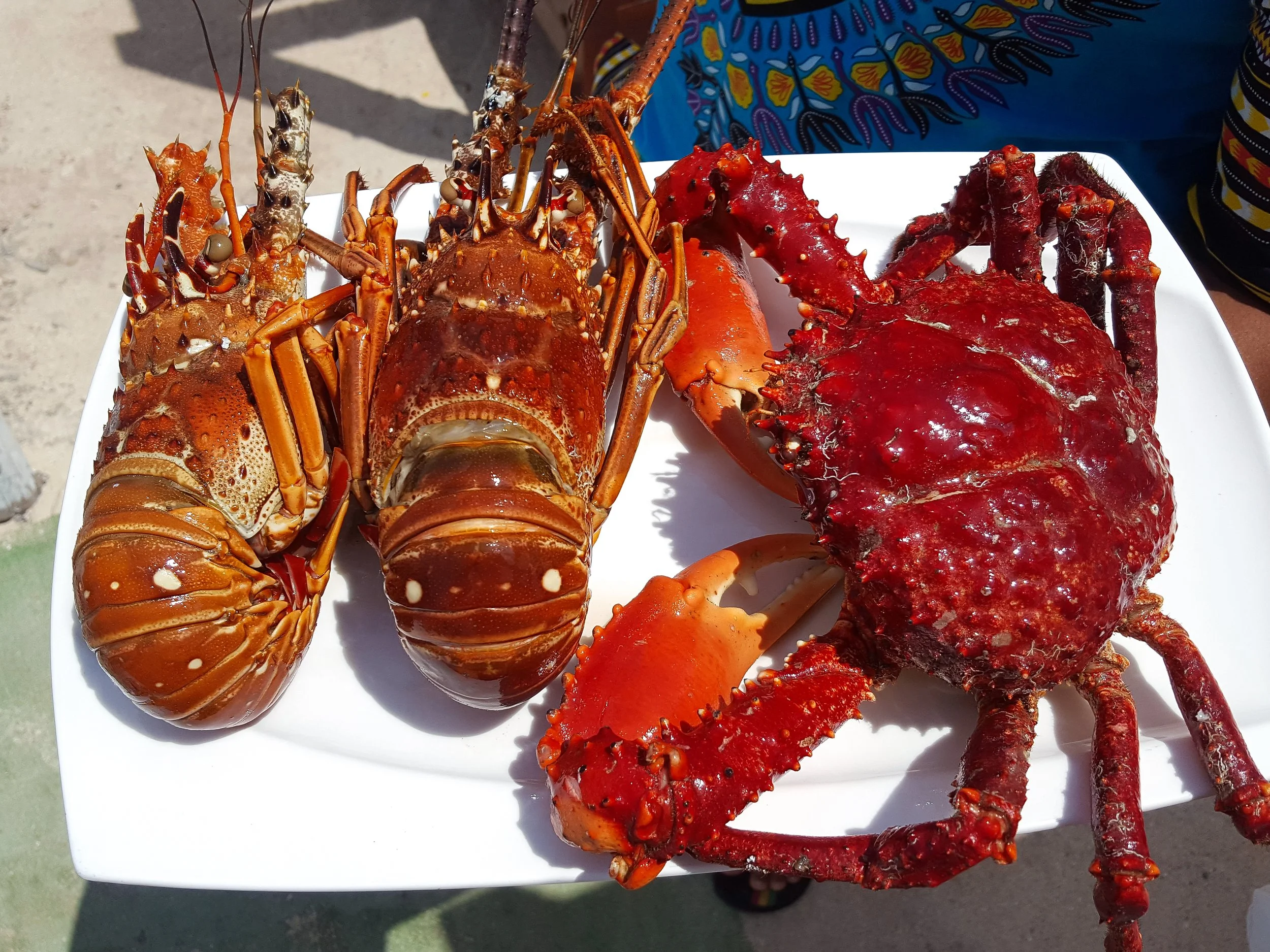
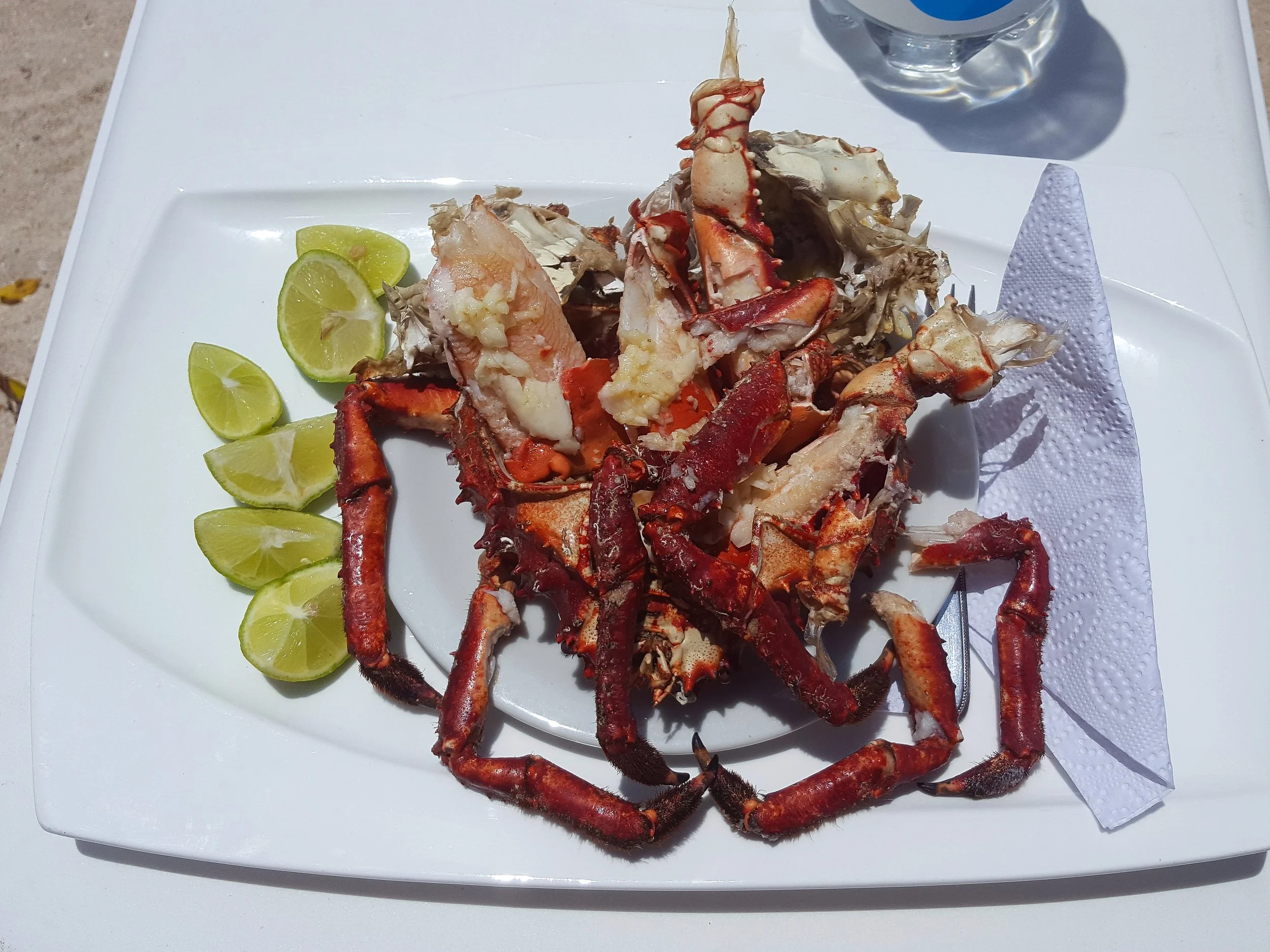
Bora Bora Beach Club. A beach club on Isla Grande with a small beach, beach beds, massages, cocktails and lunch including crab and whole grilled fish. It’s a relaxing way to enjoy the Caribbean outside of the city.
Colombian Cuisine
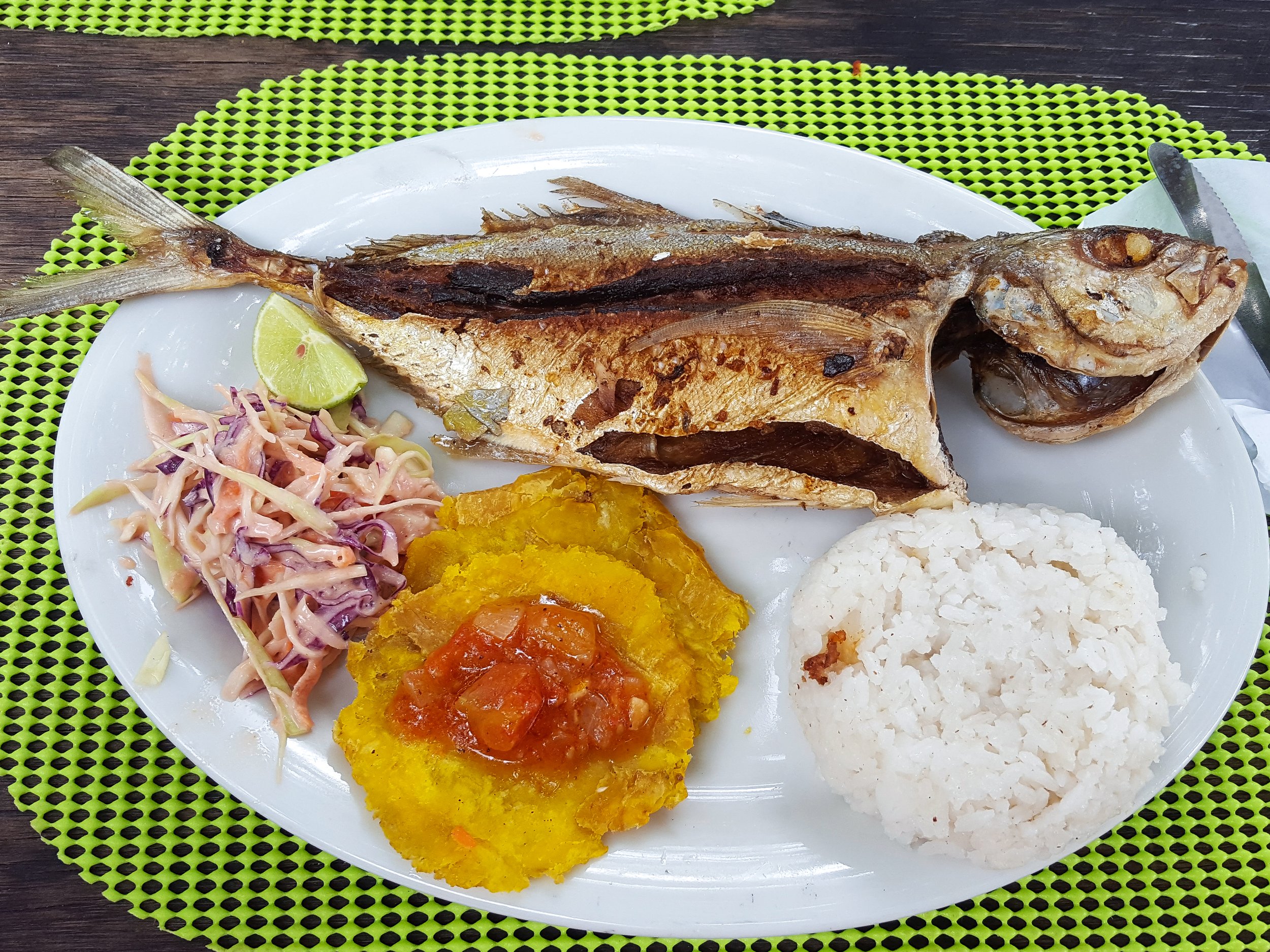
Colombian Caribbean Dishes. Popular dishes made with Colombia and Caribbean ingredients include fried fish, ceviche, coconut rice and patacones.
Fried Fish. Served whole or filleted but fried to perfection. Red Snapper and Sea Bass are commonly served.
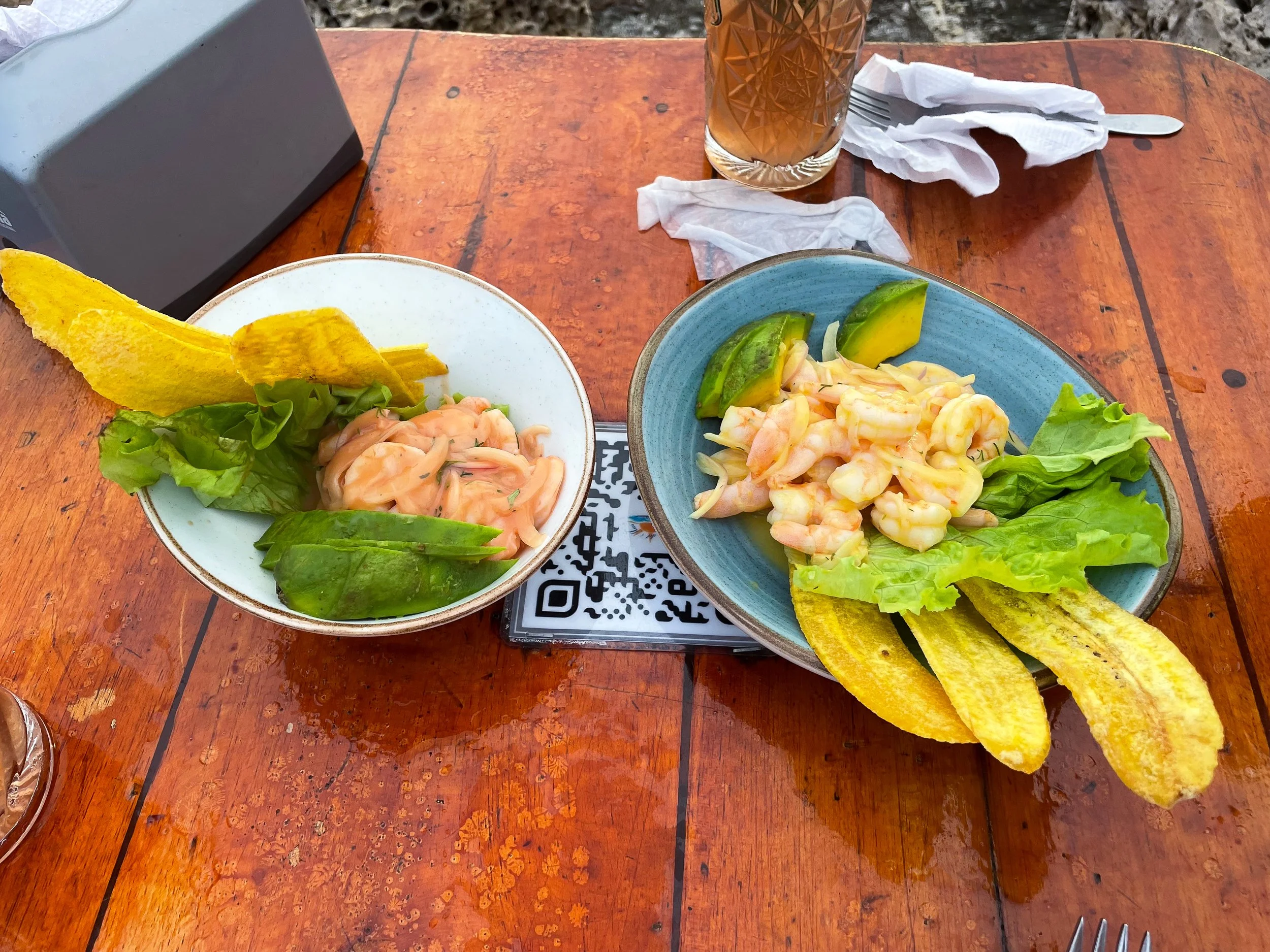
Colombian Ceviche. Raw seafood cooked in citrus often with coconut milk, red onion and avocado then served with plantain chips.
Coconut Rice. White or brown rice cooked with coconut milk. It’s a local side to any entree.
Patacones. Fried green plantain that’s been flattened and re-fried.
Street Food. Vendors can be found in plazas and along streets preparing and selling various types of street food across Cartagena for extremely affordable prices.
Arepa de Huevo. A masa arepa that’s been cooked, cut open, an egg cracked inside and re-fried. Watch for vendors with pots of oil sitting atop a coal burning stove. Dora’s, located in Plaza San Diego is the place to go.
Pan de Bono. Watch for vendors with glass cabinets on carts filled with cheese filled breads and rolls.
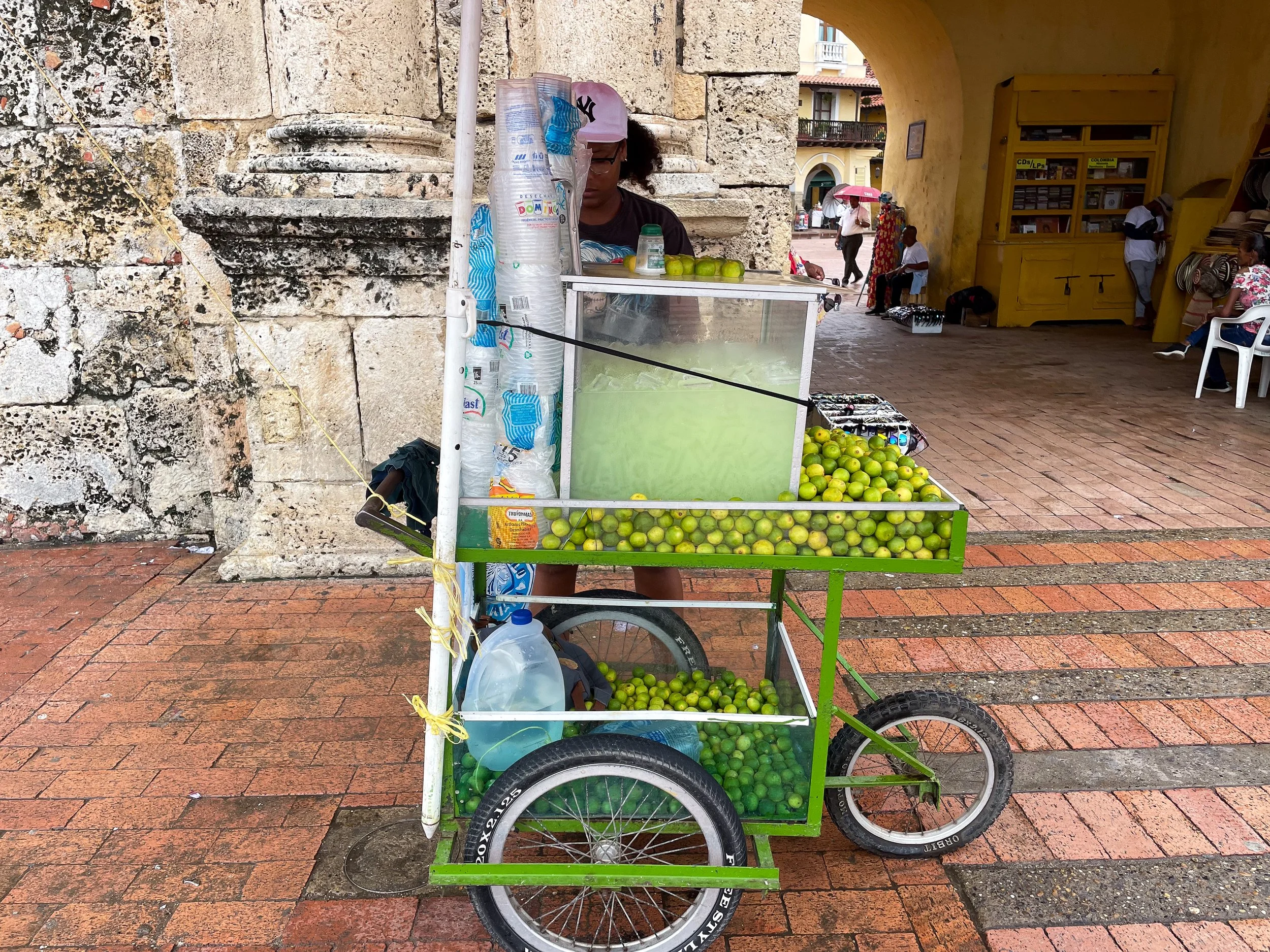
Fresh Juice. Watch for vendors with citrus carts serving ladles of orange and lime juice from iced filled tanks.
Fresh Fruit. Watch for vendors with wooden carts selling colorful cups of sliced pineapple, mango, watermelon, papaya and whole coconuts.
Cook like a Colombian
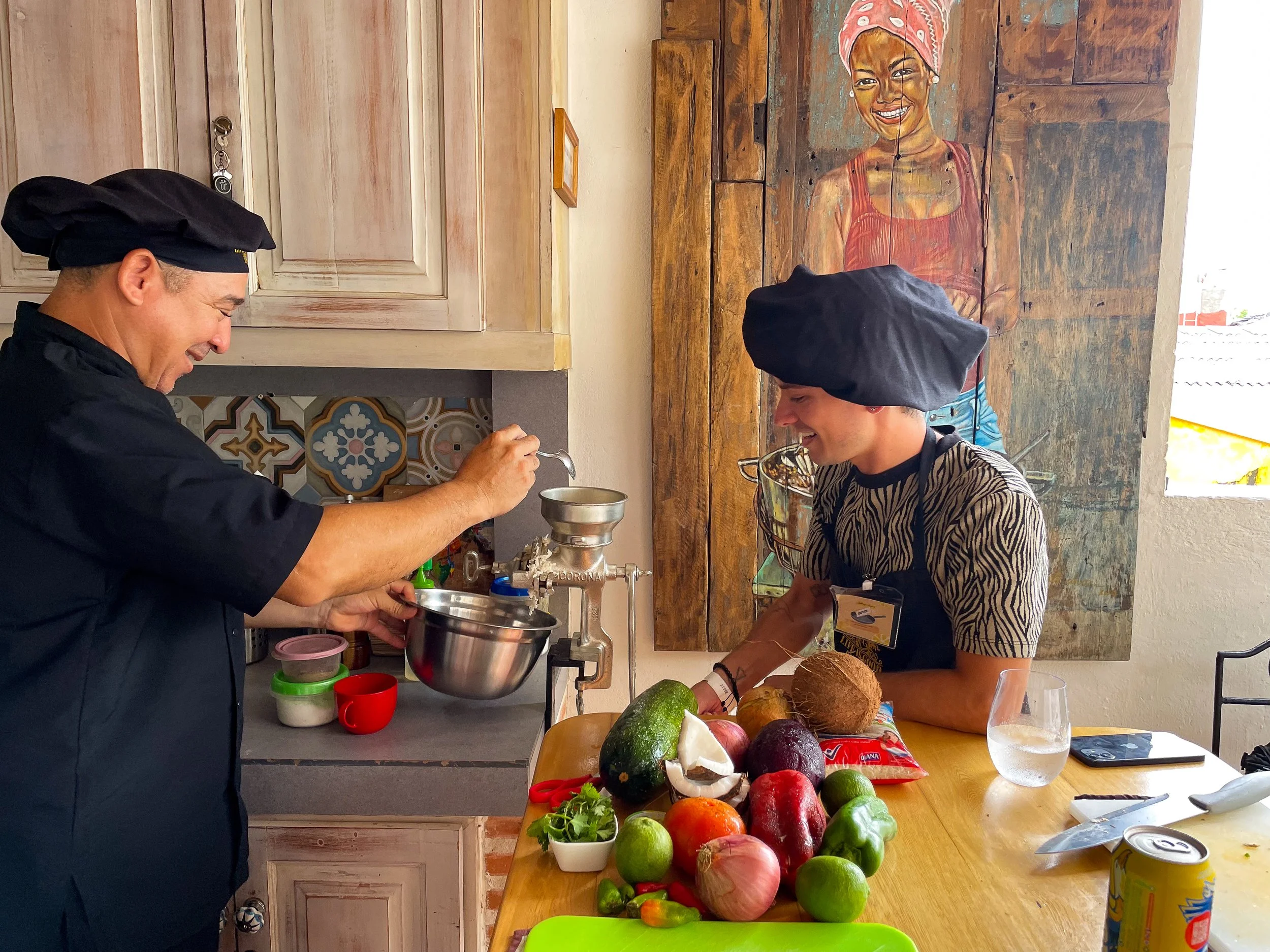
Take a cooking class and learn how to cook like a Colombian. The Life of Good Hostel in Getsemaní offers classes on their rooftop kitchen. Instructed by Chef Omar, we prepared multiple Colombian dishes to the tune of his Shakira playlist. Together, we sliced green plantains to make patacones, milled corn to make stuffed arepas, diced veggies to make hogao (sofrito) and sautéed shrimp in a garlic wine sauce.
Places to Eat & Drink
Café Del Mar. One of two restaurants located on the wall with live music, city views and sunset overlooking the Caribbean. Come for the ceviche, causas and cocktails.
Baluarte de San Francisco Javier. The second of two restaurants located on the wall with live music, city views and sunset overlooking the Caribbean. Come for the Caribbean tapas and cocktails.
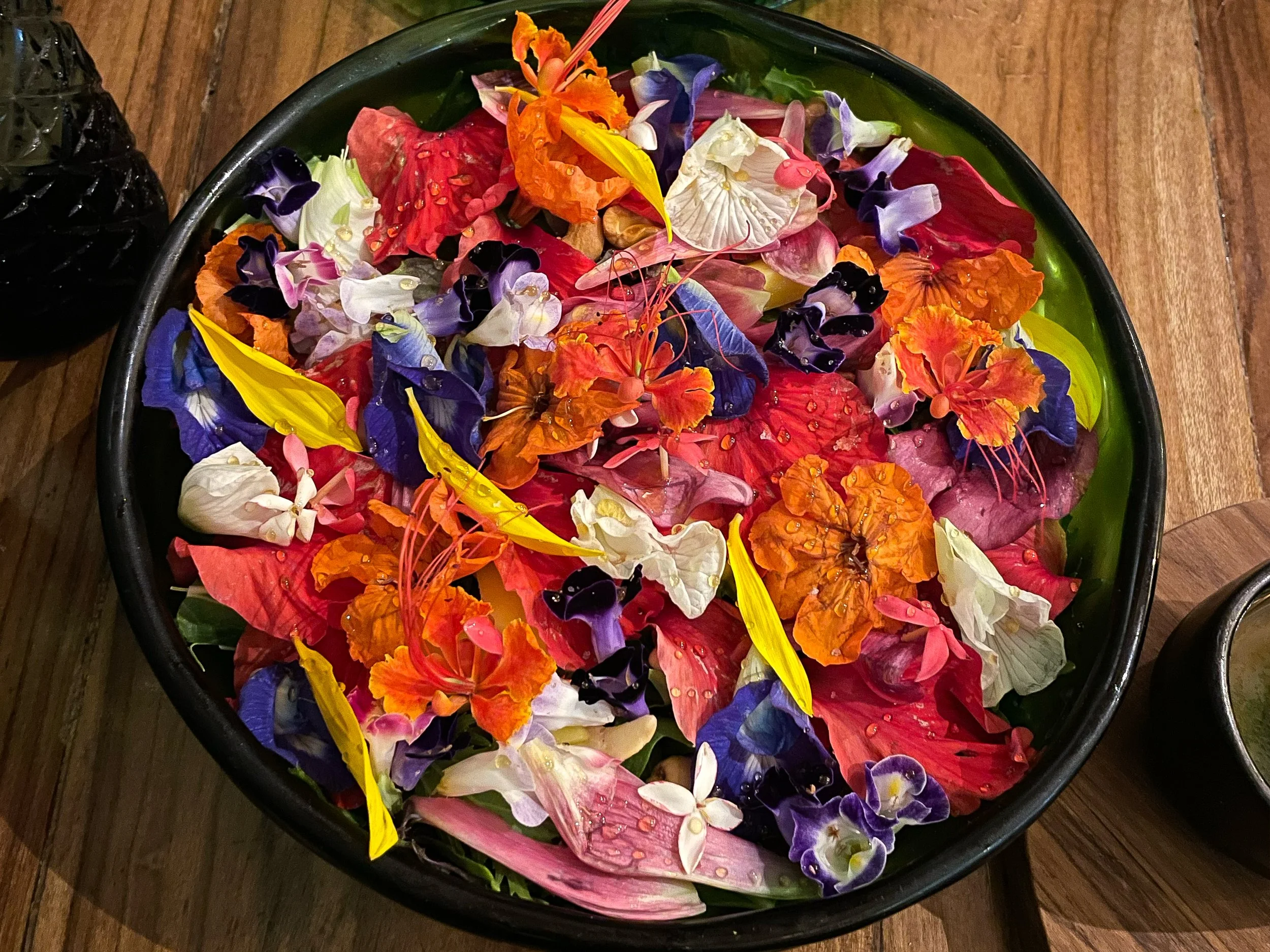
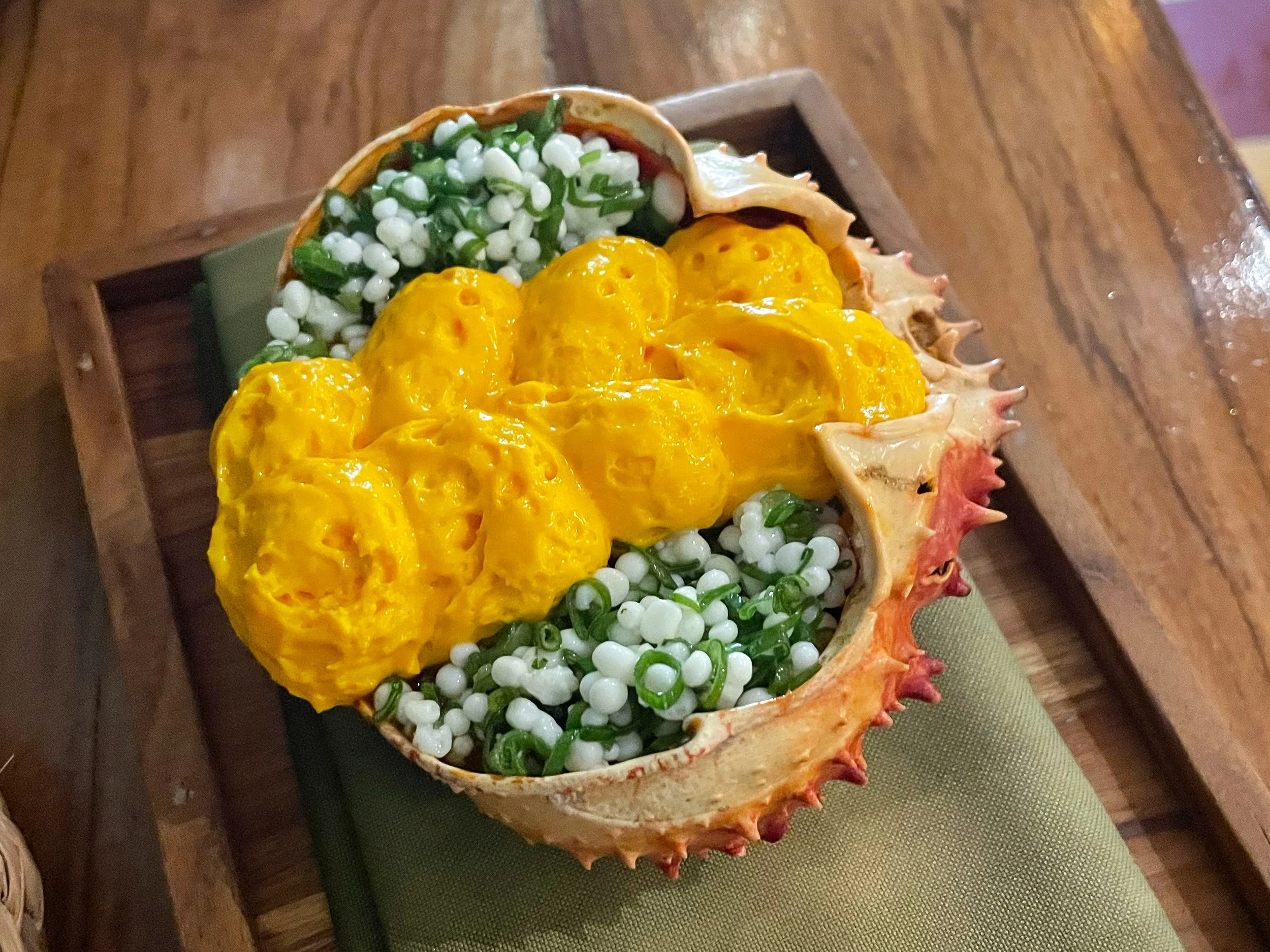
Celele. A contemporary Colombian restaurant located in a restored blue colonial home. The menu specializes in creative dishes that involve fermented ingredients, edible flowers and local seafood. Try the crab arepa, Caribbean flower salad, corn bun and squid with plantain dumplings in mussel sauce.
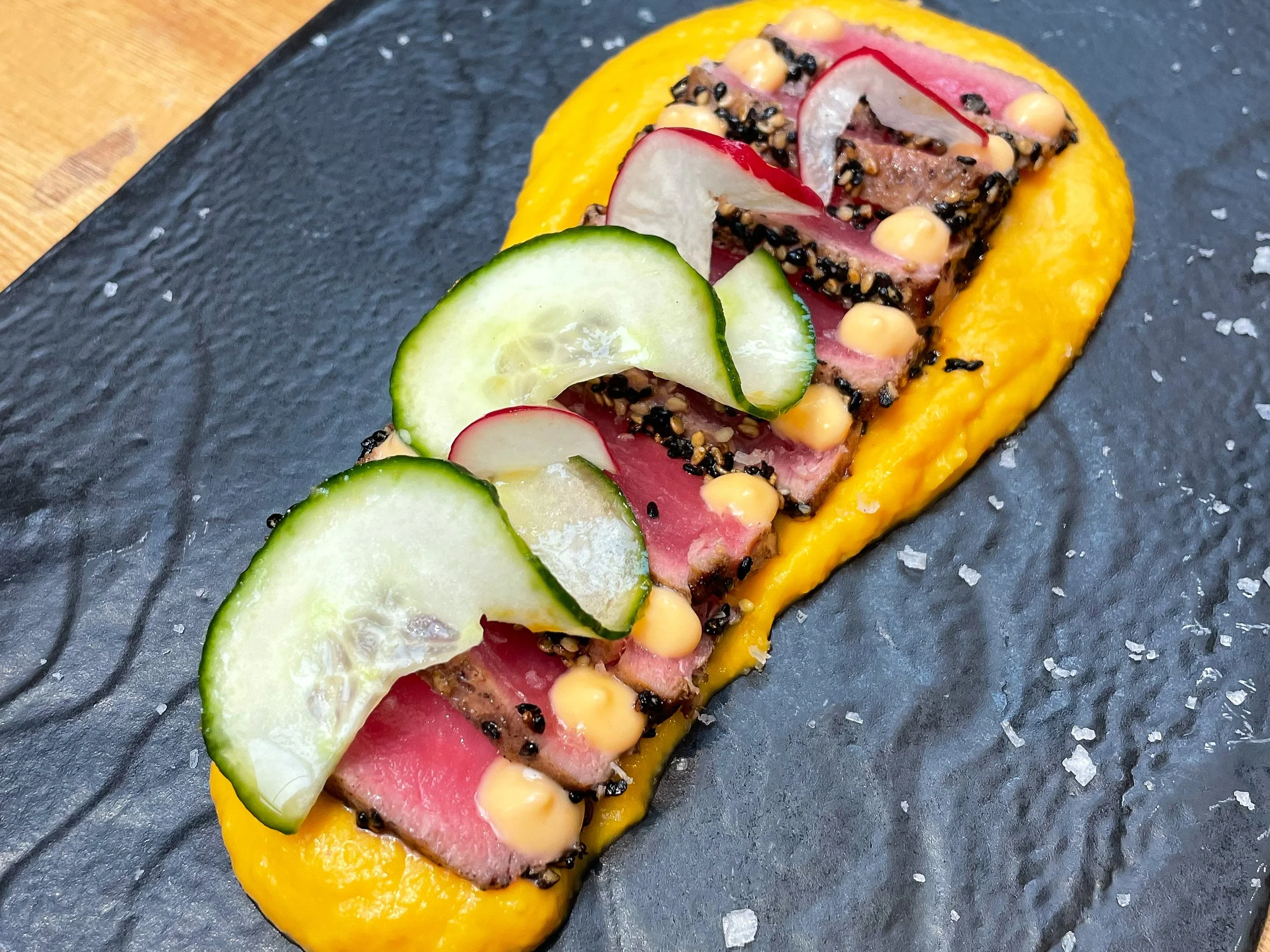
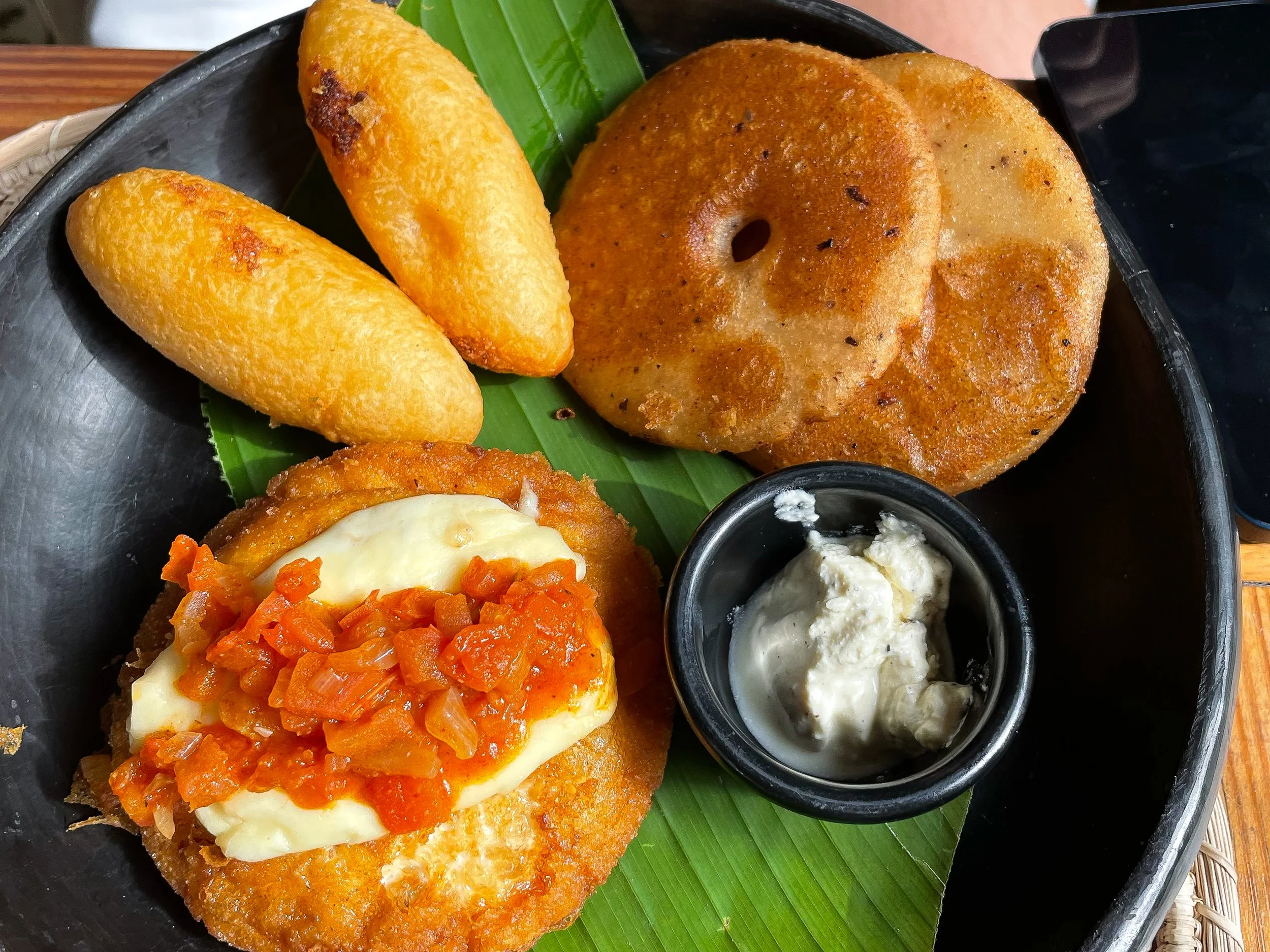
Lobo de Mar. A Colombian tapas restaurant built between two coral brick walls in a warmly lit space. Try the flamed cheese arepa salad and seared sesame tuna on pumpkin puree.
Juan del Mar. A higher end restaurant with an open air interior in Plaza San Diego serving elevated Colombian dishes. Visit on a weekend for live music.
Townhouse Rooftop. A hotel rooftop in the middle of the old town with views of the clay tiled roofs and spires. Stop by for a cocktail at sunset.
Amasa Café. A cafe with Colombian coffee, pastries, churro French toast, arepas and egg dishes.
Al Alma. A breakfast or brunch spot with egg dishes, pancakes and French toast. Try the sweet corn waffles and arepa with an egg.
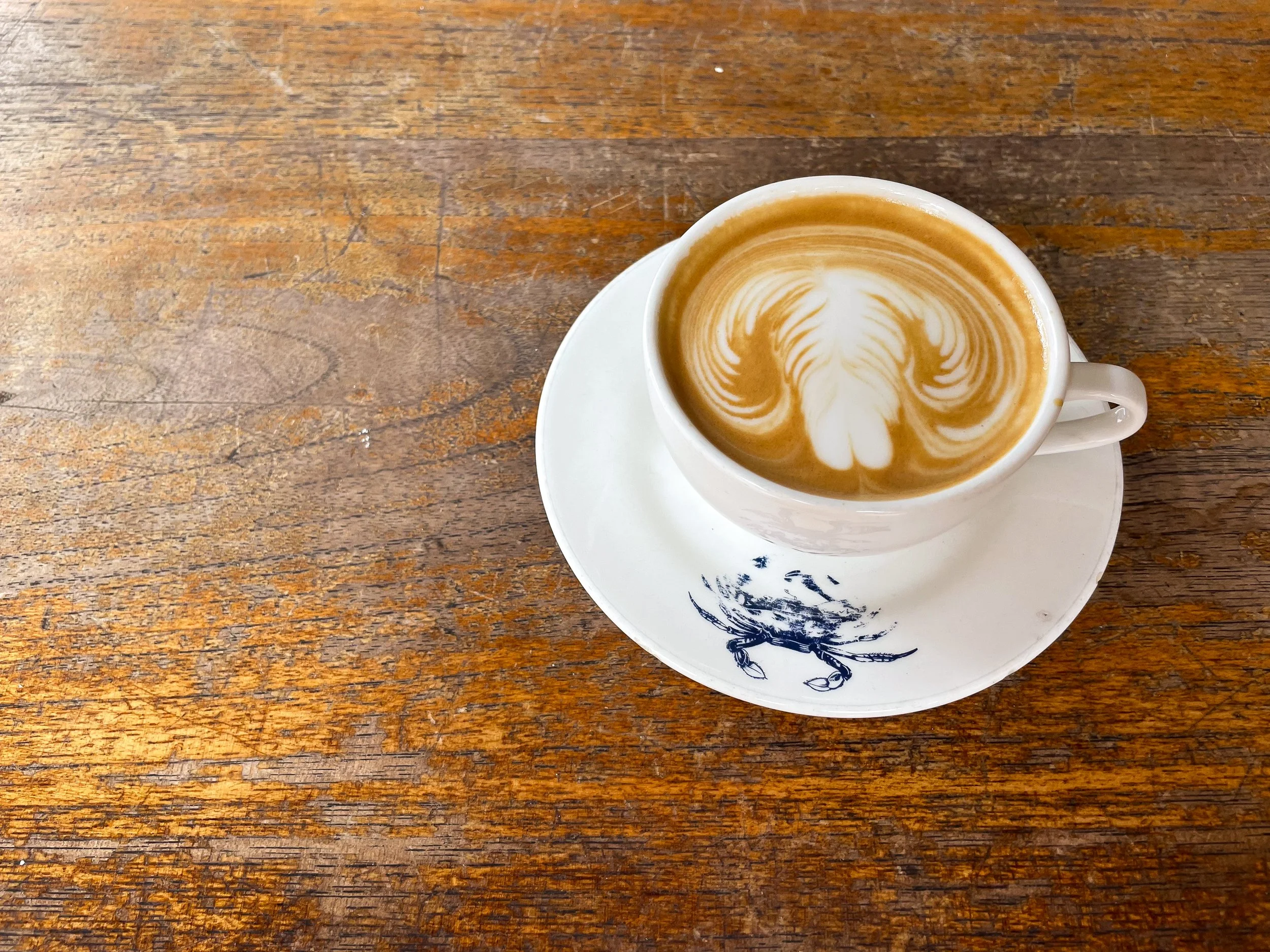
Coffee at Libertario. A coffee shop in Getsemaní with well brewed Colombian coffee. Walk up and take a seat at the street front counter.
Pan de Queso. A small bakery in El Centro with pastries and pan de bono.
Percimon. A paletas shop with fruit and chocolate flavors and specialty toppings in Plaza San Diego. Sit on their second floor balcony overlooking the plaza.
Location Specifics
Language. Spanish is widely spoken. Knowing a little Spanish goes a long way.
Safety. Cartagena is extremely safe. Take normal precautions.
Alcohol. There are no alcohol sales during elections. This is strictly enforced.
Drugs. People will frequently try to sell you cocaine on the street.
Cash vs. Card. Credit cards are widely accepted however, carrying cash is important for purchasing street food, providing tips and small purchases.
Tipping. 10% tipping is normal.
Getting Around
By Uber. Ubers are available and cost around 30,000 COL between the Walled City and the airport.
On Foot. The walled city is extremely walkable and by far the best way to explore the city’s historic streets and wall.
Horse Drawn Carriage. See the walled city by horse and carriage on a romantic tour. Carriage drivers are widely available during the late afternoon through evening. Prices are fixed by the length of time. Most horses were healthy and well taken care of when we visited.
For Next Time…
Having visited Cartagena twice in the past few years, we’re certain to return to this charming and romantic city! Next time, we plan to island hop across the Rosario Islands. Elsewhere in Colombia, we have our sights on visiting Medellín and Cali.