

Big Island Travel Guide: Volcanoes, Black Sand Beaches & Island Adventures
Road trip across Hawaii’s Big Island where active volcanoes, black sand beaches, Hawaiian cultural sites and local farmers markets lead to unforgettable island adventures.
The Big Island, Hawaii
The Big Island is the largest of the Hawaiian Islands. Its rugged and lush terrain is home to idyllic nature, volcanic landscapes, cultural sights and all around island vibes. Blackened lava fields grow from active volcanoes while waterfalls spill over lush cliffs. Manta rays, dolphins, sea turtles and colorful reef fish swim offshore. Coastal cities like Kona and Hilo are tourist hubs while inland towns like Pāhoa and Honomu provide a local atmosphere. Tiki bars serve tropical cocktails and pupus, cafés brew Kona coffee and farmers markets sell locally grown produce. Cultural sights including petroglyph parks and royal grounds highlight Hawaiian heritage.
Volcanoes National Park
The Big Island is famed for Volcanoes National Park, a park encompassing a sprawling region of the island stretching from sea level on the South Coast to the summit of the Mauna Loa Volcano. The park is home to active volcanoes, hardened lava fields and flows, craters, lava tubes, steam vents, scenic overlooks, hiking trails, sea arches and Hawaiian petroglyphs. We spent an entire day in the park exploring sights along the Crater Rim Drive and Chain of Craters Road. There is a vehicle fee to enter the park. The park is open 24 hours a day.
Crater Rim Drive
A road partly circling the Kilauea Crater with active volcanos, crater overlooks, steam vents, lava tubes and trails. The drive starts at the Kilauea Visitor Center.
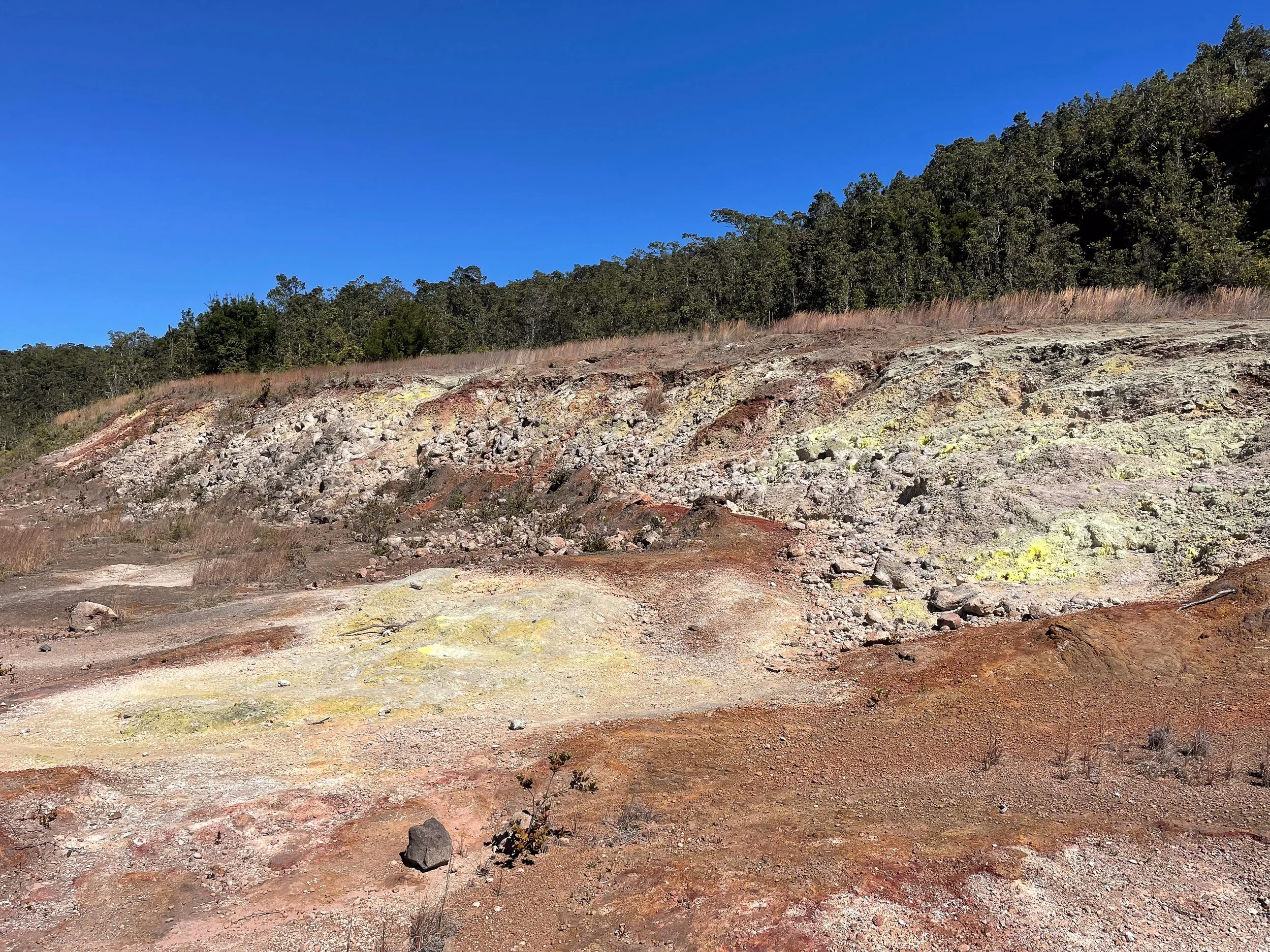
Sulphur Banks. Steam vents with yellow sulphur deposits. It’s reachable from the visitor center after a half mile hike.
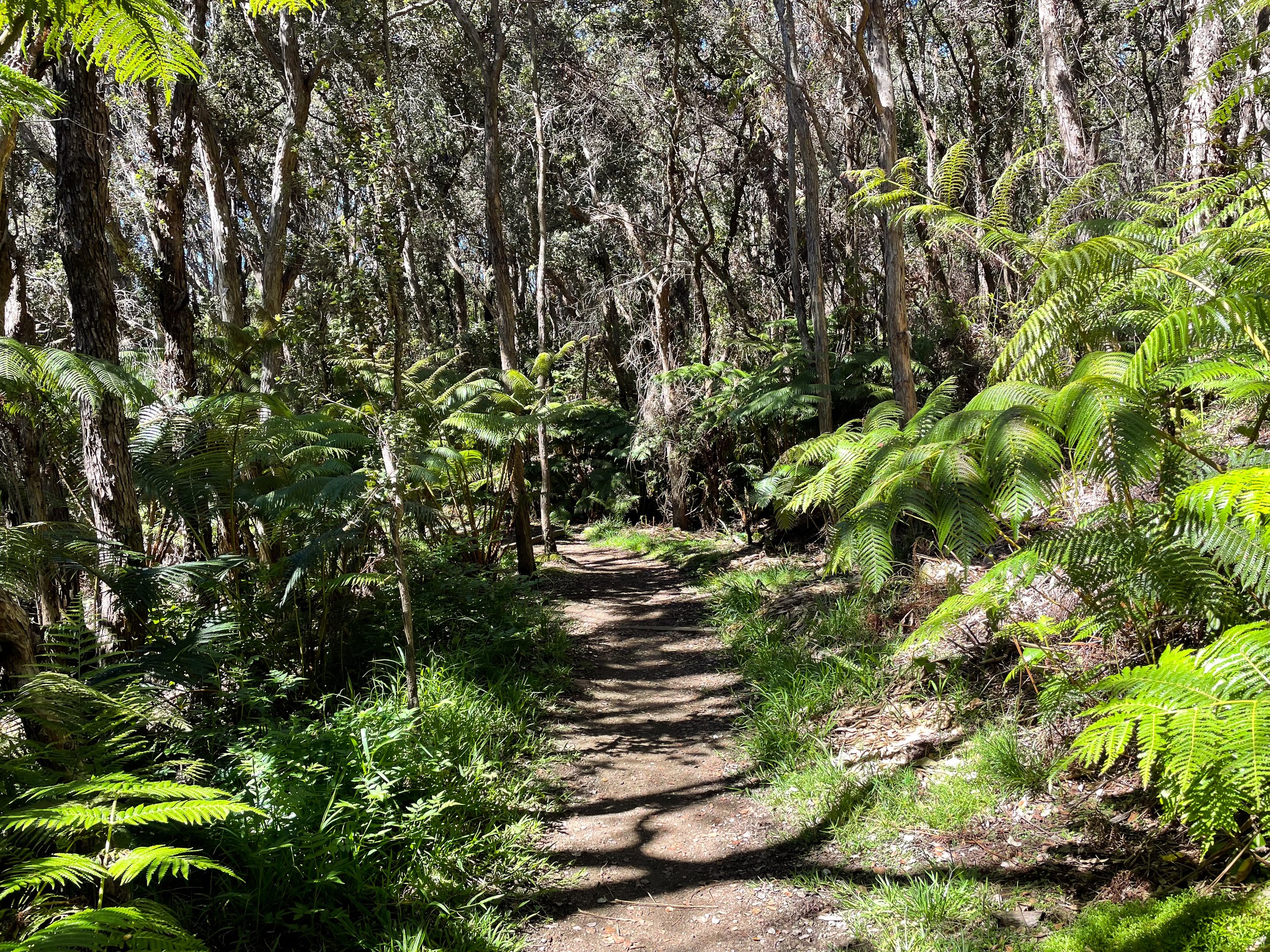
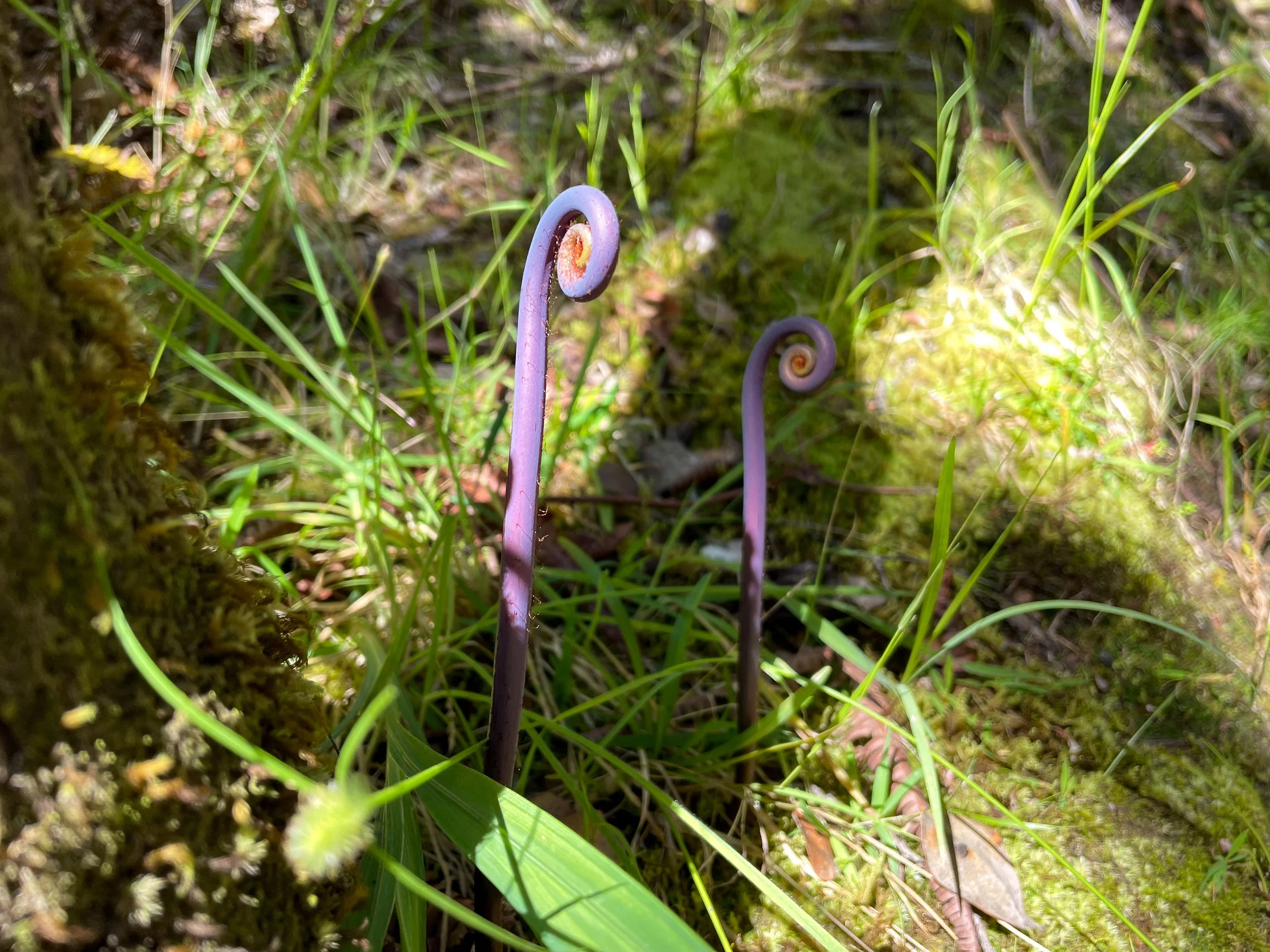
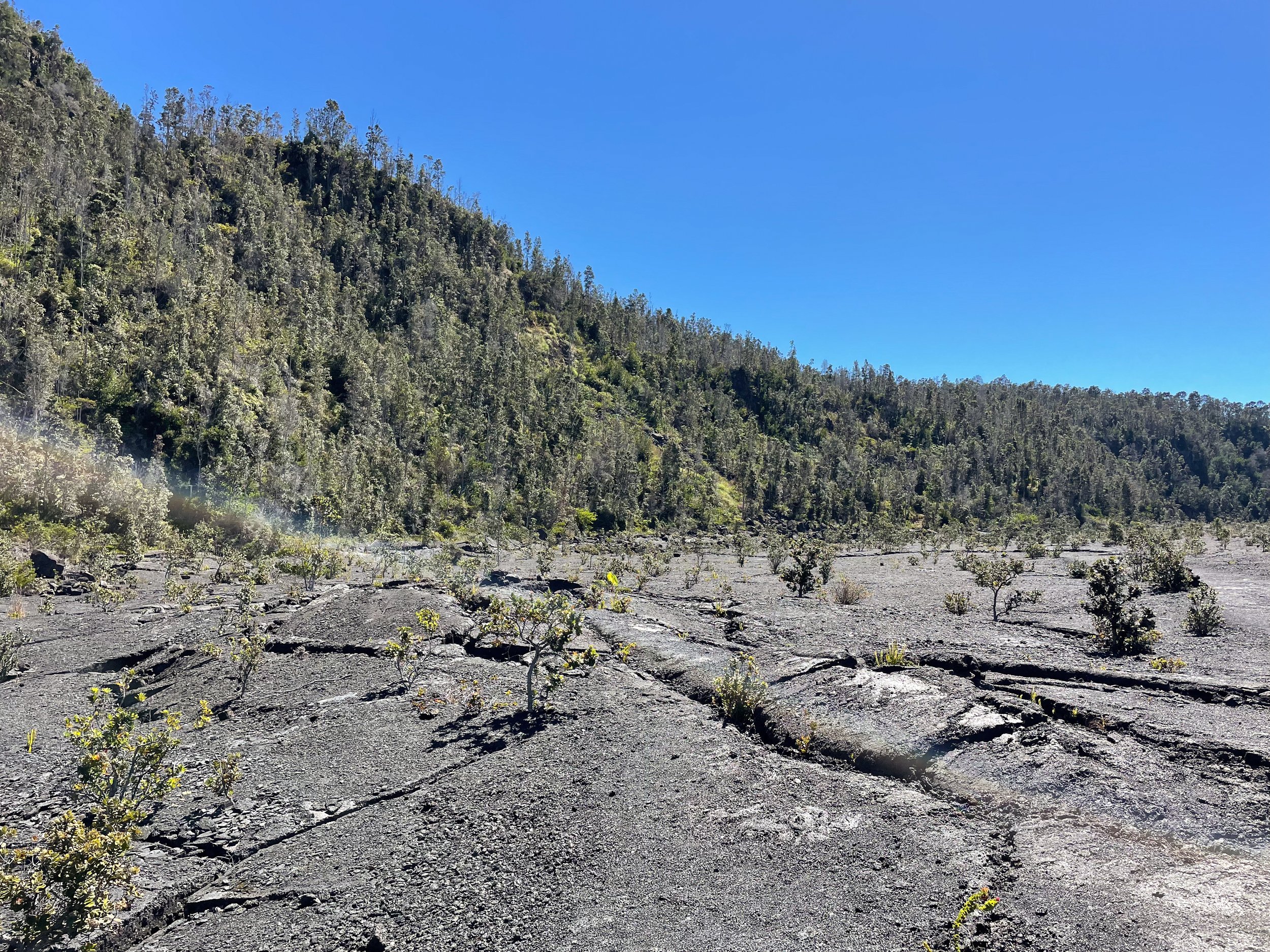
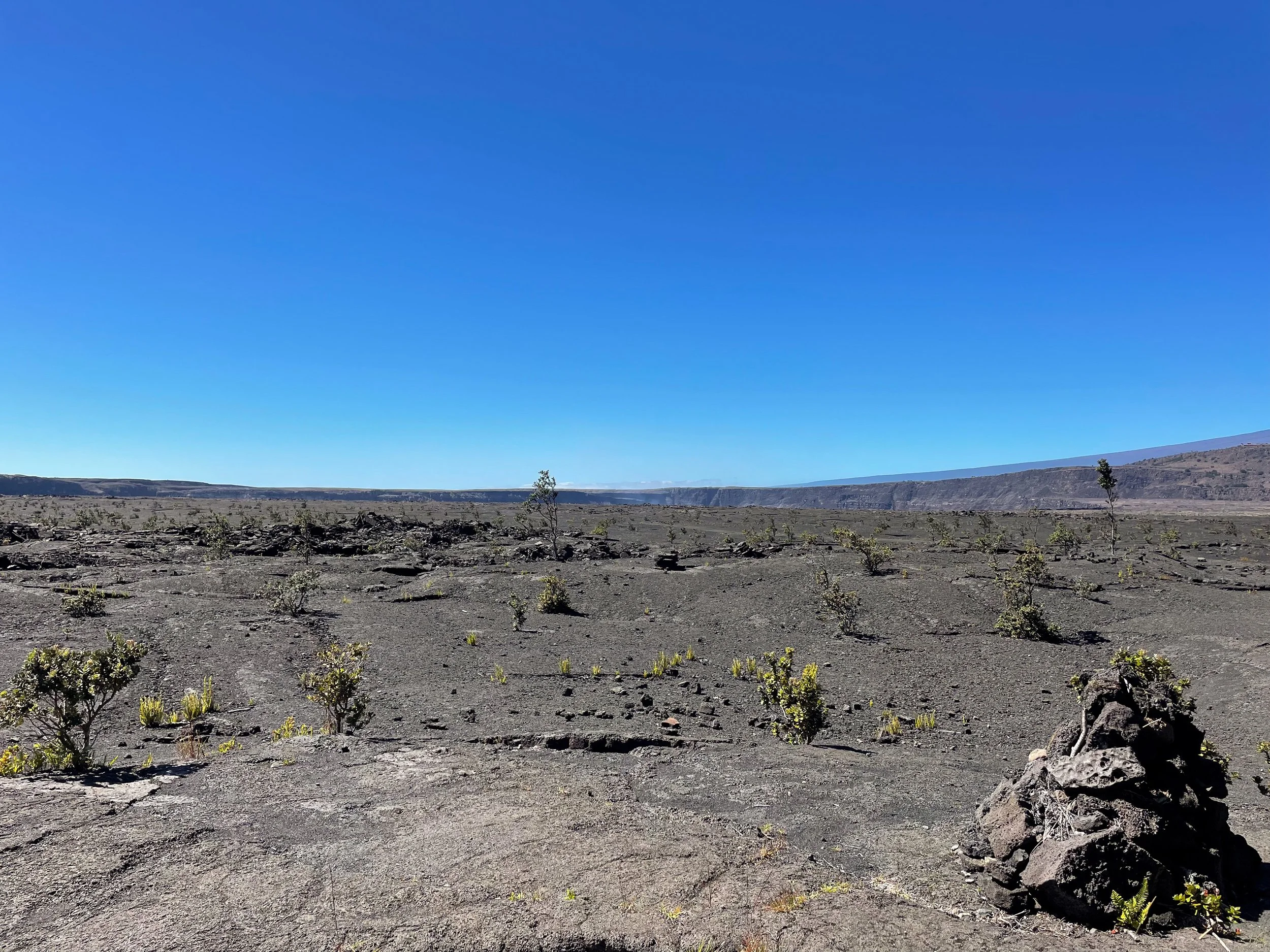
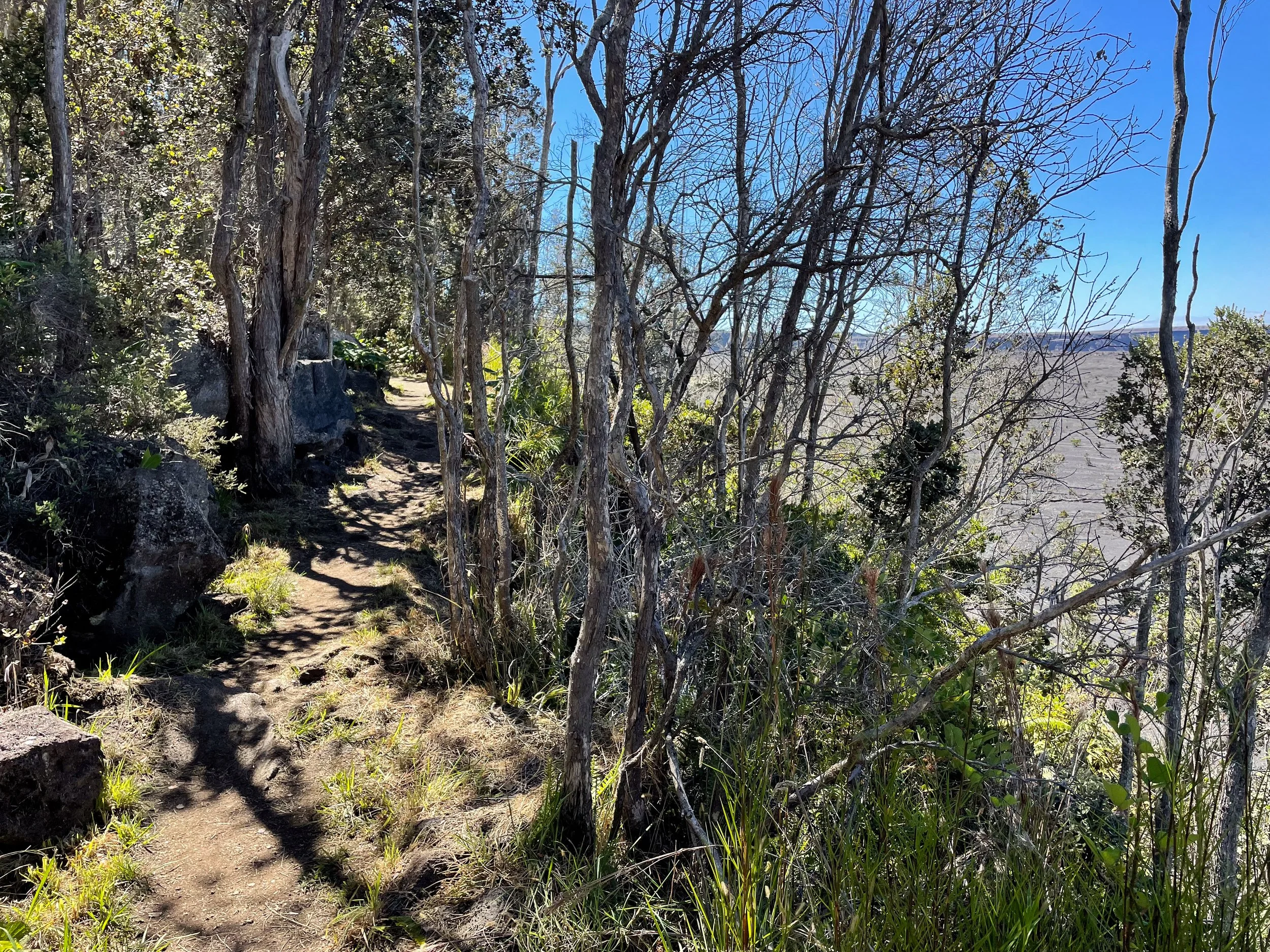
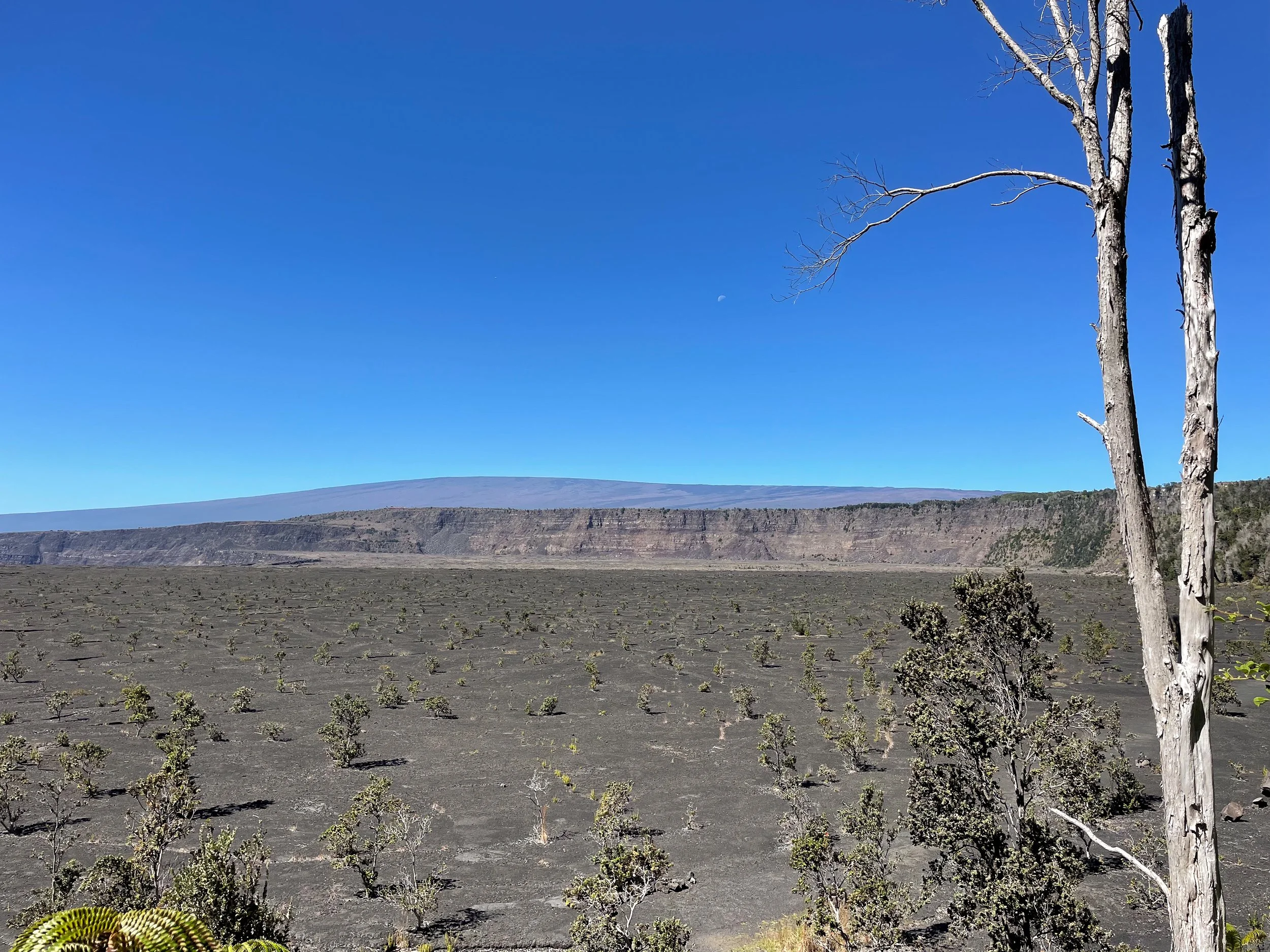
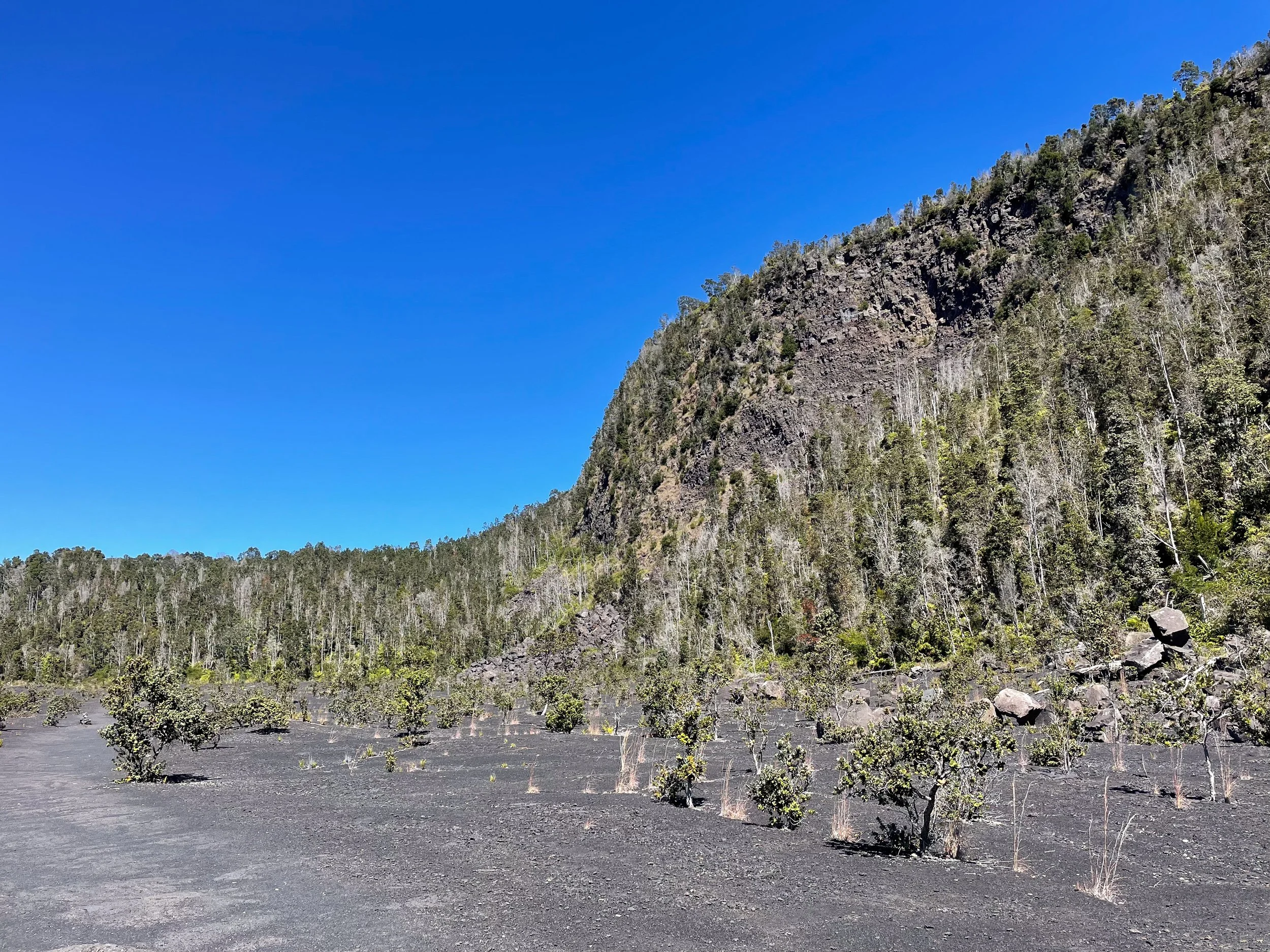
Halema‘uma‘u Trail. A 1.8 mile trail leading through the forest to Kilauea's blackened lava field. It’s located just past the visitor center to the left.
Byron Ledge Trail. A 1.1 mile trail leading from the end of the Halema‘uma‘u Trail. It crosses through the lava field, up the crater rim and into the forest.
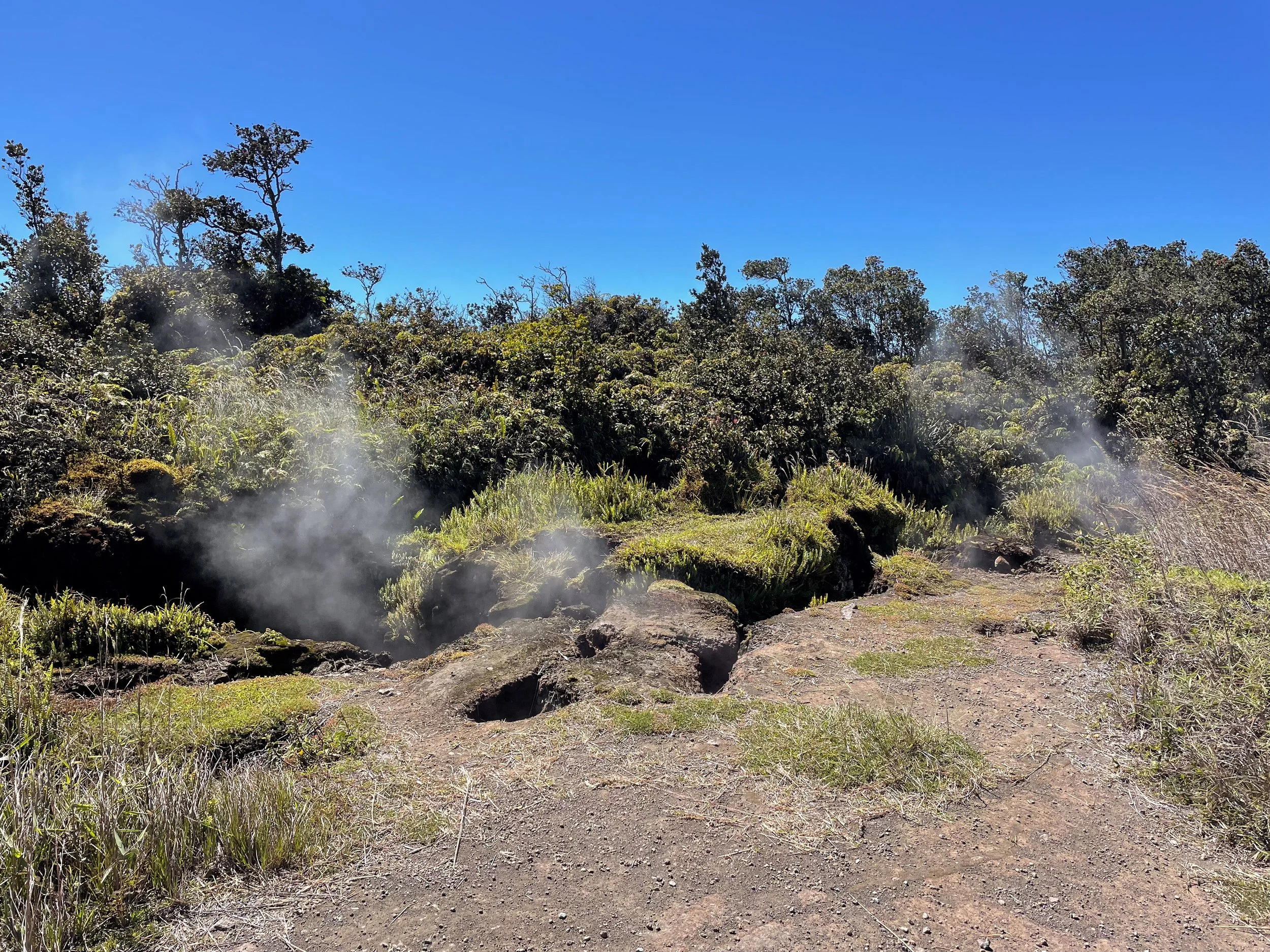
Steaming Bluff. A crater ridge where steam rises from volcanic vents with views of the Kīlauea caldera. It’s located 1 mile past the visitor center to the left.
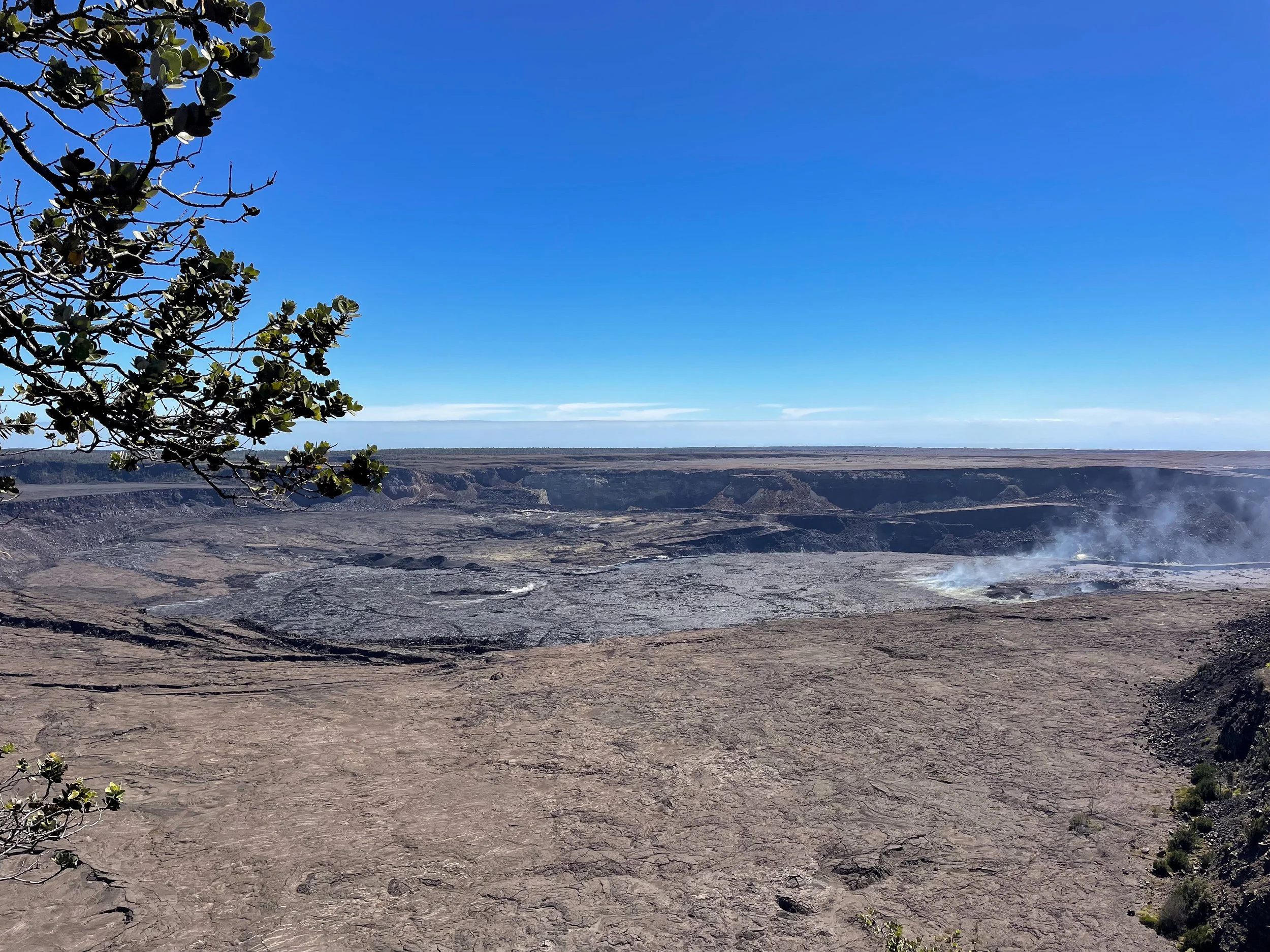
Kilauea Volcano. A volcano that has been frequently erupting since 1983. Hawaiians call this the Home of Pele, the Lava Goddess. It erupted and created a lava lake weeks before we visited.
Kilauea Overlook. One of the best locations to overlook the Kīlauea Caldera. Steam is visible during the day and the glow of lava at night, if erupting. If not, the stars look incredible from here on a clear evening. It’s located 2.3 miles past the visitor center to the left.
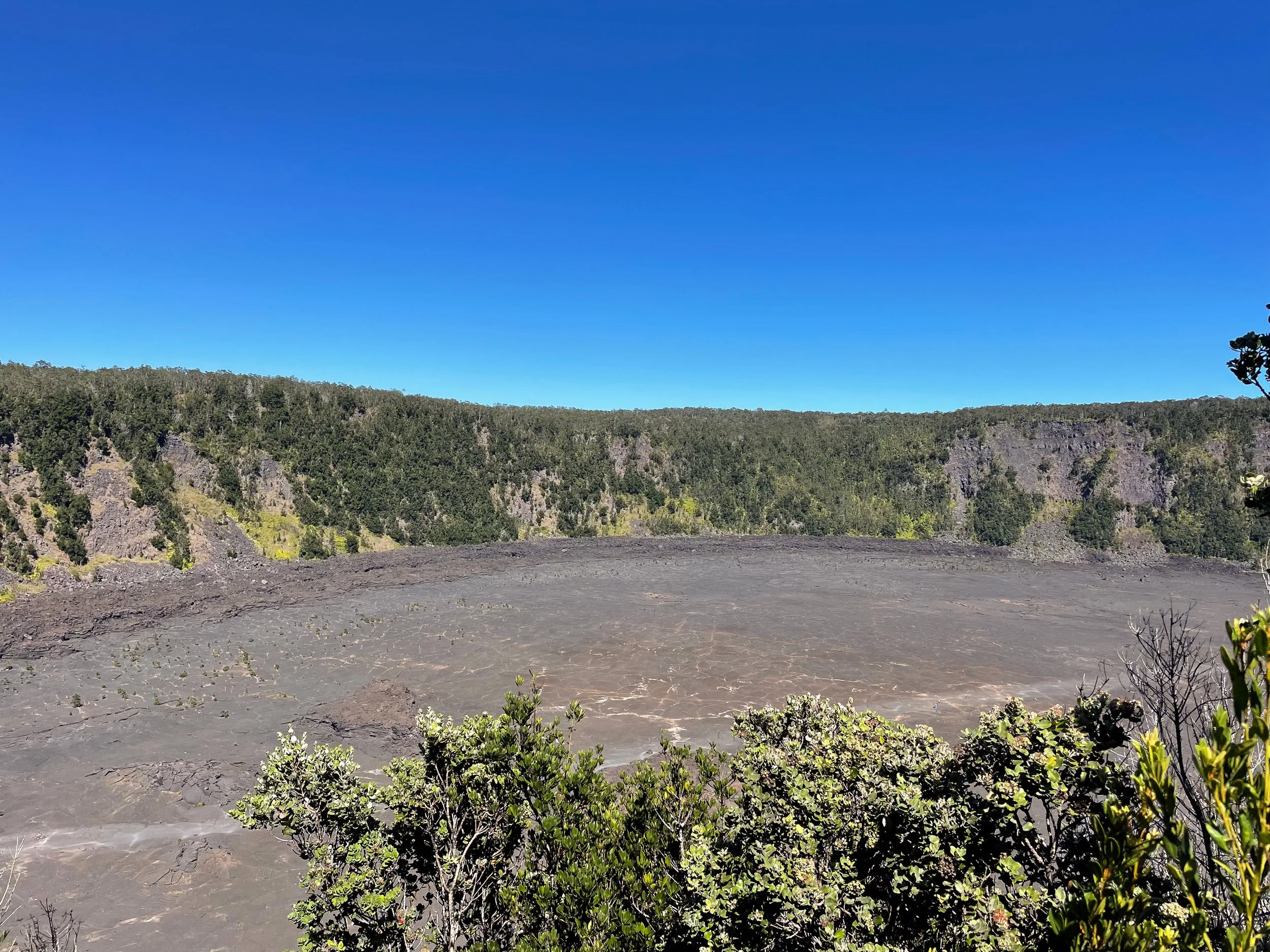
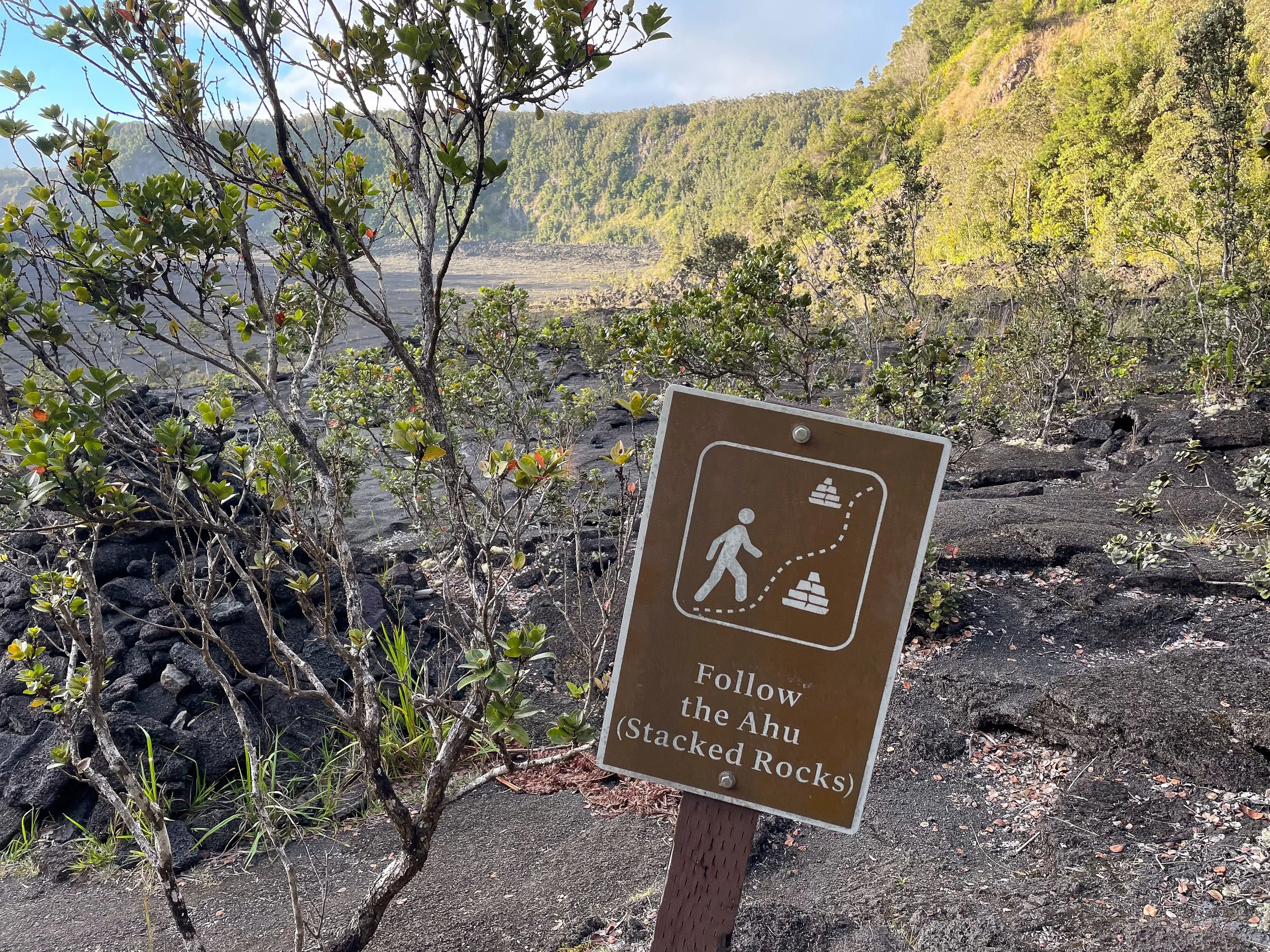
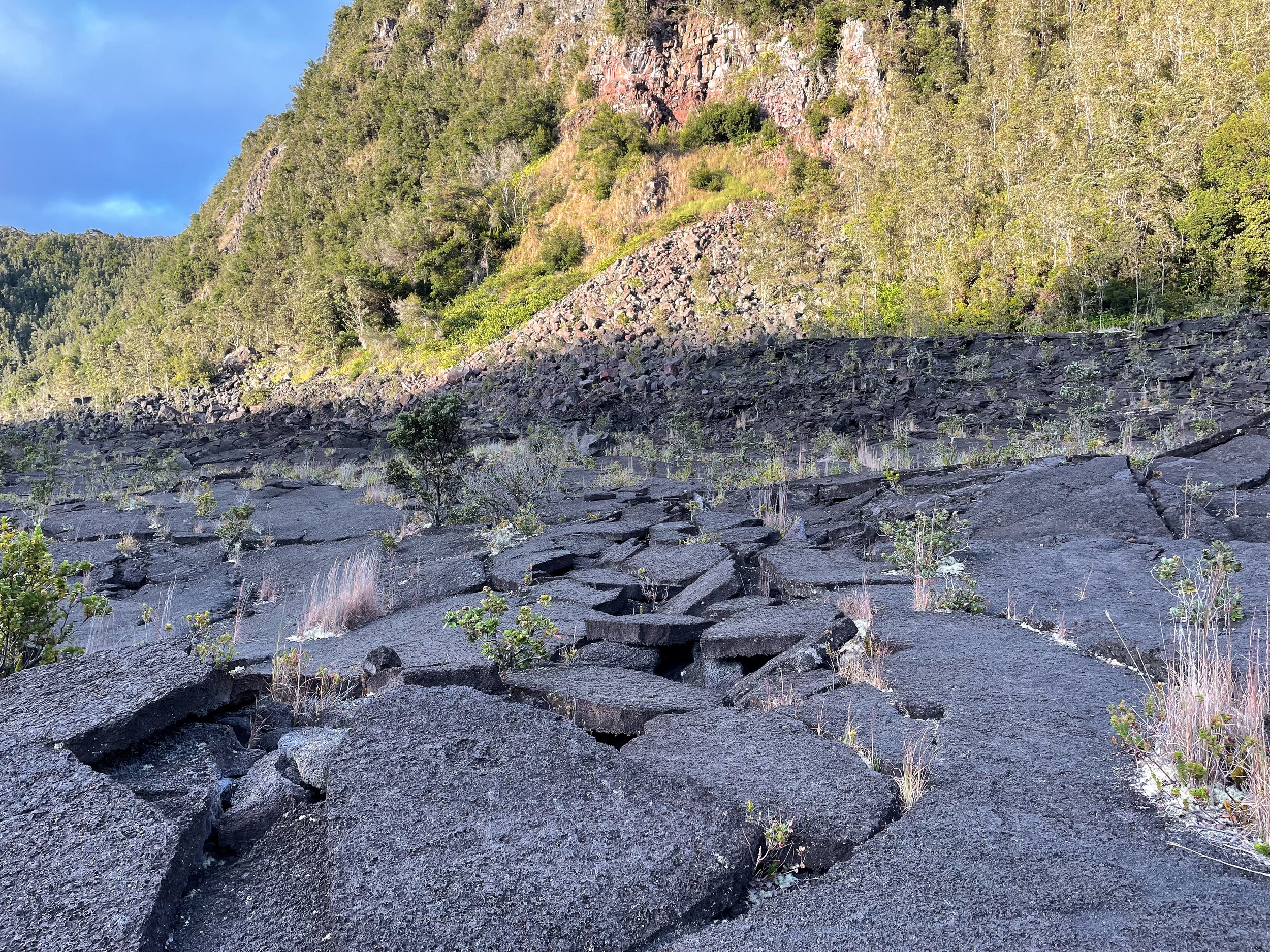
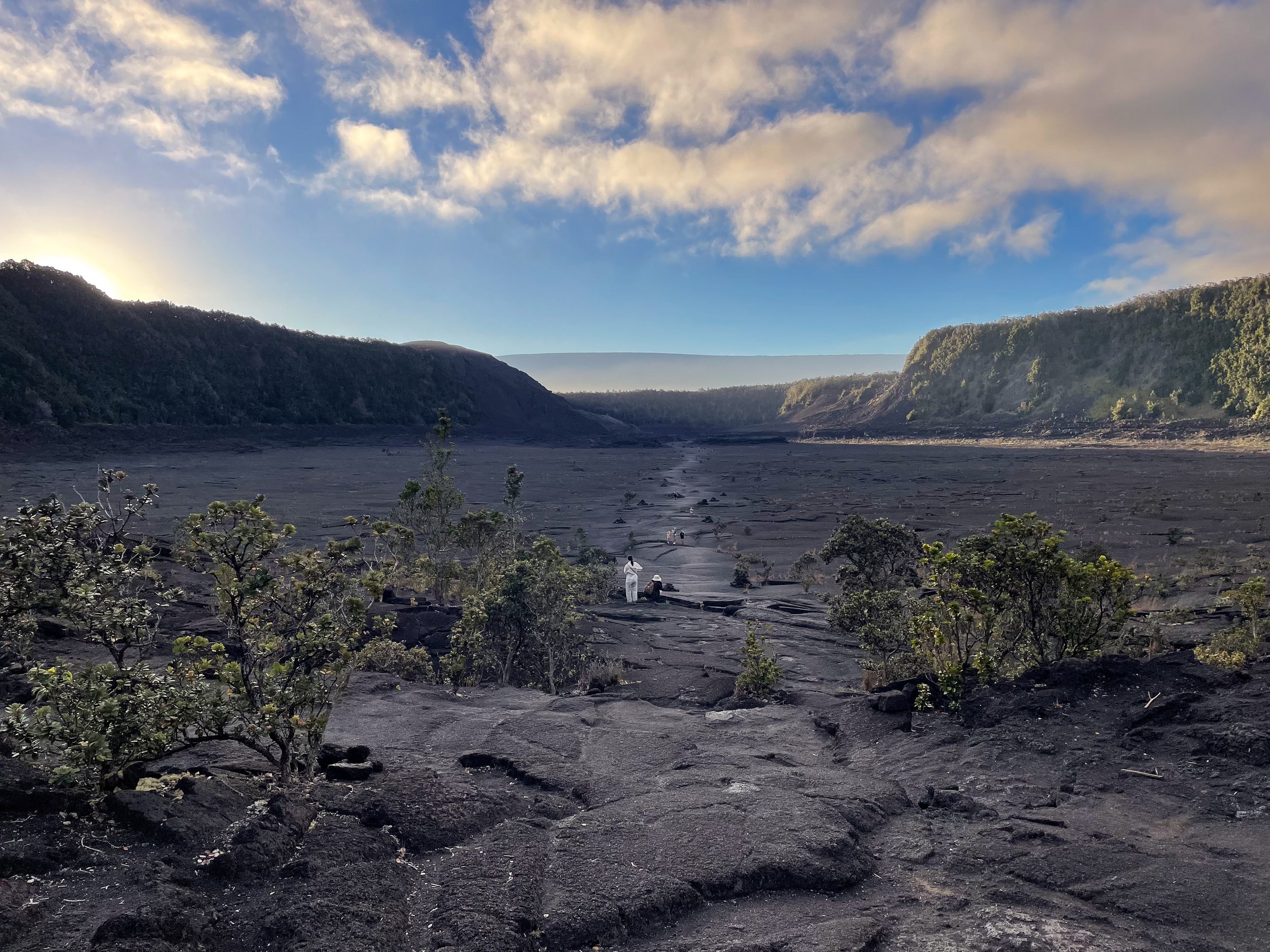
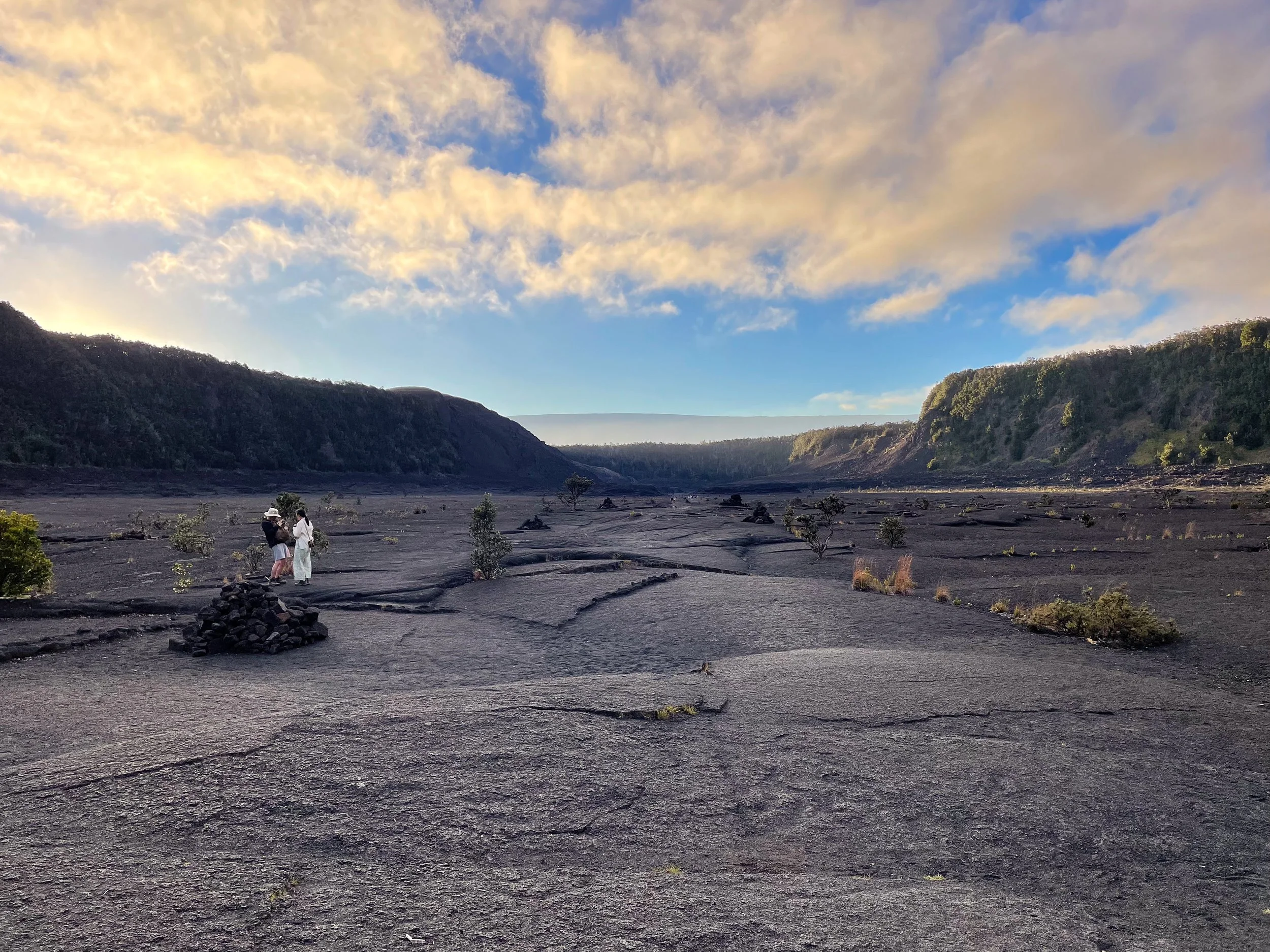
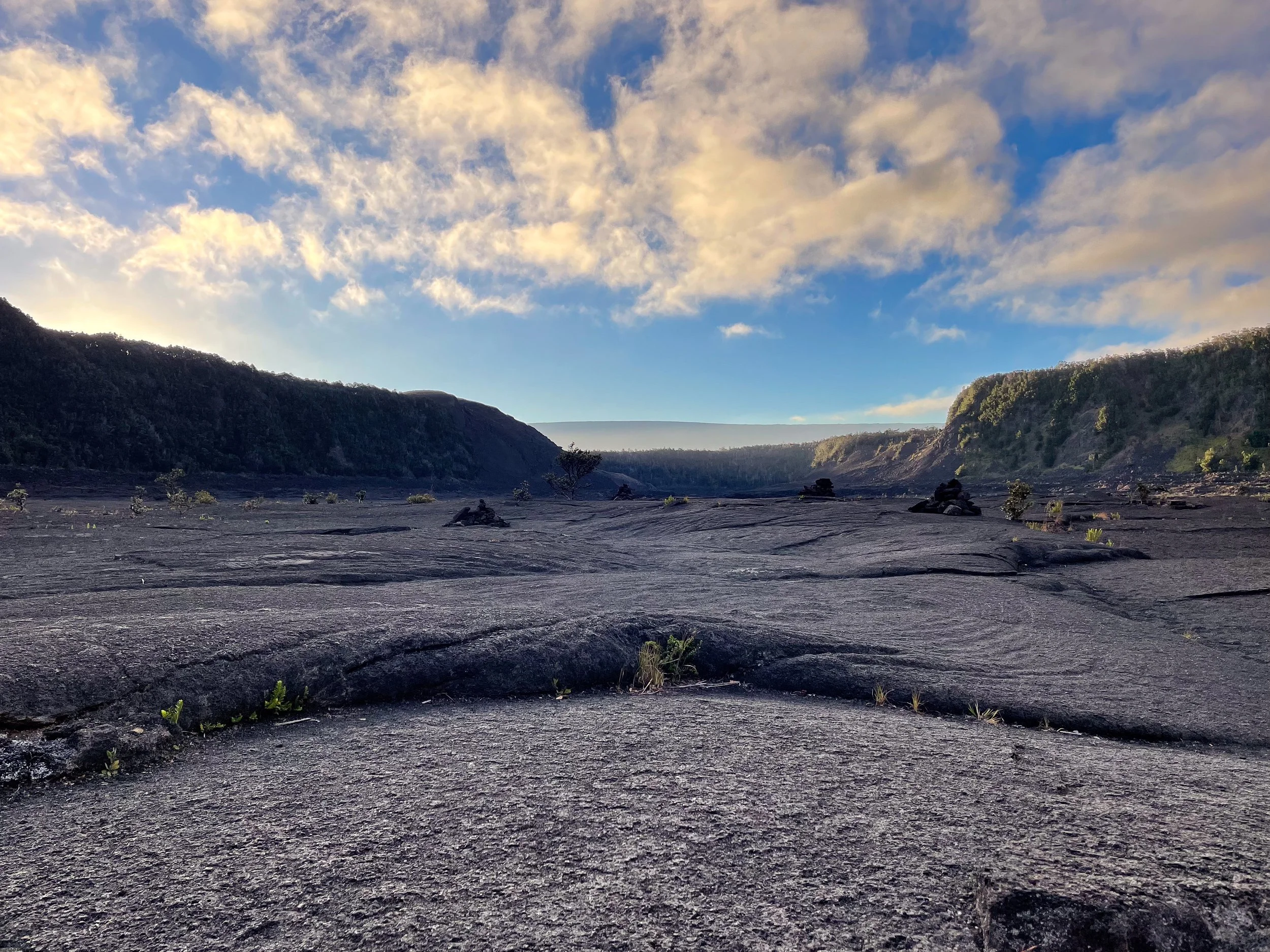
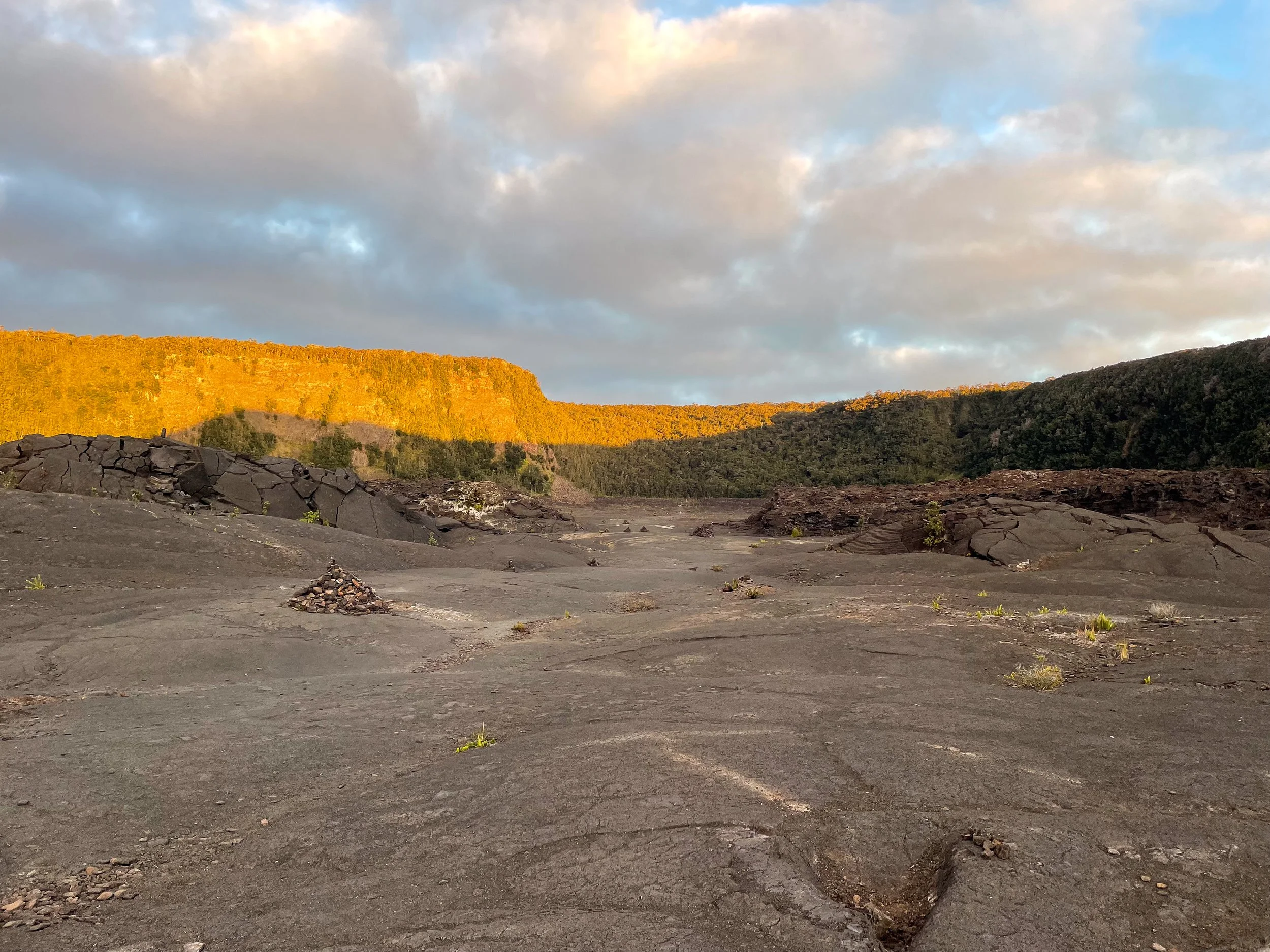
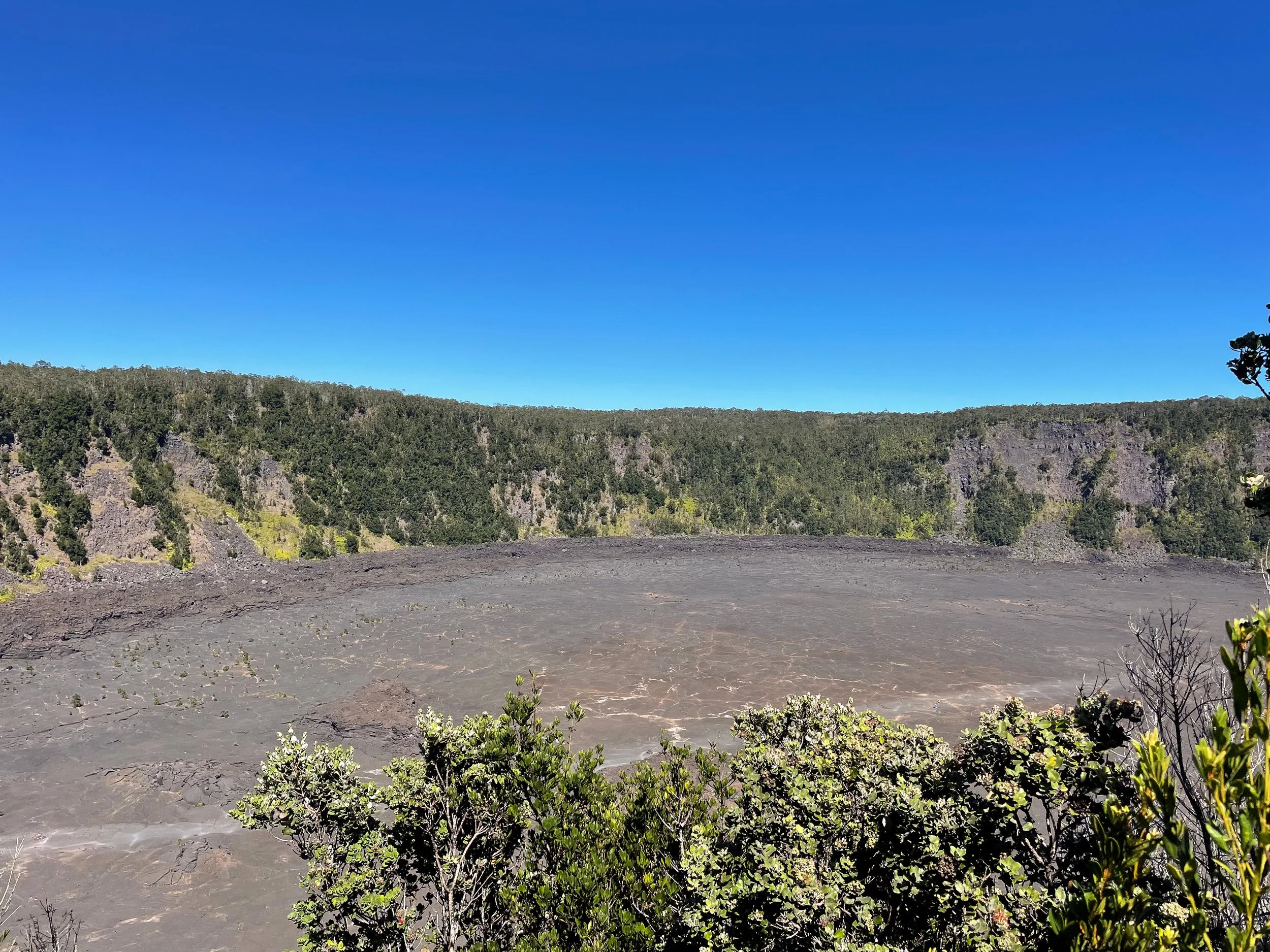
Kilauea Iki Overlook. An overlook with sweeping views into the Kīlauea Iki Crater’s hardened lava lake.
Kilauea Iki Crater. A volcanic crater next to Kilauea. A 4 mile hike descends down the crater rim to the crater floor. Start at the Kilauea Iki Trailhead hiking along counter-clockwise.
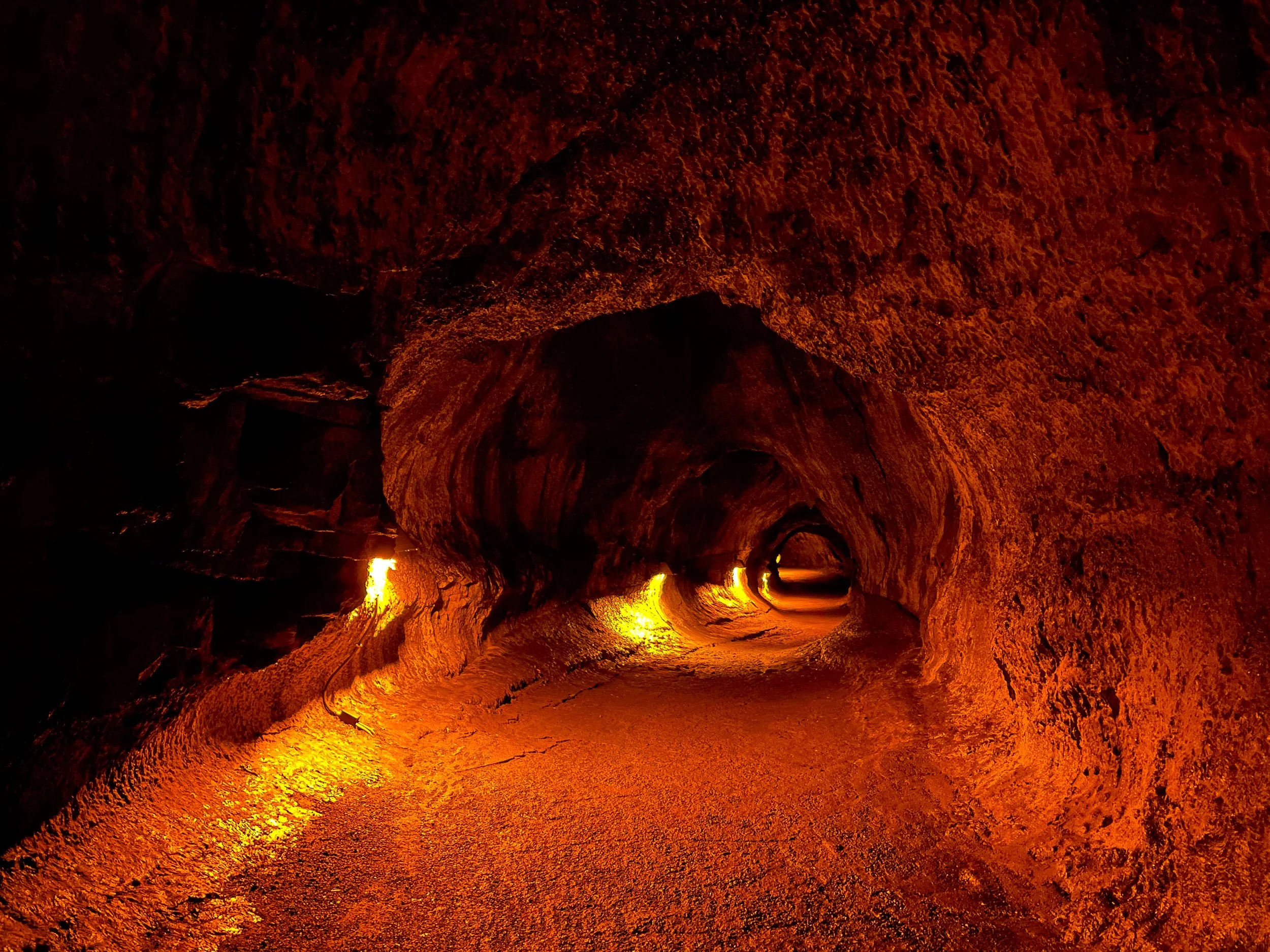
Thurston Lava Tube. An ancient lava tube in a tropical fern forest. A trail leads hundreds of feet inside. It’s open 24 hours a day, however its amber hued lights are only on from 8am - 8pm. The lava tube is accessible after a 5 minute walk from the Kīlauea Iki parking lot.
Chain of Craters Road
A scenic road passing many volcanic craters, lava flows and trails leading to the coast. It starts near the Devastation Trail parking lot and ends where a lava flow overtook the road.
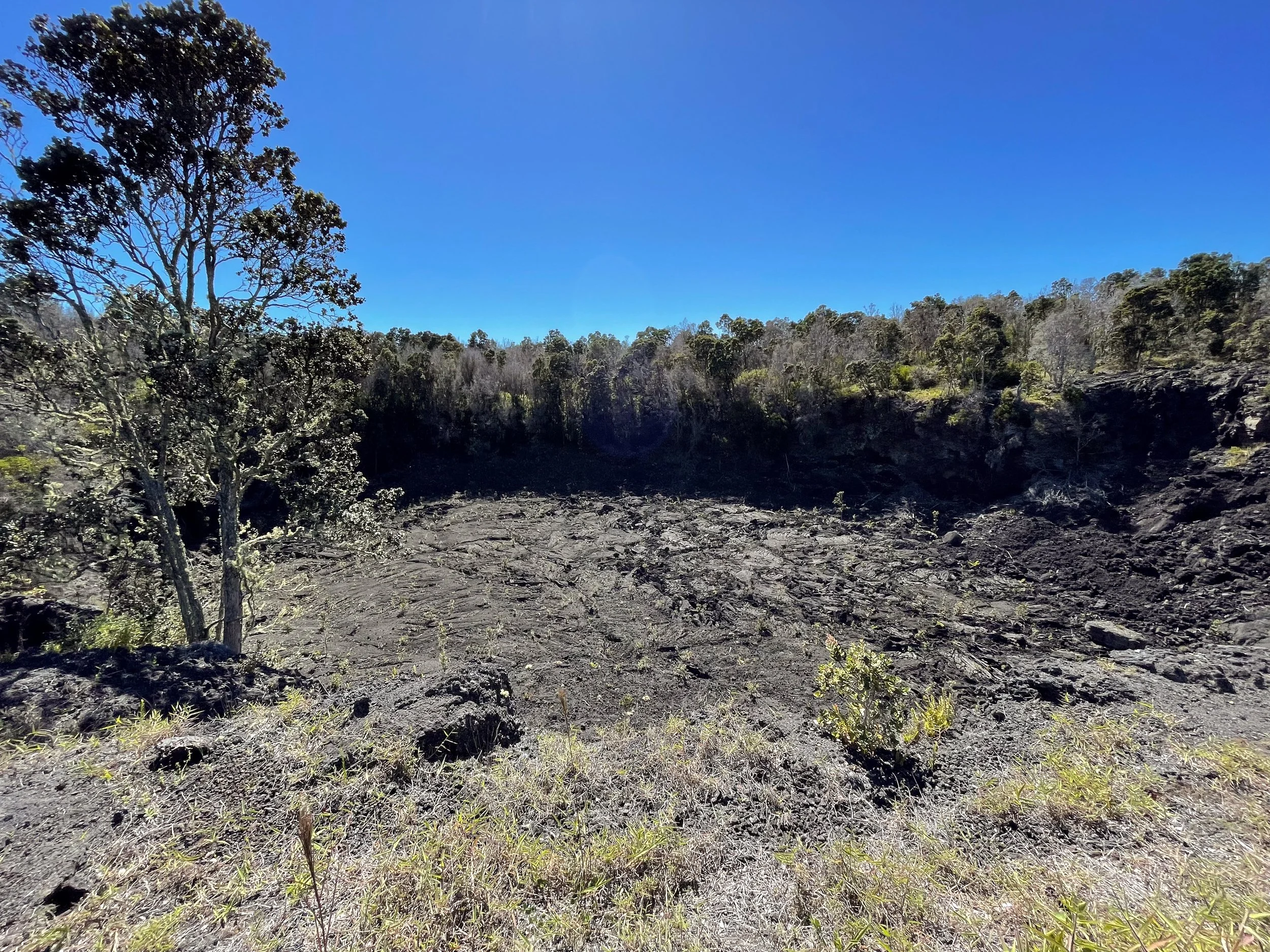
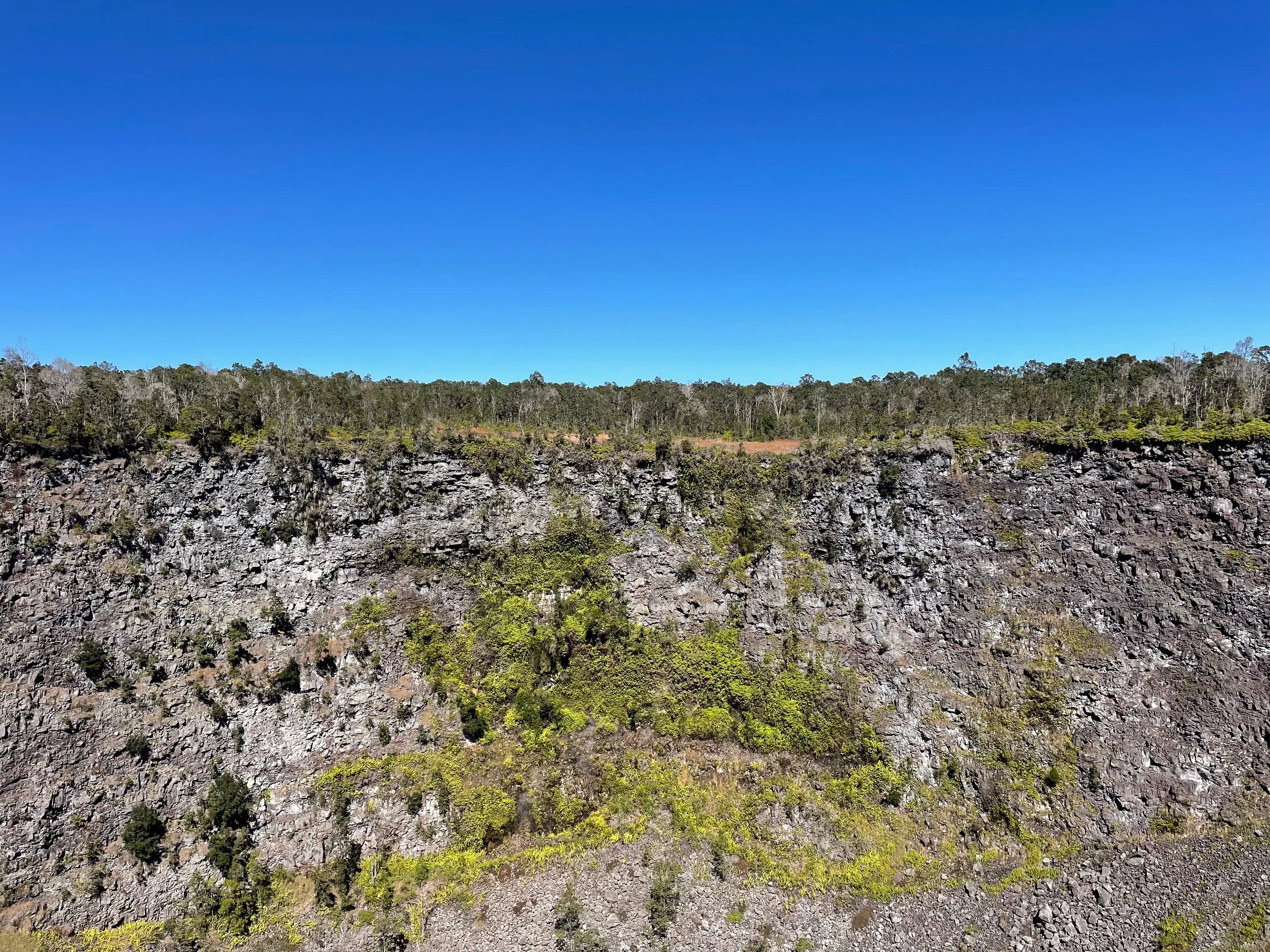
Luamanu Crater. The first crater on the right with a roadside lookout of it and the hardened lava flow.
Puhimau Crater. The second crater on the left with a roadside lookout. Come here to yell into it for the echo.
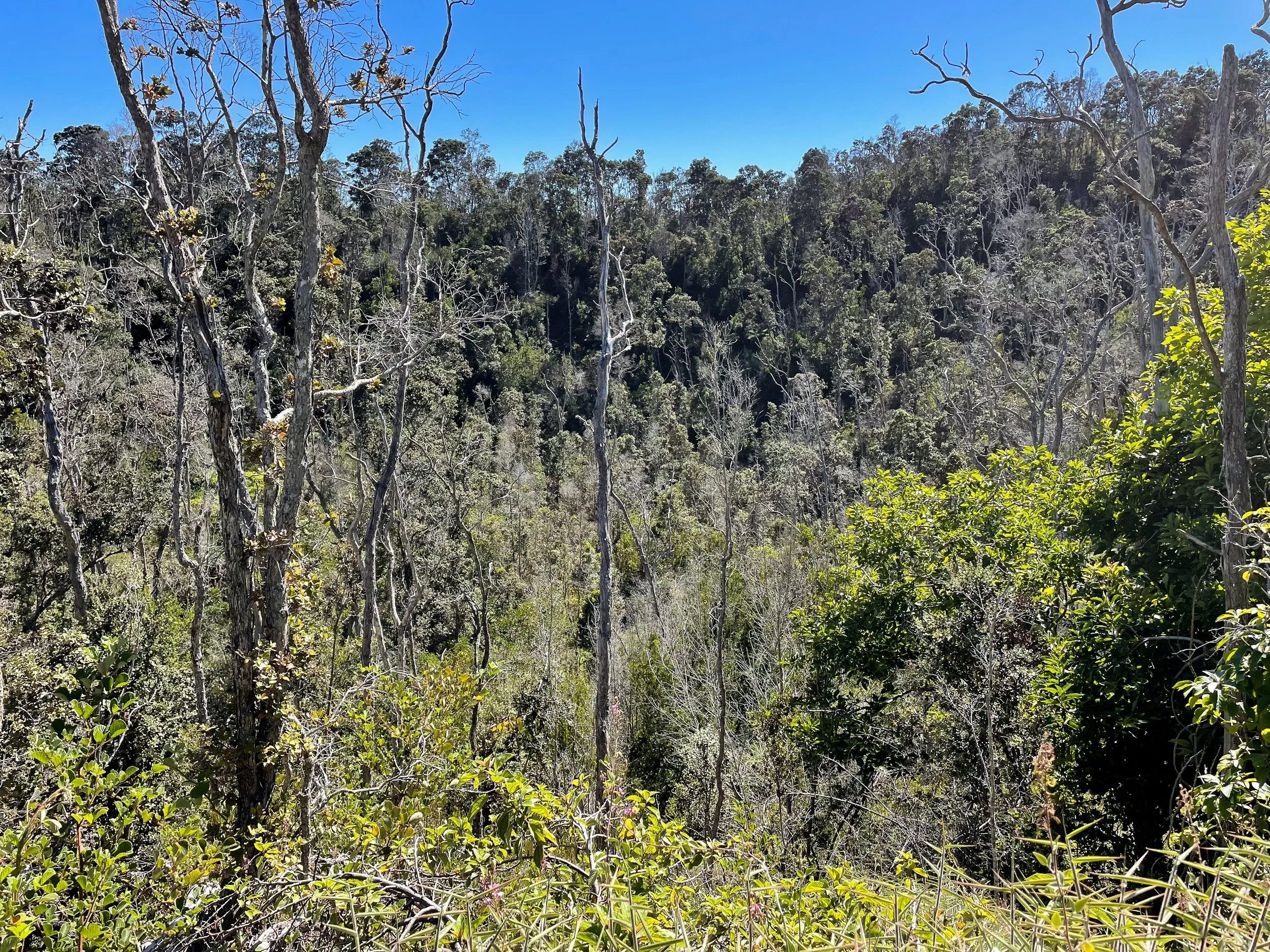
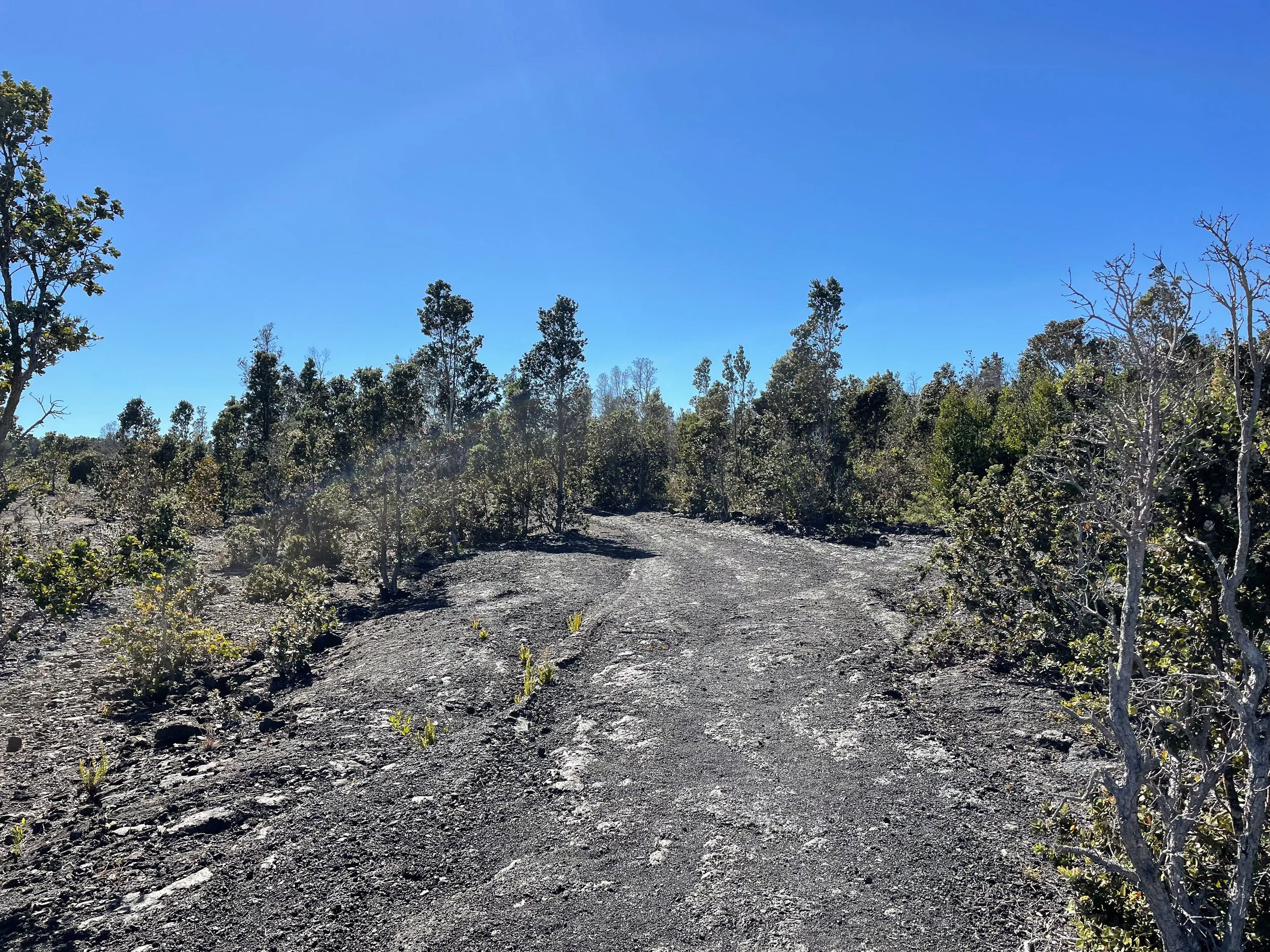
Ko’oko’olau Crater. A small overgrown crater on the right with a trail leading to a hardened lava flow.
Hiiaka Crater. A large overgrown crater on the left with a hardened lava flow from 1973.
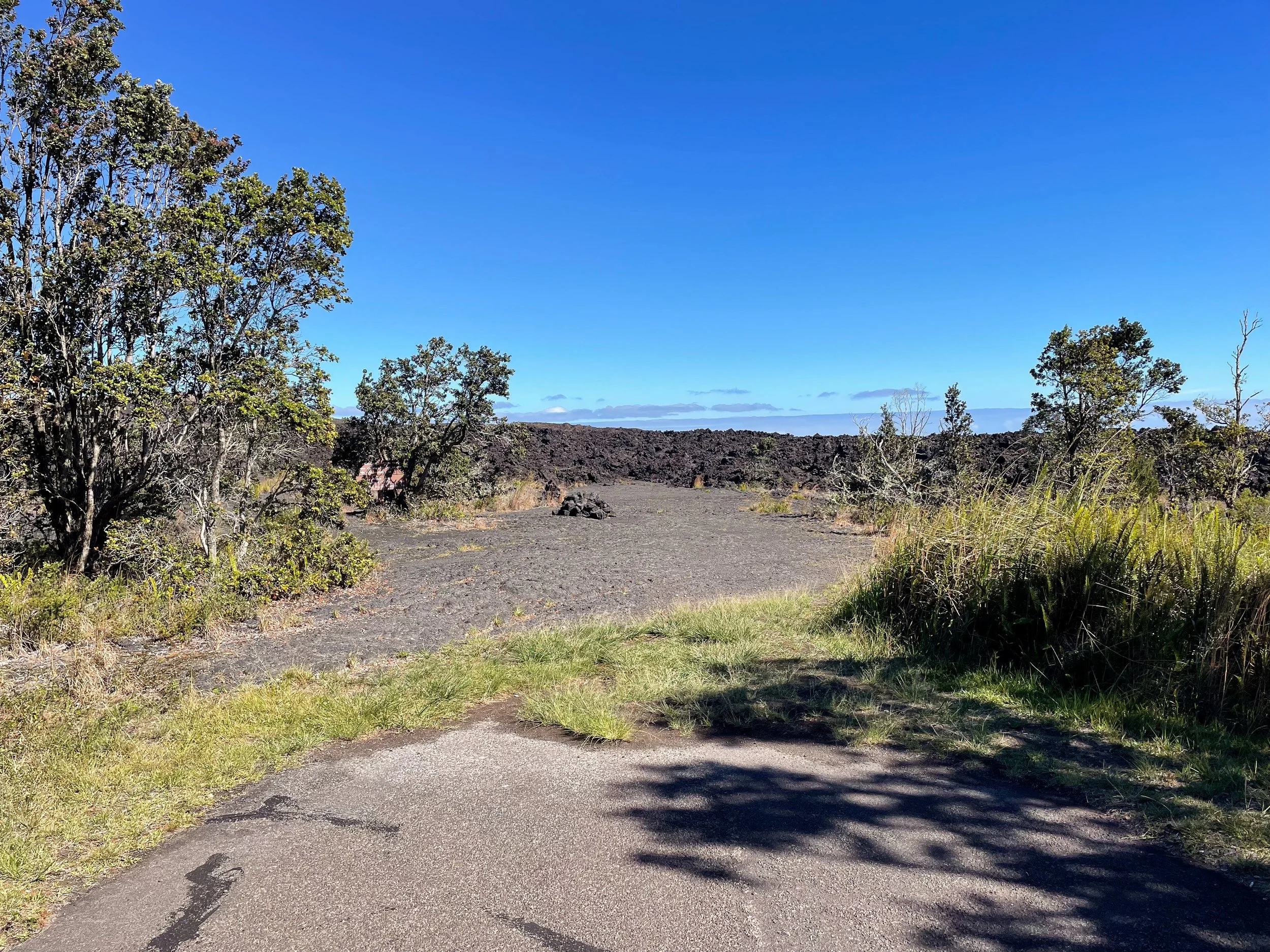
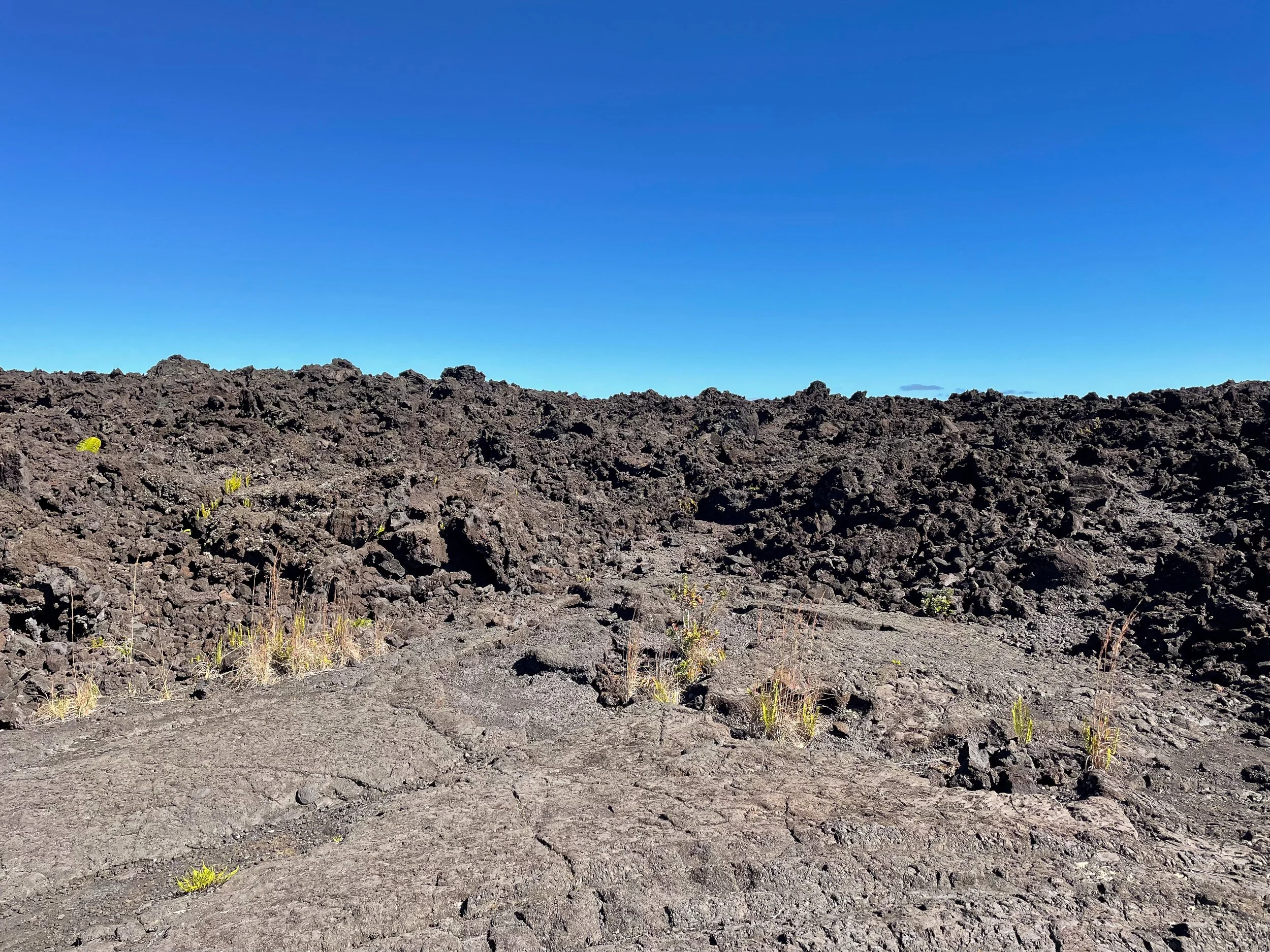
Mauna Ulu Eruption Trail. A volcano trail at the end of a road with hardened lava covering it. It leads into the lava field with a lookout viewing the cinder cone created by the eruption.
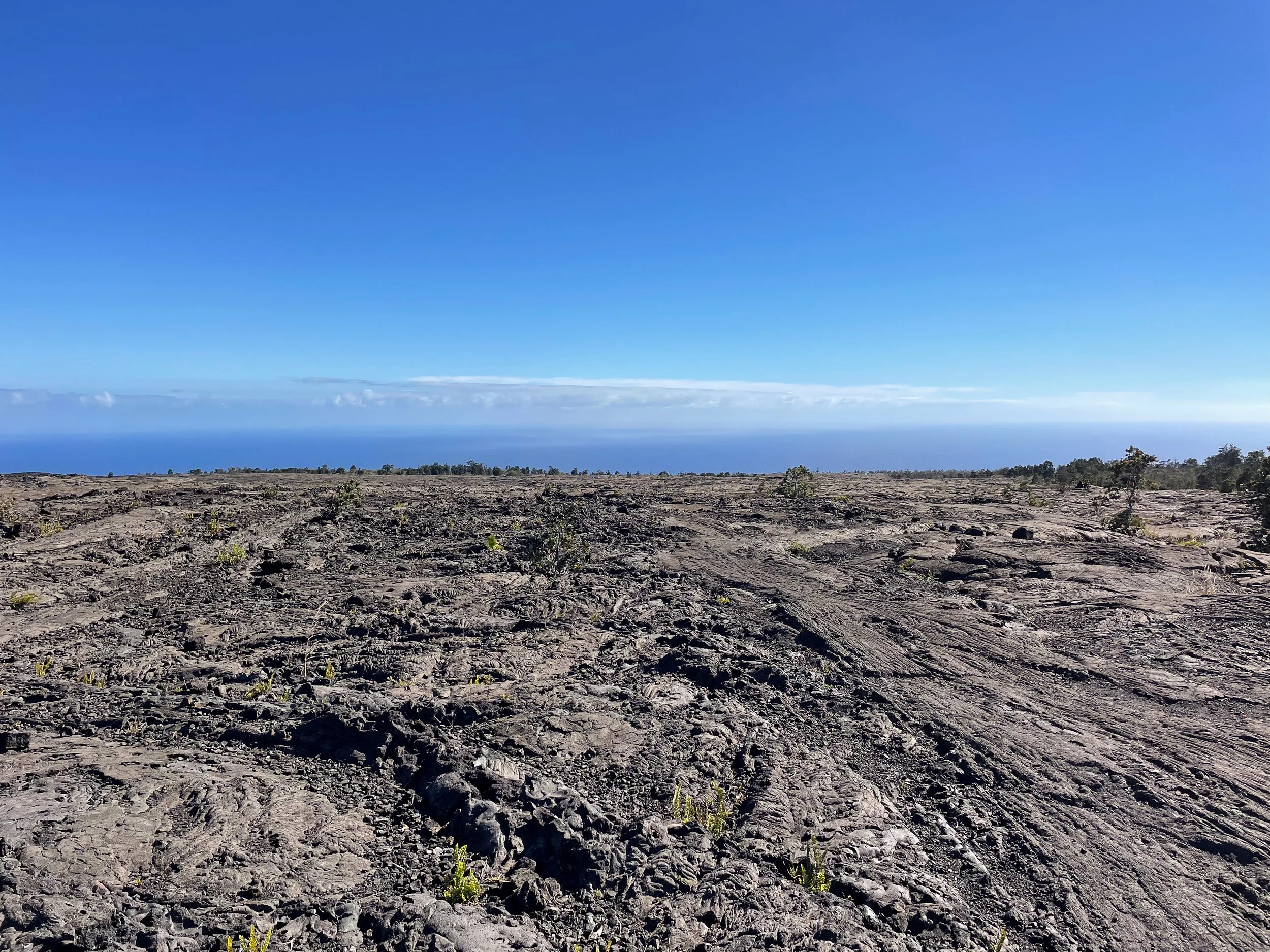
Keauhou Trail. A 6.8 mile backcountry trail crossing the lava field towards the coast and other trails. Follow the lava rock piles to keep on the trails.
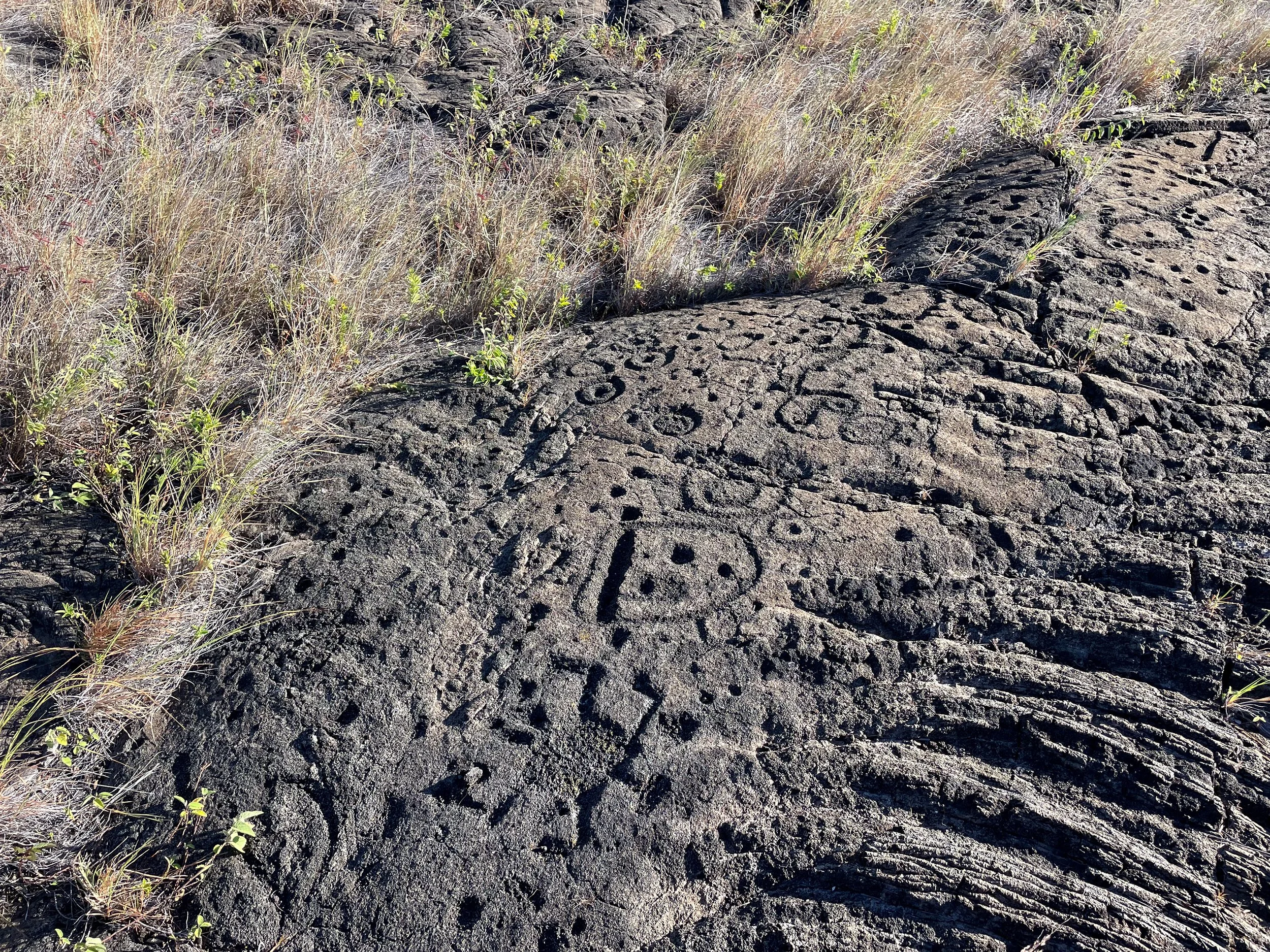
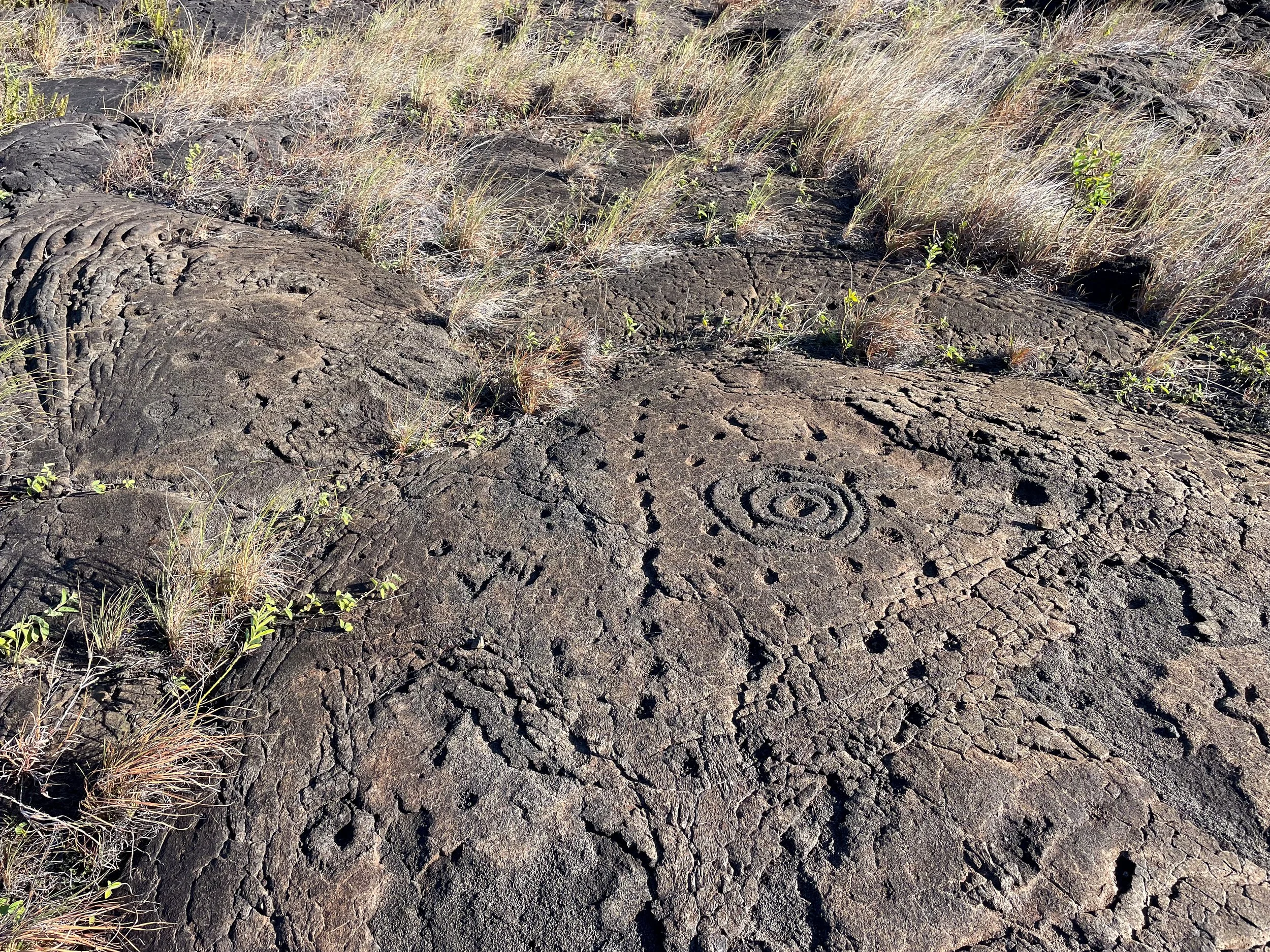
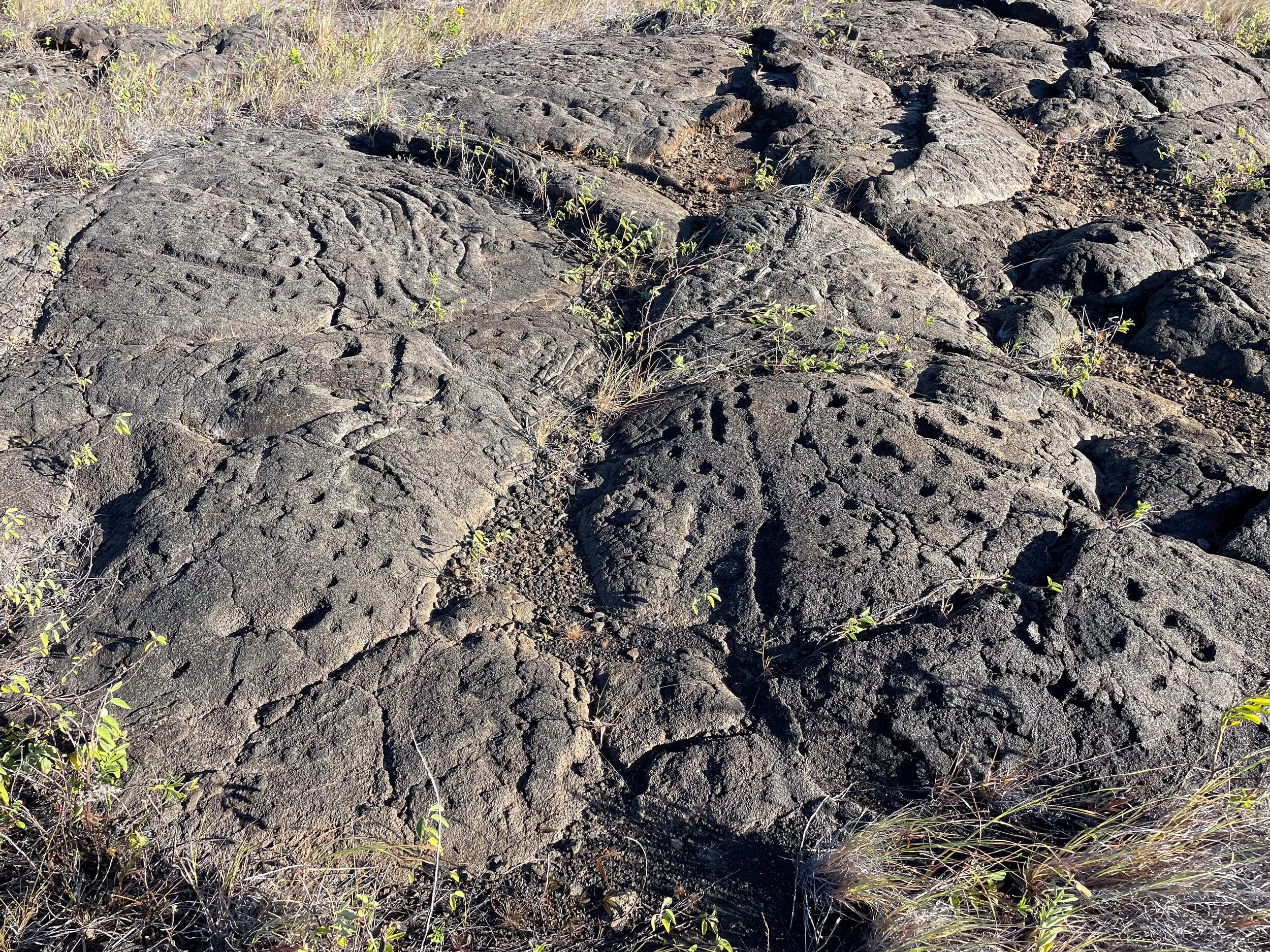
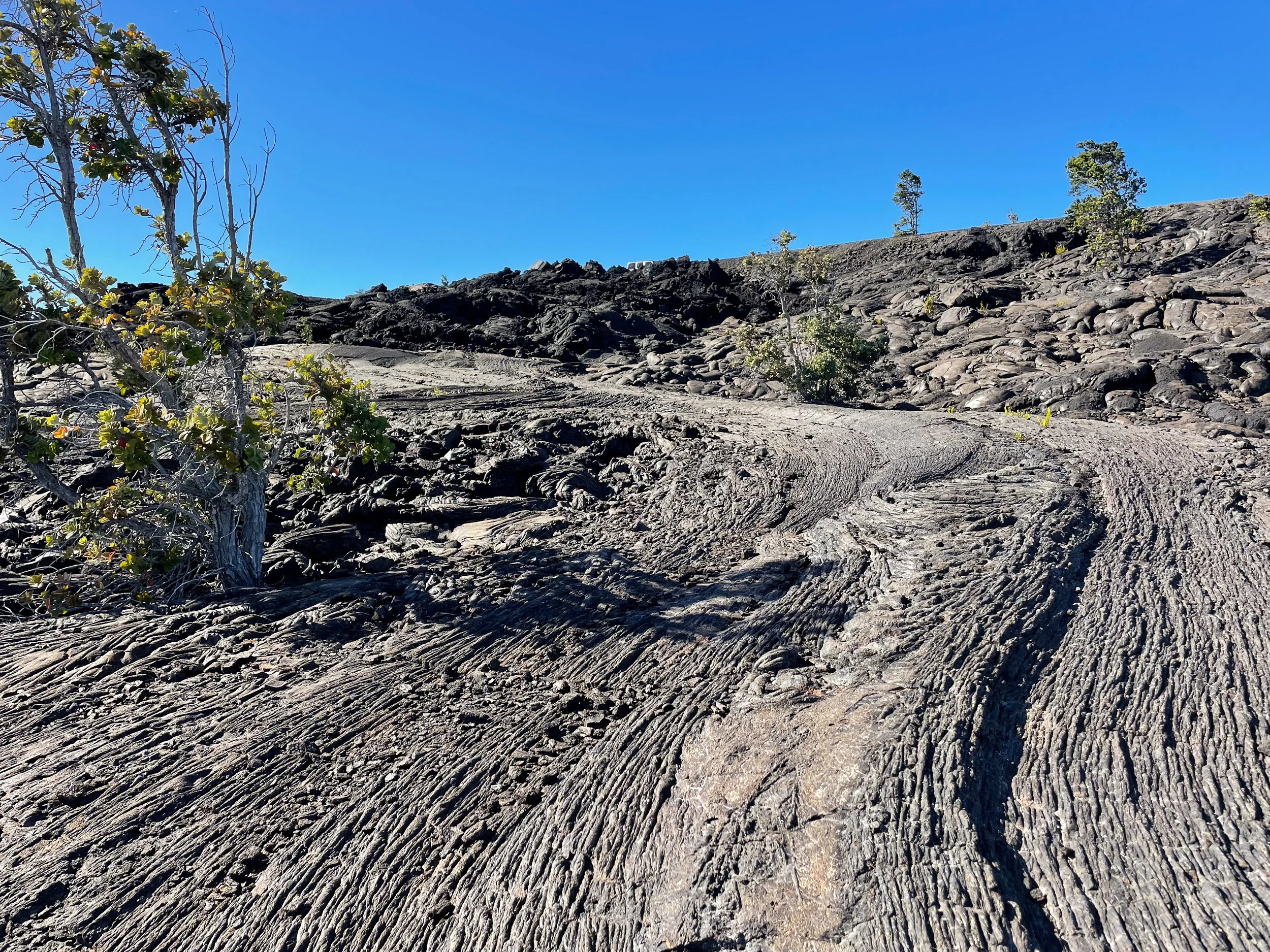
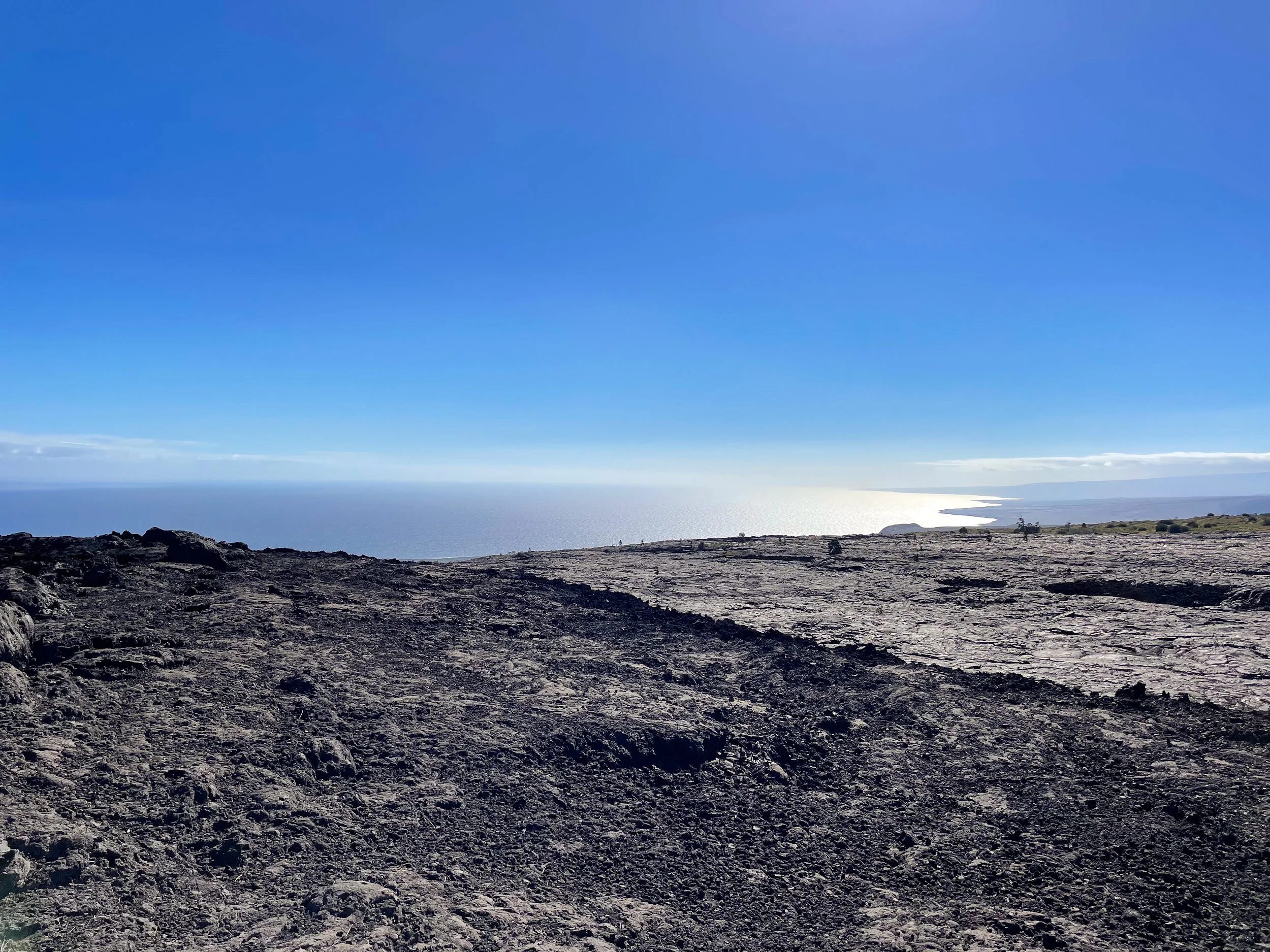
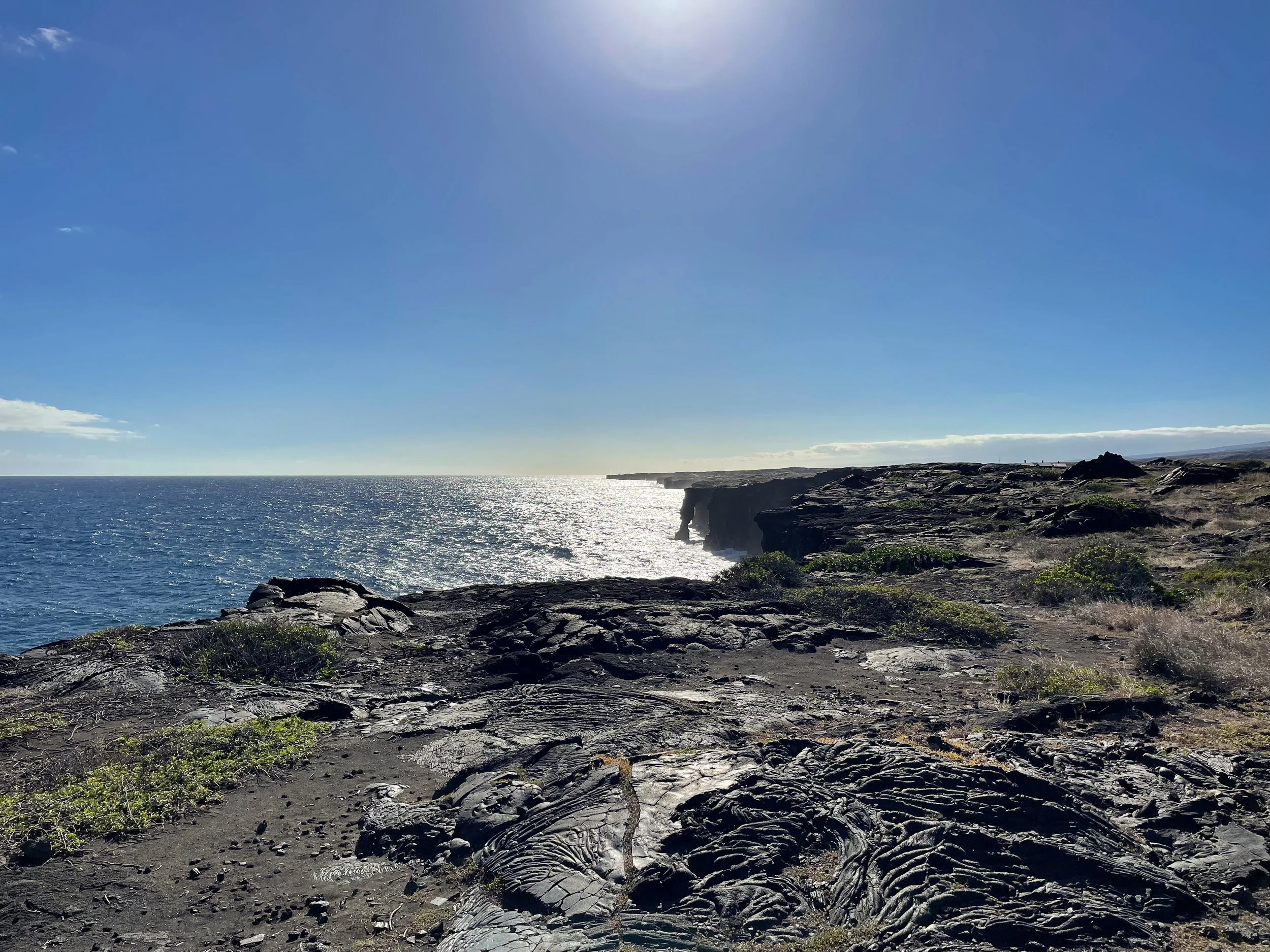
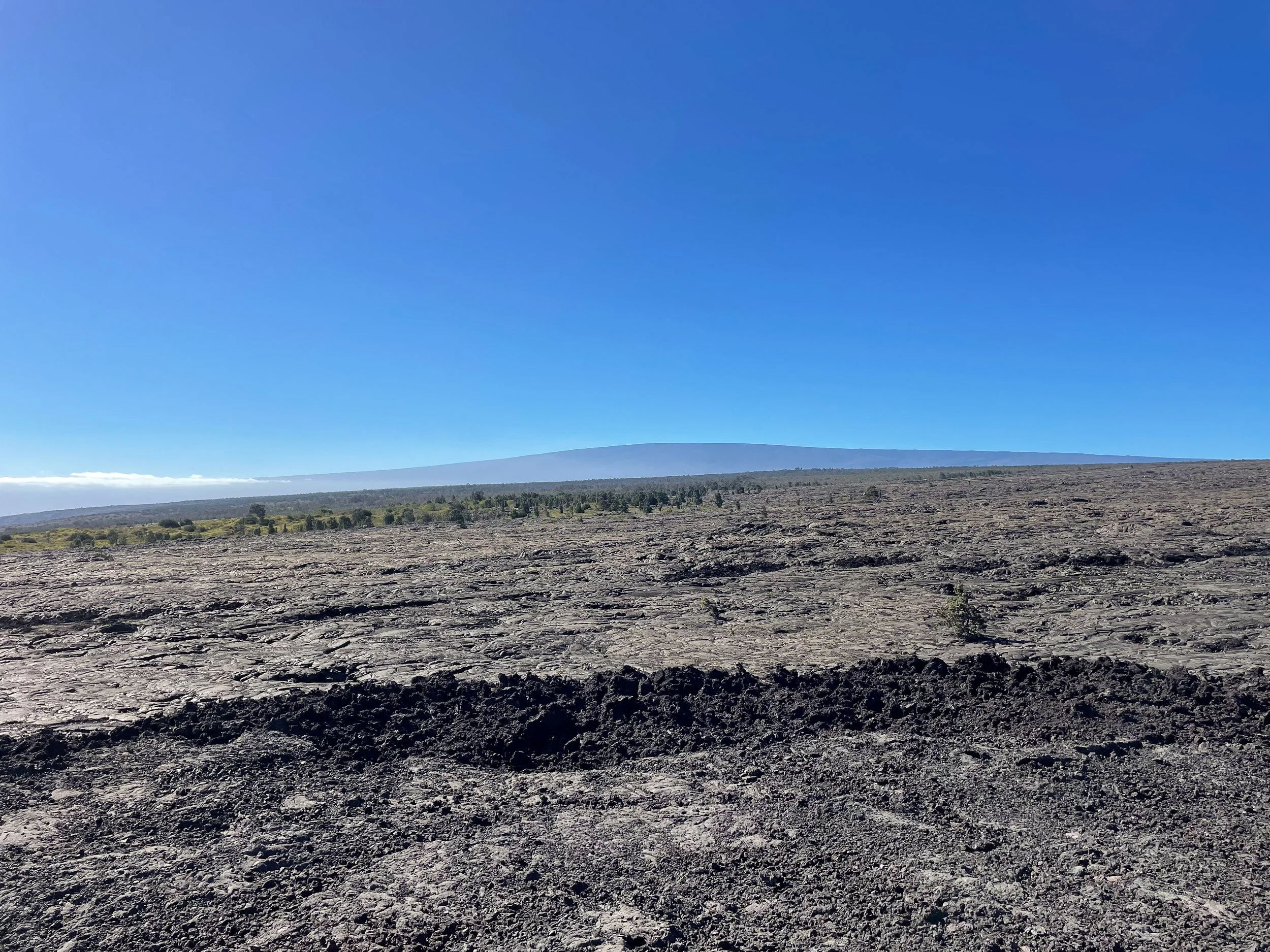
Pu‘u Loa Petroglyphs. An archeological area with thousands of petroglyphs carved into the hardened lava by ancient Hawaiians. The petroglyphs include human figures, dotted designs and circular formations. The area is surrounded by a boardwalk and accessible along the 1.4 mile Puna Coast Trail.
Kealakomo. An observation deck and picnic area with views of the hardened lava fields, cinder cones and coast.
Hōlei Sea Arch. A 90ft high volcanic rock arch along the seaside cliffs at the end of the Chain of Craters Road.
Kailua Kona
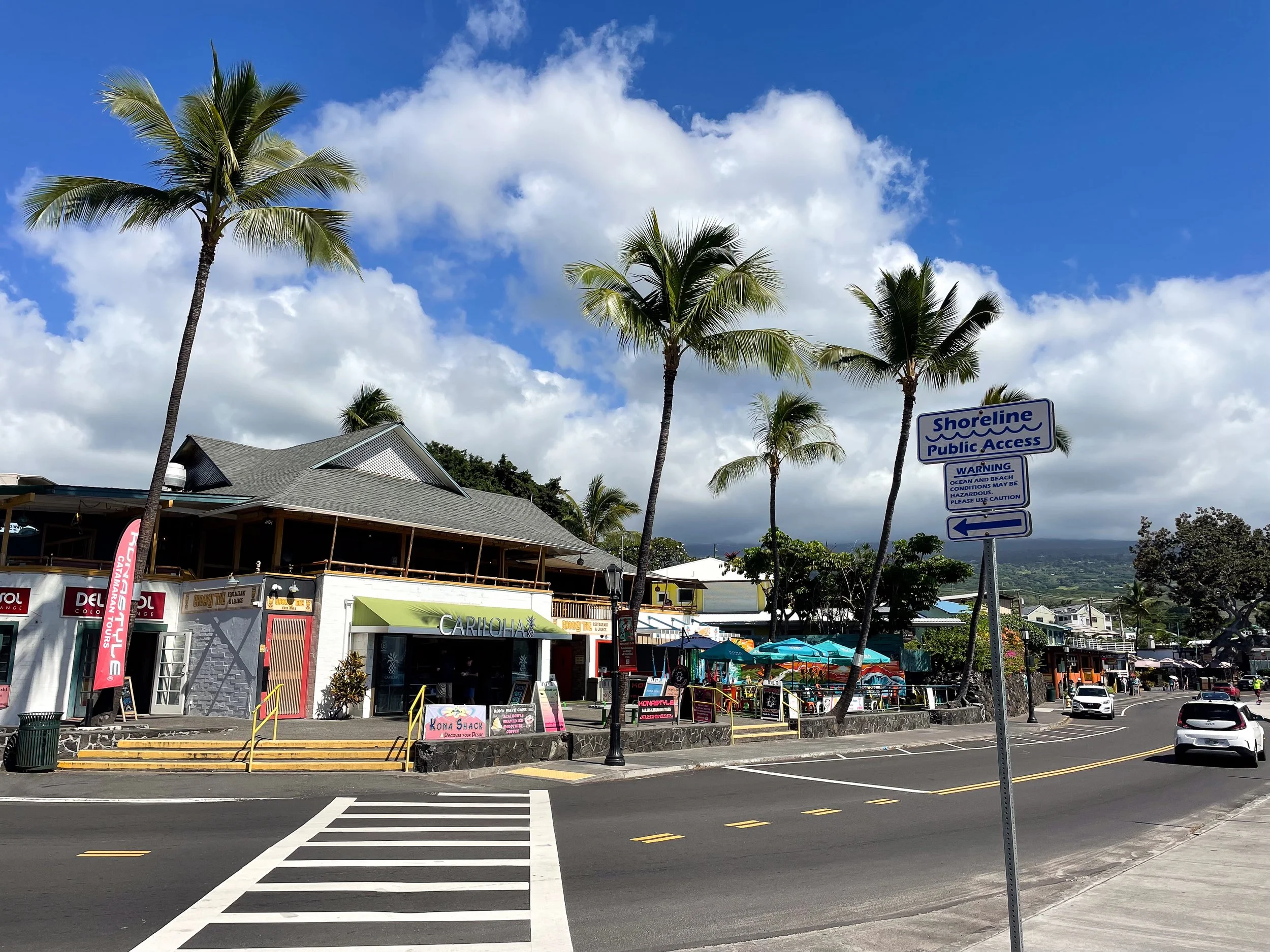
A beach town on the Leeward side of the island with historic sights, seafood restaurants, tiki bars, Kona coffee farms and souvenir shops. The area has many nearby beaches and bays perfect for swimming, surfing, snorkeling and marine excursions. It’s a popular spot for tourists, though most stay at their resorts north and south of Kona.
Hawaiian Cultural Sites
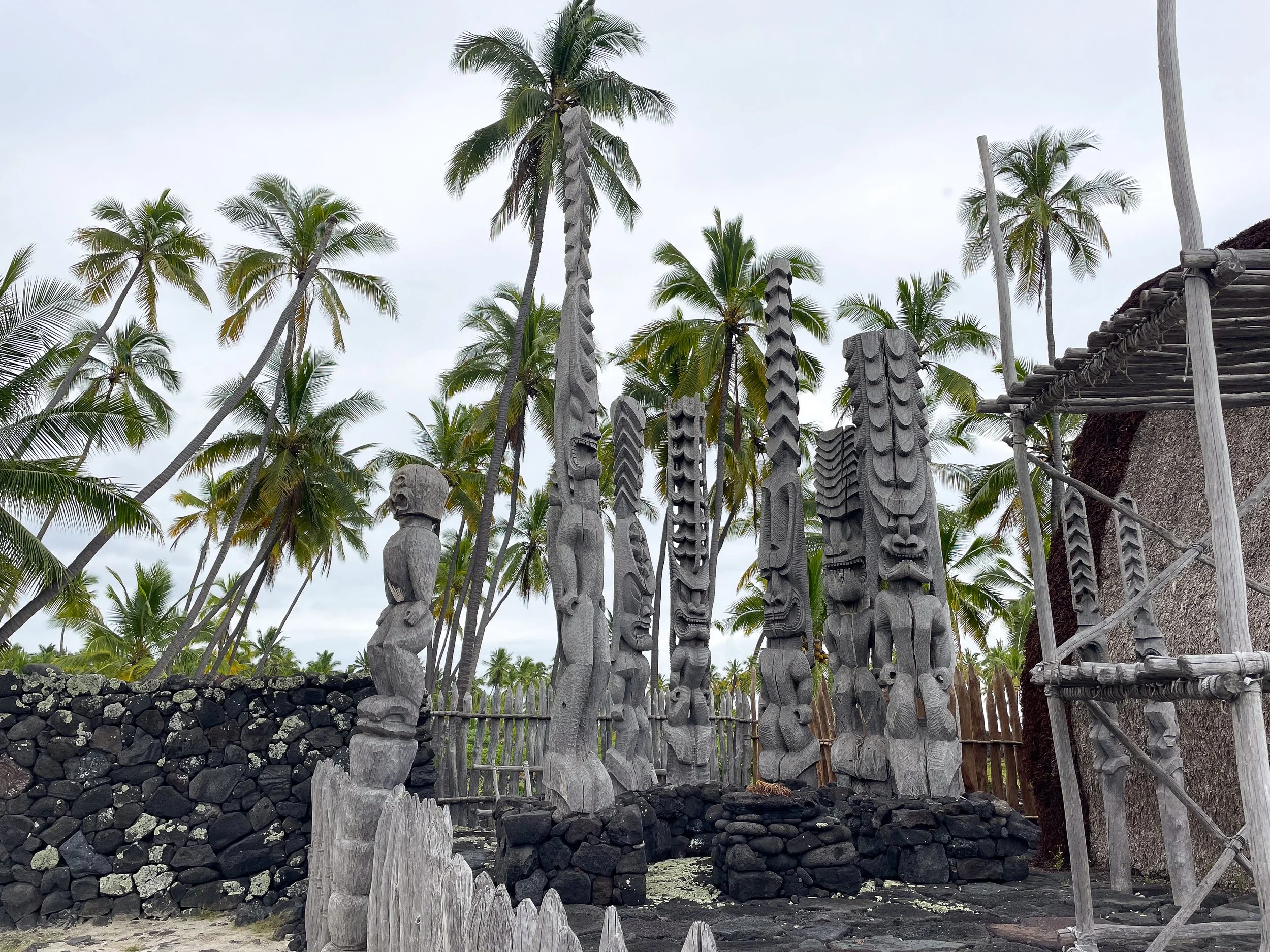
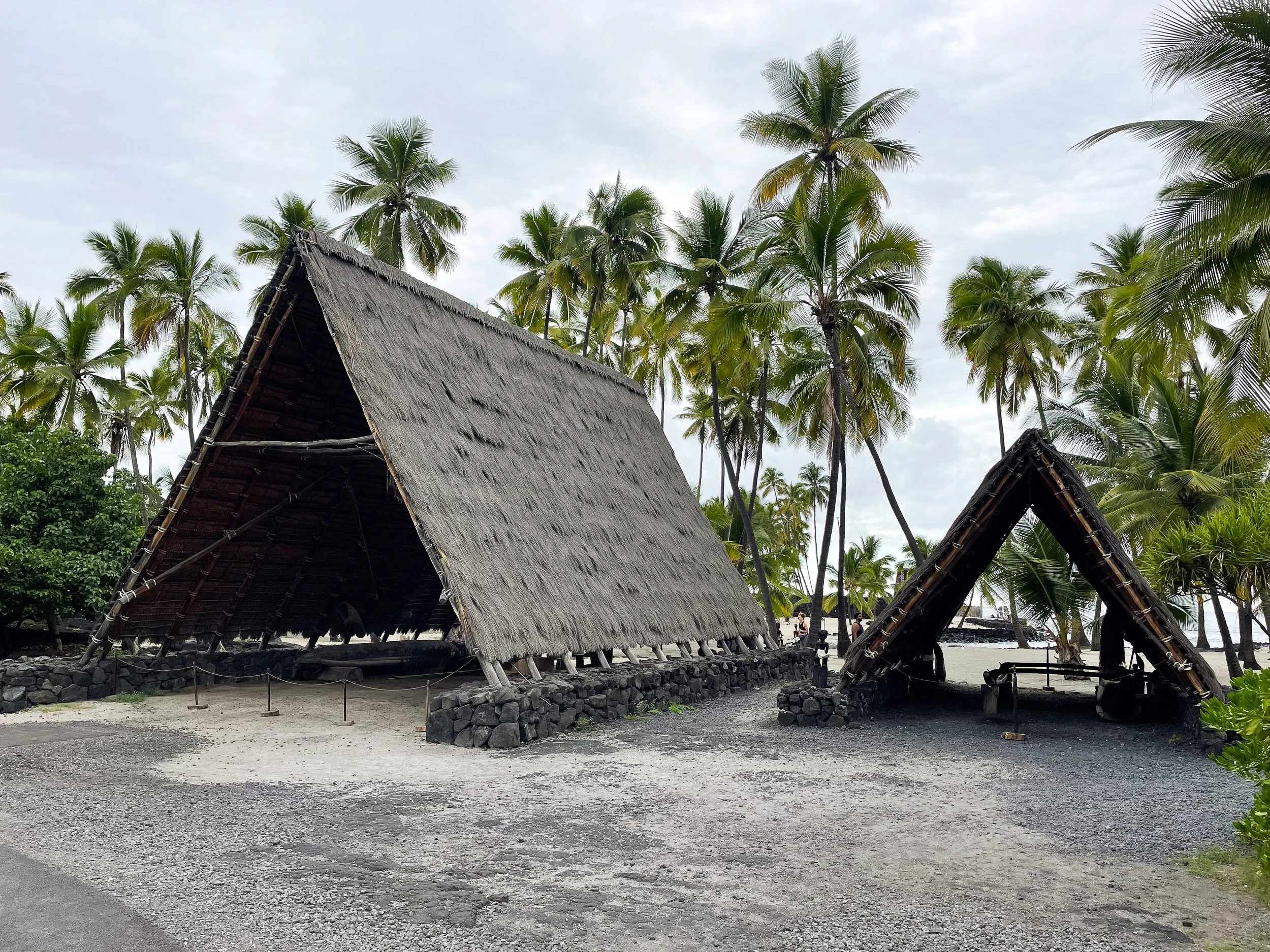
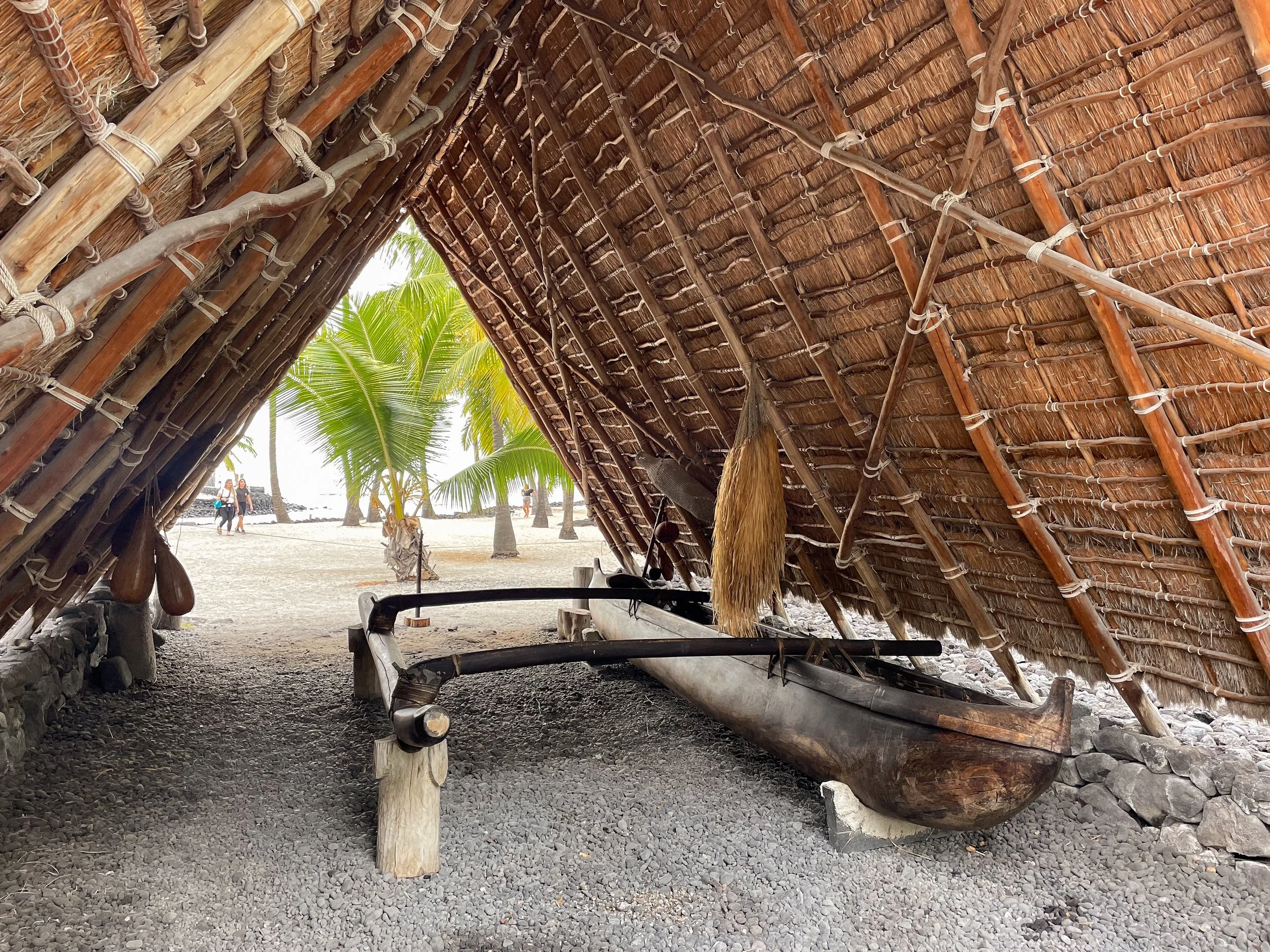
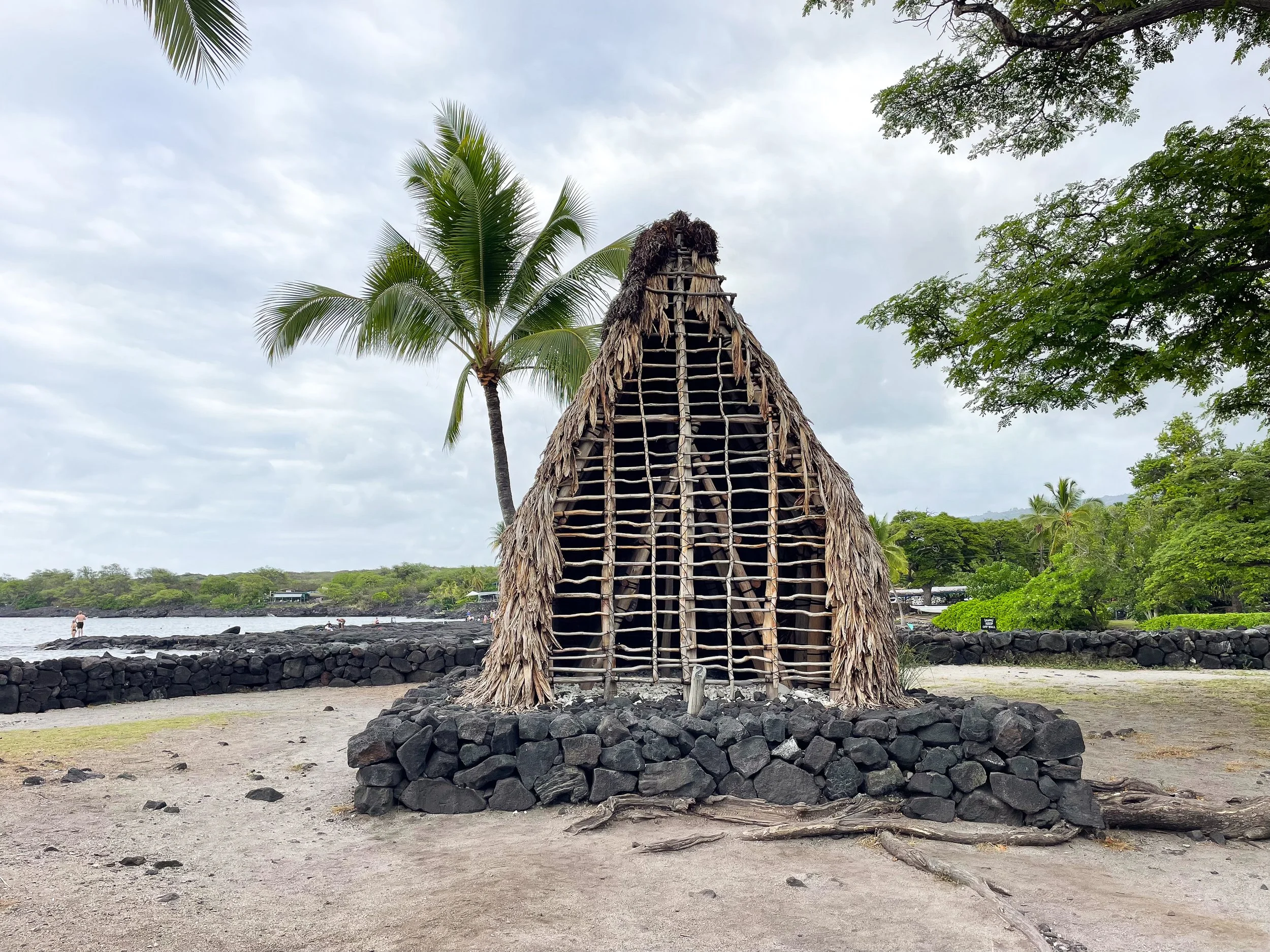
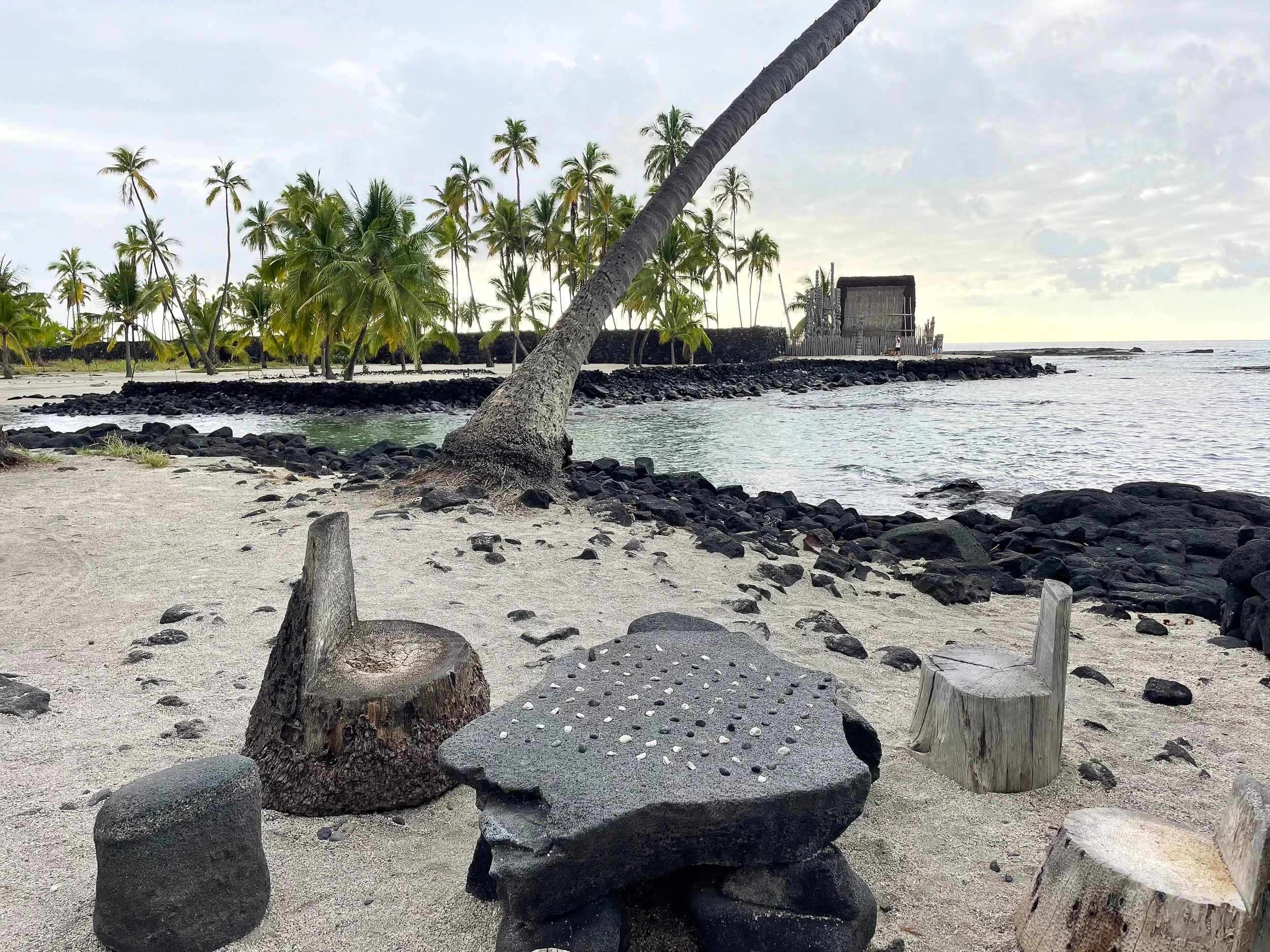
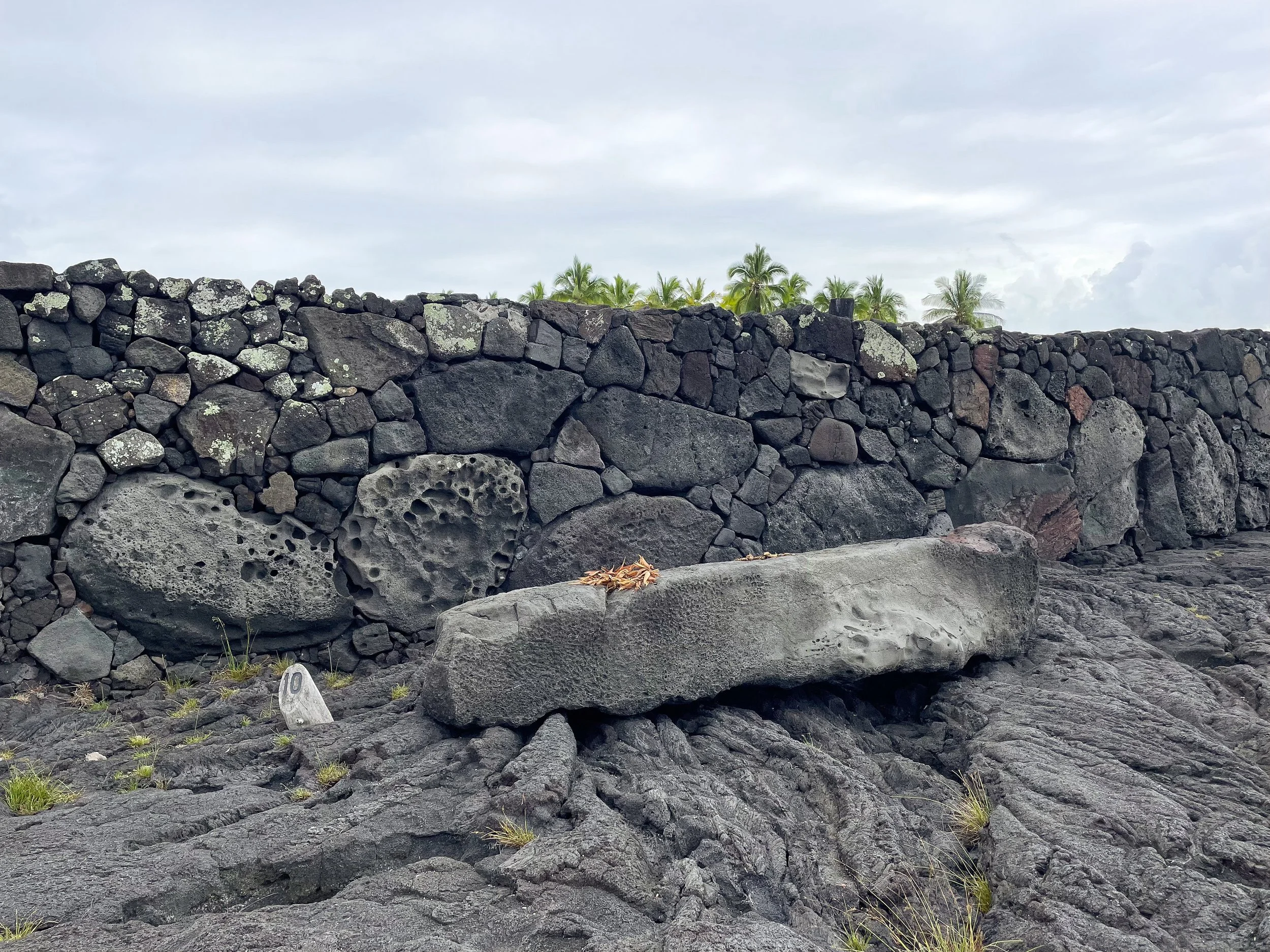
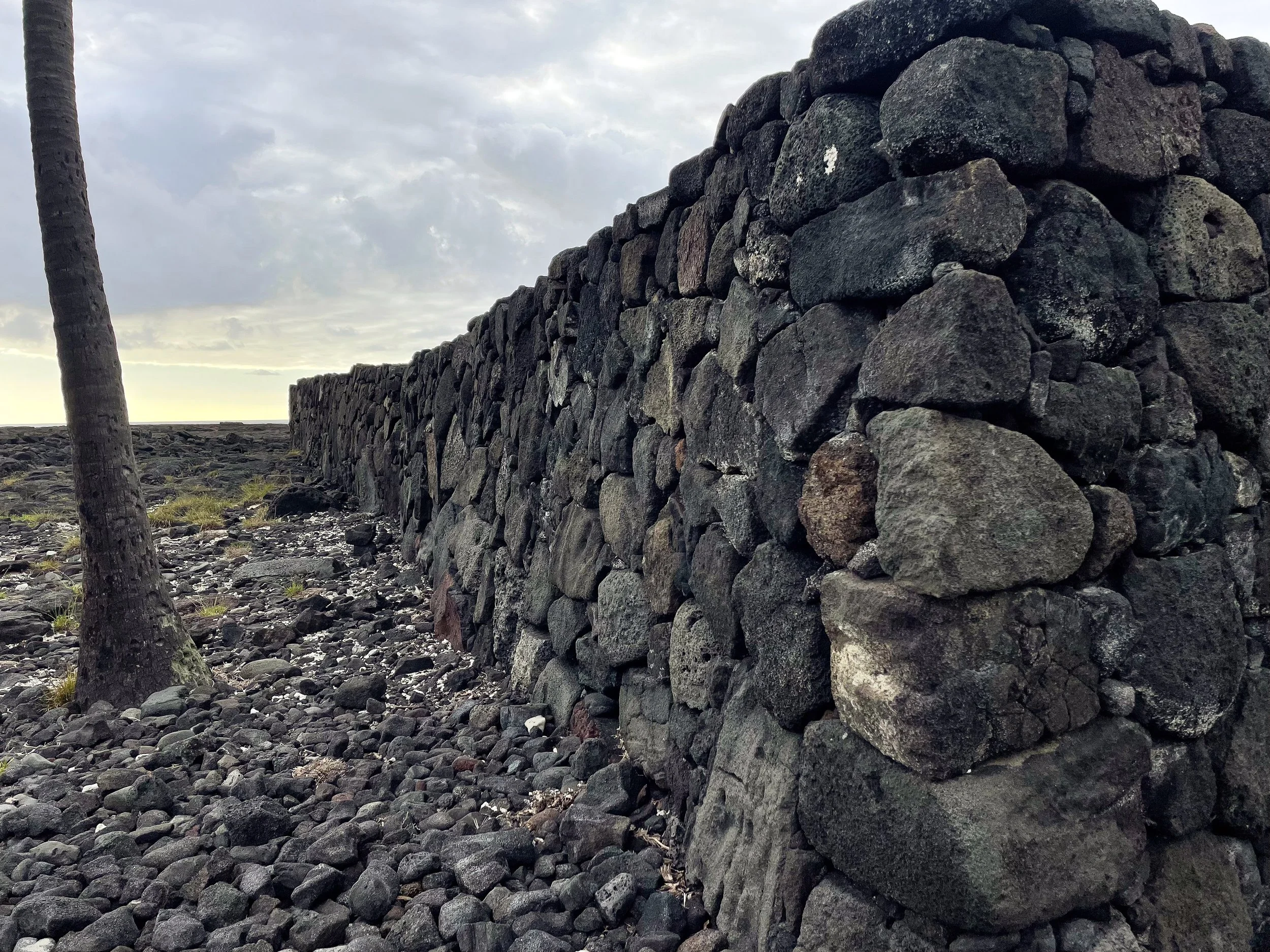
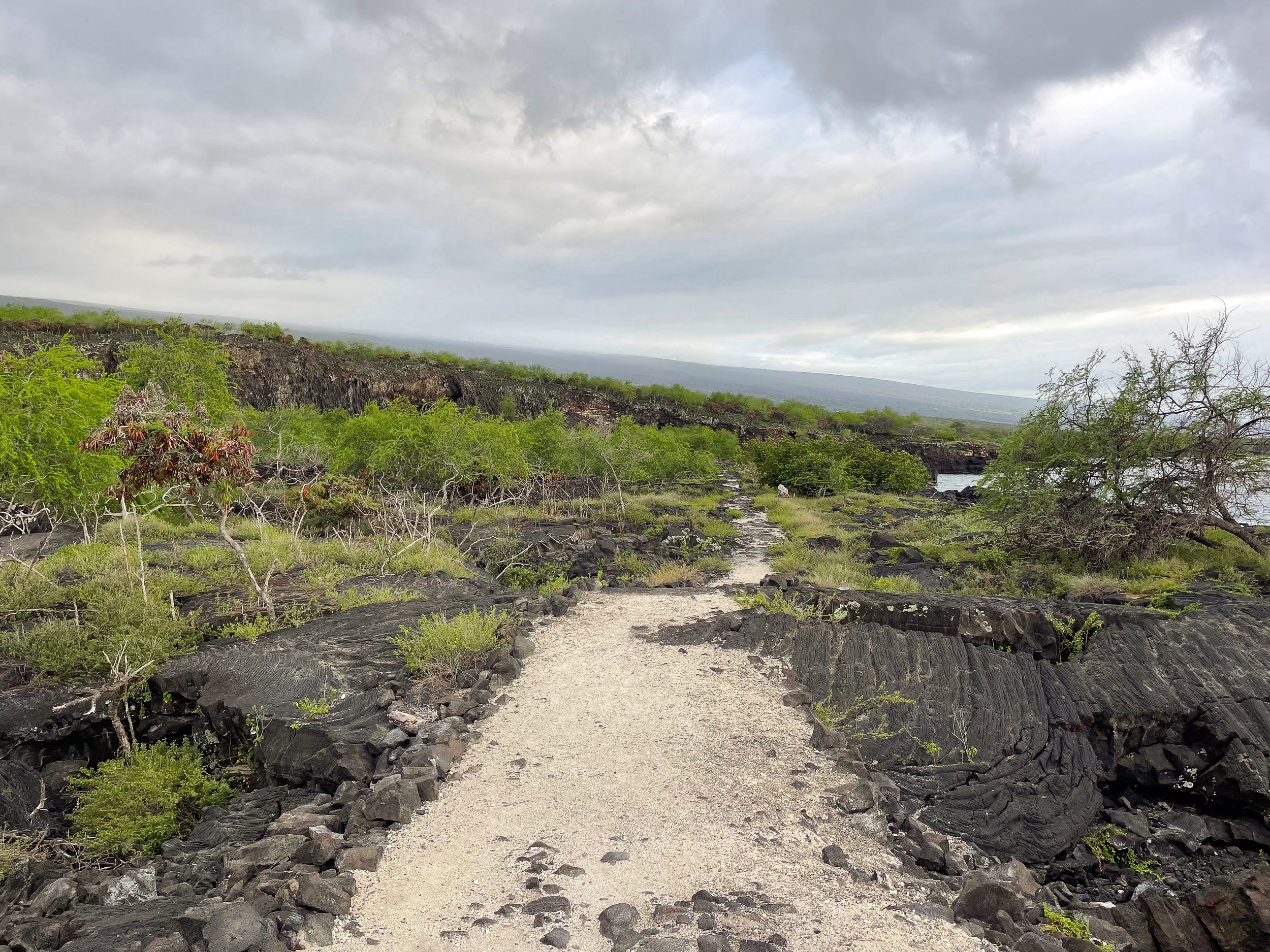
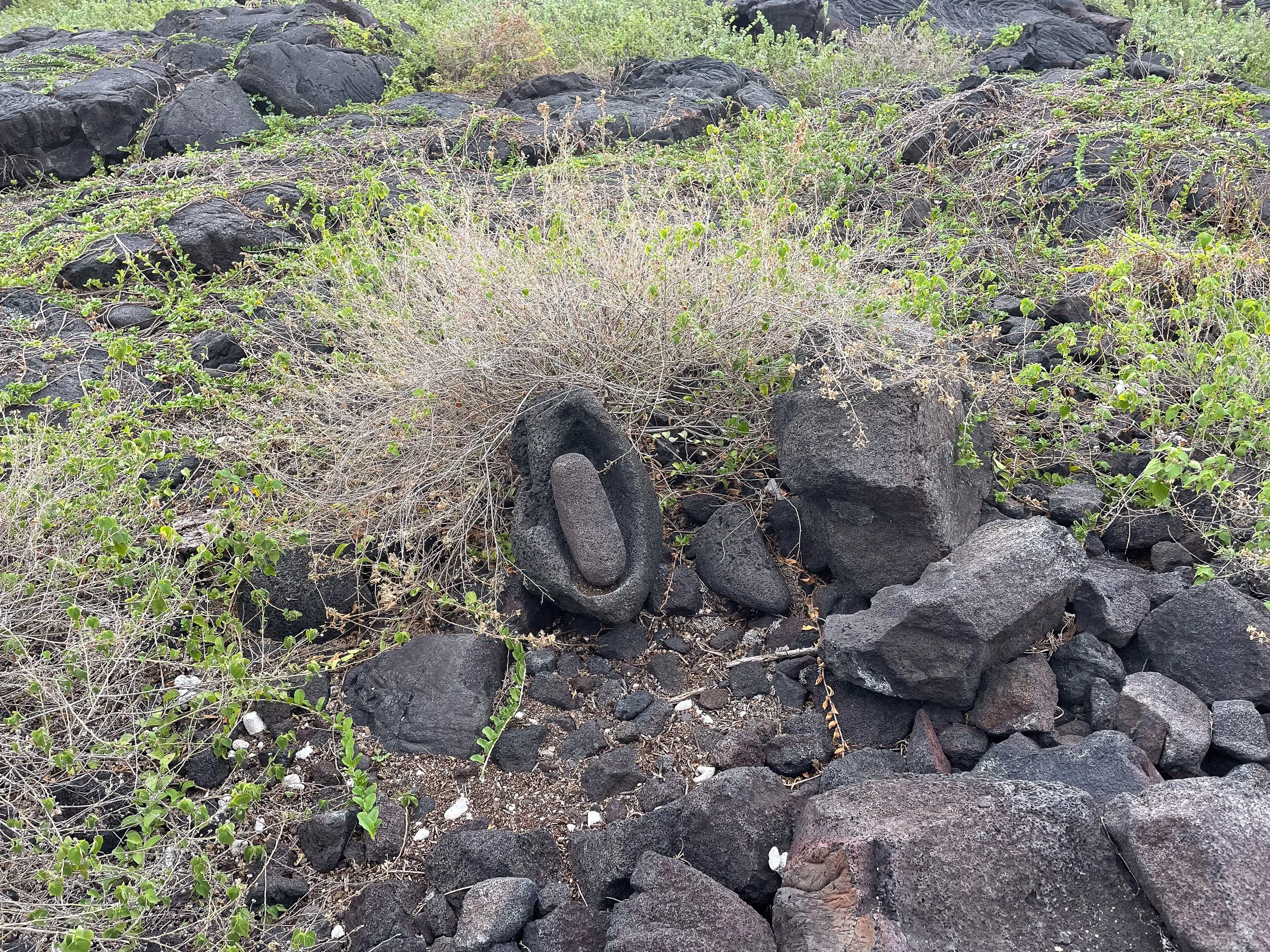
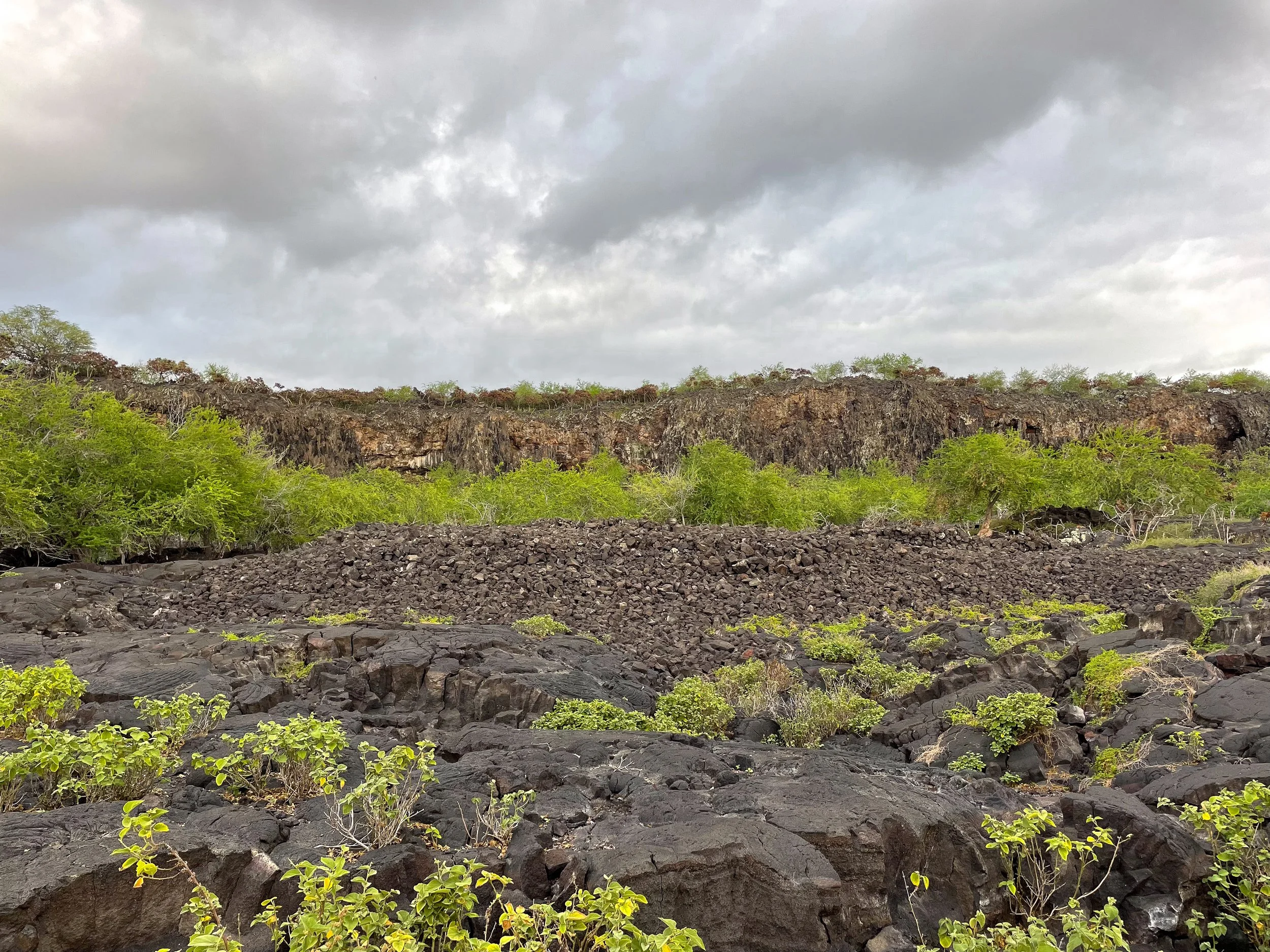
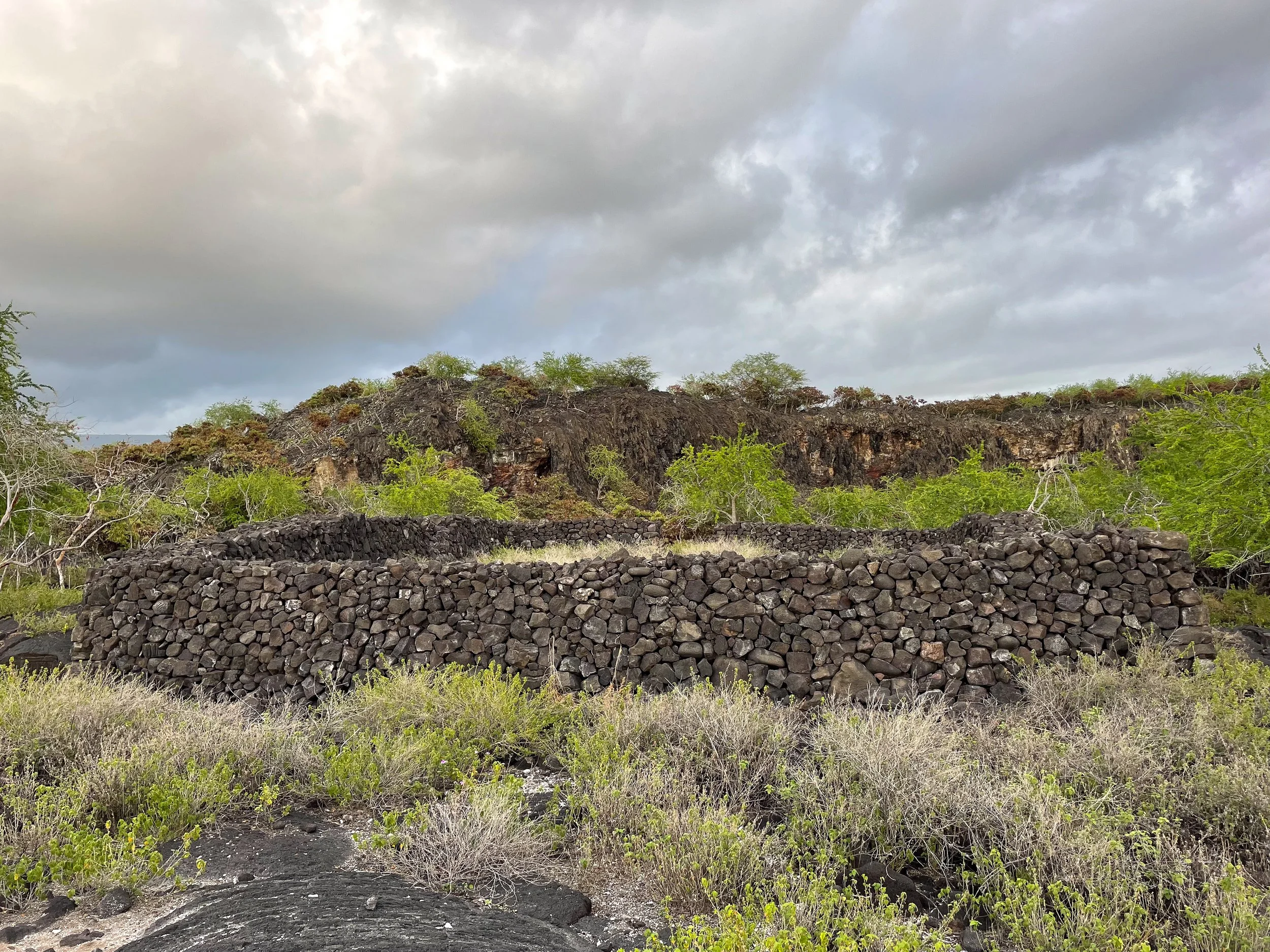
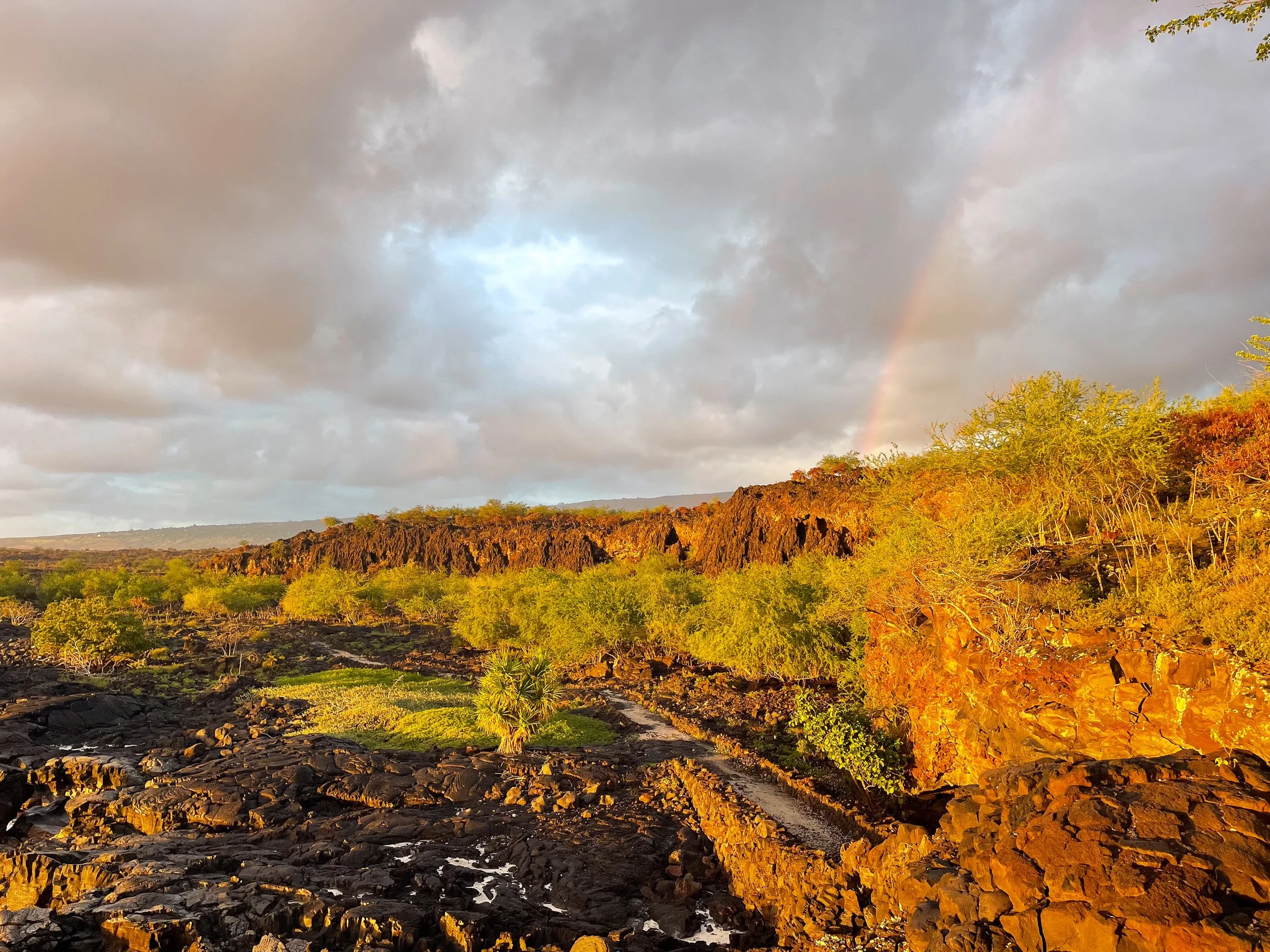
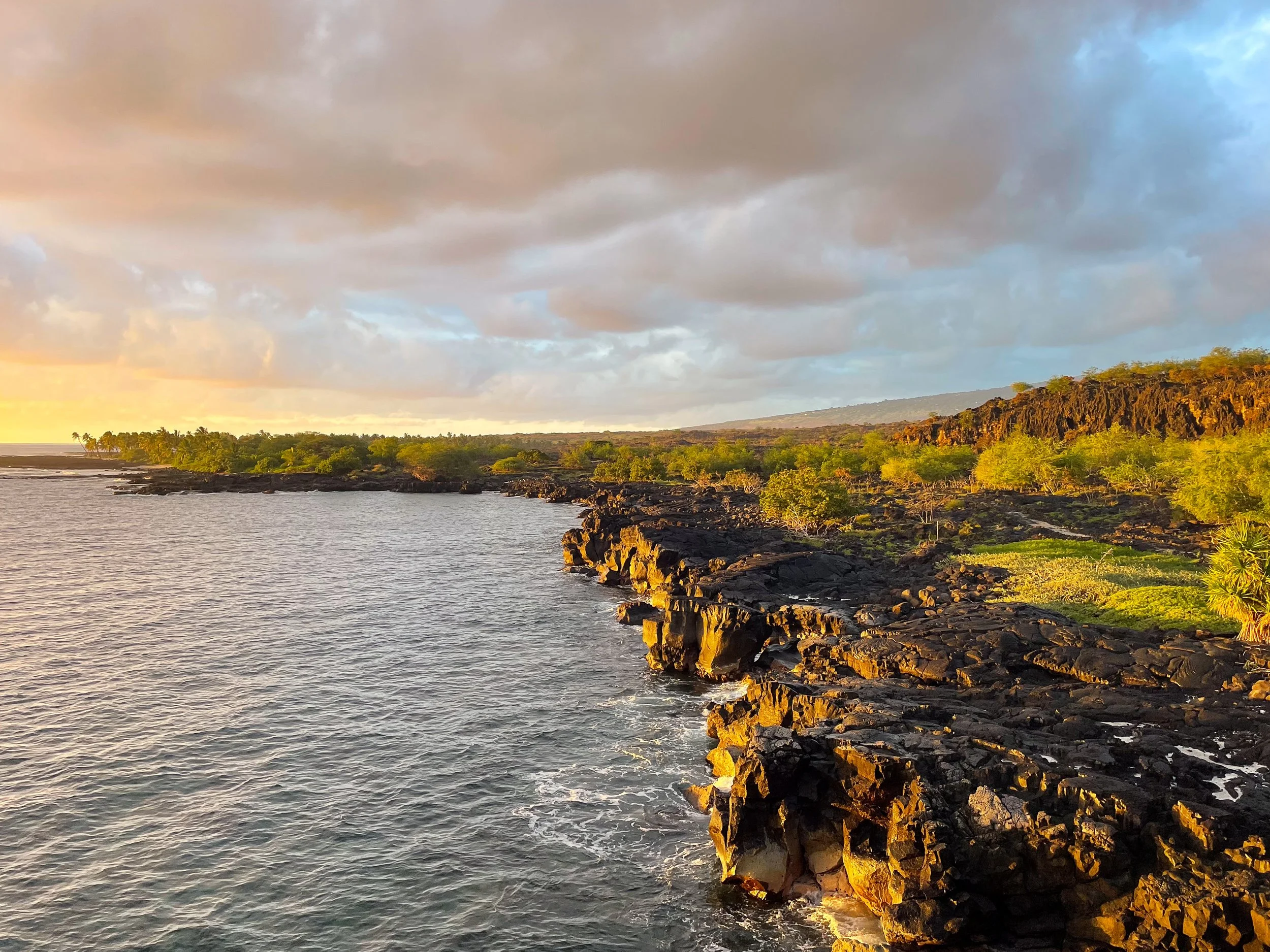
Pu’uhonua o Honaunau National Park. The location of the former Hawaiian royal grounds. The archeological park includes reconstructed canoe houses and carved statues, original stone foundations, lava rock walls, a cemetery, fish ponds, palm groves and trails.
Pu’uhonua o Honaunau National Park Trails
Pu’uhonua Trail. The trail leading through the royal grounds and sights.
Coastal Trail. A trail leading from the visitor center to a coastal picnic area, past archeological ruins and to the 1871 Trail.
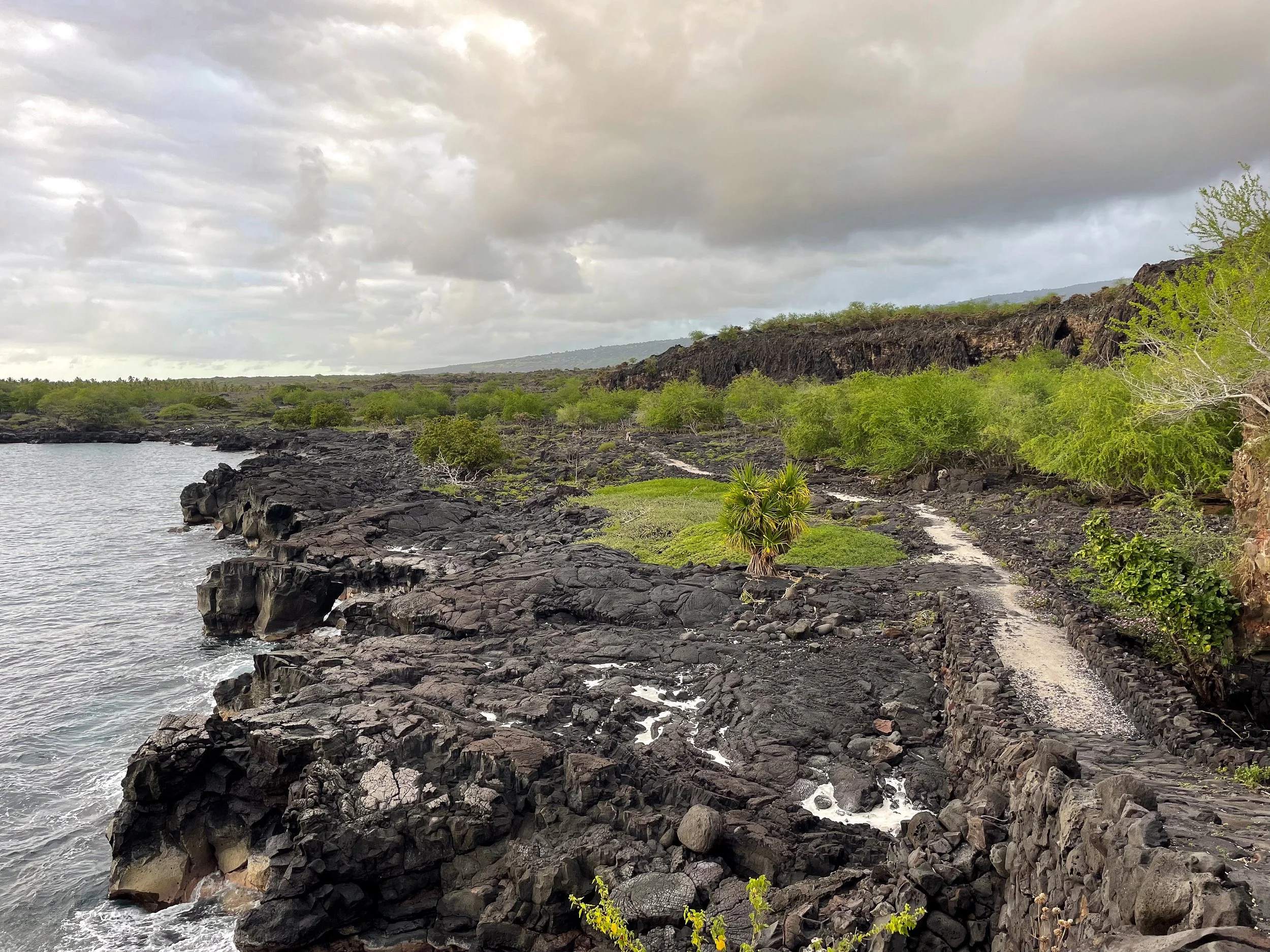
1871 Trail. A trail leading from the visitor center past many archeological sights and coastal rock formations. Sights include the abandoned and overgrown Kiʻilae Village, stone walls, temple ruins, sport ramps, cliffs and a lava tube.
Kamakahonu National Monument. The reconstructed home of Kamehameha The Great, one of Hawaii’s most powerful kings. The monument is located on a small peninsula at Kamakahonu Beach.
Hulihe‘e Palace. A royal summer house used by Hawaii’s royalty during the 17th century. It’s now a museum with Hawaiian artifacts.
Surfing & Beaches
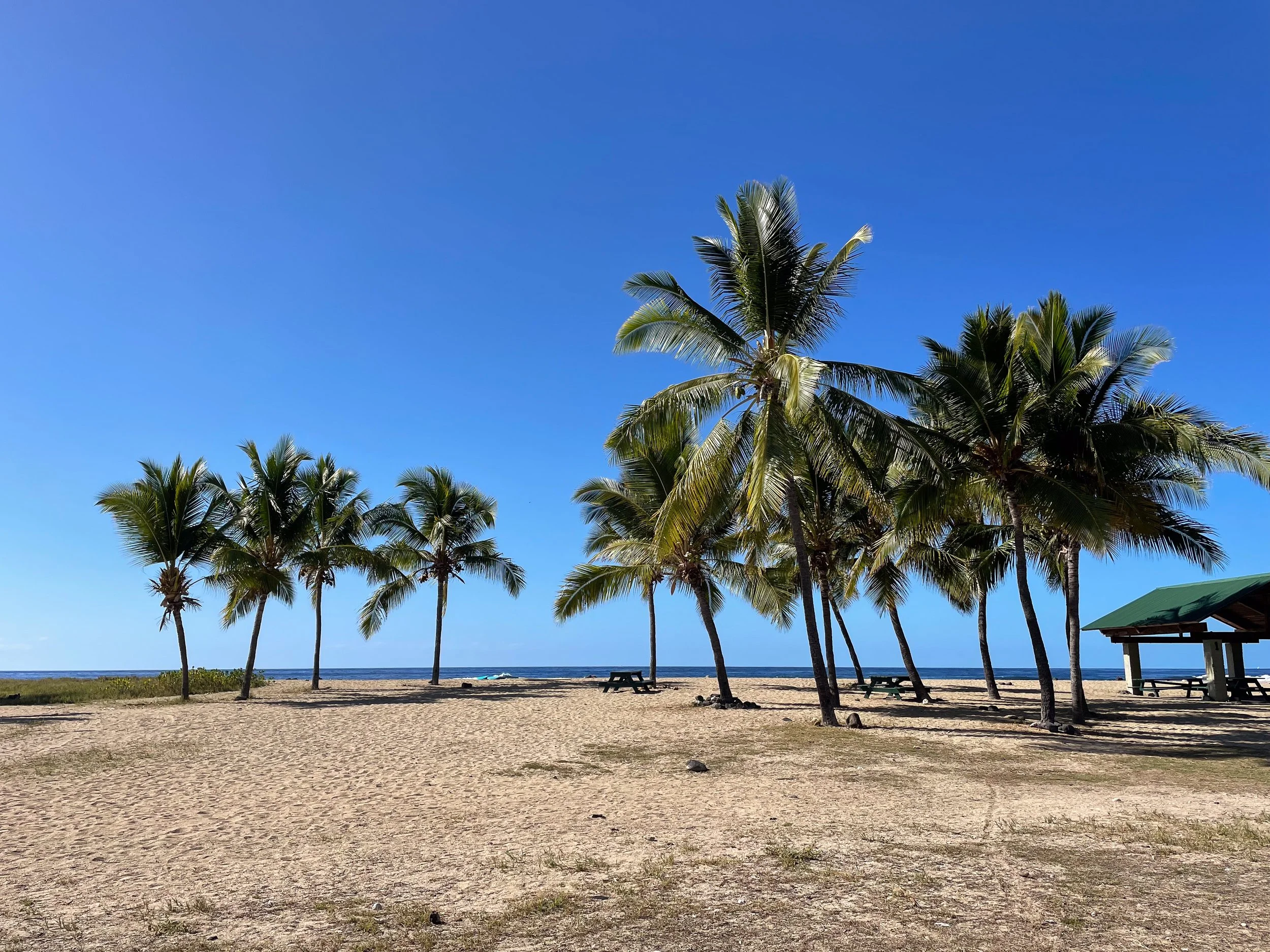
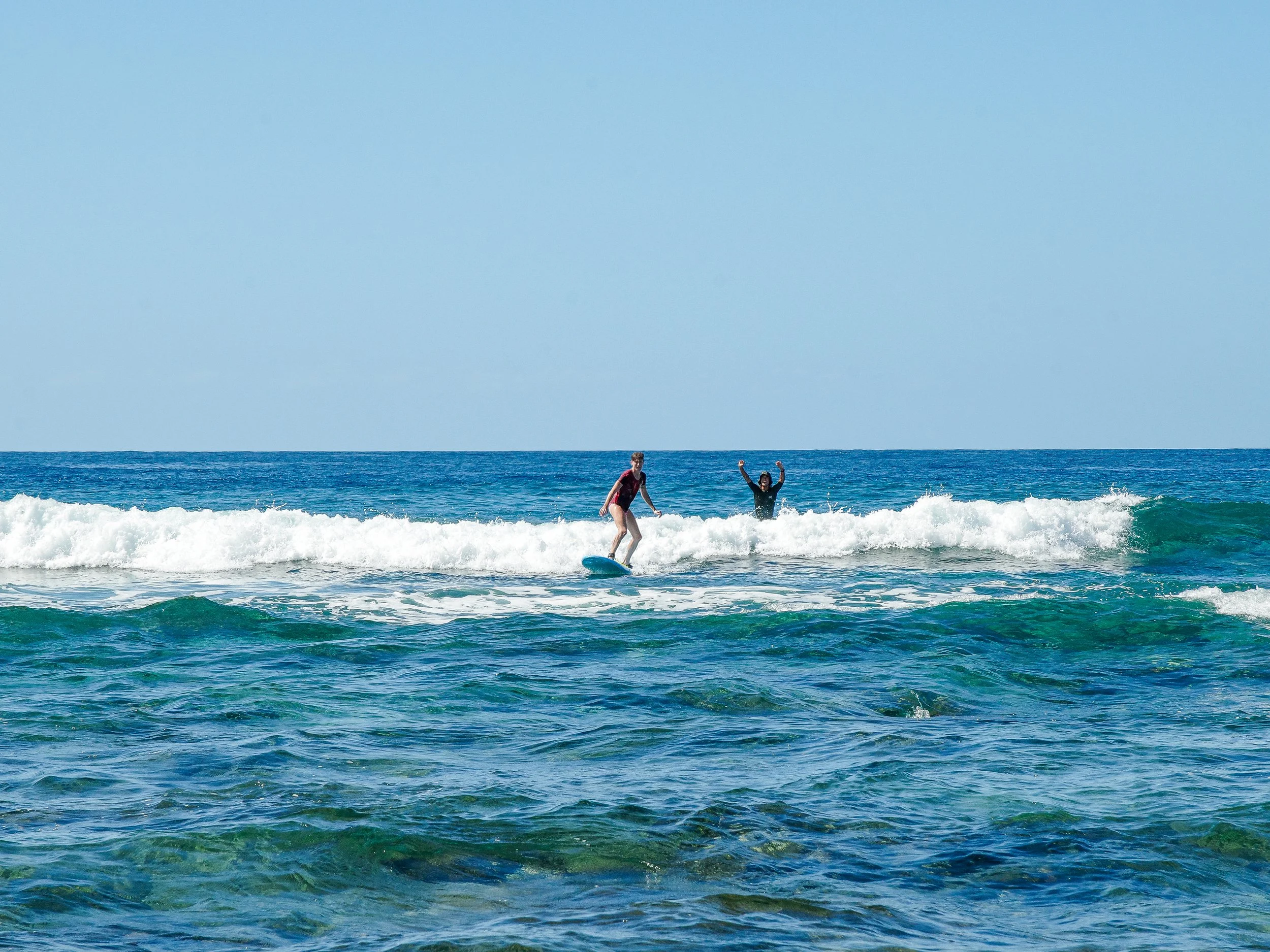
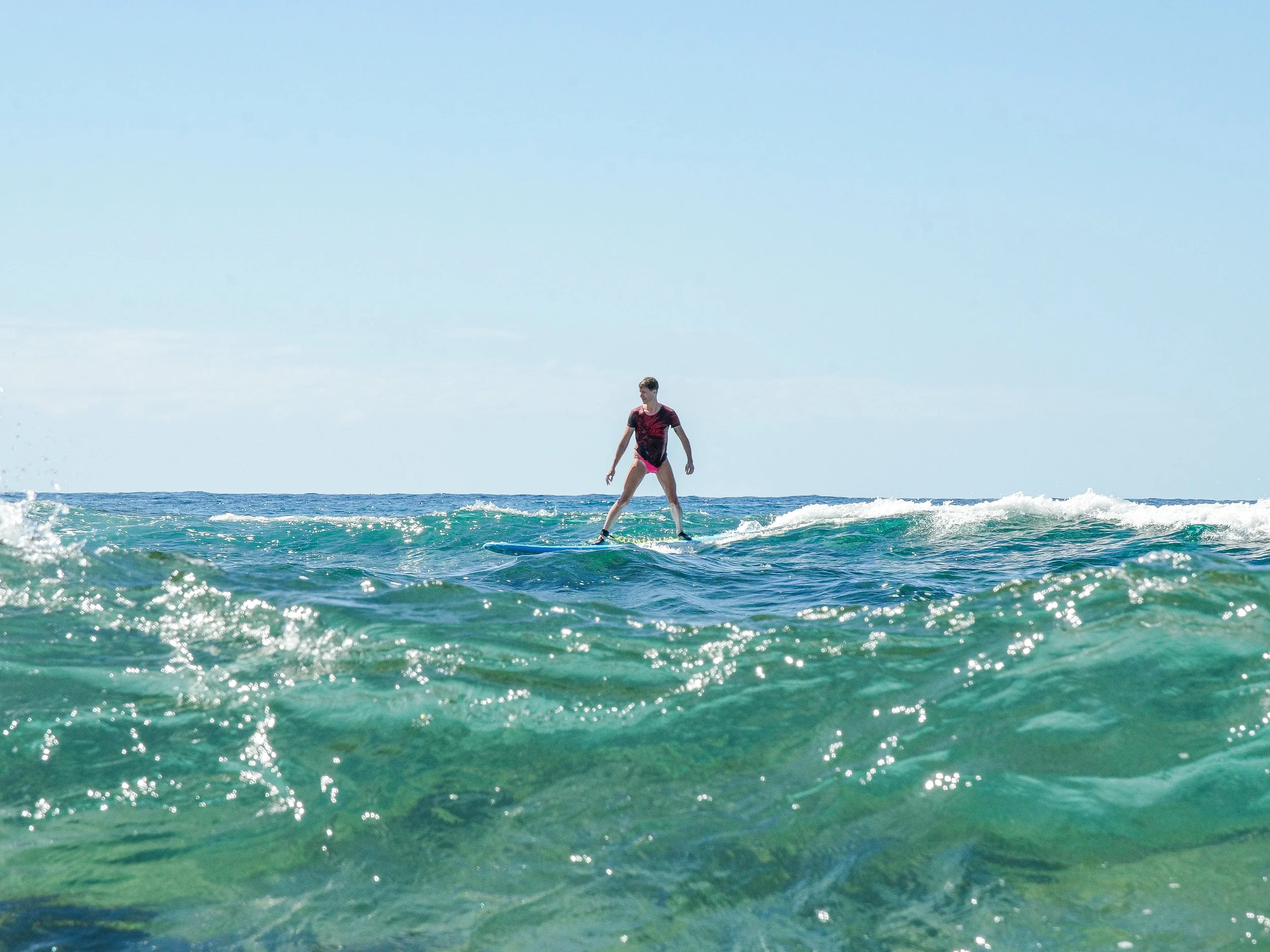
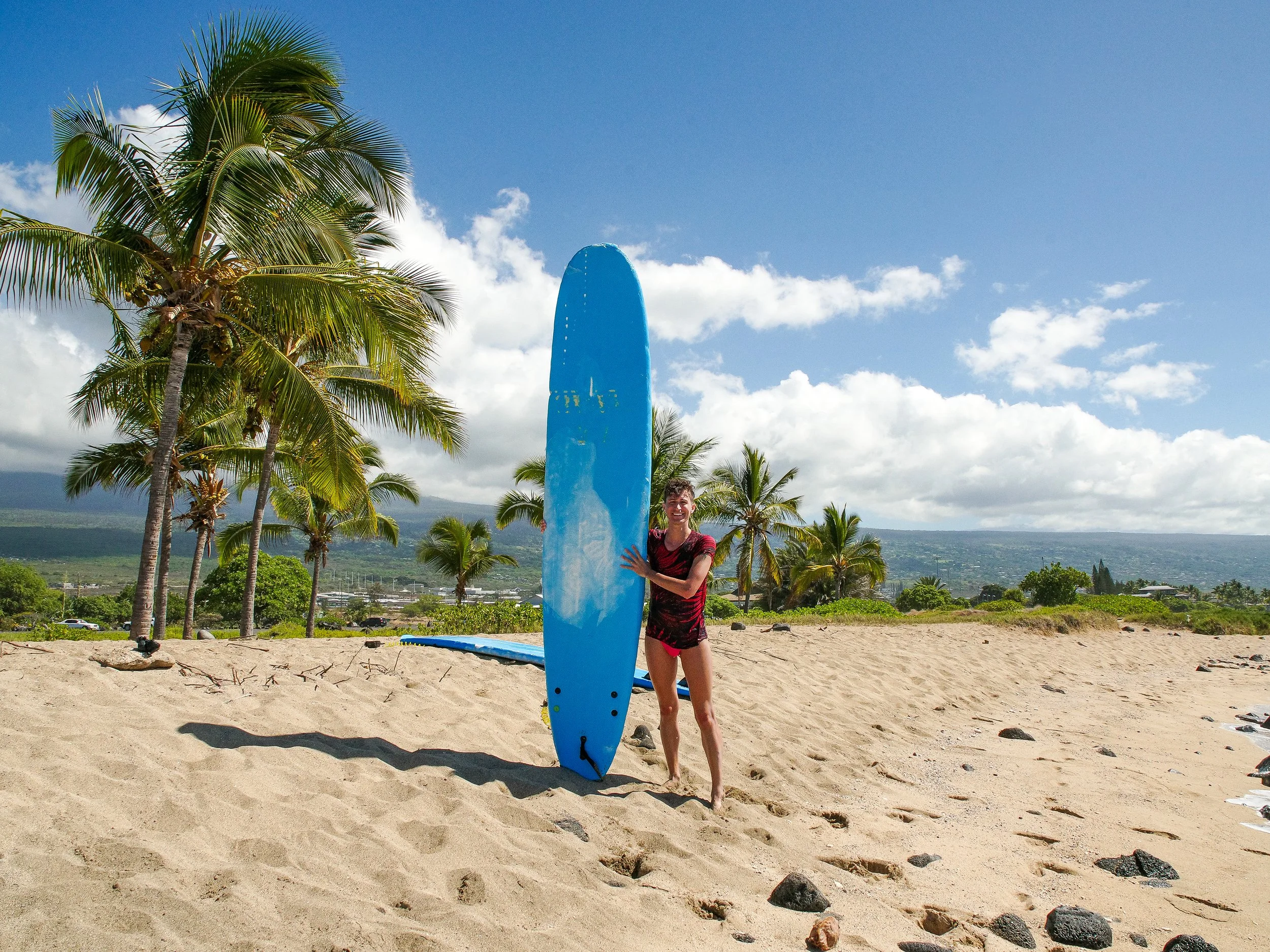
Old Airport Beach. A long white sand and palm lined beach along Kona’s old airport runway. The water is not safe for swimming due to shallow coral reefs. It’s a popular spot for surf lessons. We took a private lesson here with Kona Town Surf Adventures.
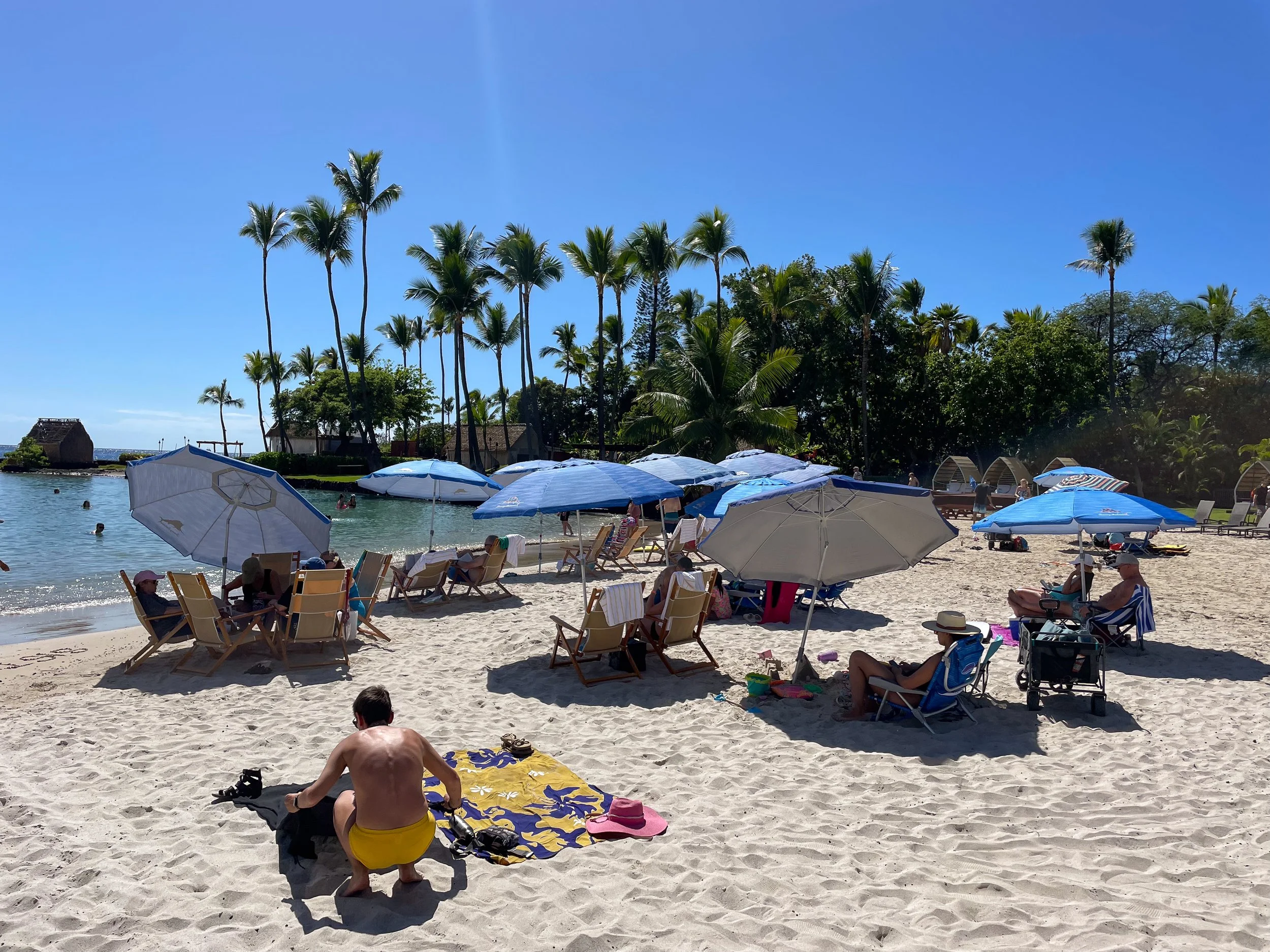
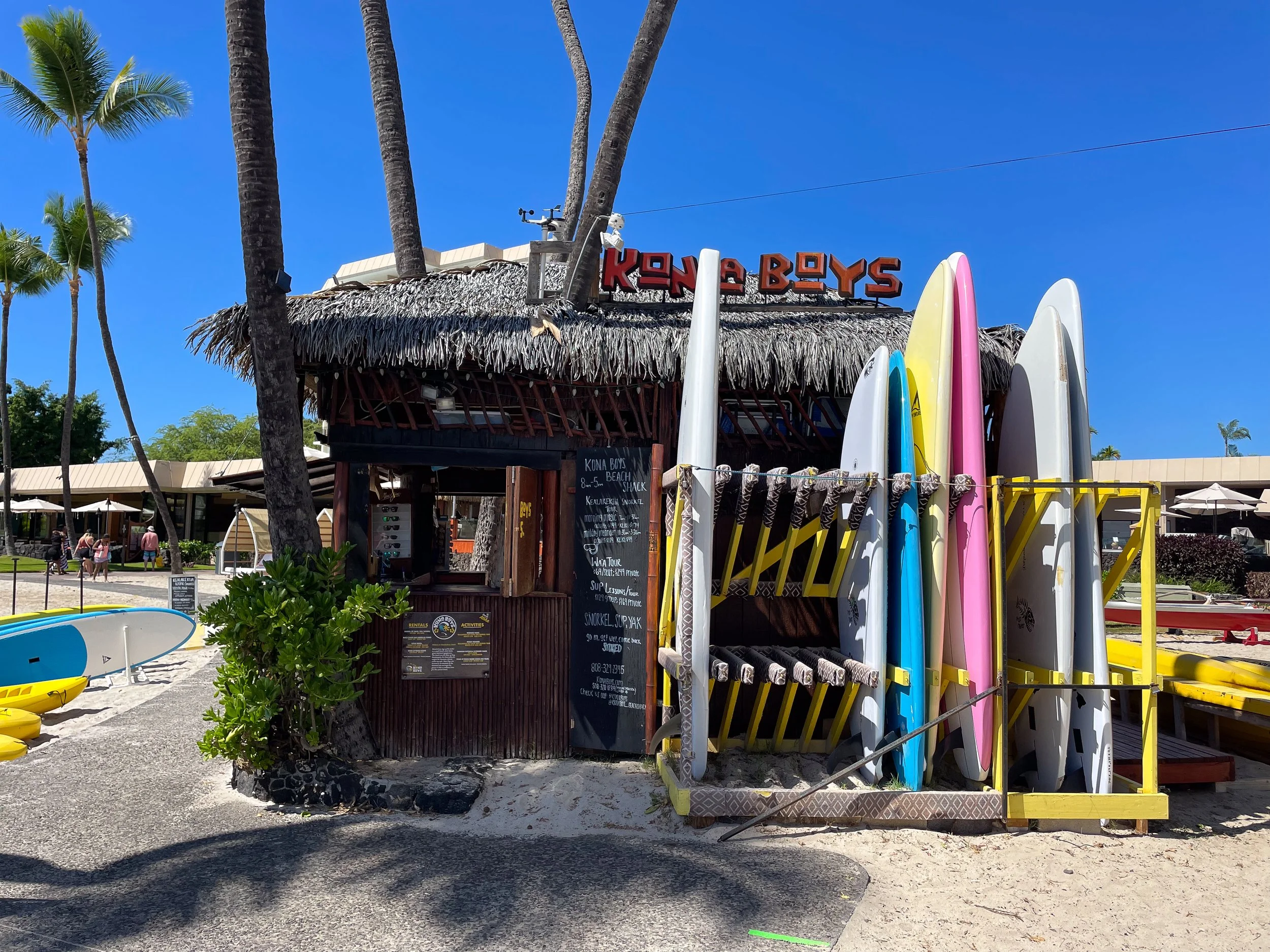
Kamakahonu Beach. A small white sand beach in downtown Kona for swimming, snorkeling and kayaking. Kona Boys Beach Shack rents hourly and daily equipment. There’s also a beach bar at the hotel.
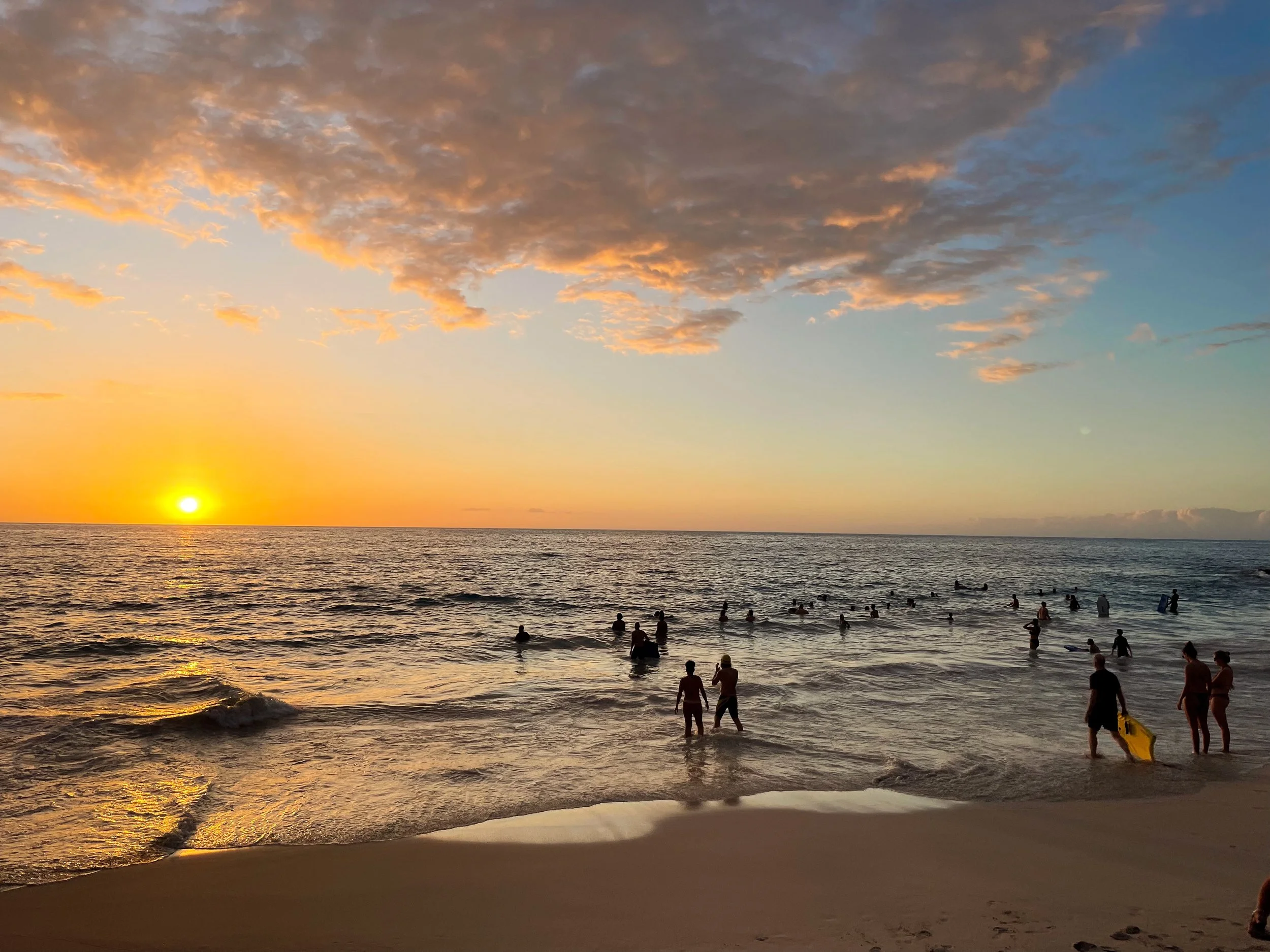
Magic Sands Beach. A small white sand beach popular for watching the sunset, body surfing and boogie boarding in the waves.
Snorkeling & Sailing
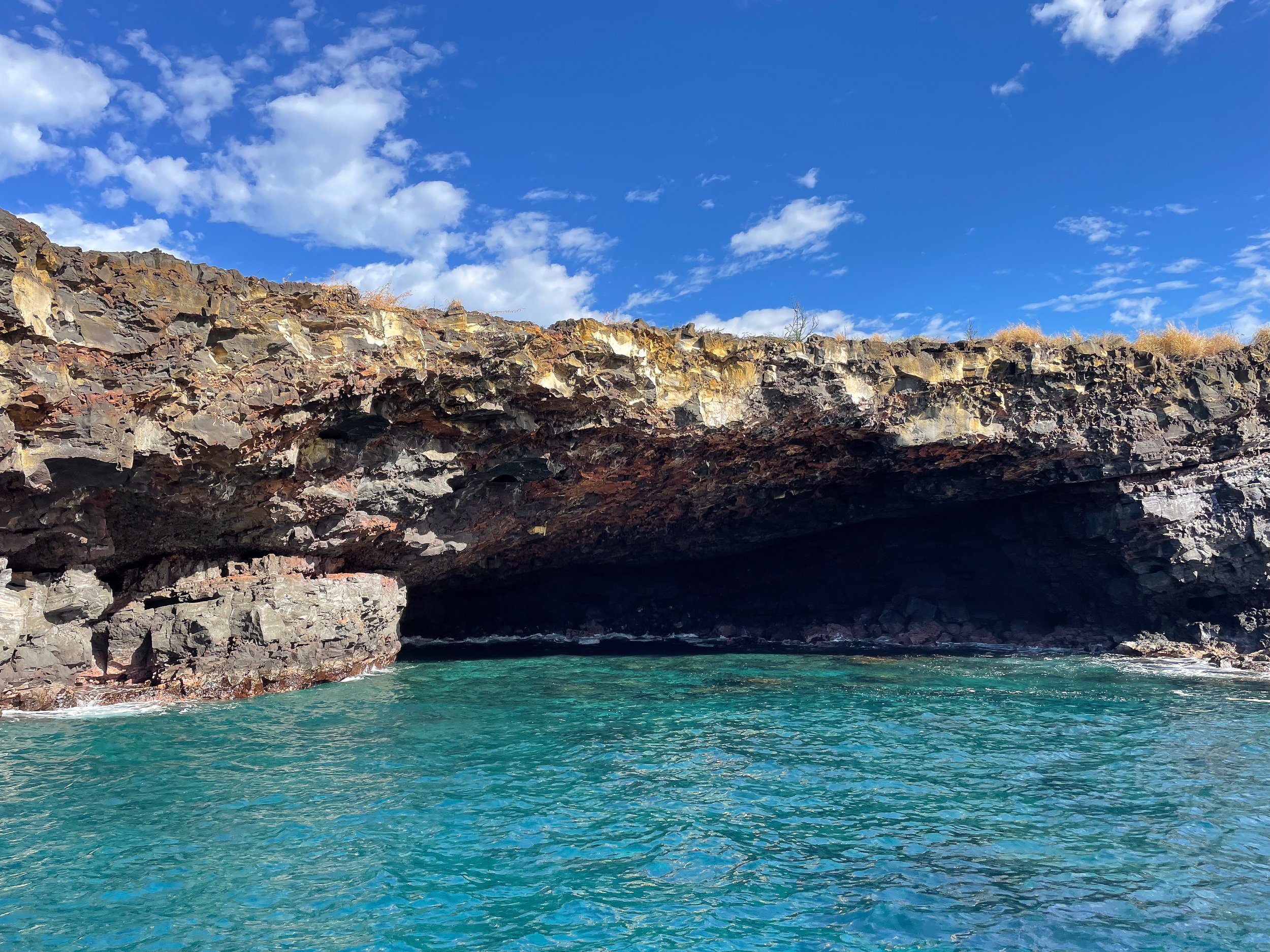
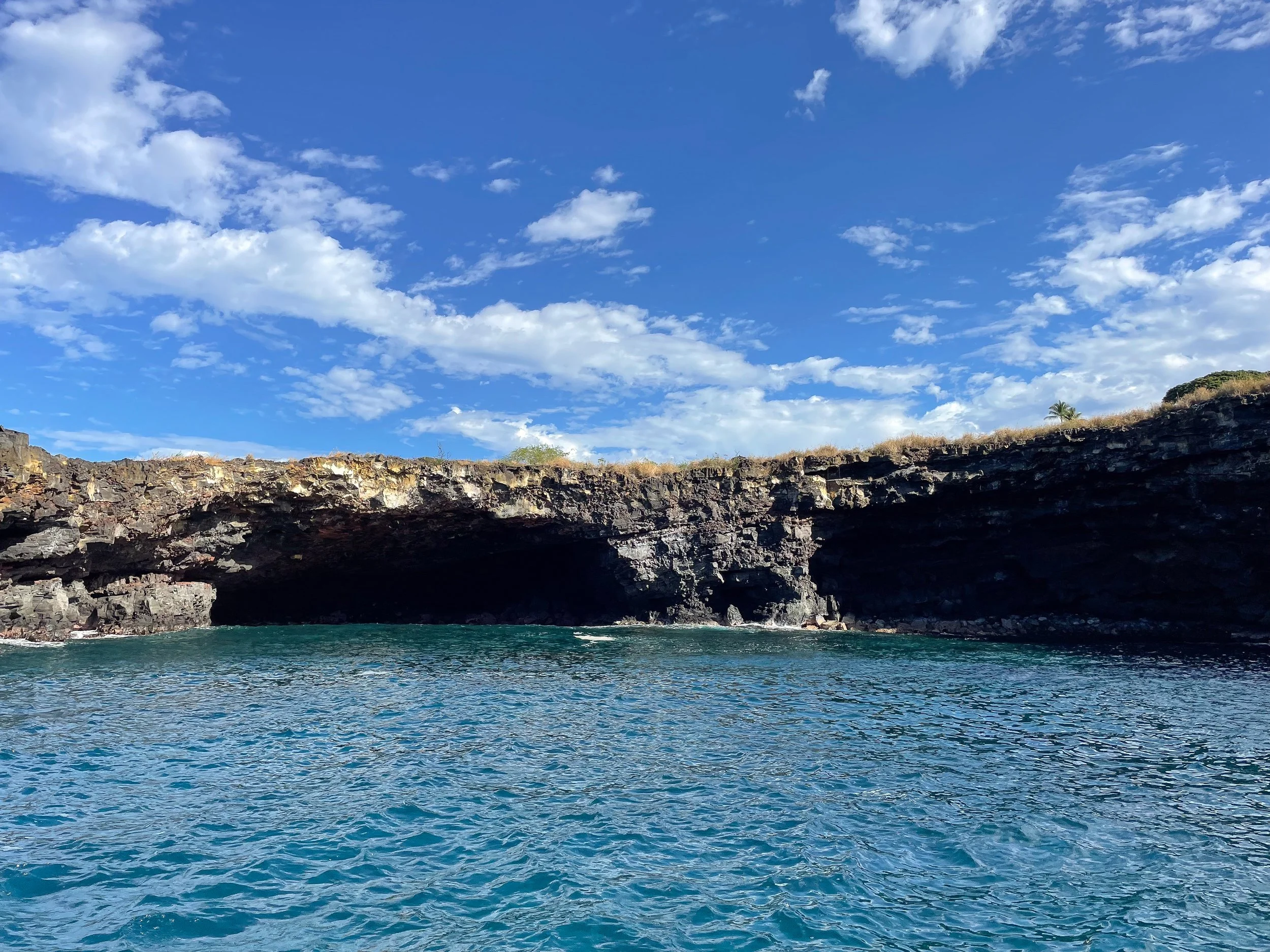
The Big Island is home to an array of scenic coastal sights and underwater marine life. We booked two snorkeling trips with Sea Paradise on their large ocean catamaran.
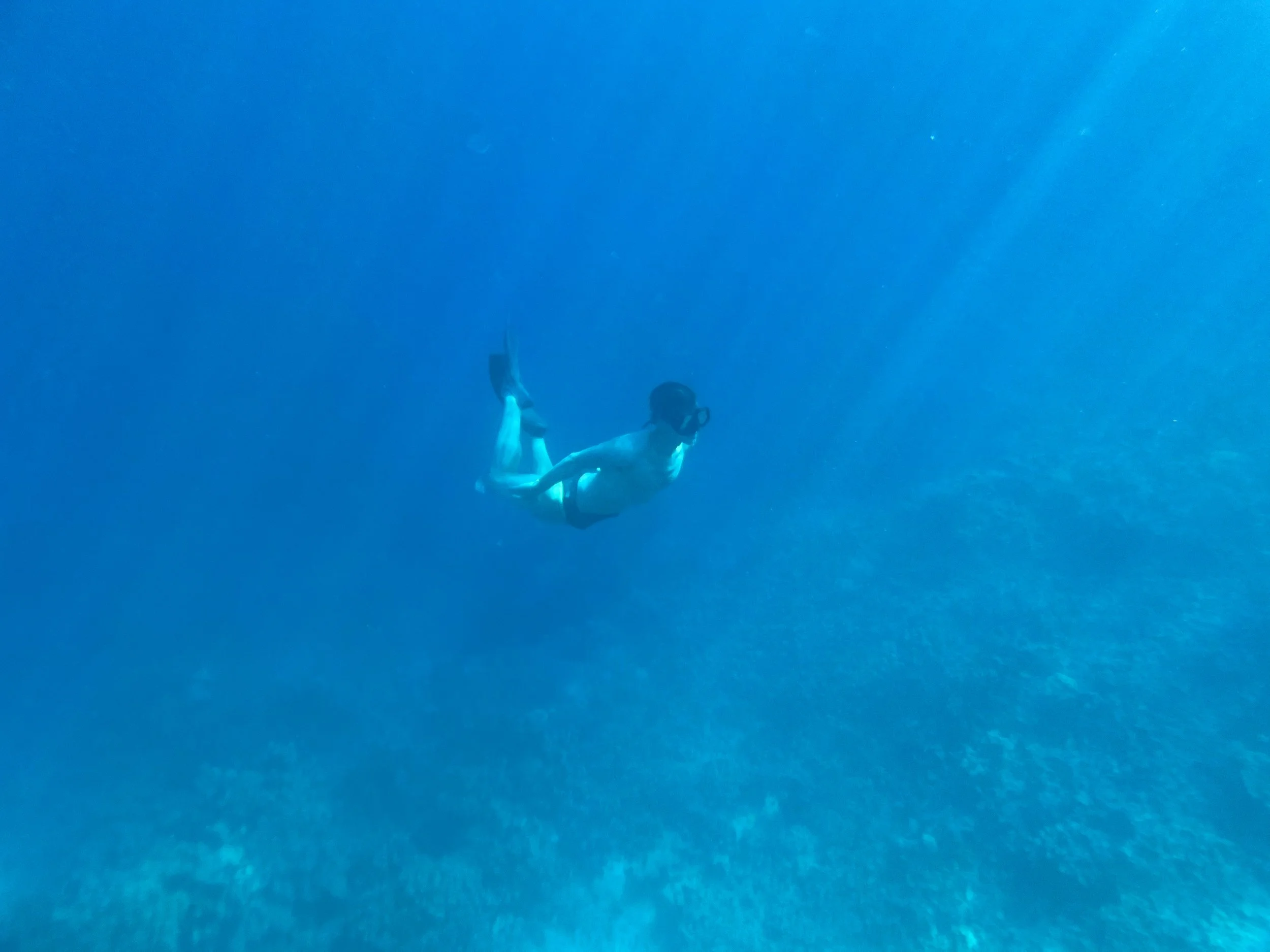
Kona Snorkel Tour. A leisurely half day sailing tour along the Kona coast with snorkeling stops in two bays. The tour included snorkeling gear, lunch and cocktails for purchase. The friendly crew pointed out important Hawaiian sights and kept us entertained with their sea themed Disney playlist.
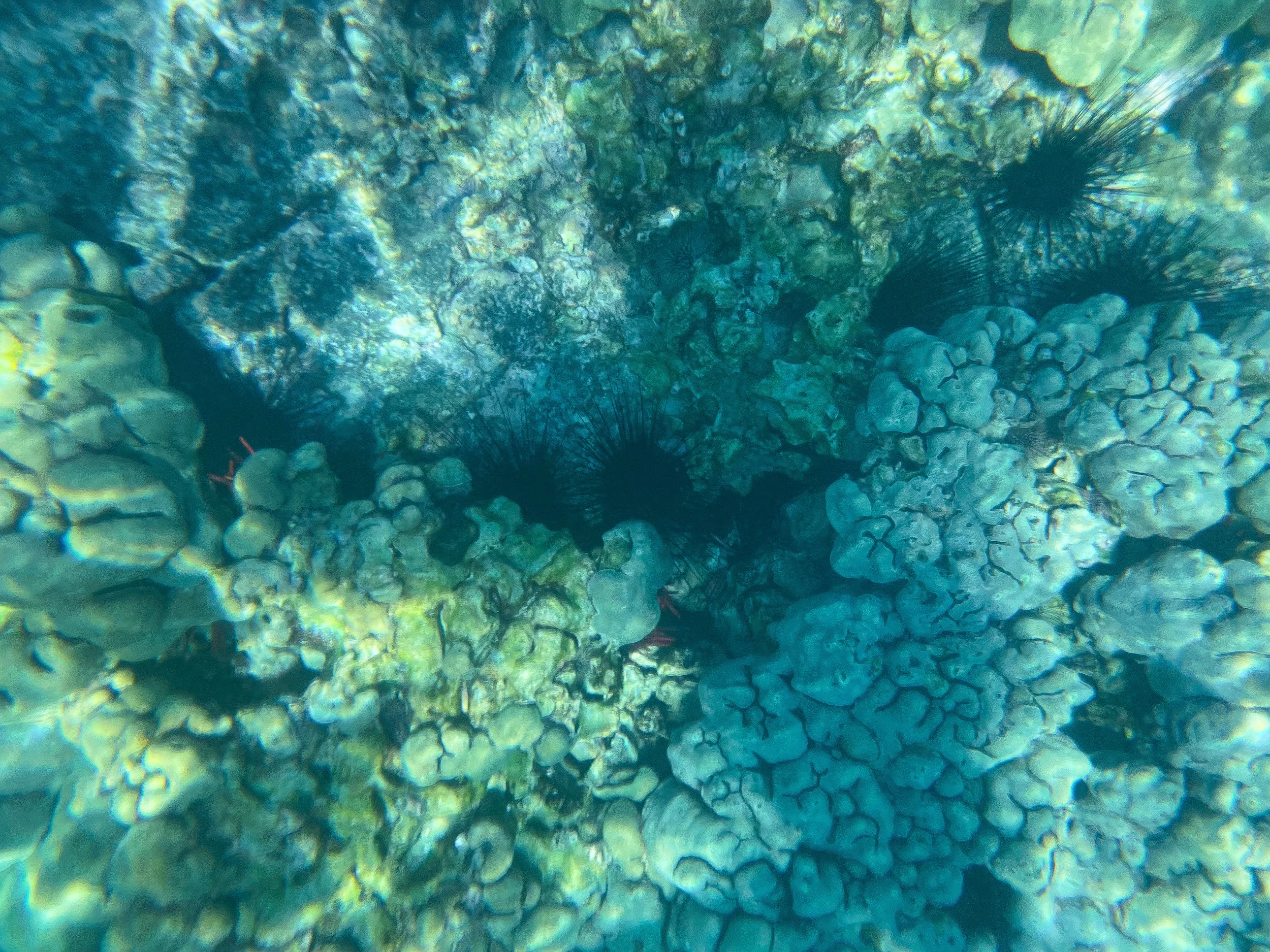
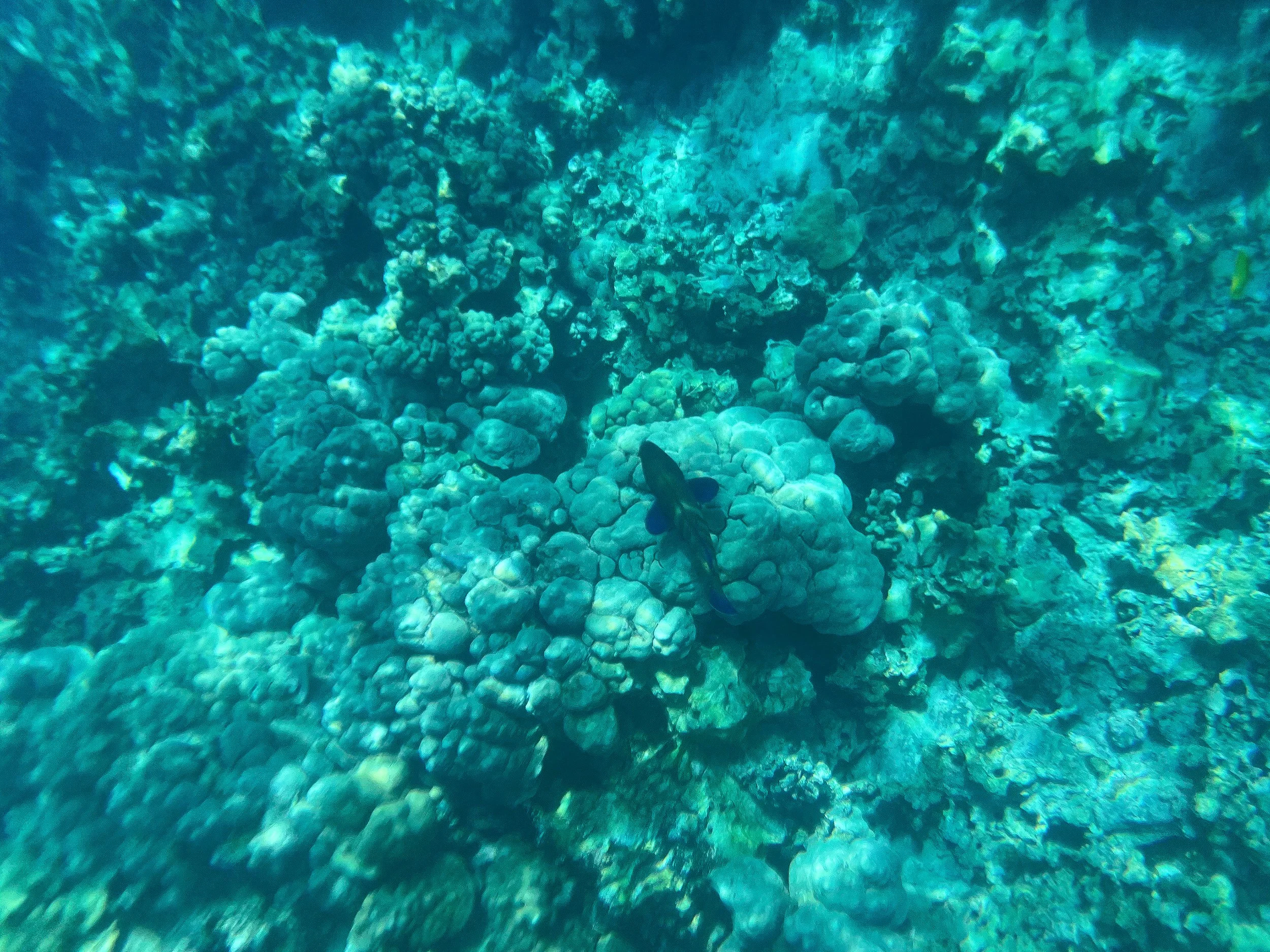
Keawekāheka Bay. A bay with deep blue water, coral reefs and schools of fish.
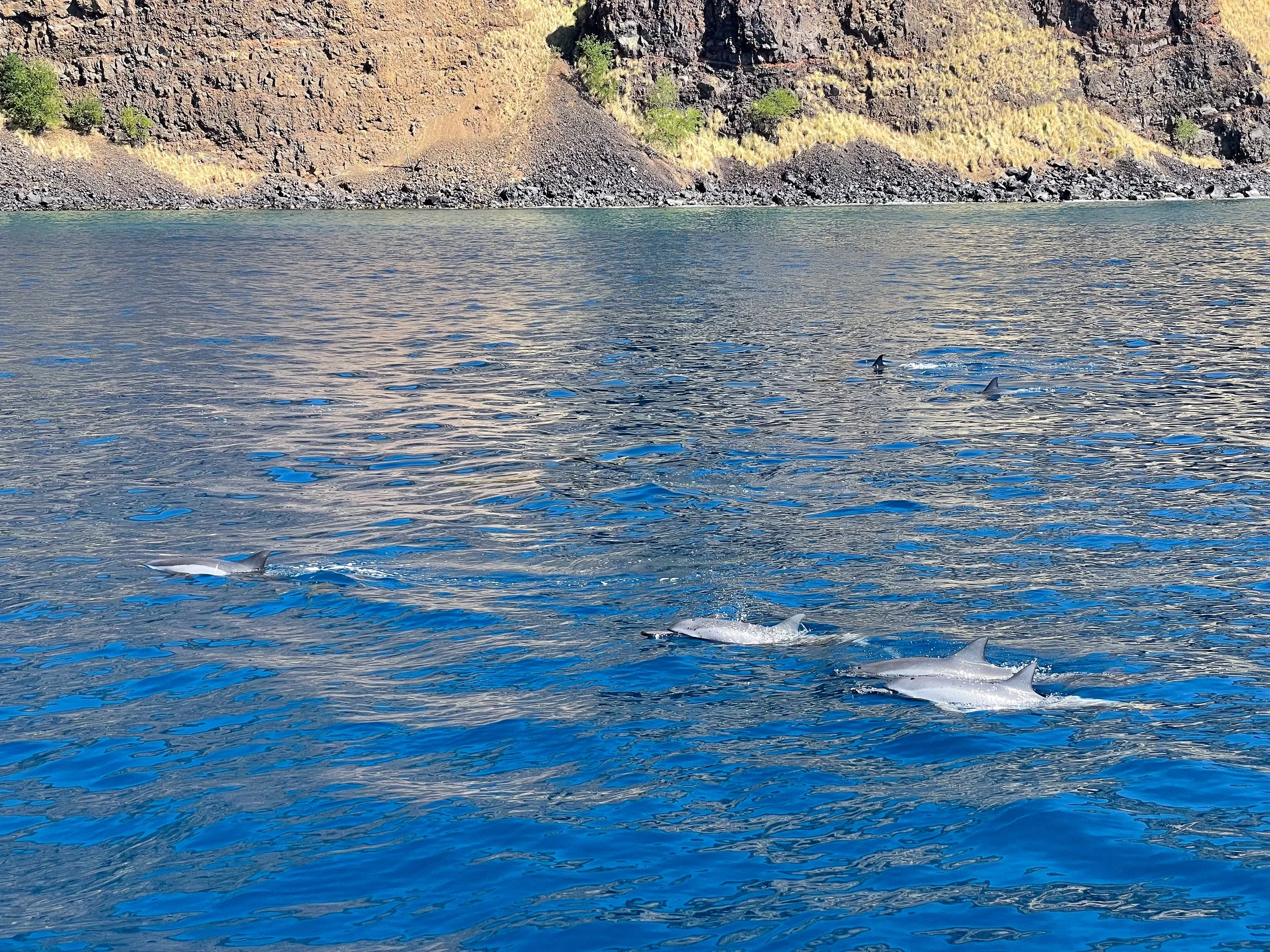
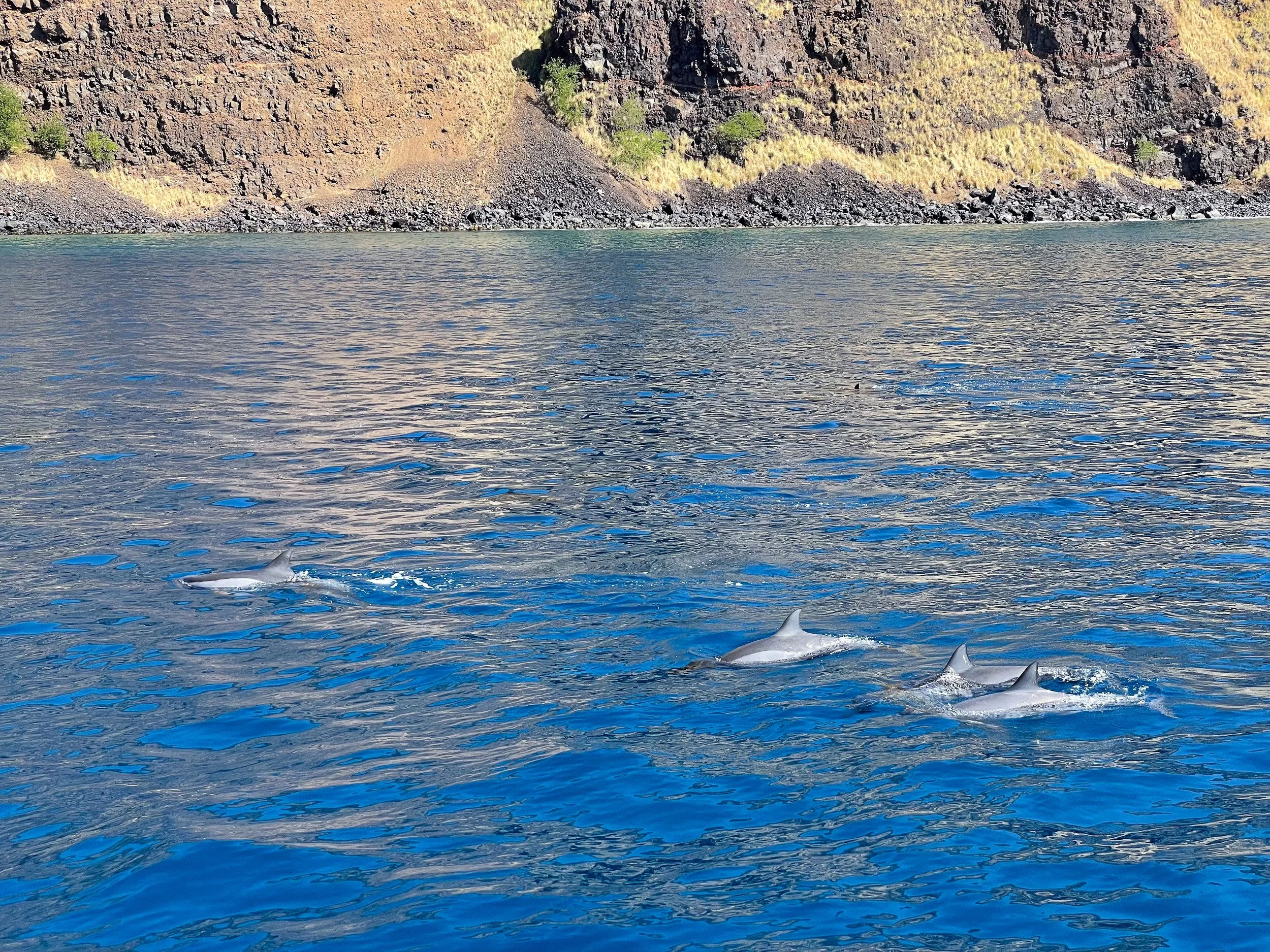
Kealakekua Bay. A bay near the Captain Cook Monument with an area of healthy and recovering coral reefs home to many species of fish. Spotted spinner dolphins swim through the bay in pods and jump above the surface in their emblematic spinning motion.
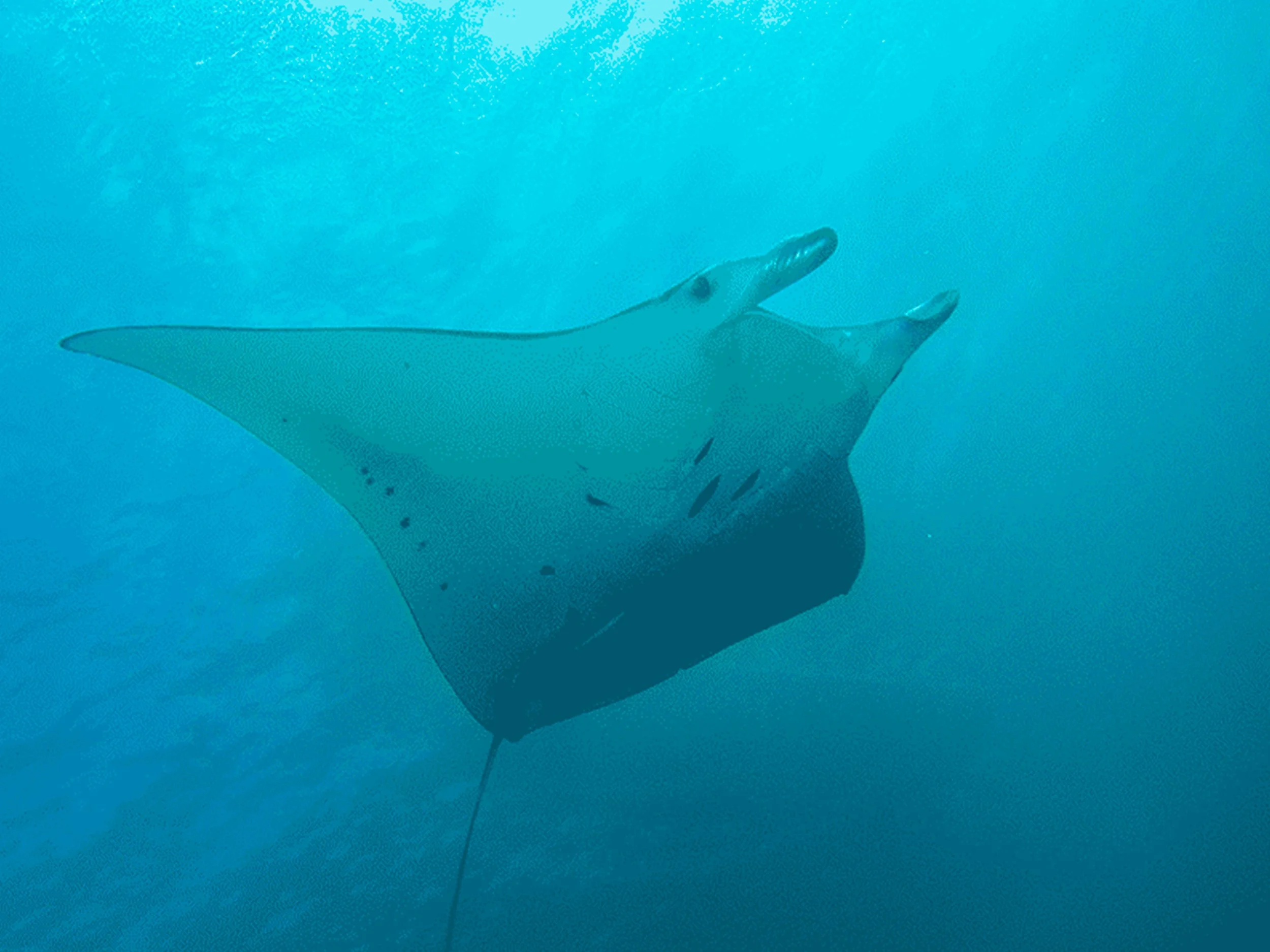
Manta Ray Night Snorkel. A nighttime snorkel tour to watch manta rays feed on plankton. Fitted with wetsuits and snorkels, we held onto an illuminated platform face down in the water. As we watched, swarms of plankton drawn to the light attracted the attention of 3 manta rays. They began gracefully swooping up to feed on the plankton, gradually getting closer to the surface. After about 30 minutes, the gentle giants swooped upwards within inches of our faces, showing off their impressive 10ft wingspans. It was possibly one of the most unbelievable experiences to witness.
Pro Tip. Don’t try taking photos, just be present and enjoy the moment. Photo credit courtesy of Sea Paradise.
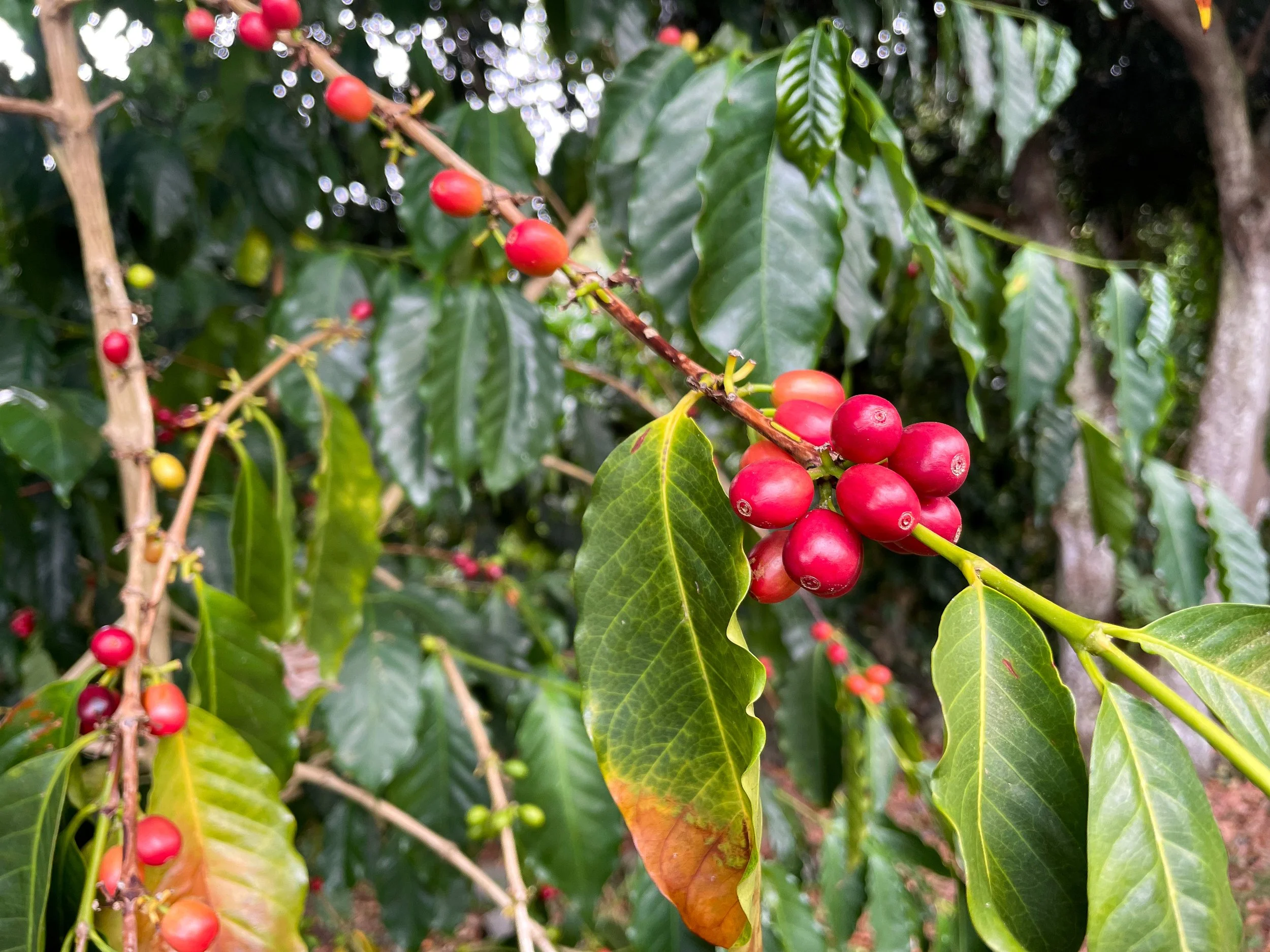
Kona Coffee
Coffee is easily grown on the lush volcanic slopes in the Kona region. There are hundreds of coffee producing farms here, offering tours and tastings throughout the week. We toured Hala Tree Coffee Farm, learned about Kona coffee, the growing, harvesting and the roasting process, then tasted multiple brews.
Places to Eat & Drink in Kona
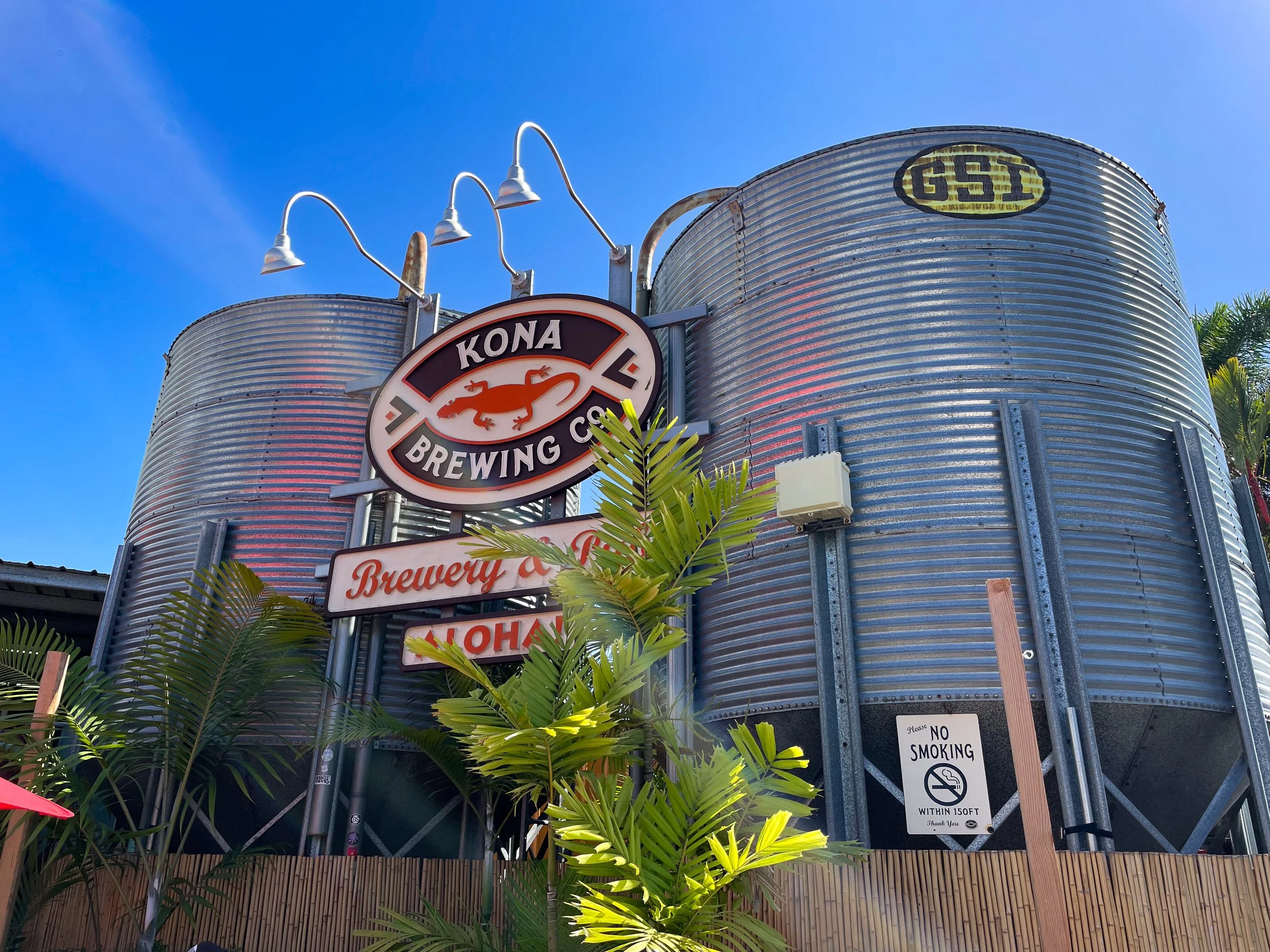
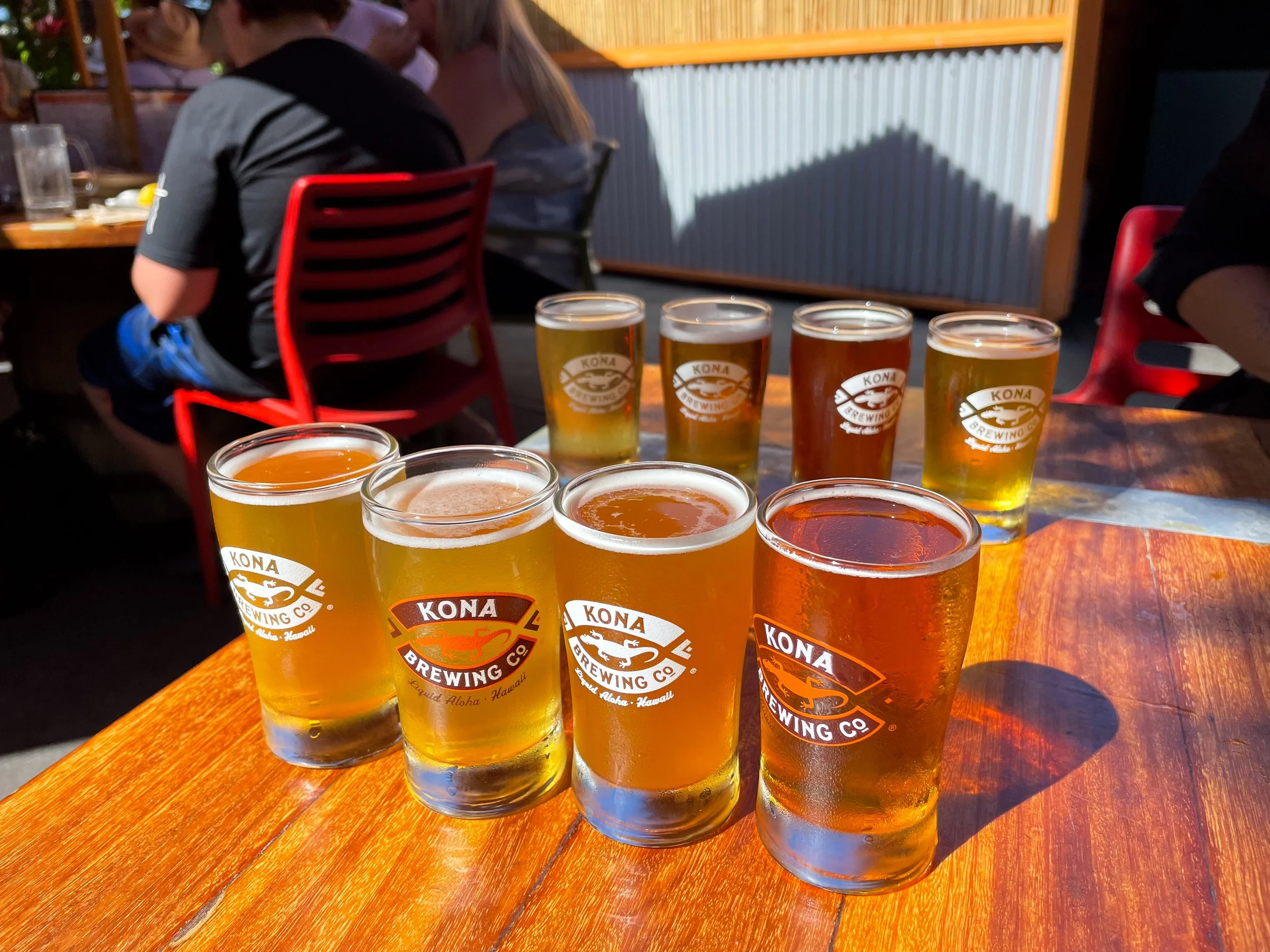
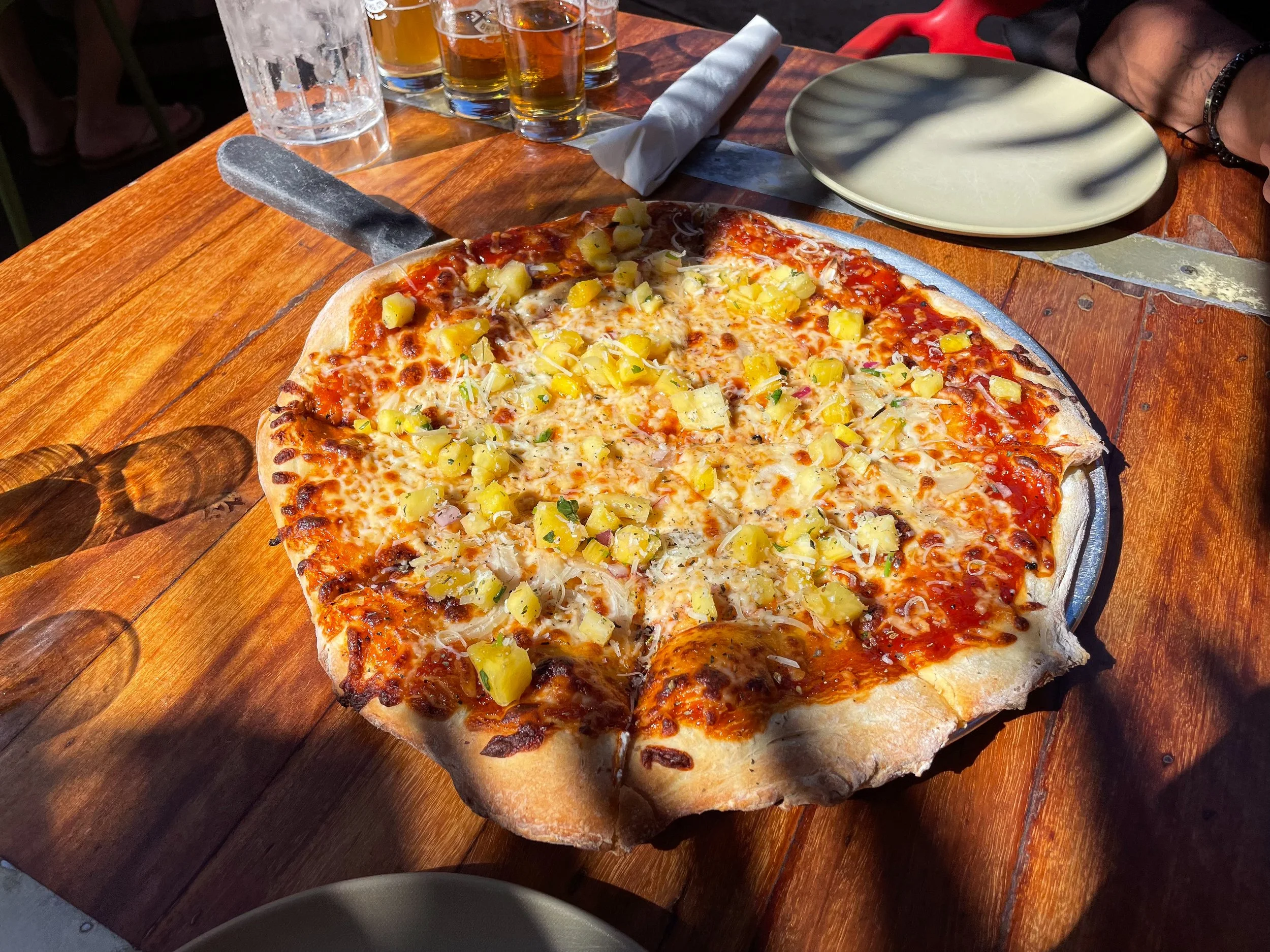
Kona Brewing Company. The famous Hawaiian brewery known for its Big Wave Golden Ale and Longboard Lager. Come here to enjoy brews only served at their tap room and restaurant. We sampled two flights from their “Backyard Batch” and “Pints of Paradise” menus along with a Hawaiian pizza baked with pineapple and bbq sauce.
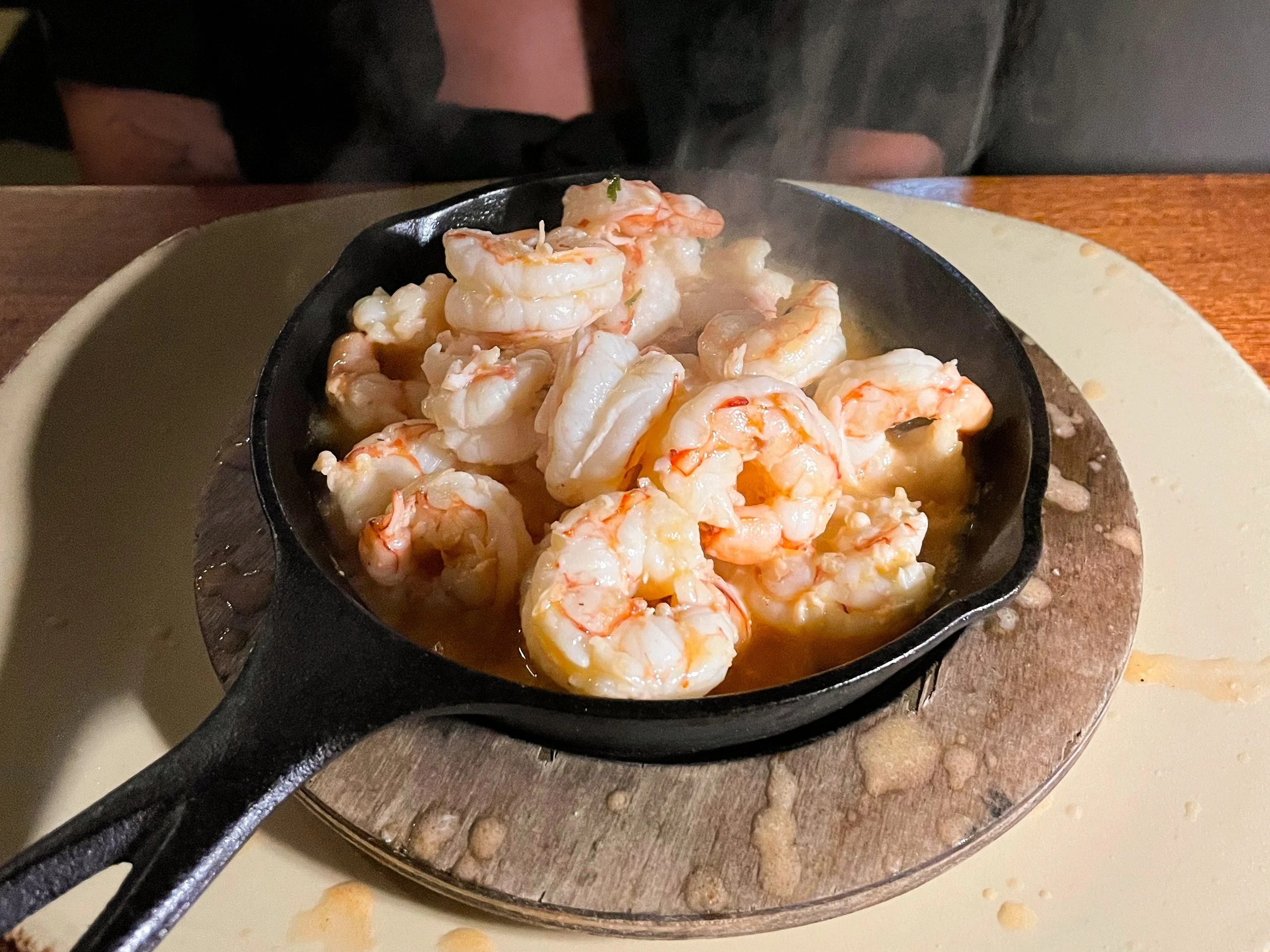
Huggo’s. A long running romantic seaside restaurant overlooking the Kailua Bay with tiki torches and live music. The menu features Hawaiian dishes like garlic shrimp, seared sesame tuna and macadamia nut encrusted ono. The mixologists serve classic tiki cocktails and tropical concoctions. One item not to be missed is their coconut cake!
Huggo’s on the Rocks. A bar next door to Huggo’s with a pupus menu, tiki drinks and live music.
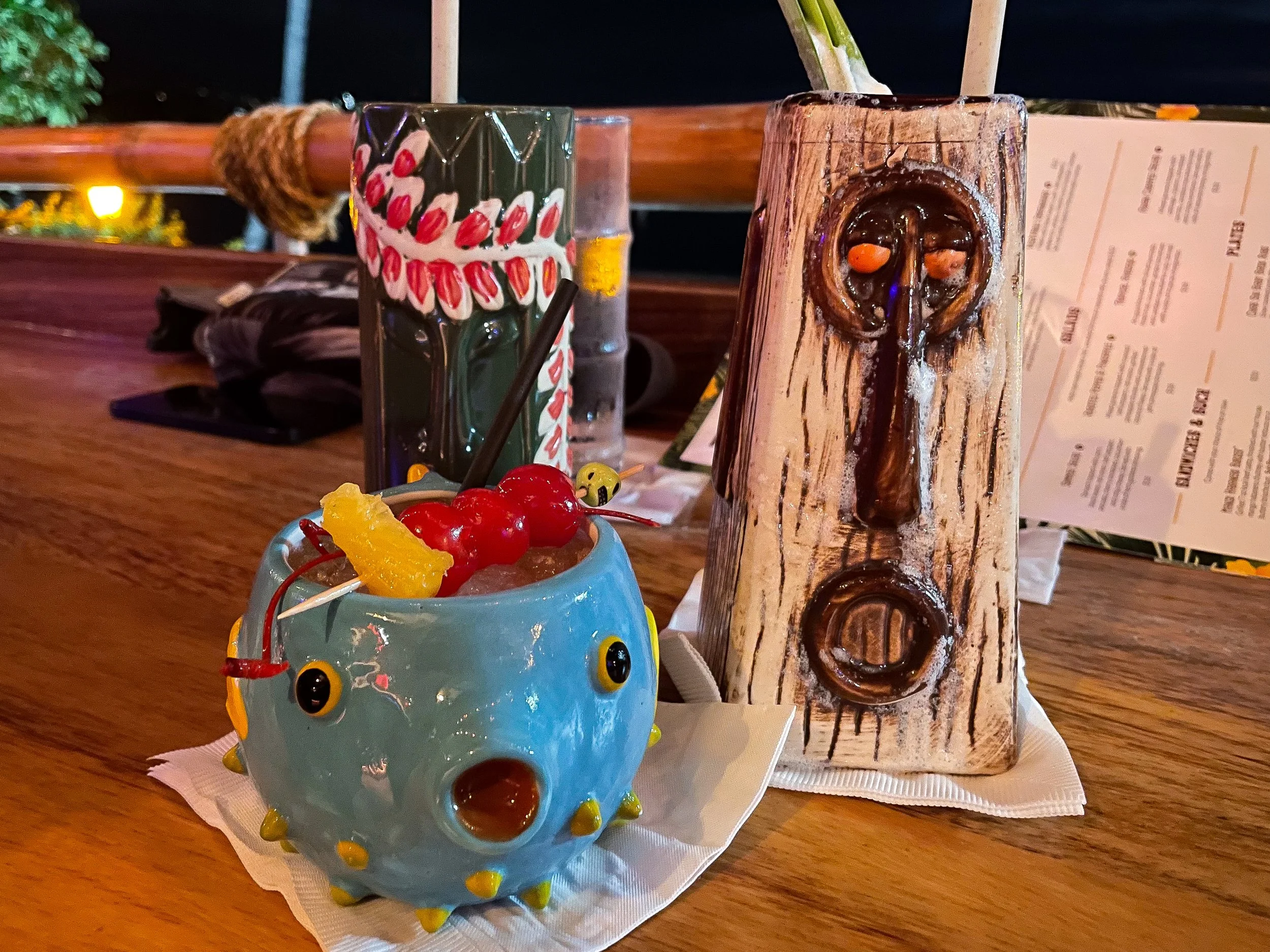
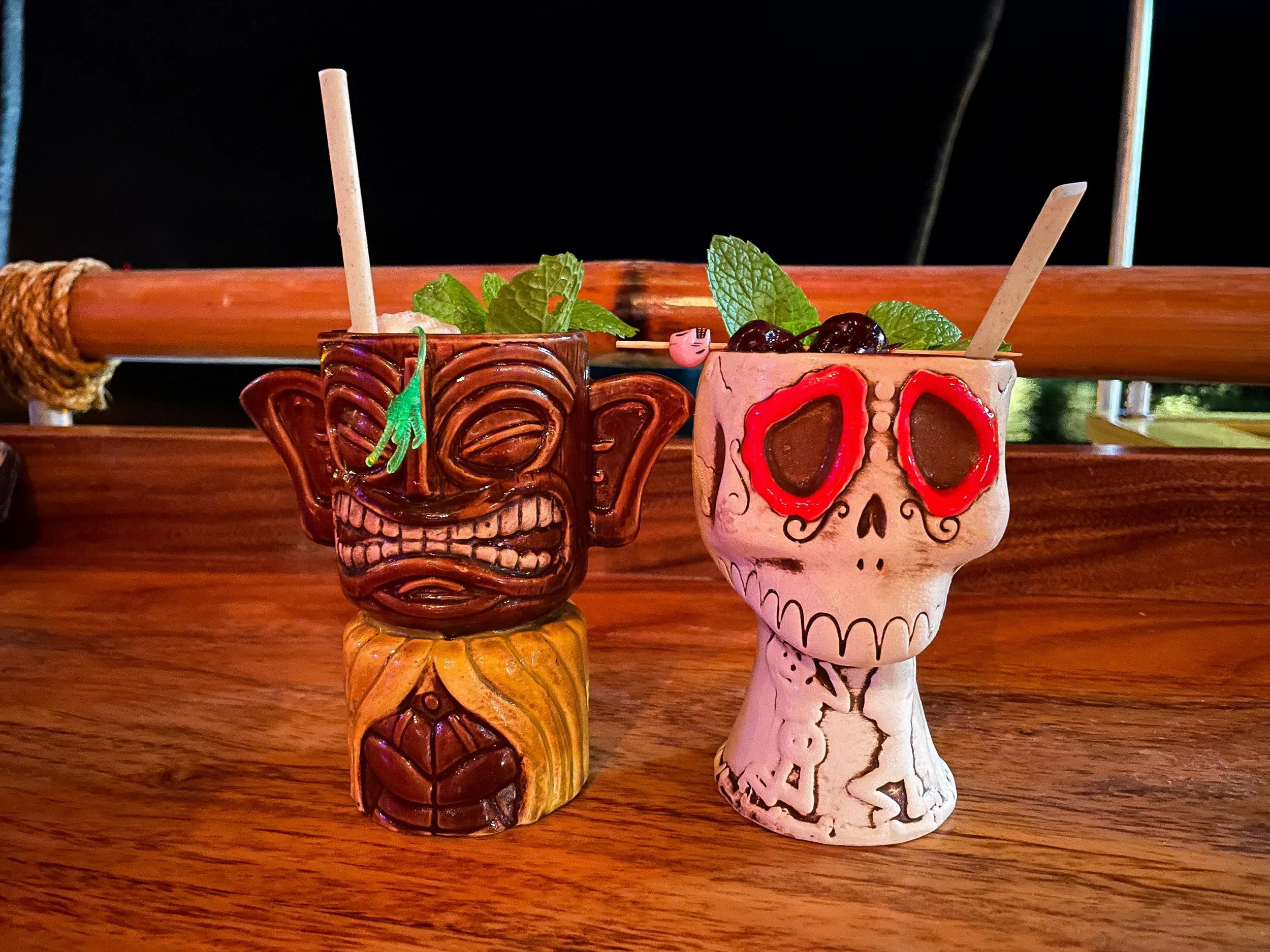
Cheeky Tiki Kona. A waterfront tiki bar with a second floor dining room overlooking Kailua Bay. The menu has over two dozen cocktails served in tiki mugs, bowls and fresh pineapples. The cocktails are noted by strength. Try the Zombie, Mai Tai, Painkiller or Scorpion Bowl. The pupus menu has sharables like mac nut shrimp, ahi tuna poke, kimchi fried rice and fish tacos. Order the off menu fish collar.
Magics Beach Grill. An oceanfront restaurant next to Magics Beach with seafood specialties and tropical cocktails. Try the poke nachos made with raw tuna and wonton chips, the seared tuna steak, kimchi fried rice and mai tais.
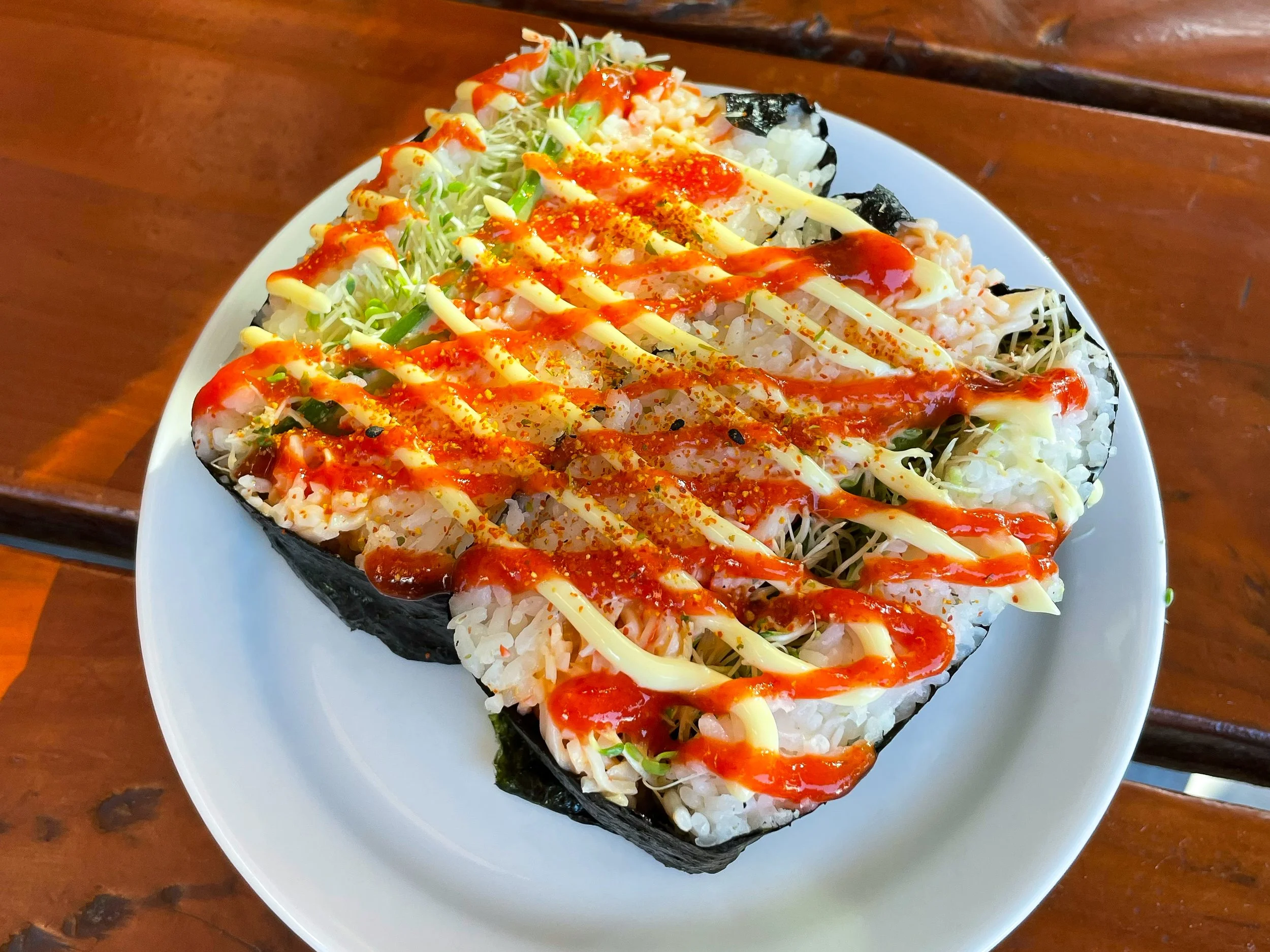
HiCO Coffee. A coffee shop brewing local kona coffee. Try some local flavors like ube latte and crab musubi.
The City of Hilo
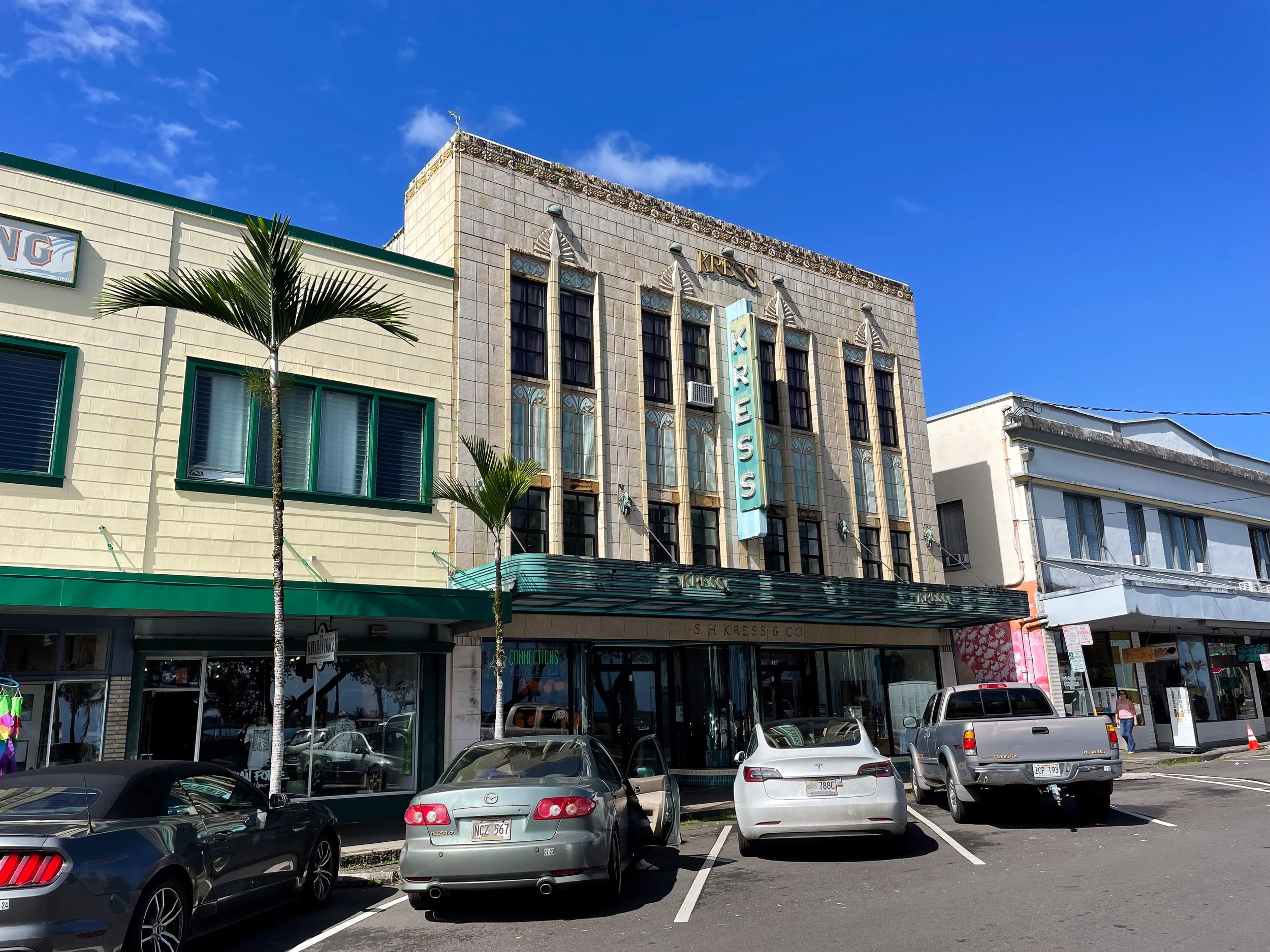
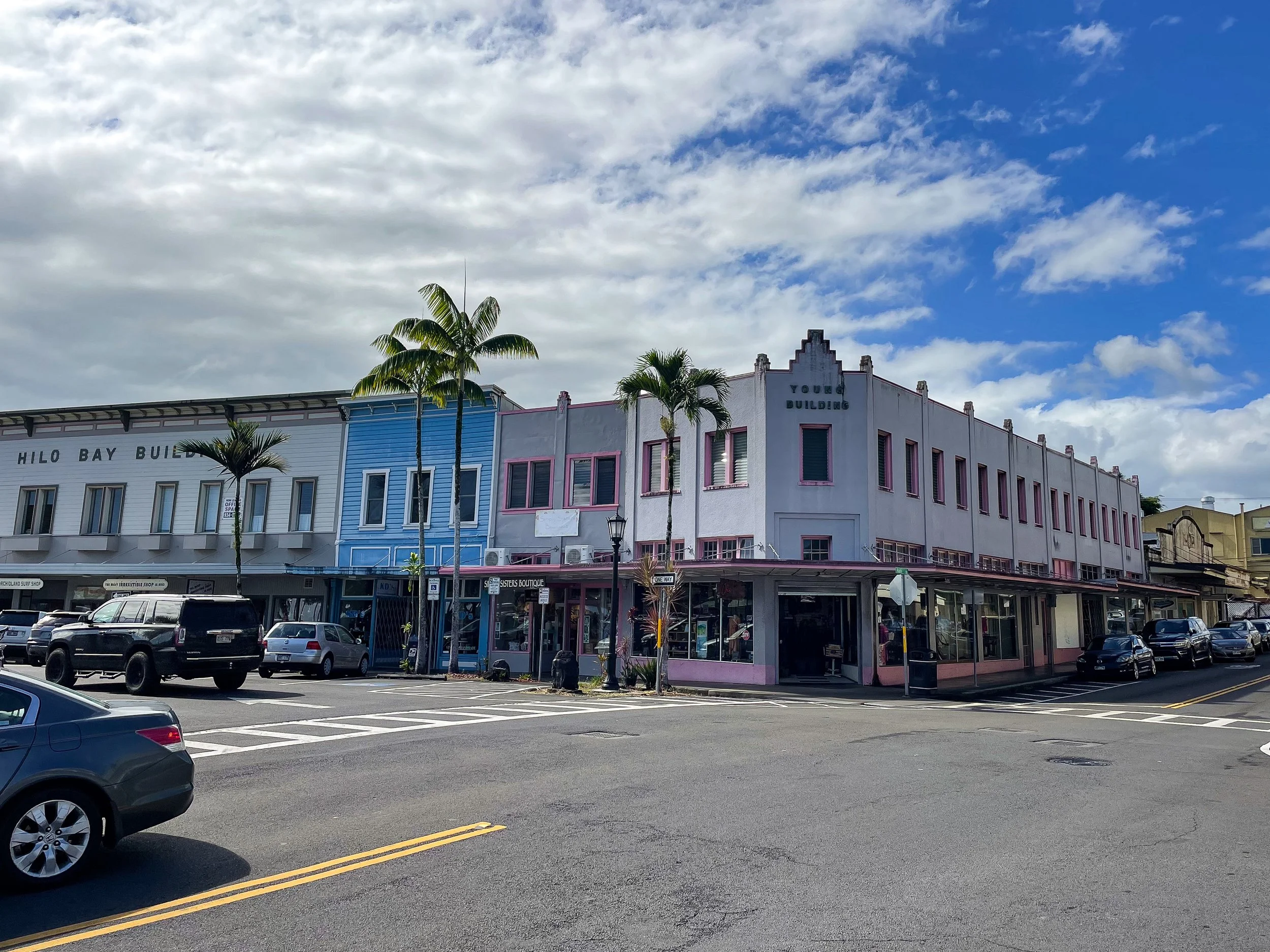
Hilo is the largest city on the Big Island and lesser traveled to by tourists. It has a local feel and a historic center with an artistic and bohemian edge. It’s a central location for shopping at markets and boutiques or dining at a range of cafes, restaurants and bars.
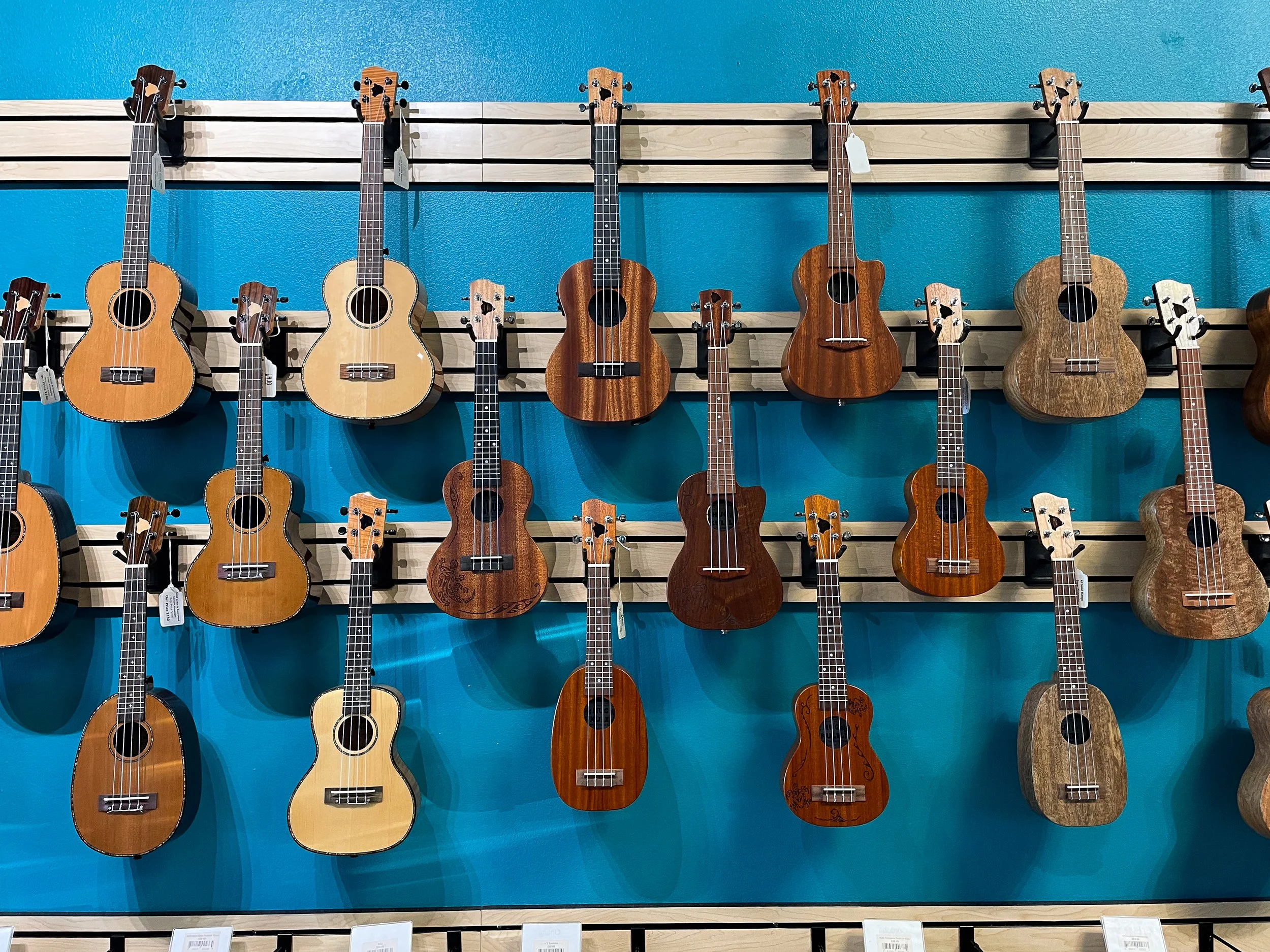
Kamehameha Ave. The road along the bay with painted wooden and Art Deco buildings home to various shops selling surf supplies, ukuleles, clothing, jewelry and souvenirs.
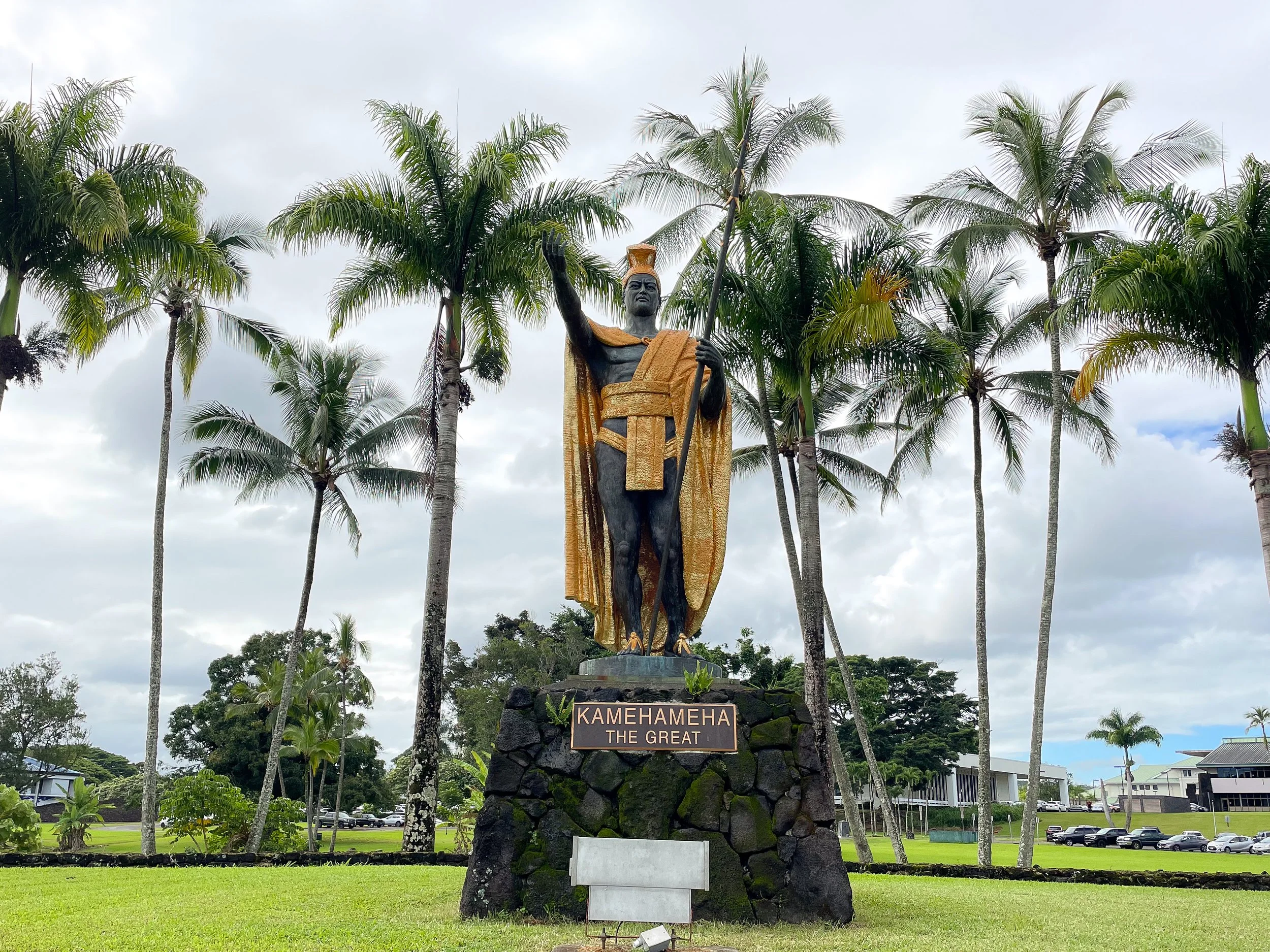
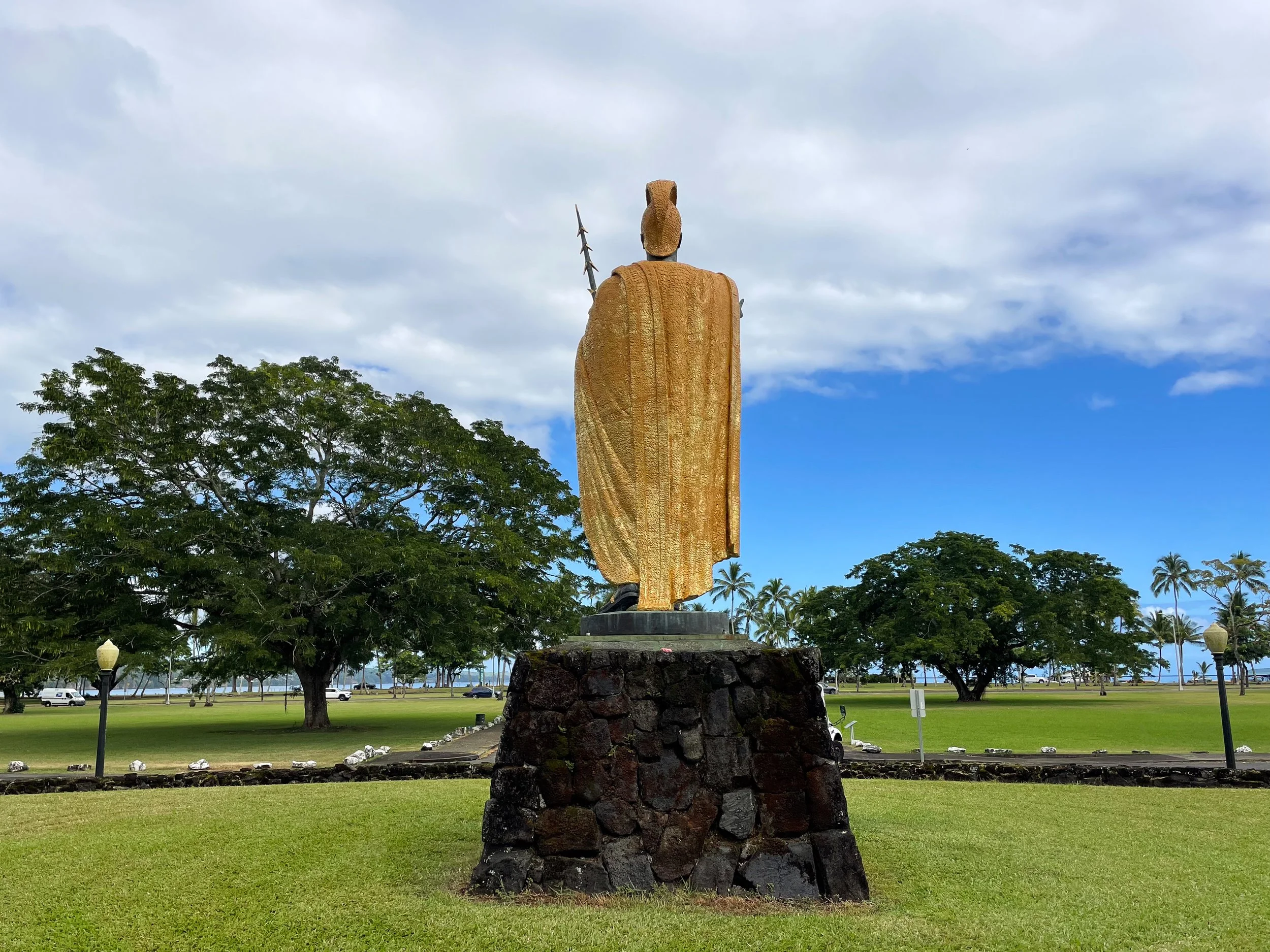
Kamehameha The Great Statue. A gold and black statue of the Hawaiian king dedicated to his life and legacy.
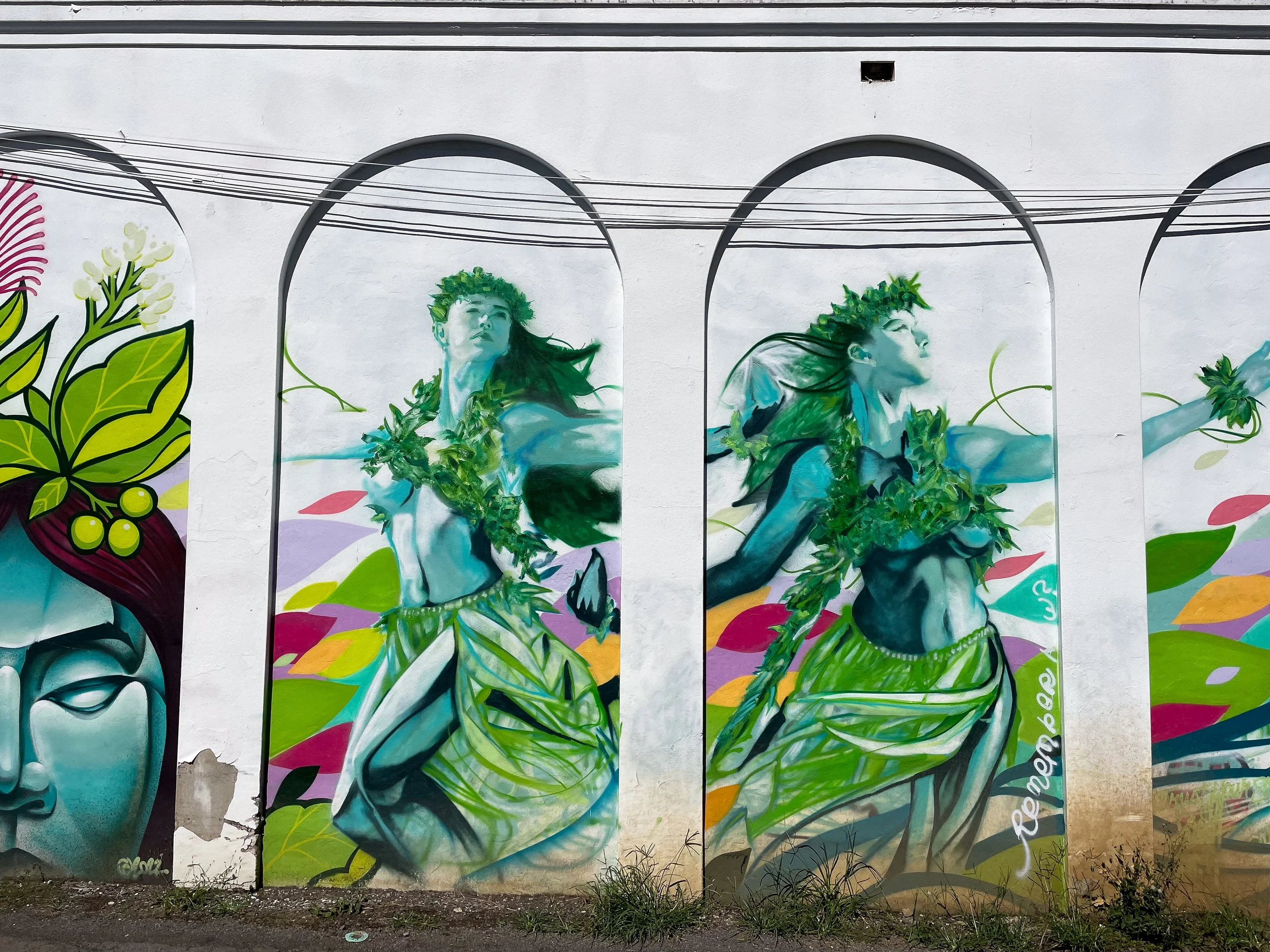
Keawe St. A street with murals, restaurants, bars, antique shops and resale stores.
Pineapples Island Fresh Cuisine. A restaurant with Hawaiian dishes like coconut & panko encrusted ono, furikake seasoned shrimp and cocktails served in pineapples. There’s live music from Thursday to Sunday.
Booch Bar. Come here for the house brewed Kombucha, kombucha cocktails and vegan dishes. Try the tempeh reuben and tempeh BLT.
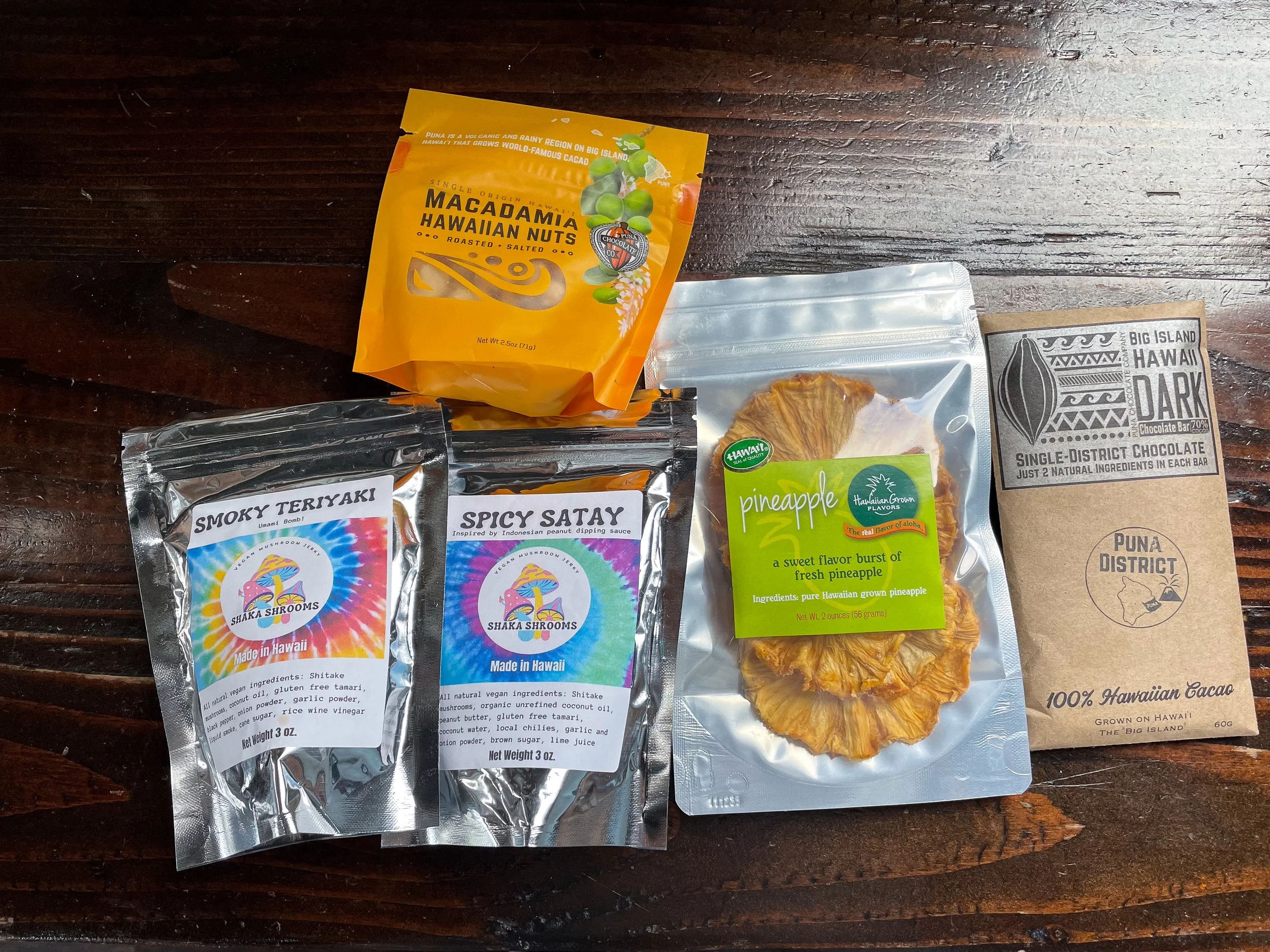
Puna Chocolate. A chocolate shop and café specializing in locally grown chocolates, macadamia nuts, coffee and dried fruit.
Friday Night Market. A popular Friday Night Market on Keawe St. with live music, food trucks and vendors selling locally made snacks, jewelry, clothes and artwork. Visit during Black & White Night, held during the first Friday Night Market of the month. Locals dress in black and white as a low key nod to a black tie event.
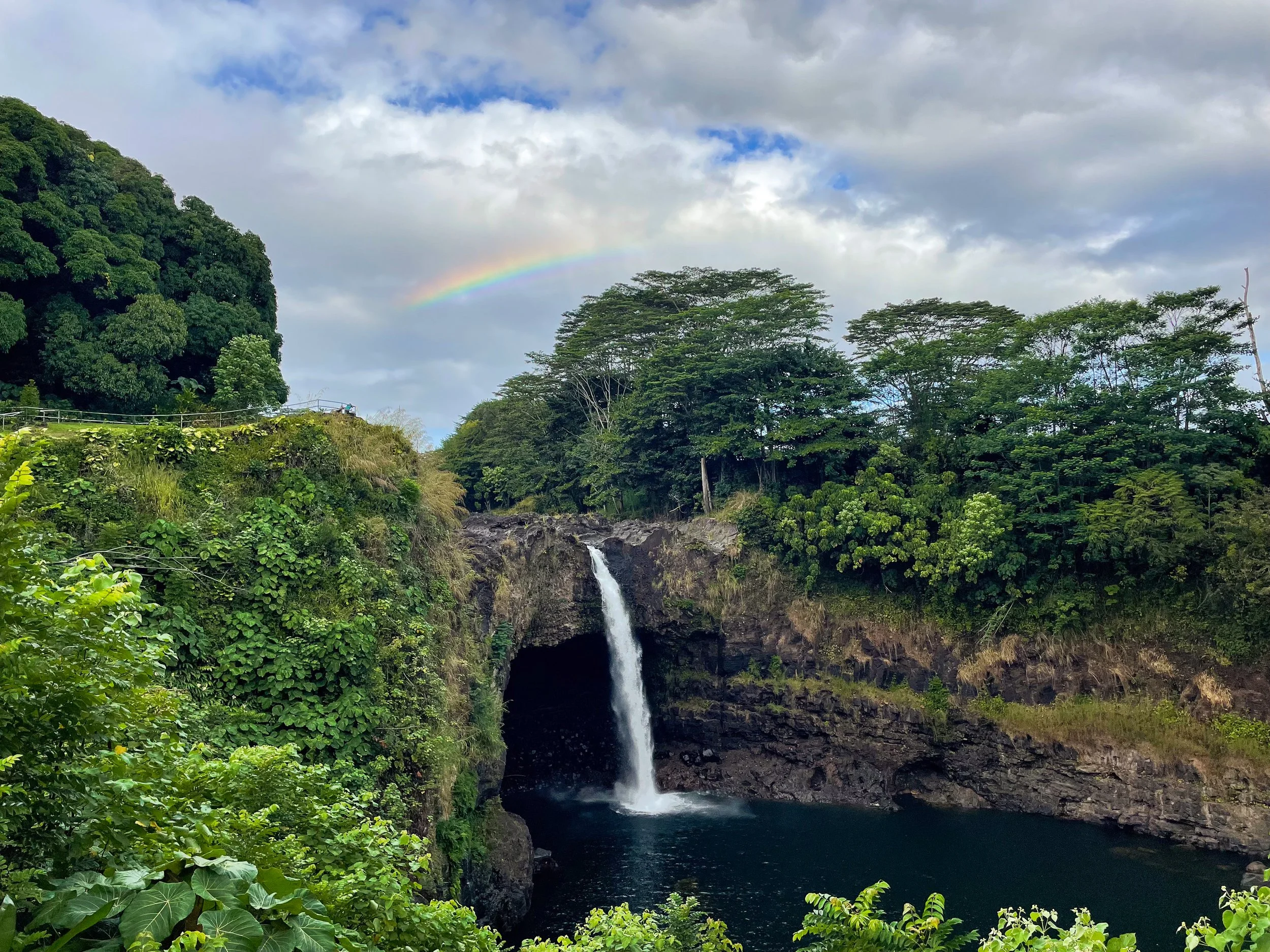
Rainbow Falls. An 80ft tall waterfall over a hardened lava cave. A rainbow can be seen in the mist above the falls in the early morning as the sun is rising. In Hawaiian lore, the cave was the home of the demigod Maui’s mother.
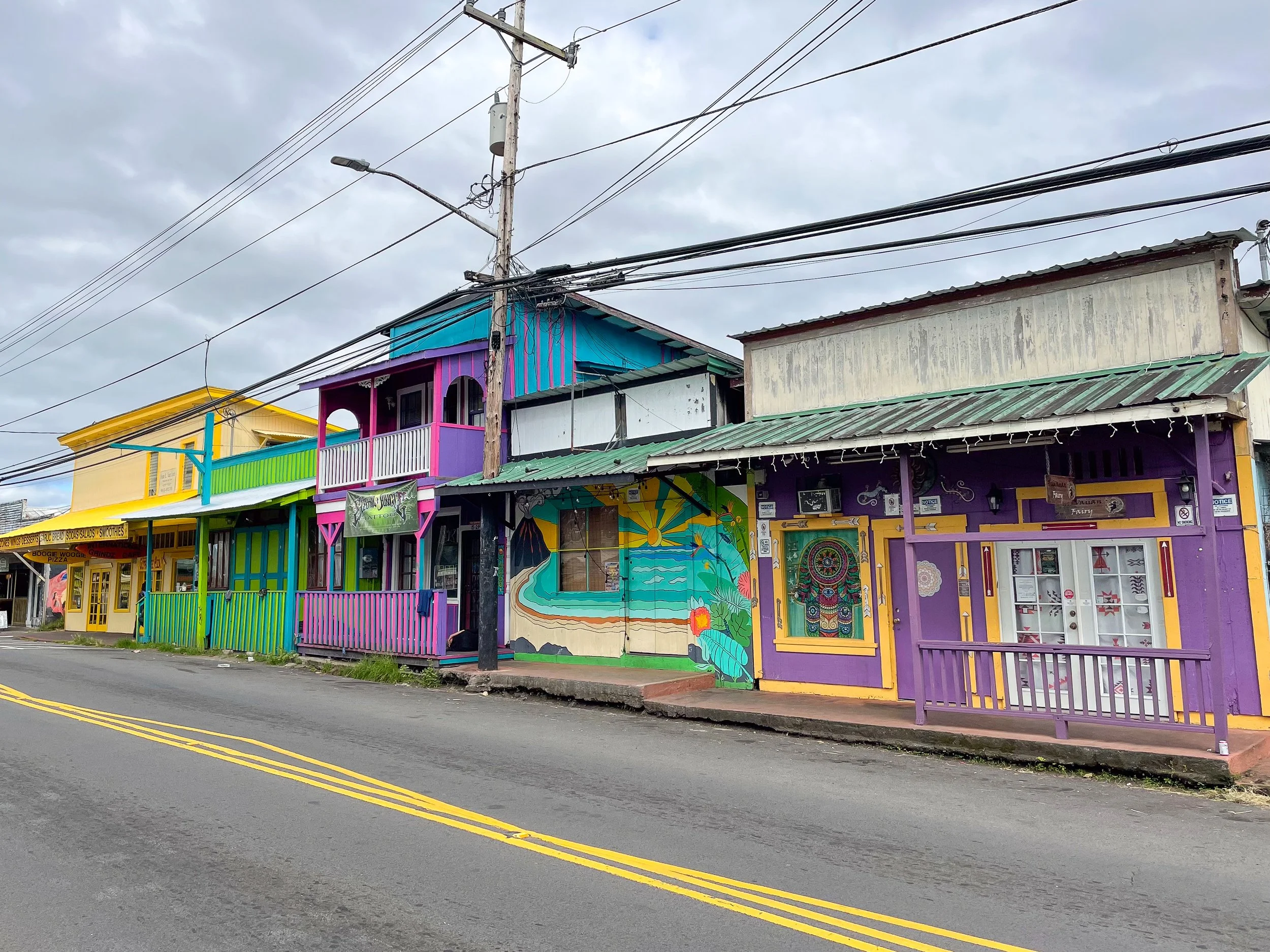
The Town of Pāhoa
A small town with hippie vibes, colorful wooden buildings and an old boardwalk with restaurants, craft stores and galleries. It’s located nearby public black sand beaches and hardened lava fields. The town is 30 minutes south of Hilo. Many hitchhikers and skateboarders congregate around here.
Places to Eat & Drink in Pāhoa
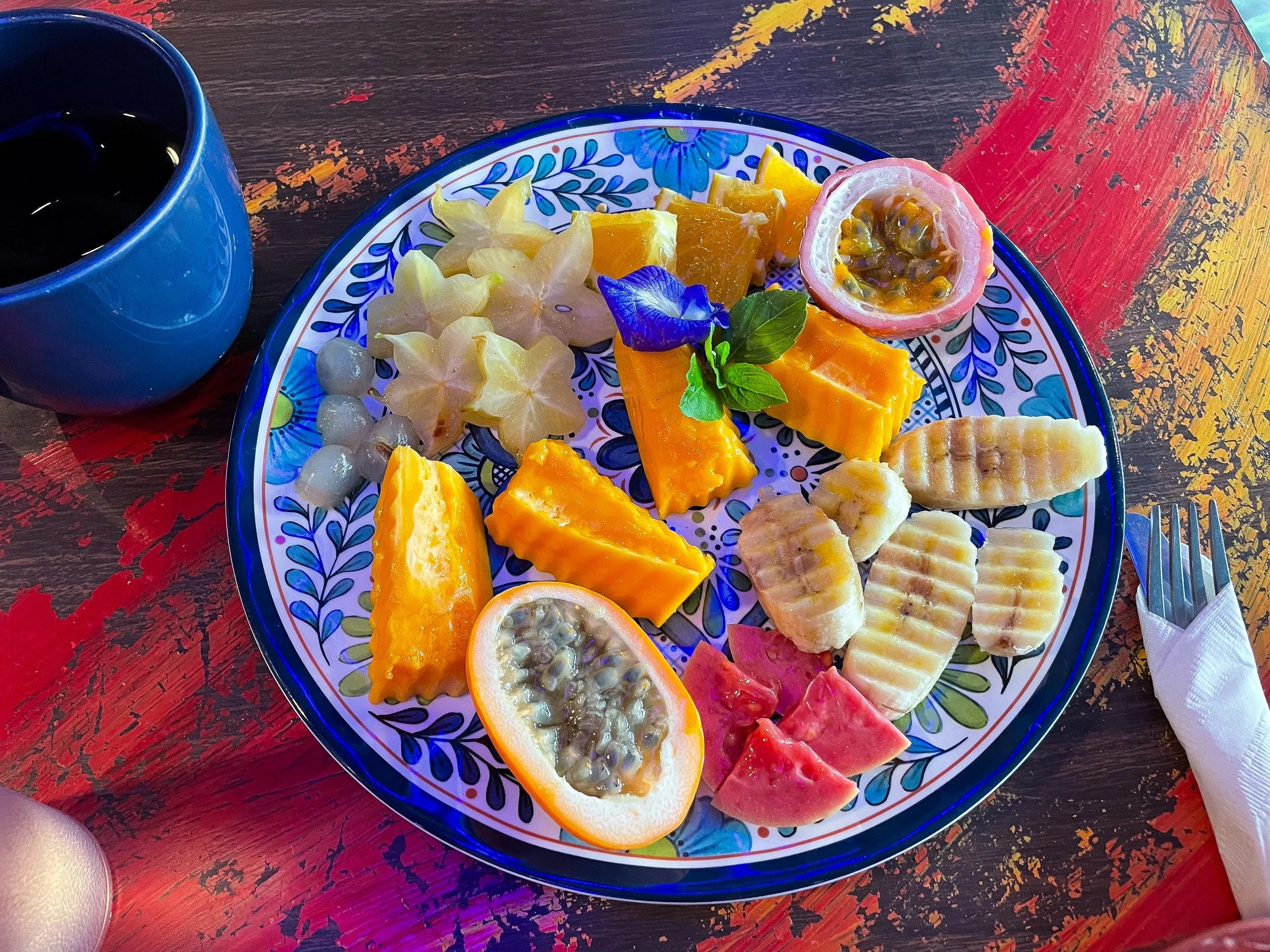
Pele's Kitchen. A health foods café with a colorful painted interior, tropical fruit platters, pancakes, omelettes and vegan dishes. Come here for breakfast.
Bananarama Bakery. A bakery with pastries and breads. Try the macadamia nut banana bread.
Puna Kai Shopping Center. A new shopping center in Pāhoa with restaurants, cafés, shops, a grocery store and bi-weekly markets and events.
Kohoa Coffee. A coffee shop in the Puna Kai Shopping Center with a drive-through window.
Coco Cantina. A Mexican and tropical fusion restaurant. Try the coconut shrimp, ono ceviche and road to Pāhoa cocktail (essentially a rum punch).
Black Sand Beaches
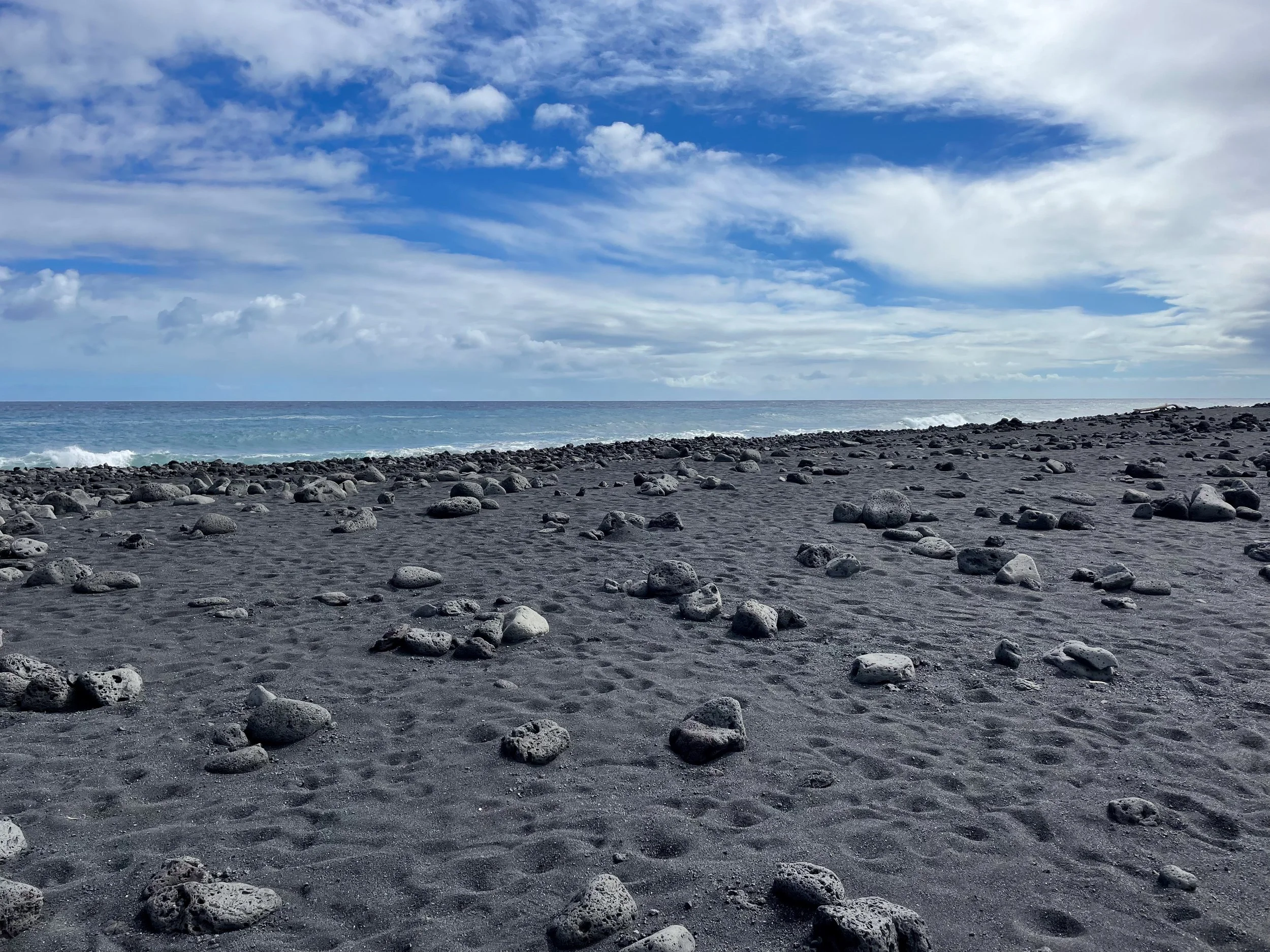
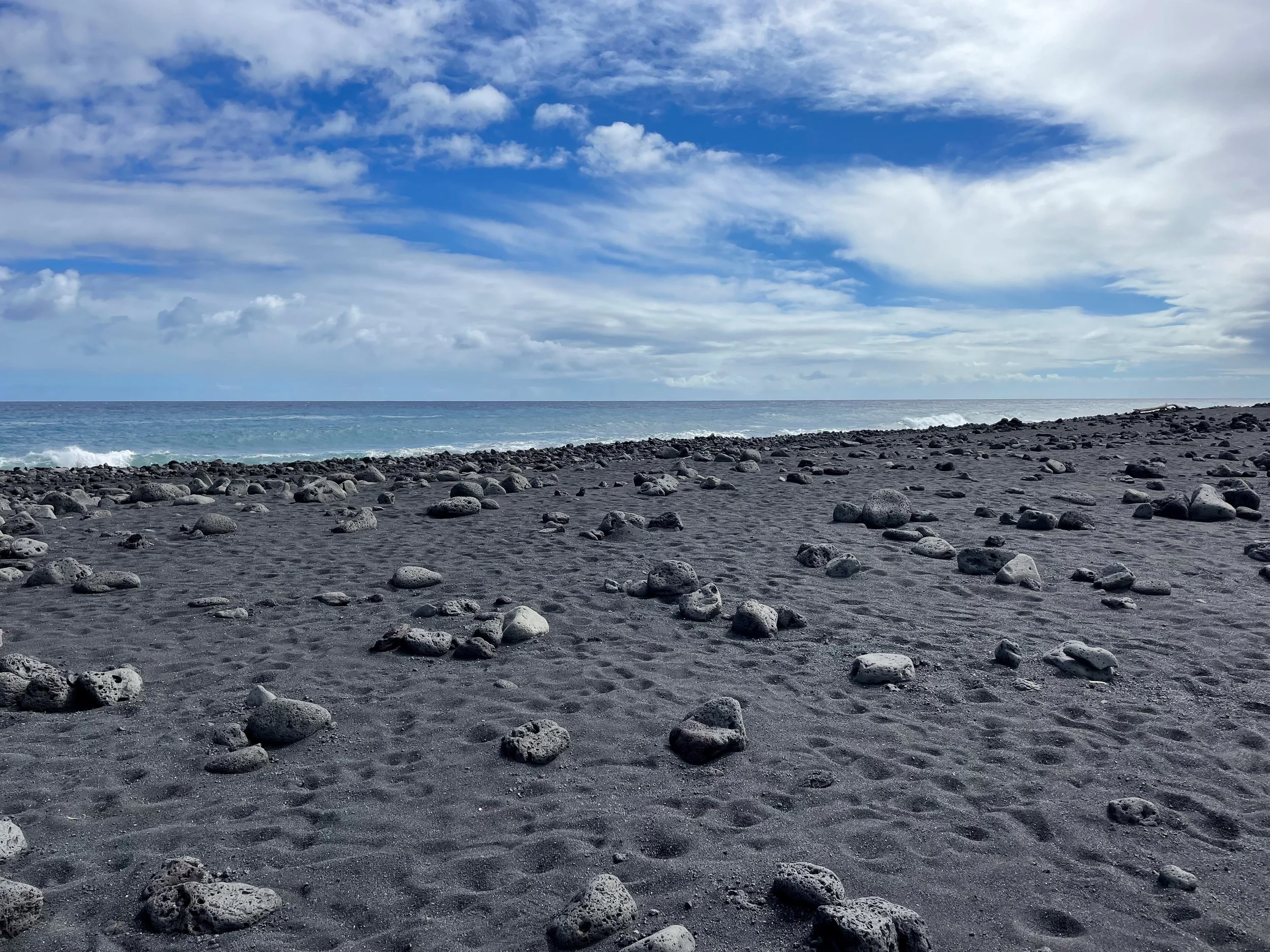
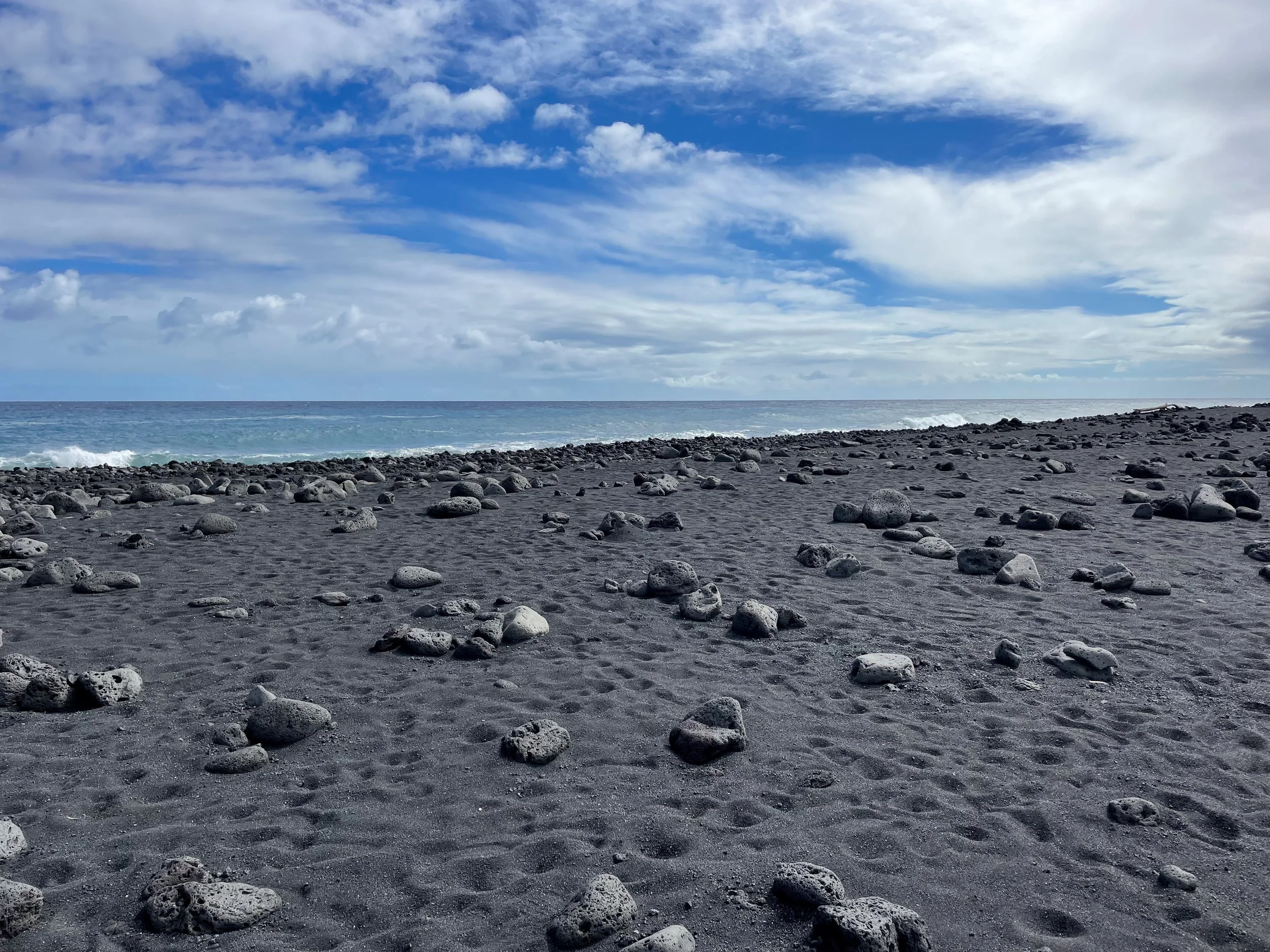
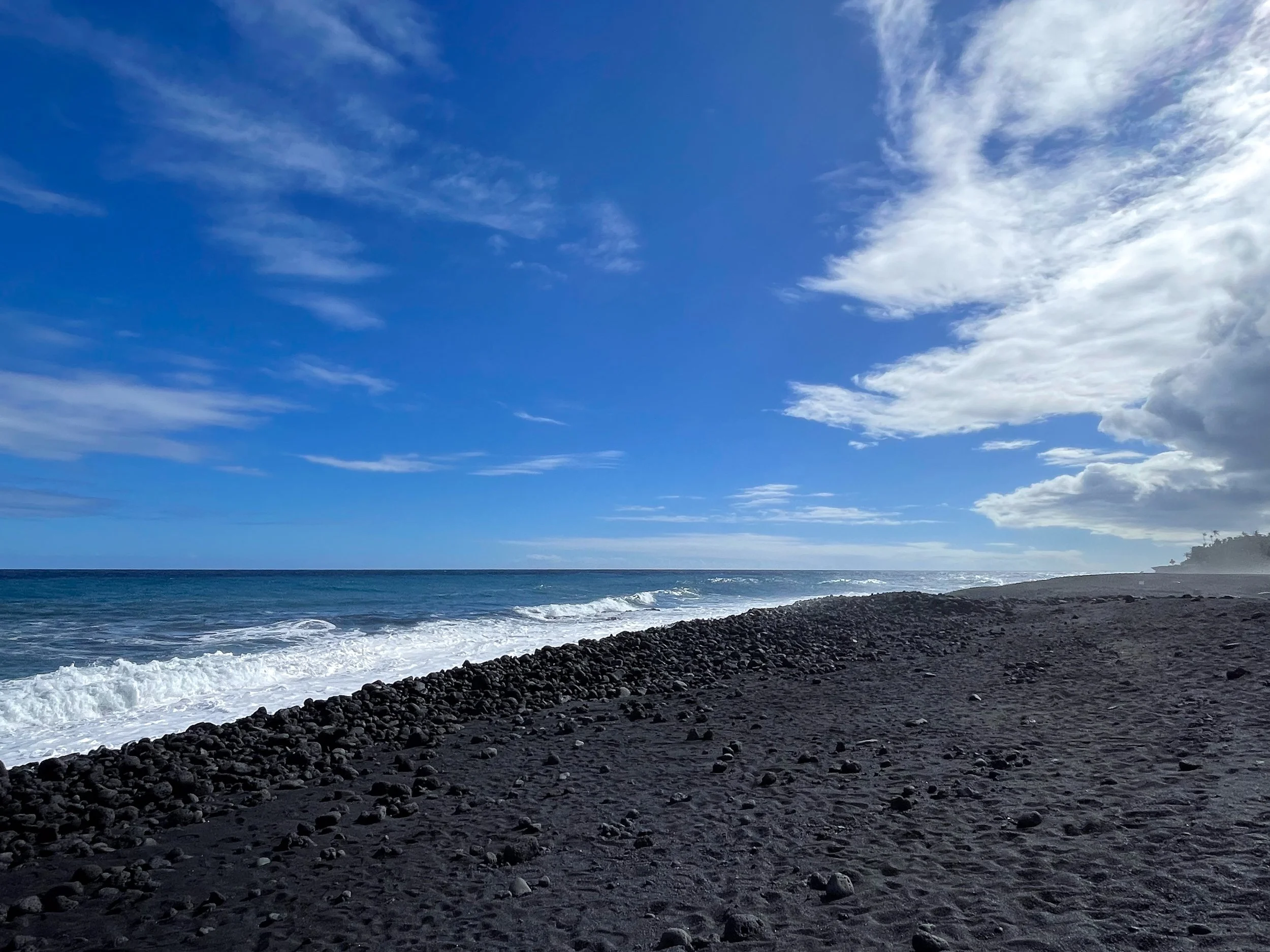
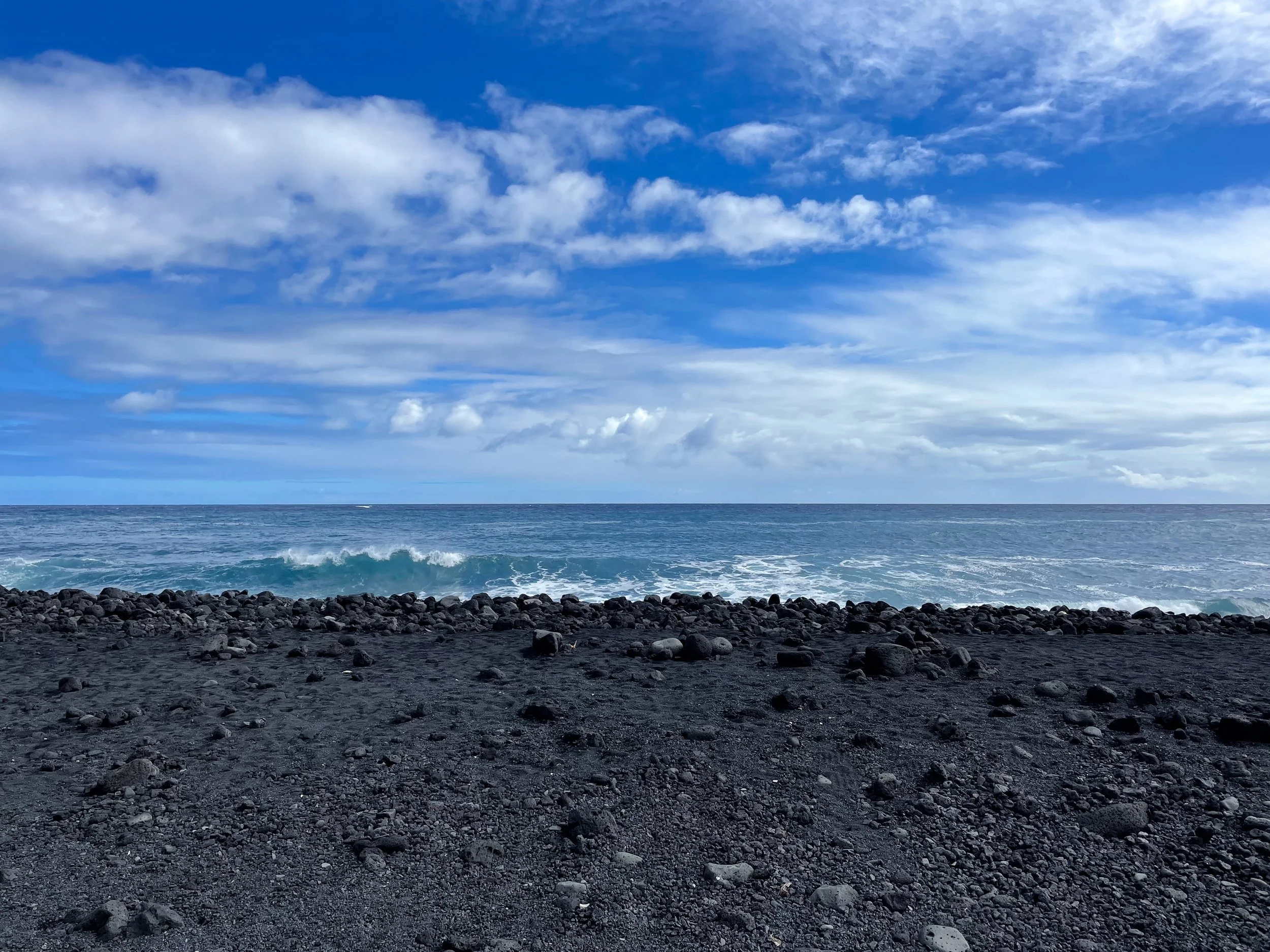
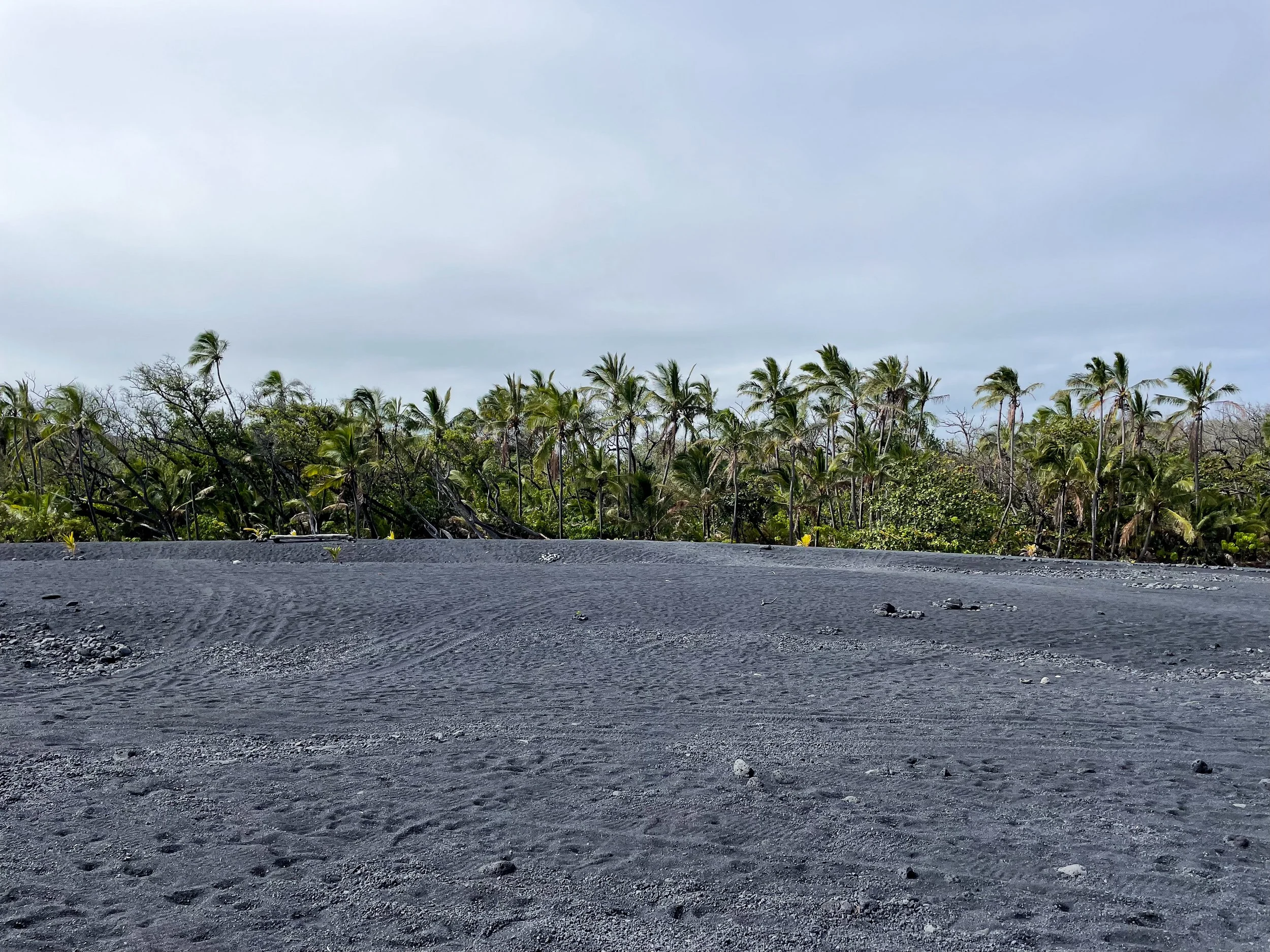
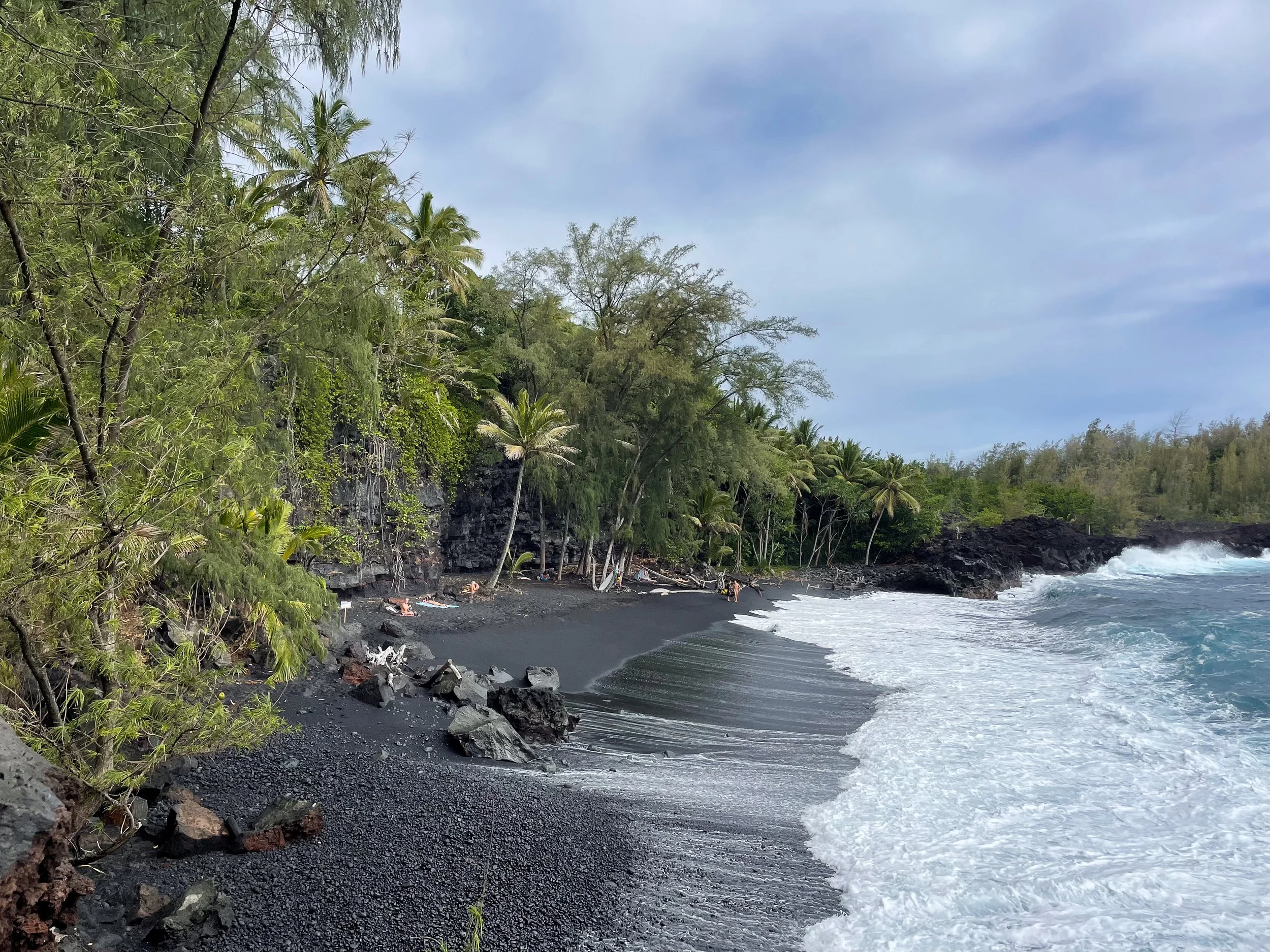
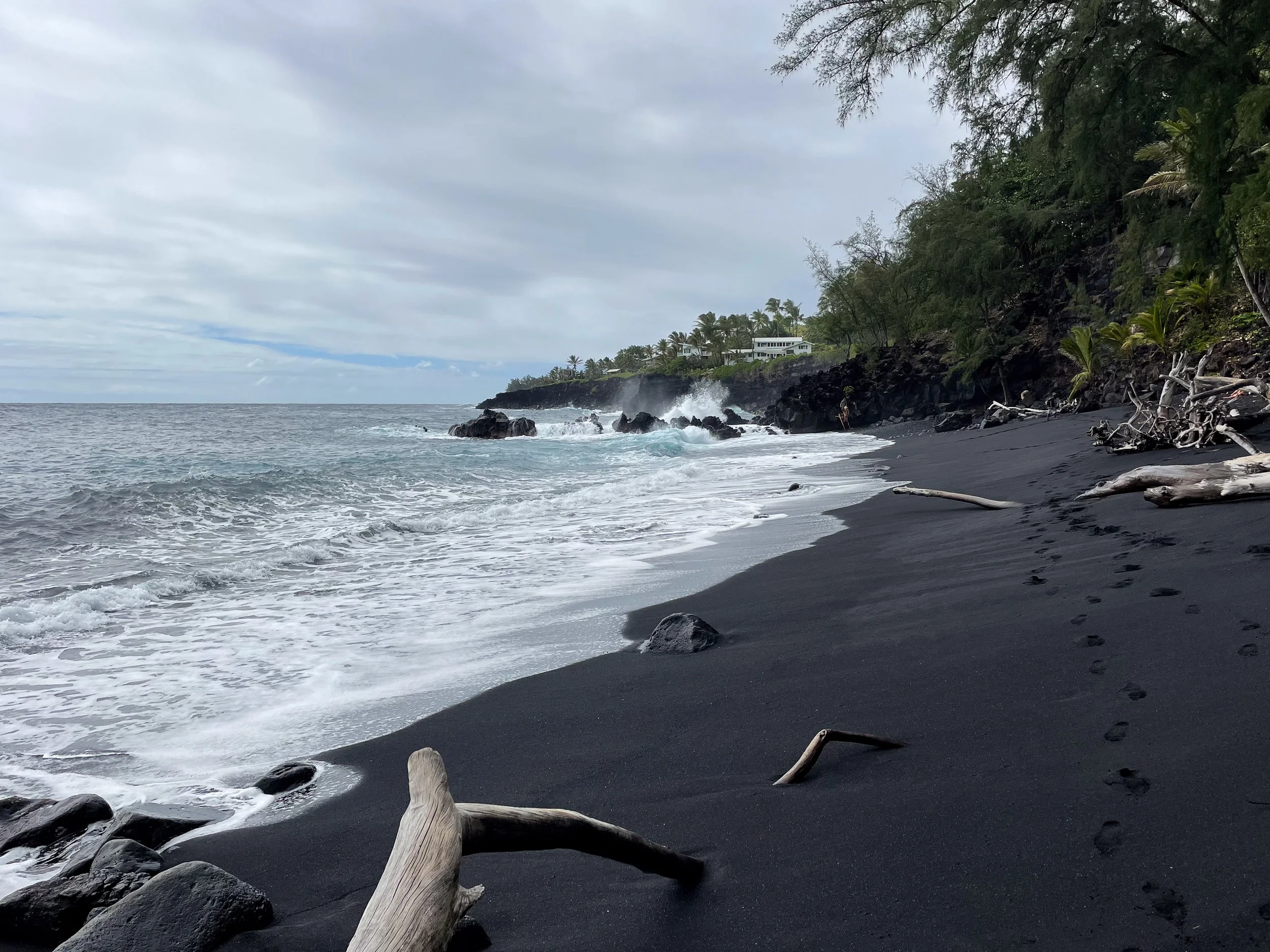
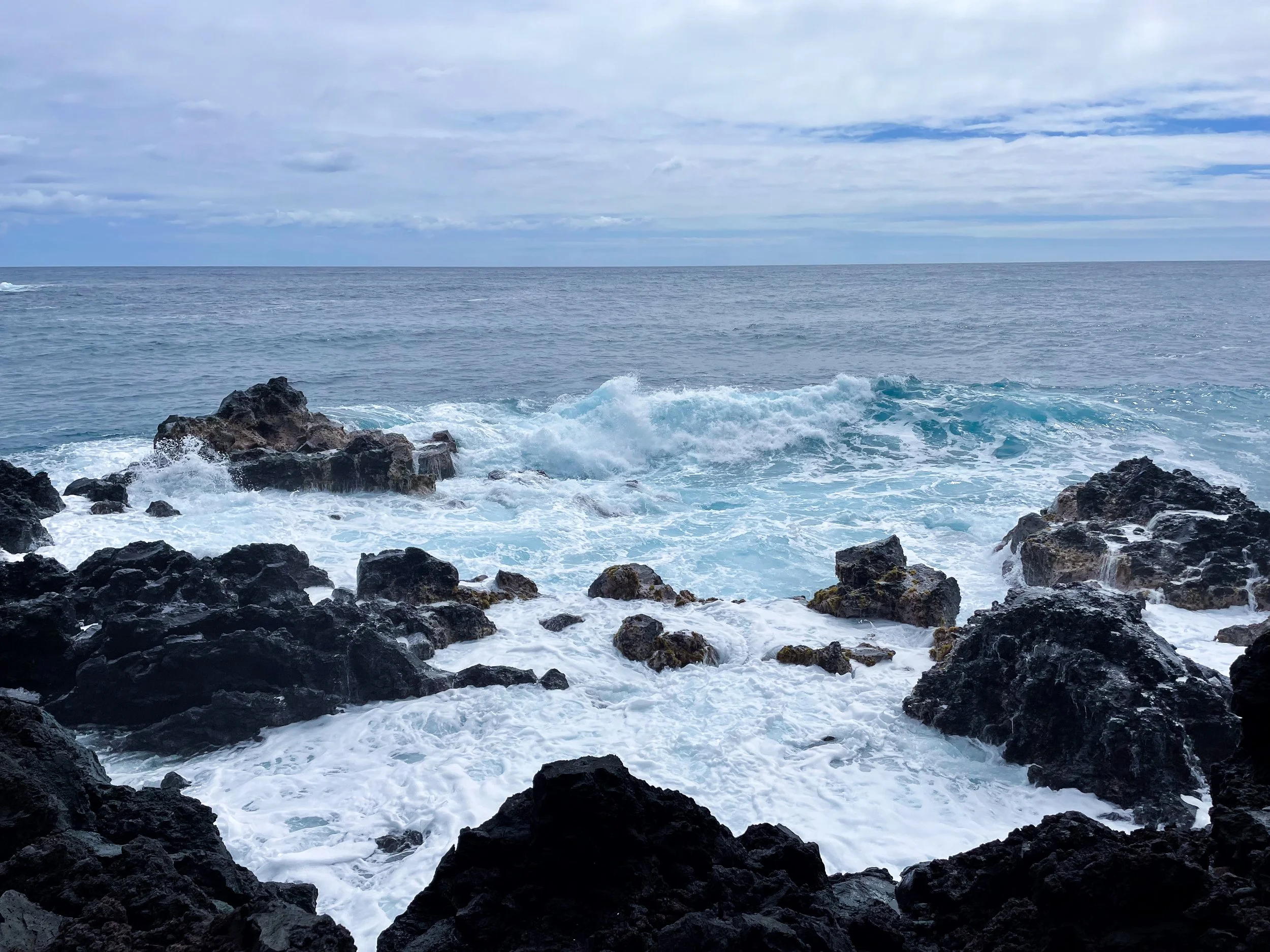
Pohoiki Black Sand Beach. The island’s newest black sand beach formed during the 2018 eruption. The beach has a mixture of soft sand, tumbled lava rocks and large boulders. The strong currents and large waves make it unsafe for swimming. There are volcanic springs called “hot pots” along the tree line.
Kehena Black Sand Beach. A nude beach hidden below a roadside cliff with soft black sand. The strong currents and large waves make it unsafe for swimming. Vendors selling crepes and fresh coconuts set up near the parking lot above the cliff.
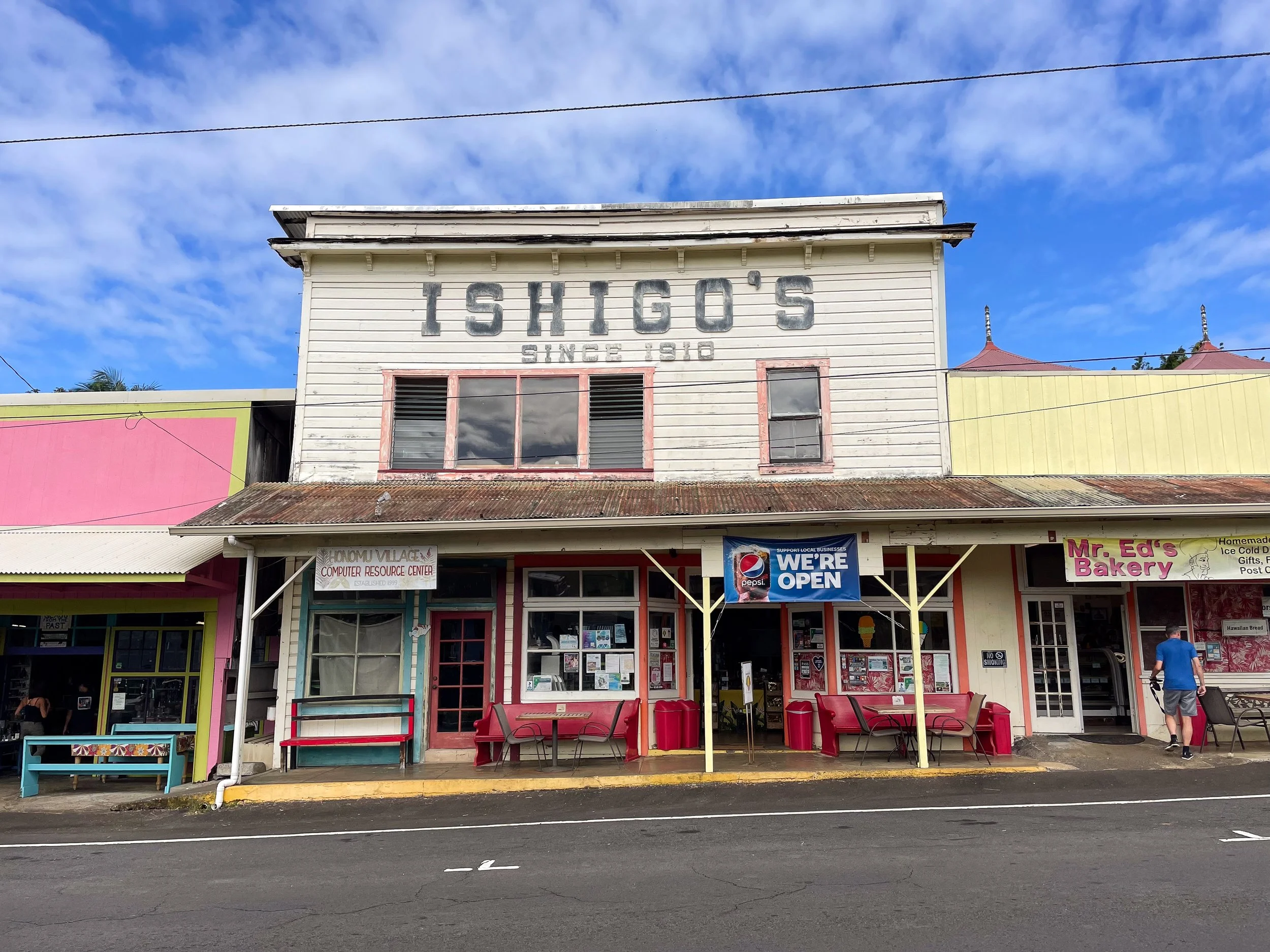
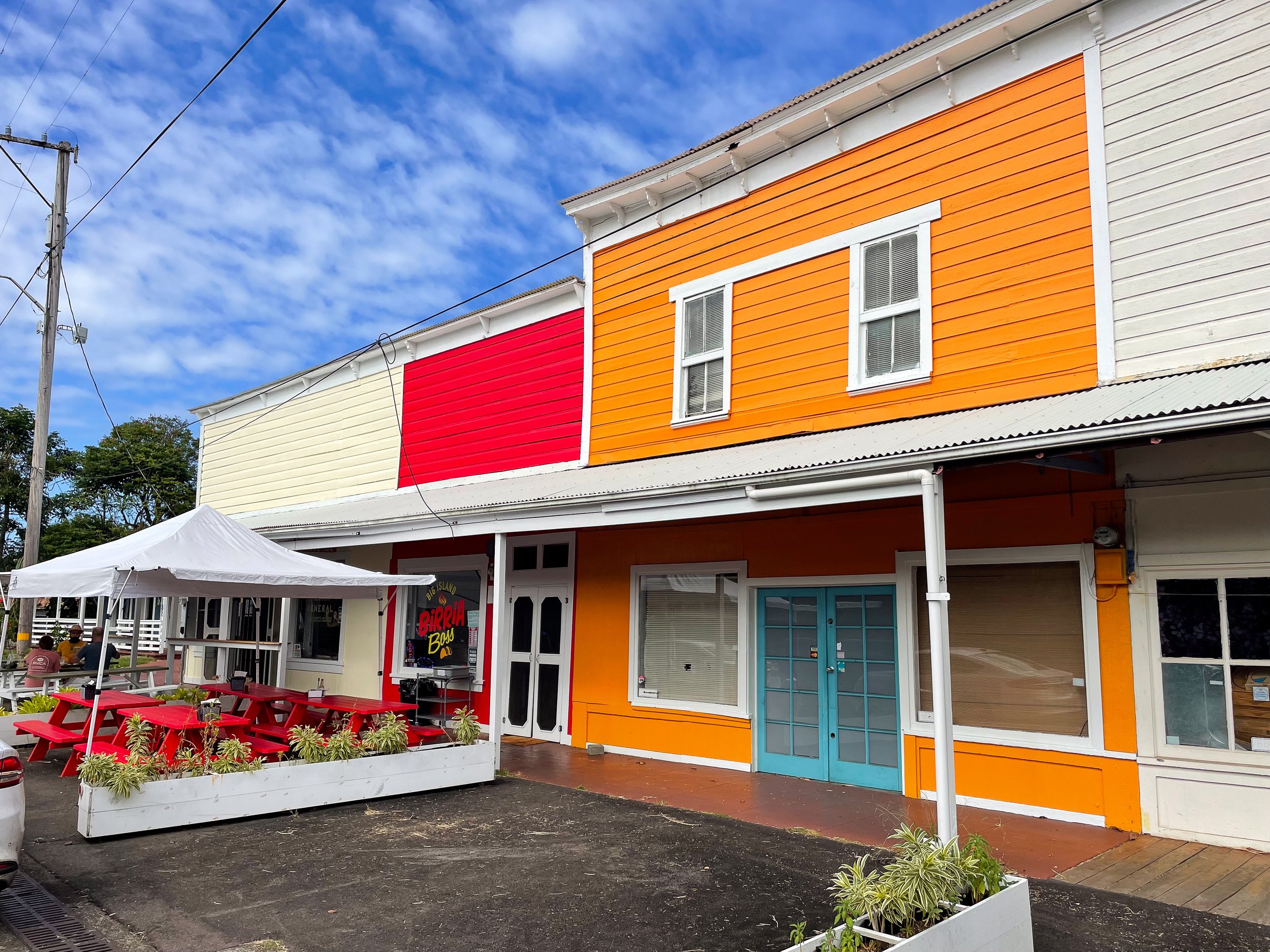
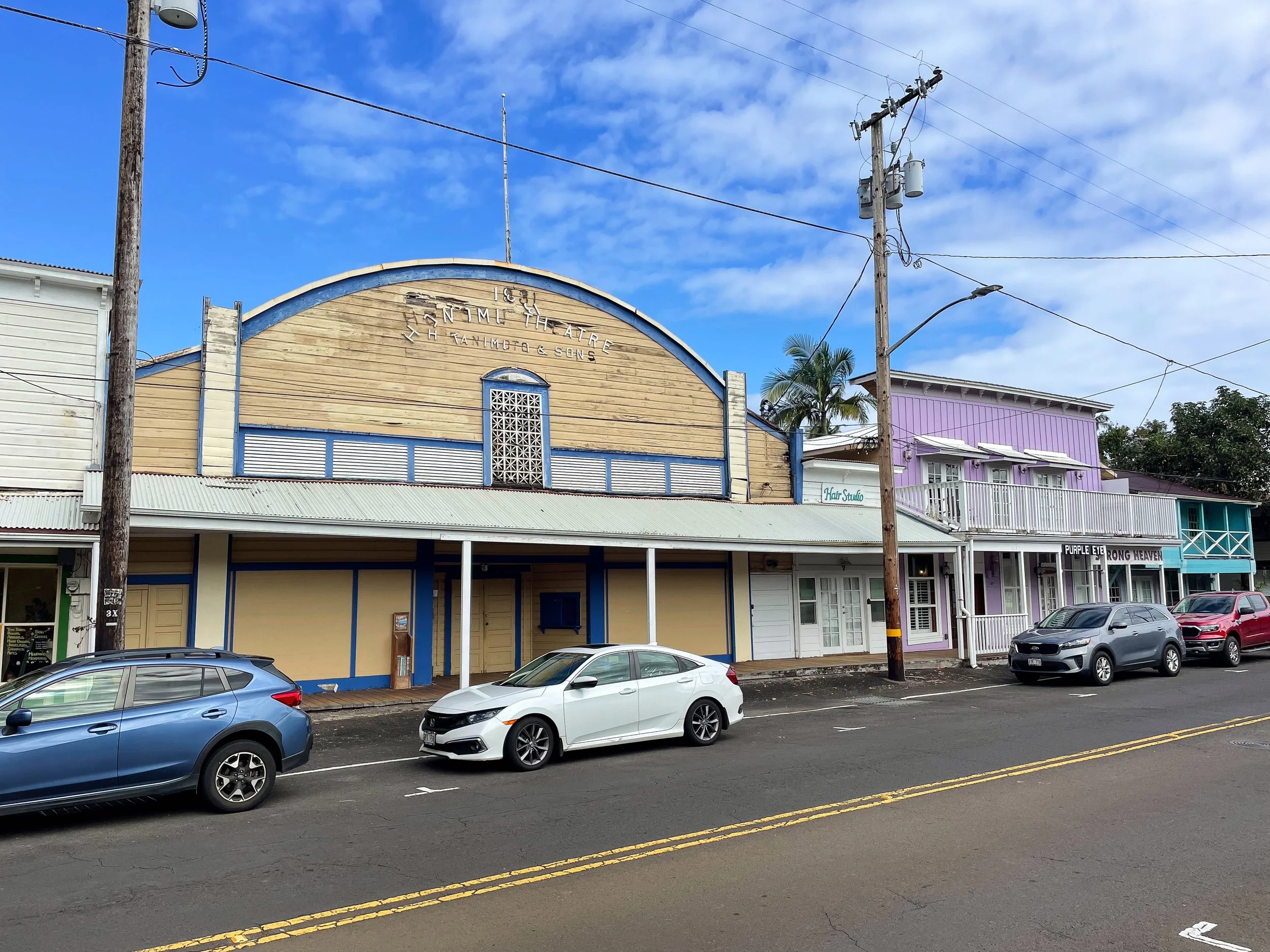
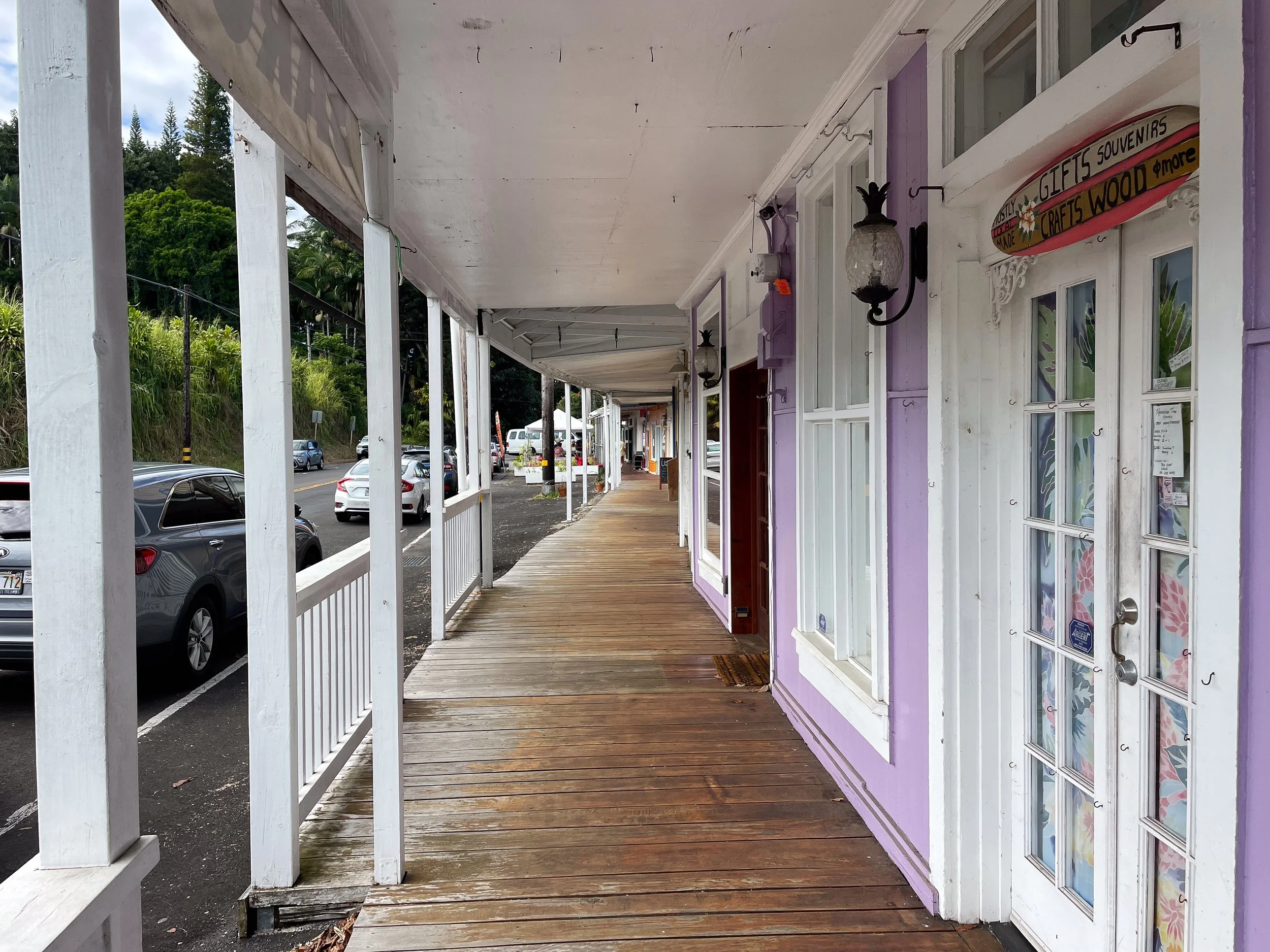
The Town of Honomu
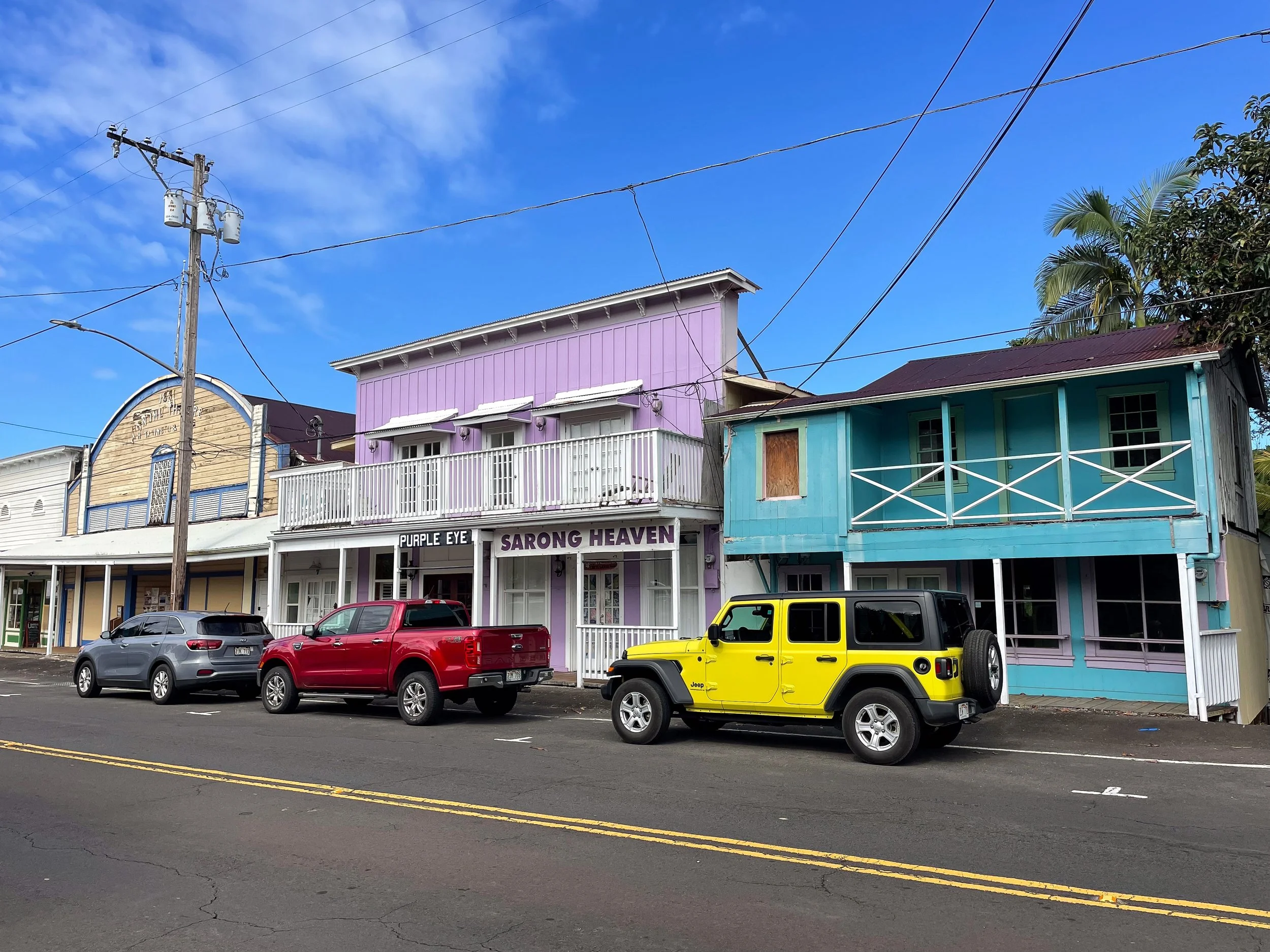
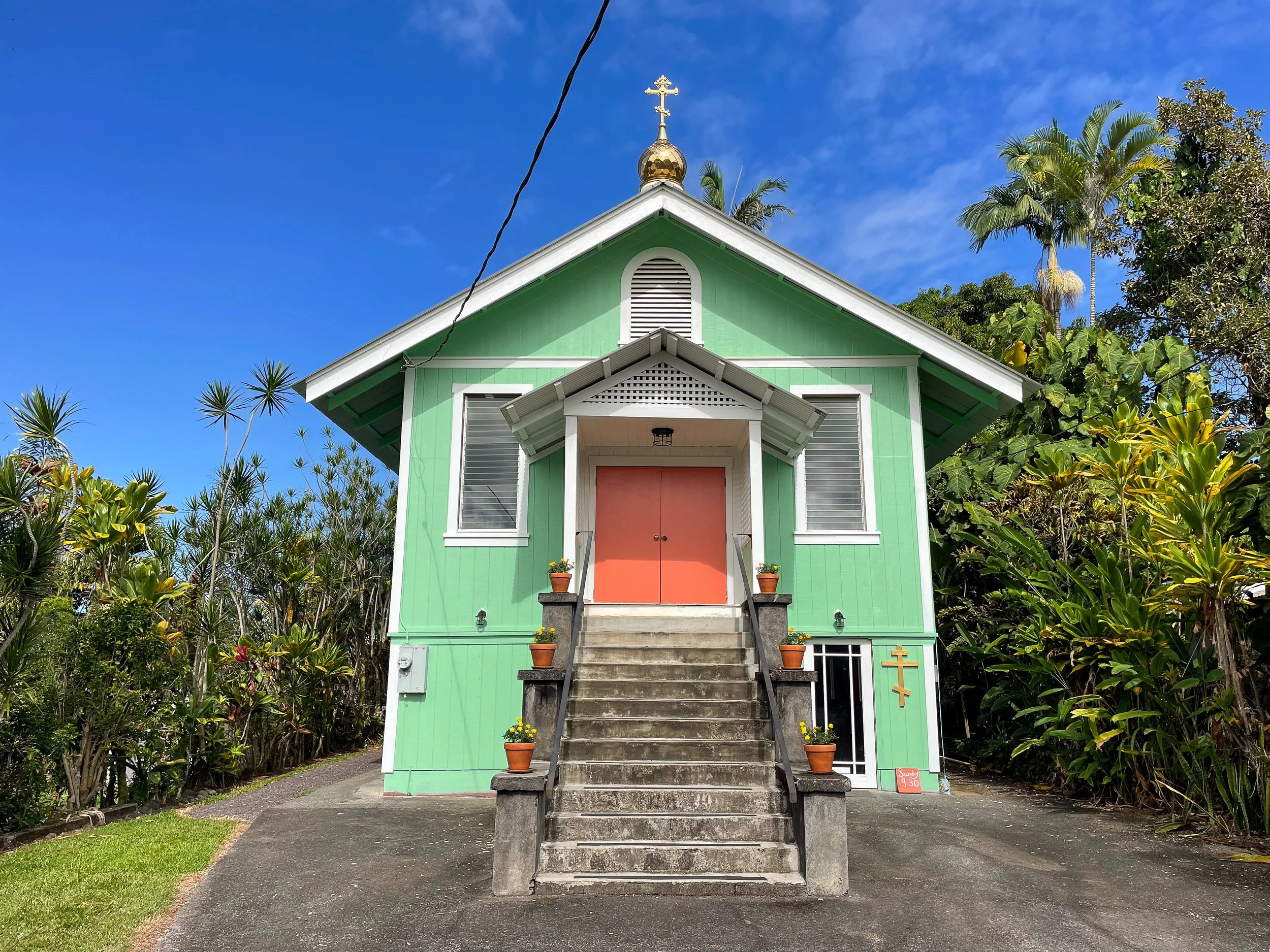
A small town with a colorful western vibe, old wooden buildings and a boardwalk. The main street is home to bakeries, antique shops, a church and abandoned buildings. It’s located 20 minutes north of Hilo nearby Akaka Falls and Hawaii Zip-lines.
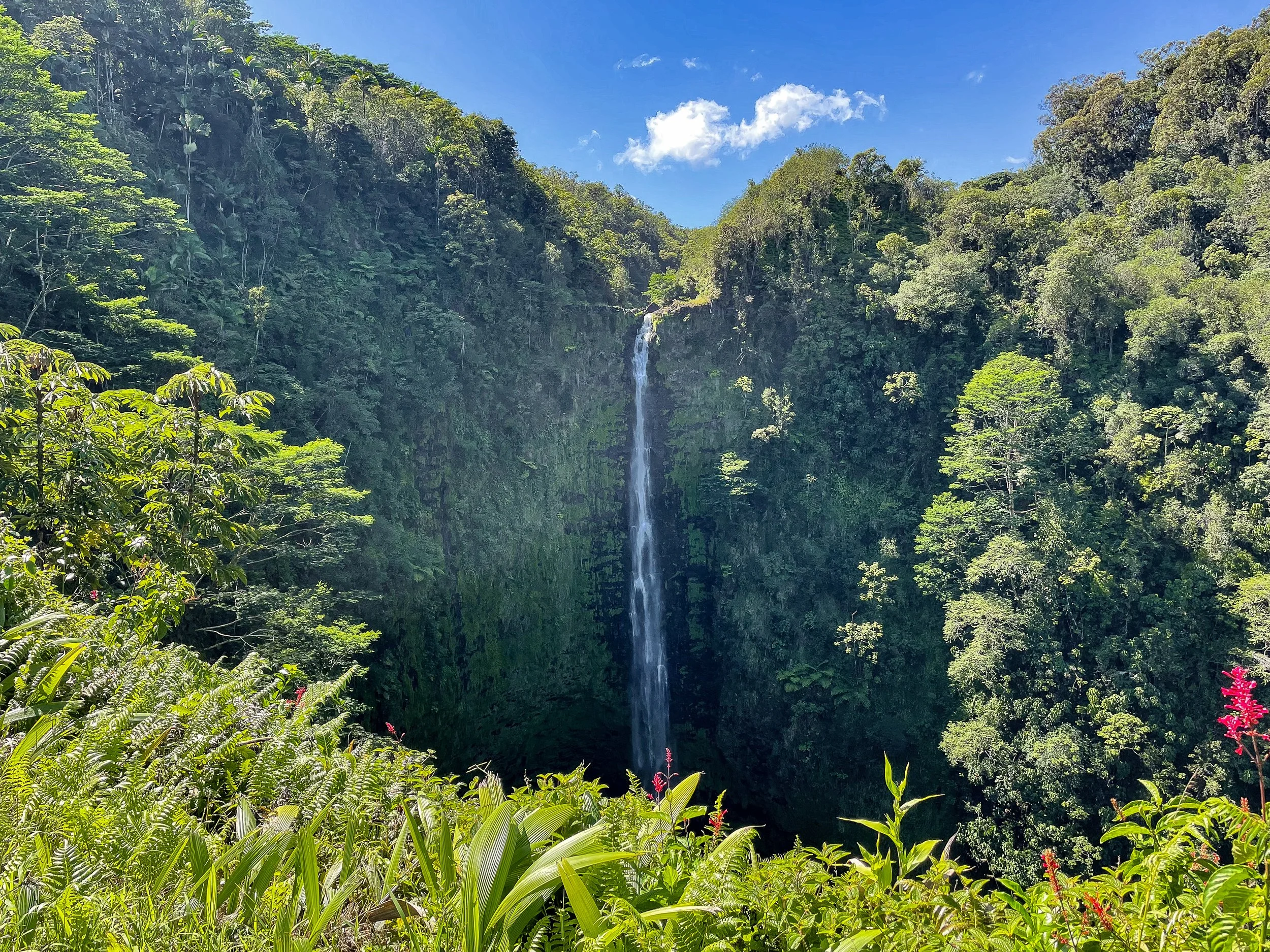
Akaka Falls. A 442ft tall waterfall spilling down the center of a mossy cliff within the lush tropical forest. It’s accessible by a paved trail that loops through the forest with an overlook. There is a fee to enter the trail and to park in the parking lot.
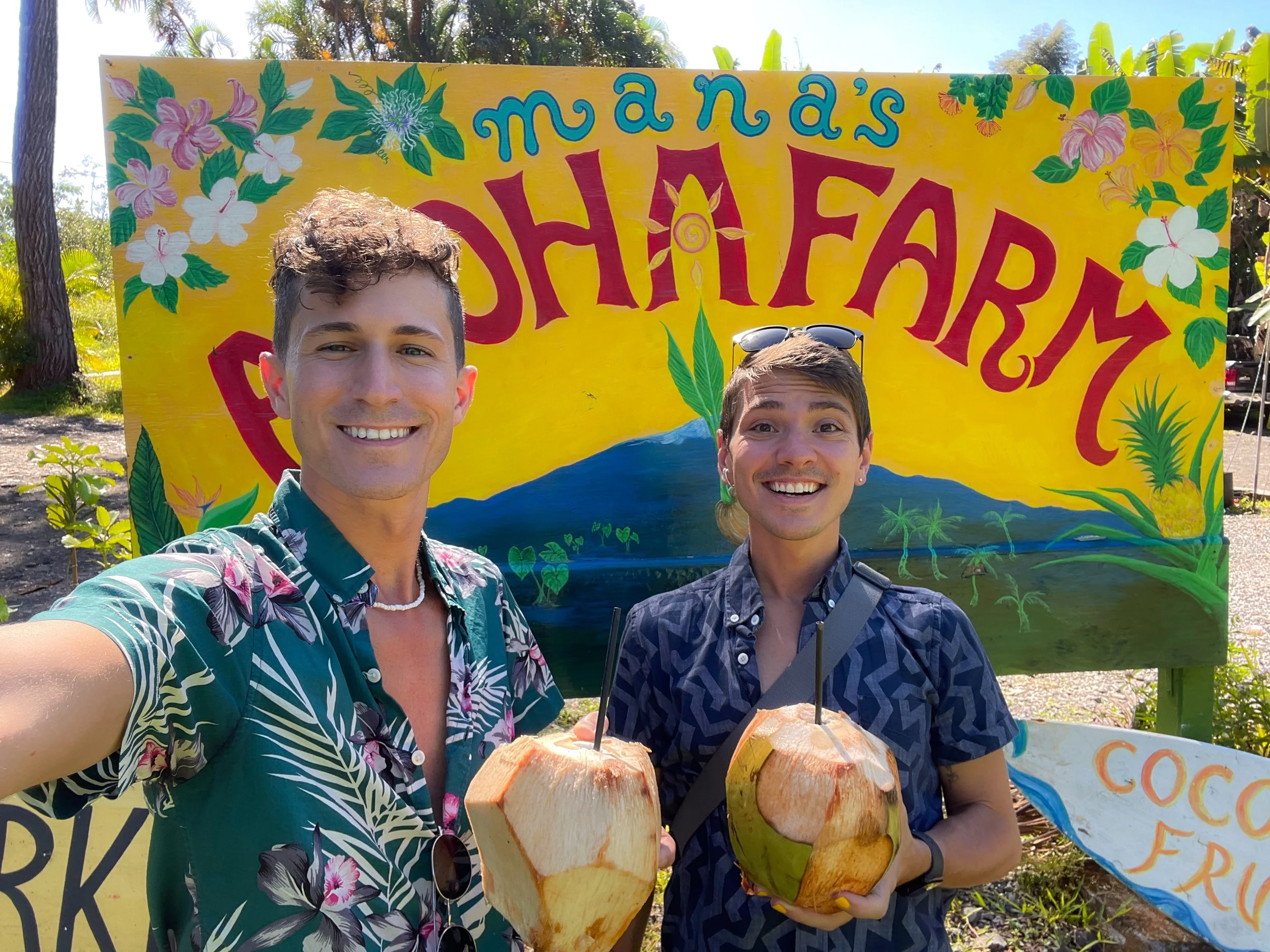
Mana’s Aloha Farms. A farm stand minutes away from Akaka Falls with fresh coconuts, pineapples and sugarcane.
Mr Ed’s Bakery. A bakery with pastries, toasts, coffee and poi bowls. Try the Guava Bearclaw and Ensemada.
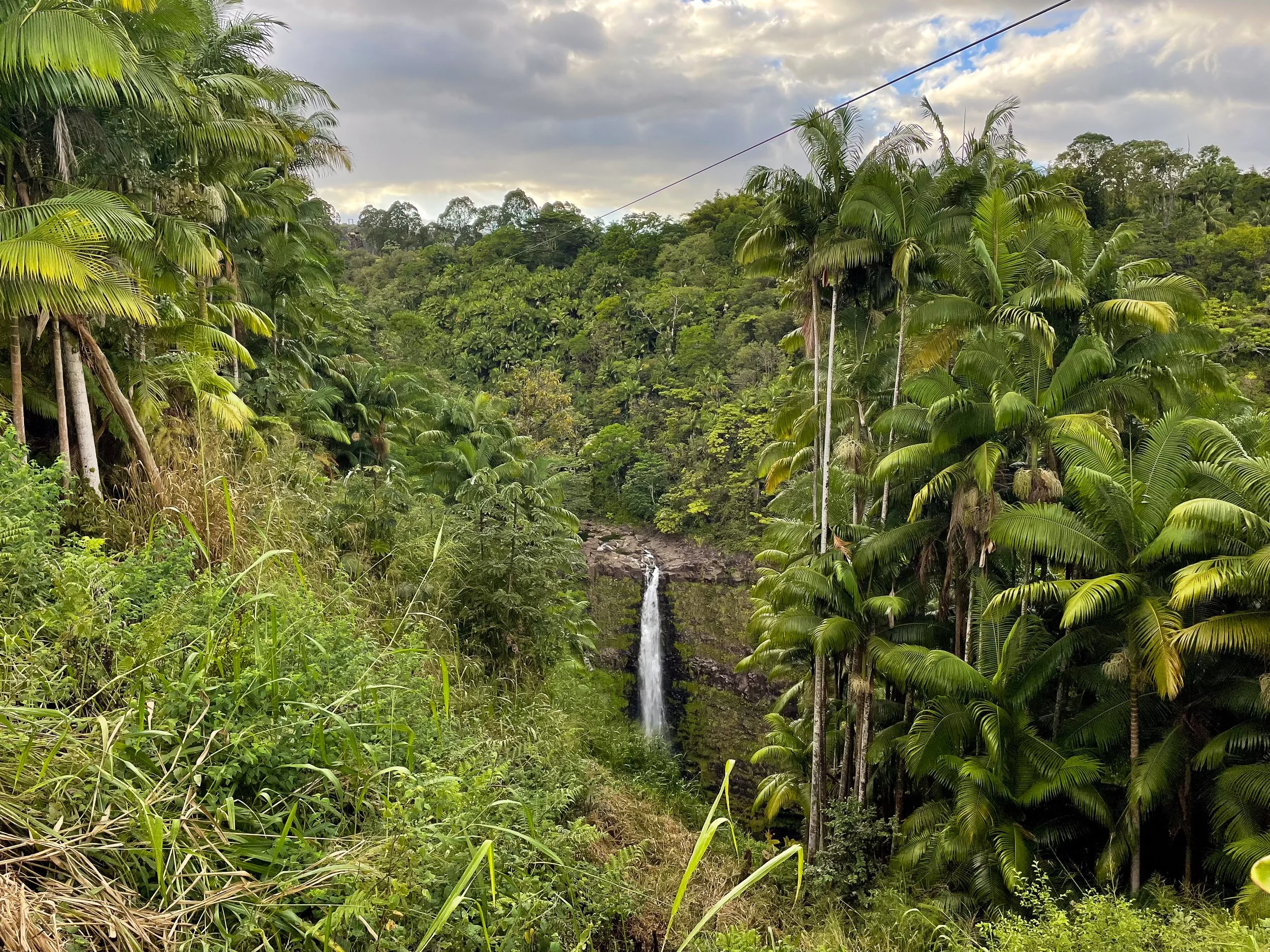
Hawaii Zip-line Tours. A scenic zip-line course with 7 lines through farmland, across ravines and over waterfalls. Our favorite zip-lines went through a row of banana trees and over a half mile across a ravine with views of Kolekole Falls, a 250ft waterfall. We even got to sample freshly picked bananas. Reserve Online.
Kaʻū, The South Coast
Kaʻū is a mostly rural and remote area of the island with rugged terrain, farmland and beaches. We visited two beaches along the South Coast during our drive from Pāhoa to Kona.
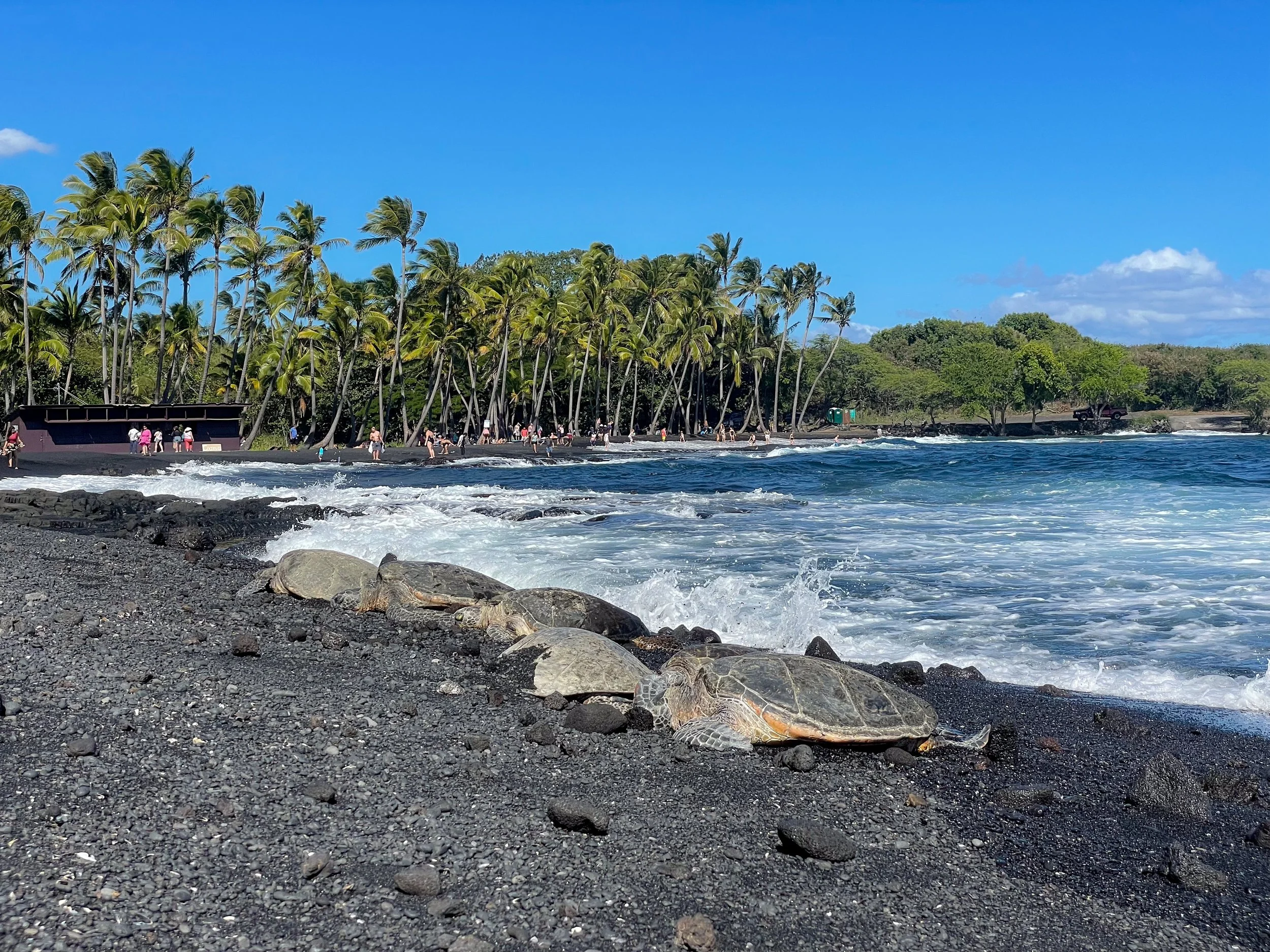
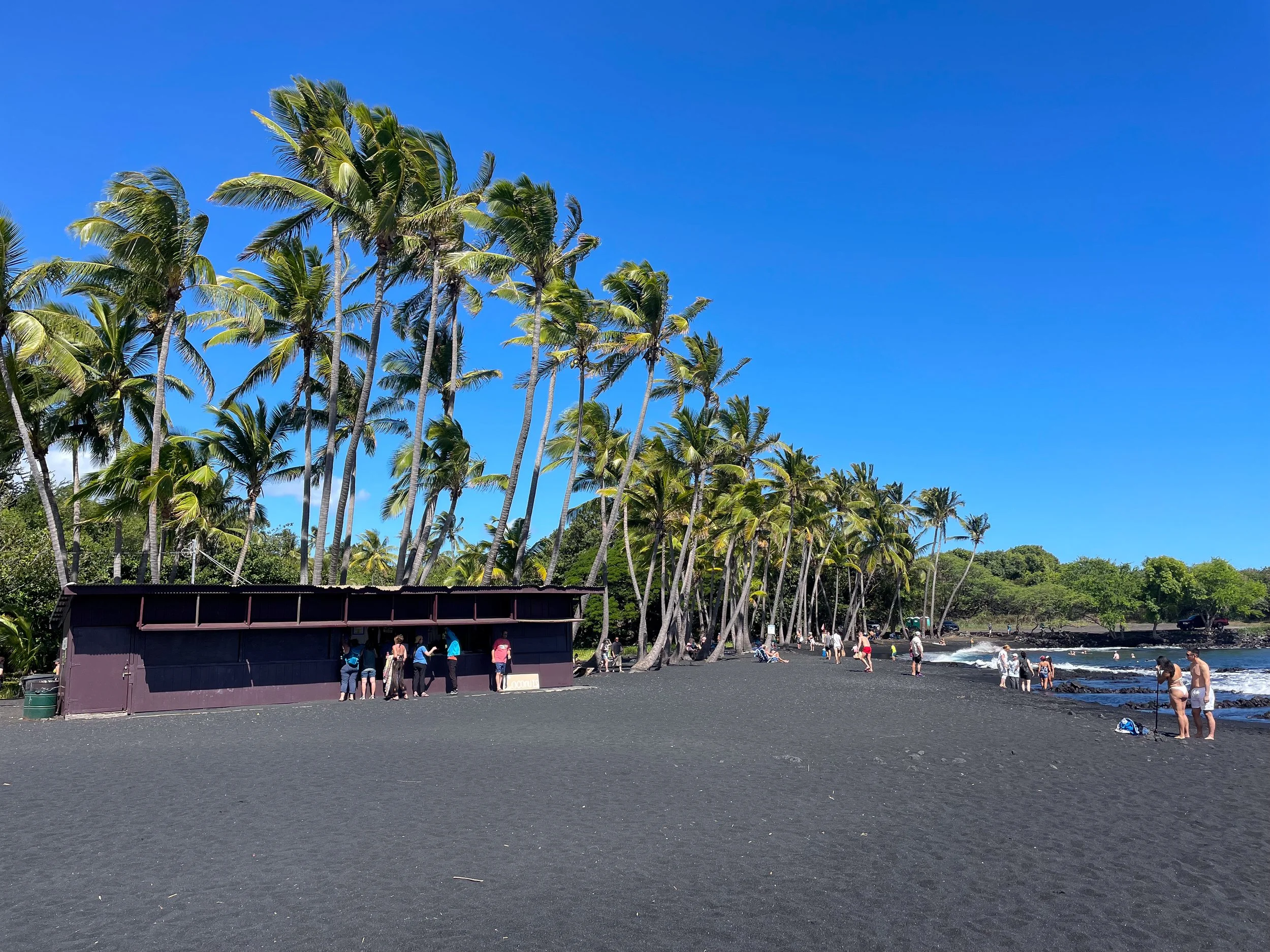
Punaluʻu Black Sand Beach. One of the most famous black sand beaches in Hawaii with a jet black shore, palm trees and nesting sea turtles. It’s safe for swimming and snorkeling with lifeguards. There is a beach kiosk selling t-shirts, sunblock and freshly harvested coconuts.
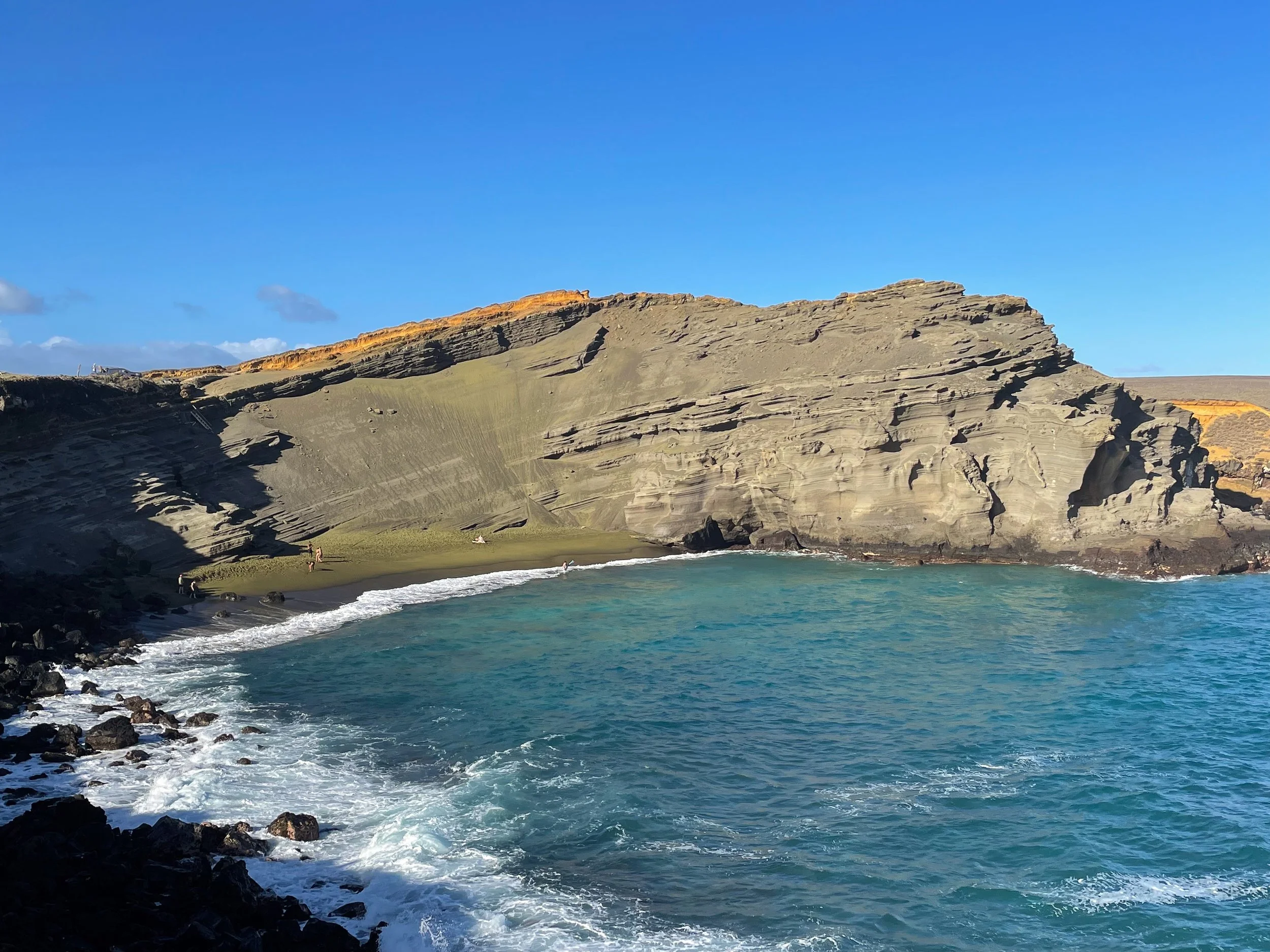
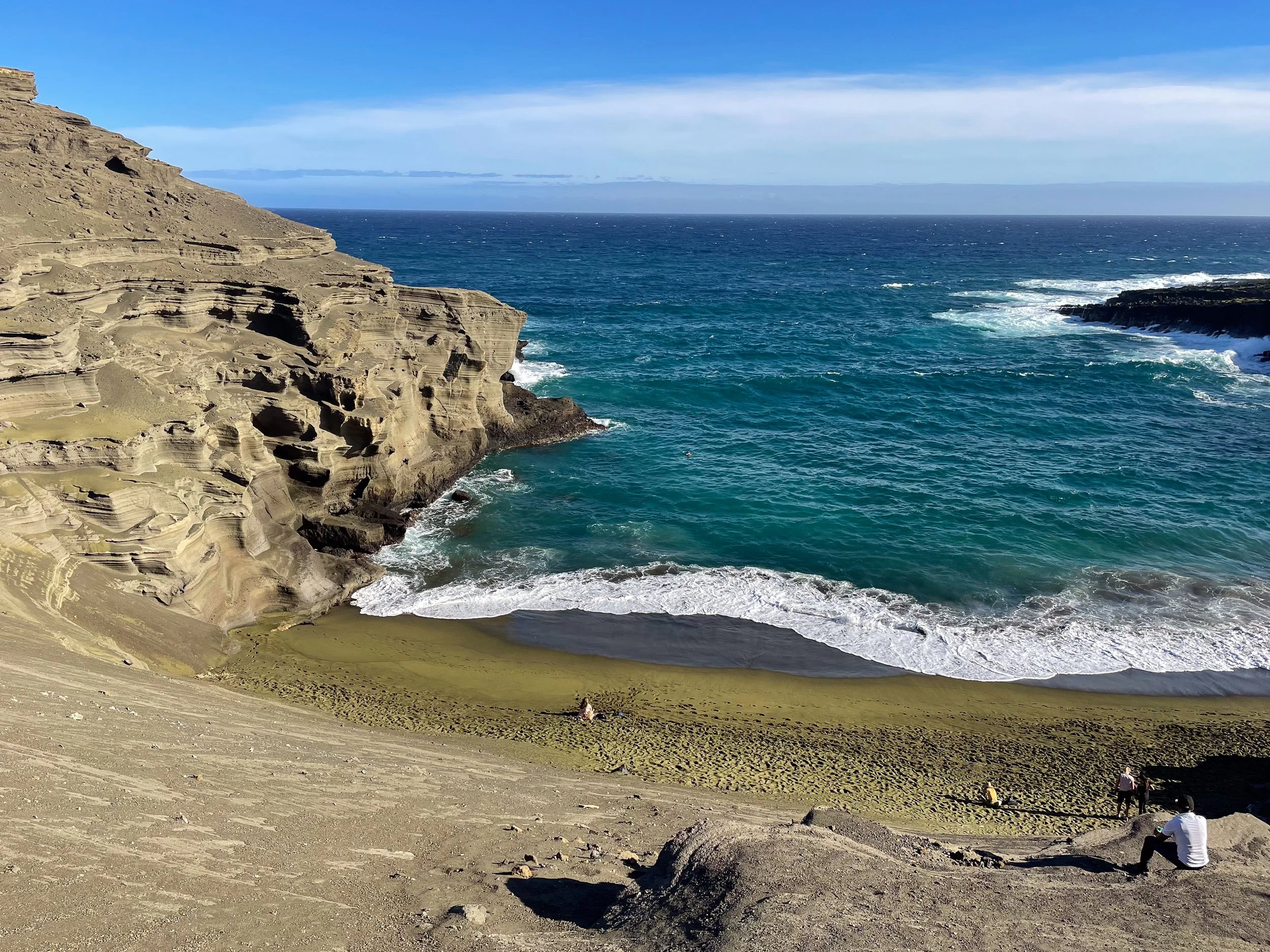
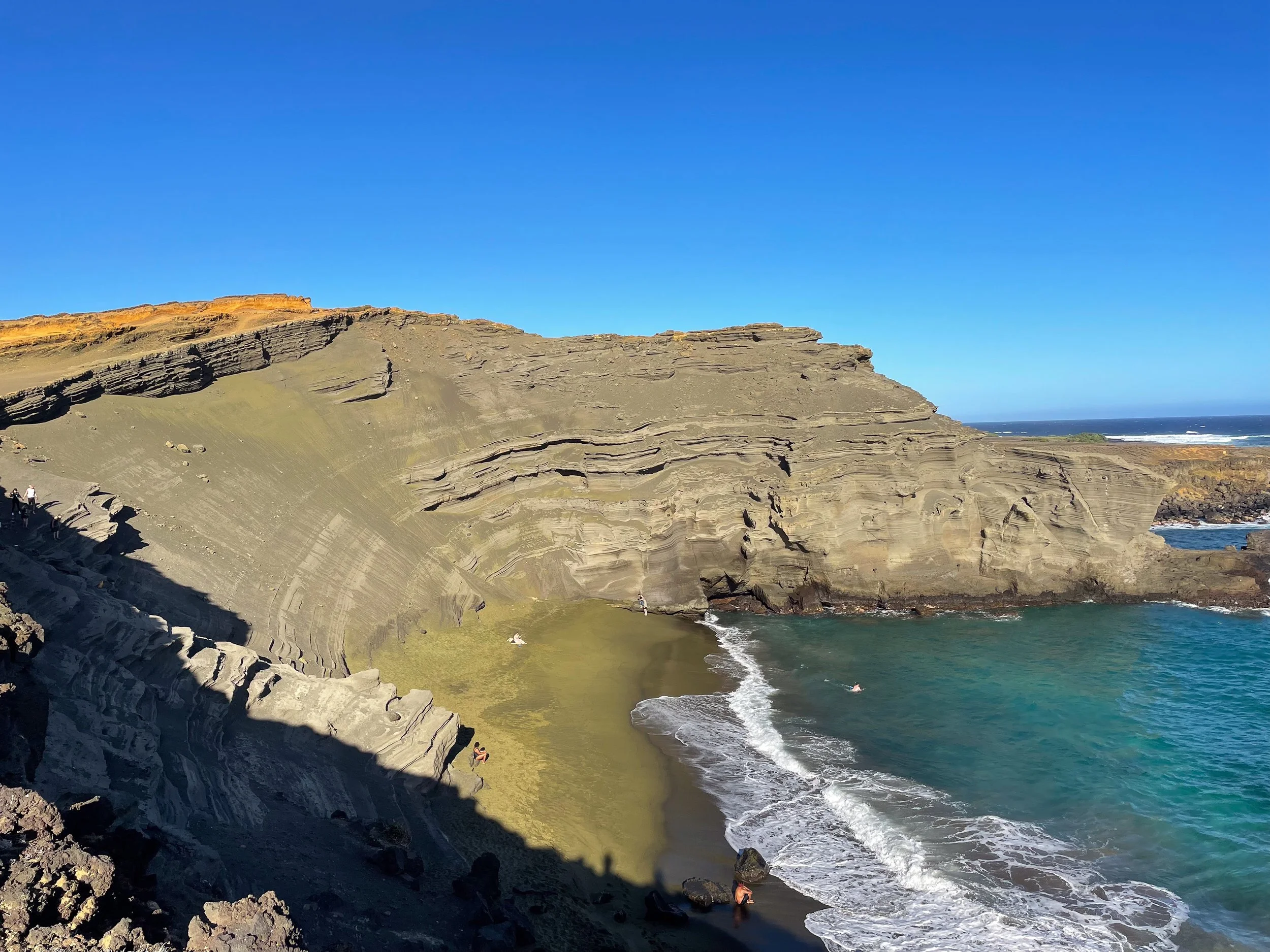
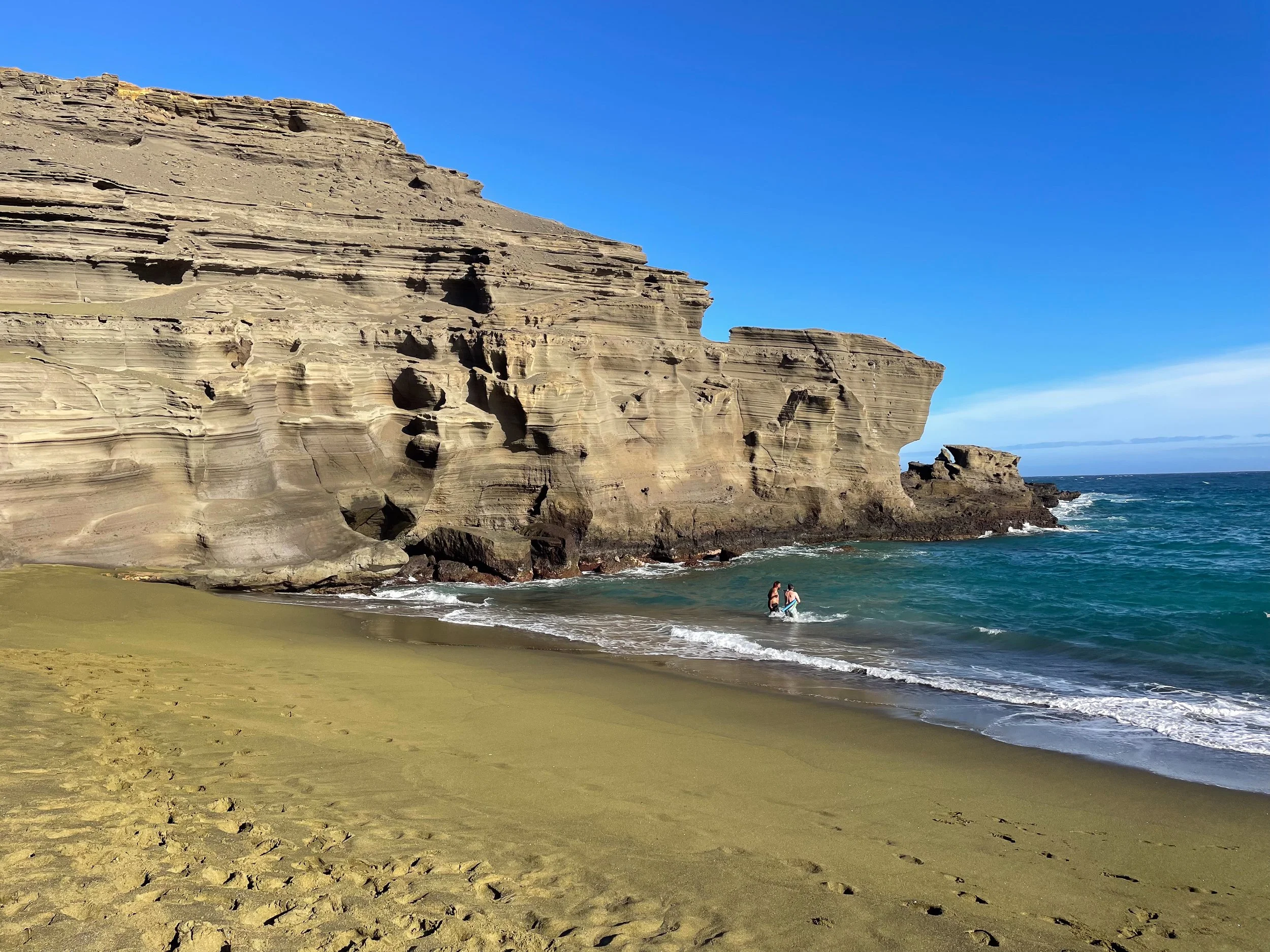
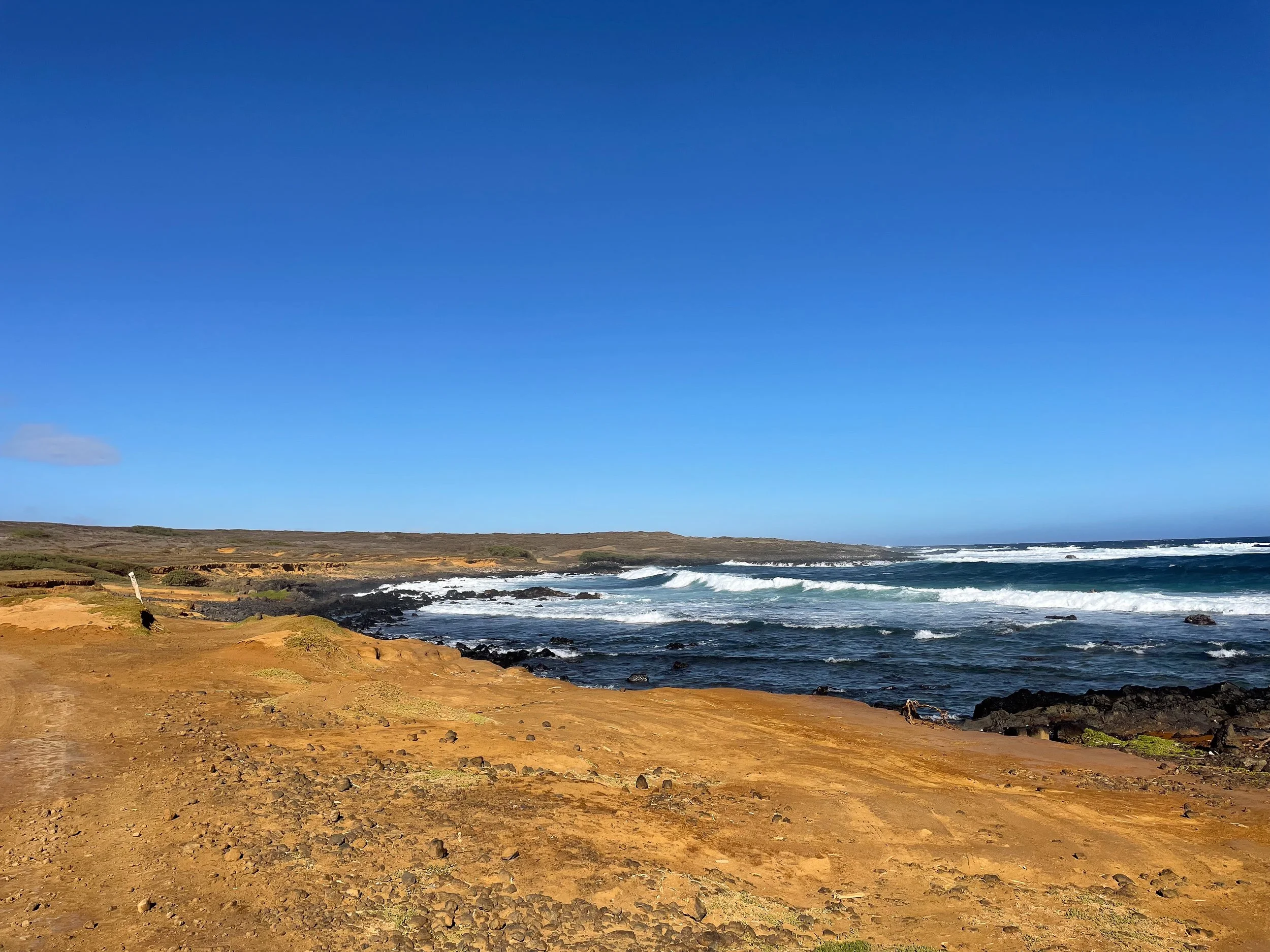
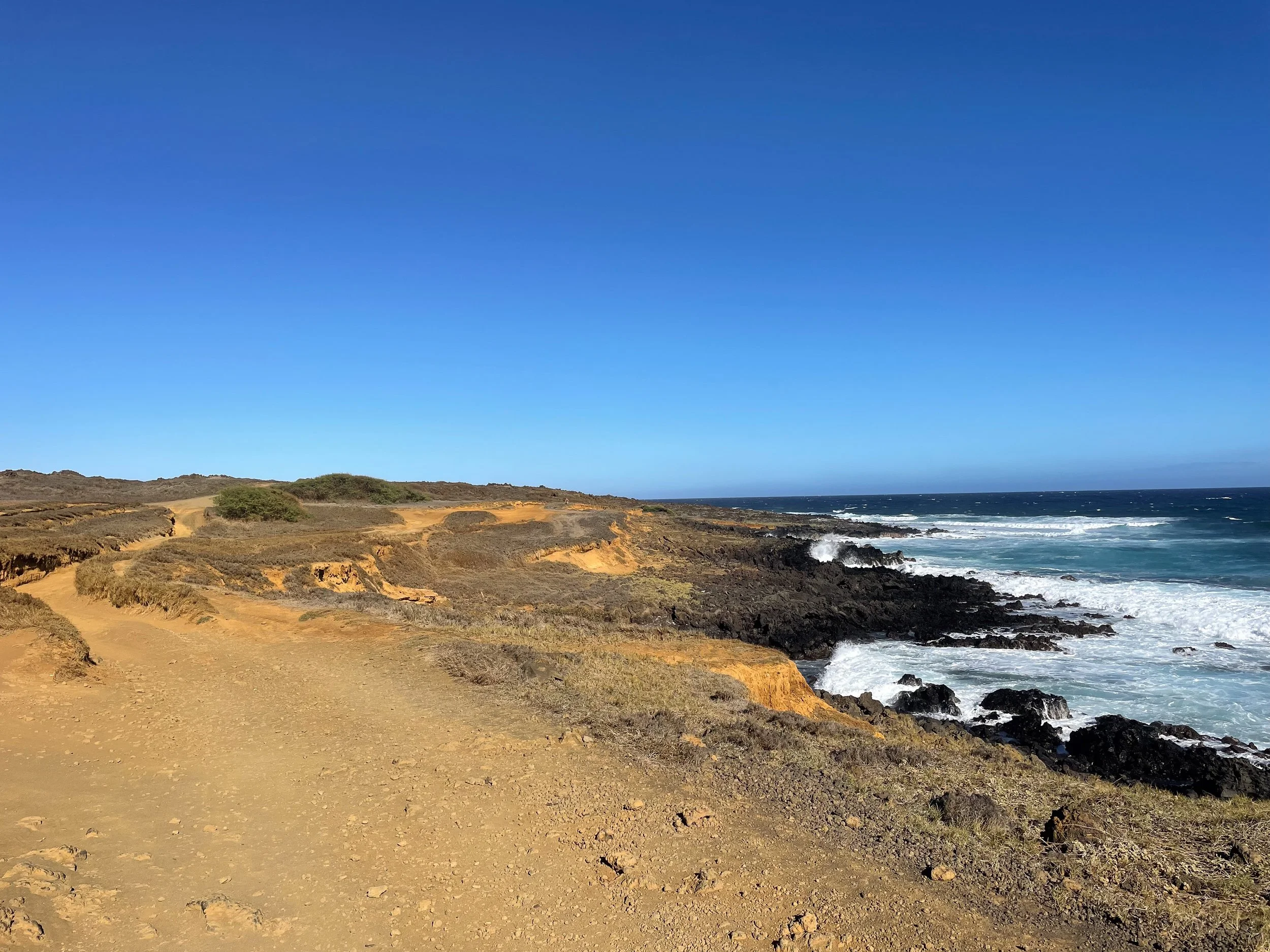
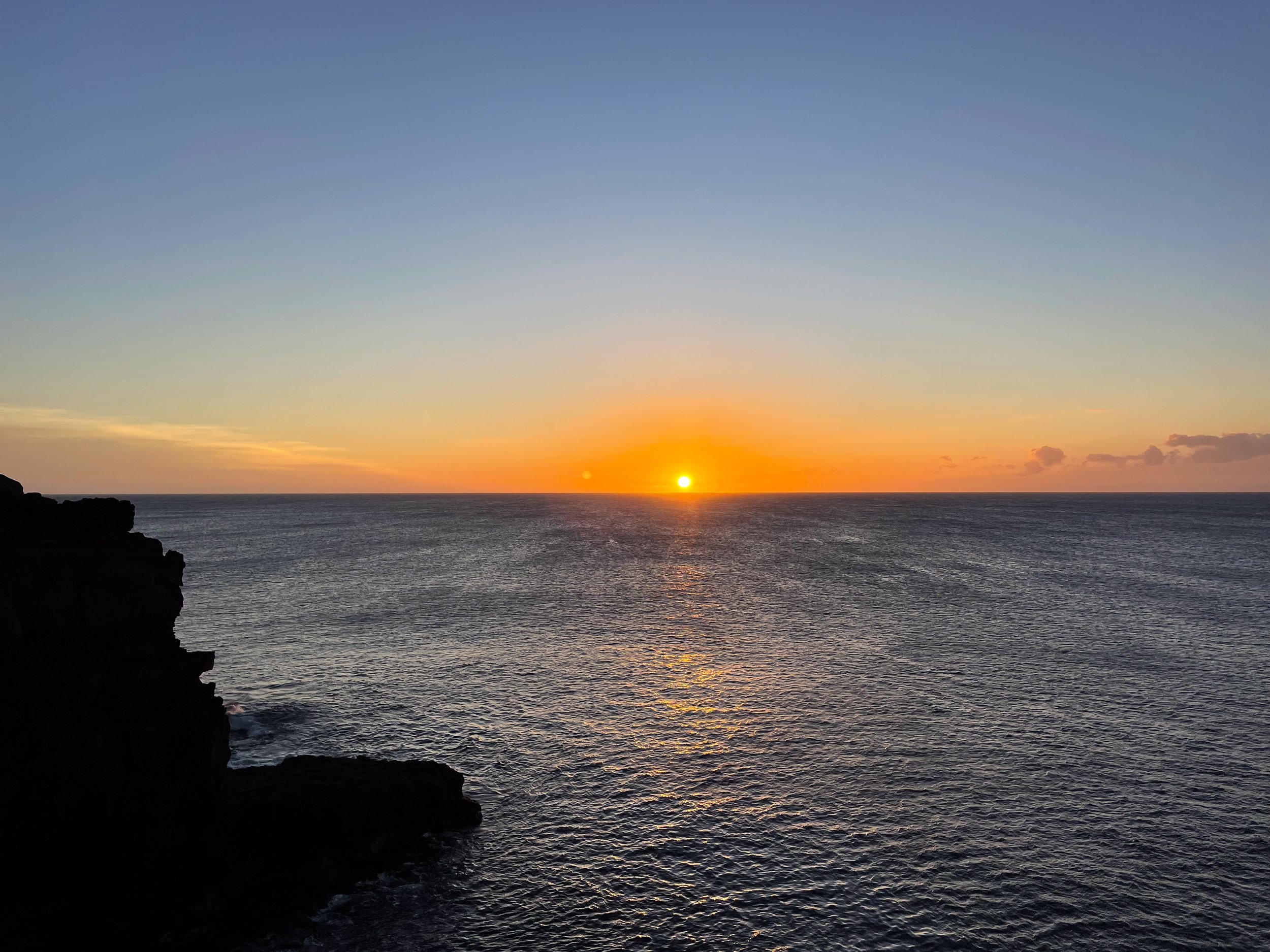
Papakolea Beach (Mahana Beach). A remote green sand beach located in a cliffside bay. The beach gets its green tint from tiny sand-like crystals known as olivines. The deep blue water is rough but swimmable. We even spotted a sea turtle. To get here, park uphill from the Kaulana Boat Ramp at the end of South Point Road. From here we hiked 3 miles through dry grassland and sandy trenches carved by trucks and ATVs. Alternatively, locals with pickup trucks offer roundtrip transit to the beach for $20.
Southernmost Point. The southernmost point in Hawaii with steep cliffs and sunset views overlooking the Pacific Ocean. Come here for sunsets!
Kohala, The North Coast
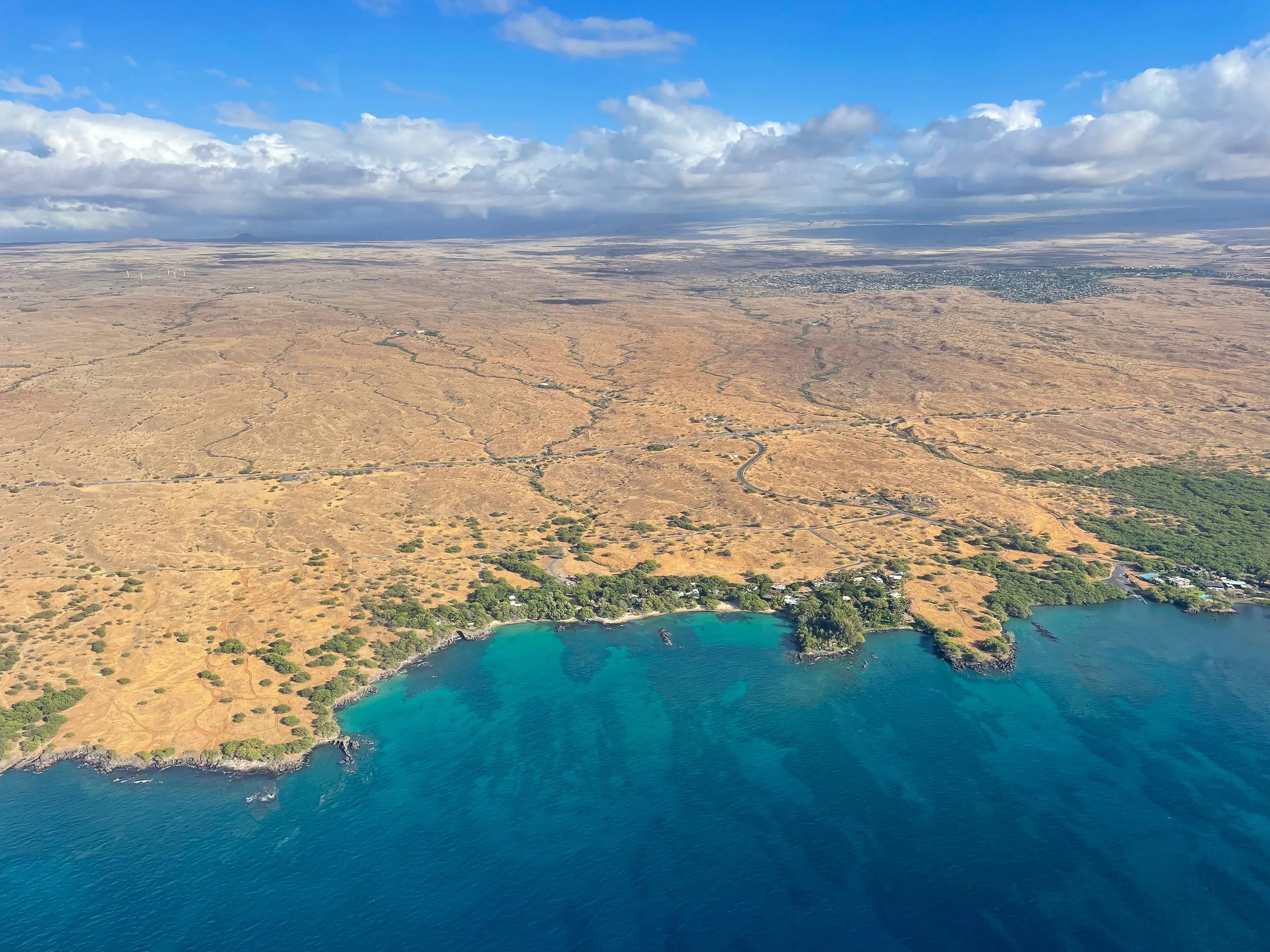
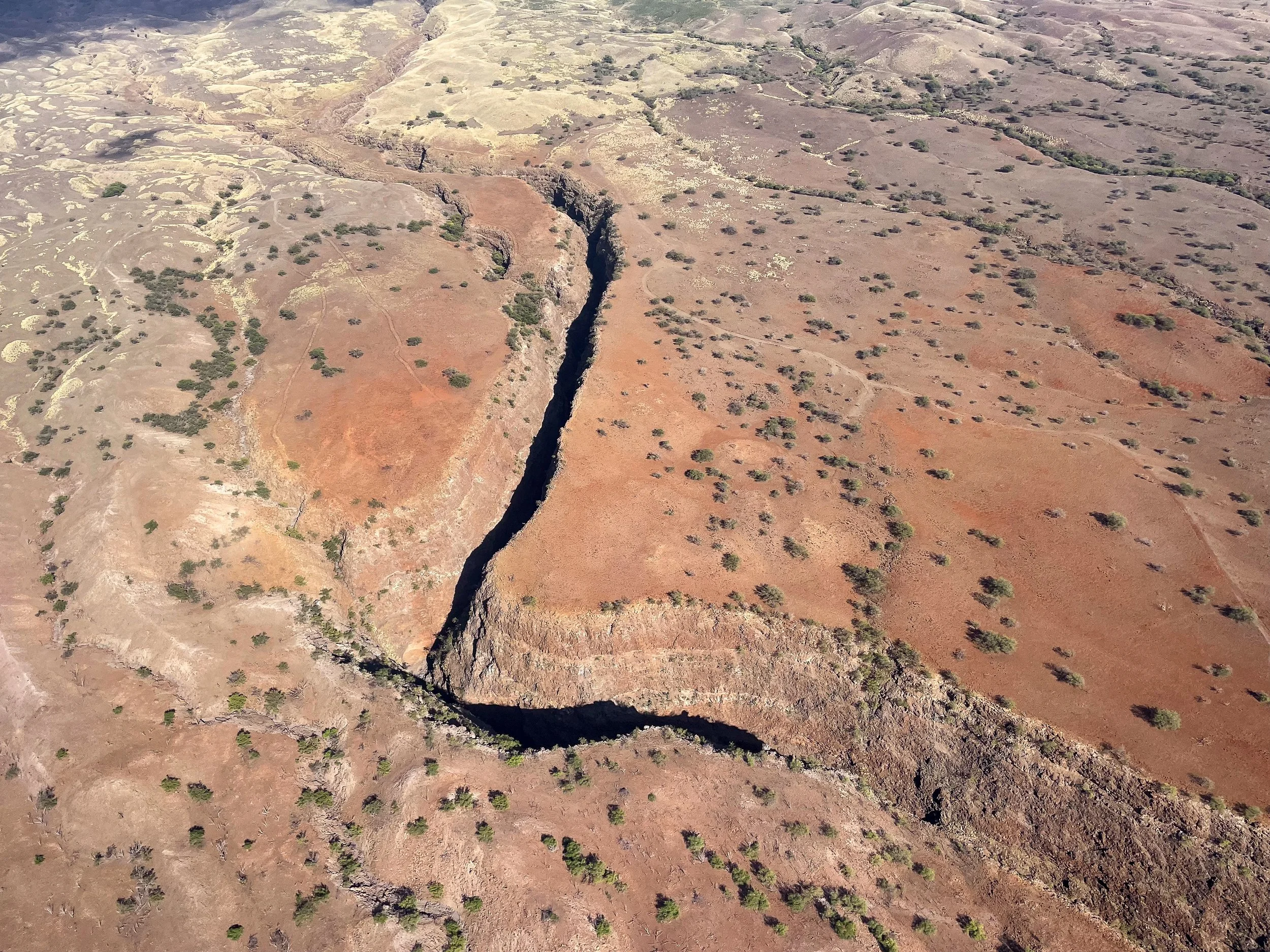
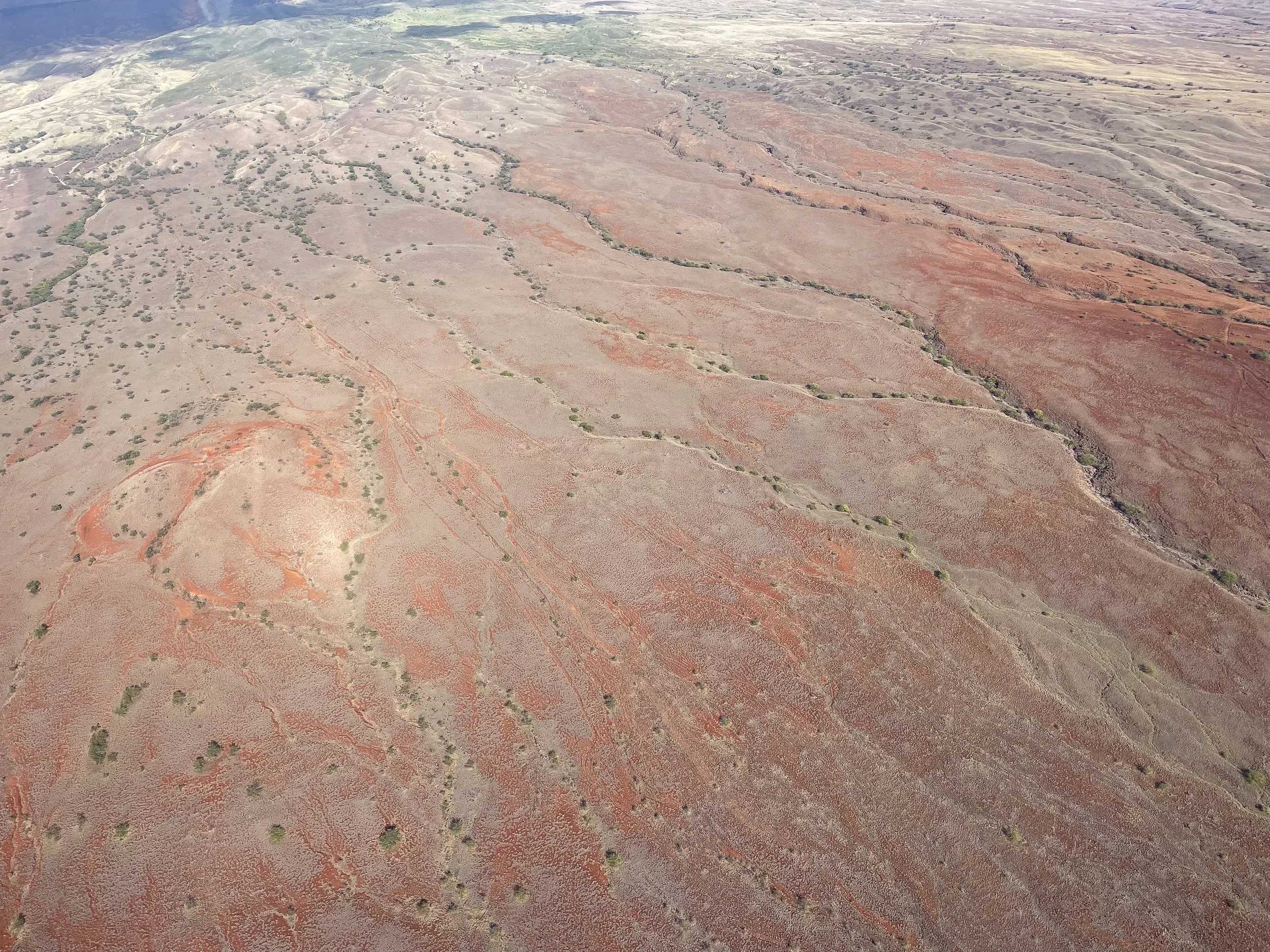
Kohala is a remote region of the island’s North Coast defined by its verdant landscapes, desert-like terrain, pristine beaches and farmland. The best way to experience it is on a Helicopter Tour!
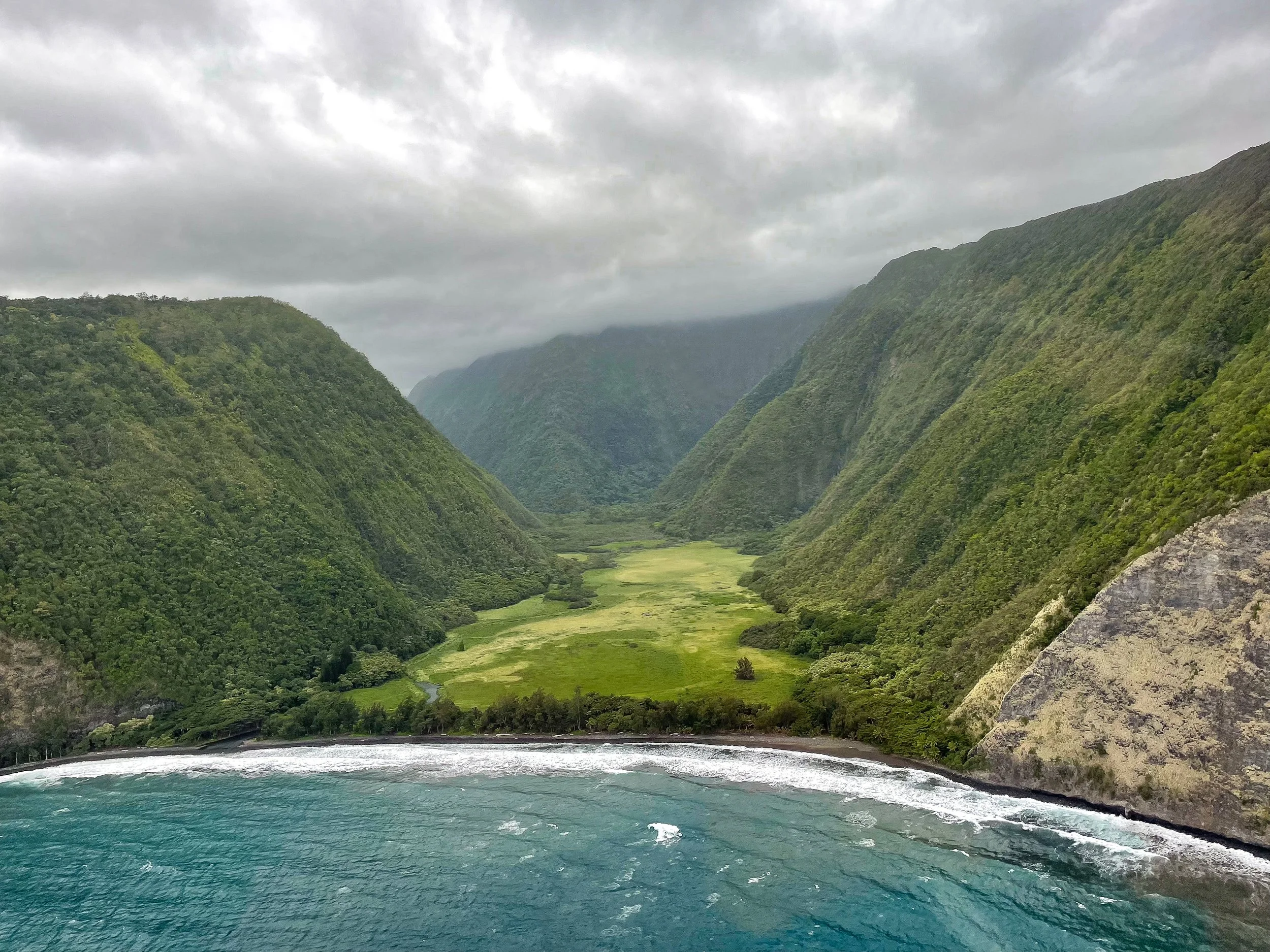
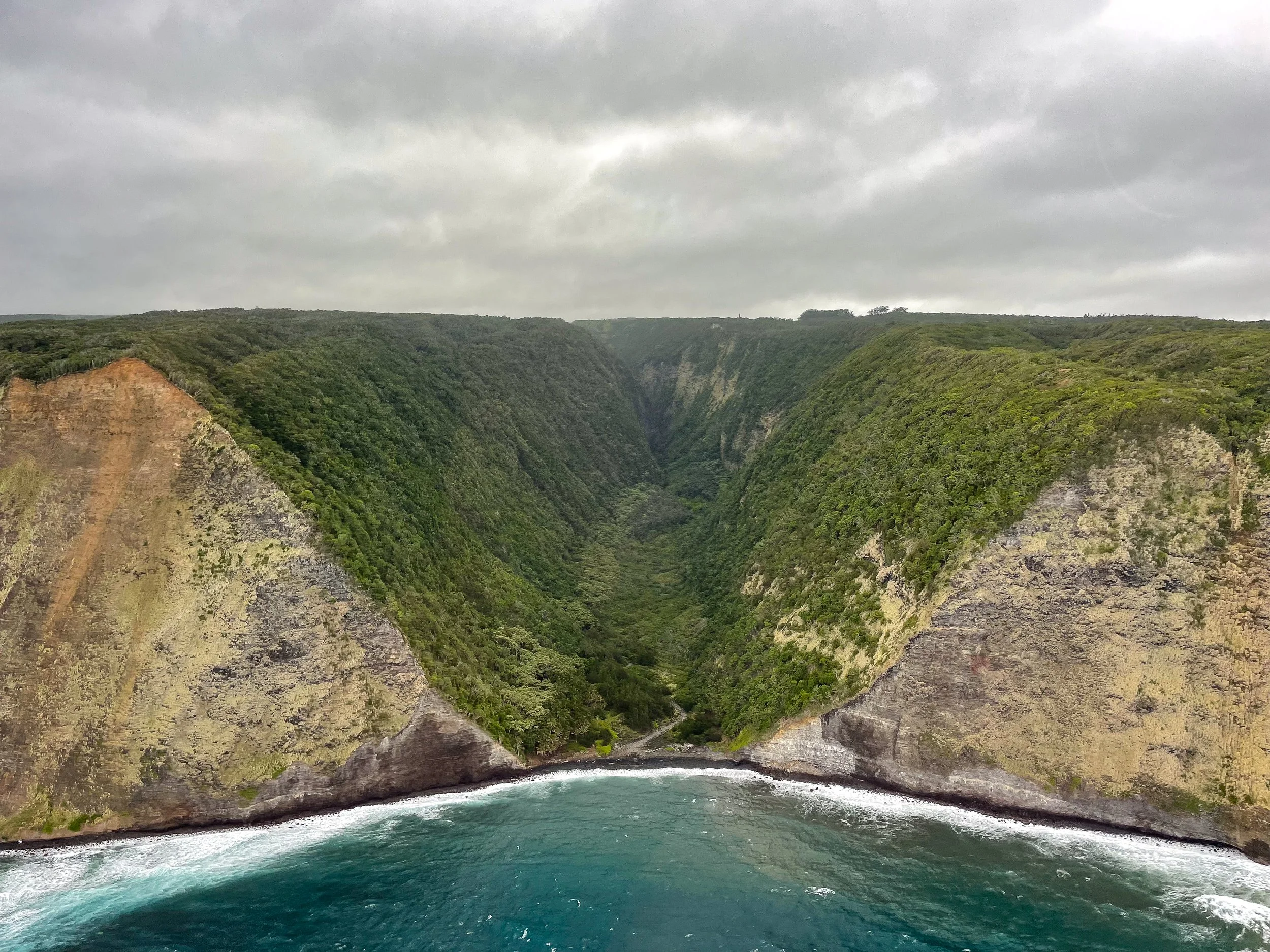
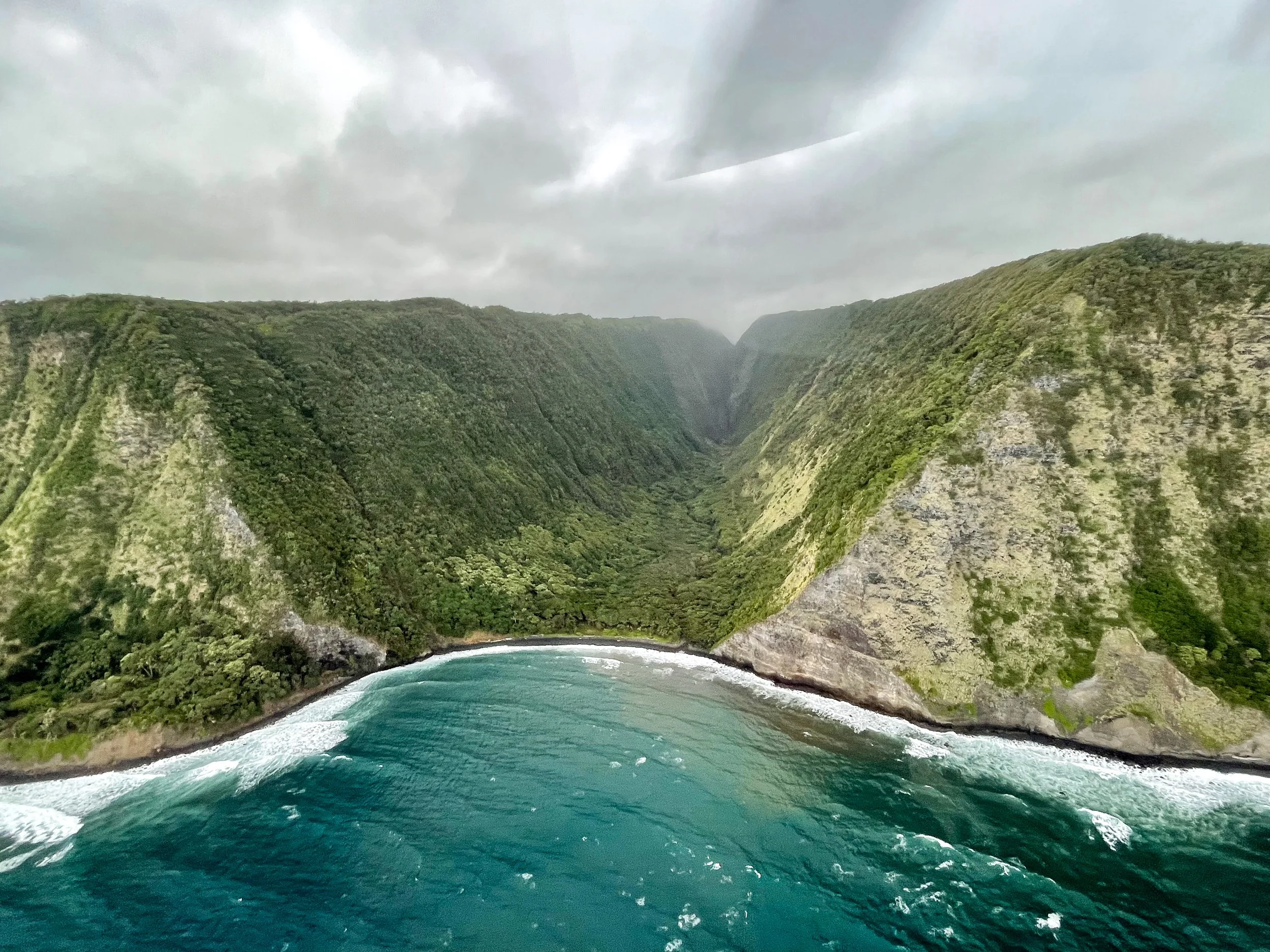
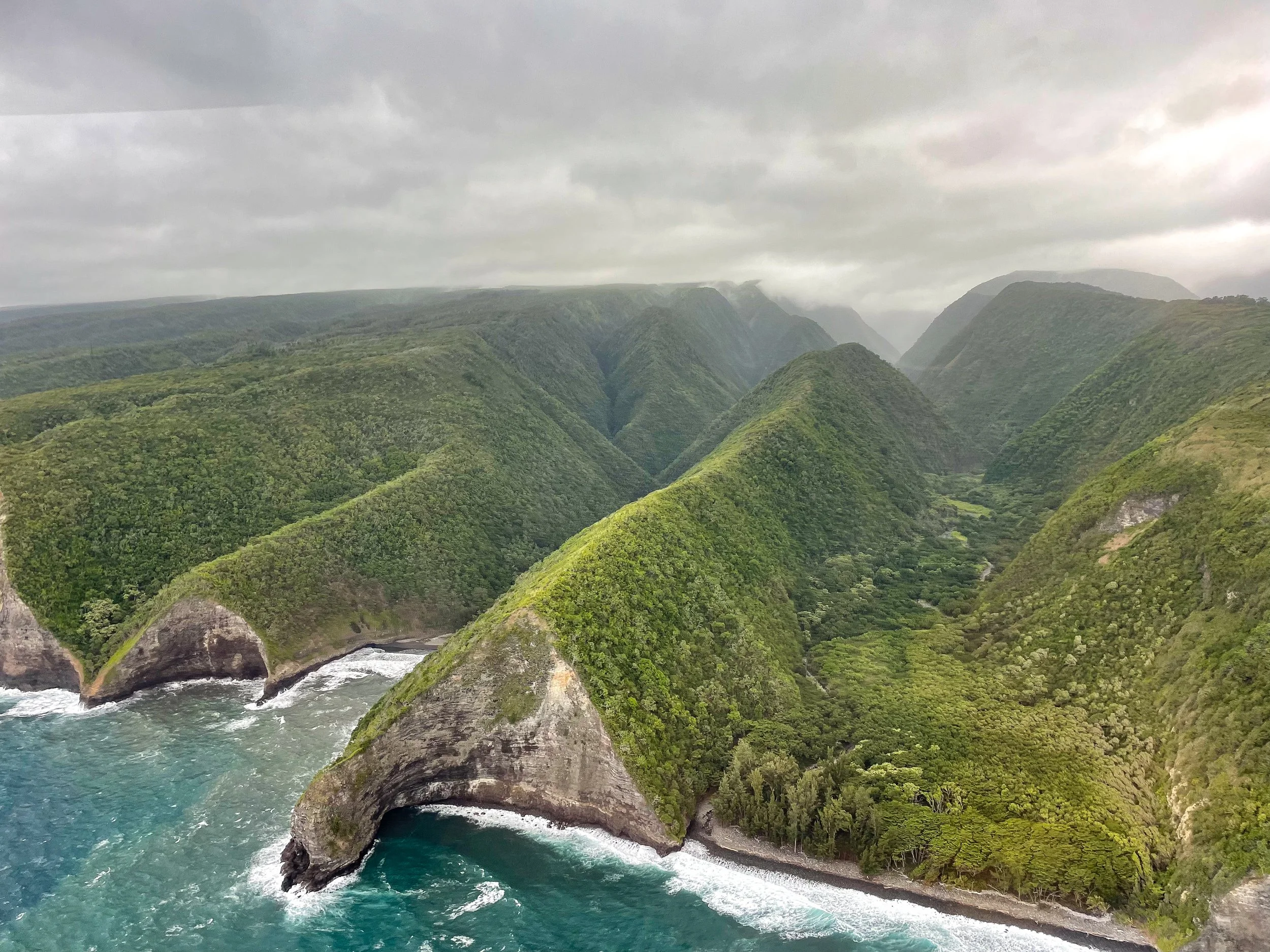
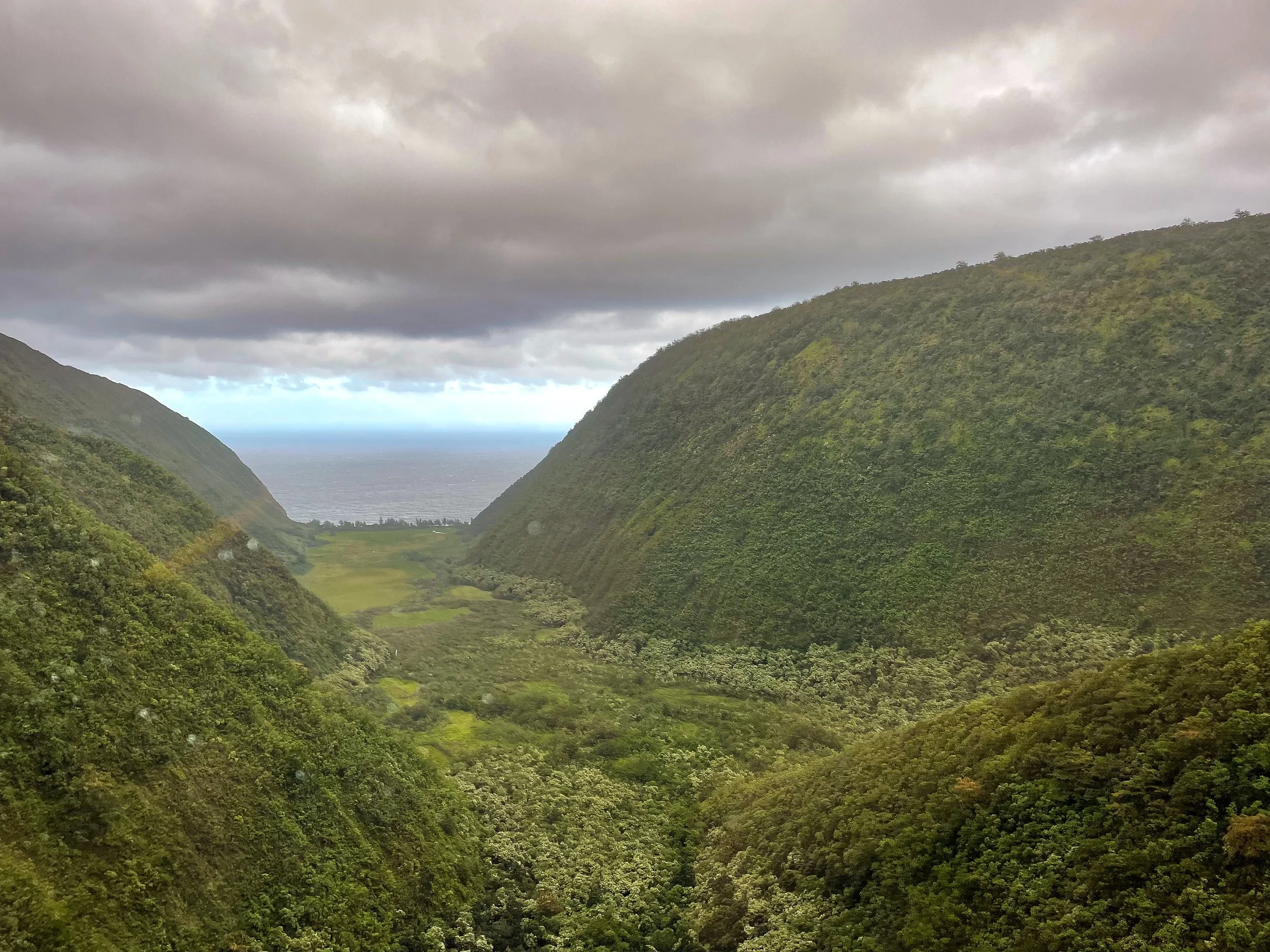
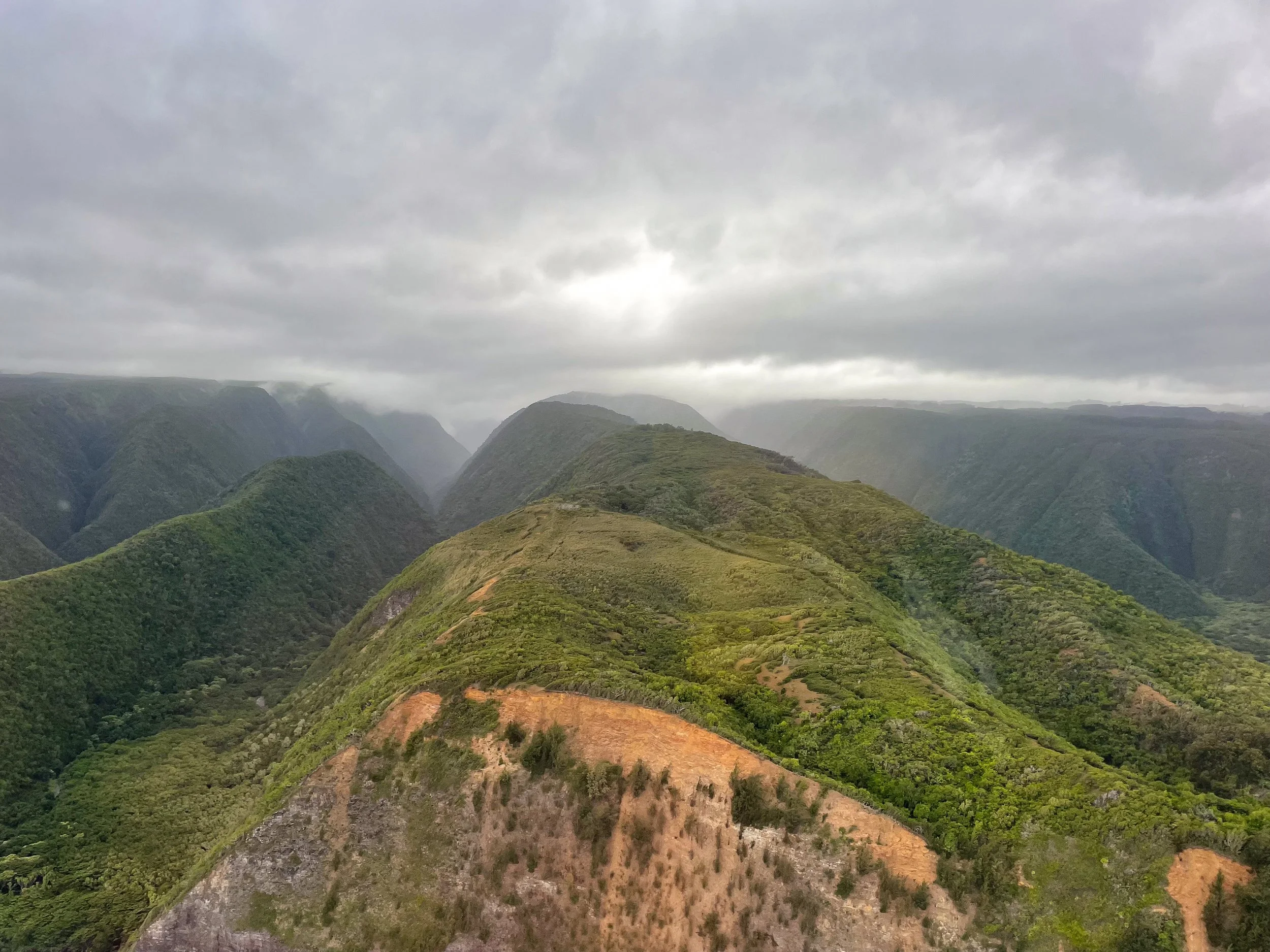
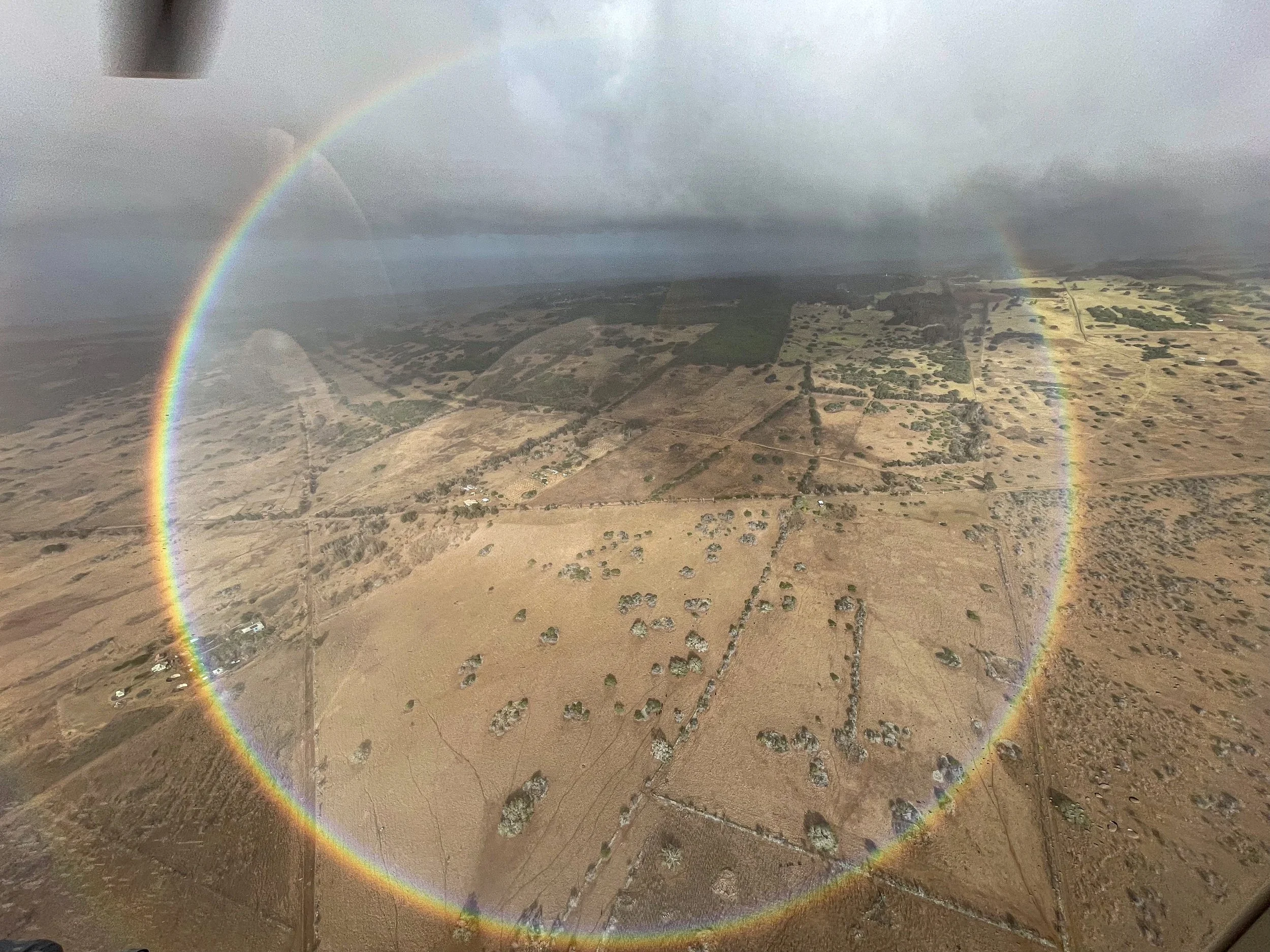
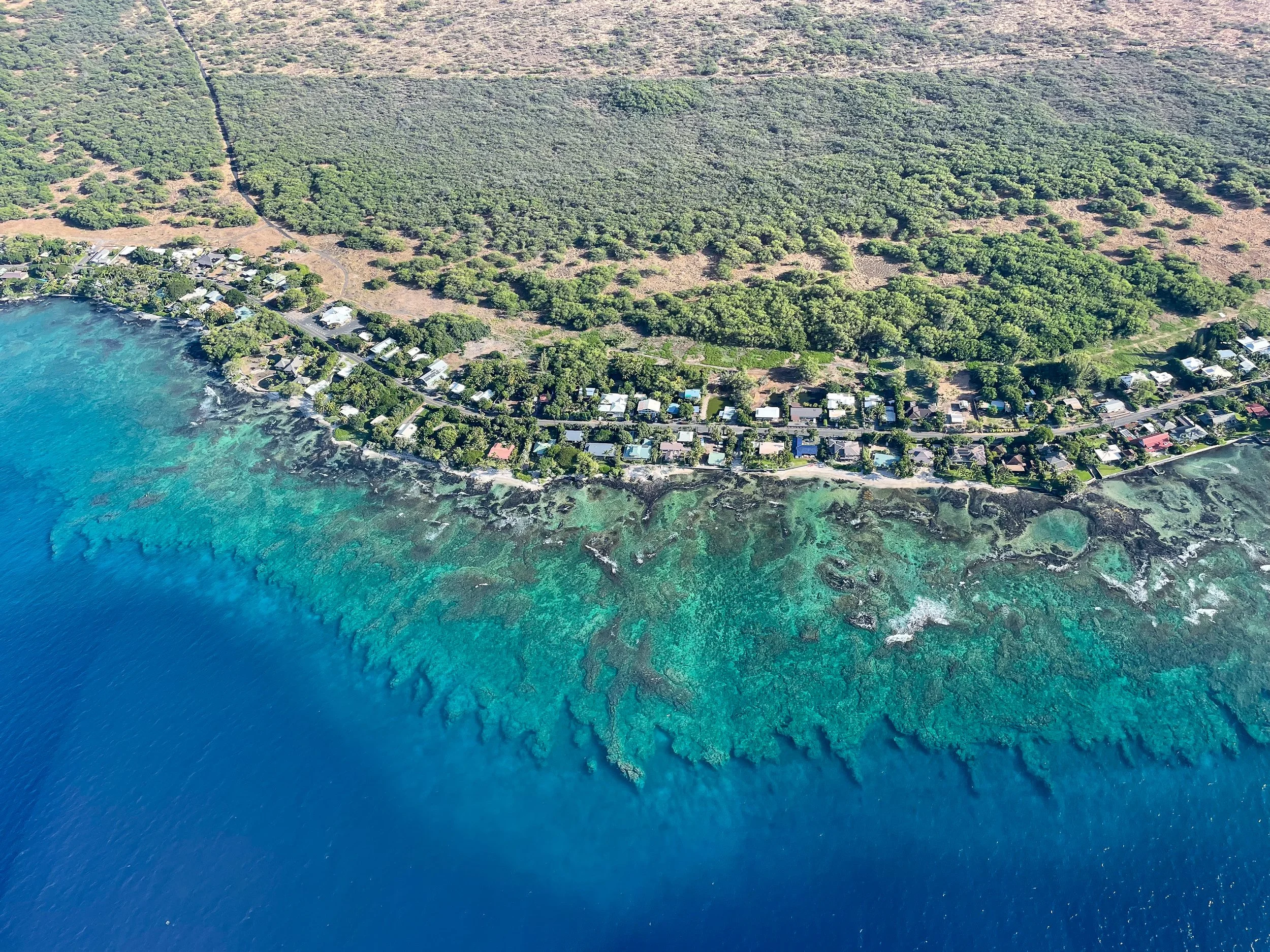
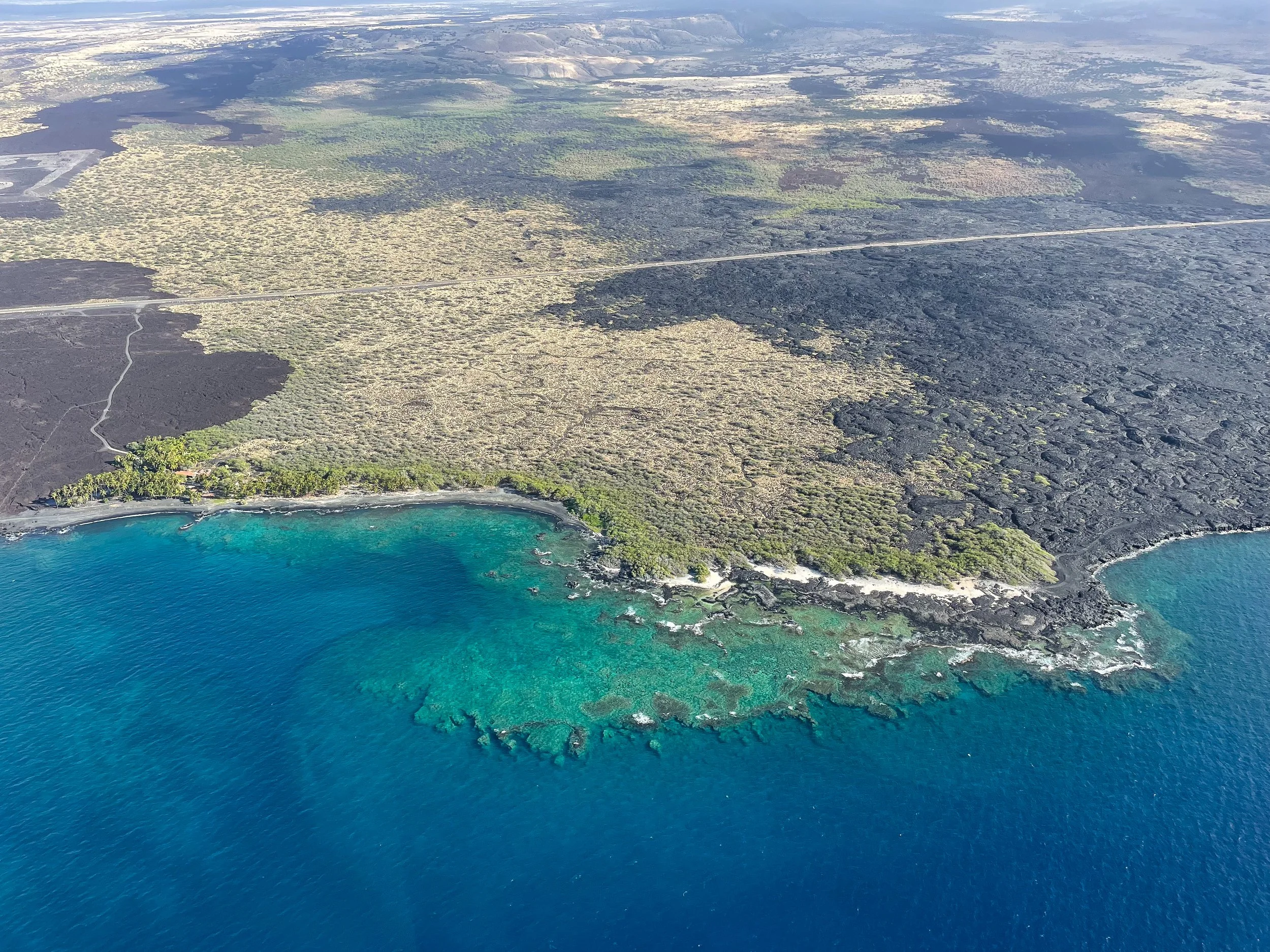
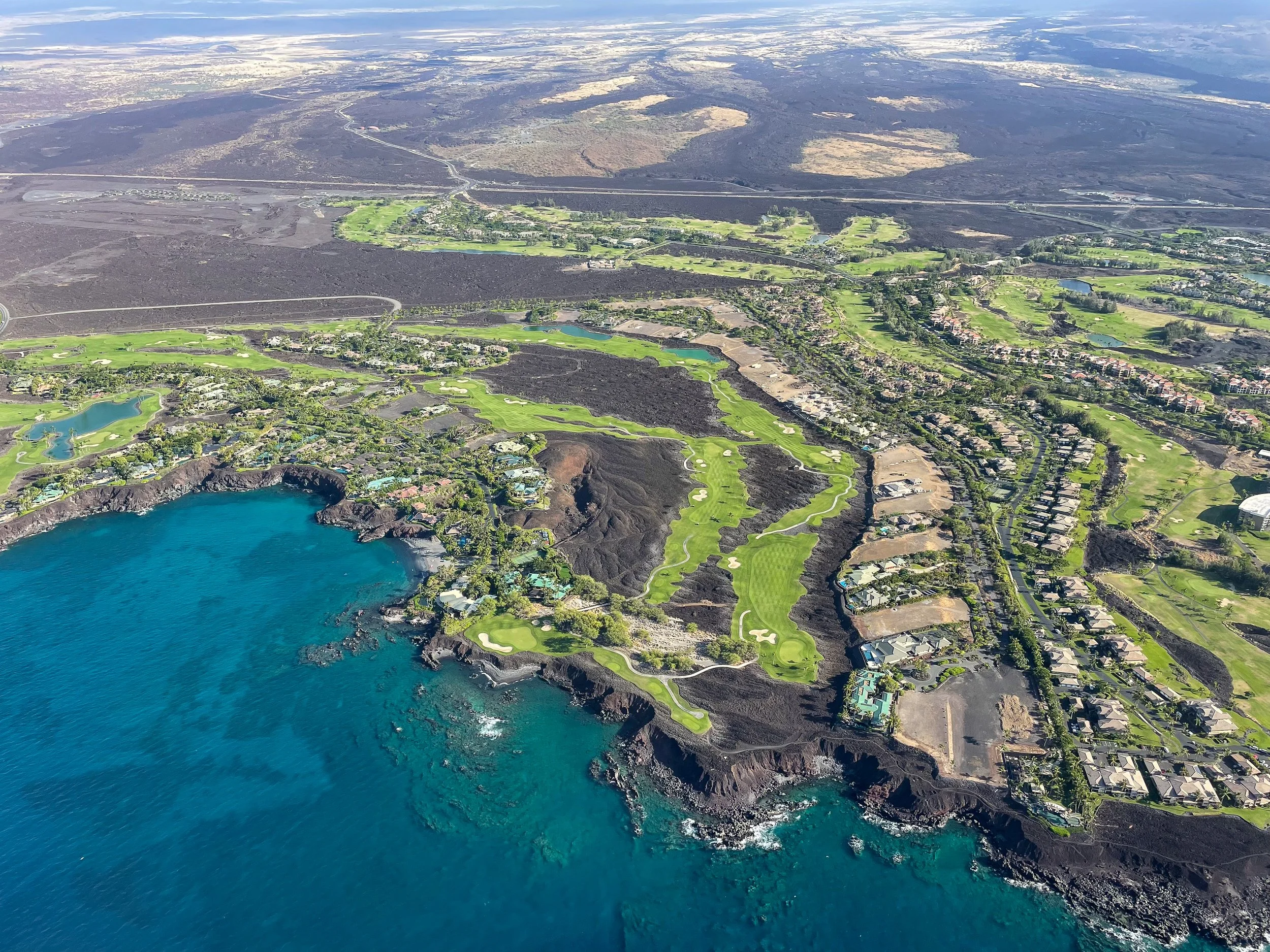
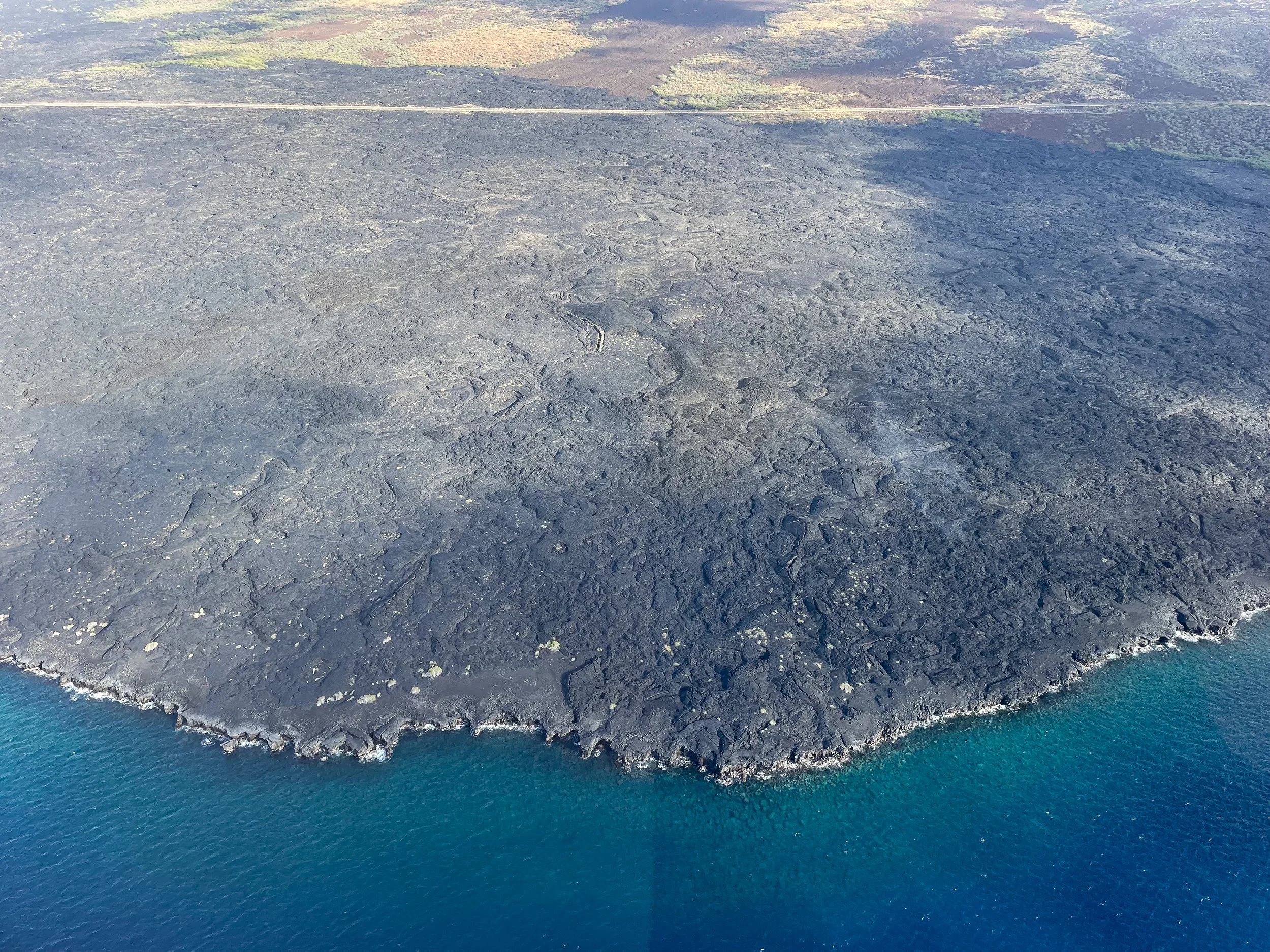
Helicopter Tour. We toured the most remote stretches of Kohala region by helicopter. Starting in Kona, we flew north over hardened lava flows, cinder cones, volcanic craters, collapsed lava tubes and gulches. From above, turquoise bays, green golf courses and seaside communities stood out from the dry arid landscape and cattle ranches.
As we flew further north, the landscape and climate transitioned. It became cloudy, rainy and lush. We even saw a full circle rainbow! We flew into picturesque valleys covered in dense greenery, with trickling waterfalls and black sand beaches. The North Shore coastline is characterized by sheer cliffs, rocky outcrops, crashing waves and white caps. Helicopter tours range from regional flights to full island tours. We booked with Paradise Helicopters.
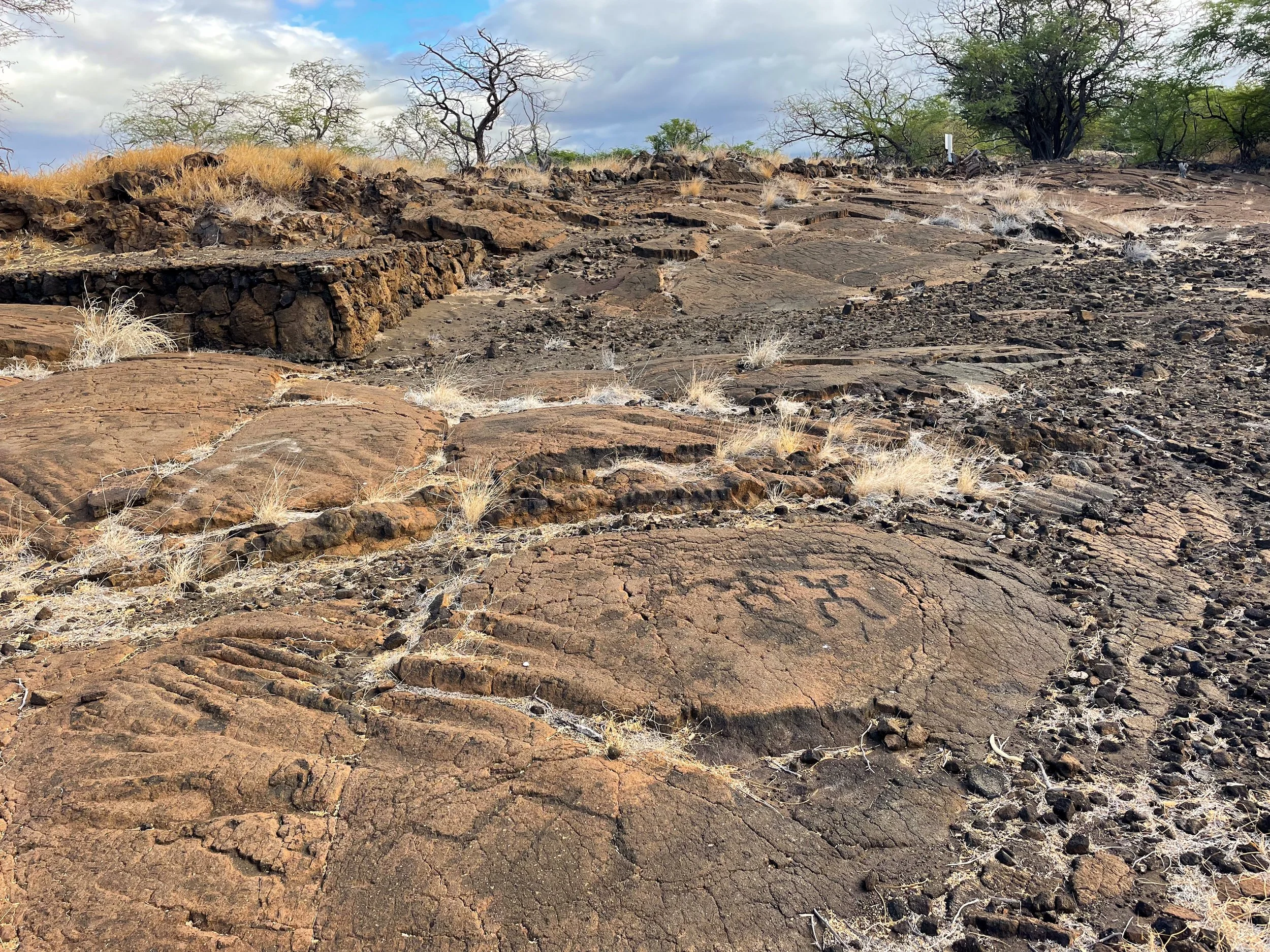
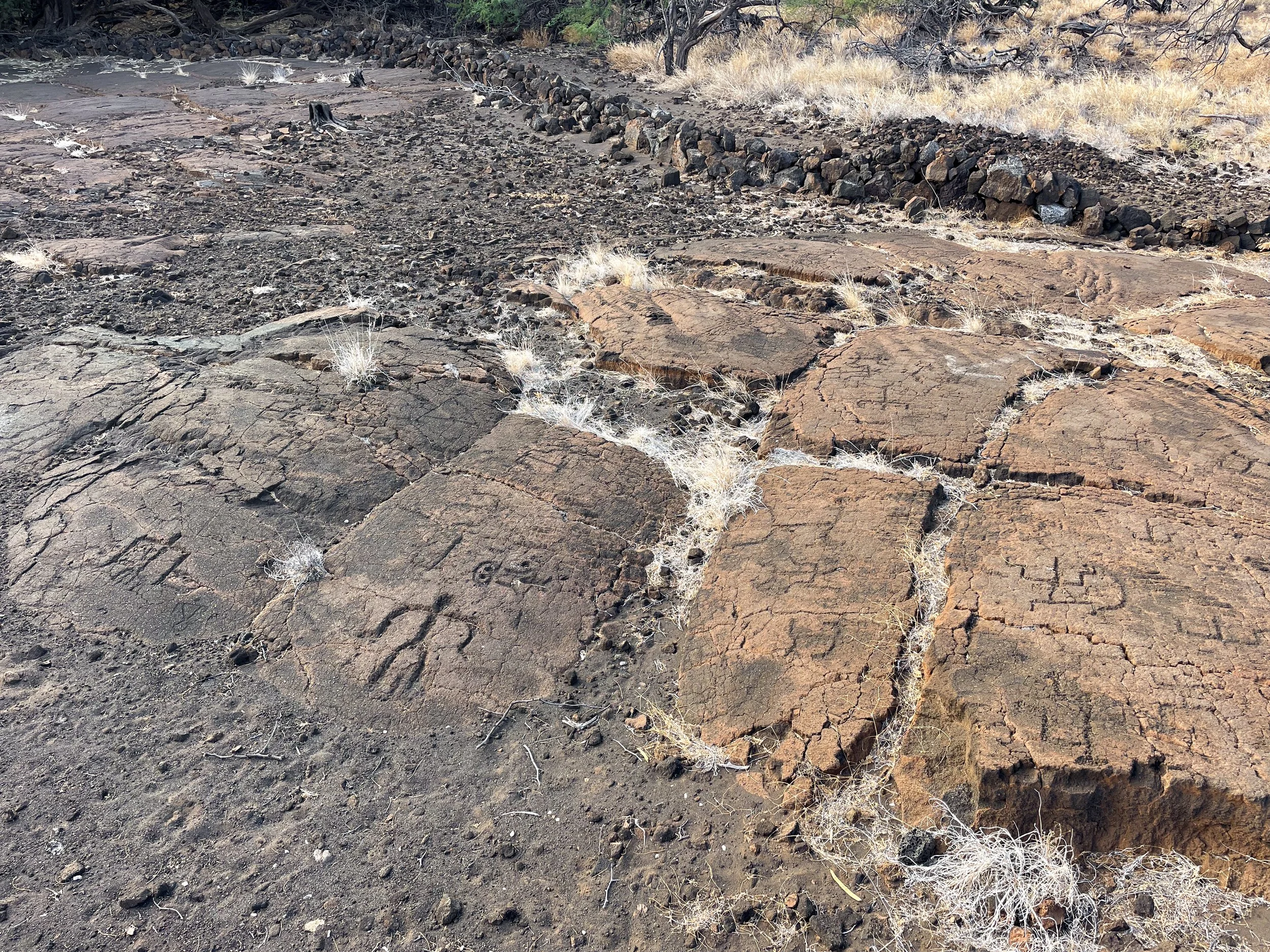
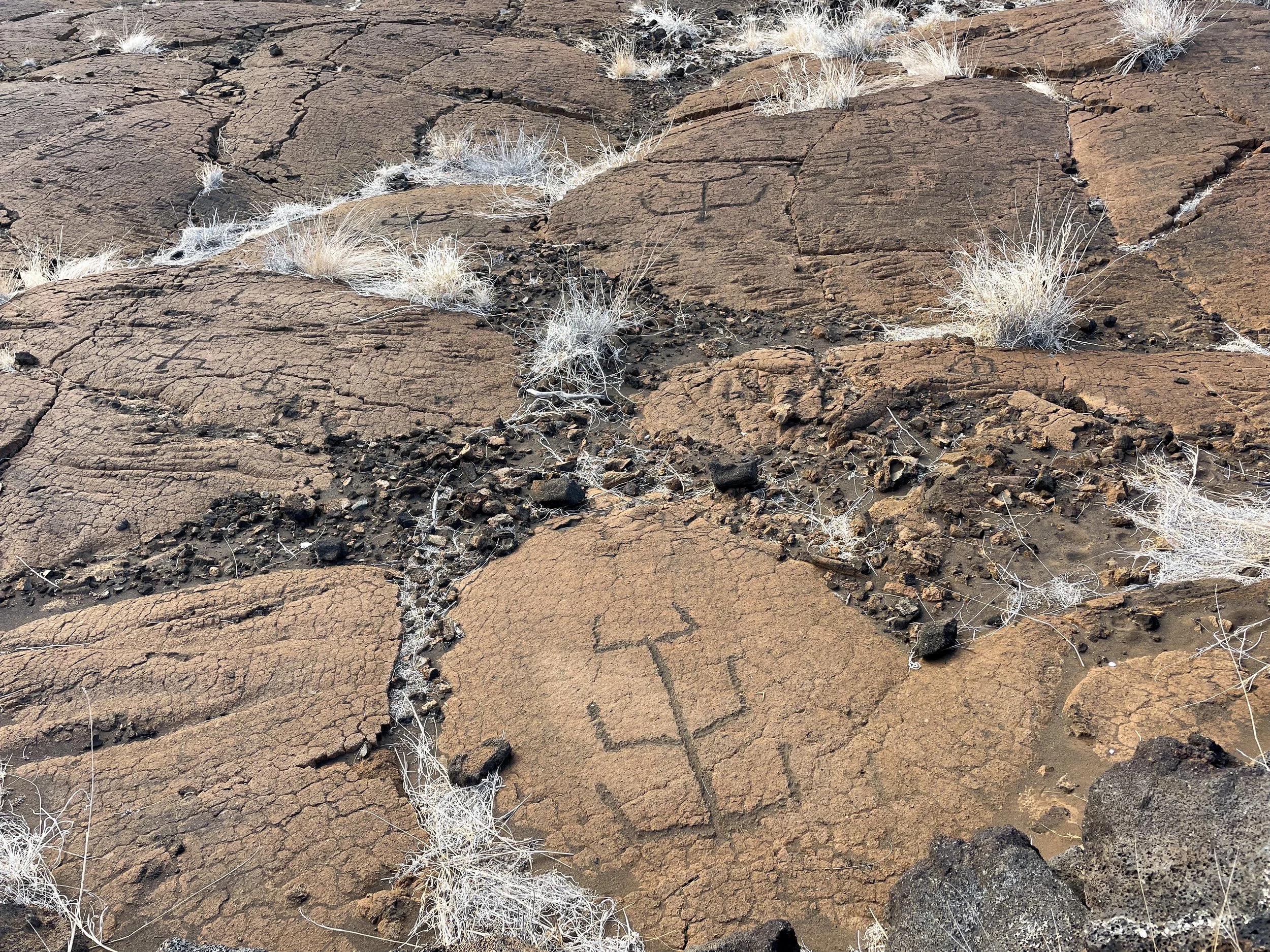
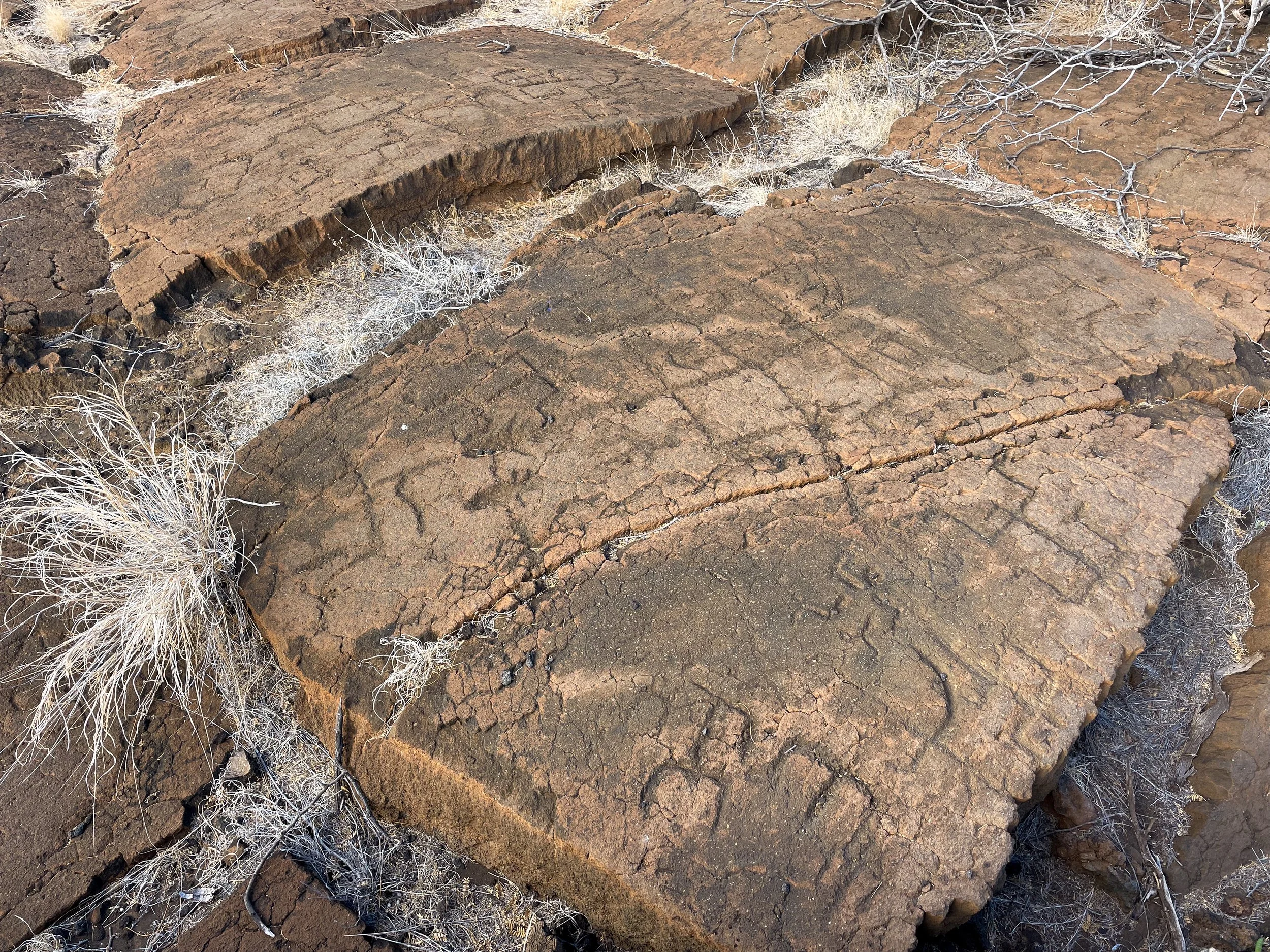
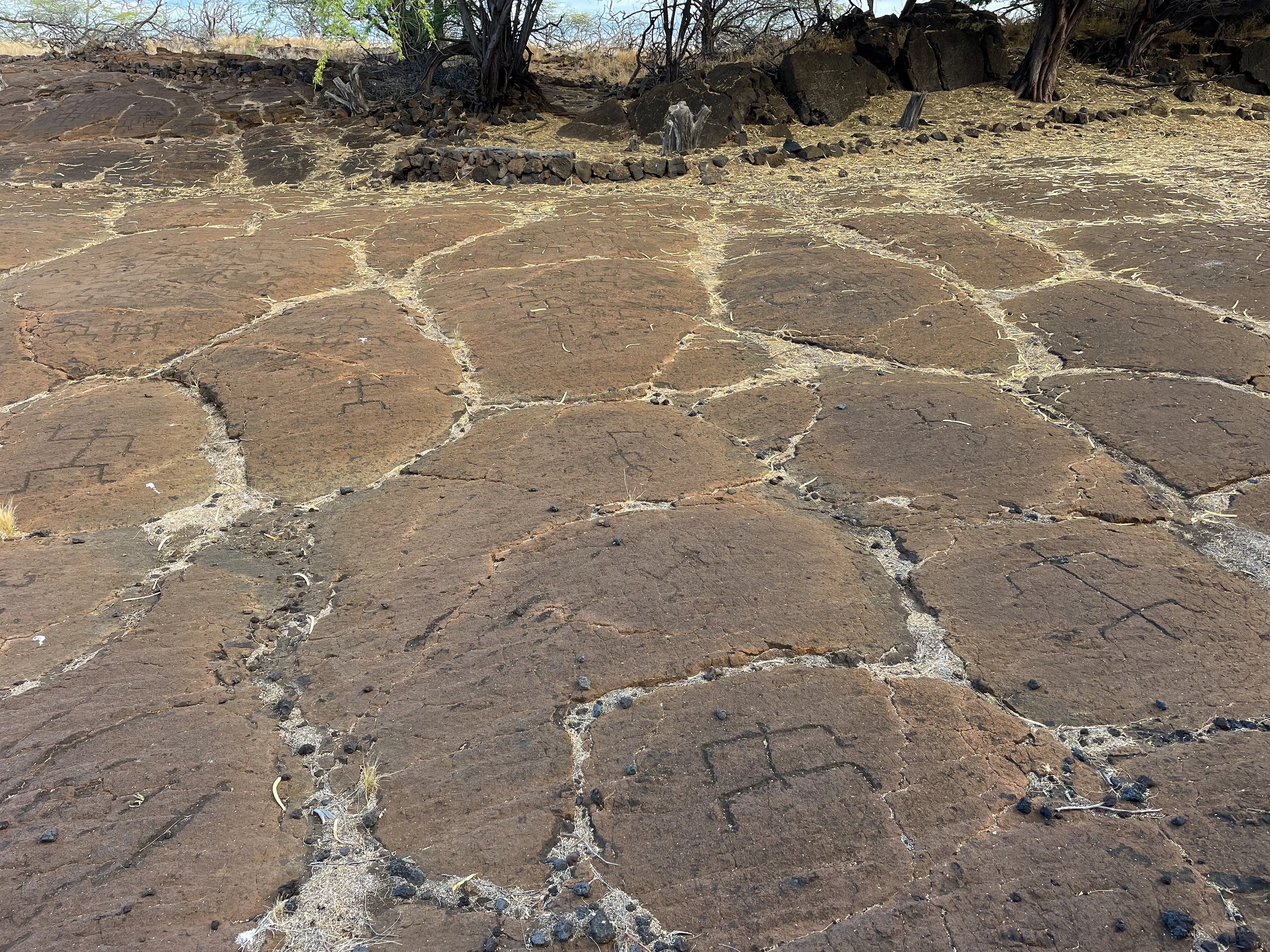
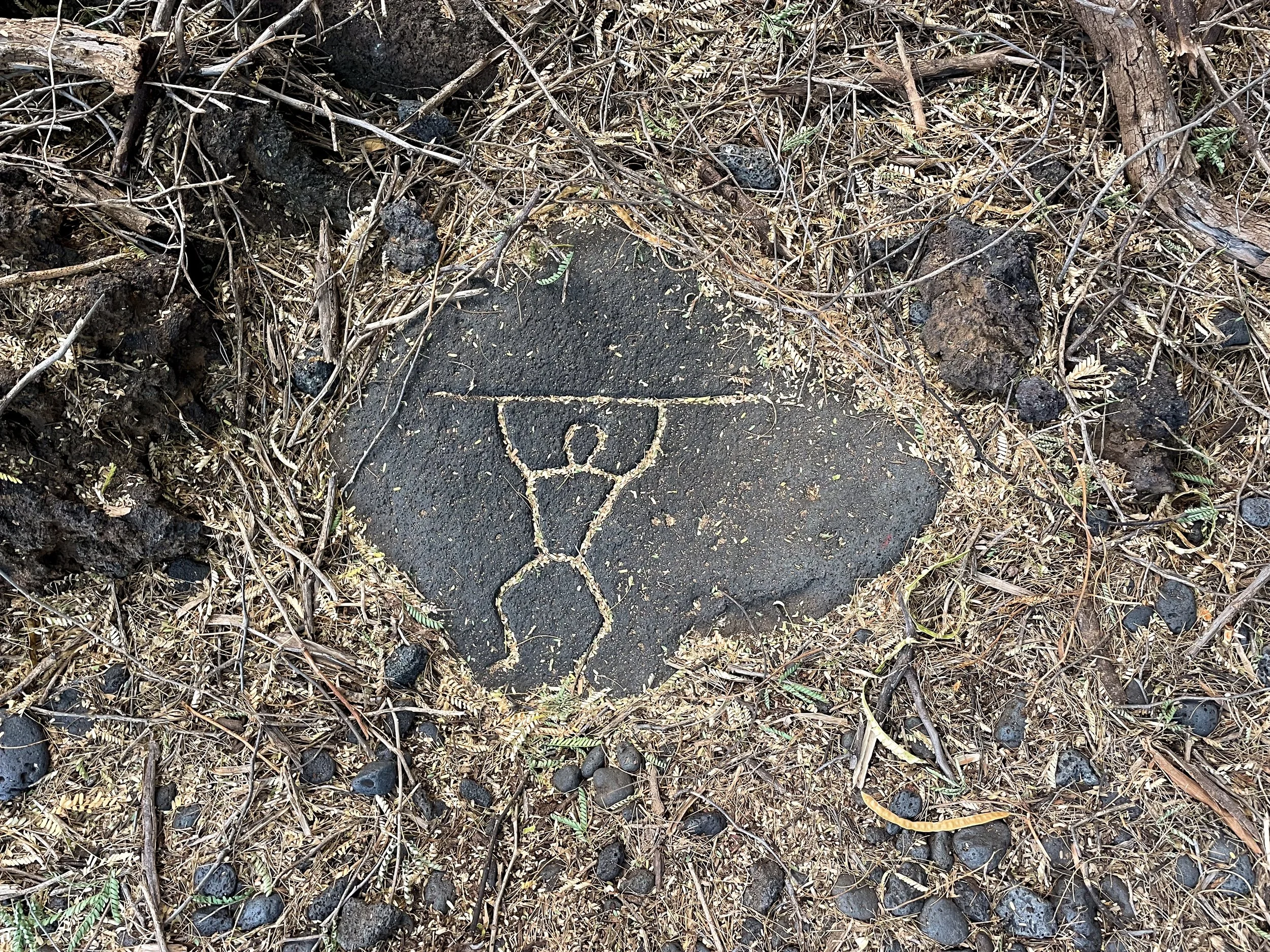
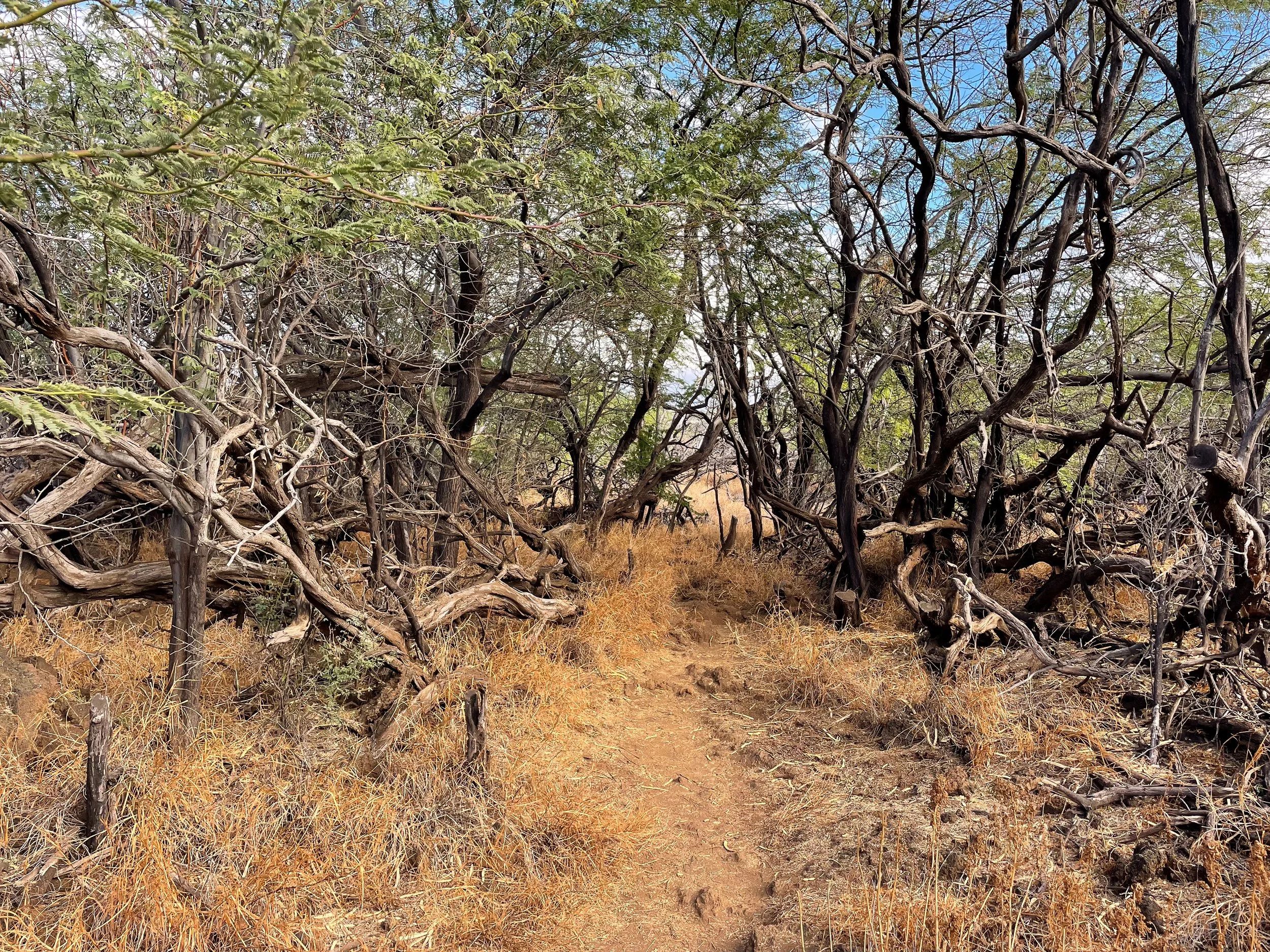
Pauko Petroglyph Park. An archeological park with over 3,000 petroglyphs carved into lava rock dating back 800 years. From the parking lot, a rocky trail leads through overgrown bush past various petroglyphs, a small cave and ends at a loop around a large lava flow covered in two dimensional human figures. The carved figures range in size, groupings and poses.
Kaunaʻoa (Mauna Kea) Beach. A crescent shaped beach with pale white sand and calm aquamarine water at the Mauna Kea Resort. We spent a half day here sunbathing, swimming and snorkeling. The reef is located near the rocks along the south end of the beach. Sadly the coral isn’t very healthy. We later enjoyed a few cocktails at the beach bar at the resort on the north end of the beach. The resort rents umbrellas, lounges, kayaks, stand up paddles and surf boards. Parking is free but limited to 40 cars per day. Arrive before 8am to get a spot.
Seafood Bar and Grill. A tiki style bar and restaurant with Hawaiian seafood dishes and a tropical cocktail menu. Try the furikake calamari, the pineapple mac-nut slaw, grilled fish sandwich and mai tai.
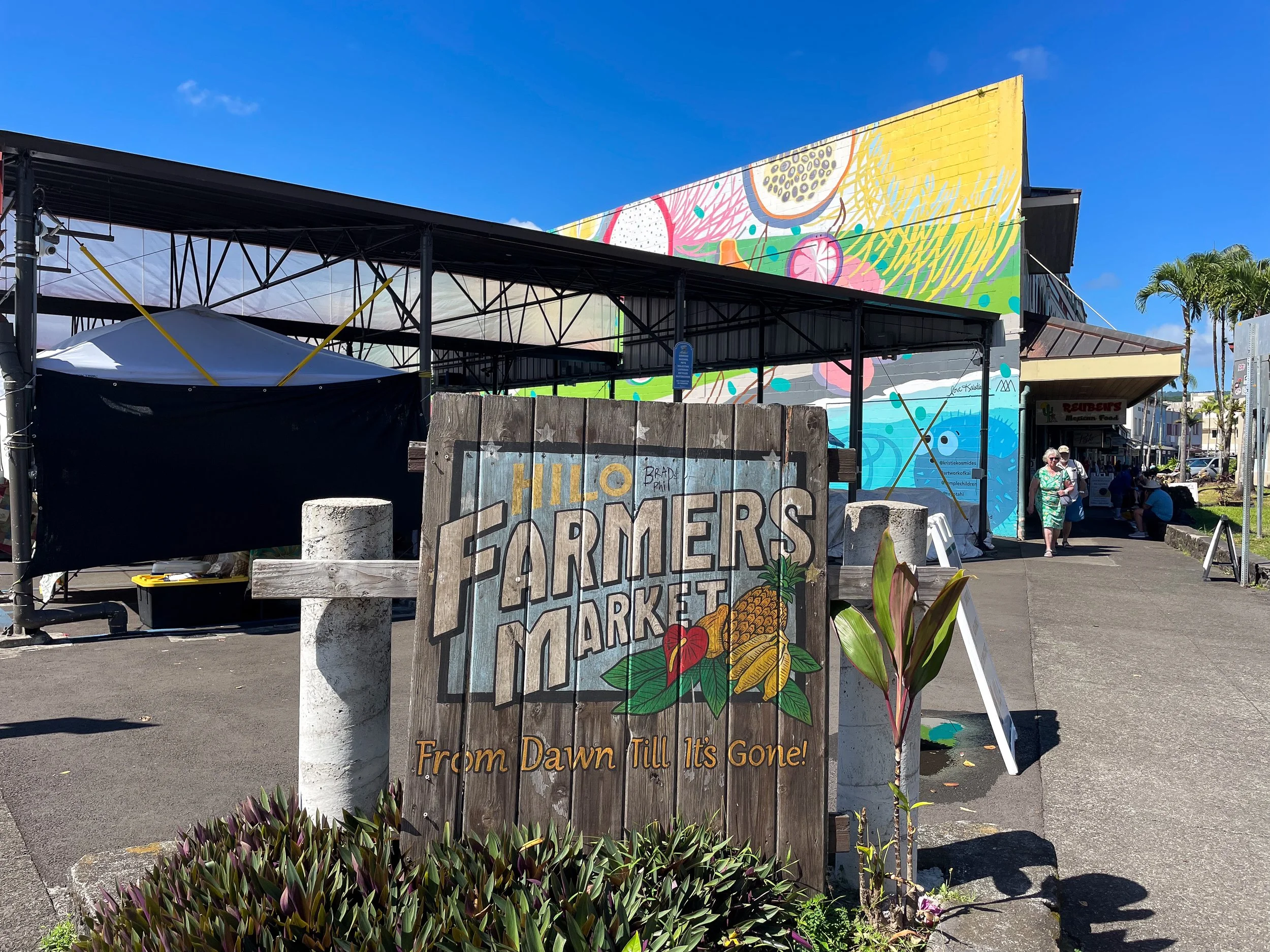
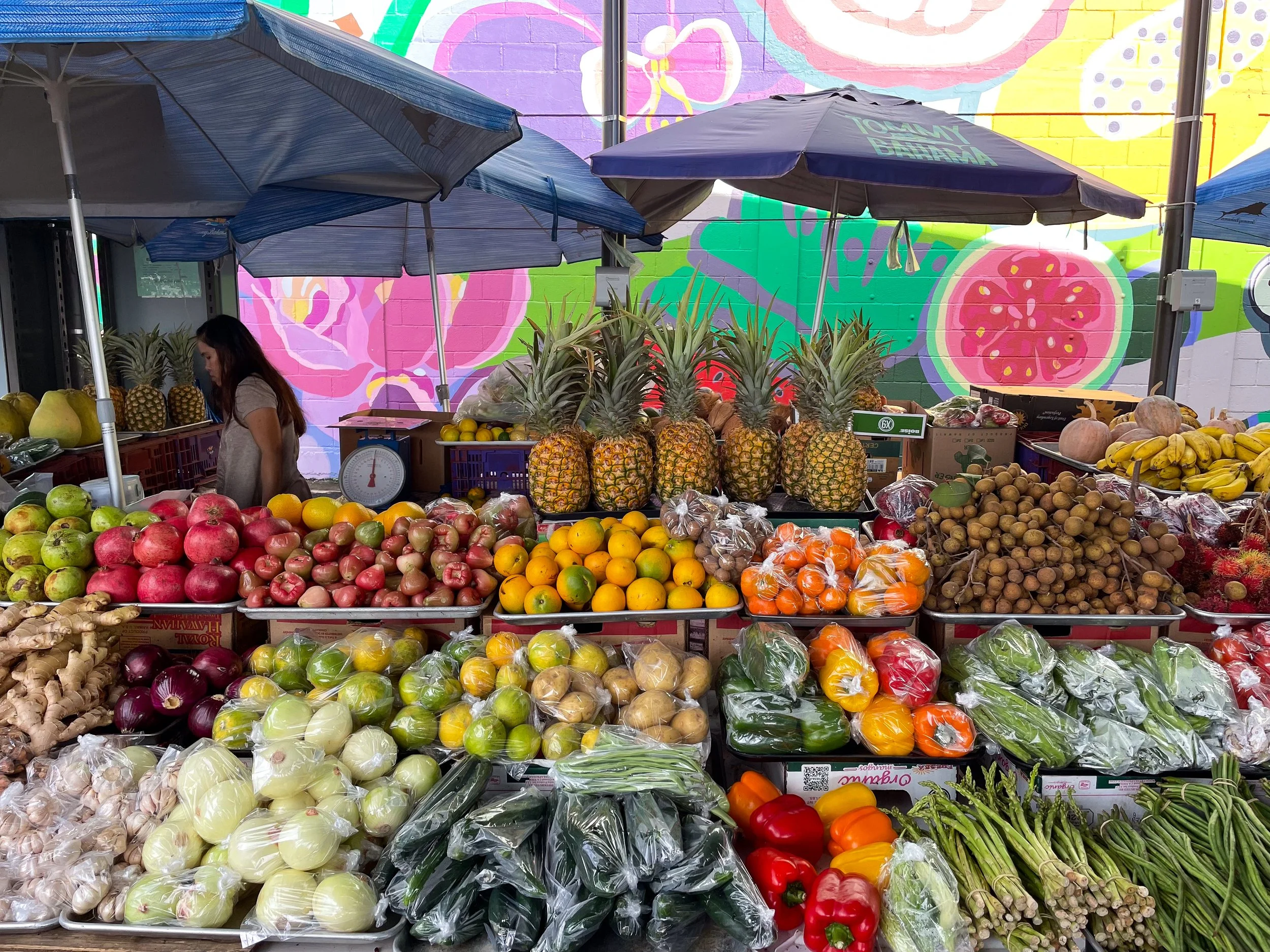
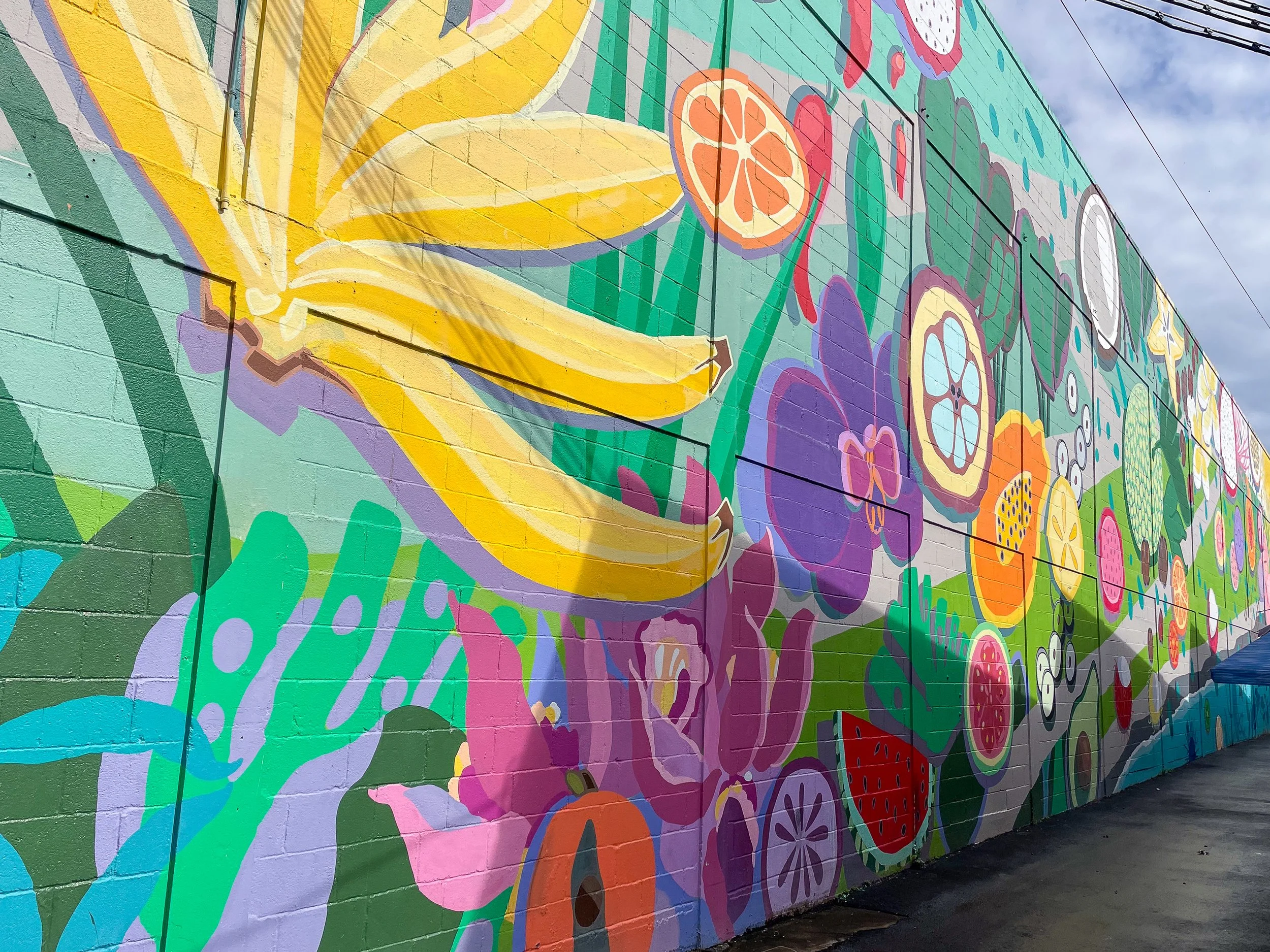
Big Island Farmers Markets
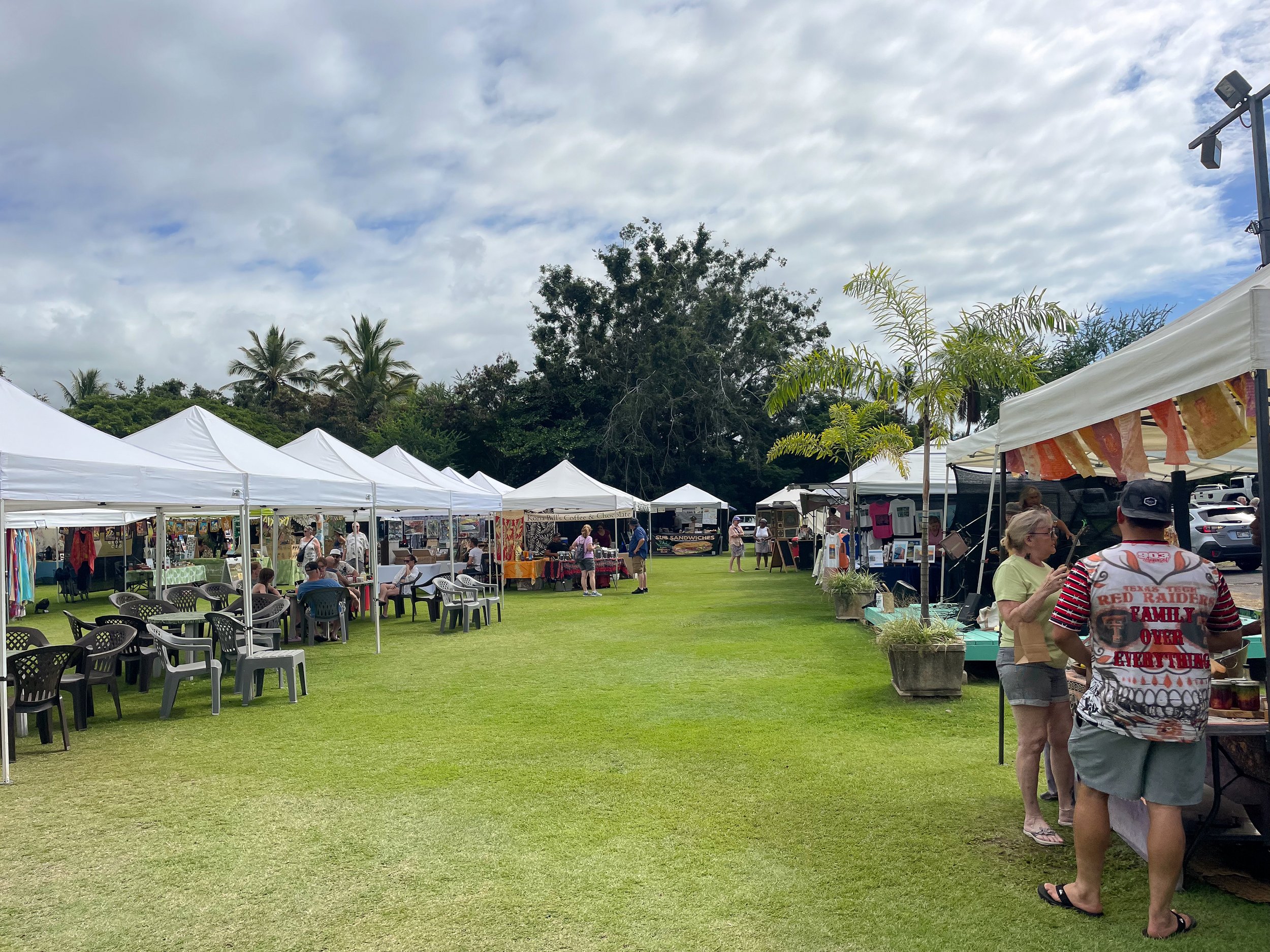
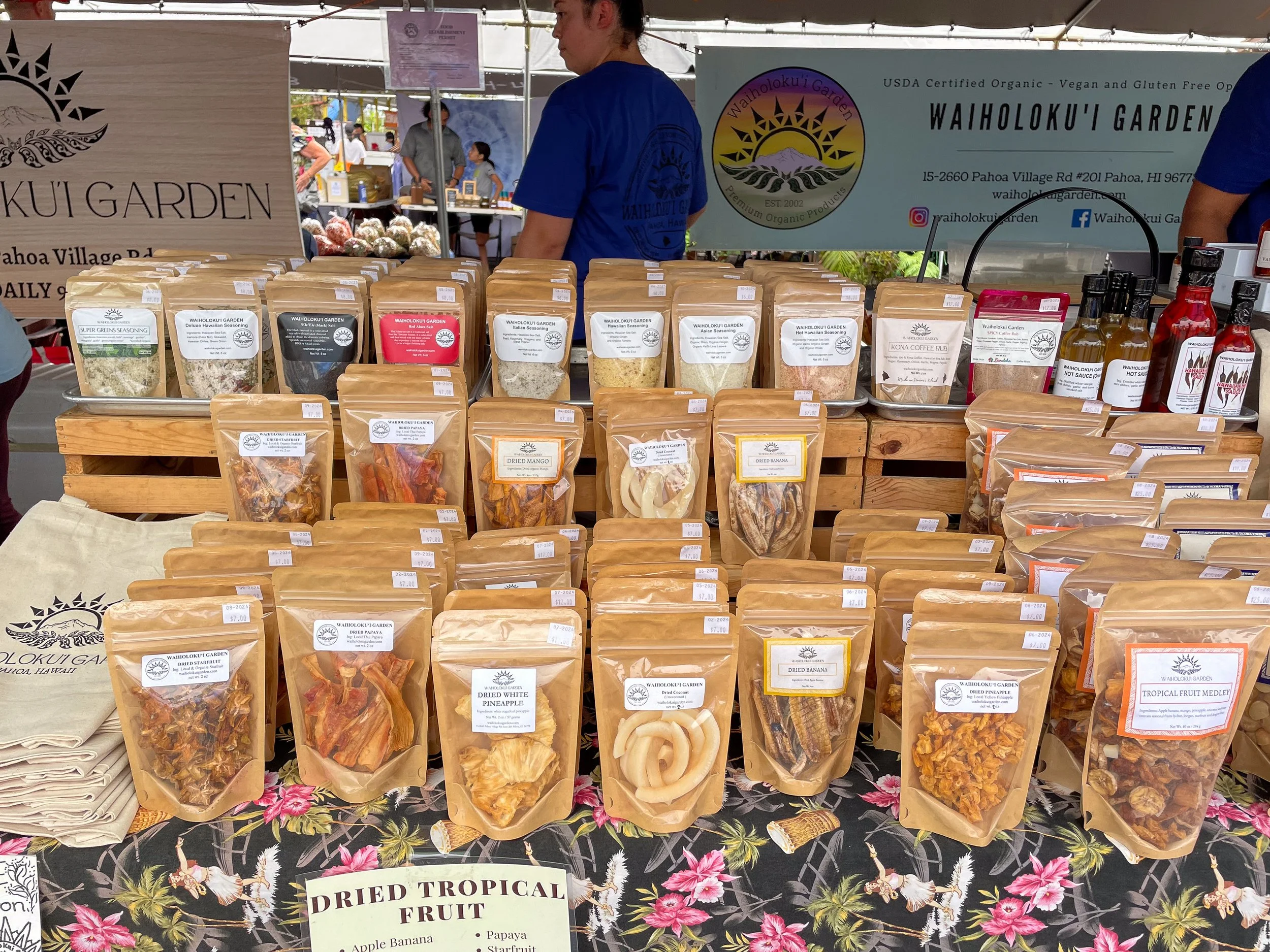
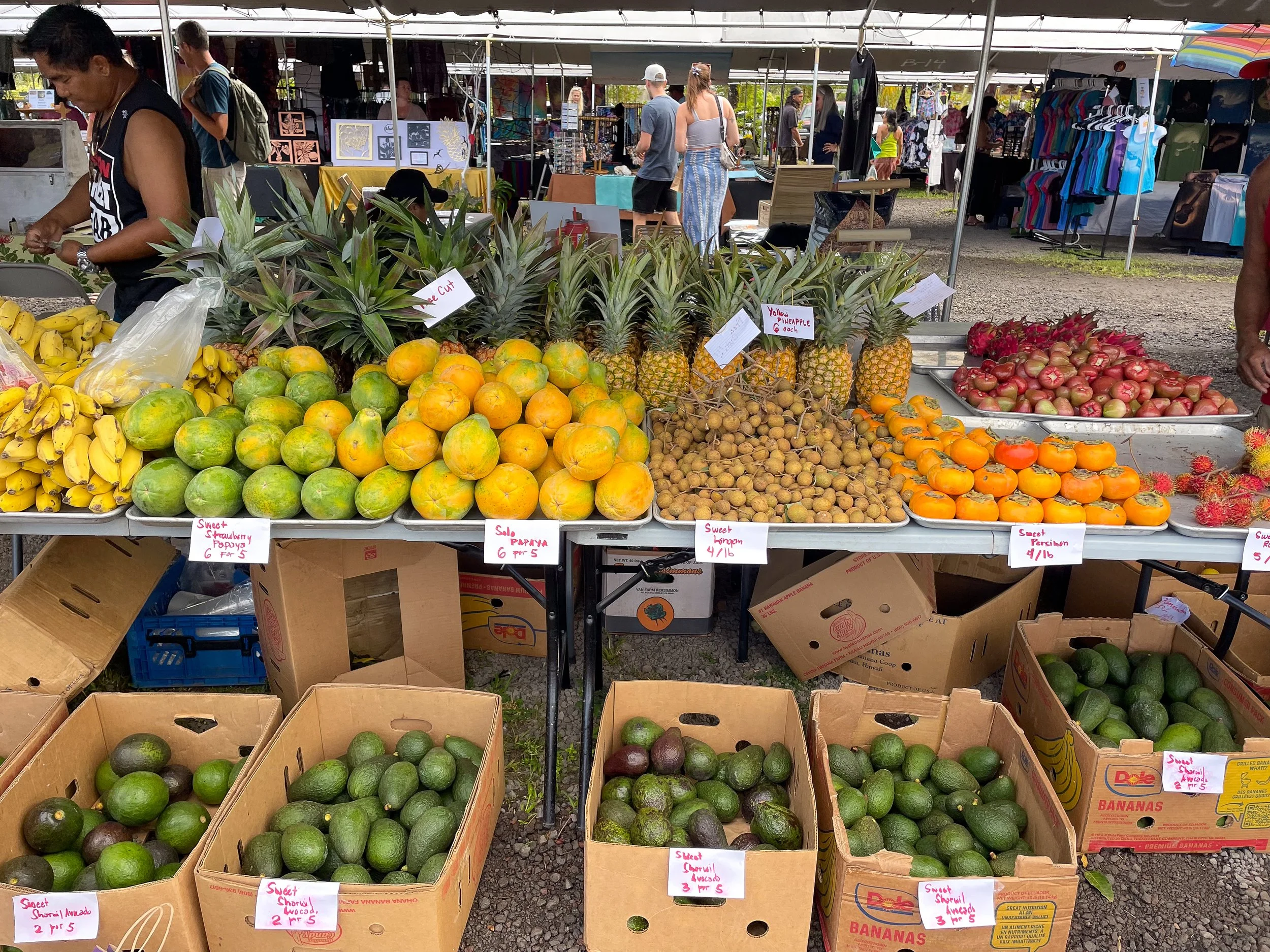
The Big Island is home to dozens of farmers markets held throughout the week. All of which have vendors selling a range of local produce, homemade goods, products and tasty meals.
Hilo Farmers Market. A daily farmers market with sheds of vendors selling tropical fruits, vegetables, mushrooms, flowers, plants, clothing, jewelry and souvenirs. There are two cafés with coffee, shaved ice, smoothies, açaí fruit bowls and poke. The market is located in downtown Hilo.
Maku'u Farmers Market. A Sunday morning farmers market with up to 150 tents and vendors selling locally grown produce and goods like preserves, cheese, honey, vanilla, coffee, macadamia nuts, fresh caught fish, coconut milk and juices. Cooks sell sweet and savory baked goods, fried snacks and full meals, poke and shaved ice. Located between Pāhoa and Hilo.
Ho'oulu Farmers Market. A craft and farmers market with vendors selling locally grown produce and items made from local materials like soaps, candles, jewelry, artwork and souvenirs. It’s located south of Kona outside of the Outrigger Kona Resort. The market operates on Wednesday and Friday between 9am - 2pm.
Hawaiian Cuisine
The flavors of the Hawaiian islands are as enticing as the sights. While here, we feasted on pacific seafood, tropical fruits and tiki cocktails.
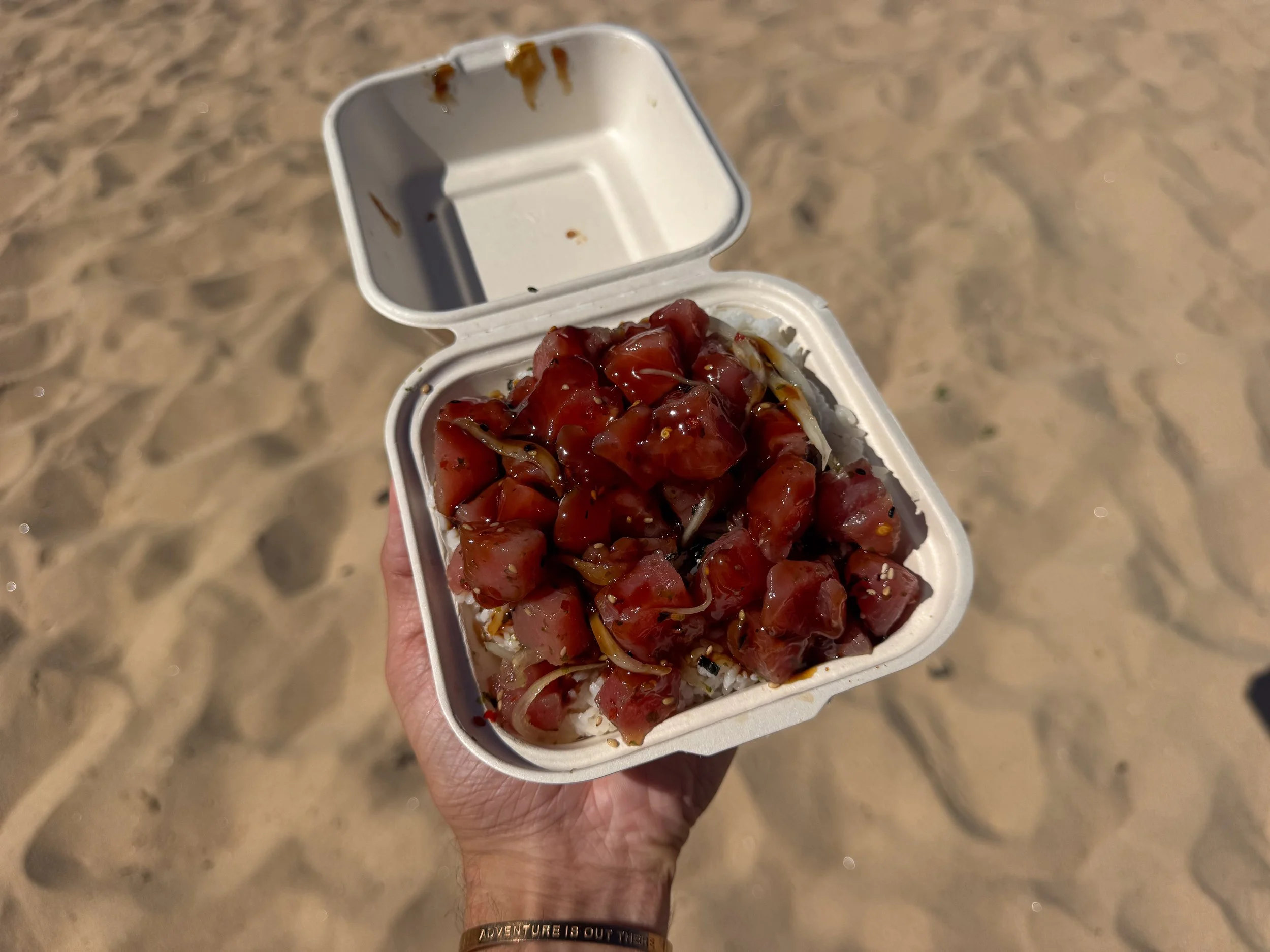
Poke. A seafood dish made with pieces of raw tuna on a bed of rice and covered in a thick umami sauce.
Pupus. A Hawaiian appetizer or small plate. Most restaurants have a menu of them to choose from. Order them solo before a meal or several of them tapas style as the meal.
Ono (Wahoo). A local white fish and a favorite at restaurants across the Big Island. It has a delicious taste, dense texture and flaky meat. It’s commonly served grilled or coconut encrusted.
Ube. Purple sweet potato. It’s often served mashed as a side or in sweet desserts.
Musubi. A rice patty with glazed spam (vegan or traditional) wrapped in seaweed and garnished in Furikake.
Furikake. A widely used seasoning made from seaweed, dried fish flakes, sesame seeds, salt and sugar. It’s garnished on snack mixes and savory dishes.
Banana Bread. Commonly baked with macadamia nuts, sold at farmers markets, bakeries and cafés.
Tropical Fruit. Pineapple, papaya, mango, starfruit, banana, lychee, passion fruit, guava and rambutan are all commonly grown and sold at farmers markets across the island.
Shaved Ice. Seen at food trucks, farmers markets and cafés. This popular treat is served all day long. Try the tropical flavors like coconut, pineapple or guava.
Mai Tais. A tropical cocktail on nearly every drink menu in Hawaii made with rum, lime and orgeat syrup.
Kona Coffee. Coffee made from beans grown specifically within the Kona region.
Places to Stay
We spent over a week on The Big Island, splitting our time equally between Hilo in the east and Kona in the west.
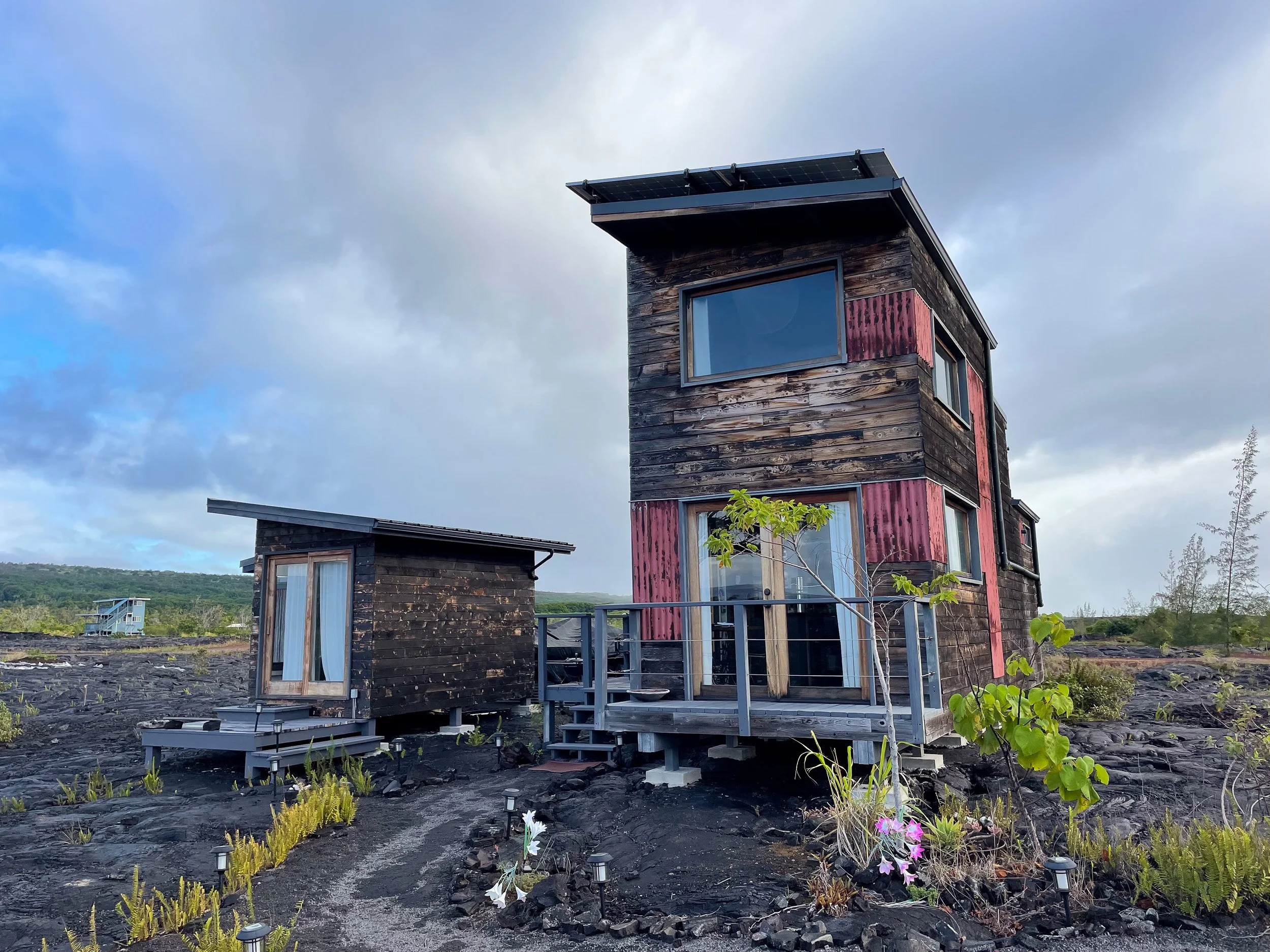
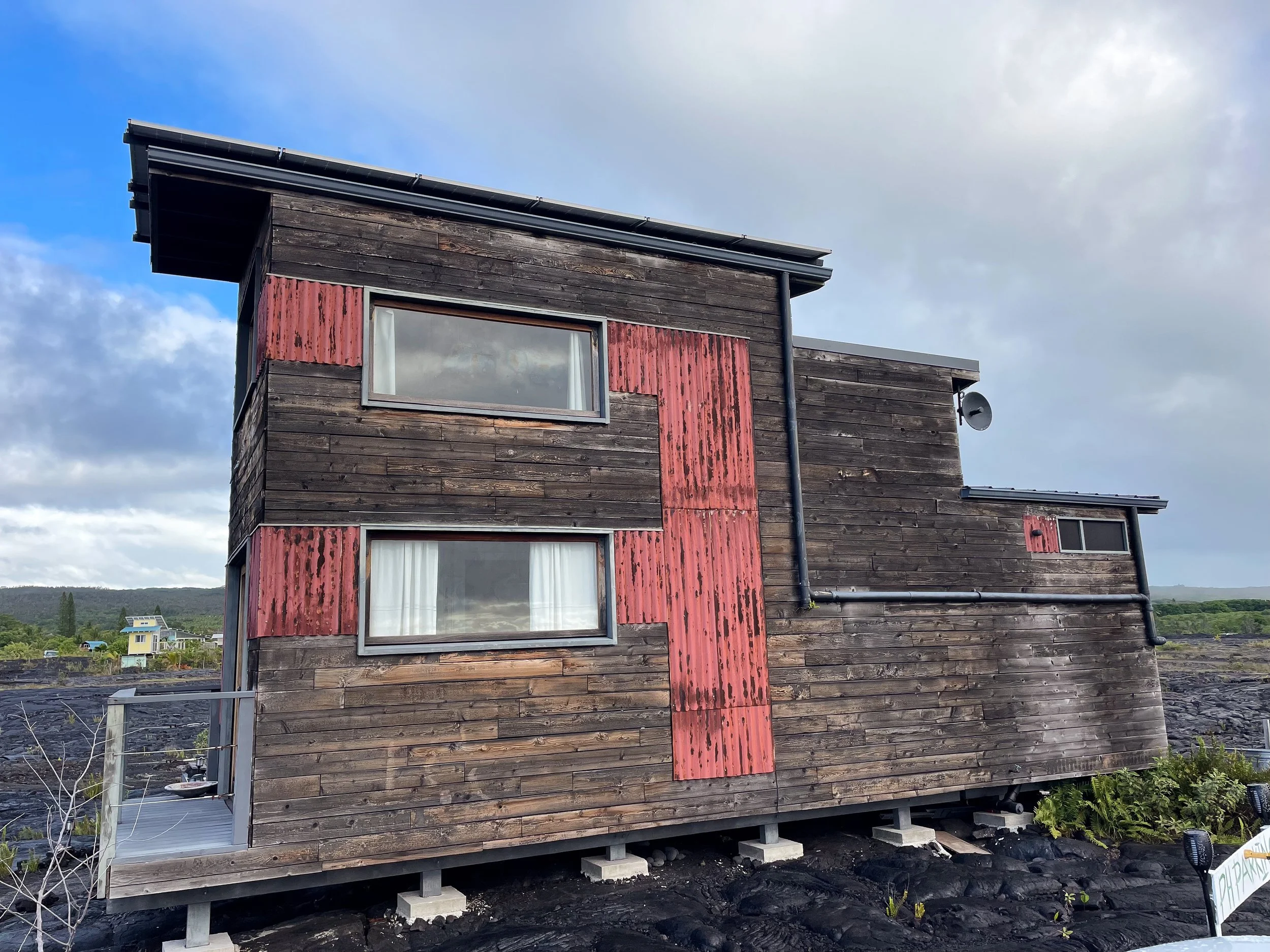
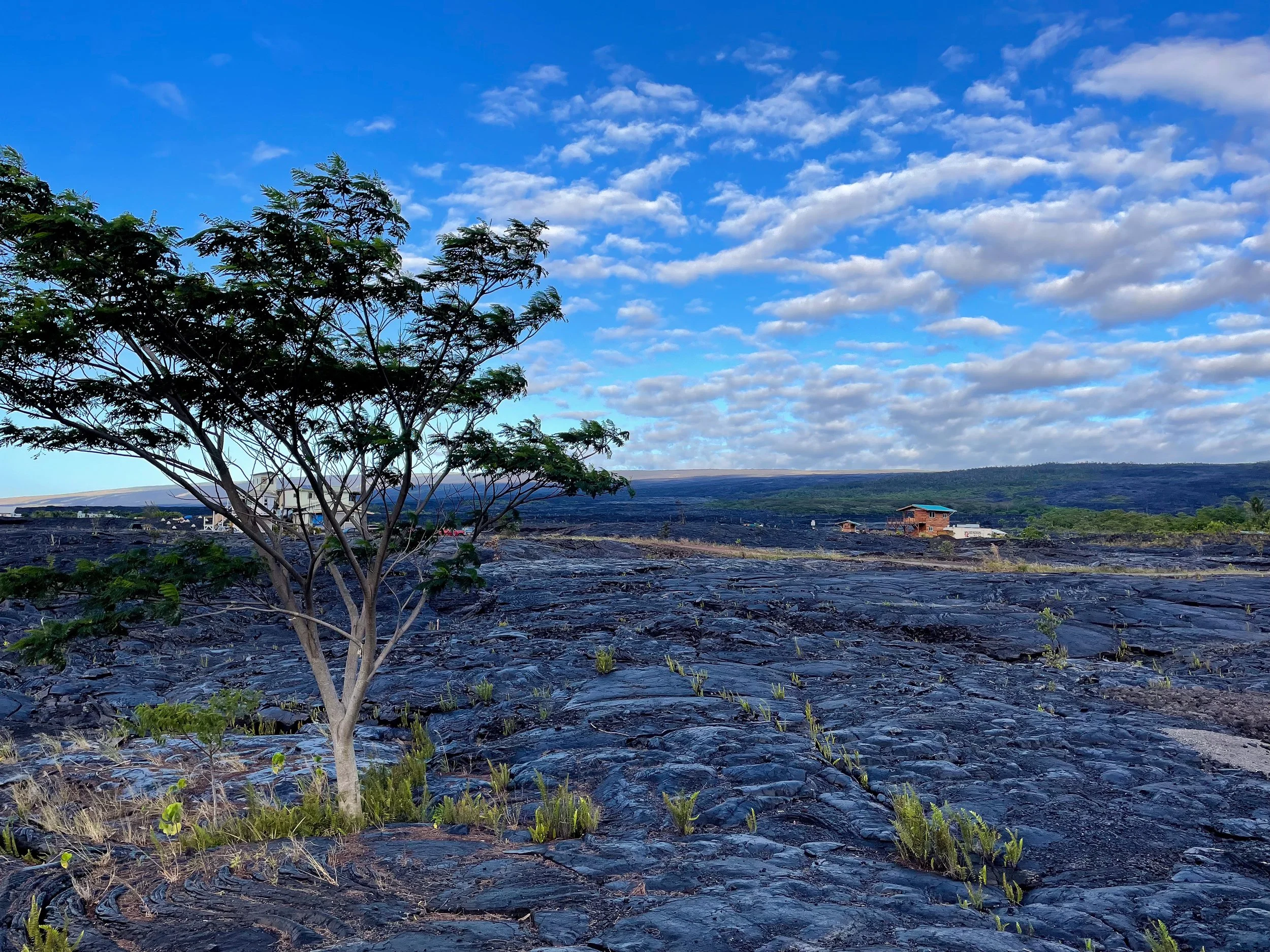
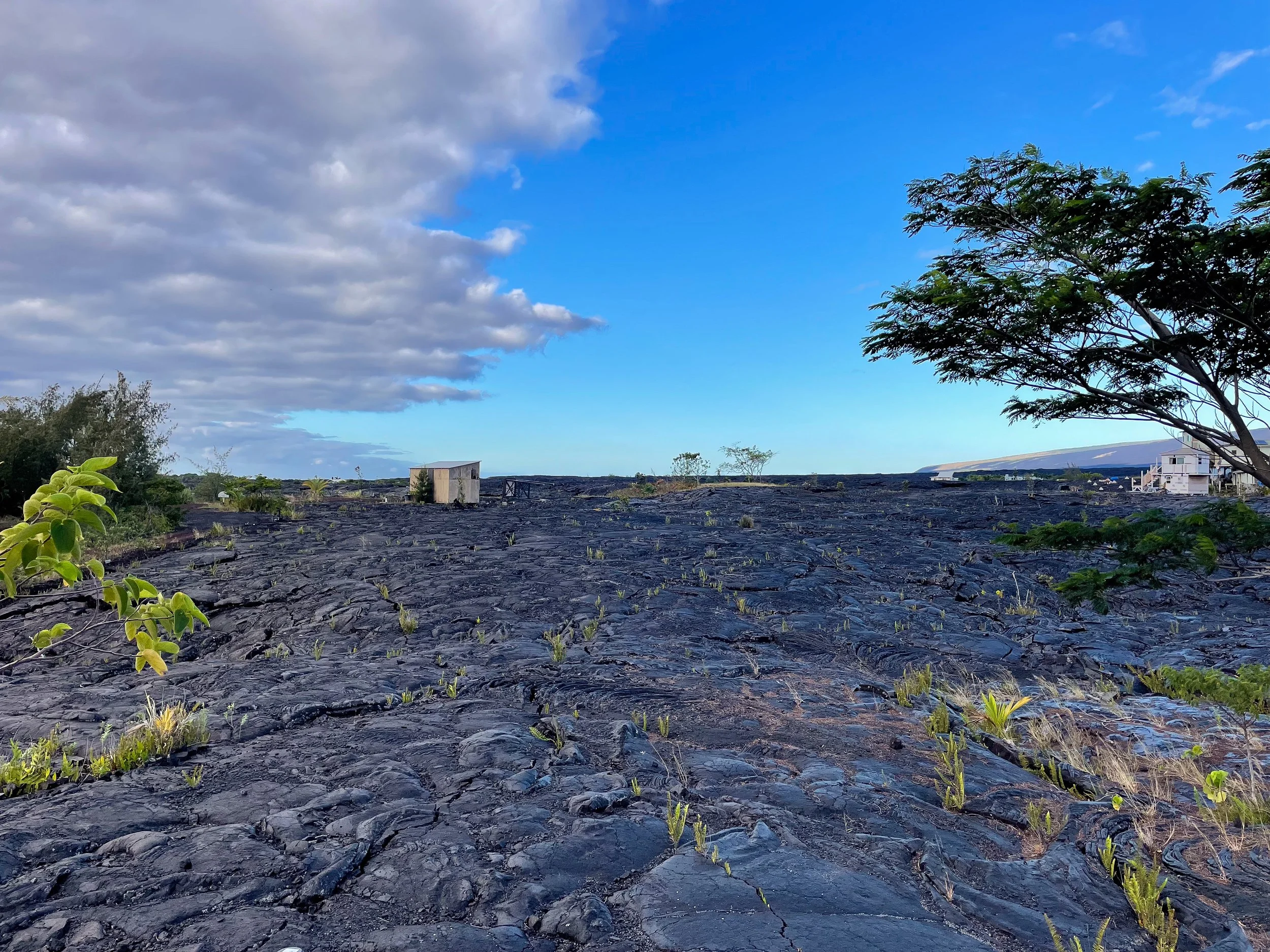
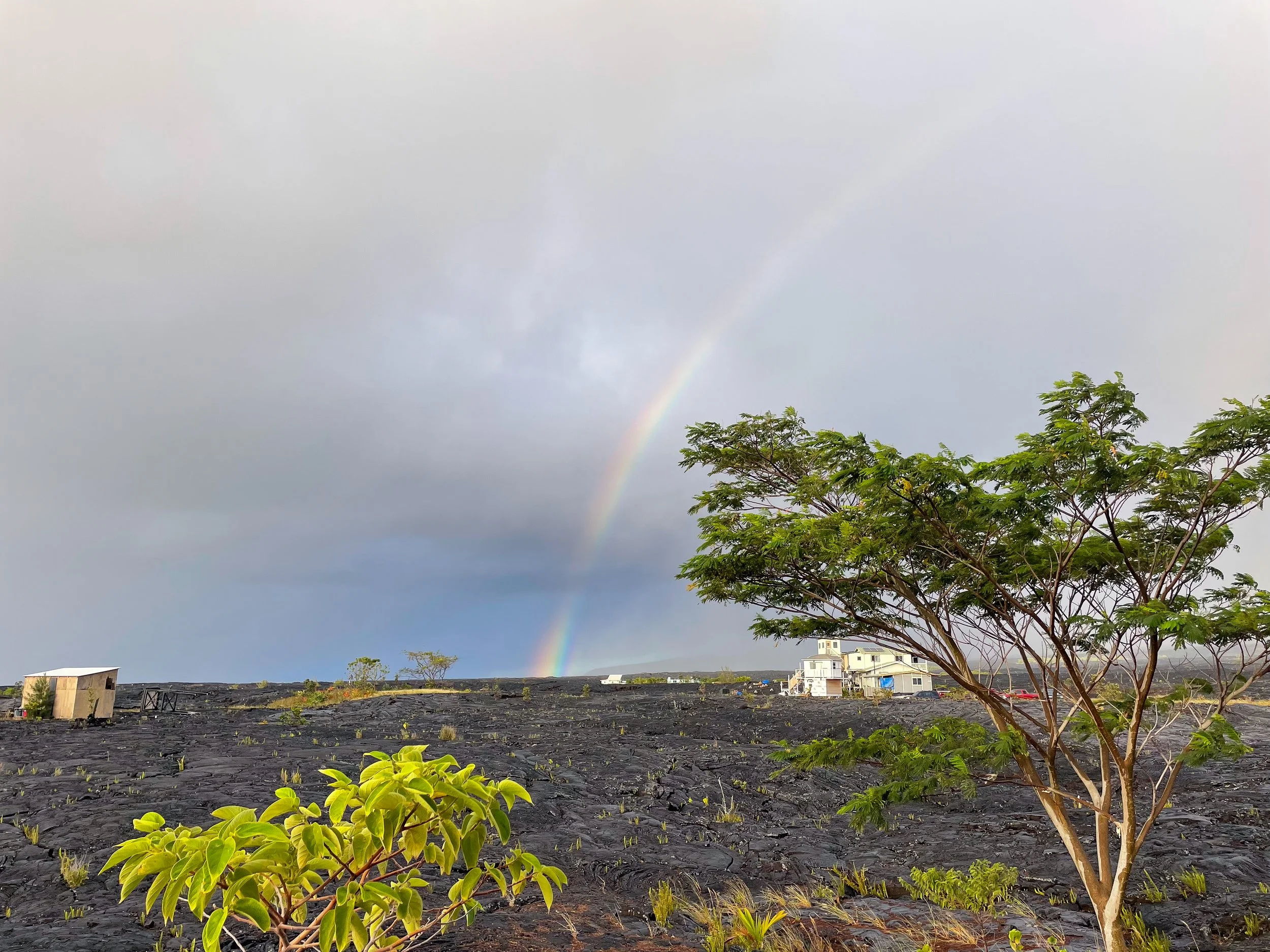
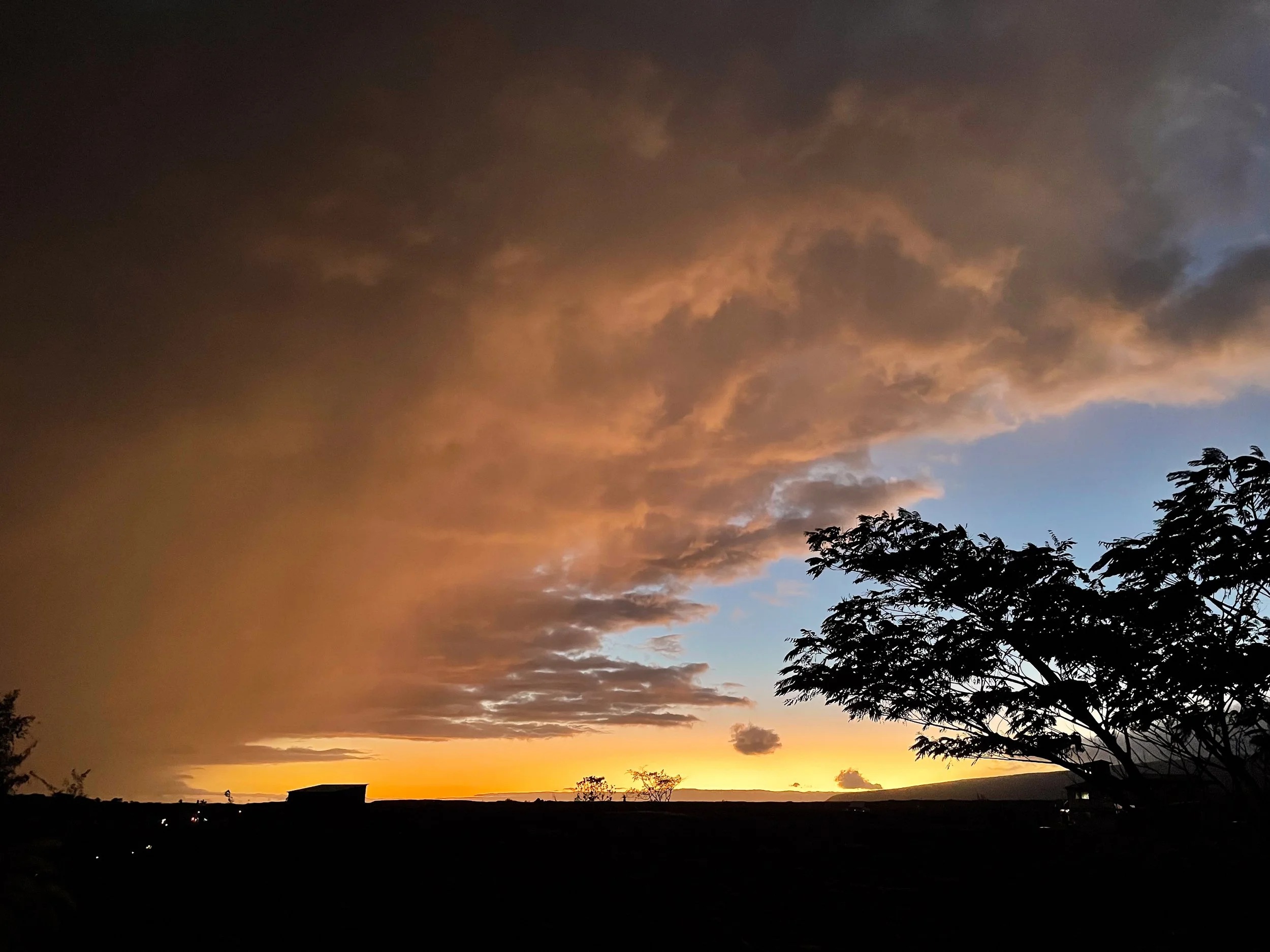
Lava Sanctuary. Surrounded by hardened lava flows and craggily black rock sat a wooden tiny house with a corrugated tin roof. It was our home for the first half of our trip on The Big Island. The remote stay was located in Kalapana Gardens, a small off-the-grid community about 45 minutes south of Hilo. The house was part of a Lava Sanctuary with two tiny homes and a meditation center. It was a comfortable and spacious stay with a lofted bed, small deck and wide windows overlooking the lava field. Book on Airbnb.
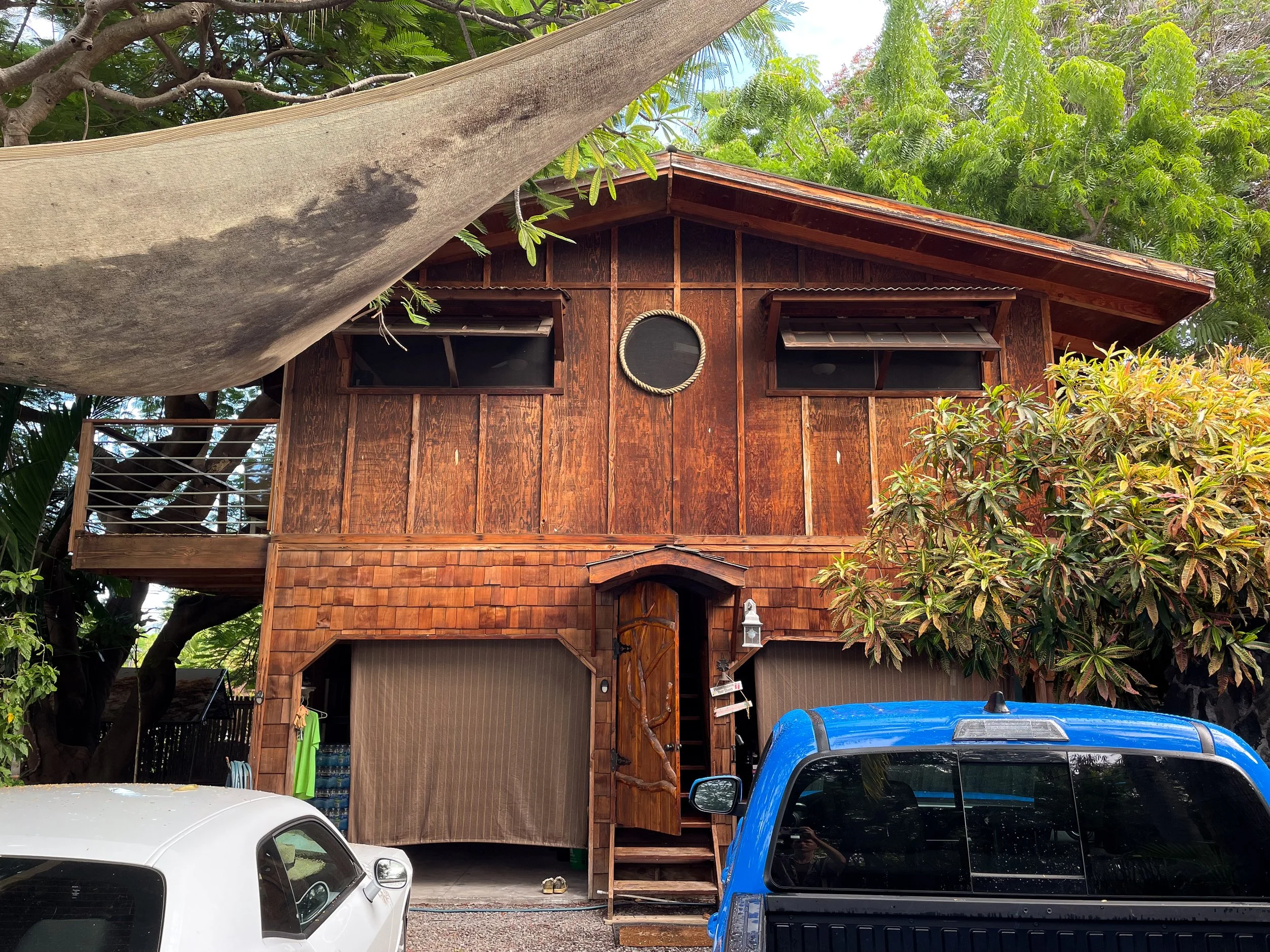
Kona “Tree House”. Surrounded by lush trees above a converted garage was our home for the second half of our trip. The “Tree House” was Hawaiian style with a warm wooden exterior, bamboo ceilings and floral patterned furniture. From the windows and balcony we could look upon the twisting limbs and green canopy of the trees. It had a cozy feeling of being in nature while being close to central Kona. Book on Airbnb.
Location Specifics
Hawaiian Culture. Be respectful of the island and Hawaiian culture.
Hiking Trails. Follow trail markers and signs while hiking.
Sea Turtles. Do not approach or touch any sea turtles.
Lava Rocks. Do not take lava rocks from the island.
Coral Reefs. Only wear reef safe sunblock when going in the water.
Produce. You cannot take any produce back to the mainland.
Getting Around
By Air. There are two main airports, one in Hilo and another in Kona.
By Car. The most efficient way to explore The Big Island is by renting a car at one of the airports.
Coastal Roads. Wrap around most of the island, except remote areas of the North Shore.
The Saddle Road. A scenic road crossing the center of the island between Mauna Kea and Mauna Loa Volcanoes.
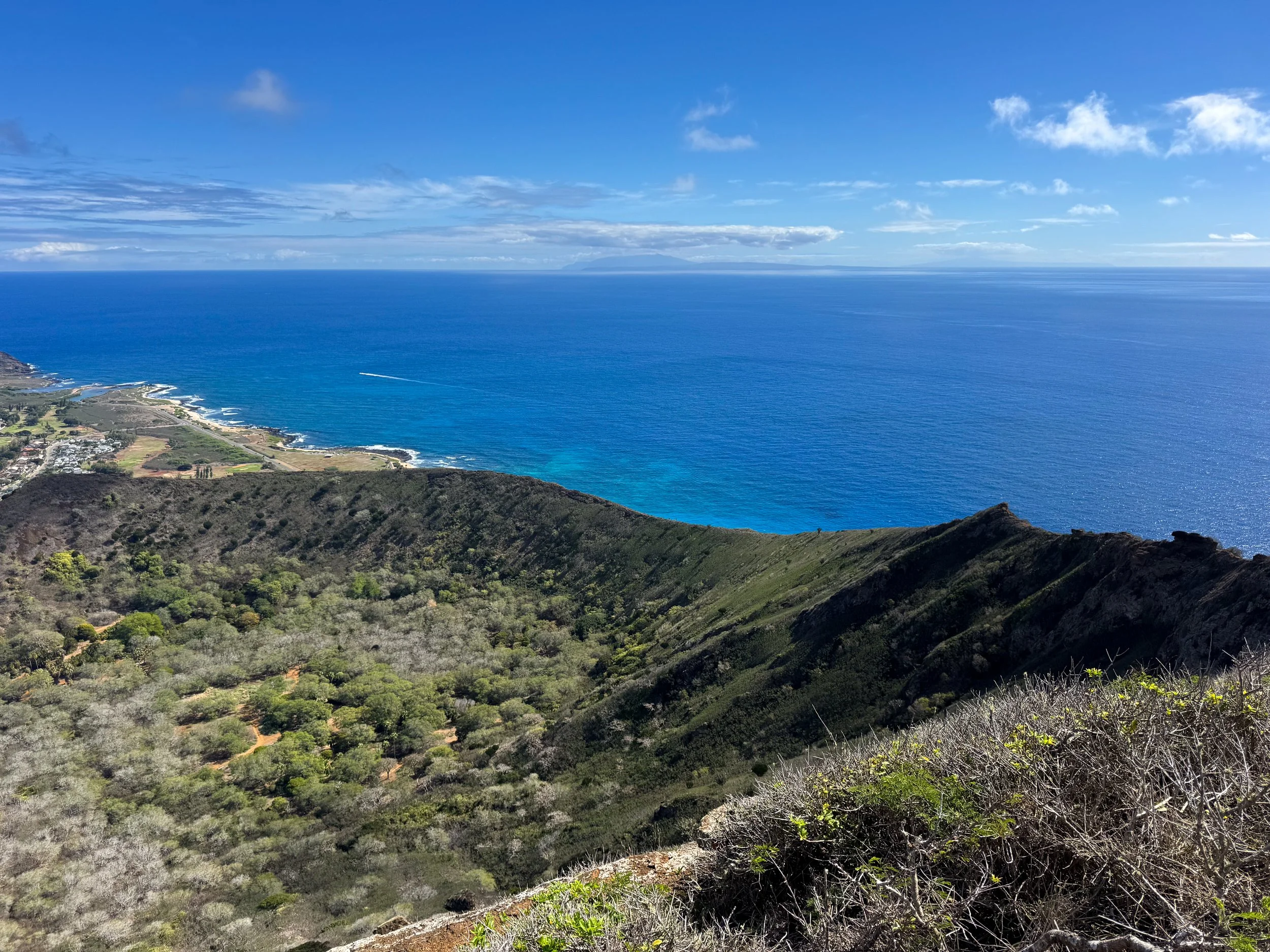
Elsewhere in Hawaii…
From Oʻahu's beaches, surf breaks and island culture to the Big Island's volcanoes, lava fields and black sand beaches, discover more of Hawaii through this travel guide:
Oʻahu Travel Guide: Waikīkī, Beaches & Island Adventures. Explore Oʻahu where surf breaks, volcanic craters, rugged hiking trails, white sand beaches and Hawaiian culture blend vibrant Waikīkī with the island's natural beauty.
For Next Time…
Mauna Kea Volcano. Visit the summit and astronomical observatories of the Big Island’s tallest volcano.
Island Hopping. Visit other islands in the Hawaiian archipelago including Maui and Kauai.
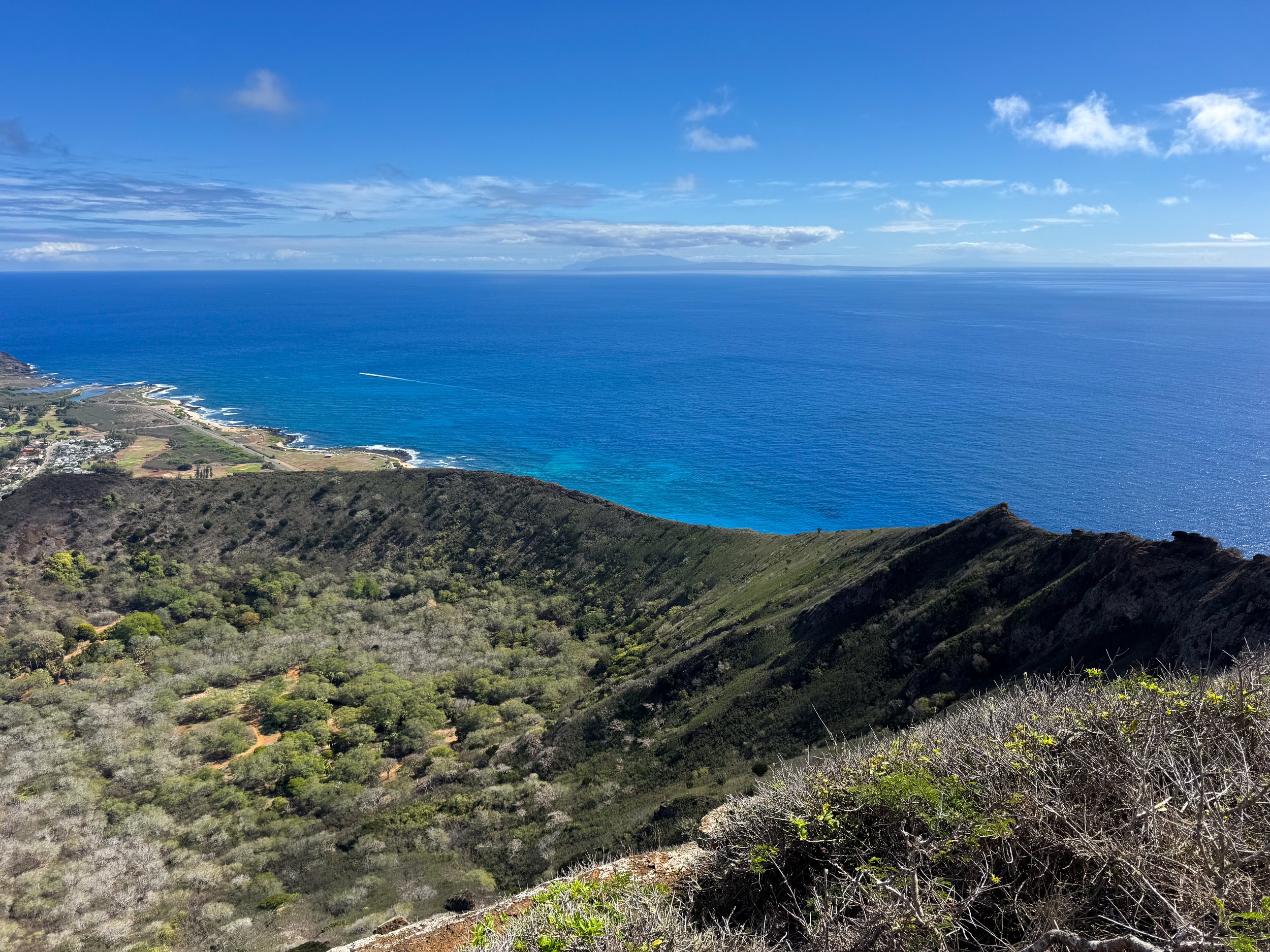
Oʻahu Travel Guide: Waikīkī, Beaches & Island Adventures
Explore Oʻahu where surf breaks, volcanic craters, rugged hiking trails, white sand beaches and Hawaiian culture blend vibrant Waikīkī with the island's natural beauty.
Aloha from O’ahu!
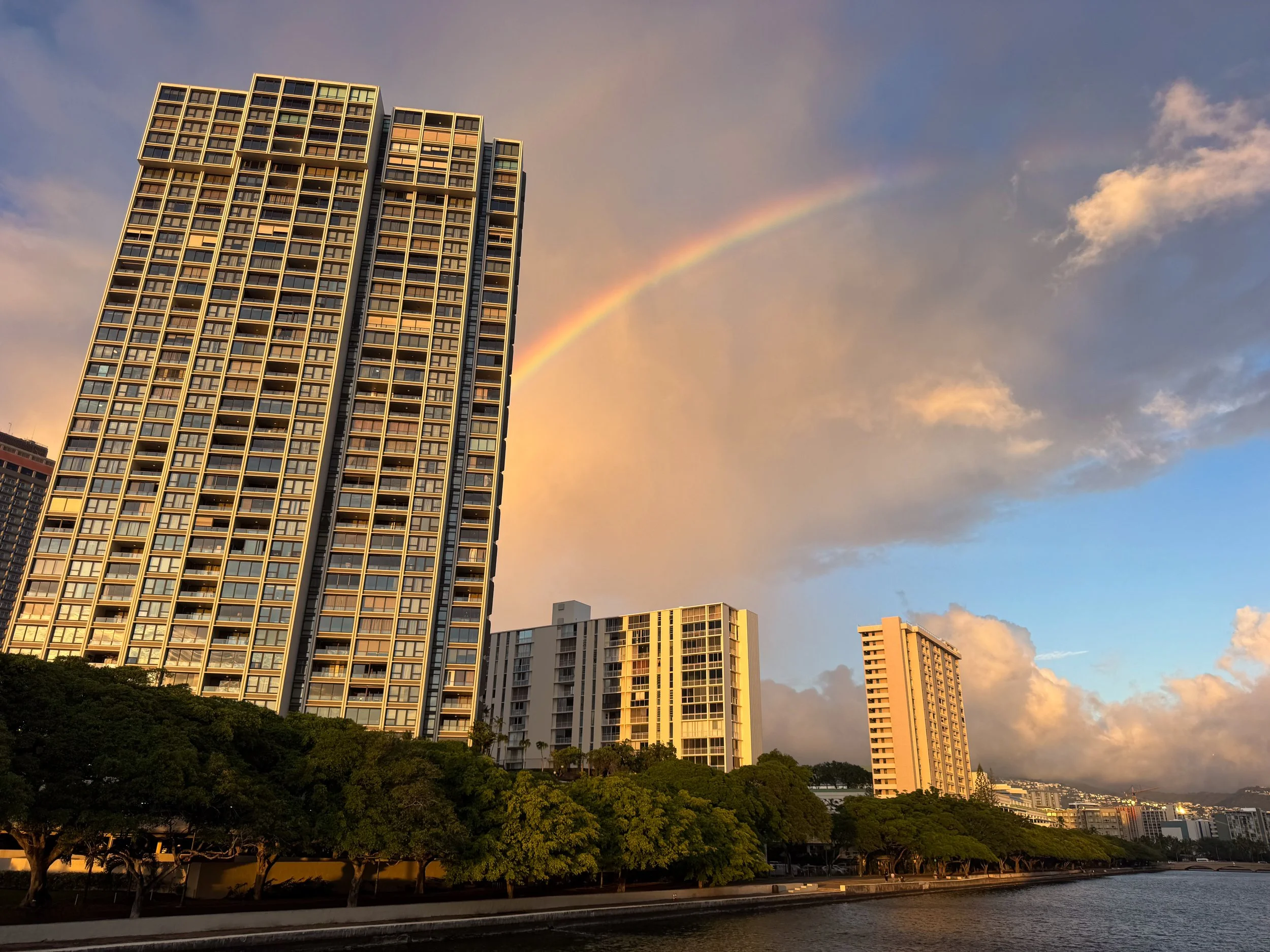
Aloha from the Hawaiian Island of O’ahu! O’ahu is an adventurous destination for active vacations and leisurely itineraries. The ocean invites surfers to ride breaking waves and snorkelers to spot marine life in lively coral reefs. Hikers take to rigorous trails along mountains ridges, volcanic craters and lush forests. Sunny days are made for relaxing on pristine beaches, sipping mai tais and watching sunsets. Vibrant rainbows arch over the skyscrapers of Honolulu after tropical showers.
Honolulu
Honolulu is a big city with tropical vibes and access to some of O'ahu’s best beaches, hiking trails and farmers markets. Its neighborhoods and streets are hubs for Hawaiian culture, cuisine and nightlife.
Waikiki. Famed for its palm lined beaches, luxury high-rises and oceanfront hotels, Waikiki is at the center of Honolulu. It’s an energetic place popular with both travelers and islanders. Many visit to relax at its beaches, shop the bustling streets, sip cocktails at tiki bars, order from food trucks and dine at restaurants.
Kalākaua Ave. Brimming with luxury brands, clothing boutiques, souvenir stores, surf shops and hotels, Kalākaua Ave. is the commercial artery of Waikiki. It comes to life each night with an eclectic mix of street performers, tarot card readers, karaoke stands, typewriter poets, Bible salesmen, human statues and exotic animals.
Chinatown. A historic neighborhood known locally for its weekend nightlife scene and authentic Chinese restaurants. The most lively area is on Hotel St. between Smith St. and Nuuanu Ave.
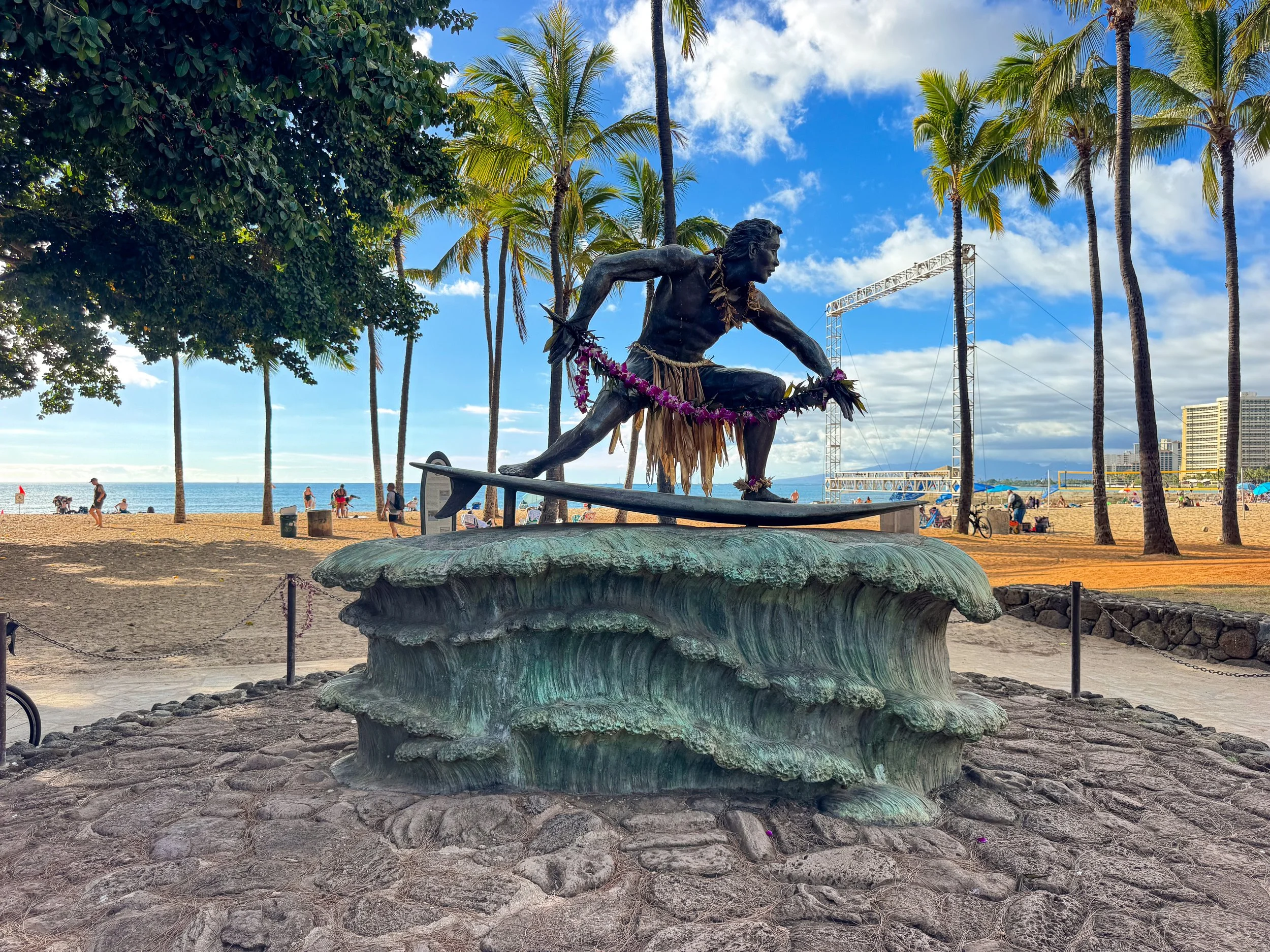
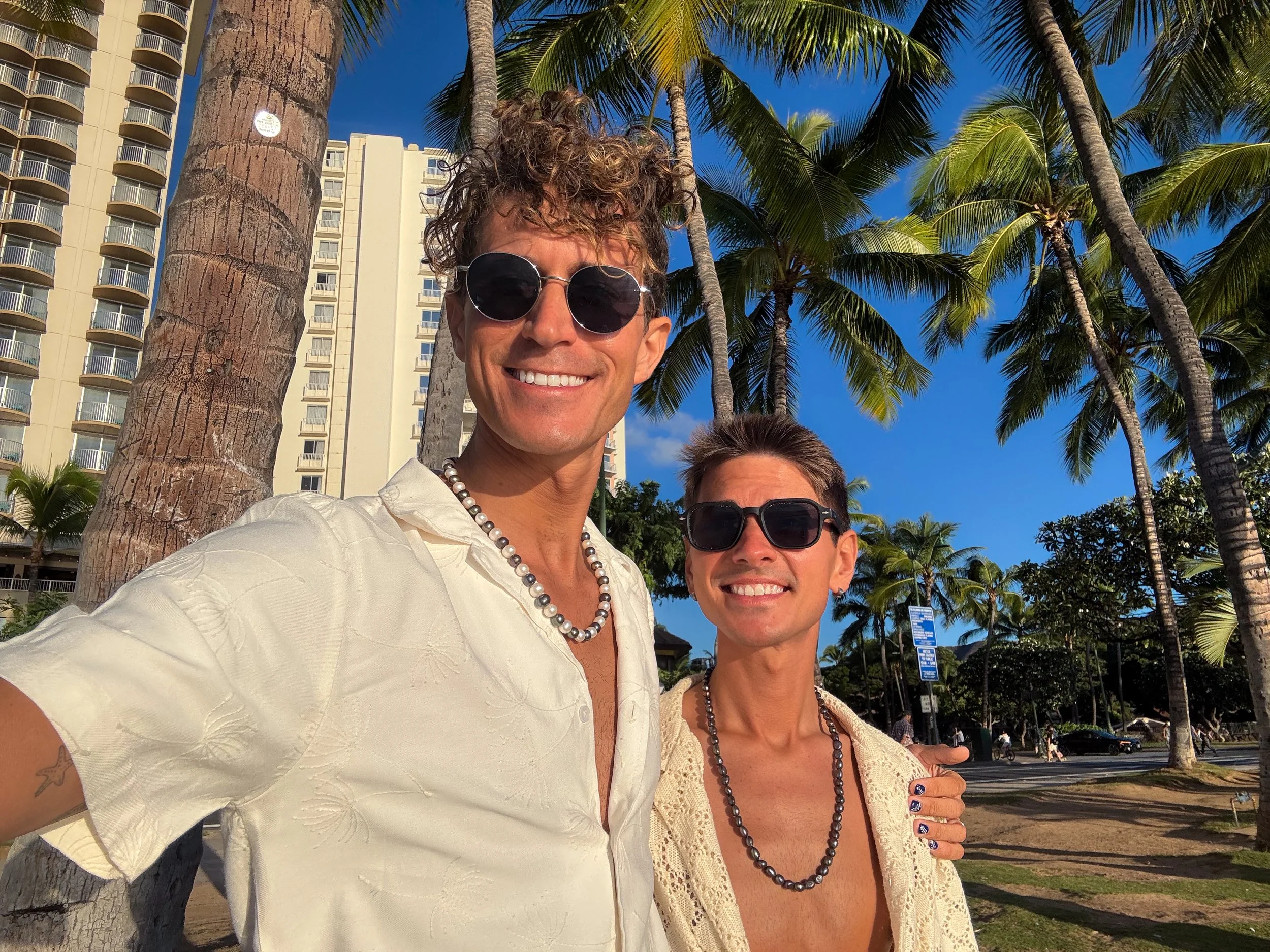
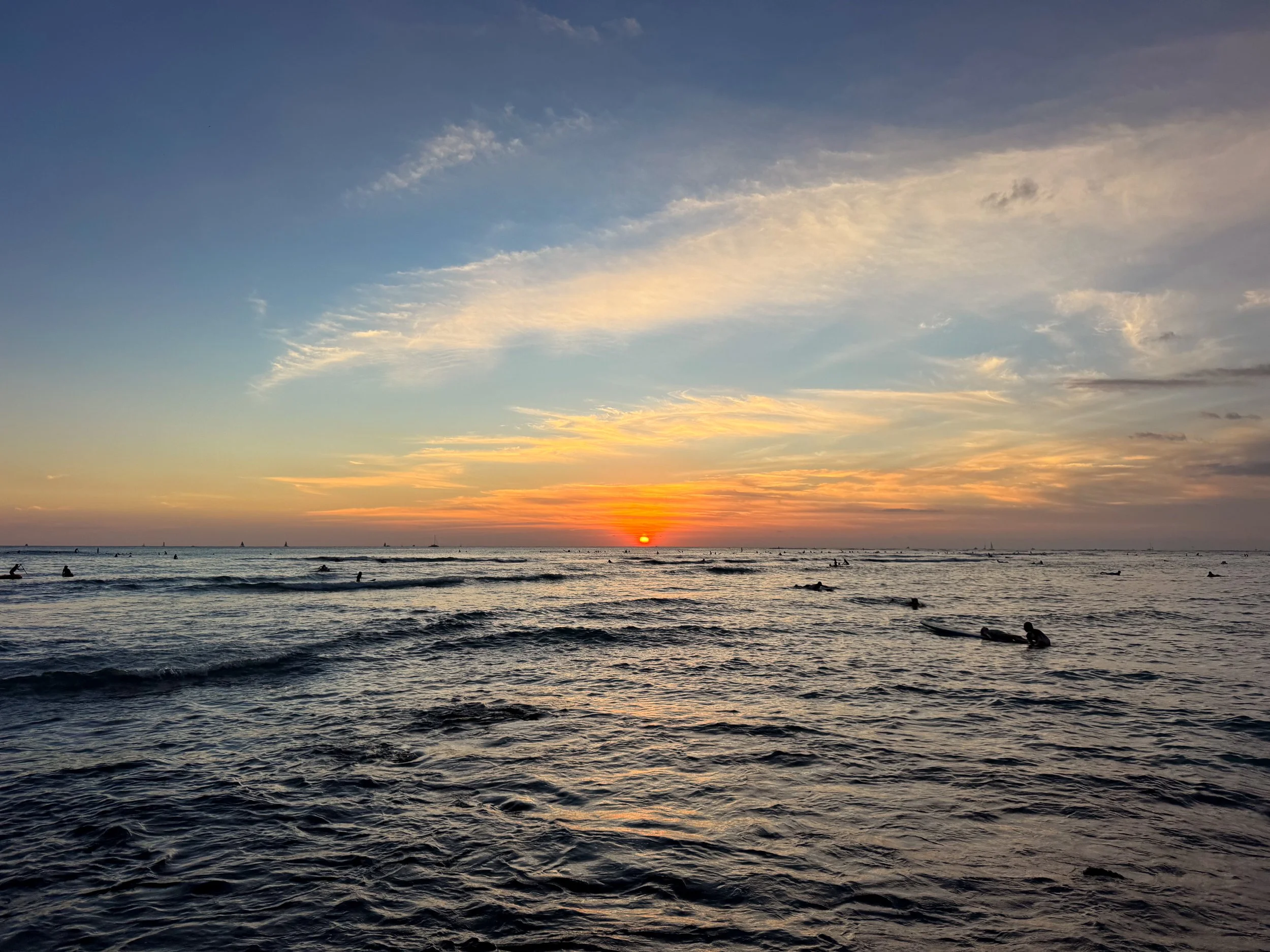
Relax on Honolulu’s Beaches
Honolulu is a famed beach destination lined with sandy shores, turquoise waters, surf breaks and coral reefs. Its beaches offer a range of places to enjoy the island vibes.
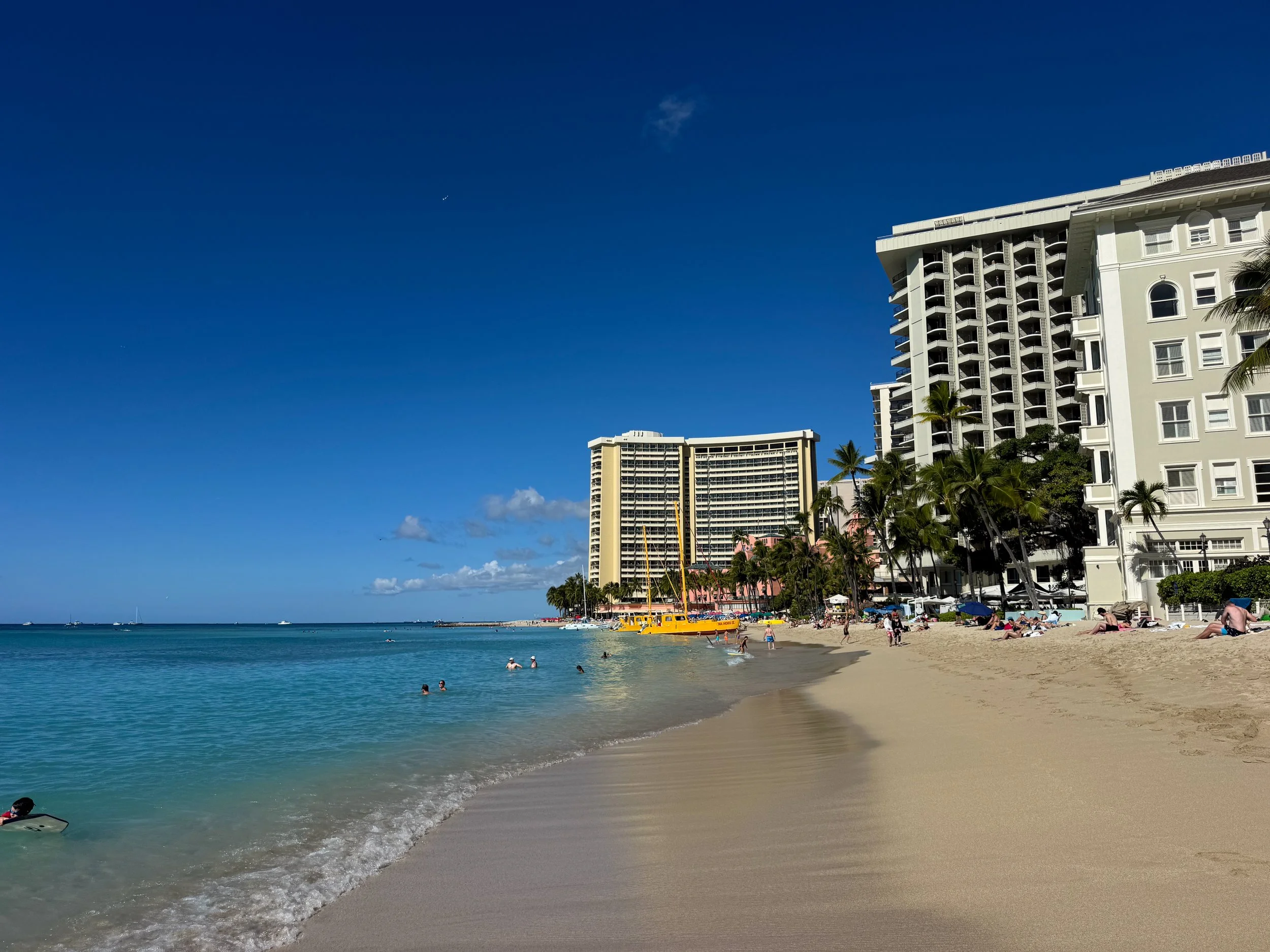
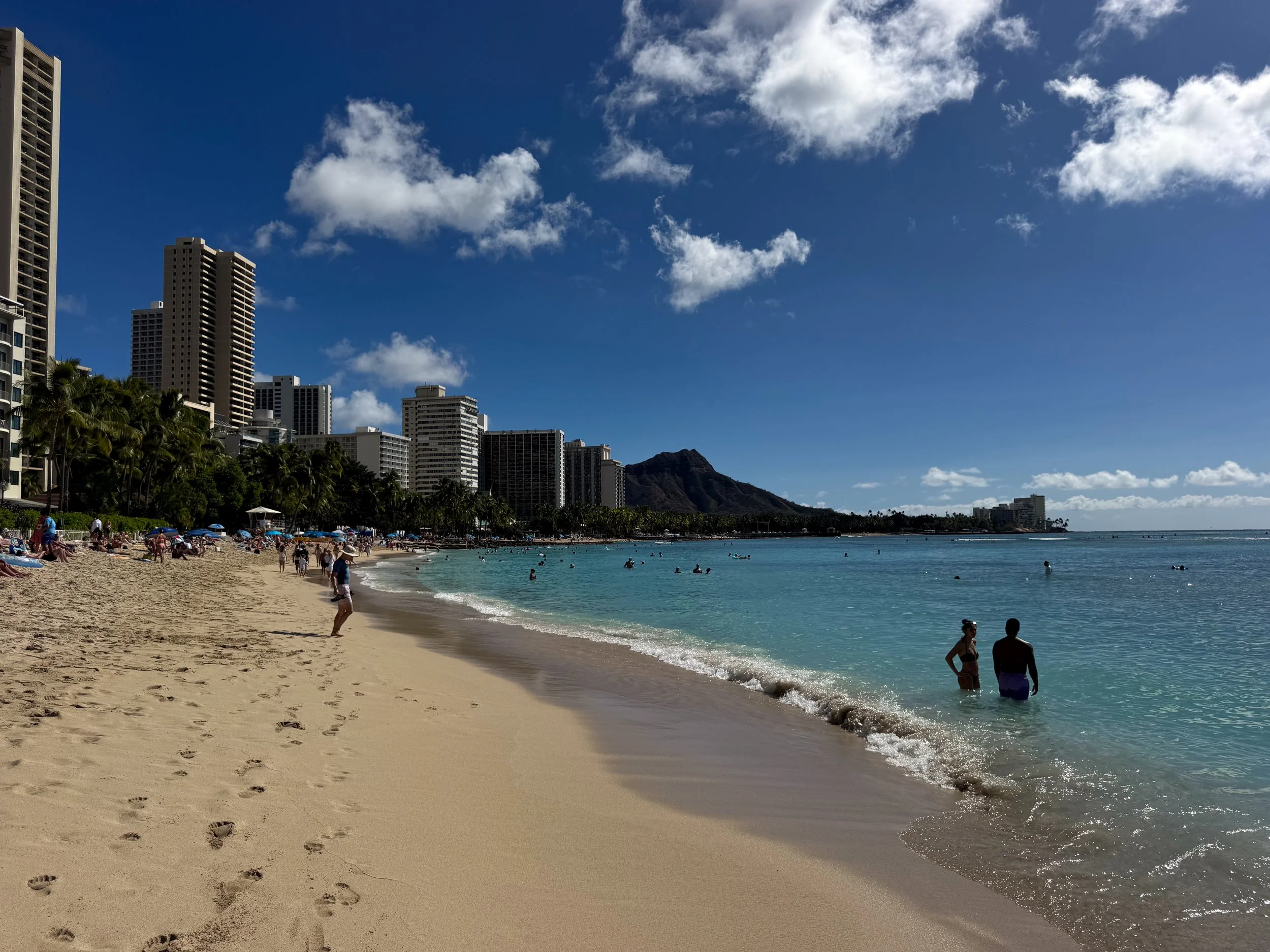
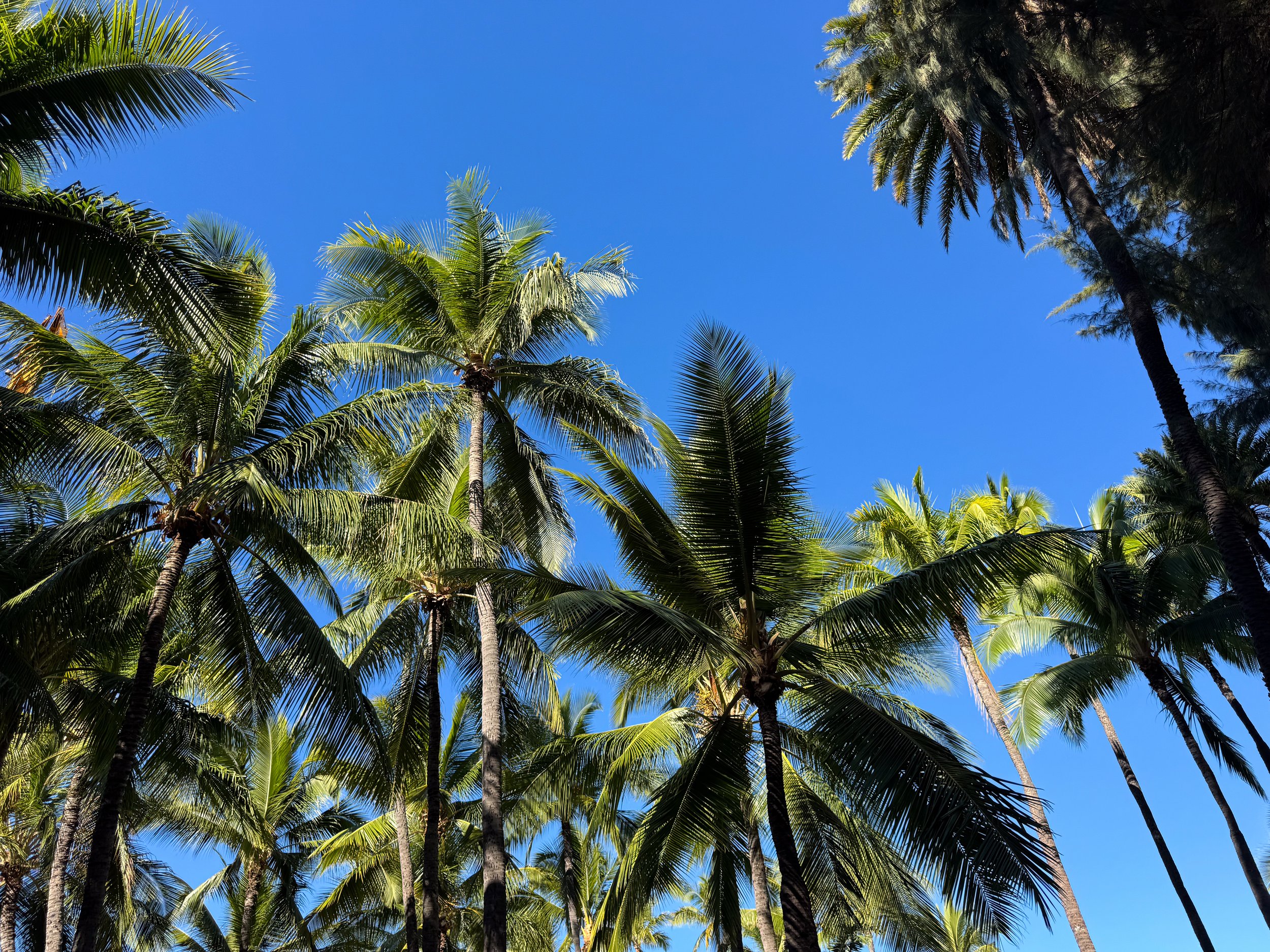
Waikiki Beach. Palm trees and luxury hotels line the beach’s golden sands and aquamarine waters. It’s a paradise for sunbathing, swimming and water activities. Vacationers sip on tropical cocktails and couples watch picturesque sunsets. Surfers take lessons and ride gentle waves. Rowers experience the “Hawaiian roller coaster ride” on outrigger canoes. Catamarans ferry passengers on sightseeing tours along the coast.
Surf Rentals. Rent surf boards from Moku Hawaii, a nearby surf shop with better priced boards than those available on Waikiki Beach. They also provide secure storage for personal belongings.
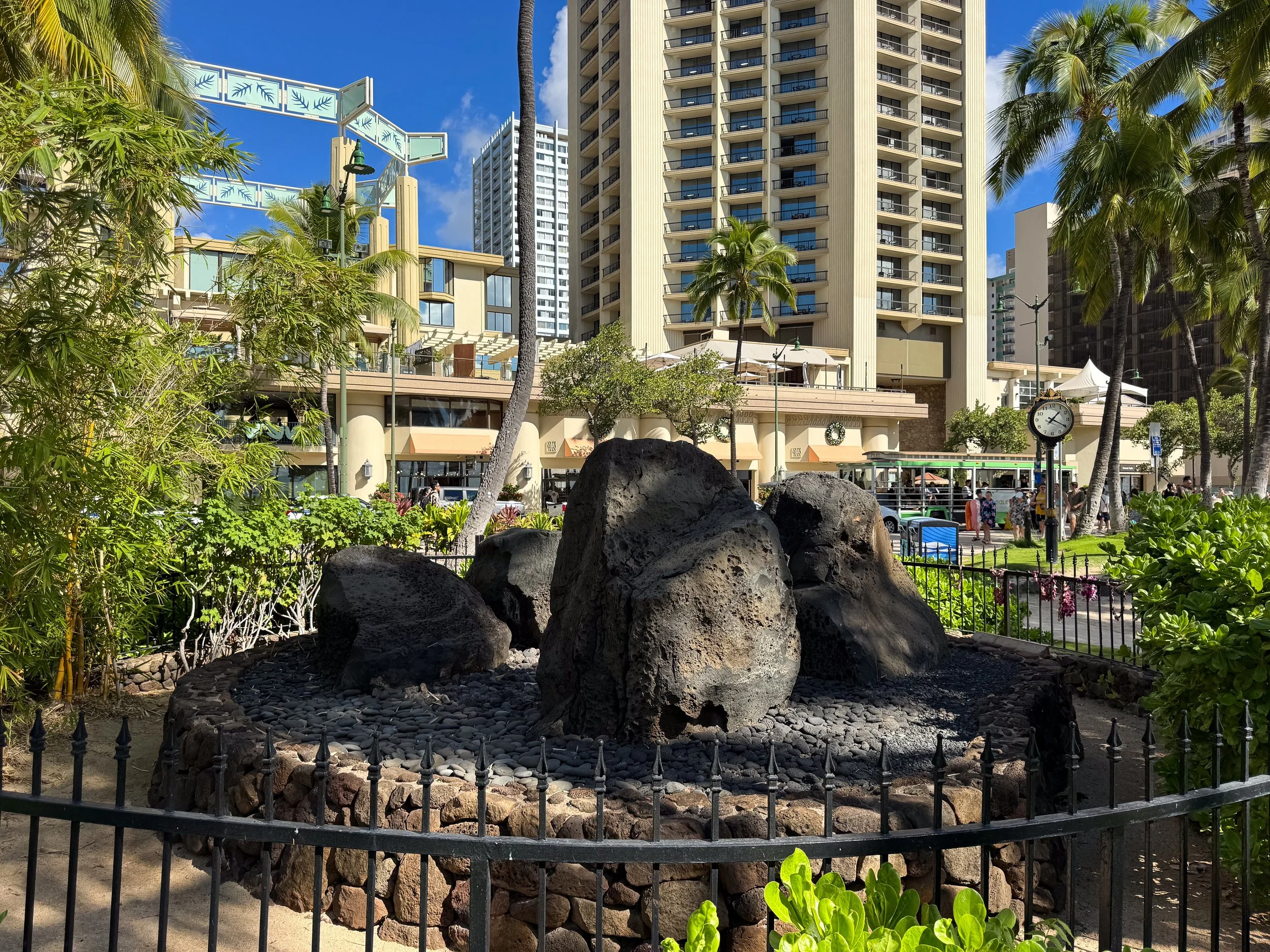
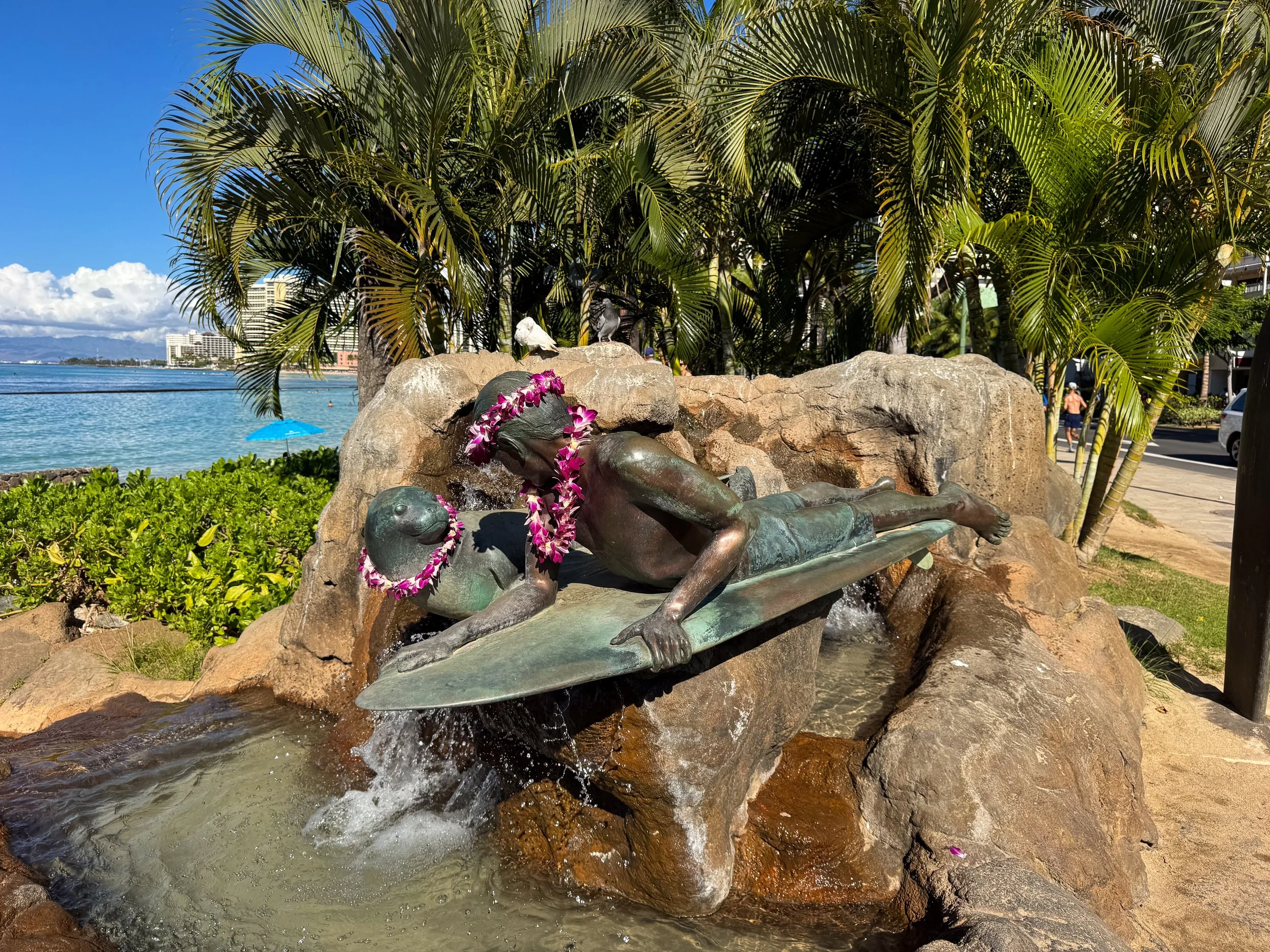
Kapaemahu (The Stones of Life). A sacred spot in Hawaiian folklore marked by four lava stones at Waikiki Beach. They’re believed to hold the healing knowledge brought to the islands by Polynesian healers. The full story can be learned by watching Kapaemahu, an animated short film.
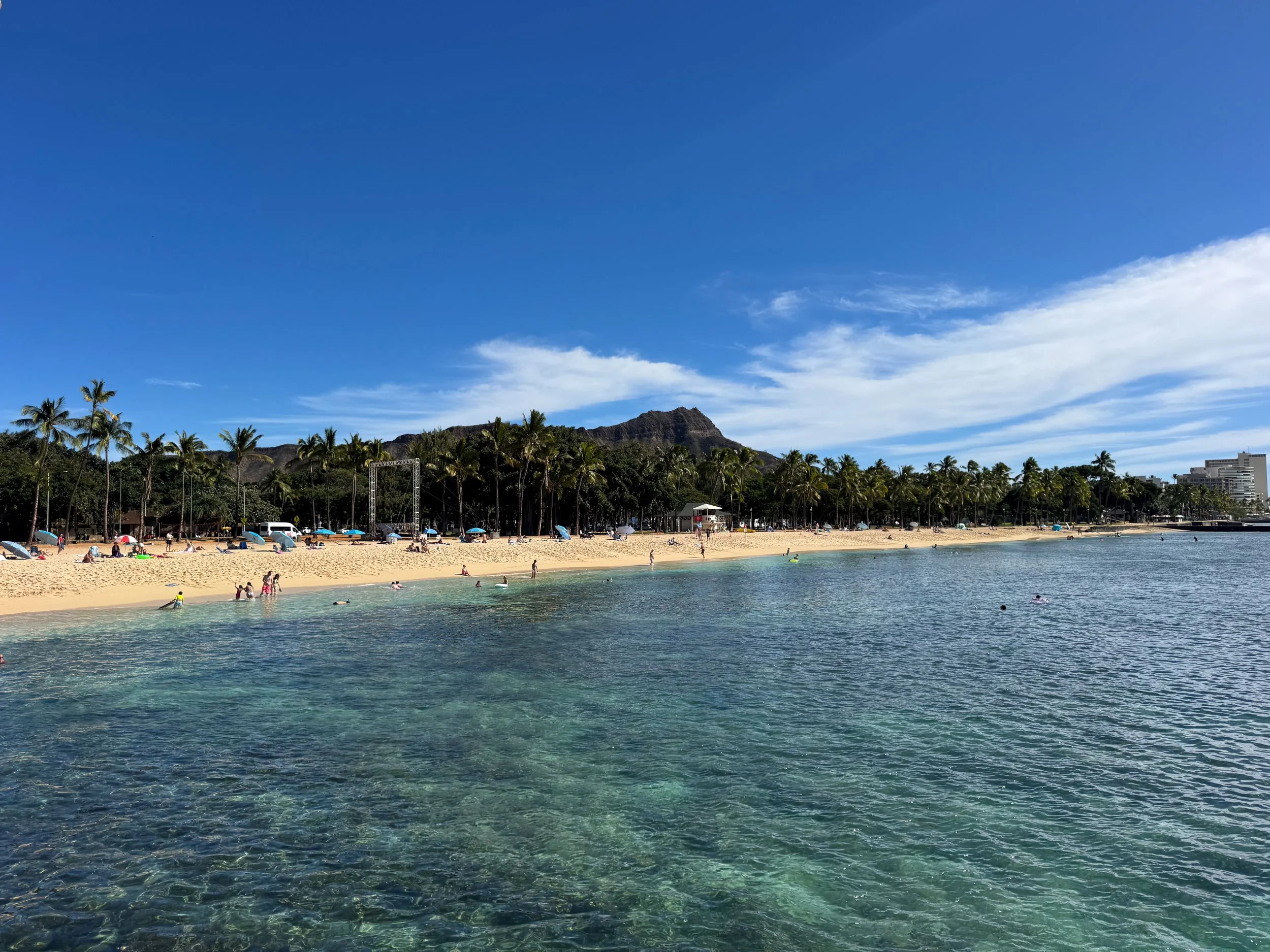
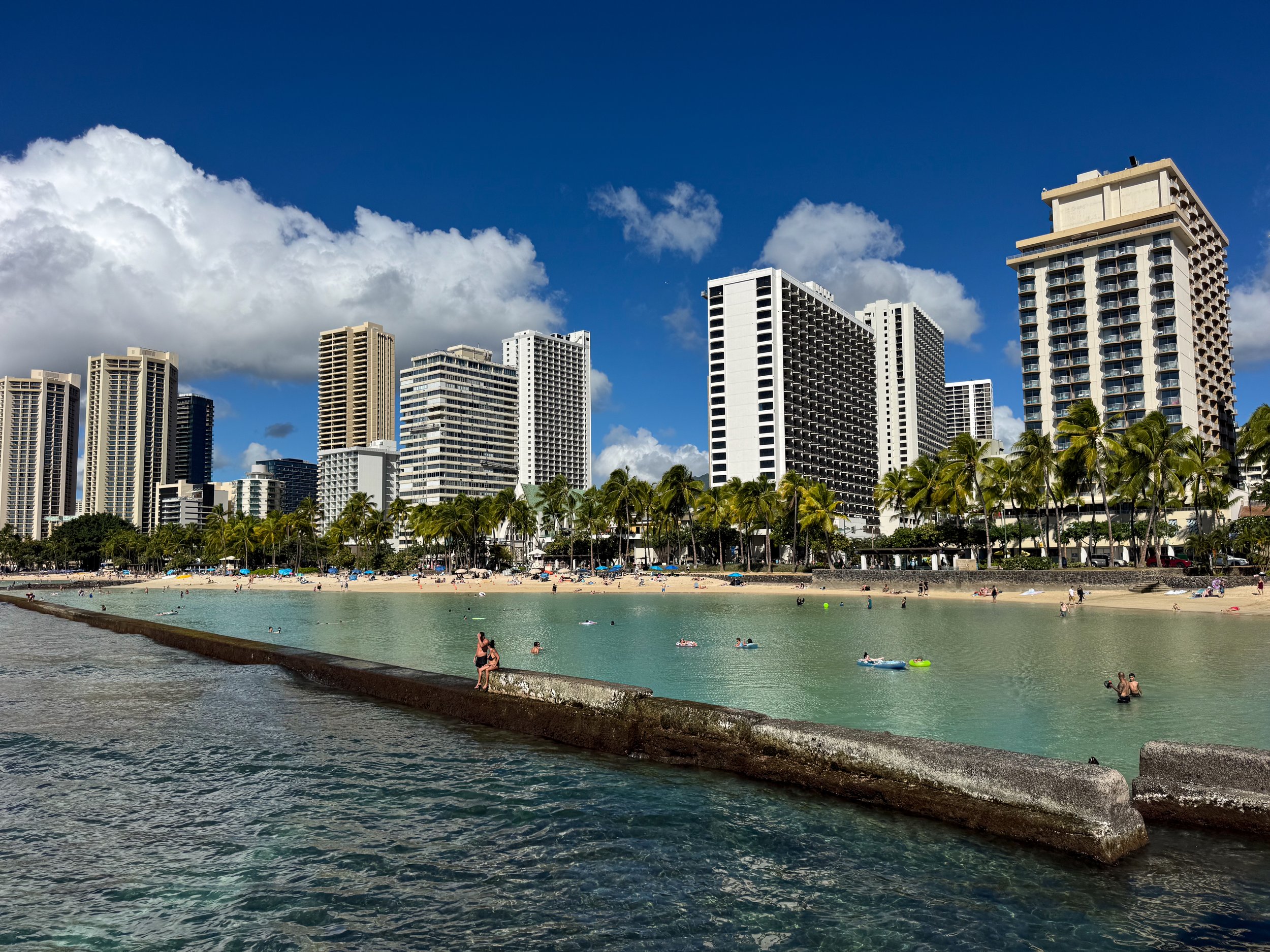
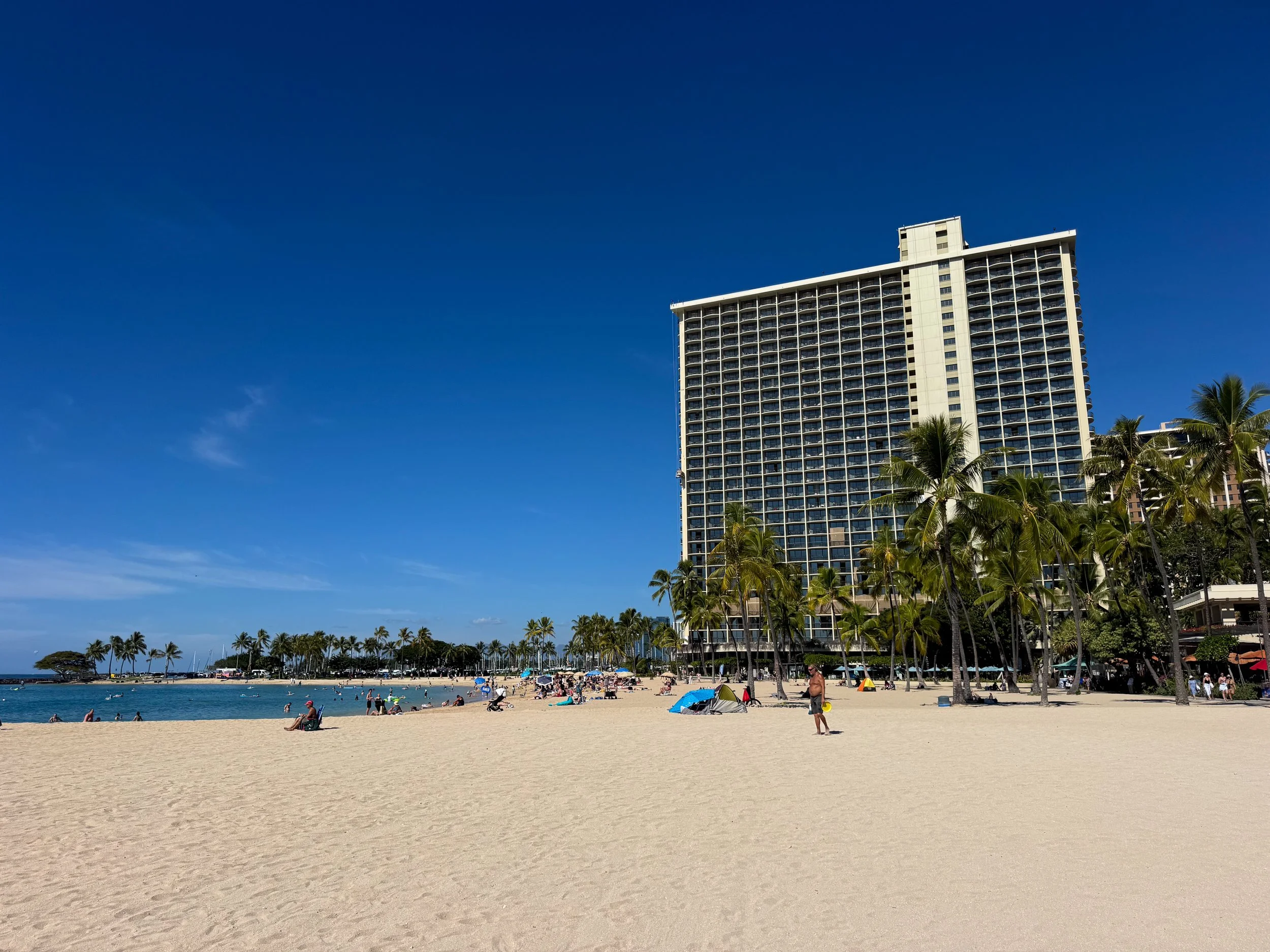
Queens Beach. The tan sand beachfront along Waikiki’s southern end is a relaxing place to gather with friends. The beach attracts volleyball players and onlooking sunbathers. Meanwhile snorkelers search for tropical fish in the reef and along the pier. A boardwalk leads to the nearby Barefoot Beach Cafe offering Hawaiian bites.
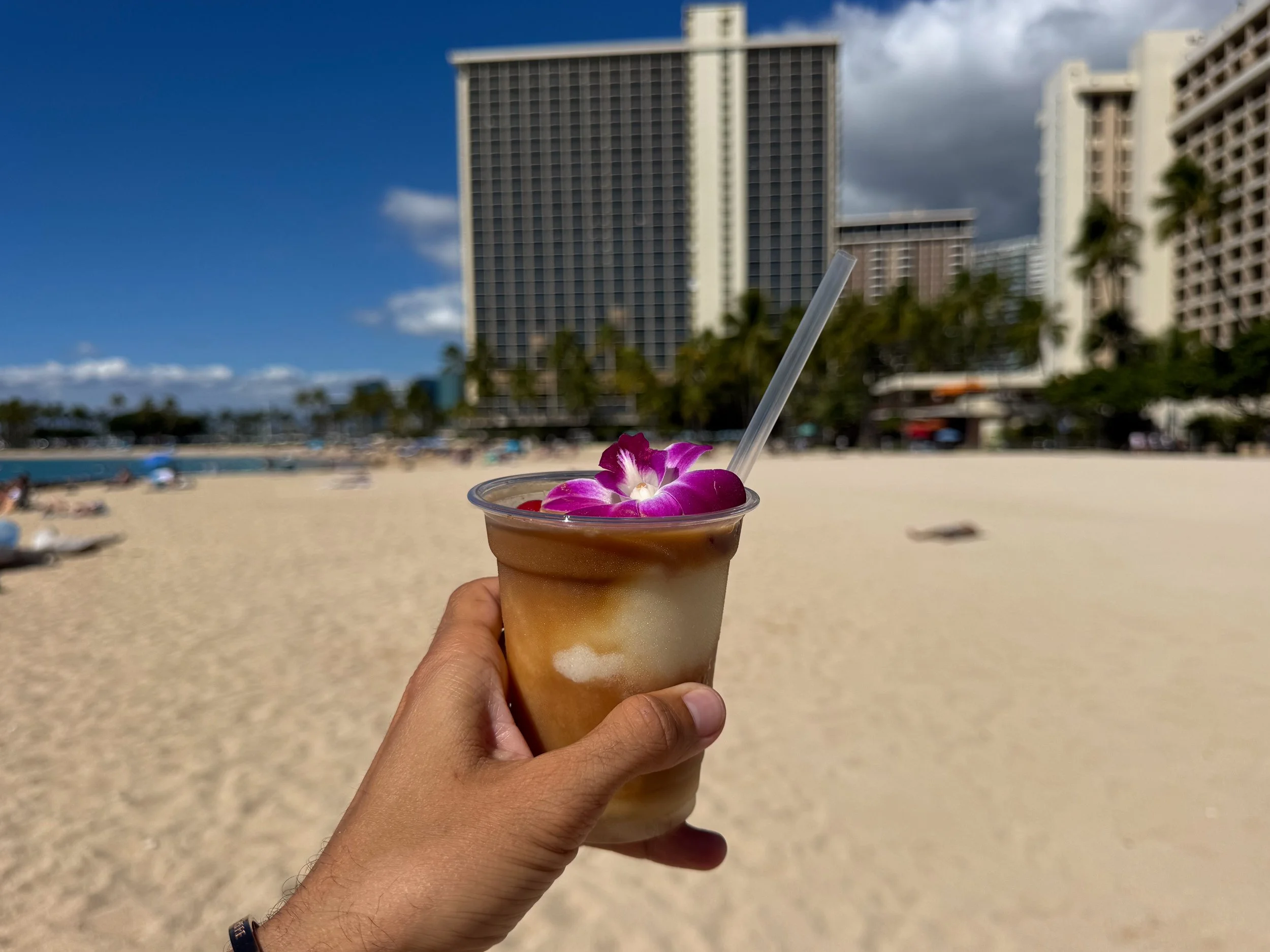
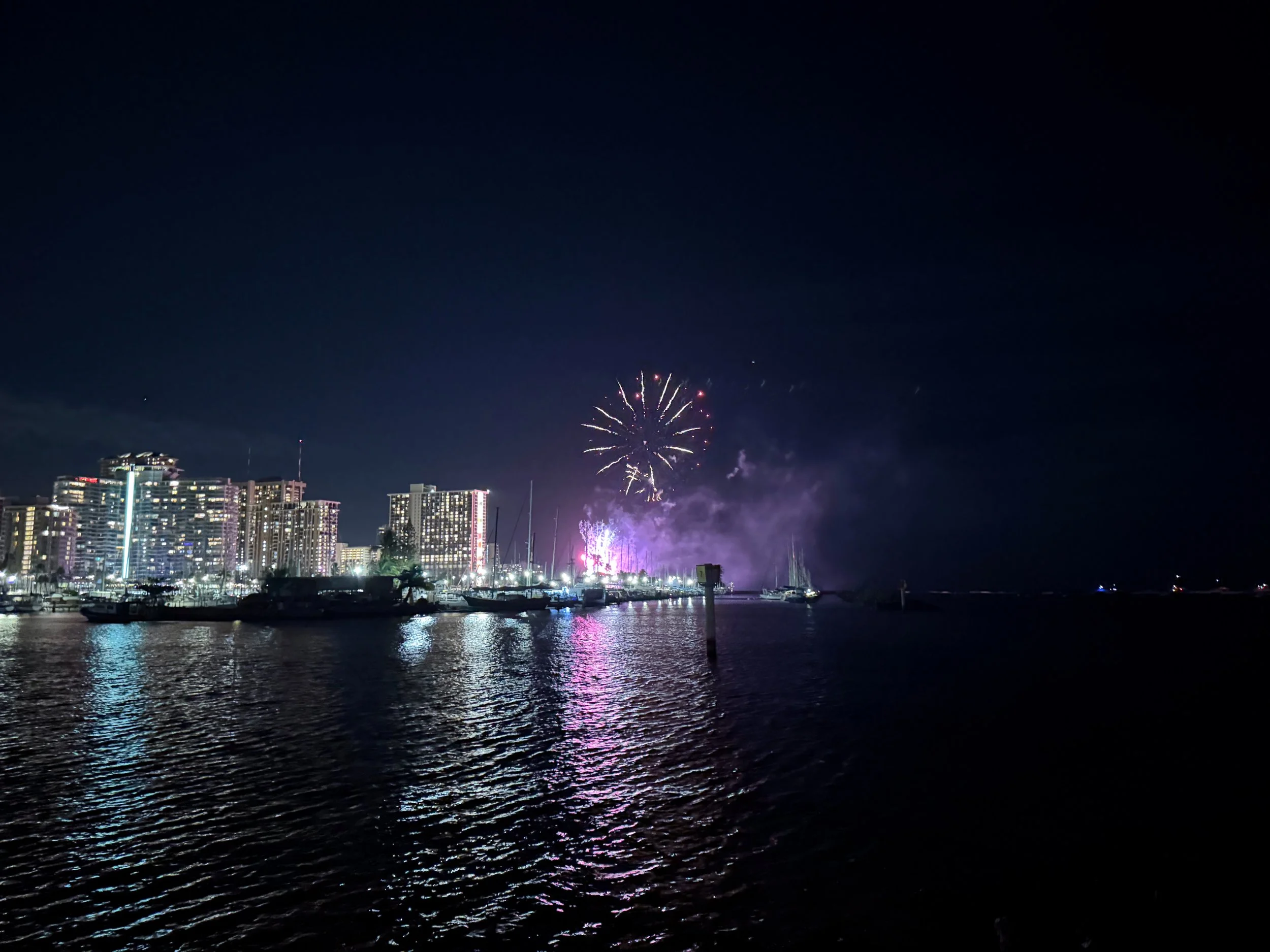
Fort DeRussy Beach. The shoreline of Fort DeRussy Beach is a laid back place away from the crowds of Waikiki. It’s a spacious spot to sunbathe, enjoy a swim and view the Friday night fireworks. Walk the boardwalk to the Koa Oasis Booze Shack for a variety of takeaway cocktails garnished with orchids.
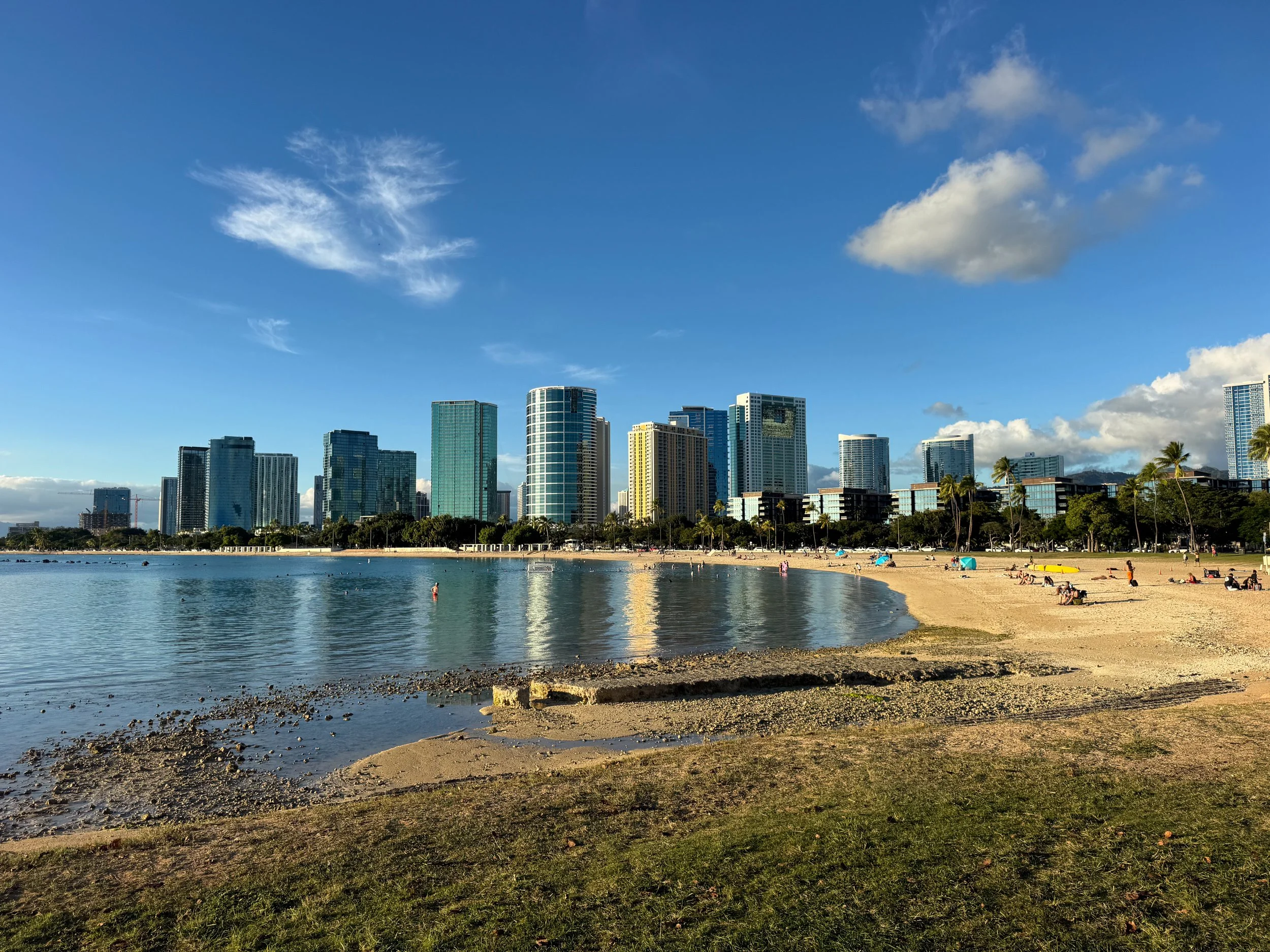
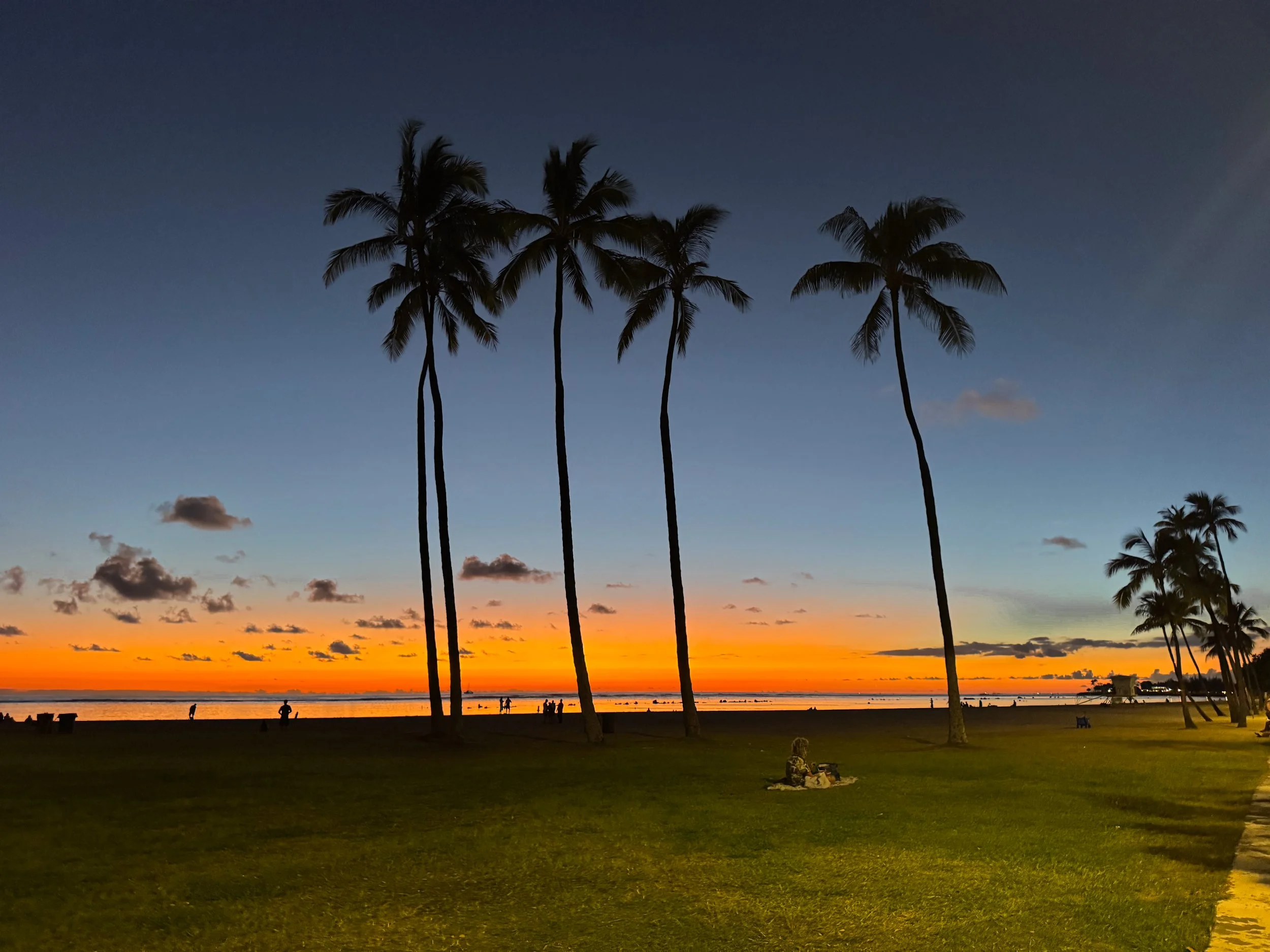
Magic Island. An artificial peninsula with a lush city park and protected sandy lagoon. It’s a popular spot to picnic, gather with friends, watch the sunset and enjoy the Friday night fireworks.
Waikiki Friday Fireworks. Weekends in Waikiki kick off with a firework show, held on the beach of the Hilton Hotel every Friday at 7:45pm. The show is visible from multiple places including Magic Island and Fort DeRussy Beach.
Places to Shop
Waikiki is a popular shopping destination with countless places to shop. We shopped for Hawaiian goods like tropical clothes, surfboards, ukuleles and souvenirs.
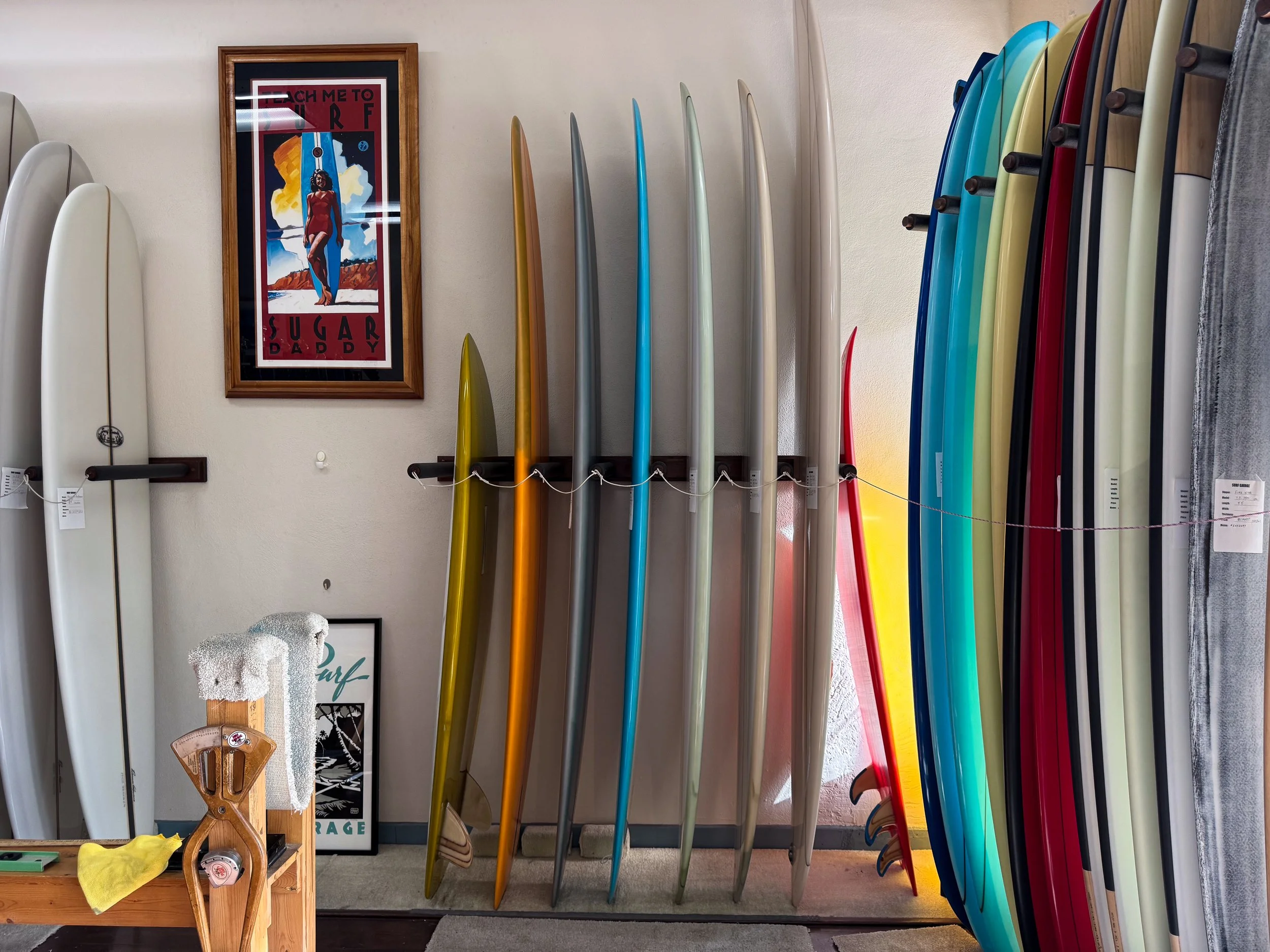
Surf Garage. A reputable surf shop specializing in new and used surf boards and accessories. The family run shop is the perfect place for first time buyers or experienced surfers. They also ship to the “mainland.”
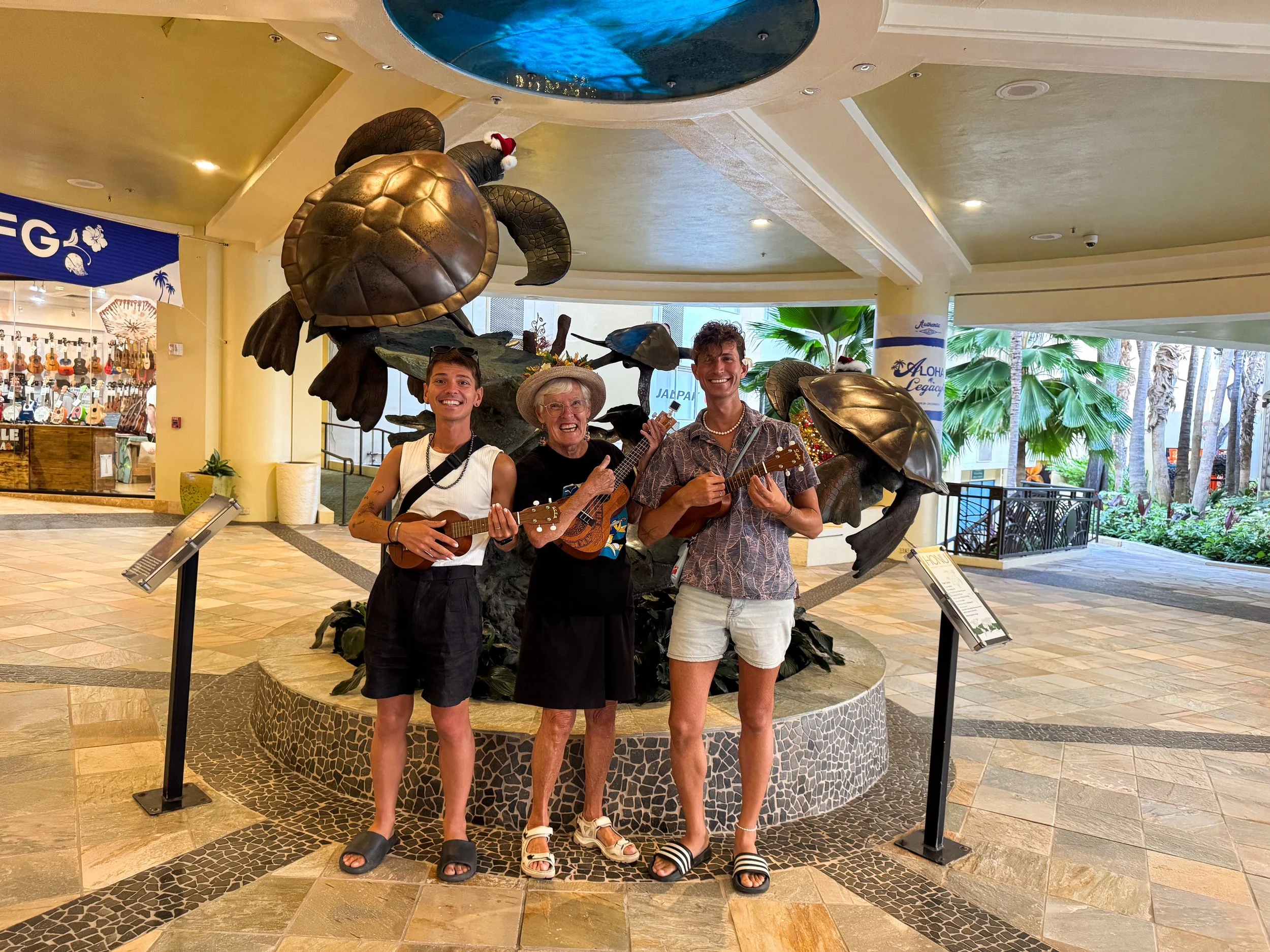
Ukulele Puapua. A tiny shop selling a range of Hawaiian ukuleles. They offer free 30 minute lessons to learn strumming basics. Reserve a spot a day in advance.
Avanti Hawaii. A clothing store specializing in vintage style Hawaiian prints utilized across silk Aloha shirts, dresses and accessories.
Hawaii Hat Shack. A small boutique near Waikiki Beach specializing in embroidered baseball caps, bucket hats and floppy beach hats.
Vibrations 'Ohana. A gay friendly clothing shop with vibrant and patterned shirts, low cut shorts and swim briefs.
ABC Stores. A chain convenience store selling snacks, beverages, beachwear and souvenirs. They’re located on practically every corner of Waikiki.
Mai Tais & Tiki Bars
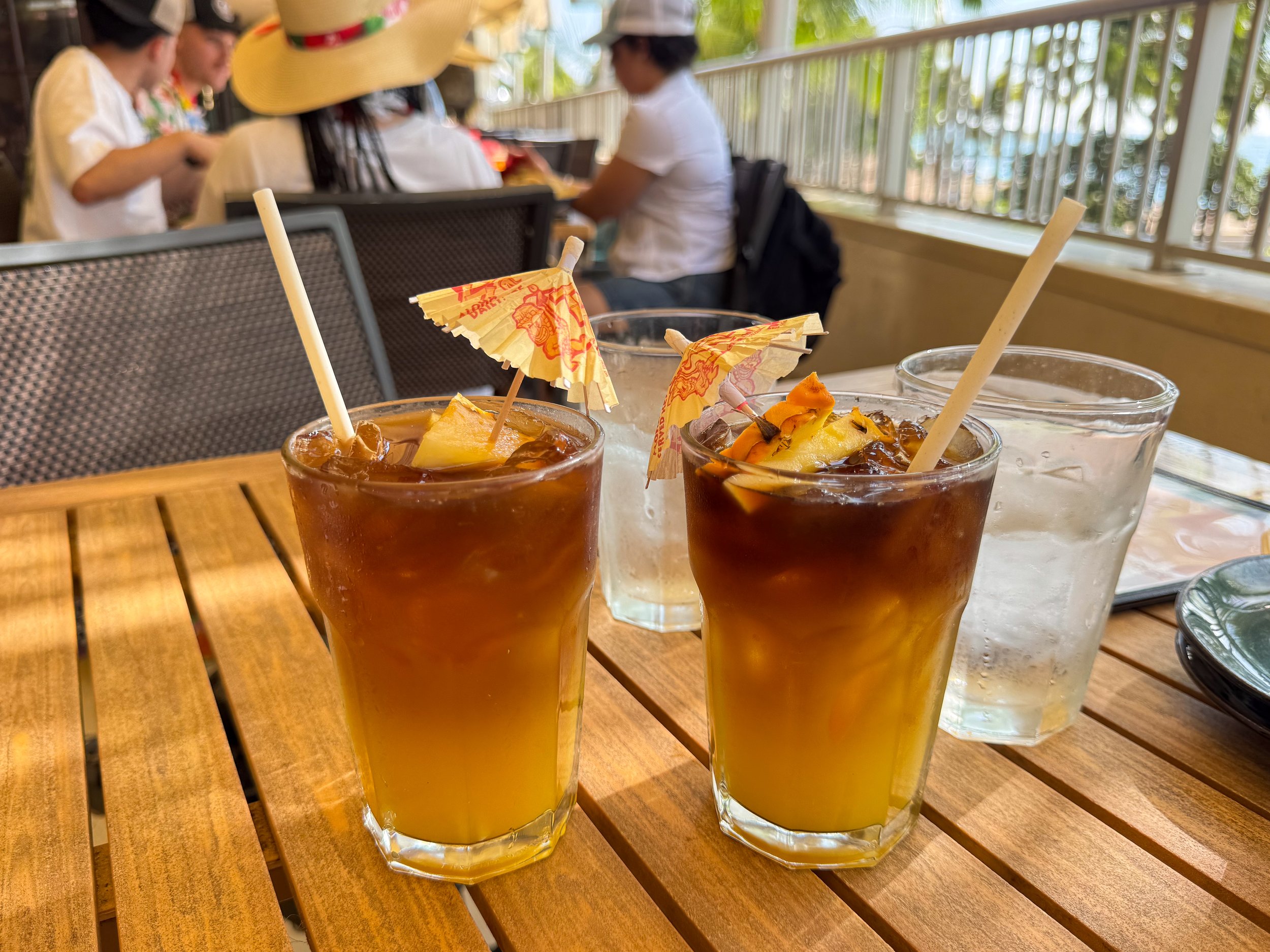
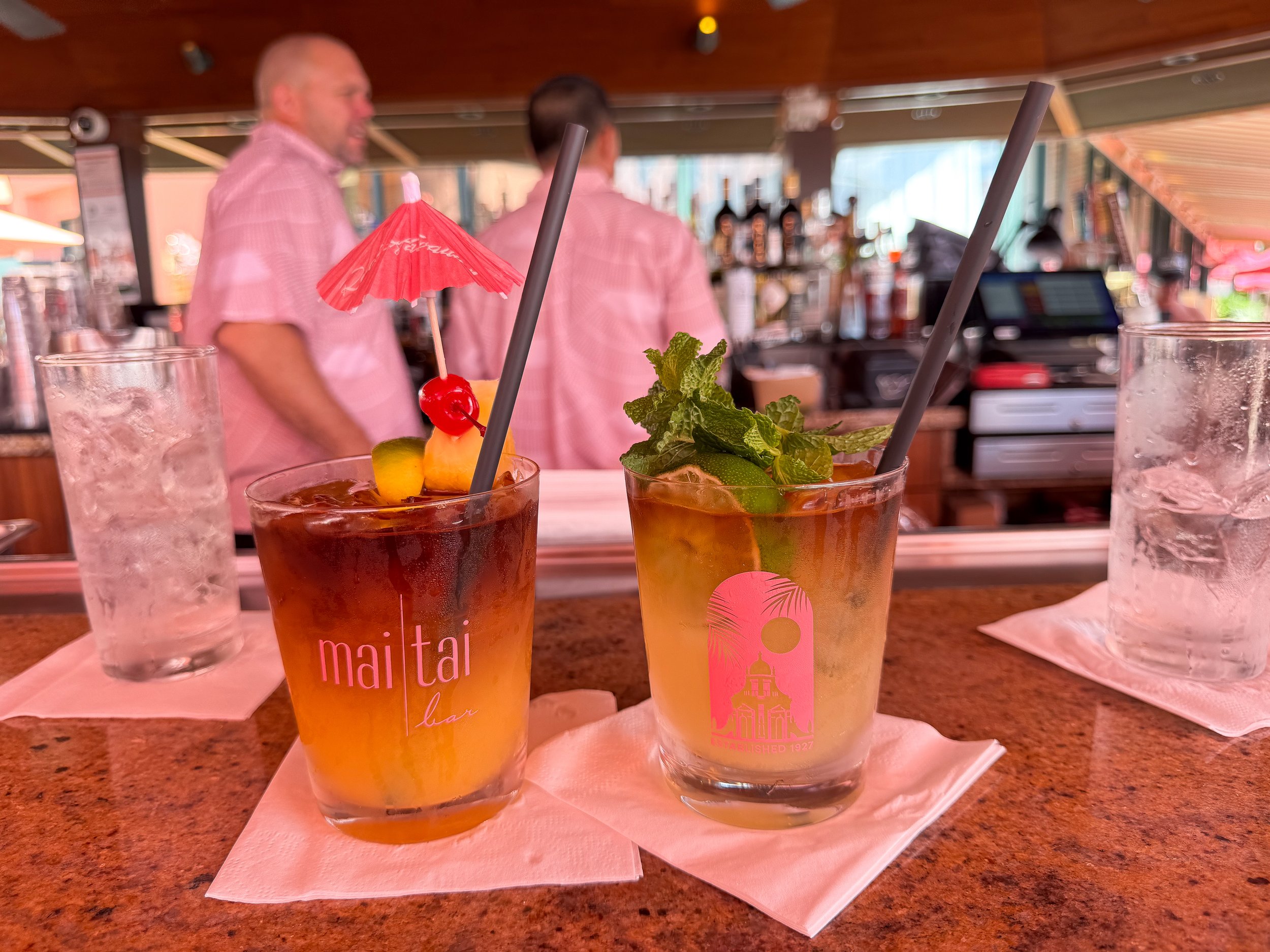
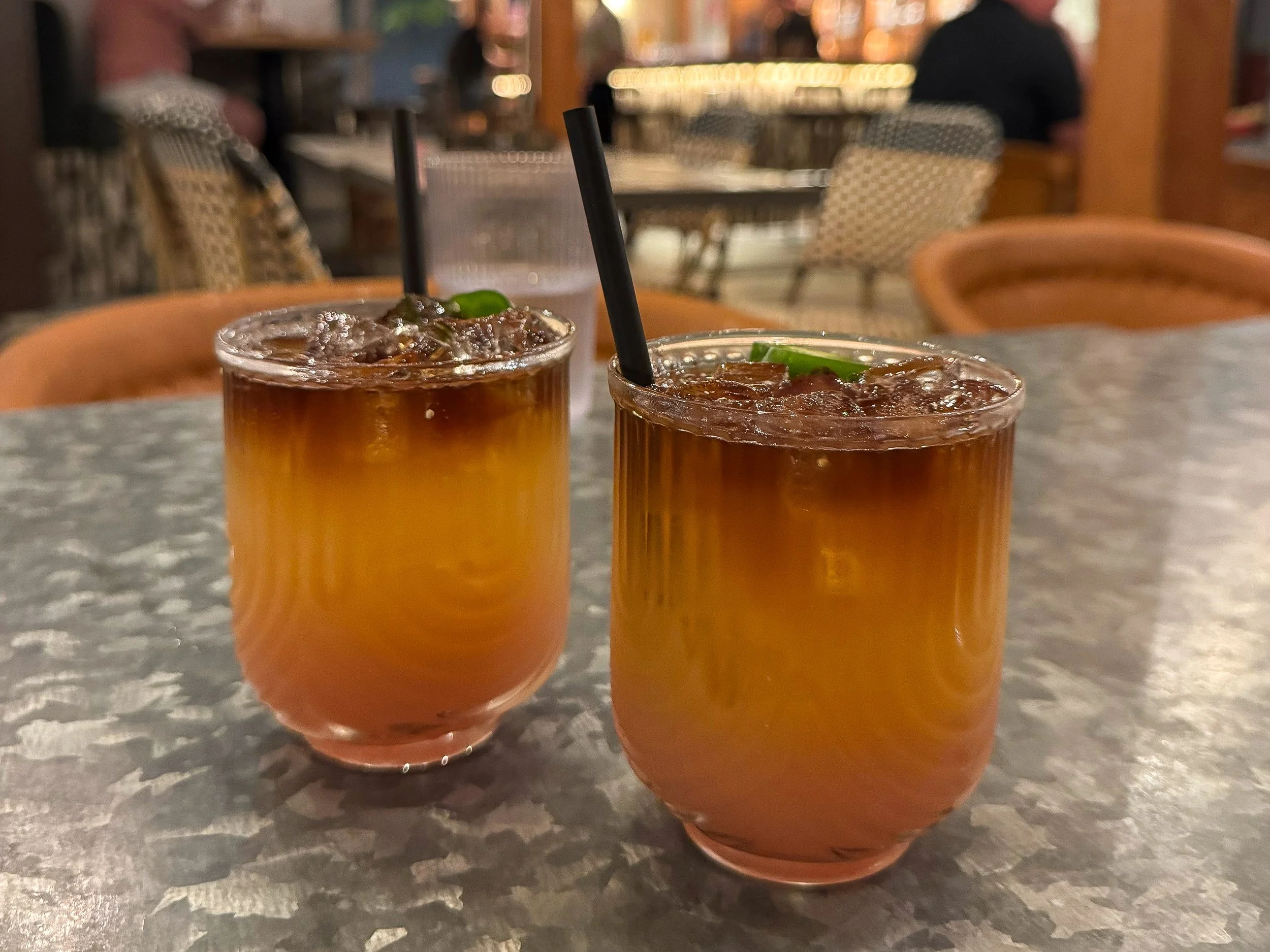
The Mai Tai, considered the ultimate tropical cocktail, is synonymous with Hawaiian resort culture. We sampled versions at about every tiki bar in Waikiki, coming up with a list of our favorites.
Mai Tai Bar. A beachfront bar at the historic Royal Hawaiian Hotel credited with inventing the Hawaiian Mai Tai, a twist on the classic made with pineapple juice in lieu of lime juice.
Duke’s Waikiki. A beach front bar with all around Hawaiian vibes. Order the Duke’s Mai Tai, their house version made with fresh fruit juices and rums. It was our favorite on the island! Buy a handmade floral lei from a vendor near the host stand after 7pm.
Arnold’s Beach Bar. An off the beaten path tiki bar with inexpensive tropical cocktails, live music and free popcorn. They make a perfectly balanced traditional Mai Tai.
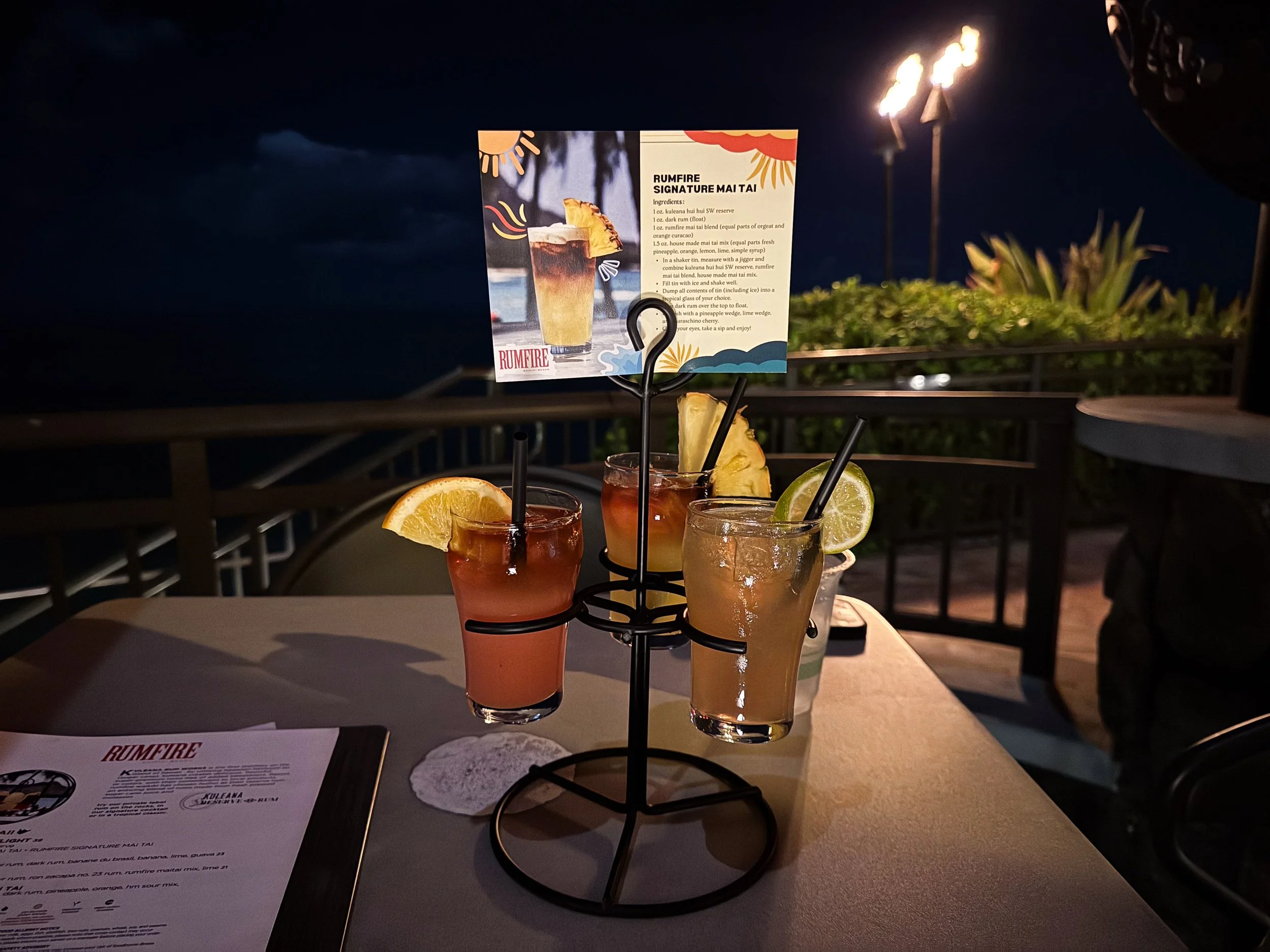
Rumfire. A beachside hotel bar with tropical cocktails, Hawaiian pupus and flaming tiki torches. Come for their Mai Tai Flight with your choice of three different versions of the famed cocktail.
Cuckoo Coconuts. An umbrella covered parking lot turned restaurant and bar with tropical cocktails, fried bar food, live music and tiki vibes. Their House Mai Tai is more juicy than boozy but won’t fail to sneak up on you.
Hula’s Bar & Lei Stand. A tiki style gay bar in Waikiki popular with both locals and tourists. Visit mid day for their Happy Hour Mai Tai, returning later in the night for live music, drag performances, strong tropical cocktails and bar snacks like nachos.
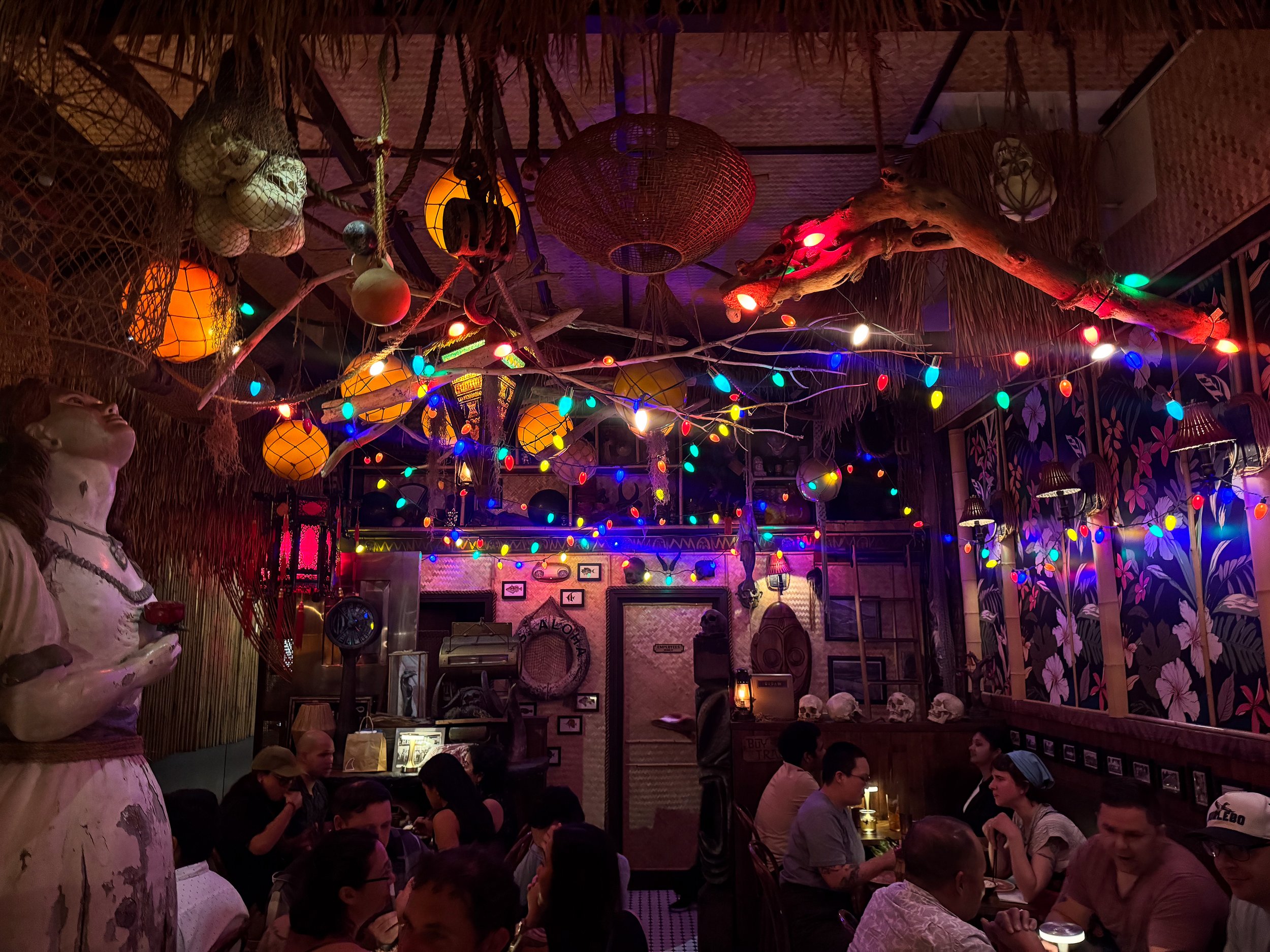
Skull & Crown Trading Co. A speakeasy style tiki bar decorated with vintage nautical artifacts. Their menu features a range of signature cocktails like the Dagger Mai Tai, made with “redacted ingredients.” Make a reservation!
Merriman’s. An elevated restaurant known for their happy hour specials and inventive cocktails. Try the Merriman’s Mai Tai, their house version made with macadamia nut orgeat and lilikoi (passion fruit) foam.
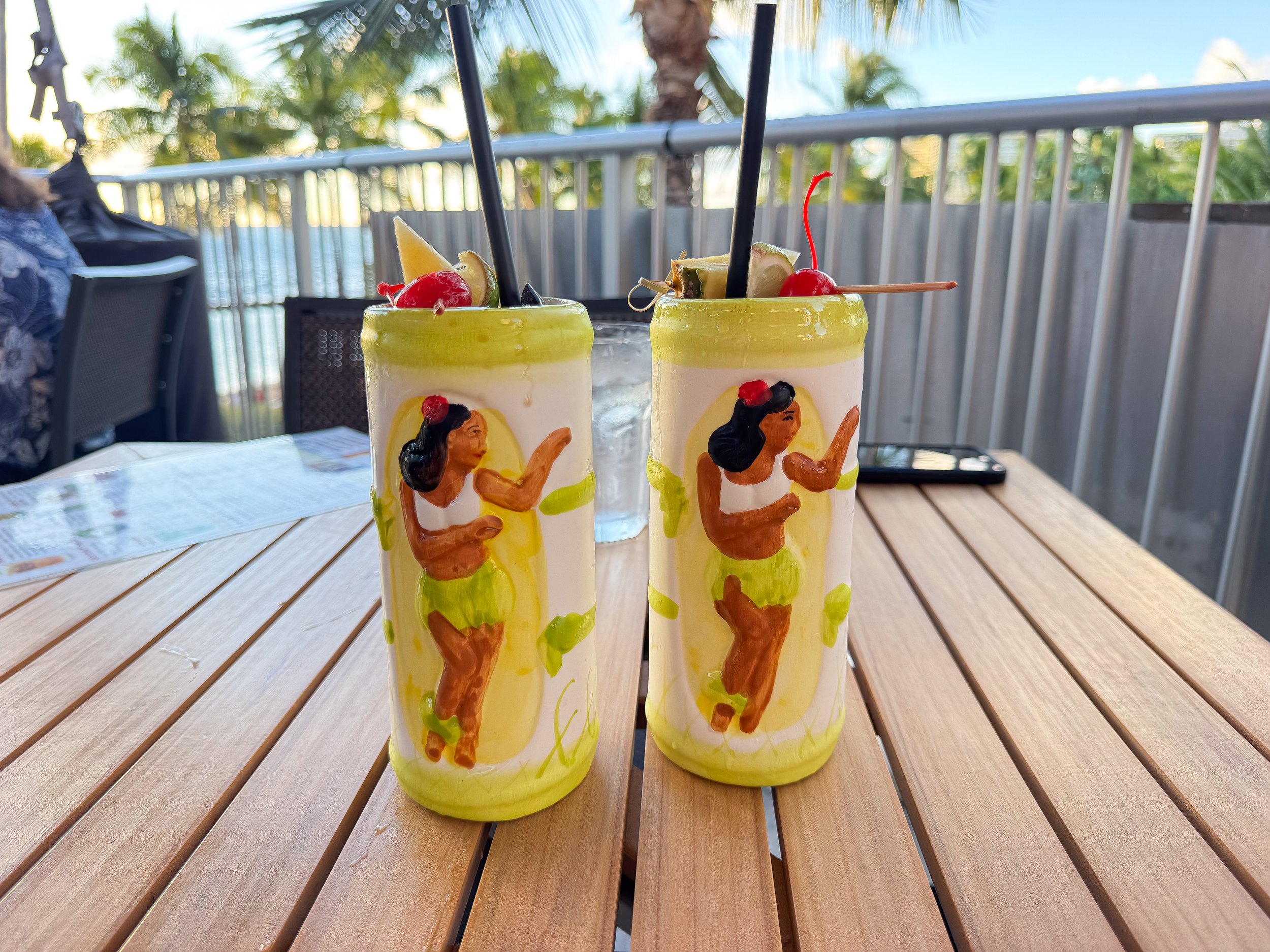
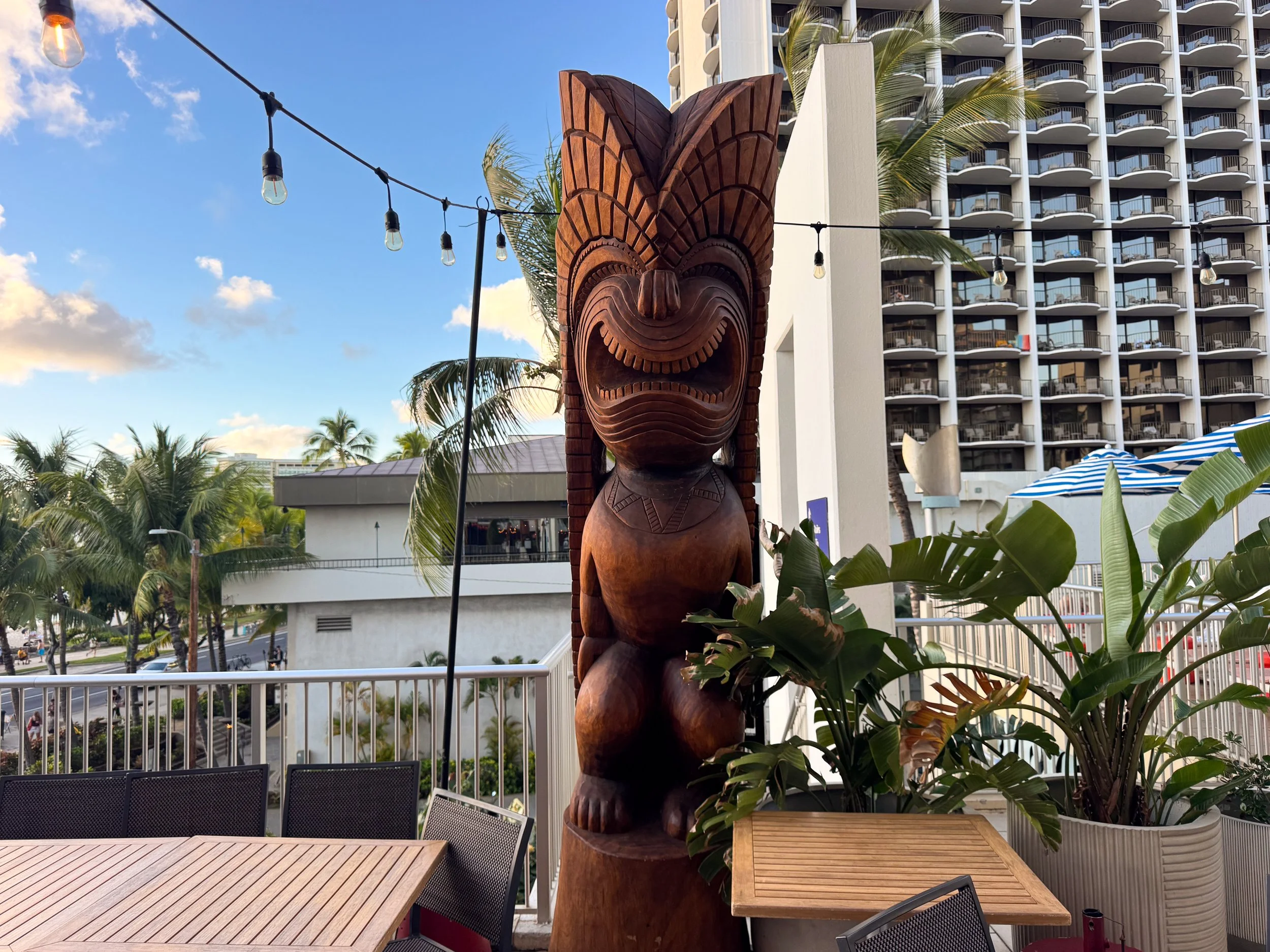
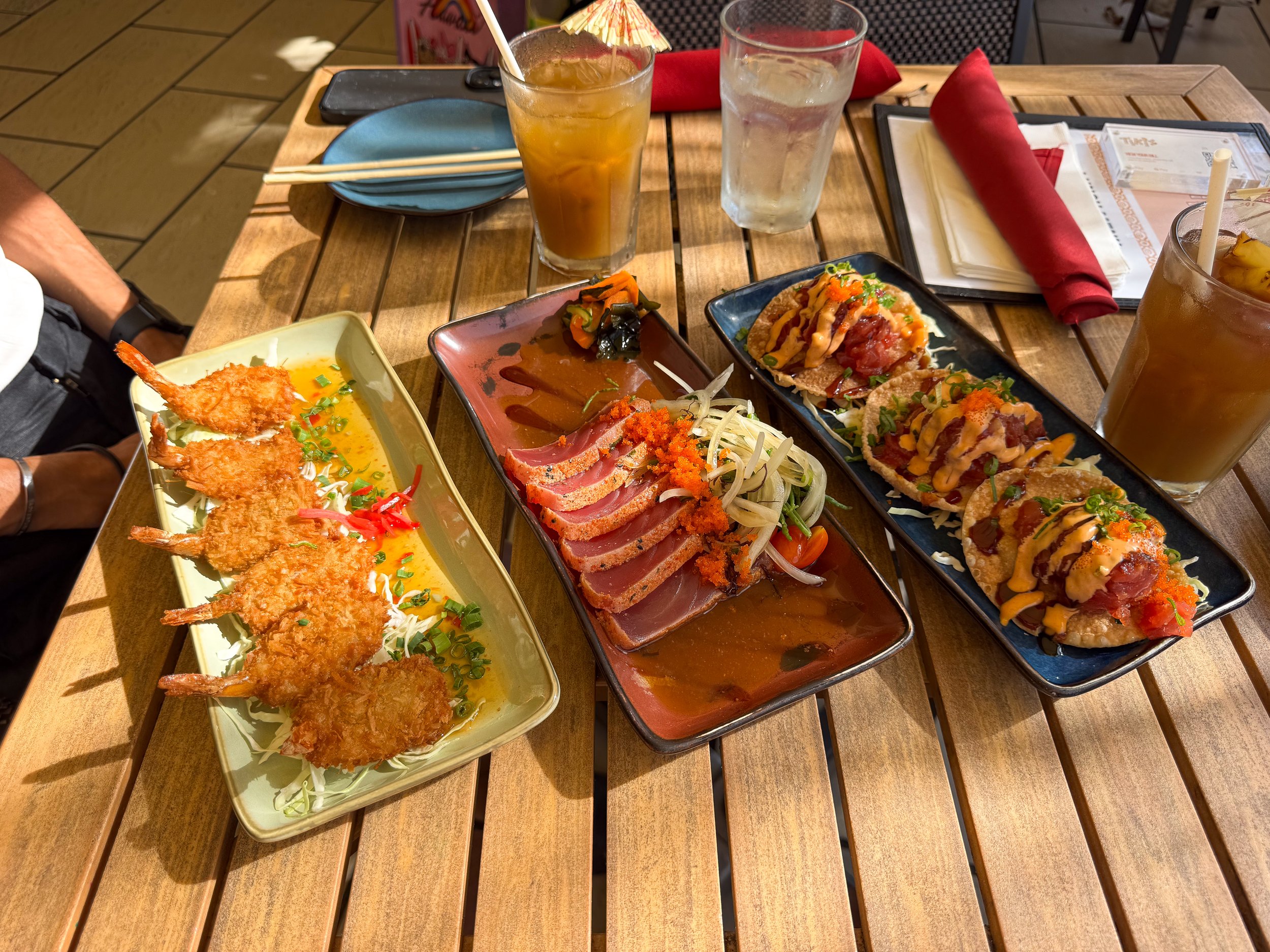
Tiki’s Bar & Grill. A restaurant and bar overlooking the palm lined shores of Waikiki Beach. Tropical cocktails are served in take home tiki mugs. Order the Hula Girl Mai Tai with an extra rum shot for a boozy experience! To eat, try the Hawaiian pupus like coconut shrimp, poke wontons and seared tuna.
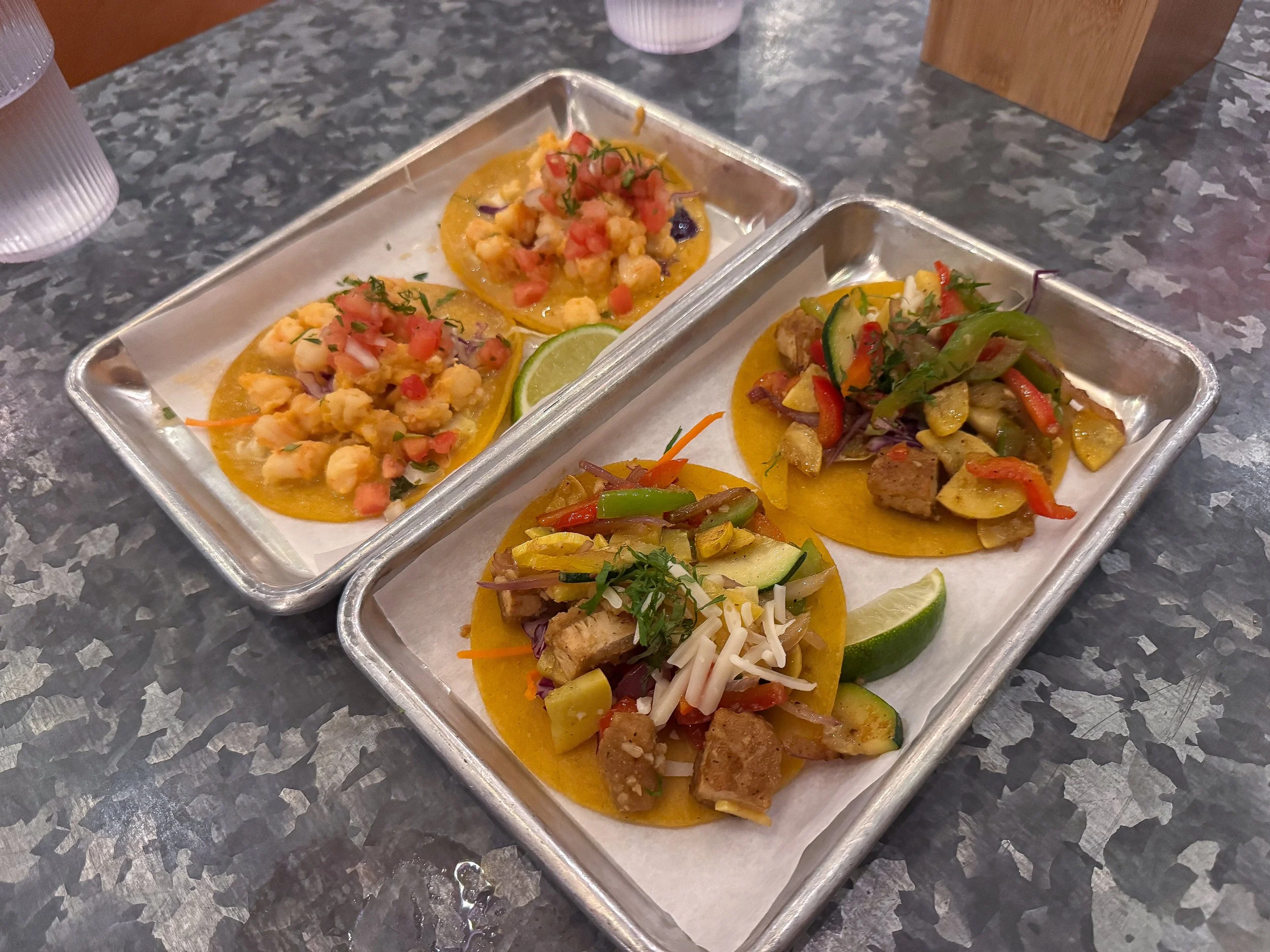
Aloha Amigo. A vibrant Mexican style cantina in Waikiki serving a range of traditional tacos. Pair an order with the Spicy Mezcal Mai Tai for a cocktail that blends Mexican and Hawaiian flavors.
Places to Eat in Honolulu
In addition to the menus at the above tiki bars and restaurants, there is no shortage of places to eat in Honolulu. From food-truck parks to beachfront cafes and high-end restaurants, here are some of our favorites:
The Sunrise Shack. A healthy spot to begin the day with a smoothie bowl and strong coffee. Visit one of many locations around O’ahu.
Musubi Café Iyasume. A small café specializing in Hawaii’s famed Spam Musubi and Japanese Onigiri. Expect to see a line out the door for the flavorful snacks.
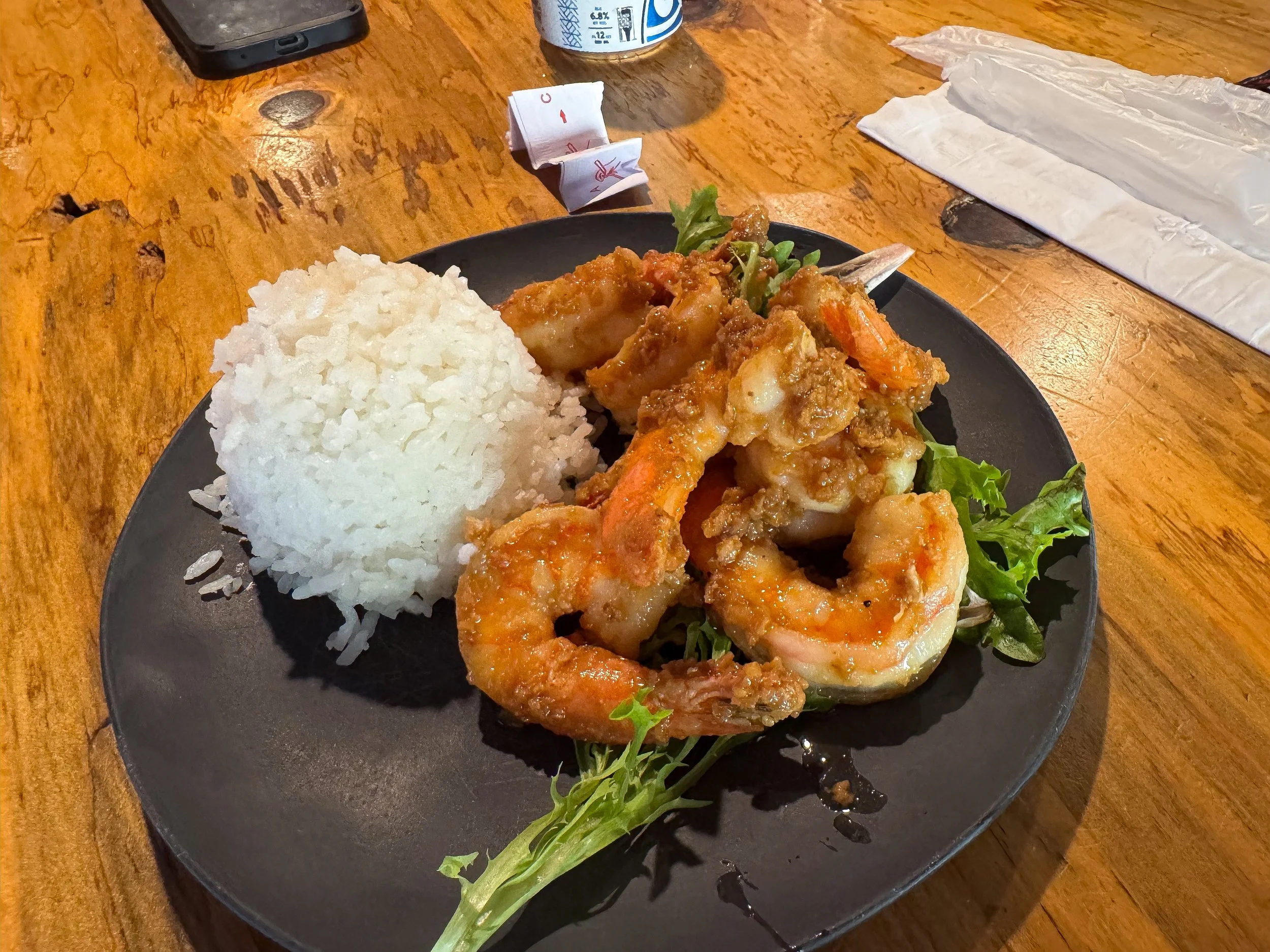
Sam's Kitchen. A hidden poolside restaurant at the Bamboo Waikiki Hotel known for its garlic shrimp, a Hawaiian staple. Service may be slow but it’s worth the wait!
Maguro Brothers. A seafood spot in a food hall specializing in freshly prepared sashimi platters and generously sized poke bowls.
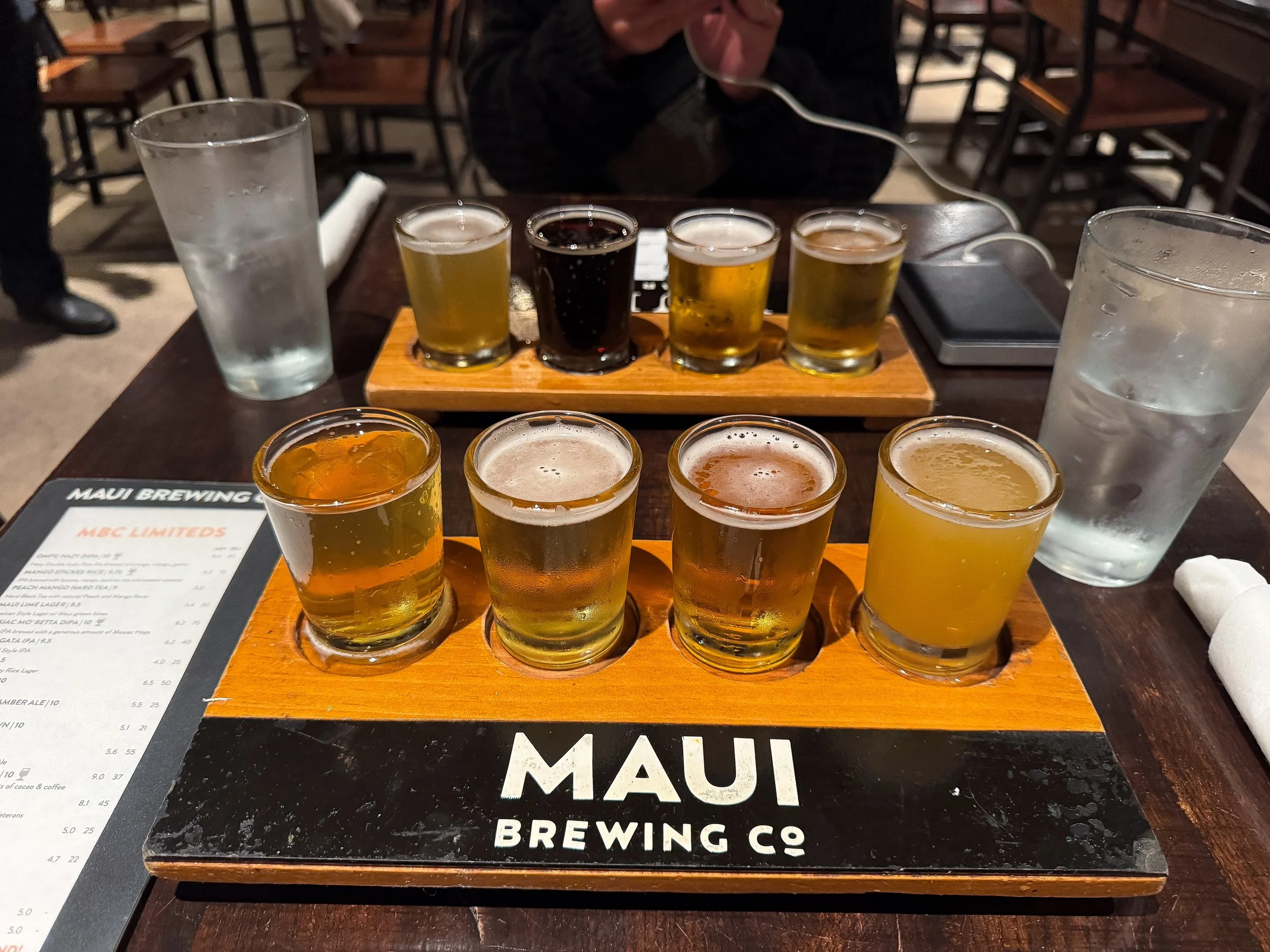
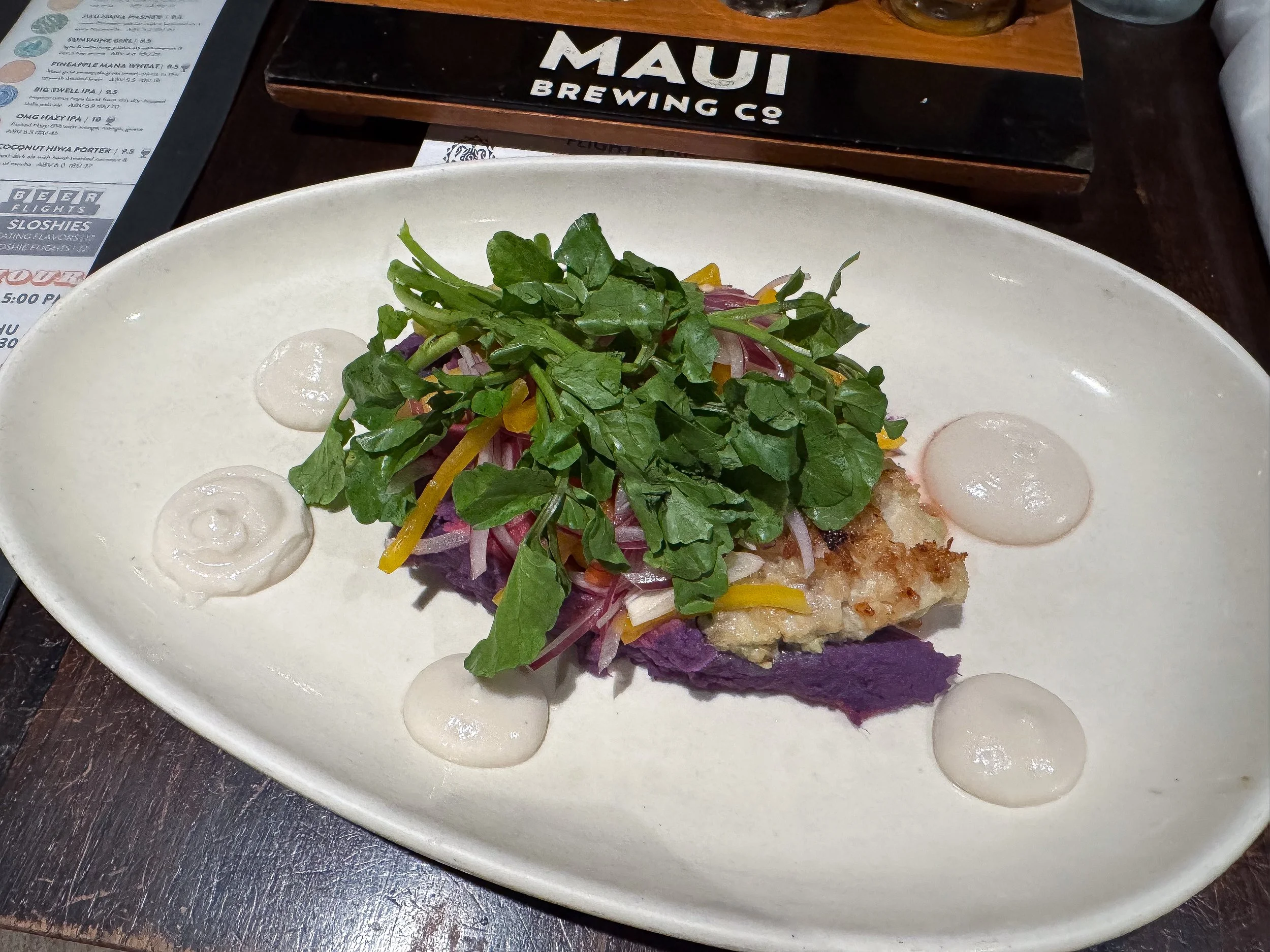
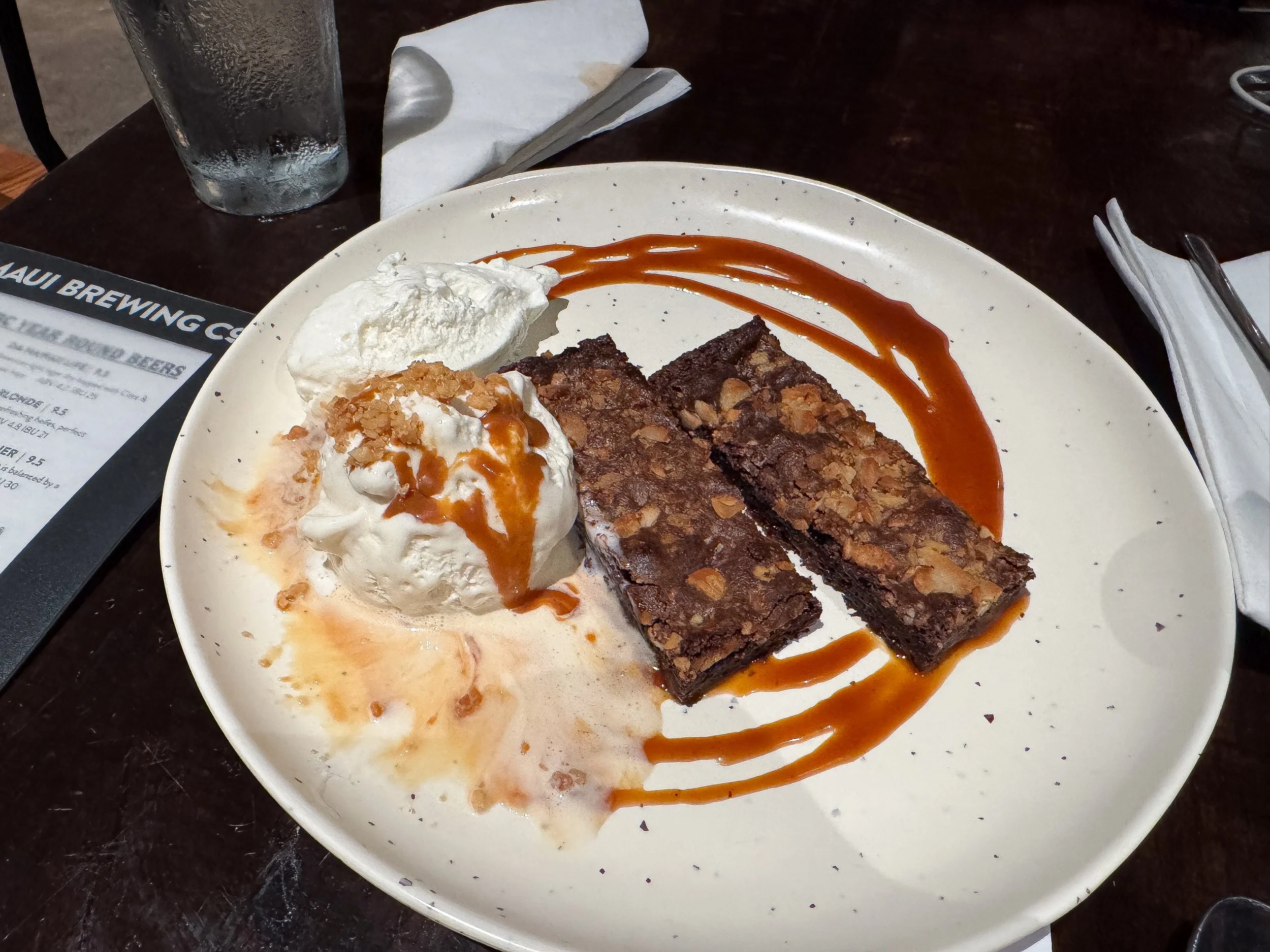
Maui Brewing Company. A Hawaiian brewery offering a selection of craft beers made with island flavors like citrus, pineapple and toasted coconut. Sip on a pint or order a flight while listening to nightly live music over dinner. Try the macadamia nut encrusted mahi mahi.
Orchids. An upscale restaurant at the Halekulani Hotel with a romantic dining room. It’s the perfect place to come for a celebratory dinner, glass of champagne and famed coconut chiffon cake.
Hawaiian Aroma Caffe. A café at the Beachcomber Hotel serving tropical waffles, açaí bowls and Kona Coffee.
Kai Coffee Hawai’i. A coffee shop with bold and flavorful brews of Hawaiian coffee. Visit one of their locations across O’ahu for a macadamia nut or coconut latte.
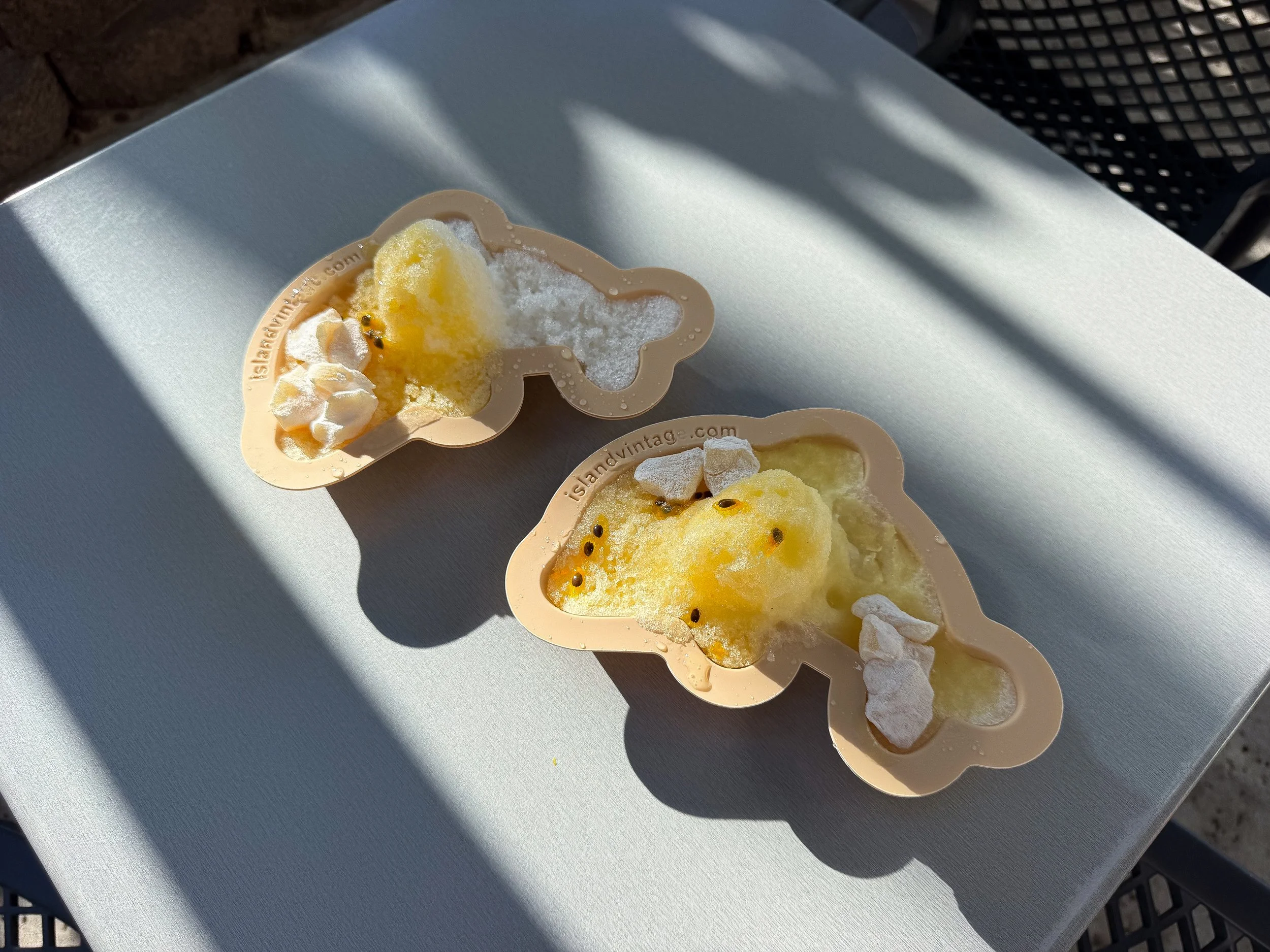
Island Vintage Shave Ice. Shaved ice is a Hawaiian treat popular across the islands. Come here for tropical fruit flavors like lilikoi, coconut, lychee, yuzu, açaí and mango.
Barefoot Beach Café. An oceanfront café near Queens Beach with vegan breakfast dishes, smoothie bowls and coffees. Hawaiian music plays throughout their outdoor patio as customers relax with a meal and drink.
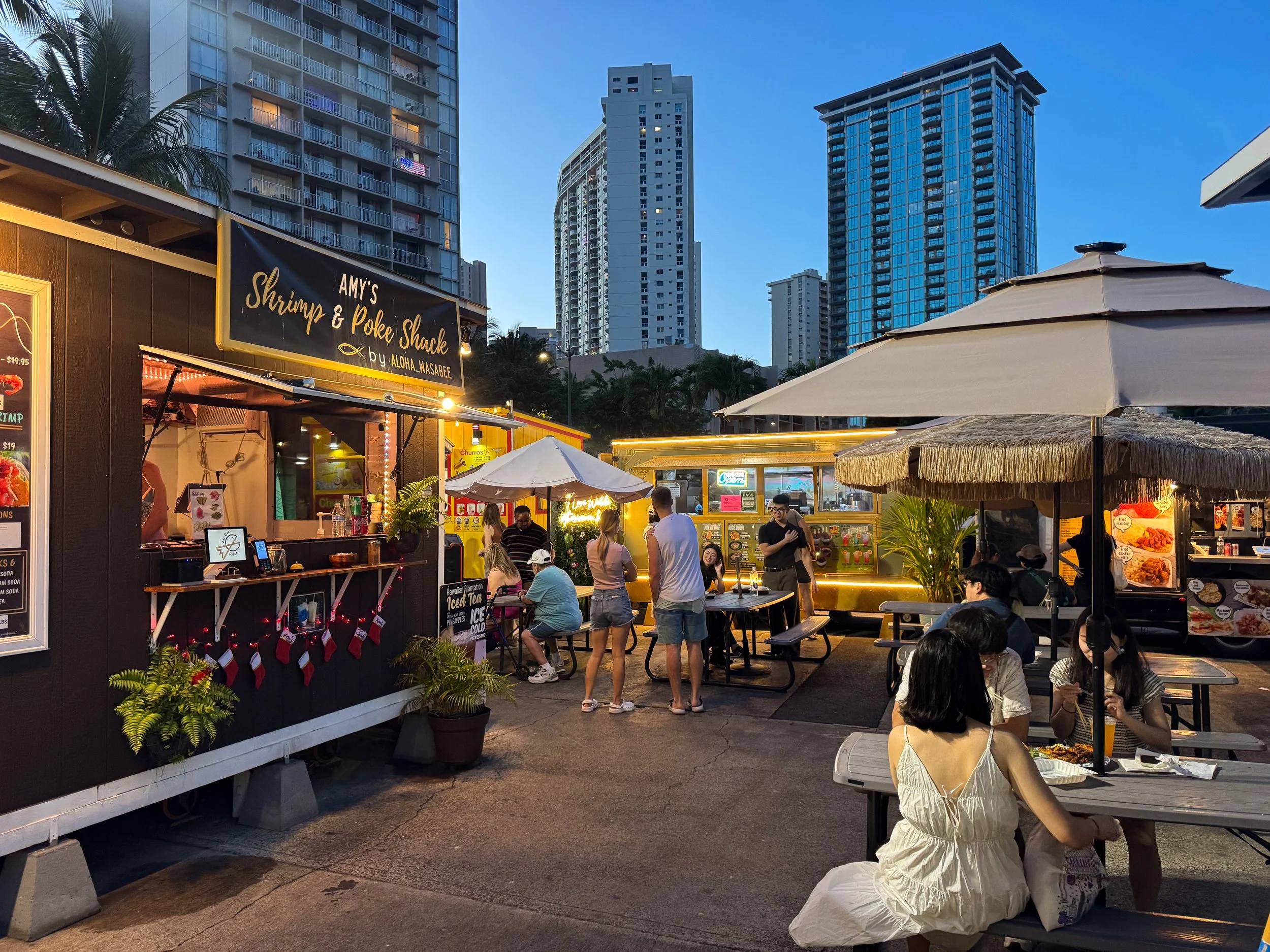
Waikiki Food Truck Park. Food trucks are commonplace across O’ahu with some of the best variety being at the Waikiki Food Truck Park. The park brings together over two dozen food trucks offering everything from poke, tacos, barbecue, garlic shrimp, vegan meals, international dishes, bubble tea, churros and smoothies. Take food to-go or dine under the thatched umbrellas at picnic tables.
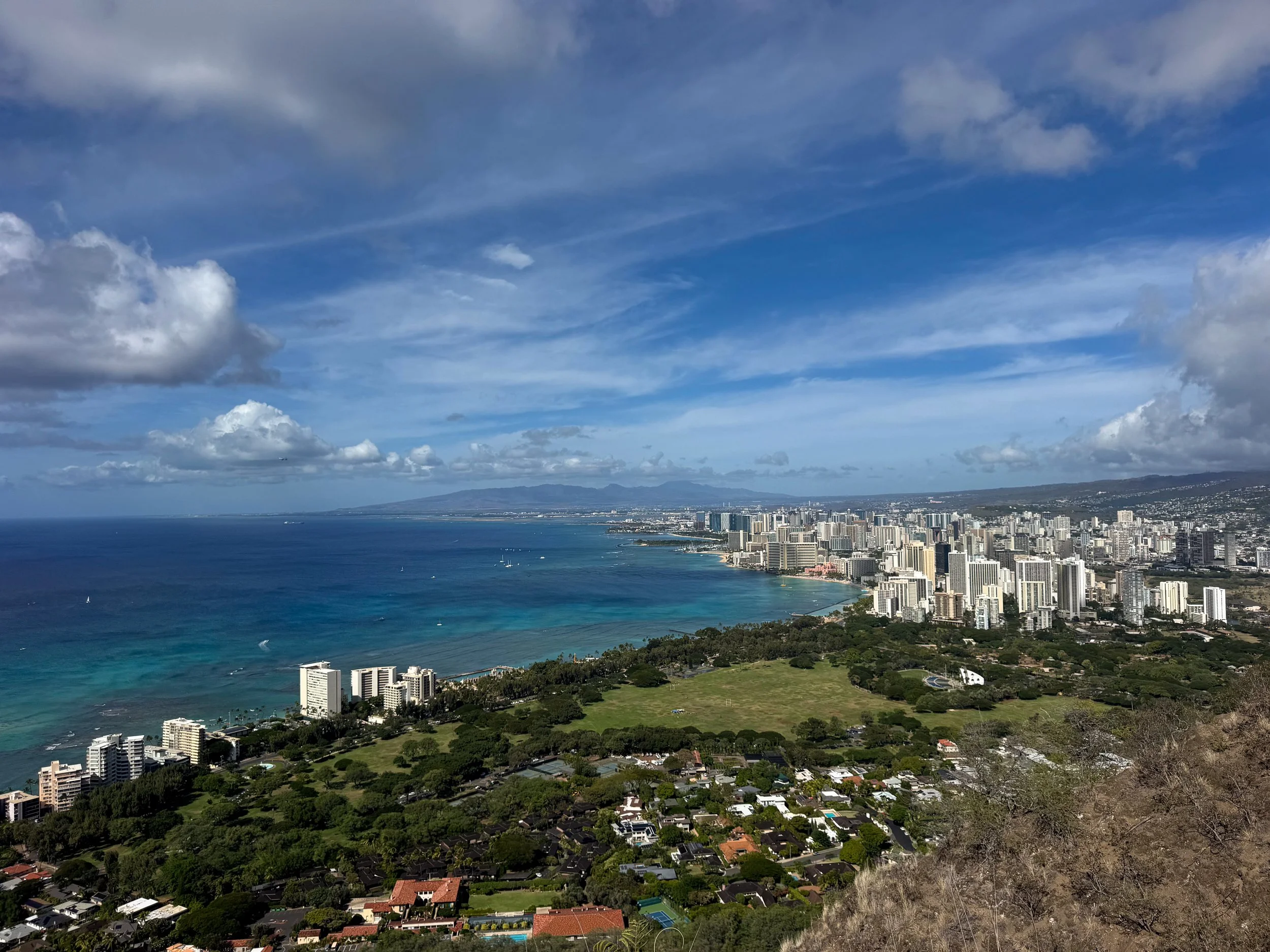
Diamond Head
Diamond Head is a residential neighborhood of Honolulu defined by its volcanic crater, recreational activities and weekend farmers market.
Diamond Head Crater. Towering above Waikiki is one of O’ahu’s most iconic sights, the Diamond Head Crater. A trail leads from the floor of the extinct volcano to its rim, switchbacking past lookout points until reaching the summit. Panoramic views look towards the skyscrapers of Honolulu and the gradient blue coast.
Reservations. Non islanders need a reservation to visit the crater. Bookings can be made online with Hawaii State Parks up to 30 days in advance.
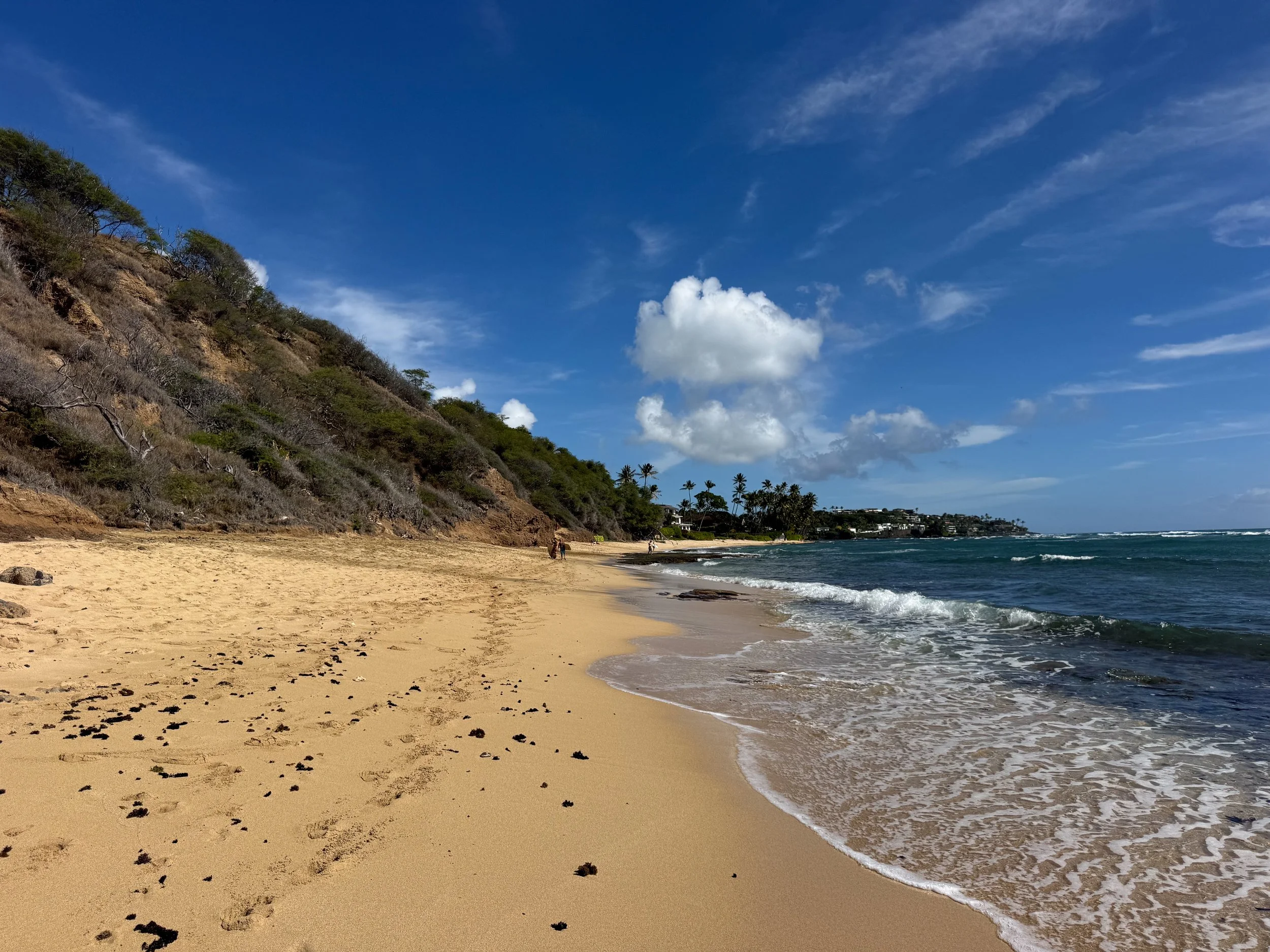
Diamond Head Beach Park. The secluded shores flanking Diamond Head Crater are the perfect place to sunbathe away from the crowds. Surfers catch waves breaking on the reef while snorkelers explore its underwater life.
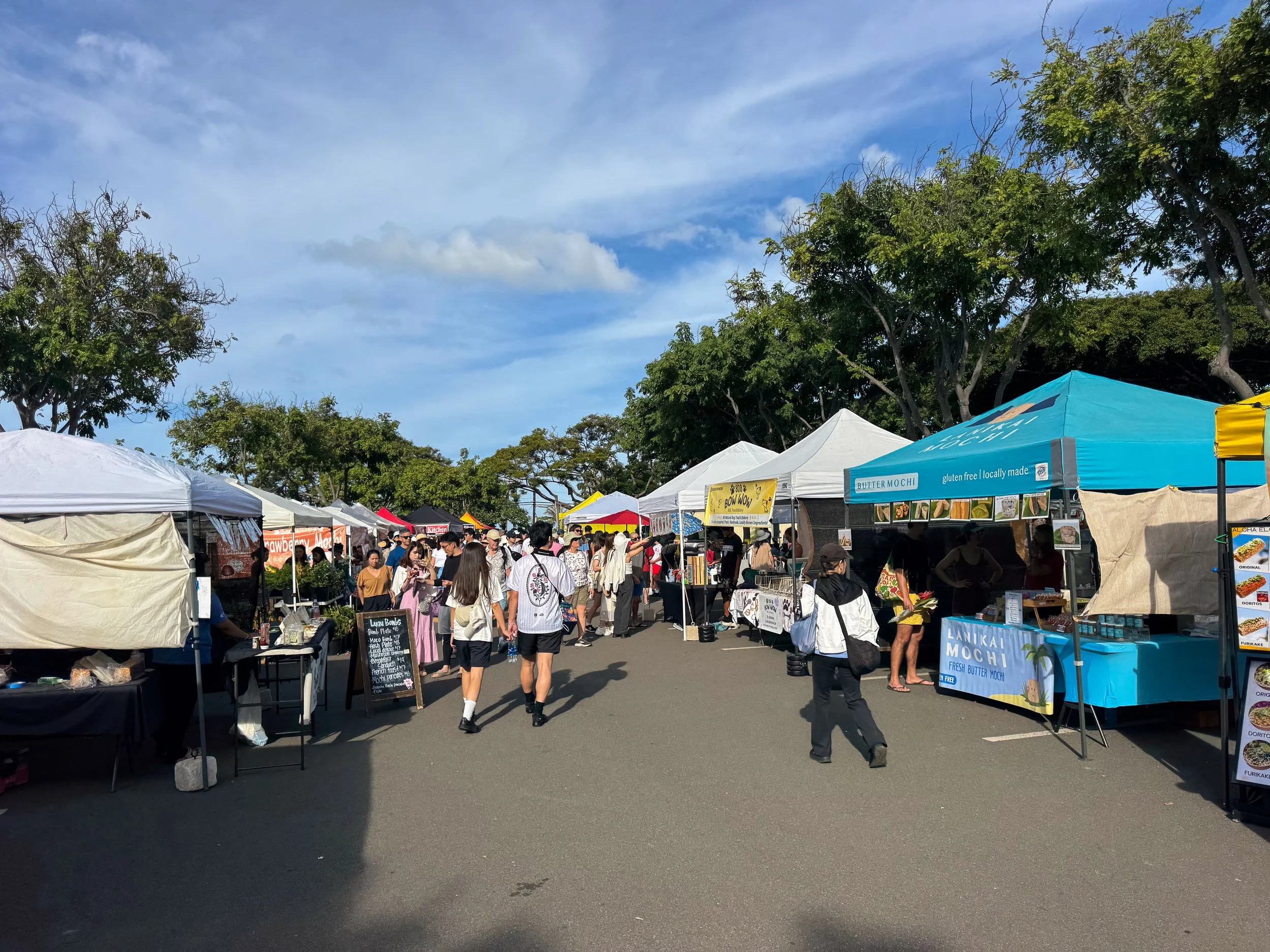
KCC Farmers Market. One of Honolulu’s most beloved farmers markets attracts dozens of vendors and hundreds of visitors each week. Merchants sell locally produced goods including roasted macadamia nuts, raw honey, fresh fruits & vegetables, baked breads & pastries, jars of pickles & preserves, plants & cut flowers. Food stands serve Kona coffee, fruit juices, smoothie bowls, all types of mochi and a range of international street food. The market is held across from Diamond Head Crater every Saturday morning from 7:30-11am.
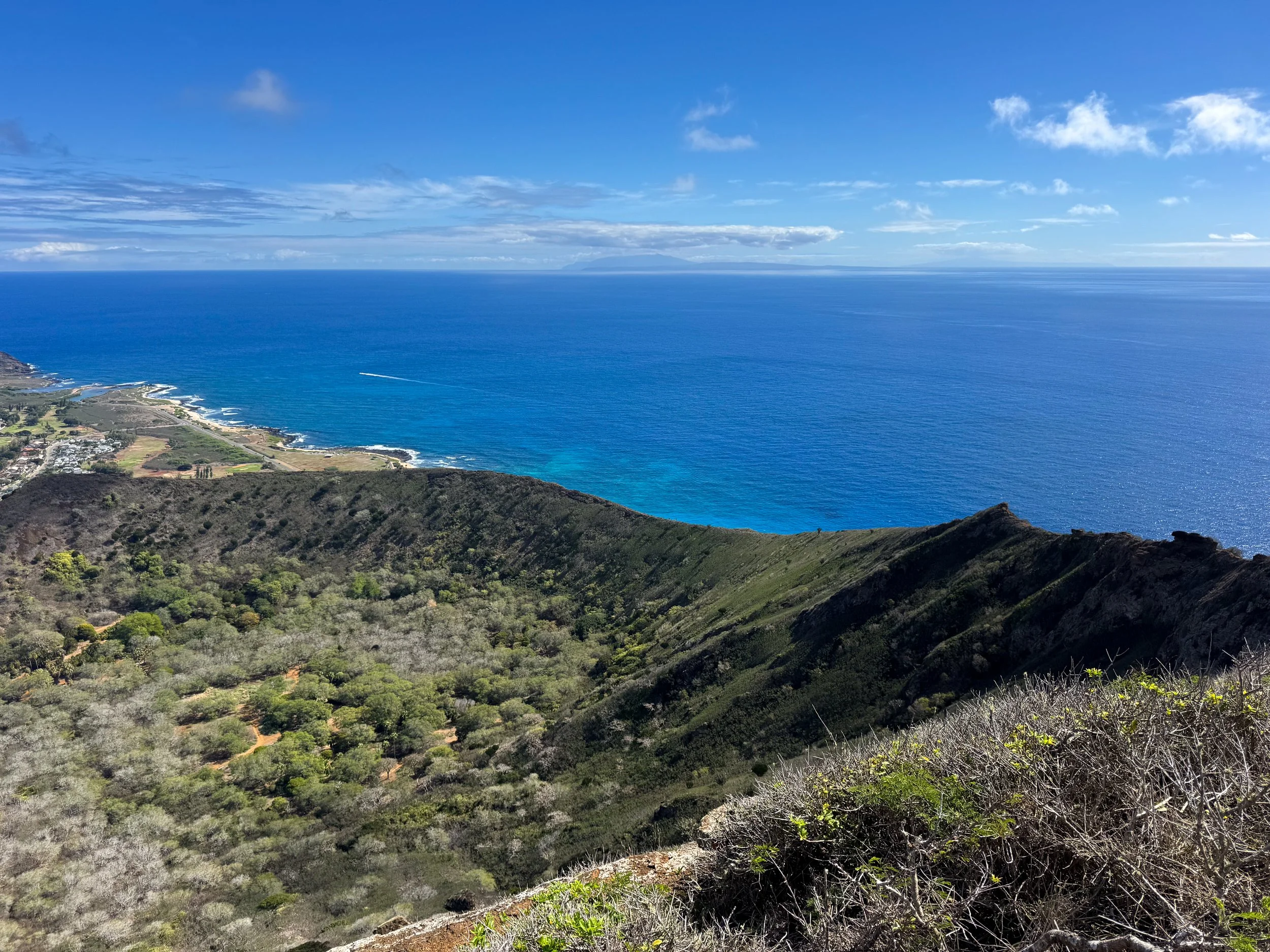
Hawaii Kai
Hawaii Kai is an area spanning the southeast coast of O’ahu. It is a bustling area with access to protected bays, coastal formations, pristine beaches, volcanic craters and hiking trails.
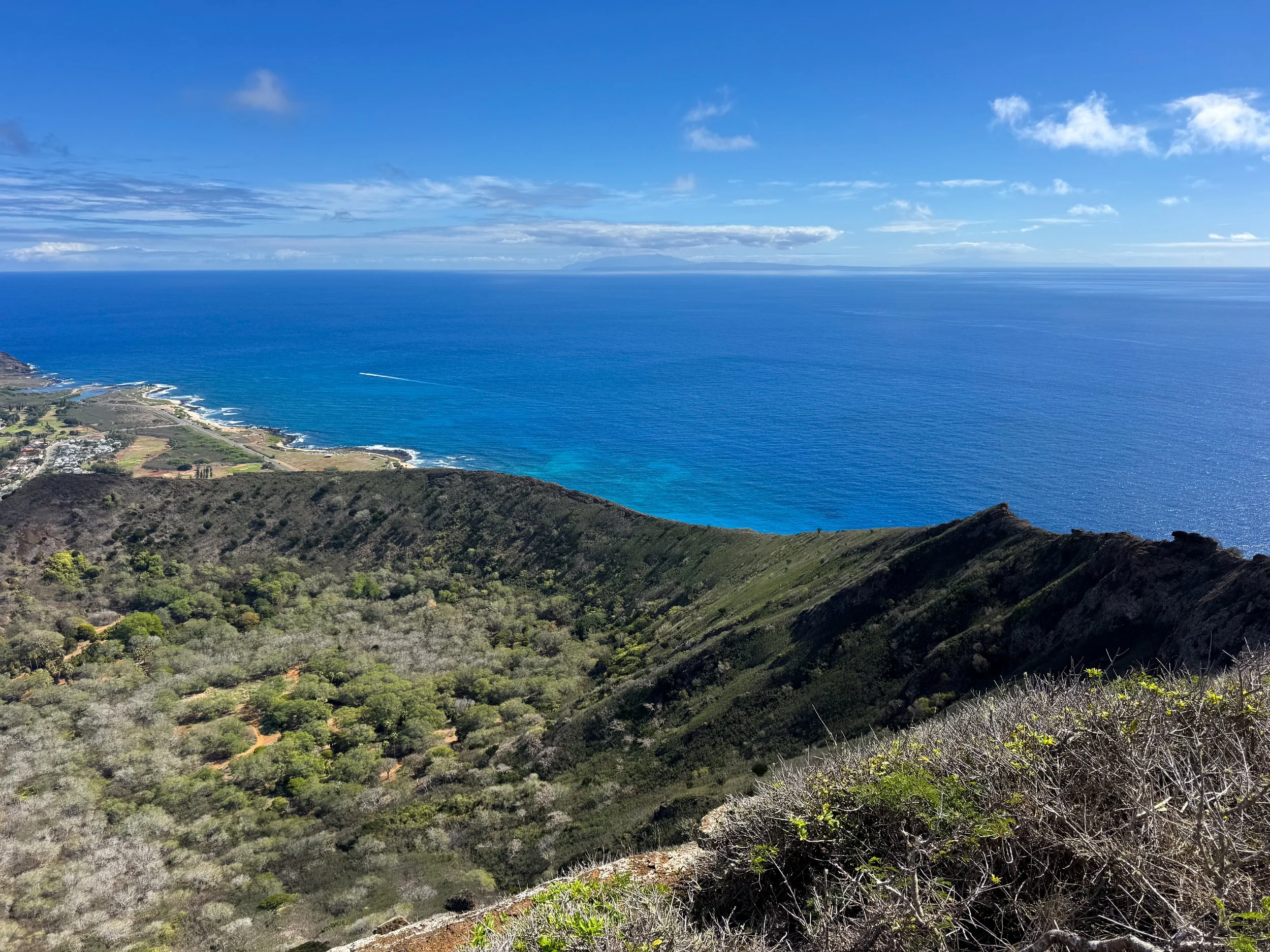
Koko Head. A volcanic crater with rigorous and scenic hikes along its slopes and a botanical garden spanning its inner crater floor.
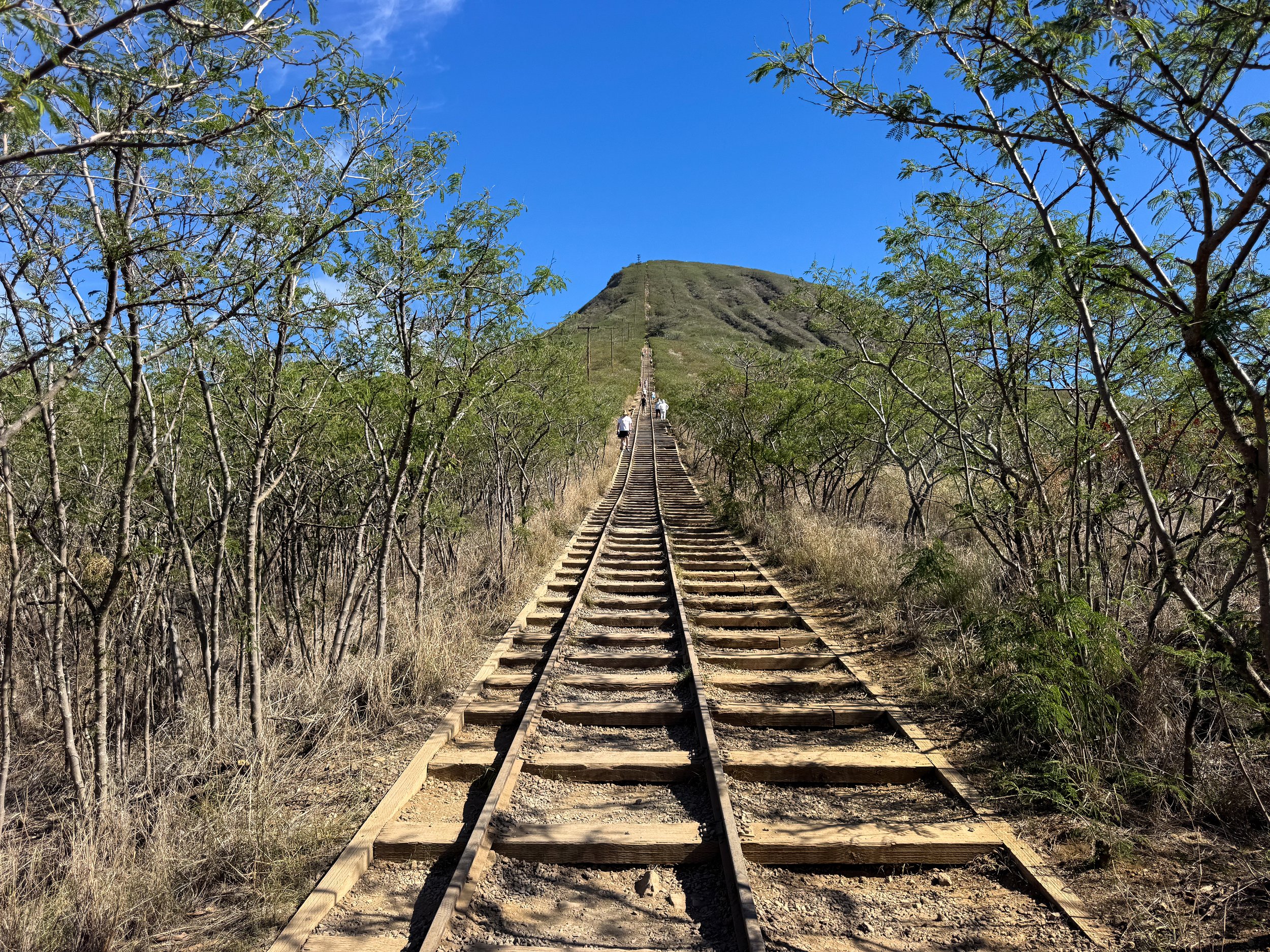
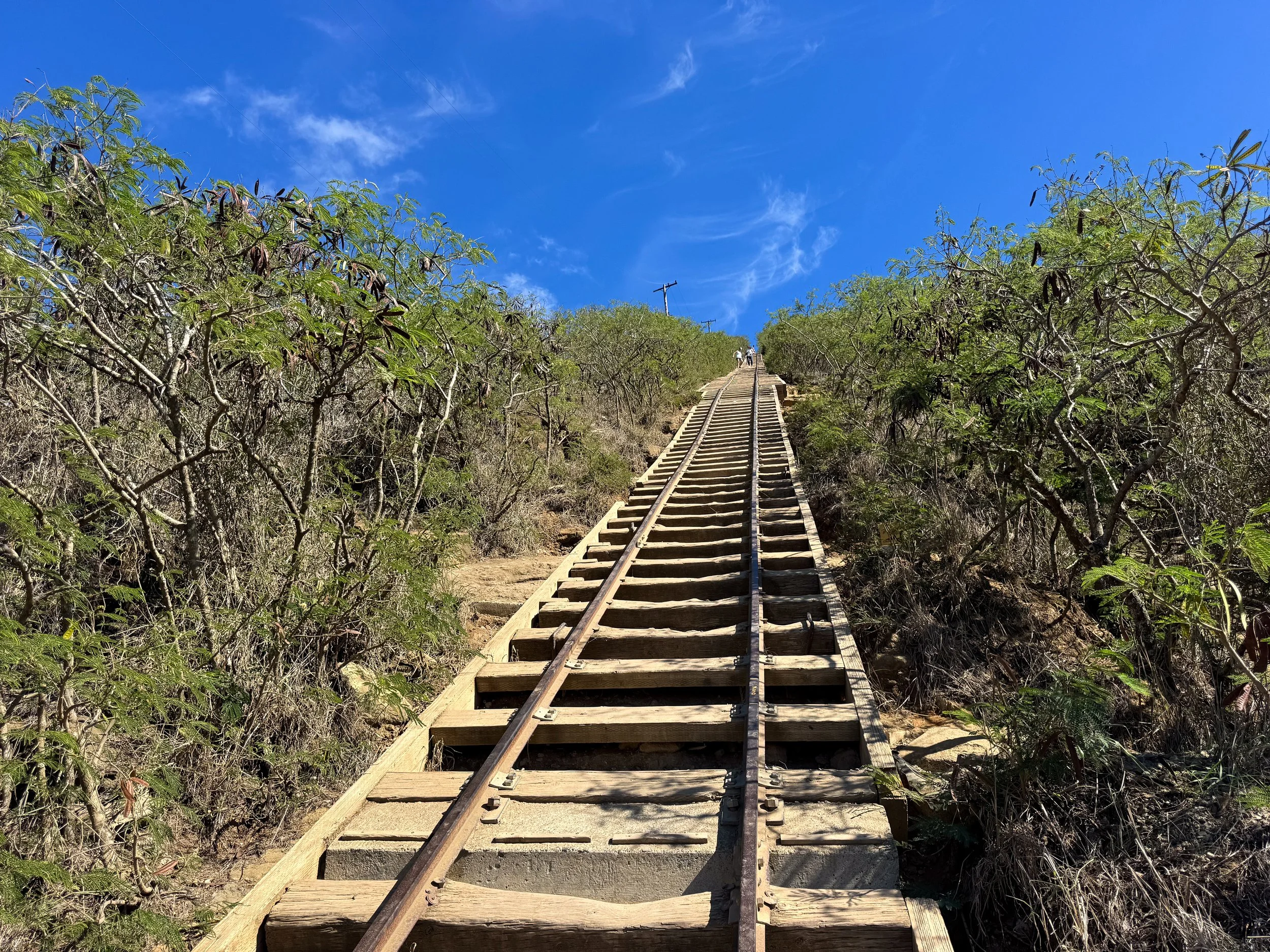
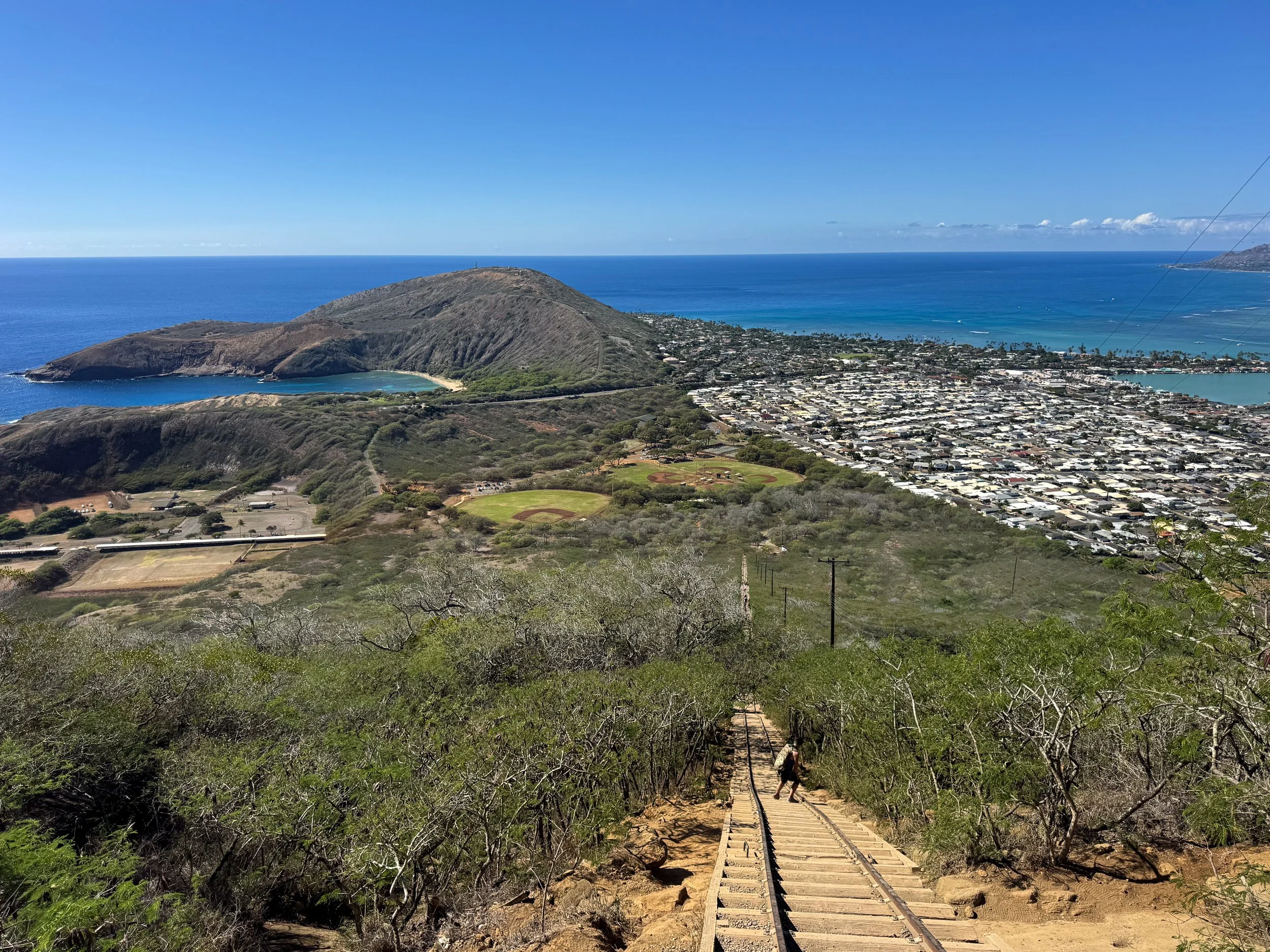
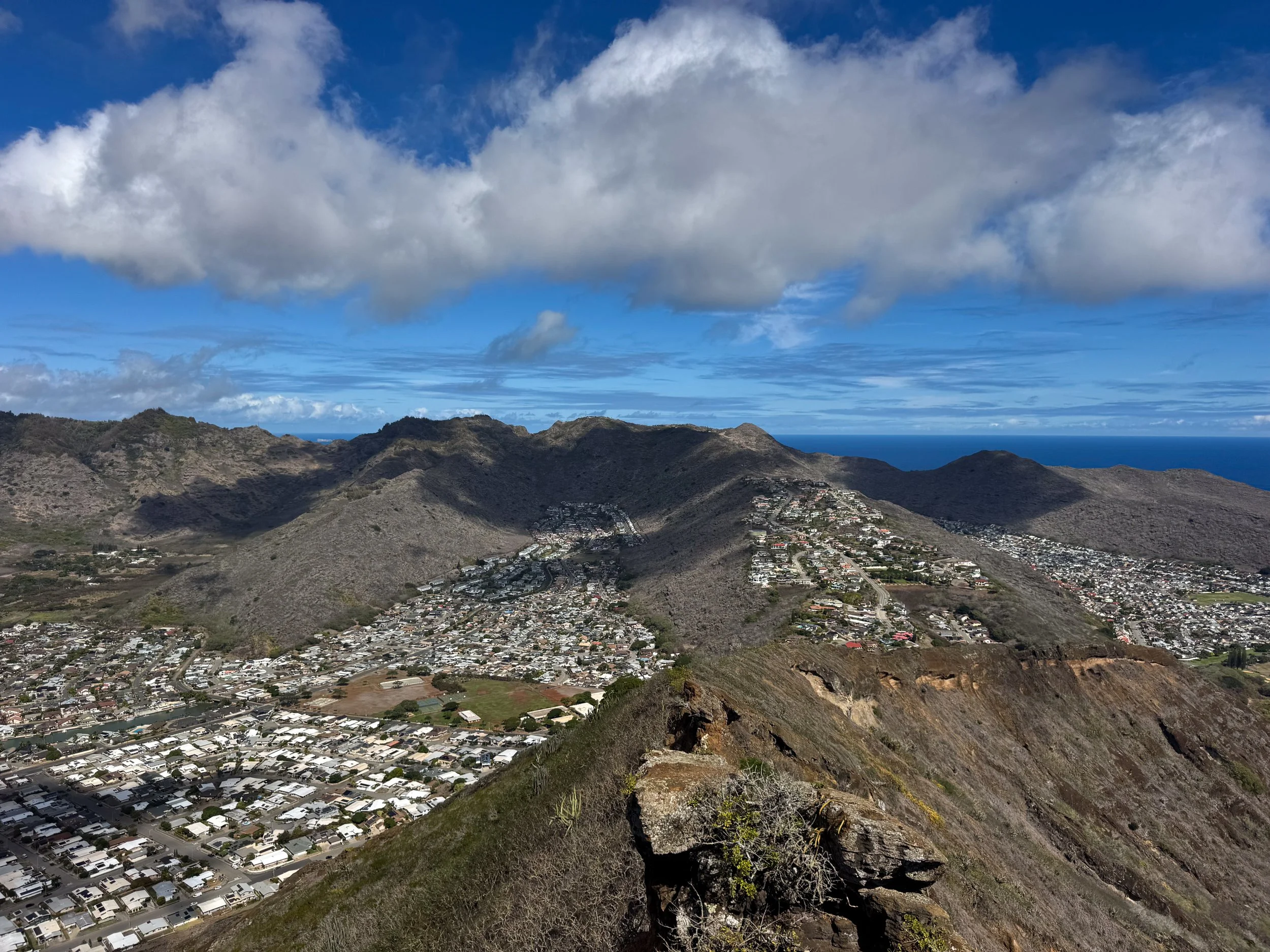
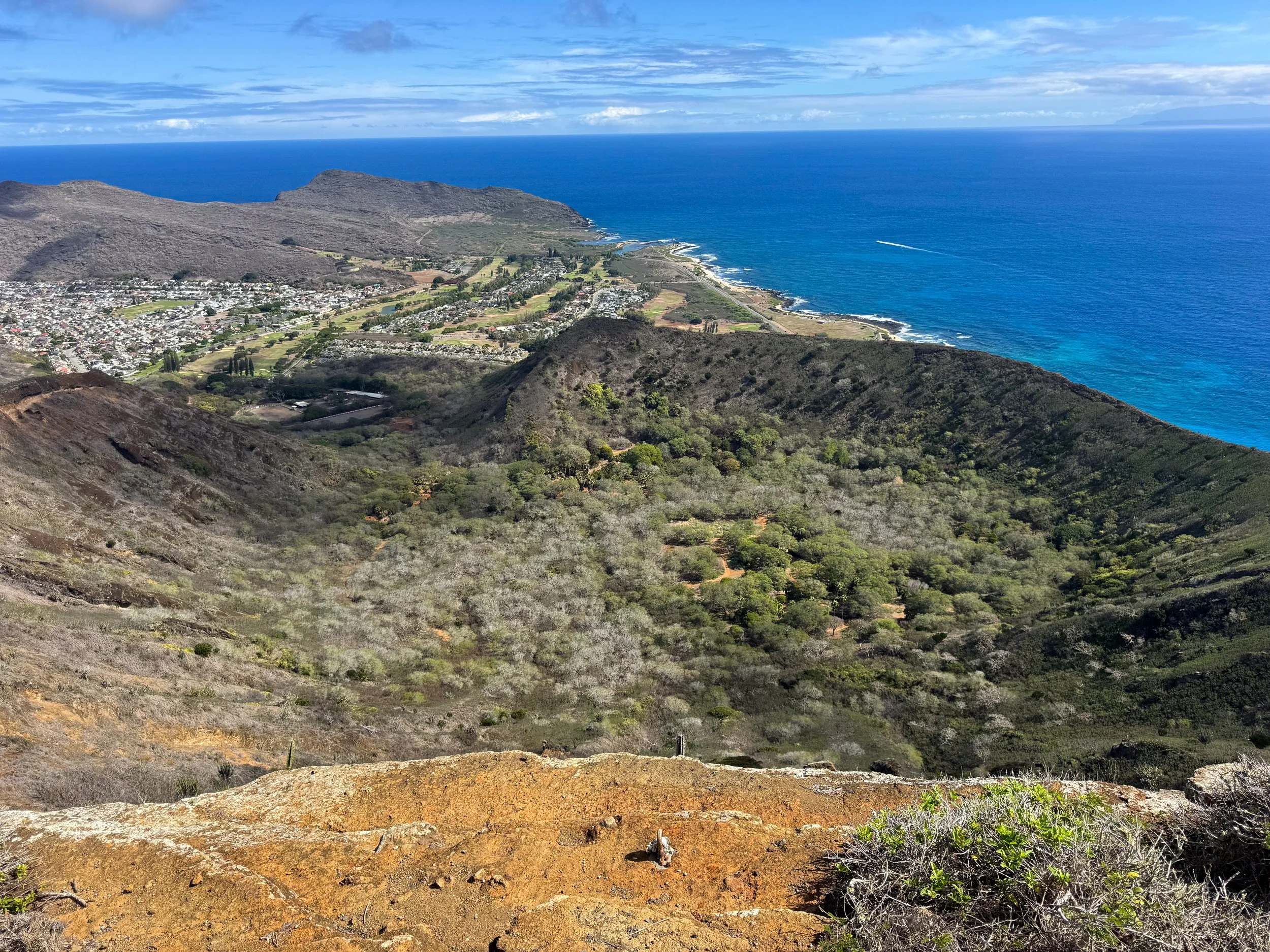
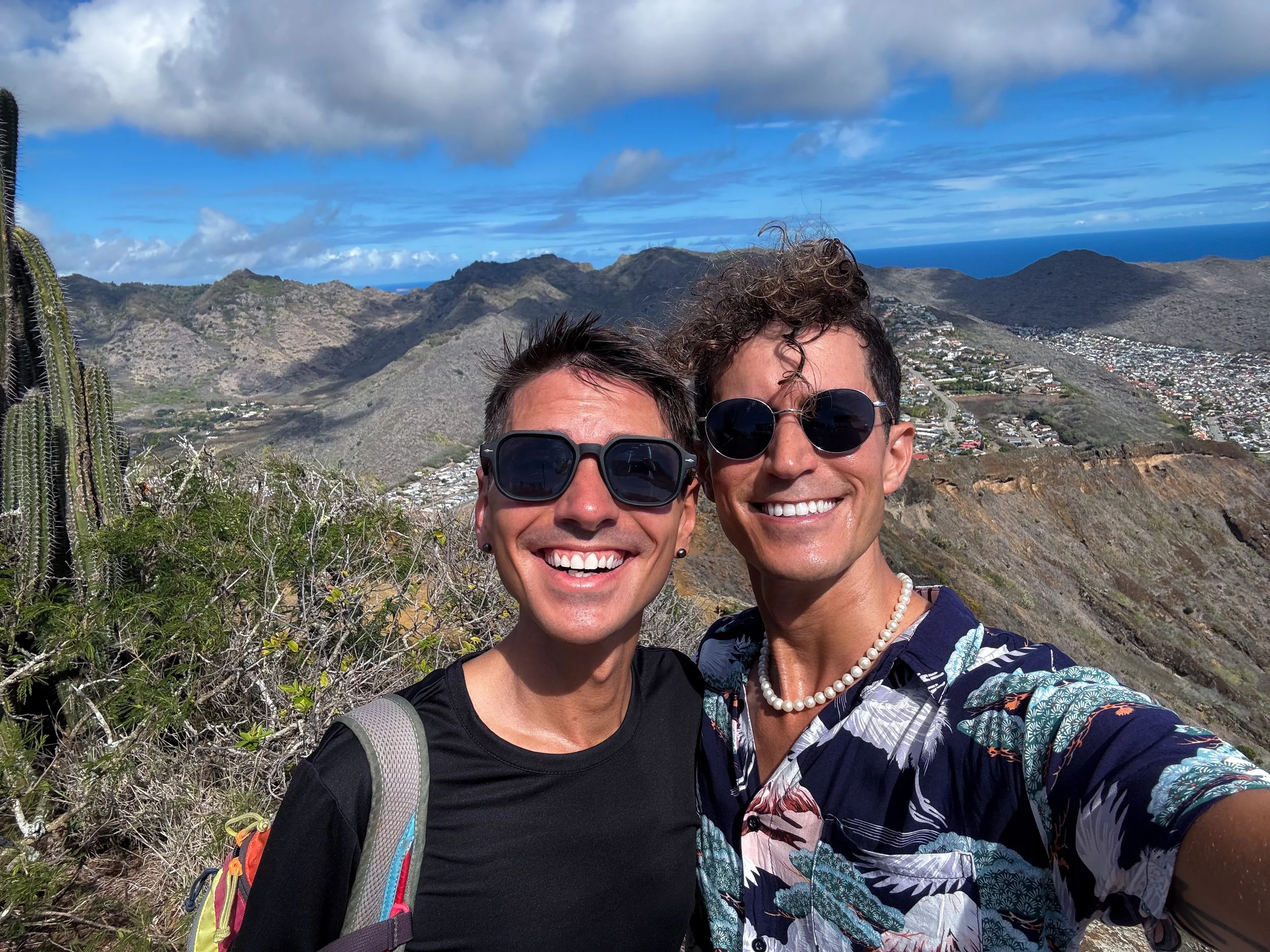
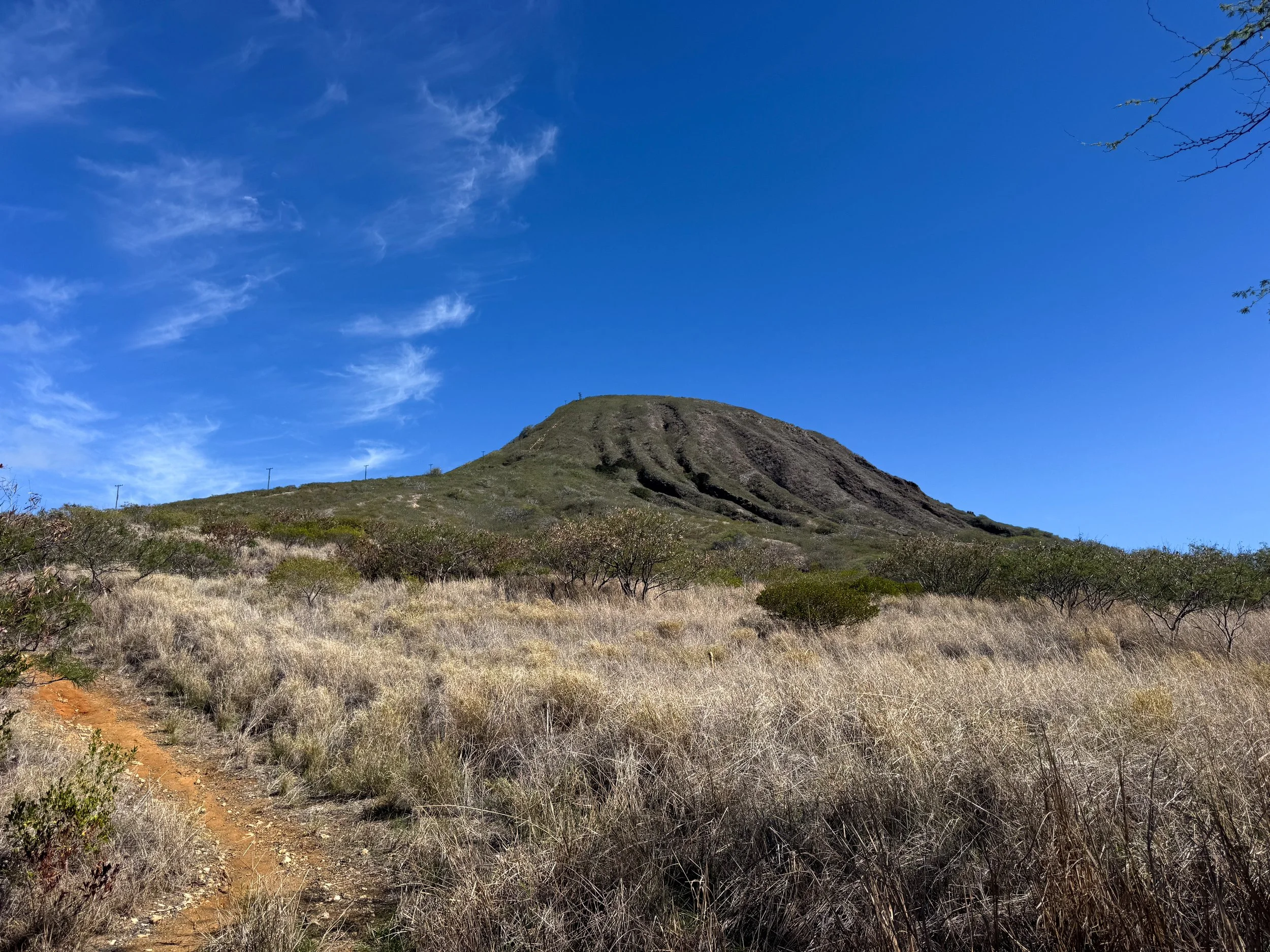
Koko Crater Railway Trail. Leading up the steep slopes of Koko Crater is an abandoned railway converted into a trail. Hikers use railroad ties like stairs to reach the summit with rewarding views of the island’s volcanic landscape and coastline. It’s a strenuous trek, taking about 30 minutes one way.
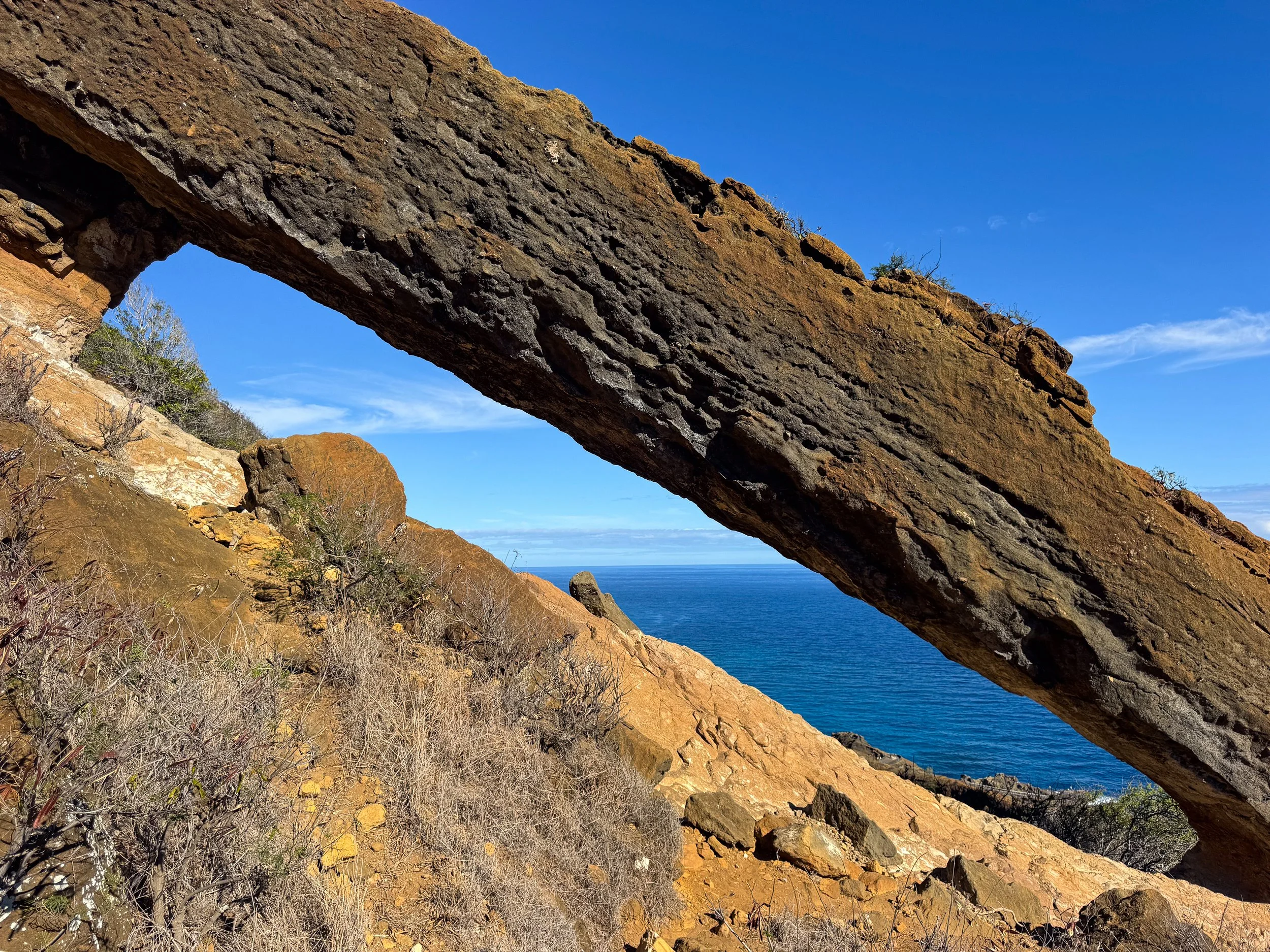
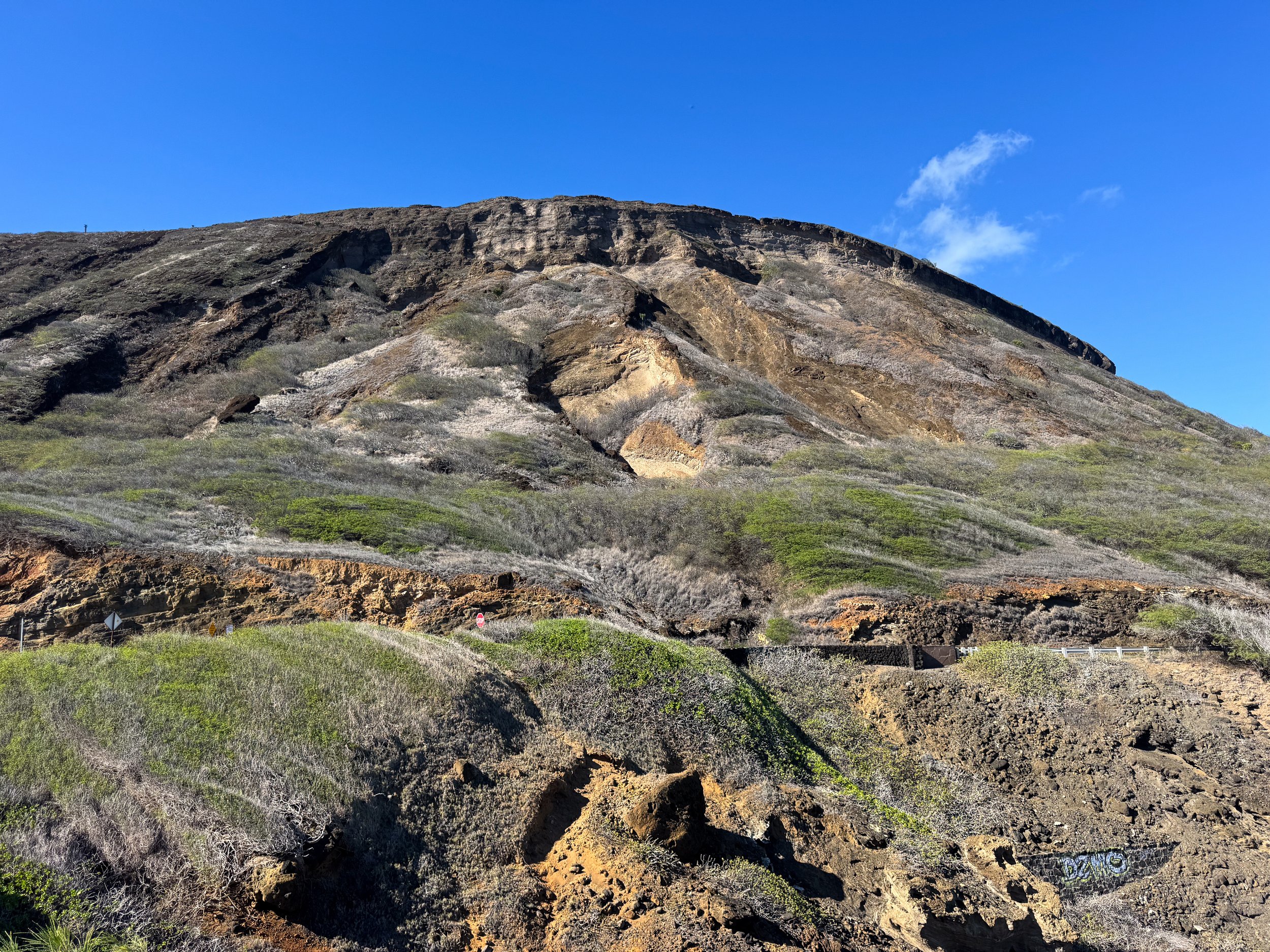
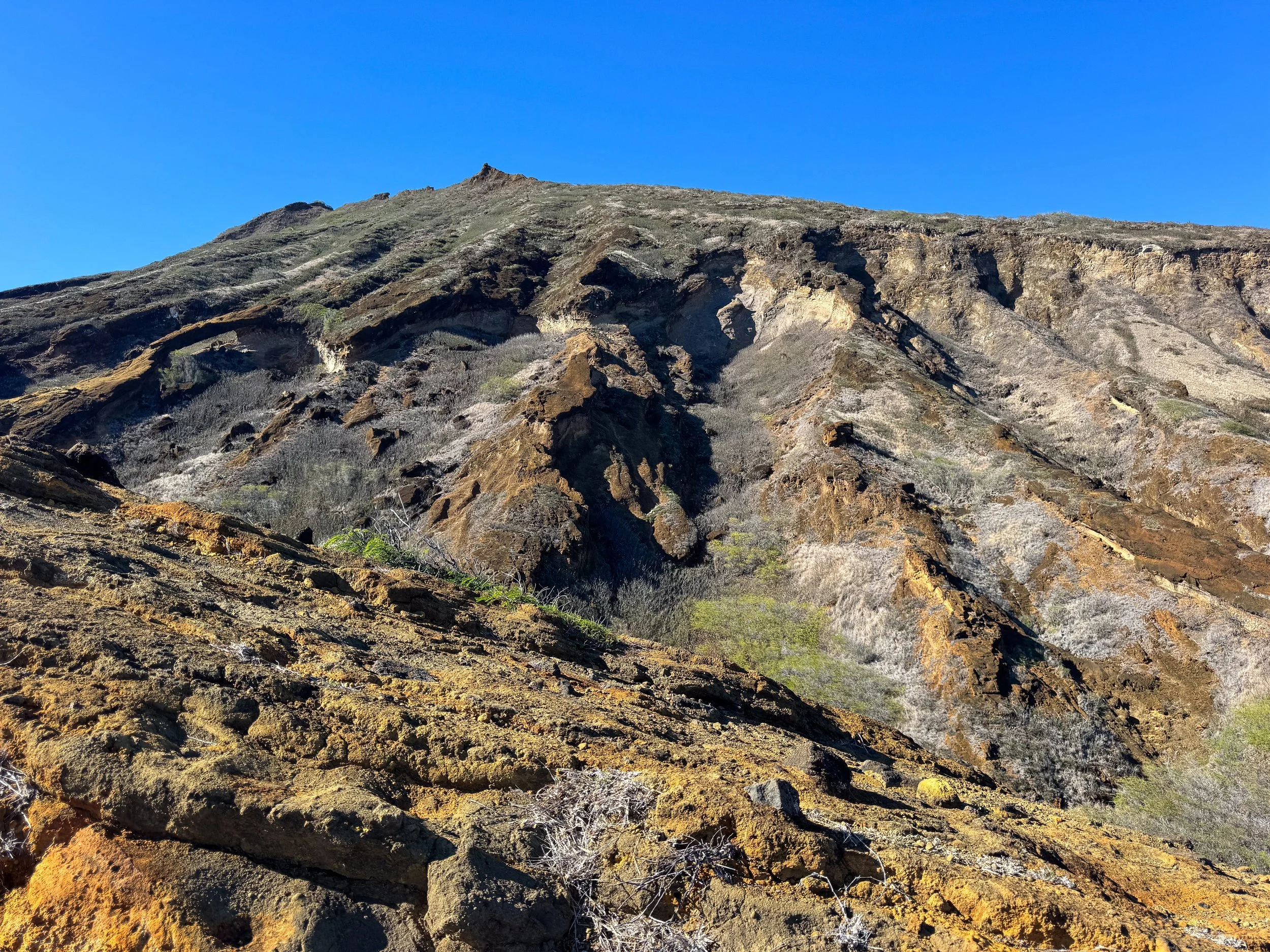
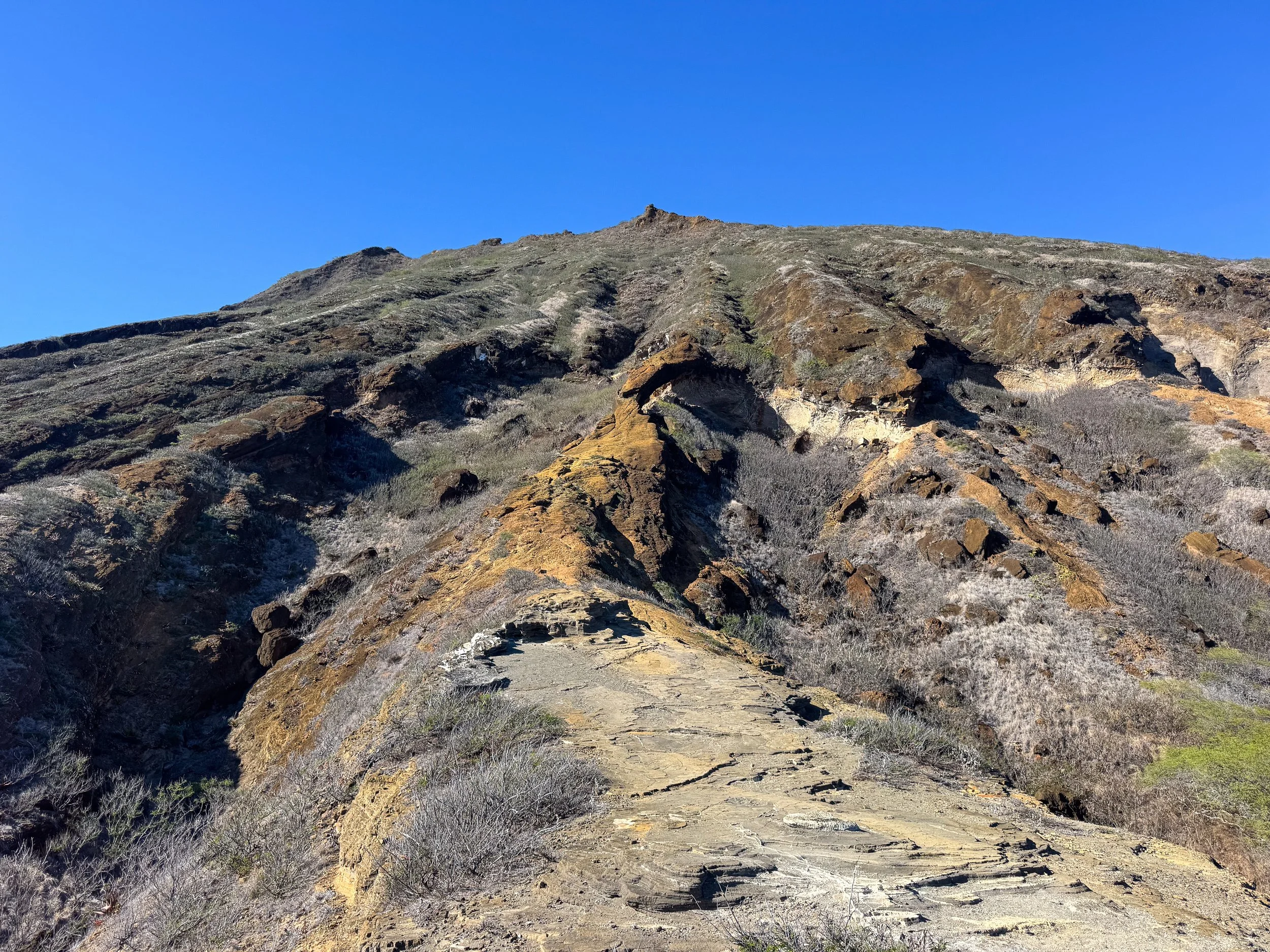
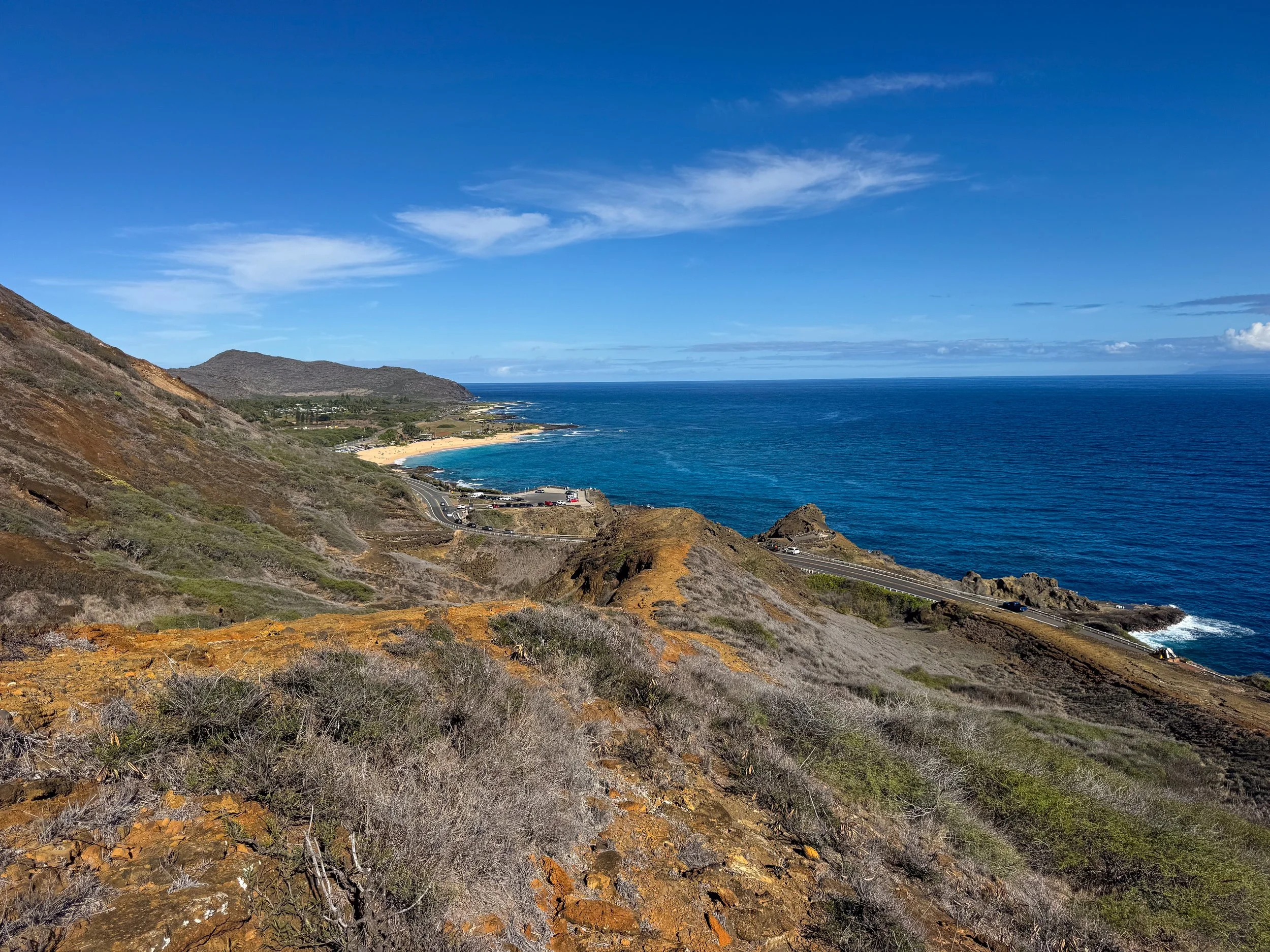
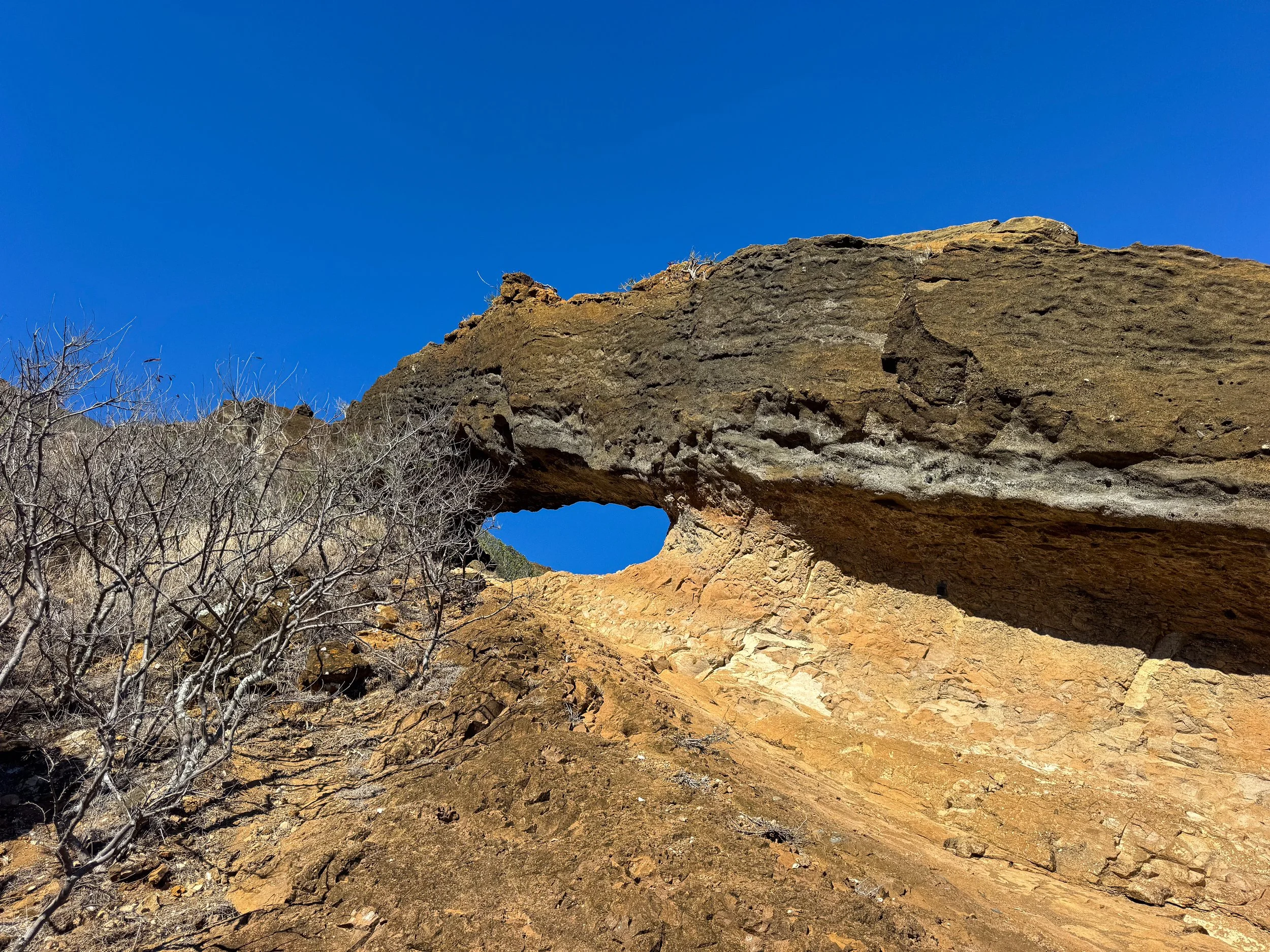
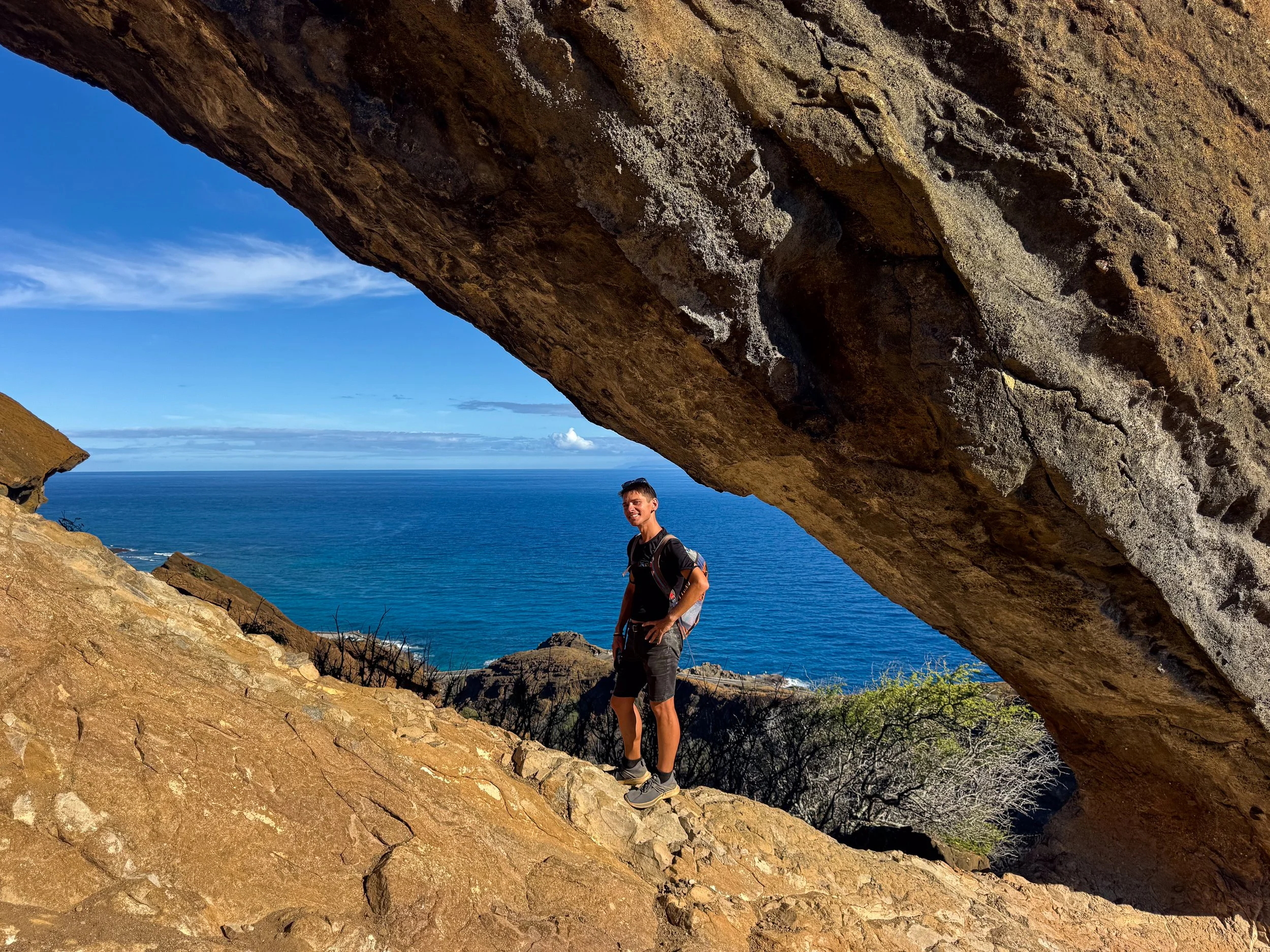
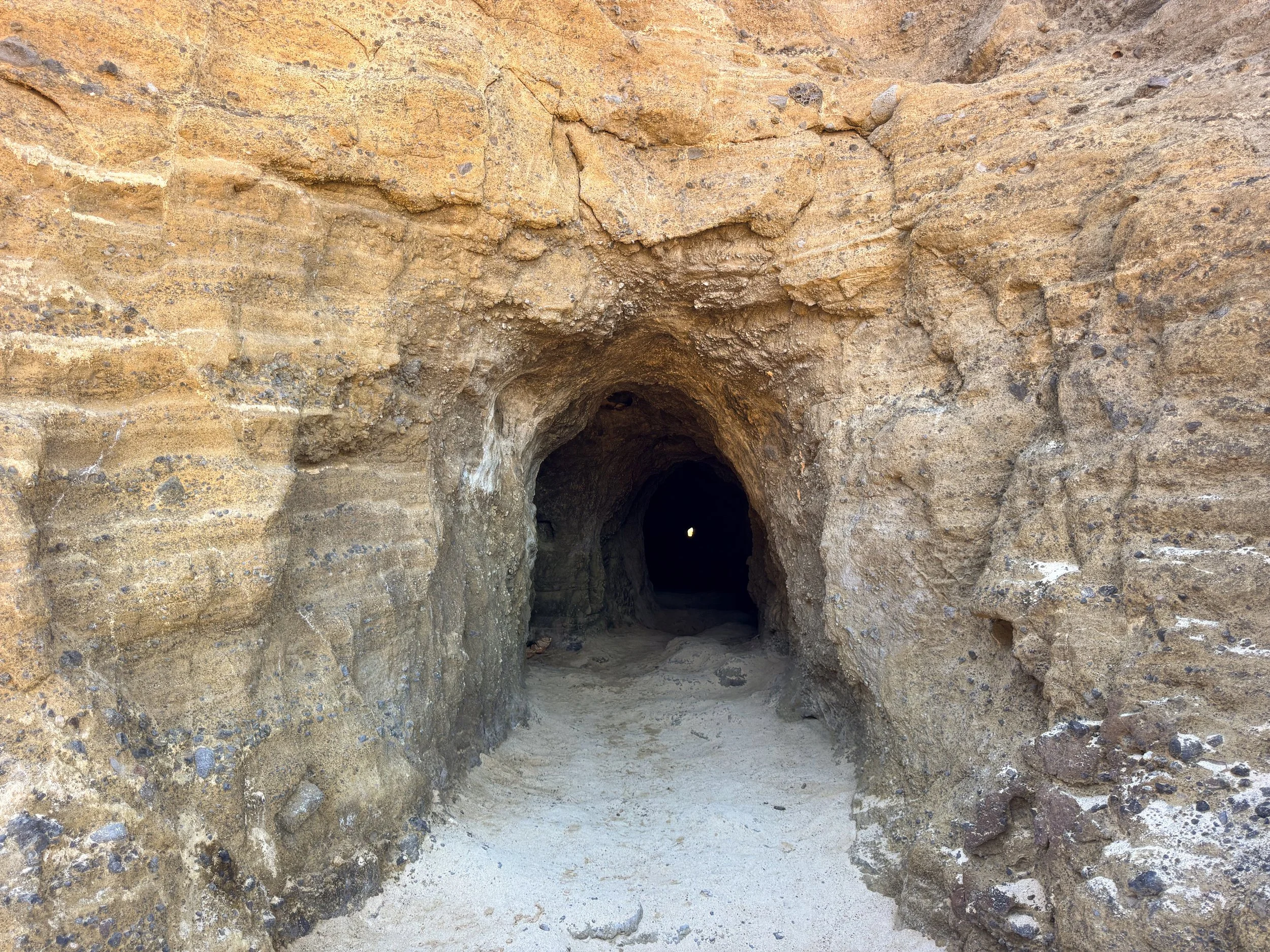
Koko Crater Arch Trail. Few hikes are as adventurous as the trek to the Koko Crater Arch! Begin by crawling through the Halona Beach lava tube, minding yourself, as it narrows towards the end. Exit the lava tube and scale up the rocky cliffs to reach the crest of the volcanic ridge. A trail leads along the crest to a golden patch of rock. Veer left before the steepest part to approach the arch from the side.
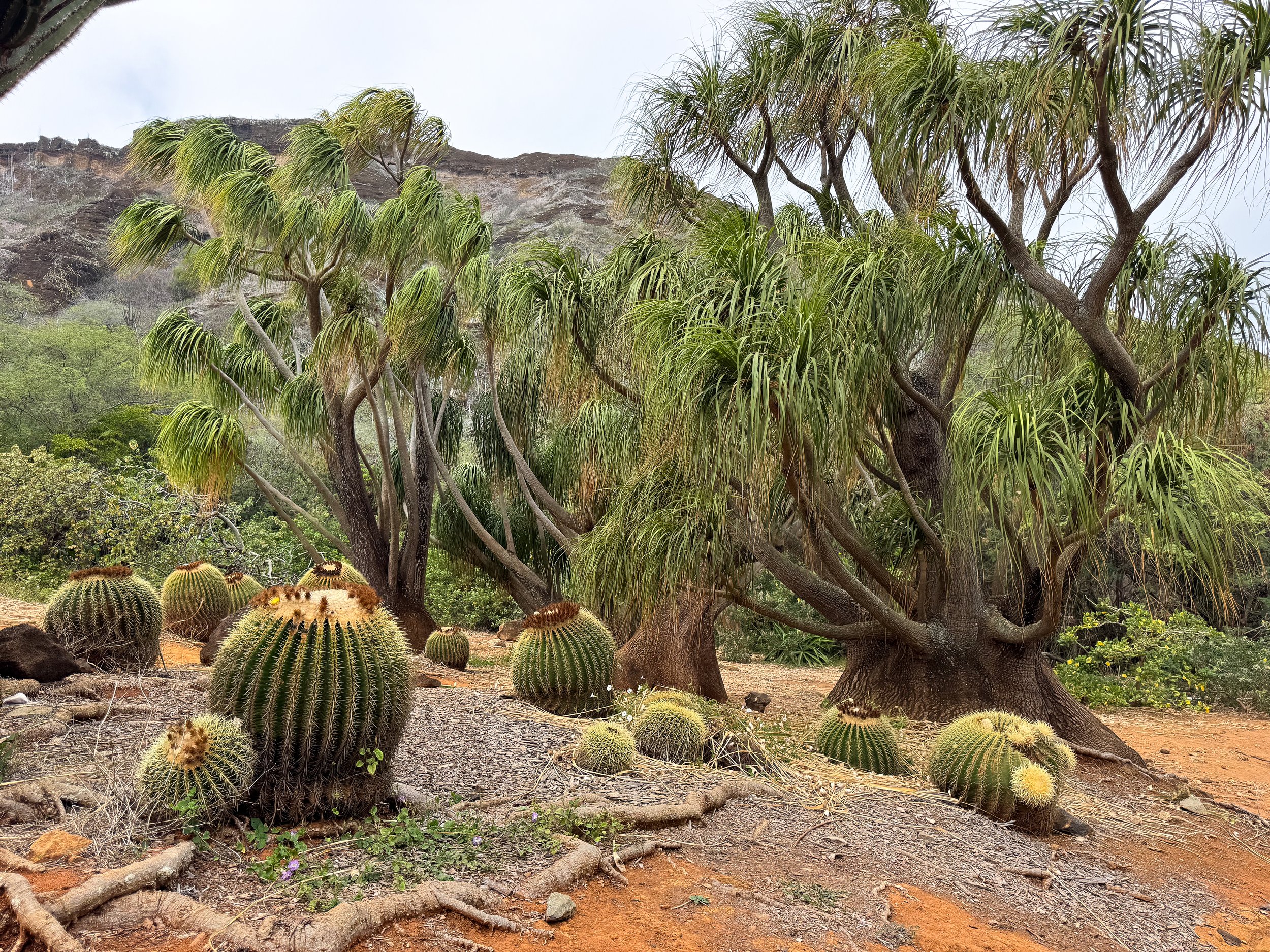
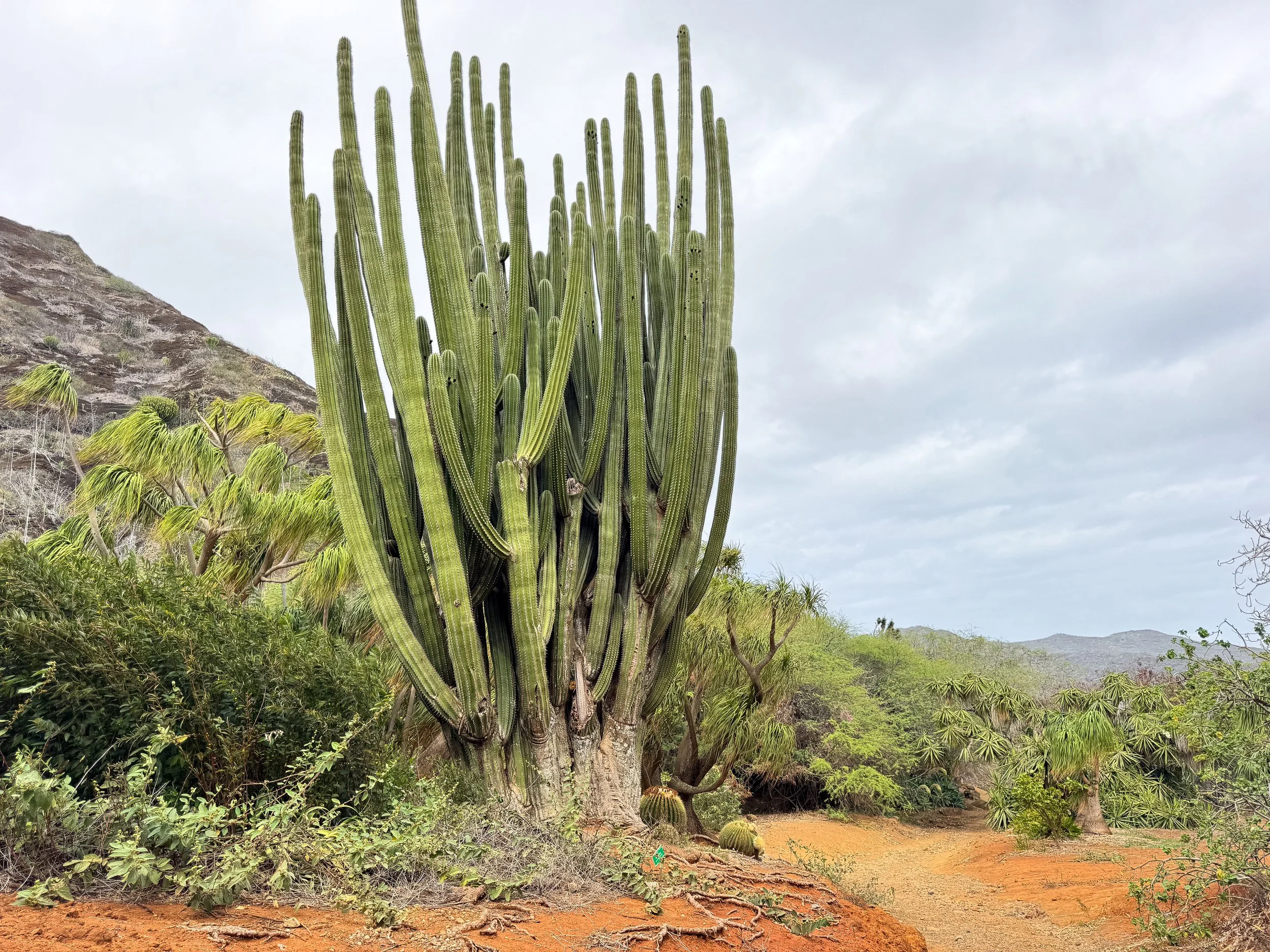
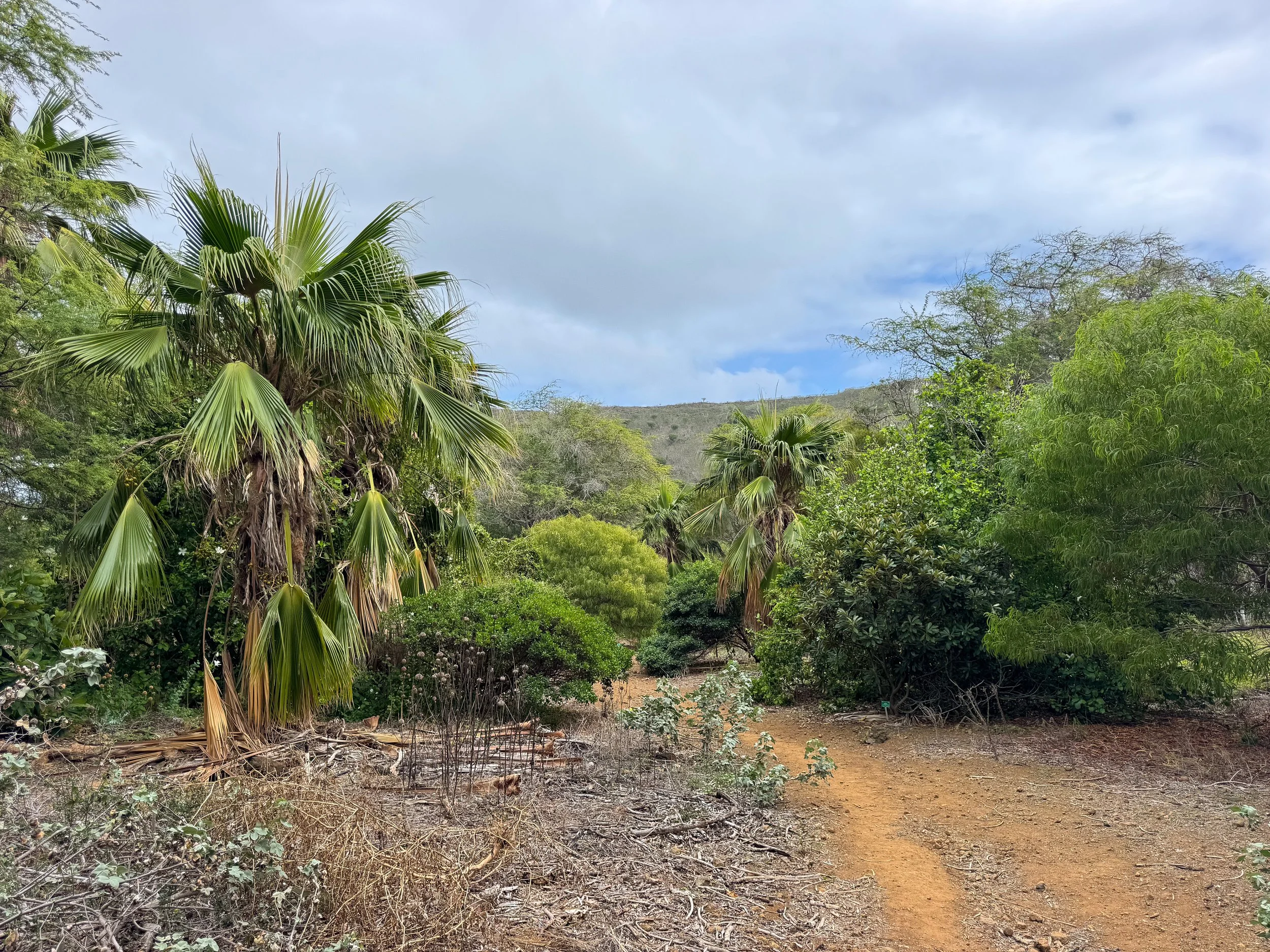
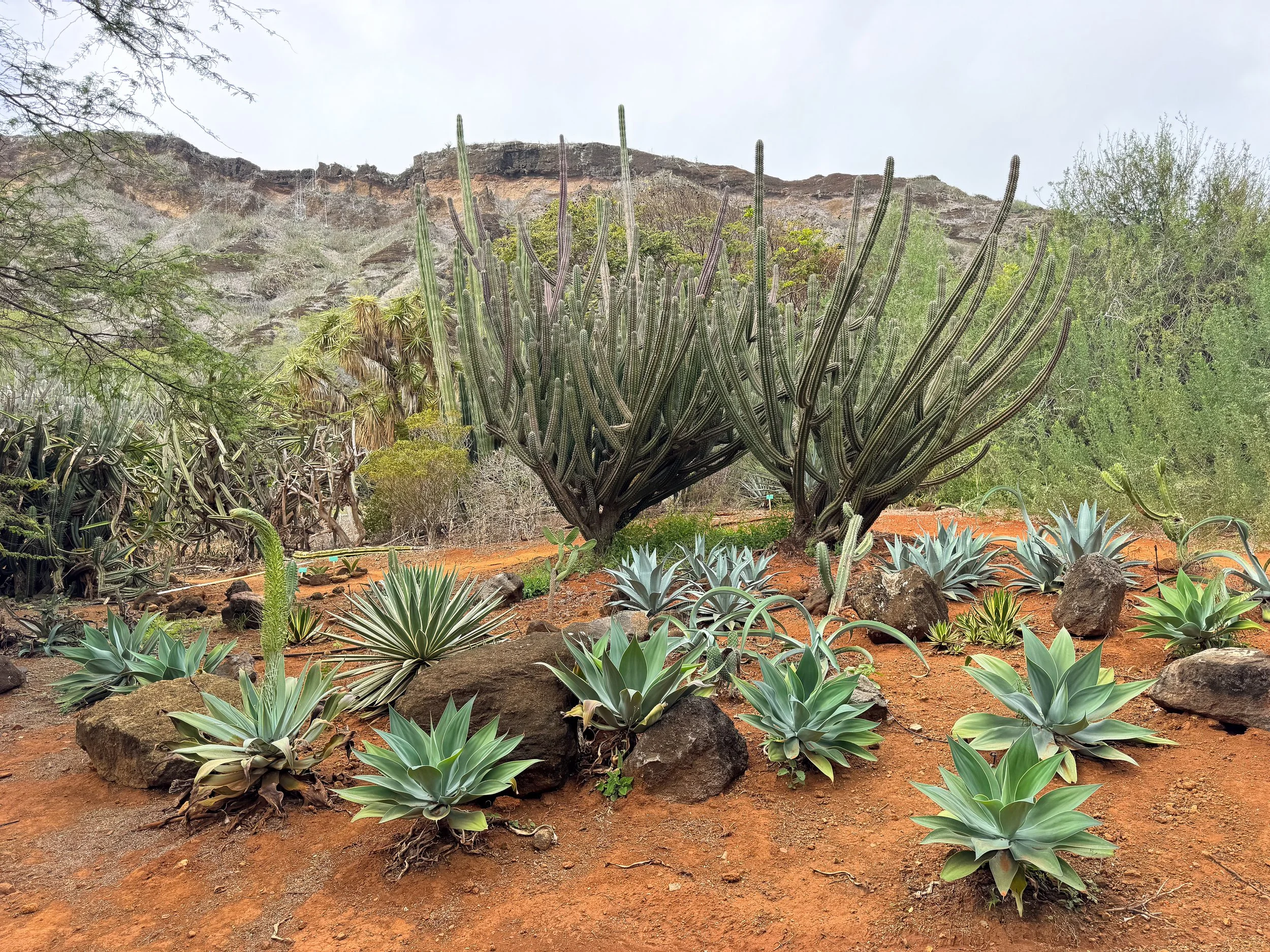
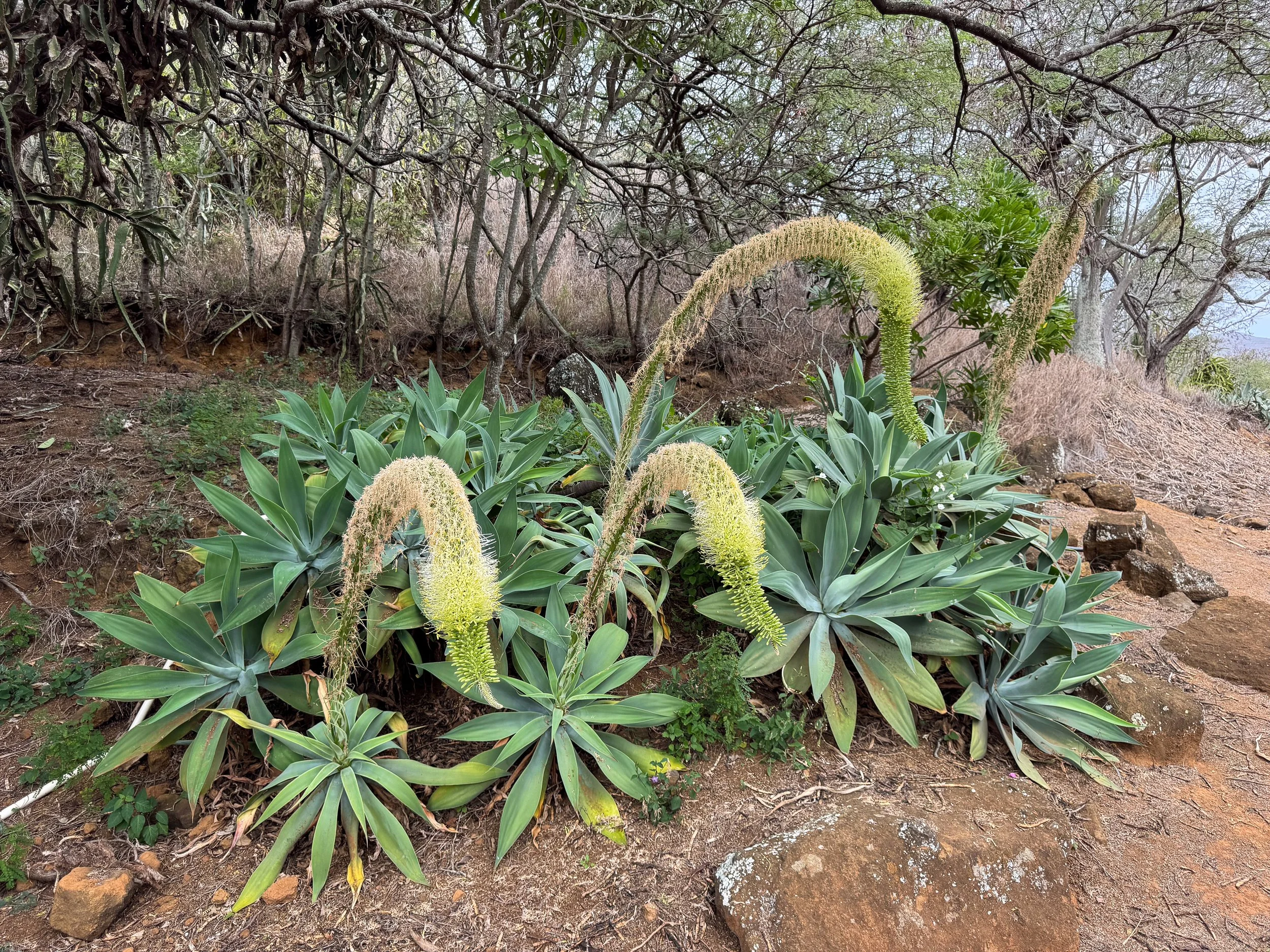
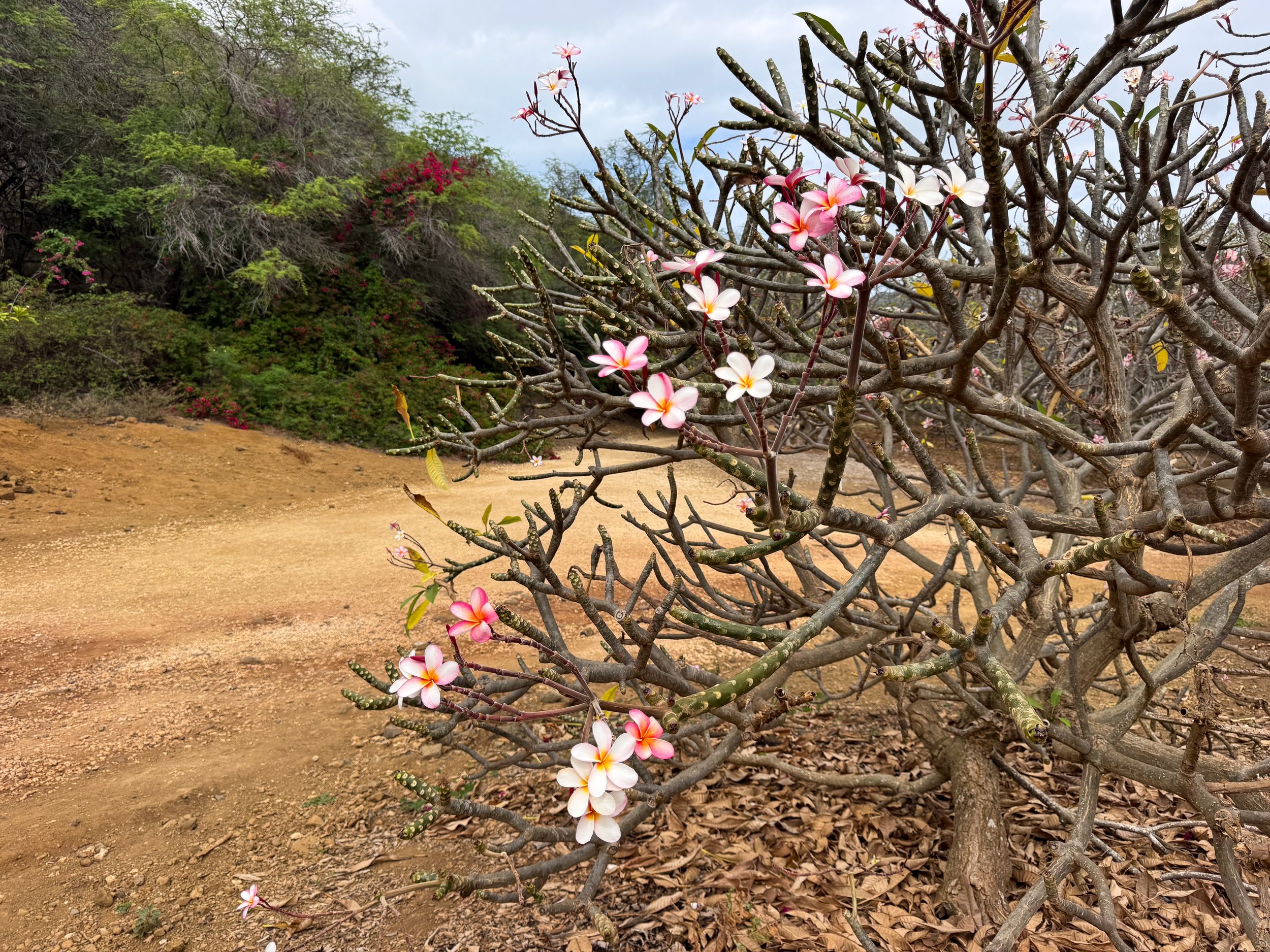
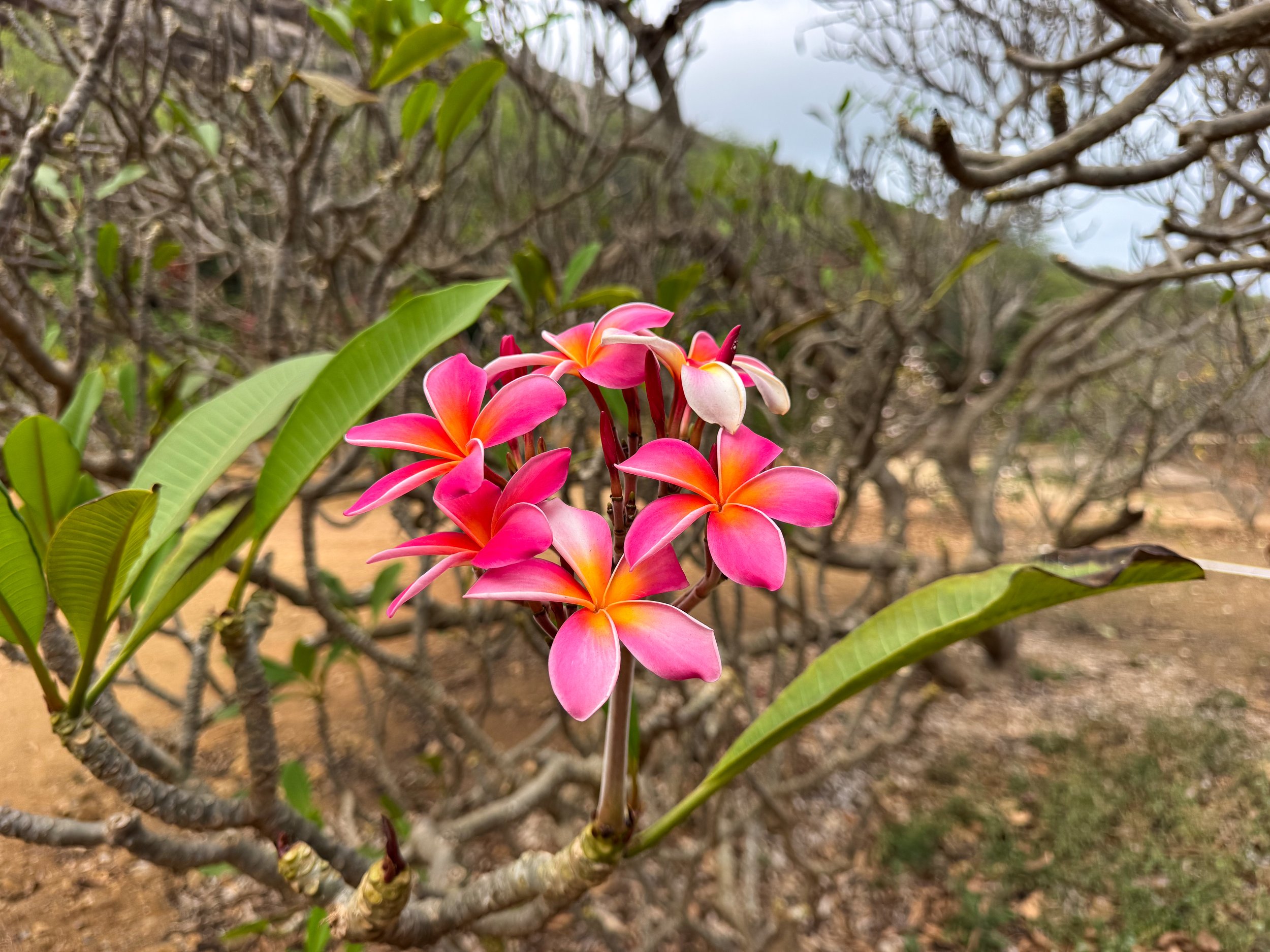
Koko Crater Botanical Garden. The floor of Koko Crater is home to a botanical garden with a variety of flora and fauna. A trail loops through groves of plumeria & hibiscus trees, gardens with desert cacti & dry palms and sections of Hawaiian & African plants. Wild mongooses roam free while red-crested cardinals fly between trees.
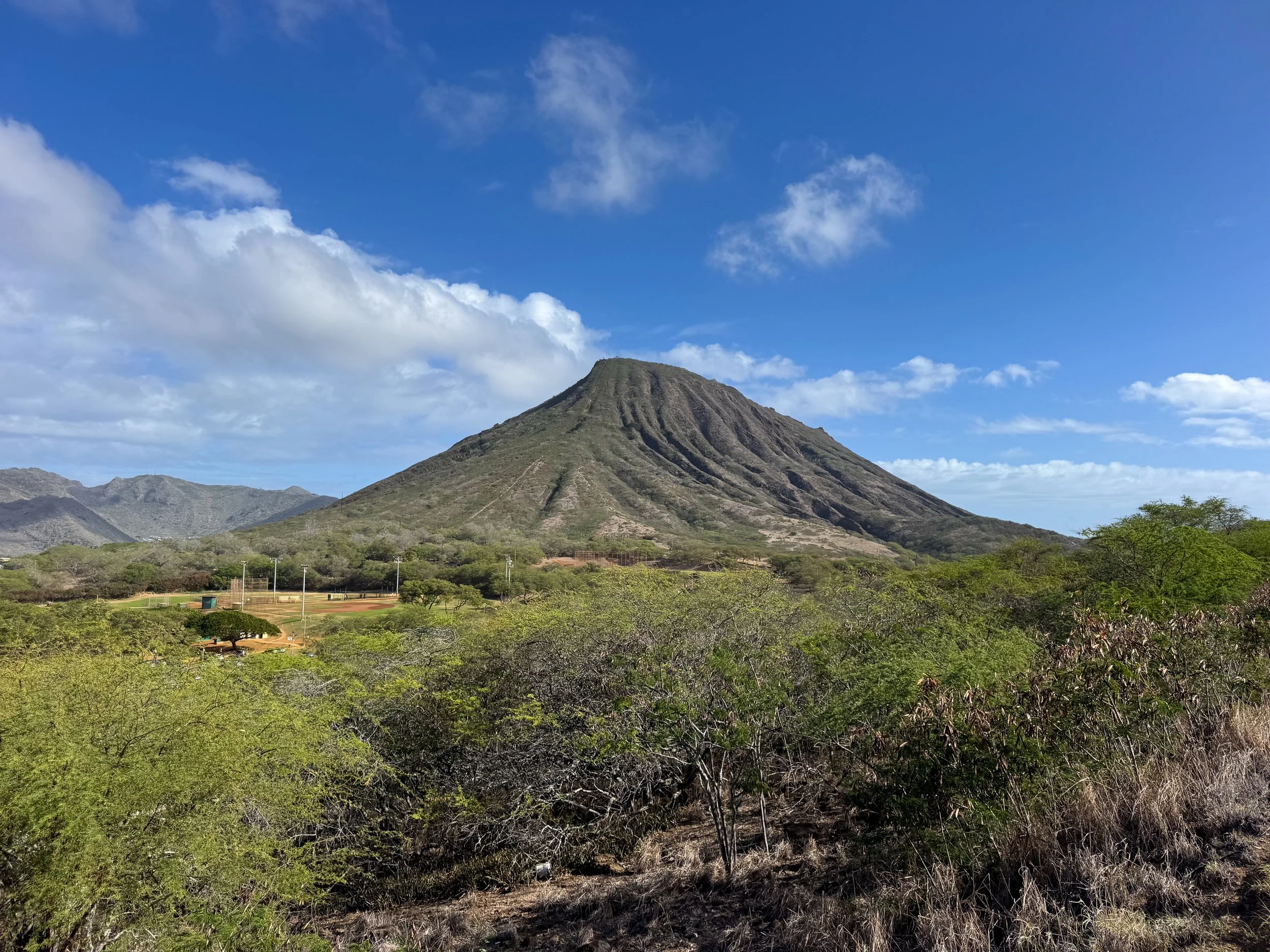
Hawaii Kai Lookout. A roadside lookout with picturesque views of Koko Crater. Stop for a photo en route to or from Hanauma Bay.
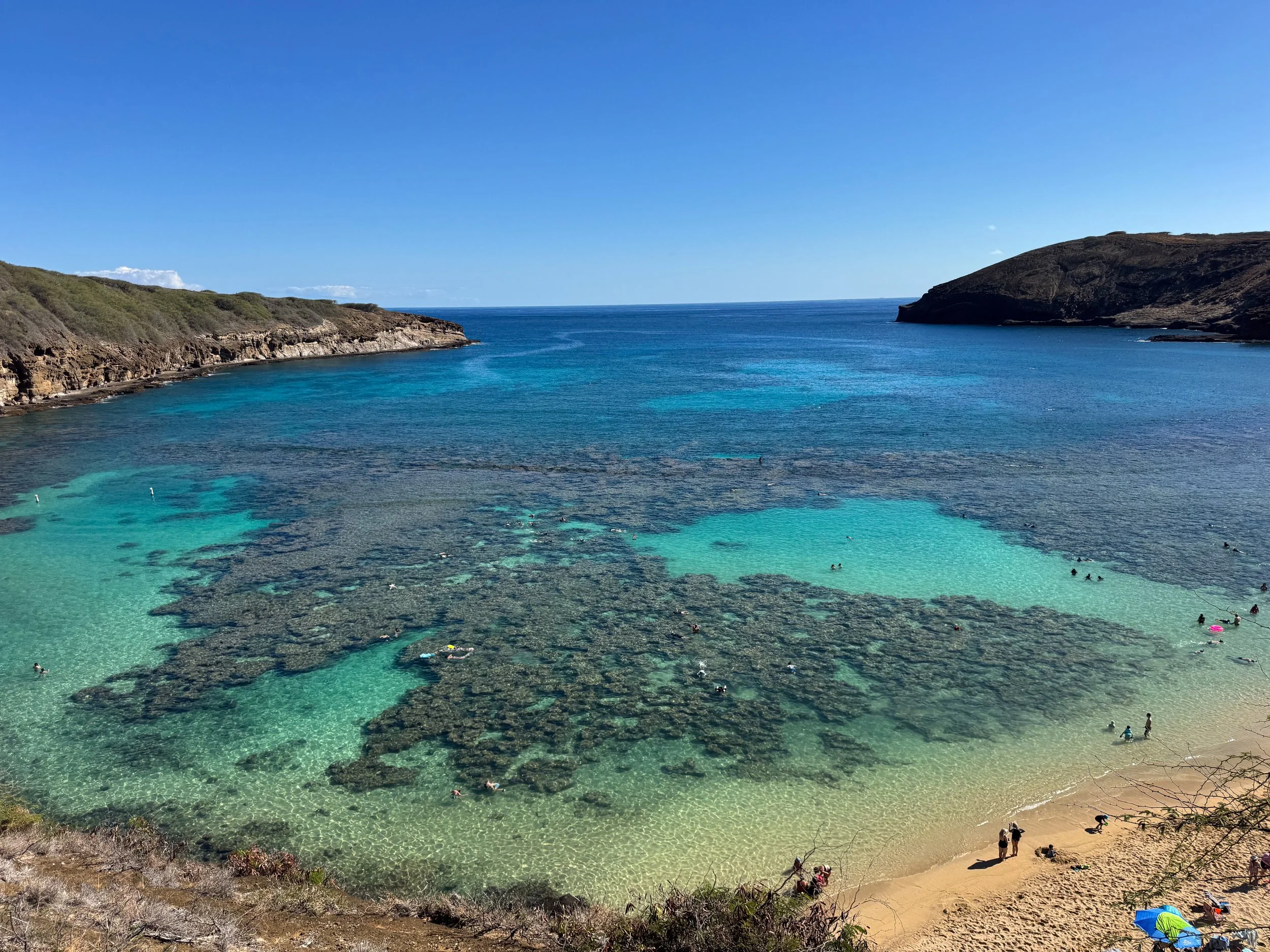
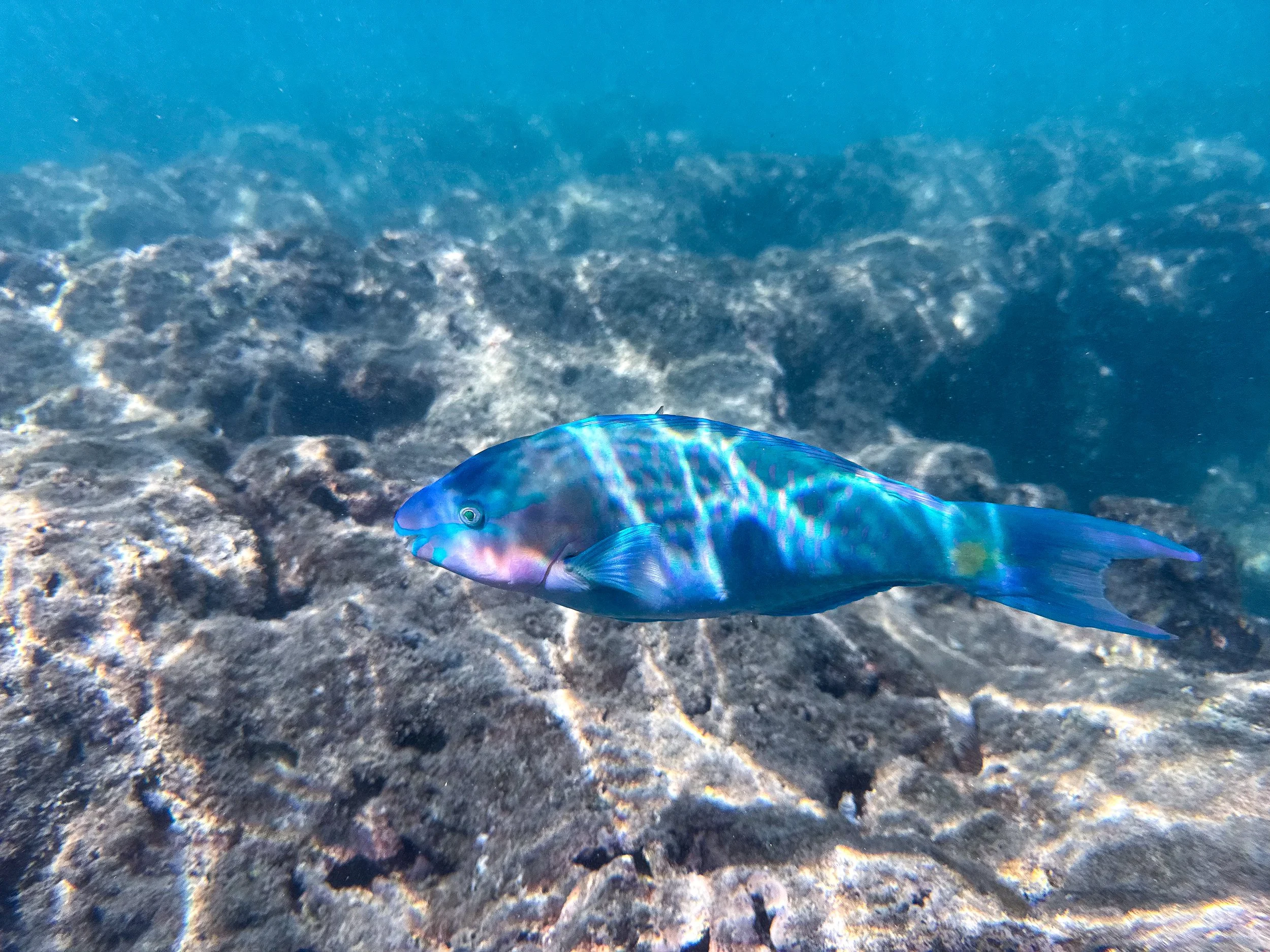
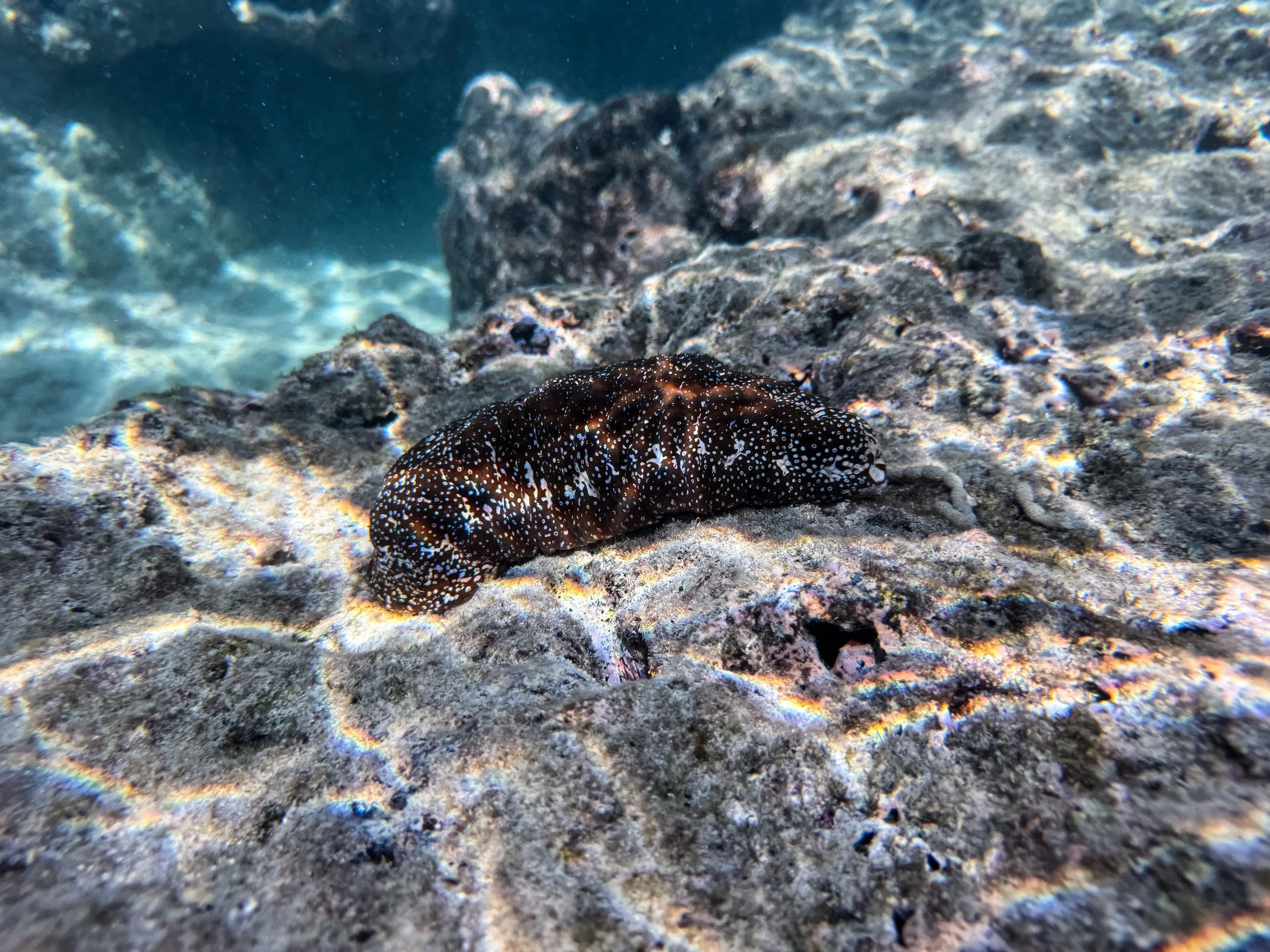
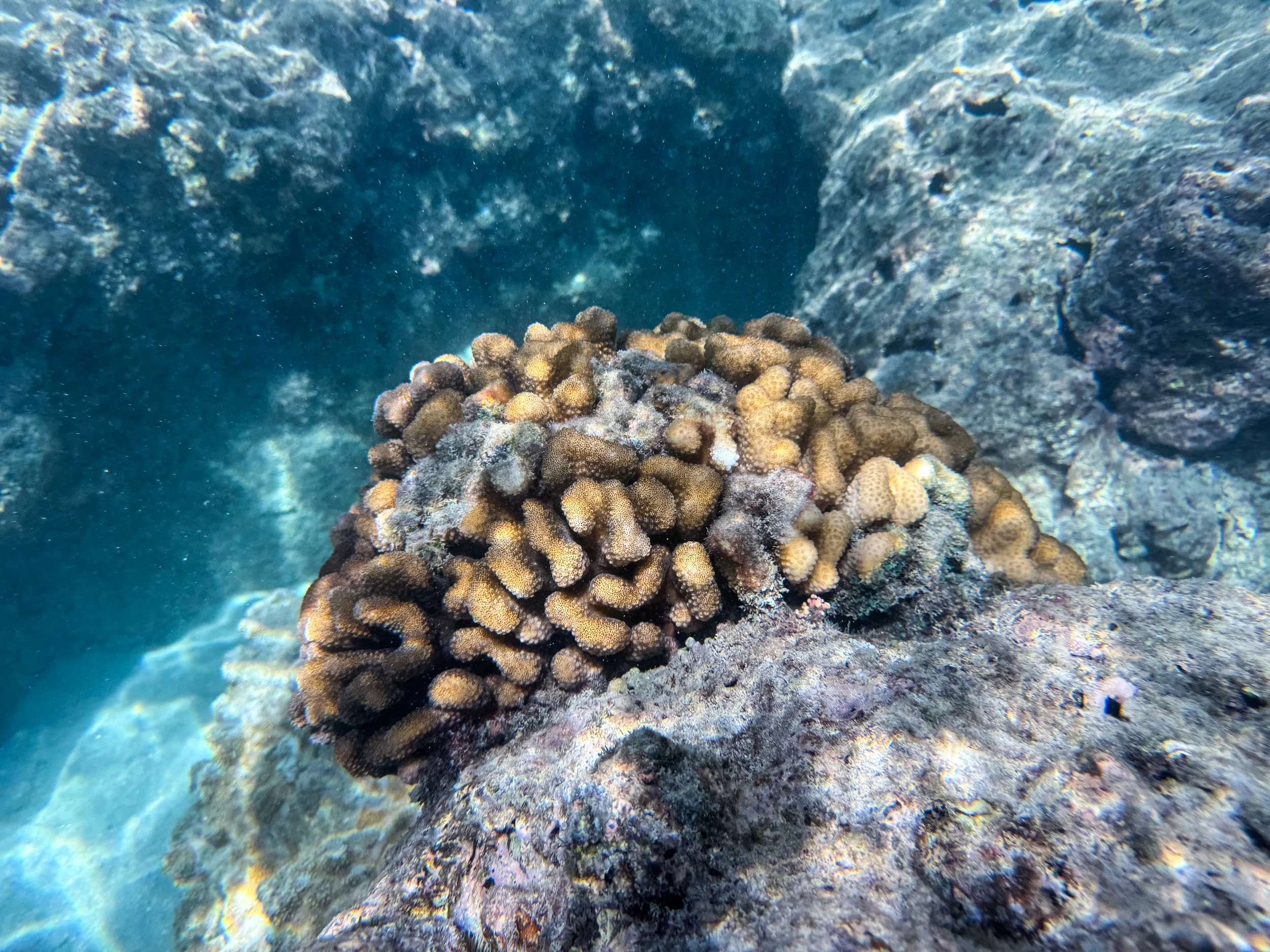
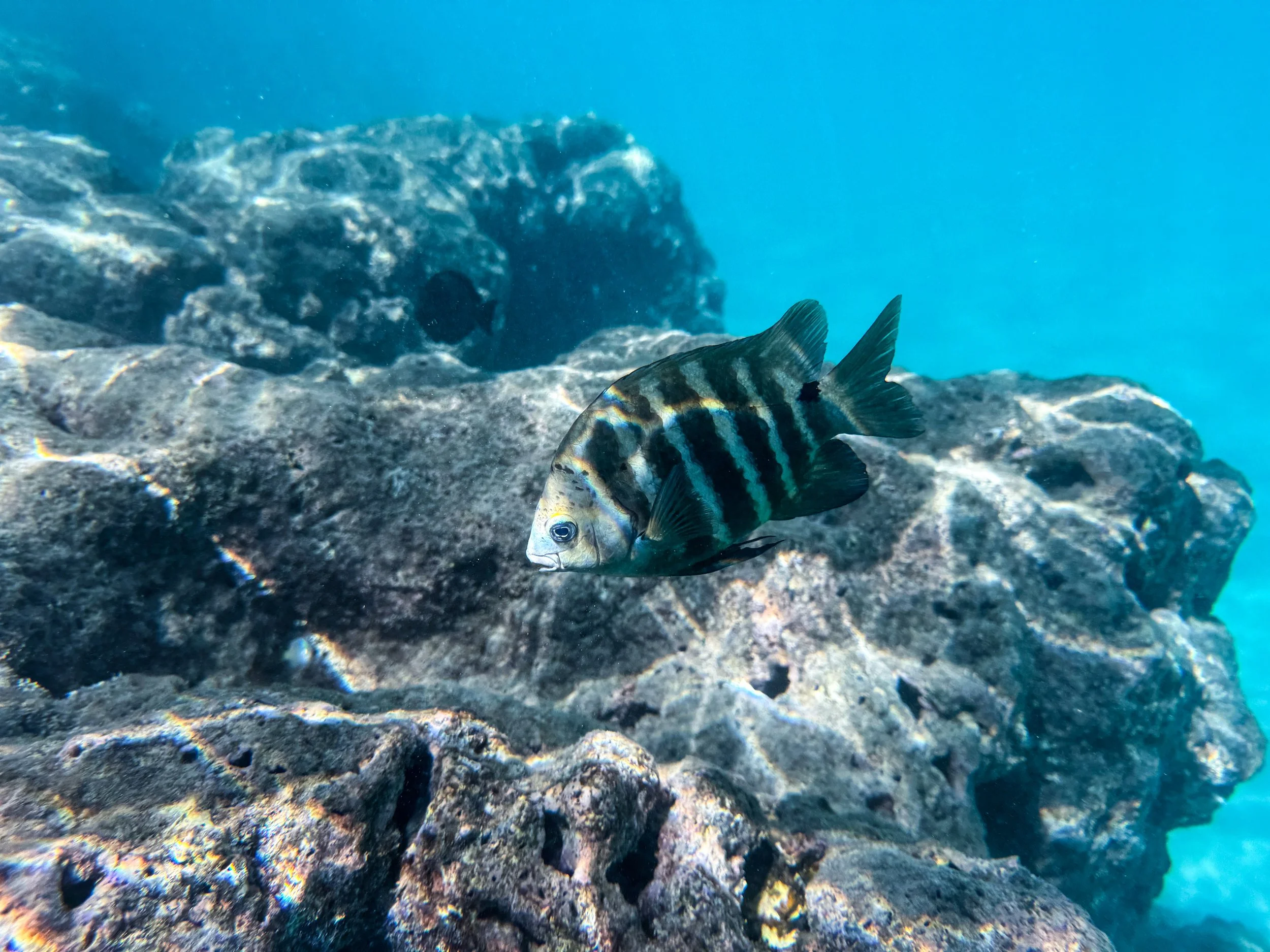
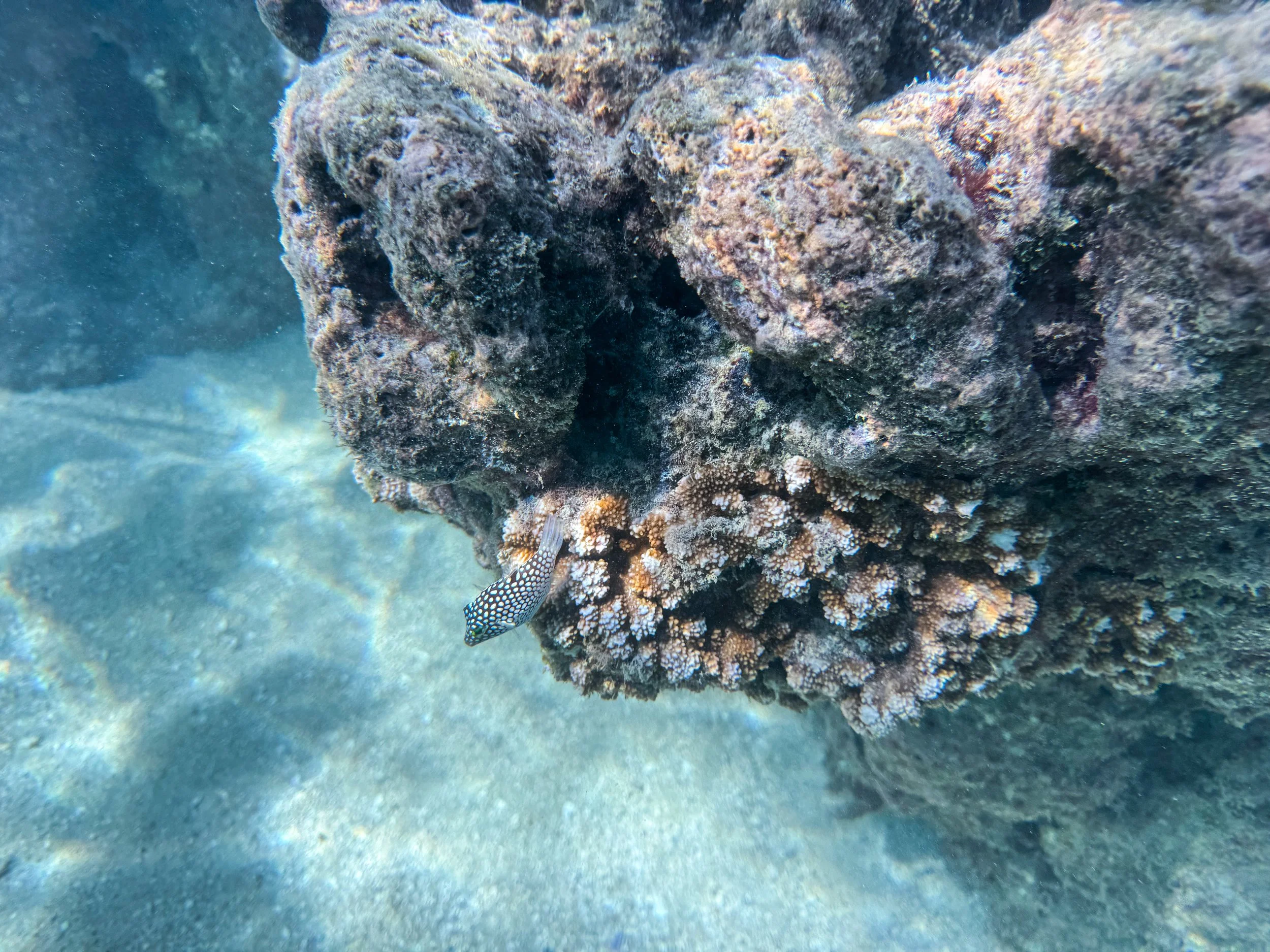
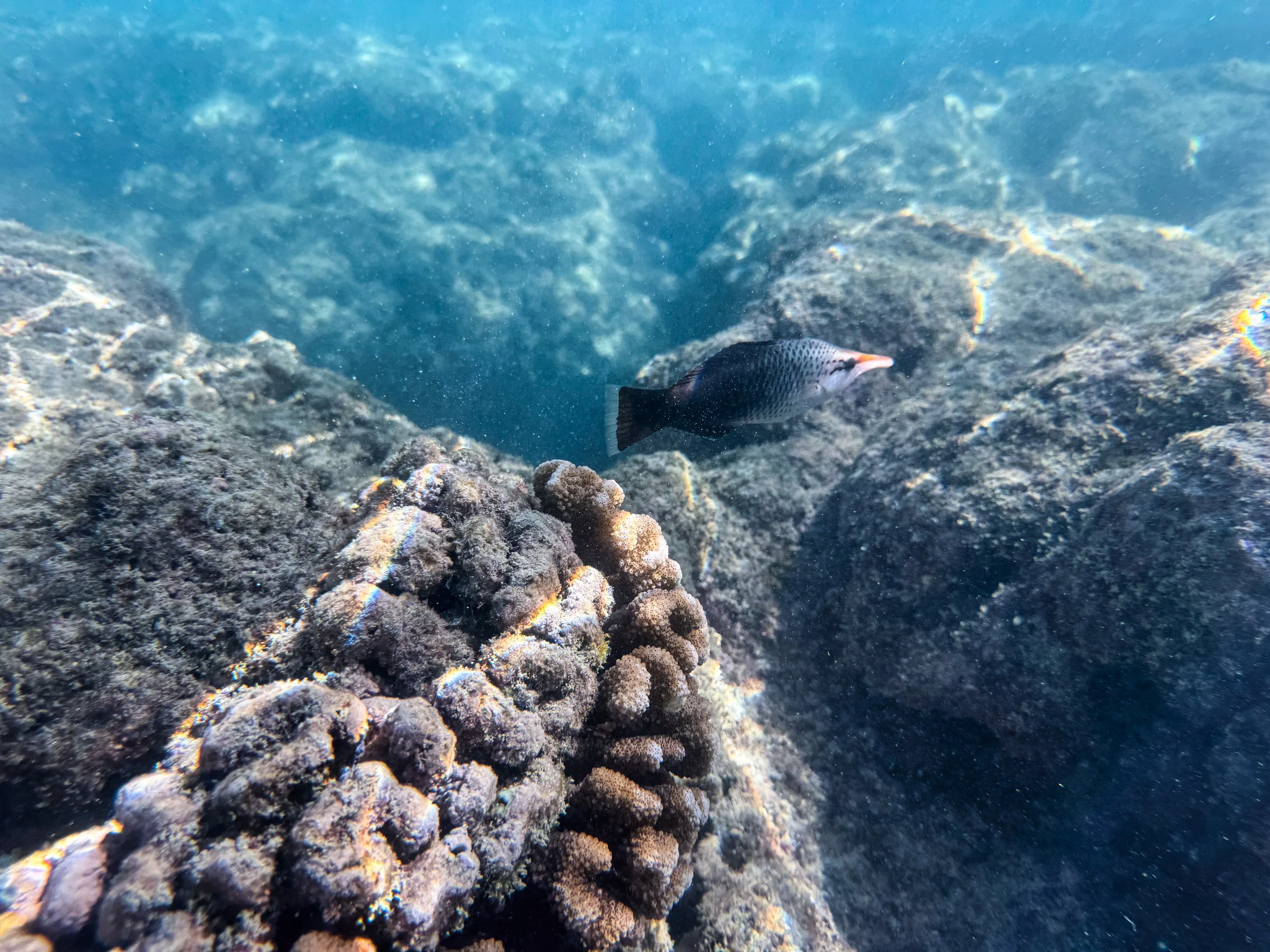
Hanauma Bay Nature Preserve. The eroded crater of an extinct volcano frames the turquoise waters of Hanauma Bay. Beneath its surface are colonies of algae covered rocks, colorful corals and a variety of tropical fish, including endemic species only found here. Snorkel throughout the bay and relax onshore.
Good to Know. Bring your own snorkel gear or rent it at the beach kiosk. Don’t wear fins in shallow waters to avoid kicking algae covered rocks and corals. Wear reef safe sunblock.
Tickets. A limited number of visitors are allowed into the bay between Wednesday and Sunday. Tickets are released by the Department of Parks and Recreation at 7am two days in advance. Tickets often sell out within minutes. Be ready to book and prepare for a backup time and date if sold out.
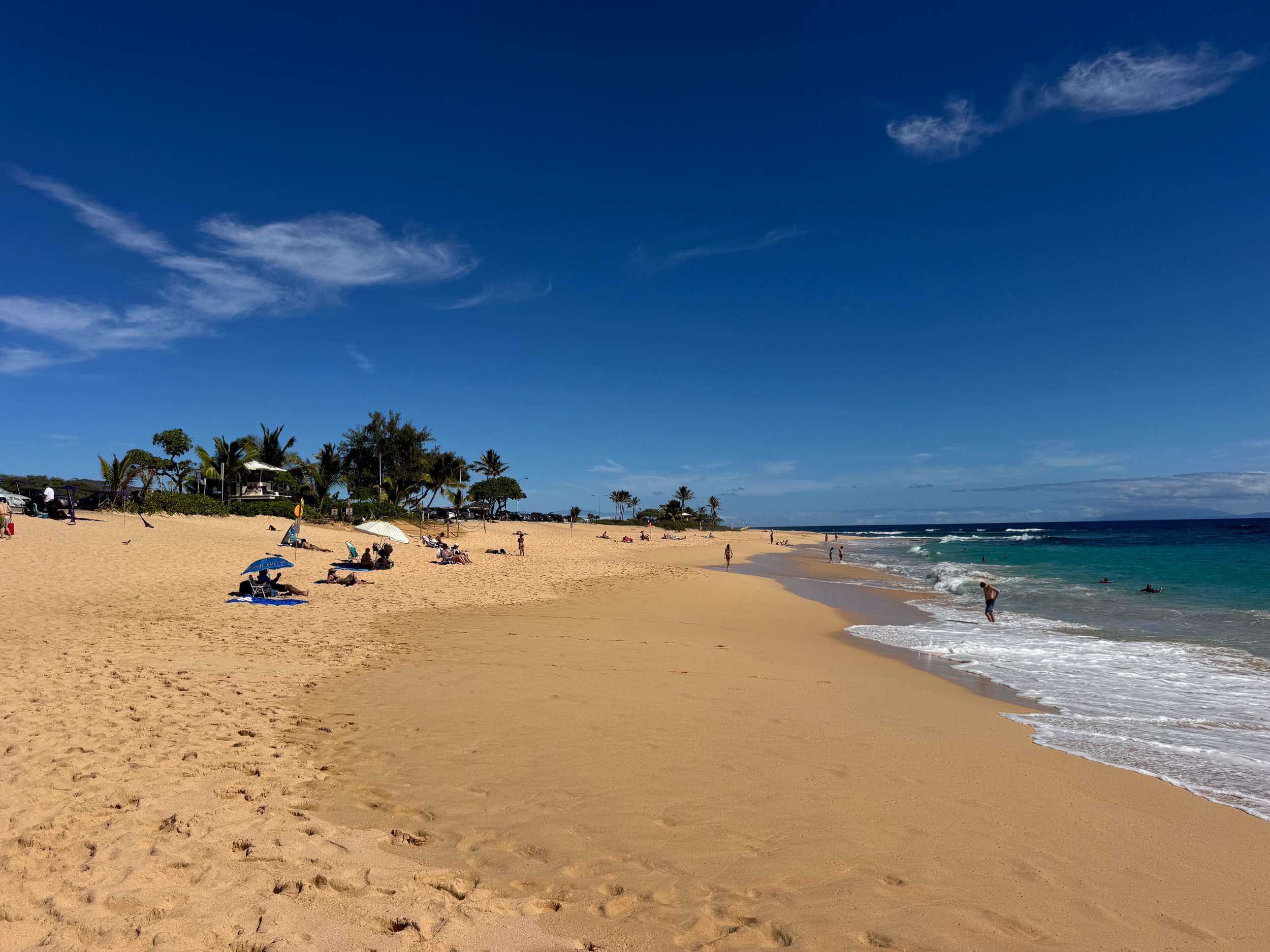
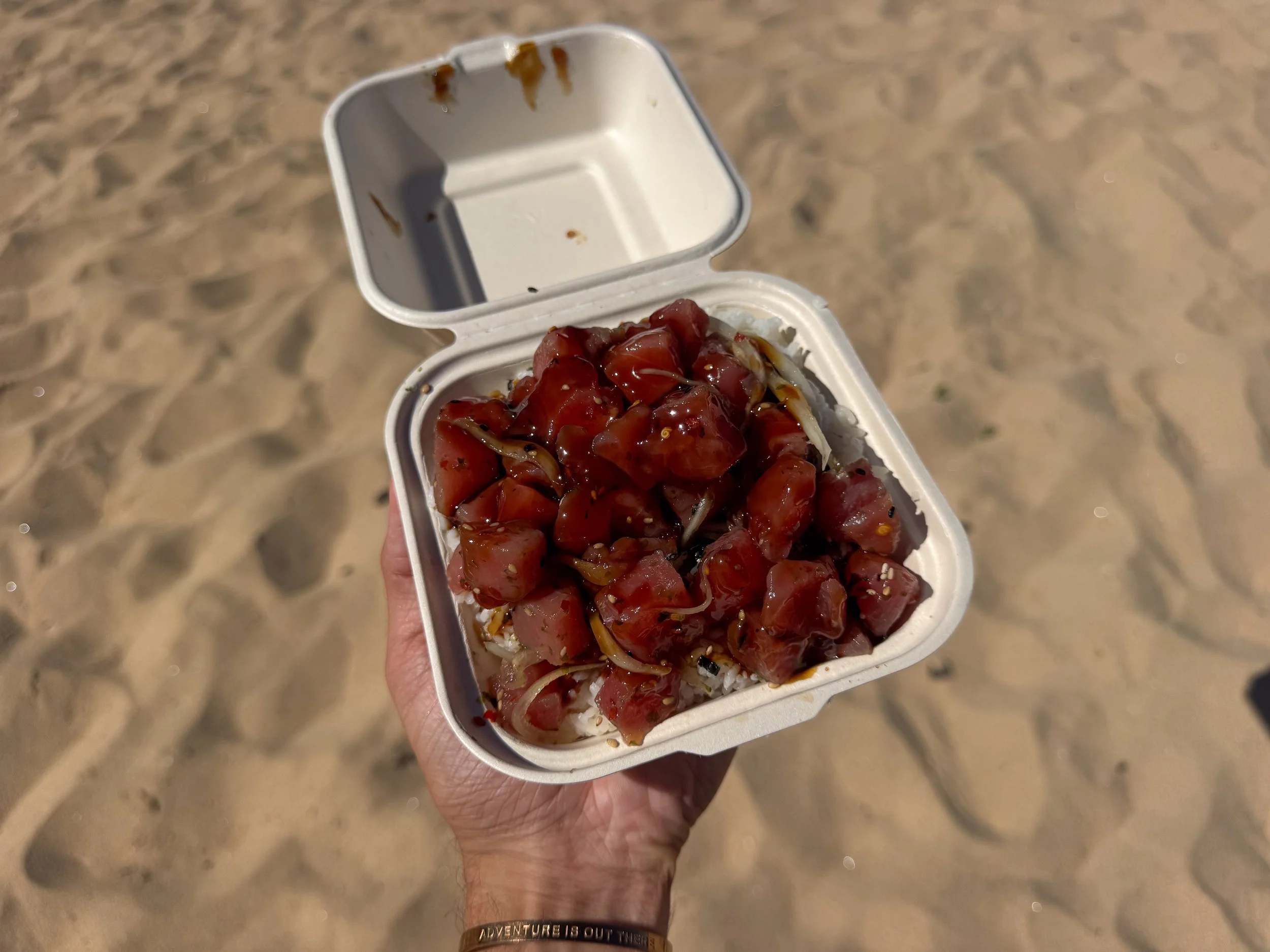
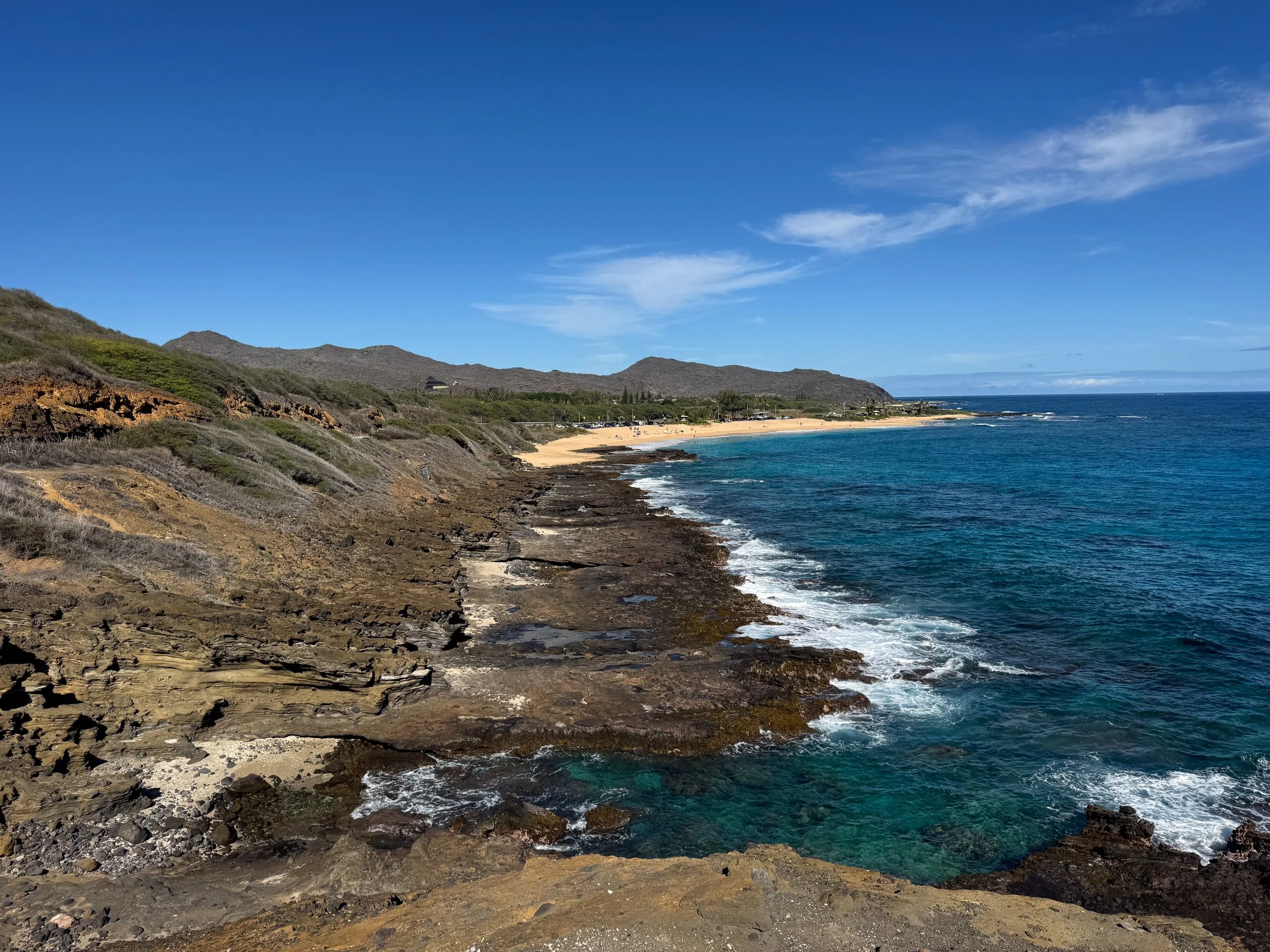
Sandy Beach. Aptly named for its golden sand shore, Sandy Beach is a relaxing place to swim, sunbathe and body surf. Pack a picnic or order poke, shaved ice and Hawaiian juices from the parking lot food truck.
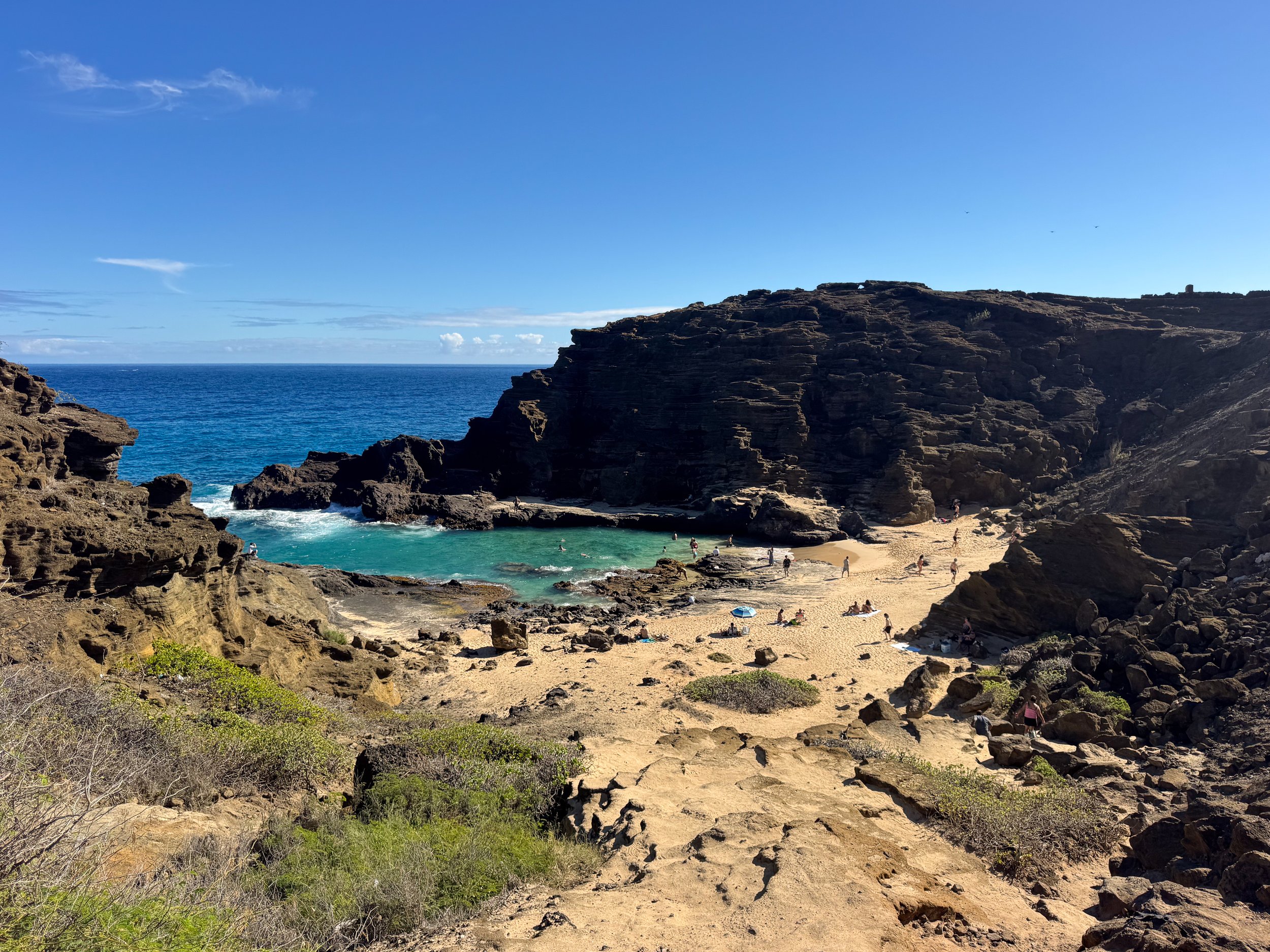
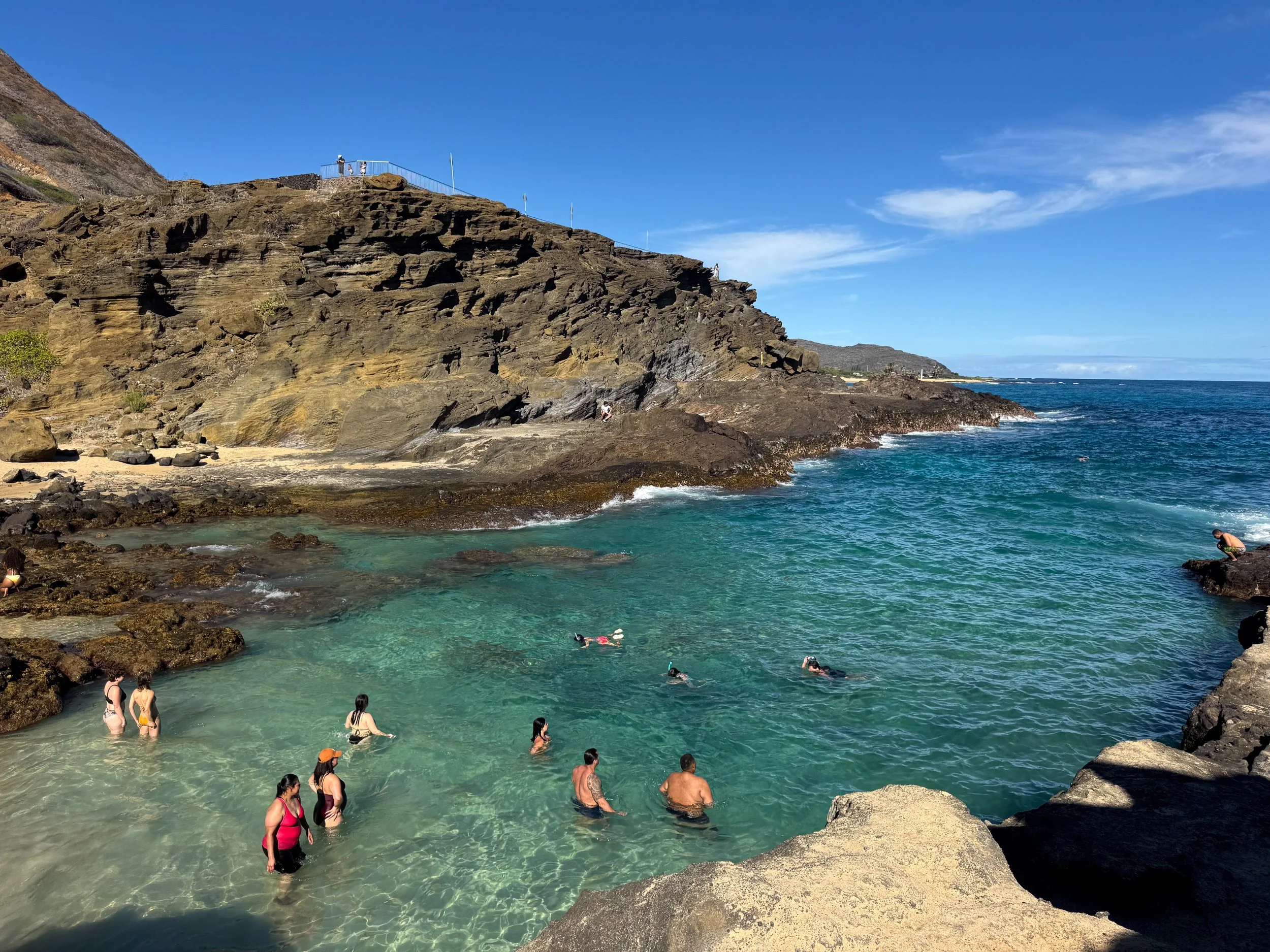
Halona Beach. A small but adventurous beach nestled between jagged coastal cliffs near the Halona Blowhole. The tide creates a natural wave pool in the beach’s protected cove. A narrow lava tube leads from the beach to the Koko Crater Arch Trail.
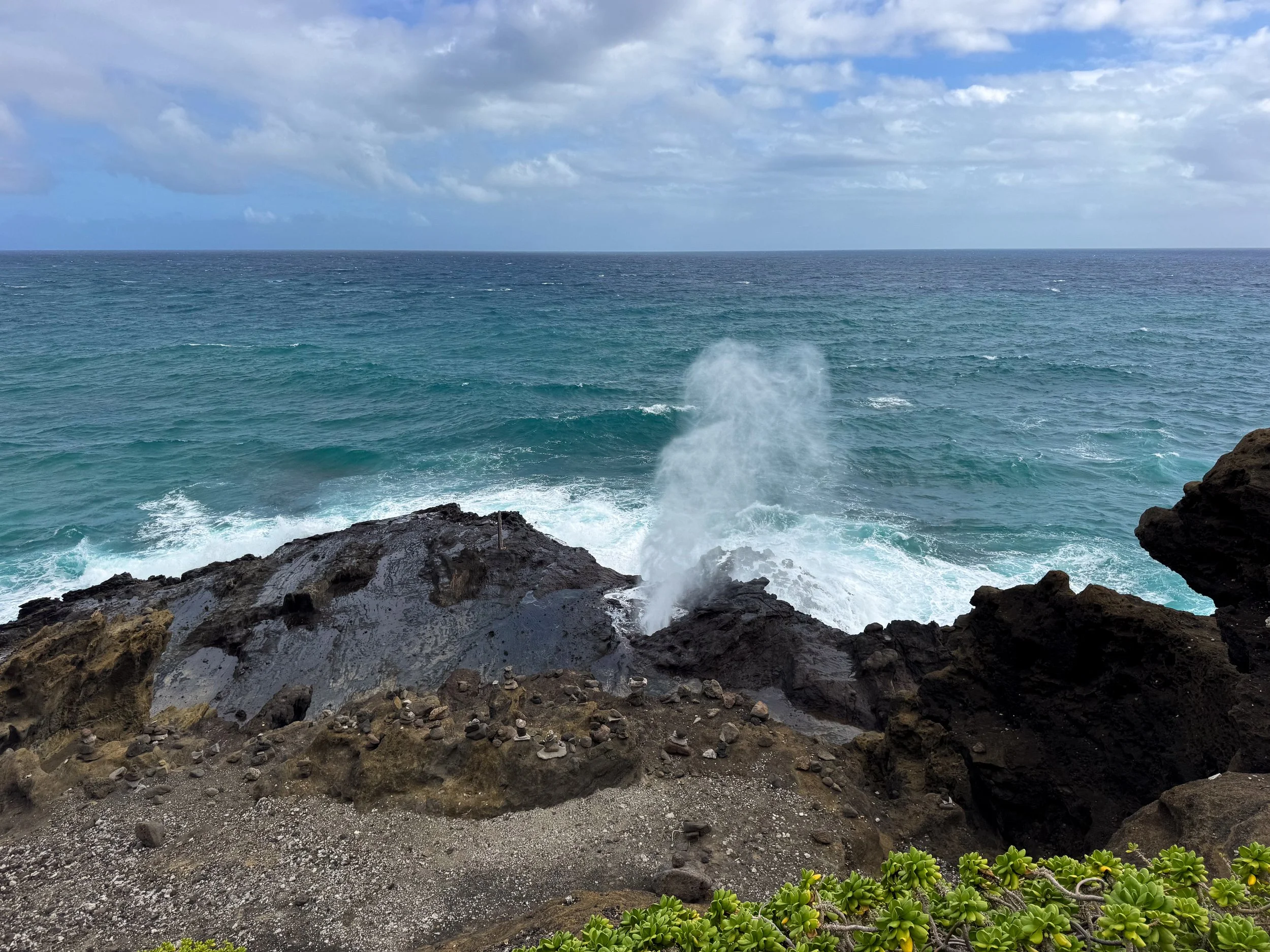
Halona Blowhole Lookout. A seaside lava tube that ferociously sprays seawater into the air during high tide and strong surf. It’s viewable from a roadside parking lot.
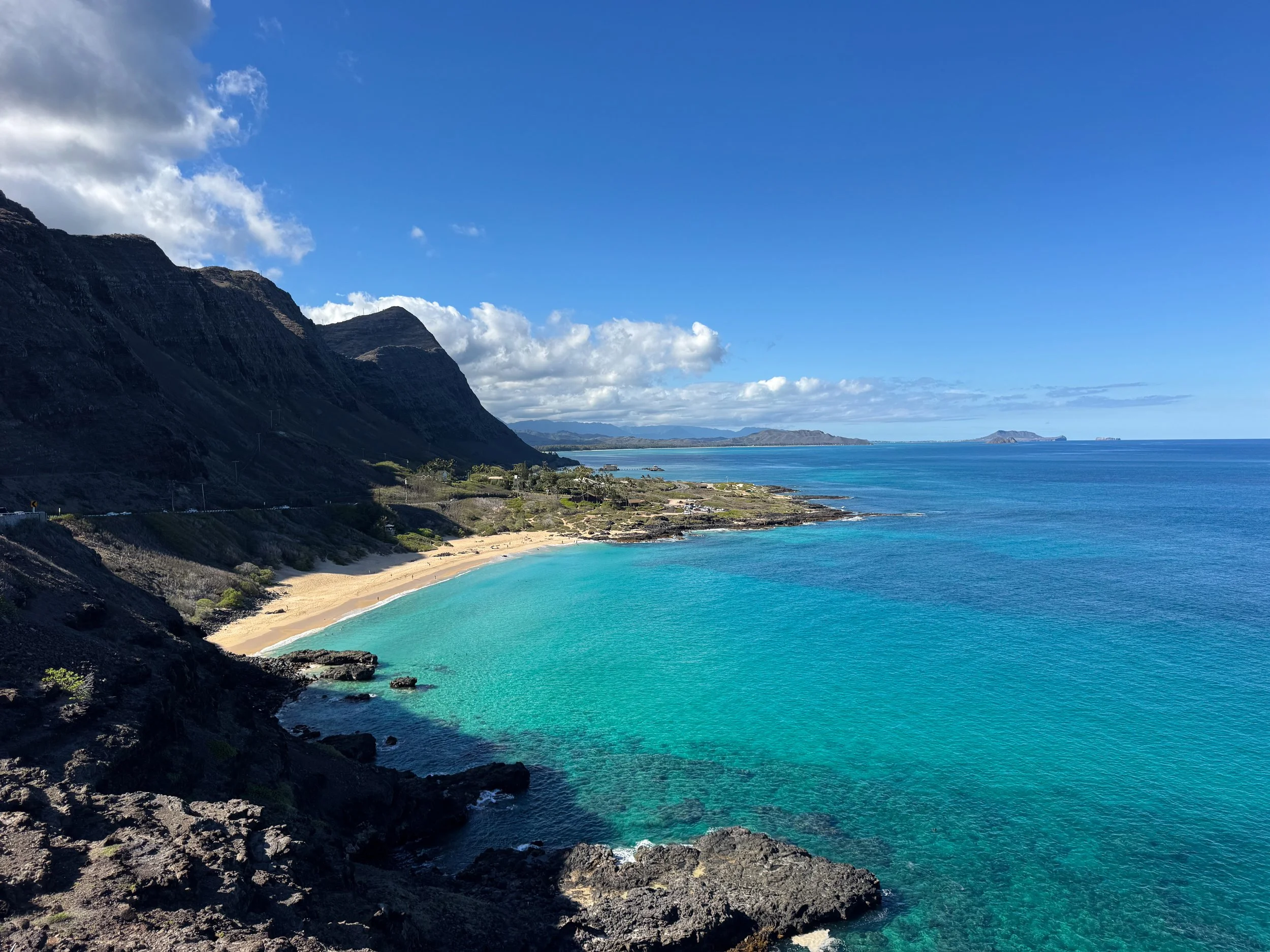
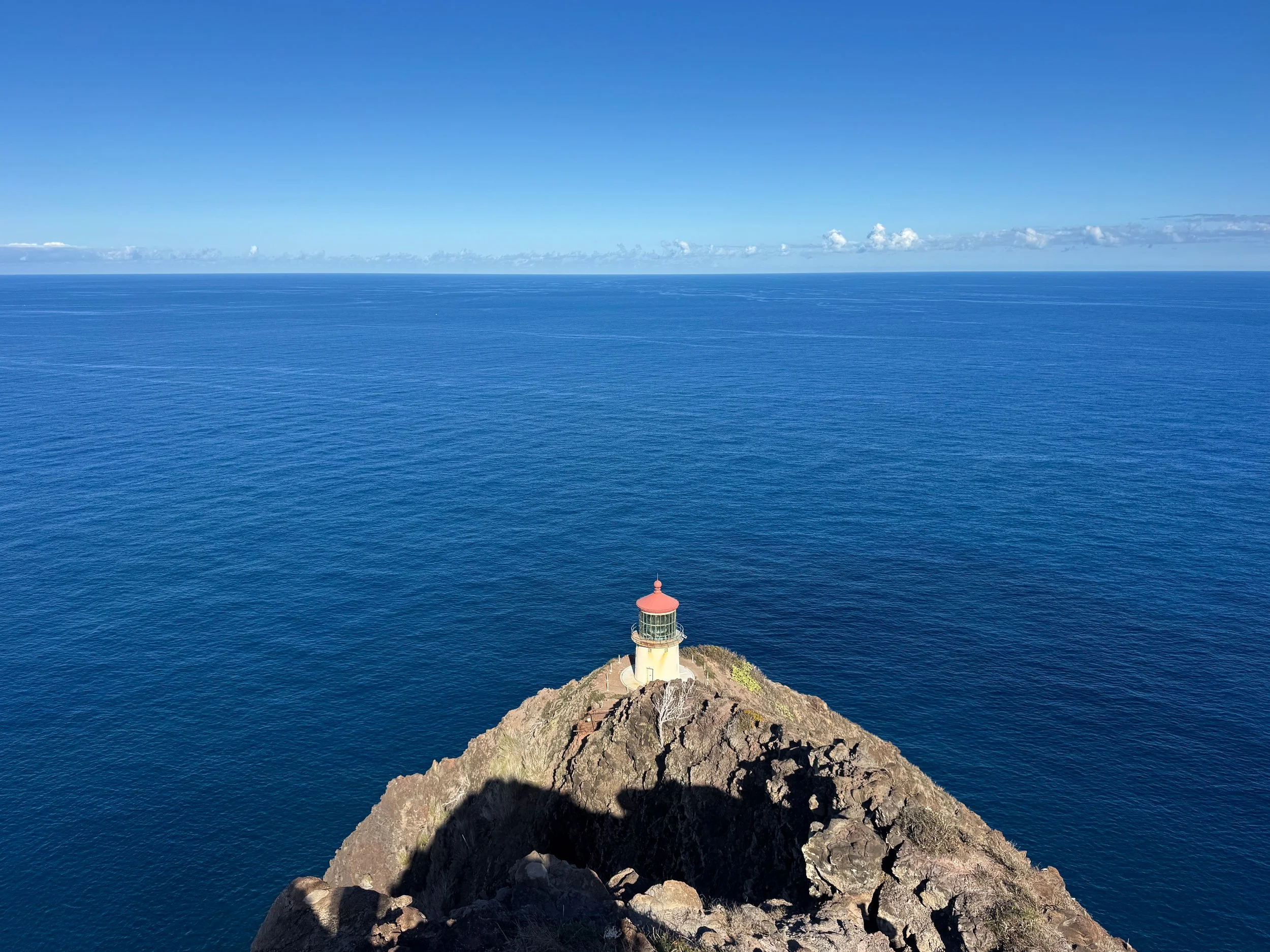
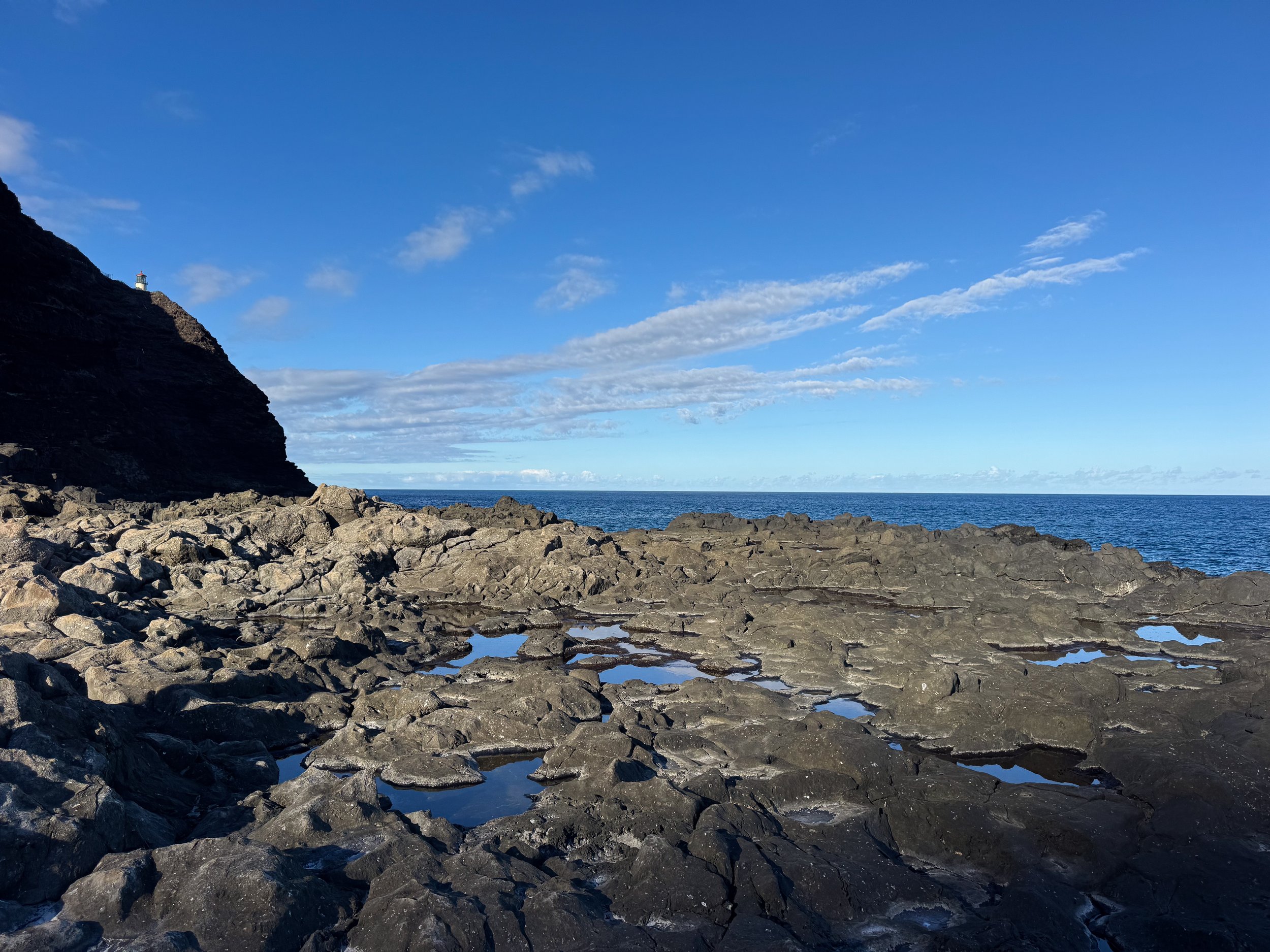
Makapu’u. The far eastern tip of O’ahu is defined by its volcanic ridges, seaside landscapes and beaches.
Makapuʻu Beach Park. Tan sand shores line the turquoise cove of Makapu’u Beach. It’s a popular spot for experienced body surfers and boogie boarders. A lookout on the volcanic cliffs offers sweeping views of the scenic beach and coastline.
Makapu’u Lighthouse Trail. A paved walkway lined with scenic views of distant Hawaiian islands and the deep blue expanse of the Pacific Ocean. The trail ends at a lookout point of Makapu’u Beach and the Makapu’u Lighthouse.
Makapu’u Tide Pools. Sea grasses, small corals and spiky urchins thrive in the shallow tide pools. Tiny fish swim and jump between pools while crabs scurry along lava rocks. Echoes of crashing waves reverberate off volcanic cliffs while air rushes through blowholes and lava tubes.
Getting Here. The rocky trail to the tide pools begins beyond the signs at the third lookout point along the Makapu’u Lighthouse Trail.
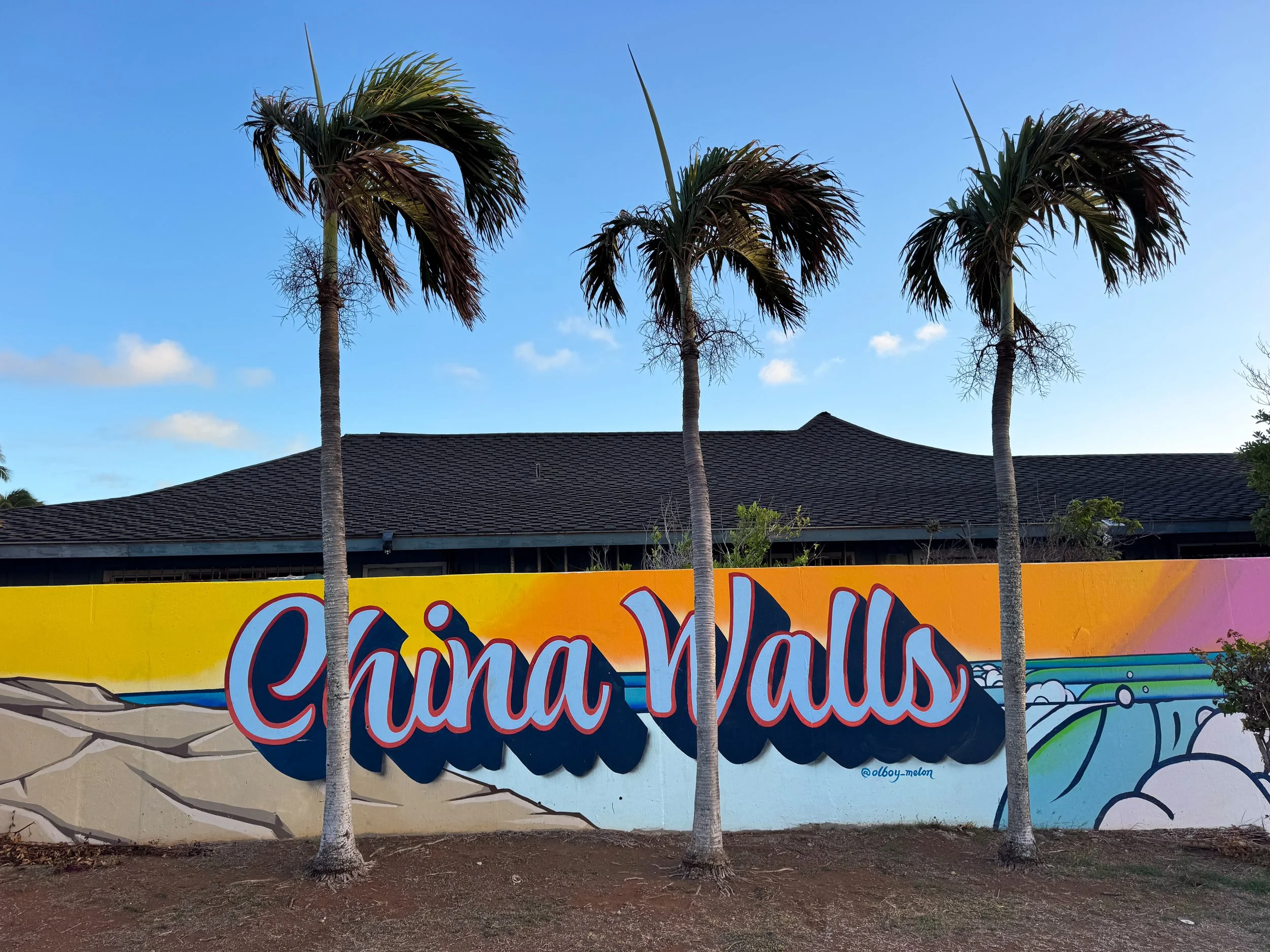
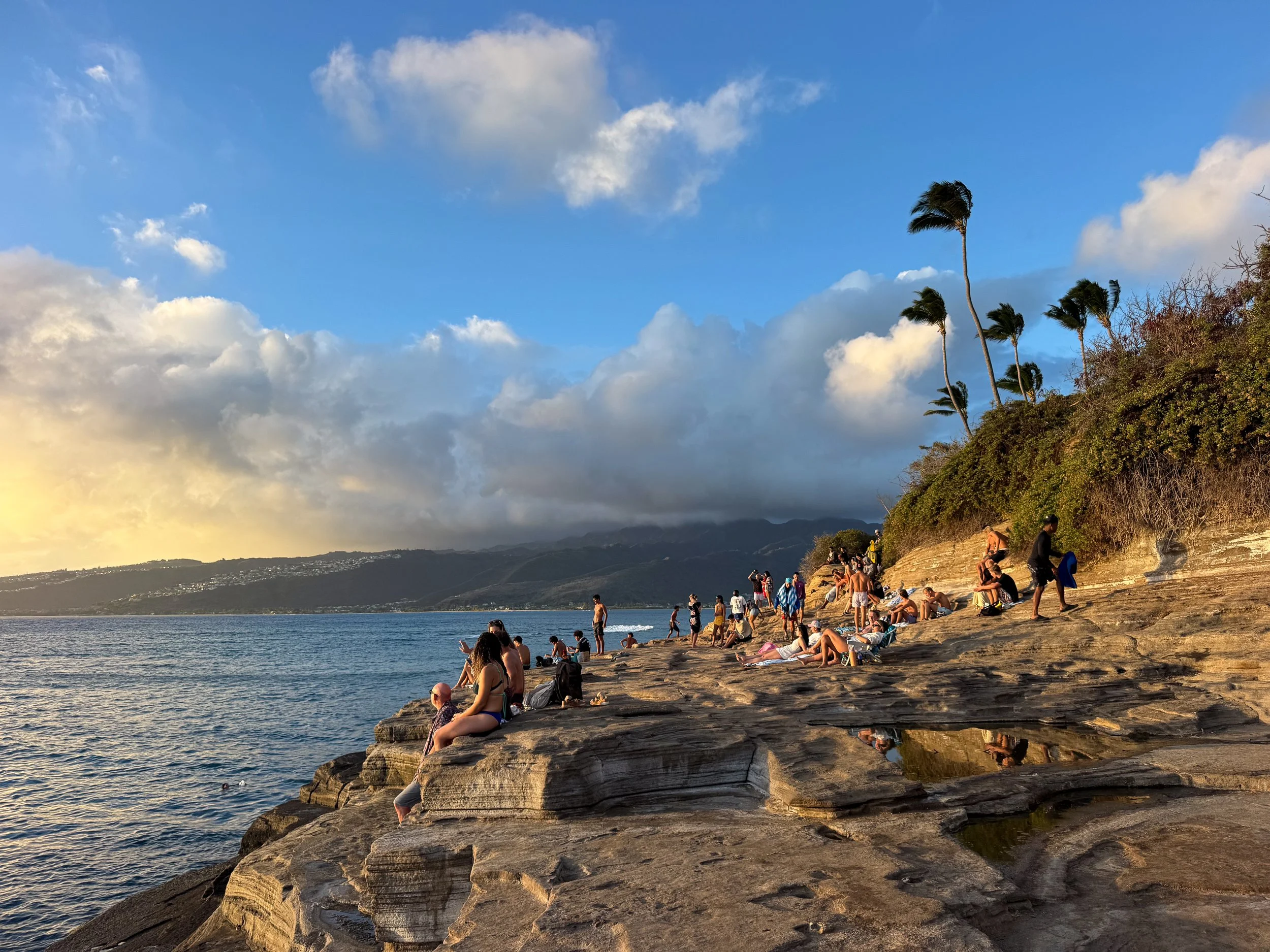
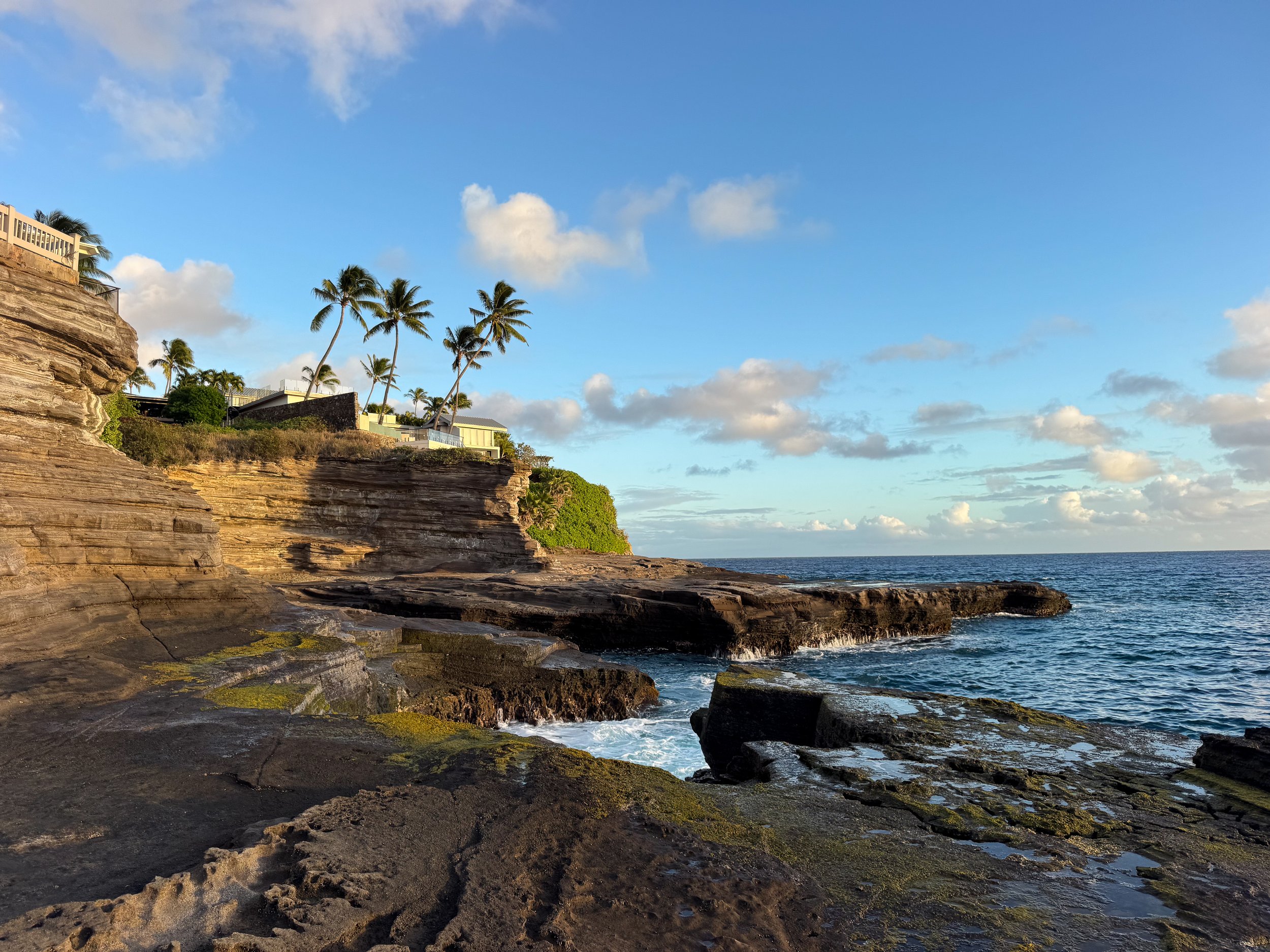
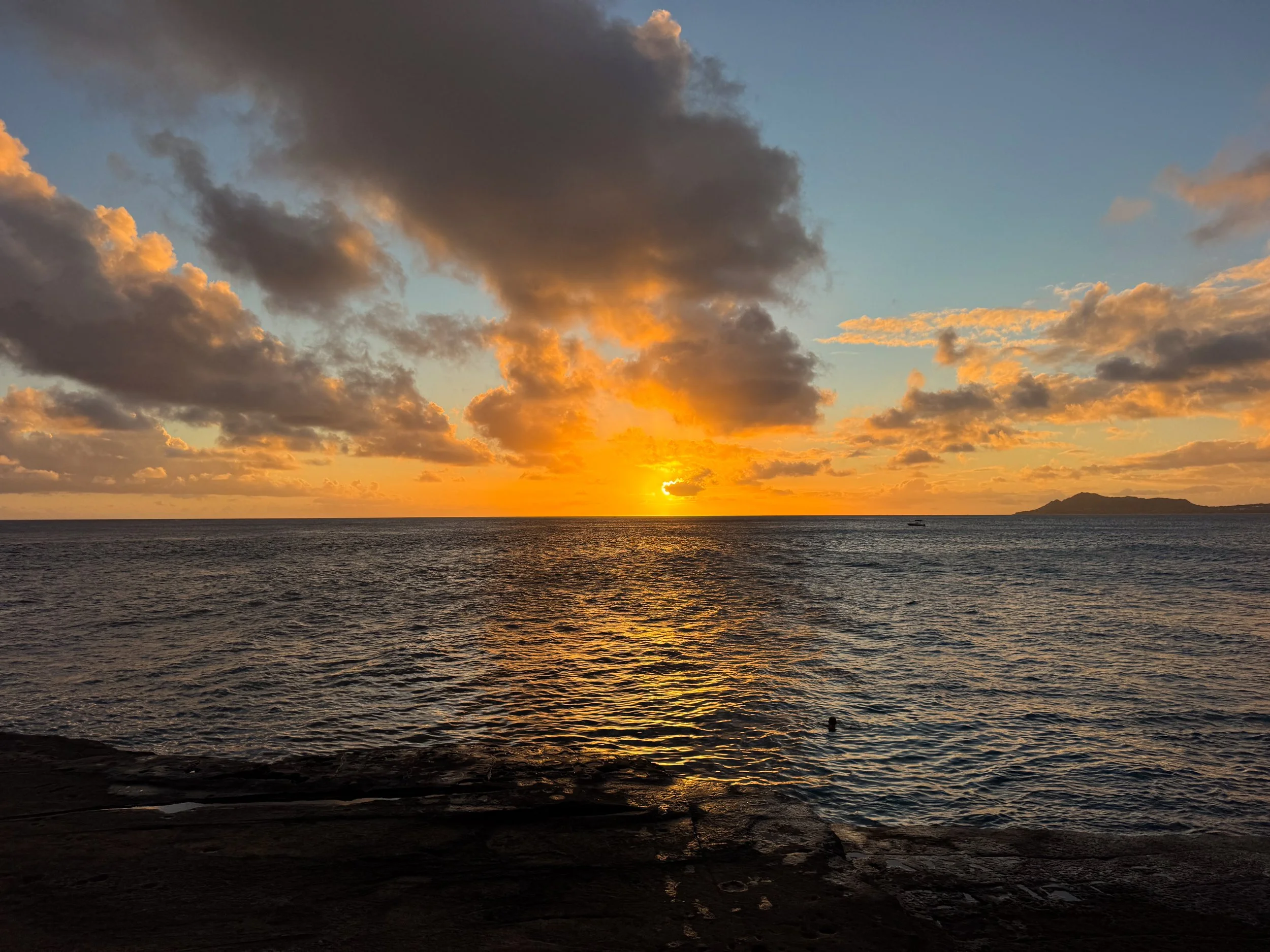
China Walls. The lava rock ledges and seaside cliffs of China Walls are a beloved place amongst locals. Hawaiians gather during golden hour to watch the sunset, vibe to island music, cliff jump and surf. We watched whales spouting and witnessed the green flash as the sun set below the horizon.
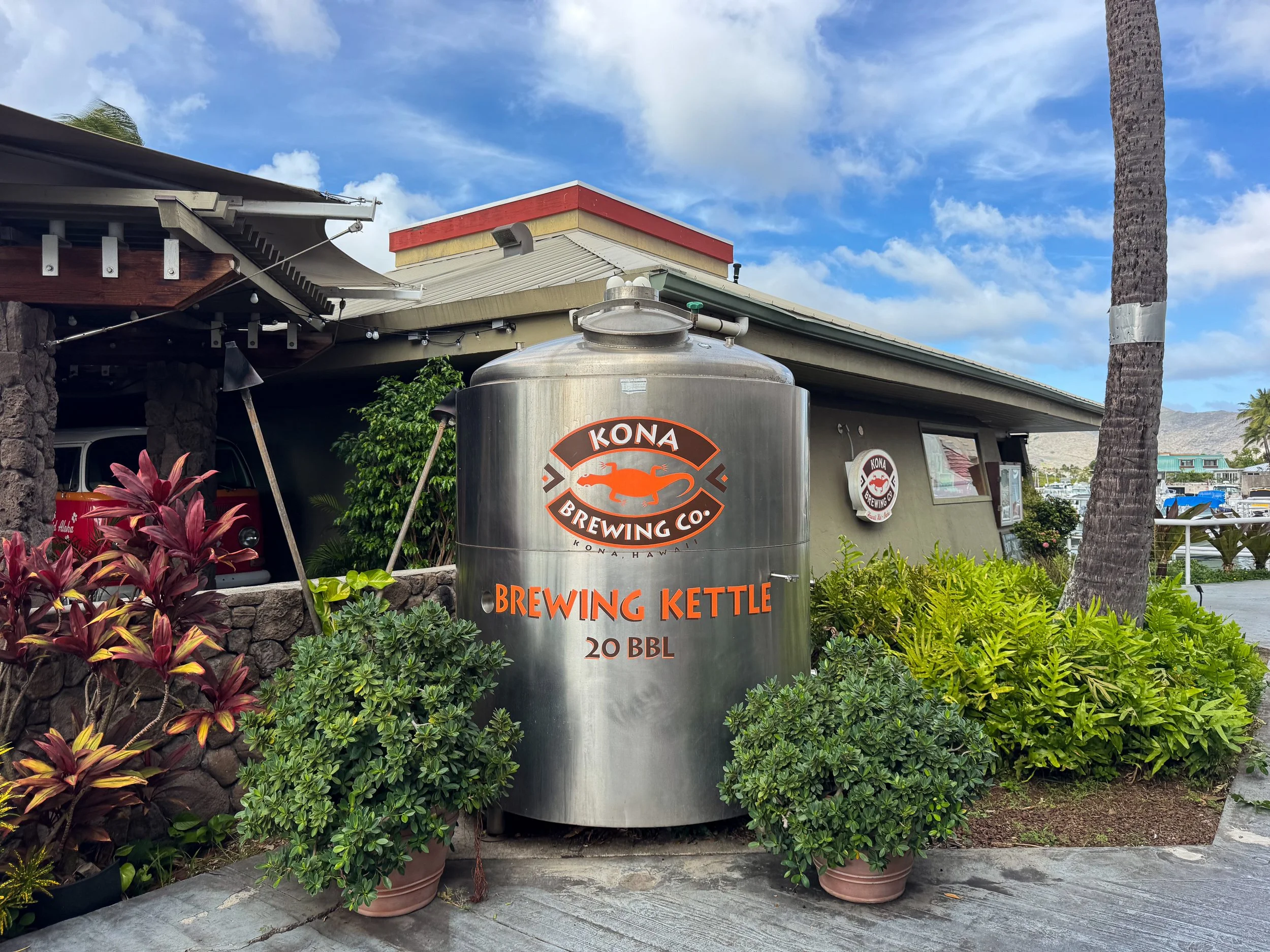
Kona Brewing Hawaii Kai. The beers of Kona Brewing are a staple of the Hawaiian Islands. Their tap house in Hawaii Kai offers pints and flights of exclusive brews, seasonal flavors and drafts like Kona Big Wave or Longboard Lager. Try the pineapple topped Hawaiian pizza or sharable pupus.
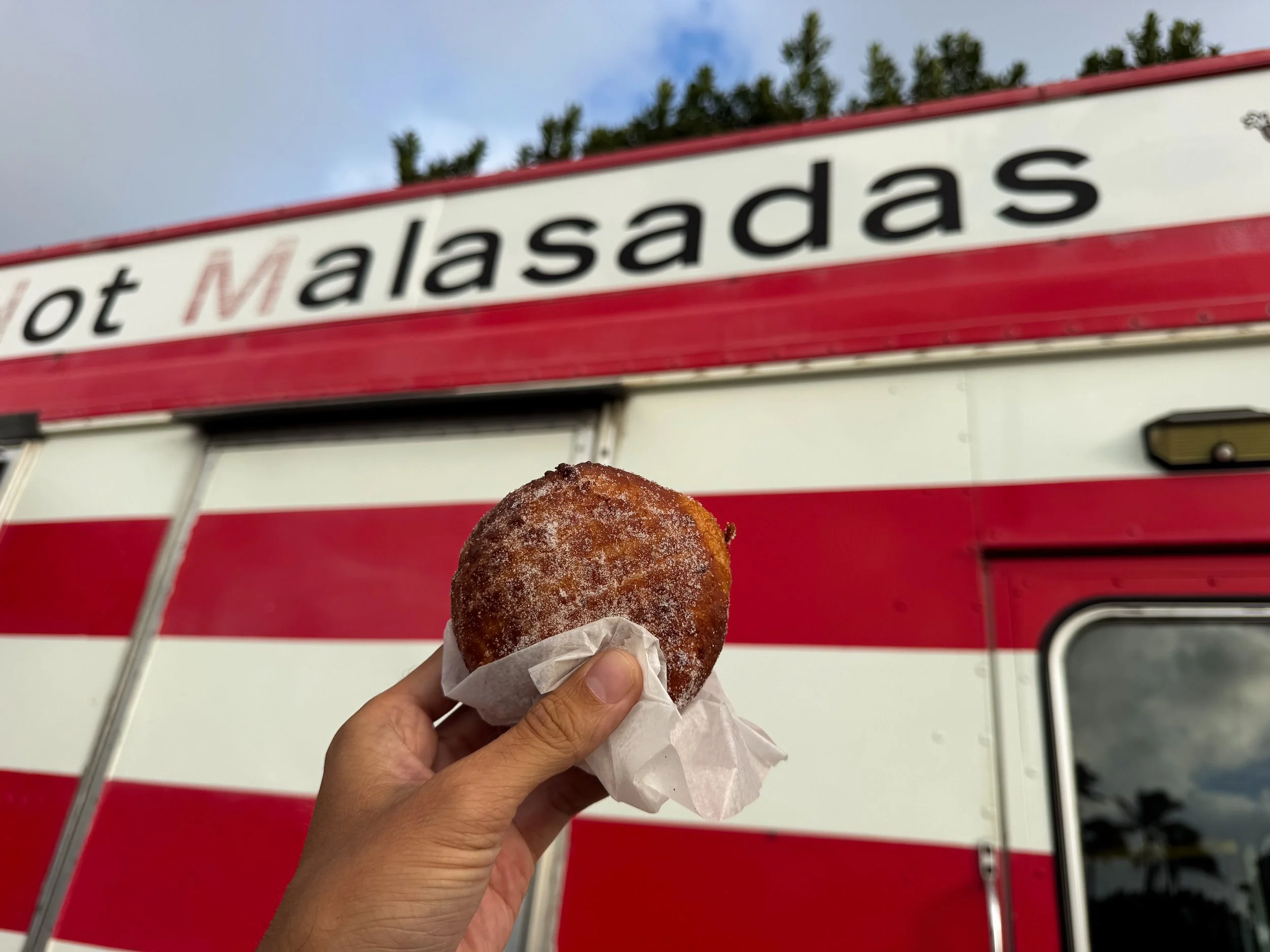
Leonard’s Bakery. A bakery known for their flavorful Malasadas, a puffy Portuguese donut covered in cinnamon sugar and often filled with a custard or jam. They’re popular across O’ahu. Visit the historic location in Honolulu or their food truck in Hawaii Kai.
Kailua
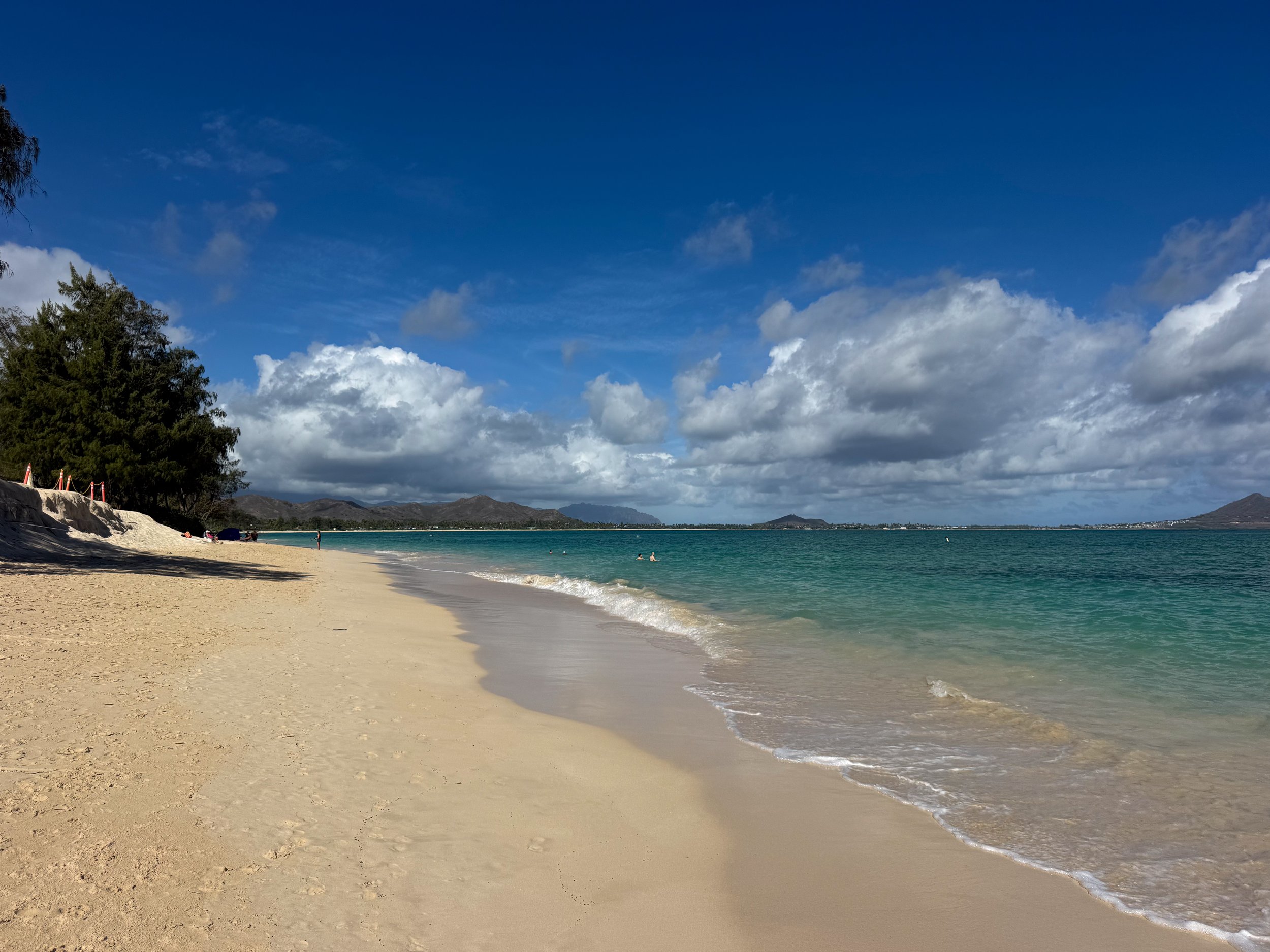
Kailua is a large beach town on O’ahu’s Windward Shore with lengthy white sand beaches, small offshore islets, scenic hiking trails and farmers markets.
Kailua Beach. Powdery white sand covers Kailua’s lengthy shoreline making it a tranquil place for beach walks and seaside picnics. Turquoise waters and ocean views invite beachgoers in for a swim and kayakers on a voyage to the Moku Islands.
Good to Know. Beware of Portuguese Man-o’-Wars on windy days.
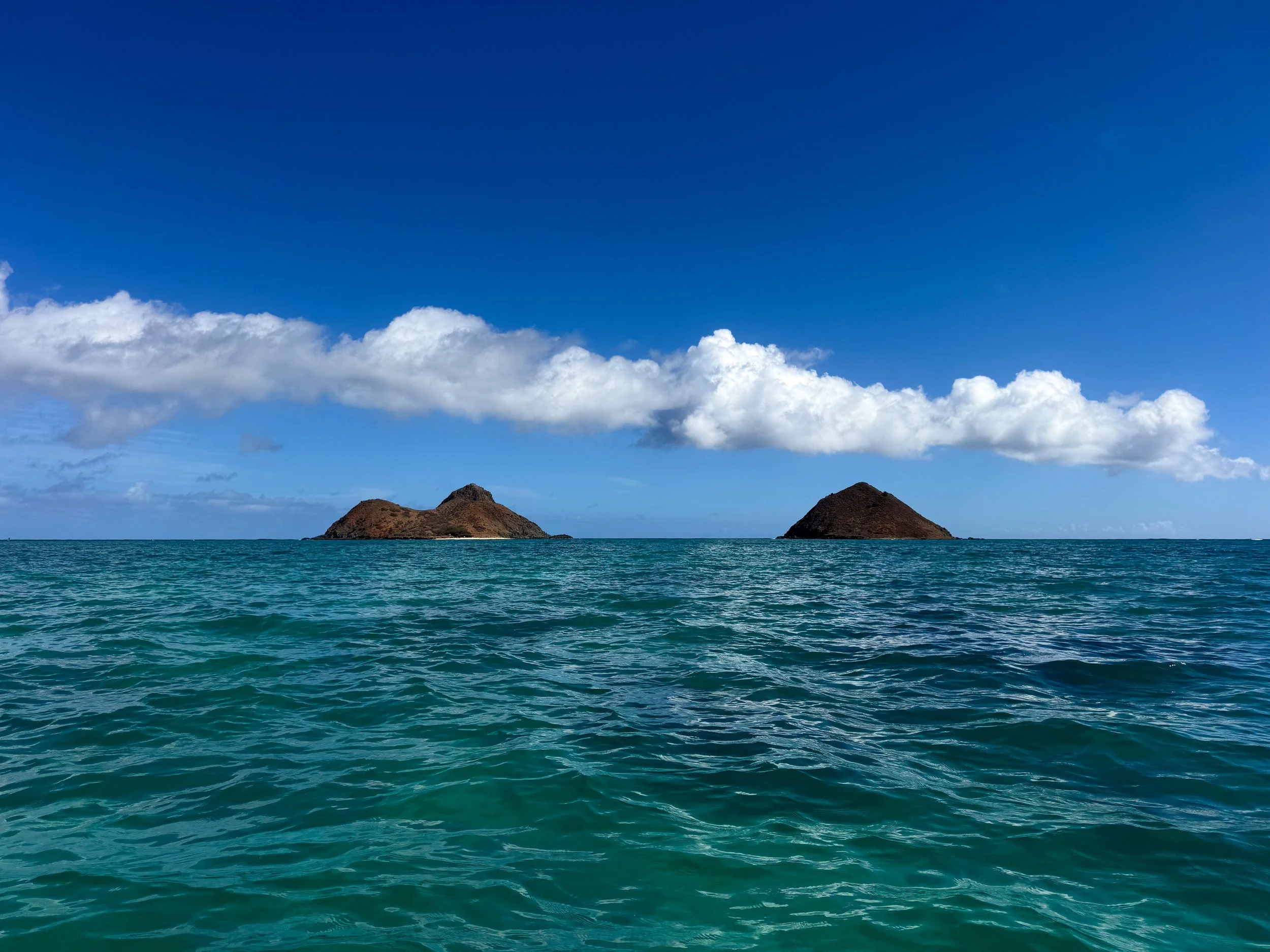
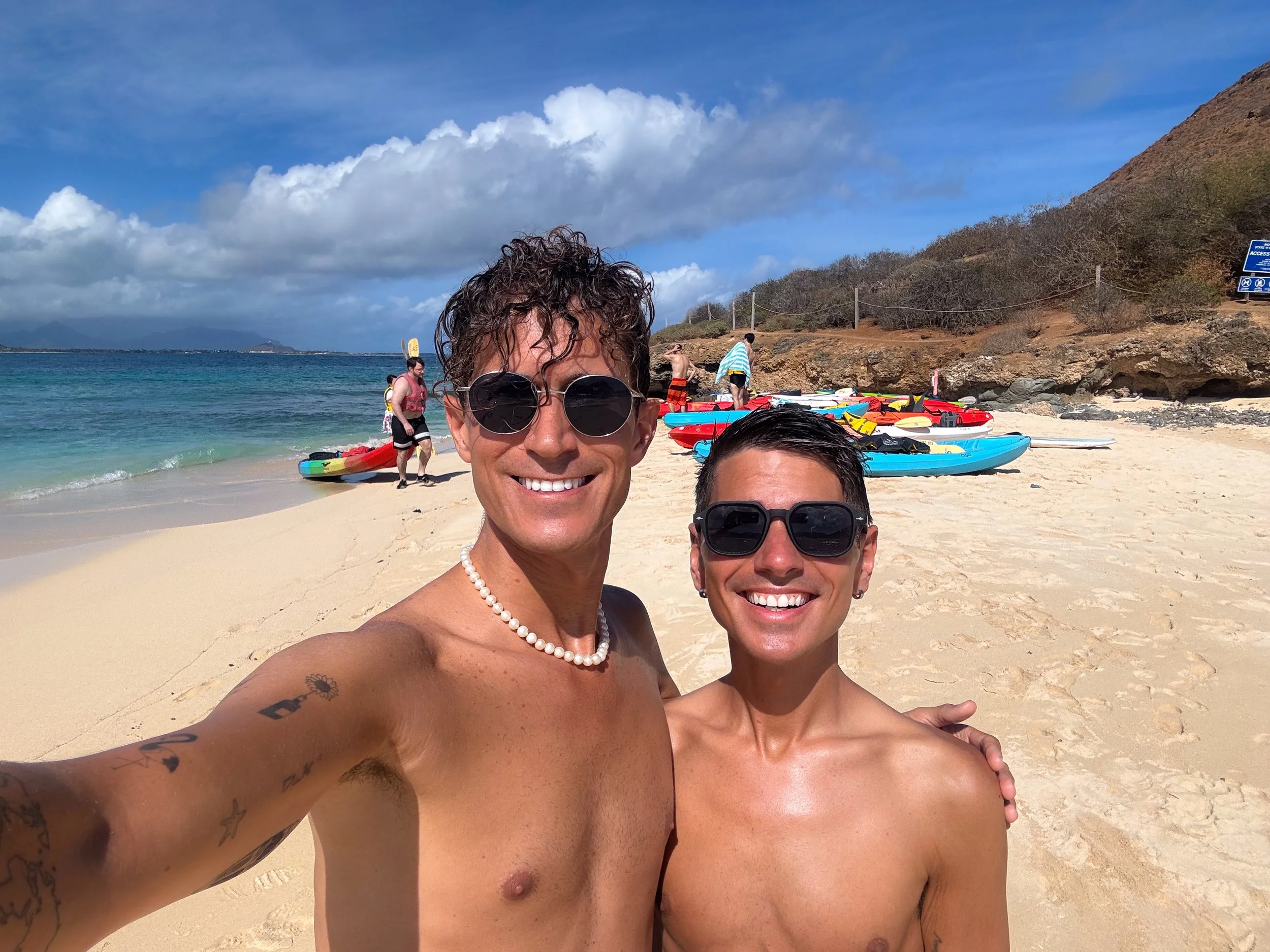
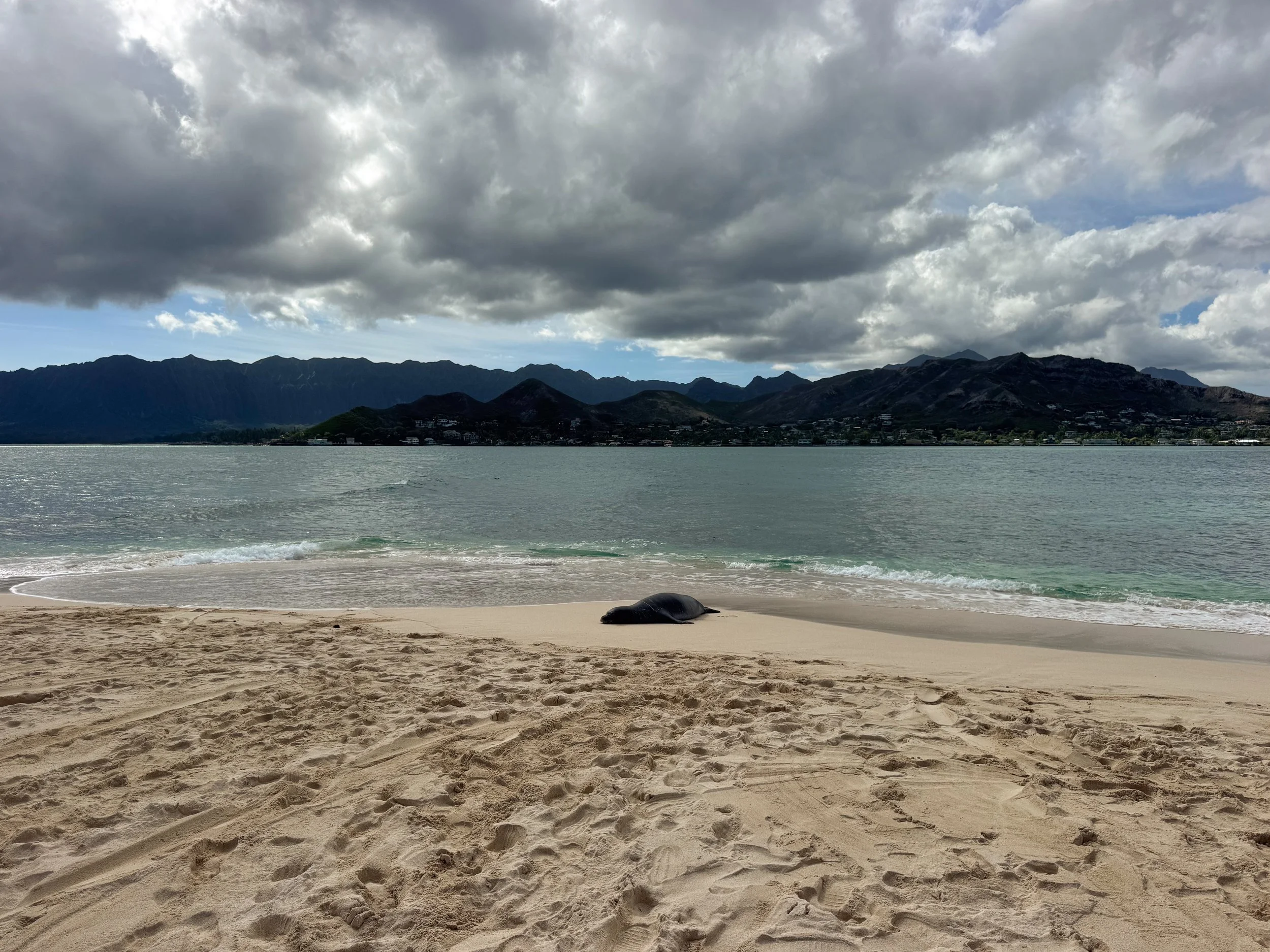
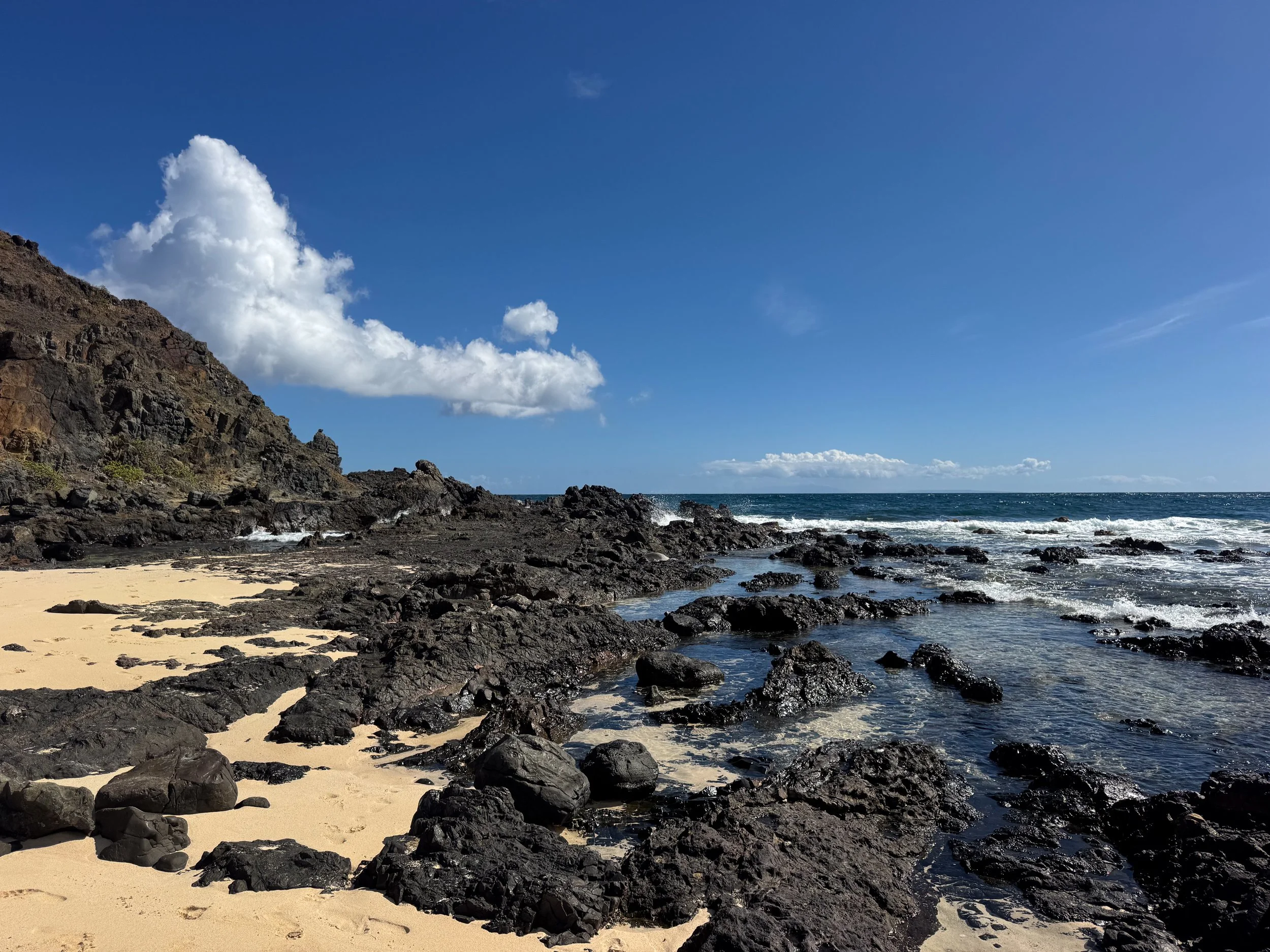
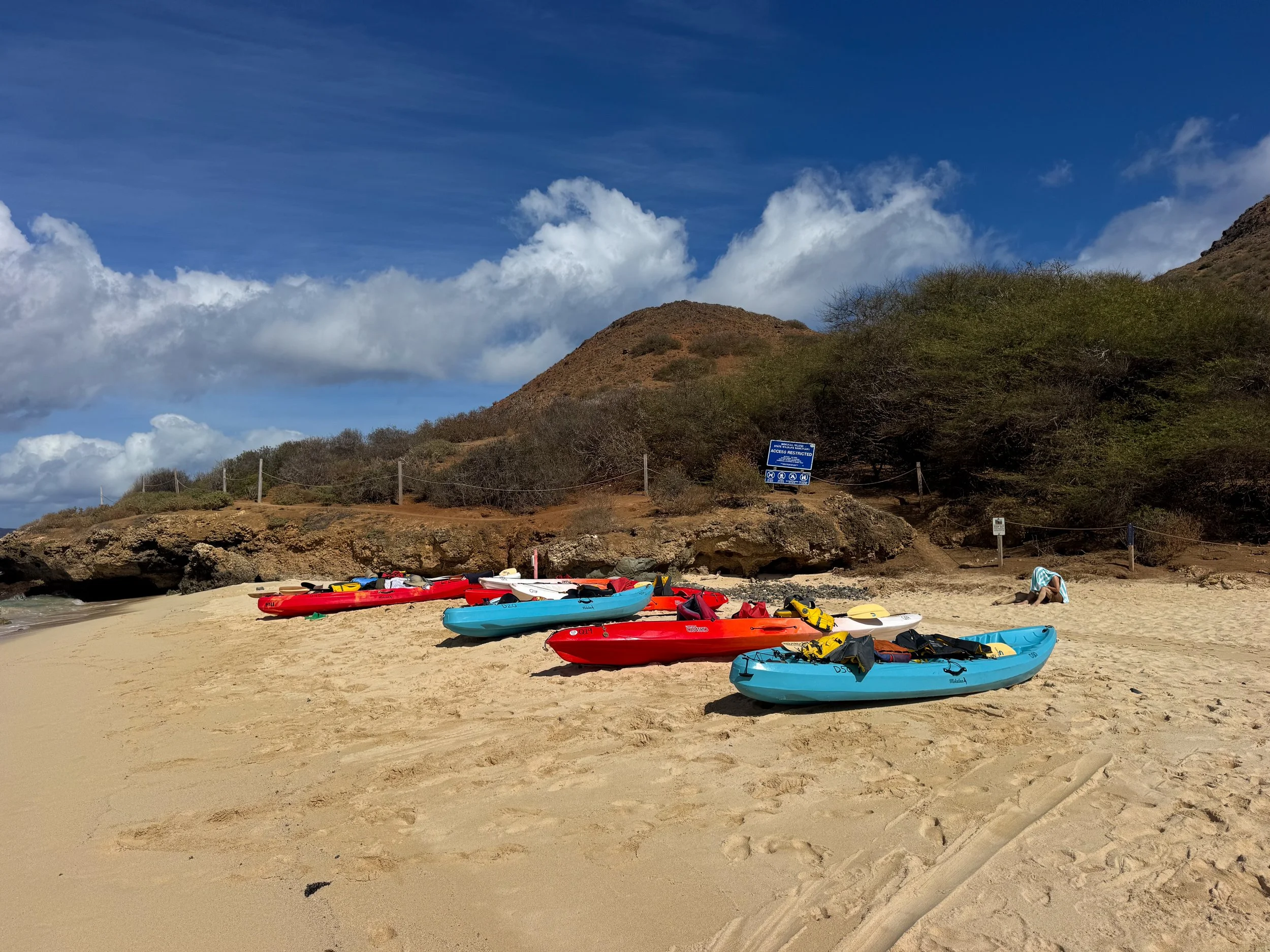
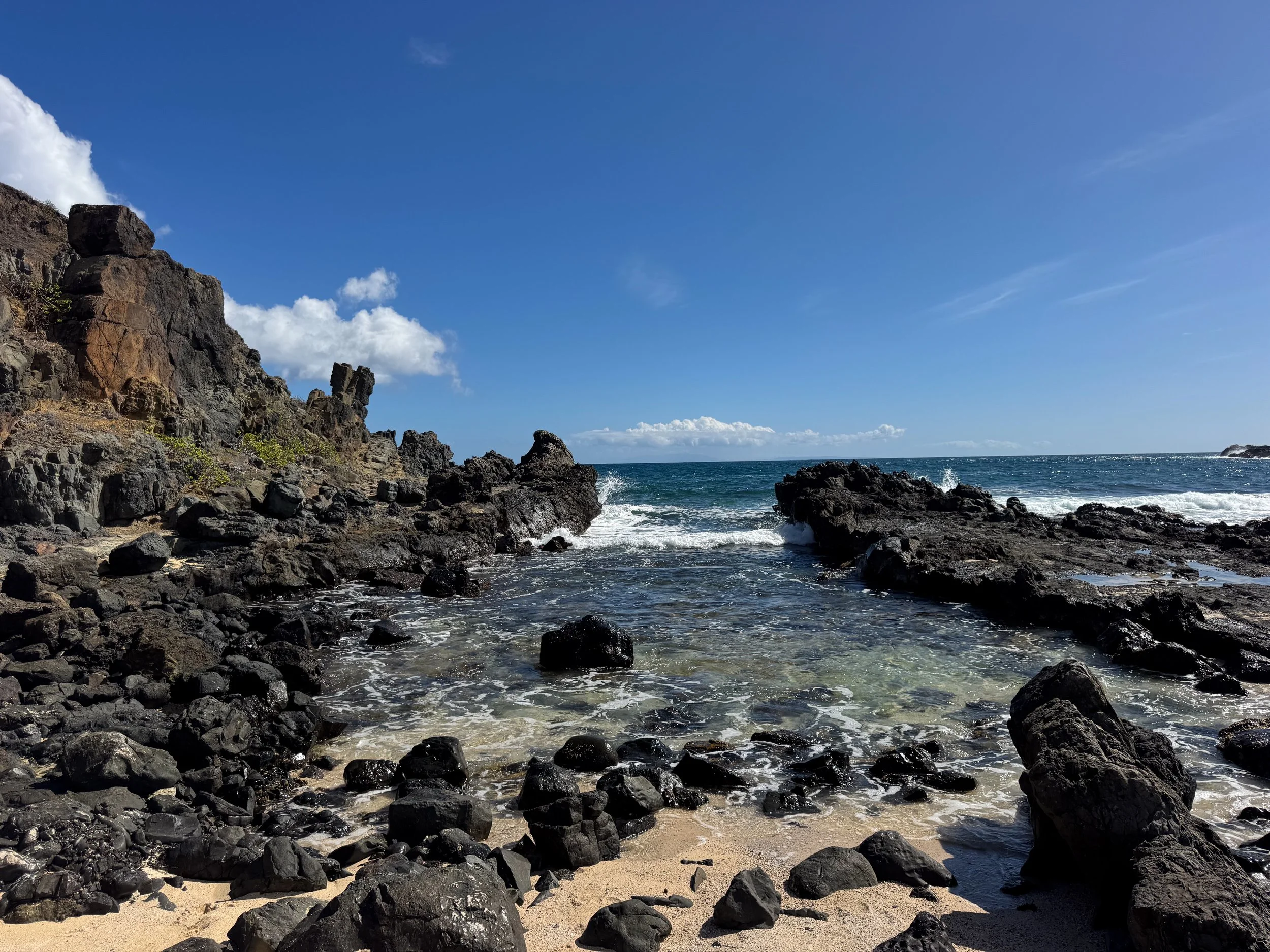
Moku Islands. The Mokus are two protected islets and a sanctuary for seabirds, endangered Hawaiian monk seals and green sea turtles. Kayakers can land on Moku Nui, the larger of the two islets. Onshore is a small sandy beach and rocky tide pool where sea animals lounge. The conical hillside is covered in burrows from nesting birds. Rent kayaks from Kailua Beach Adventures for half or full day excursions.
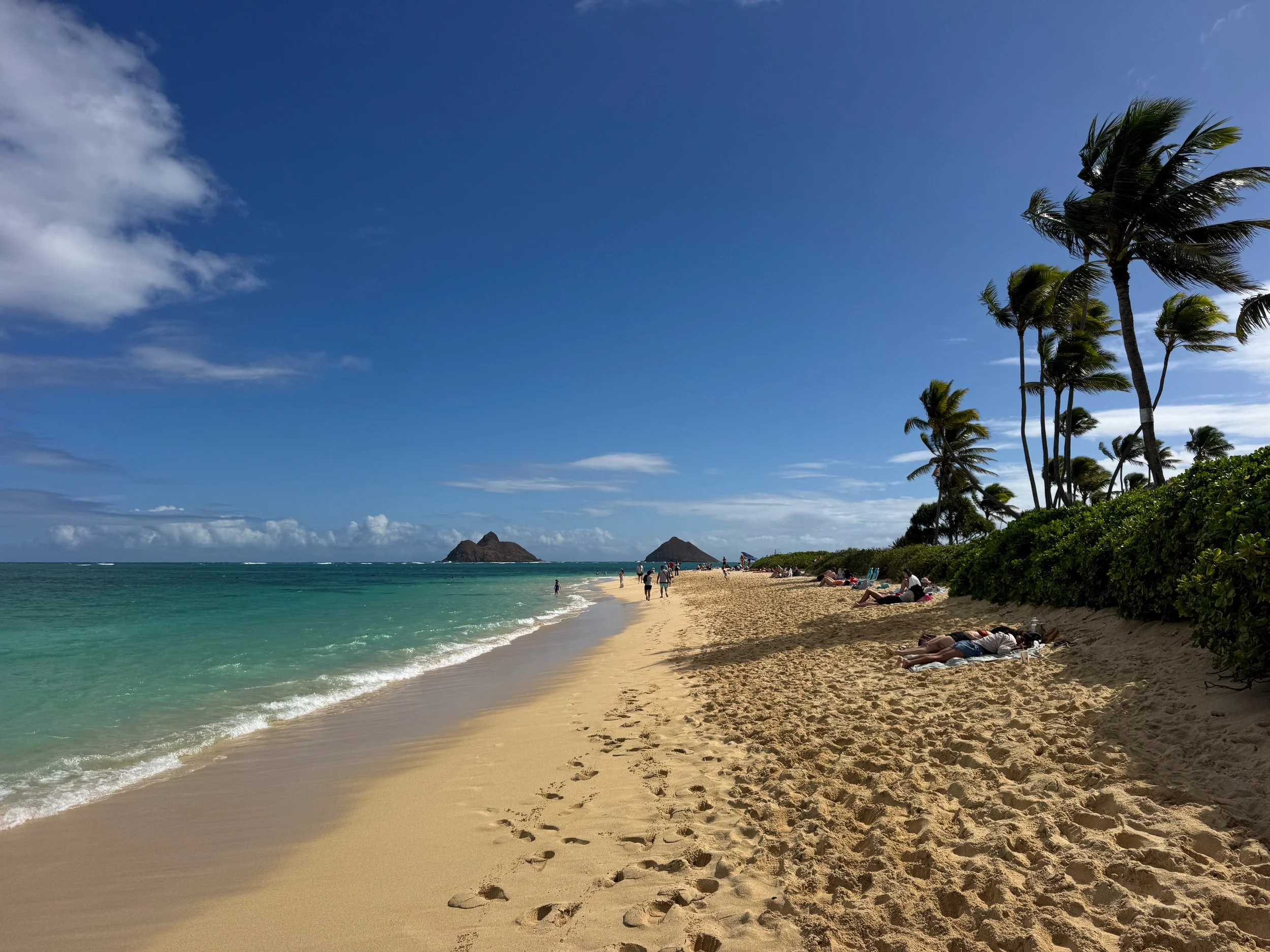
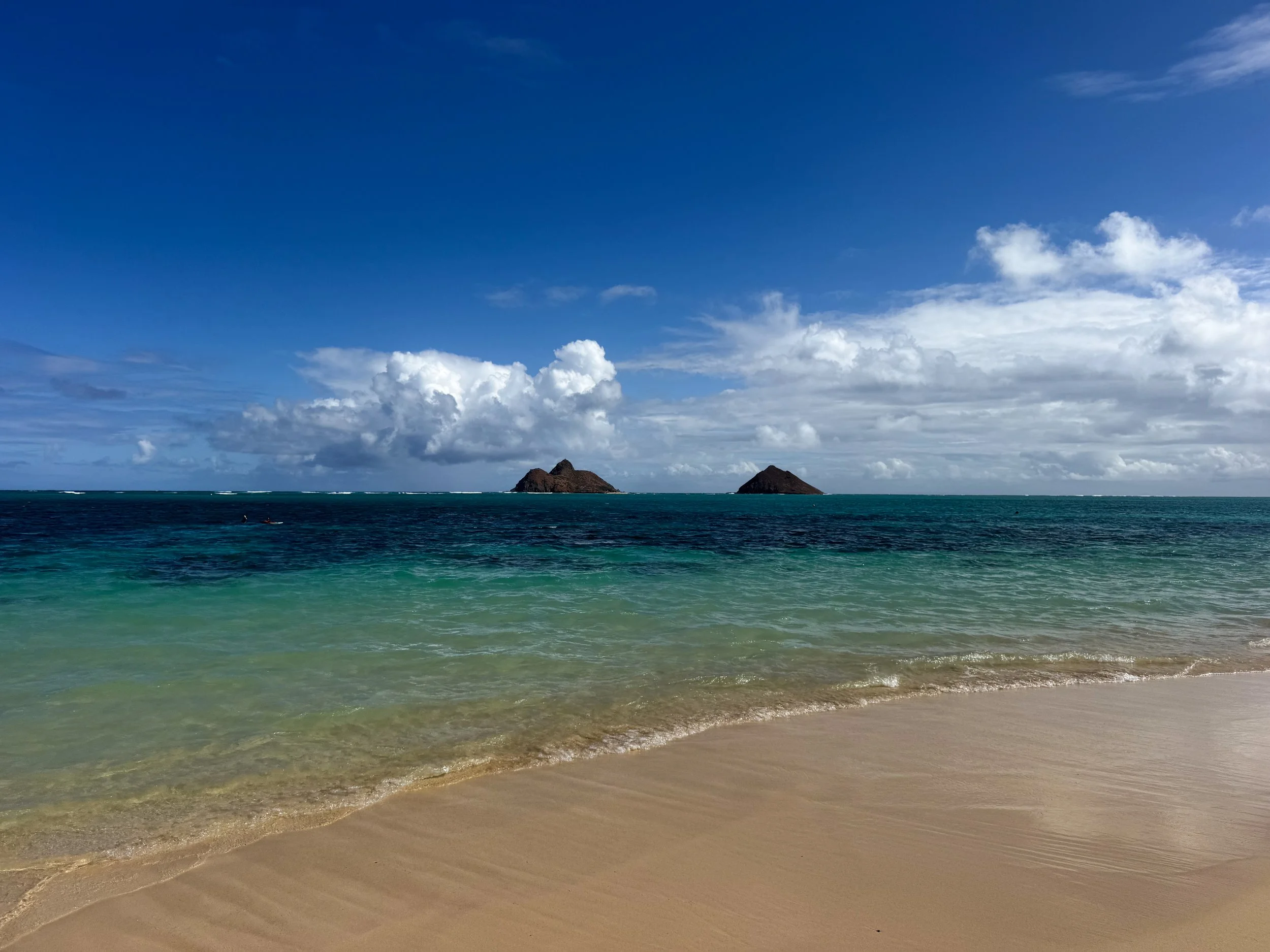
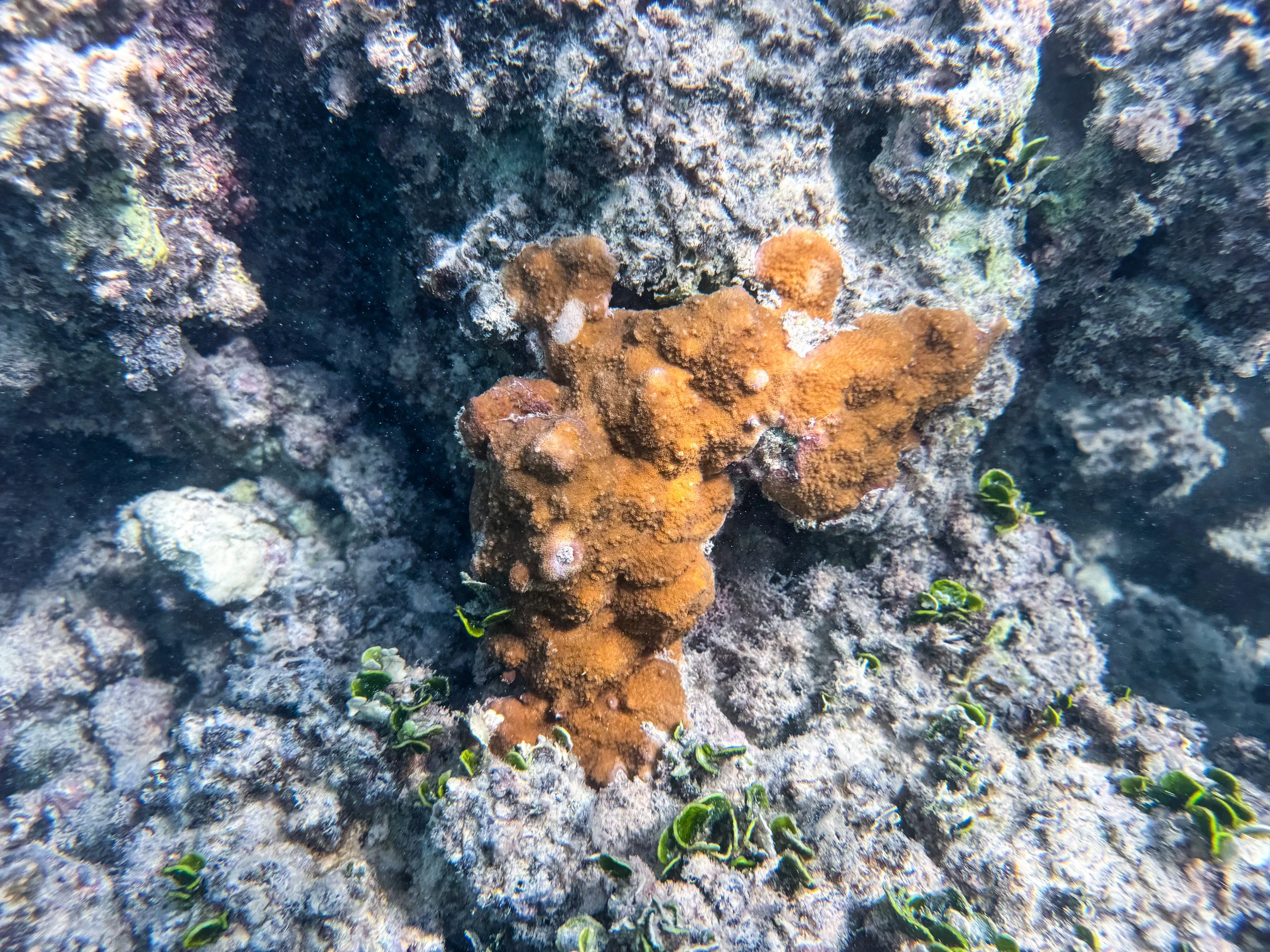
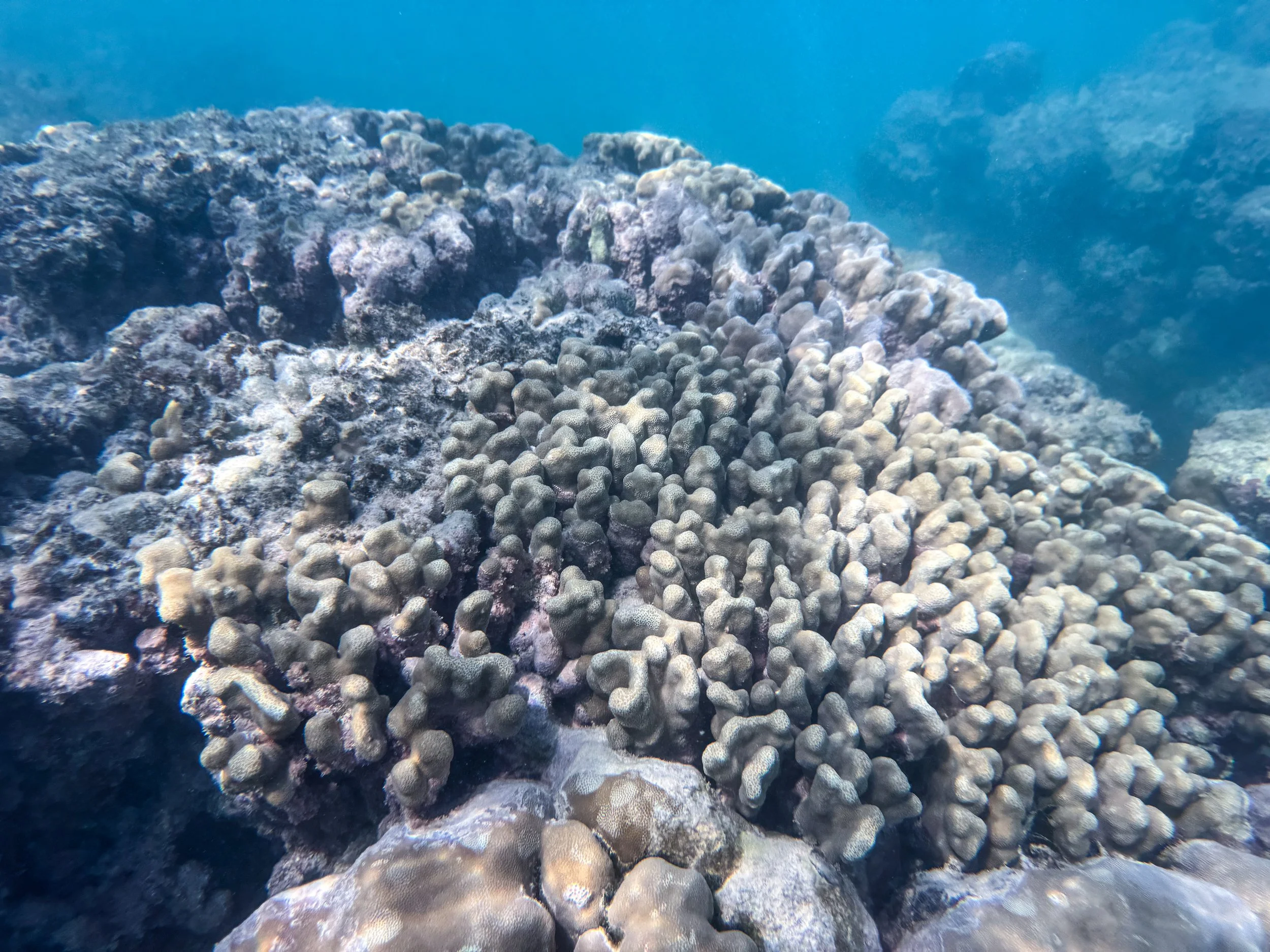
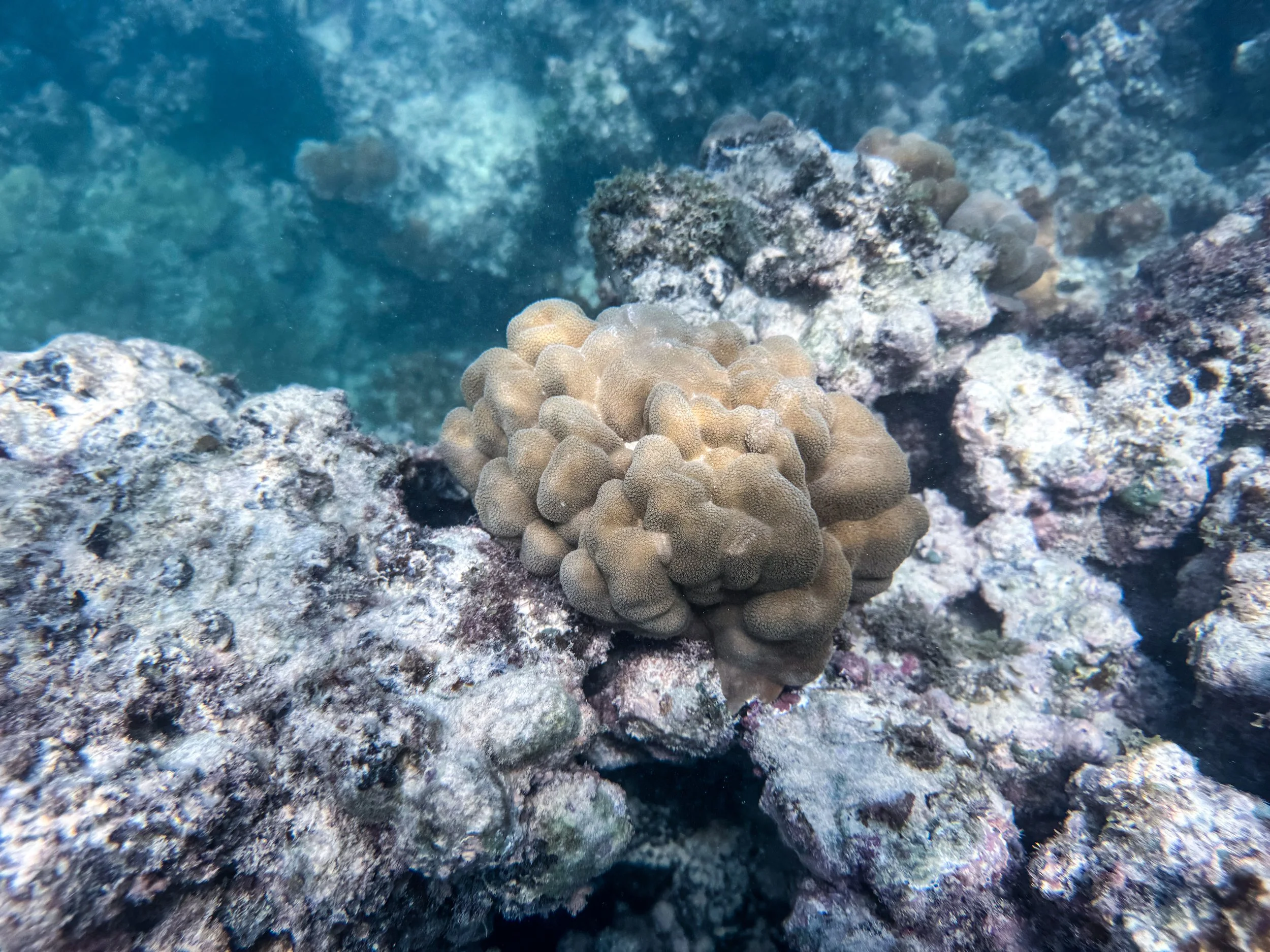
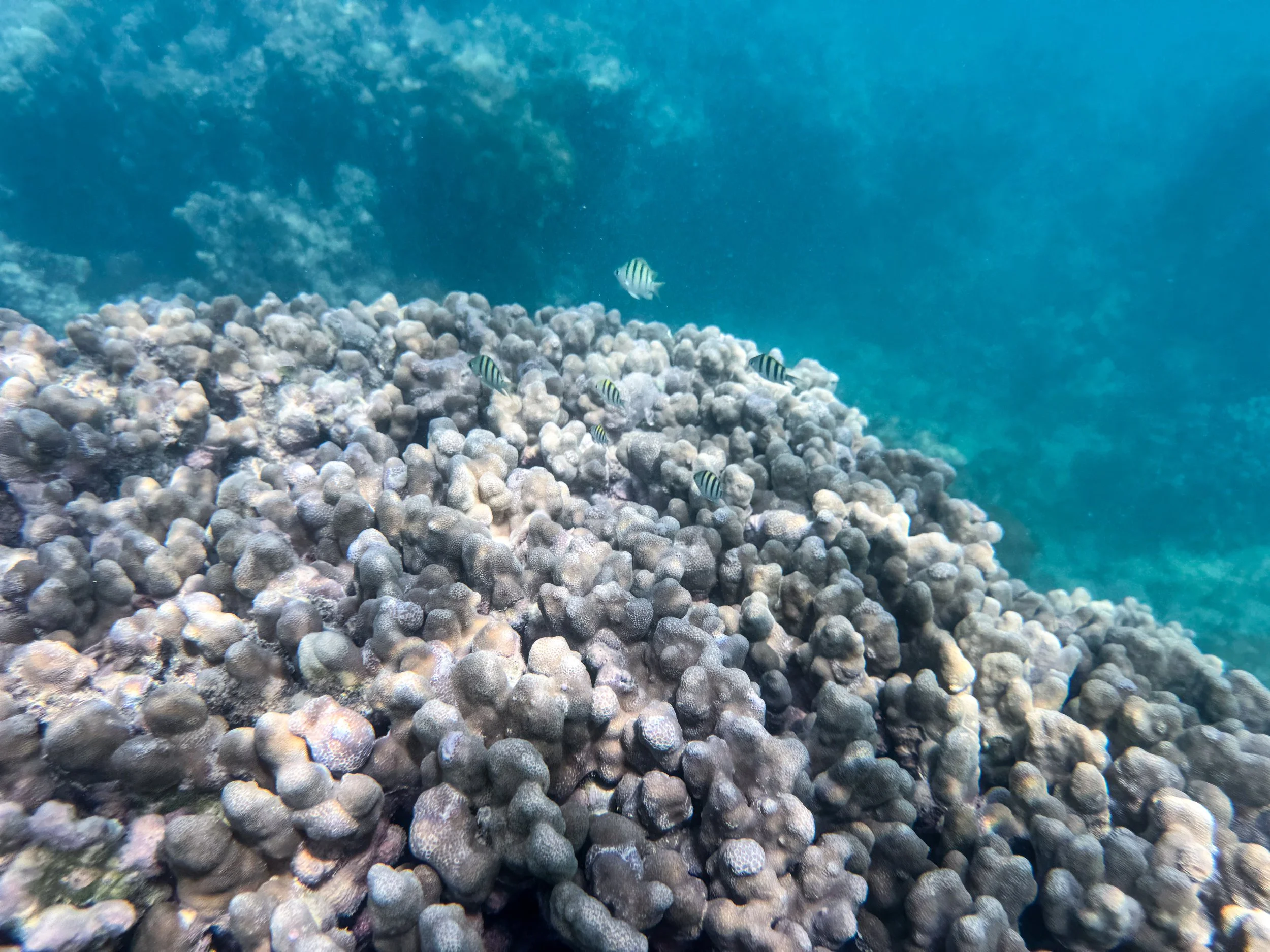
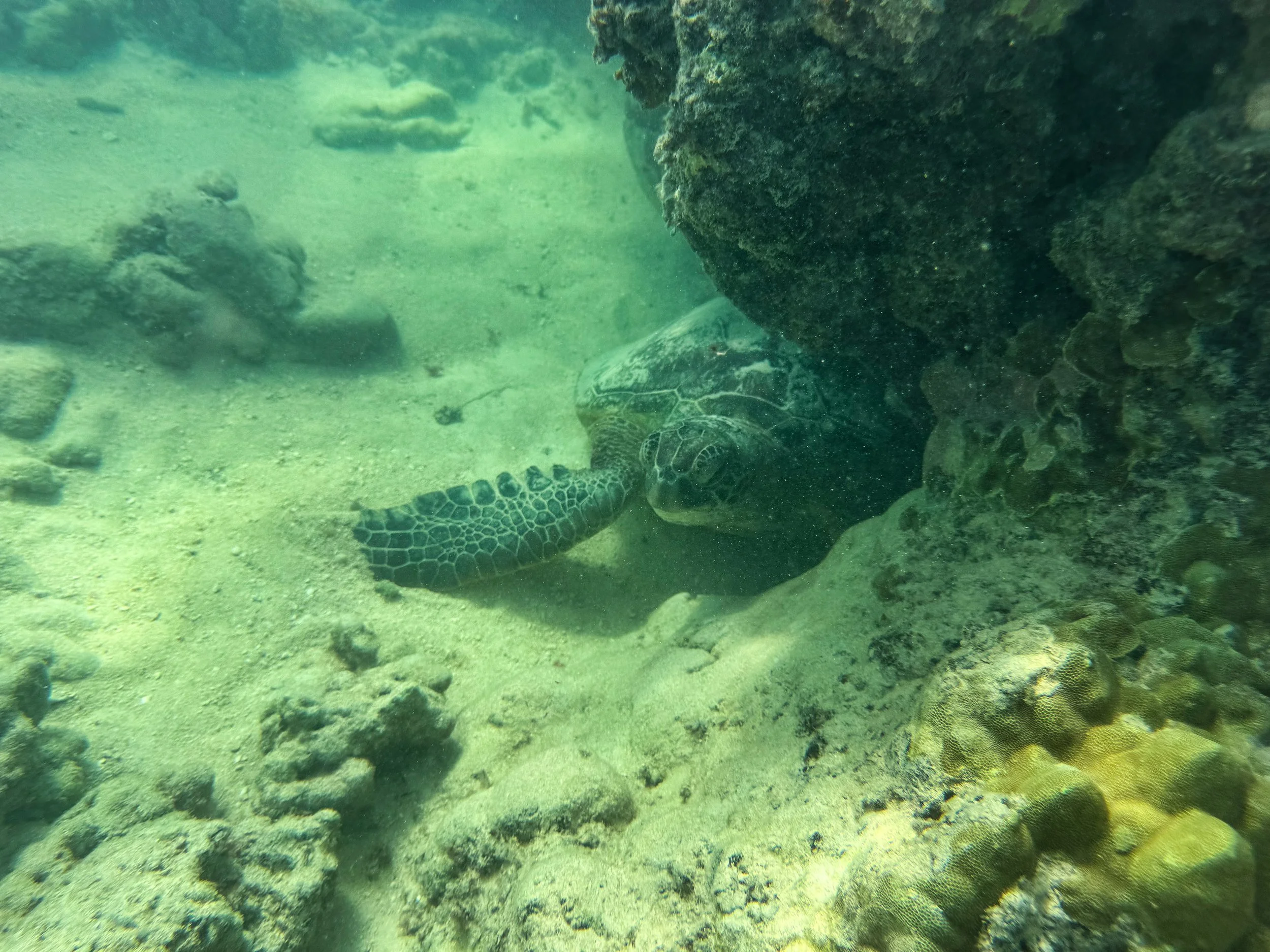
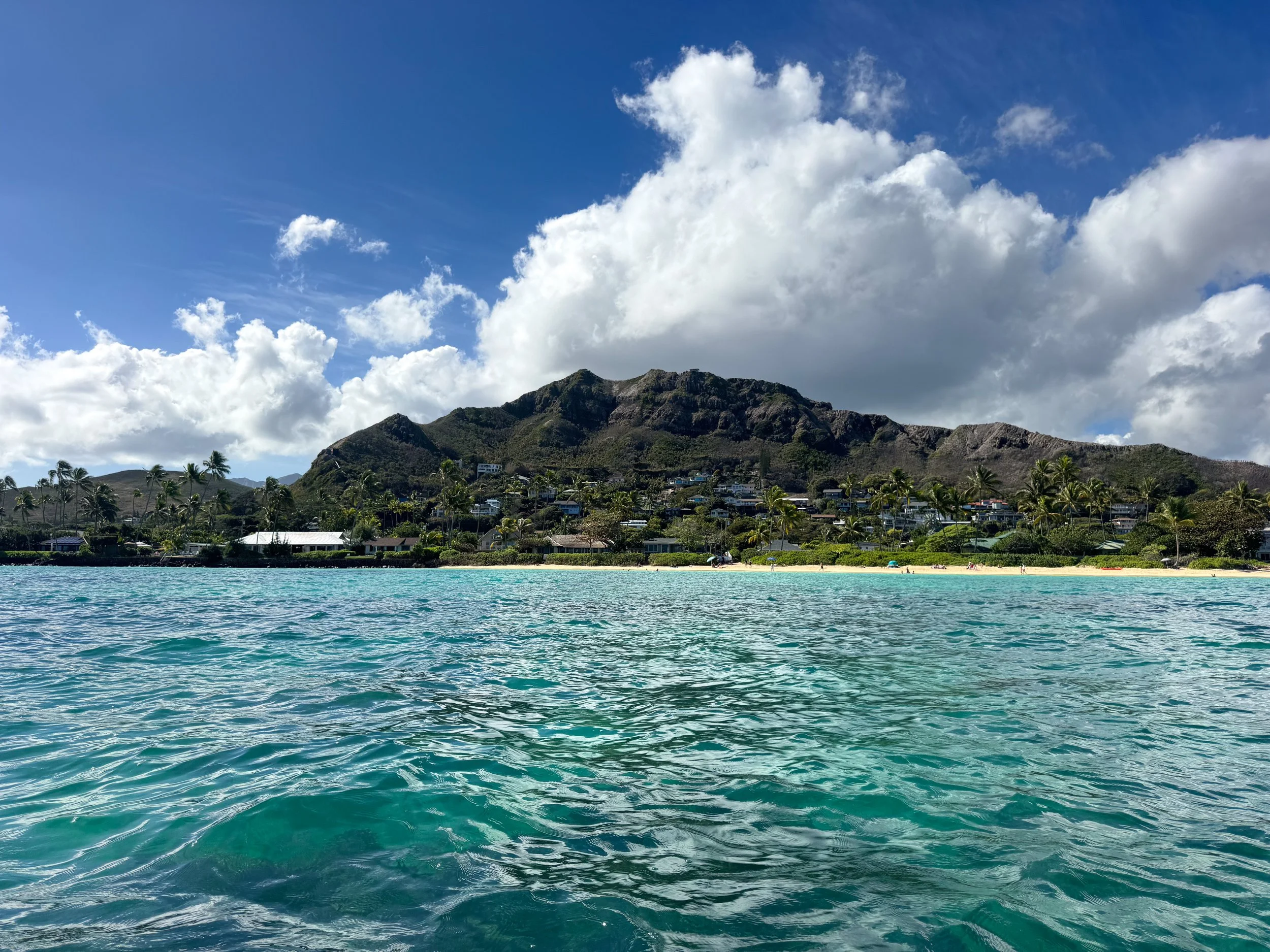
Lanikai Beach. Palm trees sway above white sand shores while sunbathers bask in the sunshine. The Moku Islands rise from the turquoise hued waters as waves break beyond the reef. Colorful fish and green sea turtles swim between lively corals as snorkelers drift overhead.
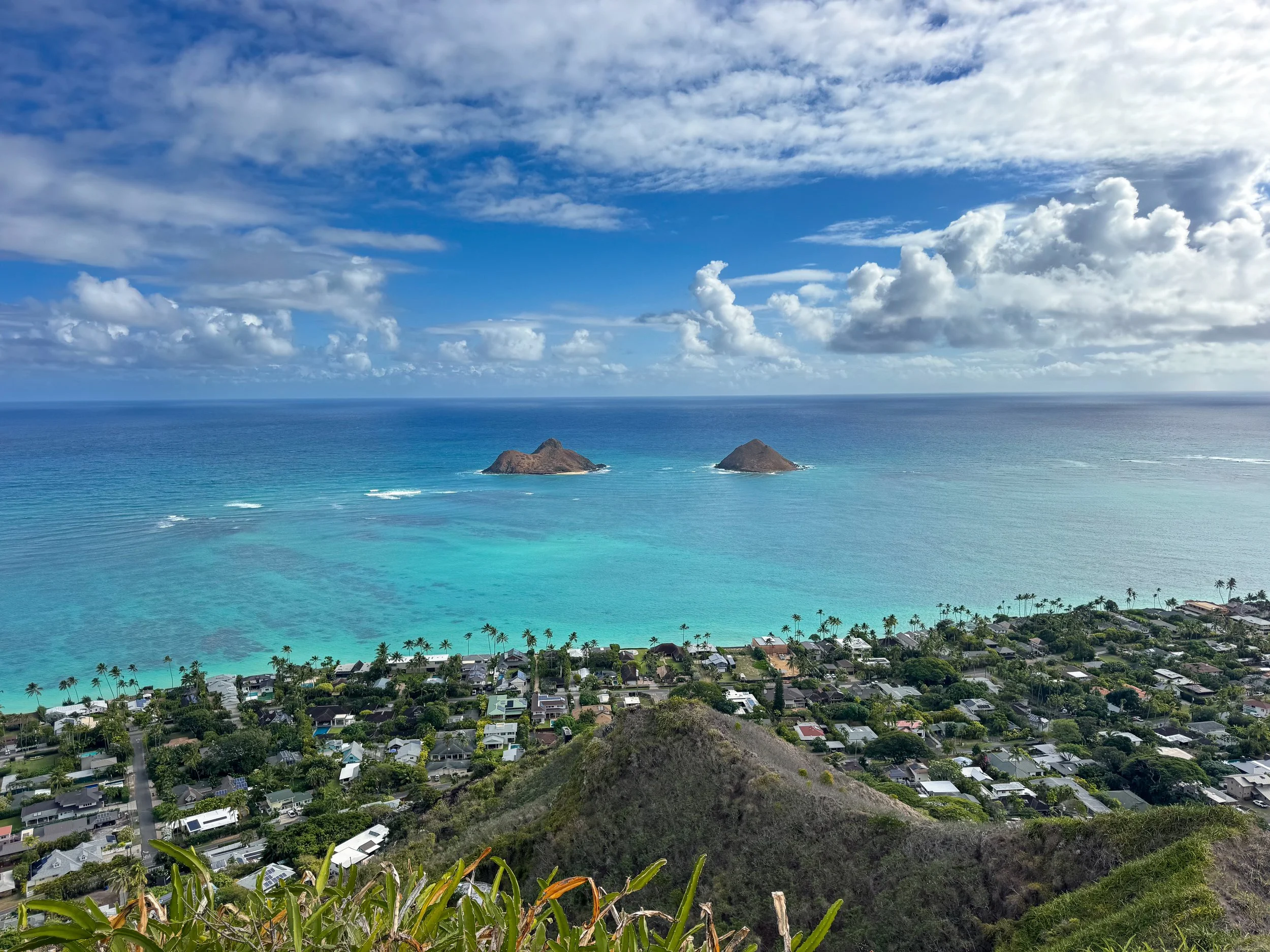
Lanikai Pillbox Trail. A short but steep trail leads to a series of graffitied military bunkers perched on the volcanic ridge beyond Lanikai Beach. Lookout points boast picturesque views of the seaside neighborhood below and nearby Moku Islands. The trail continues further along the ridge with views of the island’s rugged interior.
Good to Know. Wear sturdy shoes and be cautious of the loose gravel. Park at Kailua Beach and walk to the trailhead located at this Map Pin.
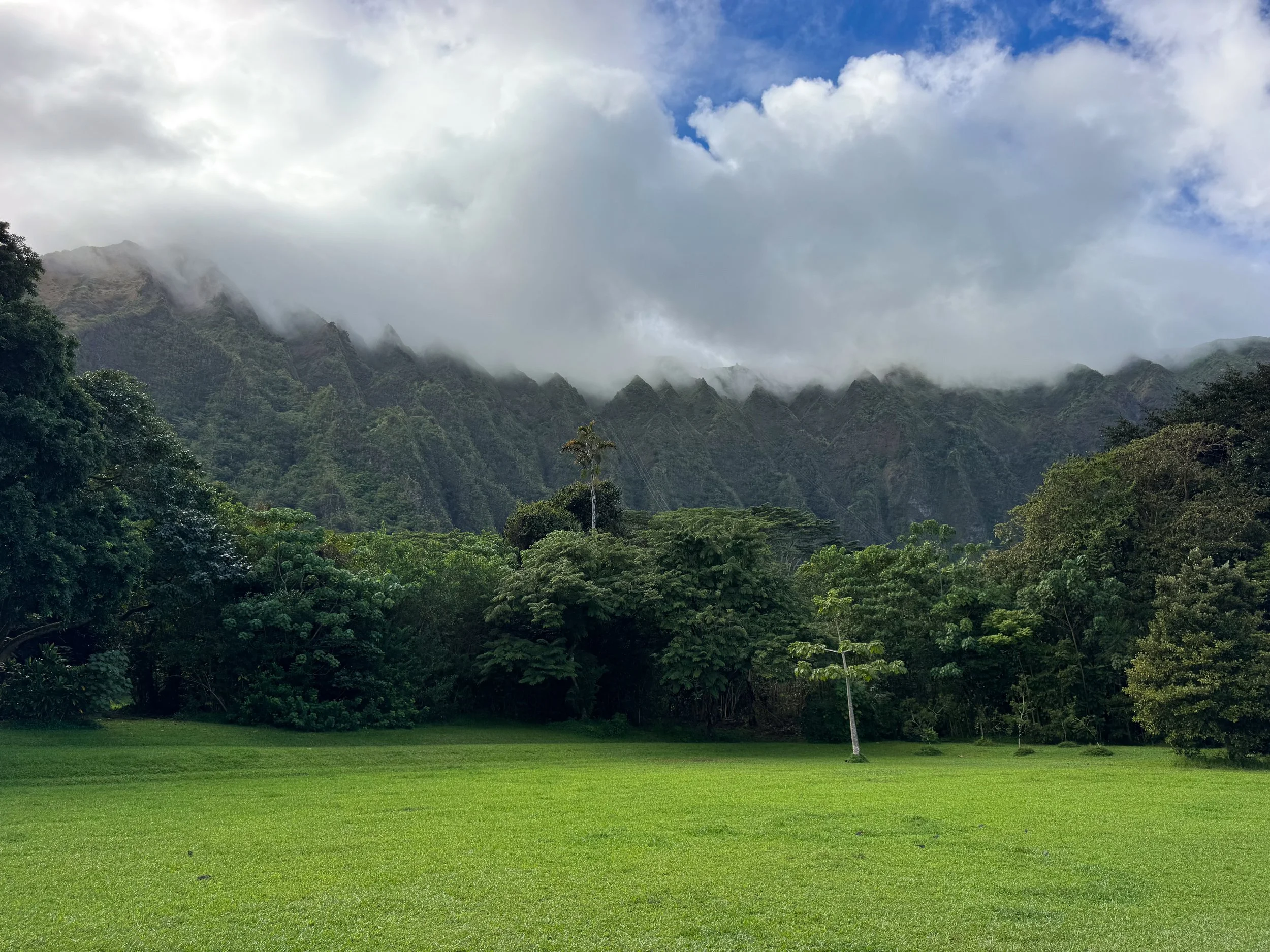
Hoʻomaluhia Botanical Garden. Few places transport visitors to the Jurassic Period like O’ahu’s famed Hoʻomaluhia Botanical Garden. Cloud covered mountains, lush volcanic ridges and dense rainforest characterize the verdant landscape. Nature trails meander through tropical gardens to lakeside lookouts.
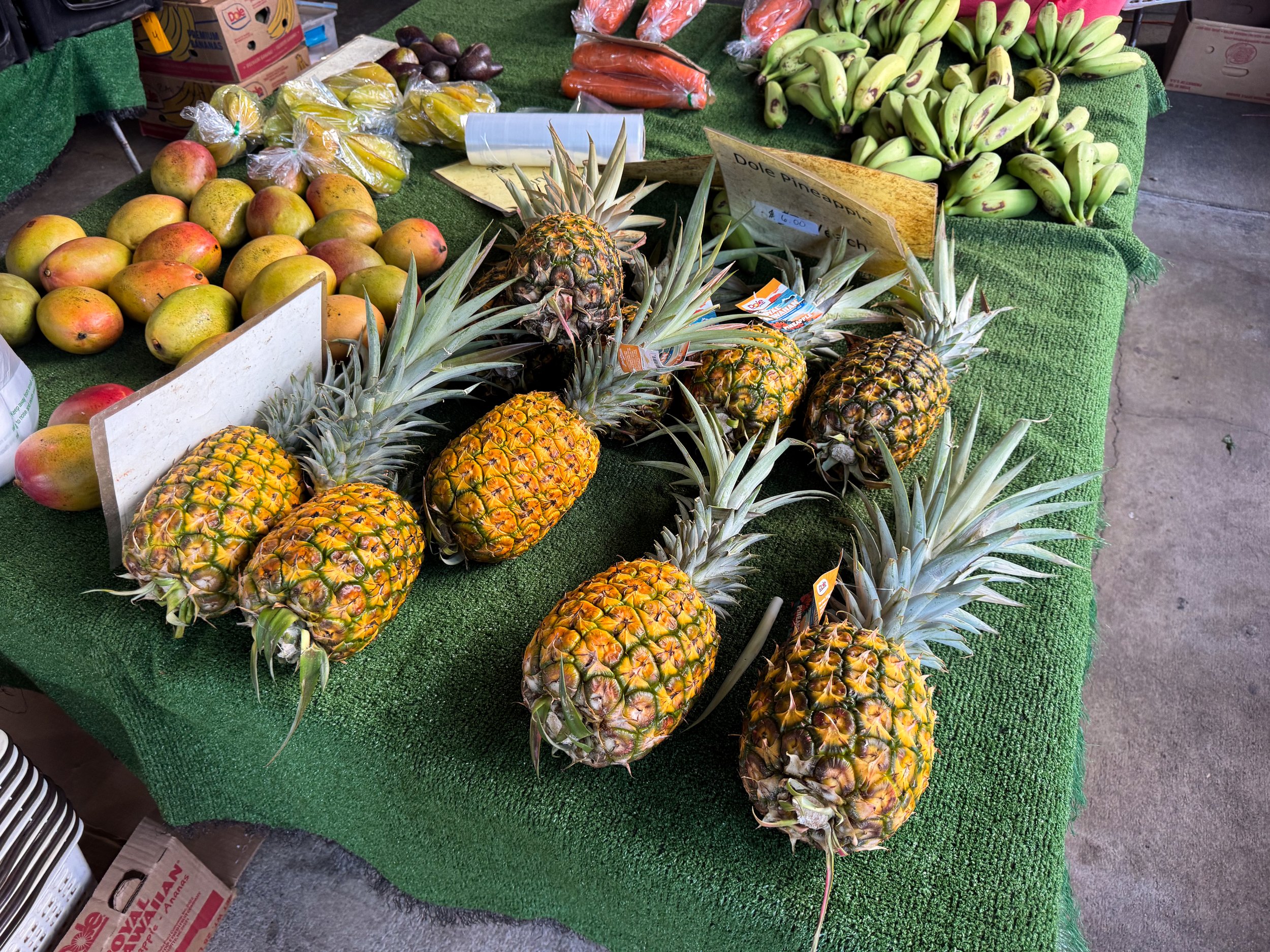
Kailua Farmers Market. Local vendors set up a weekly farmers market in the Kailua Town Center with a range of produce stands, mobile kitchens and live music. Come here to shop for fresh fruits, vegetables, herbs, baked goods, juices and international meals. The market is held each Thursday from 4-7pm.
Kalapawai Market. A chain of “small town markets” located along the Windward Side of O’ahu. Their aisles are stocked with snacks, beverages, beach goods and island decor. The Kailua location prepares sandwiches in their deli while the barista brews a range of hot and iced coffees.
Ocean Excursions
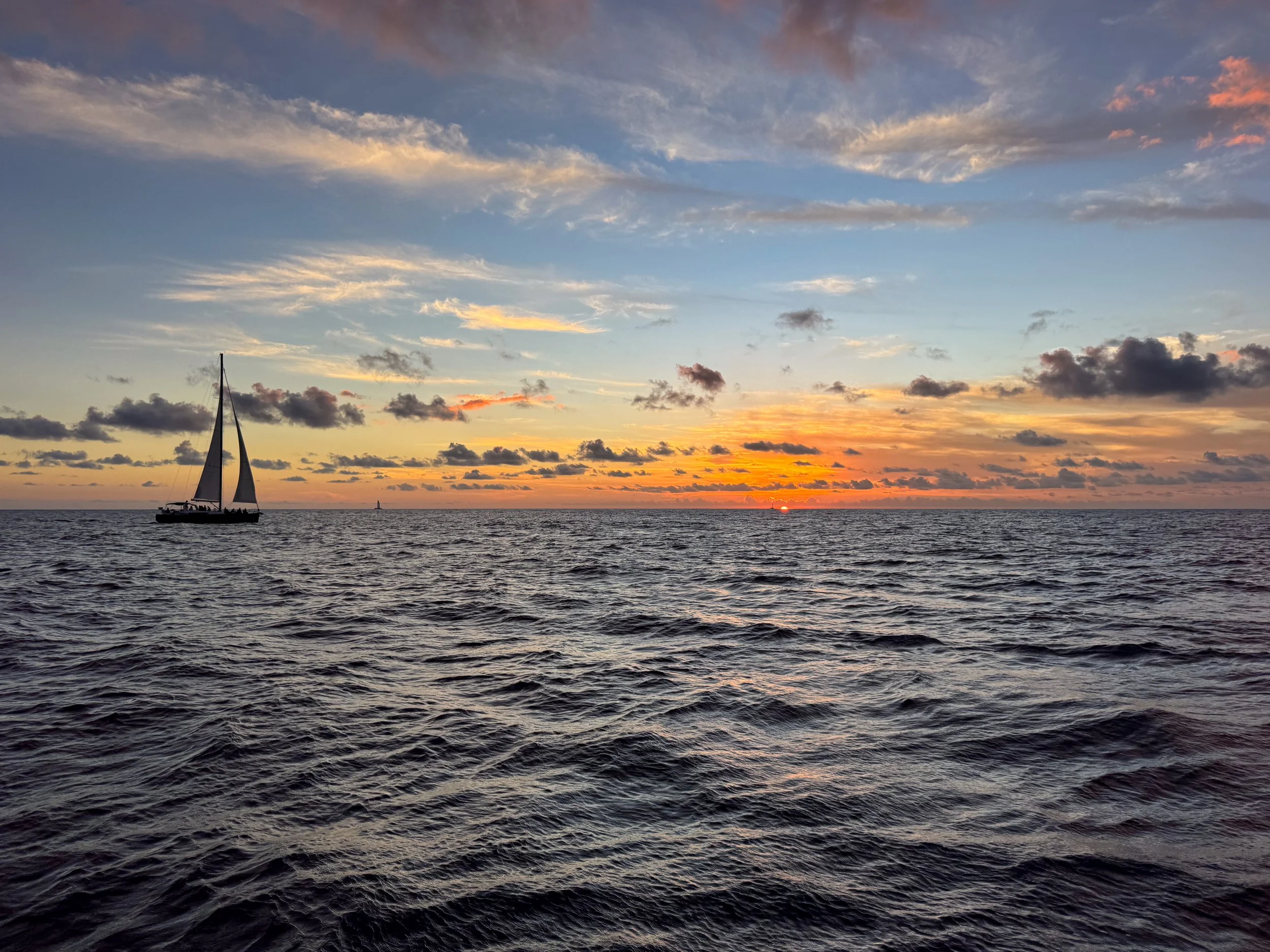
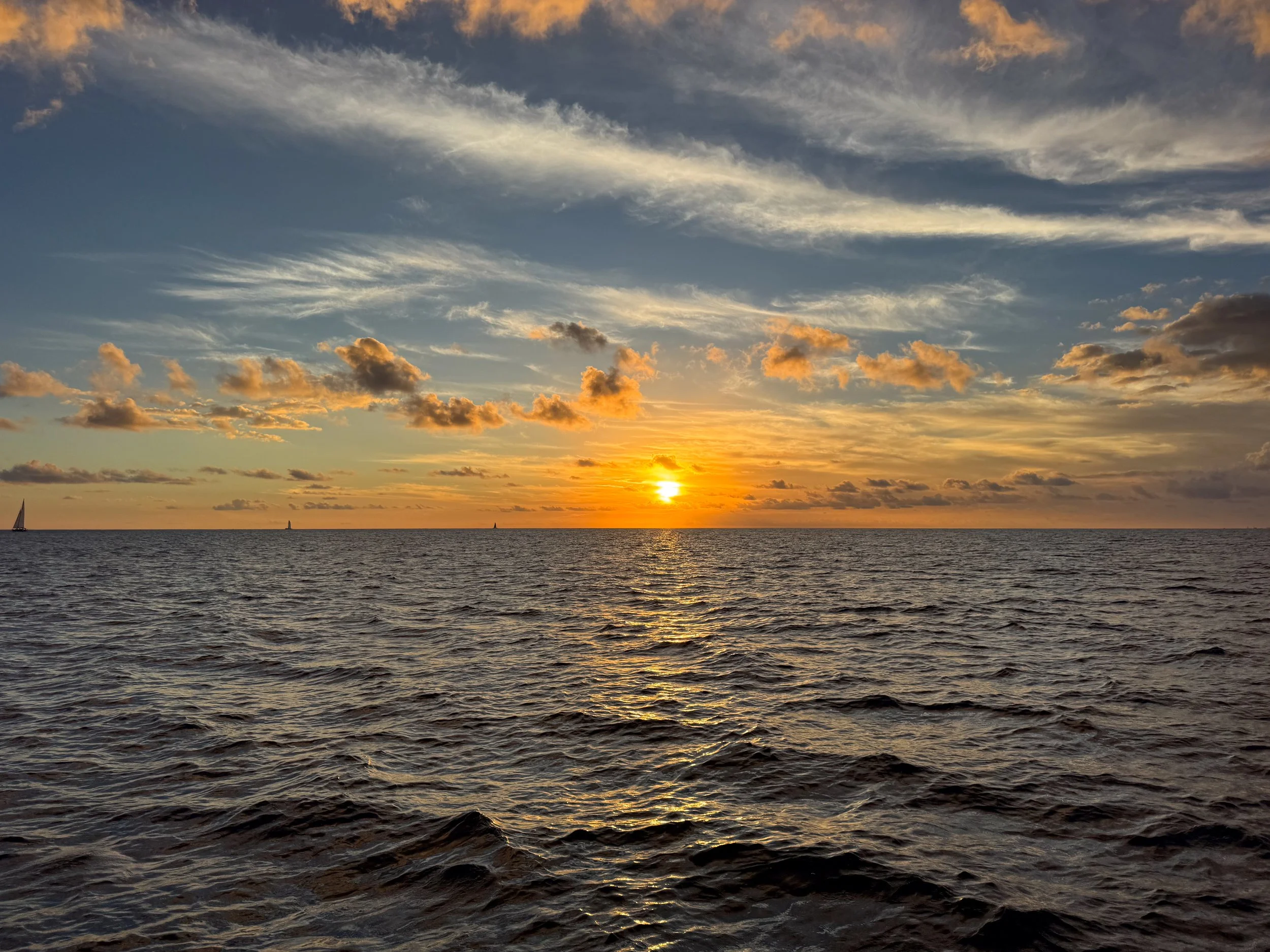
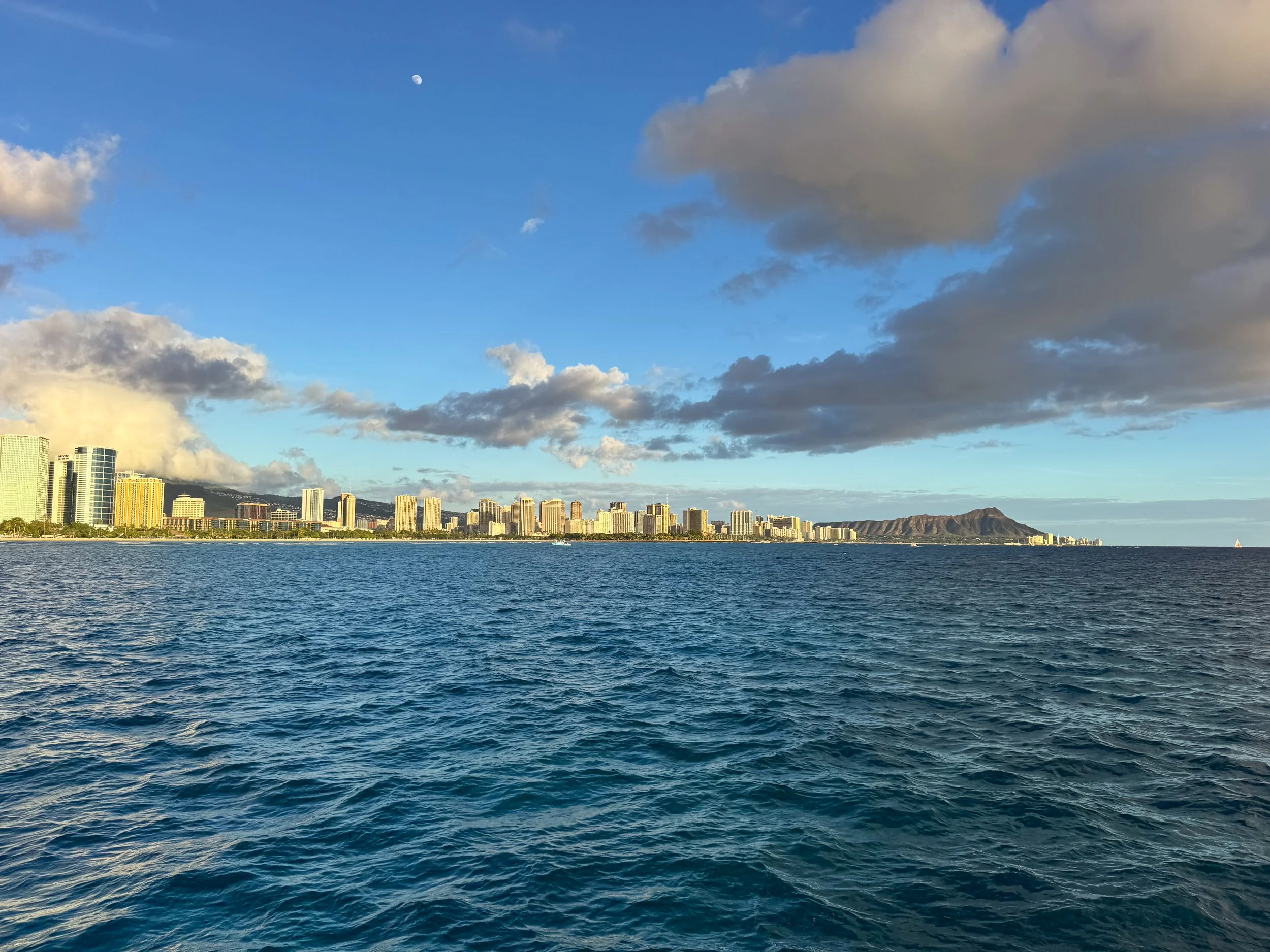
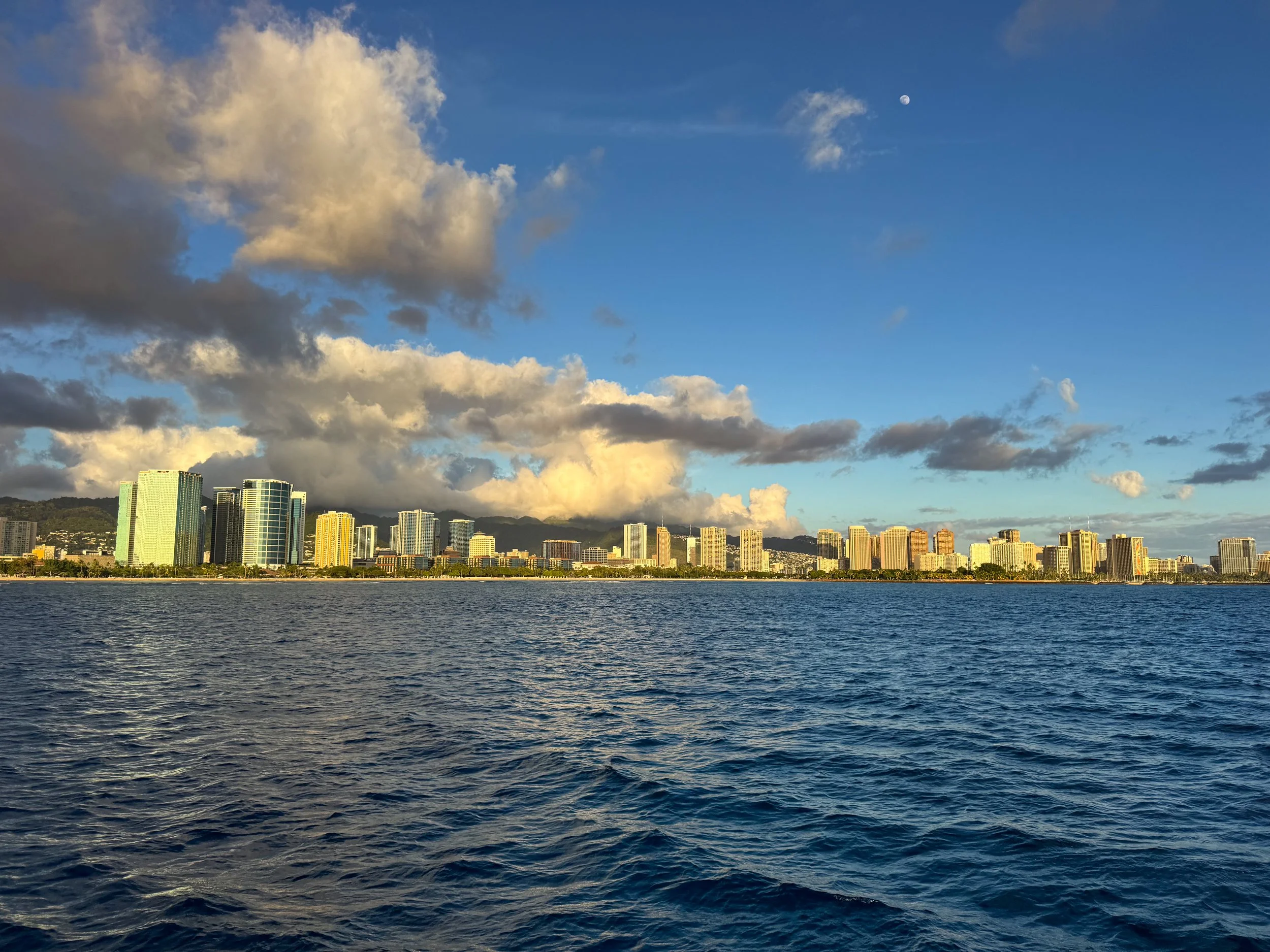
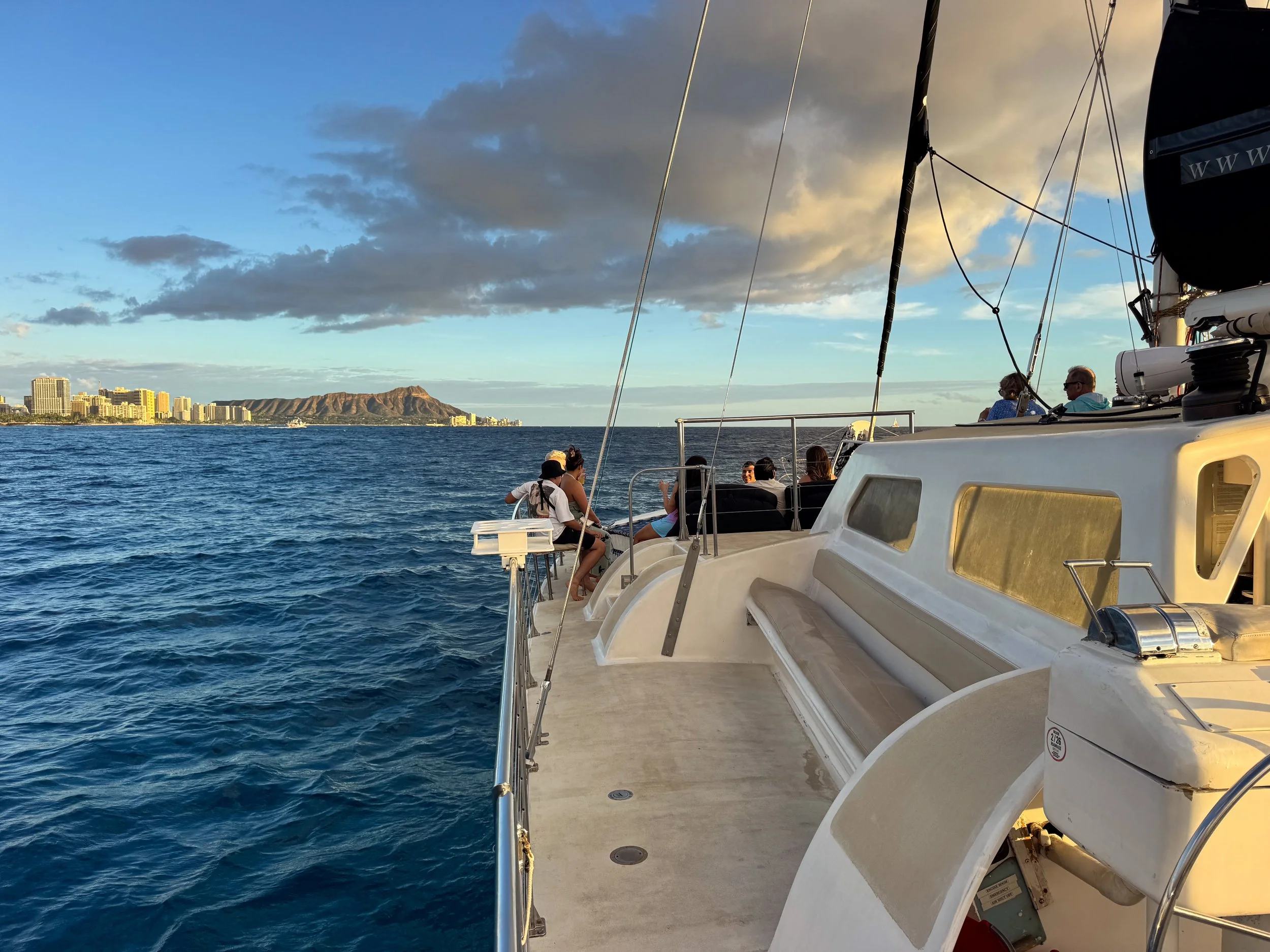
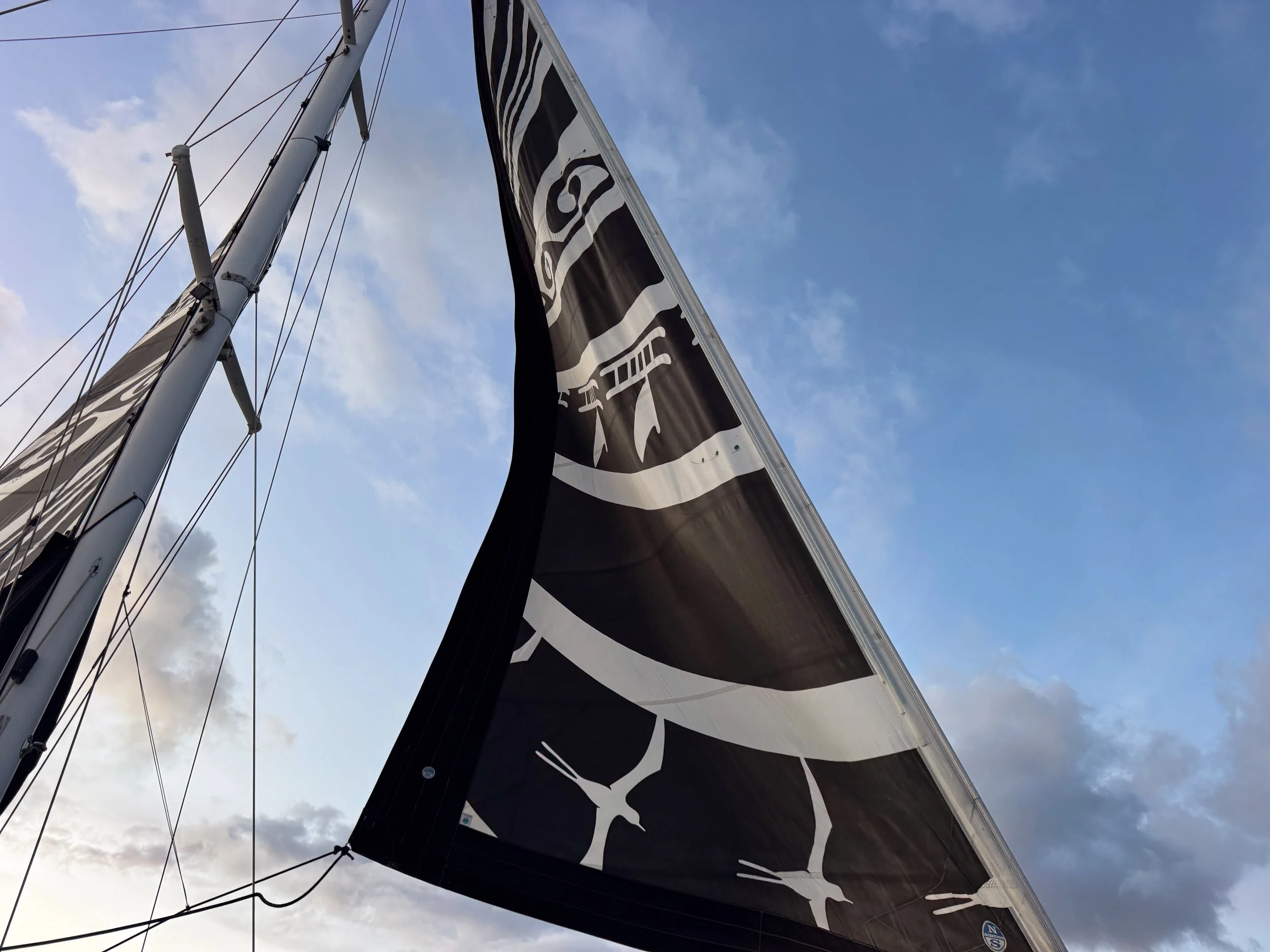
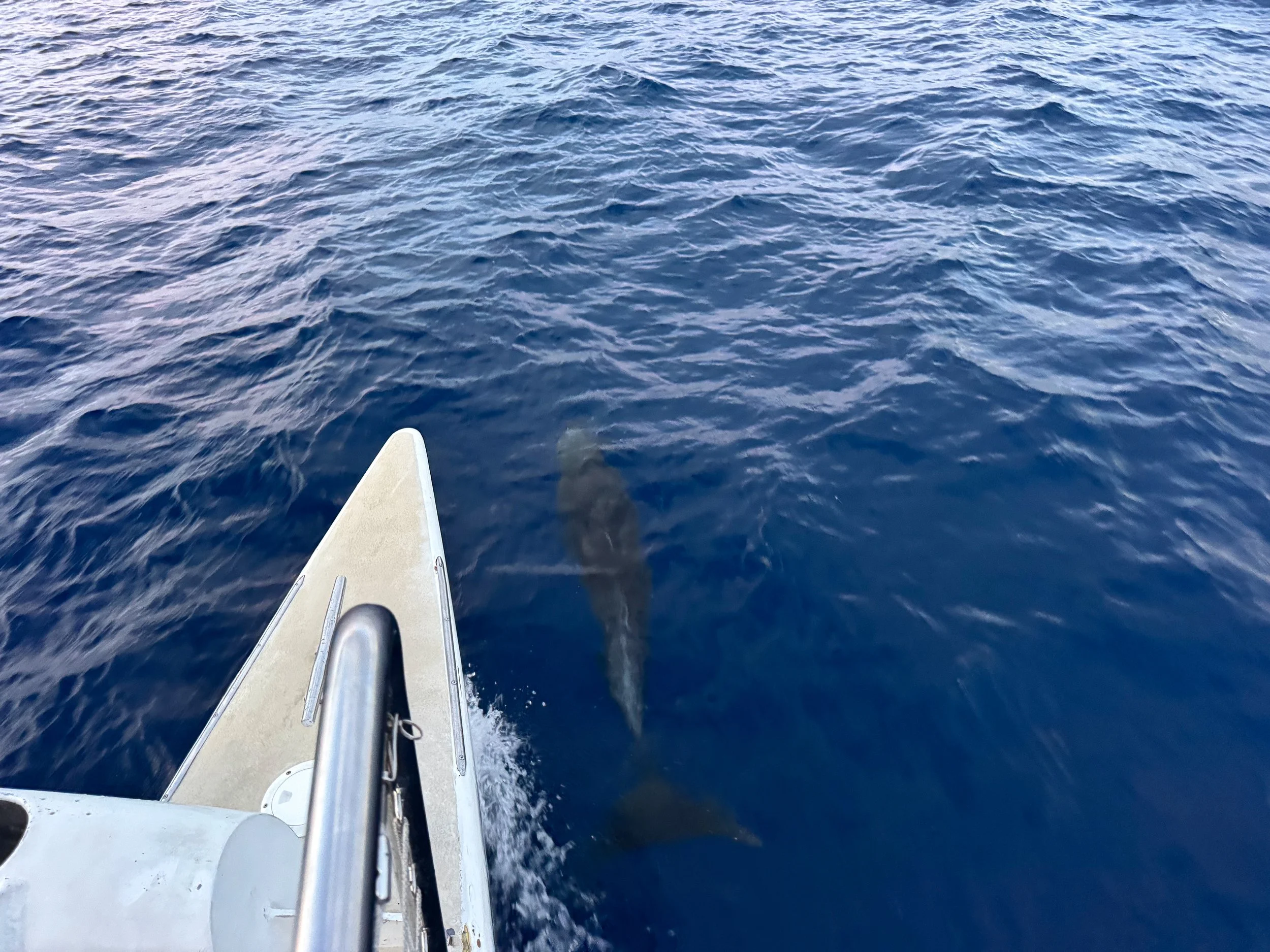
Moana’s Sunset Cocktail Sail Along Oahu's Waikiki Coast. Sunsets in Hawaii hit differently, especially on a boat! We boarded a catamaran as the crew served mai tais and margaritas. The boat cruised along the coast with the sail unfurled and Hawaiian music playing. The golden glow of the sun illuminated Waikiki’s skyline and the island’s rugged mountains. The sun began to set as bottlenose dolphins played in the bow waves as if a scene from a movie. Book with Moana Sailing Co on Viator.
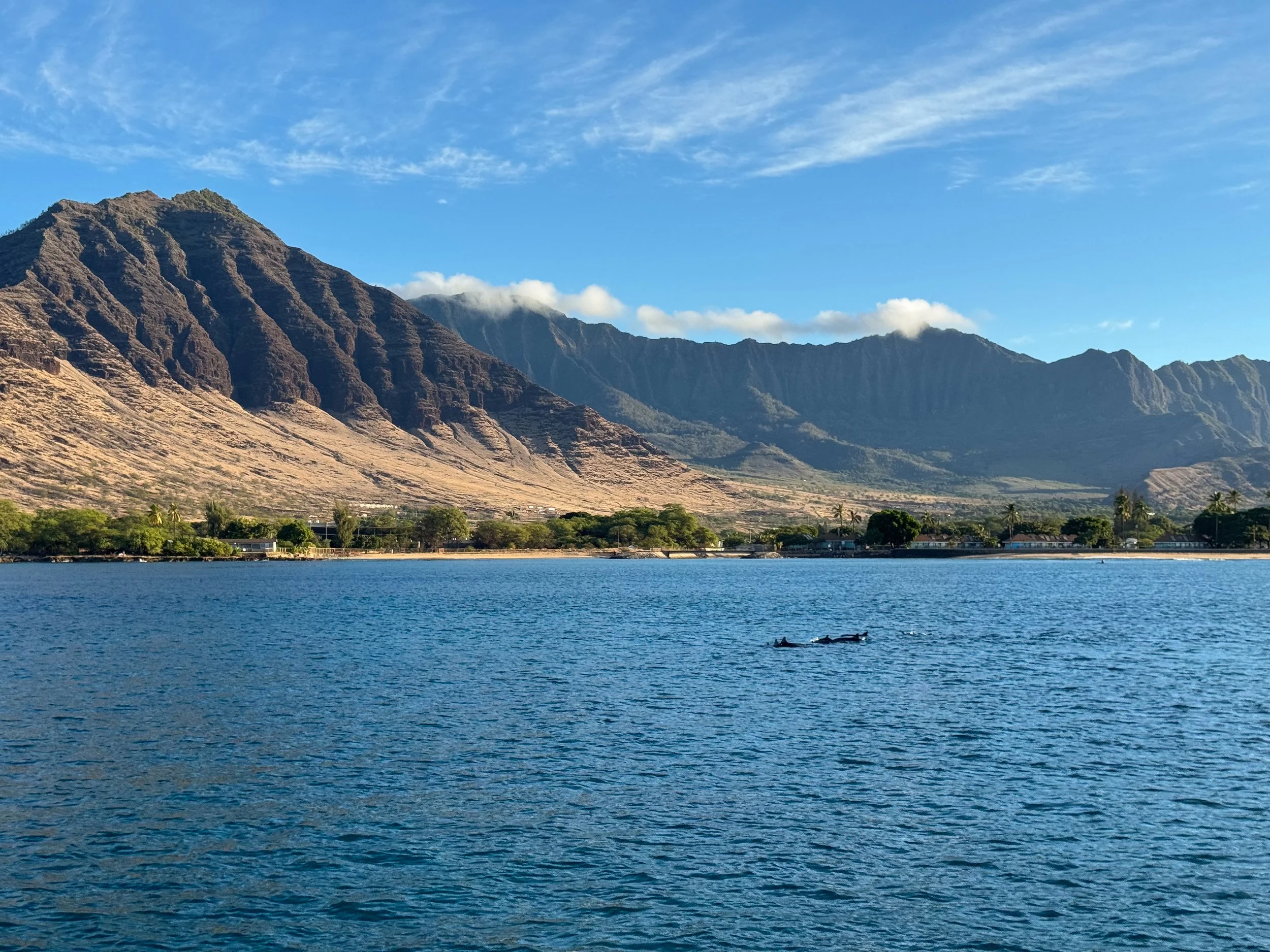
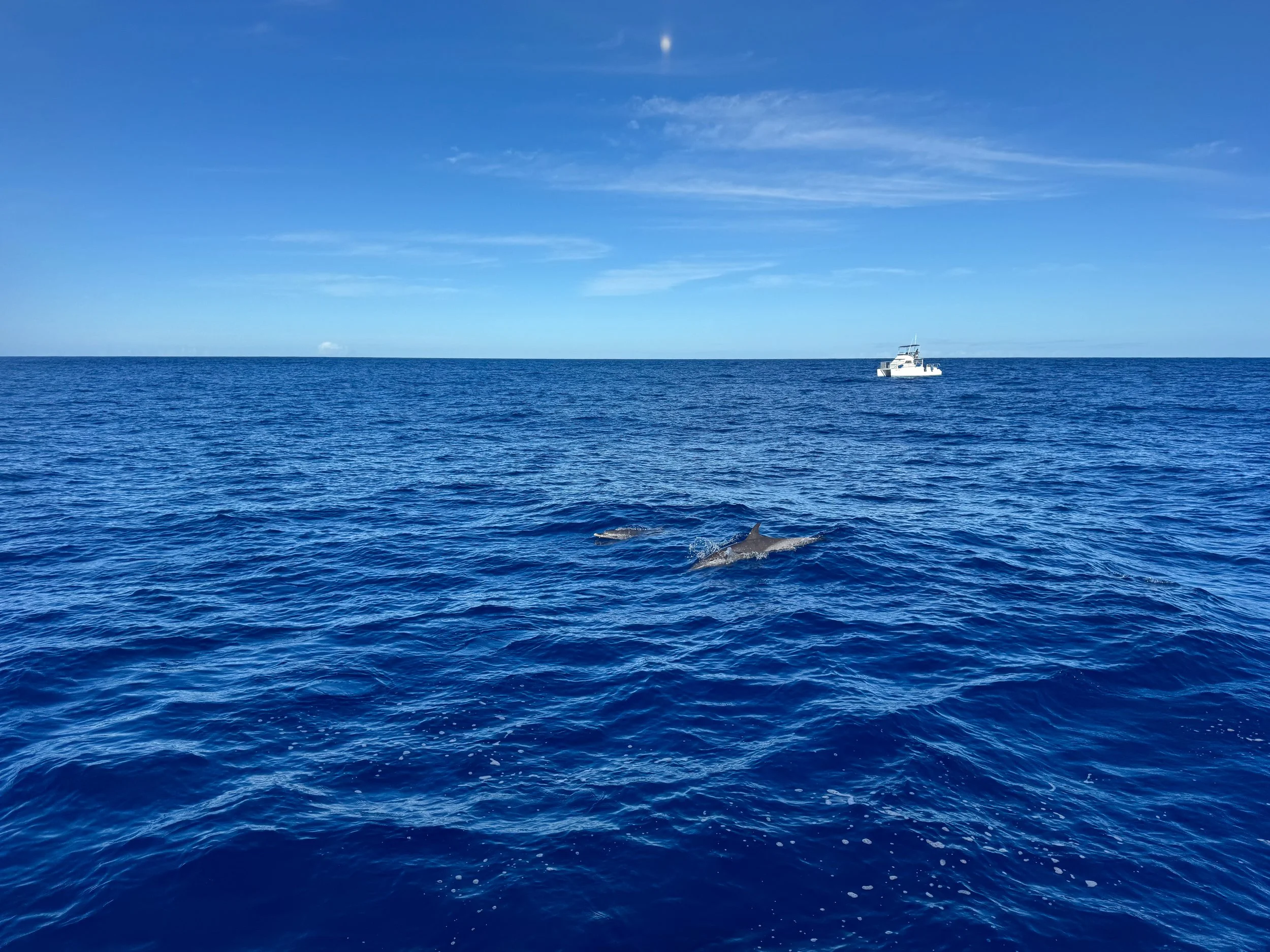
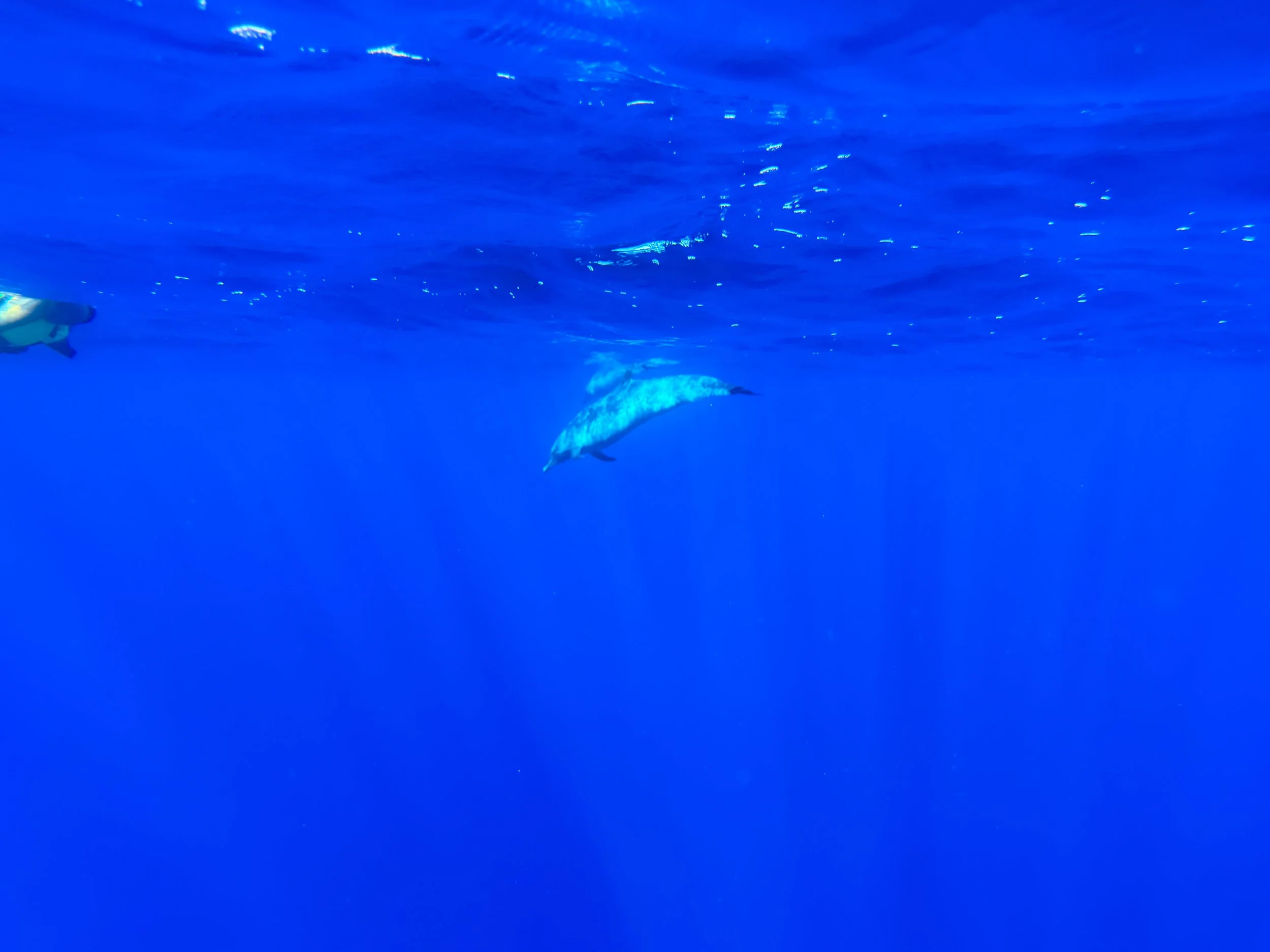
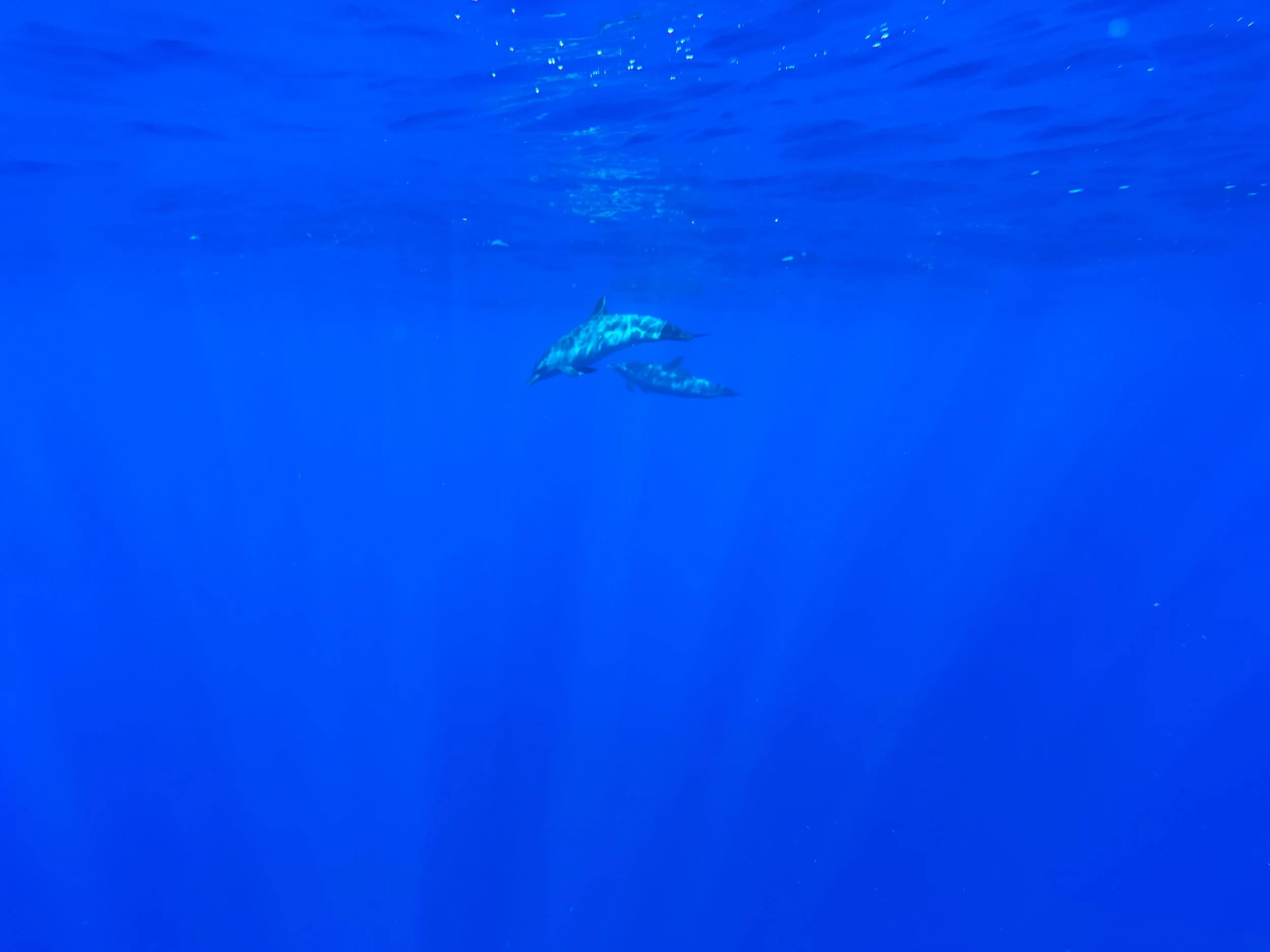
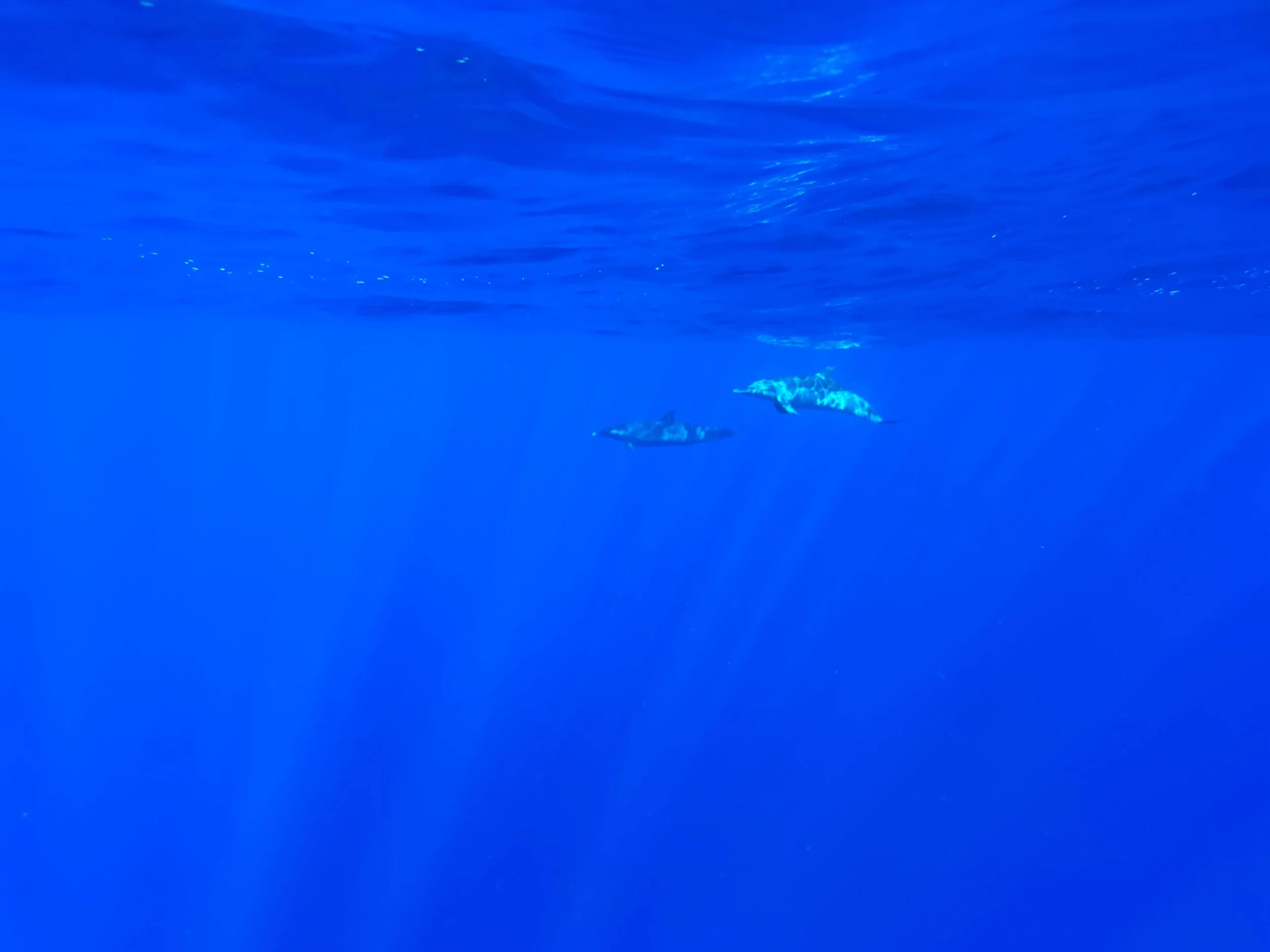
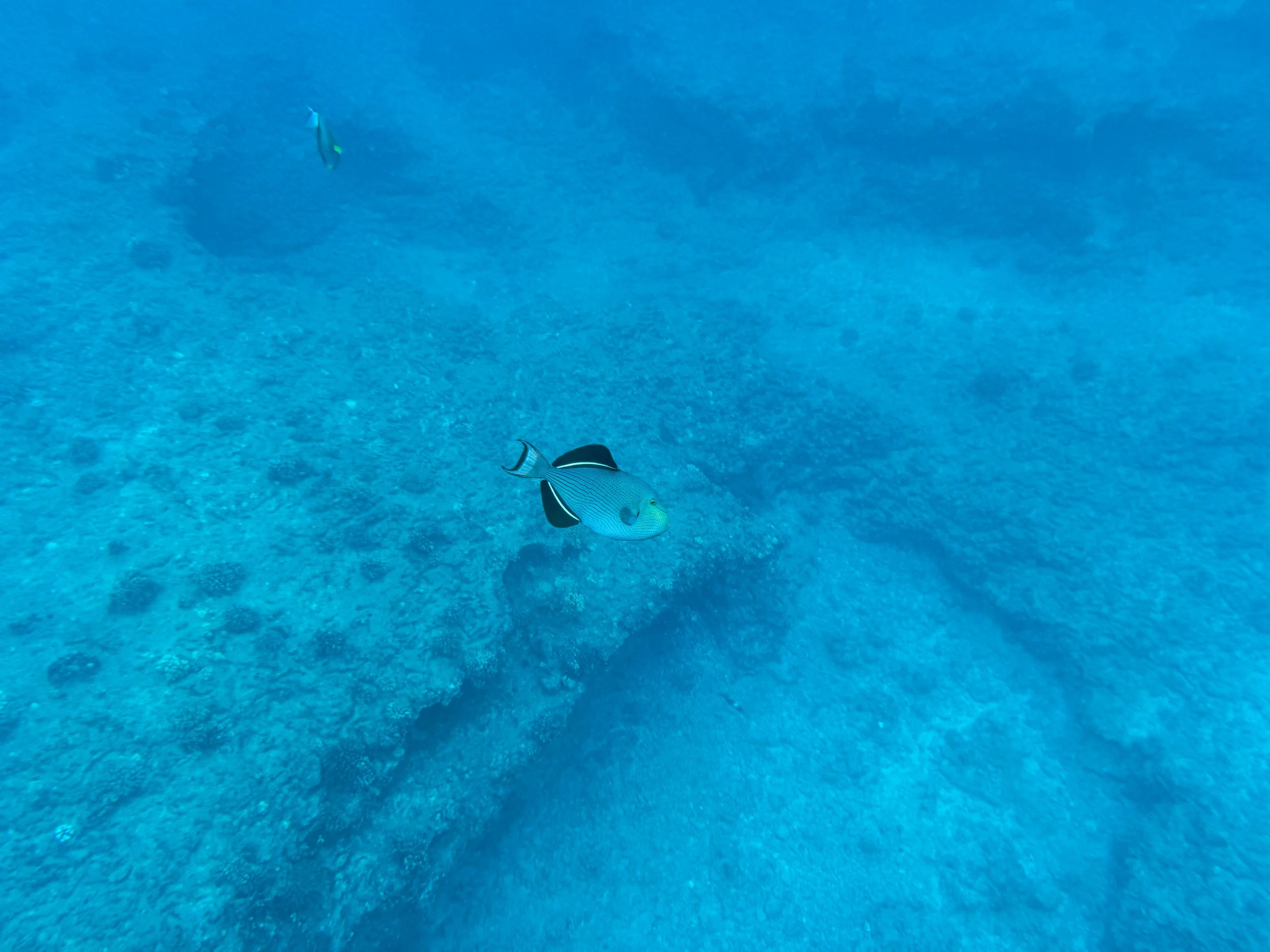
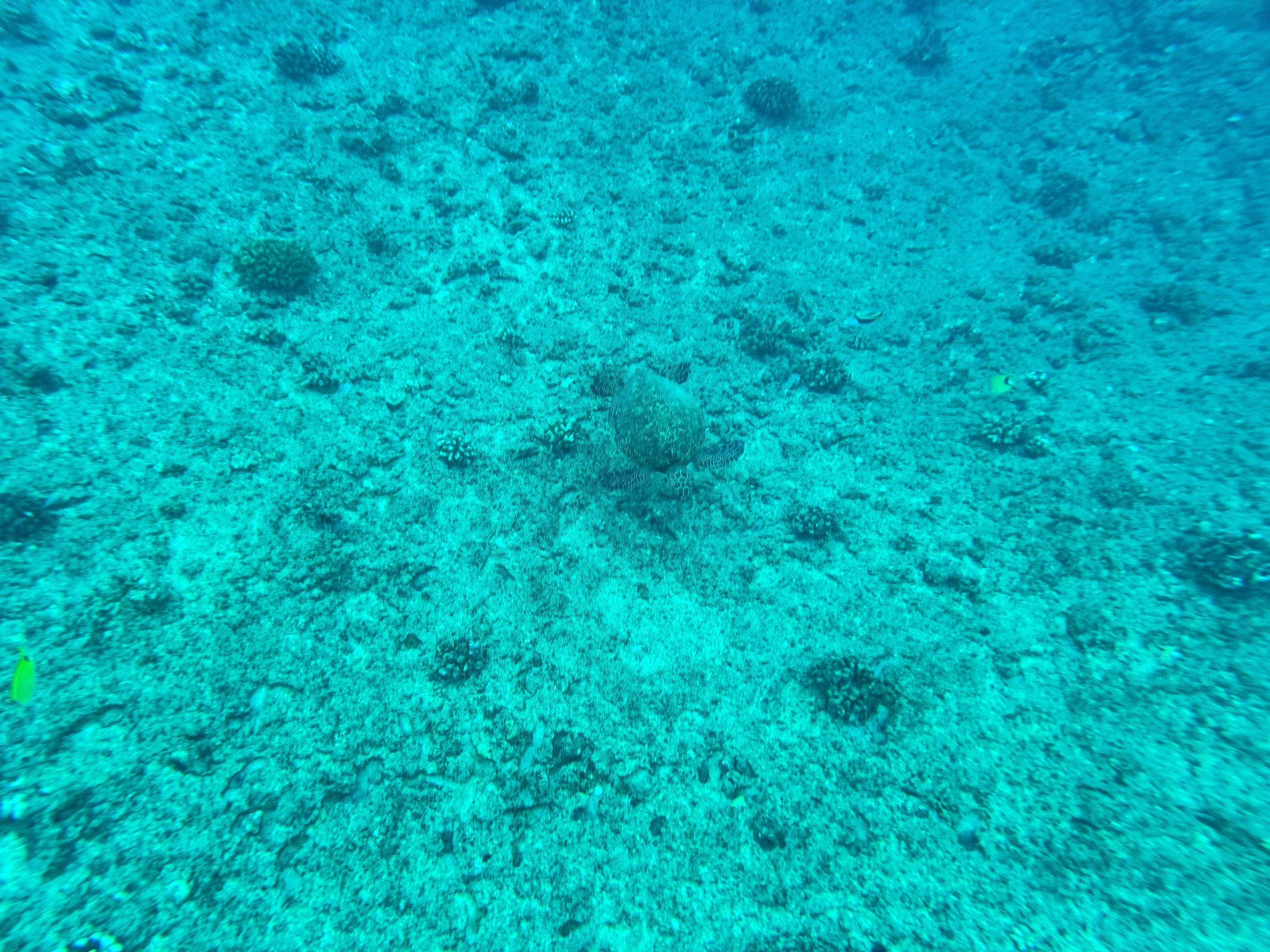
Swim with Dolphins on the West Coast of O’ahu. We joined the crew from Indigo Ocean Hawaii on a half day excursion from Waikiki to swim and snorkel with wild dolphins along Oahu’s Leeward Coast. A playful pod of Spinner Dolphins greeted us in the shallow waters outside of the marina. They porpoised one after another, occasionally jumping from the water and twirling into the air. After an hour at sea, a pod of Spotted Dolphins gathered in the deep open water. With snorkels on, we jumped from the boat and watched as they swam past. On the voyage back to the marina, migrating humpback whales sent spouts of water into the air before raising their tails and diving into the depths. Book on Viator.
Getting Around
There are multiple ways of getting around O’ahu depending on where you’re staying and everything you plan to see. We primarily explored the city on foot and island by scooter.
On Foot. Waikiki is very walkable and an enjoyable way of exploring the neighborhood, getting to the beaches, shopping and discovering restaurants and bars.
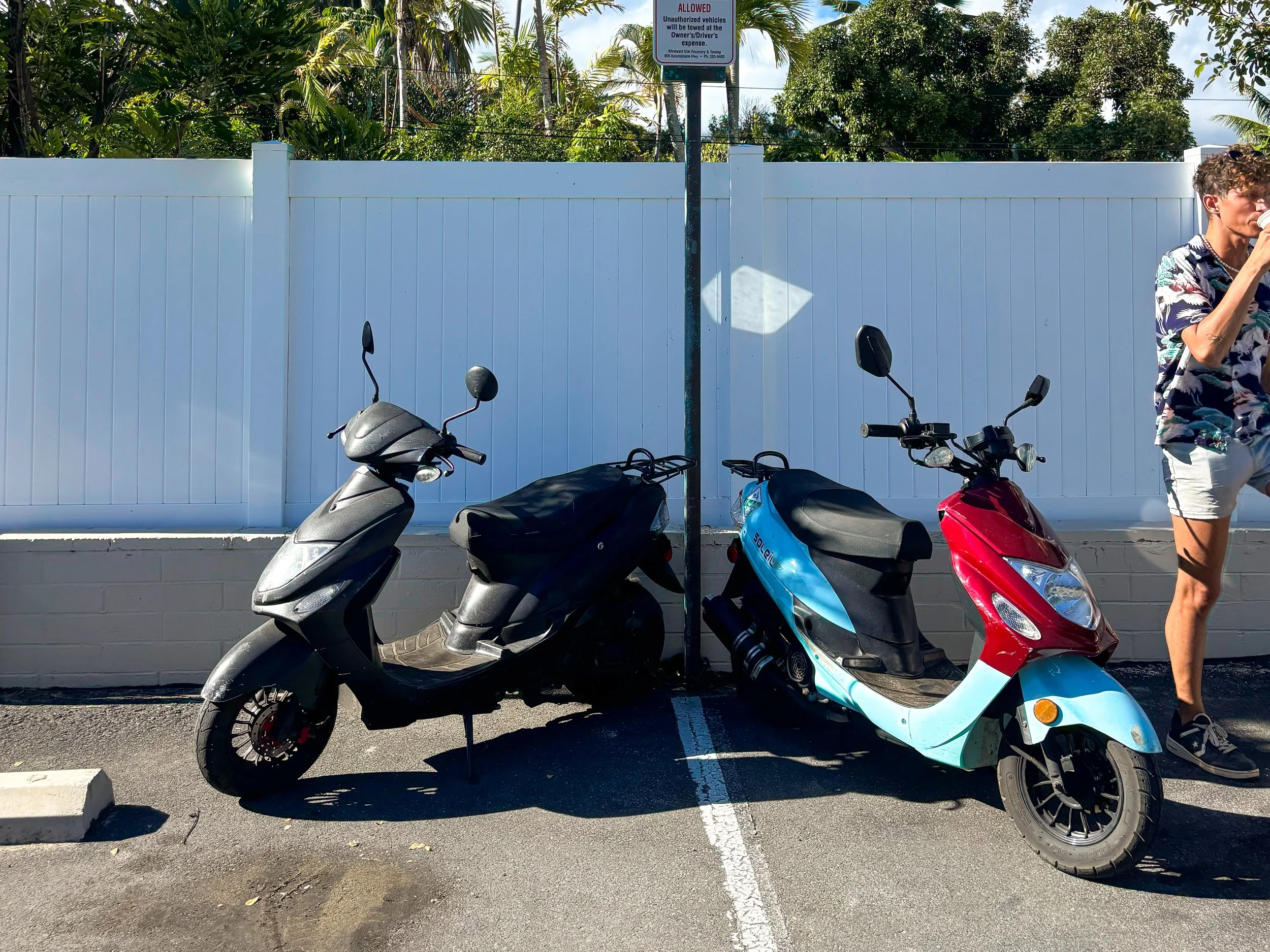
Scooter. Vespas and Mopeds are the best individual way of getting around Honolulu and coast. We rented a pair of scooters from Waikiki Moped Rental, a reliable and well reviewed shop with affordable options.
Good to Know. Scooters are not allowed on the island’s main freeways or inner island highways: H1, H2, H3, 61 & 62.
Uber. Ride shares like Uber are ideal for getting between the airport and city as well as across town. Expect airport rides to cost $50 and city rides to cost between $10-$20.
Rental Car. Driving is the best way to explore all areas of the island on your own time. Rentals, gas and parking are extremely expensive.
Waikiki Trolley. A tourist trolley offers routes to around Honolulu and the South Shore of O’ahu. Single and multi-day passes make getting around convenient if not renting a scooter or car.
Where to Stay
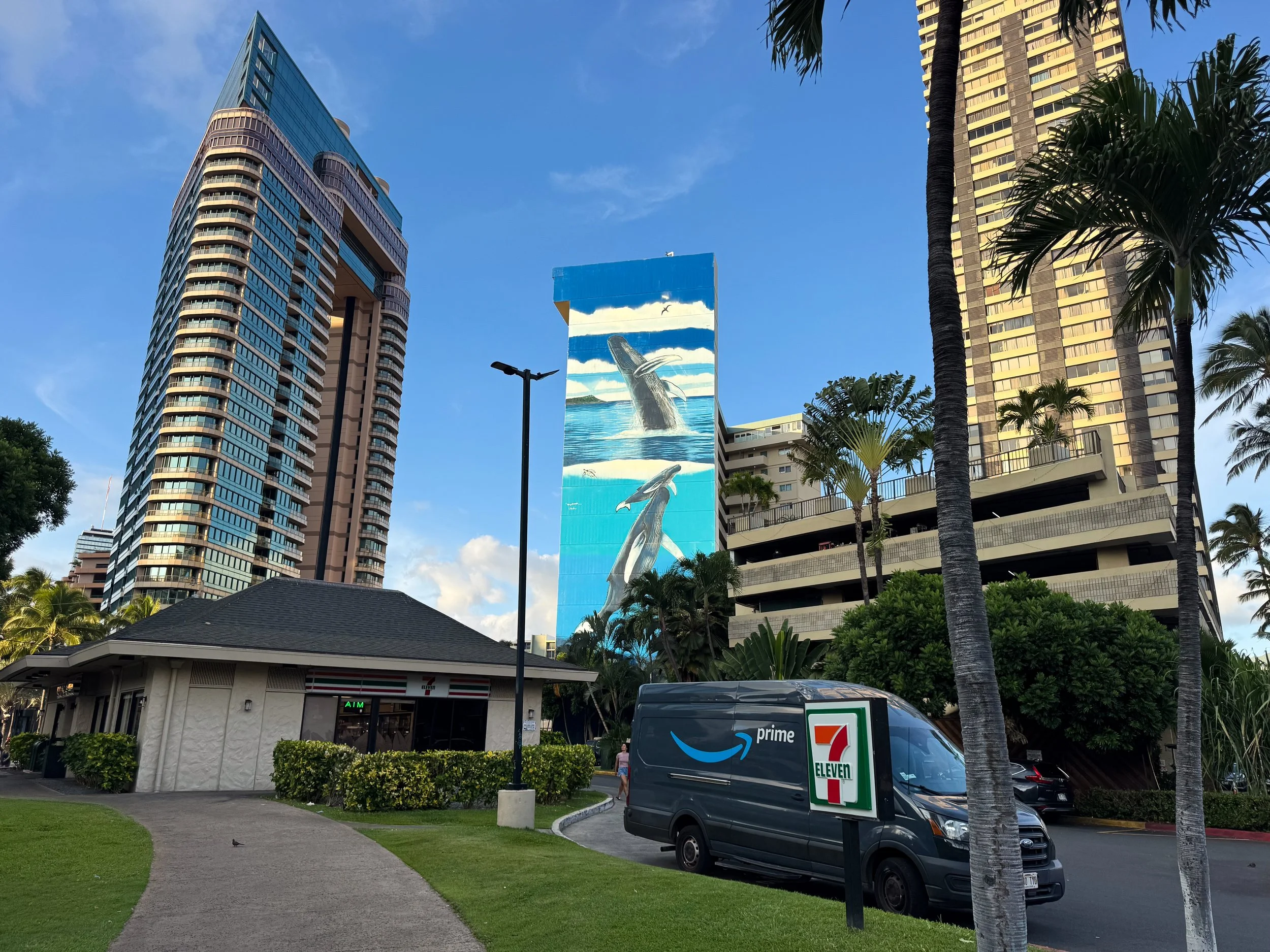
Waikiki is a convenient place to stay when visiting Honolulu. Its skyscrapers and beachfront hotels are home to countless vacation rentals and luxury accommodations. We split our time between two locations in Waikiki.
Waikiki Monarch Hotel. An apartment complex on the north side of Waikiki with hundreds of vacation rentals. Our comfortable unit had a small kitchen and ocean views. The building is a short walk away from the Waikiki Food Truck Park and Fort DeRussy Beach. Apartments are available for rent on Airbnb.
Aloha Suites Waikiki. A small hotel in the center of Waikiki with well equipped apartment rentals. Our unit had a full kitchen, outdoor balcony and high speed wifi. It’s located less than 5 minutes from Waikiki Beach. Apartments are available for rent on both Airbnband Booking.
When to Visit
Early December. The sweet spot to visit O’ahu is early December between Thanksgiving and Christmas. The crowds are smaller and the temperature is comfortable. Humpback whales begin their migration increasing the chances of seeing them anywhere around the island.
Elsewhere in Hawaii…
From Oʻahu's beaches, surf breaks and island culture to the Big Island's volcanoes, lava fields and black sand beaches, discover more of Hawaii through this travel guide:
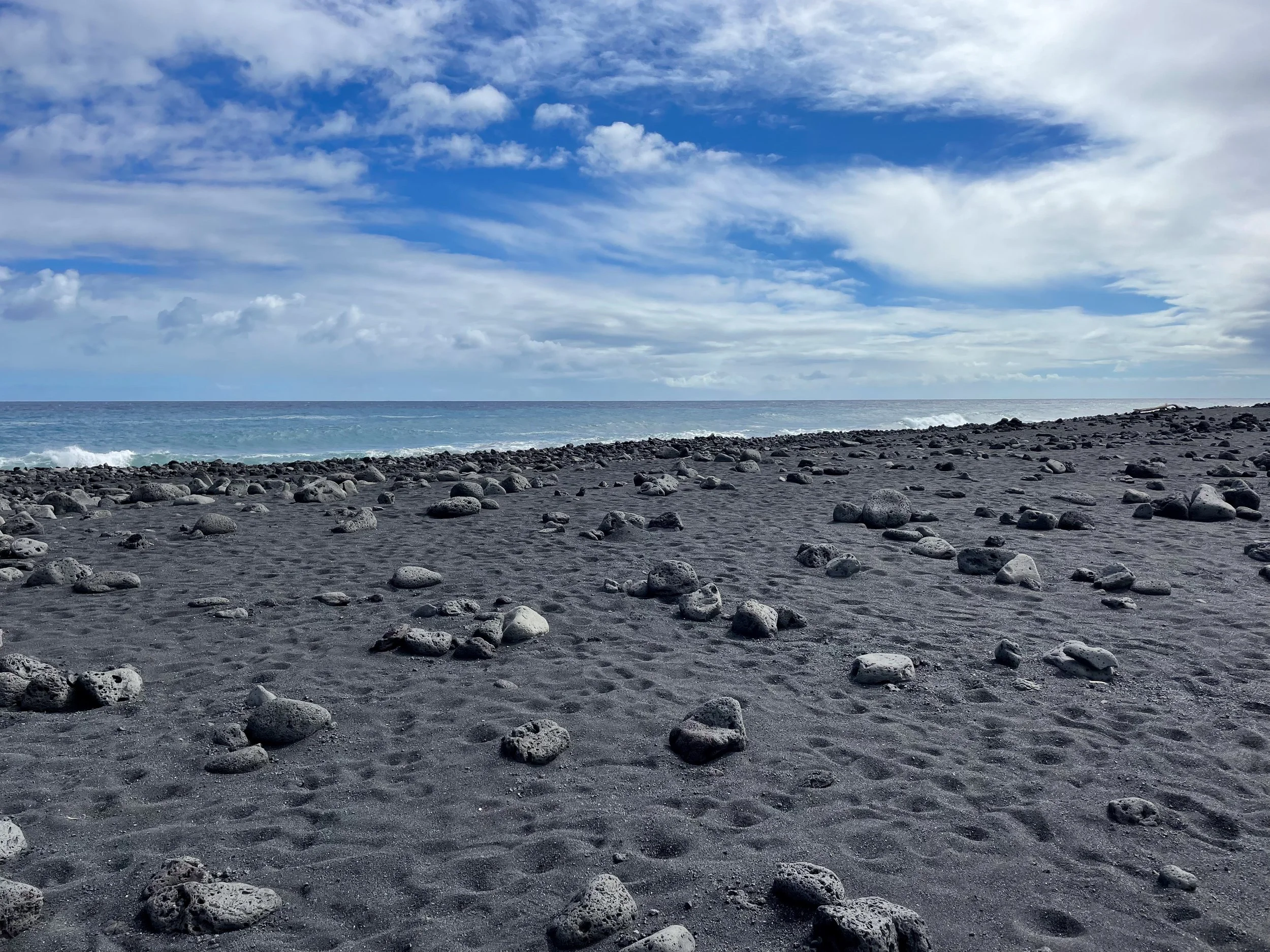
Big Island Travel Guide: Volcanoes, Black Sand Beaches & Island Adventures. Road trip across Hawaii’s Big Island where active volcanoes, black sand beaches, Hawaiian cultural sites and local farmers markets lead to unforgettable island adventures.
For Next Time…
The Hawaiian Islands keep calling us back! On our next trip to Hawaii we plan to rent a car and venture to the North Shore of O’ahu, visit Hawaiian cultural sights and make our way to the islands of Kauai and Maui.
Haleʻiwa. A colorful and historic town on the North Shore with small cafes, surf shops, boutiques and markets.
Waimea Bay Beach. A North Shore beach with a large rock, popular for jumping from. It has a calm surf during the summer and big waves during the winter. Dolphins and sea turtles can frequently be spotted offshore.
Ko Hana Distillery. O’ahu’s only sugarcane rum distillery. They offer tours, tastings and cocktails.
Pu'u o Mahuka Heiau. The stone ruins and platforms of an ancient Hawaiian temple. It’s located walking distance from Waimea Bay Beach.
Bishop Museum. Hawaii’s main cultural and natural history museum with Hawaiian artifacts, science exhibits and art galleries.