Big Island Travel Guide: Volcanoes, Black Sand Beaches & Island Adventures
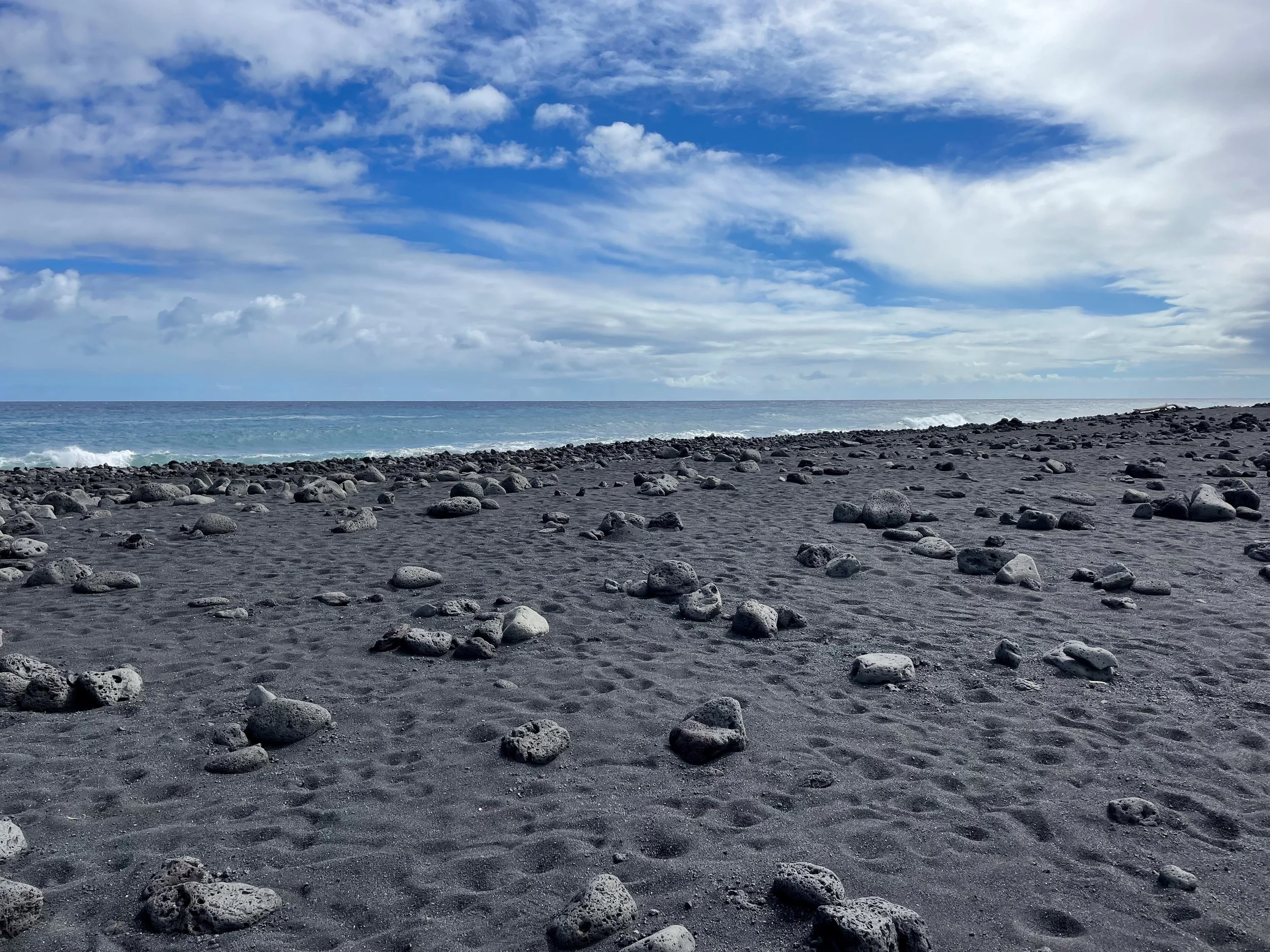
The Big Island, Hawaii
The Big Island is the largest of the Hawaiian Islands. Its rugged and lush terrain is home to idyllic nature, volcanic landscapes, cultural sights and all around island vibes. Blackened lava fields grow from active volcanoes while waterfalls spill over lush cliffs. Manta rays, dolphins, sea turtles and colorful reef fish swim offshore. Coastal cities like Kona and Hilo are tourist hubs while inland towns like Pāhoa and Honomu provide a local atmosphere. Tiki bars serve tropical cocktails and pupus, cafés brew Kona coffee and farmers markets sell locally grown produce. Cultural sights including petroglyph parks and royal grounds highlight Hawaiian heritage.
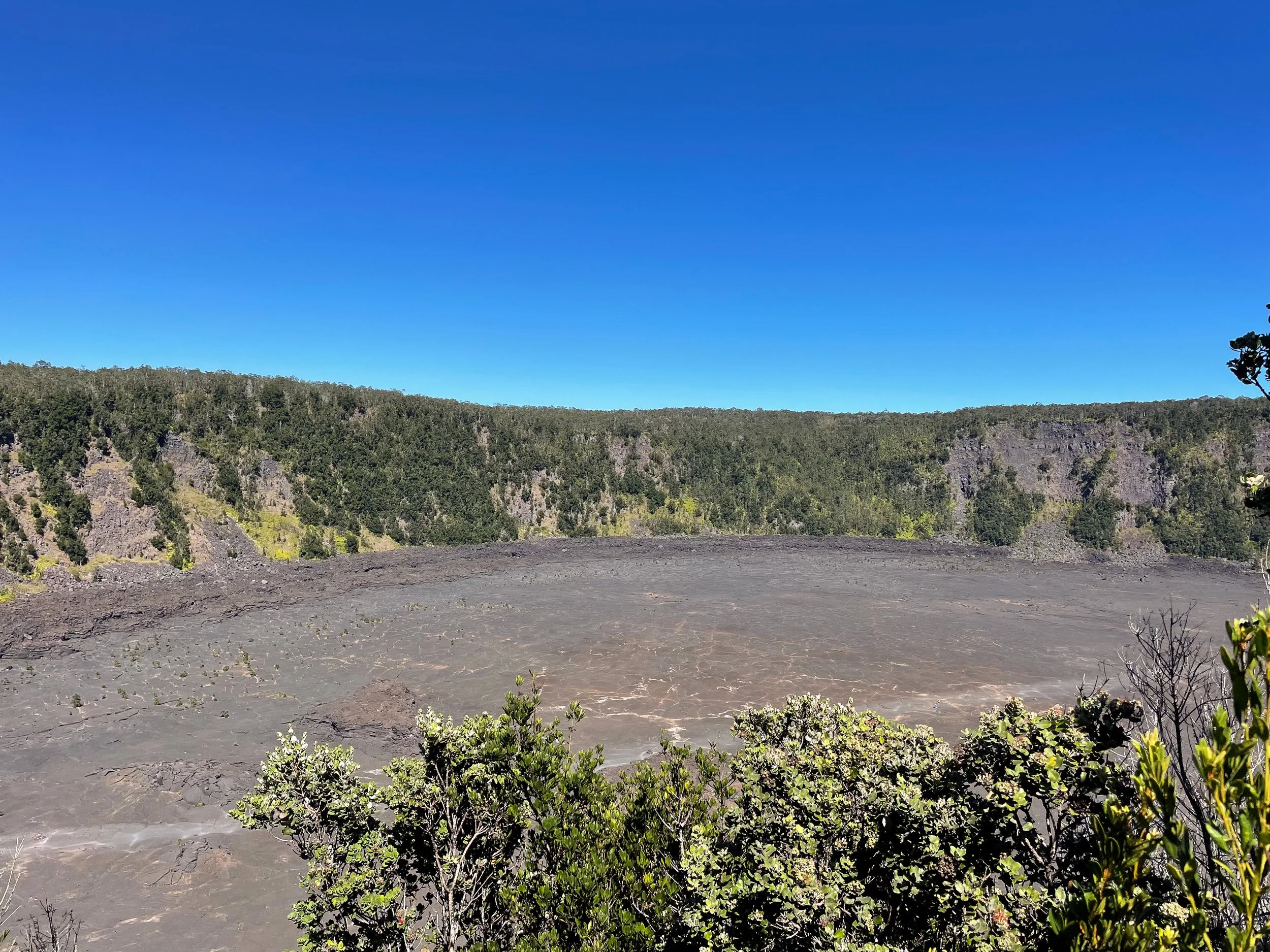
Volcanoes National Park
The Big Island is famed for Volcanoes National Park, a park encompassing a sprawling region of the island stretching from sea level on the South Coast to the summit of the Mauna Loa Volcano. The park is home to active volcanoes, hardened lava fields and flows, craters, lava tubes, steam vents, scenic overlooks, hiking trails, sea arches and Hawaiian petroglyphs. We spent an entire day in the park exploring sights along the Crater Rim Drive and Chain of Craters Road. There is a vehicle fee to enter the park. The park is open 24 hours a day.
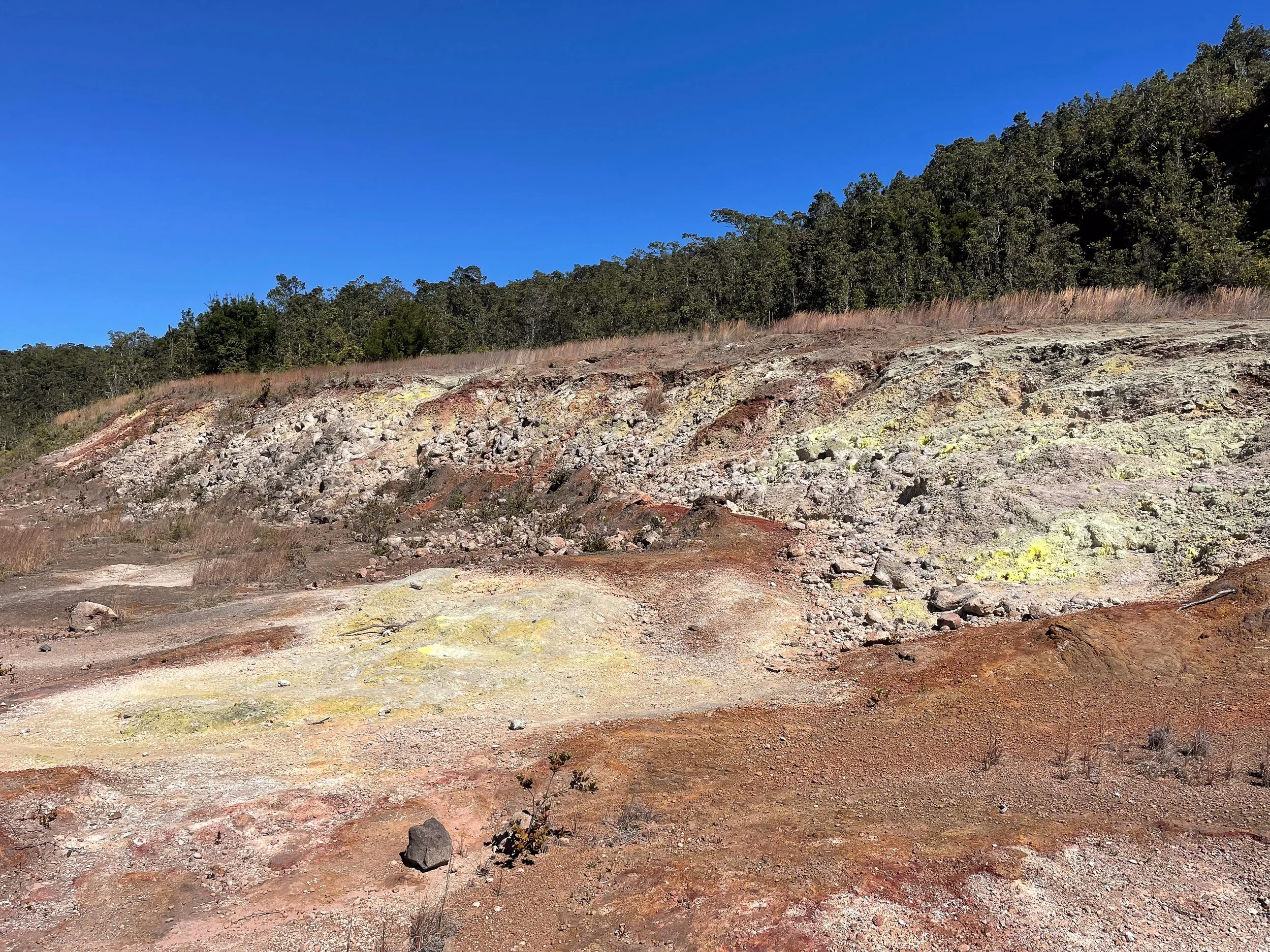
Crater Rim Drive
A road partly circling the Kilauea Crater with active volcanos, crater overlooks, steam vents, lava tubes and trails. The drive starts at the Kilauea Visitor Center.
Sulphur Banks. Steam vents with yellow sulphur deposits. It’s reachable from the visitor center after a half mile hike.
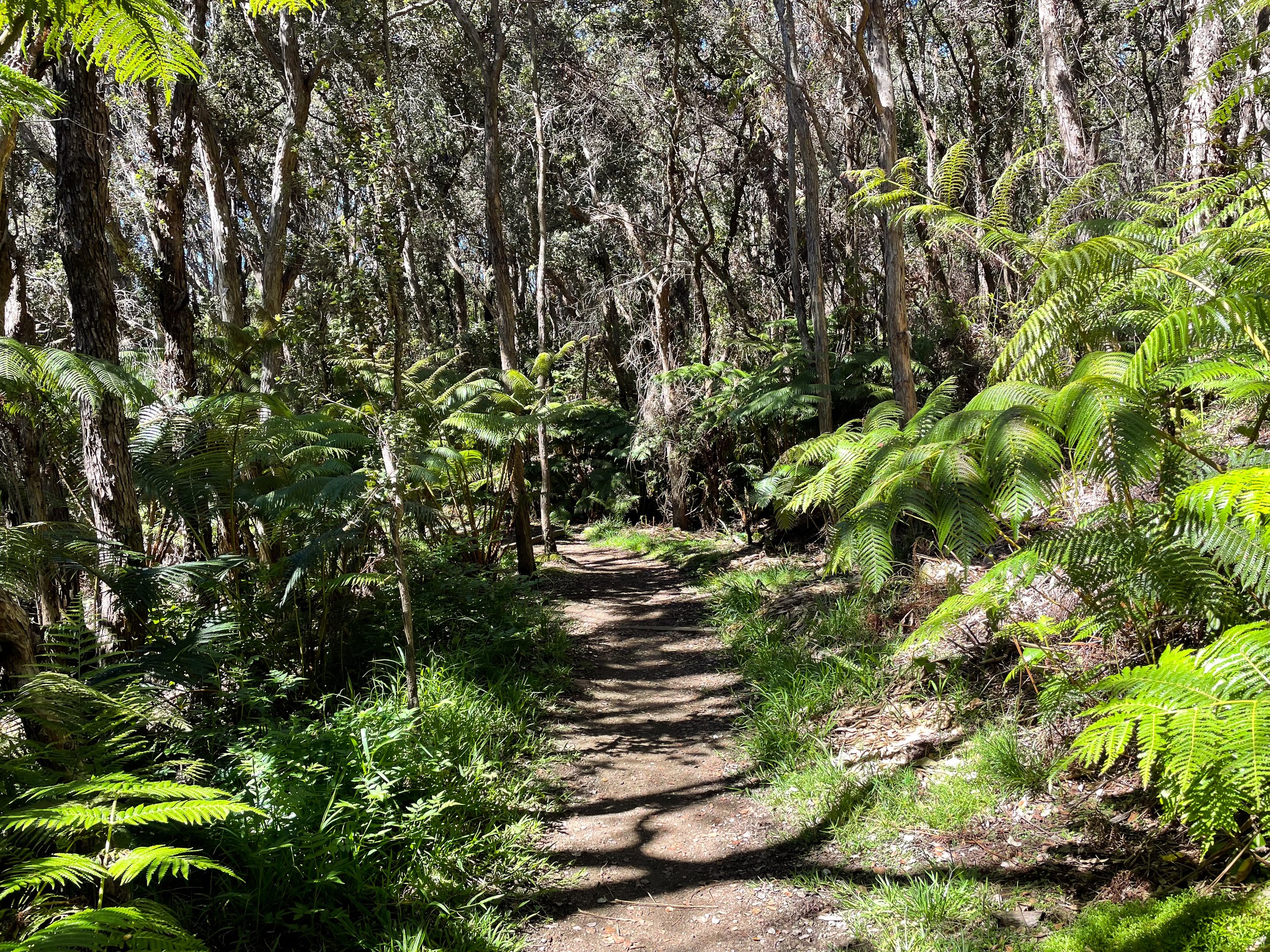
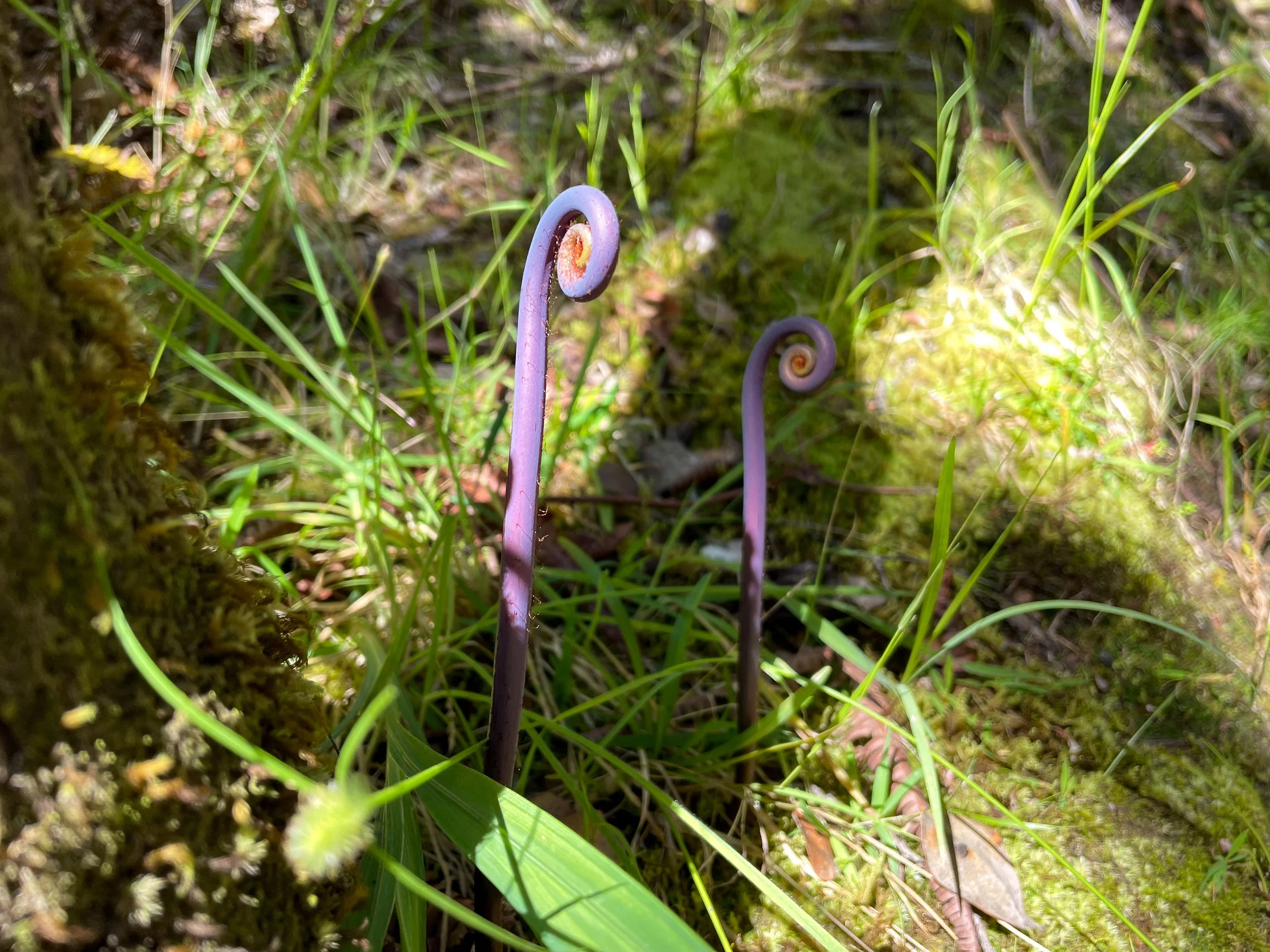
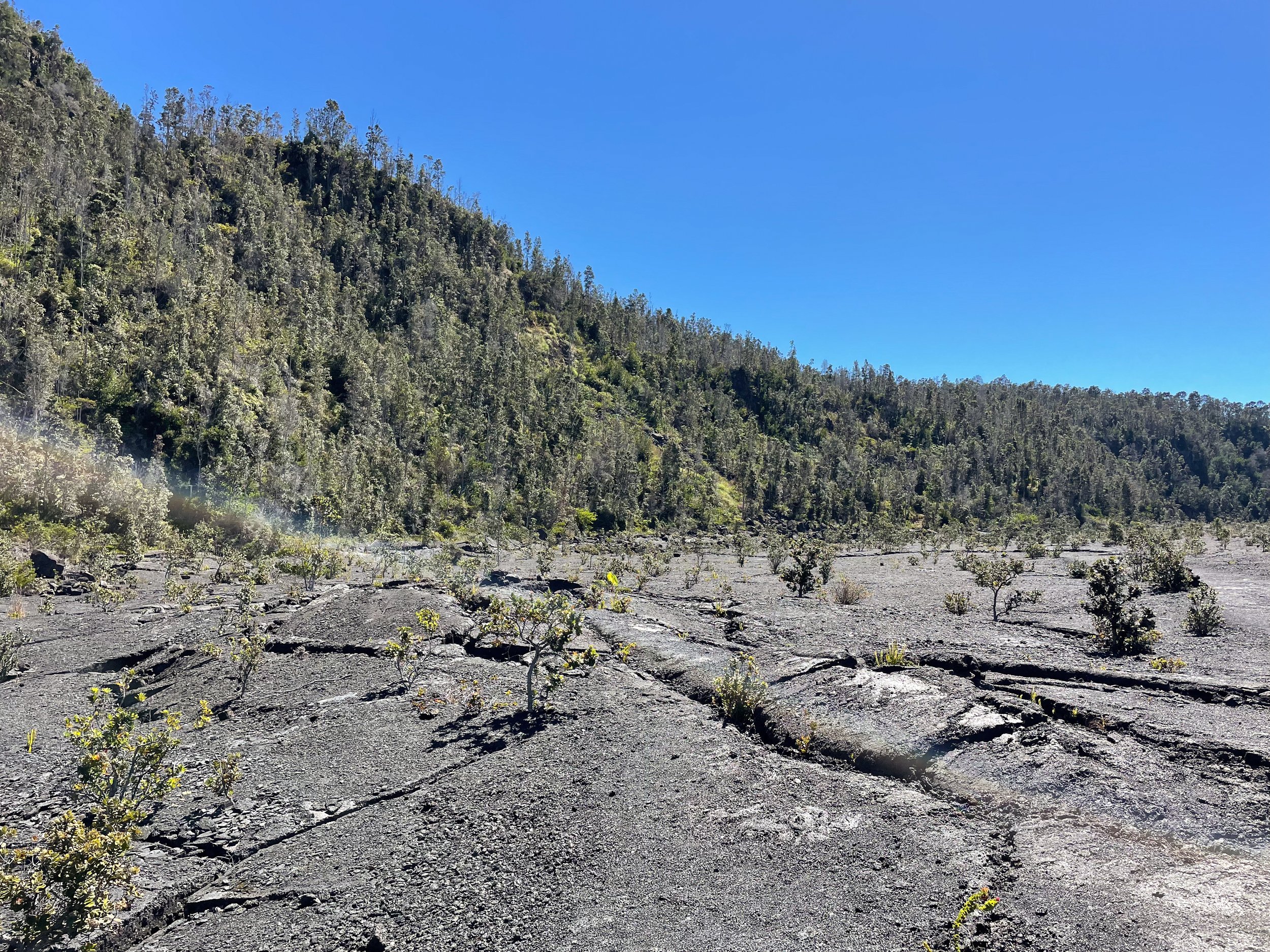
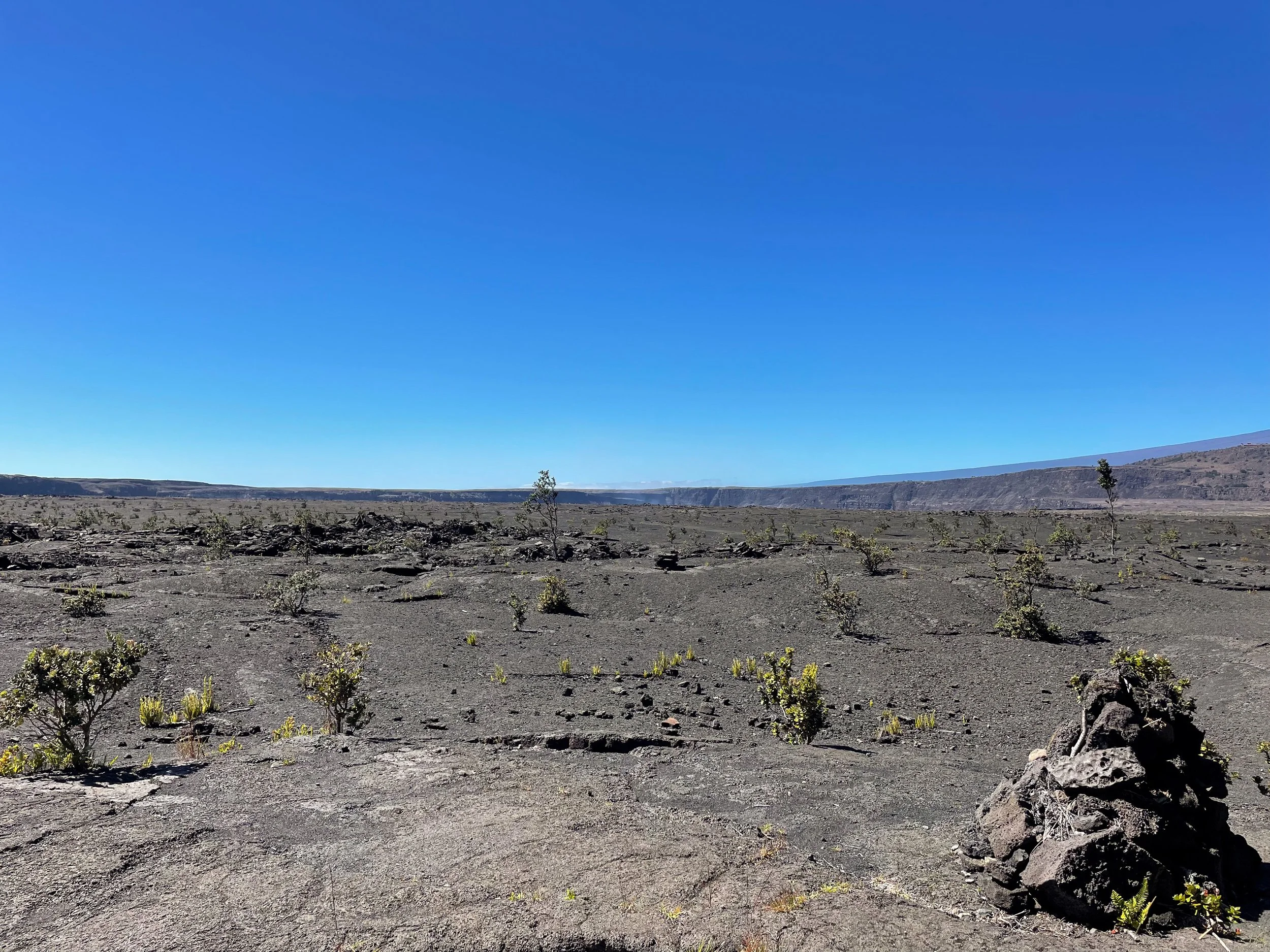
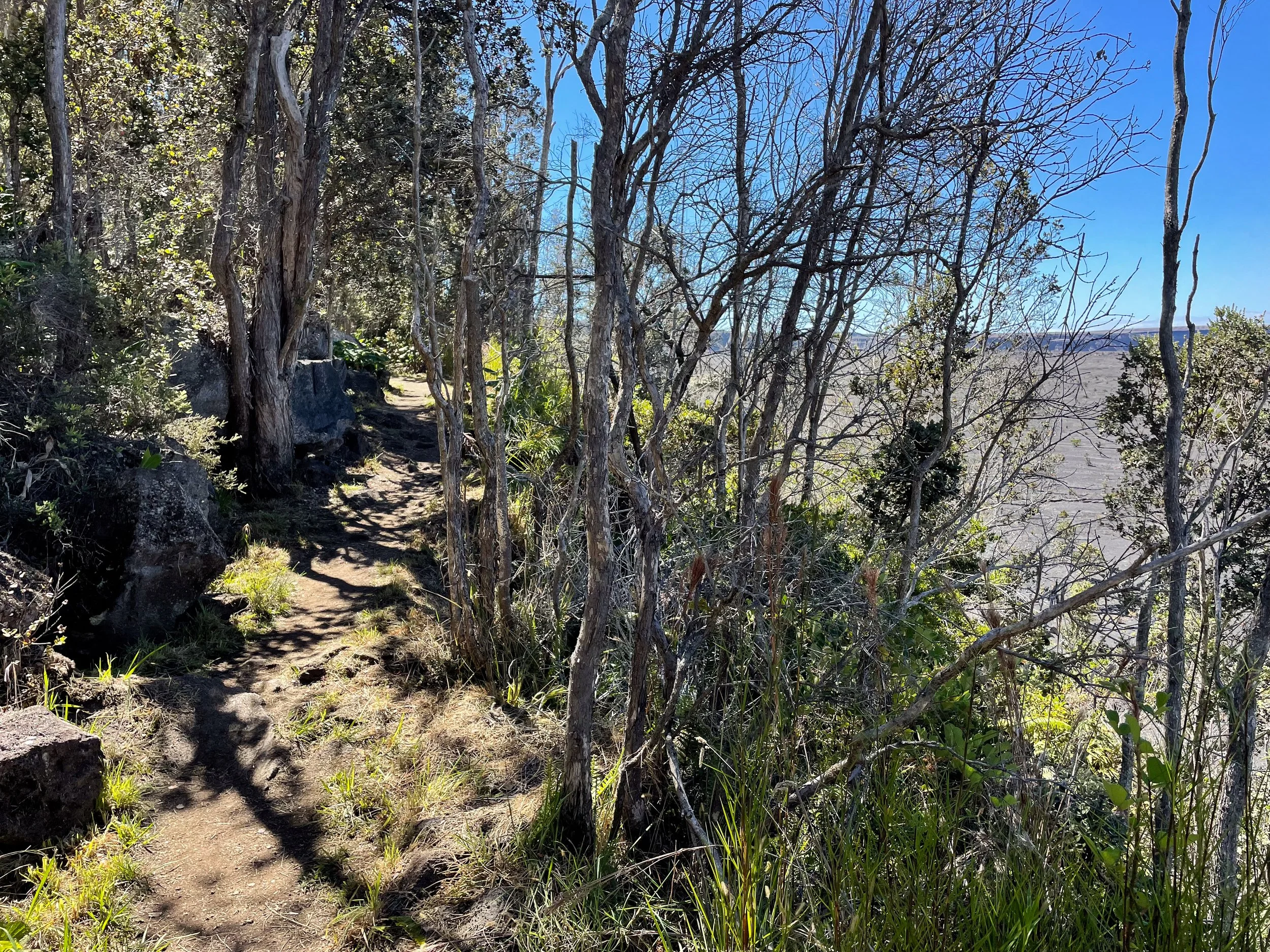
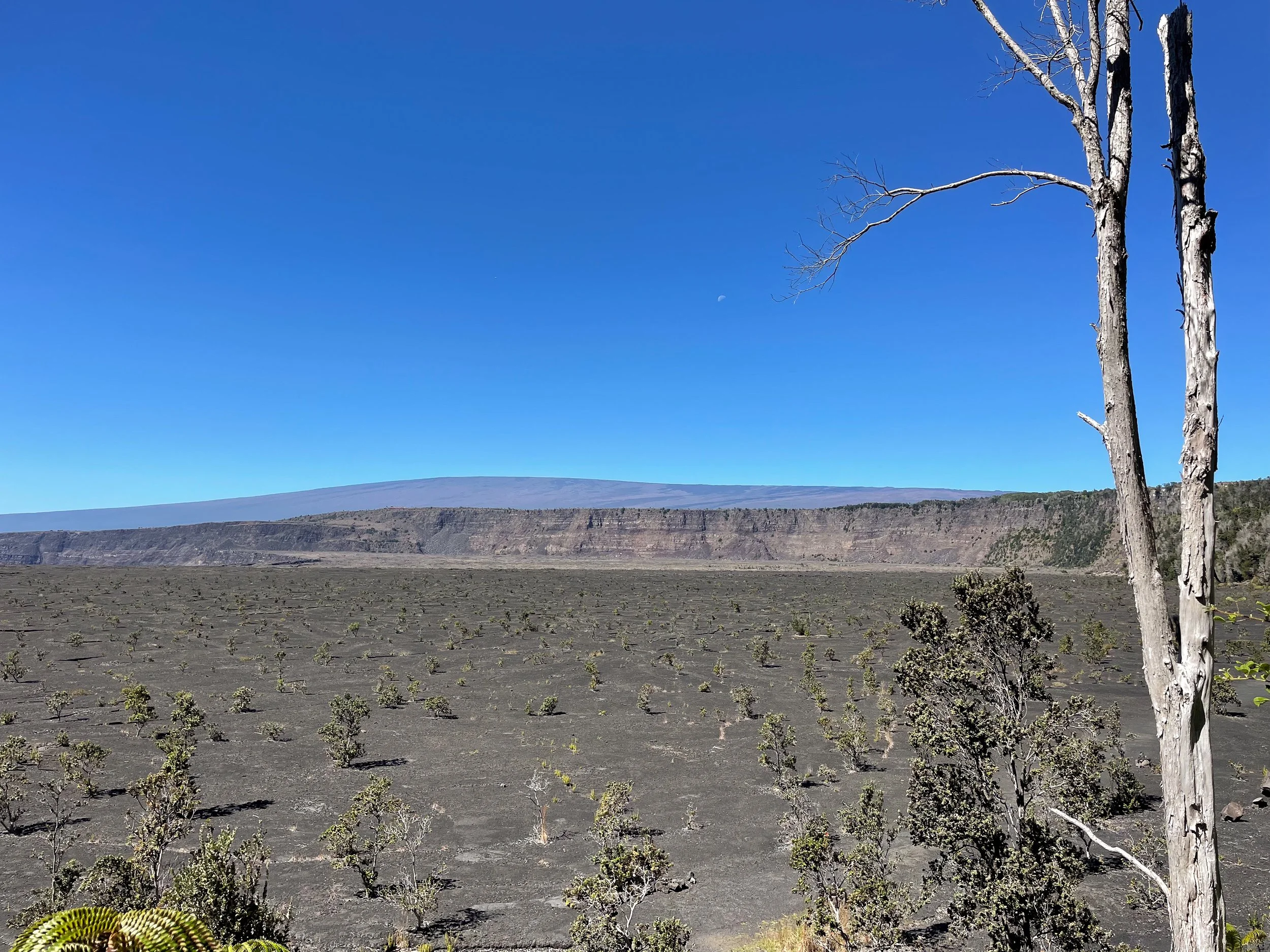
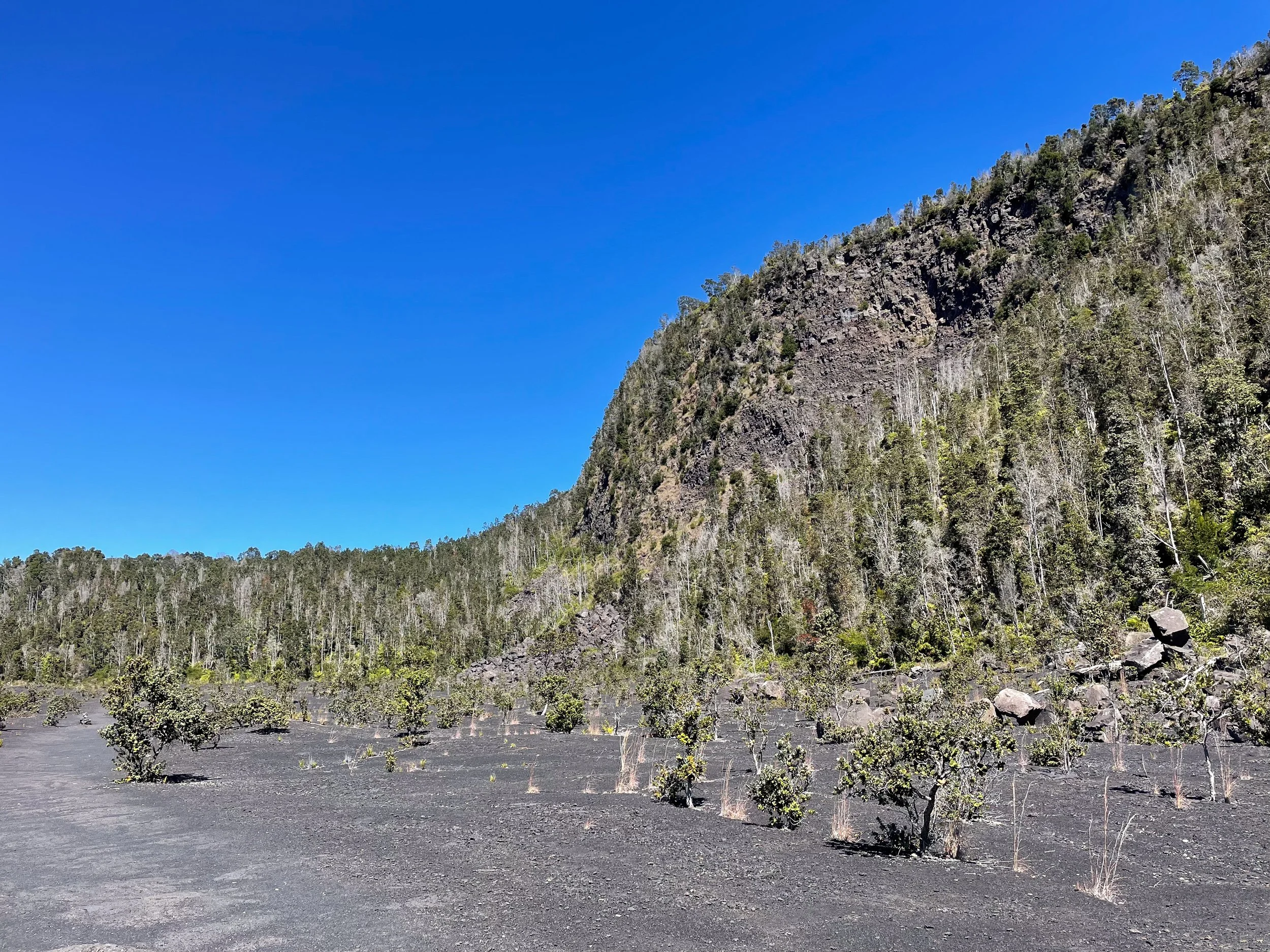
Halema‘uma‘u Trail. A 1.8 mile trail leading through the forest to Kilauea's blackened lava field. It’s located just past the visitor center to the left.
Byron Ledge Trail. A 1.1 mile trail leading from the end of the Halema‘uma‘u Trail. It crosses through the lava field, up the crater rim and into the forest.
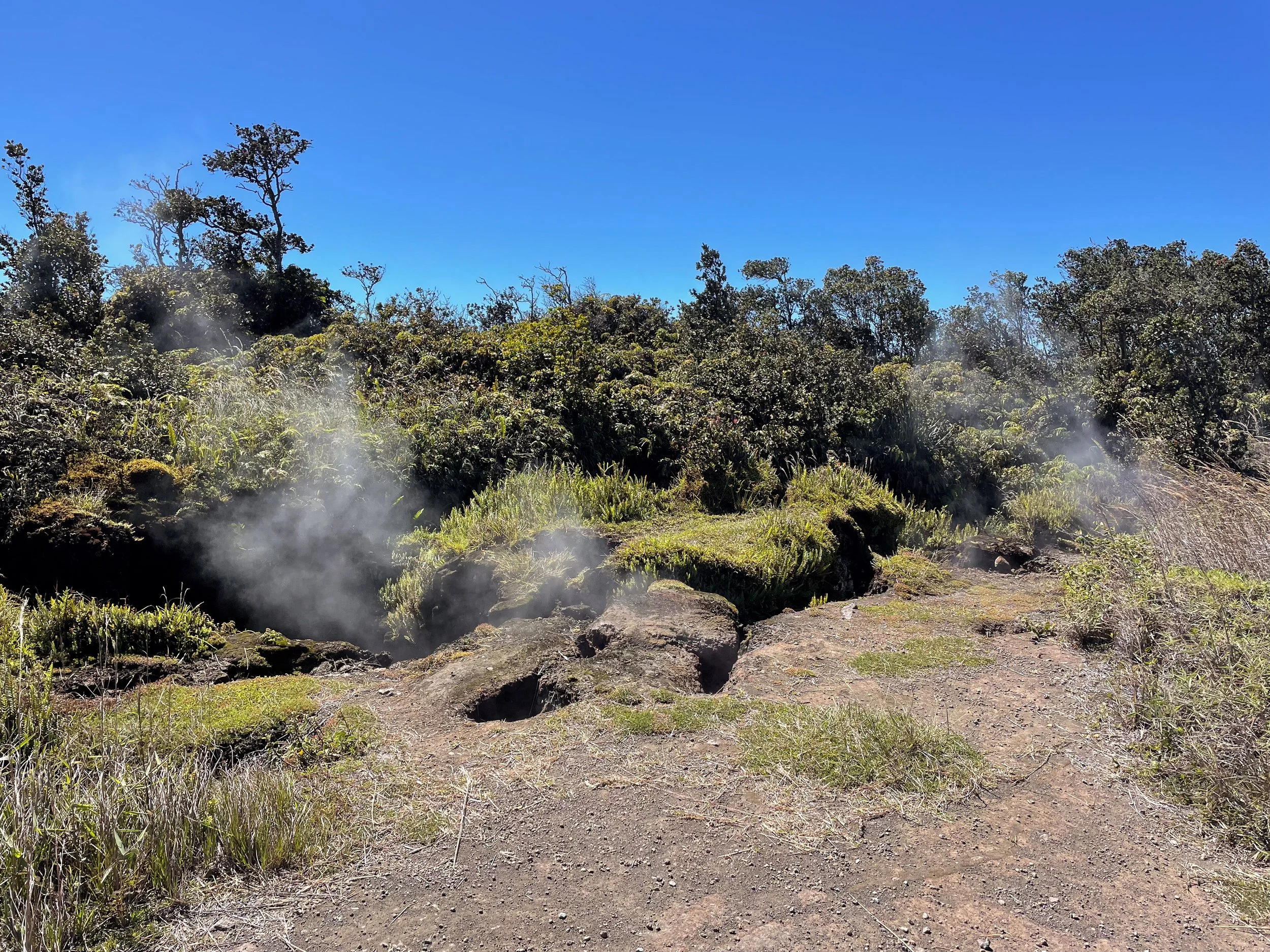
Steaming Bluff. A crater ridge where steam rises from volcanic vents with views of the Kīlauea caldera. It’s located 1 mile past the visitor center to the left.
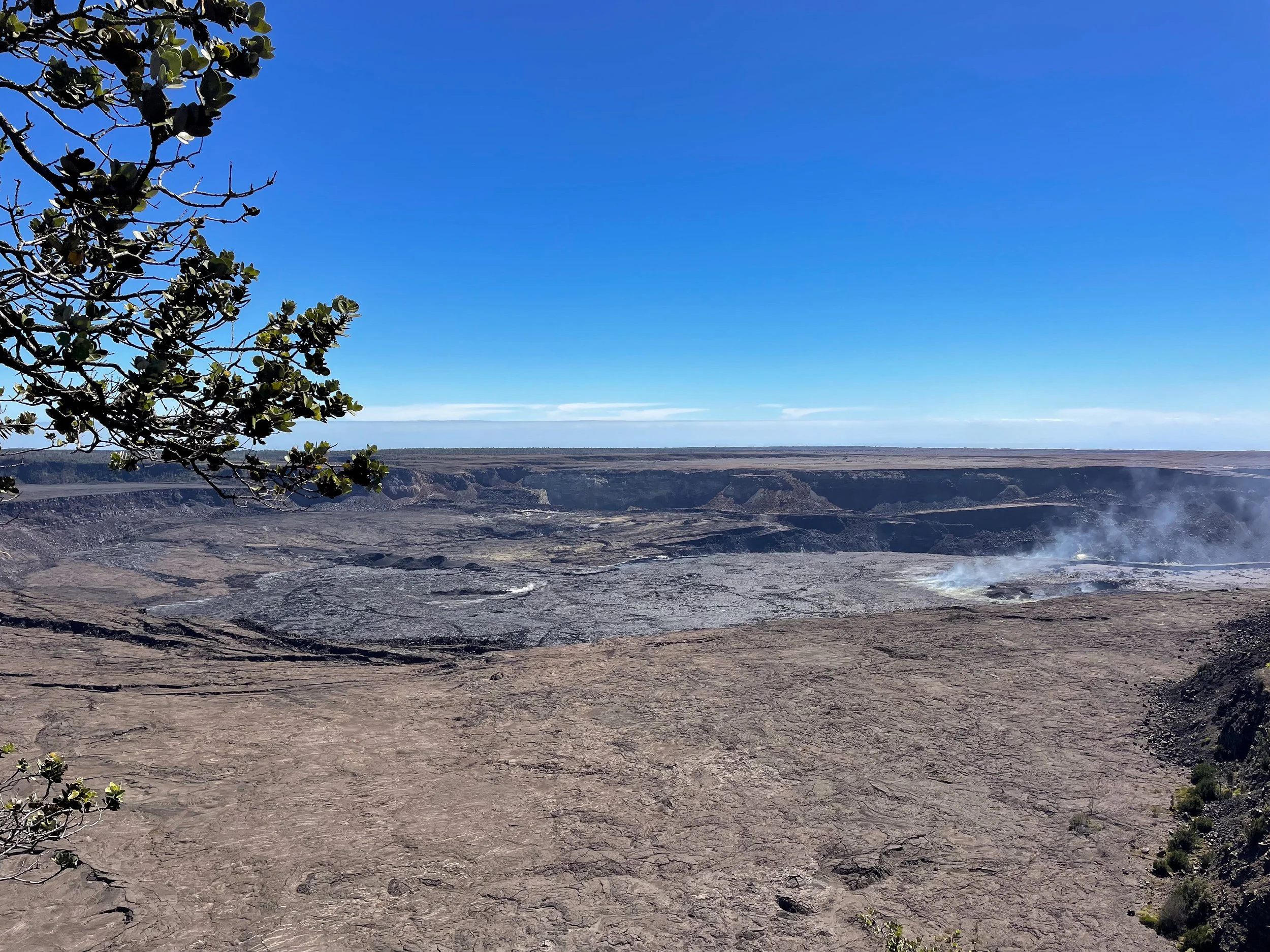
Kilauea Volcano. A volcano that has been frequently erupting since 1983. Hawaiians call this the Home of Pele, the Lava Goddess. It erupted and created a lava lake weeks before we visited.
Kilauea Overlook. One of the best locations to overlook the Kīlauea Caldera. Steam is visible during the day and the glow of lava at night, if erupting. If not, the stars look incredible from here on a clear evening. It’s located 2.3 miles past the visitor center to the left.
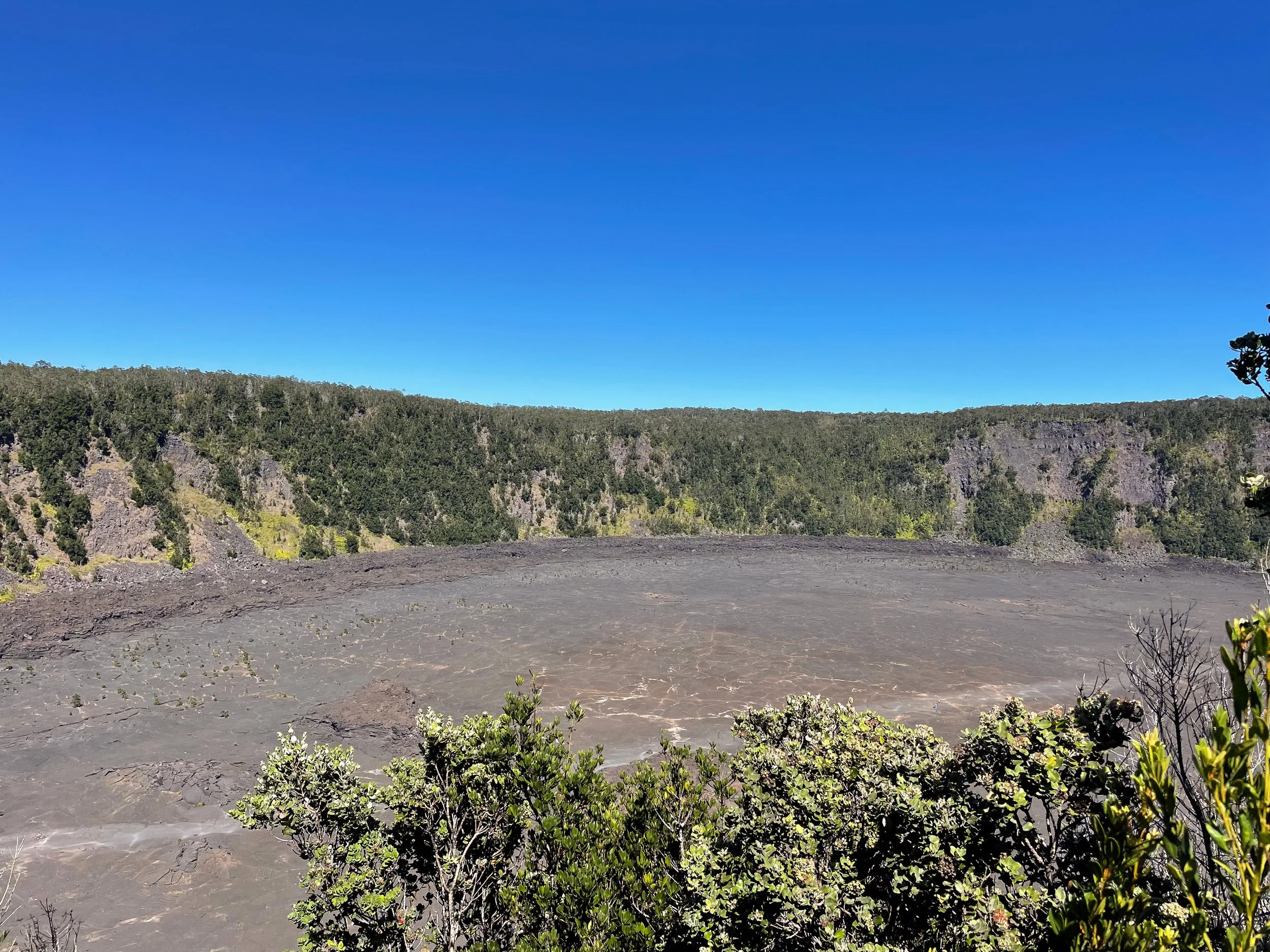
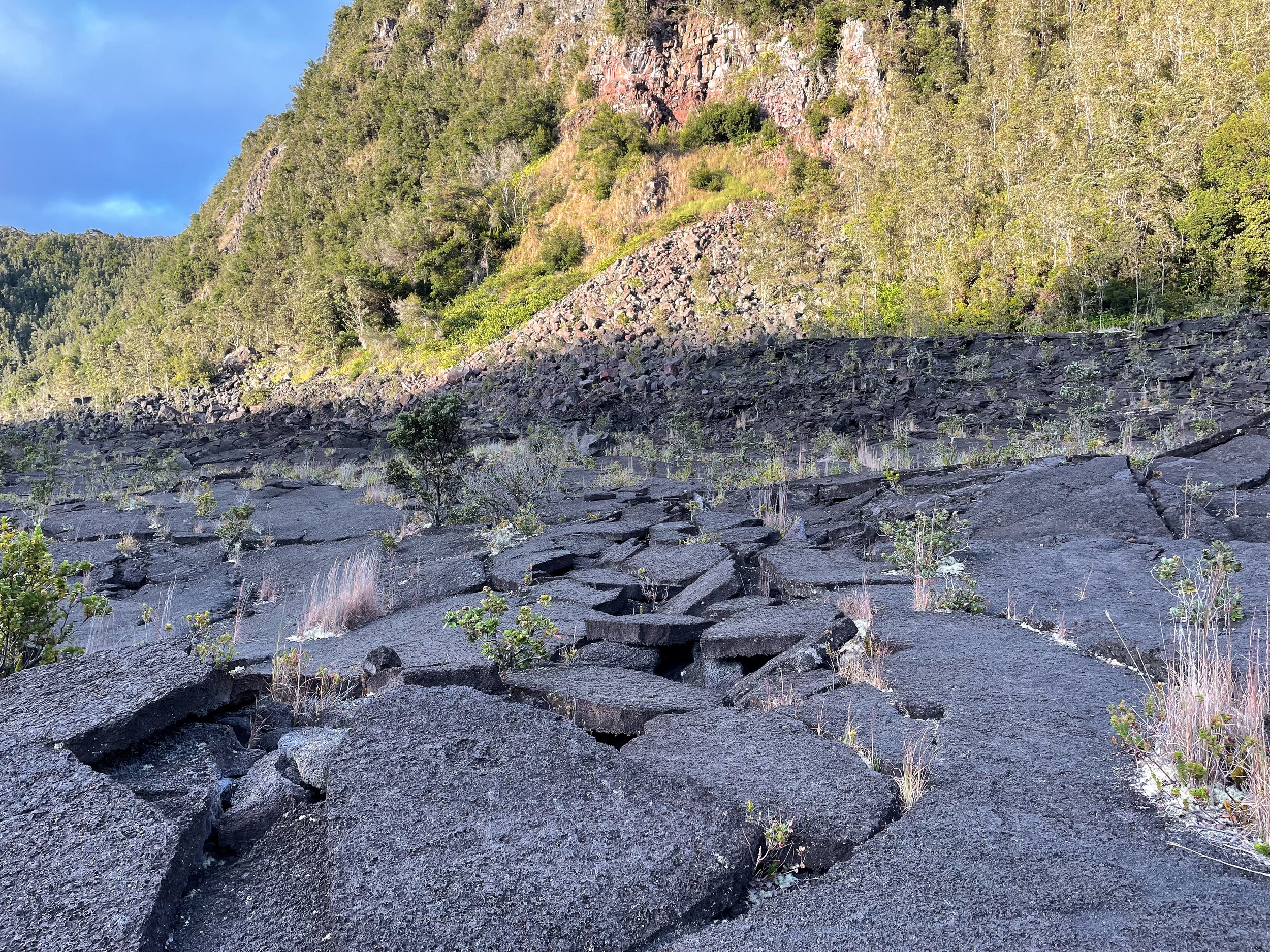
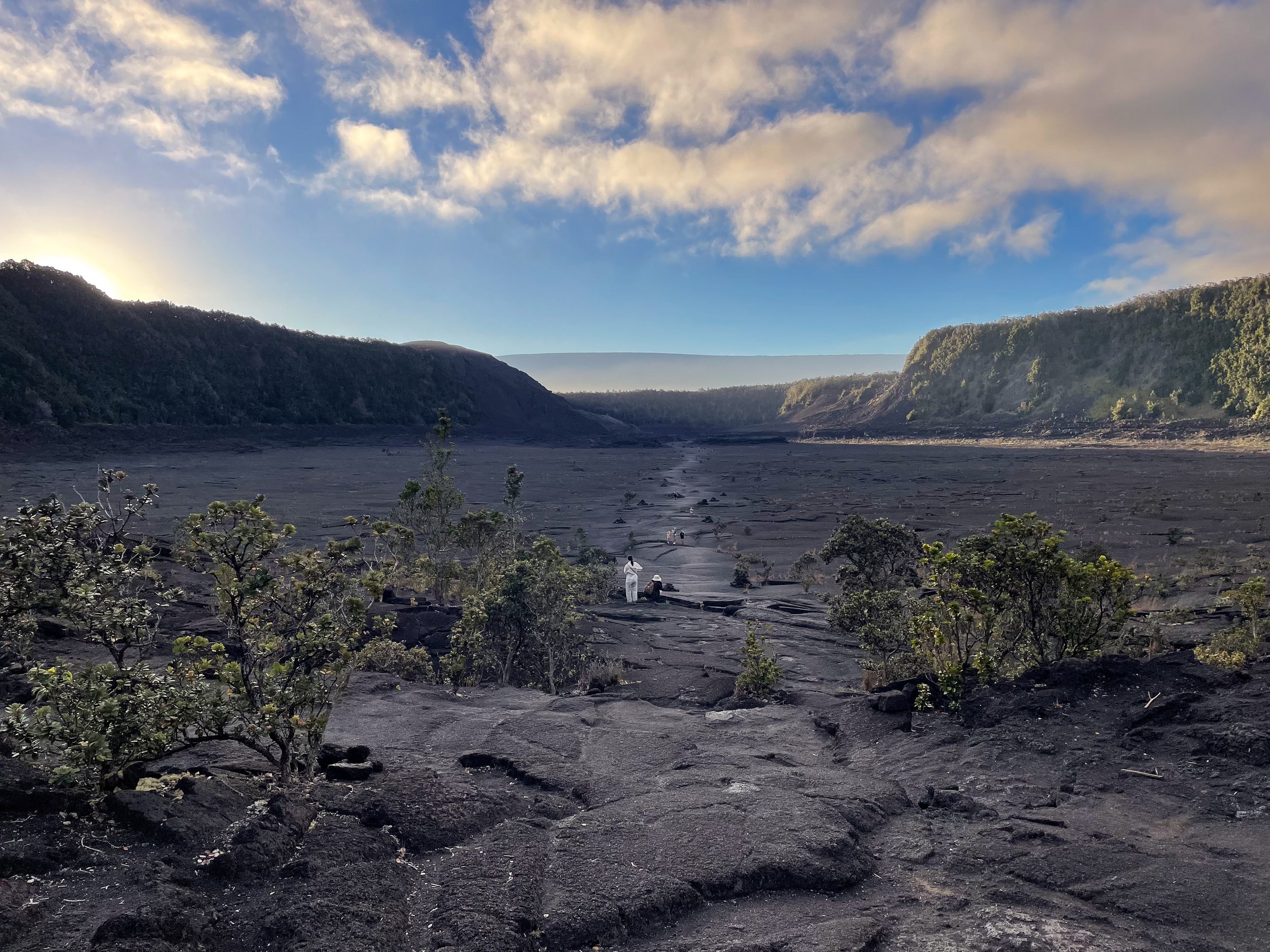
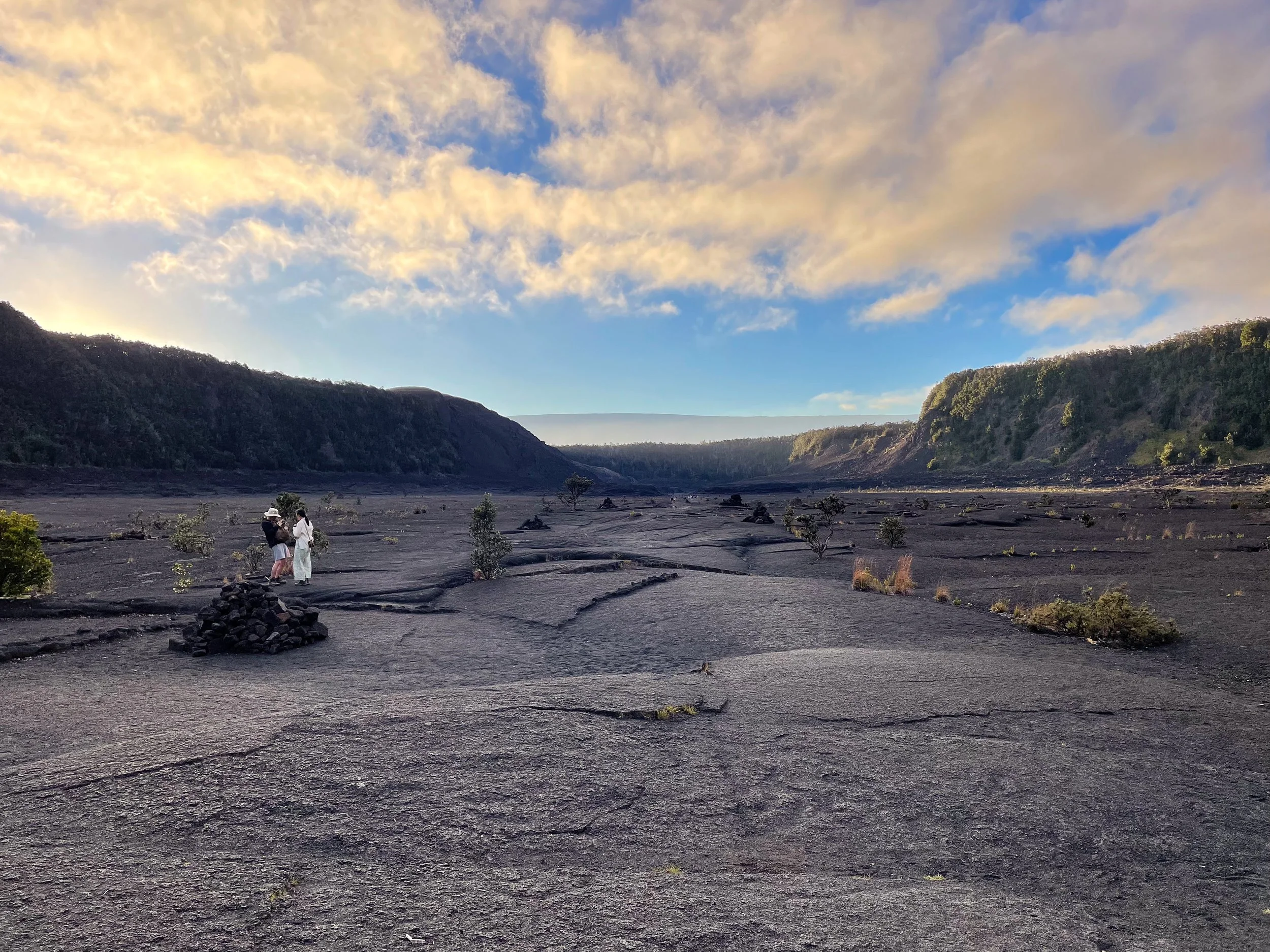
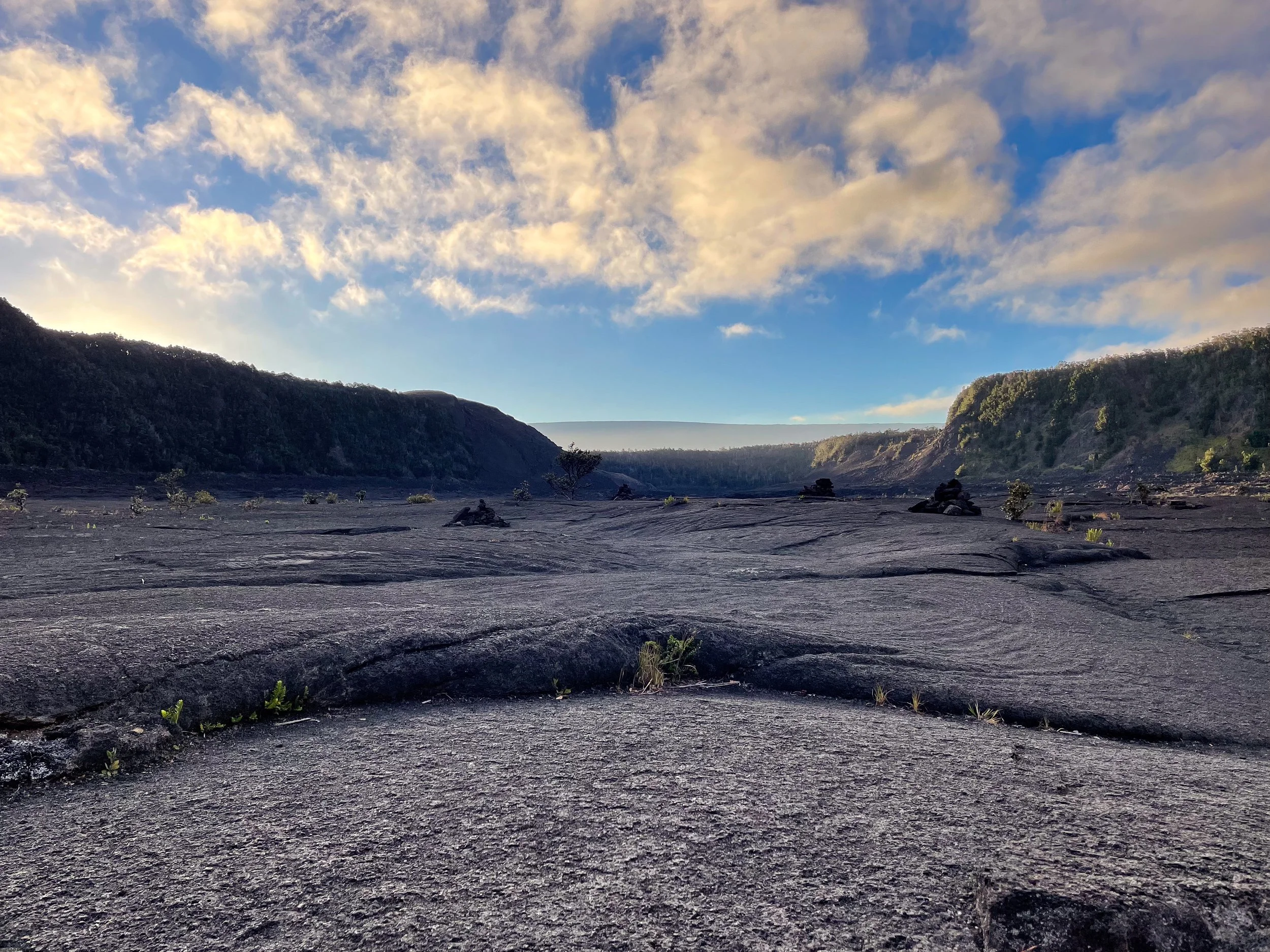
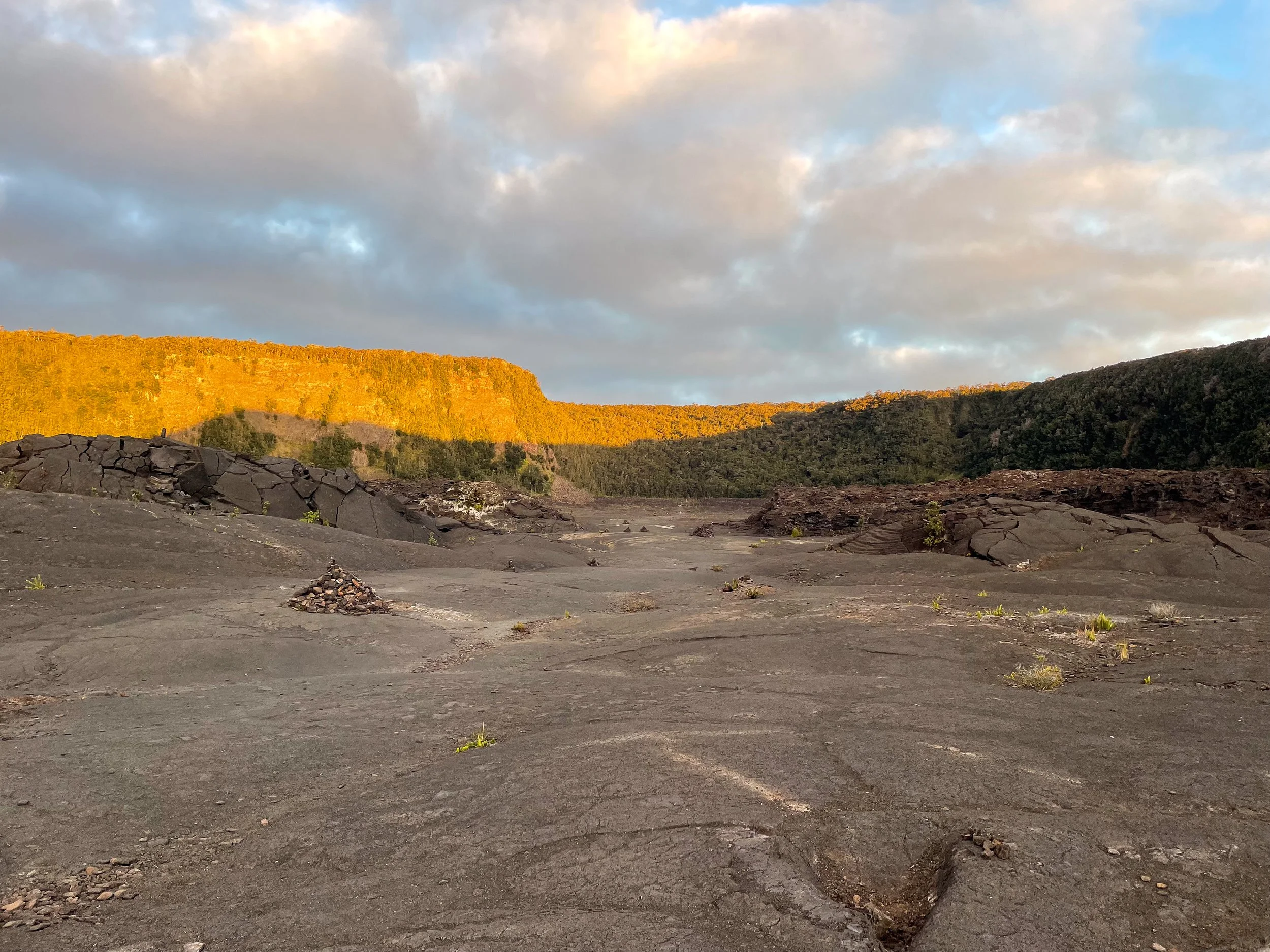
Kilauea Iki Overlook. An overlook with sweeping views into the Kīlauea Iki Crater’s hardened lava lake.
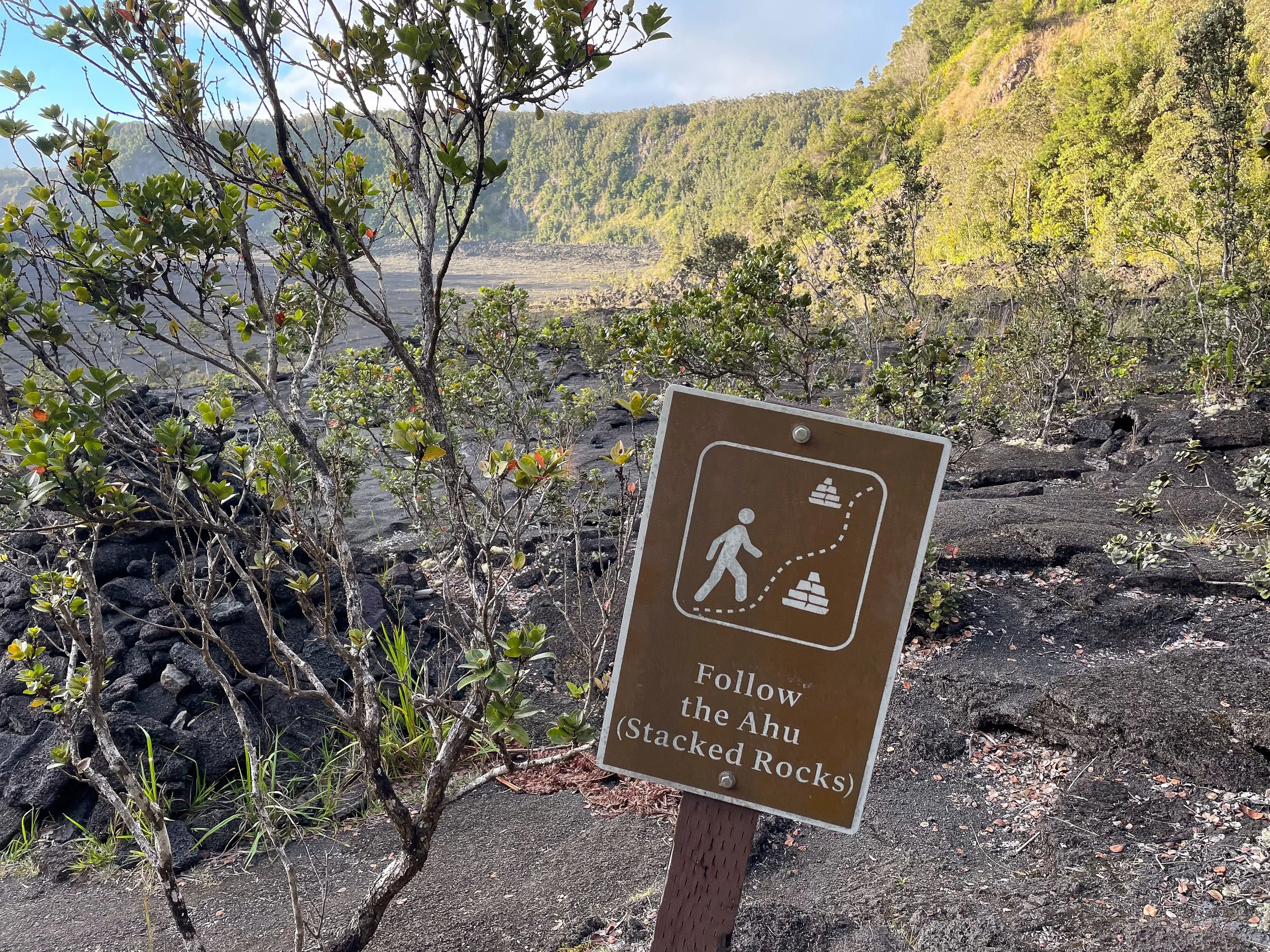
Kilauea Iki Crater. A volcanic crater next to Kilauea. A 4 mile hike descends down the crater rim to the crater floor. Start at the Kilauea Iki Trailhead hiking along counter-clockwise.
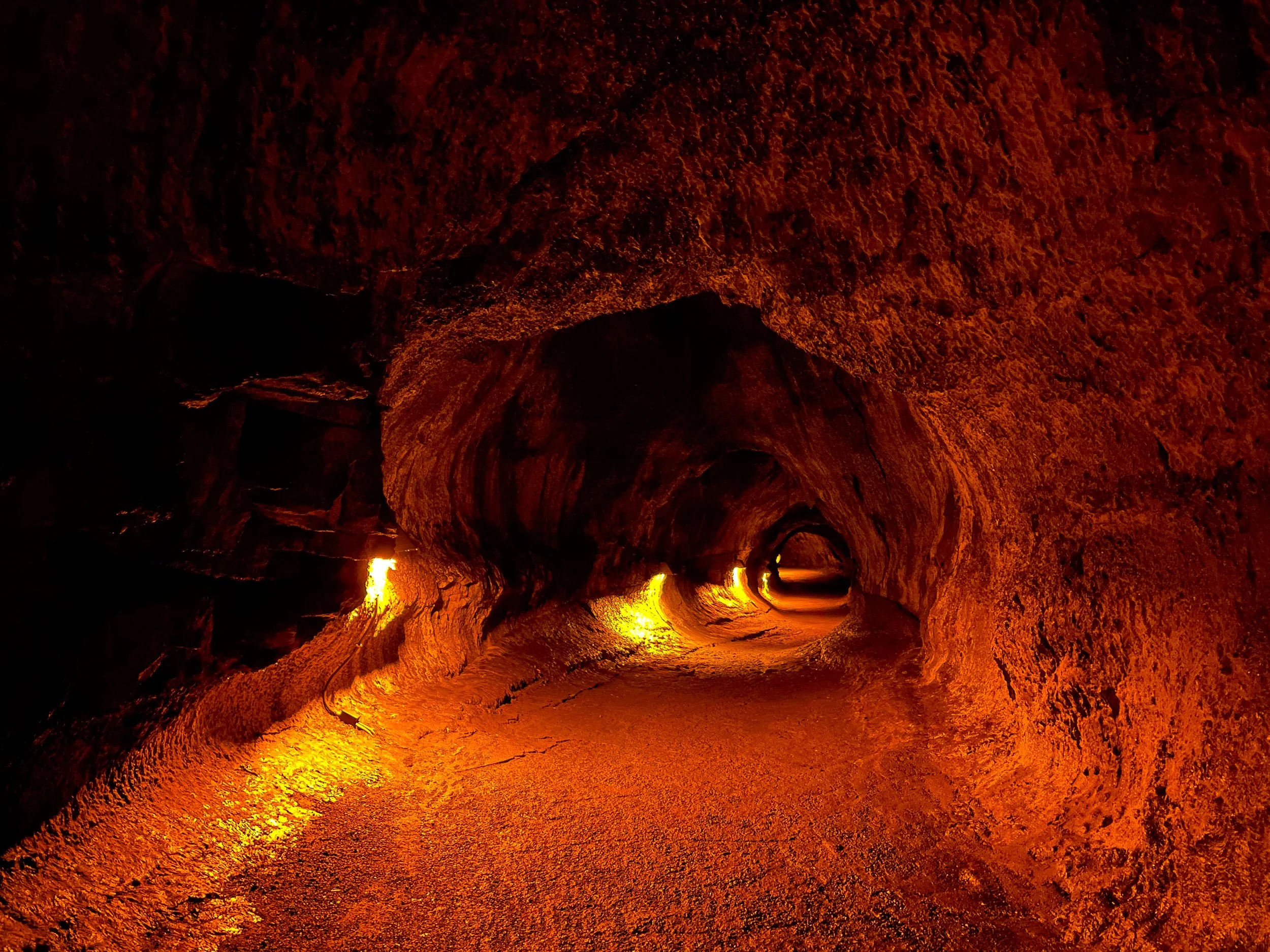
Thurston Lava Tube. An ancient lava tube in a tropical fern forest. A trail leads hundreds of feet inside. It’s open 24 hours a day, however its amber hued lights are only on from 8am - 8pm. The lava tube is accessible after a 5 minute walk from the Kīlauea Iki parking lot.
Chain of Craters Road
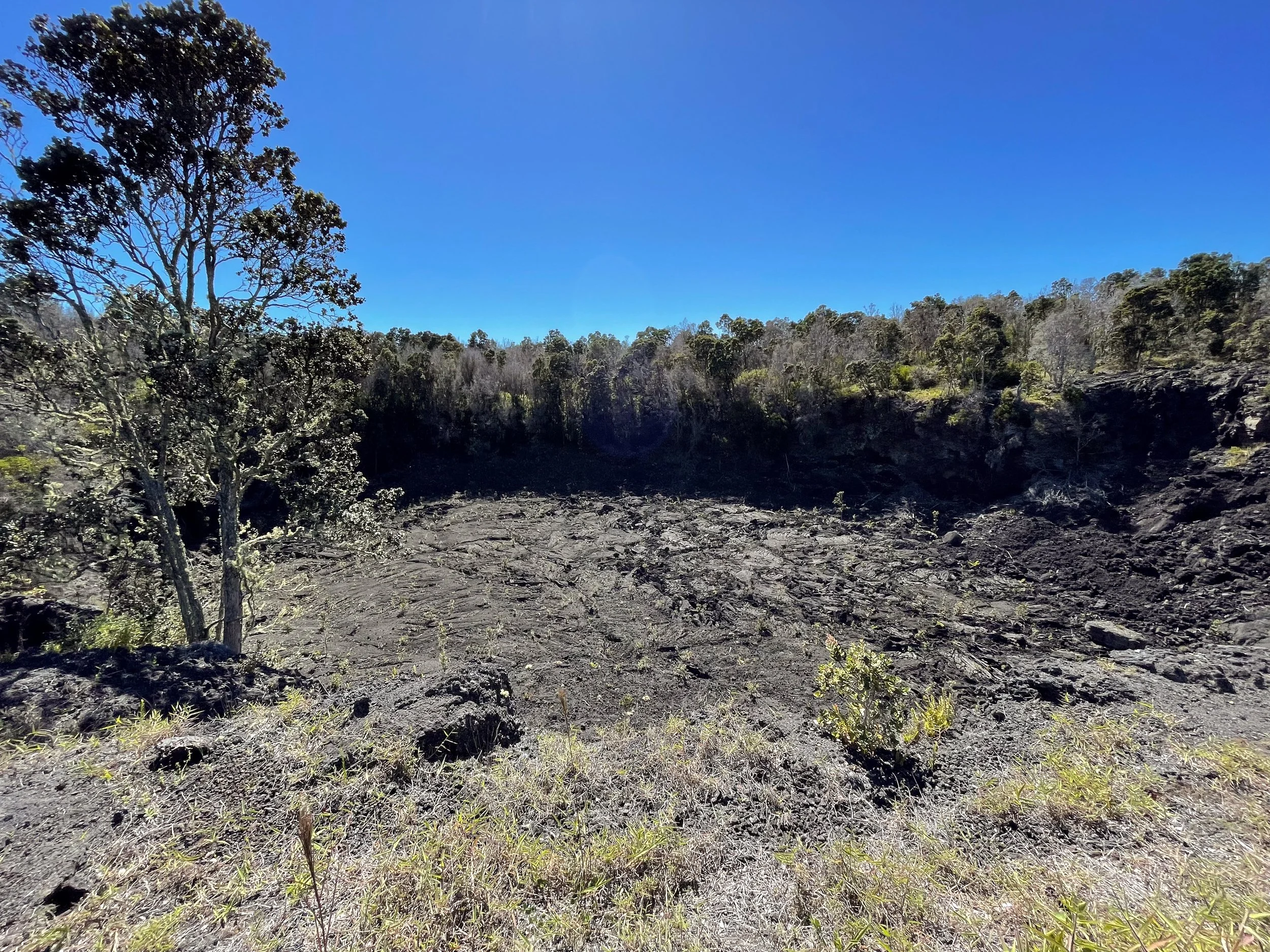
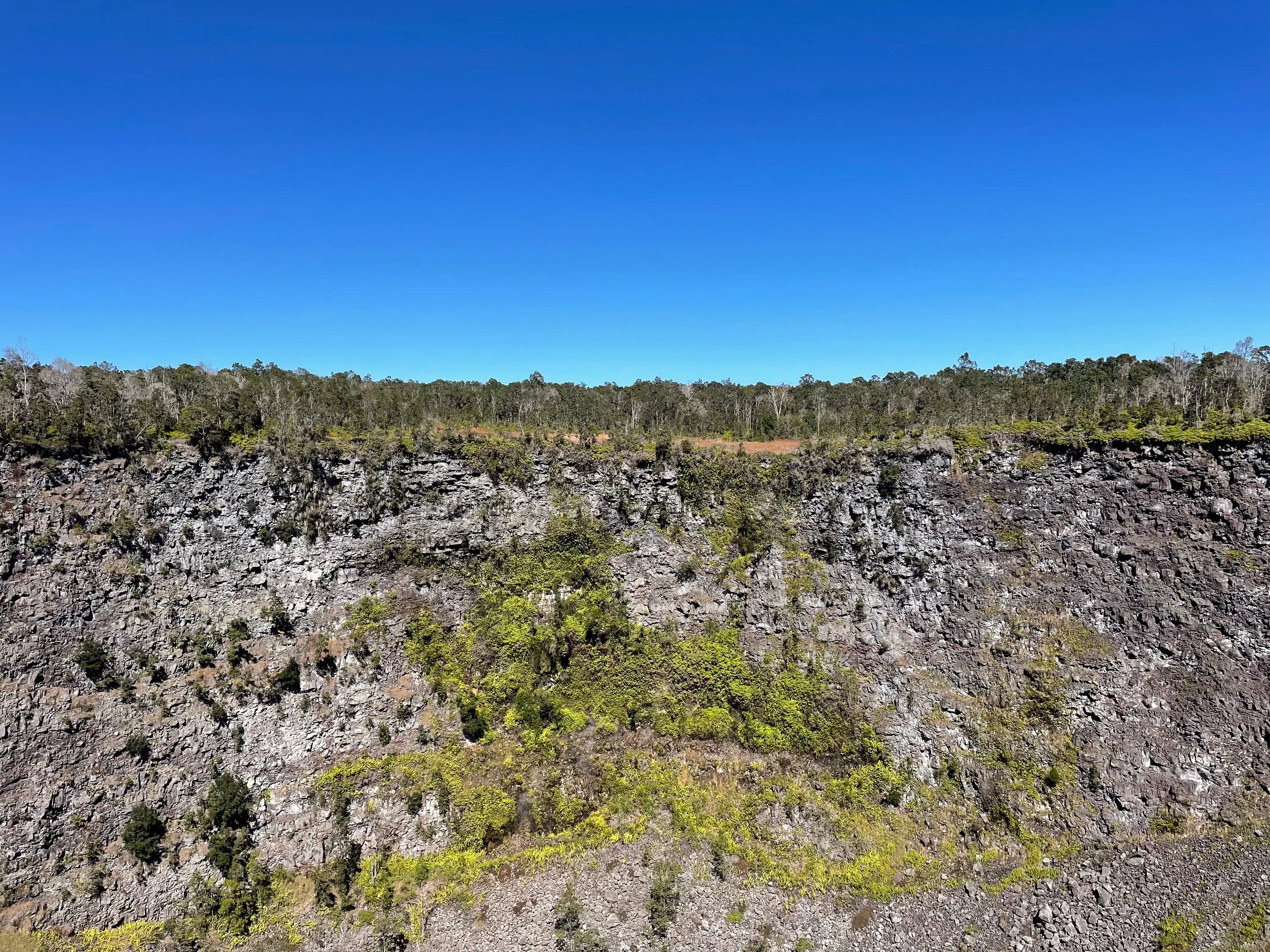
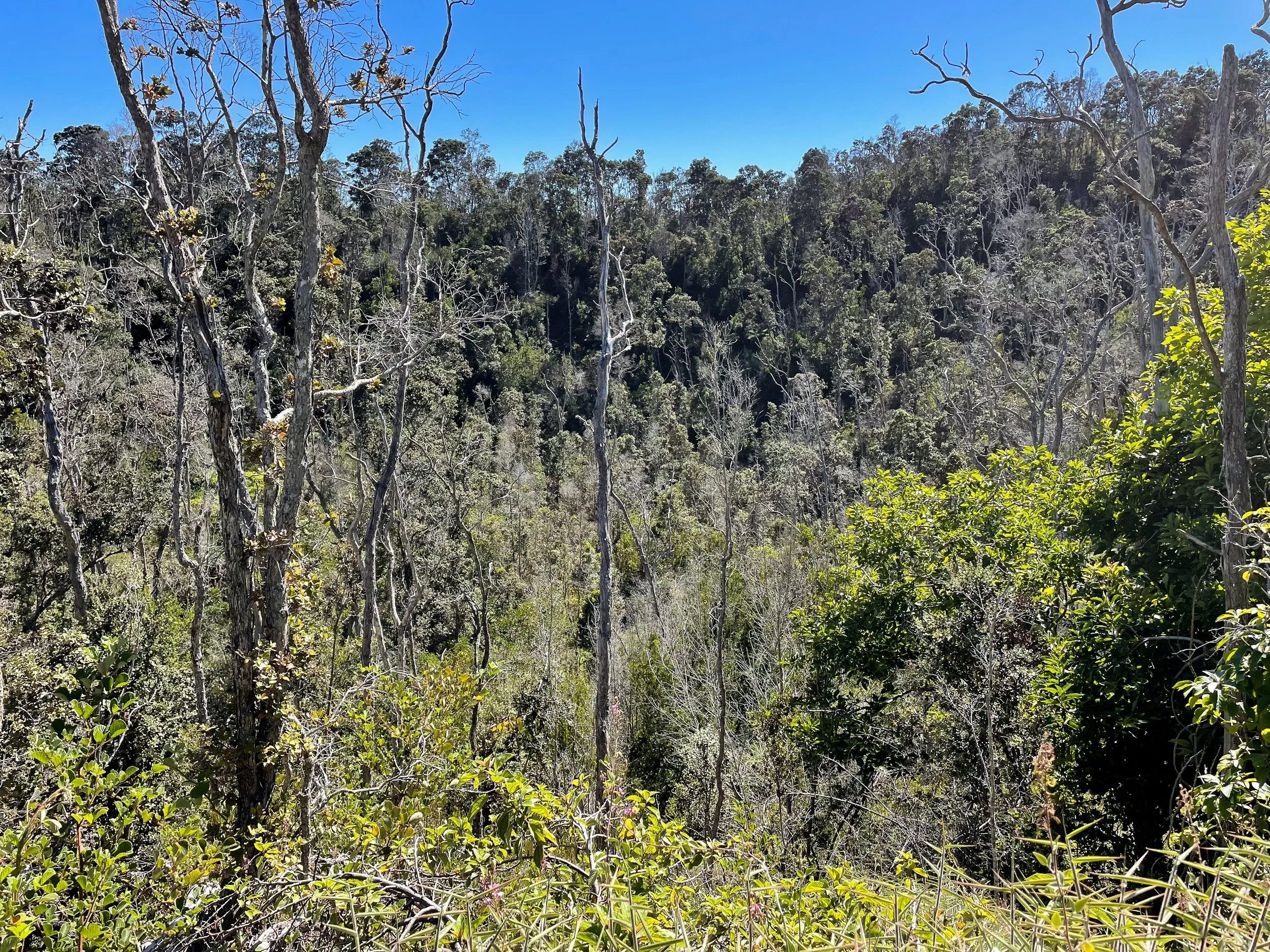
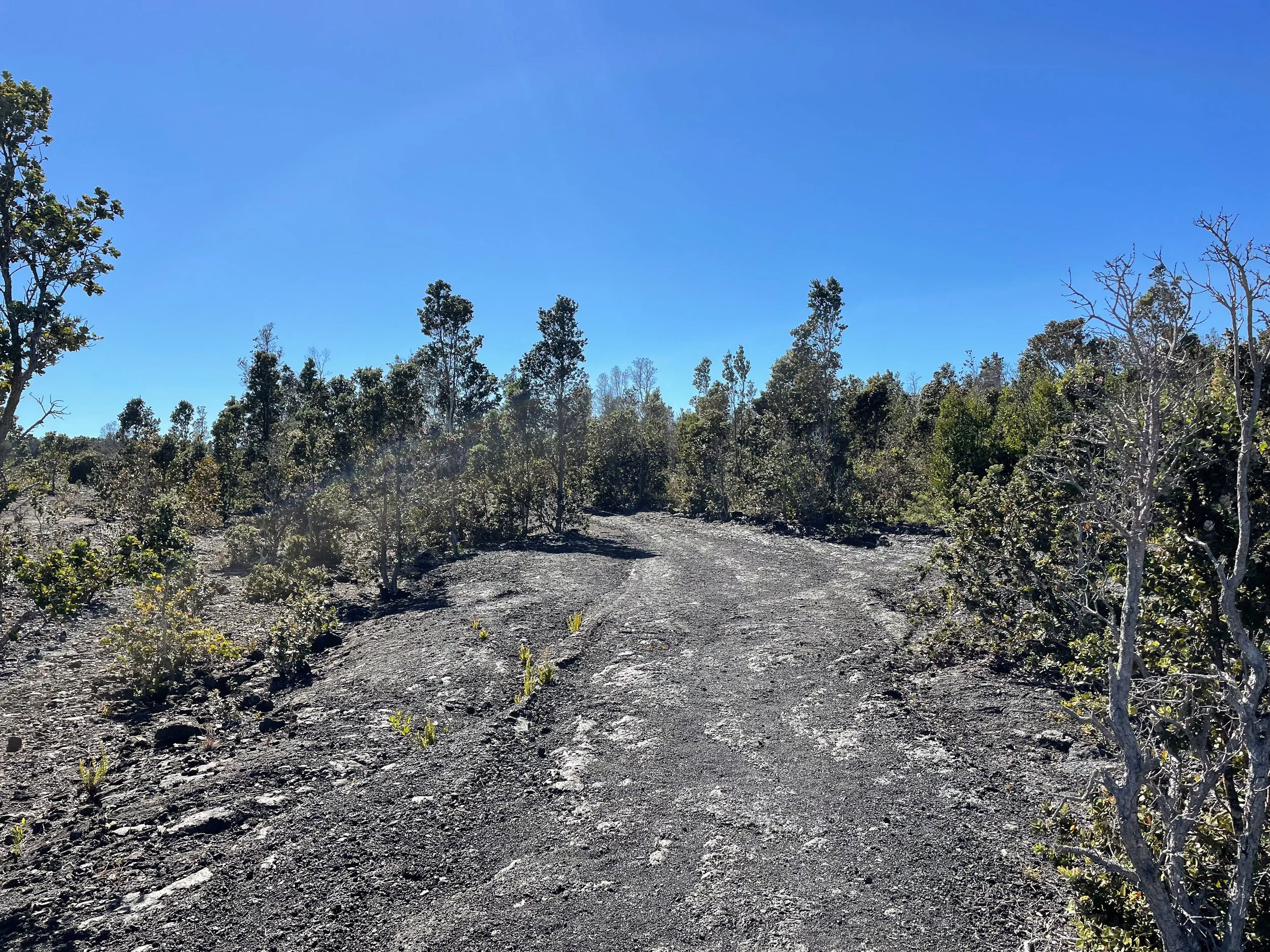
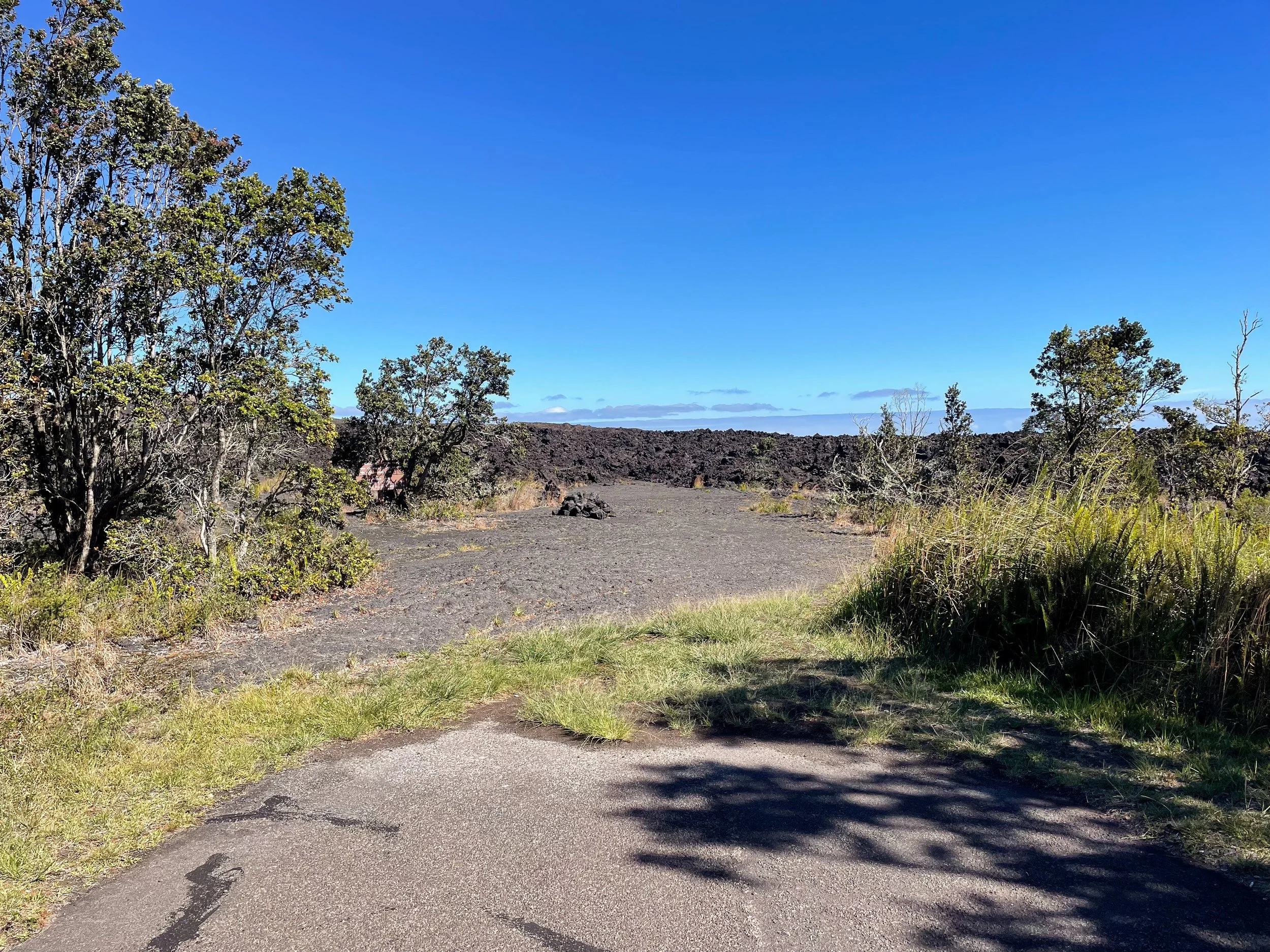
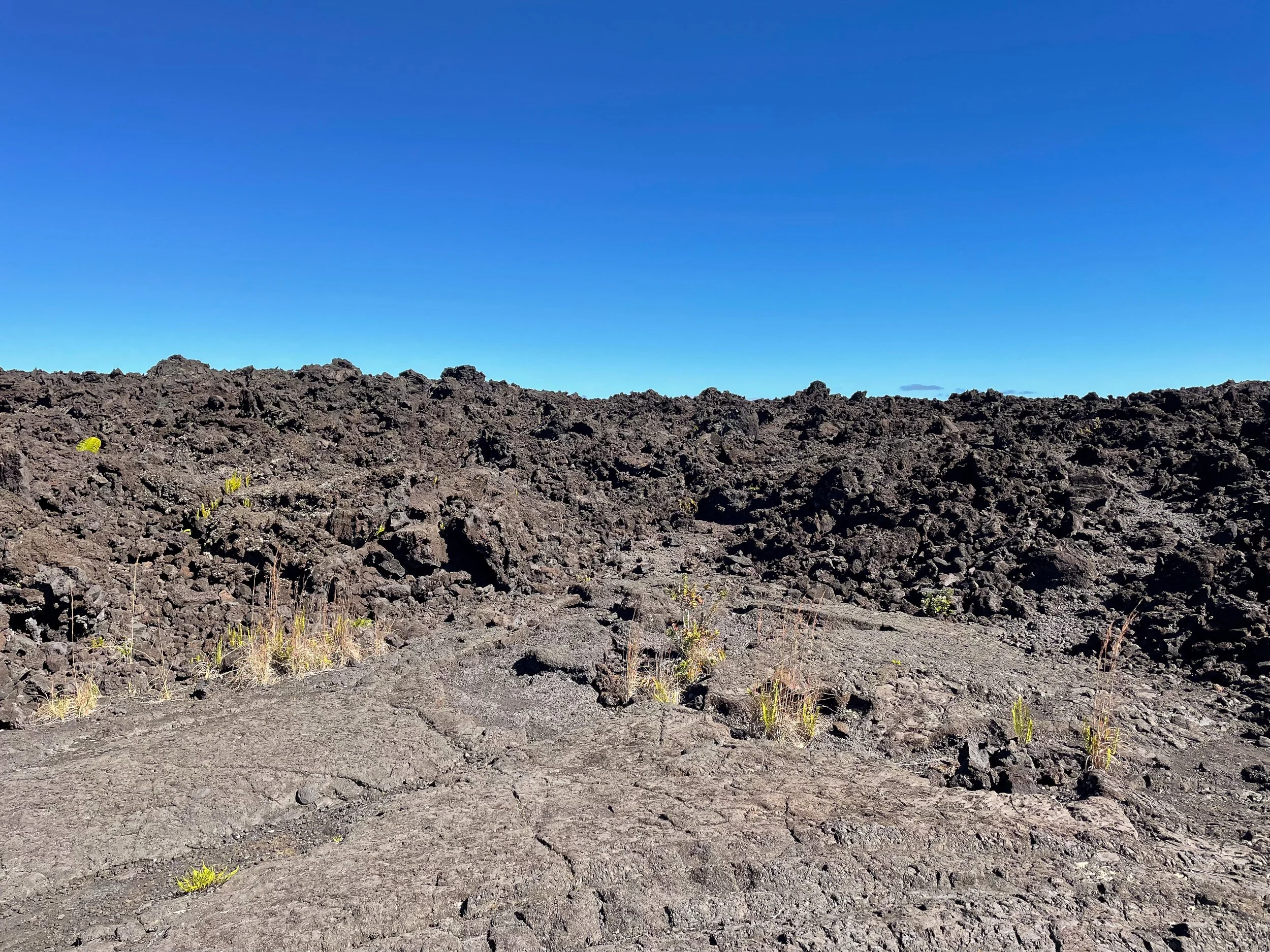
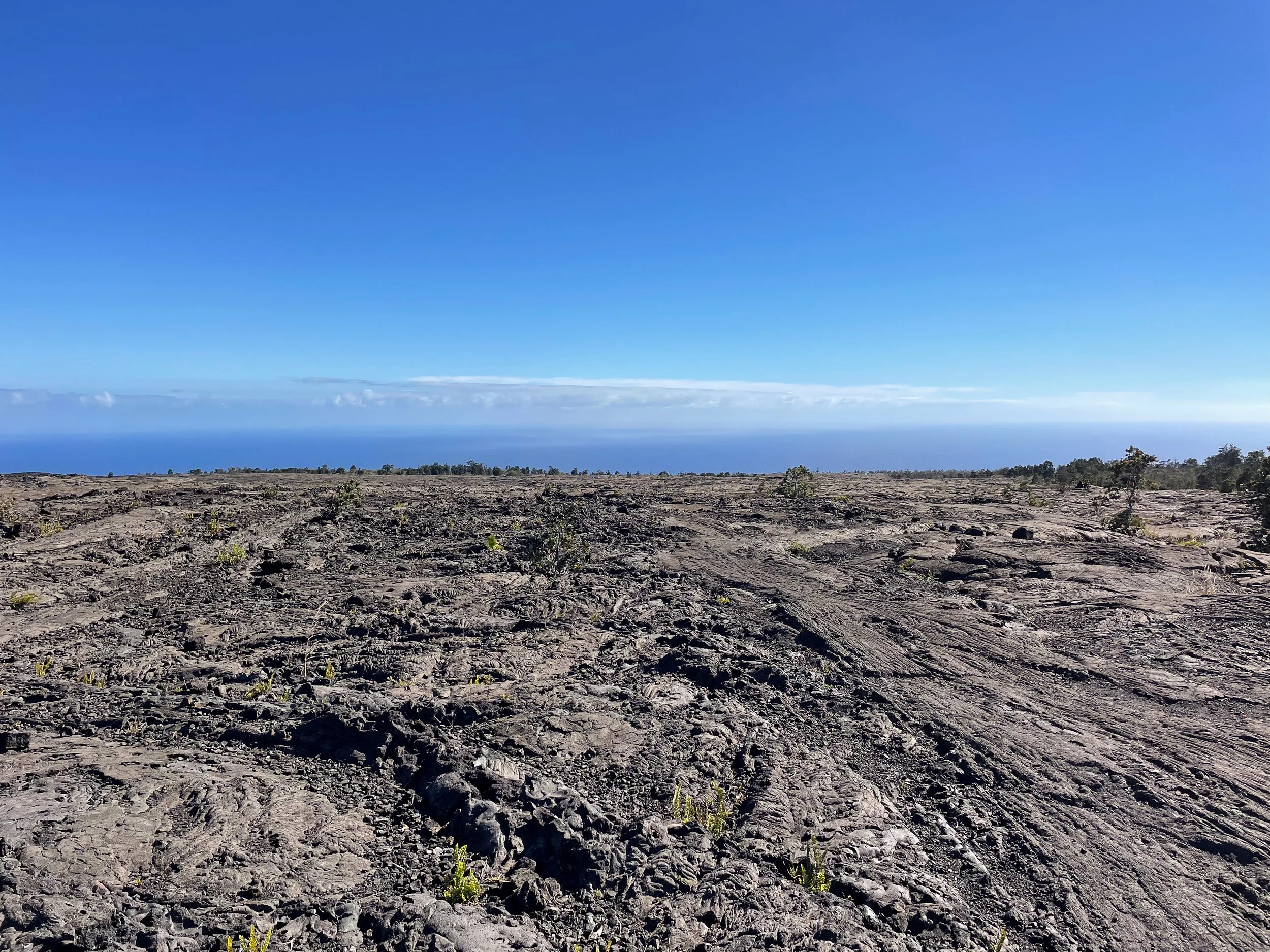
A scenic road passing many volcanic craters, lava flows and trails leading to the coast. It starts near the Devastation Trail parking lot and ends where a lava flow overtook the road.
Luamanu Crater. The first crater on the right with a roadside lookout of it and the hardened lava flow.
Puhimau Crater. The second crater on the left with a roadside lookout. Come here to yell into it for the echo.
Ko’oko’olau Crater. A small overgrown crater on the right with a trail leading to a hardened lava flow.
Hiiaka Crater. A large overgrown crater on the left with a hardened lava flow from 1973.
Mauna Ulu Eruption Trail. A volcano trail at the end of a road with hardened lava covering it. It leads into the lava field with a lookout viewing the cinder cone created by the eruption.
Keauhou Trail. A 6.8 mile backcountry trail crossing the lava field towards the coast and other trails. Follow the lava rock piles to keep on the trails.
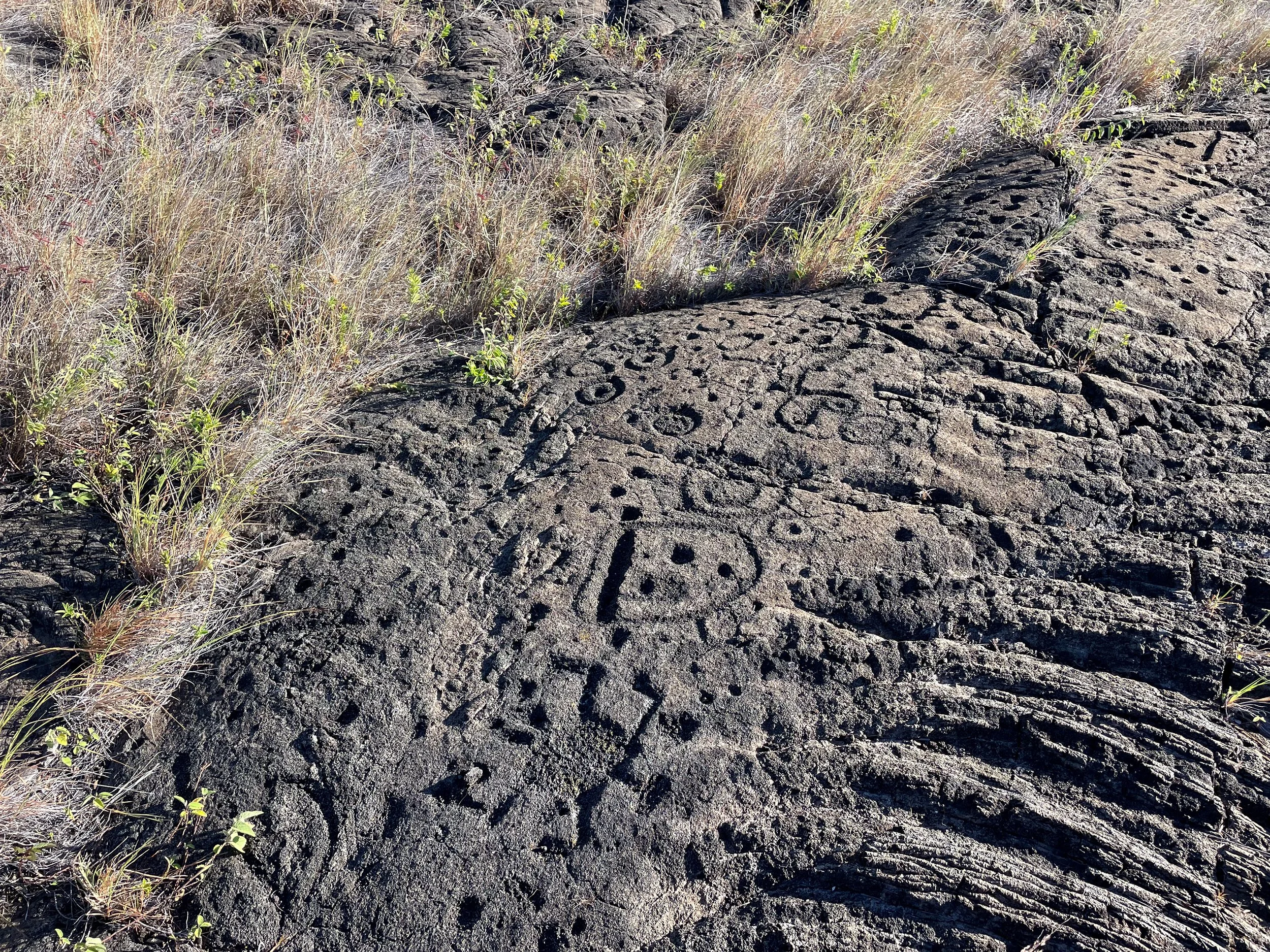
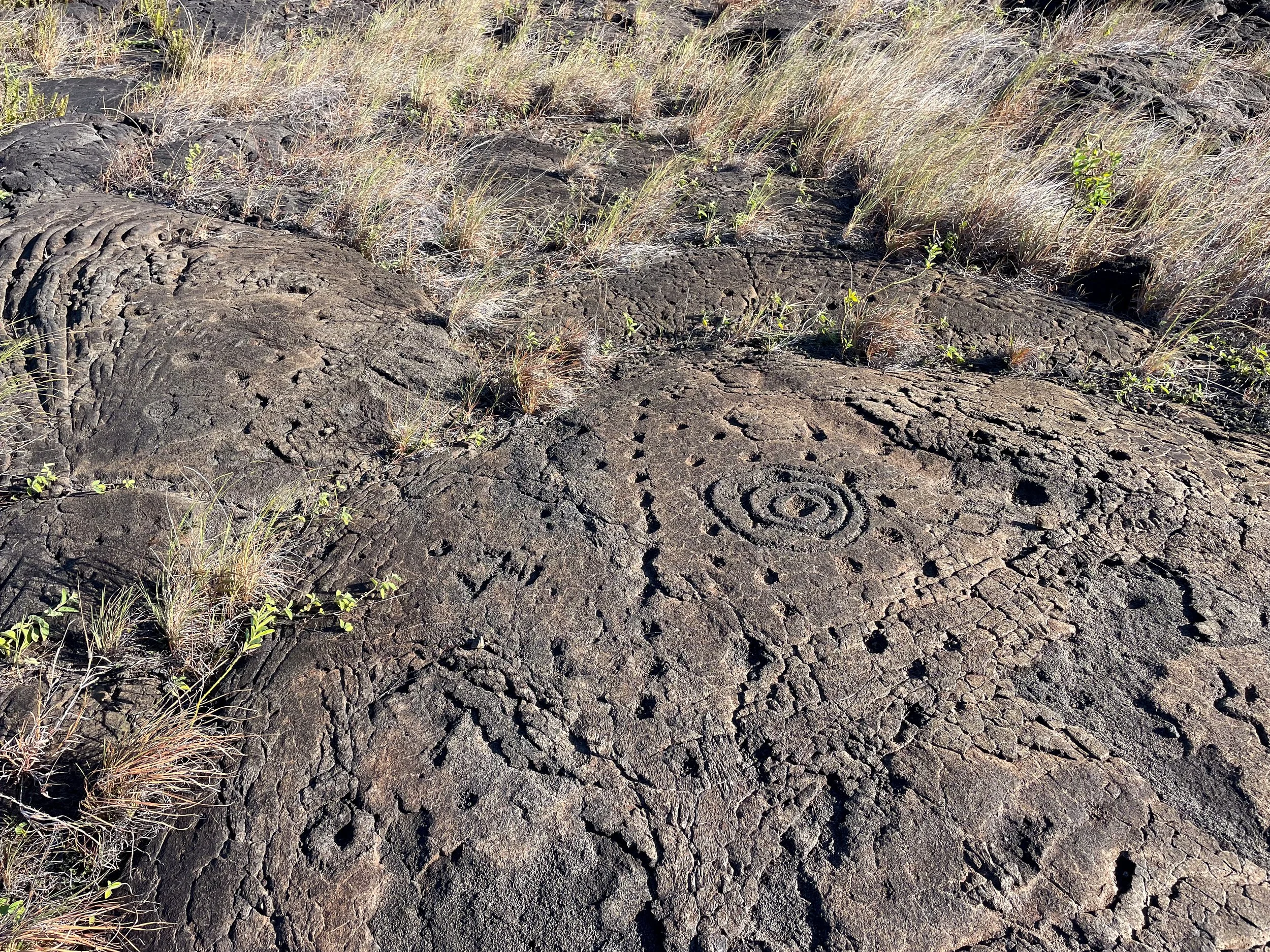
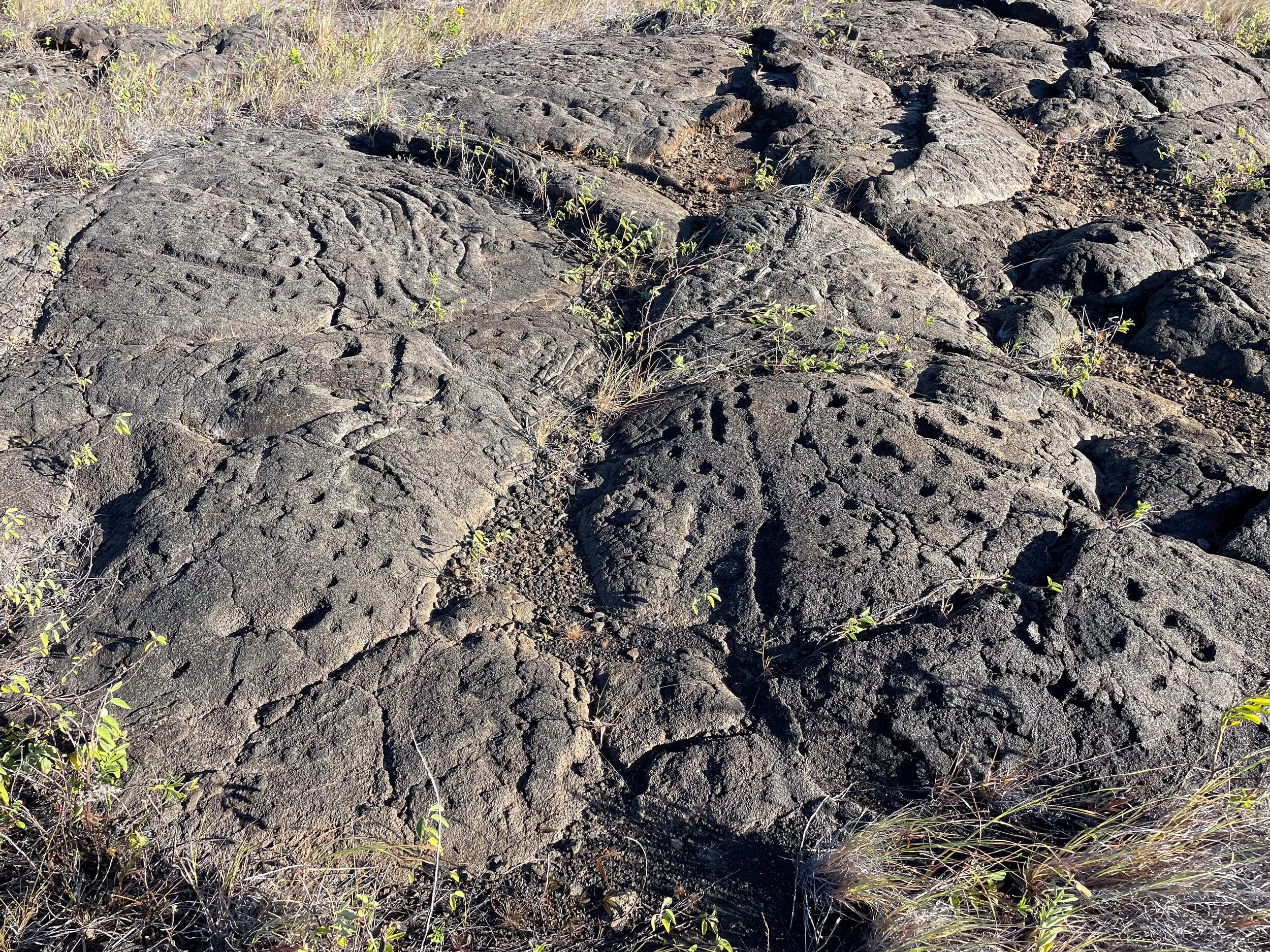
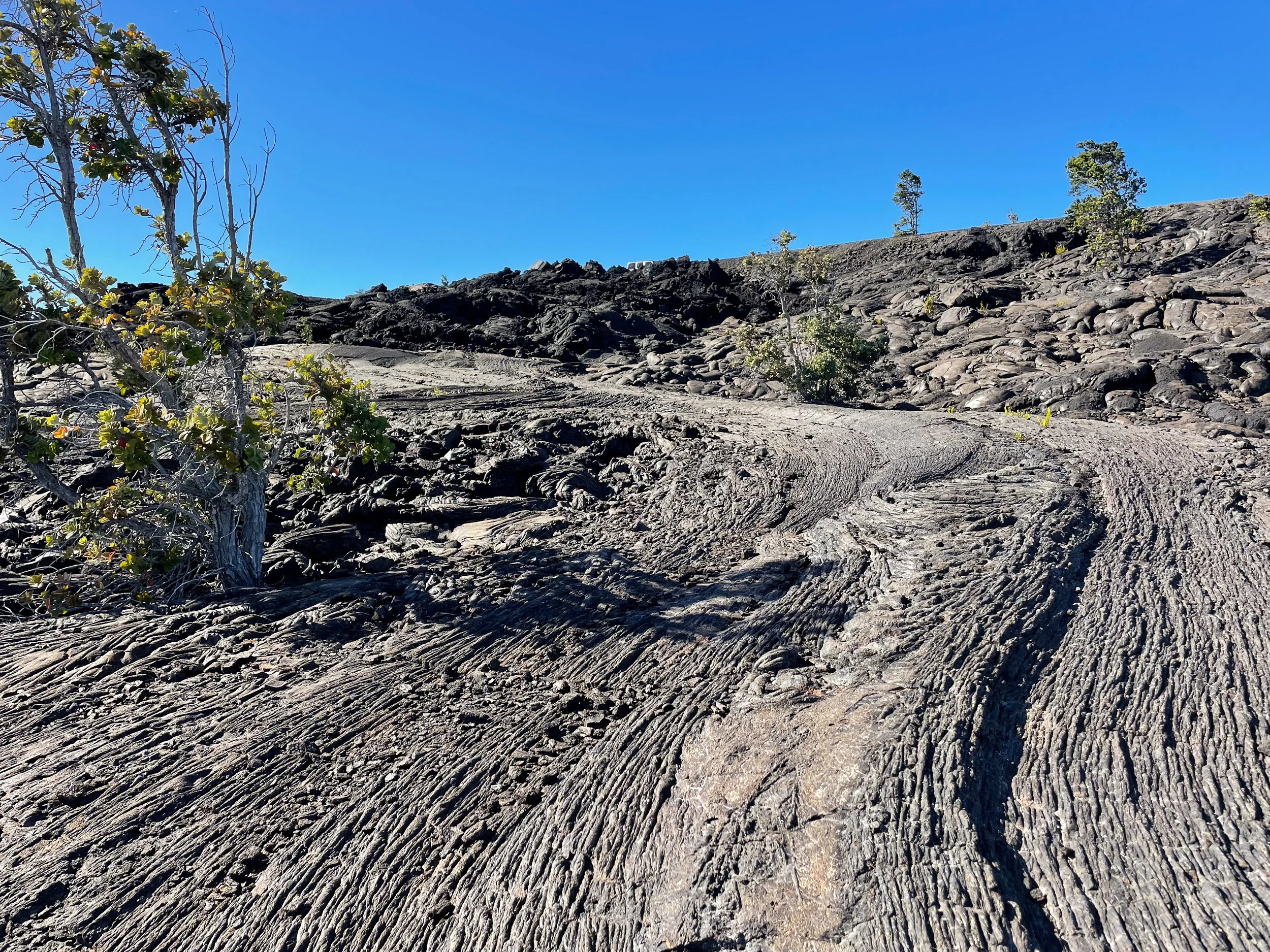
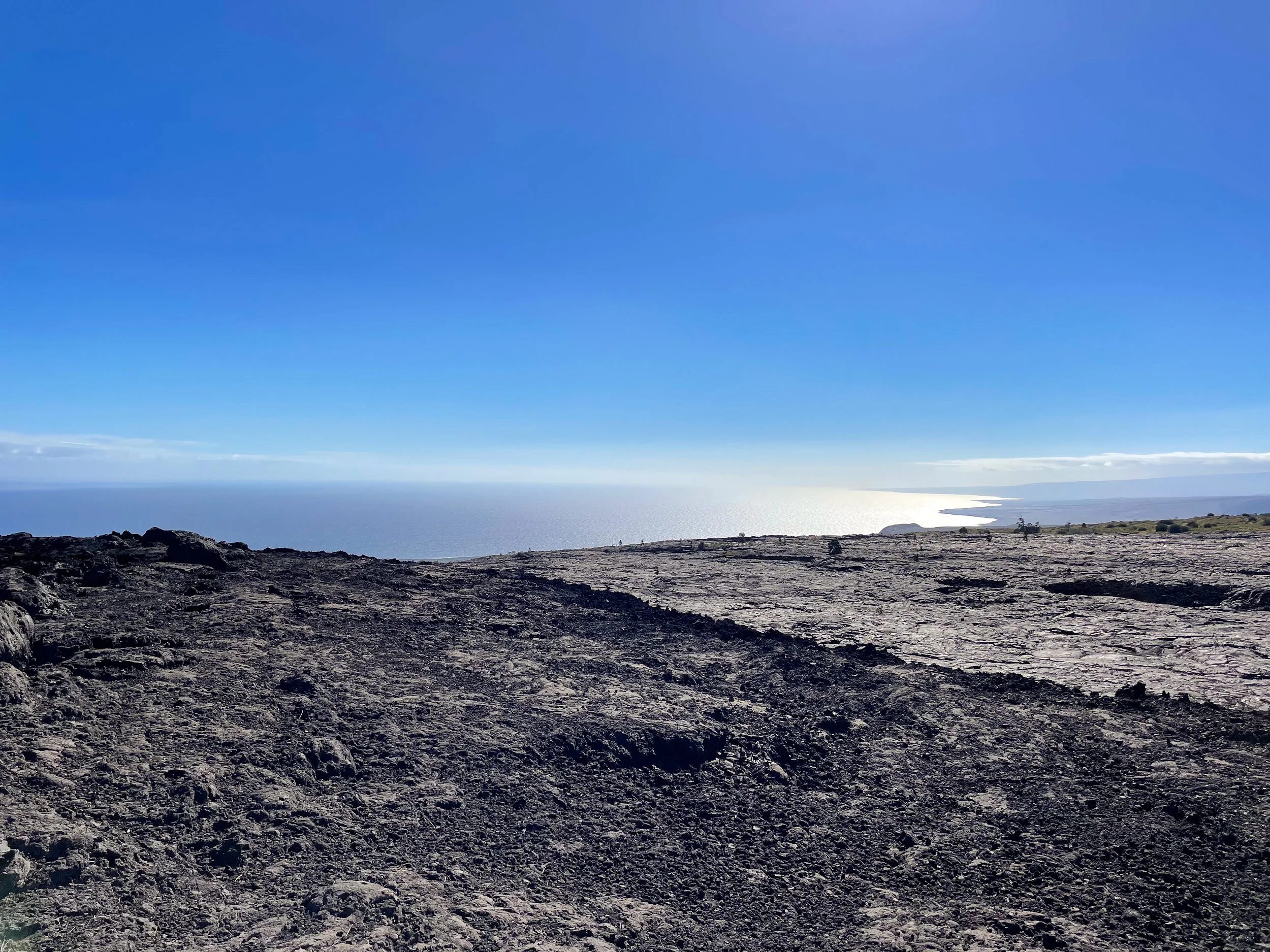
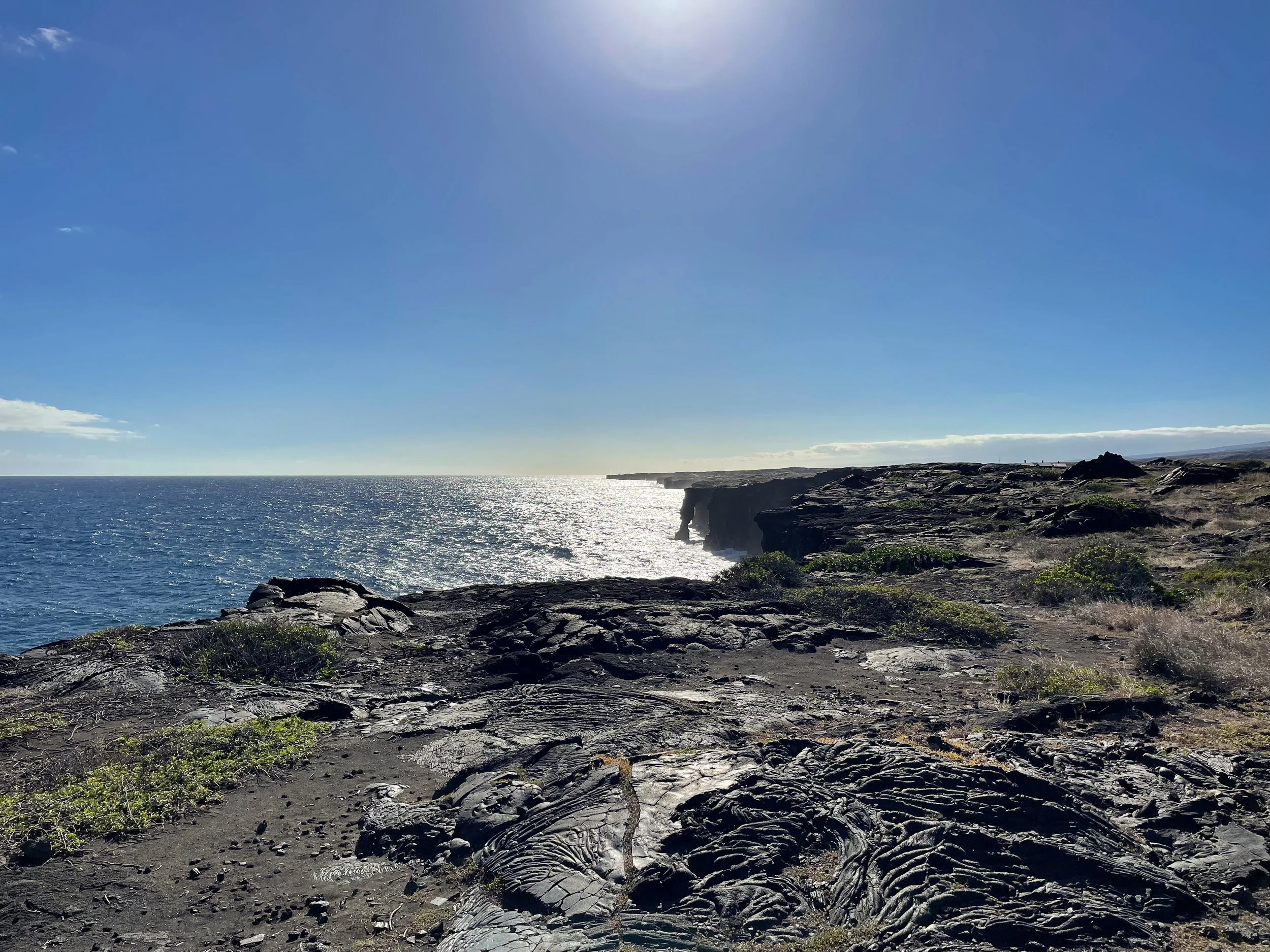
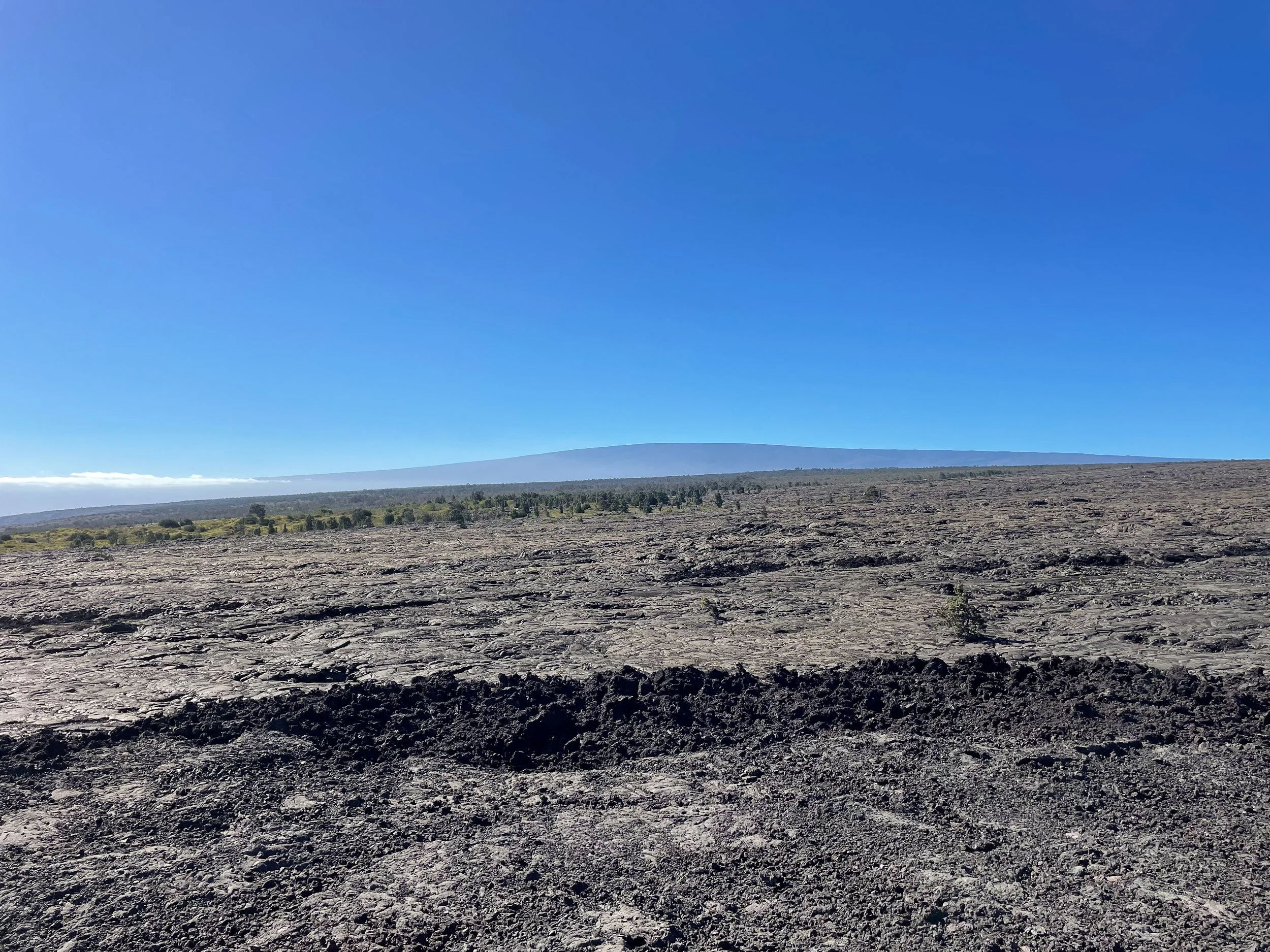
Pu‘u Loa Petroglyphs. An archeological area with thousands of petroglyphs carved into the hardened lava by ancient Hawaiians. The petroglyphs include human figures, dotted designs and circular formations. The area is surrounded by a boardwalk and accessible along the 1.4 mile Puna Coast Trail.
Kealakomo. An observation deck and picnic area with views of the hardened lava fields, cinder cones and coast.
Hōlei Sea Arch. A 90ft high volcanic rock arch along the seaside cliffs at the end of the Chain of Craters Road.
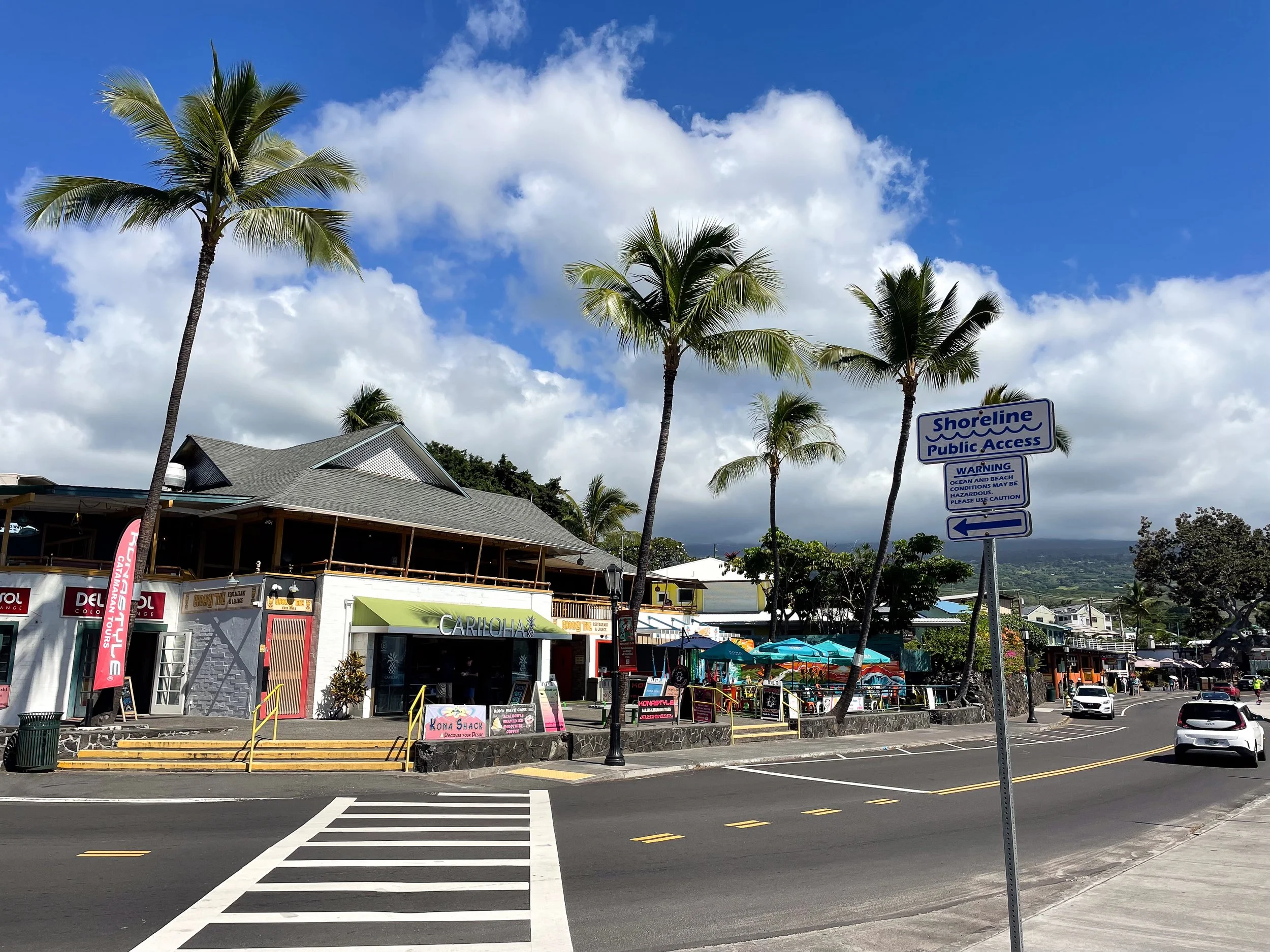
Kailua Kona
A beach town on the Leeward side of the island with historic sights, seafood restaurants, tiki bars, Kona coffee farms and souvenir shops. The area has many nearby beaches and bays perfect for swimming, surfing, snorkeling and marine excursions. It’s a popular spot for tourists, though most stay at their resorts north and south of Kona.
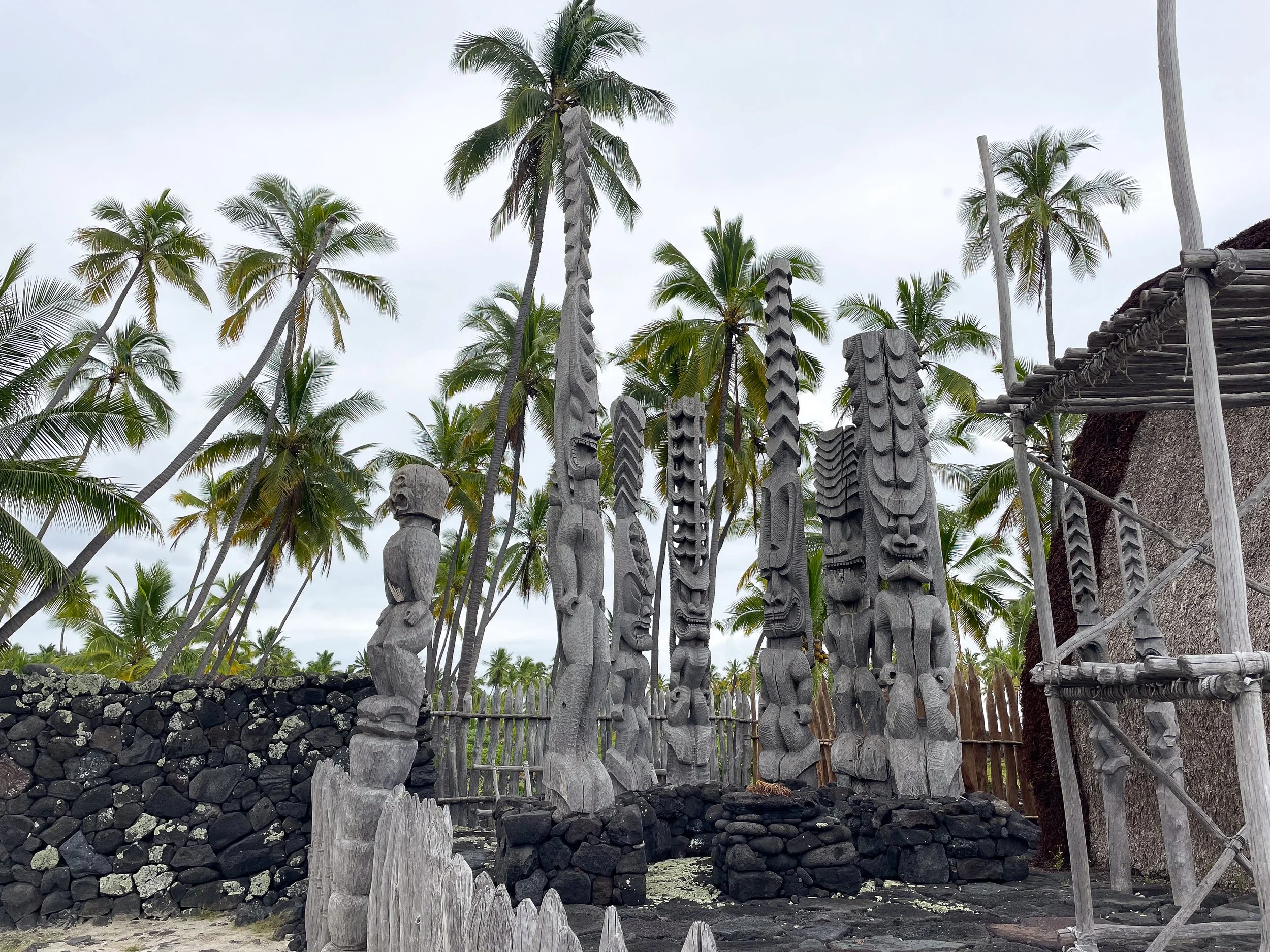
Hawaiian Cultural Sites
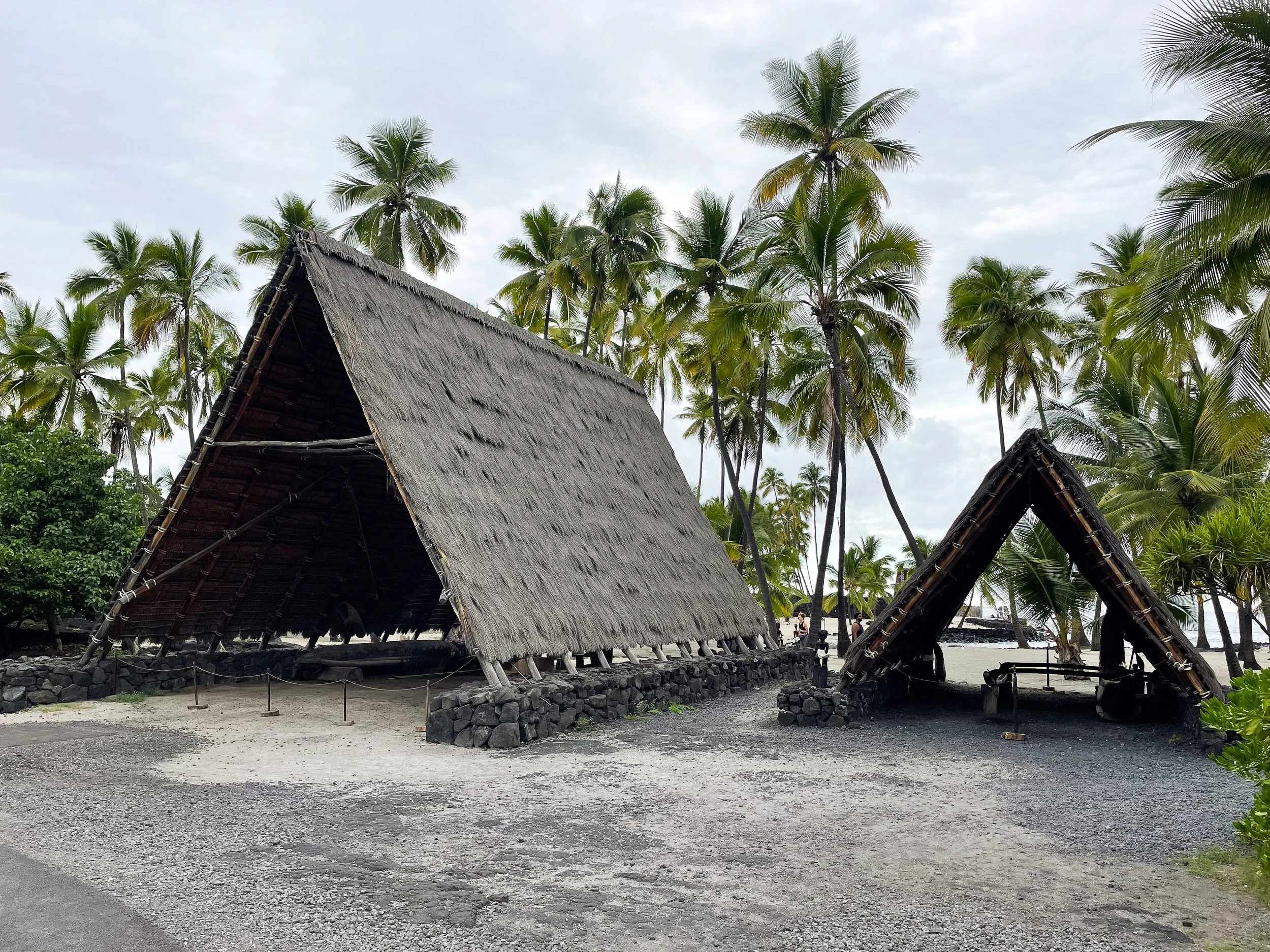
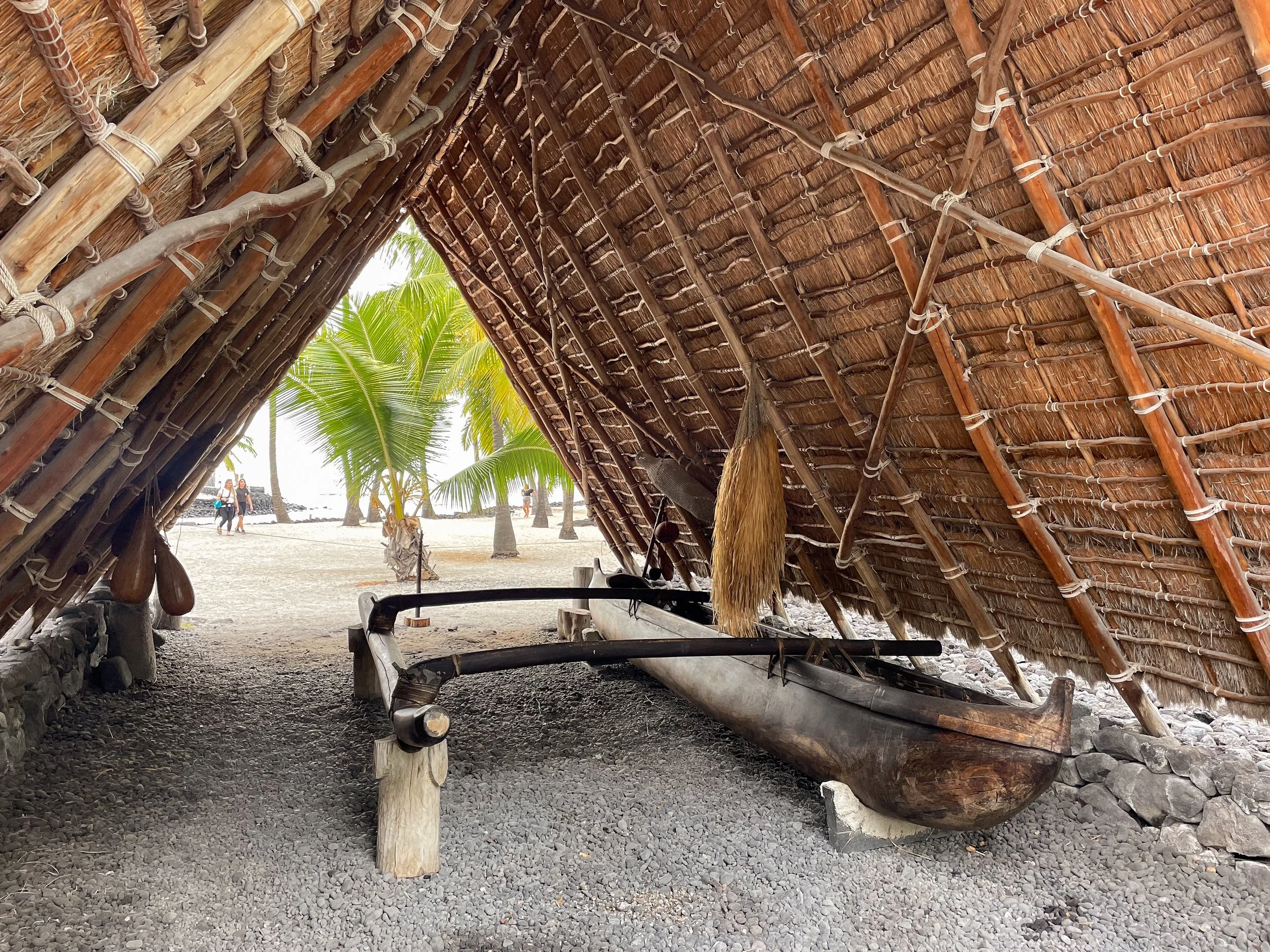
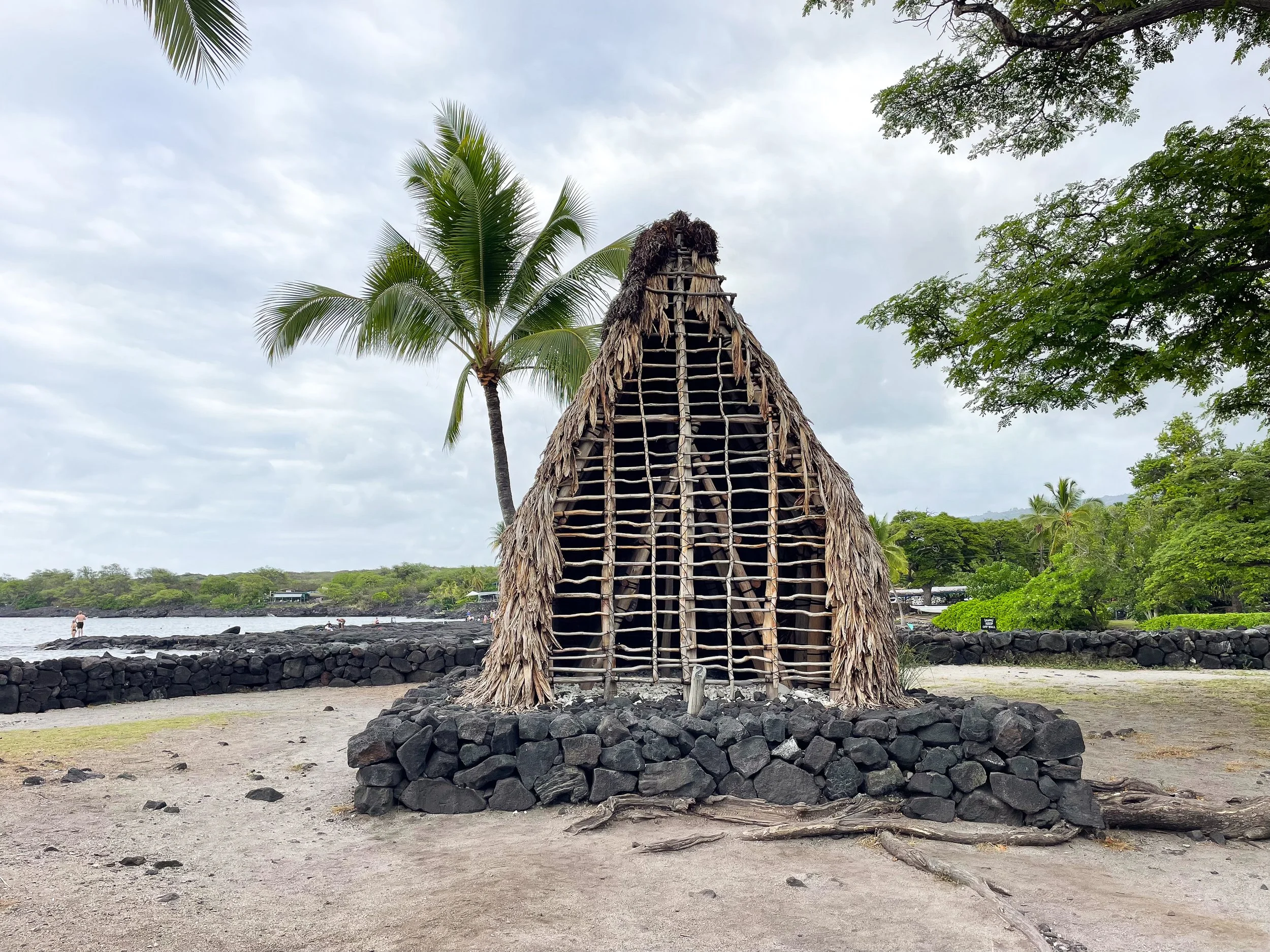
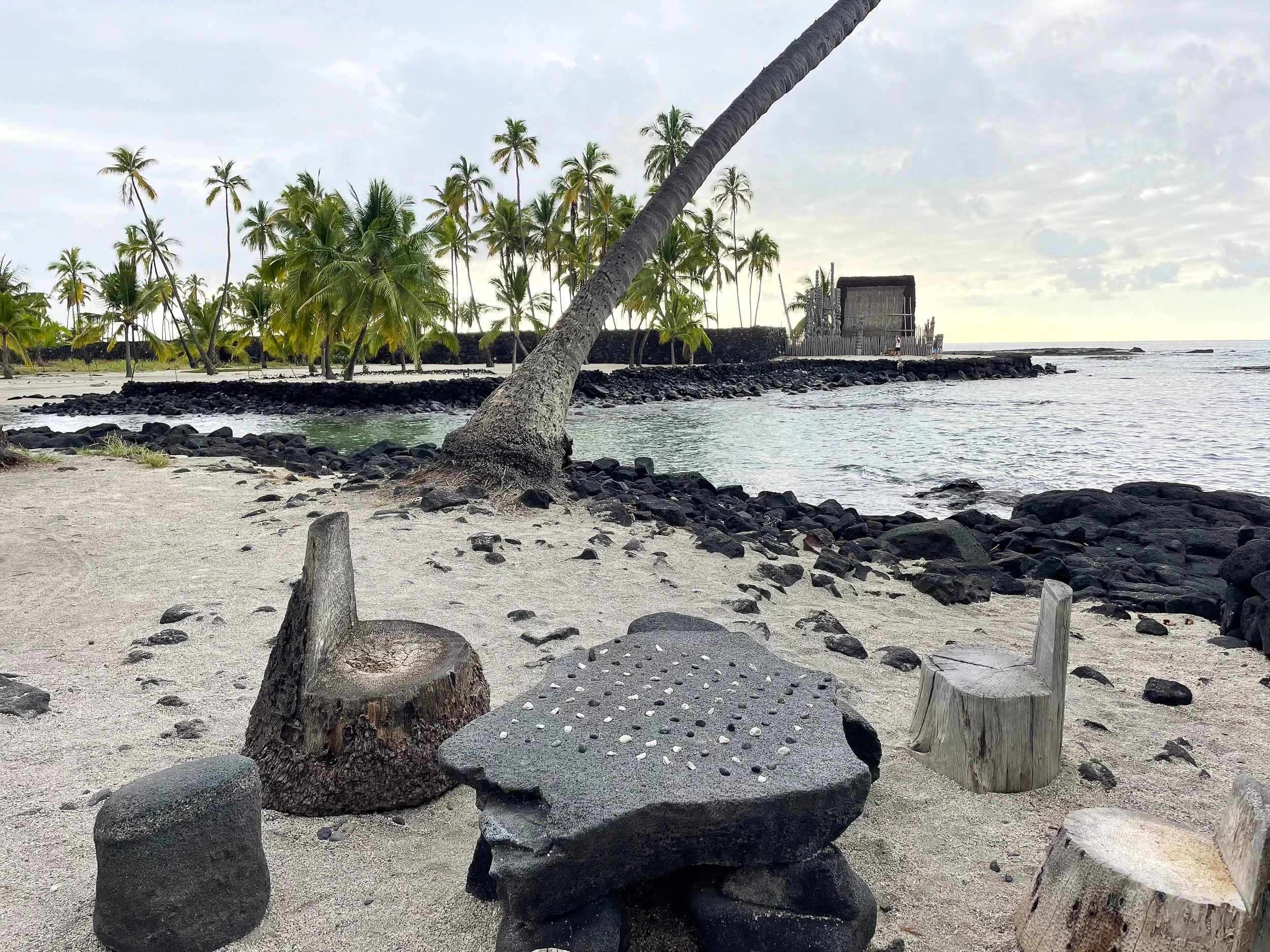
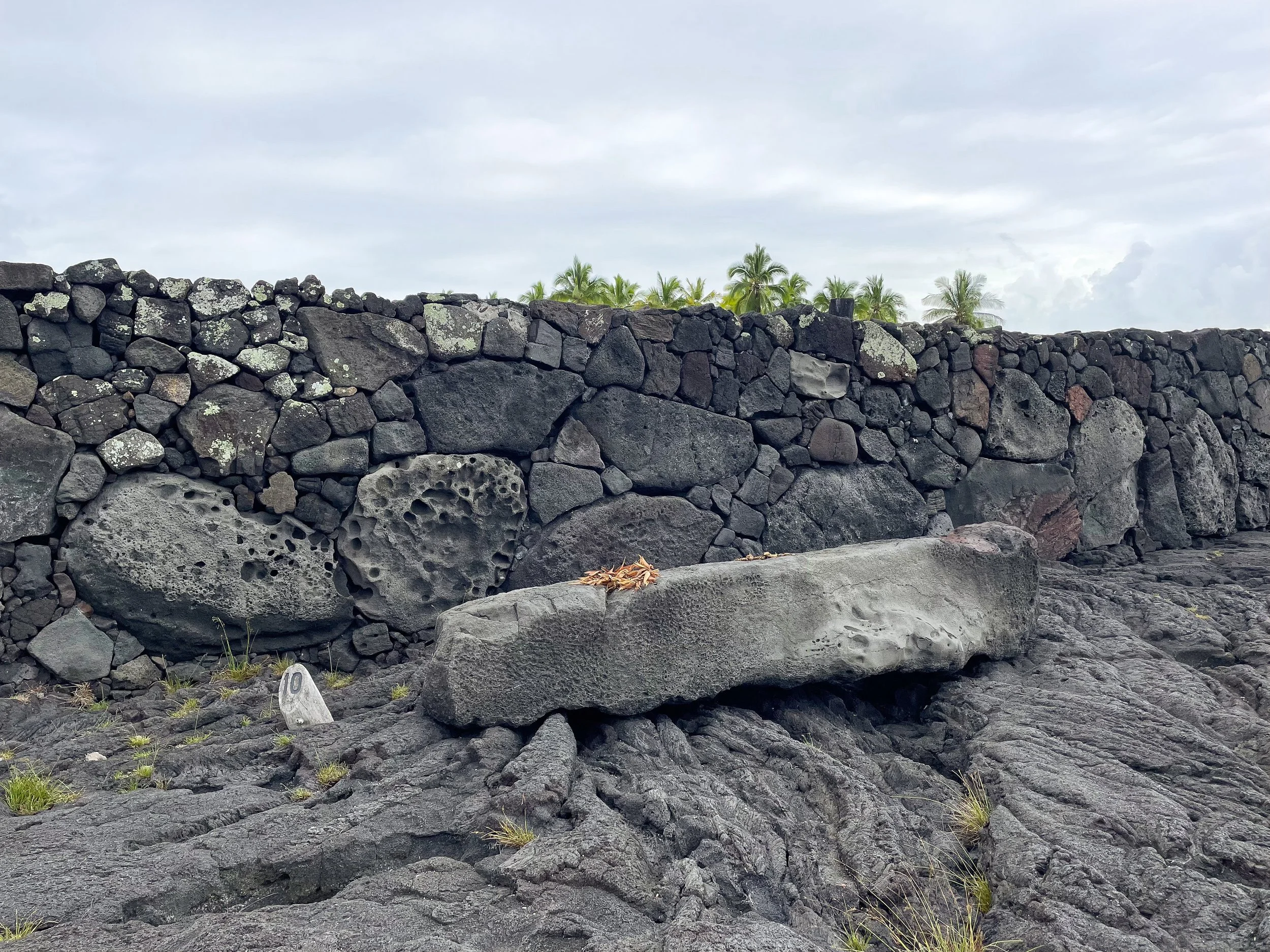
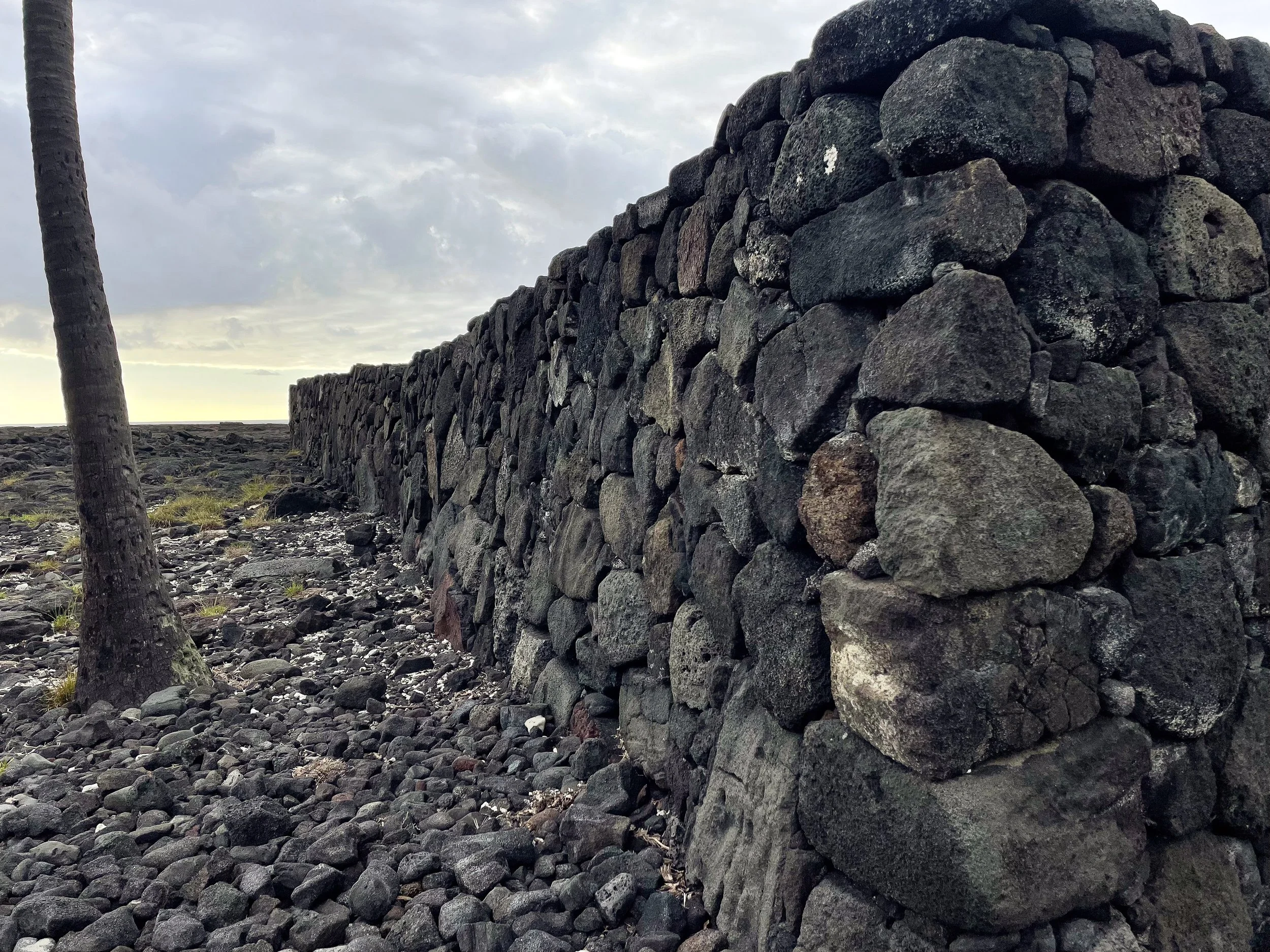
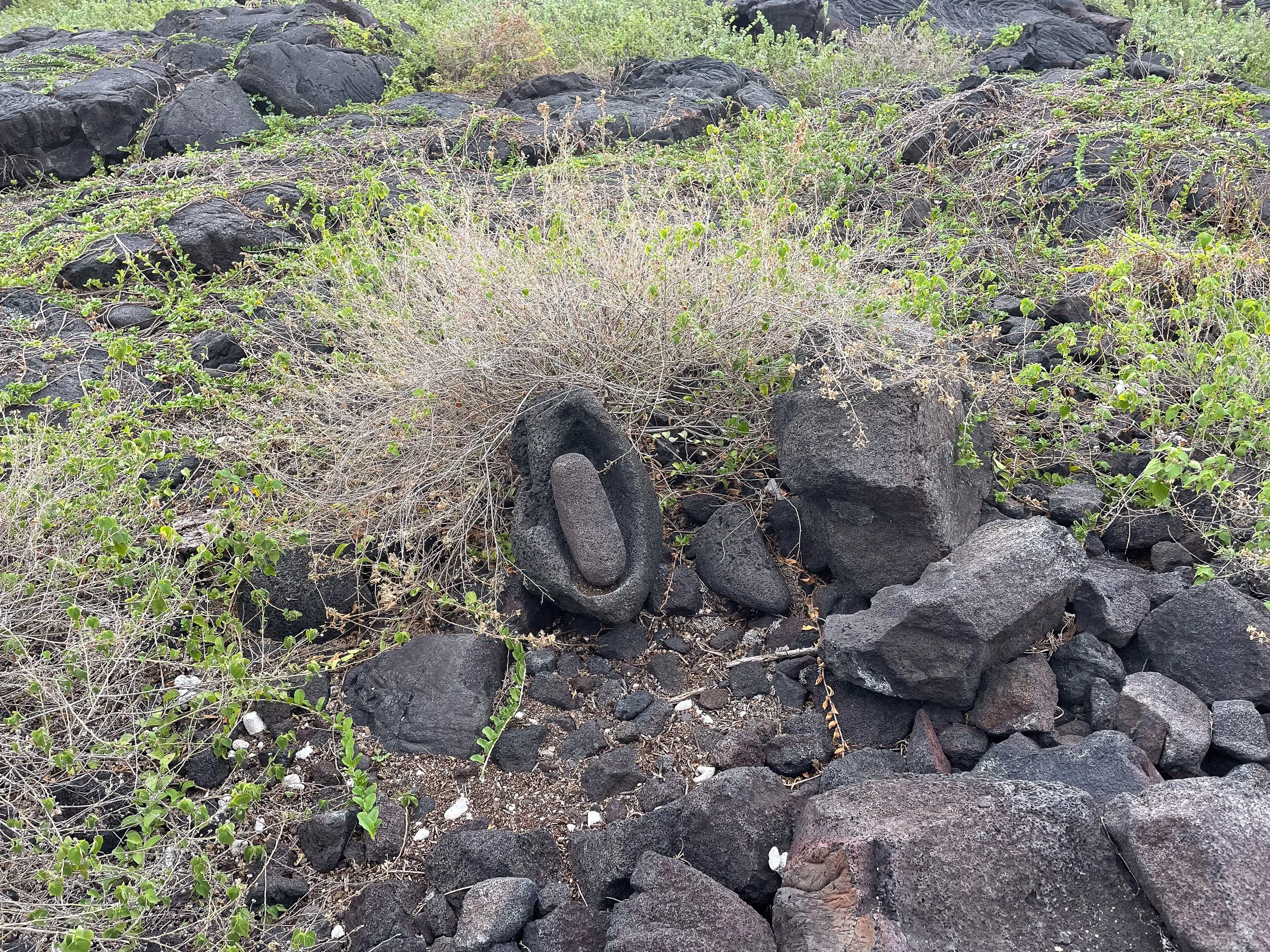
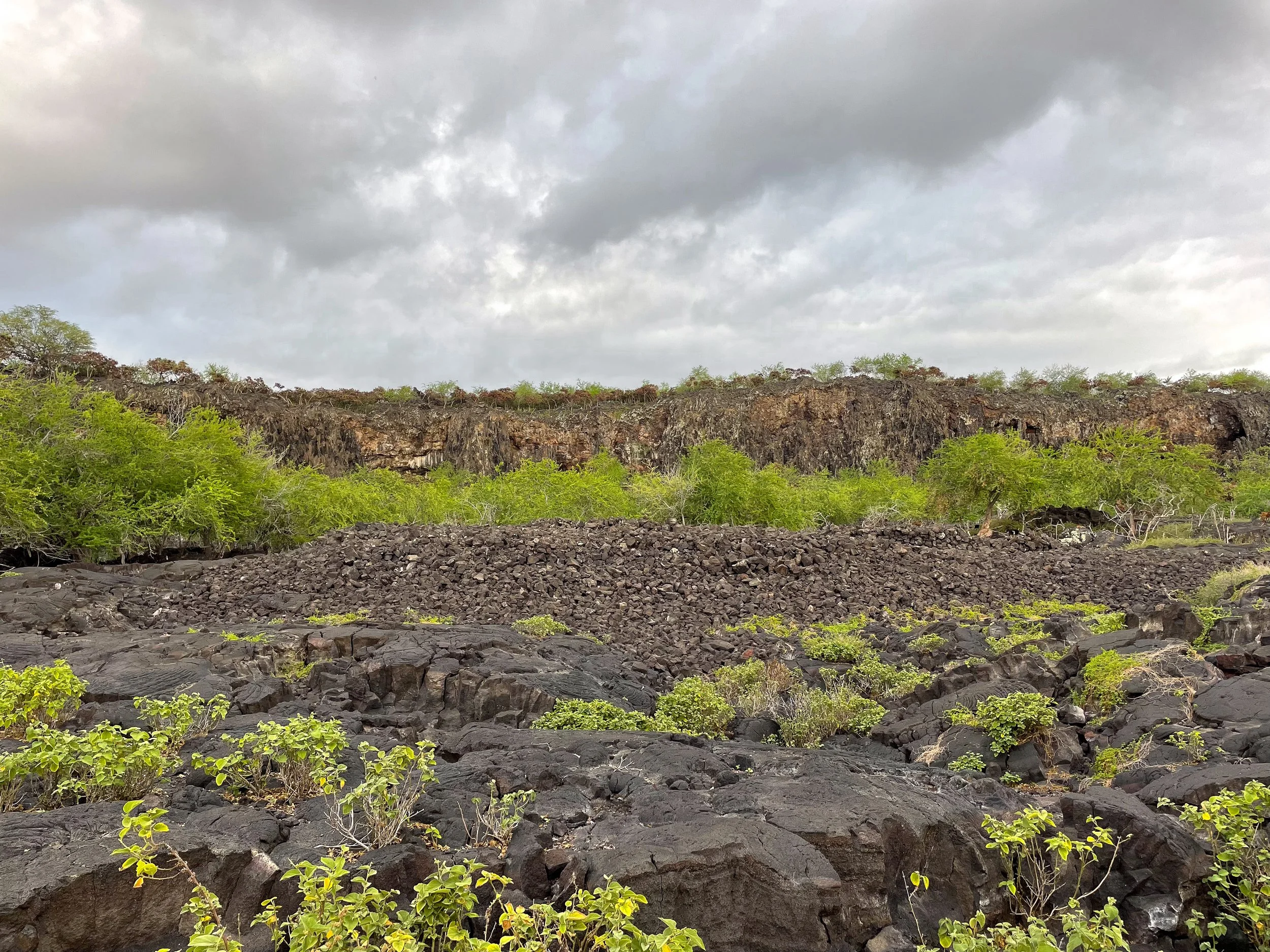
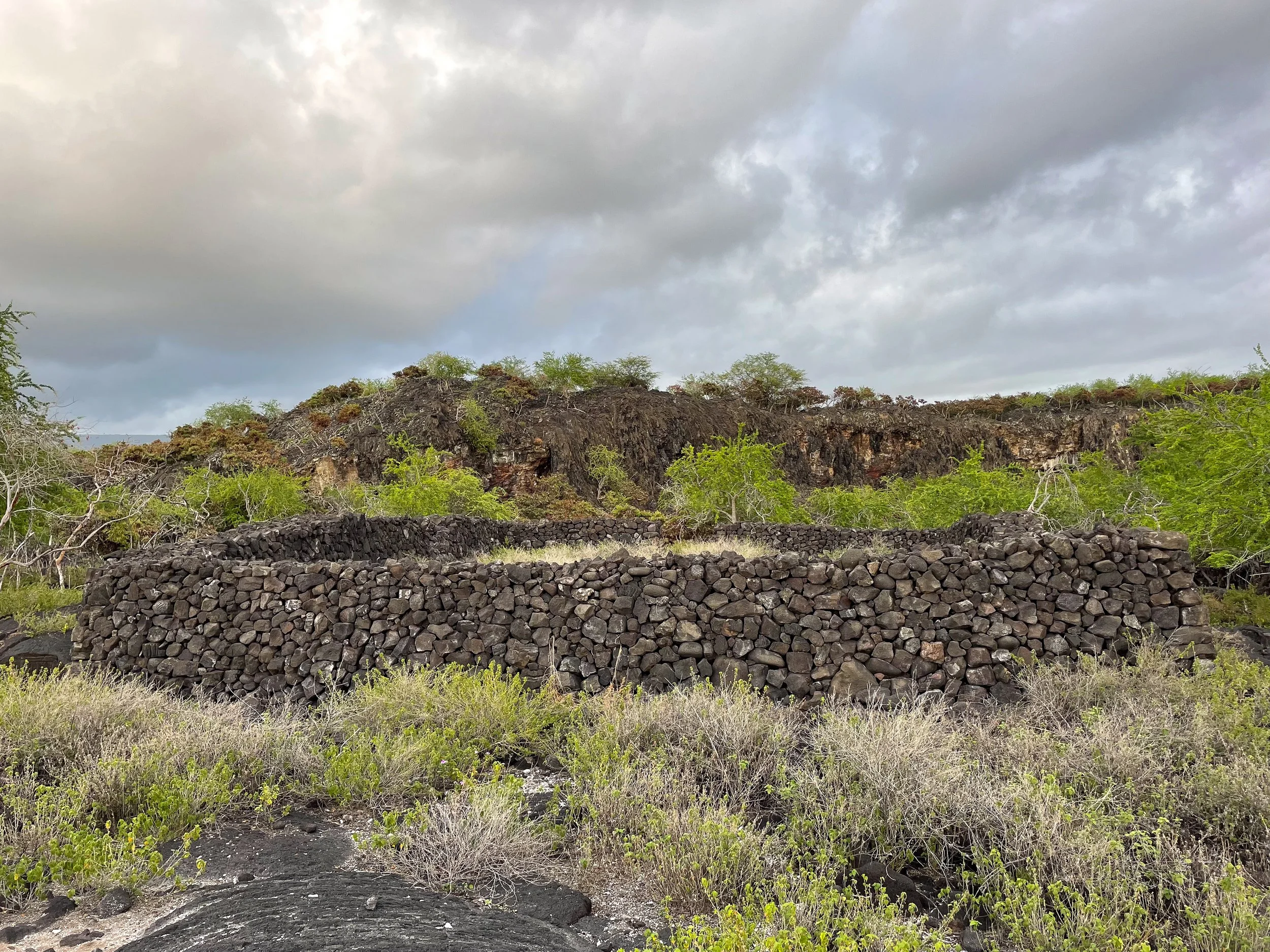
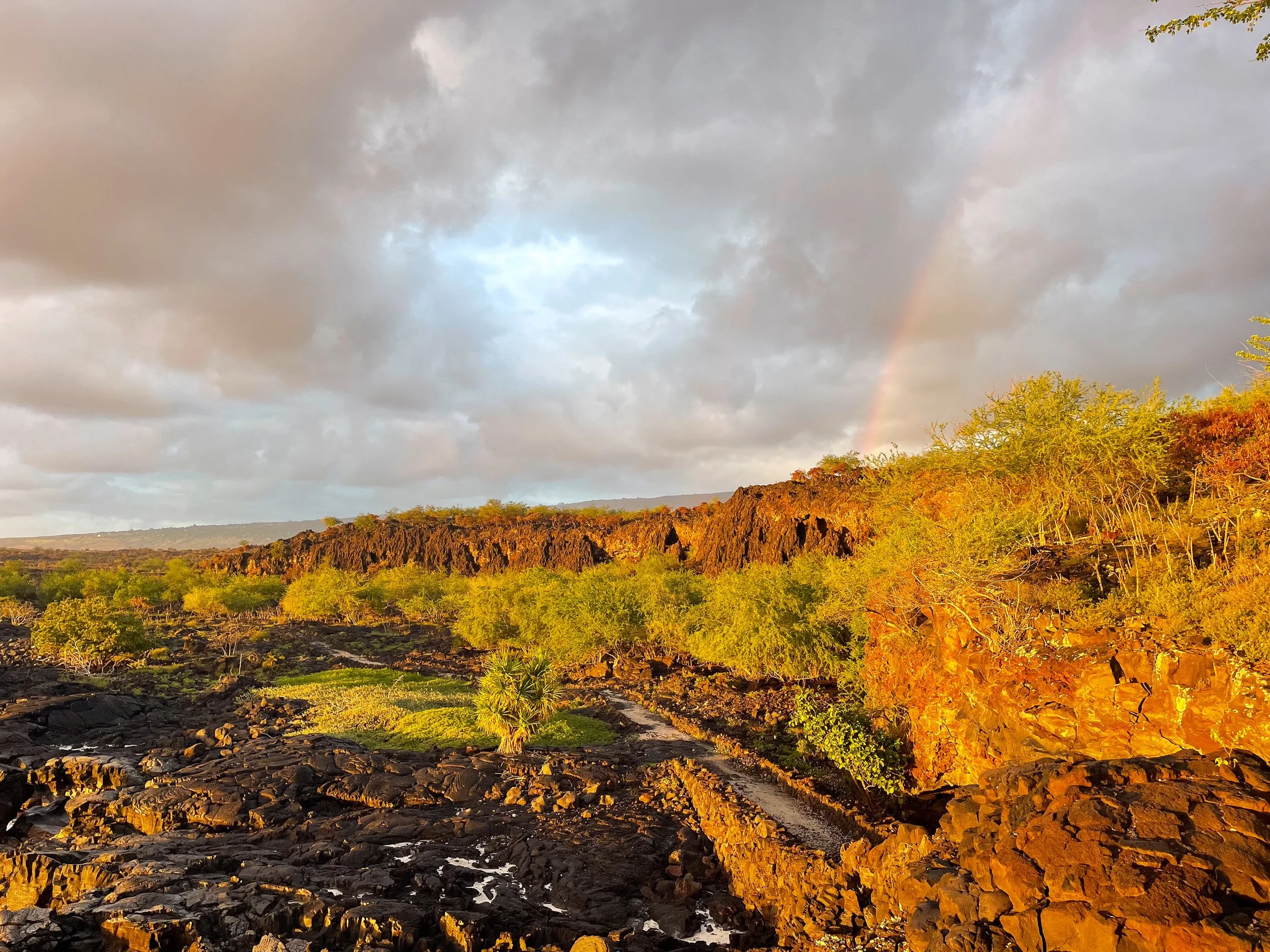
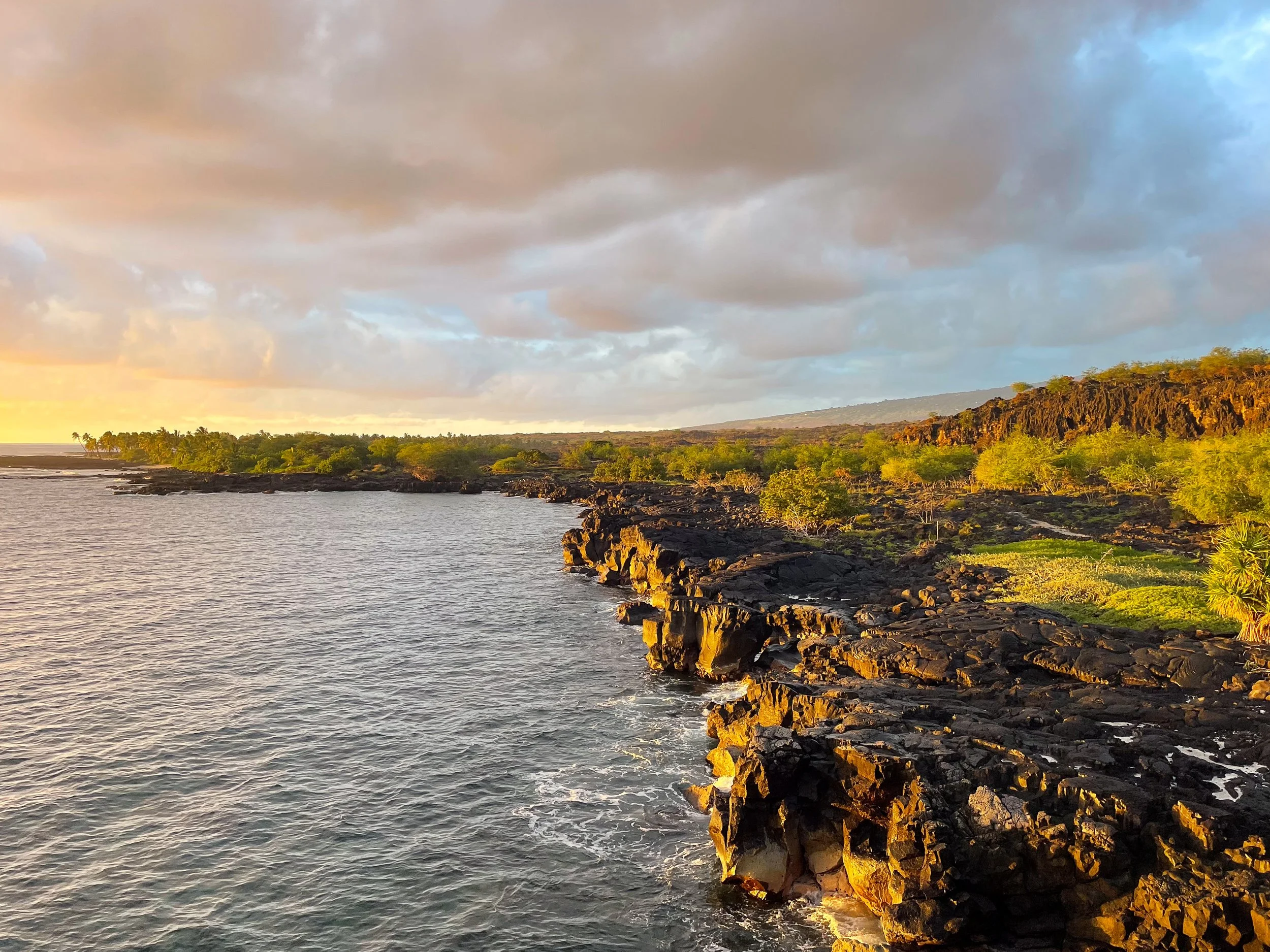
Pu’uhonua o Honaunau National Park. The location of the former Hawaiian royal grounds. The archeological park includes reconstructed canoe houses and carved statues, original stone foundations, lava rock walls, a cemetery, fish ponds, palm groves and trails.
Pu’uhonua o Honaunau National Park Trails
Pu’uhonua Trail. The trail leading through the royal grounds and sights.
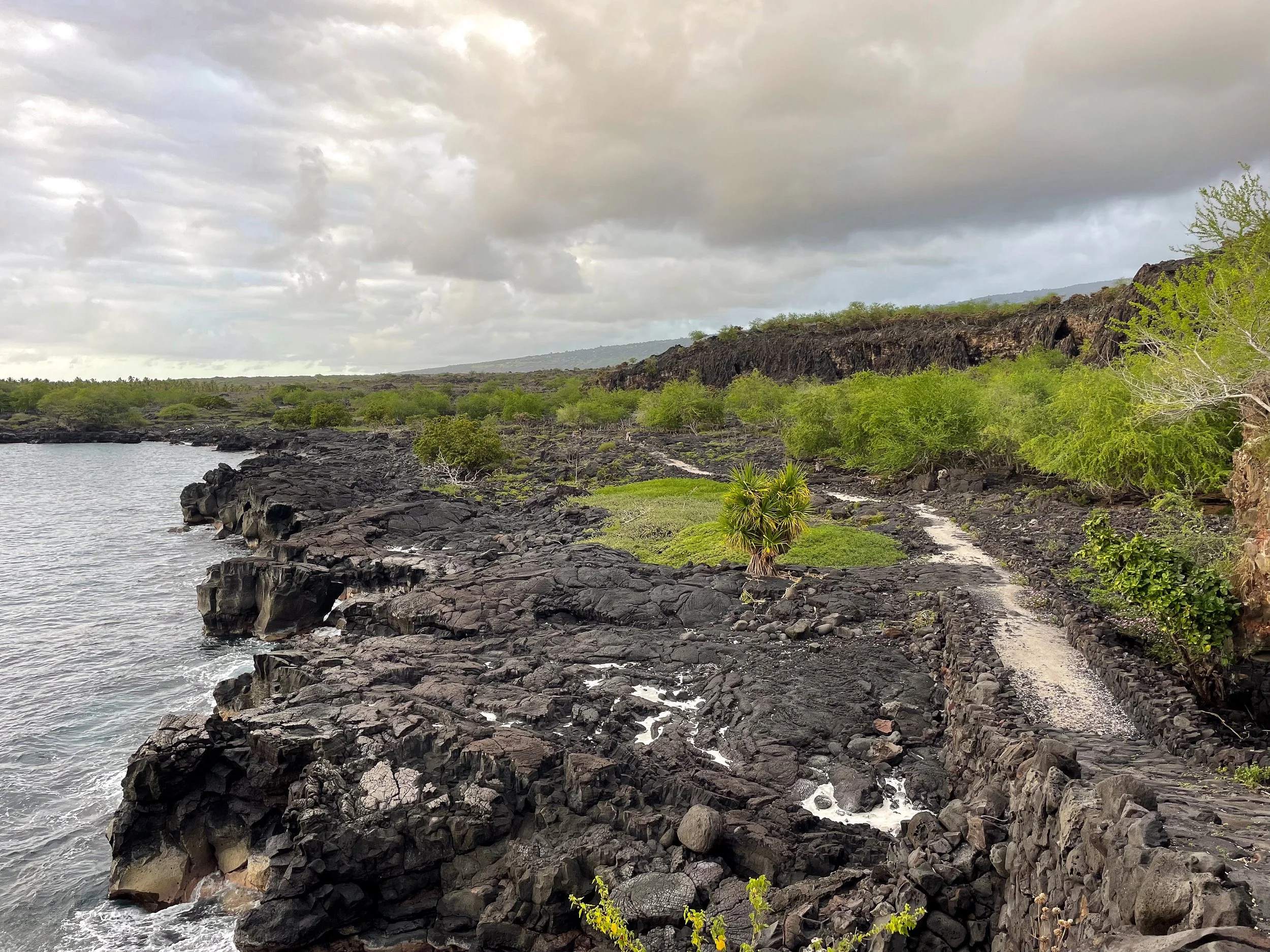
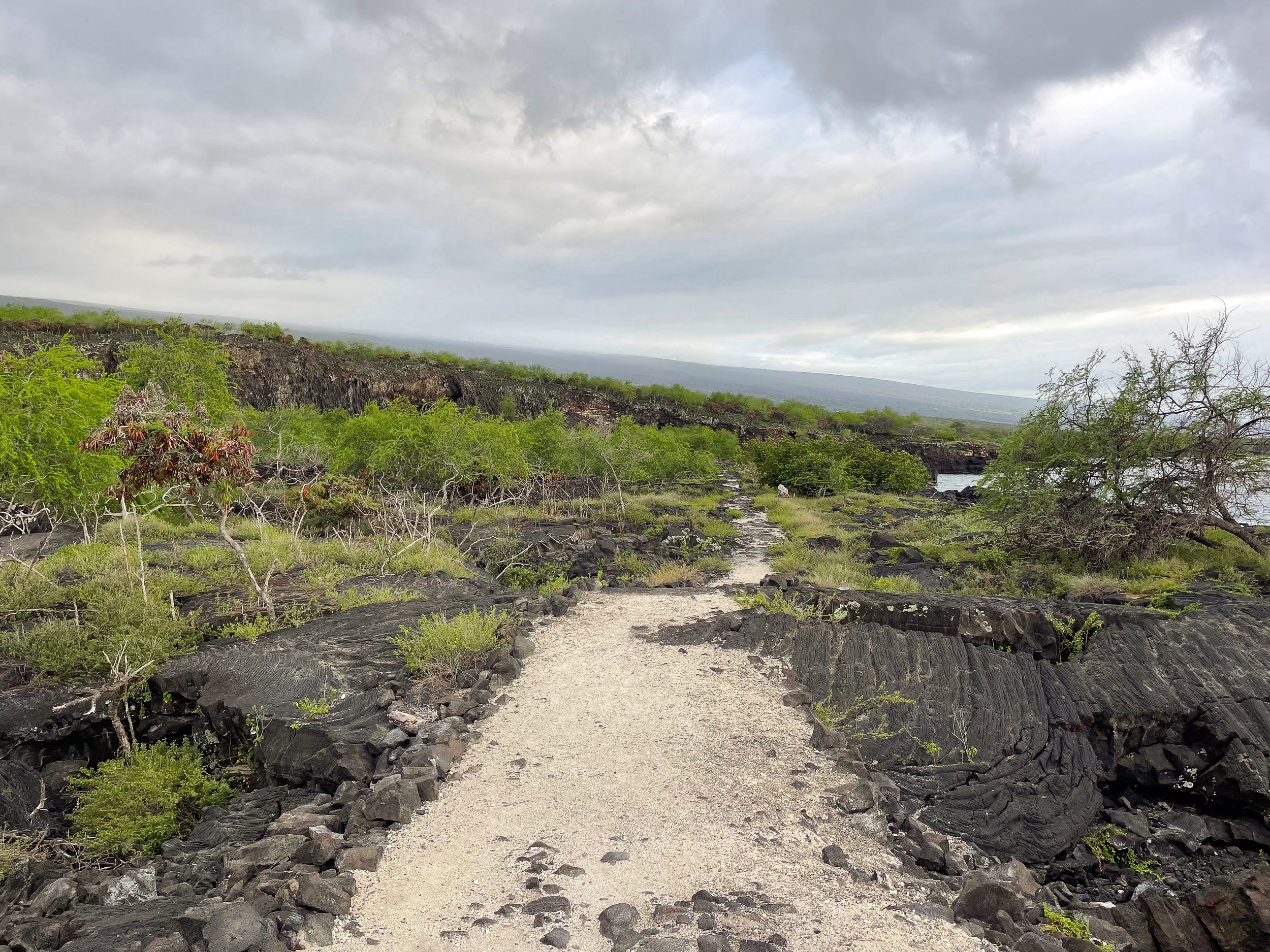
Coastal Trail. A trail leading from the visitor center to a coastal picnic area, past archeological ruins and to the 1871 Trail.
1871 Trail. A trail leading from the visitor center past many archeological sights and coastal rock formations. Sights include the abandoned and overgrown Kiʻilae Village, stone walls, temple ruins, sport ramps, cliffs and a lava tube.
Kamakahonu National Monument. The reconstructed home of Kamehameha The Great, one of Hawaii’s most powerful kings. The monument is located on a small peninsula at Kamakahonu Beach.
Hulihe‘e Palace. A royal summer house used by Hawaii’s royalty during the 17th century. It’s now a museum with Hawaiian artifacts.
Surfing & Beaches
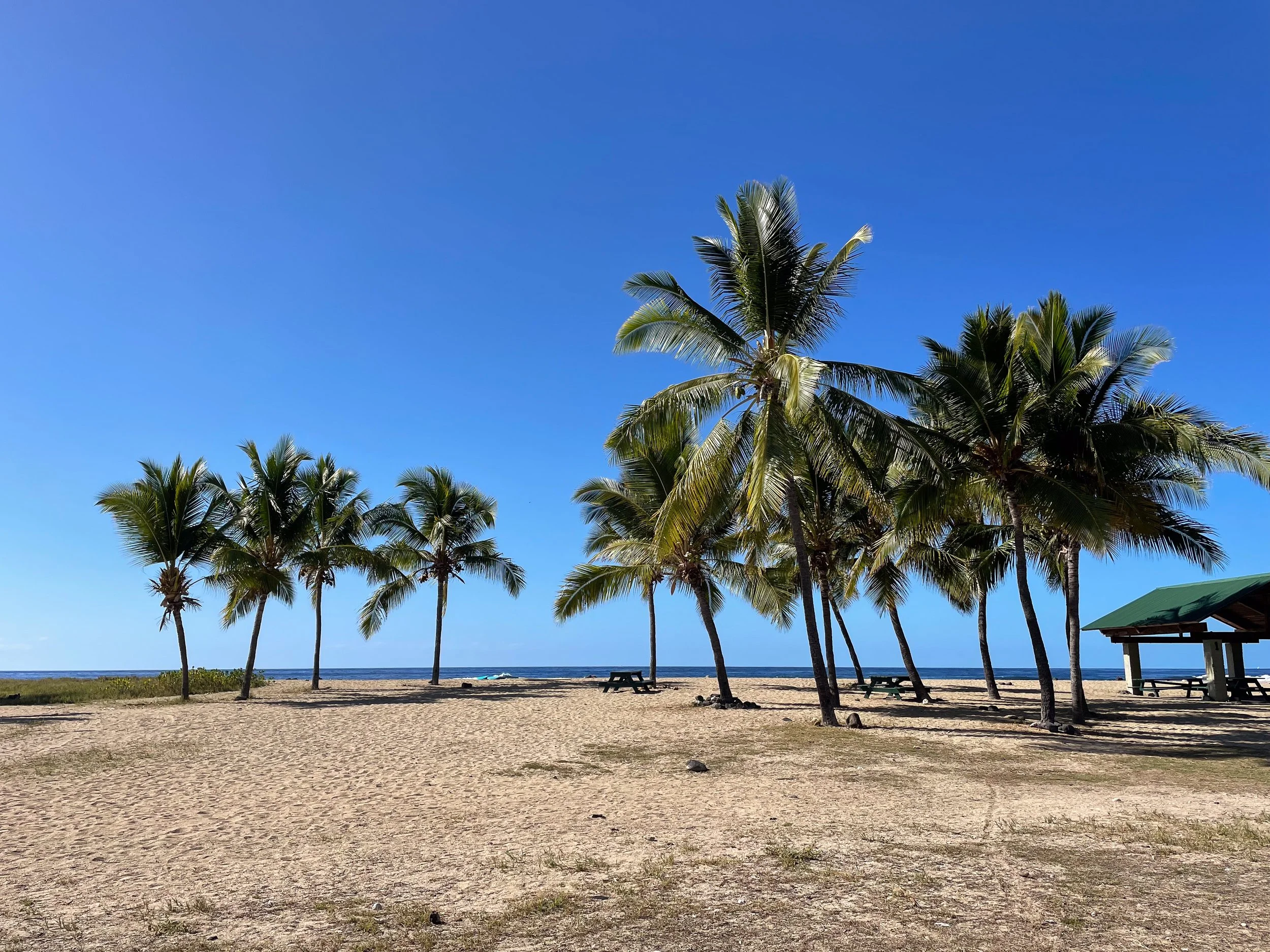
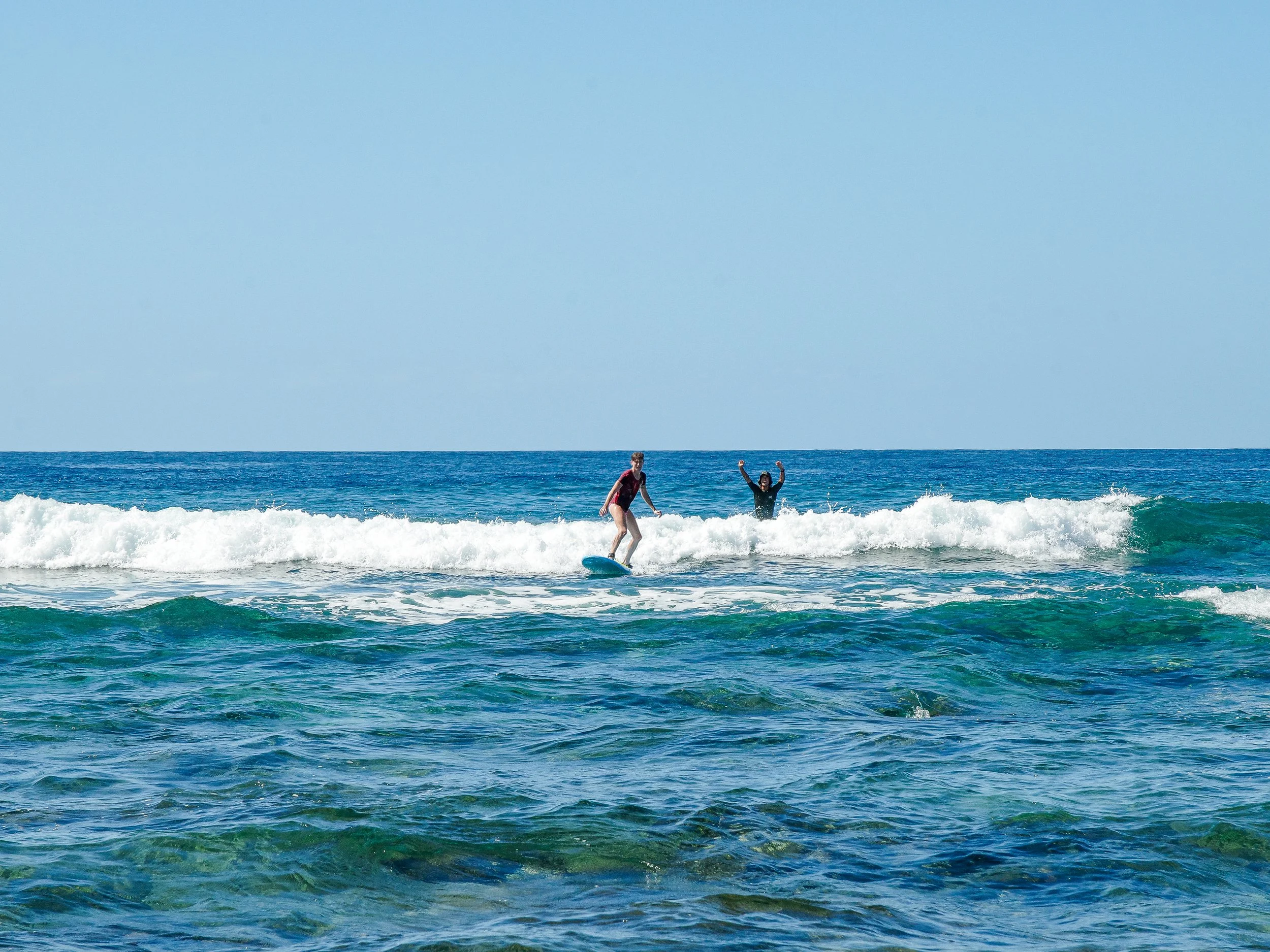
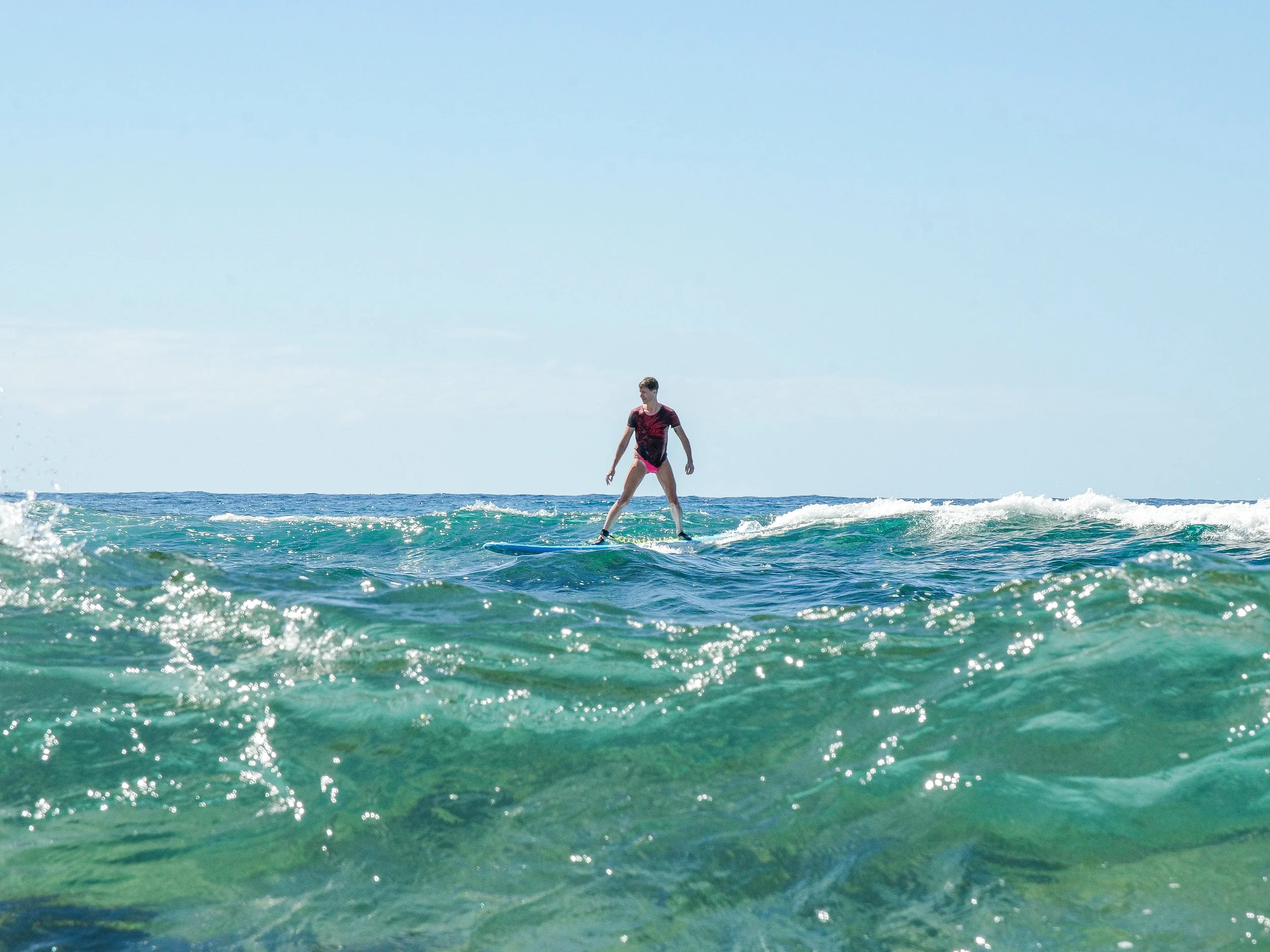
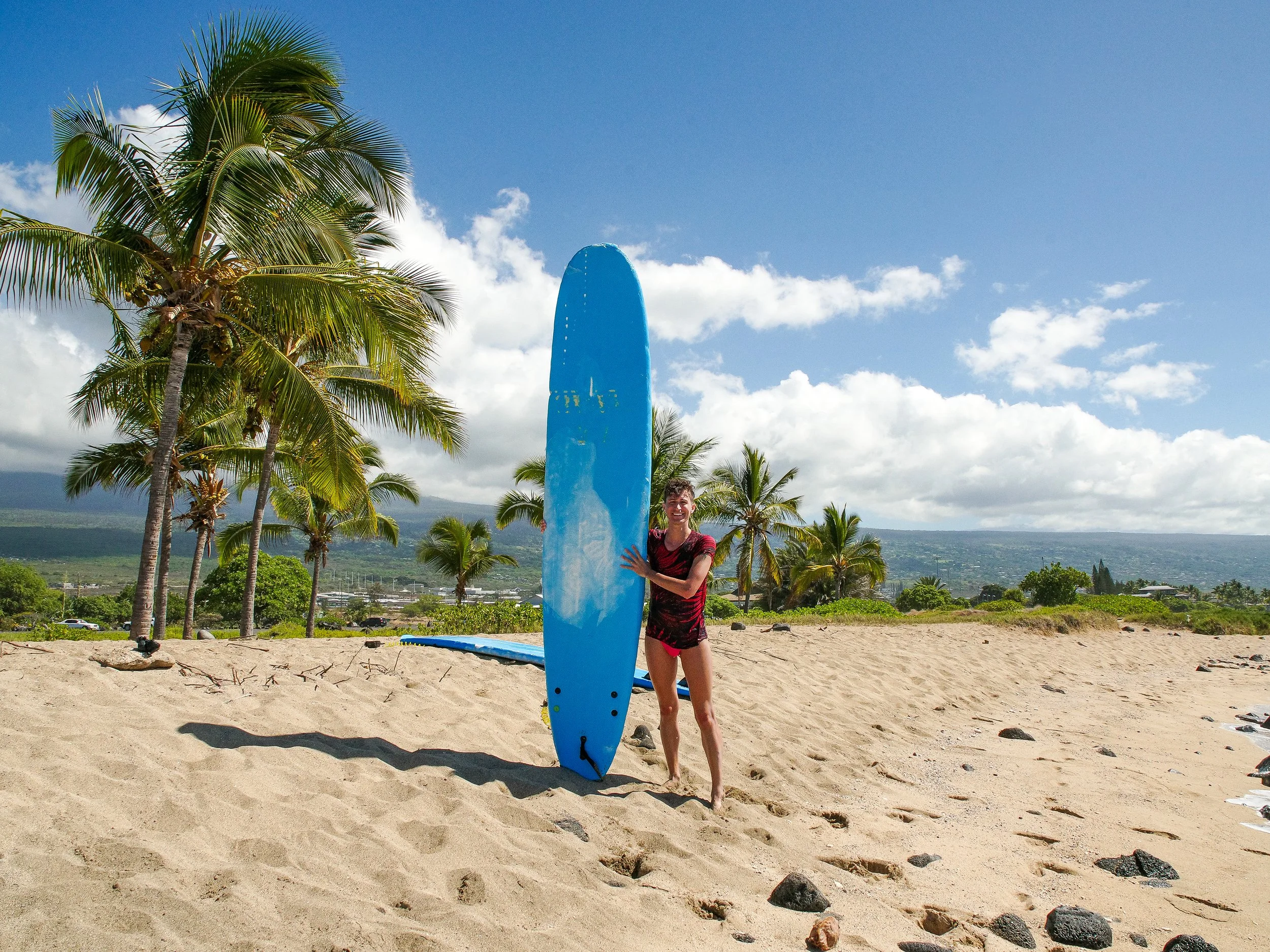
Old Airport Beach. A long white sand and palm lined beach along Kona’s old airport runway. The water is not safe for swimming due to shallow coral reefs. It’s a popular spot for surf lessons. We took a private lesson here with Kona Town Surf Adventures.
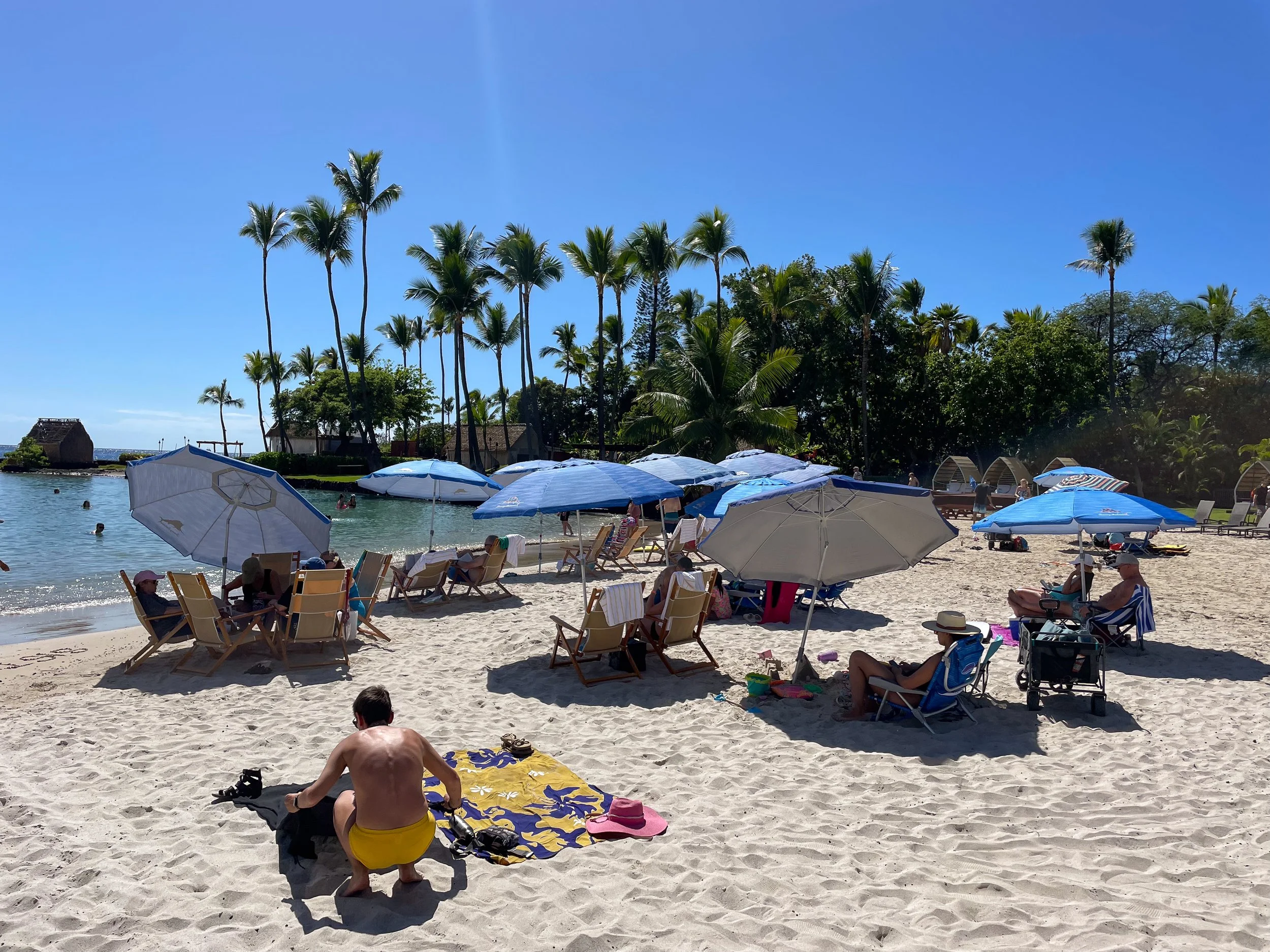
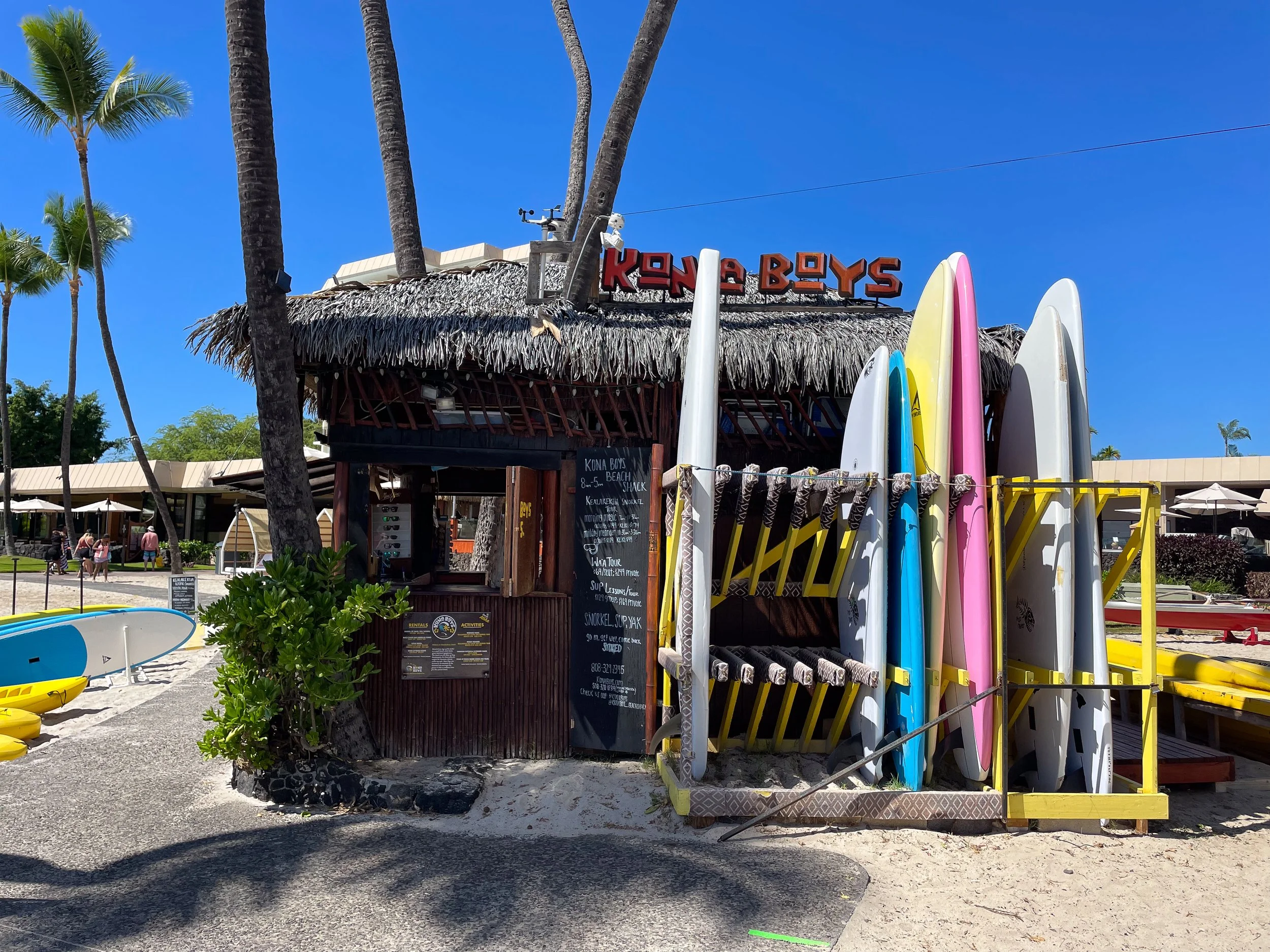
Kamakahonu Beach. A small white sand beach in downtown Kona for swimming, snorkeling and kayaking. Kona Boys Beach Shack rents hourly and daily equipment. There’s also a beach bar at the hotel.
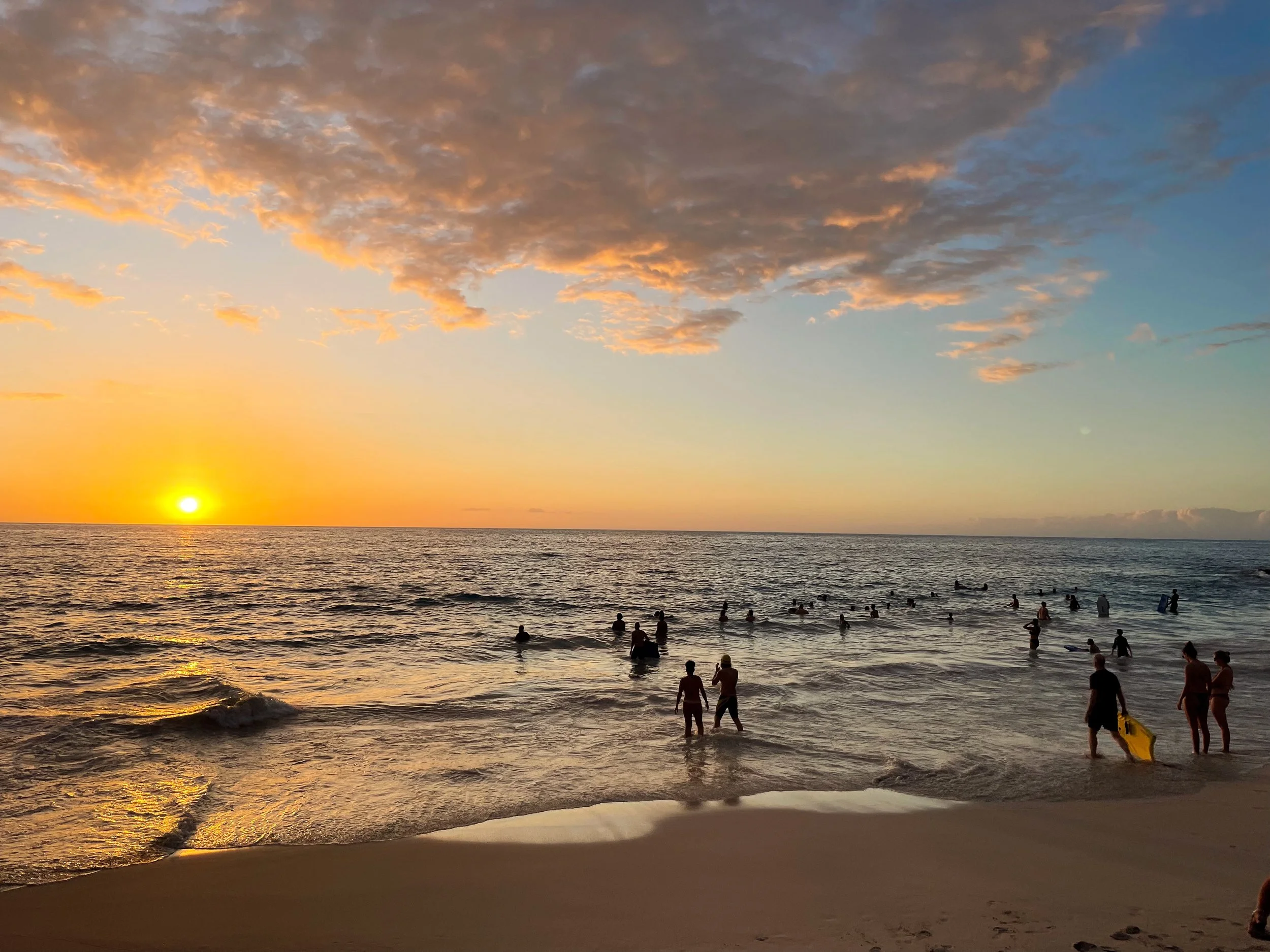
Magic Sands Beach. A small white sand beach popular for watching the sunset, body surfing and boogie boarding in the waves.
Snorkeling & Sailing
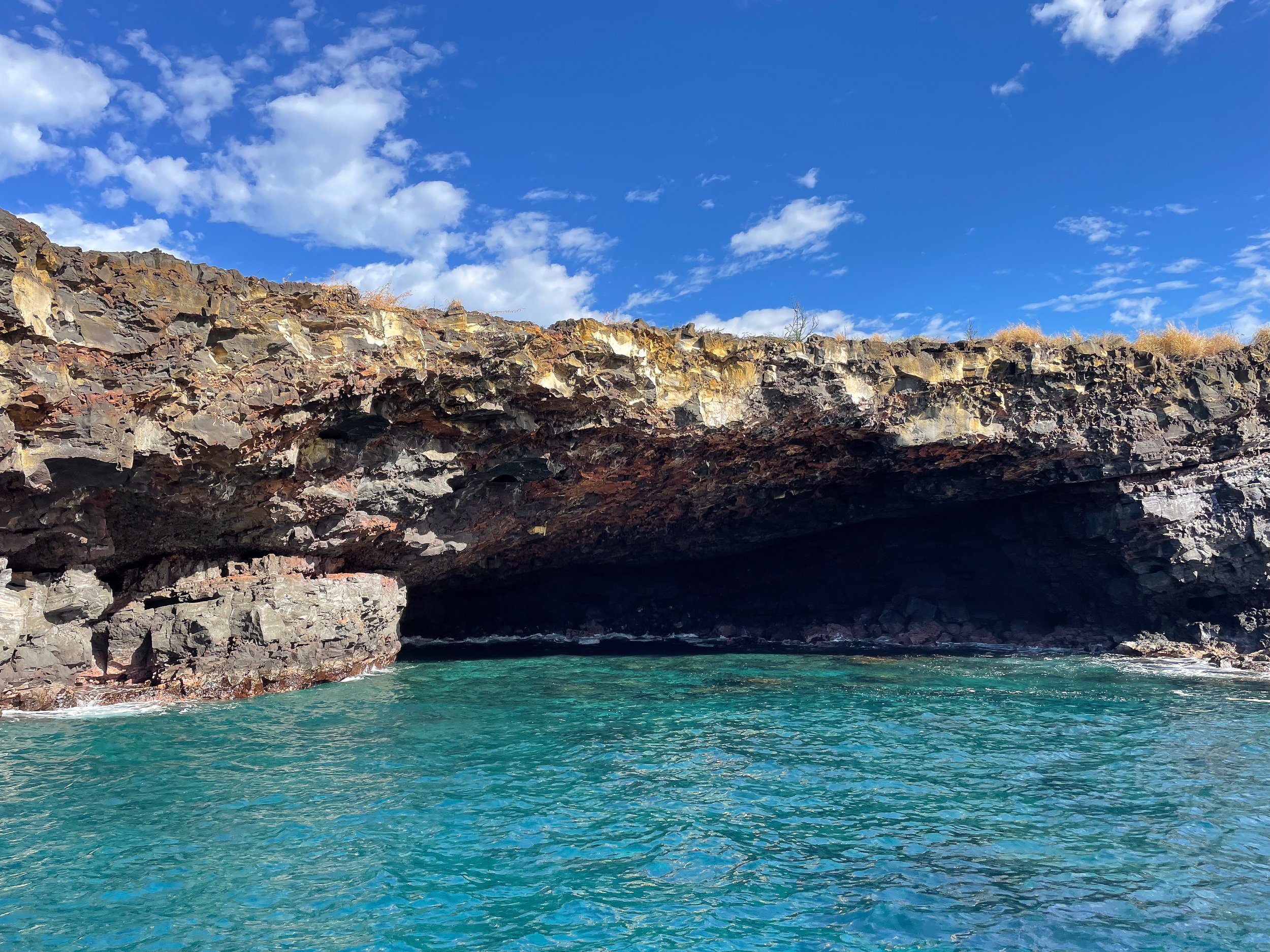
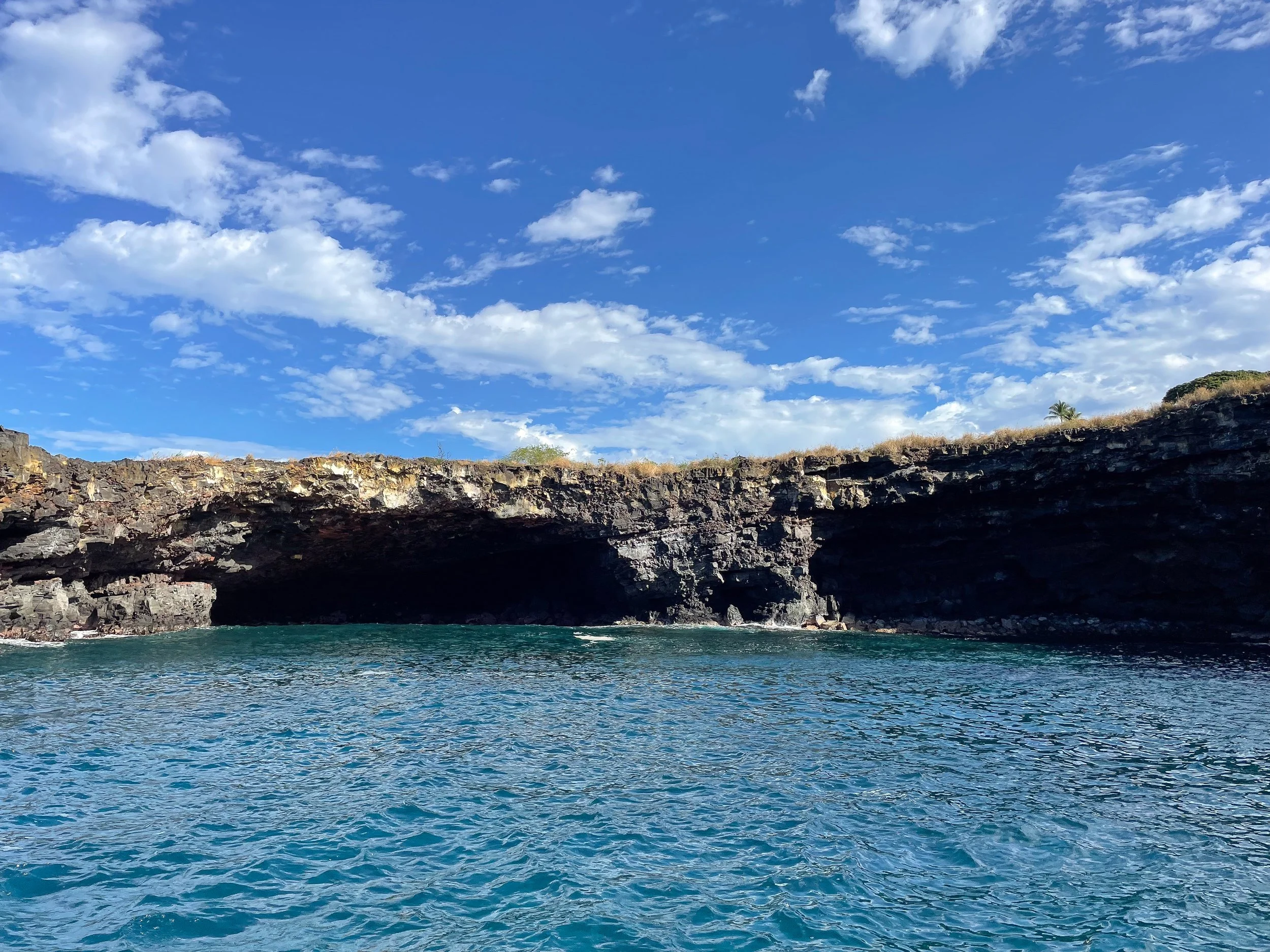
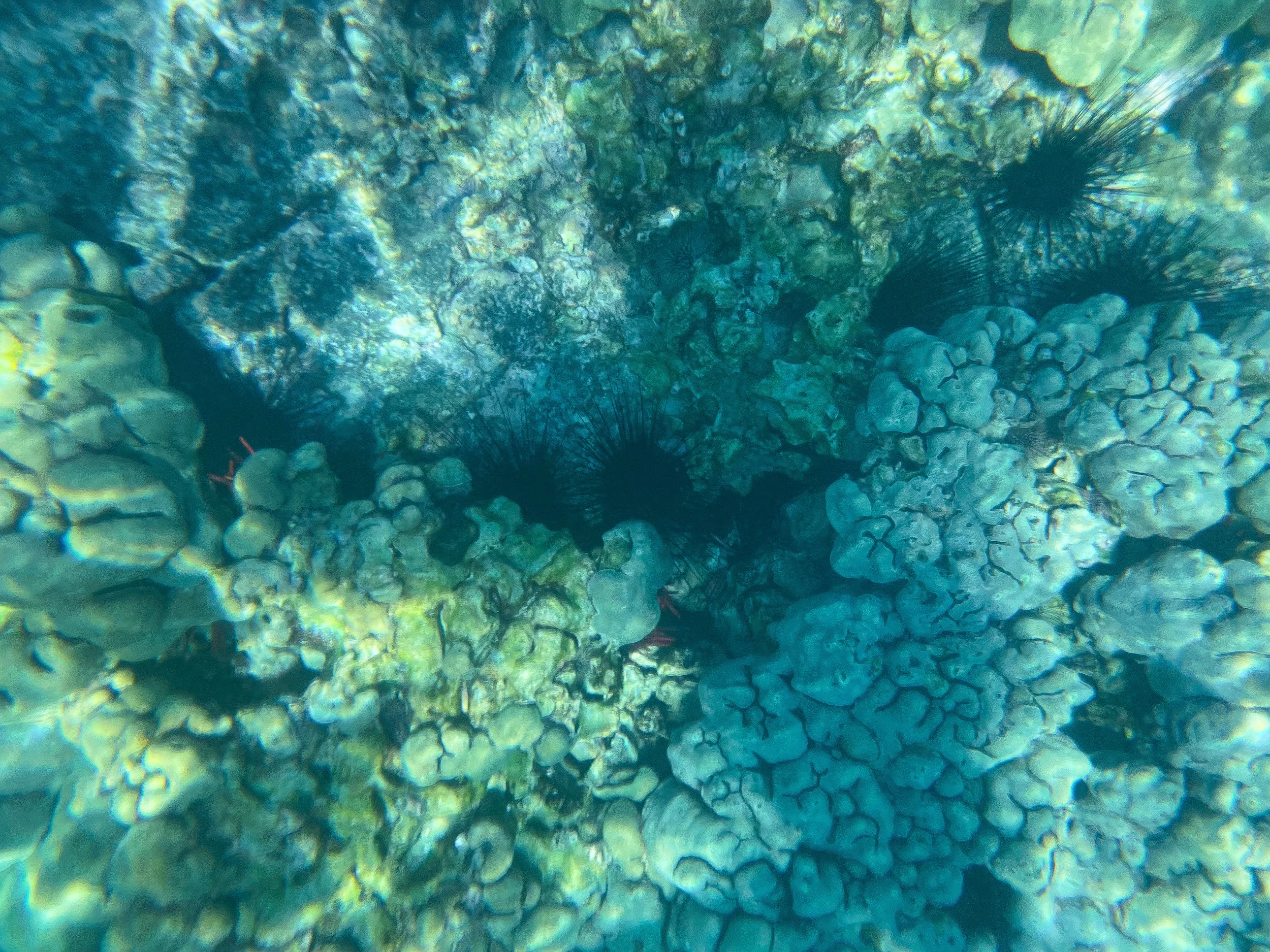
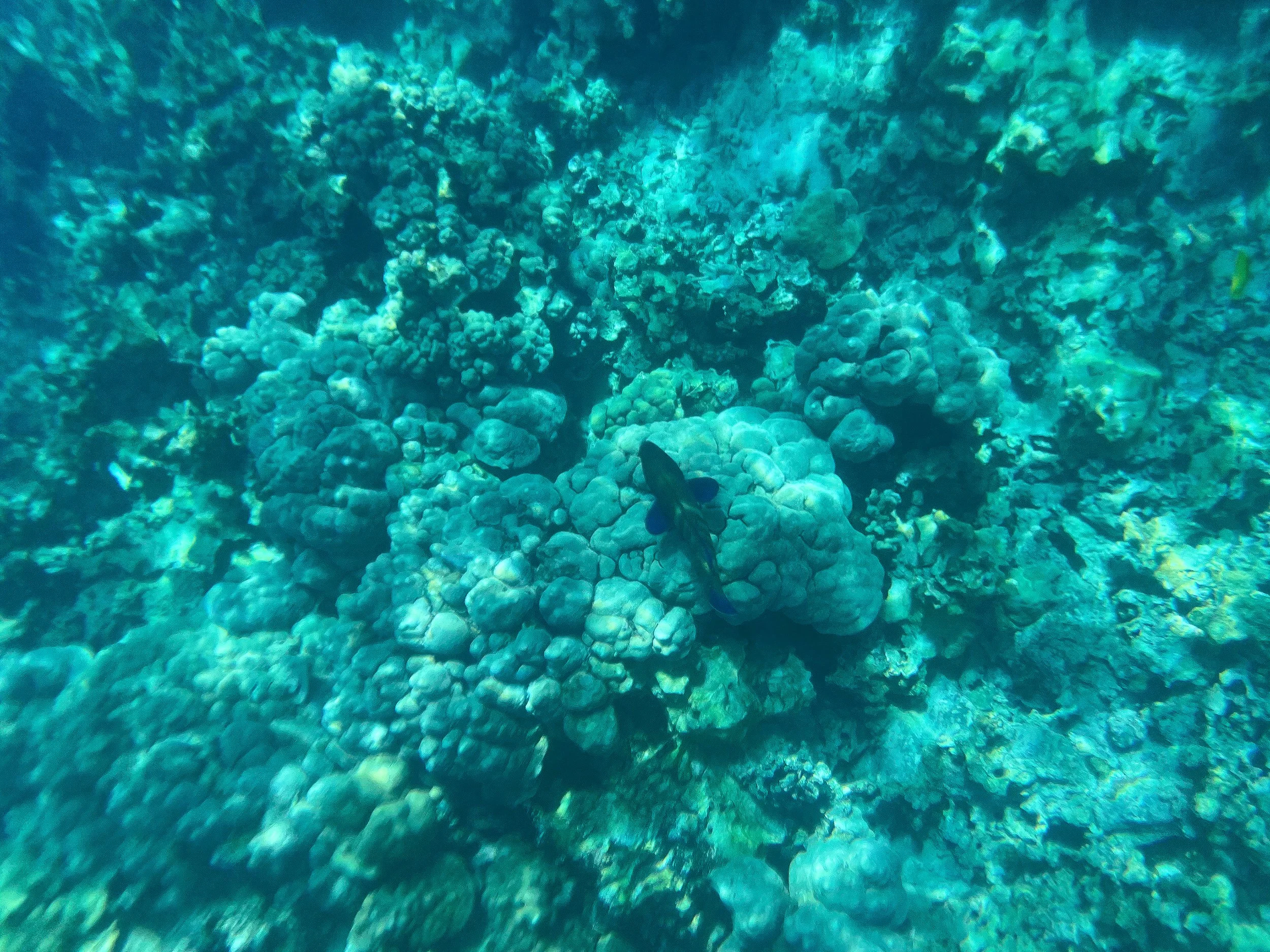
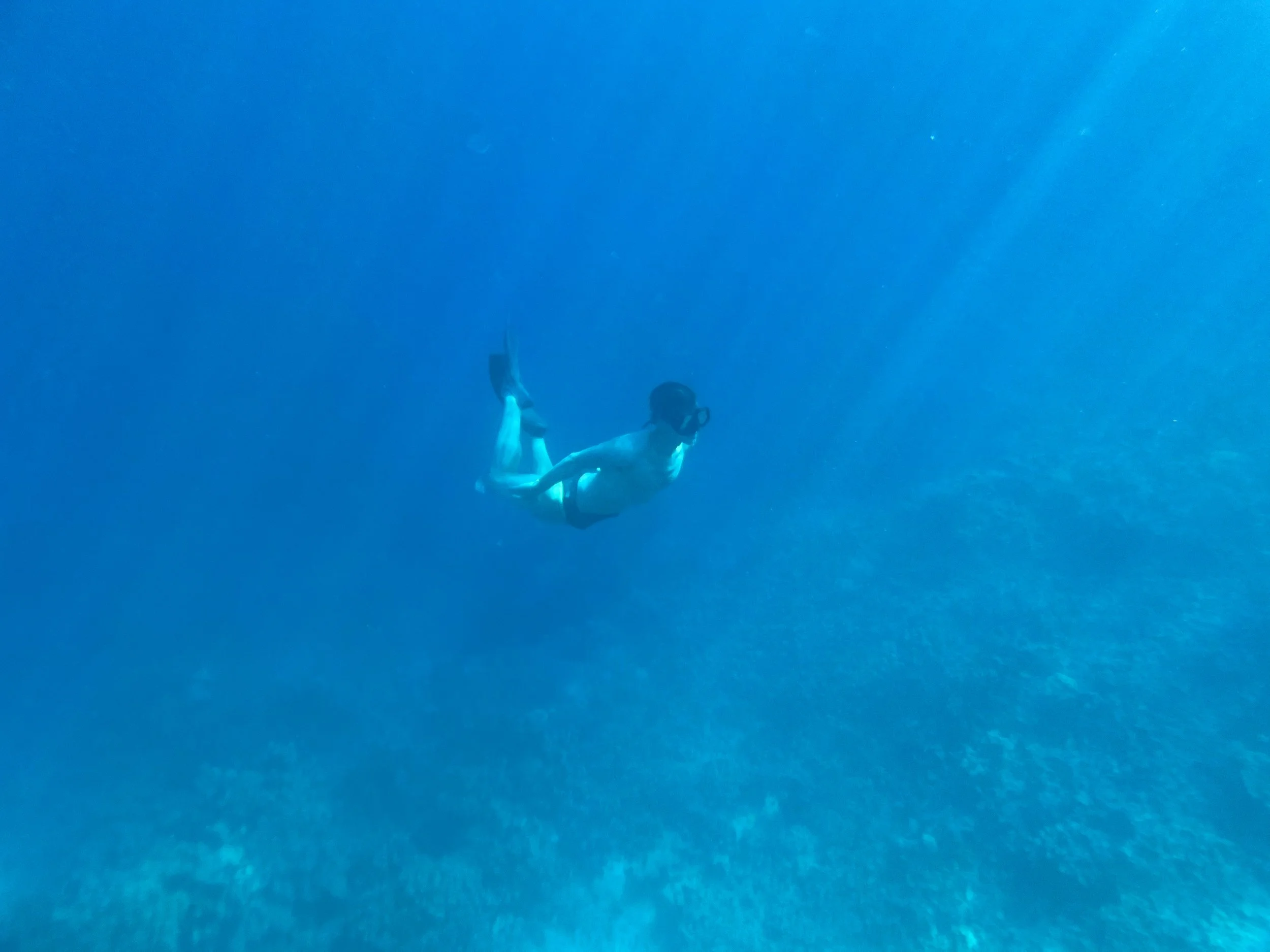
The Big Island is home to an array of scenic coastal sights and underwater marine life. We booked two snorkeling trips with Sea Paradise on their large ocean catamaran.
Kona Snorkel Tour. A leisurely half day sailing tour along the Kona coast with snorkeling stops in two bays. The tour included snorkeling gear, lunch and cocktails for purchase. The friendly crew pointed out important Hawaiian sights and kept us entertained with their sea themed Disney playlist.
Keawekāheka Bay. A bay with deep blue water, coral reefs and schools of fish.
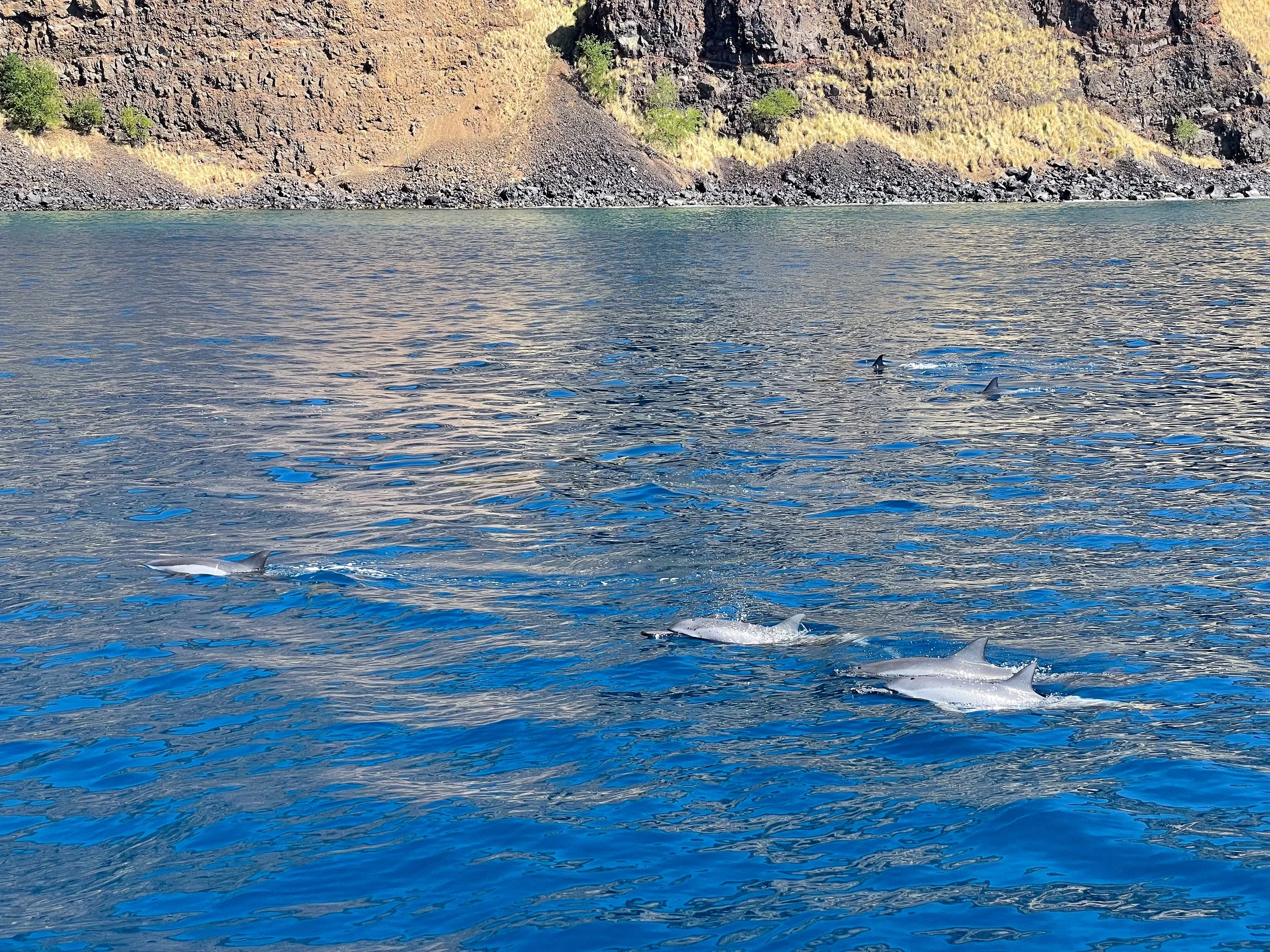
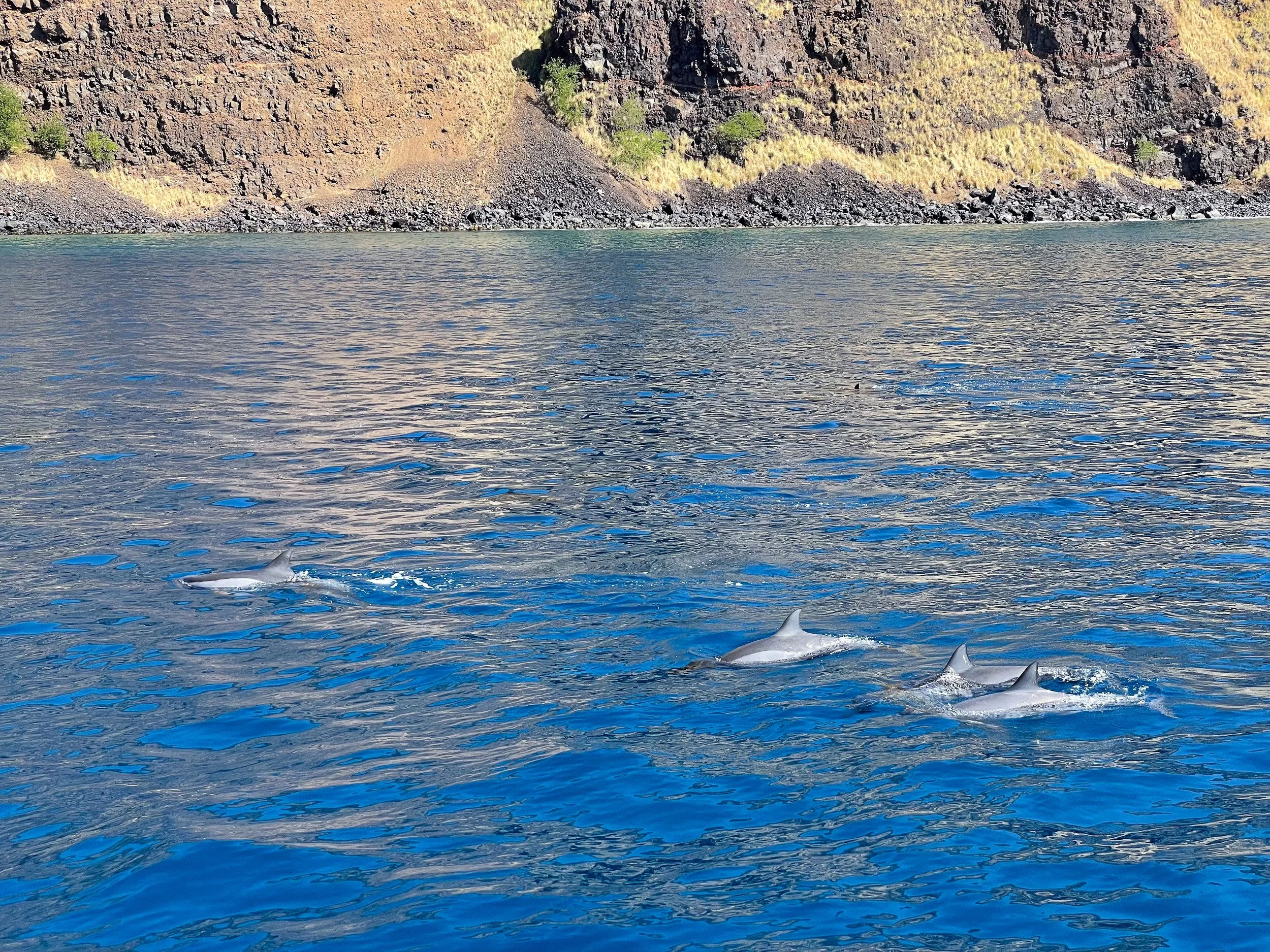
Kealakekua Bay. A bay near the Captain Cook Monument with an area of healthy and recovering coral reefs home to many species of fish. Spotted spinner dolphins swim through the bay in pods and jump above the surface in their emblematic spinning motion.
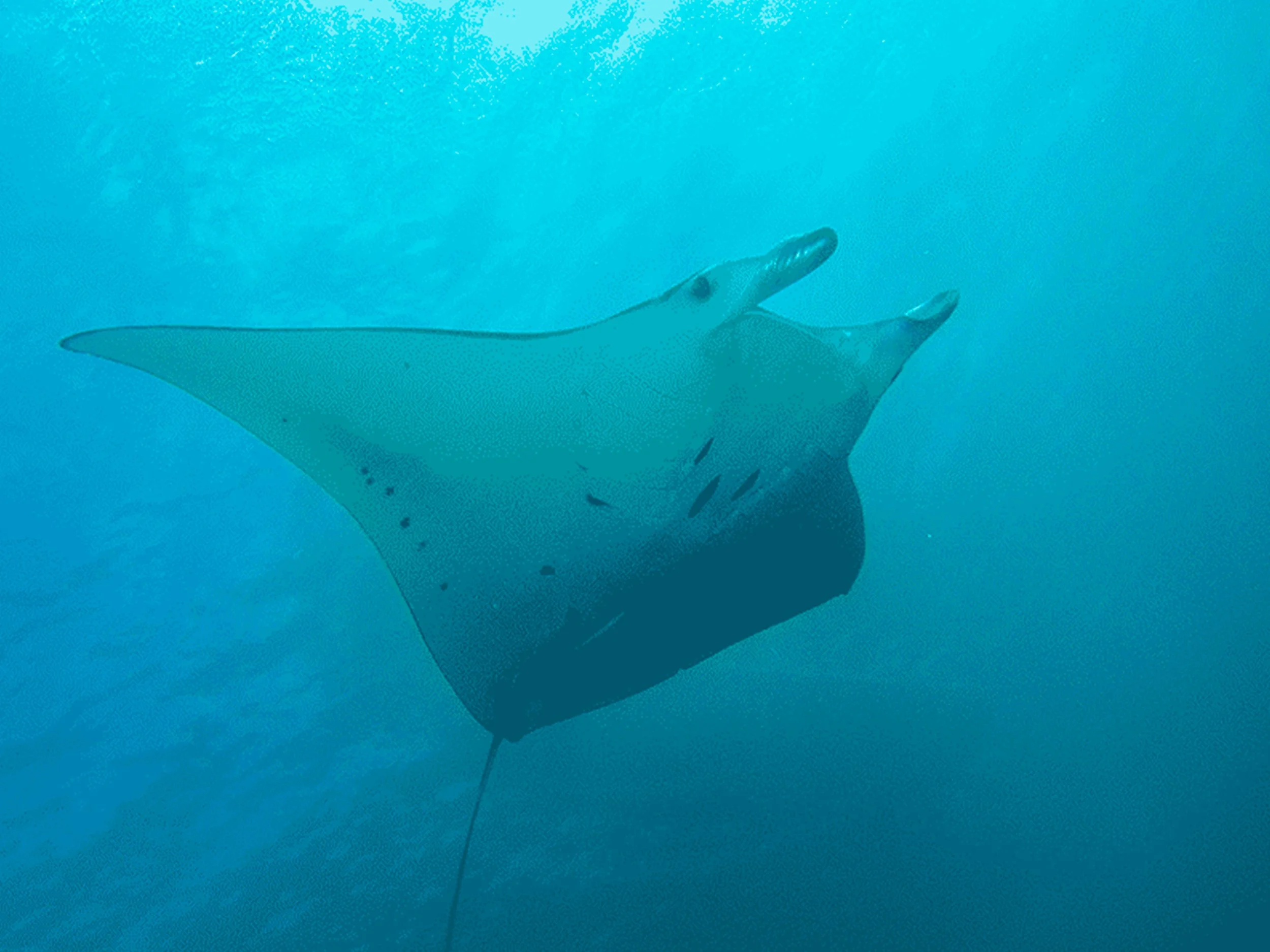
Manta Ray Night Snorkel. A nighttime snorkel tour to watch manta rays feed on plankton. Fitted with wetsuits and snorkels, we held onto an illuminated platform face down in the water. As we watched, swarms of plankton drawn to the light attracted the attention of 3 manta rays. They began gracefully swooping up to feed on the plankton, gradually getting closer to the surface. After about 30 minutes, the gentle giants swooped upwards within inches of our faces, showing off their impressive 10ft wingspans. It was possibly one of the most unbelievable experiences to witness.
Pro Tip. Don’t try taking photos, just be present and enjoy the moment. Photo credit courtesy of Sea Paradise.
Kona Coffee
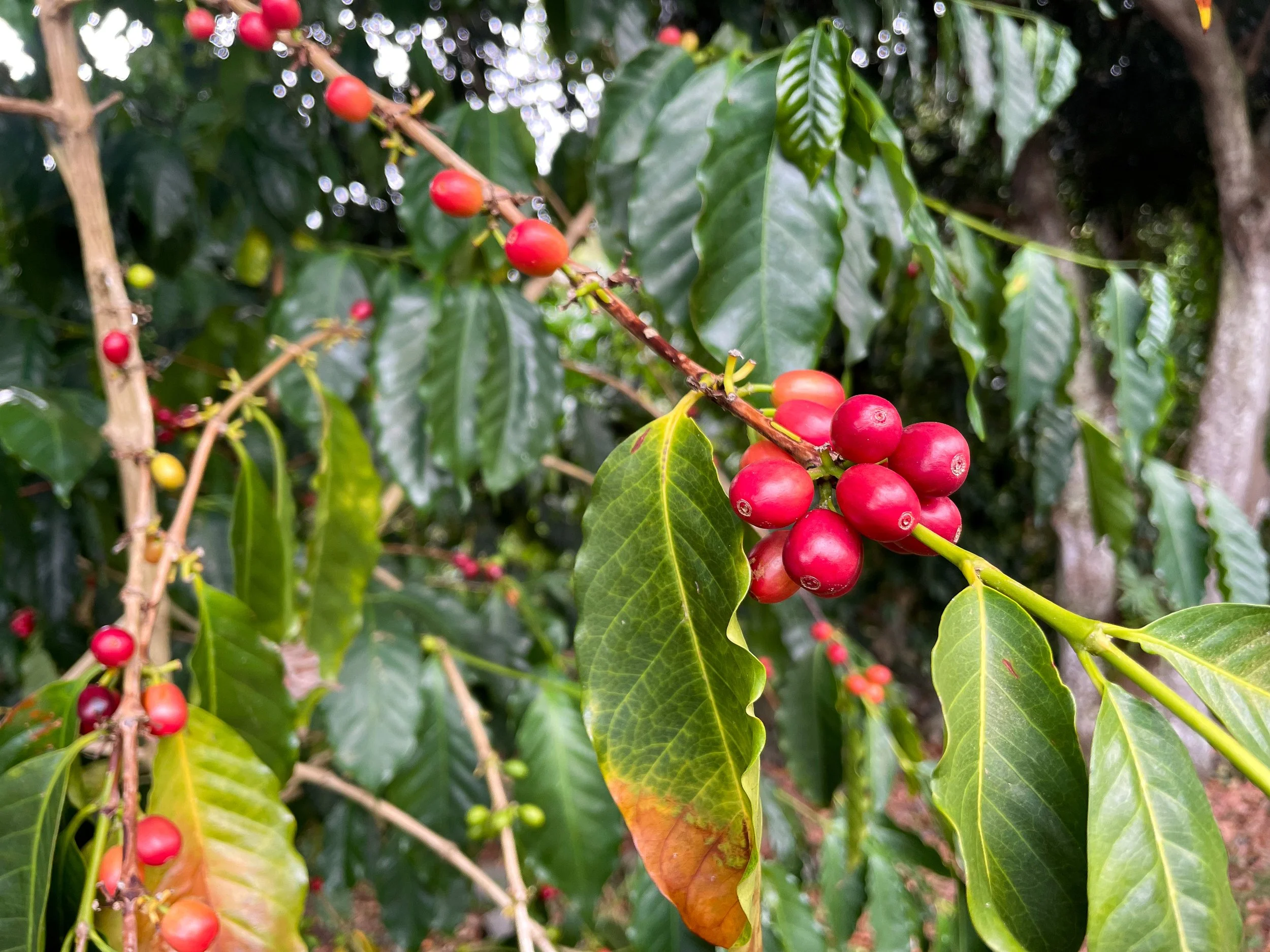
Coffee is easily grown on the lush volcanic slopes in the Kona region. There are hundreds of coffee producing farms here, offering tours and tastings throughout the week. We toured Hala Tree Coffee Farm, learned about Kona coffee, the growing, harvesting and the roasting process, then tasted multiple brews.
Places to Eat & Drink in Kona
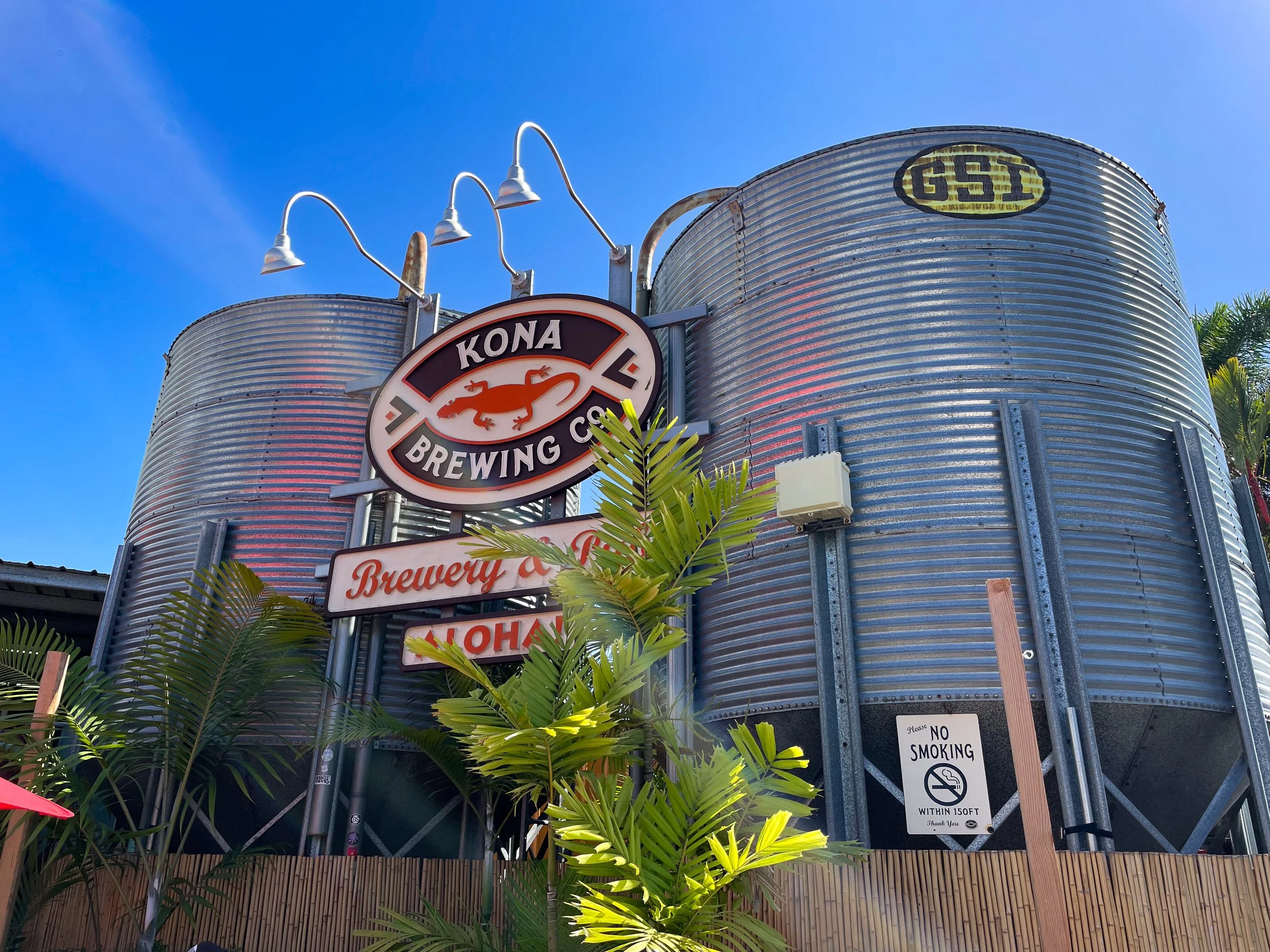
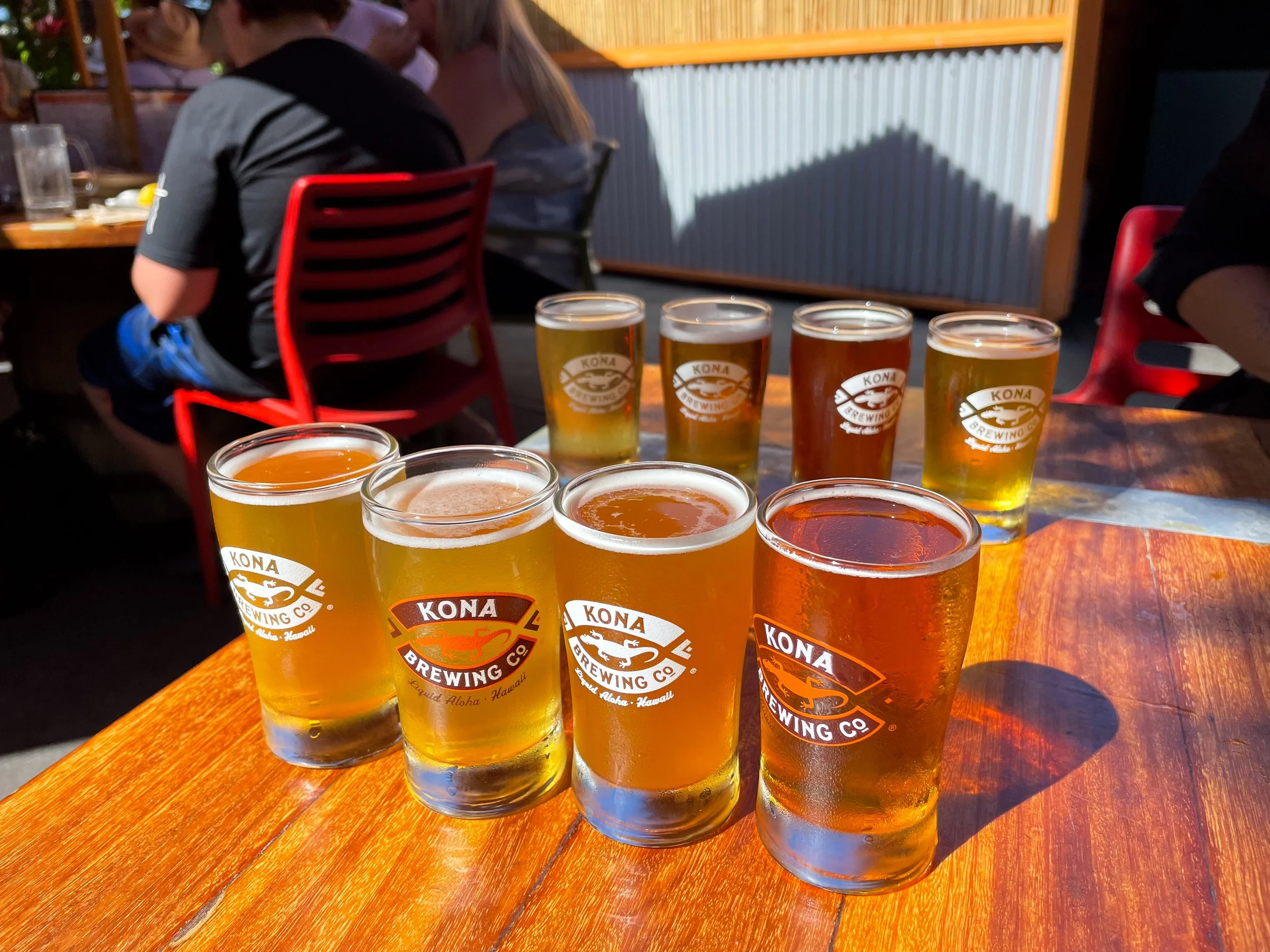
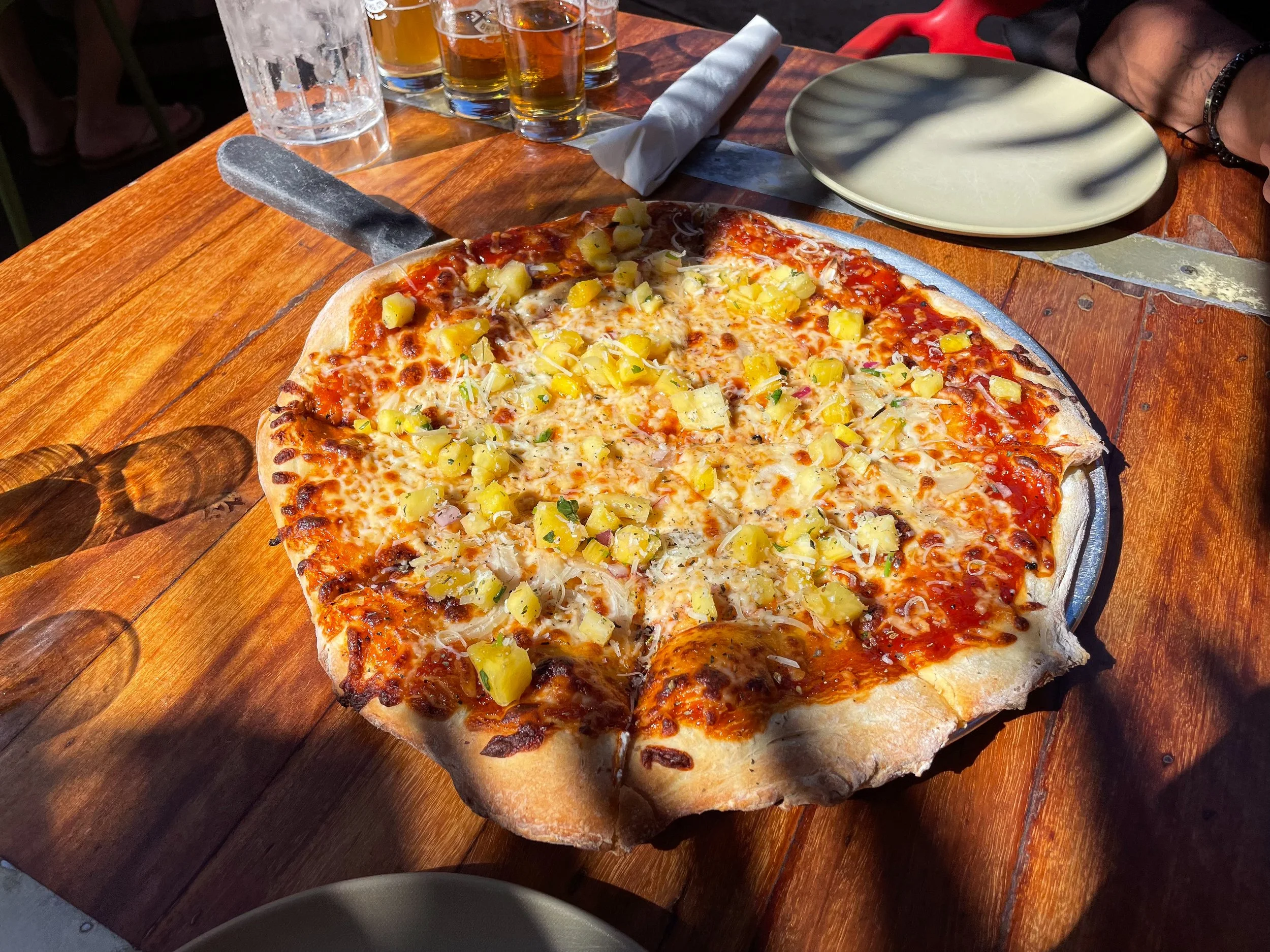
Kona Brewing Company. The famous Hawaiian brewery known for its Big Wave Golden Ale and Longboard Lager. Come here to enjoy brews only served at their tap room and restaurant. We sampled two flights from their “Backyard Batch” and “Pints of Paradise” menus along with a Hawaiian pizza baked with pineapple and bbq sauce.
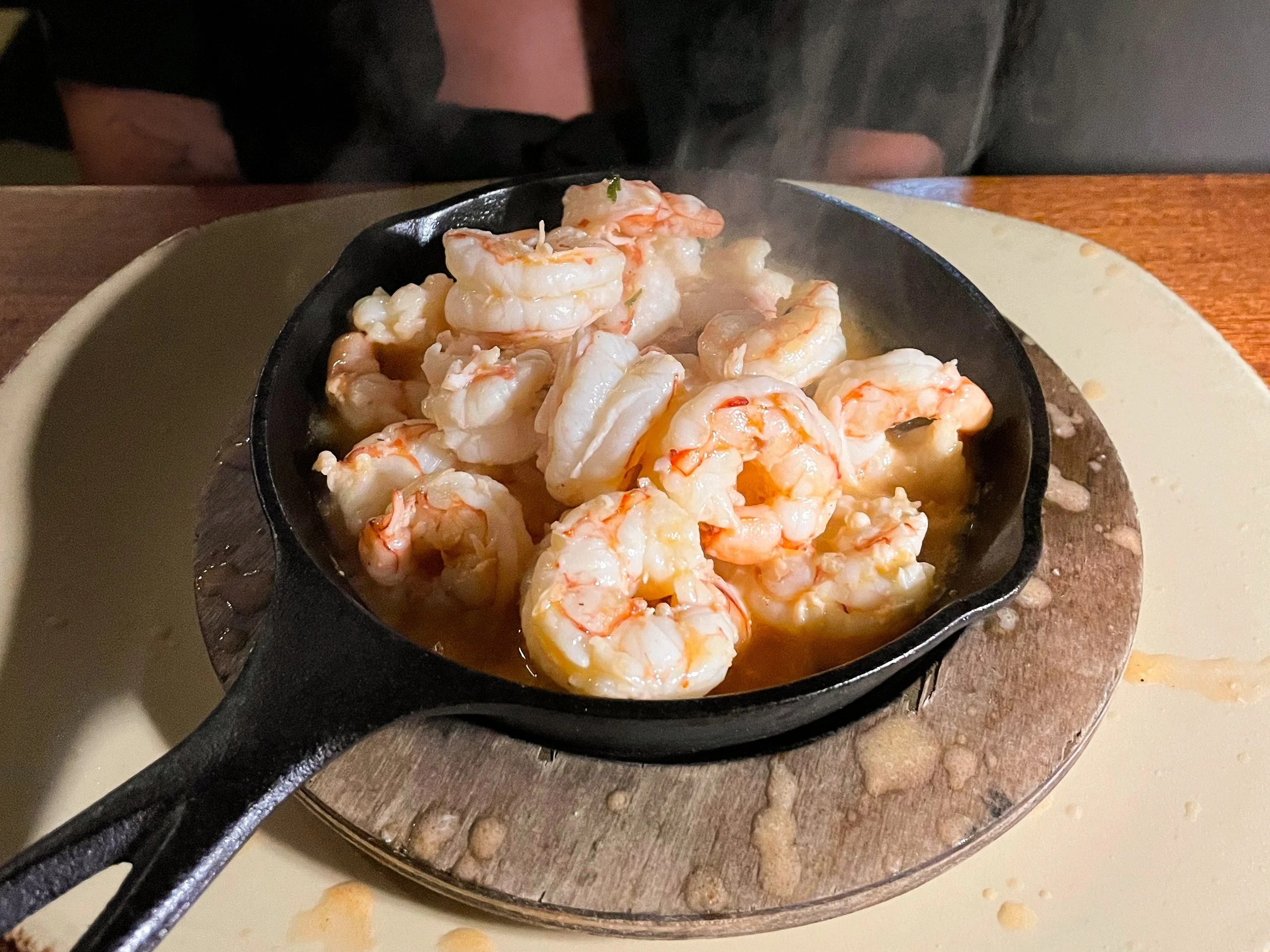
Huggo’s. A long running romantic seaside restaurant overlooking the Kailua Bay with tiki torches and live music. The menu features Hawaiian dishes like garlic shrimp, seared sesame tuna and macadamia nut encrusted ono. The mixologists serve classic tiki cocktails and tropical concoctions. One item not to be missed is their coconut cake!
Huggo’s on the Rocks. A bar next door to Huggo’s with a pupus menu, tiki drinks and live music.
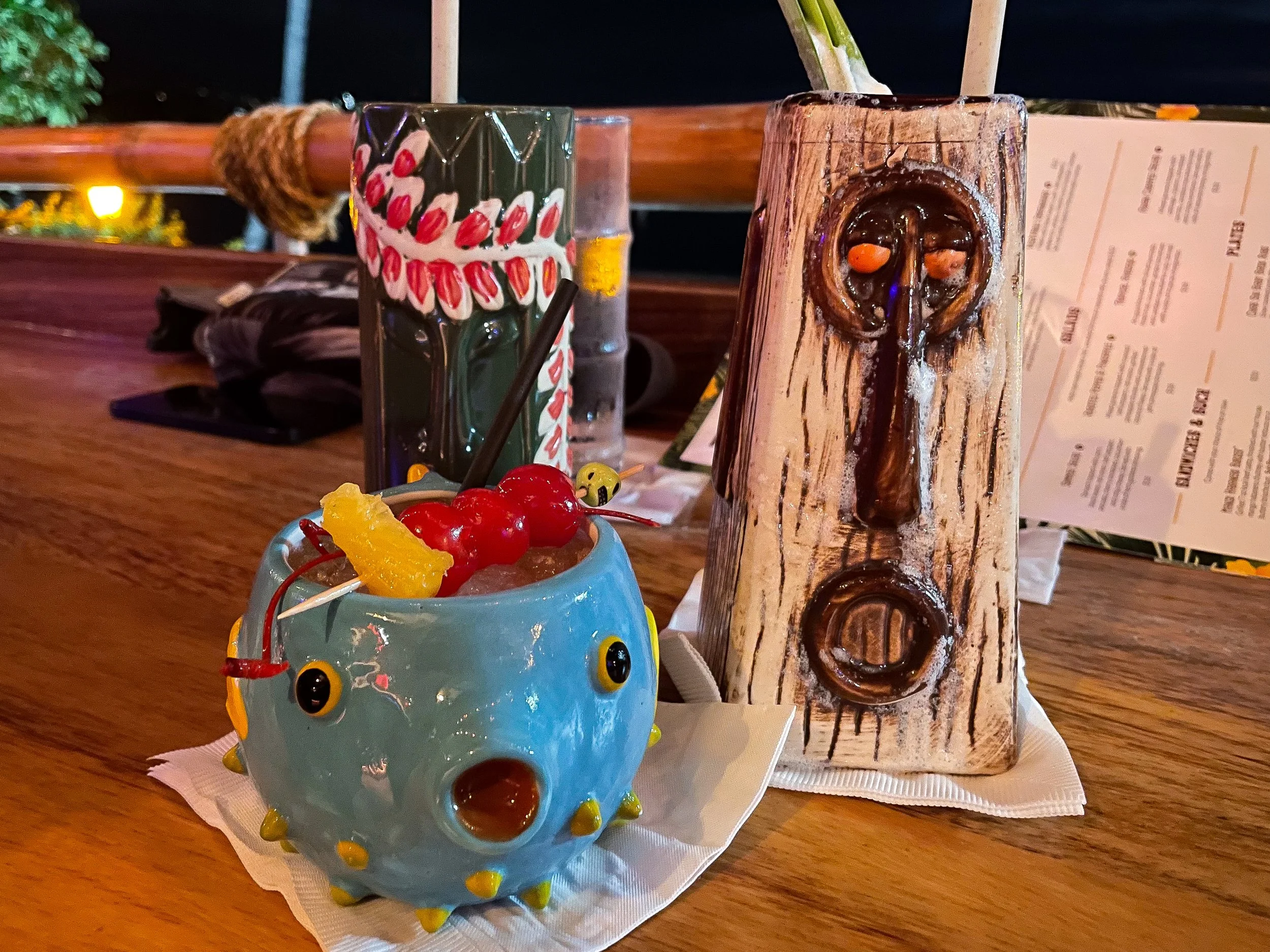
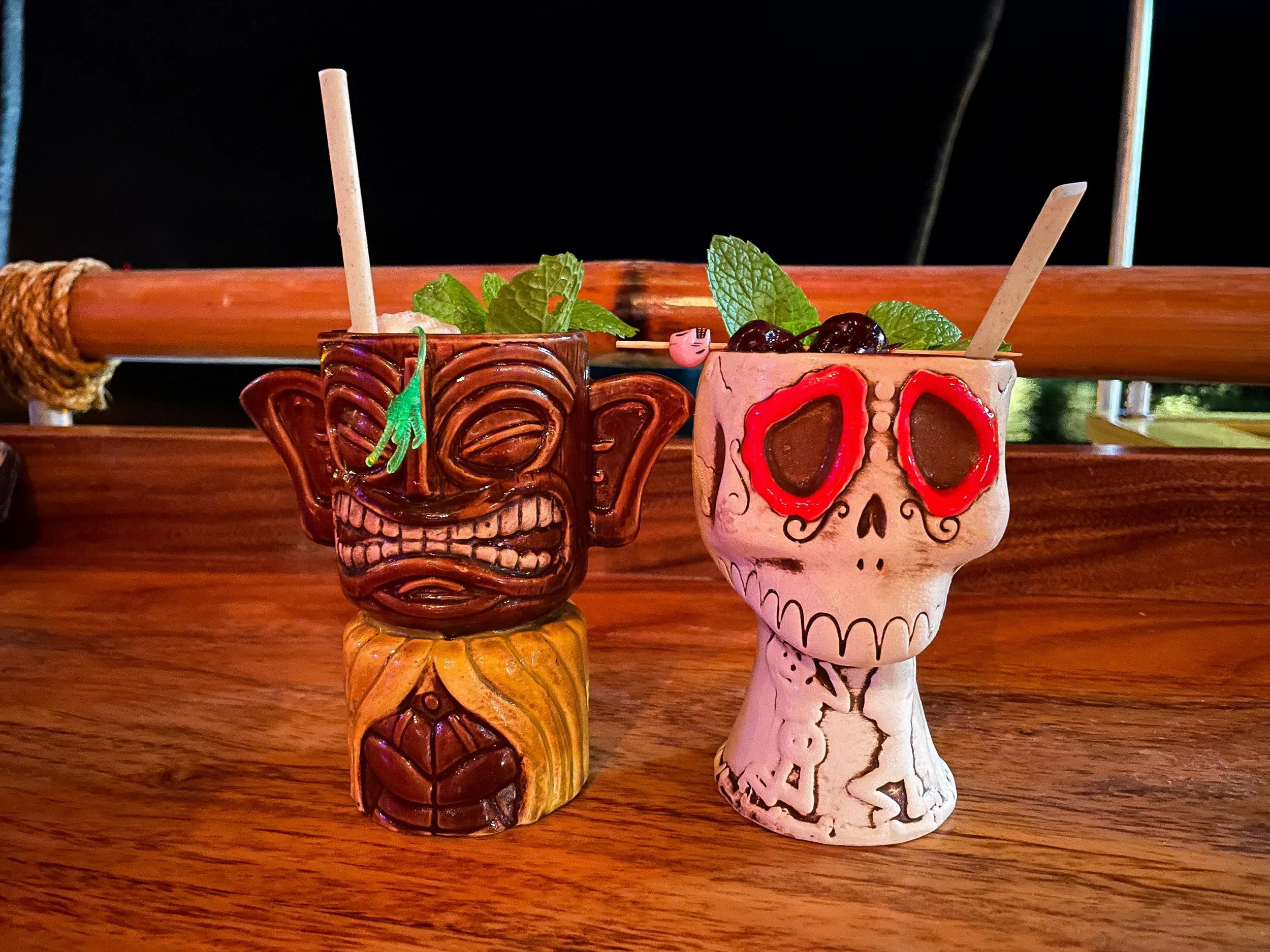
Cheeky Tiki Kona. A waterfront tiki bar with a second floor dining room overlooking Kailua Bay. The menu has over two dozen cocktails served in tiki mugs, bowls and fresh pineapples. The cocktails are noted by strength. Try the Zombie, Mai Tai, Painkiller or Scorpion Bowl. The pupus menu has sharables like mac nut shrimp, ahi tuna poke, kimchi fried rice and fish tacos. Order the off menu fish collar.
Magics Beach Grill. An oceanfront restaurant next to Magics Beach with seafood specialties and tropical cocktails. Try the poke nachos made with raw tuna and wonton chips, the seared tuna steak, kimchi fried rice and mai tais.
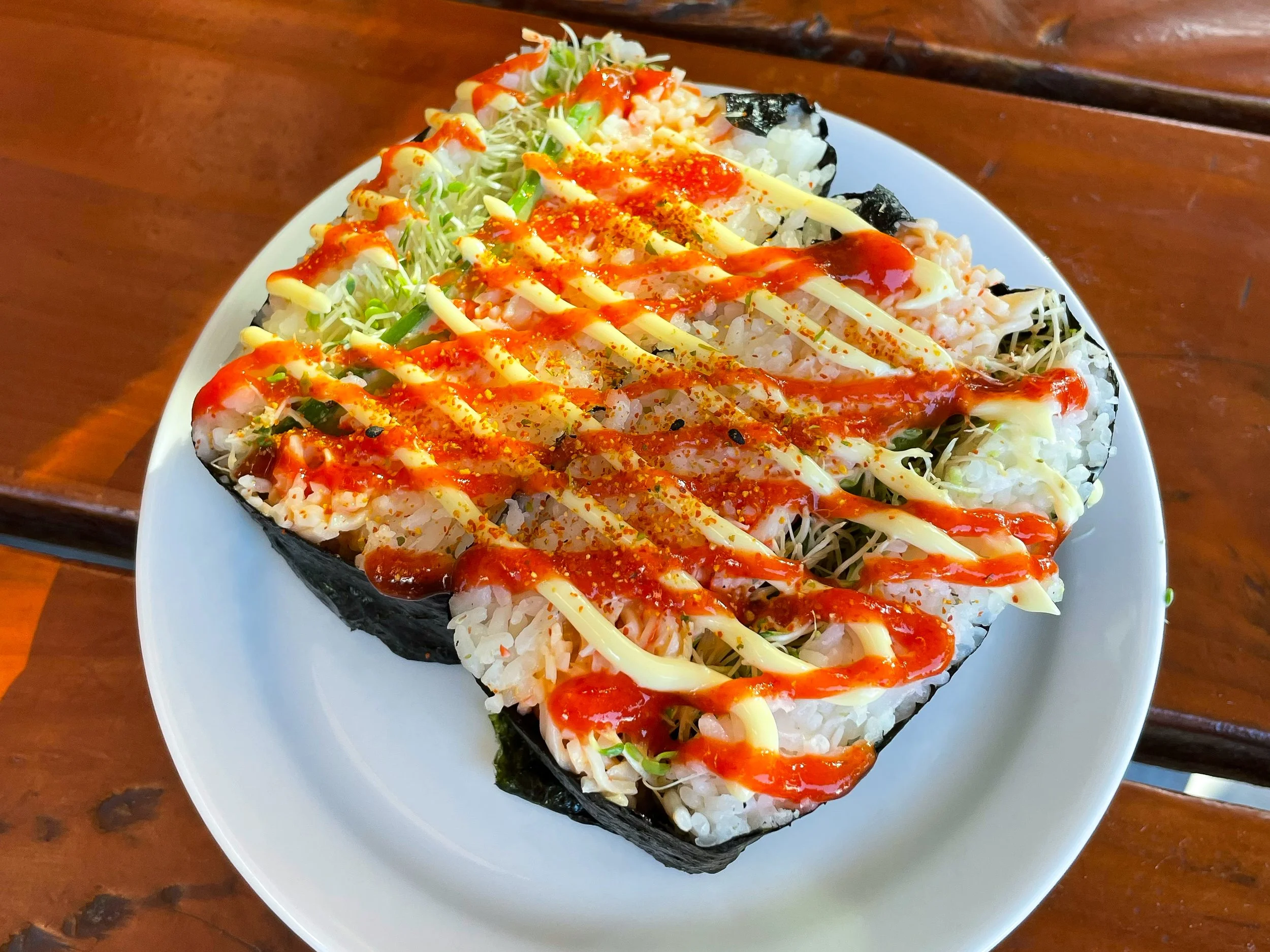
HiCO Coffee. A coffee shop brewing local kona coffee. Try some local flavors like ube latte and crab musubi.
The City of Hilo
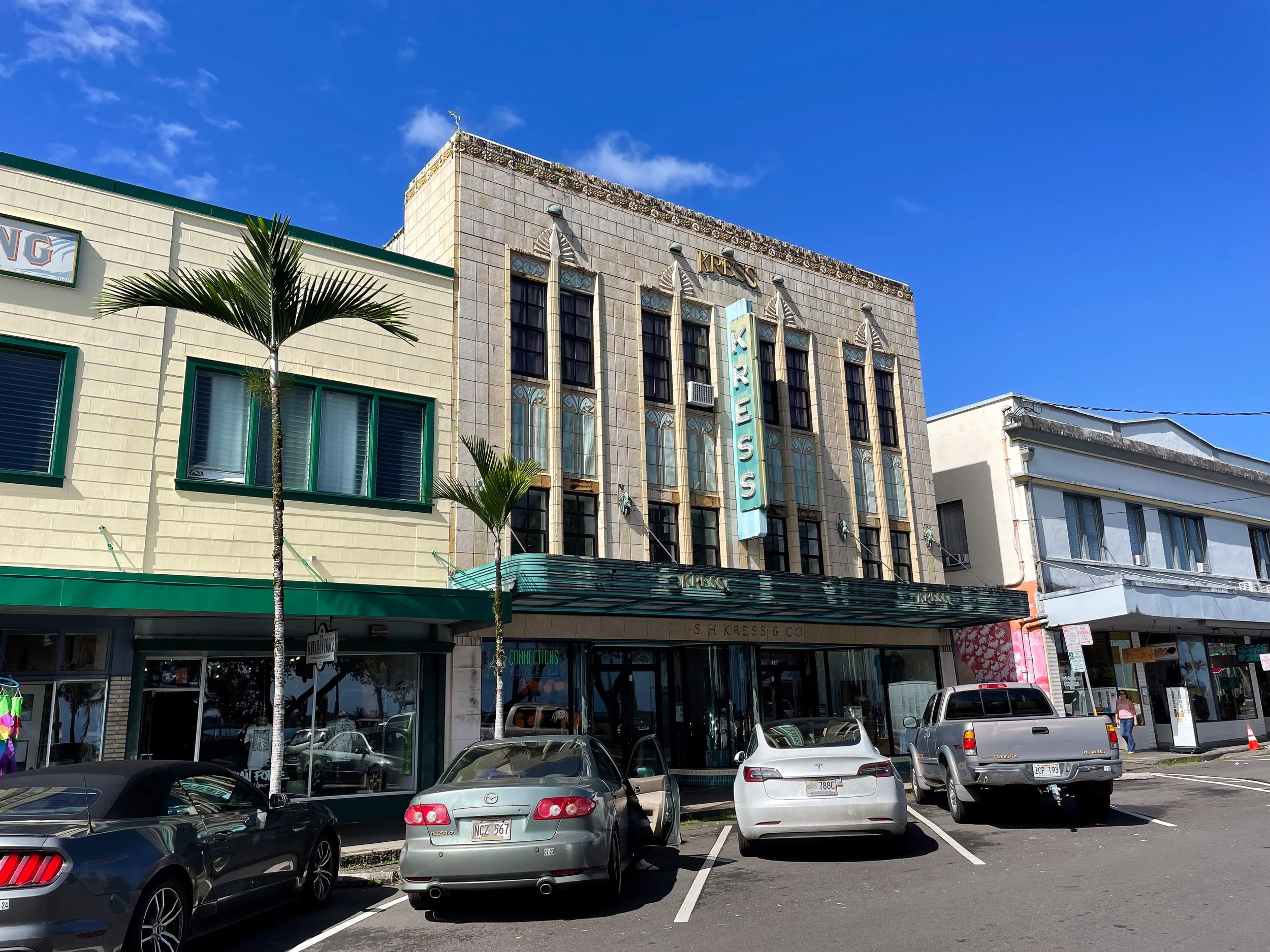
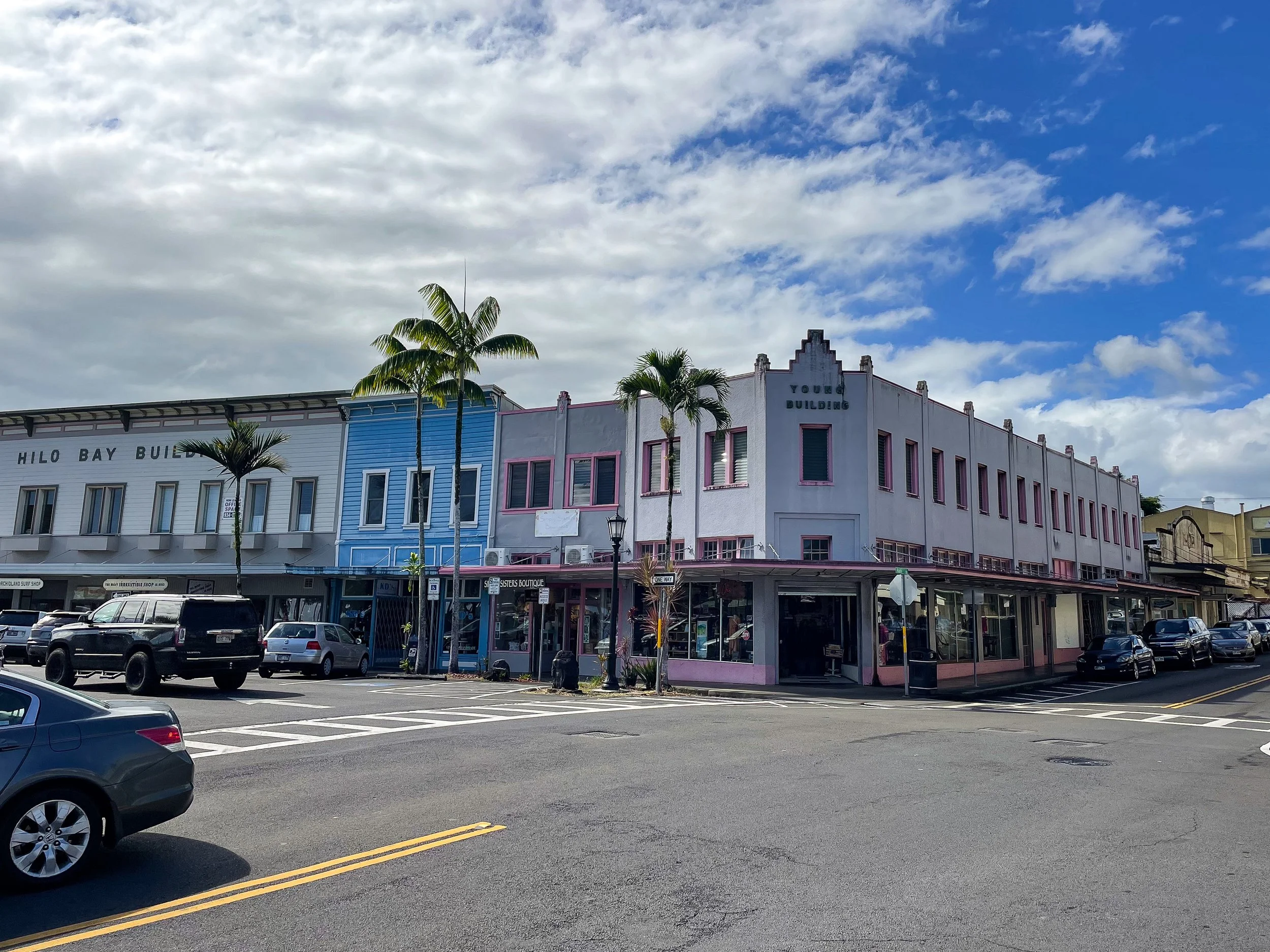
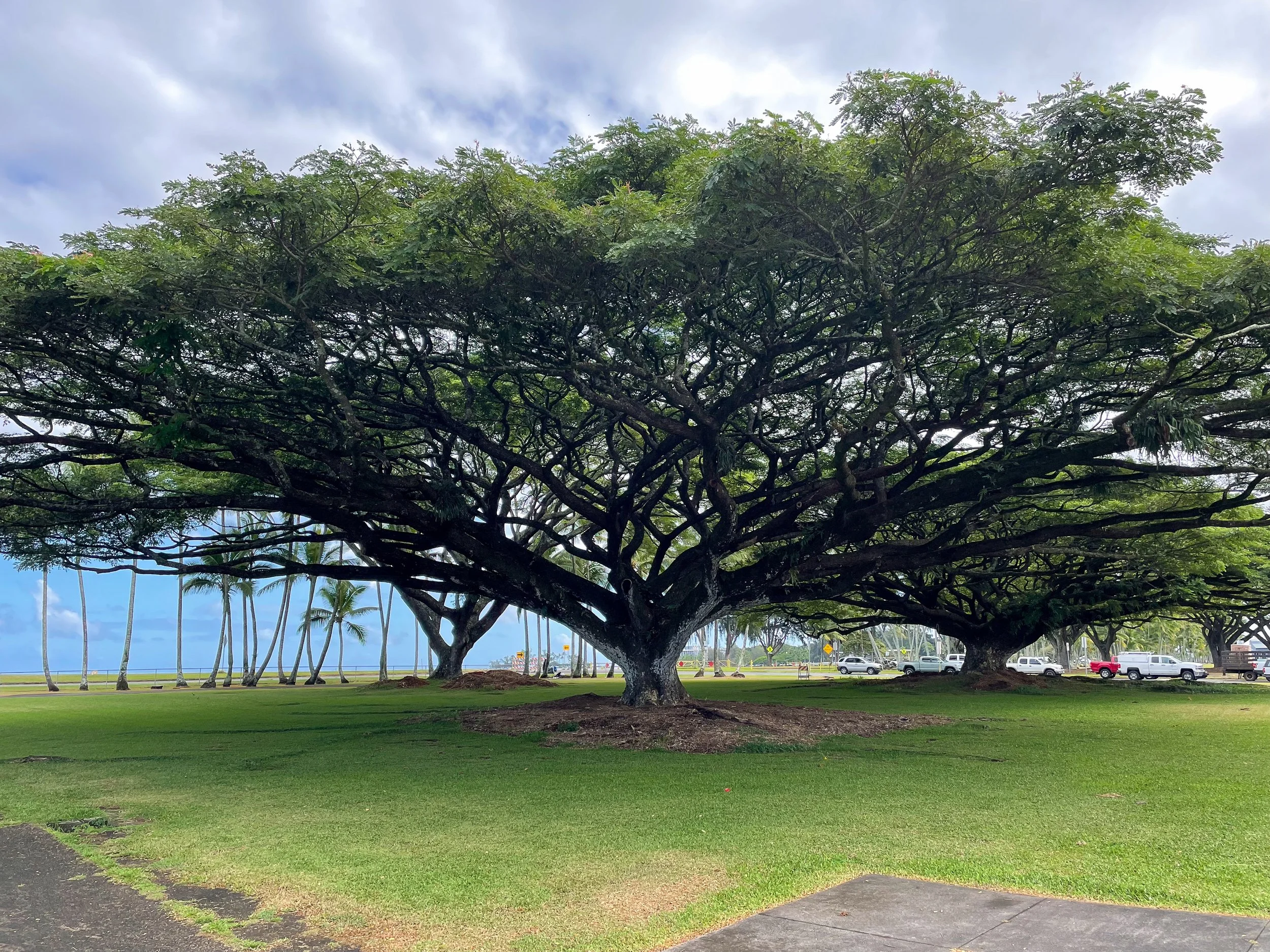
Hilo is the largest city on the Big Island and lesser traveled to by tourists. It has a local feel and a historic center with an artistic and bohemian edge. It’s a central location for shopping at markets and boutiques or dining at a range of cafes, restaurants and bars.
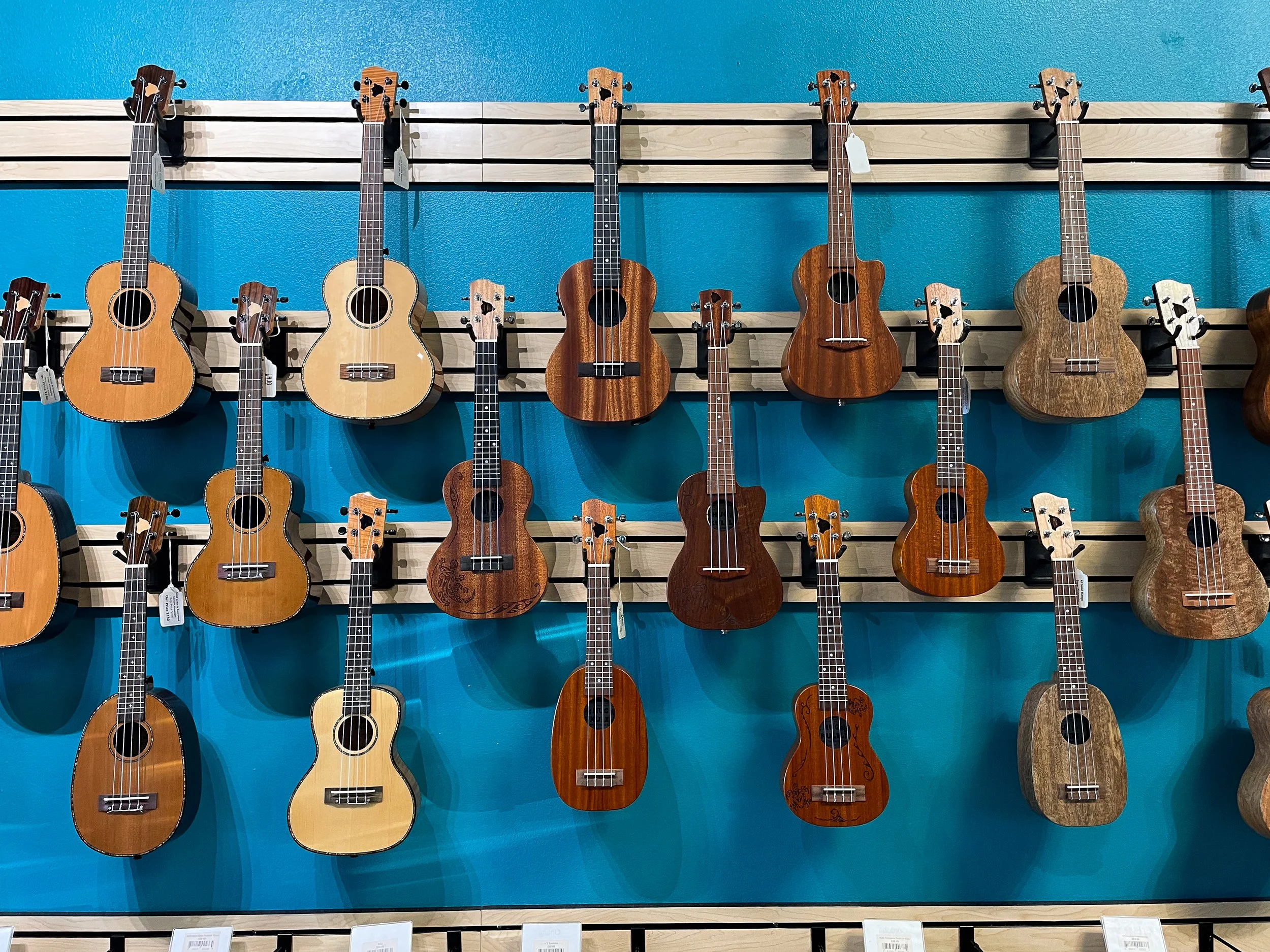
Kamehameha Ave. The road along the bay with painted wooden and Art Deco buildings home to various shops selling surf supplies, ukuleles, clothing, jewelry and souvenirs.
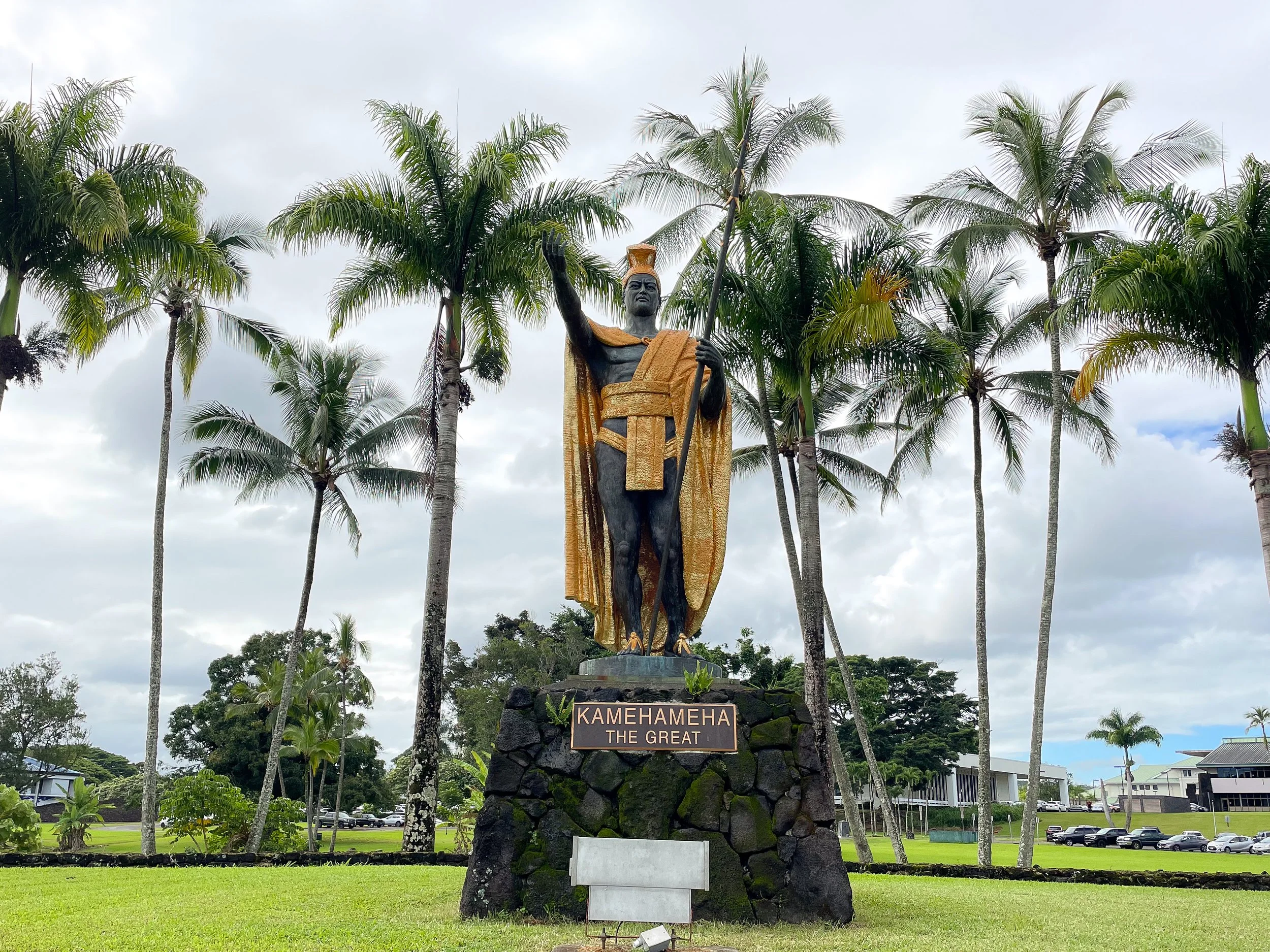
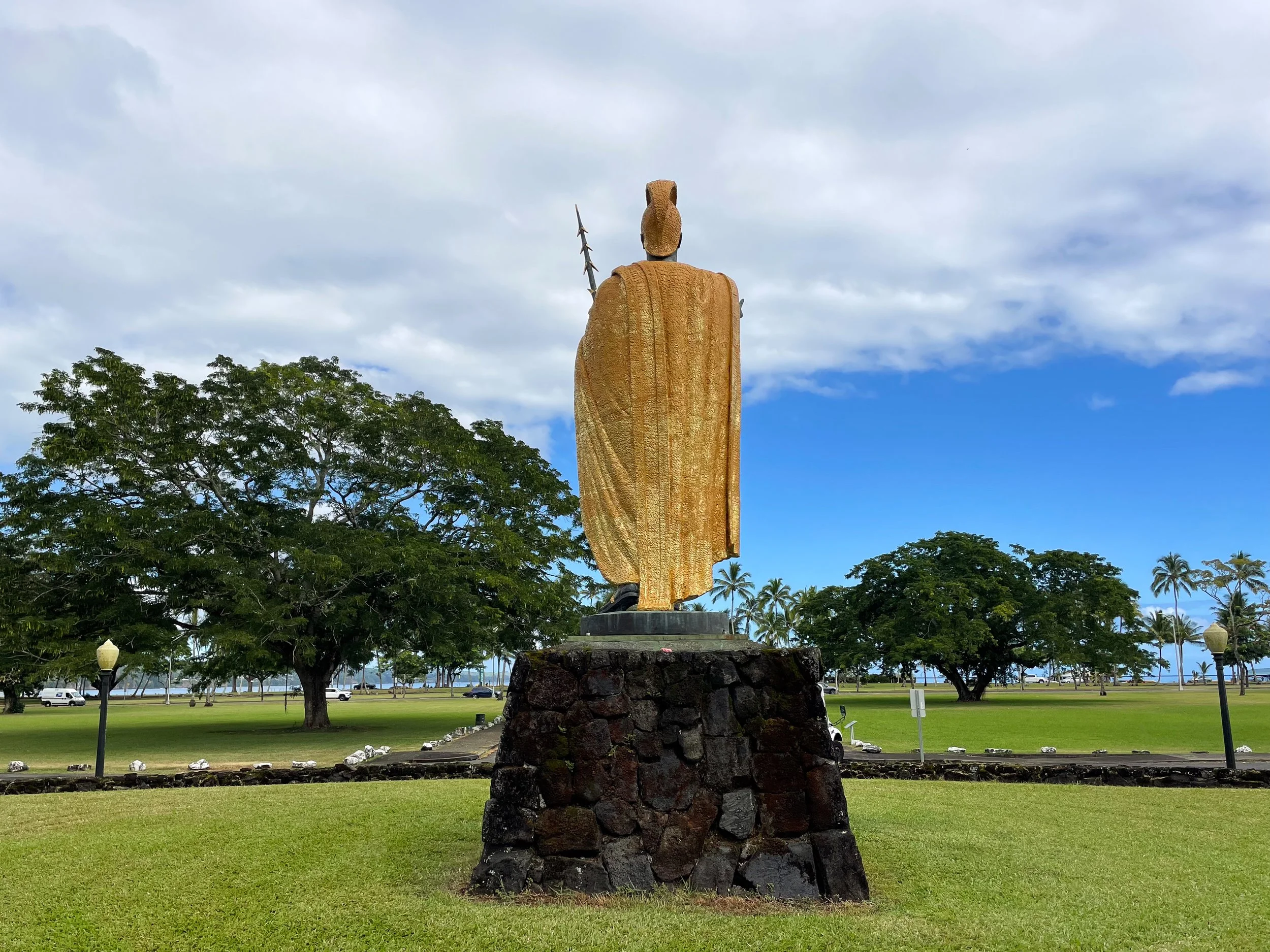
Kamehameha The Great Statue. A gold and black statue of the Hawaiian king dedicated to his life and legacy.
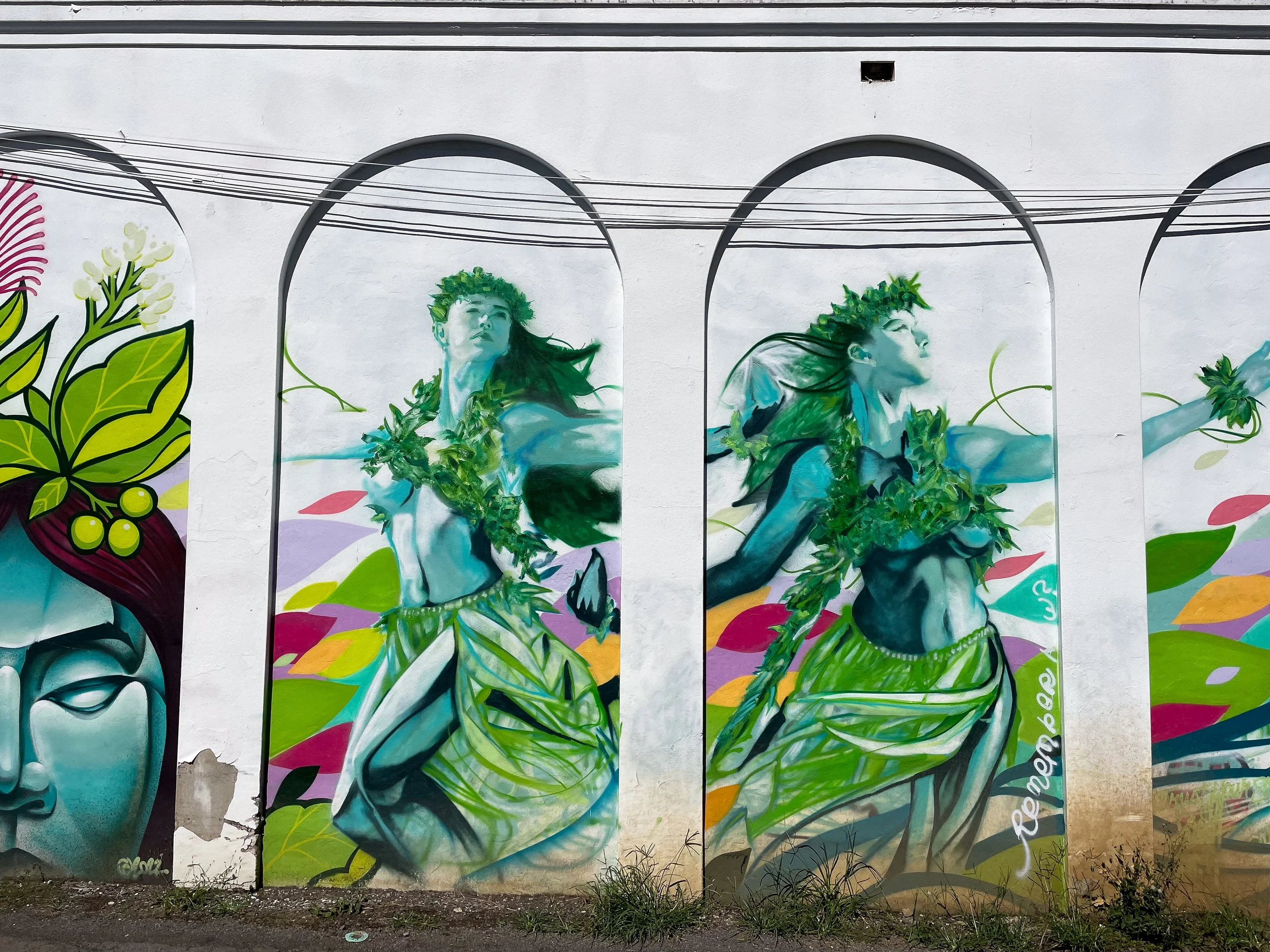
Keawe St. A street with murals, restaurants, bars, antique shops and resale stores.
Pineapples Island Fresh Cuisine. A restaurant with Hawaiian dishes like coconut & panko encrusted ono, furikake seasoned shrimp and cocktails served in pineapples. There’s live music from Thursday to Sunday.
Booch Bar. Come here for the house brewed Kombucha, kombucha cocktails and vegan dishes. Try the tempeh reuben and tempeh BLT.
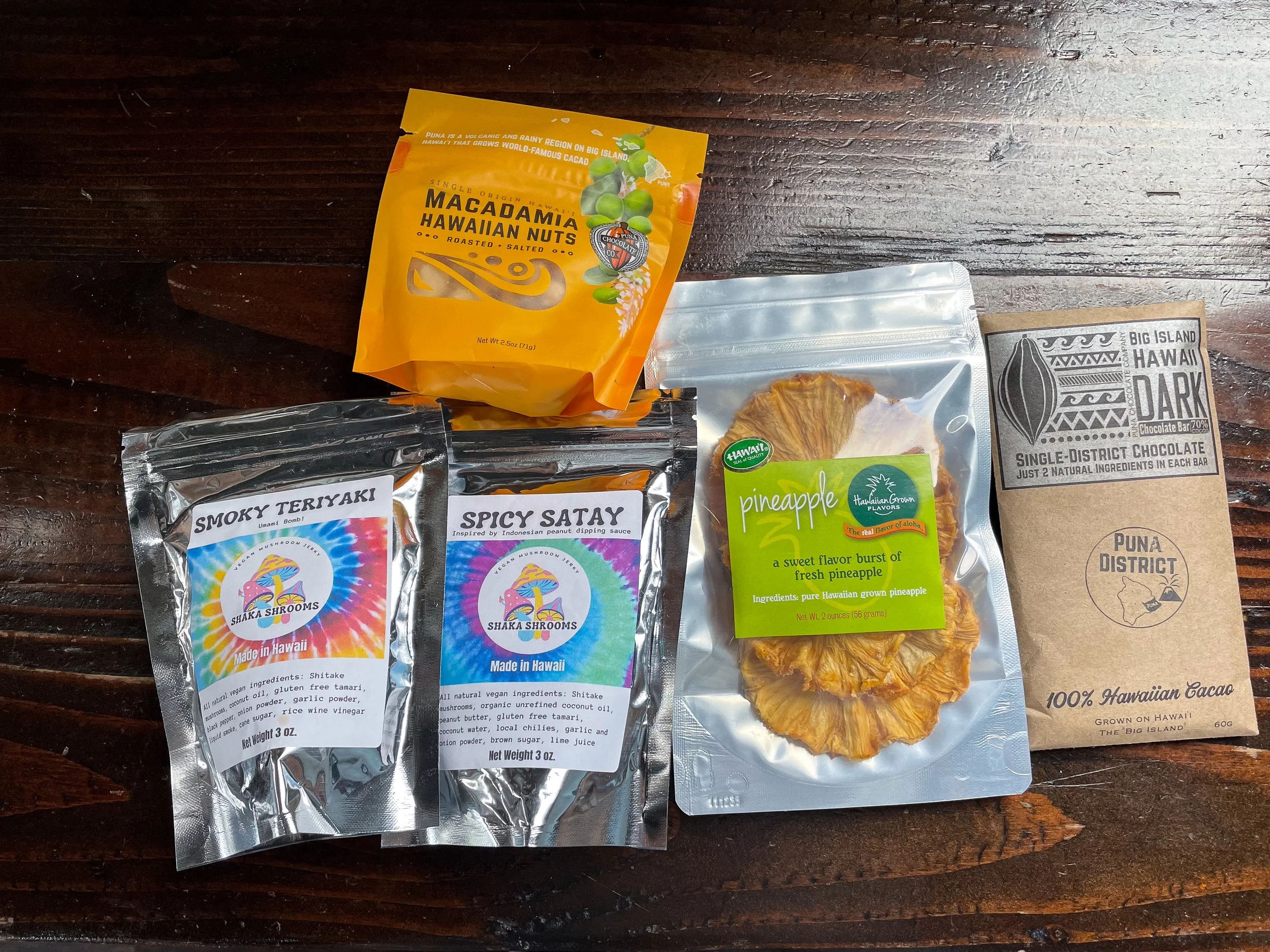
Puna Chocolate. A chocolate shop and café specializing in locally grown chocolates, macadamia nuts, coffee and dried fruit.
Friday Night Market. A popular Friday Night Market on Keawe St. with live music, food trucks and vendors selling locally made snacks, jewelry, clothes and artwork. Visit during Black & White Night, held during the first Friday Night Market of the month. Locals dress in black and white as a low key nod to a black tie event.
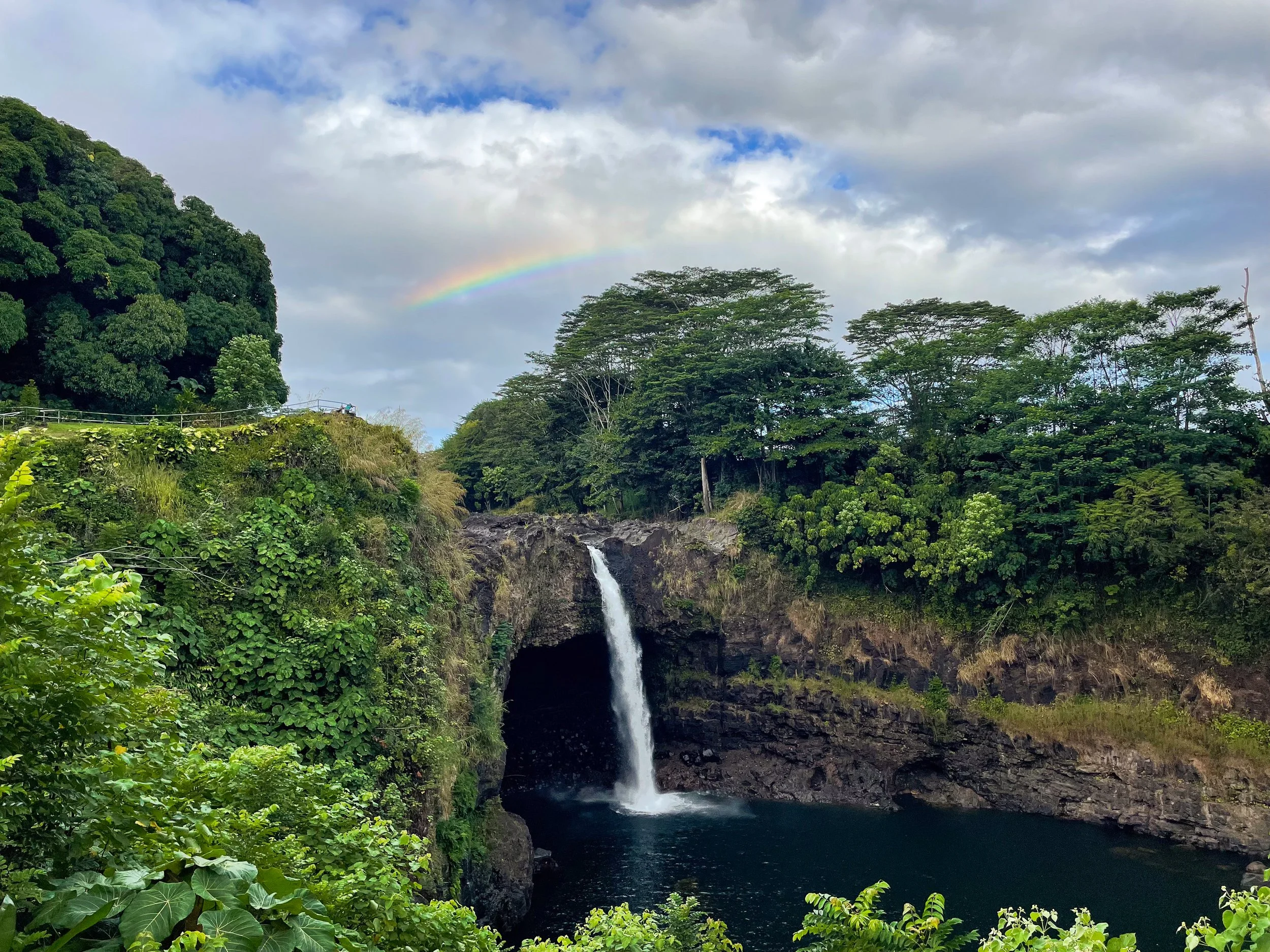
Rainbow Falls. An 80ft tall waterfall over a hardened lava cave. A rainbow can be seen in the mist above the falls in the early morning as the sun is rising. In Hawaiian lore, the cave was the home of the demigod Maui’s mother.
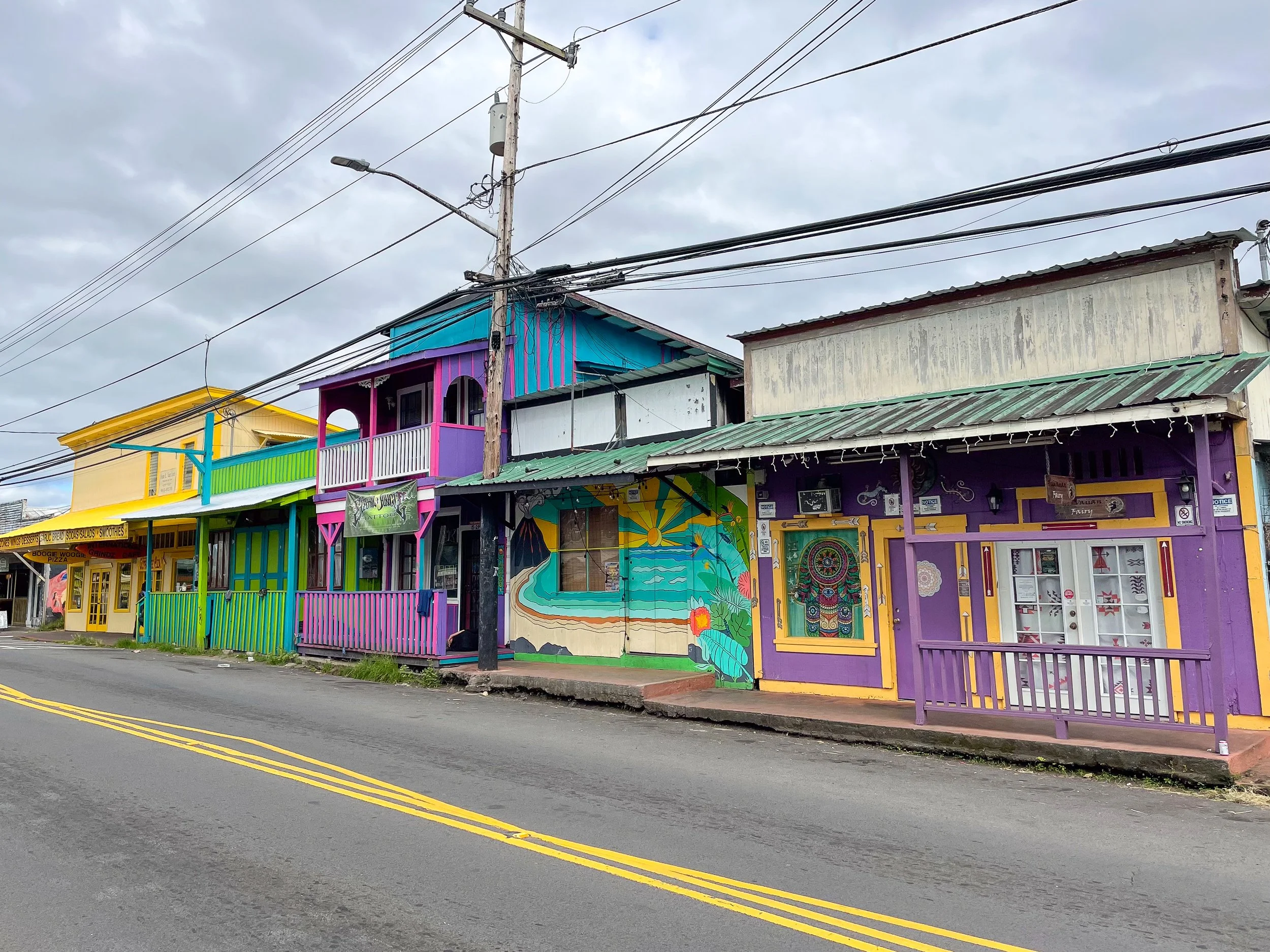
The Town of Pāhoa
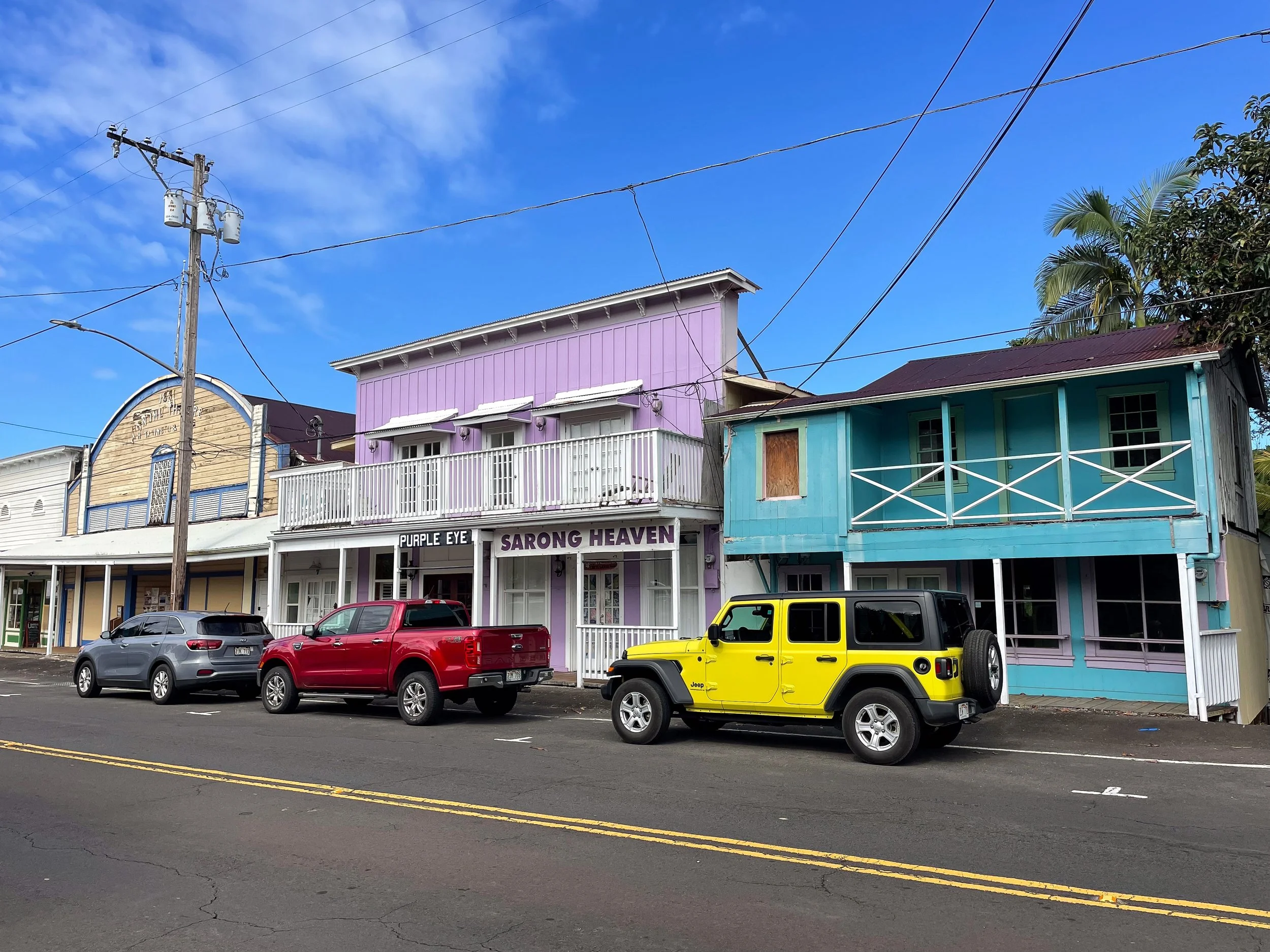
A small town with hippie vibes, colorful wooden buildings and an old boardwalk with restaurants, craft stores and galleries. It’s located nearby public black sand beaches and hardened lava fields. The town is 30 minutes south of Hilo. Many hitchhikers and skateboarders congregate around here.
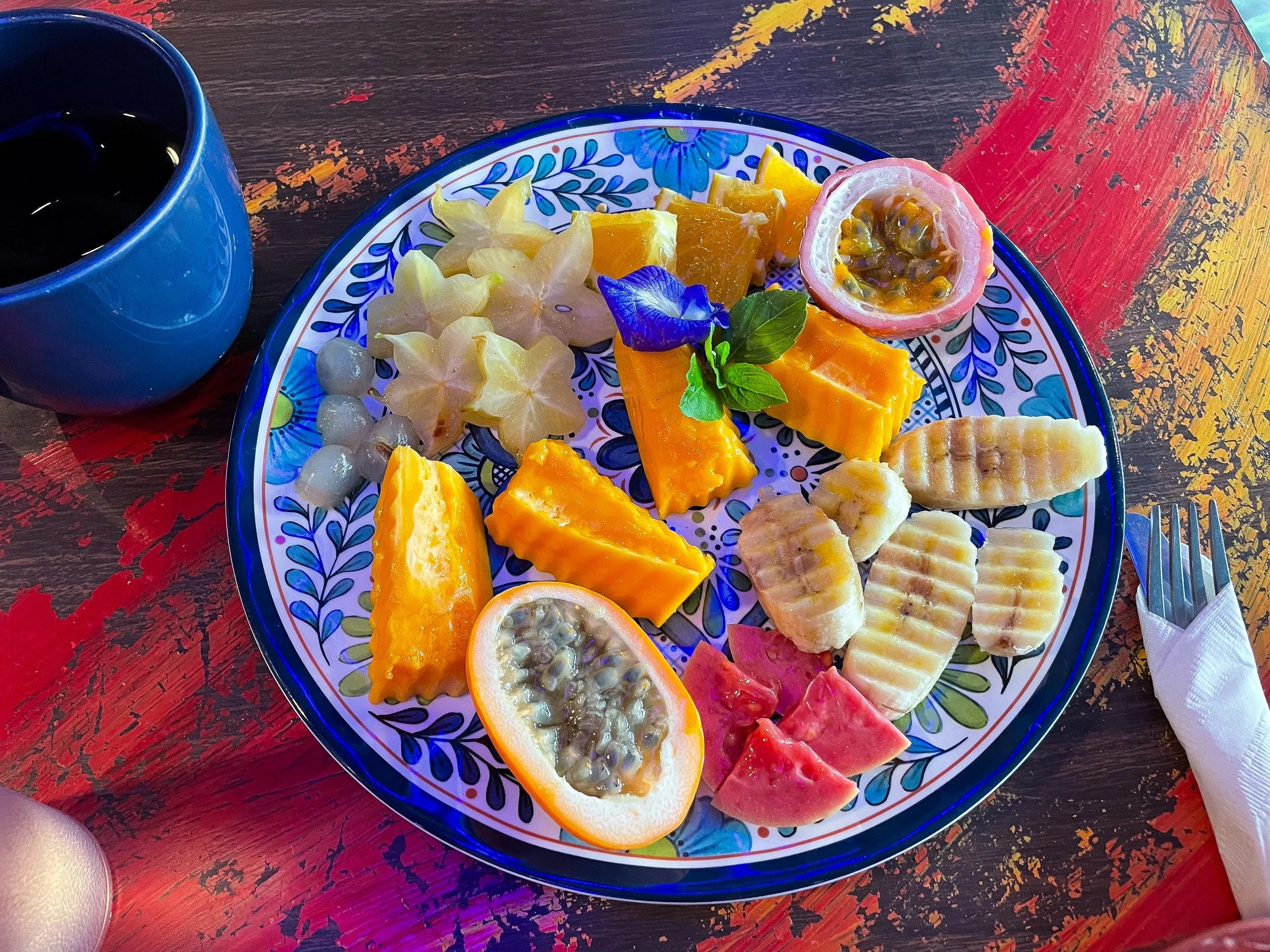
Places to Eat & Drink in Pāhoa
Pele's Kitchen. A health foods café with a colorful painted interior, tropical fruit platters, pancakes, omelettes and vegan dishes. Come here for breakfast.
Bananarama Bakery. A bakery with pastries and breads. Try the macadamia nut banana bread.
Puna Kai Shopping Center. A new shopping center in Pāhoa with restaurants, cafés, shops, a grocery store and bi-weekly markets and events.
Kohoa Coffee. A coffee shop in the Puna Kai Shopping Center with a drive-through window.
Coco Cantina. A Mexican and tropical fusion restaurant. Try the coconut shrimp, ono ceviche and road to Pāhoa cocktail (essentially a rum punch).
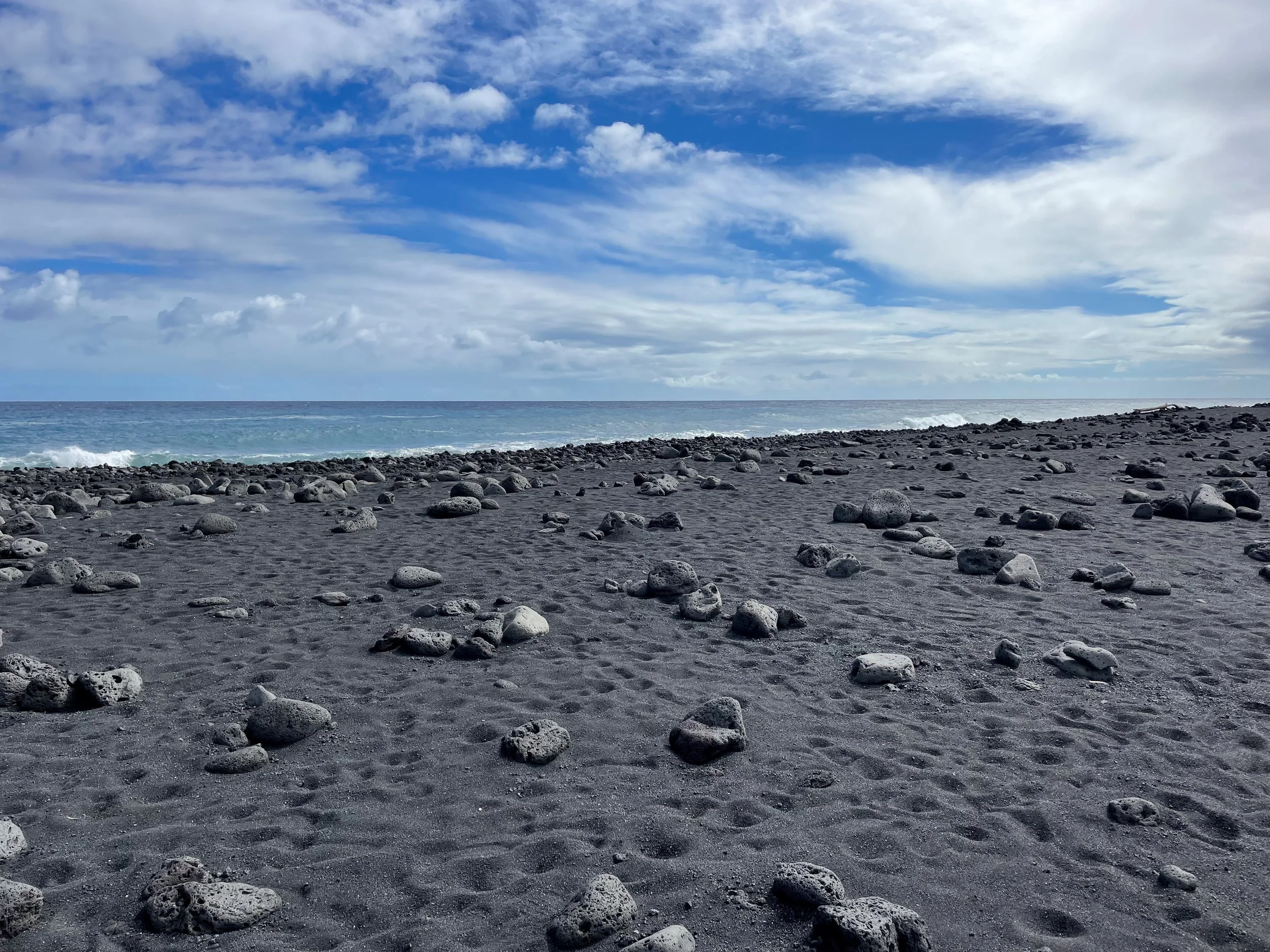
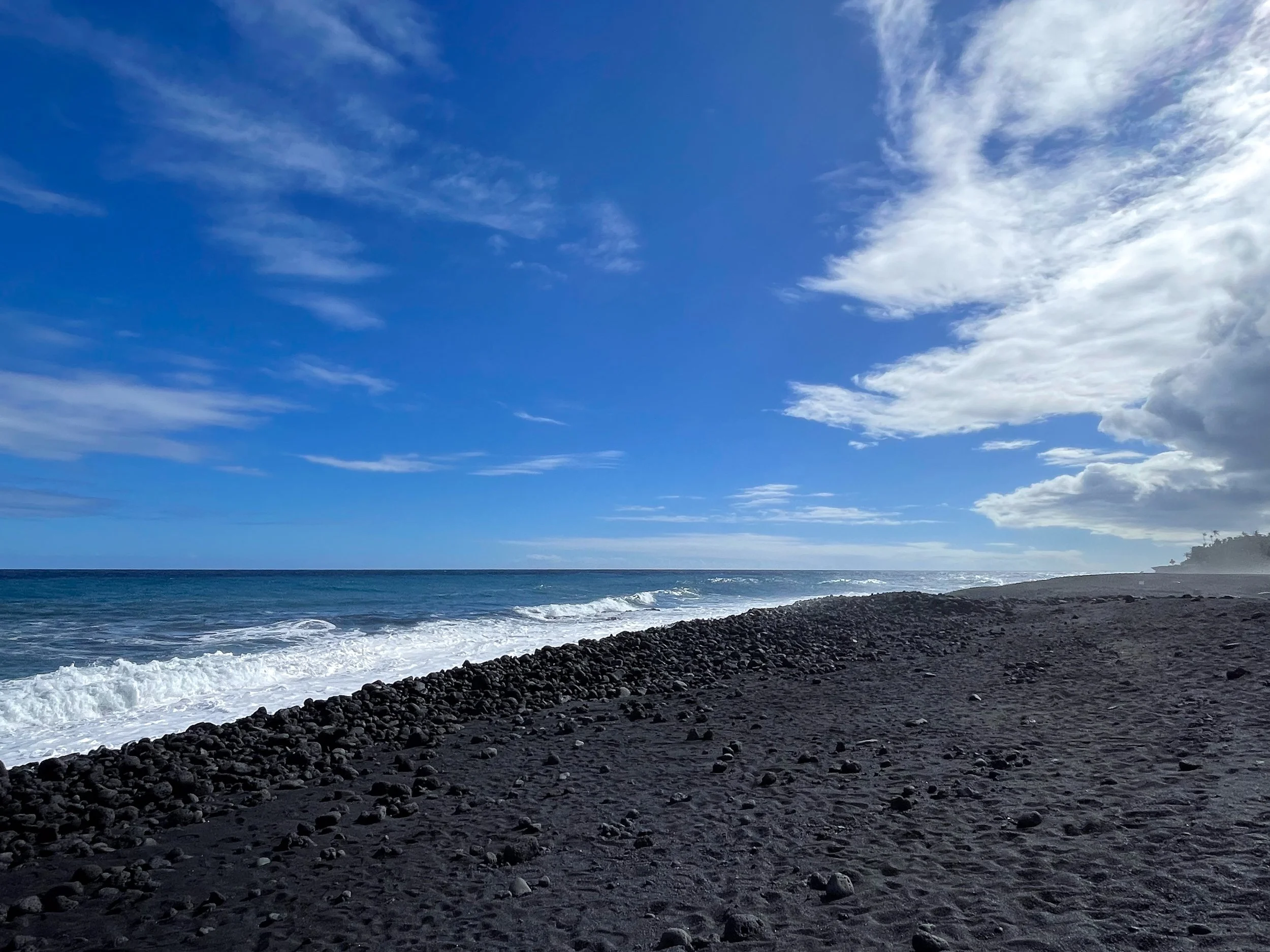
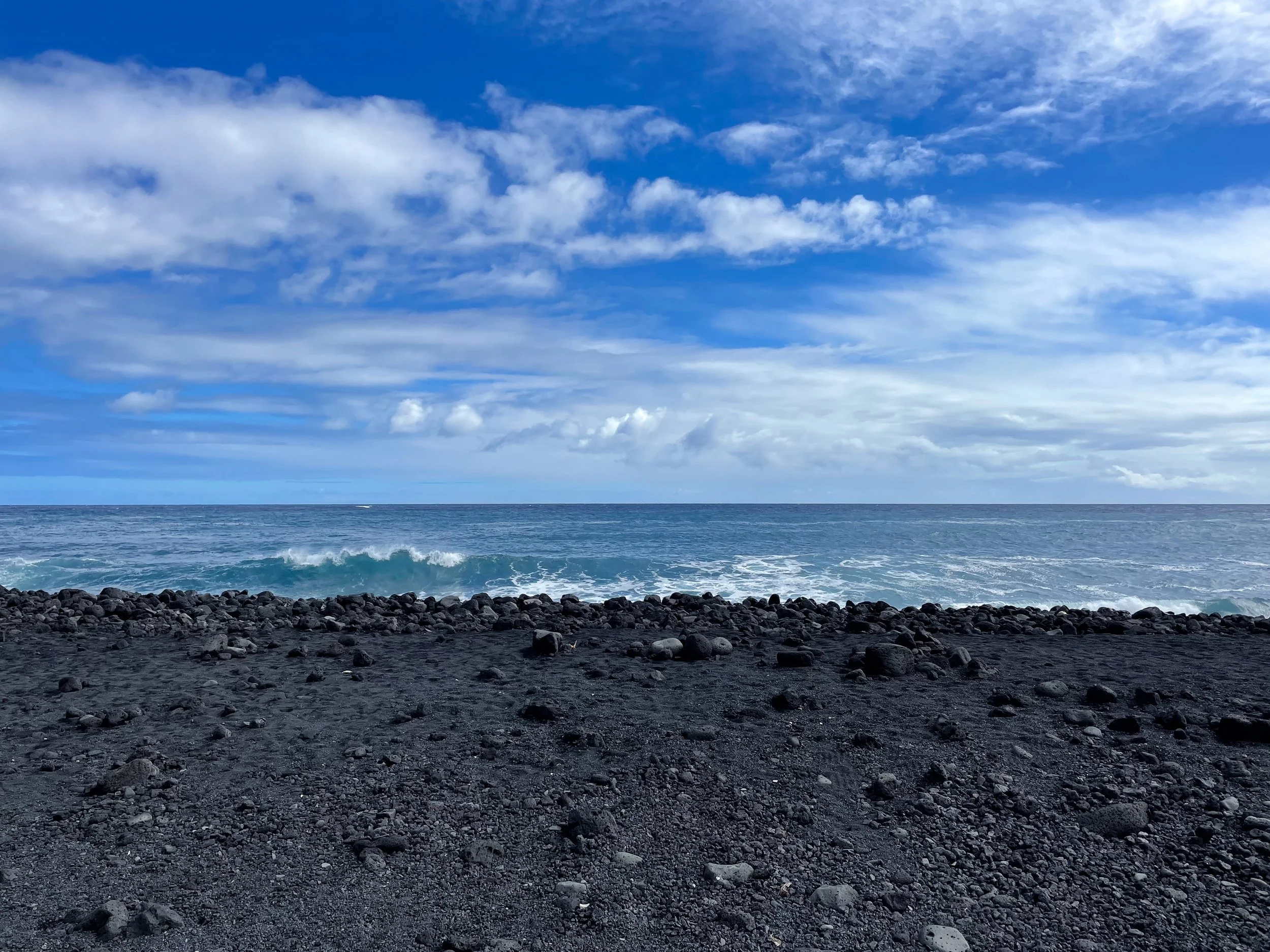
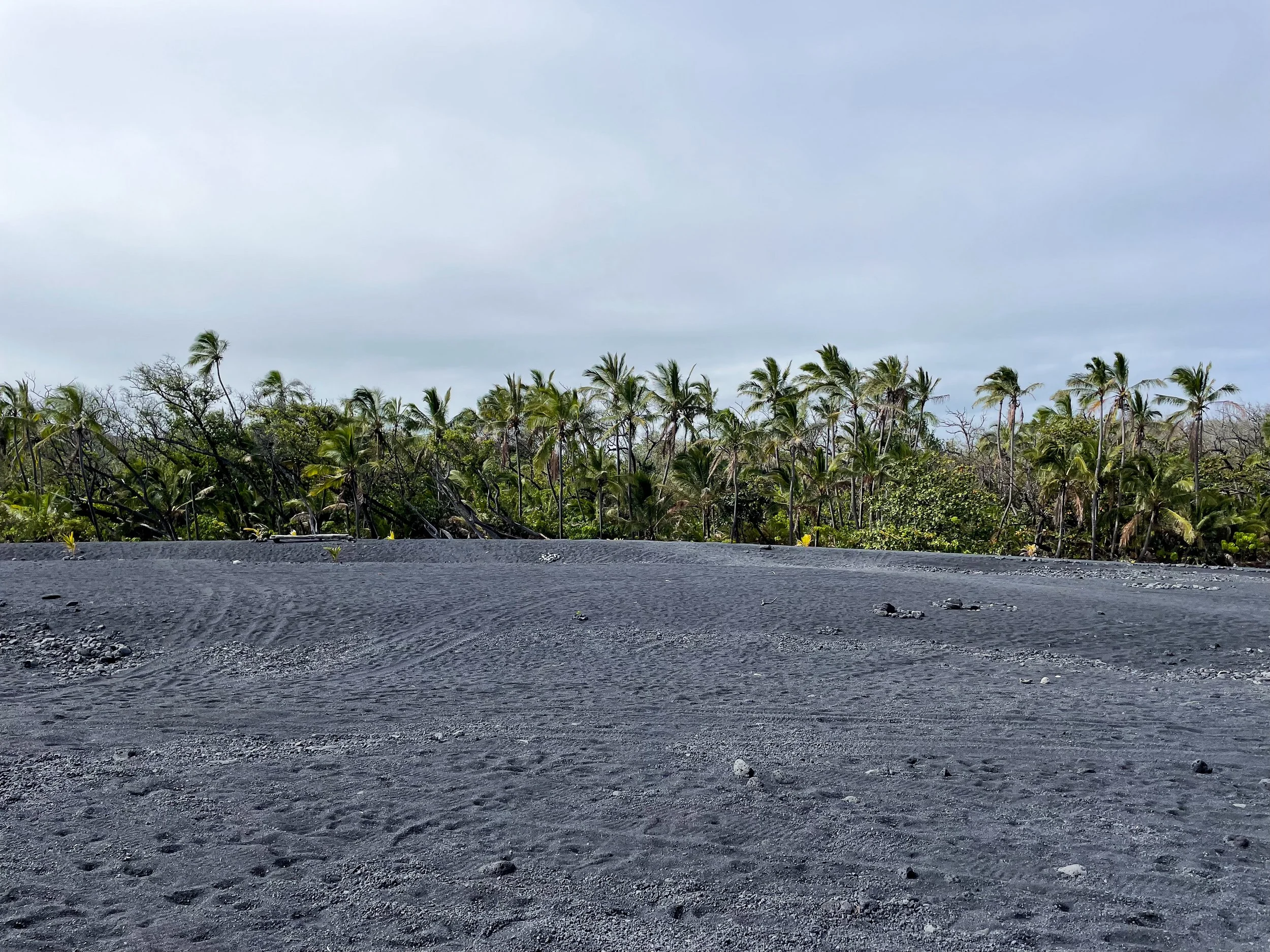
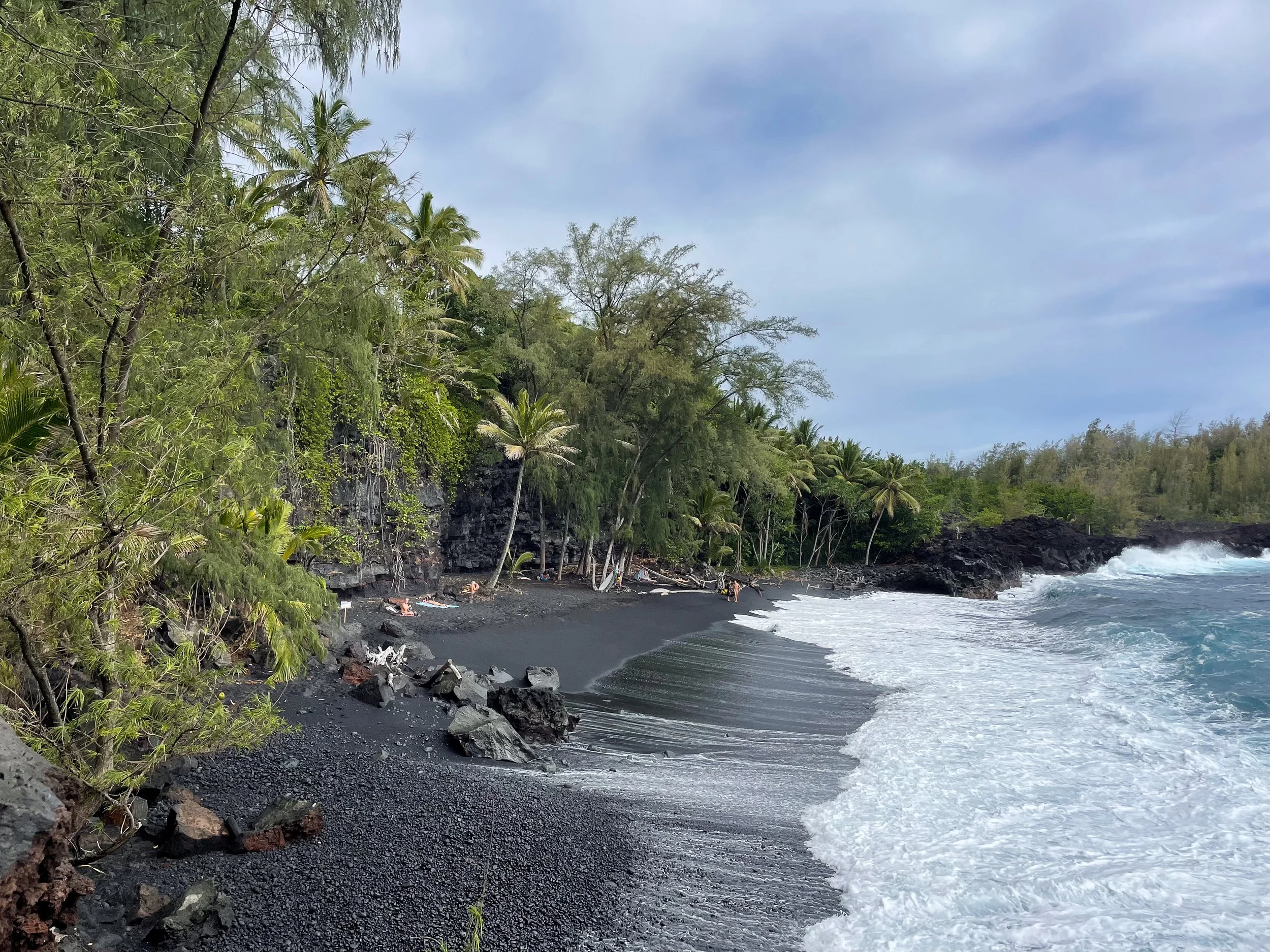
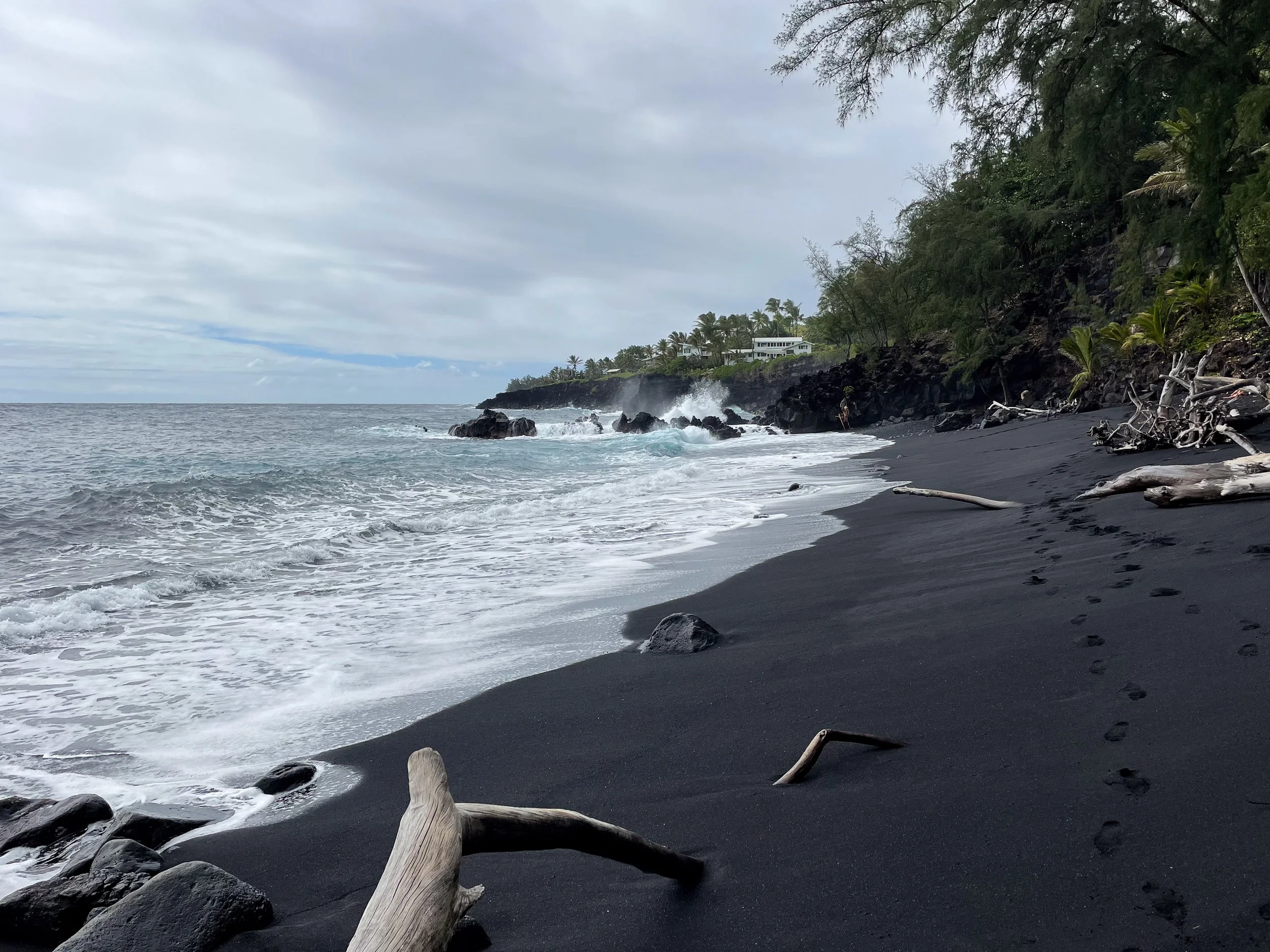
Black Sand Beaches
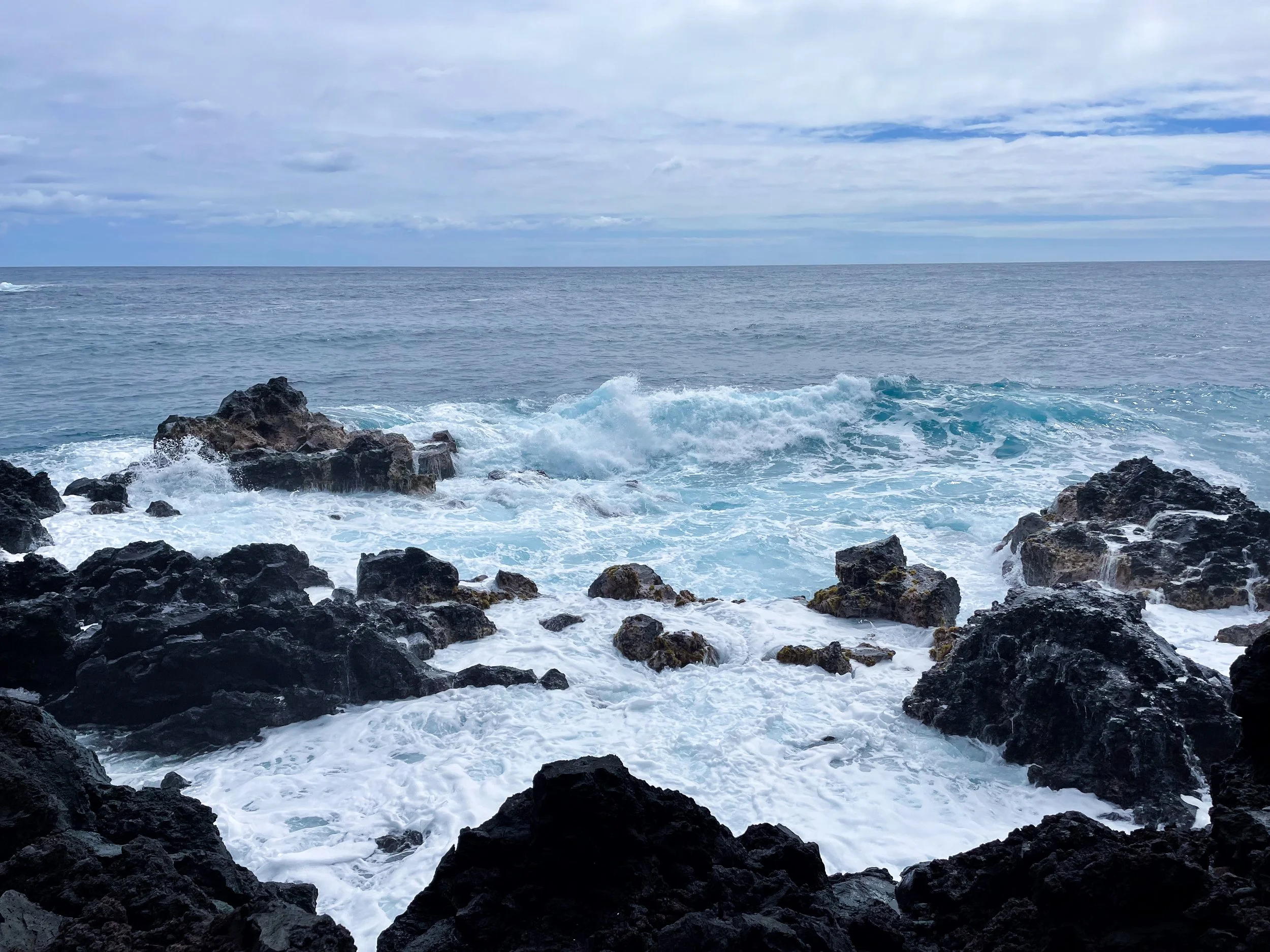
Pohoiki Black Sand Beach. The island’s newest black sand beach formed during the 2018 eruption. The beach has a mixture of soft sand, tumbled lava rocks and large boulders. The strong currents and large waves make it unsafe for swimming. There are volcanic springs called “hot pots” along the tree line.
Kehena Black Sand Beach. A nude beach hidden below a roadside cliff with soft black sand. The strong currents and large waves make it unsafe for swimming. Vendors selling crepes and fresh coconuts set up near the parking lot above the cliff.
The Town of Honomu
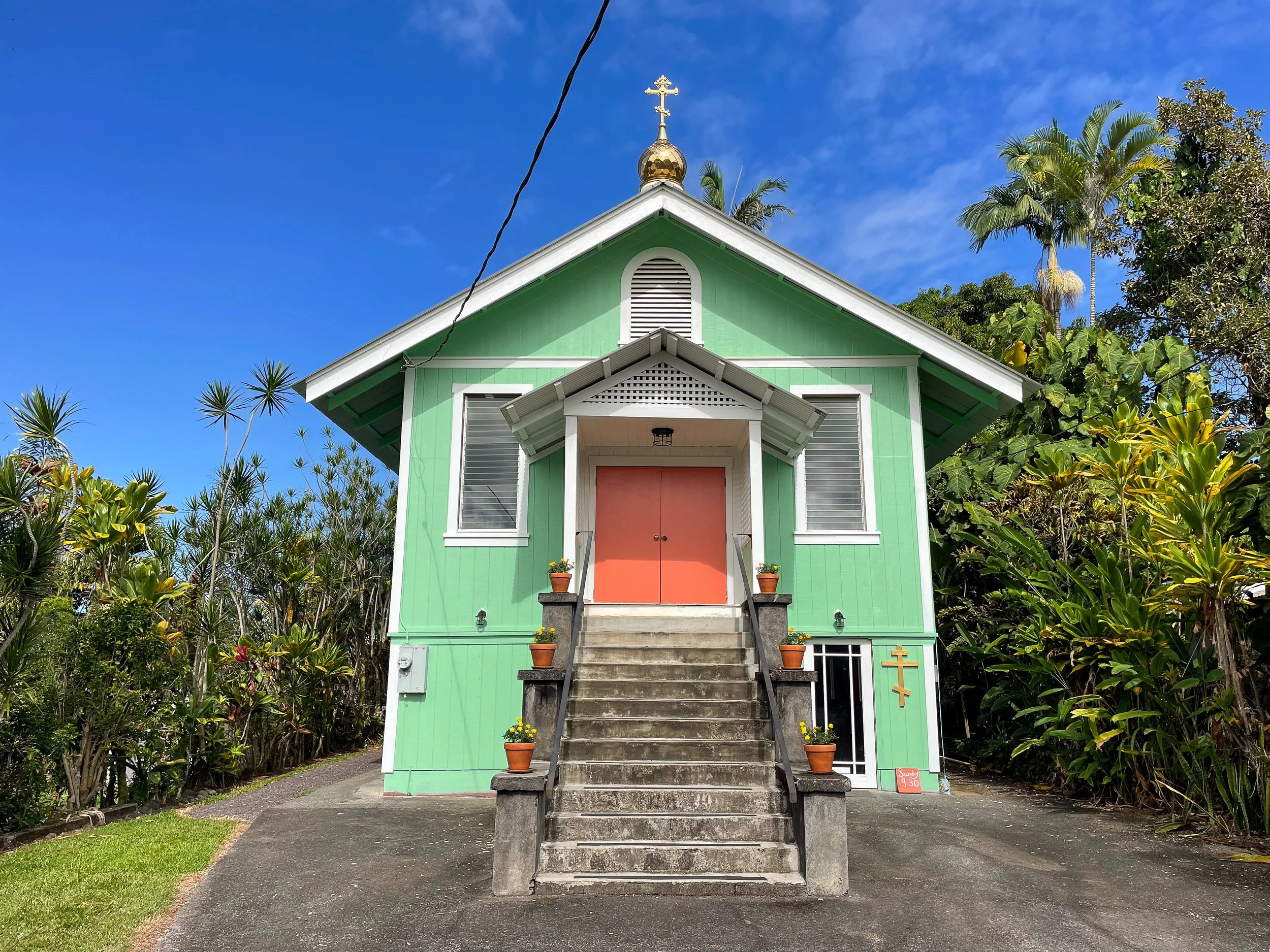
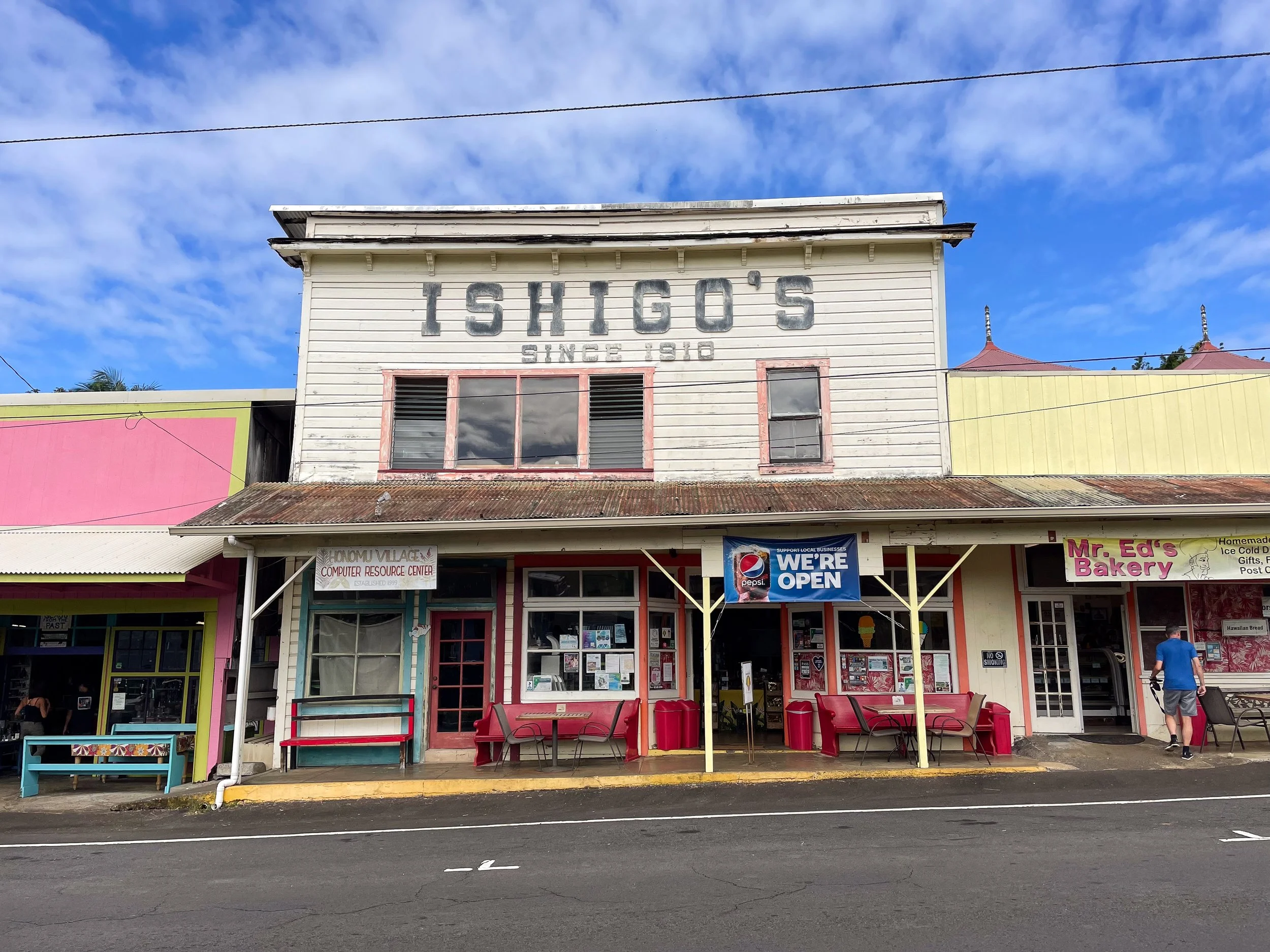
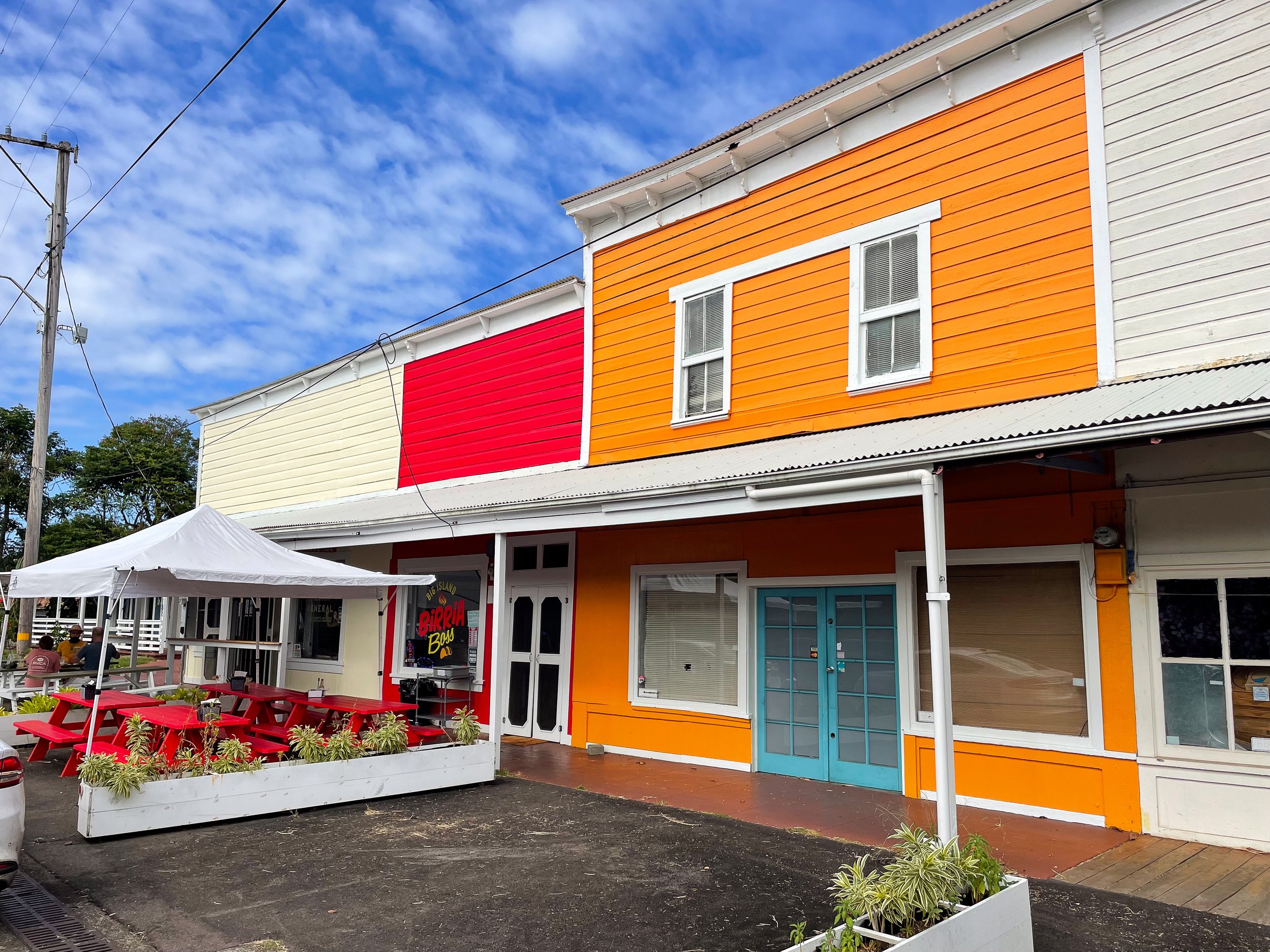
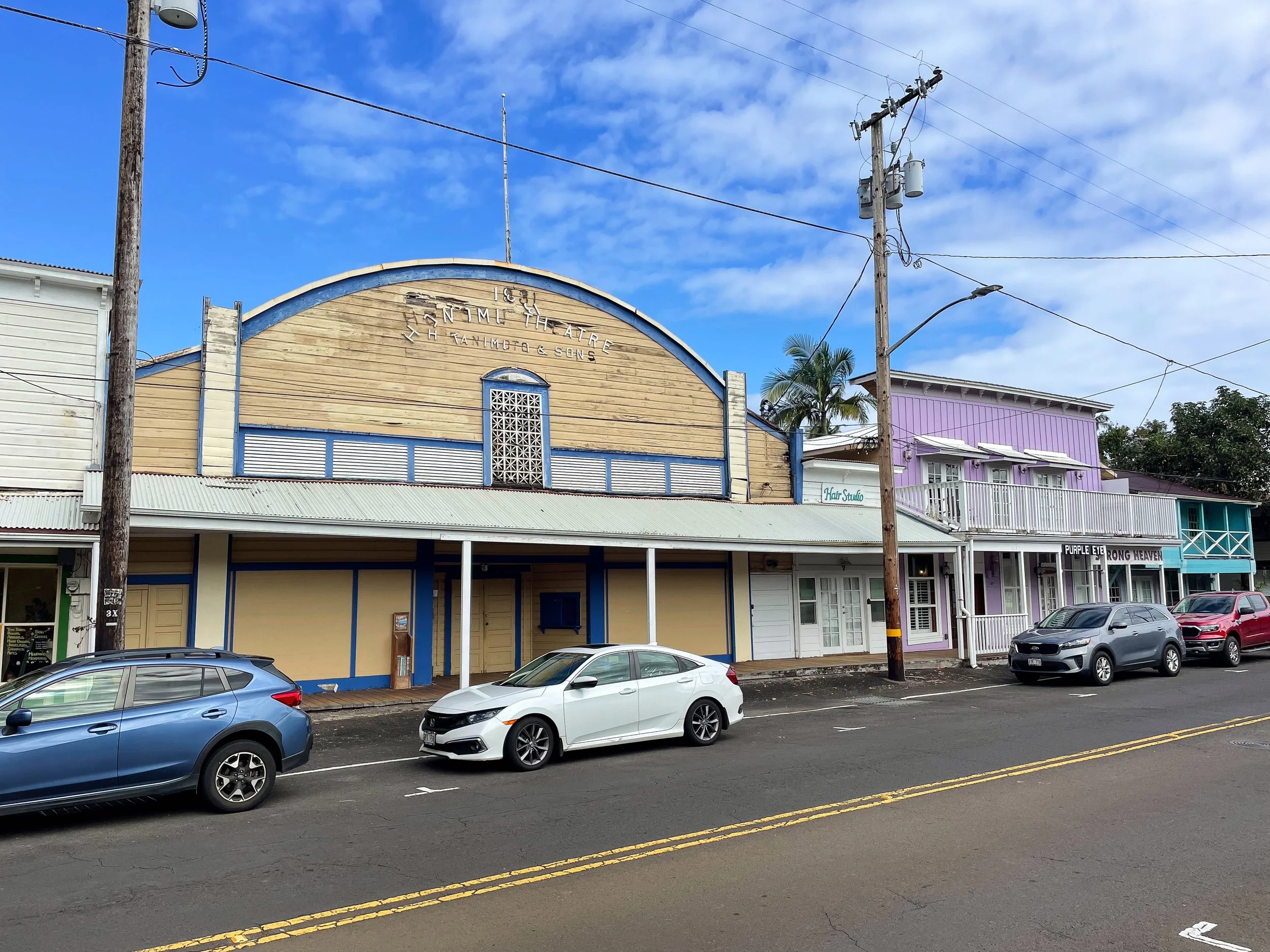
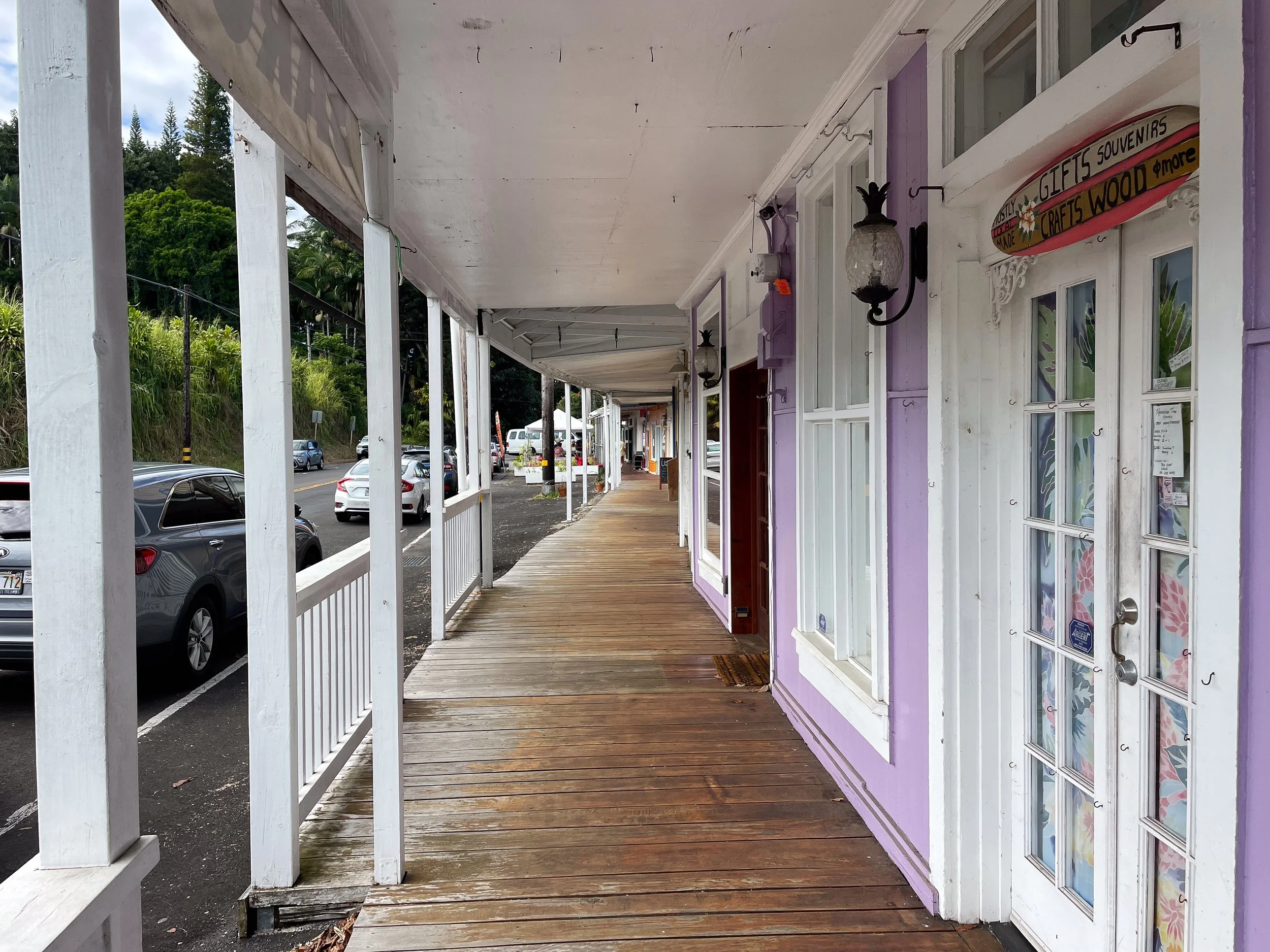
A small town with a colorful western vibe, old wooden buildings and a boardwalk. The main street is home to bakeries, antique shops, a church and abandoned buildings. It’s located 20 minutes north of Hilo nearby Akaka Falls and Hawaii Zip-lines.
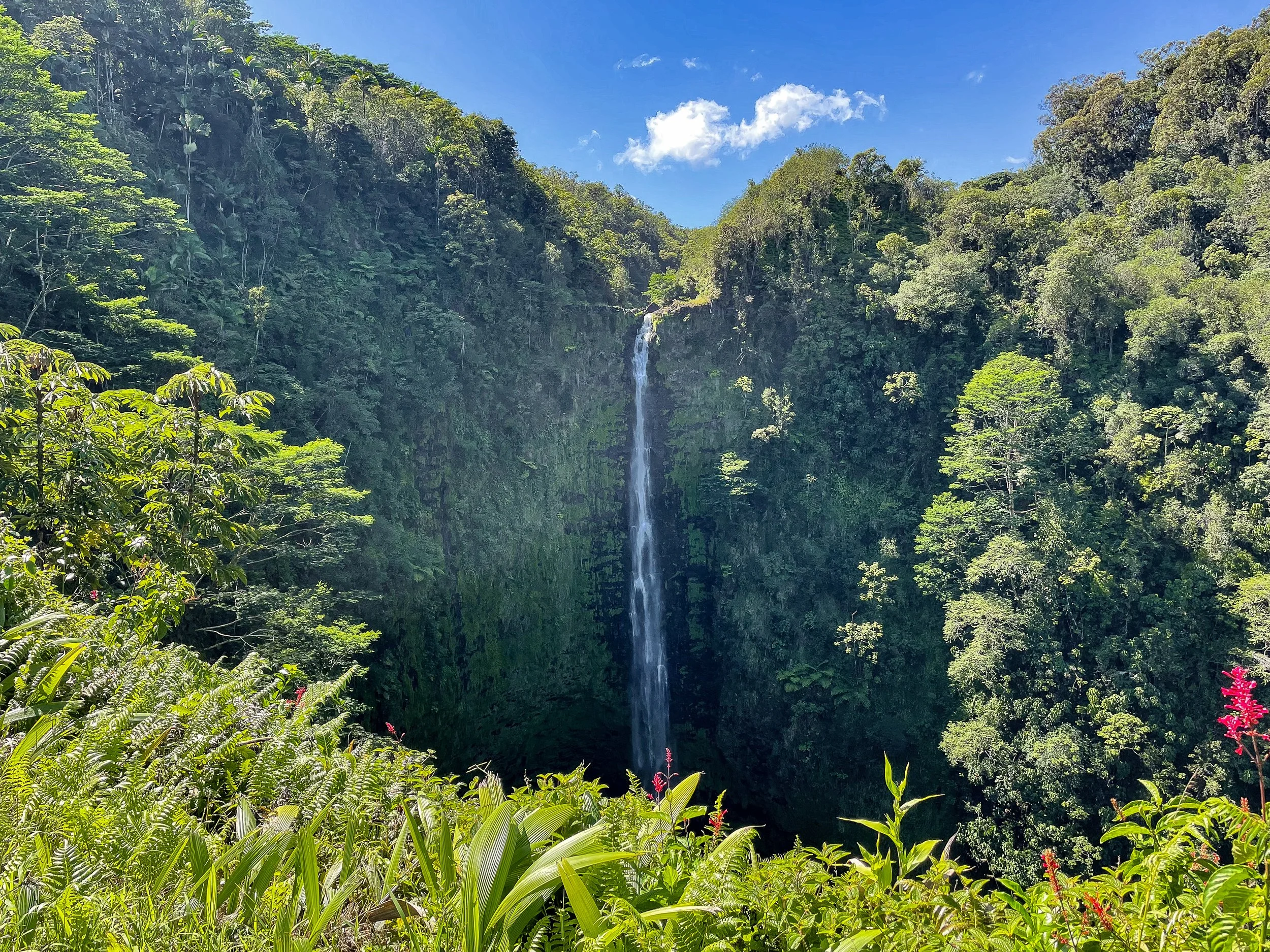
Akaka Falls. A 442ft tall waterfall spilling down the center of a mossy cliff within the lush tropical forest. It’s accessible by a paved trail that loops through the forest with an overlook. There is a fee to enter the trail and to park in the parking lot.
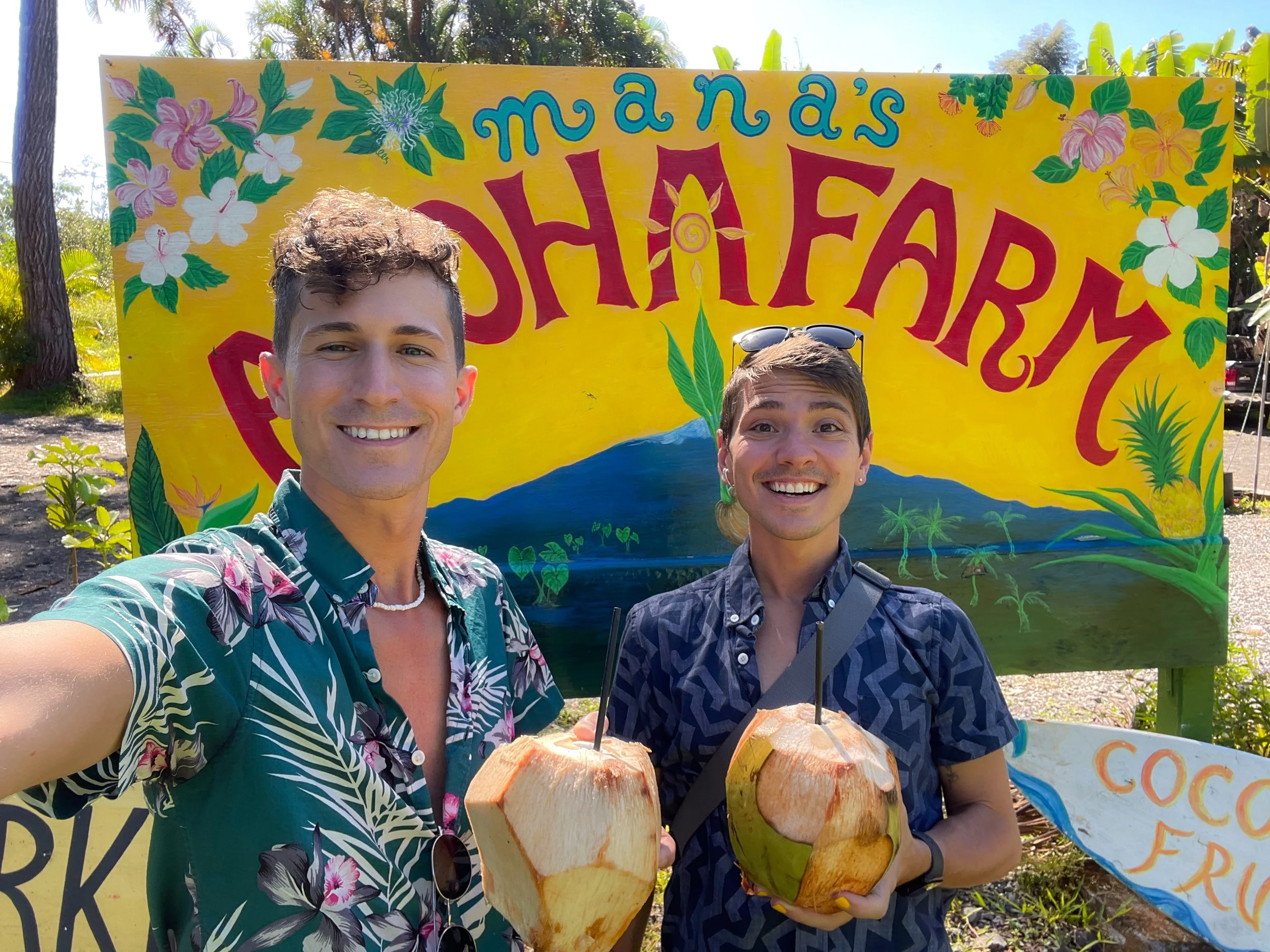
Mana’s Aloha Farms. A farm stand minutes away from Akaka Falls with fresh coconuts, pineapples and sugarcane.
Mr Ed’s Bakery. A bakery with pastries, toasts, coffee and poi bowls. Try the Guava Bearclaw and Ensemada.
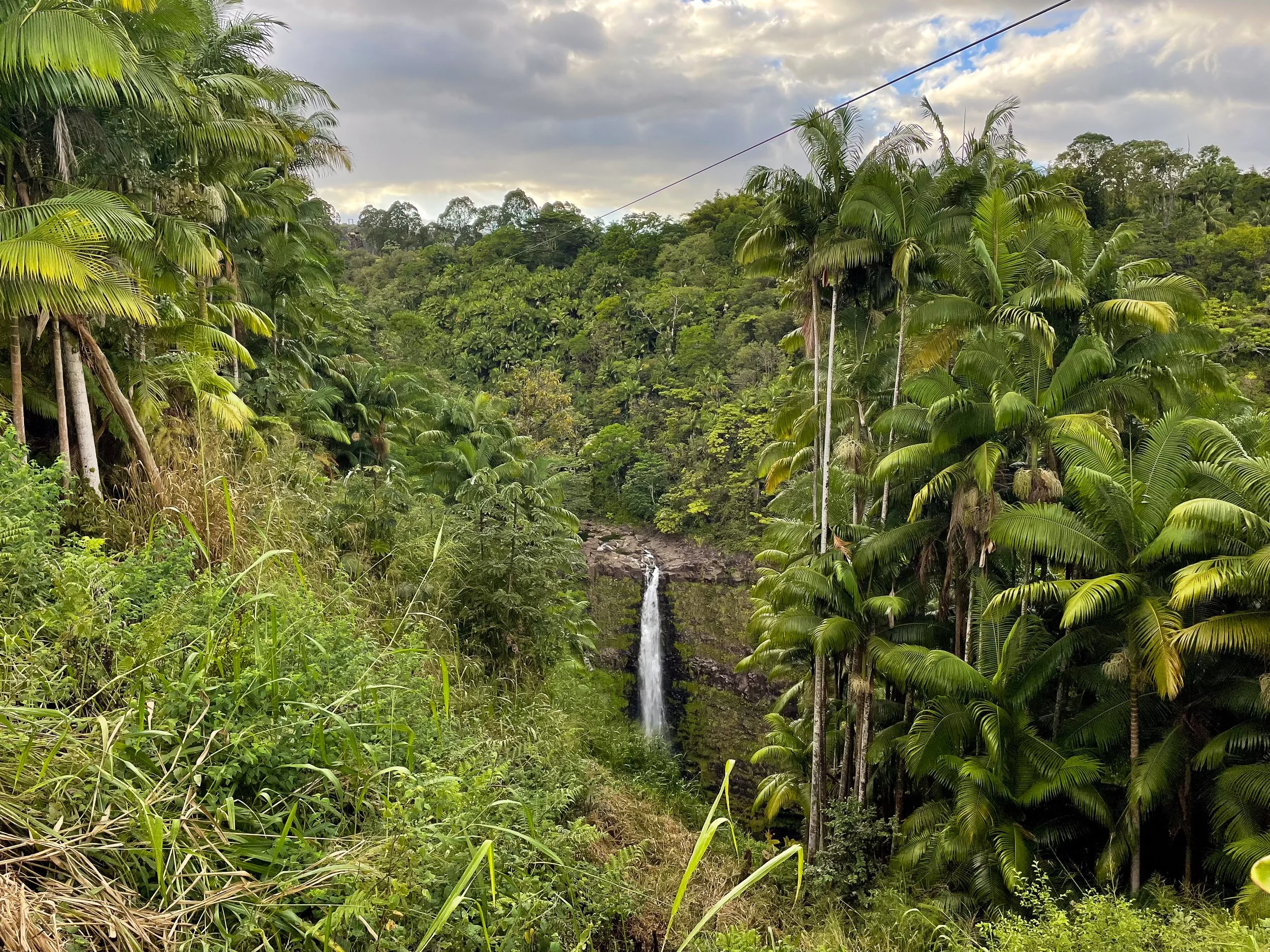
Hawaii Zip-line Tours. A scenic zip-line course with 7 lines through farmland, across ravines and over waterfalls. Our favorite zip-lines went through a row of banana trees and over a half mile across a ravine with views of Kolekole Falls, a 250ft waterfall. We even got to sample freshly picked bananas. Reserve Online.
Kaʻū, The South Coast
Kaʻū is a mostly rural and remote area of the island with rugged terrain, farmland and beaches. We visited two beaches along the South Coast during our drive from Pāhoa to Kona.
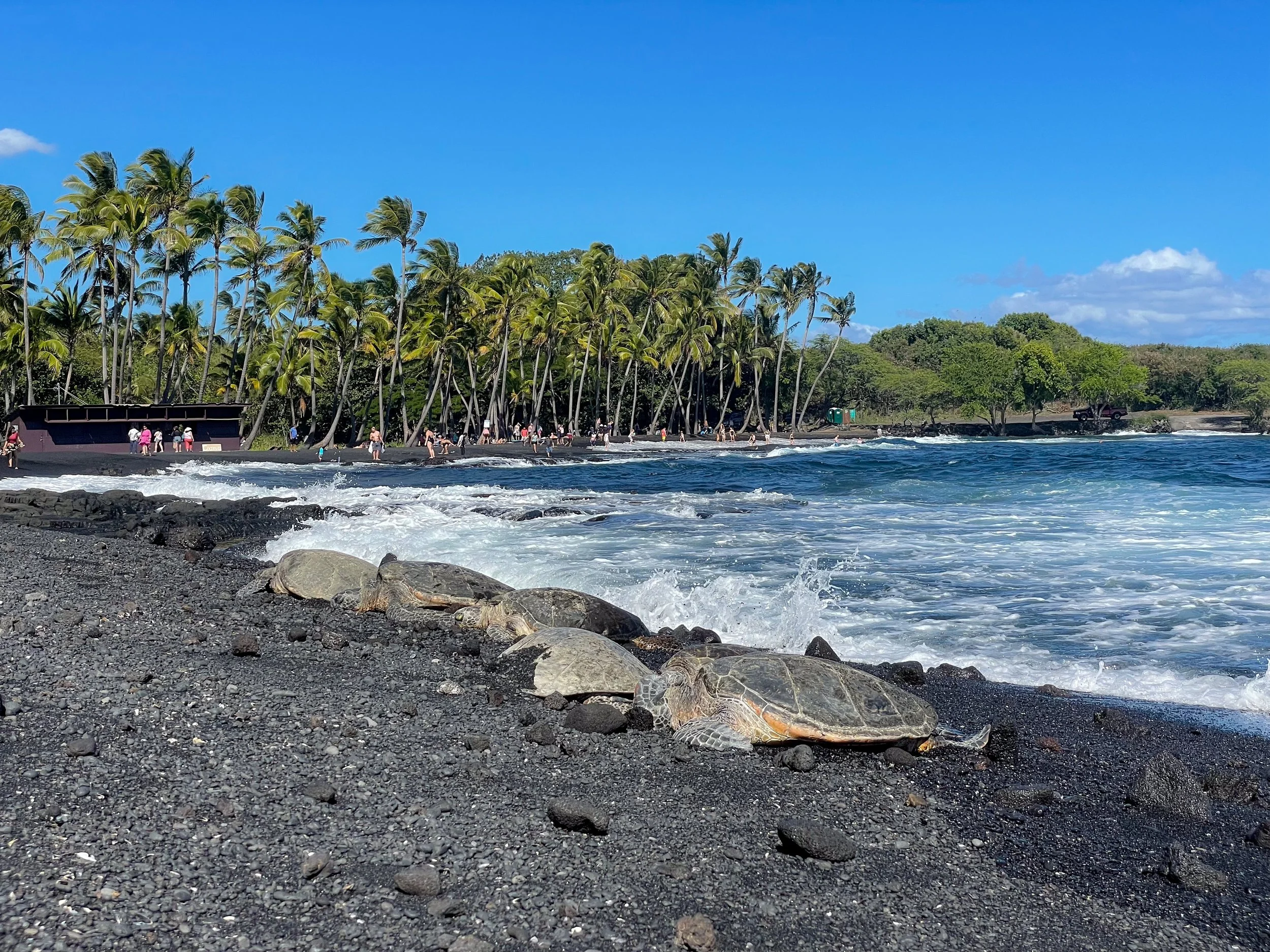
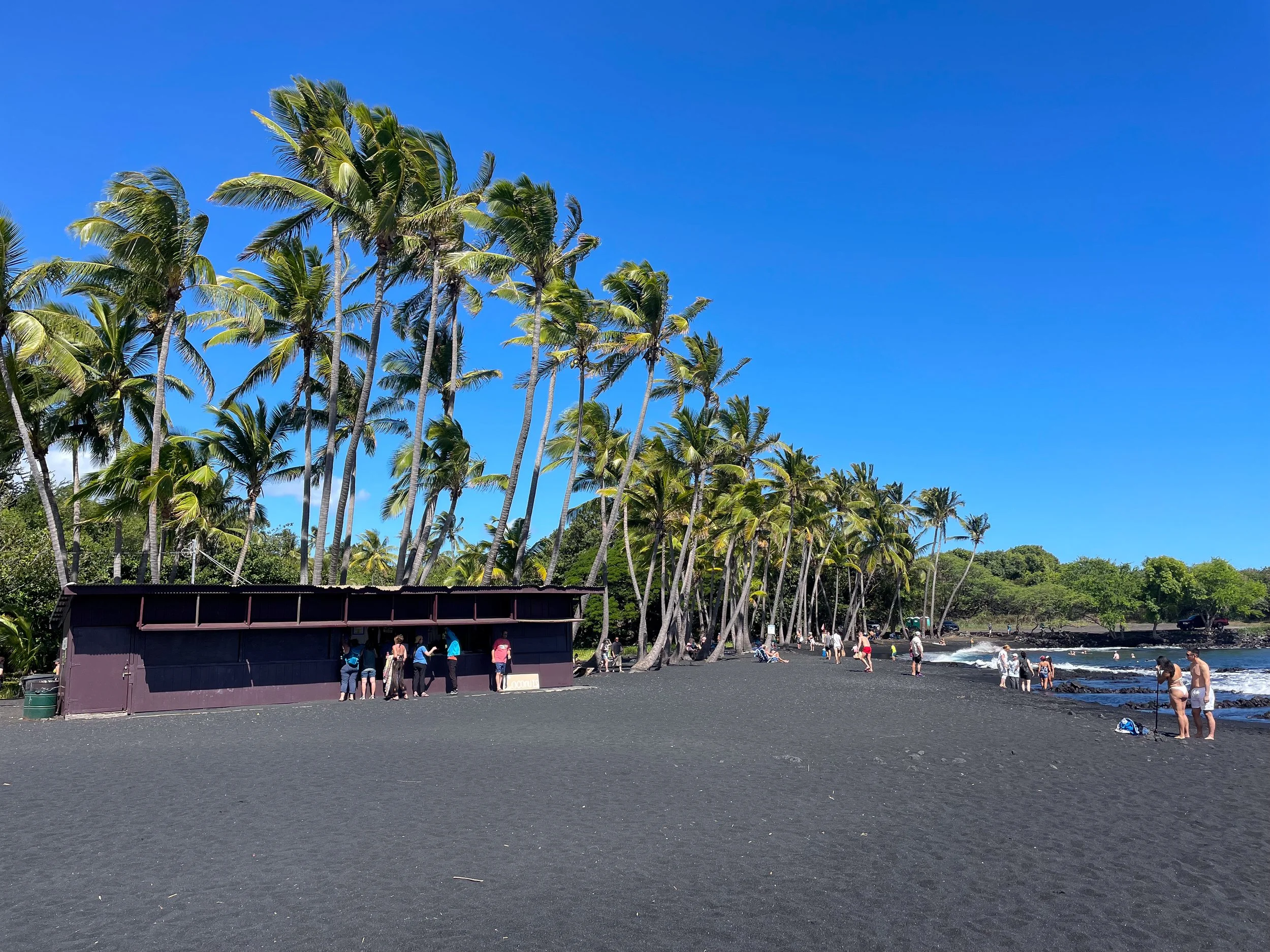
Punaluʻu Black Sand Beach. One of the most famous black sand beaches in Hawaii with a jet black shore, palm trees and nesting sea turtles. It’s safe for swimming and snorkeling with lifeguards. There is a beach kiosk selling t-shirts, sunblock and freshly harvested coconuts.
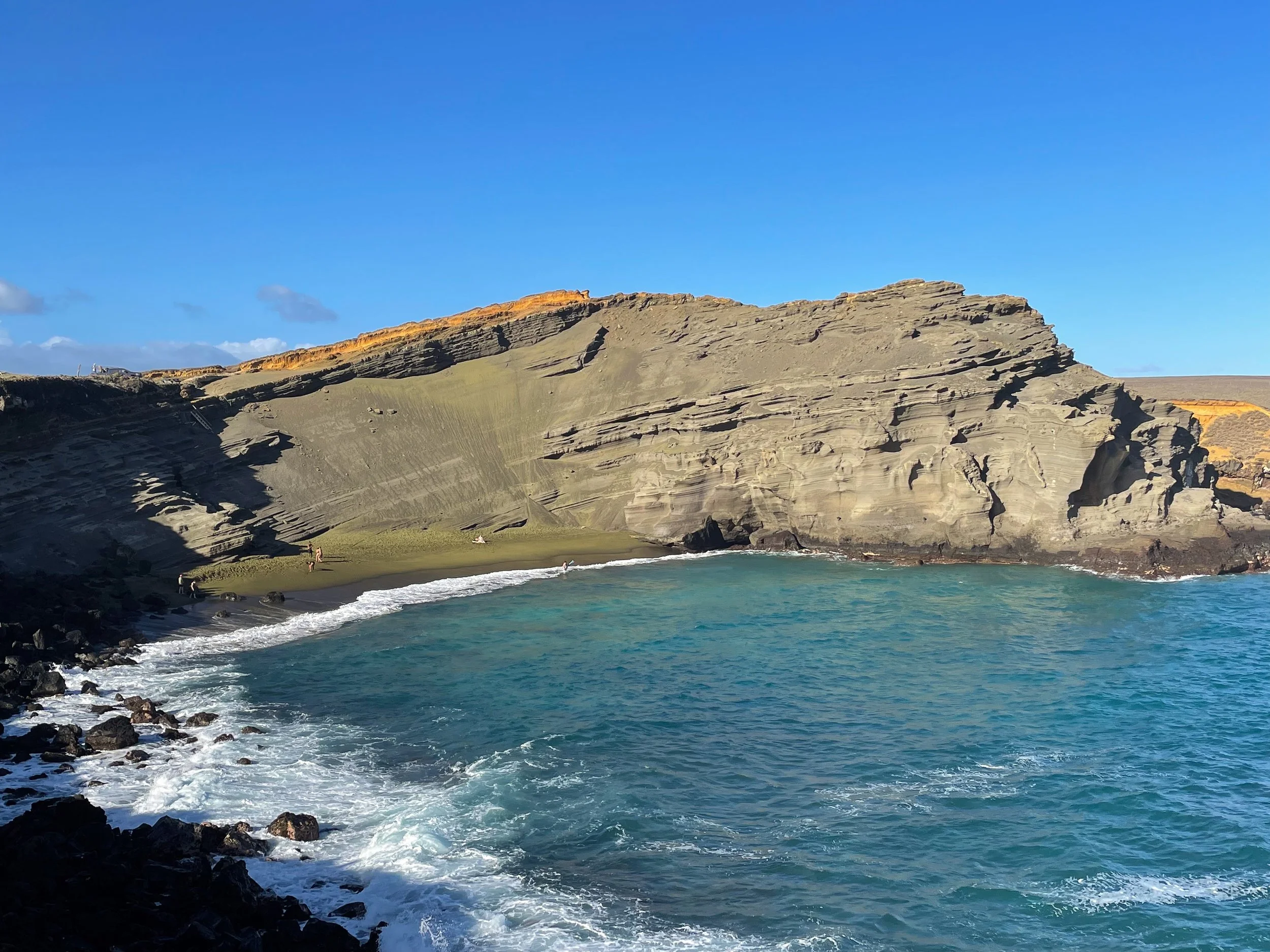
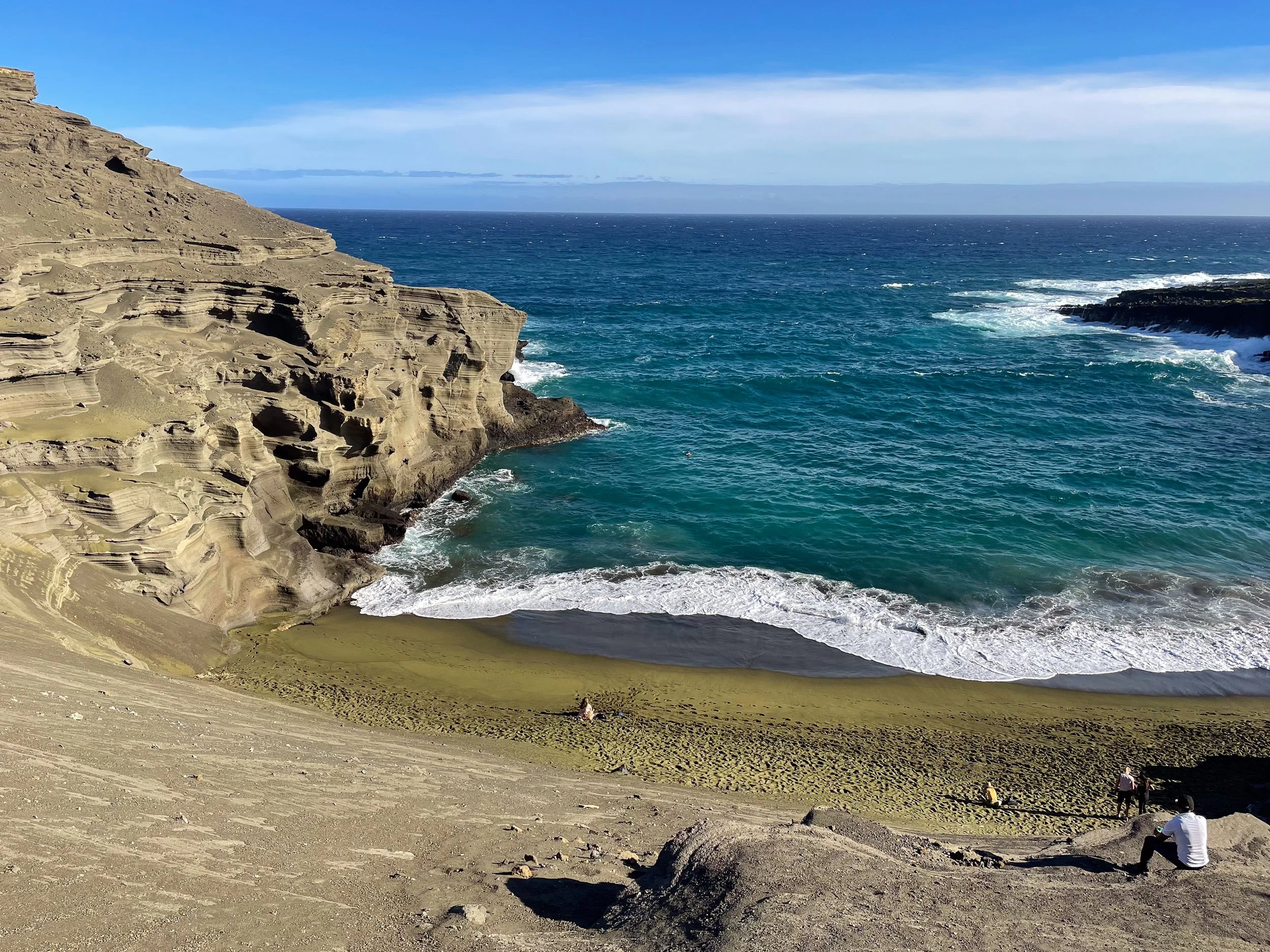
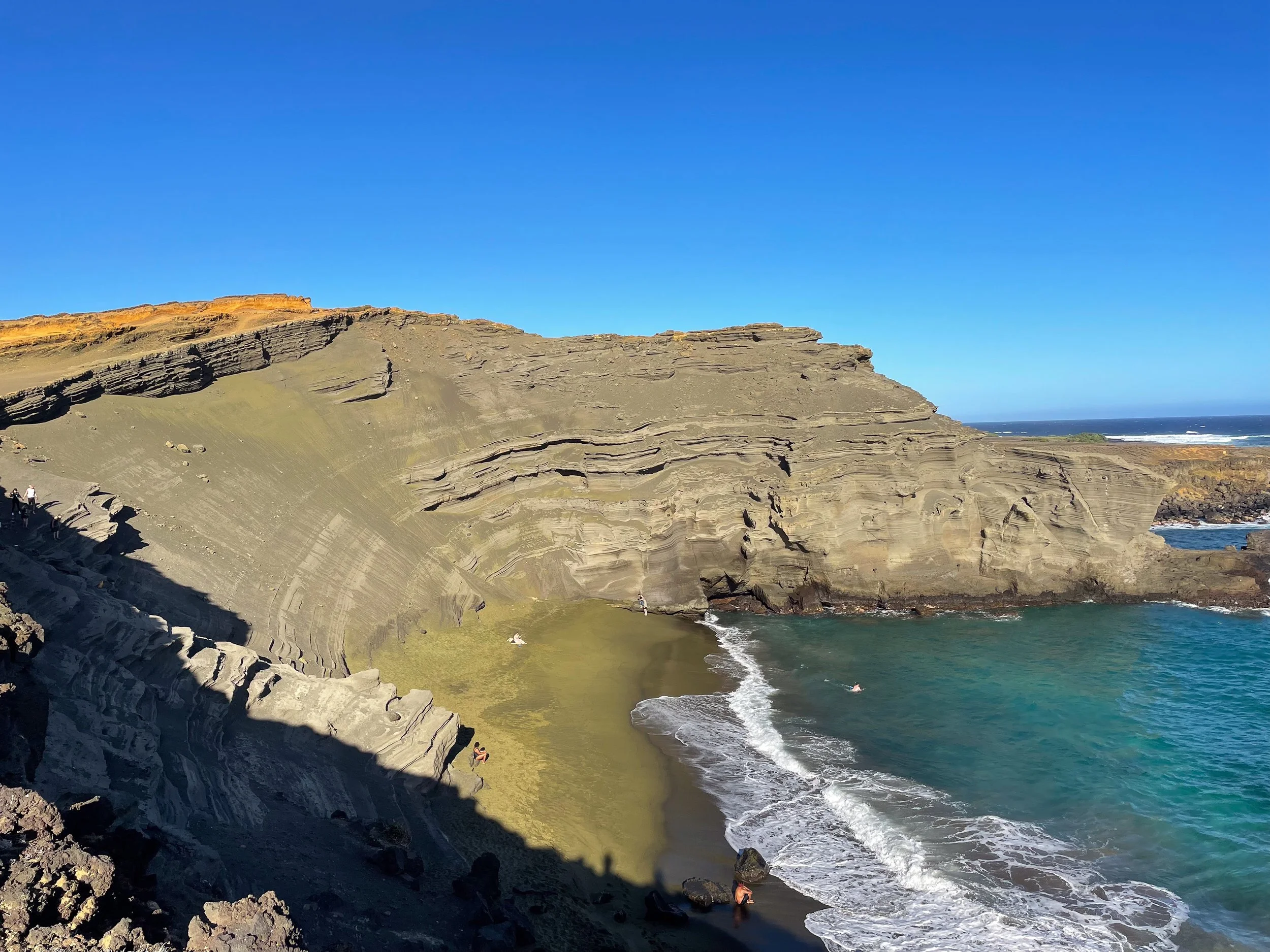
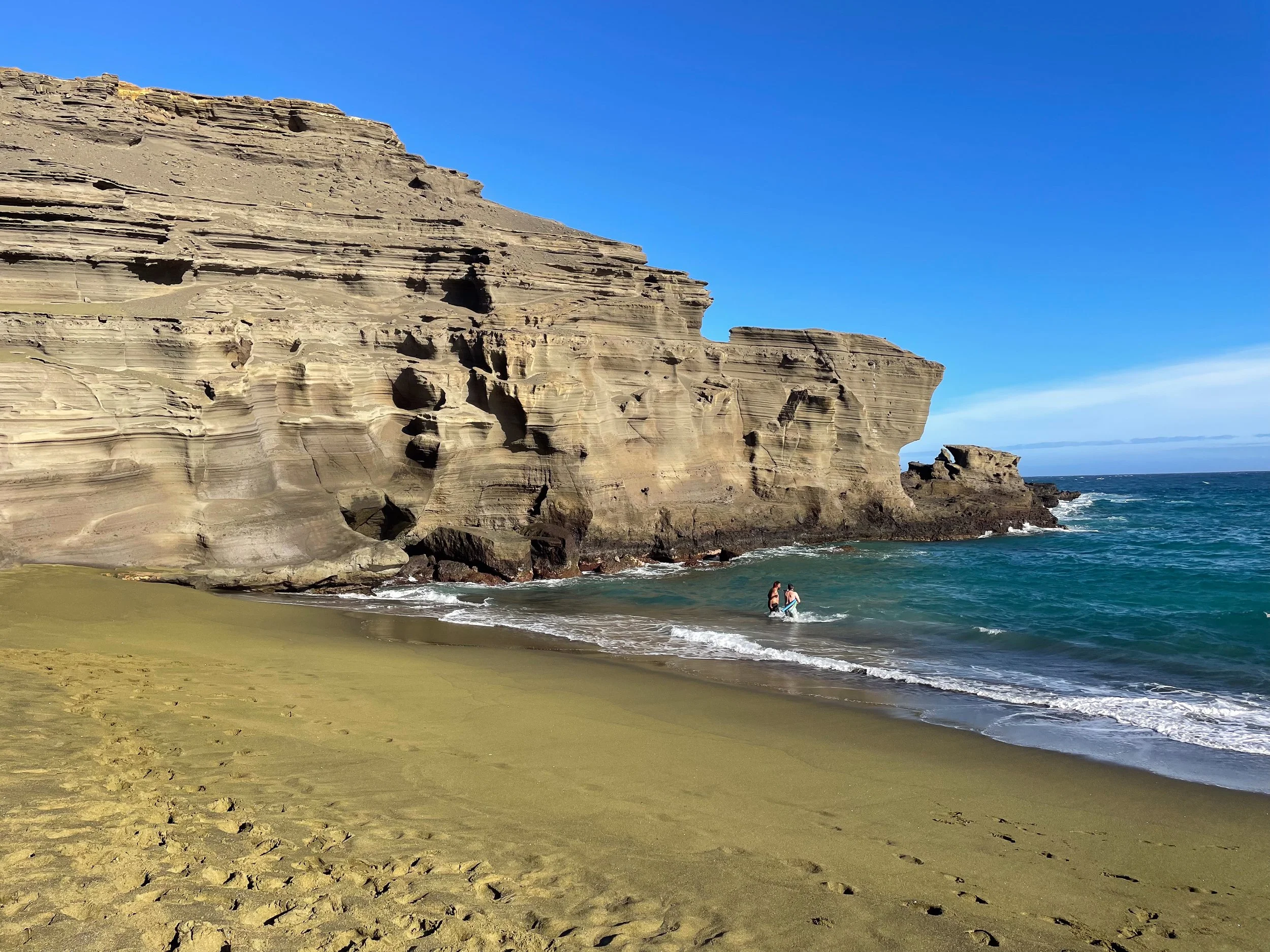
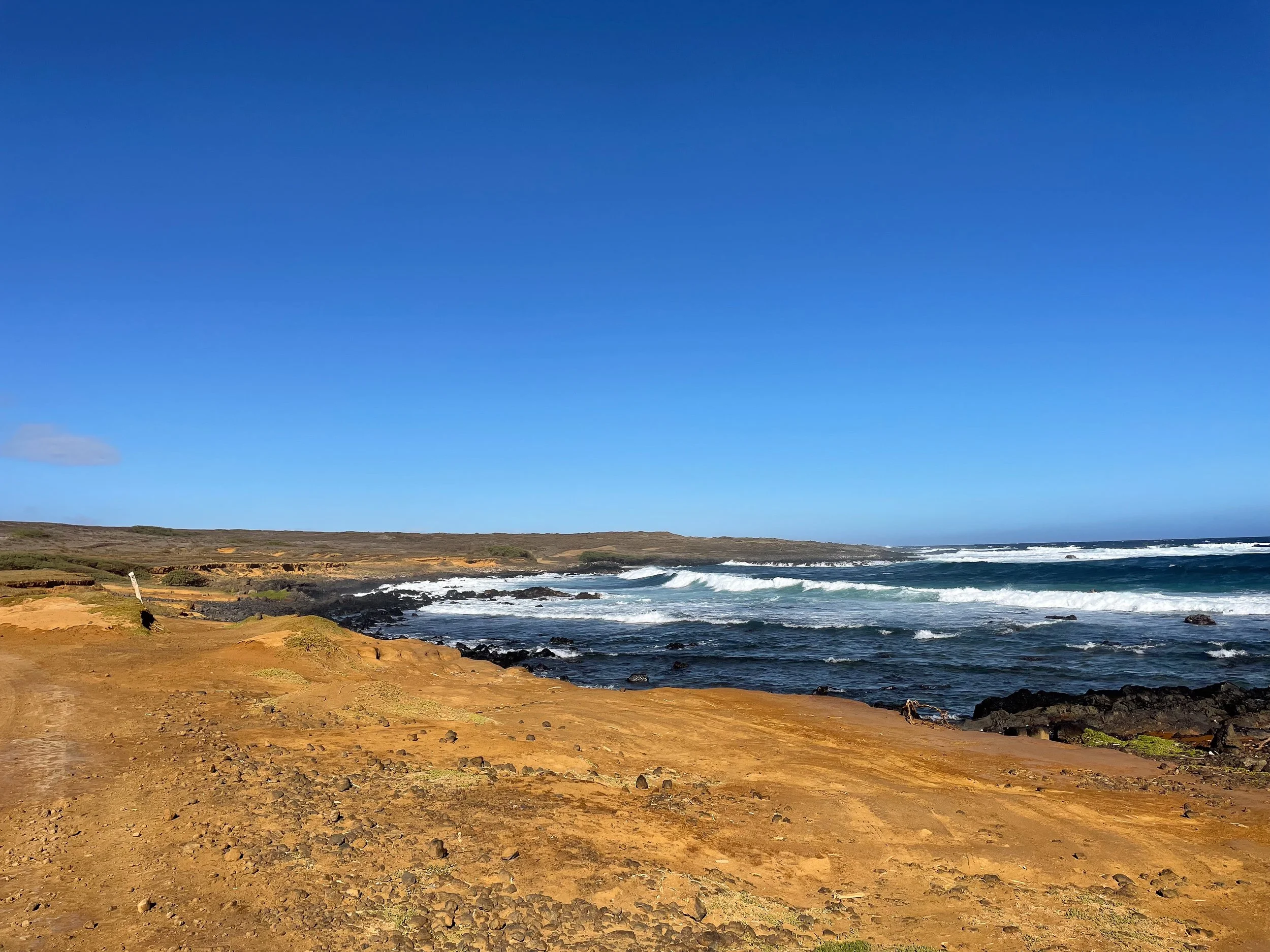
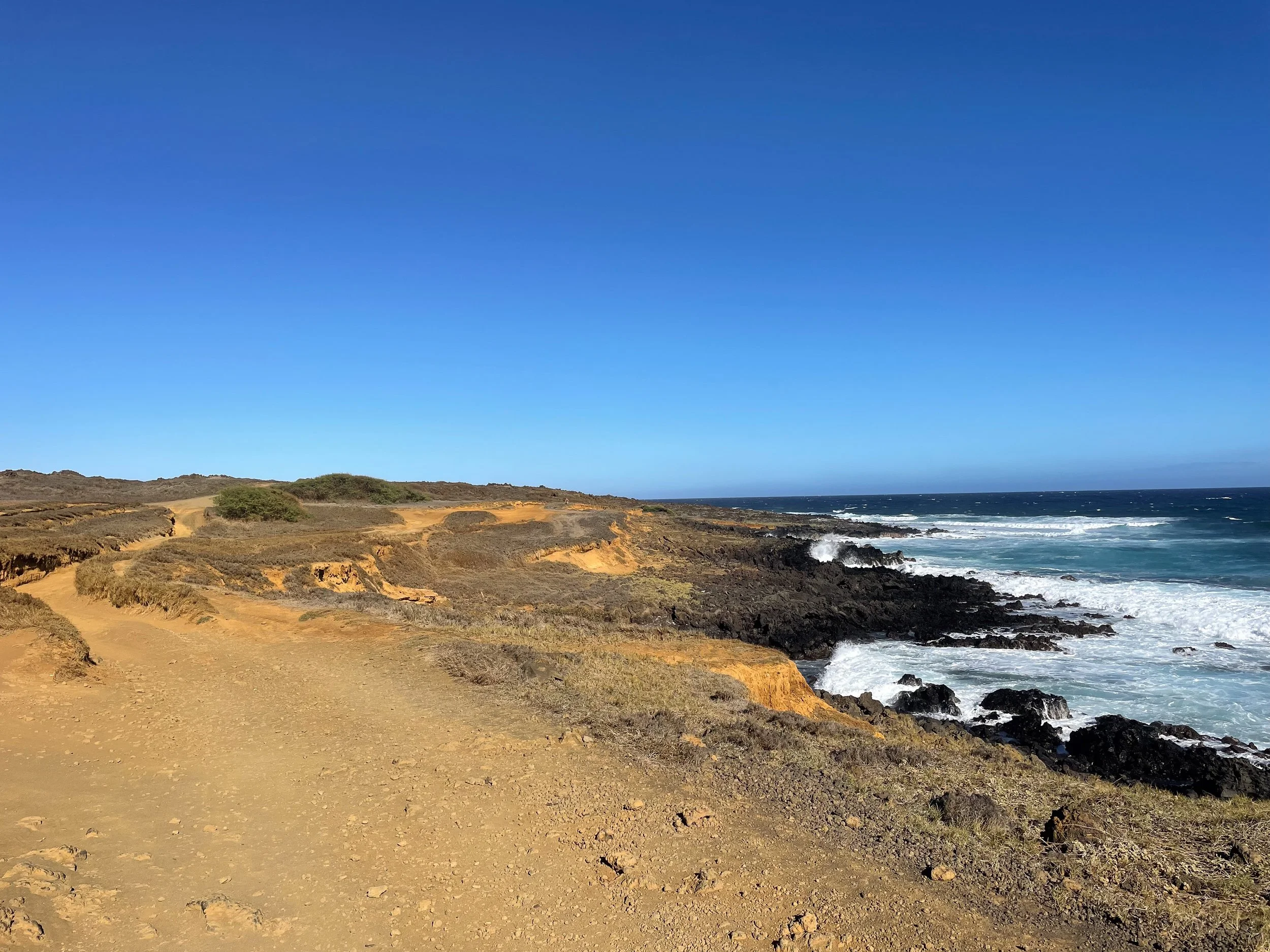
Papakolea Beach (Mahana Beach). A remote green sand beach located in a cliffside bay. The beach gets its green tint from tiny sand-like crystals known as olivines. The deep blue water is rough but swimmable. We even spotted a sea turtle. To get here, park uphill from the Kaulana Boat Ramp at the end of South Point Road. From here we hiked 3 miles through dry grassland and sandy trenches carved by trucks and ATVs. Alternatively, locals with pickup trucks offer roundtrip transit to the beach for $20.
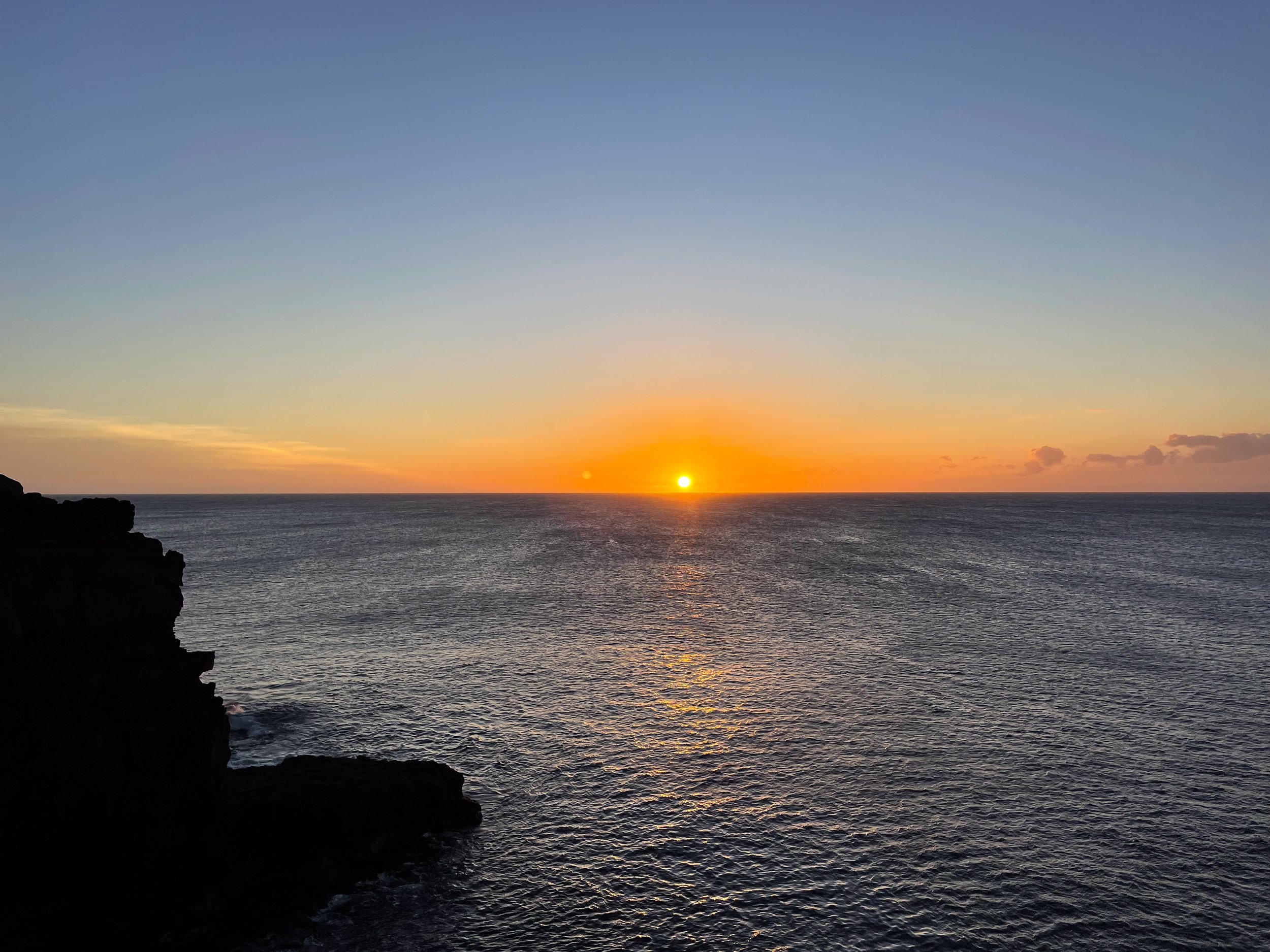
Southernmost Point. The southernmost point in Hawaii with steep cliffs and sunset views overlooking the Pacific Ocean. Come here for sunsets!
Kohala, The North Coast
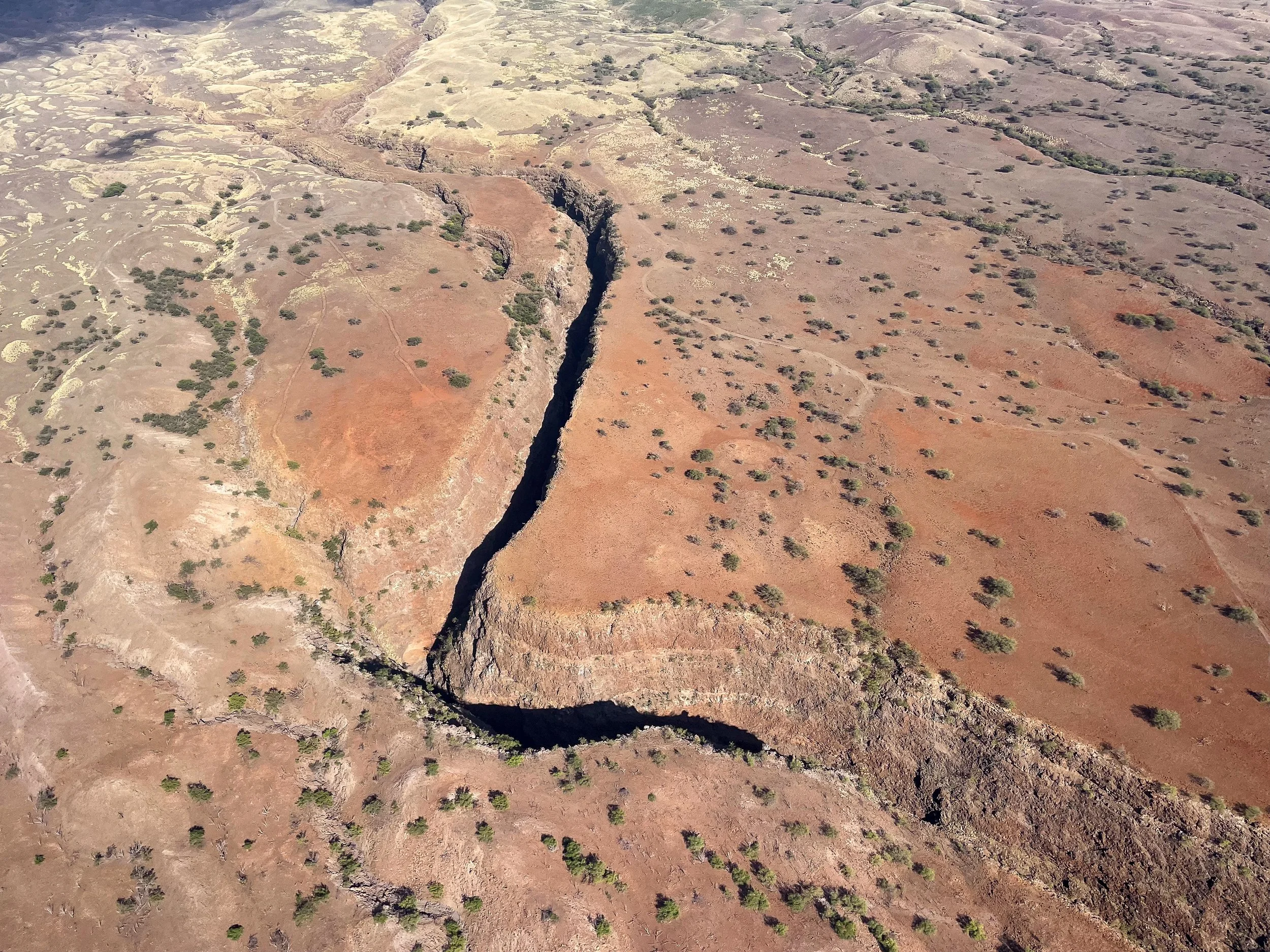
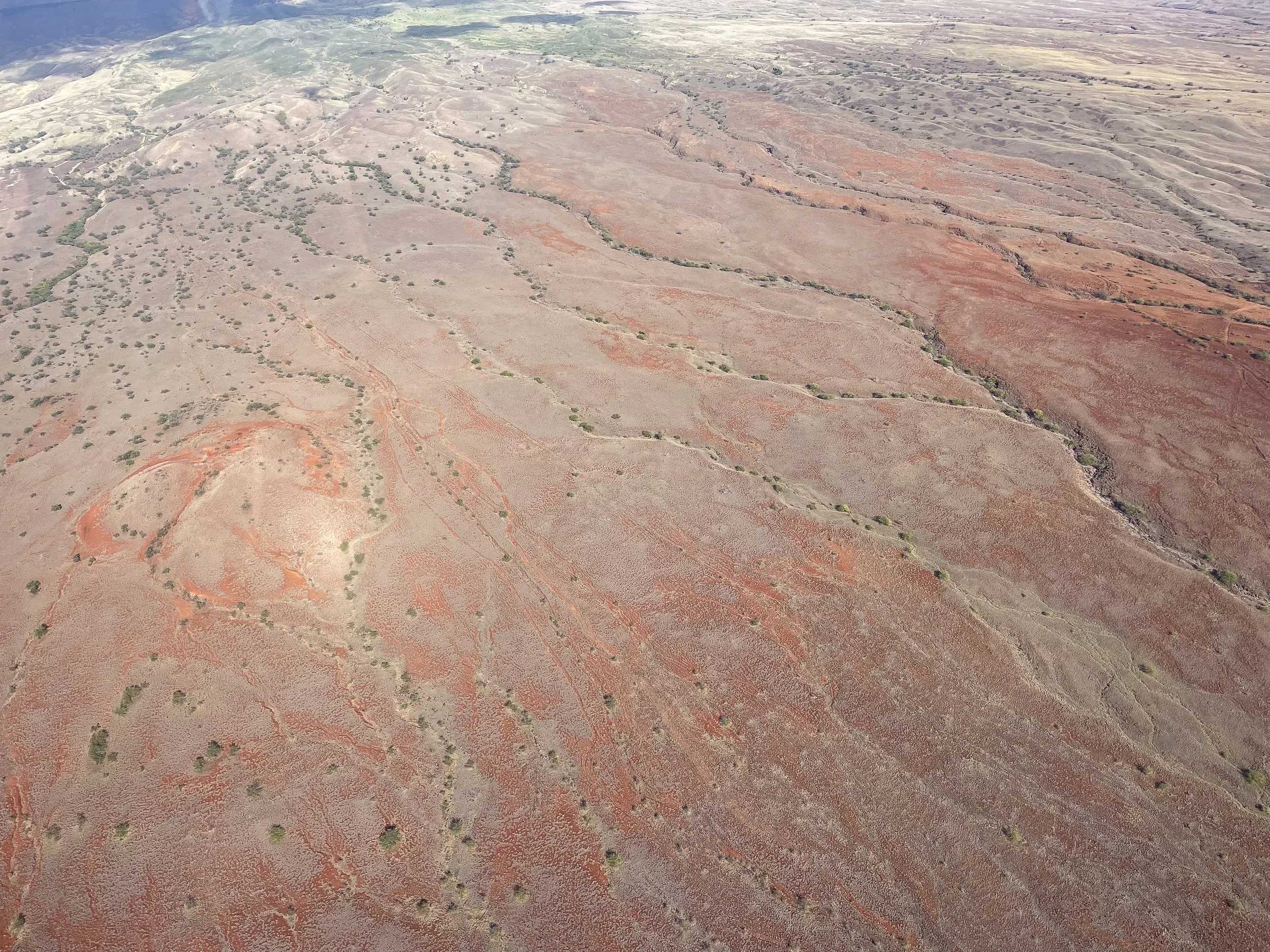
Kohala is a remote region of the island’s North Coast defined by its verdant landscapes, desert-like terrain, pristine beaches and farmland. The best way to experience it is on a Helicopter Tour!
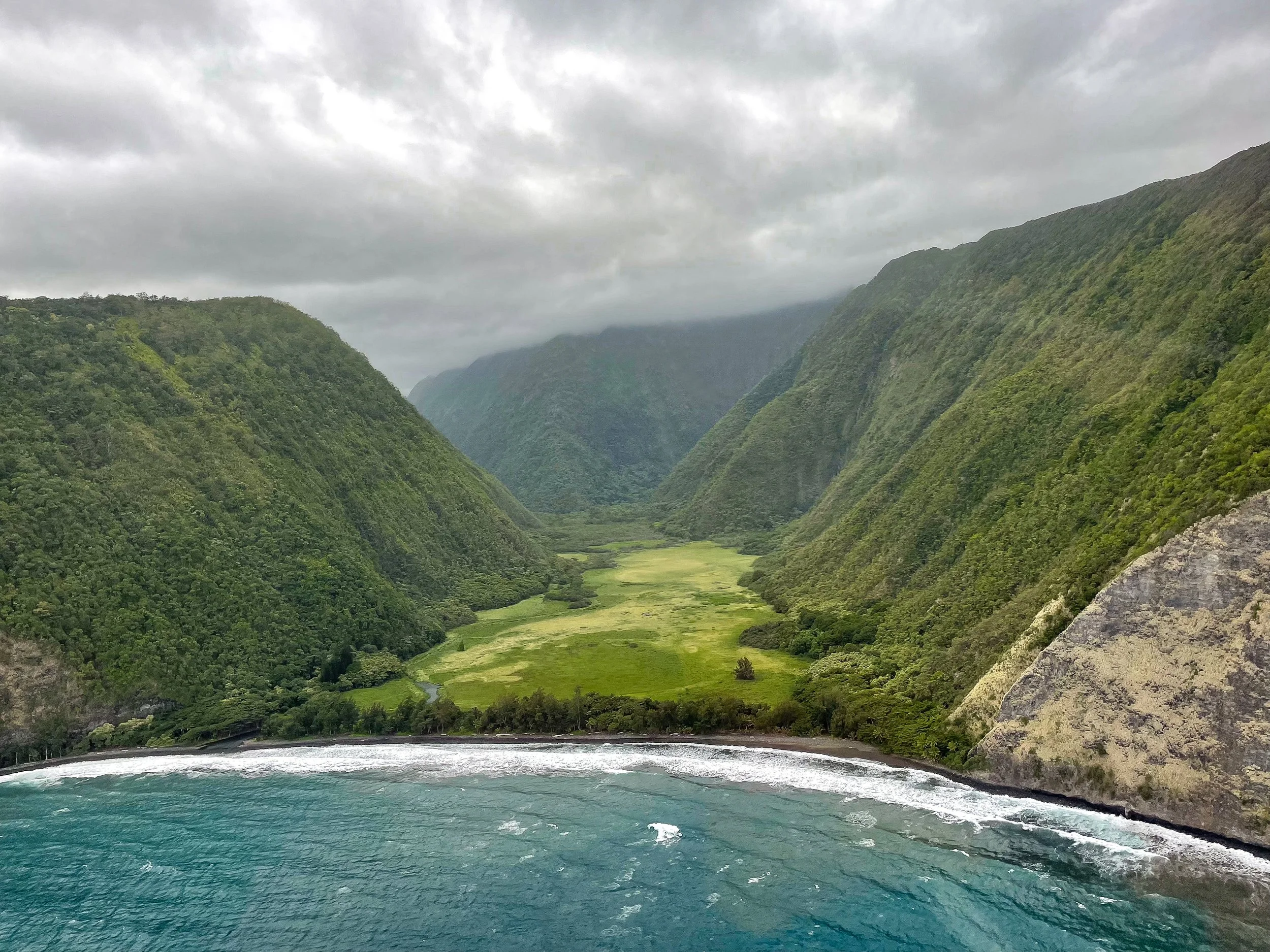
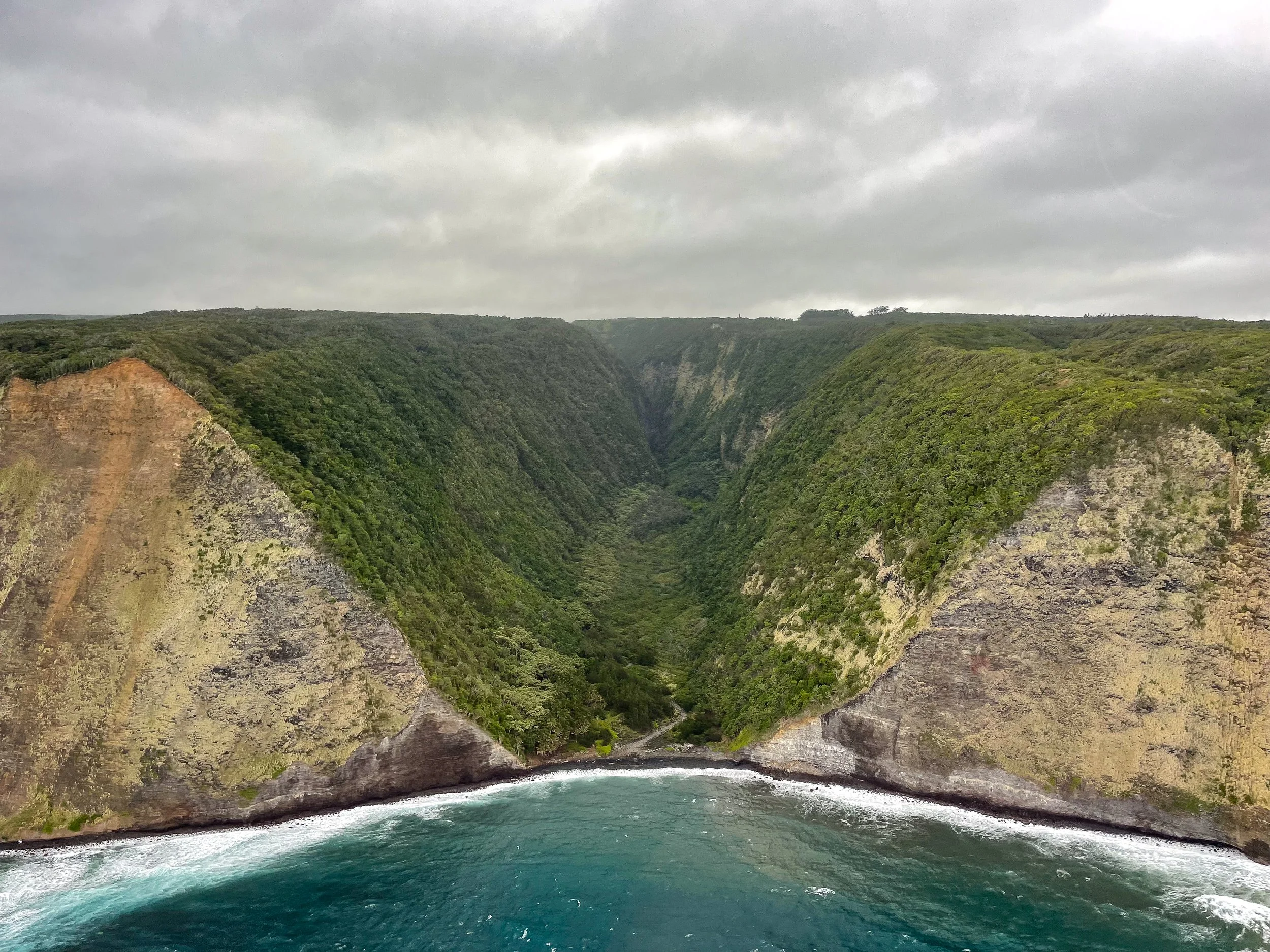
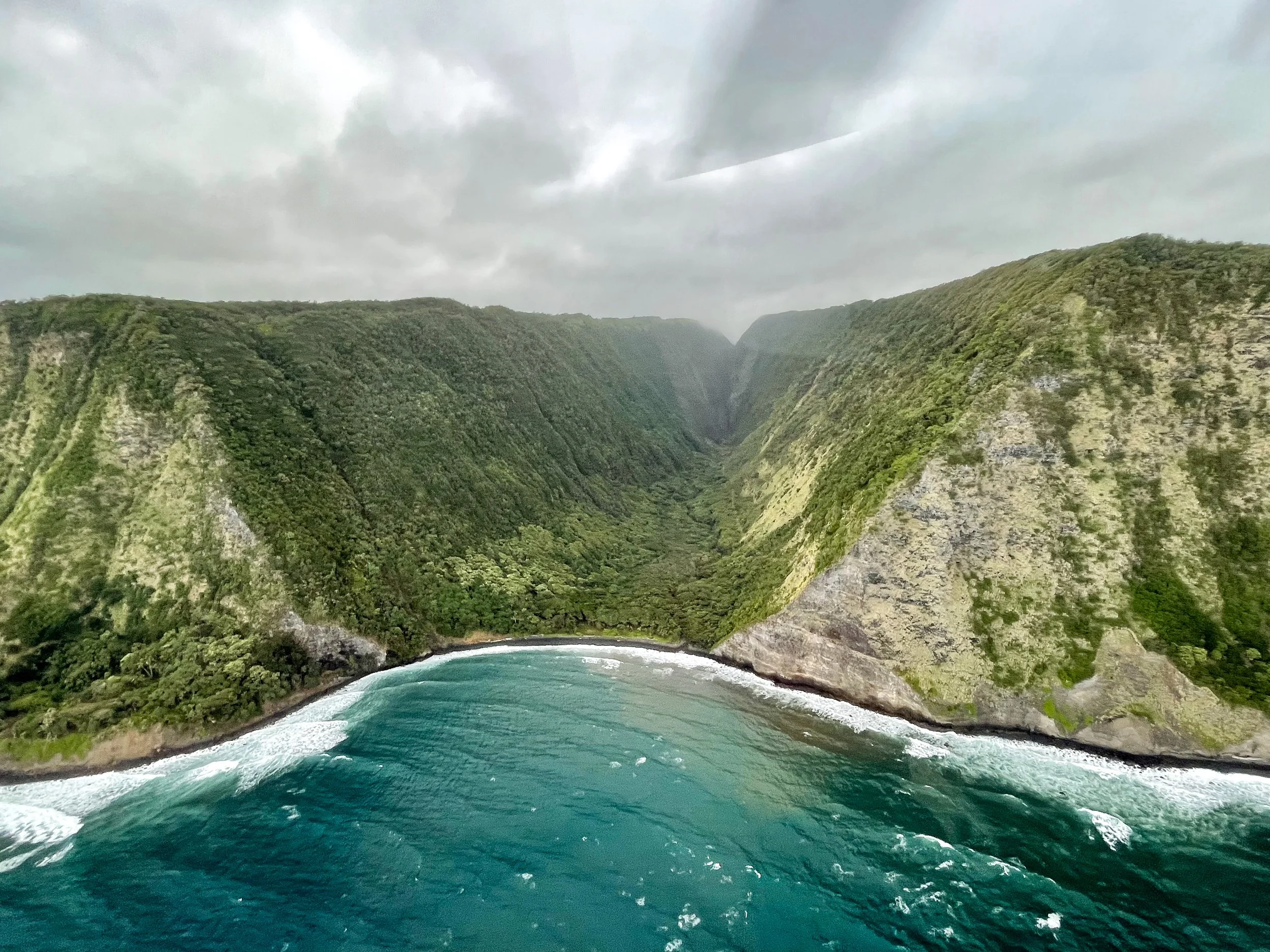
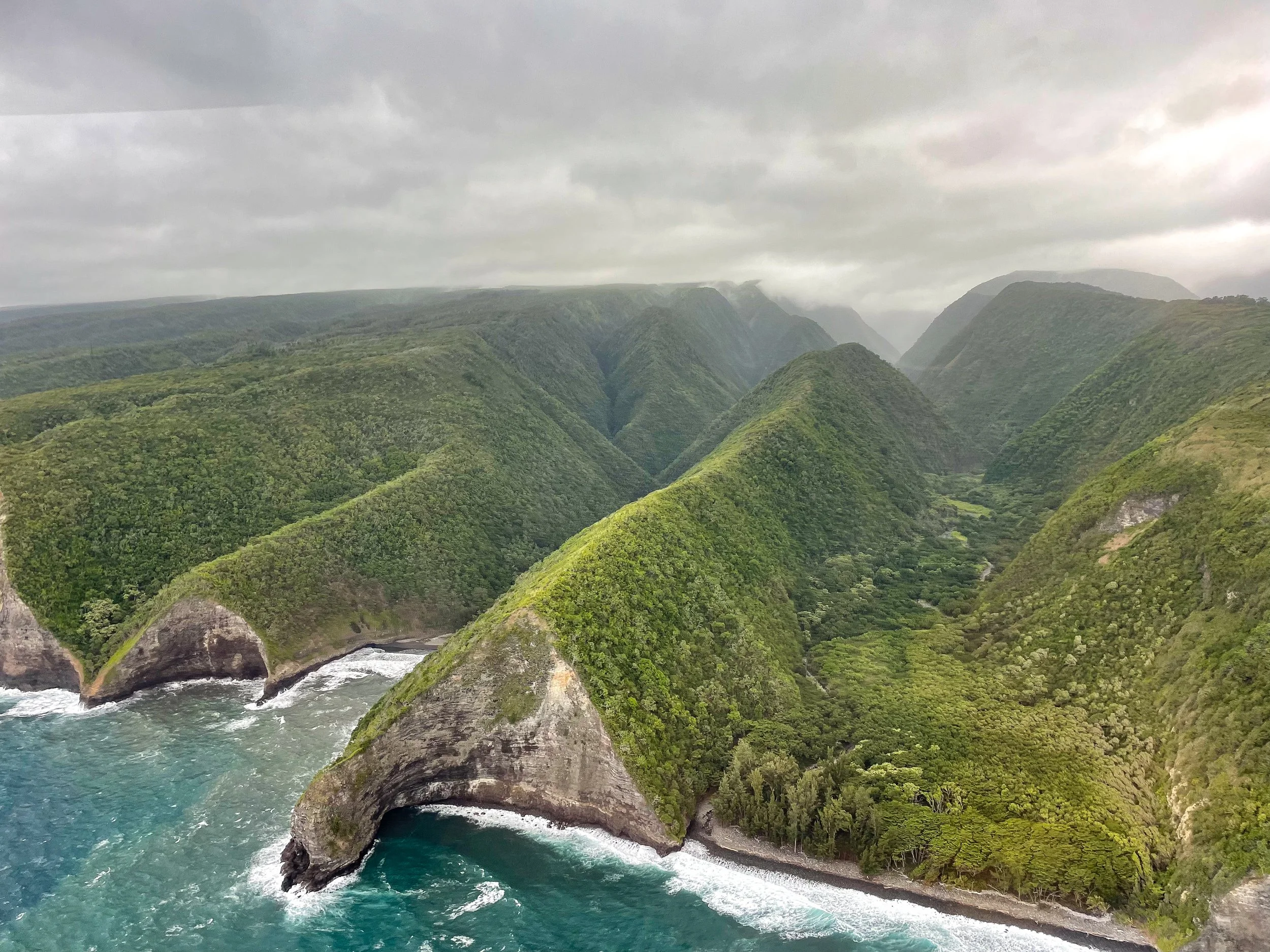
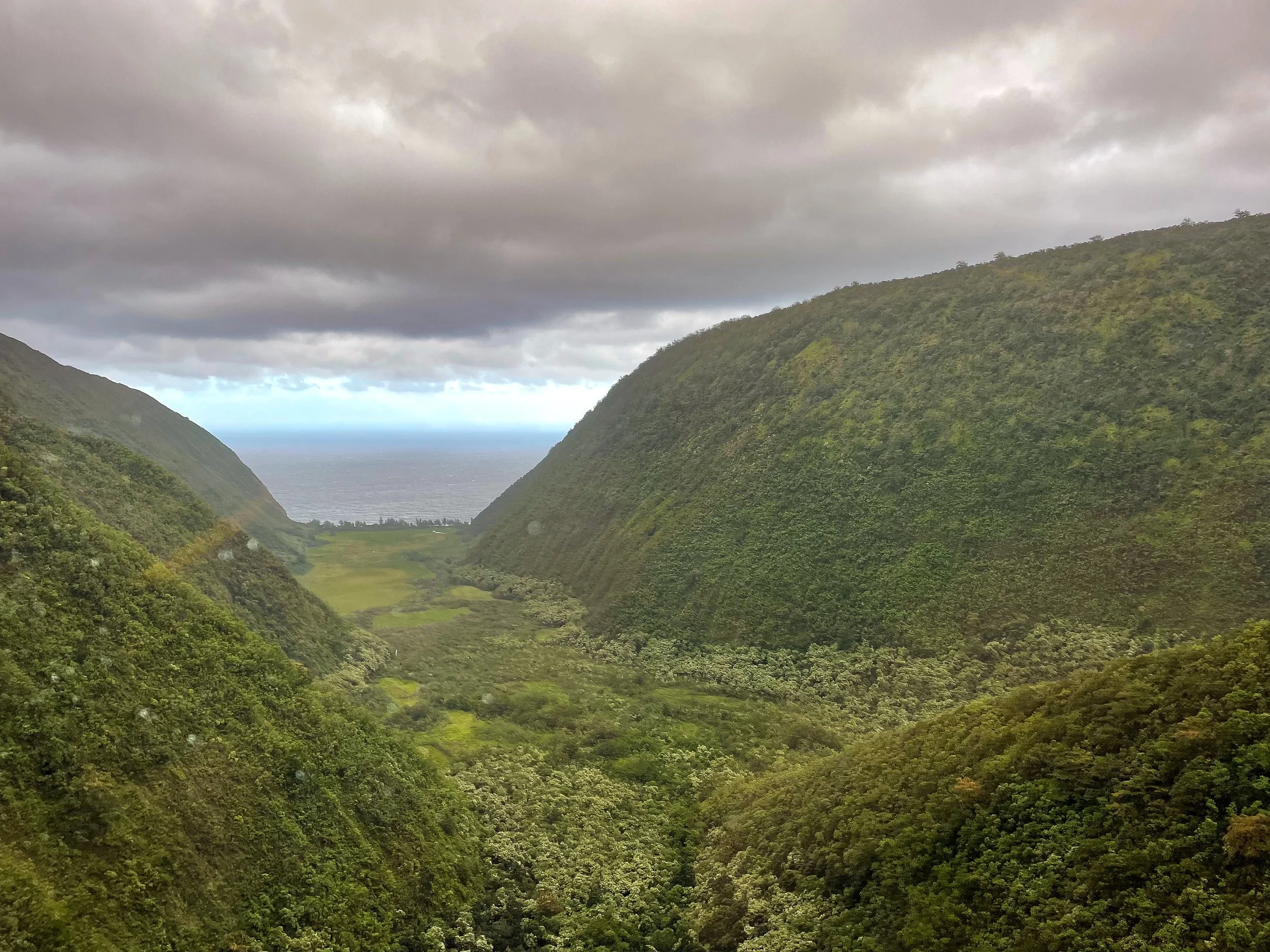
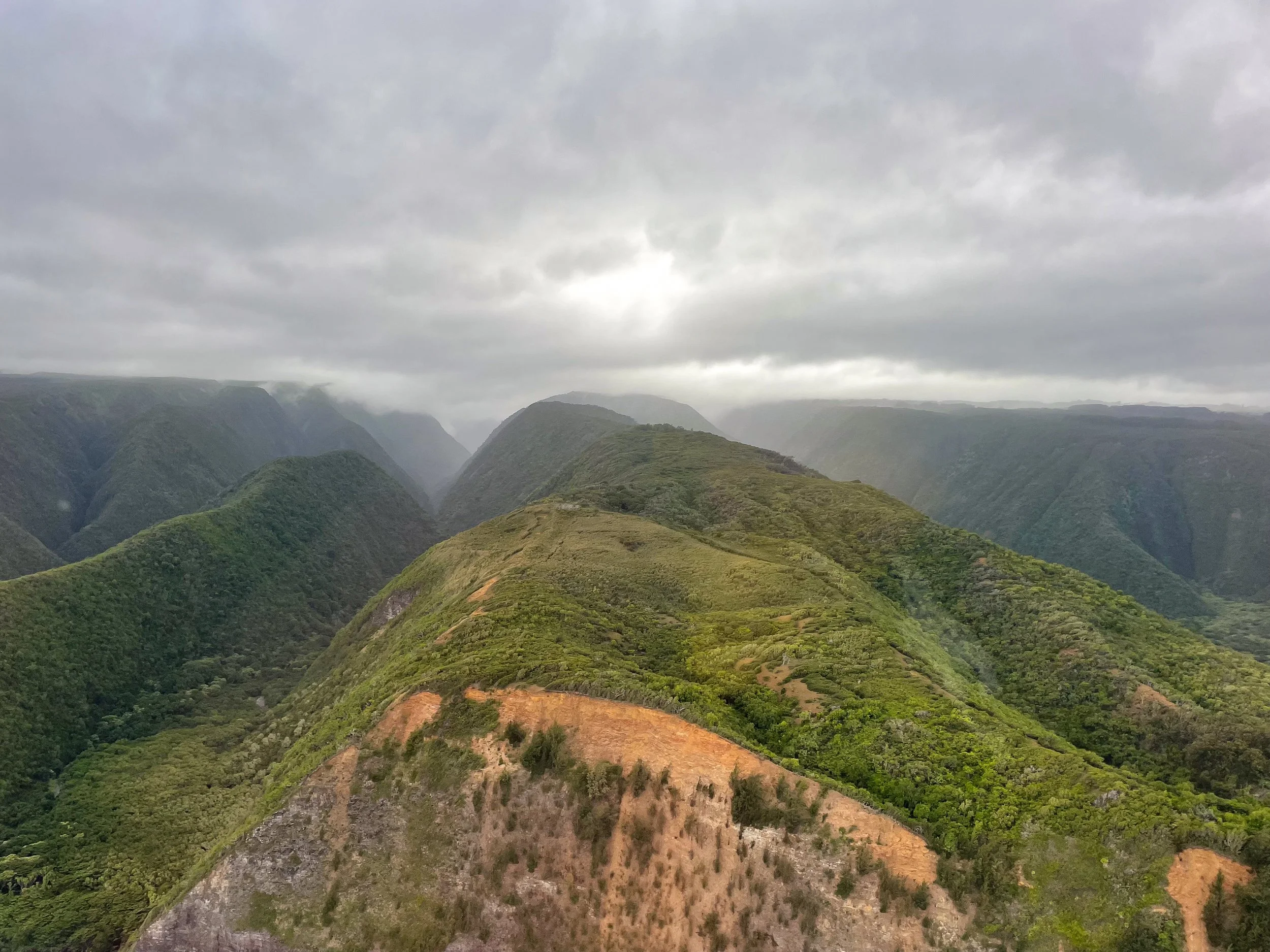
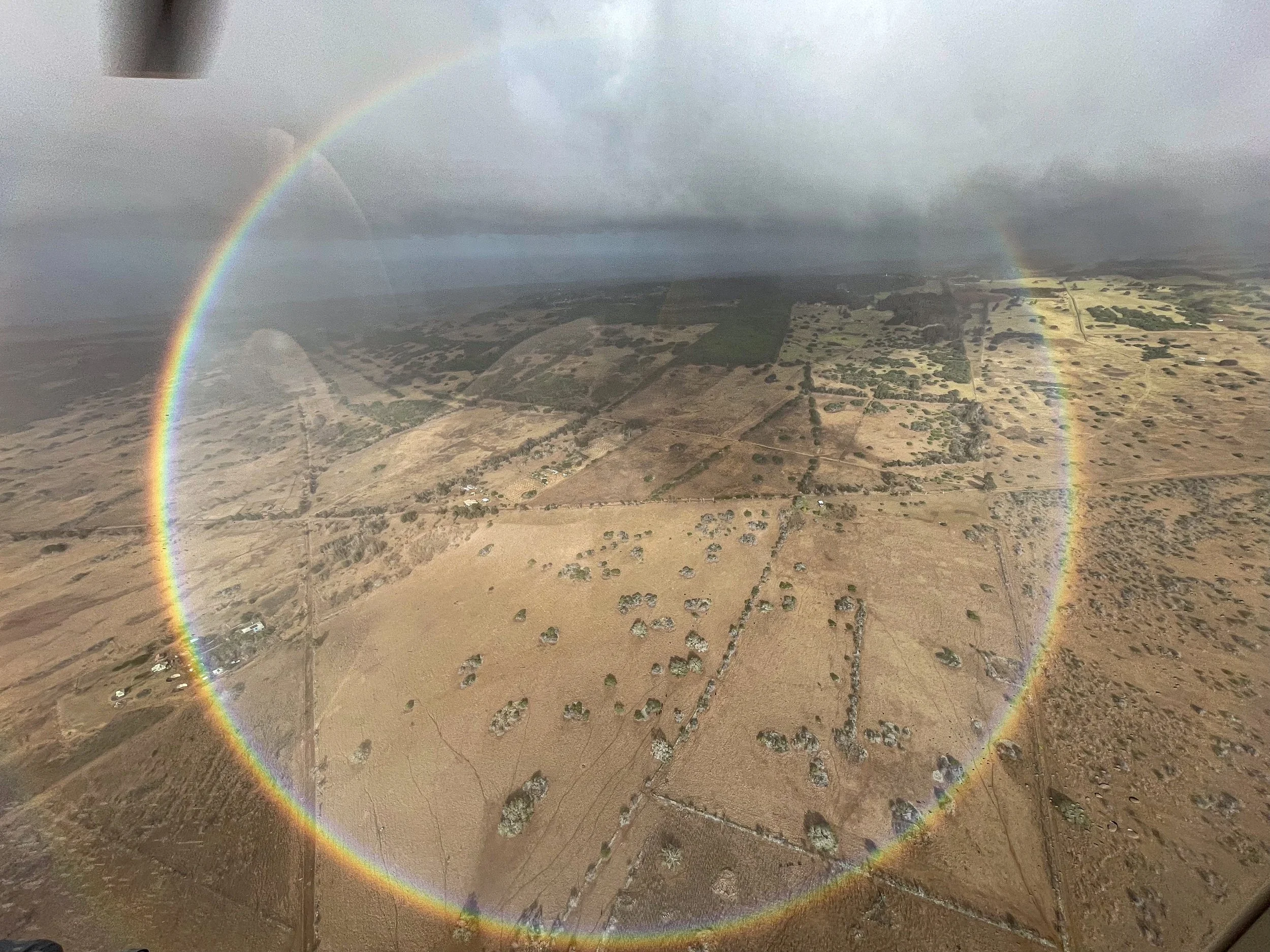
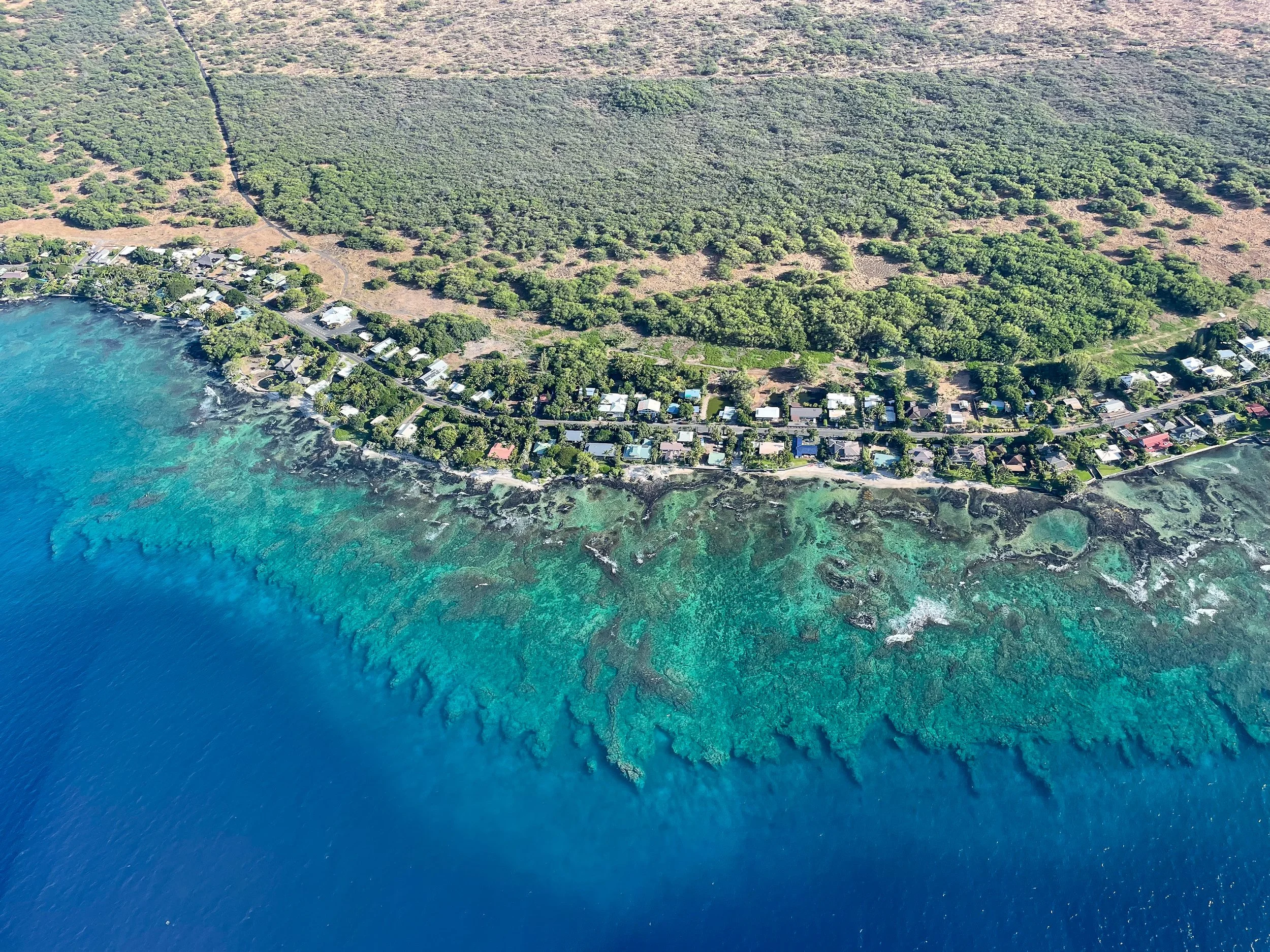
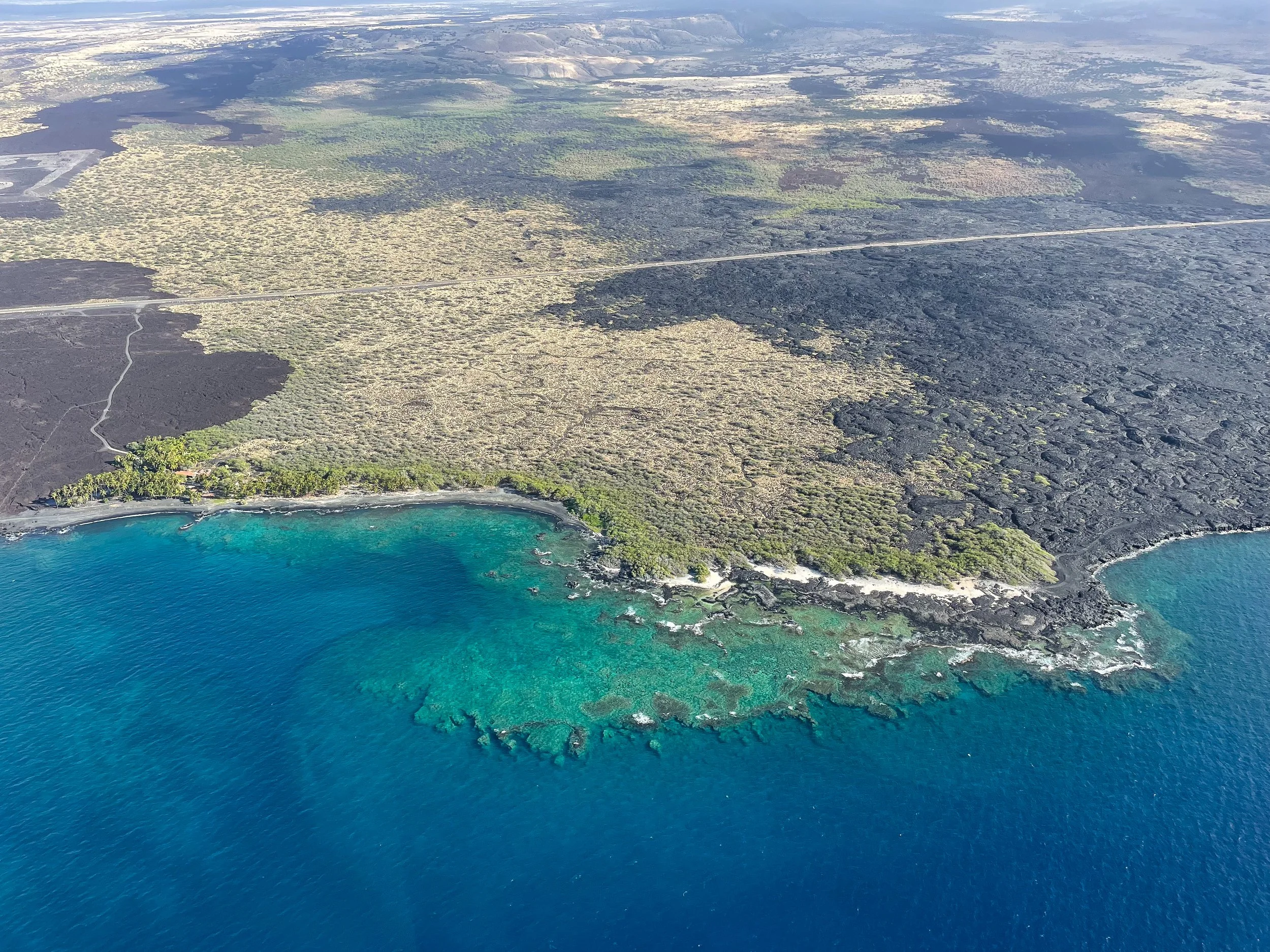
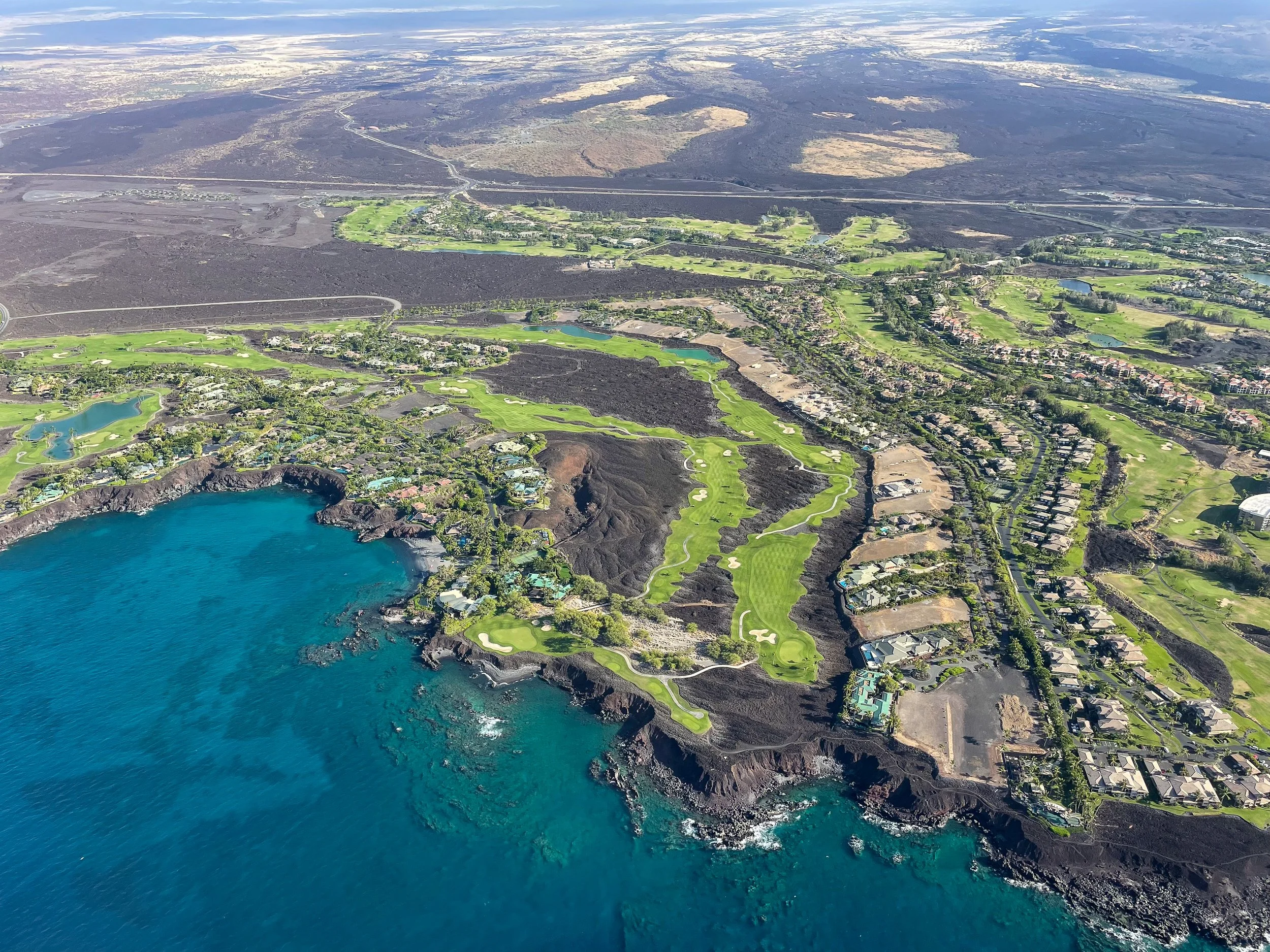
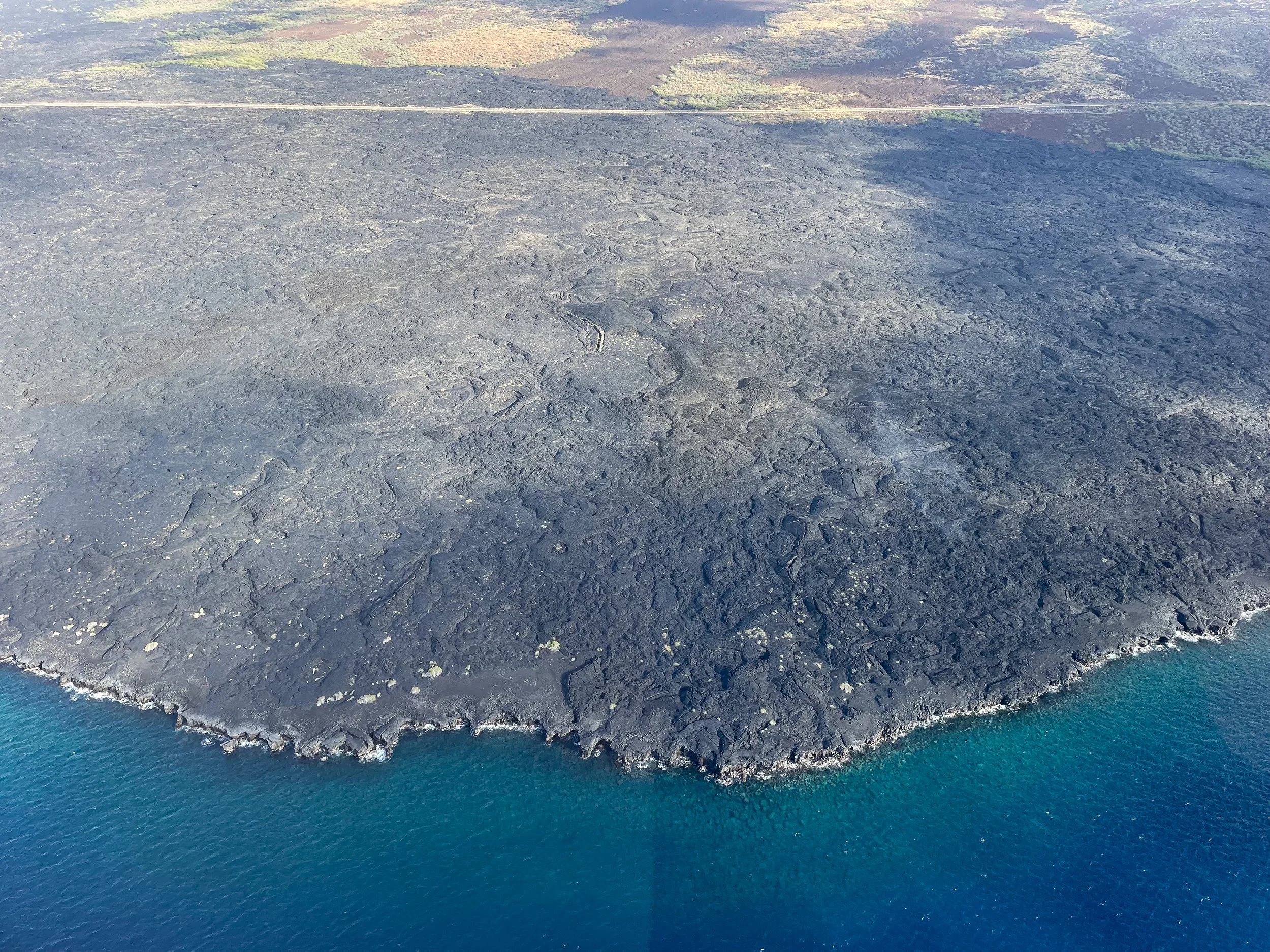
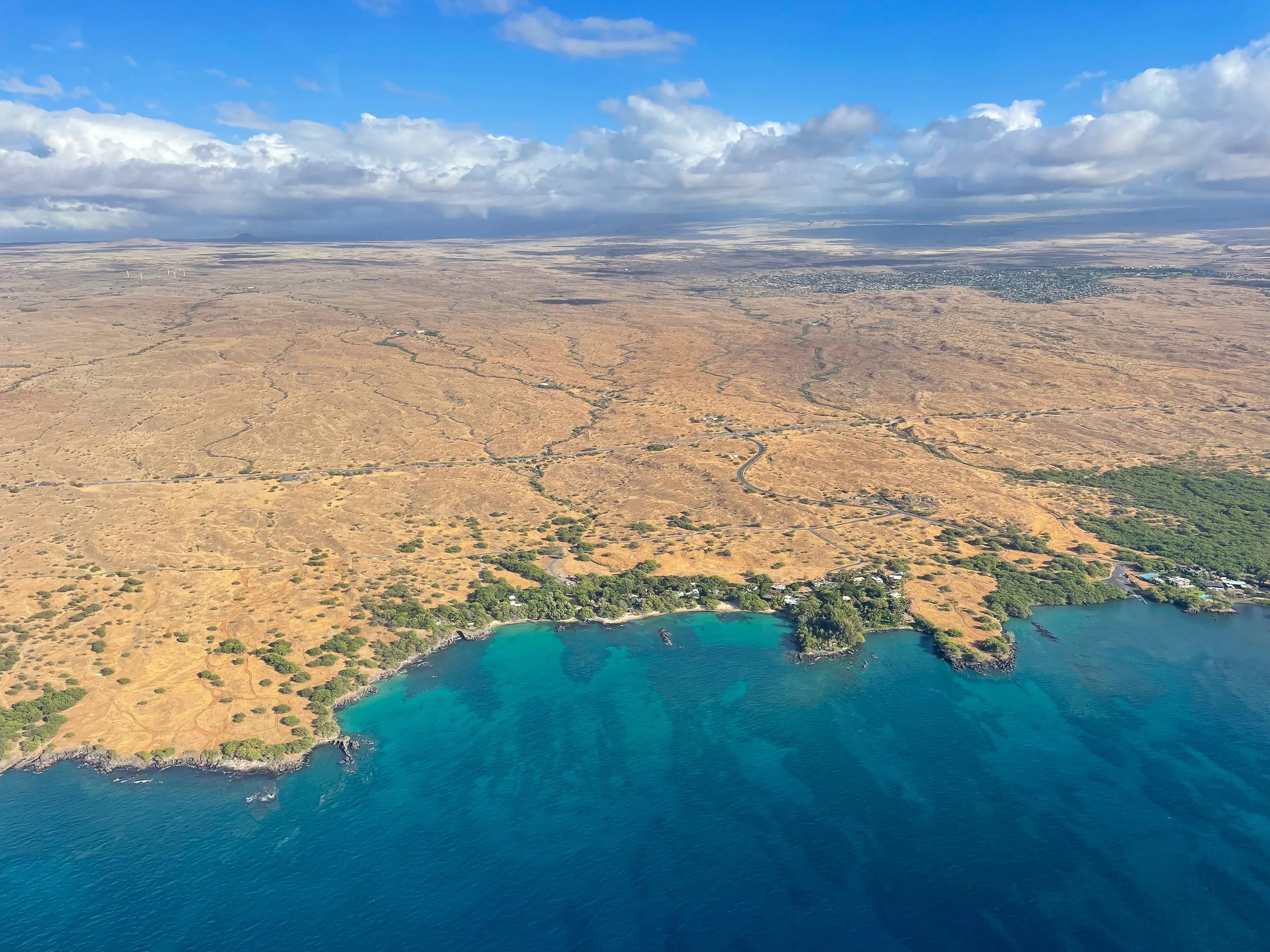
Helicopter Tour. We toured the most remote stretches of Kohala region by helicopter. Starting in Kona, we flew north over hardened lava flows, cinder cones, volcanic craters, collapsed lava tubes and gulches. From above, turquoise bays, green golf courses and seaside communities stood out from the dry arid landscape and cattle ranches.
As we flew further north, the landscape and climate transitioned. It became cloudy, rainy and lush. We even saw a full circle rainbow! We flew into picturesque valleys covered in dense greenery, with trickling waterfalls and black sand beaches. The North Shore coastline is characterized by sheer cliffs, rocky outcrops, crashing waves and white caps. Helicopter tours range from regional flights to full island tours. We booked with Paradise Helicopters.
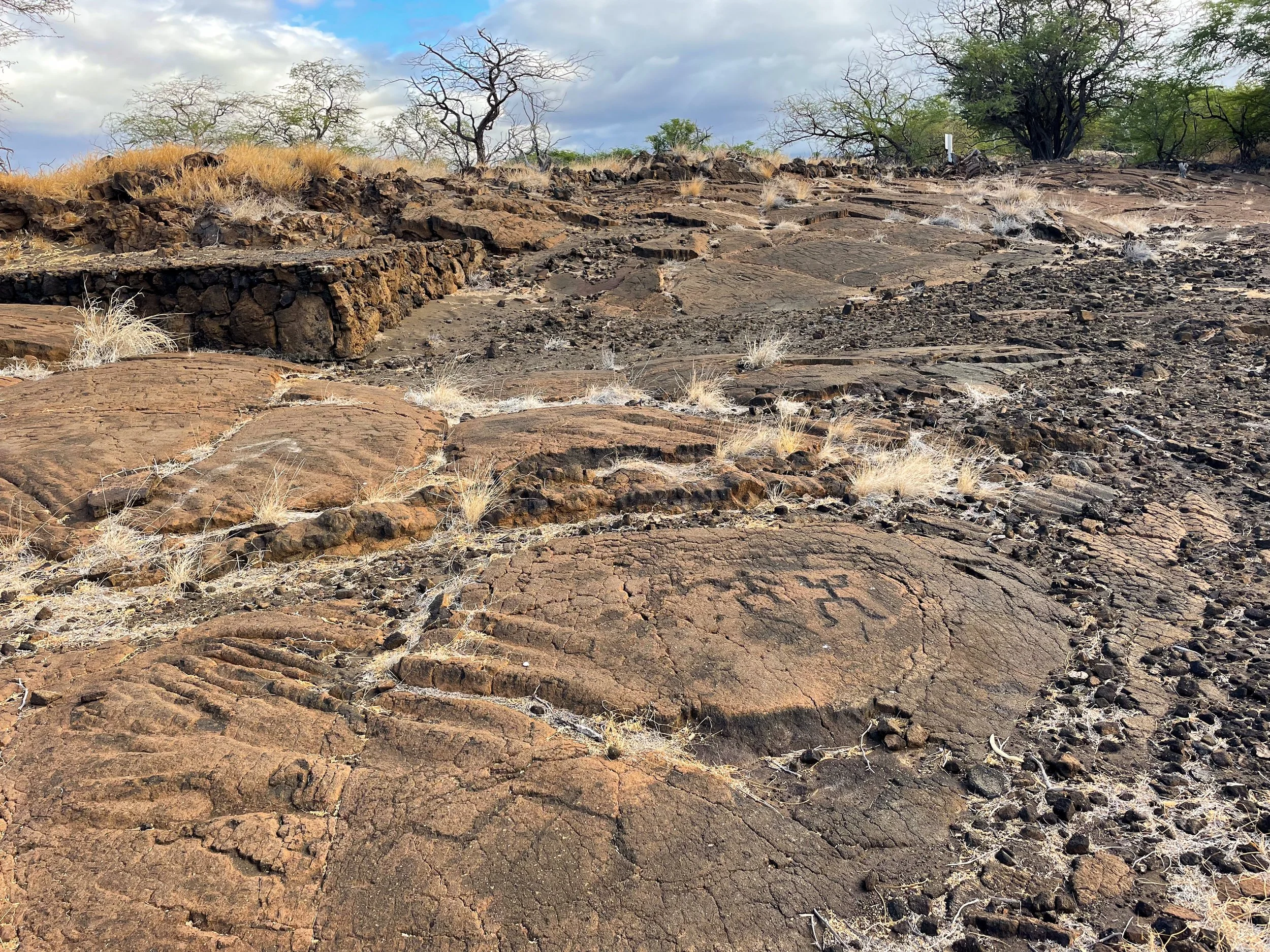
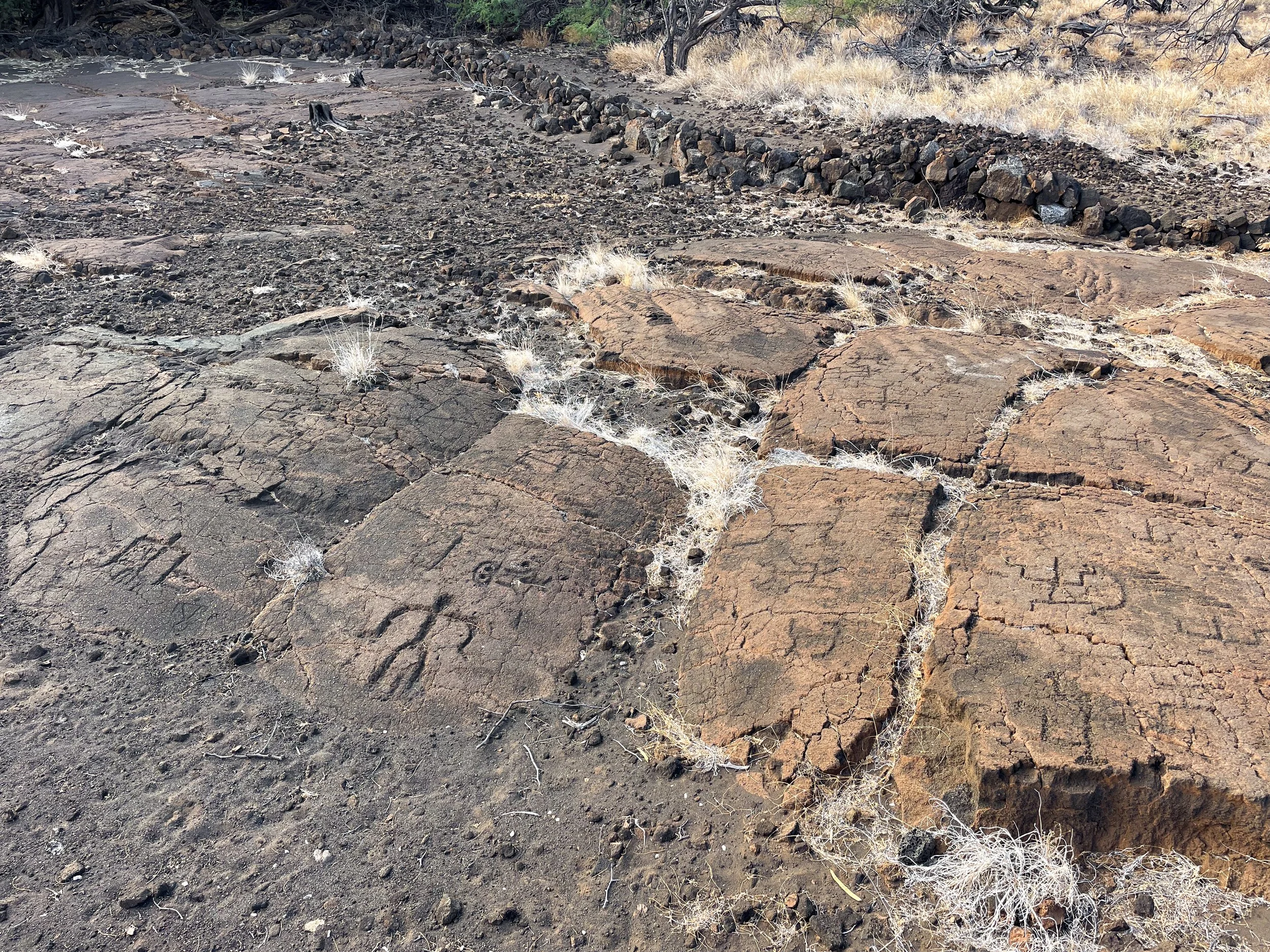
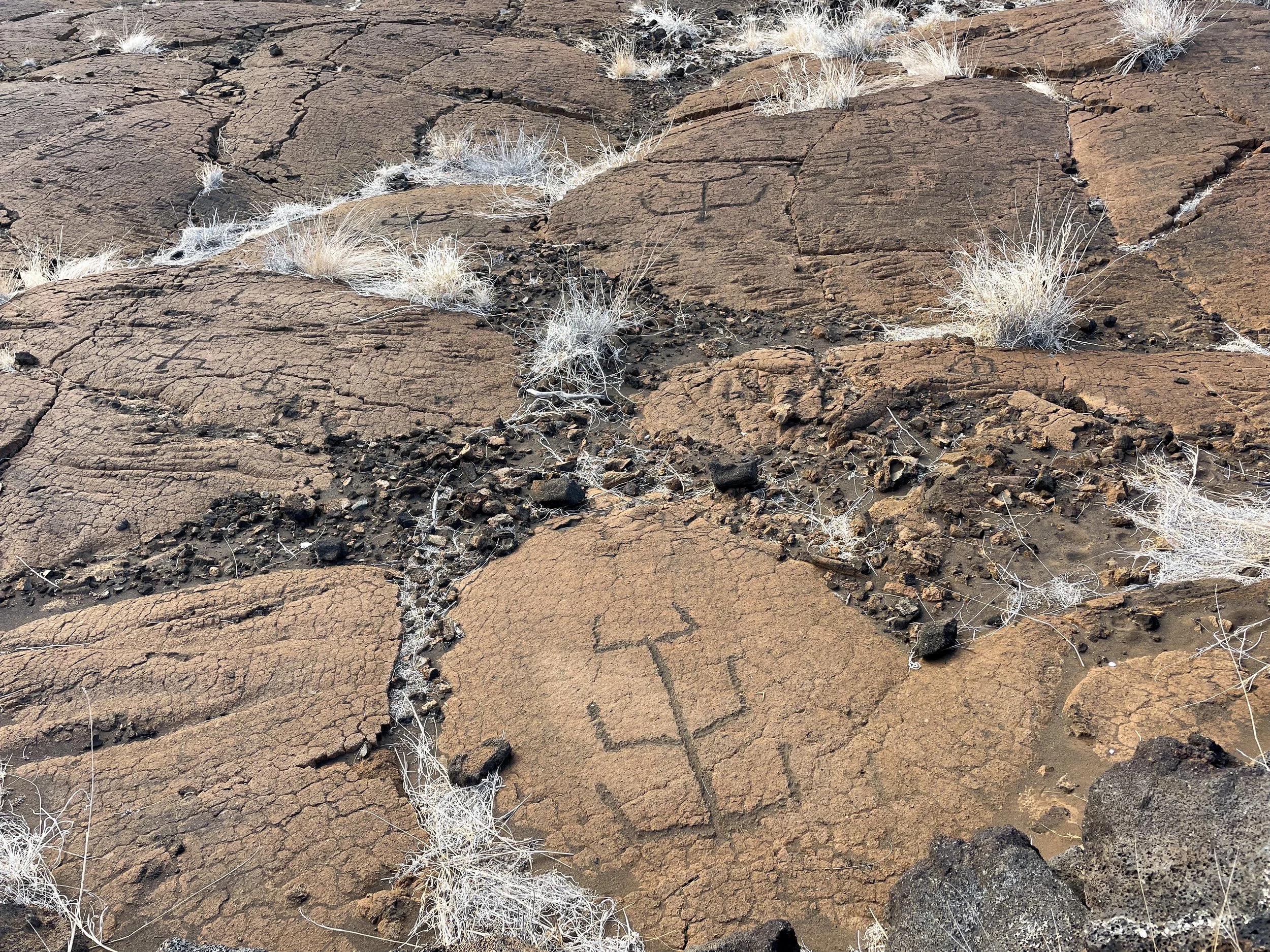
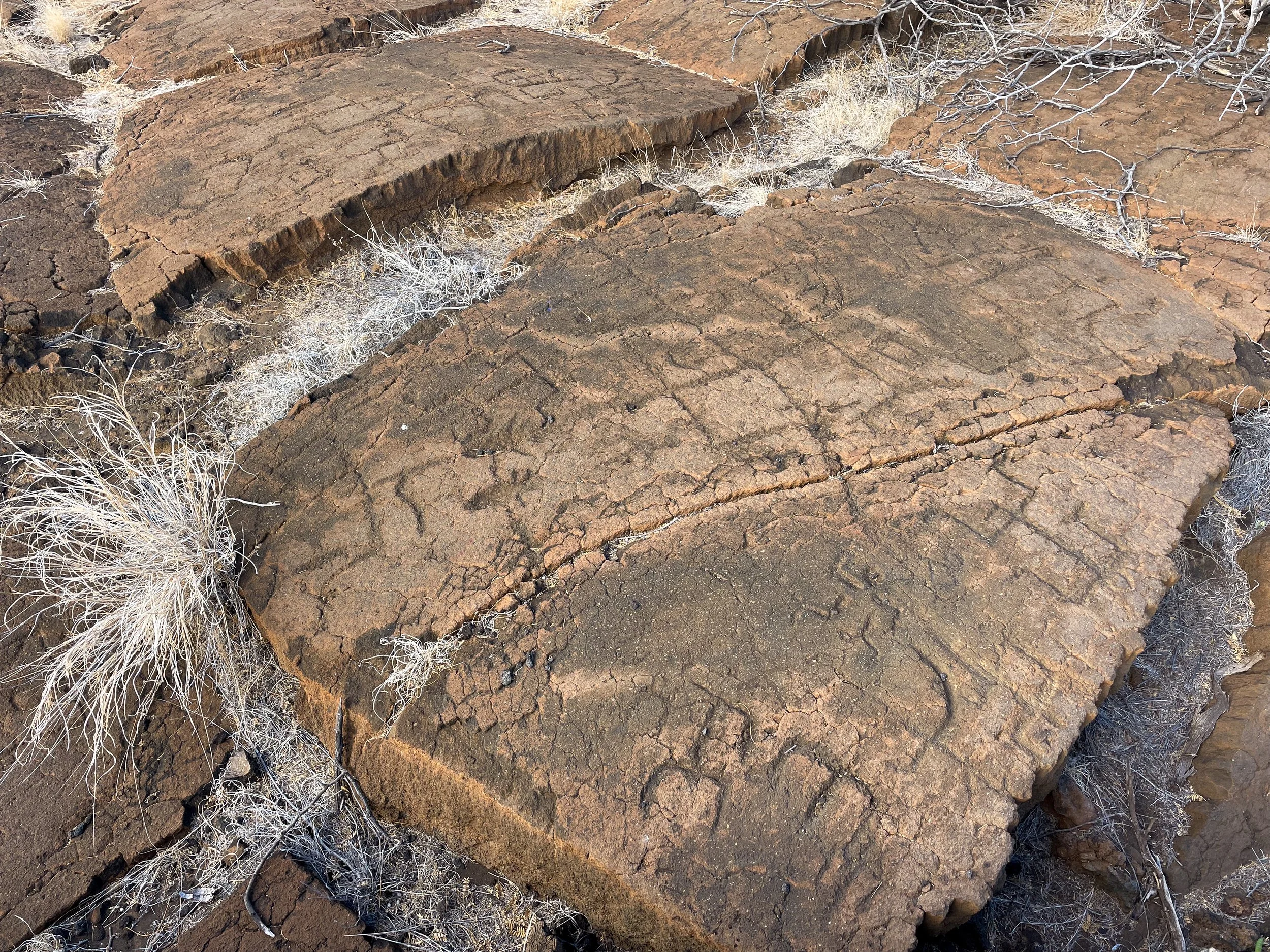
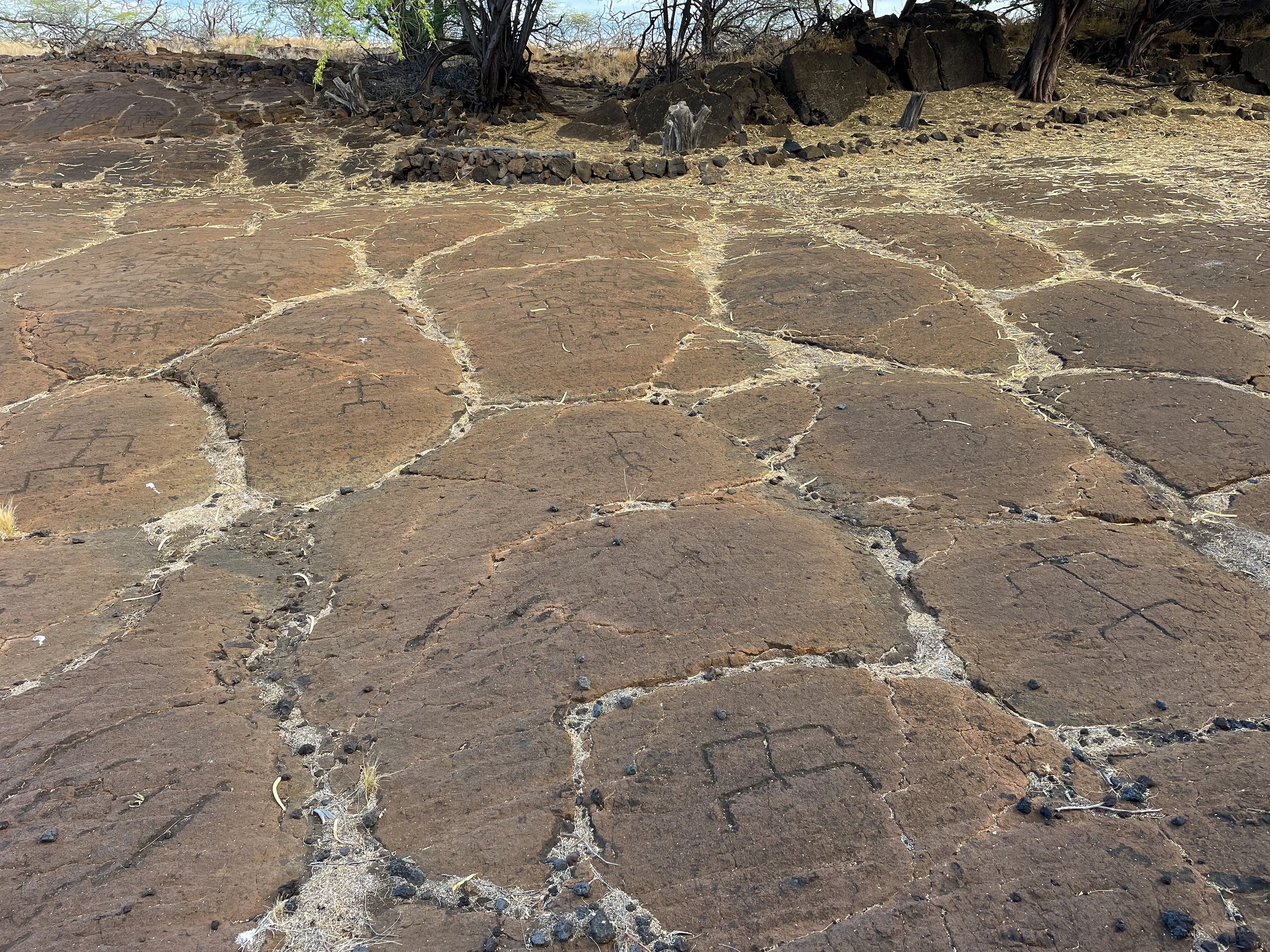
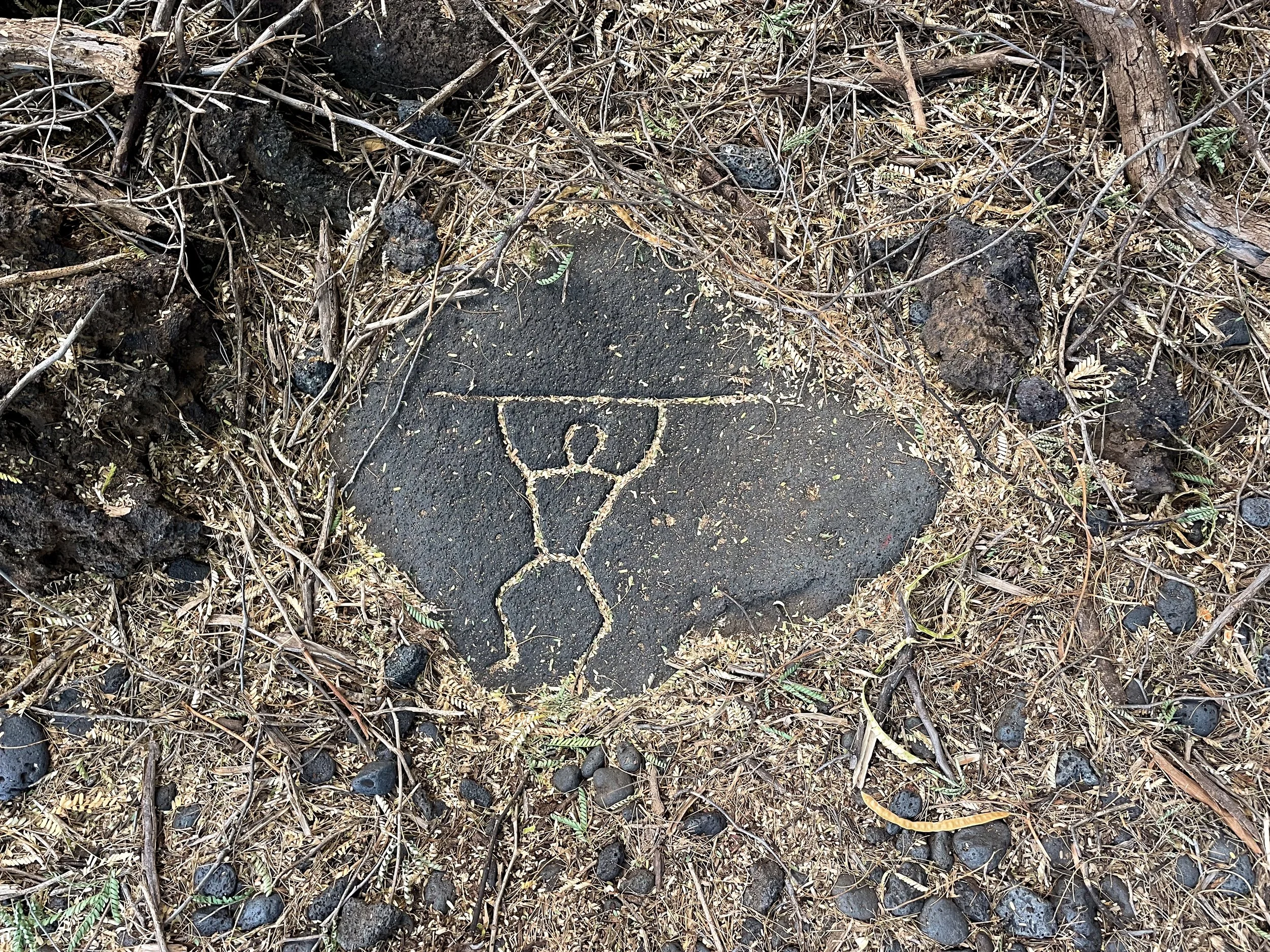
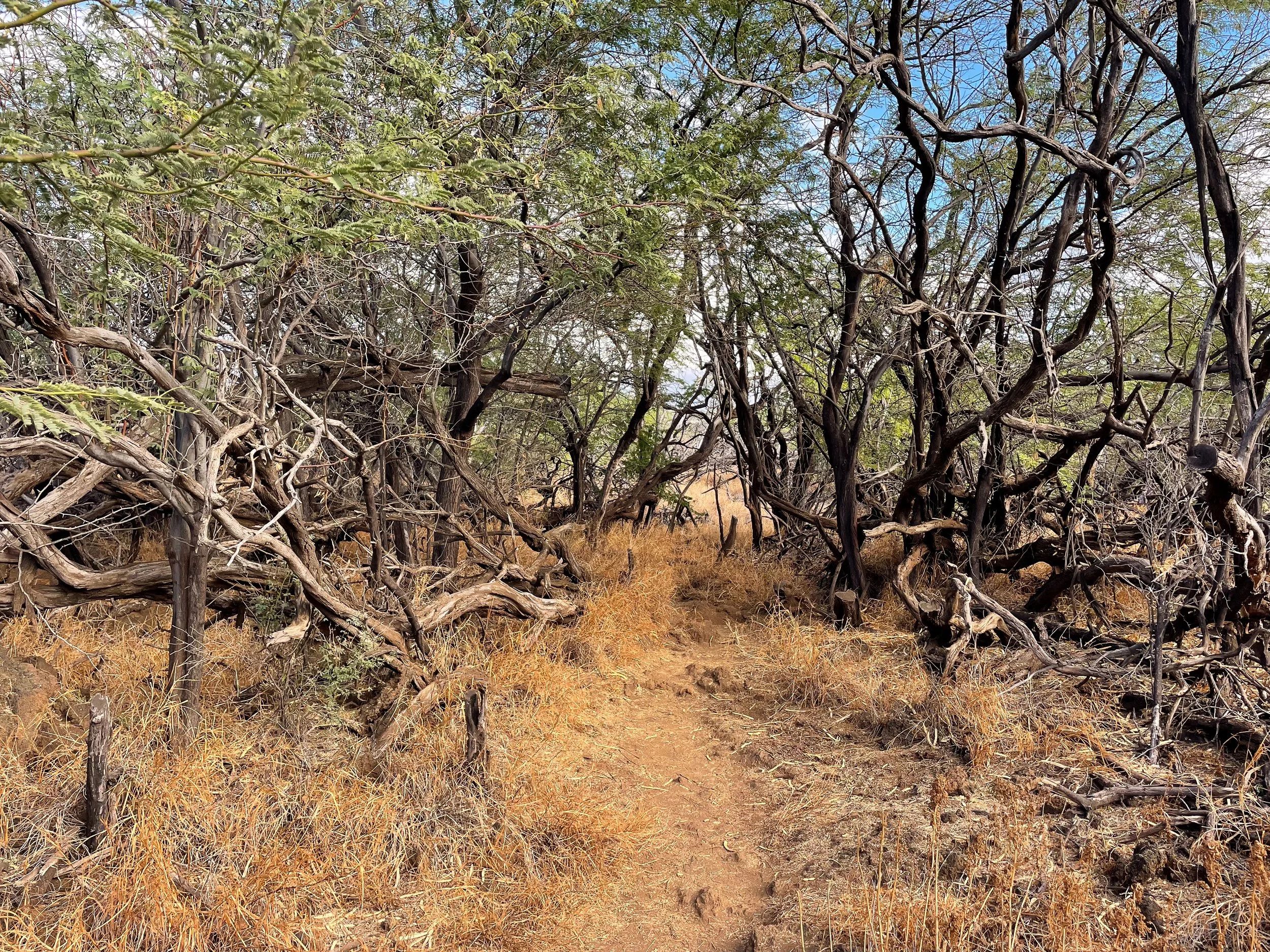
Pauko Petroglyph Park. An archeological park with over 3,000 petroglyphs carved into lava rock dating back 800 years. From the parking lot, a rocky trail leads through overgrown bush past various petroglyphs, a small cave and ends at a loop around a large lava flow covered in two dimensional human figures. The carved figures range in size, groupings and poses.
Kaunaʻoa (Mauna Kea) Beach. A crescent shaped beach with pale white sand and calm aquamarine water at the Mauna Kea Resort. We spent a half day here sunbathing, swimming and snorkeling. The reef is located near the rocks along the south end of the beach. Sadly the coral isn’t very healthy. We later enjoyed a few cocktails at the beach bar at the resort on the north end of the beach. The resort rents umbrellas, lounges, kayaks, stand up paddles and surf boards. Parking is free but limited to 40 cars per day. Arrive before 8am to get a spot.
Seafood Bar and Grill. A tiki style bar and restaurant with Hawaiian seafood dishes and a tropical cocktail menu. Try the furikake calamari, the pineapple mac-nut slaw, grilled fish sandwich and mai tai.
Big Island Farmers Markets
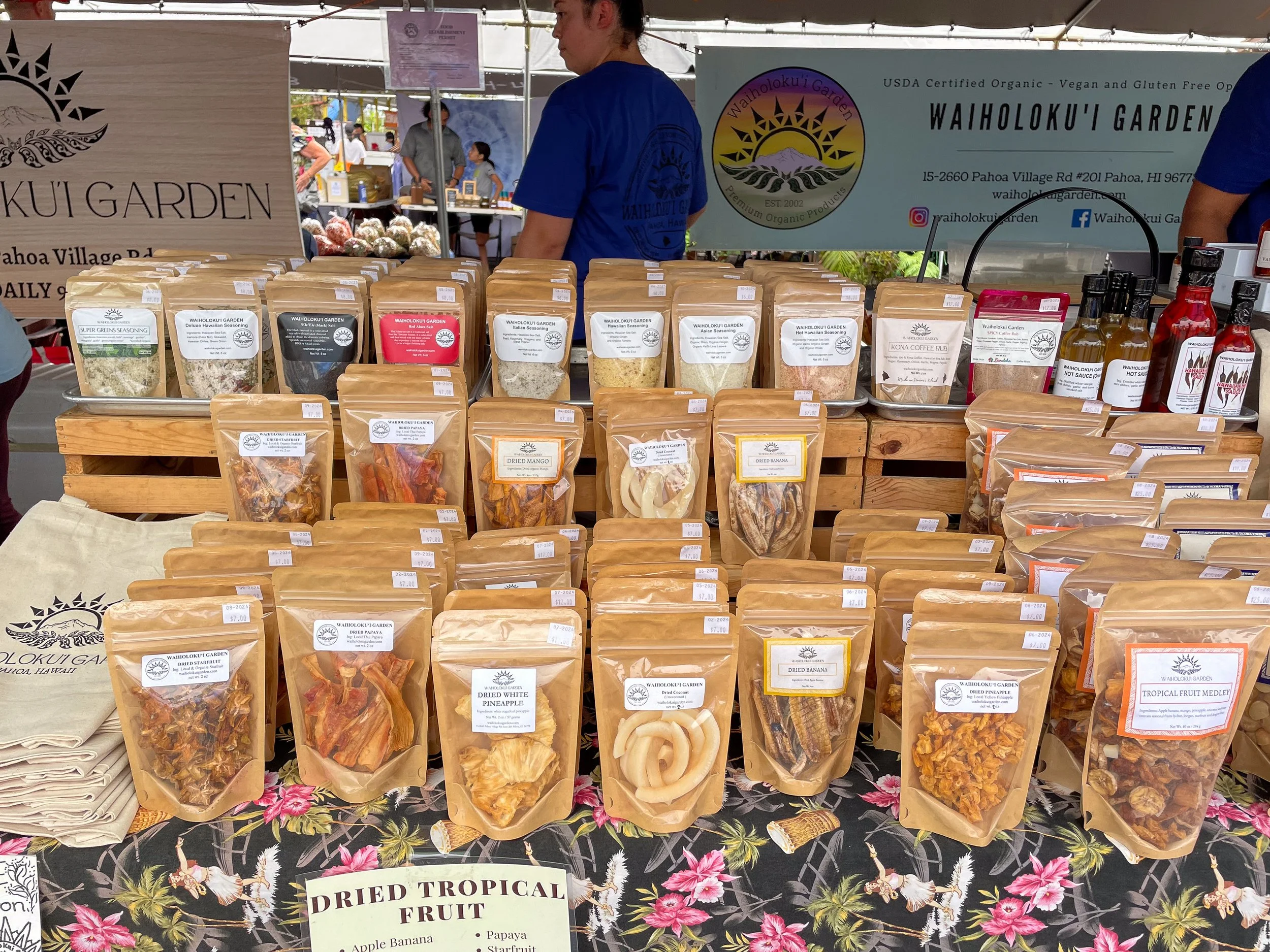
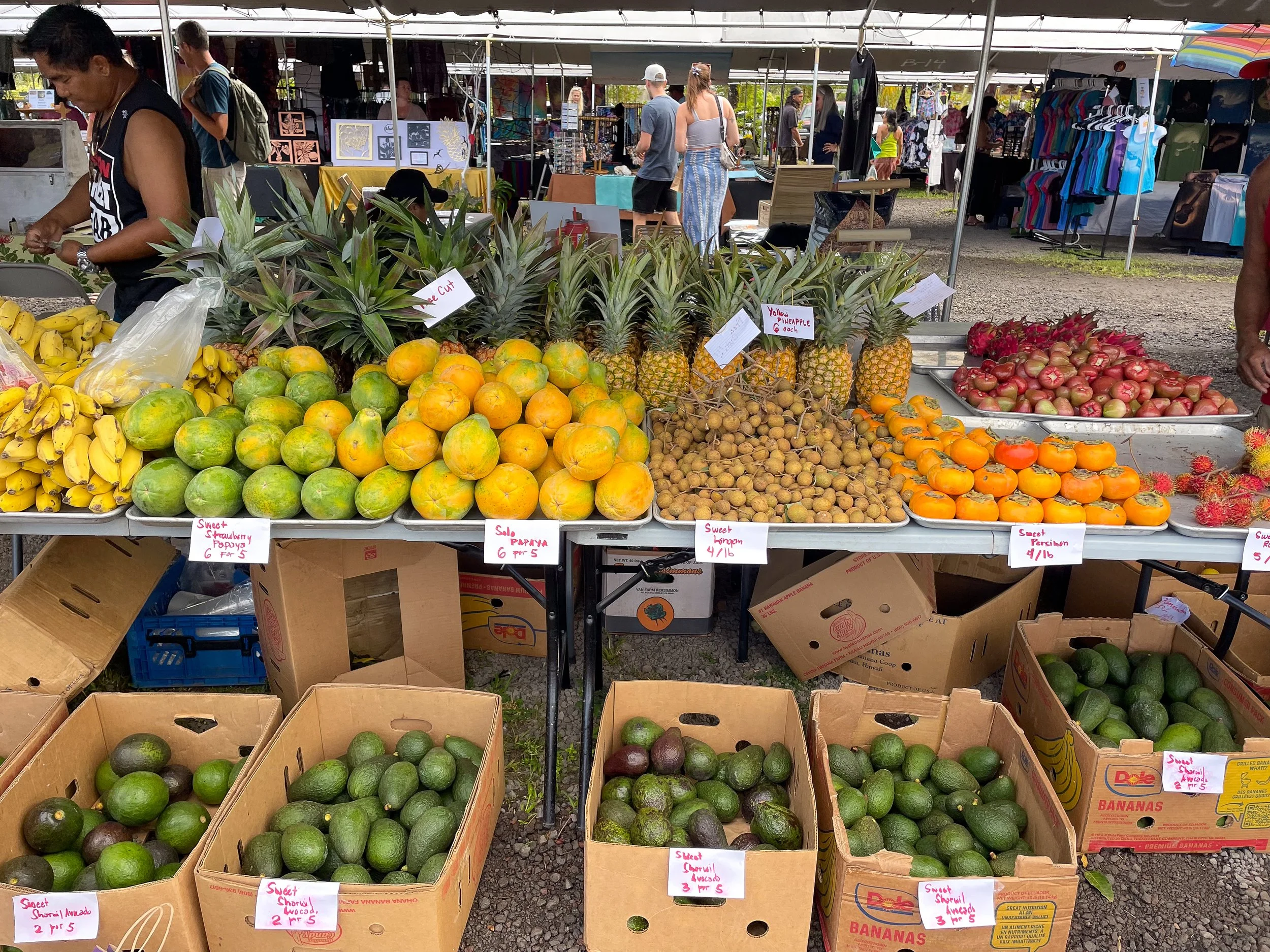
The Big Island is home to dozens of farmers markets held throughout the week. All of which have vendors selling a range of local produce, homemade goods, products and tasty meals.
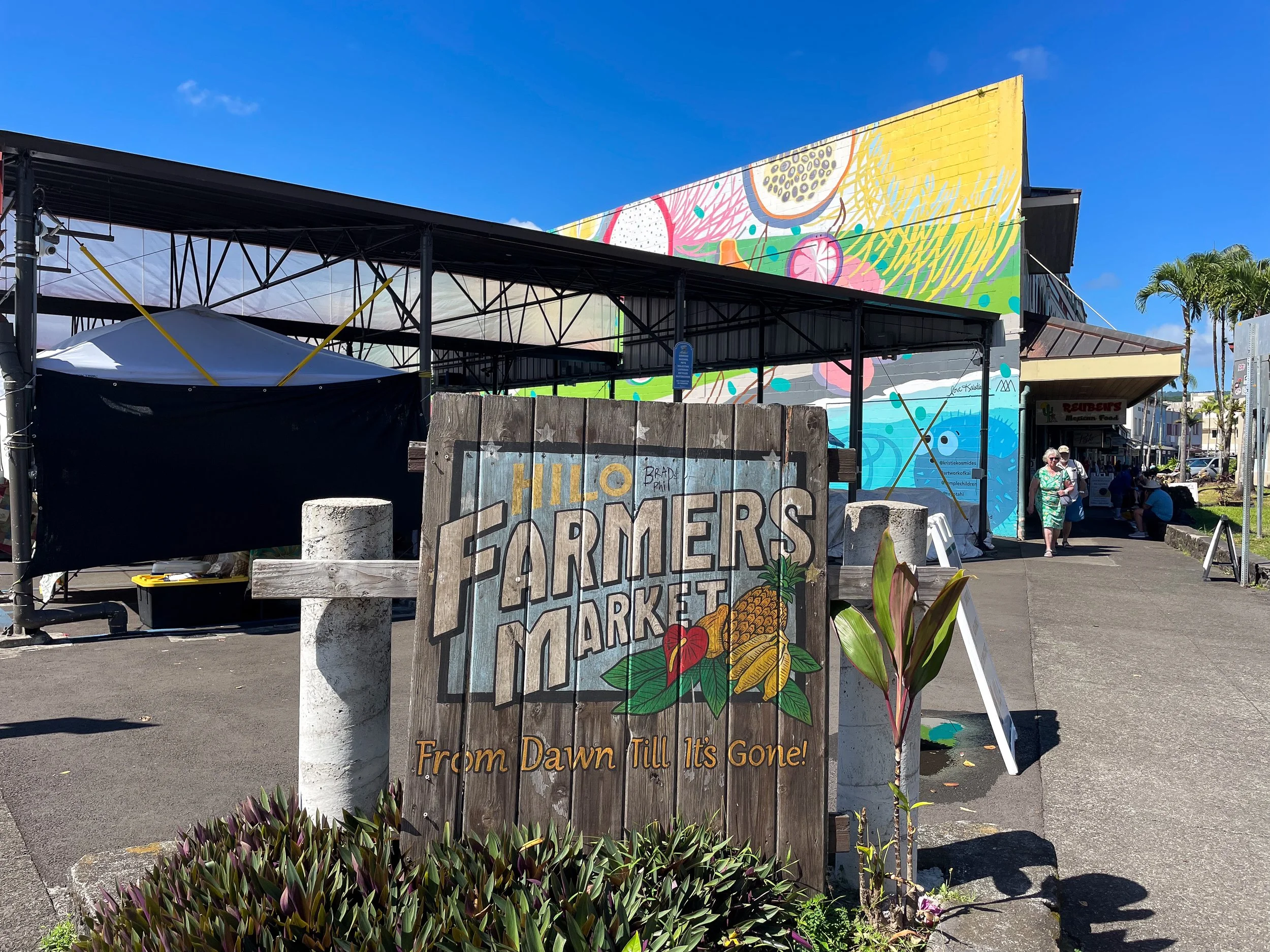
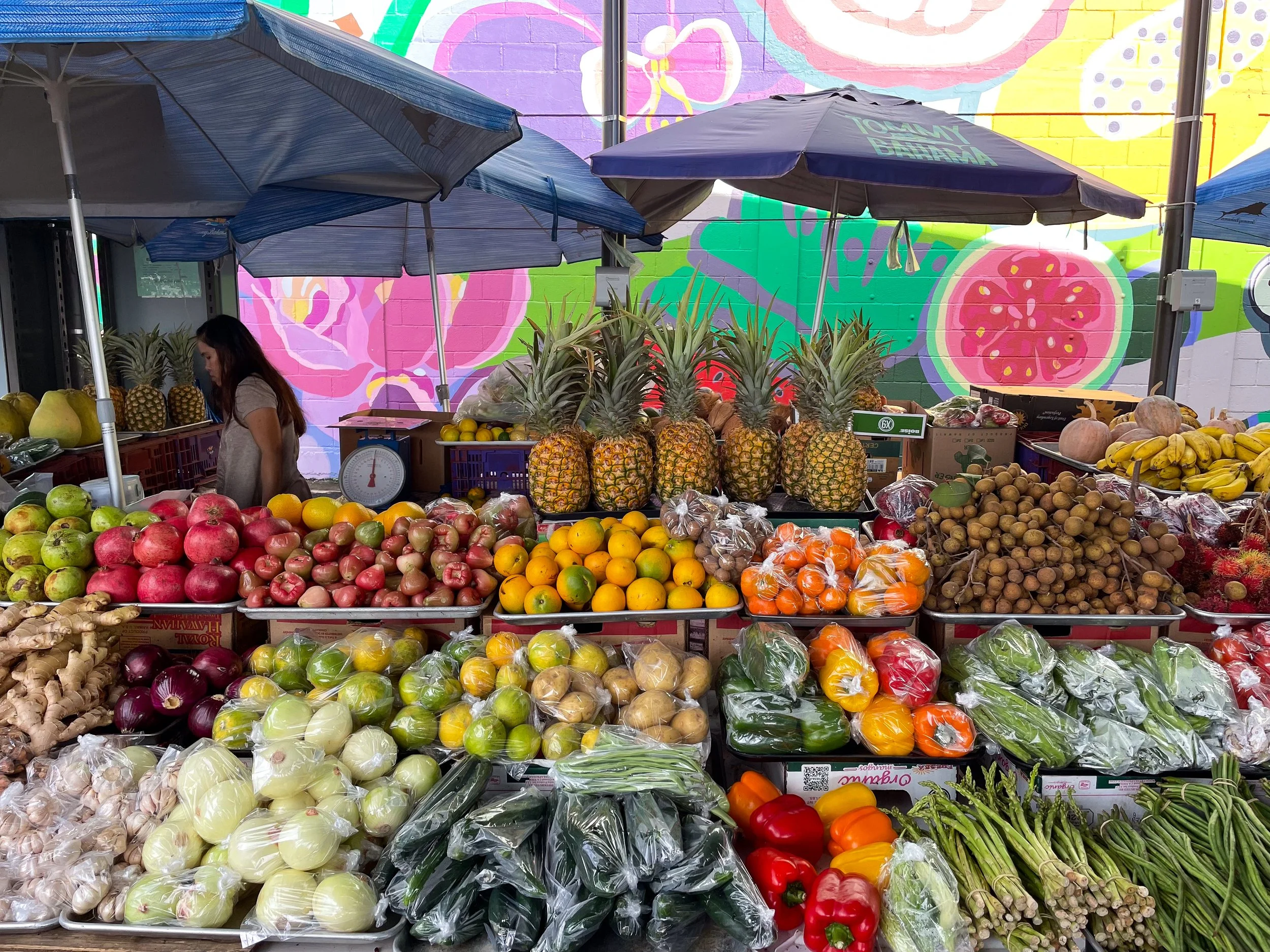
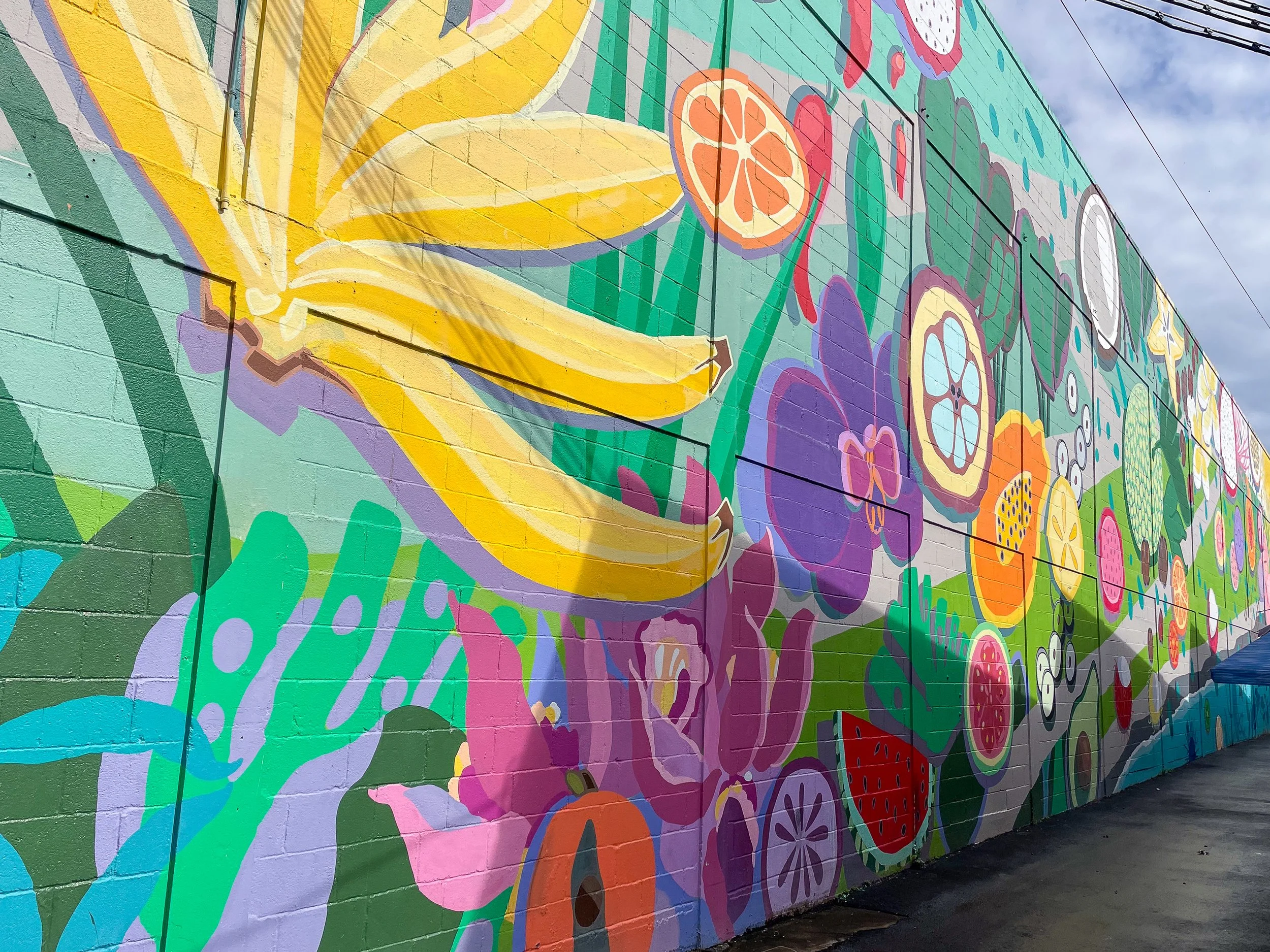
Hilo Farmers Market. A daily farmers market with sheds of vendors selling tropical fruits, vegetables, mushrooms, flowers, plants, clothing, jewelry and souvenirs. There are two cafés with coffee, shaved ice, smoothies, açaí fruit bowls and poke. The market is located in downtown Hilo.
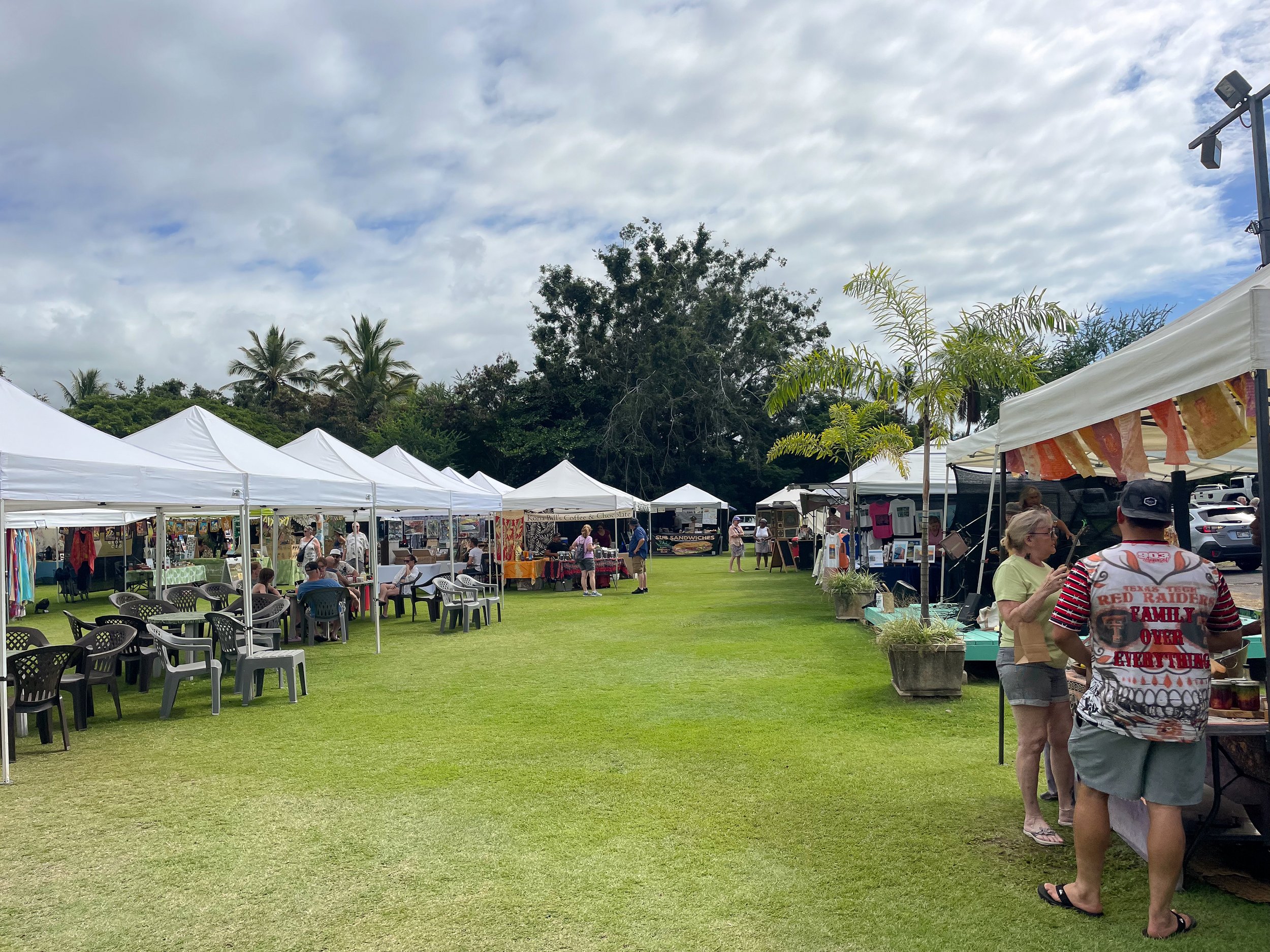
Maku'u Farmers Market. A Sunday morning farmers market with up to 150 tents and vendors selling locally grown produce and goods like preserves, cheese, honey, vanilla, coffee, macadamia nuts, fresh caught fish, coconut milk and juices. Cooks sell sweet and savory baked goods, fried snacks and full meals, poke and shaved ice. Located between Pāhoa and Hilo.
Ho'oulu Farmers Market. A craft and farmers market with vendors selling locally grown produce and items made from local materials like soaps, candles, jewelry, artwork and souvenirs. It’s located south of Kona outside of the Outrigger Kona Resort. The market operates on Wednesday and Friday between 9am - 2pm.
Hawaiian Cuisine
The flavors of the Hawaiian islands are as enticing as the sights. While here, we feasted on pacific seafood, tropical fruits and tiki cocktails.
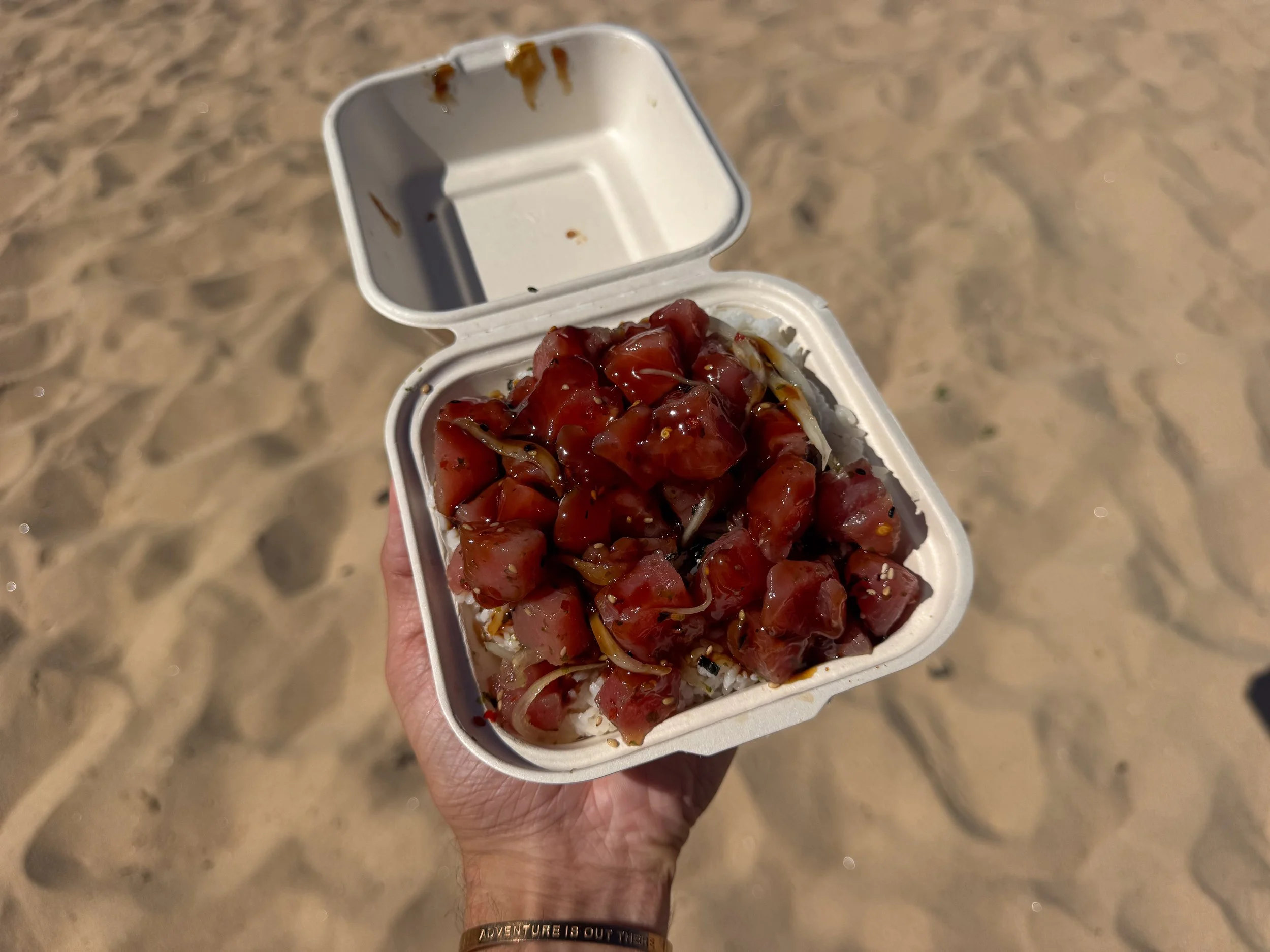
Poke. A seafood dish made with pieces of raw tuna on a bed of rice and covered in a thick umami sauce.
Pupus. A Hawaiian appetizer or small plate. Most restaurants have a menu of them to choose from. Order them solo before a meal or several of them tapas style as the meal.
Ono (Wahoo). A local white fish and a favorite at restaurants across the Big Island. It has a delicious taste, dense texture and flaky meat. It’s commonly served grilled or coconut encrusted.
Ube. Purple sweet potato. It’s often served mashed as a side or in sweet desserts.
Musubi. A rice patty with glazed spam (vegan or traditional) wrapped in seaweed and garnished in Furikake.
Furikake. A widely used seasoning made from seaweed, dried fish flakes, sesame seeds, salt and sugar. It’s garnished on snack mixes and savory dishes.
Banana Bread. Commonly baked with macadamia nuts, sold at farmers markets, bakeries and cafés.
Tropical Fruit. Pineapple, papaya, mango, starfruit, banana, lychee, passion fruit, guava and rambutan are all commonly grown and sold at farmers markets across the island.
Shaved Ice. Seen at food trucks, farmers markets and cafés. This popular treat is served all day long. Try the tropical flavors like coconut, pineapple or guava.
Mai Tais. A tropical cocktail on nearly every drink menu in Hawaii made with rum, lime and orgeat syrup.
Kona Coffee. Coffee made from beans grown specifically within the Kona region.
Places to Stay
We spent over a week on The Big Island, splitting our time equally between Hilo in the east and Kona in the west.
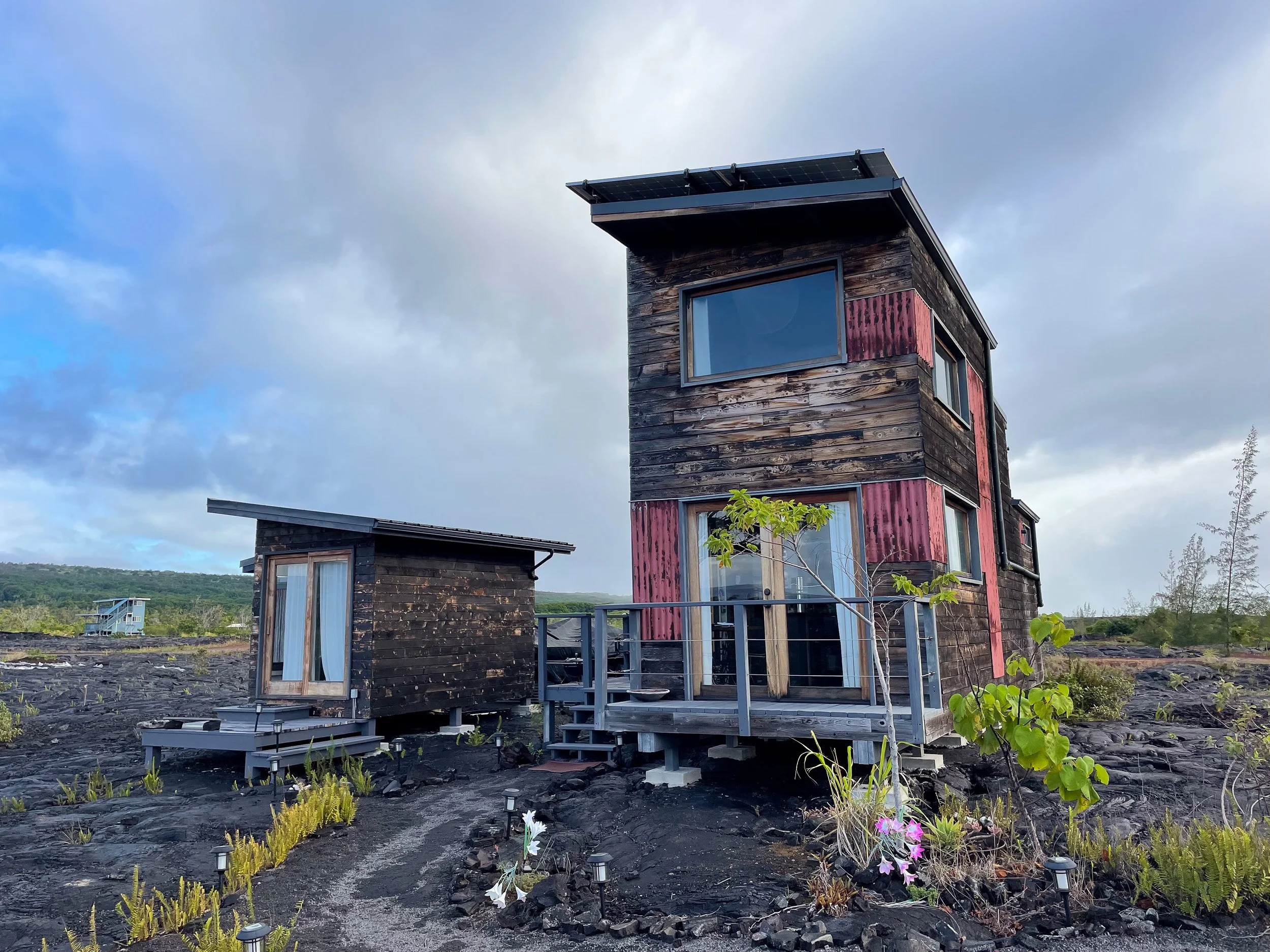
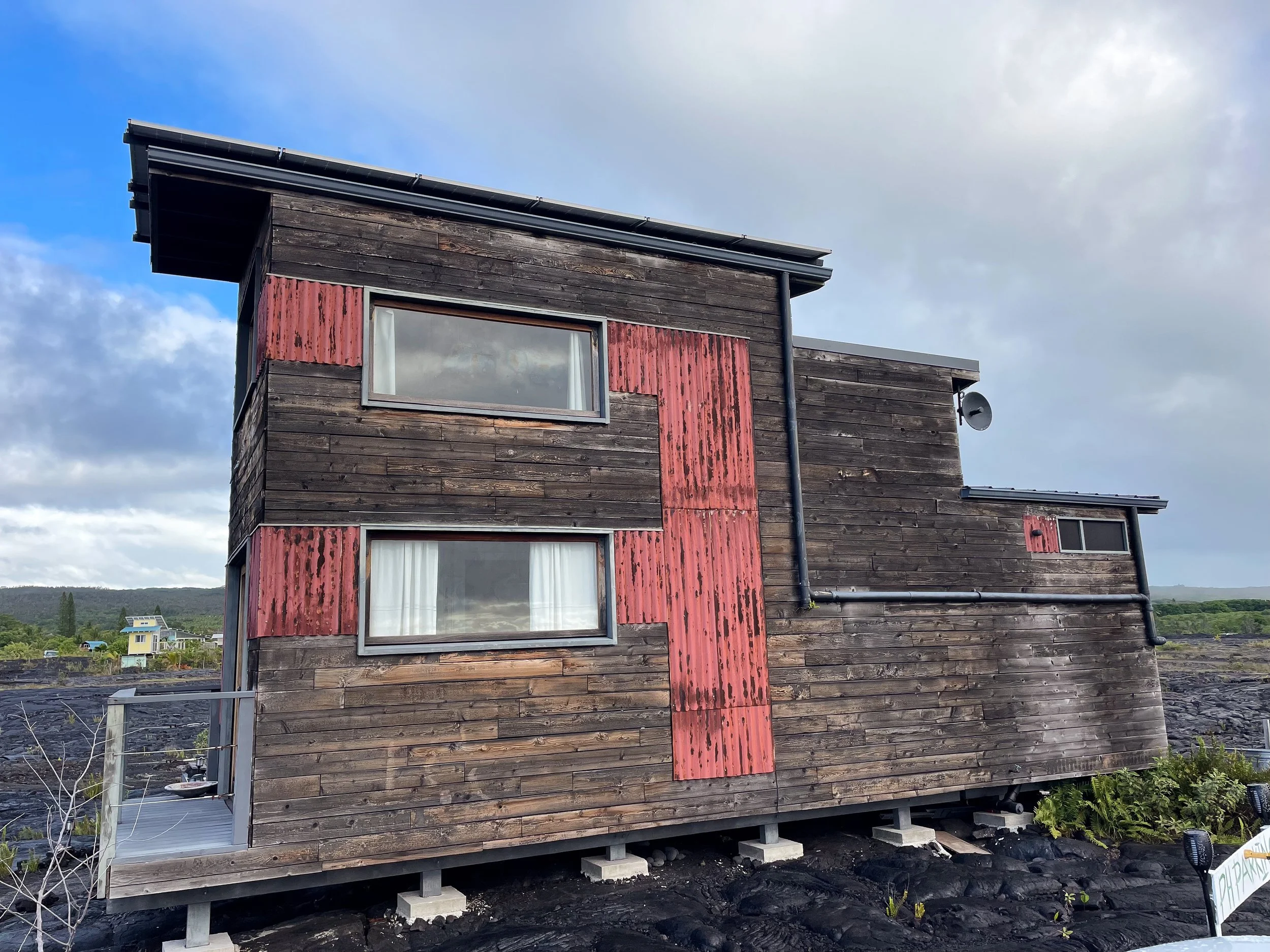
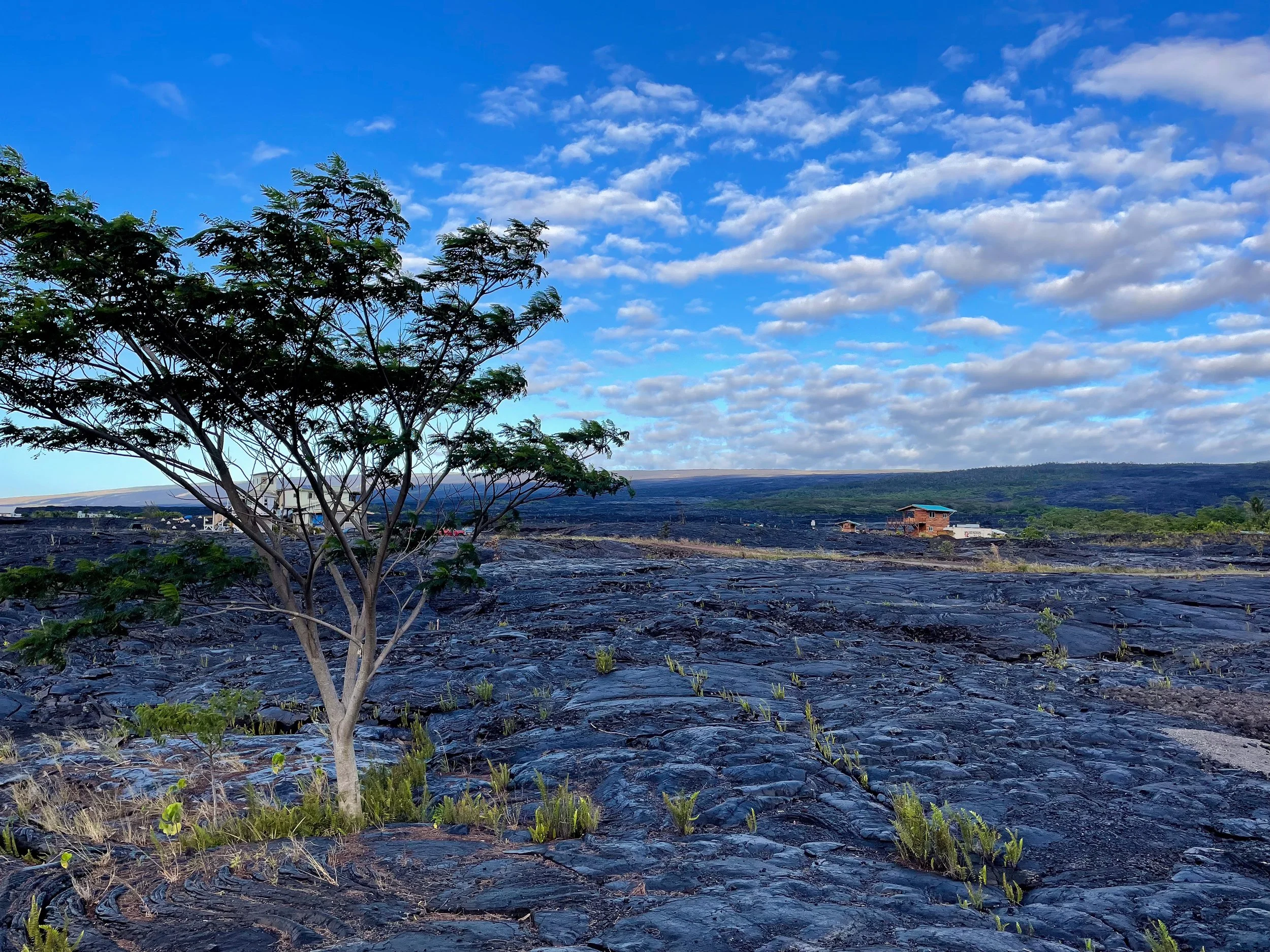
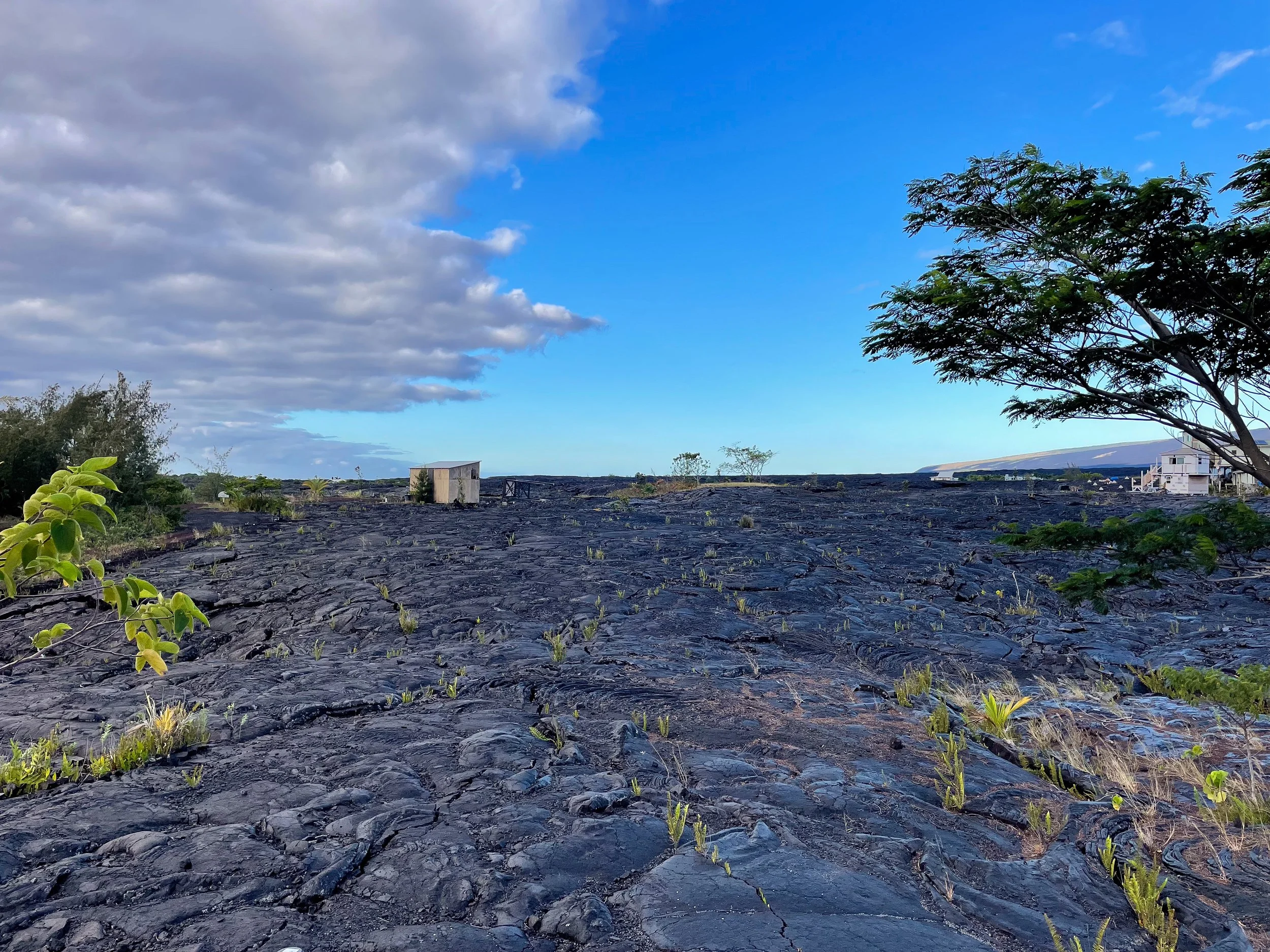
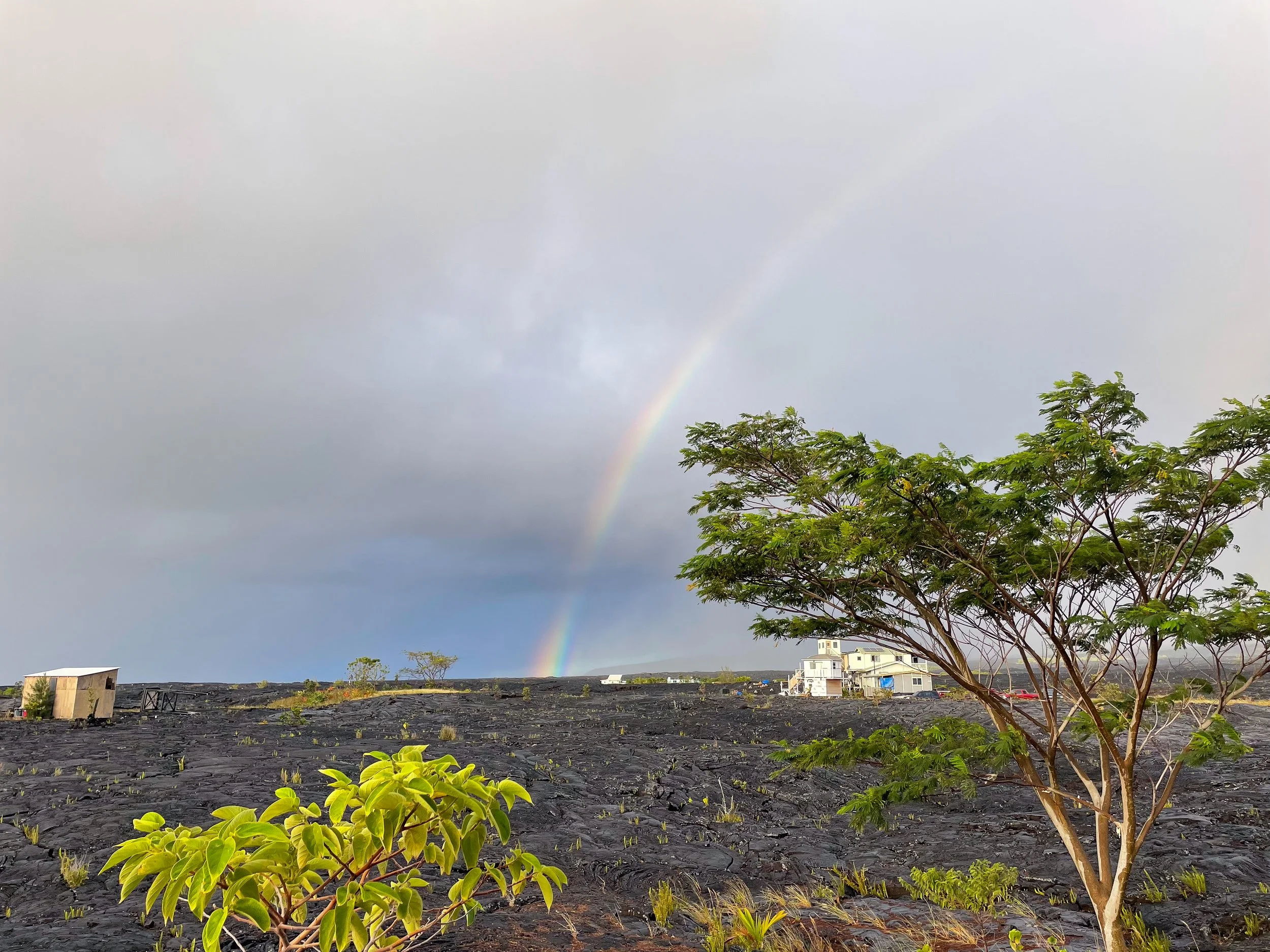
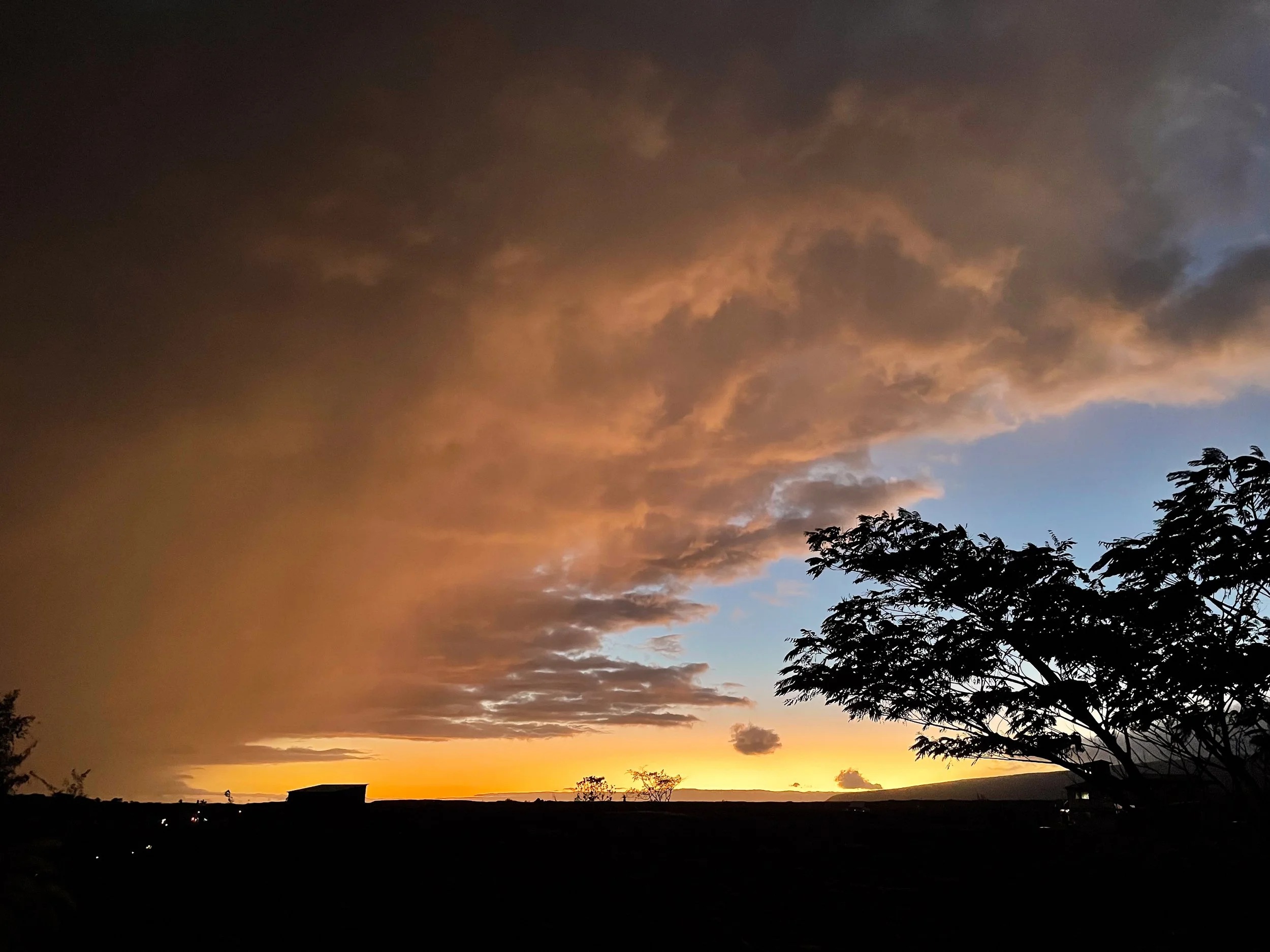
Lava Sanctuary. Surrounded by hardened lava flows and craggily black rock sat a wooden tiny house with a corrugated tin roof. It was our home for the first half of our trip on The Big Island. The remote stay was located in Kalapana Gardens, a small off-the-grid community about 45 minutes south of Hilo. The house was part of a Lava Sanctuary with two tiny homes and a meditation center. It was a comfortable and spacious stay with a lofted bed, small deck and wide windows overlooking the lava field. Book on Airbnb.
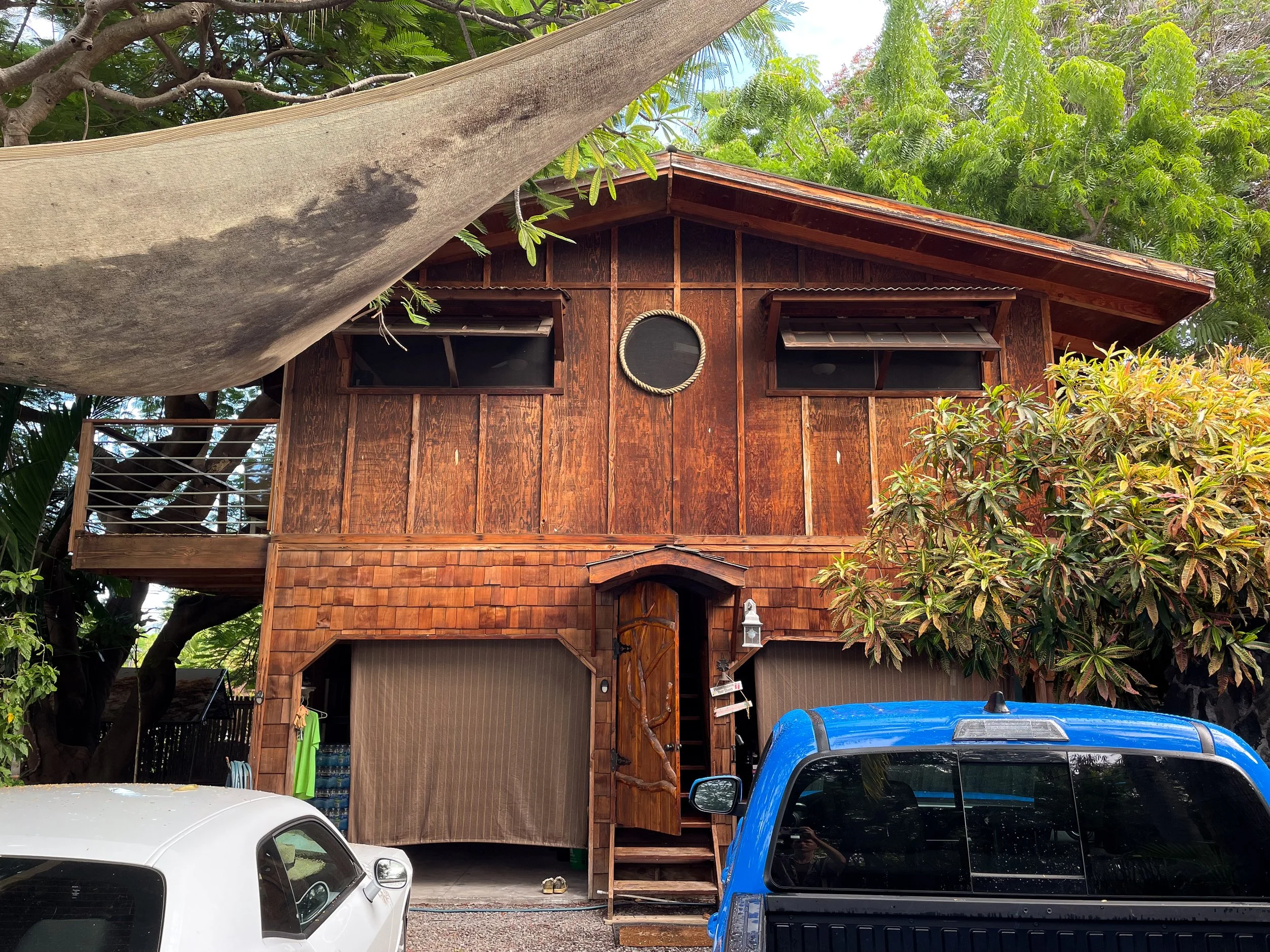
Kona “Tree House”. Surrounded by lush trees above a converted garage was our home for the second half of our trip. The “Tree House” was Hawaiian style with a warm wooden exterior, bamboo ceilings and floral patterned furniture. From the windows and balcony we could look upon the twisting limbs and green canopy of the trees. It had a cozy feeling of being in nature while being close to central Kona. Book on Airbnb.
Location Specifics
Hawaiian Culture. Be respectful of the island and Hawaiian culture.
Hiking Trails. Follow trail markers and signs while hiking.
Sea Turtles. Do not approach or touch any sea turtles.
Lava Rocks. Do not take lava rocks from the island.
Coral Reefs. Only wear reef safe sunblock when going in the water.
Produce. You cannot take any produce back to the mainland.
Getting Around
By Air. There are two main airports, one in Hilo and another in Kona.
By Car. The most efficient way to explore The Big Island is by renting a car at one of the airports.
Coastal Roads. Wrap around most of the island, except remote areas of the North Shore.
The Saddle Road. A scenic road crossing the center of the island between Mauna Kea and Mauna Loa Volcanoes.
Elsewhere in Hawaii…
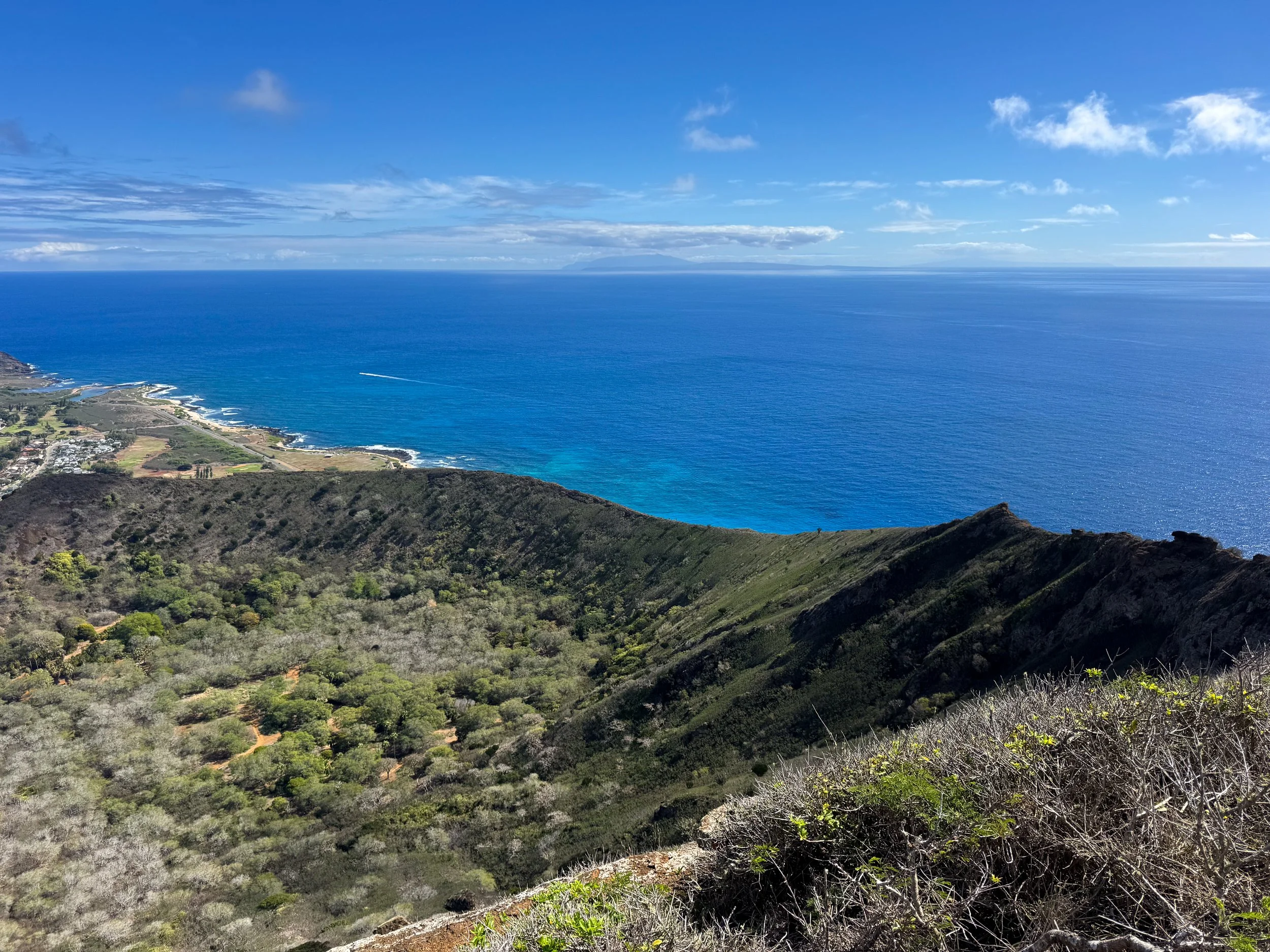
From Oʻahu's beaches, surf breaks and island culture to the Big Island's volcanoes, lava fields and black sand beaches, discover more of Hawaii through this travel guide:
Oʻahu Travel Guide: Waikīkī, Beaches & Island Adventures. Explore Oʻahu where surf breaks, volcanic craters, rugged hiking trails, white sand beaches and Hawaiian culture blend vibrant Waikīkī with the island's natural beauty.
For Next Time…
Mauna Kea Volcano. Visit the summit and astronomical observatories of the Big Island’s tallest volcano.
Island Hopping. Visit other islands in the Hawaiian archipelago including Maui and Kauai.