Argentinean Patagonia
Patagonia
Patagonia is an awe inspiring and remote corner of the world spanning southern Argentina. Its dramatic landscape is covered in vast glaciers, turquoise lagoons and snow capped mountains. It’s an adventurous destination to view glaciers, kayak glacial rivers, hike mountain trails, spot native wildlife, see prehistoric cave paintings, sample wild berries and local brews.
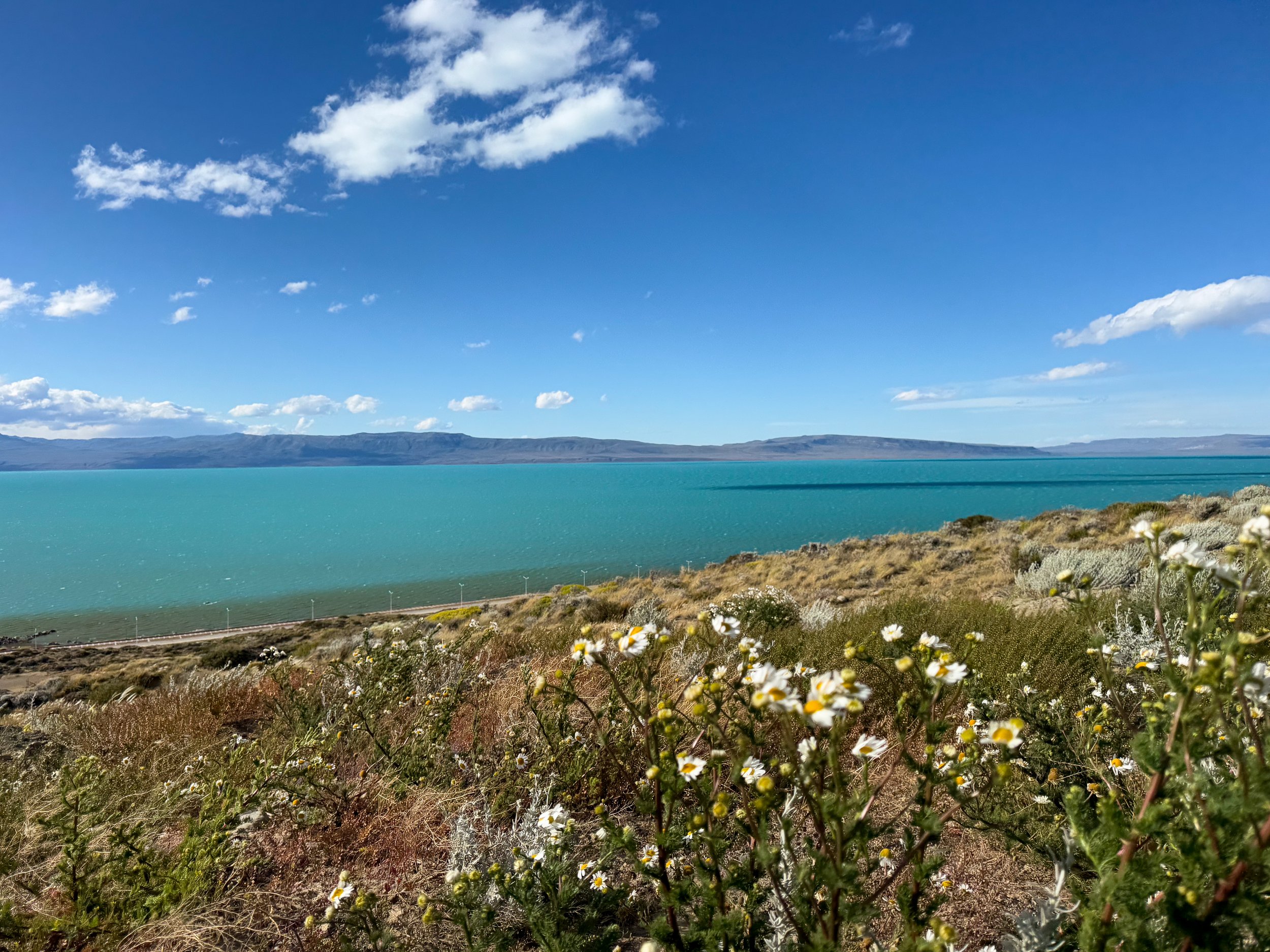
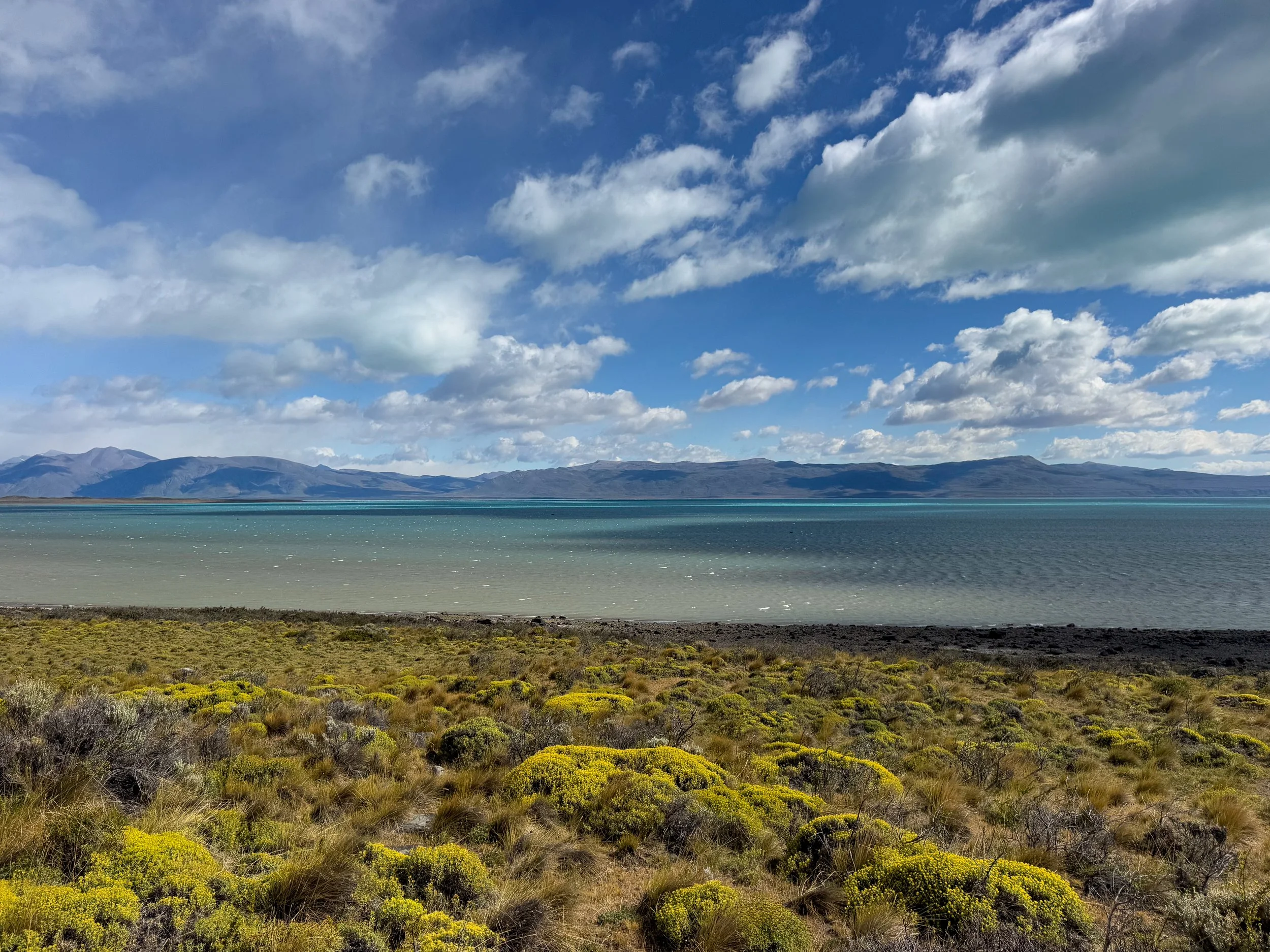
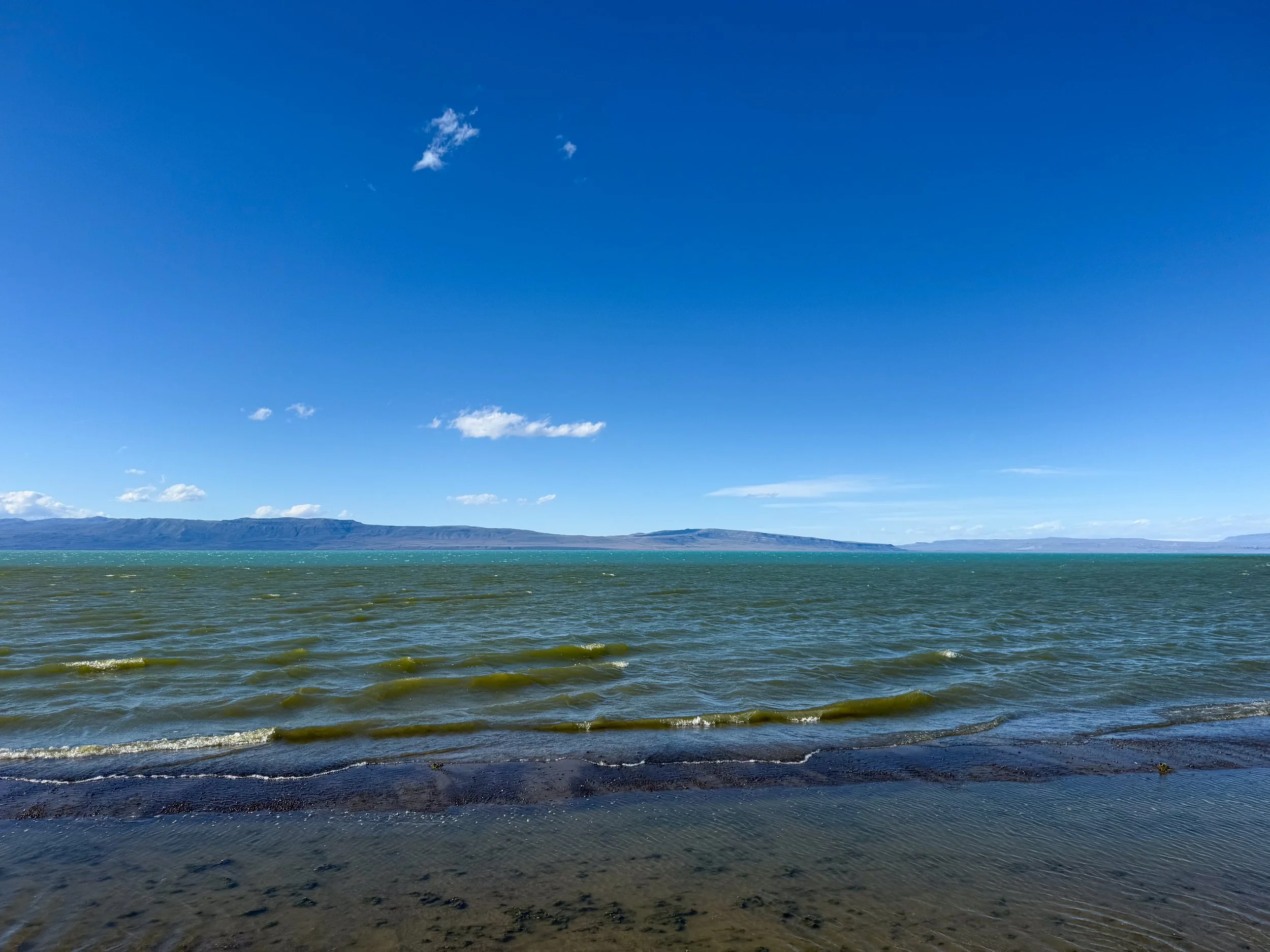
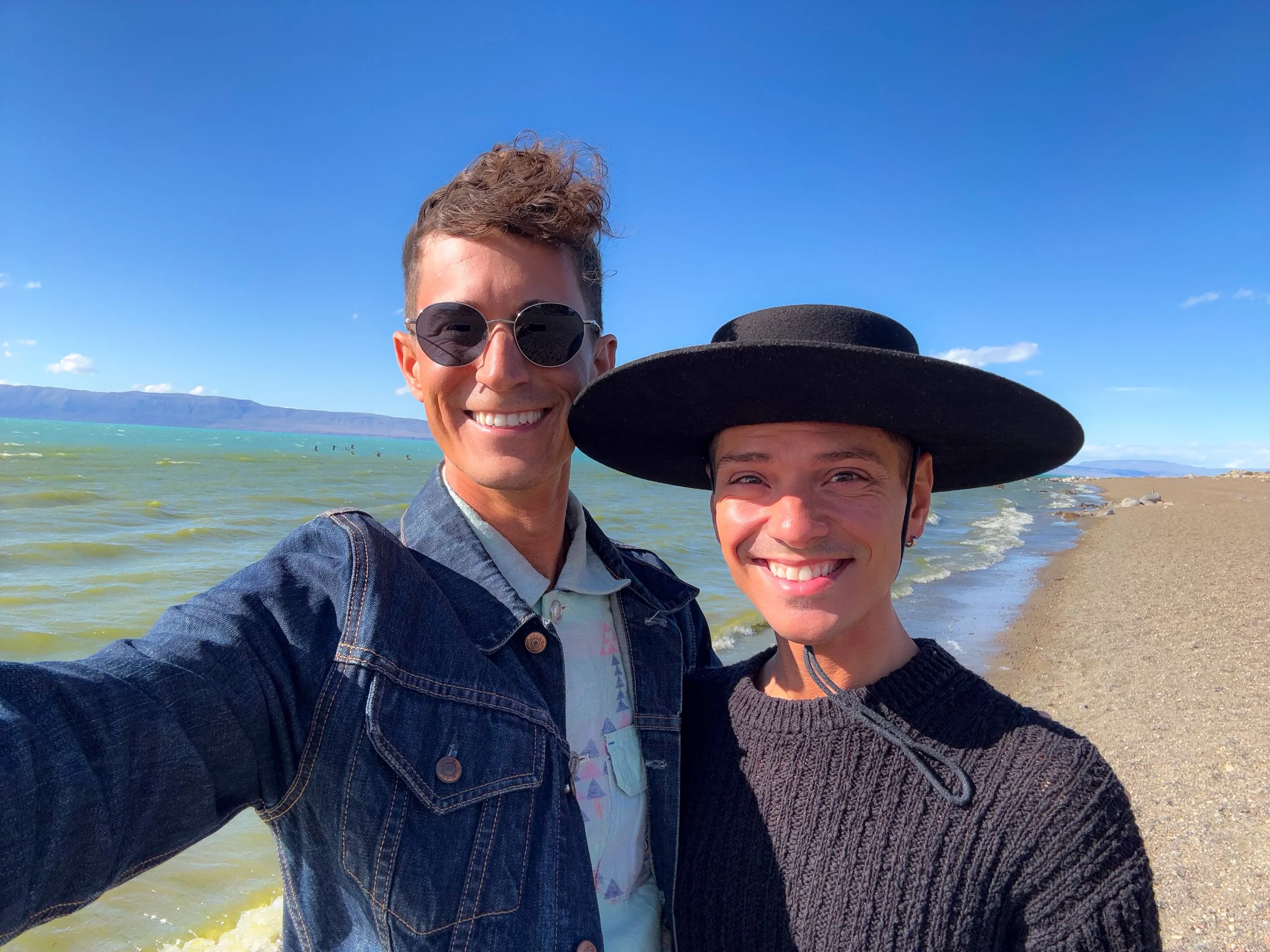
Lago Argentino
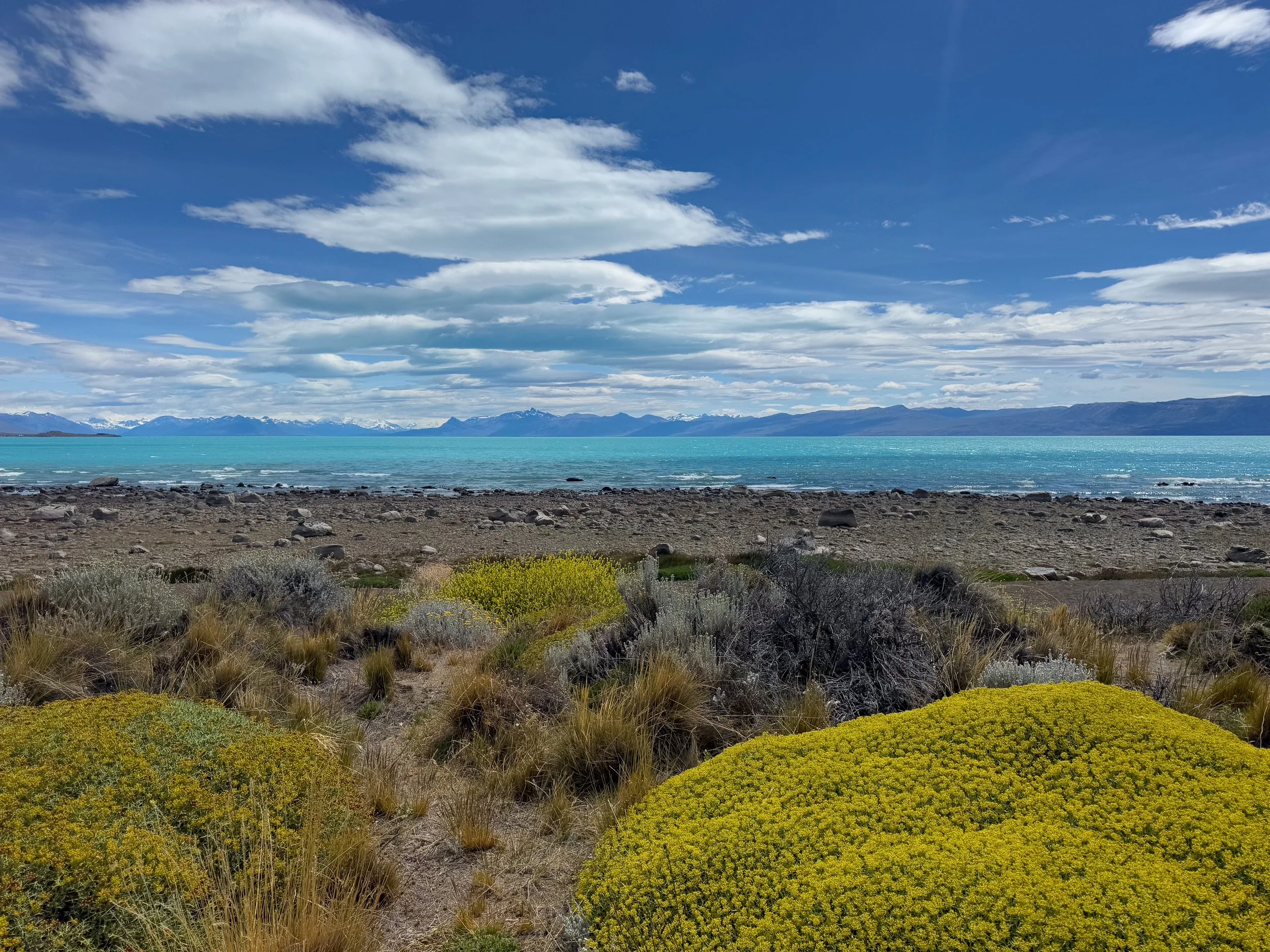
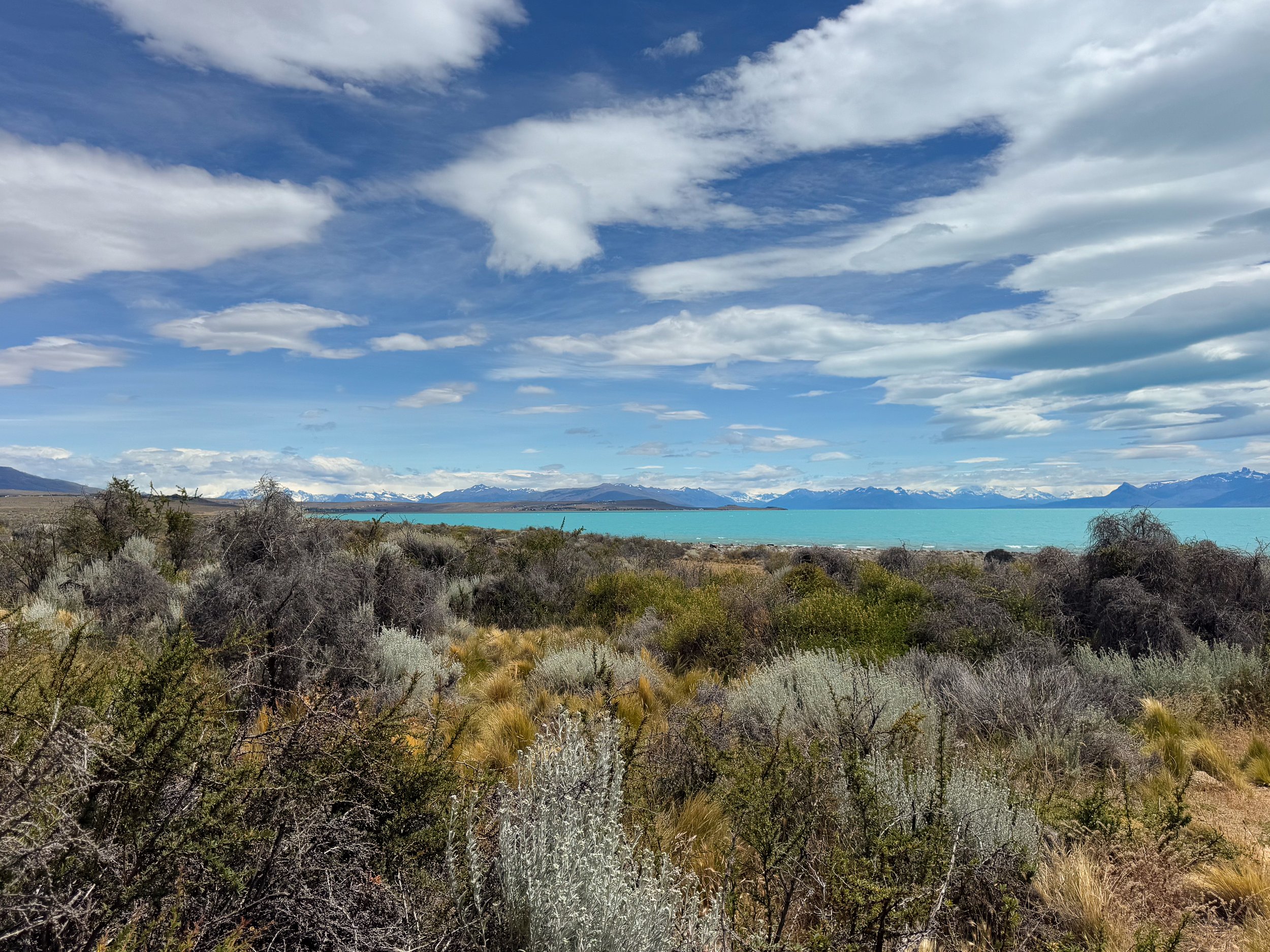
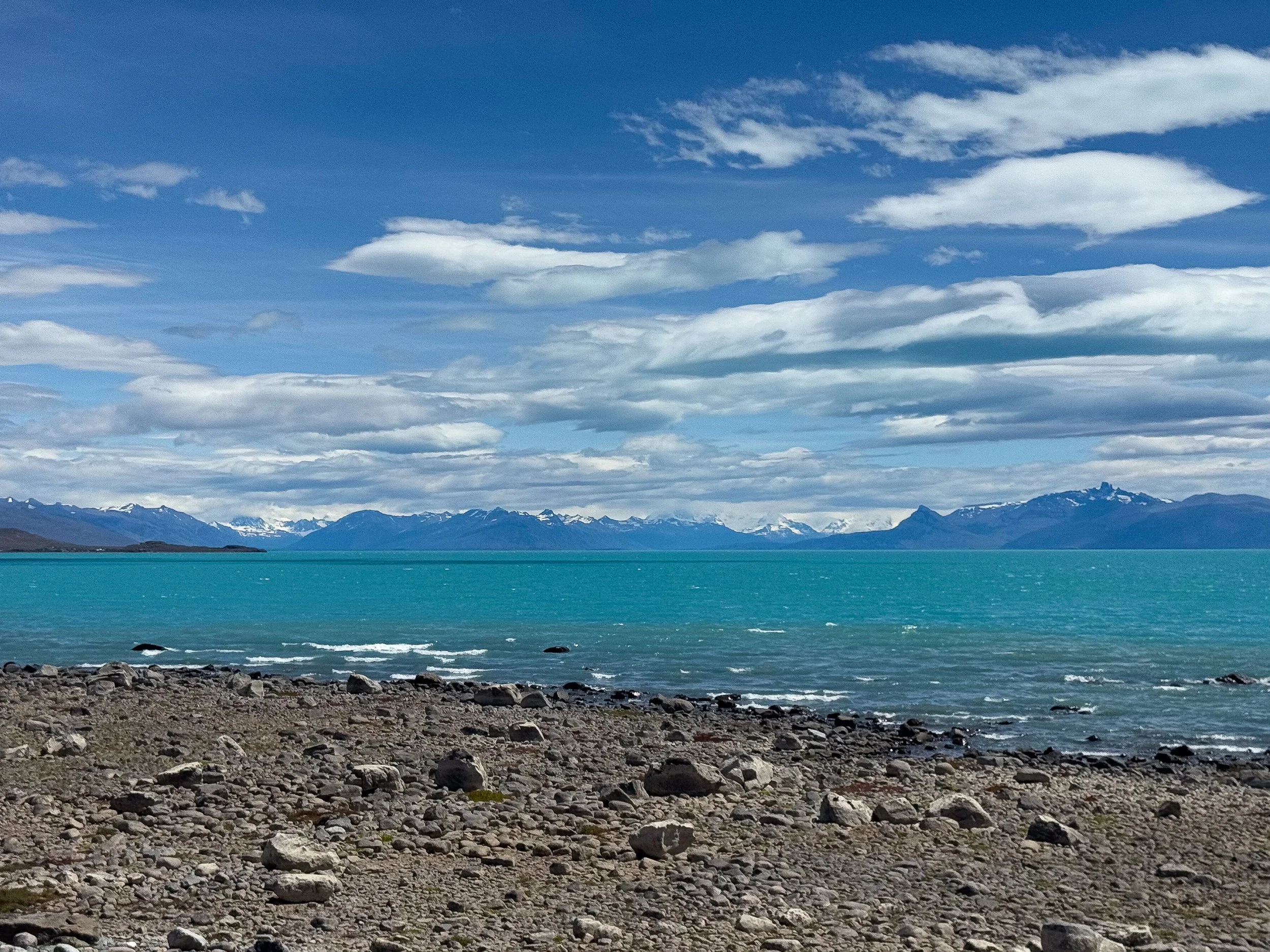
A large bright blue and aquamarine lake created by glacial and snow melt. Its piercing blue color is hard to look away from. It changes in tone with the sunlight and shadows of clouds. There are multiple lookouts in the city.
Mirador Lago Argentino. A public beach and lookout over the vibrant blue expanse of Lake Argentina.
Punto Panorámico. A roadside overlook on a hill with panoramic views of Lake Argentina and El Calafate.
La Piedra Mirador. A breathtaking roadside lookout over Lake Argentina, distant snow covered mountains and the Patagonian landscape. It’s an easy spot to see on the way to the Pierto Moreno Glacier.
El Cafafate
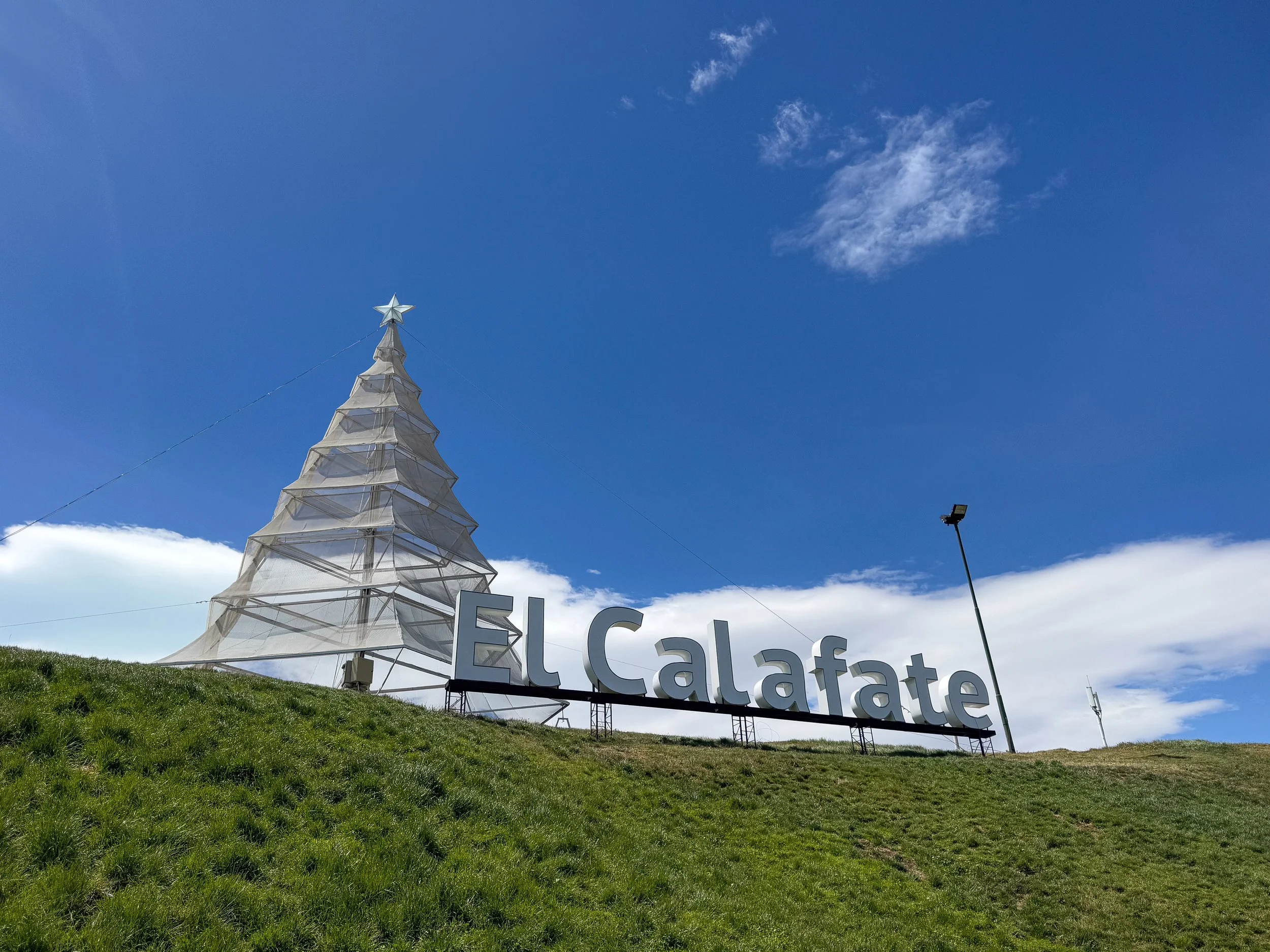
El Calafate is a town on the shores of Lake Argentina and a hub for adventurous activities in Patagonia. The region is famed for its icy glaciers, snow covered mountains, vibrant blue lakes and hiking trails.
City Sights
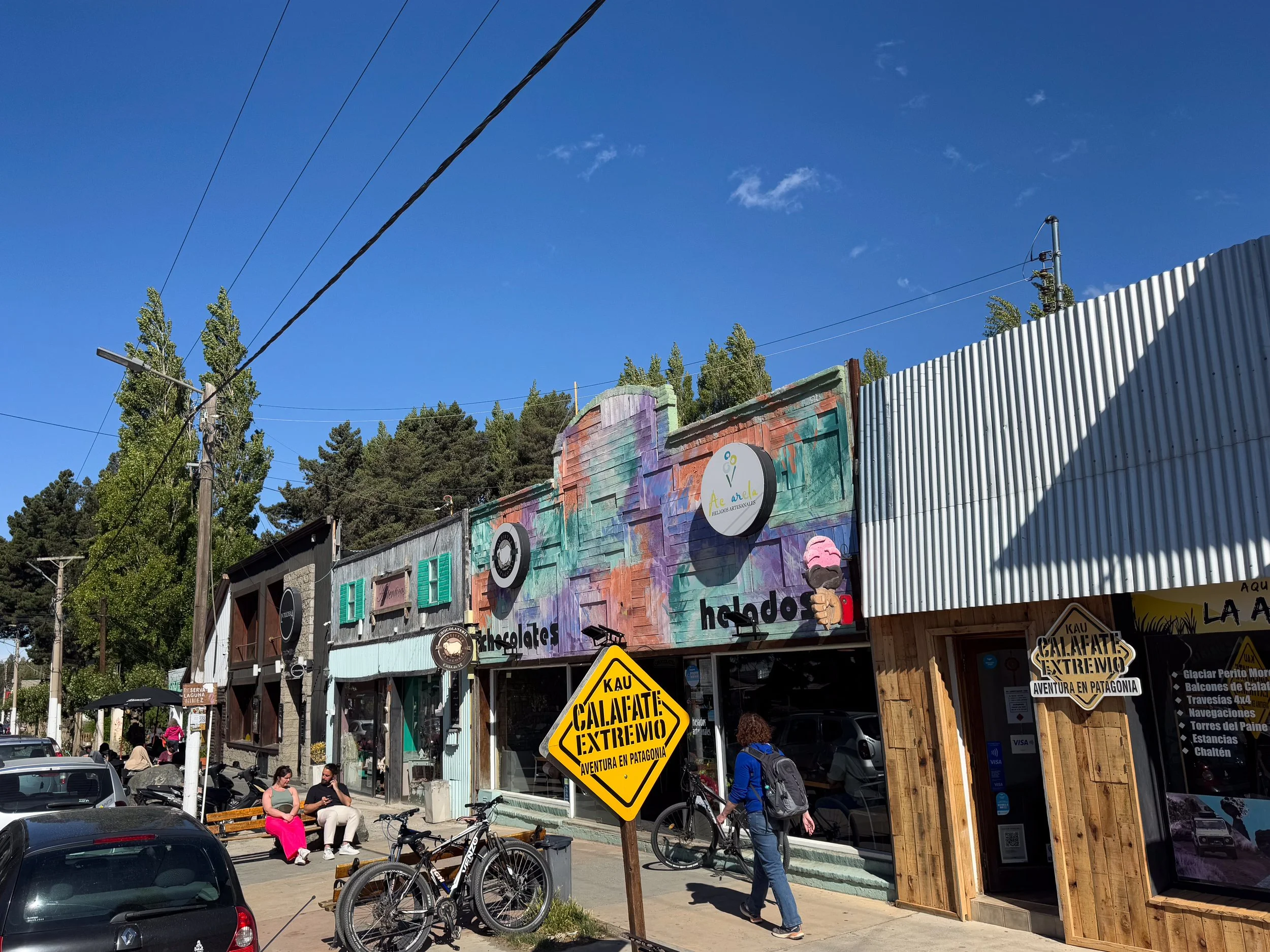
Avenida del Libertador. The main avenue that passes through the center of El Calafate with restaurants, cafes, breweries, tour companies, outdoor outfitters and souvenir shops. The city center is a charming place to walk around with tall coniferous trees, friendly roaming doggies, rugged antique vehicles, sticker covered campers, country cabins and cottages built from stone, wood and street metal.
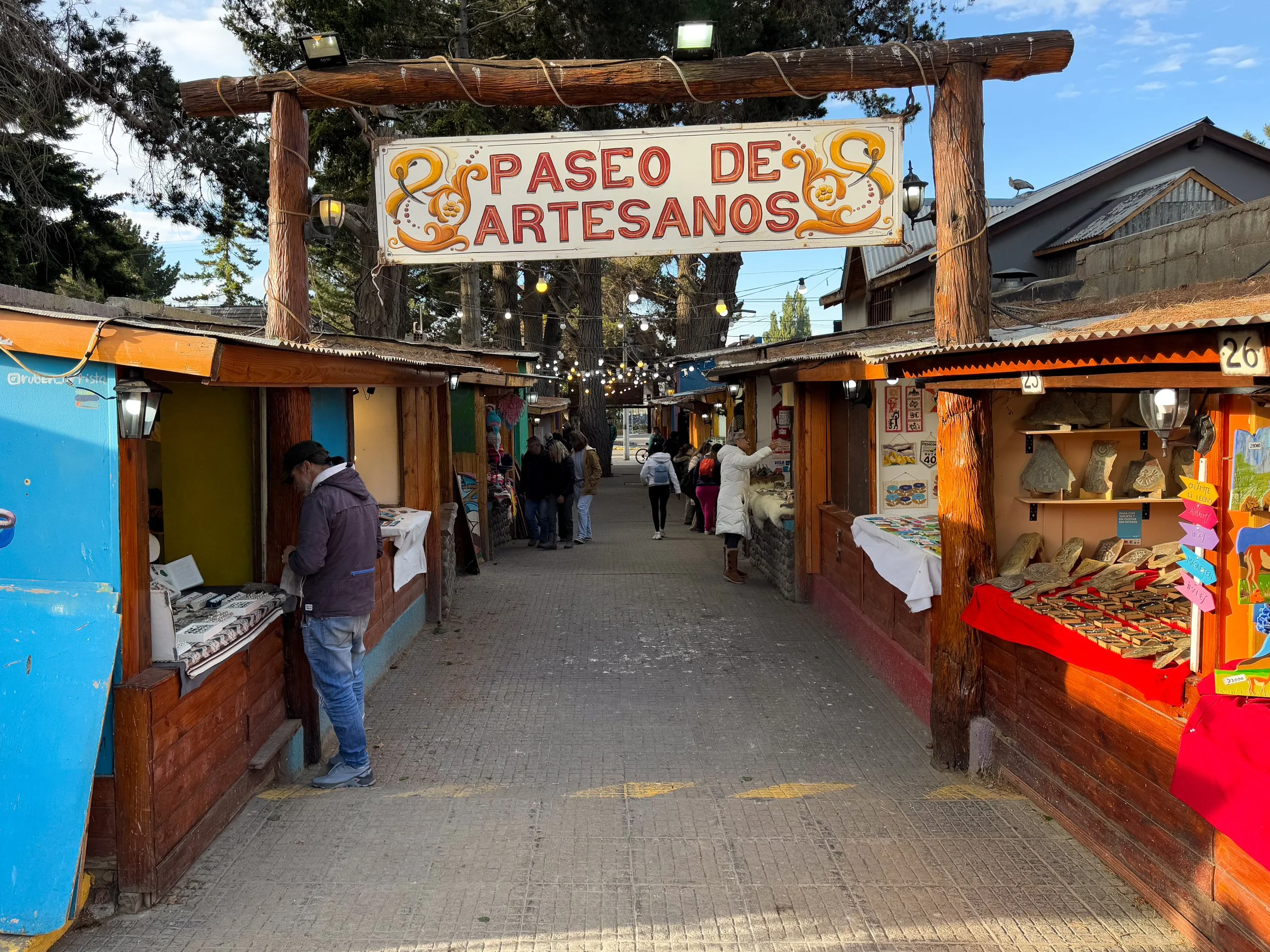
Paseo De Artesanos Jorge Echeverria. An artisan market with vendors selling handmade items including crystal and guanaco bone jewelry, stained glass ornaments, carved stone and wooden objects, knitted hats, ceramics and mate straws. It’s open daily from 5-10pm.
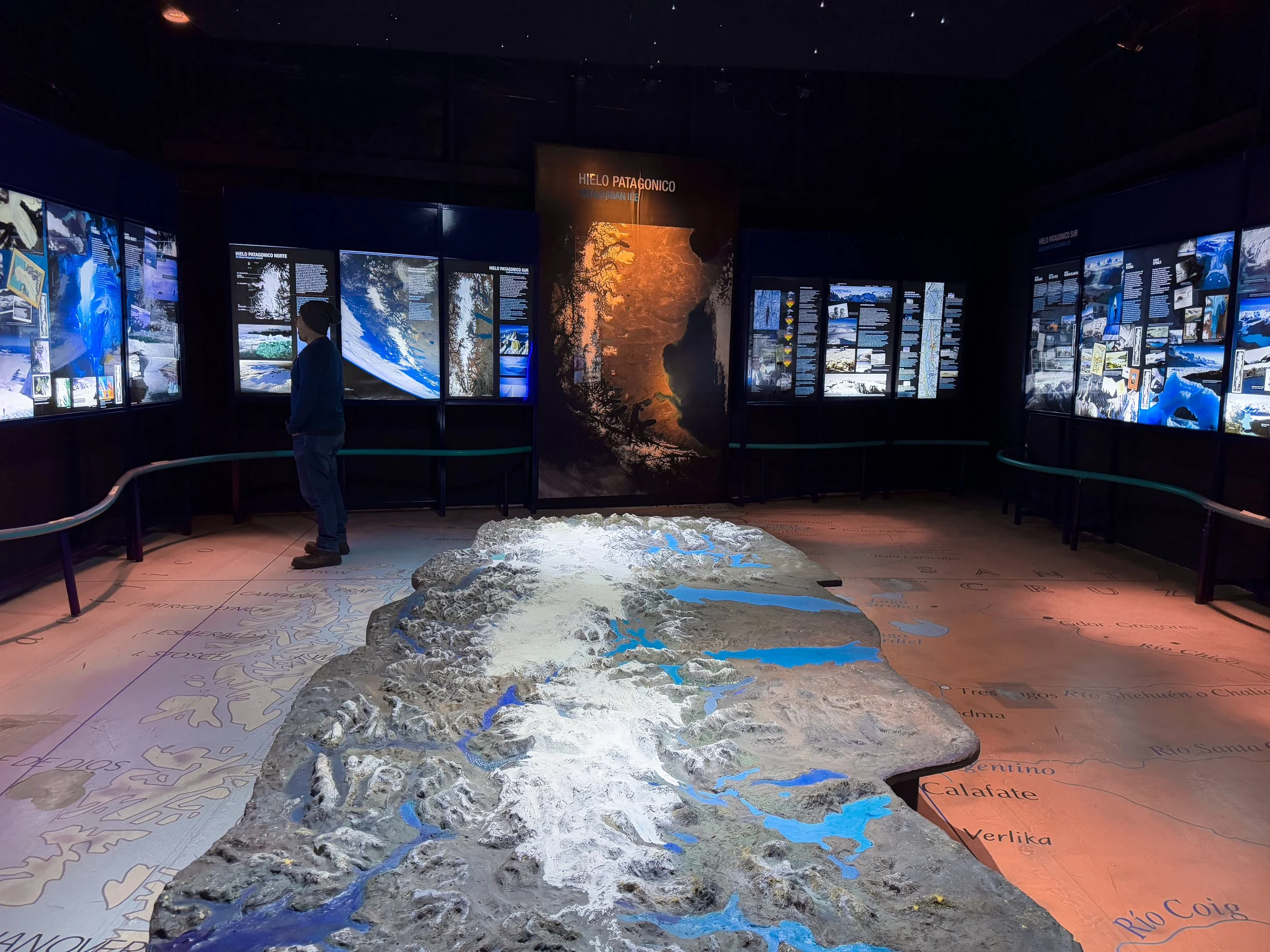
Glaciarium. A museum dedicated to glaciology, the study of glaciers. The exhibits focus on the Patagonian ice fields, their history and exploration, its glaciers, their formation, movement, landscape and the effects of climate change. The building itself is inspired by the faceted edges of glaciers with a cafe overlooking Lago Argentina. A free shuttle leaves from the city center every half an hour between 12-6pm.
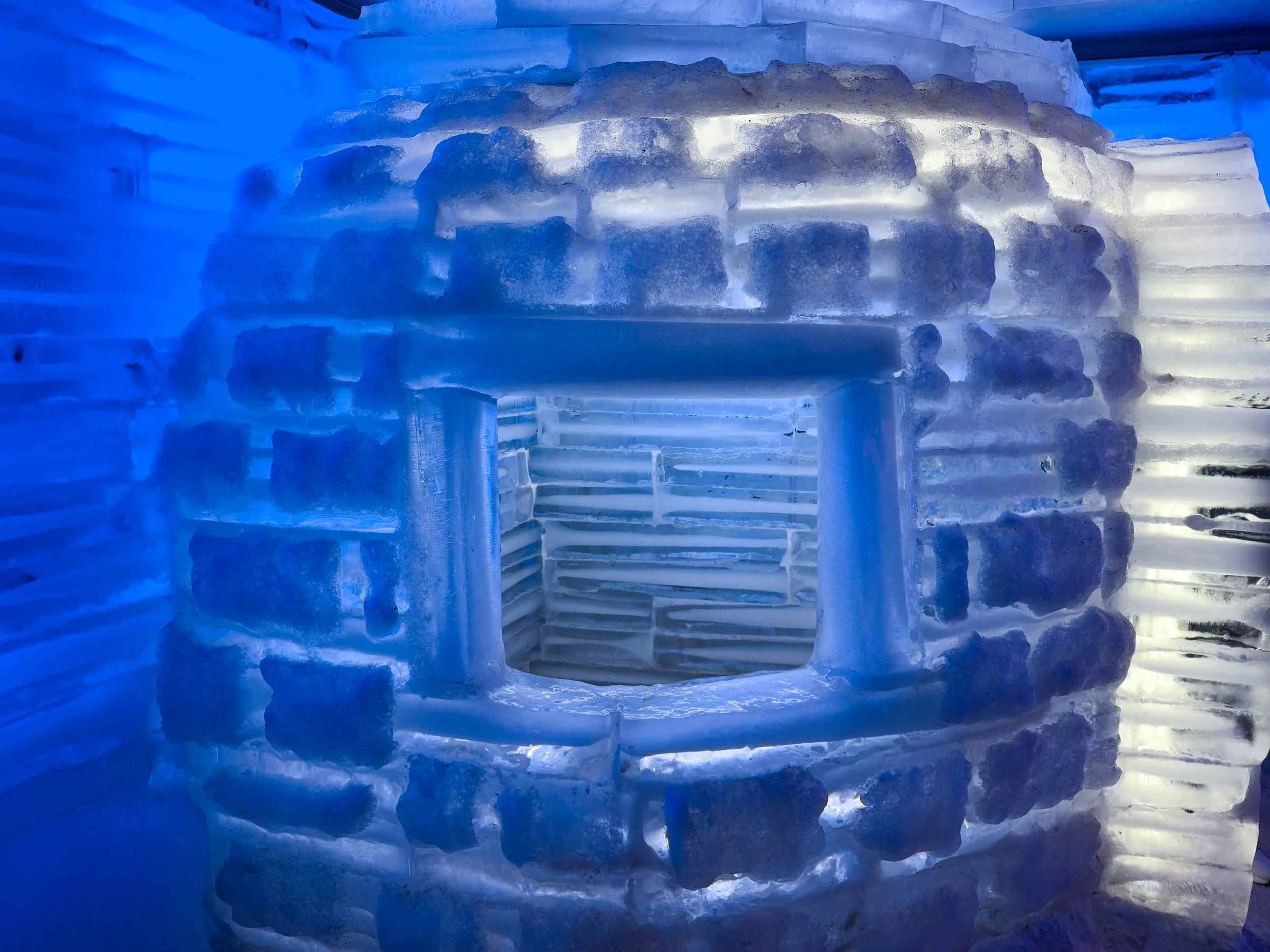
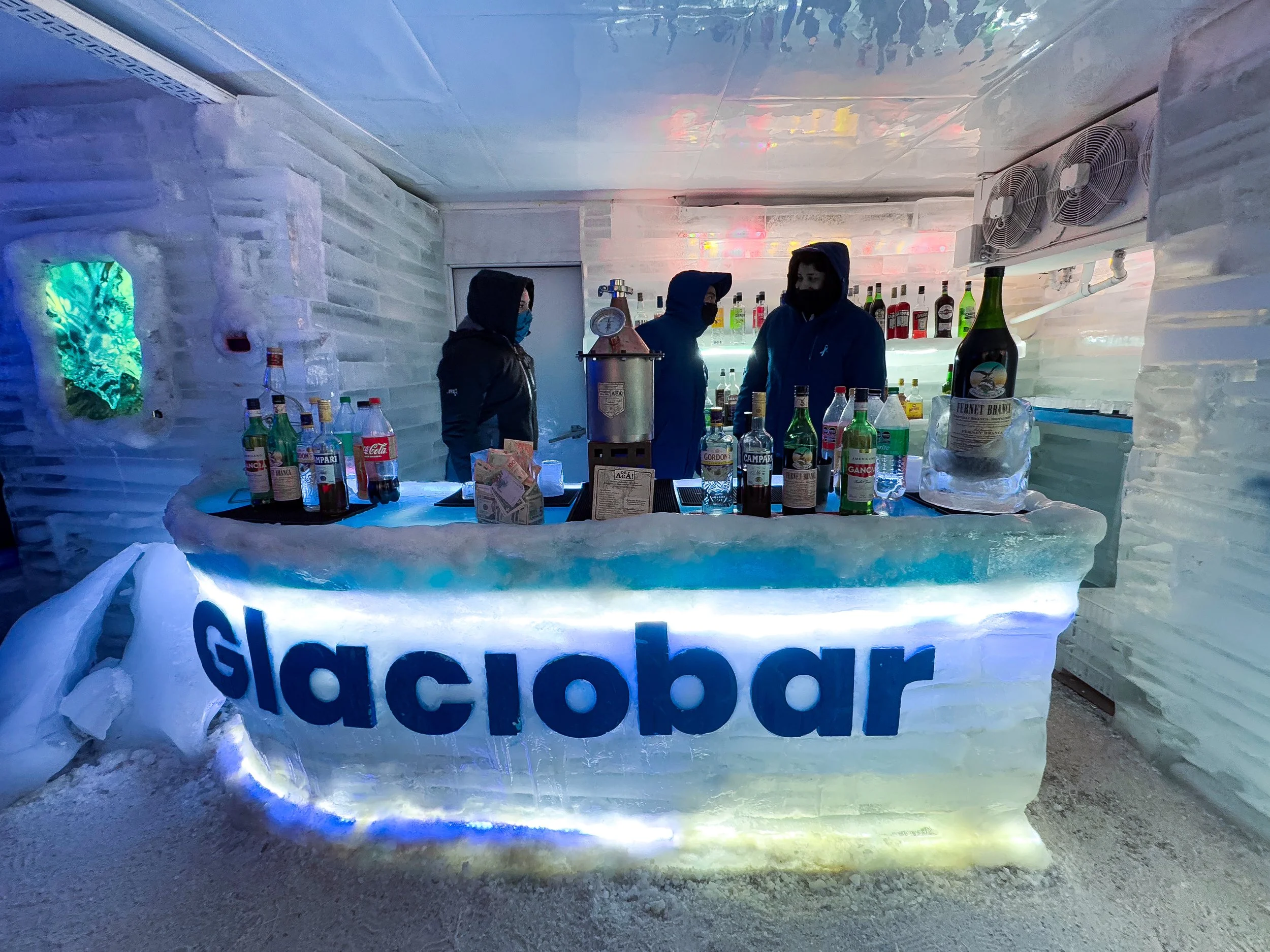
Glaciobar. An underground ice bar at the Glaciarium with -20C temperatures. The walls, floor, bar and glasses are all made of ice with various ice sculptures built throughout including an igloo, throne, eagle and bench. Thermal ponchos and multiple drinks are included with admission. We ordered a local favorite, Fernet with Coke and Gin and Tonics made from Patagonian Gin.
Nature Sights
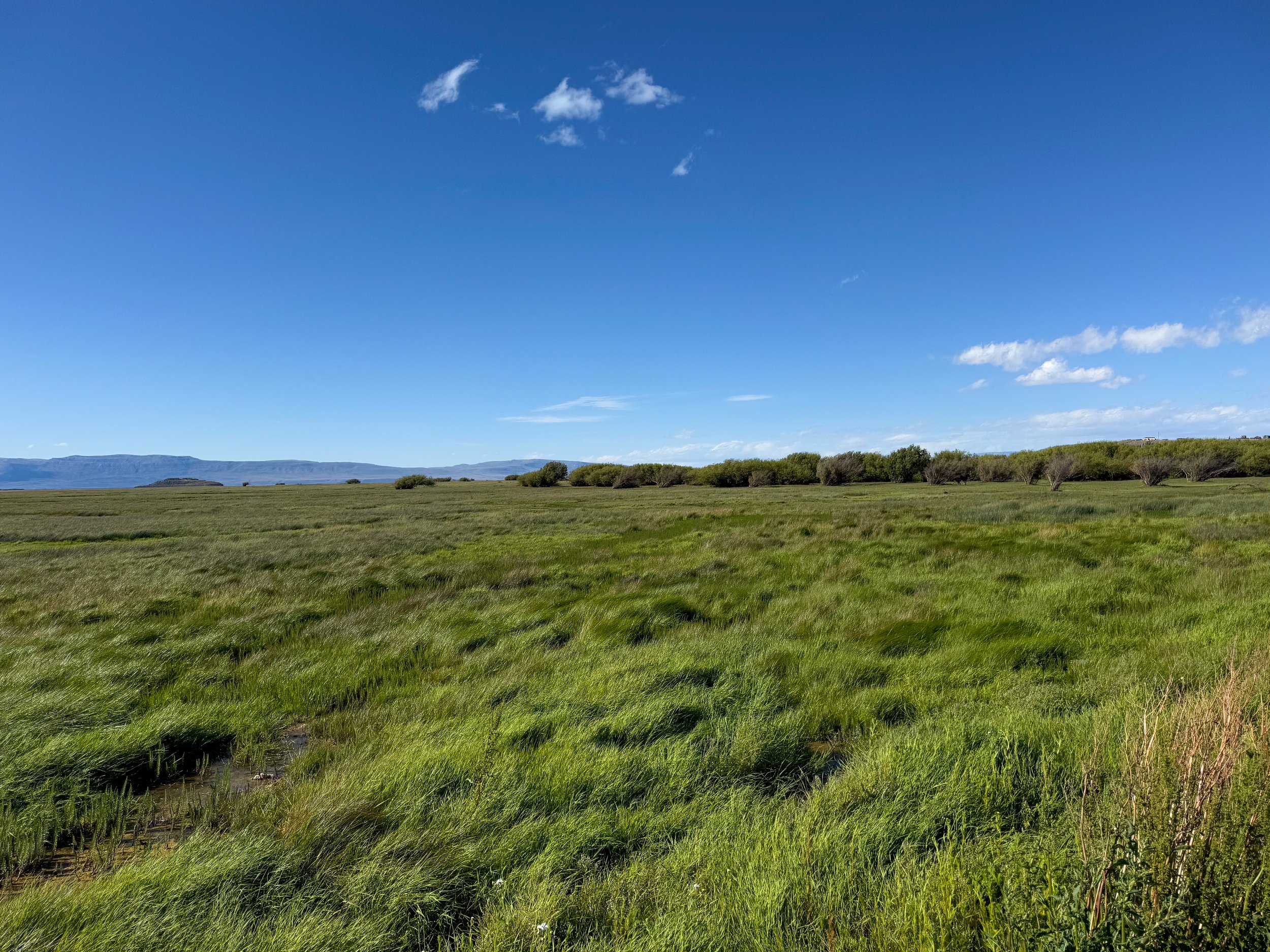
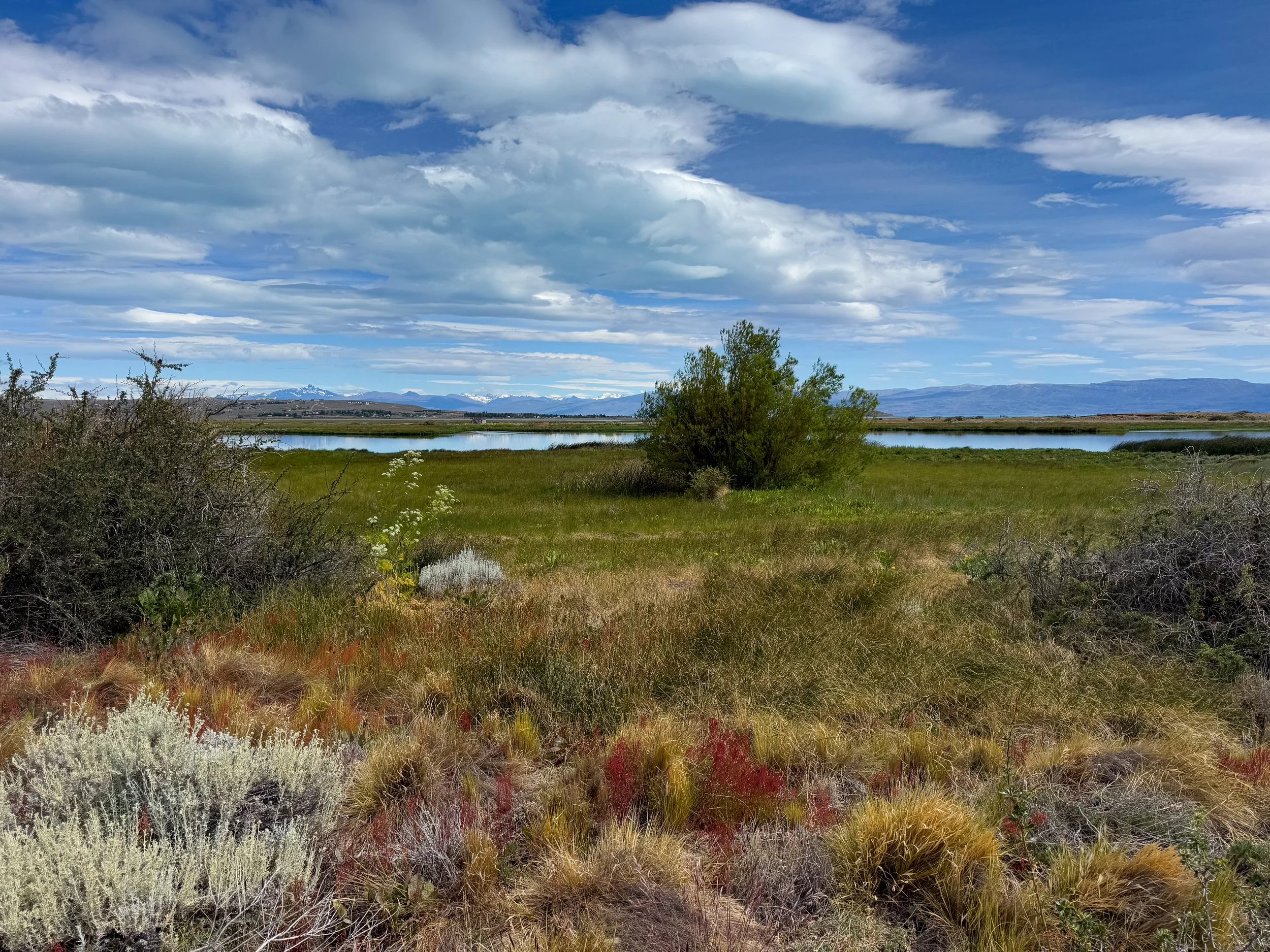
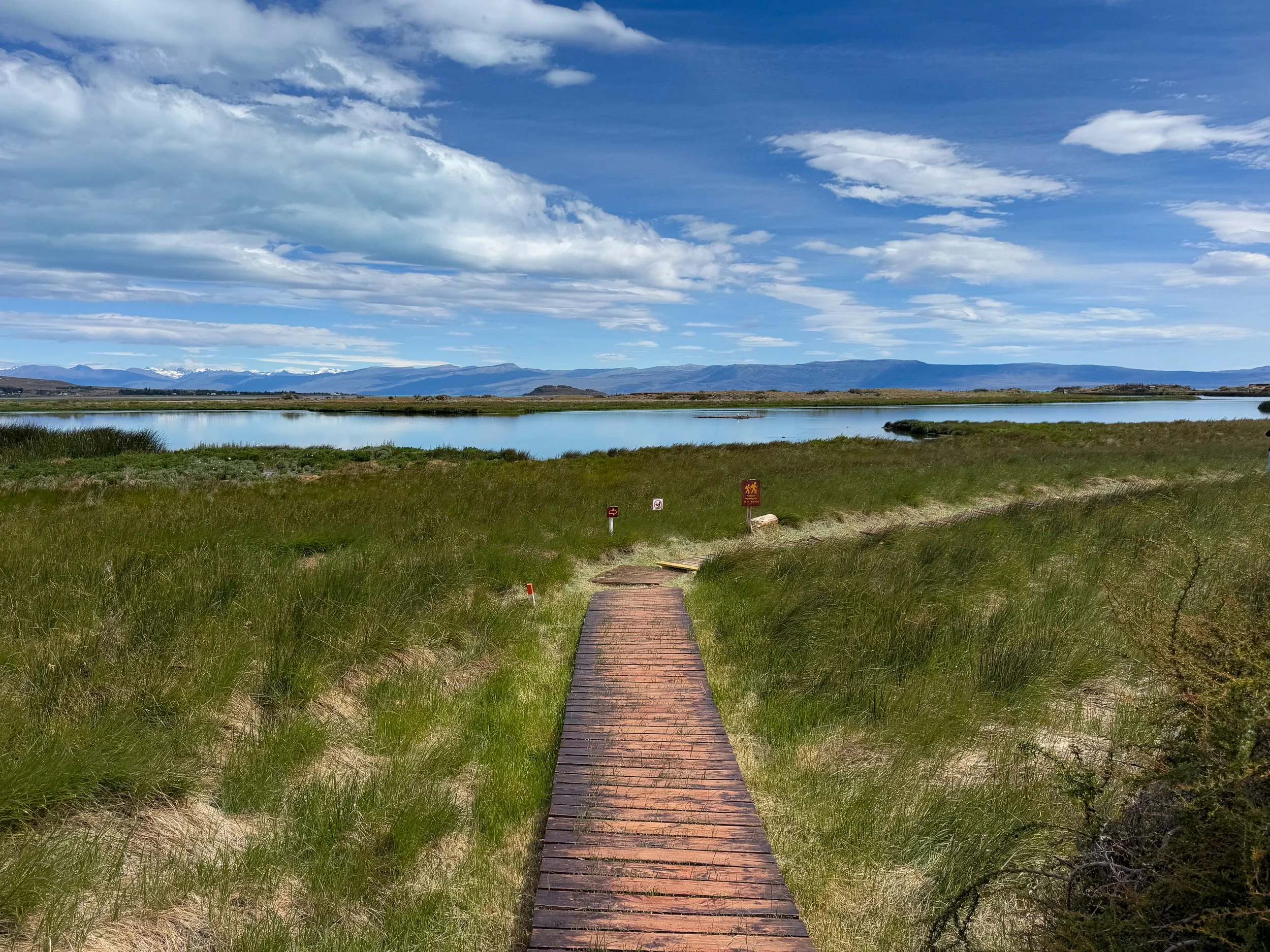
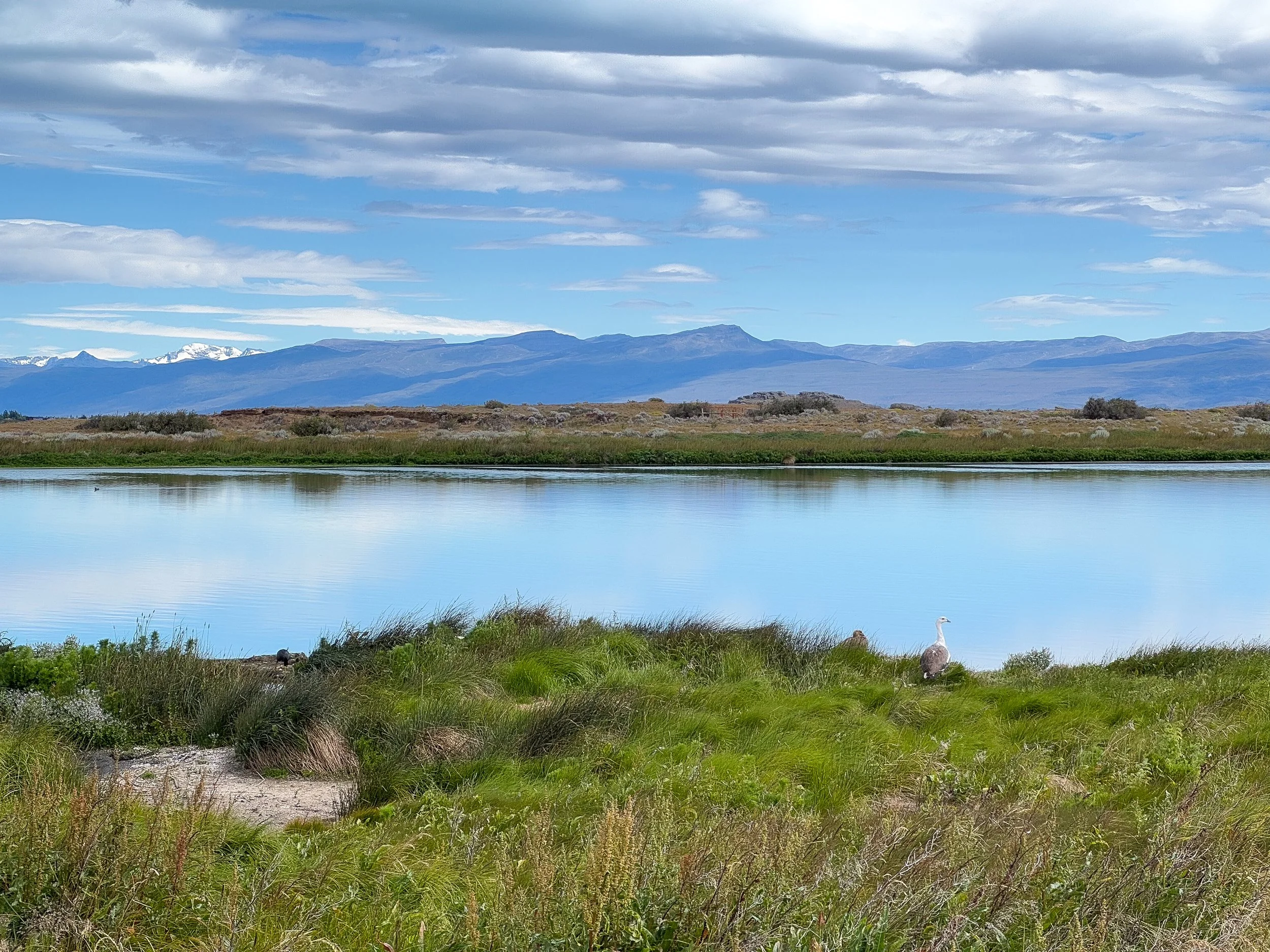
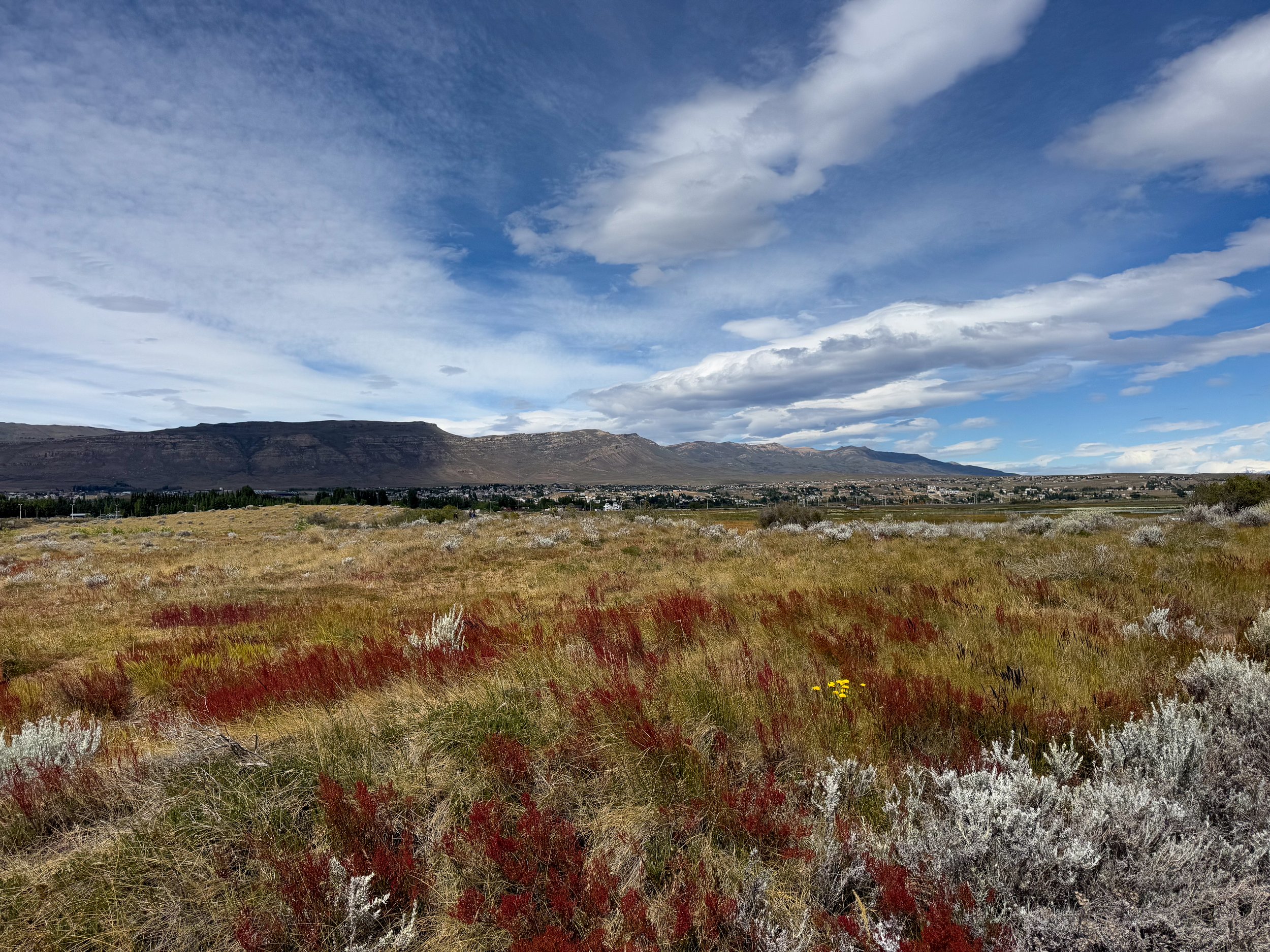
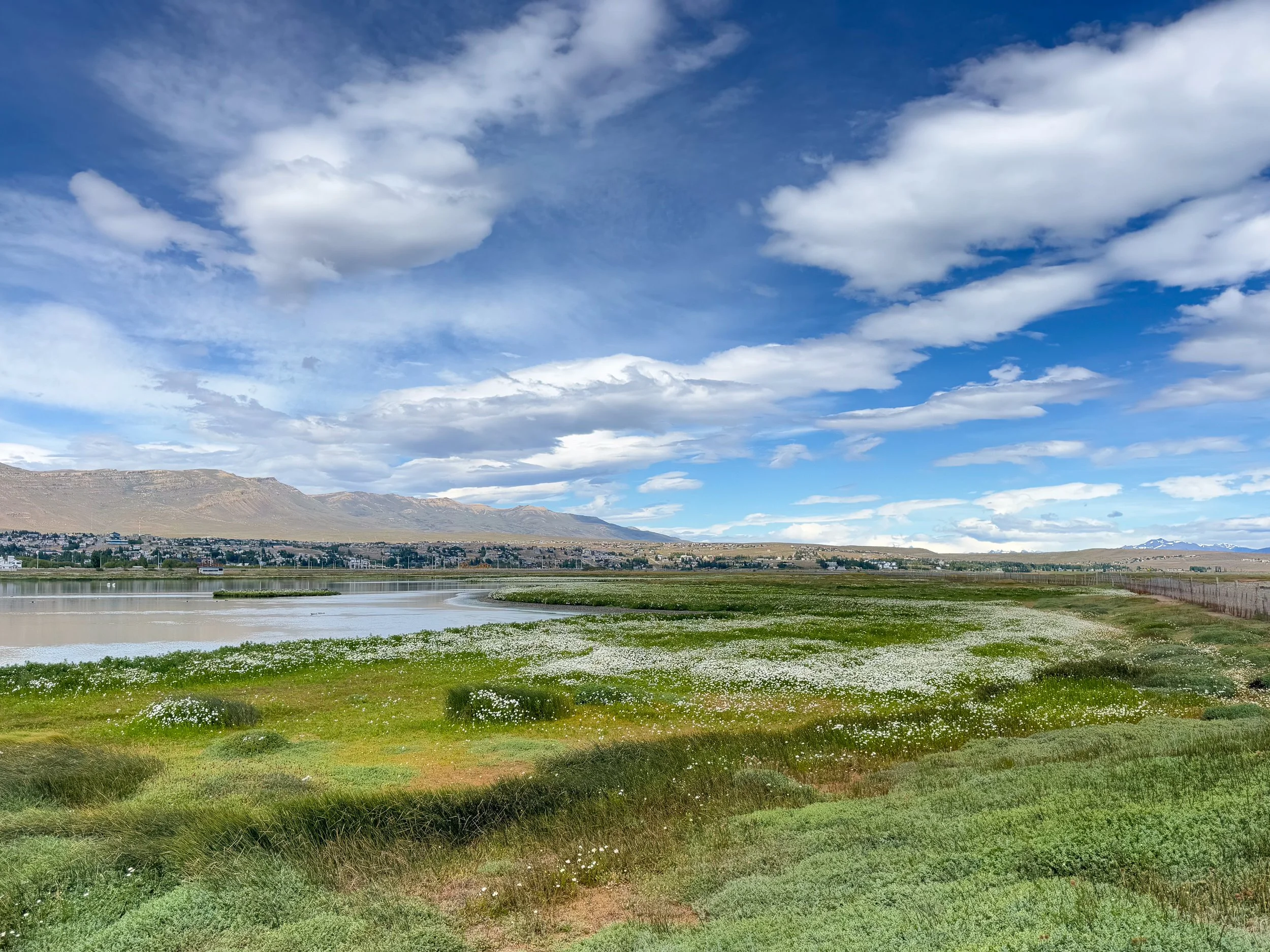
Reserva Laguna Nimez. A nature reserve and bird sanctuary encompassing the wetlands along Lake Argentina. We walked the 3km trails and boardwalks with views of the lake, lagoons, colorful foliage and species of birds including flamingos, ibises, swans and ducks. Bring or rent binoculars to spot birds.
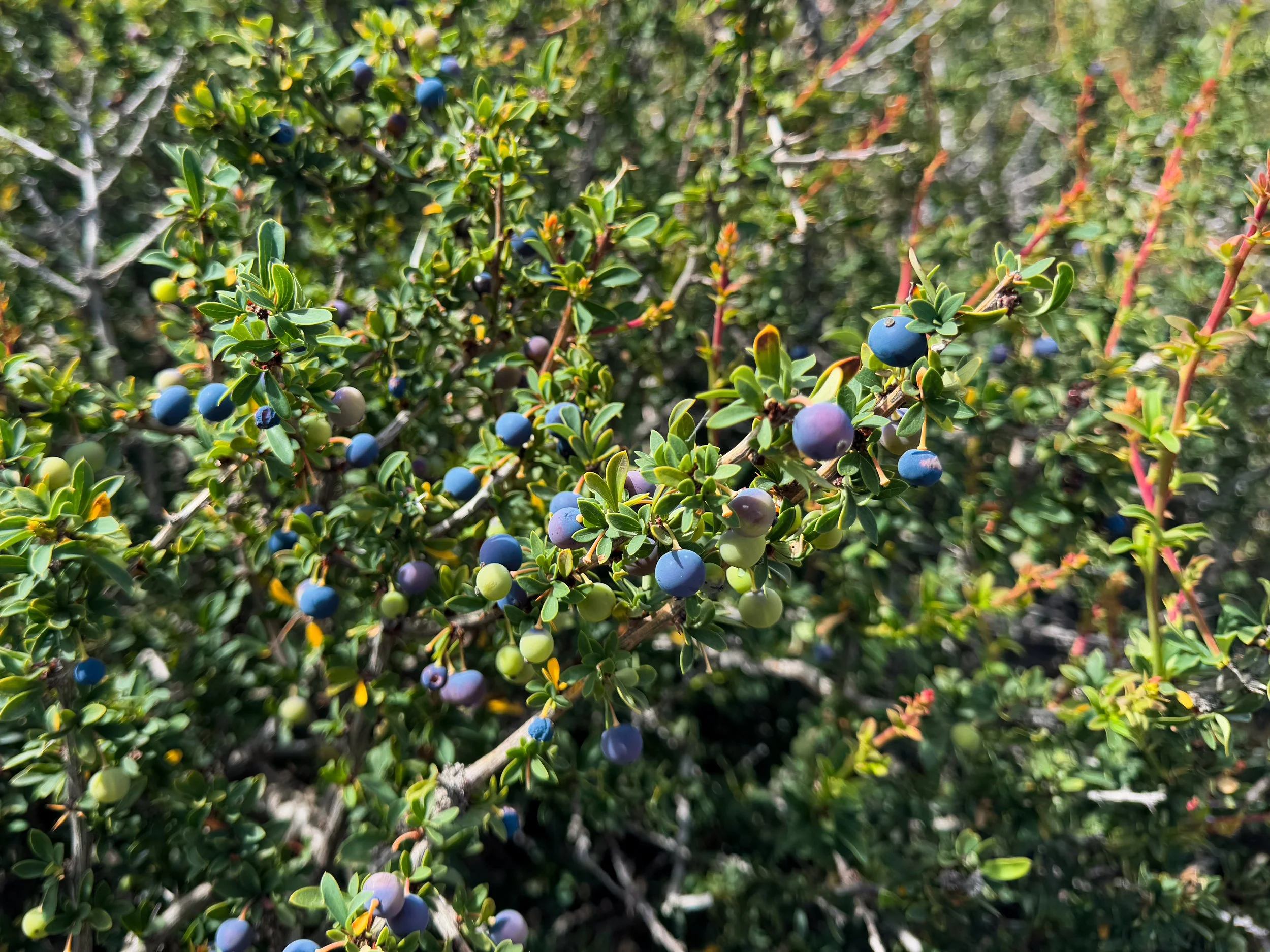
El Calafate Berry. El Calafate is named after the summertime wild berry that grows across the region. It looks similar to a blueberry but tastes more like a tart plum. It grows on large bushes with spiky arms all across the landscape. They’re usually ready for harvest in January and February. Unable to have them fresh in late December, we tried them frozen in a desert, as a jam on toast and within an alfajore.
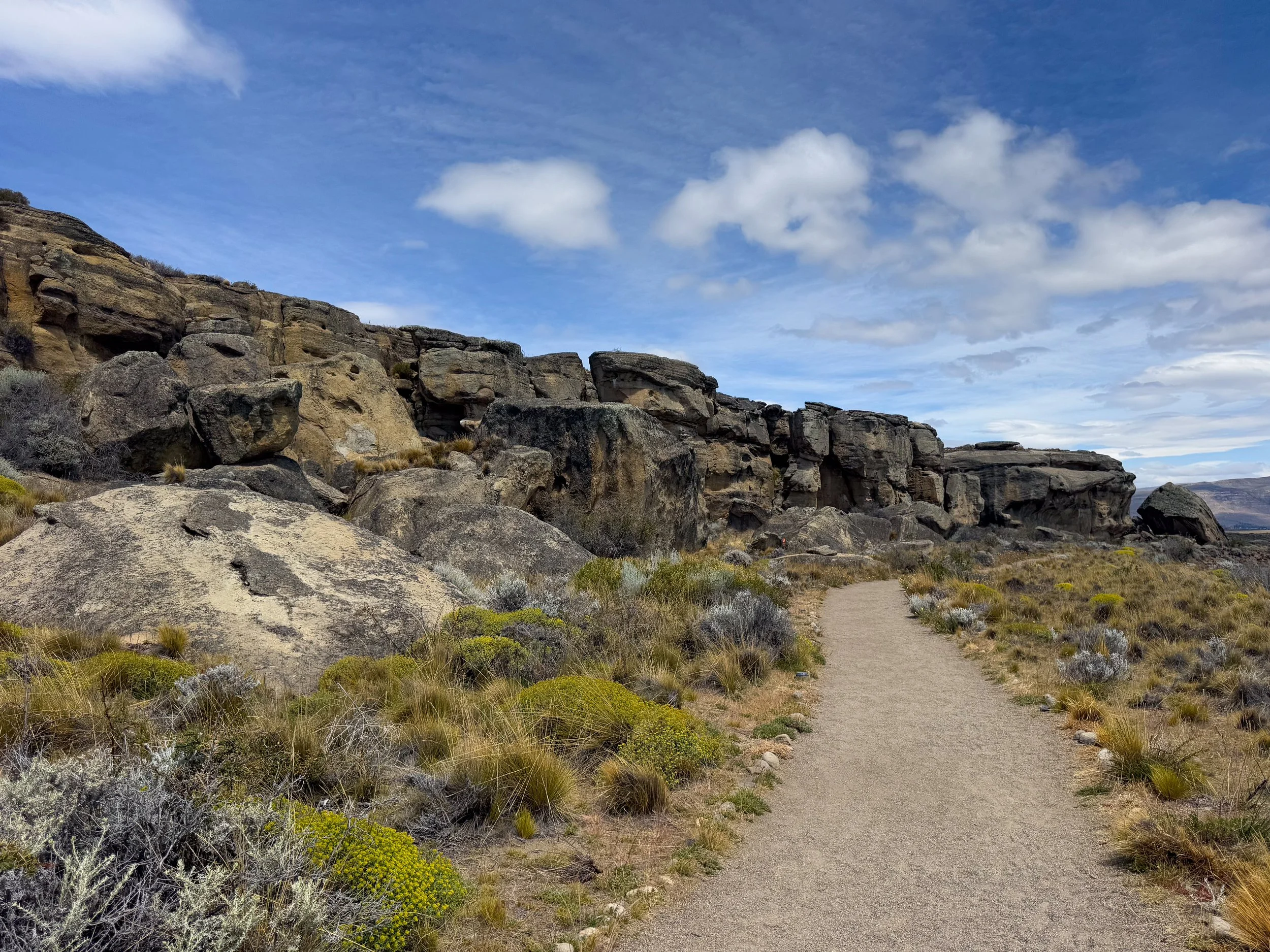
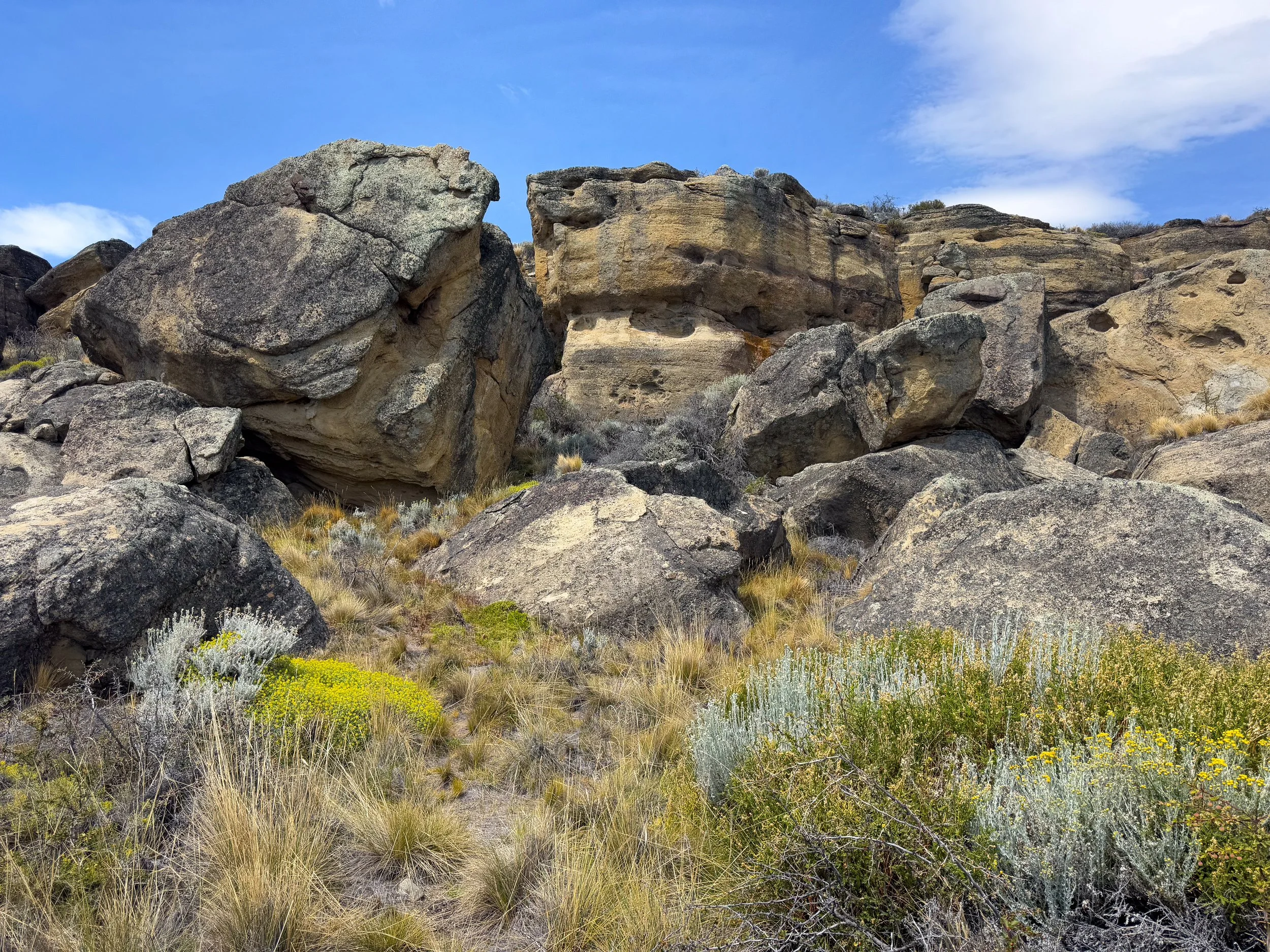
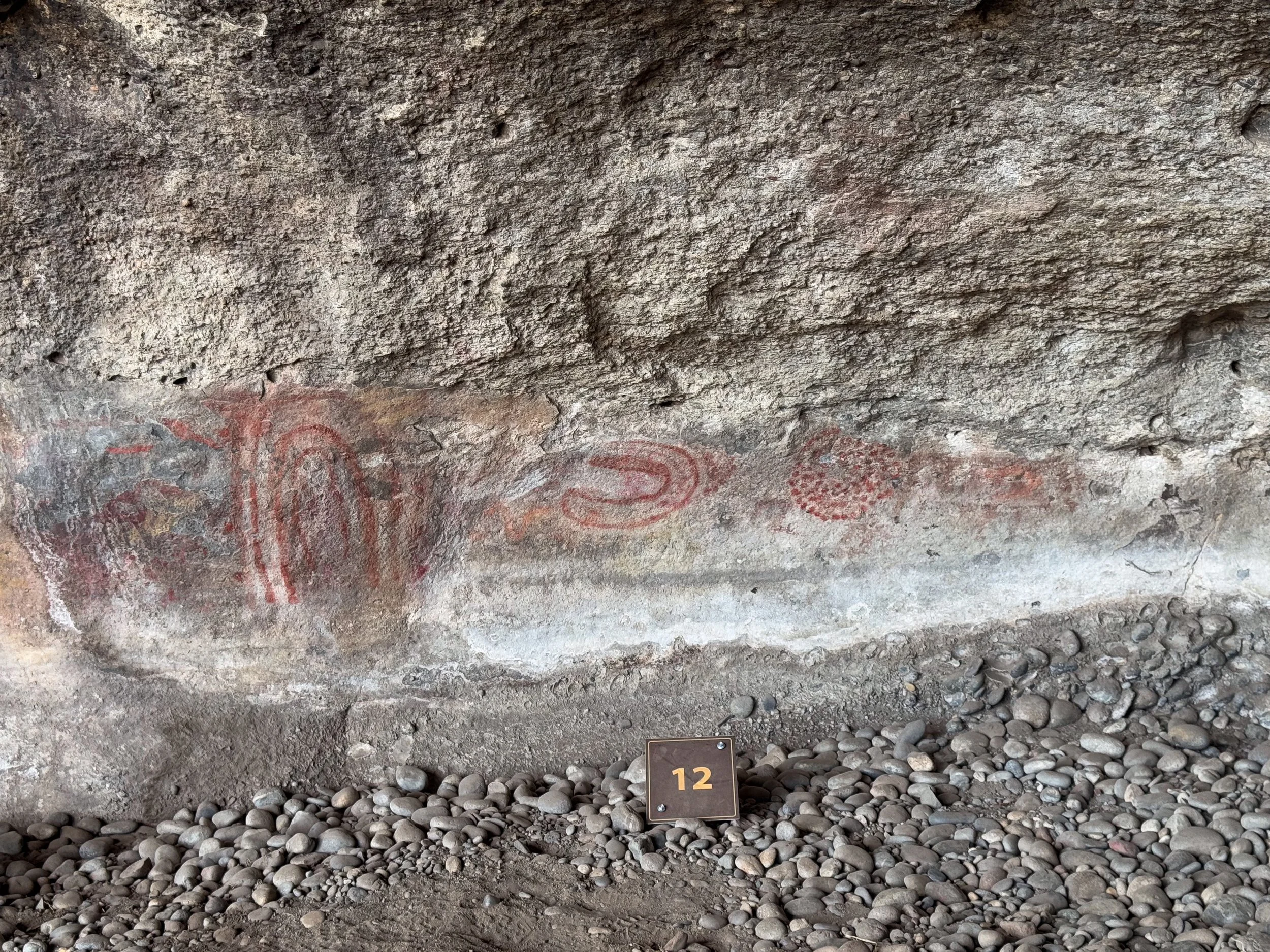
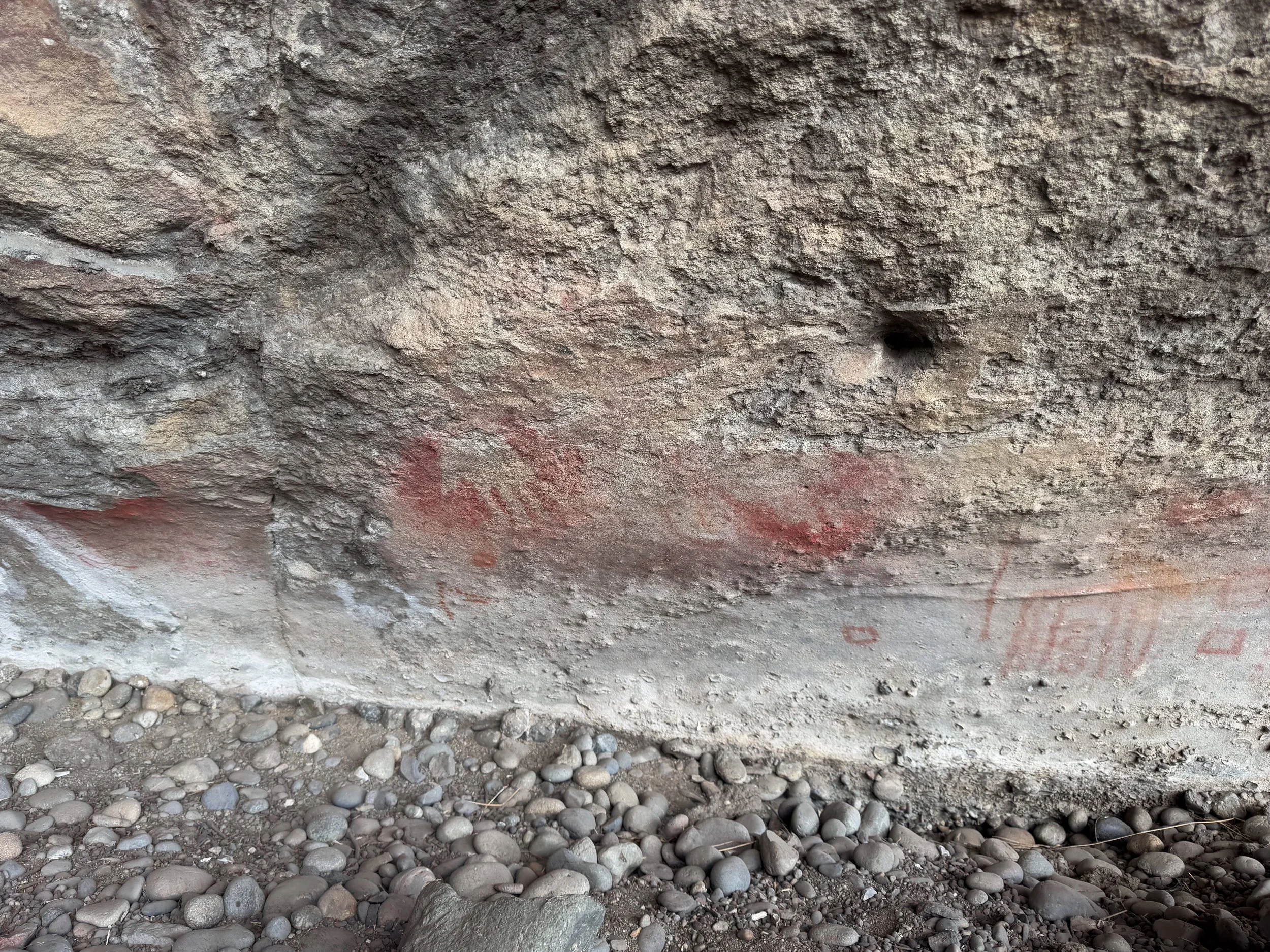
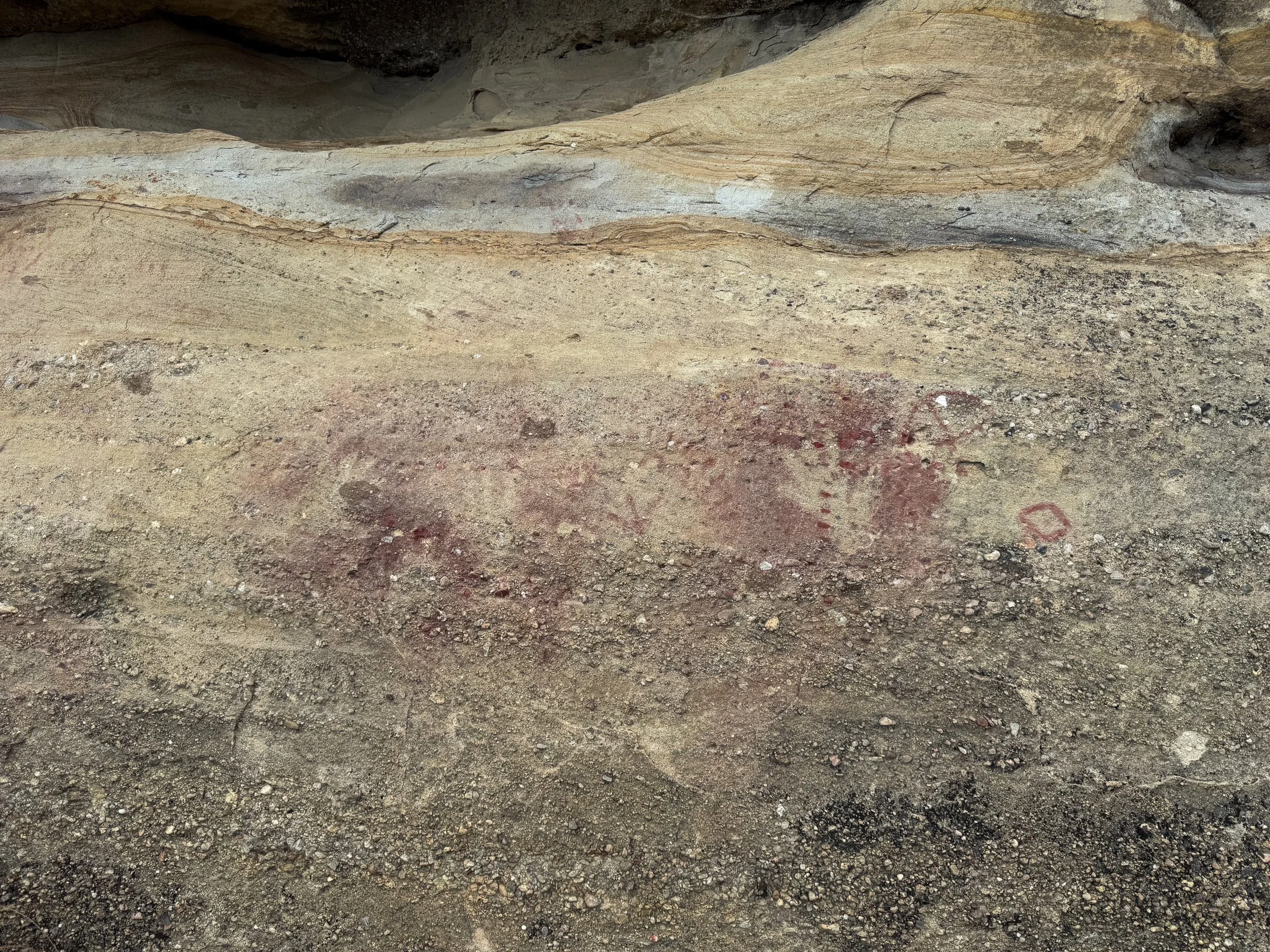
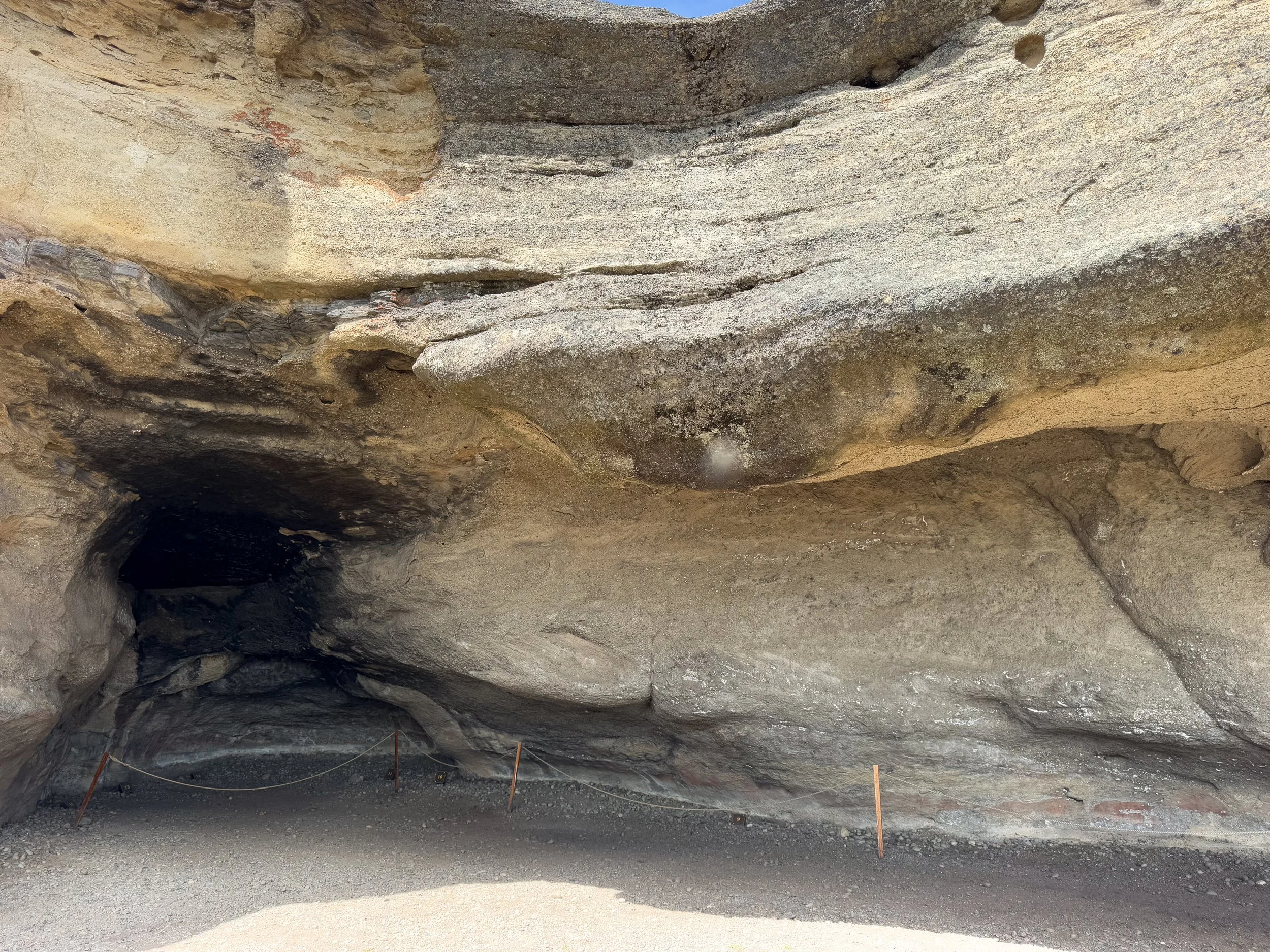
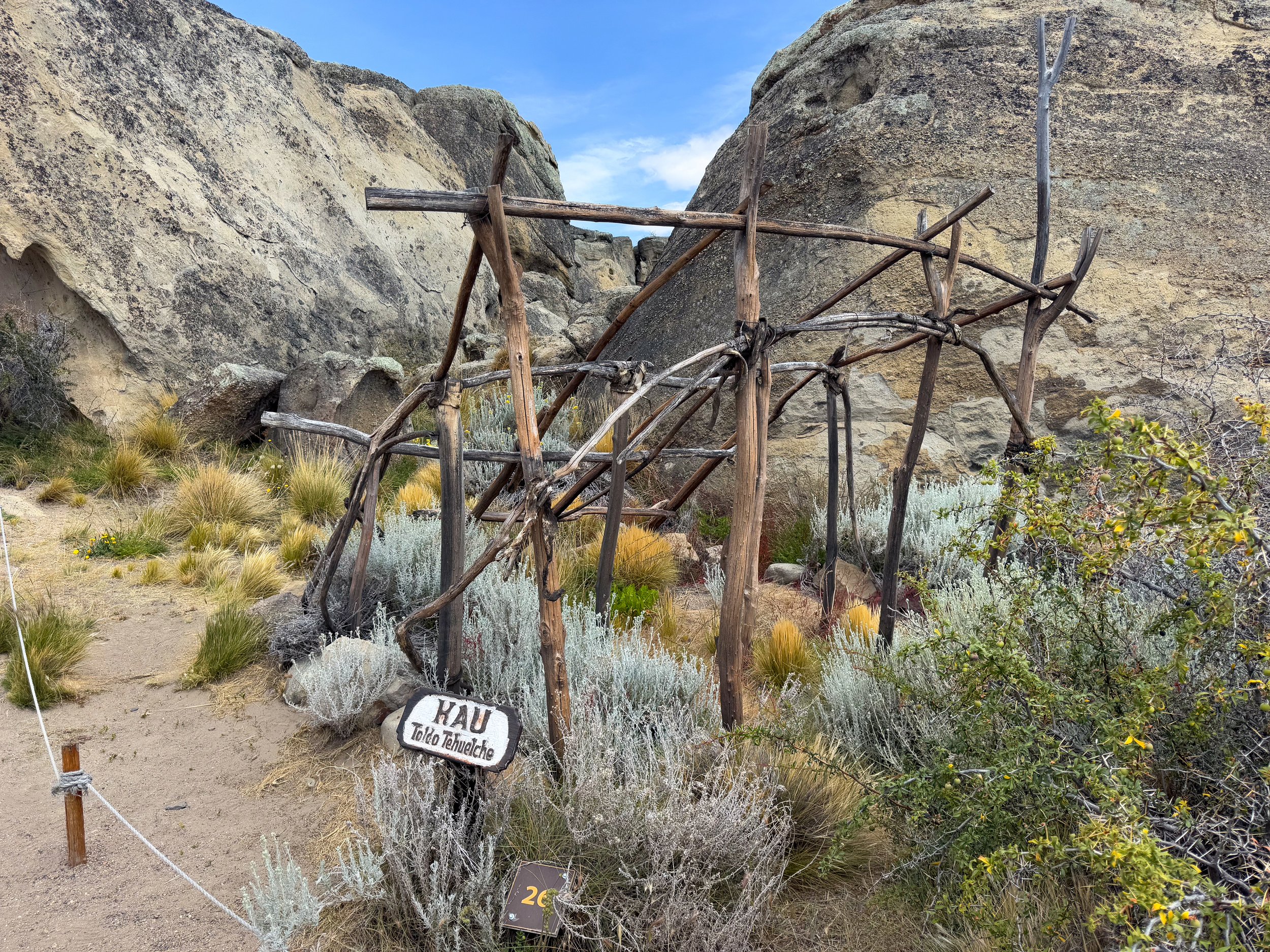
Punta Walichu. An archeological sight with 4,000 year old cave paintings created by some of the first indigenous peoples of Patagonia. The red and ochre colored painting line the base of the cave depicting hand prints, people dancing, dotted spirals, indiscernible shapes, guanaco and puma foot prints. There is a section with reproductions from the cave and of other areas of Patagonia. The narrated tour walks through various points along the cave with breathtaking views of lake Argentina and the mountains on the other side of it.
Places to Eat & Drink
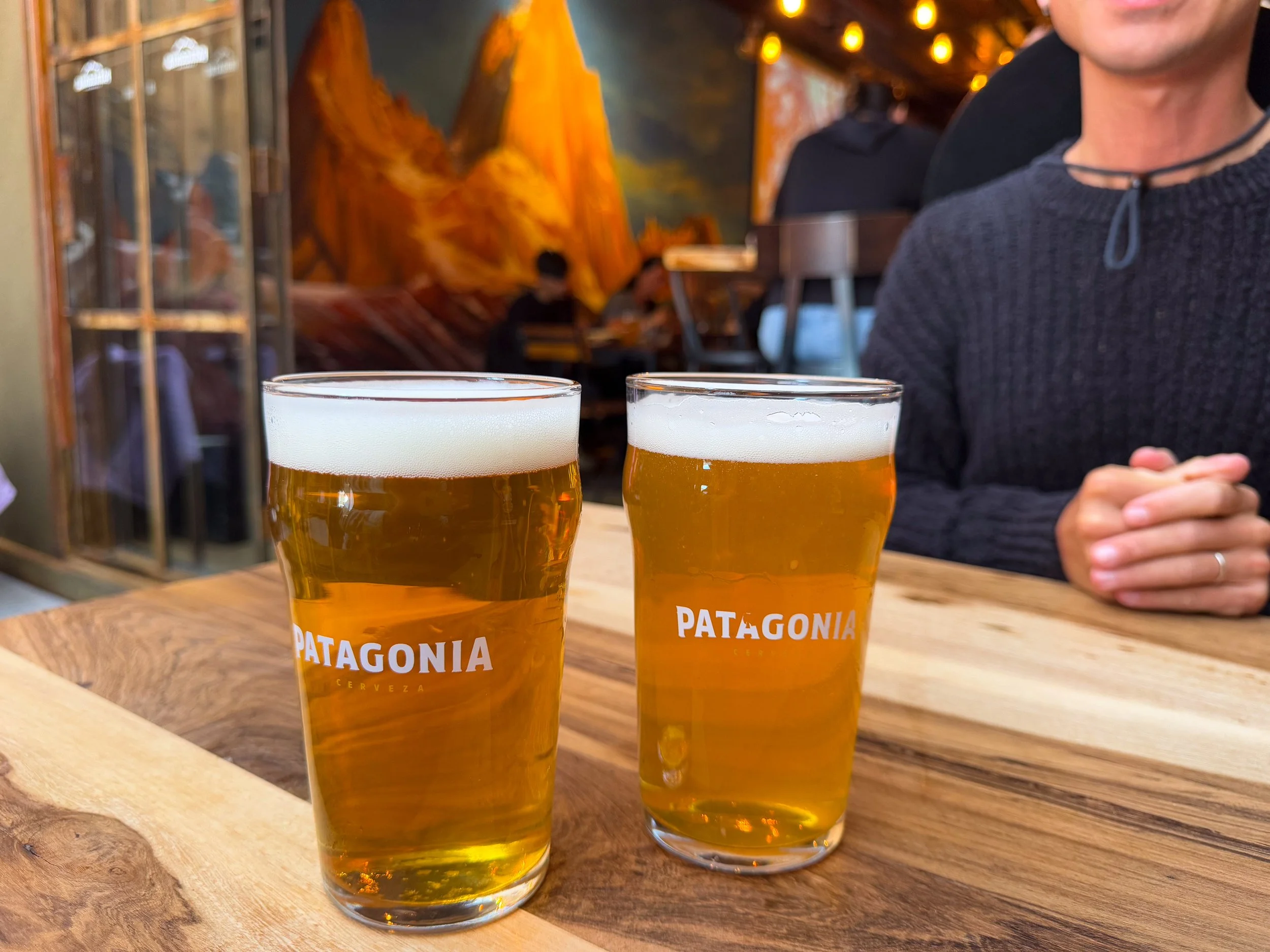
Cerveza Patagonia. A Patagonian brewery popular across Argentina and Chile for its regional beer. They have a taproom on Avenida del Libertador with their standard beers and specialty ones on tap and a full food menu. We shared 3 pints:
KM3. A mildly hoppy beer.
Munich Helles. A light and easy drinking beer with a slight honey and peach flavor.
Amber Lager. Their staple beer available in cans across the country. It has a light and flavorful taste.
La Zorra. A local brewery with a range of craft beers, snacks and shareable dishes. Try multiple half pints to sample their brews:
Forest Fruits. Light with a pine and peachy flavor.
Amber Ale. Hoppy with bitter and chocolaty flavor.
Passion Summer. Light and refreshing.
La Zaina Cocina Patagónica. A restaurant serving elevated Patagonian dishes and bottles of wine from their vineyards in Mendoza and Patagonia. We came for their seafood dishes, trying the lake trout and sea bass.
Shelby Mercado de Gin y Cervezas. A quiet liquor store and bar in a cabin like building with local beers and gins. We came here for gin and tonics made with Aconcagua and Patagonia Dry Gin de Acá, very floral and herbal Patagonian gins. We sipped on them from their second floor balcony.
La Oveja Negra Calafate. A gin bar and beer garden with all types of local snacks and dishes to share. We stopped in for their El Calafate Pisco Sours, made with El Calafate liquor.
Acuarela Helados Artisanal. An ice cream shop, chocolate store and cafe with a display of dozens of colorful ice creams including local flavors like El Calafate and Dulce de Leche.
Getting Around El Calafate
From the Airport. Take a public shuttle to the city center. The buses depart several times per day based on flight schedules for 11,000 pesos per person. Alternatively, hire a ride from one of the taxi stands for 33,000 persons. Uber is not available.
From the Bus Station. The Omnibus station is a 20 minute walk from the city center. Alternatively, hire a taxi from the line out front. Rides take 5 minutes and should cost 5,000 pesos.
By Bus. Regional buses to many of the natural sights, regional towns and further distances in Argentina and Chile are reachable by bus. Several companies sell tickets from the Omnibus Terminal just outside of town. We booked with Bus Sur and El Chaltén Travel, two of the more reputable and well reviewed bus companies.
On Foot. The city center and surrounding areas are easily walkable.
Perito Moreno Glacier
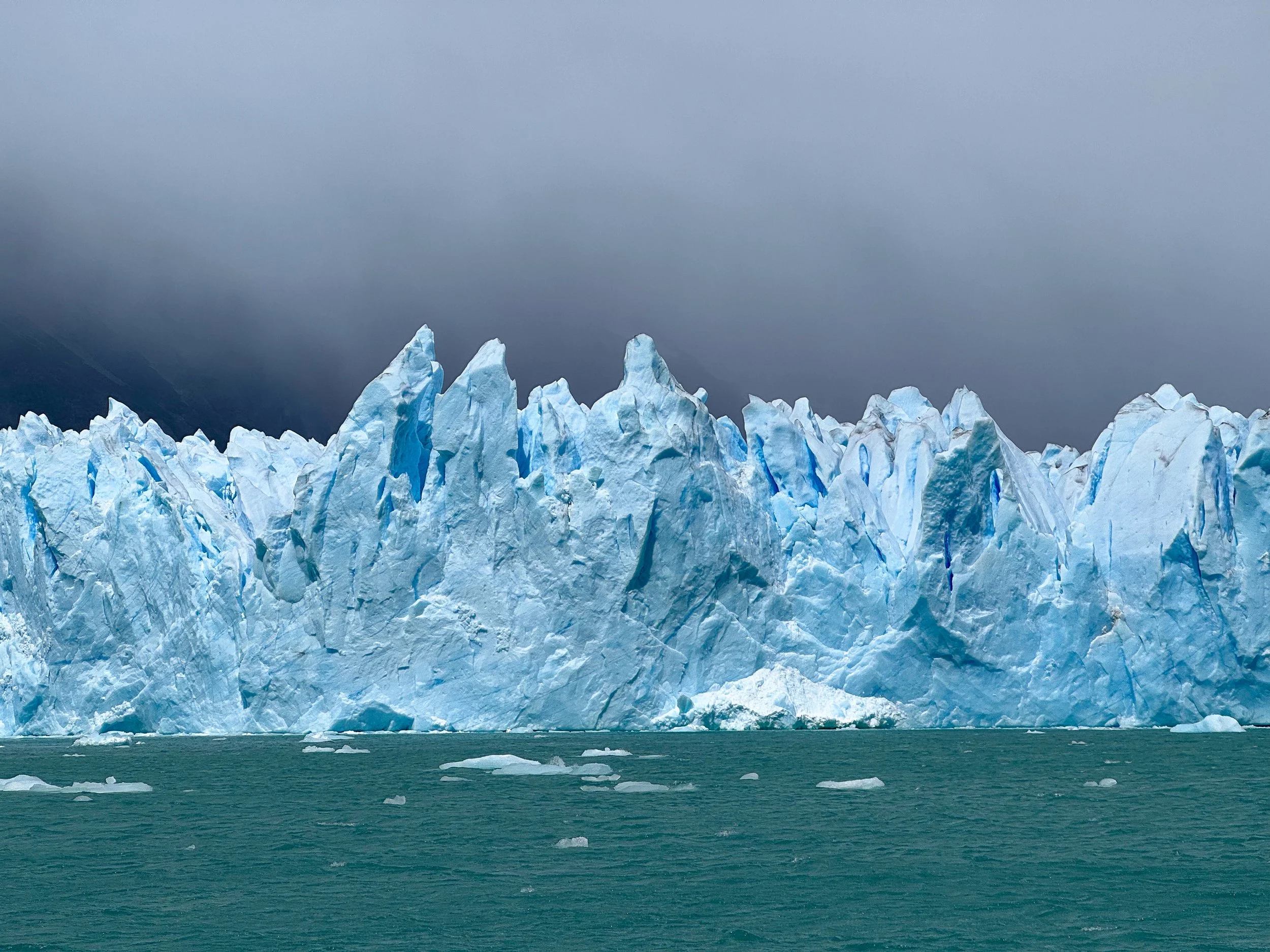
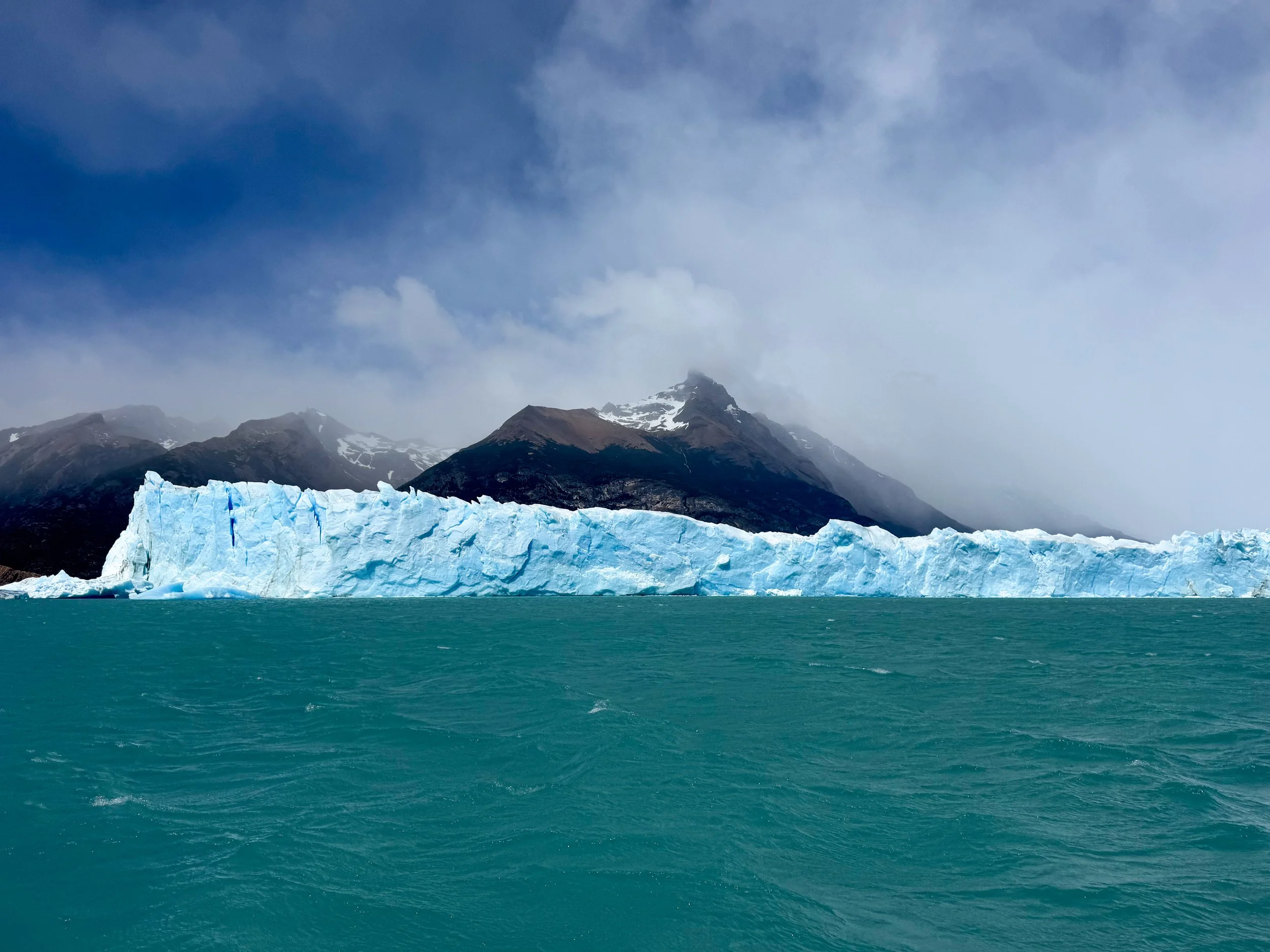
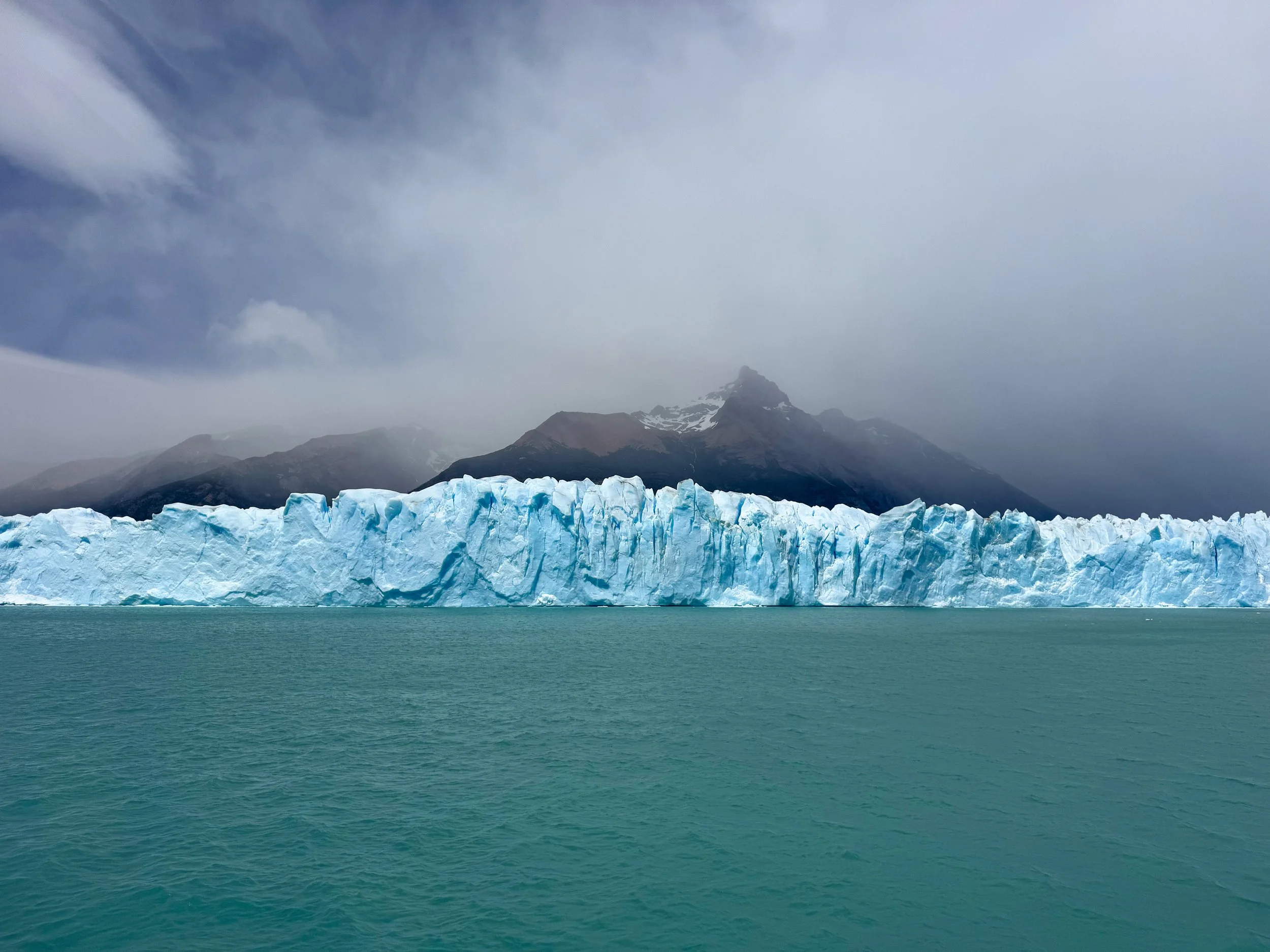
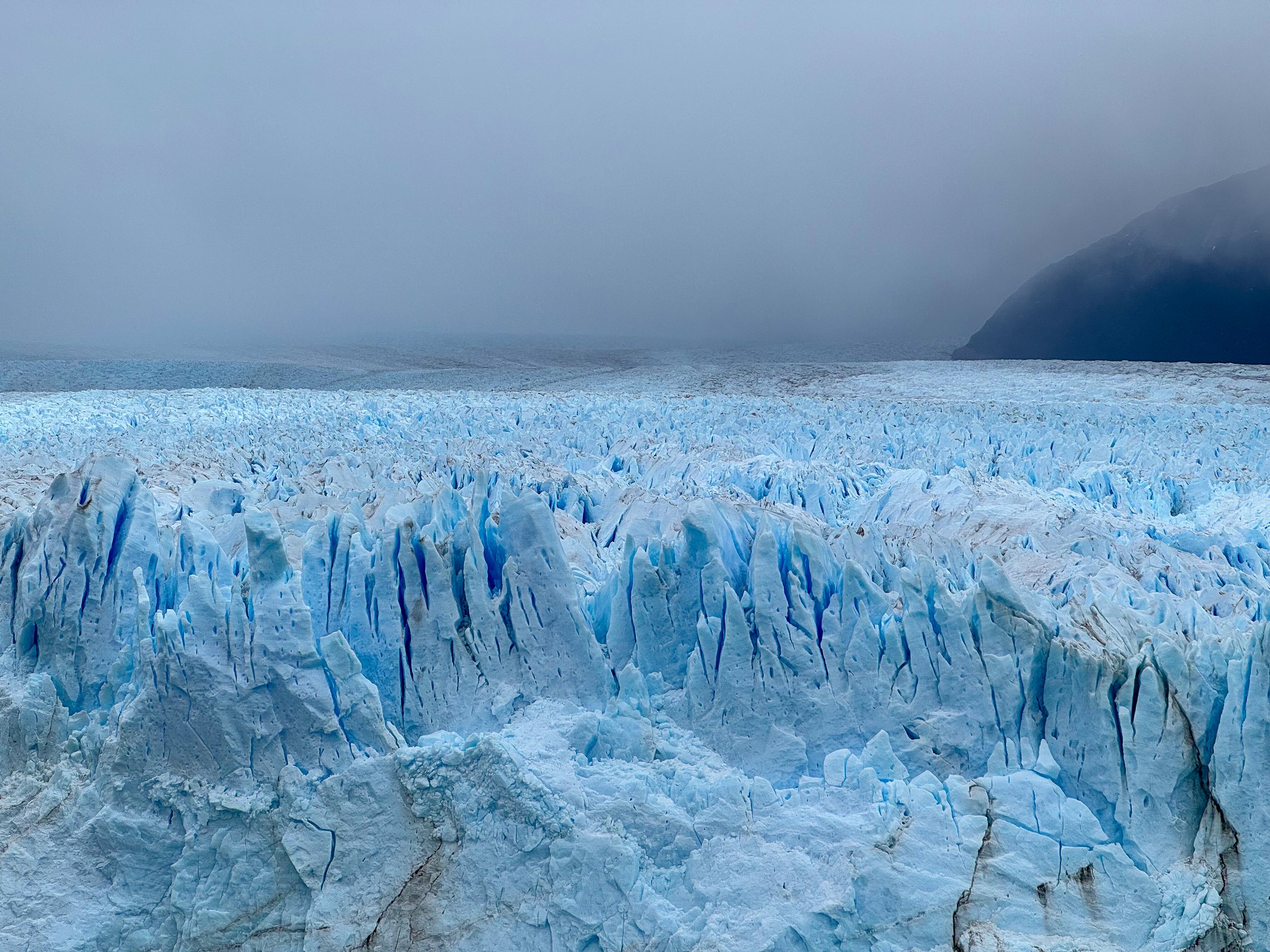
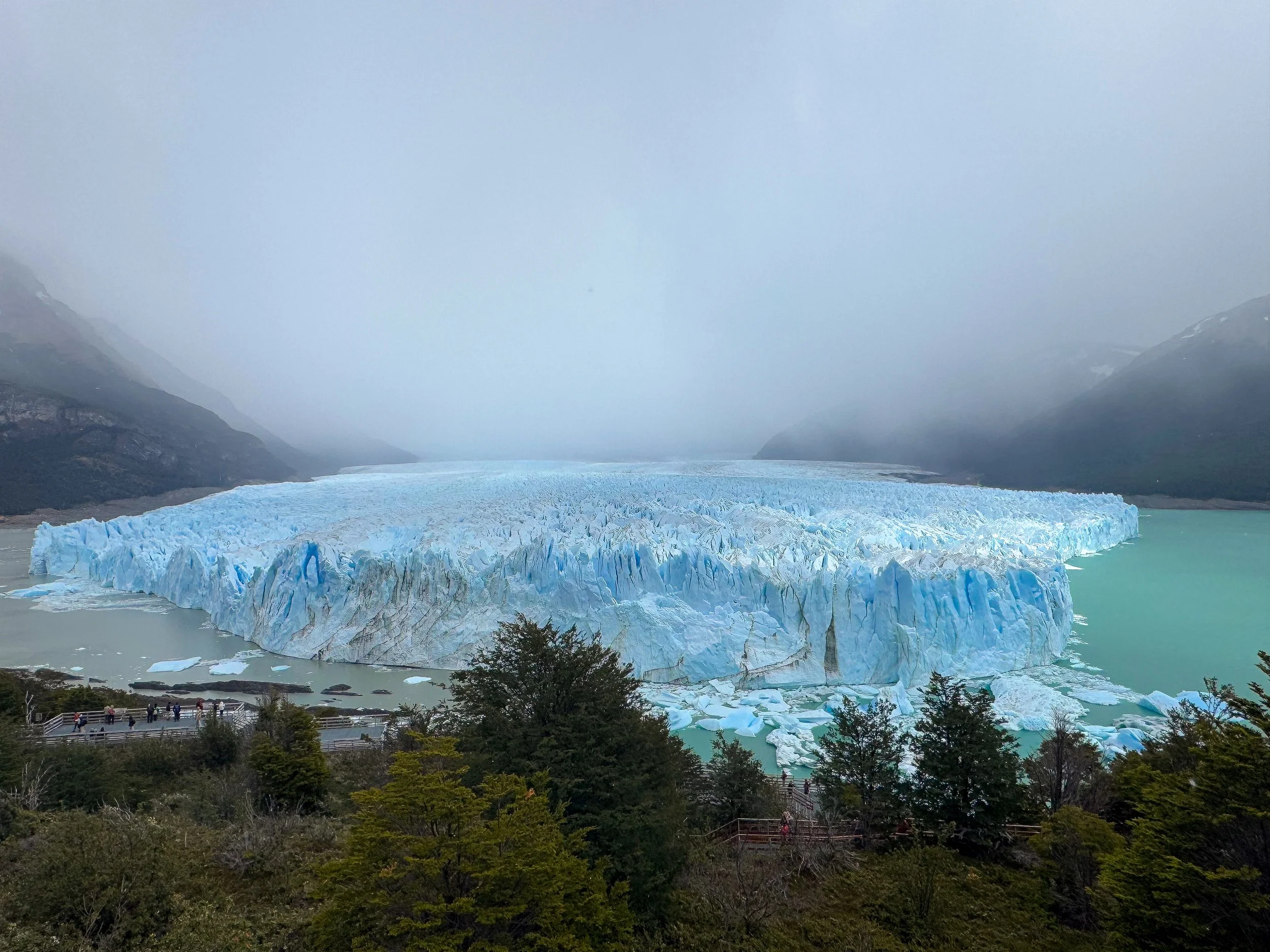
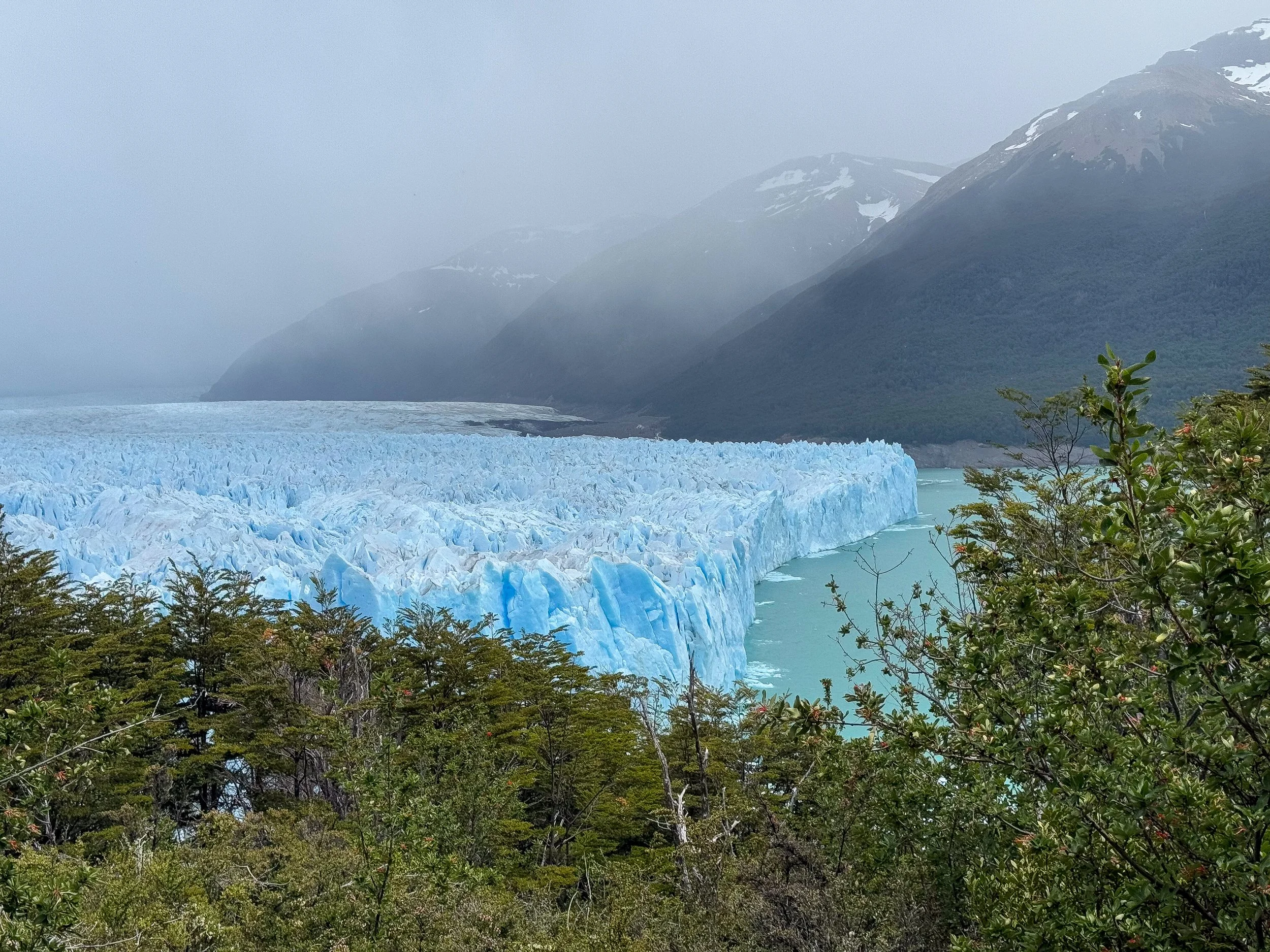
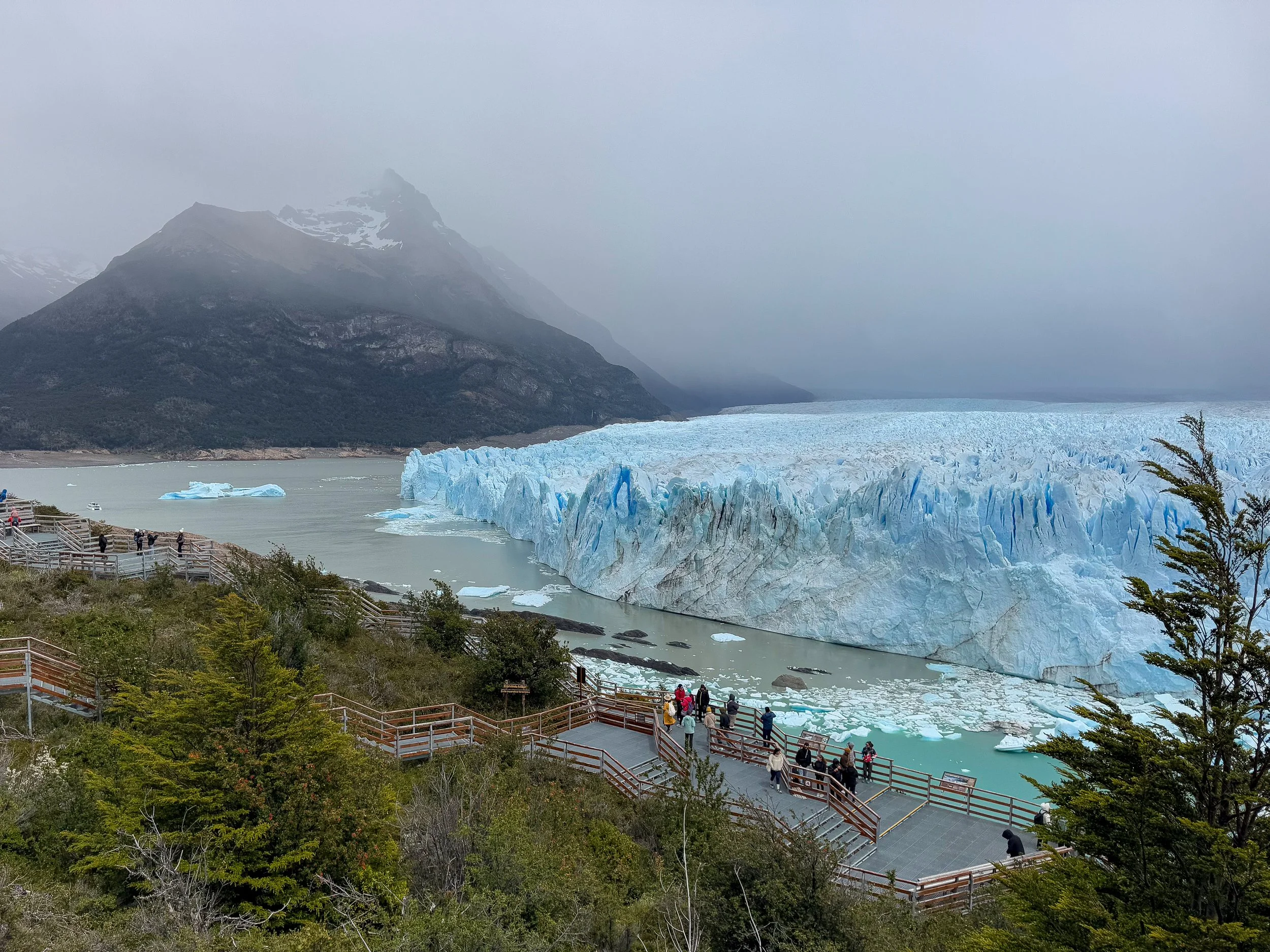
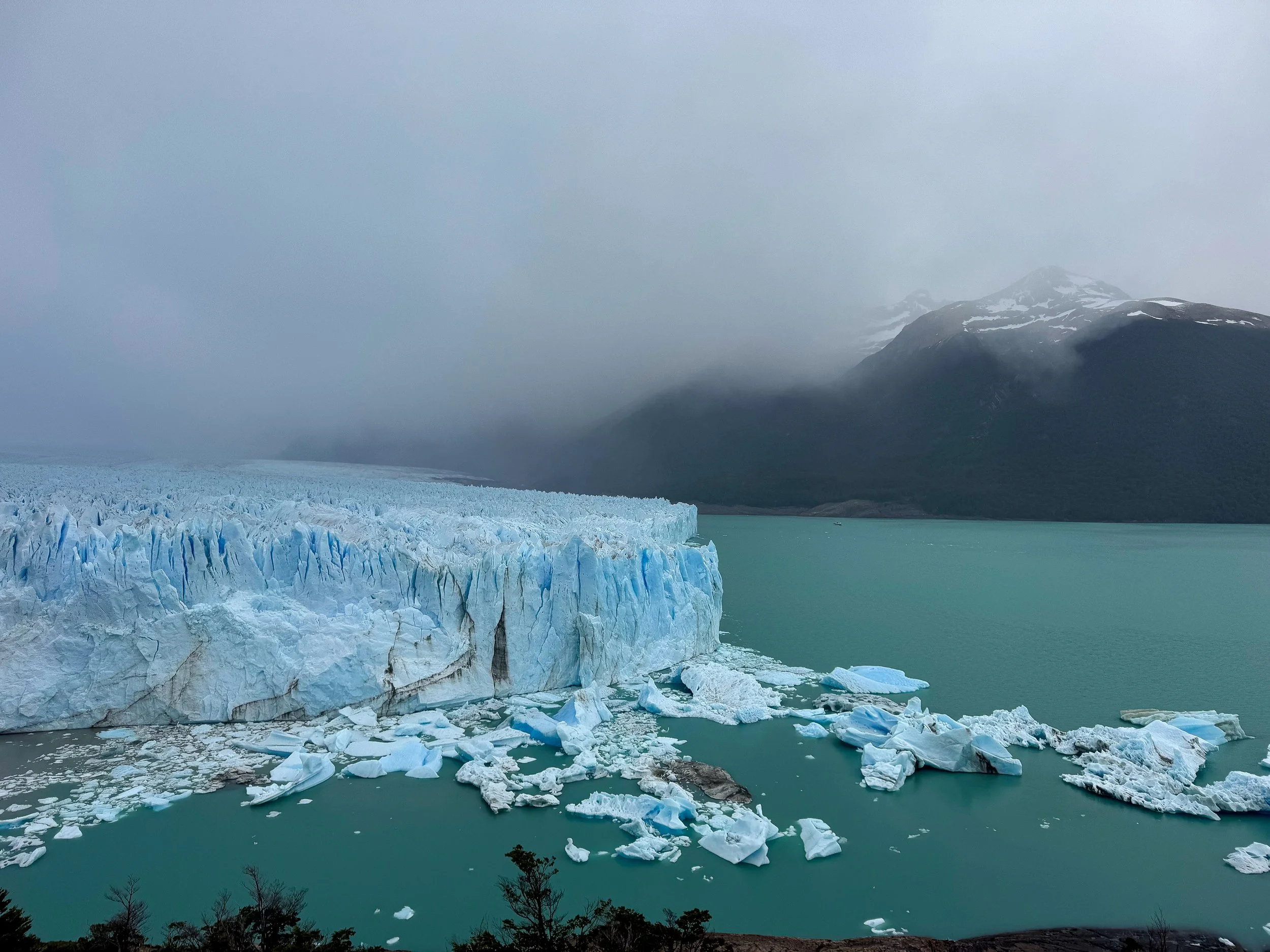
The Perito Moreno Glacier is a vast ice flow famed for its 70 meter tall leading edge. It’s observable from several boardwalks viewpoints and by boat on Lake Argentina.
Glacier Lagoon Tour
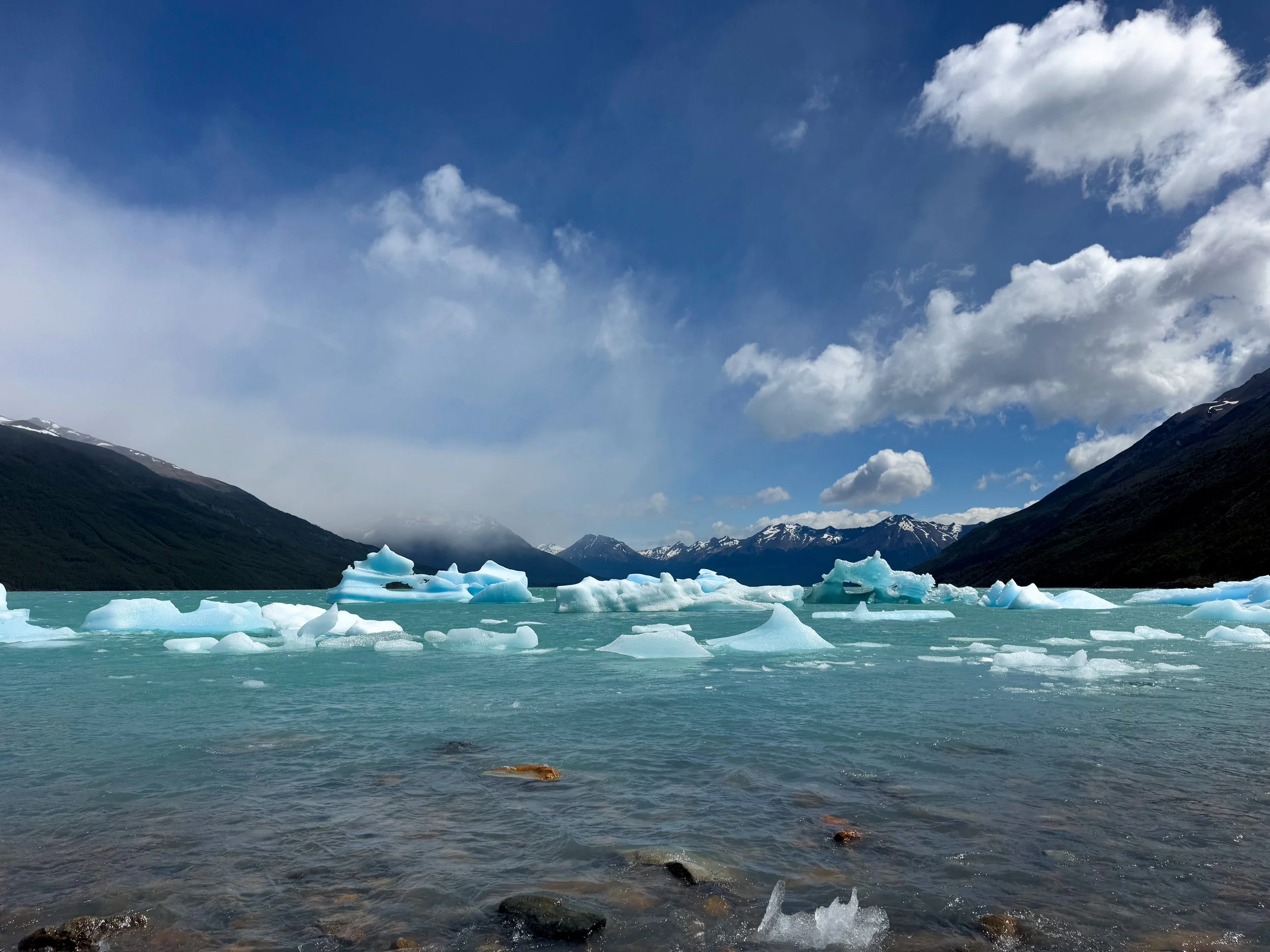
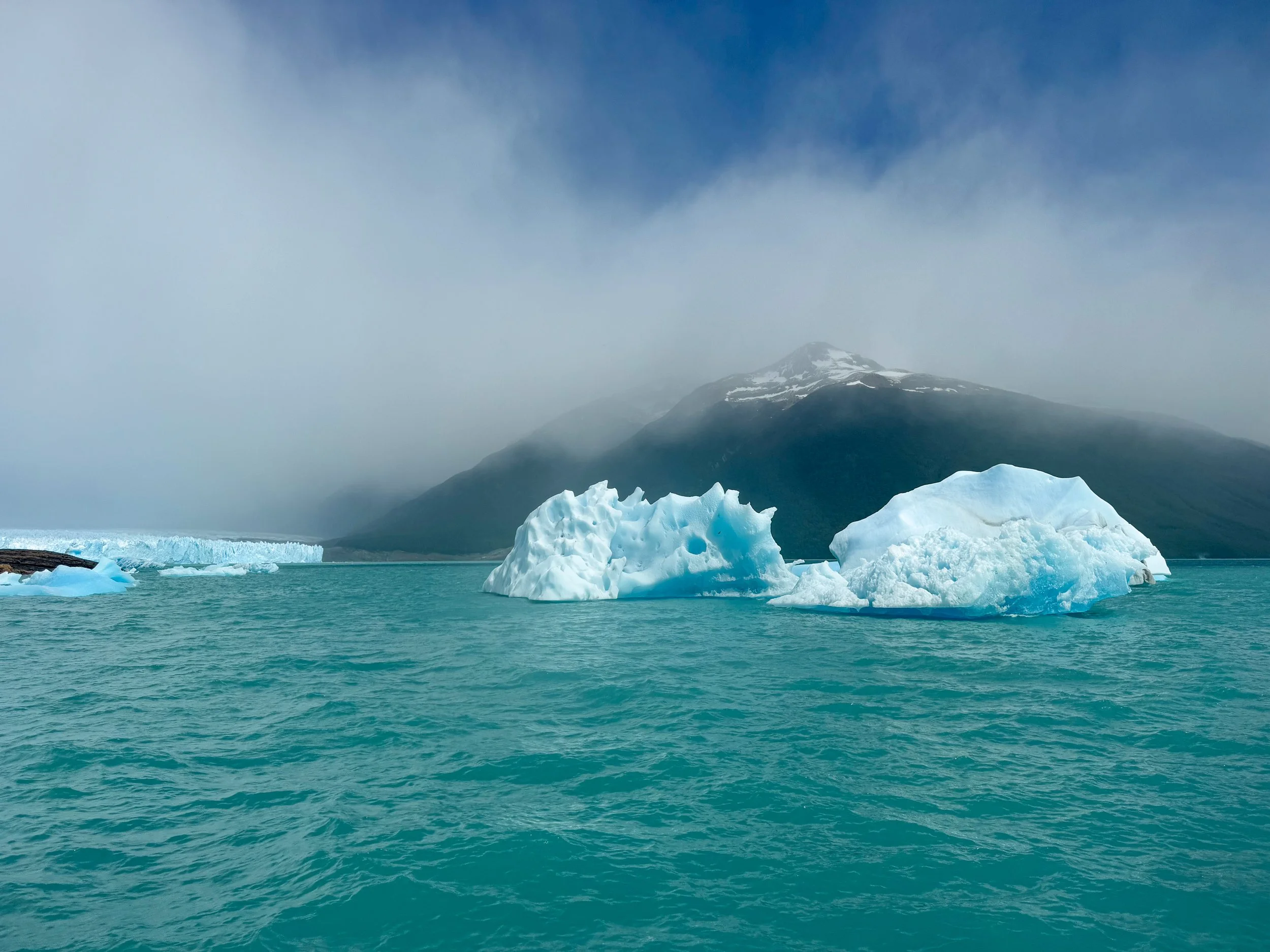
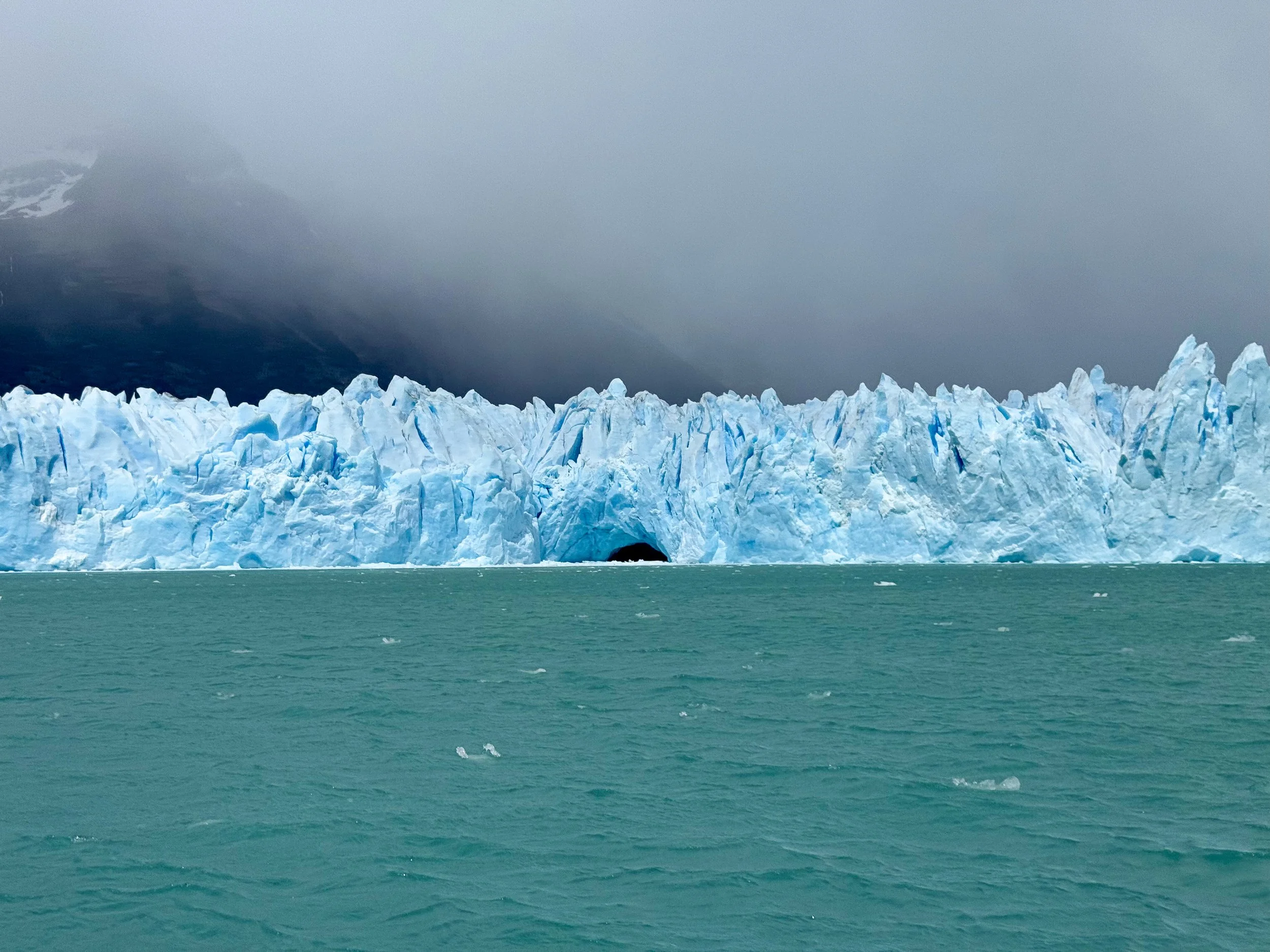
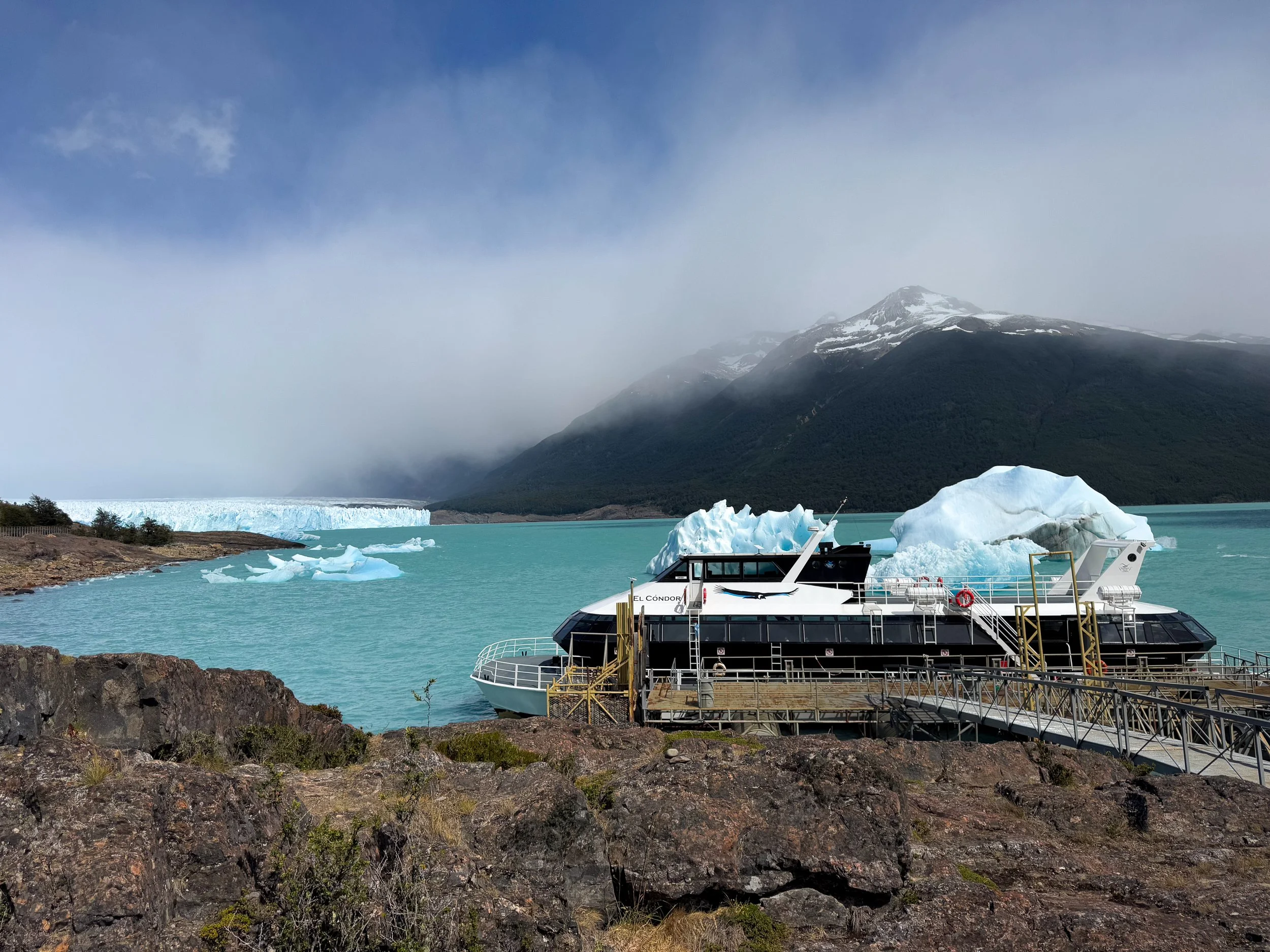
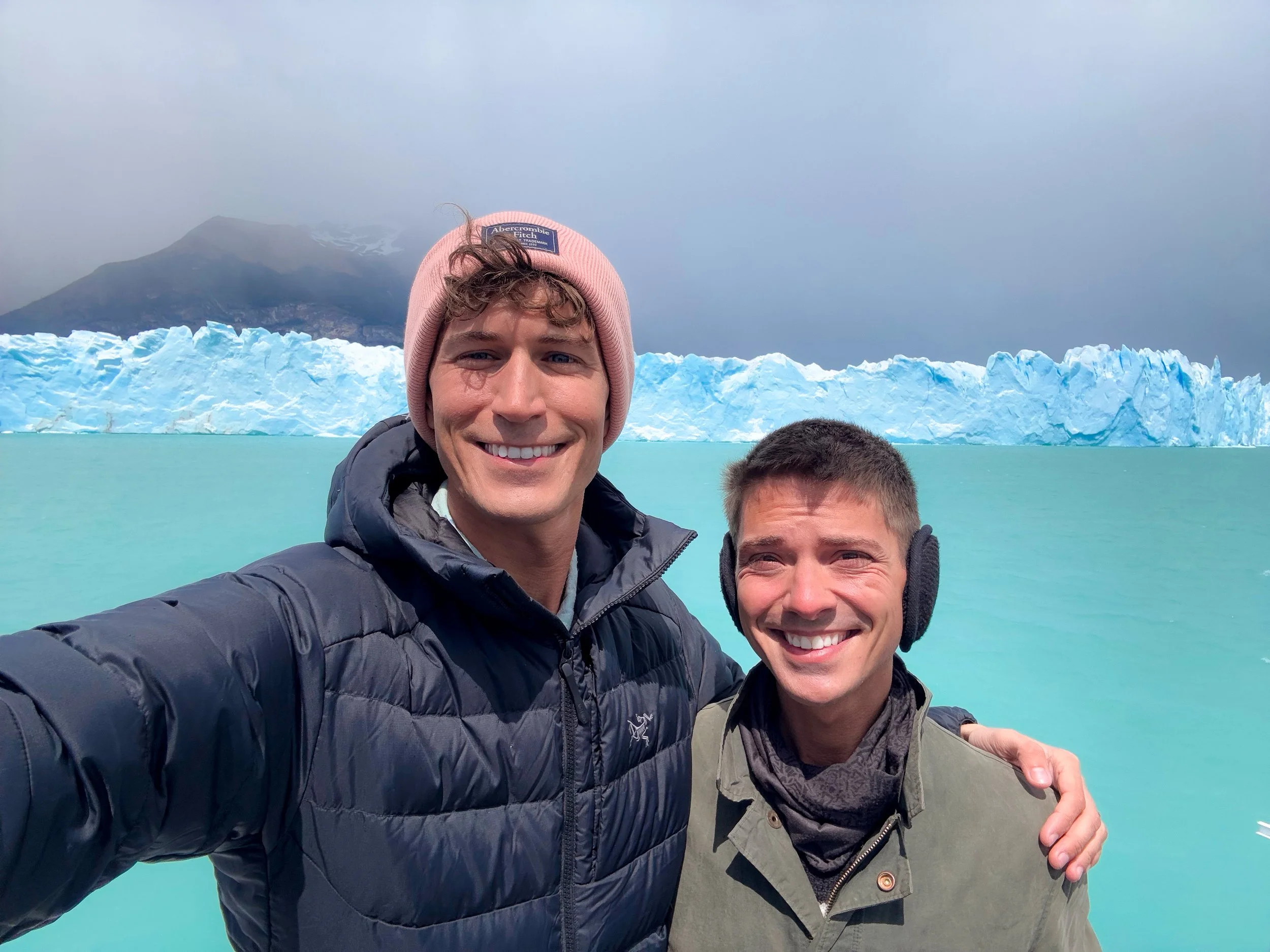
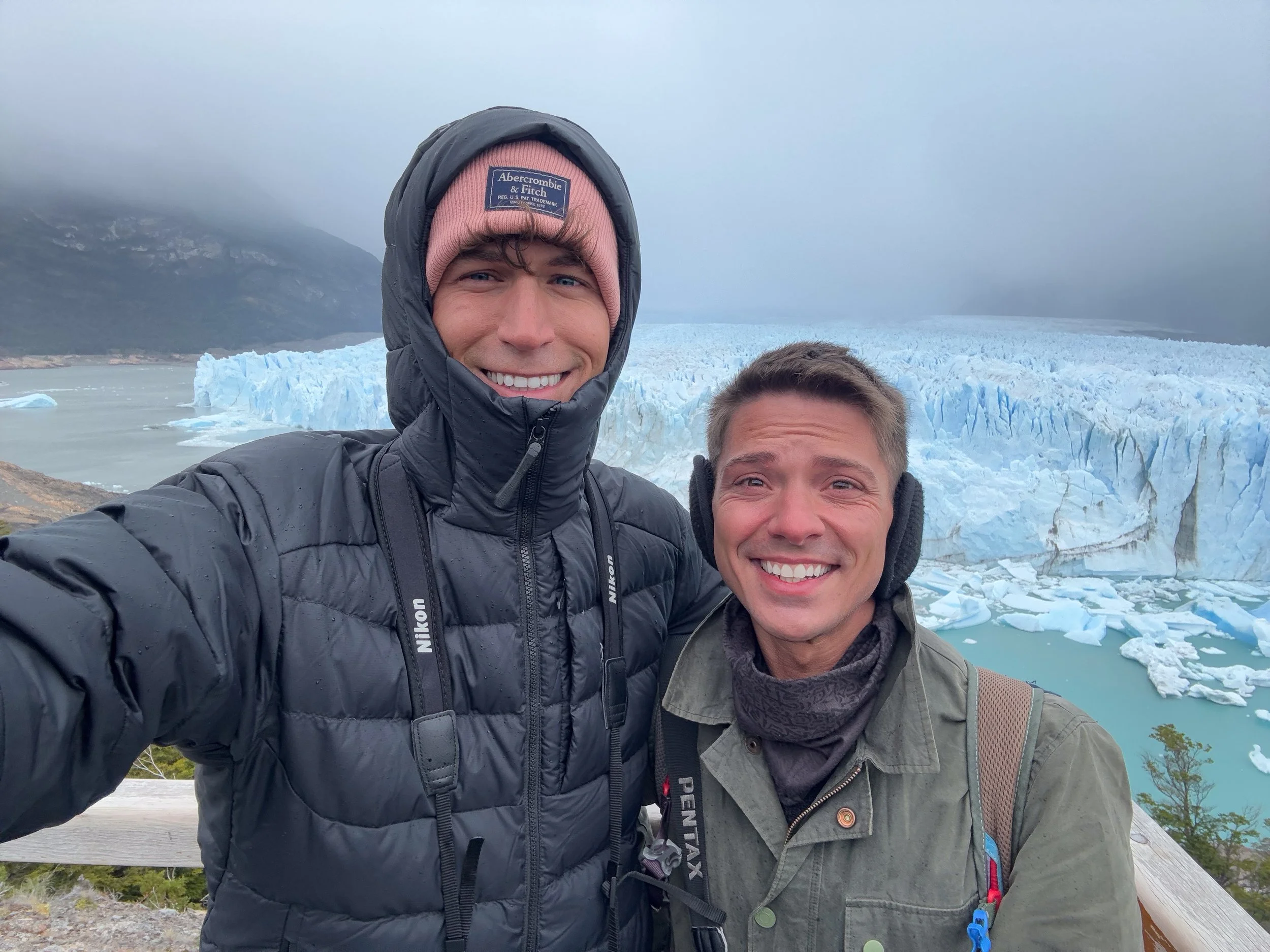
One of the best ways to experience the glacier is by boat. We boated across the icy and turquoise waters of Lake Argentina, past large icebergs towards the vast face of the glacier. The craggily and jagged wall of ice towered in front of us, ranging in pale to dark blue tones with deep crevices and ice caves. We booked with Southern Spirit. The tour lasted about an hour.
Walk the Boardwalks
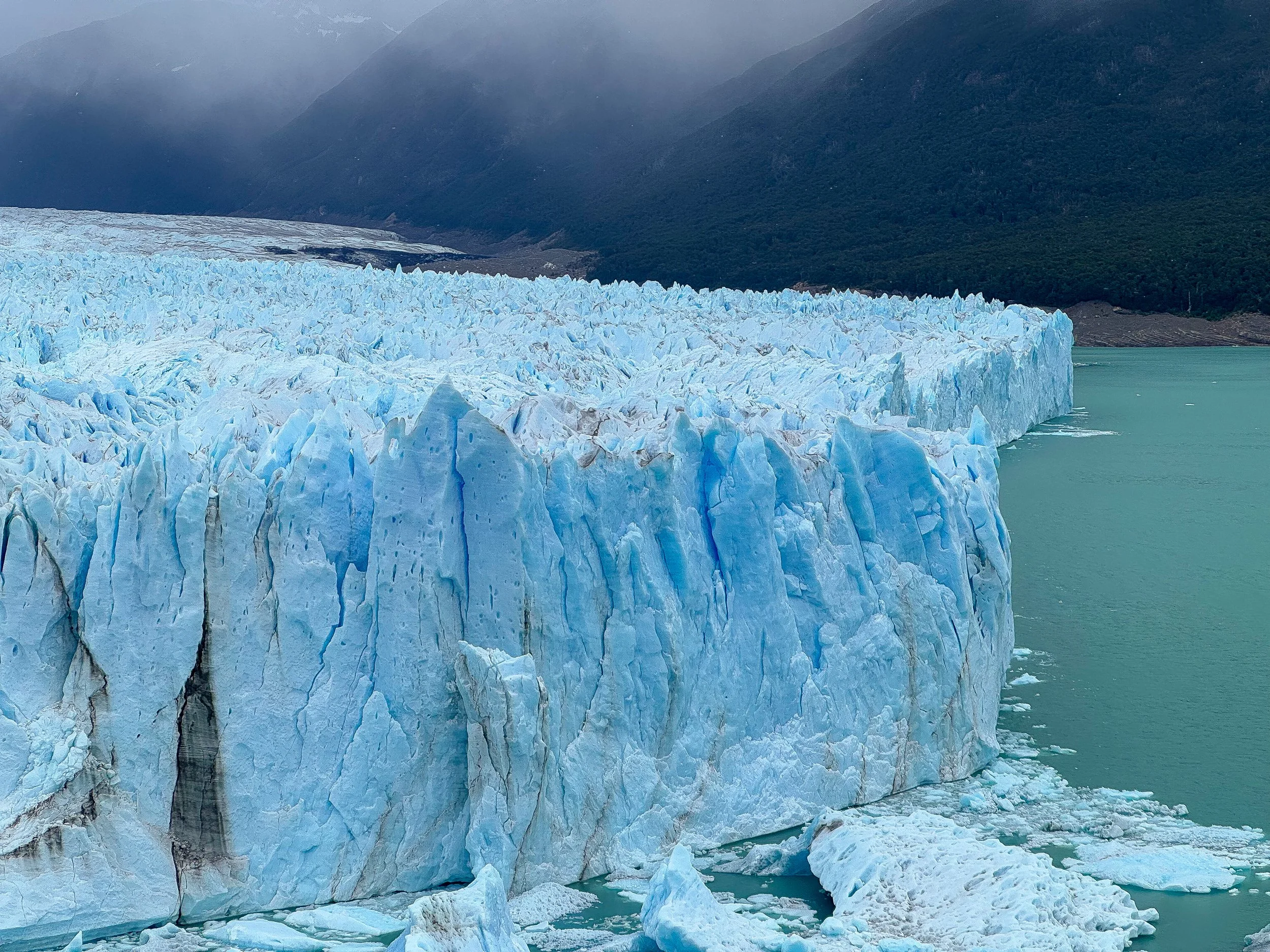
From the boardwalks and lookouts, we got to experience the stunning beauty of the glacier, the glacial lagoons, forested terrain and mountainous landscape. Entry to the park includes access to the boardwalks and scenic overlooks. We explored most of the routes, enjoying the views and listening to the creaking and cracking of the glacier. With patience, we watched as several small chunks of ice fell from the glacier into the lake. Later, a large piece calved off, creating a thunderous noice and large splash in the icy water below.
Trails and Routes. The glacier park has several kilometers of boardwalks with panoramic views overlooking of the glacier from various heights and angles. Each one can we walked significantly faster than the signs suggest.
Blue Trail. 1.1km boardwalk connecting the boat launch to the yellow trail.
Yellow Trail. A 0.6km boardwalk with some of the best views and overlooks of the glacier. This one is justifiably the most popular.
Purple Trail. A 0.6km boardwalk leading through the forest with views of the glacier. It connects to the Yellow Trail.
Red Trail. A 1.1km boardwalk that leads along the south face of the glacier with lookouts along the way. It’s an easy walk and less busy than the other trails.
Green Trail. A 0.6km boardwalk through the forest. It was closed due to high winds when we visited.
Getting Here. We booked a shared shuttle to and from El Calafate to the glacier with Bus Sur at the El Calafate Bus Terminal. The glacier park is about 1 hour and 30 minutes away.
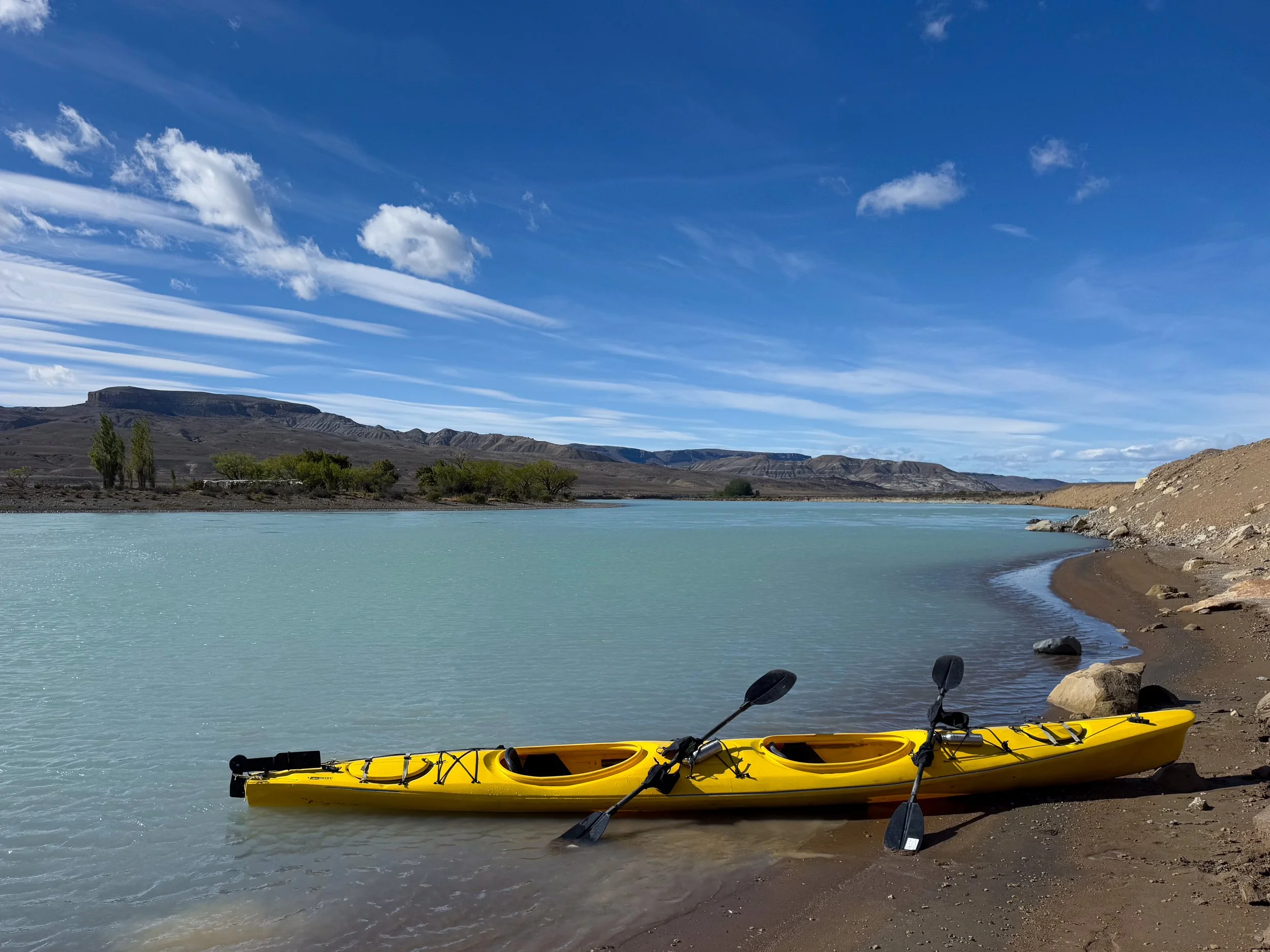
Kayak La Leona River
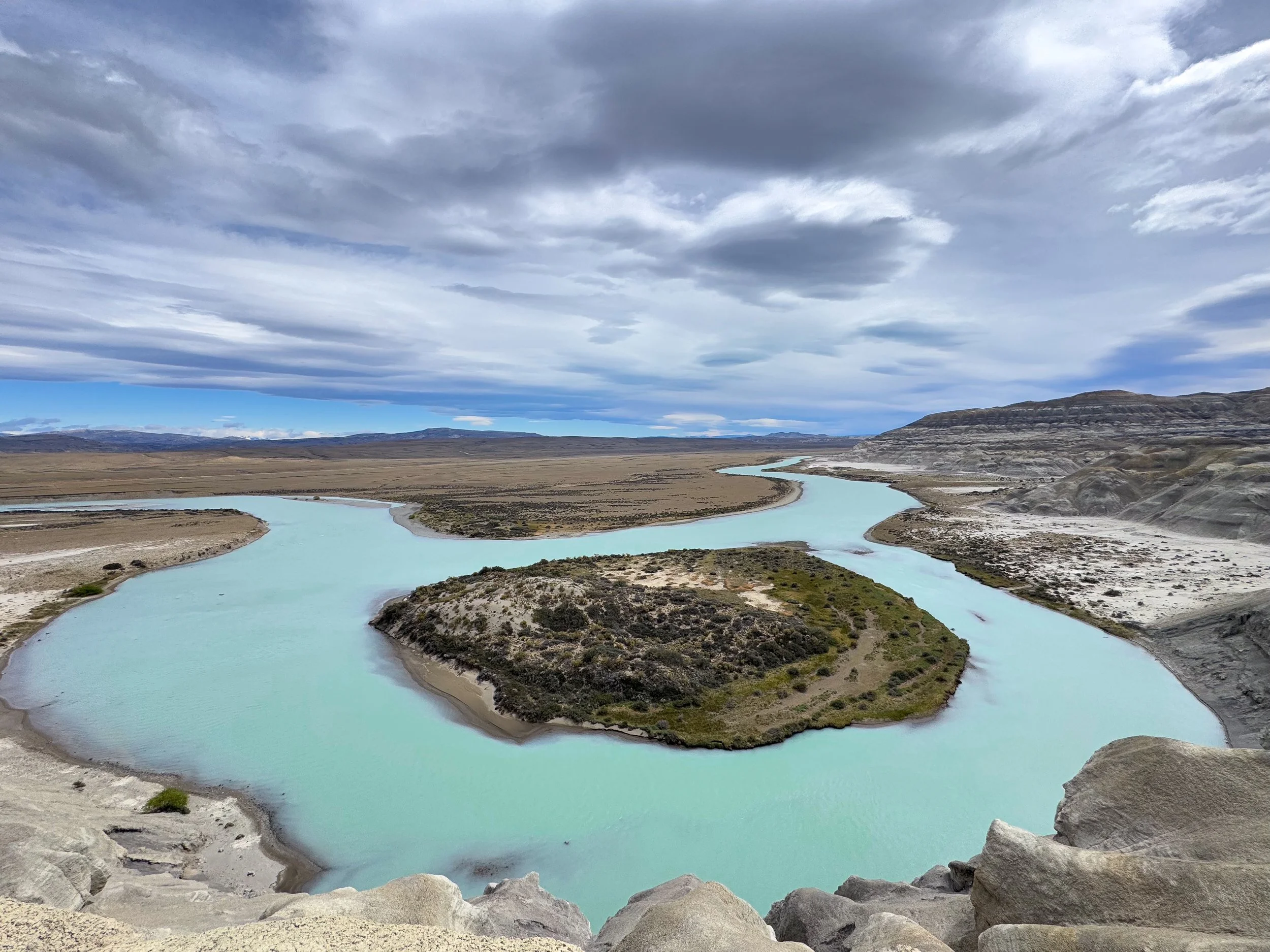
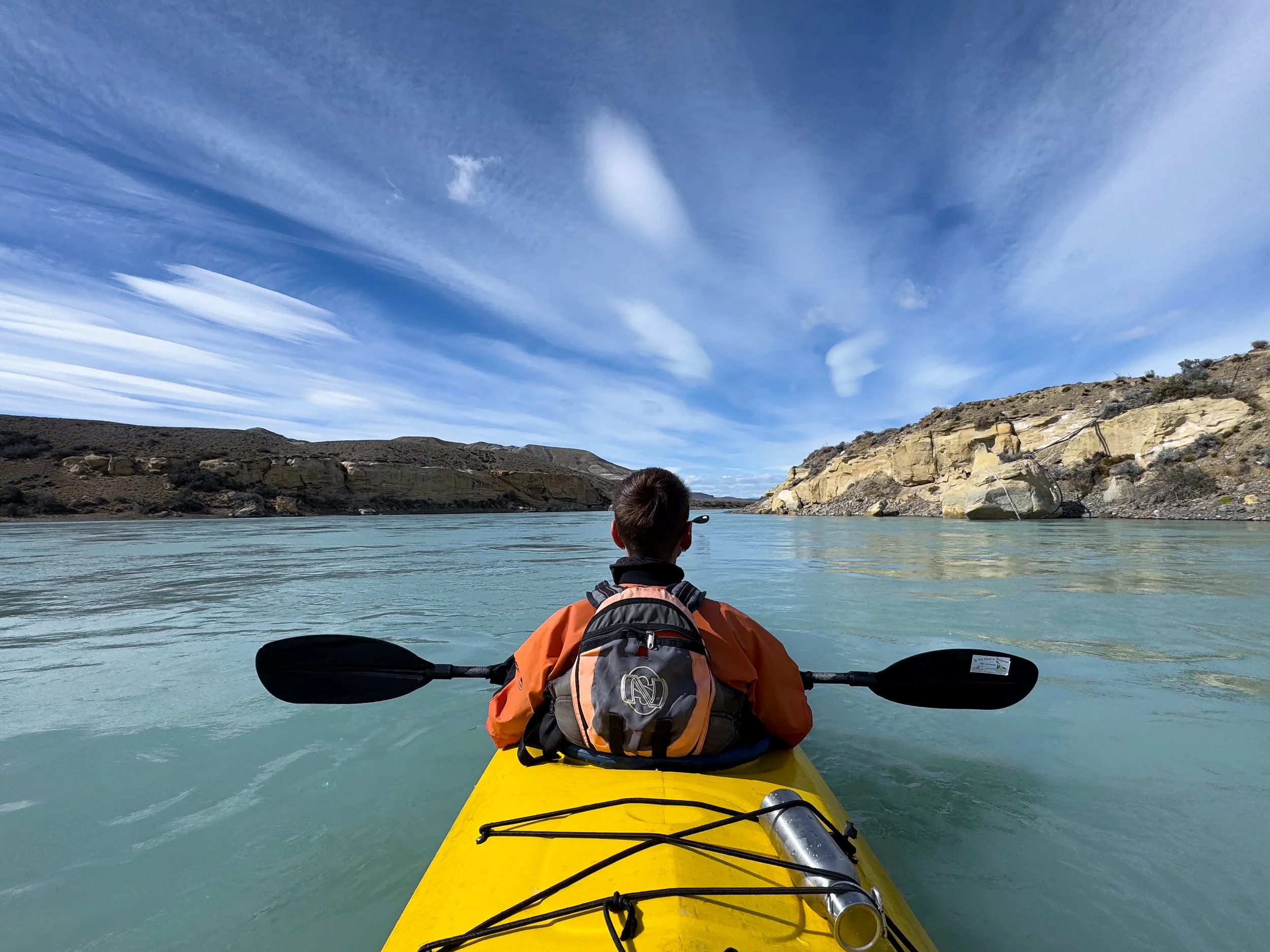
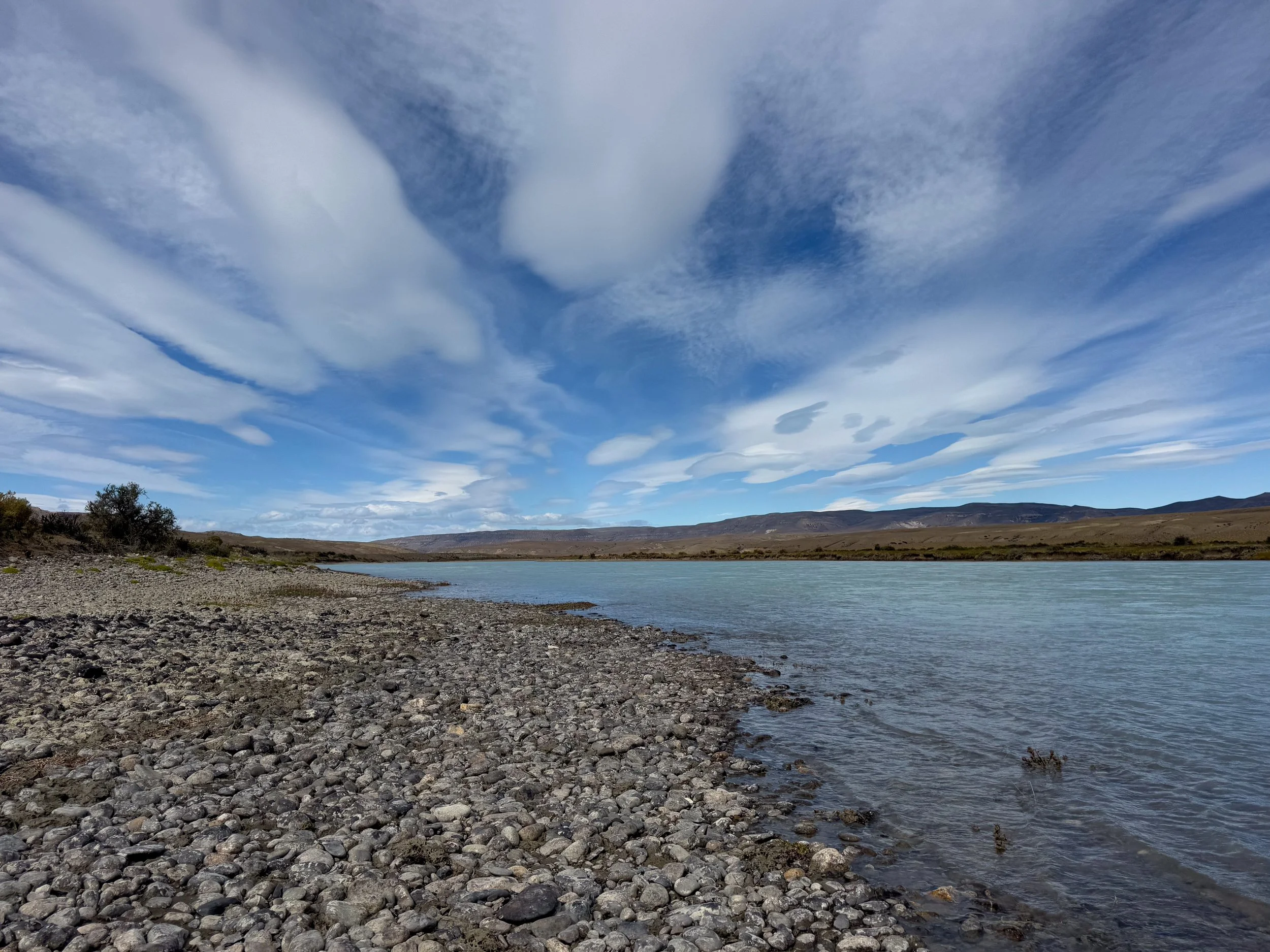
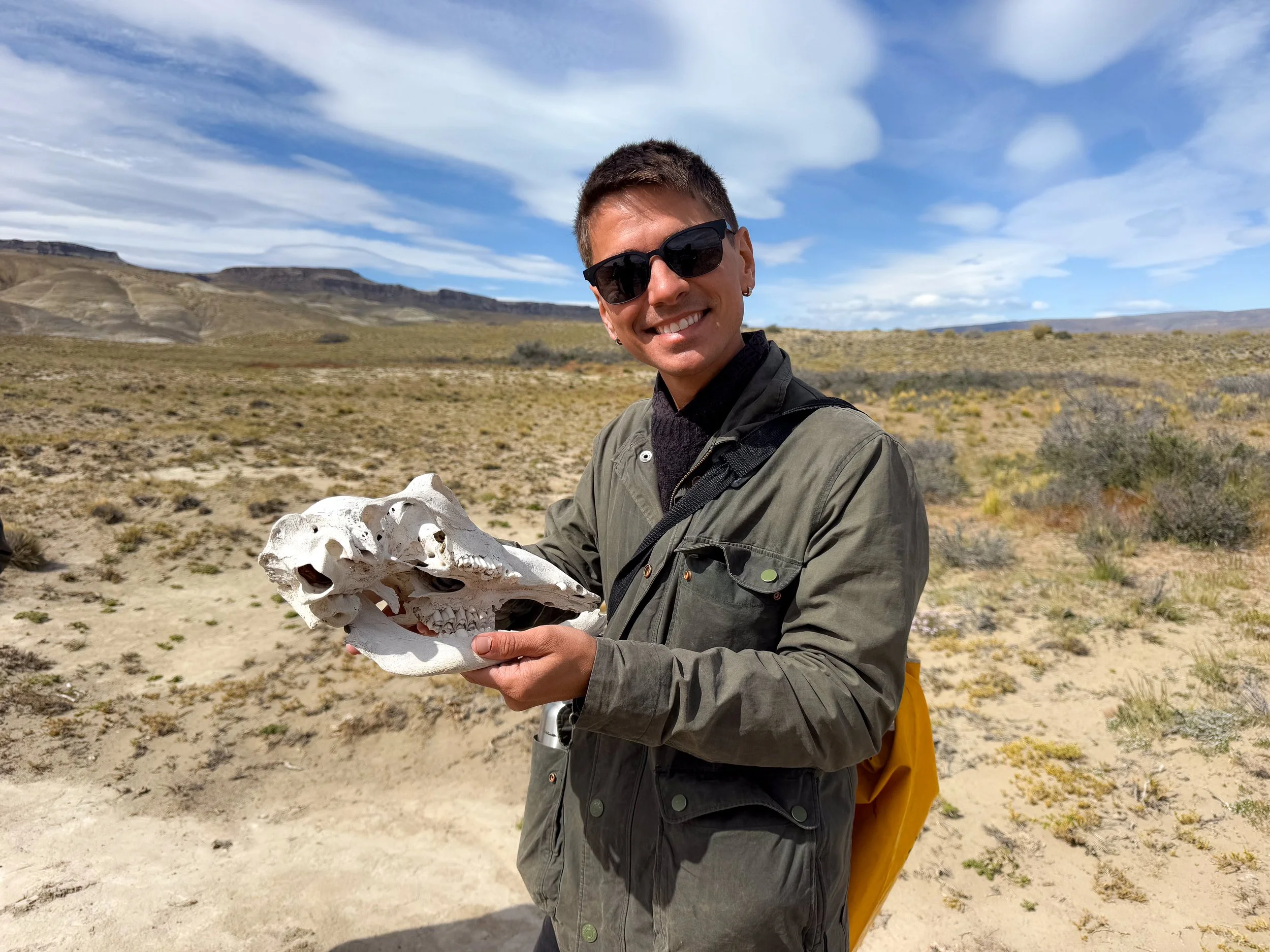
The Leona River is a milky blue river flowing between Lake Viedma and Lake Argentina created by glacial melt. We kayaked 18km downstream, through multiple rapids, narrow channels and winding bends. Along the way, we spotted Guanaco wandering the hills and chasing each other. The last 5km were the most difficult, paddling against strong winds and eddies.
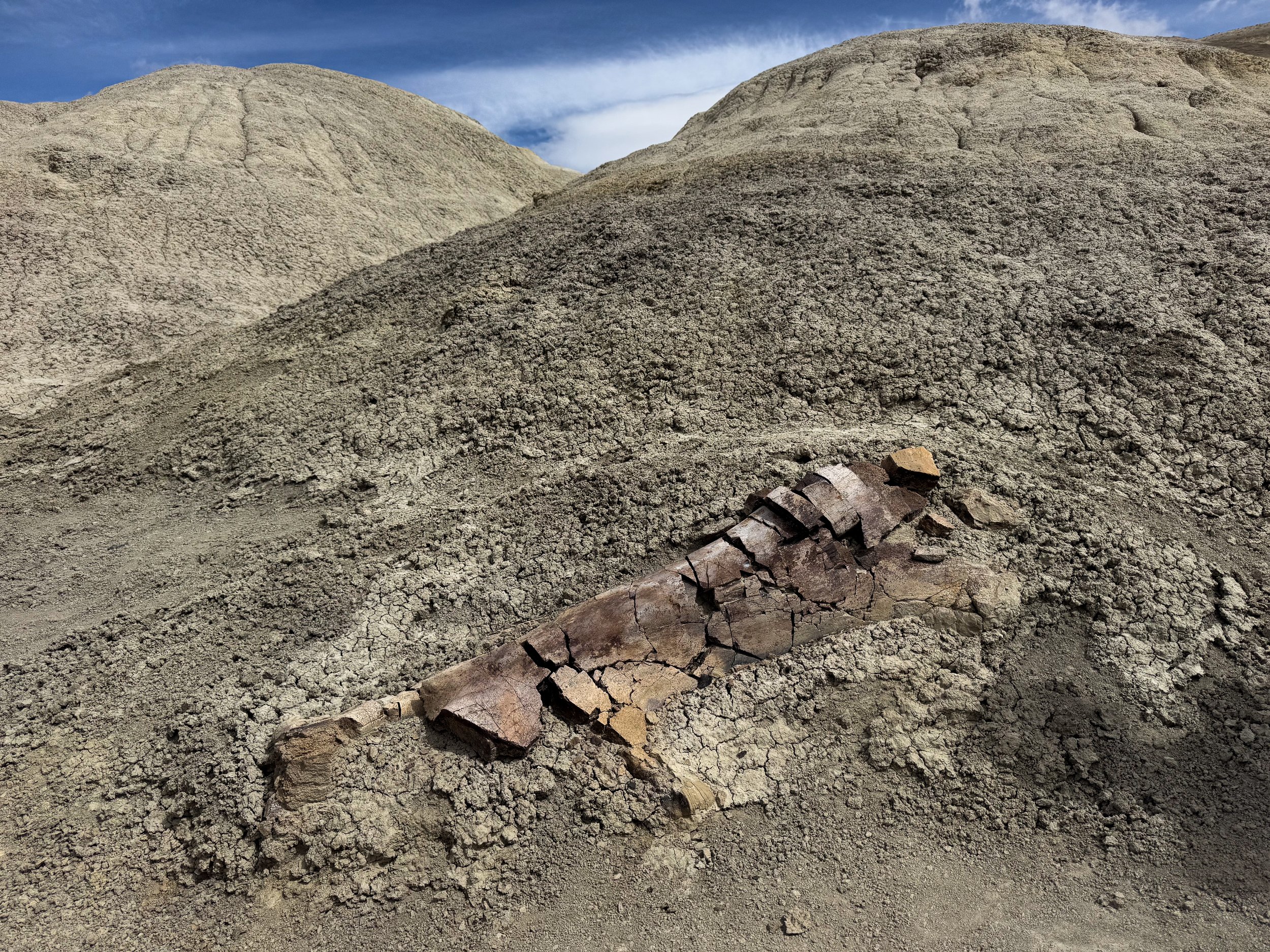
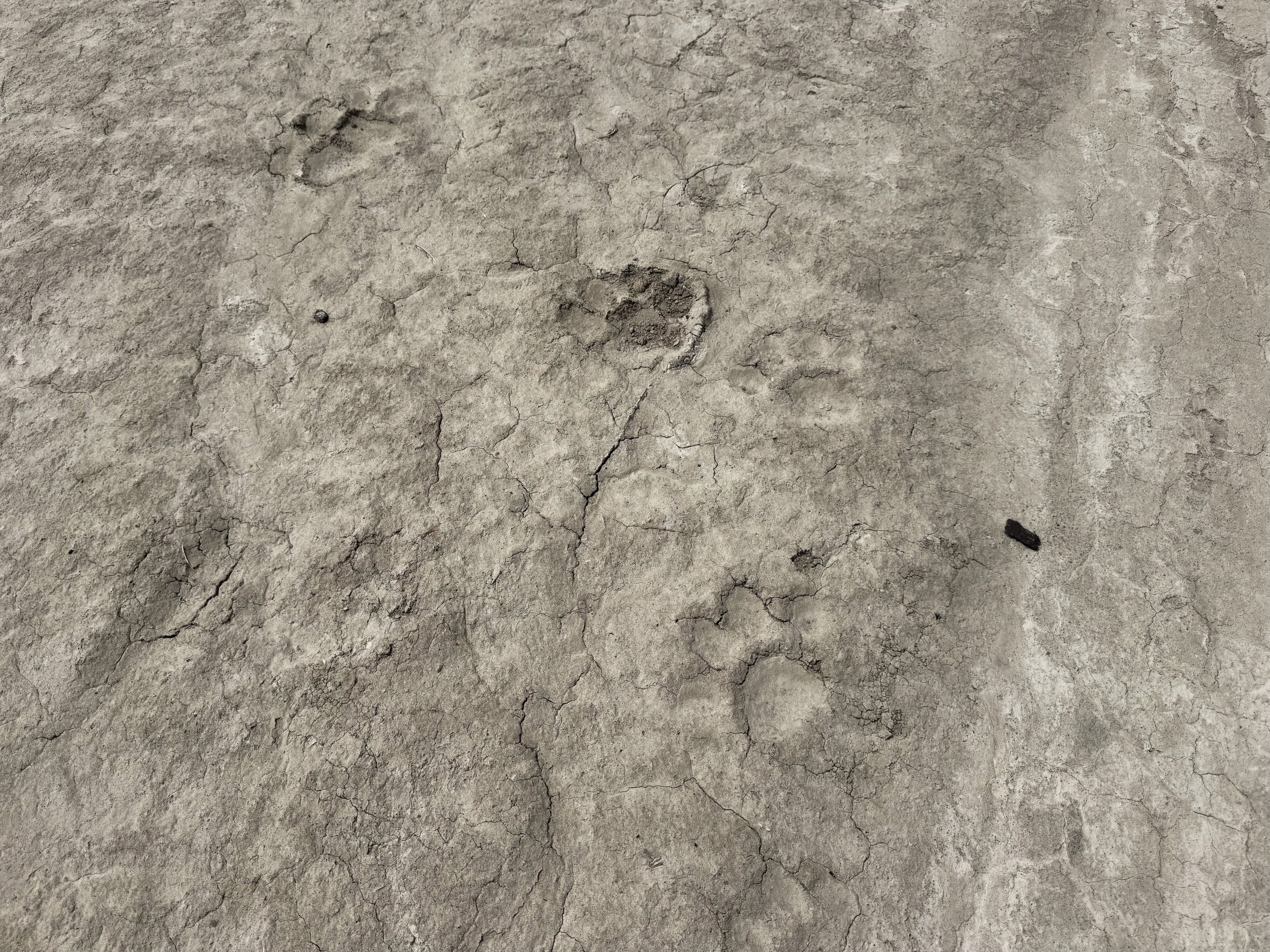
Midway through, we hiked across a sedimentary landscape. Through the layers of sediment, we looked back millions of year in time to periods when the land was once covered by ocean, overgrown with a tropical forest, active with volcanos, home to the dinosaurs and most recently covered in glaciers during the last ice age. Along the hike, we spotted petrified wood, fossilized dinosaur bones, hardened lava rocks, ancient corals and corals, guanico and puma tracks and views of the La Leona River.
We booked on Viator with Kayak Santa Cruz. The guided tour provided kayaks, wetsuits, jackets, life vests, water shoes and dry bags.
El Chaltén
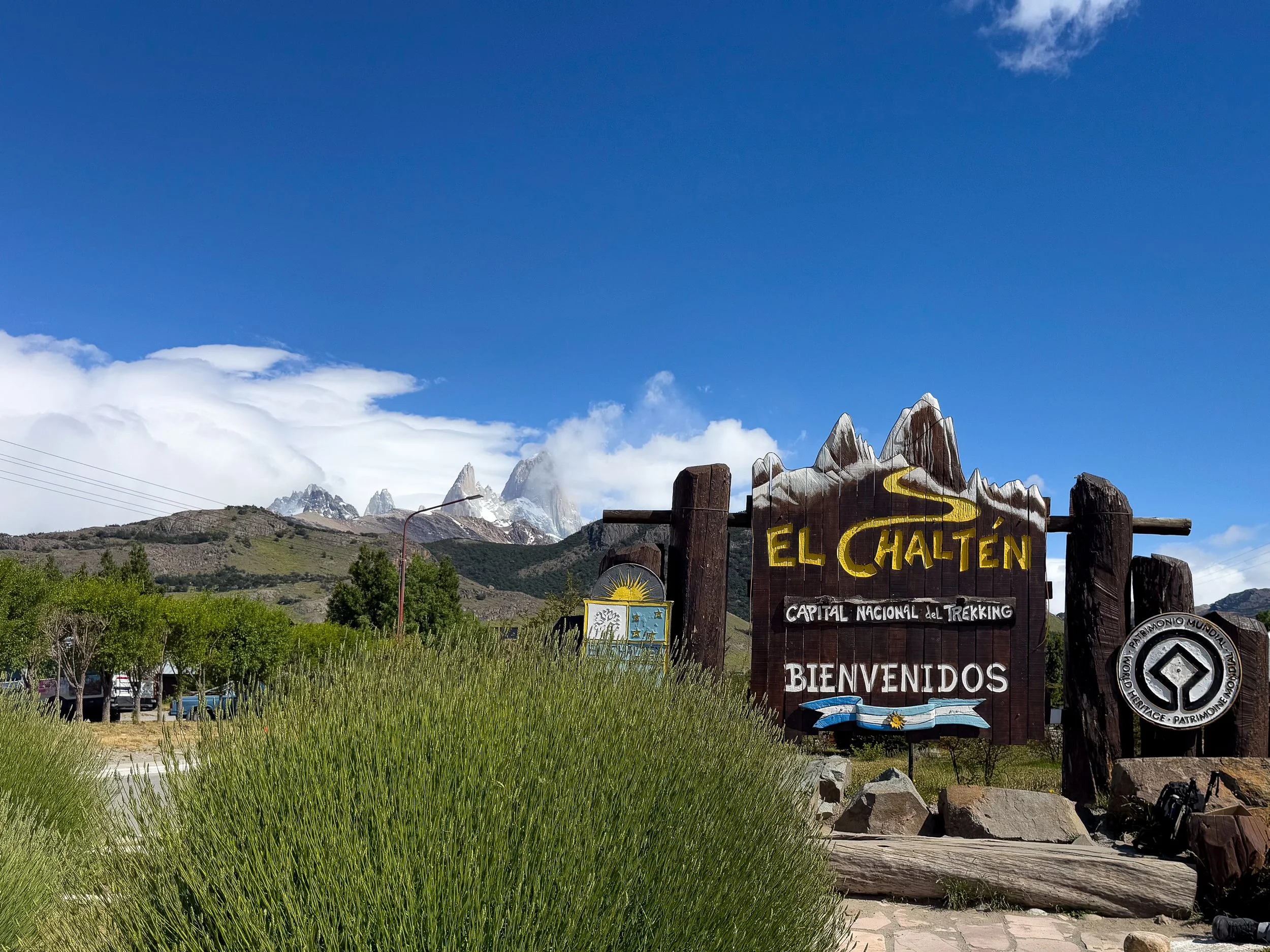
A small mountain town and hub for hiking in Patagonia’s Glacier National Park. It has a very cute yet rugged atmosphere with colorful buildings, wooden houses, corrugated metal cabanas and views of Fitz Roy. The main street is lined with cafes, bakeries, restaurants, breweries, tour companies, outdoor outfitters, hostels and hotels.
Paseo de los Artesanos. A geodescent dome with about a dozen vendors selling handcrafted and artisan products like colorful windbreakers, ceramic mugs and pots, wood burned kitchenware, jewelry, knitted clothes and accessories. I bought wool vest with yarn made by artisan’s one artisan’s mother.
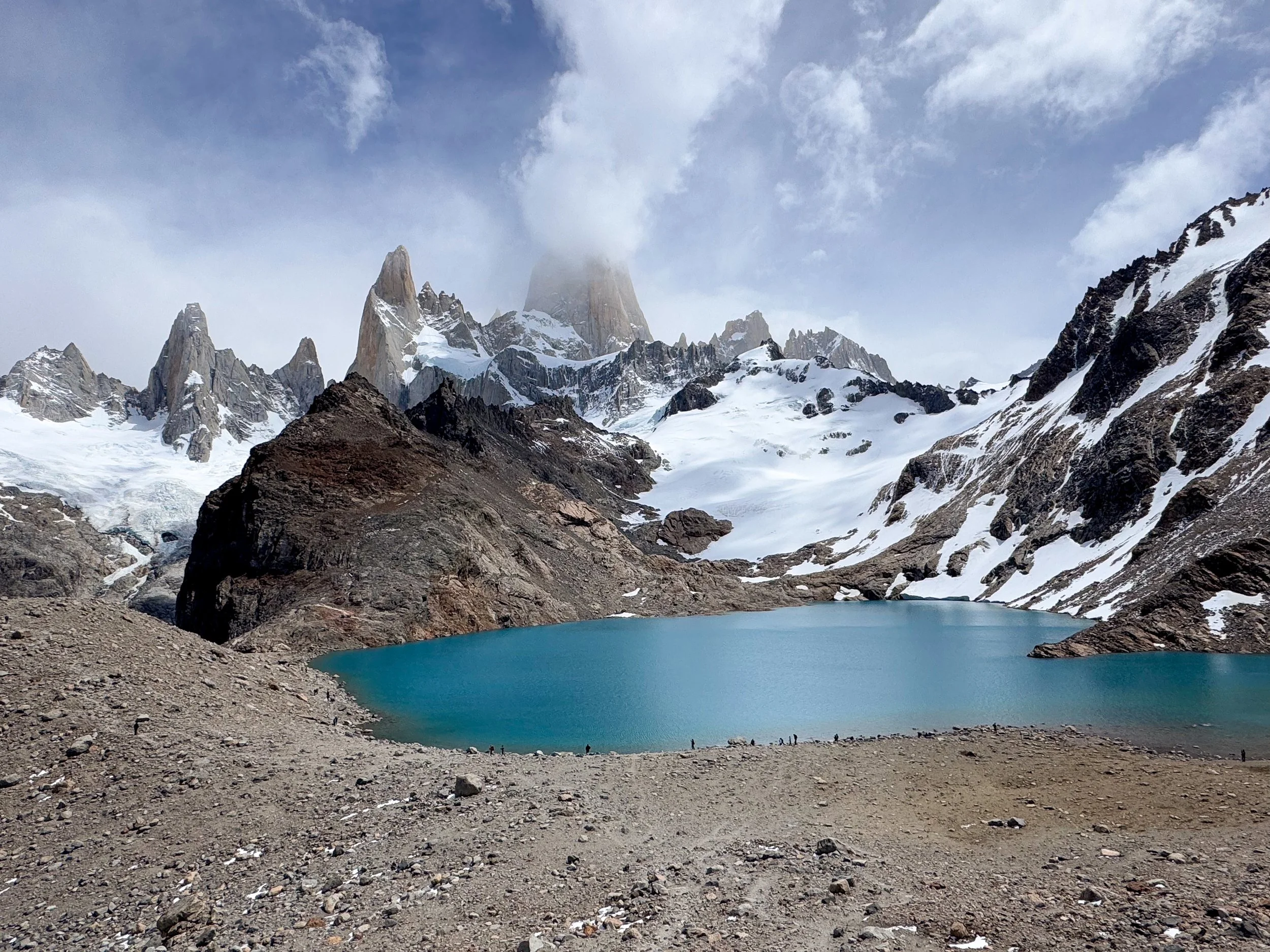
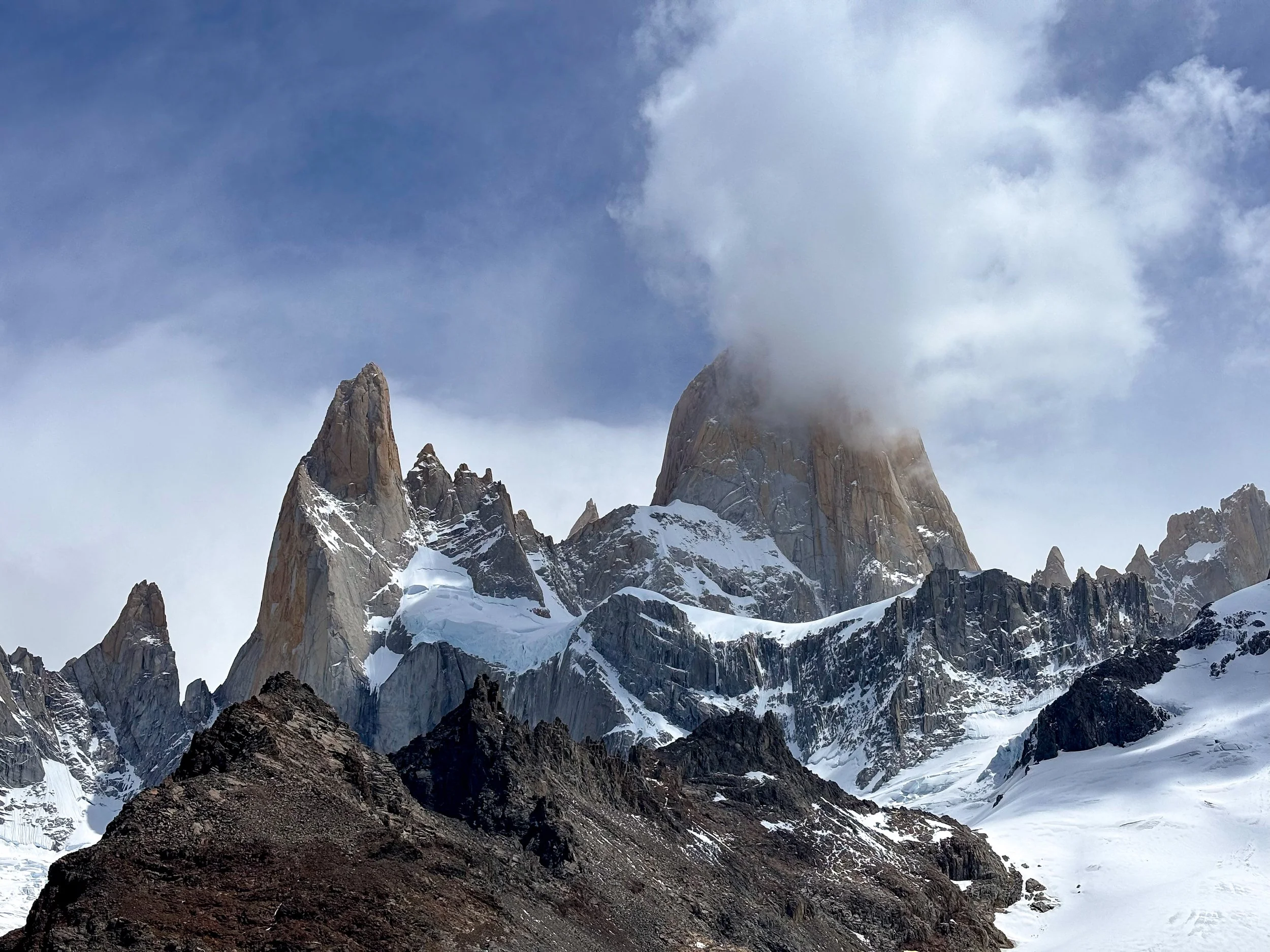
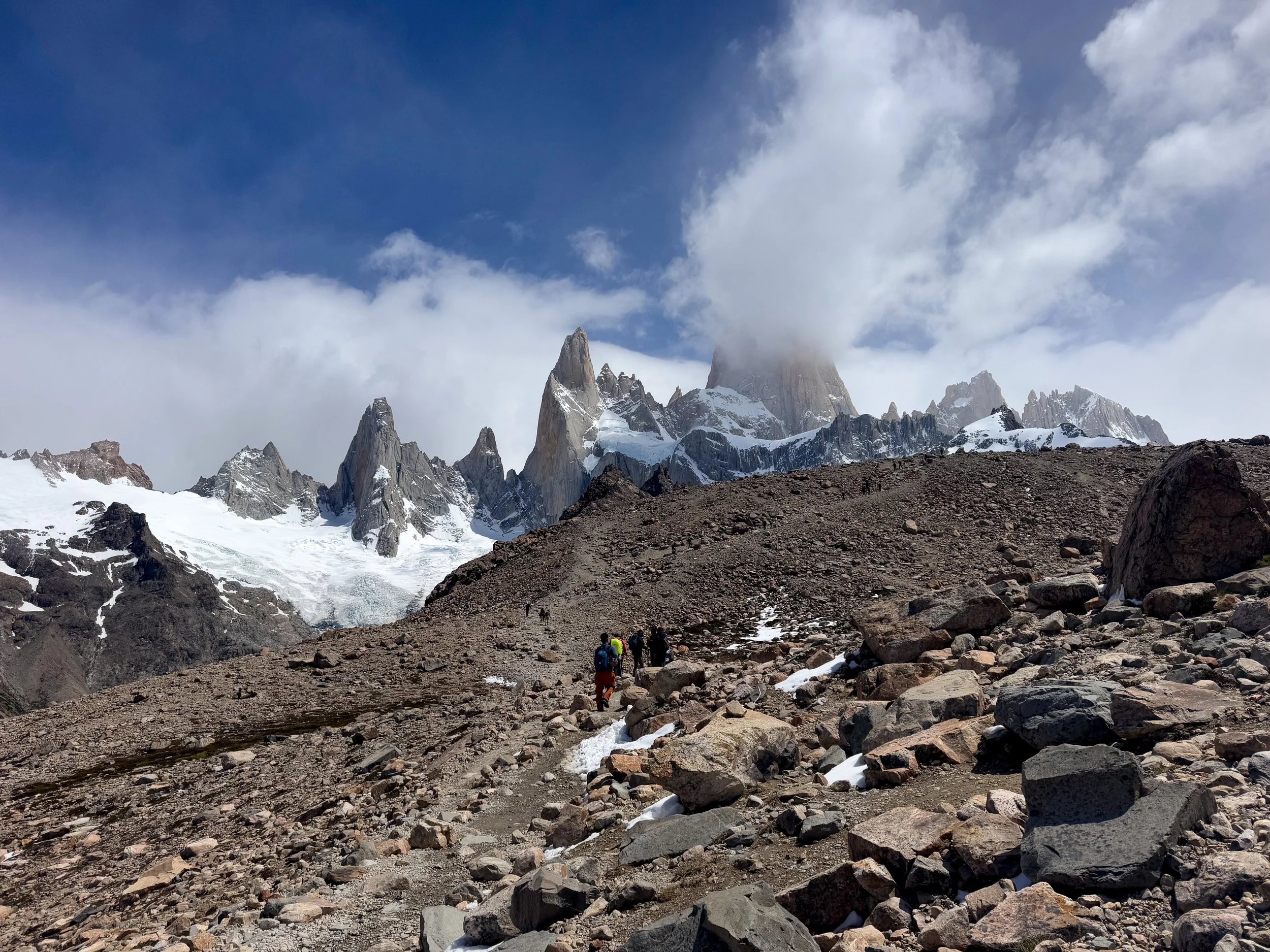
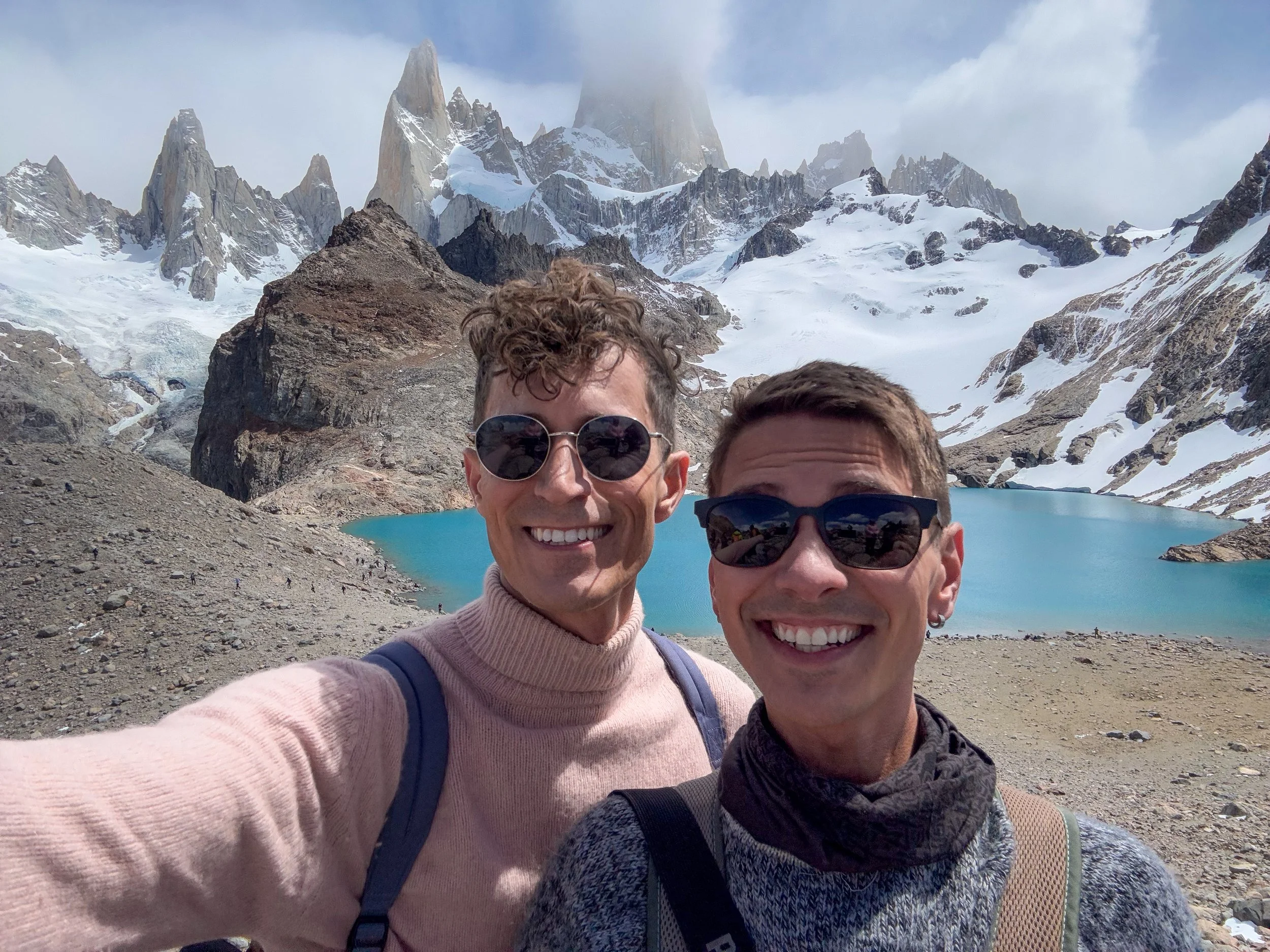
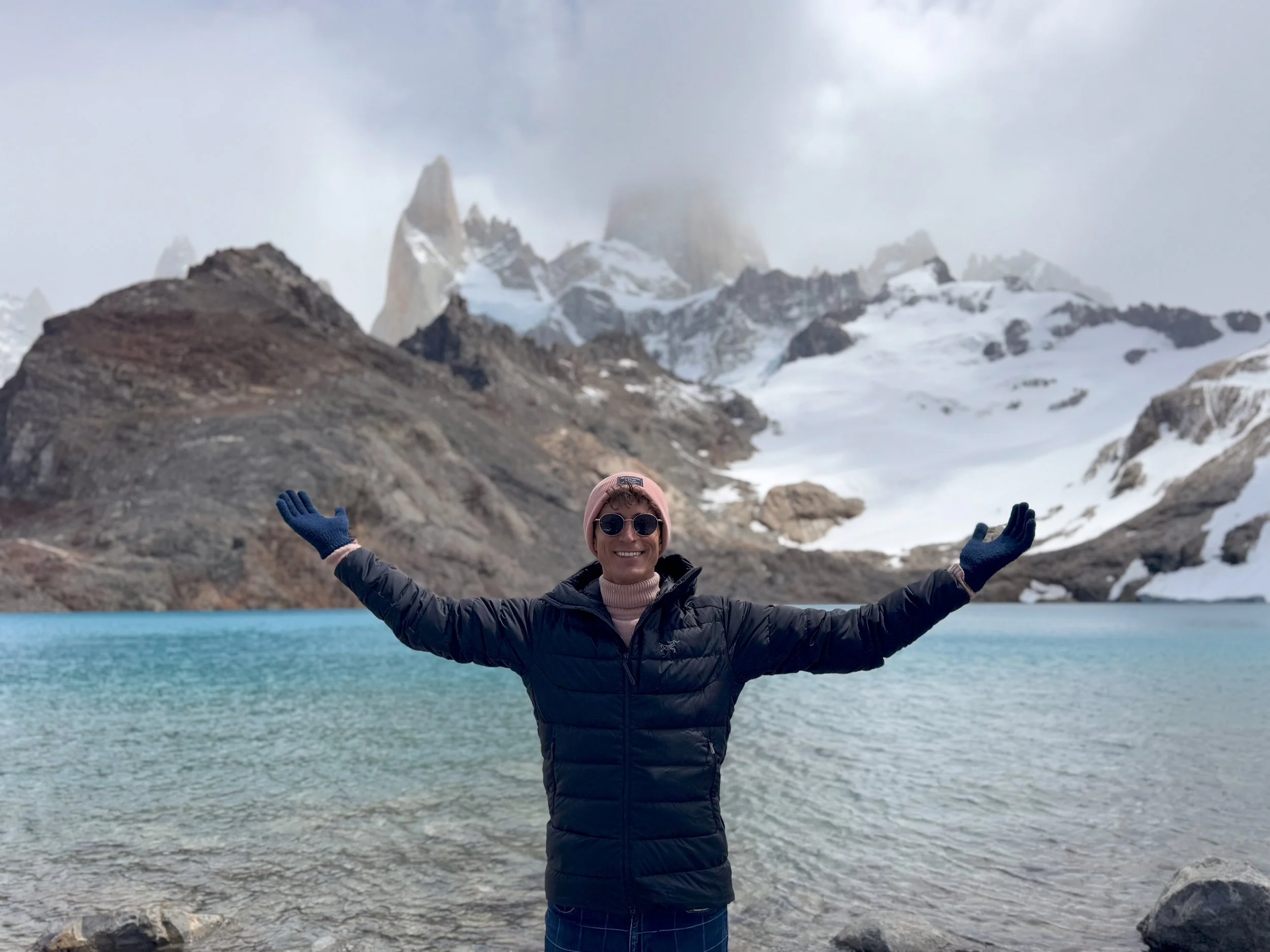
Cerro Fitz Roy
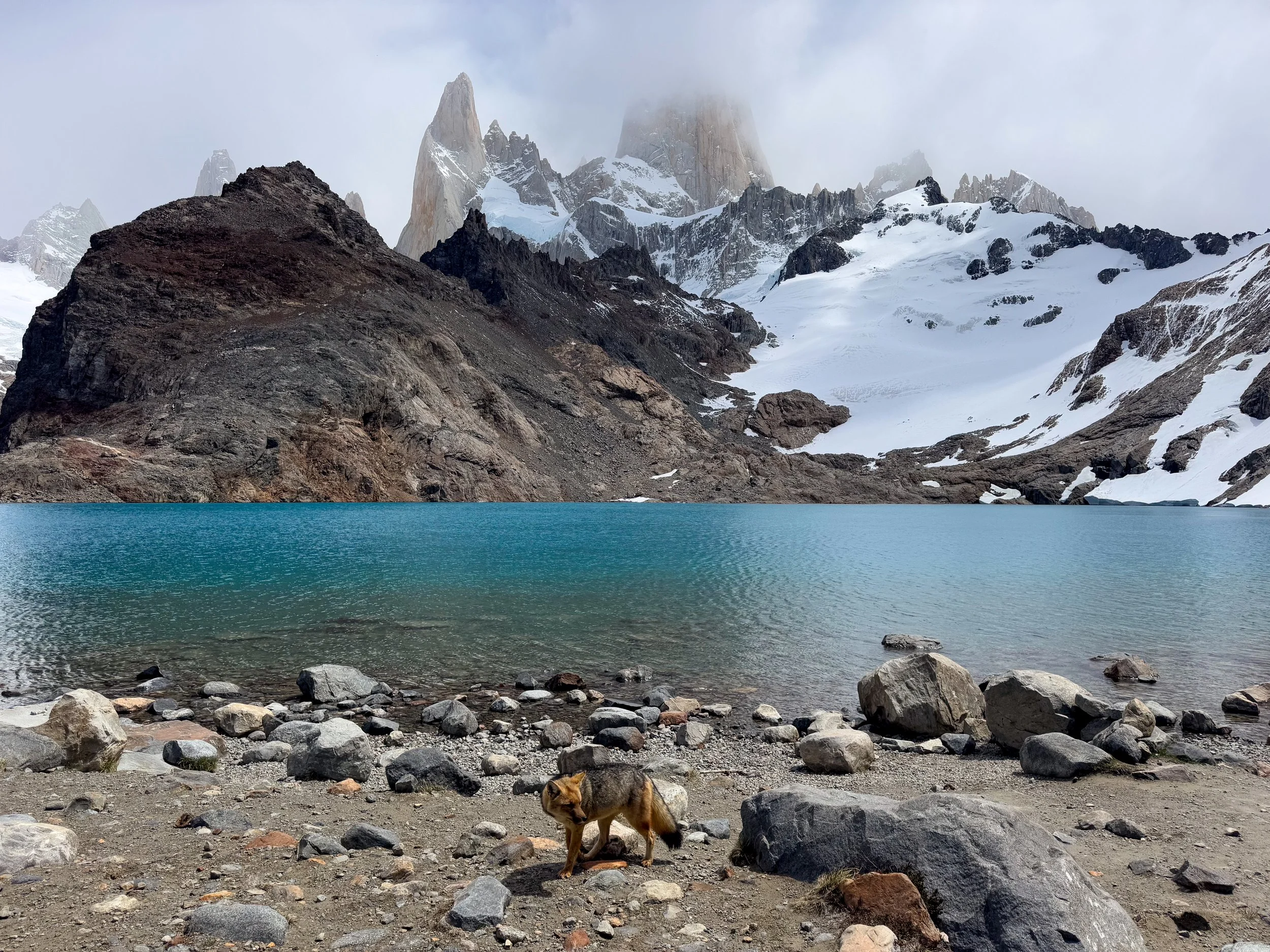
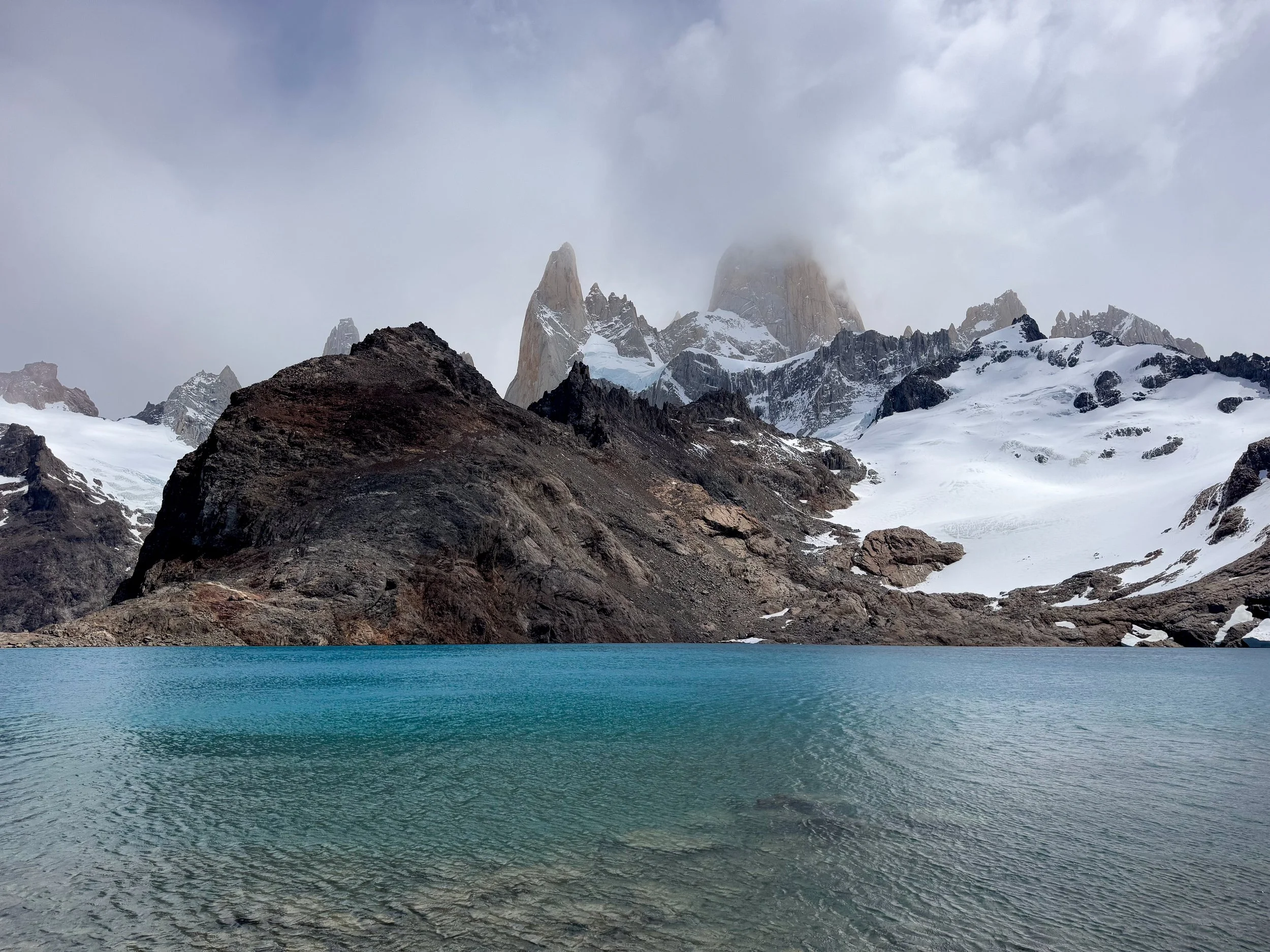
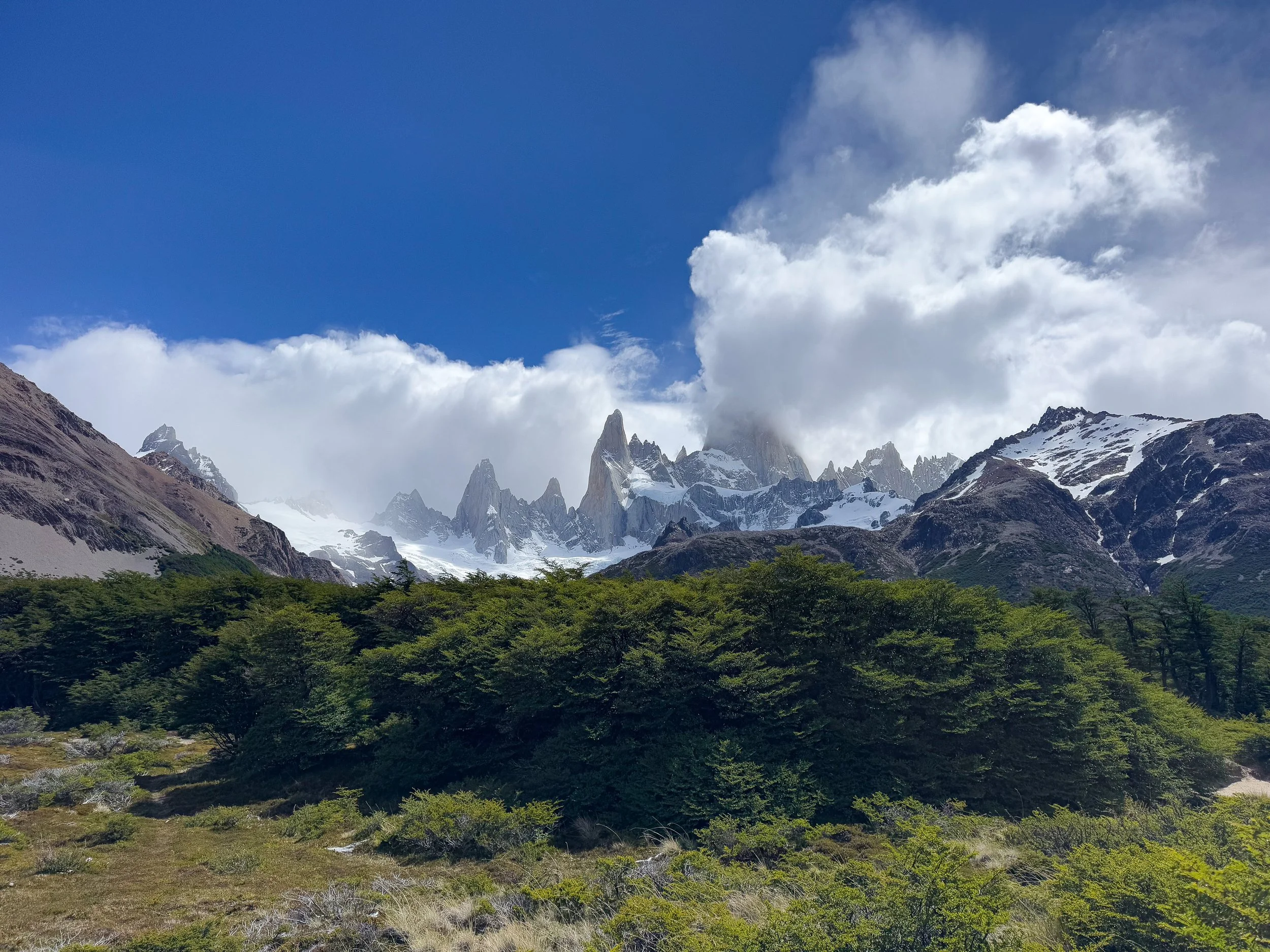
Cerro Fitz Roy is one of Argentina’s most iconic natural landmarks. It’s the tallest mountain in the Glaciers National Park with jagged vertical peaks, snow covered slopes, glaciers and lagoons. We took a day trip here and hiked to Laguna de los Tres with views of its grand peaks.
Hiking Fitz Roy
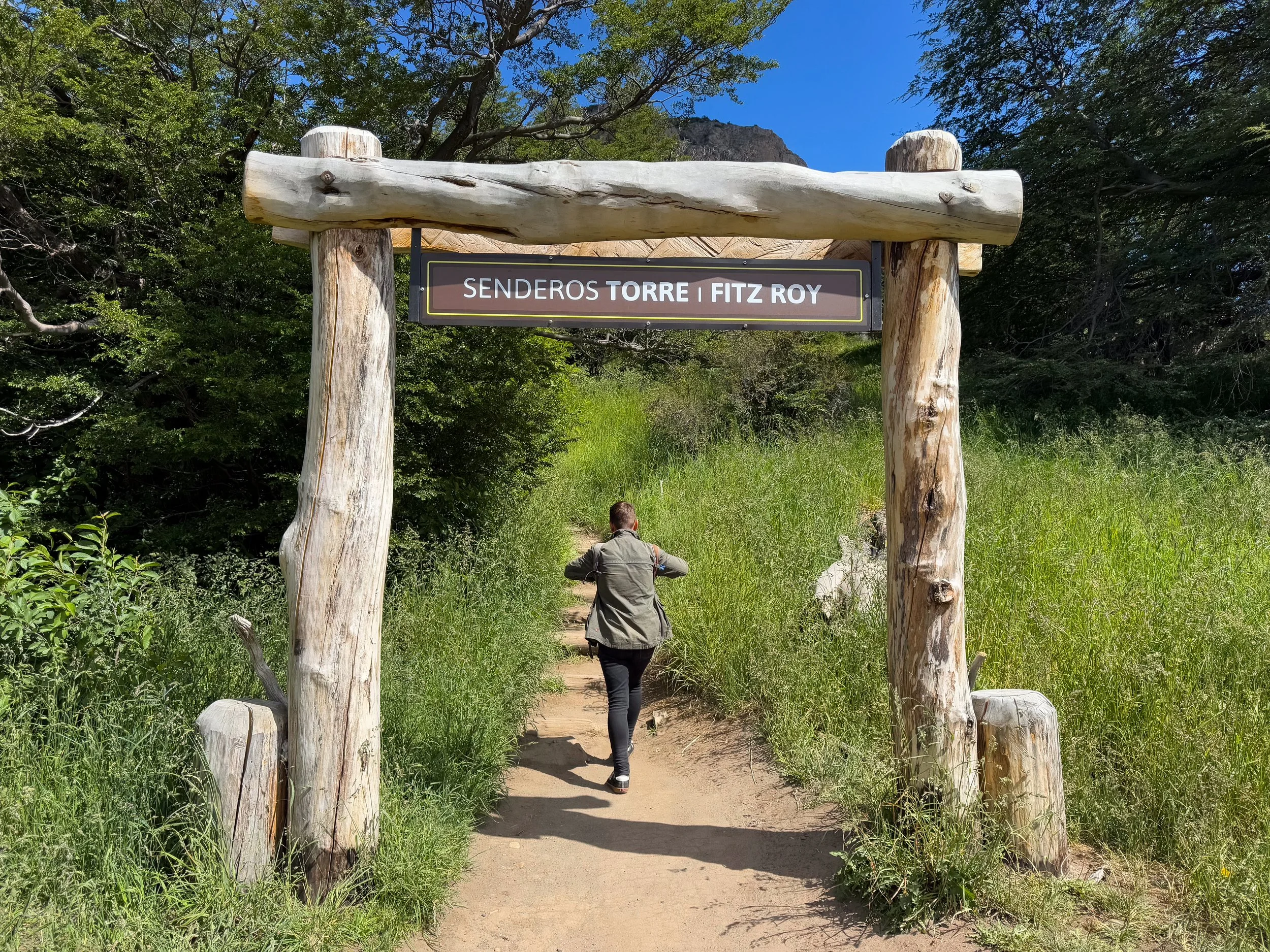
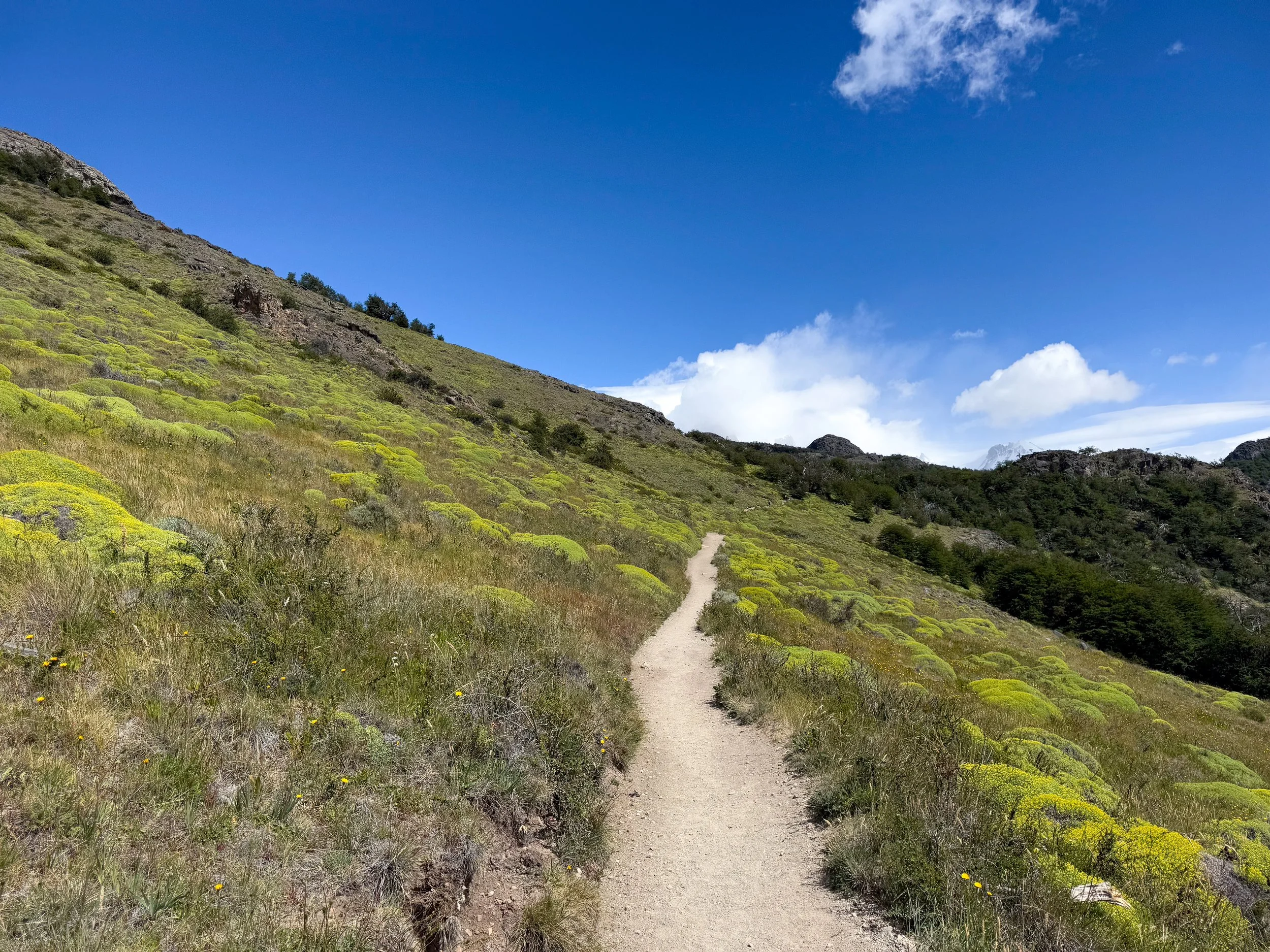
From the ticket office, the hike is 20km round trip and takes an average of 7 hours to complete. Maintaining a quick pace without many stops, we were able to hike the trail in 5 hours roundtrip with 30 minutes at the lagoon.
Ticket Office. The ticket office is located at the north end of town with direct assess to the Fitz Roy Trail. At the time, day tickets cost 45,000 Argentine Pesos.
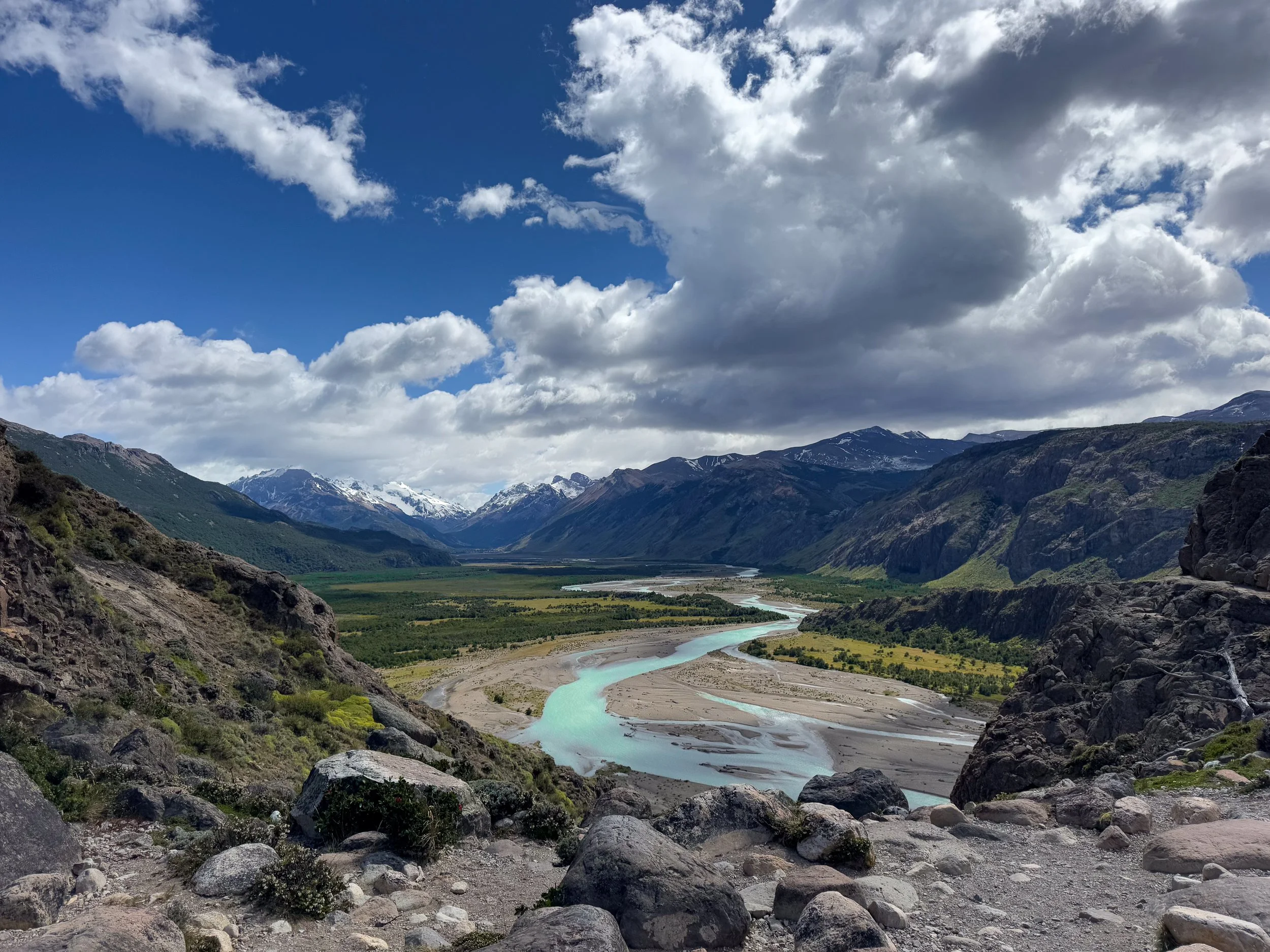
Mirador Rio de las Vueltas. The well maintained dirt trail follows a gradual incline until reaching the first lookout. The viewpoint offers panoramic views of the blue river below, lush valley, green forest and snowcapped mountains.
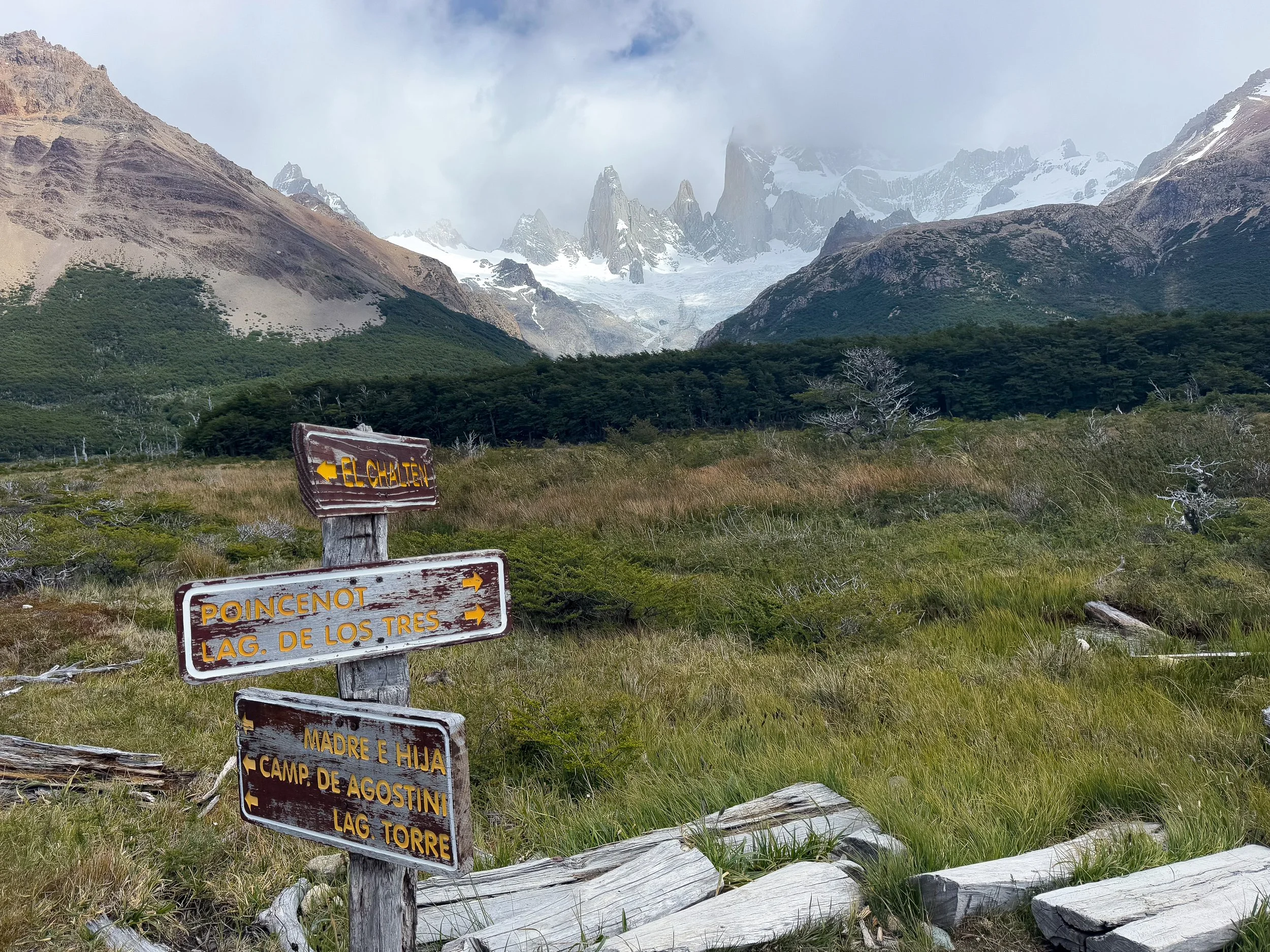
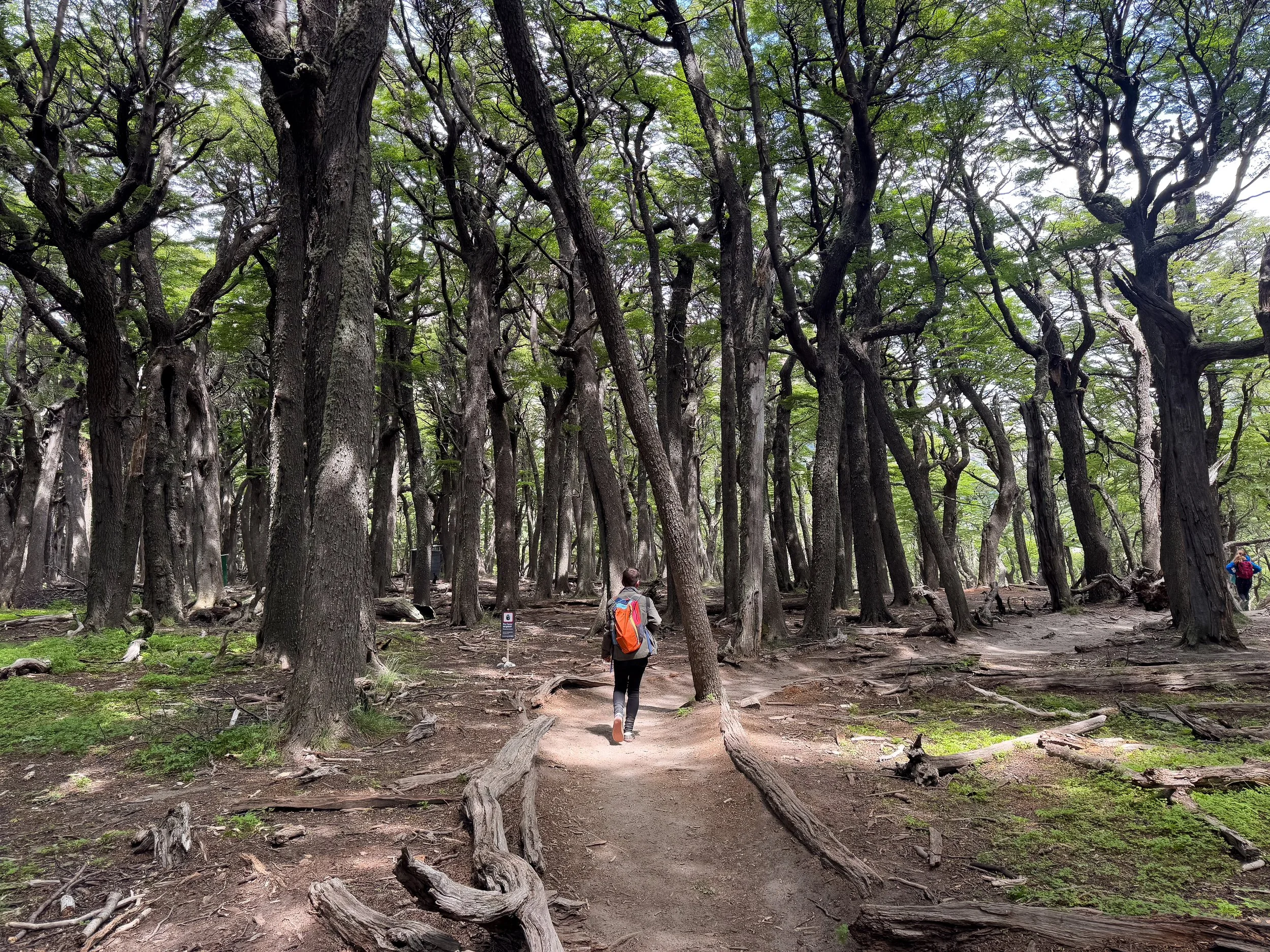
Fitz Roy Trail Fork. From the first lookout, the trail continues past shrub-land and pockets of forest until reaching a fork.
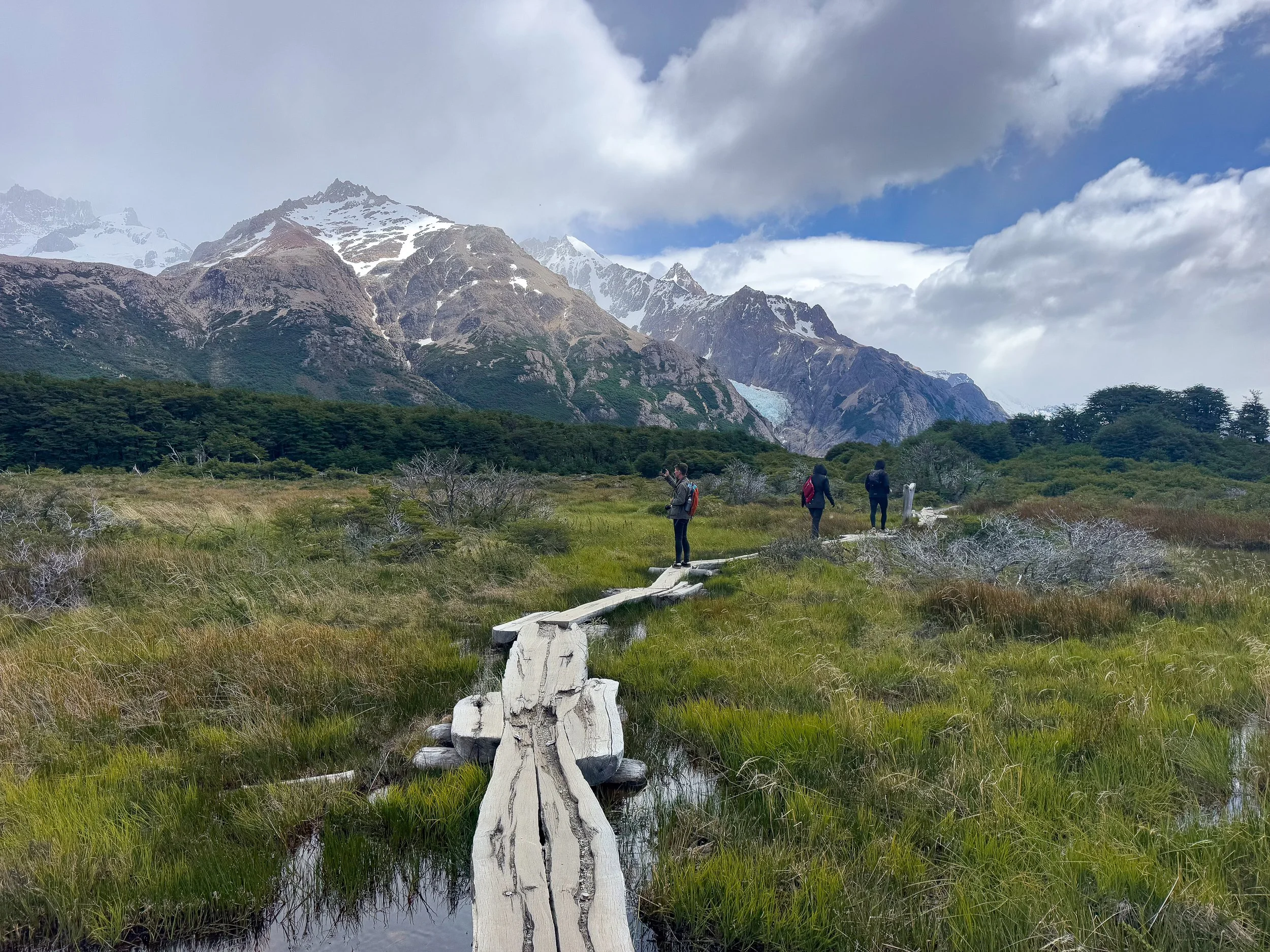
Left leads towards Laguna Capri and a shoreside campground. The trail crosses slightly more rugged terrain with large rocks, dense shrubs and wooden planks through wetlands. After passing the dark colored lagoon, some of the first views of Fitz Roy and the glaciers become visible.
Right leads towards Mirador Fitz Roy. The trail crosses rocker terrain with near constant views of Fitz Roy to a cliffside lookout of the iconic mountain.
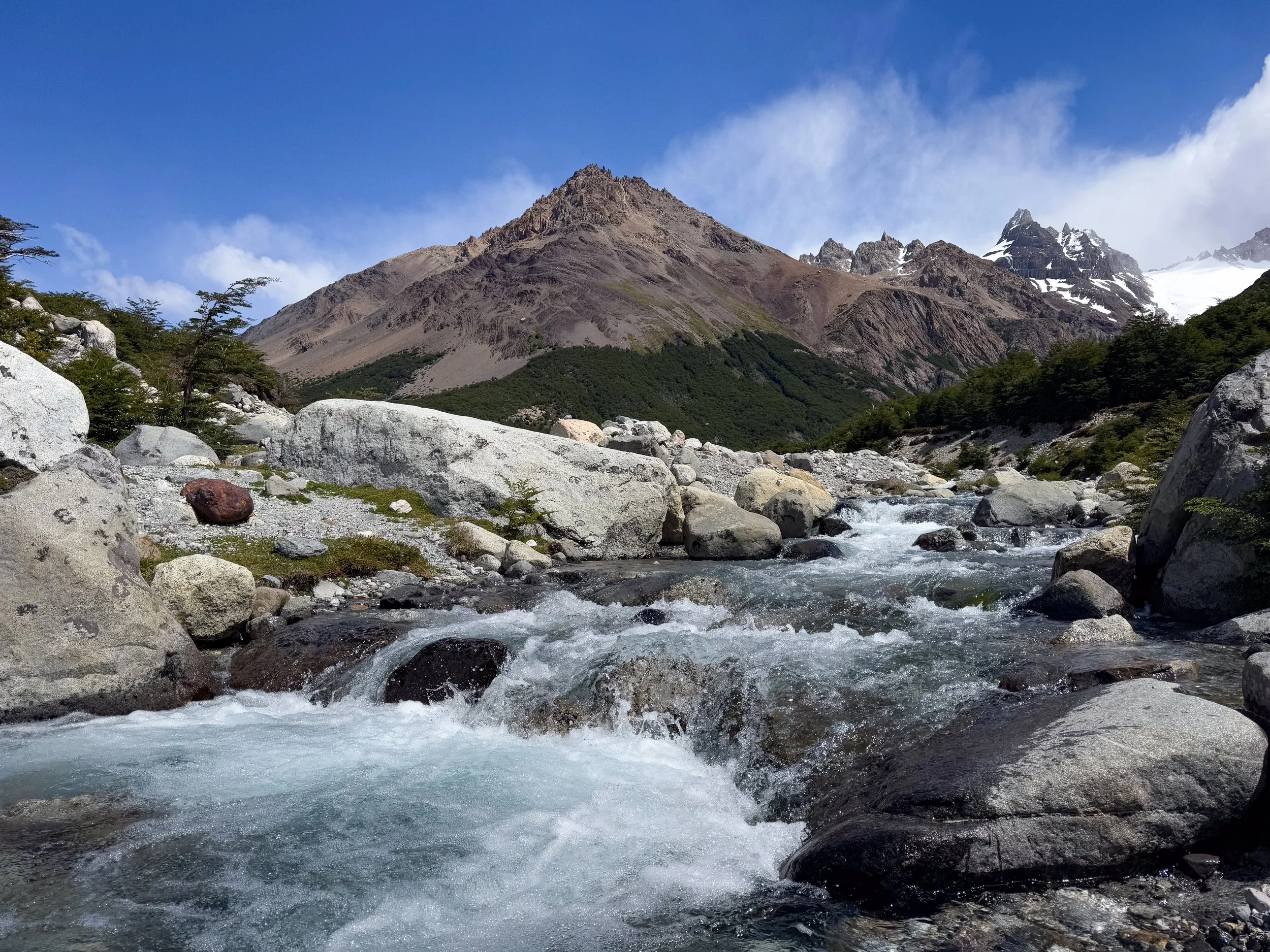
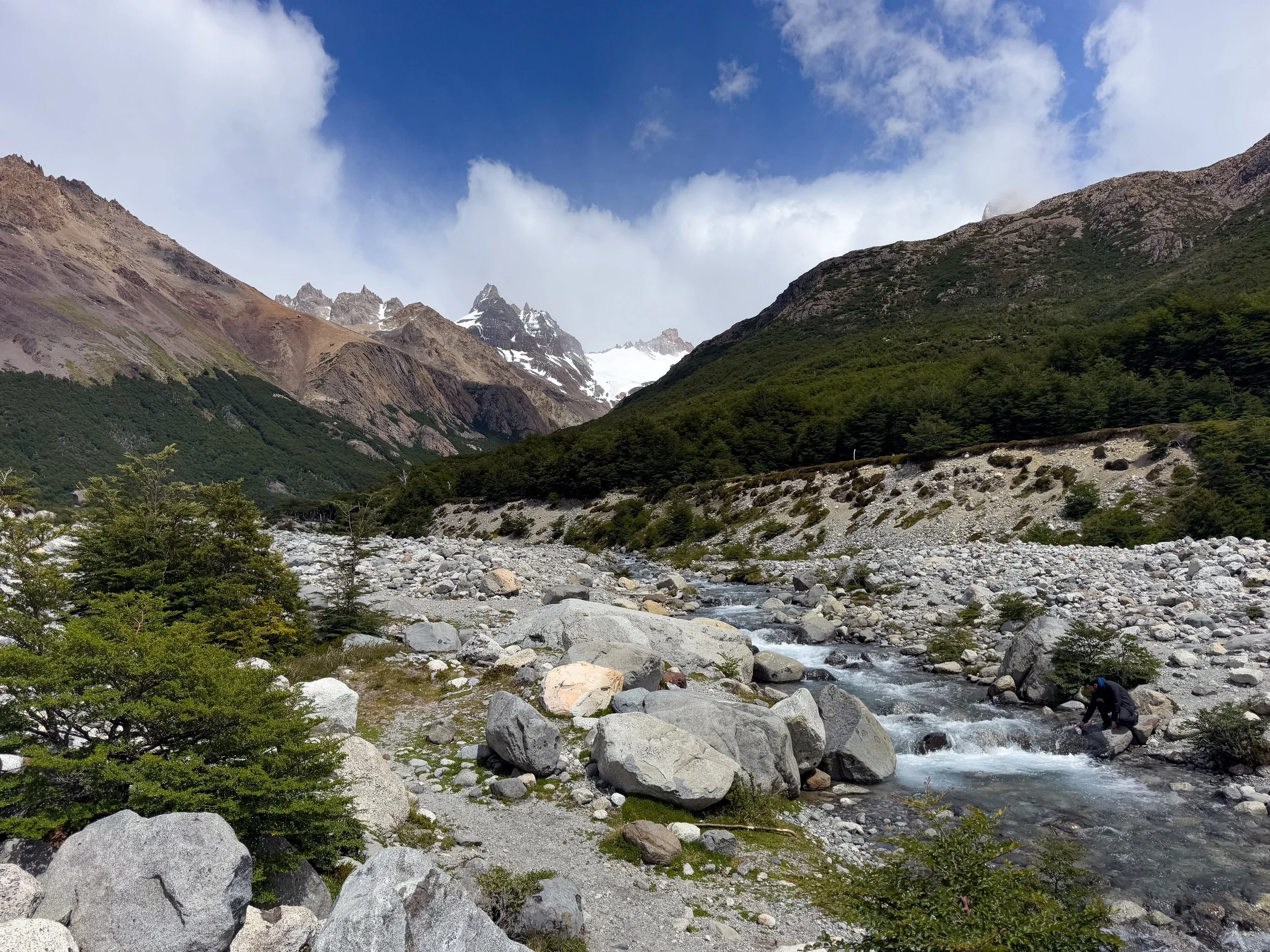
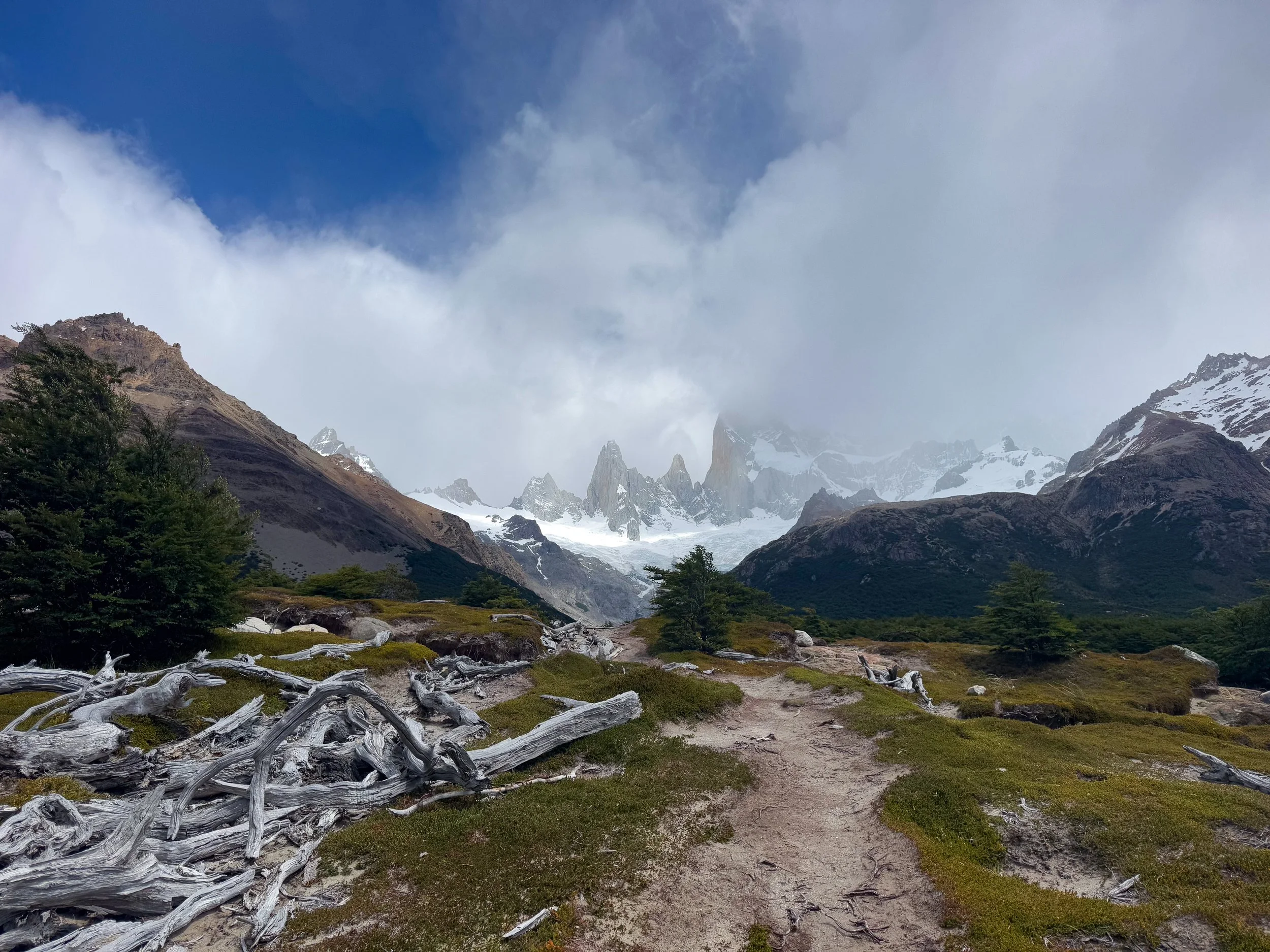
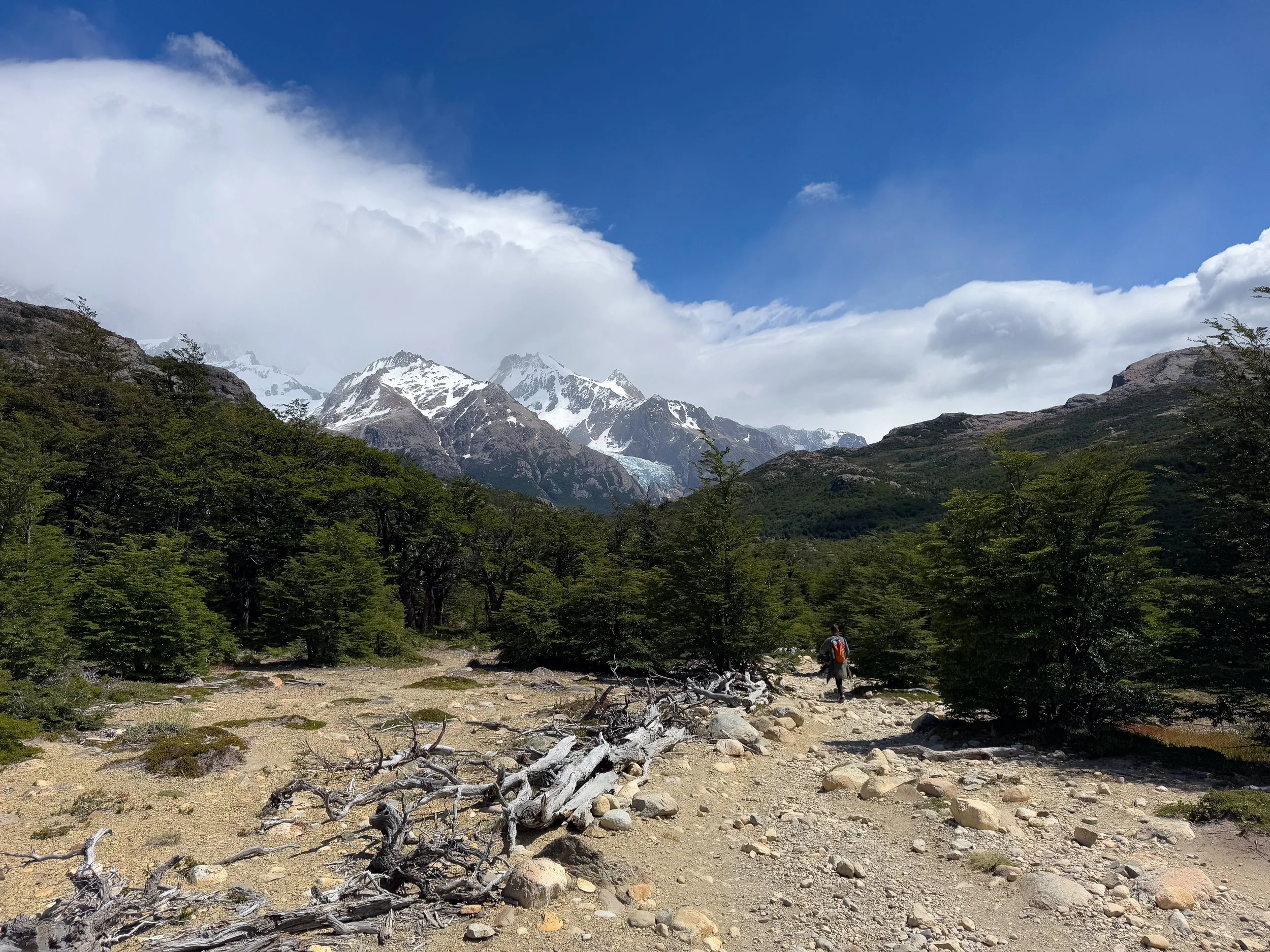
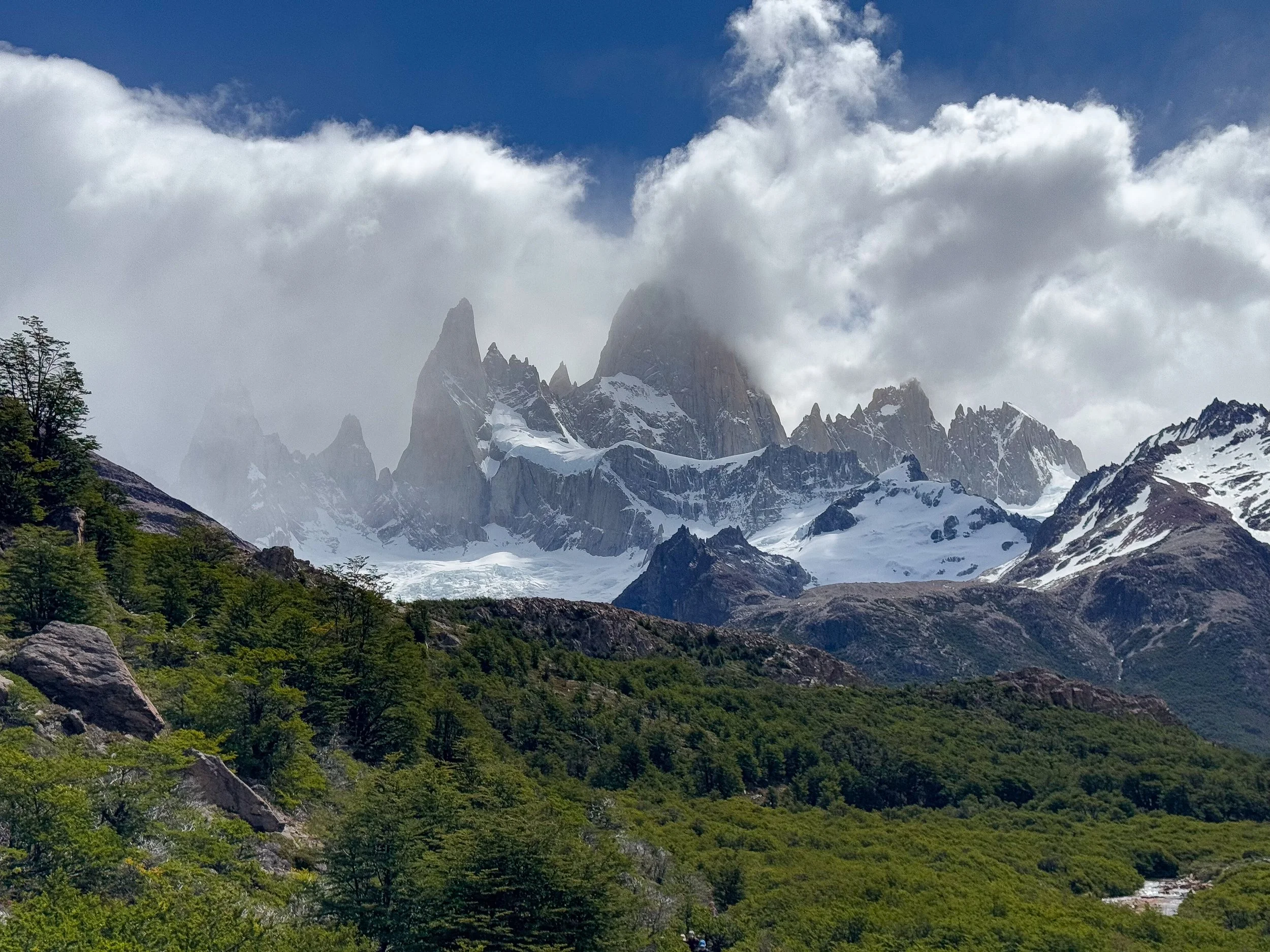
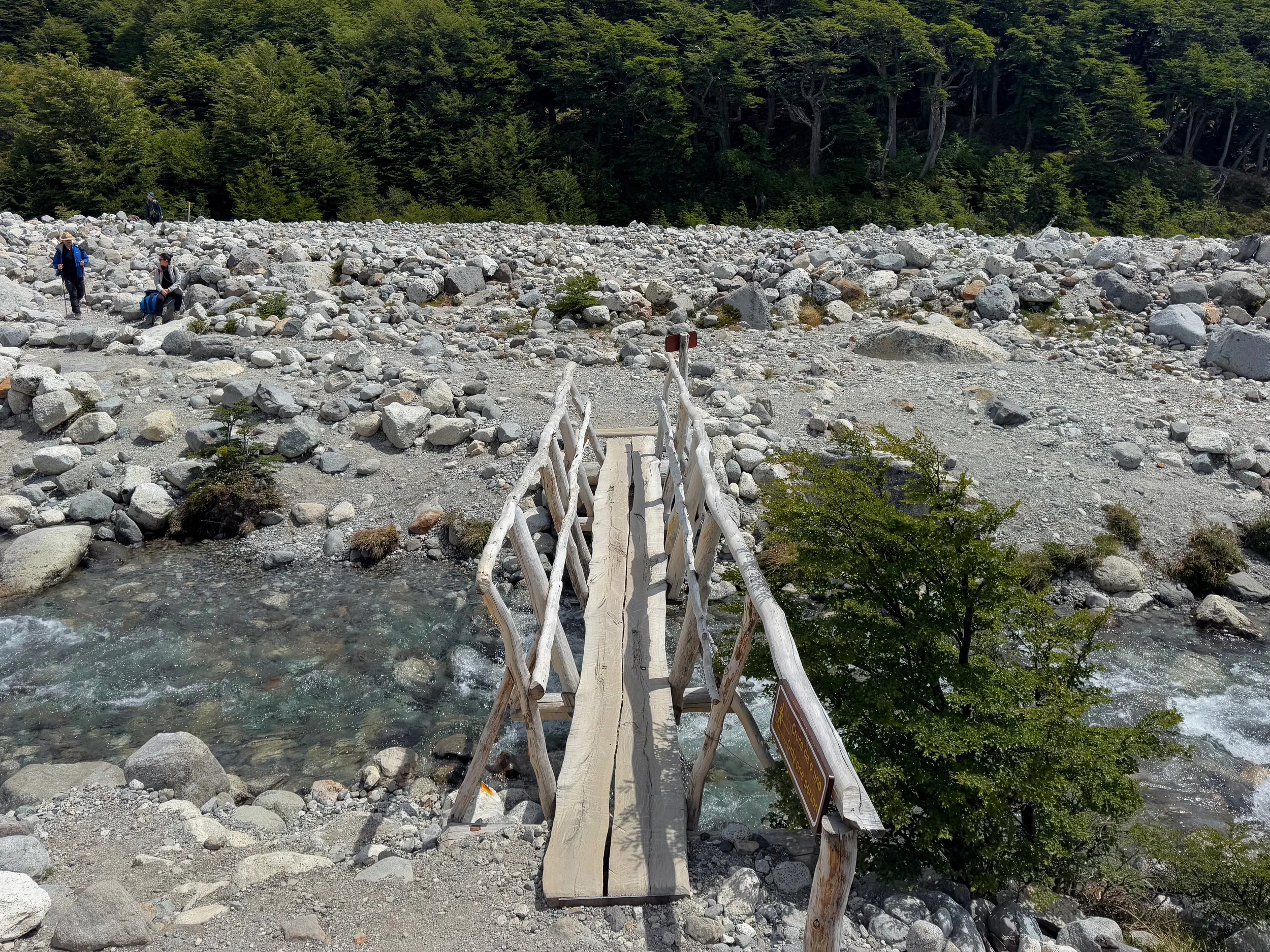
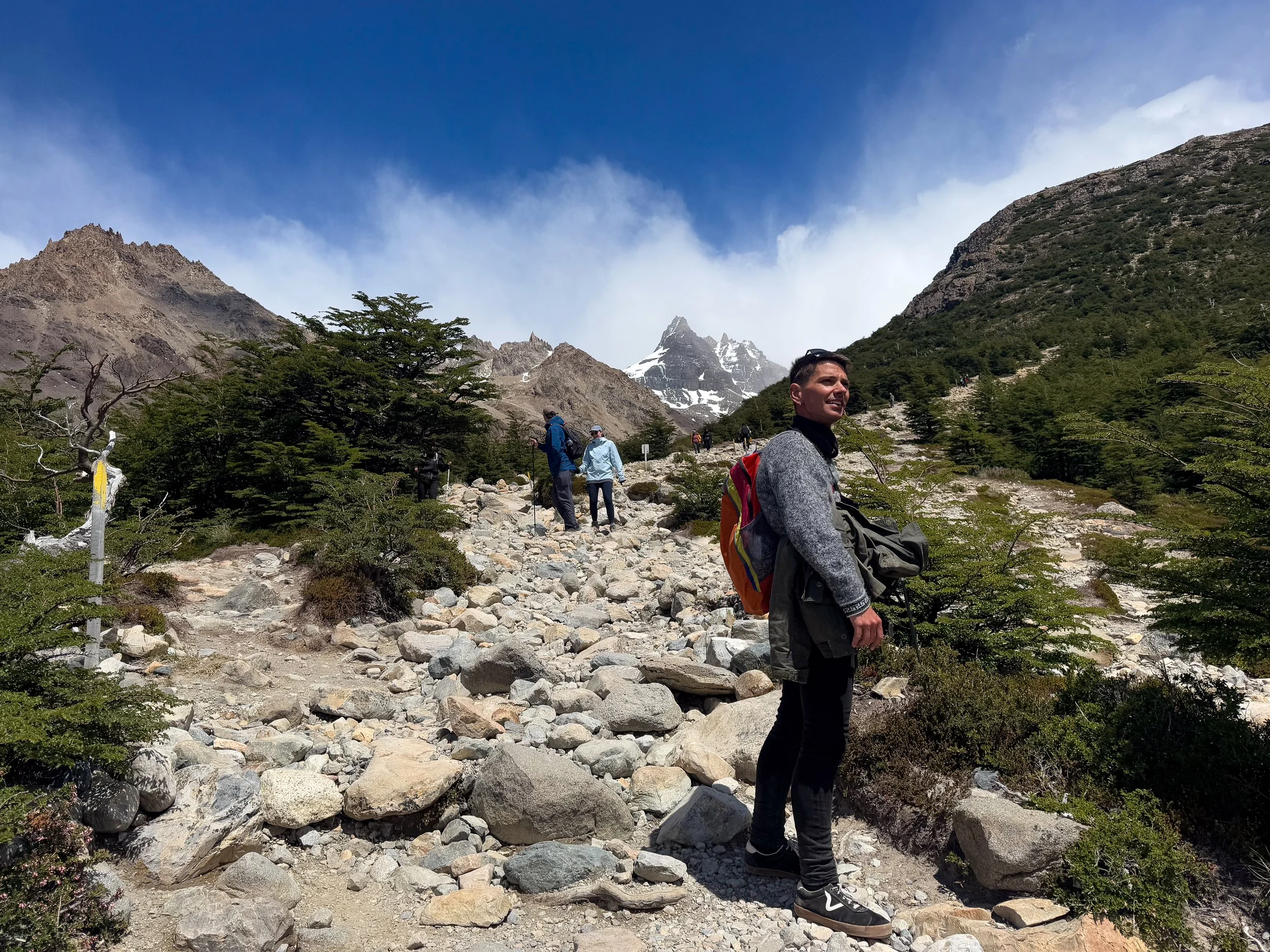
Poincenot. Both trails meet here, a tree covered campground. At this point, the trail becomes even rockier and rugged, even crossing a wooden foot bridge over glacial streams. The water is clean enough to drink from! The last hour of the hike is the most difficult. It follows a steep incline over large rocks, loose gravel and snowy pockets to reach the ridge of Laguna de Los Tres.
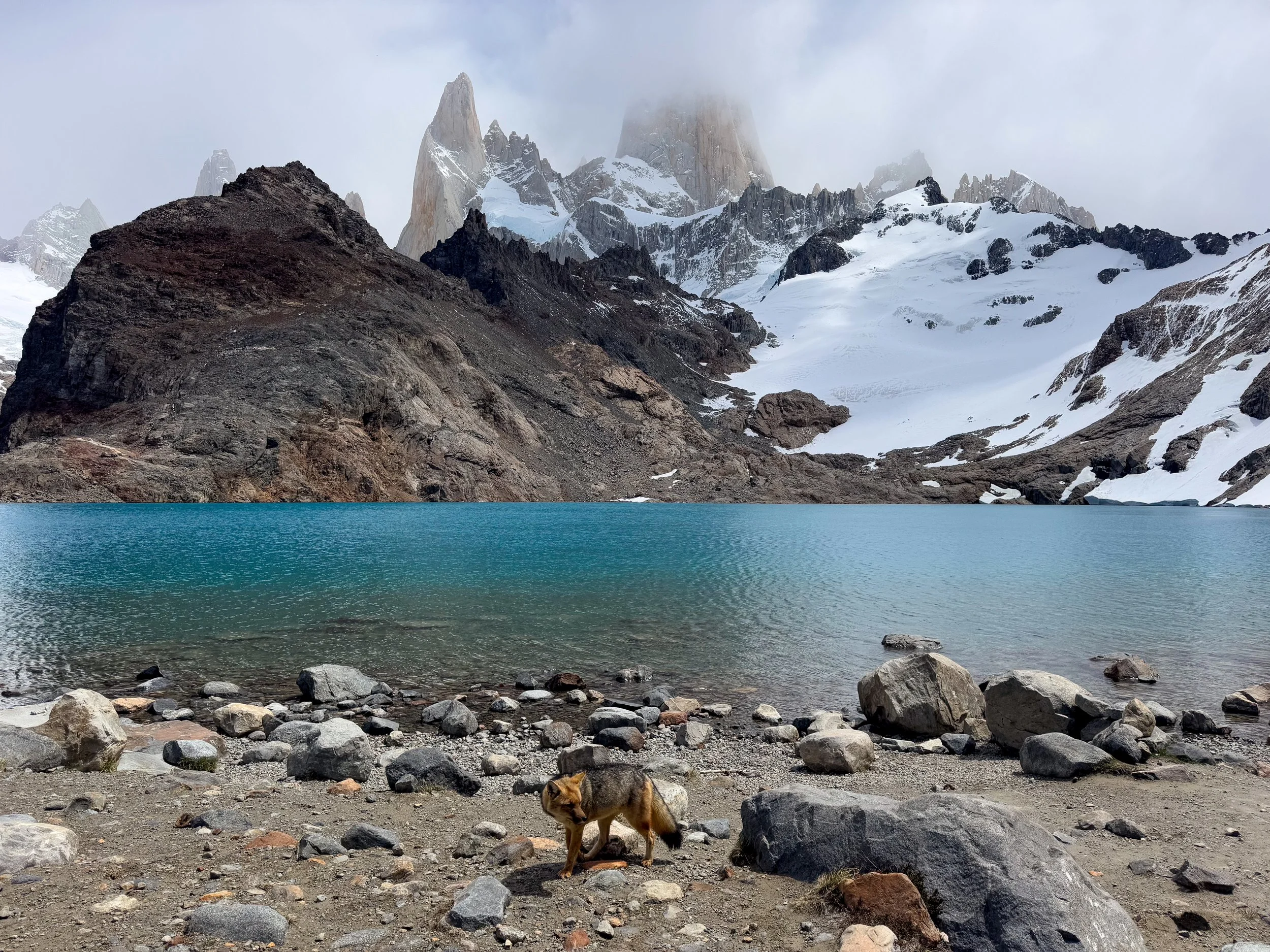
Laguna de Los Tres. After hours of hiking, we arrived at the postcard worthy lagoon at the base of Fitz Roy. The ridge offers views of the deep blue lagoon, jagged towering peaks and icy glacier. A short walk down the ridge leads to the lagoon’s edge with equally as grand views. While relaxing, we even spotted a Fox running along the rocks.
Tips for Hiking Fitz Roy
Food & Water. Bring food, snacks and a liter of water, refill in the streams if needed.
Overnight vs Day Trip. Stay the night in El Chaltén and wake up early to begin any of the hikes. Alternatively, break the hike up over two days camping in the park. We took a day trip here, arriving at 11am and departing at 6pm. When hiking Fitz Roy, we had to maintain a quick pace in order to maximize time at the lagoon and return to the bus station before the last departure.
Weather. Check the weather before hiking and pack the proper gear. It’s dangerous to hike in cold and wet conditions. Cloudy conditions can fully cover the mountain views.
Getting to El Chaltén
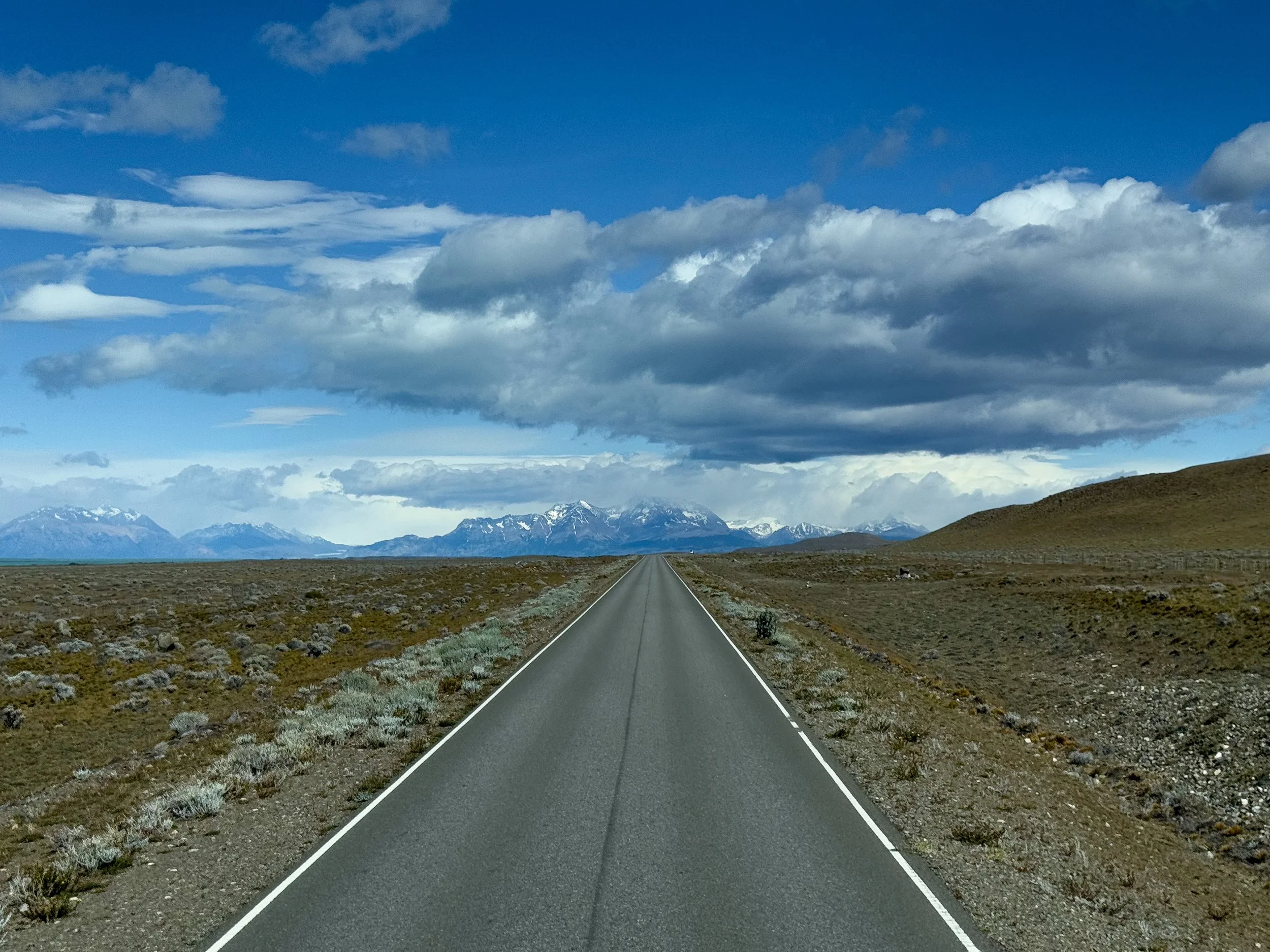
We took a day trip to El Chaltén from El Calafate with Chaltén Travel, a bus company offering m daily trips back and forth. We took the earliest bus at 8am and last bus back at 6pm. The trip lasts about 3 hours one way. The scenic drive passes Lake Argentina, Lake Viedma, the Leóna River and a mountainous landscape with valleys covered in small green and yellow bushes. We spotted wild Guanaco and Rhea birds along the route.
Pro Tip. Book tickets ahead of time. Reserve a seat between 1-4 for upper deck front row views of the landscape!
Good to Know. Bus terminals have a small usage fee ranging from 1,000 - 3,000 Argentinian Pesos.
When to Visit Patagonia
We visited Patagonia from mid to late December when the days are at their longest, lasting nearly 18 hours. The days are warm and the nights are chilly. The landscape was coming to life with green bushes, flowering shrubs and budding wild berries. Locals recommended returning in late January through February to try fresh El Calafate berries and to see the most ice calving at the Perito Moreno Glacier.
Location Specifics
Exchanging USD. You need to have near perfect bills free of tears, markings or a tattered appearance when exchanging for pesos or paying.
Cash vs Card. Cash is king however many places do accept card. There is often a fee ranging up to 20% for using card. There is an occasional 10% discount for paying in cash.
ATM. Regardless of banks, cash machines will only allow foreigners to request 2,000 pesos per day (about $2 USD) with fees costing close to 15,000 pesos.
Tipping. Tipping 10% is customary. Tips are cash only.
Prices. The prices of tours, cost of accommodations and meals are very expensive in Patagonia.
Tickets Fees. Ticket fees and entrance tickets often cost up to 3 times more for foreigners.
Bookings. Tours and accommodations book up in advance. We booked everything 2 to 6 months ahead of time.
For Next Time…
Ushuaia and Antarctica. At the bottom tip of South America is the world’s most souther city, Ushuaia. We plan to visit and take a ship across the tortious Drakes Passage to the white continent, Antartica.