

Patagonia Argentina Travel Guide: Perito Moreno Glacier, El Calafate & Fitz Roy
Explore Patagonia's dramatic landscapes where glaciers, turquoise lakes, snow capped mountains and alpine towns define Argentina's remote southern frontier.
Patagonia, Argentina
Patagonia is an awe inspiring and remote corner of the world spanning southern Argentina. Its dramatic landscape is covered in vast glaciers, turquoise lagoons and snow capped mountains. It’s an adventurous destination to view glaciers, kayak glacial rivers, hike mountain trails, spot native wildlife, see prehistoric cave paintings, sample wild berries and local brews.
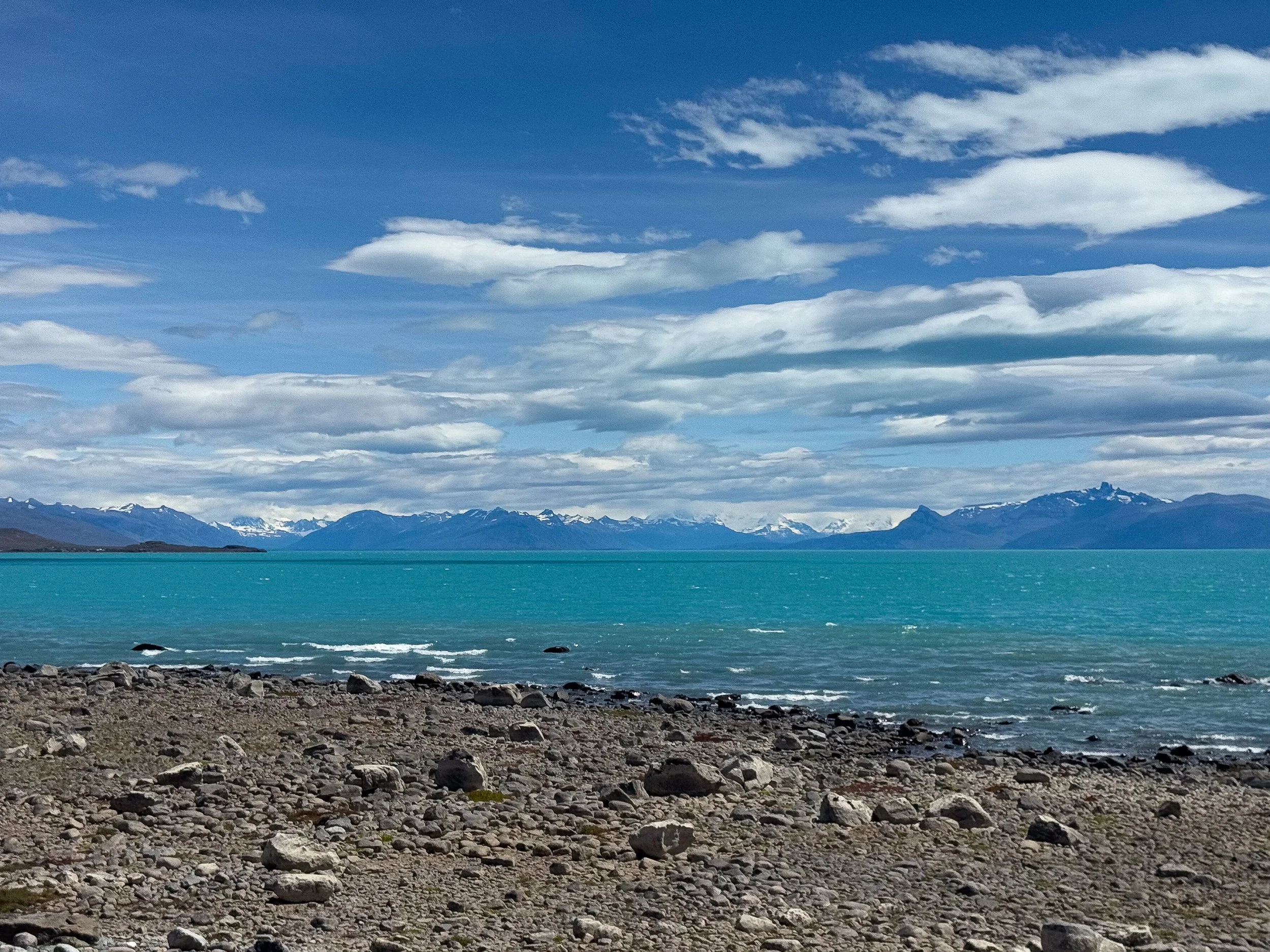
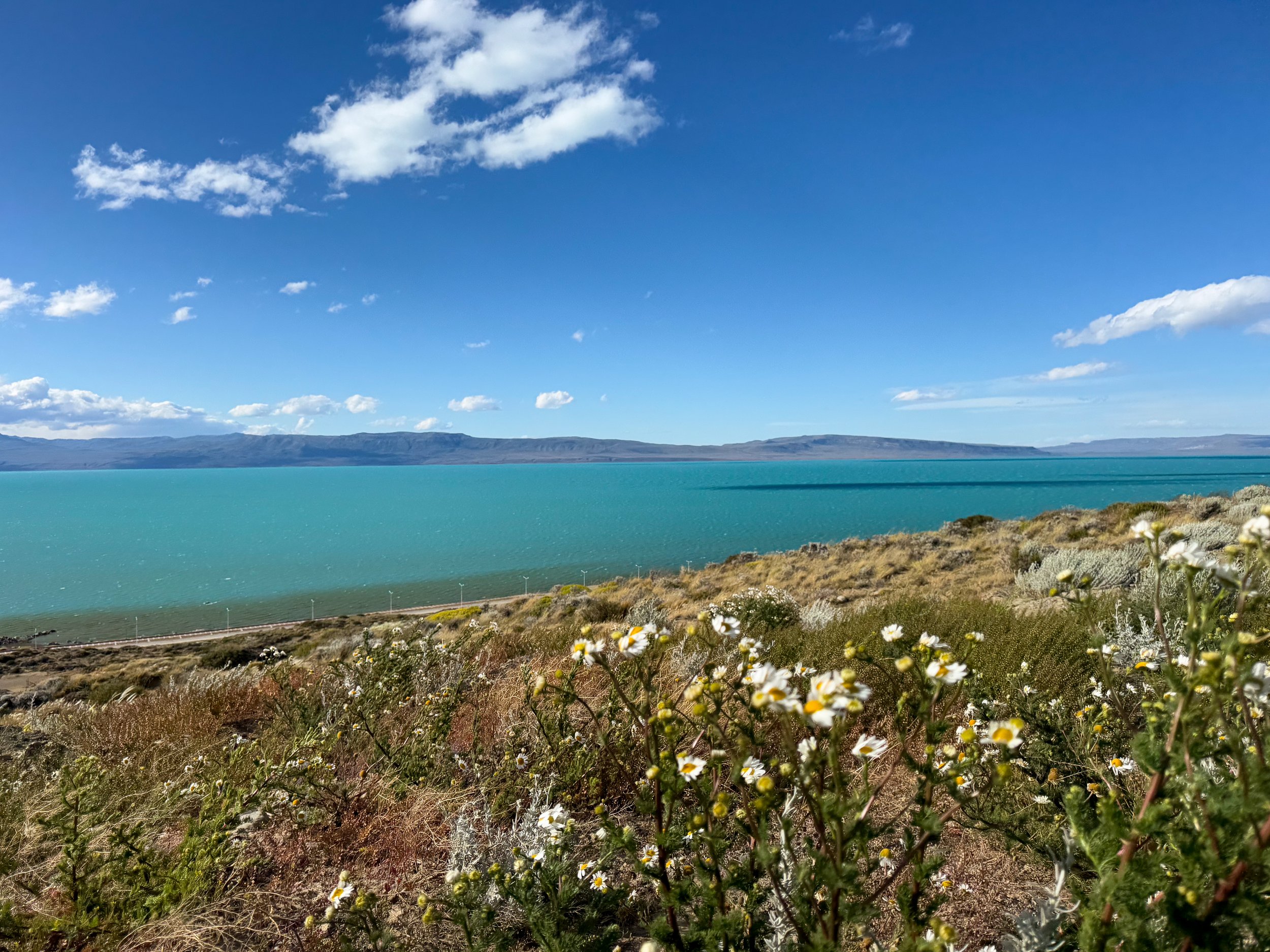
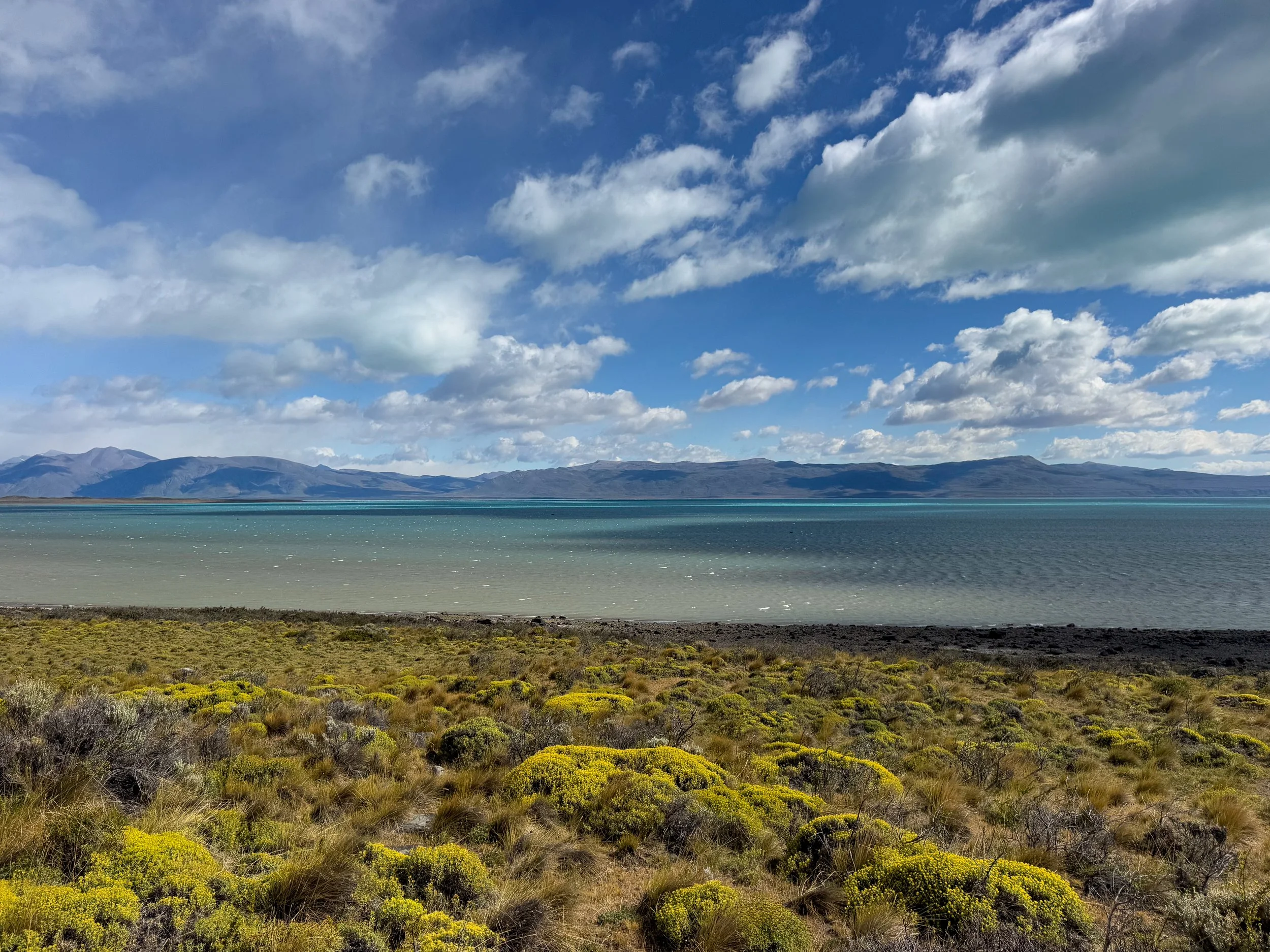
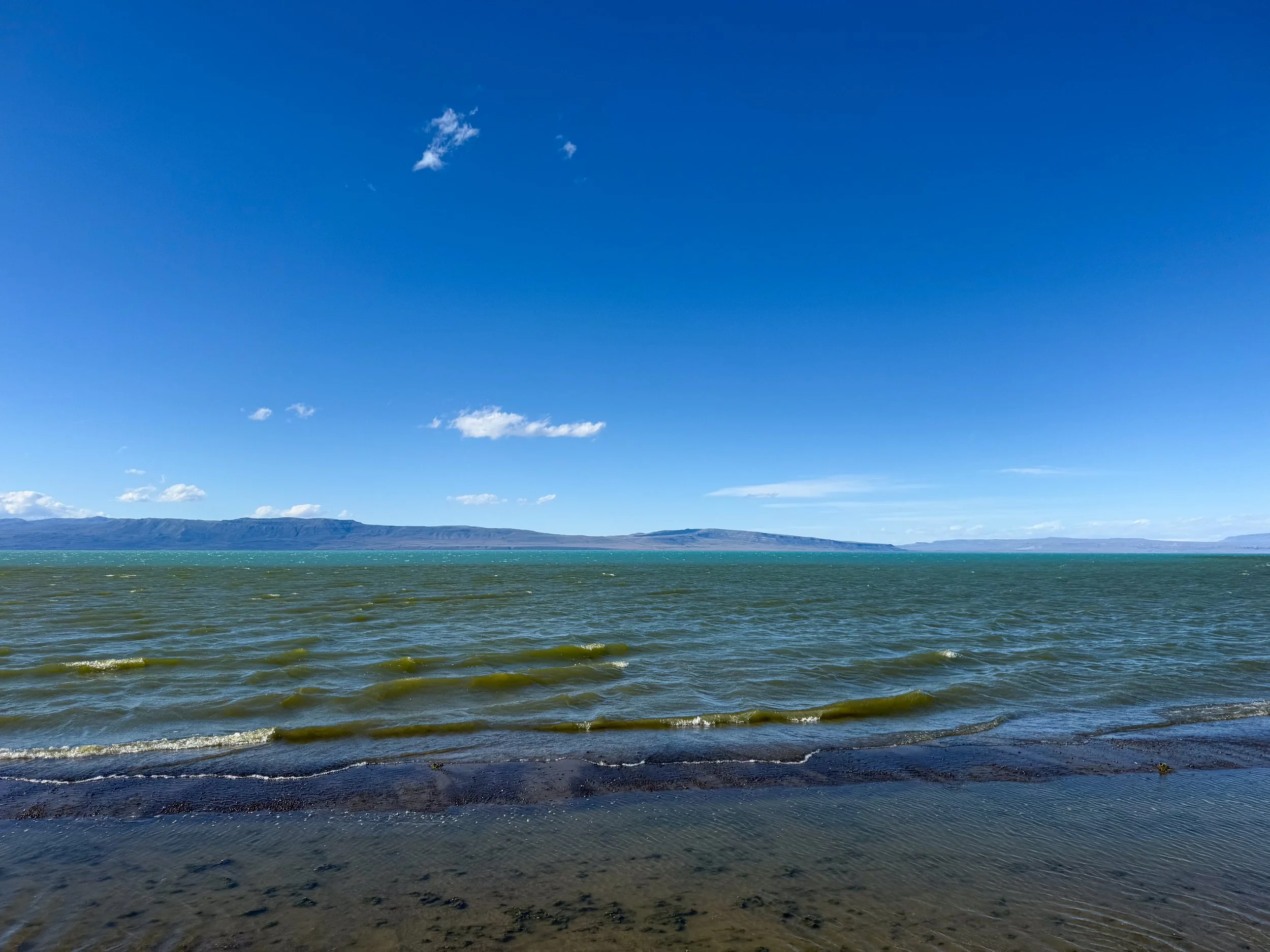

Lago Argentino
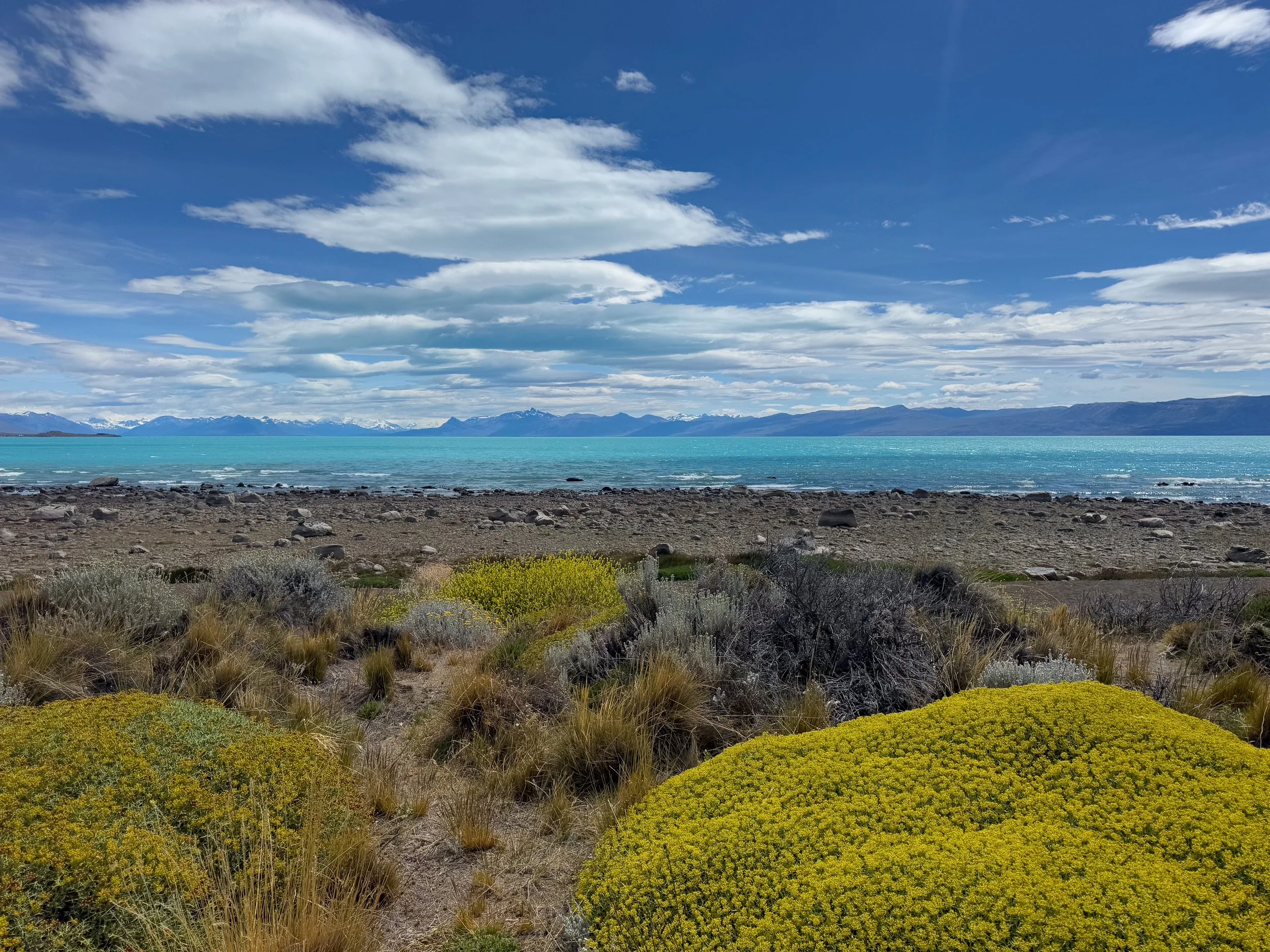
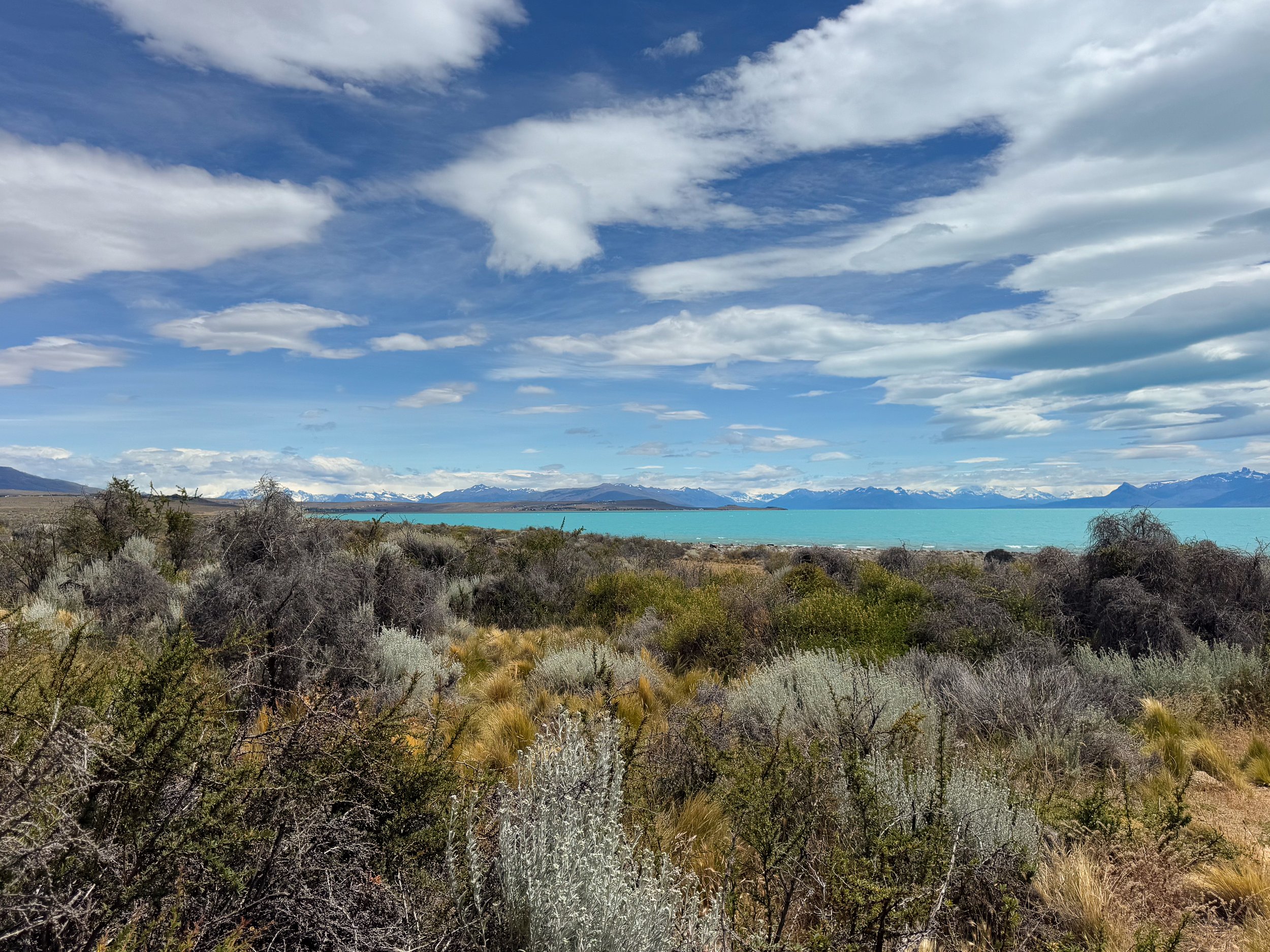
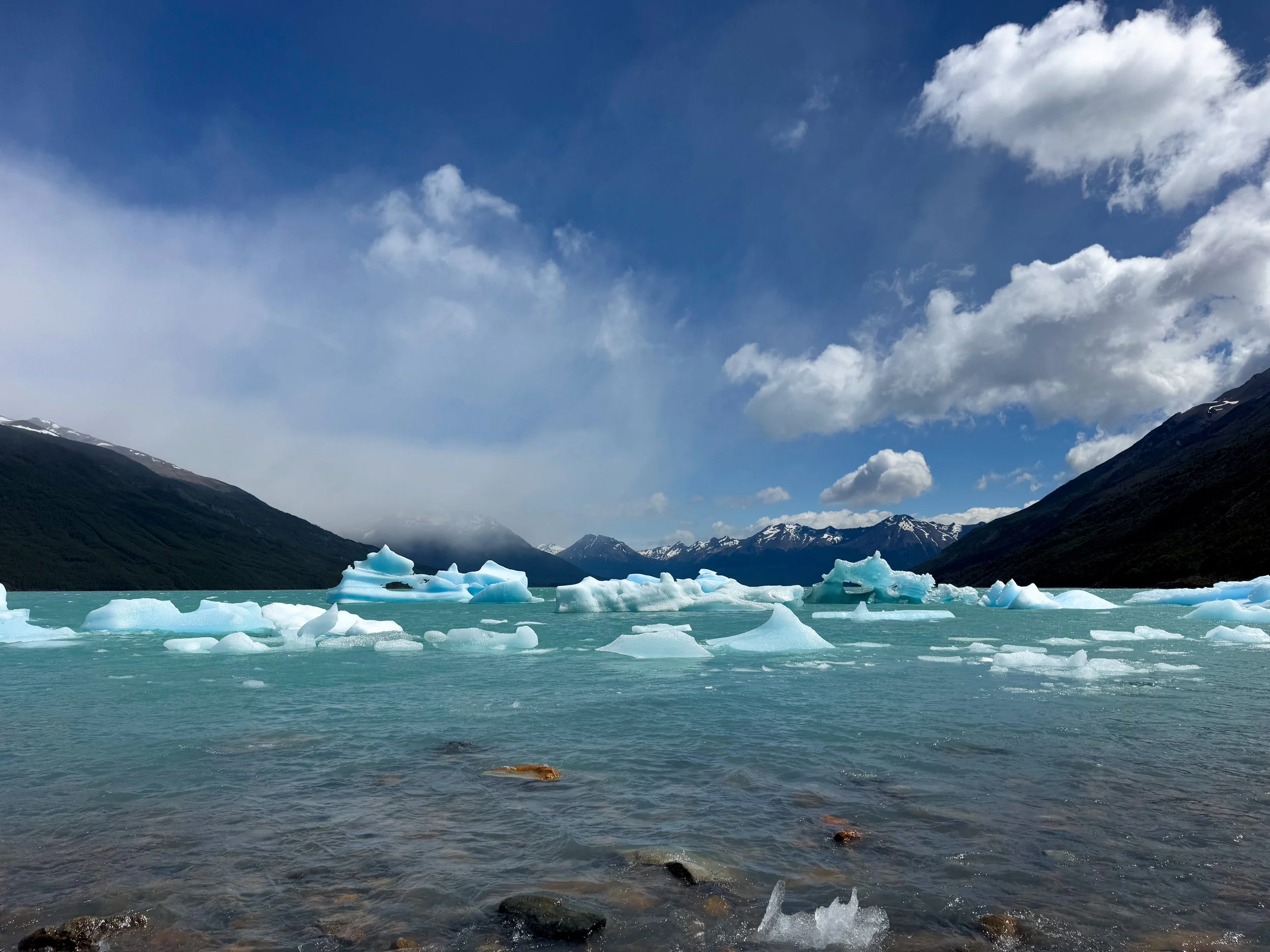
A large bright blue and aquamarine lake created by glacial and snow melt. Its piercing blue color is hard to look away from. It changes in tone with the sunlight and shadows of clouds. There are multiple lookouts in the city.
Mirador Lago Argentino. A public beach and lookout over the vibrant blue expanse of Lake Argentino.
Punto Panorámico. A roadside overlook on a hill with panoramic views of Lake Argentino and El Calafate.
La Piedra Mirador. A breathtaking roadside lookout over Lake Argentino, distant snow covered mountains and the Patagonian landscape. It’s an easy spot to see on the way to the Perito Moreno Glacier.

El Calafate
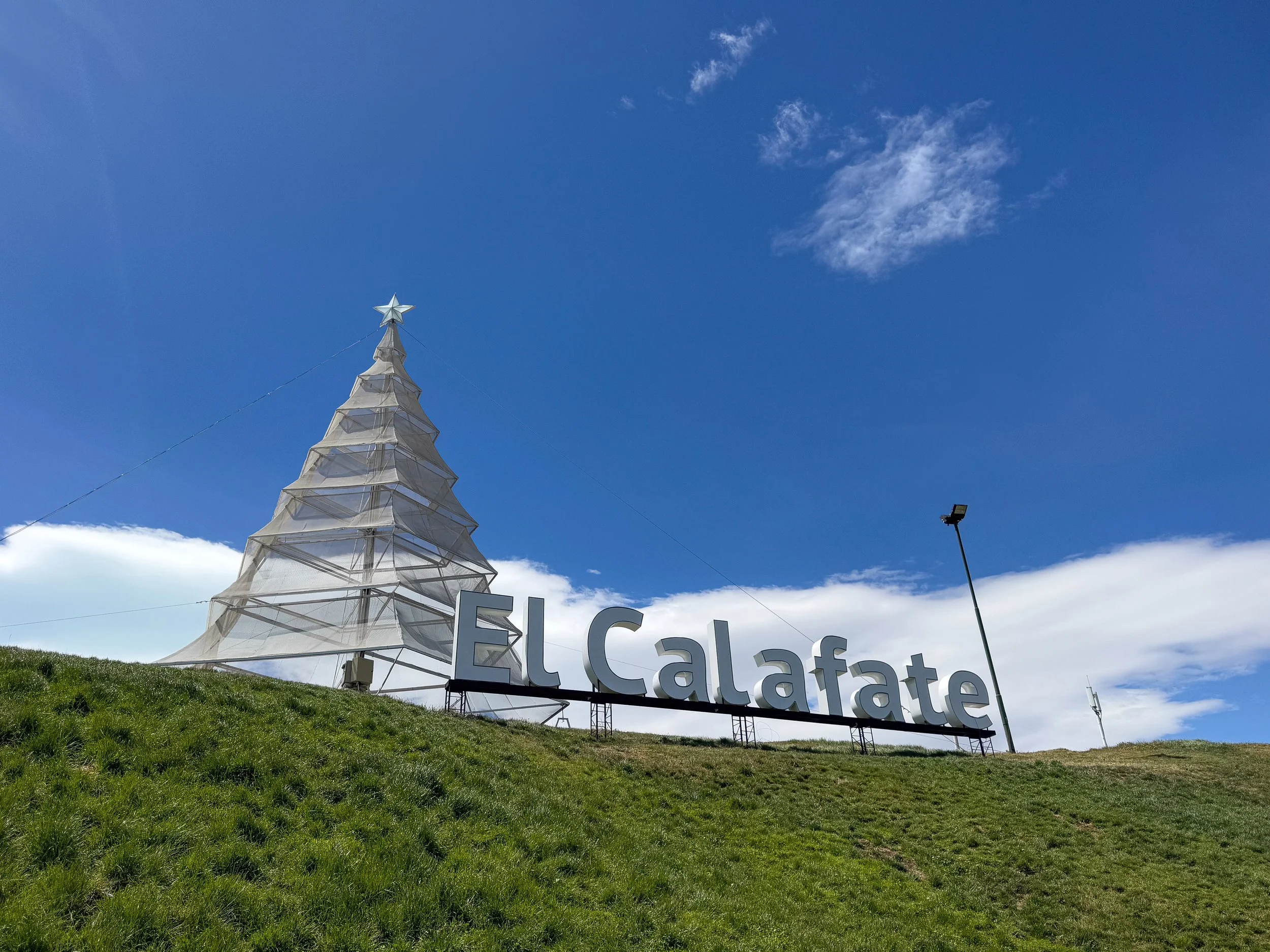
El Calafate is a town on the shores of Lake Argentino and a hub for adventurous activities in Patagonia. The region is famed for its icy glaciers, snow covered mountains, vibrant blue lakes and hiking trails.
City Sights
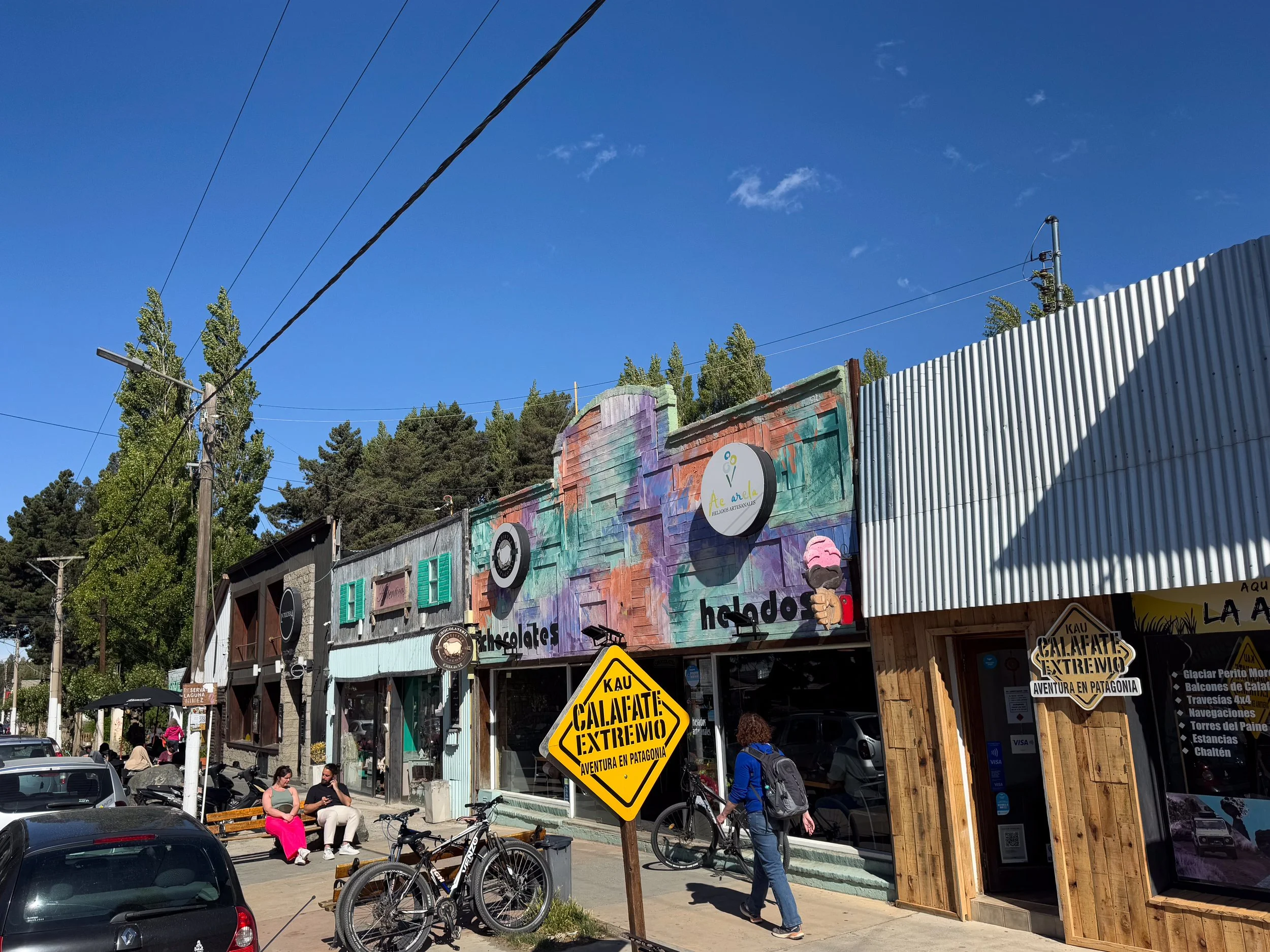
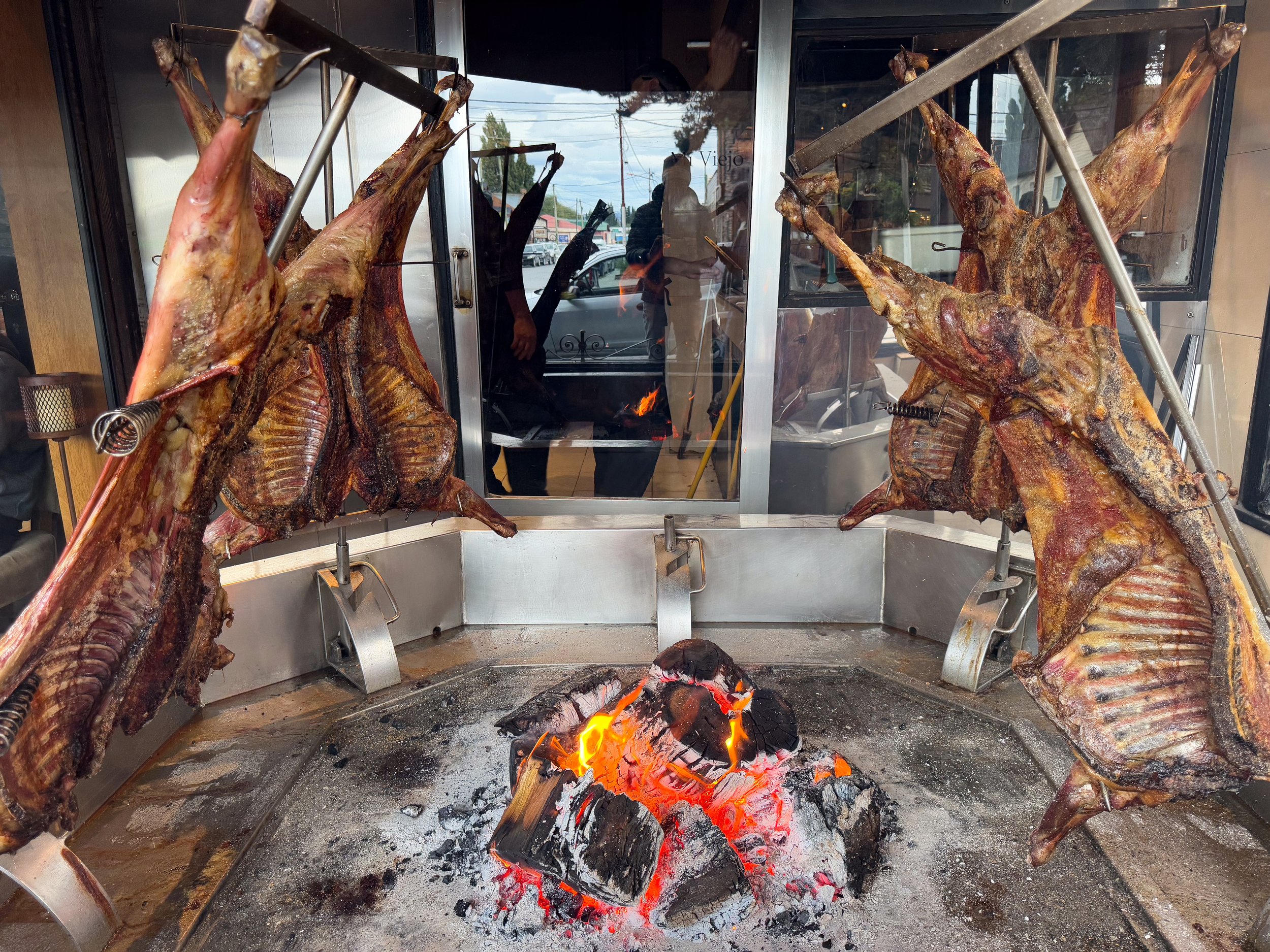
Avenida del Libertador. The main avenue that passes through the center of El Calafate with restaurants, cafes, breweries, tour companies, outdoor outfitters and souvenir shops. The city center is a charming place to walk around with tall coniferous trees, friendly roaming doggies, rugged antique vehicles, sticker covered campers, country cabins and cottages built from stone, wood and street metal.
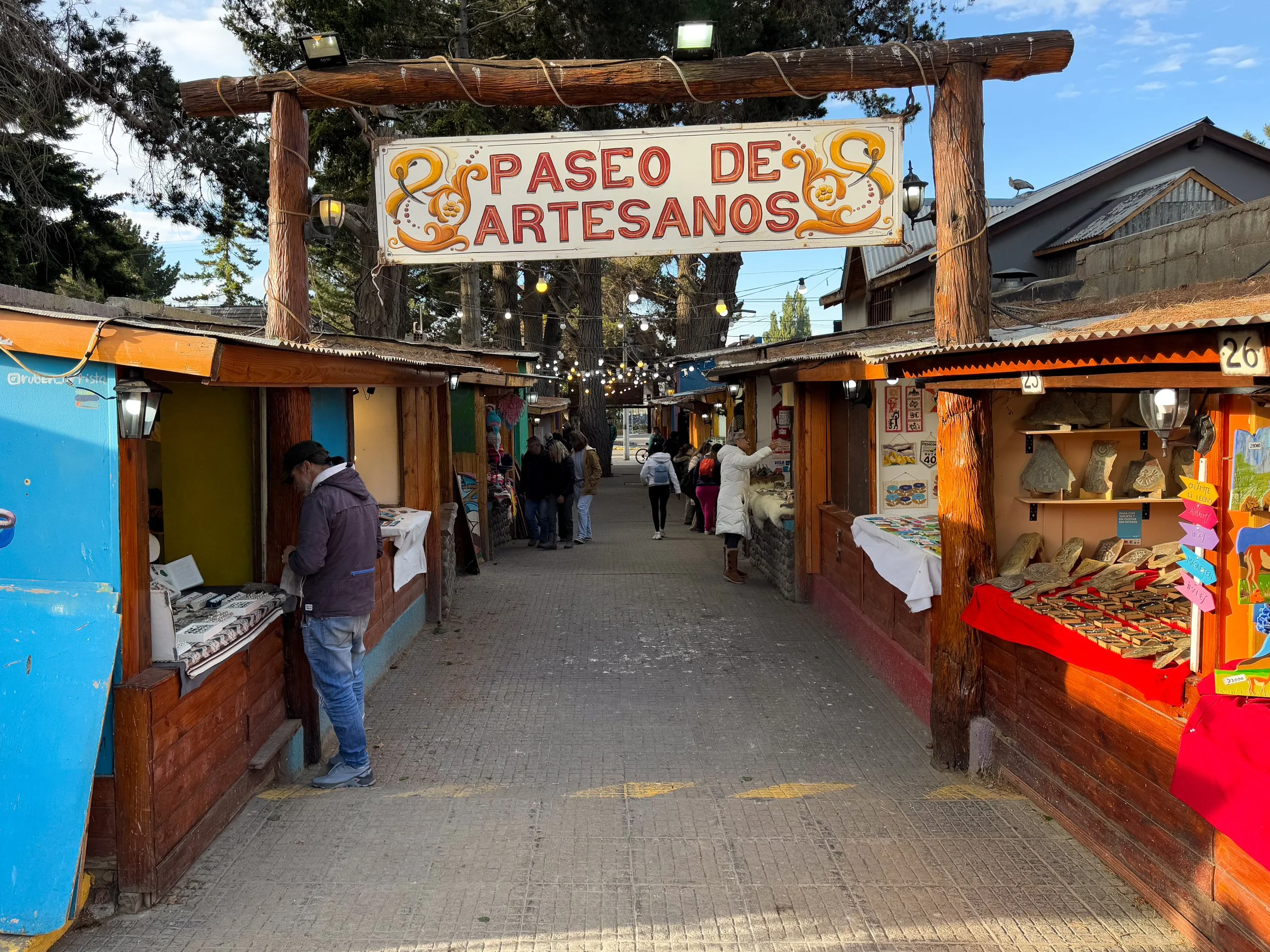
Paseo De Artesanos Jorge Echeverría. An artisan market with vendors selling handmade items including crystal and guanaco bone jewelry, stained glass ornaments, carved stone and wooden objects, knitted hats, ceramics and mate straws. It’s open daily from 5-10pm.
Glaciarium. A museum dedicated to glaciology, the study of glaciers. The exhibits focus on the Patagonian ice fields, their history and exploration, its glaciers, their formation, movement, landscape and the effects of climate change. The building itself is inspired by the faceted edges of glaciers with a cafe overlooking Lago Argentino. A free shuttle leaves from the city center every half an hour between 12-6pm.
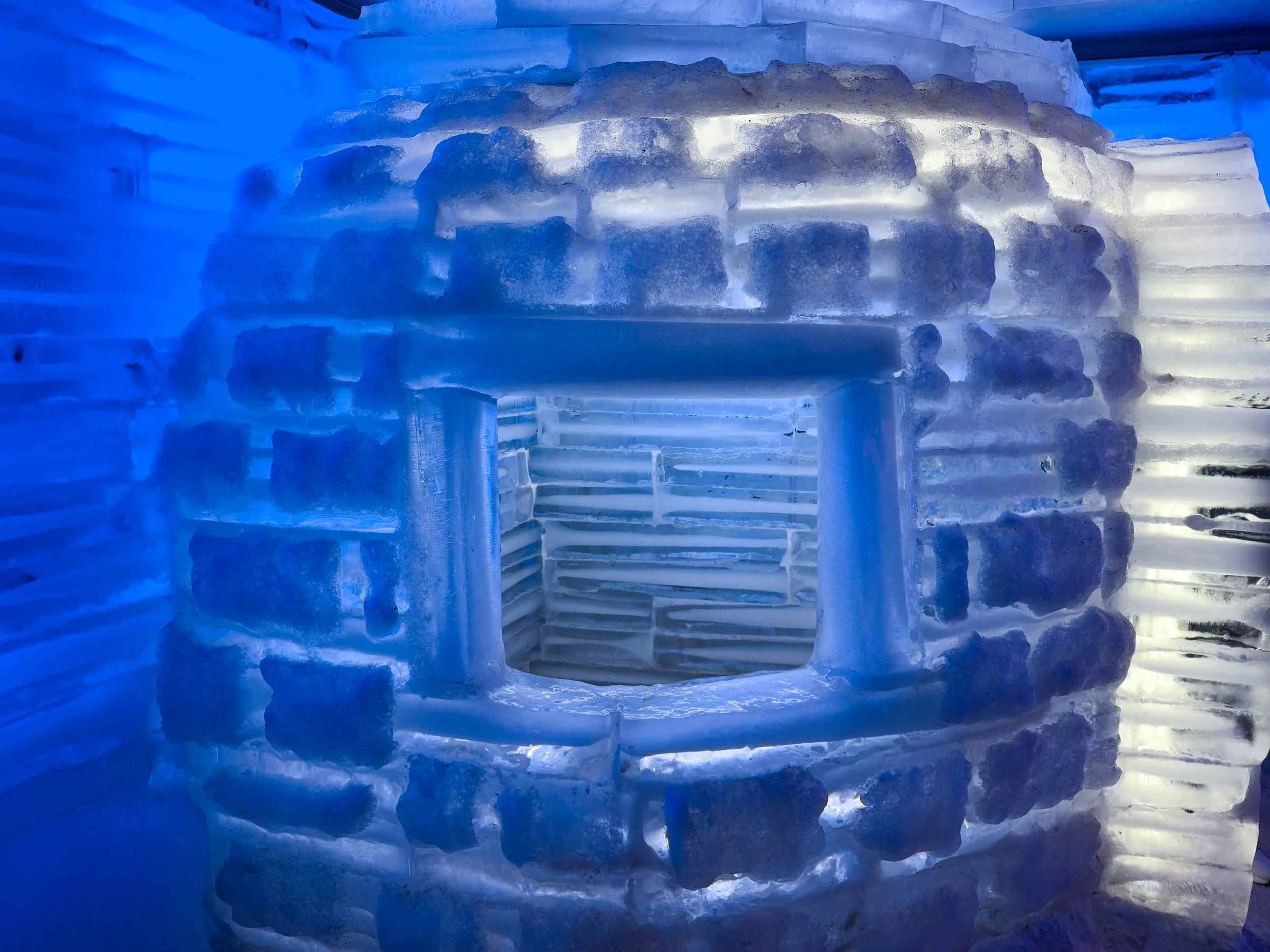
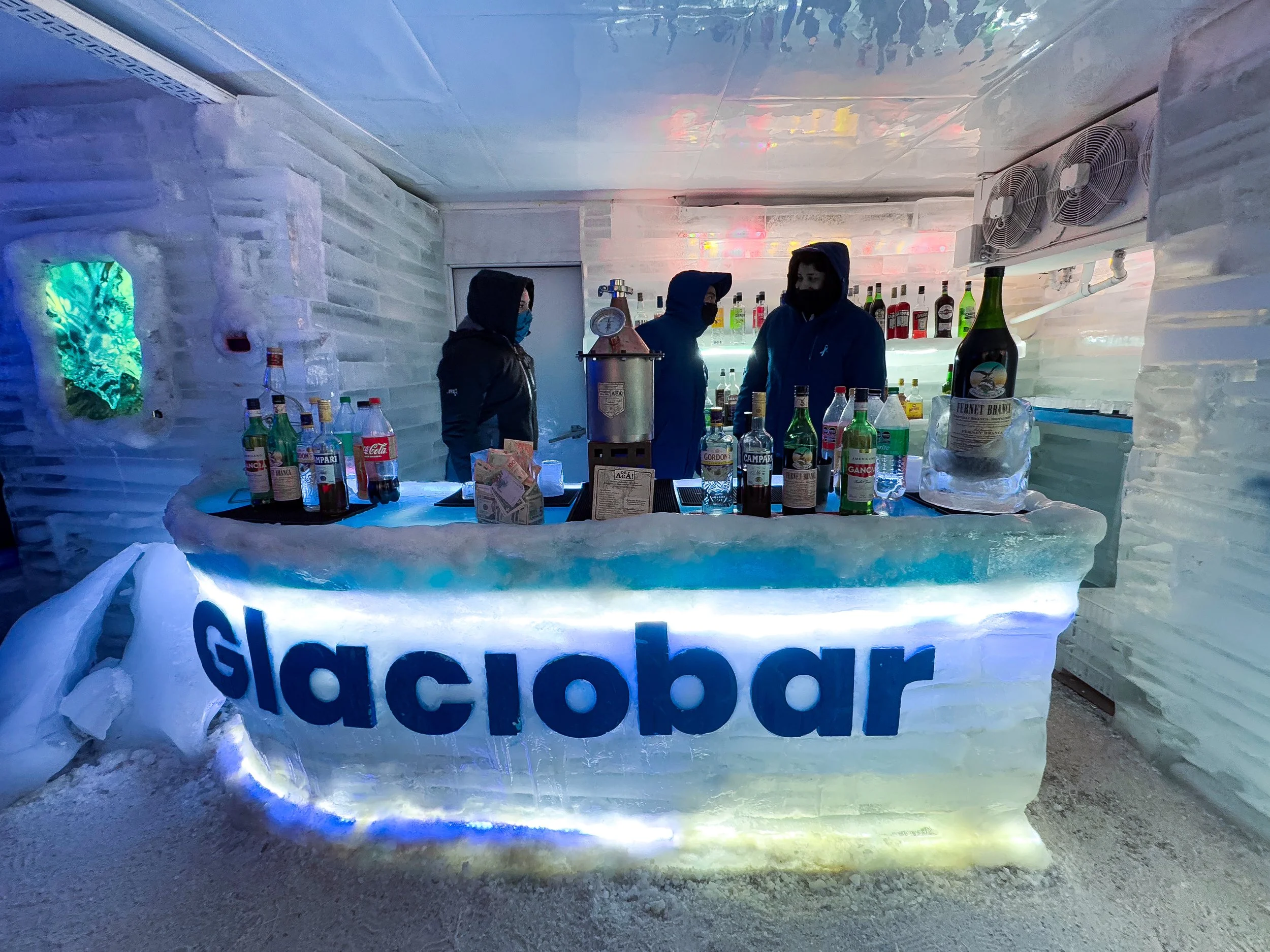
Glaciobar. An underground ice bar at the Glaciarium with -20C temperatures. The walls, floor, bar and glasses are all made of ice with various ice sculptures built throughout including an igloo, throne, eagle and bench. Thermal ponchos and multiple drinks are included with admission. We ordered a local favorite, Fernet with Coke and Gin and Tonics made from Patagonian Gin.
Nature Sights
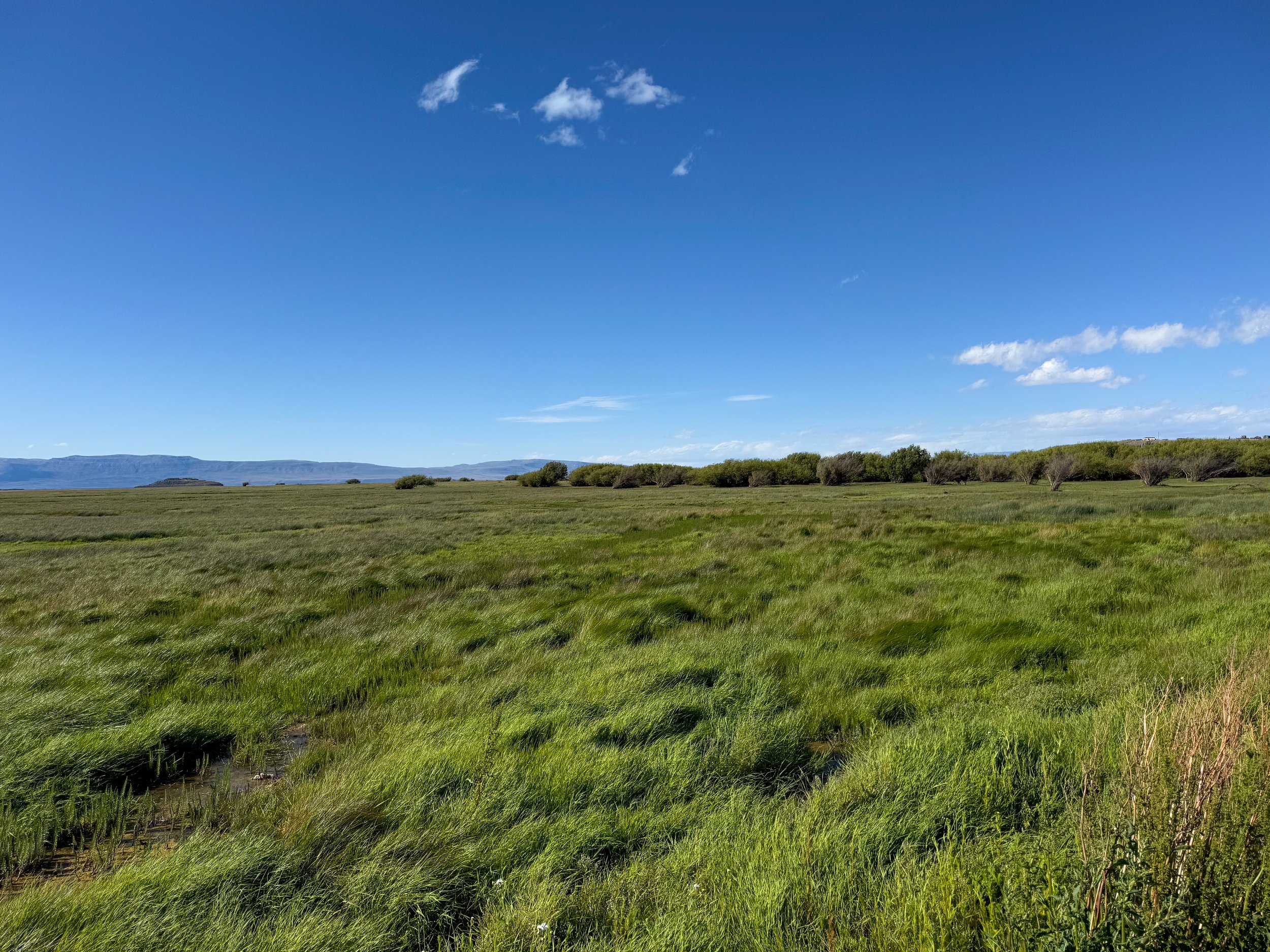
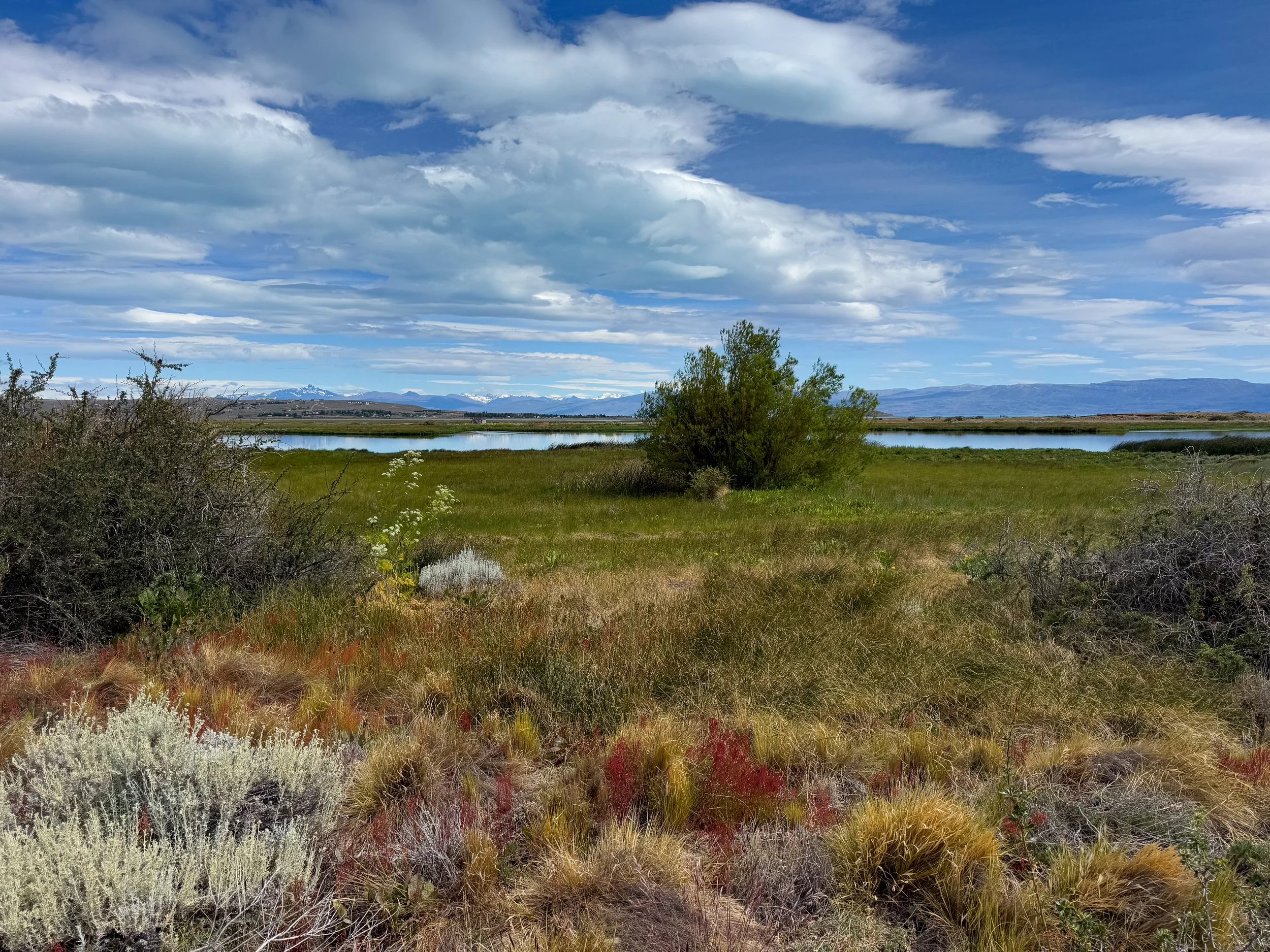
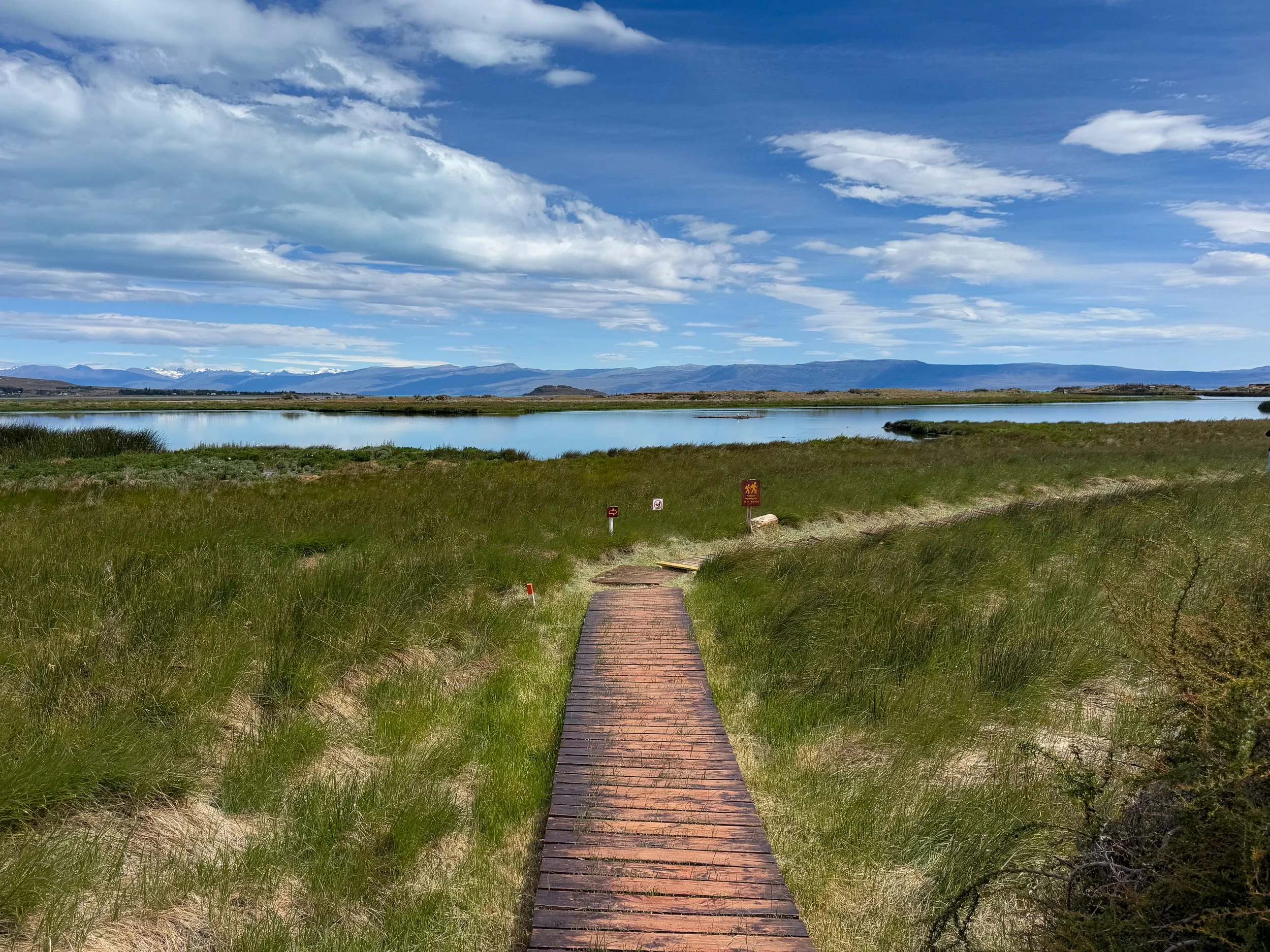
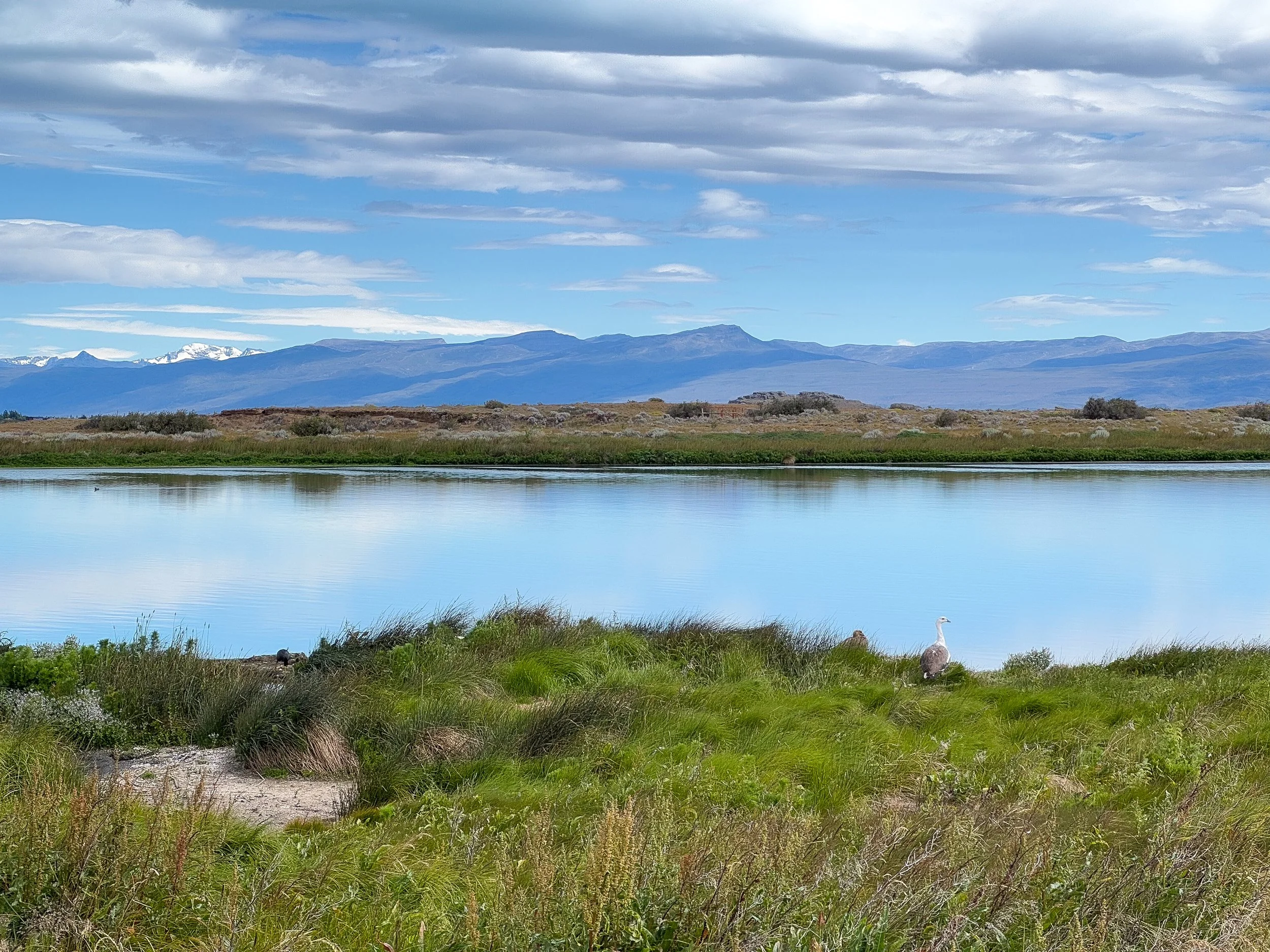
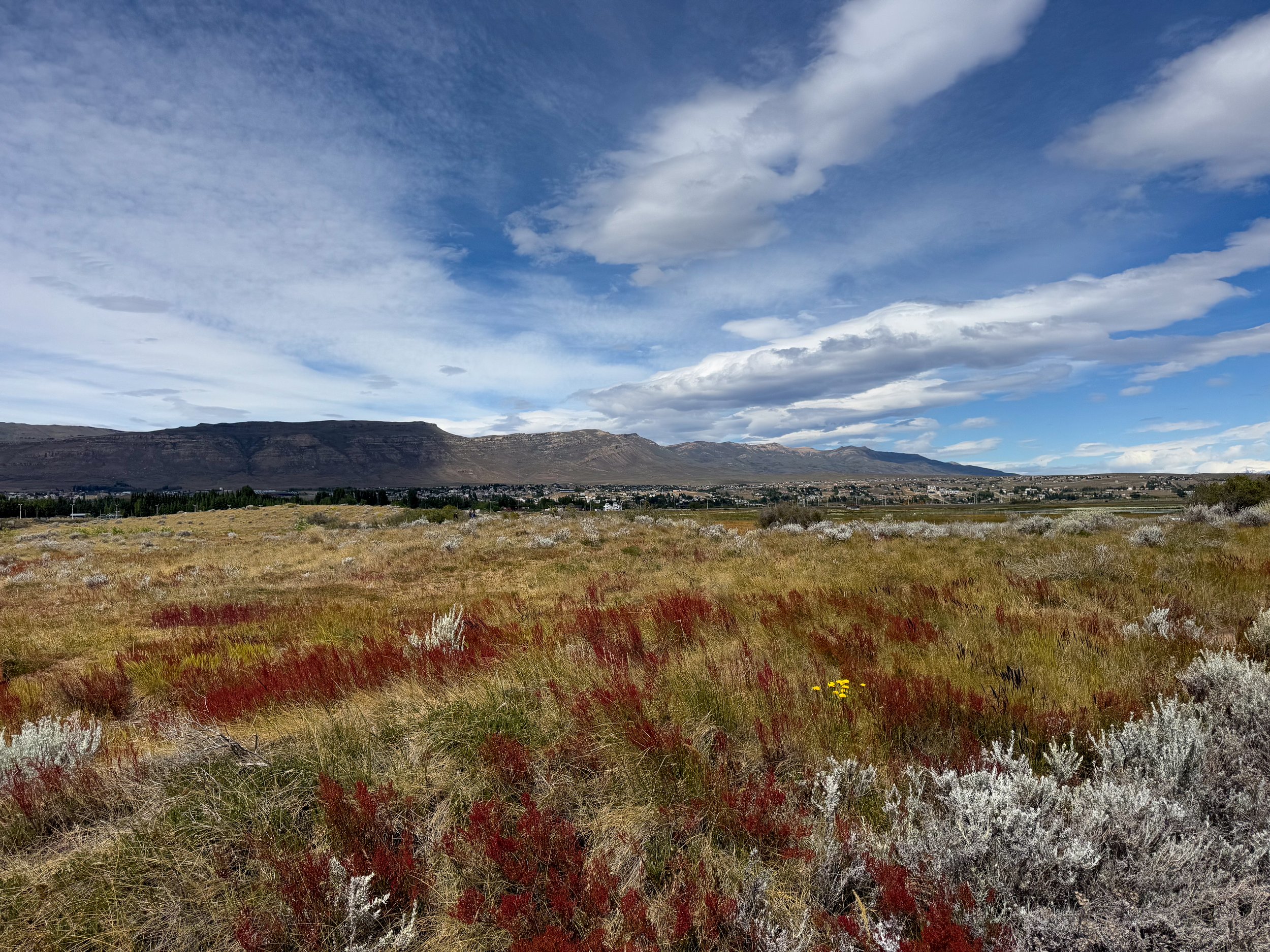
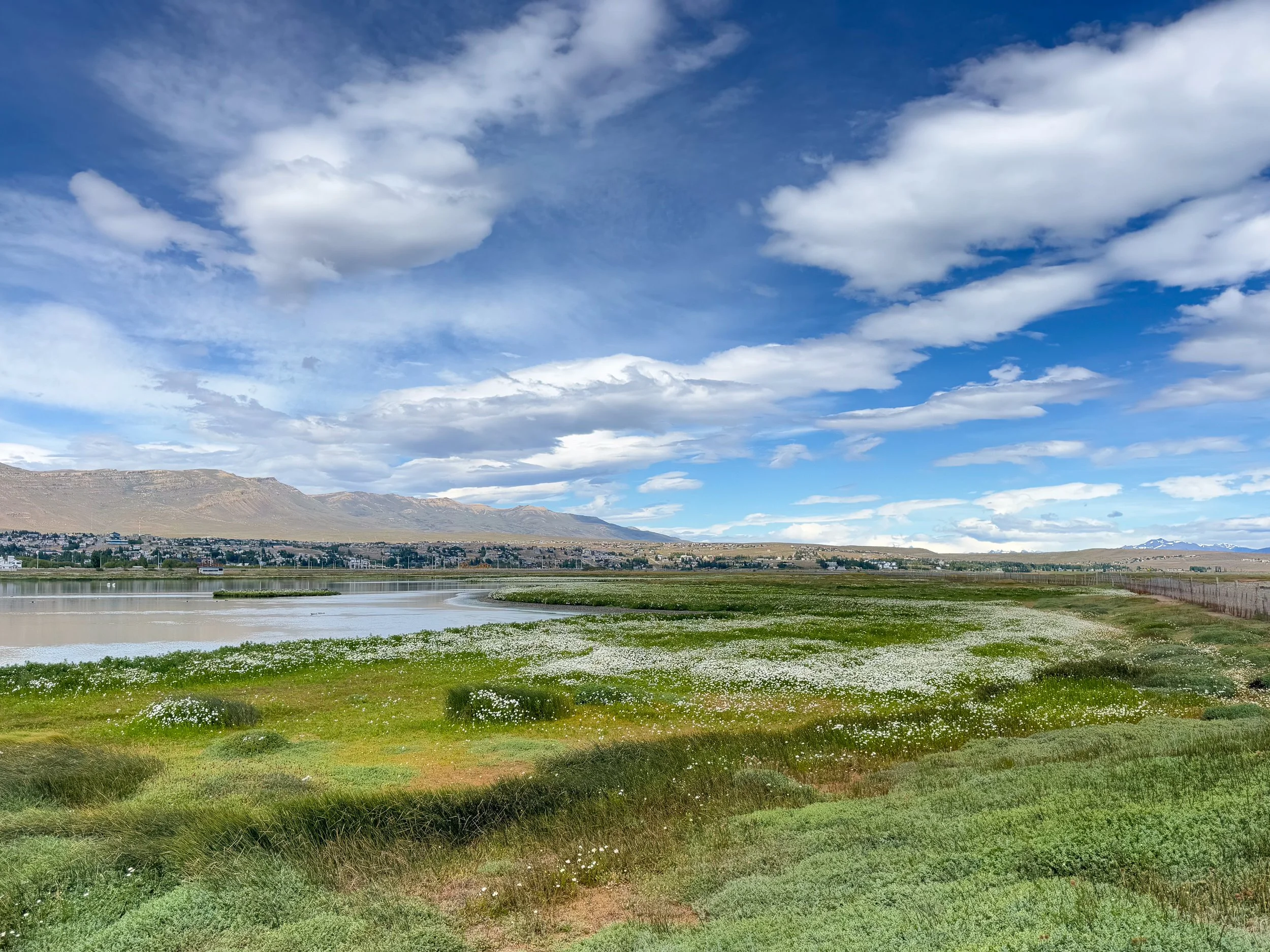
Reserva Laguna Nimez. A nature reserve and bird sanctuary encompassing the wetlands along Lake Argentino. We walked the 3km trails and boardwalks with views of the lake, lagoons, colorful foliage and species of birds including flamingos, ibises, swans and ducks. Bring or rent binoculars to spot birds.
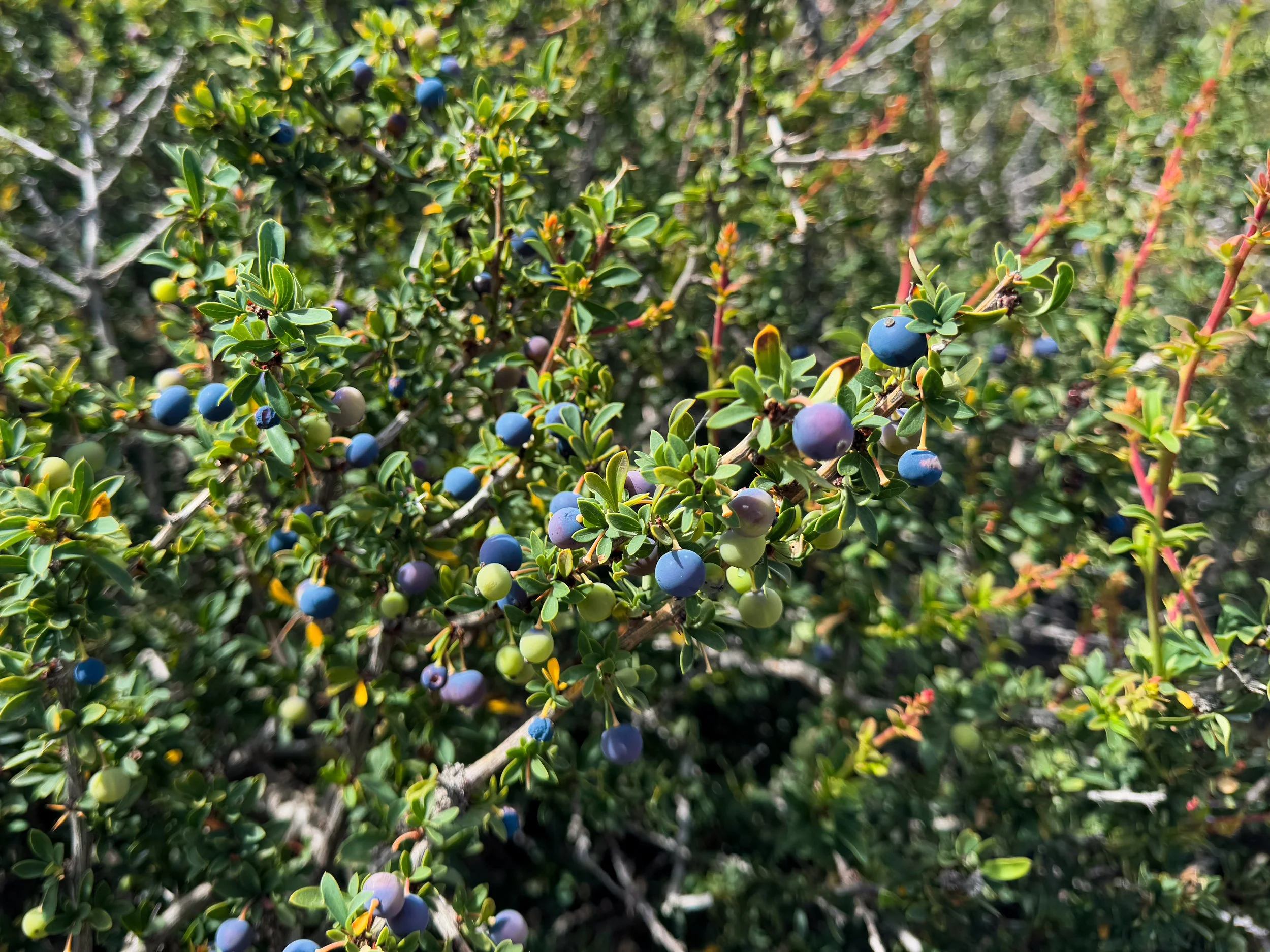
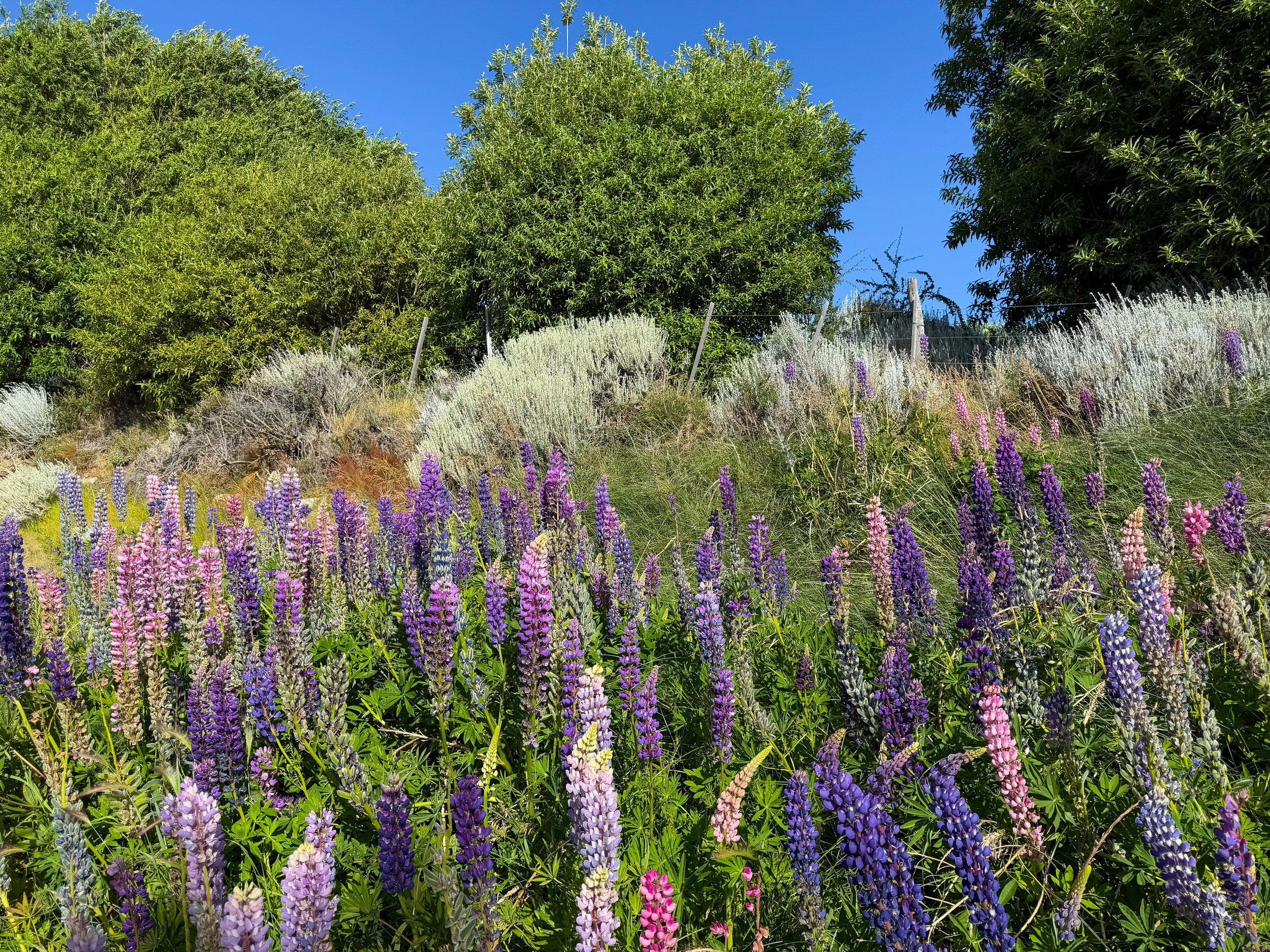
El Calafate Berry. El Calafate is named after the summertime wild berry that grows across the region. It looks similar to a blueberry but tastes more like a tart plum. It grows on large bushes with spiky arms all across the landscape. They’re usually ready for harvest in January and February. Unable to have them fresh in late December, we tried them frozen in a dessert, as a jam on toast and within an alfajore.
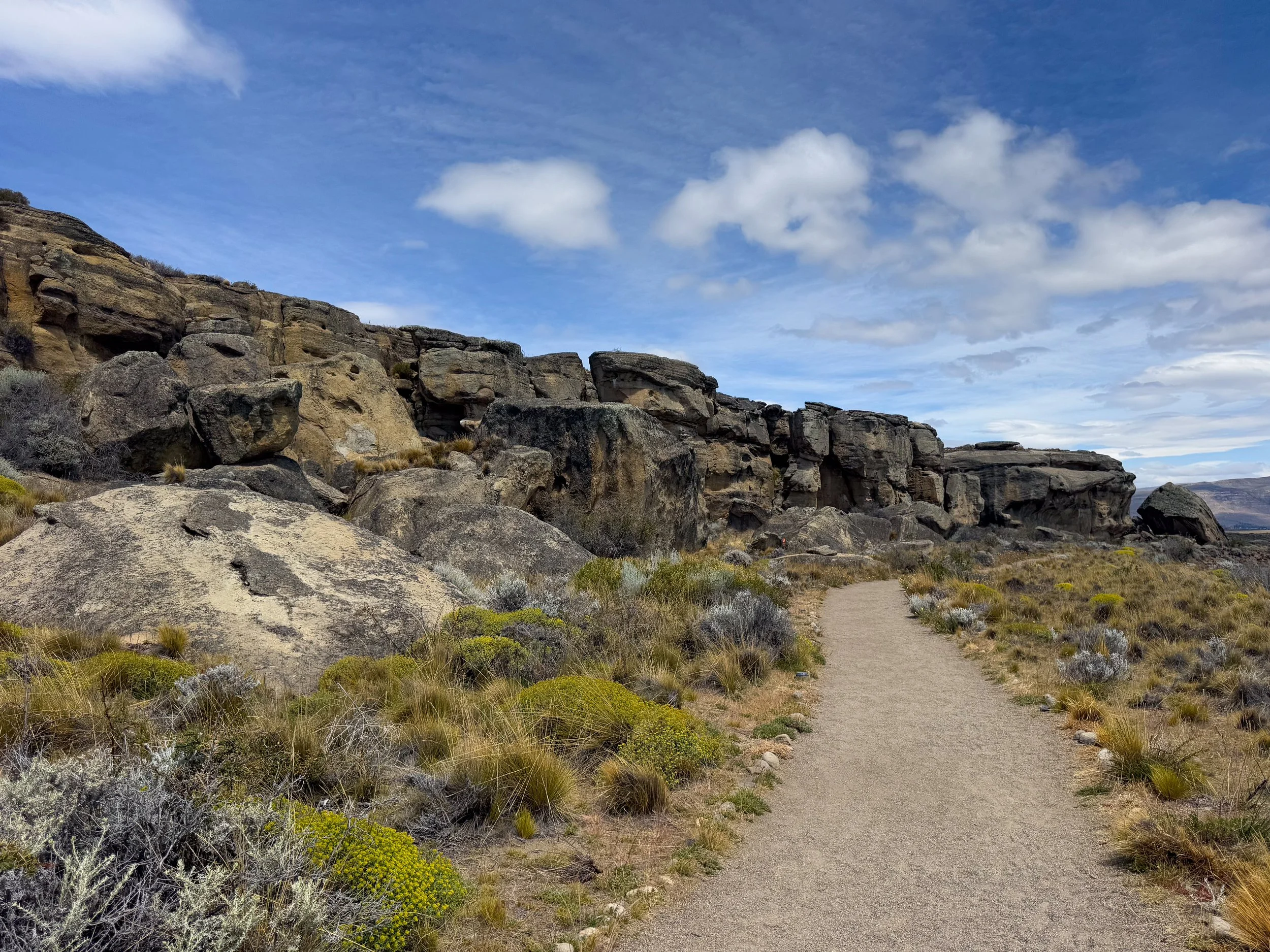
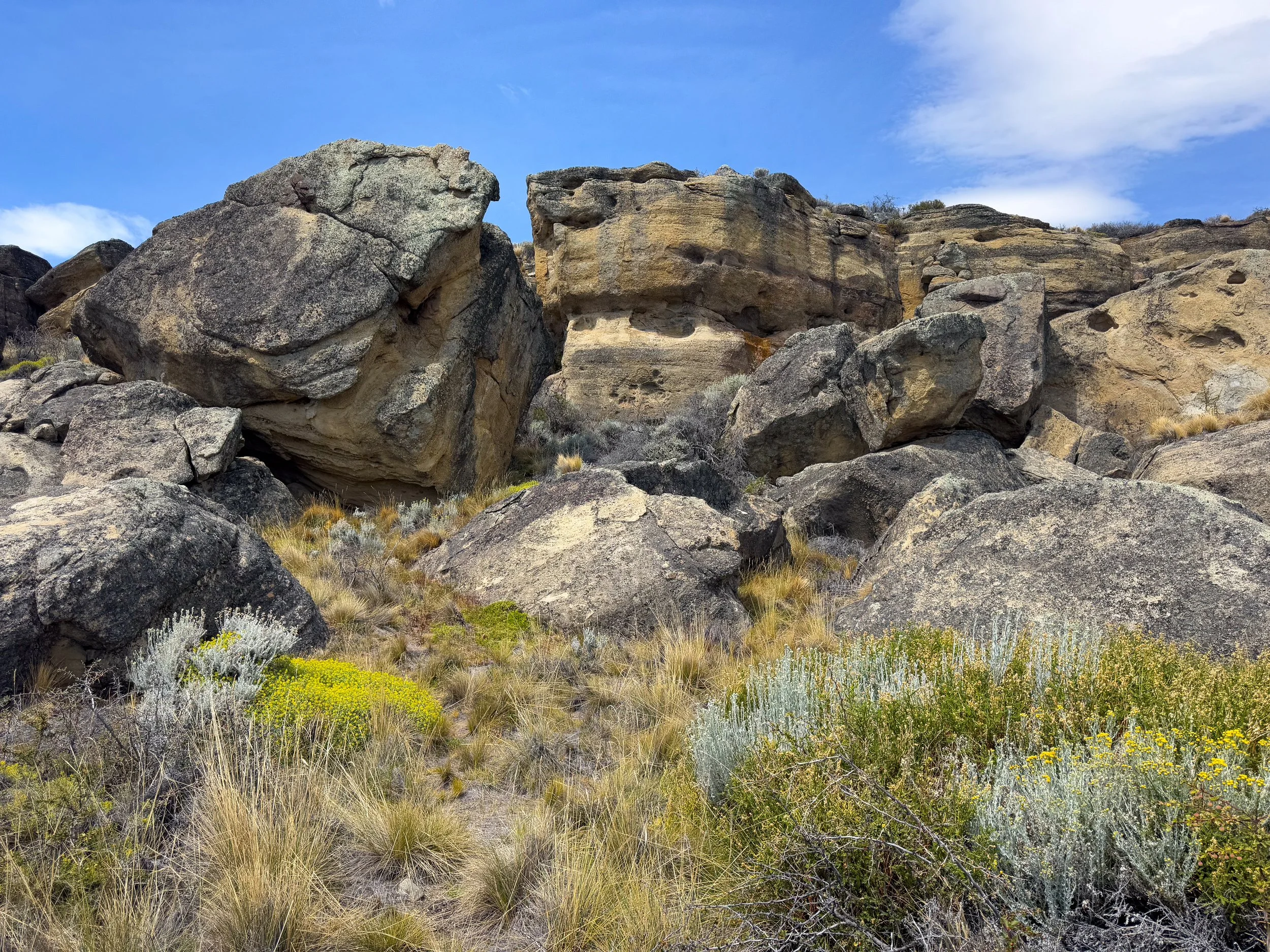
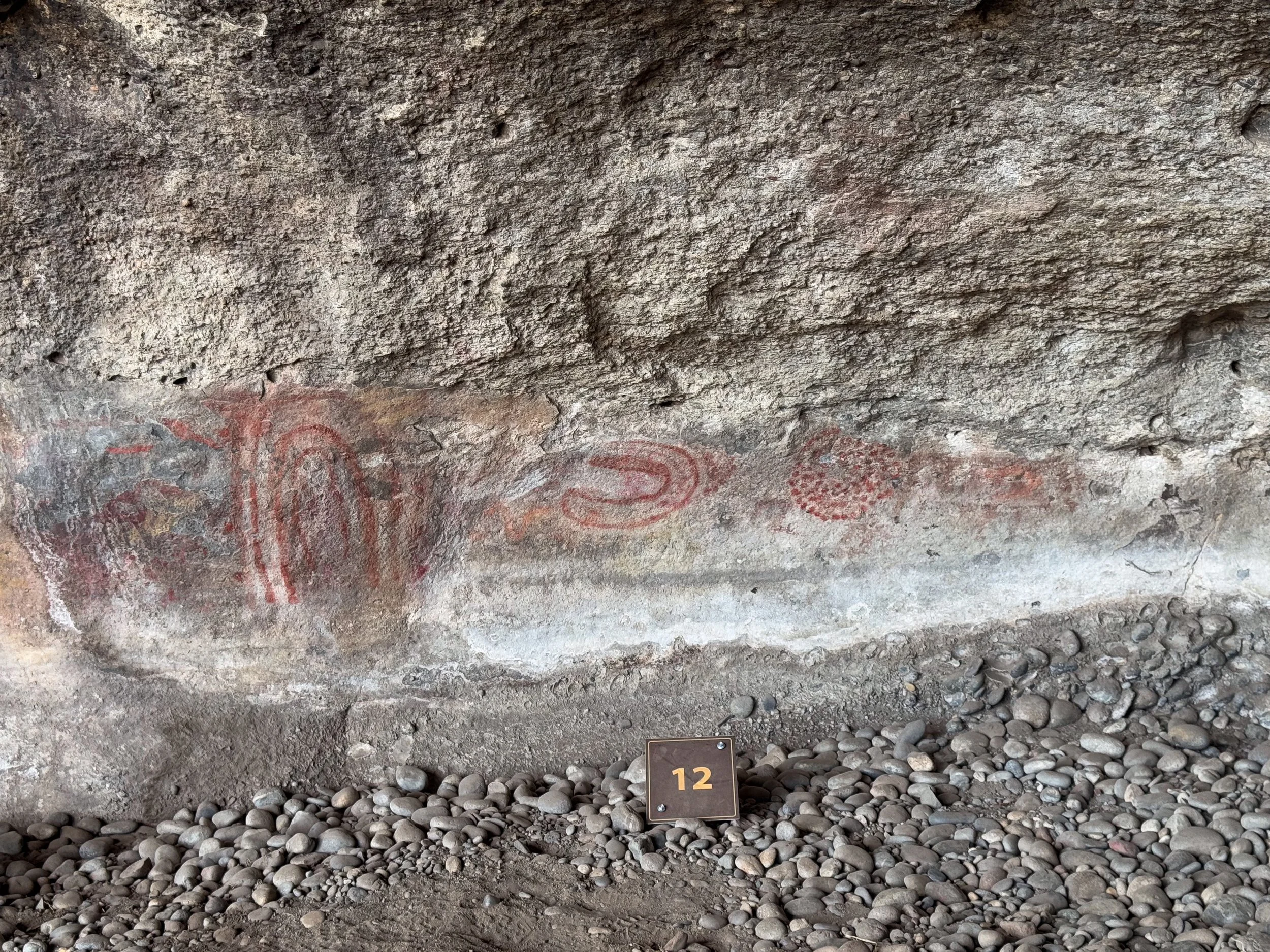
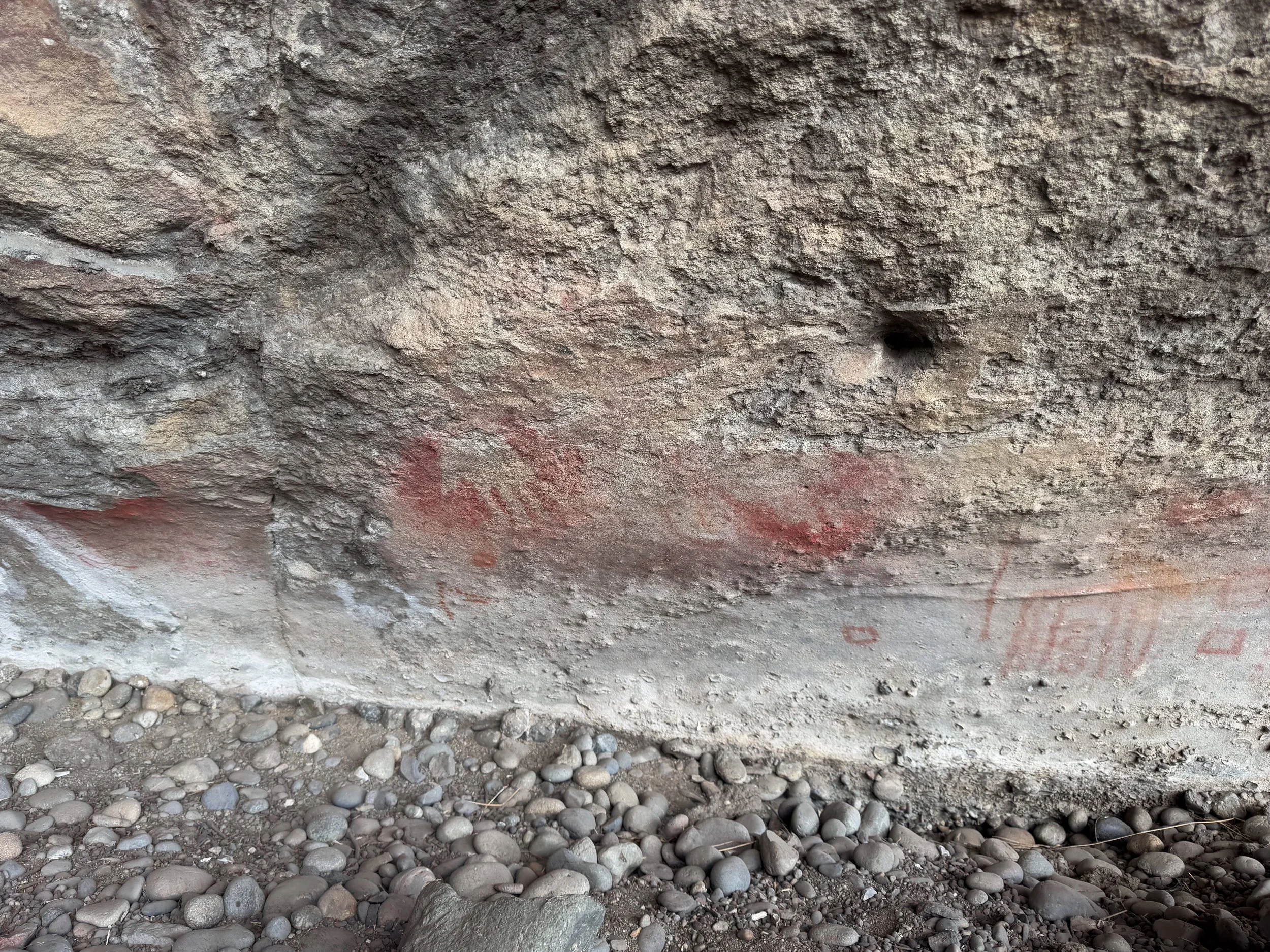
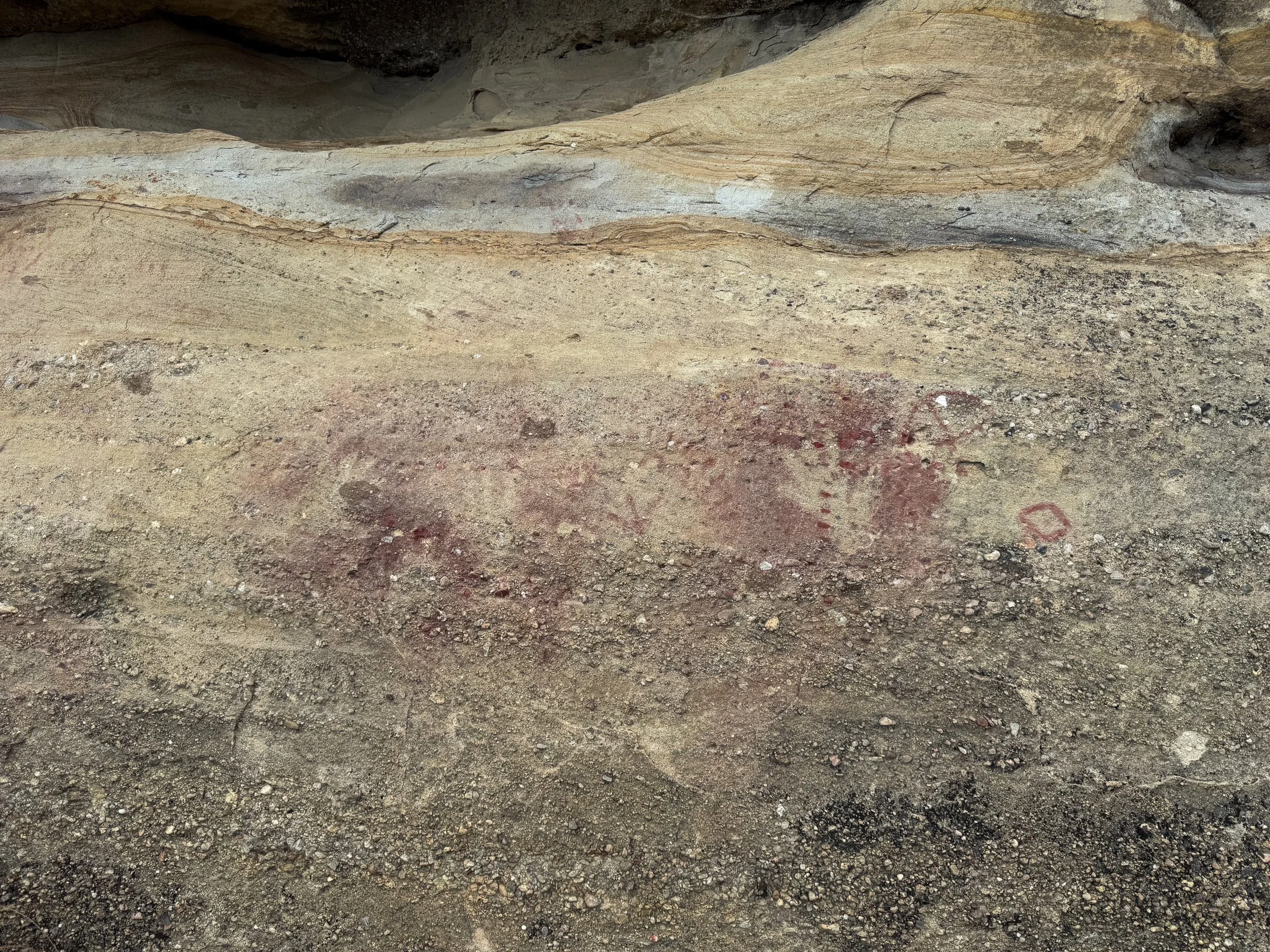
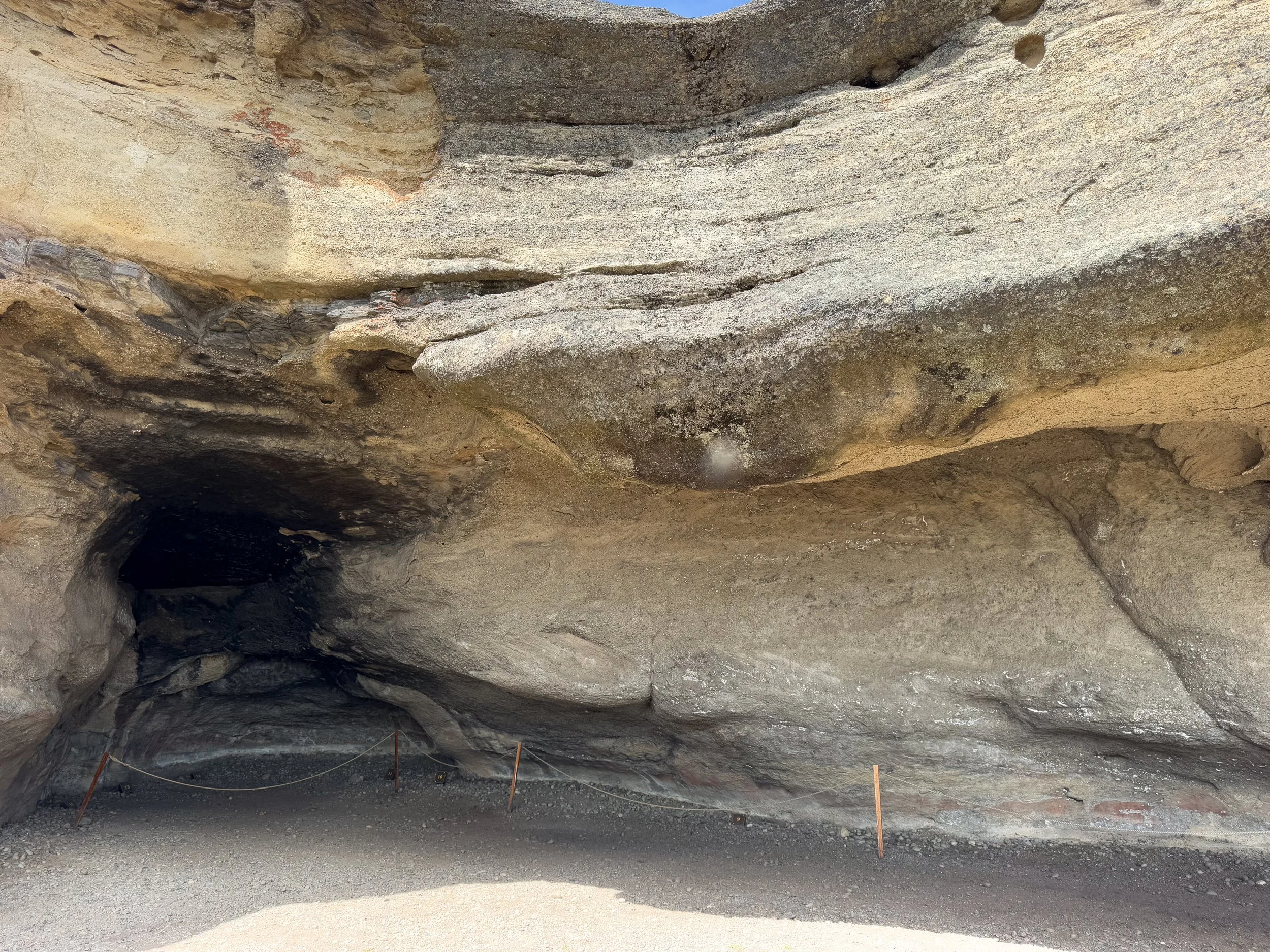
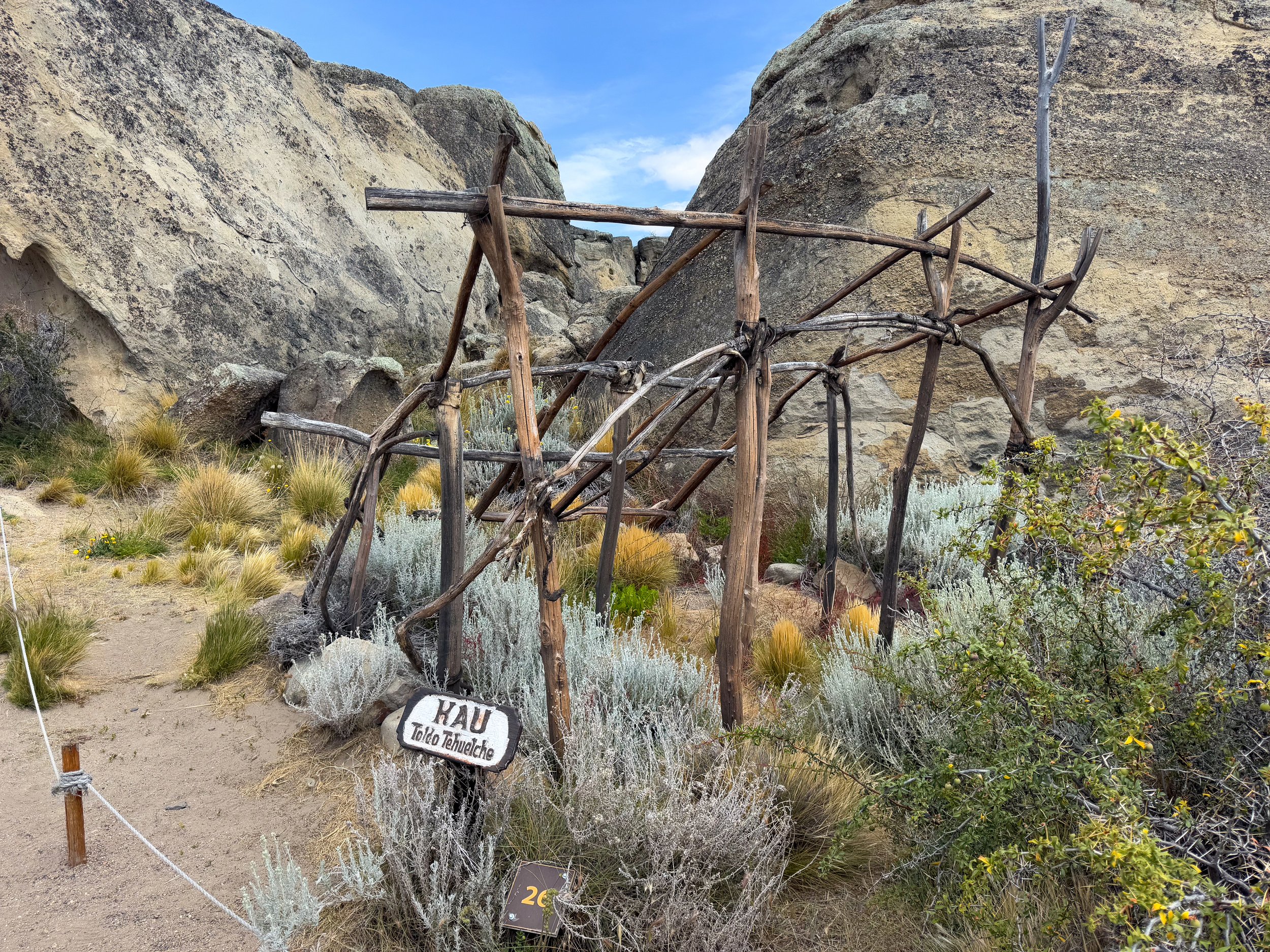
Punta Walichu. An archeological sight with 4,000 year old cave paintings created by some of the first indigenous peoples of Patagonia. The red and ochre colored paintings line the base of the cave depicting hand prints, people dancing, dotted spirals, indiscernible shapes, guanaco and puma foot prints. There is a section with reproductions from the cave and of other areas of Patagonia. The narrated tour walks through various points along the cave with breathtaking views of Lake Argentino and the mountains on the other side of it.
Places to Eat & Drink
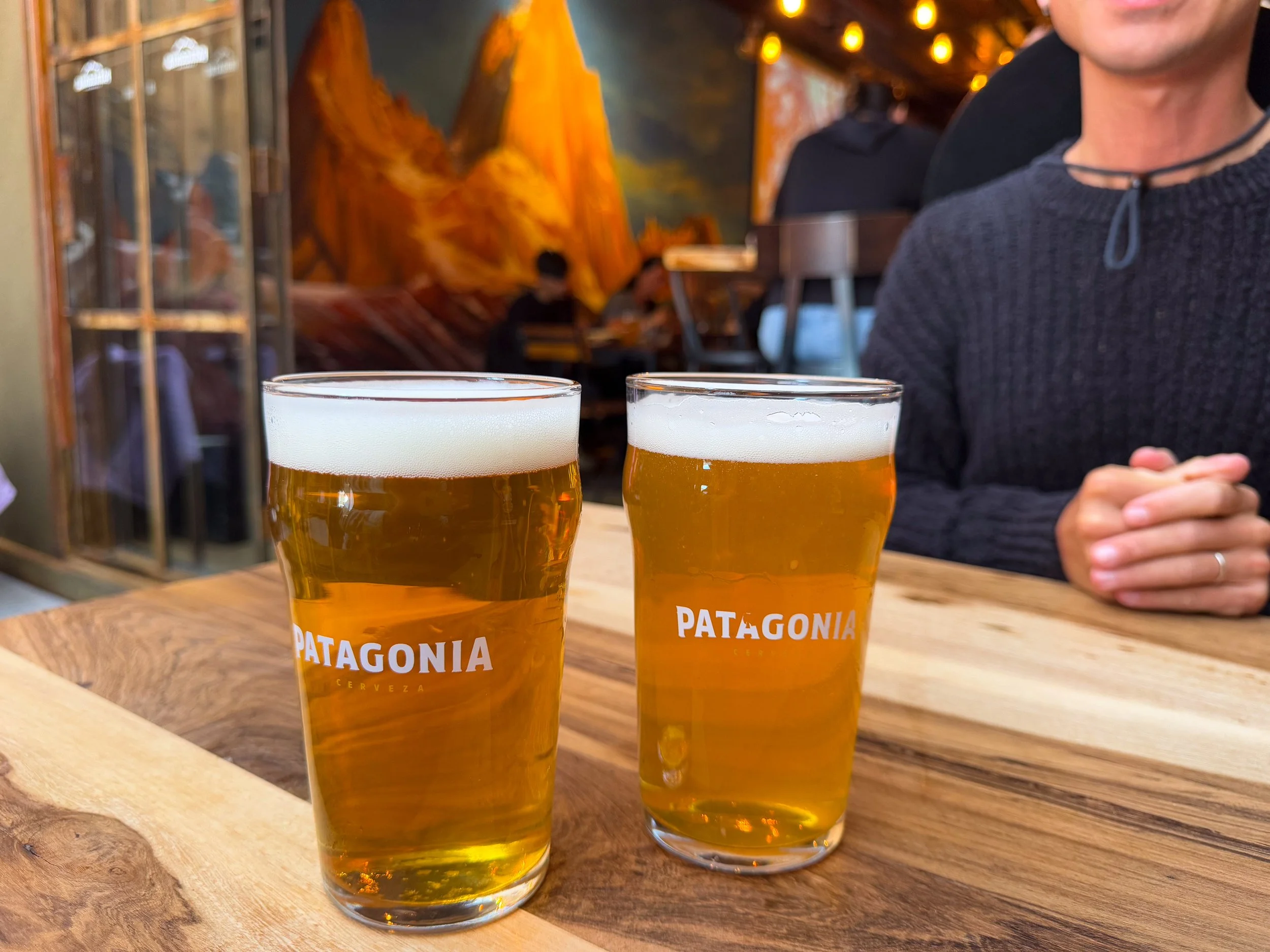
Cerveza Patagonia. A Patagonian brewery popular across Argentina and Chile for its regional beer. They have a taproom on Avenida del Libertador with their standard beers and specialty ones on tap and a full food menu. We shared 3 pints:
KM3. A mildly hoppy beer.
Munich Helles. A light and easy drinking beer with a slight honey and peach flavor.
Amber Lager. Their staple beer available in cans across the country. It has a light and flavorful taste.
La Zorra. A local brewery with a range of craft beers, snacks and shareable dishes. Try multiple half pints to sample their brews:
Forest Fruits. Light with a pine and peachy flavor.
Amber Ale. Hoppy with bitter and chocolaty flavor.
Passion Summer. Light and refreshing.
La Zaina Cocina Patagónica. A restaurant serving elevated Patagonian dishes and bottles of wine from their vineyards in Mendoza and Patagonia. We came for their seafood dishes, trying the lake trout and sea bass.
Shelby Mercado de Gin y Cervezas. A quiet liquor store and bar in a cabin like building with local beers and gins. We came here for gin and tonics made with Aconcagua and Patagonia Dry Gin de Acá, very floral and herbal Patagonian gins. We sipped on them from their second floor balcony.
La Oveja Negra Calafate. A gin bar and beer garden with all types of local snacks and dishes to share. We stopped in for their El Calafate Pisco Sours, made with El Calafate liquor.
Acuarela Helados Artisanal. An ice cream shop, chocolate store and cafe with a display of dozens of colorful ice creams including local flavors like El Calafate and Dulce de Leche.
Getting Around El Calafate
From the Airport. Take a public shuttle to the city center. The buses depart several times per day based on flight schedules for 11,000 pesos per person. Alternatively, hire a ride from one of the taxi stands for 33,000 pesos. Uber is not available.
From the Bus Station. The Omnibus station is a 20 minute walk from the city center. Alternatively, hire a taxi from the line out front. Rides take 5 minutes and should cost 5,000 pesos.
By Bus. Regional buses to many of the natural sights, regional towns and further distances in Argentina and Chile are reachable by bus. Several companies sell tickets from the Omnibus Terminal just outside of town. We booked with Bus Sur and El Chaltén Travel, two of the more reputable and well reviewed bus companies.
On Foot. The city center and surrounding areas are easily walkable.
Perito Moreno Glacier
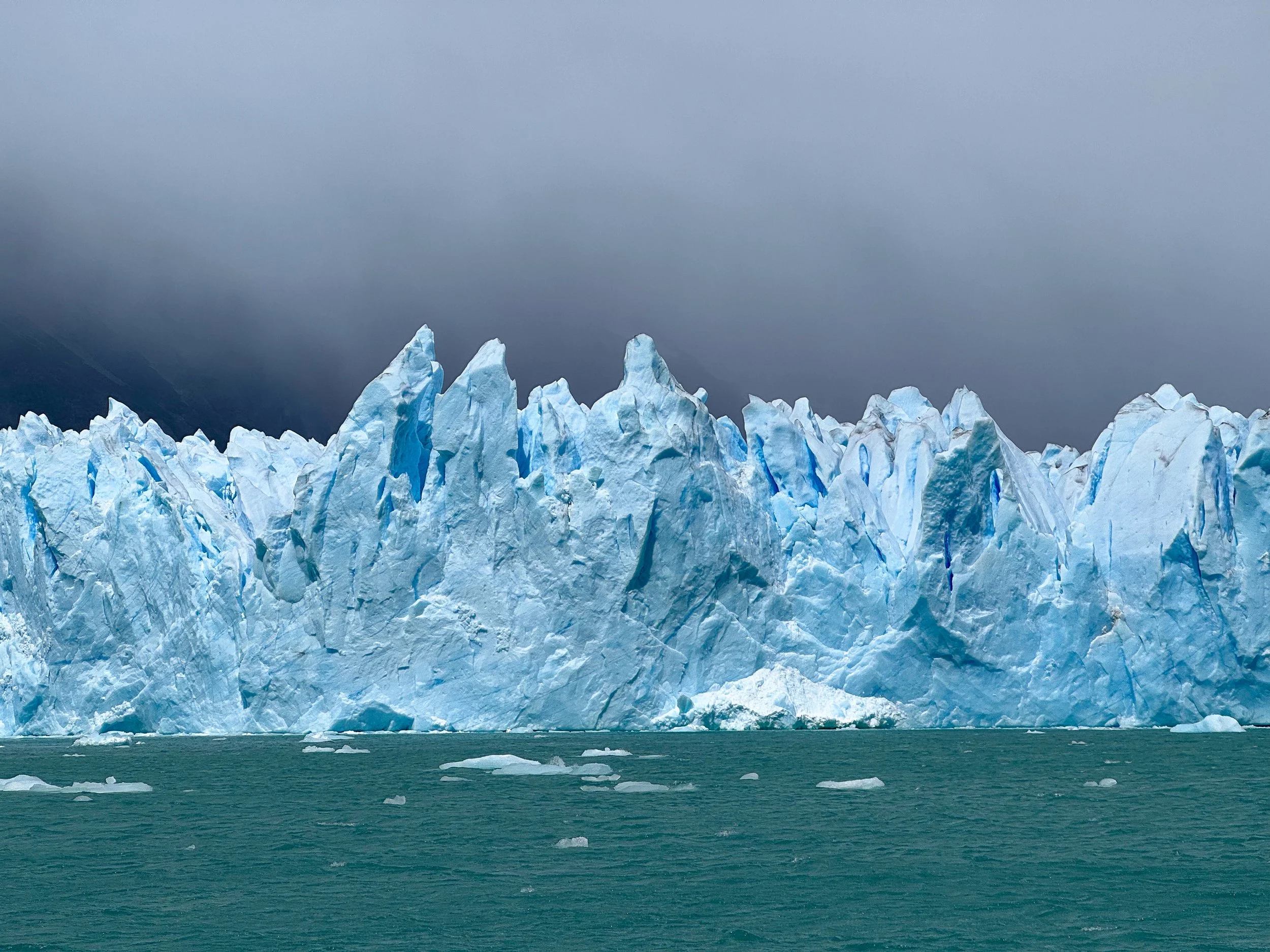
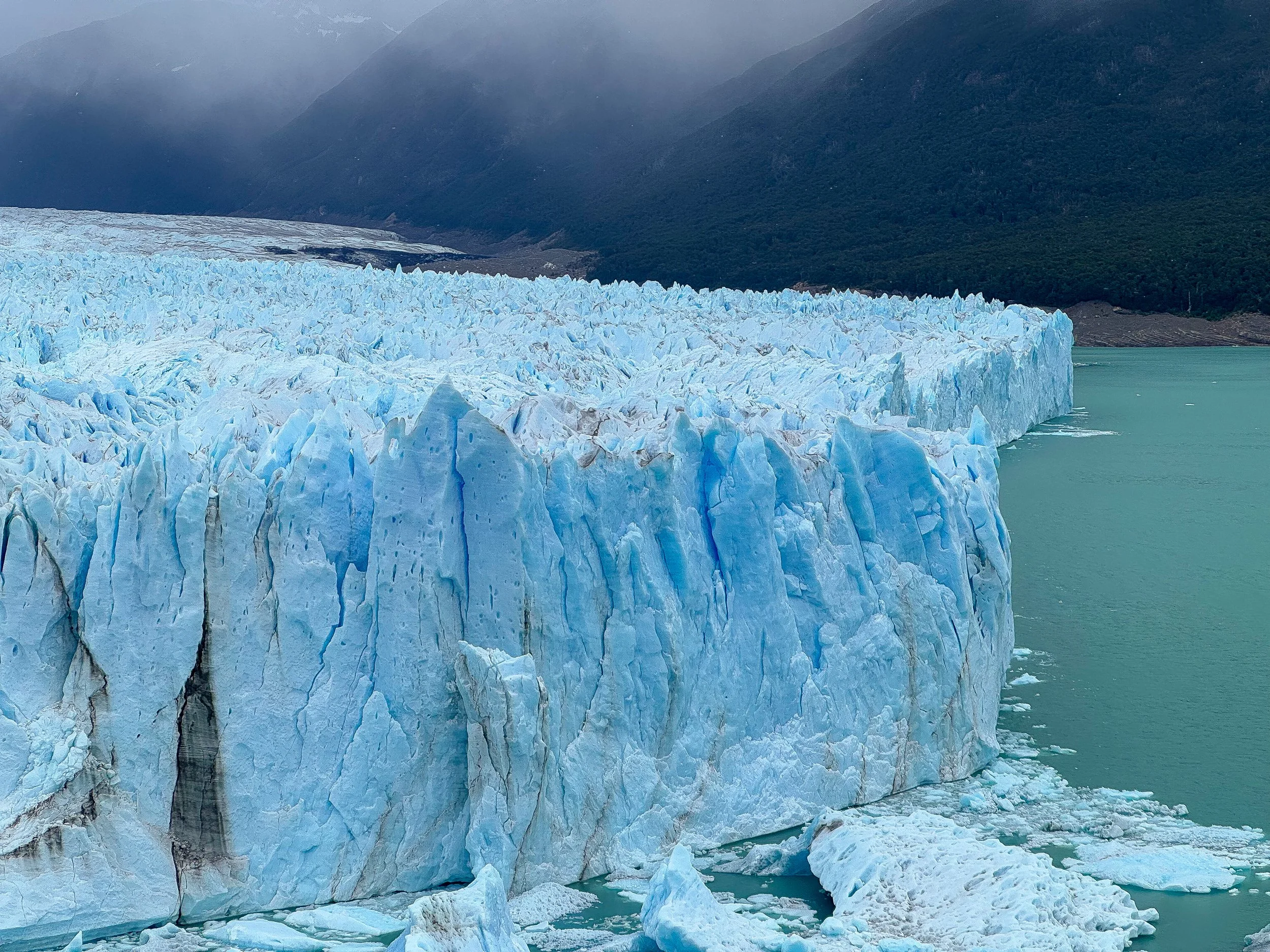
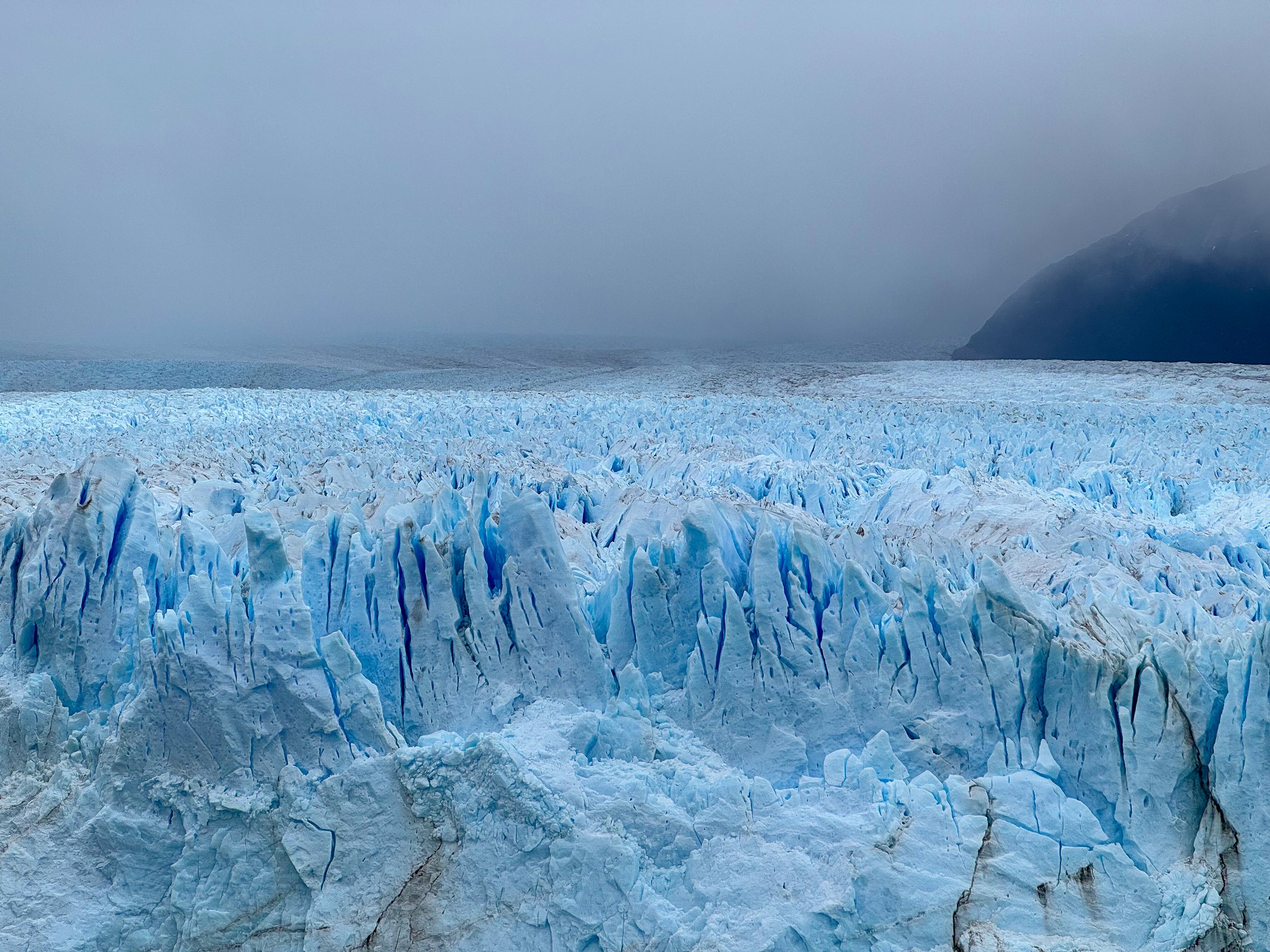
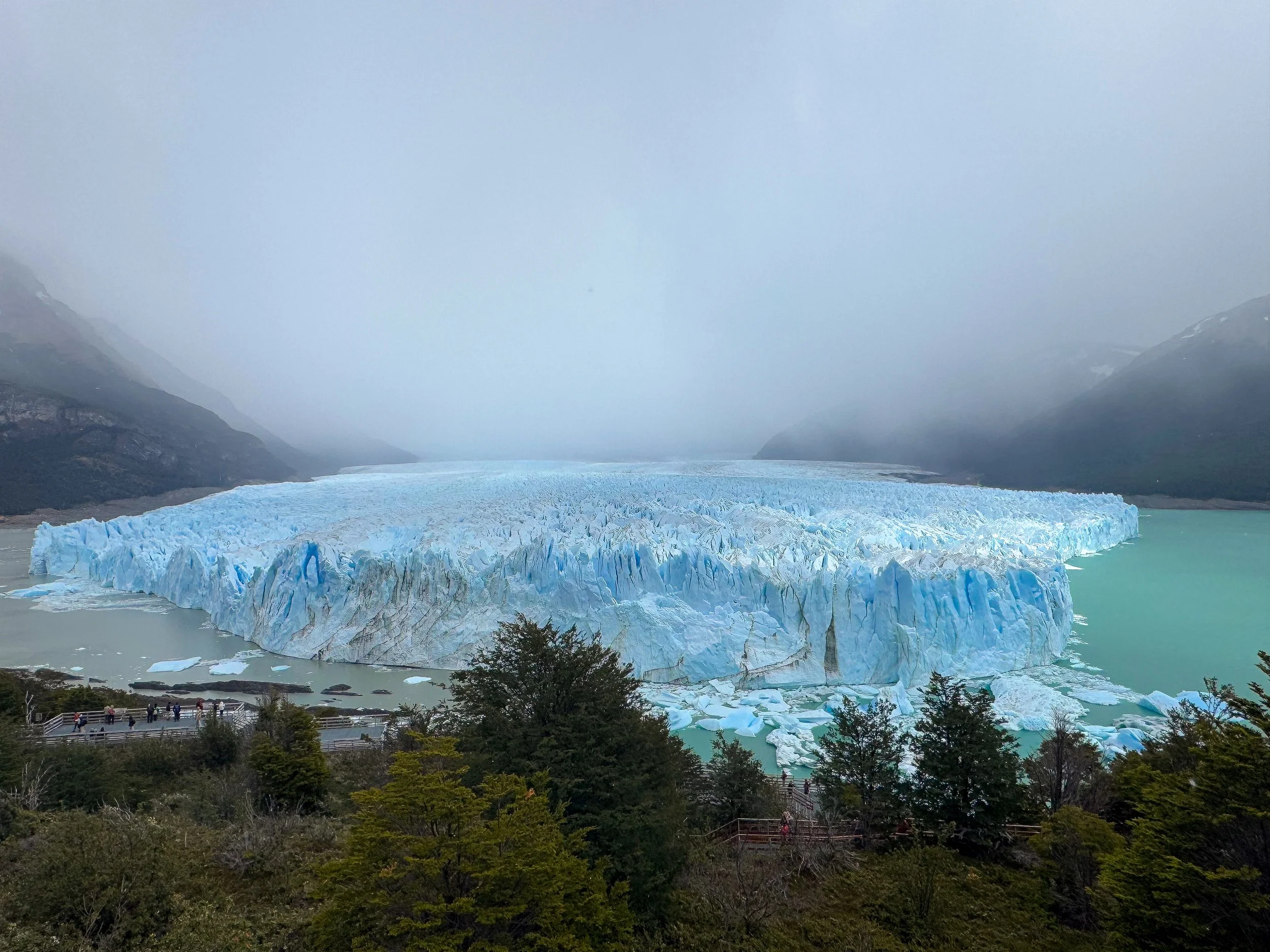
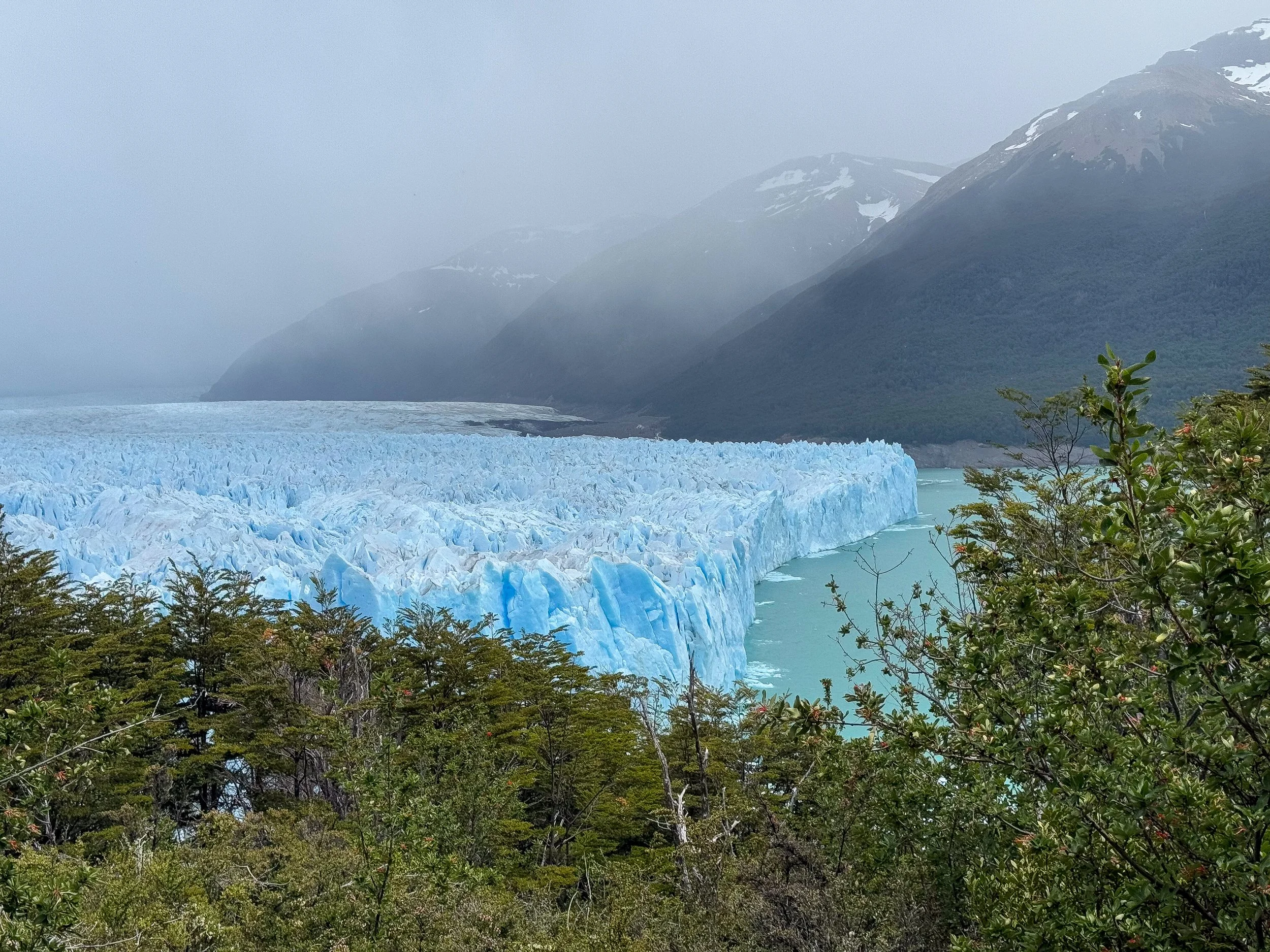
The Perito Moreno Glacier is a vast ice flow famed for its 70 meter tall leading edge. It’s observable from several boardwalk viewpoints and by boat on Lake Argentino.
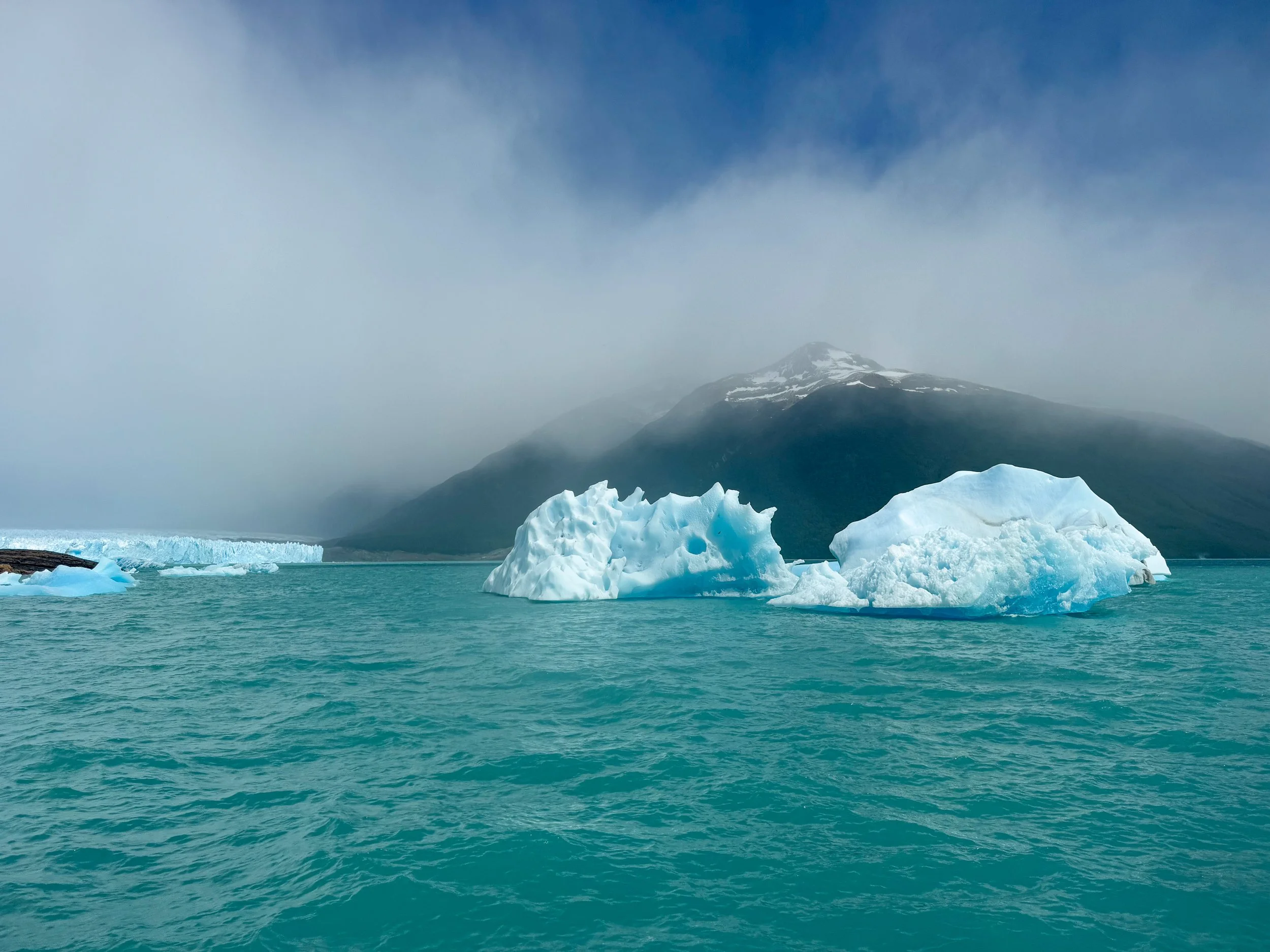
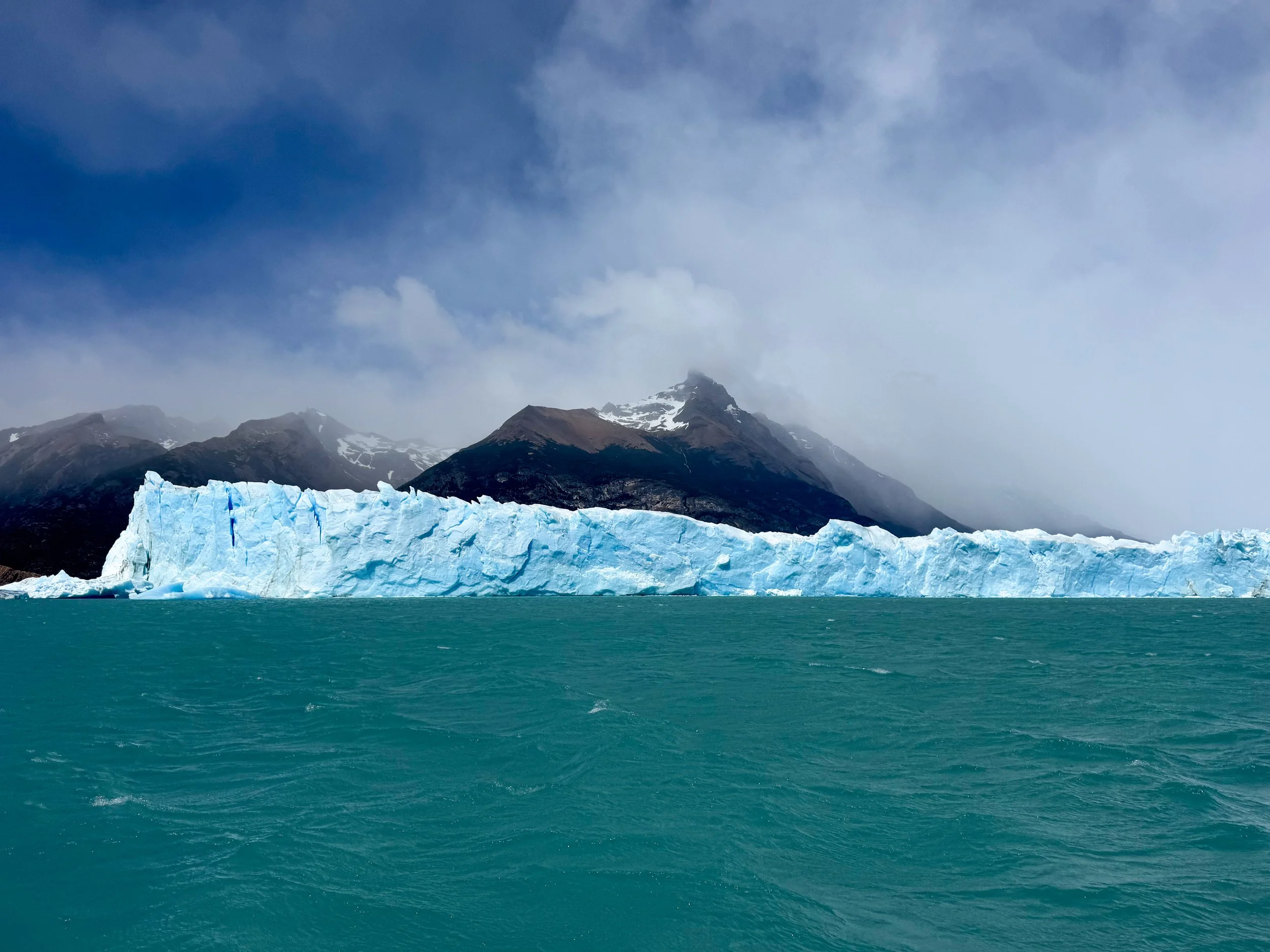
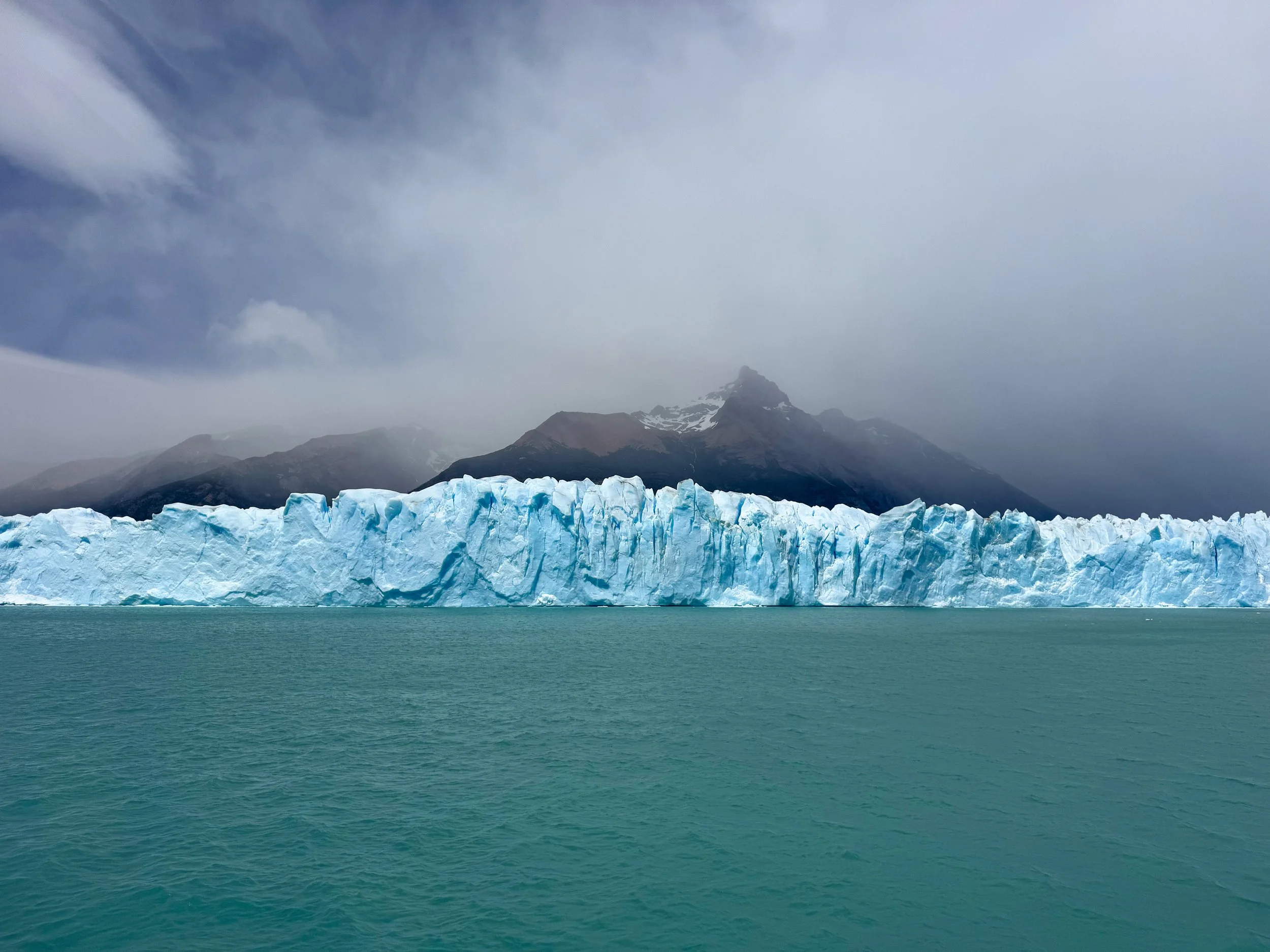
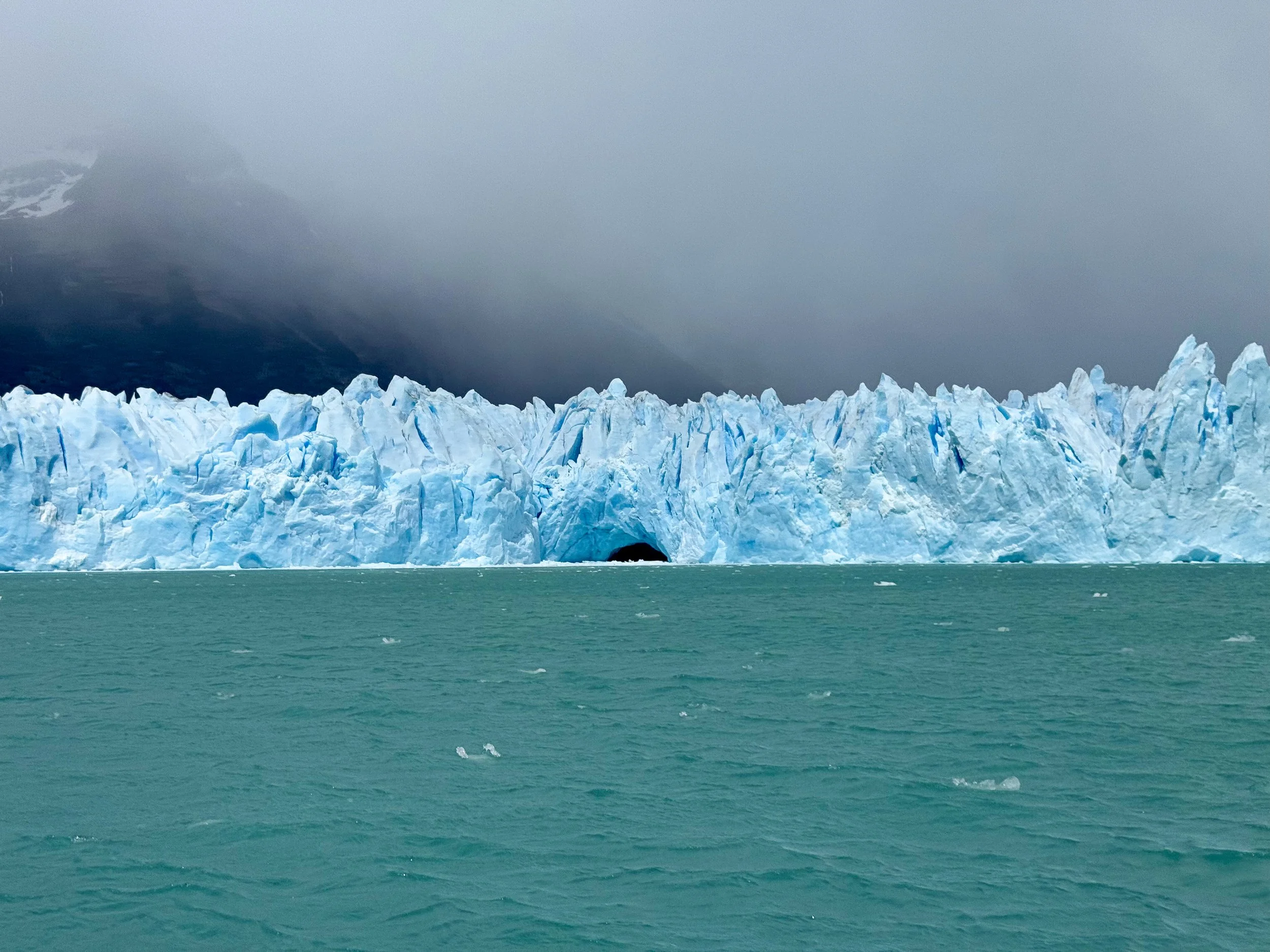
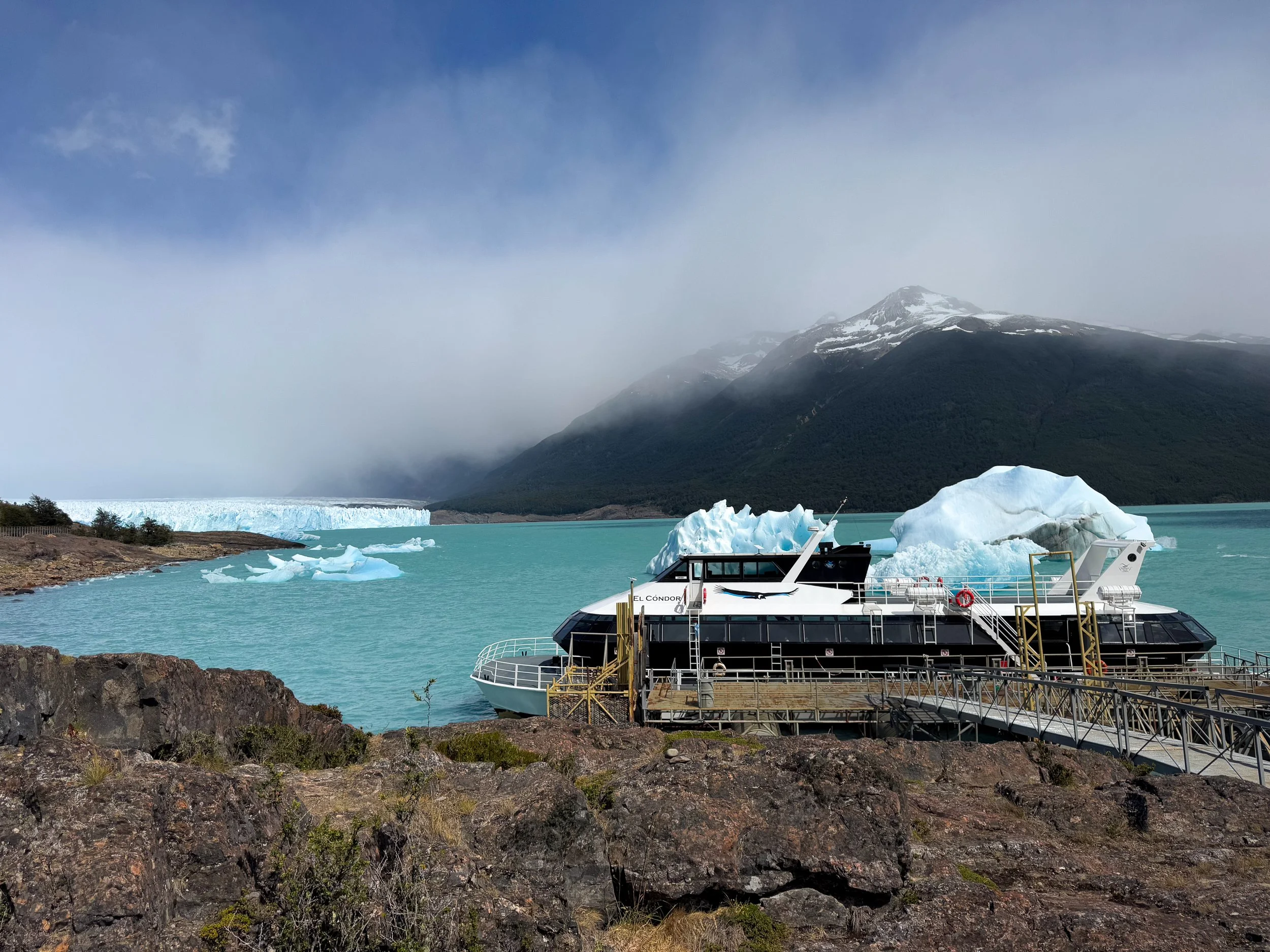
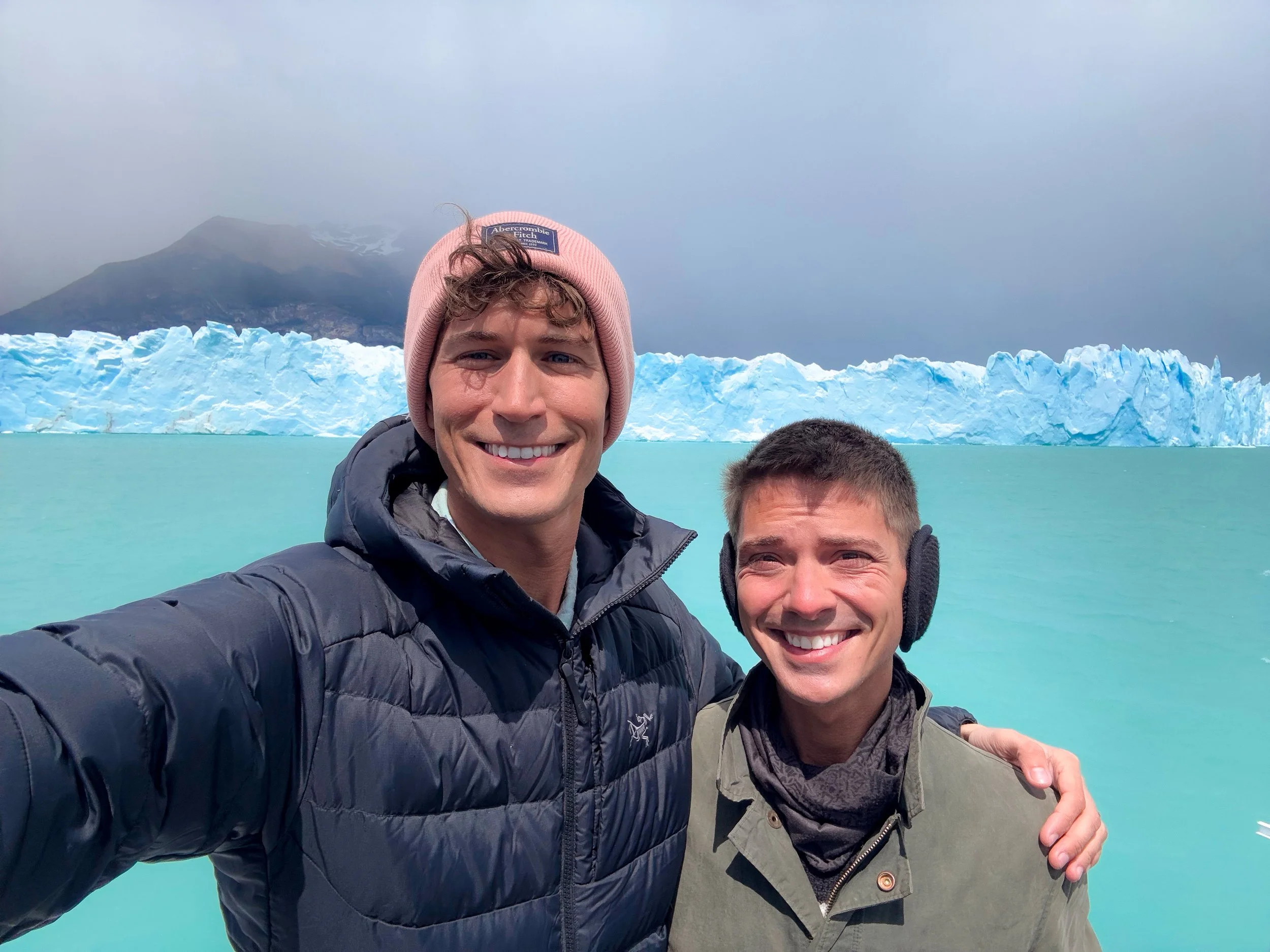
Glacier Lagoon Tour
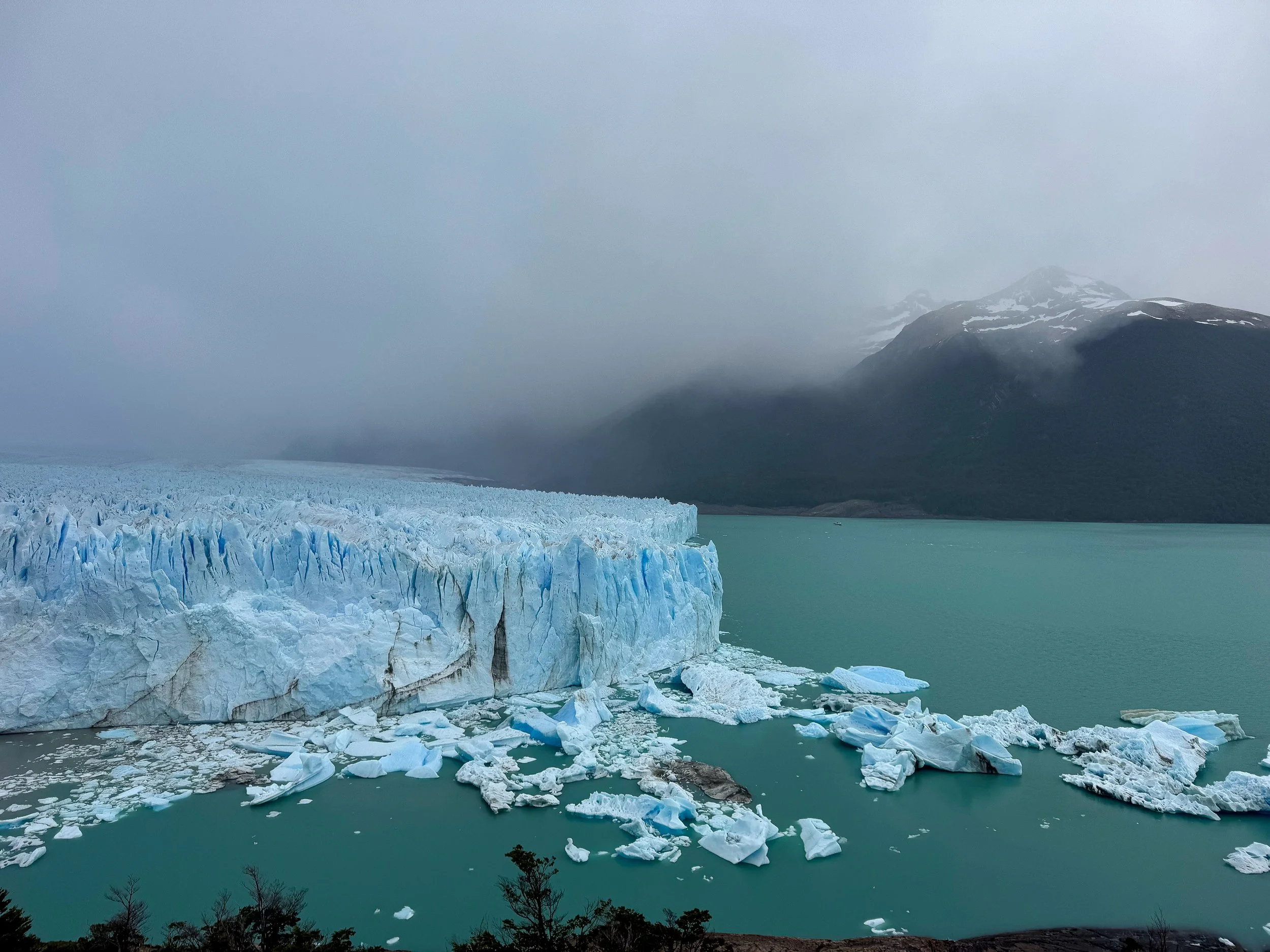
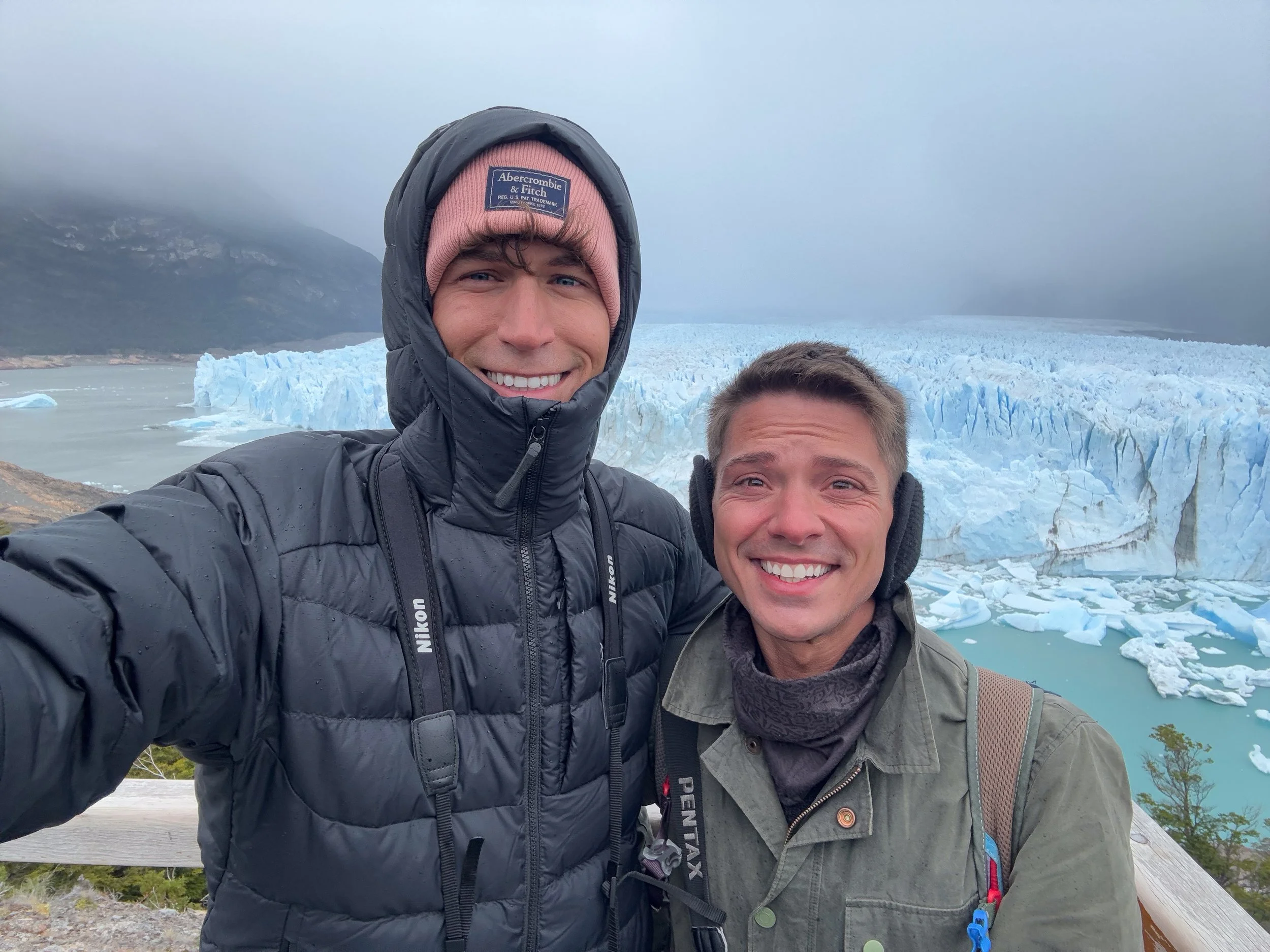
One of the best ways to experience the glacier is by boat. We boated across the icy and turquoise waters of Lake Argentina, past large icebergs towards the vast face of the glacier. The craggily and jagged wall of ice towered in front of us, ranging in pale to dark blue tones with deep crevices and ice caves. We booked with Southern Spirit. The tour lasted about an hour.
Walk the Boardwalks
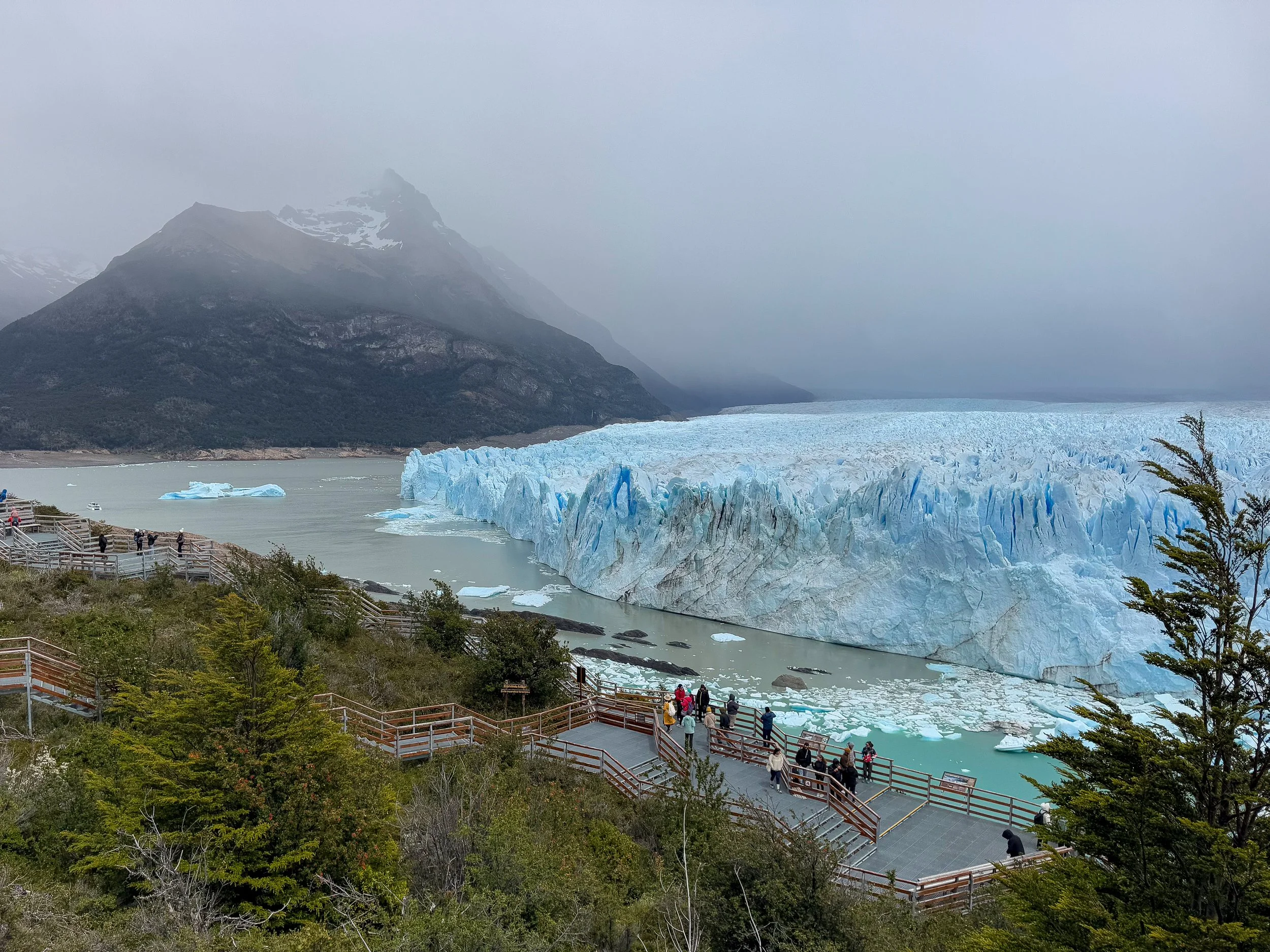
From the boardwalks and lookouts, we got to experience the stunning beauty of the glacier, the glacial lagoons, forested terrain and mountainous landscape. Entry to the park includes access to the boardwalks and scenic overlooks. We explored most of the routes, enjoying the views and listening to the creaking and cracking of the glacier. With patience, we watched as several small chunks of ice fell from the glacier into the lake. Later, a large piece calved off, creating a thunderous noise and large splash in the icy water below.
Trails and Routes. The glacier park has several kilometers of boardwalks with panoramic views of the glacier from various heights and angles. Each one can be walked significantly faster than the signs suggest.
Blue Trail. 1.1km boardwalk connecting the boat launch to the yellow trail.
Yellow Trail. A 0.6km boardwalk with some of the best views and overlooks of the glacier. This one is justifiably the most popular.
Purple Trail. A 0.6km boardwalk leading through the forest with views of the glacier. It connects to the Yellow Trail.
Red Trail. A 1.1km boardwalk that leads along the south face of the glacier with lookouts along the way. It’s an easy walk and less busy than the other trails.
Green Trail. A 0.6km boardwalk through the forest. It was closed due to high winds when we visited.
Getting Here. We booked a shared shuttle to and from El Calafate to the glacier with Bus Sur at the El Calafate Bus Terminal. The glacier park is about 1 hour and 30 minutes away.
Kayak La Leona River
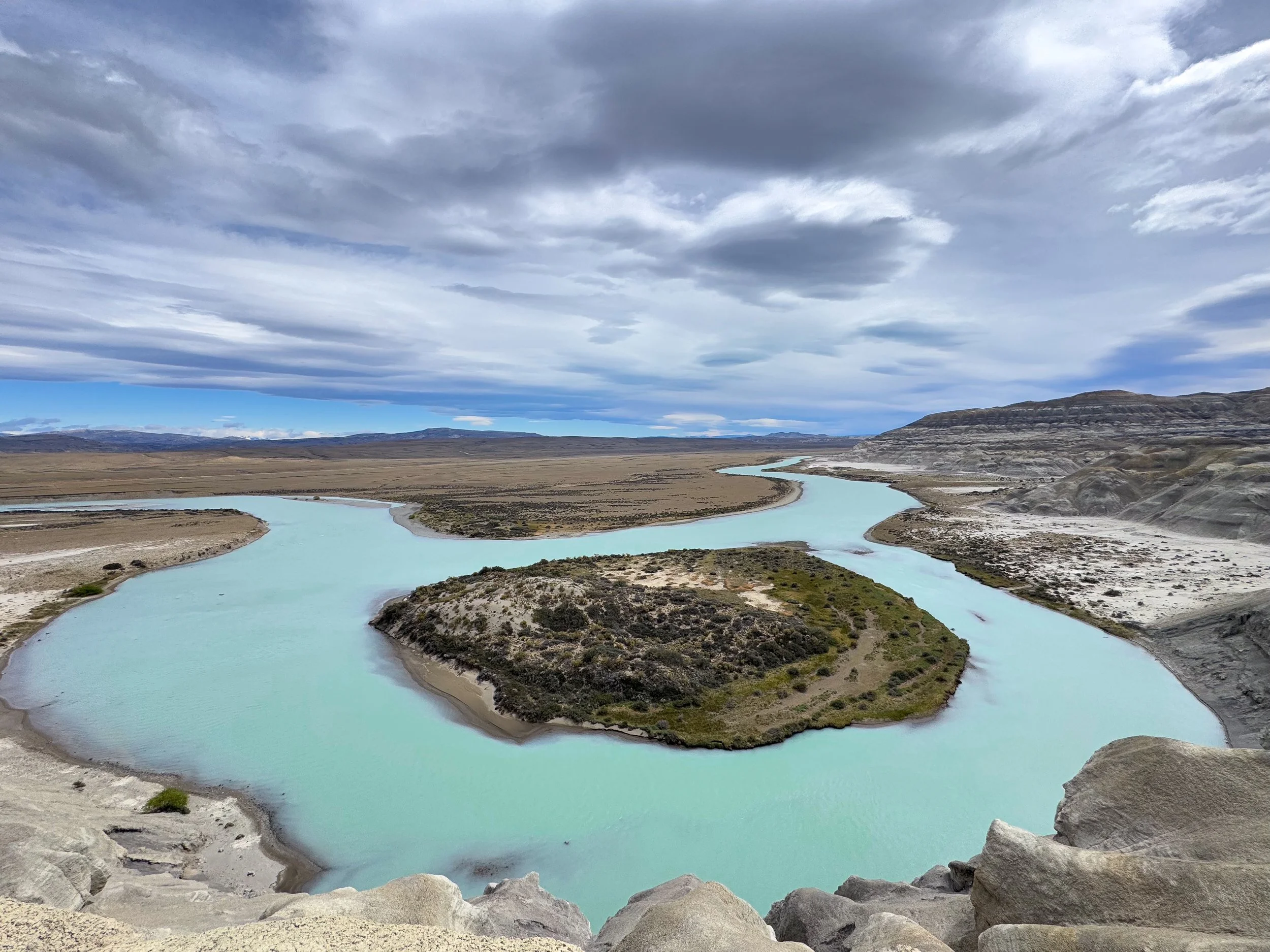
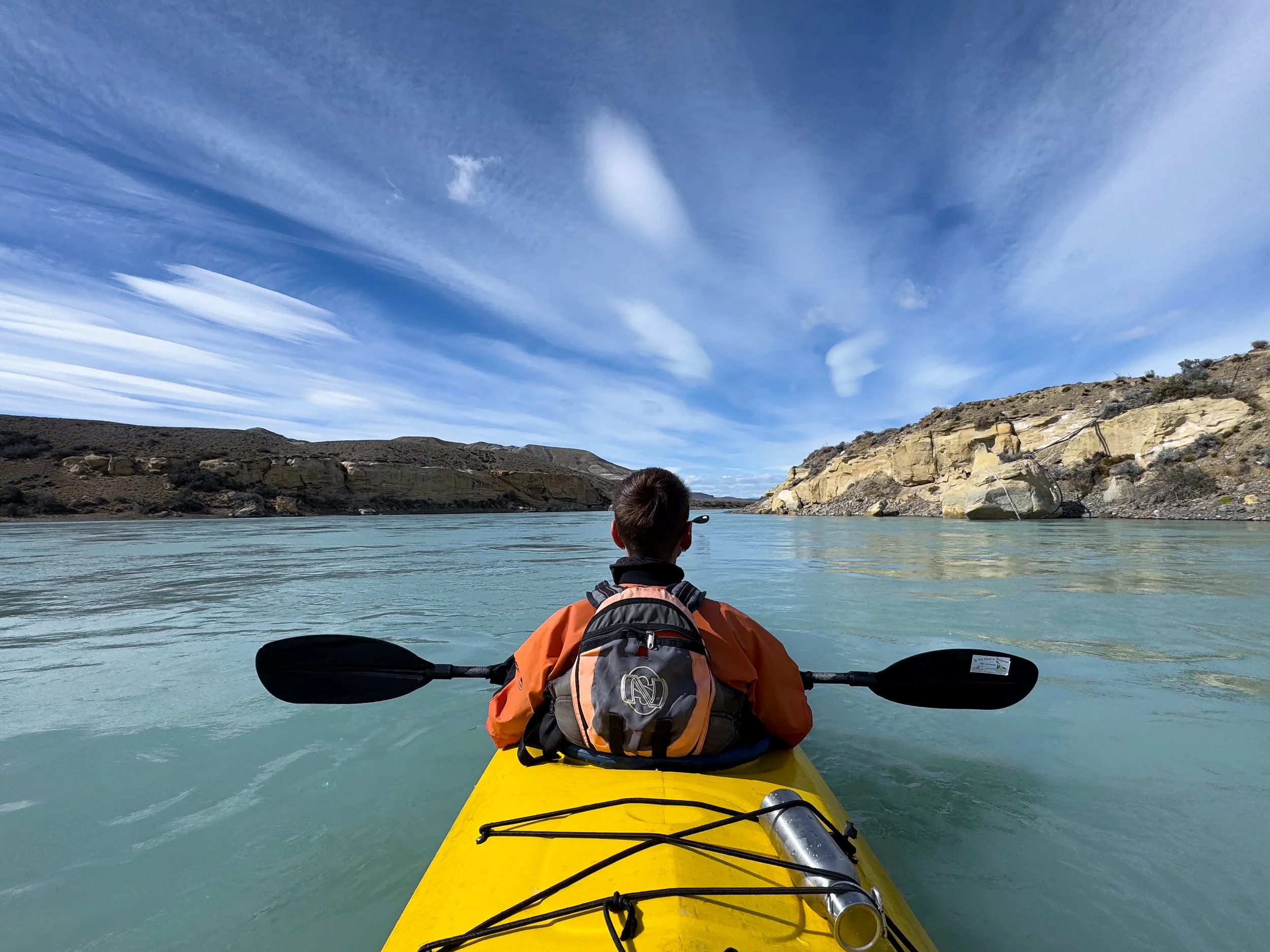
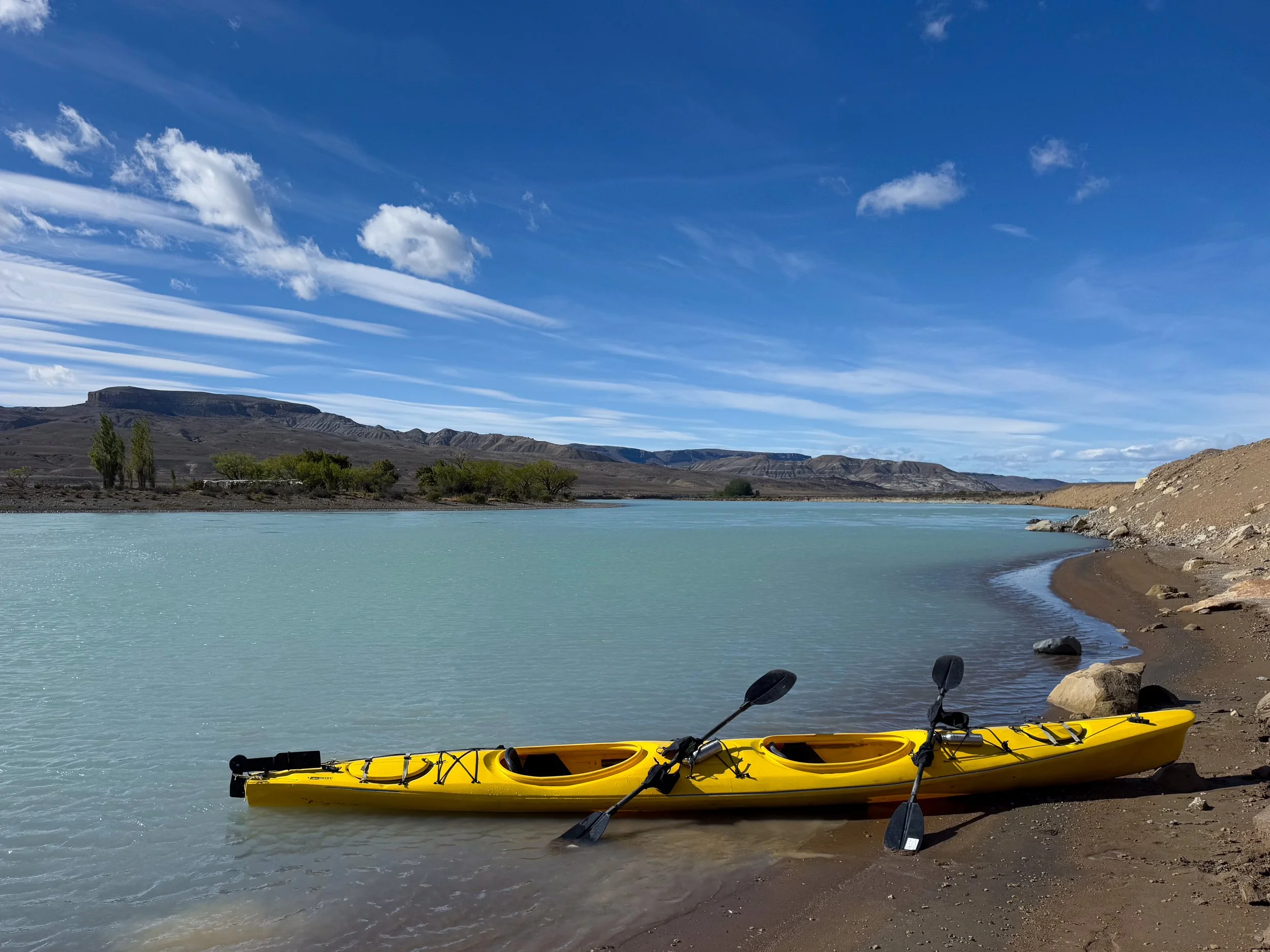
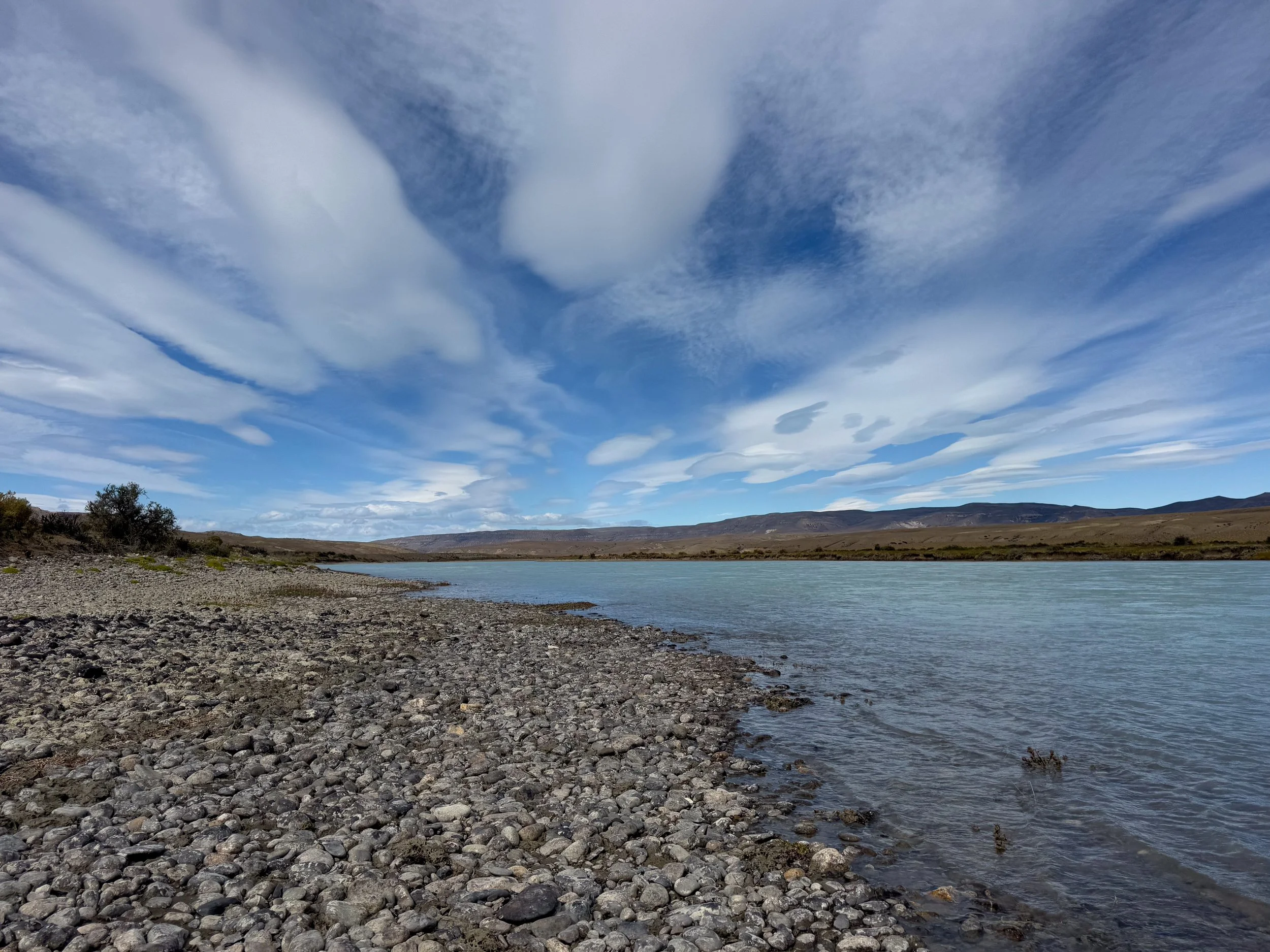
The Leona River is a milky blue river flowing between Lake Viedma and Lake Argentina created by glacial melt. We kayaked 18km downstream, through multiple rapids, narrow channels and winding bends. Along the way, we spotted Guanaco wandering the hills and chasing each other. The last 5km were the most difficult, paddling against strong winds and eddies.
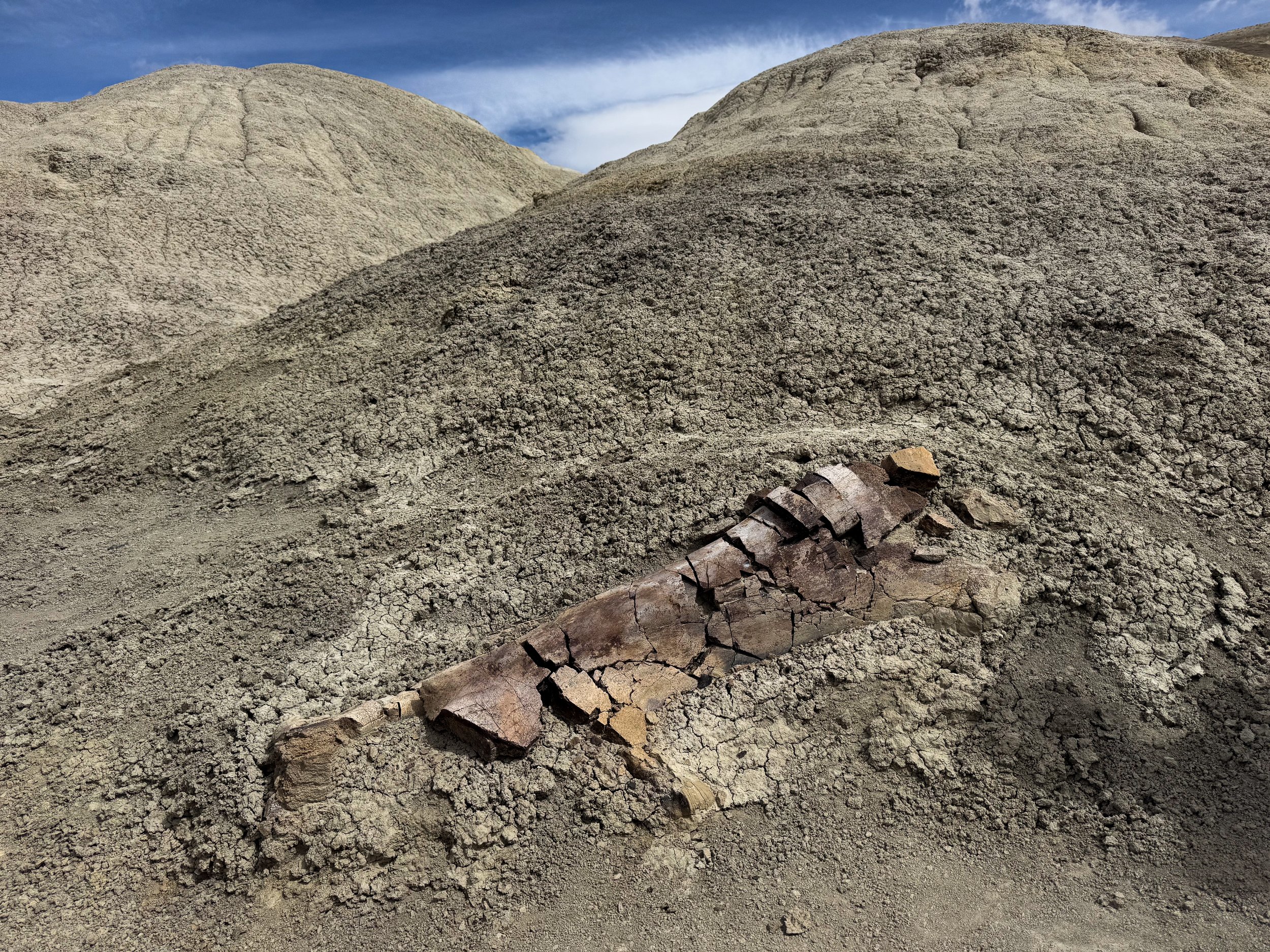
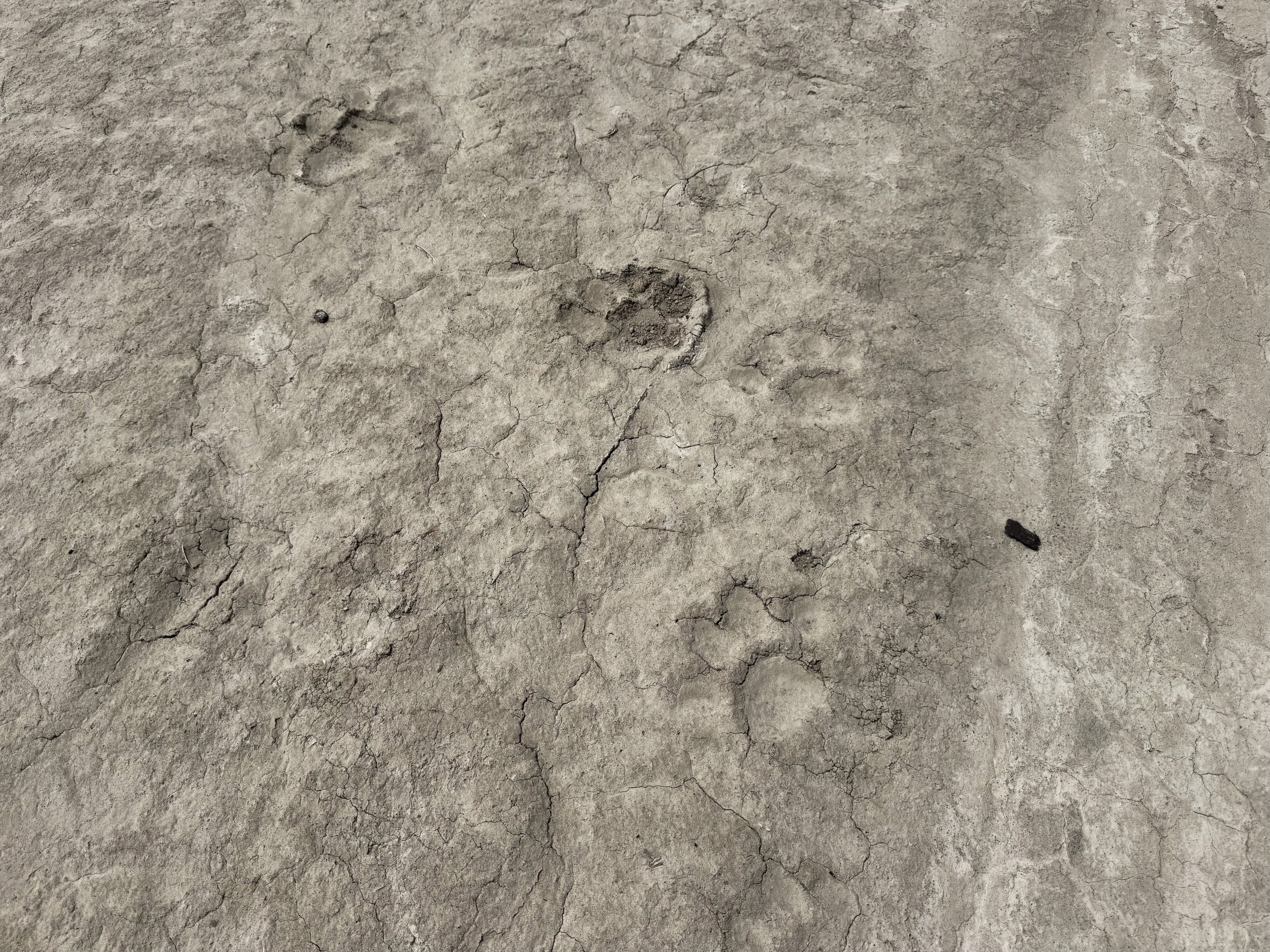
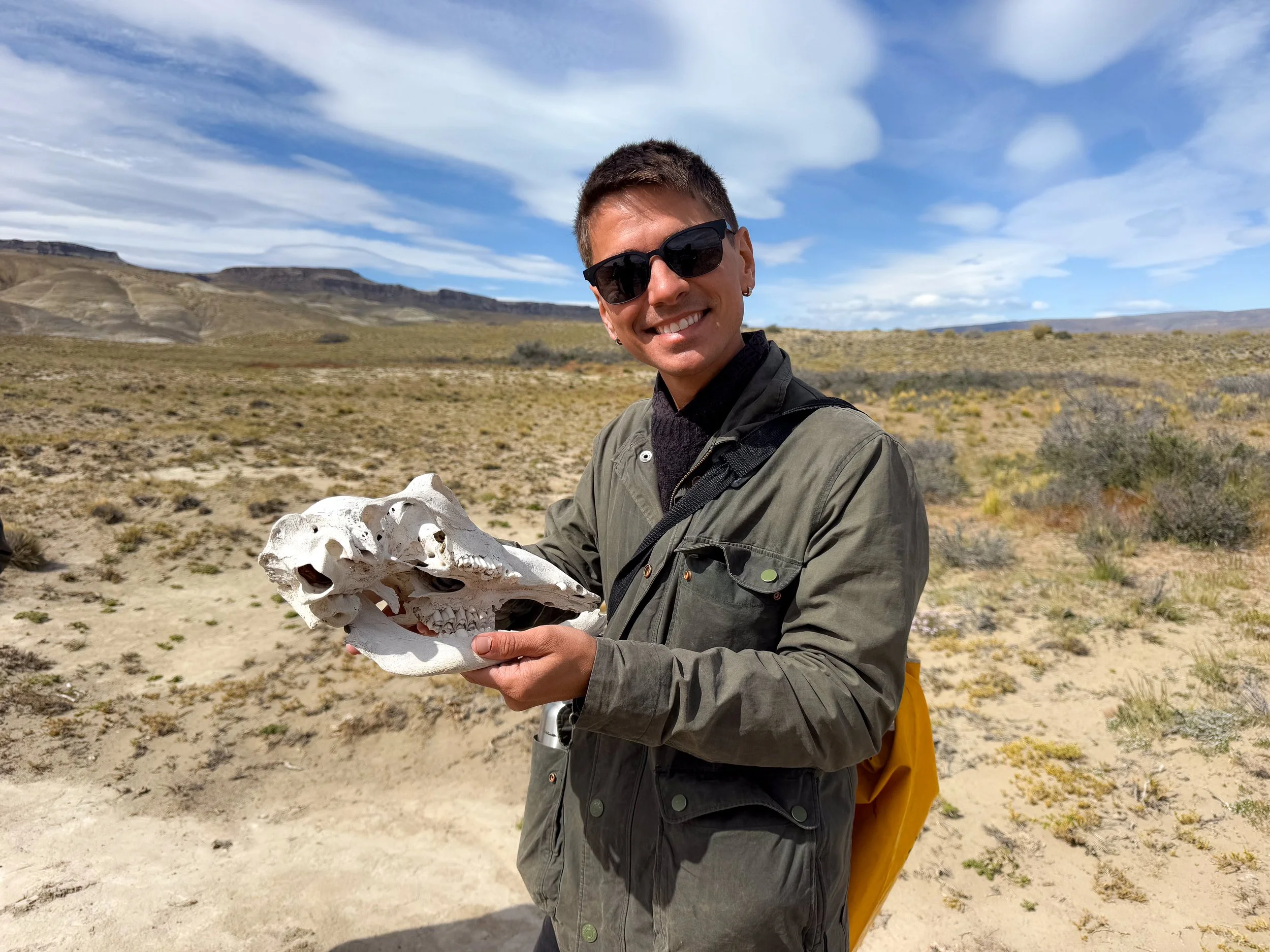
Midway through, we hiked across a sedimentary landscape. Through the layers of sediment, we looked back millions of years in time to periods when the land was once covered by ocean, overgrown with a tropical forest, active with volcanoes, home to the dinosaurs and most recently covered in glaciers during the last ice age. Along the hike, we spotted petrified wood, fossilized dinosaur bones, hardened lava rocks, ancient corals, grazing guanaco, puma tracks and views of the La Leona River.
We booked on Viator with Kayak Santa Cruz. The guided tour provided kayaks, wetsuits, jackets, life vests, water shoes and dry bags.
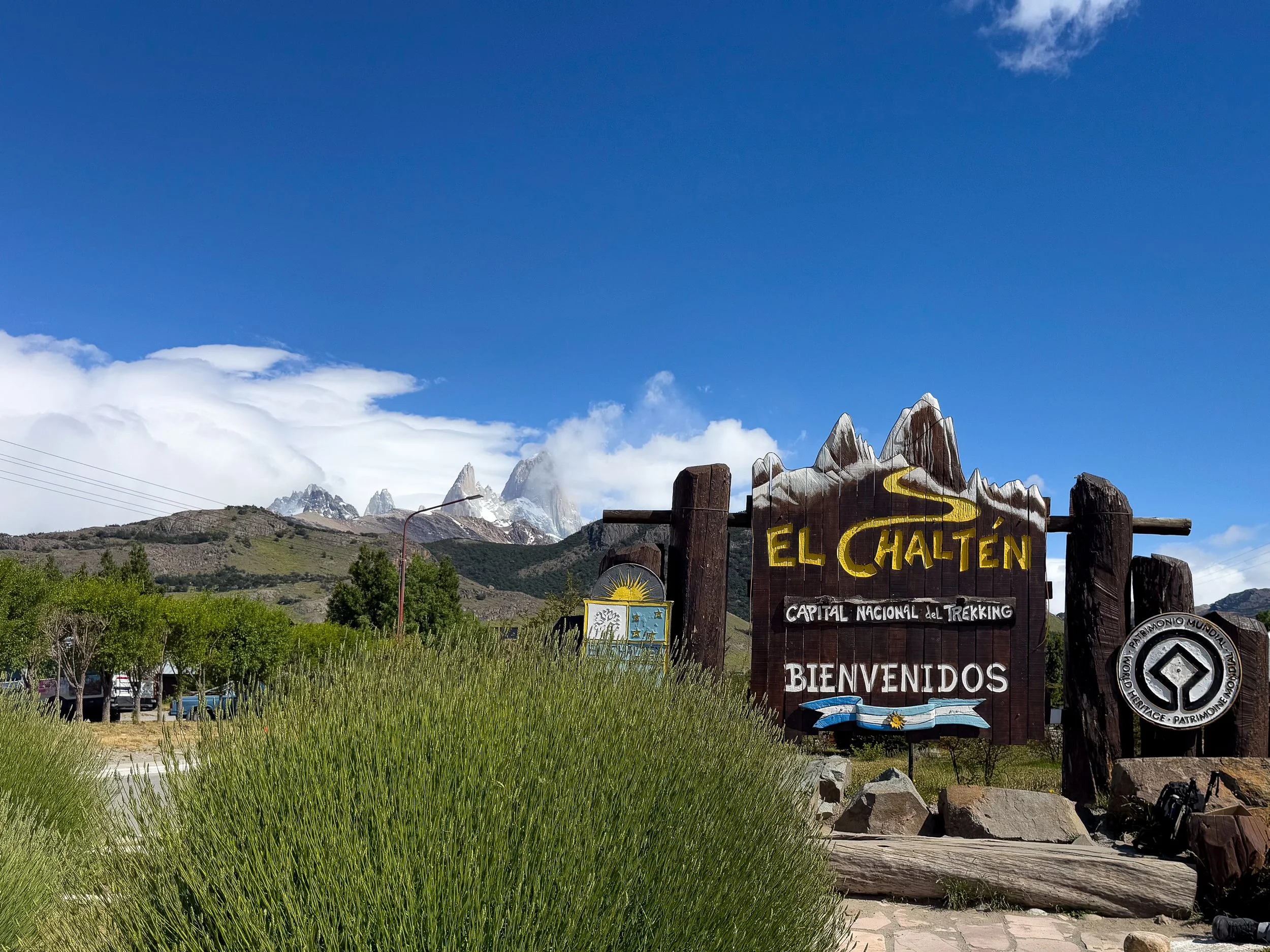
El Chaltén
A small mountain town and hub for hiking in Patagonia’s Glacier National Park. It has a very cute yet rugged atmosphere with colorful buildings, wooden houses, corrugated metal cabanas and views of Fitz Roy. The main street is lined with cafes, bakeries, restaurants, breweries, tour companies, outdoor outfitters, hostels and hotels.
Paseo de los Artesanos. A geodescent dome with about a dozen vendors selling handcrafted and artisan products like colorful windbreakers, ceramic mugs and pots, wood burned kitchenware, jewelry, knitted clothes and accessories. I bought a wool vest with yarn made by artisan’s one artisan’s mother.
Cerro Fitz Roy
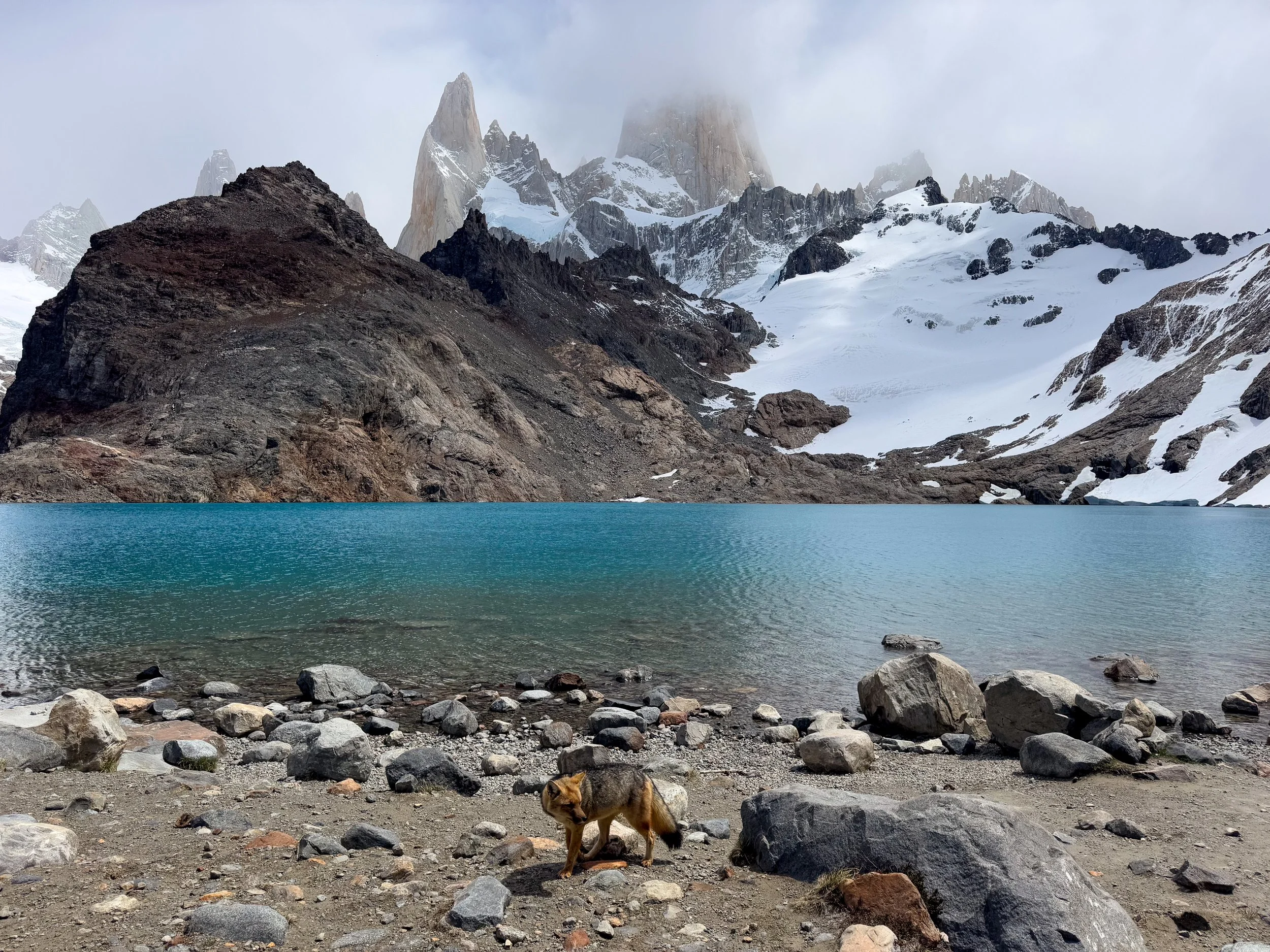
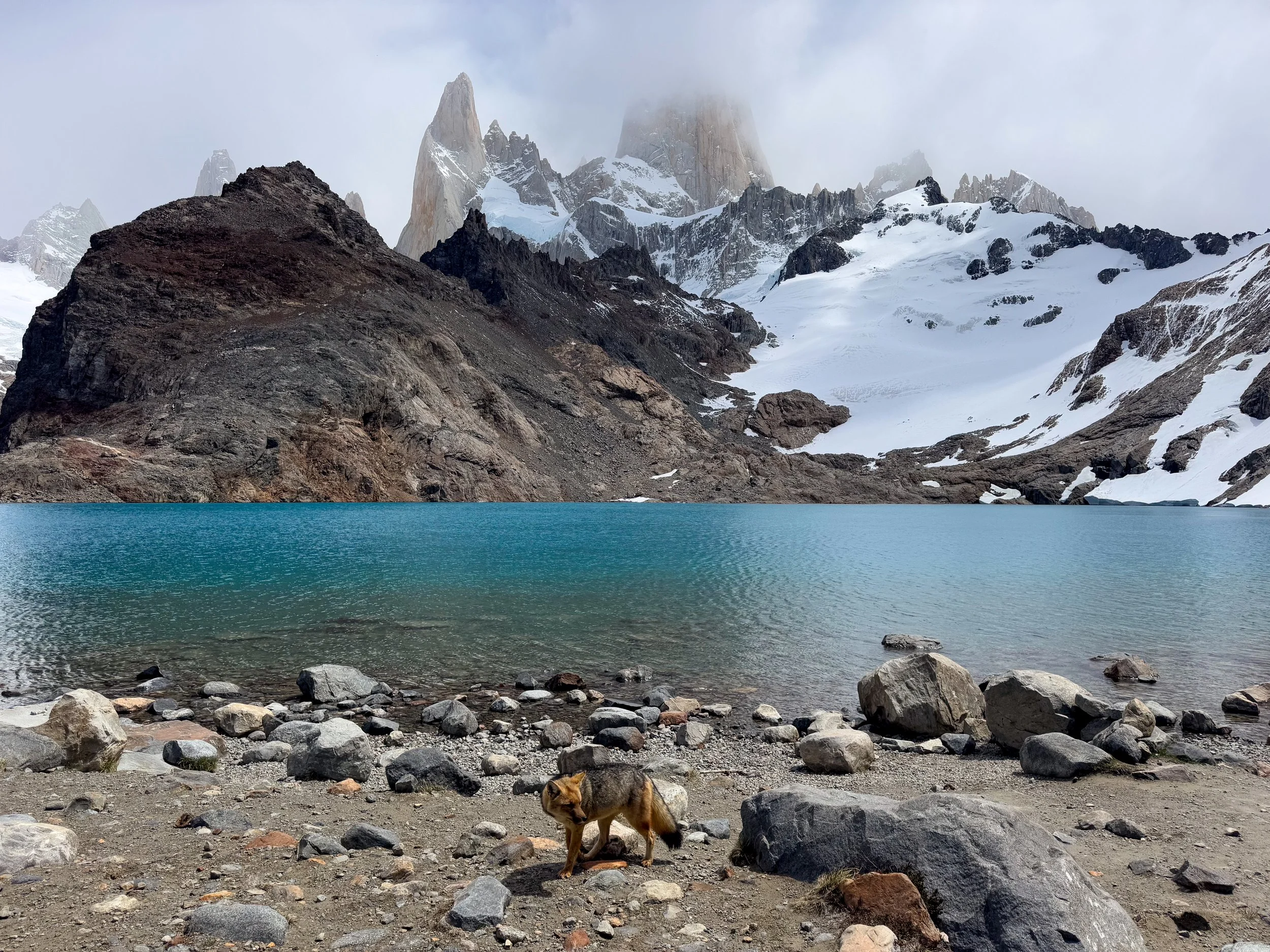
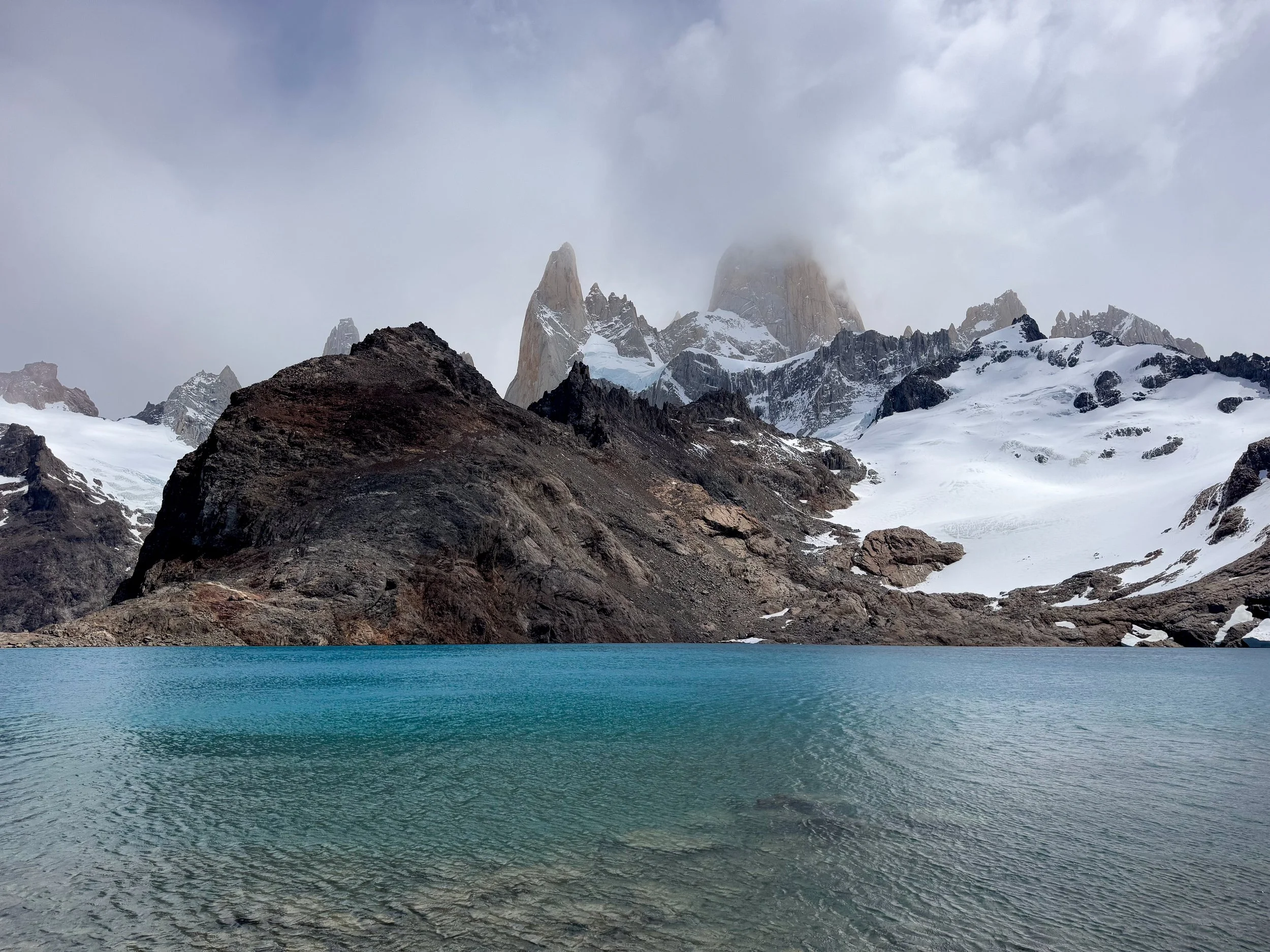
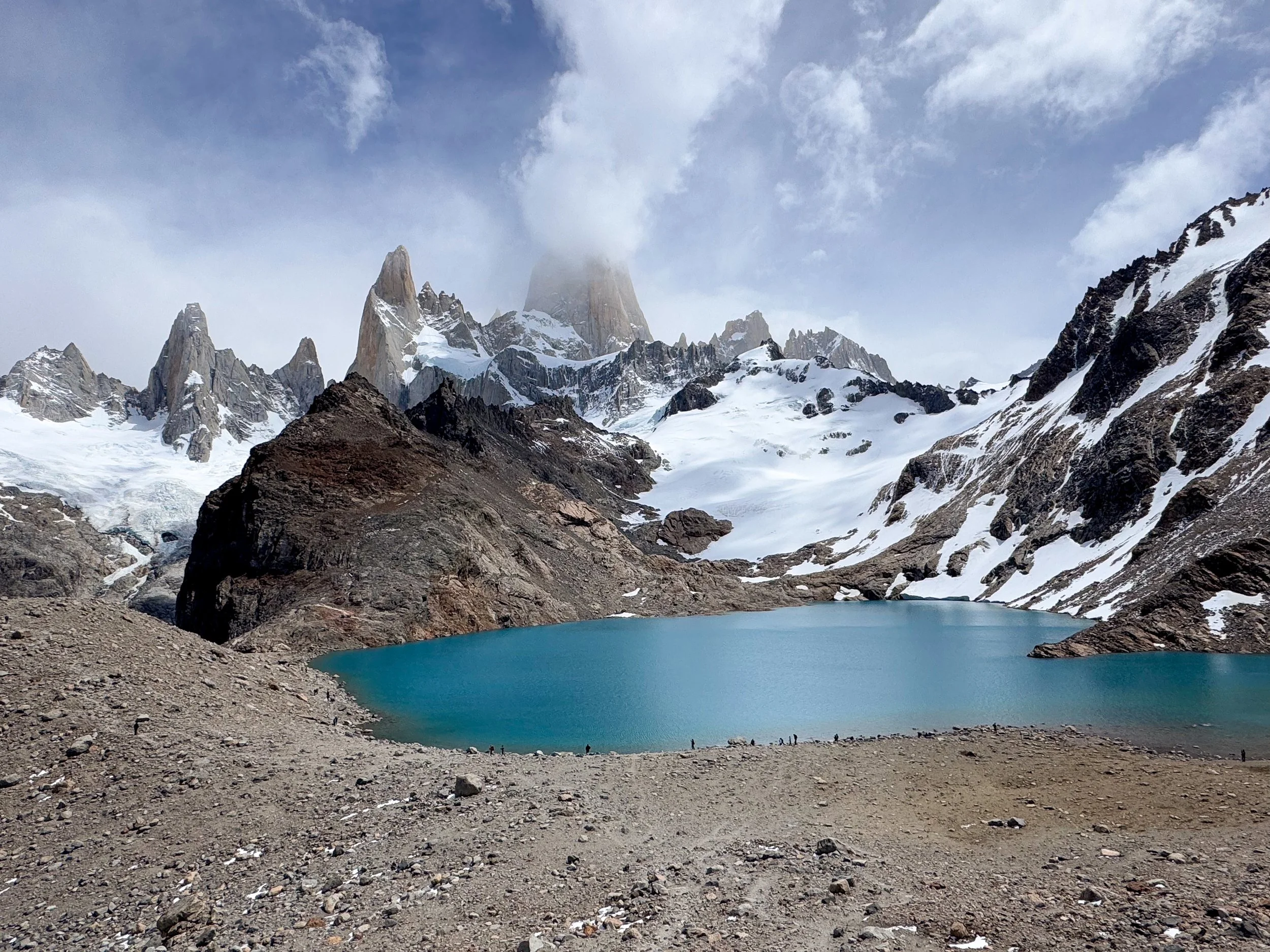
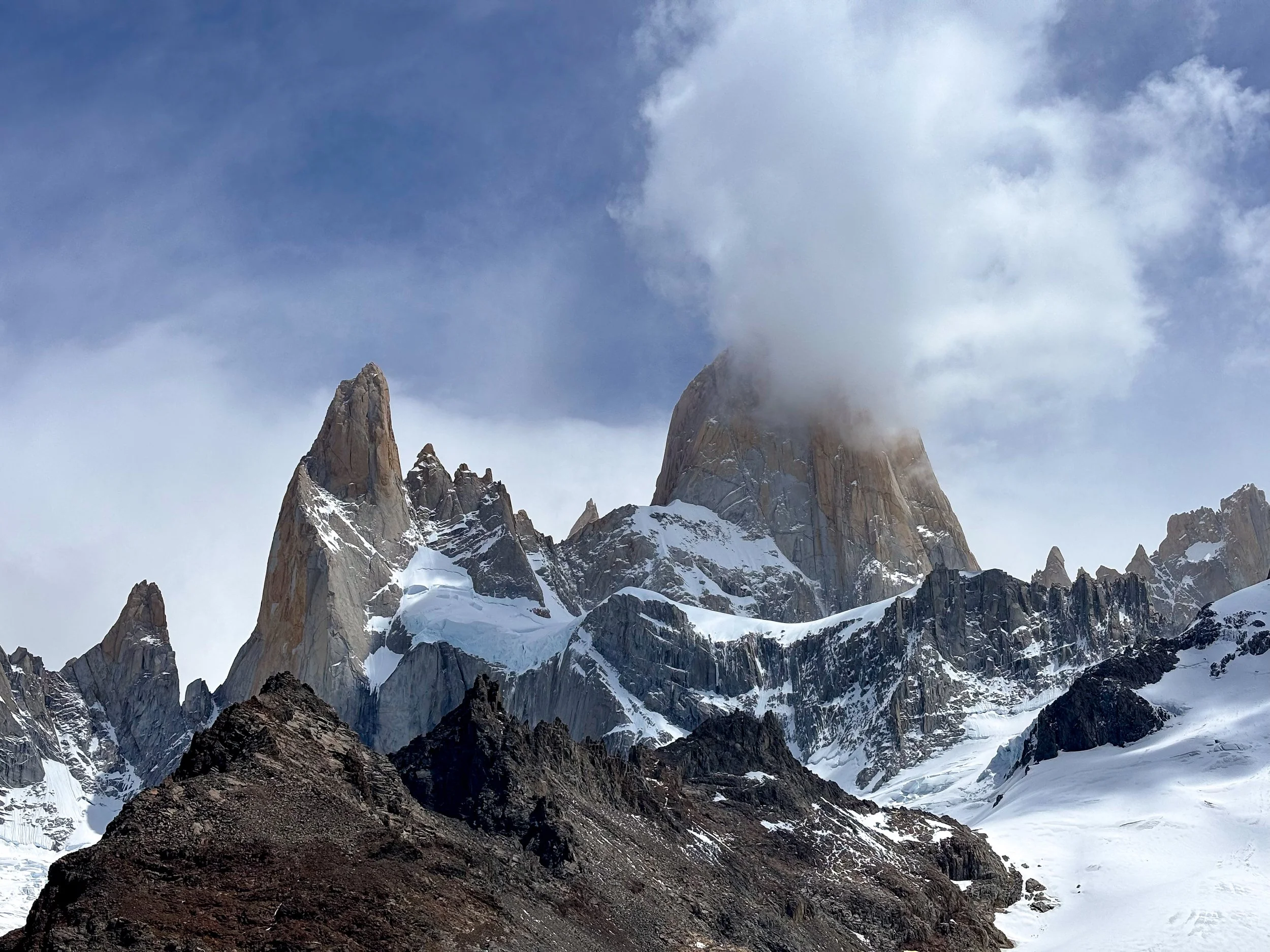
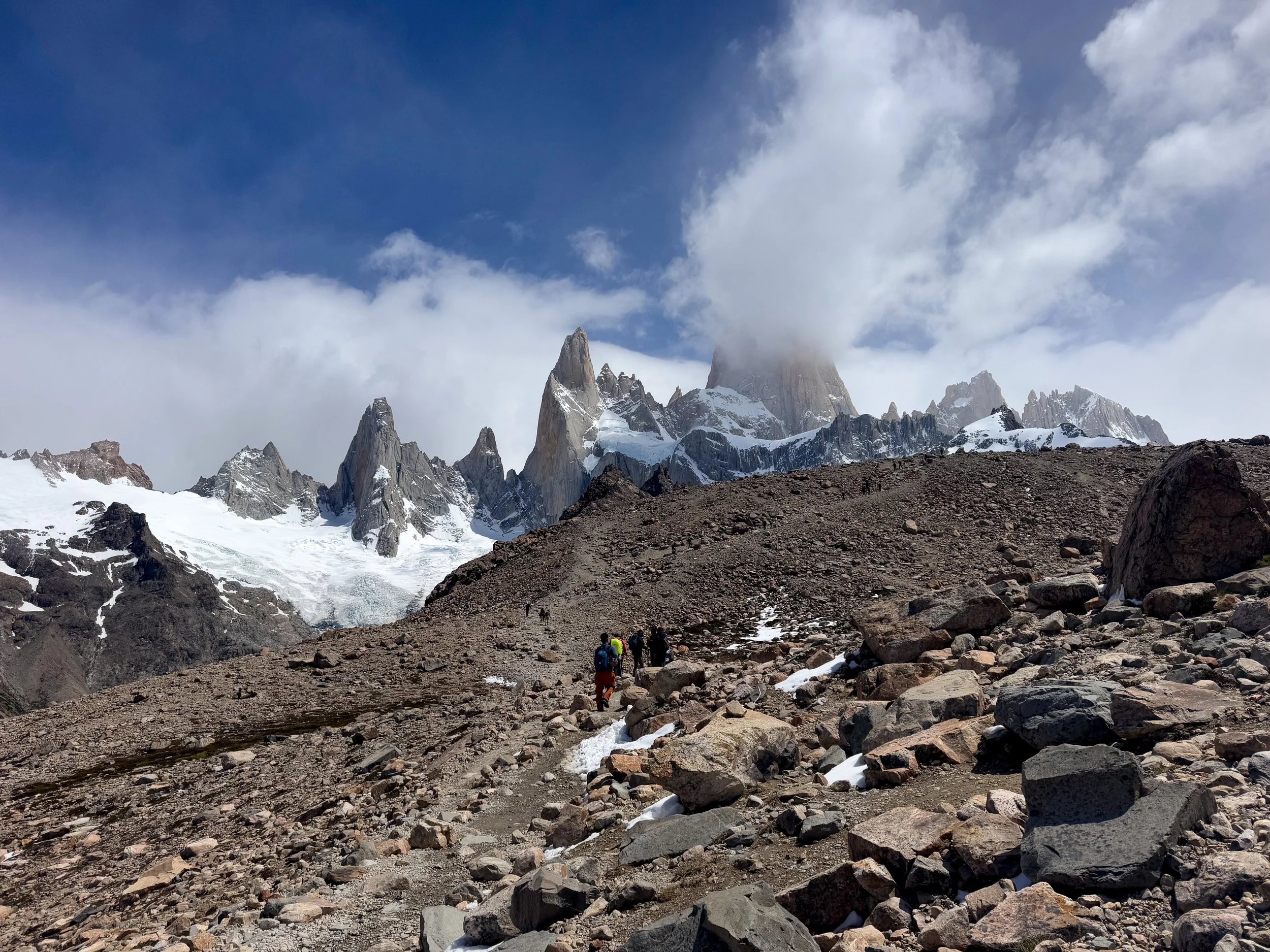
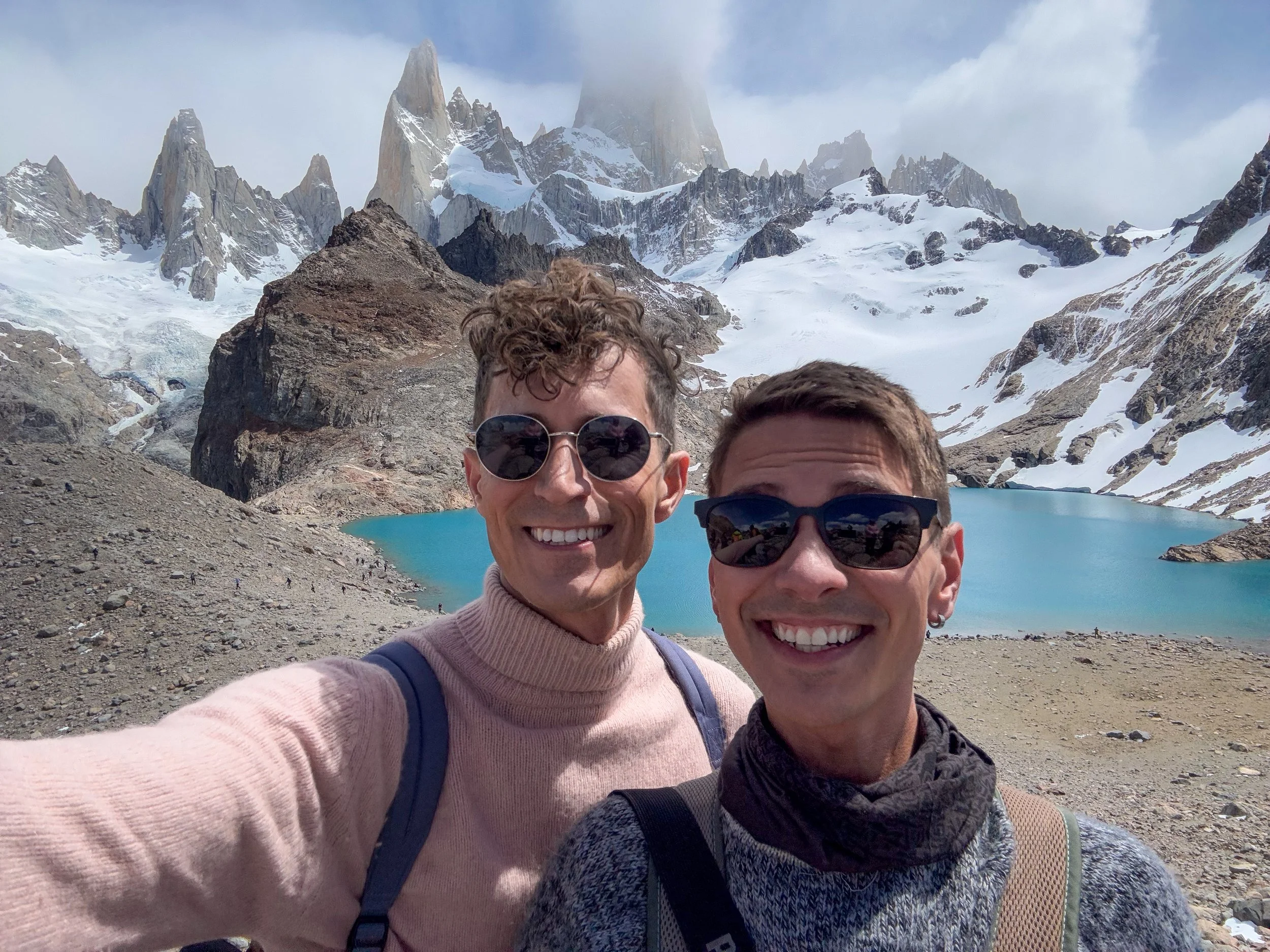
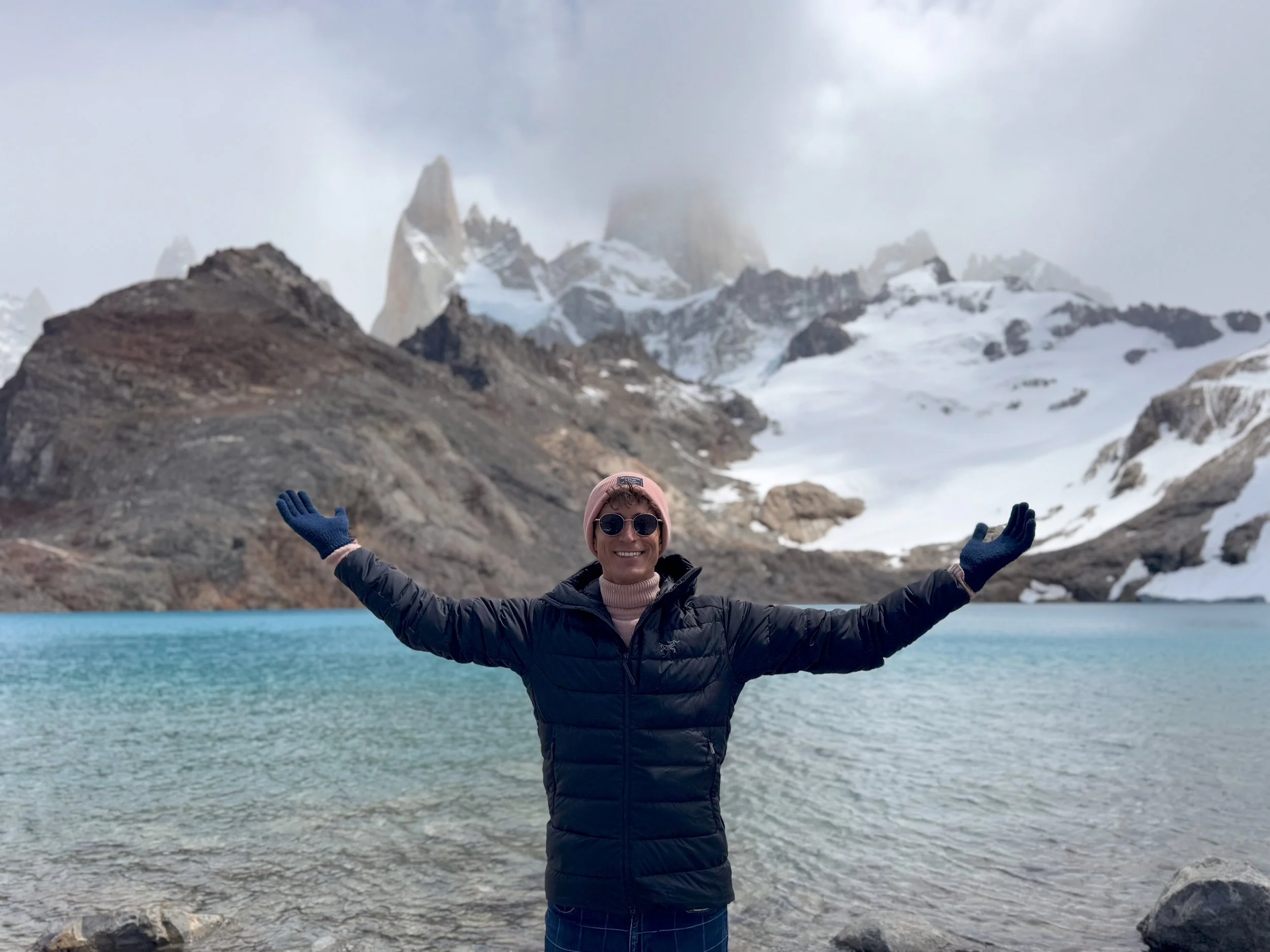
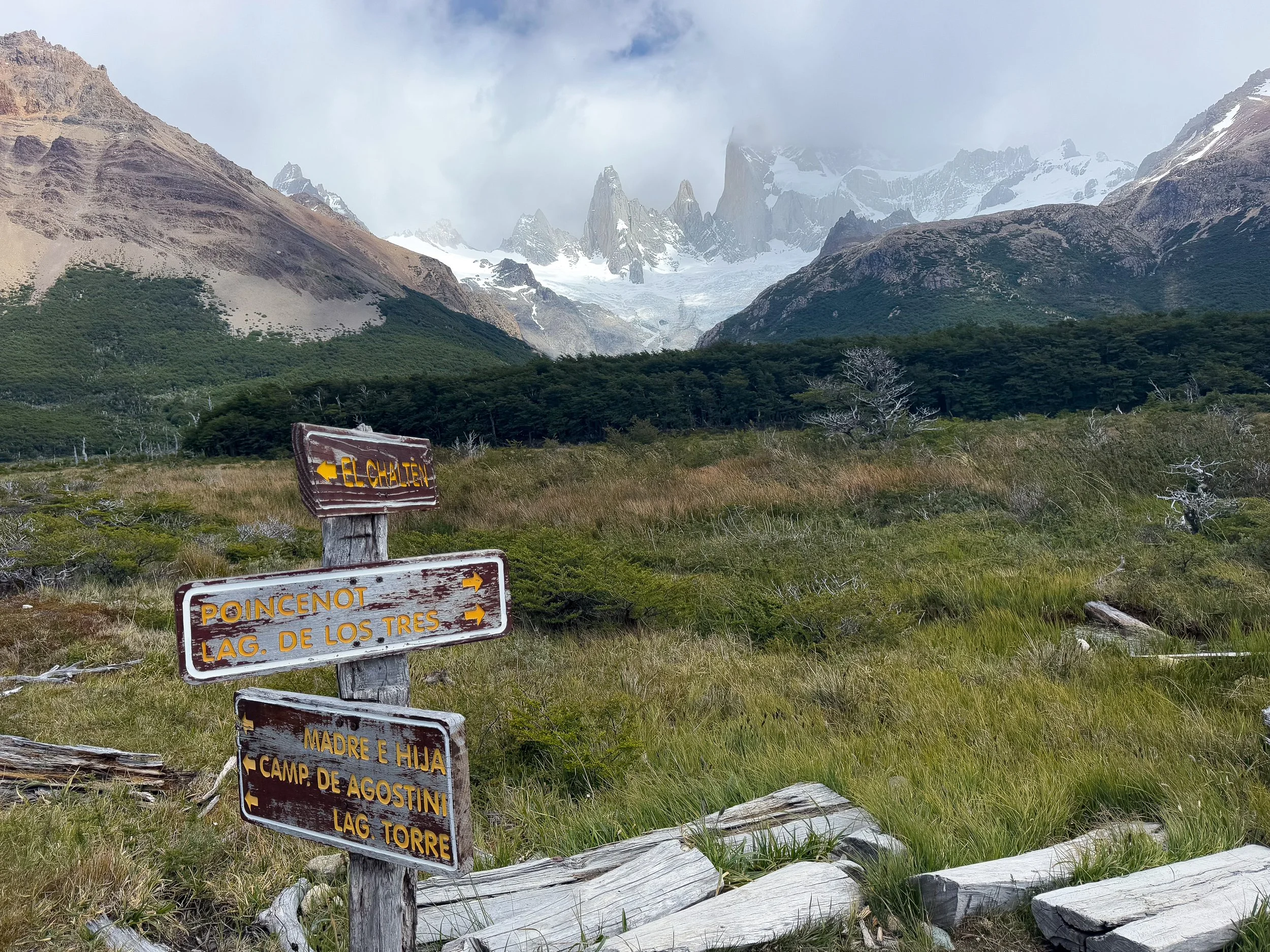
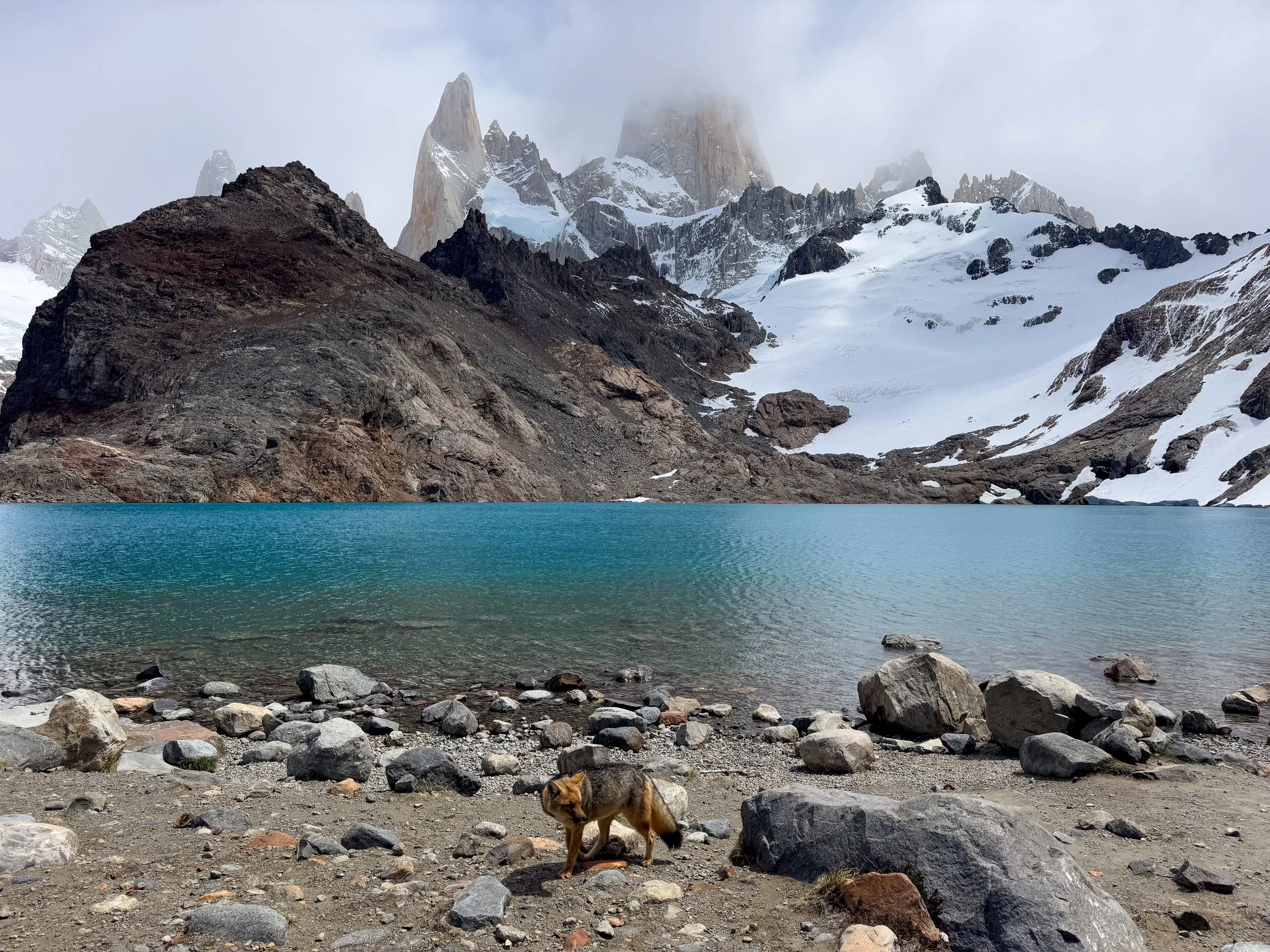
Cerro Fitz Roy is one of Argentina’s most iconic natural landmarks. It’s the tallest mountain in the Glaciers National Park with jagged vertical peaks, snow covered slopes, glaciers and lagoons. We took a day trip here and hiked to Laguna de los Tres with views of its grand peaks.
Hiking Fitz Roy
From the ticket office, the hike is 20km round trip and takes an average of 7 hours to complete. Maintaining a quick pace without many stops, we were able to hike the trail in 5 hours roundtrip with 30 minutes at the lagoon.
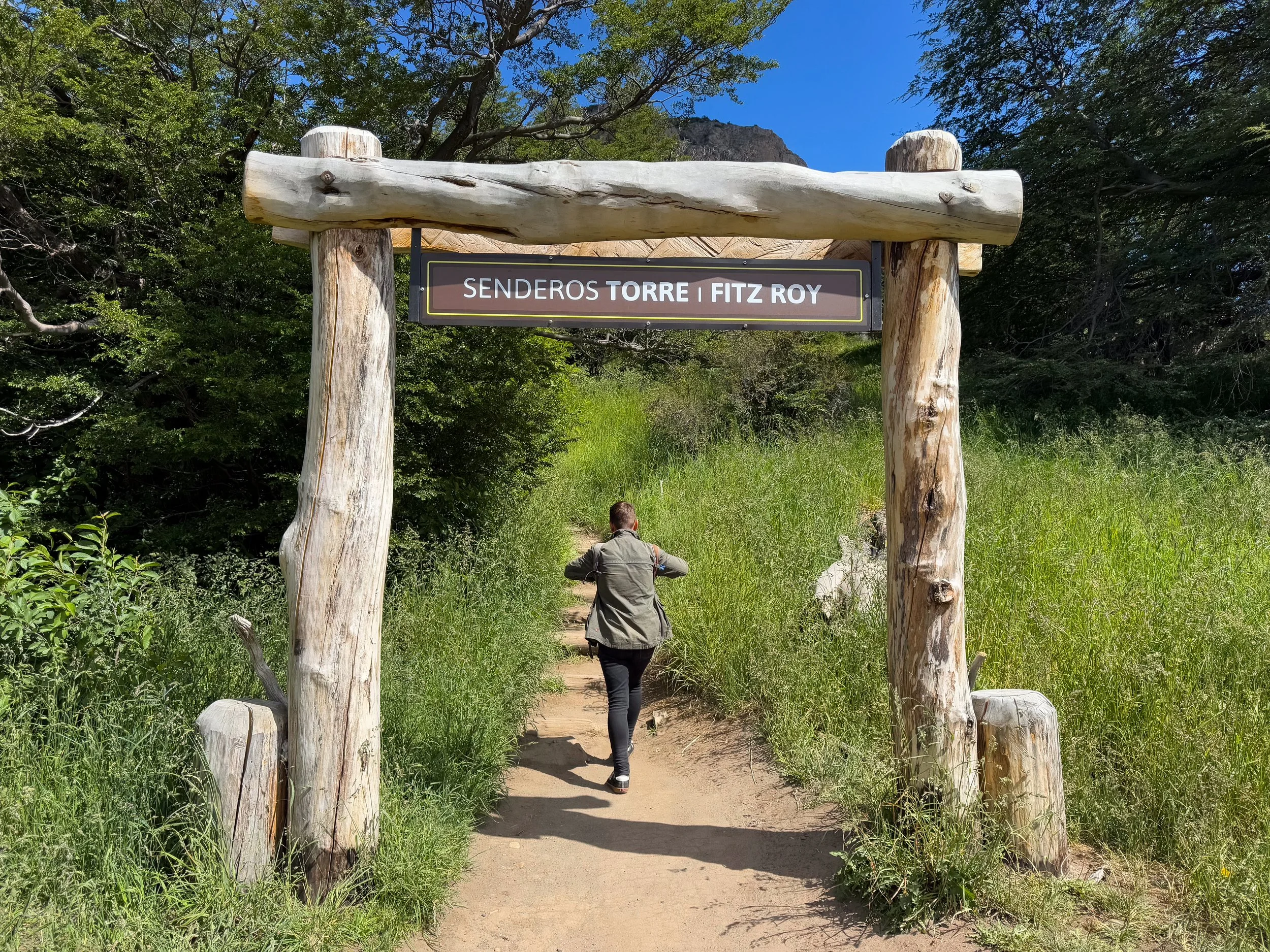
Ticket Office. The ticket office is located at the north end of town with direct access to the Fitz Roy Trail. At the time, day tickets cost 45,000 Argentine Pesos.
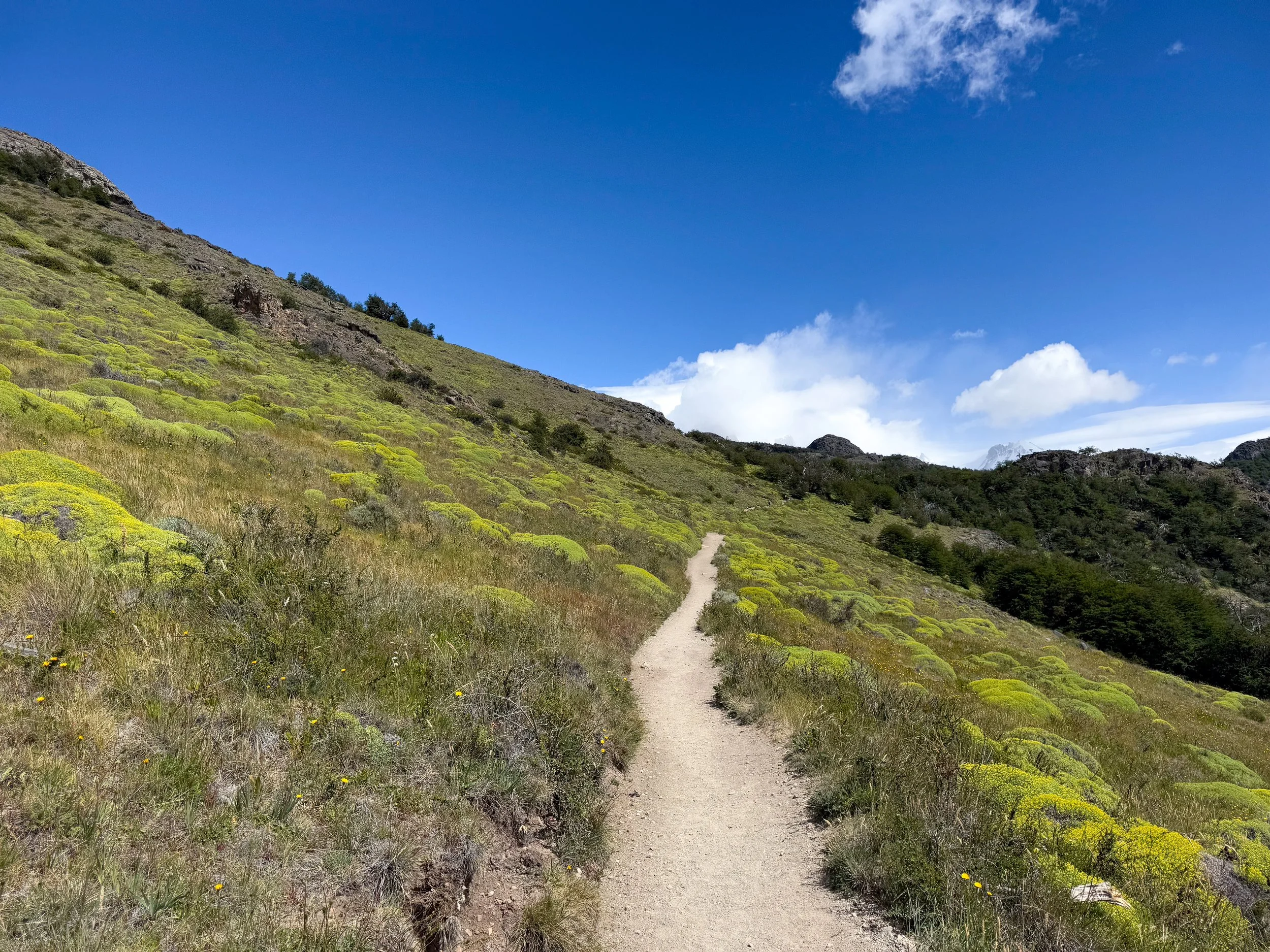
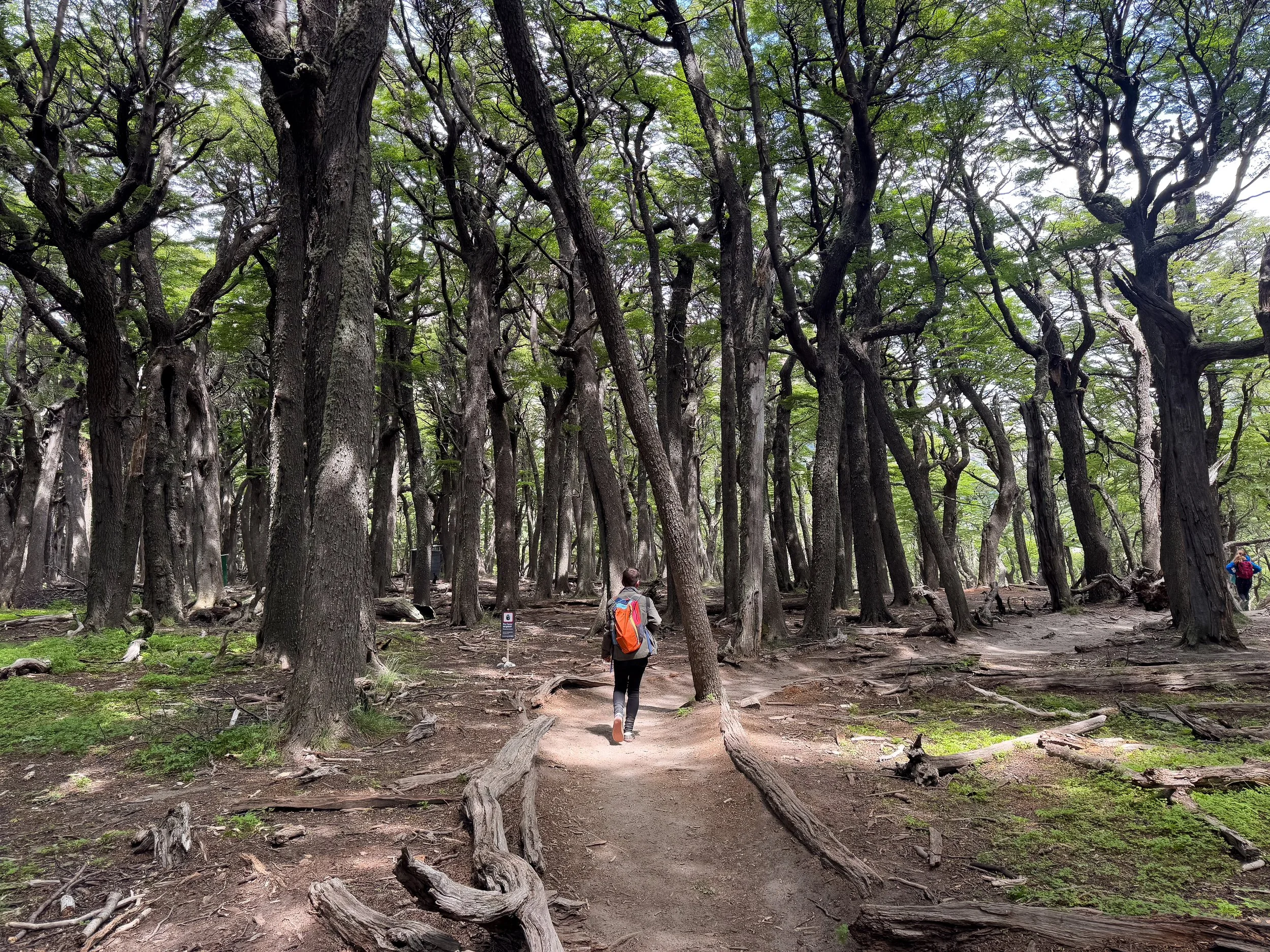
Mirador Río de las Vueltas. The well maintained dirt trail follows a gradual incline until reaching the first lookout. The viewpoint offers panoramic views of the blue river below, lush valley, green forest and snowcapped mountains.
Fitz Roy Trail Fork. From the first lookout, the trail continues past shrub-land and pockets of forest until reaching a fork.
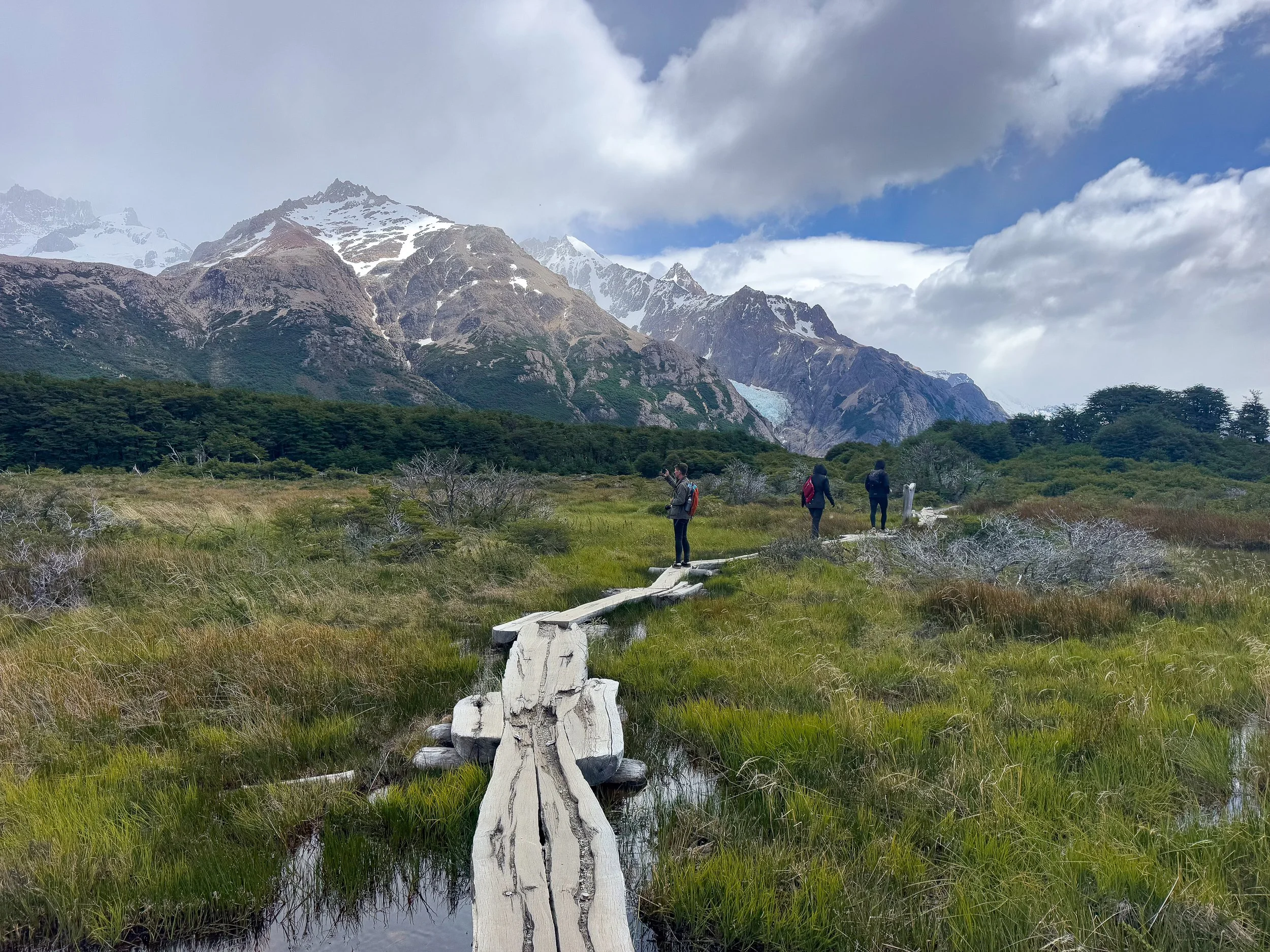
Left leads towards Laguna Capri and a shoreside campground. The trail crosses slightly more rugged terrain with large rocks, dense shrubs and wooden planks through wetlands. After passing the dark colored lagoon, some of the first views of Fitz Roy and the glaciers become visible.
Right leads towards Mirador Fitz Roy. The trail crosses rockier terrain with near constant views of Fitz Roy to a cliffside lookout of the iconic mountain.
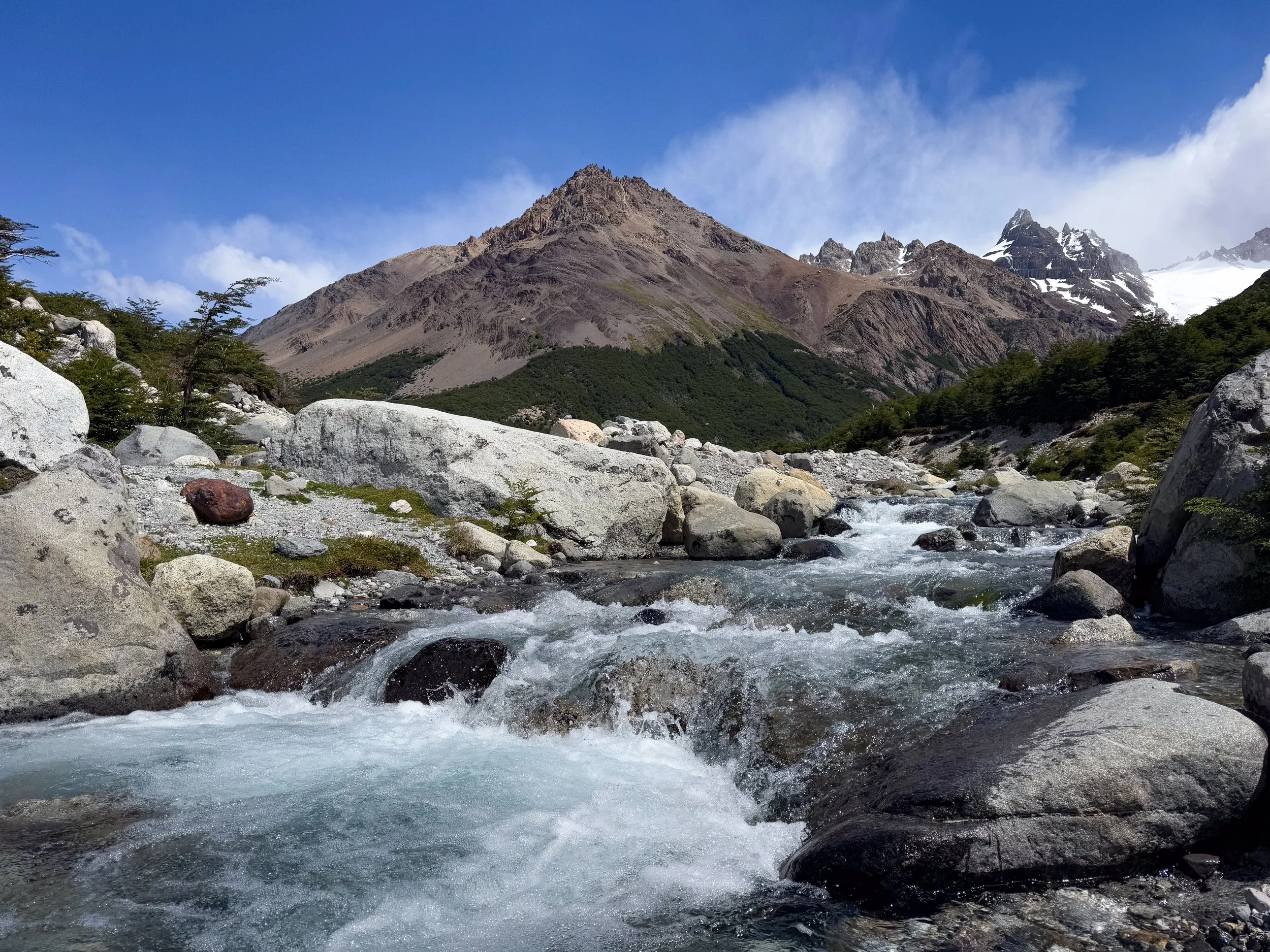
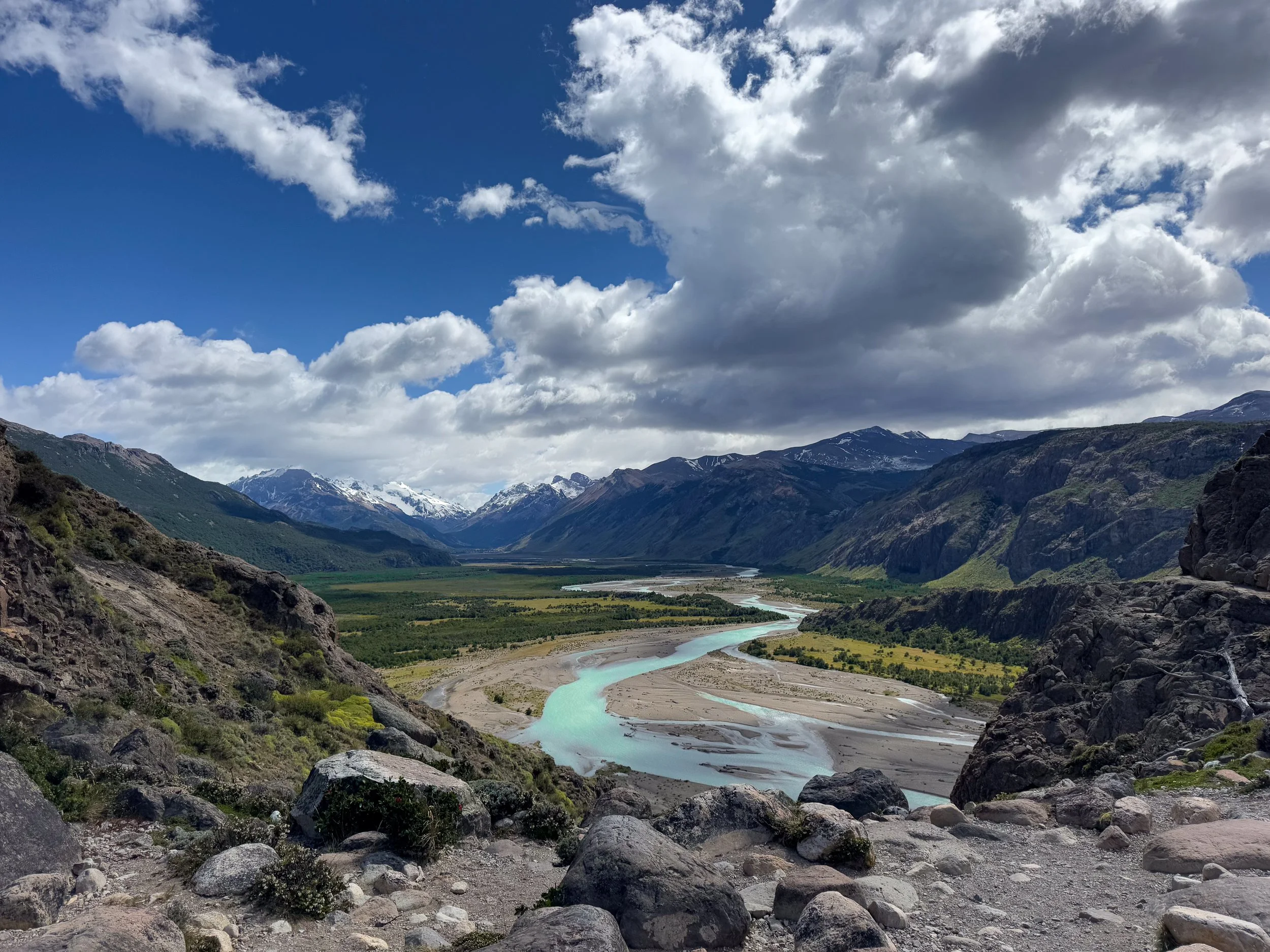
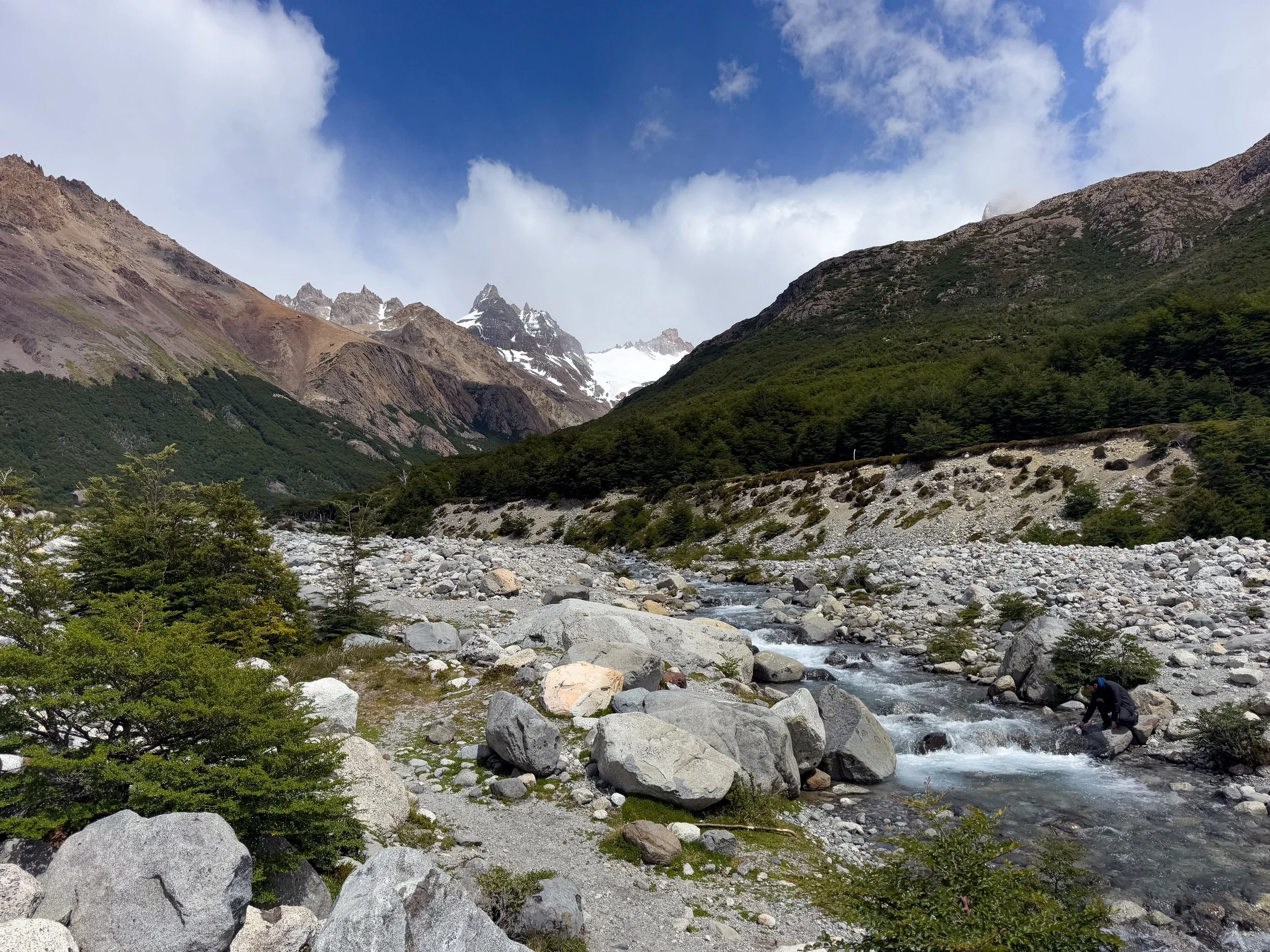
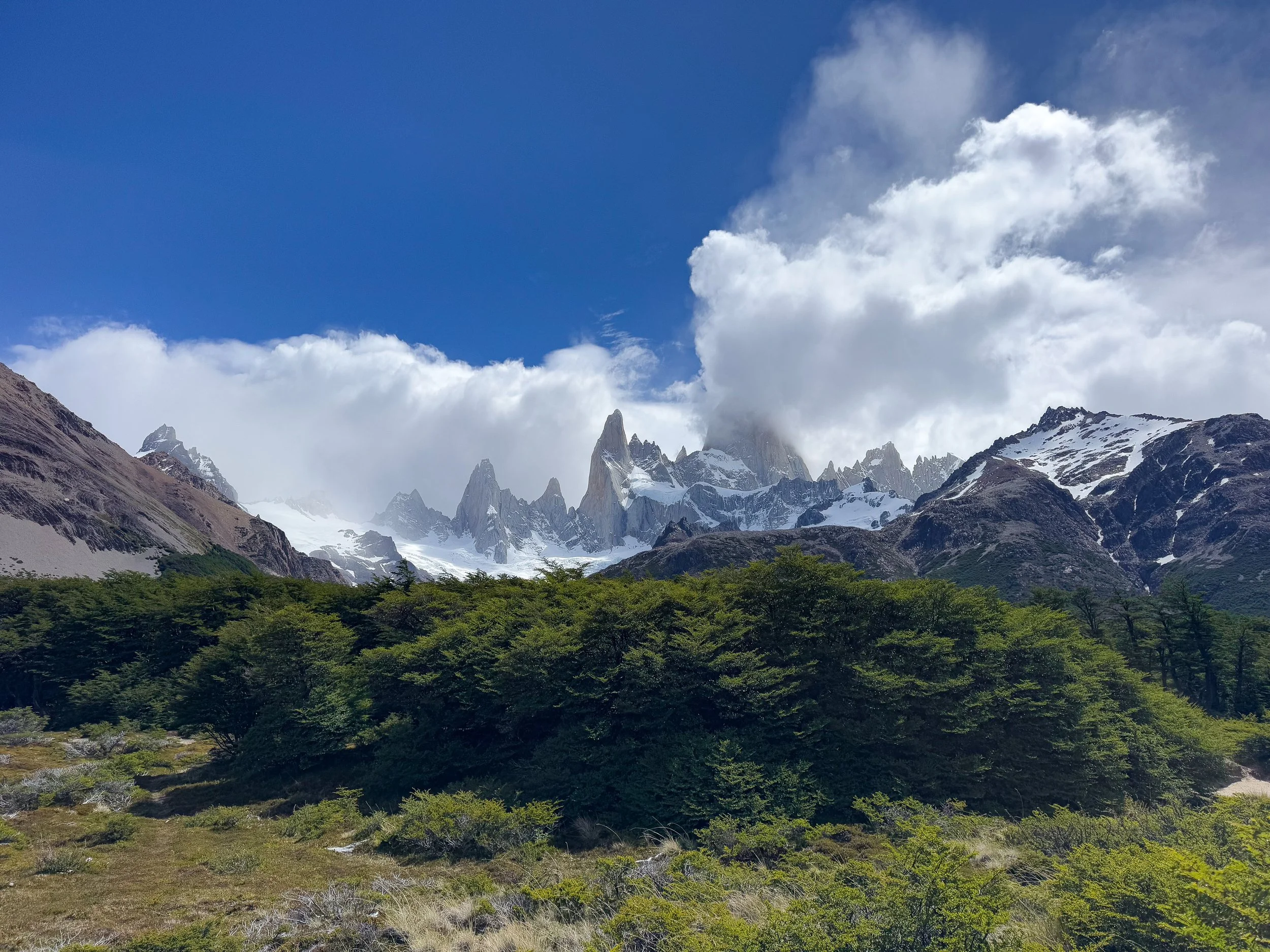
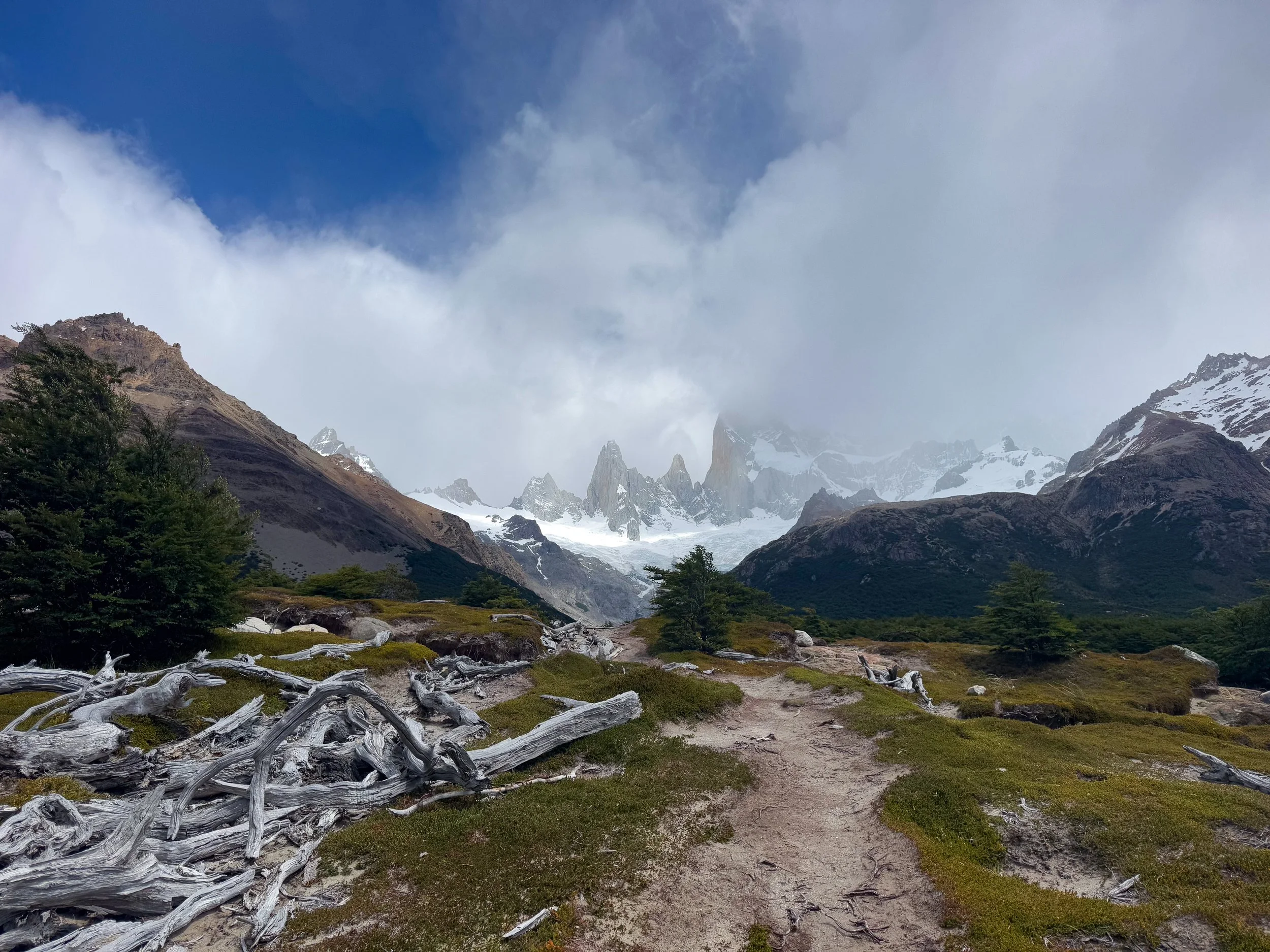
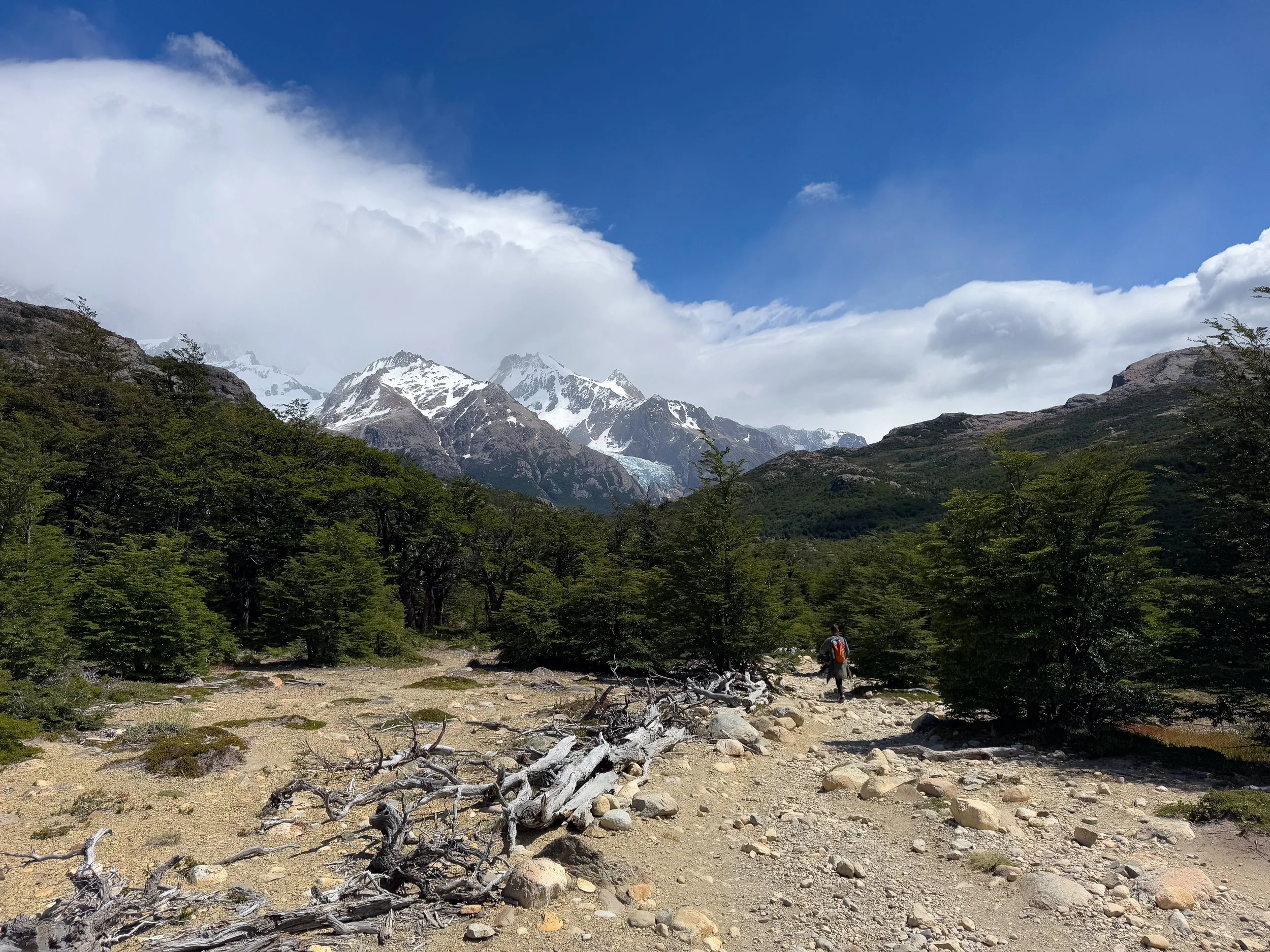
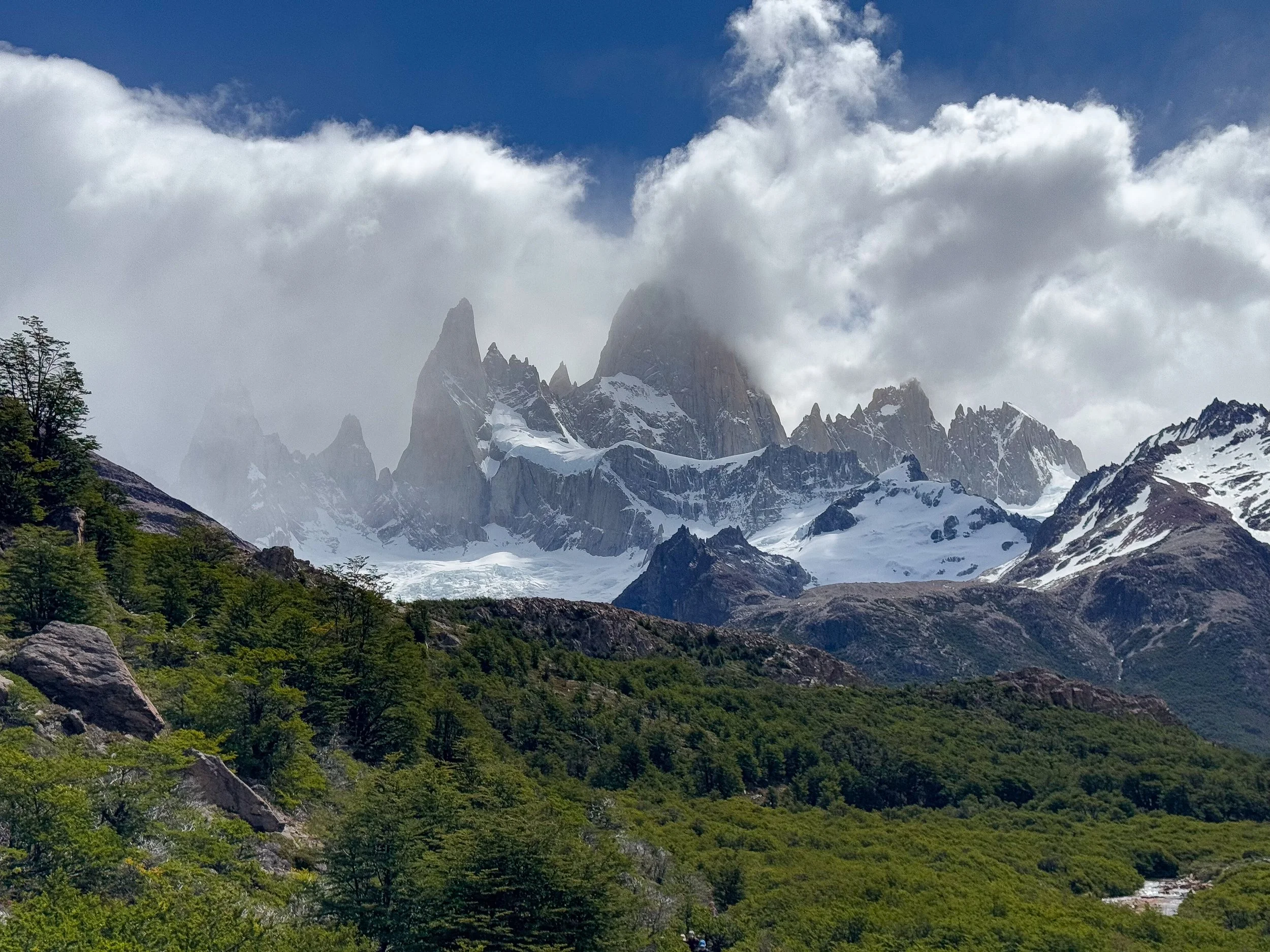
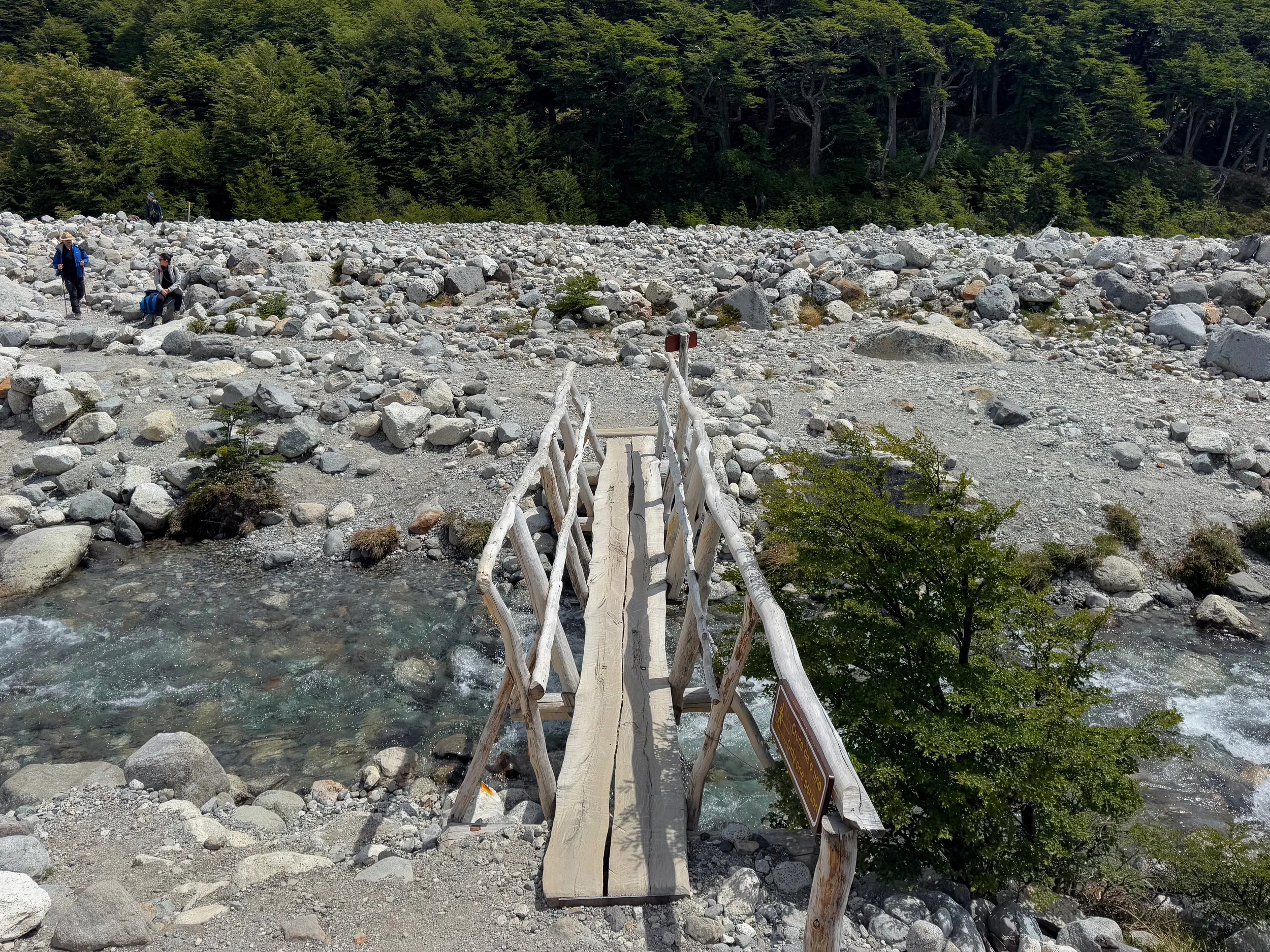
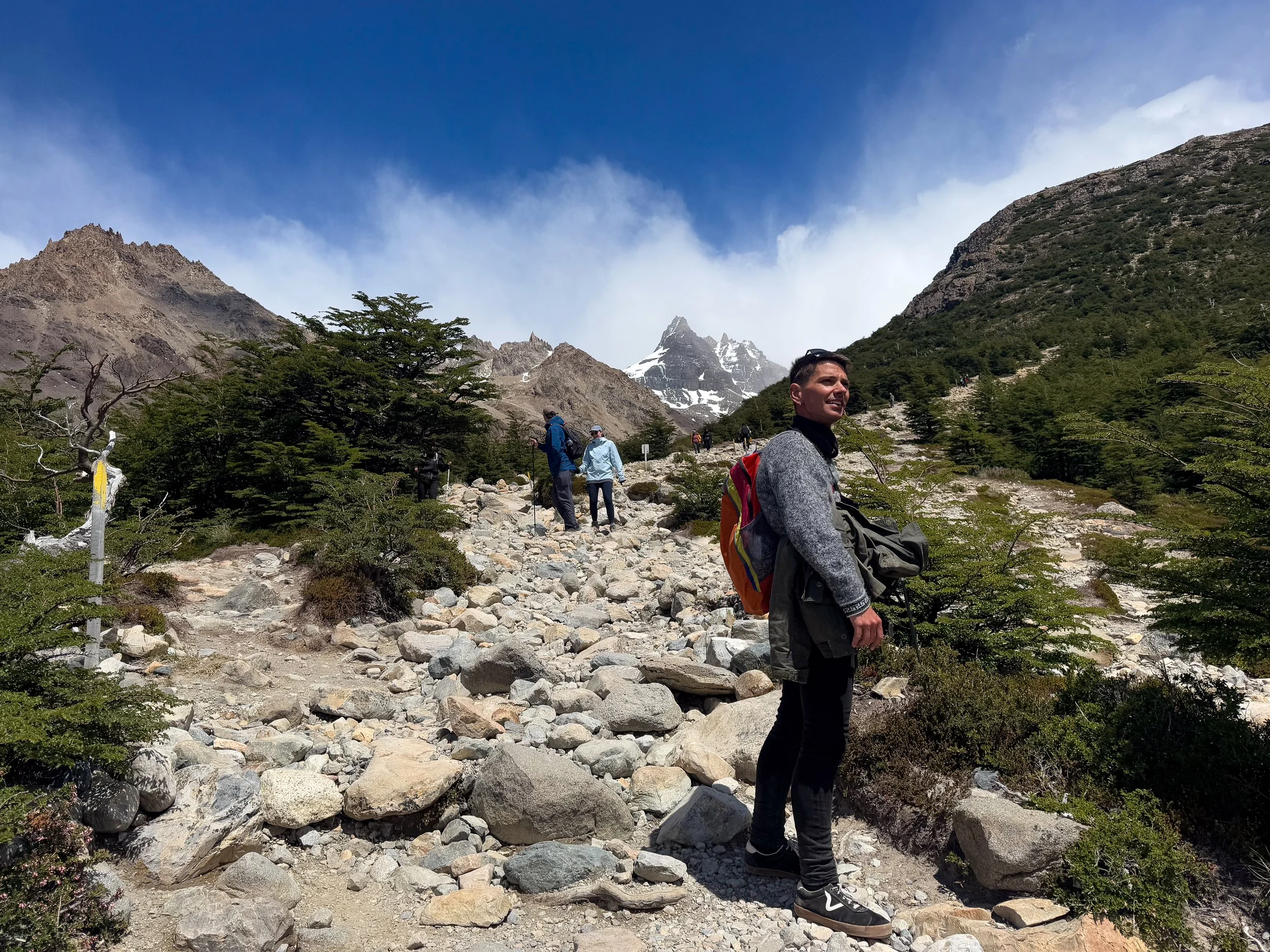
Poincenot. Both trails meet here, a tree covered campground. At this point, the trail becomes even rockier and rugged, even crossing a wooden foot bridge over glacial streams. The water is clean enough to drink from! The last hour of the hike is the most difficult. It follows a steep incline over large rocks, loose gravel and snowy pockets to reach the ridge of Laguna de Los Tres.
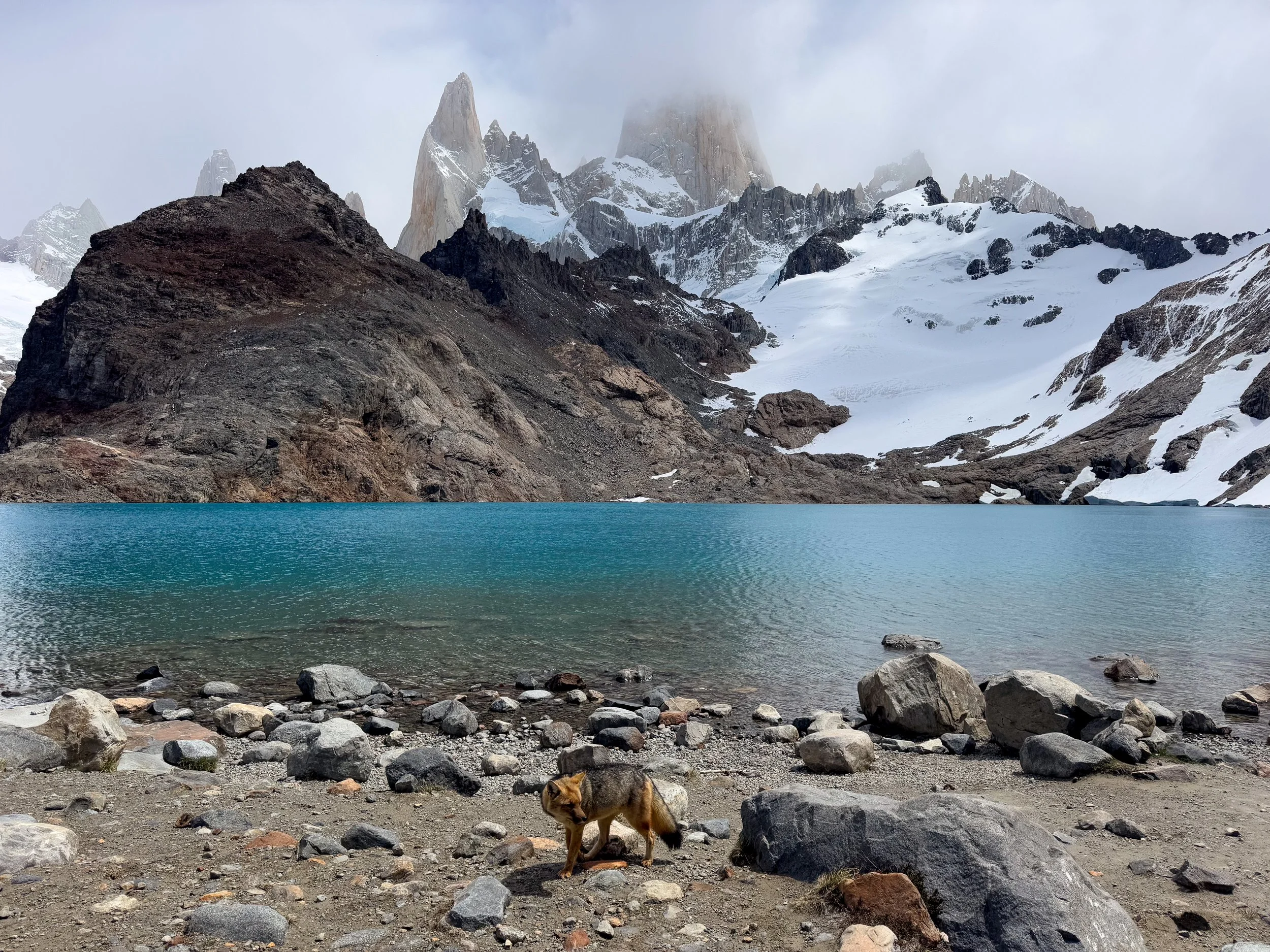
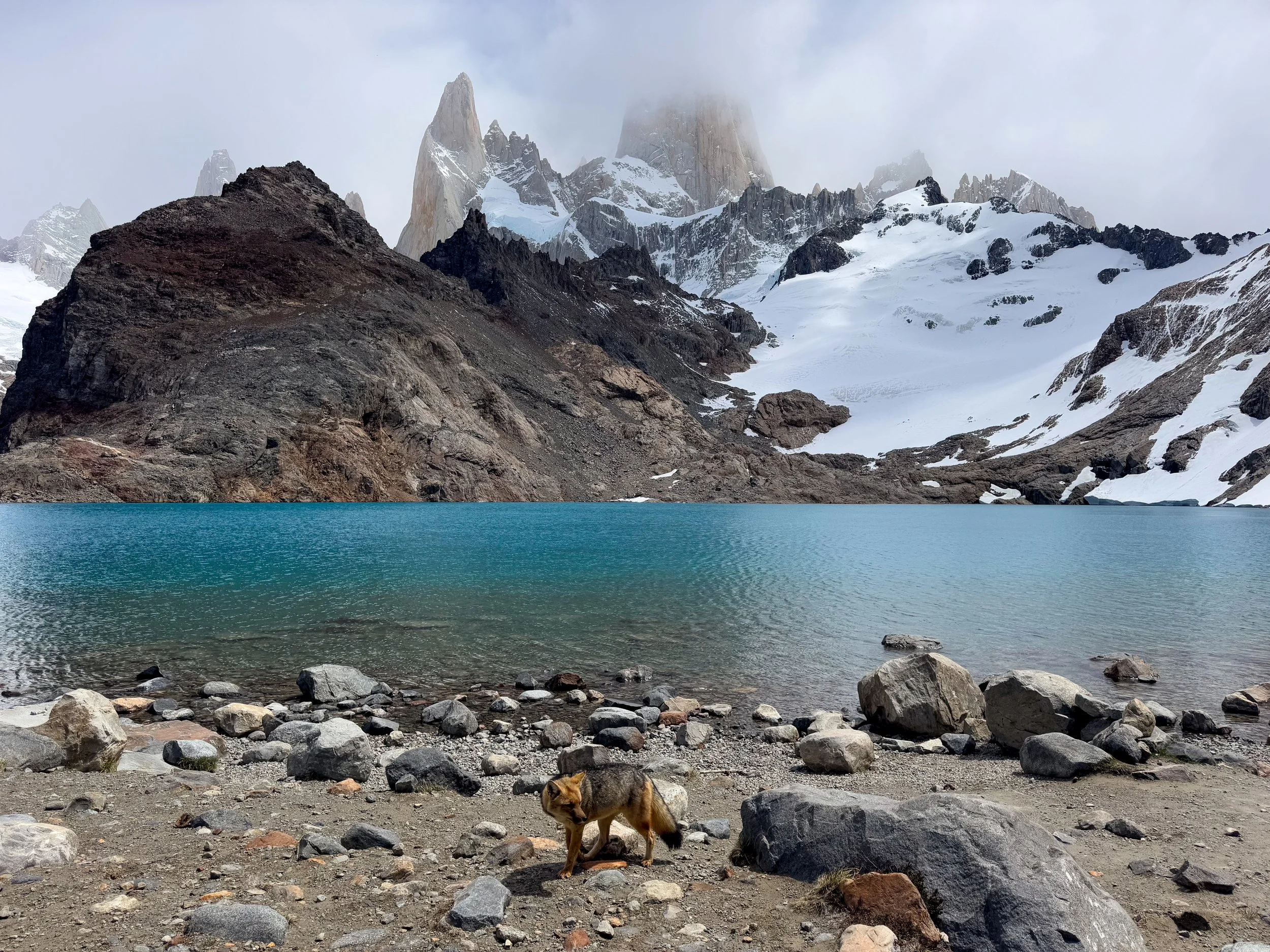
Laguna de Los Tres. After hours of hiking, we arrived at the postcard worthy lagoon at the base of Fitz Roy. The ridge offers views of the deep blue lagoon, jagged towering peaks and icy glacier. A short walk down the ridge leads to the lagoon’s edge with equally as grand views. While relaxing, we even spotted a fox running along the rocks.
Tips for Hiking Fitz Roy
Food & Water. Bring food, snacks and a liter of water, refill in the streams if needed.
Overnight vs Day Trip. Stay the night in El Chaltén and wake up early to begin any of the hikes. Alternatively, break the hike up over two days camping in the park. We took a day trip here, arriving at 11am and departing at 6pm. When hiking Fitz Roy, we had to maintain a quick pace in order to maximize time at the lagoon and return to the bus station before the last departure.
Weather. Check the weather before hiking and pack the proper gear. It’s dangerous to hike in cold and wet conditions. Cloudy conditions can fully cover the mountain views.
Getting to El Chaltén
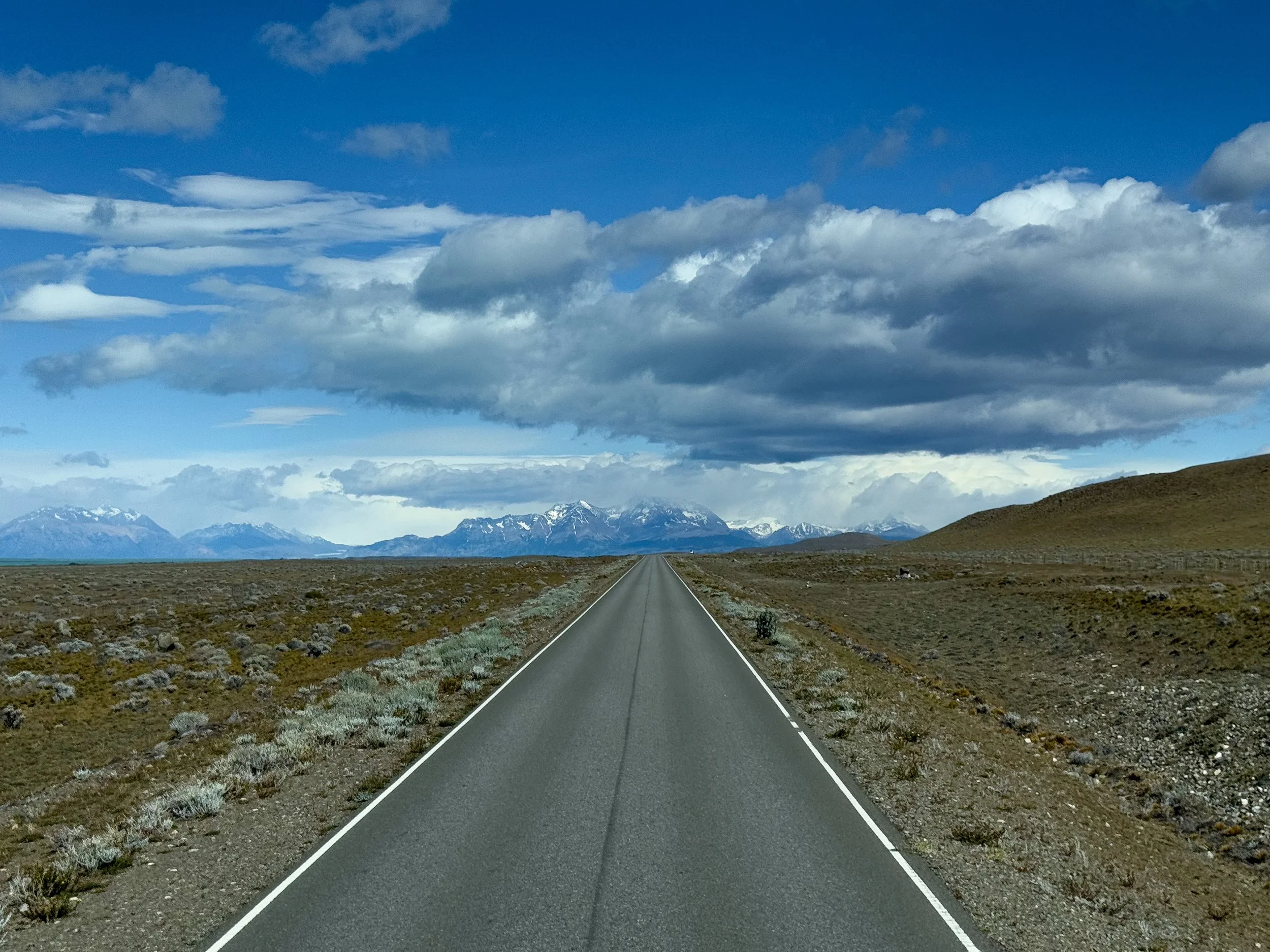
We took a day trip to El Chaltén from El Calafate with Chaltén Travel, a bus company offering multiple daily trips back and forth. We took the earliest bus at 8am and last bus back at 6pm. The trip lasts about 3 hours one way. The scenic drive passes Lake Argentina, Lake Viedma, the Leóna River and a mountainous landscape with valleys covered in small green and yellow bushes. We spotted wild Guanaco and Rhea birds along the route.
Pro Tip. Book tickets ahead of time. Reserve a seat between 1-4 for upper deck front row views of the landscape!
Good to Know. Bus terminals have a small usage fee ranging from 1,000 - 3,000 Argentinian Pesos.
When to Visit Patagonia
We visited Patagonia from mid to late December when the days are at their longest, lasting nearly 18 hours. The days are warm and the nights are chilly. The landscape was coming to life with green bushes, flowering shrubs and budding wild berries. Locals recommended returning in late January through February to try fresh El Calafate berries and to see the most ice calving at the Perito Moreno Glacier.
Location Specifics
Exchanging USD. You need to have near perfect bills free of tears, markings or a tattered appearance when exchanging for pesos or paying.
Cash vs Card. Cash is king however many places do accept card. There is often a fee ranging up to 20% for using card. There is an occasional 10% discount for paying in cash.
ATM. Regardless of banks, cash machines will only allow foreigners to request 2,000 pesos per day (about $2 USD) with fees costing close to 15,000 pesos.
Tipping. Tipping 10% is customary. Tips are cash only.
Prices. The prices of tours, cost of accommodations and meals are very expensive in Patagonia.
Ticket Fees. Ticket fees and entrance tickets often cost up to 3 times more for foreigners.
Bookings. Tours and accommodations book up in advance. We booked everything 2 to 6 months ahead of time.
Elsewhere in Patagonia
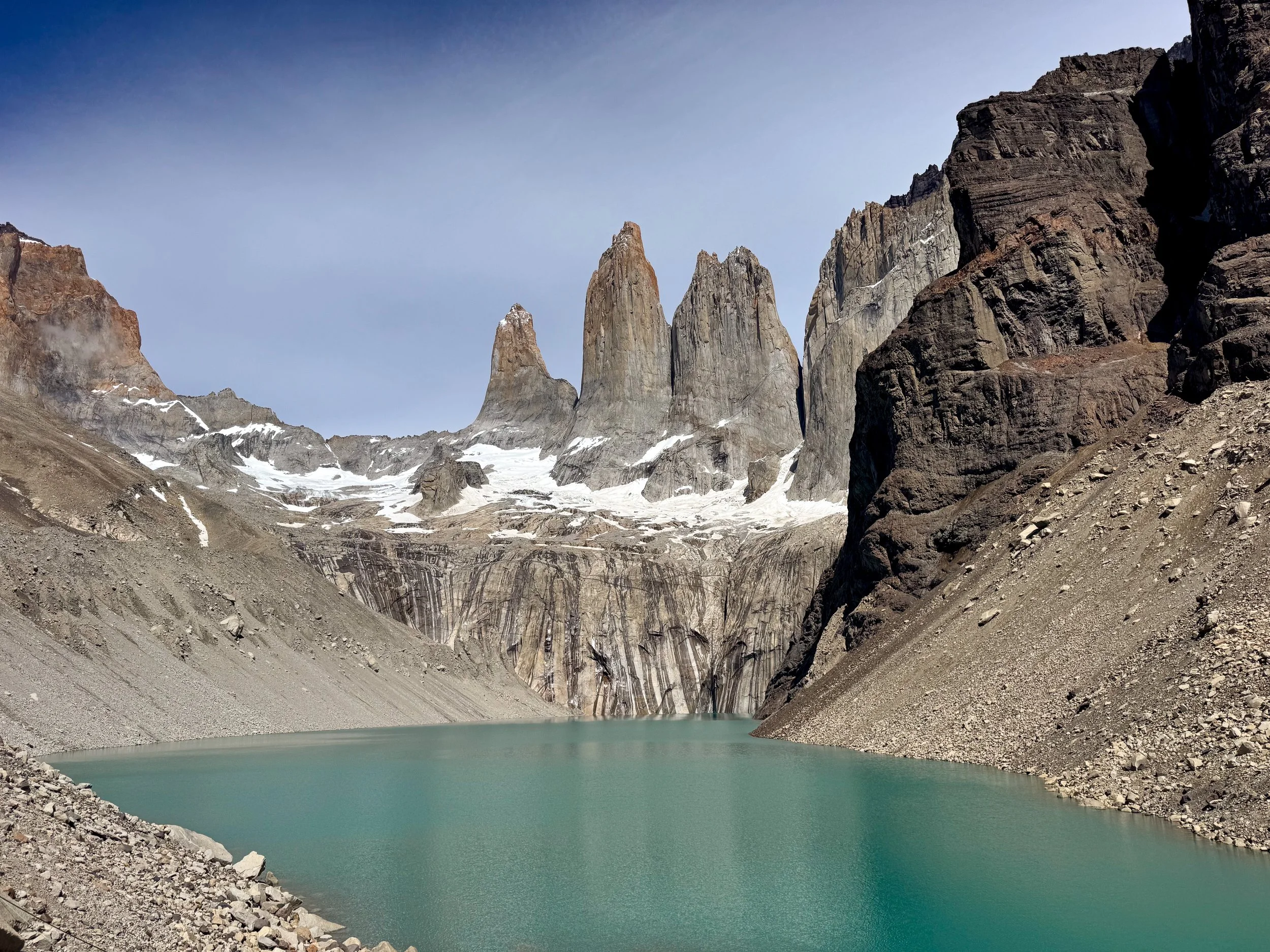
From the glaciers and granite peaks of Argentine Patagonia to Chile’s Torres del Paine and remote wilderness roads, continue exploring the greater Patagonian region:
Patagonia Chile Travel Guide: Torres del Paine, Hiking & Road Trips. Road trip through Chilean Patagonia where scenic hikes, wildlife encounters, turquoise waterfalls and rugged landscapes create an unforgettable wilderness adventure.
For Next Time…
Ushuaia and Antarctica. At the bottom tip of South America is the world’s southernmost city, Ushuaia. We plan to visit and take a ship across the tortuous Drake's Passage to the white continent, Antarctica.
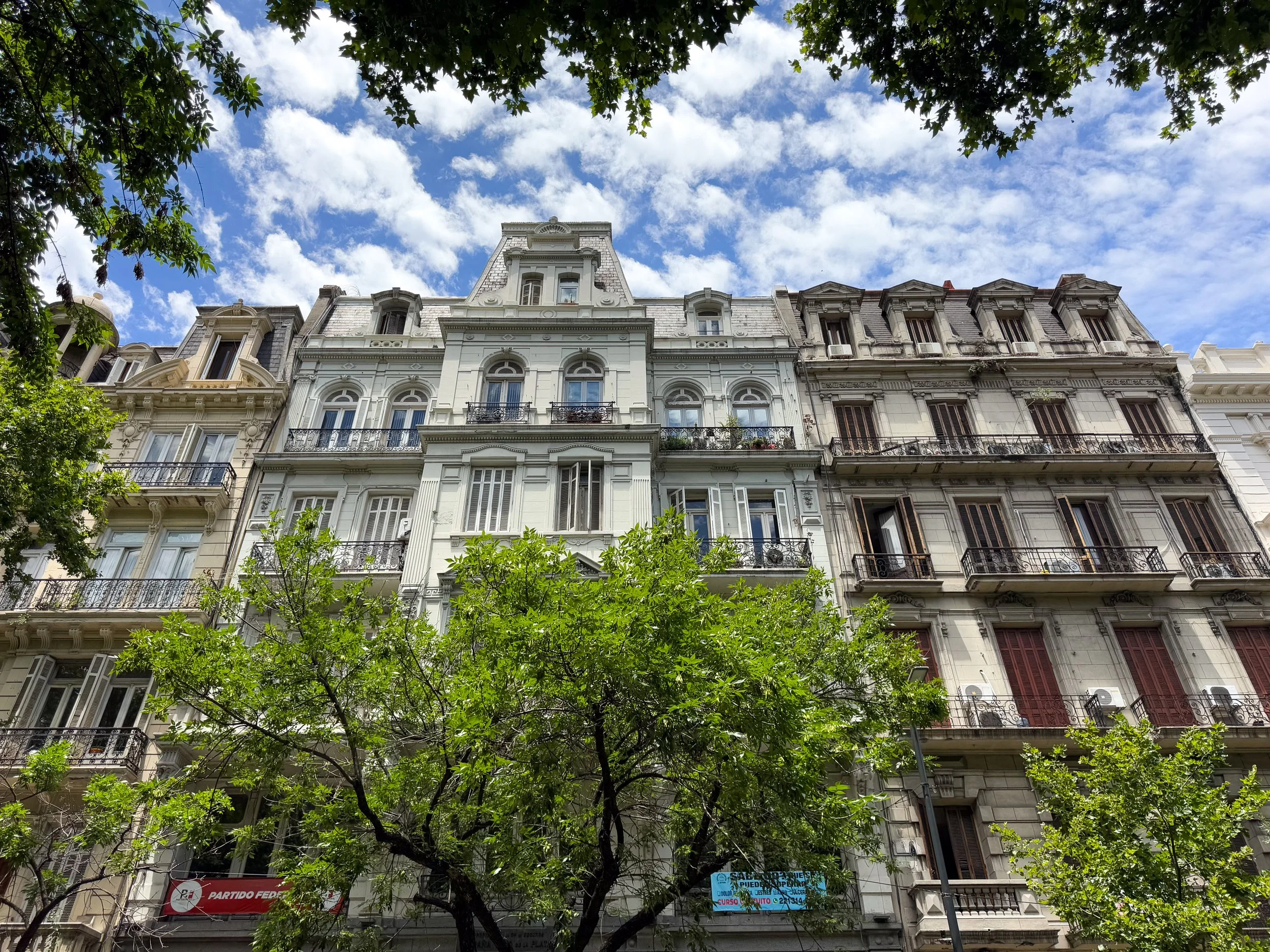
Buenos Aires Travel Guide: Neighborhoods, Food & Nightlife
Wander through Buenos Aires' historic neighborhoods where elegant architecture, local markets, vibrant nightlife and a culinary scene shape Argentina's cultural capital.
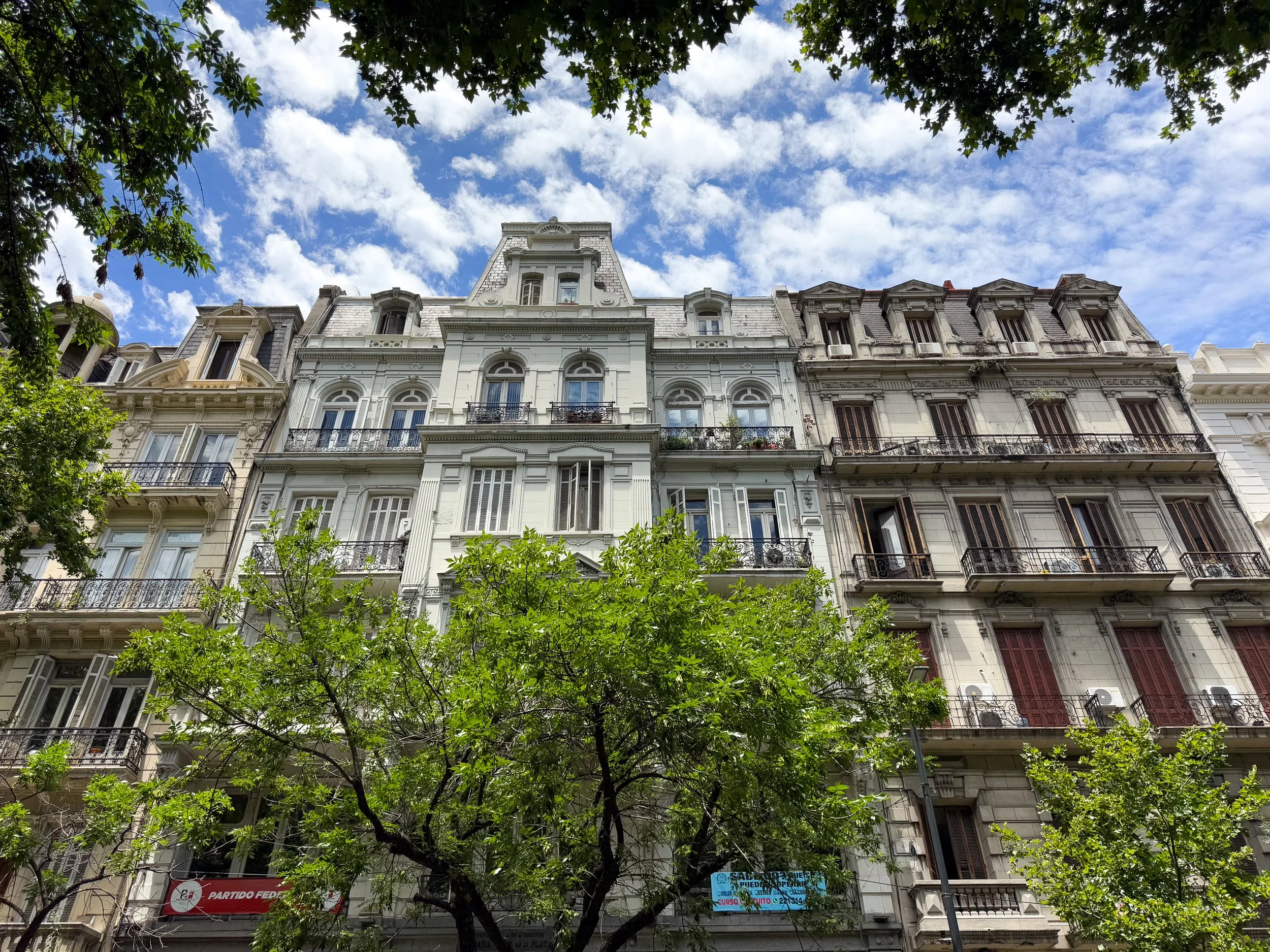
Buenos Aires, Argentina
Buenos Aires is a vibrant metropolis renowned for its cuisine, culture, architecture and history. It’s home to lively markets, world class cocktail bars, impressive art museums, glamorous buildings and verdant parks. It’s defined by its distinct neighborhoods, each with their own character and charm. We spent a week exploring the city and discovering its hidden gems.
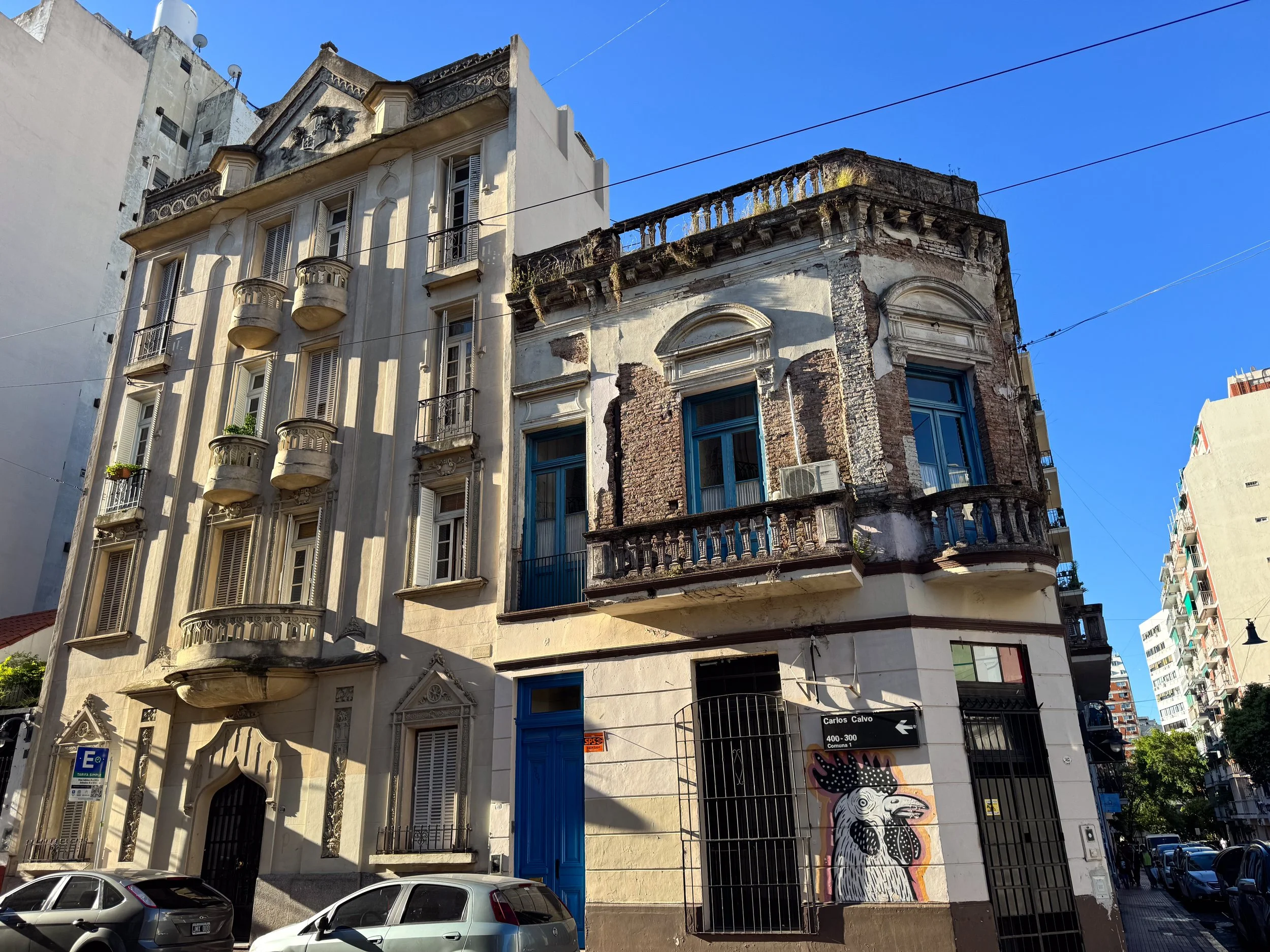
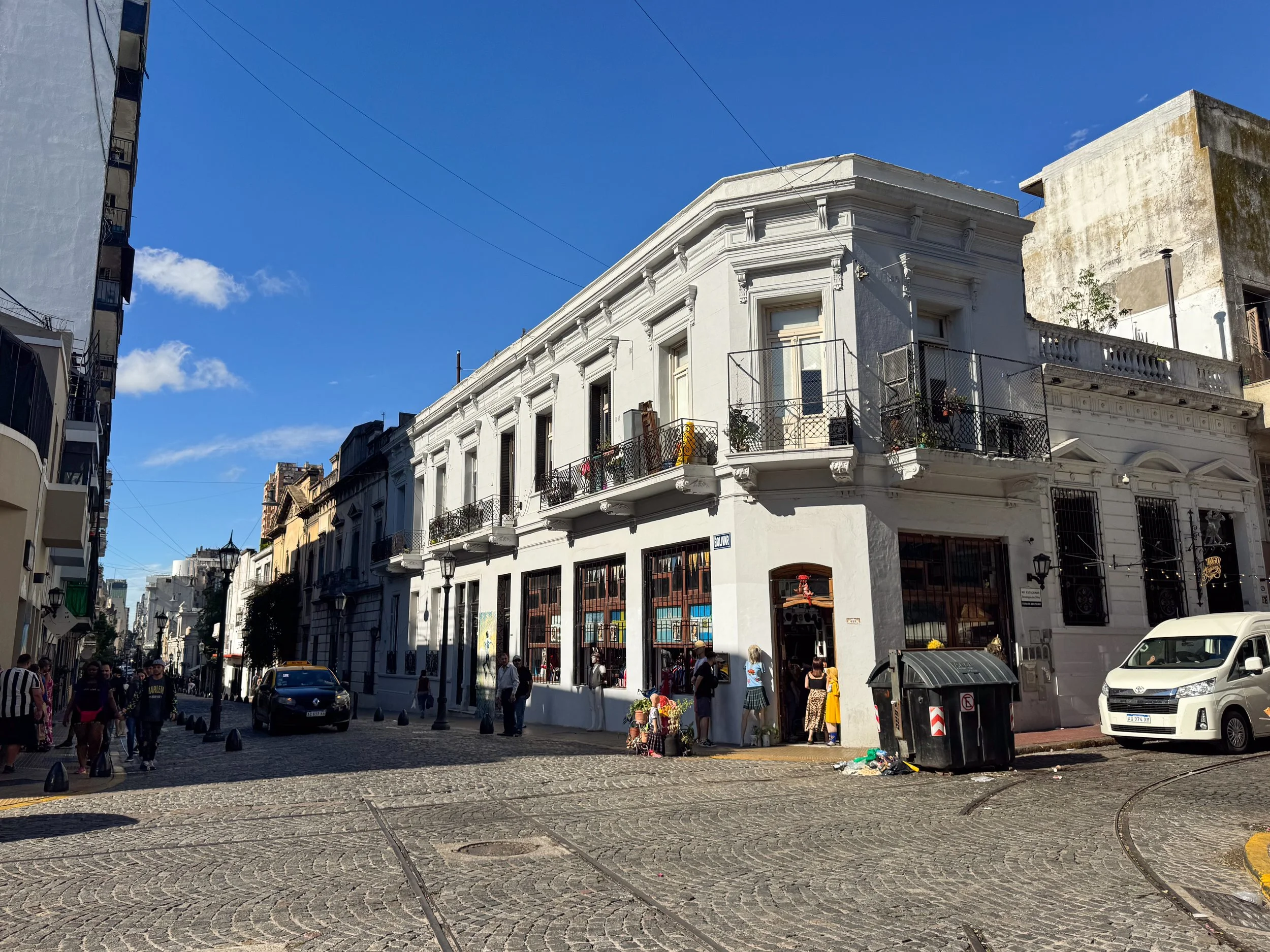
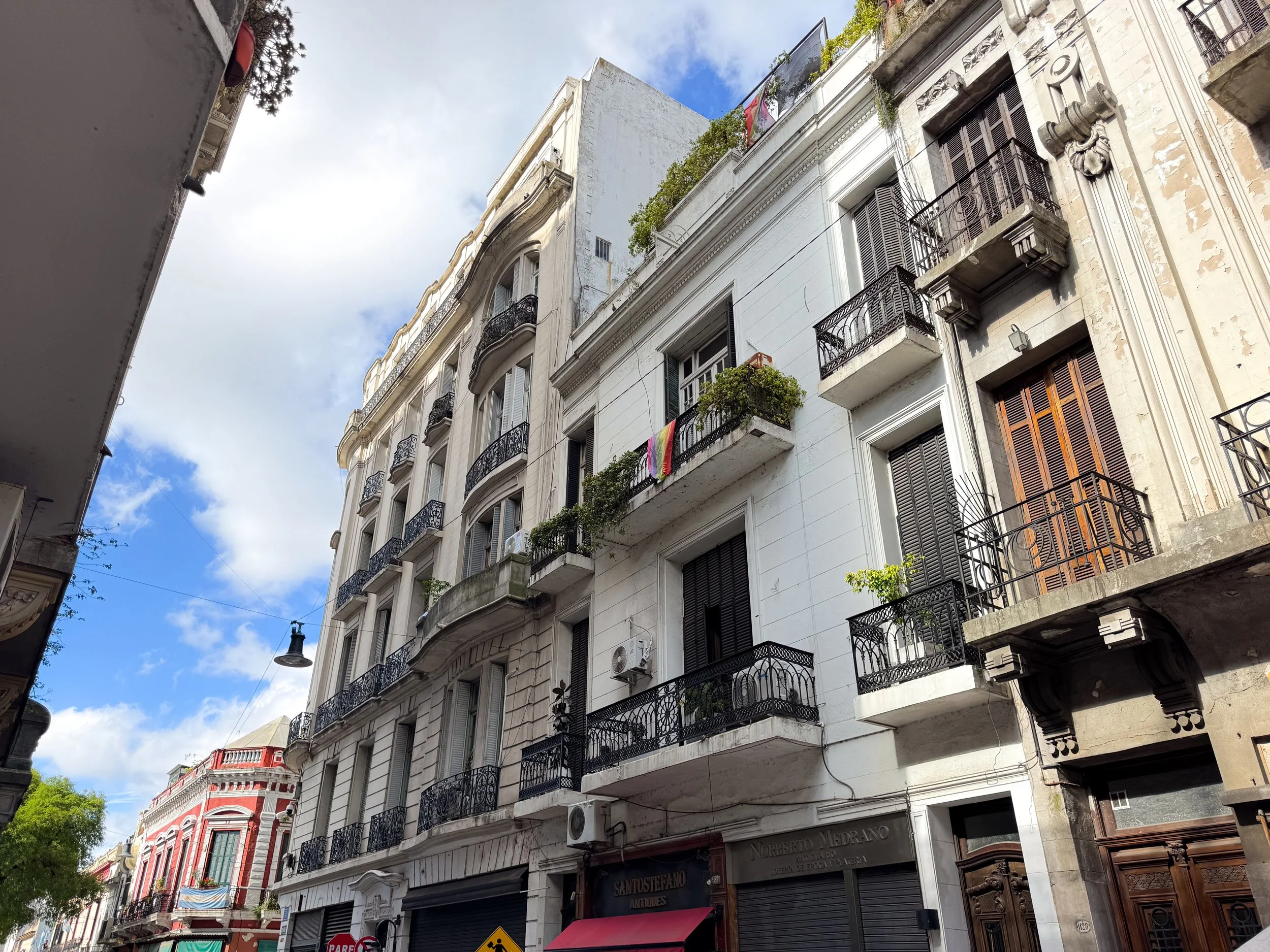
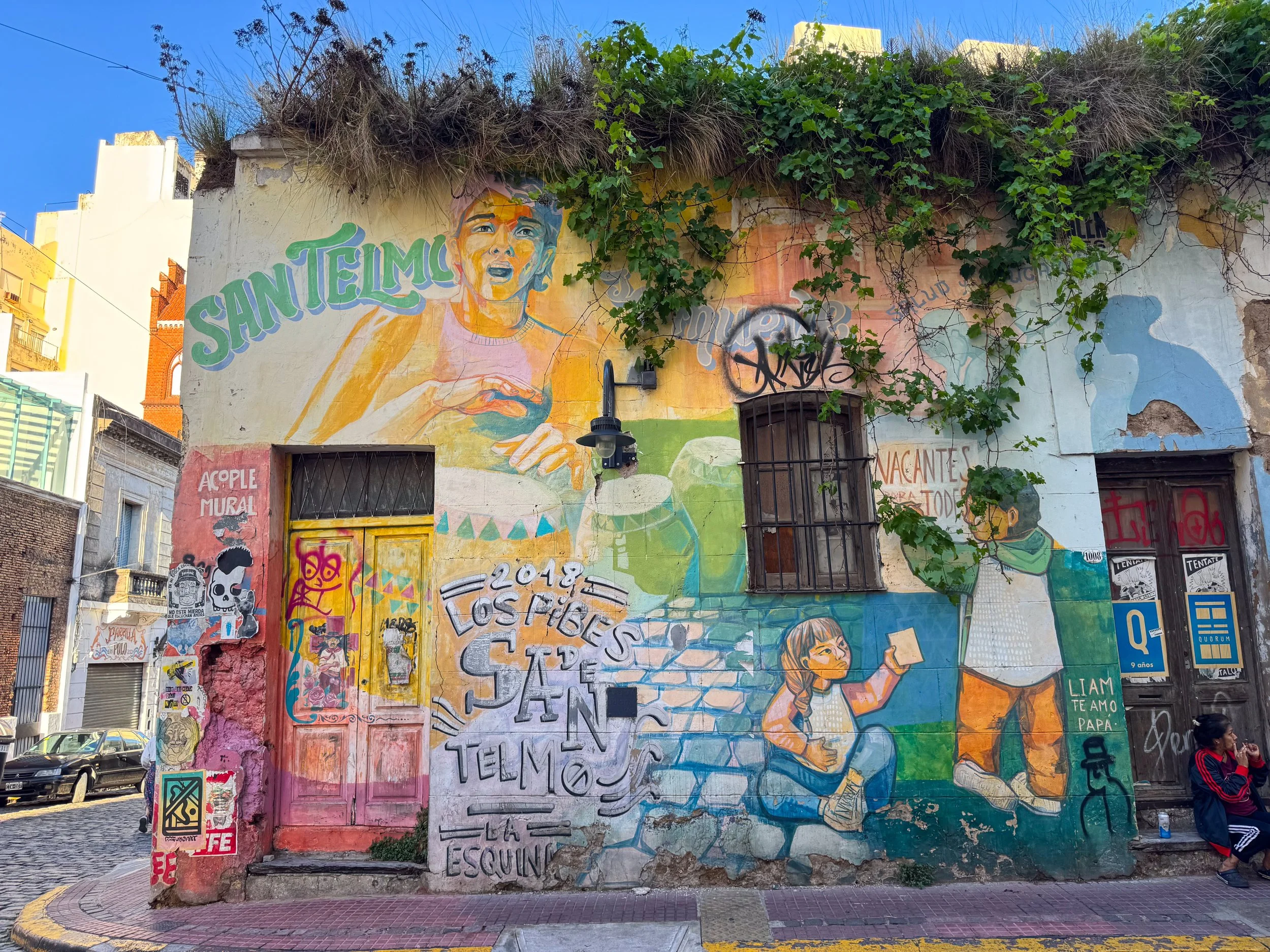
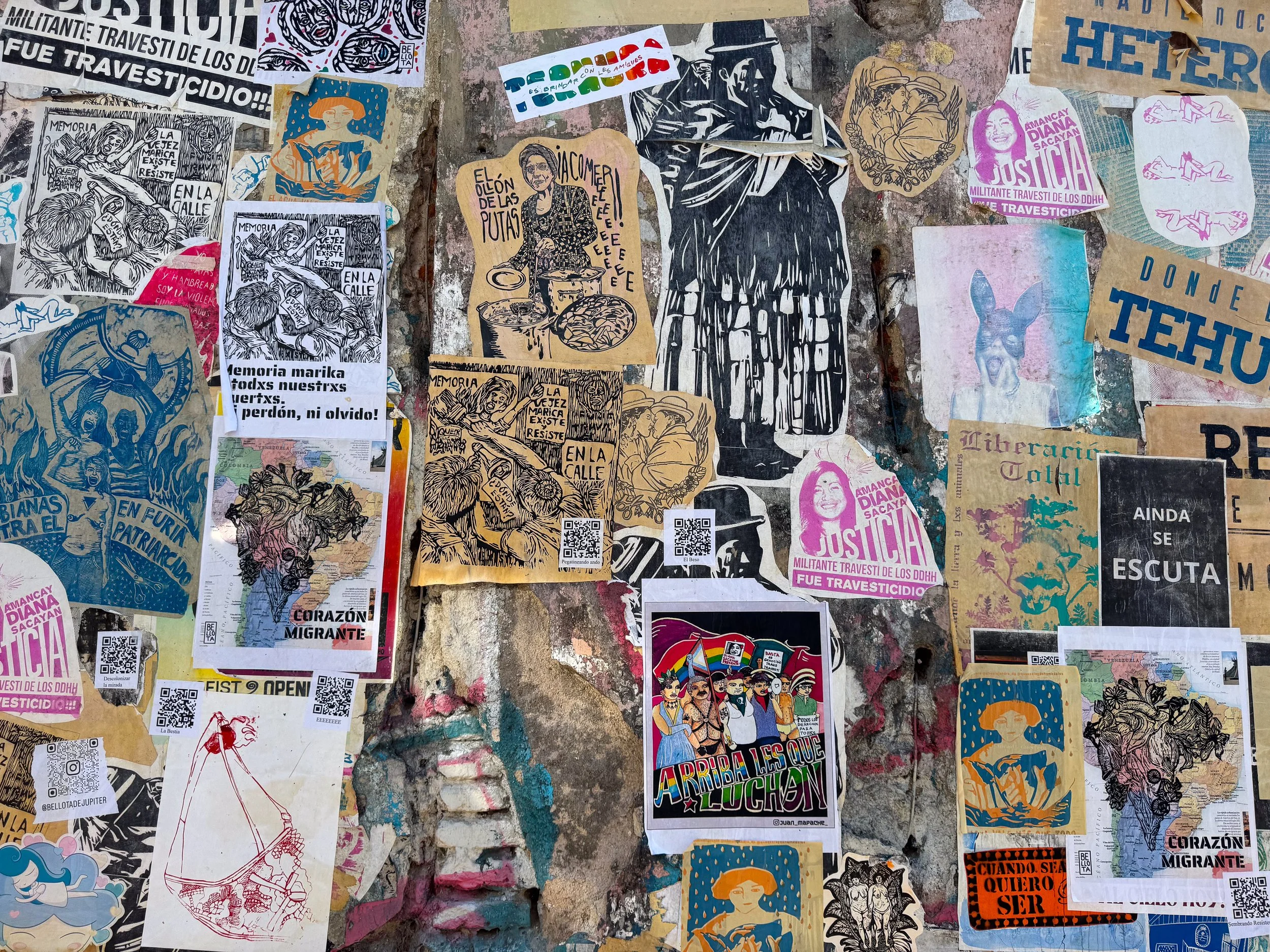
San Telmo
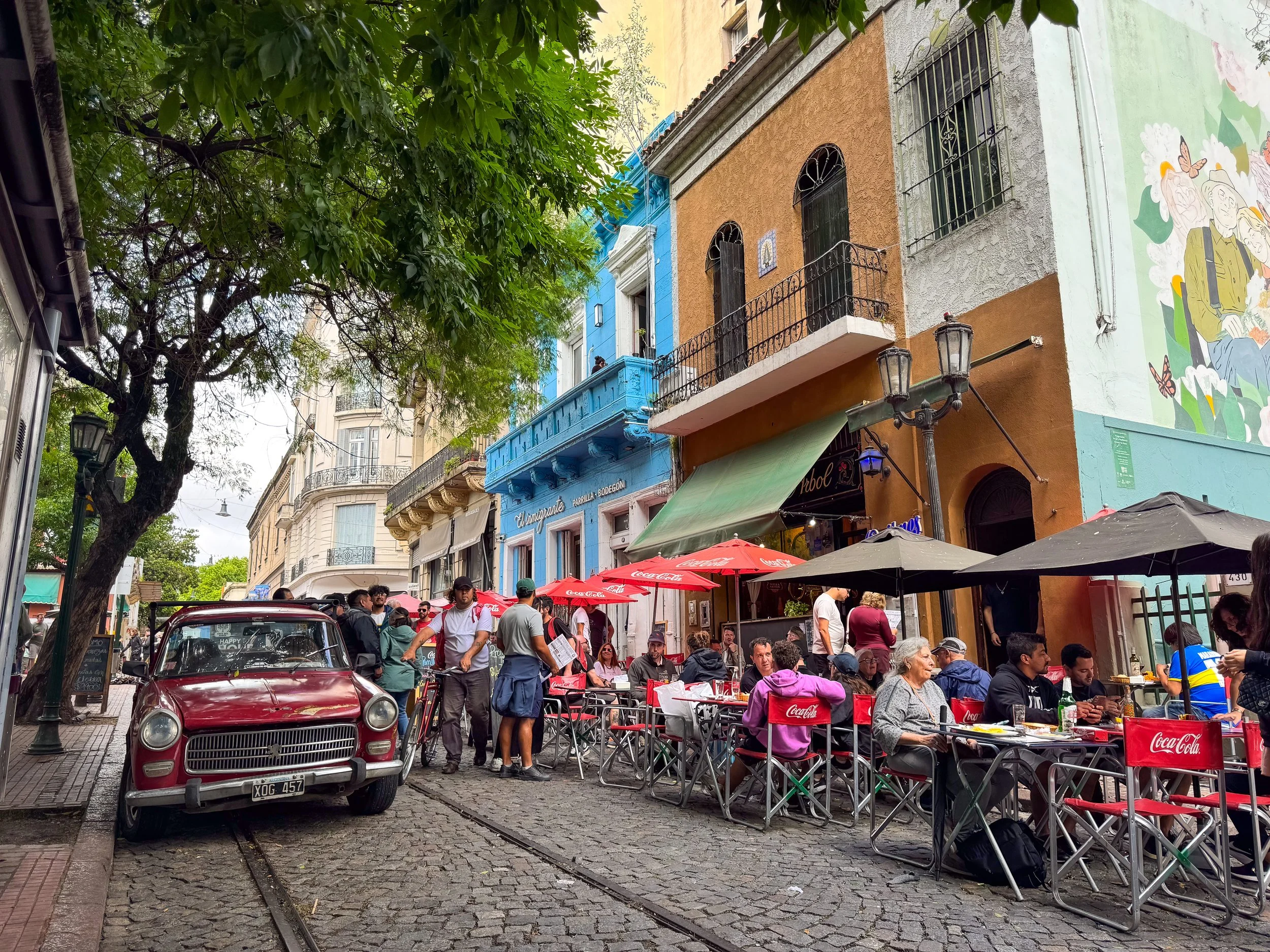
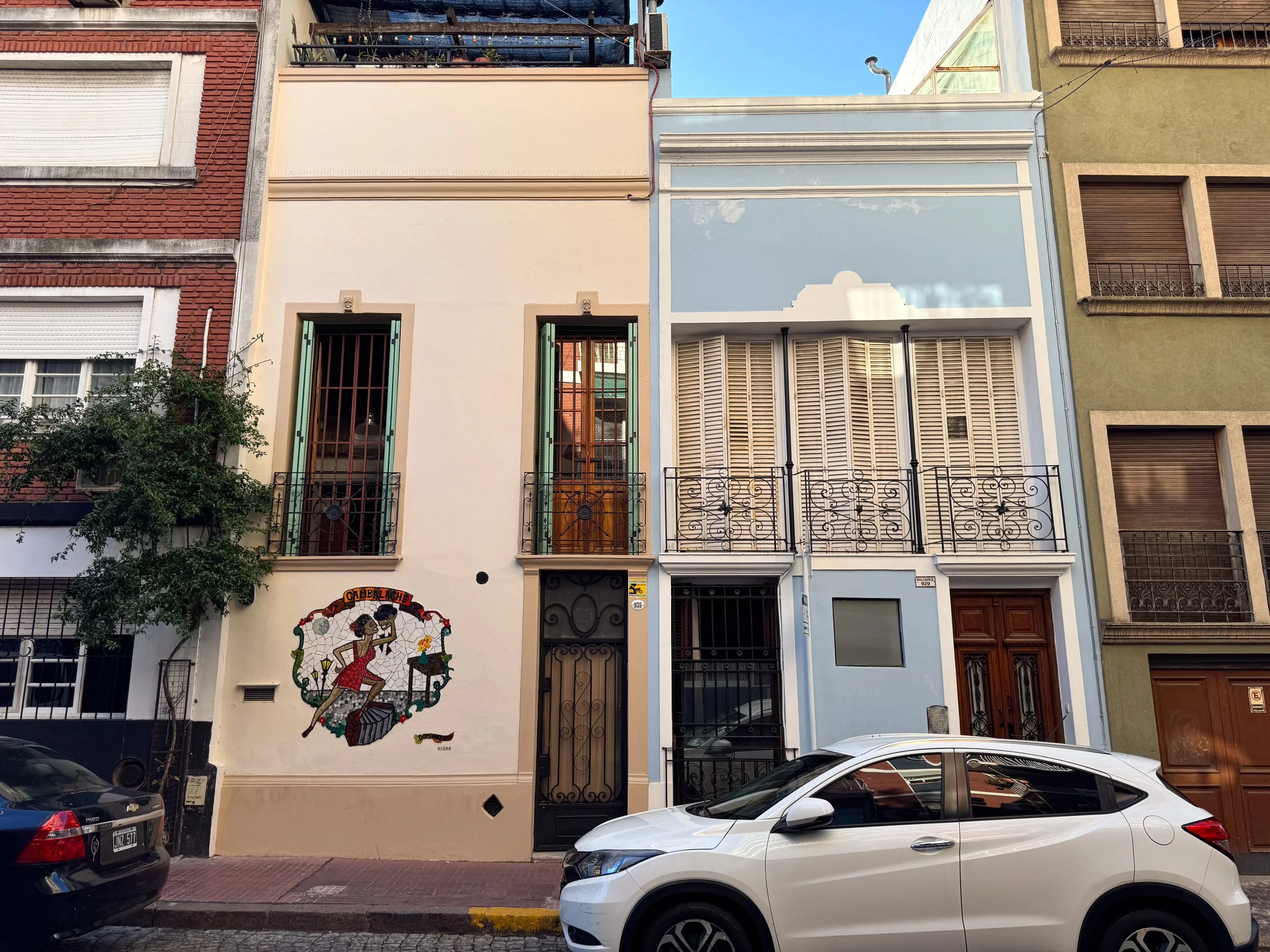
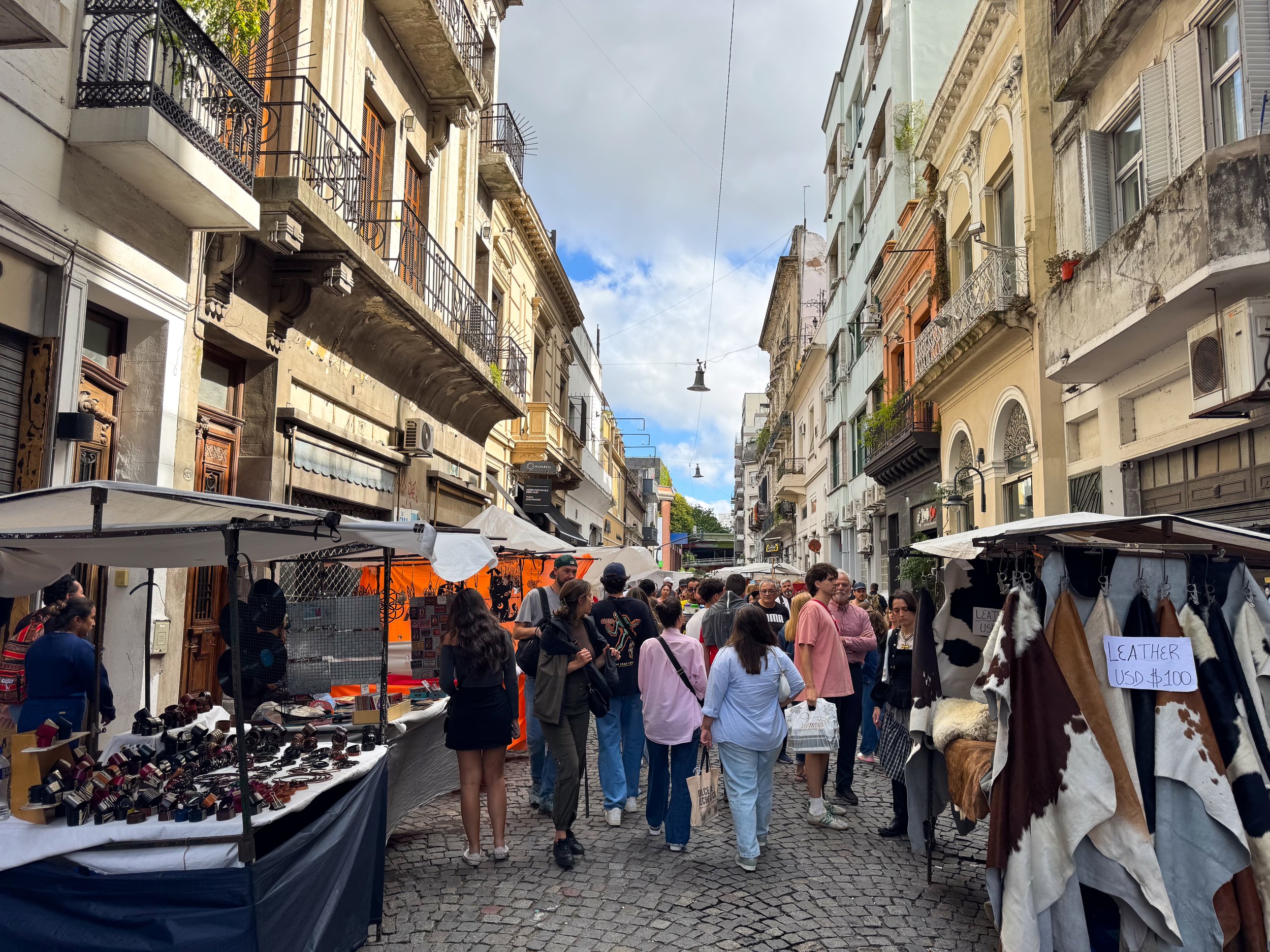
San Telmo is a historic and bohemian neighborhood with cobblestone streets, colonial buildings, colorful murals and paper graffiti. It’s popular for its flea markets, antique stores and vintage shops selling an assortment of objects, jewelry, clothes, home goods and furniture. Sunday is the most lively day when thousands flock to the neighborhood’s streets, markets and plazas for weekend celebrations, happy hours, shopping and Tango performances.
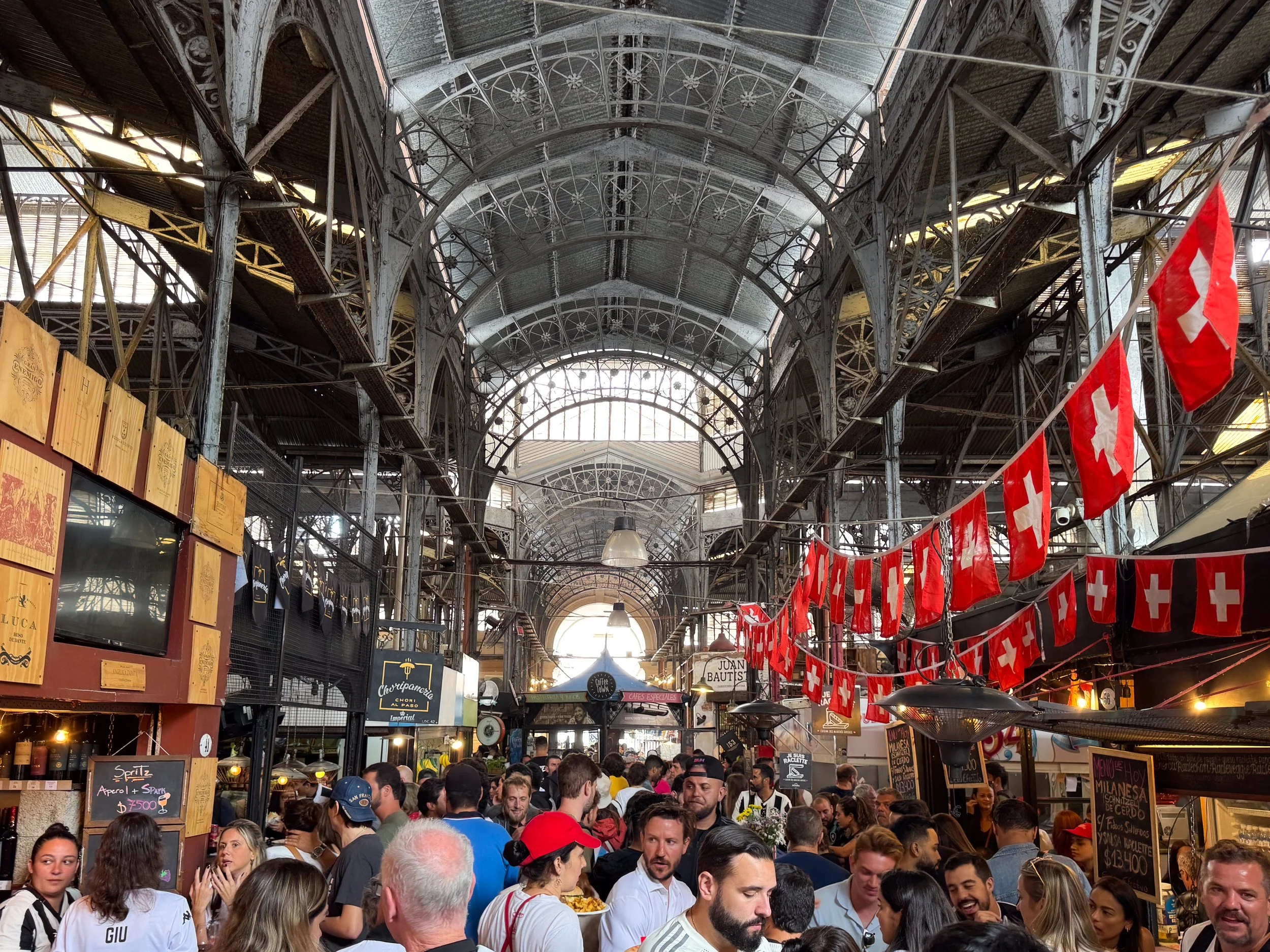
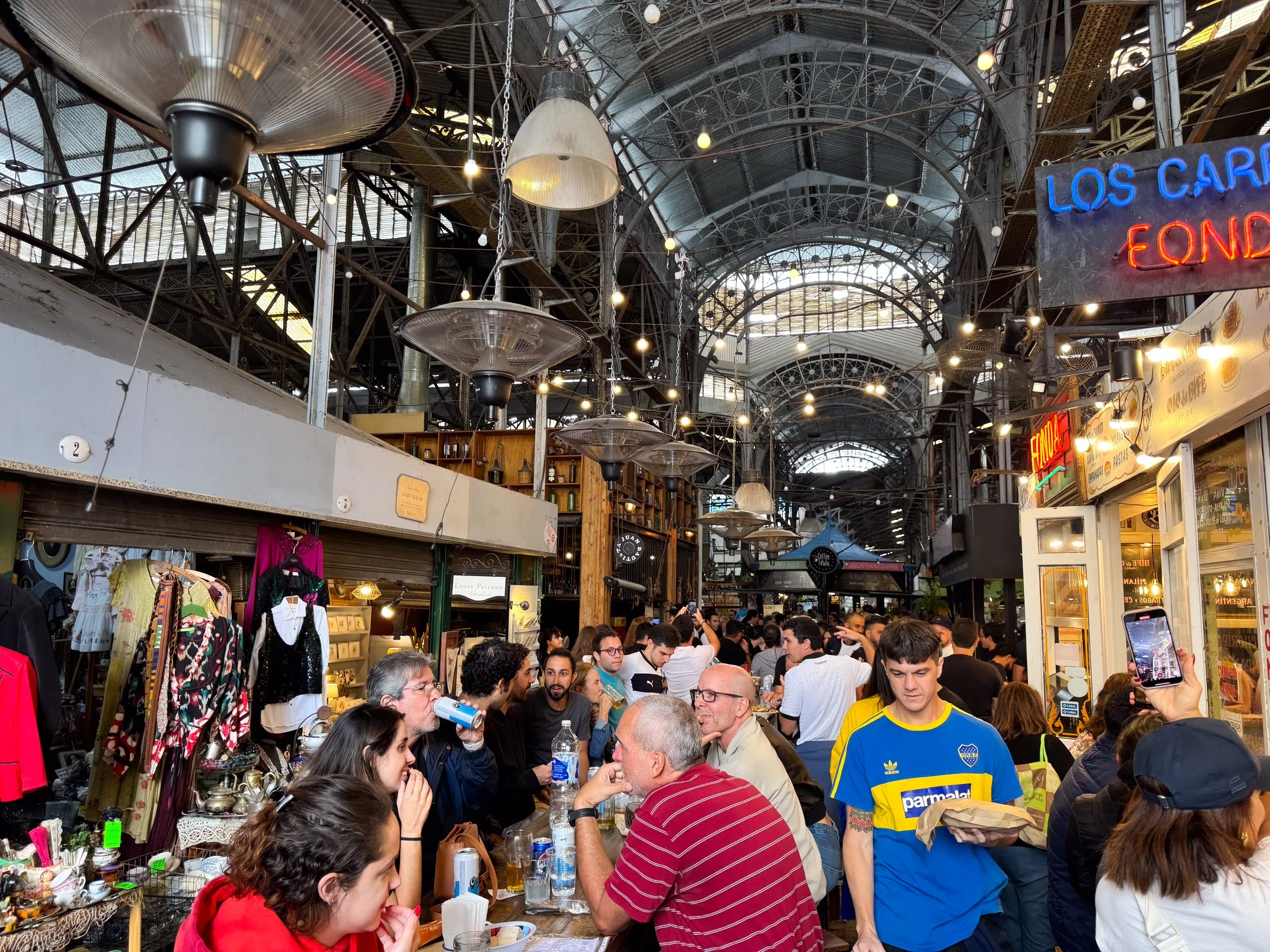
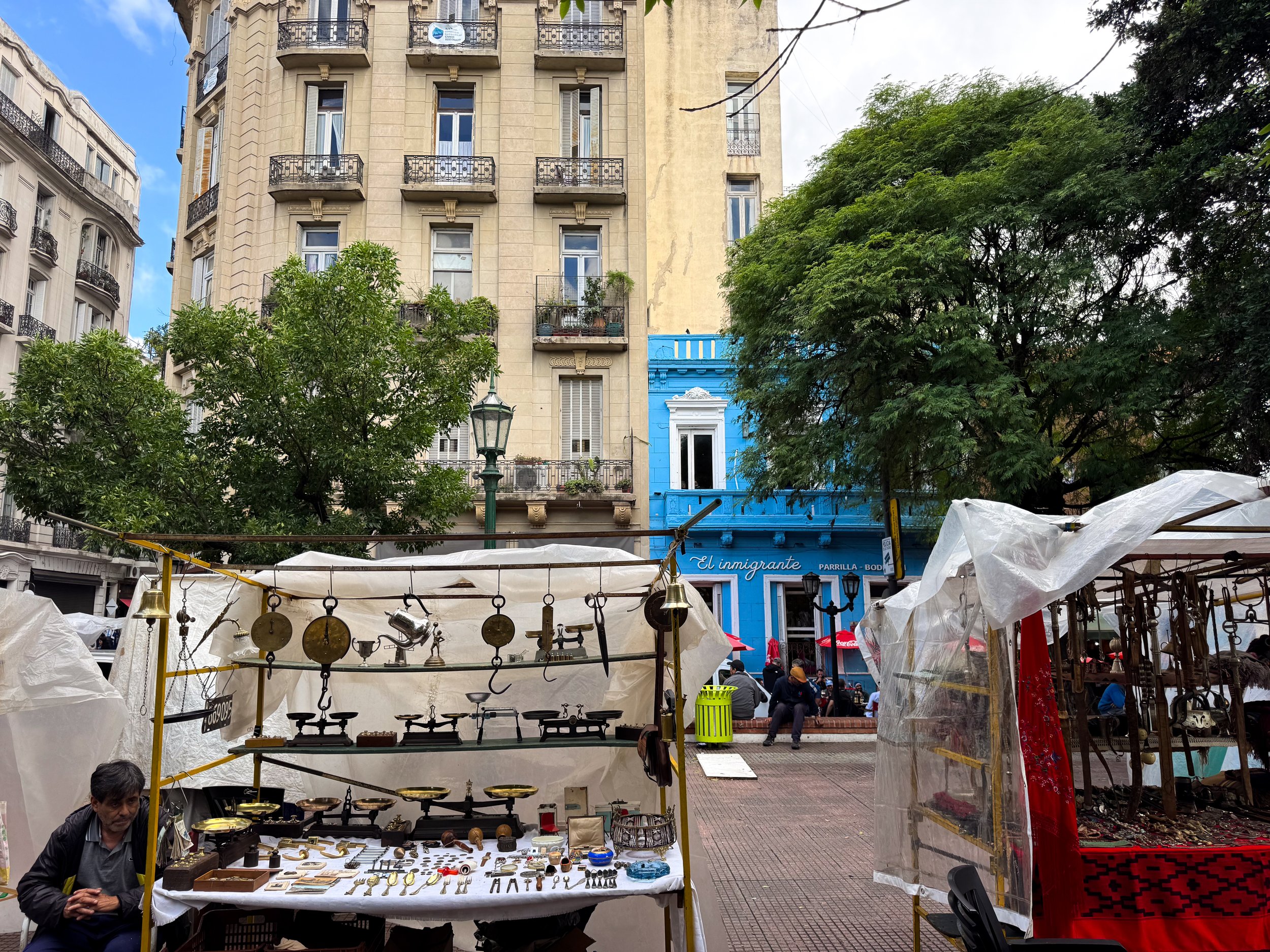
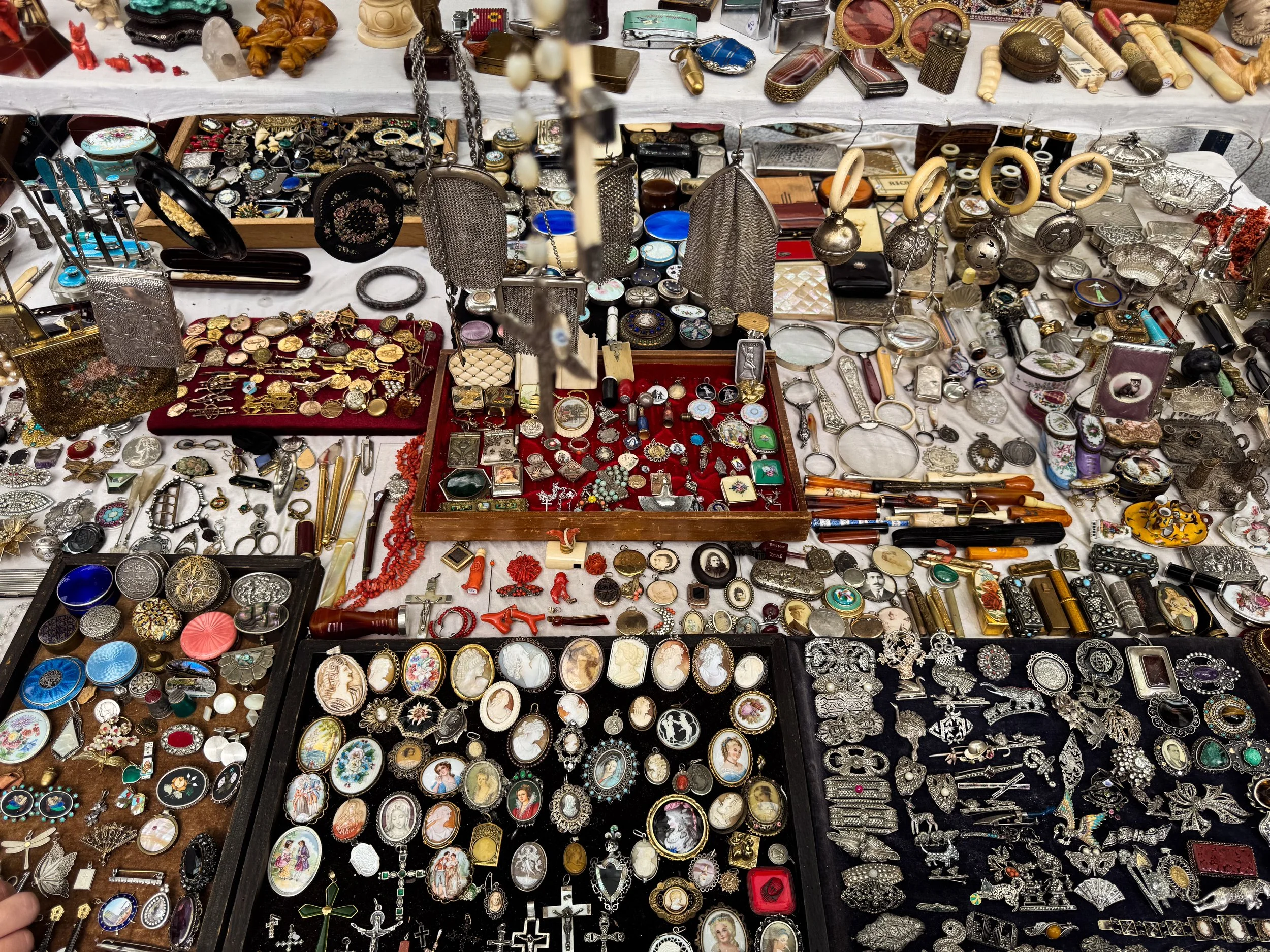
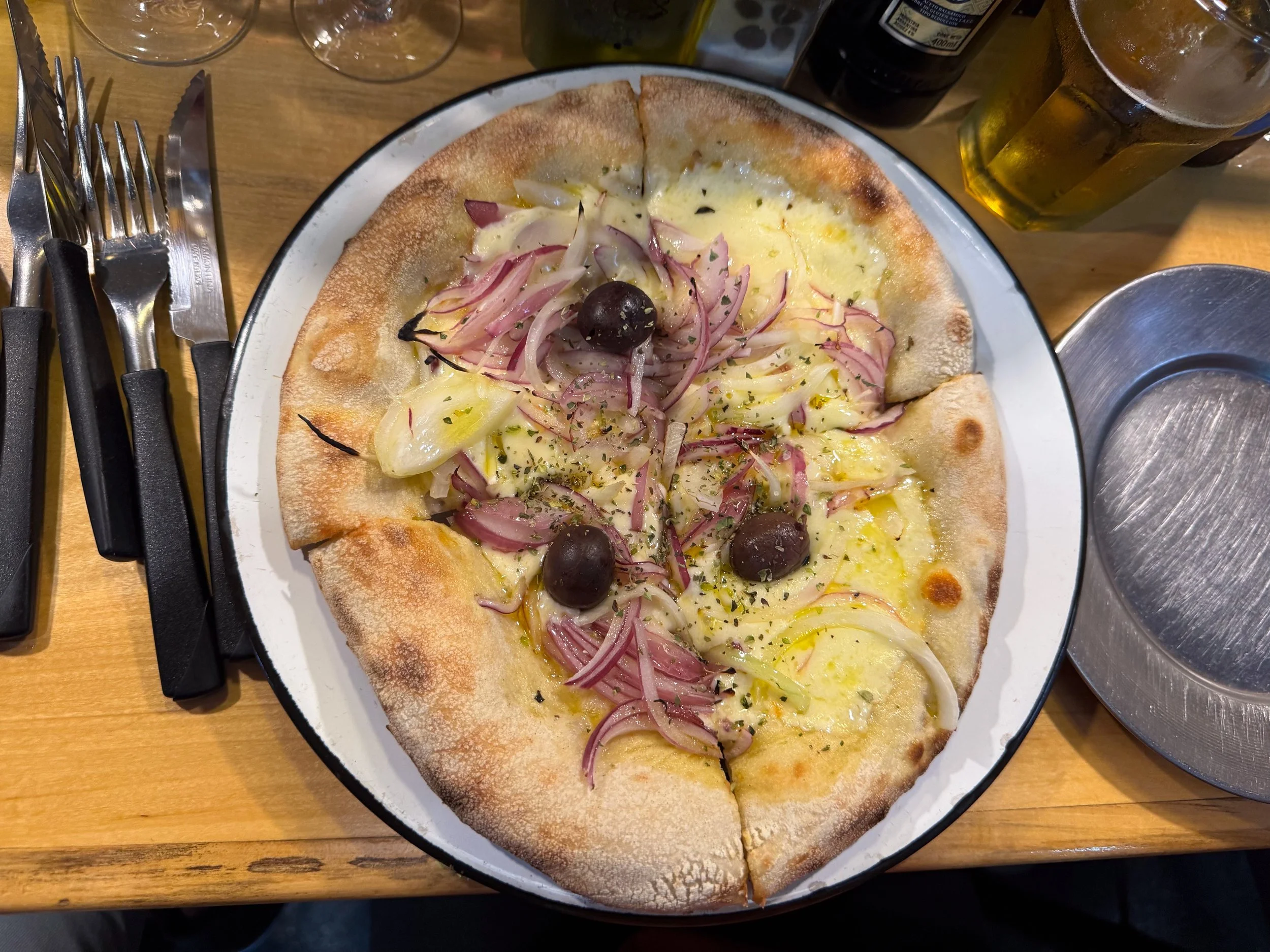
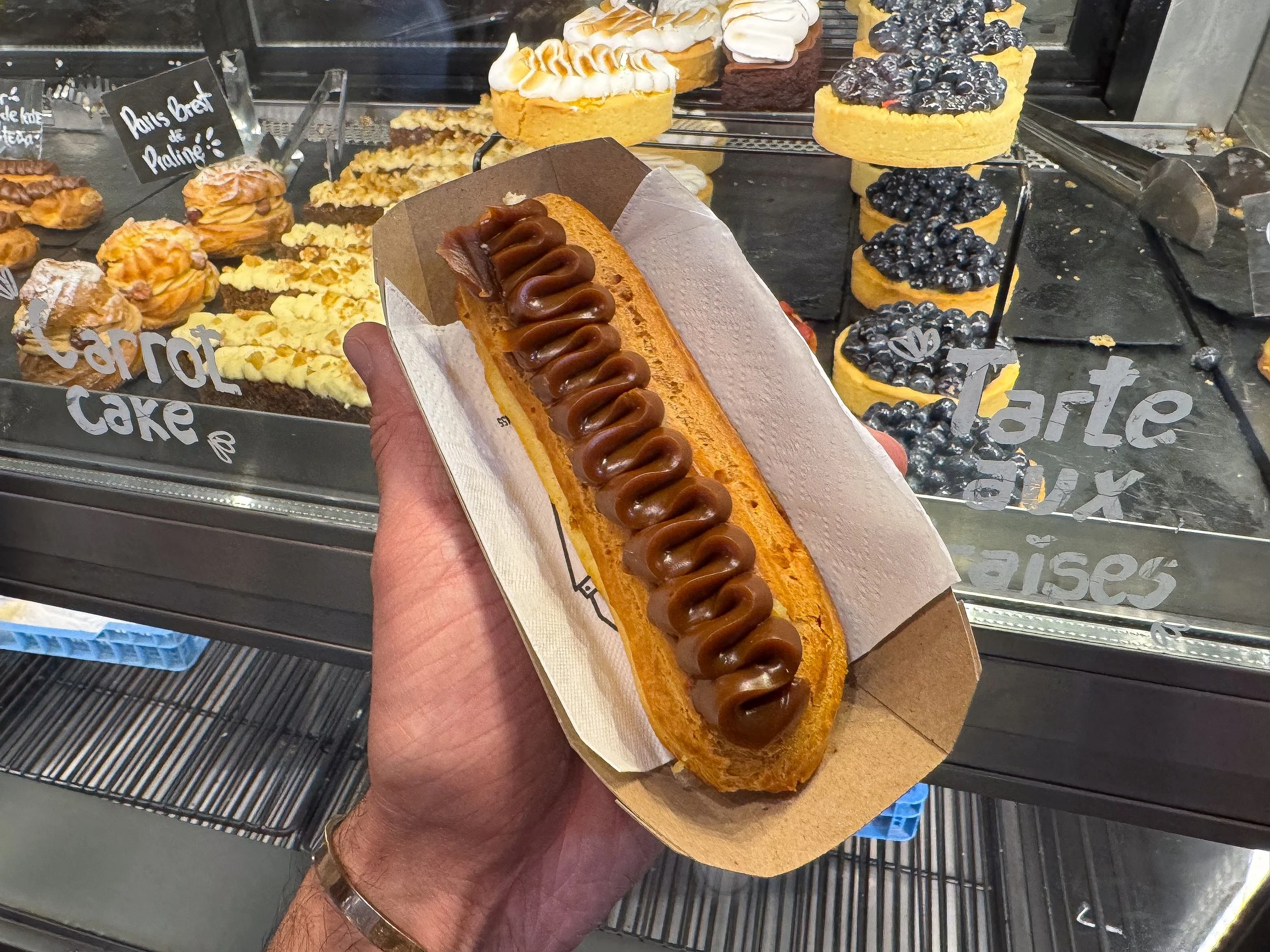
San Telmo Market. A historic market with an eclectic range of vendors and visitors. The liveliest day of the week, Sunday, provides a sensory experience with savory smells wafting from restaurant stalls serving empanadas, fugazza (Argentine pizza) and grilled meats. Between the chaos of rowdy futbol fans, farm stands sell fresh produce and provisions shops sell cheeses, meats, yerba matte, dulce de leche, spices, Malbec wine and olives. Towards the fringes, aisles of flea market booths draw your eye, packed with antiques, vintage clothes, home decor, leather goods and handmade items.
Wine Window. A wine bar serving Argentinian wines. Order at the bar, ring the bell and wait for the tiny window to pop open with your glass of wine.
Regina Vermutheria. A popular restaurant with fugatza (Argentine pizza) and grilled meats cooked in coal ovens. We came here for their classic fugazza, topped with mozzarella, red onion and olives then garnished with oregano, olive oil and salt.
Merci. A bakery with breads and pastries mixing Argentinean and French flavors. The dulce de leche eclair caught our attention and did not disappoint!
Plaza Dorrego. A small but lively plaza in San Telmo popular for its Sunday flea market, Tango performances, local restaurants and bars serving inexpensive beers.
Feria de San Telmo. A Sunday flea market in Plaza Dorrego with tents of vendors selling antique silver tableware, vintage clothing and accessories like pins, jewelry, purses, glasses and hats. Vendors sprawl into the nearby street selling handmade items like leather goods, knives, jewelry in front of shops selling all forms of dulce de leche and Argentinian futbol jerseys.
Palermo
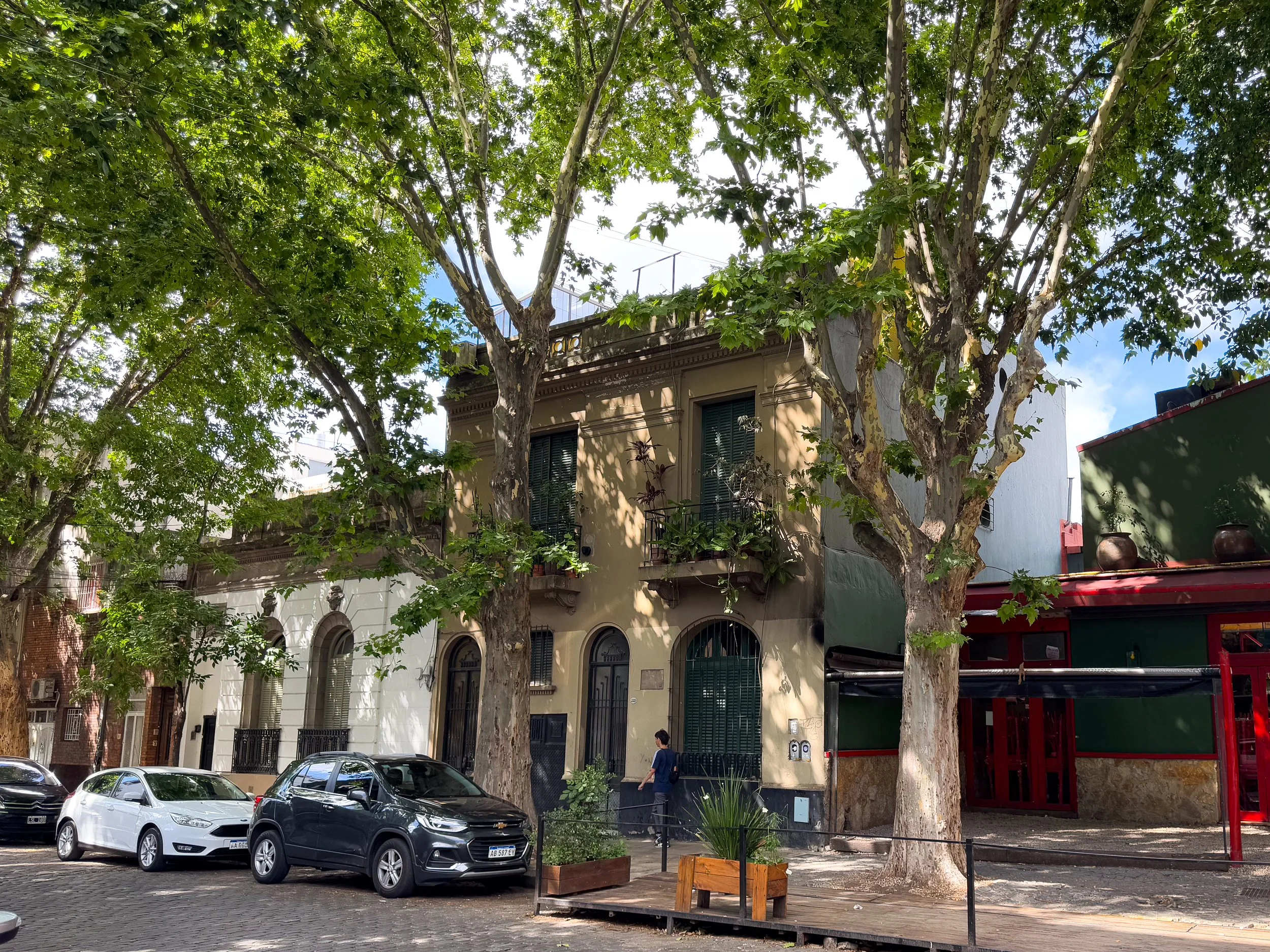
Palermo is a vast neighborhood comprised of three sub neighborhoods: Palermo Hollywood, Palermo Soho and Palermo Chico. Together, they provide an endless range of cafes and coffee shops, local and international restaurants, hidden cocktail bars and late night pubs, lush city parks and cultural museums. It’s one of the most popular neighborhoods for locals, expats and travelers to live and visit.
Palermo Hollywood
Hollywood has a quiet and calm atmosphere which makes it the perfect location to stay. It’s densely residential but in close proximity to all the amenities of city life. Everything is less than 20 minutes away including local restaurants, cute cafes, late night bars, bakeries, public transit, city parks, mini markets, barber shops, convenience stores, hardware stores, etc.
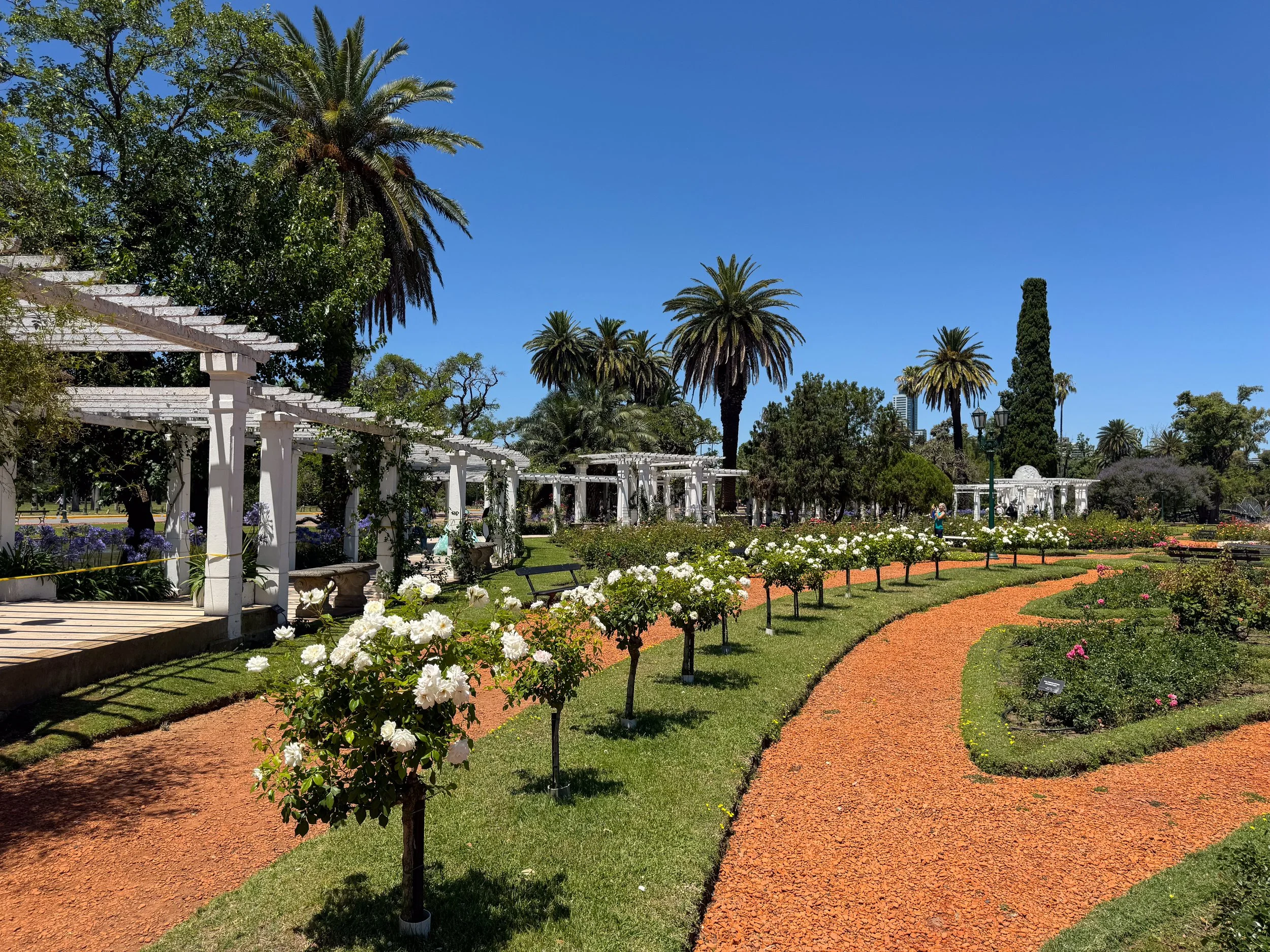
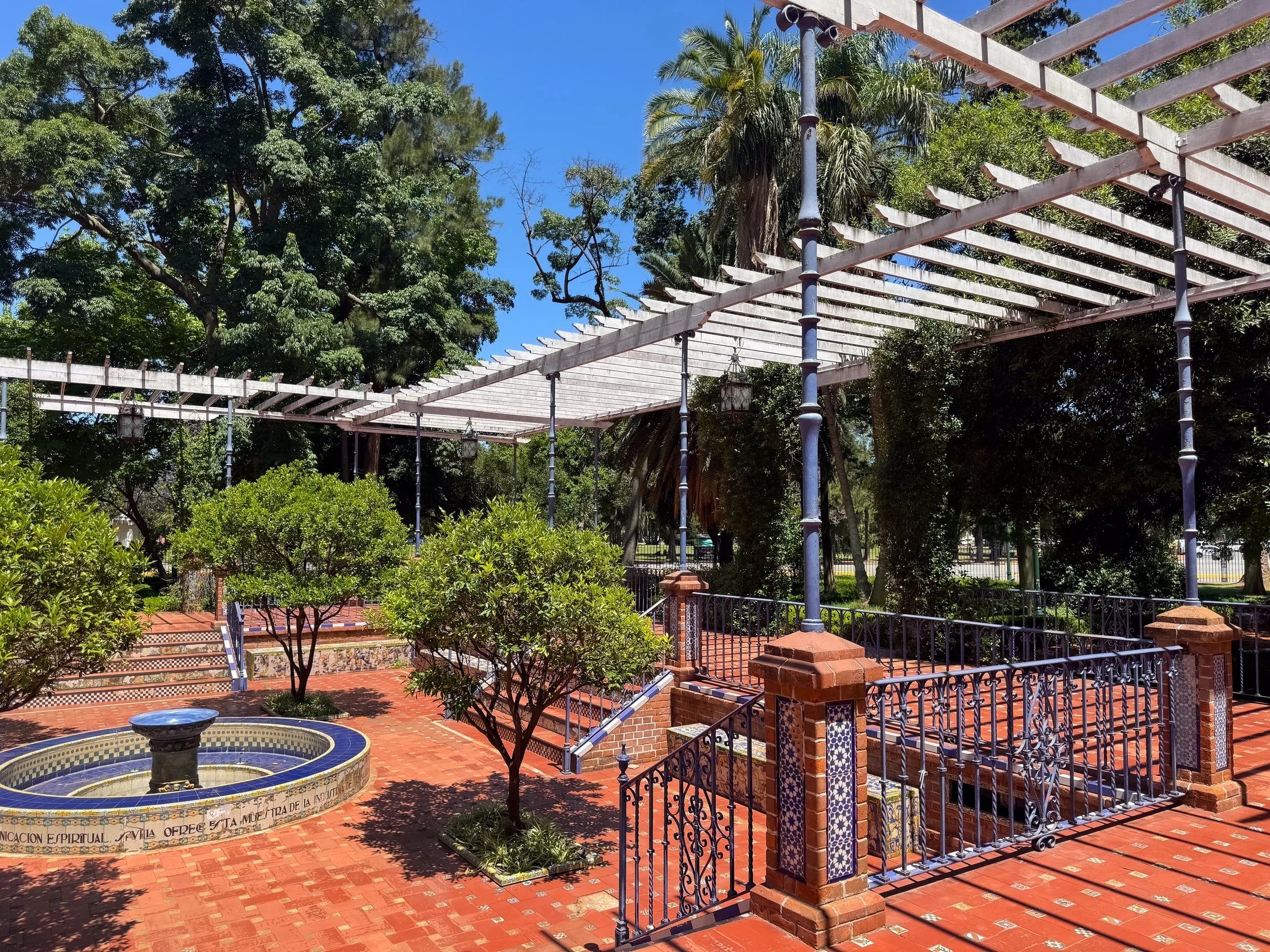
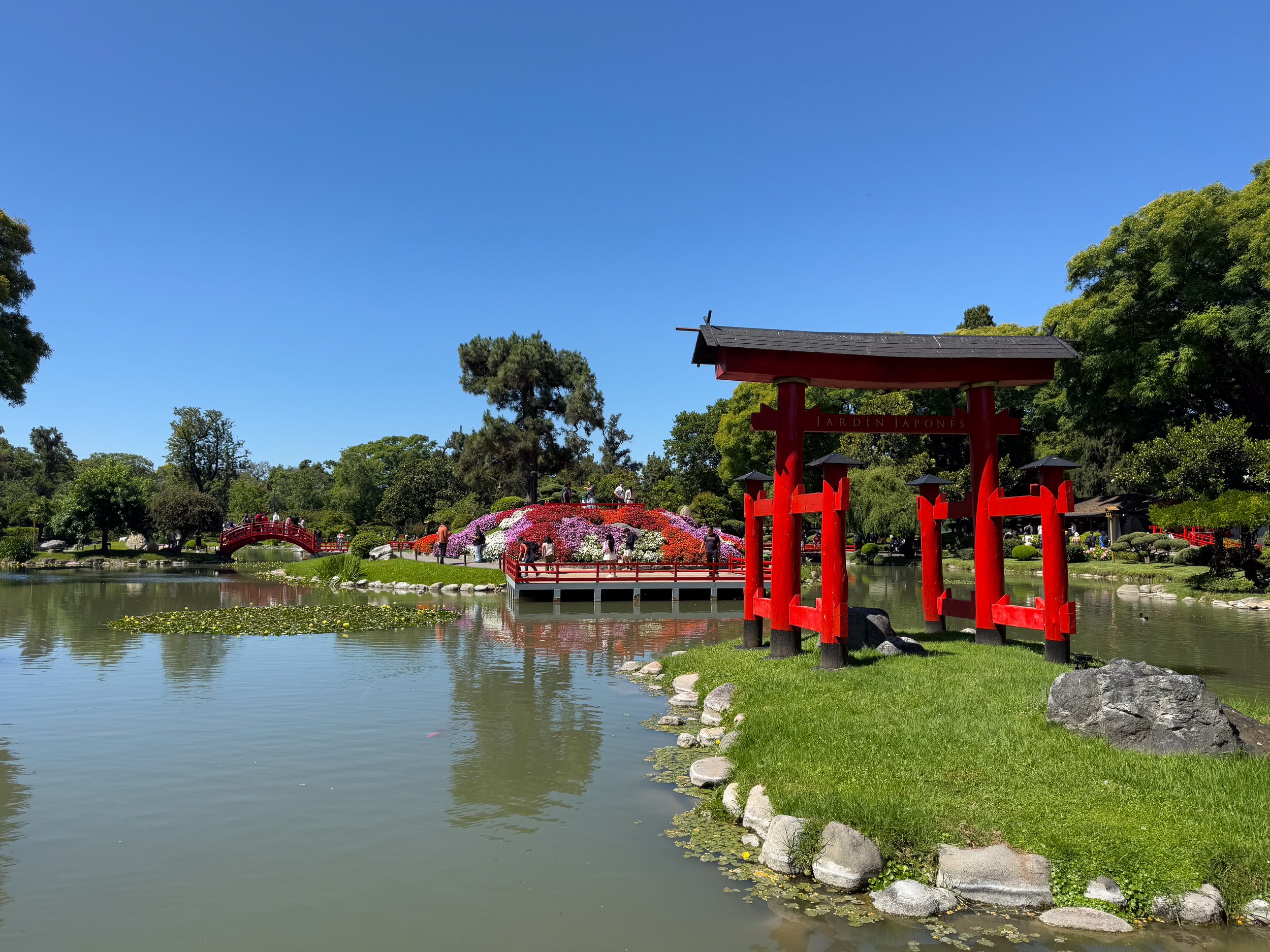
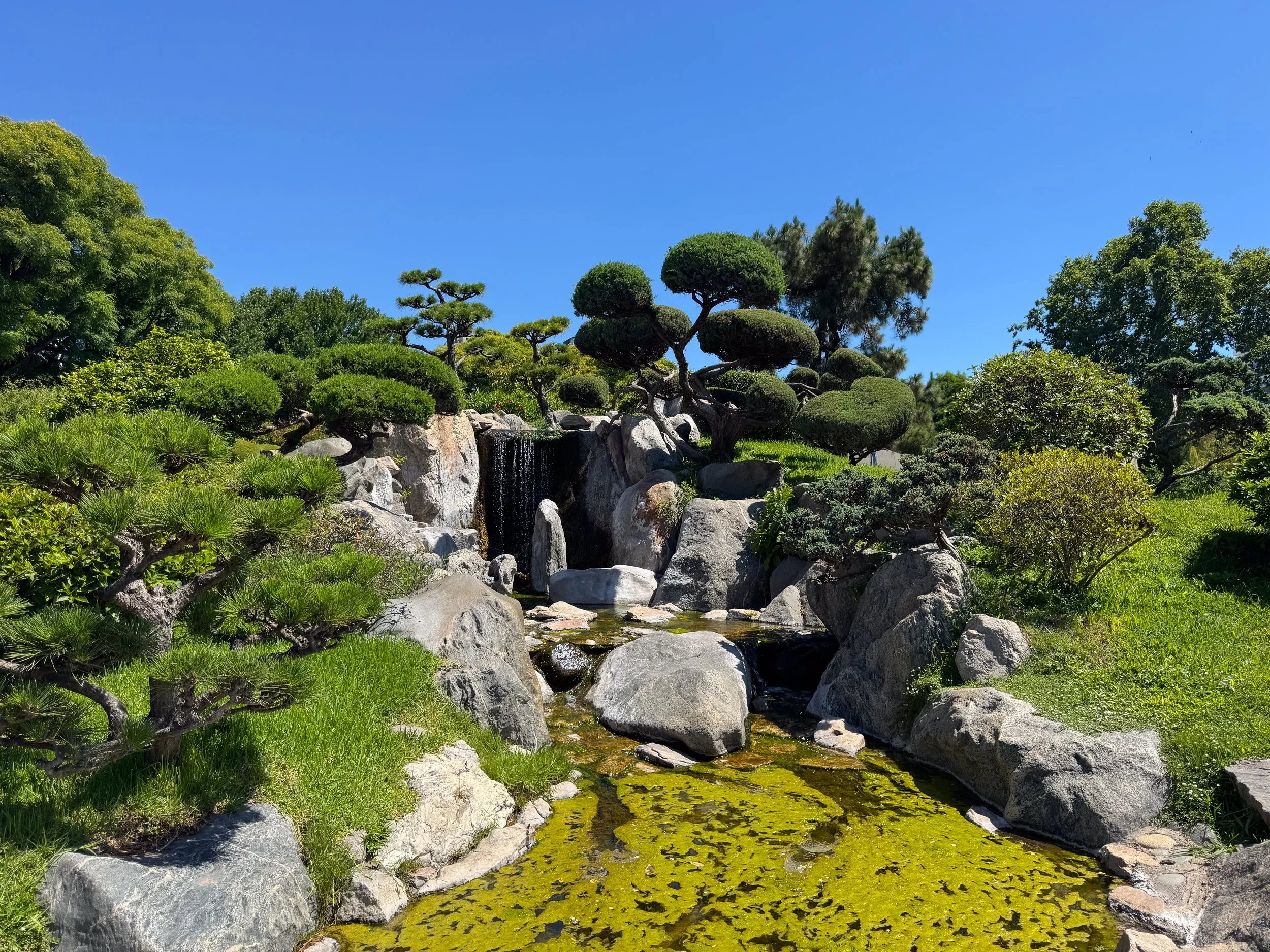
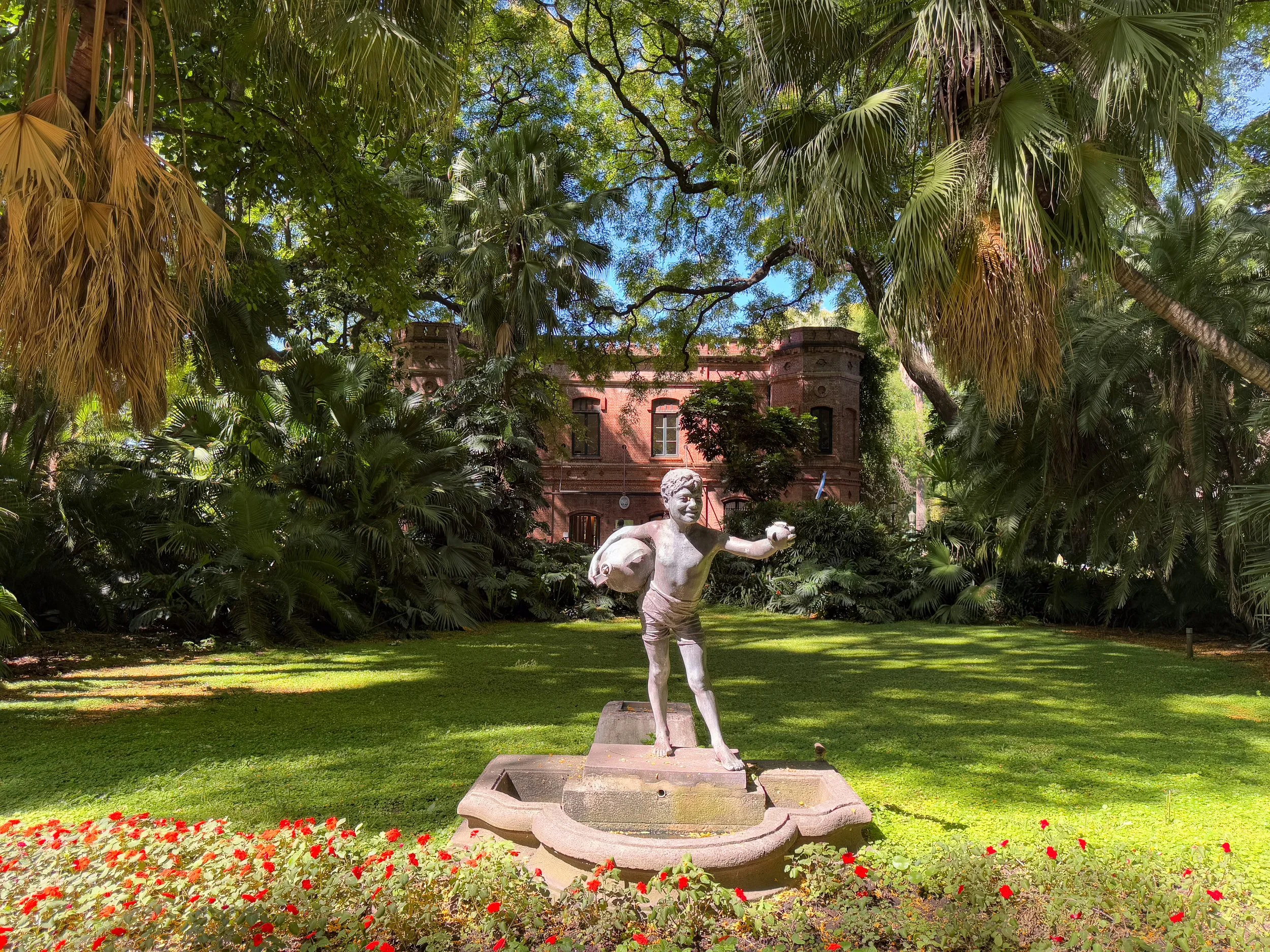
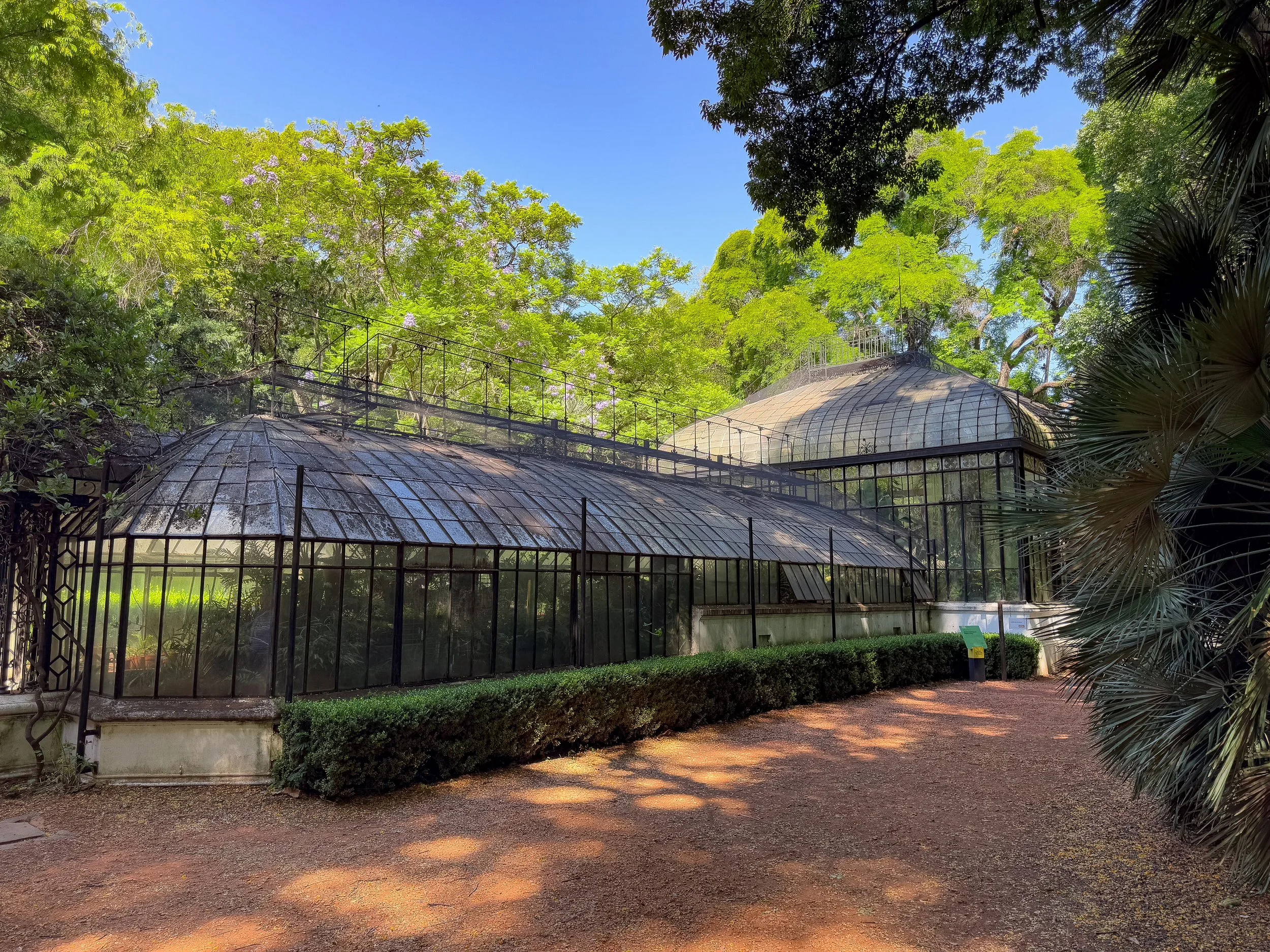
Tres de Febrero Park. A massive park with a rose garden, Japanese garden, botanical garden, planetarium, recreational ball courts & fields, a golf course, a horserace track, cafes, restaurants, bars and beer gardens.
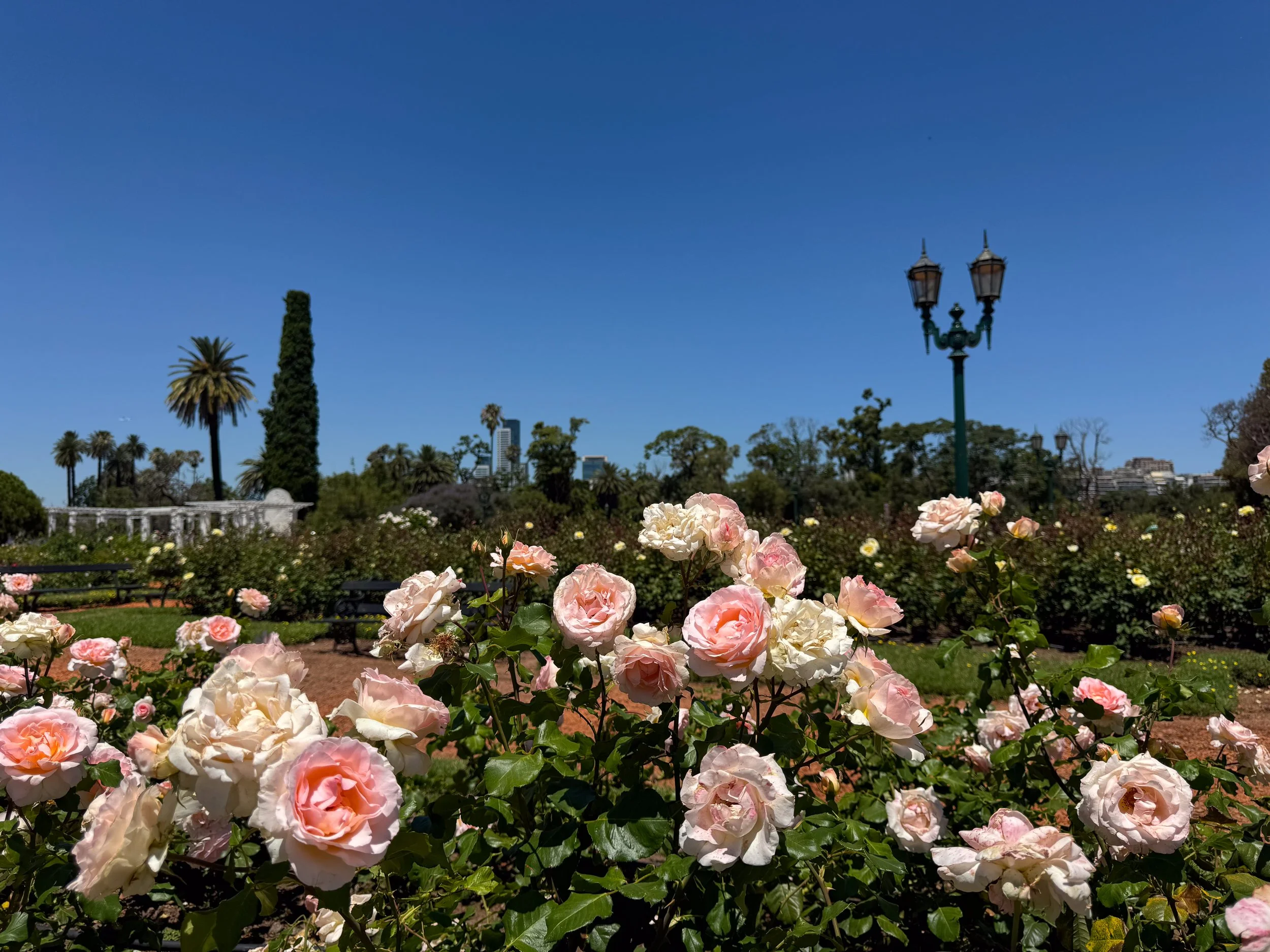
Paseo del Rosedal. A romantic and flowering rose garden with colorful flowers, fountains, pergolas and a lake with paddle boat rentals.
Japanese Garden. A traditional Japanese style garden with a large koi pond, pagodas, well manicured trees, red torii gates, arched red bridges and a tea house serving Japanese meals. The garden offers a peaceful and zen retreat in the middle of the city. While here, buy a beckoning cat ribbon, write a note, wish or prayer on it, then tie it to the Shinto shrine.
Carlos Thays Botanical Garden. A large botanical garden with a variety of native and exotic trees, plants, flowers and cacti. The park offers a tranquil escape from the city with walking paths, flower covered trellises, historic greenhouses, bronze sculptures and marble fountains.
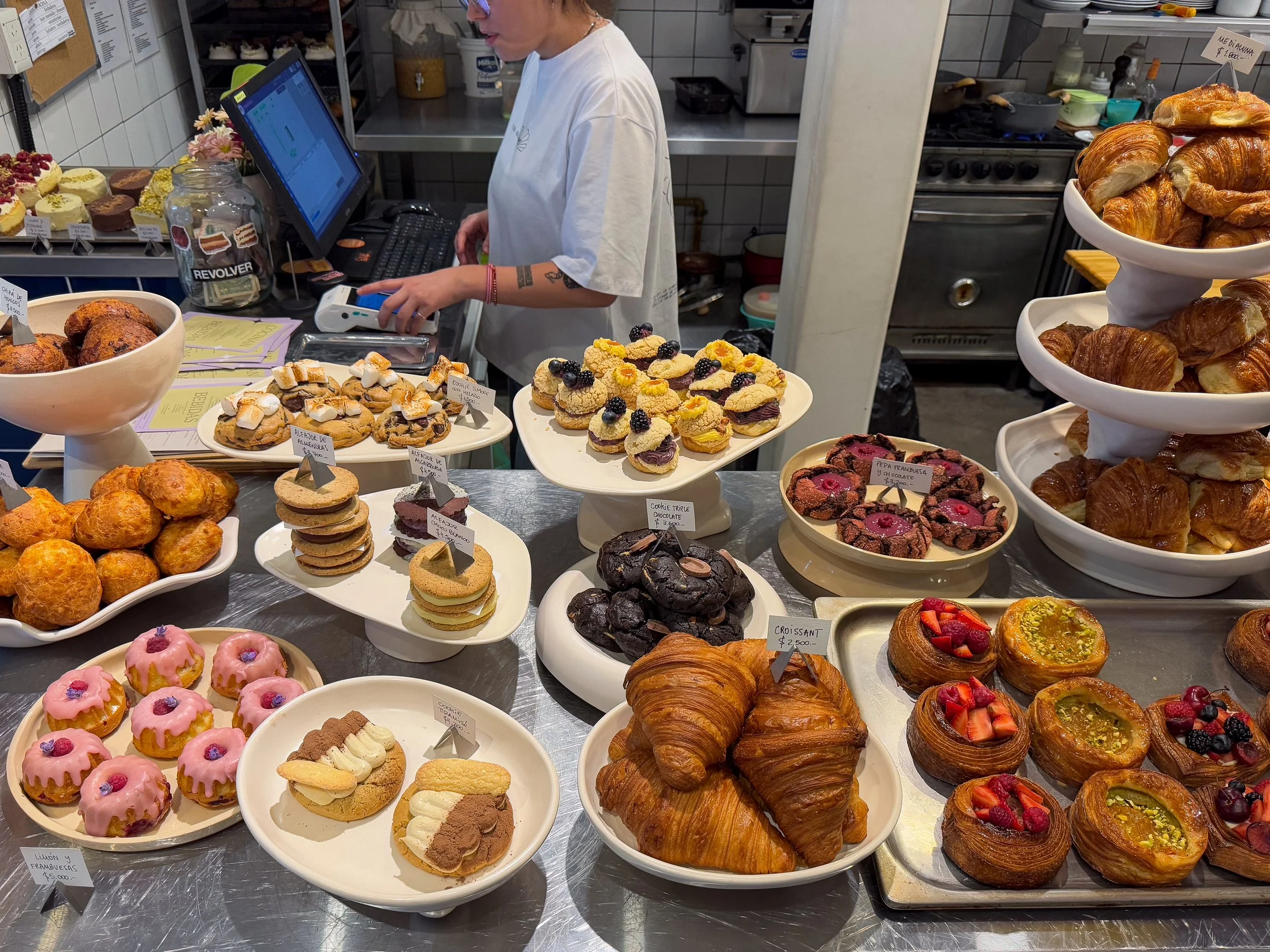
Cafes & Argentine Patisserie. There is a café culture across Palermo Hollywood with coffee shops, bakeries and café around every corner. We stopped by a few during our walks through the neighborhood.
Caversaschi & Co. A café with egg dishes and artisanal baked goods including some of the best medialunas we had in Argentina. They were large, flaky and covered in a thin sugar glaze.
V+Frapu. A vegan café with empanadas, pastries and coffees. We stopped in for a mid afternoon pick me up and light bite.
El Secreto. A café with pastries, cakes, sandwiches, coffees and cookies. We stopped in for a late night dessert.
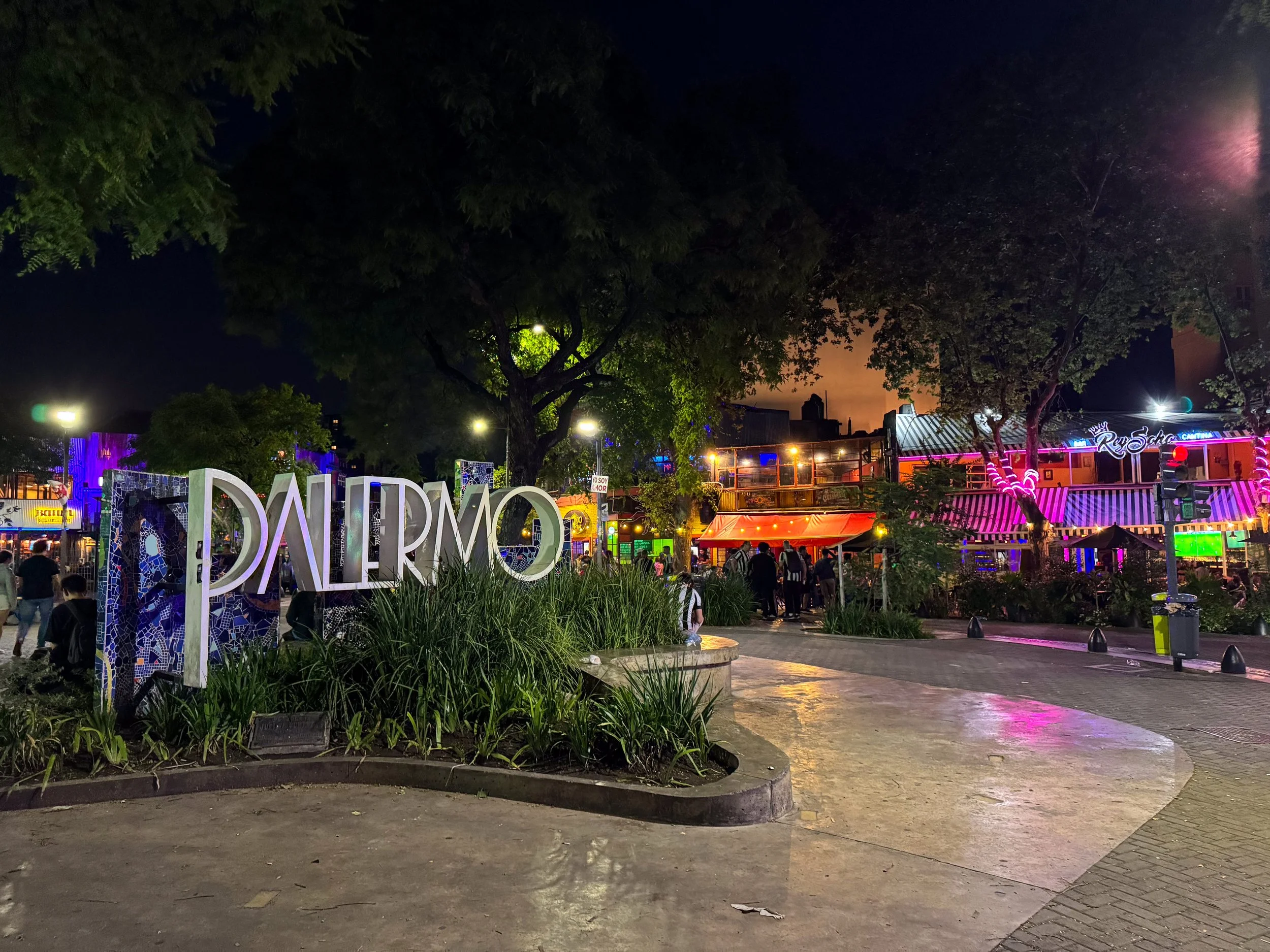
Palermo Soho
Soho, as its name implies, is the trendy area to be and the best spot for nightlife. There is no shortage of high end restaurants, local haunts, world class cocktail bars, lively pubs, coffee shops and afternoon brunch spots.
Plaza Serrano. A lively plaza surrounded by bars and restaurants, popular for its nightlife and music, especially on Sundays. Arriving near midnight, we joined hundreds of energetic locals sharing bottles of wine and pints of beer together at outdoor tables.
Pekin Bar de Pizzas. The smell of baked pizzas and window display of Argentine style empanadas lured us in and keeps loyal locals coming back. Walking home from Plaza Serrano, we stopped in for an assortment of late night veggie empanadas like caprese, spinach with béchamel and cheese with onions.
Baum. One of the many bars and cervecerías in Plaza Serrano with house brewed beers. We ordered a couple pints to end our Sunday night.
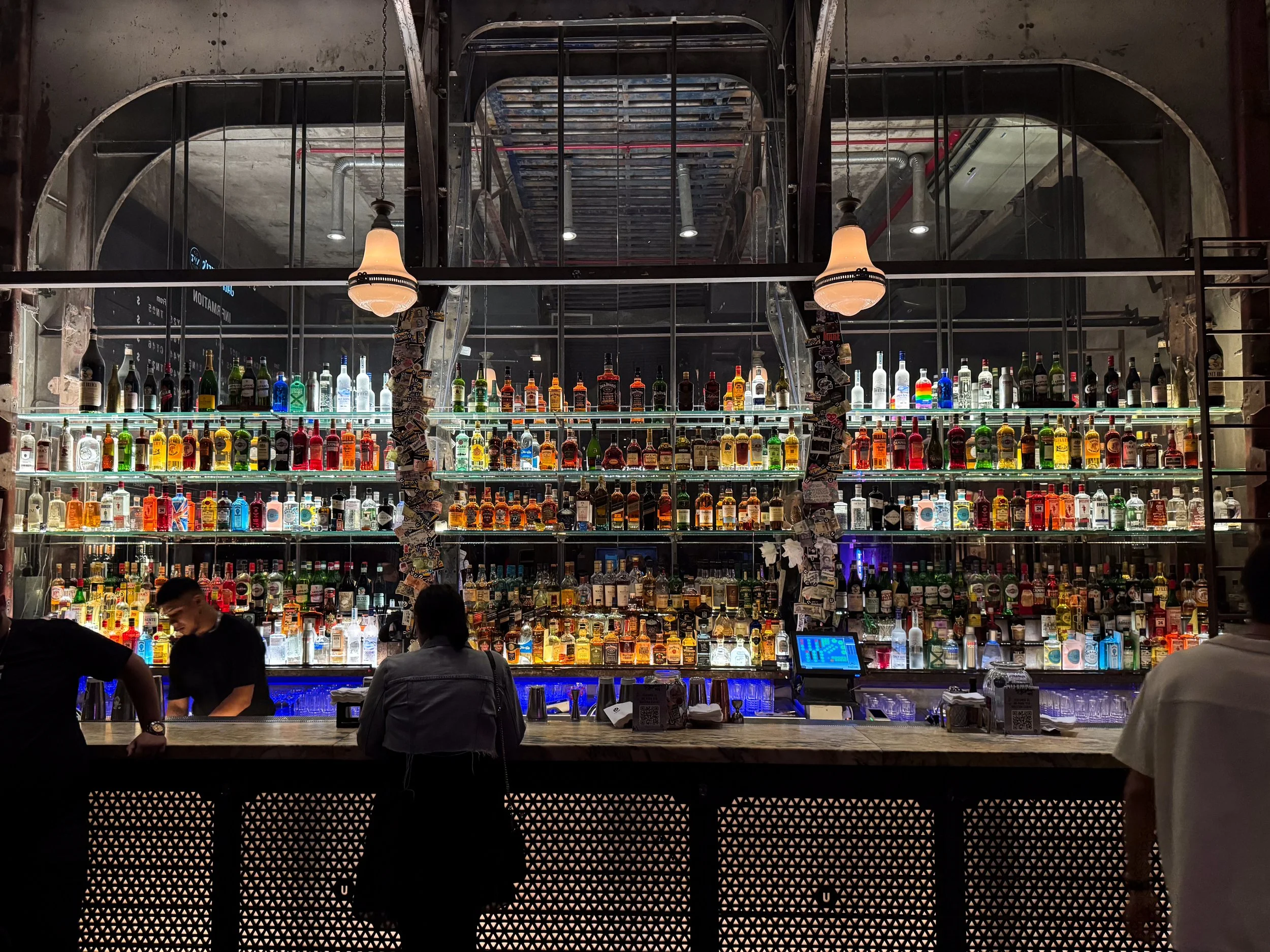
Palermo Cocktail Bars
Buenos Aires has an endless number of world class cocktail bars, particularly in Palermo Soho. Throughout the week, we tasted unique concoctions and some classic cocktails with a twist at numerous bars.
Uptown. An underground speakeasy styled like a New York City subway station. We immediately felt transported back to NYC when entering the bar. As we descended the stairs into the “station,” we heard MTA announcements and walked through a corridor with train maps, Broadway ads, tiled walls and graffiti. Passing through turnstiles, we boarded a train car converted into a waiting area. The opposite doors opened into an industrial feeling space with nods to New York. Once inside, head to the bar and order a classic Manhattan, Gin Martini or specialty cocktail like “A Drink at Tiffany’s” or “Lost in Manhattan.”
Boticario. An apothecary themed cocktail bar with herbal concoctions and prohibition era libations. Sit at the dimly lit wooden bar lined with bottles of spirits, antique decor and fine glassware. Order a cocktail on the menu from one of the uniformed and tattooed bartenders or ask them to concoct something to treat your ailments. Try the Sazerac or Penicillin.
Oh’no! Lulu. An unassuming tiki bar in a converted warehouse only identifiable by a neon sign of a dancing hula girl out front. Once inside, the atmosphere is as much about the decor as it is the cocktails. The tropical feeling space is styled with wicker furniture, bamboo walls, suspended basket pendants, a tiki god fireplace, a pirate flag, torches and vintage decor all blanketed in a warm red glow. The cocktails arrive in a variety of mugs including house designs like Poseidon, a shark head and a shrunken skull. Try the flaming Zombie, Shark!, Tikigroni and The Floor is Lava.
La Uat Bar. A clubby and beachy speakeasy with Miami vice vibes, retro decor, pink and blue lights, a giant disco ball, a second floor club and cocktails that lean herbal & fruity. The entrance is hidden beyond a beaded palm tree curtain behind the kitchen of a street side walk up restaurant. Once inside, try the Rosa Rosa or Marxxxtini Highball.
Brukbar. An inventive cocktail bar popular with locals open late into the evening. Try the Maldito Mango, a passion fruit and tequila fishbowl with a “pour it yourself” bottle of habanero hibiscus syrup. Or Penny’s Punch, a tart and balanced cocktail in a mug of Pennywise the Clown’s head.
Tres Monos. A late night cocktail bar with funky vibes and equally as unique drinks. Bartenders shake and stir tropical, fruity and herbal forward cocktails with their house made gin and a range of spirits. The bar has a fun and unpretentious atmosphere while maintaining its rating as one of the top 50 cocktail bars in the world.
Rey de Copas. An eclectic and artsy cocktail bar with decor, music and flavorful drinks themed after world wonders and international locations. Once inside, find a nook that speaks to you and relax with a cocktail in hand. Try the Giza, a vodka based drink made with honey, citrus and mint. Or Chichén Itzá, a tequila and mezcal based cocktail made with jalapeño and hibiscus.
Doppelgänger. A martini bar with gin and herbal cocktails. Mixologists make drinks based on what type of spirits and flavors you like. Our bartender made us a black pepper vodka martini and a white Negroni with pisco. (FYI. It’s located on the other side of town, nowhere near Palermo.)
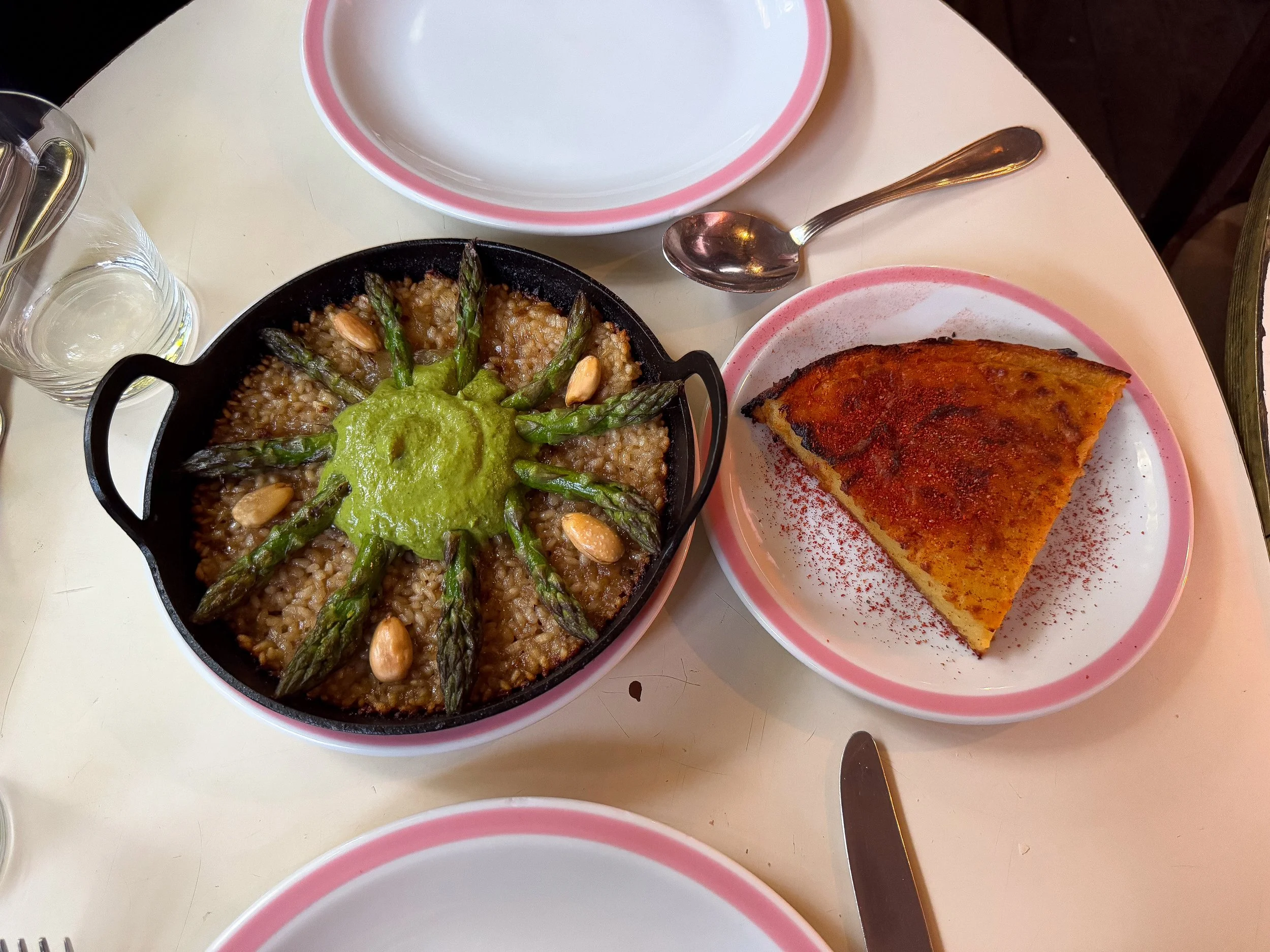
Places to Eat in Palermo
El Preferido de Palermo. A higher end restaurant with a range of homestyle Argentinean and international dishes cooked over coal. We made a reservation ahead of time for dinner, dining in their outdoor patio and sharing a few tapas. First, a smoky spread of baba ganoush with sourdough rolls. Second, faina (chickpea flatbread) with provolone. Third, baked rice topped with asparagus prepared in a cast iron dish. It was similar to a vegetarian paella with a crispy socarrat.
Moshu Treehouse. Let them eat cake! A coffee shop known for their artisanal cakes and scones. We stopped in for brunch, ordering slices of the carrot cake and lemon blueberry cake. Hungry for more than cake, we split an order of creamed eggs with cured trout.
Palermo Chico
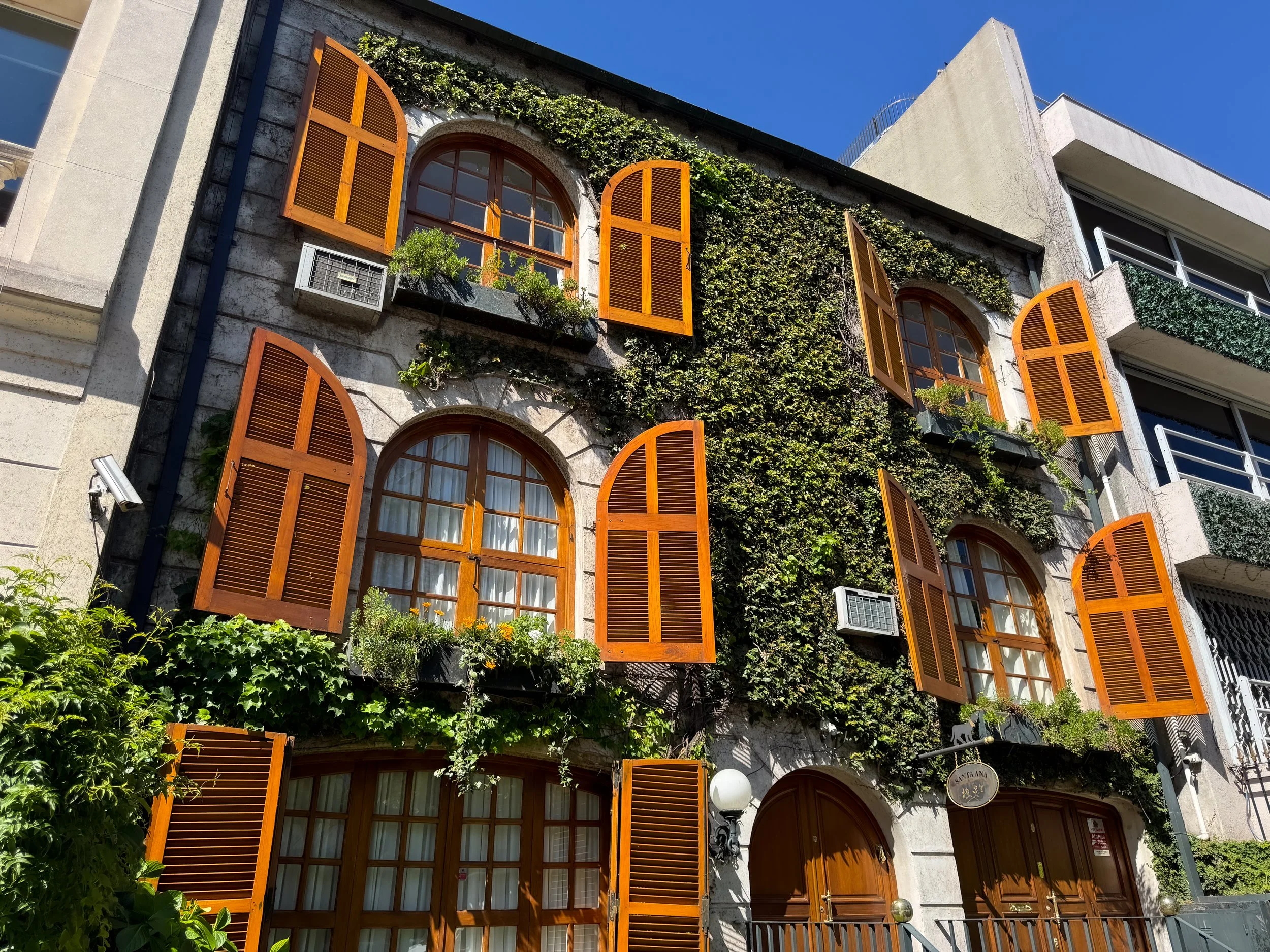
Chico is a smaller and ritzy area of Palermo with ornate mansions, embassies, museums and city parks. It’s slightly more removed but perfect for exploring its cultural sights and beautiful streets.
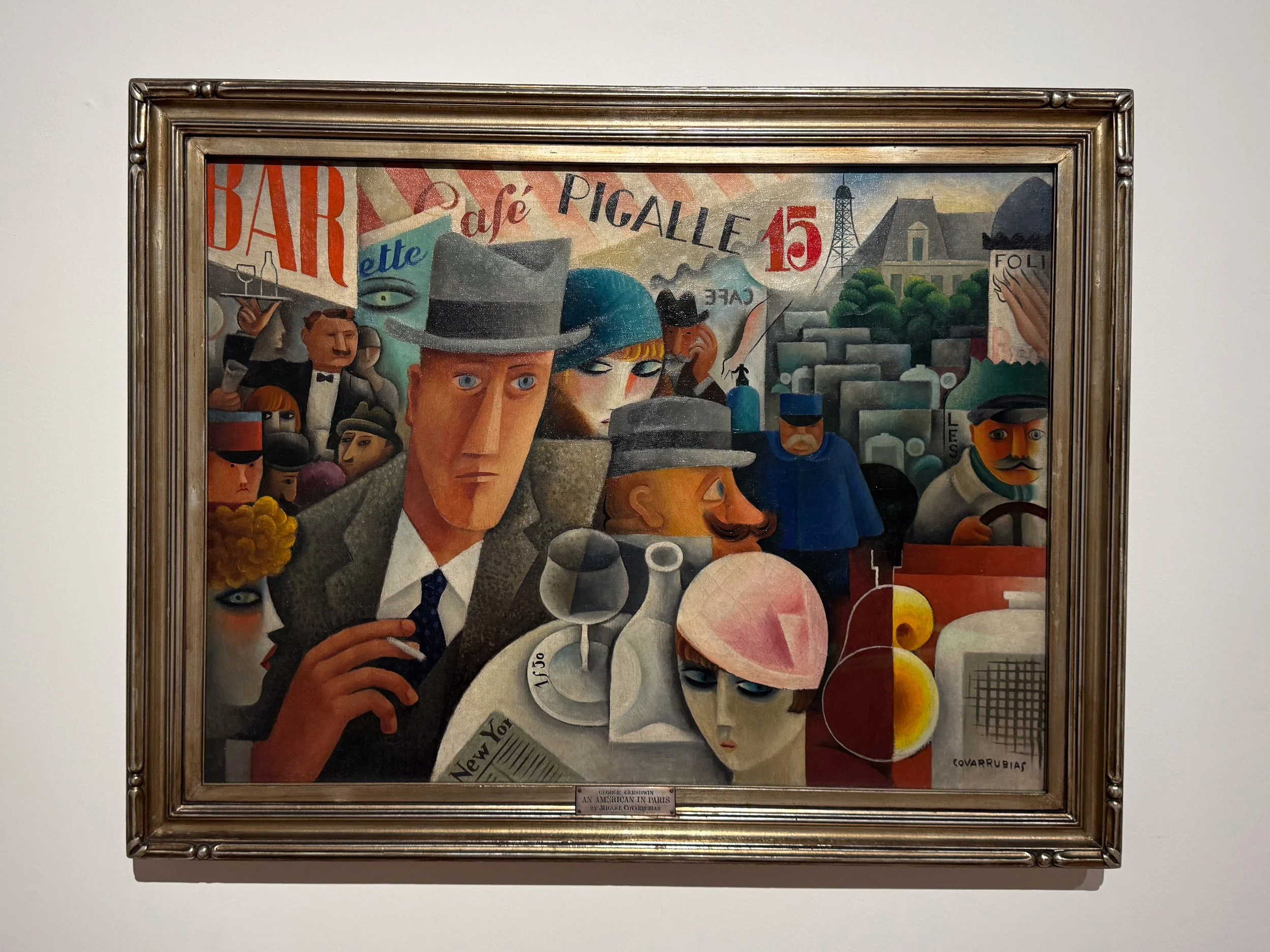
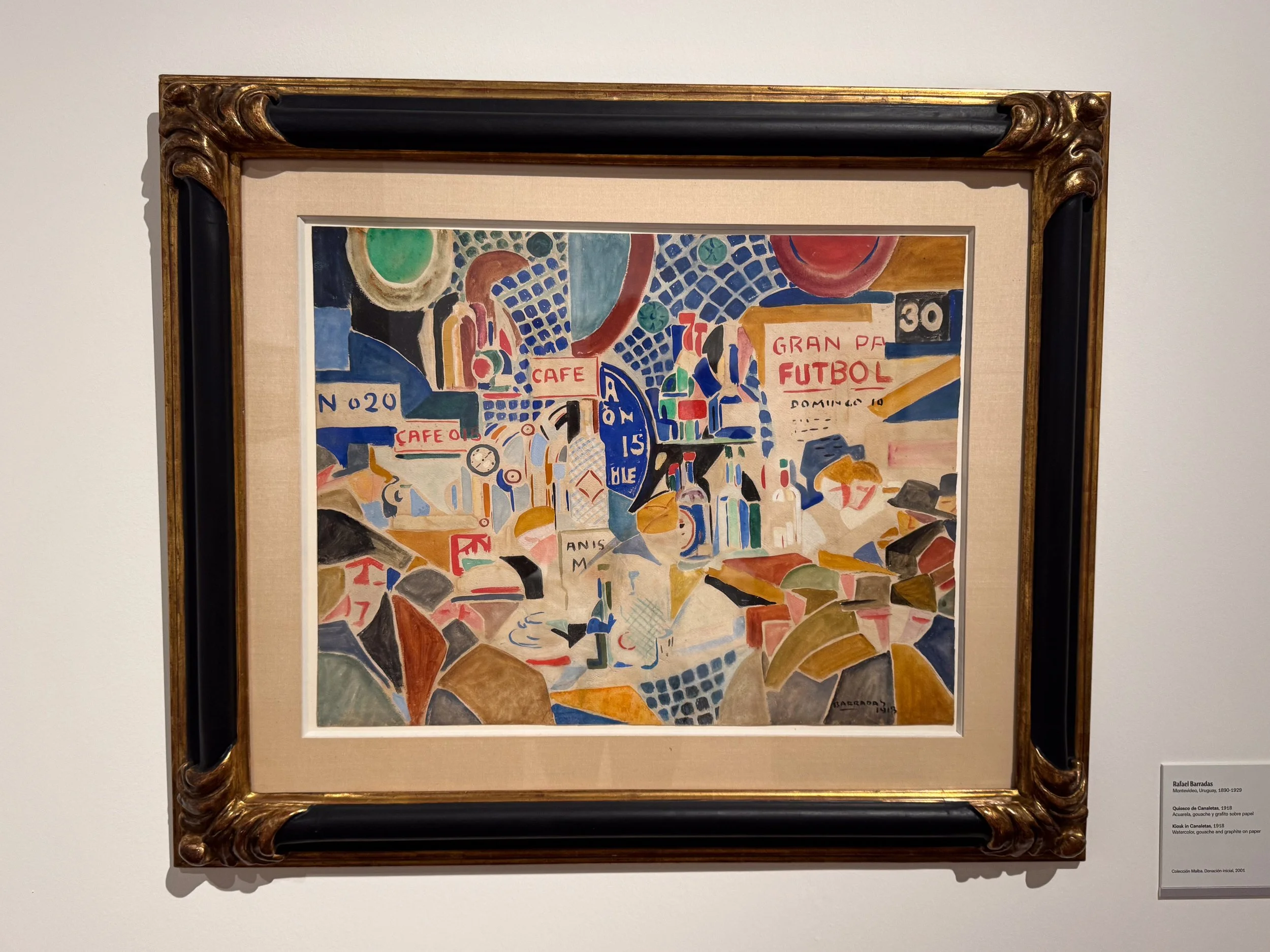
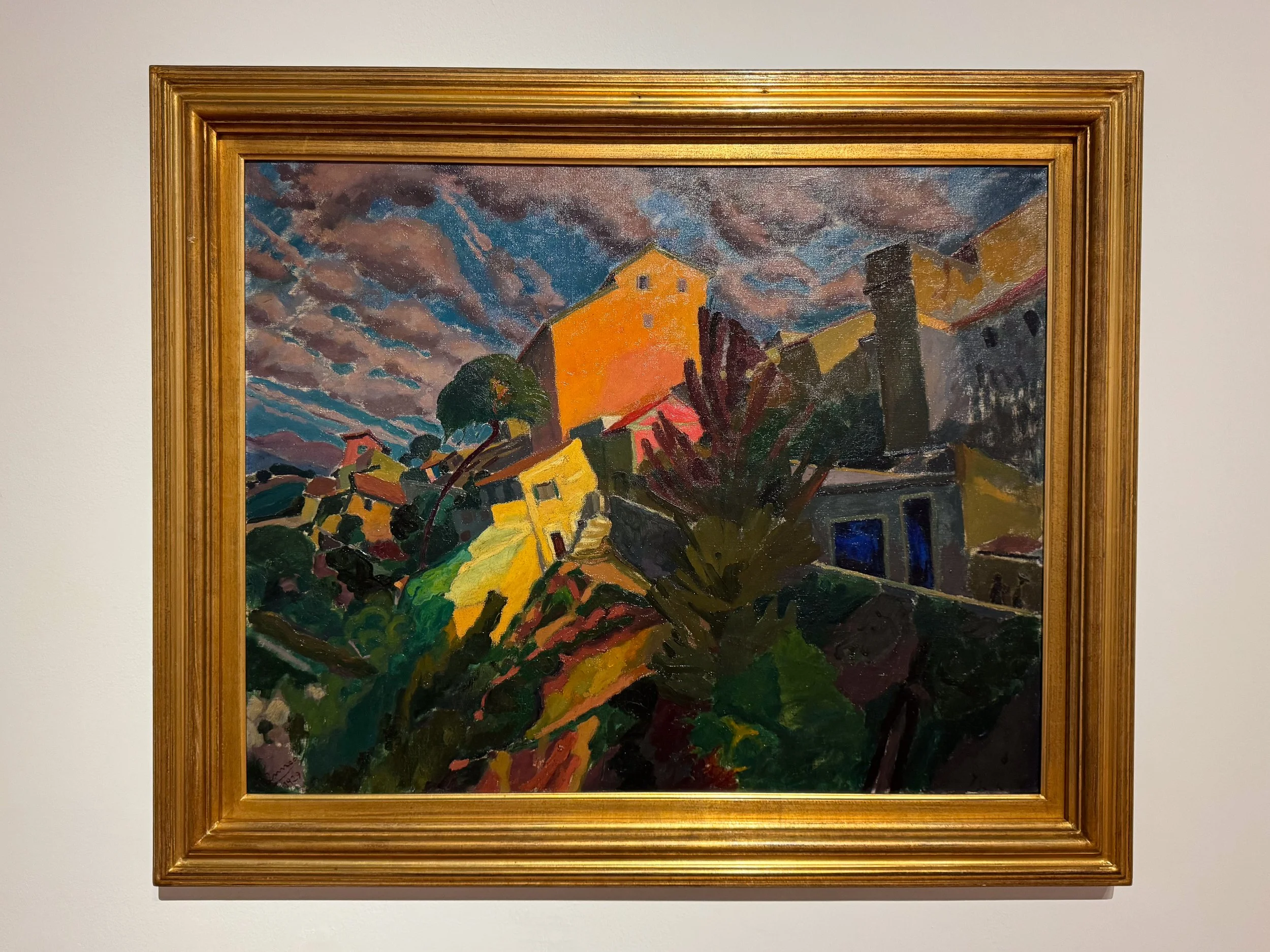

Palermo Art Museums
Museo Nacional de Bellas Artes. Argentina’s national art museum with pieces by Argentine artists depicting the country's battles for independence, its indigenous peoples, working class and city life. Galleries include sculpture, tapestries, artifacts and European works dating back to the Renaissance and by artists like Degas, Van Gogh, Renoir, Cézanne, Toulouse-Lautrec, Gauguin, Manet, Monet and Picasso. Entry is free or by donation.
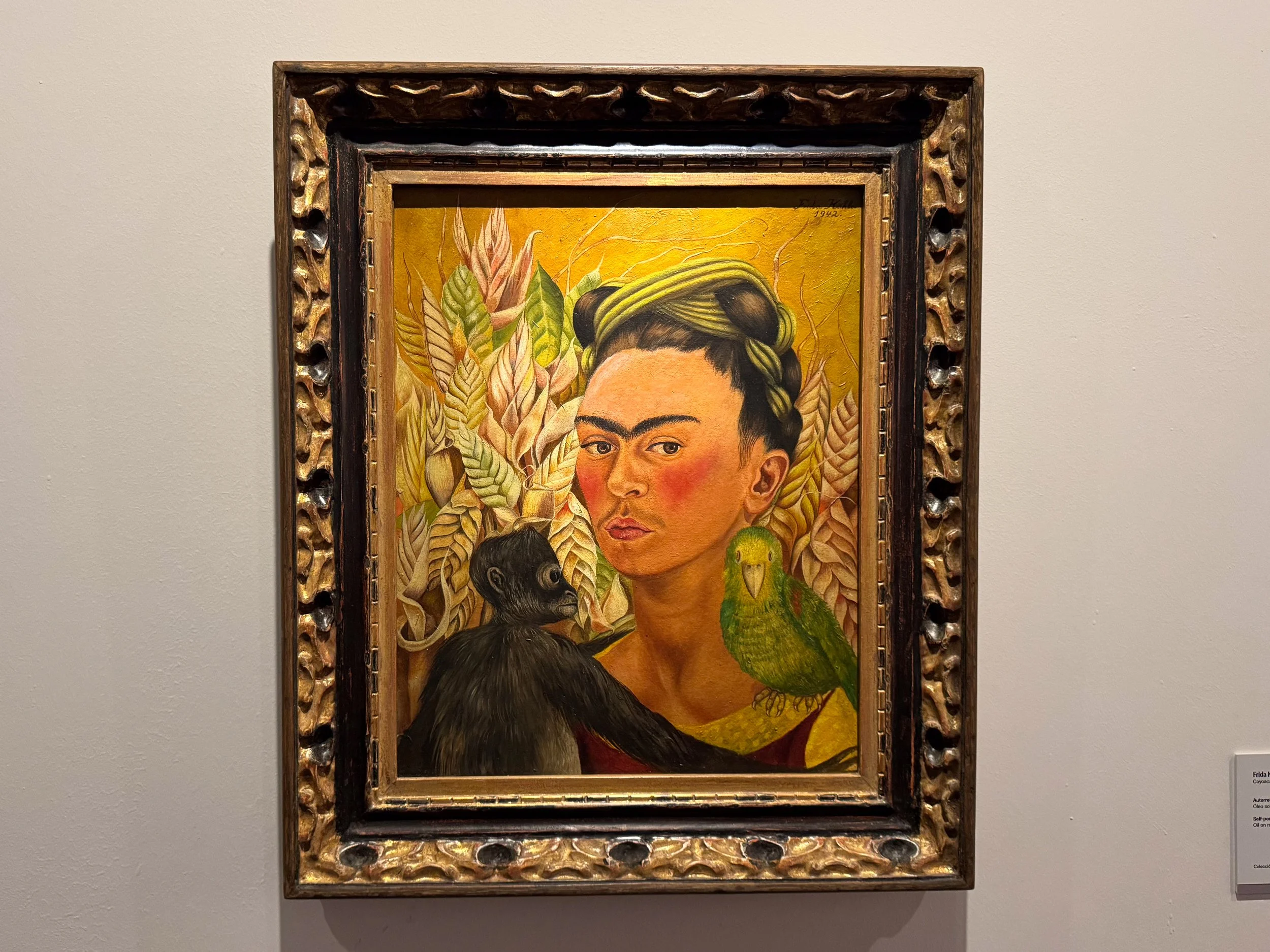
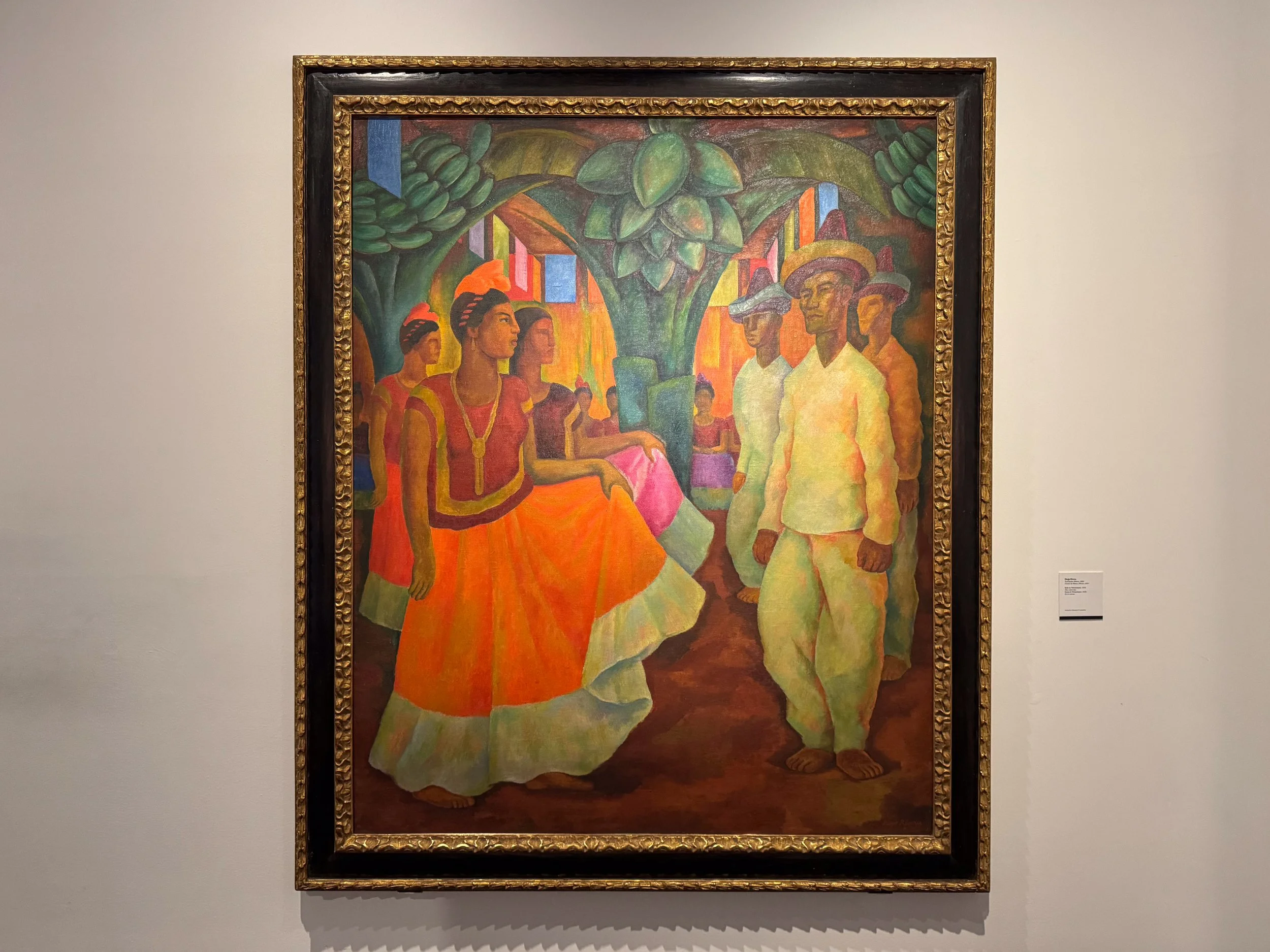
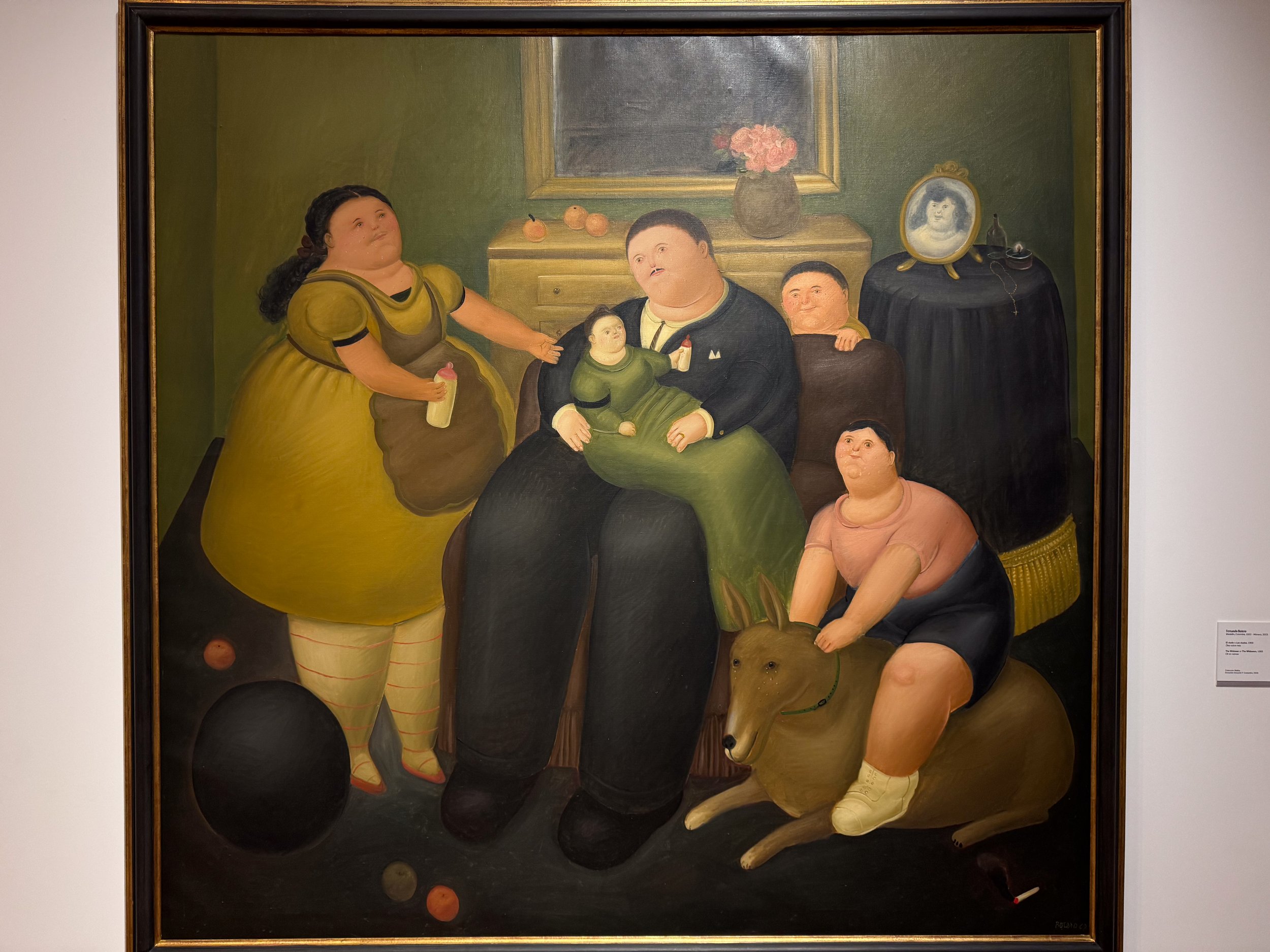
Museo de Arte Latinoamericano de Buenos Aires (MALBA). An art museum housing contemporary Argentinian art and pieces by Latin American artists including Fernando Botero, Diego Rivera and Frida Kahlo.
El Centro
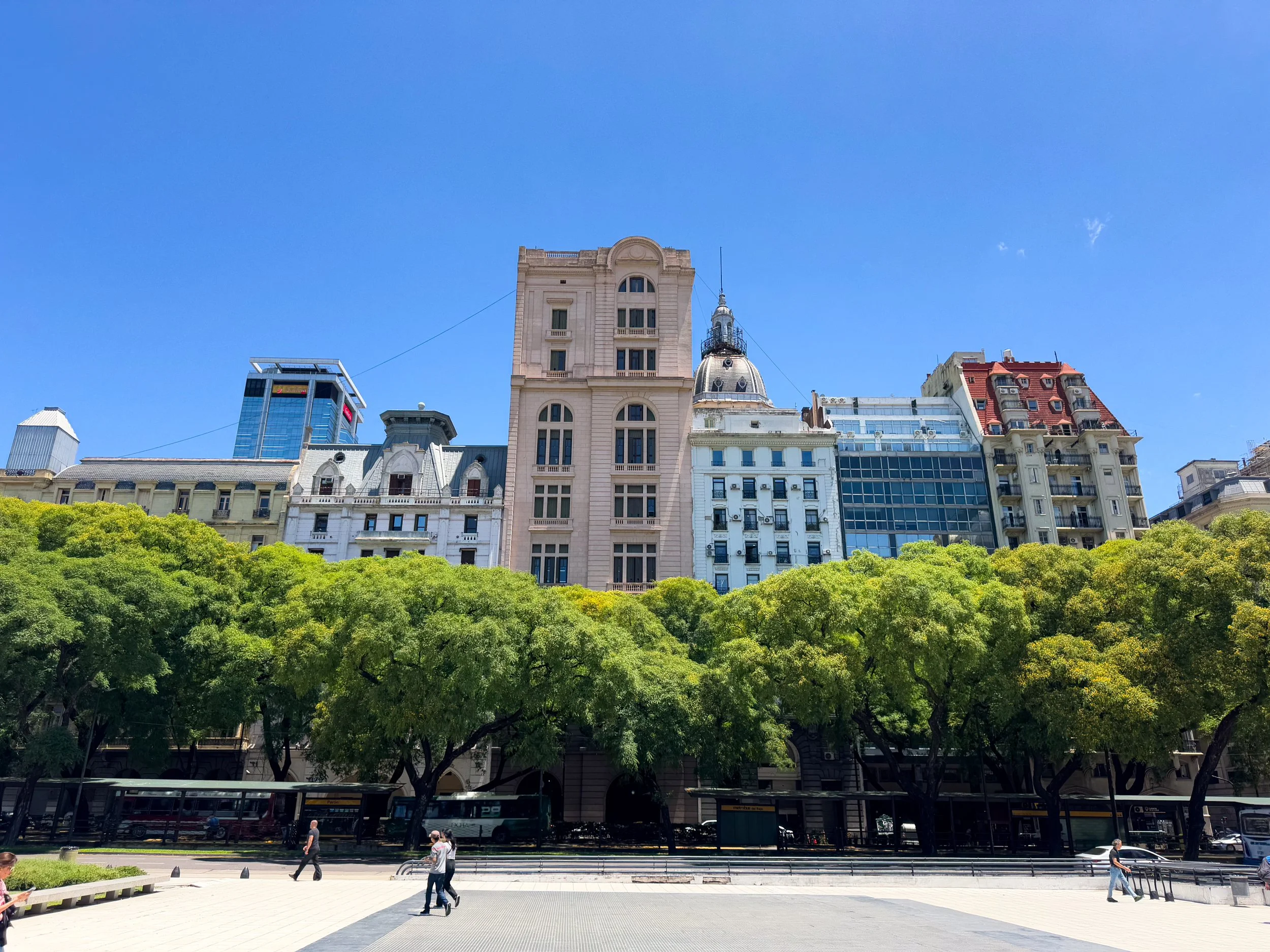
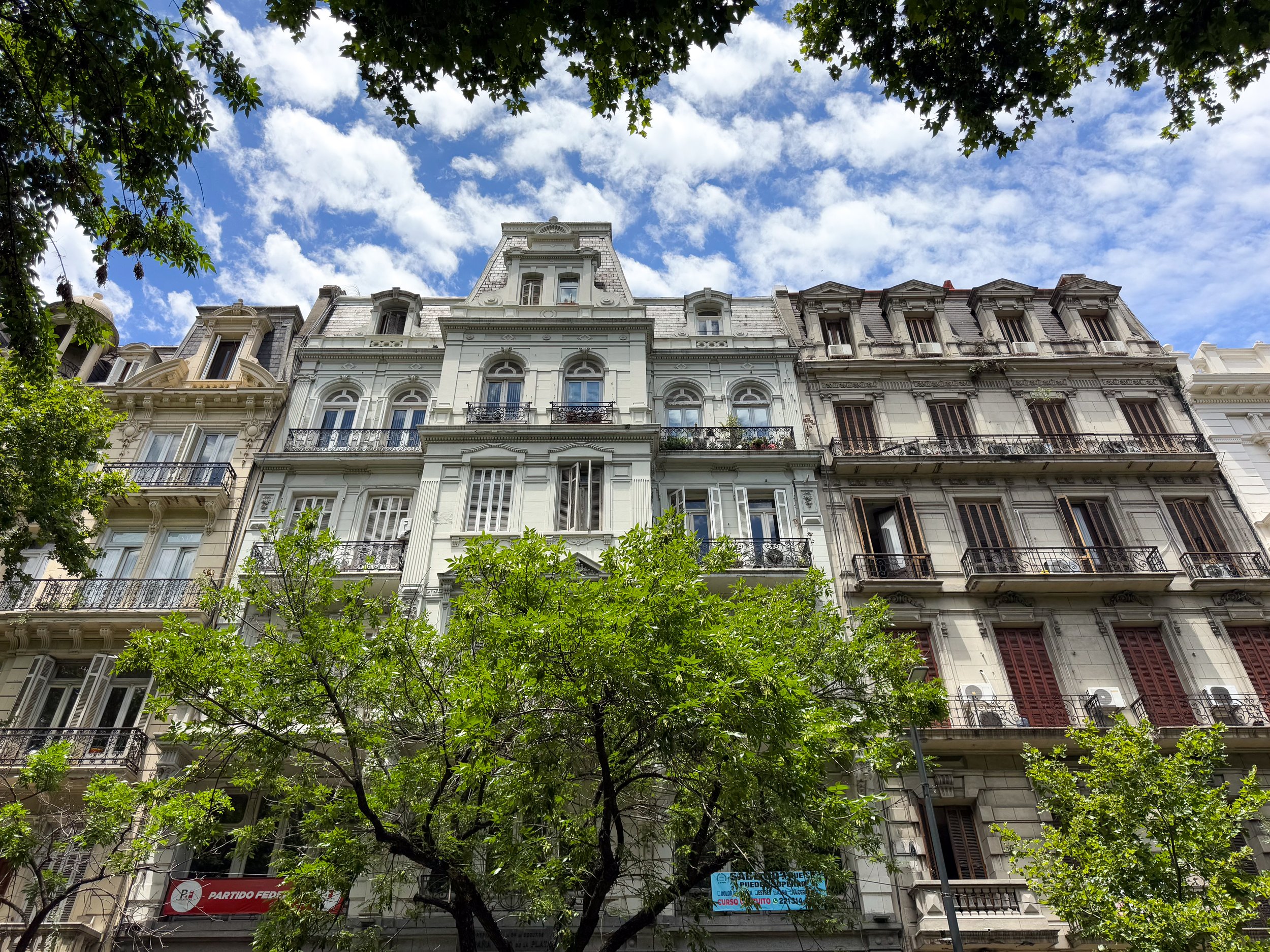
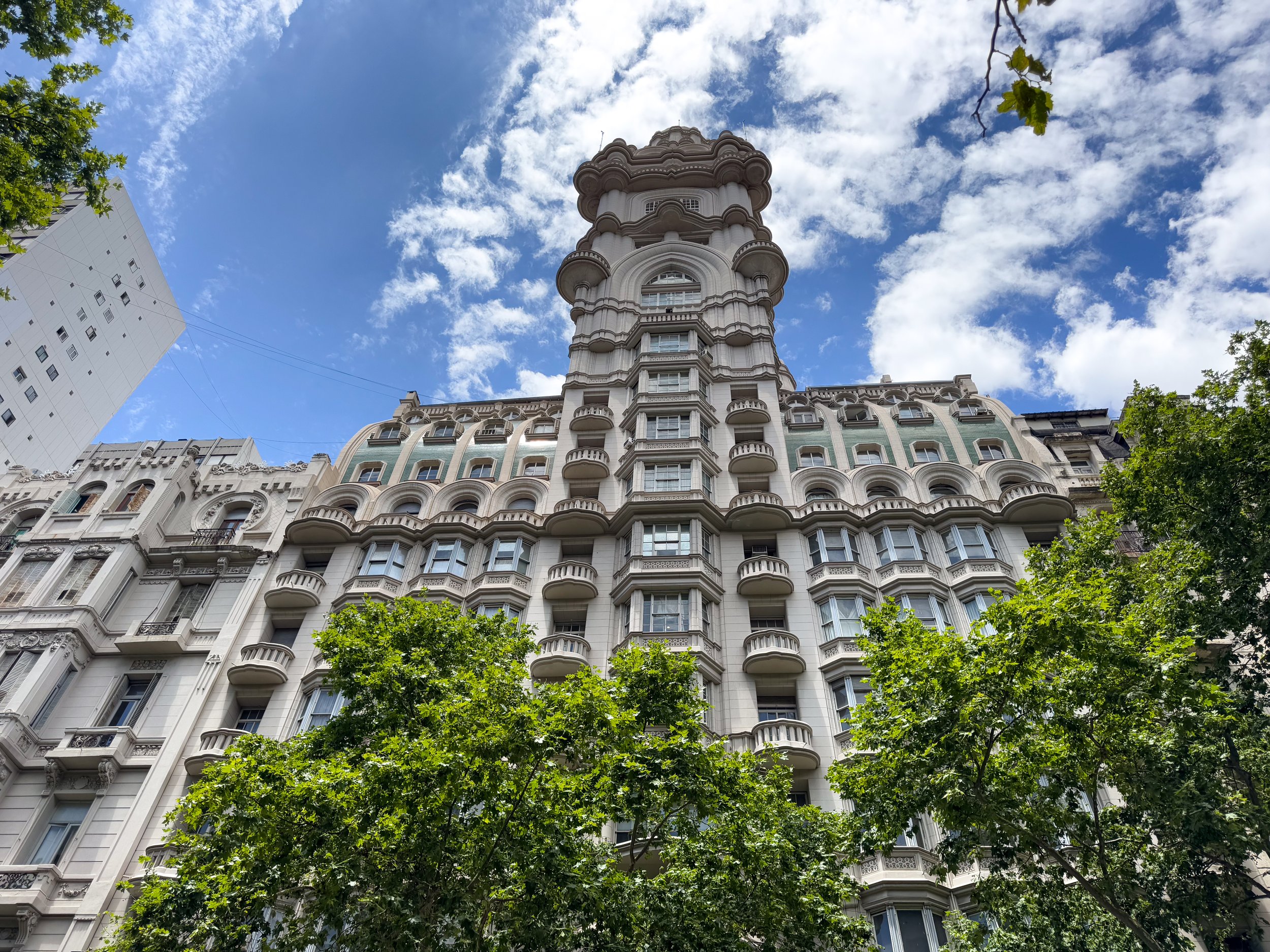
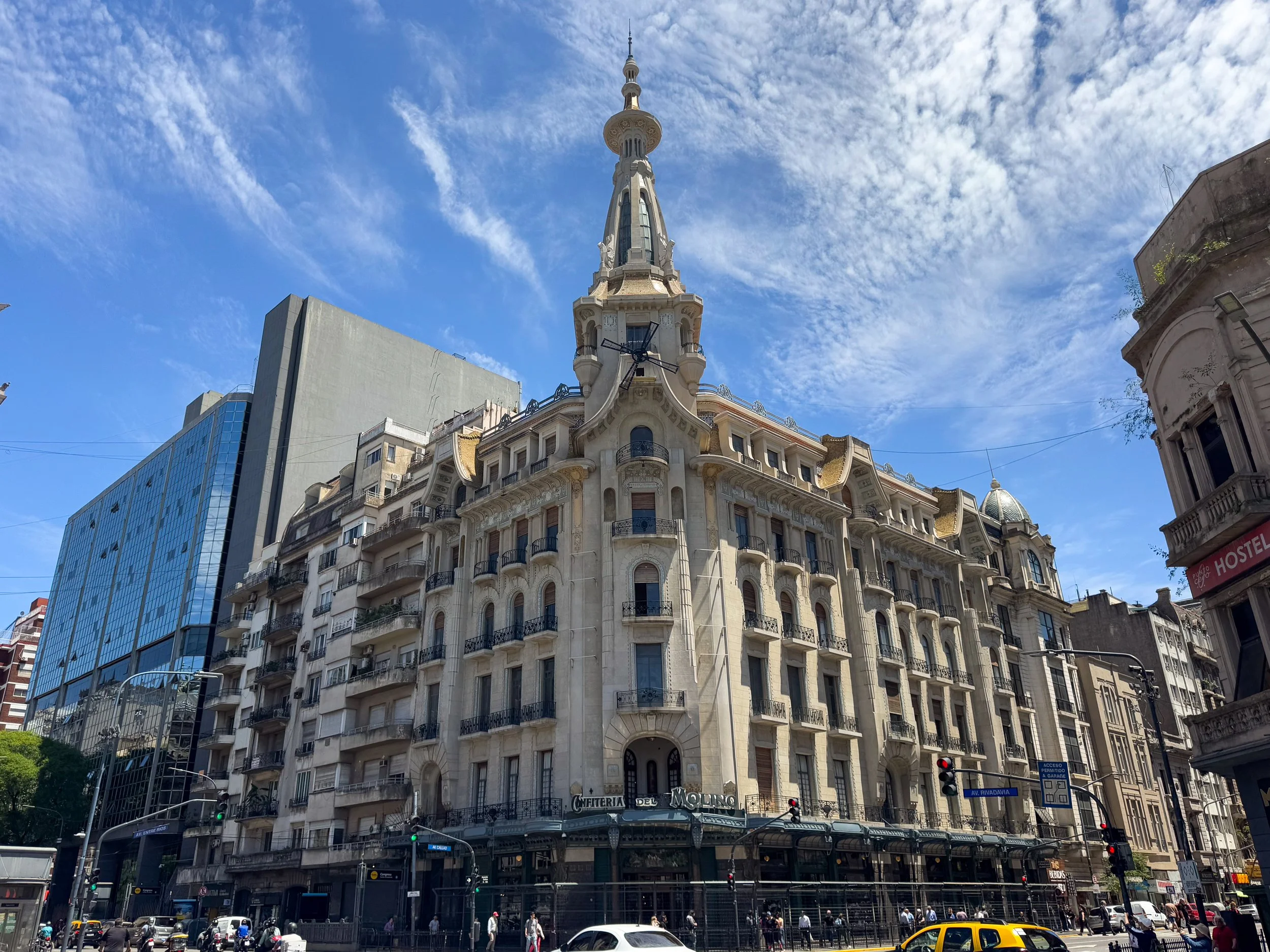
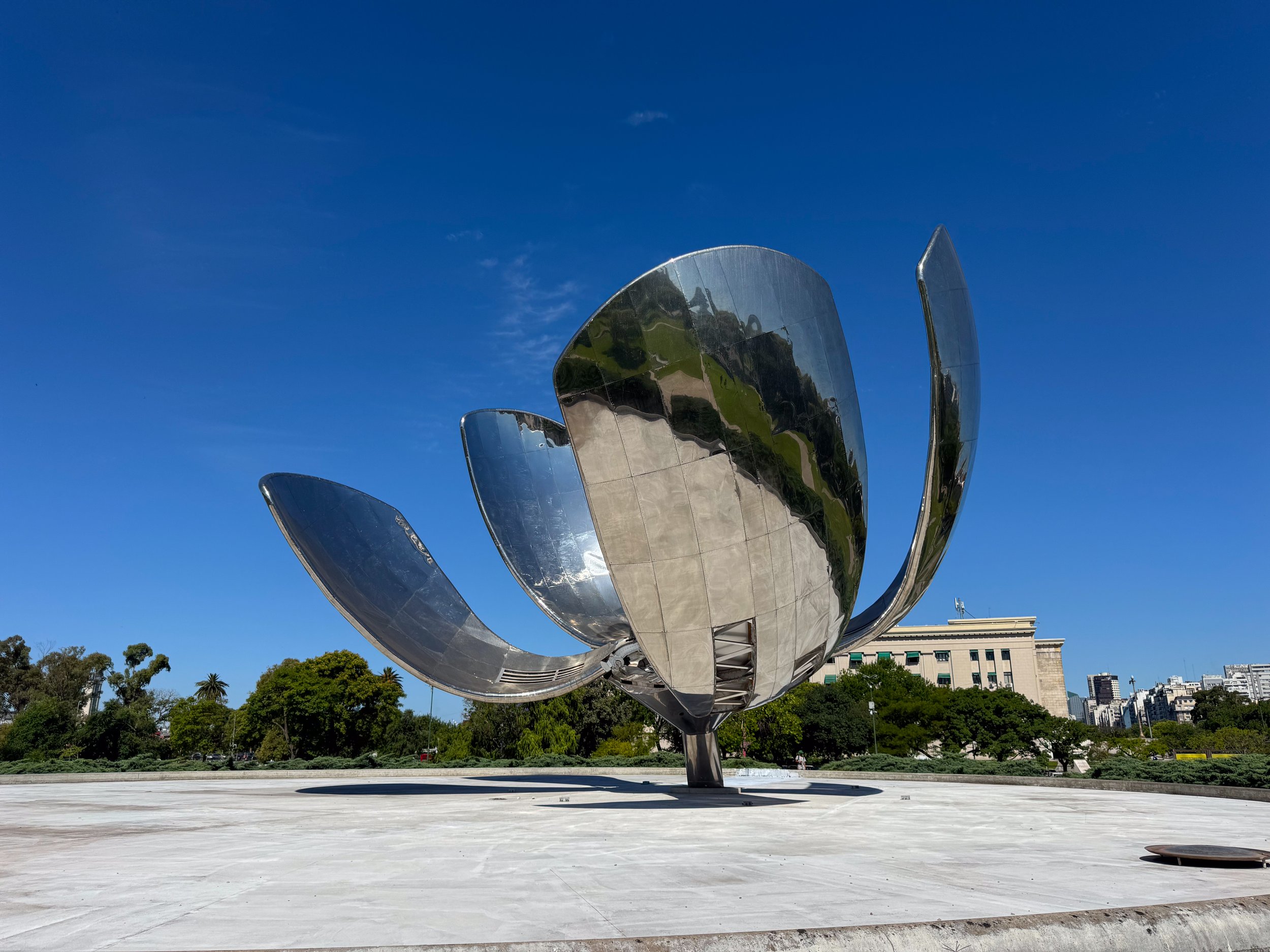
The central neighborhood is home to some of Buenos Aires’ most iconic buildings, historic sights and landmarks.
Plaza de Mayo. The city’s main plaza surrounded by government buildings, most notably, the presidential palace.
La Casa Rosada. The Argentine presidential palace, home and offices named after its rose tinted stone exterior.
Avenida de Mayo. A grand avenue lined with historic buildings, cafes and hotels.
Corrientes Avenue. A street with Broadway style theaters and chain clothing stores. The parallel streets are lined with beautiful architecture, popular afternoon cafes, happy hour bars and local lunch spots.
Palacio Barolo. A famed office building designed in the theme of Dante’s Divine Comedy with tours and a panoramic rooftop bar.
Obelisco. A white stone obelisk commemorating the city’s founding.
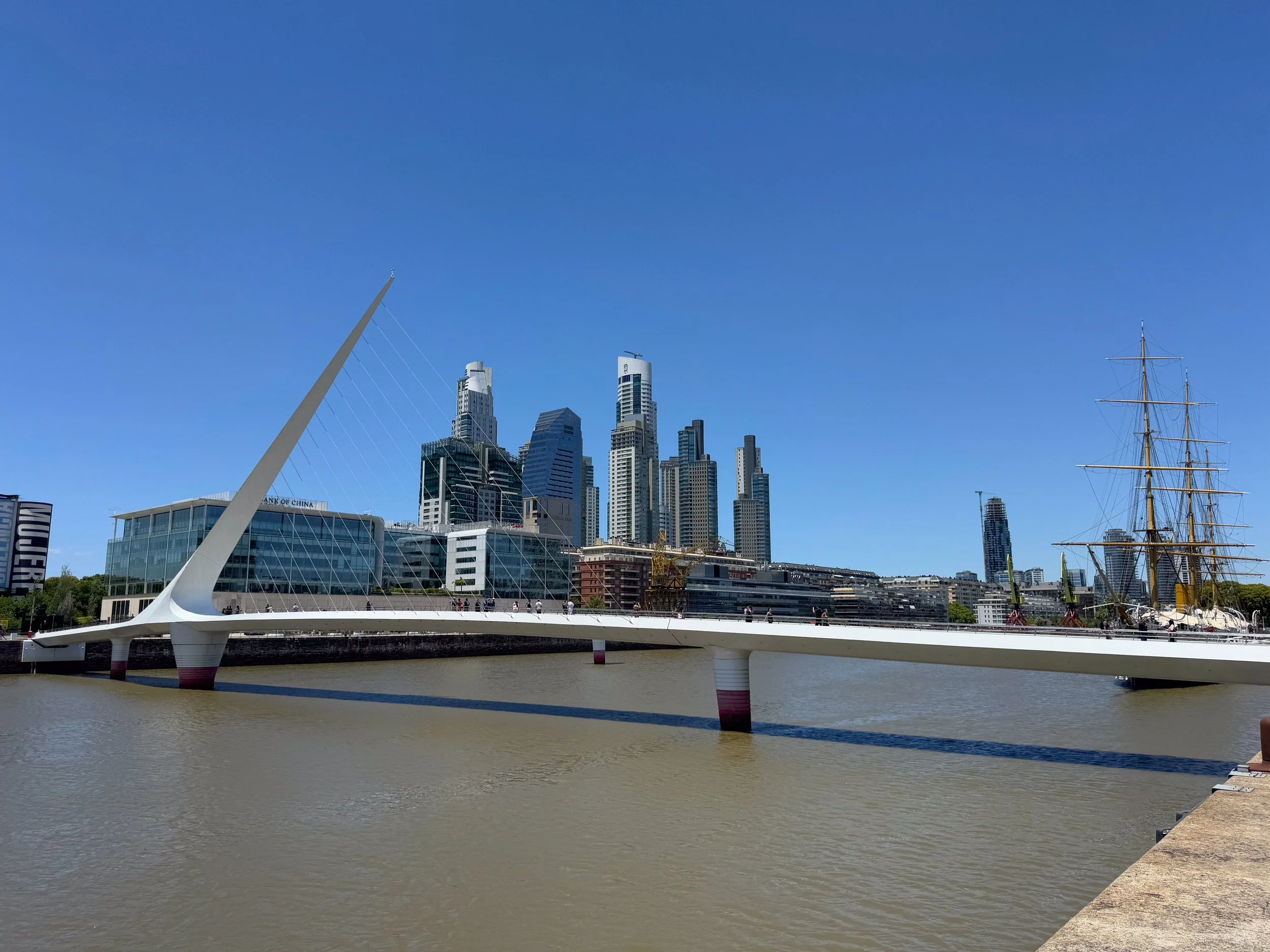
Puente de la Mujer. A sleek pedestrian swing bridge with a sail-like cantilevered suspension designed by Calatrava in honor of Argentine women.
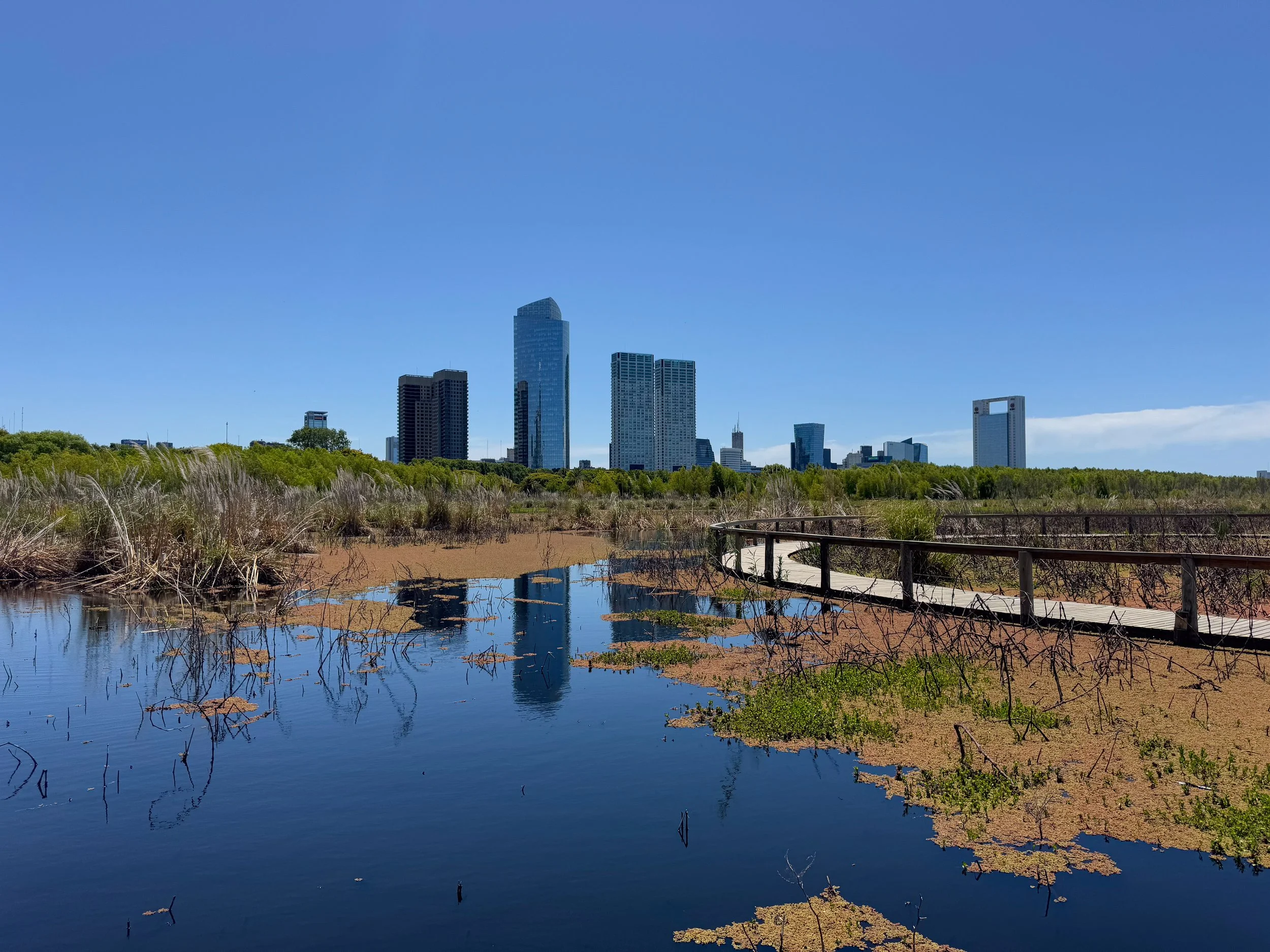
Buenos Aires Ecological Reserve. The city’s largest park with walking paths, bike trails and boardwalks through wetlands, lagoons and forests. The middle of the reserve features a circular boardwalk over a lagoon with views looking back towards the modern city skyline. Between the moss and sea grass, we spotted turtles, ducks and dragonflies. Further into the reserve is a picnic area with views of the Rio de la Plata. It’s free to enter and easy to spend several hours exploring on foot or by bike.
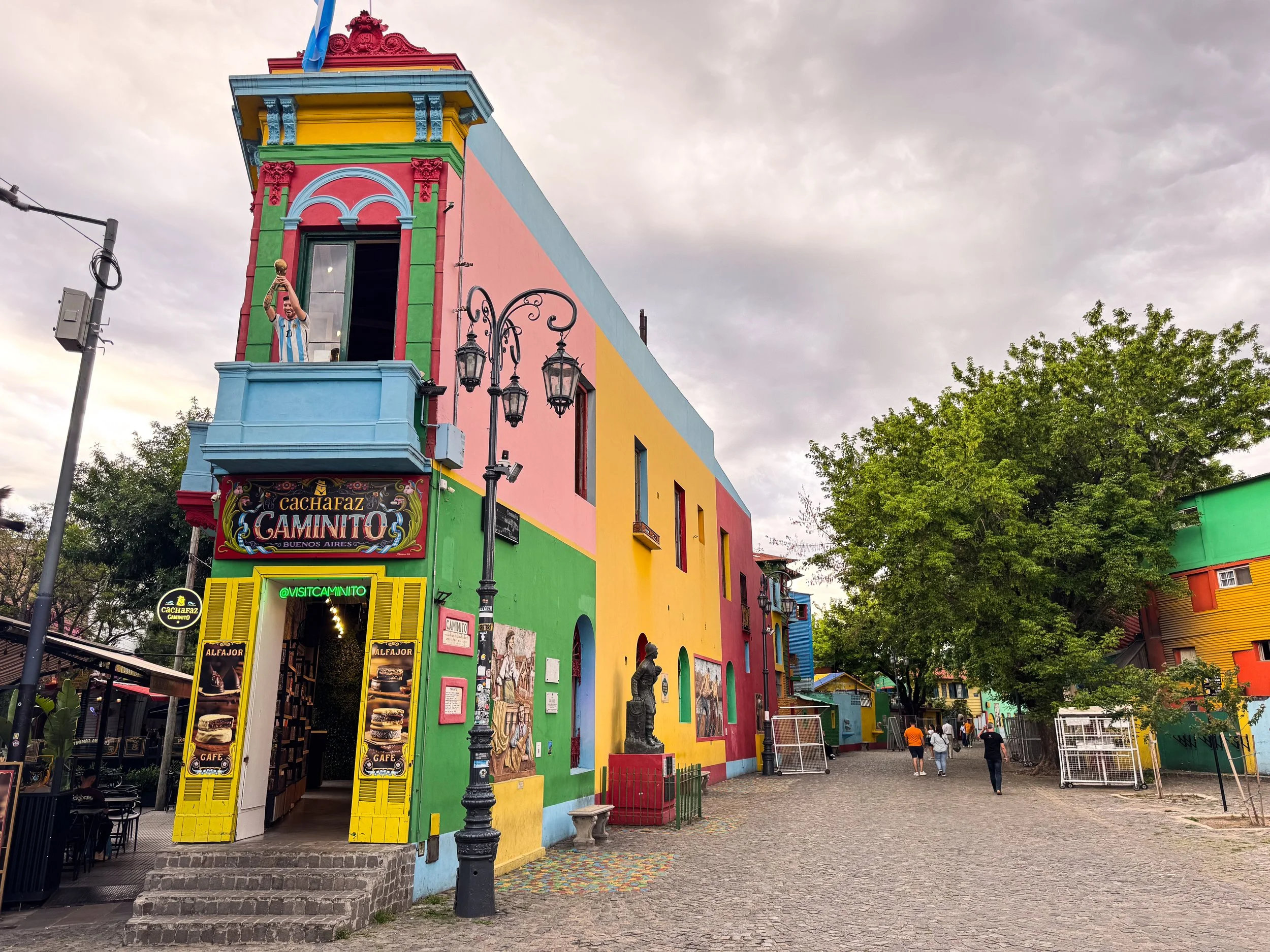
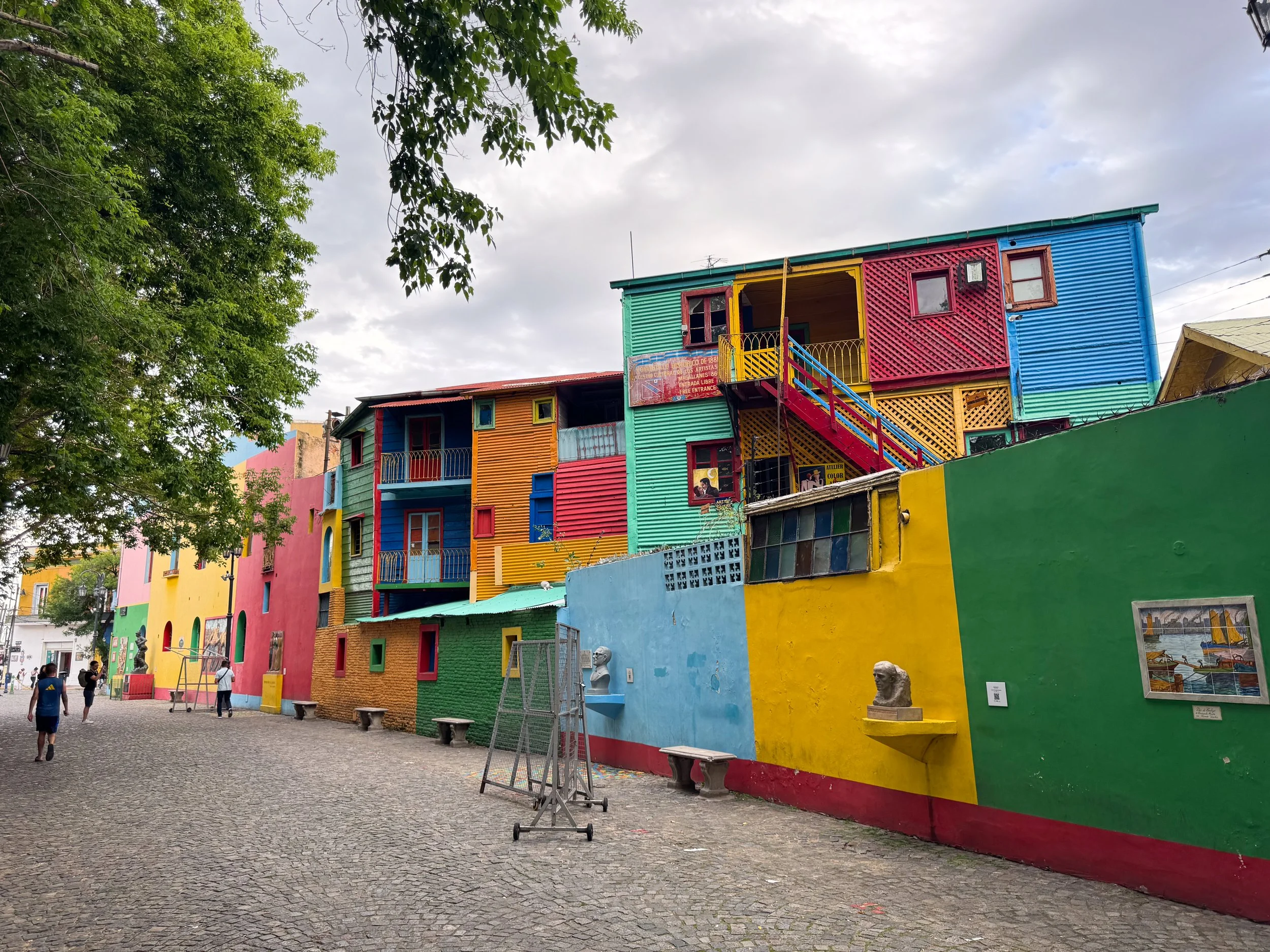
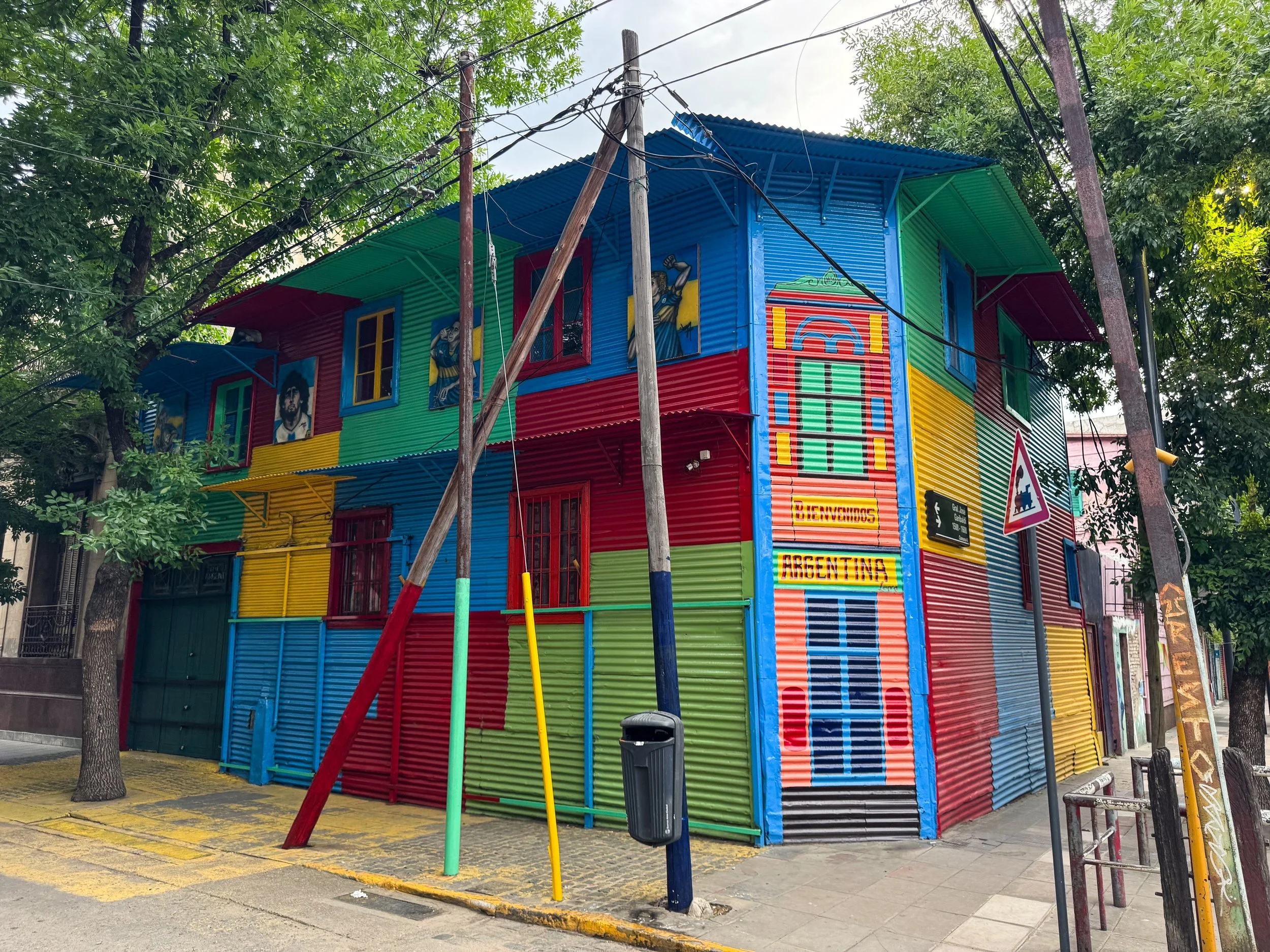
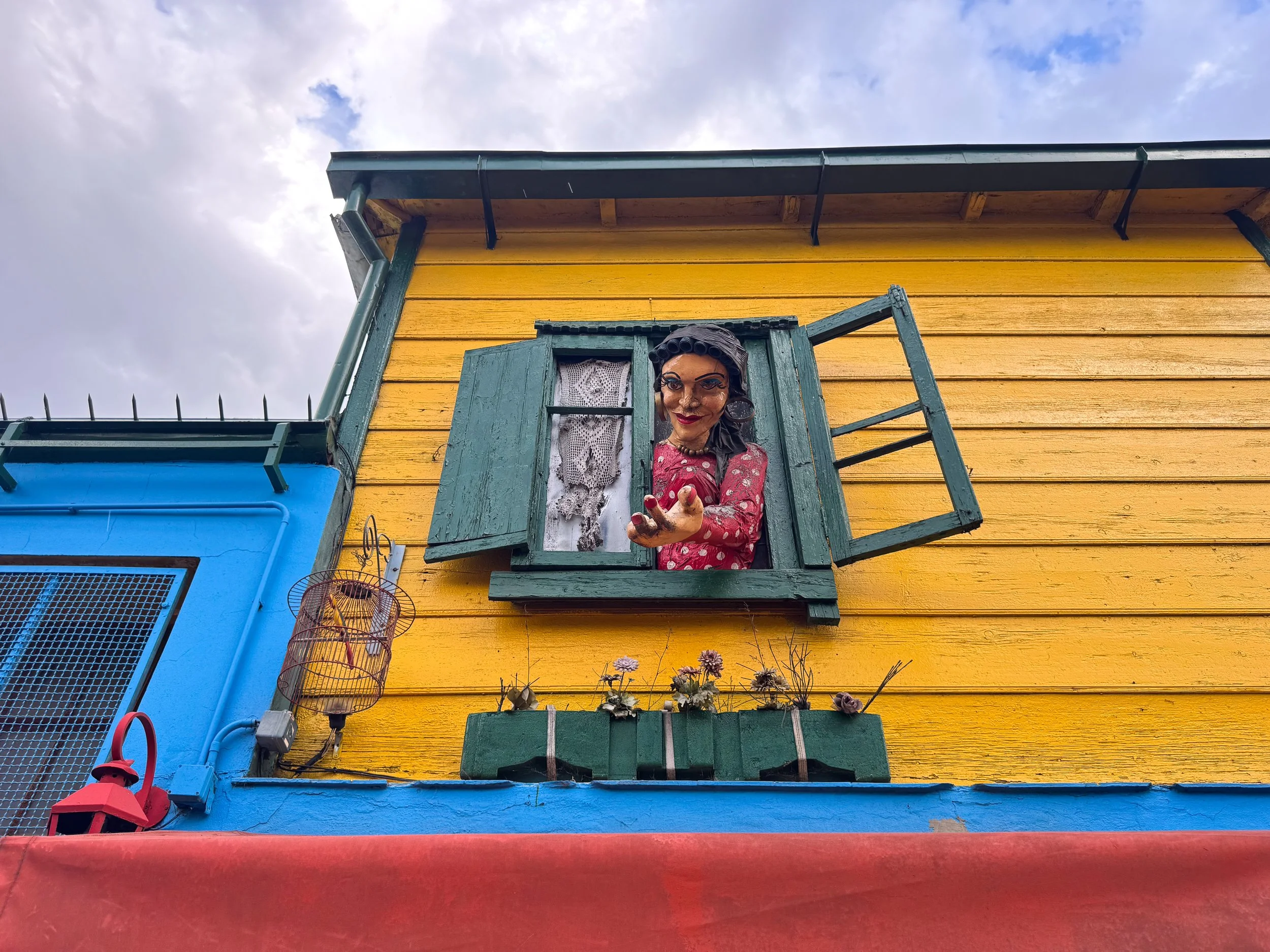
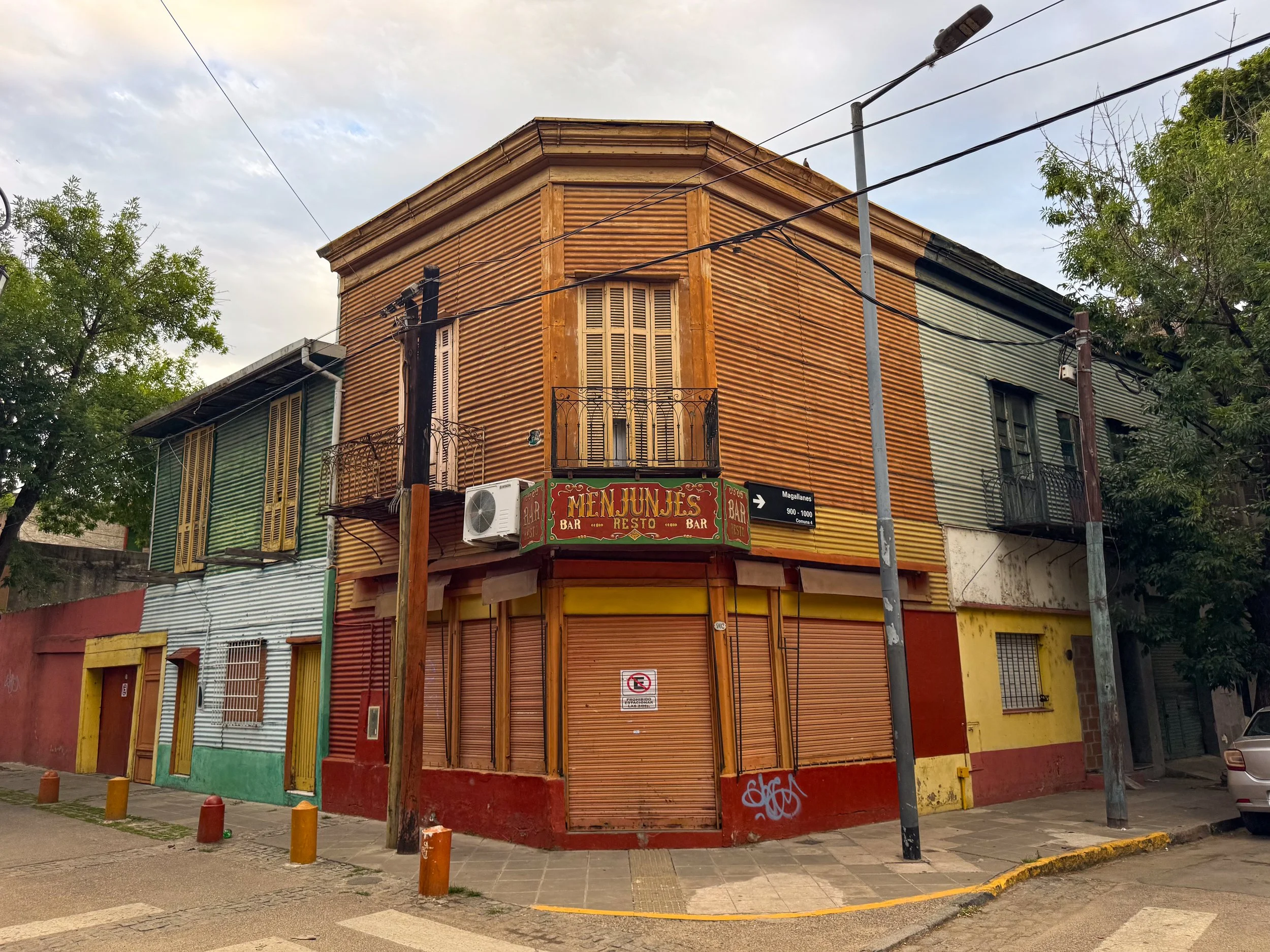
La Boca
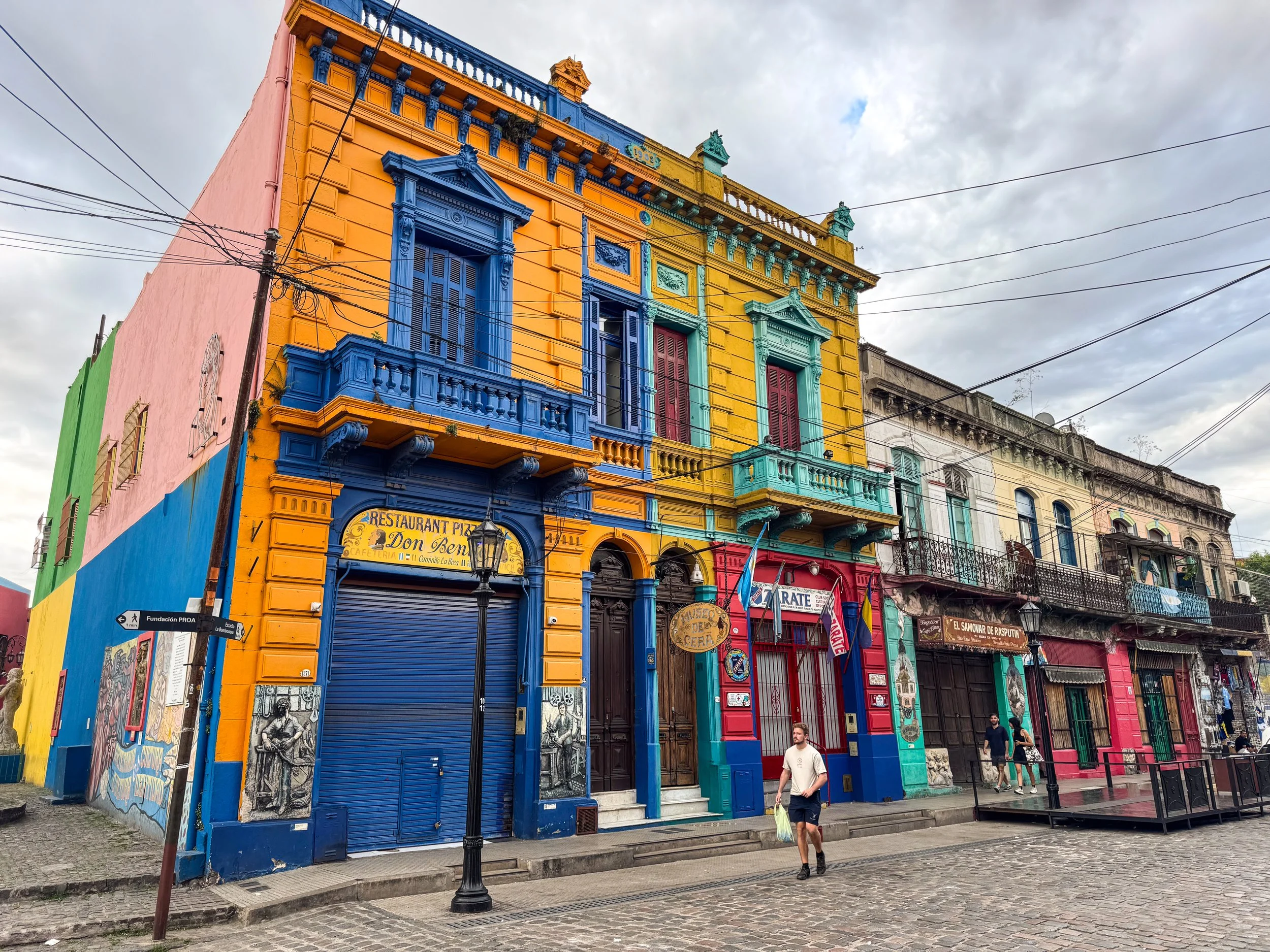
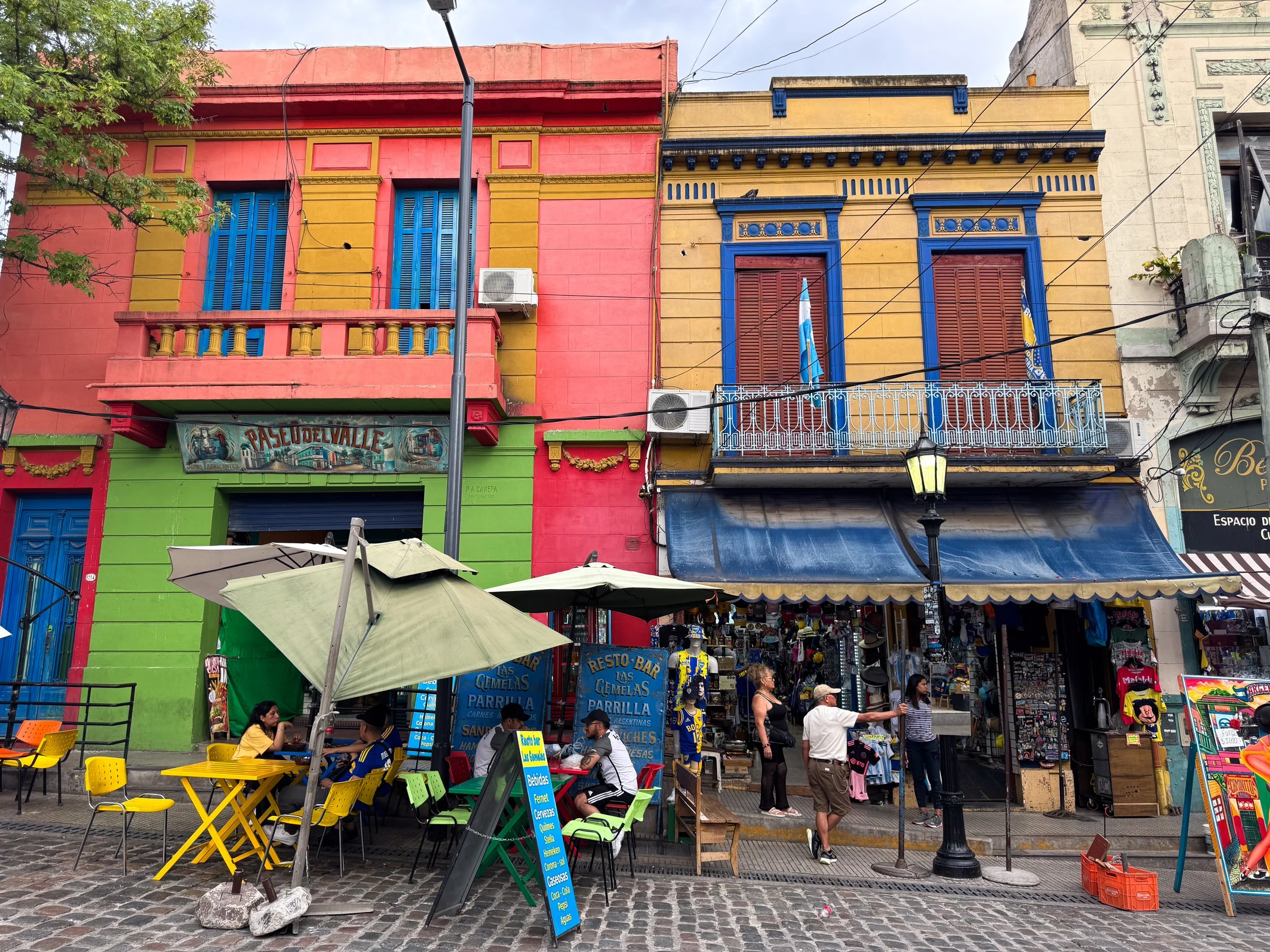
La Boca is a vibrant neighborhood with waterfront warehouses, a large futbol stadium, colorfully painted buildings, graffitied streets, large murals and caricature-like statues of famous Argentinians including Tango dancers, futbol players and even the pope. The most lively area of the neighborhood is Caminito, home to sports bars, tango clubs and tourist shops. We explored the area in the late afternoon and early evening. Most places only began to open up around 8pm.
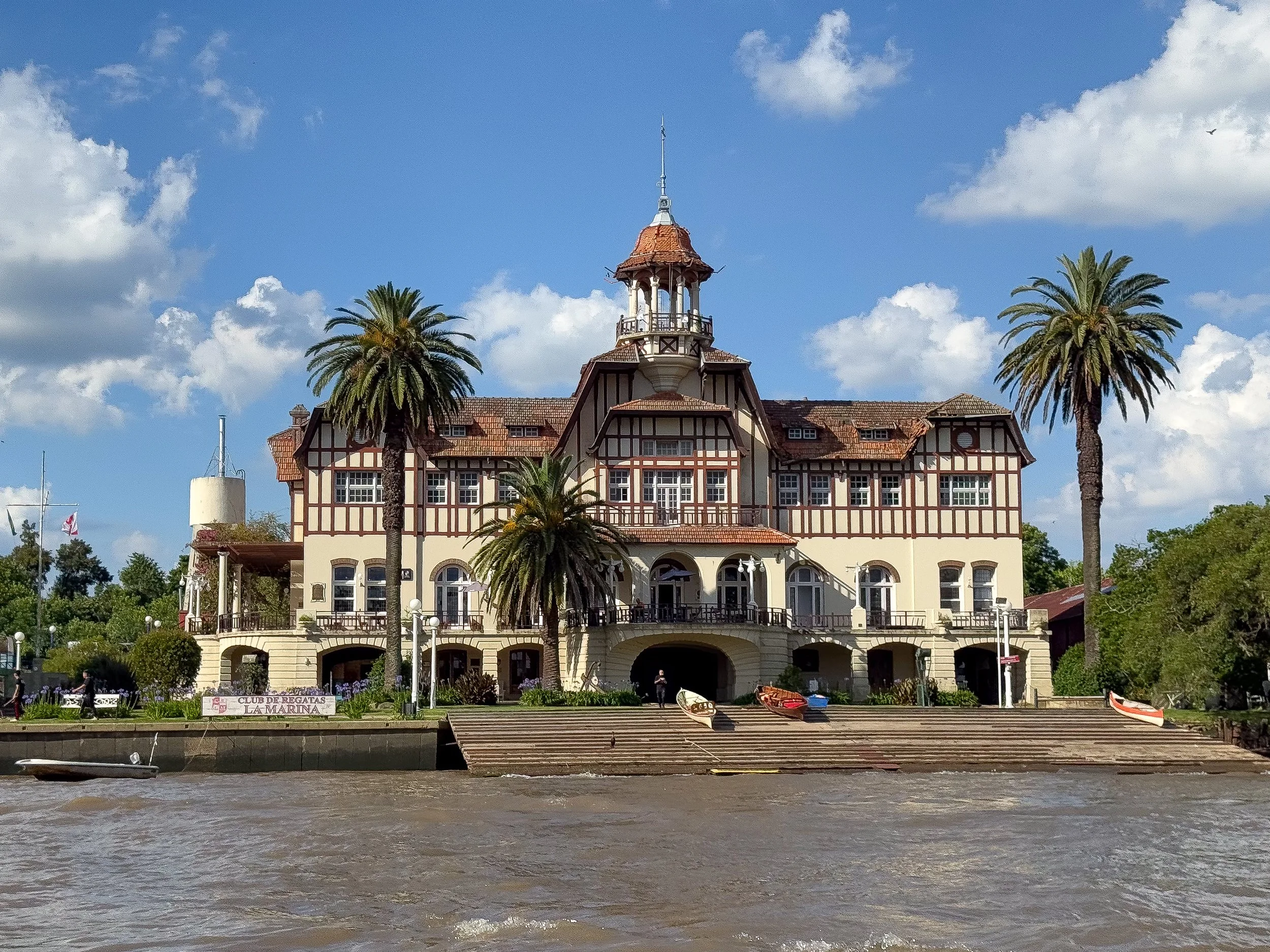
Tigre
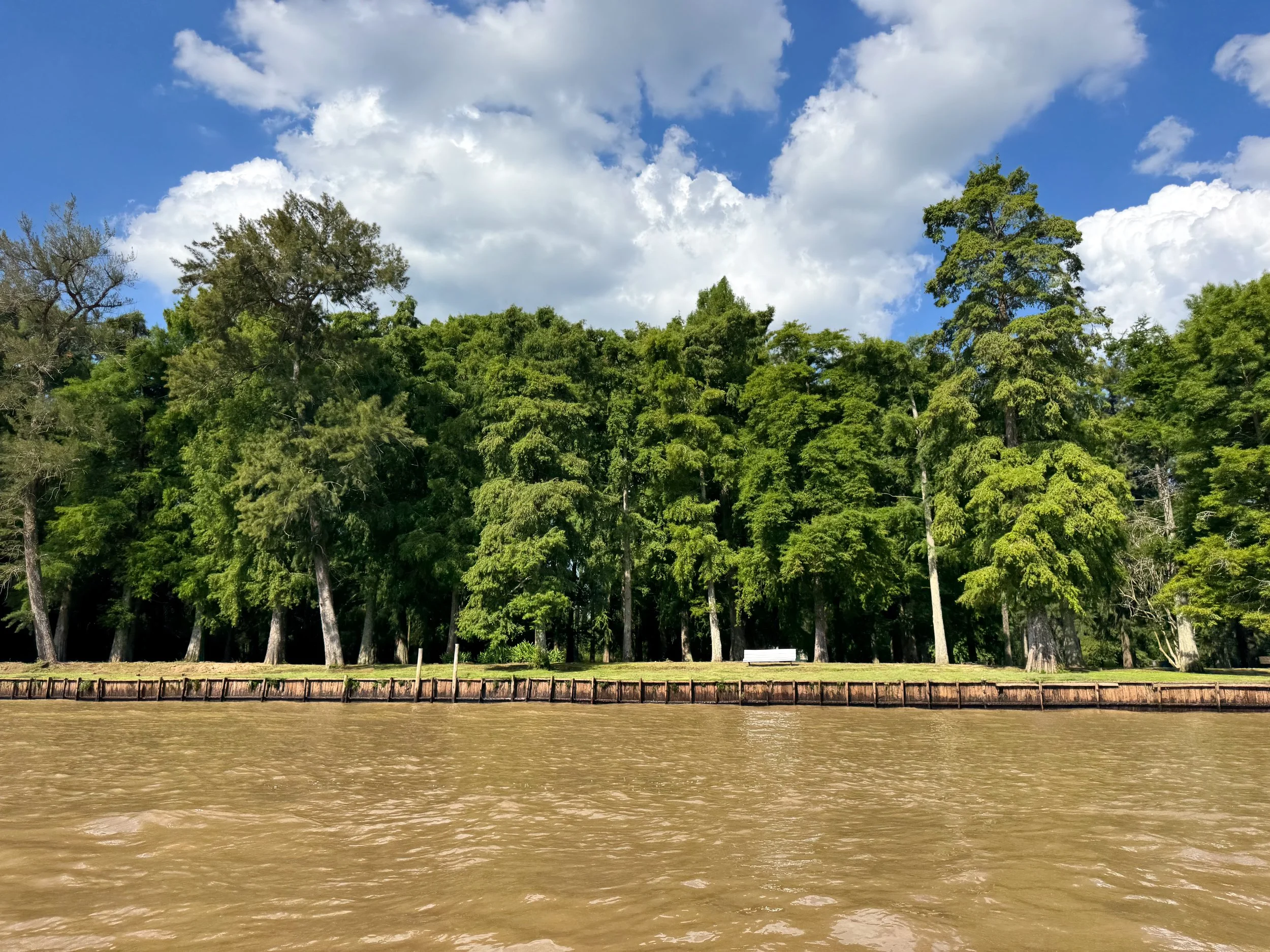
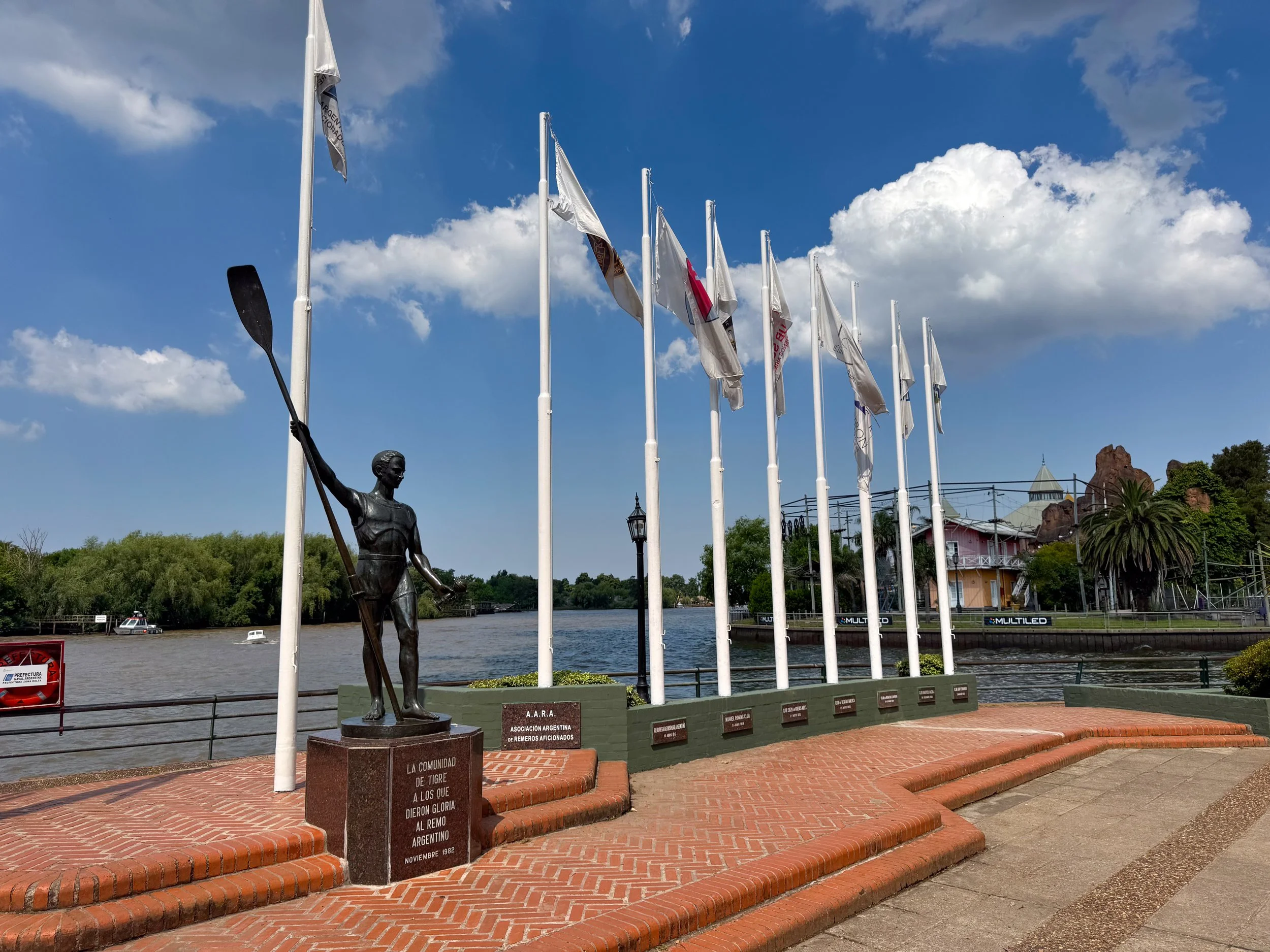
Tigre is a historic suburb of Buenos Aires with homes built along canals and wetlands in the Tigre River Delta. We took a day trip here to explore its lush waterways, islands and architecture.
Paseo Victoria. A tree lined pedestrian street along the river with restaurants, boat launches, canoe rentals and historic buildings. We walked along the promenade watching wooden boats pass up and down the canal.
Puertos de Frutos. A vast market with booths of vendors selling wooden furniture, wicker baskets, handmade knives, yerba mate mugs and souvenirs.
Getting Here. Take the MITRE train, a commuter rail line that extends further than the Subte. Stations often only accept cash for tickets.
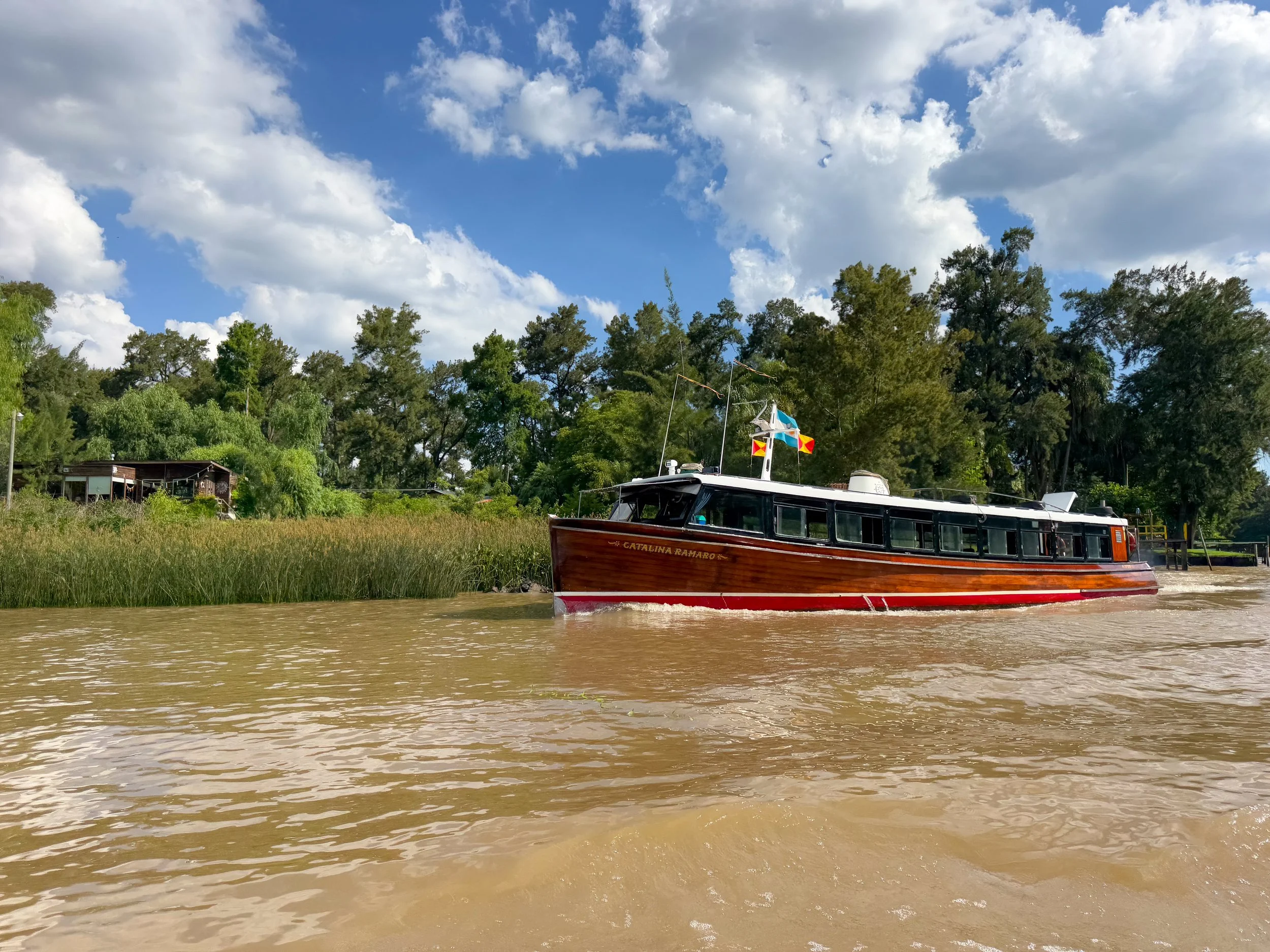
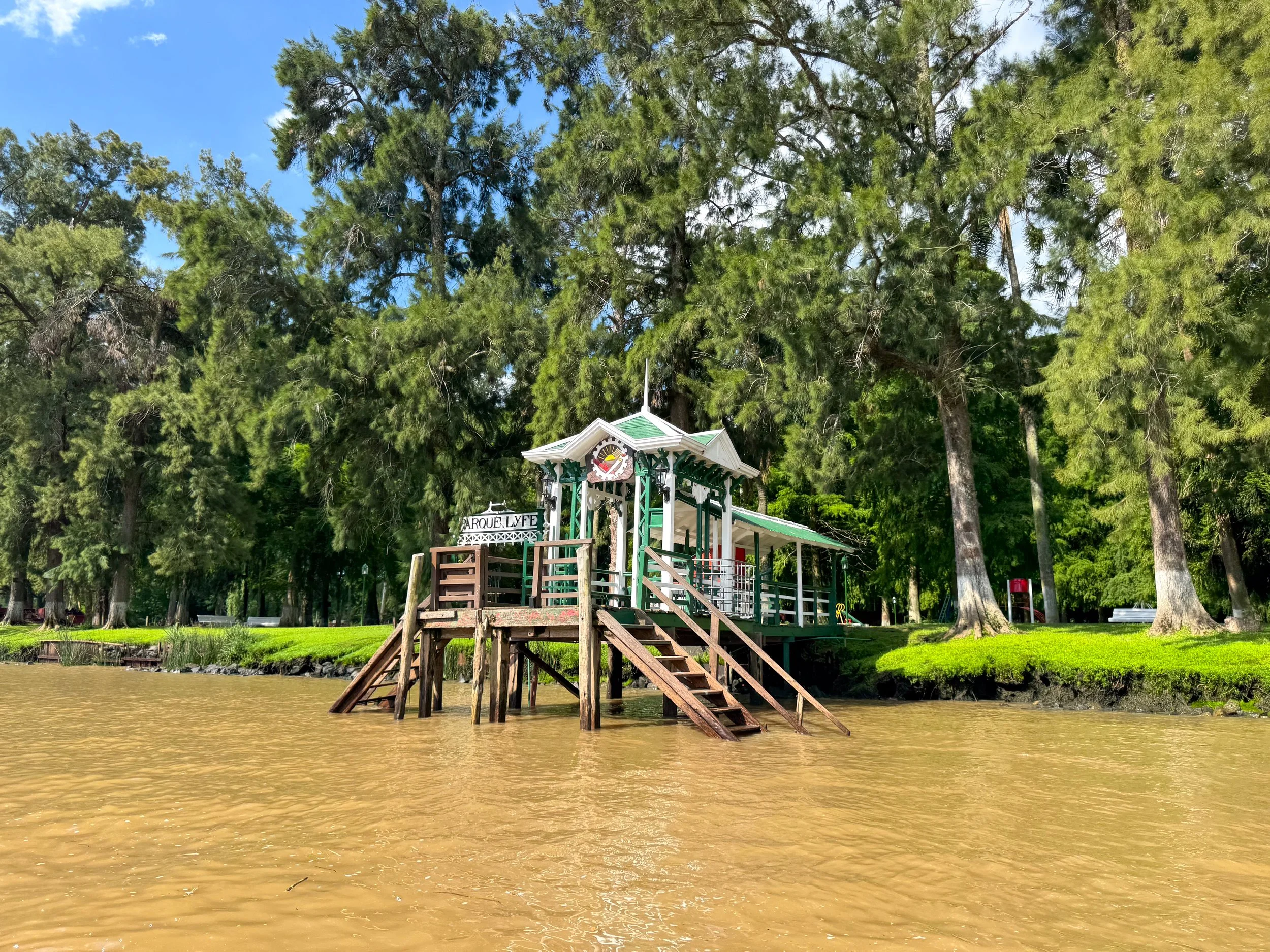
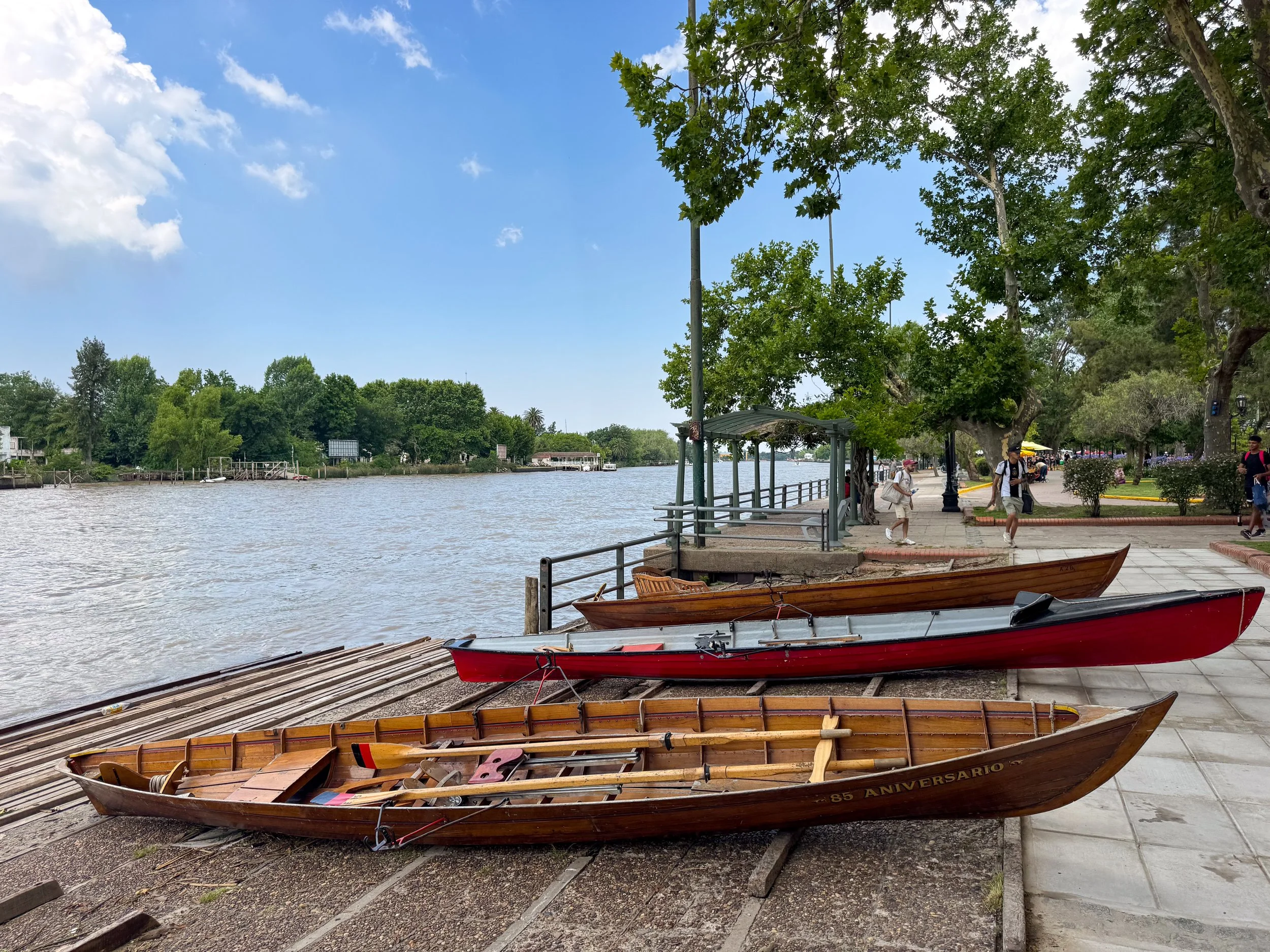
Tigre Canal Tour
The best way to explore Tigre and its canals is by boat! There are many tour operators near the Rio Tigre and piers. We shopped around for a small boat tour that would bring us further into the river delta than the larger catamarans.
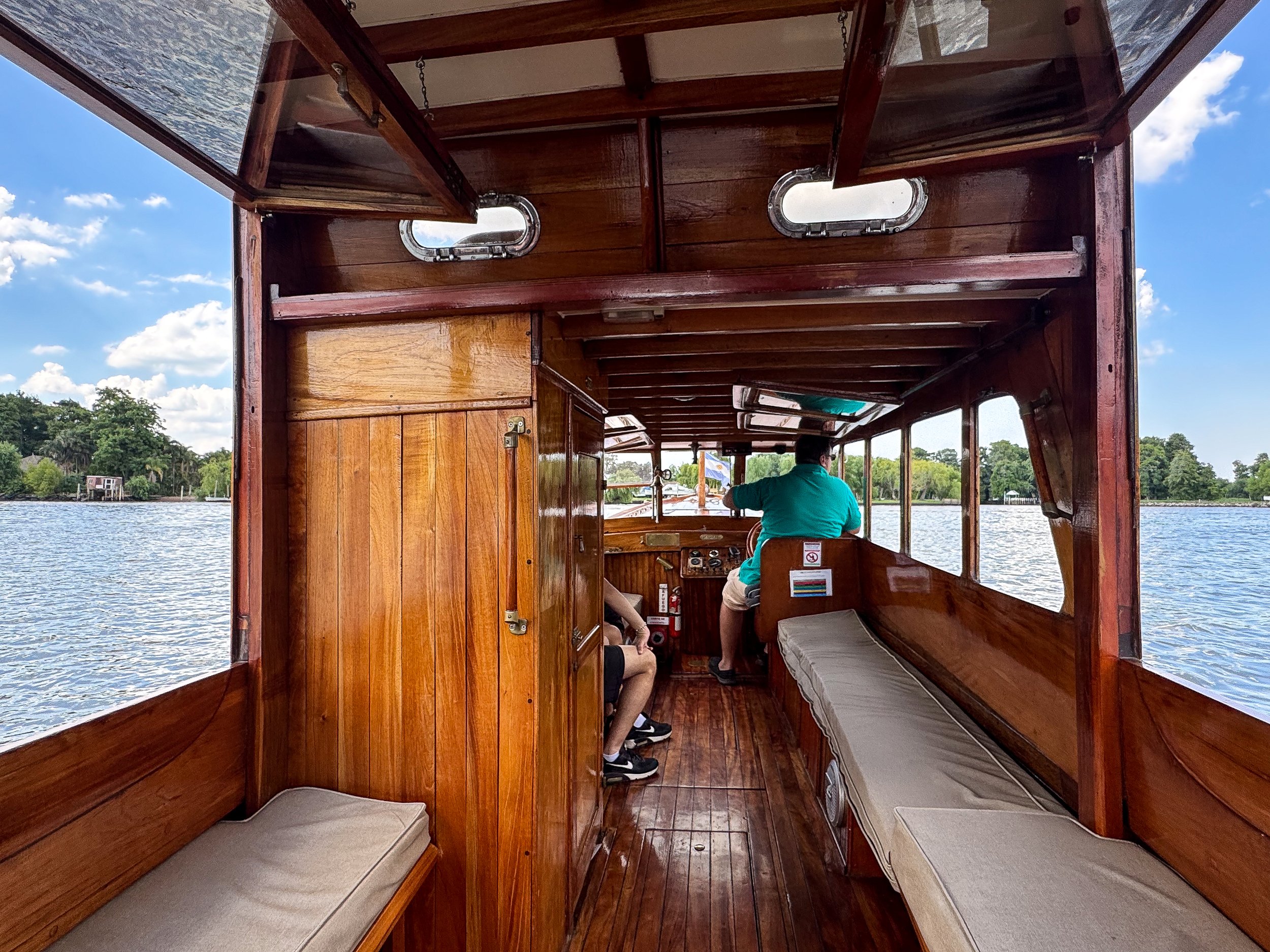
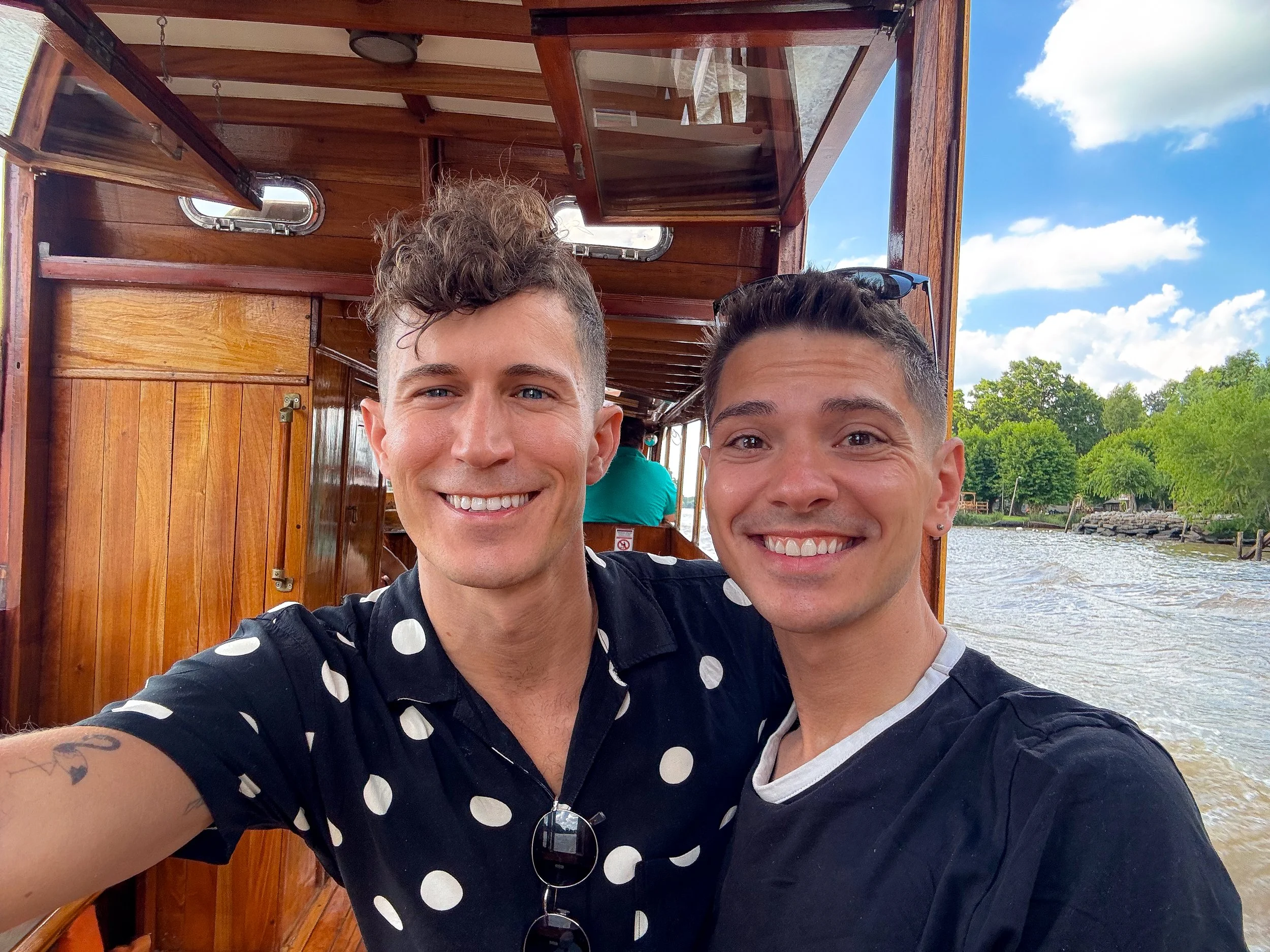
We rode on a tiny traditional wooden boat to tour the grand canal and narrow passageways. Along the grand canal, we passed a ship yard, ornate art museum and amusement park. Venturing further into the islands and narrower channels, we boated past small hotels and resorts, summer cottages, modern homes, wooden casitas and a former president’s home, preserved inside of a glass box.
The tour was narrated in both English and Spanish. En route, we learned about the community, its history and the landscape of the waterways. The tour lasted an hour and cost around $35 USD per person.
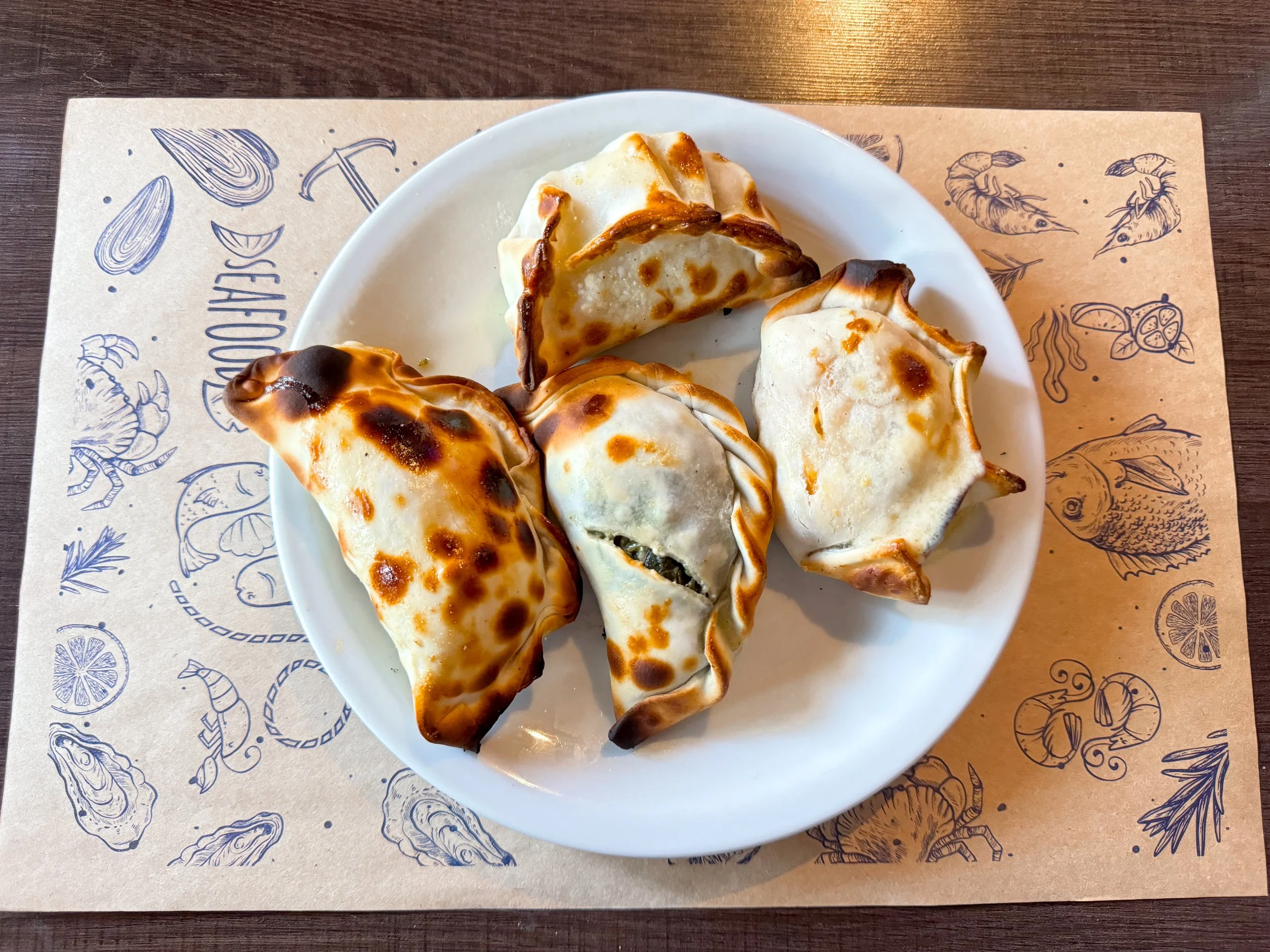
Argentine Cuisine
Empanadas. One of Argentina’s most popular snacks. The savory packets of dough are stylized with crimped sides and stuffed with fillings including meats, veggies or seafood.
Milanesa. A popular dish made of breaded and fried meat or vegetables like eggplant.
Fugazza. Argentinean style pizza made with a thin crust and fluffy dough topped with any number of toppings. Traditional places bake it in a coal or wood fired oven.
Provoleta. Grilled and melted Argentinean provolone cheese seasoned with oregano and olive oil. It’s often served with bread for dipping.
Rabas. Rings of Argentinian style fried calamari. It’s a common restaurant appetizer and snack at bars.
Picadas. Argentinian style charcuterie. A plate of “pickings” often includes cheese, pickled veggies and meat.
Medialunas. Tiny half moon shaped pastries similar to croissants made with a sweet dough and sugar glaze.
Alfajores. Two sugar cookies with a generous layer of dulce de leche sandwiched in between and coated in coconut shavings or covered in chocolate.
Malbec. A full bodied red wine and the national wine of Argentina, primarily grown in the Mendoza region.
Fernet and Coke. A bitter herbal liquor mixed with Coke. It’s a common cocktail across Argentina.
Quilmes. Argentina’s national beer. The lager is inexpensive and widely available at bars and restaurants across Buenos Aires.
Yerba Mate. This herbal tea is immensely popular across Argentina. People carry around gourd shaped mugs filled with tea leaves and a thermos with hot water to continuously steep their mate throughout the day. Its drunk through a metal straw with a spoon shaped filter at its end.
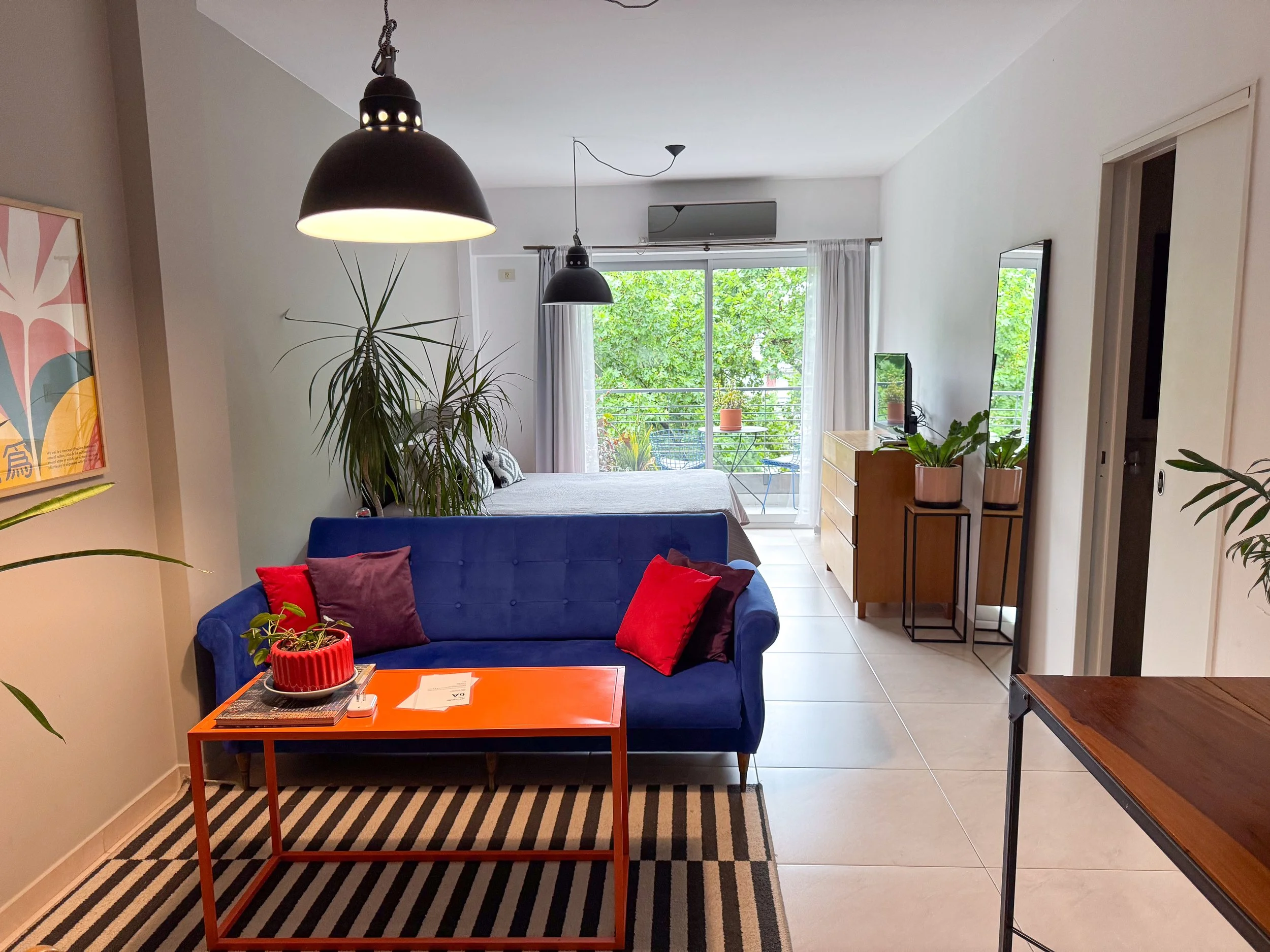
Where to Stay
We stayed at an Airbnb in the middle of Palermo Hollywood. For many of the reasons we love this neighborhood, it was the perfect spot to stay. The studio included a kitchen and balcony.
Getting Around
Subte (Public Transit). A transit system of buses and subways with routes all across Buenos Aires. It’s the easiest and cheapest way to navigate the city. We paid by tapping our credit card at the kiosks with fares costing around $0.75 per ride.
Ubers. Ubers are available across Buenos Aires. They’re great for distances outside the reaches of the Subte.
On Foot. Though each neighborhood is vast, they’re easily walkable for those used to living in cities. Most places are reachable on foot or from the metro station within 20 minutes.
Airports. There are two main airports in Buenos Aires. Ezeiza International Airport is located 45 minutes by car from the city center and typically welcomes international arrivals. Jorge Newbery International Airport is located in the city center, 15 minutes by car from Palermo and typically welcomes domestic travelers.
Location Specifics
Siestas. Siestas or afternoon breaks are a thing in Buenos Aires. Many businesses close between 12-3pm.
Dinner Hour. Dinner service typically starts after 8pm, lasting until midnight.
Currency. Exchanging USD for pesos provides a better rate than using ATMs. Currency exchanges will not accept tattered, torn or marked bills.
Restaurant Reservations. Reservations are needed at most restaurants to guarantee a table.
Cash vs. Card. Credit card is widely accepted however, debit card is preferred. Prices can cost up to 10% more than with cash. It’s good to carry both Argentine pesos and USD.
Tipping. 10% tips are common.
Costs. Like many major cities, Buenos Aires is very expensive, especially when it comes to dining out.
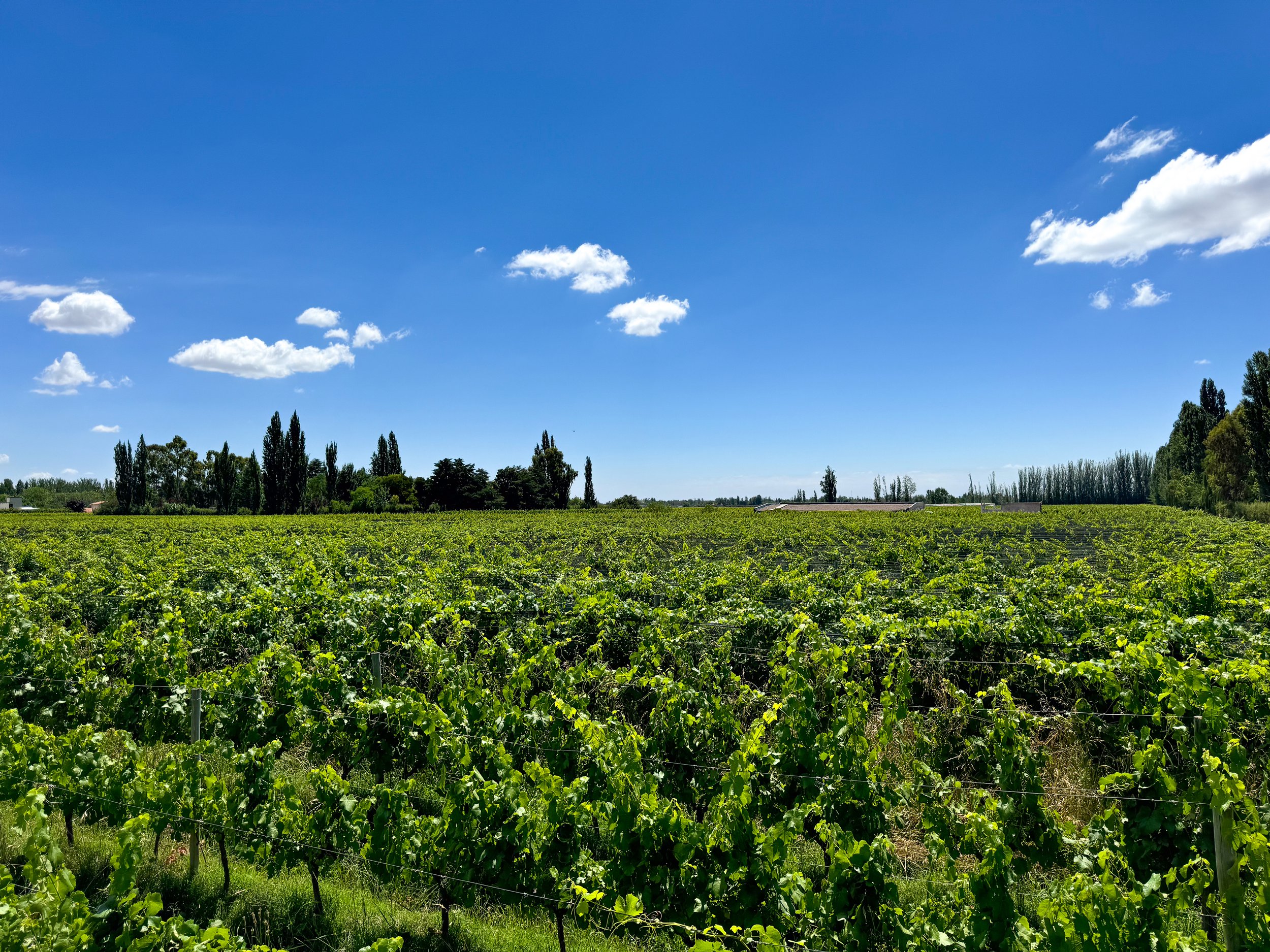
Elsewhere in Argentina
From Buenos Aires' vibrant neighborhoods and tango halls to Mendoza's vineyards and Patagonia's glaciers, continue exploring Argentina's diverse landscapes and culture through these travel guides:
Mendoza Argentina Travel Guide: Wineries, Wine Tours & Cuisine. Cycle through Mendoza's vineyards and wineries where celebrated Malbecs, Argentine cuisine and Andean landscapes define Argentina's premier wine region.
Patagonia Argentina Travel Guide: Perito Moreno Glacier, El Calafate & Fitz Roy. Explore Patagonia's dramatic landscapes where glaciers, turquoise lakes, snow capped mountains and alpine towns define Argentina's remote southern frontier.
For Next Time…
Buenos Aires is one of those ever changing worldly cities that leaves you wanting to return! We can’t wait for our next trip here and will eagerly be tracking flights. Outside of Buenos Aires and the destinations we’ve already visited in Argentina, we’re excited to see some of the country’s other highlights.
Córdoba. A northern Argentine city famed for its colonial architecture, scenic mountain range landscapes and Argentine cuisine.
Argentinian Andes and Atacama. Having visited the Chilean and Bolivian Andes and Atacama, we’d like to travel to the Argentinian region home to more desert lagoons, volcanoes, salt flats and waterfalls.
Ushuaia and Antarctica. At the bottom tip of South America is the world’s southernmost city, Ushuaia. We plan to visit and take a ship across the tortuous Drake’s Passage to the white continent, Antarctica.
Iguazú Falls. A canyon with South America’s largest waterfall. We visited the Brazilian side on one of our first trips to South America and have been waiting to return to see the Argentinian side.

Mendoza Argentina Travel Guide: Wineries, Wine Tours & Cuisine
Cycle through Mendoza's vineyards and wineries where celebrated Malbecs, Argentine cuisine and Andean landscapes define Argentina's premier wine region.

Mendoza, Wine Country
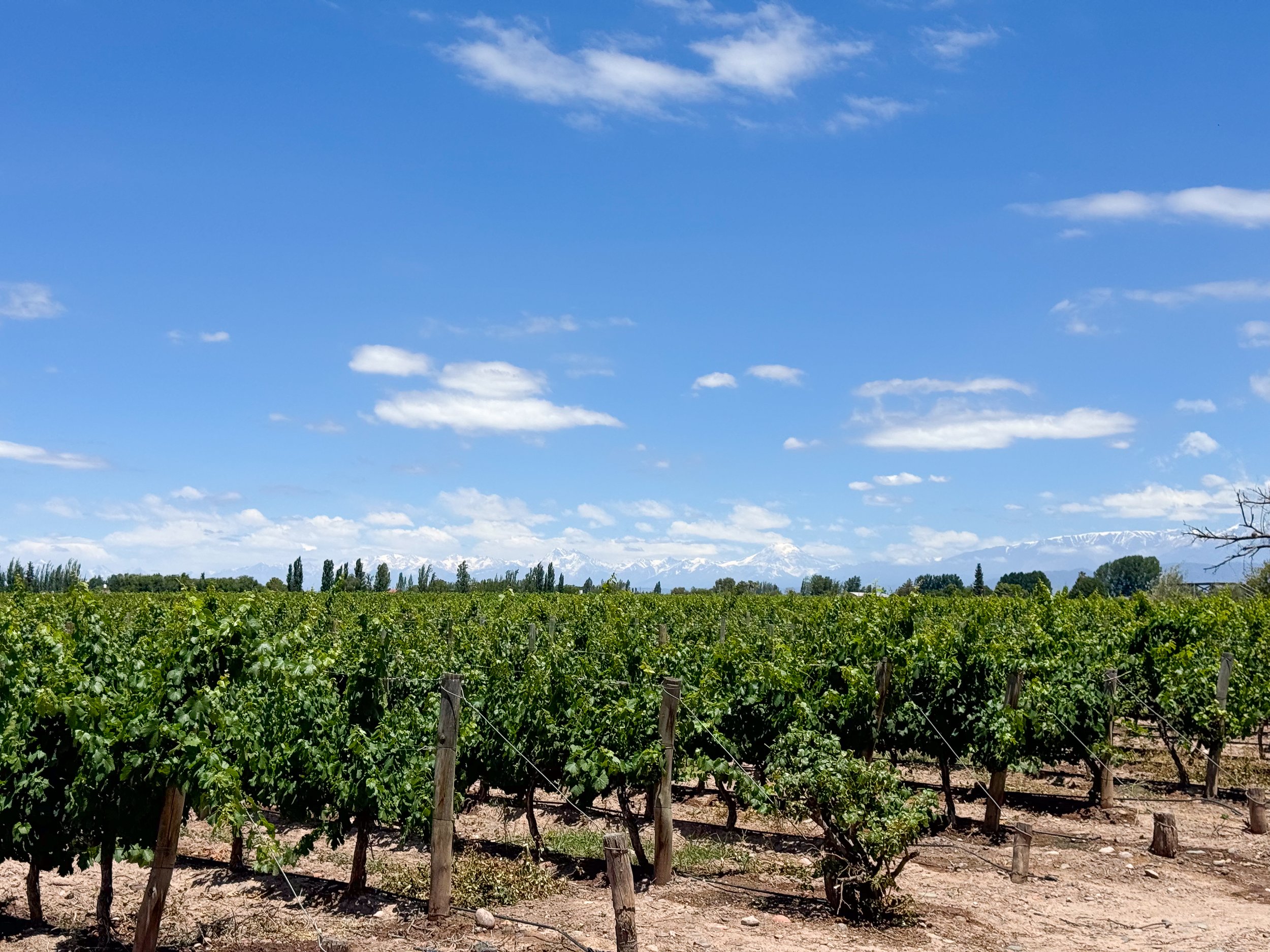
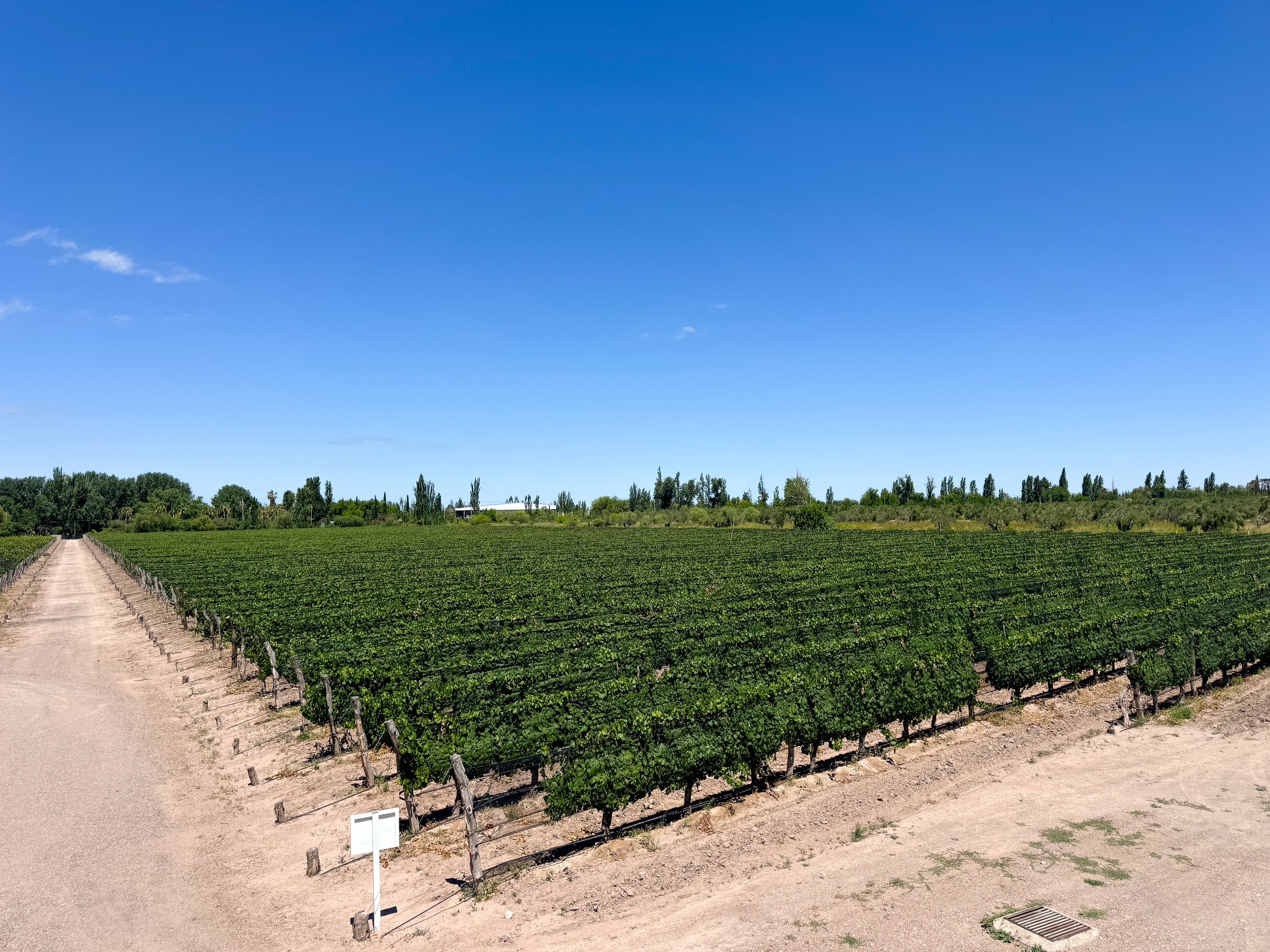
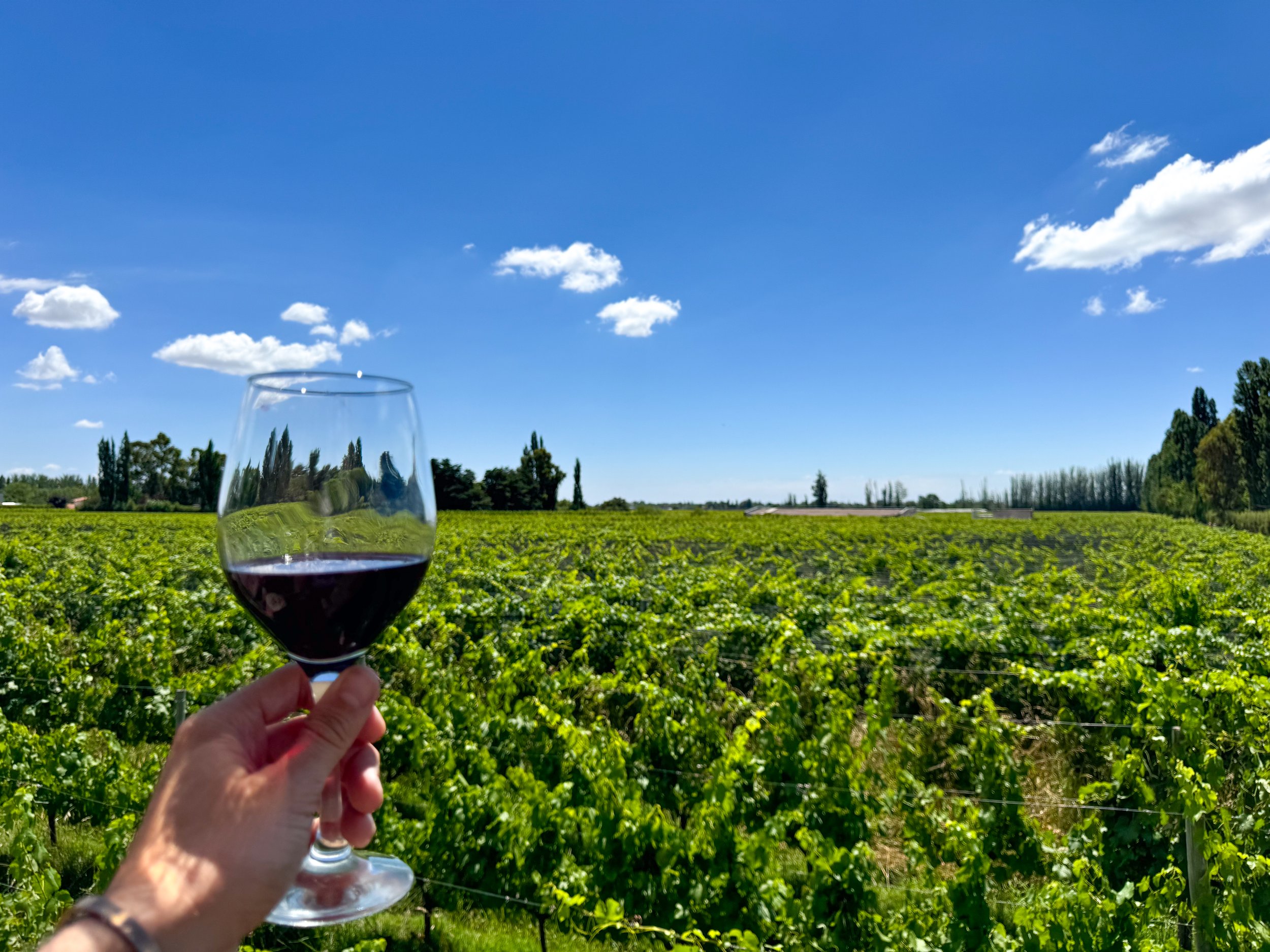
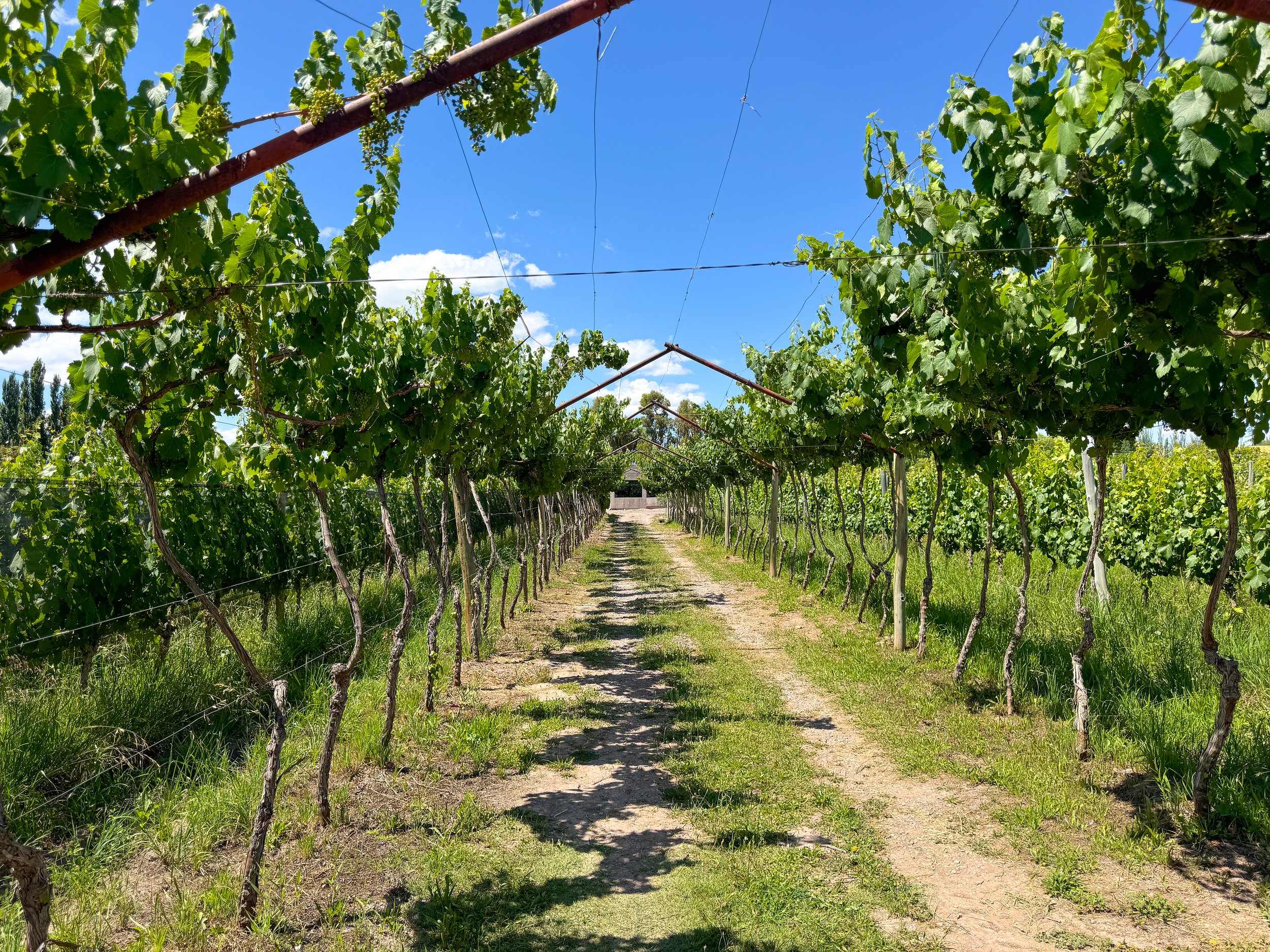
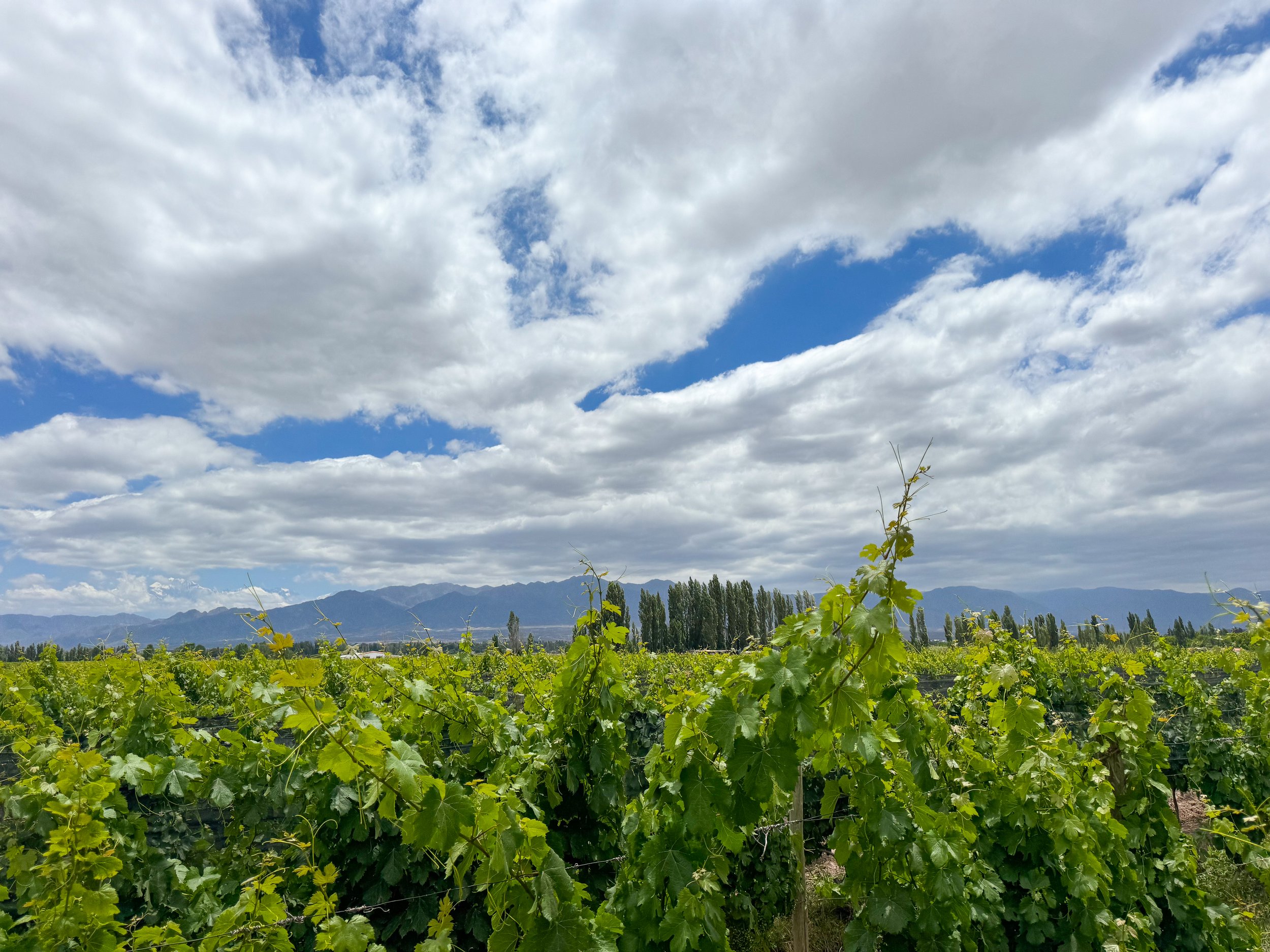
Mendoza is wine country! Here, hundreds of vineyards and countless rows of grape vines blanket the landscape beneath the backdrop of the Andes Mountains. The most notable wines of the many produced across the region are Malbecs and Cabernet Franc.

Wine Tour by Bicycle
There are multiple wine producing regions in Mendoza known for different varieties of grapes and wines. We visited the Maipu and Lujan de Cuyo valleys on self guided bike tours. Both valleys have a range of vineyards in close proximity to each other making it easy to visit multiple in one day. It’s also the most affordable way to visit the vineyards.
Maipu Bikes. A bike rental company in the center of the Maipu Valley with daily bike rentals, route suggestions, a map and vineyard discounts. They’re open from 10am-6pm with a free happy hour between 5-6pm. The cost is $10 ARS in cash only.
Baccus Wine Tours. A bike rental company in the Lujan de Cayo Valley with daily bike rentals, route suggestions and a map. They’re open from 10am-6pm daily. The cost is $15 ARS in cash only.
Tips for Biking Between Vineyards:
It’s best to start between 10-11am and plan out a route to maximize time.
If planning to visit any specific wineries, confirm hours and the need for a reservation before arriving.
Plan to visit anywhere from 2-5 vineyards depending on pace.
Order a meal for lunch or pairings throughout the day.
Bring water to stay hydrated!
Wear sunblock. The UV often reaches extreme levels.
The Maipu Valley
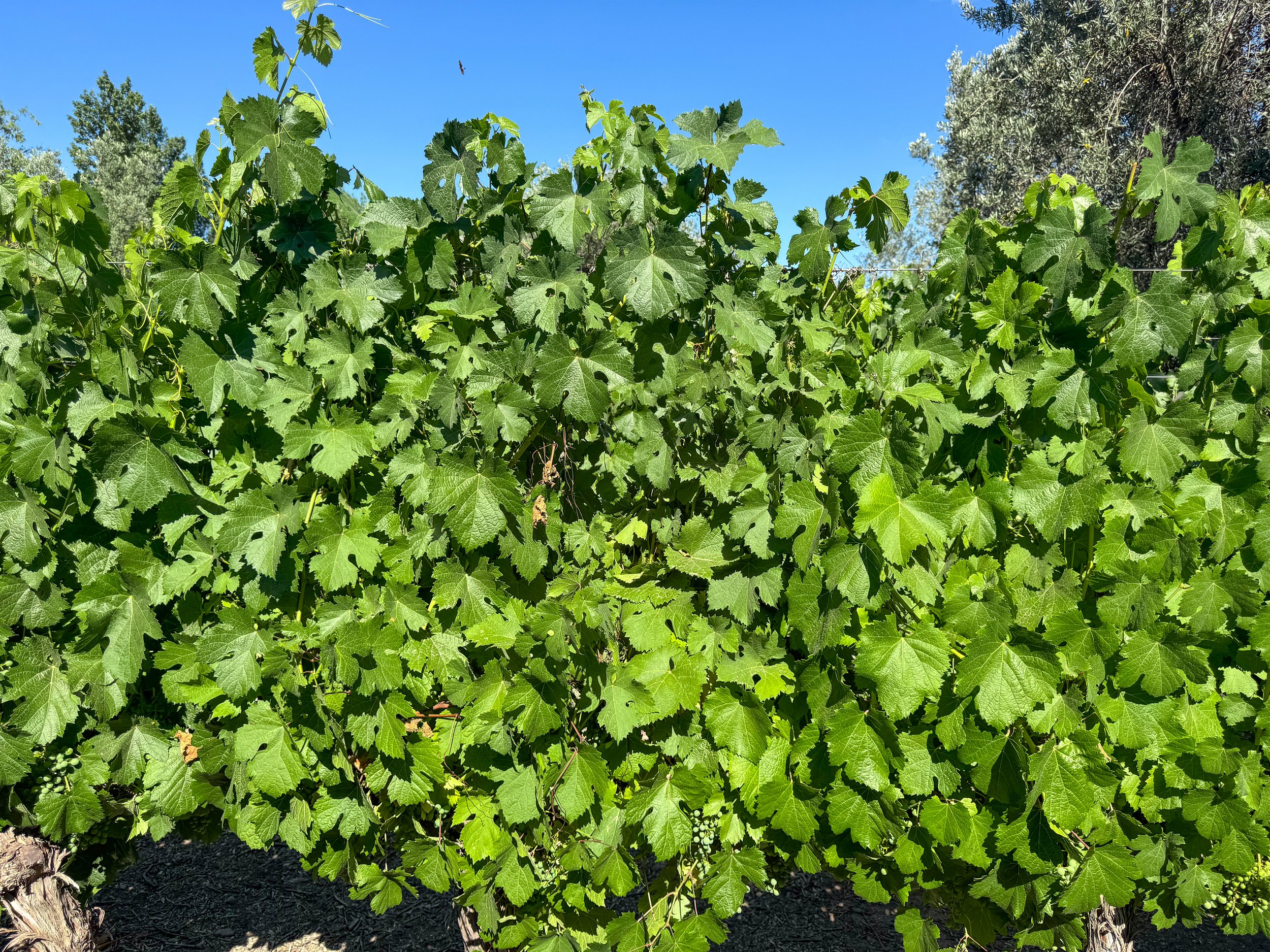
A slightly industrial wine producing valley southeast of Mendoza with many large scale and boutique vineyards. Roadside bike paths follow the main road and branch off onto dirt roads leading to most vineyards. We visited 4 vineyards and an olive oil store during our tour.
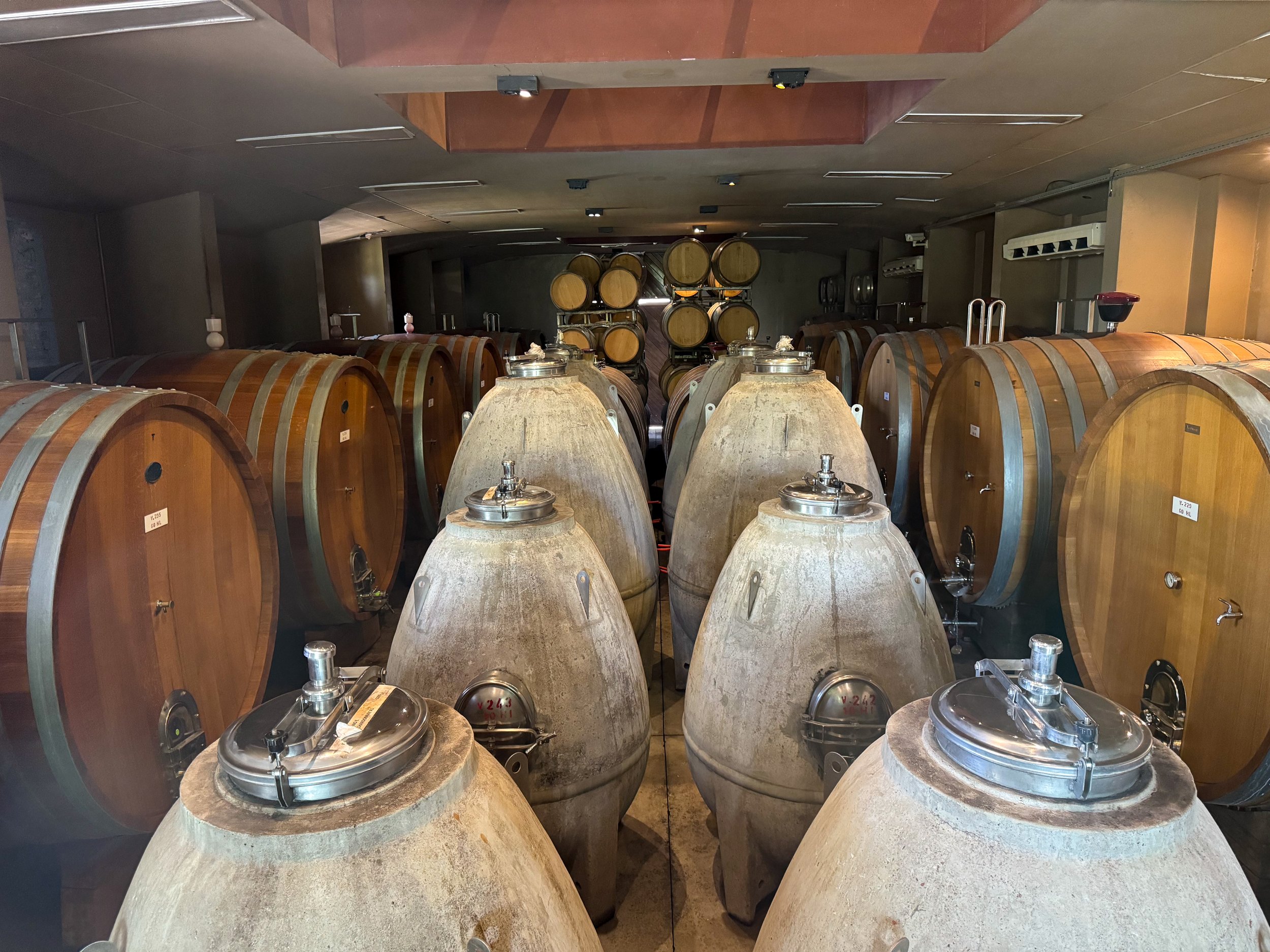
Bodega Trapiche. A grand and historic vineyard with tours, tastings and opportunities to learn about the winemaking process. Our tour started with a stroll through the vineyard and a glass of small batch white wine only served onsite. We transited to a Malbec as we entered a warehouse with massive concrete tanks used to store thousands of liters of wine. The next building housed oak barrels and concrete eggs of aging wine. We ended our tour in their tasting room with views of the Andes, sampling two more Malbecs, both grand reserves. The vineyard is bike friendly, it’s pricier to visit and reservations are required.
Entre Olivos. A small shop with tastings of locally produced olive oils, olive pates and wine. We stopped here en route to the next vineyard and bought a bottle of oil to bake focaccia.
Viña el Cerno. A small vineyard with a tasting room in their processing warehouse. We didn’t learn much about the vineyard or their wines but got to sample three different types, a sweet rosé, Cabernet Franc and Merlot. The vineyard is bike friendly and no reservations are needed.
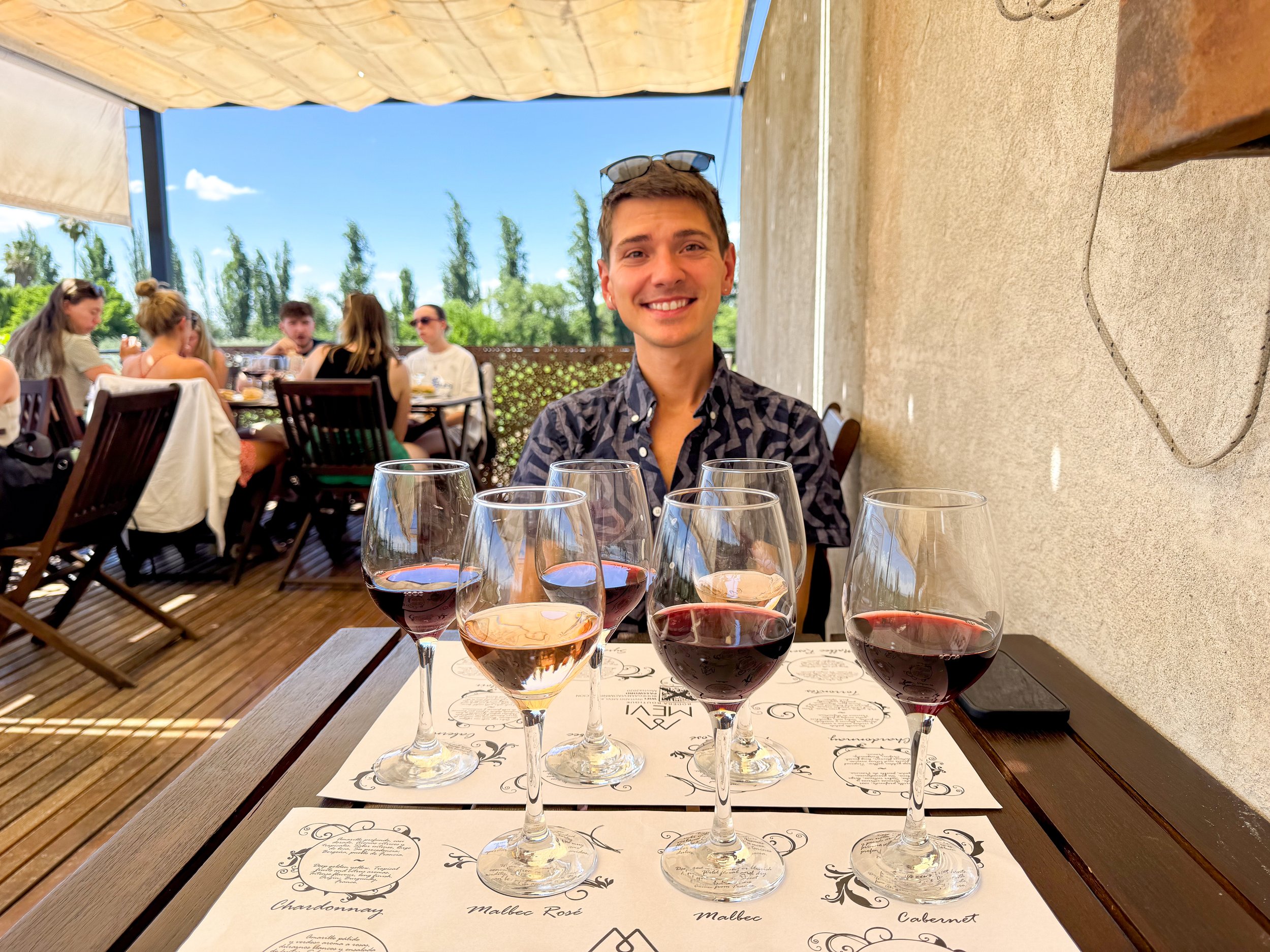
Bodega MEVI. A vineyard with a restaurant and tasting room overlooking their rows of grape vines, olive trees and the snow covered Andes. We didn’t learn much about the wines but enjoyed the view while drinking them. We sampled three types, a dry rosé, Cabernet Franc and Merlot. The vineyard is bike friendly and no reservations are needed.
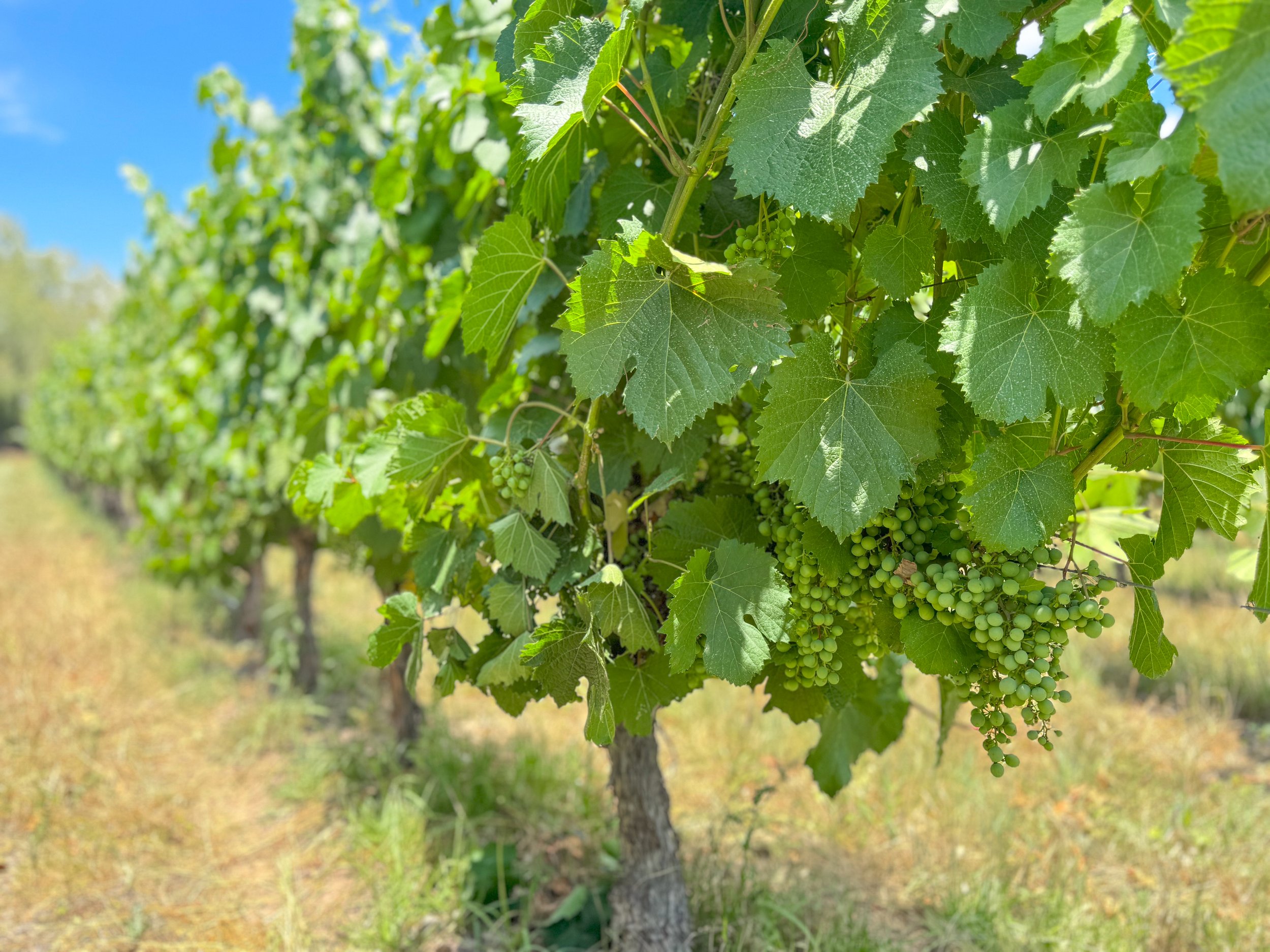
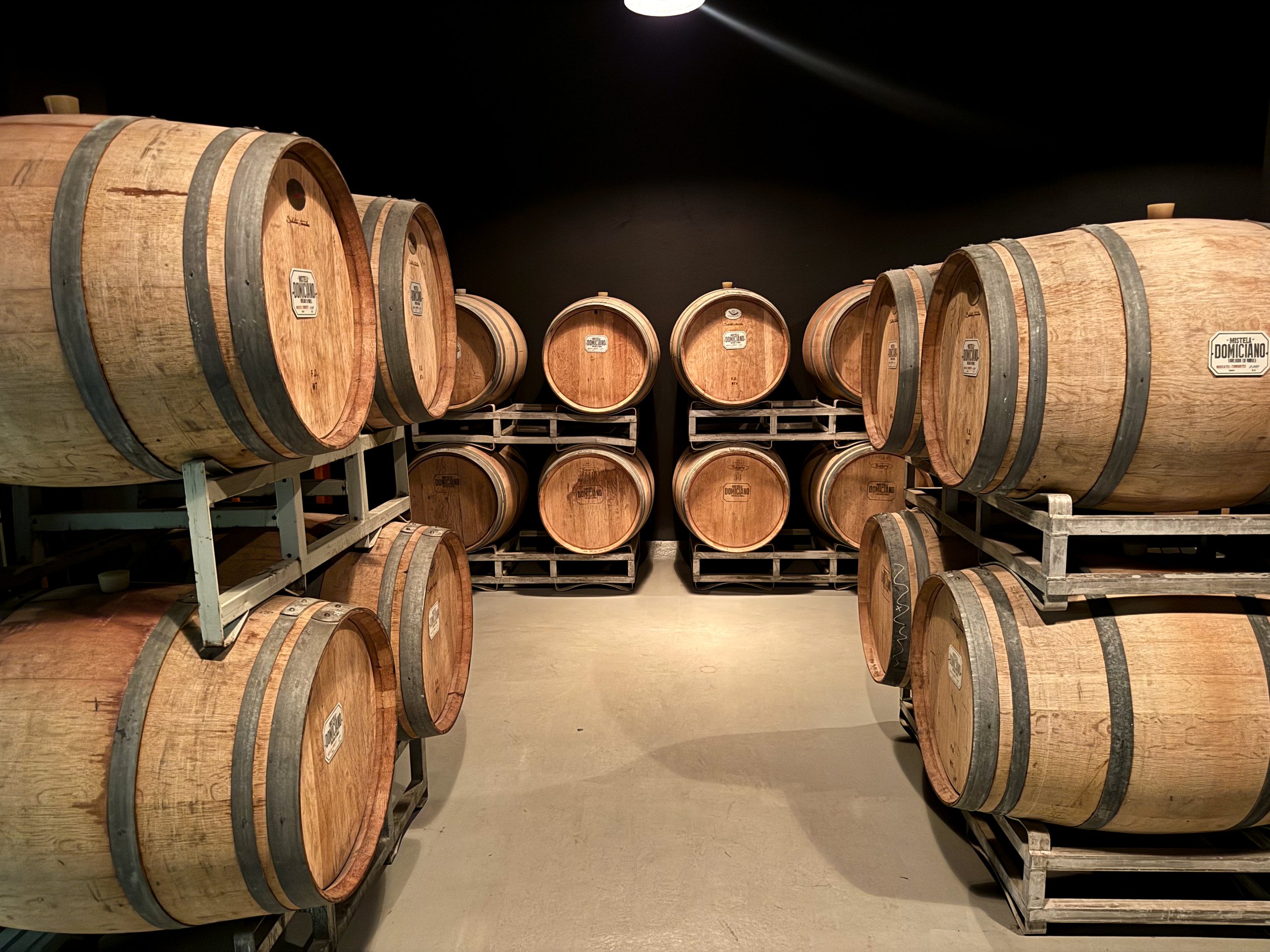
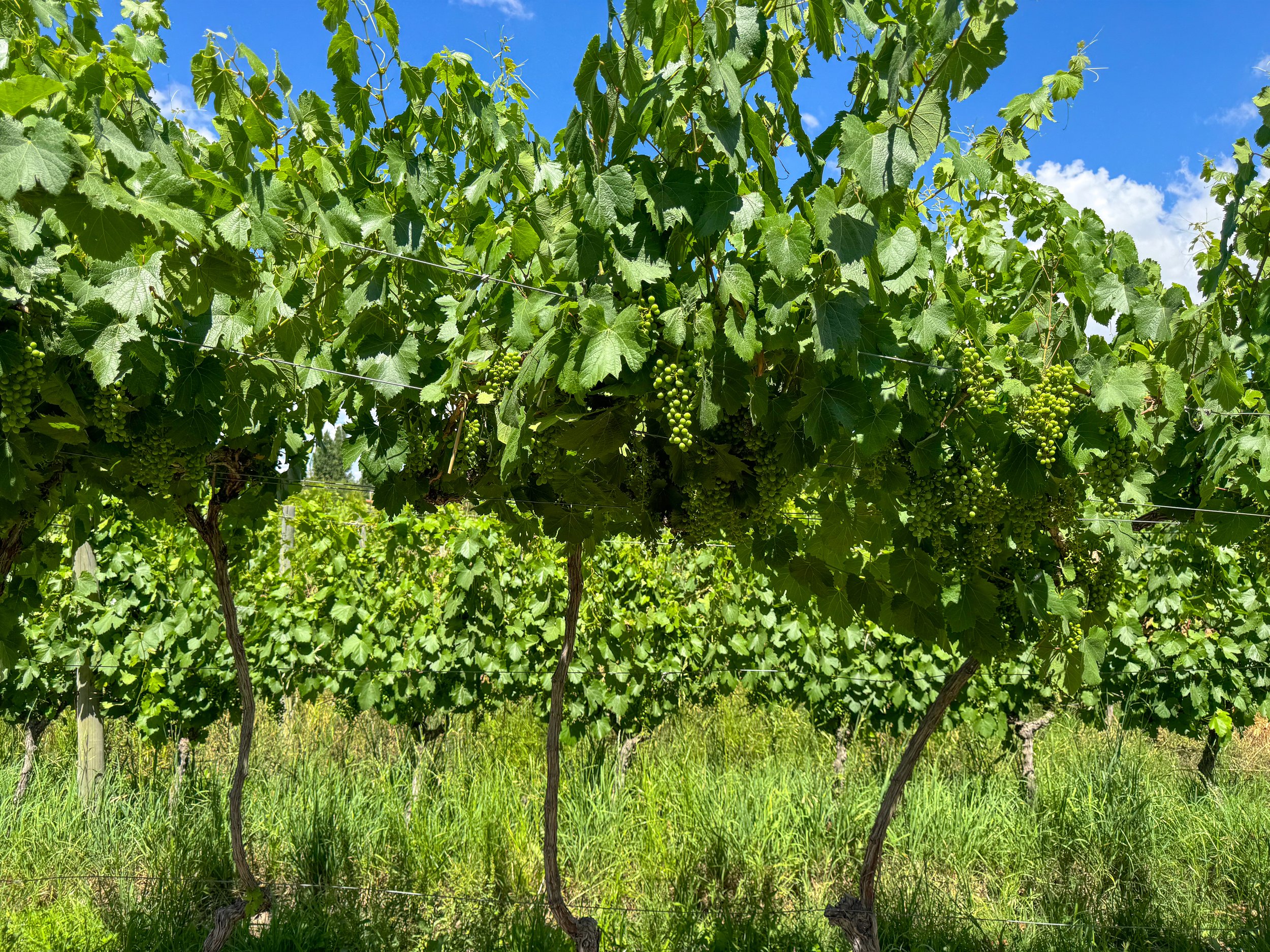
Bodega Domiciano. A winery with a small show vineyard at their production facility. We toured the vineyard with rows of Syrah, Merlot and Cabernet grapes, getting to learn about the vines themselves. Inside their warehouse, we walked past large concrete tanks used to store thousands of liters of wine then to their cellar with oak barrels and bottles of aging reserves. Our tour ended in their tasting room where we sipped on a Sparking Brut, Malbec and Syrah. The vineyard is bike friendly, no reservations are needed however tours happen at set times throughout the day.
Lujan de Cuyo
A beautiful valley with grand vineyards, country homes and views of the Andes located south of Mendoza. It has defined and well maintained sidewalk style bike paths that lead directly to most vineyards.
Bodega Gieco. A rustic vineyard with a tasting room, provisions shop, bakery and a range outdoor seating areas. We tasted three wines: Malbec, Cabernet Franc and Tannat. We enjoyed our first glass on their elevated deck overlooking the rows of grape vines in the vineyard with a house baked vegan ciabatta sandwich. We sipped on the second two in their patios covered with fruiting apricot trees. The vineyard is bike friendly. No reservation is needed.
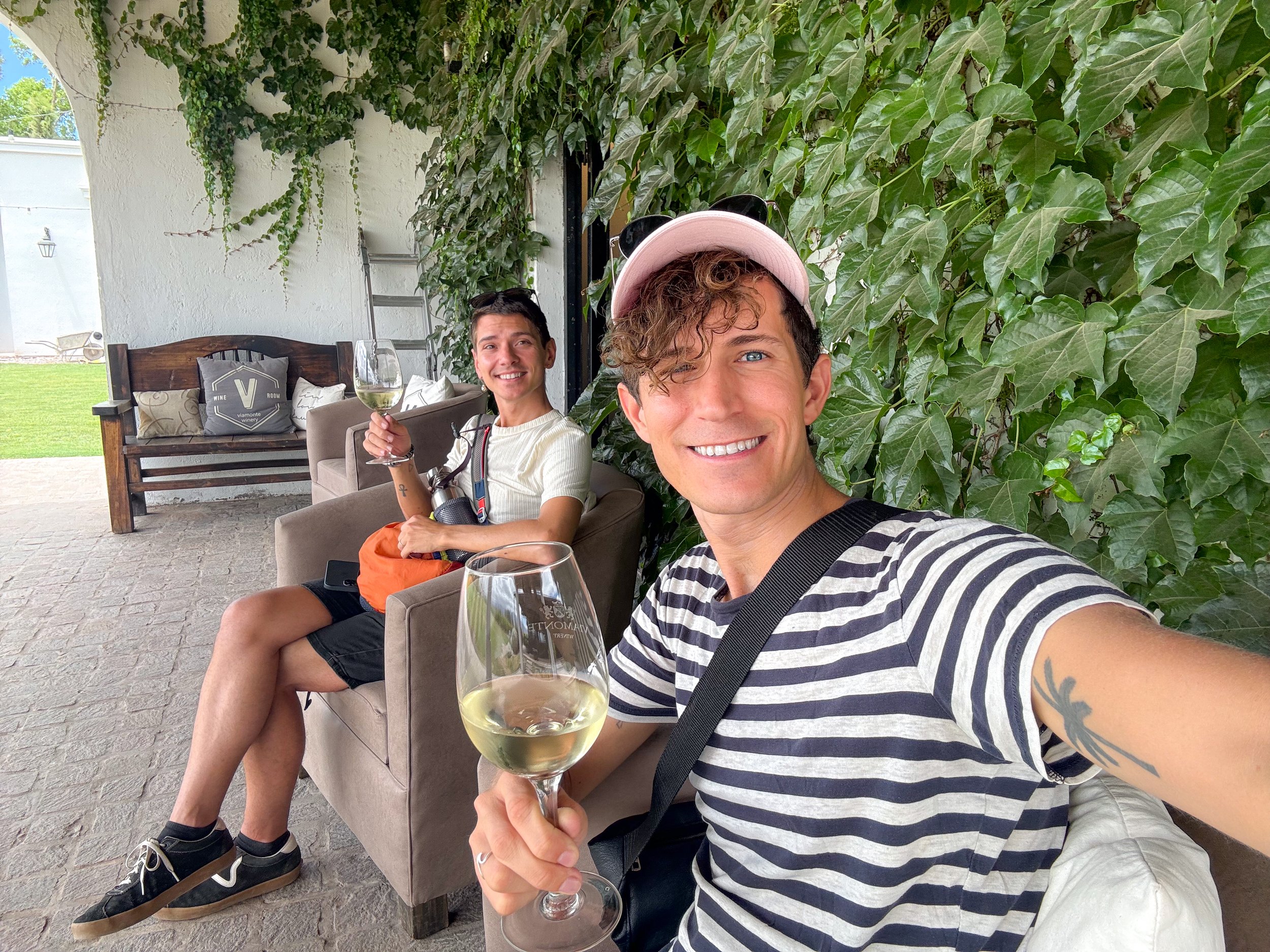
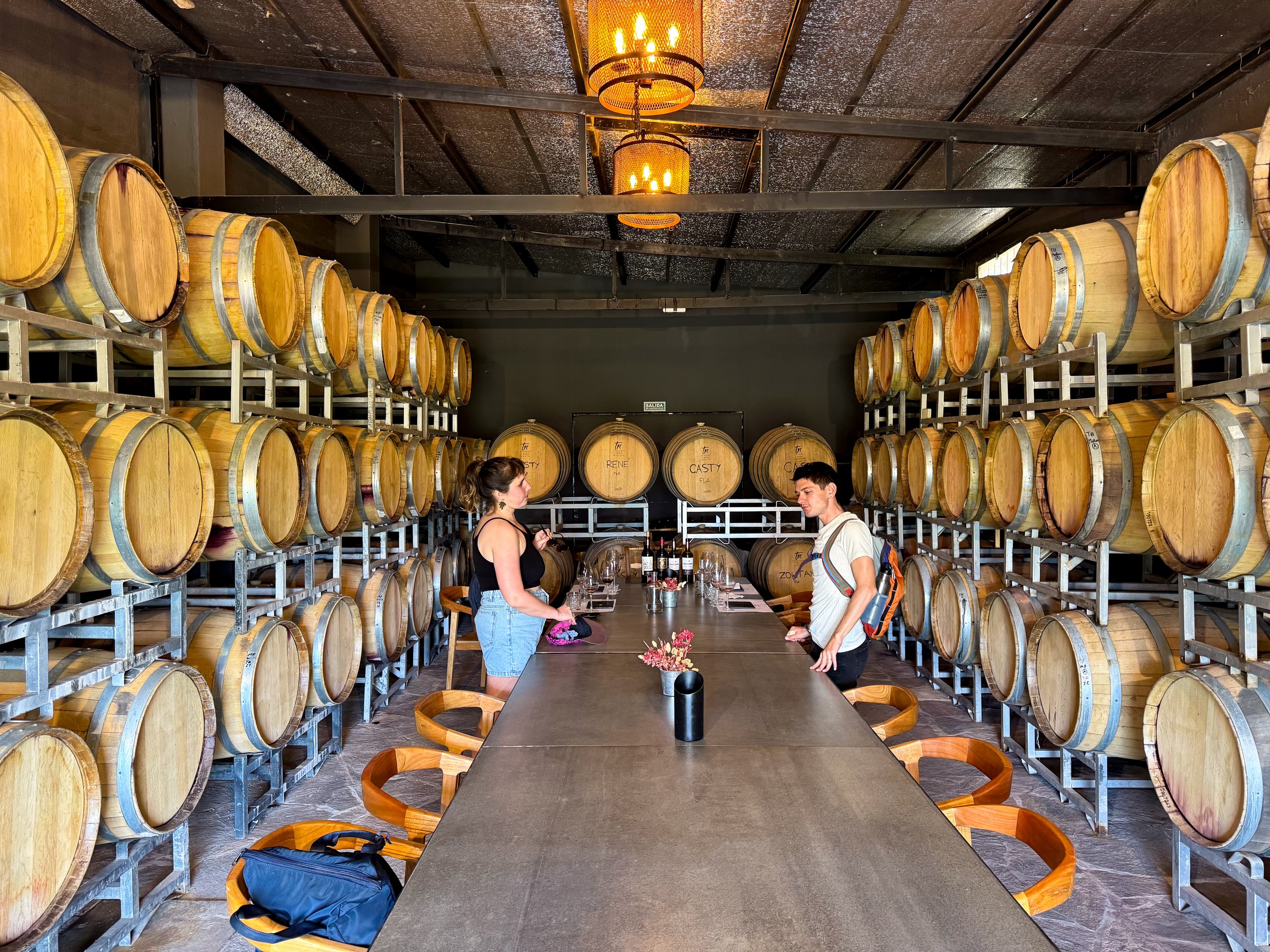
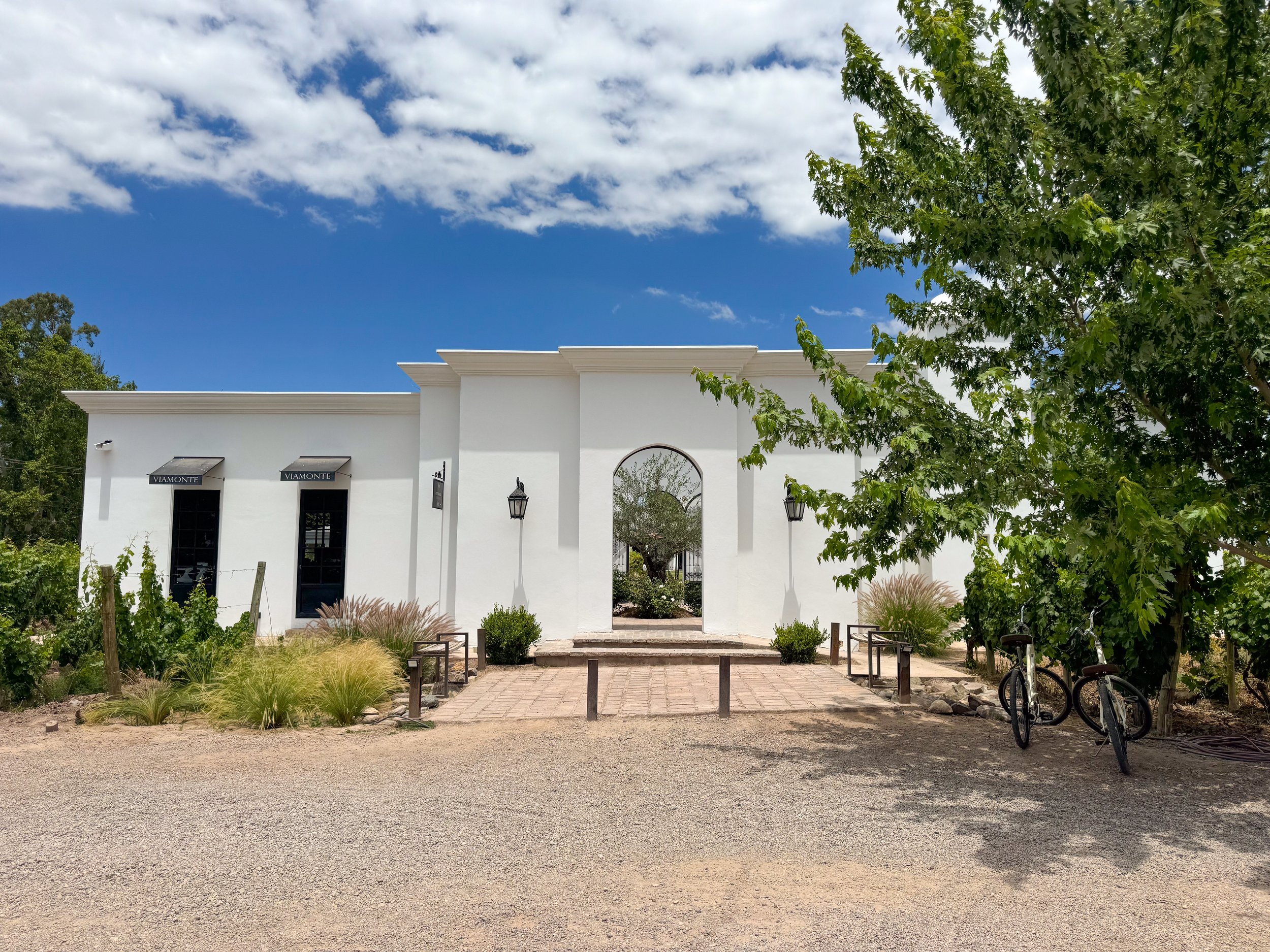
Bodega Viamonte. A very elegant vineyard with seemingly endless rows of grape vines and views of the snow covered Andes. We arrived early and ordered a glass of rosé paired with a chocolate mousse pastry. The tour began with a glass of their house white, a walk through the vineyard and white brick processing facilities. We ended in their tasting room surrounded by oak barrels of aging wines. Our tasting included four Malbecs, two entry level, one reserve and grand reserve paired with a chocolate tart, tomato mousse cracker and blue cheese. The vineyard is bike friendly and reservations are required.

City Winery
Bodega Las Toneles. A massive winery in the city with historic buildings housing giant concrete containers, steel tanks and stacked oak barrels of aging wine. We tasted a Merlot directly from a stainless steel tank and sampled glasses of Pinot Noir, Rosé, Sauvignon Blanc and two Malbecs. The most exciting part of the tour is the extravagant underground wine vault with painted mermaids swimming in tanks of wine. The winery has a pastel colored cafe, a Michelin starred restaurant and an event venue.

Central Mendoza
The city center of Mendoza is a hub for cuisine and wine with restaurant lined streets, tree covered promenades, empanaderas, produce markets and daily happy hours.
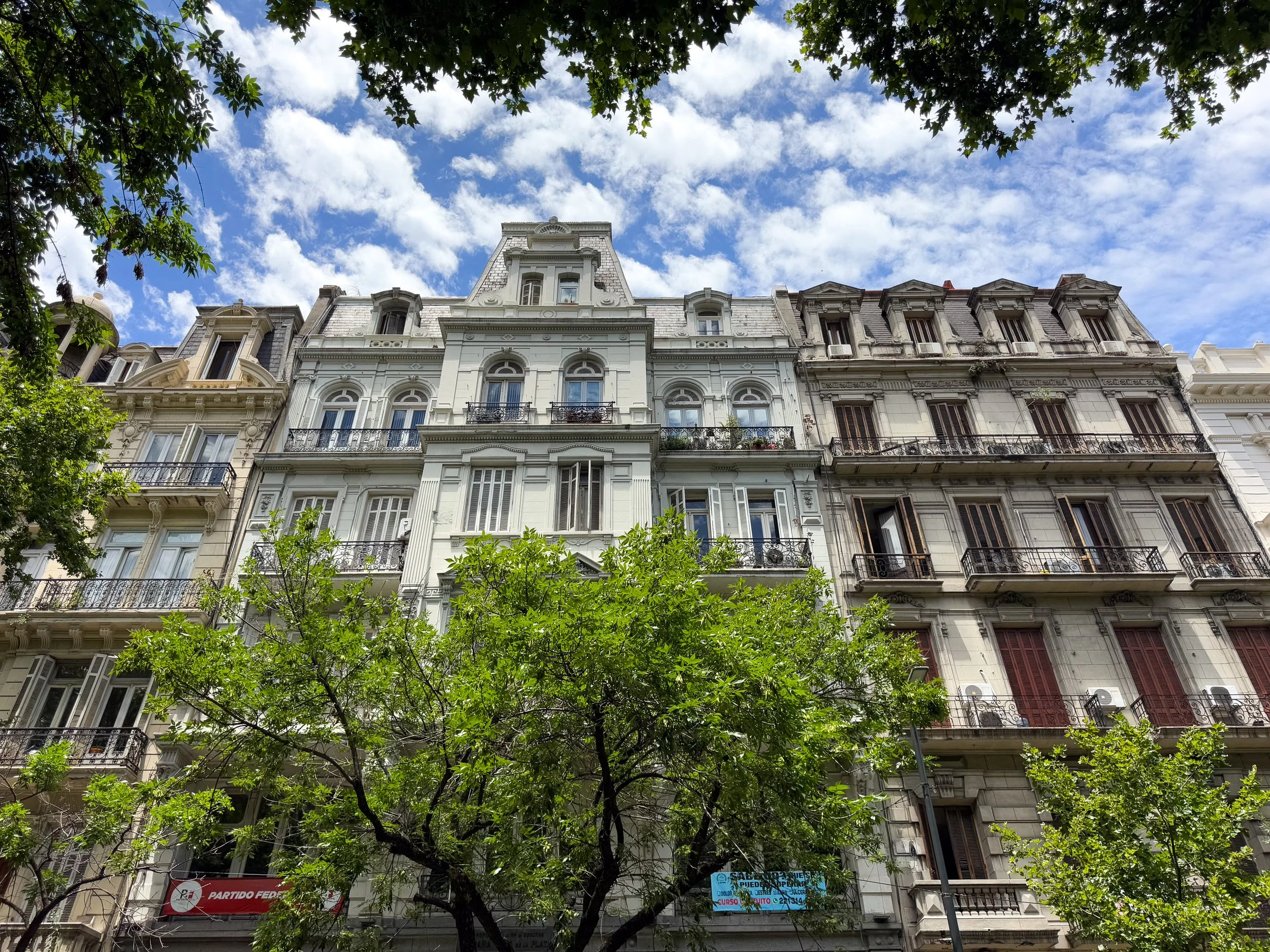
Calle Arístides Villanueva. A tree covered street with many restaurants, bars, cafes and breweries popular with both locals and tourists, especially after 8pm. Come here to dine at one of the street patios or high-end restaurants.
Peatonal Sarmiento. A tree covered pedestrian street with cafes, wine shops, restaurants and shopping.
Mercado Central. A historic market with vendors selling wine, olives, bread, meats, cheese, seafood, empanadas, alfajores and produce.
City Plazas and Parks
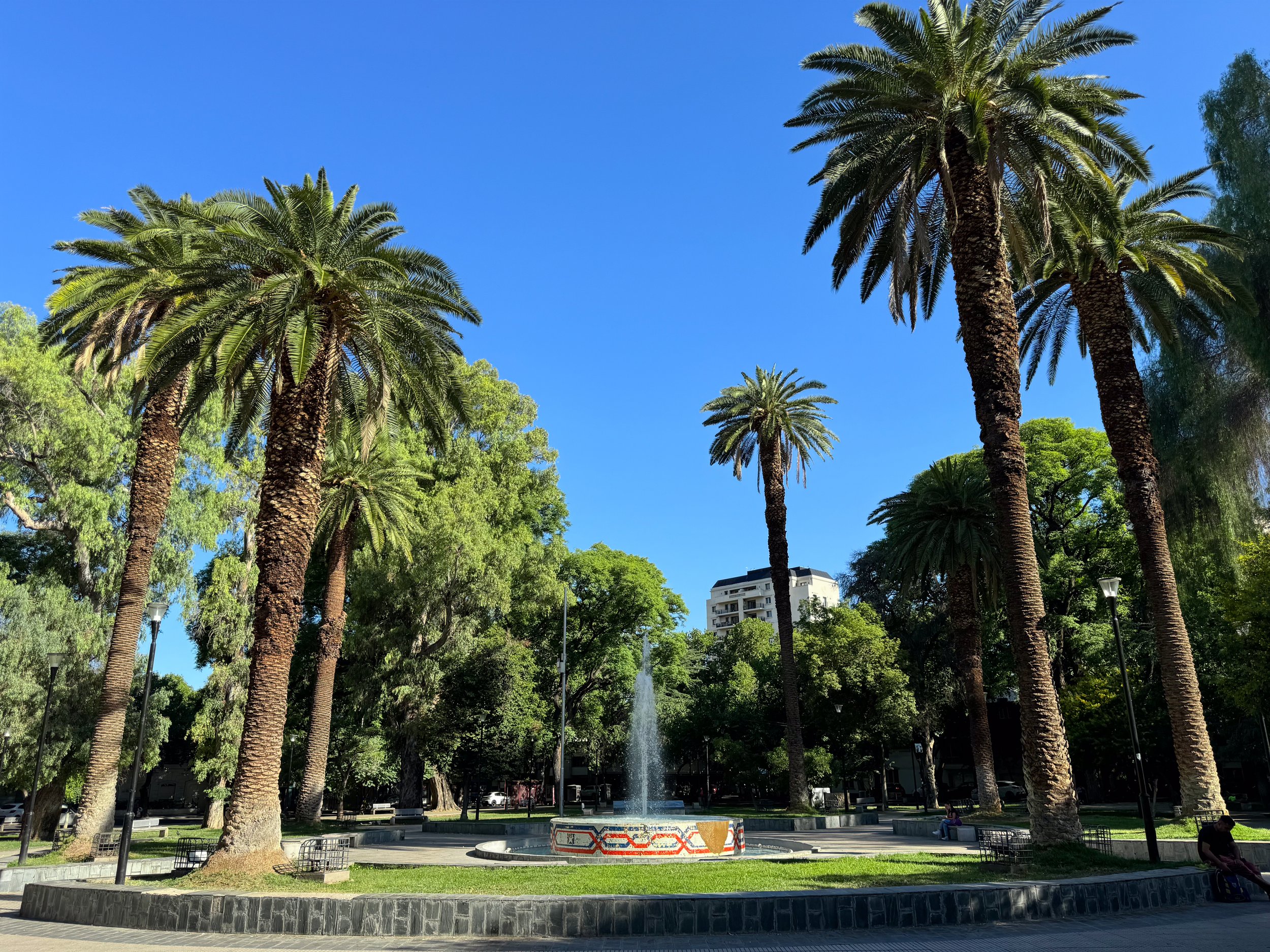
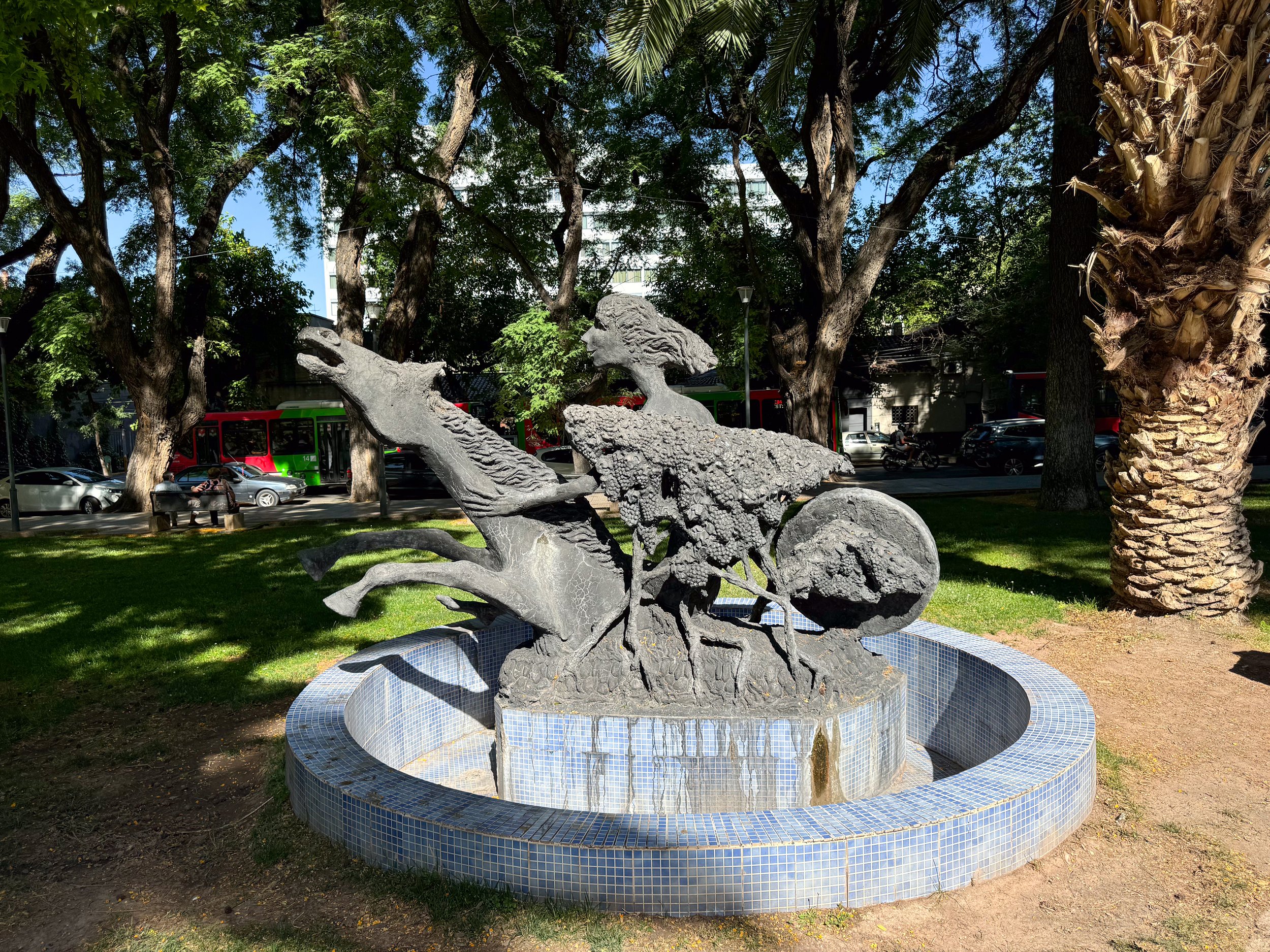
The city center is organized around a large plaza with four smaller squares a few streets away from its corners. They’re all easy to visit on foot and worth exploring while walking around the city center.
Plaza Independencia. A large treelined square at the center of the city with fountains, a theater and a weekend artisan market. Vendors sell handcrafted items like wire metal jewelry, knitted items, leather goods, ceramics, watercolor paintings, and knives.
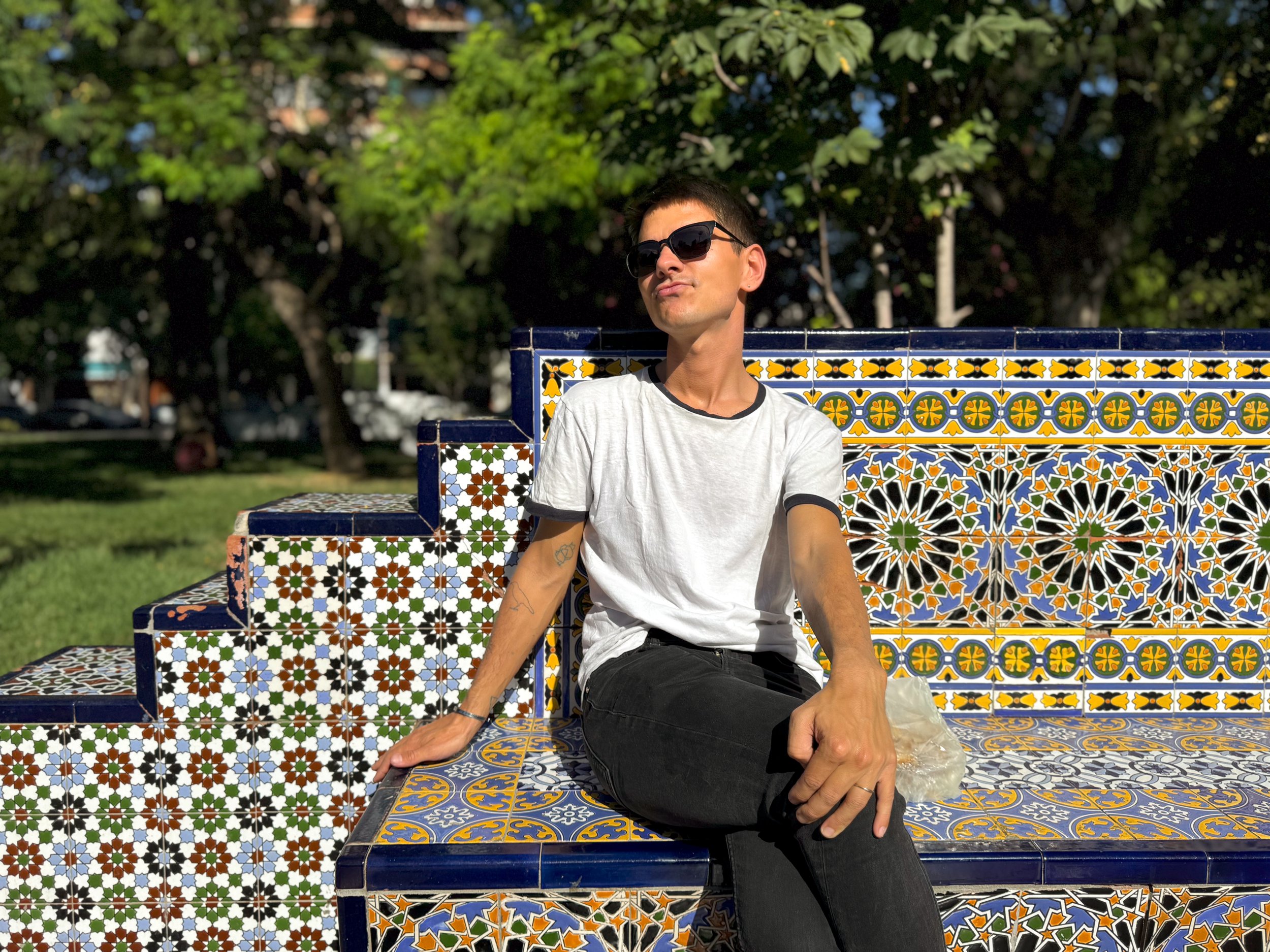
Plaza España. A beautiful plaza with a central fountain, park benches, a monument and walkways covered in colorful and ornate Spanish tiles.
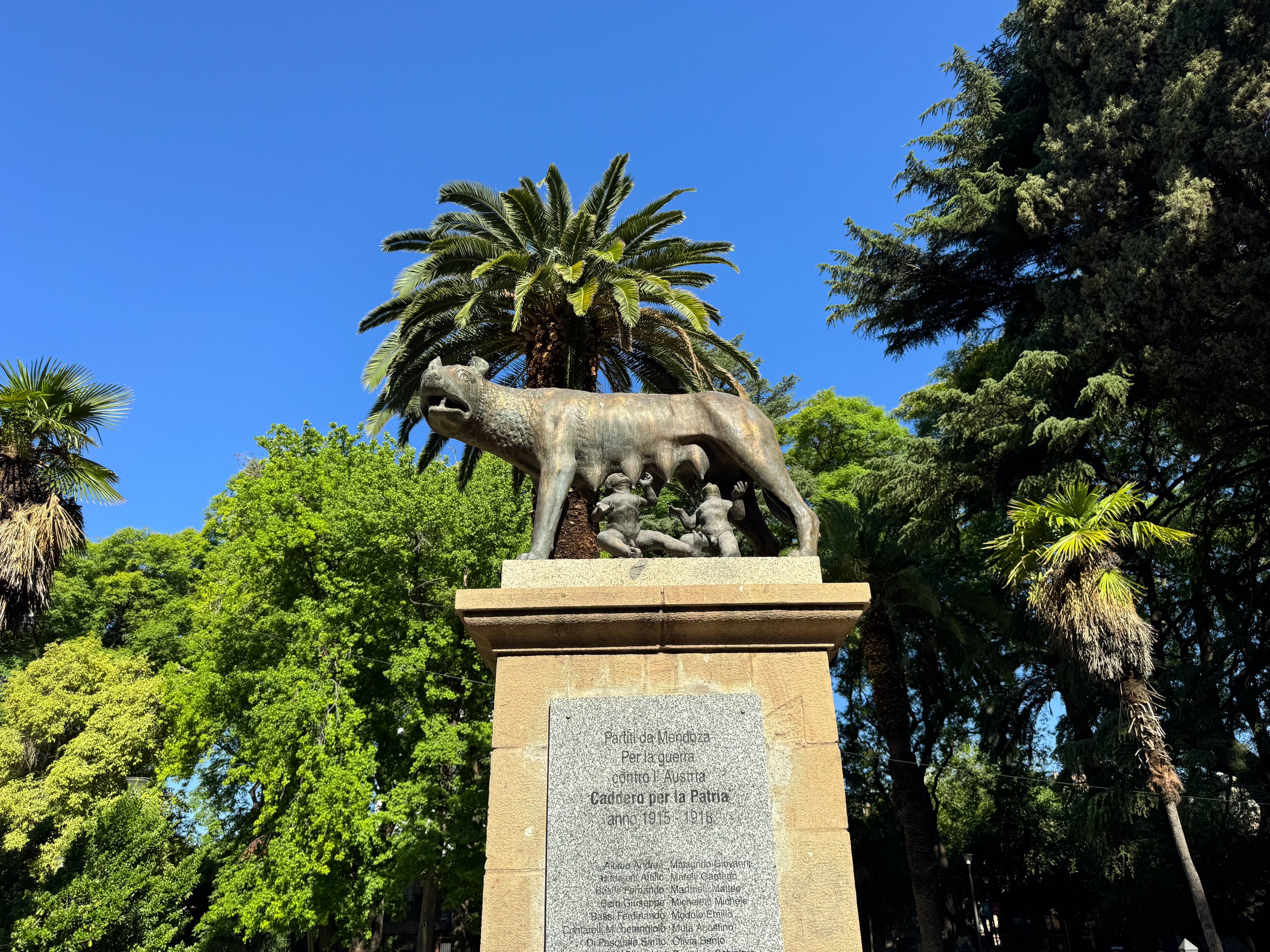
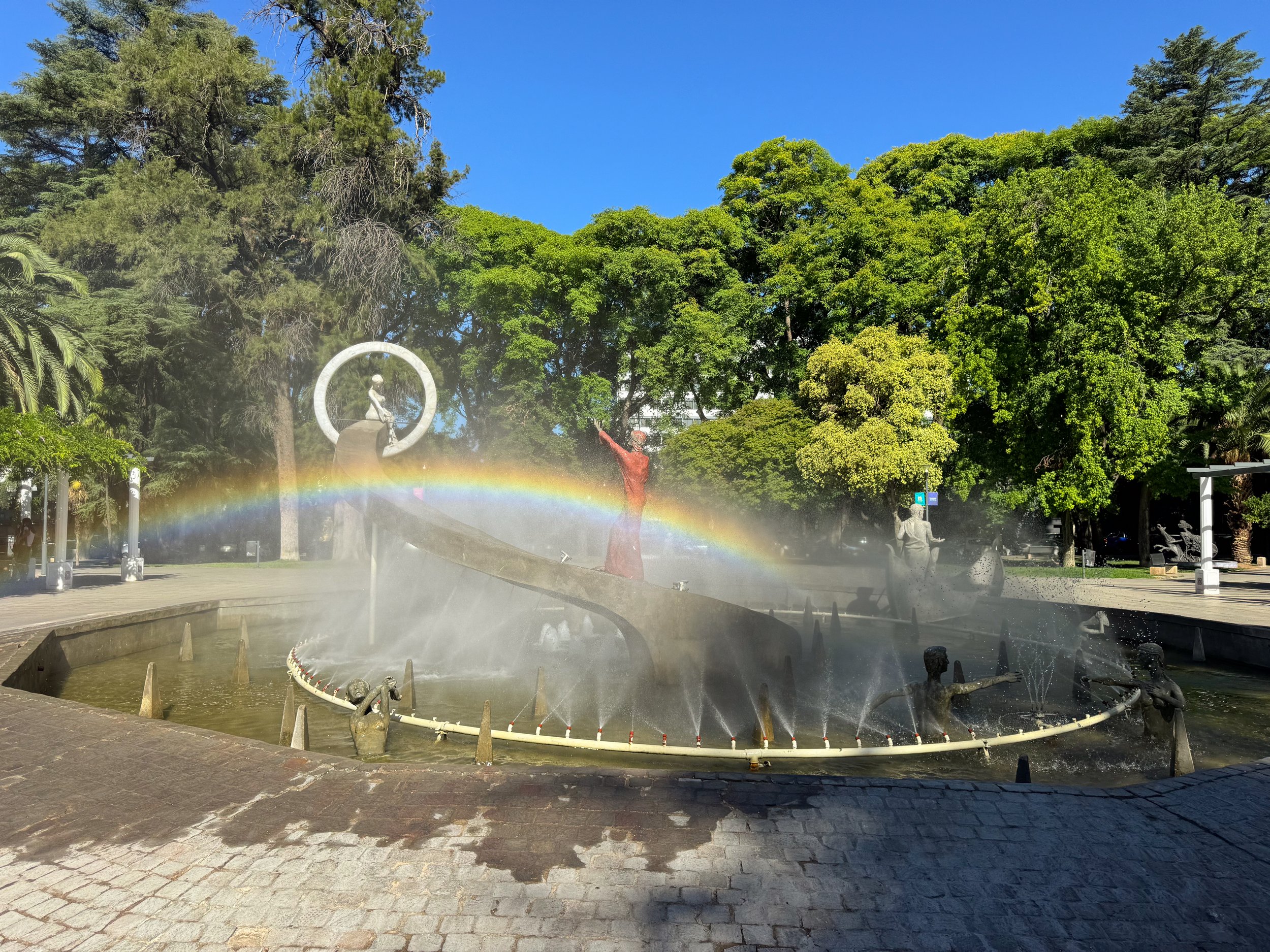
Plaza Italy. A plaza dedicated to Argentina’s Italian immigrants with a fountain at its center telling the story of Dante’s Divine Comedy, a statue of Rome’s iconic wolf, Lupa and numerous others rooted in Italian history.
Plaza Chile. A plaza dedicated to Argentina’s close relationship with neighboring Chile. The plaza has a fountain and park benches covered in mosaic tiles in the colors of Chile’s flag.
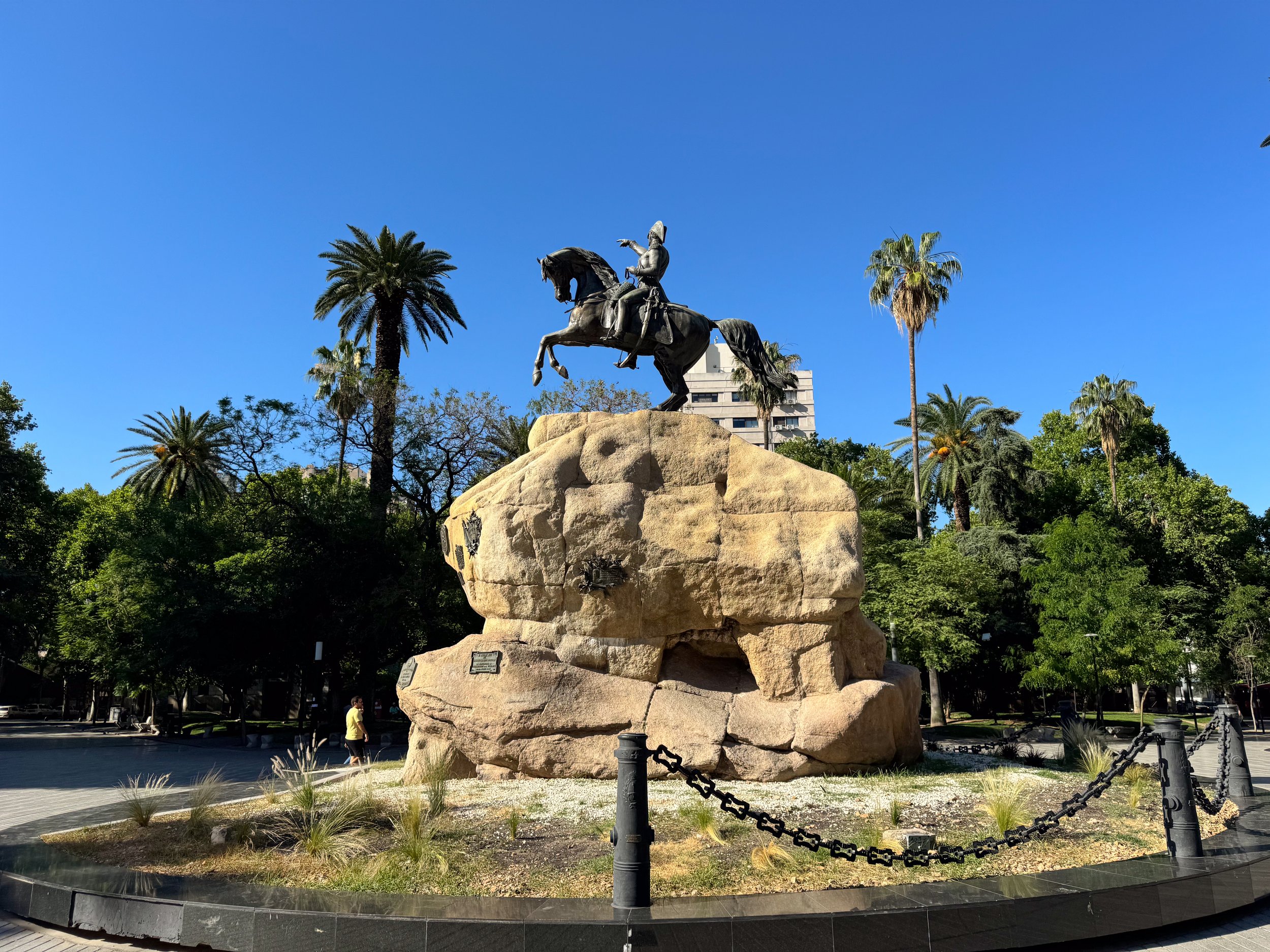
Plaza Army. A plaza dedicated to Argentina’s army with a stone monument and a bronze statue of a general riding on top of it.
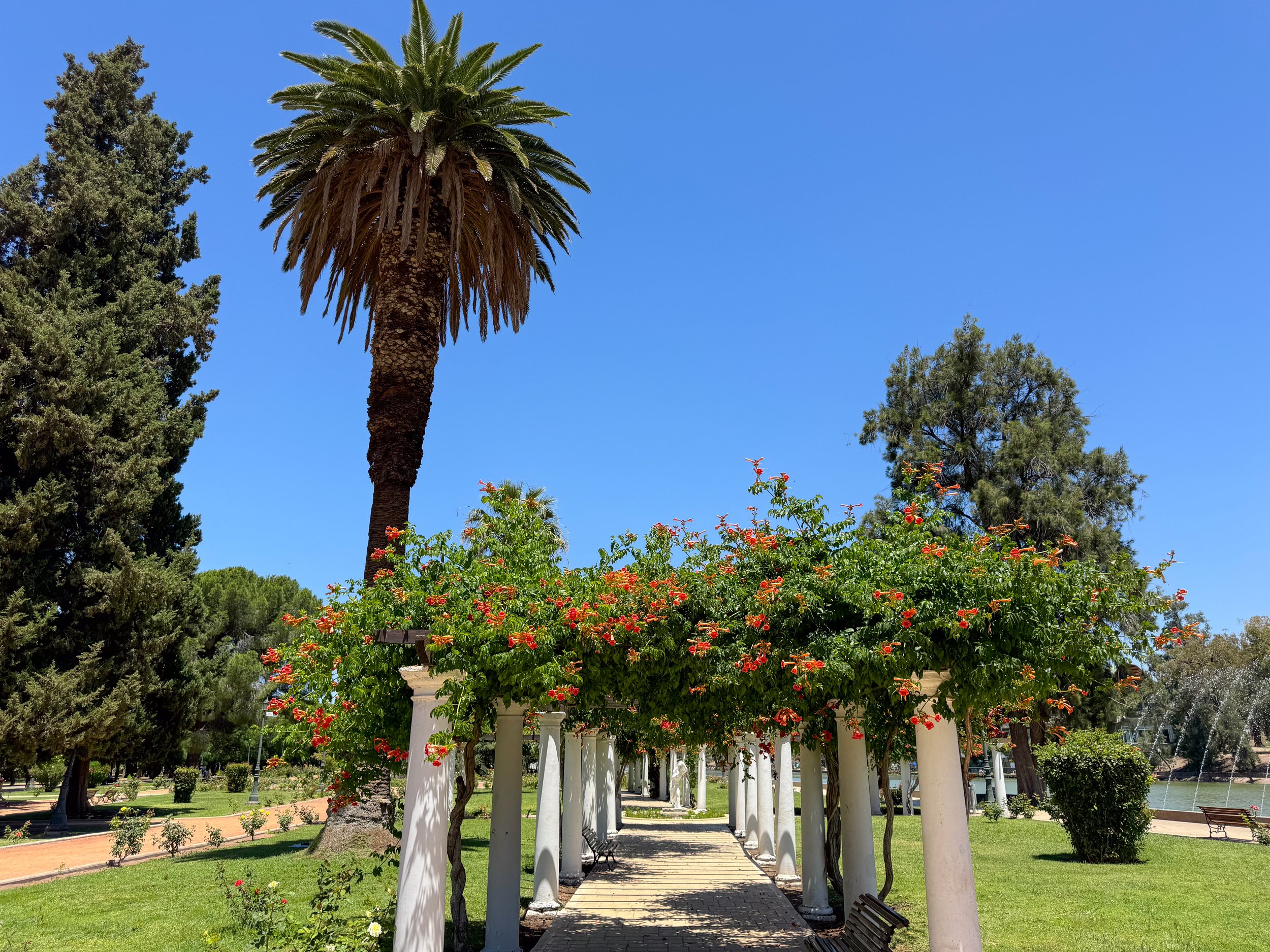
Parque San Martín. A large city park with a central pond, rose garden and biking trails. We picnicked here on a Saturday, walked along the trails and visited a large tented craft market and small organic food market.

Empanada Crawl
Empanadas are one of Argentina’s most popular snacks. The savory packets of dough are stylized with crimped sides and stuffed with fillings including meats, veggies or seafood. We decided to make a meal out of them and go on an empanada crawl across the city, trying as many vegetarian and pescatarian flavors as possible from multiple restaurants.
Los Inmigrantes - Sucursal Ciudad. A pizza parlor and empanadera with several types of baked empanadas. We tried four types, the corn with cheese, shrimp with cheese, onion with cheese and spinach with onion. They had a homemade look and taste to them.
Harry’s. A chain restaurant and empanadera with a countertop display of dozens of empanadas ready to order. We visited two locations, trying the tuna, sweet corn, corn with cheese and fried shrimp with cheese. They had a homemade look and taste to them.
De un Rincón de la Boca. A pizzeria with pizza flavored empanadas on the menu. Most have meat however, we tried the one veggie option, the caprese. The dough wrapped a tasty filling of tomato, mozzarella and basil.
Costumbres Argentinas. A fast food style deli with desserts, sandwiches and of course empanadas. We tried the vegan version with seasoned soy protein and another stuffed with corn, onion and cheese. They looked a little sad and tasted the most processed.

Have a Picnic!
We visited the Mercado Central and bought an assortment of goodies to create our own Picada style picnic. From the various vendors, we bought a bottle of Malbec, baked empanadas, green olives, fresh apricots, cherry tomatoes, a triangle of cheese, dried breads and alfajores. We brought our spoils to a shaded spot overlooking the lake in Parque San Martin and enjoyed for the afternoon.
Argentine Cuisine
Outside of empanadas, wine and meat, Argentina has a few more popular staples of their cuisine.
Picadas. Argentinian style charcuterie or plates of “pickings” often including cheeses, pickled veggies and meats.
Rabas. Fat rings of Argentinian style fried calamari. It’s a common restaurant appetizer and snack at bars.
Milanesa. The classic Italian dish of a breaded and fried protein is popular across Mendoza. Unable to find a vegetarian version, we made our own Eggplant Milanesa with a tomato and onion sauce.
Medialunas. Sweet Argentine style croissants often served at breakfast.
Alfajores. Two sugar cookies with a generous layer of dulce de leche sandwiched in between and coated in coconut shavings or covered in chocolate.
Olives. In addition to grape vineyards, olive groves are plentiful across the region. Pickled olives, olive pate and olive oils are common snacks and ingredients on menus.
Fugazza. Argentinean style pizza made with a thin crust and fluffy dough topped with any number of toppings. Traditional places bake it in a coal or wood fired oven.
Provoleta. Grilled and melted Argentinean provolone cheese seasoned with oregano and olive oil. It’s often served with bread for dipping.
Local Beers. Outside of wine, Mendoza has a small beer scene with breweries, beer gardens and local beers.
Cerveza Patagonia. An Argentinian brewery with a range of locally brewed beers. We ordered the Vera IPA, a mildly hoppy and citrusy beer, and the Lager del Sur, an easy drinking beer with a slight sweetness.
Chachingo Arístides. A craft beer garden with a menu of locally brewed beers. We tried the Blonde Ale, light and refreshing, and IPA, mild and hoppy.
Andes Origen. A local brand of beer with several varieties. It’s advertised and seen on menus across the city. We tried the Roja, a light and nutty flavor with a slight sweetness.

Places to Eat & Drink
Soberana. One of the fancier restaurants in the town in a contemporary building. We ordered the burrata, basket breads and seafood pasta to share.
Che Picadas. A restaurant serving Picadas (Argentinian style charcuterie). They provide a platter of them for free with any order of food! We ordered the classic spread for two with a Spanish tortilla, six caprese empanadas and rabas (calamari).
Zitto. A chain restaurant and bar with a 2x5 happy hour. After walking around, we cooled down and relaxed with two Aperol Spritz.
Va Vene. A cafe chain with locations across the city with alfajores, frozen pasta and coffee.
La Dolce. A house in the Maipu Valley converted into a cafe with artisan coffee and sweet breakfast dishes like medialunas, waffles and pancakes. Try the waffles covered in dulce de leche and sliced bananas.
Location Specifics
Safety. Mendoza is generally safe however petty theft, pickpocketing and snatch and grabs can happen. Keep phones and wallets in front pockets while walking around. Never place phones or wallets on the table or bar when dining out.
Bottle vs. Glass of Wine. Outside of vineyards, most restaurants and bars only serve wine by the bottle though there’s typically a house red and white by the glass. When dining out, a glass of wine is cheaper than a cup of coffee.
Cash vs. Card. Credit and debit cards are widely accepted.
Tipping. Gratuities are almost always given in cash. 10% is the generally accepted amount.
Restaurant Hours. Many restaurants don’t open for dinner until after 8pm.
Getting Around. The city center is very walkable but use Ubers or taxis for longer distances.
Elsewhere in Argentina
From Mendoza's wine country and Andean foothills to Buenos Aires' cultural energy and Patagonia's glacial wilderness, discover more of Argentina beyond the vineyards through these travel guides:
Buenos Aires Travel Guide: Neighborhoods, Food & Nightlife. Wander through Buenos Aires' historic neighborhoods where elegant architecture, local markets, vibrant nightlife and a culinary scene shape Argentina's cultural capital.
Patagonia Argentina Travel Guide: Perito Moreno Glacier, El Calafate & Fitz Roy. Explore Patagonia's dramatic landscapes where glaciers, turquoise lakes, snow capped mountains and alpine towns define Argentina's remote southern frontier.
For Next Time…
Tour the Uco Valley. A wine producing region about an hour south of Mendoza with vineyards and wine tours.
Nature Sights. Outside of visiting vineyards and drinking wine, we would return to see some of the region's natural sights including:
Parque Provincial Aconcagua. An Andean park with the tallest mountain in the Southern and Western hemispheres. On a clear day, it’s visible from Mendoza.
Lago Potrerillos. A deep blue reservoir in the foothills of the Andes Mountains with boating, hiking and watching the sunset.