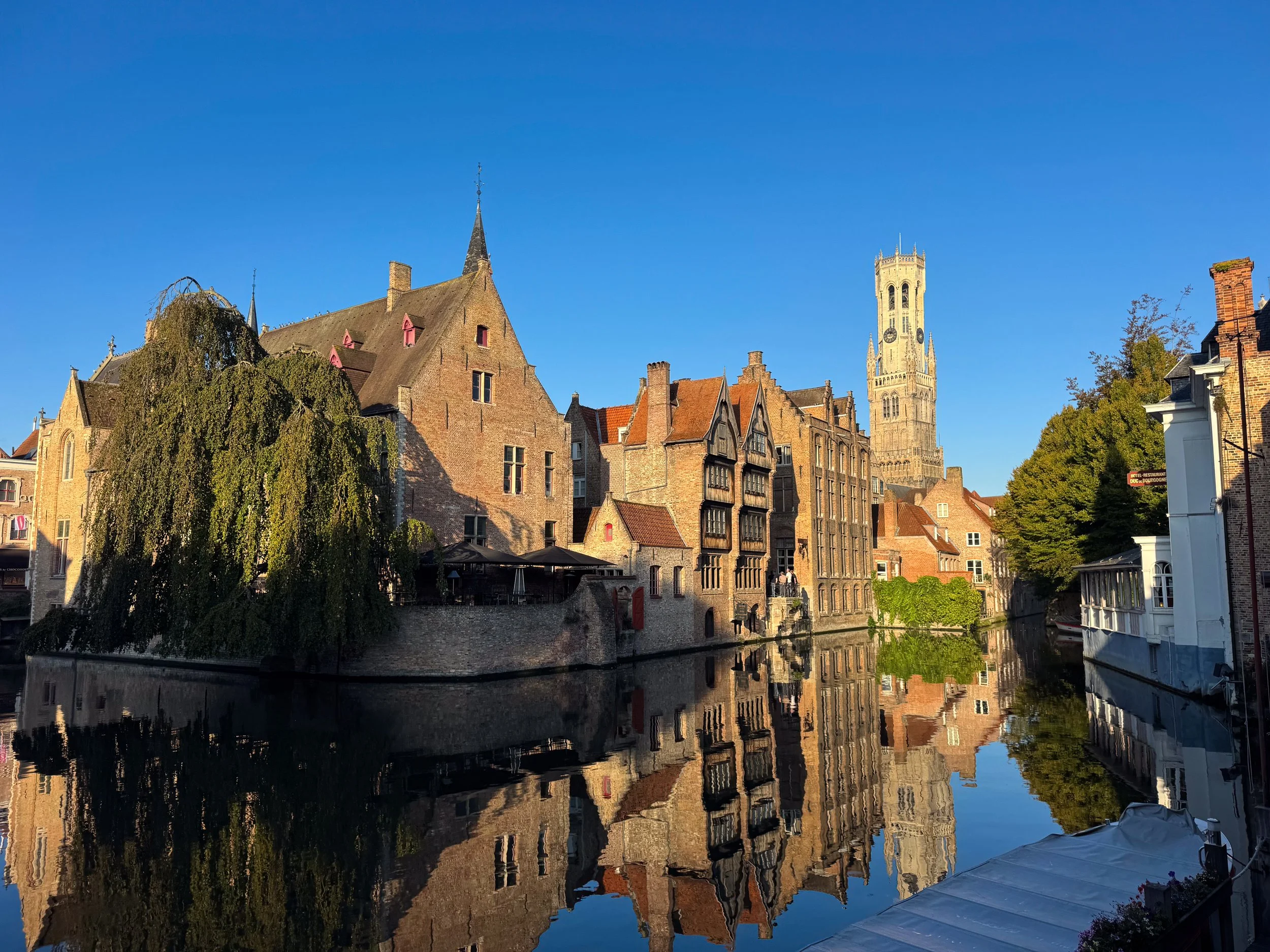
The Fairytale Town of Flanders
Bruges feels like a fairytale town. Romantic canals and cobblestone streets wind through the old town while historic windmills and medieval gates flank the outer canal. Horse drawn carriages click clack past Gothic brick buildings and dragon shaped benches. Church spires tower over the historic center as the 800 year old Belfry's carillon chimes melodies across the city. Stunning Flemish artwork graces its museums and churches, while local painters keep that artistic legacy alive. Belgian beer flows freely from the taps of pubs and breweries, and even through a pipeline beneath the streets. As for chocolates, waffles and frites, they're best enjoyed on repeat.
Old Town Streets & Plazas
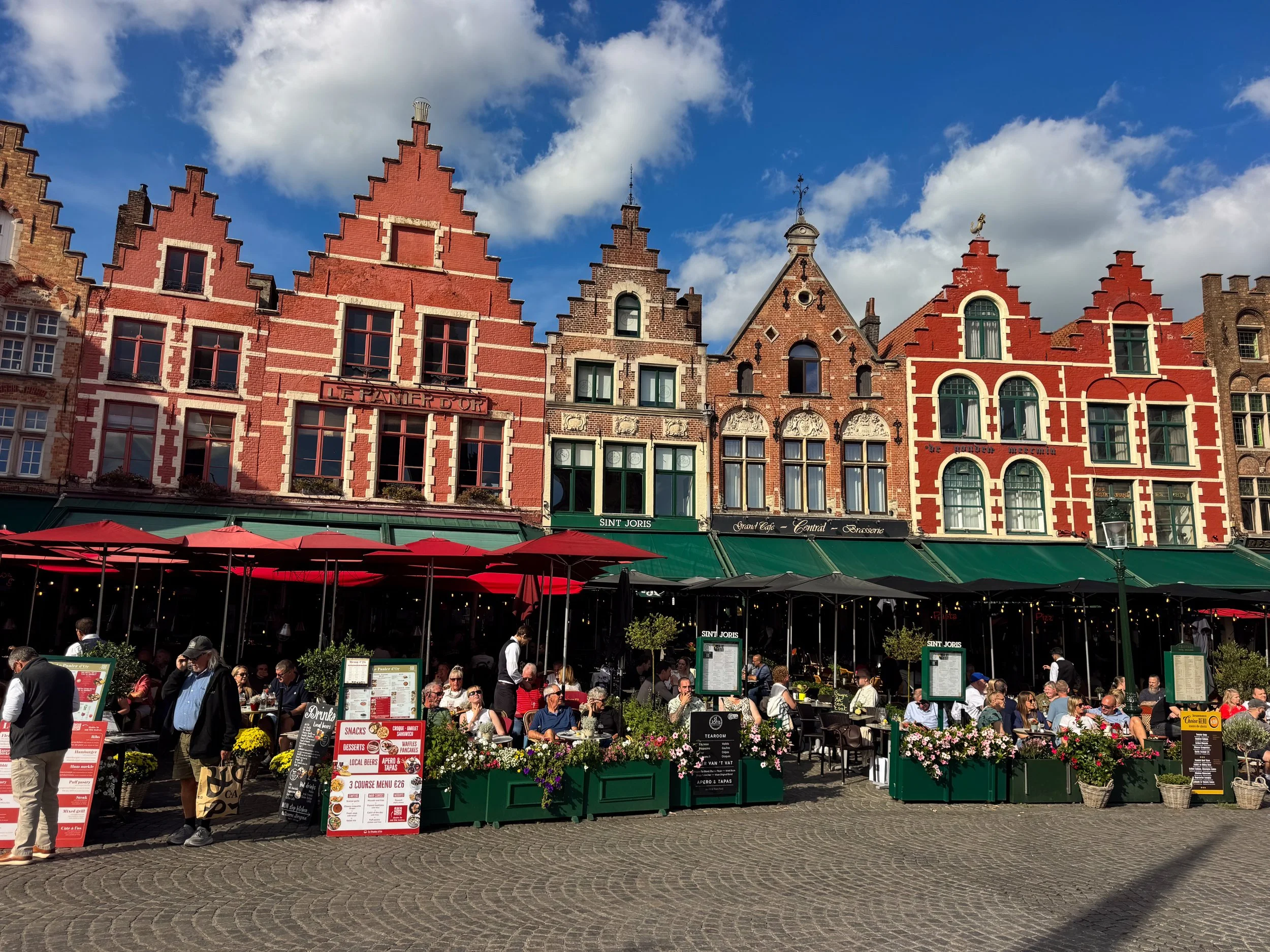
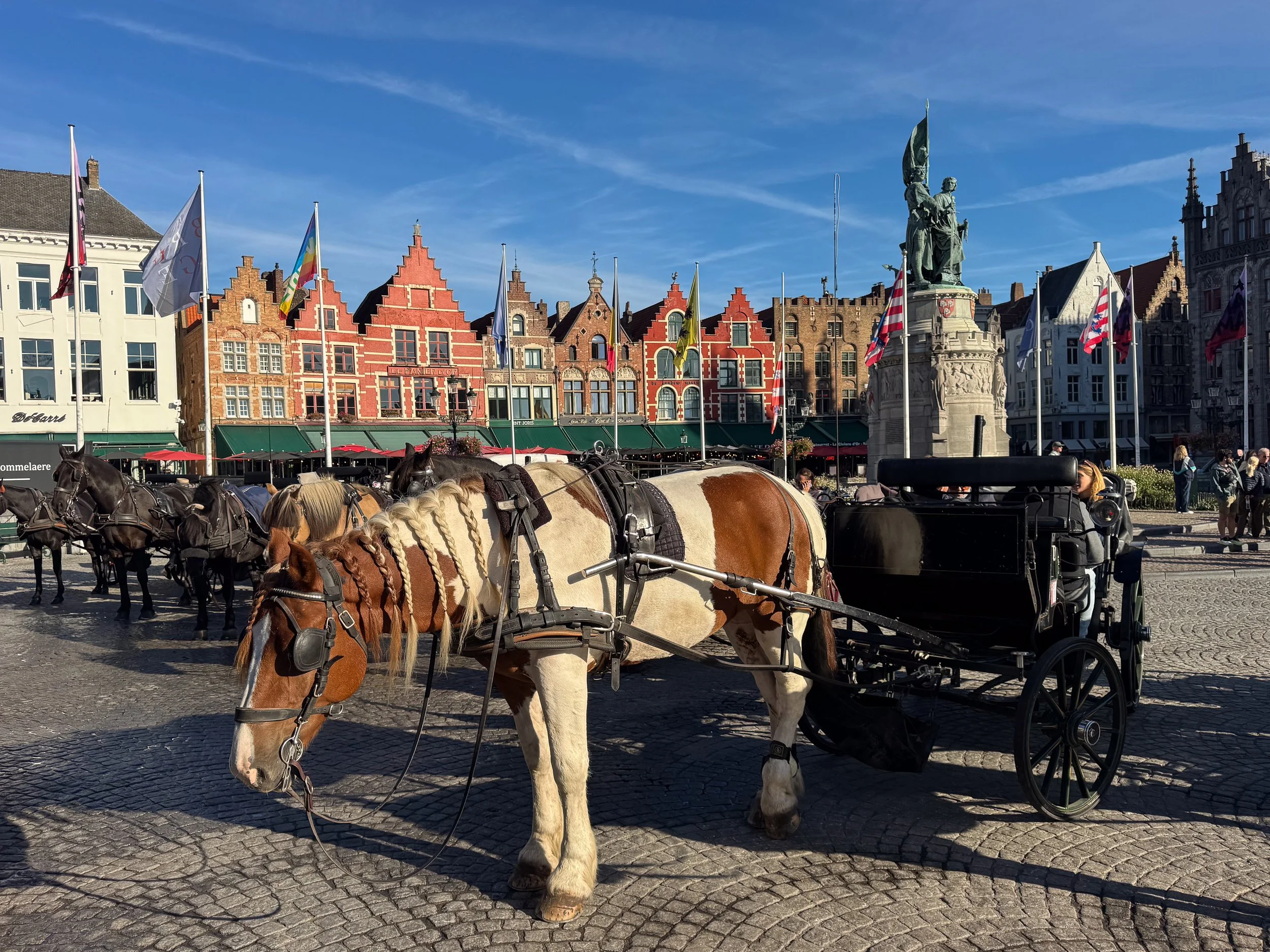
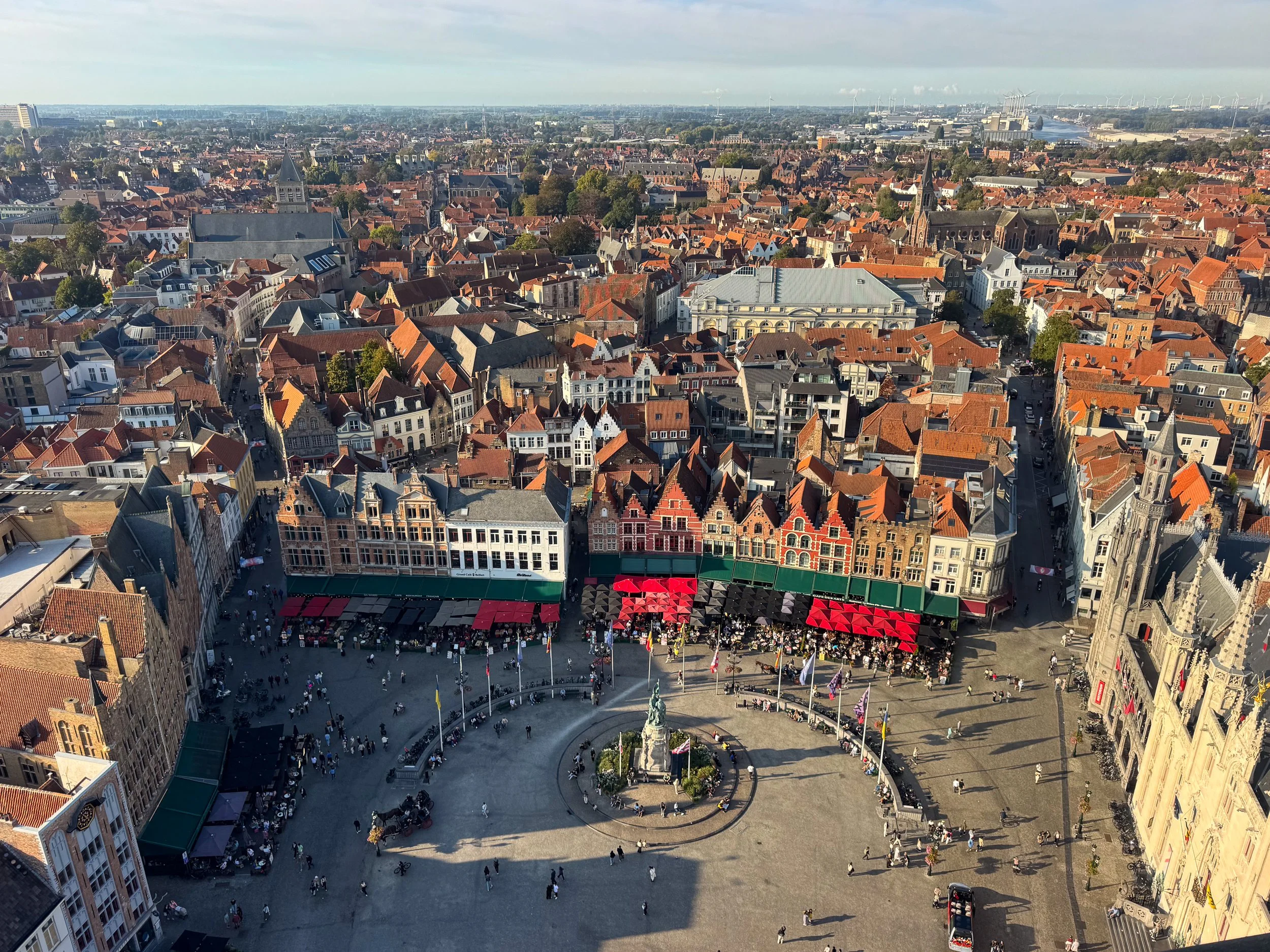
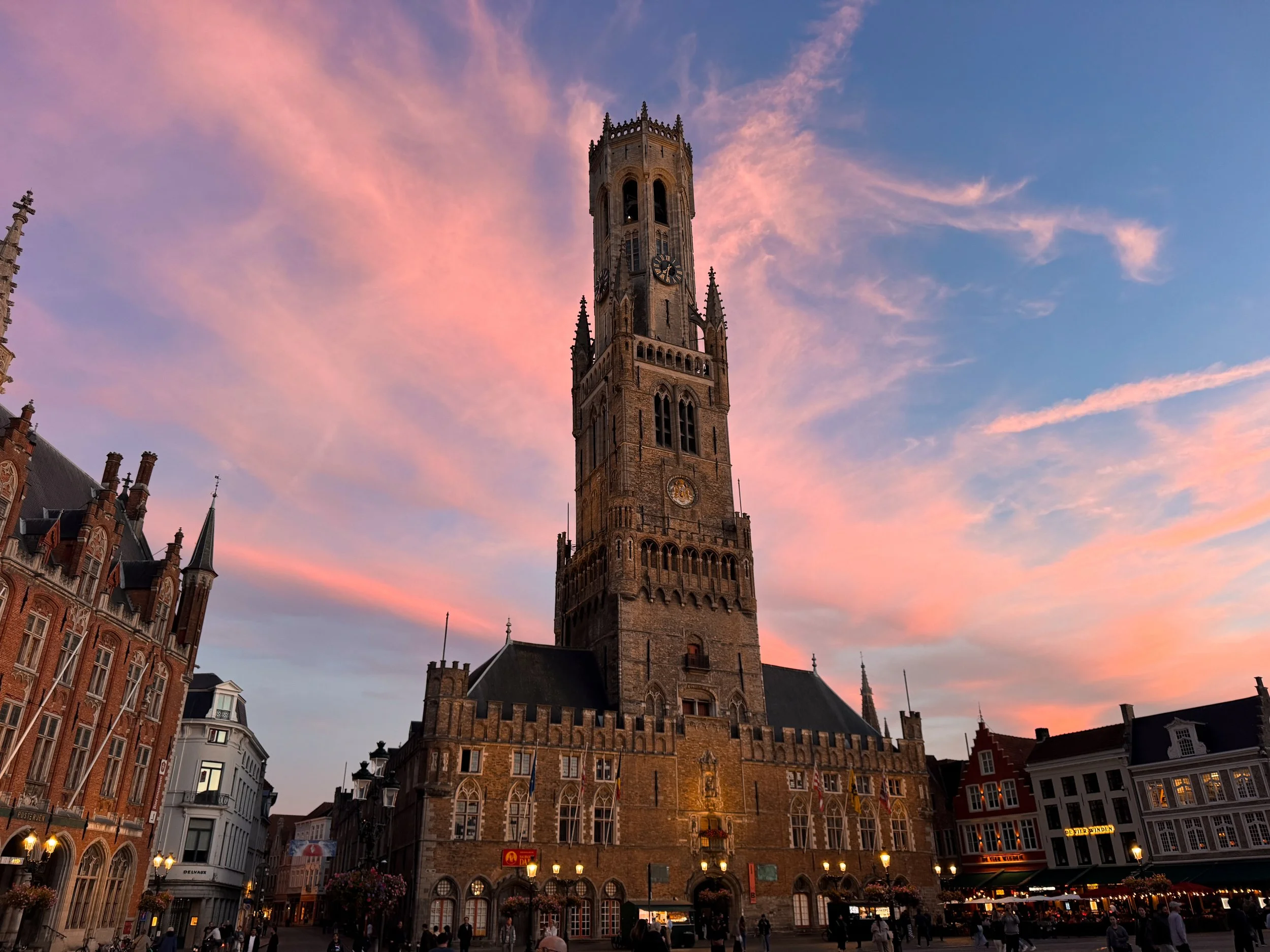
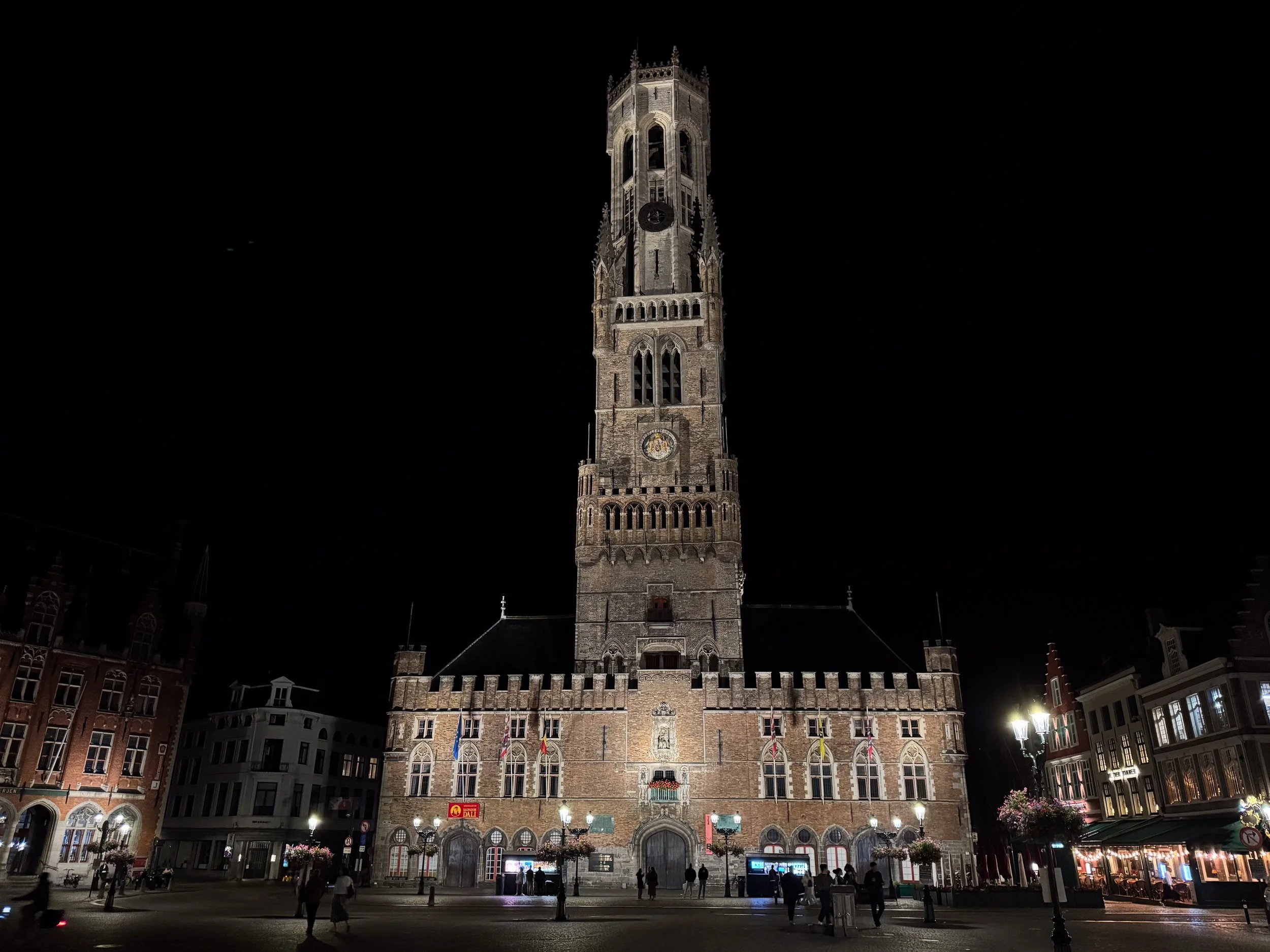
Market Square. A 10th century square at the heart of the city, framed by colorful medieval buildings with sprawling outdoor terraces and anchored by the ornate Provincial Palace and the iconic Gothic Belfry. Horse drawn carriages await sightseers as chimes ring out from the top of the tower.
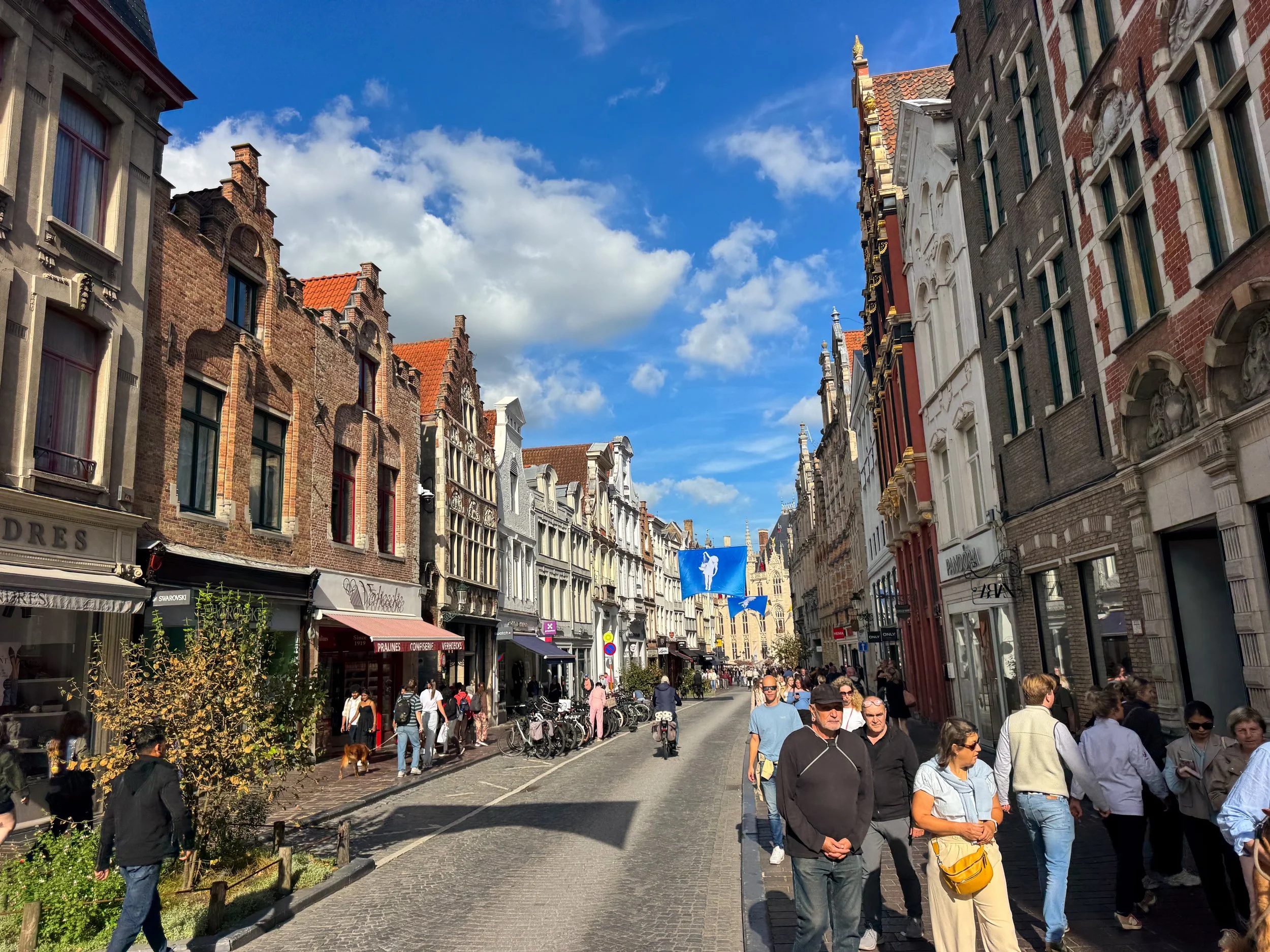
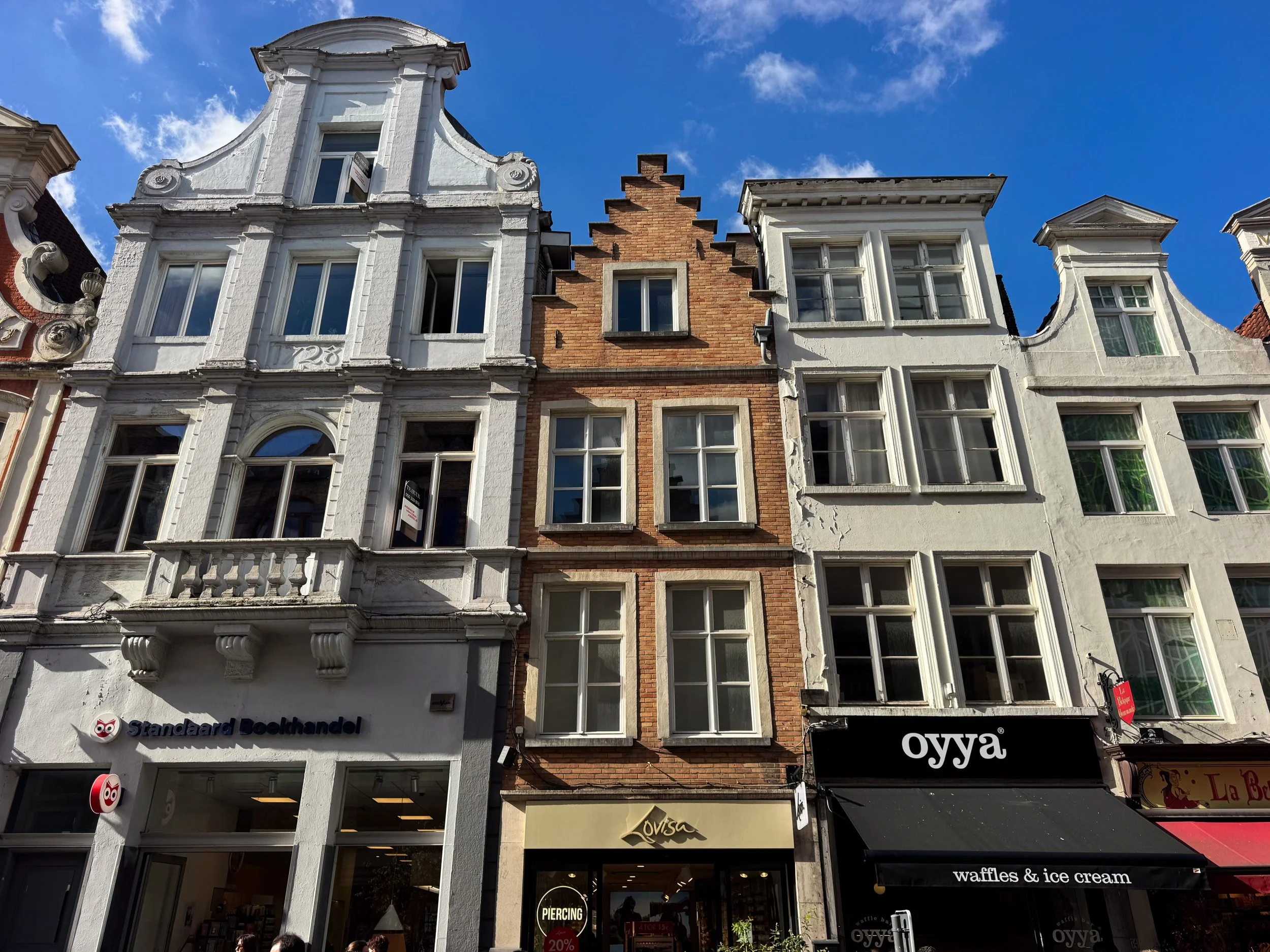
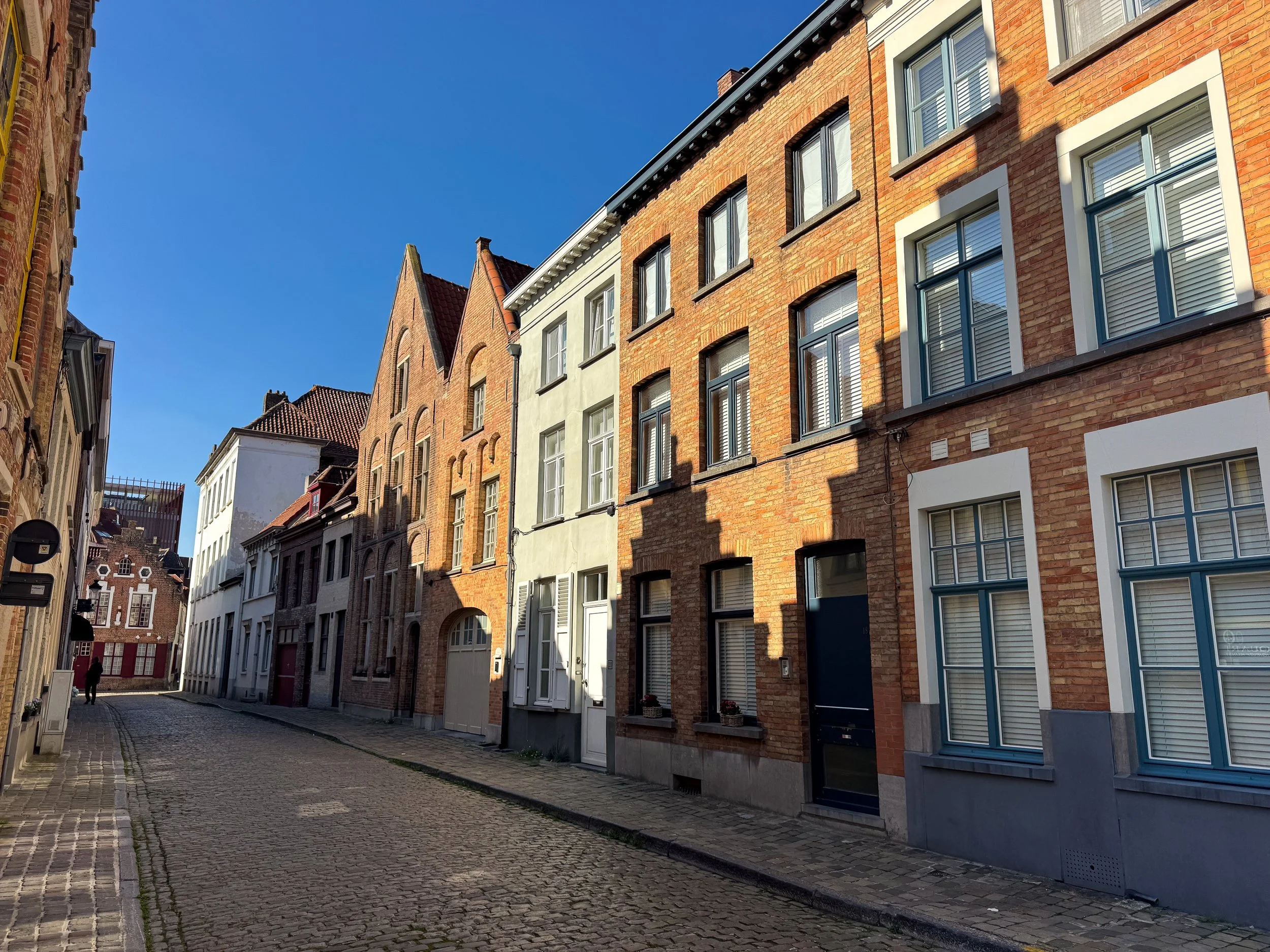
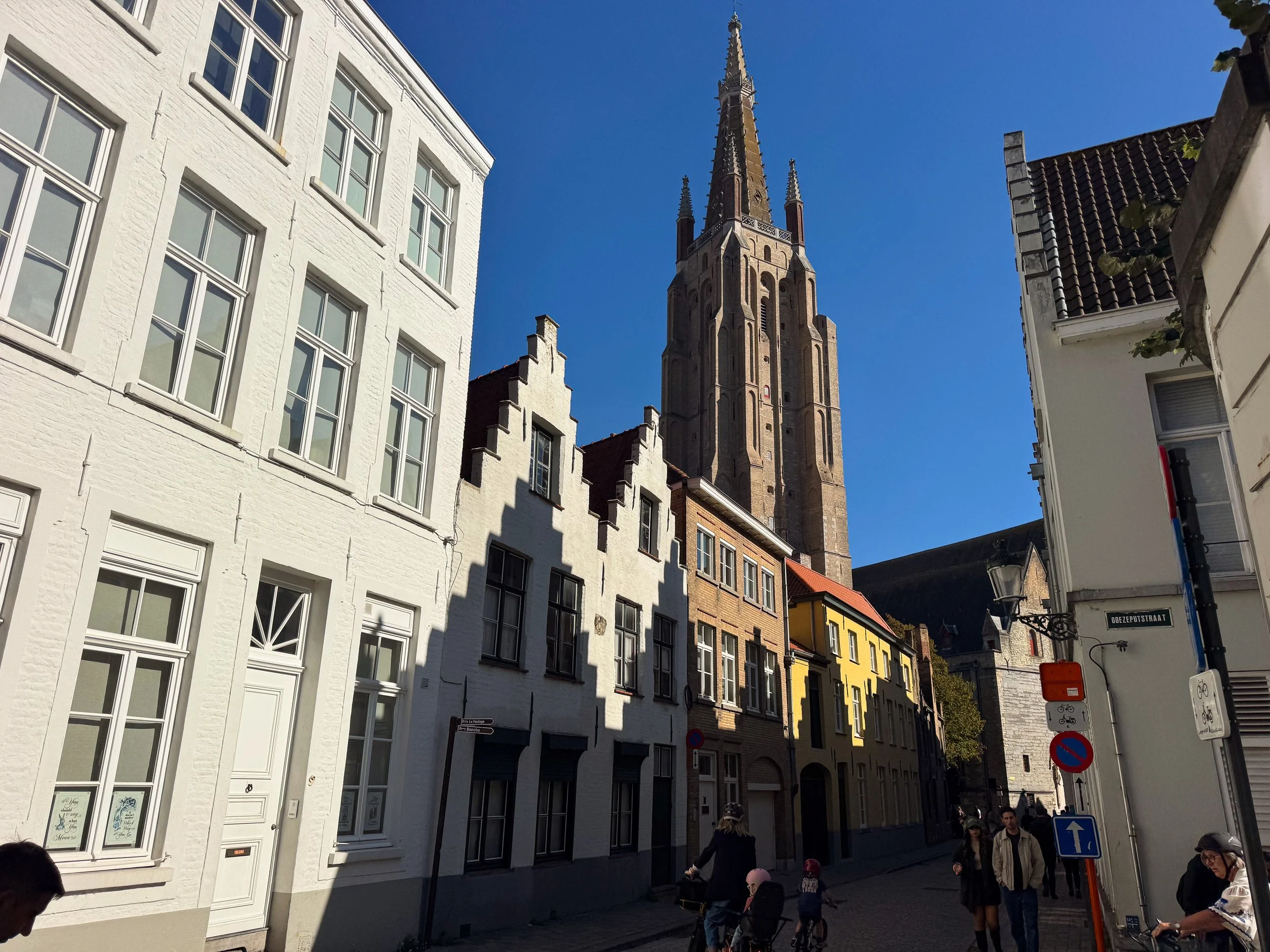
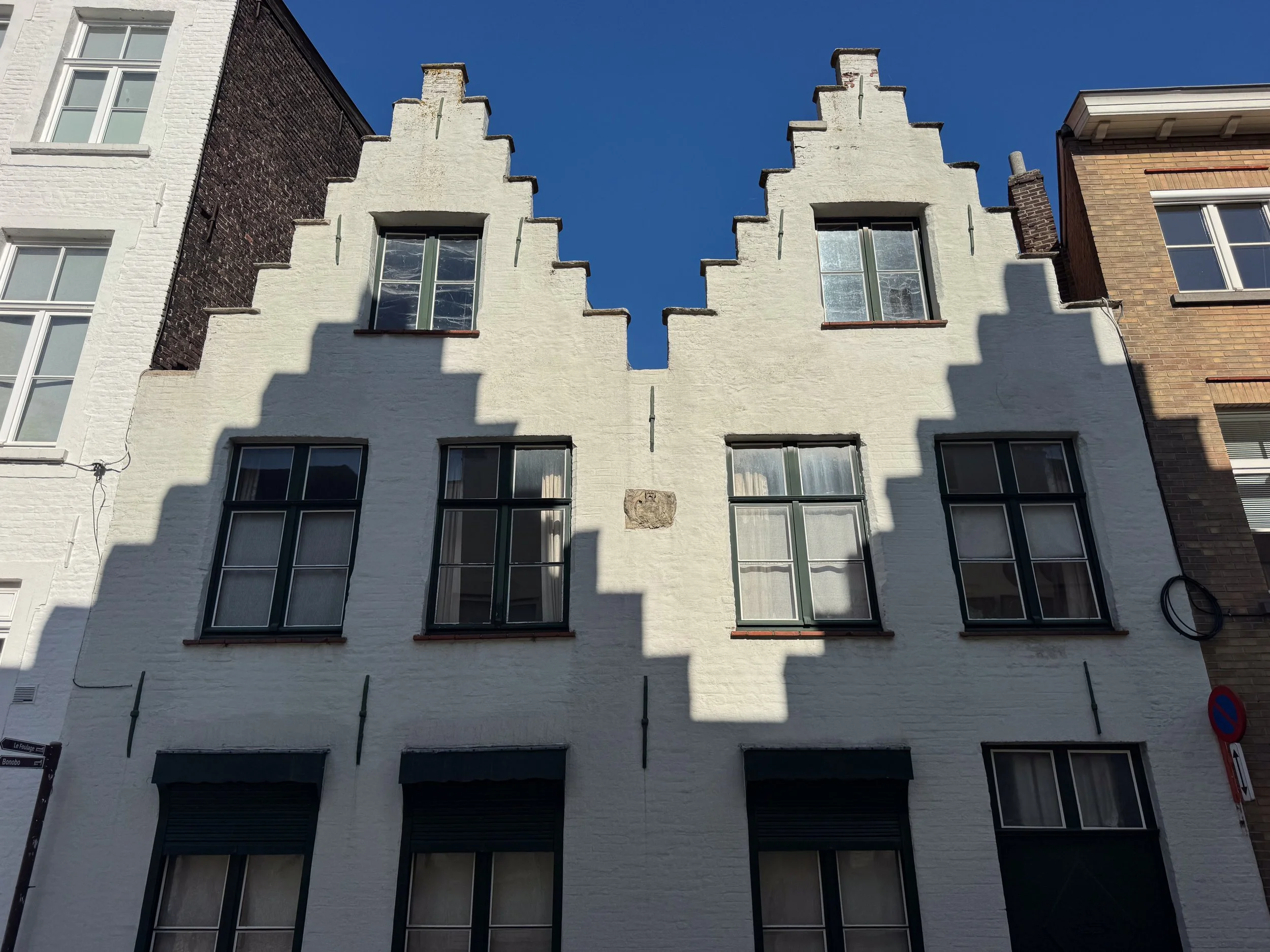
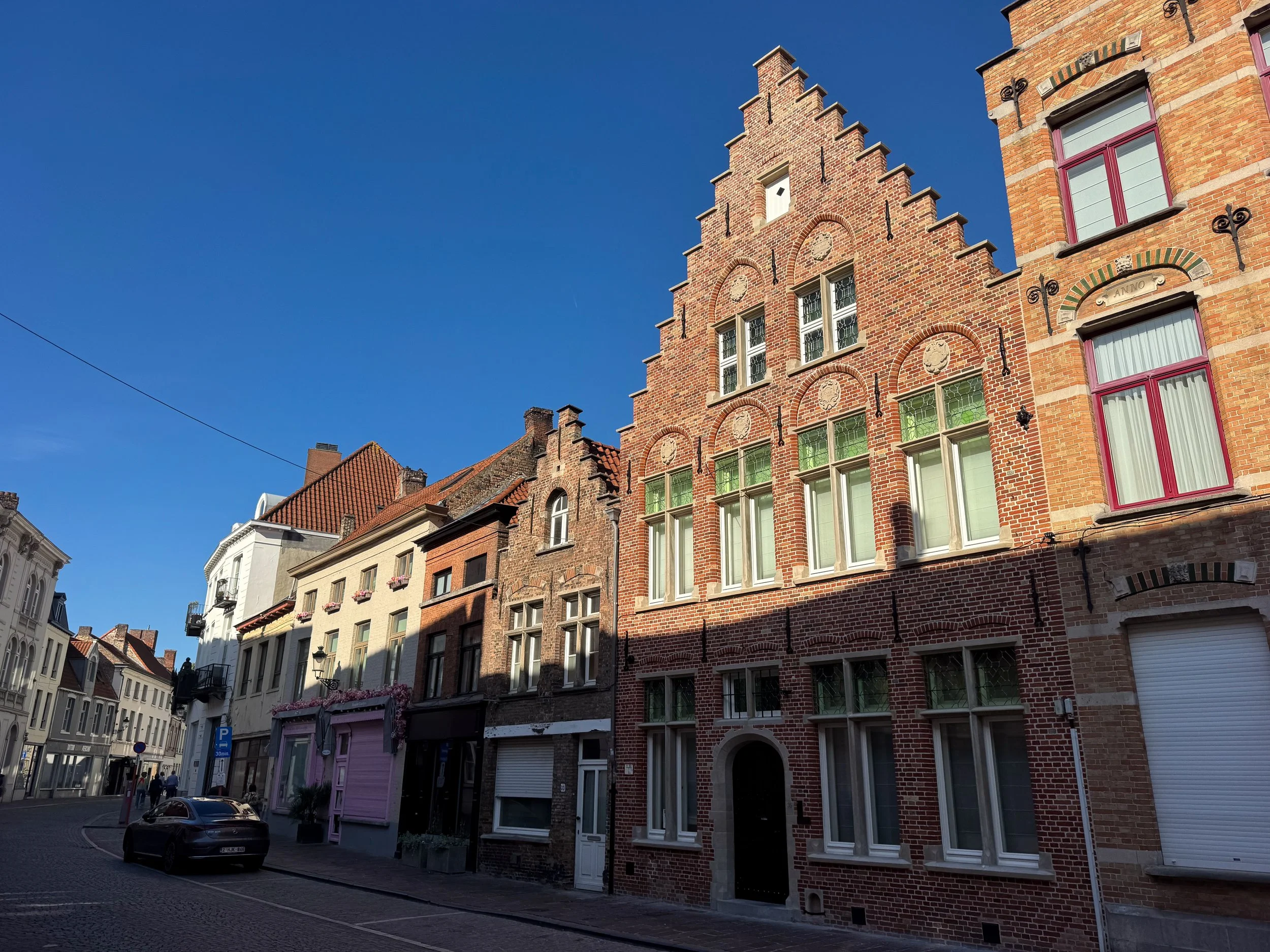
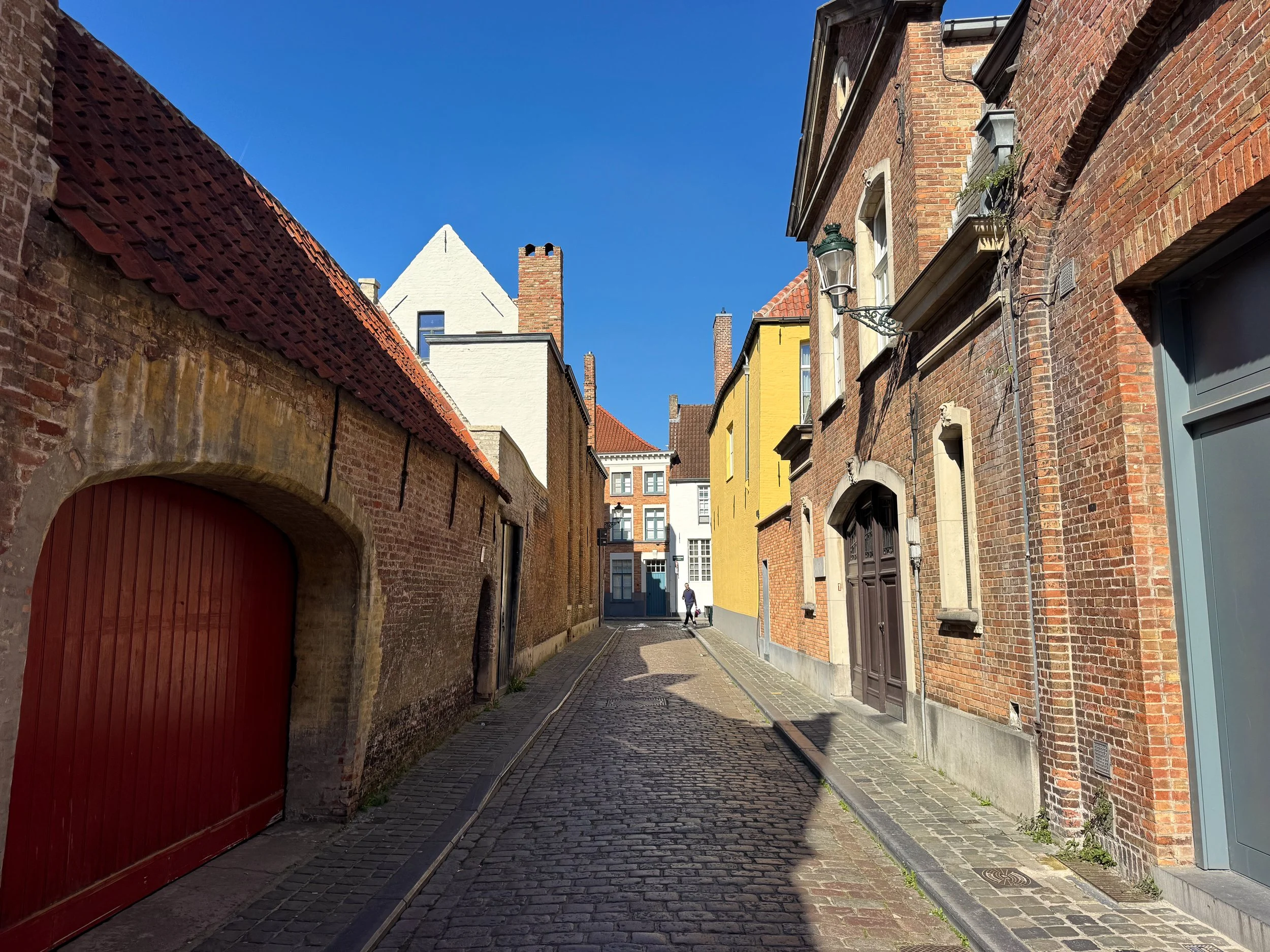
Steenstraat. A cobblestone street running through the heart of Bruges from the Market Square. Narrow brick buildings with Gothic façades and steeply pitched roofs line the way, their ground floors filled with boutiques, jewelers, chocolatiers, bakeries, clothing and cosmetics shops and brand name stores.
Wollestraat. Running from the Market Square to the Dijver Canal, this street is lined with nearly two dozen chocolatiers, their windows overflowing with decadent displays of truffles and pralines. Side passages lead to pubs and a brewery pouring Belgian beer.
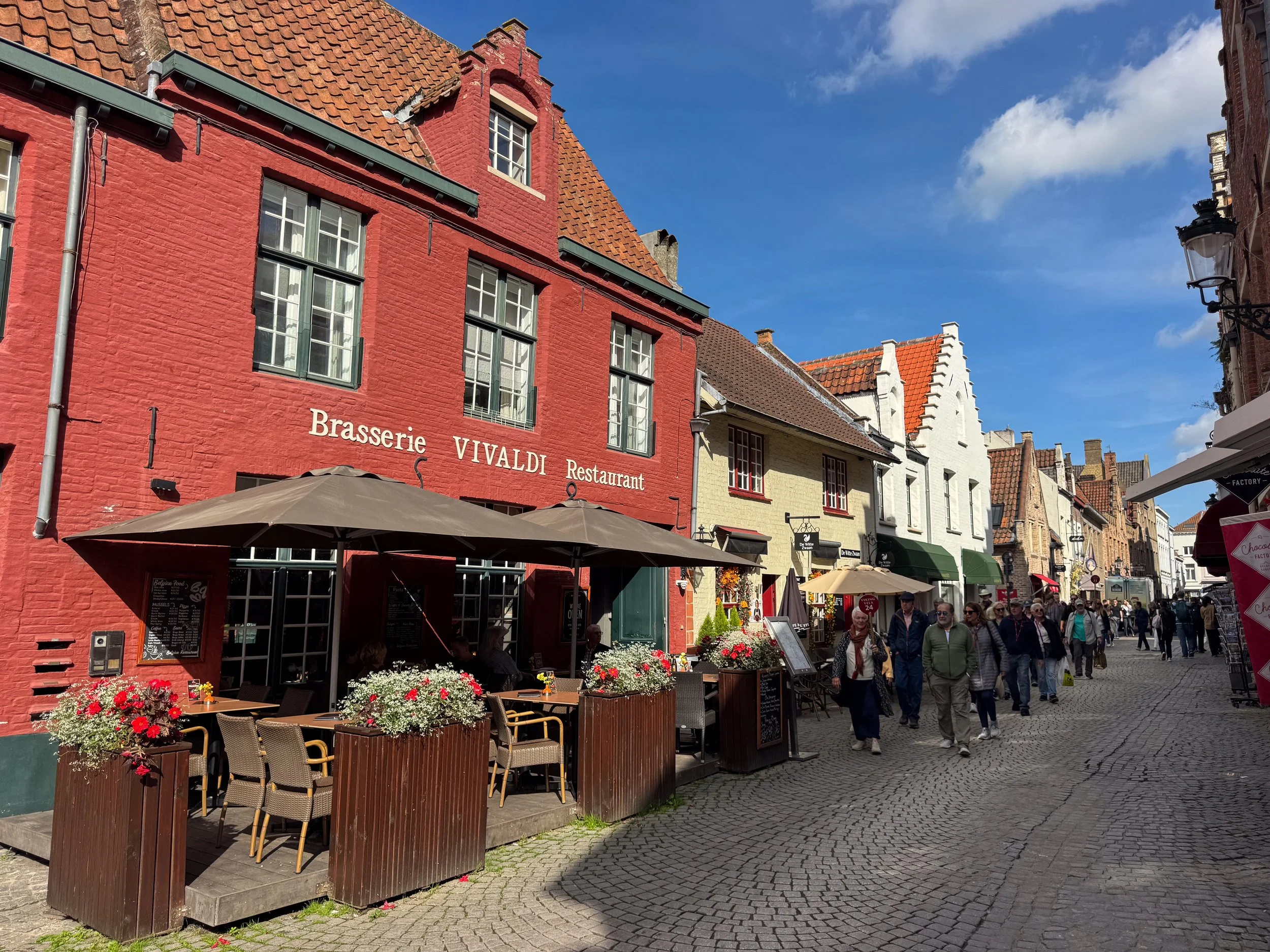
Katelijnestraat. A bustling street weaving through the historic center from the Church of Our Lady to the outer canal. It’s lined with Bruges' iconic stepped gable brick buildings, countless chocolatiers, waffle shops and frituurs.
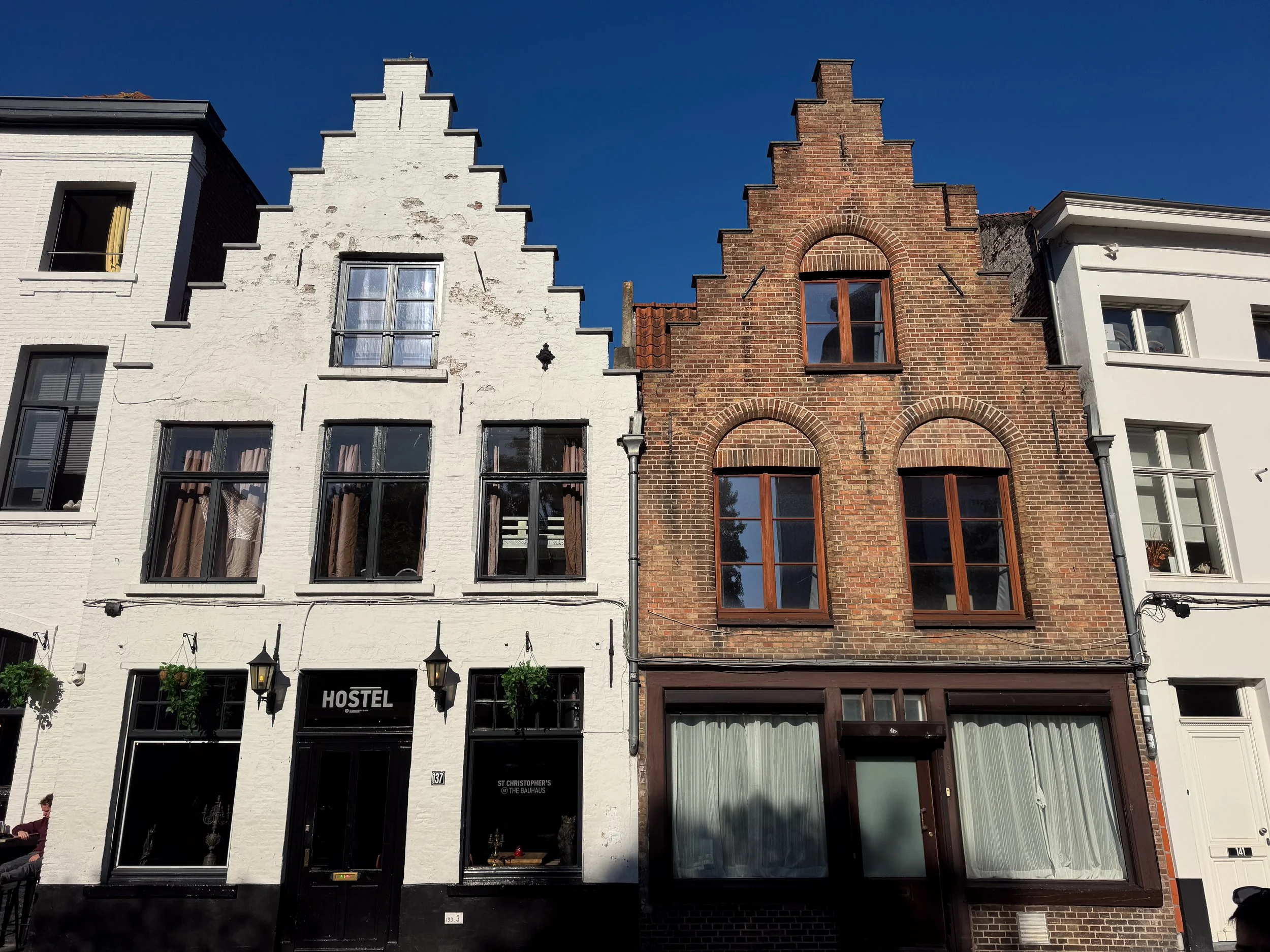
Langestraat. A cobblestone street flanked by medieval brick buildings and modern takes on historic homes. It’s a trendy and youthful area with hostels, vintage and book shops, record stores, tattoo studios, indie cafes, bars and international restaurants.
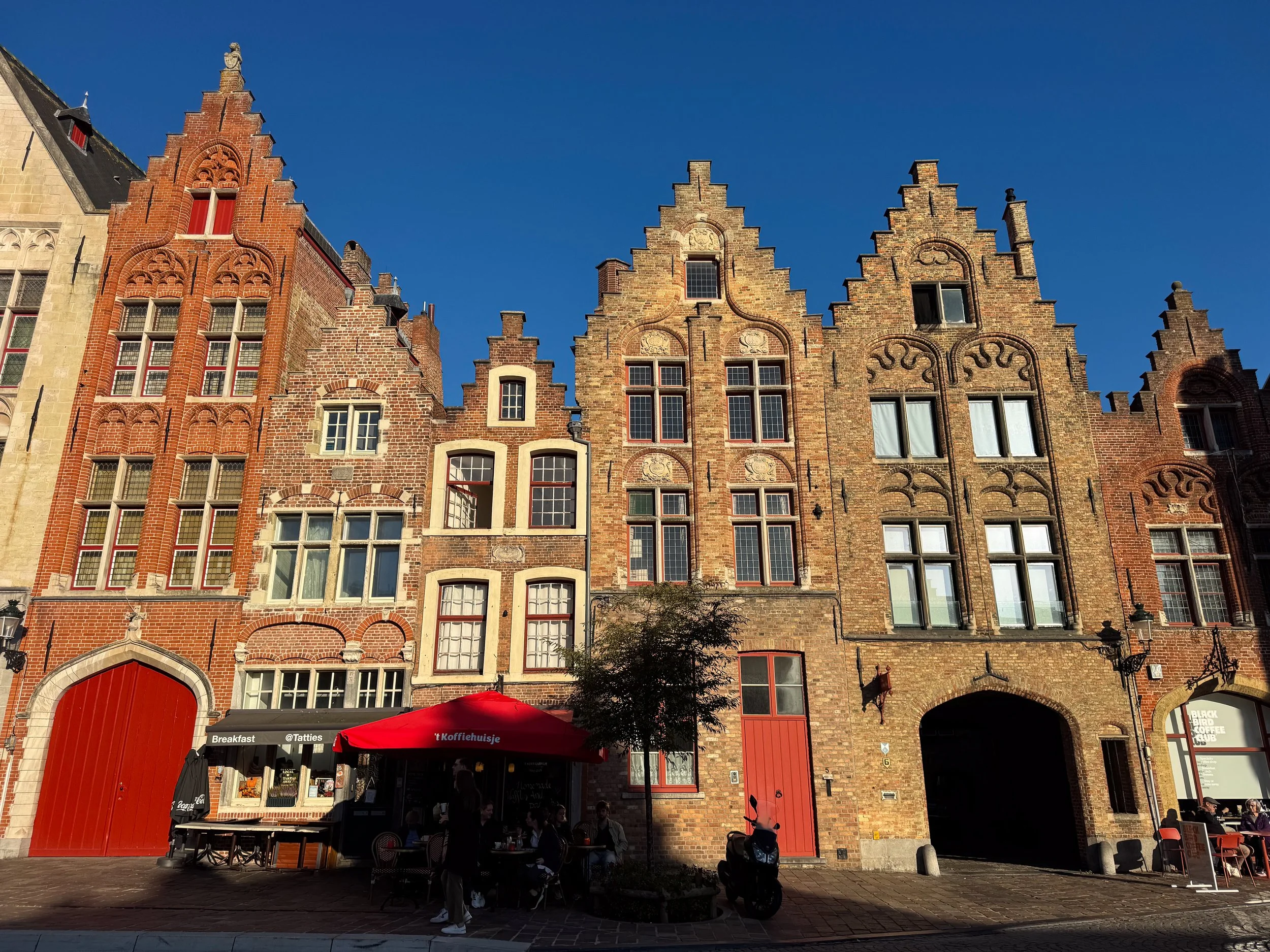
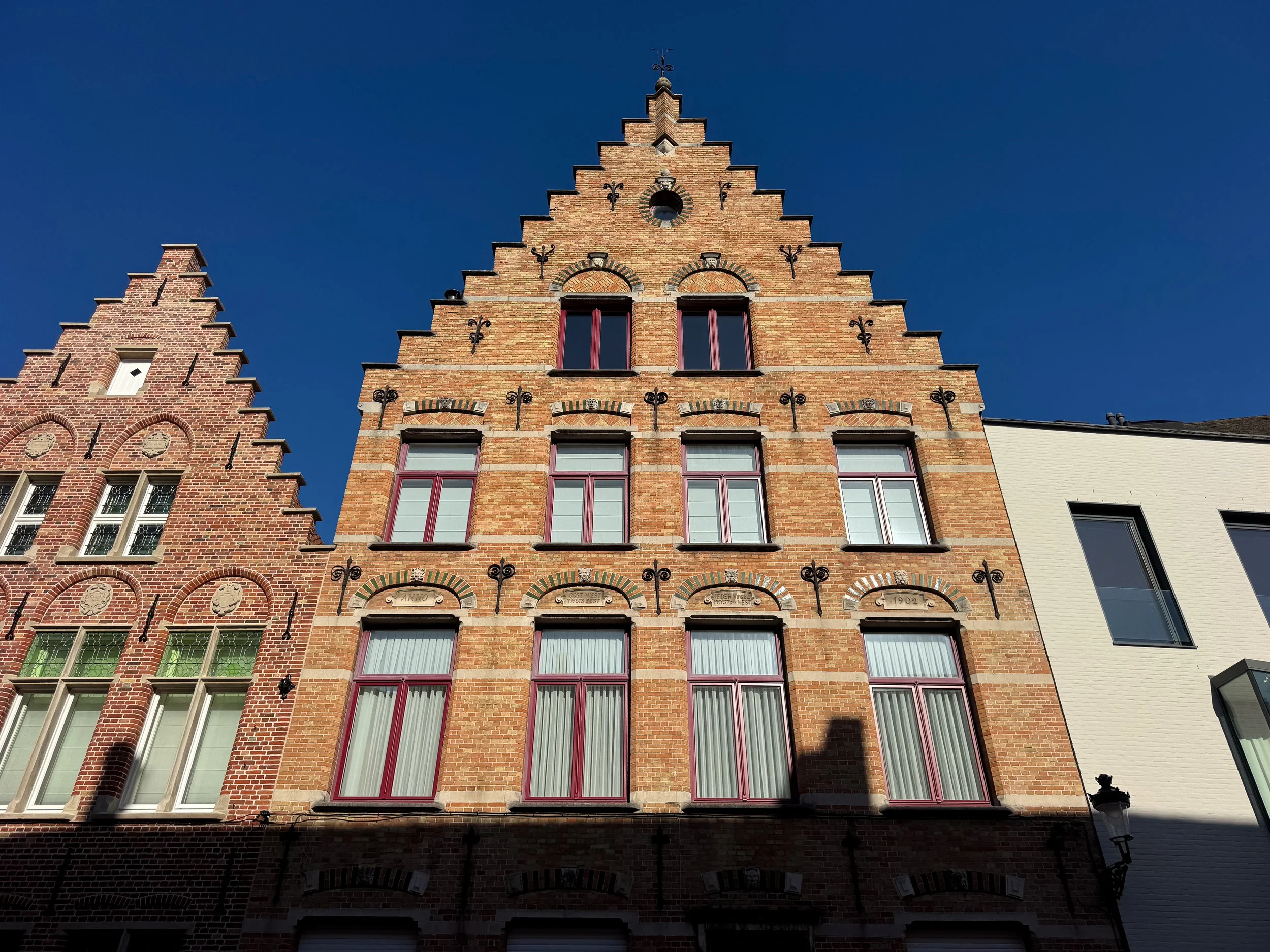
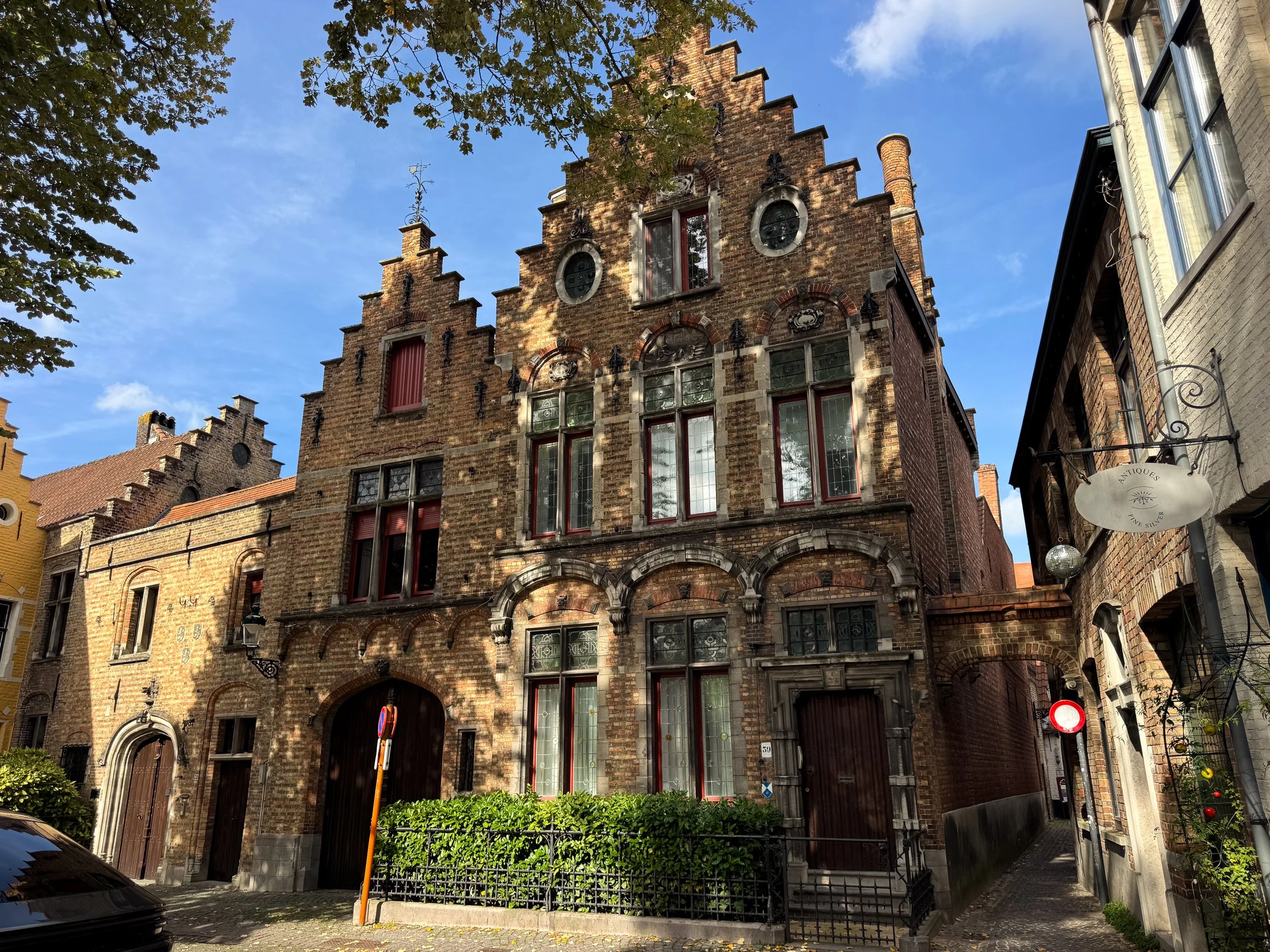
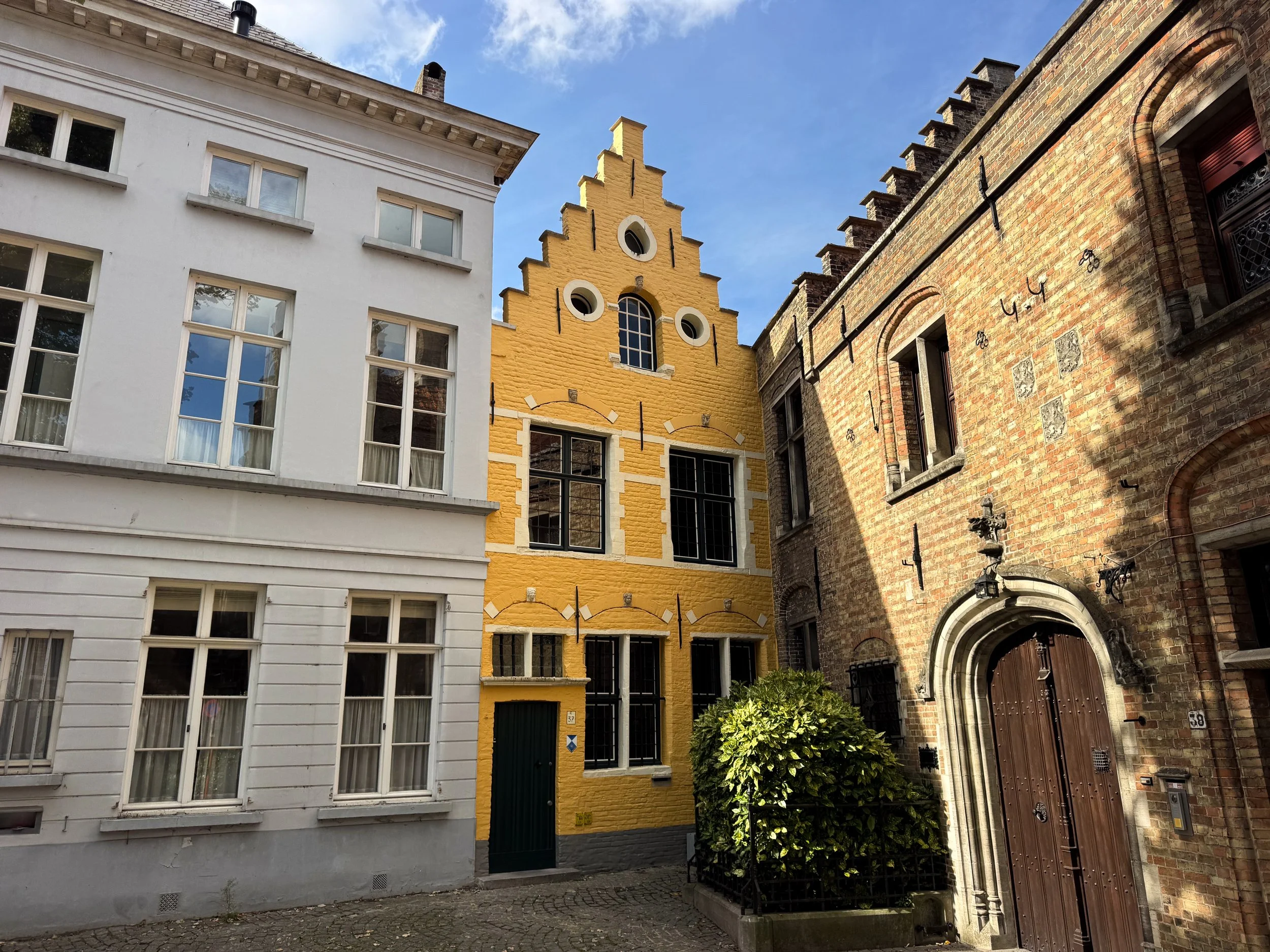
Jan van Eyckplein. A picturesque square at the end of the Langerei Canal, presided over by a large bronze statue of the Flemish painter Jan van Eyck. Historic brick buildings home to restaurants frame the square as the canal stretches into the distance.
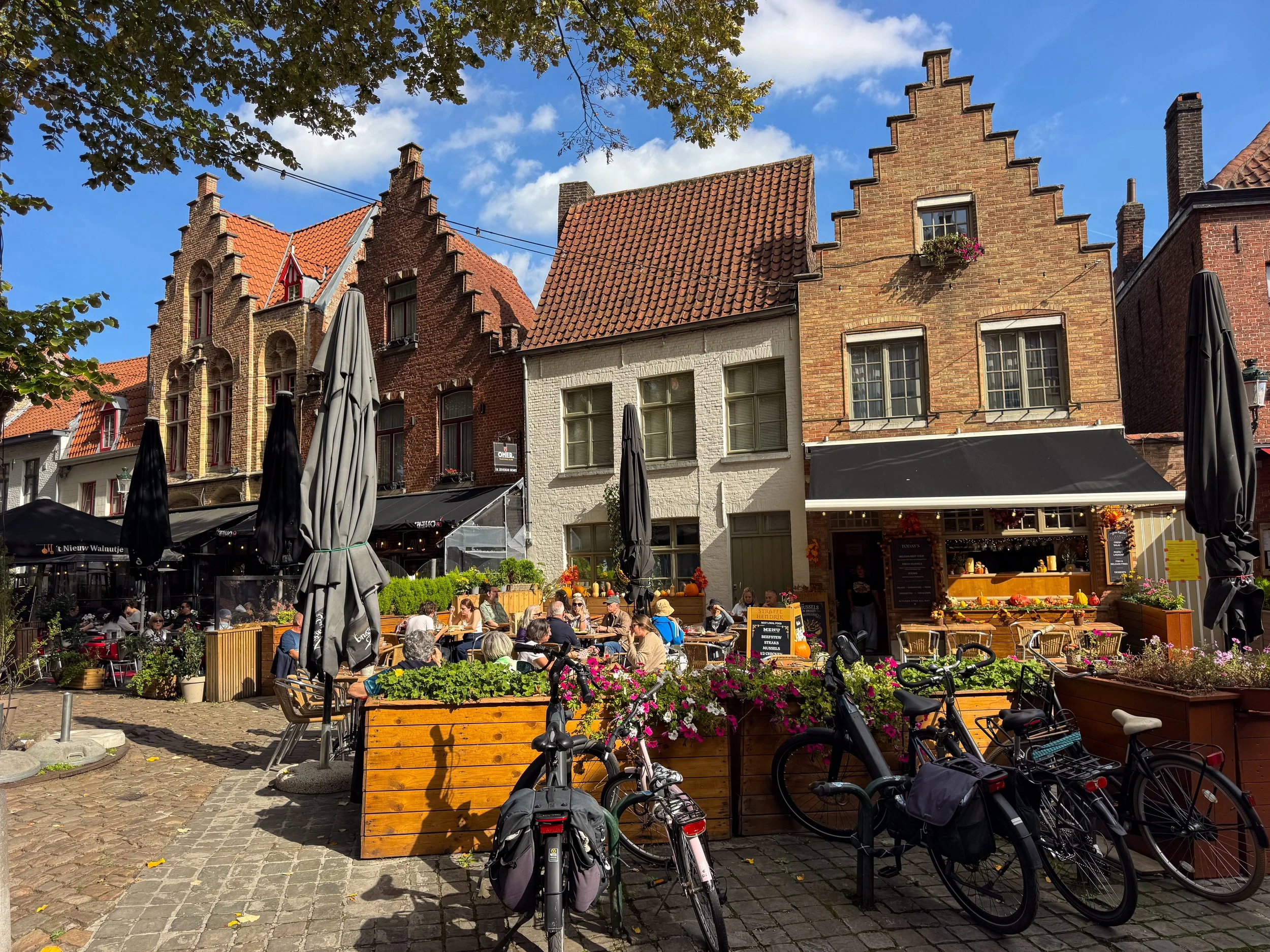
Walplein. A small square framed by red brick buildings home to shops selling Belgian chocolates, handcrafted lace and silver jewelry. Restaurant and cafe terraces spill onto the cobblestone sidewalks as horse drawn carriages pass by. Locals and visitors sip beer from Huisbrouwerij De Halve Maan.
De Burg. A stately cobblestone square flanked by medieval and Renaissance-era landmarks, including the City Hall, the Old Courthouse and the Basilica of the Holy Blood.
Huidenvettersplein. A picturesque square behind the Rosary Quay, once home to leatherworkers whose trade lives on in carved stone reliefs on its façades. Today, historic buildings around the square house restaurants and cafes with spacious outdoor terraces.
Geernaartstraat. A small plaza and nightlife hub, home to bars and pubs. Colorful lights and energetic music draw a bustling mix of locals and visitors to its outdoor terraces.
Scenic Canals, Bridges & Boat Tours
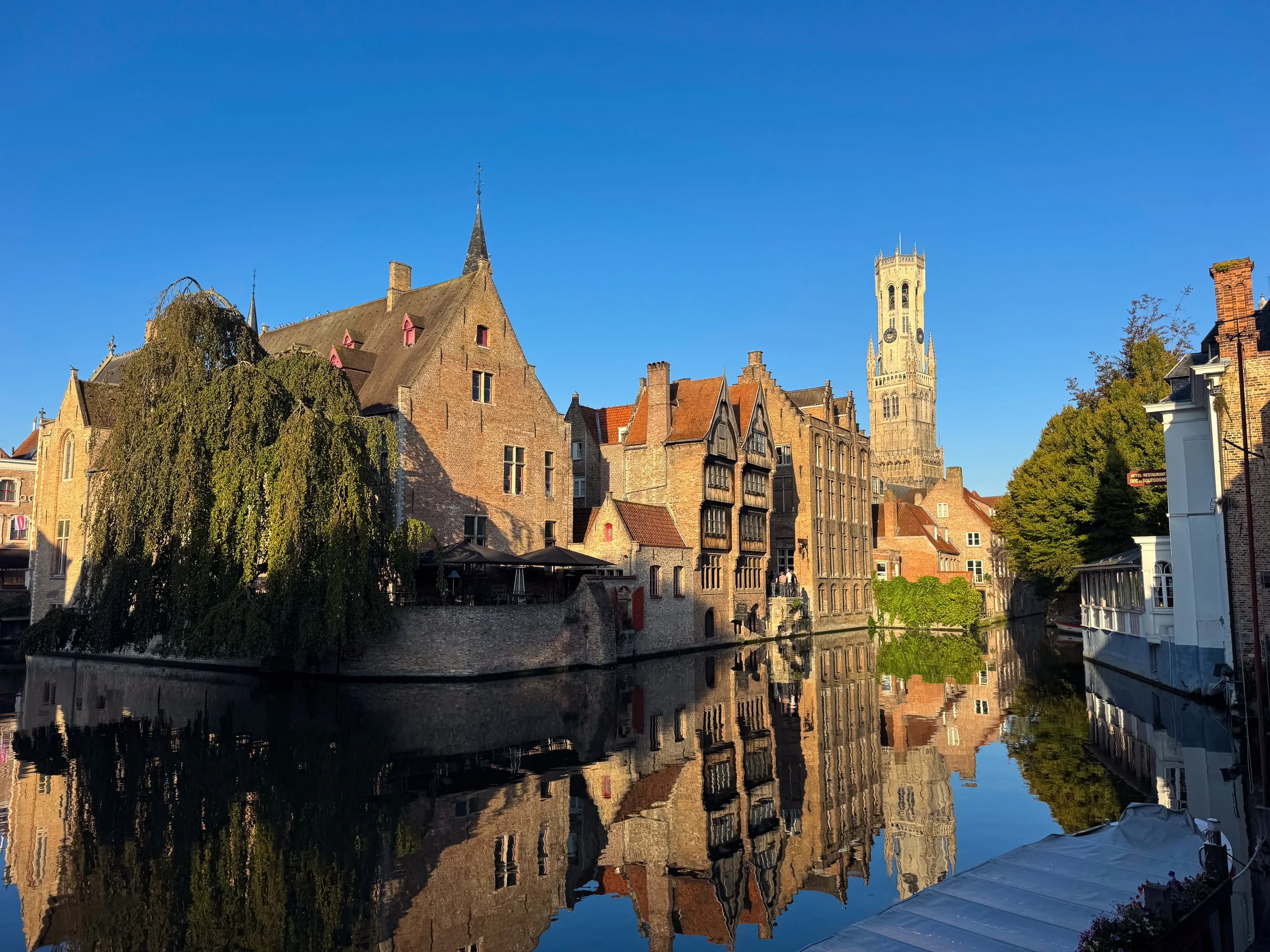
Rosary Quay (Rozenhoedkaai). One of Bruges' most picturesque canal viewpoints, where brick buildings, willow trees and the towering Belfry reflect across the calm morning water. Enjoy the view with a €5 waffle and coffee from Mr. Waffle. Arrive before 9:30am to avoid the crowds lining up for canal tours.
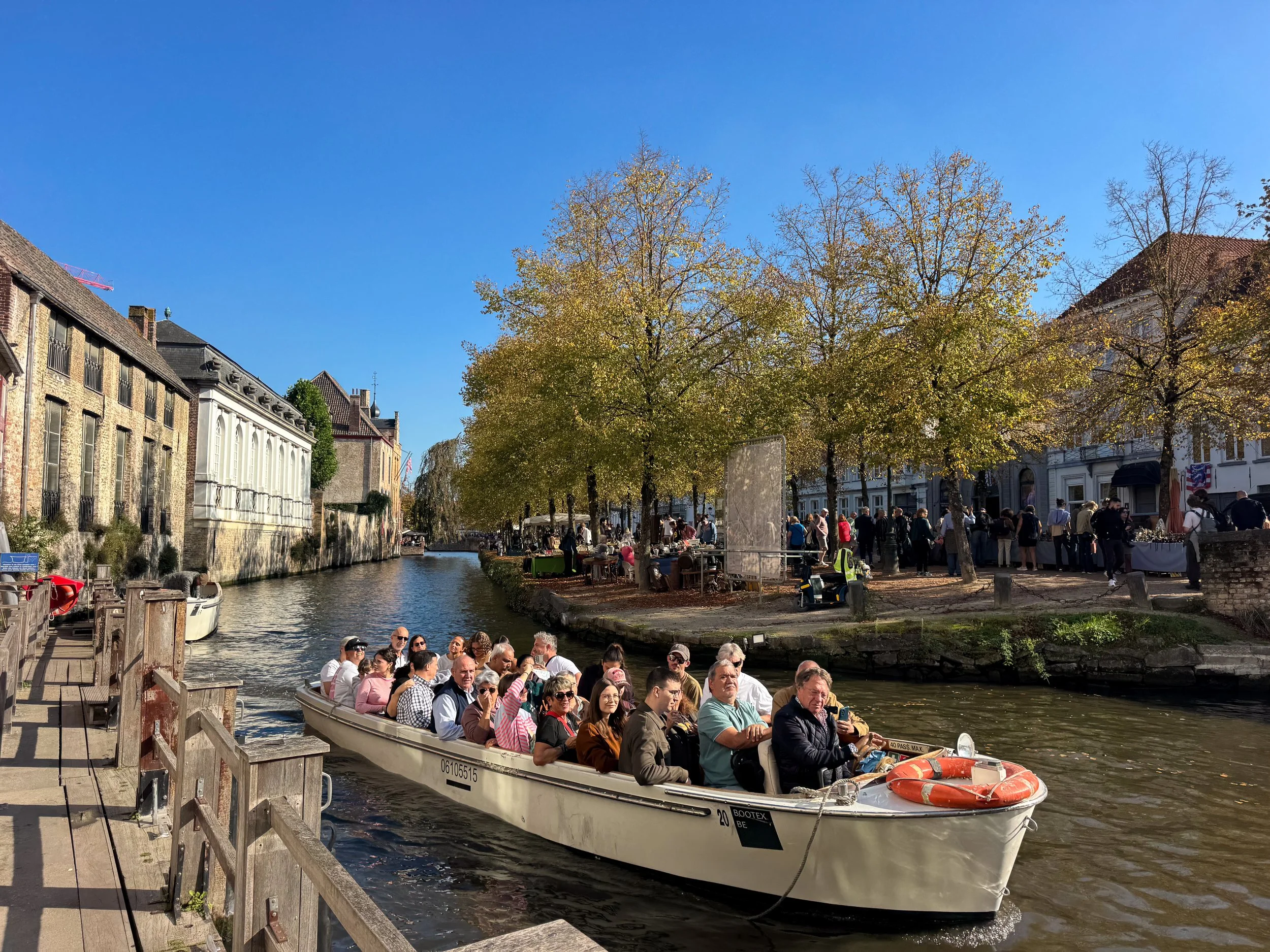
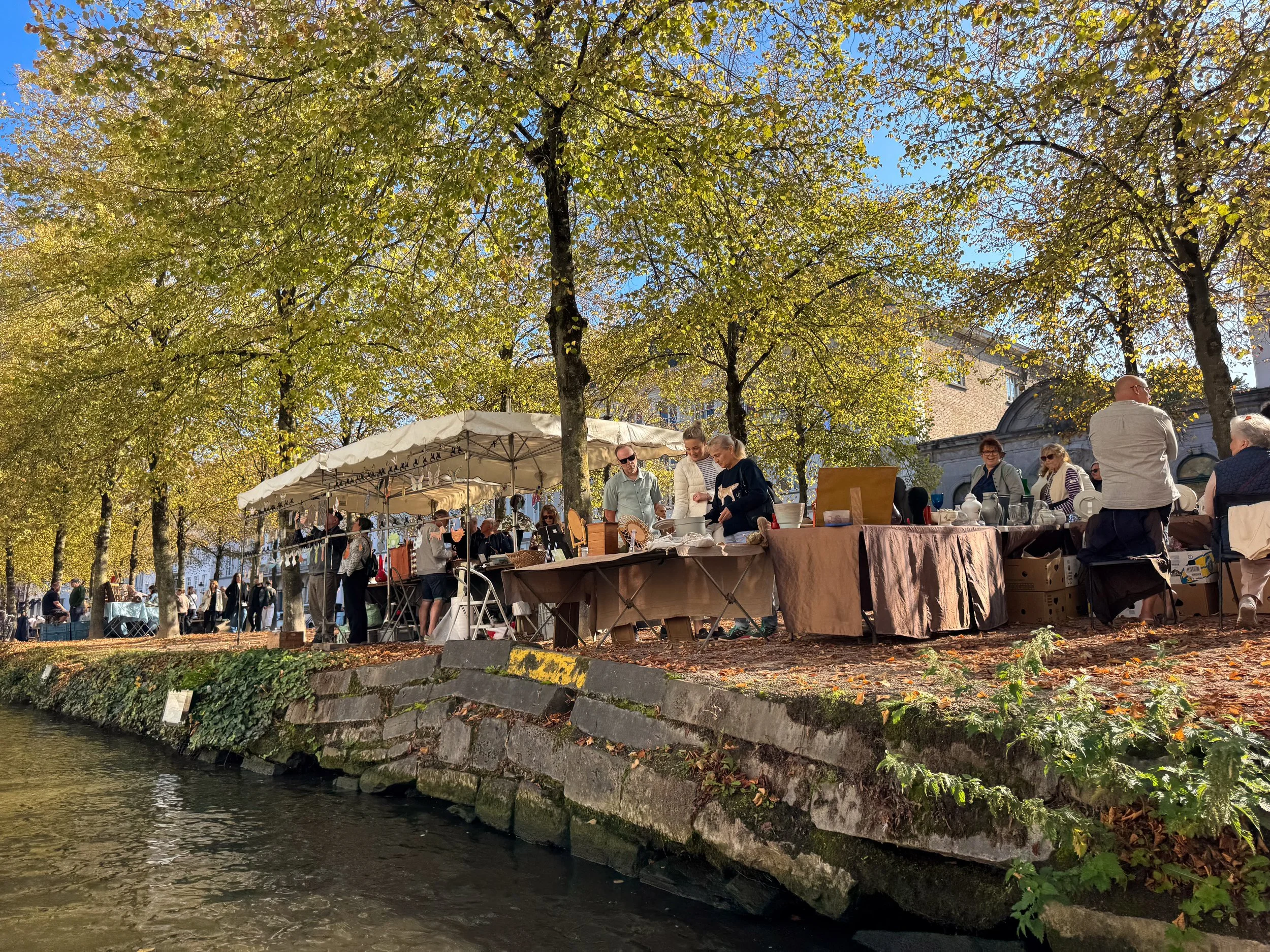
Dijver Canal. A picturesque canal in the city center, where historic brick buildings rise straight from the water, including the Bourgogne des Flandres brewery. A tree lined park follows one bank and hosts a weekend flea market. Take in the view from the bridge at the end of Wollestraat.
Canal Tour. Glide through Bruges' winding canals for a relaxing and informative look at its bridges and historic architecture. Long boats carrying passengers depart from launches along the Dijver Canal on half-hour tours. Tickets are set at €15 per adult and sold in person on the day of.
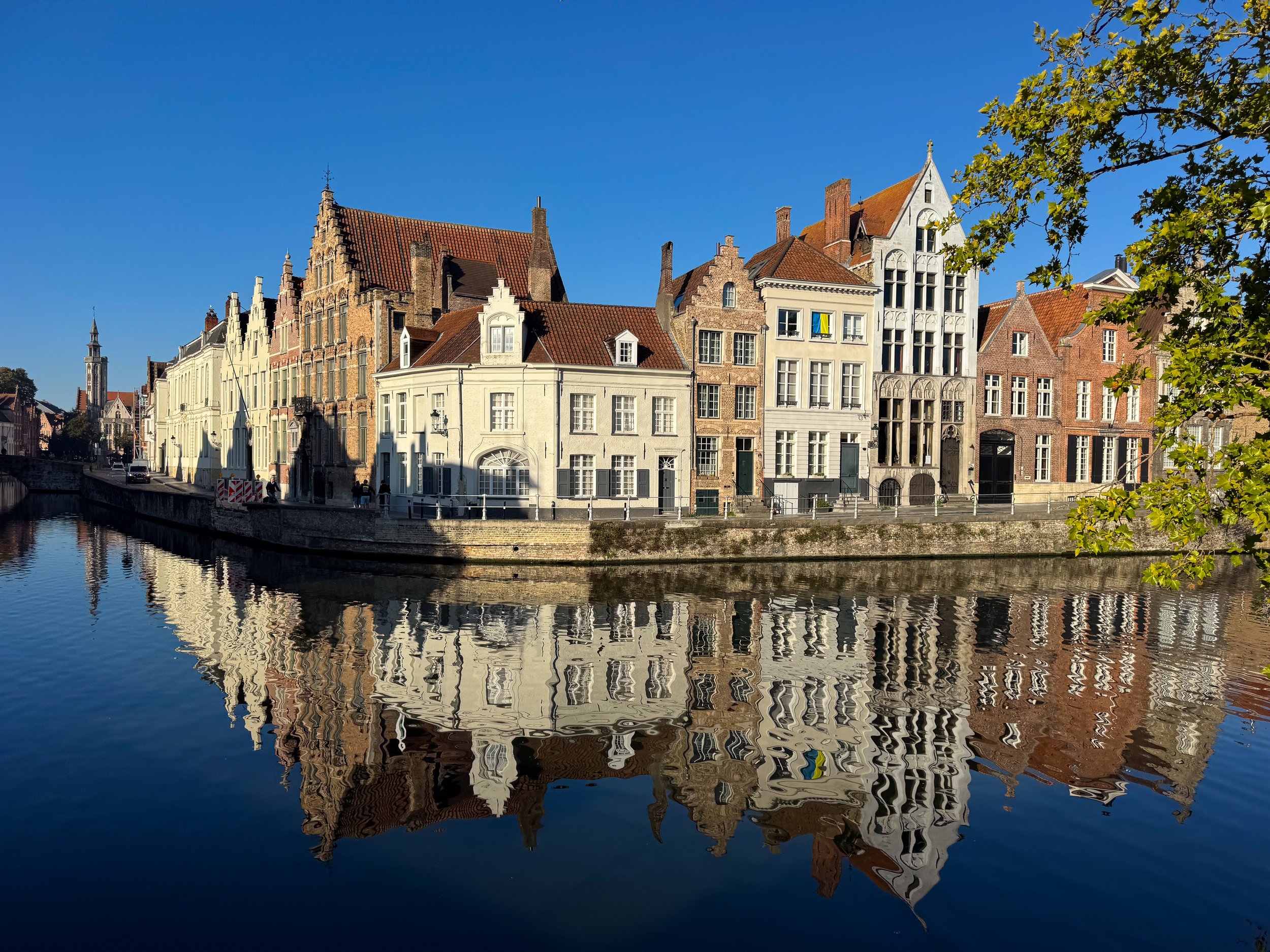
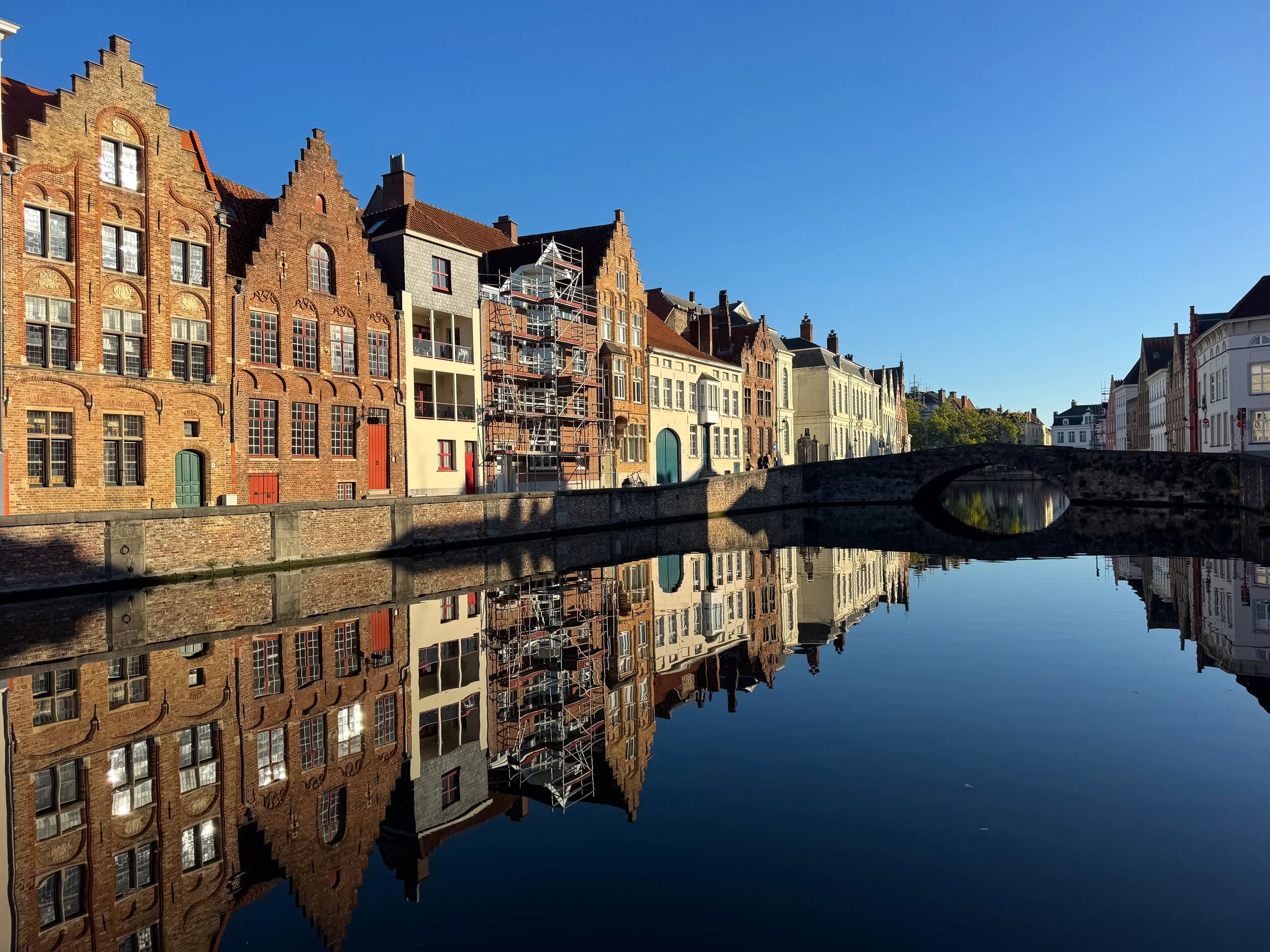
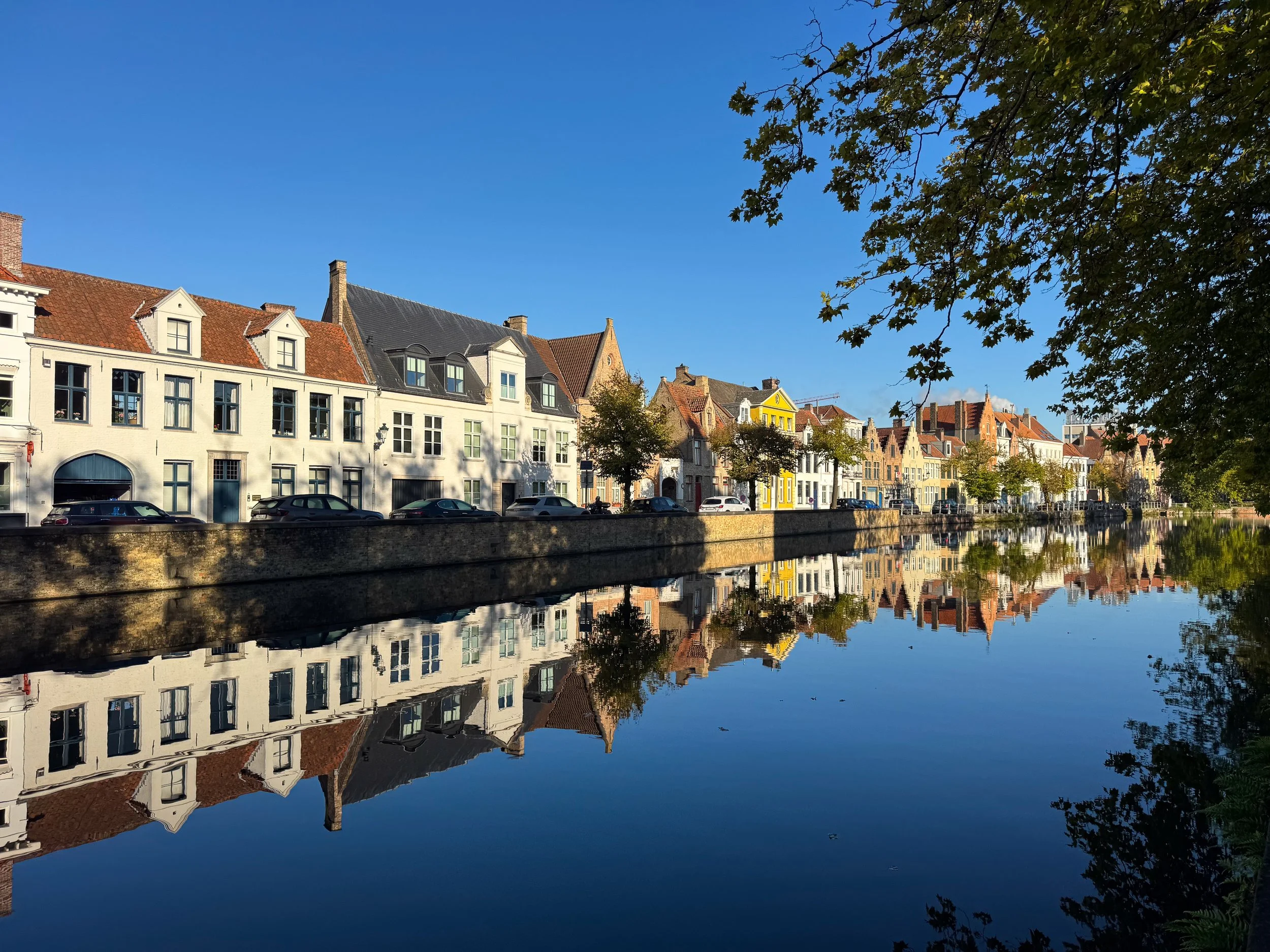
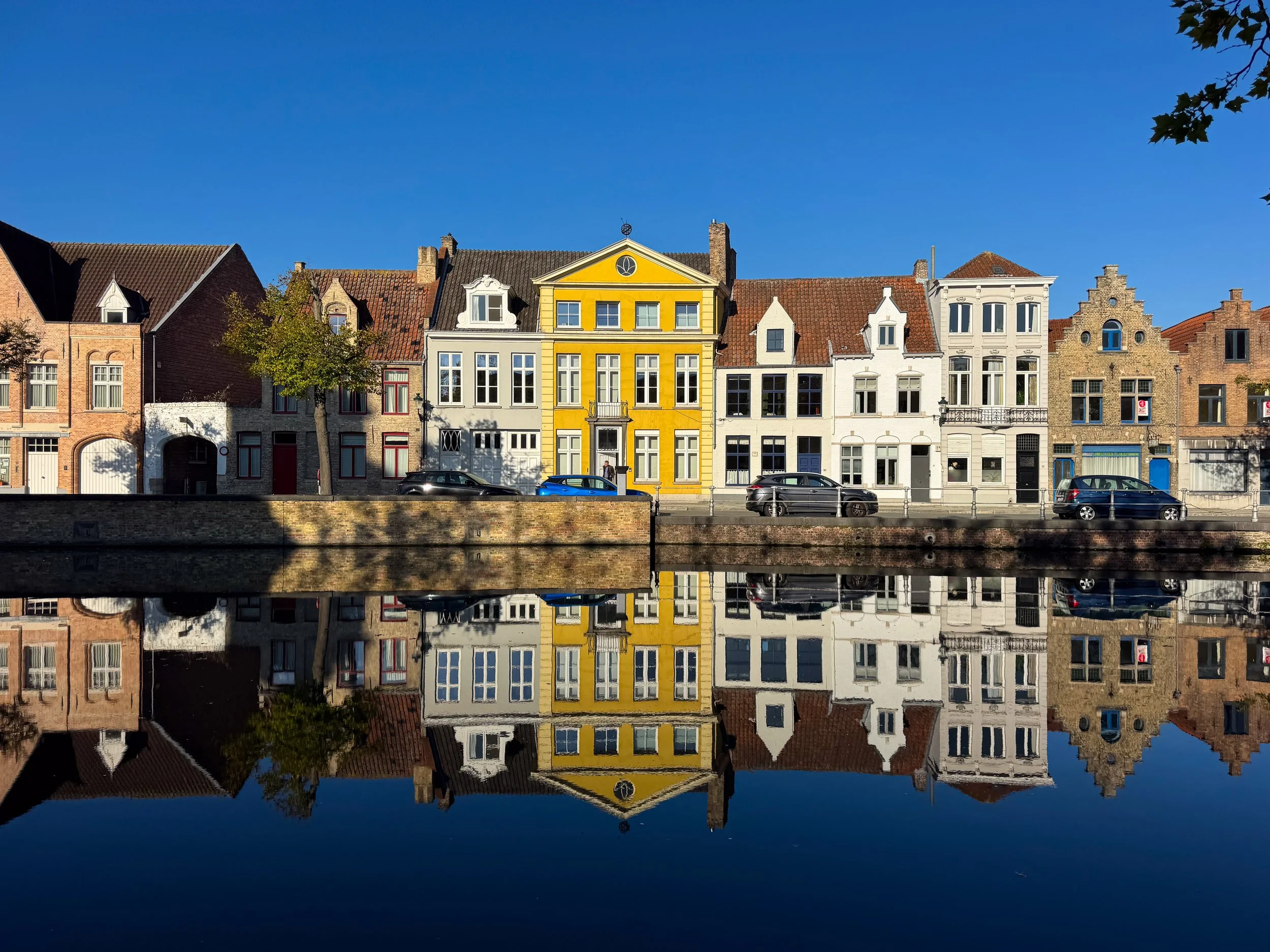
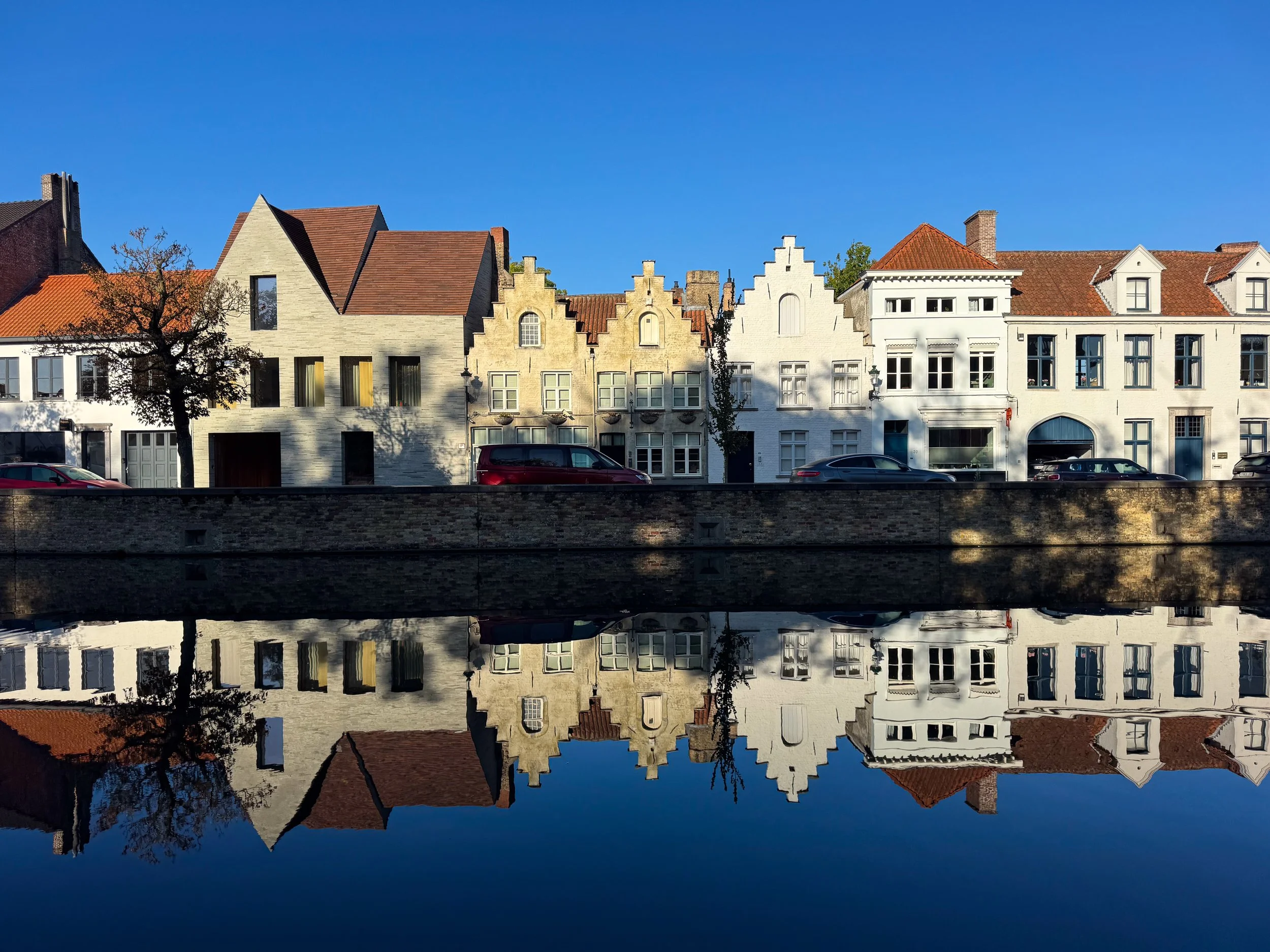
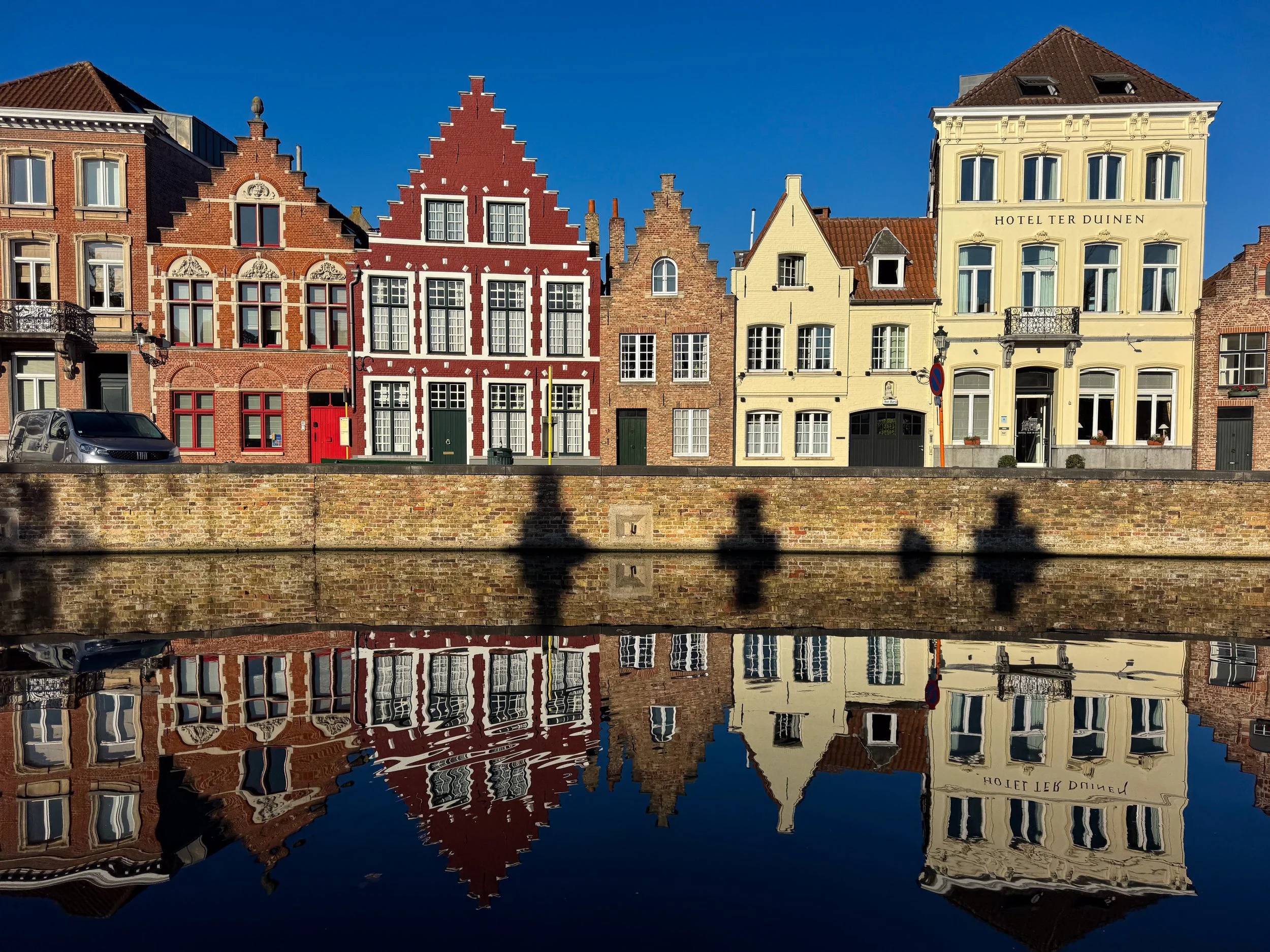
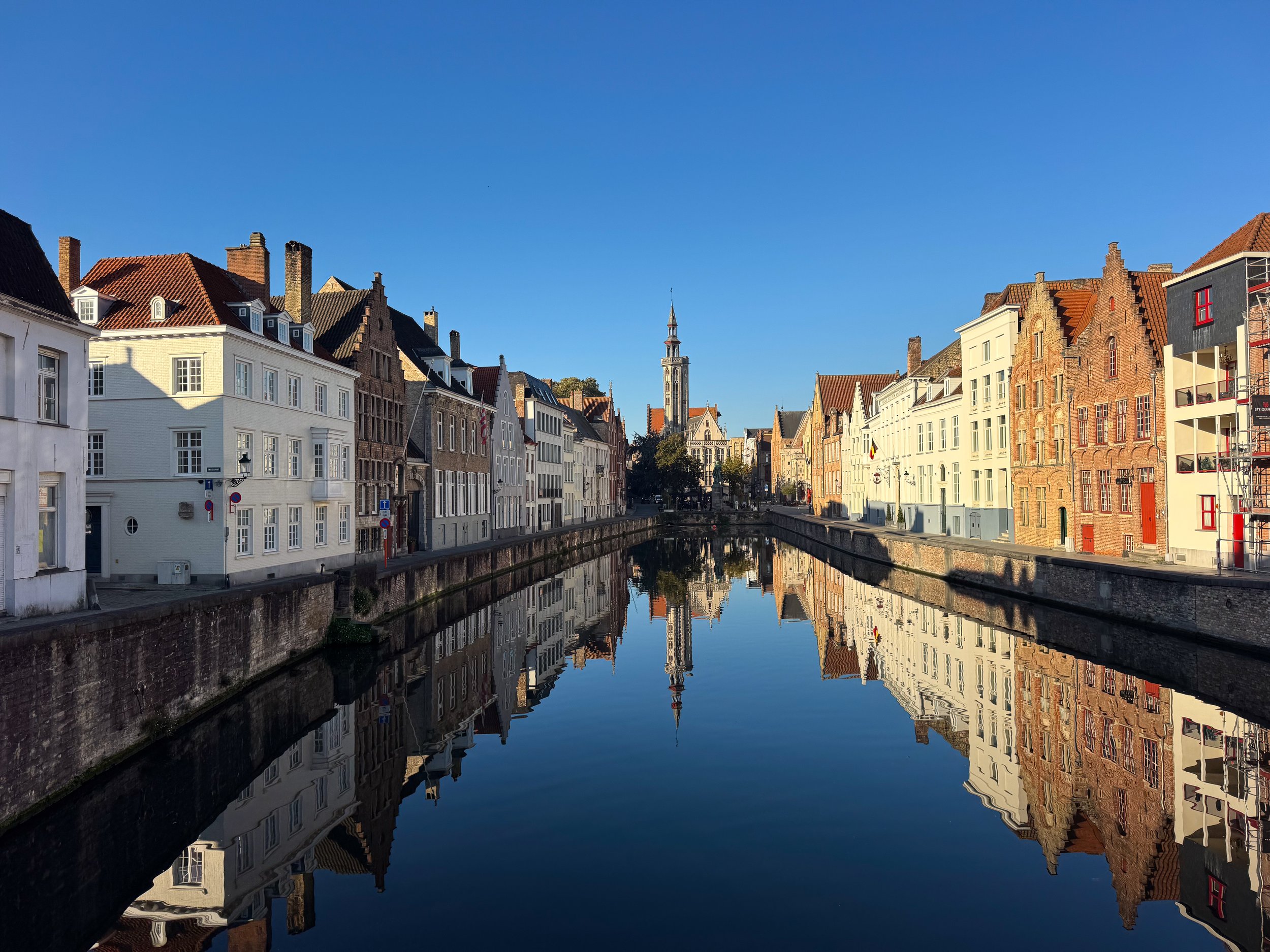
Langerei Canal. The largest canal in Bruges' historic center, stretching from Jan van Eyckplein to the outer canal belt. Historic homes and tree lined promenades reflect in its still water as ducks ripple the surface. Stroll its banks for tranquil views fit for a Flemish painting.
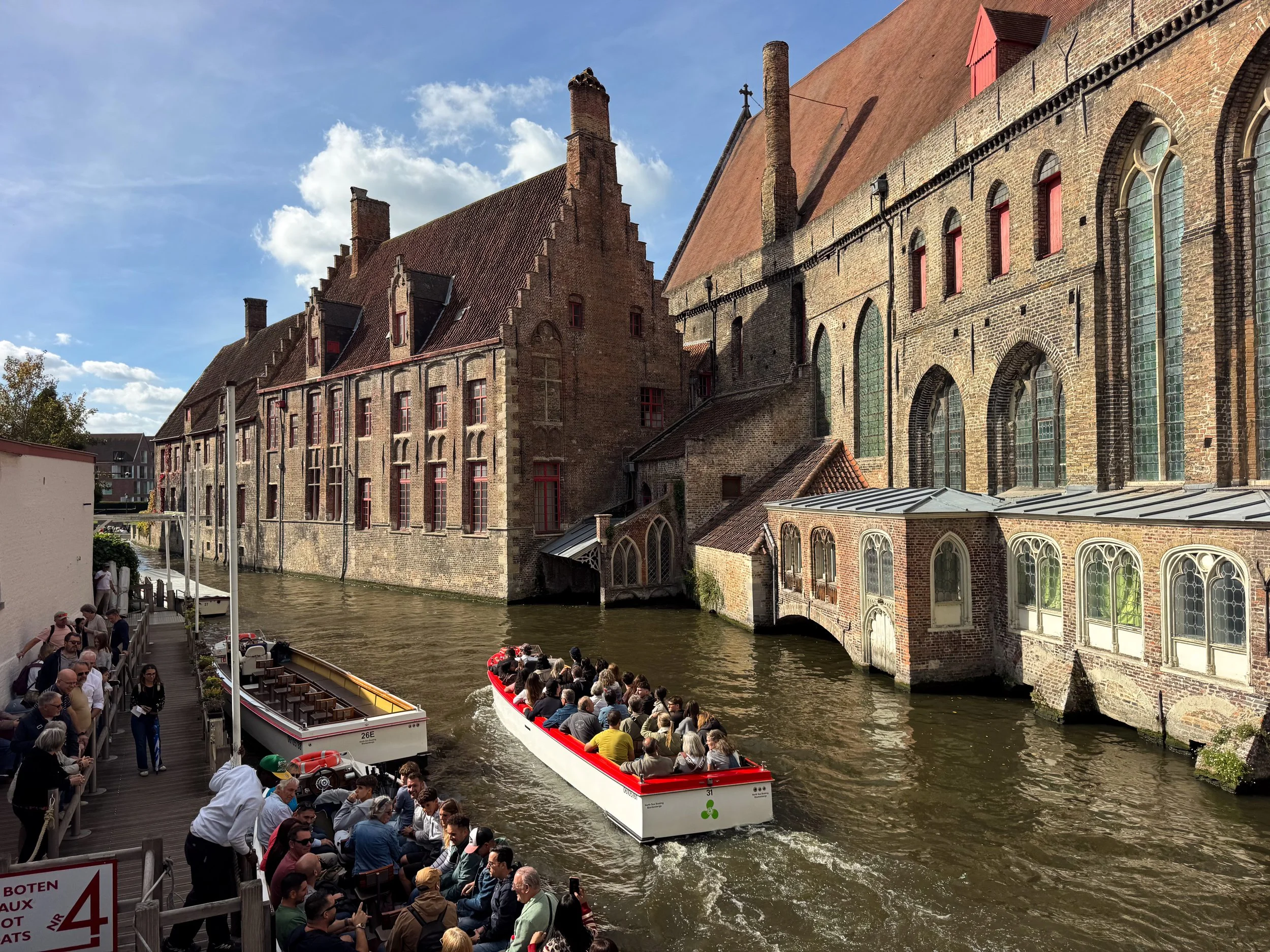
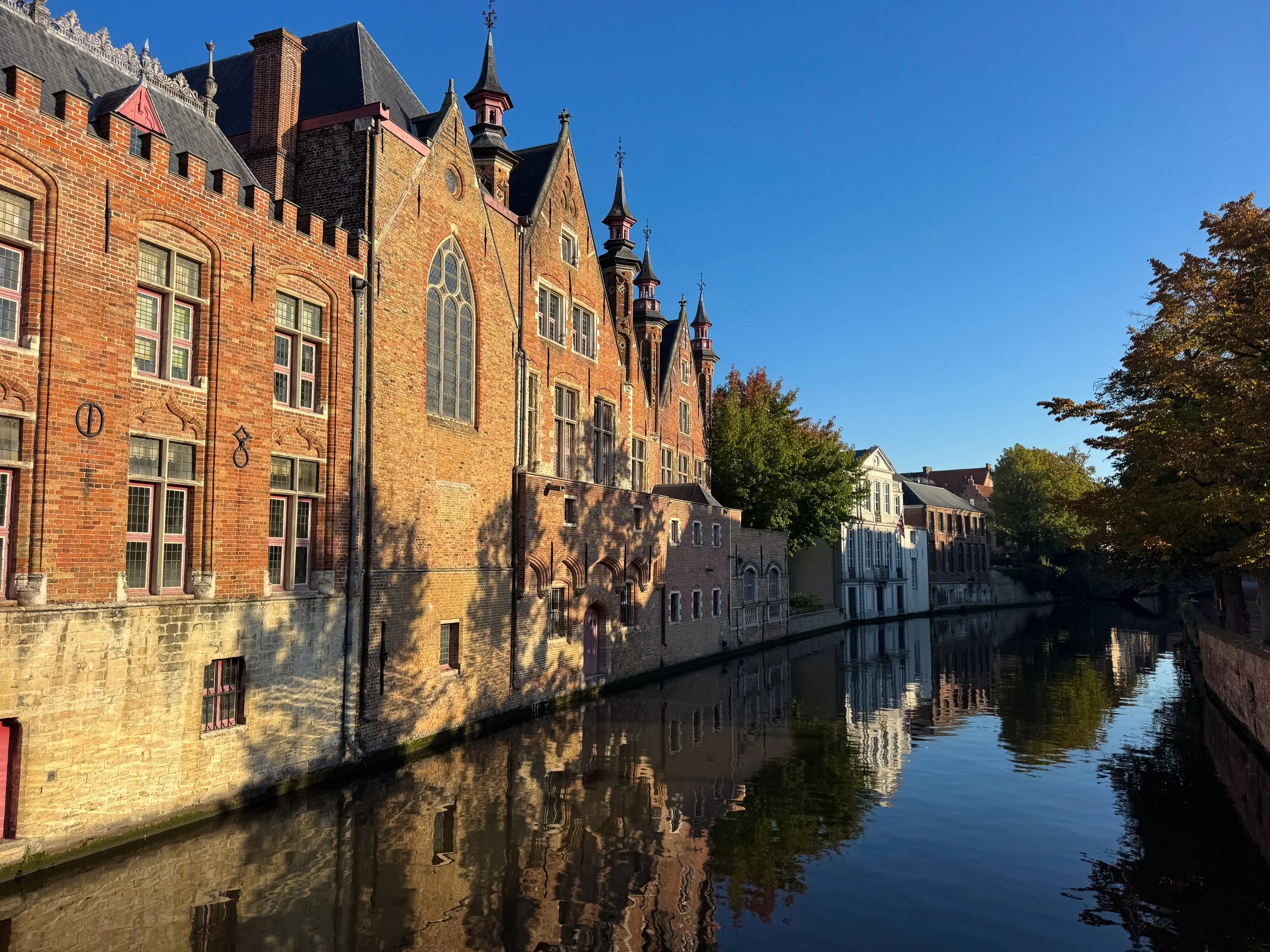
Mary's Bridge (Mariabrug). A small bridge spanning one of the city's scenic canals. Take in the view with a Belgian waffle from Otto Waffle Atelier or a cone of frites from FritBar Bruges.
Groenerei Canal. A picturesque canal in the medieval center that passes beneath three stone bridges, each framing views down the waterway.
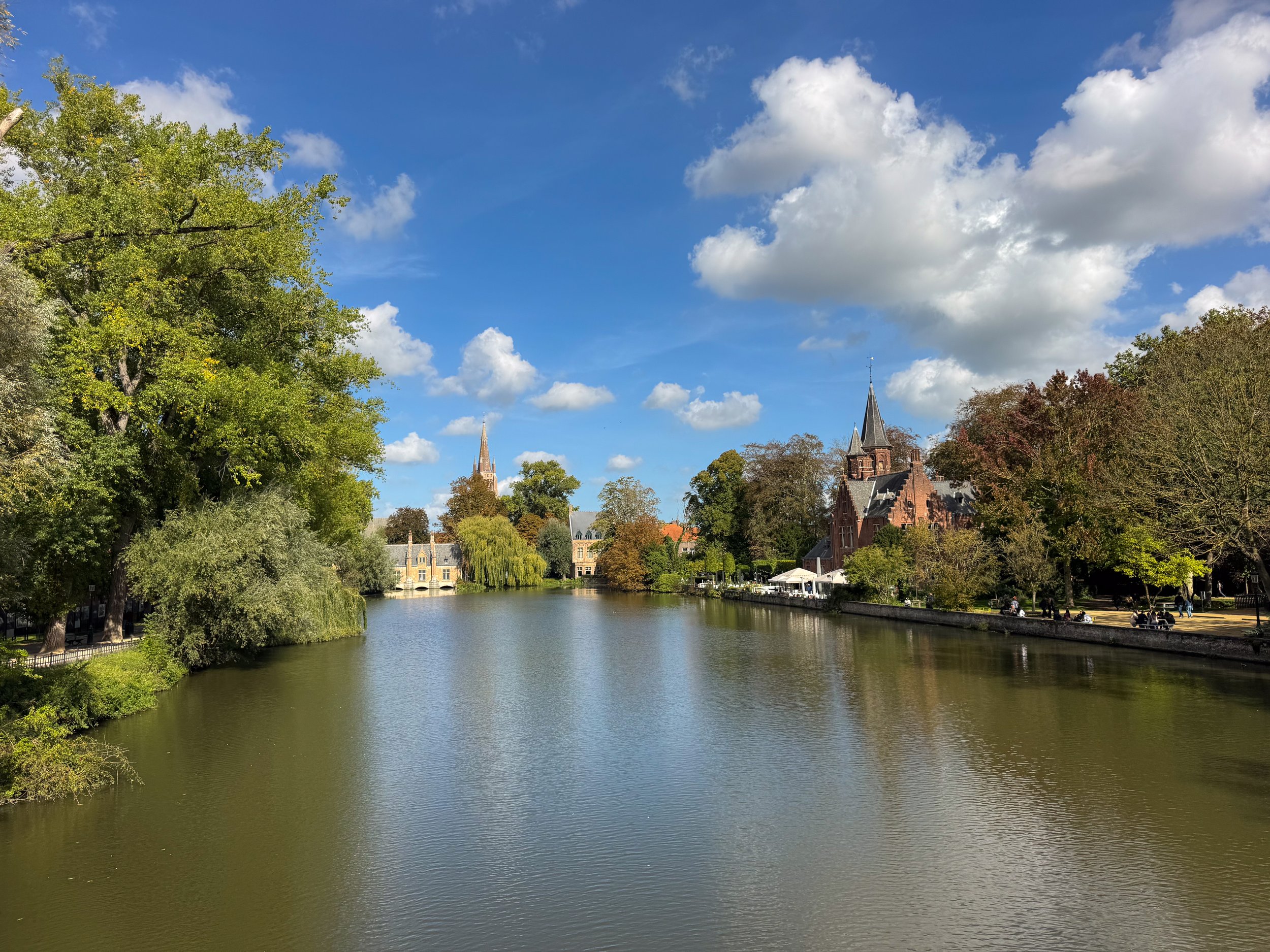
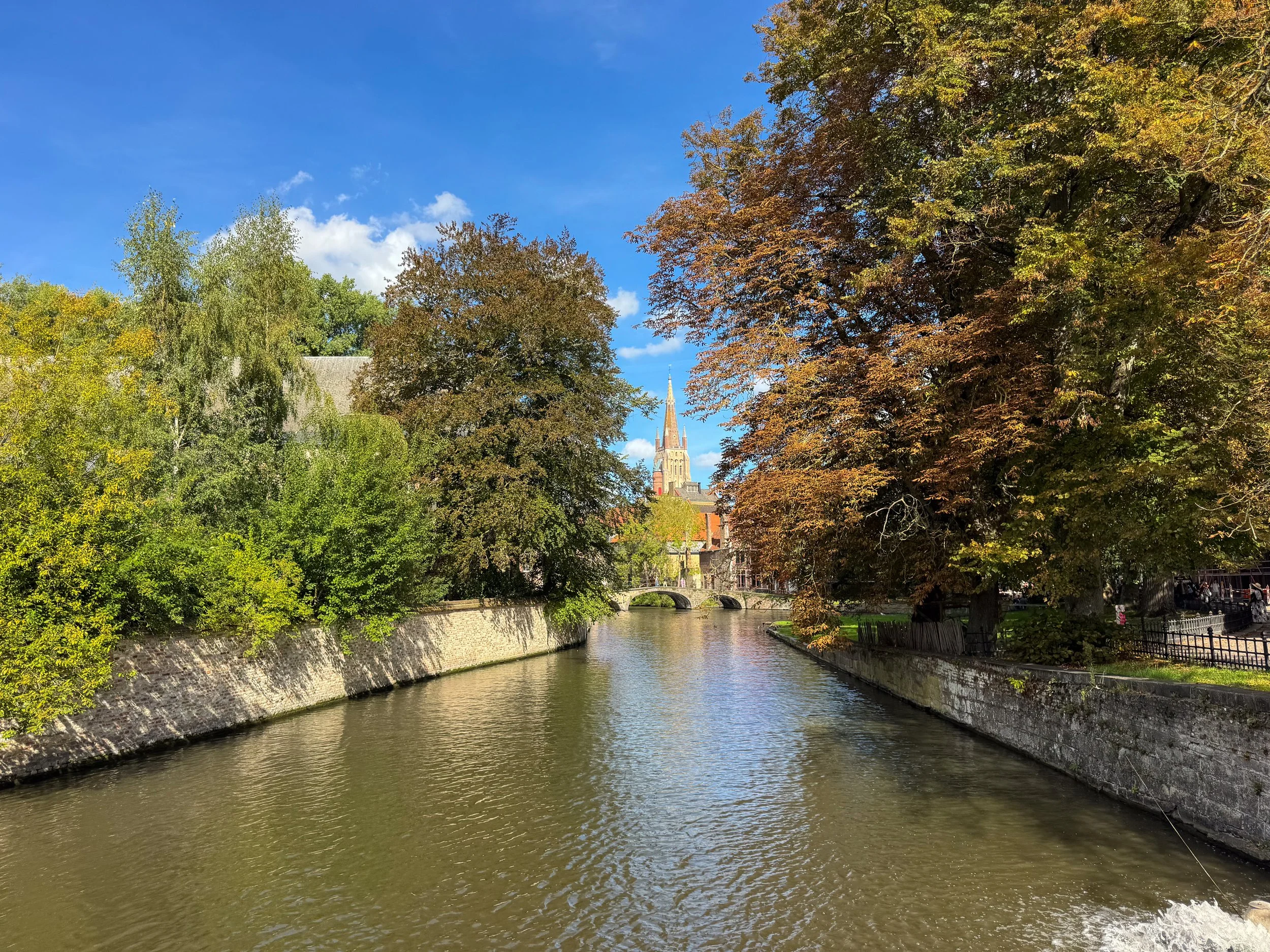
Minnewater Park. A romantic park surrounding the Minnewater canal, where willow trees and red brick buildings reflect on still water and ducks nest along the banks. Cross the Lovers' Bridge for picturesque views or linger at a small cafe, far from the crowded center.
Historic Sites & Medieval Landmarks
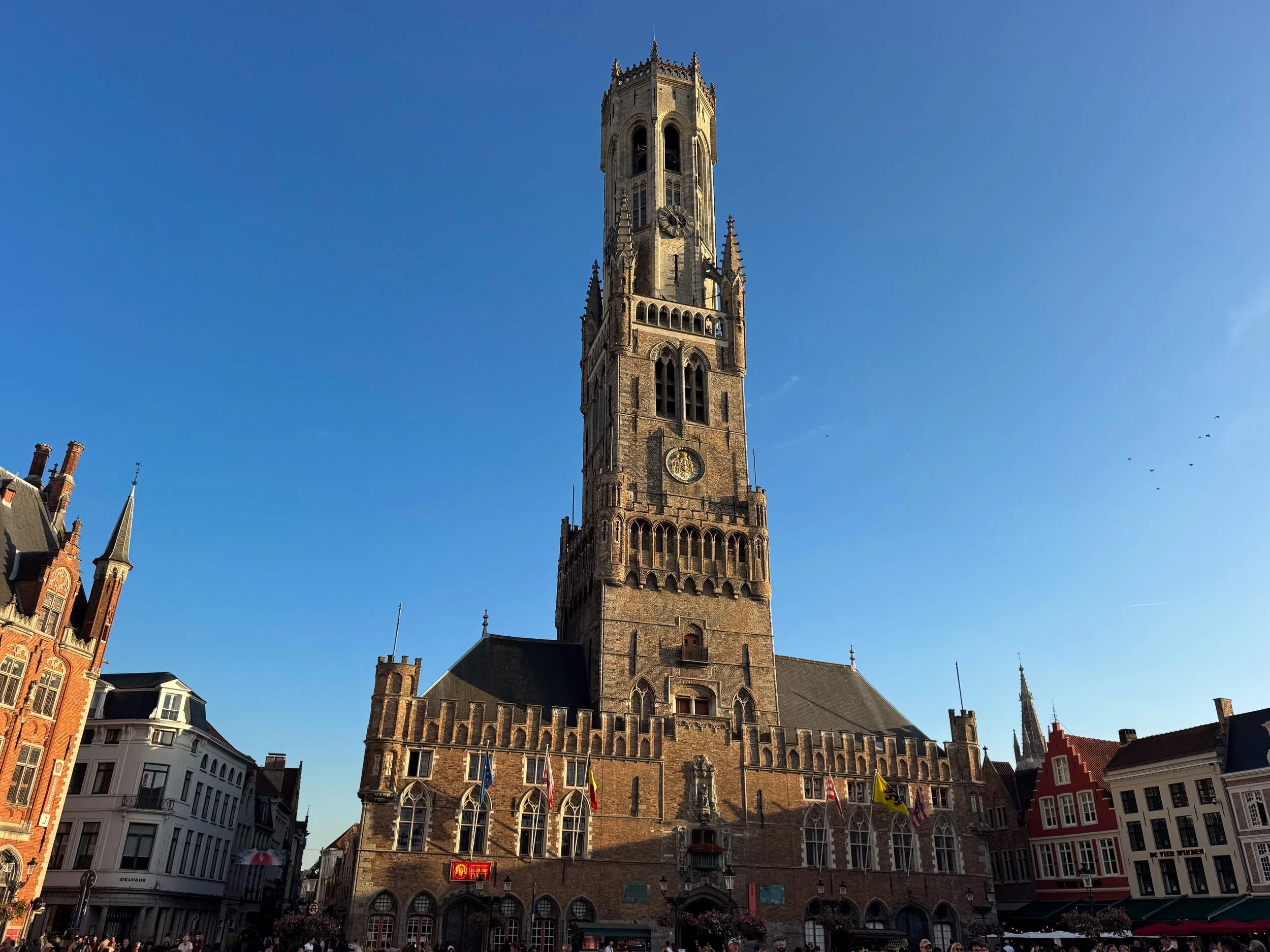
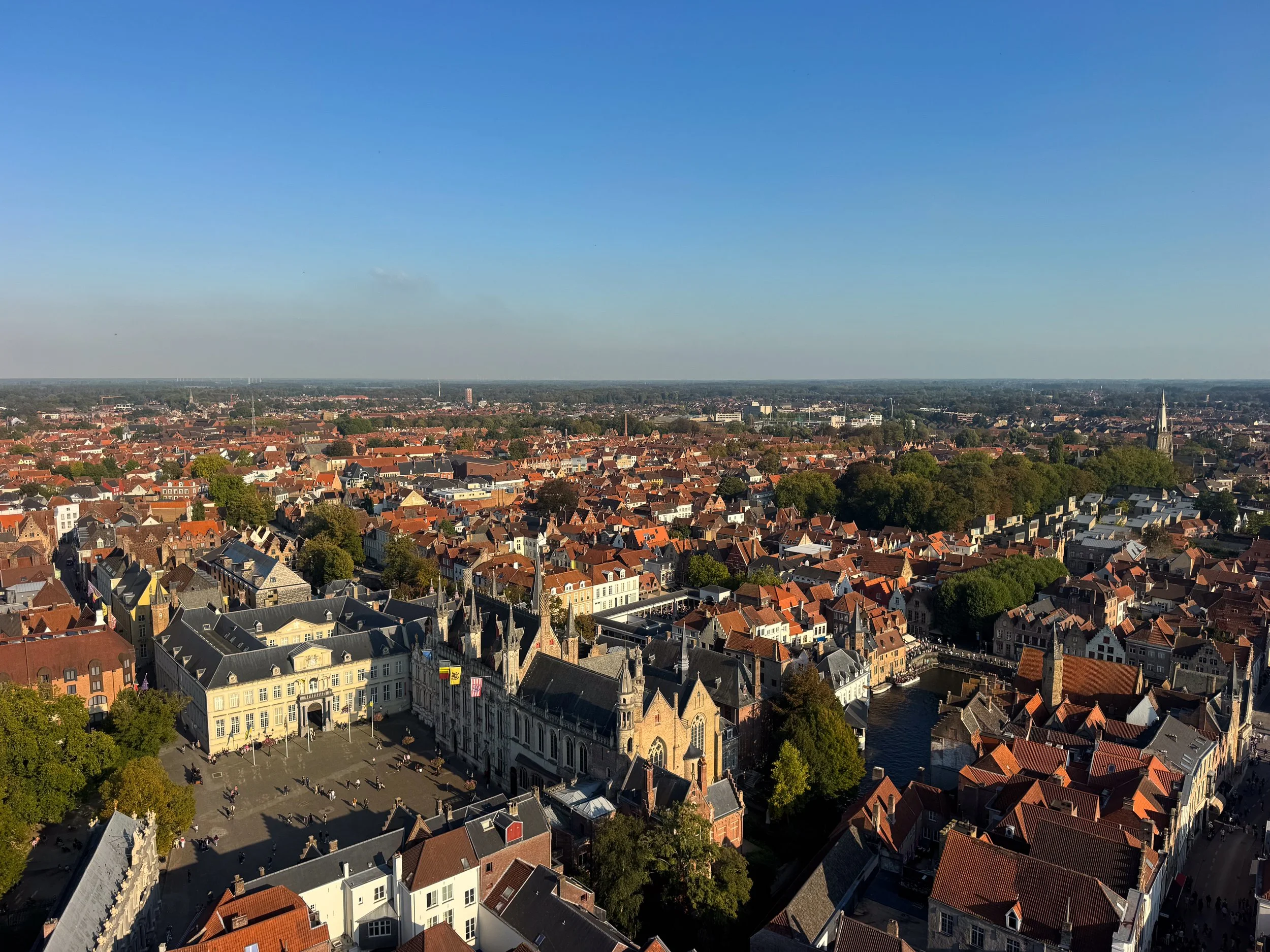
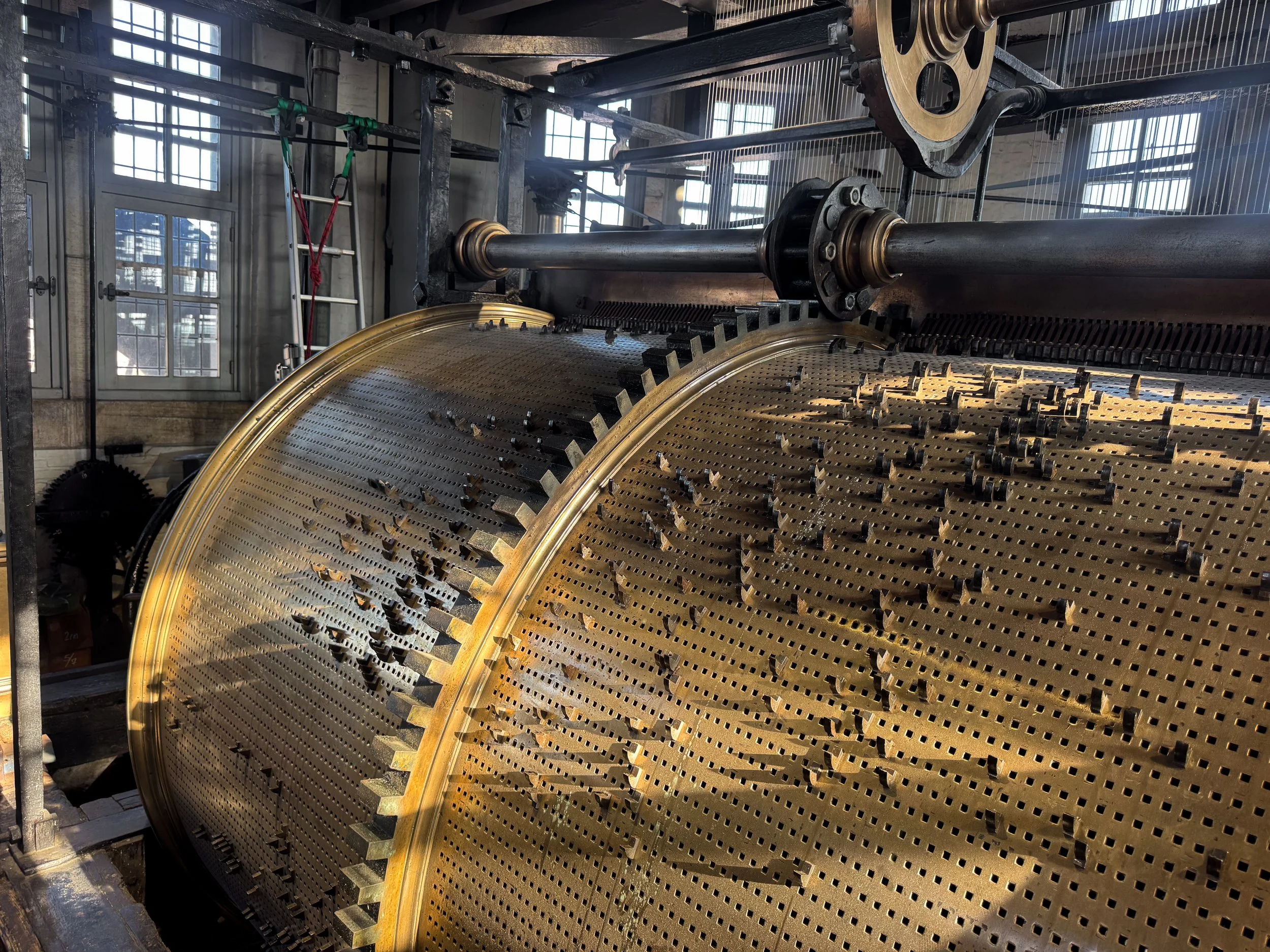
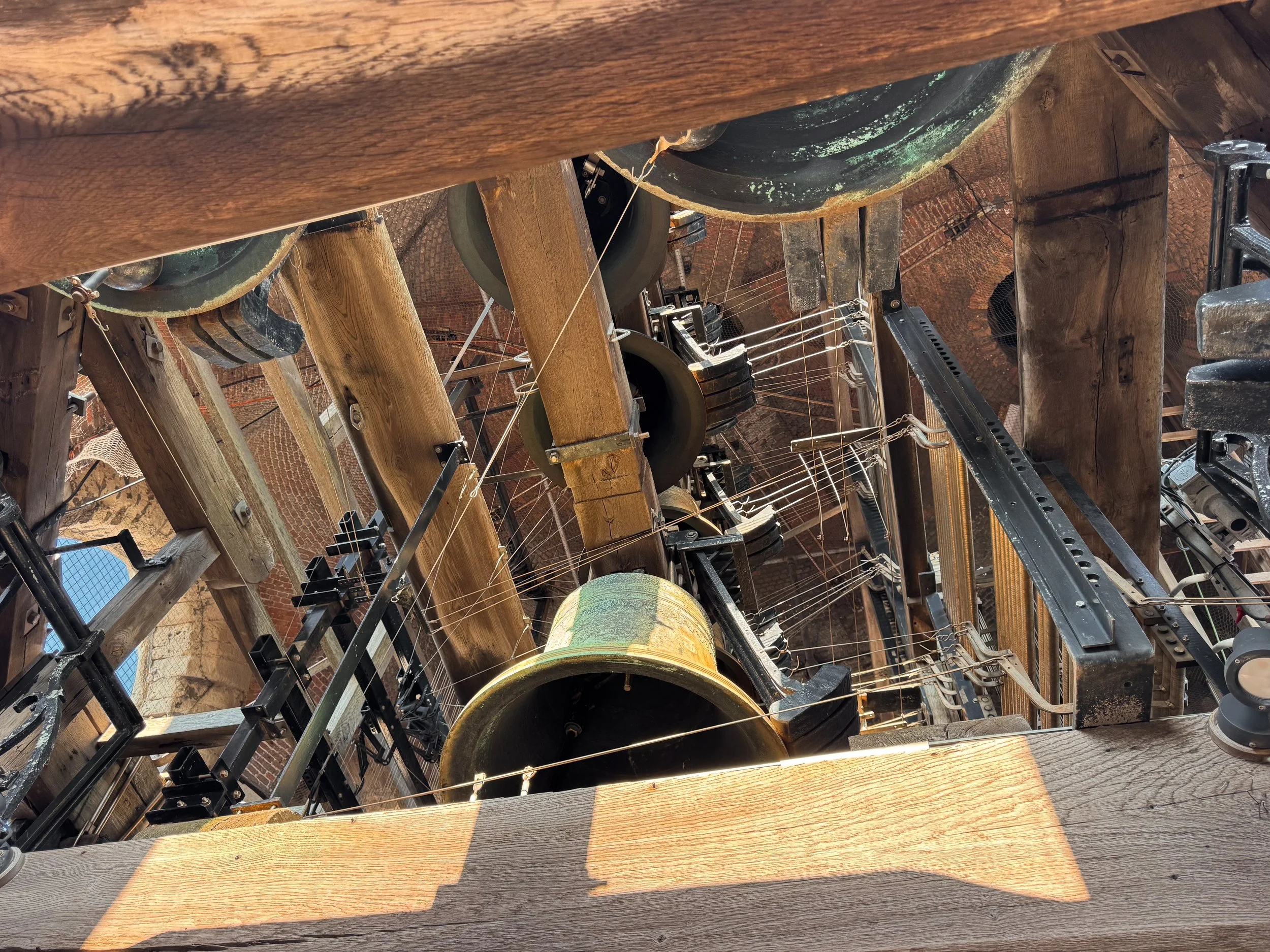
The Belfry of Bruges (Belfort). Towering over the Market Square for more than 800 years, this medieval bell tower is a relic of Bruges' golden age. Its bells chime every 15 minutes while longer melodies drift across the city from its carillon. Climb 366 narrow, winding steps past exhibits on the tower's history, the rotating drum that drives its mechanical symphony and the Great Bell Room. Book tickets in advance and go on a clear day for panoramic views over the terracotta rooftops and square below.
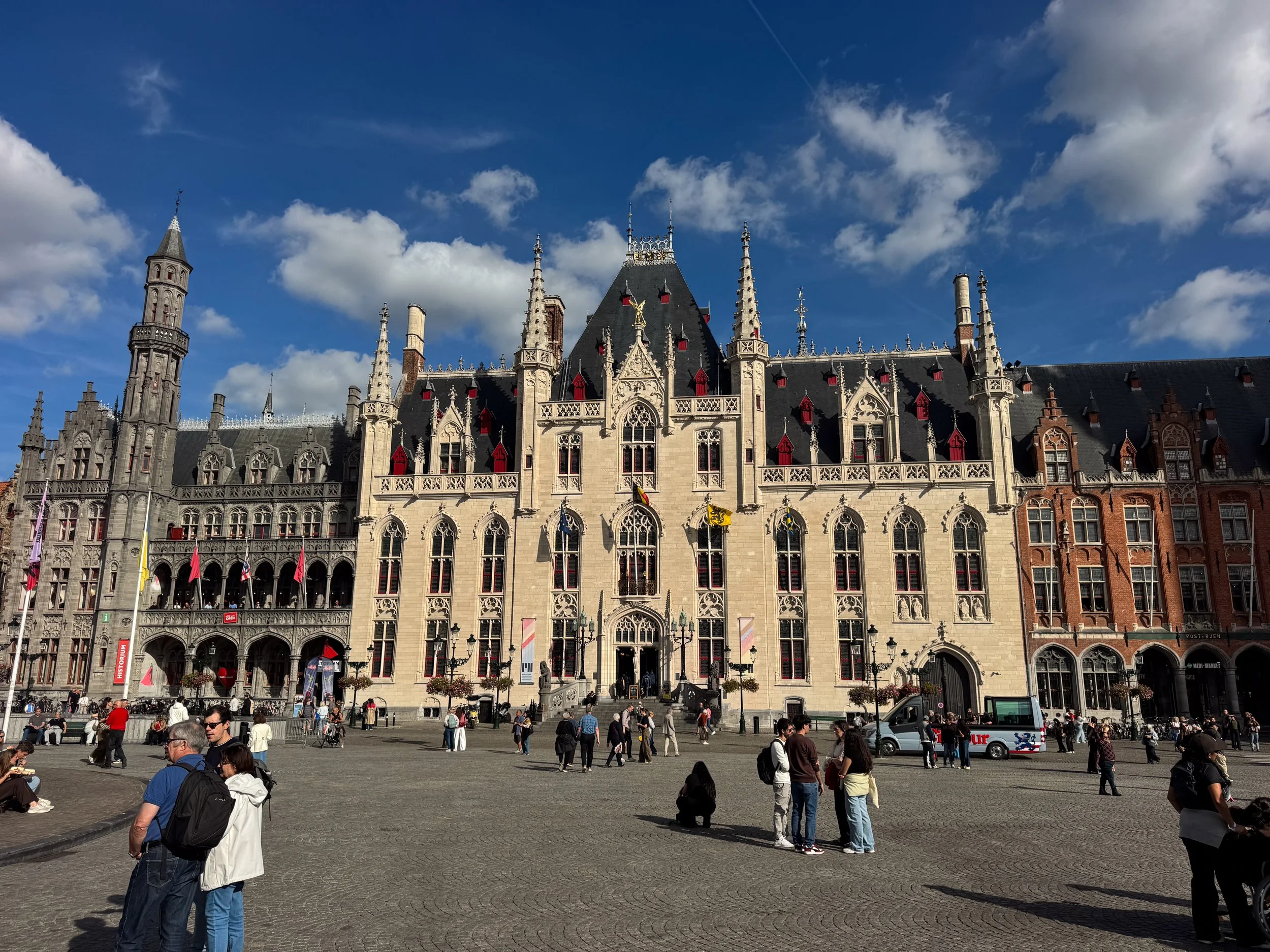
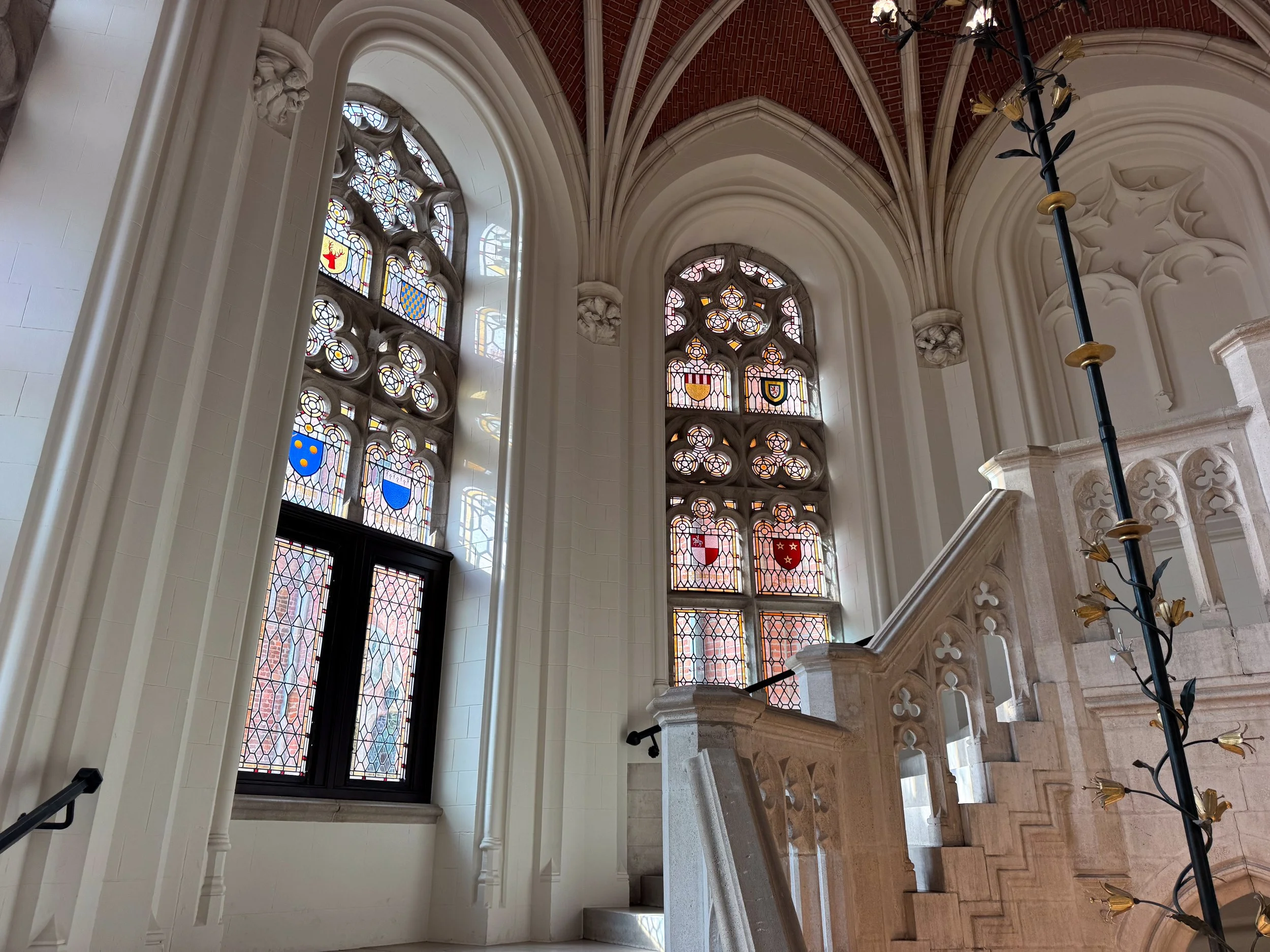
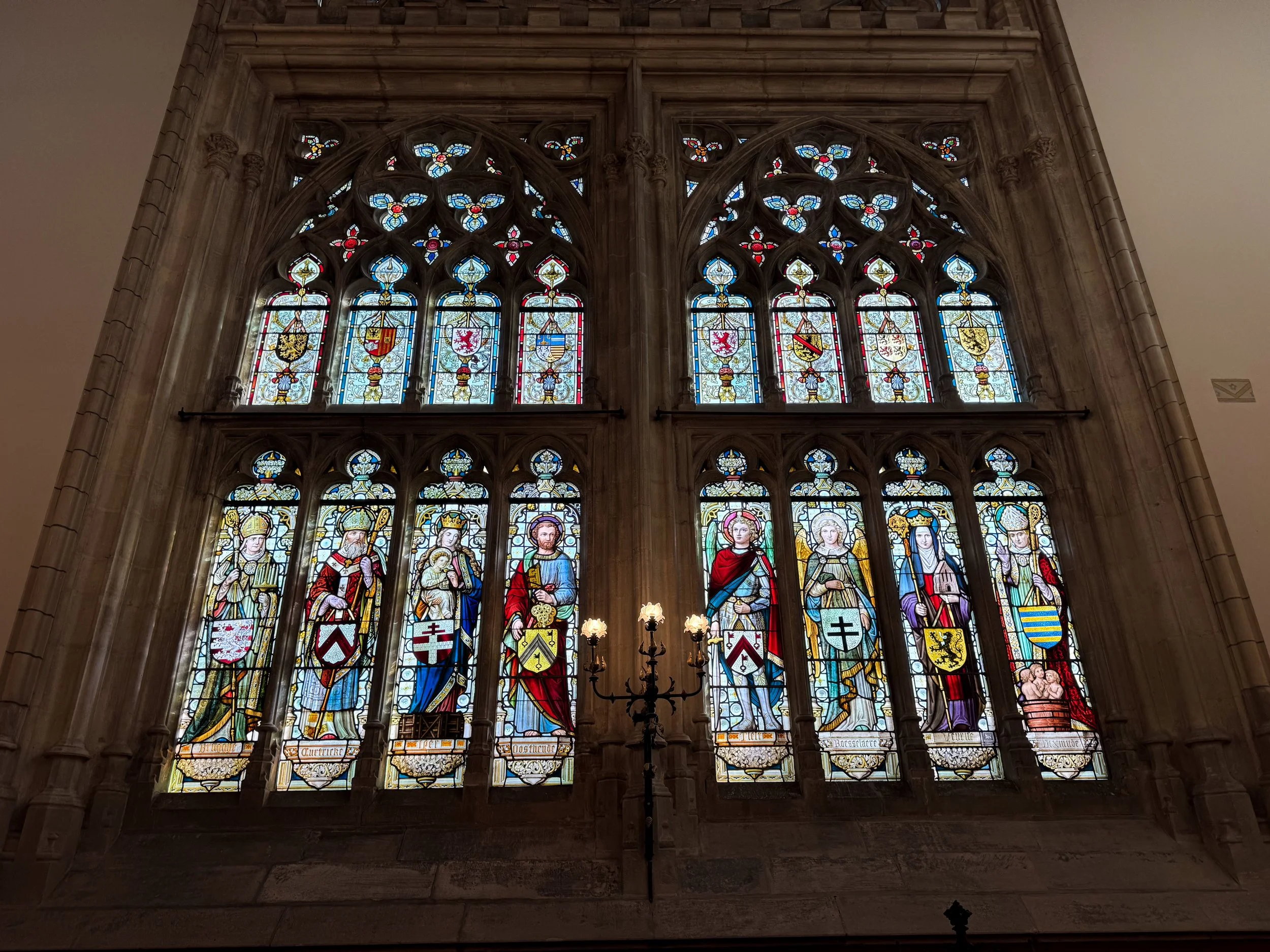
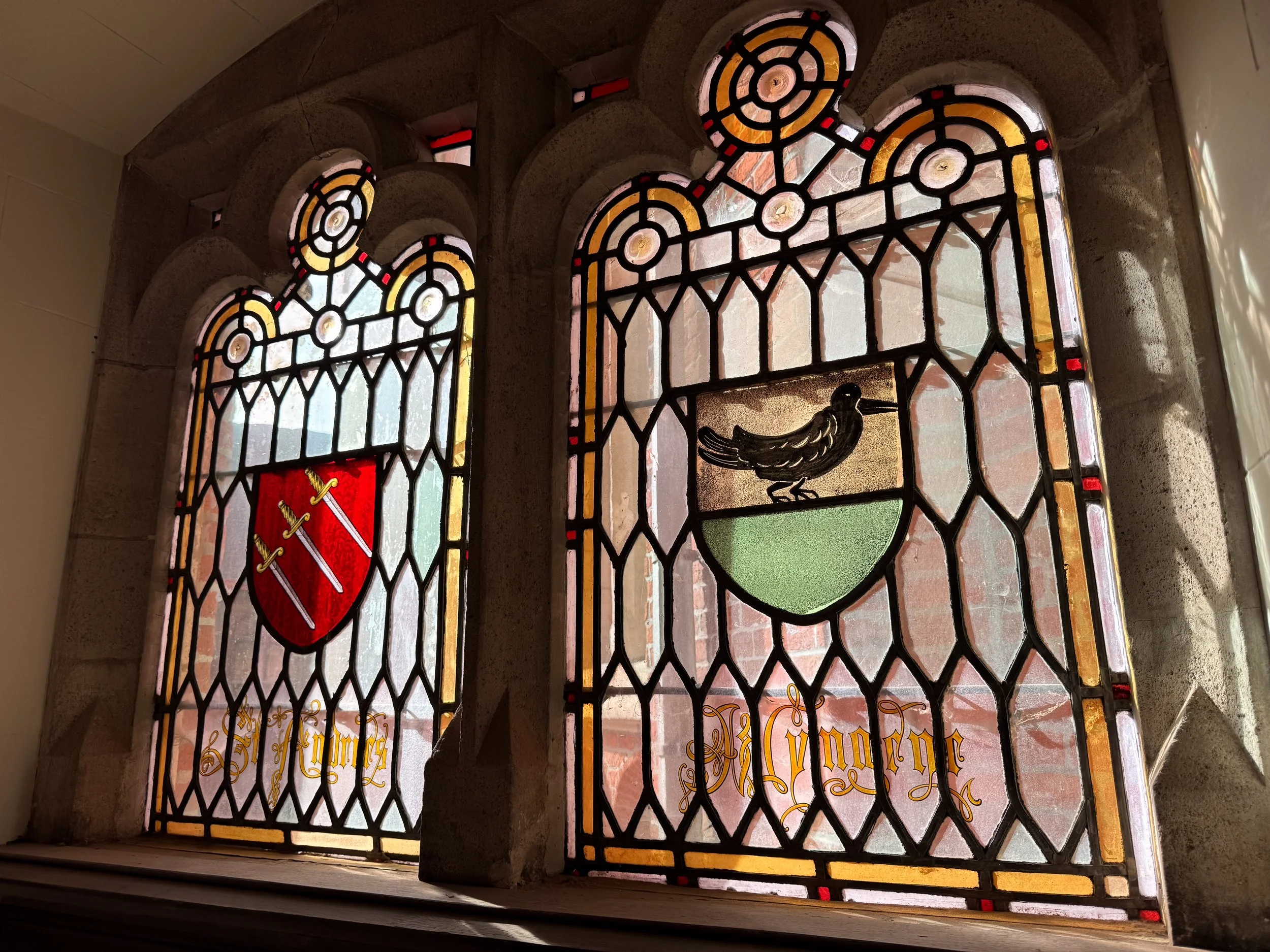
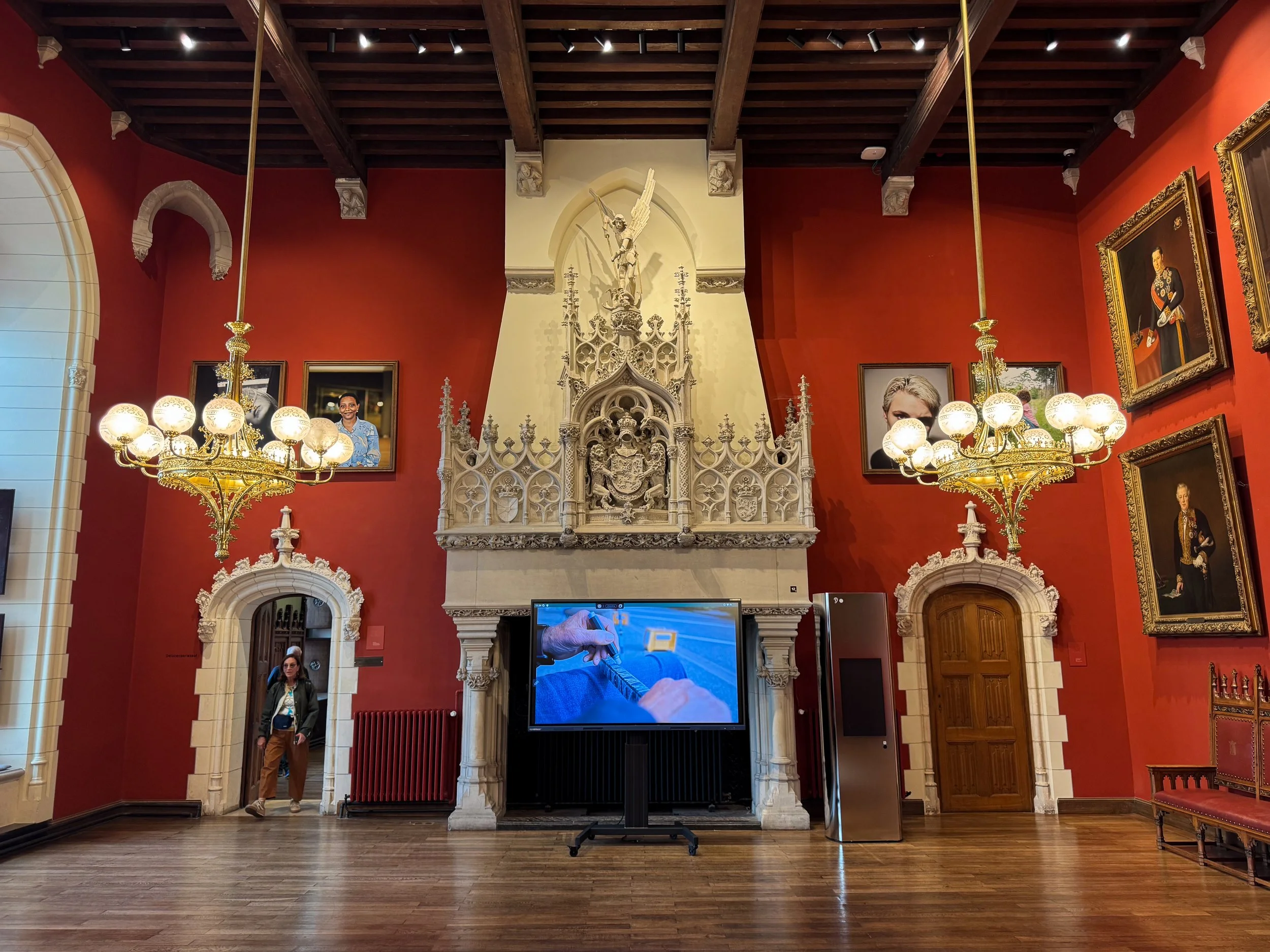
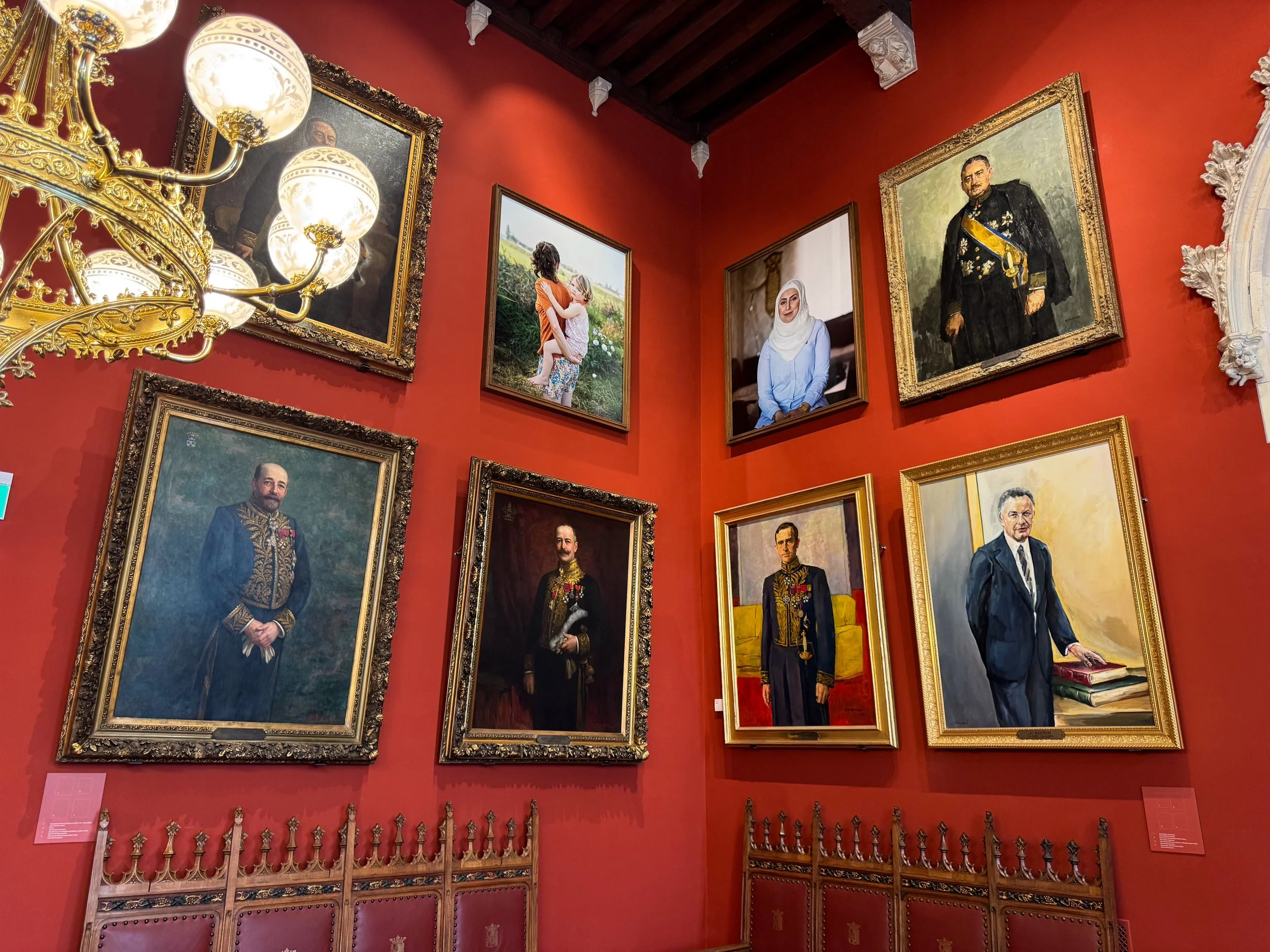
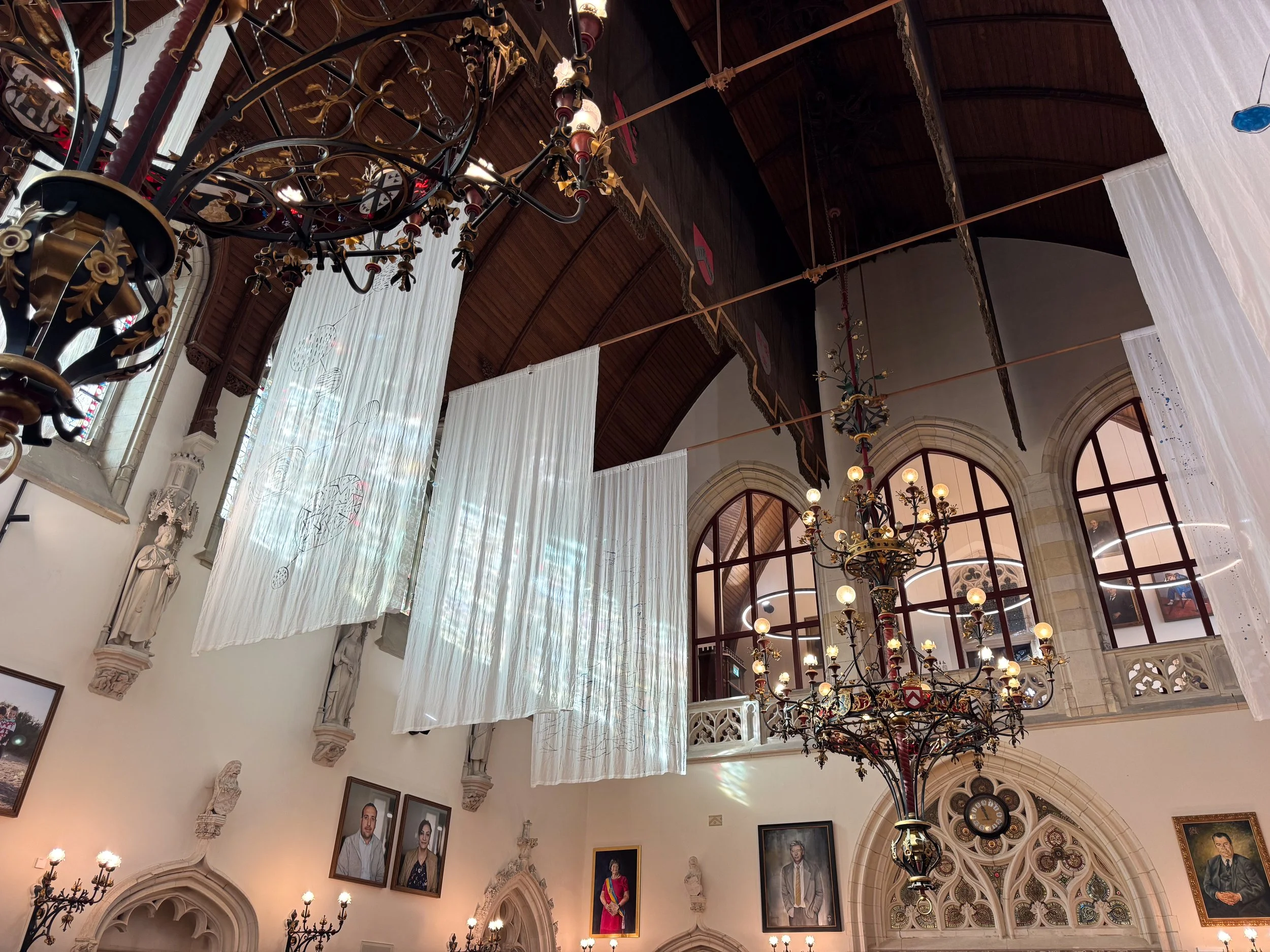
Provincial Palace. Once the seat of the provincial government, this neo-Gothic landmark frames one side of the Market Square. Its façade is crowned by Gothic pinnacles and tall lancet windows. A self guided tour leads through grand halls filled with stone fireplaces, medieval banners and stained glass windows.
Bruges City Hall (Stadhuis Brugge). A 14th century Gothic landmark anchored on De Burg with an ornate façade of pinnacles, stained glass lancet windows, stone figures and heraldic shields. Inside, the elaborate Gothic Hall is open for tours, though weddings can limit weekend hours.
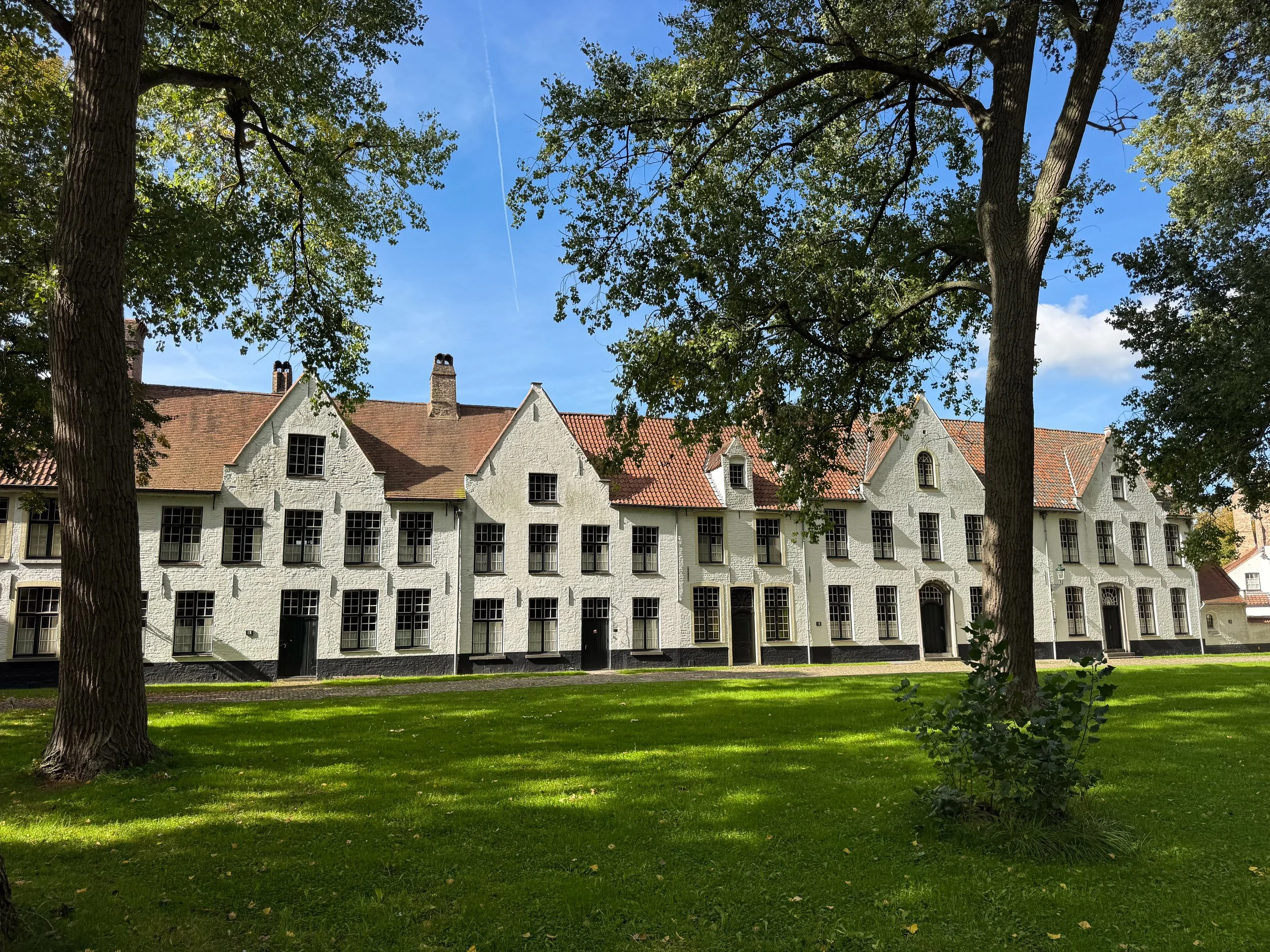
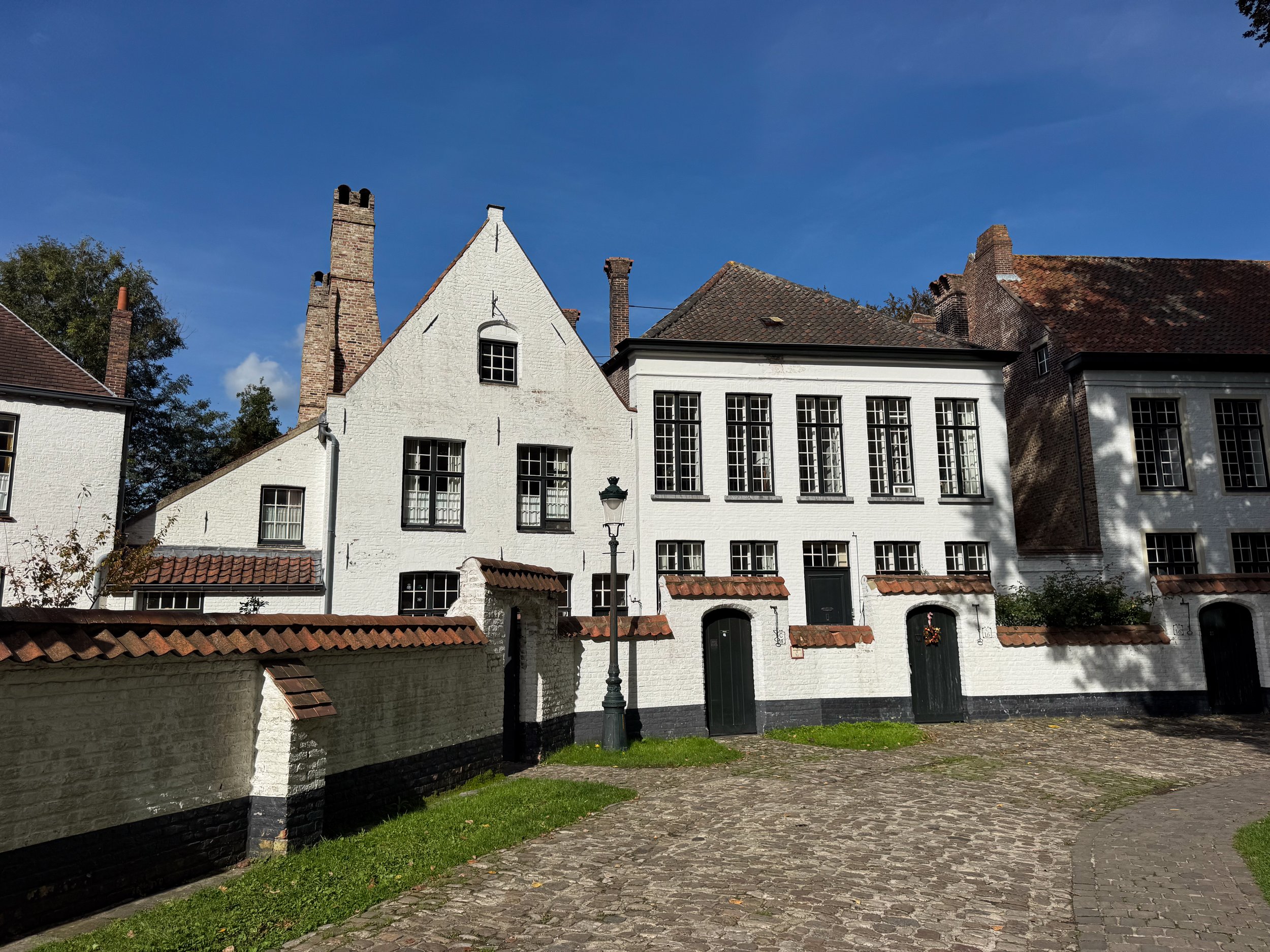
Begijnhof Ten Wijngaerde. A historic enclave home to women devoted to a life of prayer. Pass through a gate into a tranquil park where leaning trees shade whitewashed brick homes and a medieval chapel. Maintain silence out of respect for the women who live here, watching out for the “Ssst” signs as you explore.
Windmills & Medieval City Gates
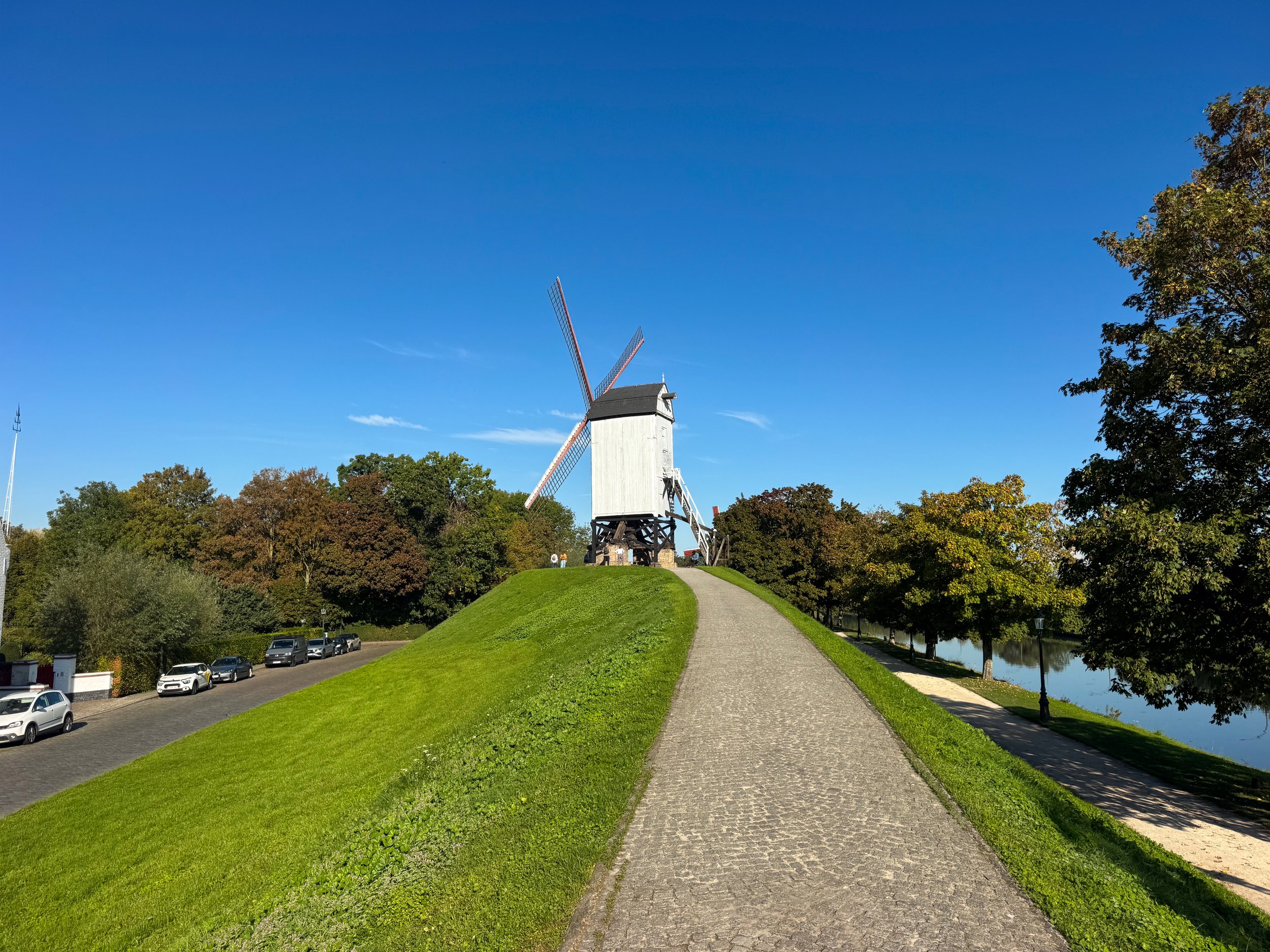
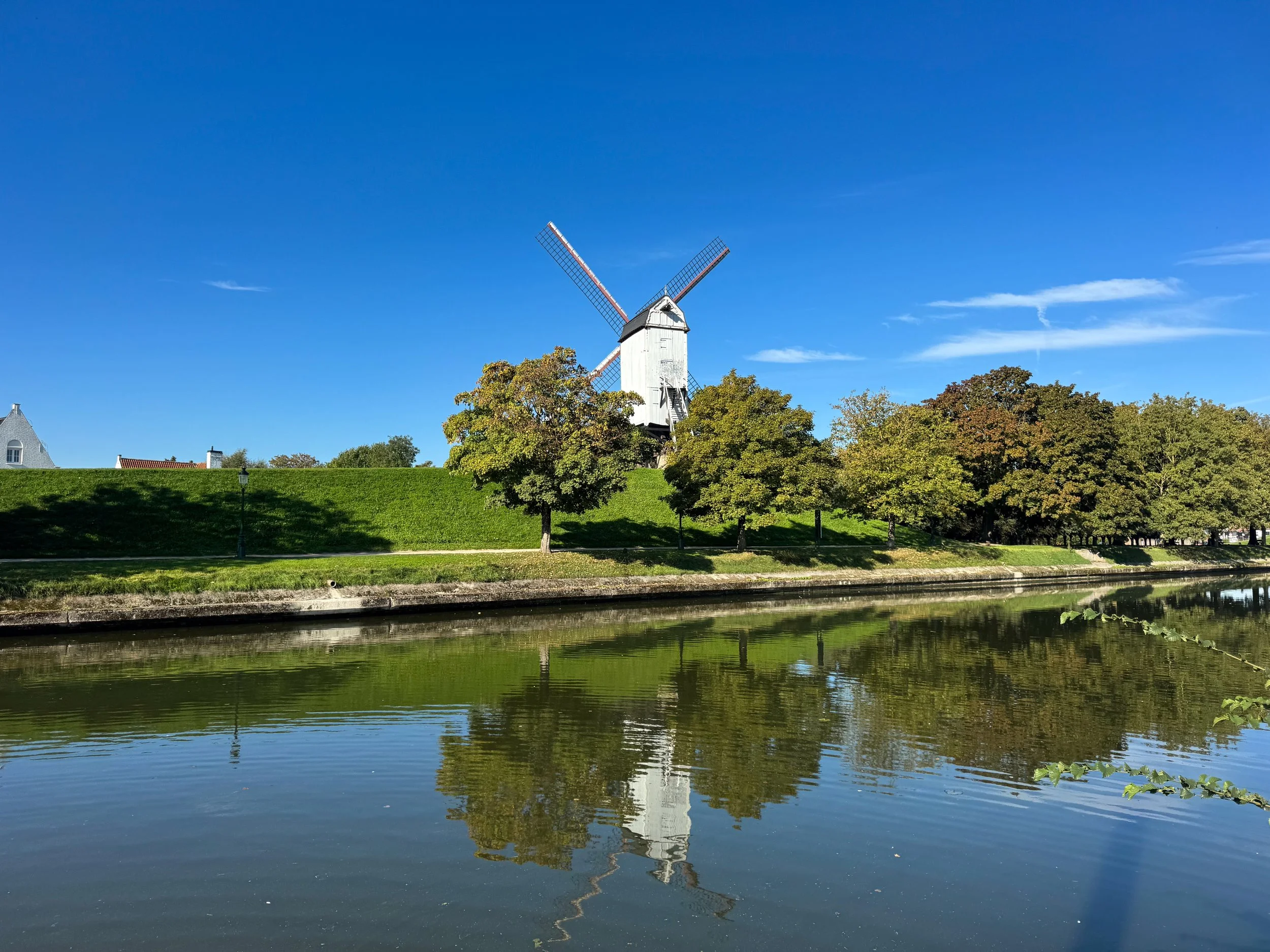
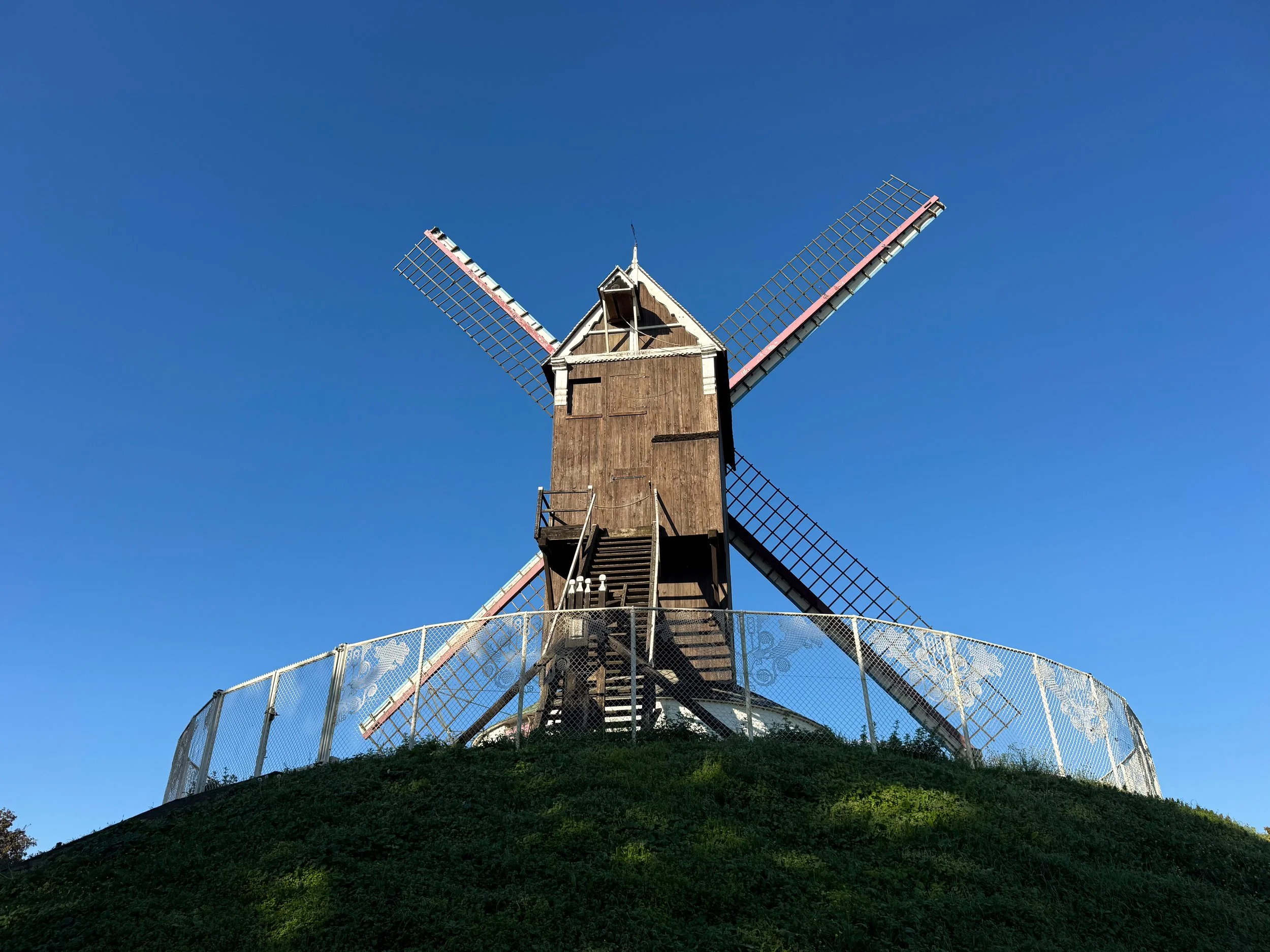
The Four Windmills. Four historic windmills perched on grassy mounds along the northeastern edge of the outer canal belt, the last of more than 30 that once ringed Bruges. A line of modern wind turbines spins in the distance, offering a striking contrast between old and new.
Koelewei Mill. A working windmill built in 1760 still used to grind grain. Its brown wooden millhouse sits atop a white brick base with four large sails extending like a pinwheel. It's closed to visitors but visible beyond its gated enclosure.
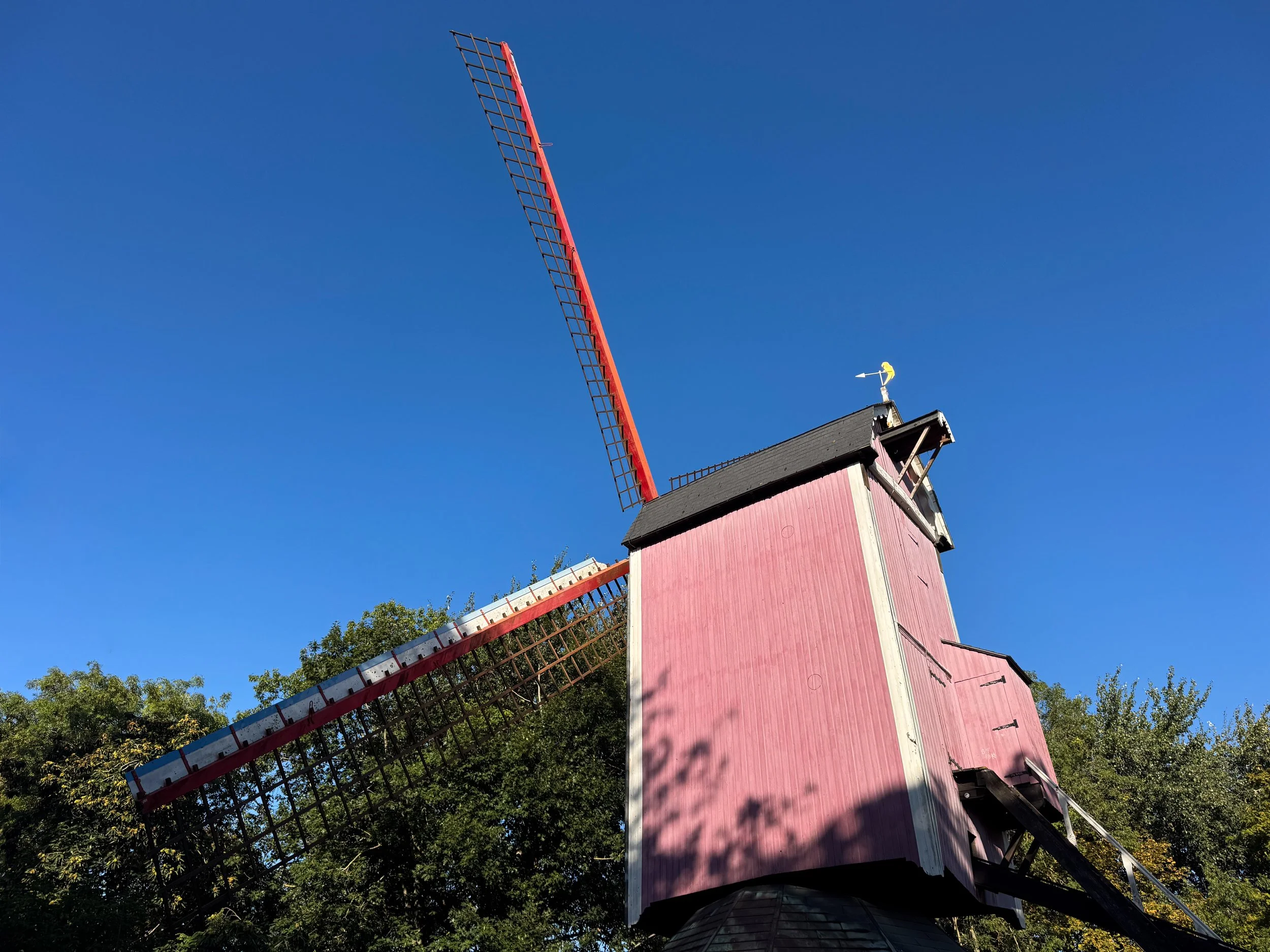
Windmolen De Nieuwe Papegaai. A pink painted wooden windmill built in 1790 and later relocated to Bruges, perched on a tan brick base atop a hill overlooking the city. It no longer operates but is viewable up close.
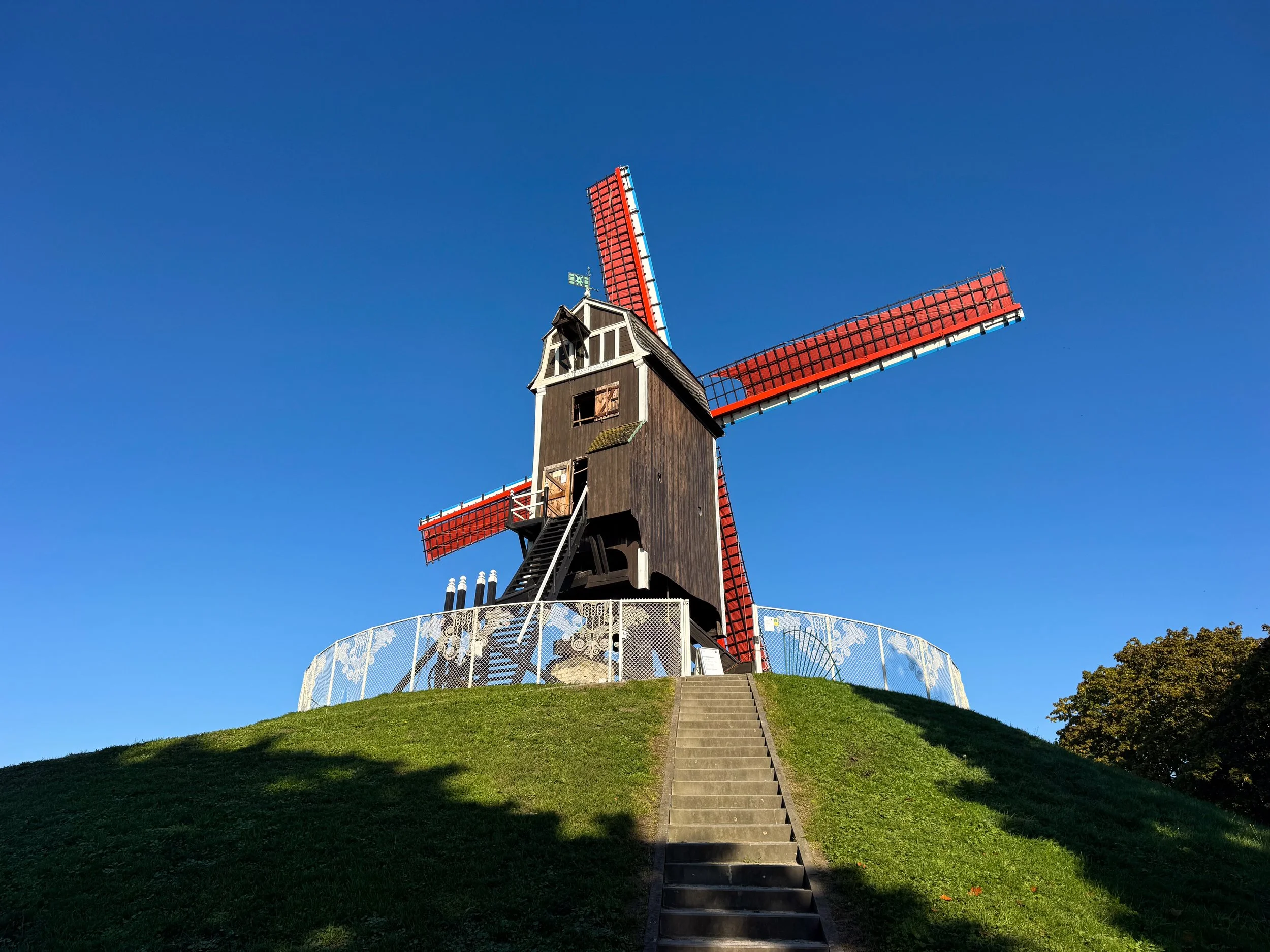
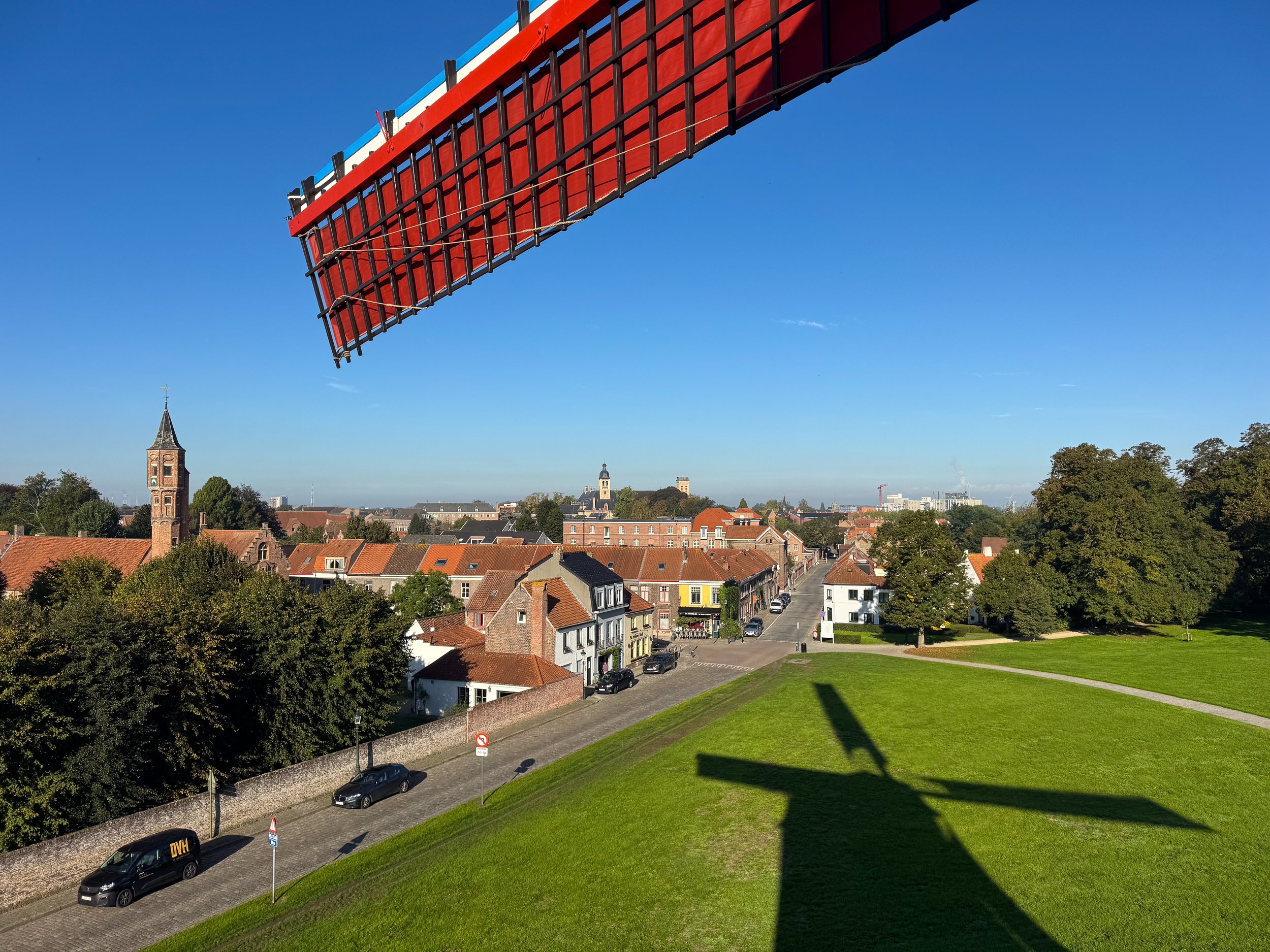
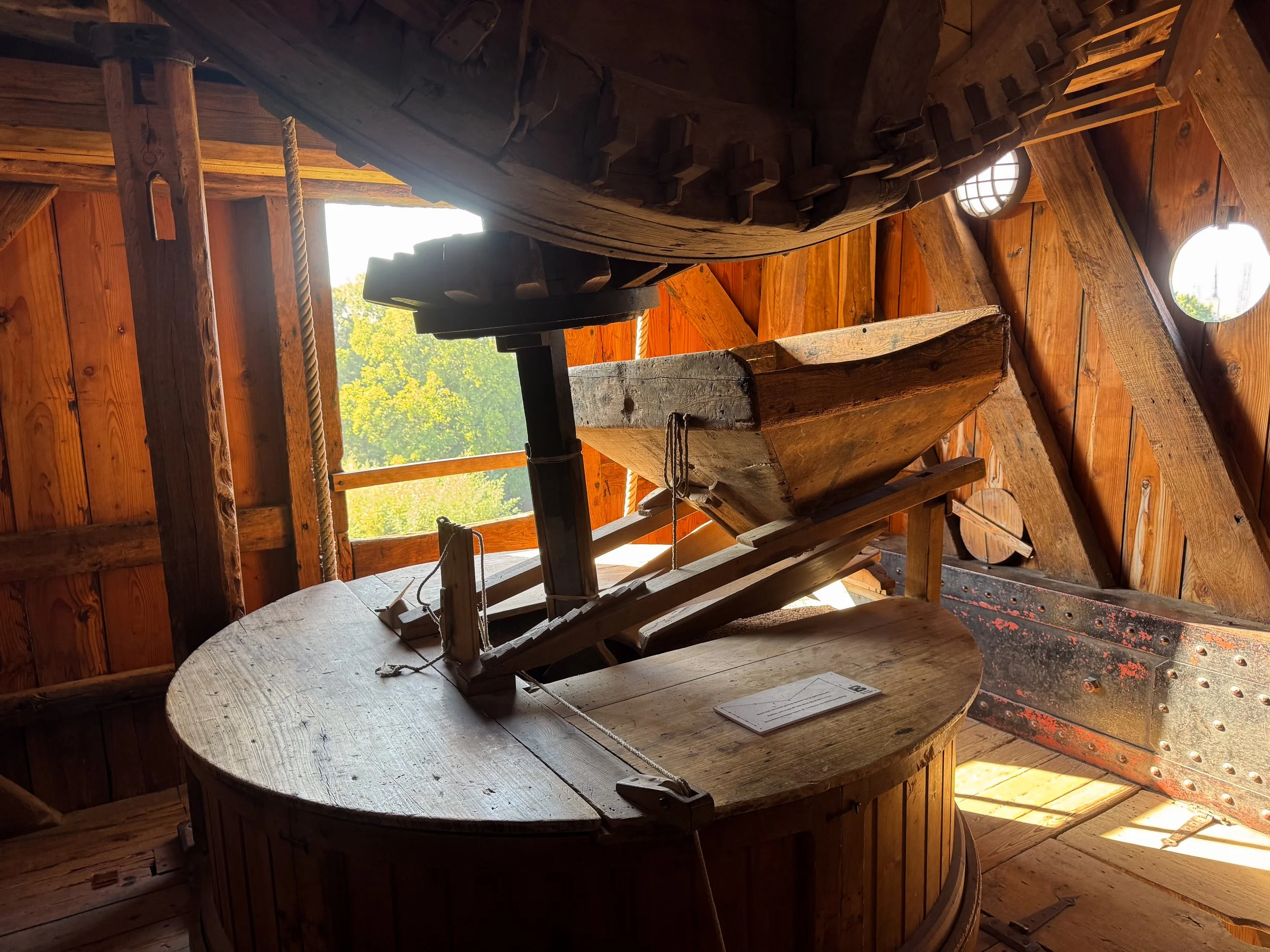
Sint-Janshuismolen Mill. A working 1770 grain mill and the only one of the windmills open to visitors. Its four red sails stretch 24 meters across, while steep steps lead into the mill room, where wooden gears turn millstones to grind grain into flour for local bakeries.
Bonne-Chière Mill. A white painted wooden windmill built in 1844. While it no longer functions, a small picnic area at its base offers views of the city and a tree lined path leading toward the Sint-Janshuismolen Mill
Medieval City Gates. A series of medieval gates once fortified Bruges' outer canal belt. Multiple still stand today as symbols of the city's historic power and importance.
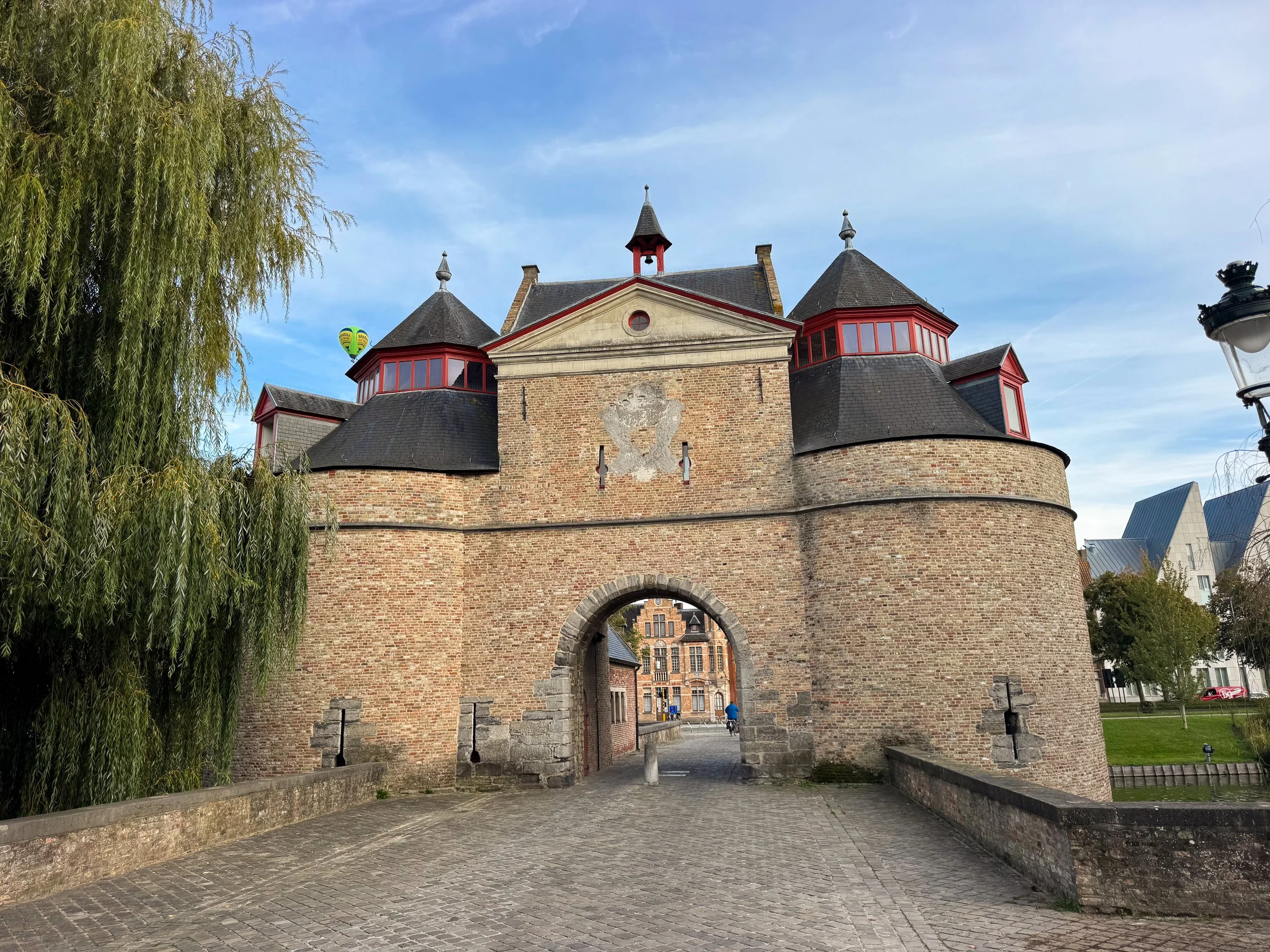
Ezelpoort. A medieval city gate with two castle-like brick towers, rising from a bridge over the outer canal.
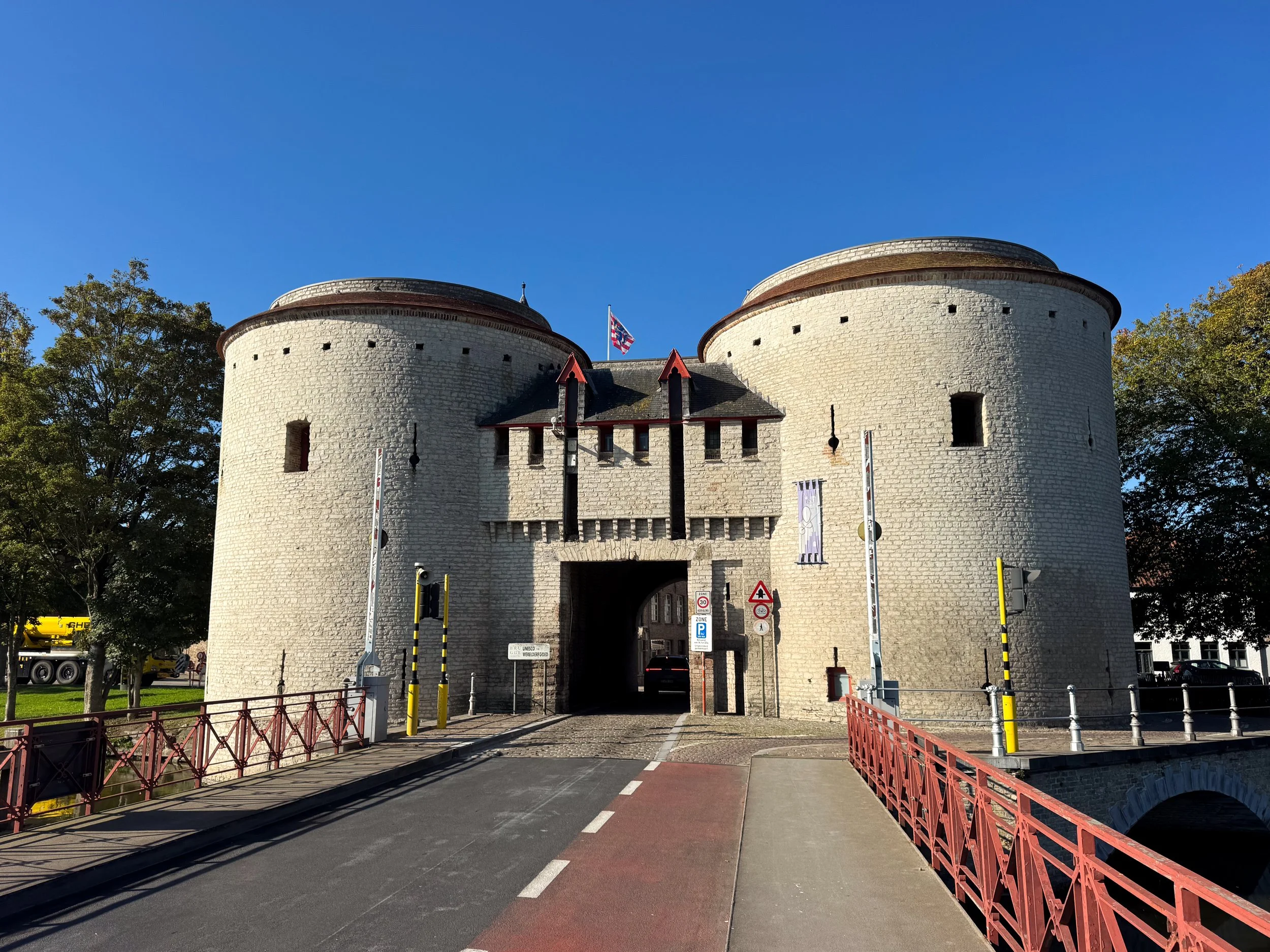
Kruispoort Gate. A medieval stone and brick gate flanked by twin towers. Traffic squeezes through the narrow opening at its center while pedestrian and bike paths weave around it.
Flemish Art & Churches
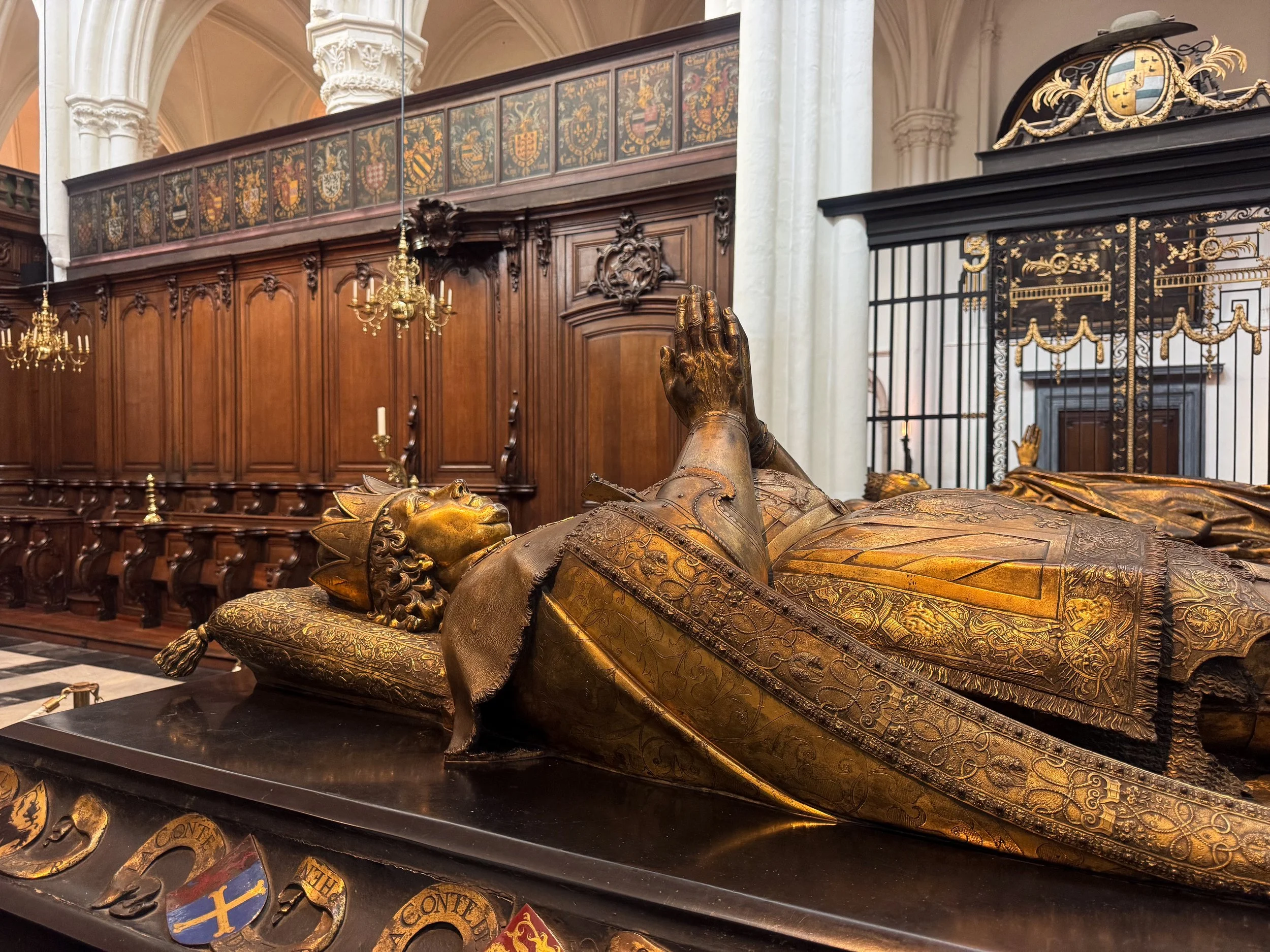
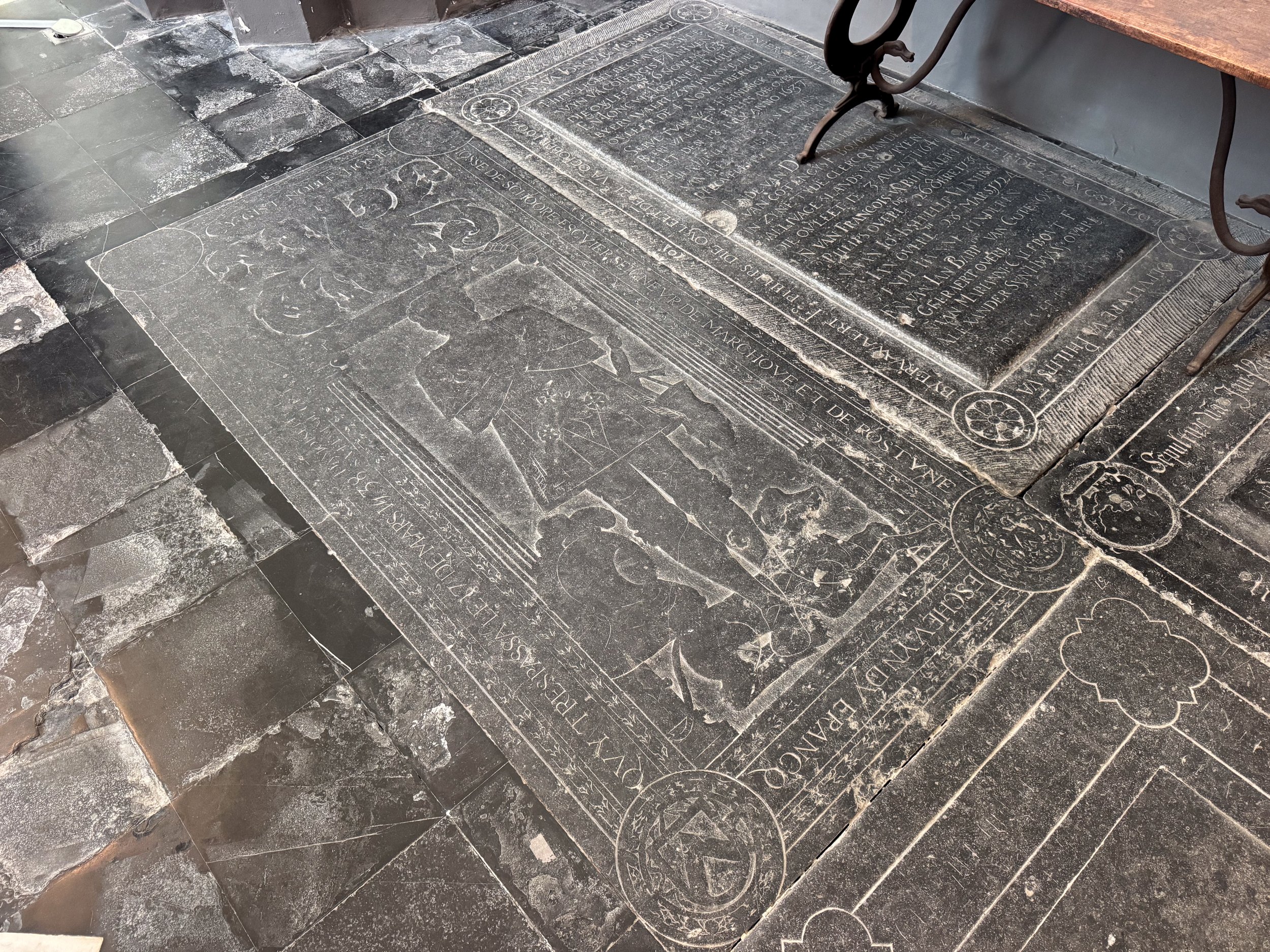
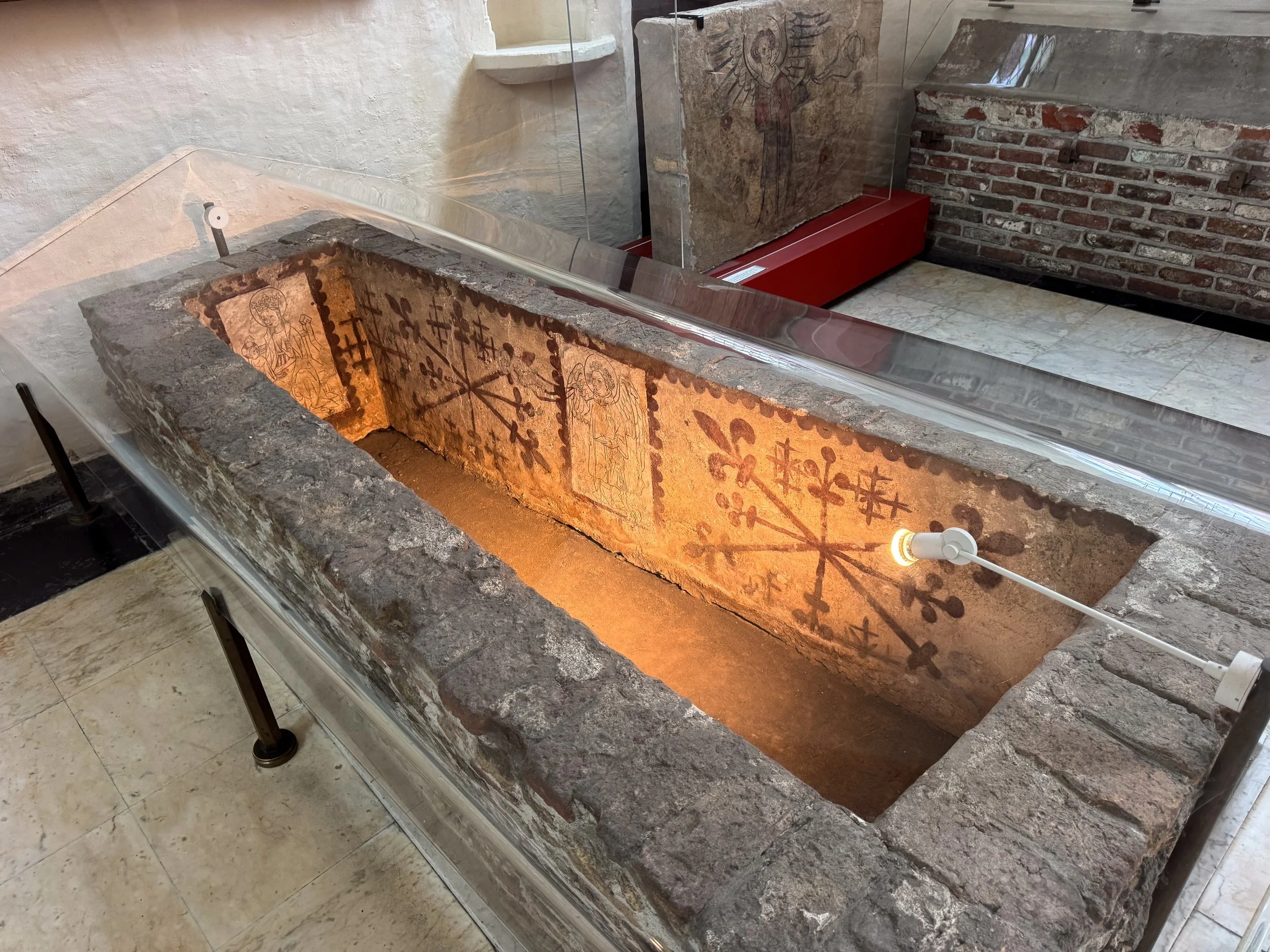
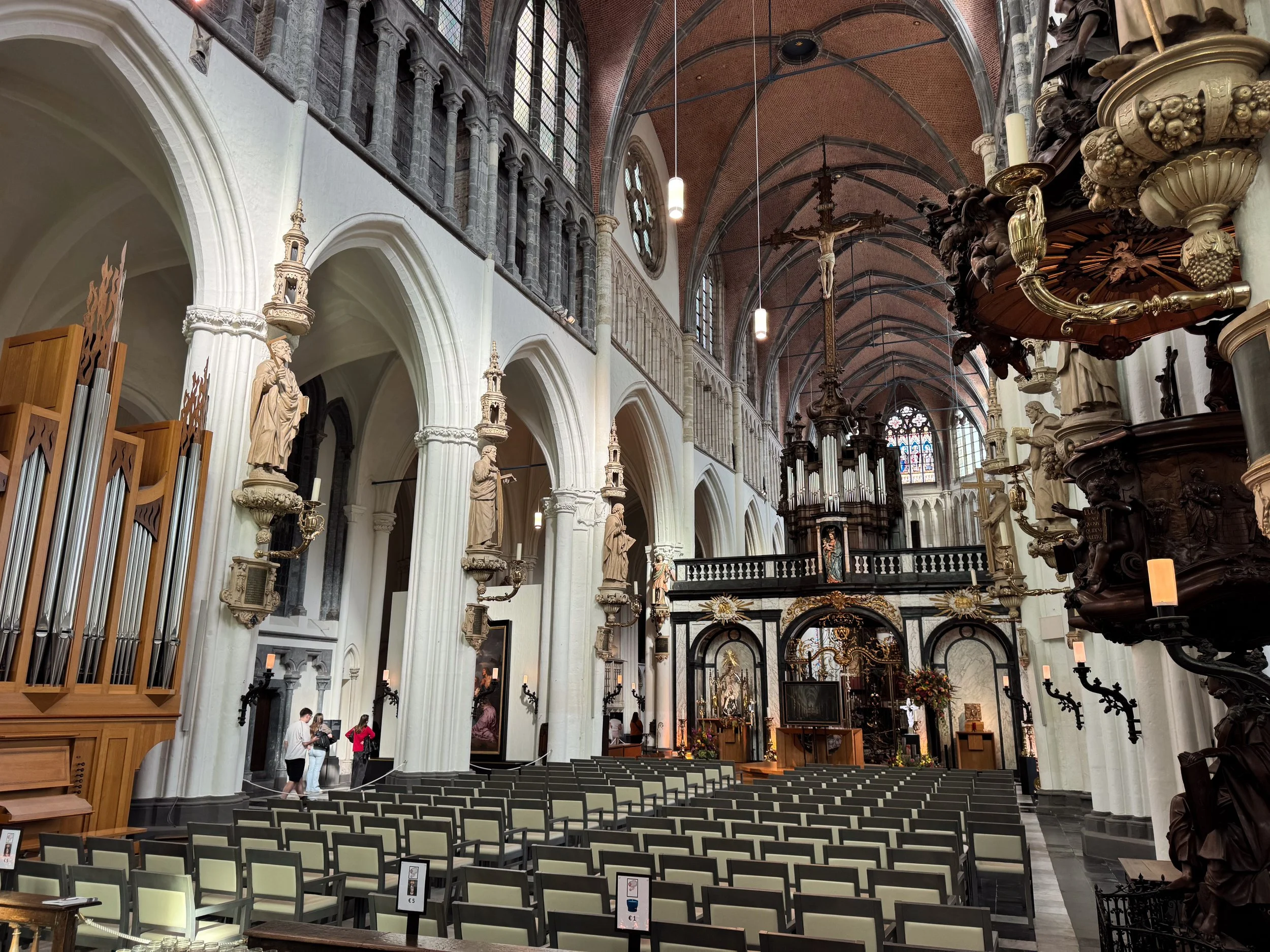
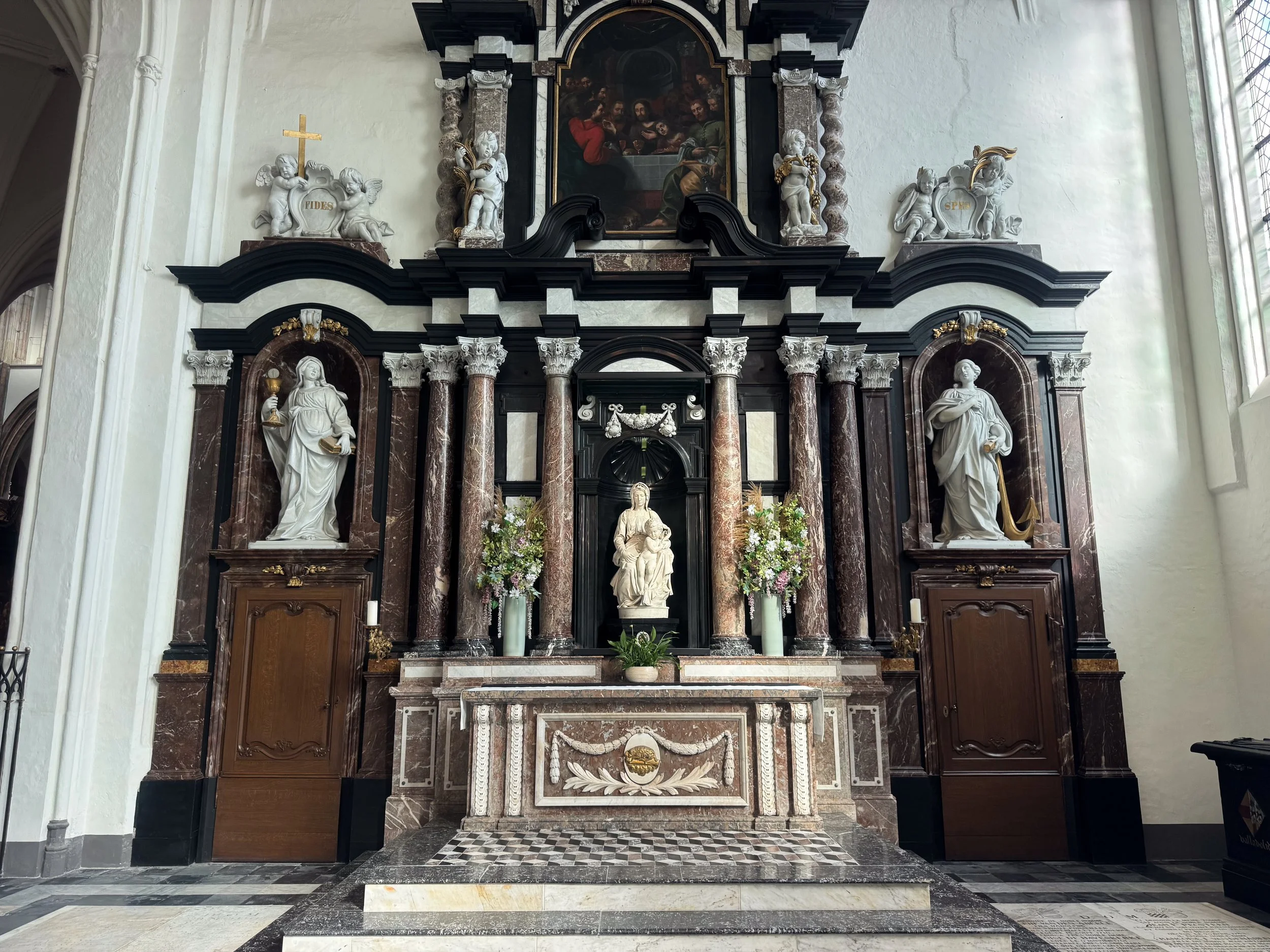
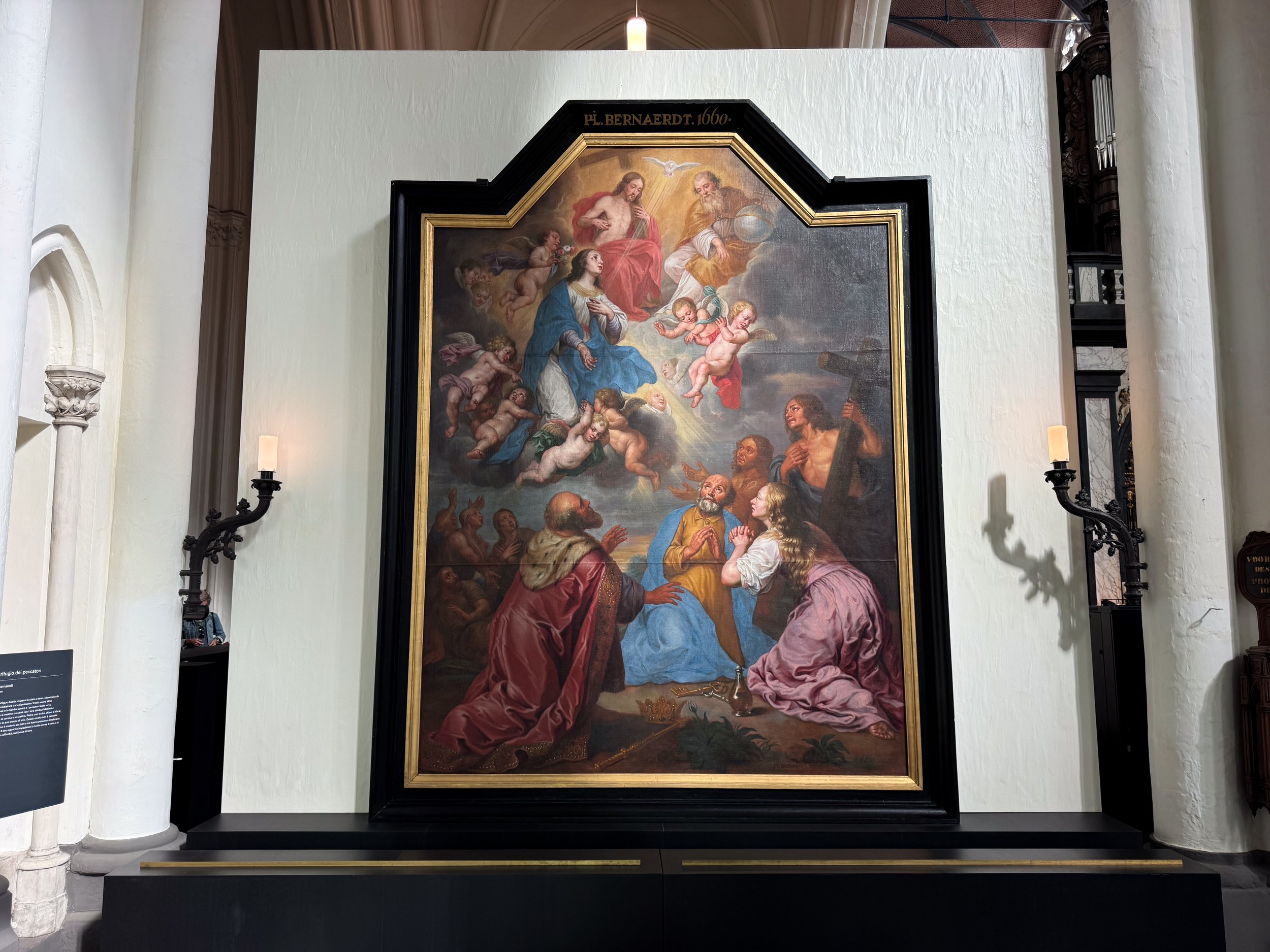
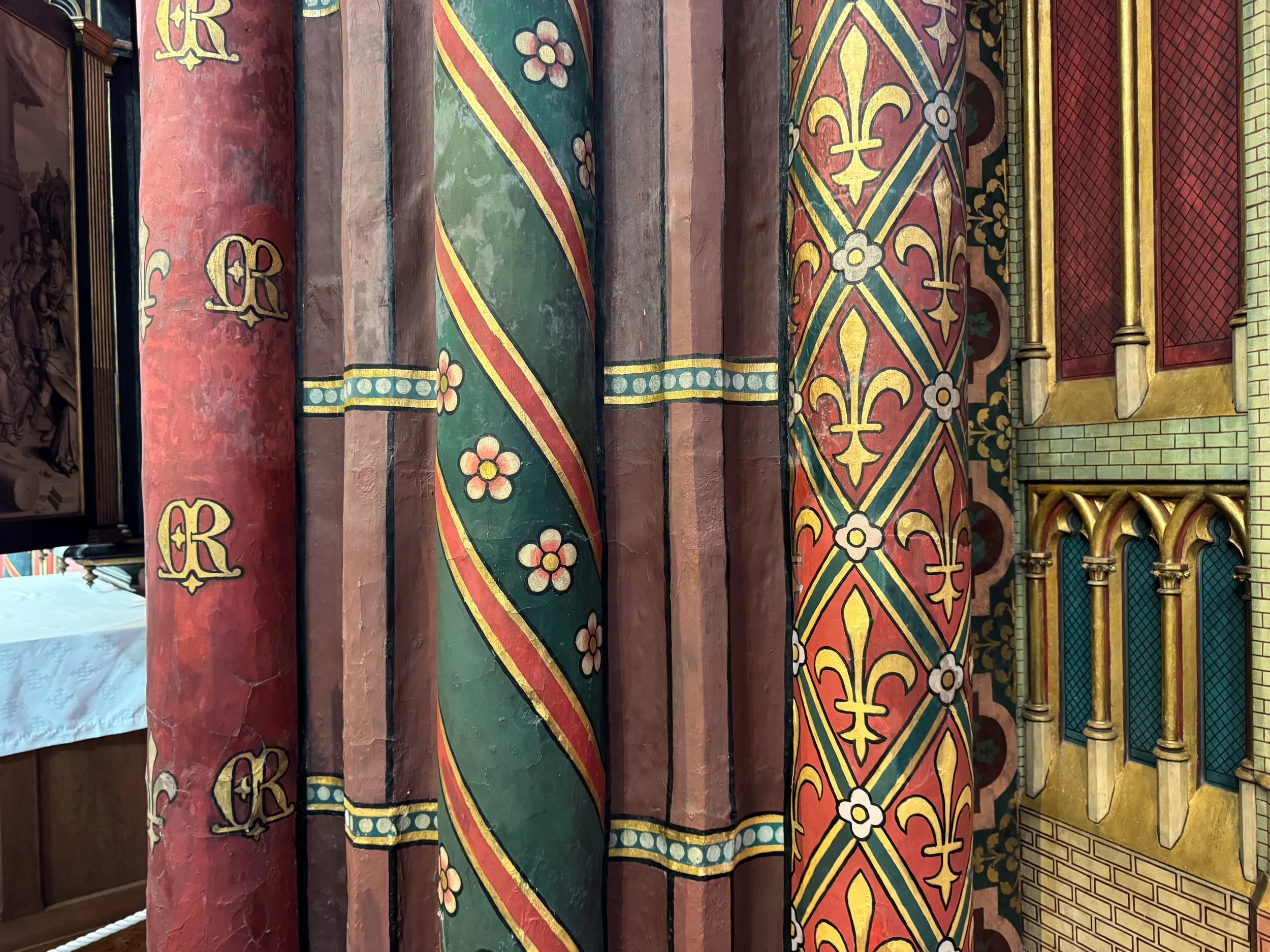
Church of Our Lady. A Gothic brick church with a towering spire visible from nearly every corner of the city. Inside, the soft sound of harps echoes through the vast nave as stained glass windows cast colorful light across centuries old paintings by Flemish masters. Holy relics of saints fill the main hall and side chapels and medieval grave markers span the stone floor. Highlights include the gilded tombs of Mary of Burgundy and her father, Charles the Bold, and Michelangelo's marble Madonna and Child.
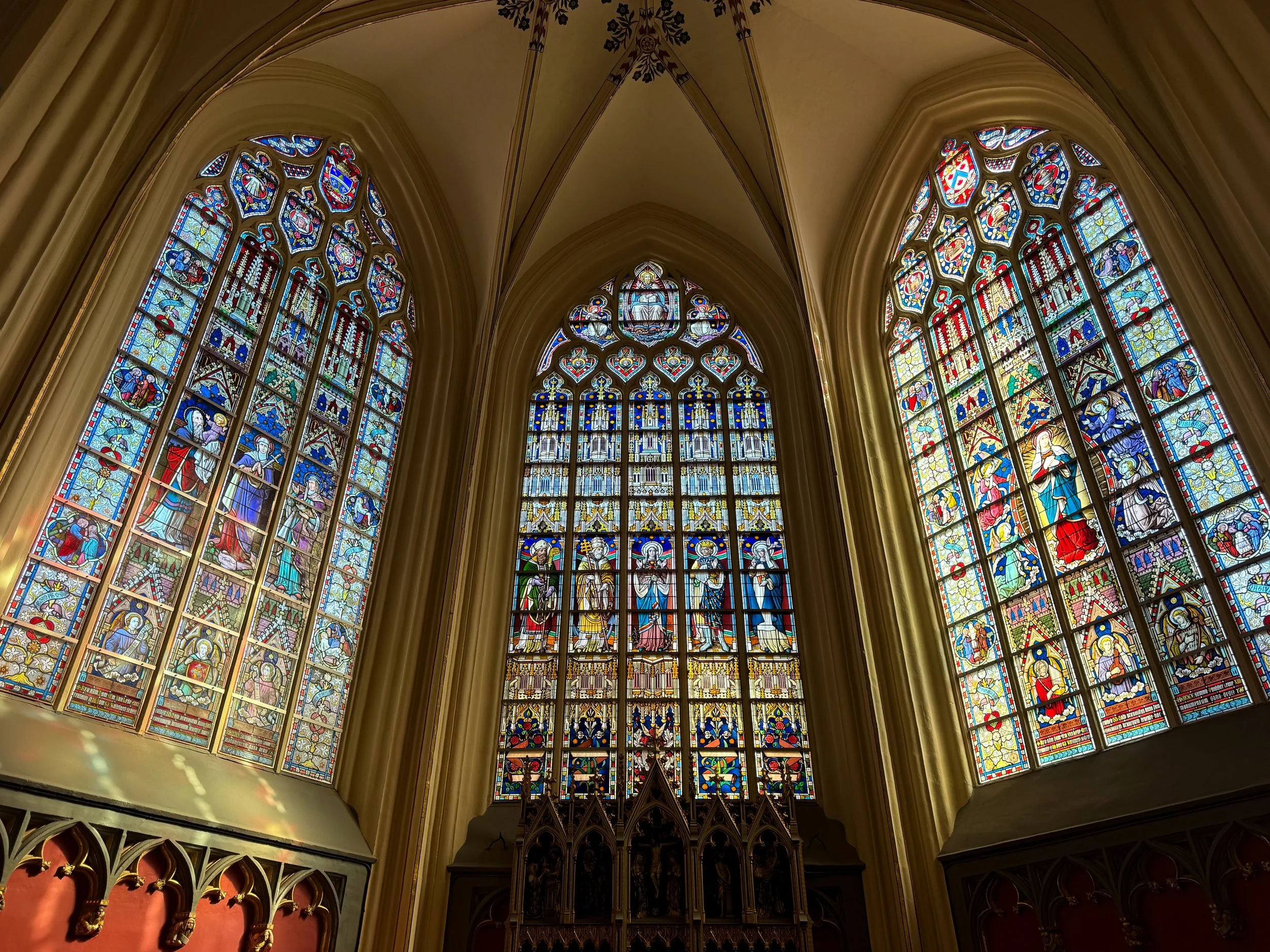
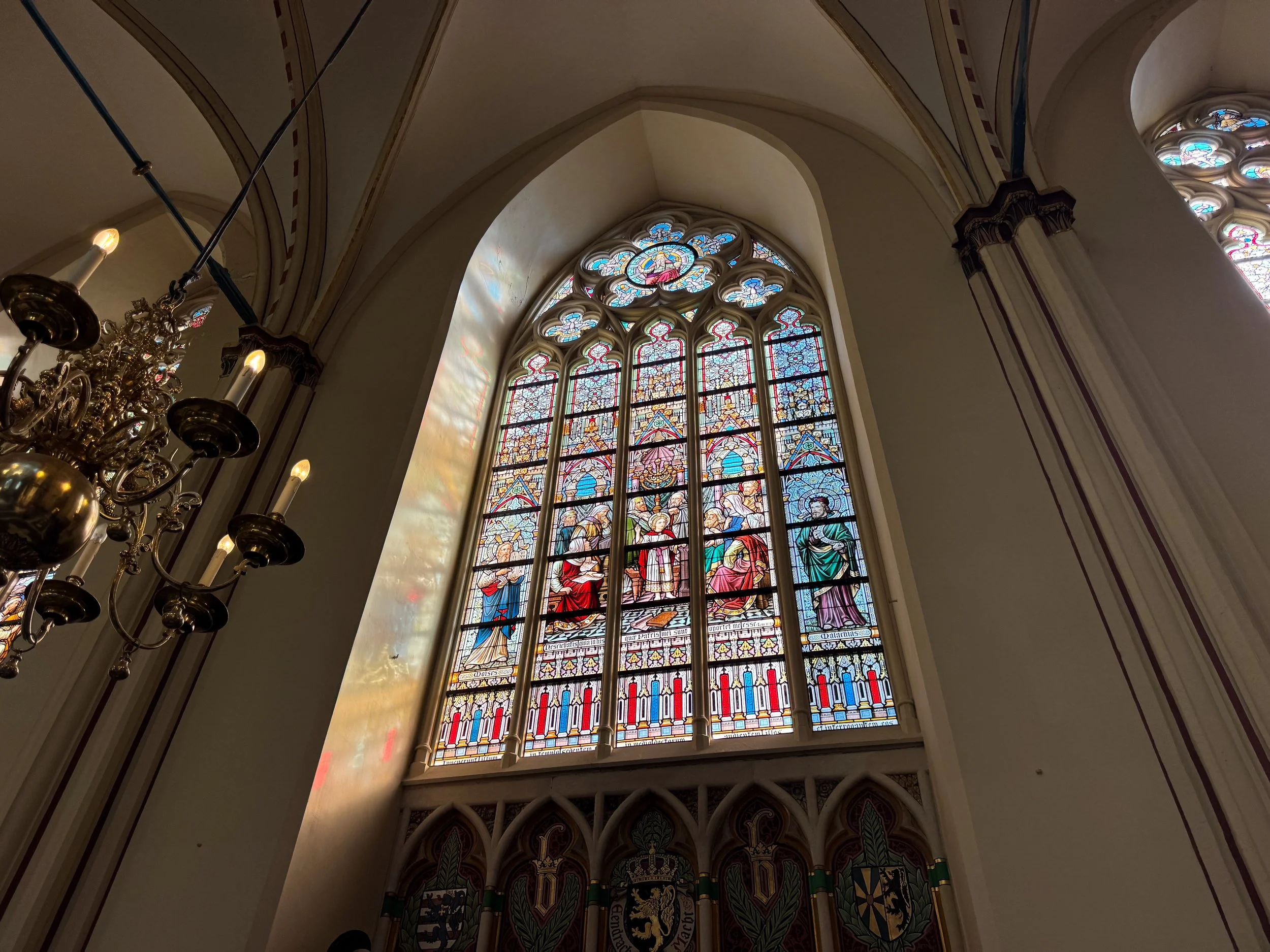
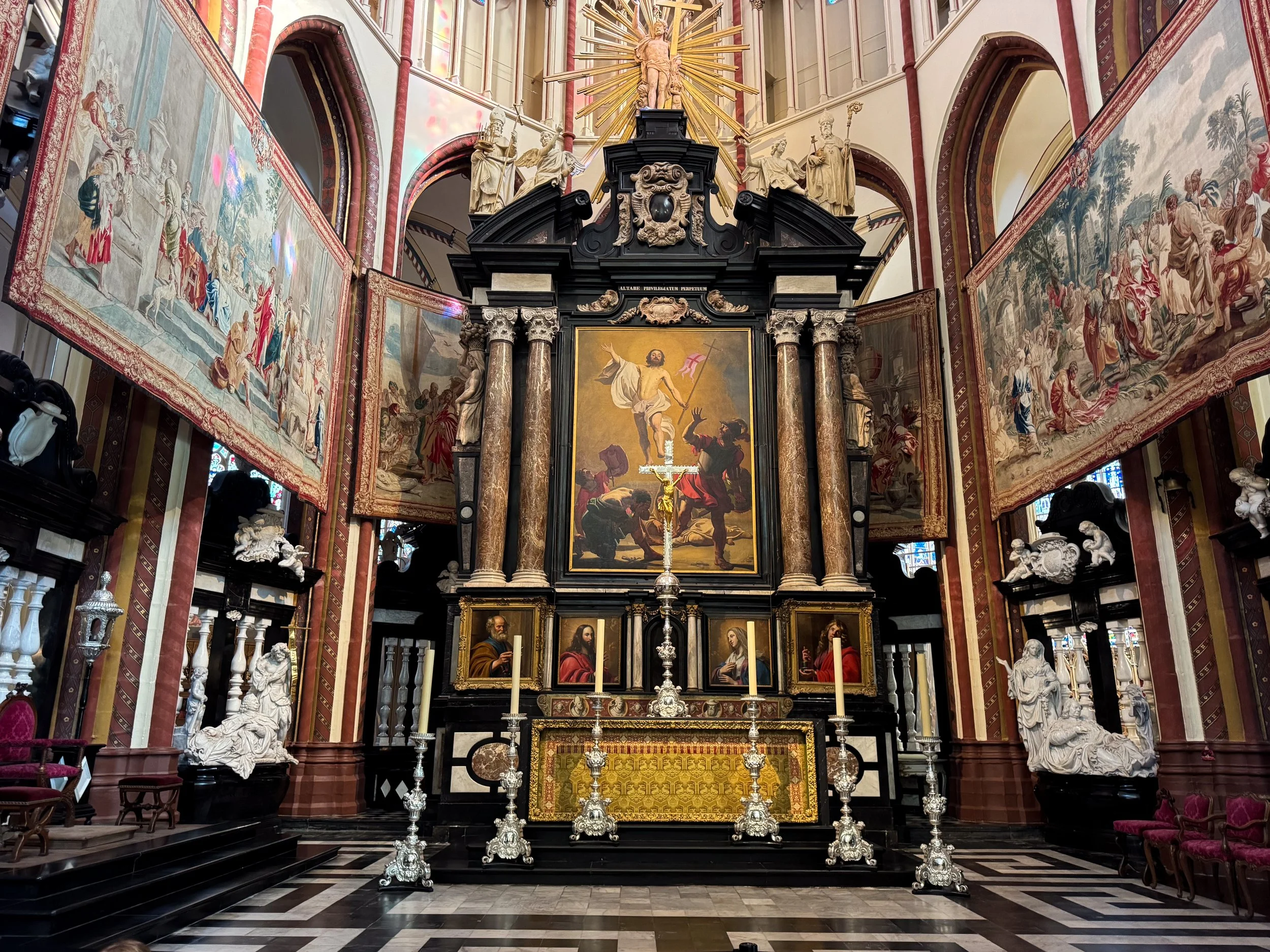
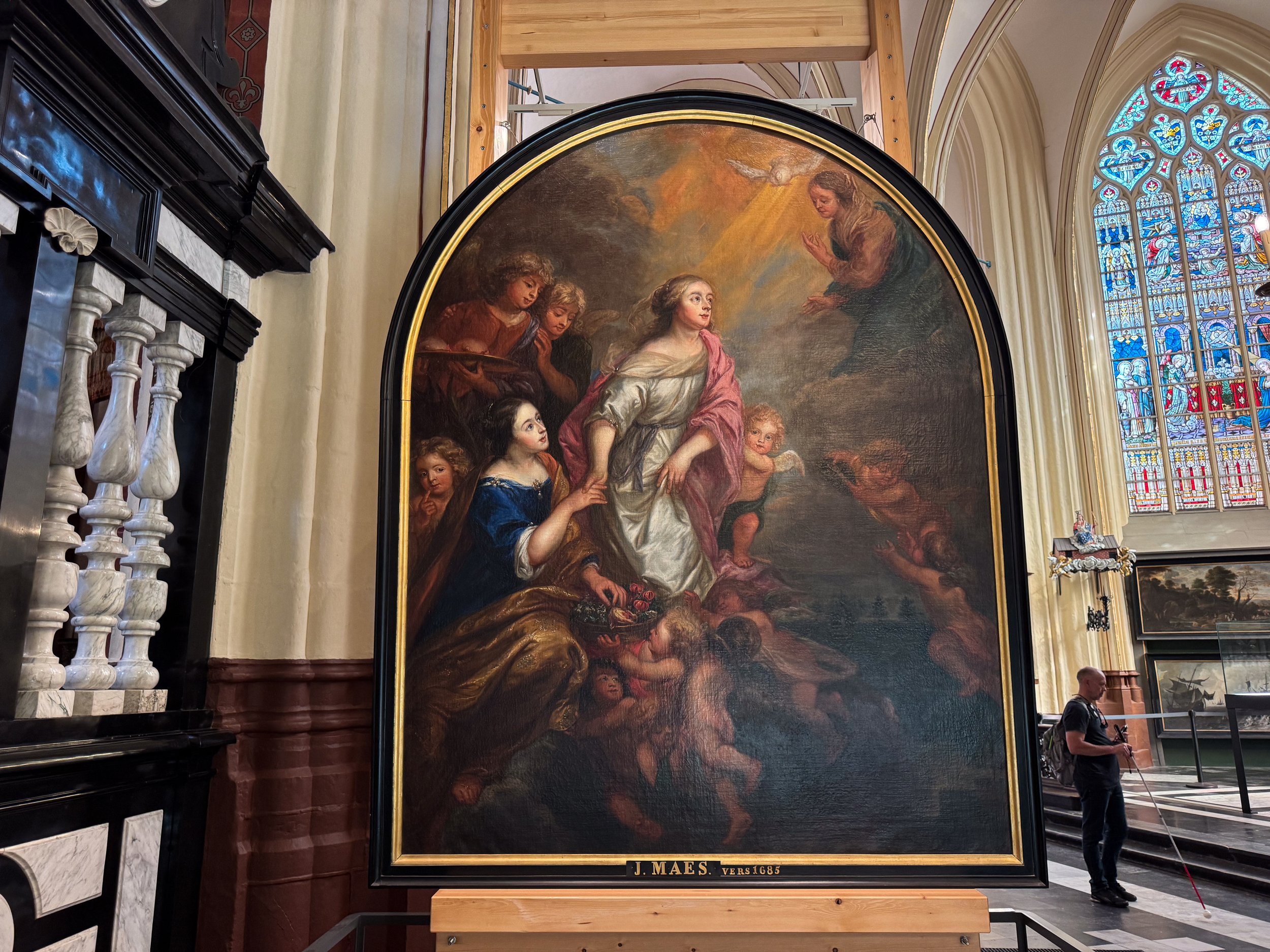
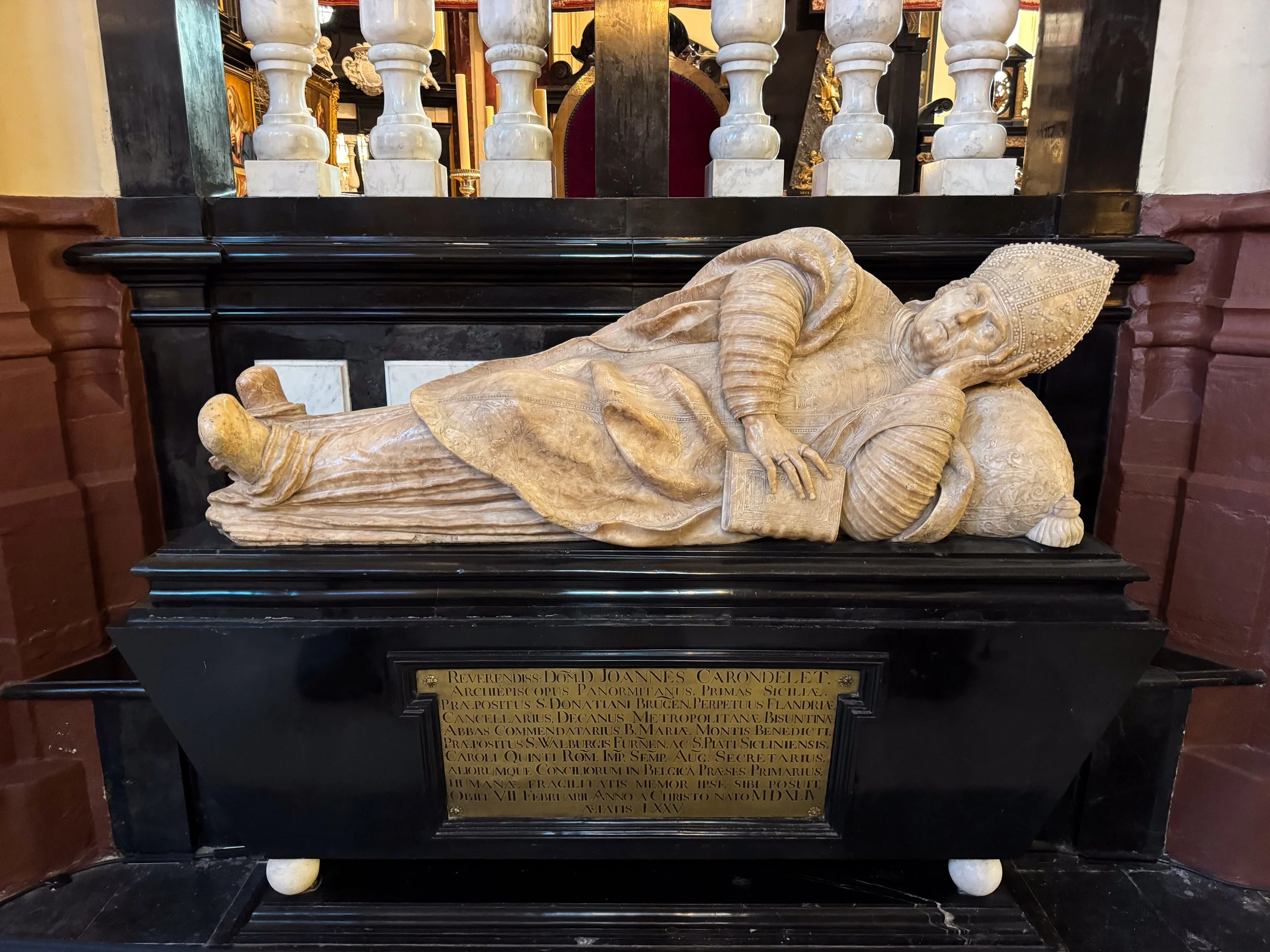
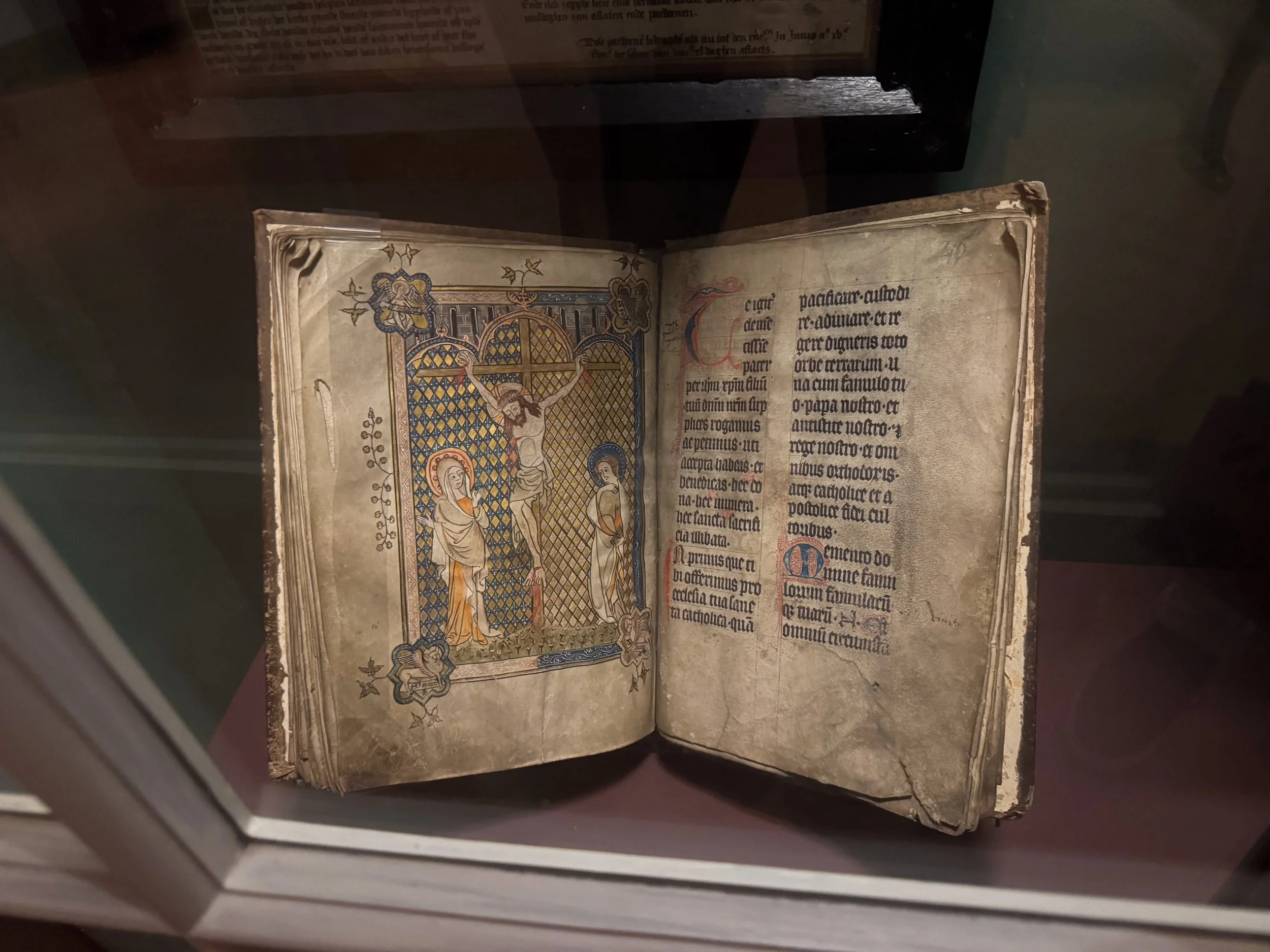
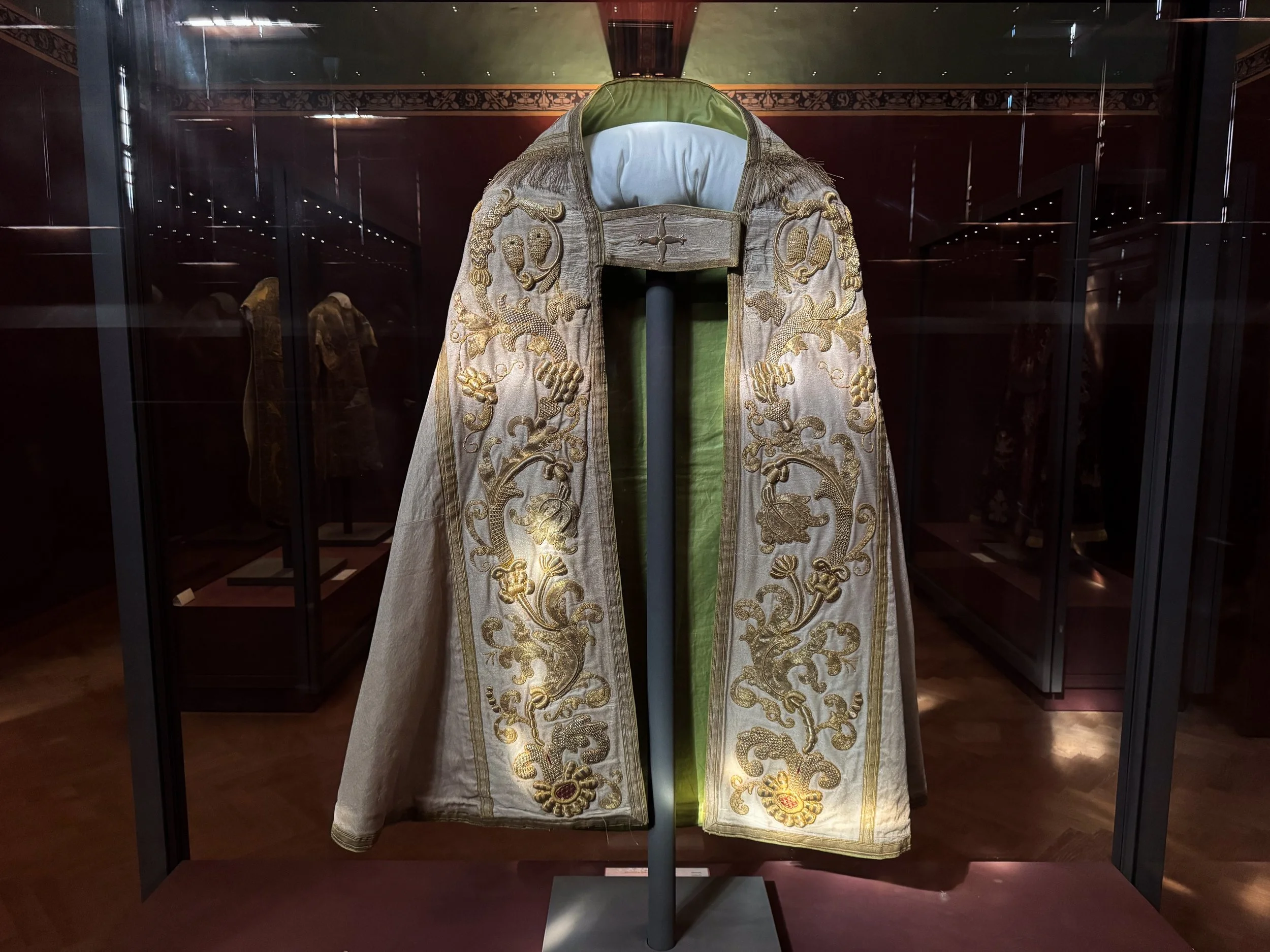
St. Salvator's Cathedral. A 14th century Gothic cathedral with vivid stained glass windows and soaring vaulted columns. Flemish paintings and biblical tapestries hang throughout the nave among the tombs and reliquaries of saints and notable Flemish figures. Its treasury holds centuries of paintings, medieval manuscripts, holy relics, silverwork and vestments.
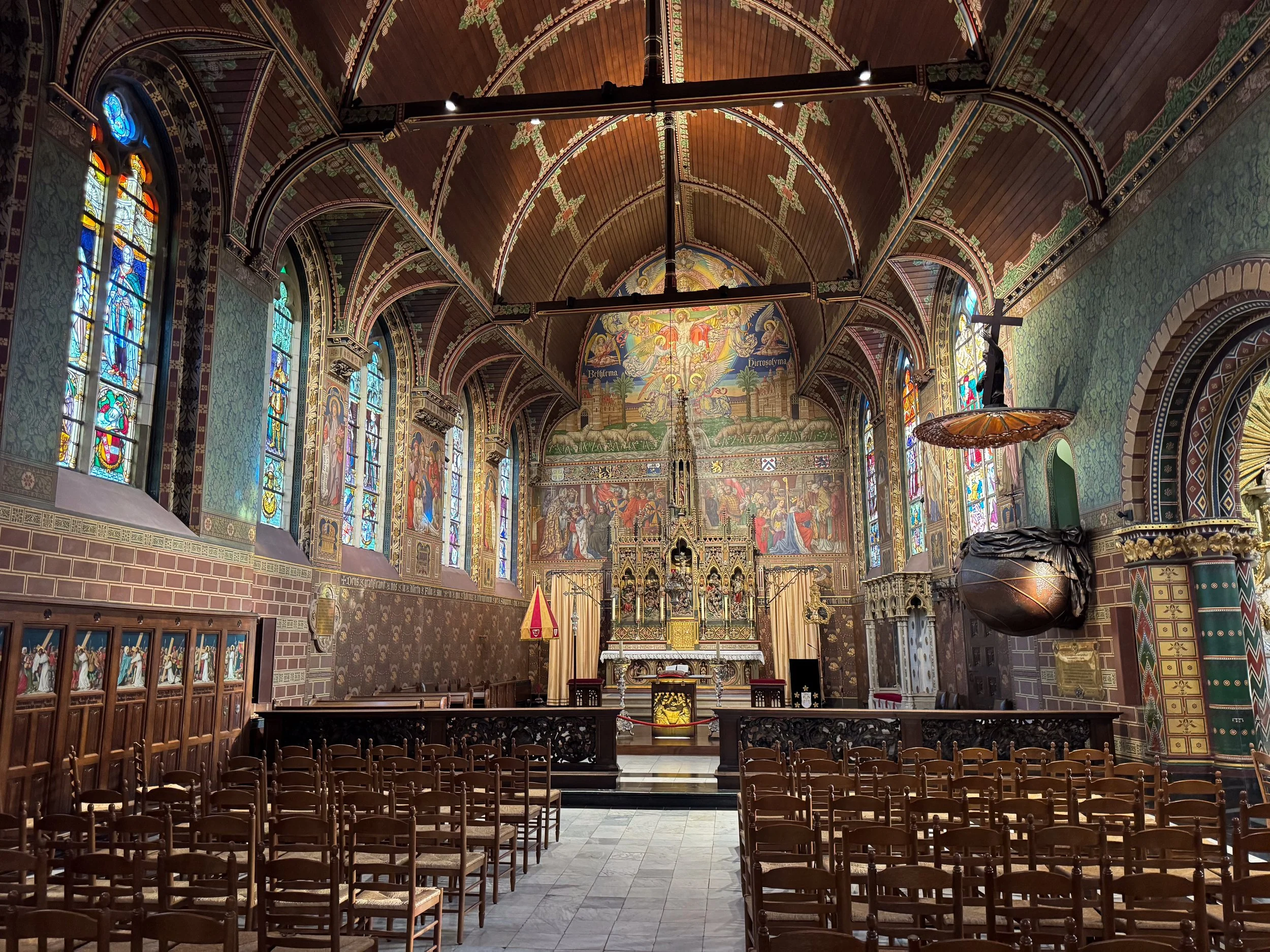
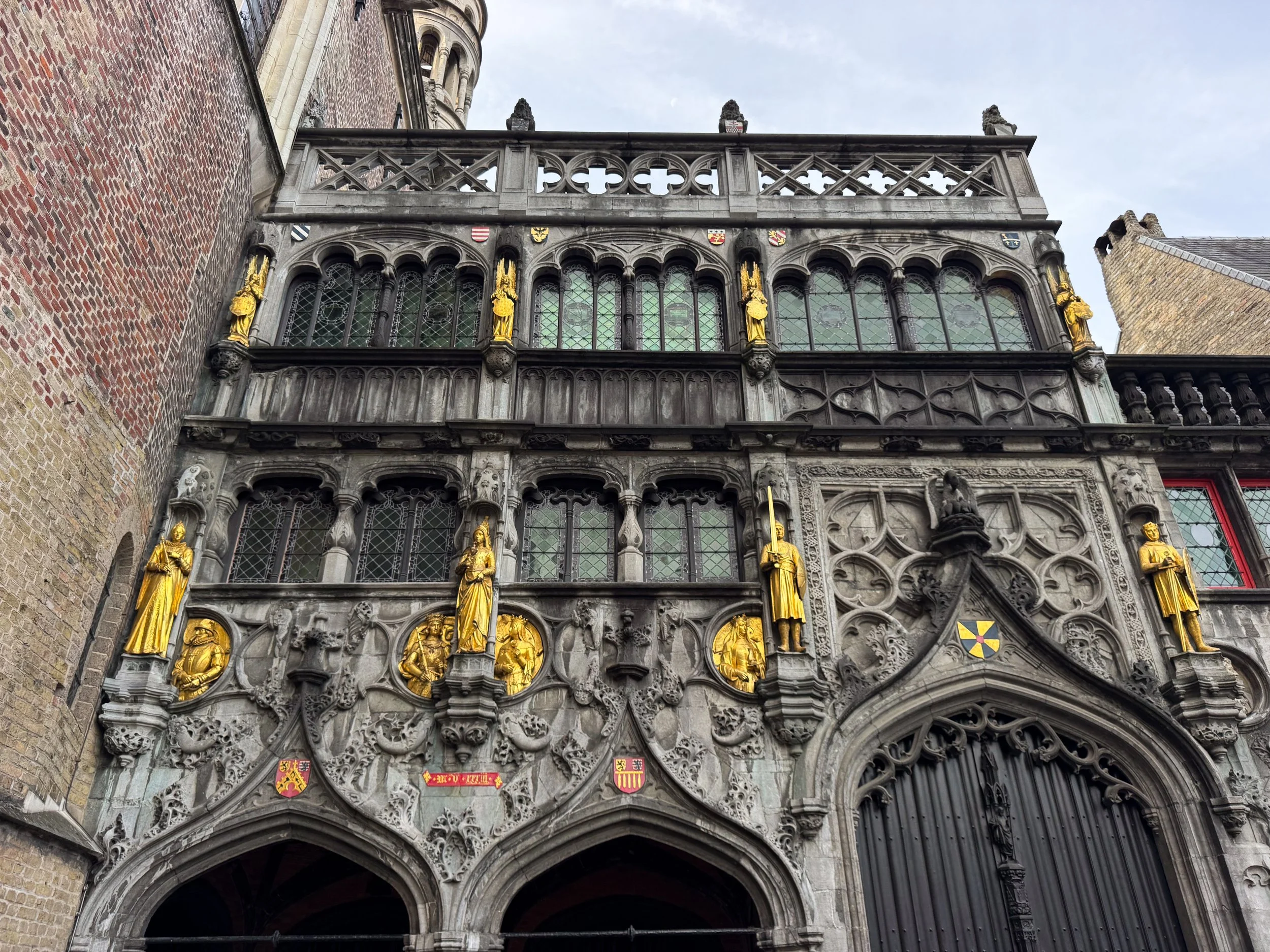
Basilica of the Holy Blood. A Gothic church in De Burg, its darkened façade adorned with golden statues of kings, queens, knights and angels. Upstairs, a chapel of vivid medieval murals and stained glass enshrines a canister said to hold Christ's blood, brought to Bruges during the Second Crusade. Entry is free, open daily 10am to 5:15pm; visit between 2 and 4pm to see the relic.
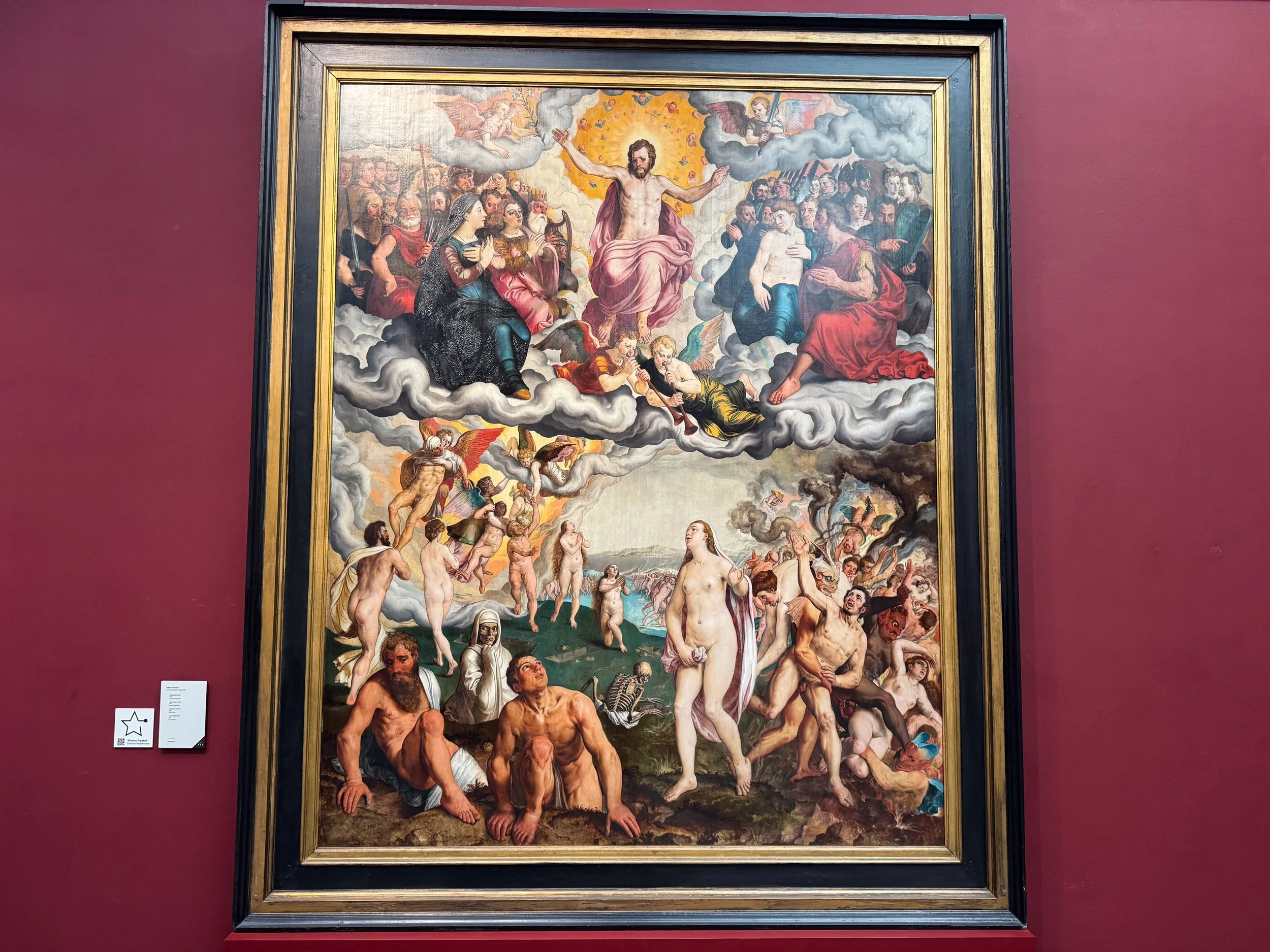
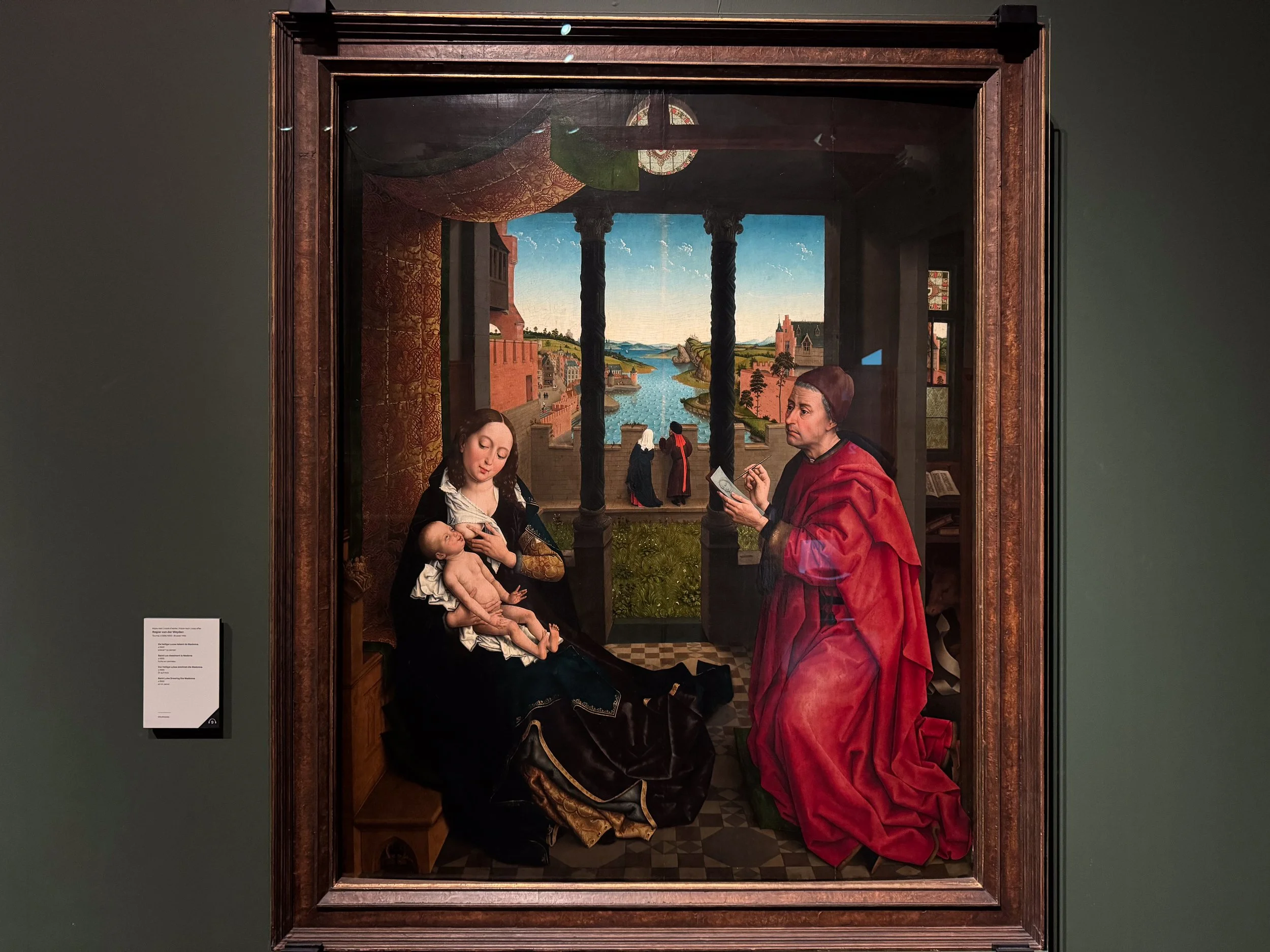
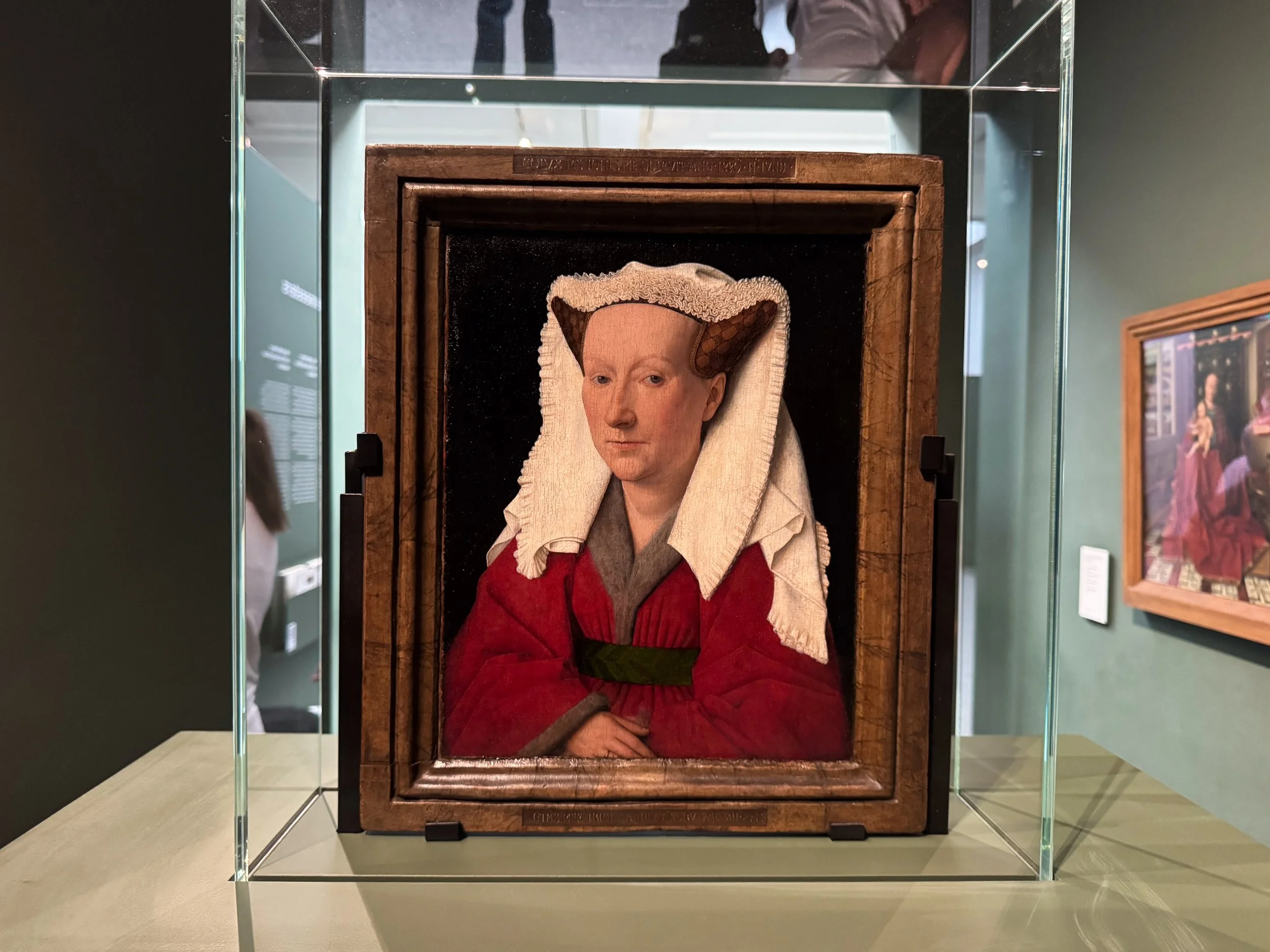
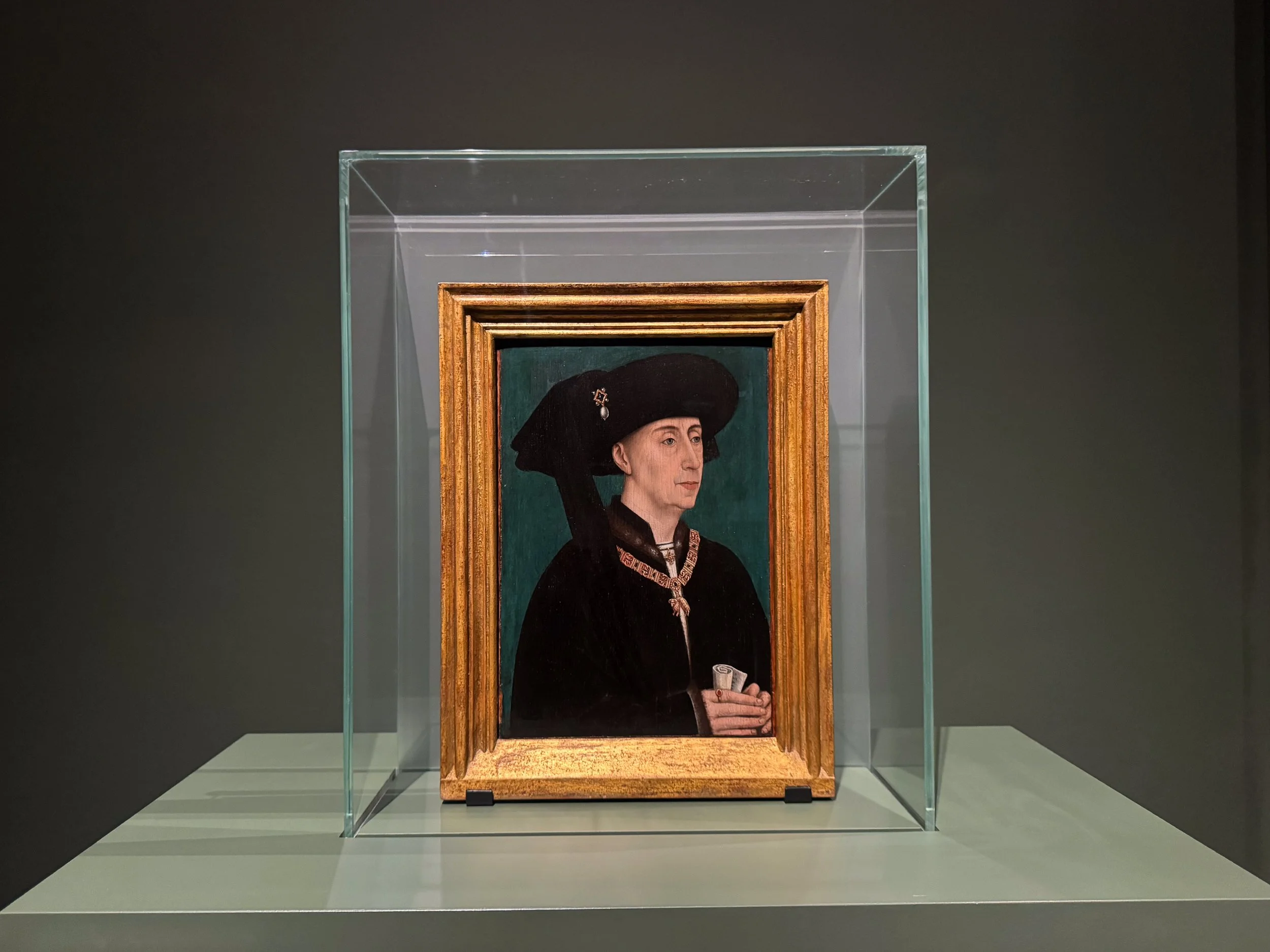
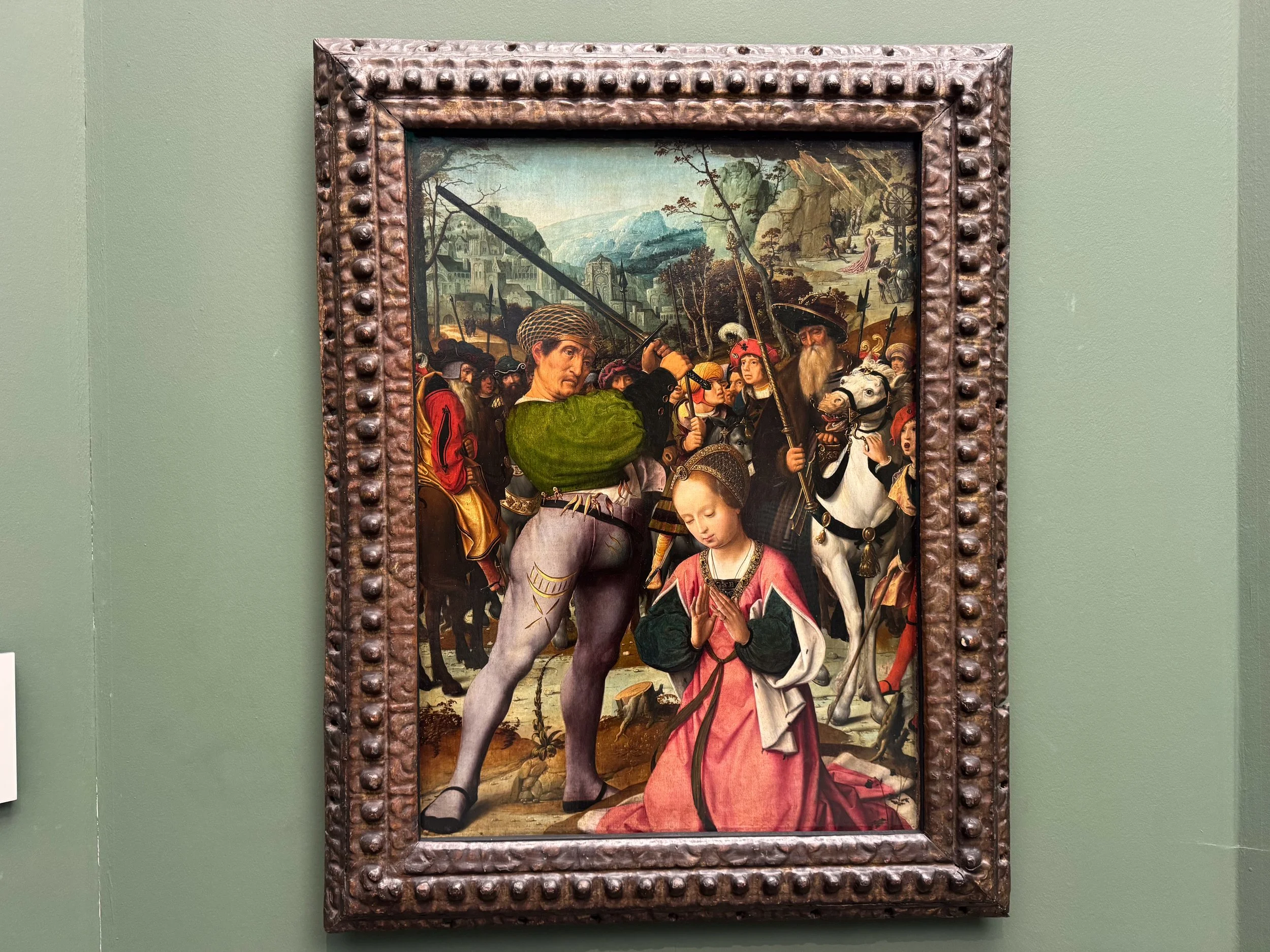
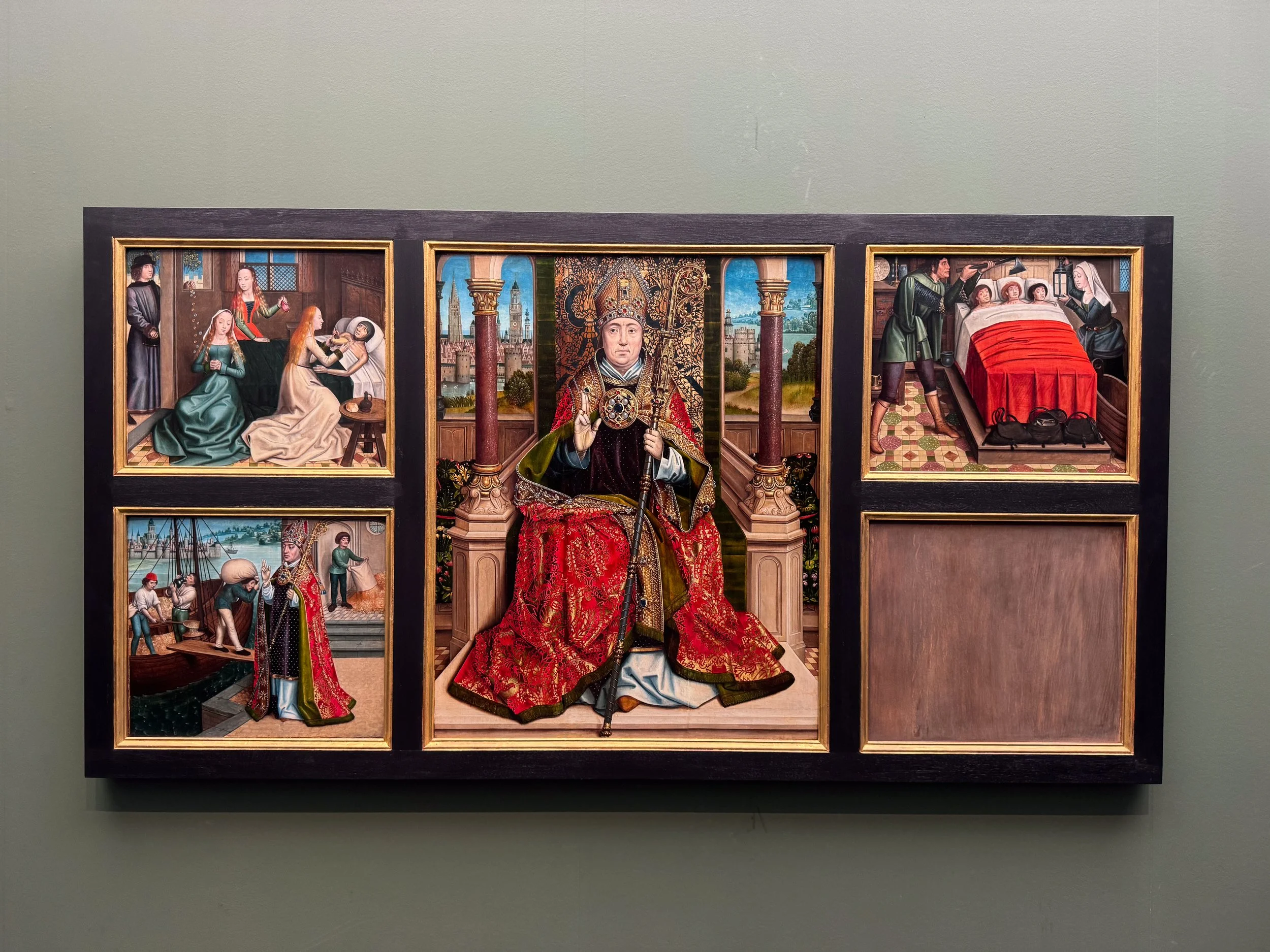
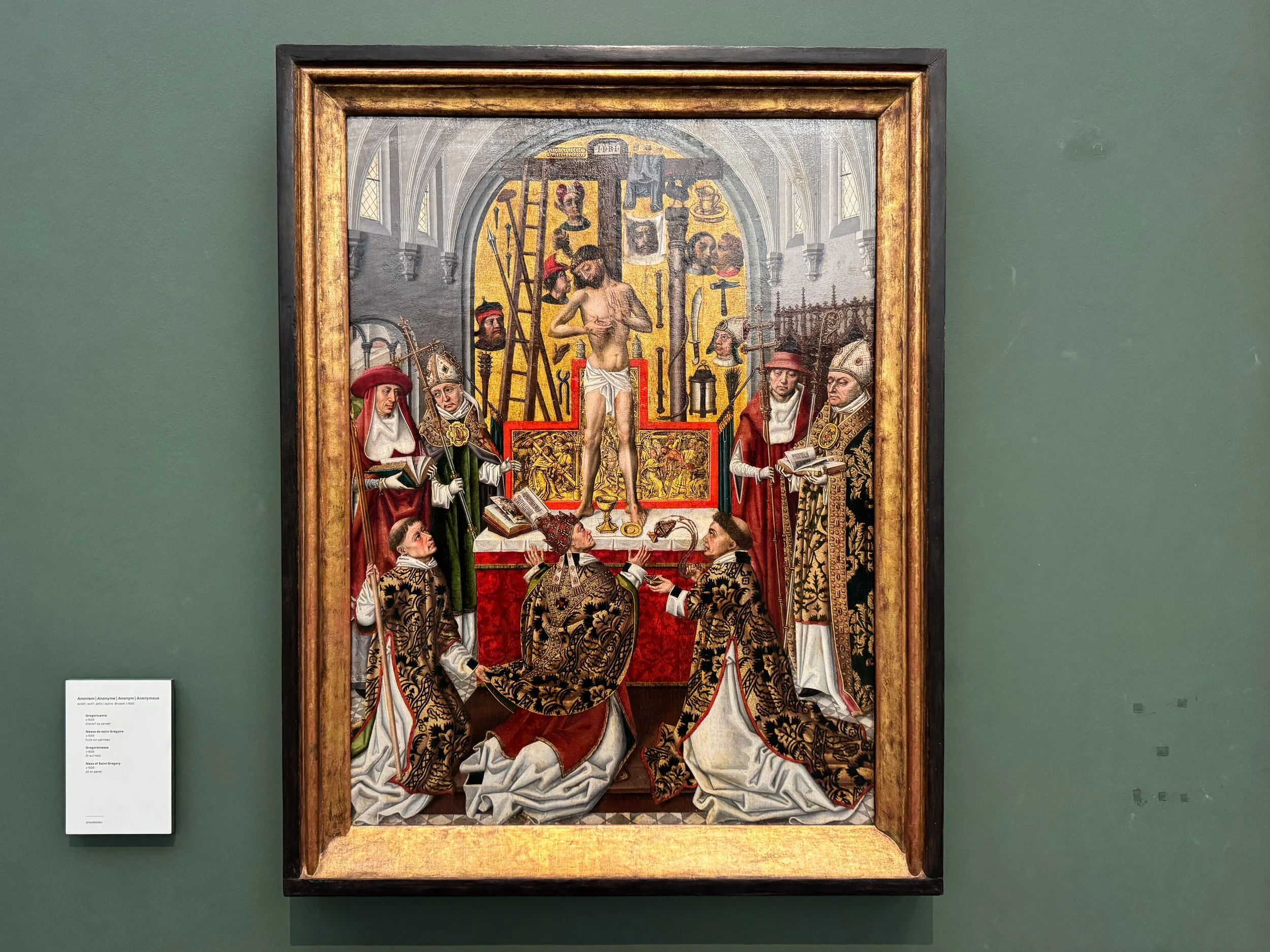
Groeninge Museum. A fine arts museum housing a vast collection of Flemish paintings spanning from the Middle Ages through the Renaissance and Baroque periods. Known for their rich color, realism and fine detail, the works depict Christian stories, mythological scenes and everyday life.
Belgian Breweries & Pubs
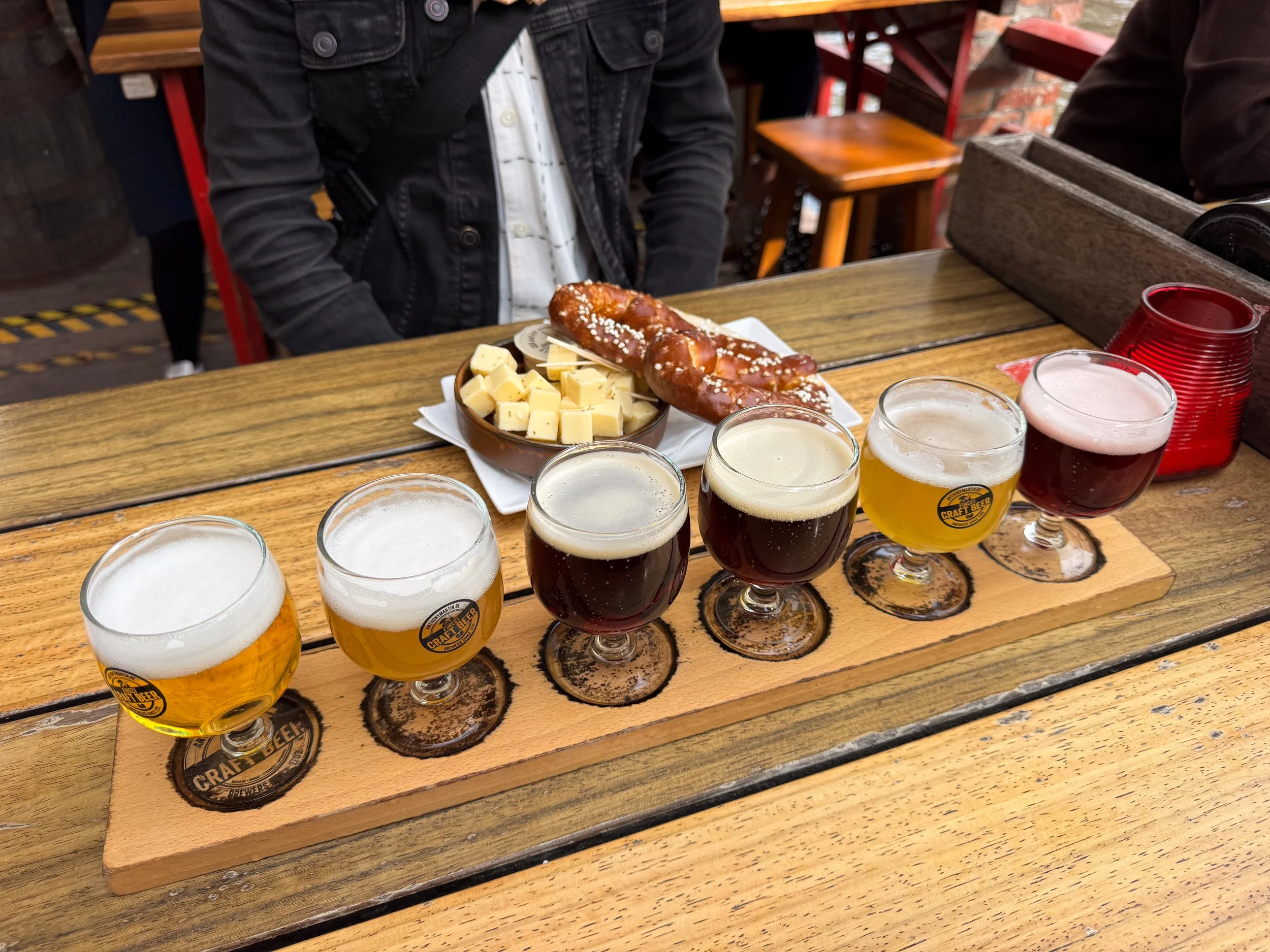
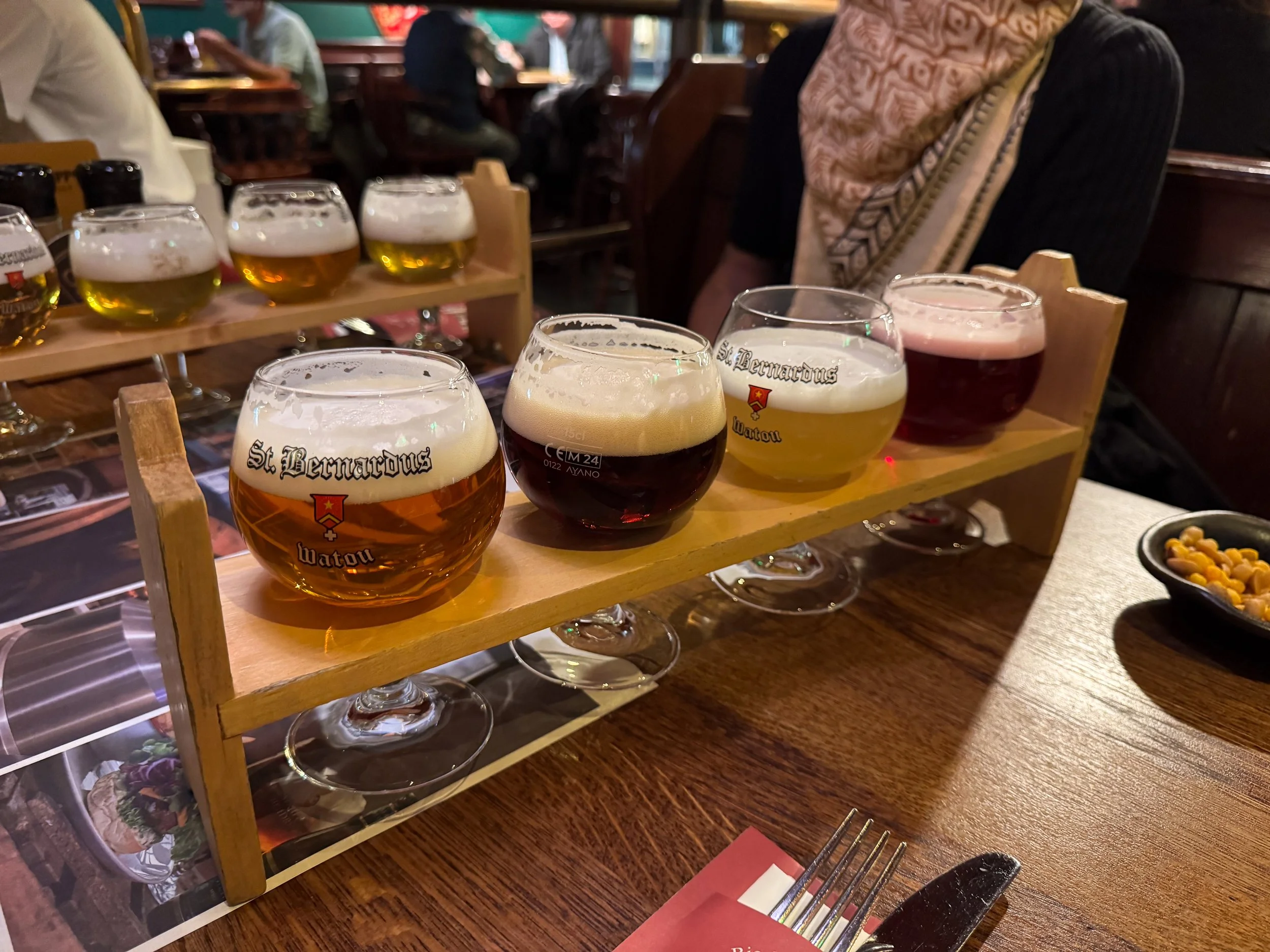
Brewery Bourgogne des Flandres. A brewery along the Dijver Canal, where self guided tours explore Belgian beer, the brewery's history and the brewing process. End at the canalside beer garden with a flight paired with cheese and pretzels. Try the signature red-brown ale, brewed on site and aged in oak barrels for 12 months. Its subtly sweet maltiness is balanced by bright citrus notes. Book tours online.
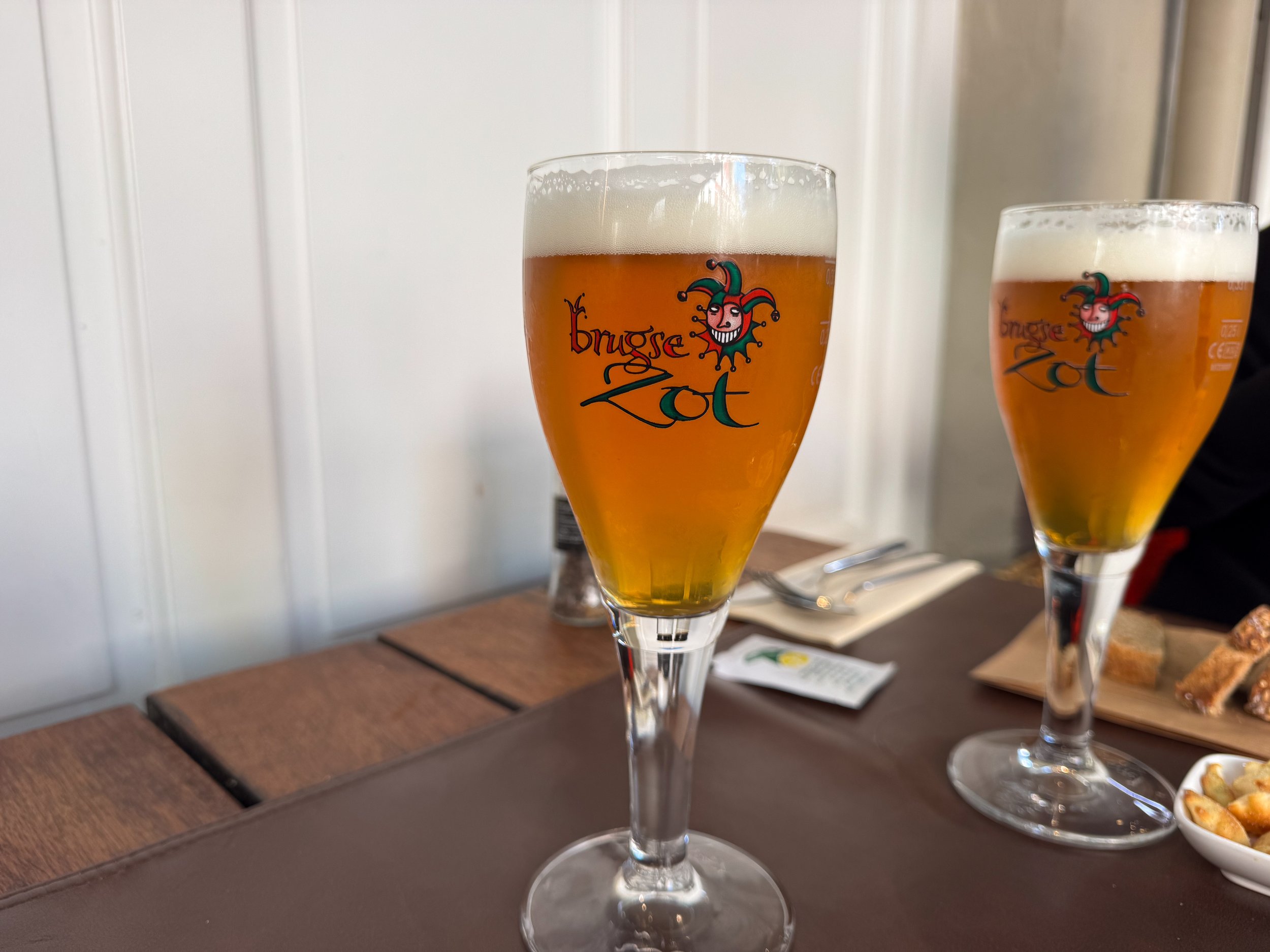
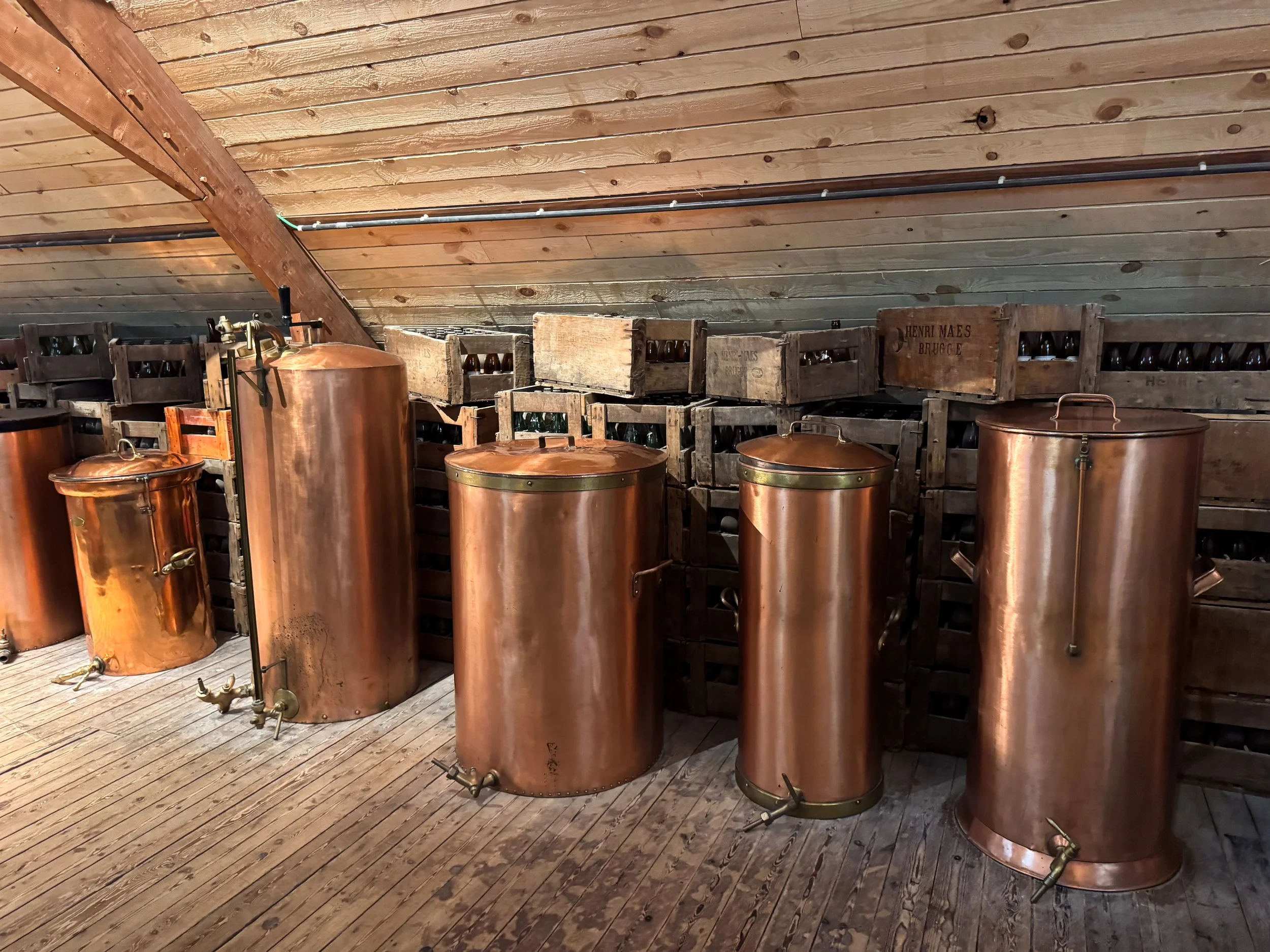
De Halve Maan Brewery. Bruges' oldest continuously operating family brewery, famed for its Brugse Zot and a 3 kilometer underground beer pipeline leading to its bottling plant. Book a brewery tour to explore its historic brewing tower. Enjoy rooftop views of the city, then sample unfiltered brews found only in its beer garden and tasting room. Book tours online.
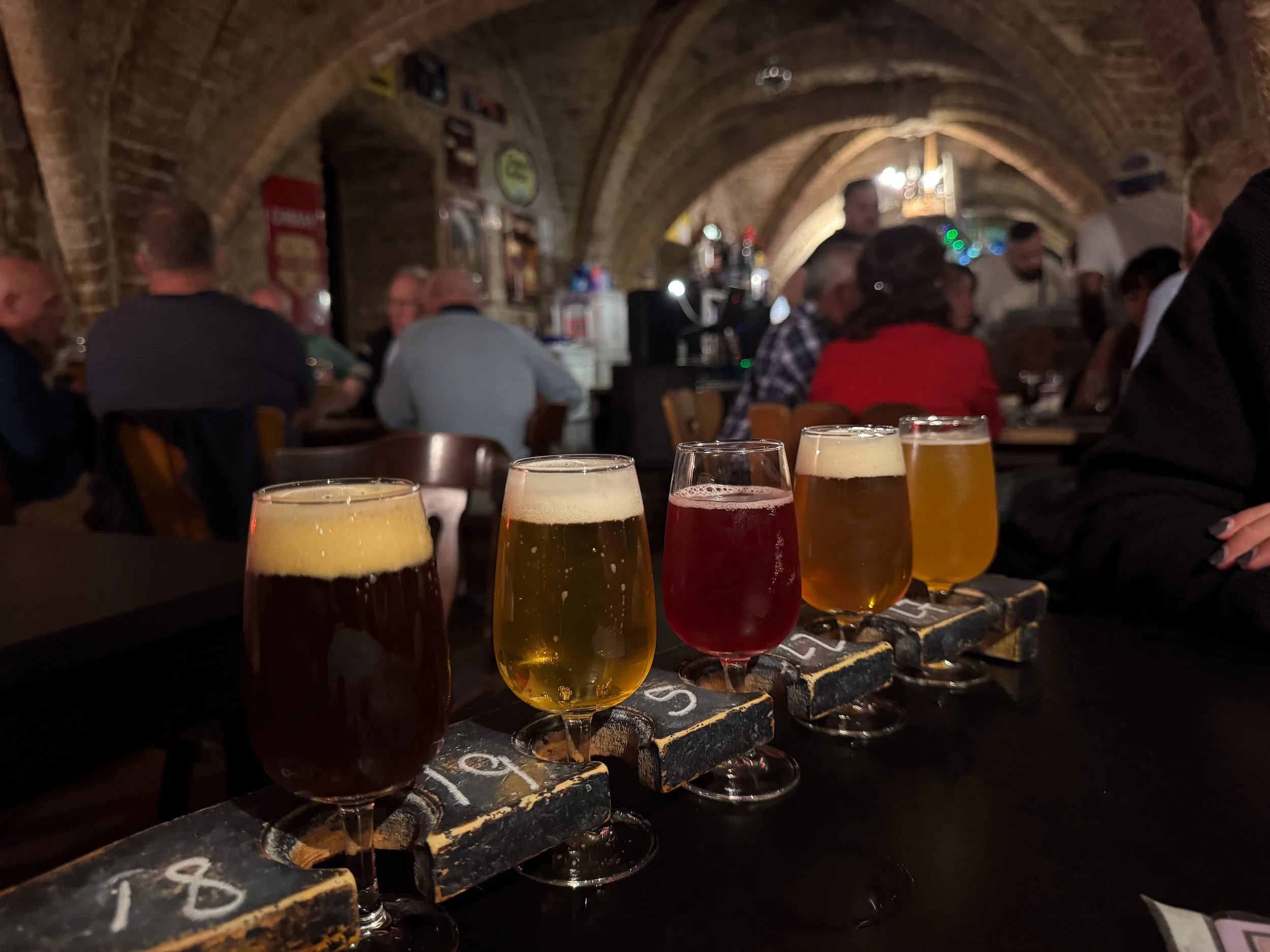
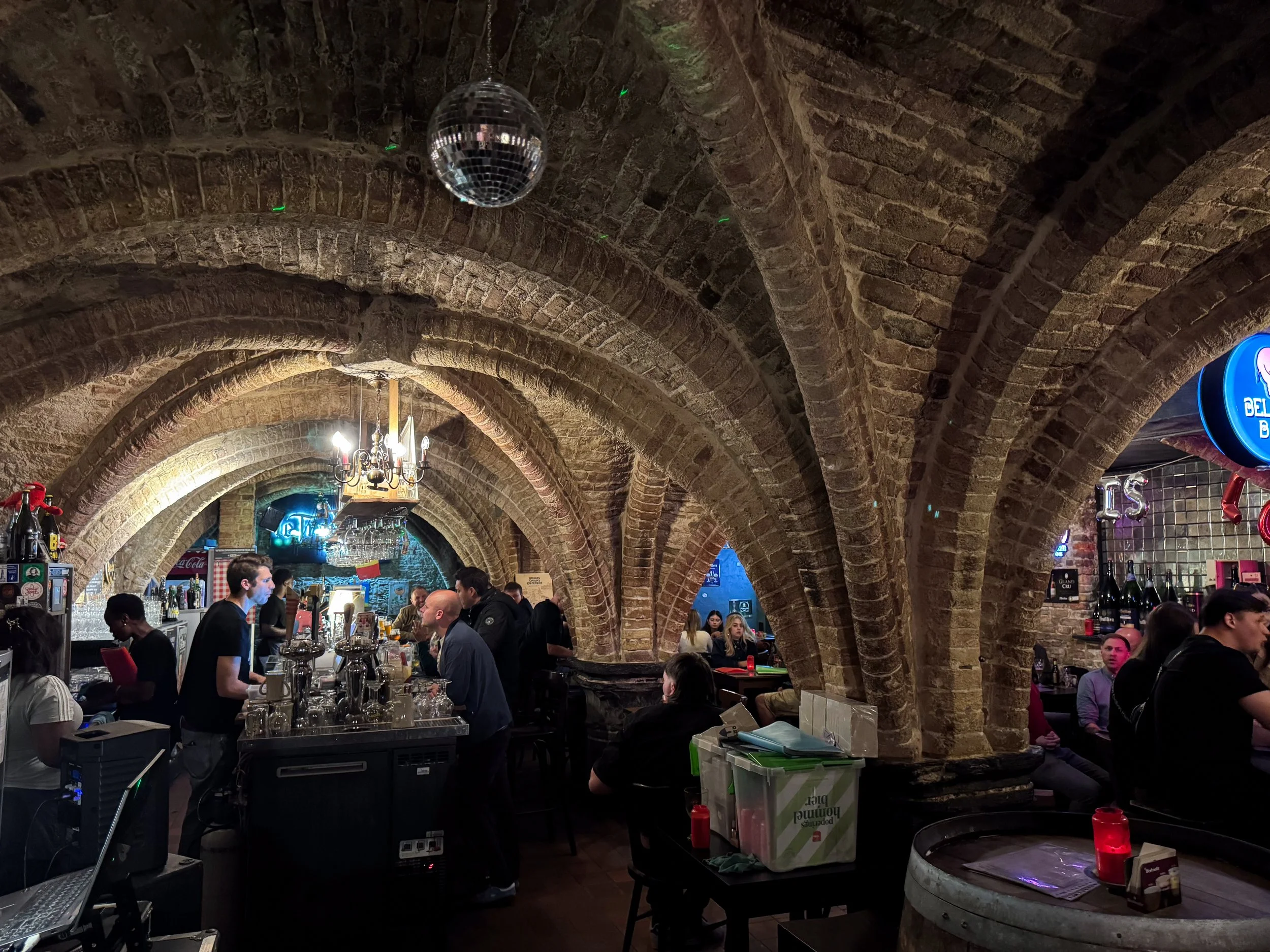
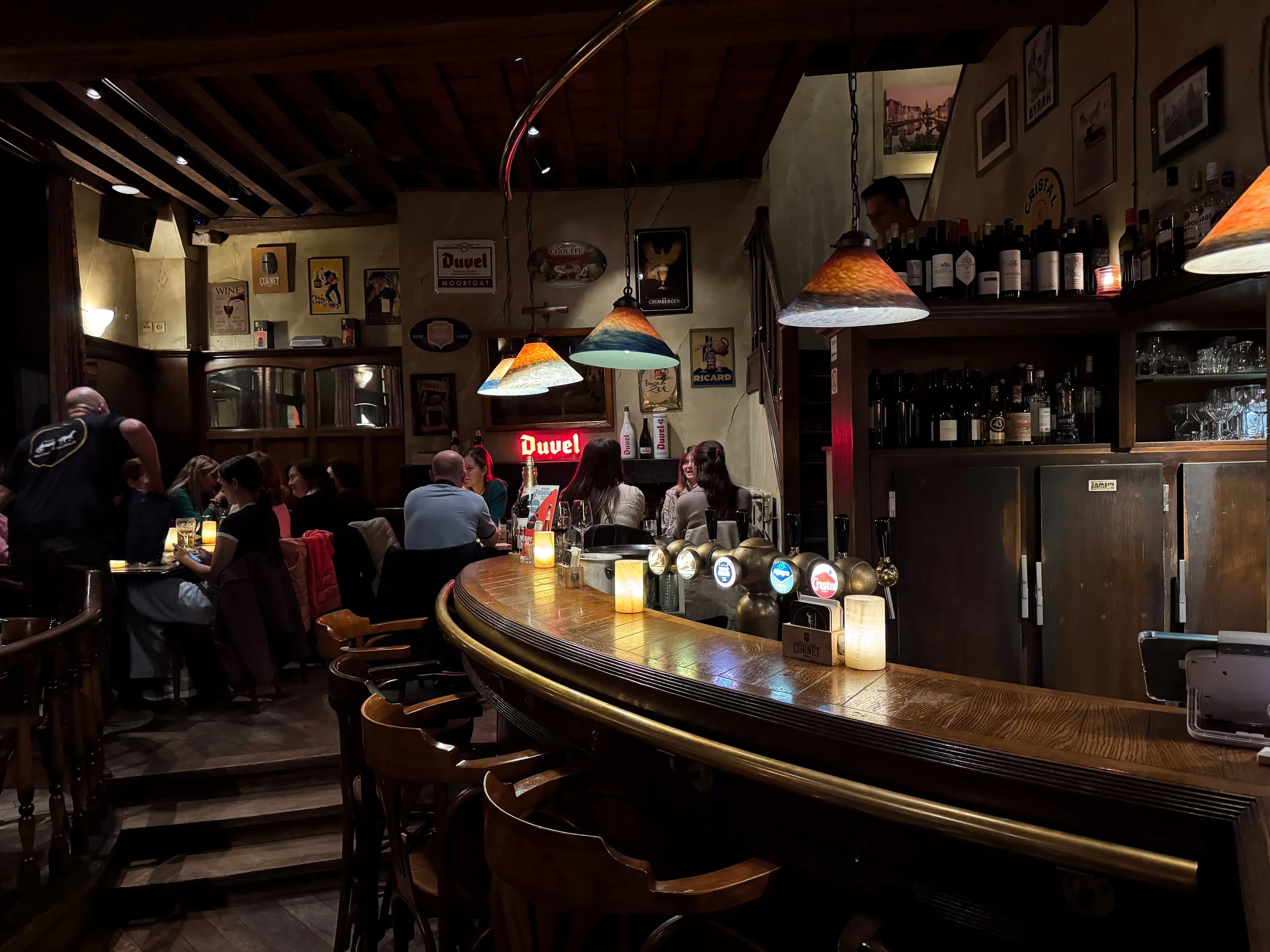
Le Trappiste. A medieval pub set in a vaulted stone cellar dating back to the 14th century, with old barrels for tables. The extensive menu features hundreds of local and Belgian beers, from Trappist ales and unfiltered brews to strong tripels. Order a paddle to sample a few.
’t Brugs Beertje. A local pub tucked down a side street, pouring hundreds of Belgian beers. In the evenings, its rooms fill with everyone from seasoned regulars to college students and tourists. Stop in for a beer and a plate of cheese.
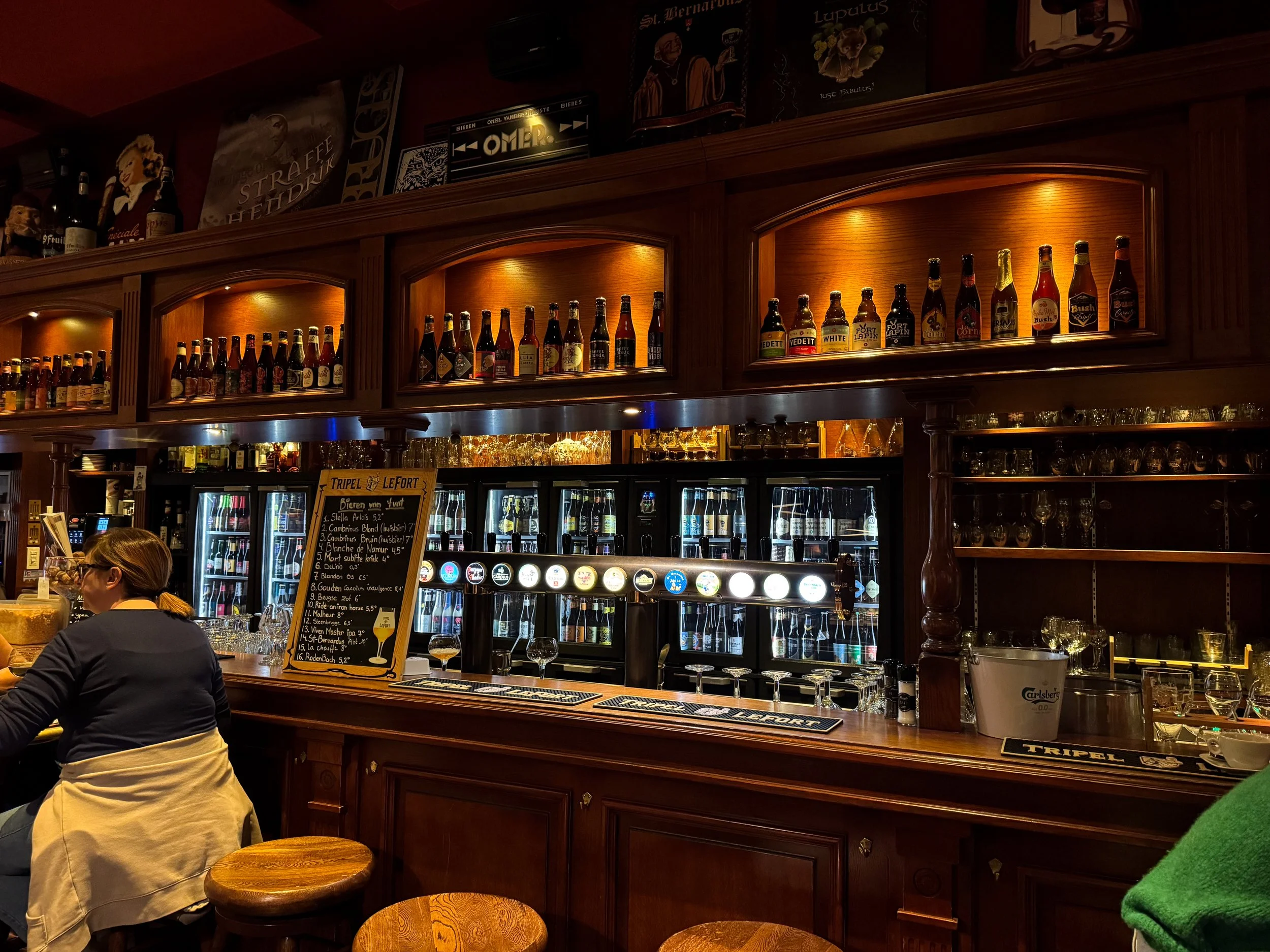
Brasserie Cambrinus. A self described “beer brasserie” with more than 400 Belgian beers on tap and by the bottle. Order a tasting flight alongside Flemish dishes like fish stew, croquettes and cheese platters.
Canalside Markets
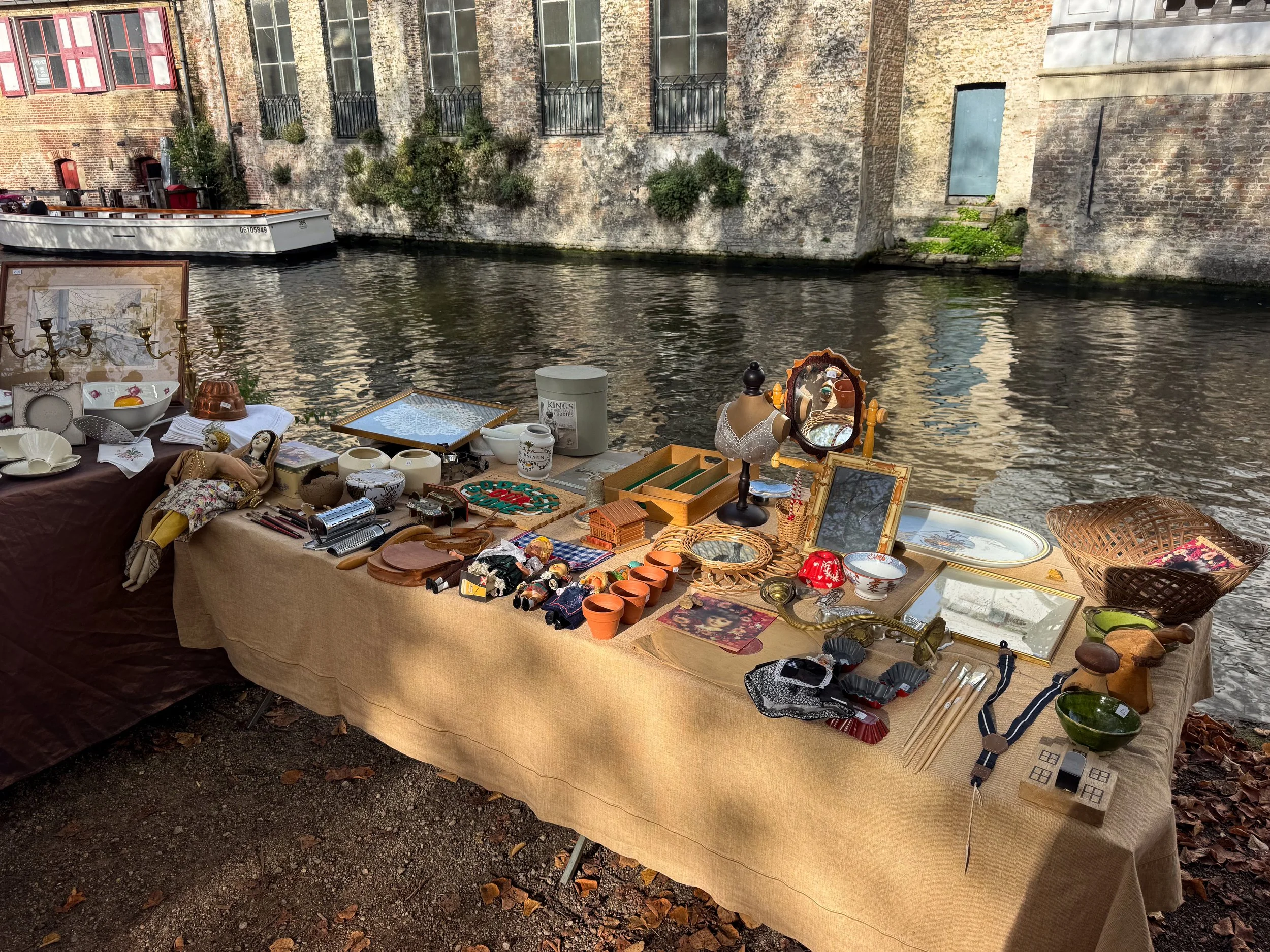
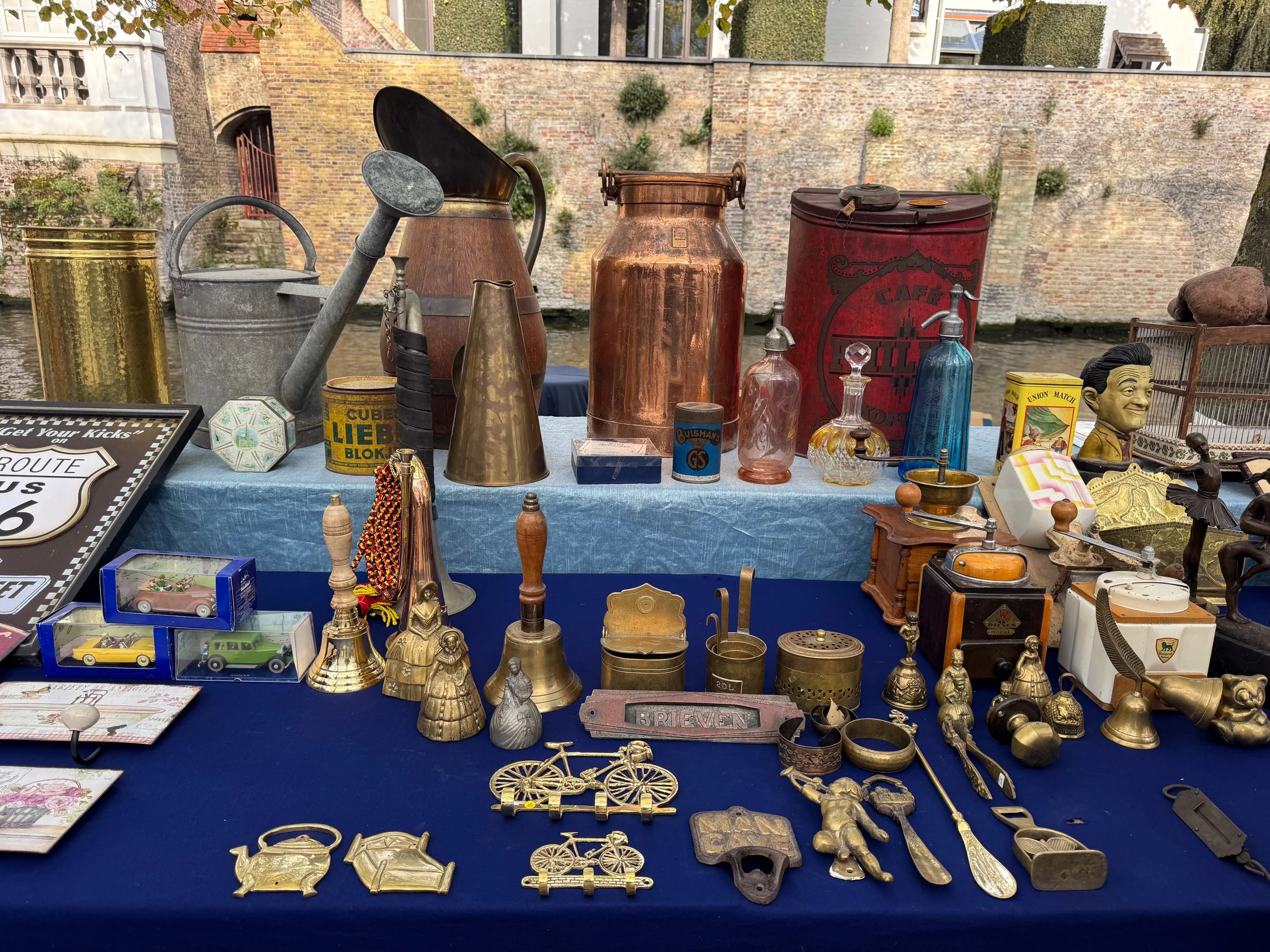
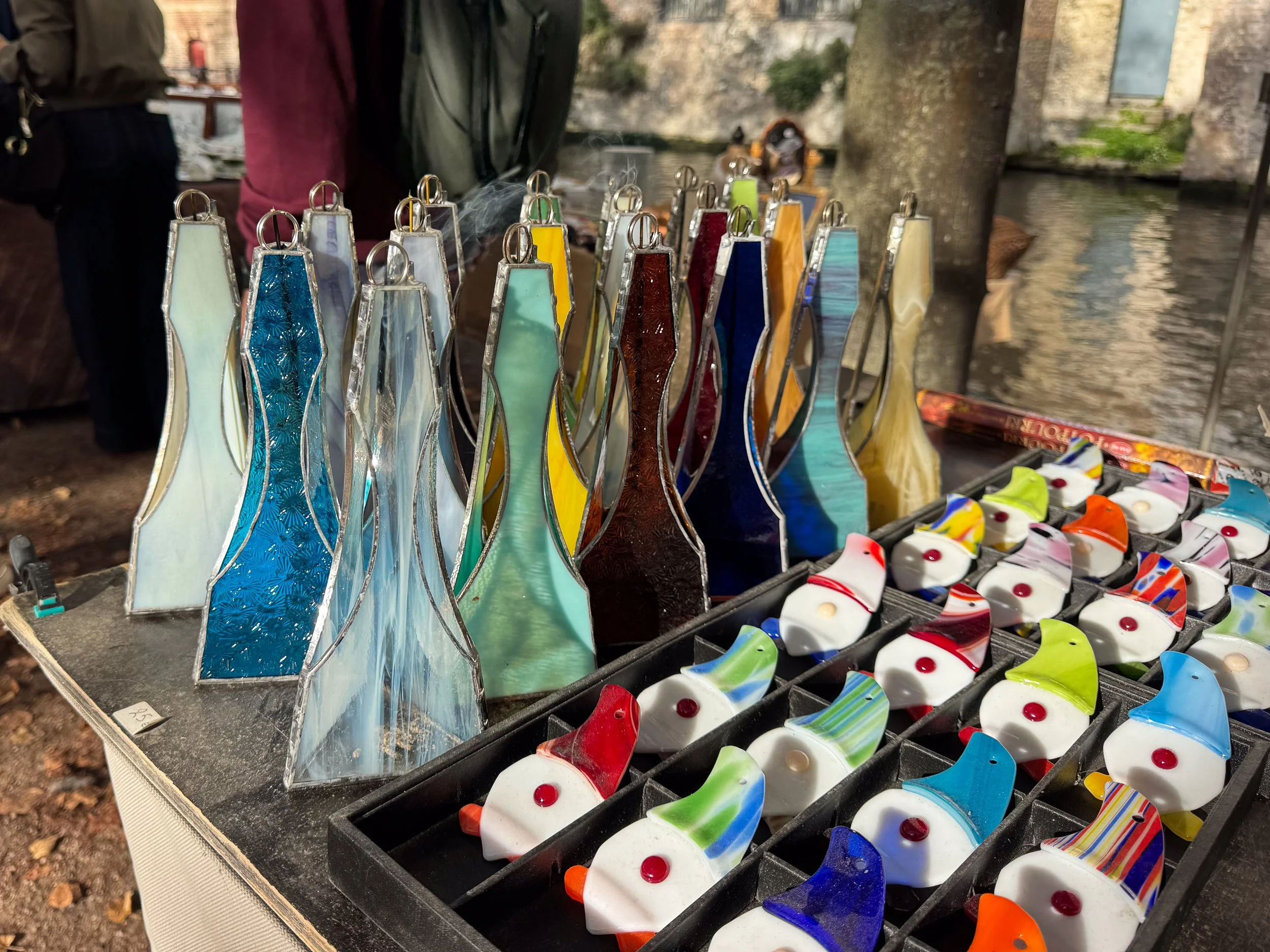
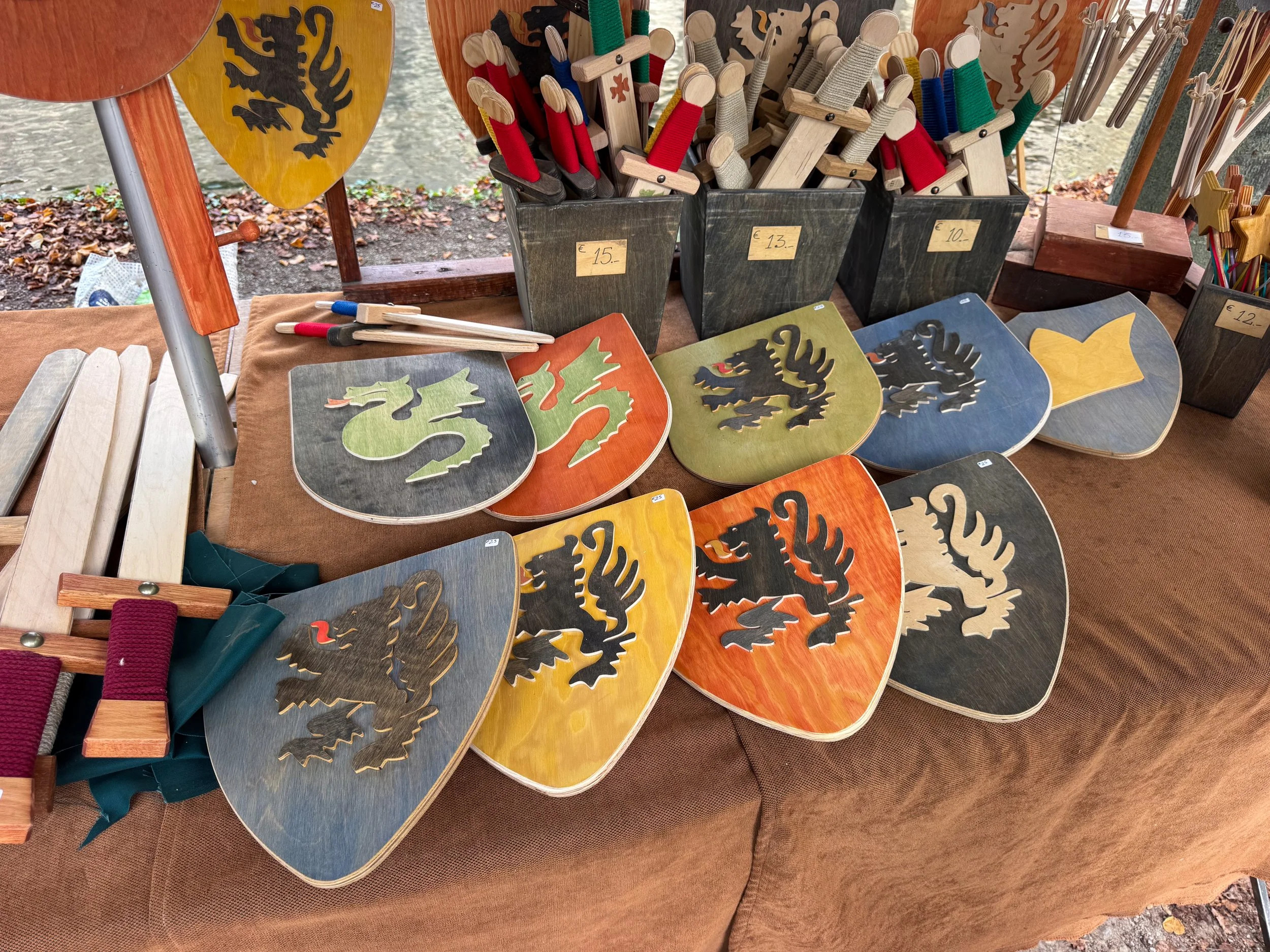
Dijver Flea Market. A flea market set beneath the trees of De Dijver Park along the canal. A couple dozen vendors sell antiques, handmade jewelry, artisan glass decor, medieval style wooden toys and tables piled with brass trinkets. Visit on weekends from 9:30am to 4:30pm.
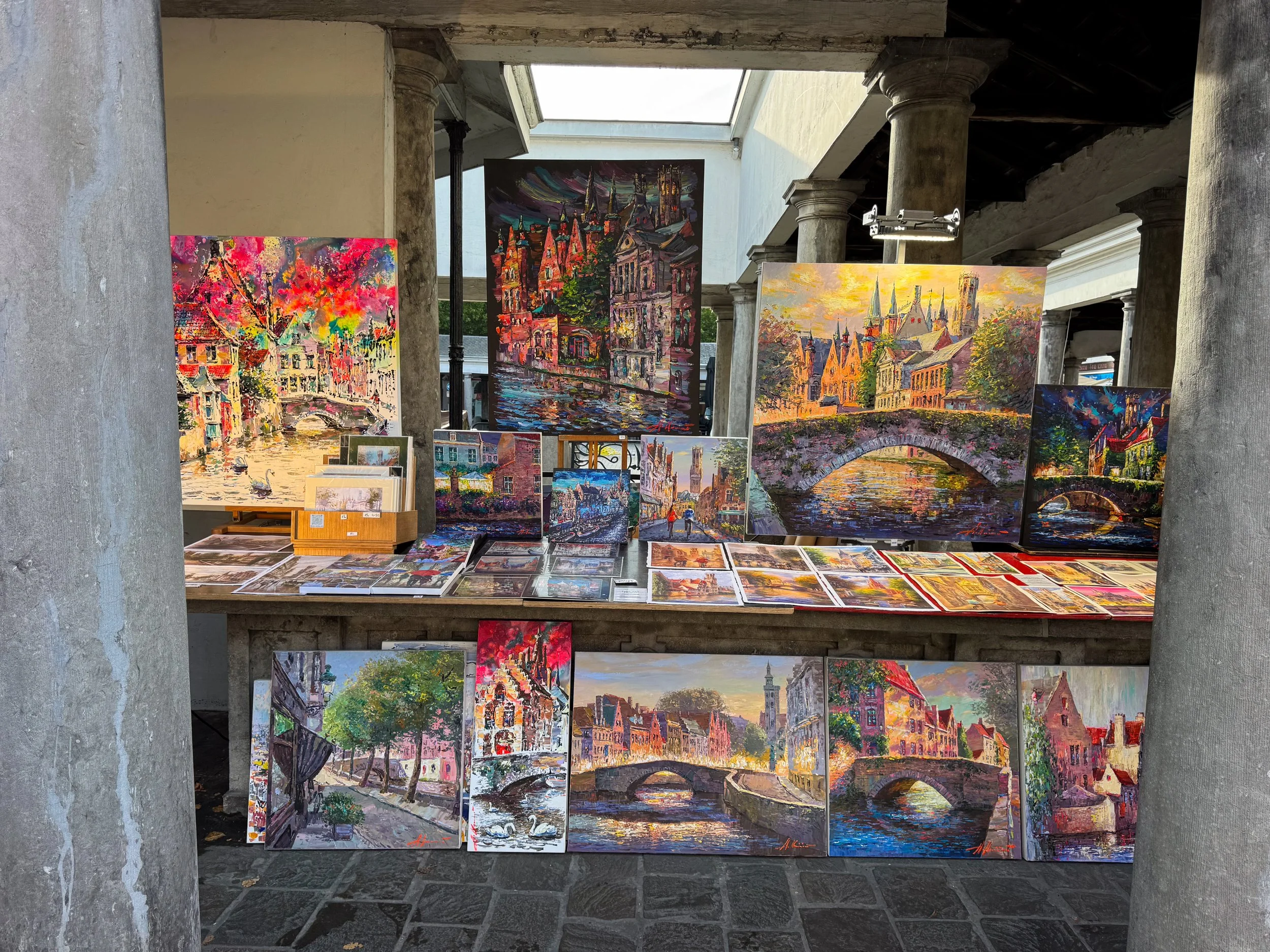
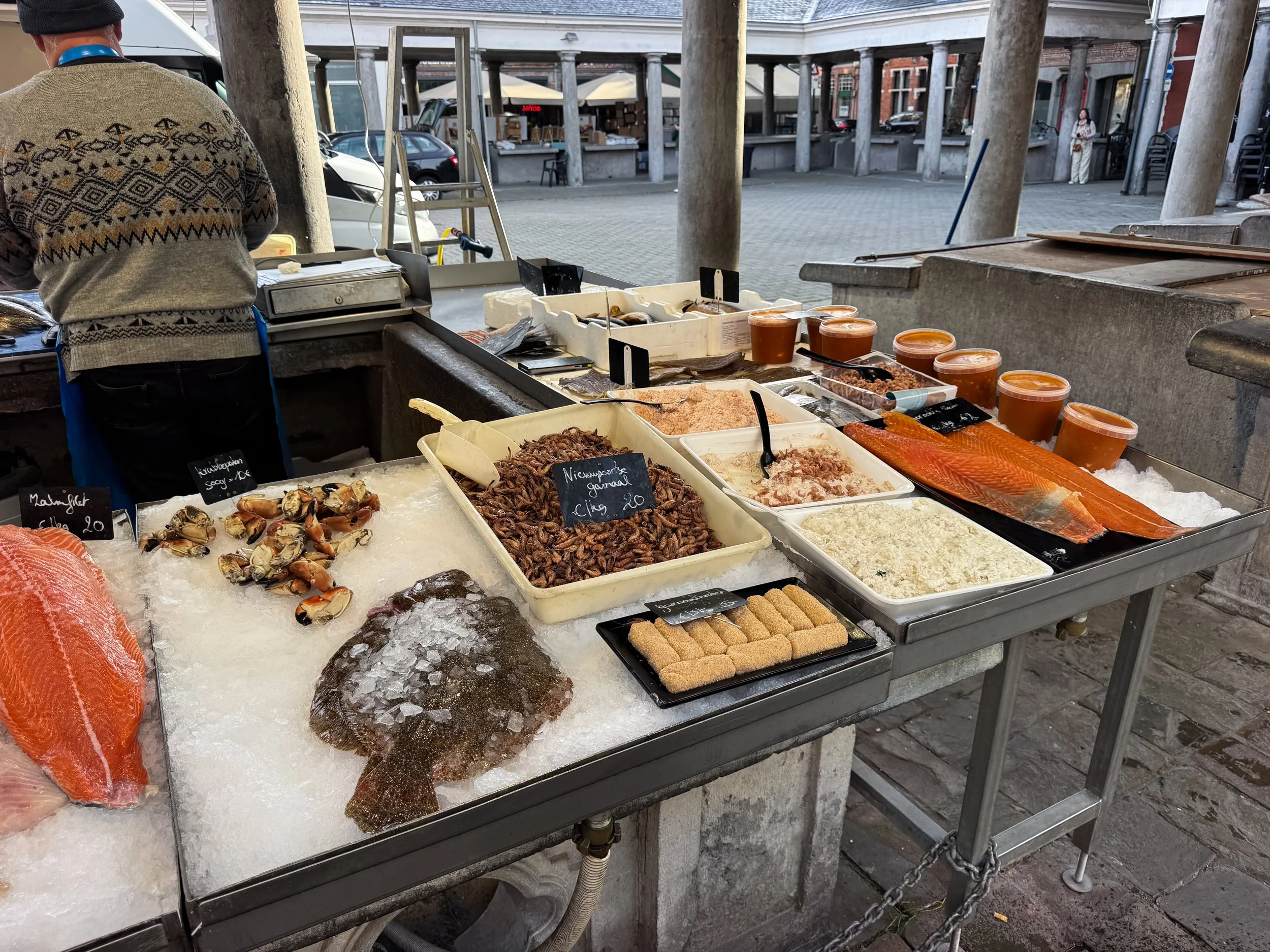
Fish Market (Vismarkt). A historic canalside fish market whose stone tables now hold artisans selling old town artwork, found object jewelry and leather journals. A lone fishmonger keeps tradition alive with iced displays of North Sea sole, grey shrimp and salmon.
Where to Eat & Drink
Flemish Restaurants & Cocktail Bars
Restaurant Diligence. A popular Flemish restaurant in a historic brick building, featured in the film "In Bruges." It serves local beers alongside classic seafood dishes like grey shrimp croquettes, North Sea sole and grilled salmon. For dessert, order the Belgian chocolate mousse. Make reservations ahead of time.
Mozart Restaurant Brugge. A traditional Belgian restaurant housed inside a vintage dining room opening into a library style hall. While famed for its “endless ribs,” it offers seafood dishes like the fish gratin paired with Belgian frites and local beers.
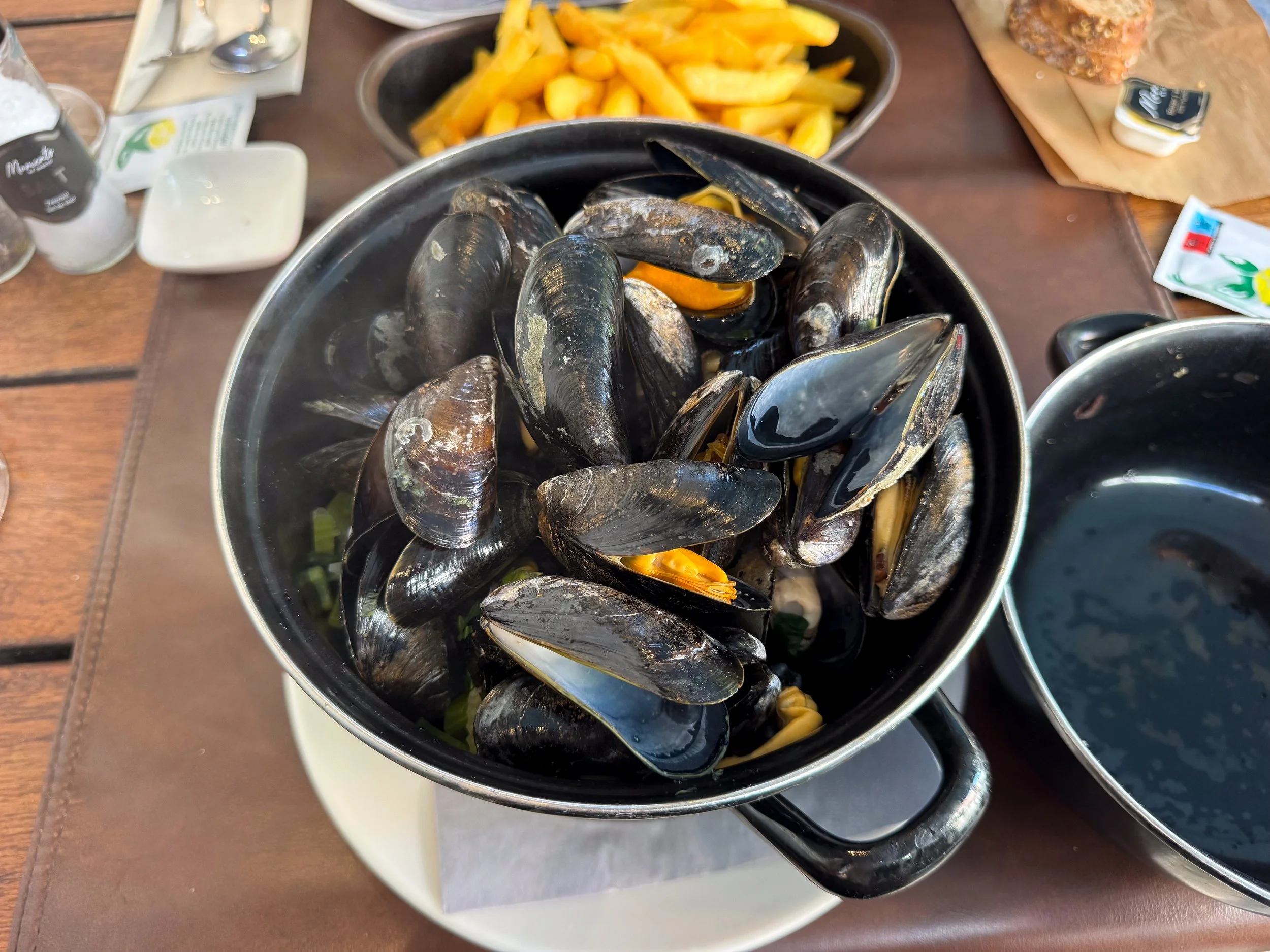
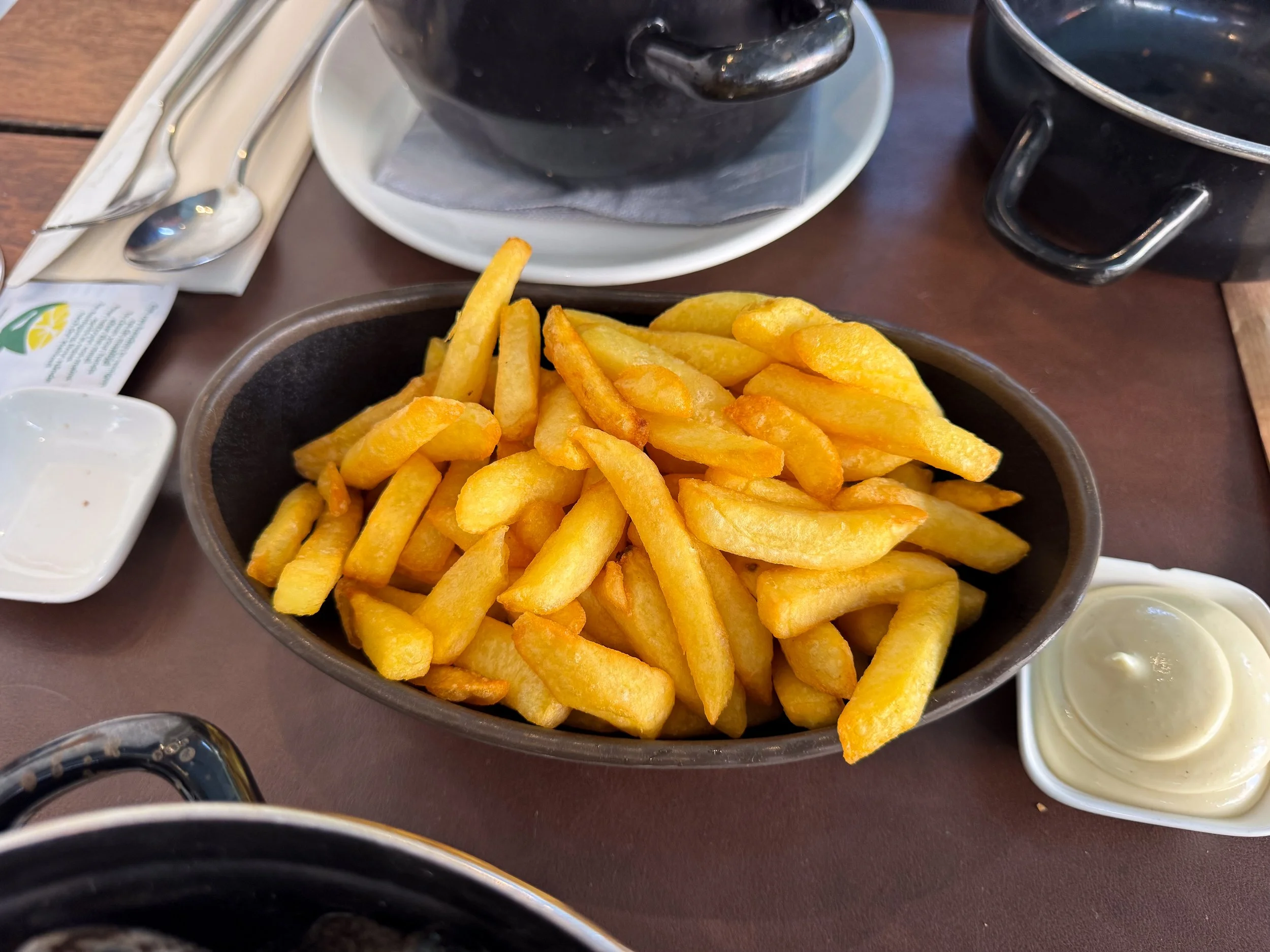
Poules Moules. A Belgian restaurant specializing in moules-frites. Order a steaming pot of mussels cooked in white wine or beer with a basket of crisp and pillowy frites paired with a Brugse Zot, the local favorite brewed in the old city.
FritBar Bruges. A frituur serving Belgian style frites. Order them in a cone with mayo or pick from over a dozen sauces like curry ketchup and garlic mayo. Take the order to go and enjoy with canal views from Mary's Bridge.
Groot Vlaenderen. An upscale cocktail bar with a James Bond inspired menu, dozens of signature cocktails and specialty spirits. Sit at the bar to watch the mixologists or sink into a velvet lounge beneath the dim glow of a grand chandelier.
Mika Cocktails. A cocktail bar with experimental and theatrical drinks served in unique glassware, shrouded in dry ice fog and finished with interactive garnishes.
Waffle Shops & Cafes
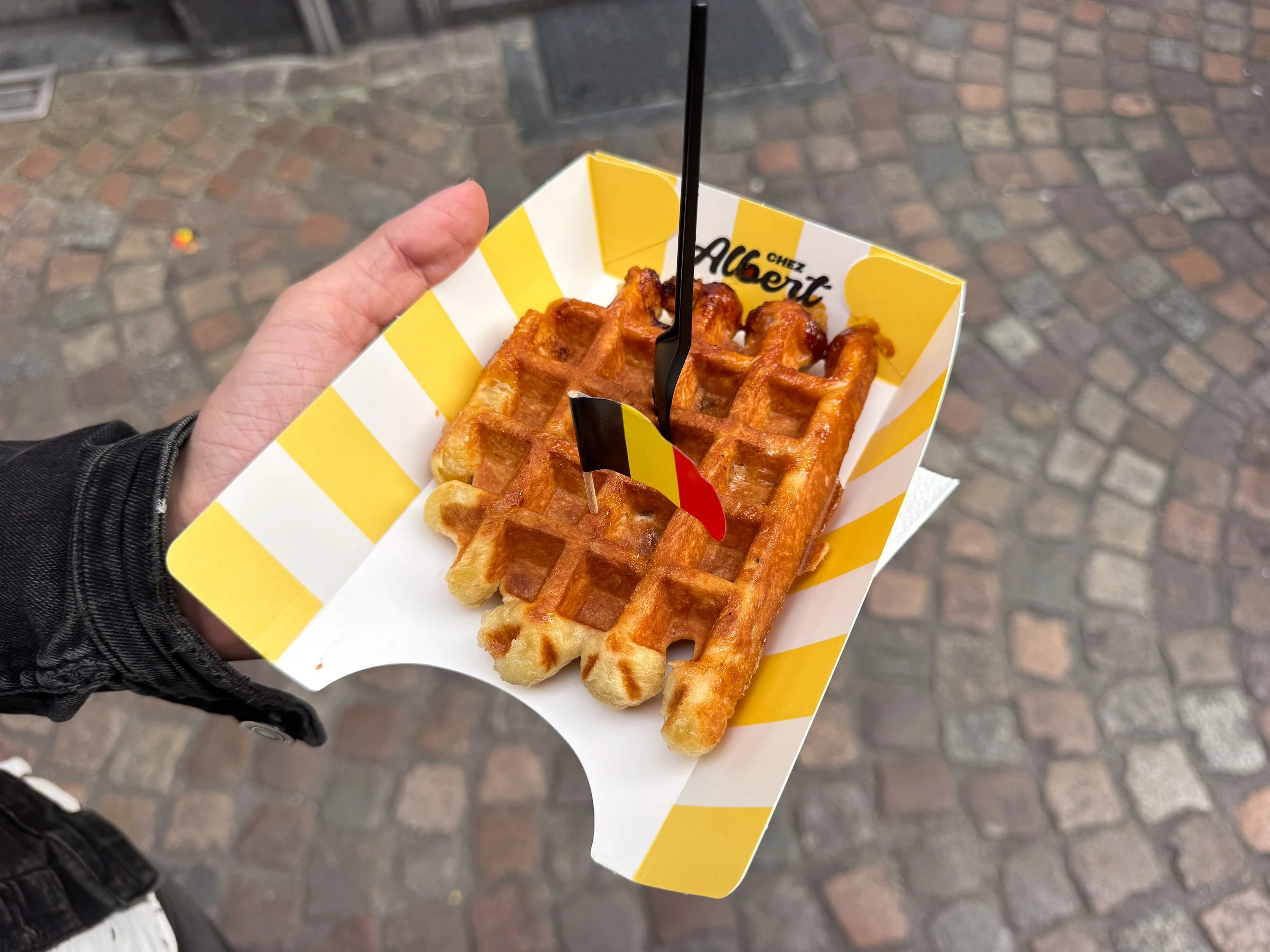
Chez Albert Waffles. A popular takeaway spot griddling fresh Belgian waffles. Order one plain or covered in sweet toppings like ice cream, chocolate, berries or caramel sauce.
Mr. Waffle & Sandwich. A cafe on the Rosary Quay serving our favorite Belgian waffle in Bruges, with a €5 waffle and coffee special. Arrive when it opens at 9am and enjoy breakfast overlooking the quay before tour groups arrive.
Otto Waffle Atelier Katelijnestraat. A popular dessert cafe specializing in artisan Belgian waffles. Order a house signature or build your own from a range of toppings, sauces, ice creams and garnishes.
The Novel. A tiny coffee shop serving well crafted coffee and a small selection of freshly baked pastries, perfect for a light breakfast or a mid afternoon caffeine fix.
Sanseveria Bagelsalon. A cafe specializing in homemade bagel sandwiches, ideal for breakfast. Try one topped with salmon, egg and avocado spread.
Belgian Chocolatiers
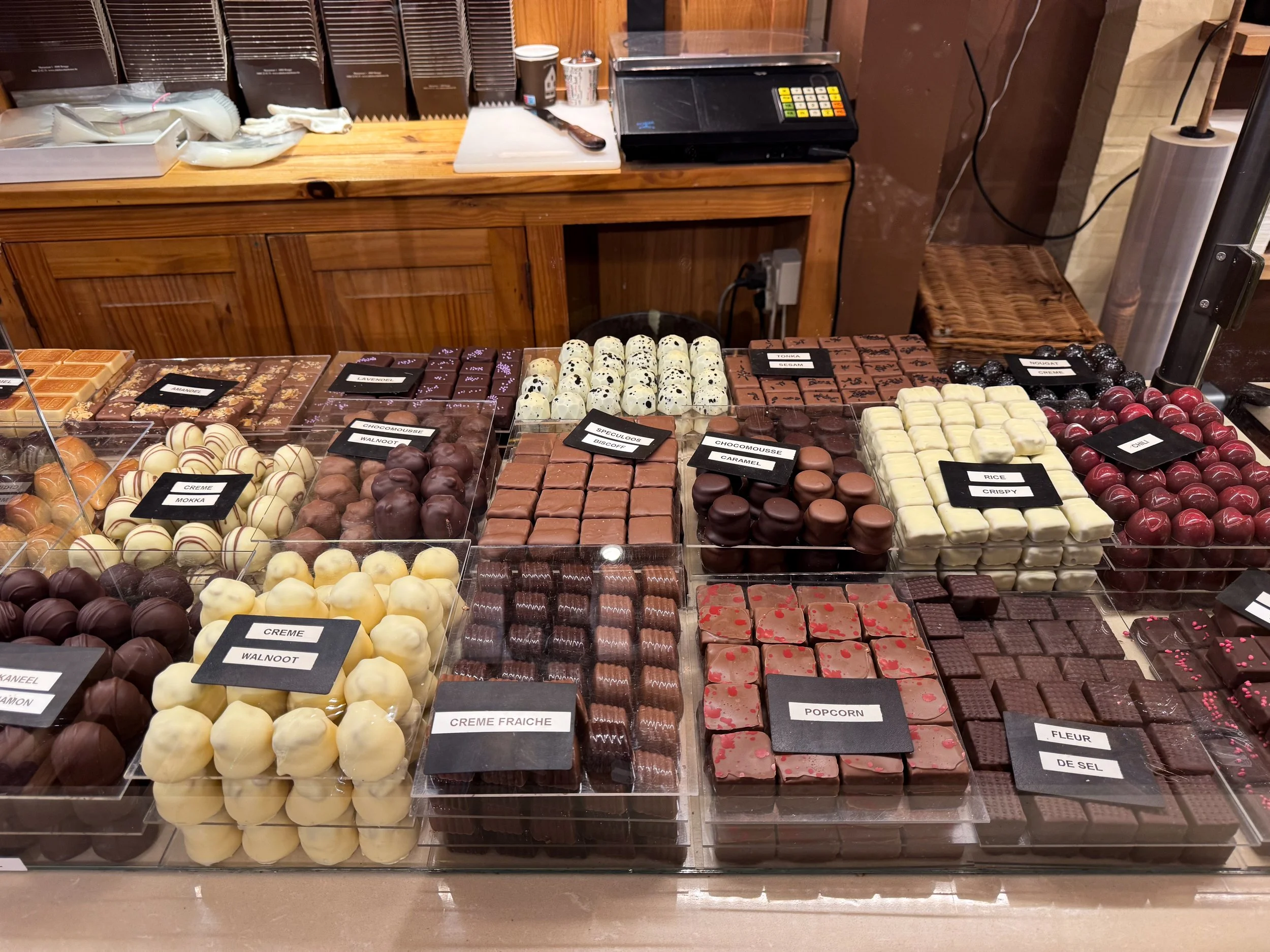
Chocolate Jean. A chocolatier offering traditional and contemporary bonbons, pralines, truffles and chocolate bars, all showcasing the pure cocoa butter, fine cocoa and meticulous tempering that make Belgian chocolate famous. Chocolates are sold pre-packaged or by weight for a custom box at some of the best prices in town.
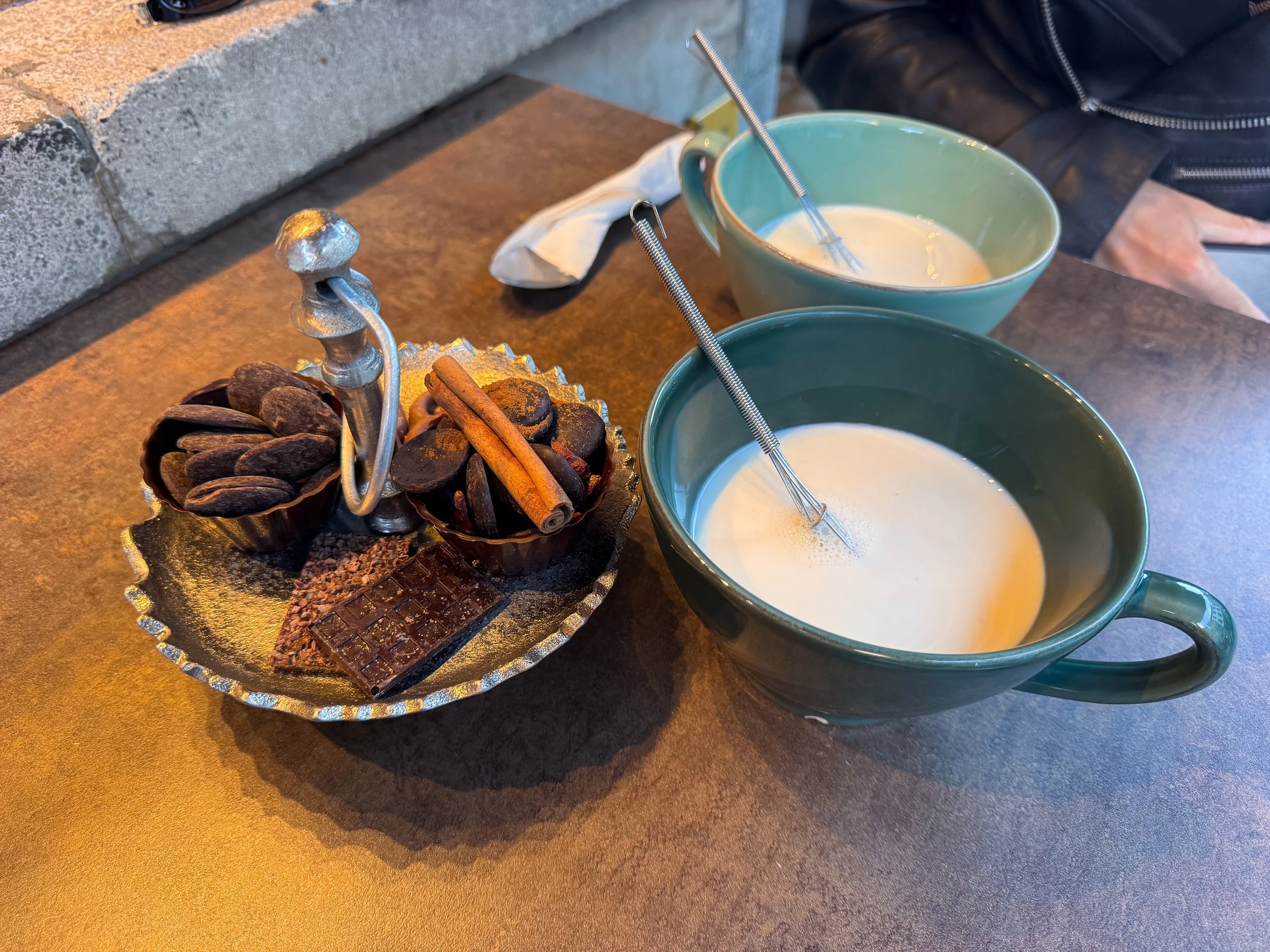
The Old Chocolate House. A chocolatier famed for its Belgian hot chocolate. Choose your cacao type and percentage, or a specialty blend with spices, salted caramel or nuts. Large mugs of hot milk are served alongside a cup of chocolate pieces and a whisk to mix yourself. Counter displays tempt with artisan chocolates to take home as the scent of cocoa fills the shop.
Traditional Belgian Dishes
Belgian Frites. Thick cut and twice fried potatoes served with mayonnaise. Visit a frituur, a small kiosk or restaurant specializing in frites.
Moules-Frites. Mussels steamed in a broth with vegetables and herbs served with frites.
Waterzooi (Fish Soup). A soup with firm white fish or shrimp and vegetables like leeks, carrots, onions and celery cooked in a broth and mixed with heavy cream or egg yolk to thicken it.
Croquettes. Deep fried fritters filled with béchamel and typically North Sea grey shrimp.
Liège Waffles. Rich, dense waffles studded with pearl sugar, usually oval-shaped.
Brussels Waffles. A light and crispy classic waffle shaped like a gridded rectangle.
Belgian Chocolate. Prized for its pure cocoa butter, finely ground cacao and high cacao content. Many shops offer free samples.
Unfiltered Beer. Many Belgian beers are left unfiltered, keeping the yeast in for a cloudy, more flavorful brew. They often run strong, with some reaching 11% ABV or more.
Where to Stay in Bruges
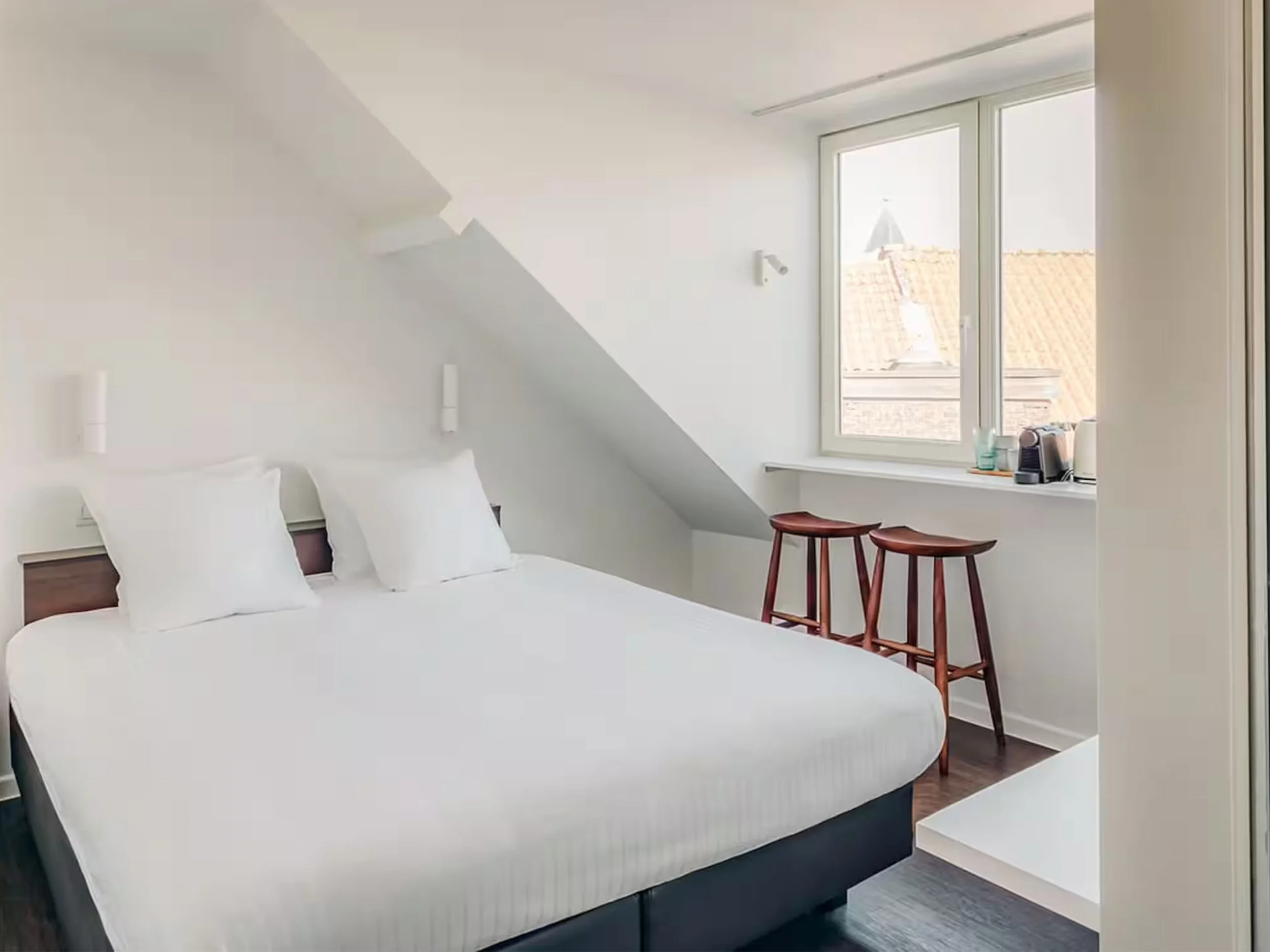
Romy Bruges Historic Center. A hotel with basic but comfortable rooms in the middle of the city center. Located just minutes from the Market Square, it makes for a perfect base for a long weekend in Bruges. Book on Airbnb.
Know Before You Go
Musea Brugge Card. A 72 hour pass with access to multiple museums, including the Belfry. Book online for the latest pricing.
Closure Days. Sunday and Monday are quiet in Bruges, many small businesses outside the city center are closed.
Language. Dutch, spoken locally as Flemish, is the main language in Bruges, but many Belgians are multilingual and also speak French and English.
Cash vs. Card. Belgium is very card friendly, but some restaurants, pubs and food stands only accept cash. Carry some for public restrooms, markets and businesses with minimum spends.
Beer Strength. Belgian beers are notoriously strong, with many running two to three times the alcohol content of a typical lager.
Getting Around. The medieval old town is compact and best explored on foot, though canal boat tours and horse drawn carriages offer scenic alternatives.
Tipping. Tipping is not expected. For exceptional service, leave a few euros or up to 5% of the bill.
For Next Time in Bruges…
A long weekend is plenty of time to explore Bruges and many of its historic sights, breweries and museums. A few that we saved for next time:
Saint John's Hospital. A medieval hospital with an antique apothecary and a collection of Flemish paintings.
2BE Beer Wall. A pub with glass display cases showcasing hundreds of Belgian beers alongside their matching glassware. Come for a tasting and a snack.
Gruuthuse Museum. A museum set in a medieval palace with a historic collection of sculptures, tapestries and furniture.