Rennes & Brittany
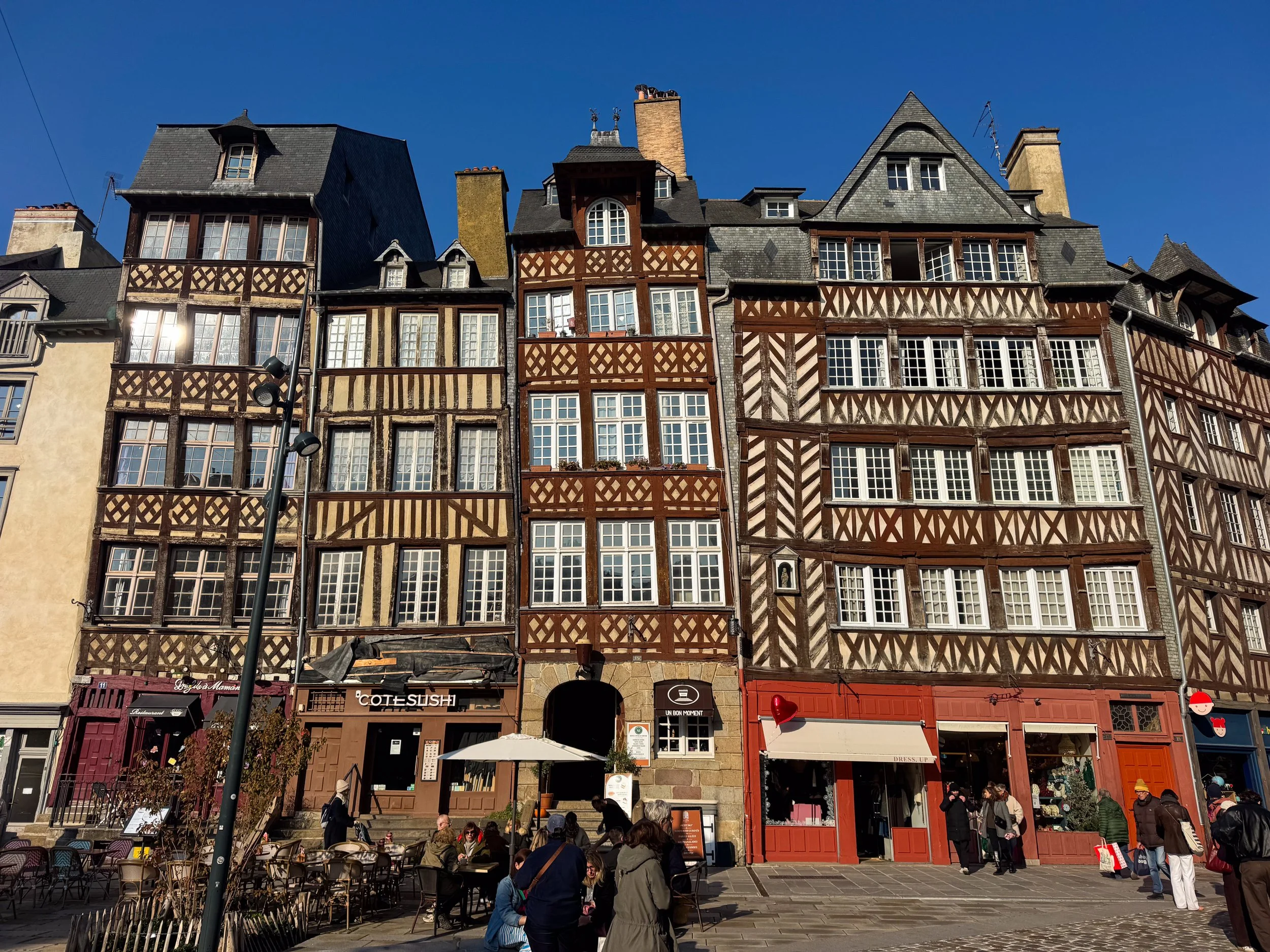
Rennes is a historic and youthful city, where half timbered houses lean over cobblestone streets filled with bustling food markets and lively bars. We spent a long weekend exploring its historic center, with day trips to the seaside abbey of Mont Saint-Michel and the coastal town of Saint-Malo.
Centre Historique (Old Town)
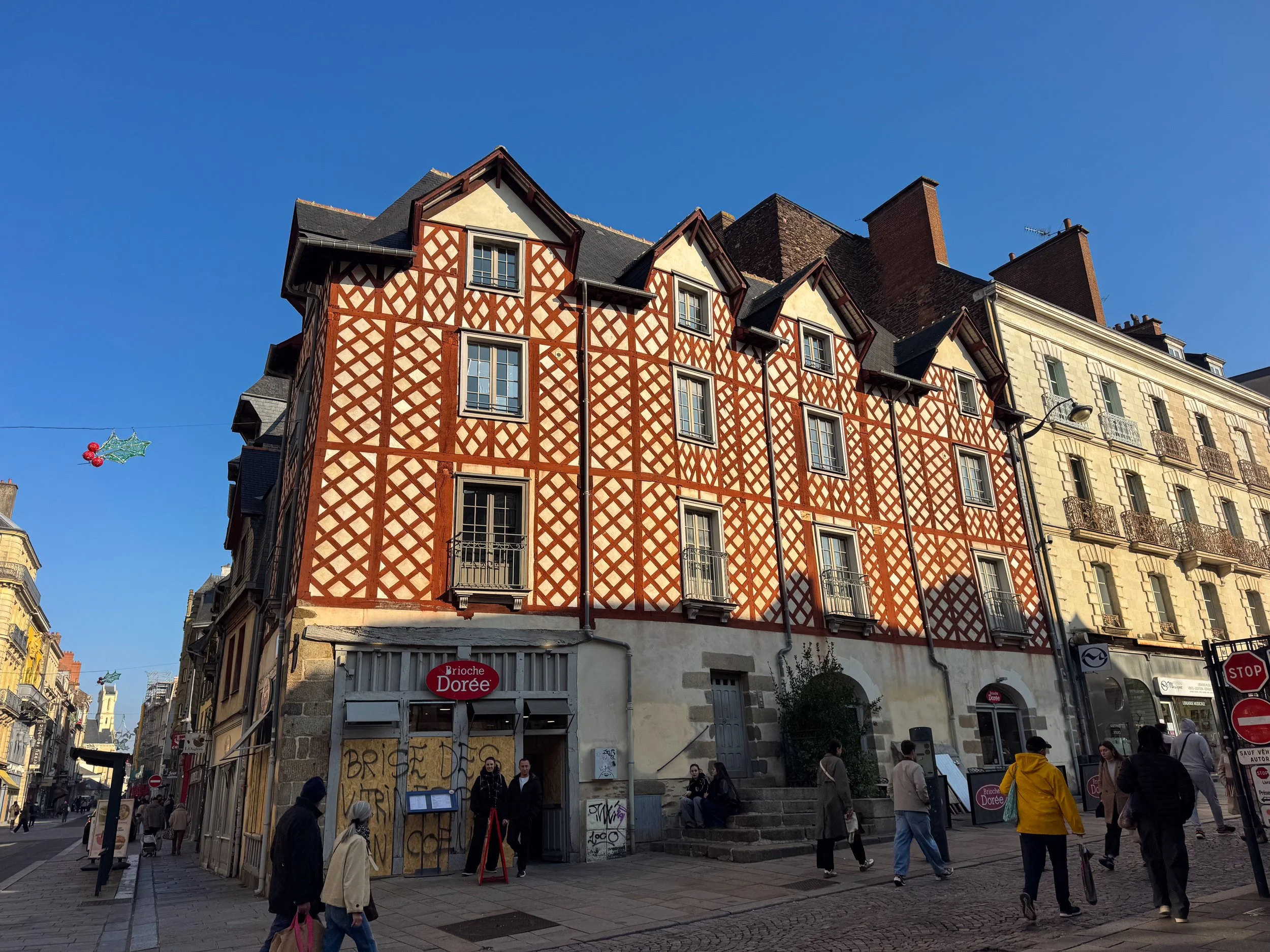
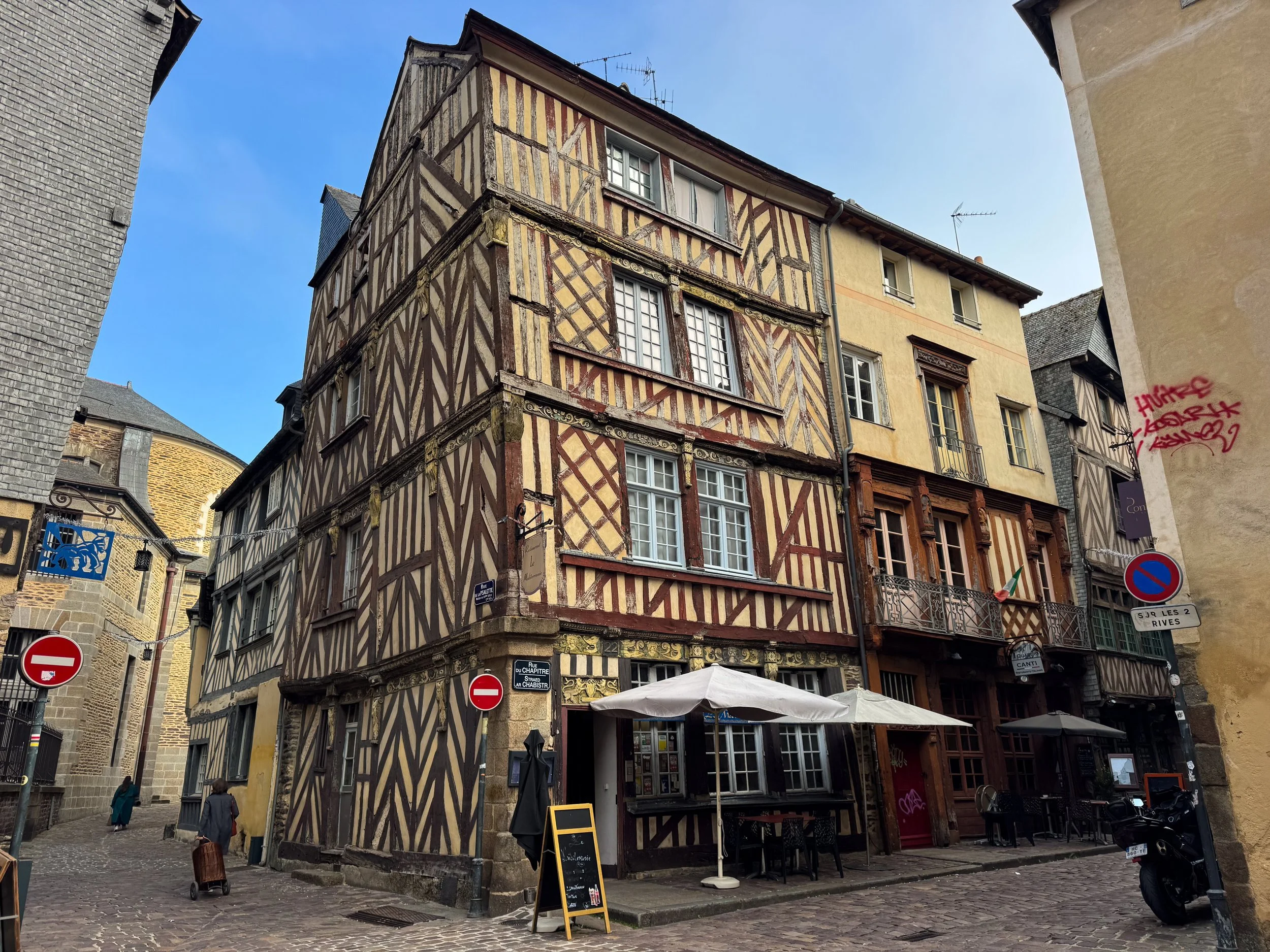
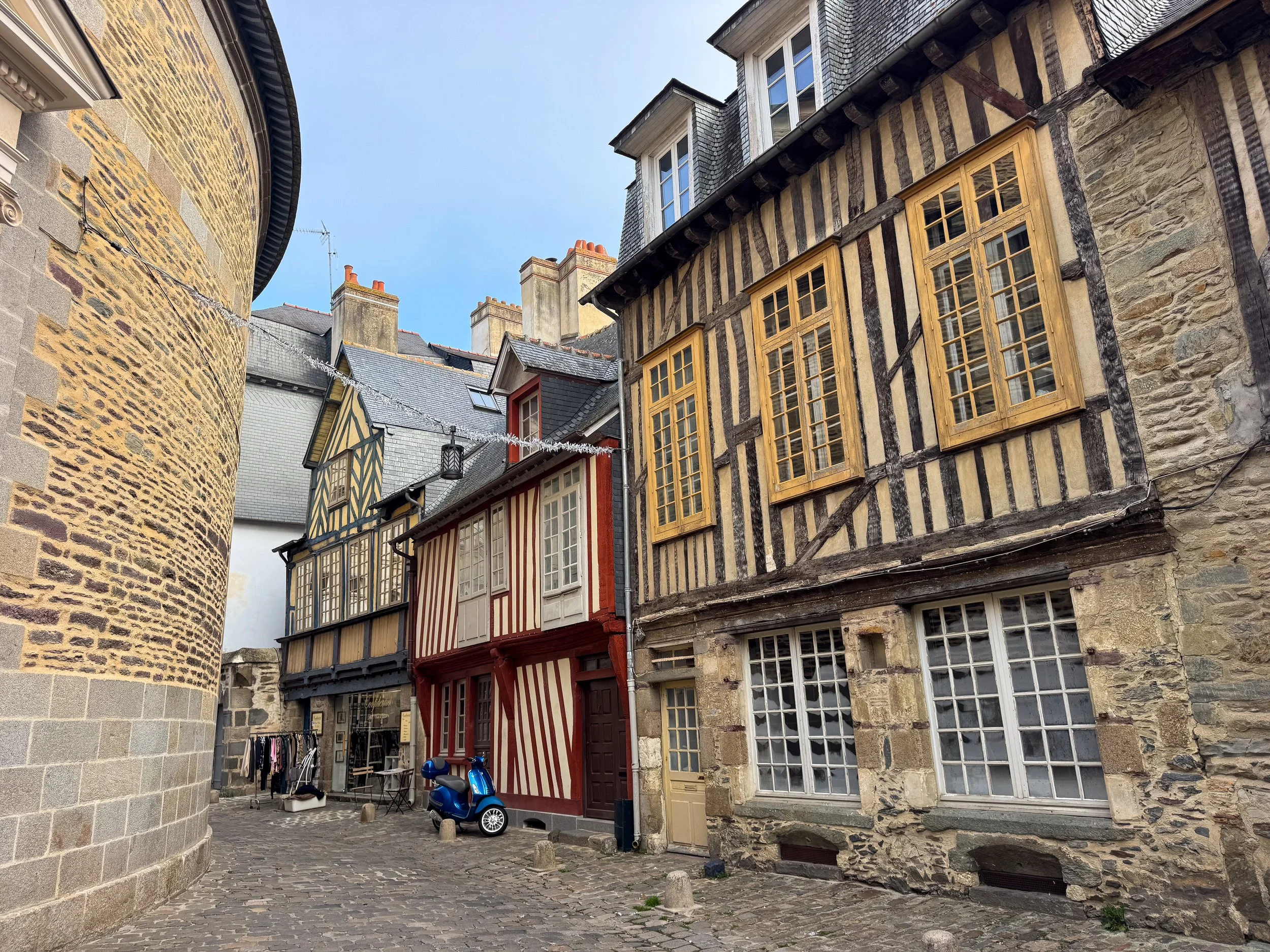
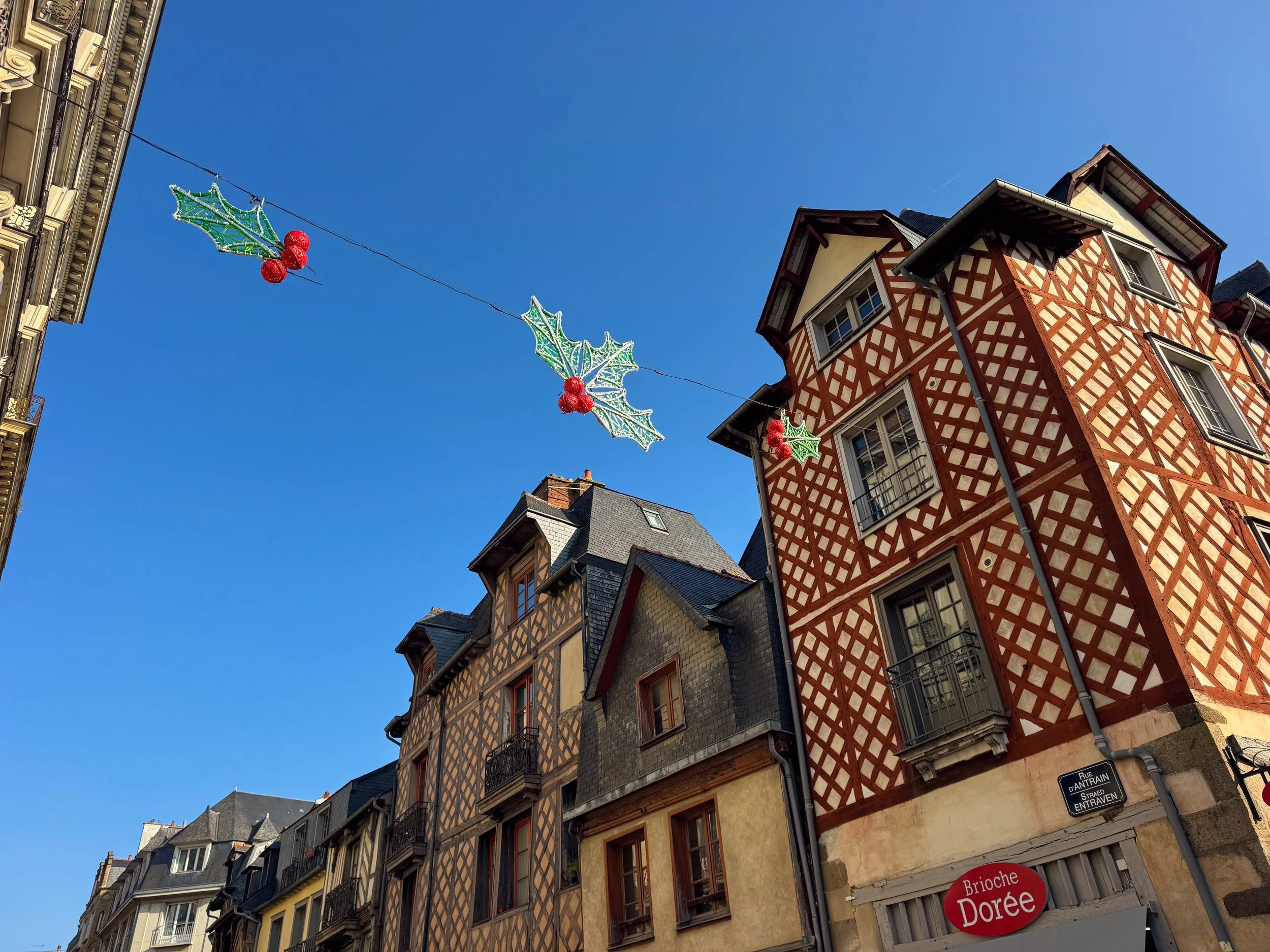
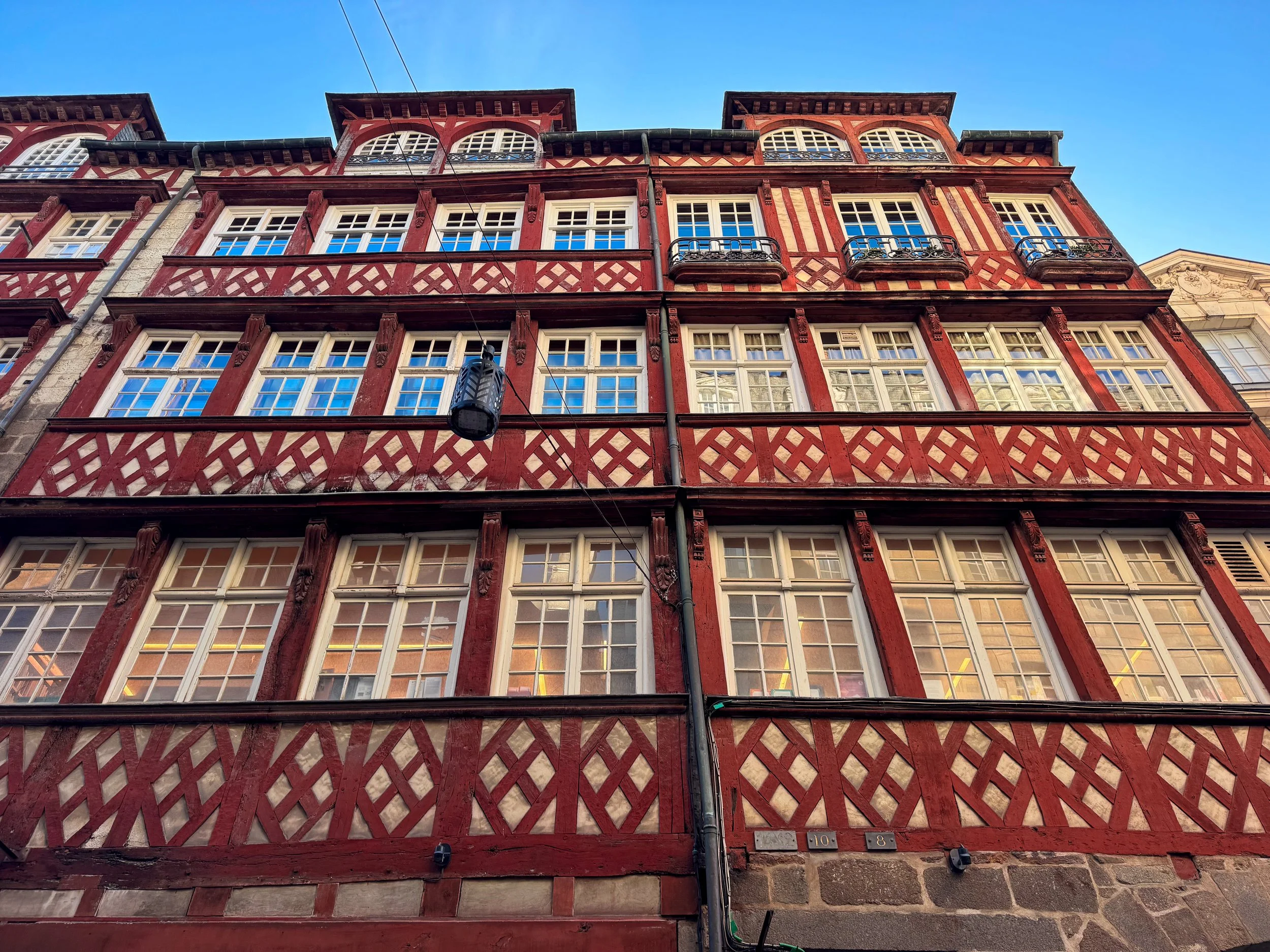
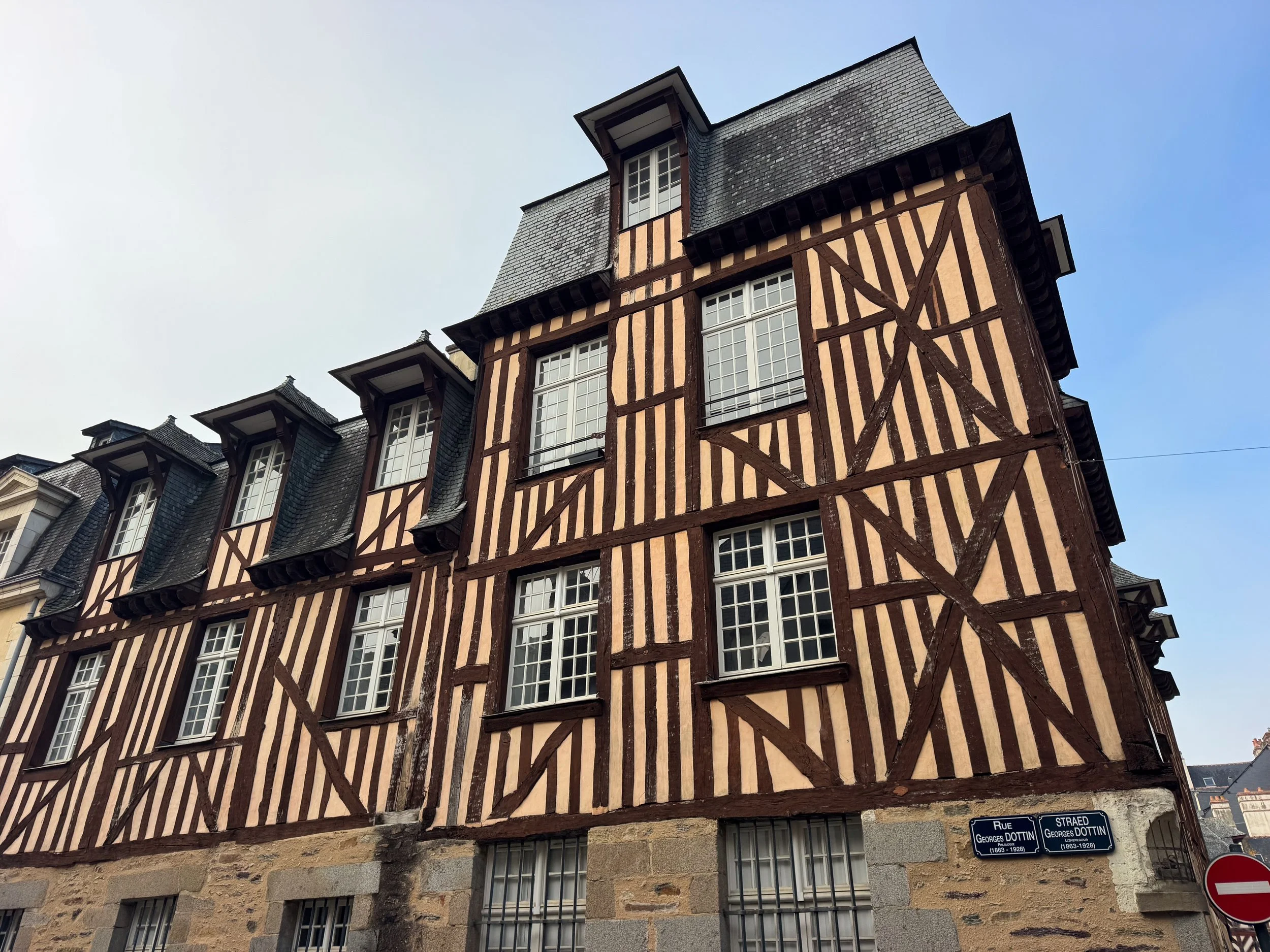
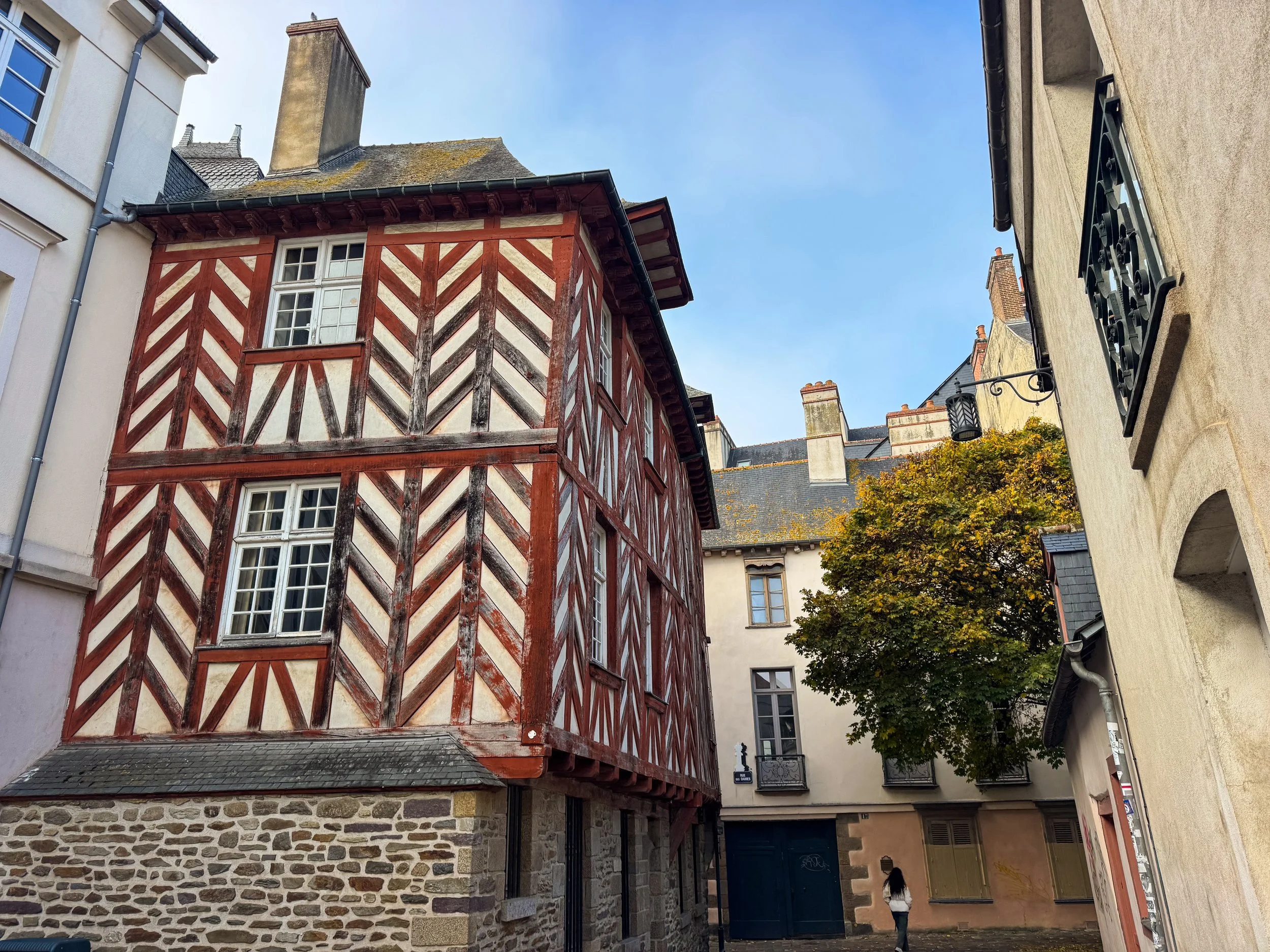
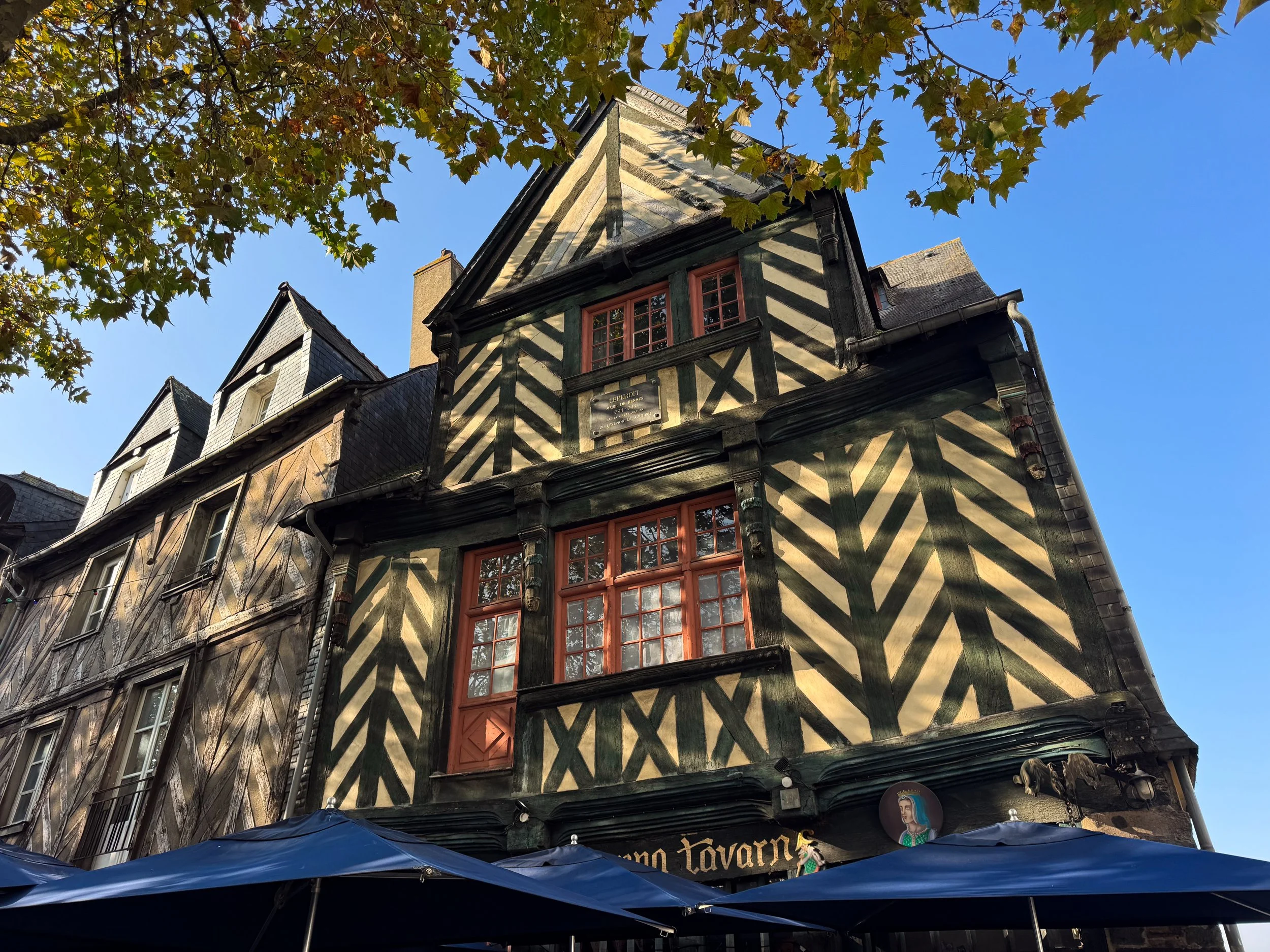
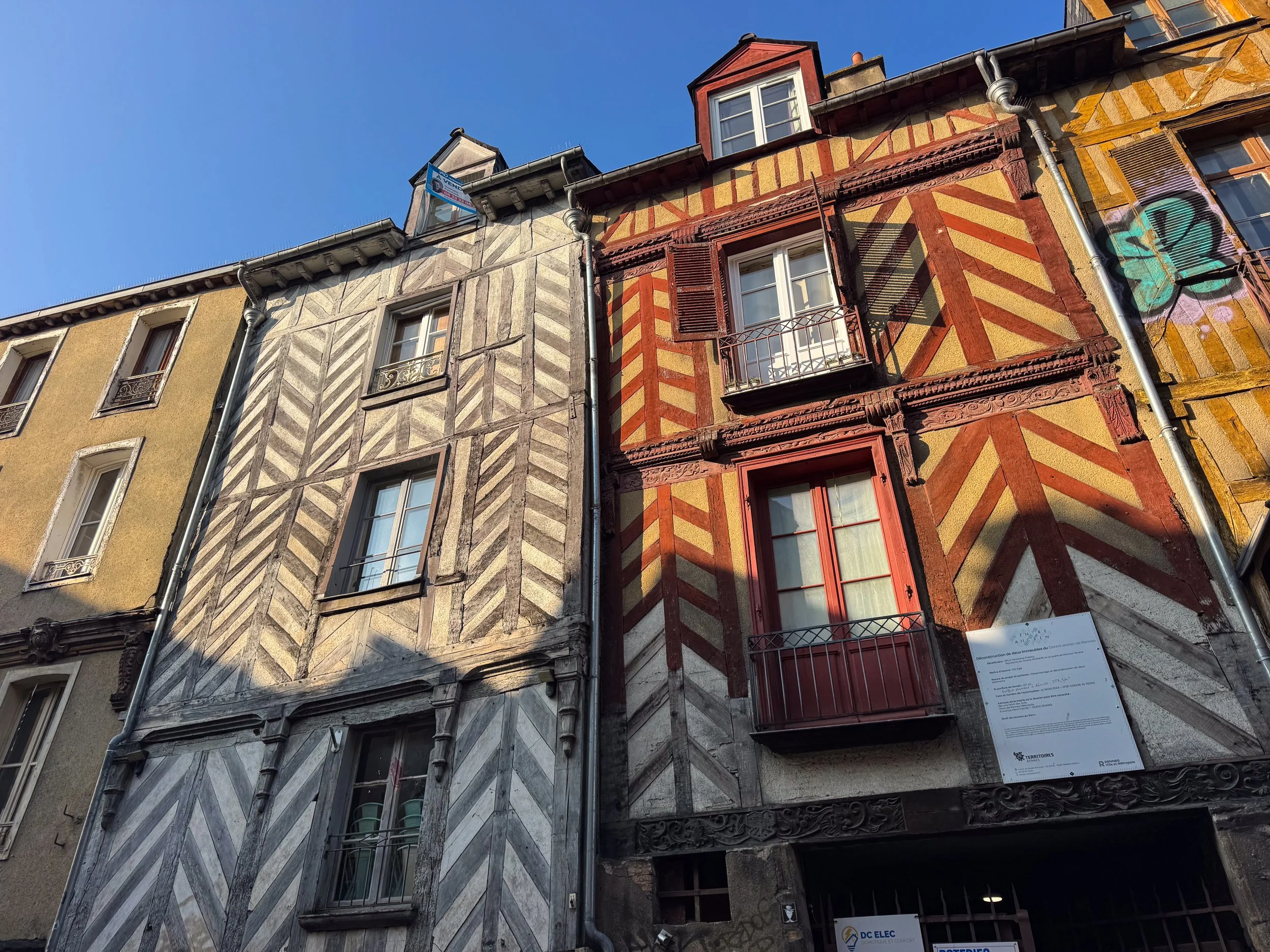
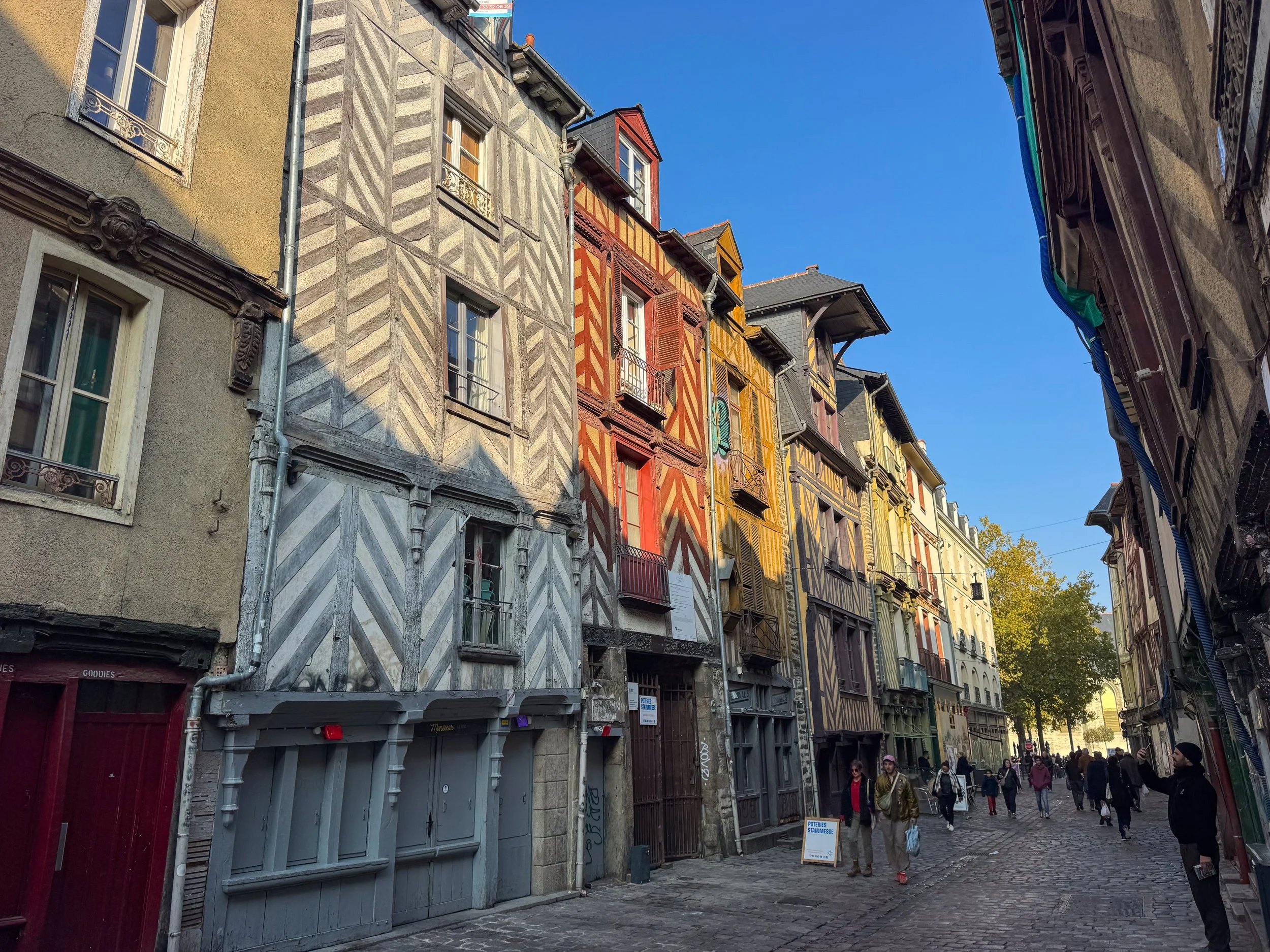
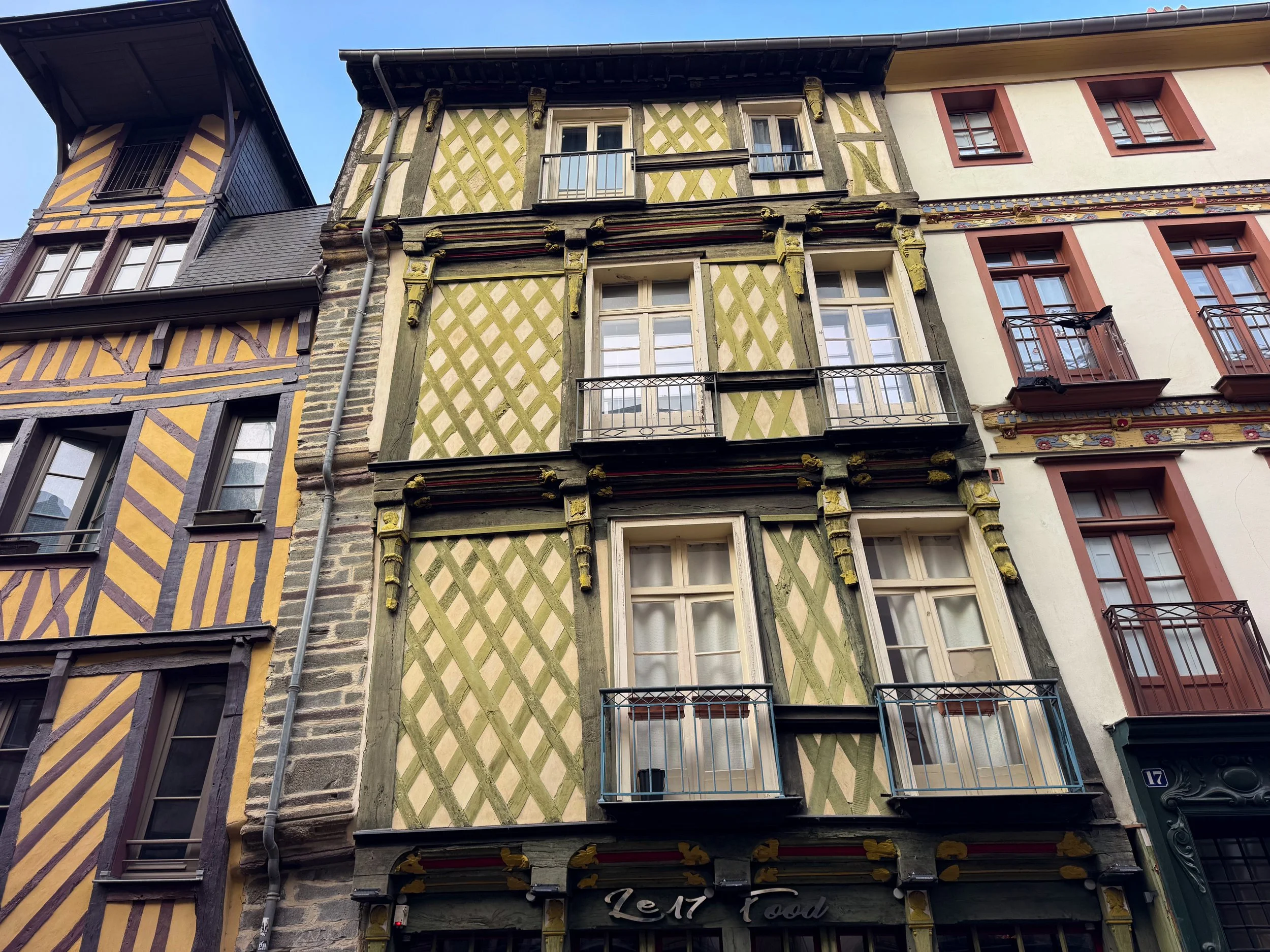
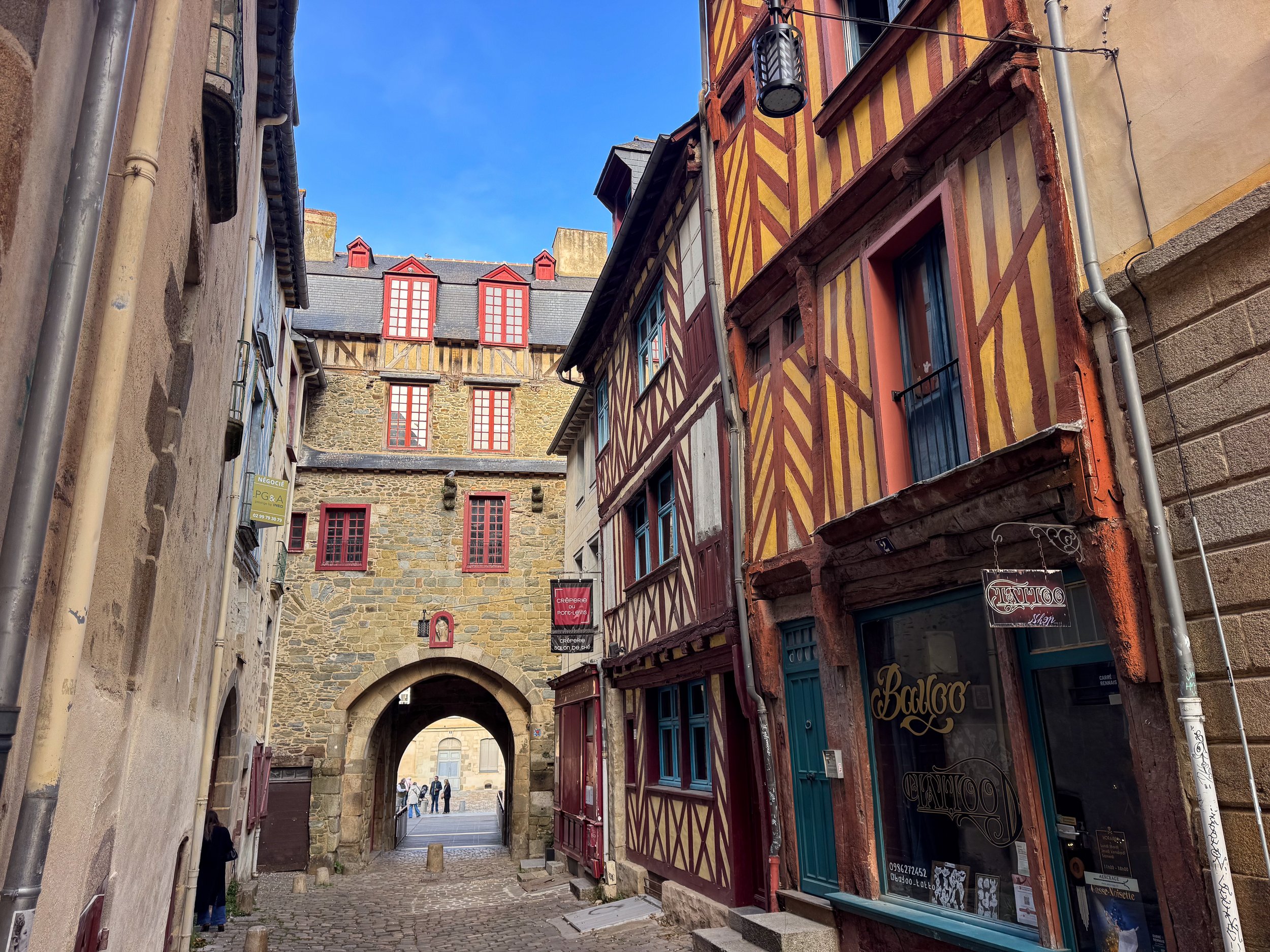
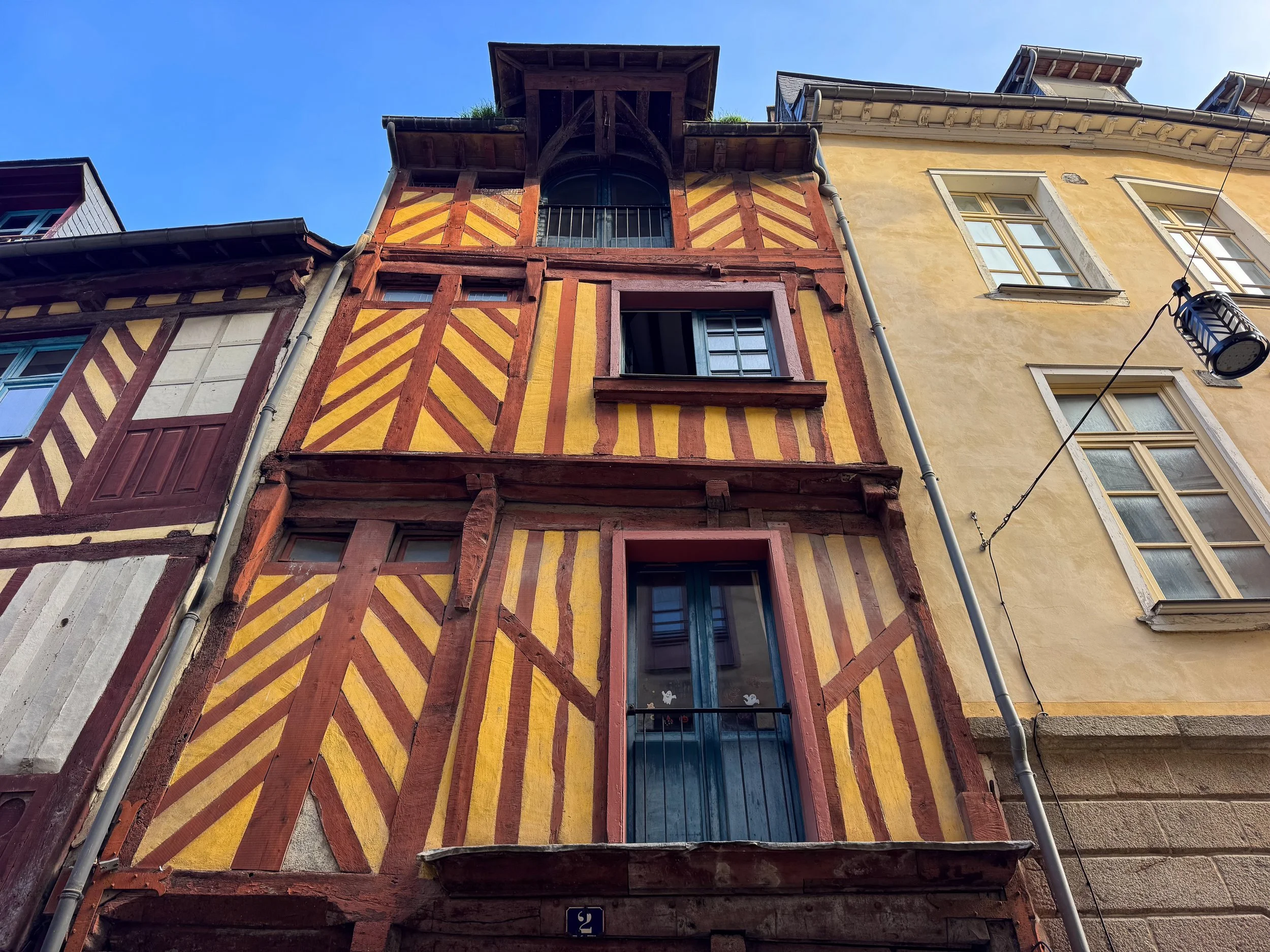
Rennes’ medieval old town is a maze of cobblestone alleyways lined with hundreds of colorful half timbered buildings. Many are around 500 years old and survived the Great Fire of 1720. Their exposed beams tilt and lean, seemingly holding one another up. Restaurants serve local staples like buckwheat galettes, crêpes and apple cider on sidewalk terraces alongside lively bars. By day, weekend markets and shopping streets bustle with activity. By night, the old town comes alive with youthful energy.
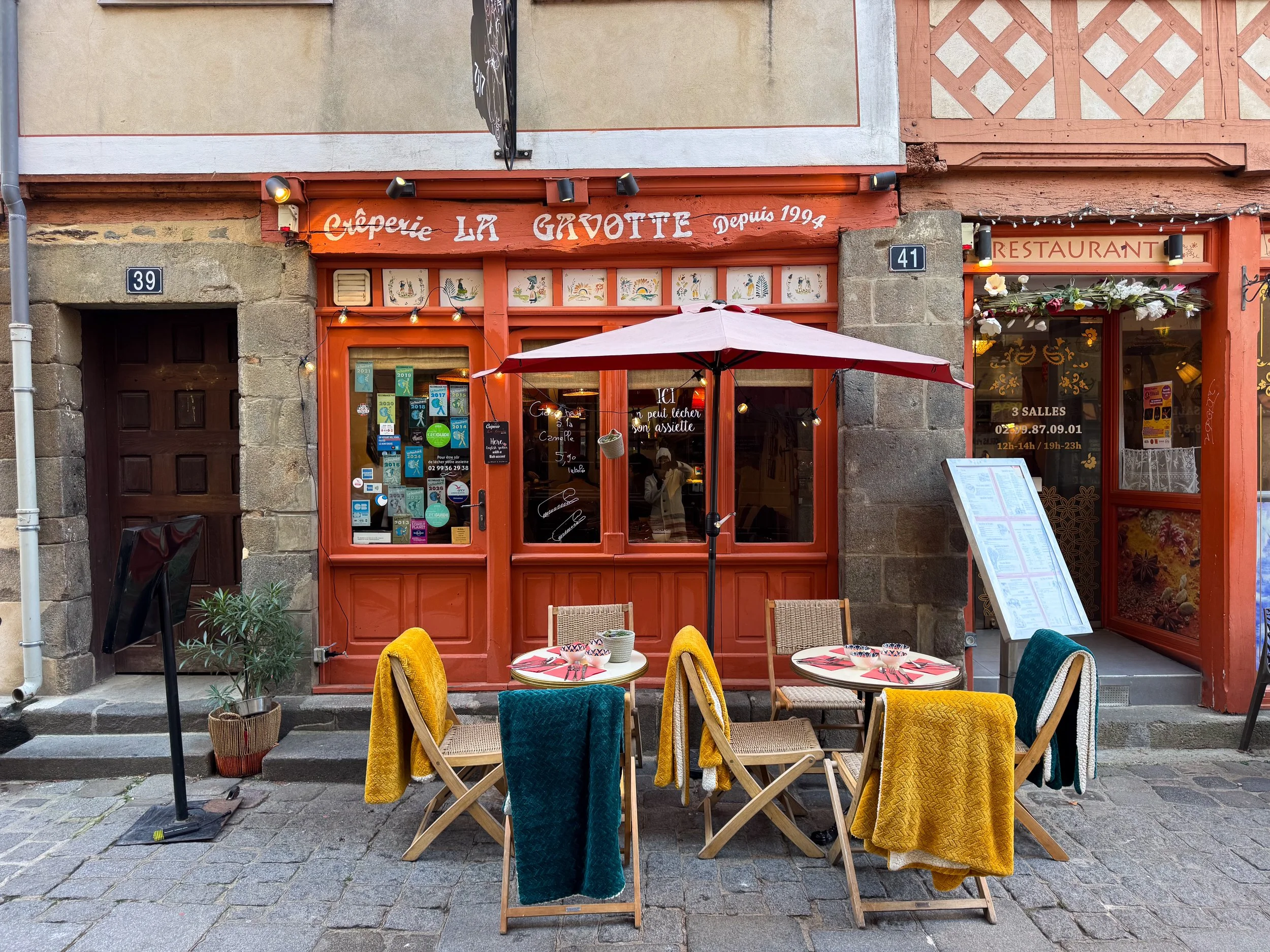

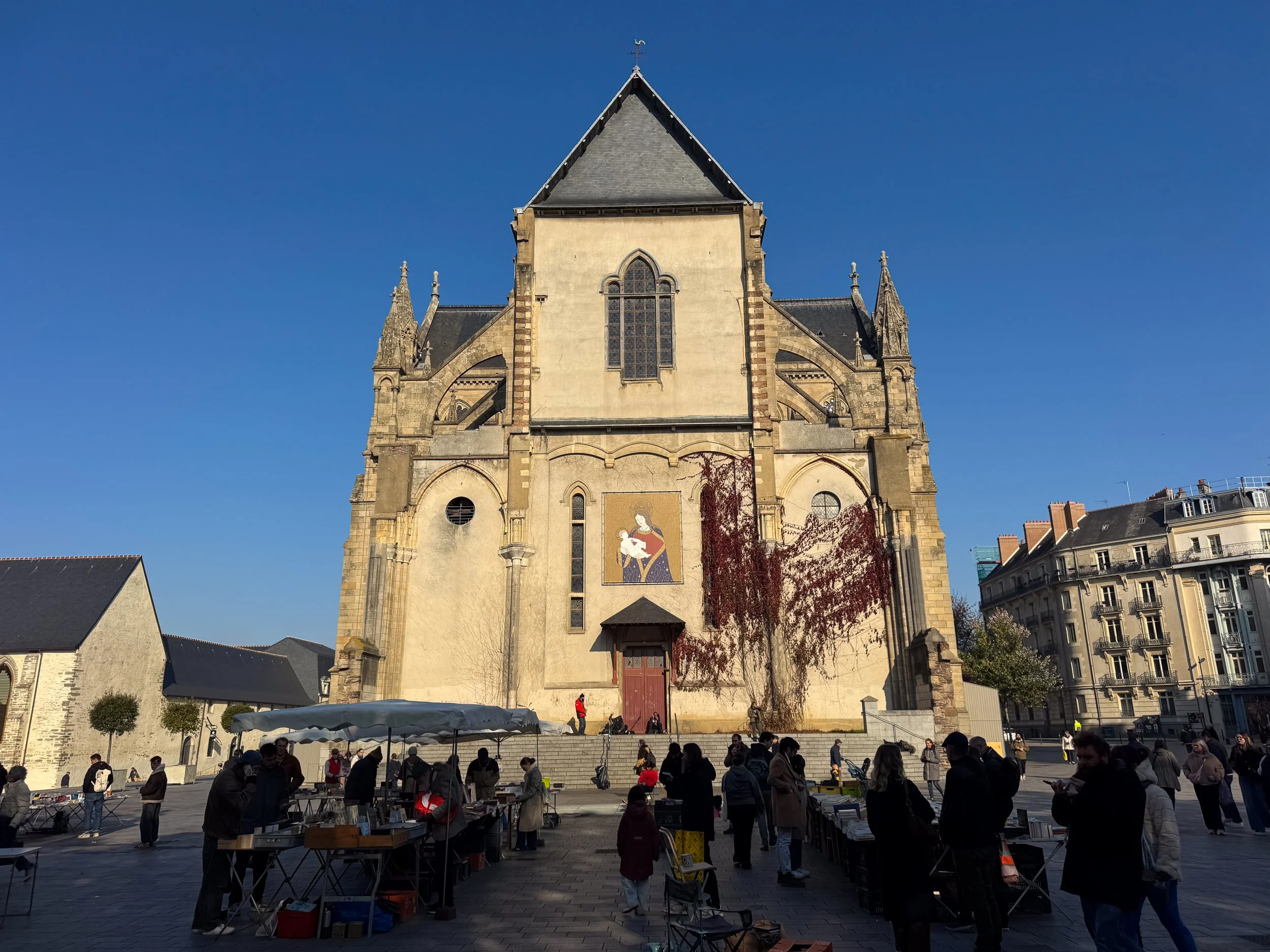
Half Timbered Streets & Plazas
Place Sainte-Anne. A central plaza crowned by a Gothic basilica and framed by weathered half timbered buildings. Cobblestone streets branch out in every direction, lined with the old town’s densest cluster of timber framed houses. Restaurants, crêperies and taverns spill onto tree shaded terraces around the plaza, while a historic two-story carousel spins to music.
Rue Saint-Michel. One of the best preserved streets in the historic center, flanked by dozens of weathered and graffitied half timbered buildings with colorful façades and wooden storefronts. Today, the ground floors are home to late night bars and takeaway eateries catering largely to college students.
Rue Saint-Georges. A historic cobblestone street lined with half timbered and stone buildings housing bookstores, boutiques, restaurants, crêperies and bars. Terraces spill onto the street, drawing locals, students and travelers to dine and drink.
Rue Le Bastard. A shopping street spanning several blocks between Place Sainte-Anne and Place de la Mairie. Stone buildings line both sides, their ground floors filled with shops and boutiques selling everything from clothing, shoes and lingerie to perfume, cosmetics, jewelry, eyeglasses, records, candy, home goods and tobacco.
Place Saint-Germain. A large plaza centered on a 12th century church. Small restaurants and bars fill the stone and half timbered houses lining either side.
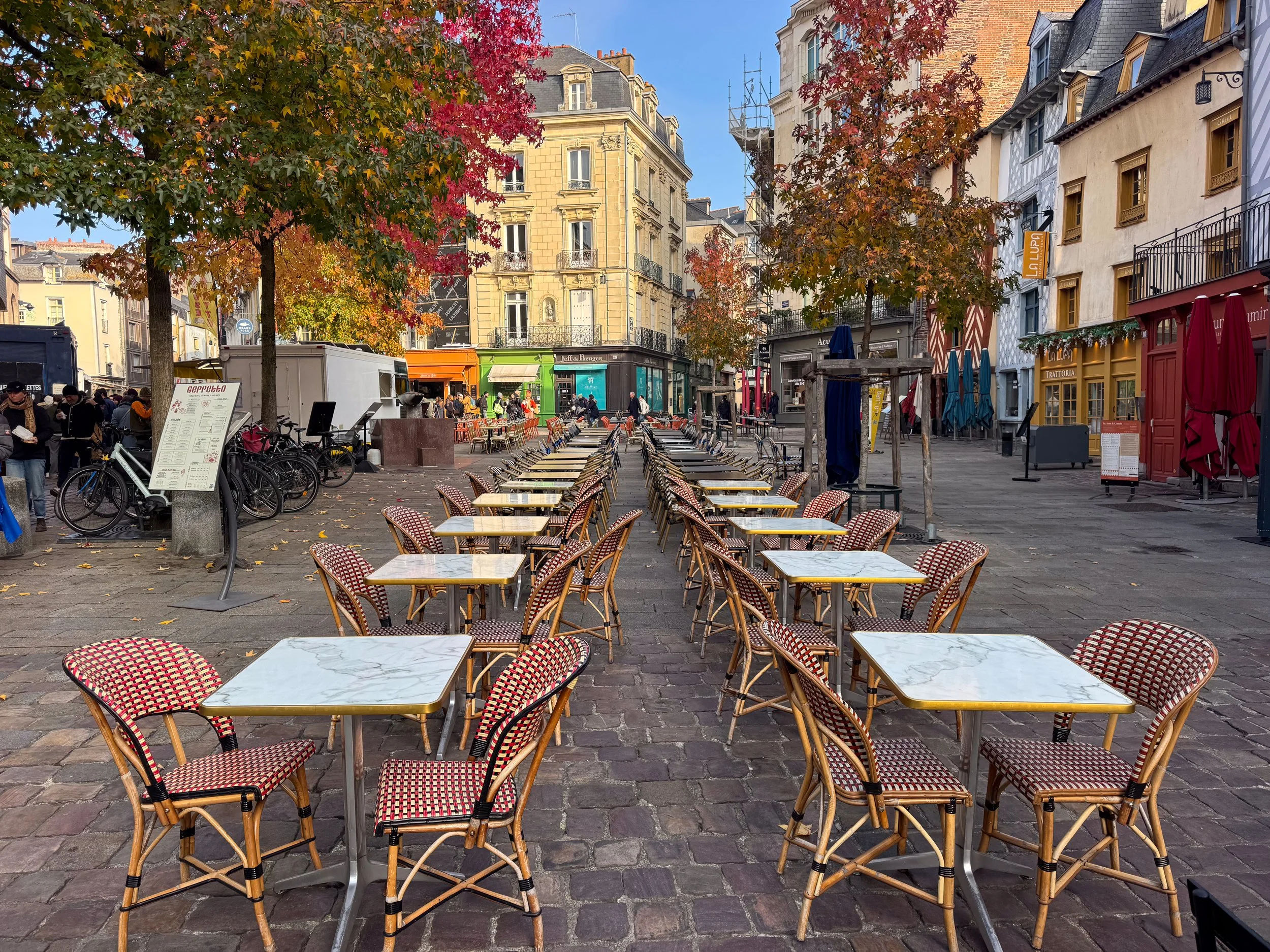
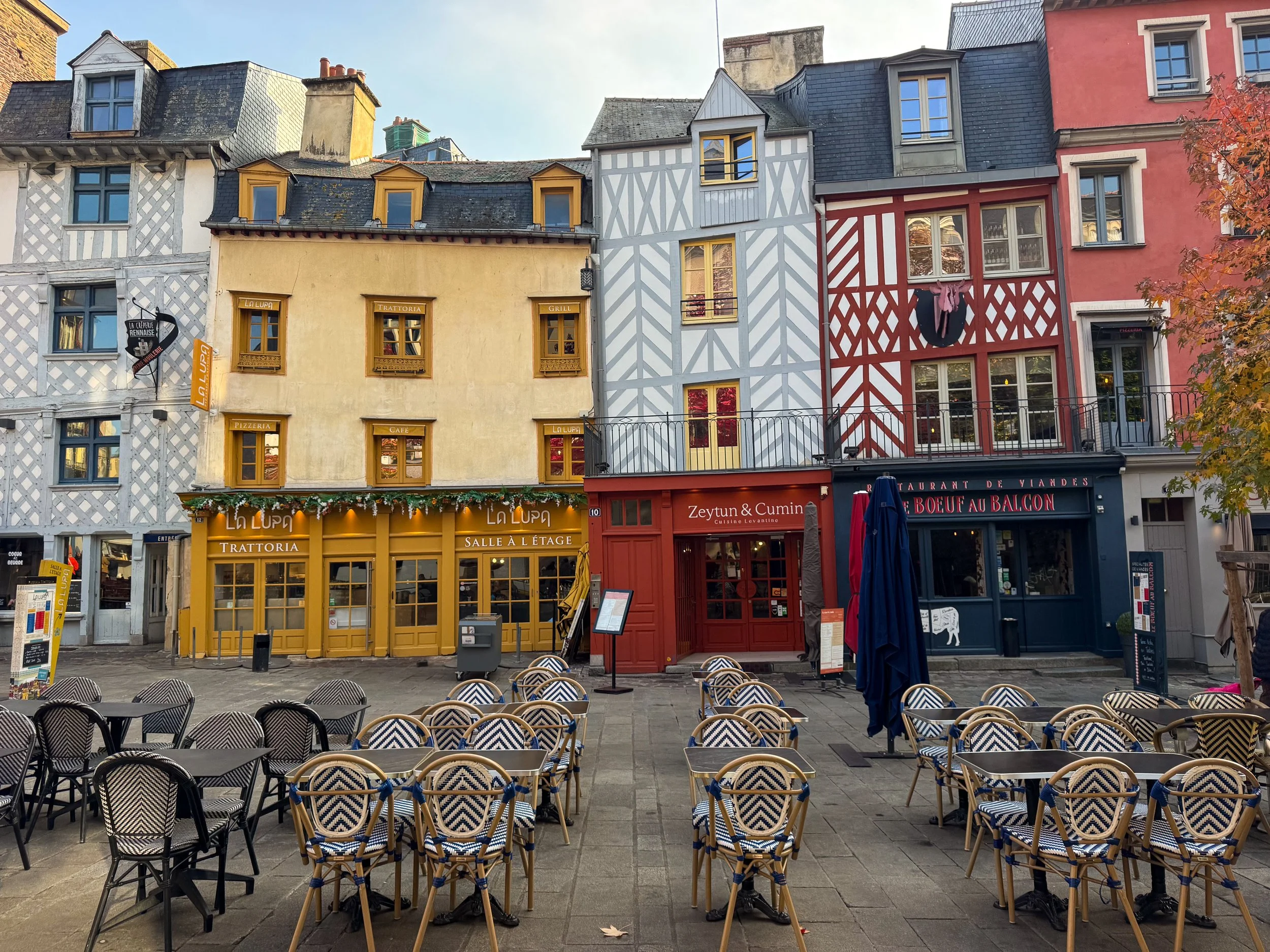
Rue Rallier du Baty. A triangular plaza framed by colorfully painted and well kept half timbered buildings. Bistro tables from the surrounding restaurants, crêperies, cafes and bars fill the square. It’s especially lively on Saturday mornings during the market, when food trucks serve galettes and crêpes to long lines of hungry locals.
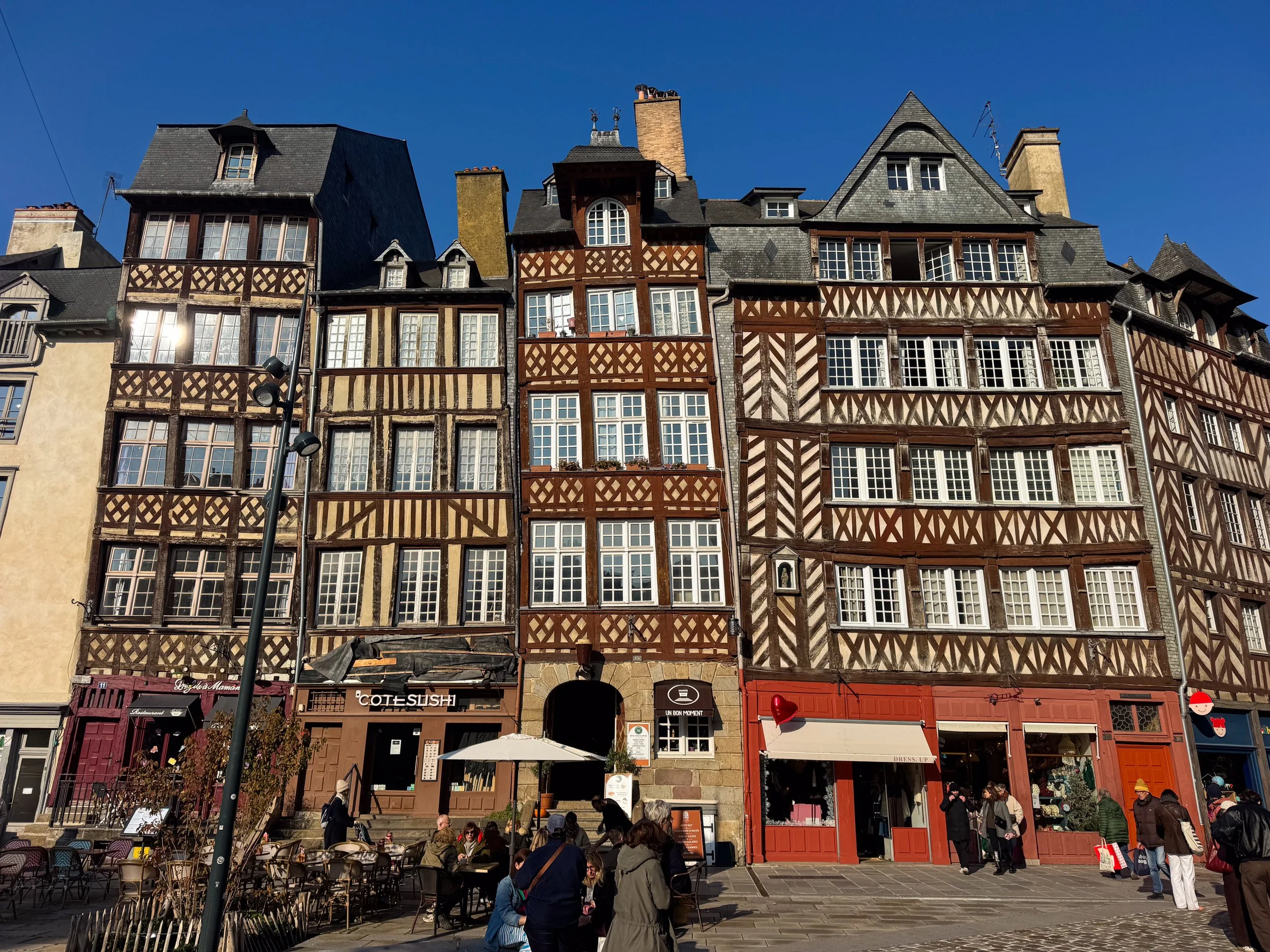
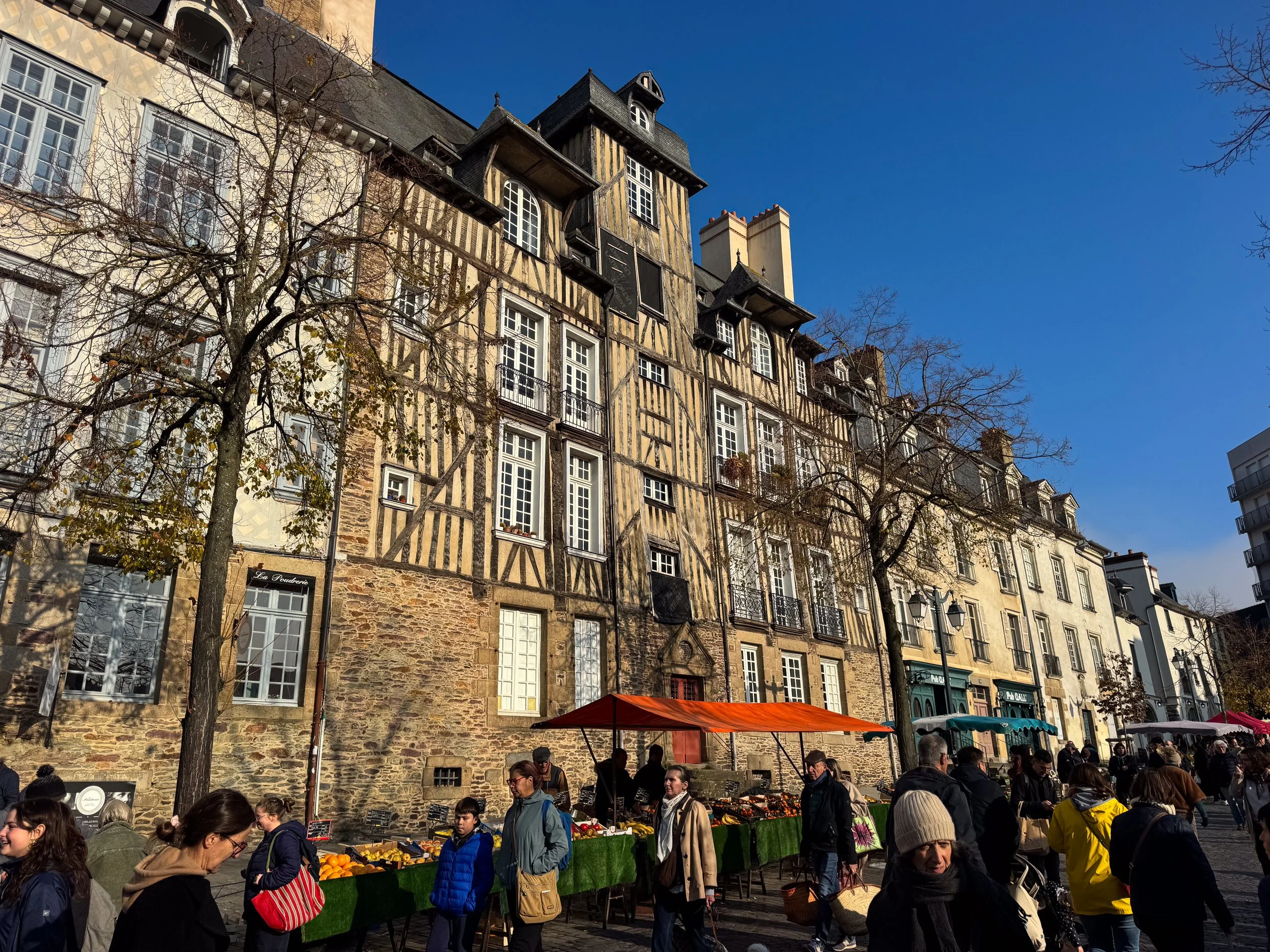
Place du Champ Jacquet. One of the old town’s most picturesque plazas. On one side, half timbered buildings of varying heights lean on and support one another, their crosshatched beams framing paneled windows. Cafe terraces fill the square by day while its bars draw a lively crowd by night.

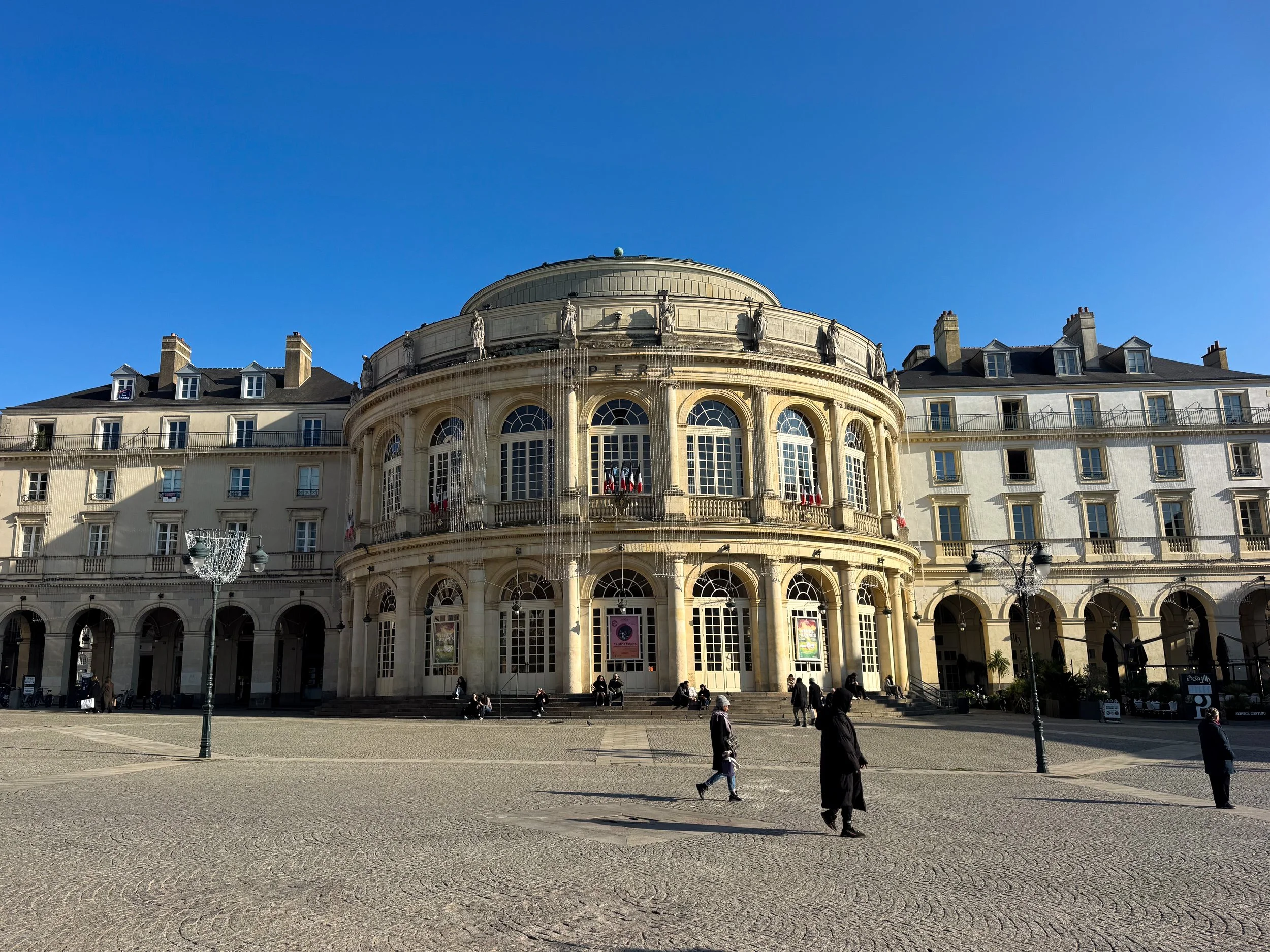
Place du Parlement de Bretagne. A plaza in front of the 17th century former Parliament of Brittany, now the Court of Appeal. Locals linger on the steps over lunch or a book. Seasonal light shows fill the plaza during the summertime while a Christmas market transforms it into a holiday wonderland in December.
Place de la Mairie. A large and stately plaza in the historic center, flanked by the monumental Hôtel de Ville on one side and the neoclassical Opera House on the other. A vintage carousel adds a whimsical touch to the square.
Historic Landmarks, Art & Gardens
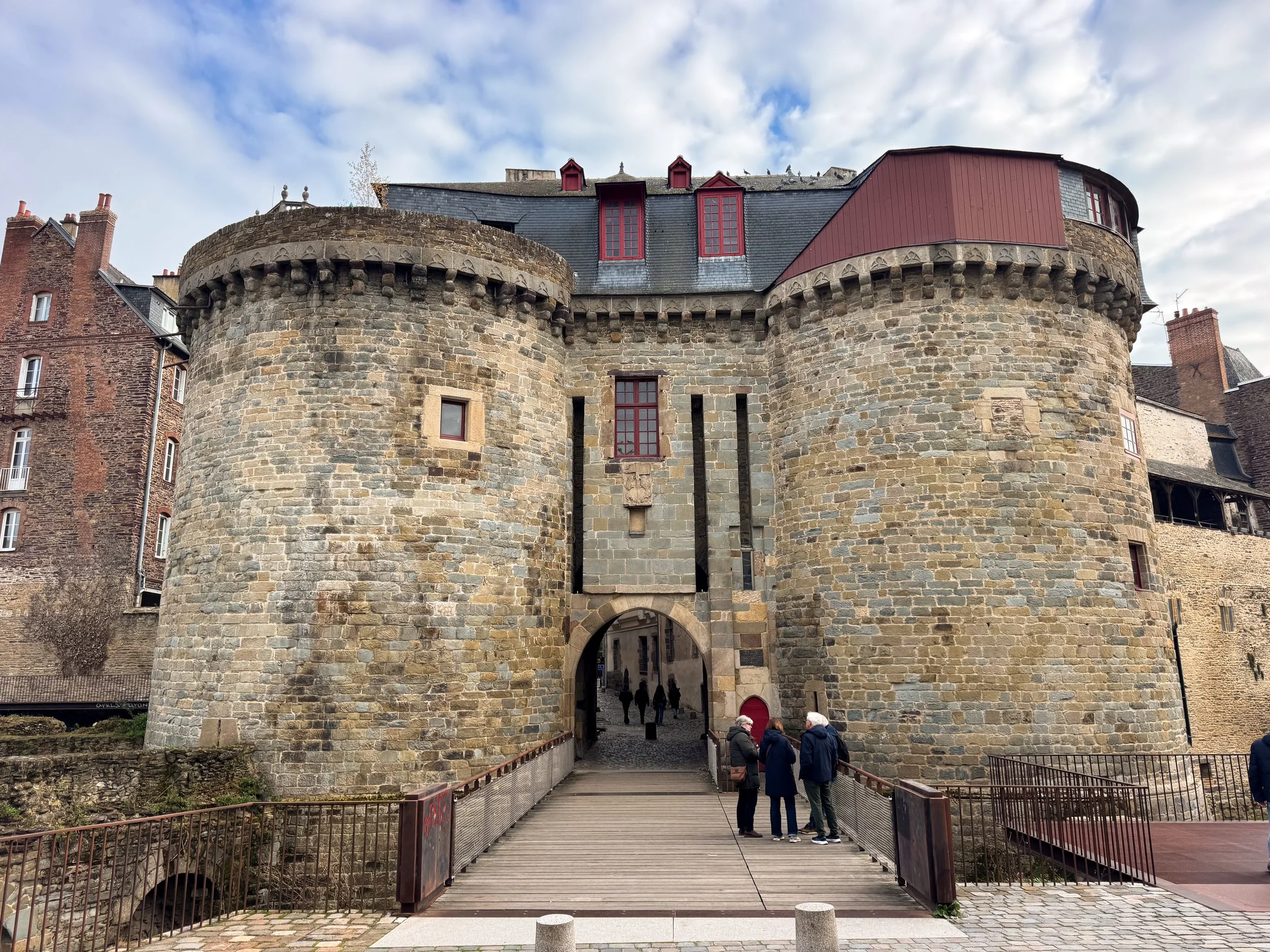
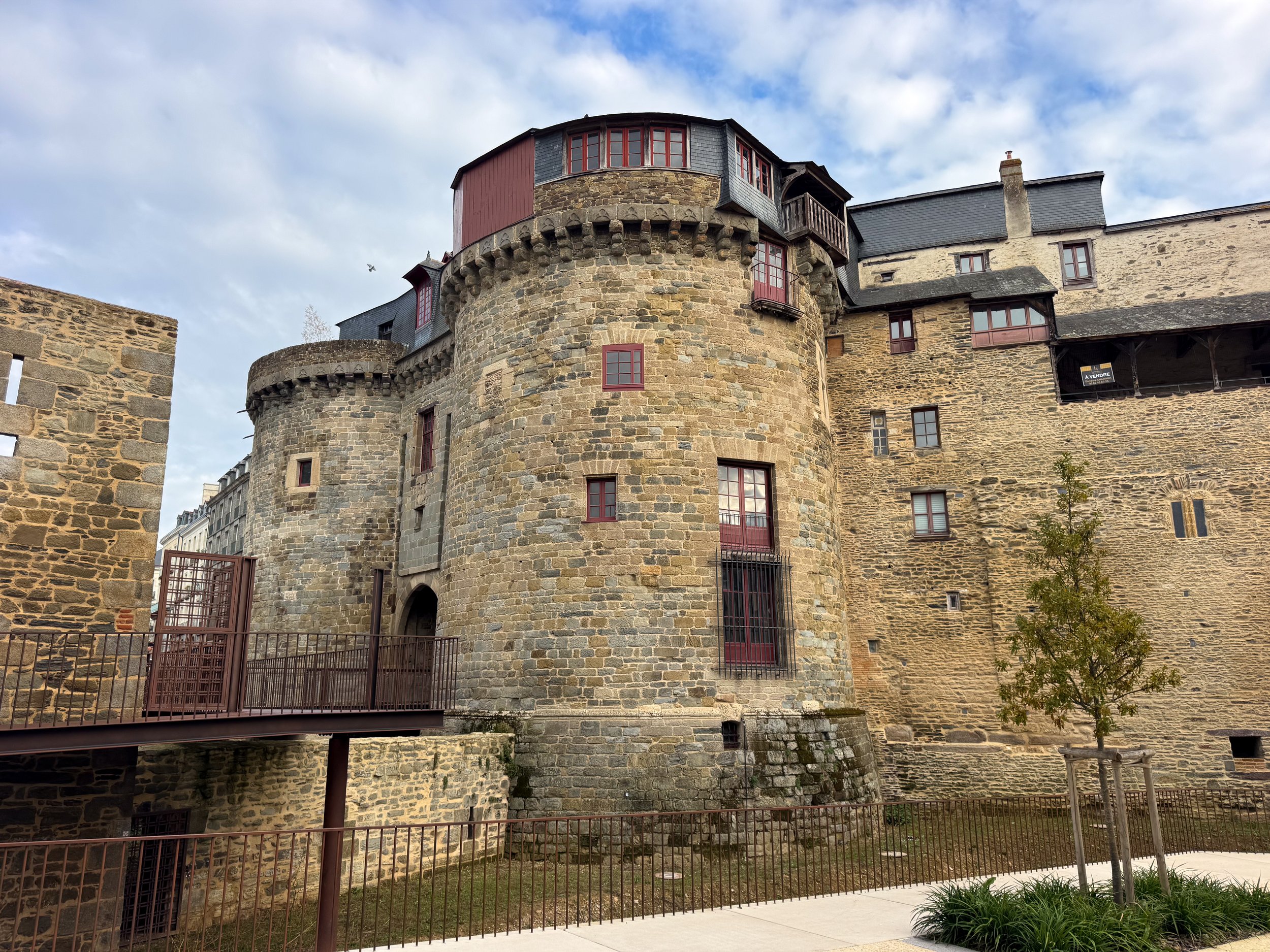
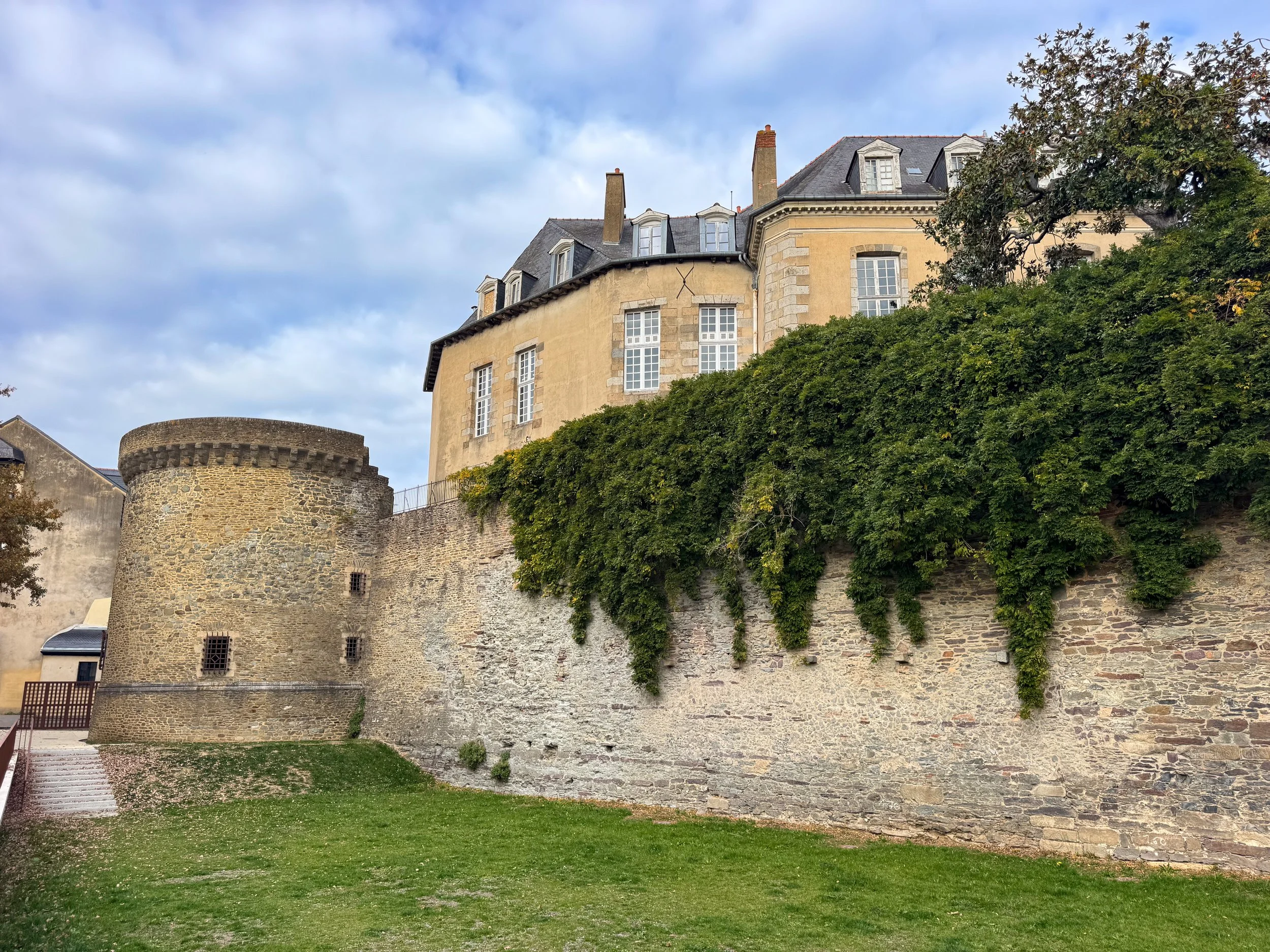
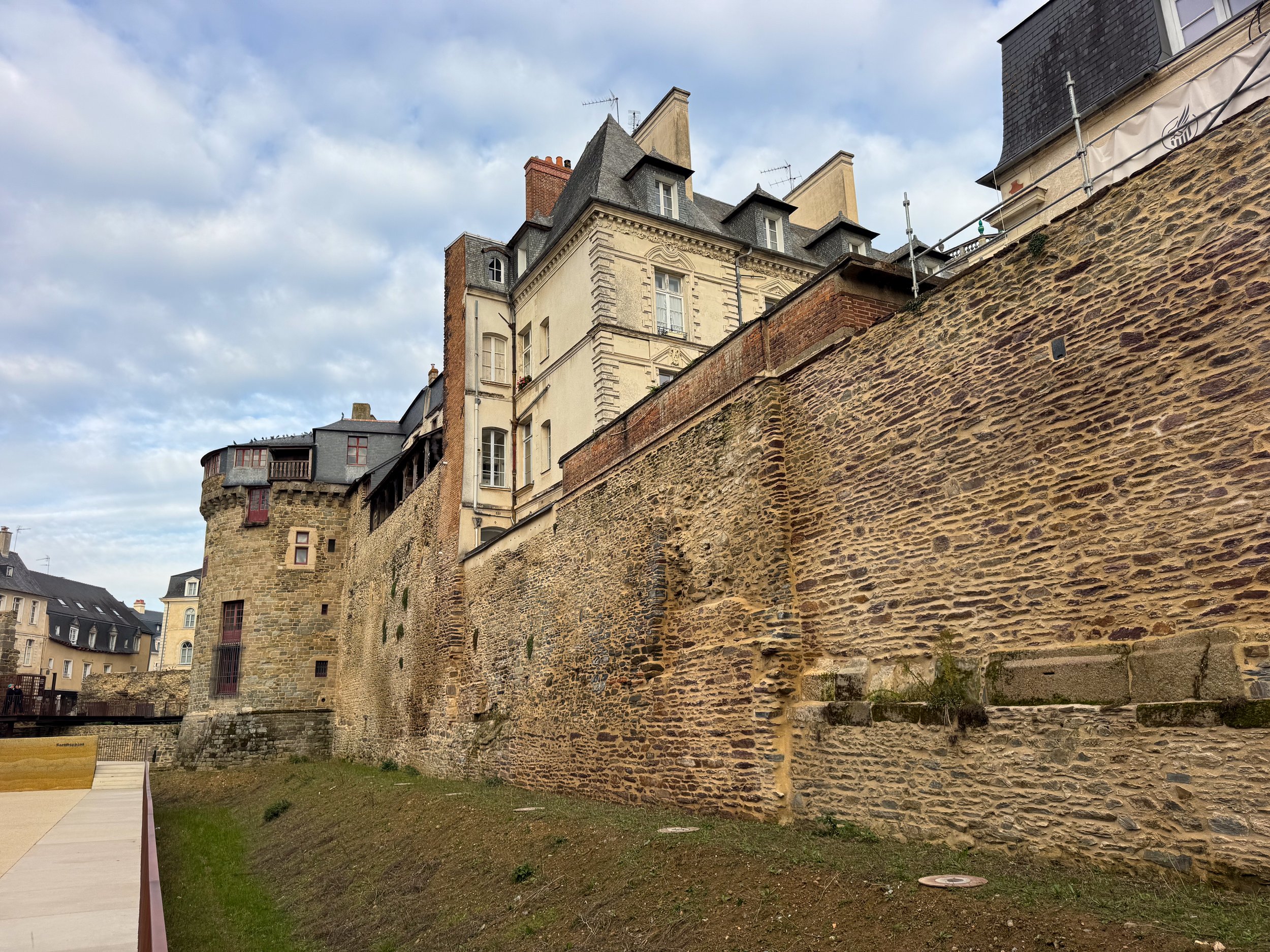
Les Portes Mordelaises. A 15th century gate with twin round towers and a drawbridge, surrounded by crumbling battlements, a grassy moat and a stretch of wall dating back to Roman times. Pass through for views of the old town’s half timbered buildings, with the road leading straight to the Cathédrale Saint-Pierre.
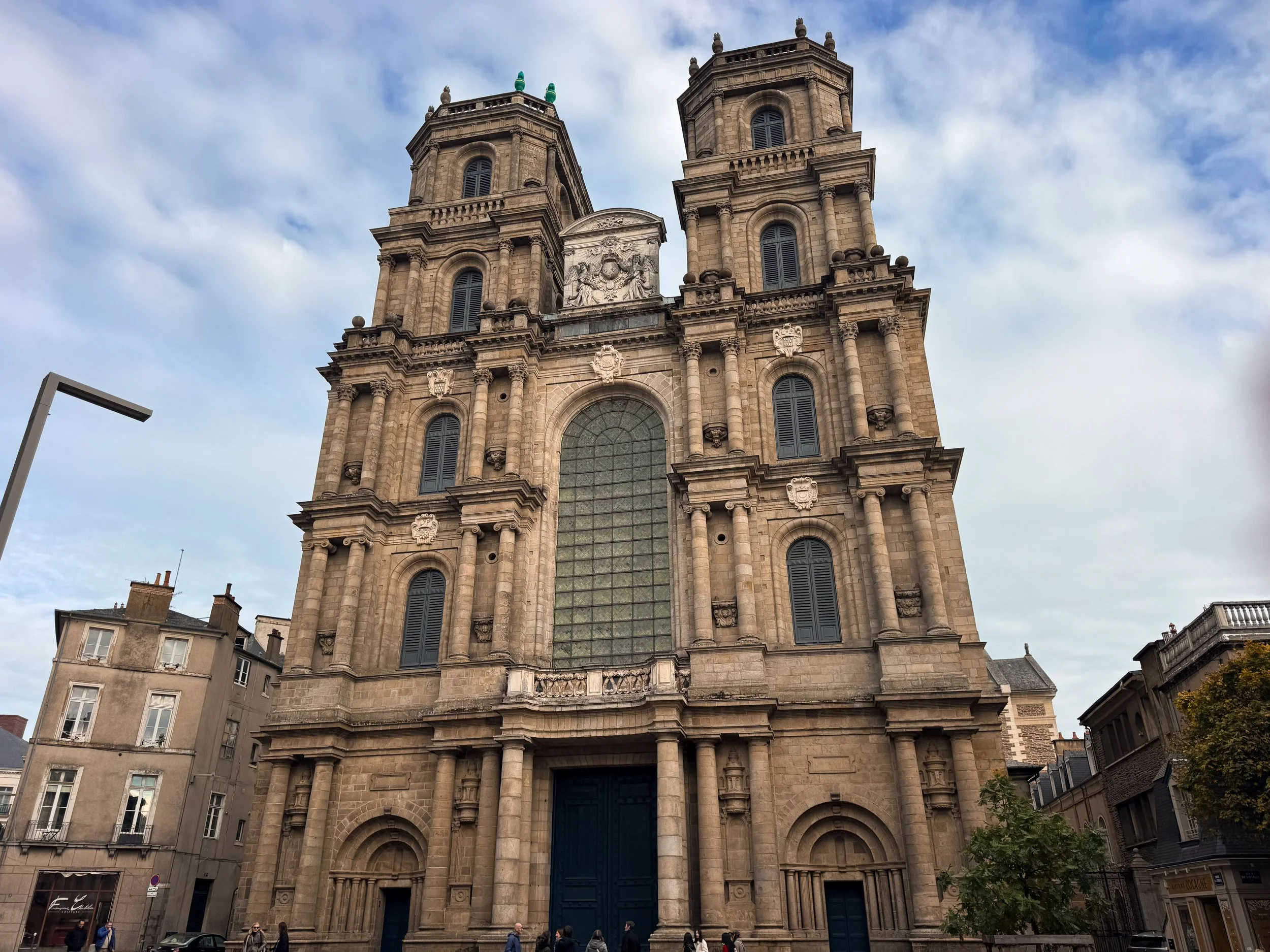
Cathédrale Saint-Pierre. A towering cathedral with 6th century origins, though it has been destroyed, rebuilt and expanded many times over the centuries. Its twin towered façade blends Renaissance and Neoclassical styles. The medieval streets behind it are lined with half timbered houses, some nearly 500 years old.

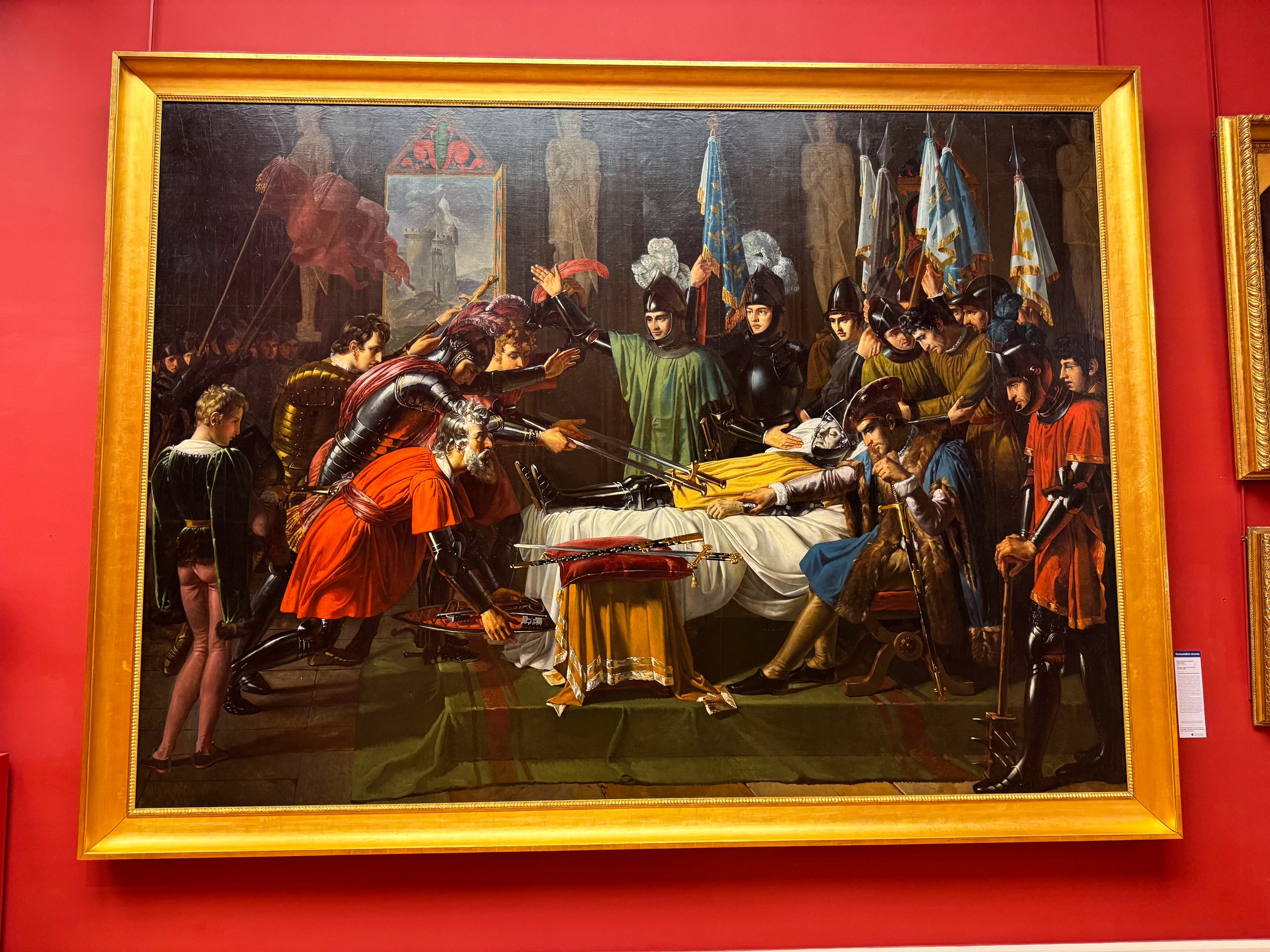

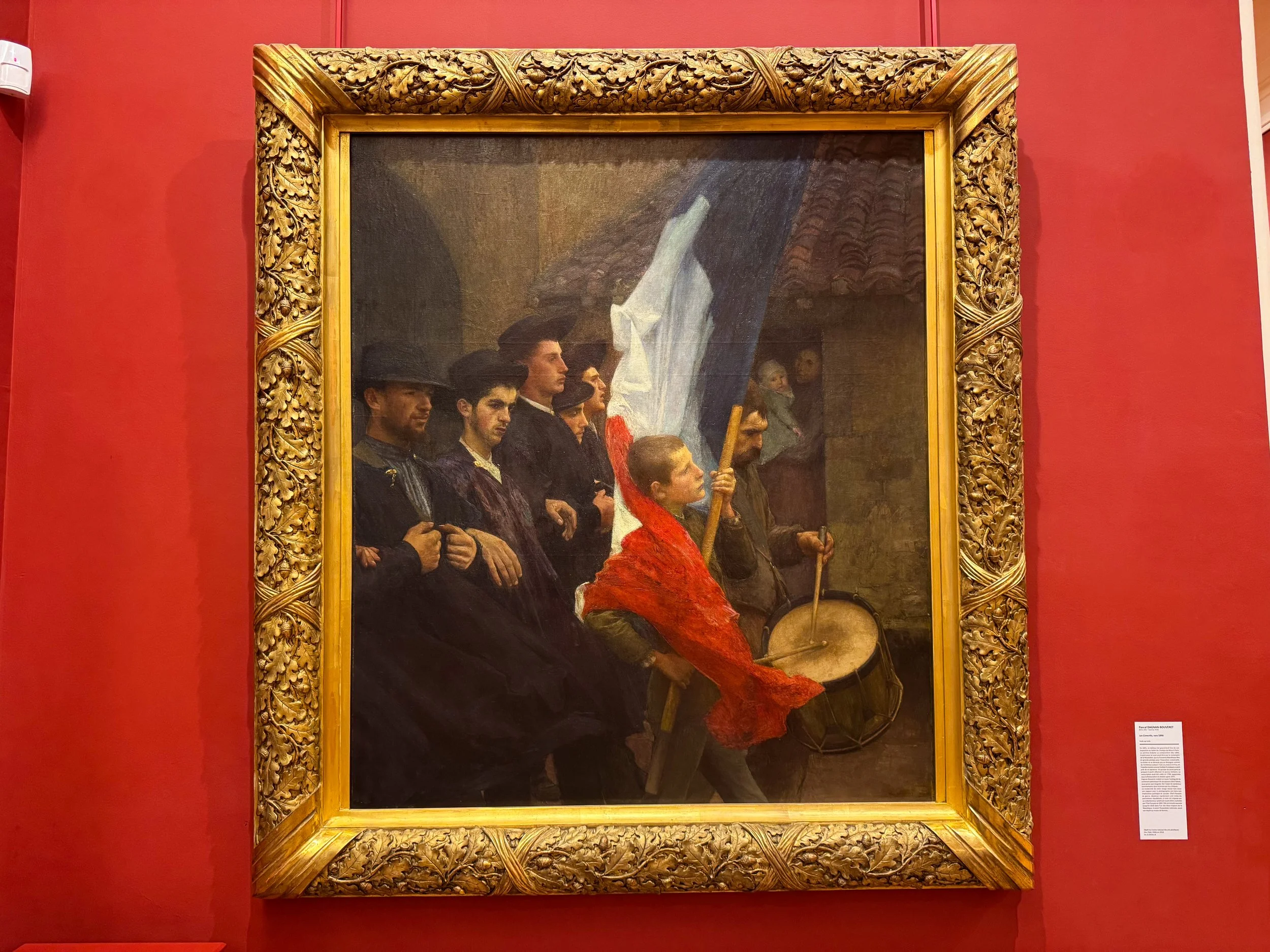

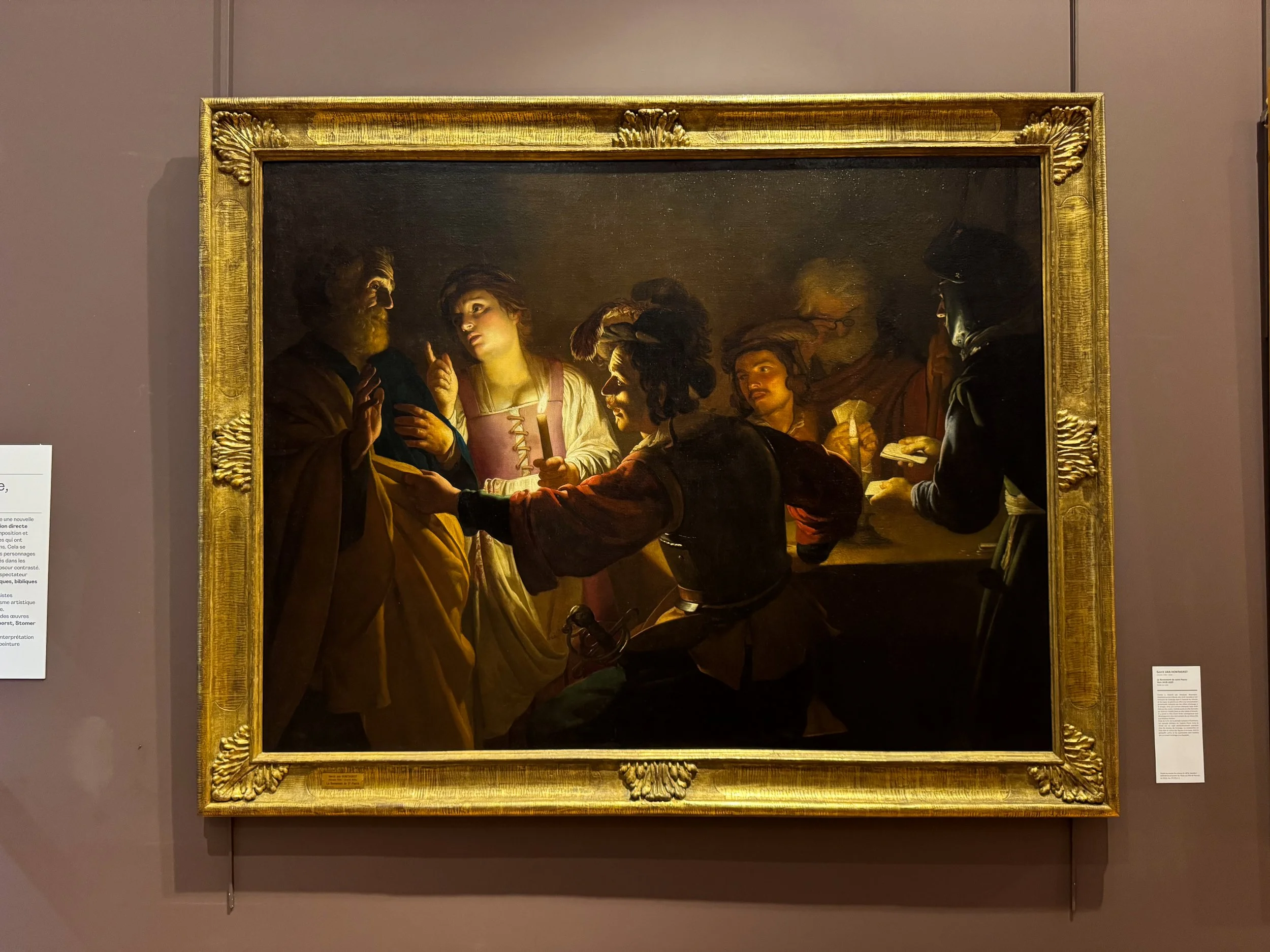
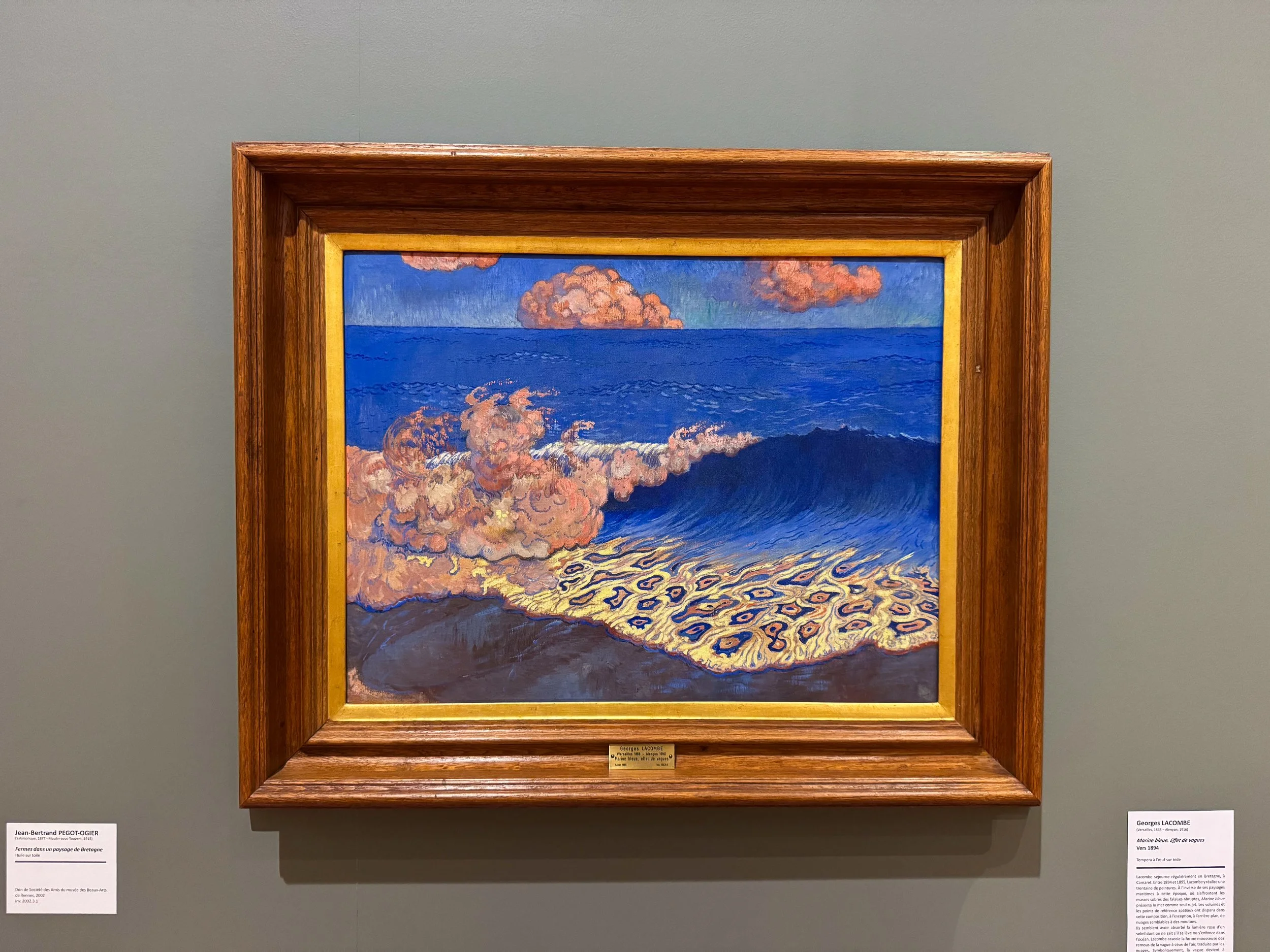
Musée des Beaux-Arts de Rennes. A fine arts museum along the Vilaine River. Its collection ranges from archaeological artifacts of ancient Egypt and the classical world to European paintings and sculpture. Galleries span the Renaissance through the present day, with works by masters like Veronese, Rubens, Gauguin and Picasso. A cabinet of curiosities displays unusual paintings, objects and furniture. Entry is free.
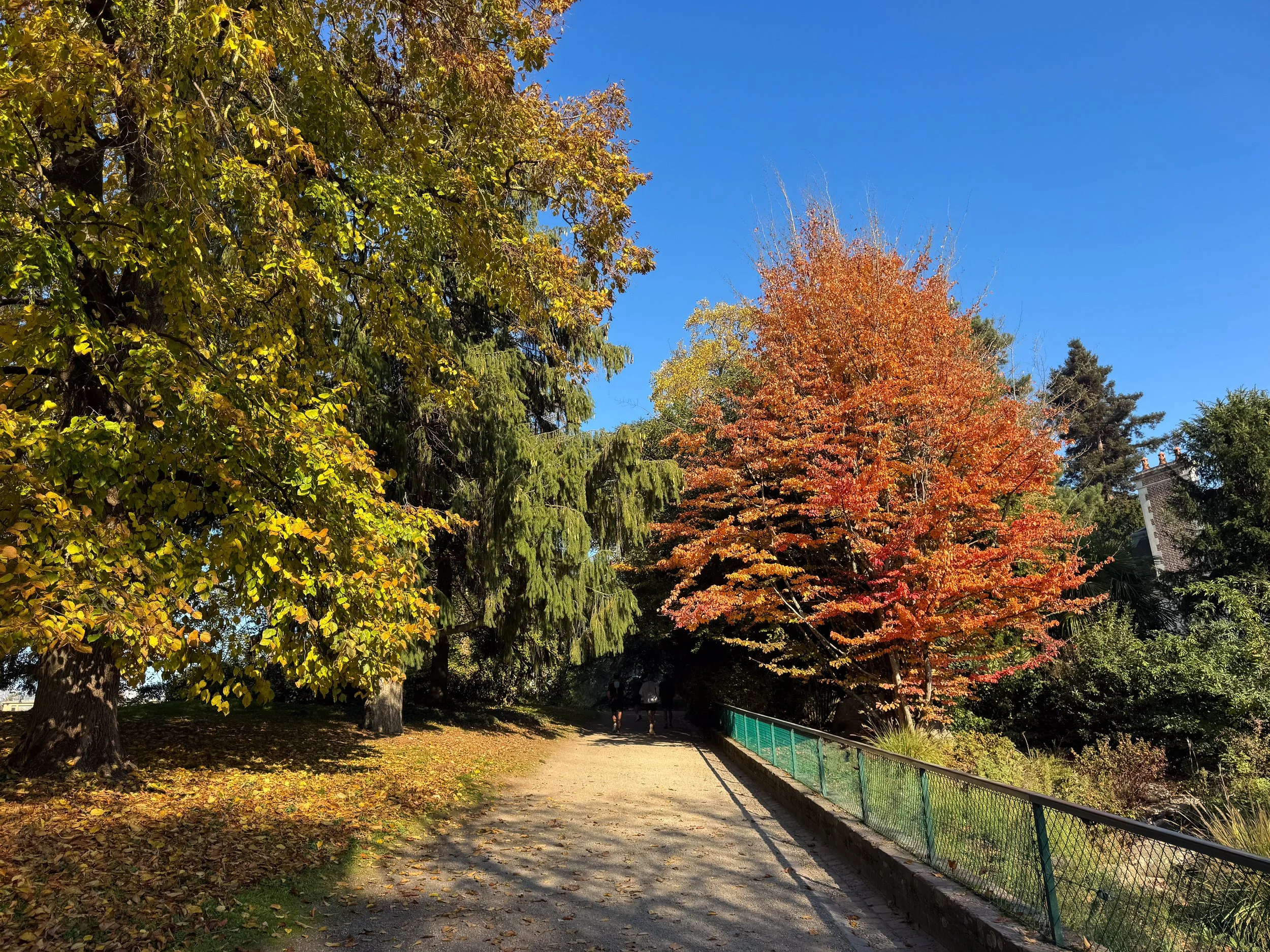
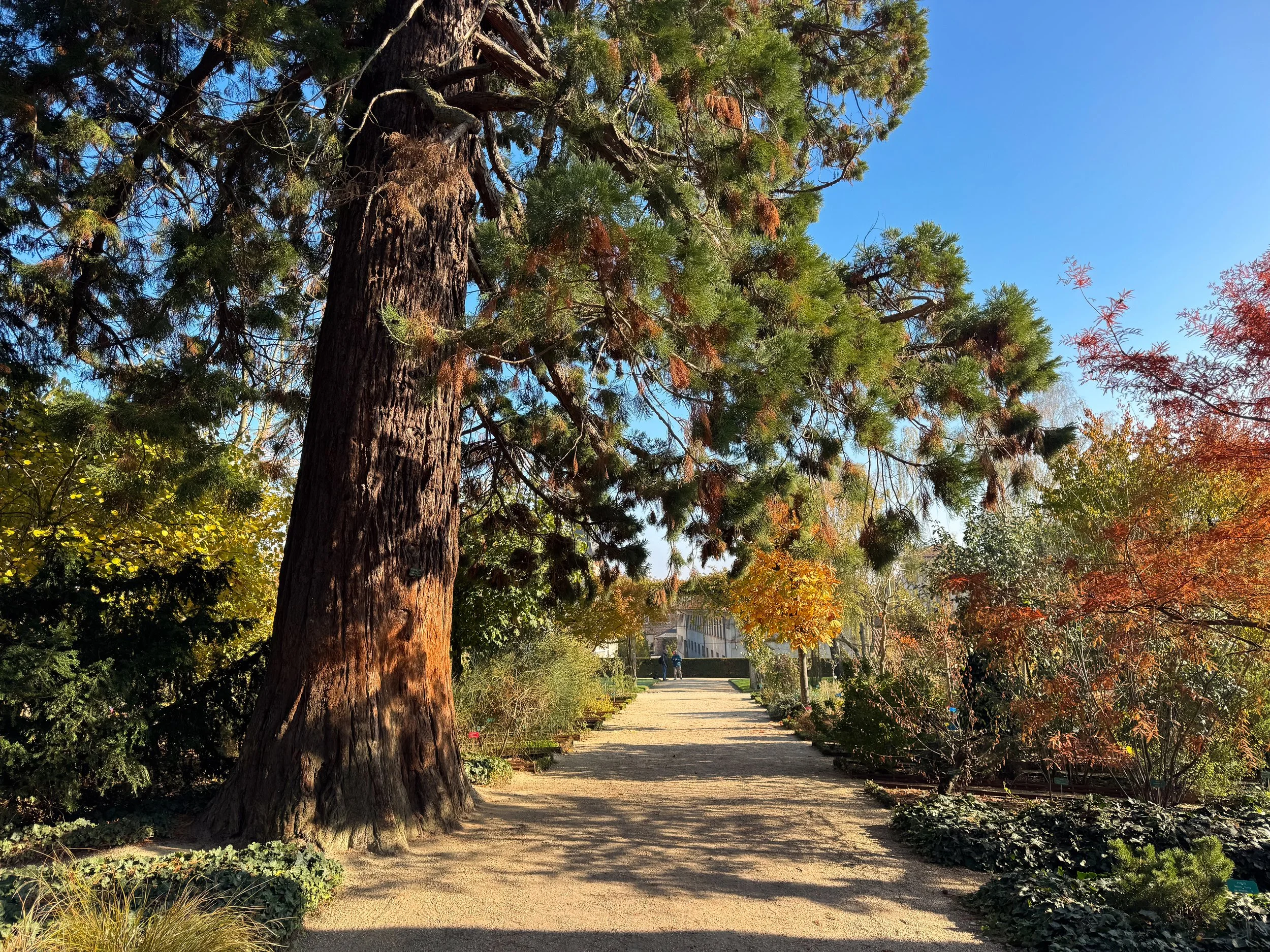
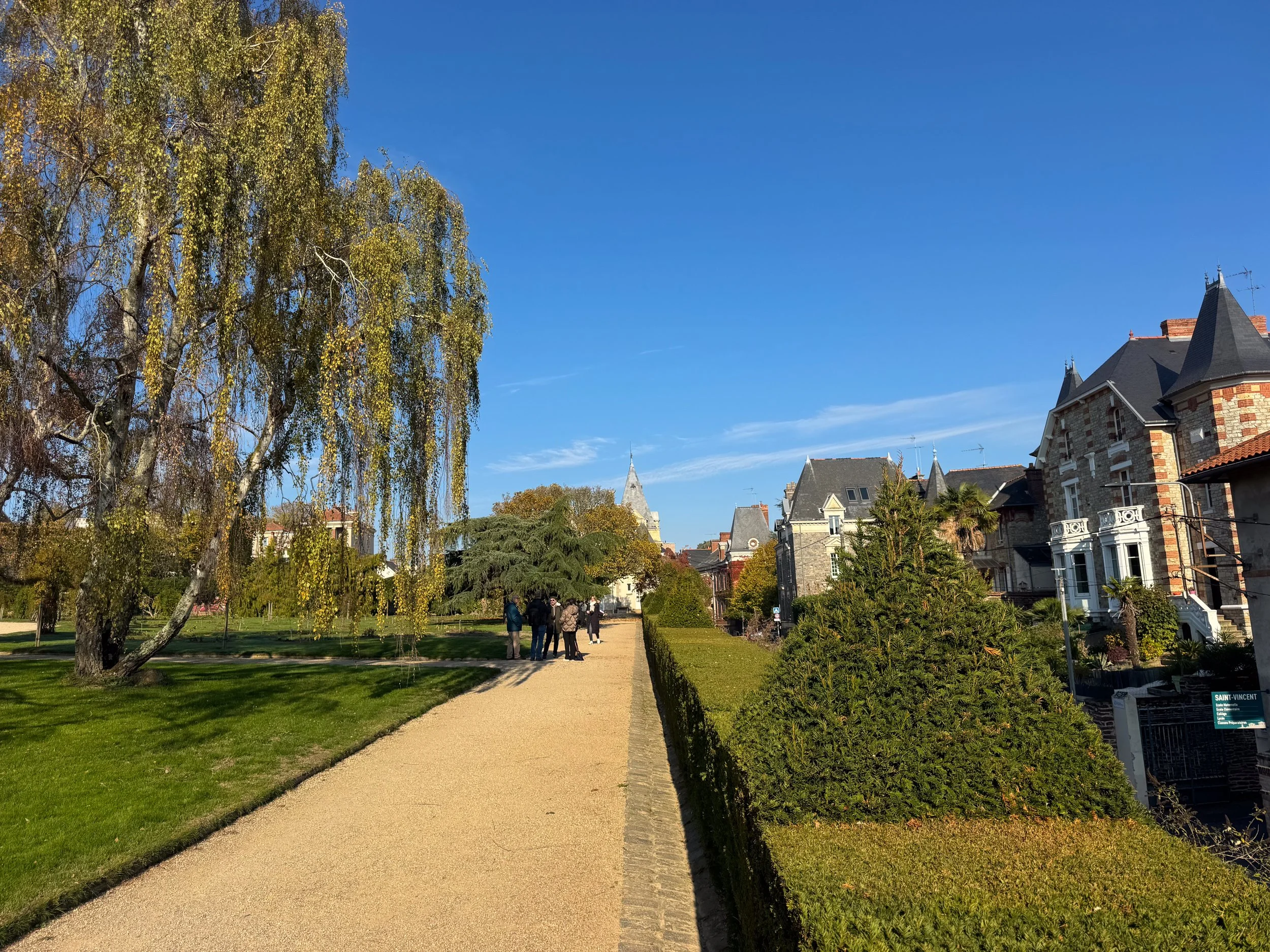
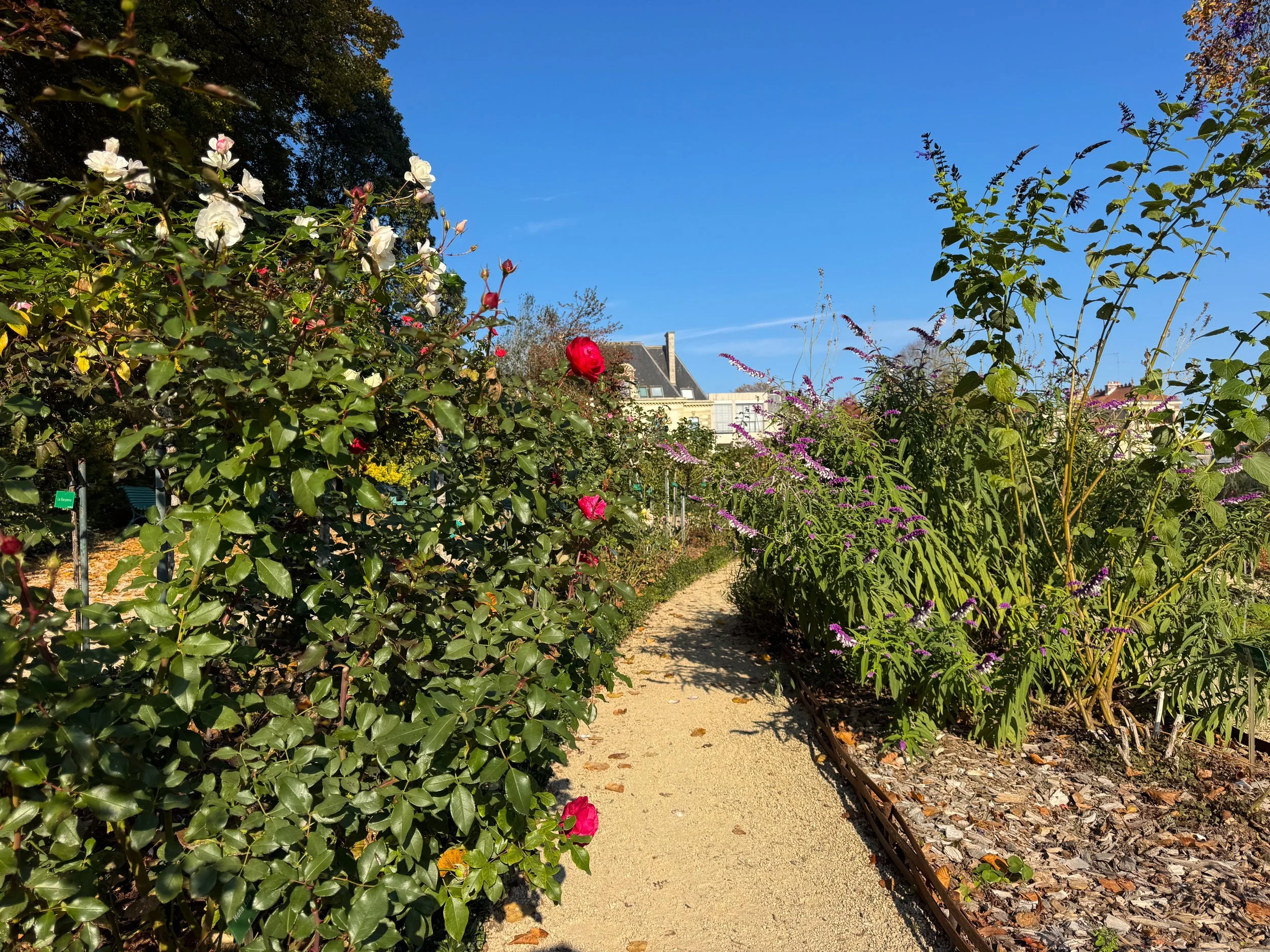
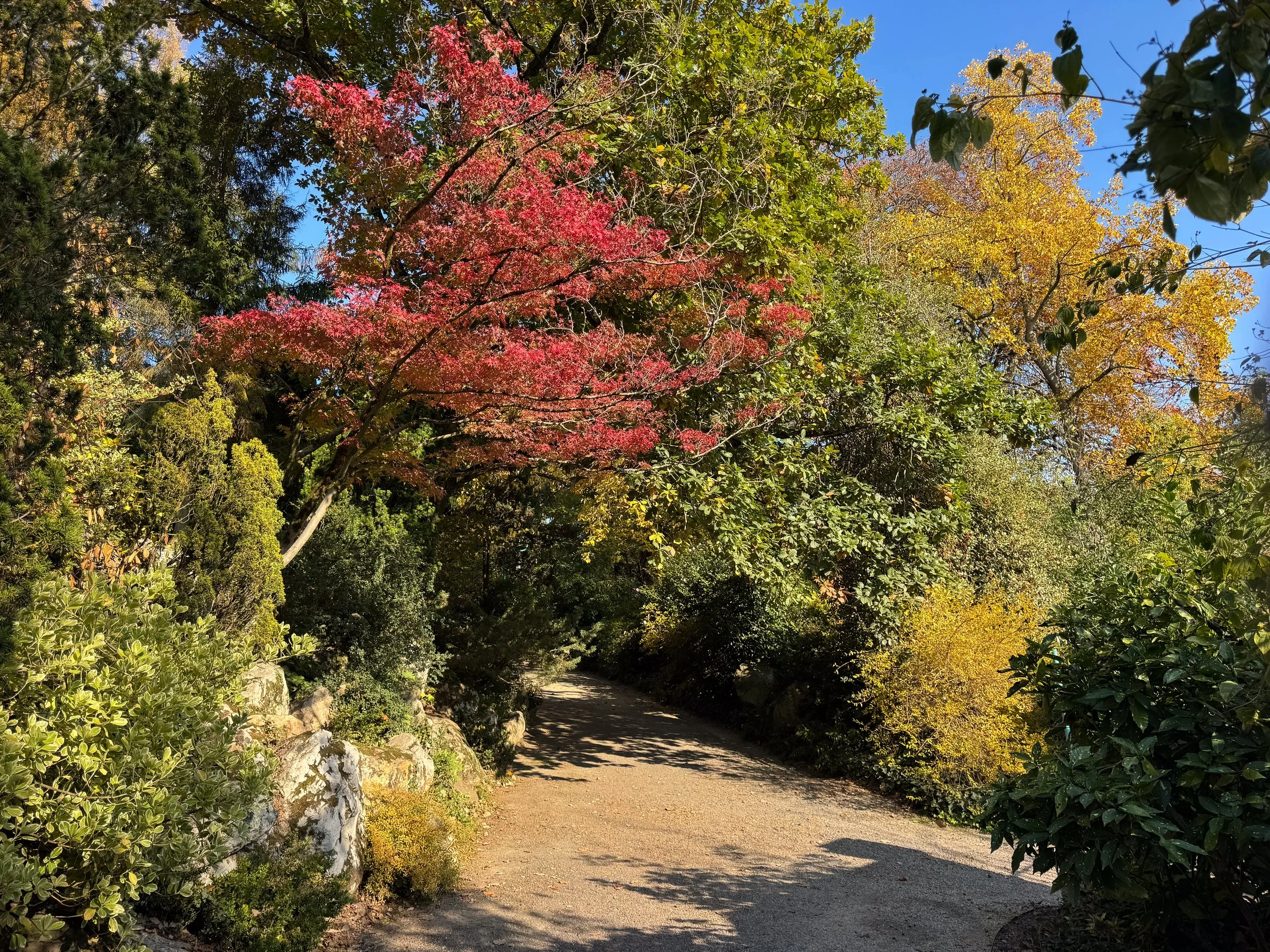
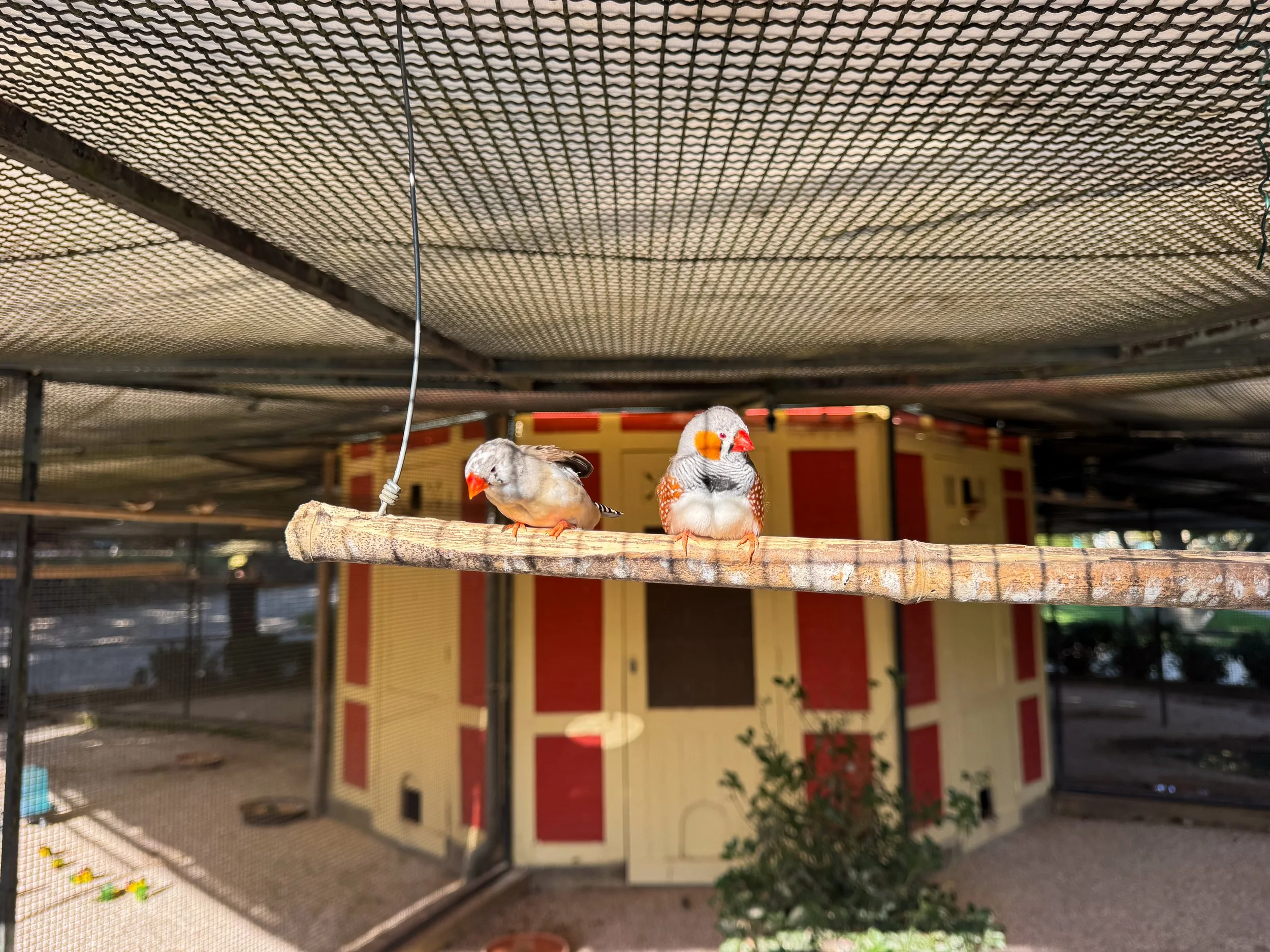

Parc du Thabor. A sprawling park just outside the historic center. Trails wind past manicured lawns, sculpted hedges, waterfalls and statues to a botanical garden, aviary and spiral rose garden. Locals jog along tree-lined and hilly paths while others linger on green painted benches.
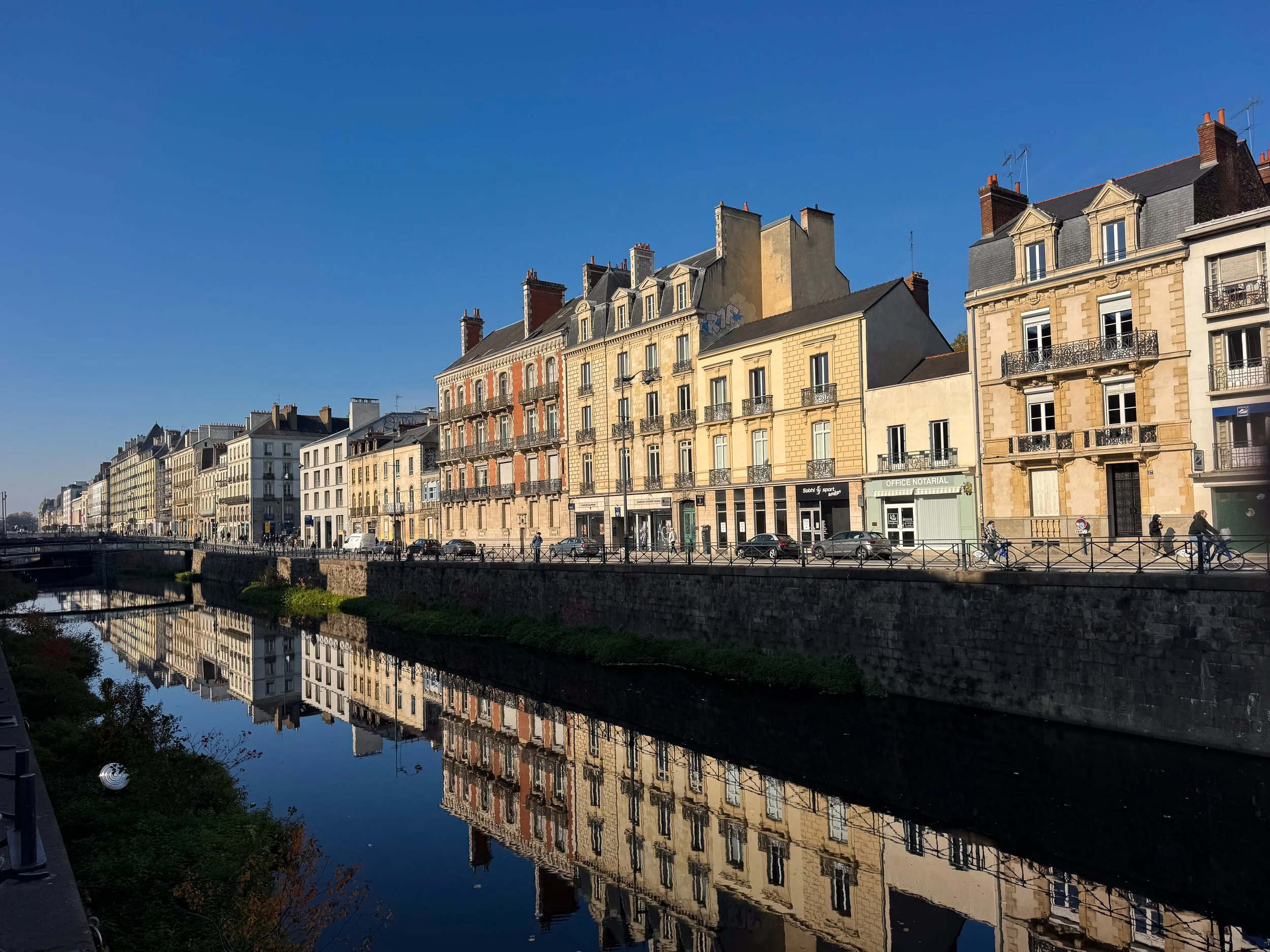
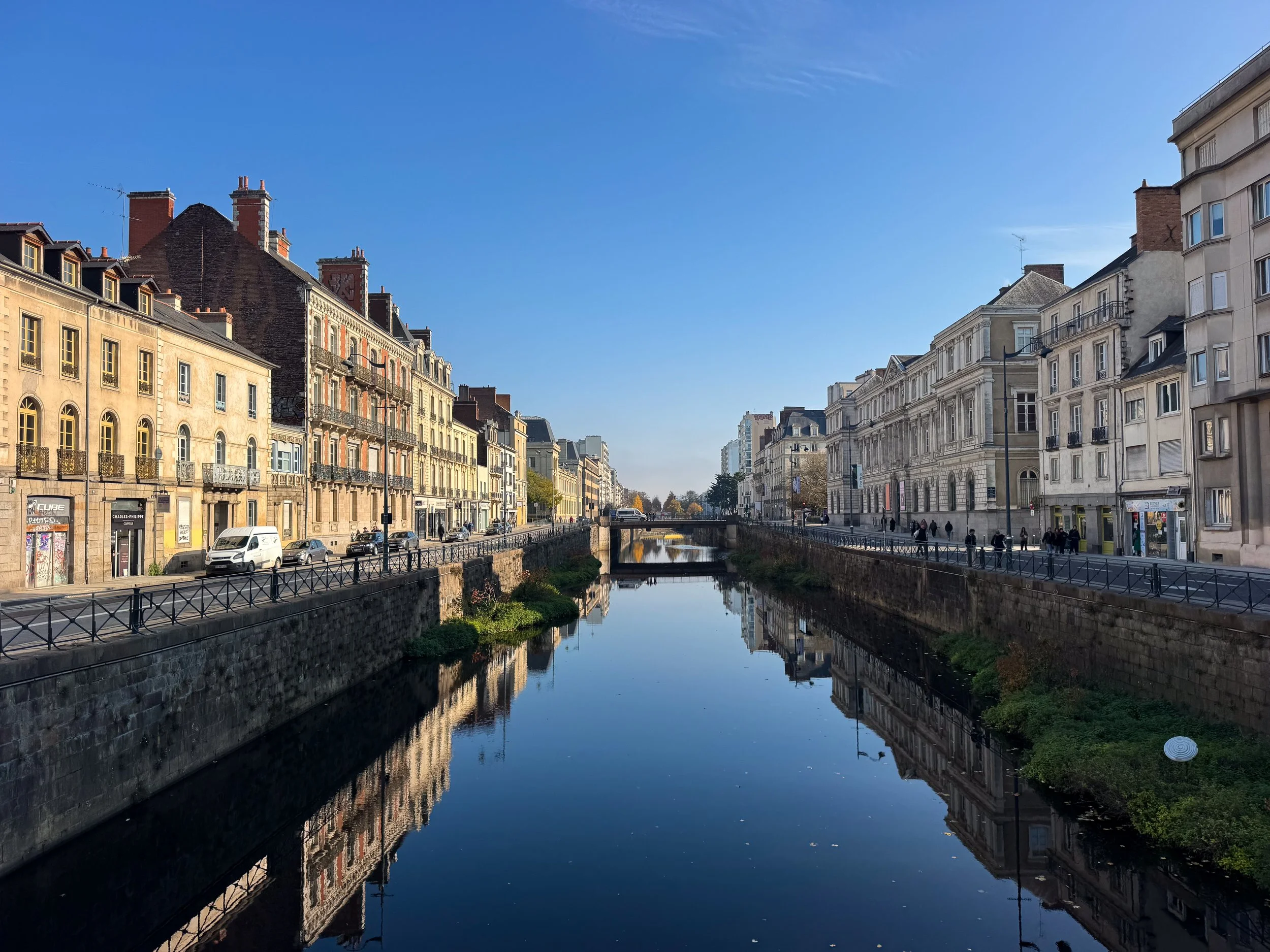
La Vilaine River. A river flowing through a canal in the heart of Rennes. Its still water mirrors the grand 19th century buildings lining its banks. Locals walk and cycle along the riverside promenades, past historic bridges, houseboats and small green spaces.
Marché des Lices & Food Markets
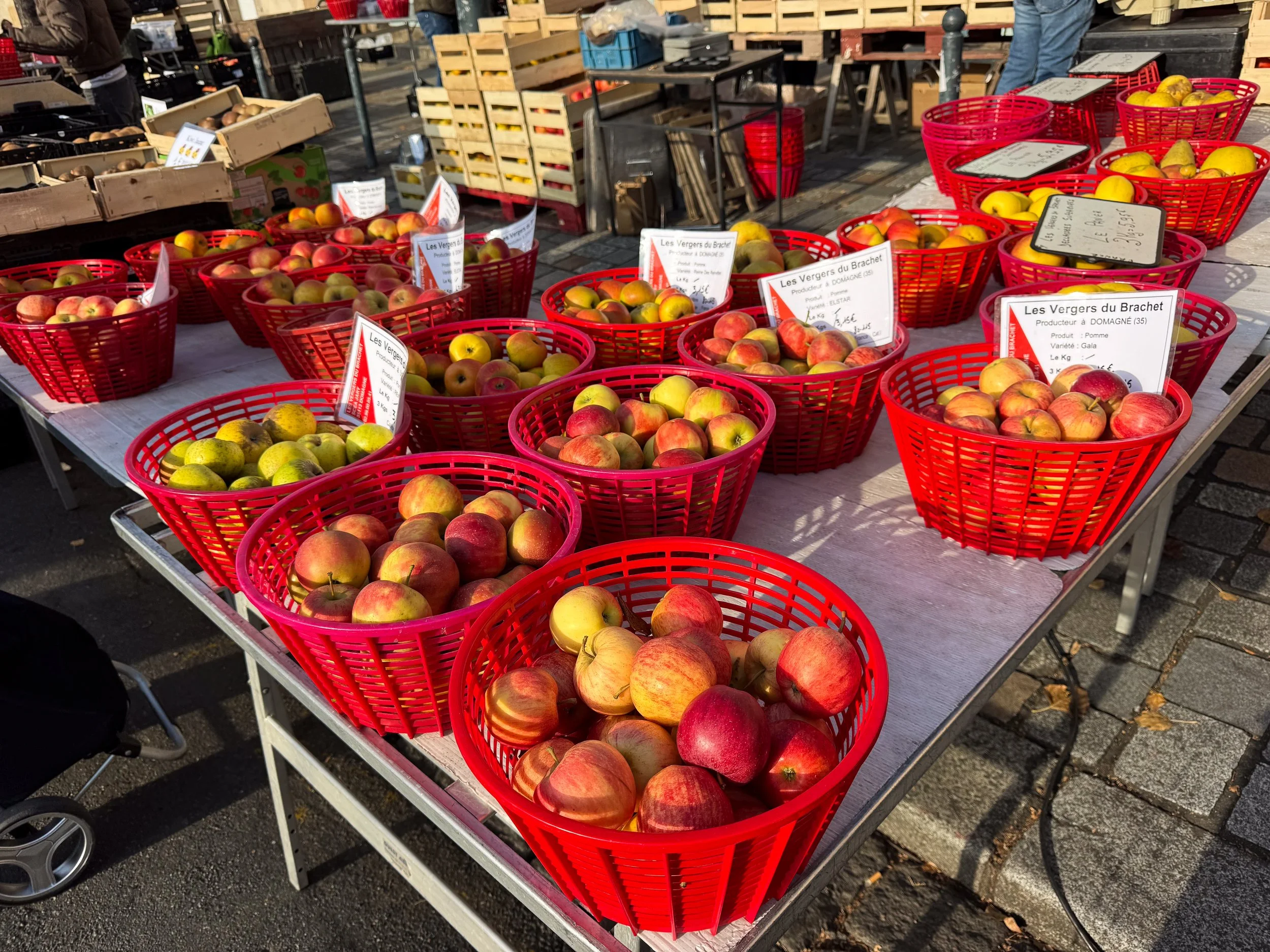
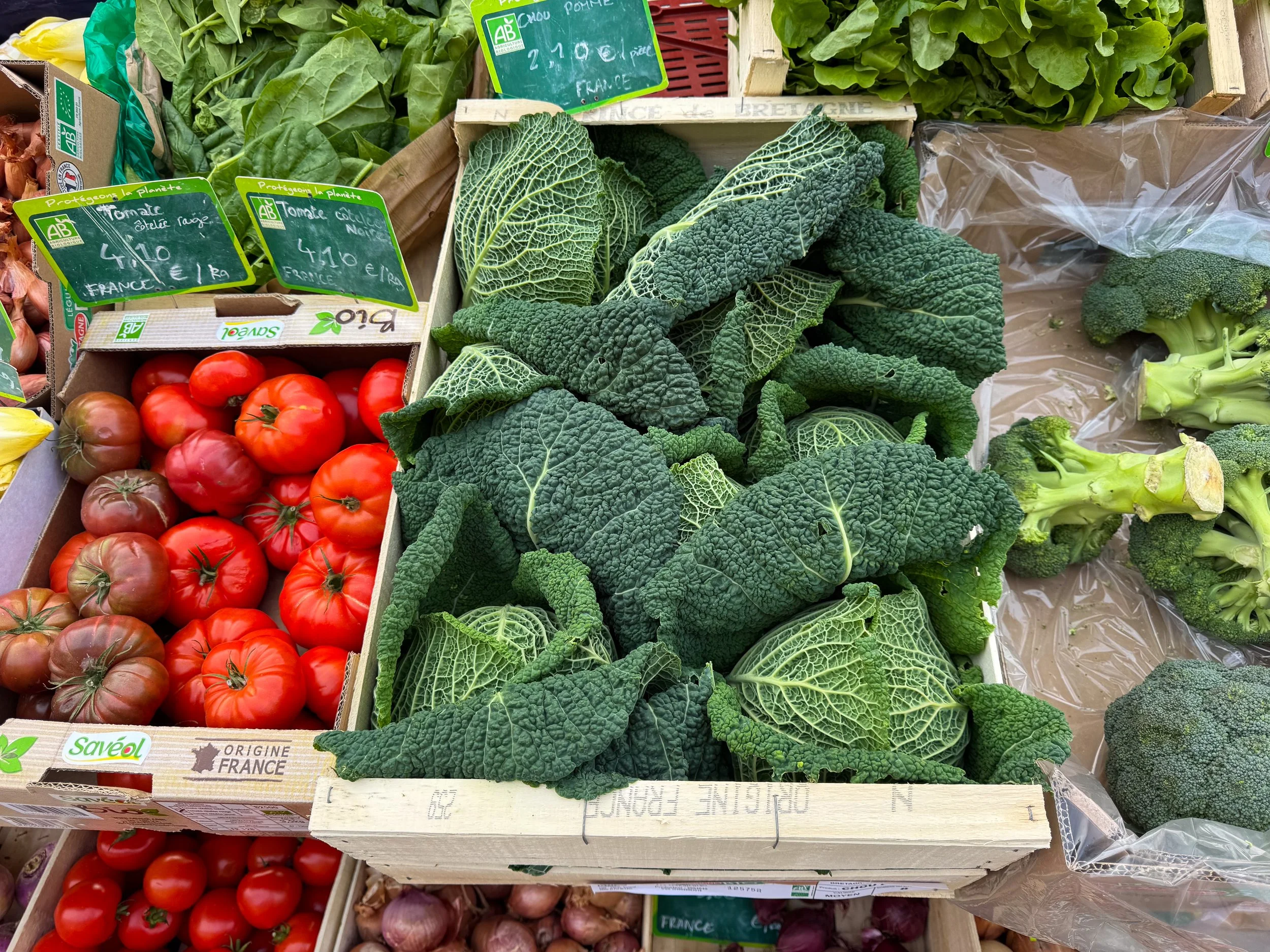
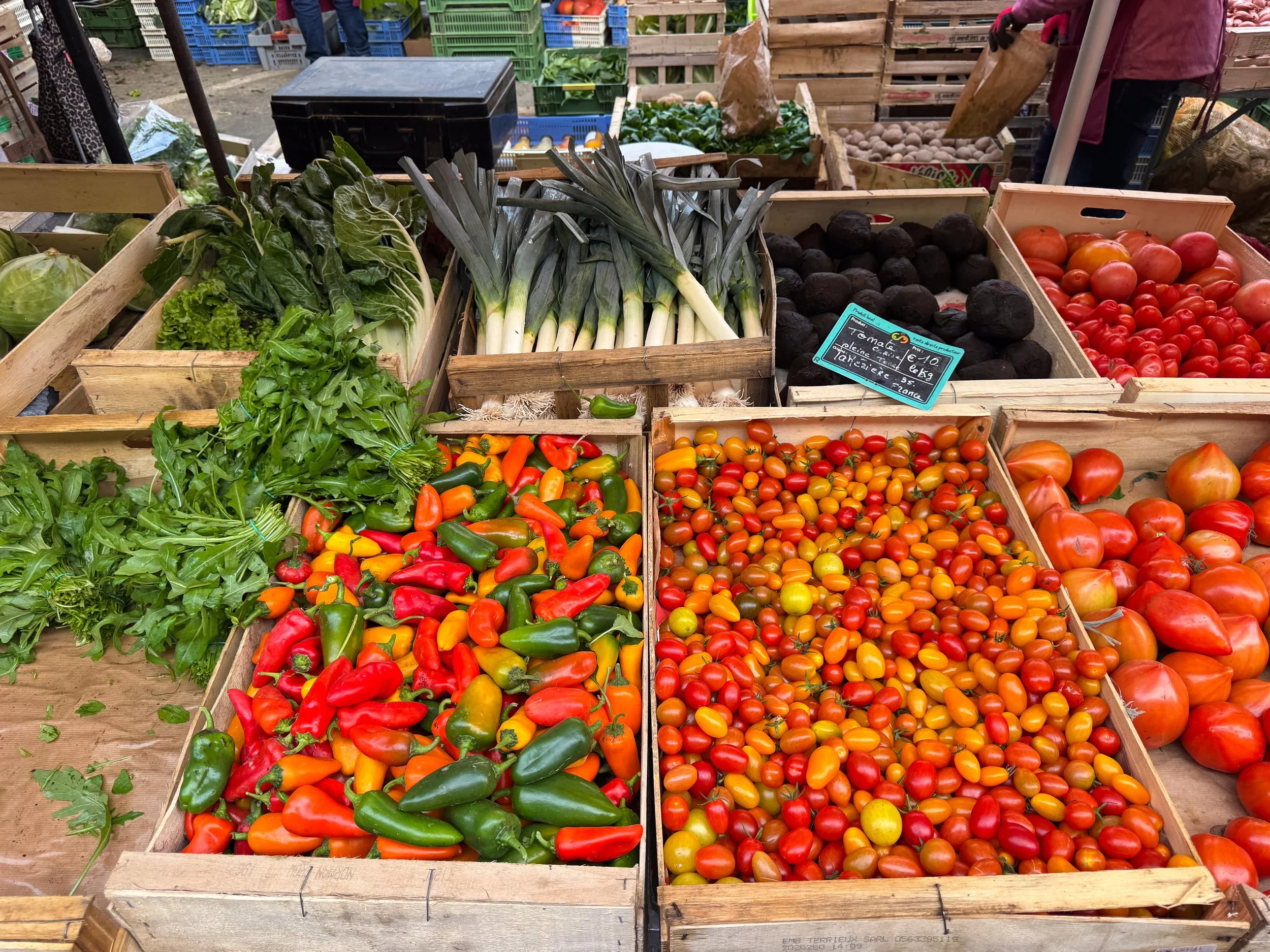
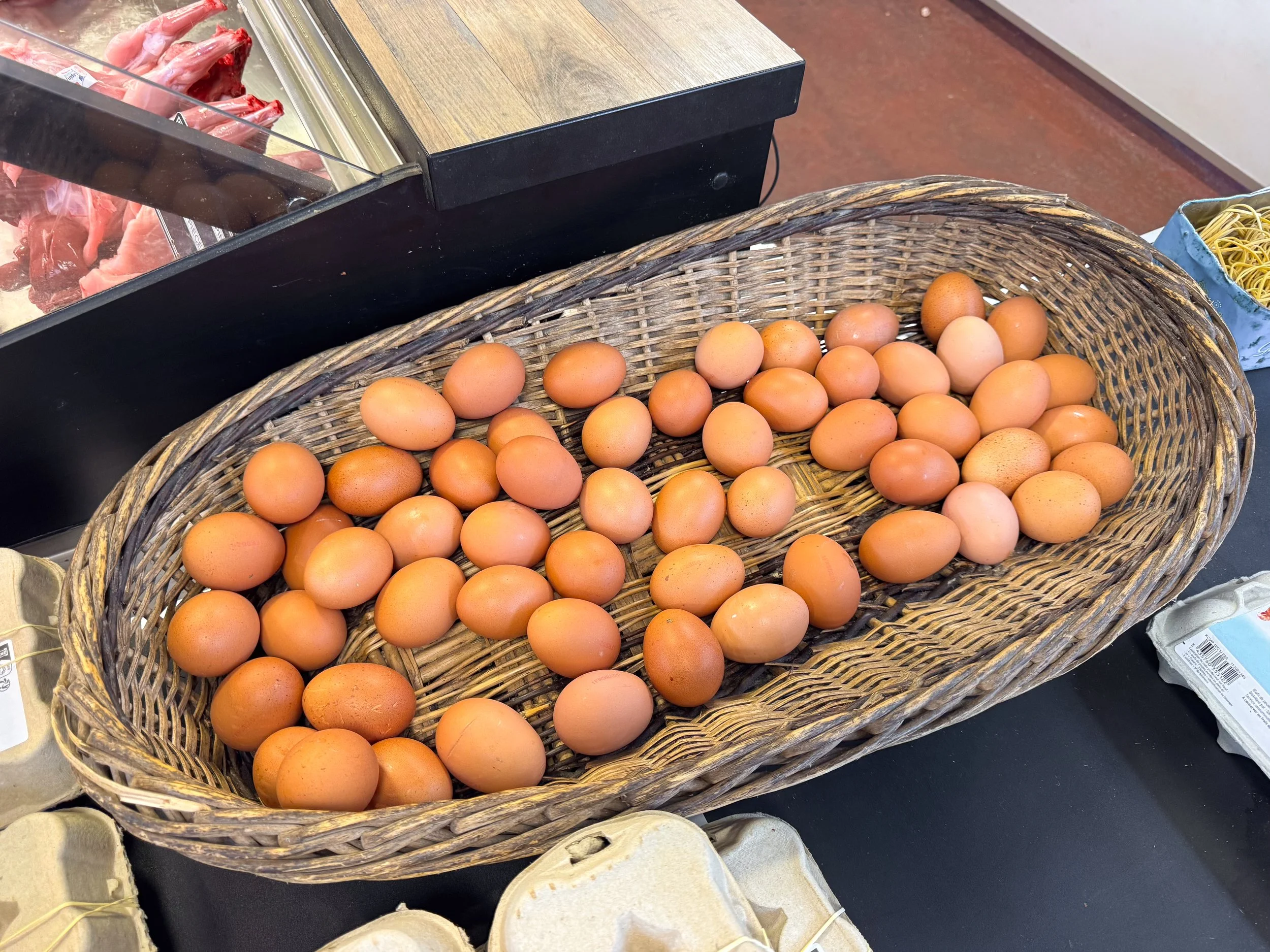
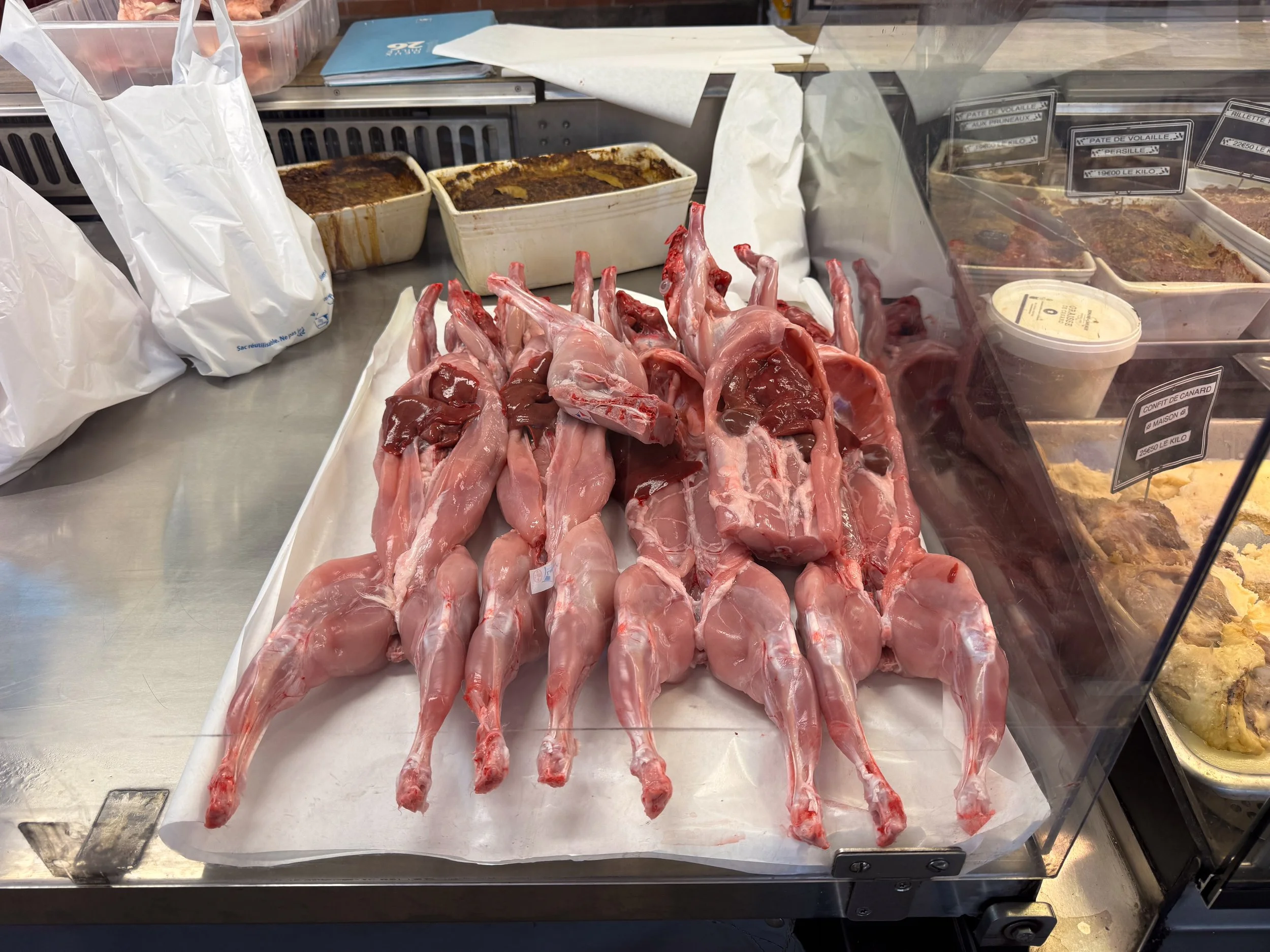
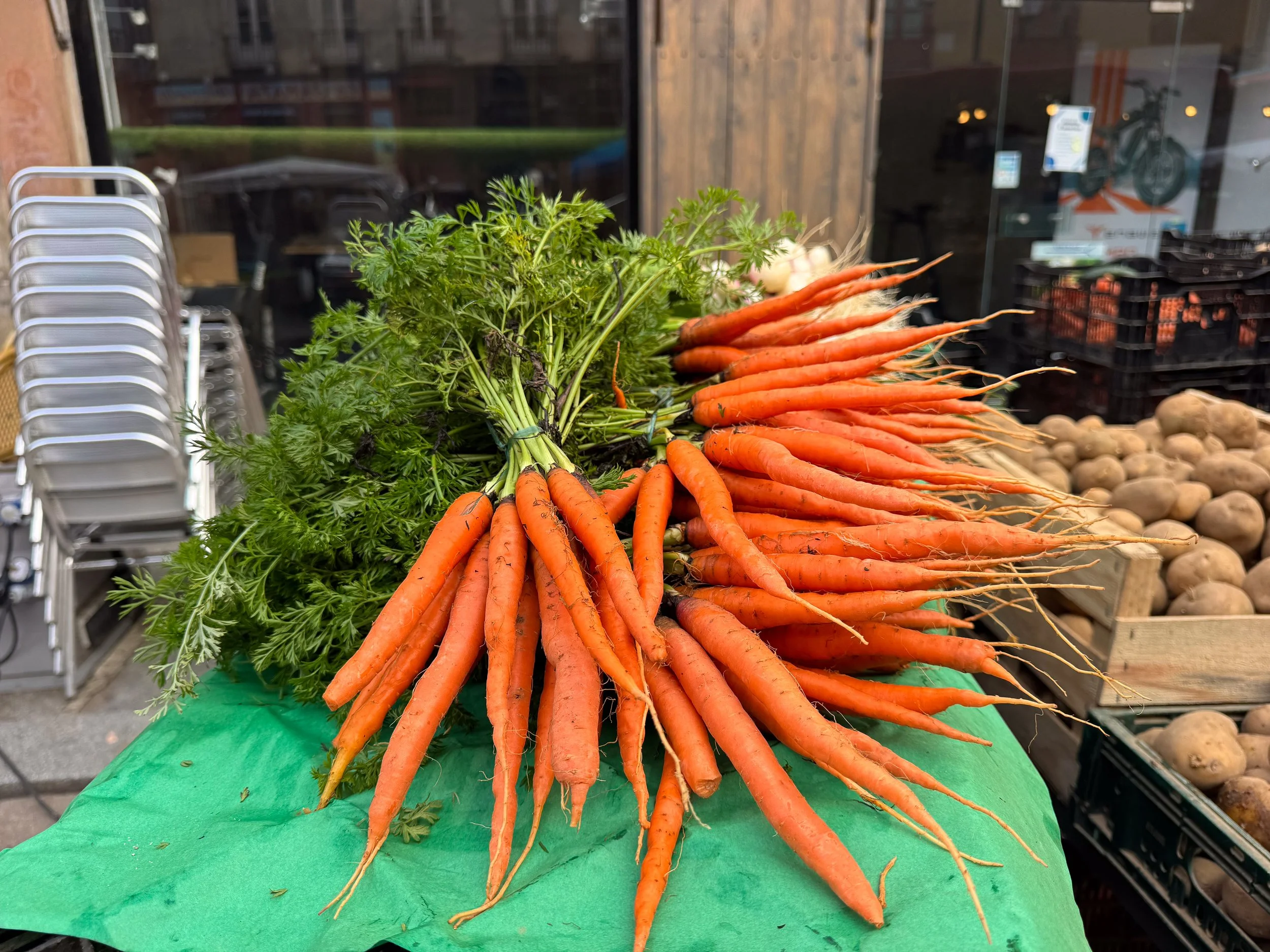
Marché des Lices. One of France’s largest open air markets, filling the Place des Lices every Saturday morning with hundreds of vendors and thousands of locals. Stalls overflow with colorful displays of seasonal produce and fresh cut flowers, while two covered halls sell cheeses, meats, fish, spices, honey, ciders and baked goods, with bread sold by weight and cheese samples offered freely. Food trucks serve paella, rotisserie chicken, crêpes and buckwheat galettes. It’s a bustling yet surprisingly orderly scene, often set to the sound of street musicians.
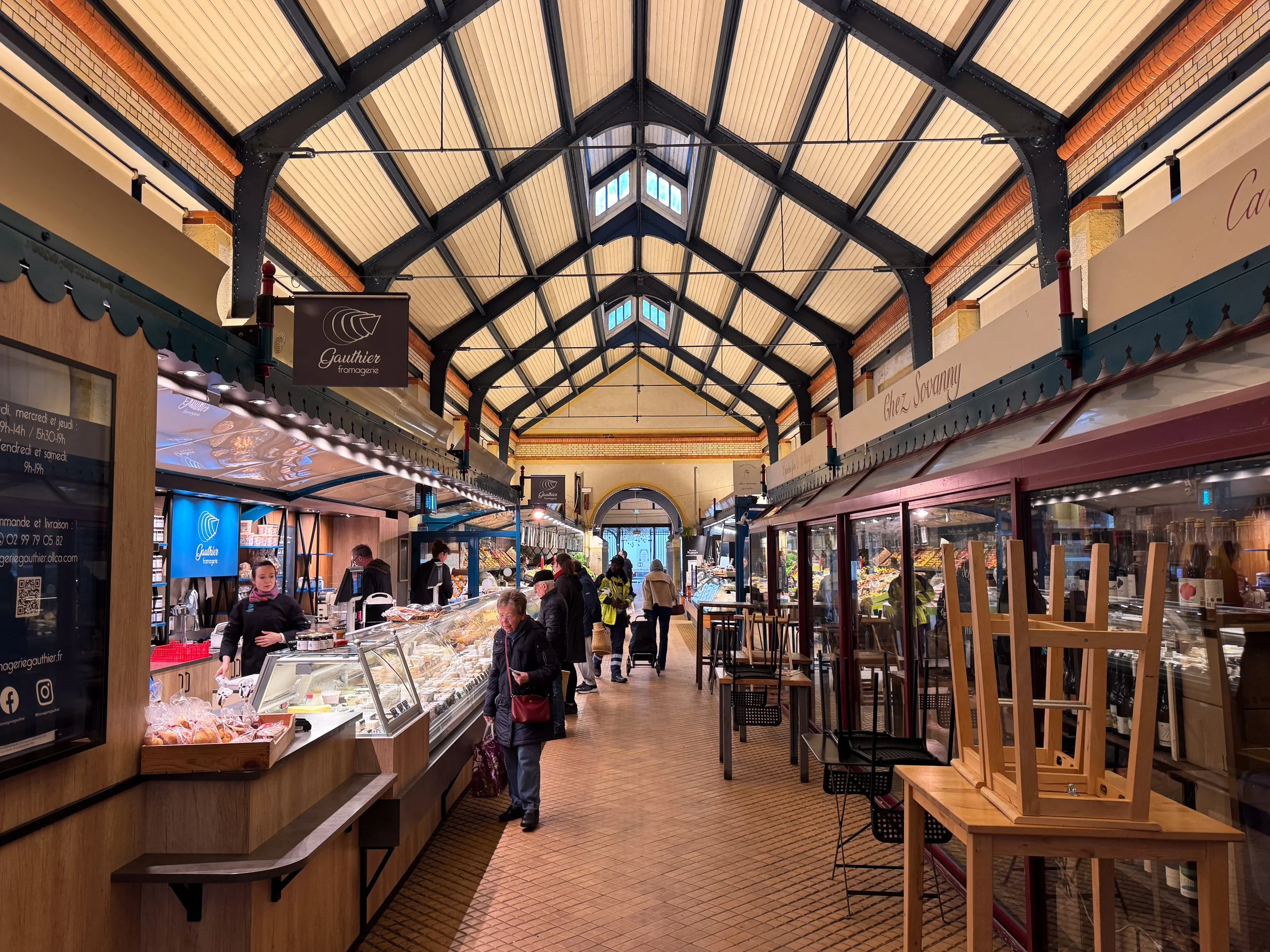
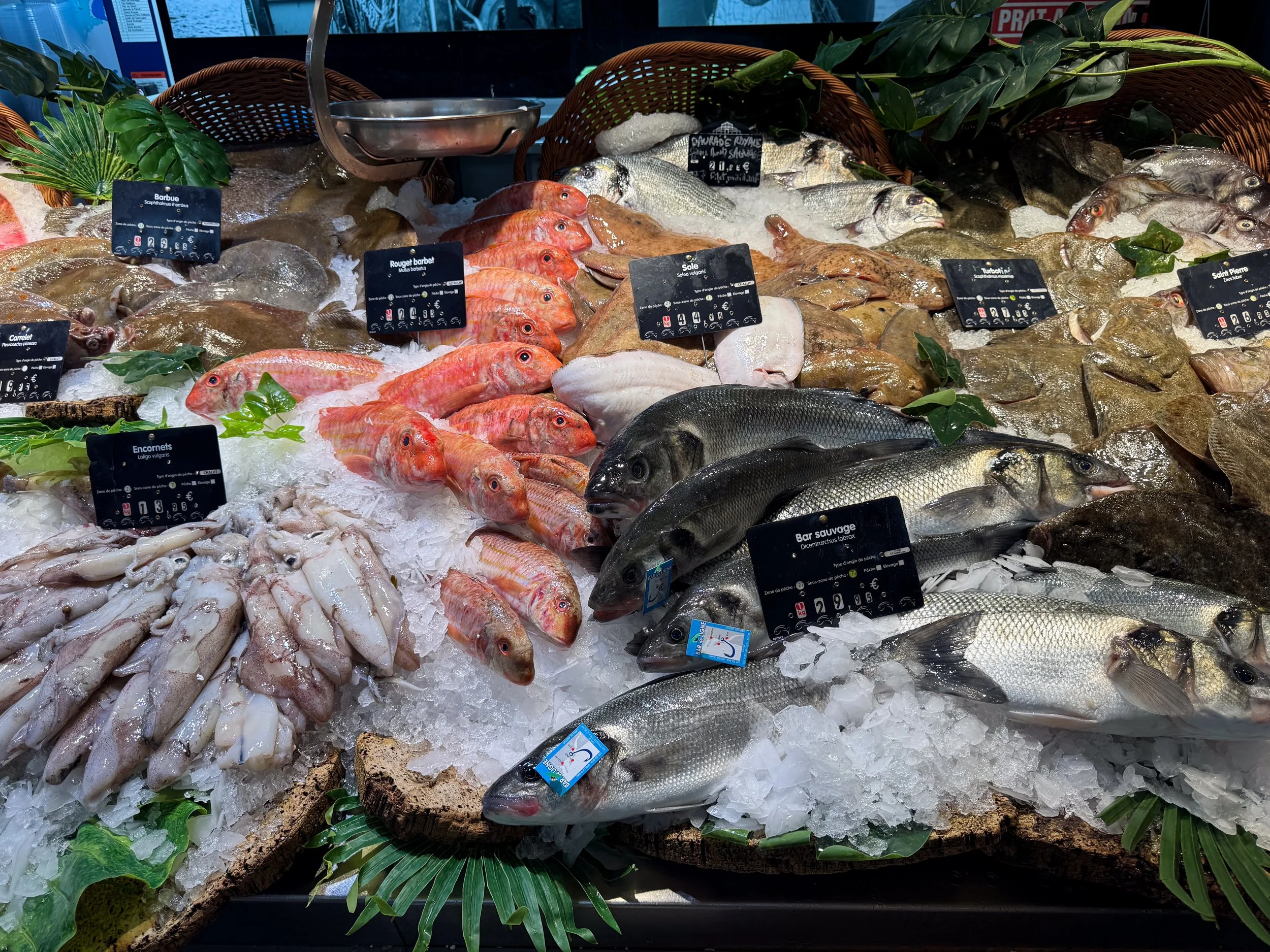
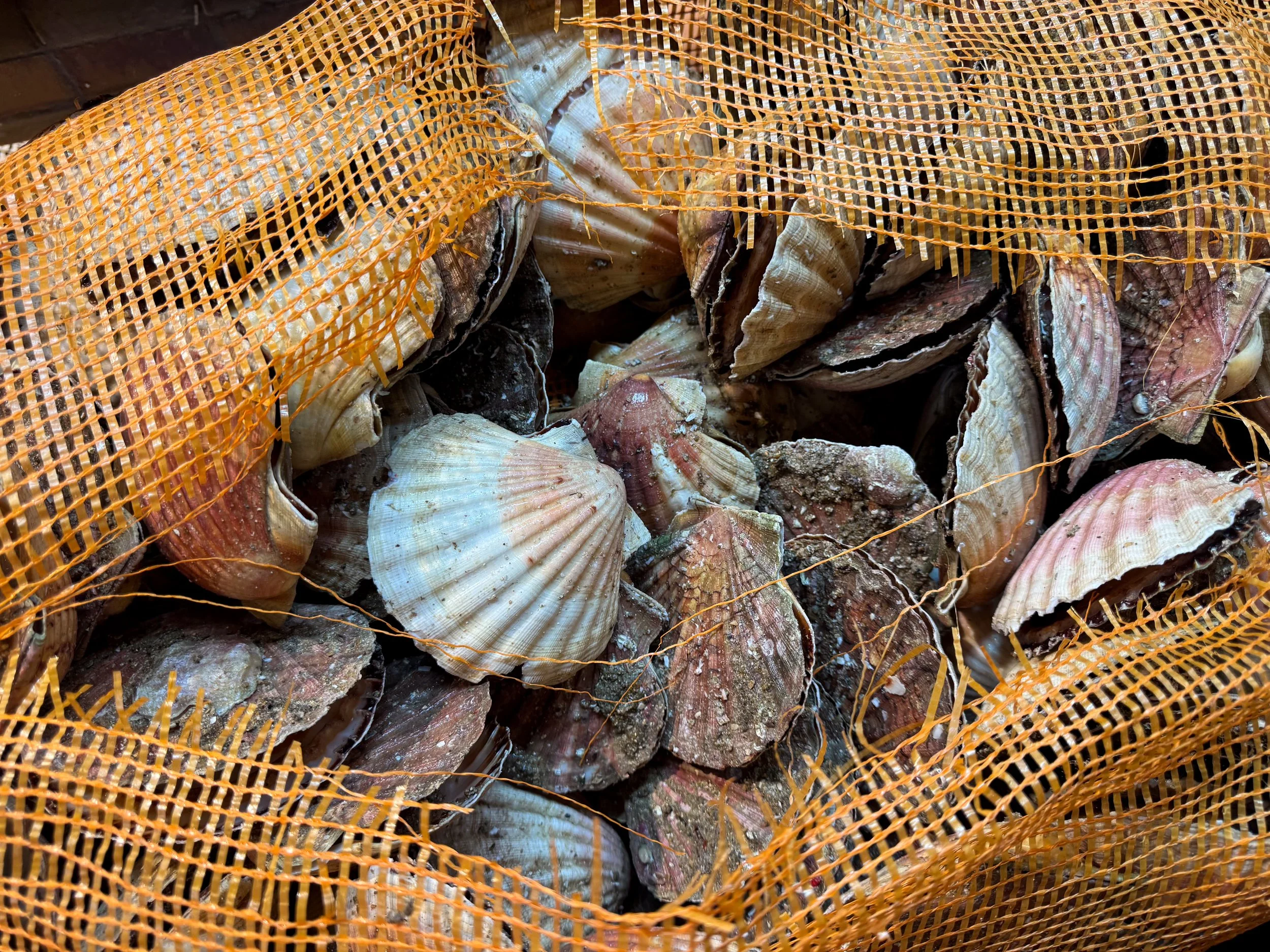
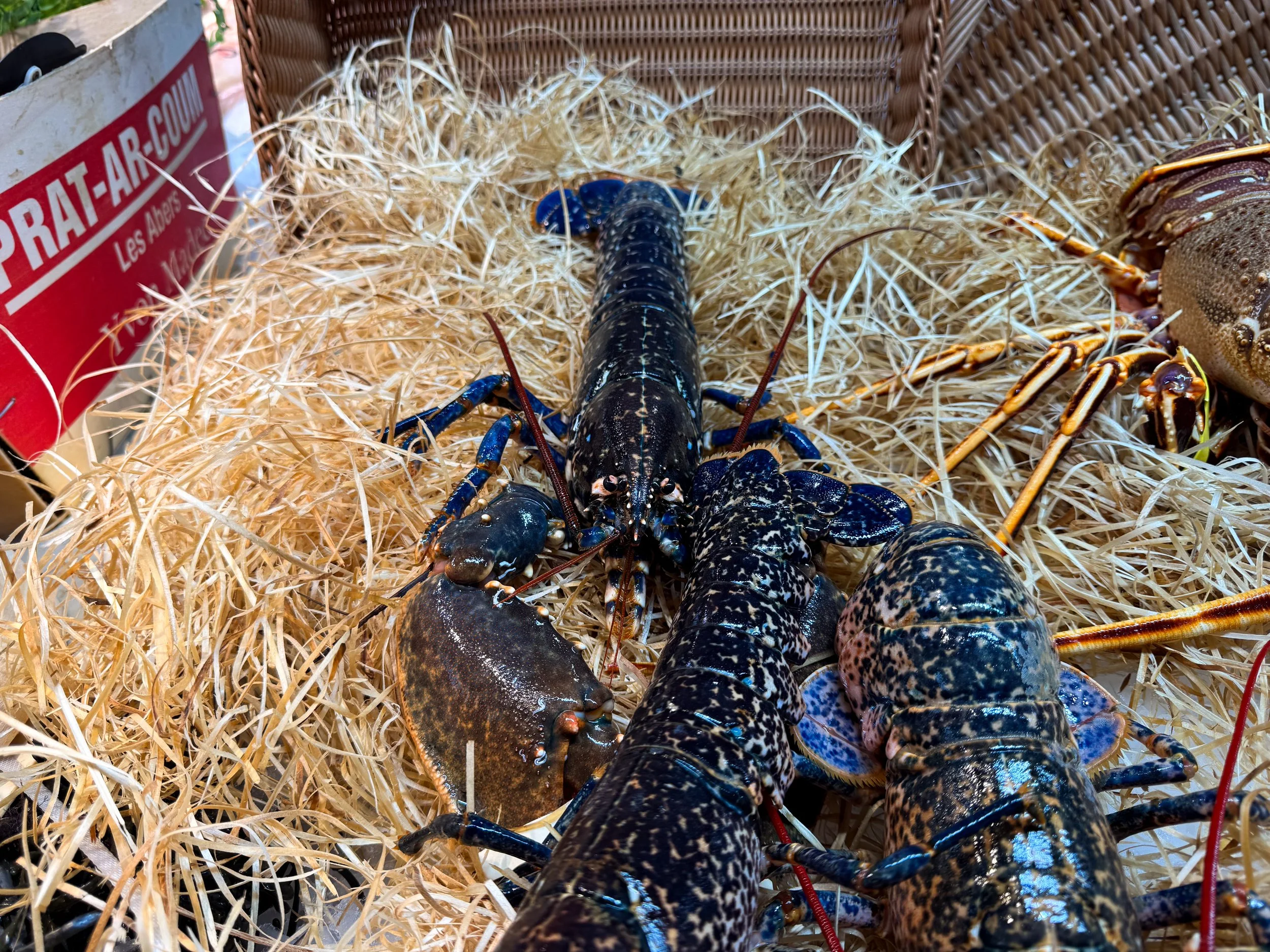
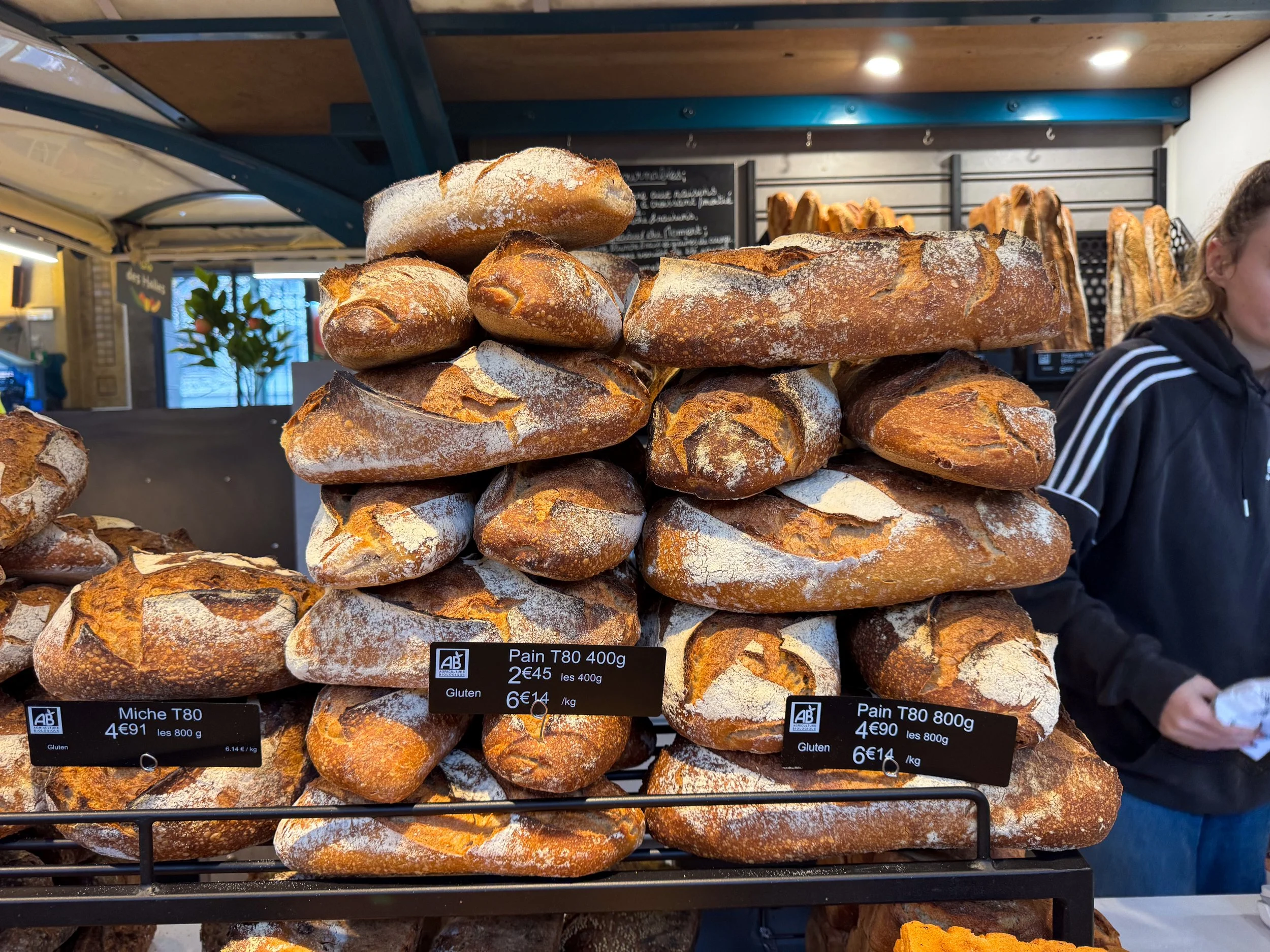
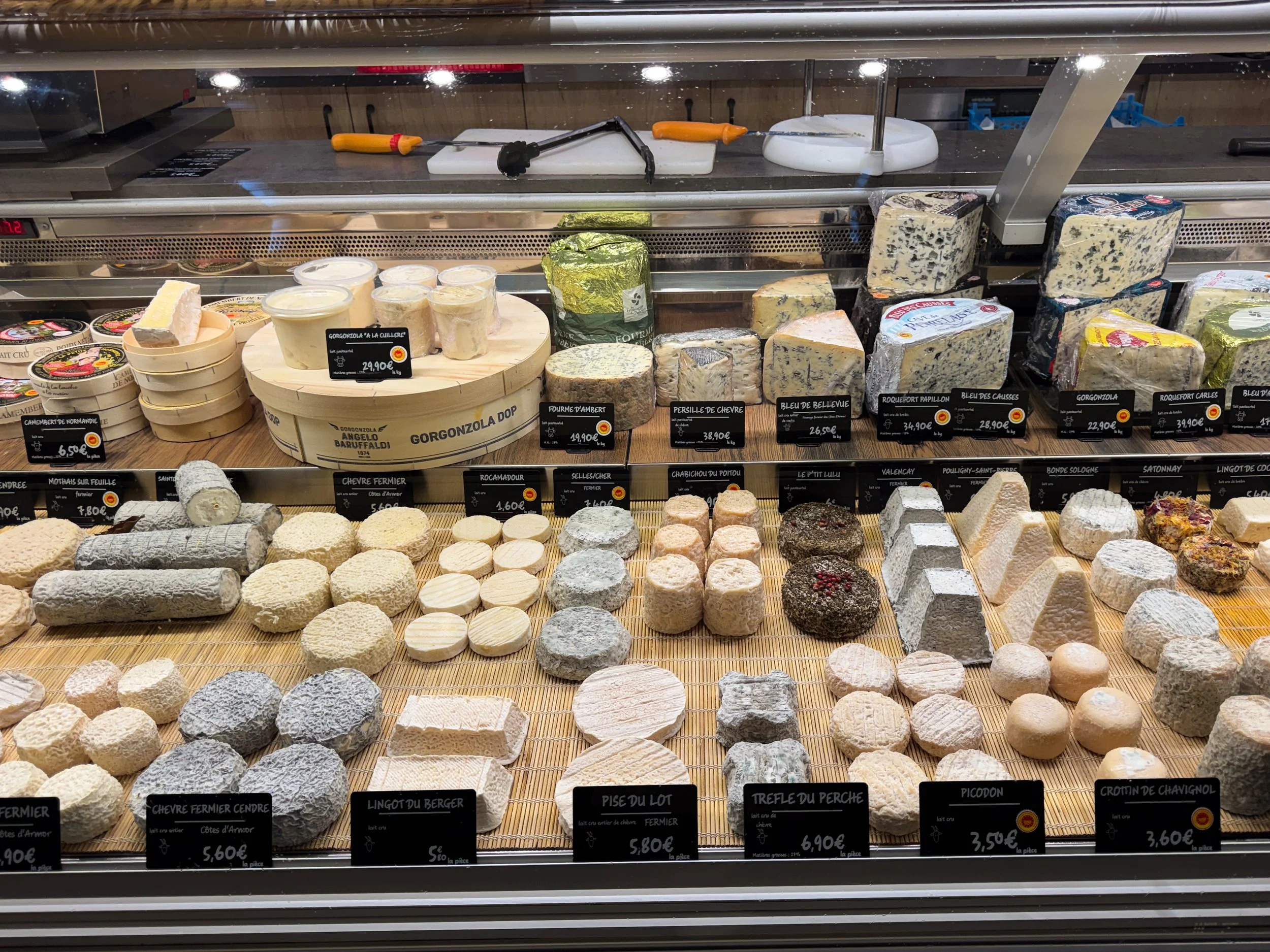
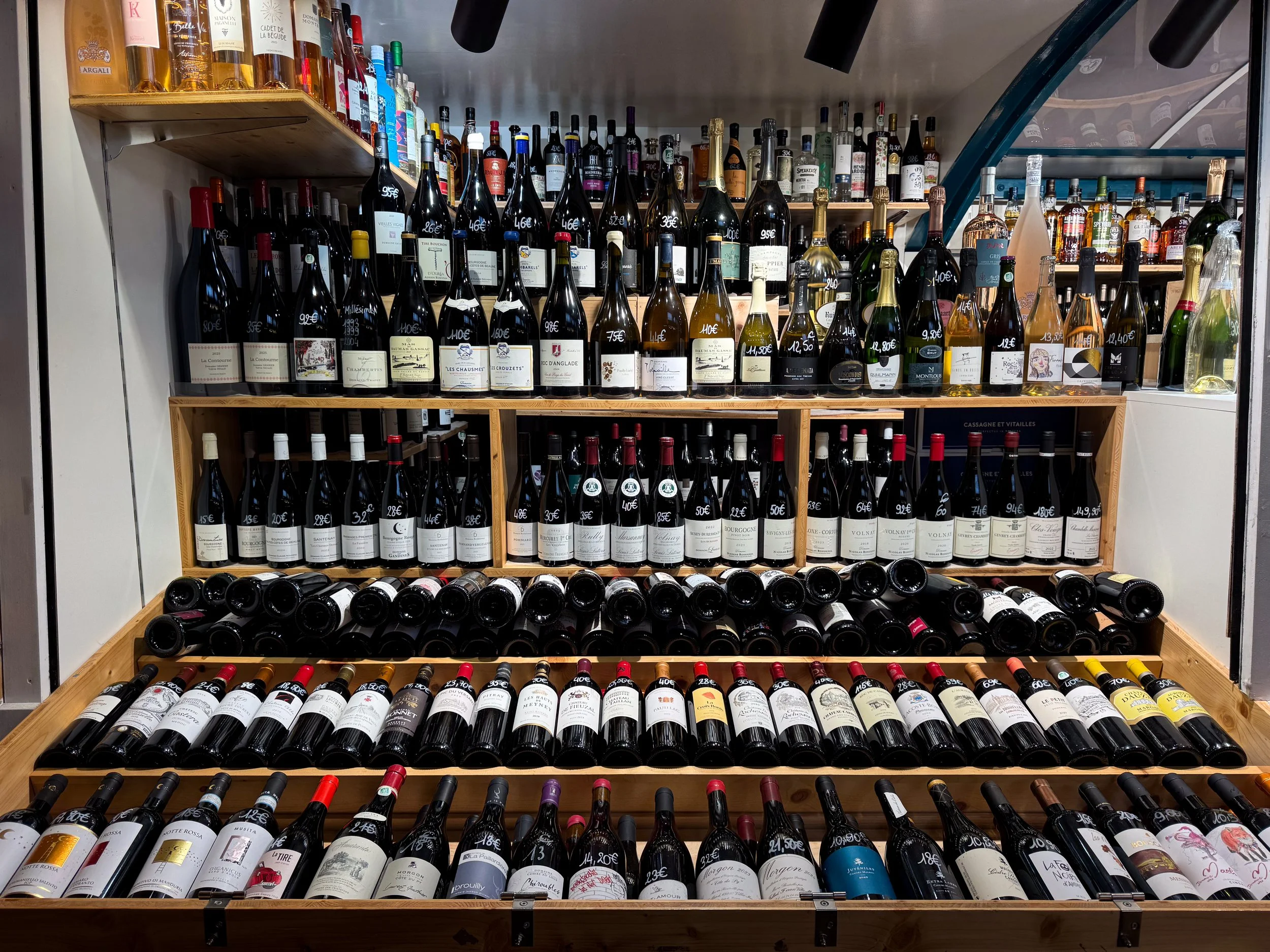
La Criée Marché Central. A covered market set in a historic brick building. Fishmongers display freshly caught seafood on beds of ice while butchers carve meats and wild game. Produce stalls brim with colorful assortments of fruits, vegetables, herbs and greens. Bakers and cafes serve coffee, pastries and breads alongside wine cellars and traditional cheese counters.
Where to Eat & Drink
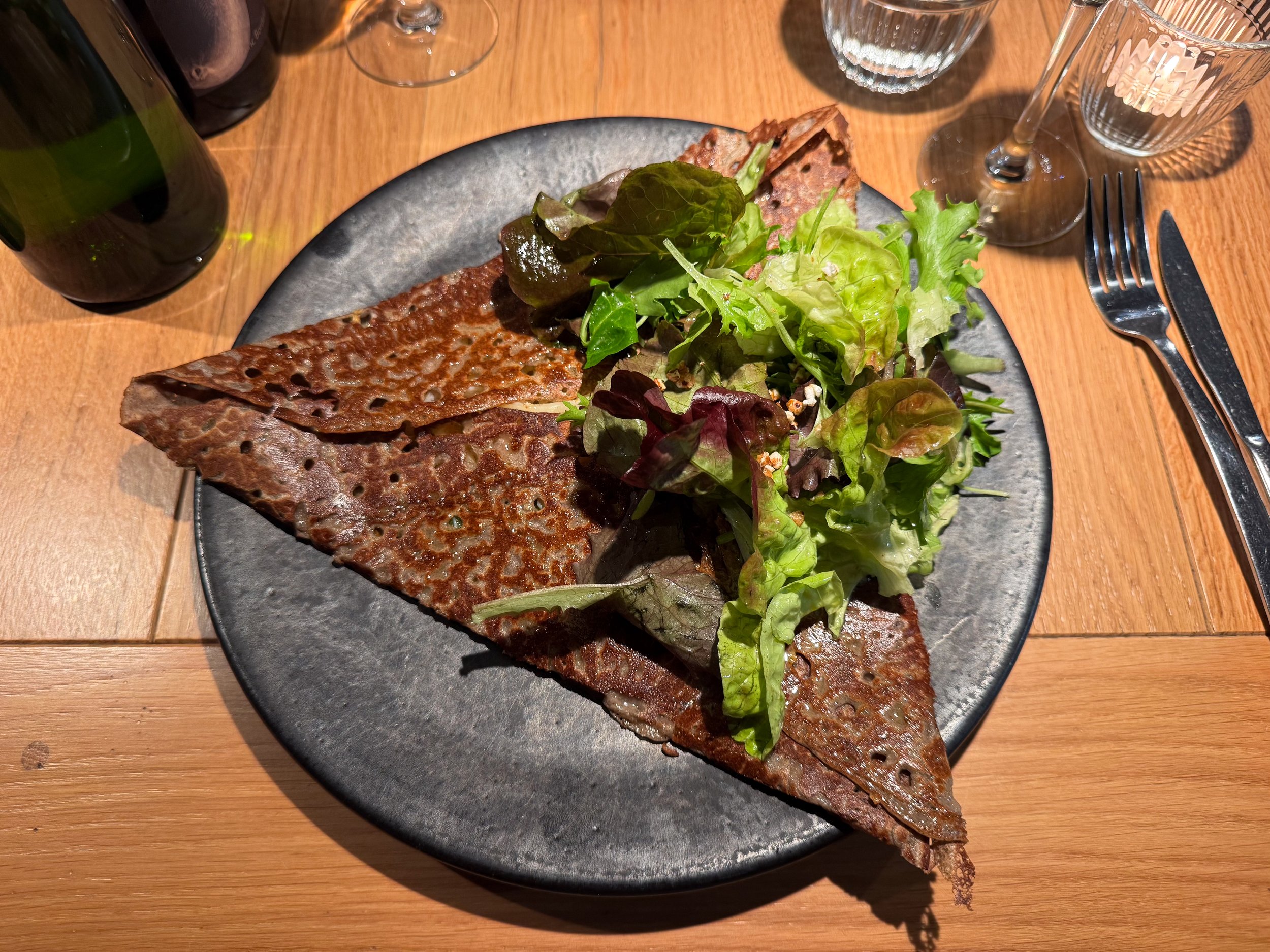
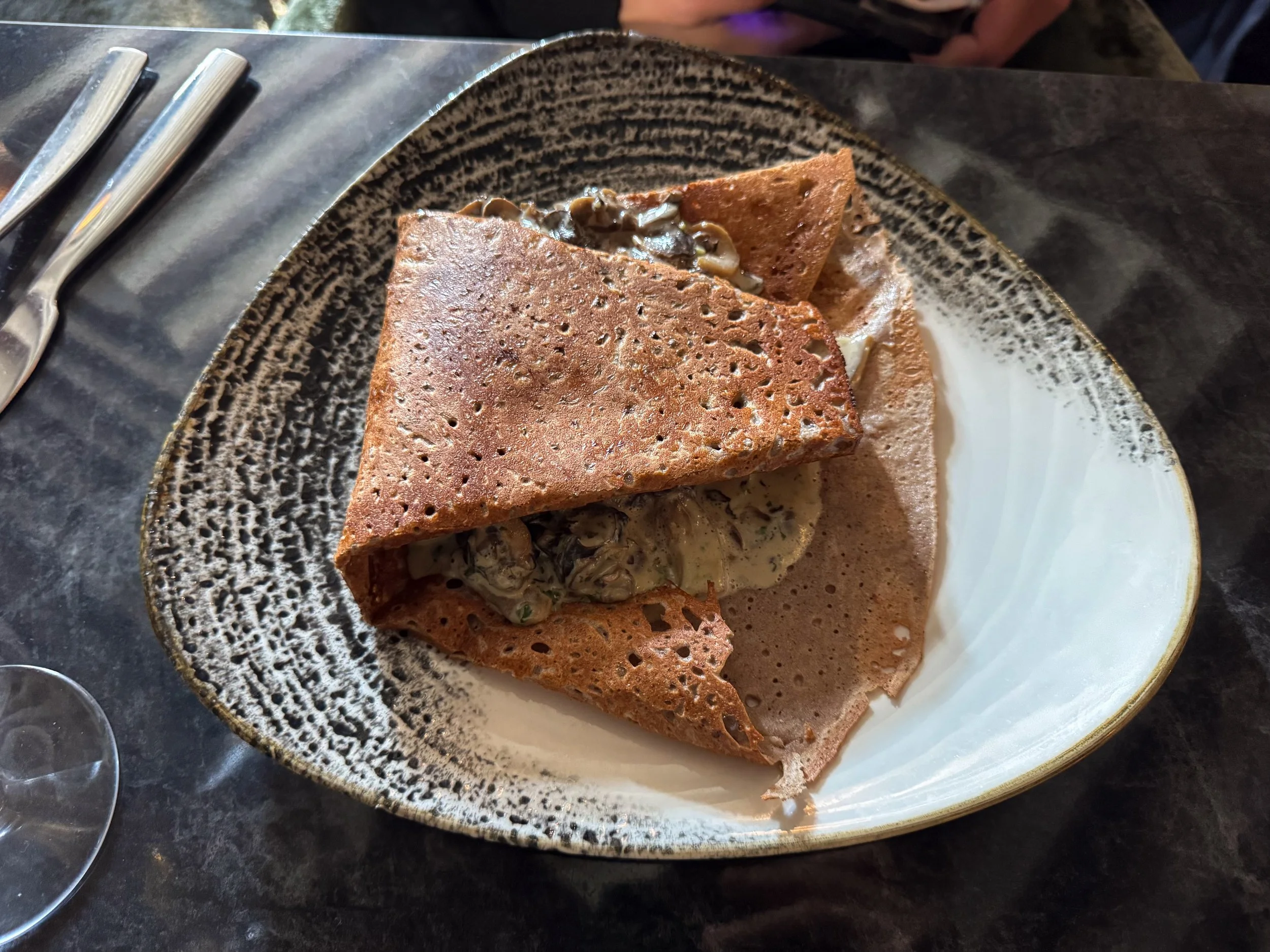
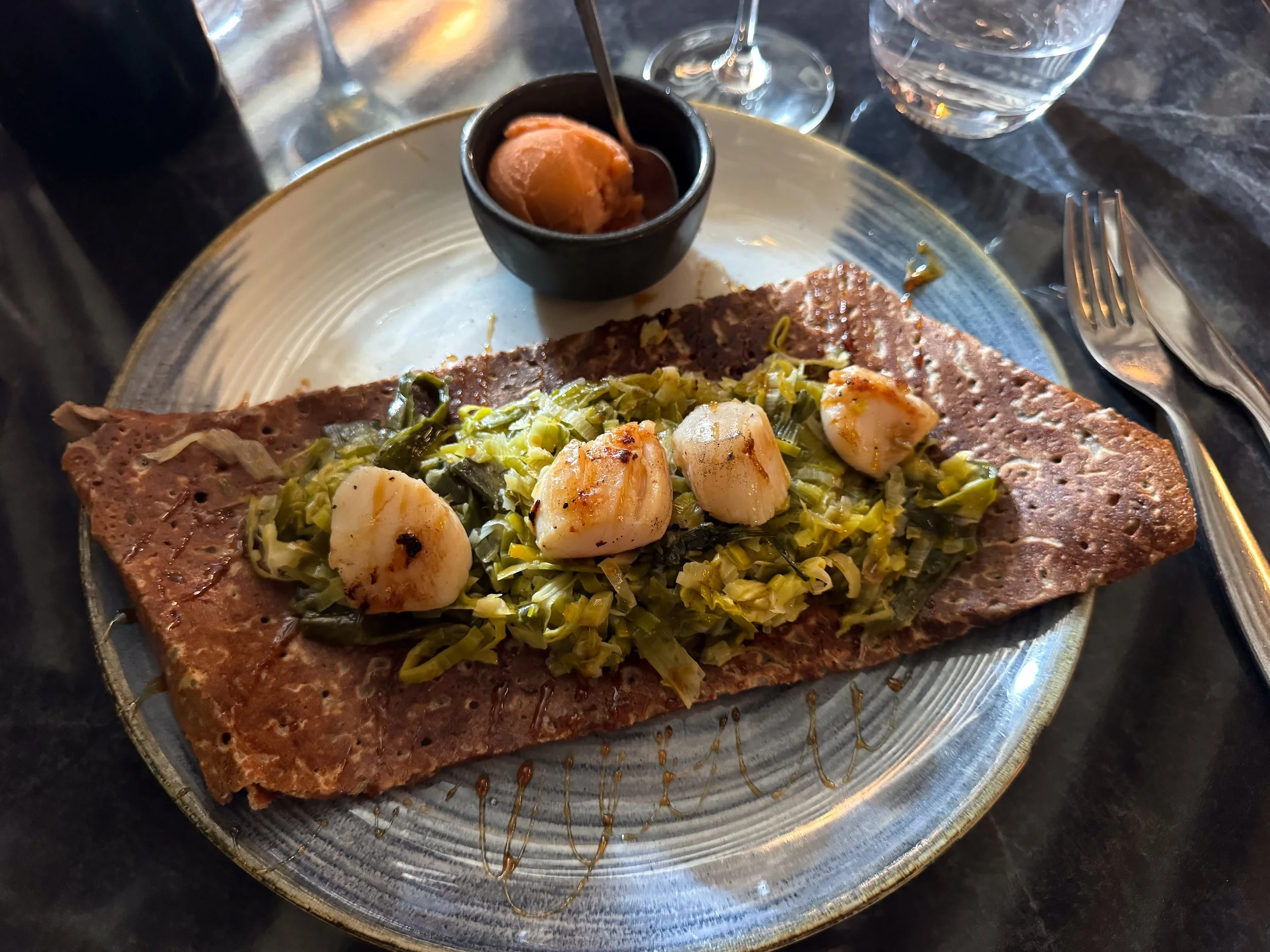
La Saint-Georges. An upscale crêperie set inside a historic half timbered building. Order a buckwheat galette filled with escargot and cheese or leeks and scallops, paired with local cider. For dessert, try a sweet crêpe or a house sorbet, made using flavors like carrot, thyme and rhubarb. Reserve ahead to guarantee a table.
Breizh Café Rennes. A crêperie with a handful of locations around France, specializing in savory buckwheat galettes and sweet crêpes. Try the crab and celery galette or one with salmon and cheese, paired with a locally made apple or pear cider. Round out the meal with a scoop of buckwheat, salted caramel or vanilla ice cream.
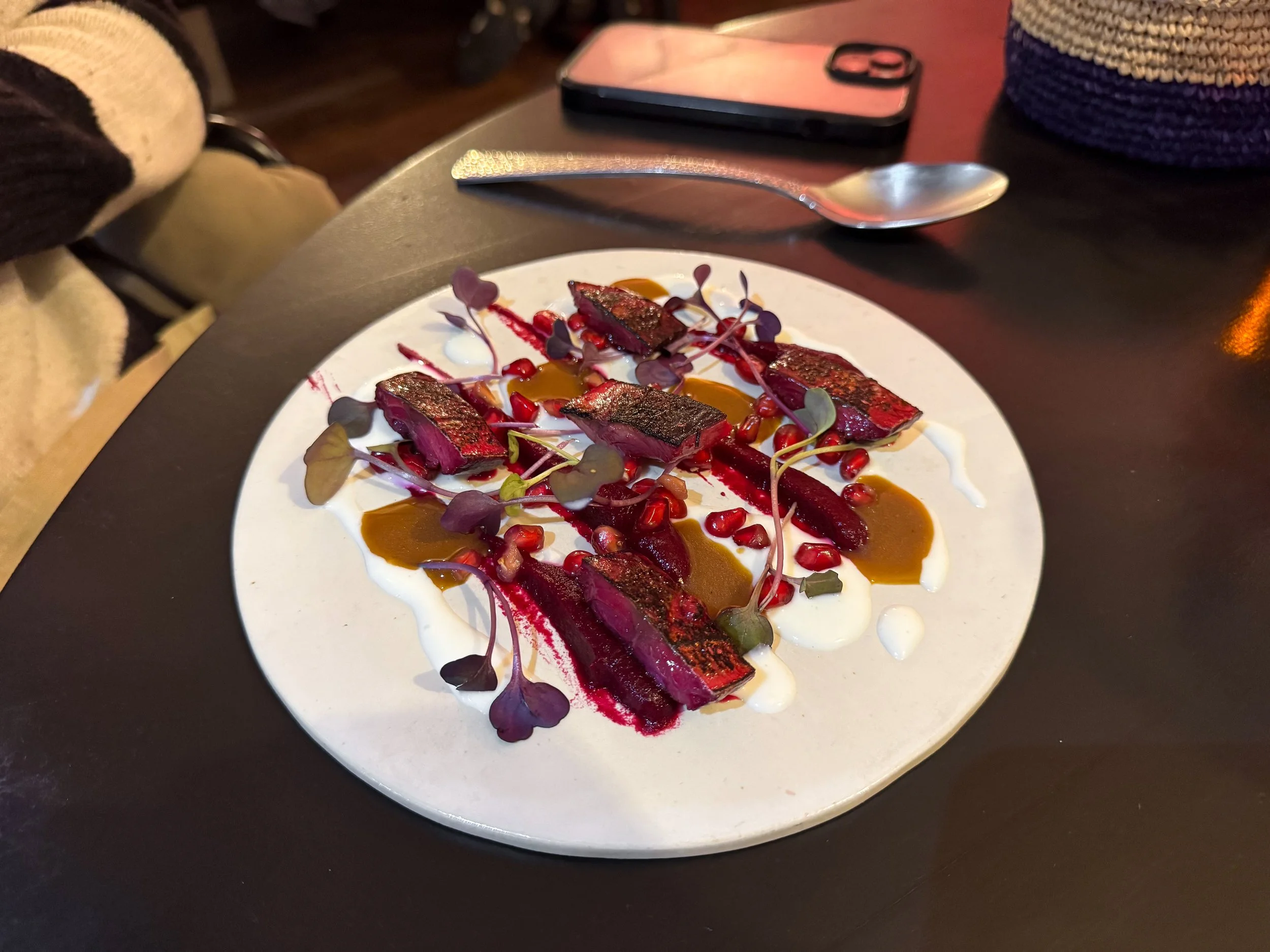
La Taverne de la Marine. A fine dining seafood restaurant specializing in chilled seafood platters, with tanks of live blue lobsters and brown crabs on display. Start with French style fish soup, served with crusty bread, rouille and grated cheese, then move on to elegantly presented dishes like blackened sea bass over risotto or tartare prepared tableside.
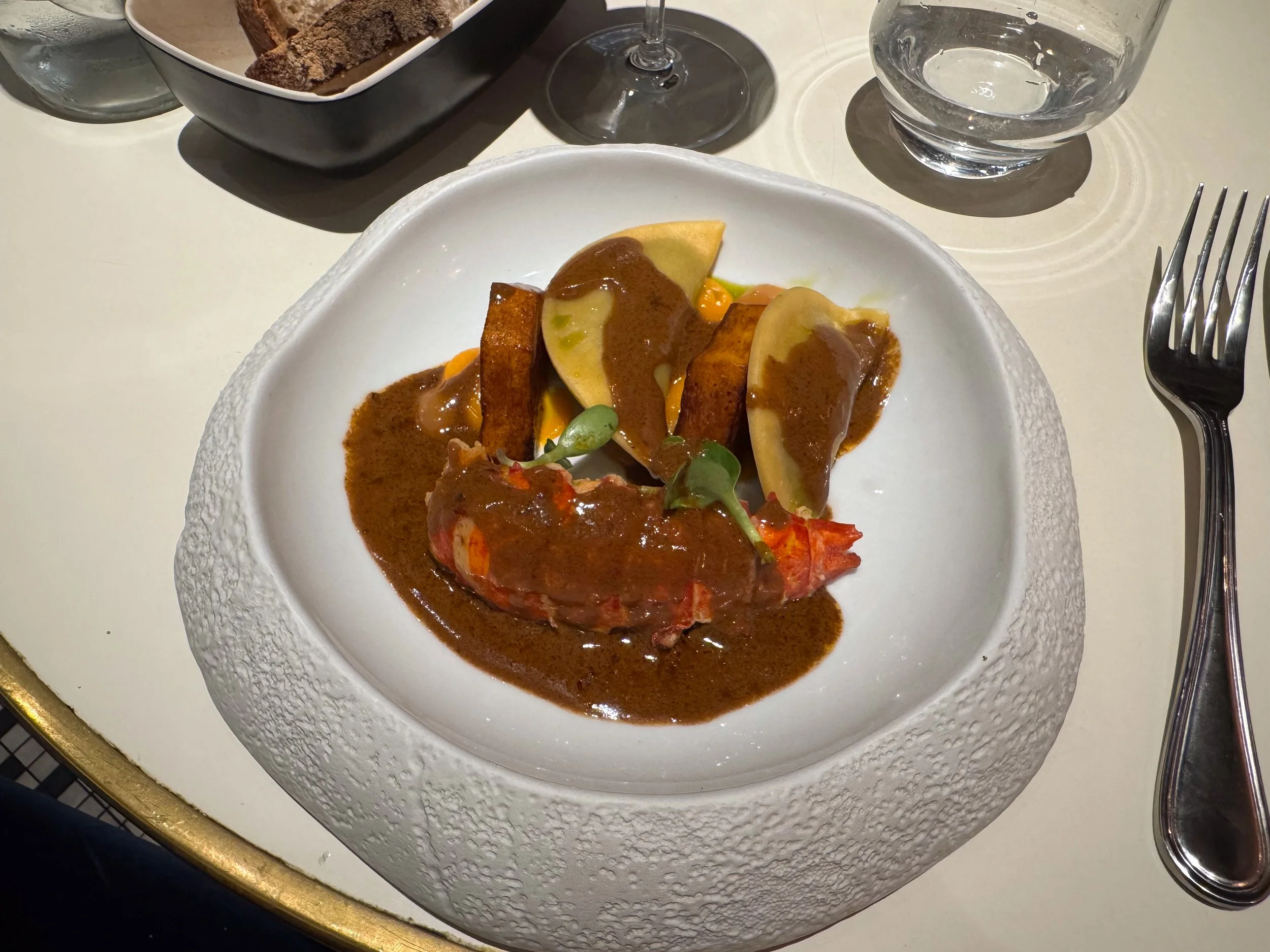
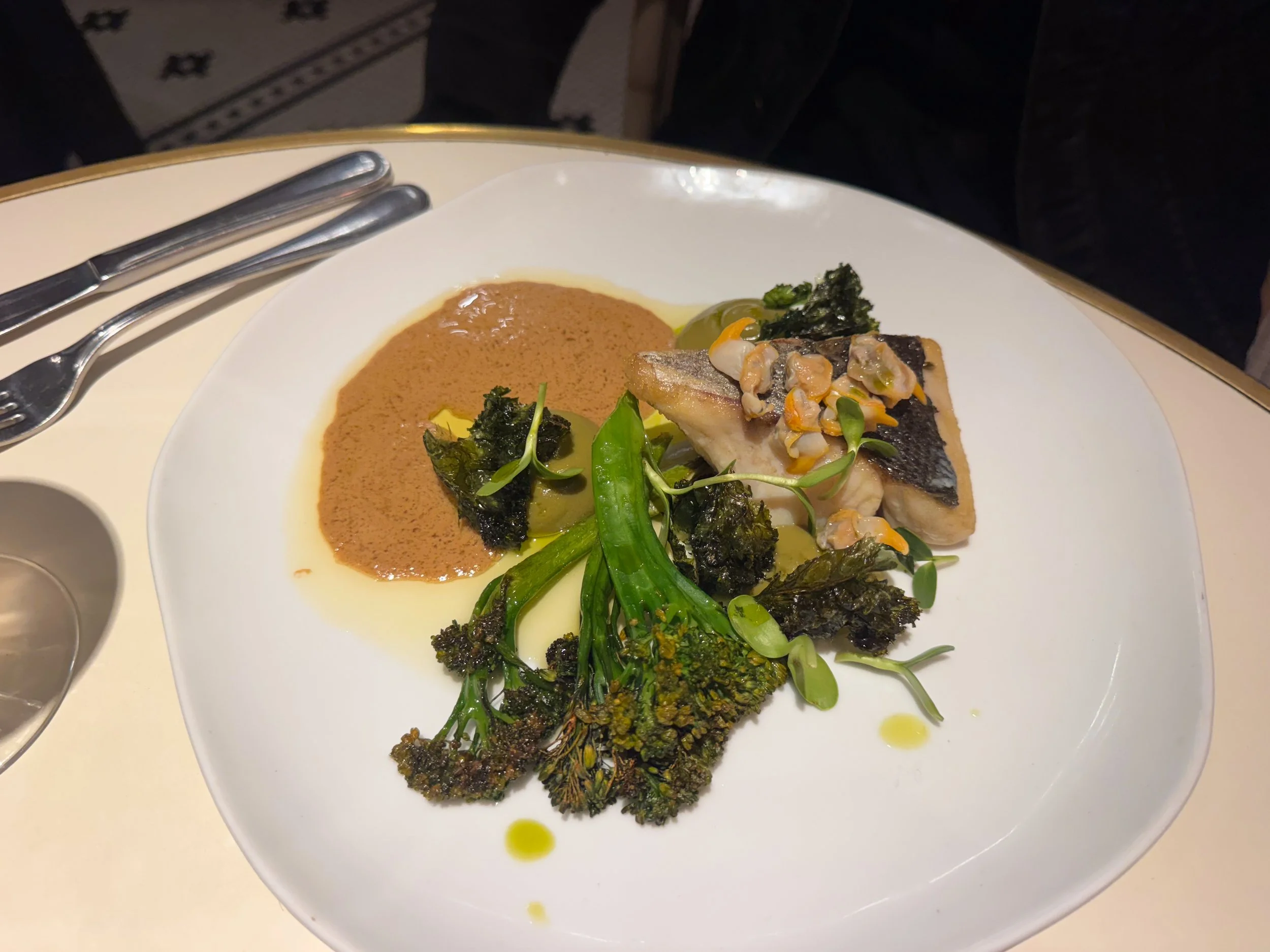
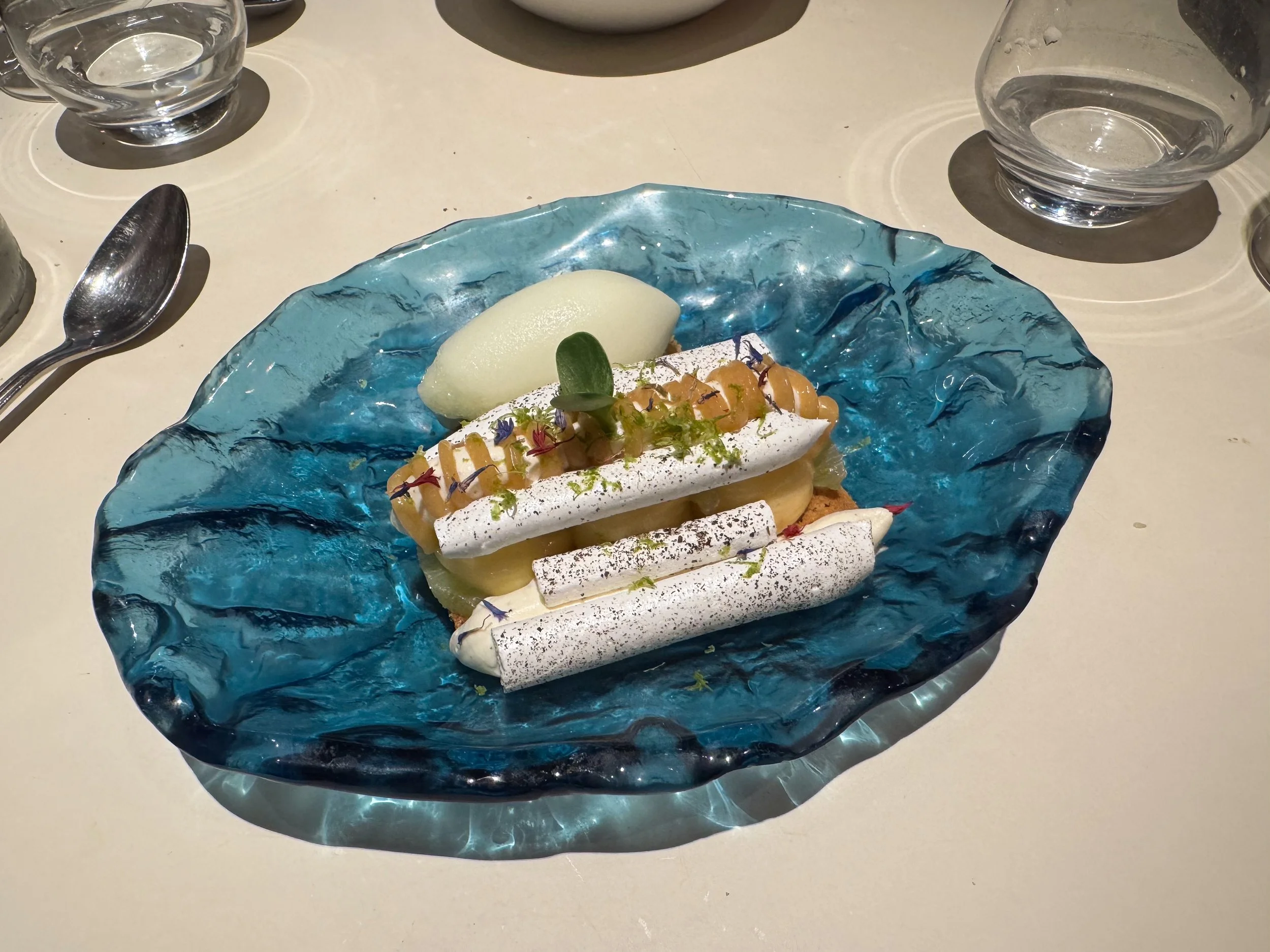
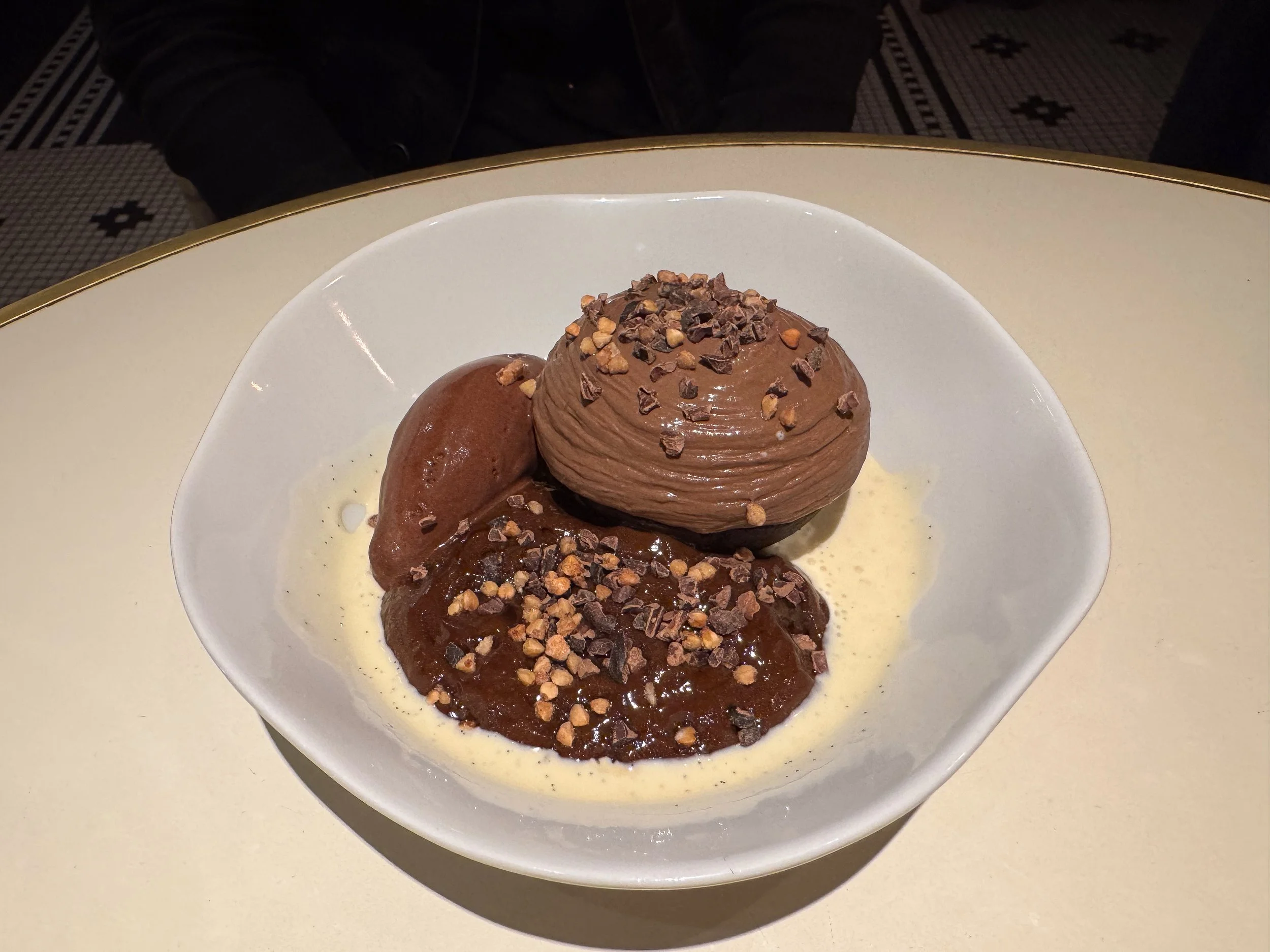
Chez Brume. A small, unassuming restaurant with elegant seafood dishes and small plates served alongside wine and house cocktails. Try the seared scallops, blue lobster tail, brown crab ravioli or roasted meagre. Finish with an exquisite dessert showcasing one ingredient, like chocolate, lemon or pear, prepared several ways.
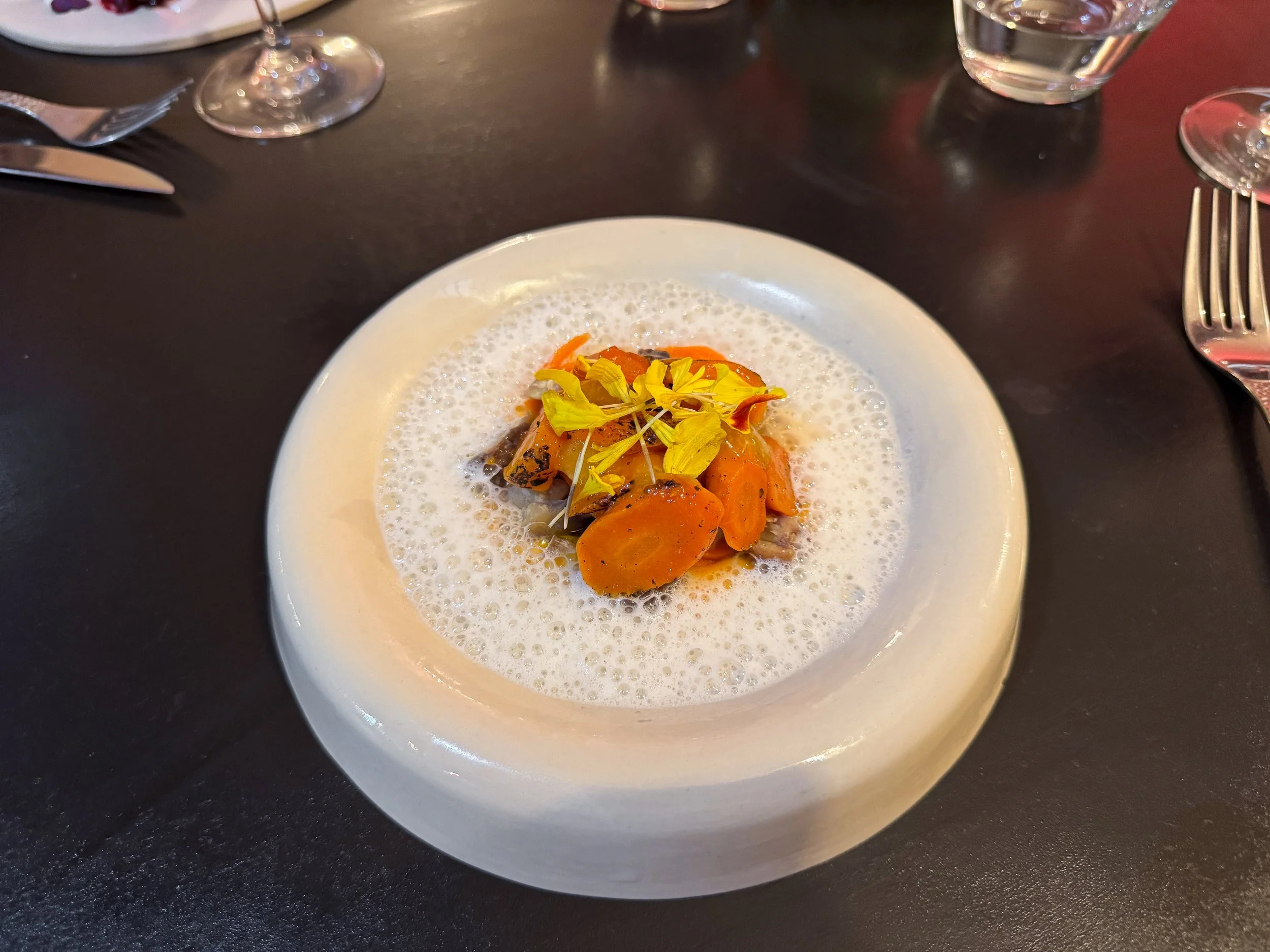
Méréo. A tiny restaurant serving an elevated seasonal tasting menu of beautifully presented dishes, paired with wine or cider. The kitchen plays inventively with ingredients and flavors. In autumn, the menu featured hearty root vegetables, mushrooms, mackerel, apples and chestnuts.
Nebula. A local bar popular with college students on weekends, with a menu of craft and classic cocktails, a house rum punch, Breton ciders and inexpensive beers.
Karukena. A cocktail bar serving creative house cocktails and a long list of gin and tonics. Try one with Nuage, a French dry gin, or go local with a Breton gin like Malouin’s.
Penny Lane. A whisky bar and beer hall set in a stone vaulted space with comfy lounges placed throughout. Choose a whisky from the extensive menu or order a local beer on tap, like the house Penny Blonde Pilsner or the Blanche Hermine.
Mont Saint-Michel Day Trip from Rennes
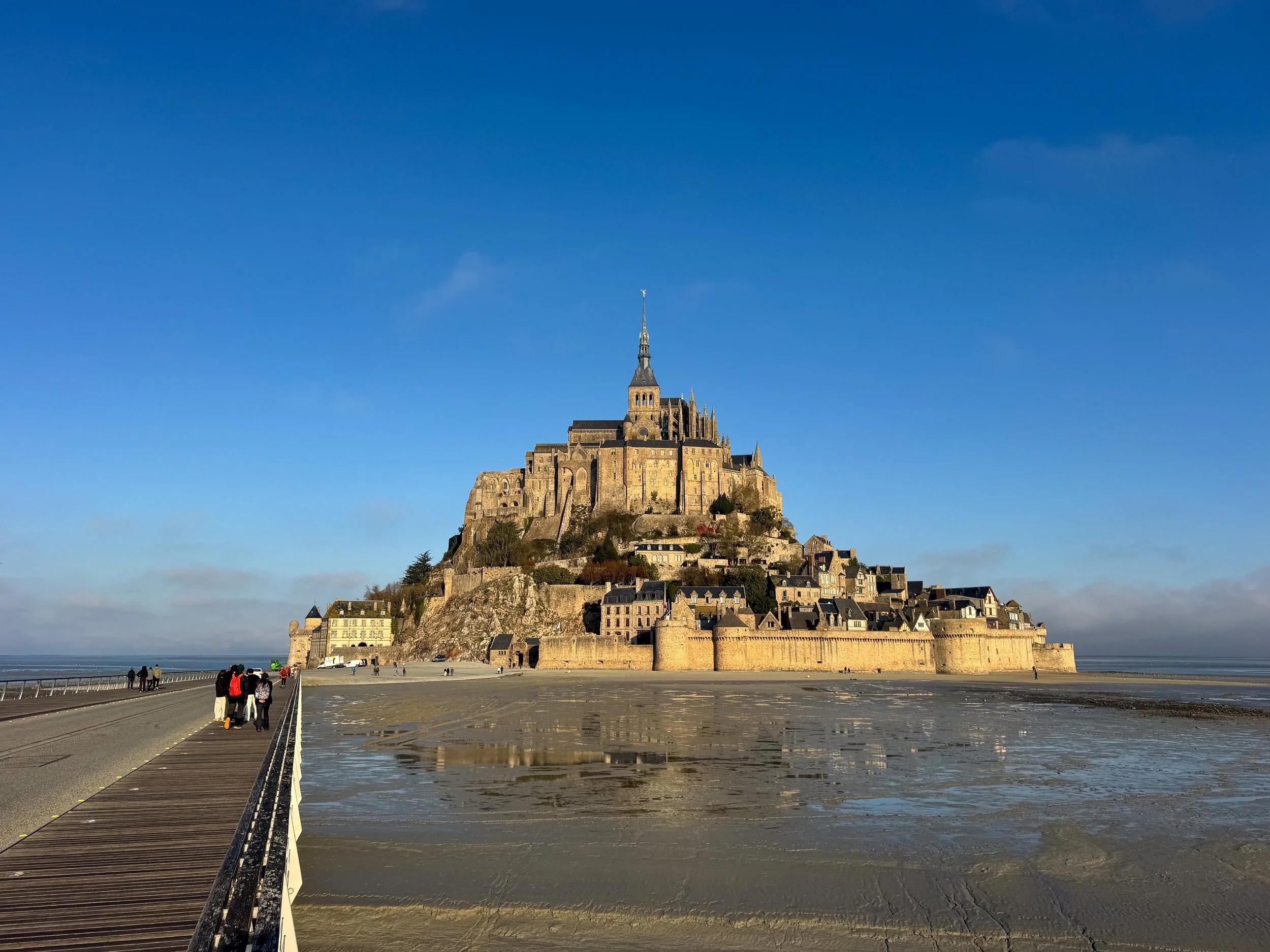
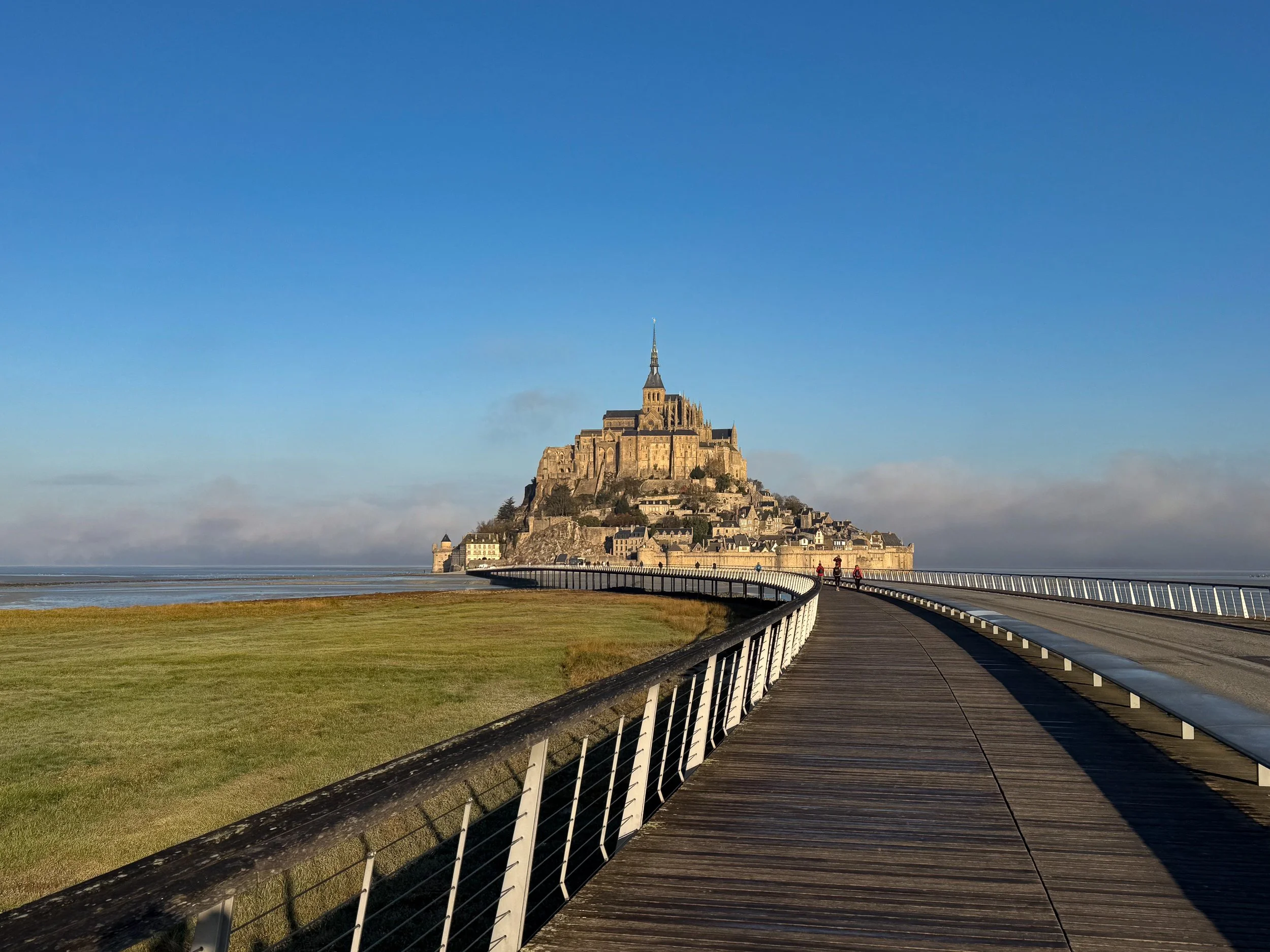
One of France’s most iconic sights, Mont Saint-Michel is a medieval abbey crowning a rocky tidal island off the coast of Normandy. Its conical silhouette rises dramatically from the tidal flats of the English Channel. Cross the causeway on foot or by shuttle bus to reach the island. Ramparts encircle it while a small village winds around its base. The village is open to explore year round, while visiting the abbey requires a ticket. From Rennes, it’s about an hour’s drive through the French countryside.
La Grande Rue
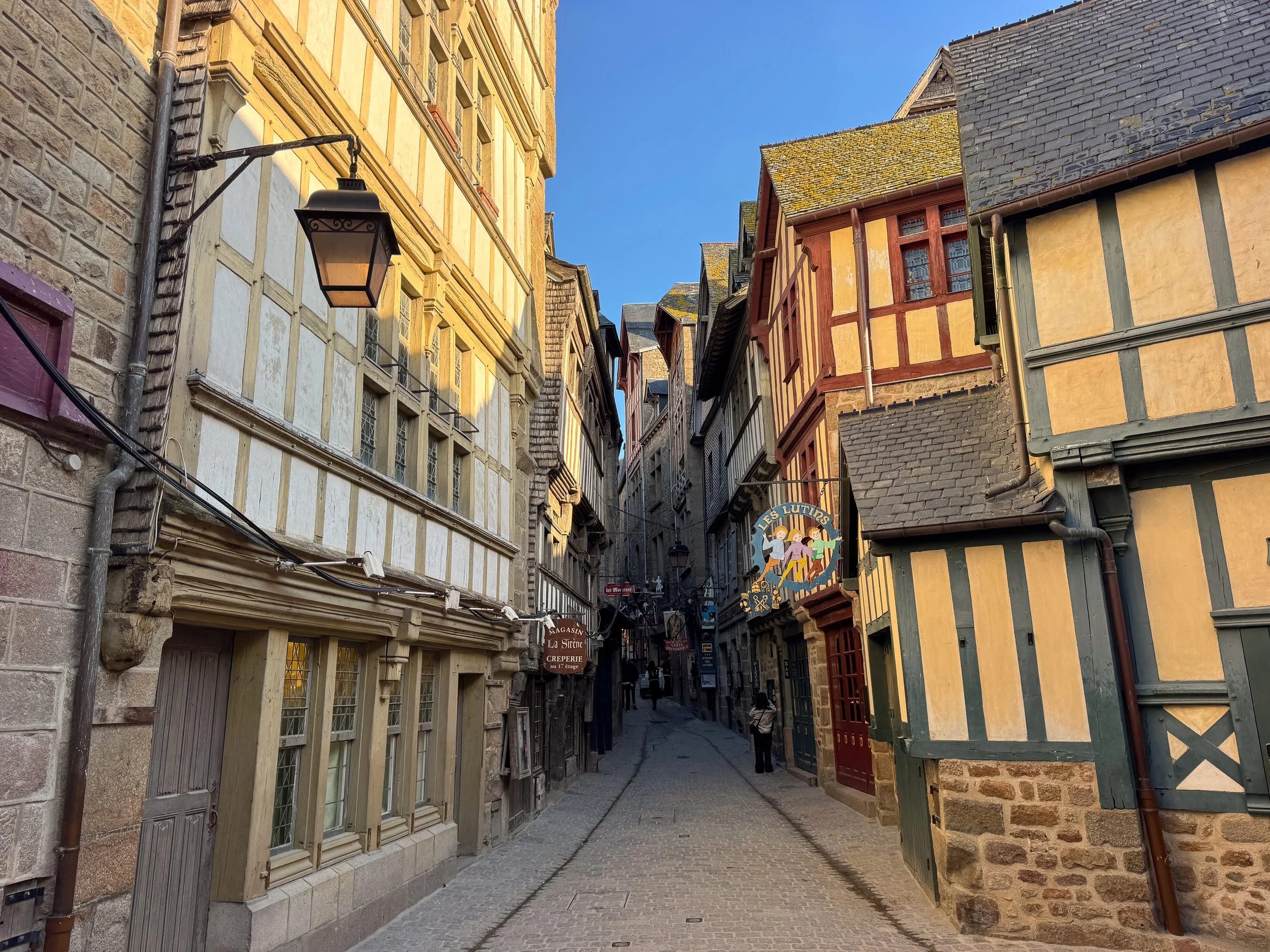
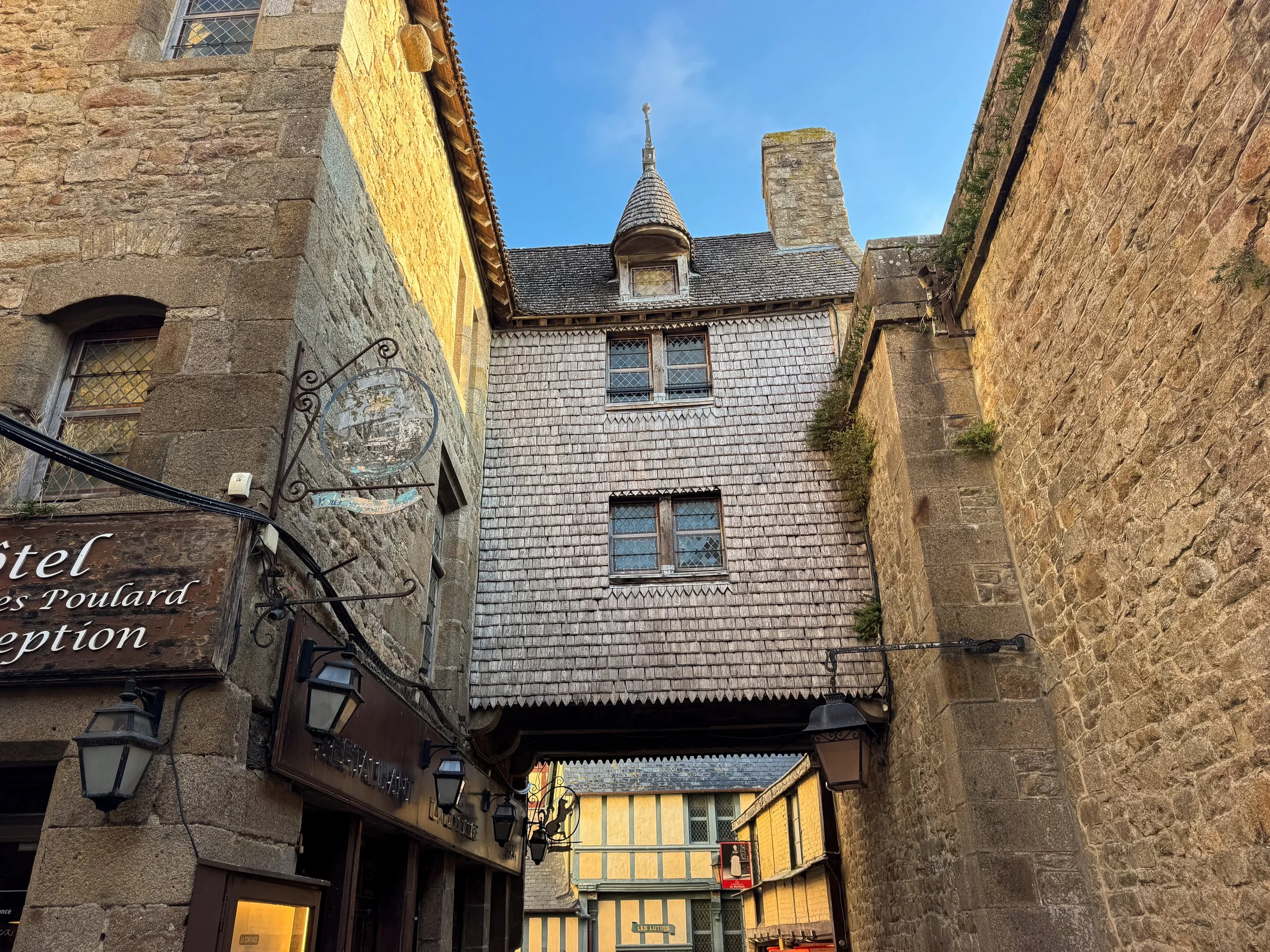
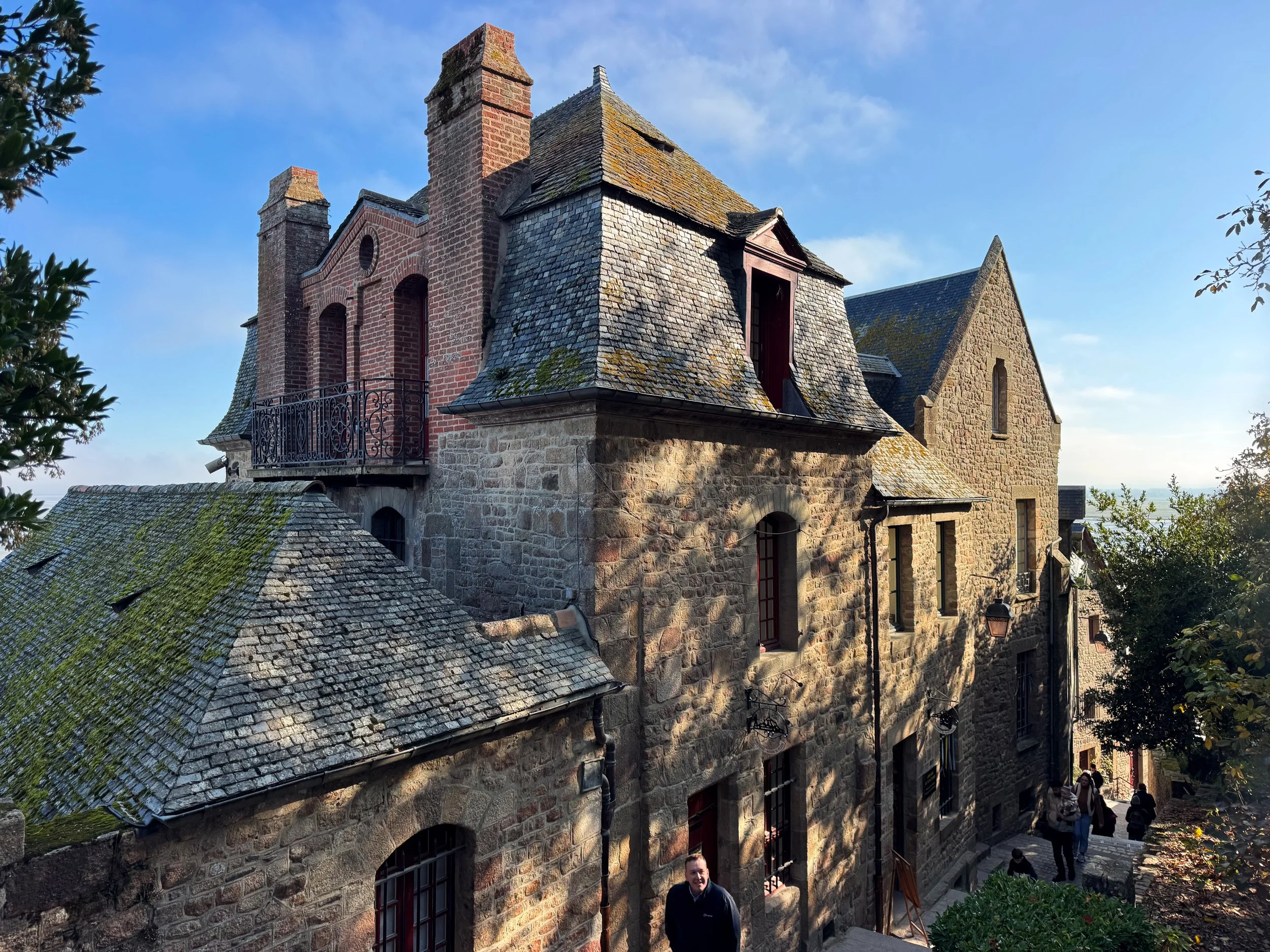
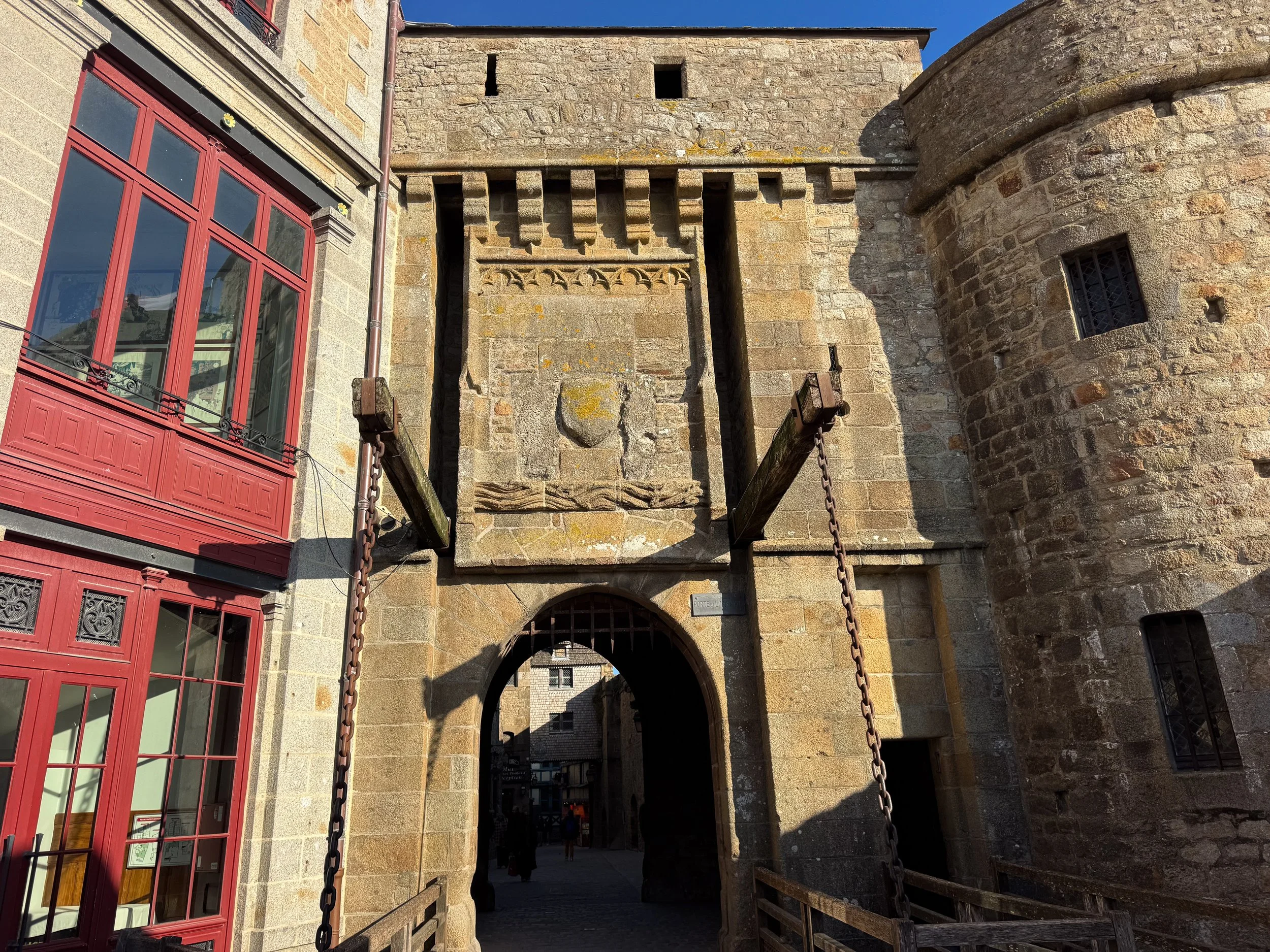
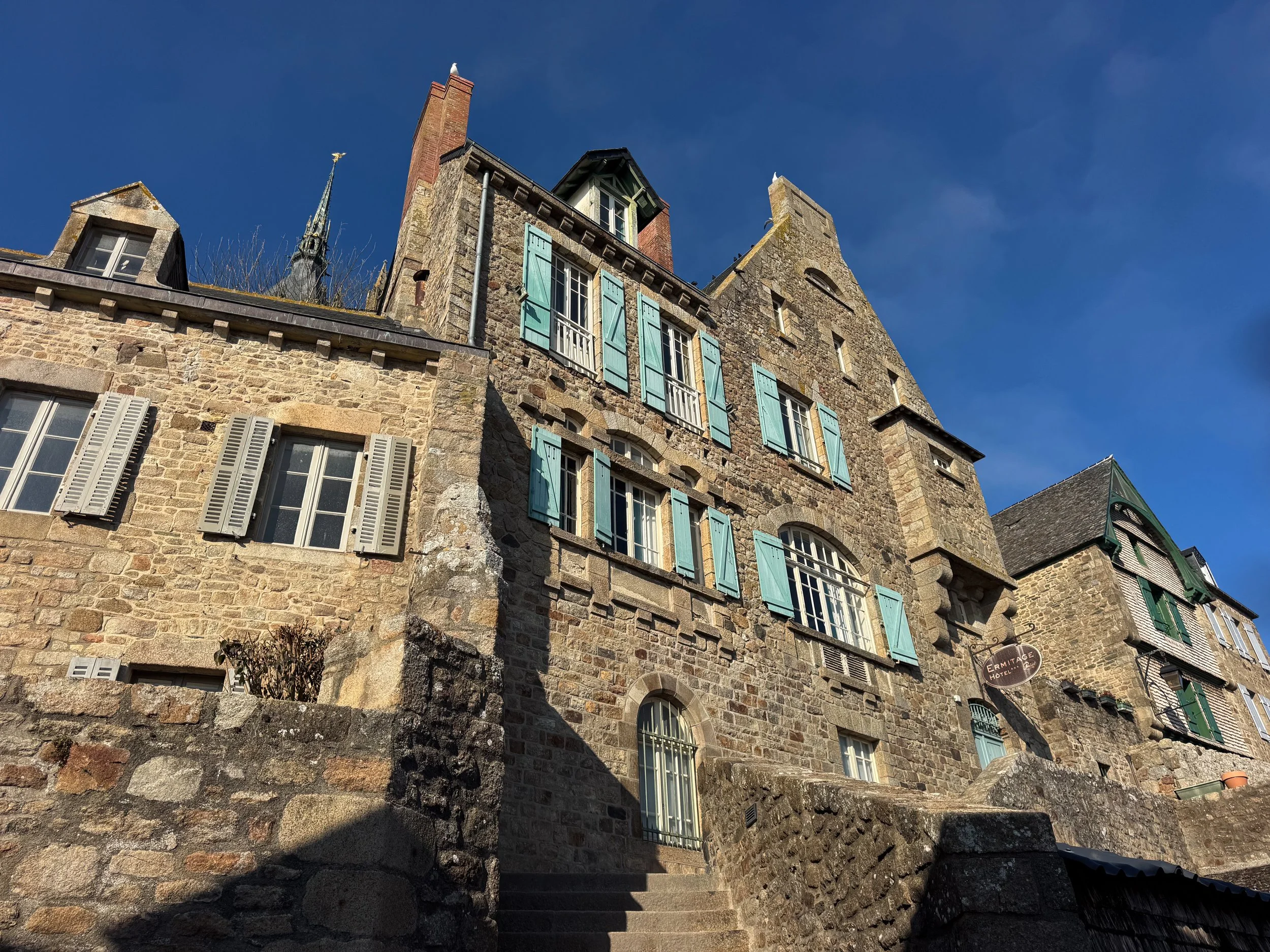
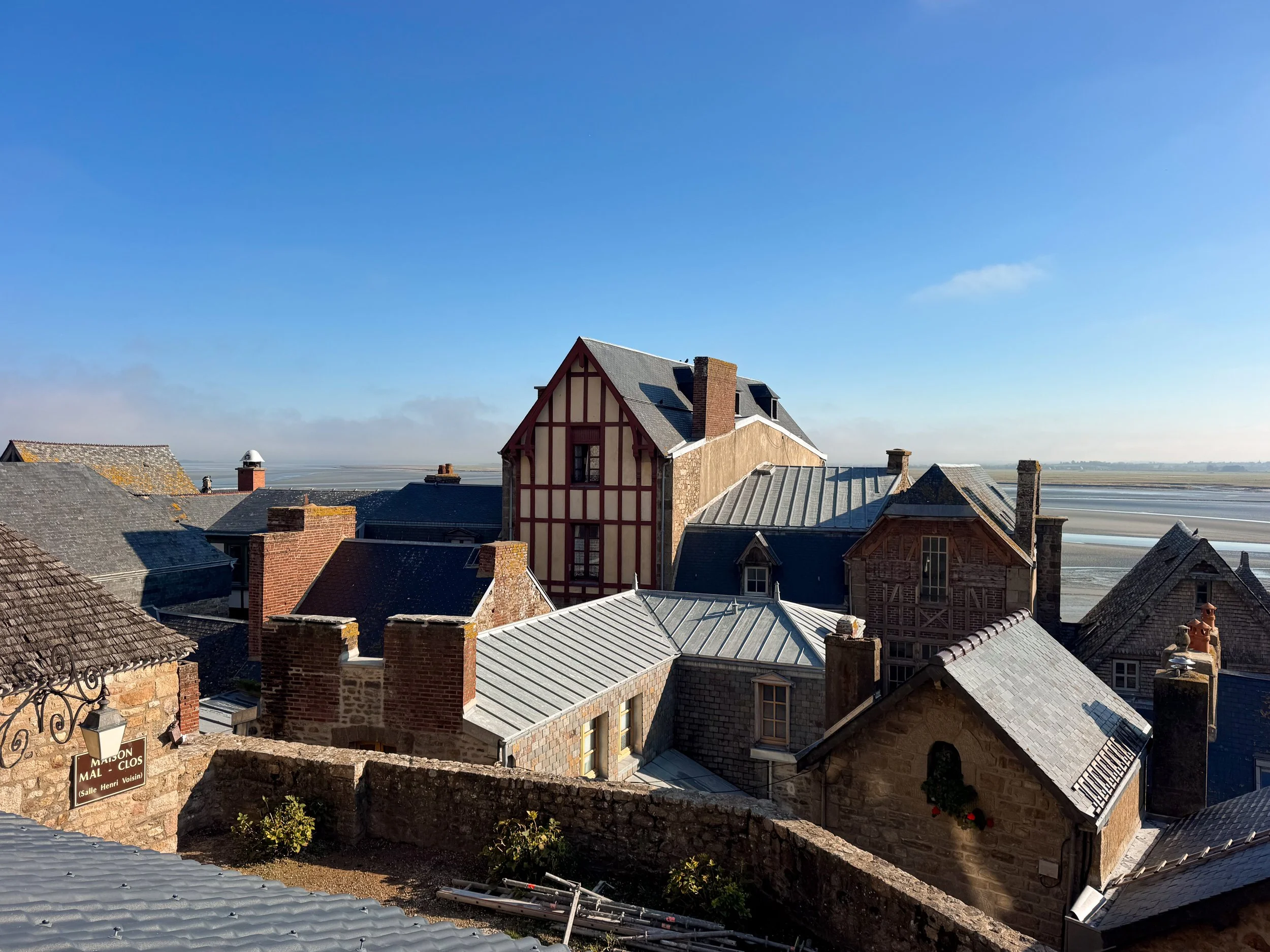
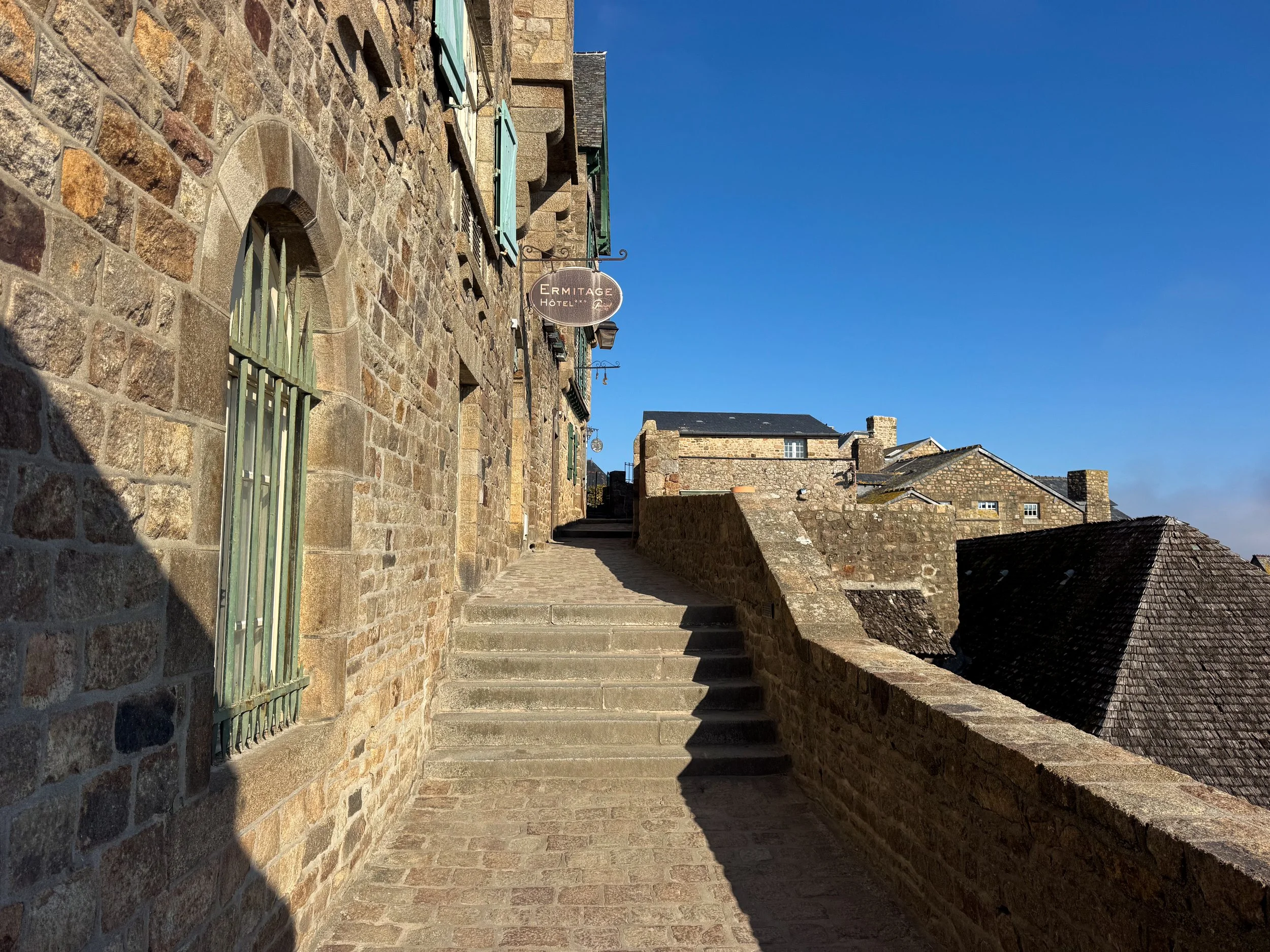
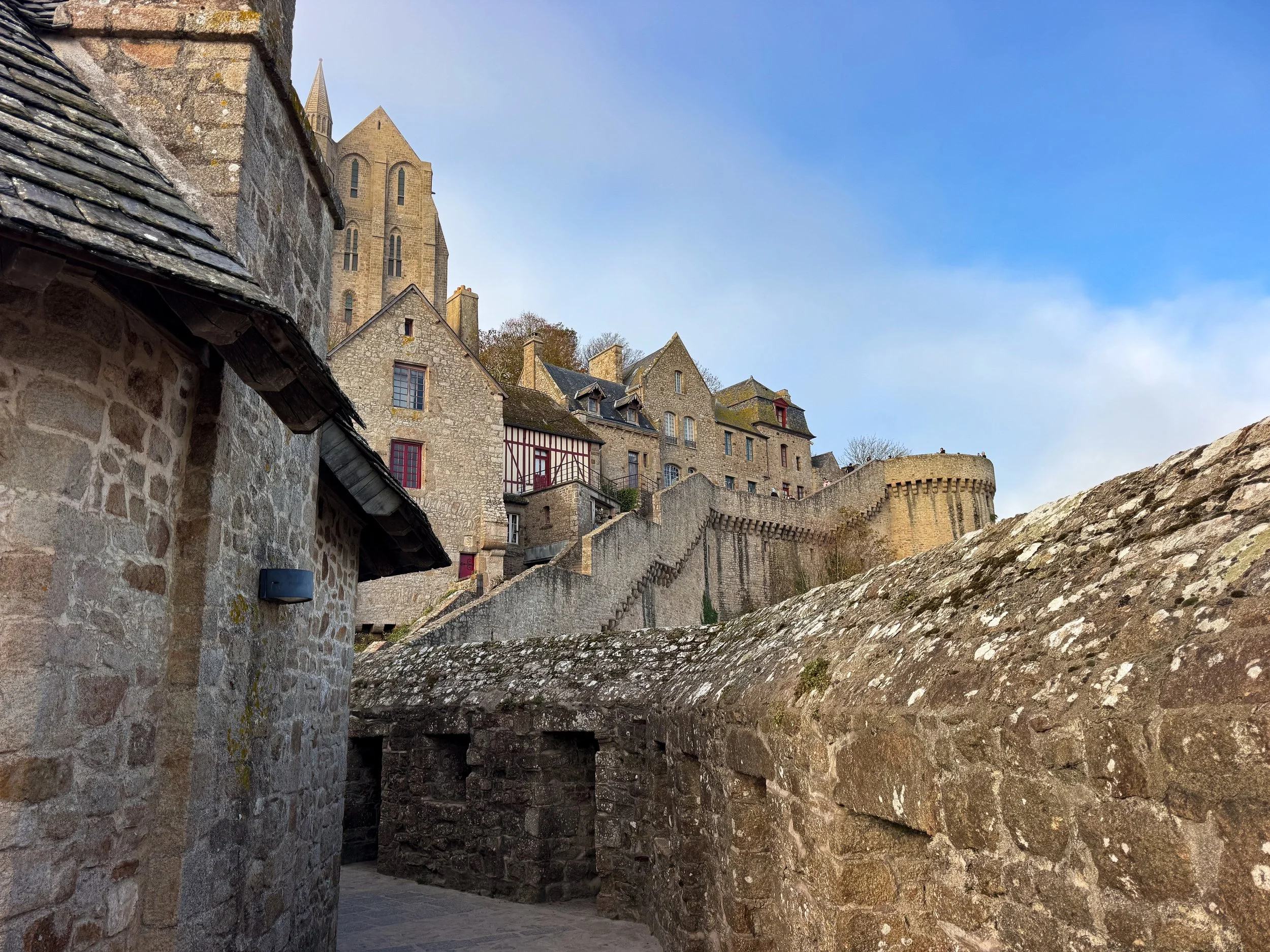
The island’s narrow cobblestone main street, climbing from the entrance through medieval gates toward the abbey. Stone houses hung with painted signs and lanterns hold historic hotels, crêperies and souvenir shops, while side stairways lead to the ramparts and quieter upper streets. Arrive early, as it gets crowded by mid-morning.
Restaurant La Confiance. A well reviewed restaurant along La Grande Rue. Order the moules frites, a steaming bowl of mussels cooked in white wine with herbs and onions, served with fries and a bottle of Normandy cider. The menu also features savory galettes, sweet crêpes and fluffy soufflé omelettes. Given the island’s crowds, it fills up quickly and often turns guests away.
Pro Tip. Research restaurants before you go. With so many visitors, quality on the island can be inconsistent, prices high and service slow.
The Ramparts
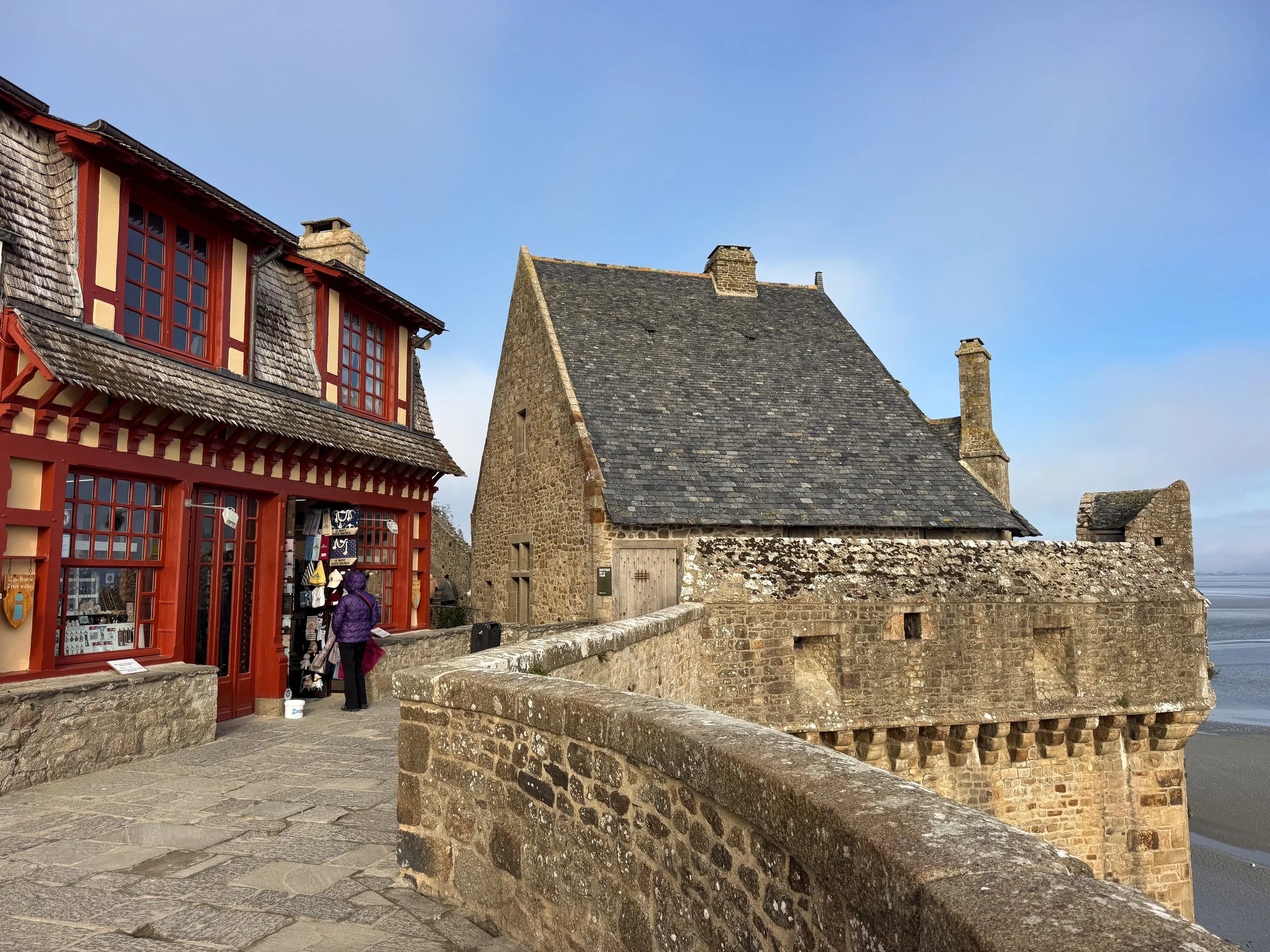
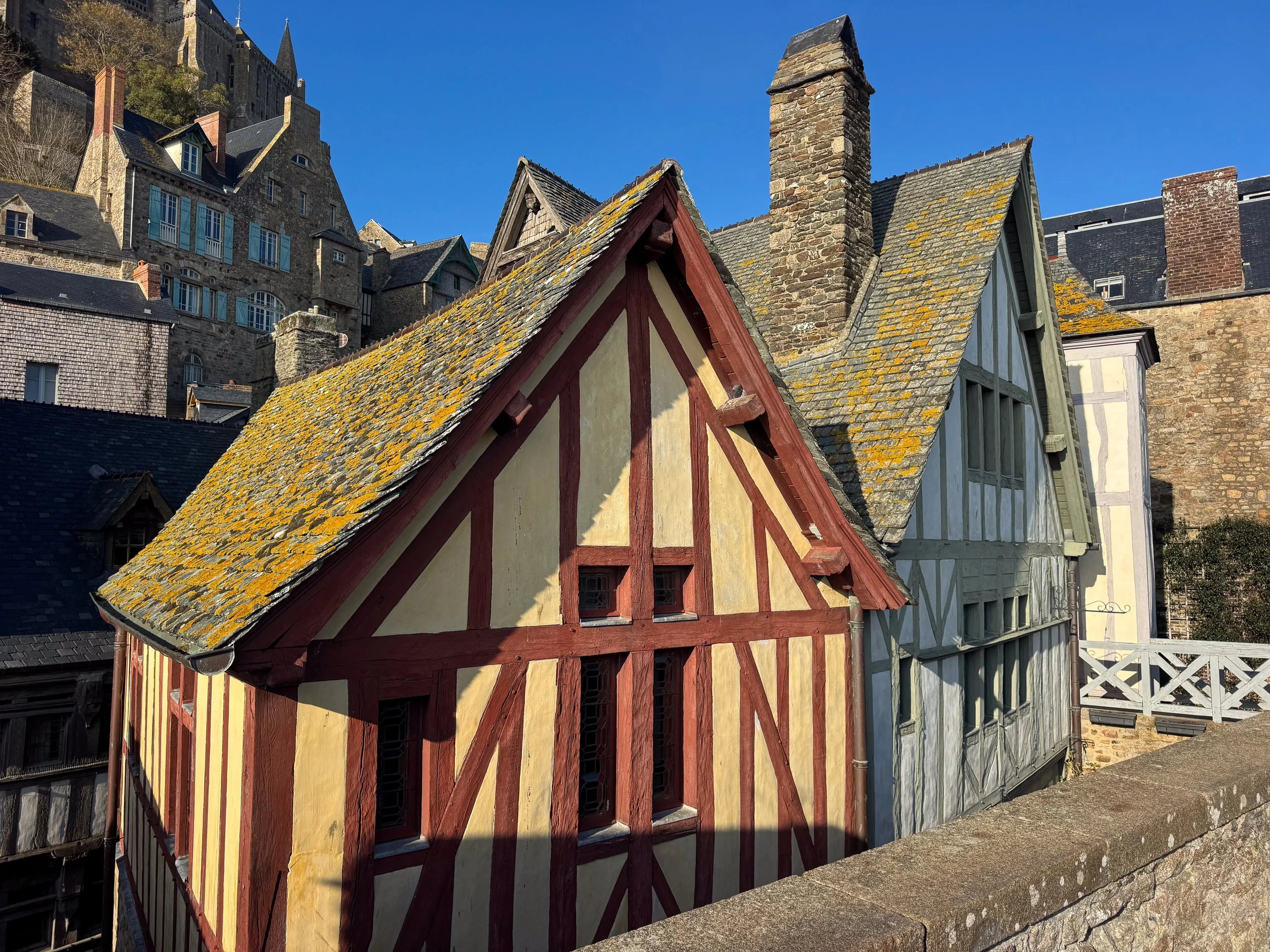
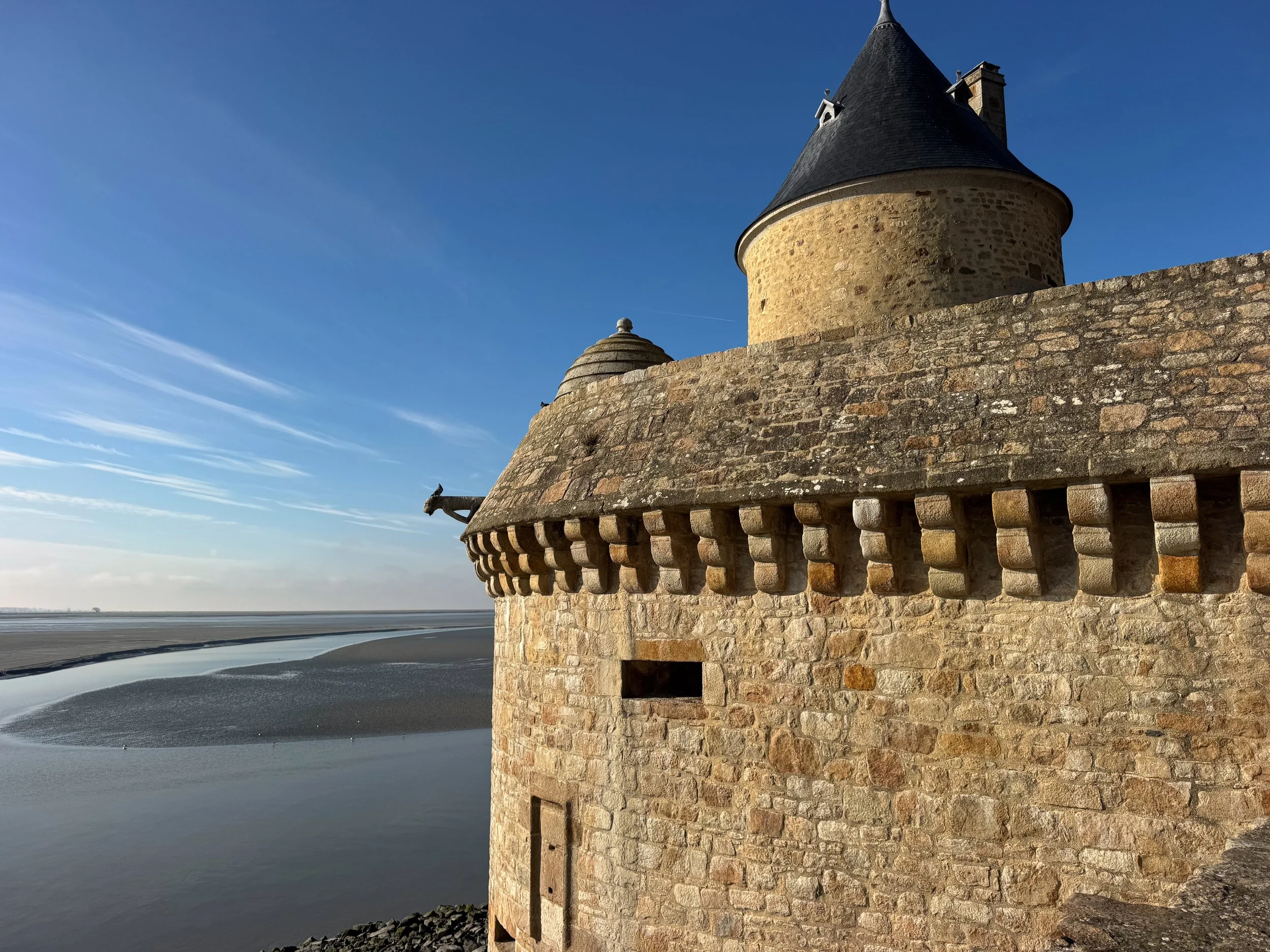
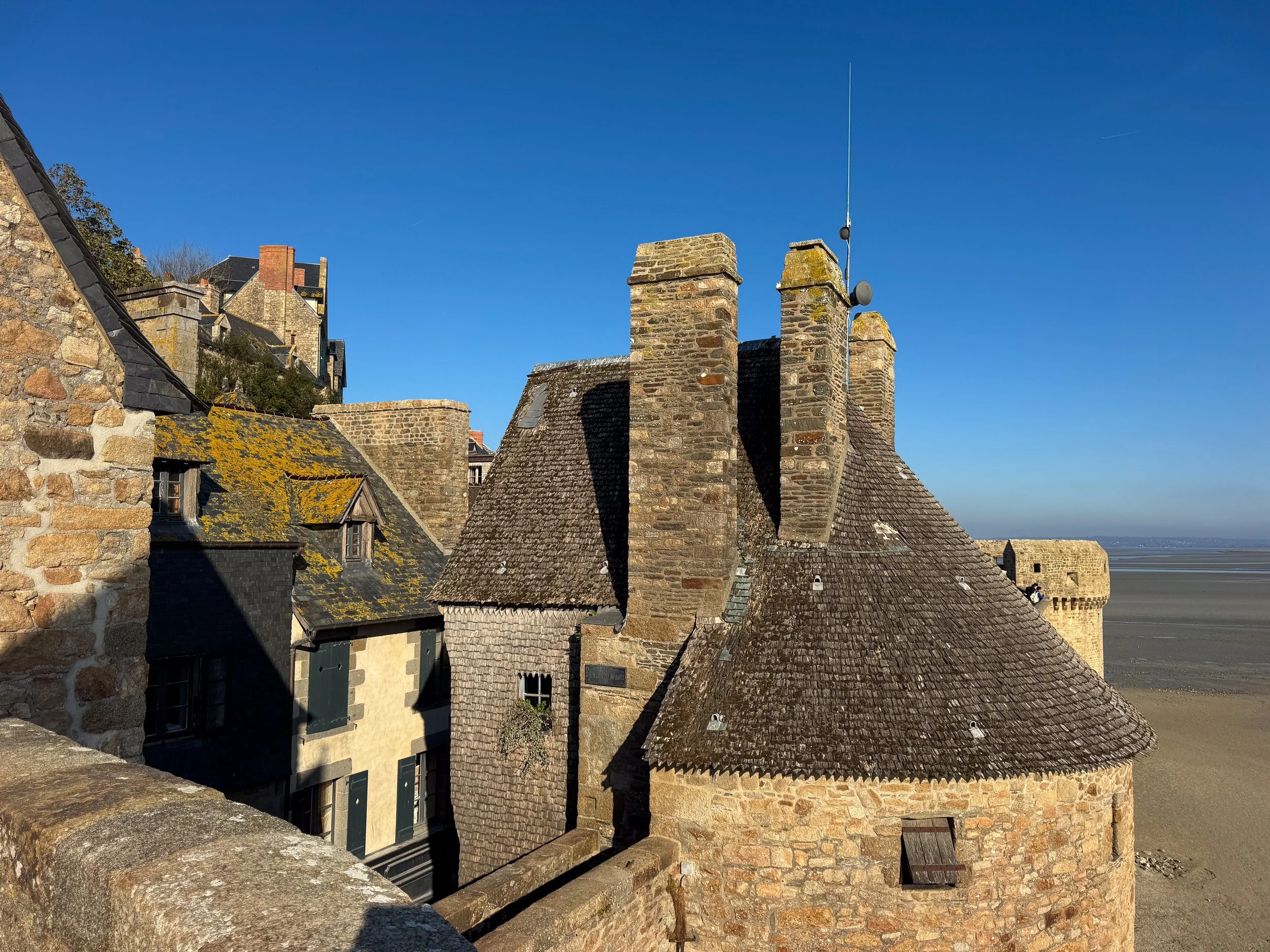
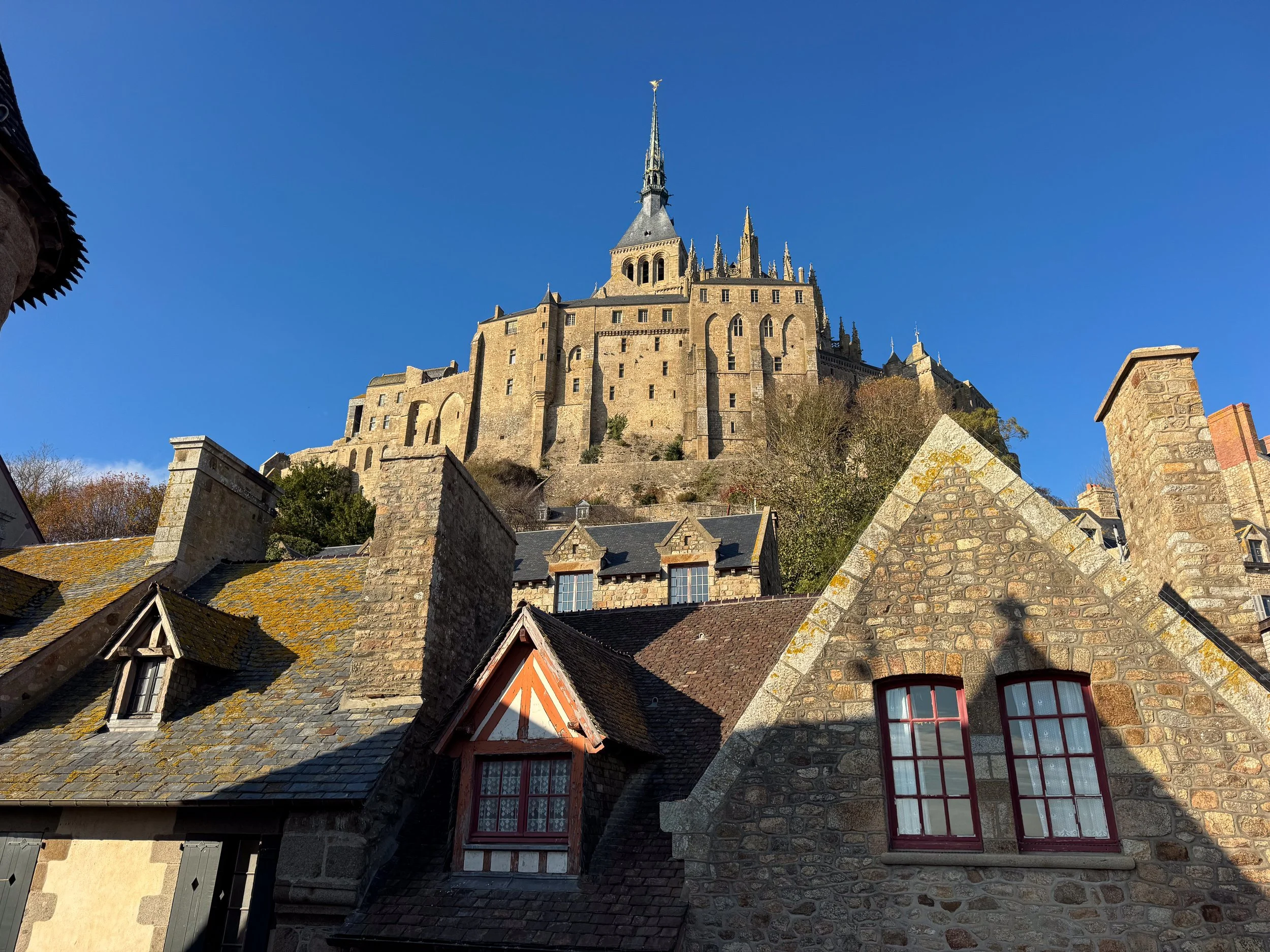
A 14th century seaside wall with watchtowers encircling the village at the base of Mont Saint-Michel. Admire its stone walls from the tidal flats, then climb the stairs to the walkways on top. From the base of the island up to the abbey entrance, the ramparts offer panoramic views over steep slate roofs, half timbered and stone houses, towering spires and the coastal landscape.
Tour de la Liberté. The first tower along the ramparts after entering the island, with the French flag waving from its front. Climb its stairwell to the walkway above for picturesque views over the island.
Tour du Nord. A tower at the upper end of the ramparts beneath the entrance to the abbey. It offers panoramic views of the coastal landscape and tidal flats surrounding the island.
Tour Gabriel. A lesser visited tower with quiet views across the bay, reachable after entering the left gate to the island.
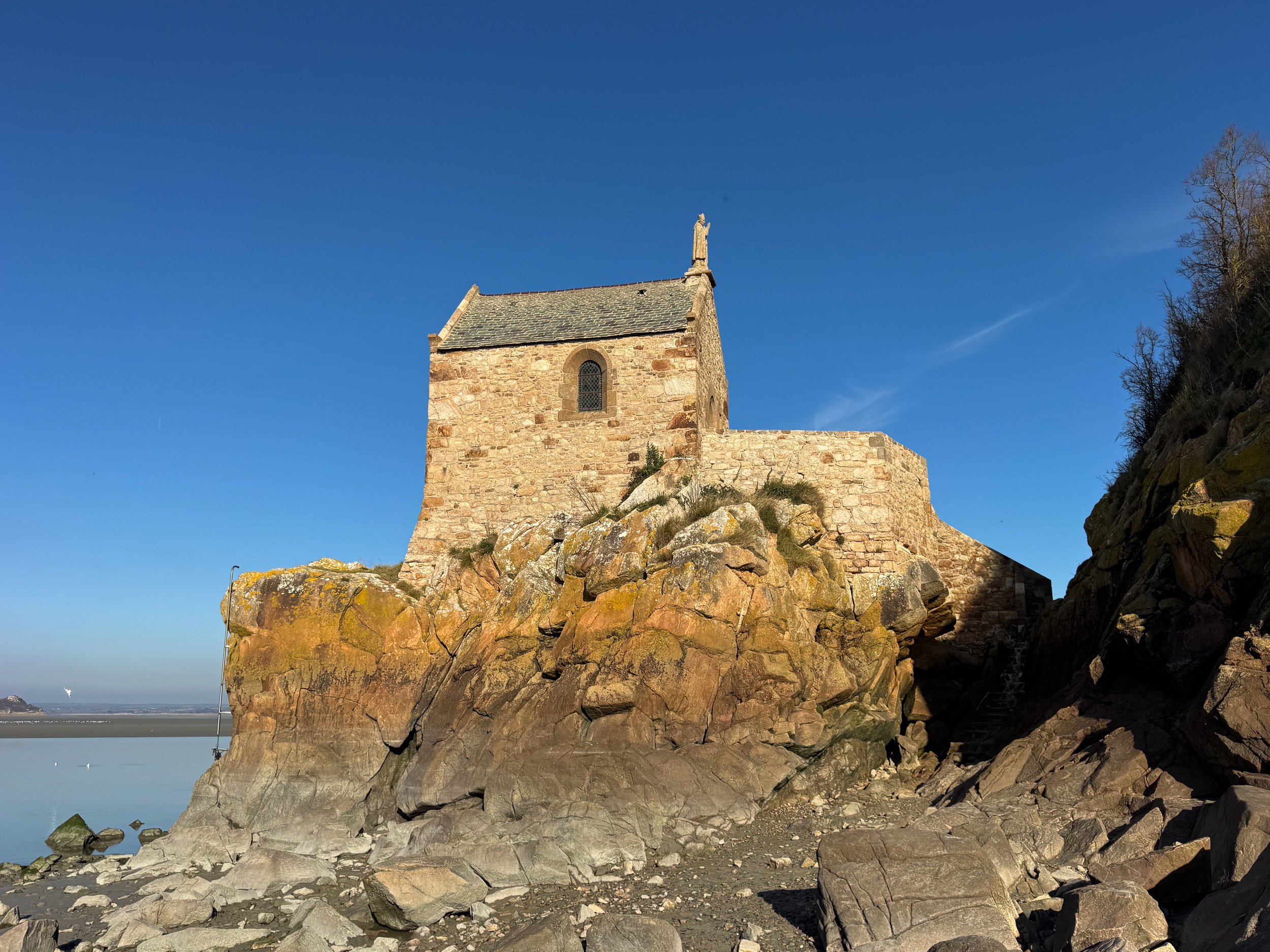
Chapelle Saint-Aubert. A remote chapel perched on the rocky cliffs below the abbey. Reachable only at low tide, past the Tour Gabriel, it offered monks a secluded spot to pray and meditate in silence.
Mont Saint-Michel Abbey
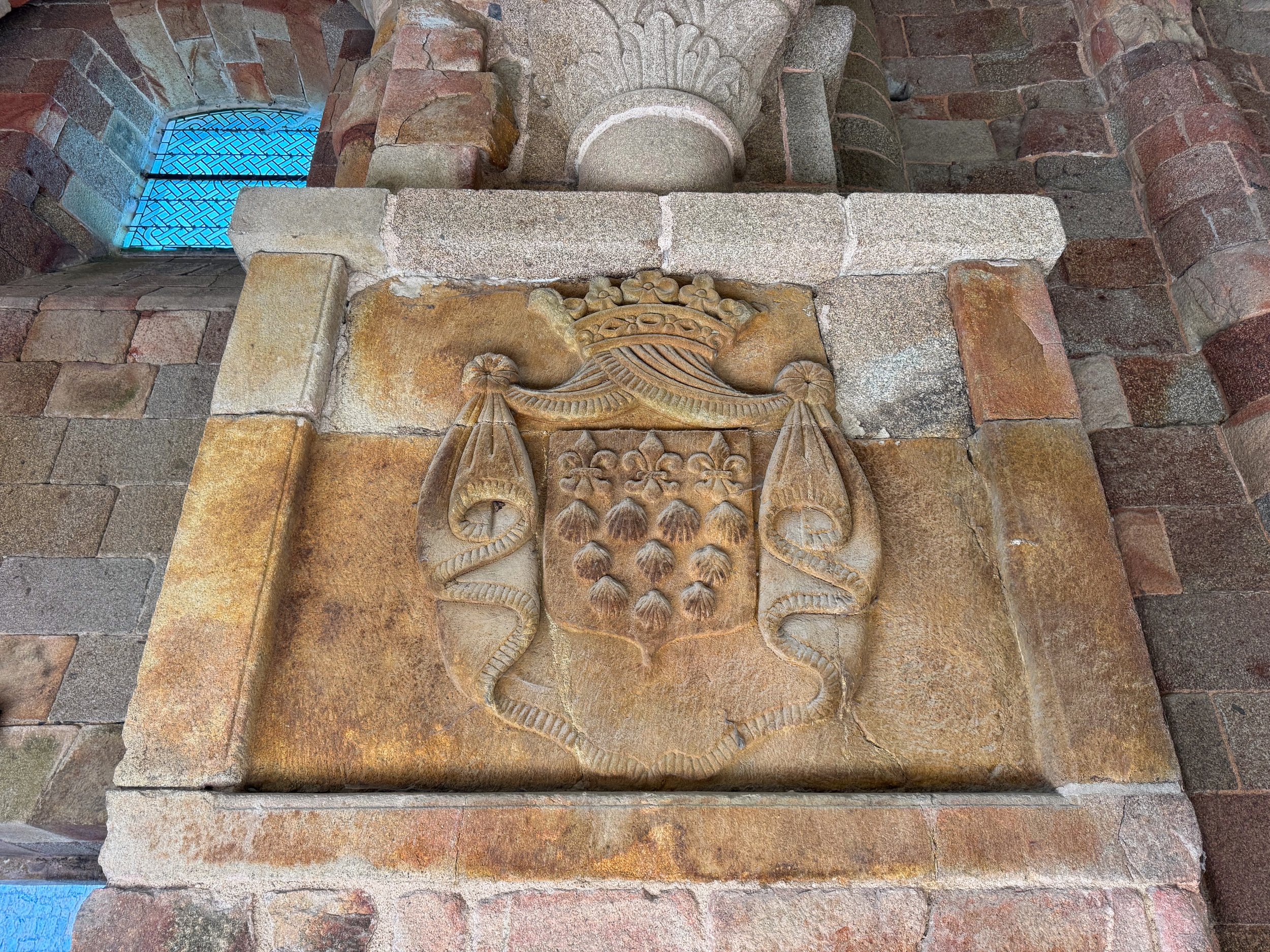
The towering centerpiece of the island, this Benedictine abbey dates back more than 1,300 years to the 8th century. A self guided tour winds through its grandest spaces, from vaulted chambers to Gothic halls. Explore stone walkways, steep staircases and open air terraces. Along the way, barred passageways hint at a labyrinth of rooms beyond.
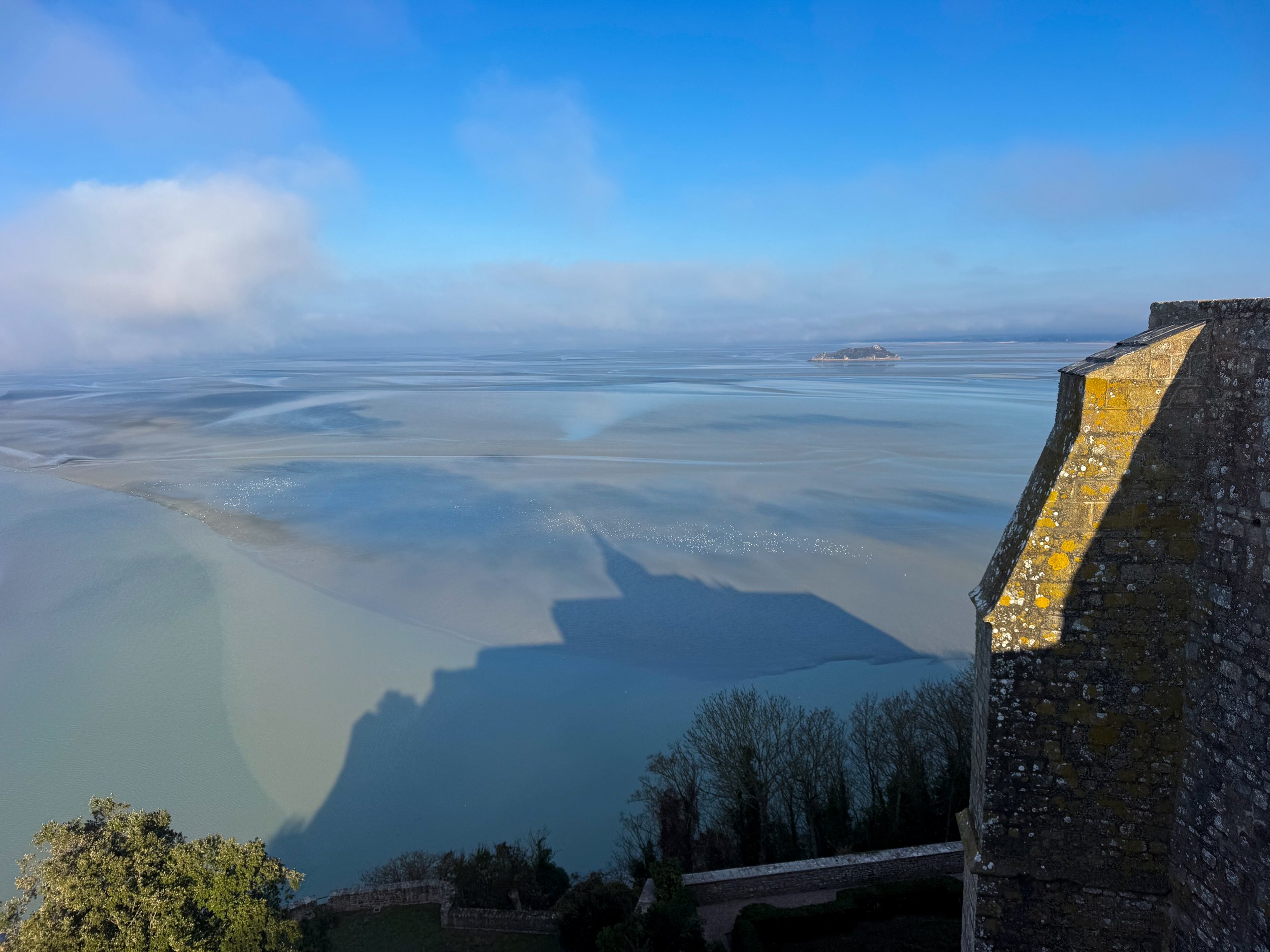
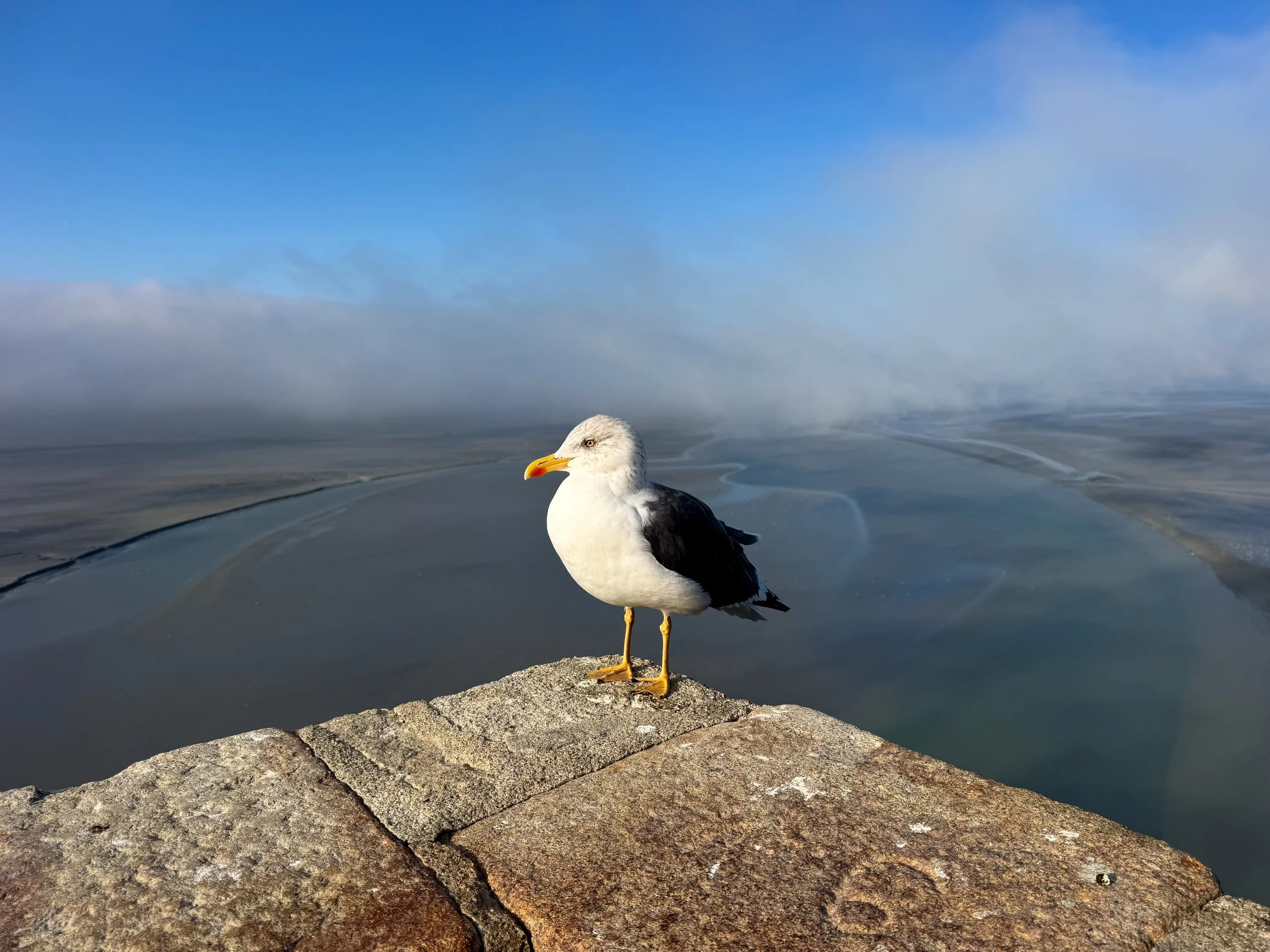
The West Terrace. One of the first spaces inside the abbey, this vast open air terrace sits in front of the church with dramatic views across the coastline and tidal flats. Linger to take in the scenery and watch for birds. In the mid-morning, look for one of its most striking sights, the abbey’s shadow stretching across the sands below.
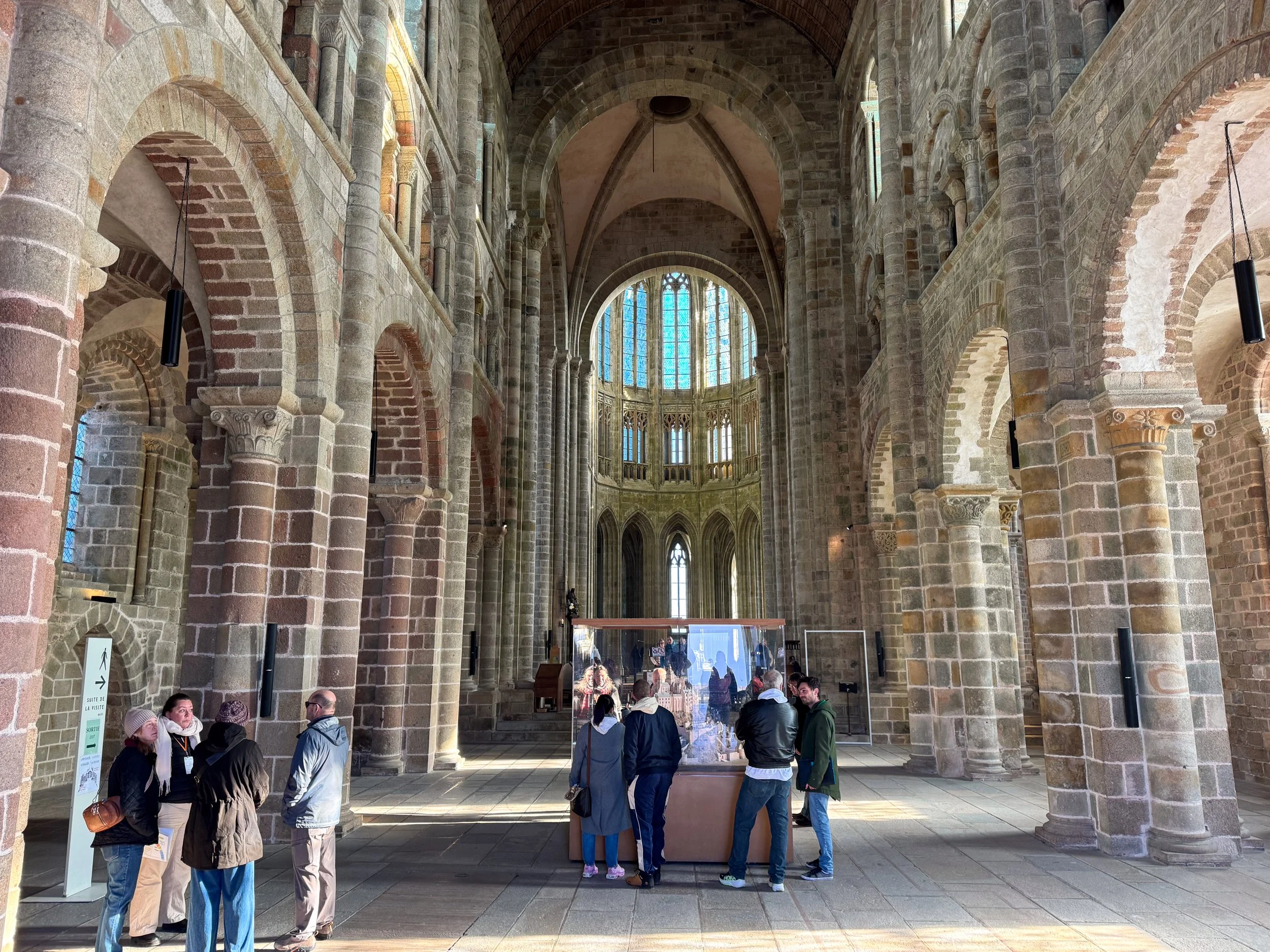
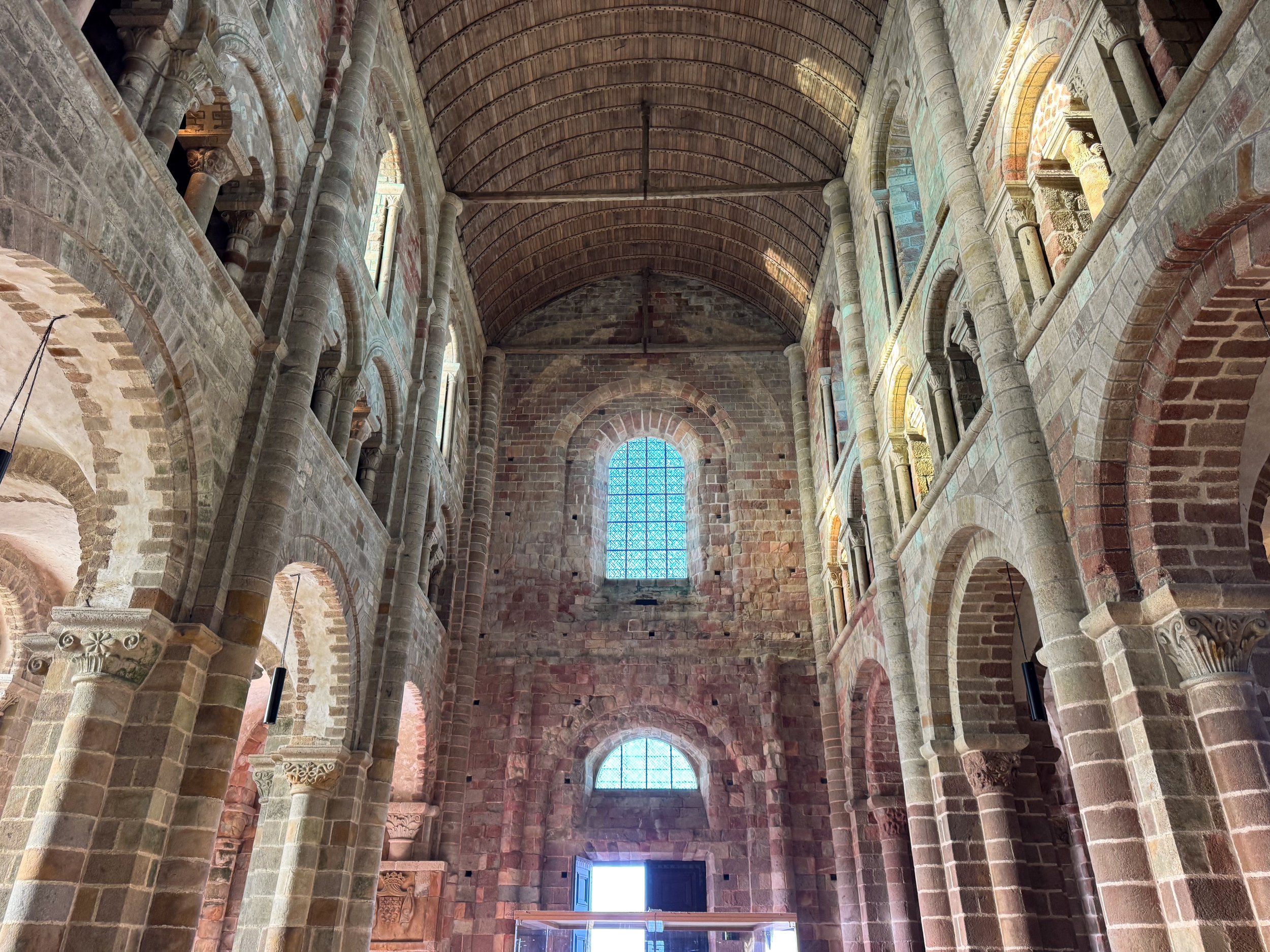
The Abbey Church. A medieval marvel built atop the island’s rocky summit. Its soaring nave is topped with a wooden barrel vaulted ceiling, while stone columns and arches lead toward a Gothic choir lit by tall, slender stained glass windows. Look for the monks and nuns who still live here, quietly praying and meditating.
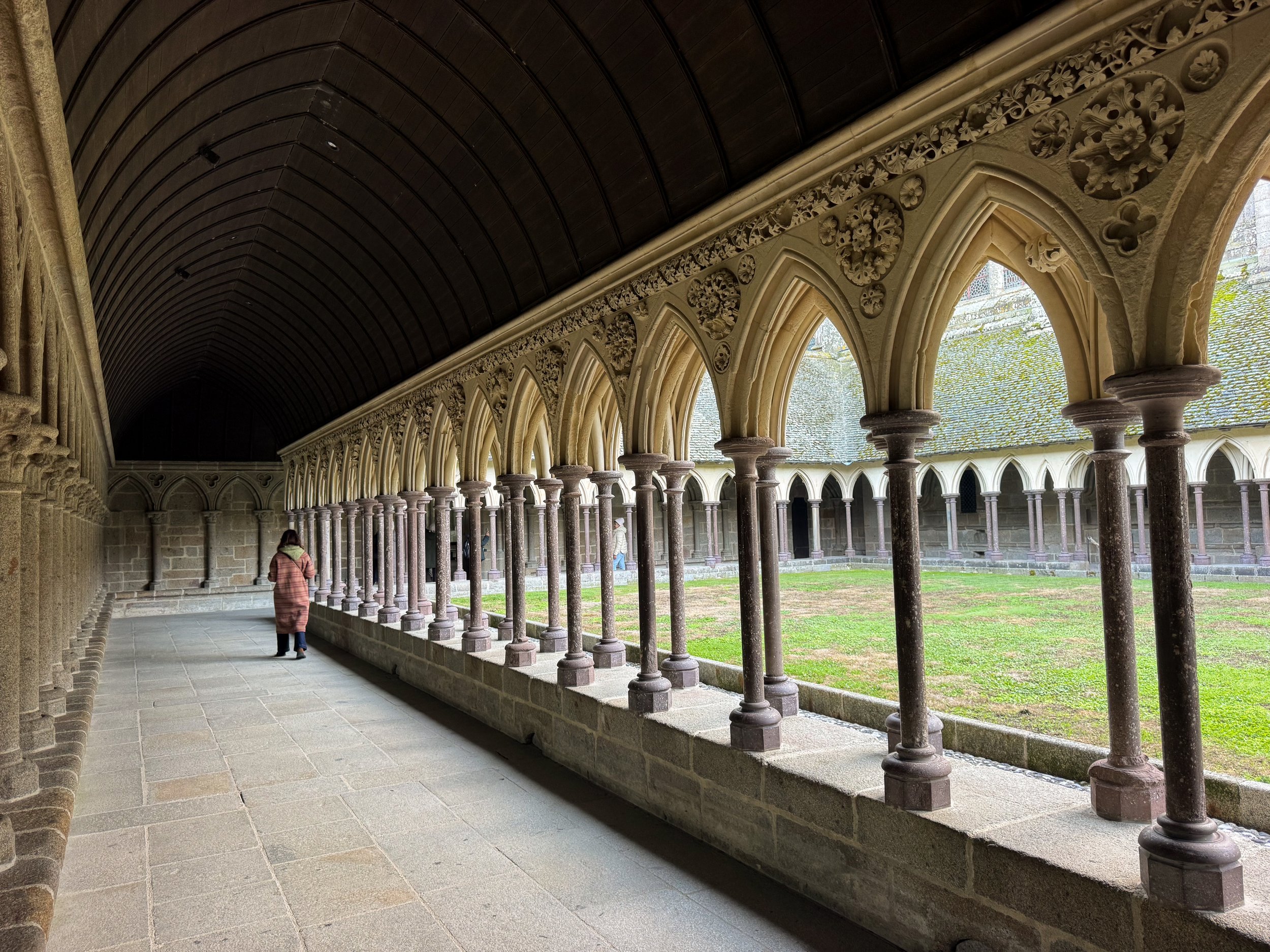
The Cloisters. A covered walkway of double arches wrapping around a rectangular, grassy courtyard, lined with hundreds of slender columns. One open section frames dramatic views over the West Terrace and the landscape beyond.
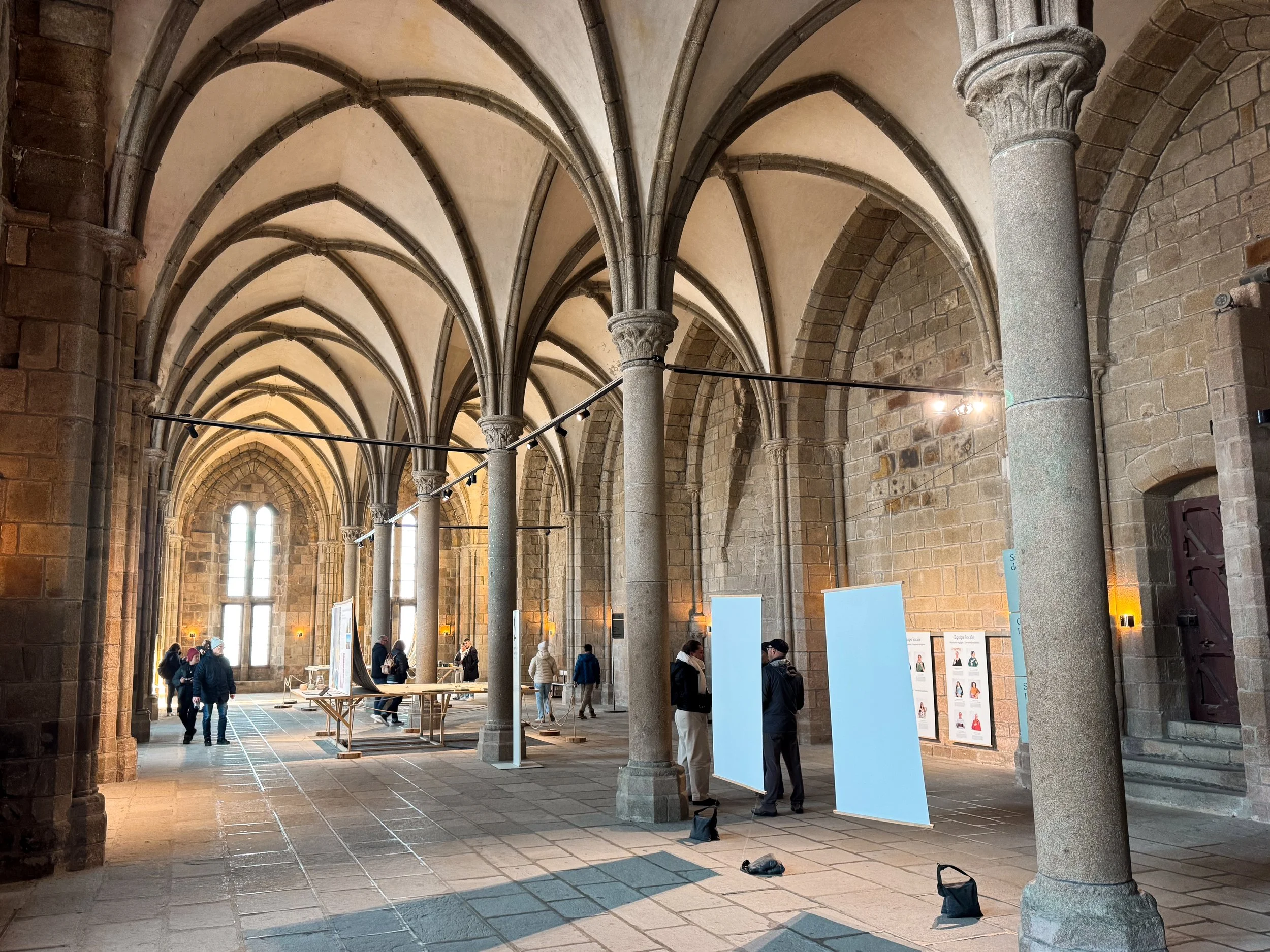
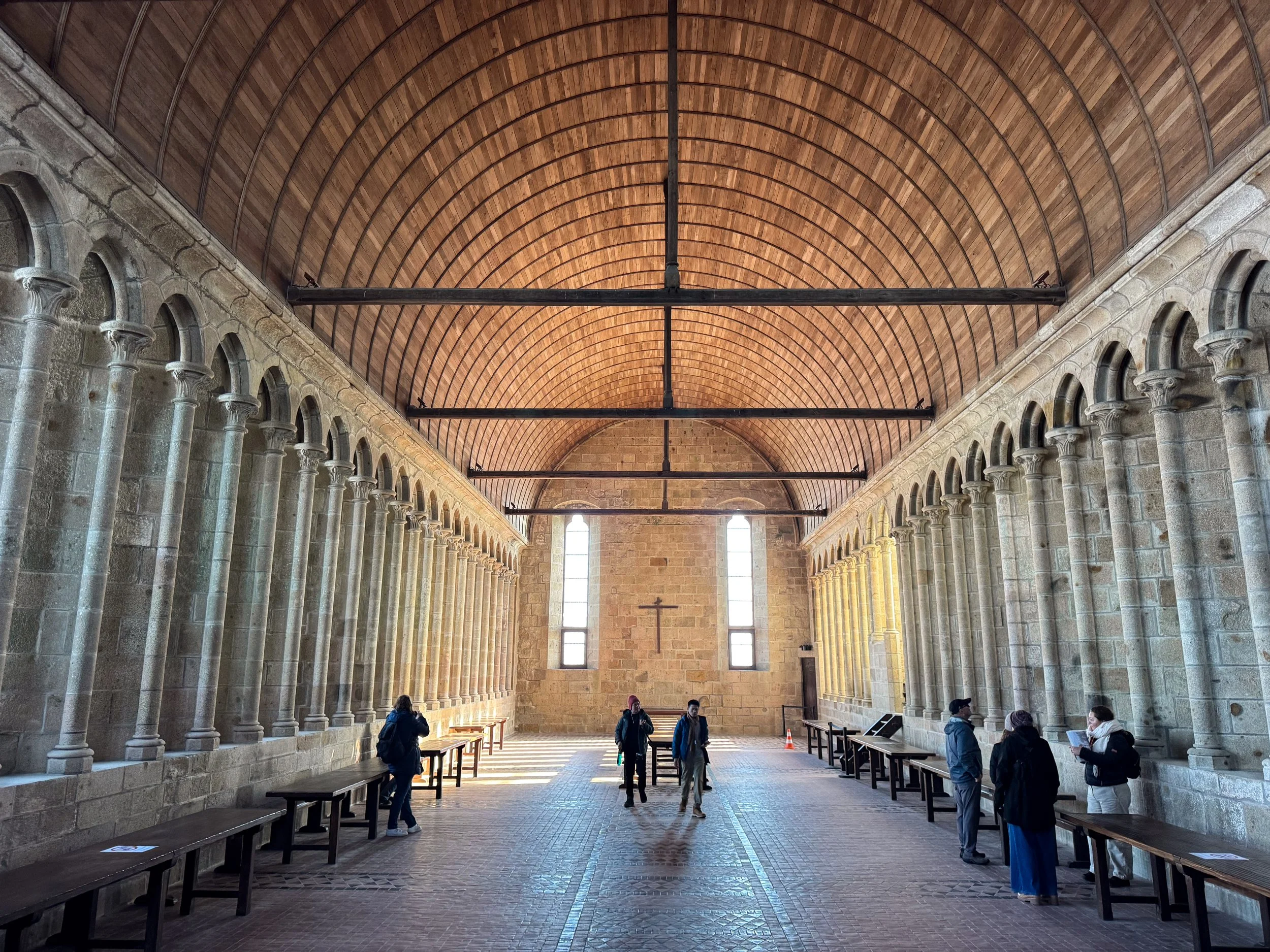
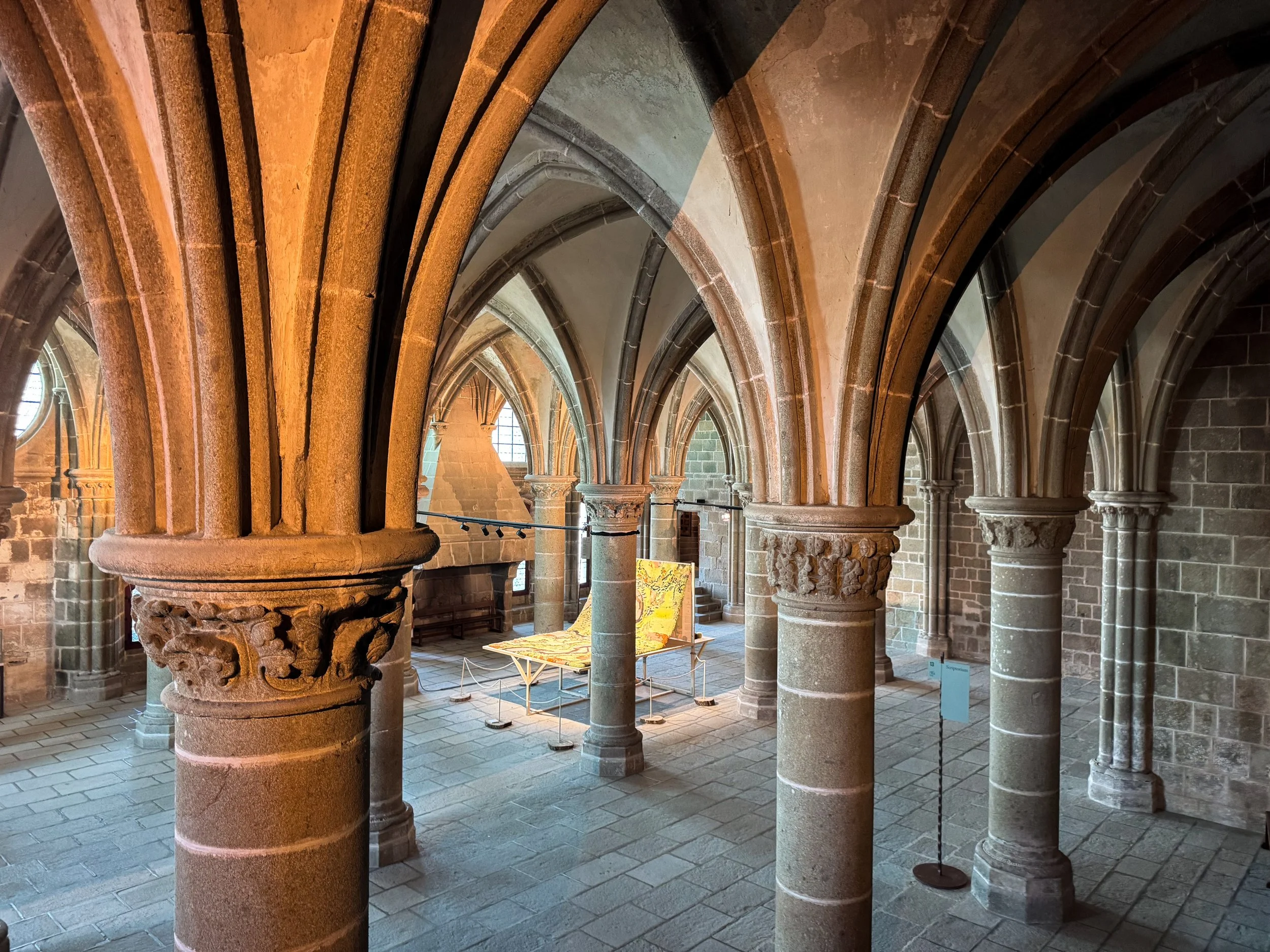
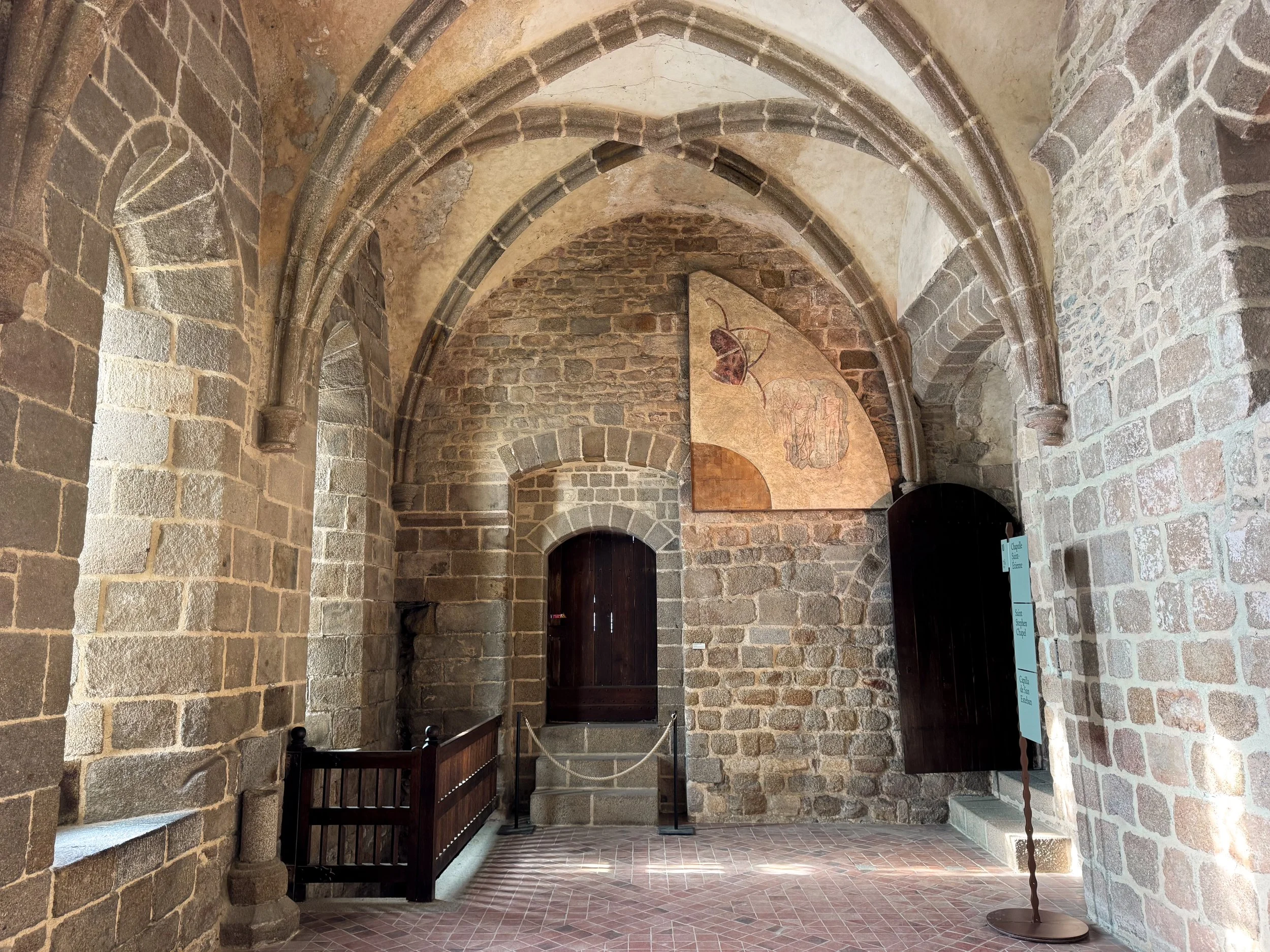
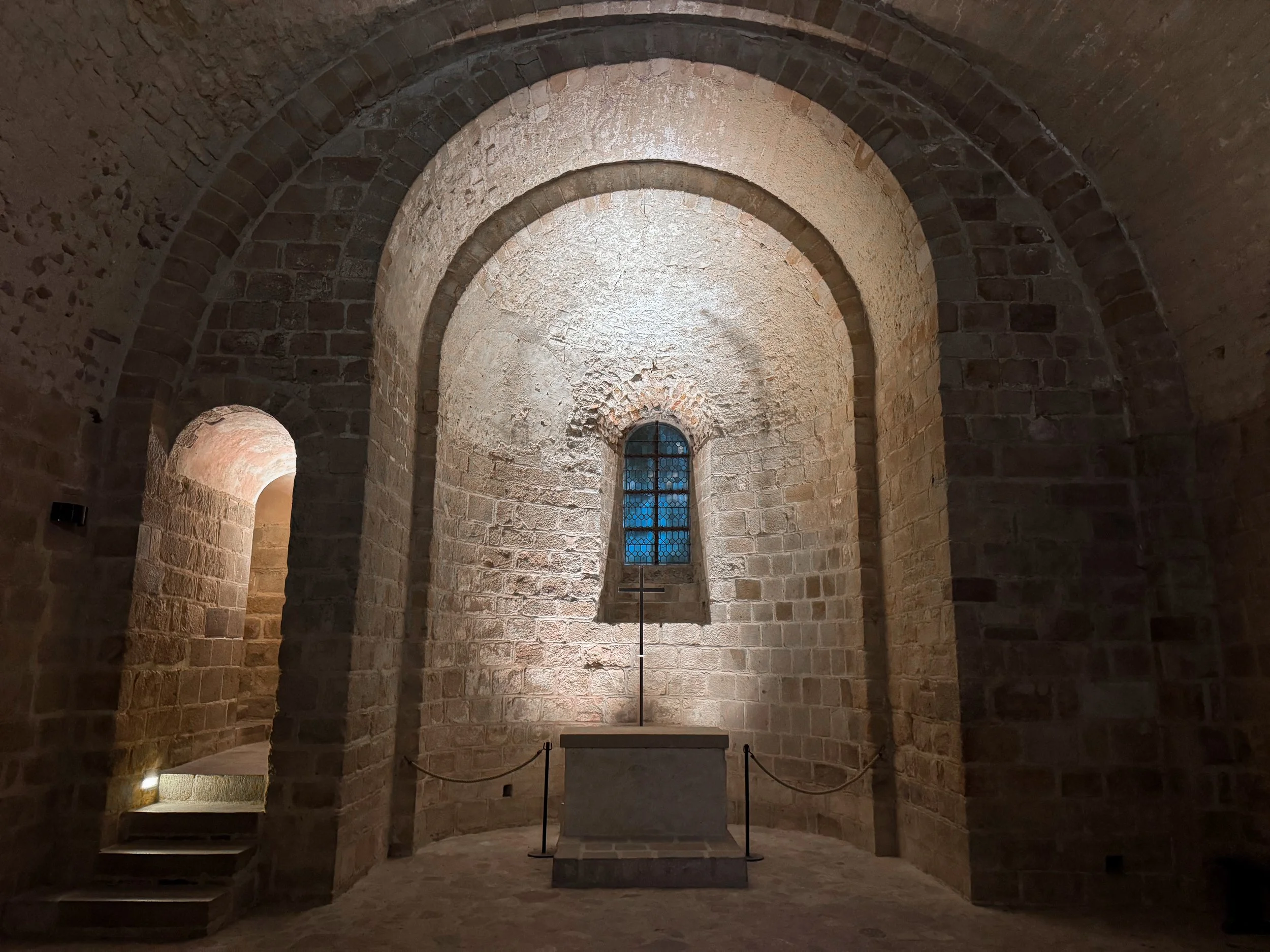
The Refectory. A vast hall where monks once gathered for communal meals and meditation. Tall, arched stained glass windows line the walls beneath a wooden barrel vaulted ceiling. Long wooden tables once used by the monks still sit off to the side.
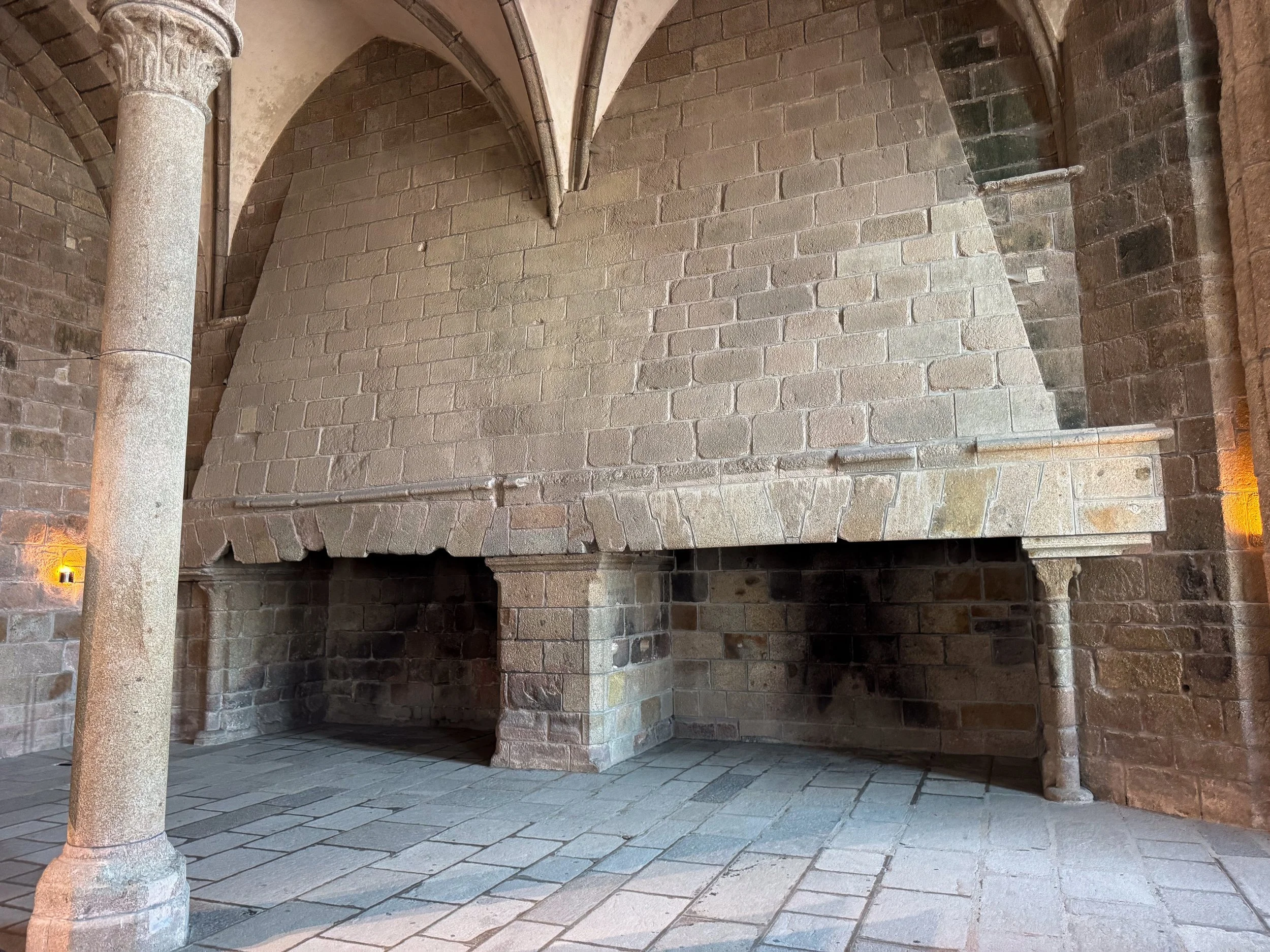
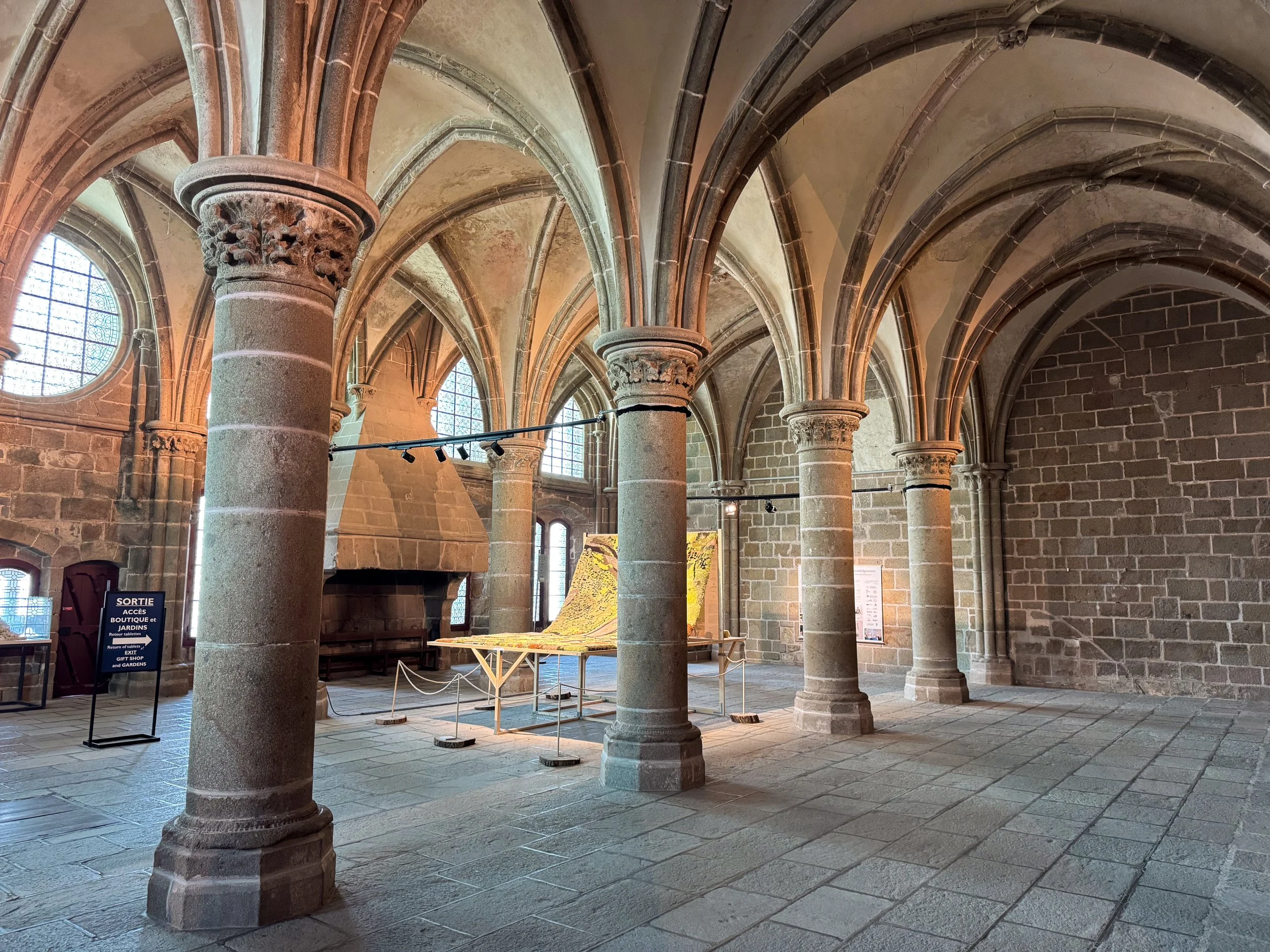
The Guests’ Hall. A grand Gothic hall where the abbey once hosted kings, nobles and pilgrims for meals. Stone columns support a soaring vaulted ceiling. Tall arched windows fill the space with light, and two massive fireplaces anchor one end. Today, it serves as an exhibition space.
The Crypt of the Great Pillars. A dimly lit chamber filled with massive columns built to bear the weight of the abbey church above.
The Wheel Room. Once the abbey’s ossuary, where the bones of deceased monks rested in deep vaults, this room houses a giant wooden wheel used to hoist a sledge of supplies up the abbey’s steep walls.
Knights’ Hall. A grand stone vaulted hall with tall columns, large circular windows and massive fireplaces. The abbey’s monks once used it to study and copy medieval manuscripts and biblical texts. Today, it serves as an exhibition space.
Entry & Tickets. Book abbey tickets in advance through the official website. Expect long lines in summer and shorter waits during the cooler months.
Pro Tip. Visit on a weekday to avoid the weekend crowds. Arrive before 9am to explore at the quietest time of day.
Viewpoints & Trails
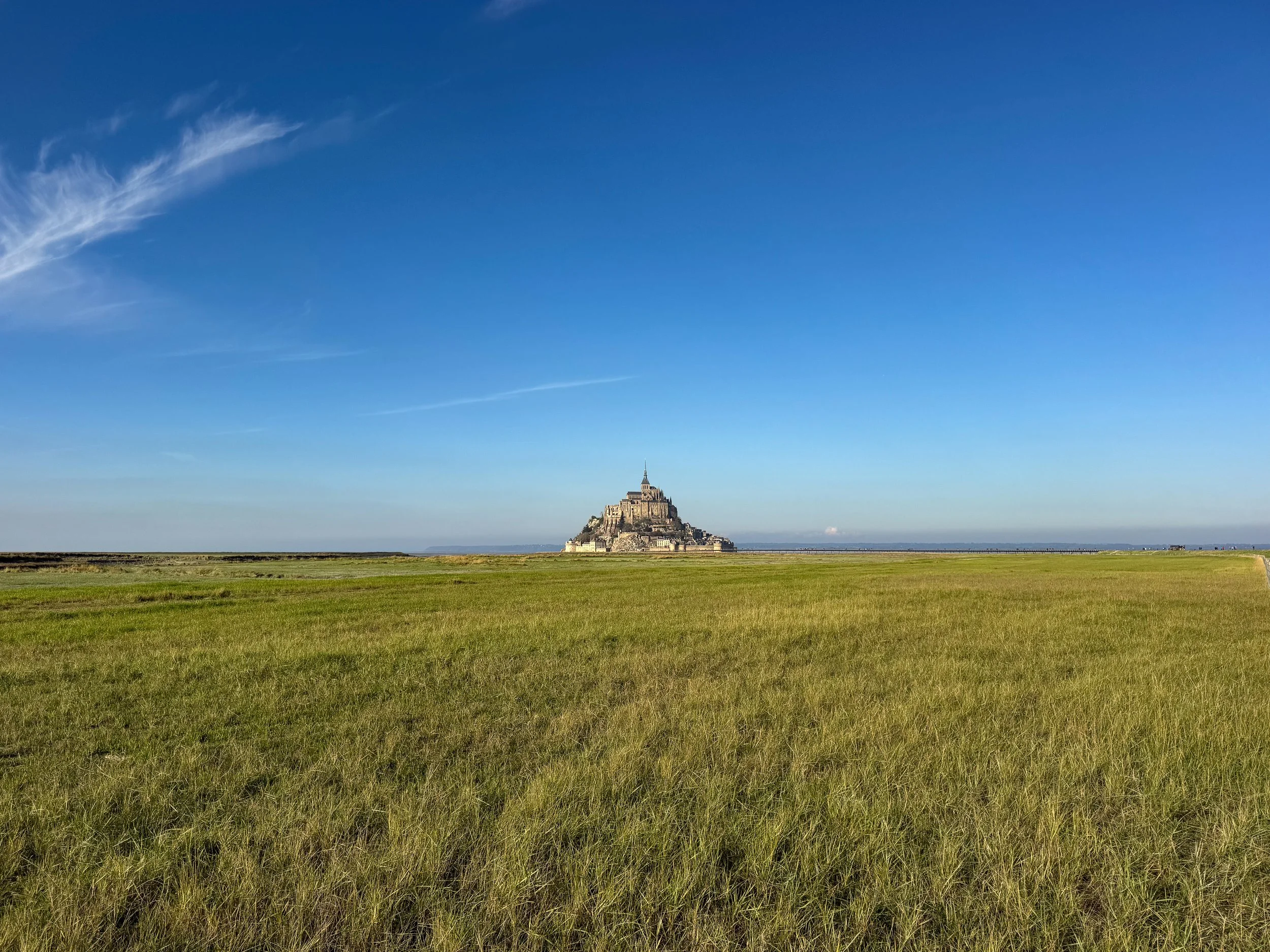
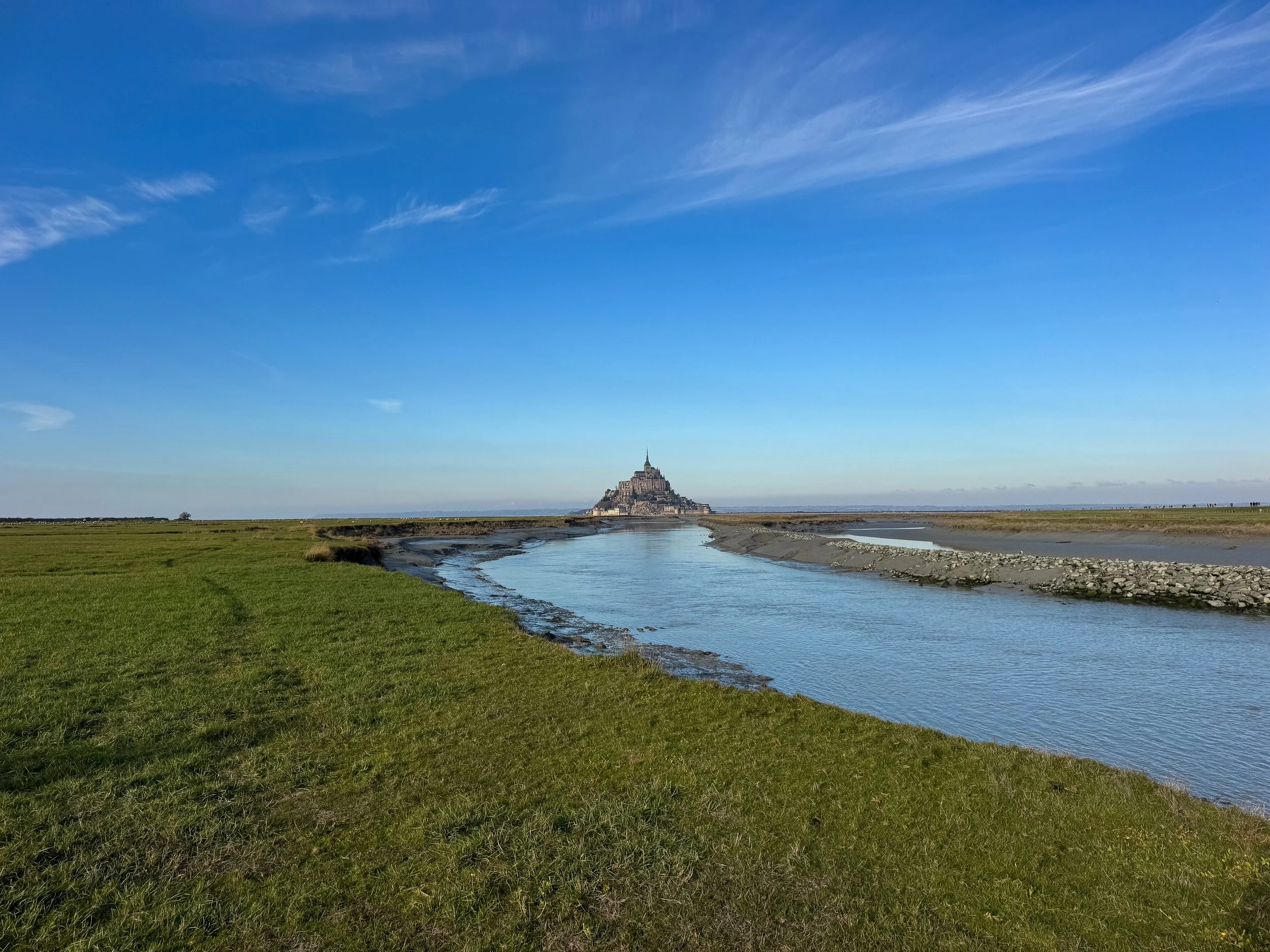
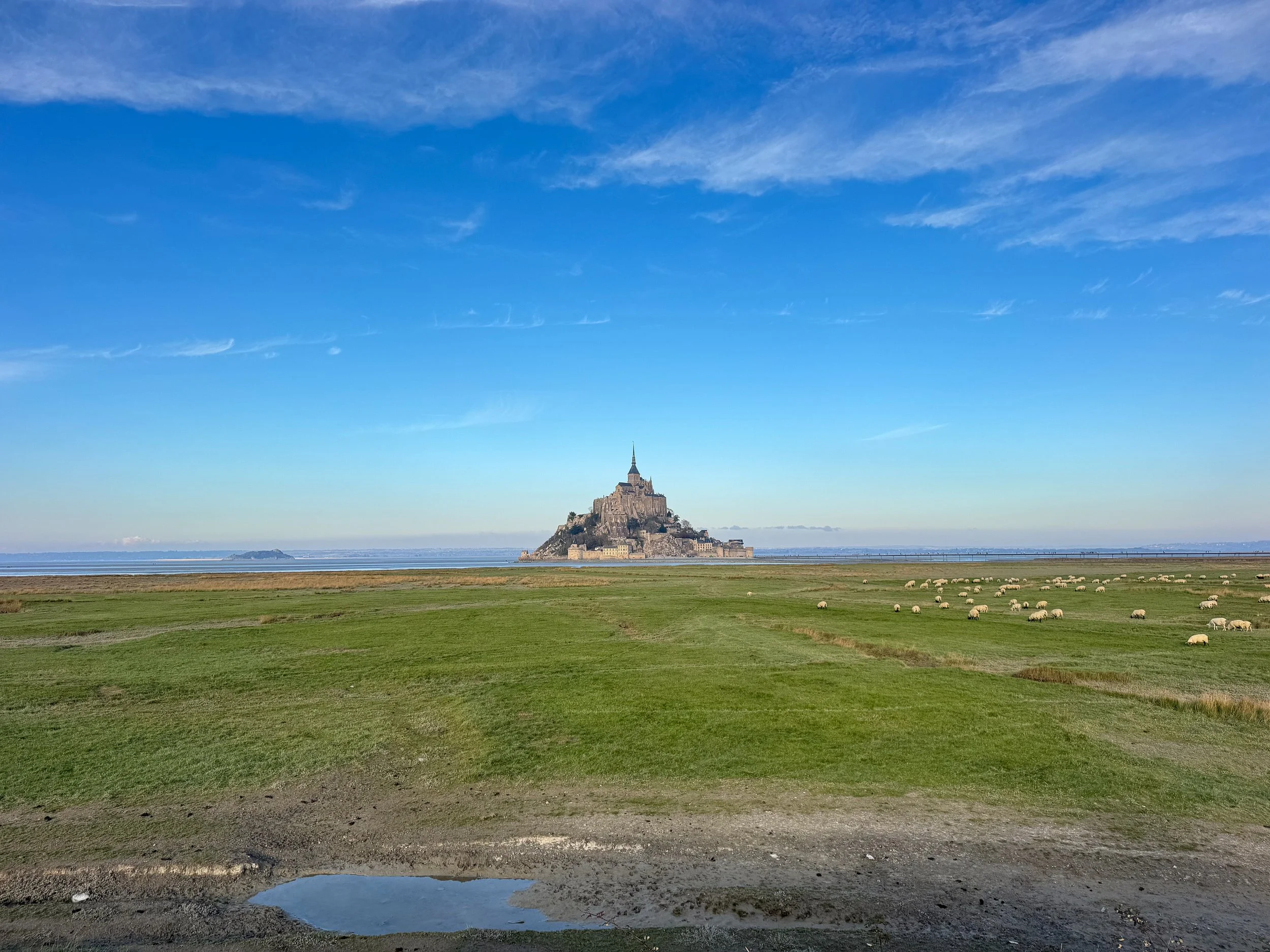
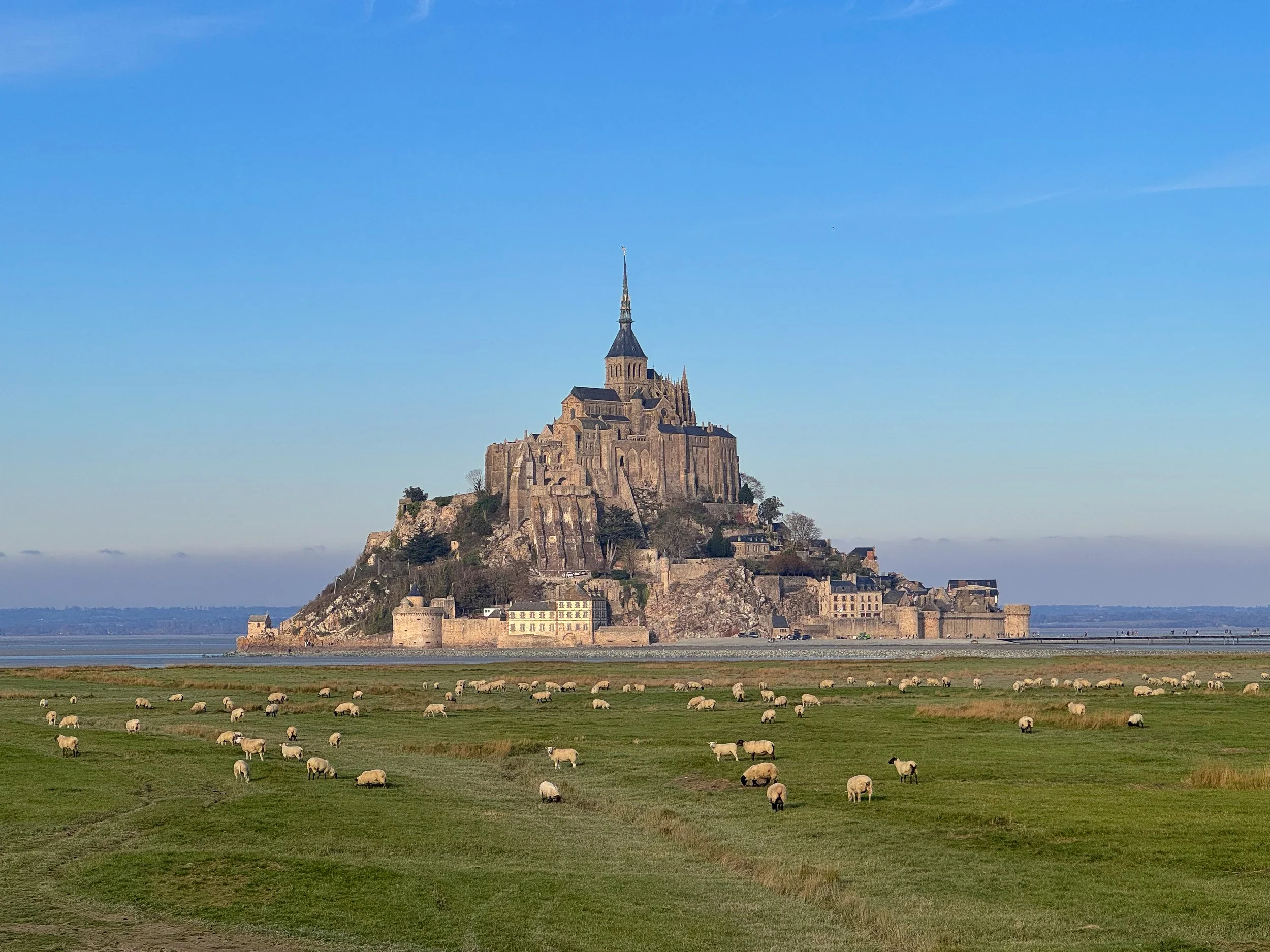
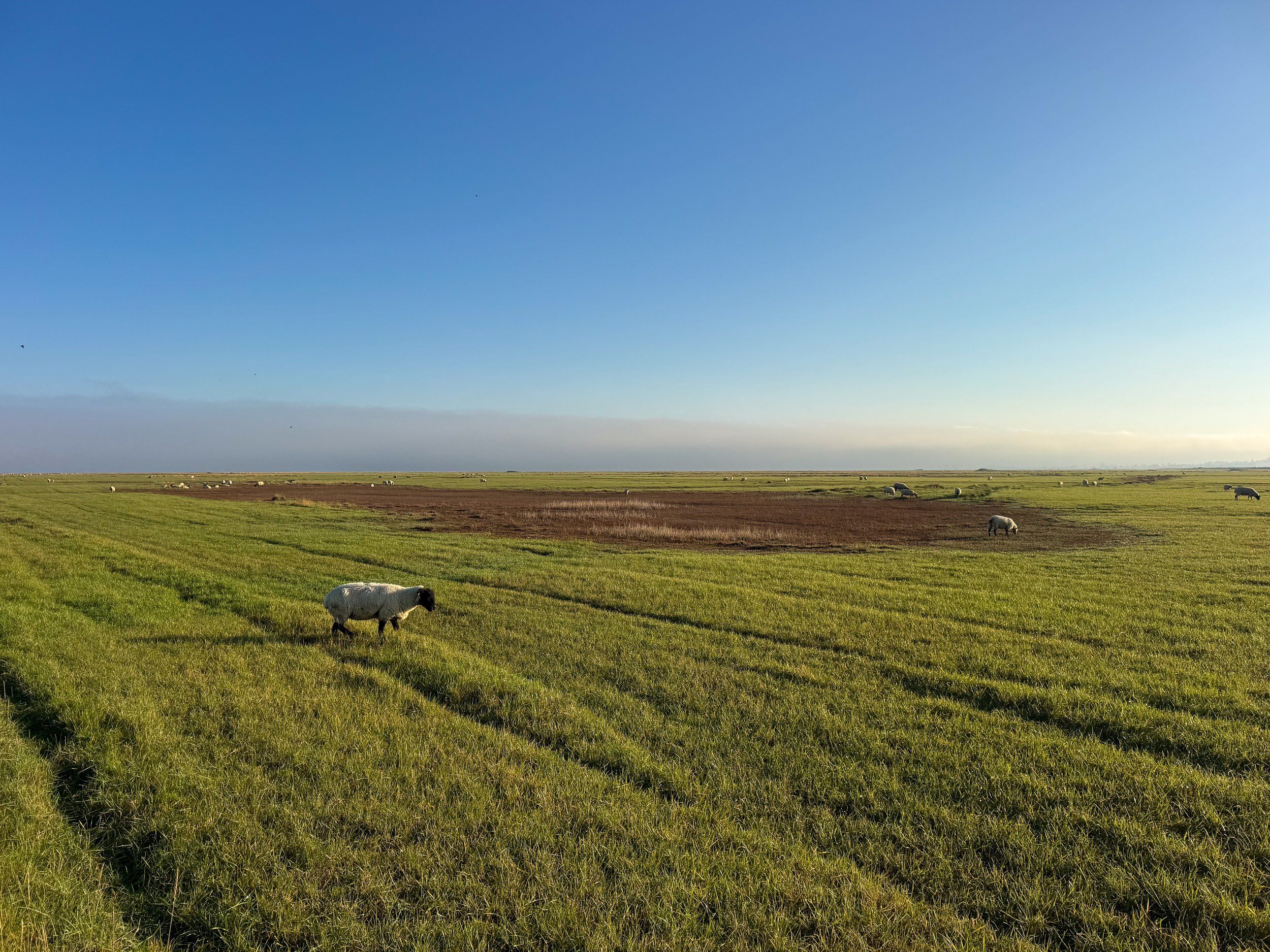
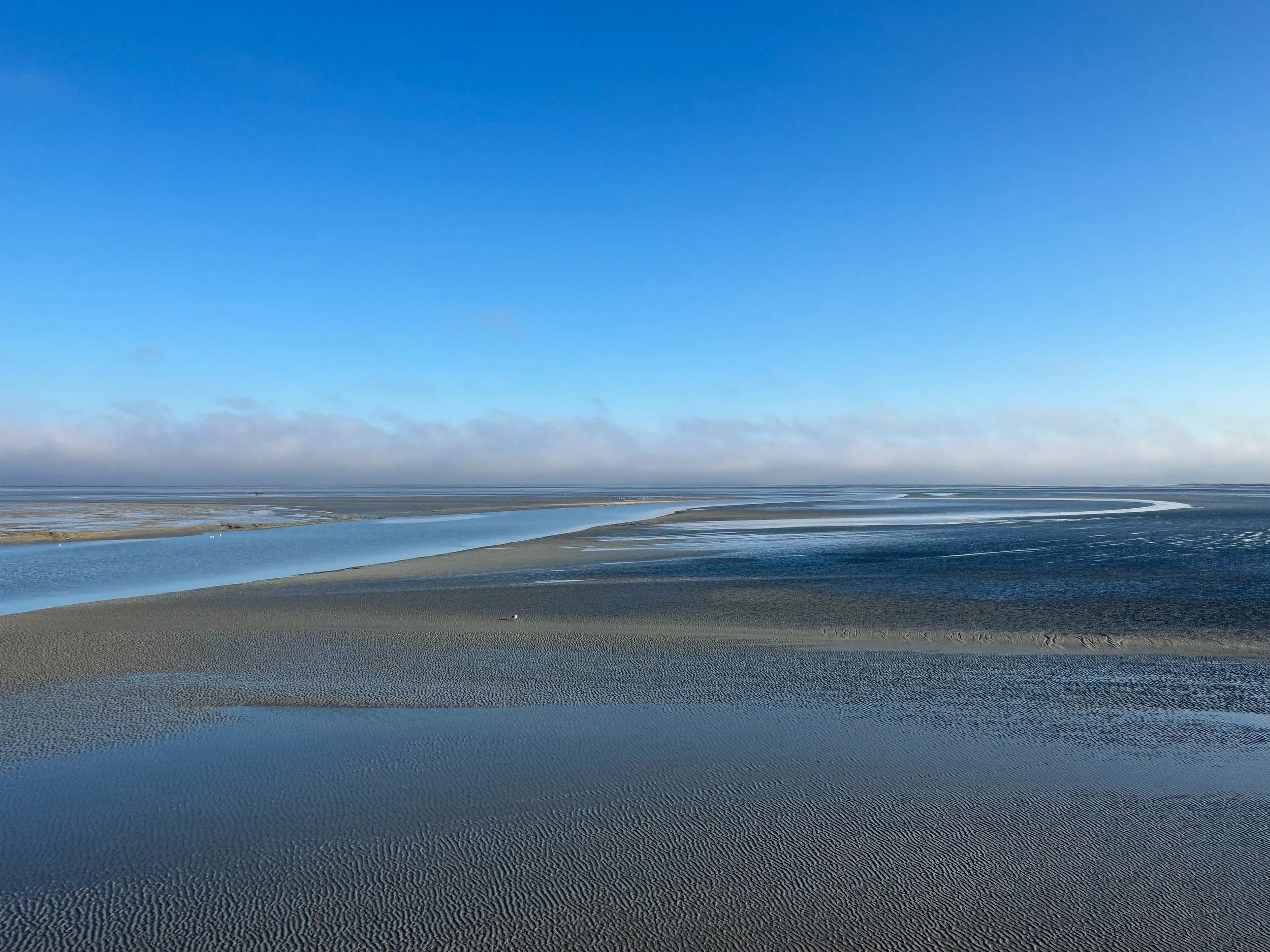
Pont Passerelle du Mont Saint-Michel. A gently curved, 800 meter causeway linking the mainland to the island. It offers views of the abbey and surrounding green pastures dotted with grazing sheep. At low tide, gray mudflats surround the island. Walk it at your own pace, or hop on the free shuttle from the tourist information center to the island’s entrance.
Barrage du Mont Saint-Michel. A bridge and dam where the Couesnon River meets the tidal flats, set in the village just before the causeway. It offers sweeping views of the abbey, island and bay. A short trail leads into a riverside pasture for even more vantage points of the abbey.
Sentier Littoral. A 12 kilometer coastal path stretching from the Barrage du Mont Saint-Michel to the Chapelle Sainte-Anne, following a raised berm between farmland and sheep pastures. Walk about a kilometer from the trailhead for the closest views of Mont Saint-Michel. Be sure to close or step over any gates you pass so the sheep don’t escape. Use this Google Maps Pin to locate the trailhead.
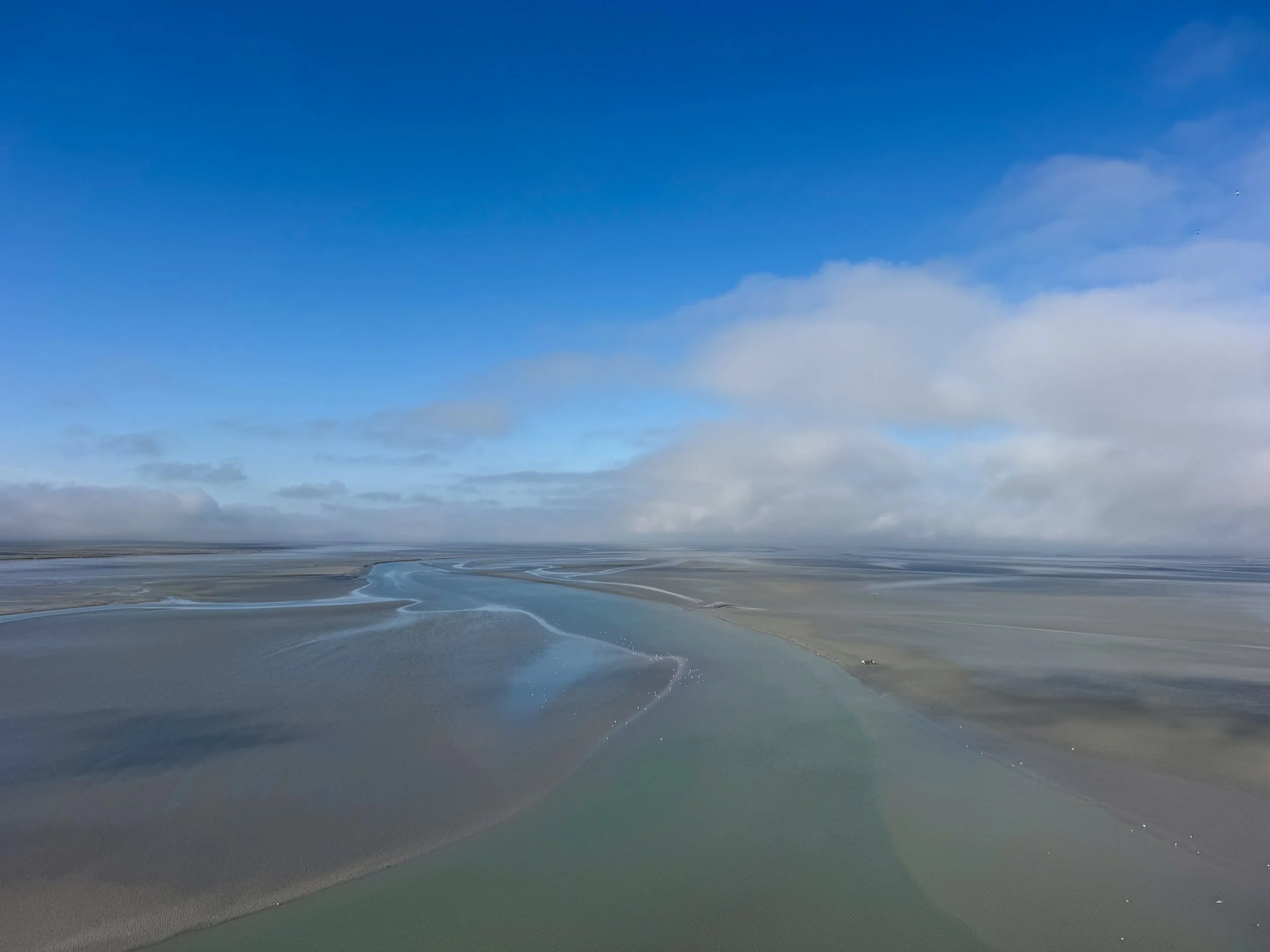
The Bay of Mont Saint-Michel. The vast tidal flats surrounding the island, alternating between muddy sands and shallow floodwaters with the tides. The bay is home to migratory birds, grassy salt meadows grazed by hundreds of sheep and patches of quicksand. Check the tidal forecast to plan the best time to visit.
Moulin de Moidrey
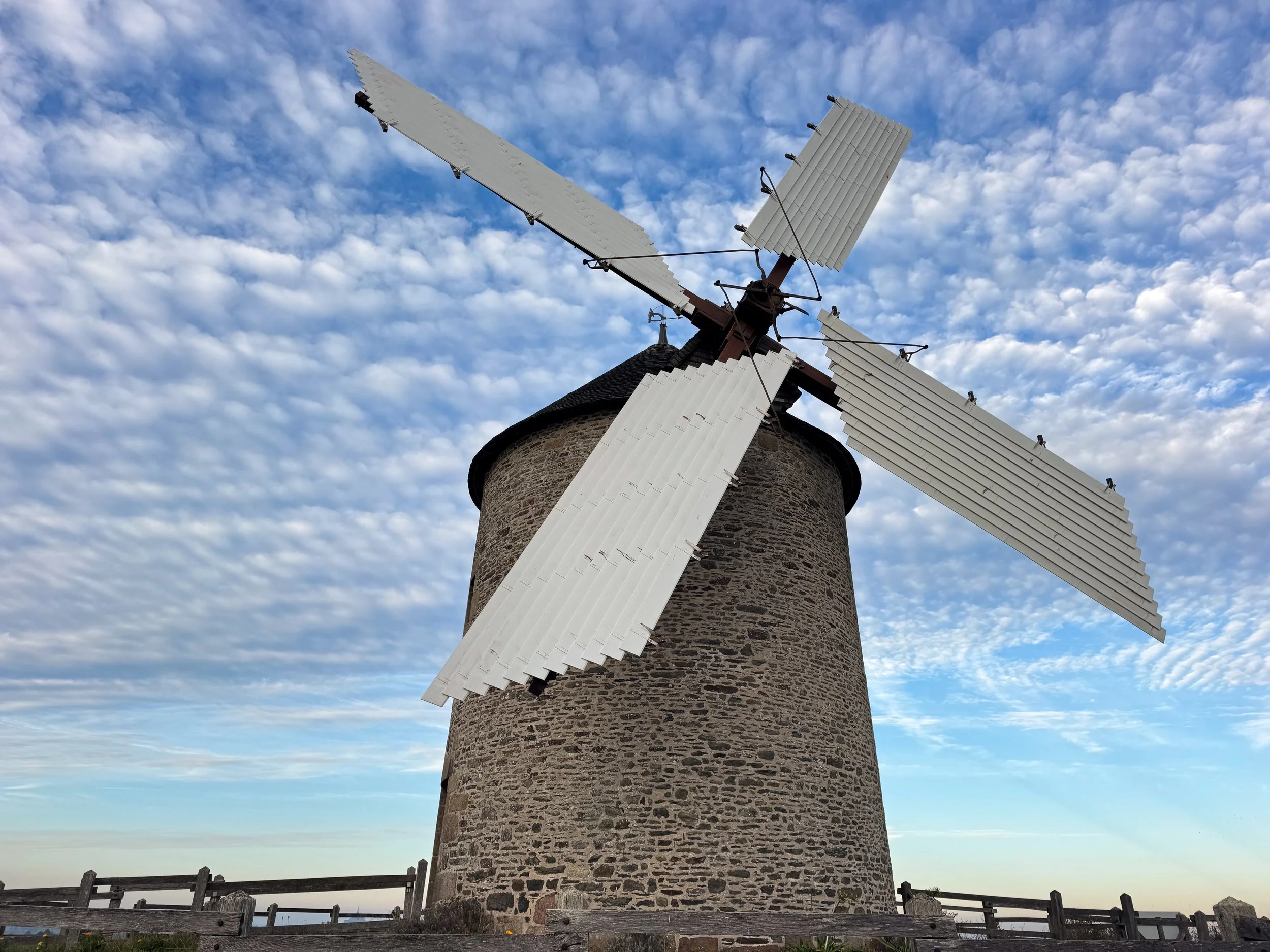
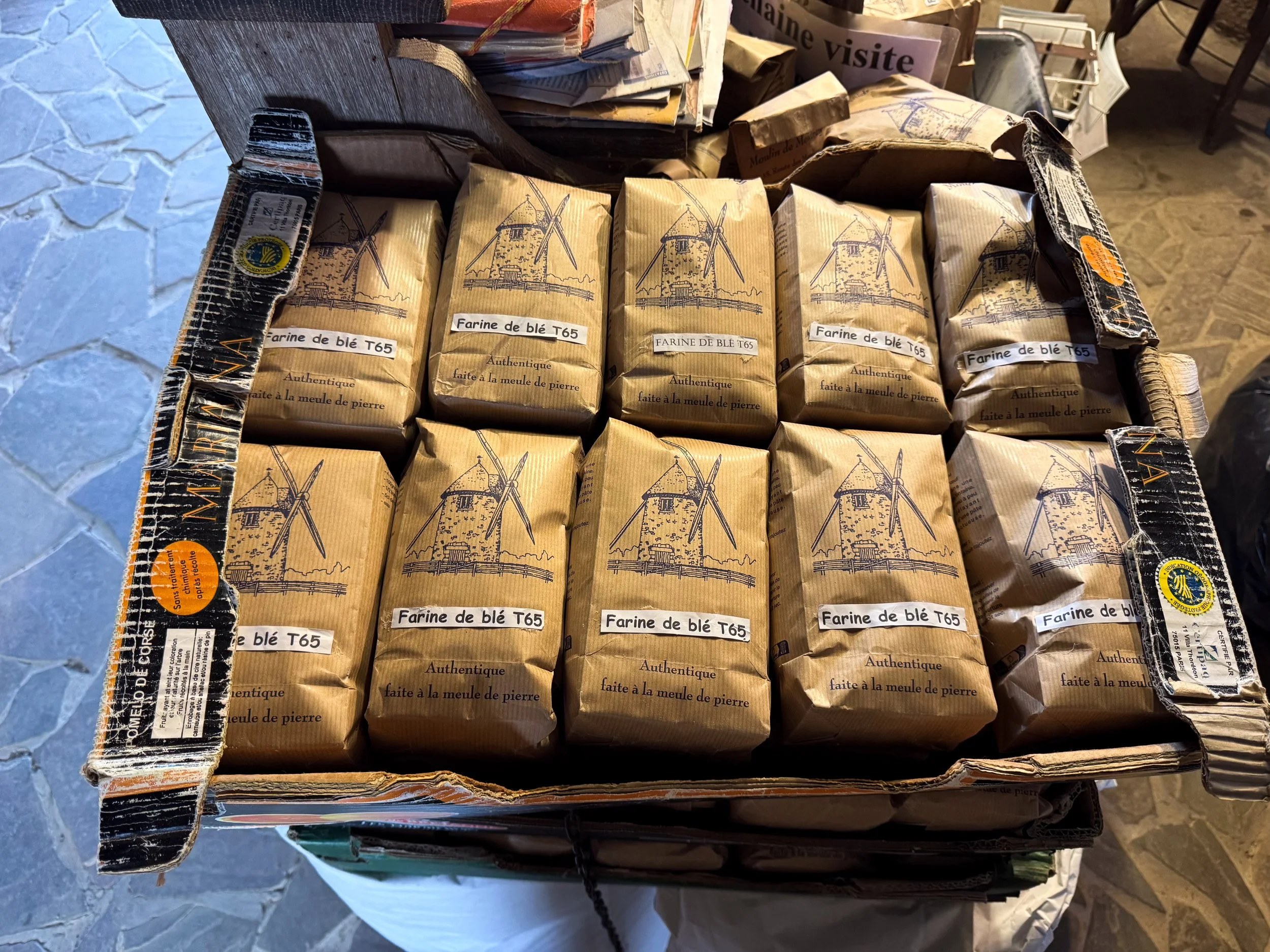
A 200 year old stone windmill with four sails, restored in the early 2000s. It’s operated by a single miller who makes his living grinding grain into flour and leading humorous tours of the mill. Explore the mill’s three floors to see how it works, then pick up a kilo of his stone ground flour for baking breads, cakes or galettes. Finish with a coffee or cider from his shop. The mill is located less than 10 minutes from Mont Saint-Michel.
Saint-Malo Day Trip from Rennes
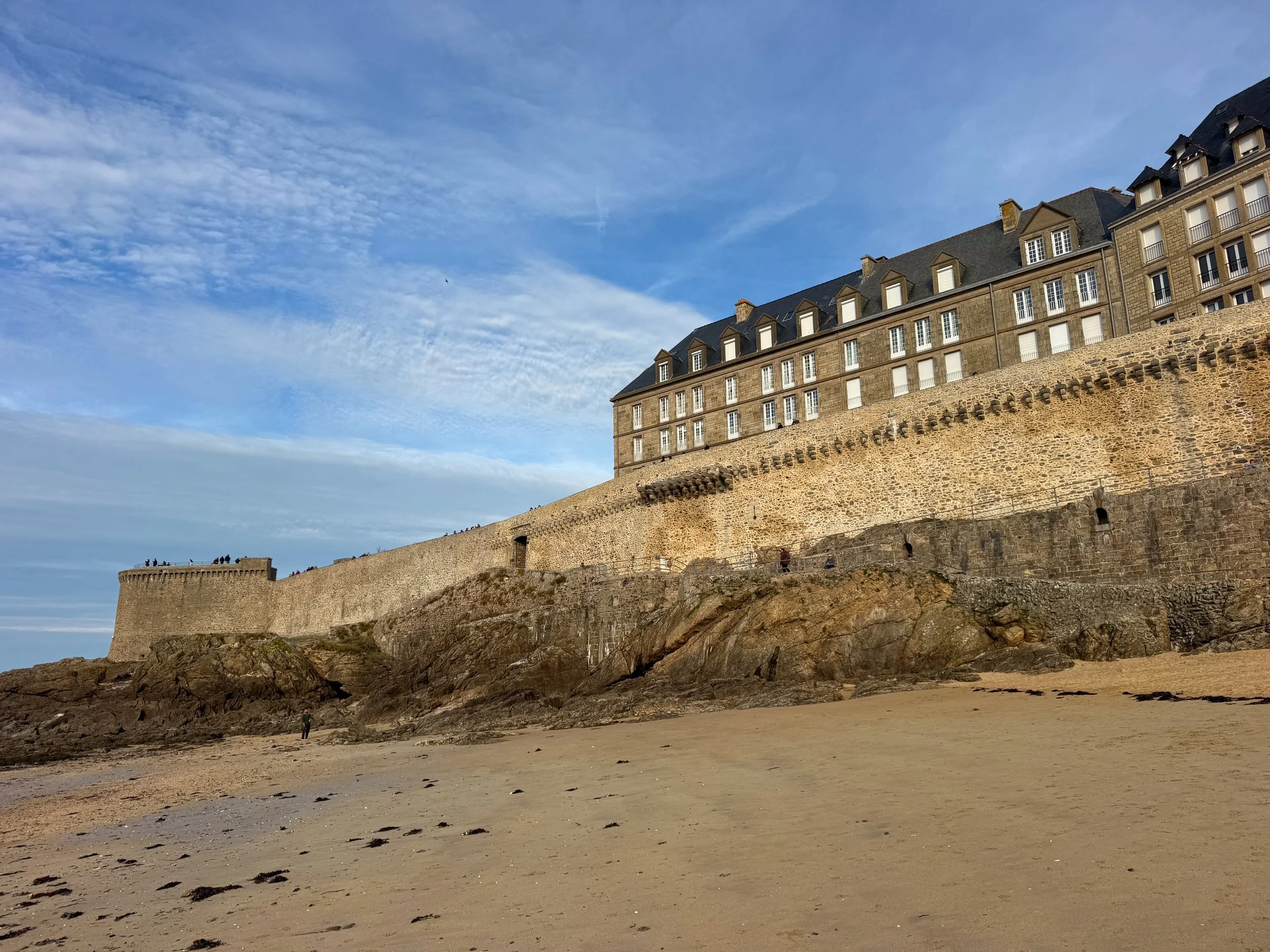
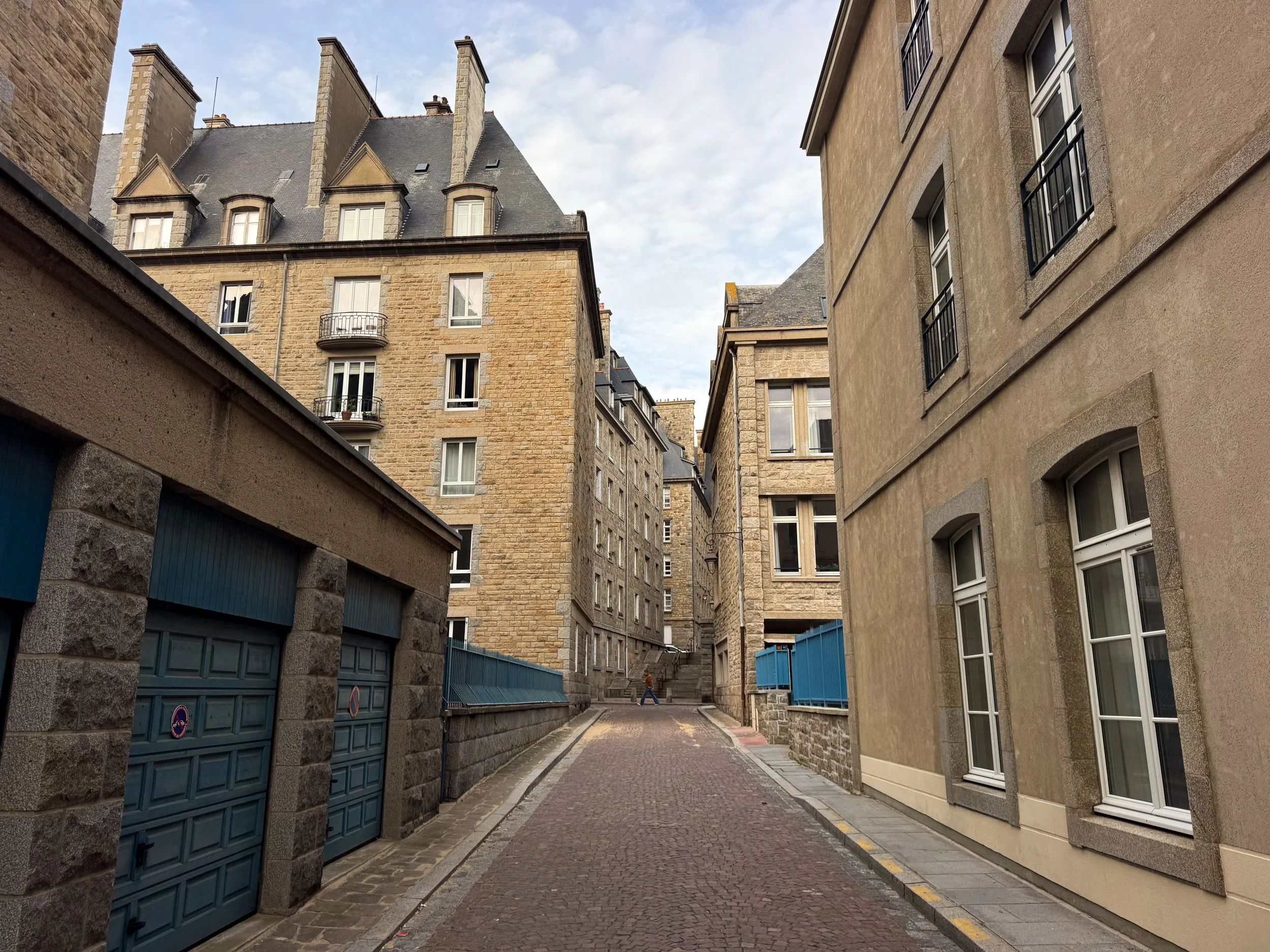
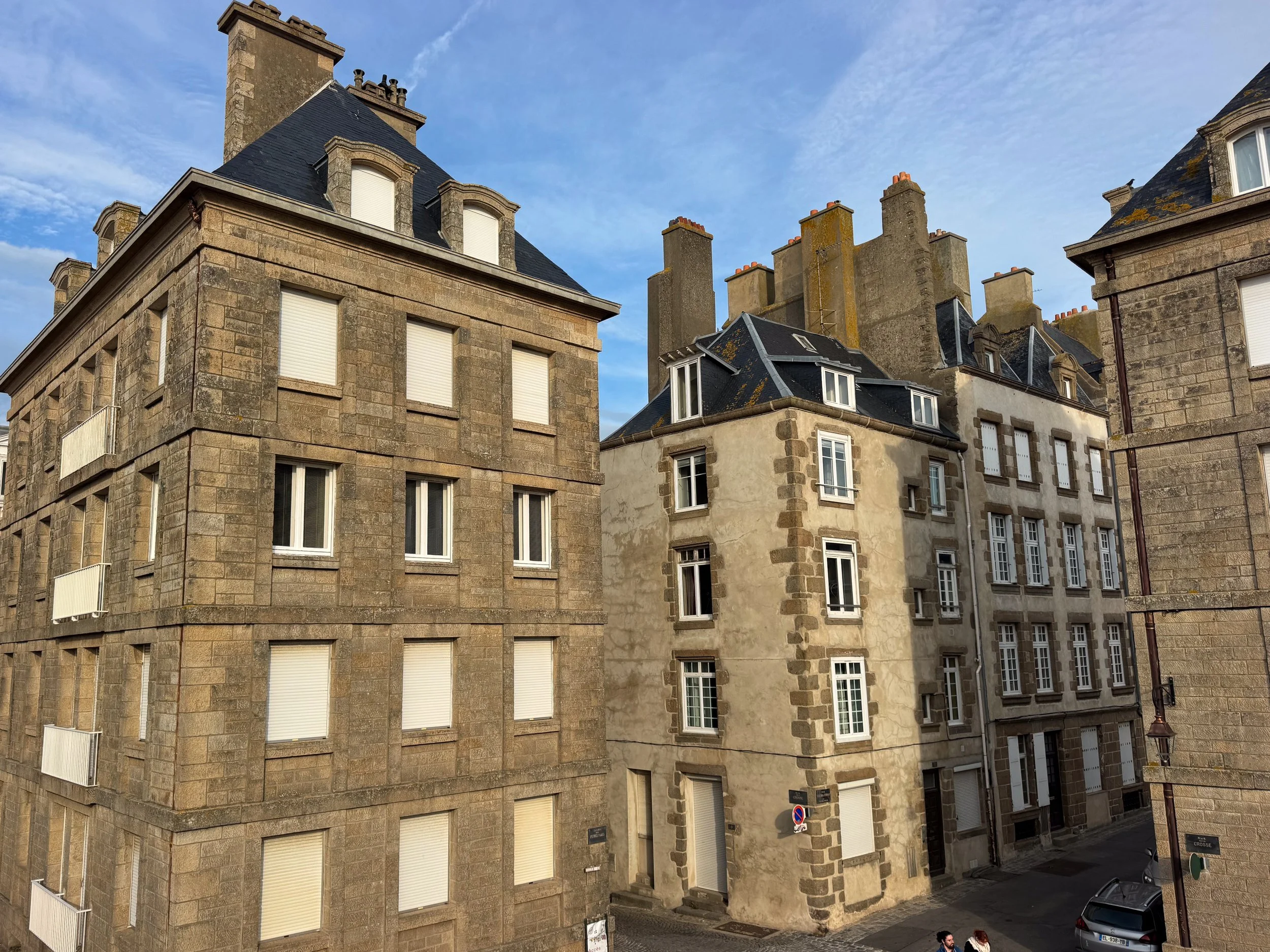
Saint-Malo is a walled coastal town steeped in seafaring history. Cannon lined ramparts encircle cobblestone streets and stone mansions once home to corsairs and wealthy shipping merchants. Seagulls squawk while church bells echo down stone lanes past crêperies, seafood restaurants and nautical shops. Tan sand beaches hug the base of the walled center, while fortified islands wait offshore, some reachable on foot at low tide. The town draws visitors year round and takes on a moody charm during the cooler months. It’s located about an hour north of Rennes on the English Channel.
Intra-Muros (Walled Old Town)
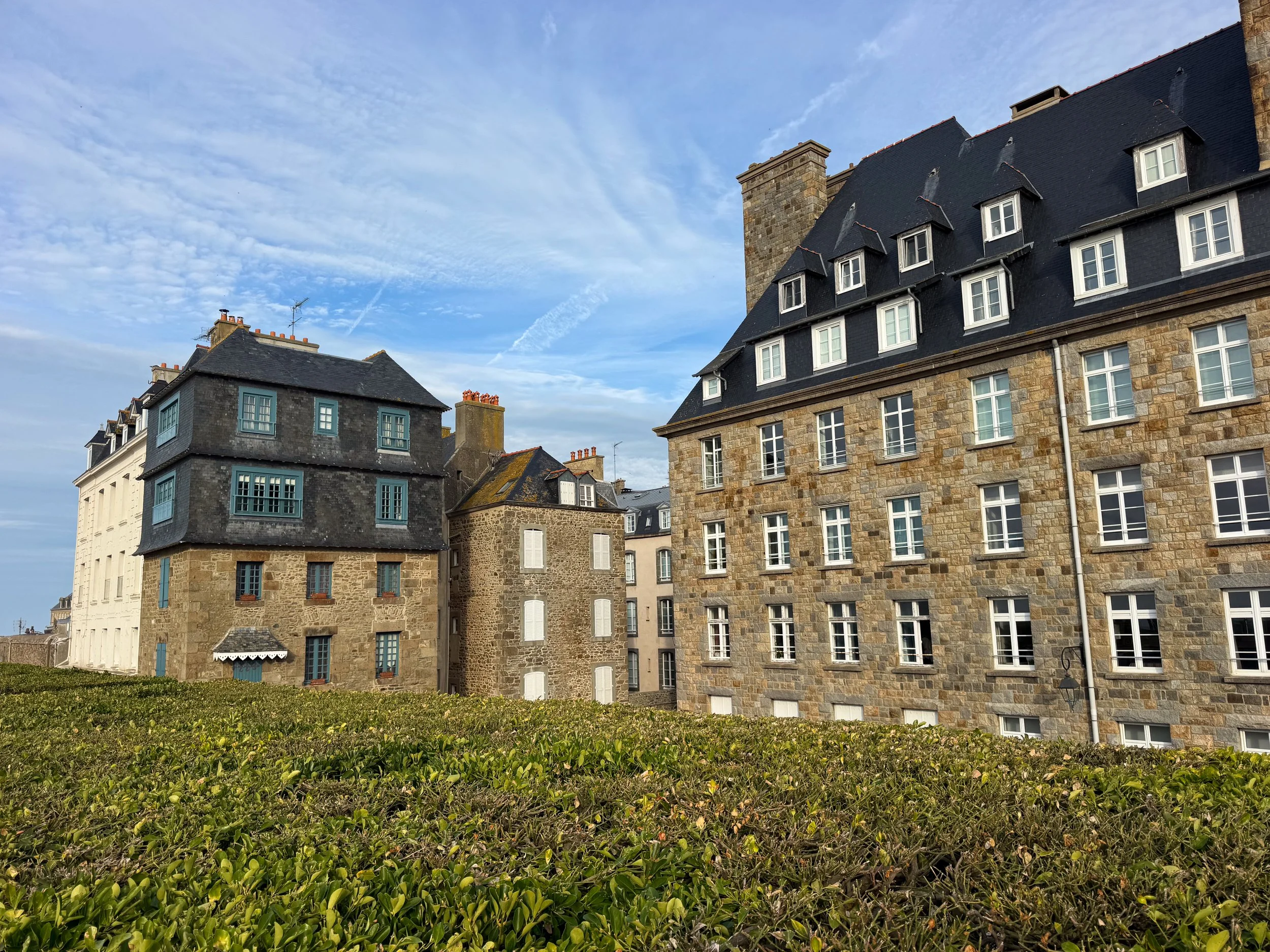
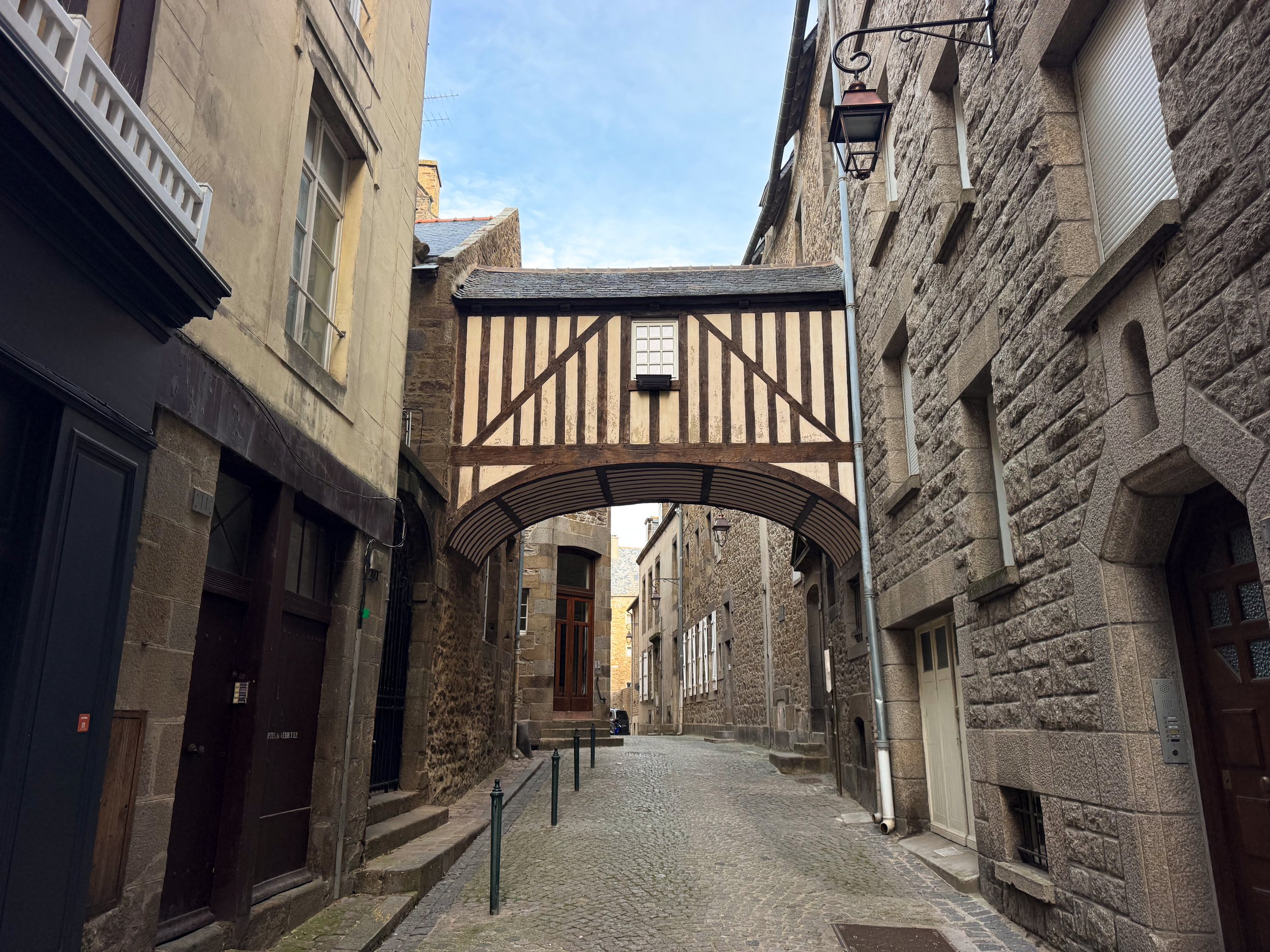
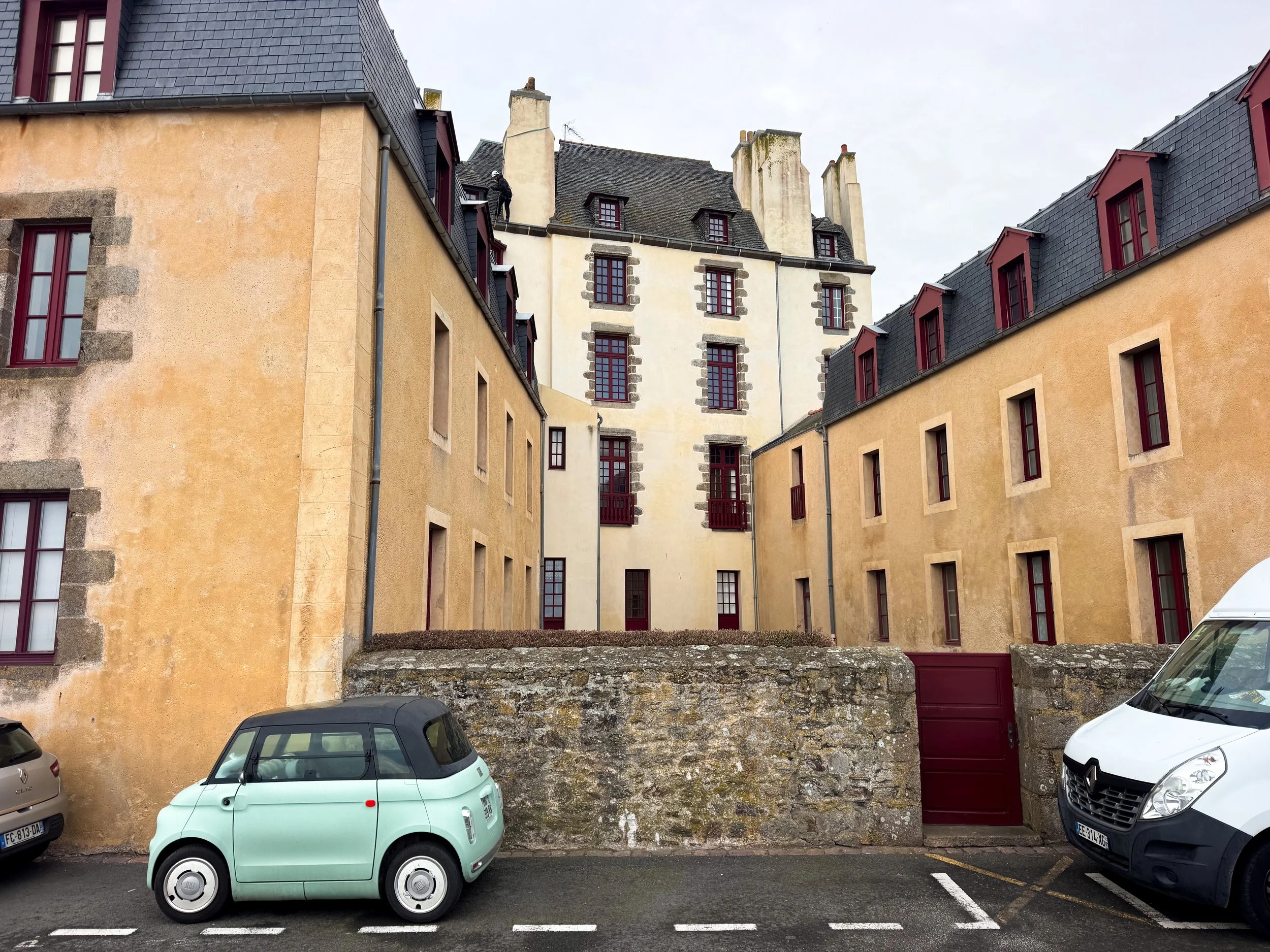
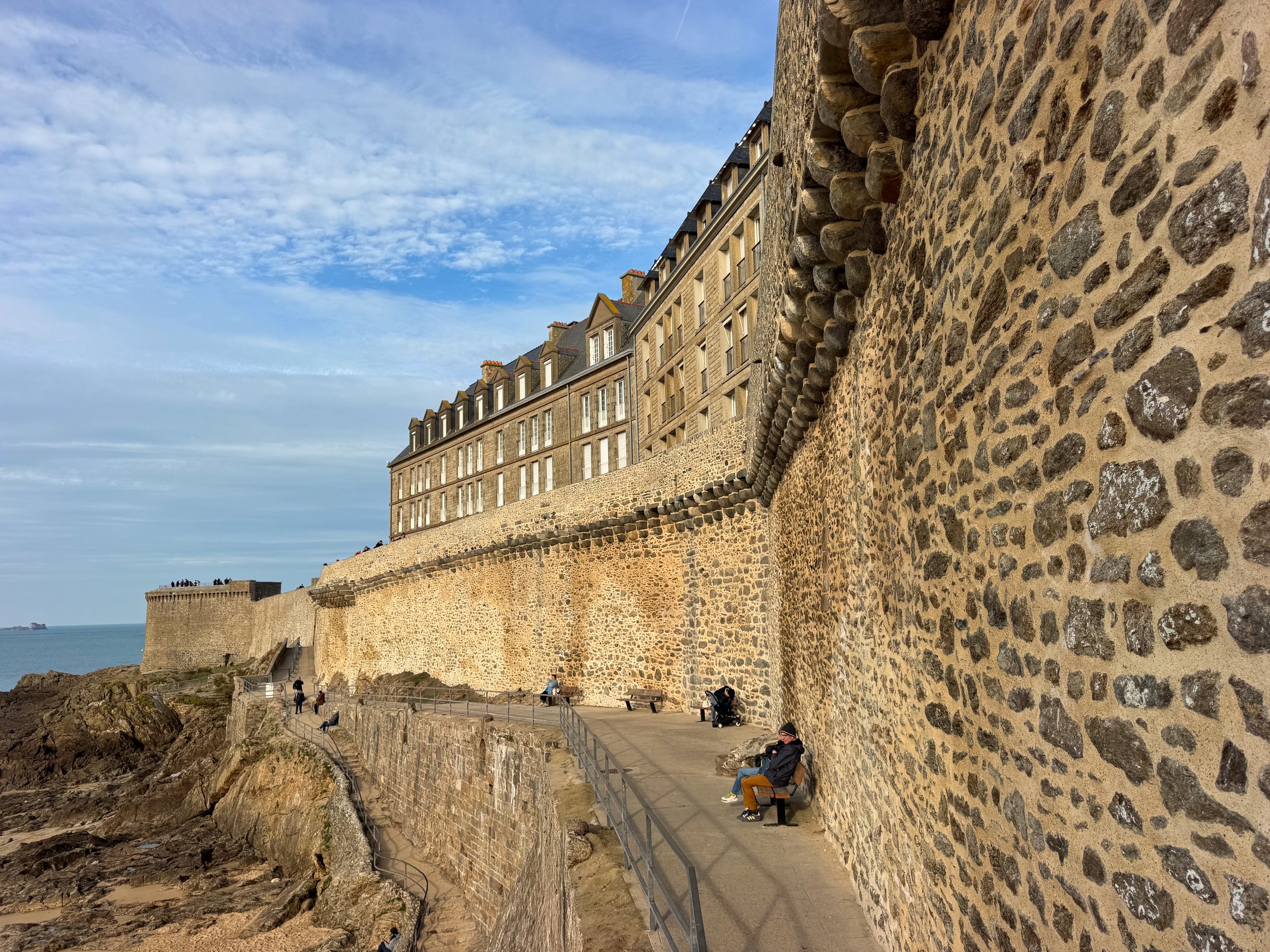
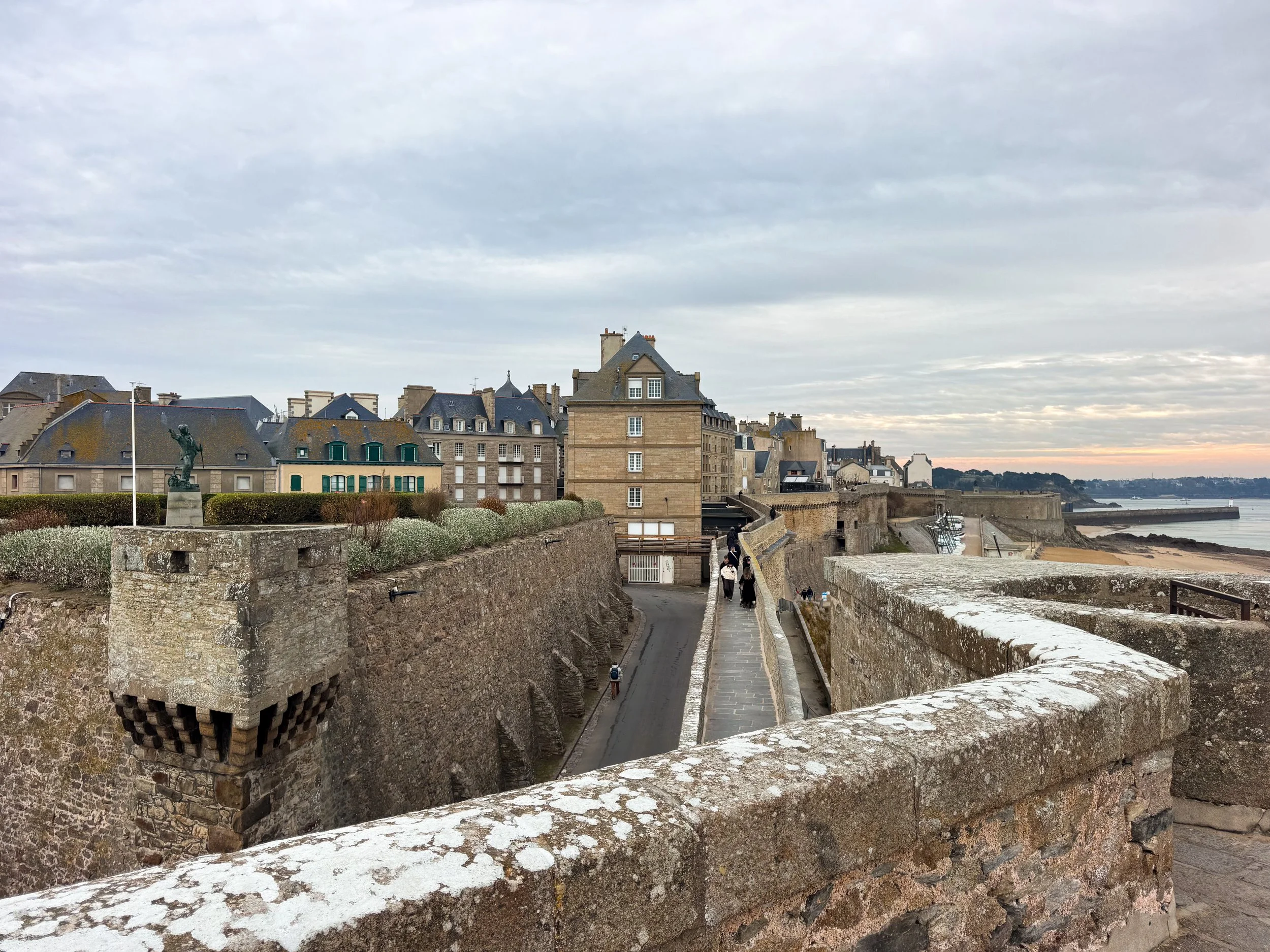
Saint-Malo’s walled historic center, whose name translates to “inside the walls.” Thick stone ramparts, watchtowers and fortified gates encircle a maze of narrow streets lined with historic mansions, churches, restaurants and boutiques. Walk the ramparts for panoramic views over the coastline, beaches and bay, and back across the rooftops of the old town.
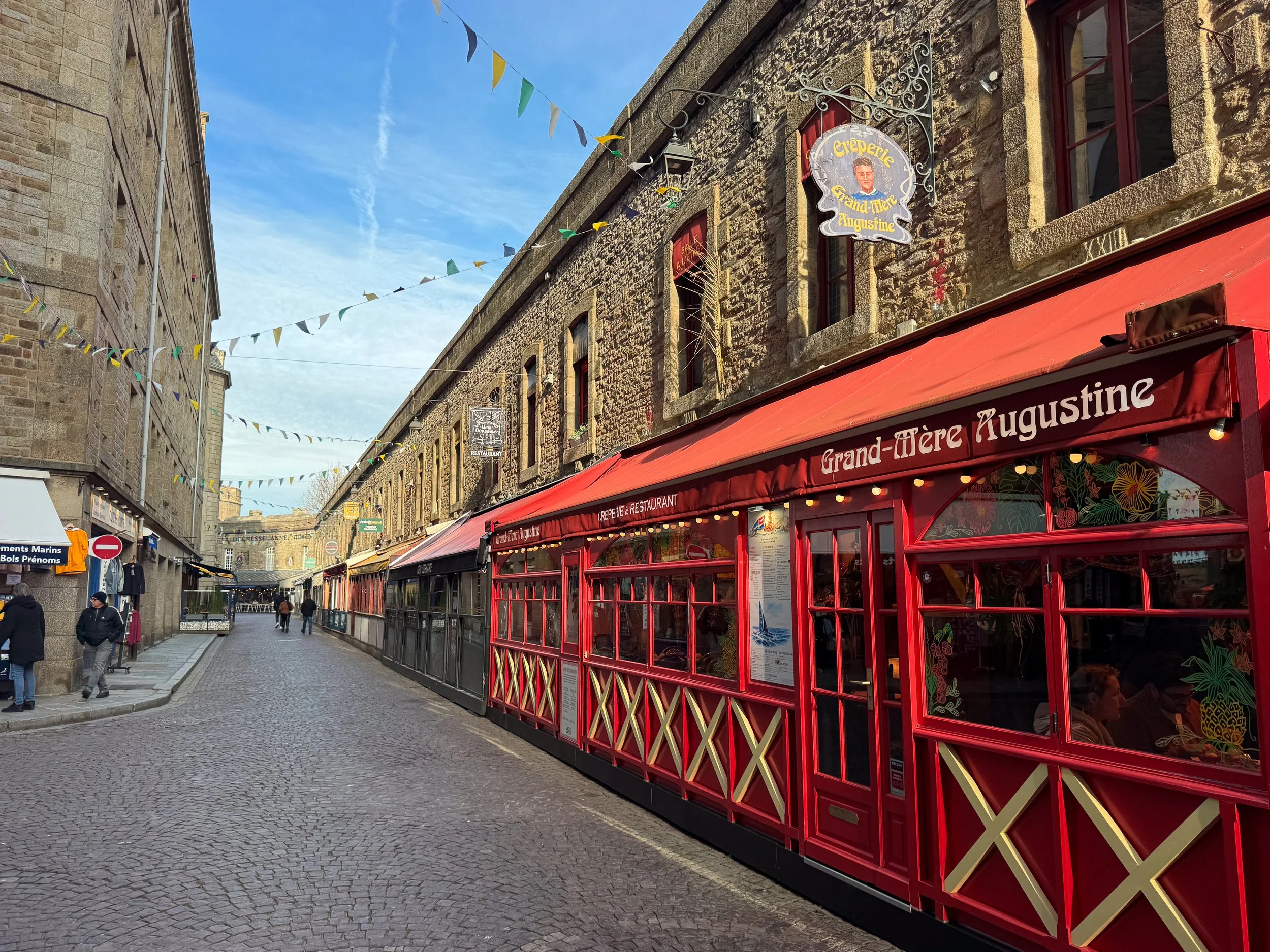
Rue de Dinan & Rue Broussais. The walled city’s main street, known by two different names along its length. It’s lined with crêperies, cafes, bakeries, tapas restaurants and cocktail bars, alongside perfumeries, clothing boutiques, jewelers, home goods stores and shops selling nautical and Breton souvenirs.
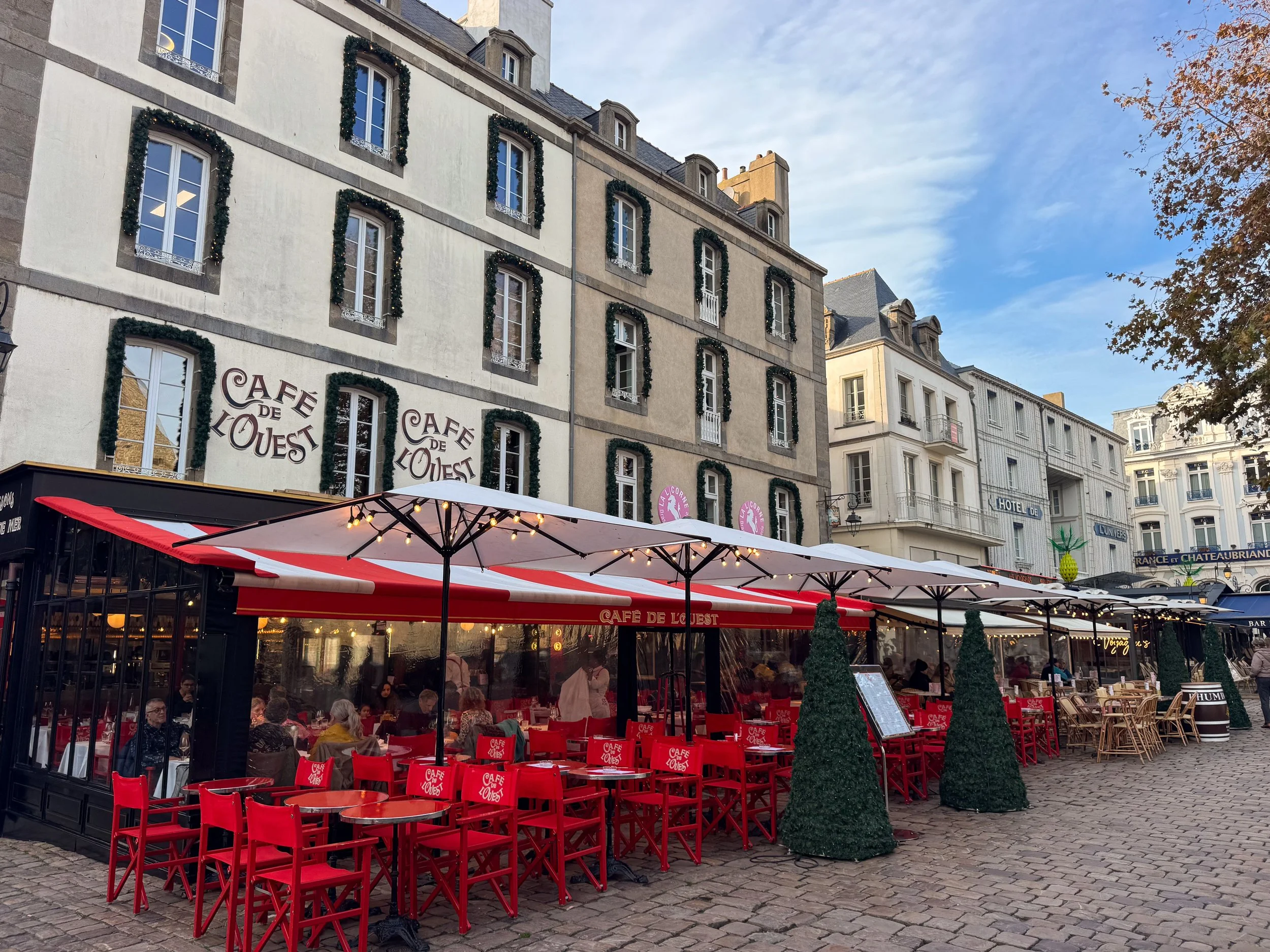
Place Chateaubriand. A large plaza just inside the Porte Saint-Vincent, lined with brasseries, cafes and crêperies whose terraces fill with classic French bistro tables and chairs.
Rue Jacques Cartier. A street following the inside of the ramparts from the Porte Saint-Vincent to La Grand’Porte. Dozens of restaurants and shops are built into the base of the wall, many with nautical, pirate-themed and seafaring names.
Rue des Merciers. A small shopping street leading from the town’s old fish market, lined with women’s clothing stores, fashion boutiques and crêperies.
Rue Porcon de la Barbinais. A central street inside the walls, lined with shops selling books, cosmetics, home goods, shoes, leather goods, jewelry, souvenirs and local pastries.
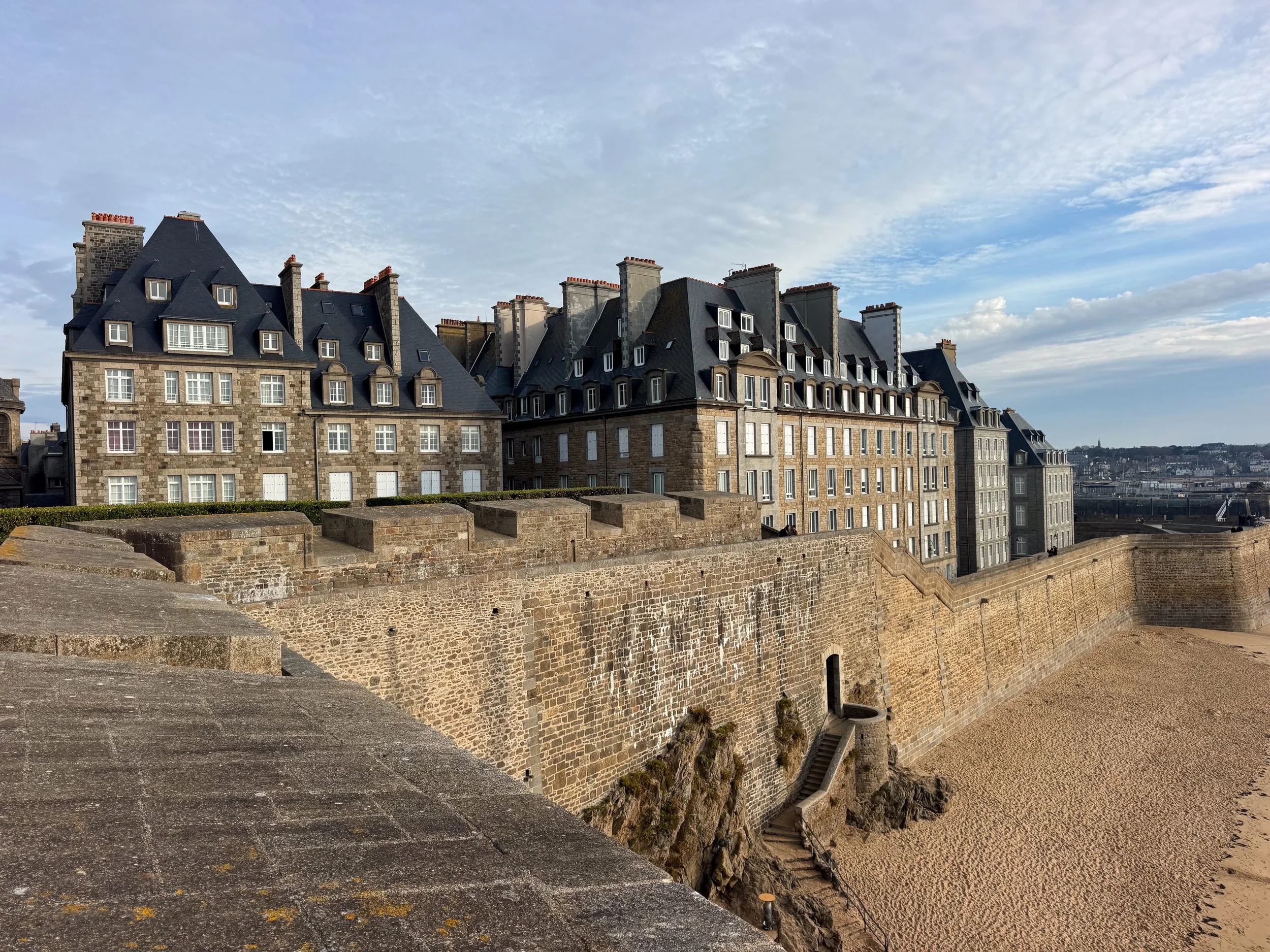
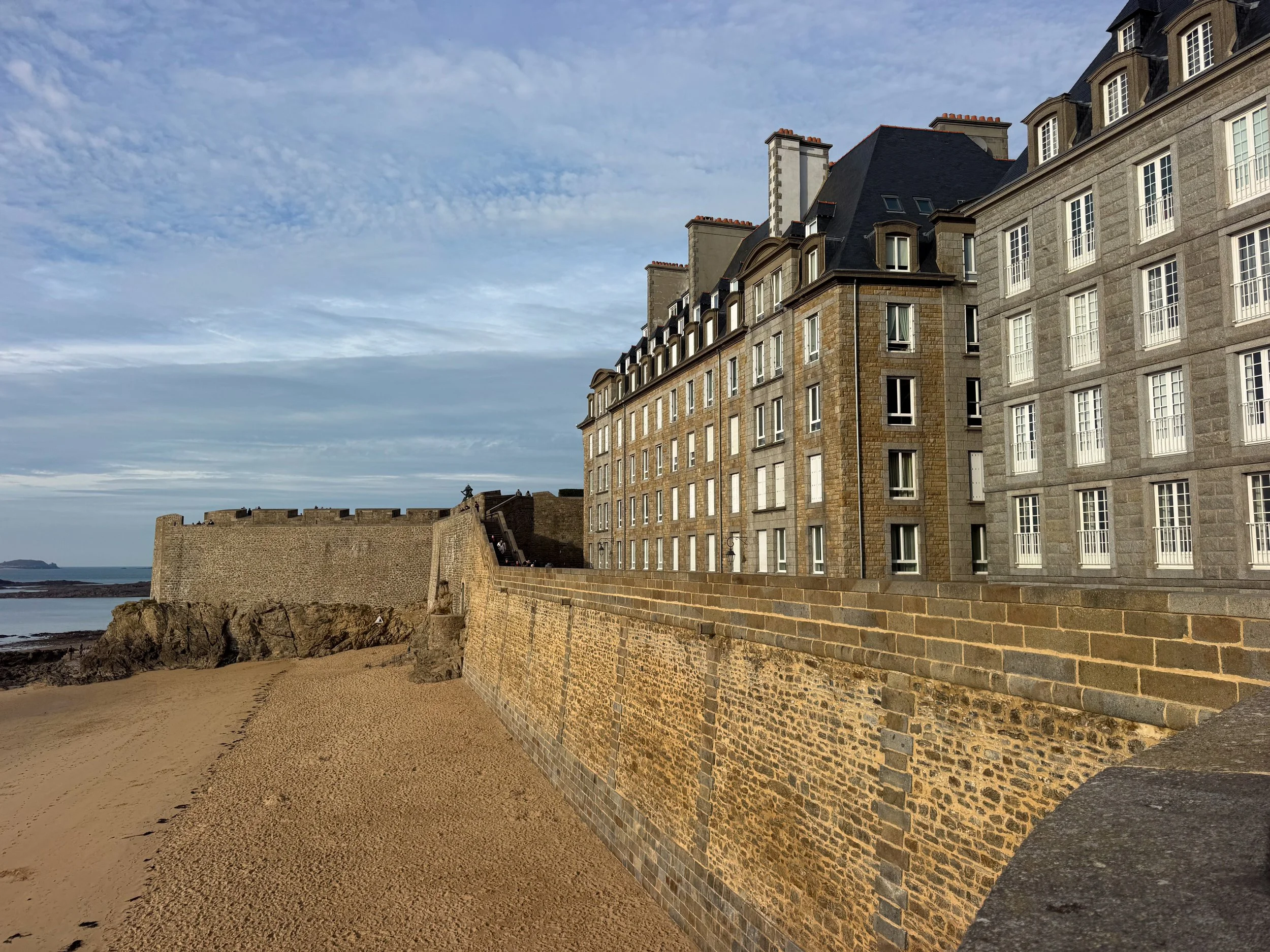
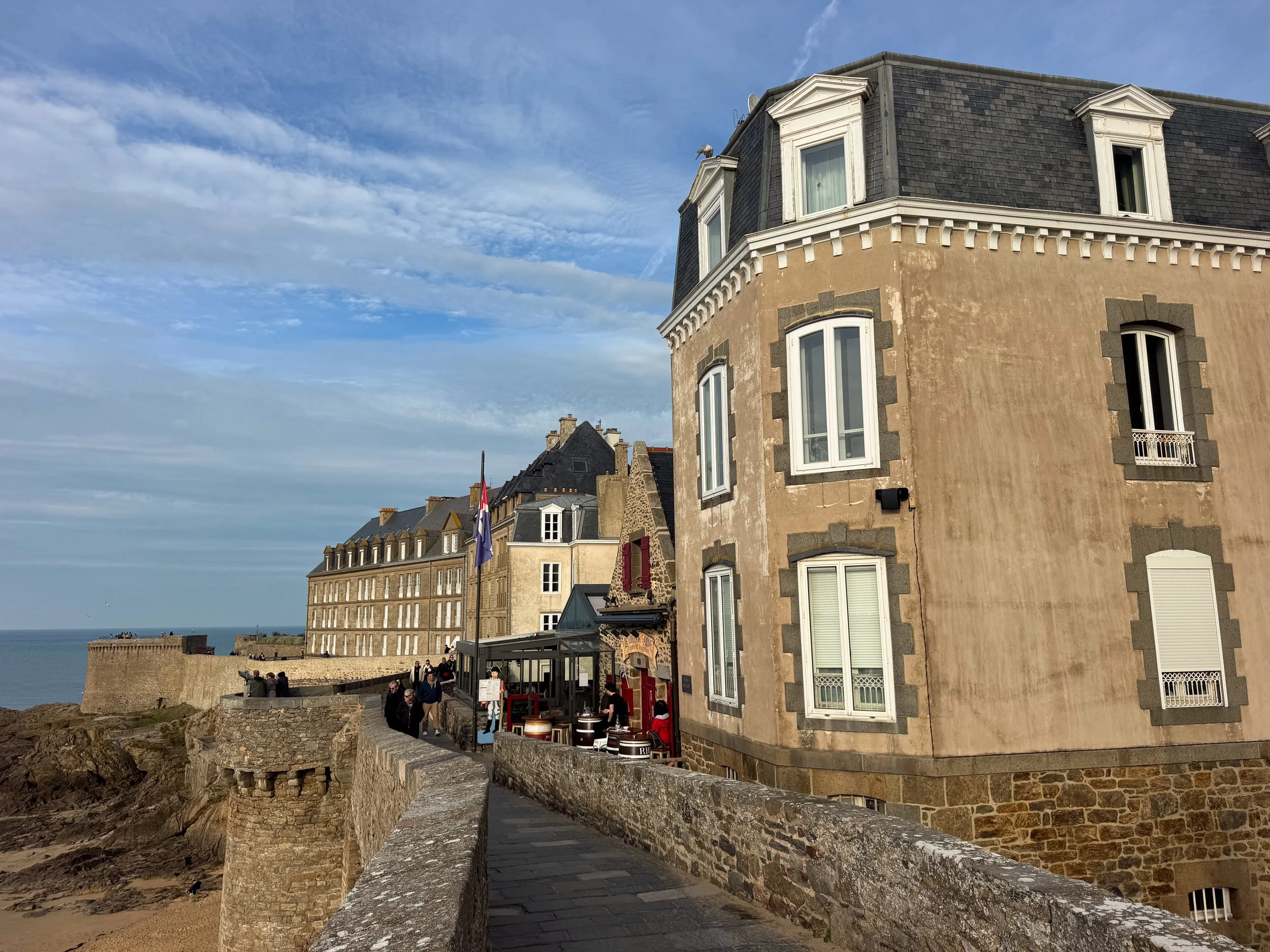
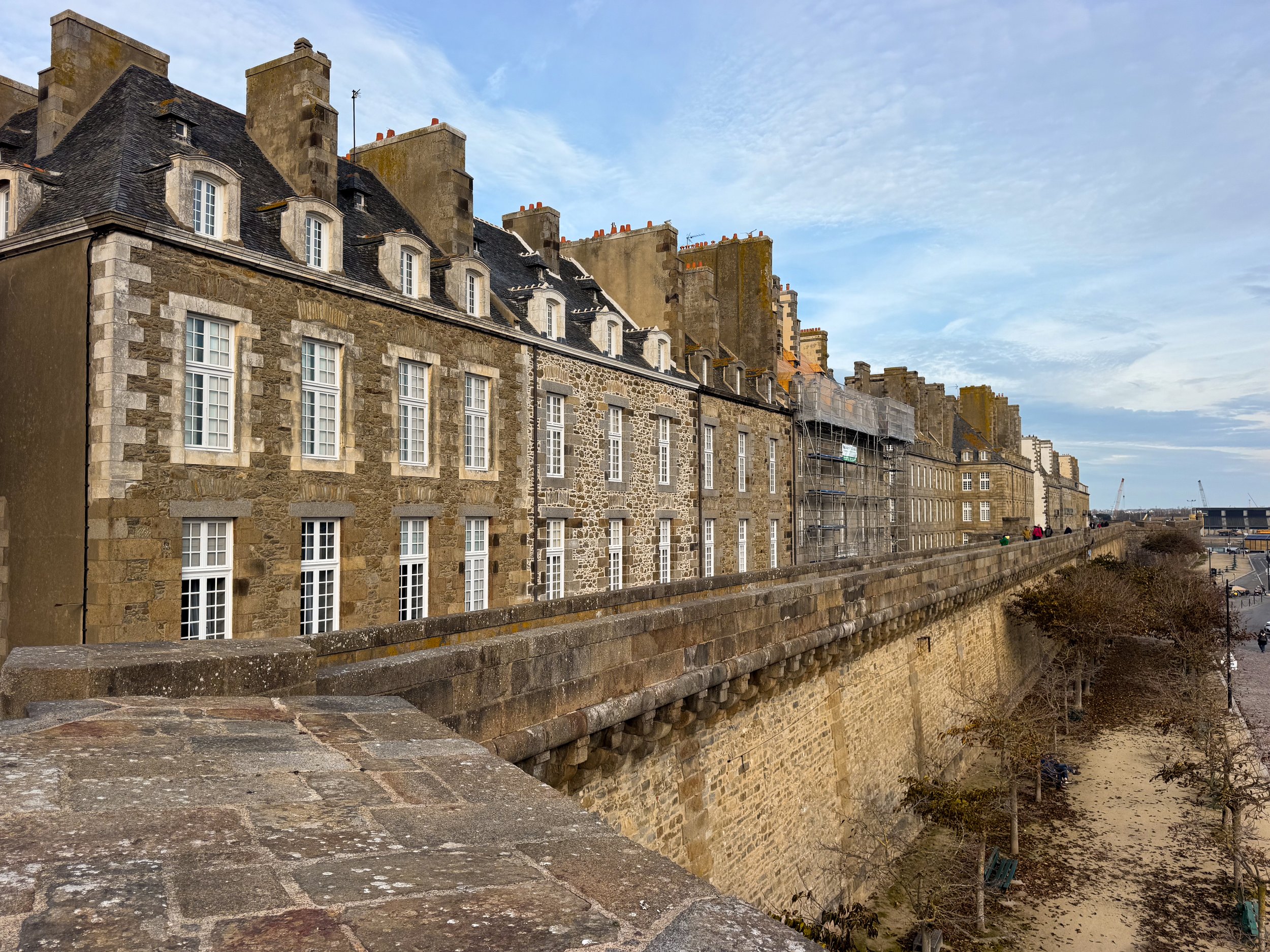
Les Remparts
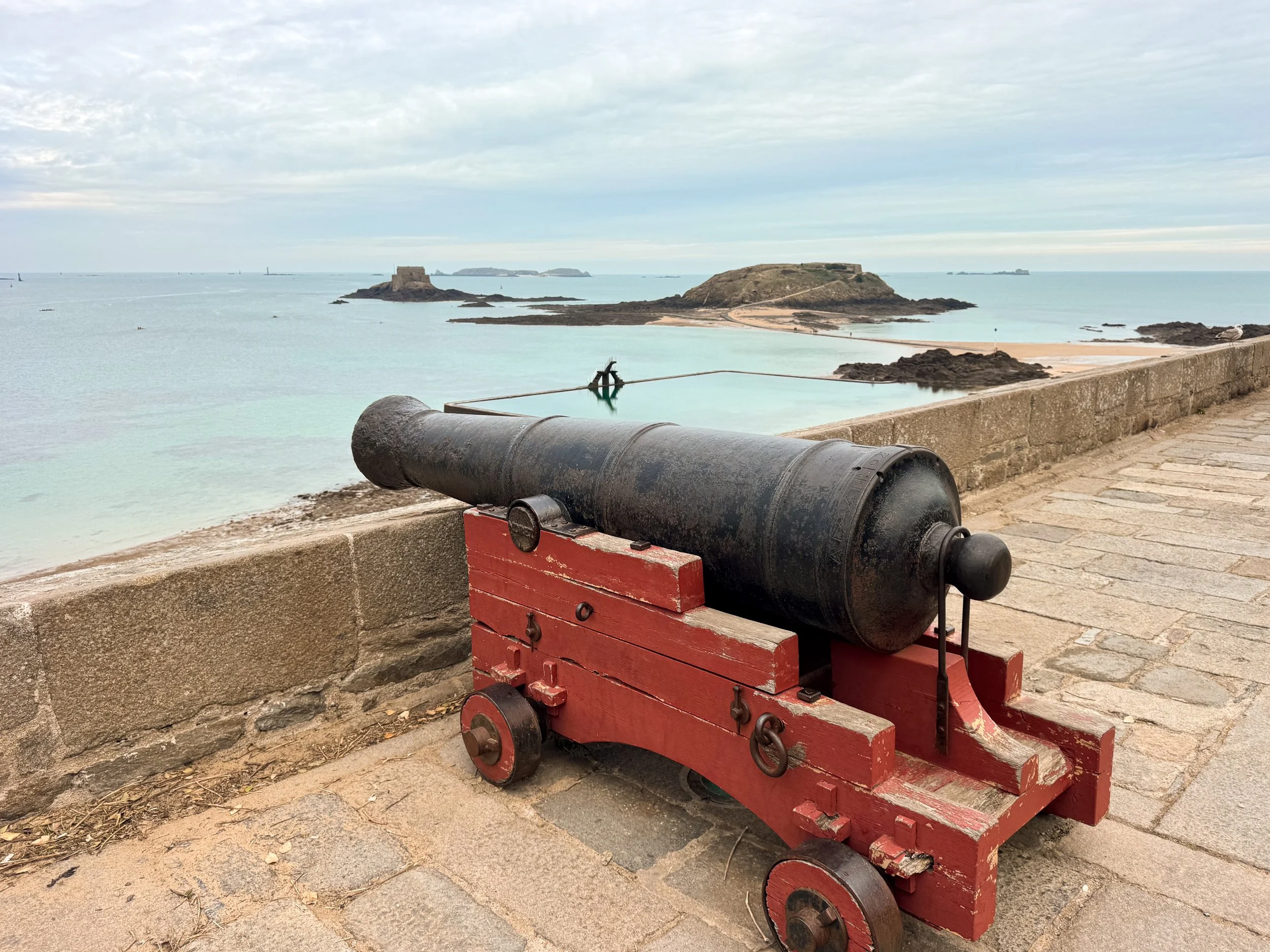
More than two kilometers of thick stone walls encircle Intra-Muros, studded with watchtowers, fortified gates and a castle. Climb the stairs to the walkway along the top for a string of sights and viewpoints.
Bastion de la Hollande. A cannon lined terrace on the seaward side of the ramparts with views over the beaches below, the tidal bay and rocky islands crowned with forts and lighthouses.
Tour Bidouane. A small tower with a spiral staircase leading up to a lookout over the sea and the city’s defenses.
Château de Saint-Malo. A medieval castle, now home to the town’s city hall. Its stone walls are anchored by four large watchtowers, visible from Place Chateaubriand and the gardens just outside the walls.
Porte Saint-Vincent. A medieval gate into the walled city, just beside the castle. It opens onto Place Chateaubriand, where restaurants serve local dishes with views of the château.
La Grand'Porte. A medieval gate near the old port, flanked by two massive stone towers.
Bastion de la Reine. A stone paved terrace atop the ramparts with views along the coastline and Fort National.
Bastion Saint-Philippe. A plaza at one corner of the walled city with views over the harbor, home to a small guard tower topped with a fleur de lis.
Tidal Forts, Islands & Landmarks
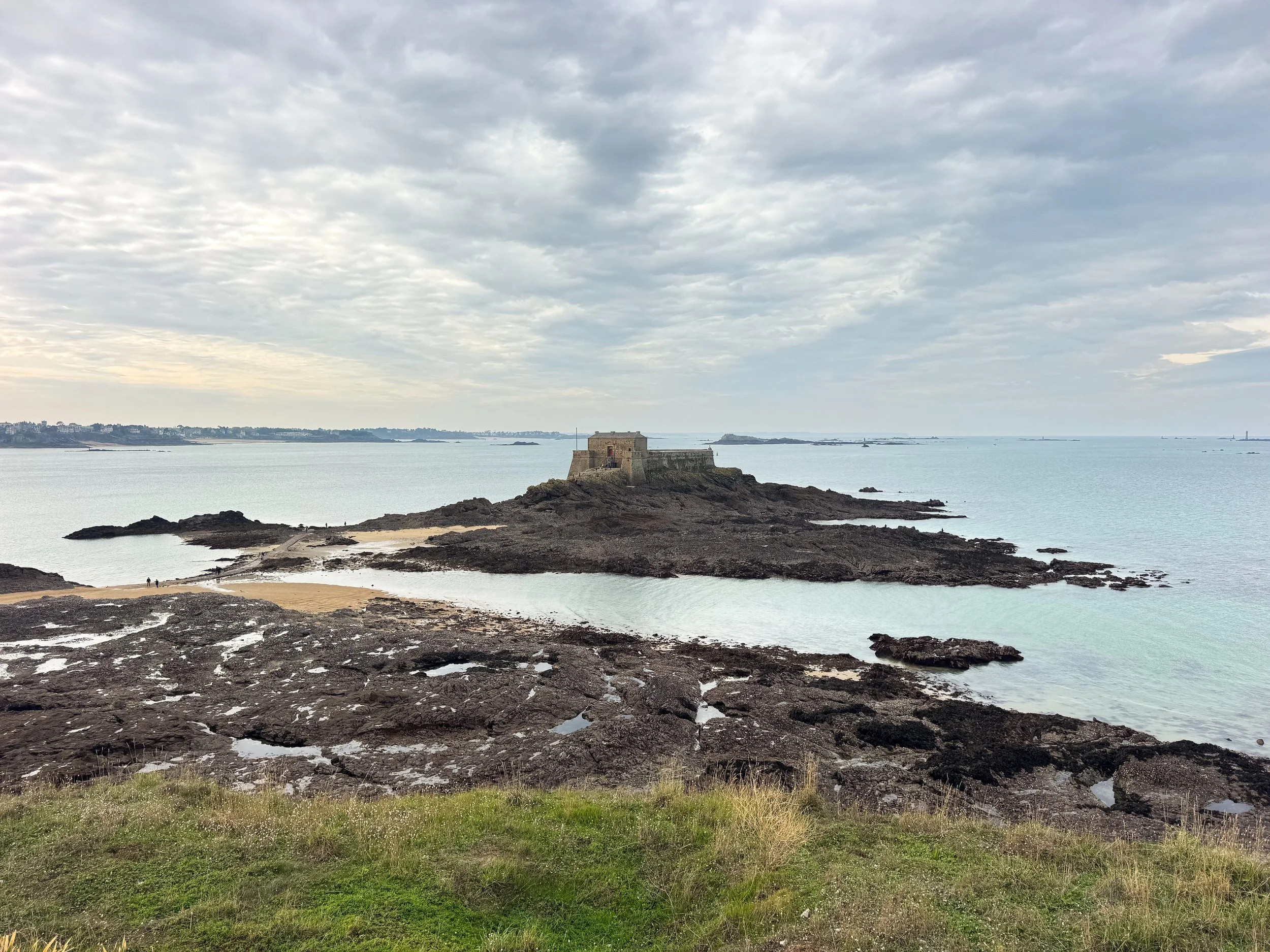
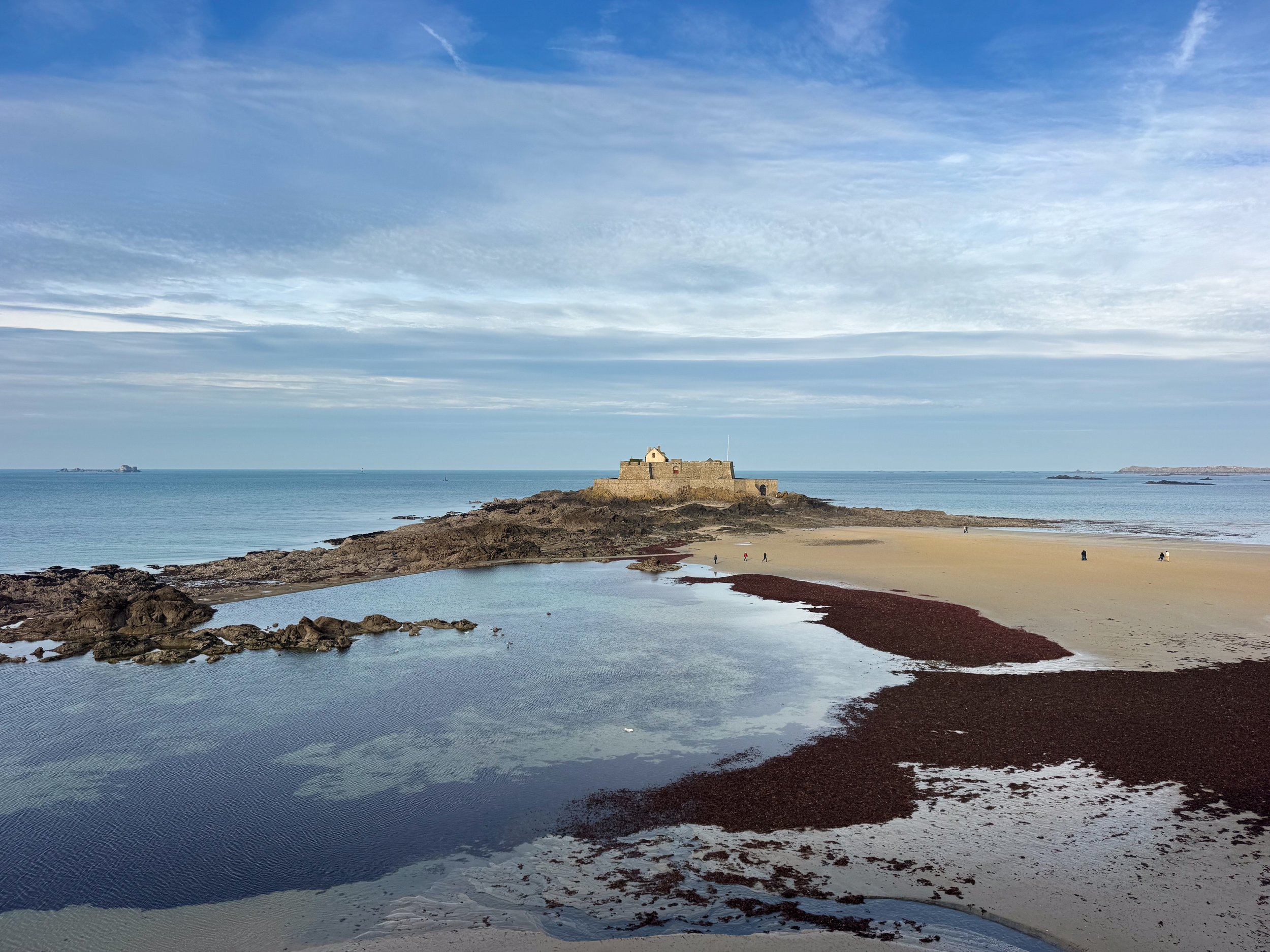
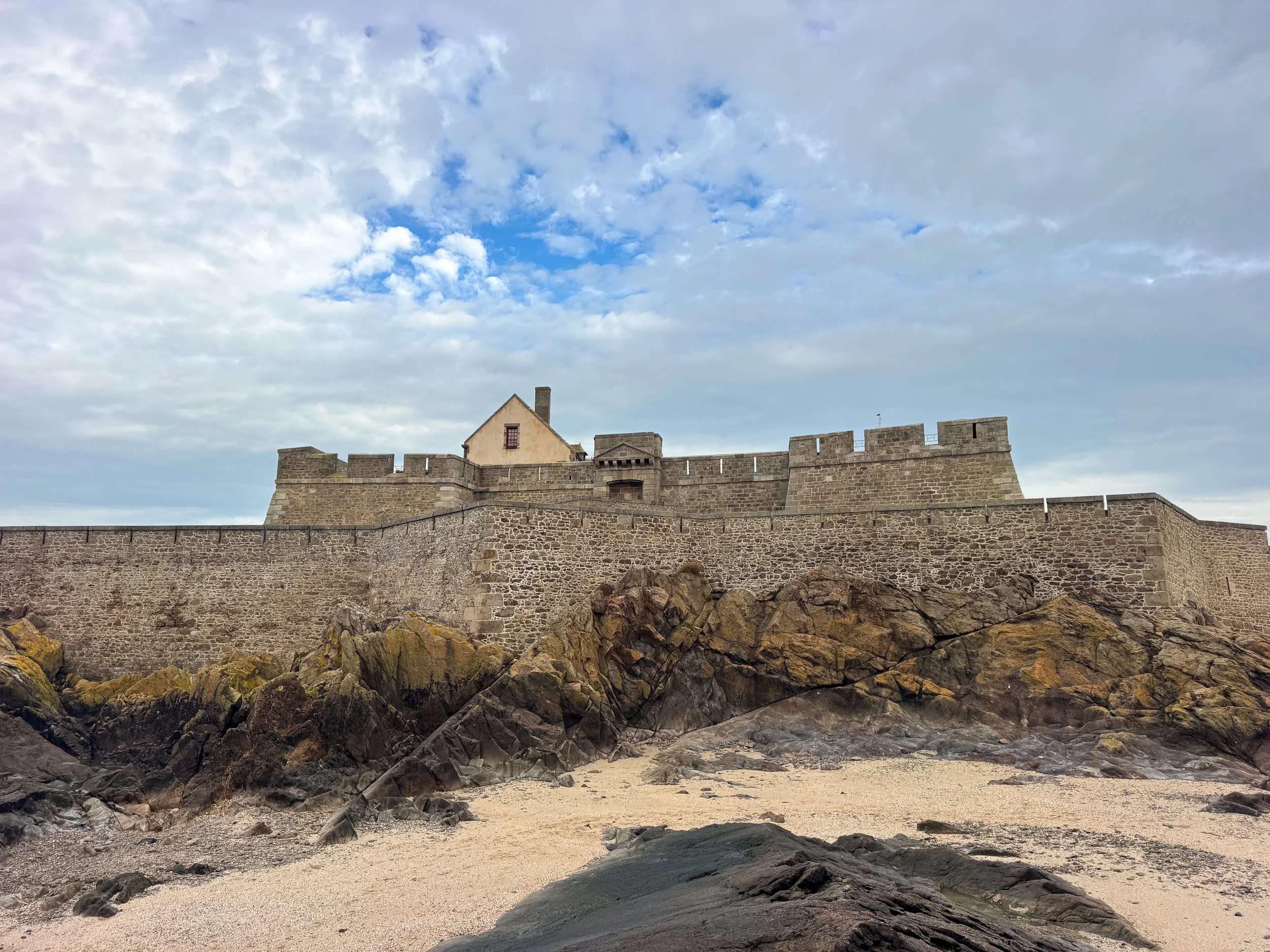
Fort National. A historic military fortress on a rocky tidal island, reachable only at low tide. Walk across the beach from the ramparts near the castle to reach it. The fort’s interior is open to visitors only during the summer months.
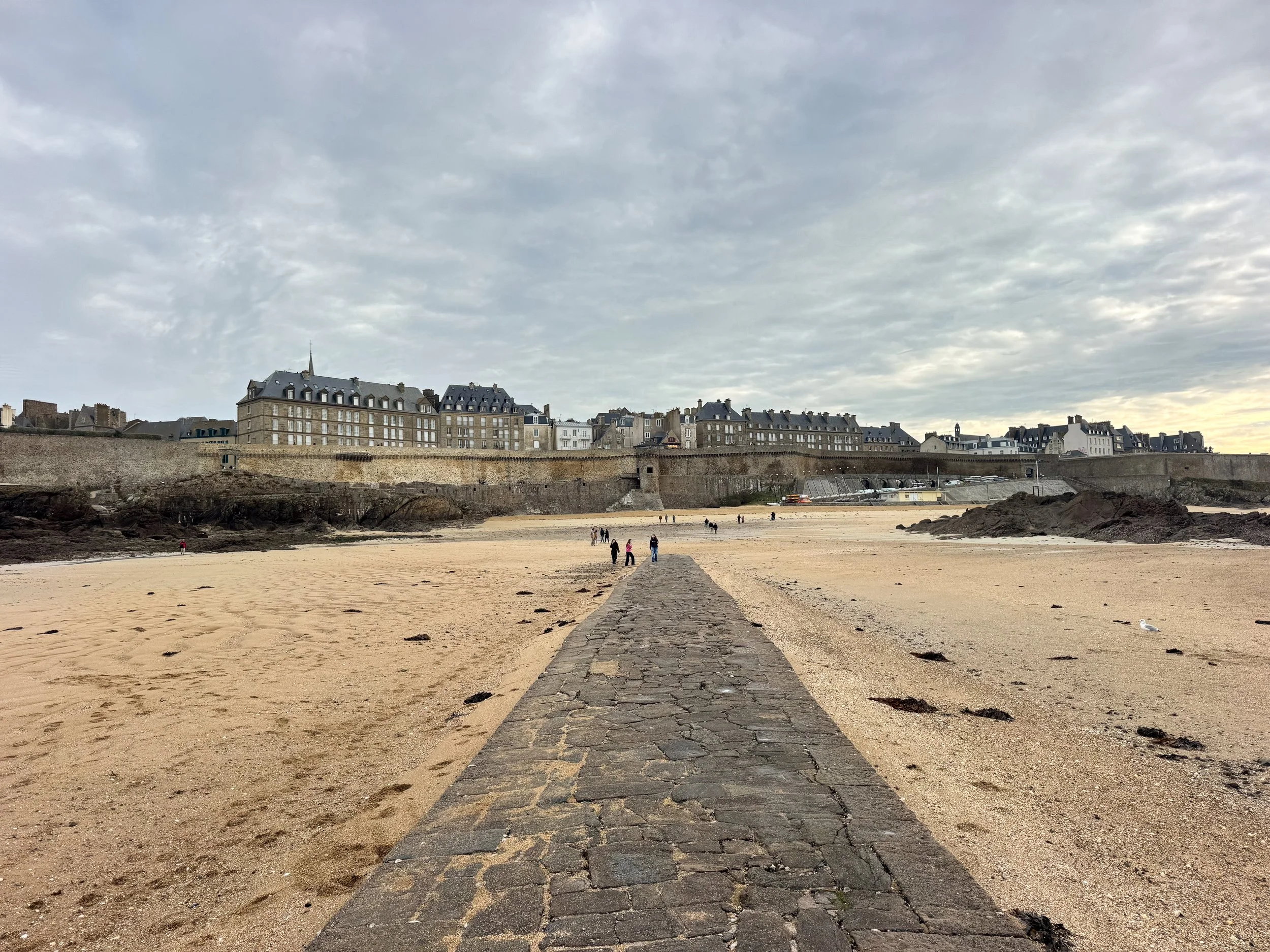
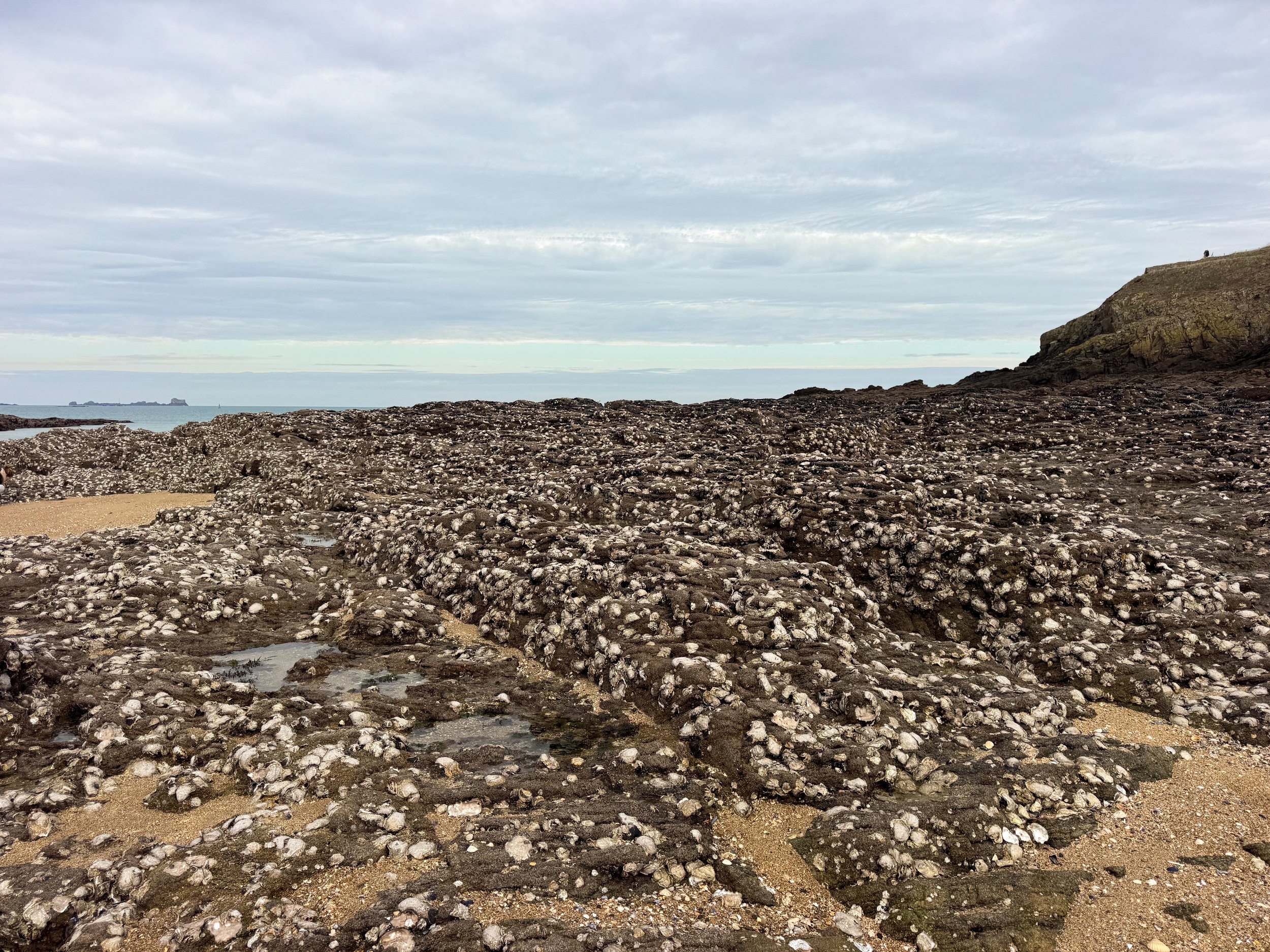
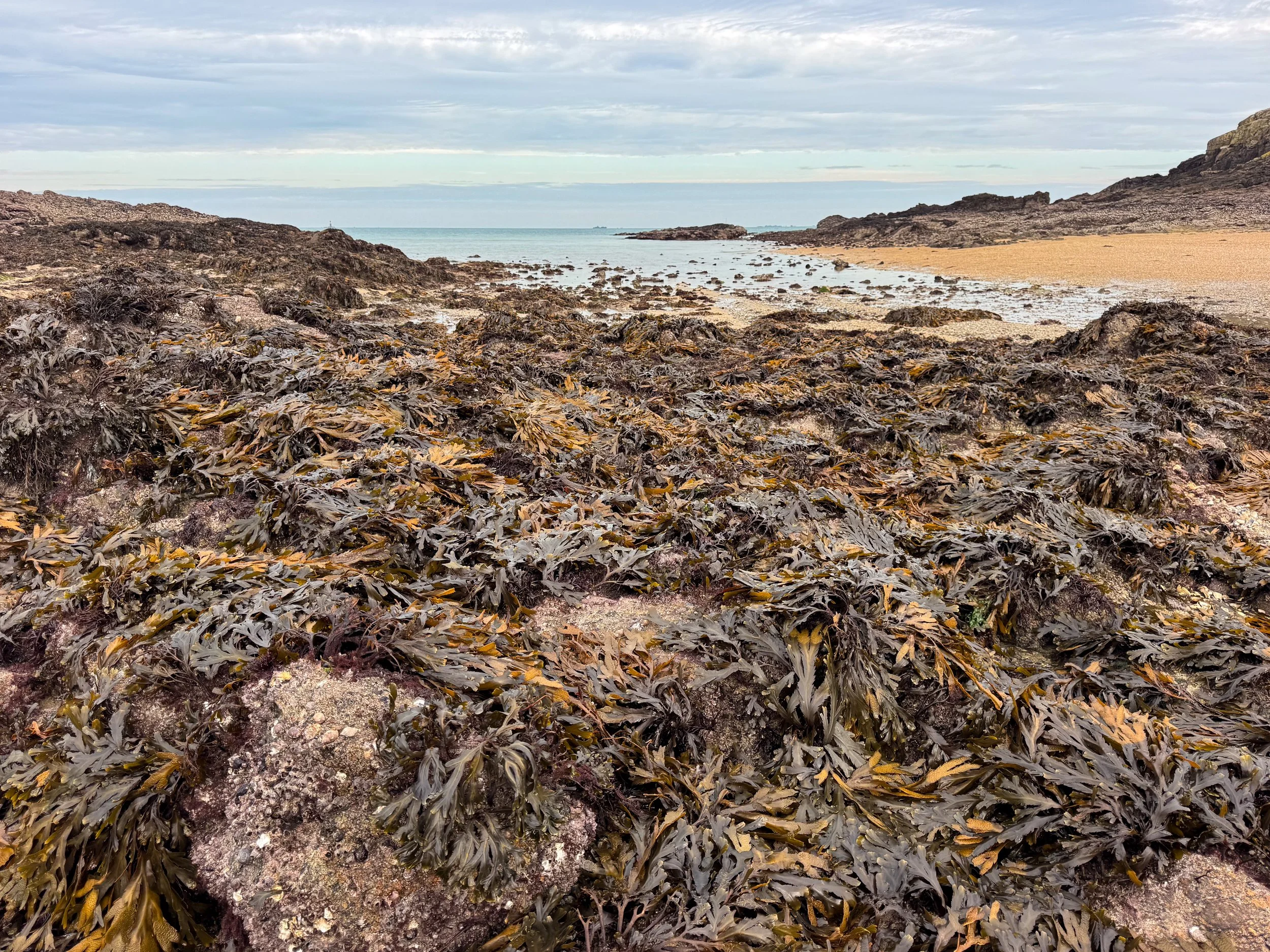
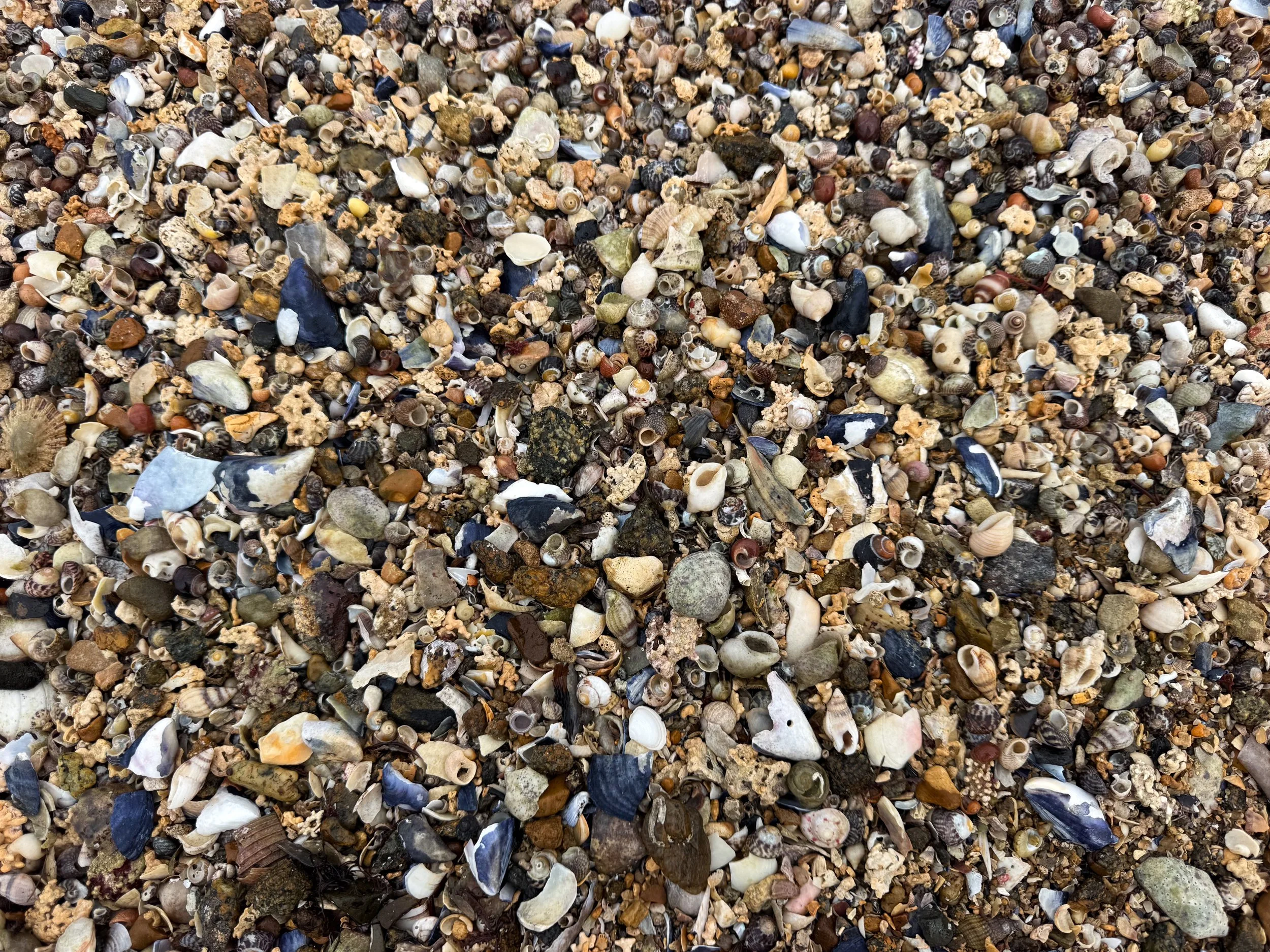
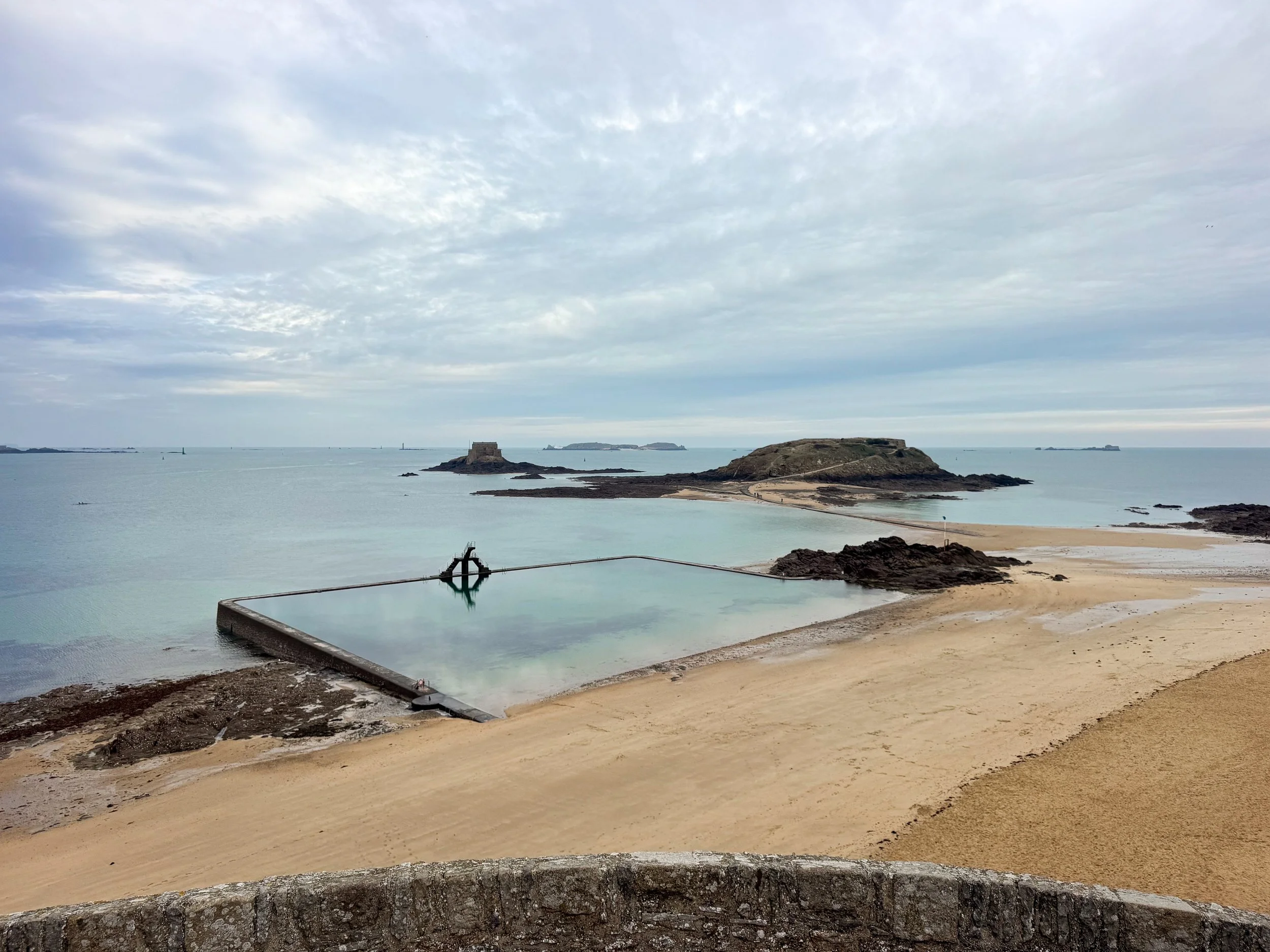
Grand Bé & Petit Bé. A pair of rocky islands reachable from the beach at low tide. As the sea recedes, a path emerges from beneath several meters of water, flanked by seaweed meadows, rocks encrusted with oysters and patches of shells. The larger Grand Bé is a nature reserve crowned by the crumbling ruins of old fortifications. Farther from shore, the smaller Petit Bé is home to a 17th century maritime fort. Like Fort National, it’s only open to visitors during the summer. Check the tide schedule carefully and head back before the water returns to avoid being stranded.
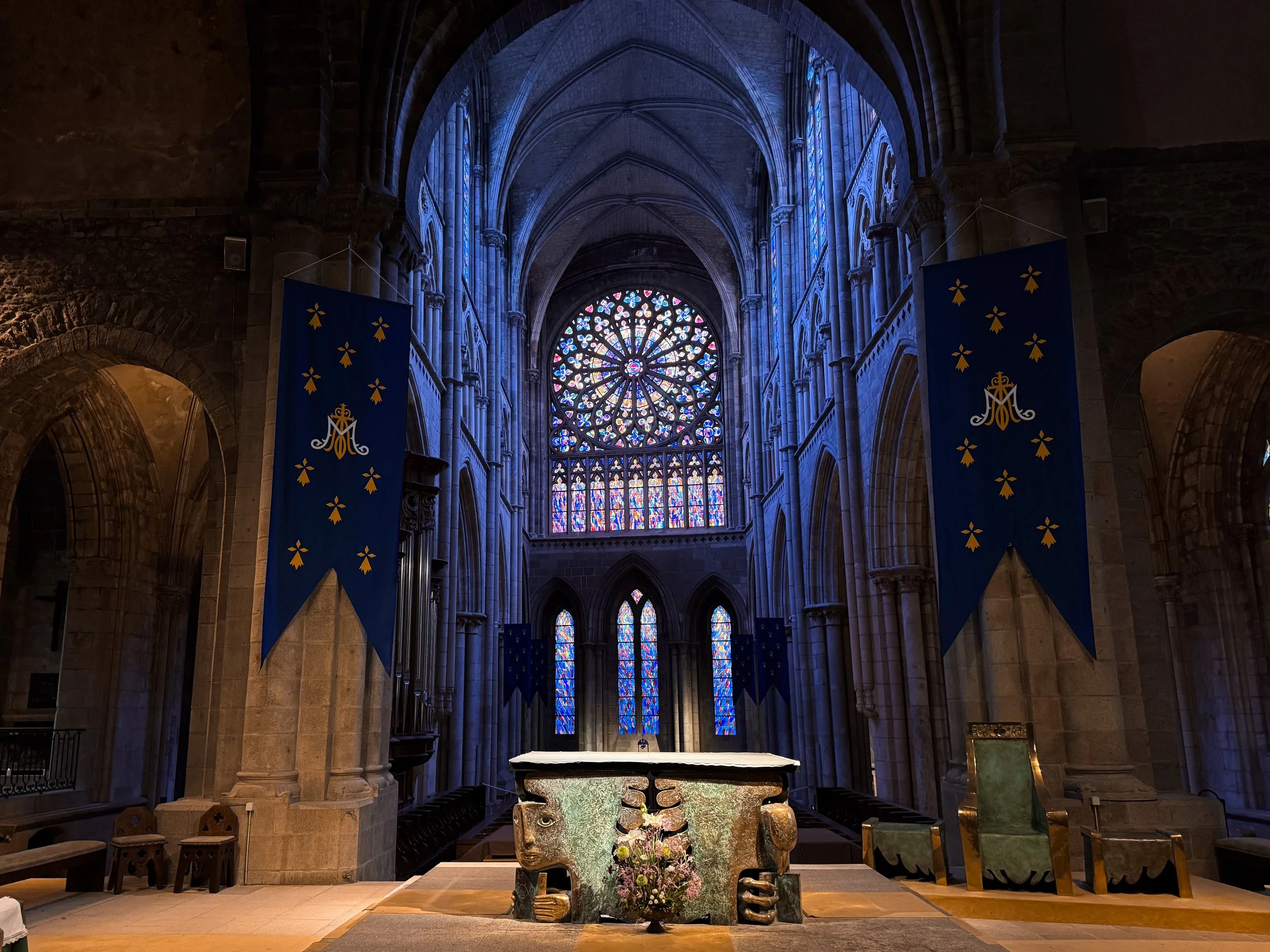
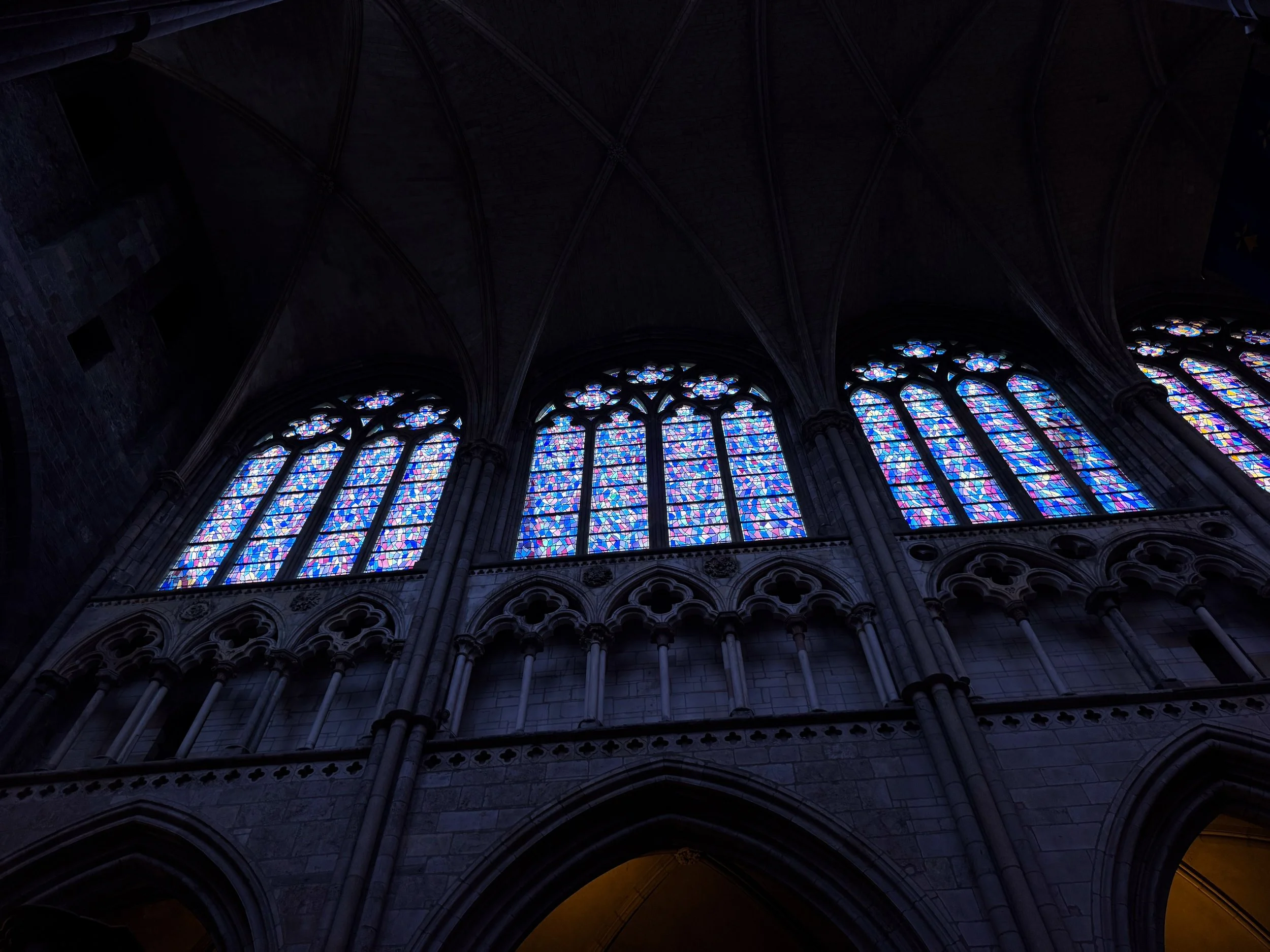
Cathédrale Saint-Vincent de Saint-Malo. A 12th century cathedral at the heart of the walled city, known for its striking stained glass. Its dim stone interior glows purple from a dramatic rose window and rows of arched side windows. A contemporary bronze altar stands at its center. It’s also the resting place of Jacques Cartier, the French explorer credited with “discovering” and naming Canada.
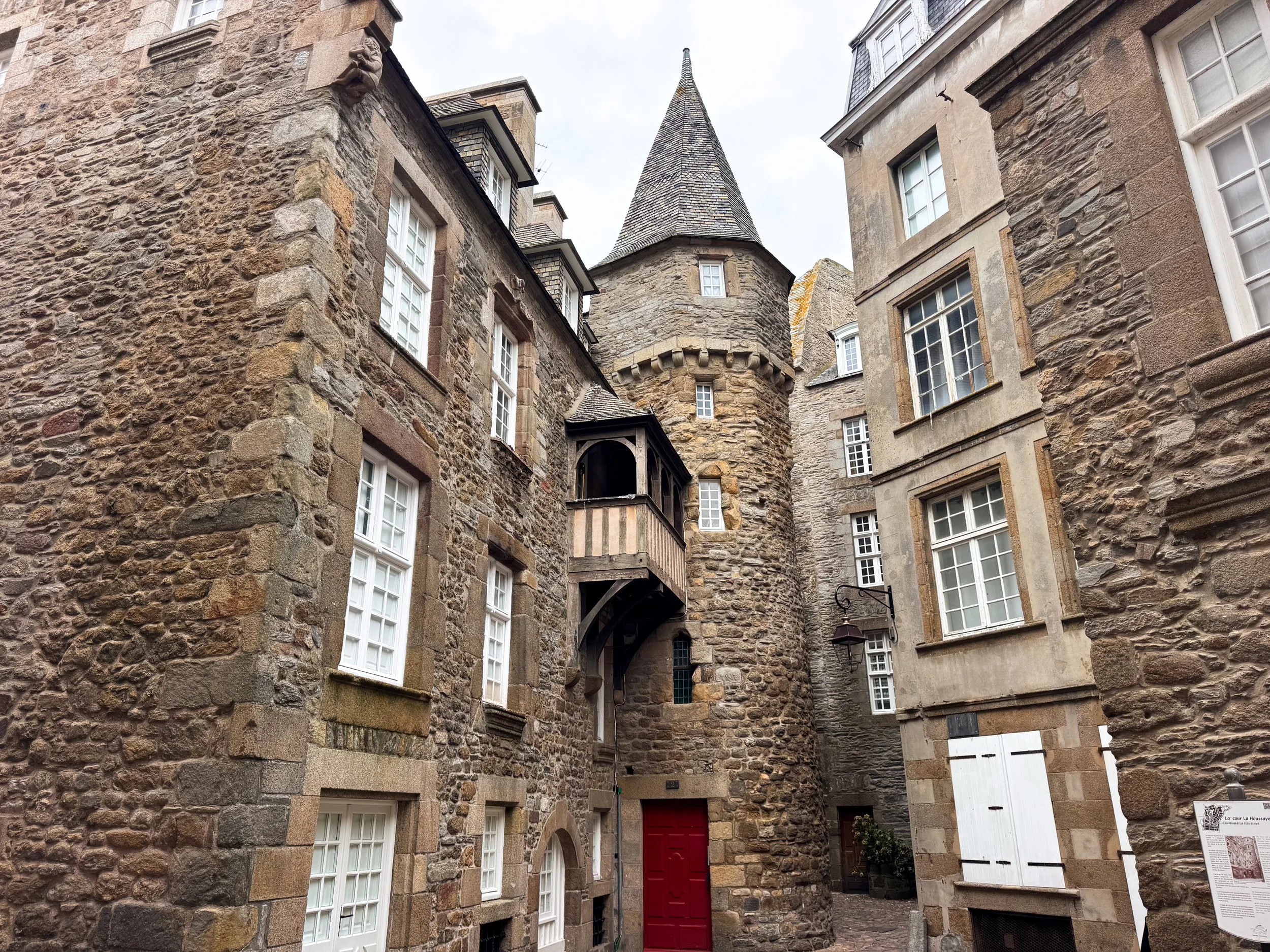
Maison de la Duchesse Anne. Tucked away on a narrow alley, this stone mansion is one of the oldest surviving buildings in town. It’s defined by its five story octagonal tower and named after Anne of Brittany, who is said to have stayed here.
Emerald Coast Beaches
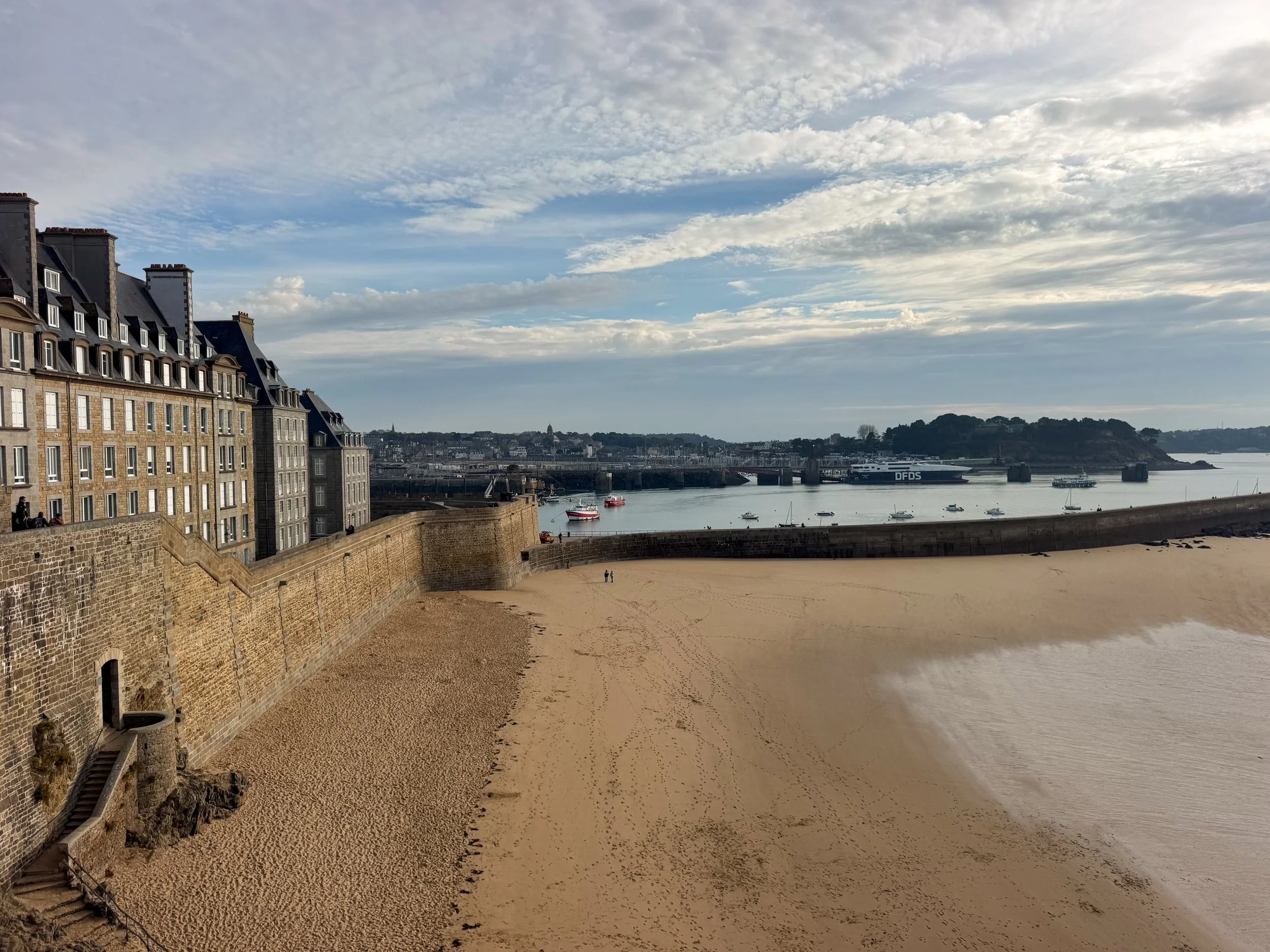
Saint-Malo is a beach town that comes alive in the warm and sunny summer months. This stretch of shoreline is known as the Emerald Coast for its brilliant turquoise, blue and green waters. In the cooler, grayer months of autumn, the beaches lose some of their vivid color but remain scenic spots for a stroll.
Plage de Bon-Secours. A sandy beach tucked beneath the ramparts with some of the best views of the towering stone walls. At low tide, a large seawater pool remains filled, giving swimmers a safe place to dive and swim. Tidal paths lead across the sand to Grand Bé and Petit Bé. In summer, sunbathers settle onto striped towels beneath colorful umbrellas while a sailing school rents small boats and kayaks.
Plage du Môle. A sandy beach at the southern tip of the walled city, nestled at the base of the ramparts. Its slightly secluded setting makes it a quieter spot to relax. From here, a long pier stretches out to a lighthouse, with views back over the city, harbor and ramparts.
Plage de l’Éventail. A tidal beach at the northern end of the ramparts with access to Fort National during low tide. The beach connects to the much larger Grande Plage du Sillon.
Grande Plage du Sillon. A long beach stretching from the northern edge of the walled city along Saint-Malo’s coastline. On sunny days, it’s a popular spot for swimming, sunbathing and beachcombing. At high tide, the sand nearly disappears, while at low tide, the beach extends 200 meters out toward the sea.
Cafes, Seafood & Rum Bars
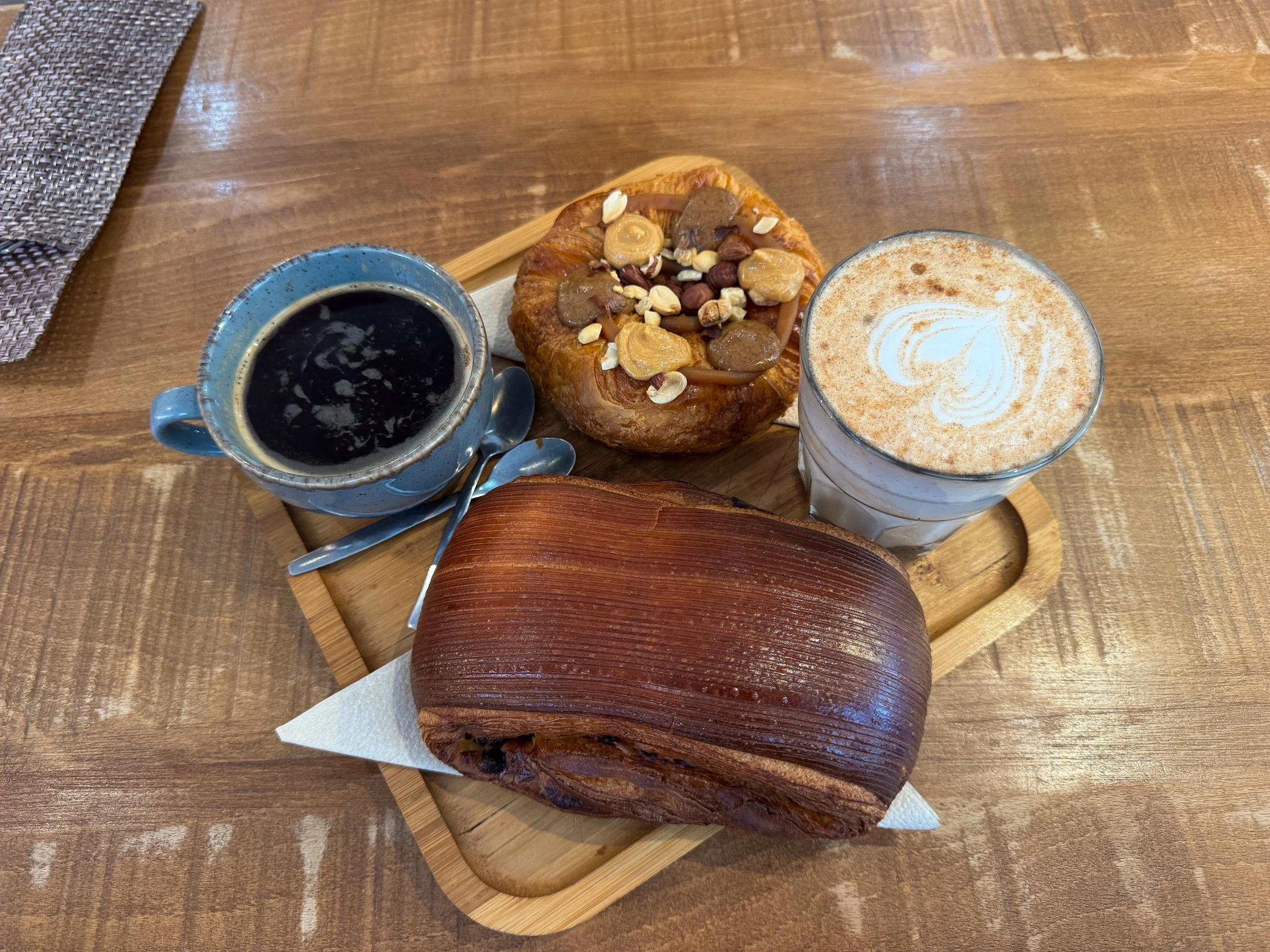
Récit de Voyage. A coffee shop in Intra-Muros with a tempting spread of French pastries, from croissants and pain au chocolat to pain suisse and cookies. Stop in for a coffee and pastry while exploring the town.
Brasserie O' de Mer. A seafood restaurant on Rue Jacques Cartier serving fish soup, moules frites, raw oysters and the catch of the day. Visiting in fall lines up perfectly with scallop season, a staple of Saint-Malo. Try them raw, lightly seared or as Coquilles Saint-Jacques, baked in a creamy béchamel and broiled with cheese and breadcrumbs.
La Belle Époque. A tropical feeling rum bar on Rue de Dinan with a sand covered floor, surfboards hanging from the ceiling and nautical artwork on the walls. Chalkboard menus list local beers, Breton ciders, rums and rum cocktails.
Breton Food & Drink to Try
Crabe Tourteau. A large brown crab caught in the North Sea and North Atlantic, often sold live at markets and served boiled, salted and chilled with mayonnaise.
Buckwheat Galettes. Savory crêpes made with buckwheat flour and filled with ingredients like ham, eggs, cheese, tomatoes or smoked salmon.
Gâteau Breton. A dense and buttery cake with a crumbly, shortbread-like texture.
Kouign-Amann. A flaky and buttery pastry layered with sugar that caramelizes as it bakes.
Cider. Brittany is home to thousands of orchards, making cider a popular drink, especially around Rennes. Try both apple cider and poiré, its pear based cousin.
Where to Stay in Rennes
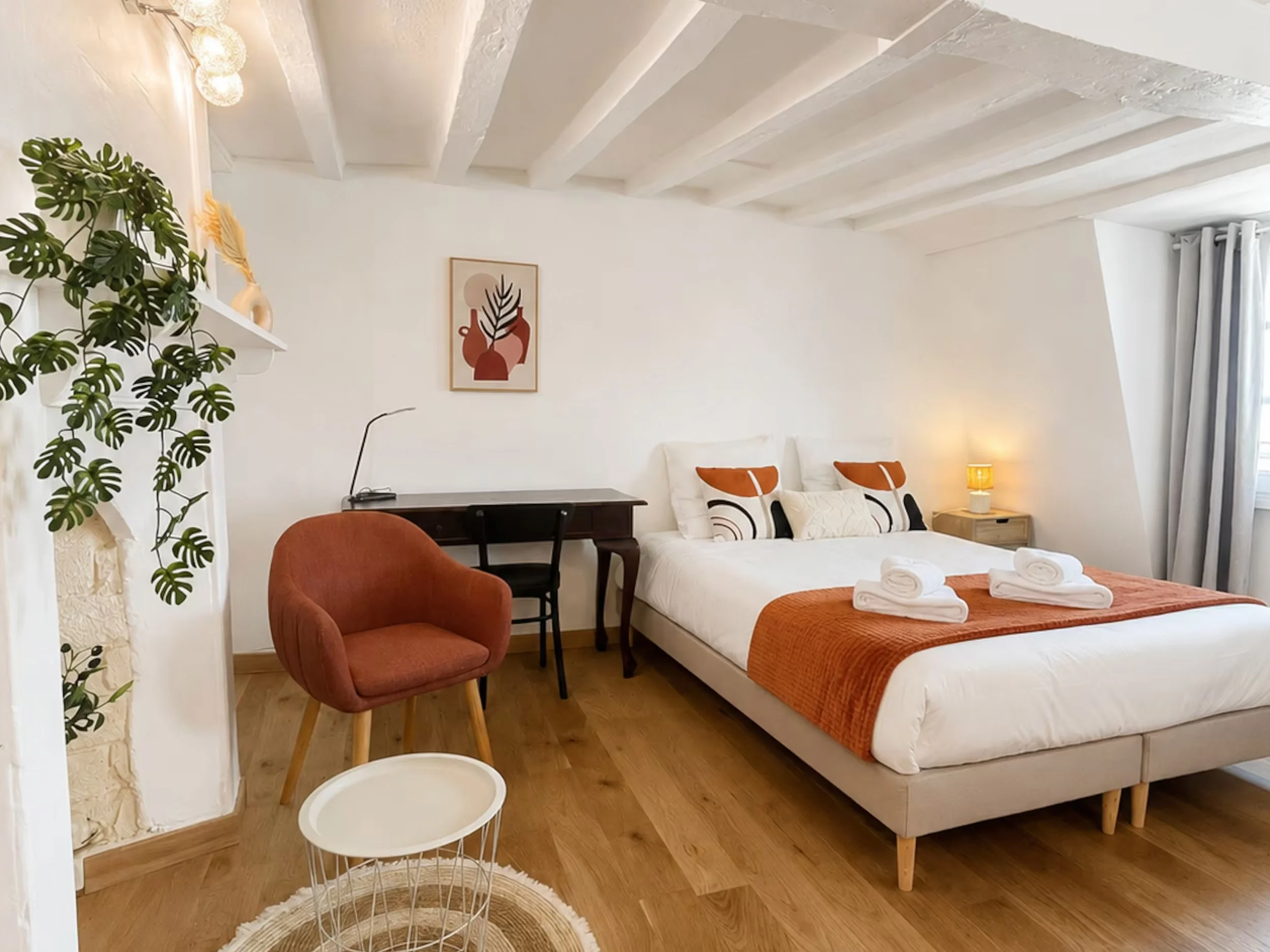
Le Cocon des Jacobins - Downtown Rennes. A beautifully styled Airbnb on the third floor of a historic half timbered building in the Centre Historique. Original details like wooden beams and a fireplace blend with modern furnishings, a comfy bed, work desk, dining area and kitchenette. Slanted floors and low ceilings add to the building’s centuries old charm. Book on Airbnb.
Getting to & Around Rennes
High Speed Train. Rennes is less than two hours from Paris by high speed train. The central station sits just outside the historic center, a short metro ride away. Book trains through SNCF Connect.
Metro. Rennes’ two metro lines, A and B, both run through the city center and out to surrounding neighborhoods, making it easy to get around quickly.
On Foot. The historic center is compact and easily walkable, with most sights, markets, restaurants and bars within 15 minutes of each other.
By Car. Driving is the easiest way to reach Mont Saint-Michel and Saint-Malo, letting you beat the crowds and travel on your own schedule. Several rental agencies operate at the train station. We booked with Sixt after good past experiences and strong reviews for this location.
Know Before You Go
College Town Vibes. Rennes is a lively college town, and weekends can get rowdy as students party into the early morning hours.
Language. French is the primary language, though English is commonly spoken in tourist areas. If you’re practicing your French, locals in Brittany and Normandy tend to speak more slowly and clearly than in Paris.
Bonjour = Hello / Good Day
Bonsoir = Hello / Good Evening
Bonne journée = Goodbye (during the daytime)
Bonne soirée = Goodbye (during the evening)
Au revoir = Goodbye
Merci = Thank you
S’il vous plaît = Please
Merci beaucoup = Thank you so much
De rien = You’re Welcome
Où sont les toilettes? = Where are the toilets?
L’addition, s'il vous plaît = The check, please
Drinking Water. There's no need to order overpriced bottled water at restaurants. Thanks to strict regulations and standards, the tap water here is among the best in Europe. Simply ask for "une carafe d'eau" to get free tap water.
Cash vs. Card. Most businesses accept credit and debit cards, but carry some coins and small bills for minor purchases and tips.
Tipping. Tipping isn’t generally expected in France, but for exceptional service or when the option is offered, plan to leave around 5–10%.

Elsewhere in France
From the romantic boulevards and iconic landmarks of Paris to Marseille’s rugged coastline and the Mediterranean charm of the French Riviera, continue exploring France’s diverse regions through these travel guides:
Paris Travel Guide: Eiffel Tower, Montmartre & Romantic Experiences. Get lost wandering the historic streets of Paris, where charming cafés, timeless architecture and French culture turn every corner into a romantic discovery.
Marseille Travel Guide: Calanques, Vieux-Port & Mediterranean Culture. Explore Marseille's gritty streets and the historic Vieux-Port where Mediterranean culture, bustling markets and seaside charm meet rugged coastal landscapes.
Cannes, France Travel Guide: Day Trips to Antibes & St. Tropez. Bask in the glamour of Cannes where golden sand beaches, Provençal markets and a hilltop old town create the perfect base for exploring the French Riviera.
Nice, France Travel Guide: Day Trips to Monaco, Èze & Menton. Explore the French Riviera from Nice where colorful old towns, bustling markets and coastal promenades capture the charm of the Mediterranean.
For Next Time: Dinan, Étretat & Brocéliande
Dinan. A medieval riverside town of half timbered houses, ramparts, a historic basilica and a clock tower.
Cliffs of Étretat. A stretch of Normandy coastline along the English Channel, famed for its chalky white cliffs, sea arches and towering pinnacles.
Brocéliande Forest. An old growth forest, also known as Paimpont Forest, said to have inspired the legends of King Arthur and the Knights of the Round Table. It’s home to hiking trails, campgrounds and even Merlin’s Tomb.
Fort La Latte (Château de la Roche Goyon). A 14th century seaside fortress perched on the cliffs, with ramparts, dungeons and towers.
Summertime in Saint-Malo. Having explored its walled city and coastline in fall, we can’t wait to return to this beautiful beach town in summer to experience its emerald waters.
Ferme de Landers Cider. A cider mill and orchard near Saint-Malo, producing apple cider, apple juice and apple cider vinegar.