Cappadocia Travel Guide: Fairy Chimneys, Valley Hikes & Ancient Wonders
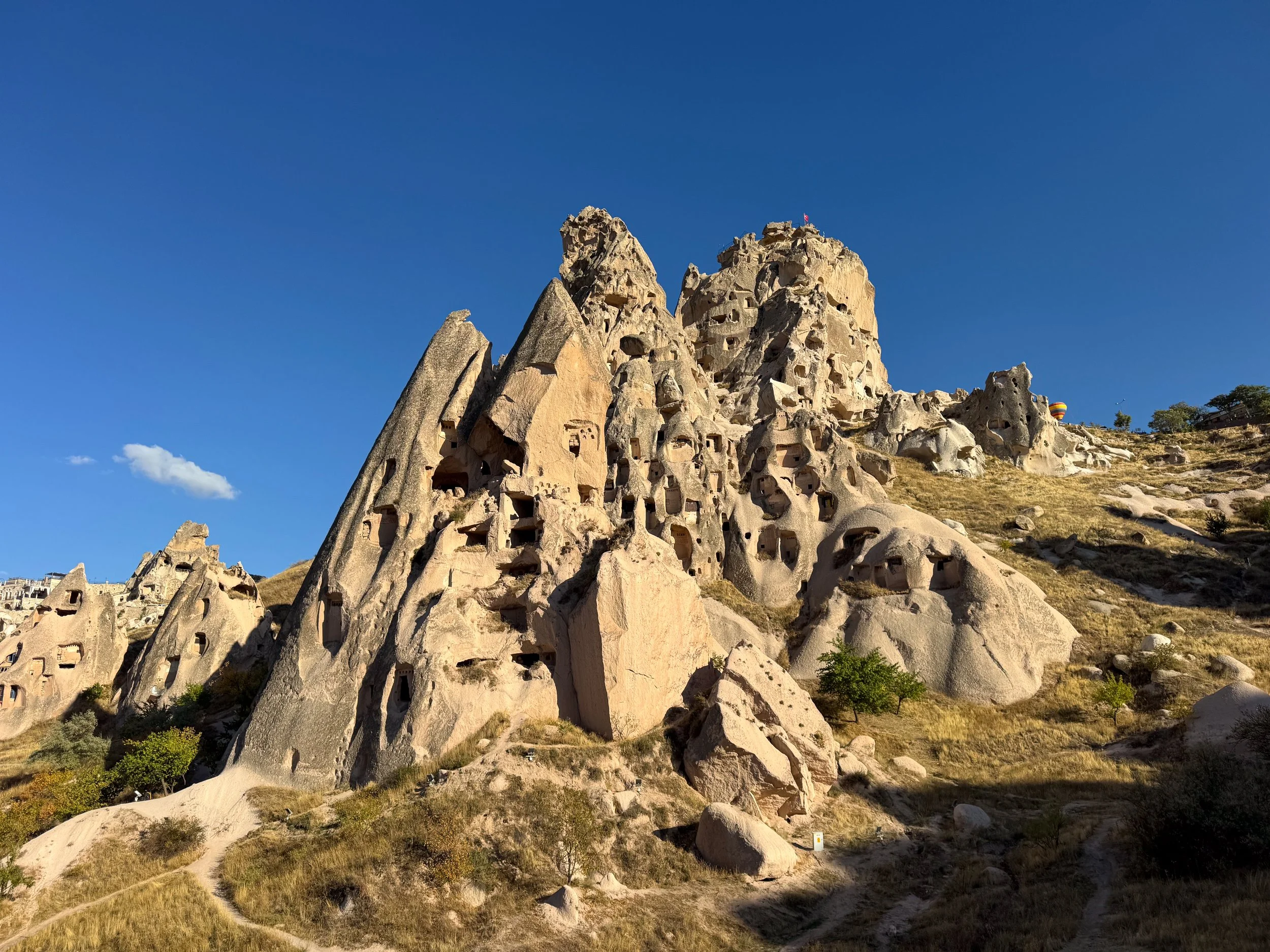
A Fairytale in Cappadocia
Cappadocia’s fairytale landscapes and ancient wonders make it a dreamy and adventurous destination. Romantic towns with cave hotels and rooftop terraces attract all types of travelers. Fairy chimneys and hot air balloons rise from picturesque valleys. Hiking trails meander across the landscape speckled with historic cave dwellings and underground cities. Turkish wines and cuisine are sipped on and savored at local restaurants. We spent a week leisurely exploring Cappadocia by car.
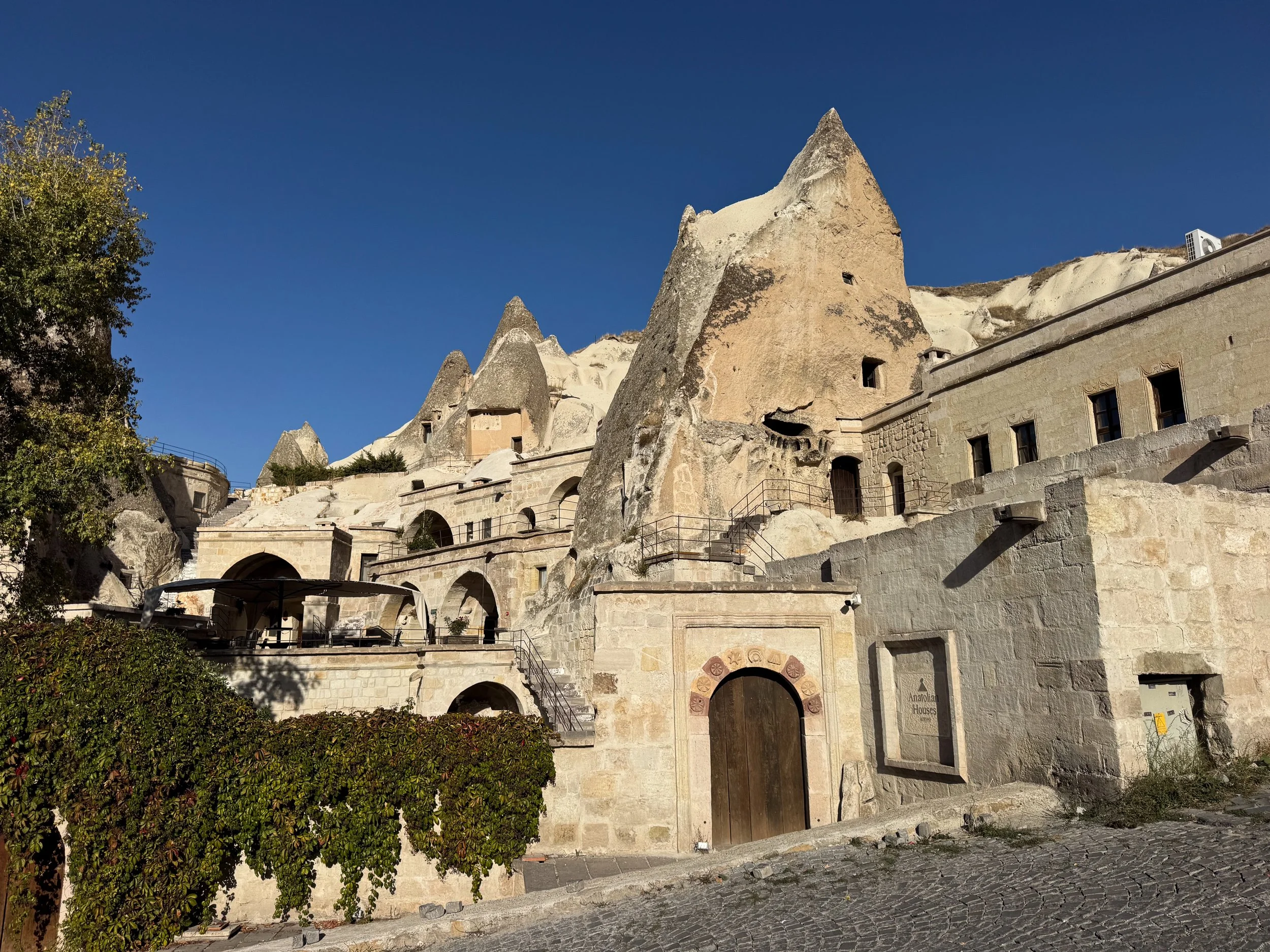
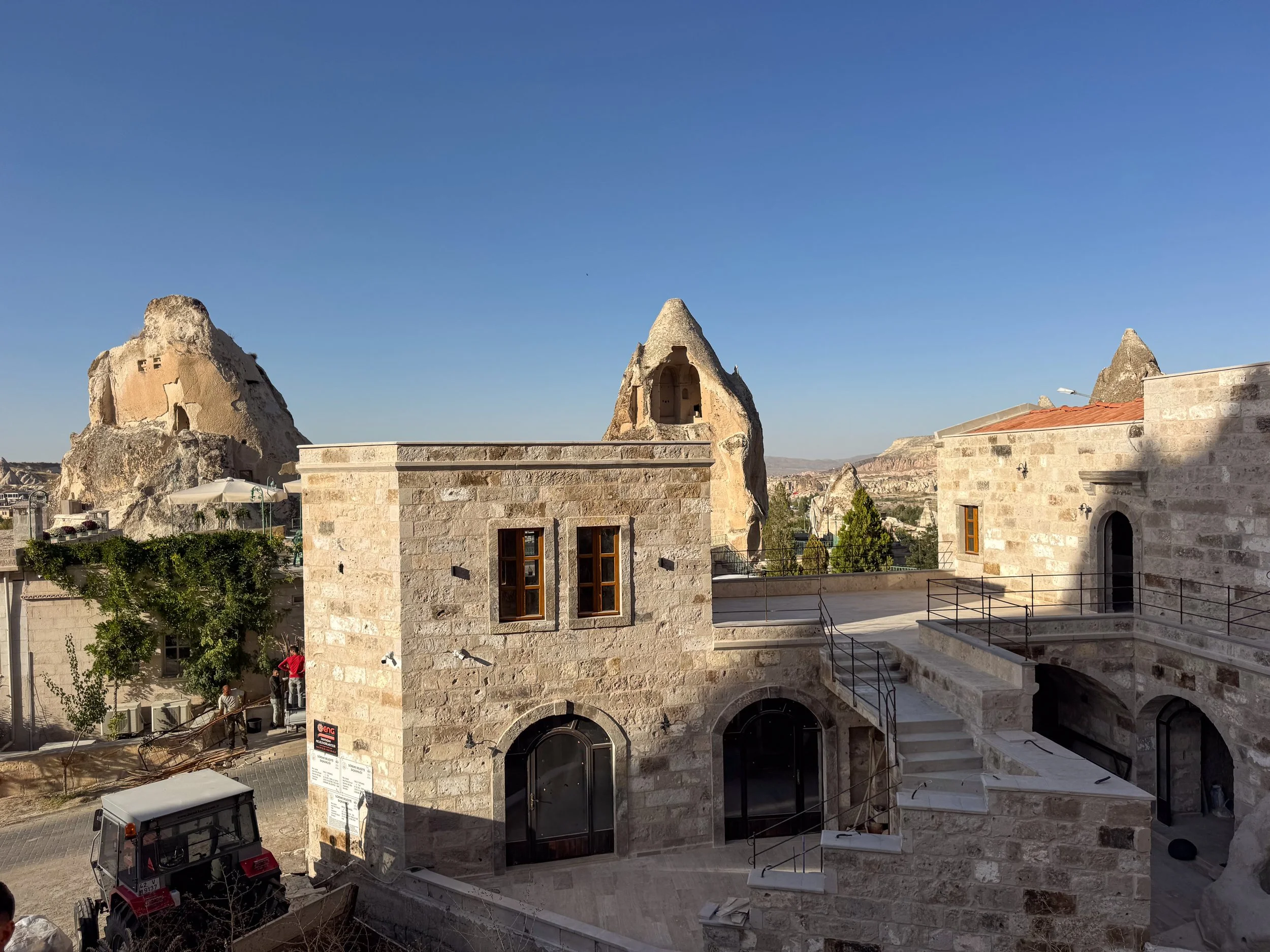
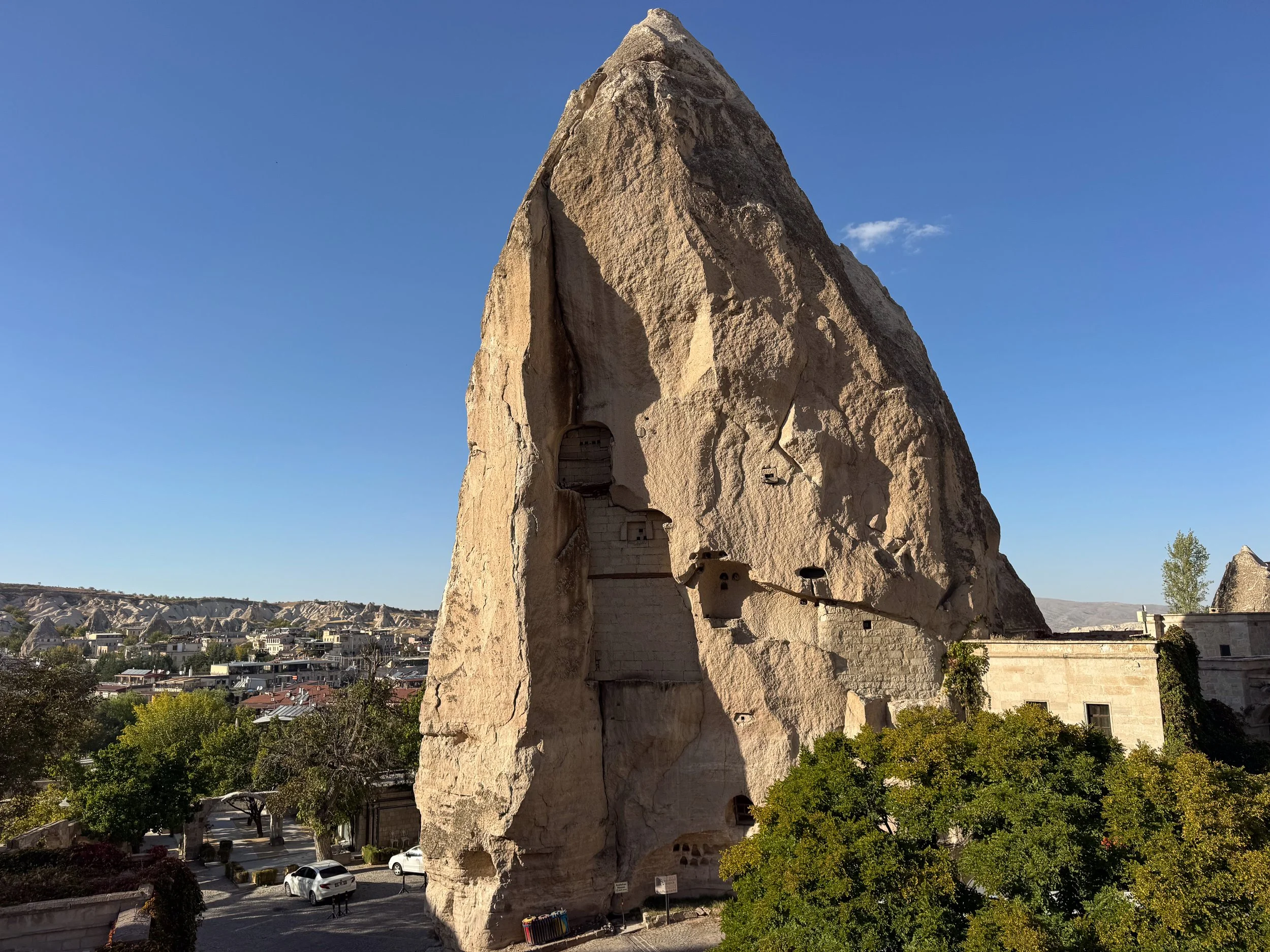
Cappadocia’s Romantic Towns
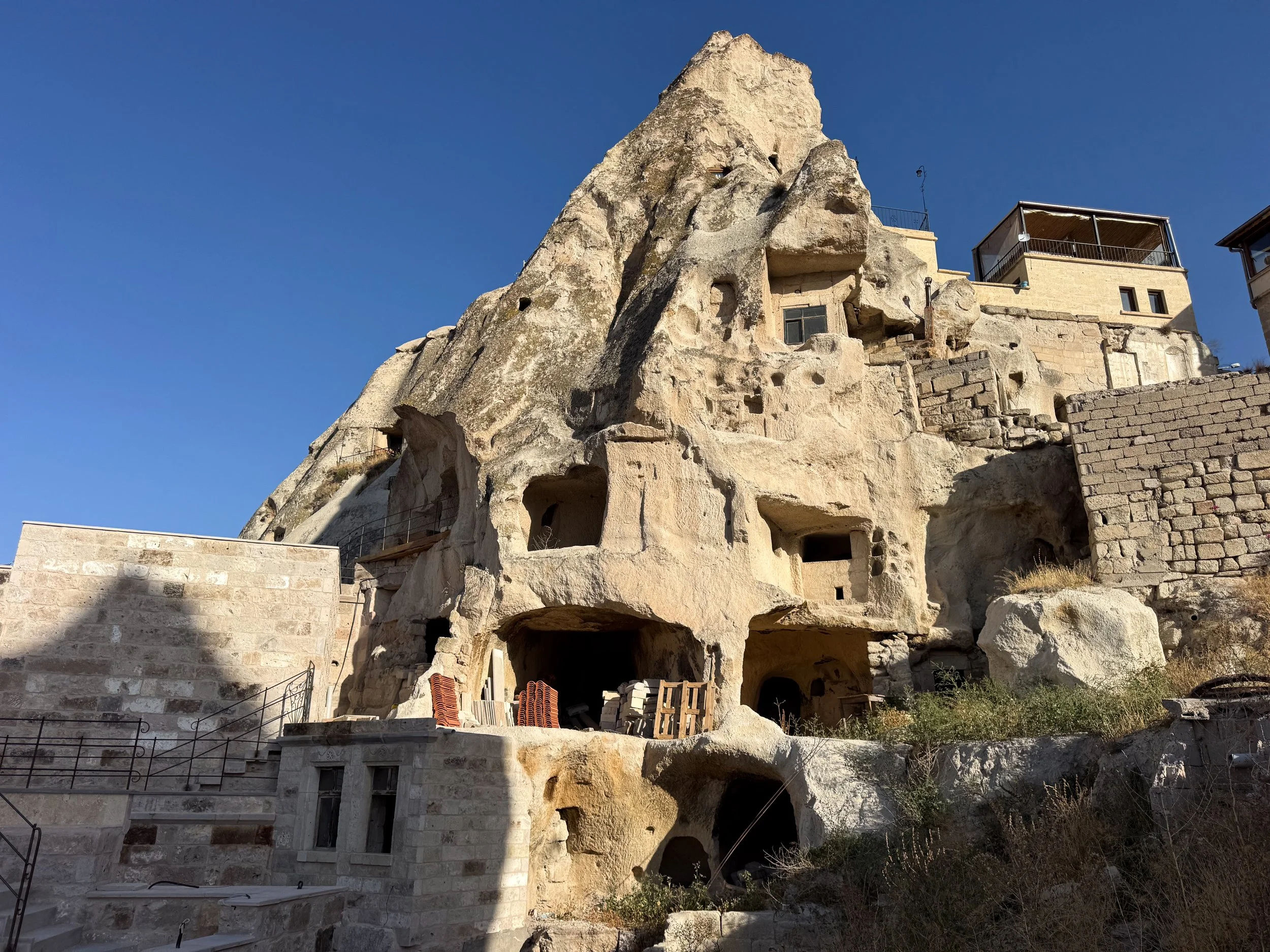
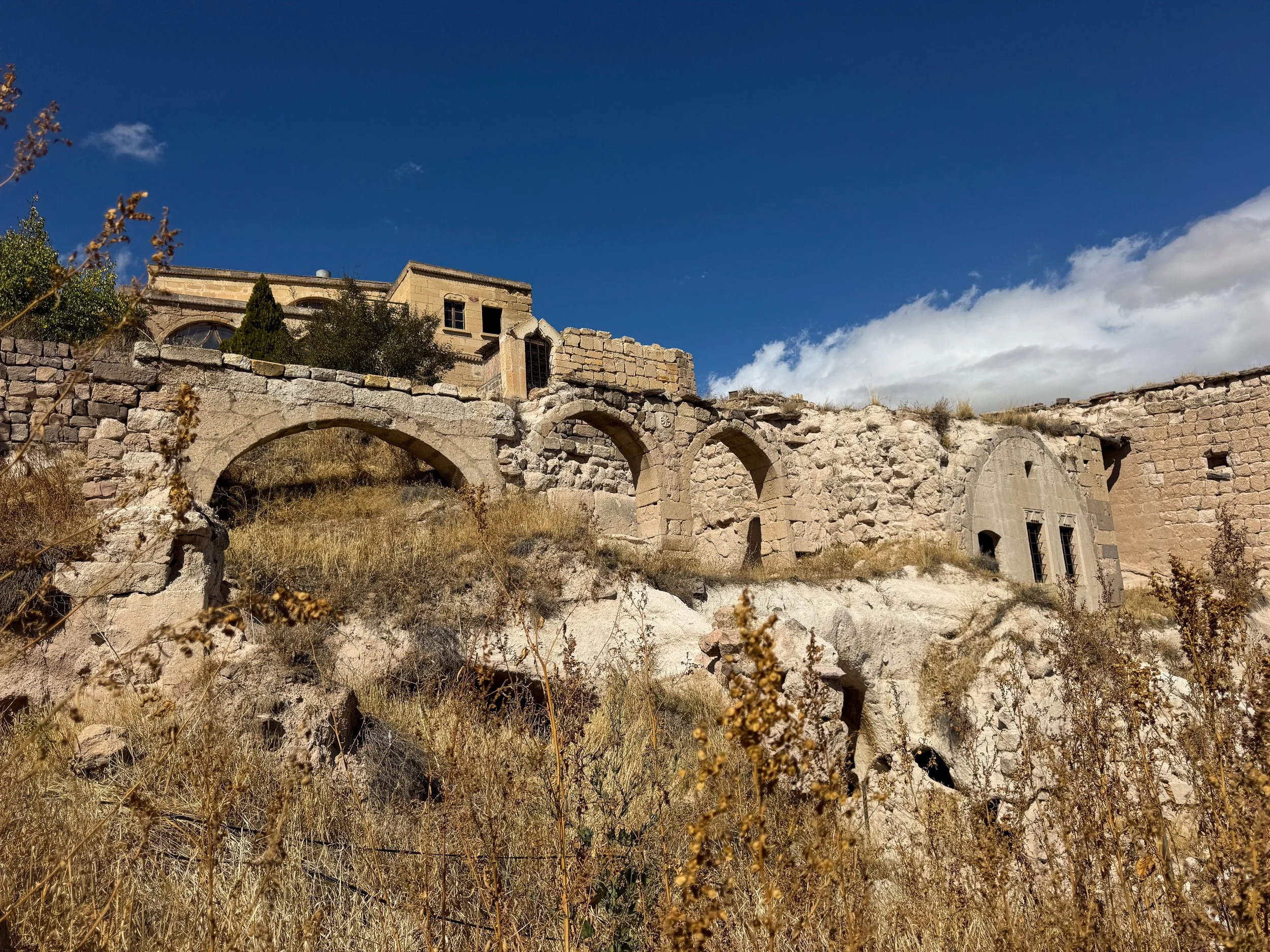
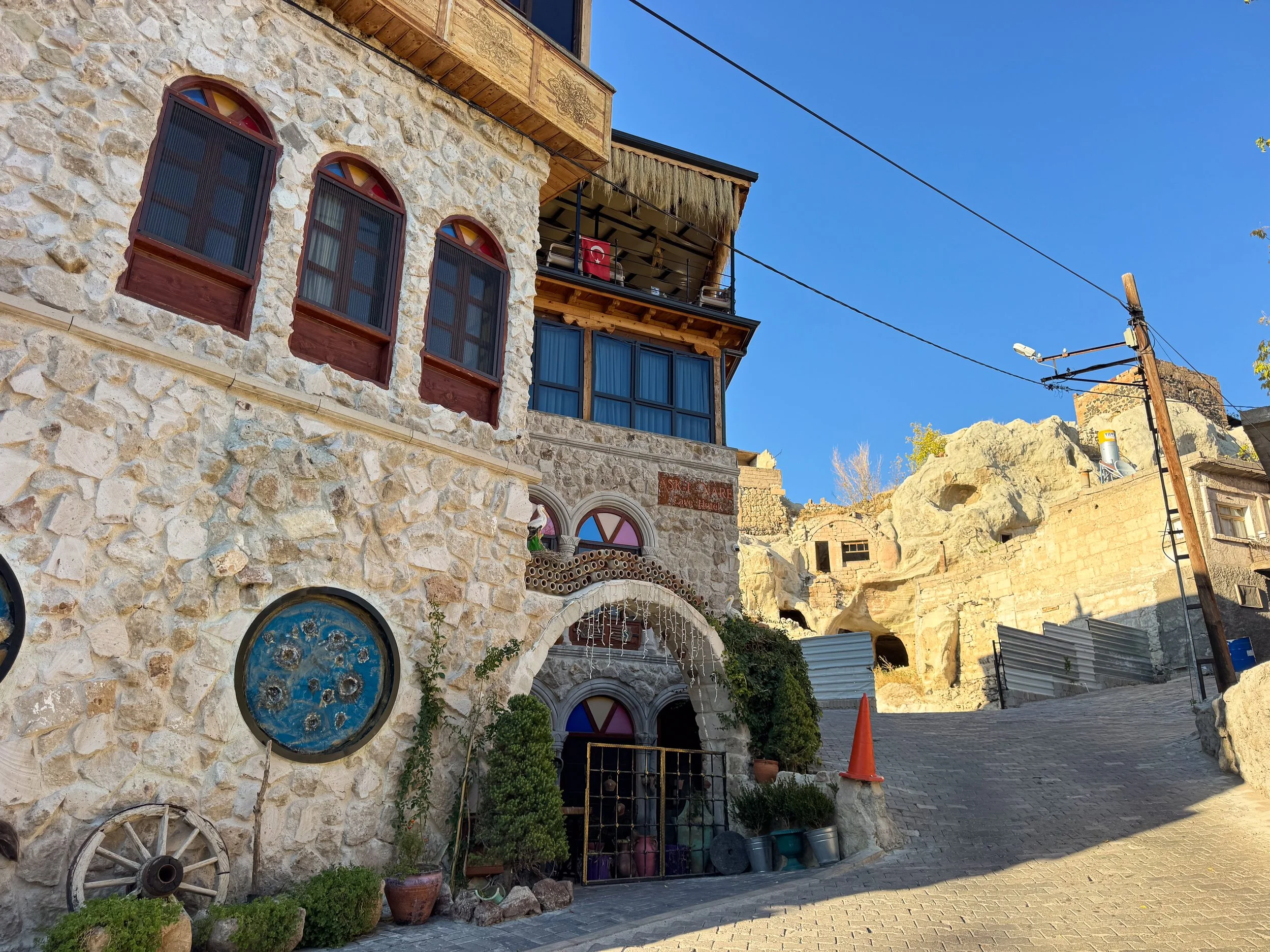
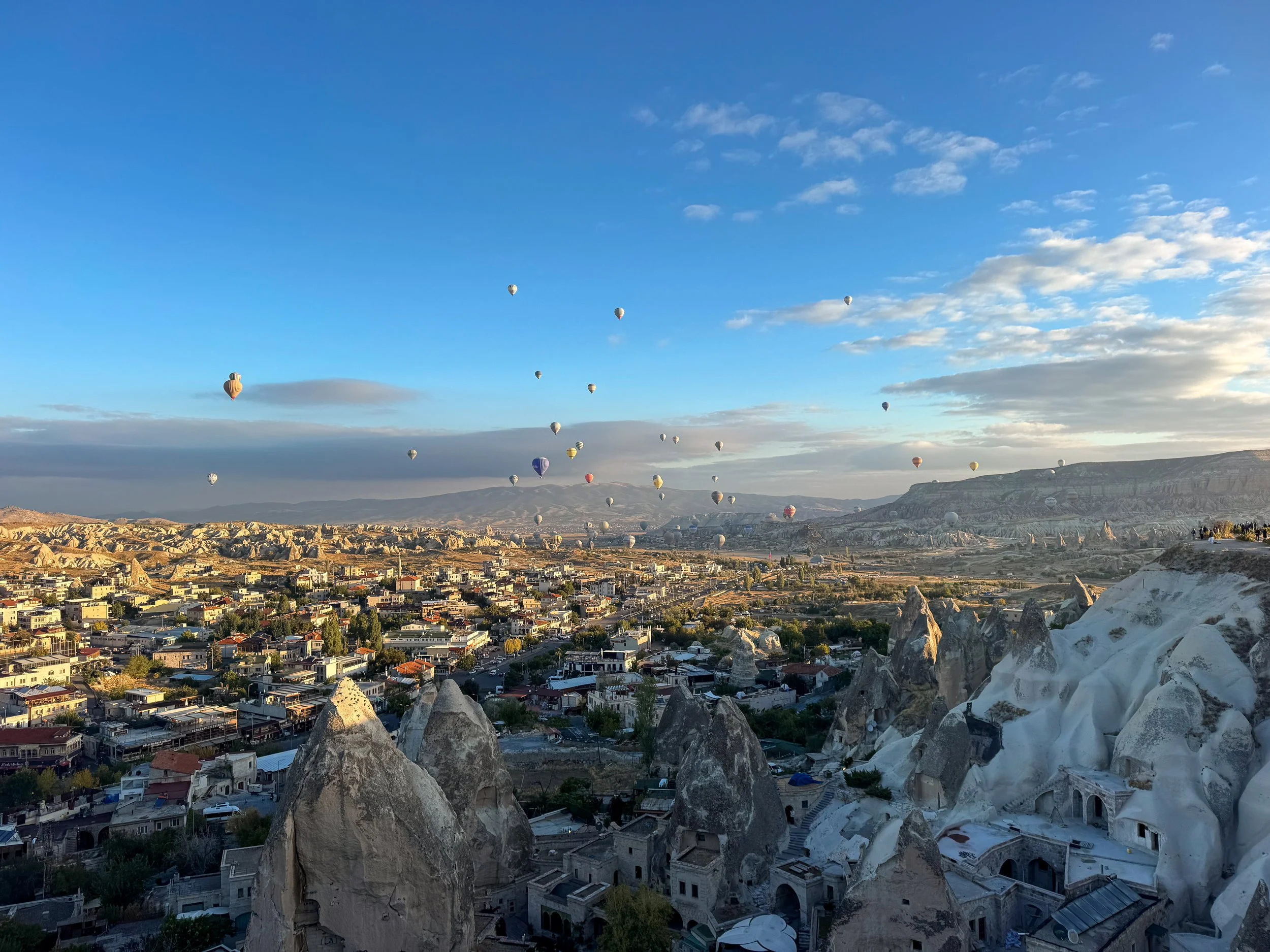
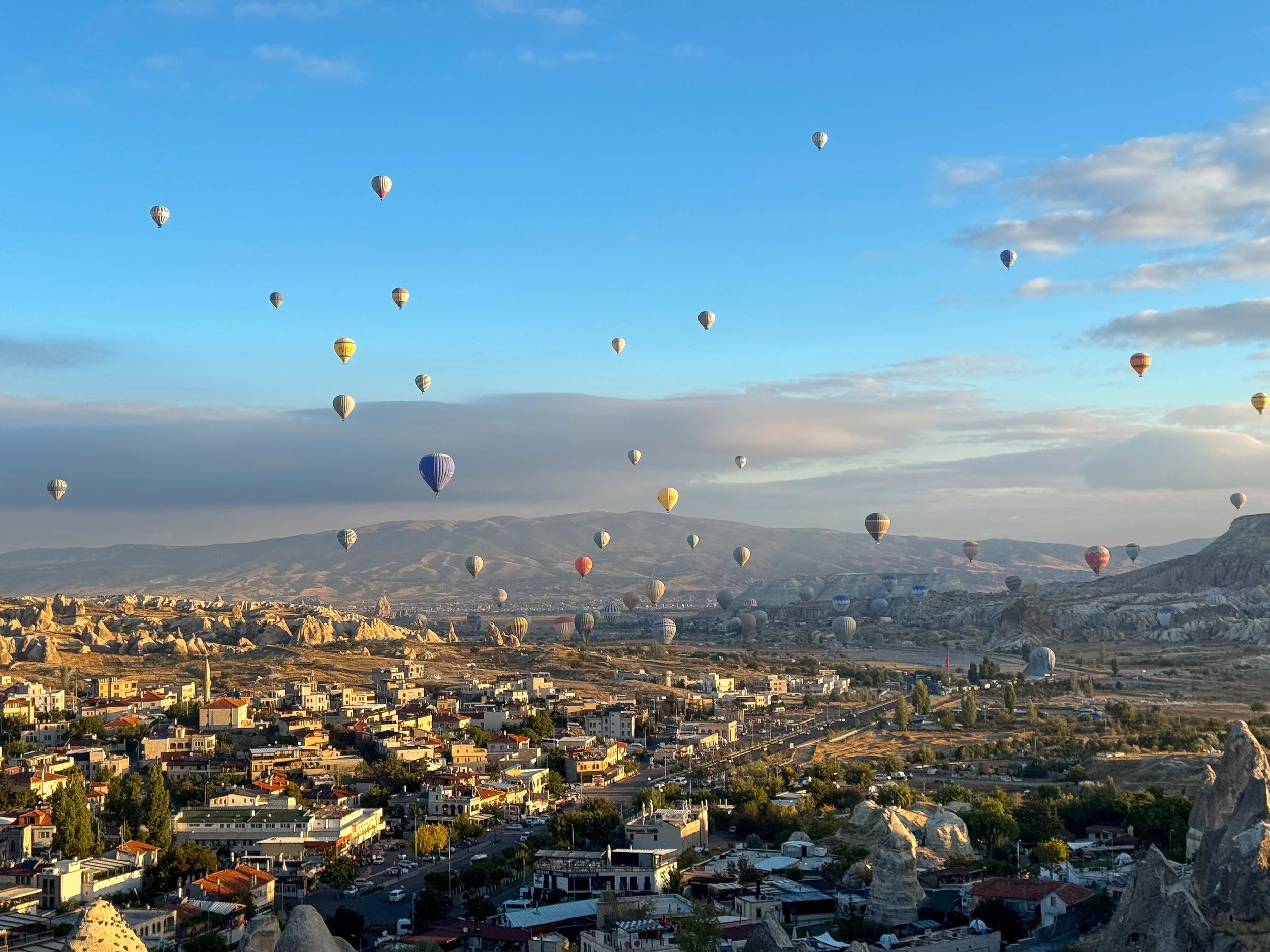
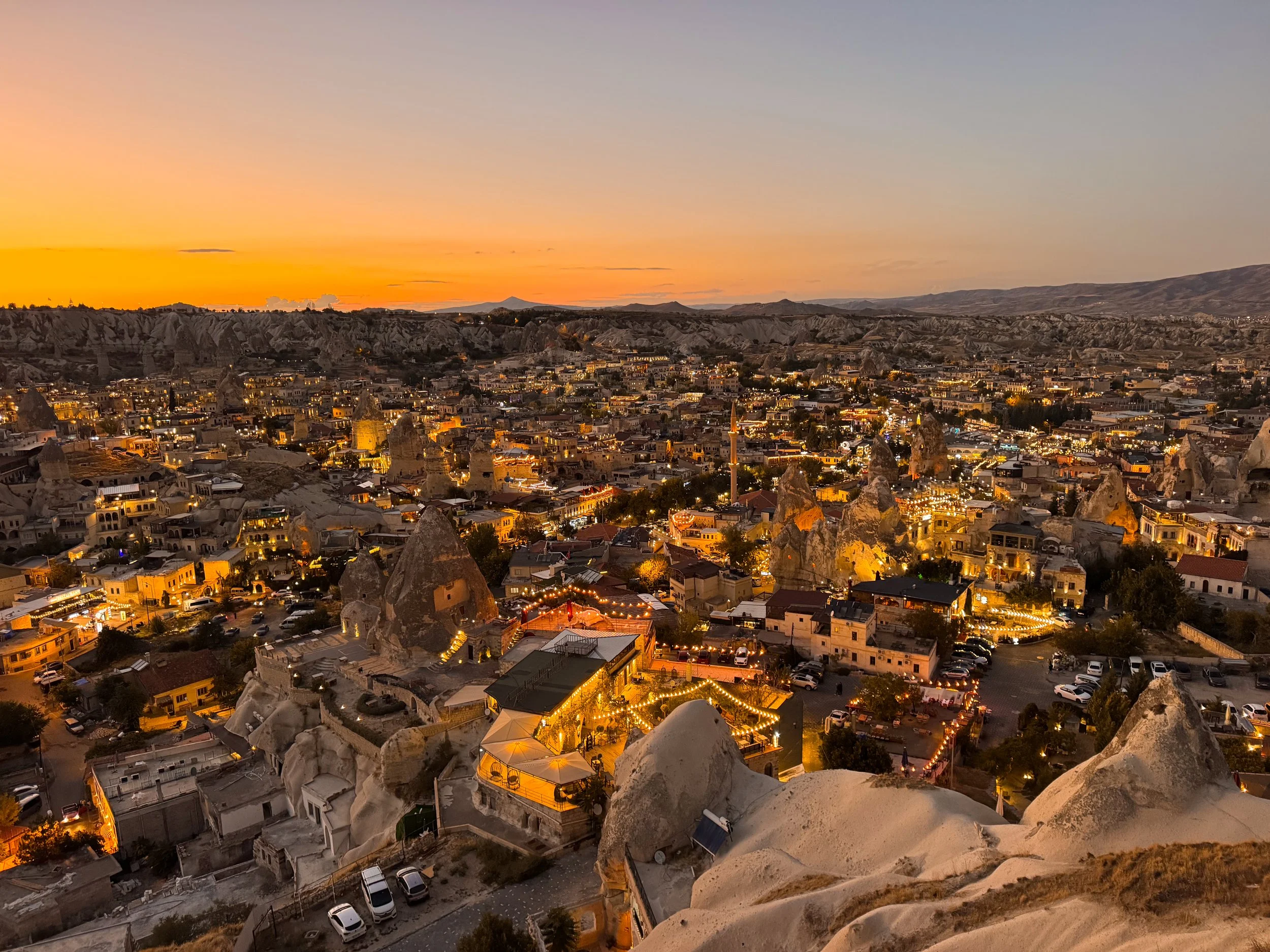
Göreme. A picturesque town built into the rock structures and fairy chimneys rising from the landscape. It’s home to cave hotels, rooftop cafés, Persian rug stores and souvenir shops. Colorful hot air balloons rise above the landscape in the early morning. Its carved stone structures are illuminated in a warmly lit glow by night.
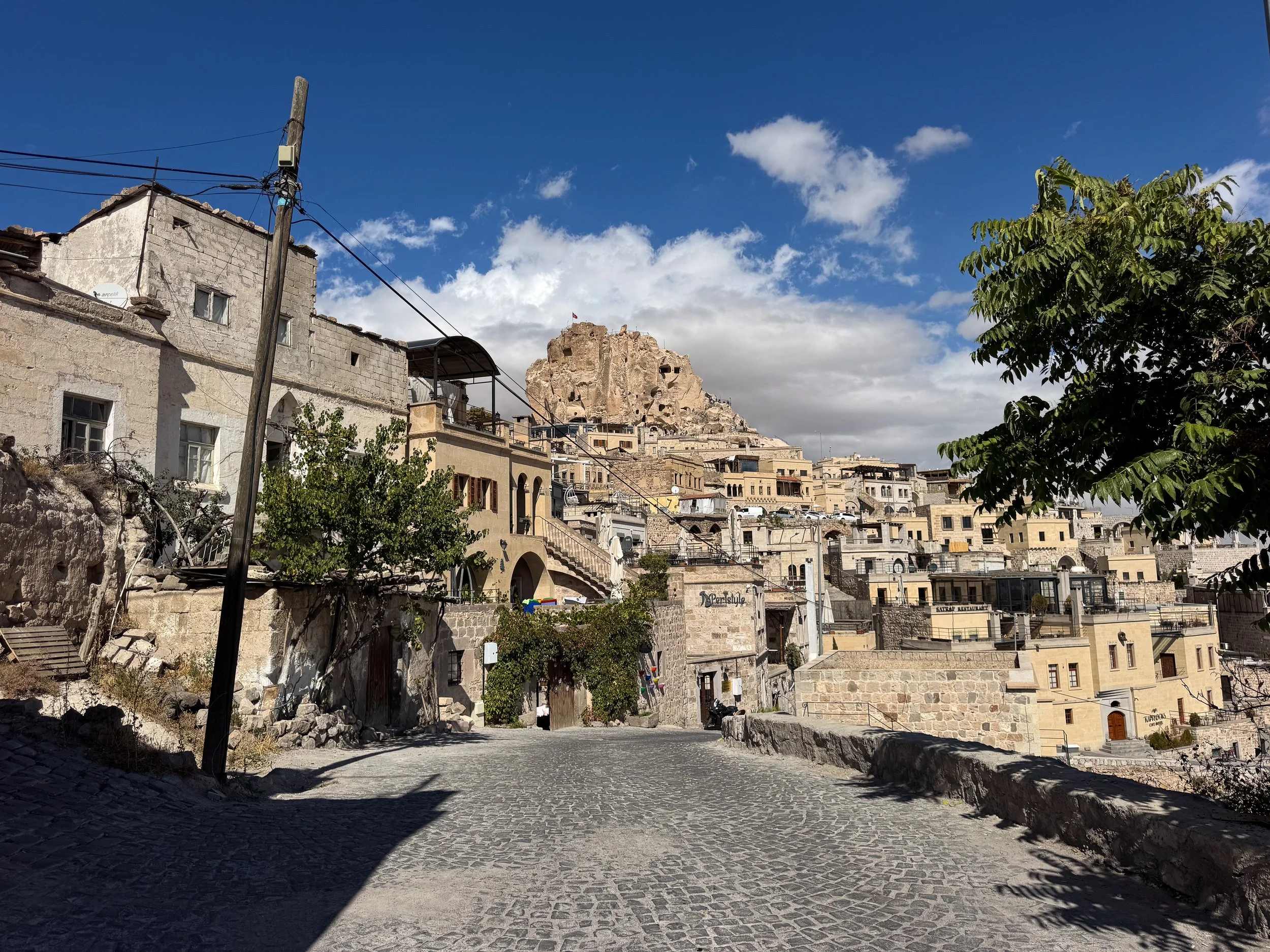
Uchisar. One of Cappadocia’s most picturesque towns. Its fairytale landscapes are comprised of rock fortresses, cave dwellings and rugged valleys. Cobblestone streets lead between terraced stone buildings home to boutique hotels, Turkish restaurants, wine bars and souvenir shops. It’s a surprisingly quiet place to stay and far less touristy than nearby towns.
Nar. A quiet town in an off the beaten path location. It’s within driving distance from Cappadocia’s main sights and nearby towns of Uchisar and Göreme. It offers visitors affordable options for staying in traditionally expensive cave hotels.
Hot Air Balloons
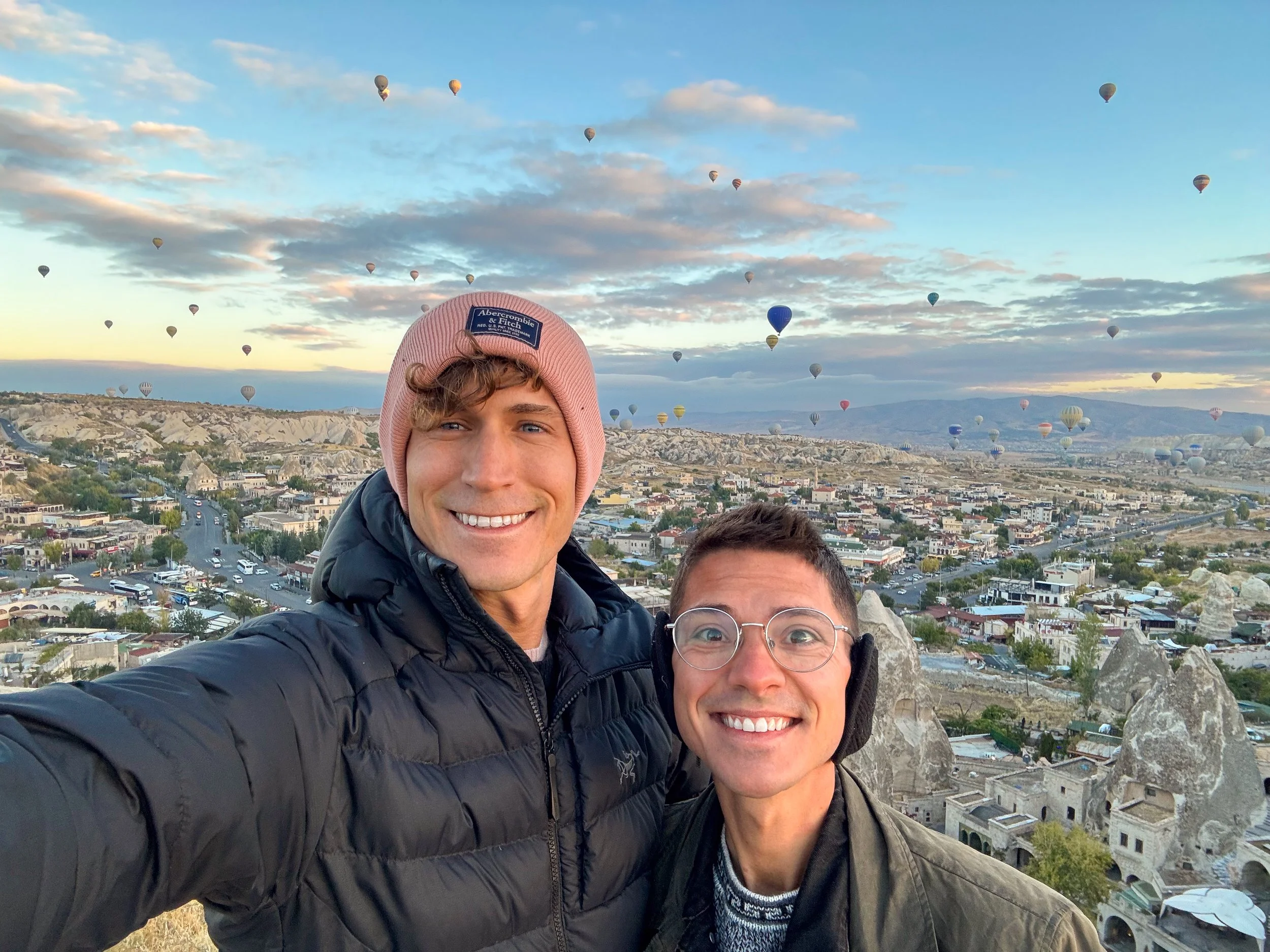
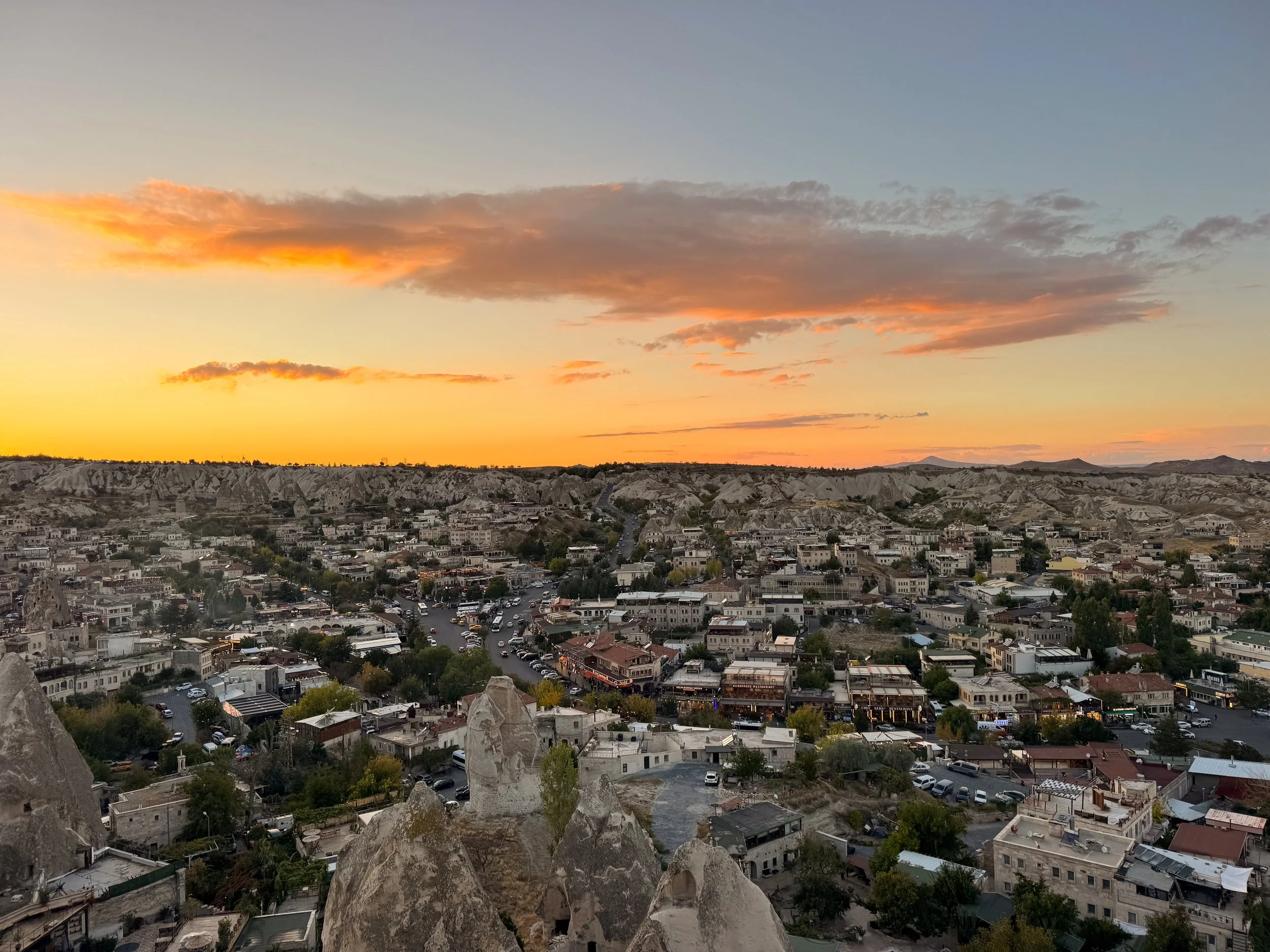
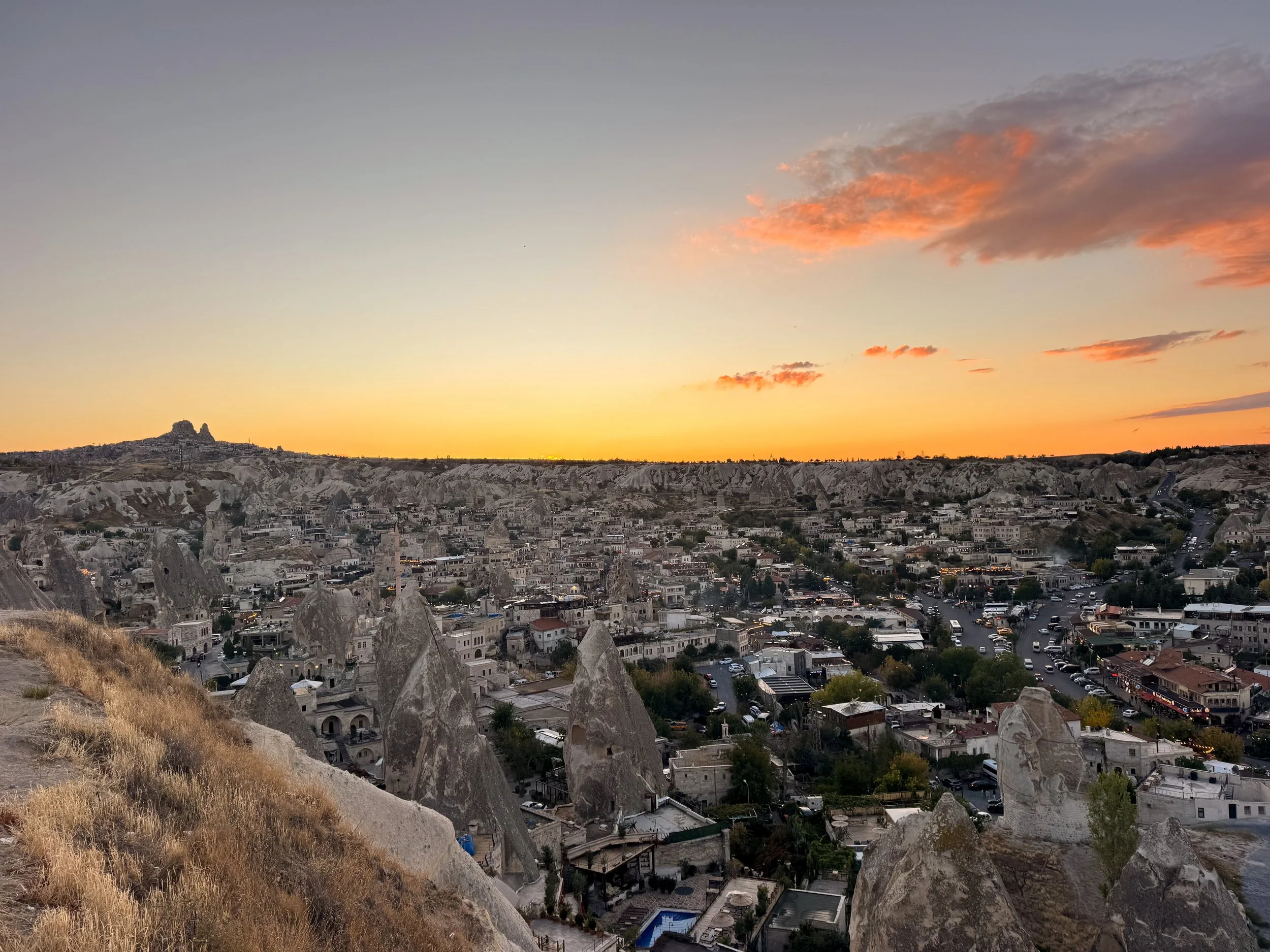
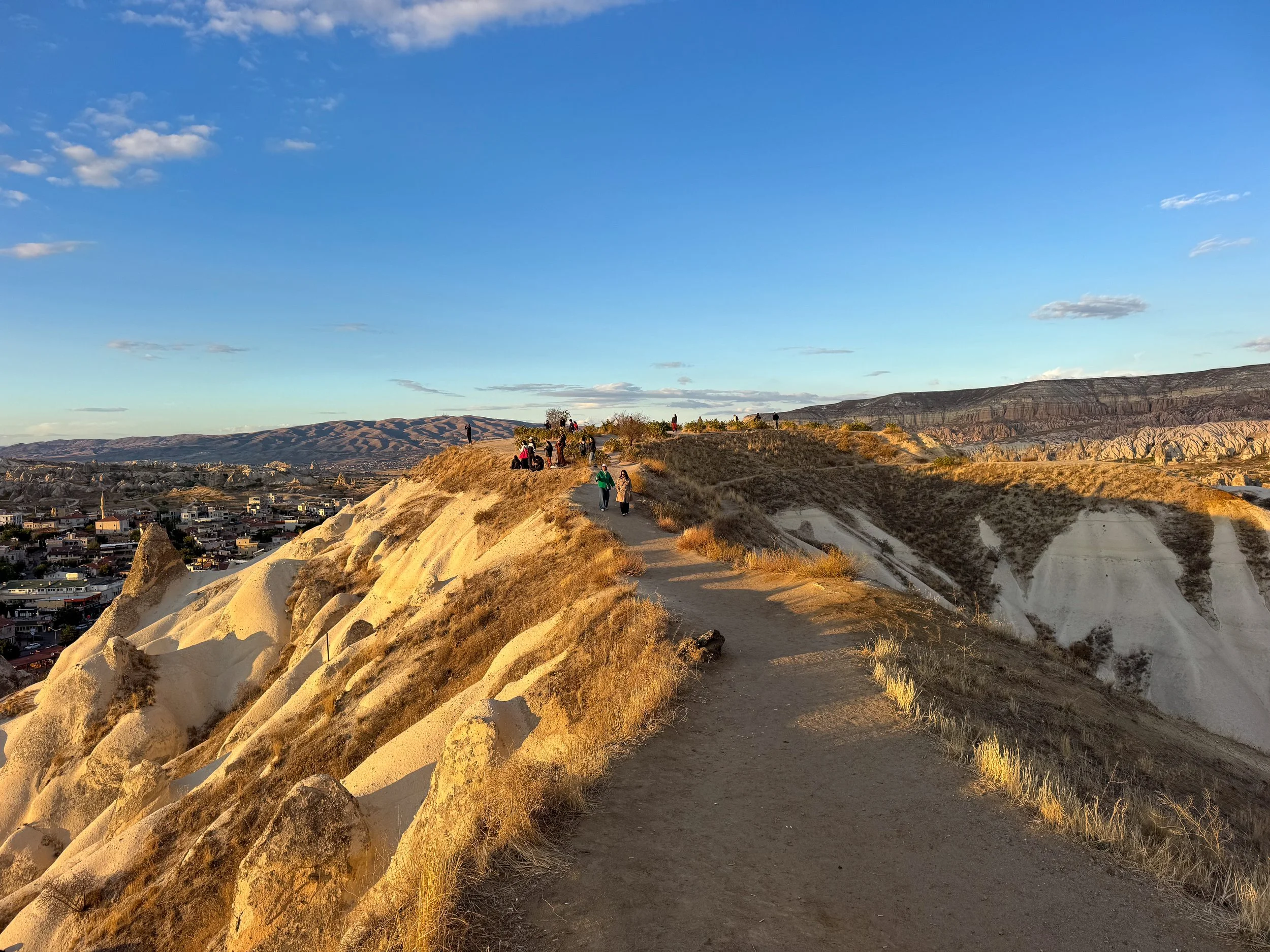
Göreme Sunrise / Sunset Viewpoint. The ridge above Göreme offers panoramic views of the city and the surrounding valleys. It’s a popular spot to watch hot air balloons take flight at sunrise. Dozens of balloons rise from the valley and float above the landscape like a scene from a fairytale. Later in the day, the golden rays of the sunset radiate across the landscape. Twinkling lights illuminate the city and its fairy chimneys in a warm glow as night falls. Use this map pin to find the location.
Good to Know. There is a small cash fee to access the road leading to the viewpoints.
Hot Air Balloon Tours & Cancellations. Cappadocia is famed for its sunrise hot air balloon flights over its picturesque valleys. We booked a tour with Discovery Balloons about 6 months in advance. Unfortunately all balloon flights were canceled 3 days in a row due to high winds. We were refunded without the option of rescheduling and opted out of rebooking due to up-charges related to the increased demand from cancellations. For reference, prices increased from €259 to €400 per person.
The Ancient Cave Dwellings
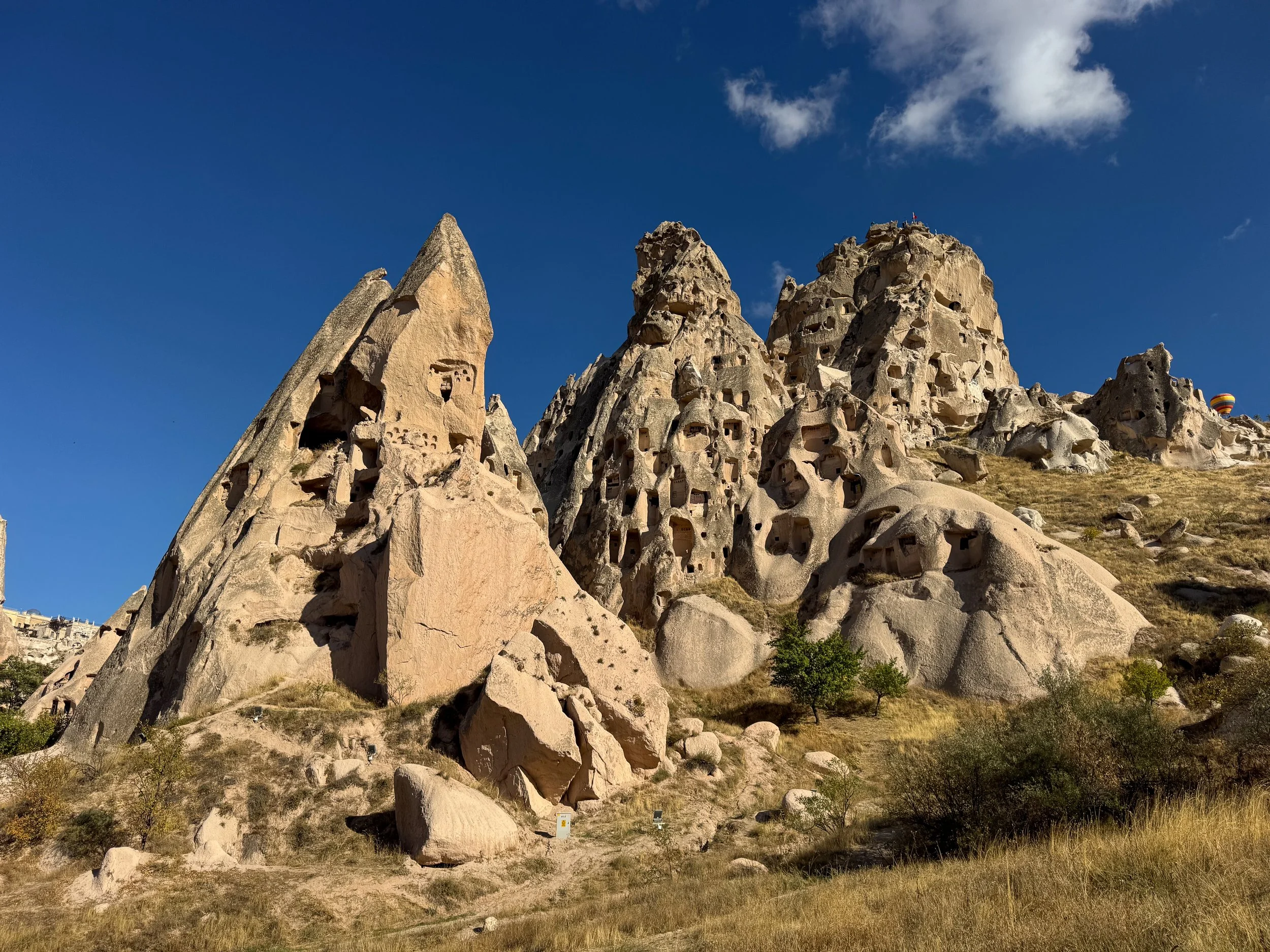
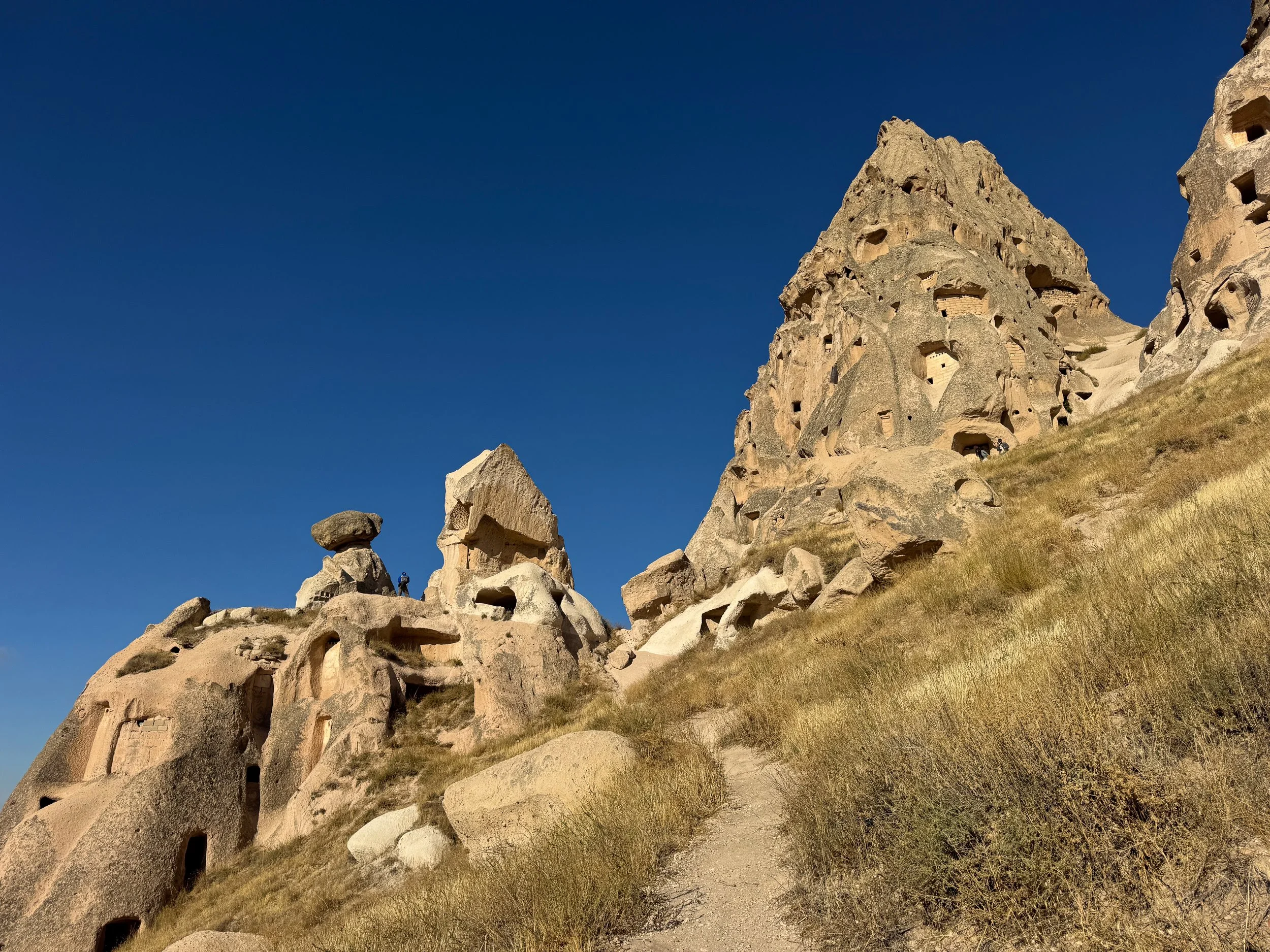
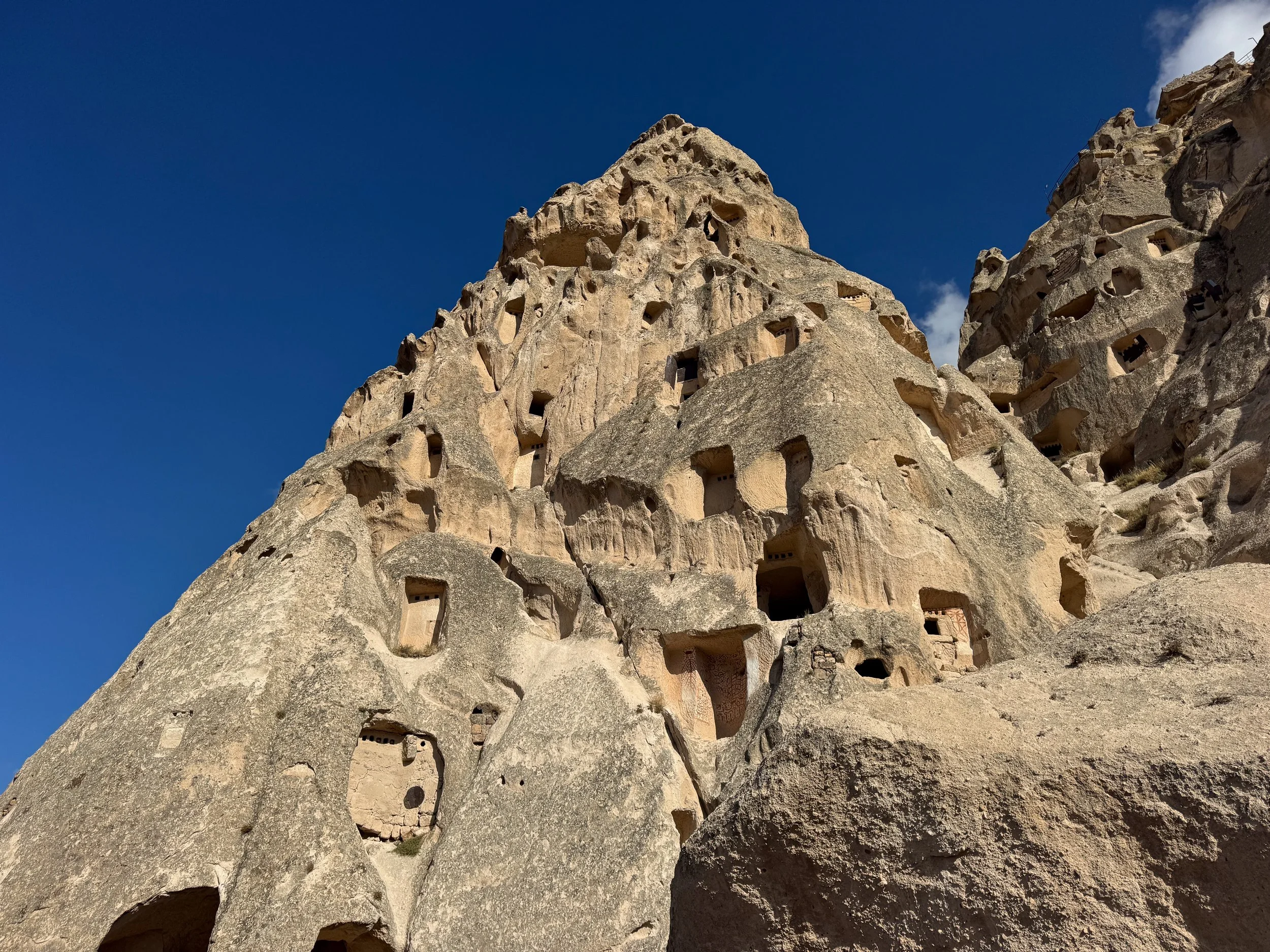
Uchisar Castle. An ancient citadel comprised of cave dwellings, wineries, tunnels and tombs carved deep into the town’s tallest peak. Much of it has eroded and collapsed over the millennia yet it remains one of the most culturally significant sights in the region. Hike the trails leading around its foothills and visit the castle’s summit viewpoint.
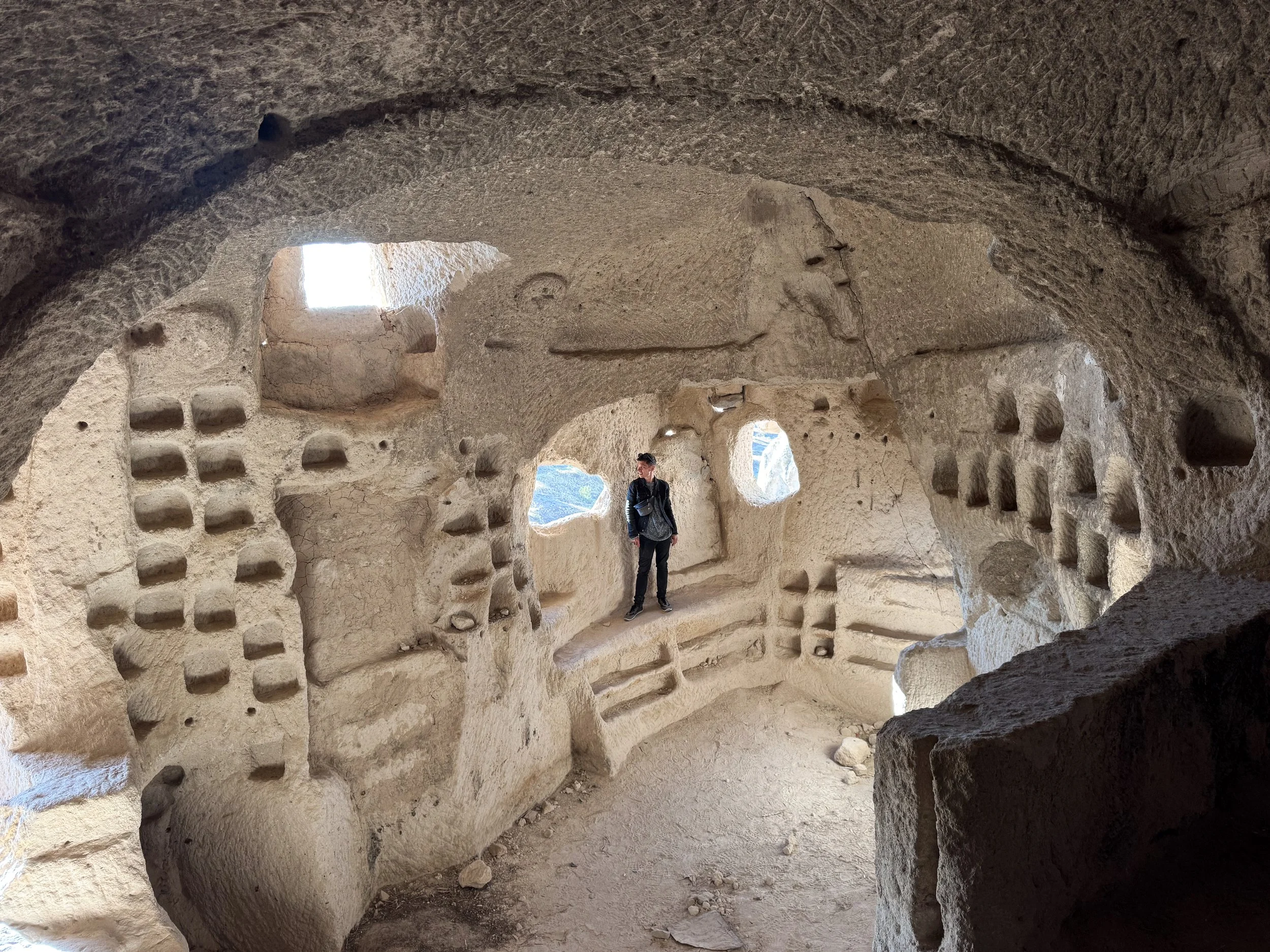
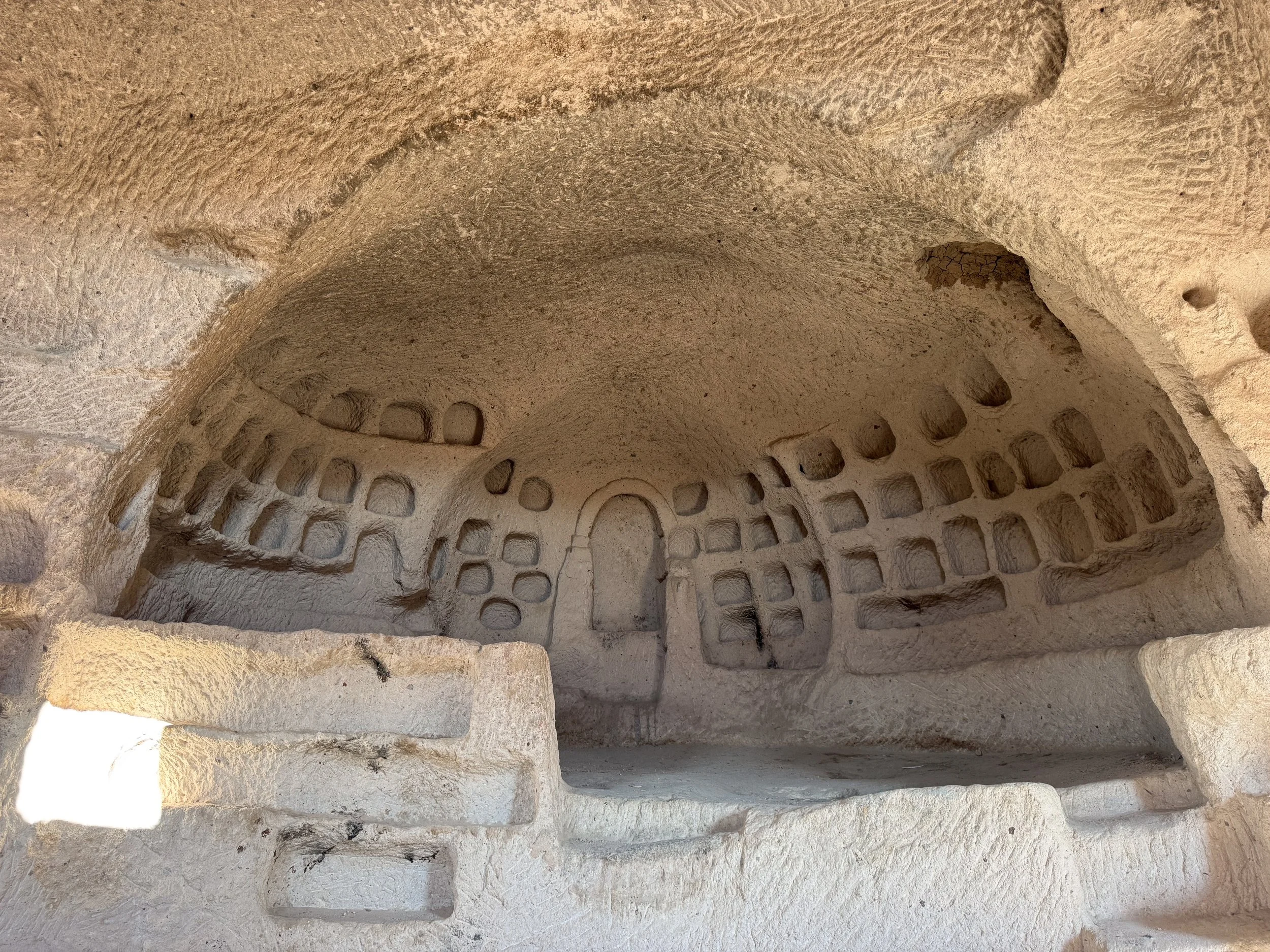
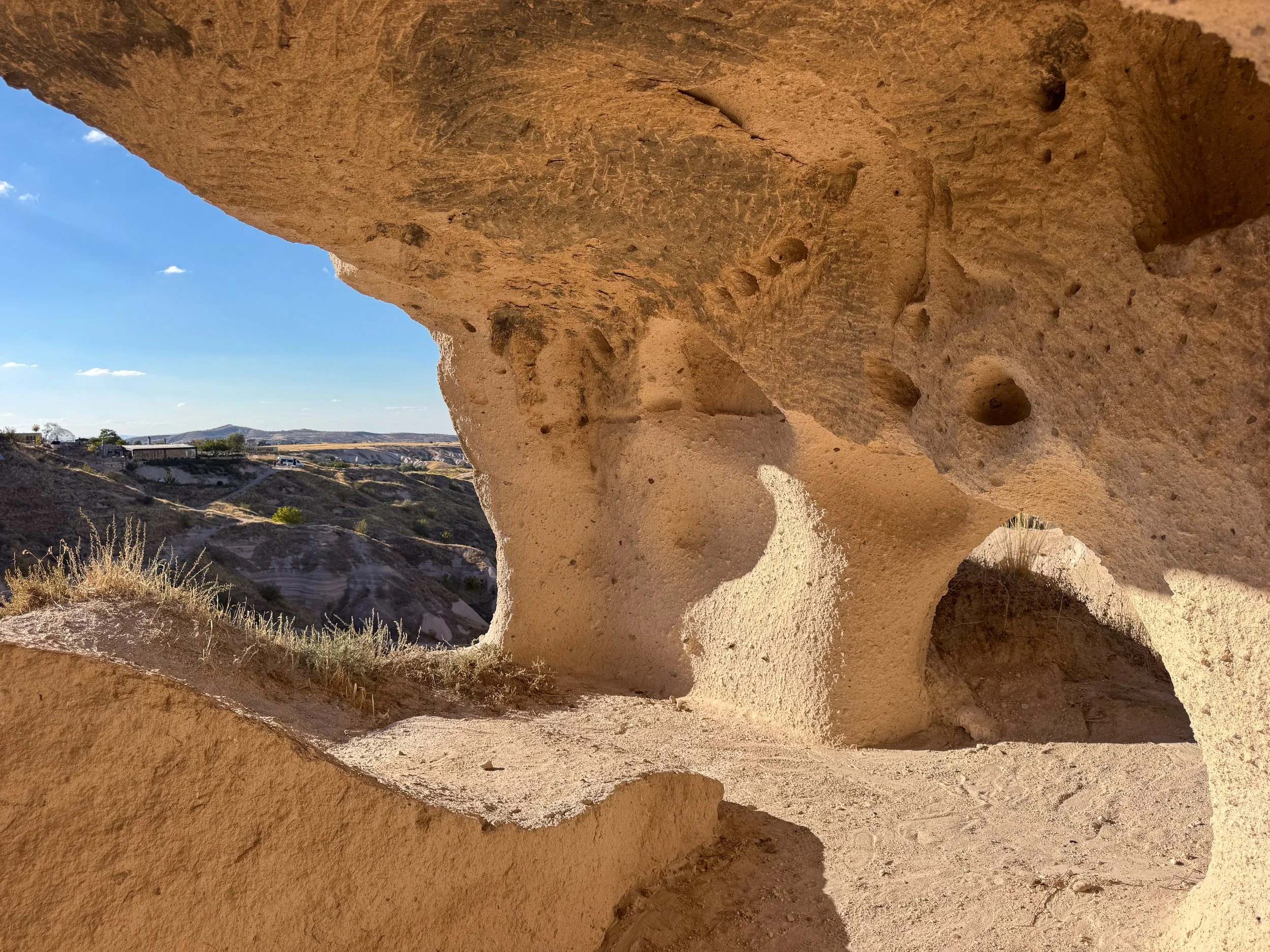
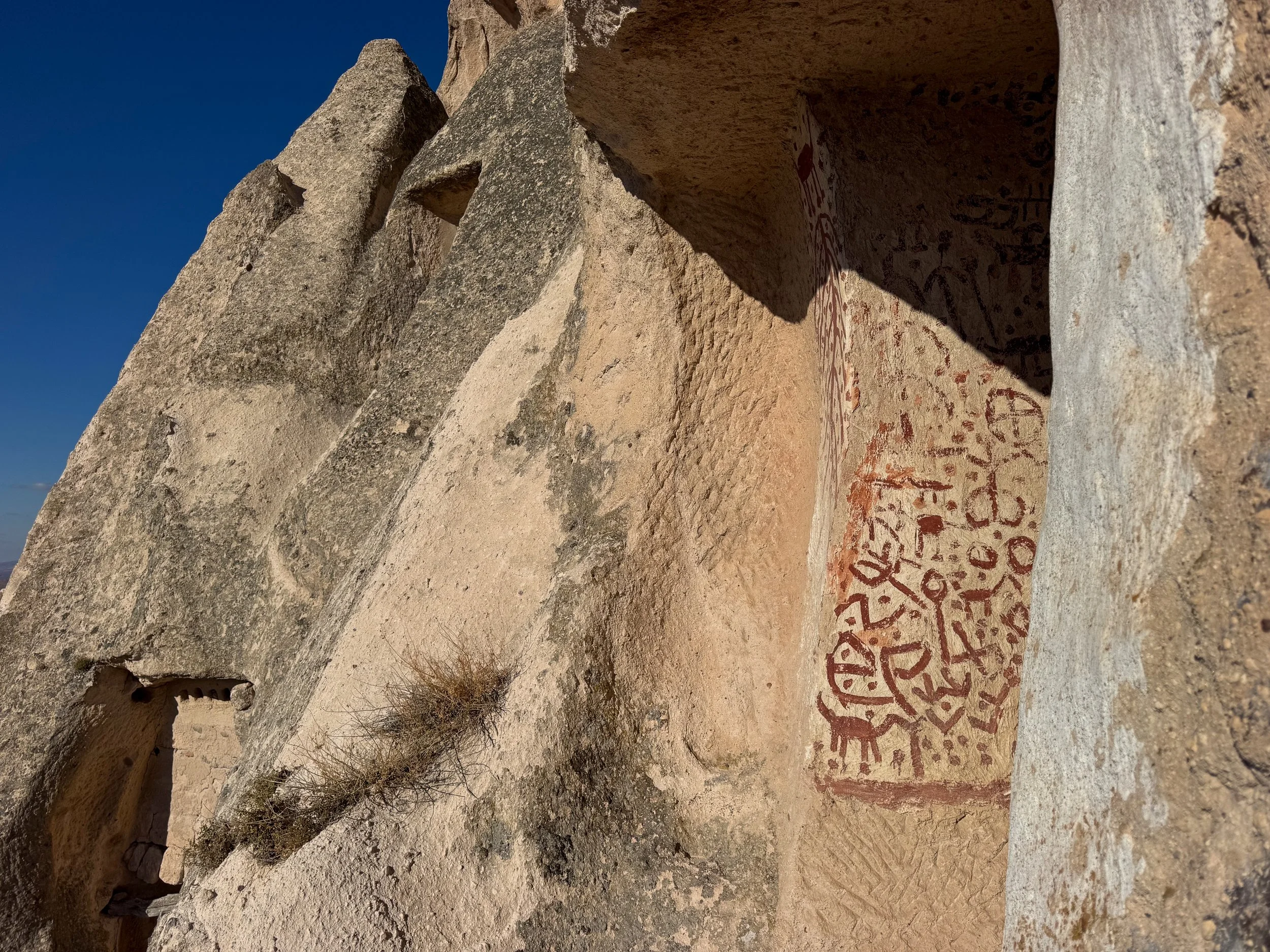
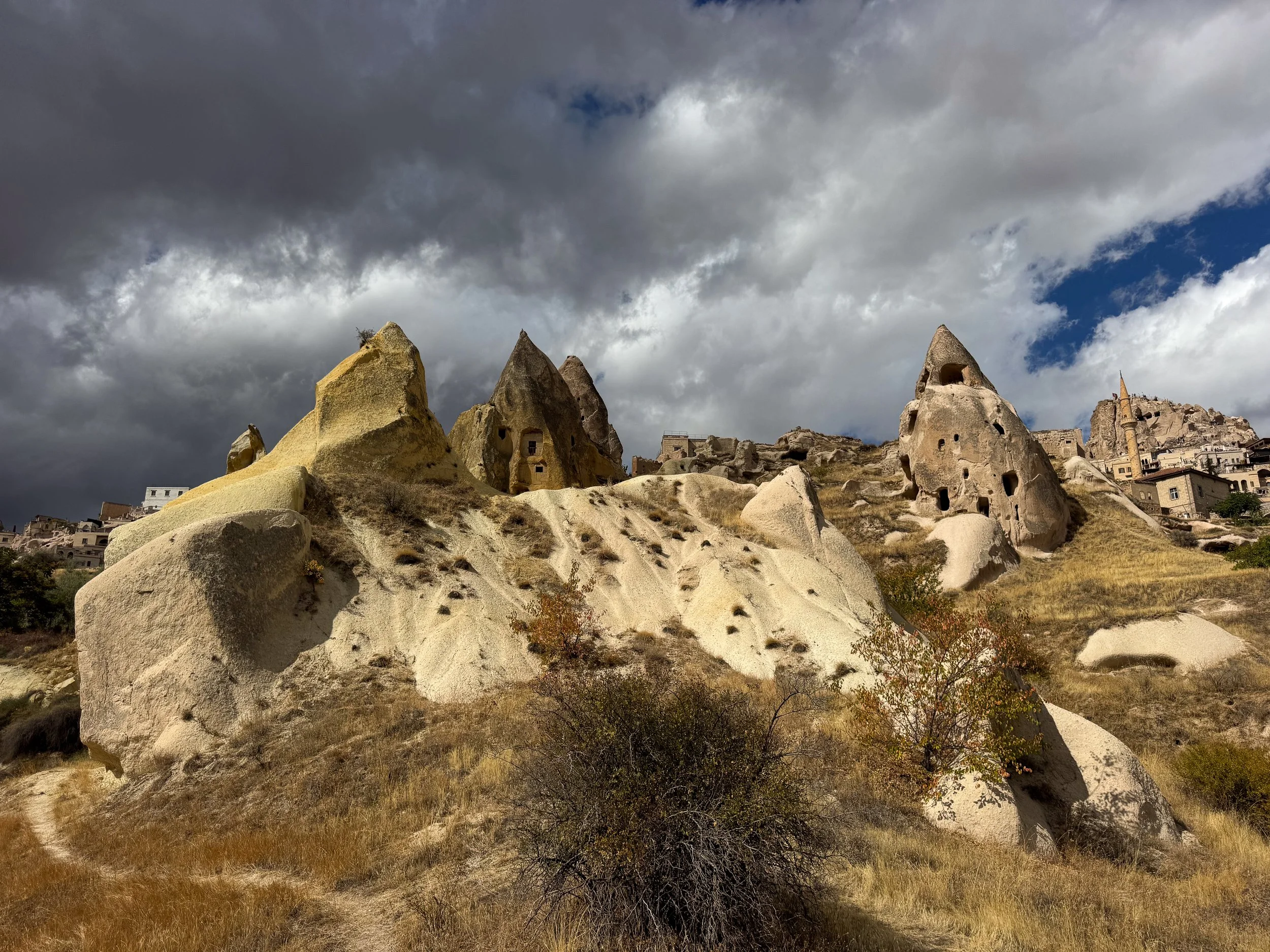
Uchisar Castle Foothills. The slopes surrounding Uchisar Castle are lined with meandering trails that weave uphill into its abandoned cave dwellings and excavated fairy chimneys. Inside are cavernous rooms with stairwells, upper levels, dovecotes and red painted patterns. Windows offer views of the vast landscape and neighboring fairy chimneys, which feel more like ancient skyscrapers.
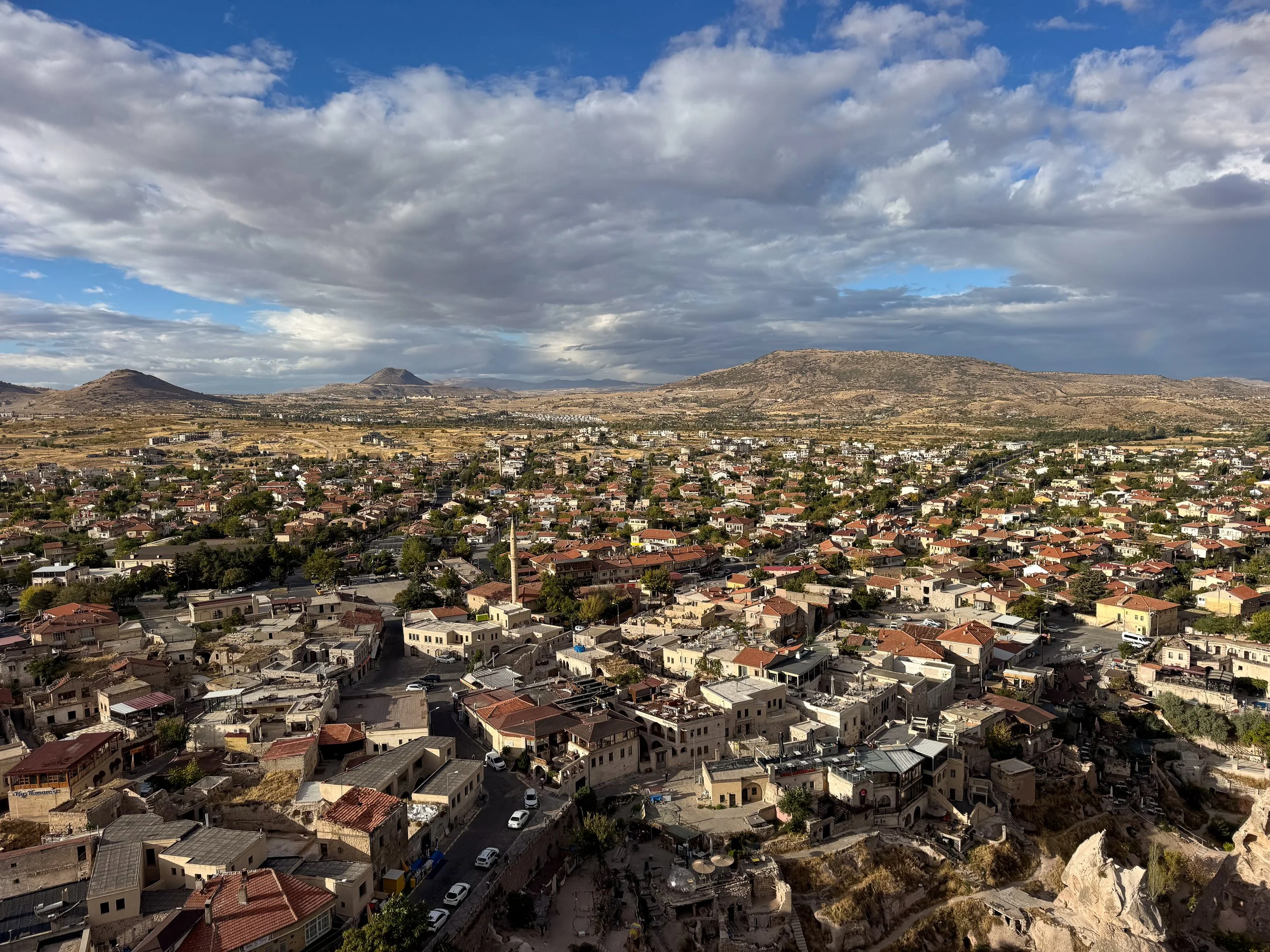
Uchisar Castle Viewpoint. A stairwell leads to the summit of the craggily castle with views of the surrounding towns, valleys and fairy chimneys. Buy tickets as early as 7:30am and visit before 9am to avoid the crowds.
Good to Know. Some of the most picturesque views of the castle are from the foothills during the mid afternoon. Many people stop for a roadside photo, however few venture onto the trails.
How to Visit. The trails are free to hike and by far the most adventurous way to experience the castle. Start hiking at the Uchisar Photo Spot and work your way around and upwards to the castle and its surrounding fairy chimneys.
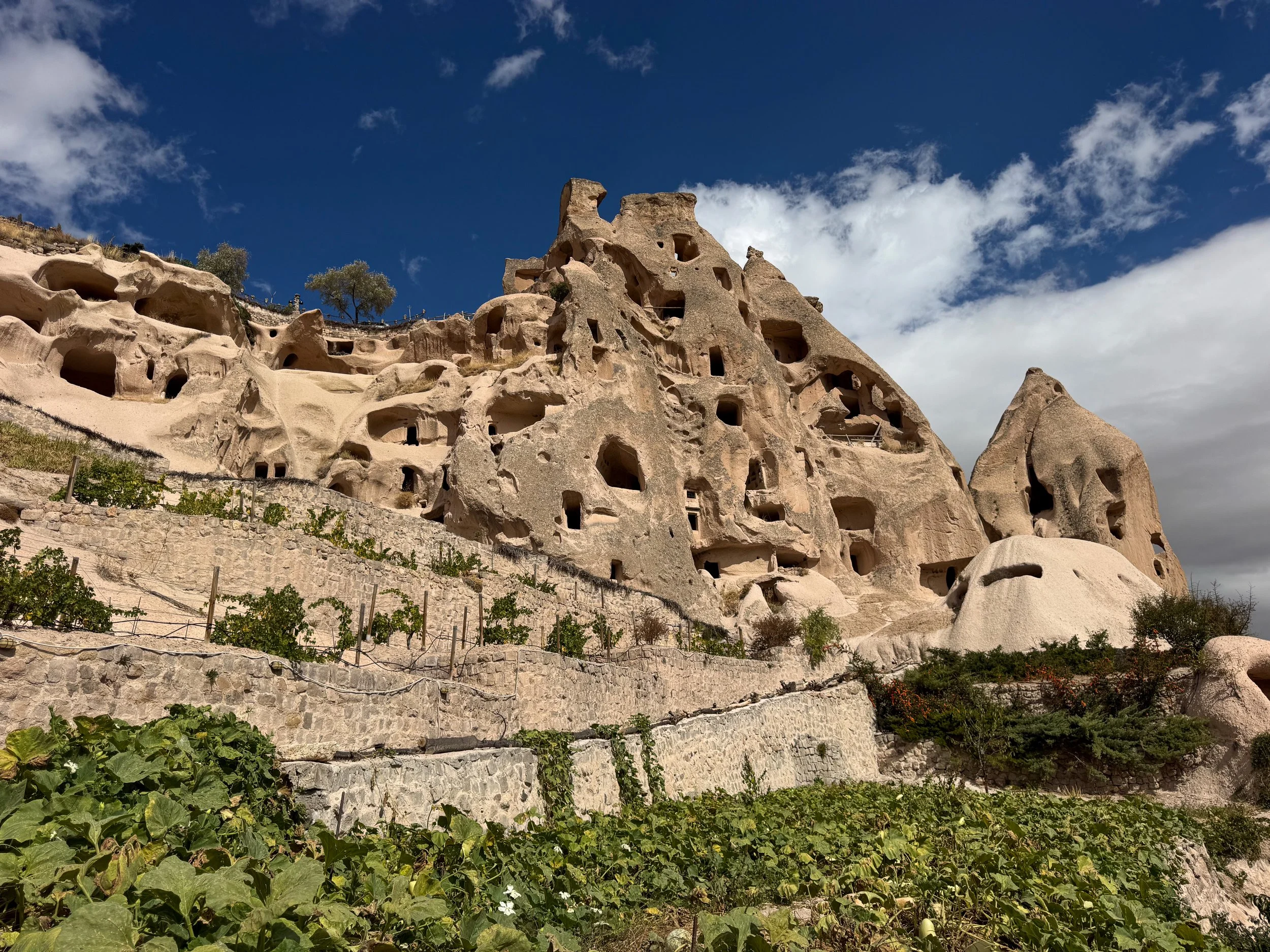
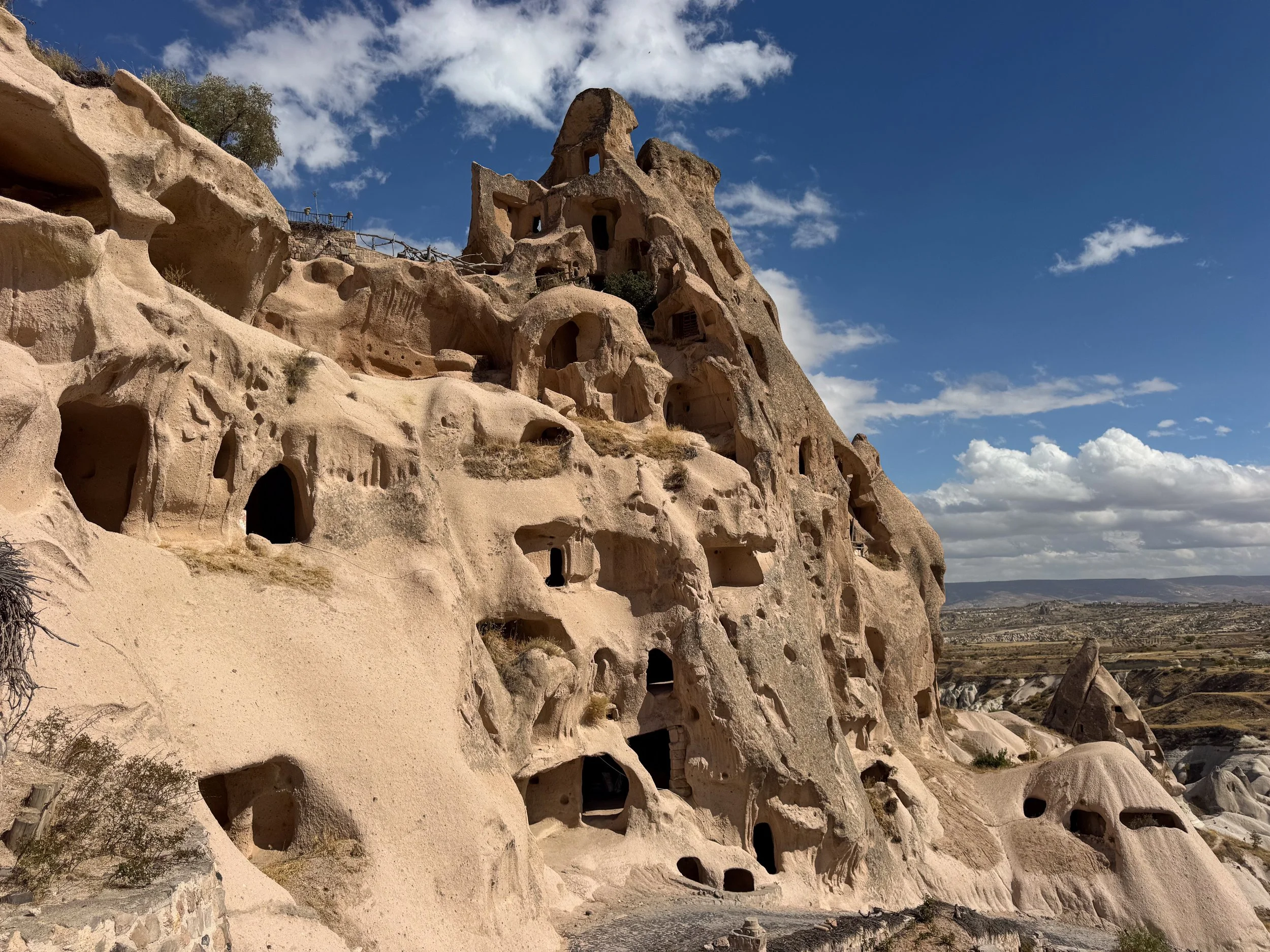
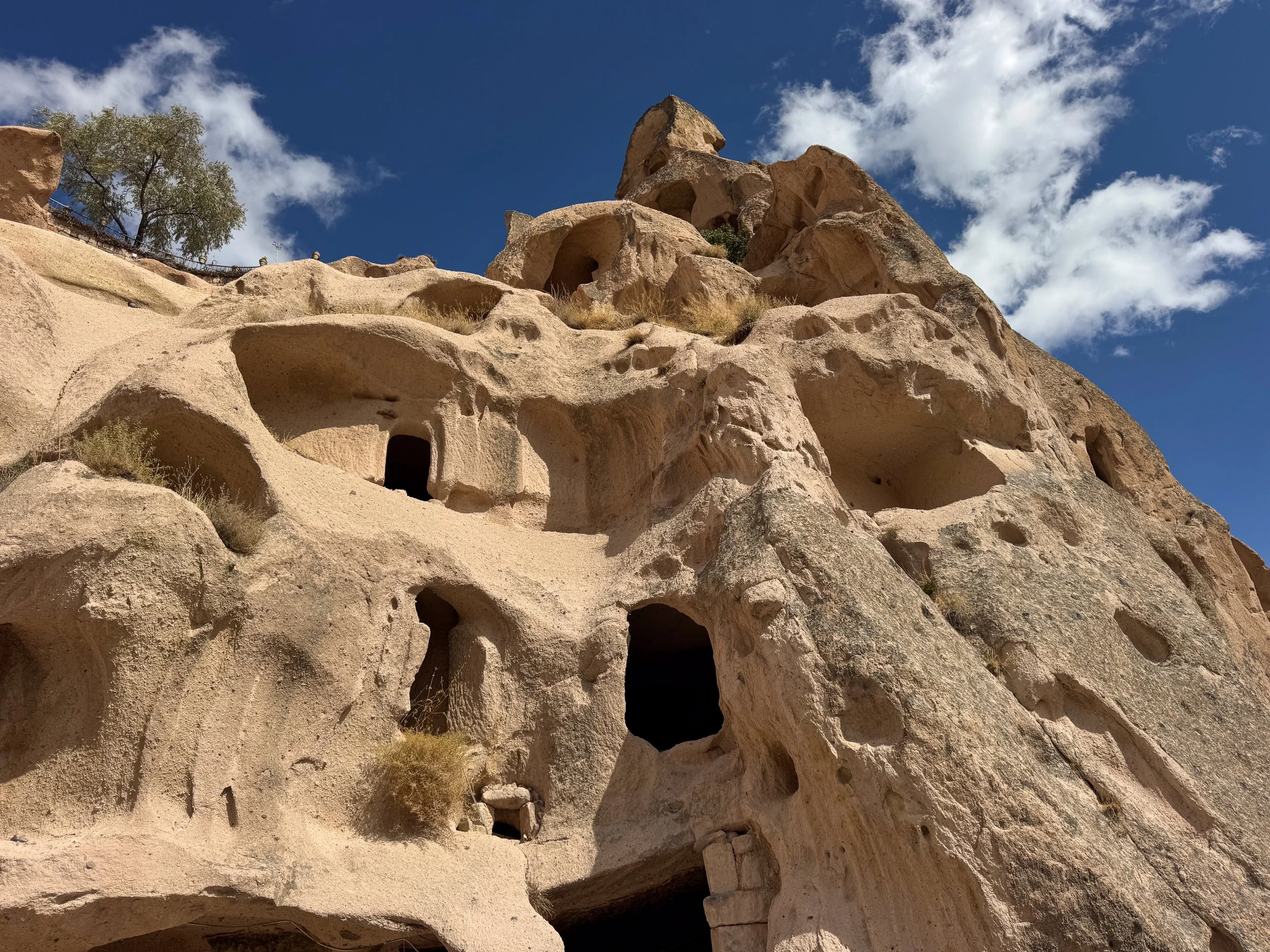
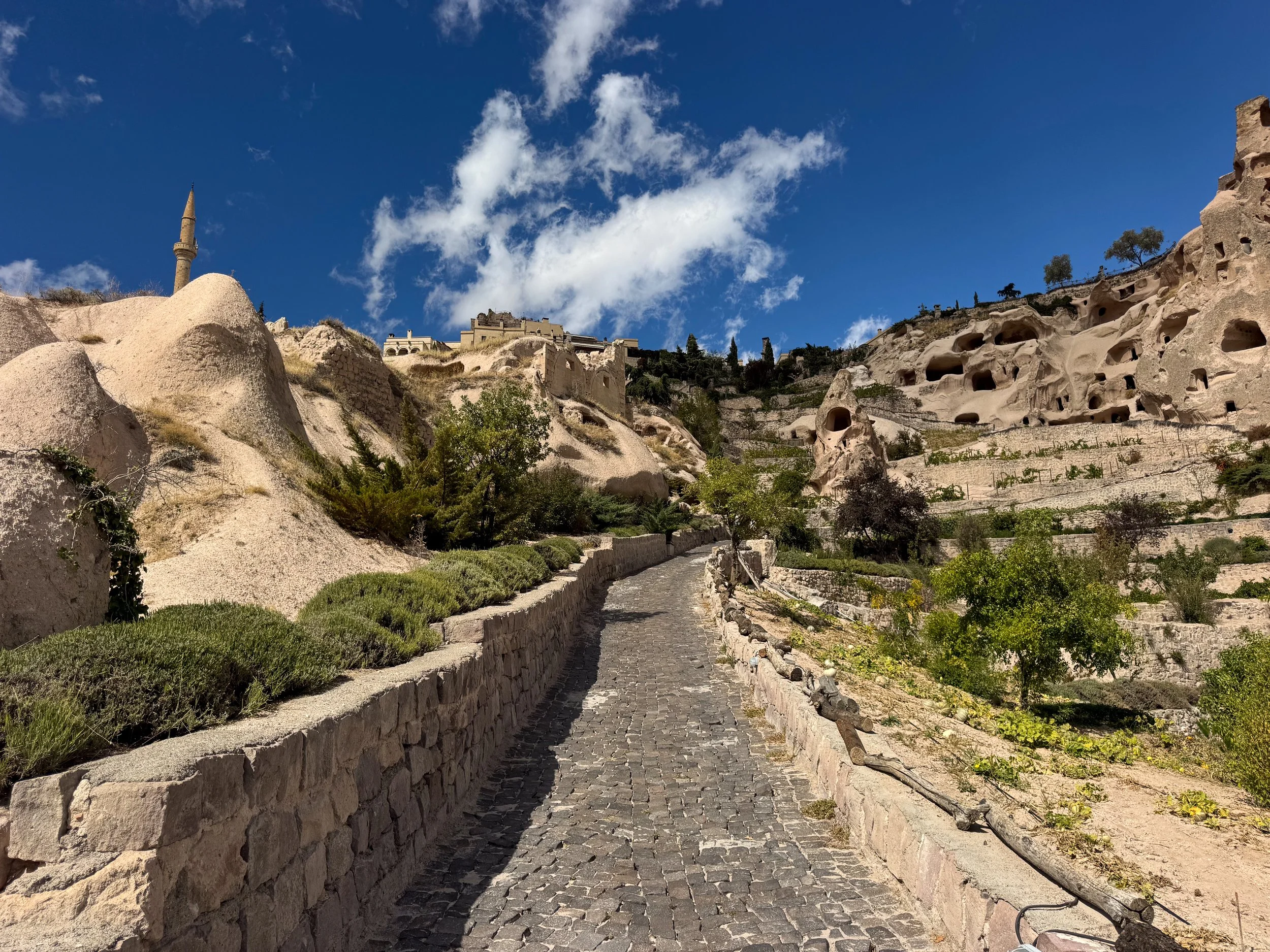
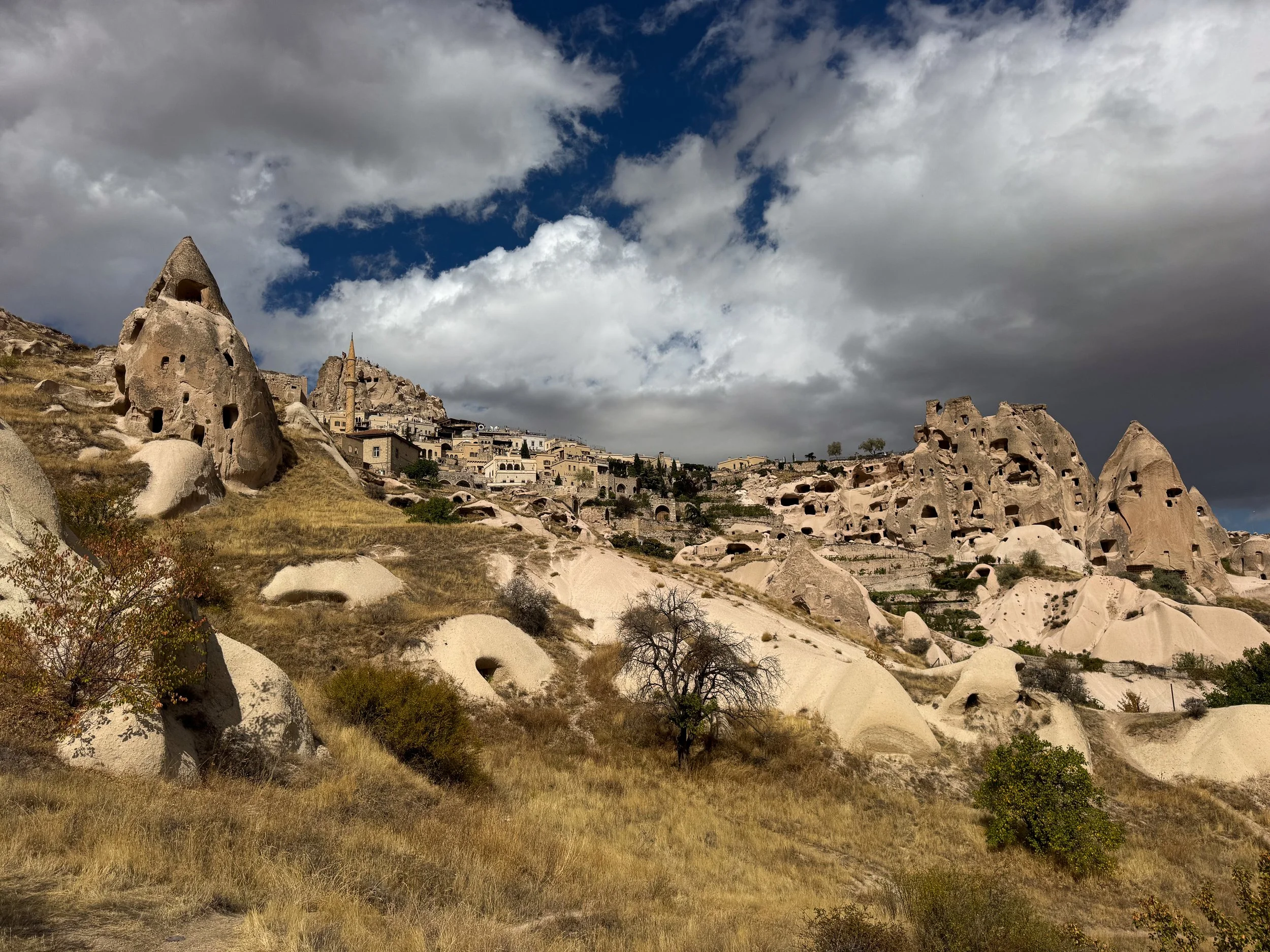
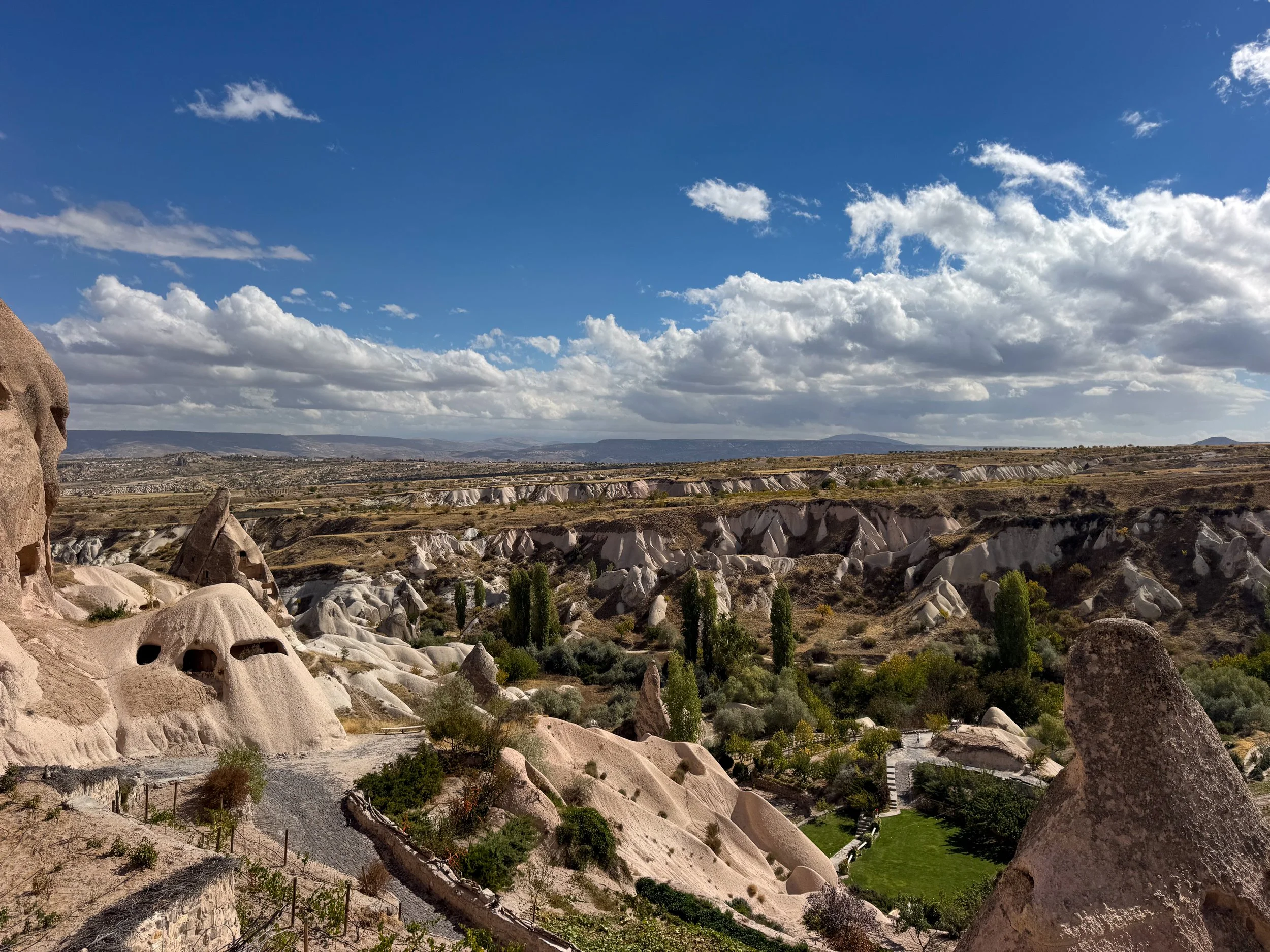
Tiraz Castle. A rock formation with a series of cave dwellings carved into its tuff structure. The castle is surrounded by terraced gardens, fairy chimneys and picturesque views of the Pigeon Valley.
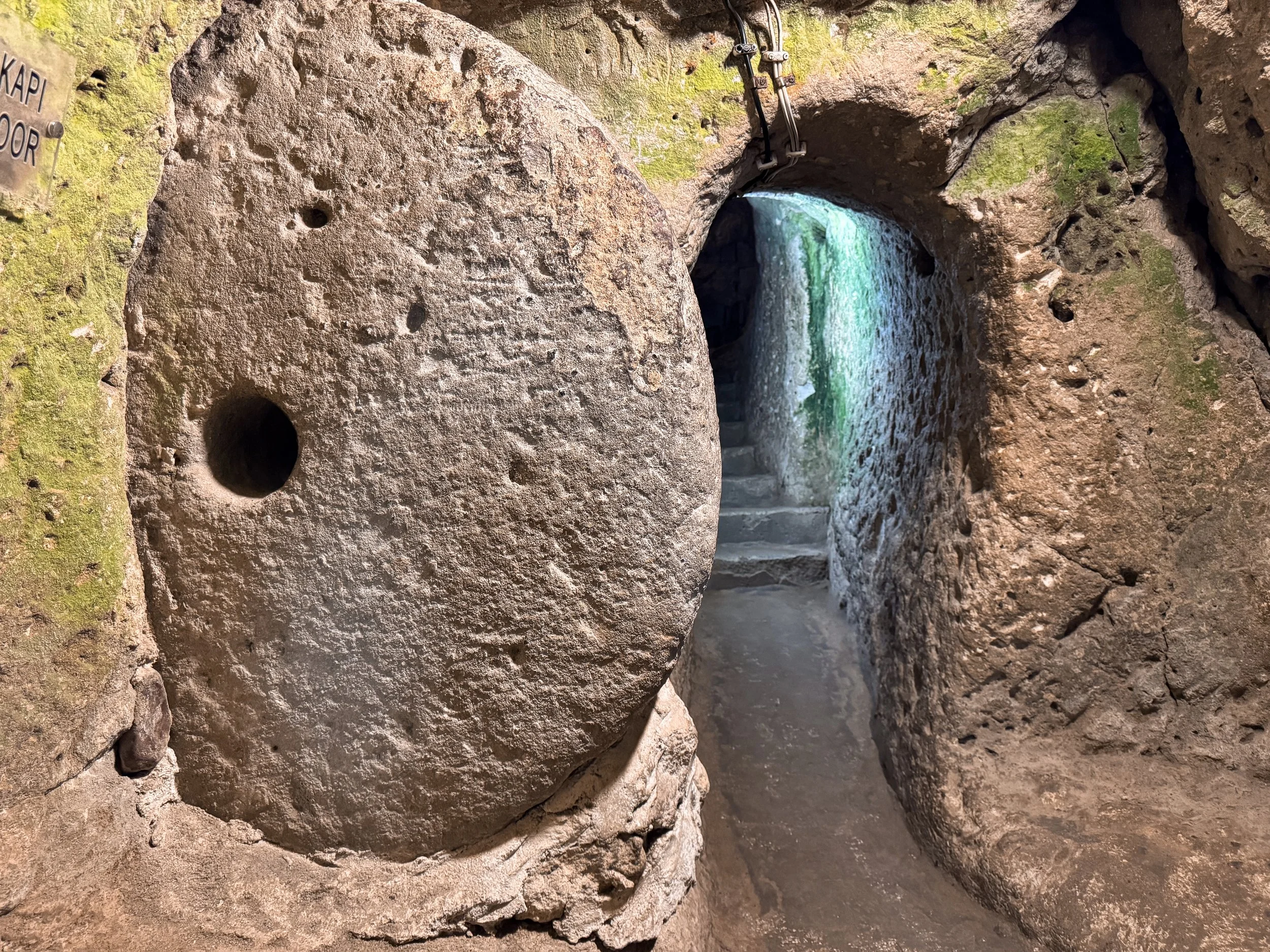
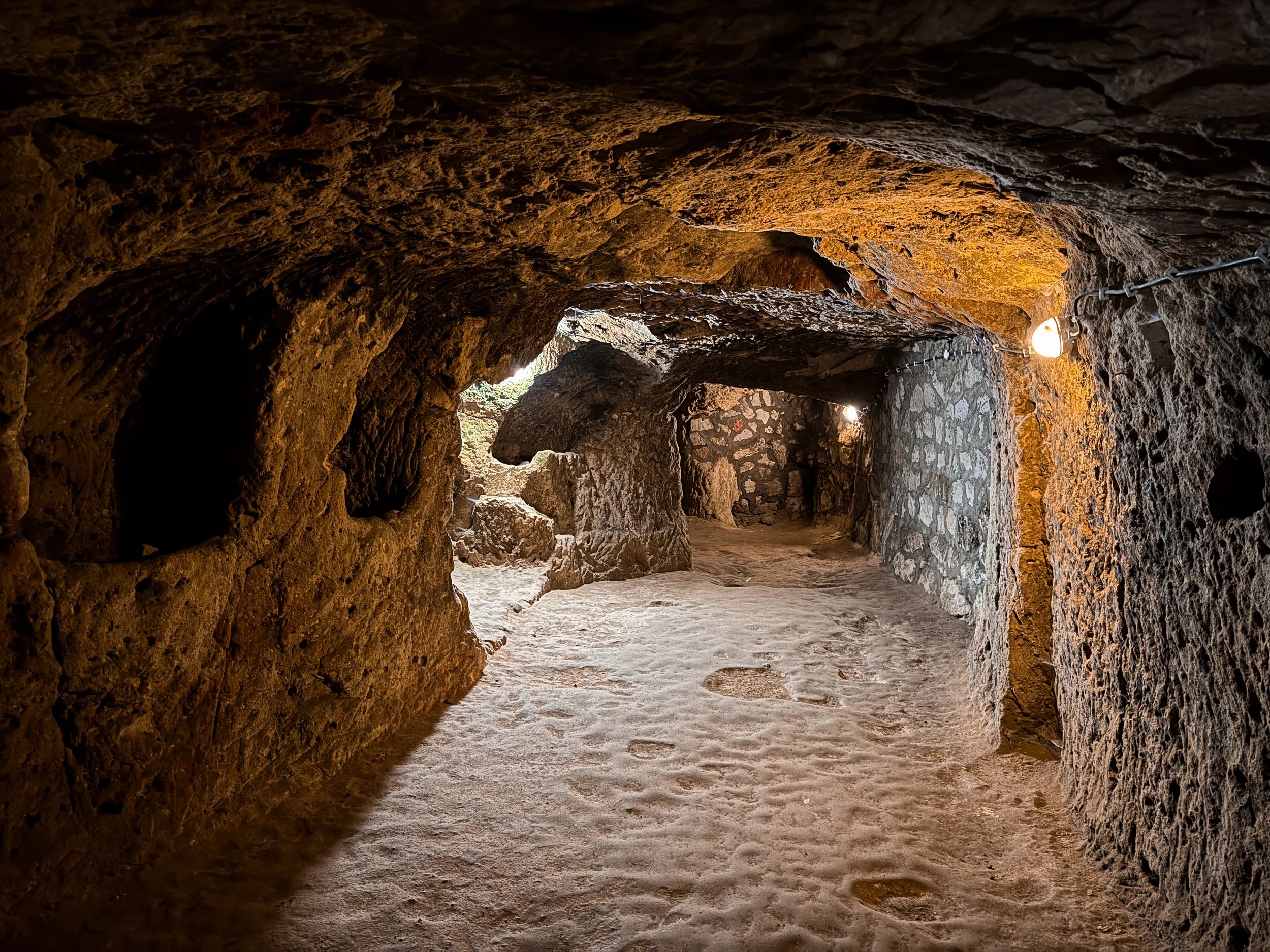
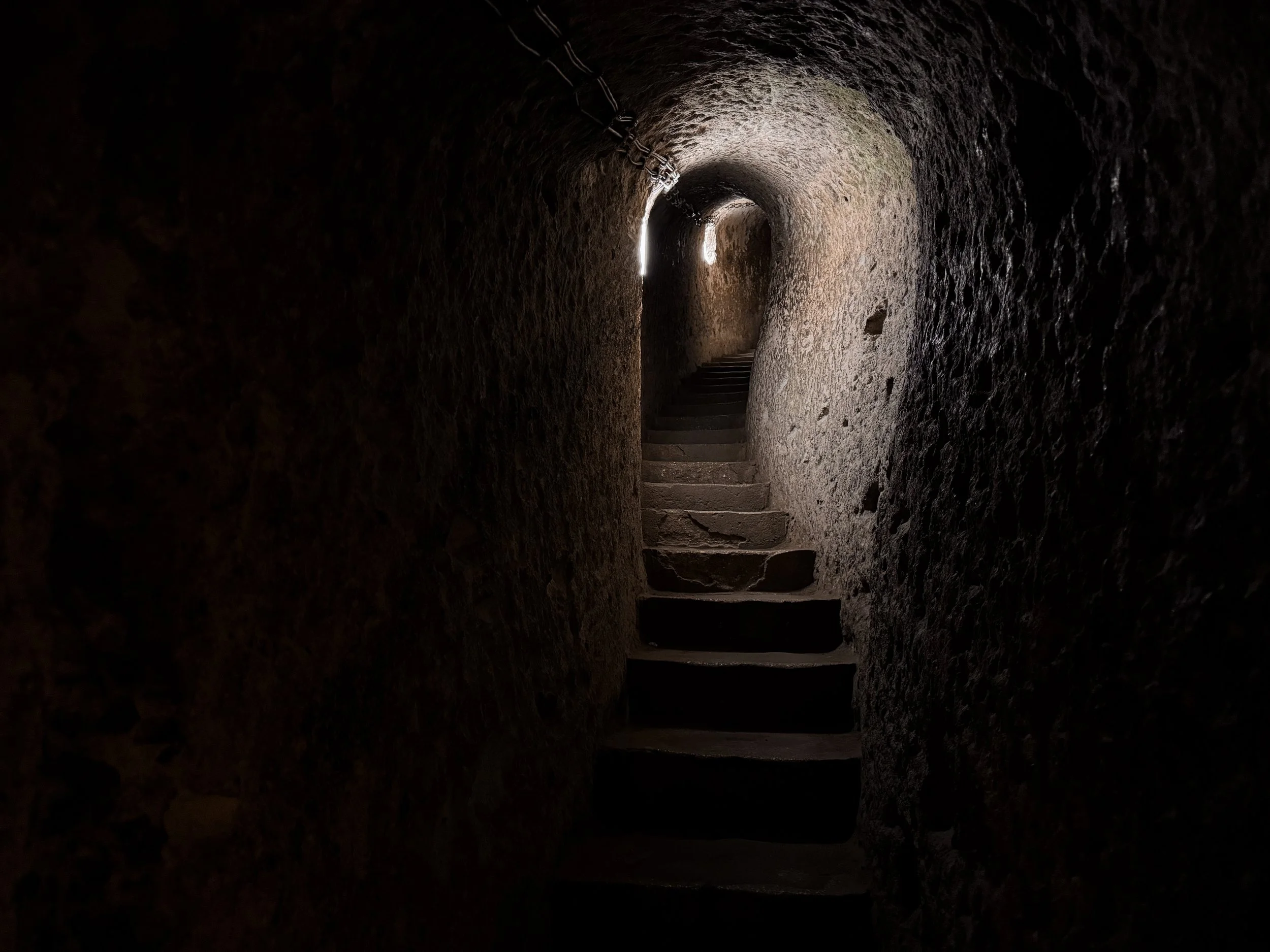
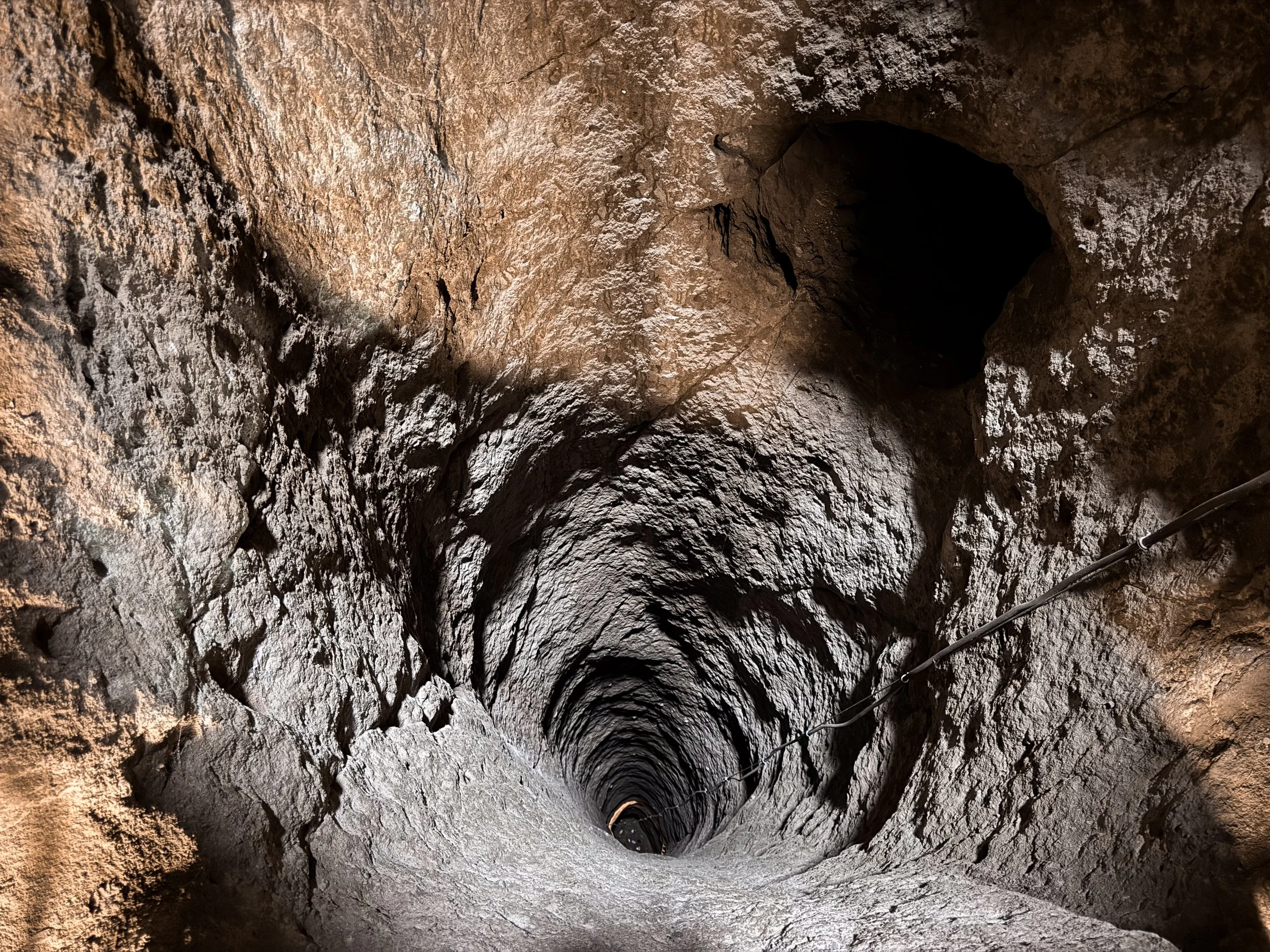
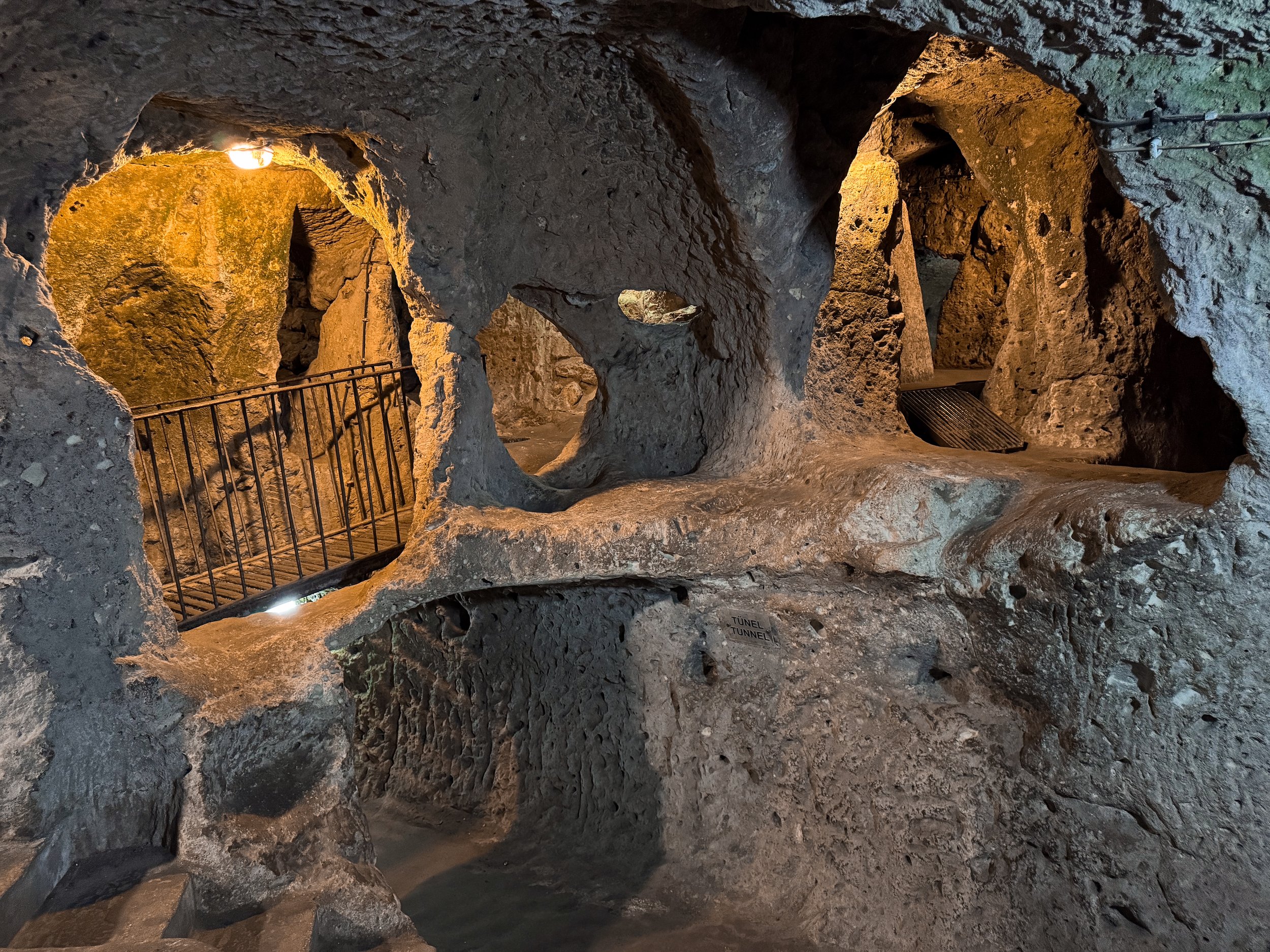
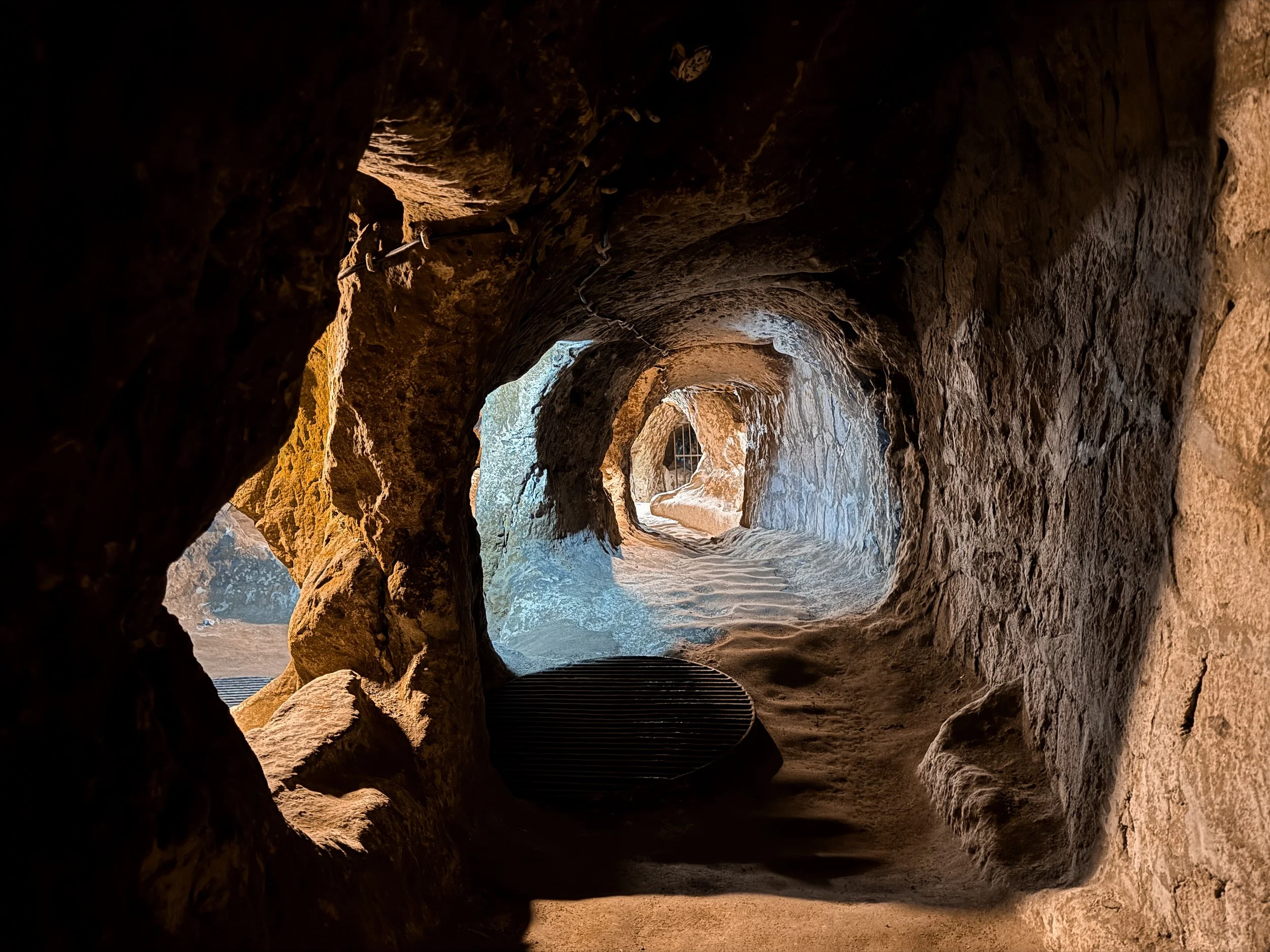
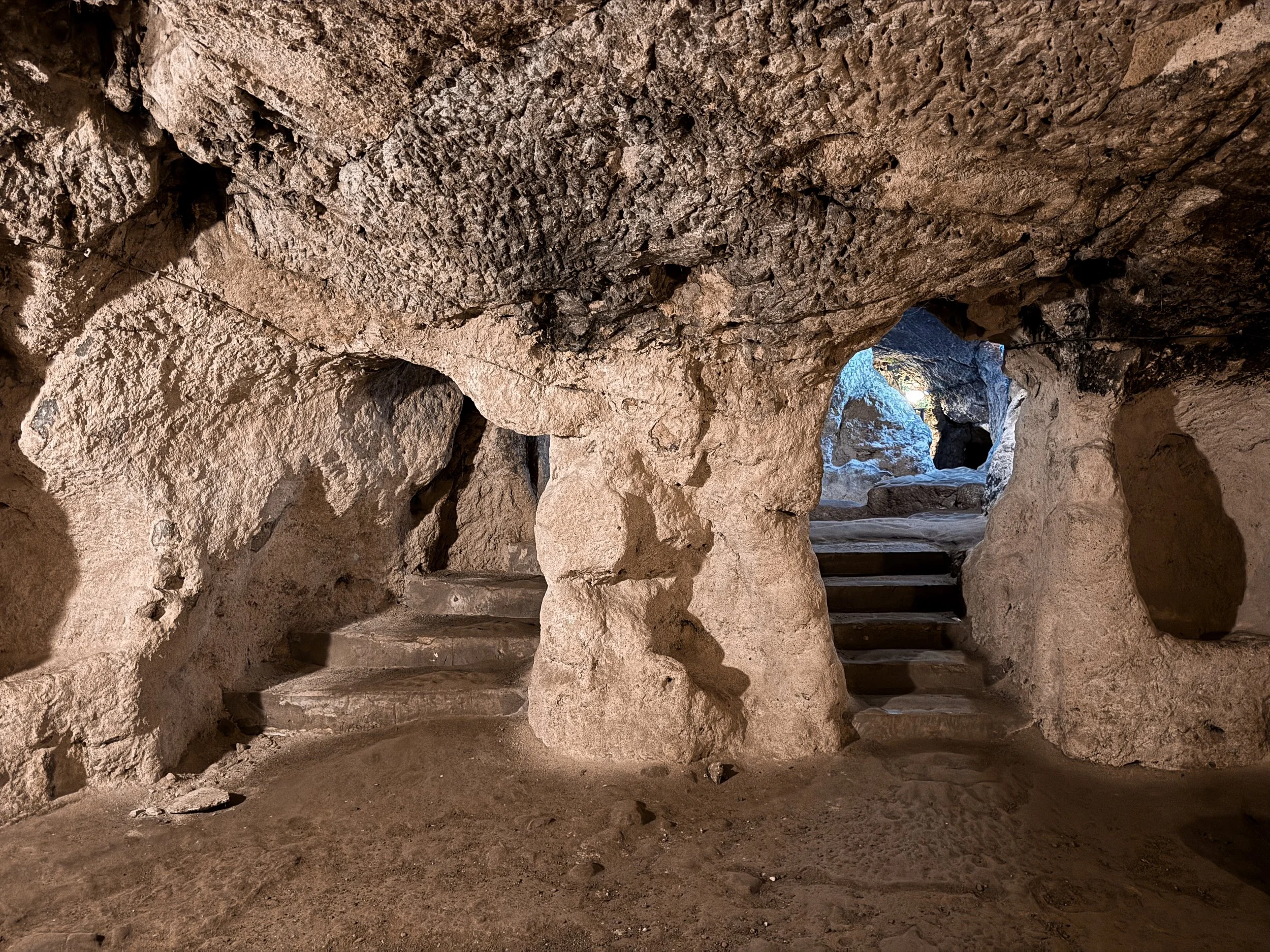
Derinkuyu Underground City. A vast underground city dating back to the 8th century BCE. Narrow stairwells and carved passageways lead to a maze of subterranean chambers and levels. Tunnels lead to chambers used as living quarters, churches, tombs, for food storage, wine making and housing livestock. A ventilation shaft tunnels vertically between the levels, supplying air deep underground. Stone wheels could be used to seal off passageways in times of invasion.
Good to Know. Several levels of the underground city can be explored while many levels and passages remain closed. It takes an hour to fully explore. Arrive by 9am to avoid the crowds.
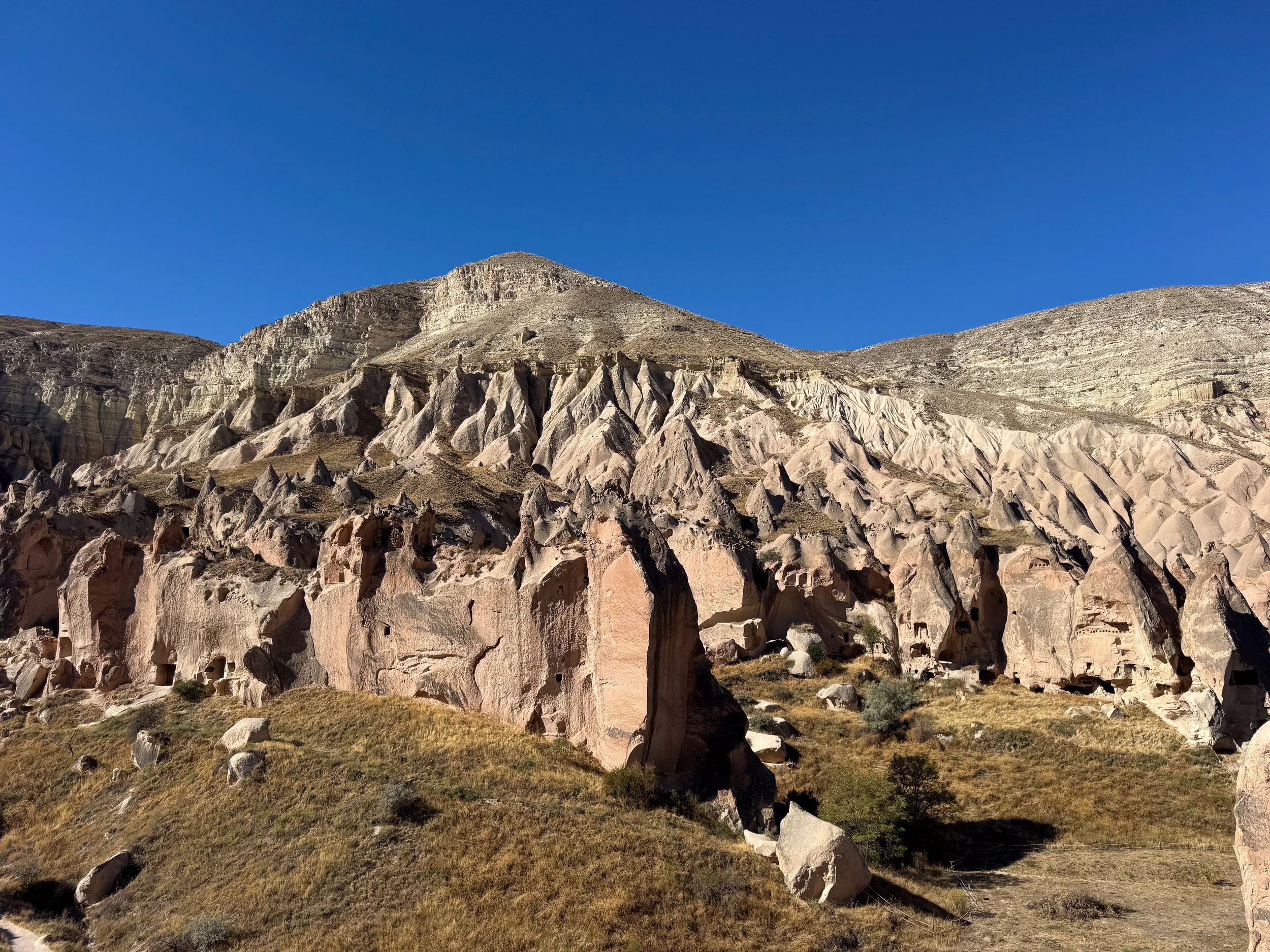
Explore the Open Air Museums
Zelve Open Air Museum. An archeological and geological site comprised of ancient villages, cave dwellings and fairy chimneys. The valleys are connected by a circuit of trails that offer views of the ruins and opportunities to explore inside of them.
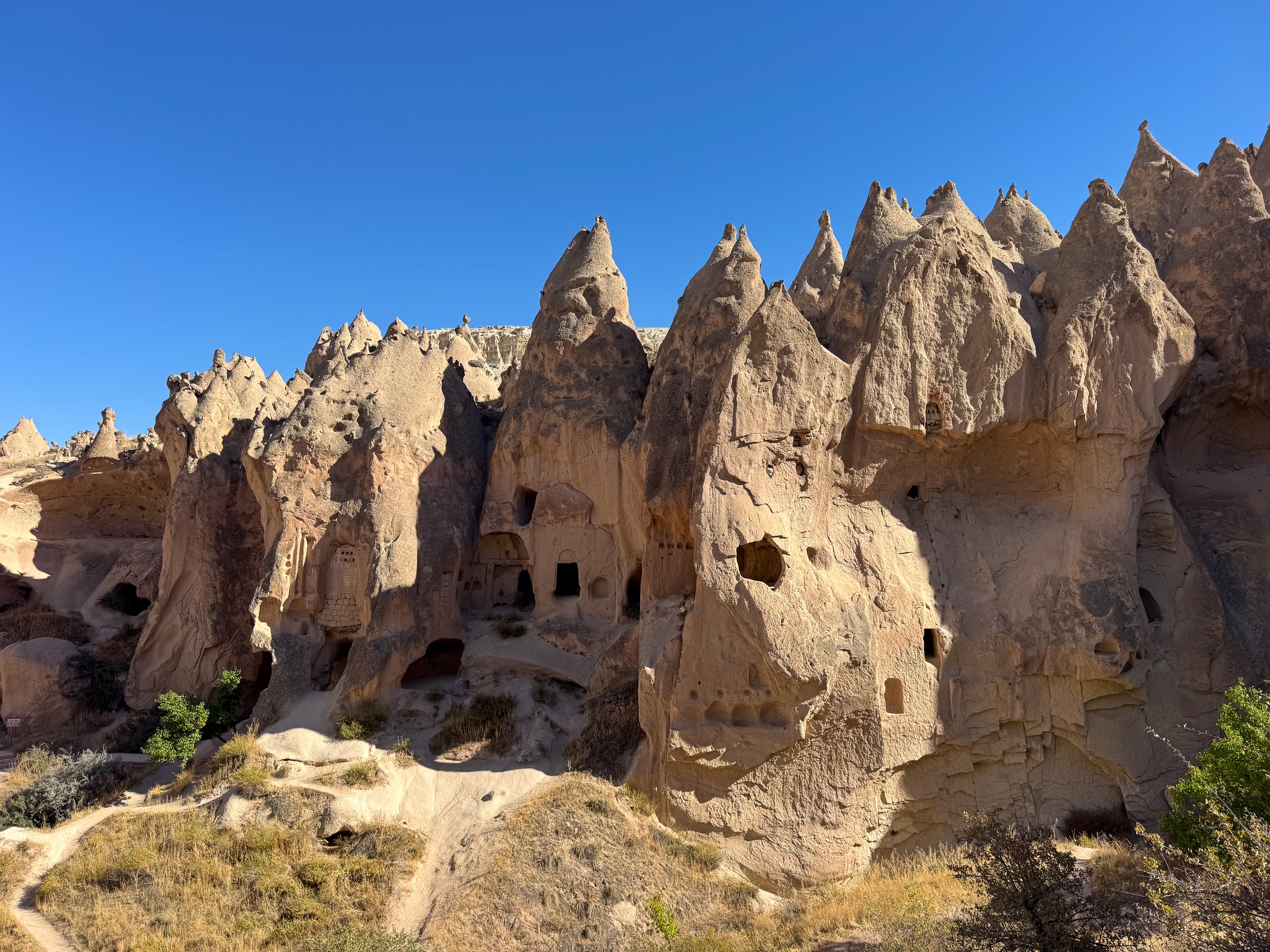
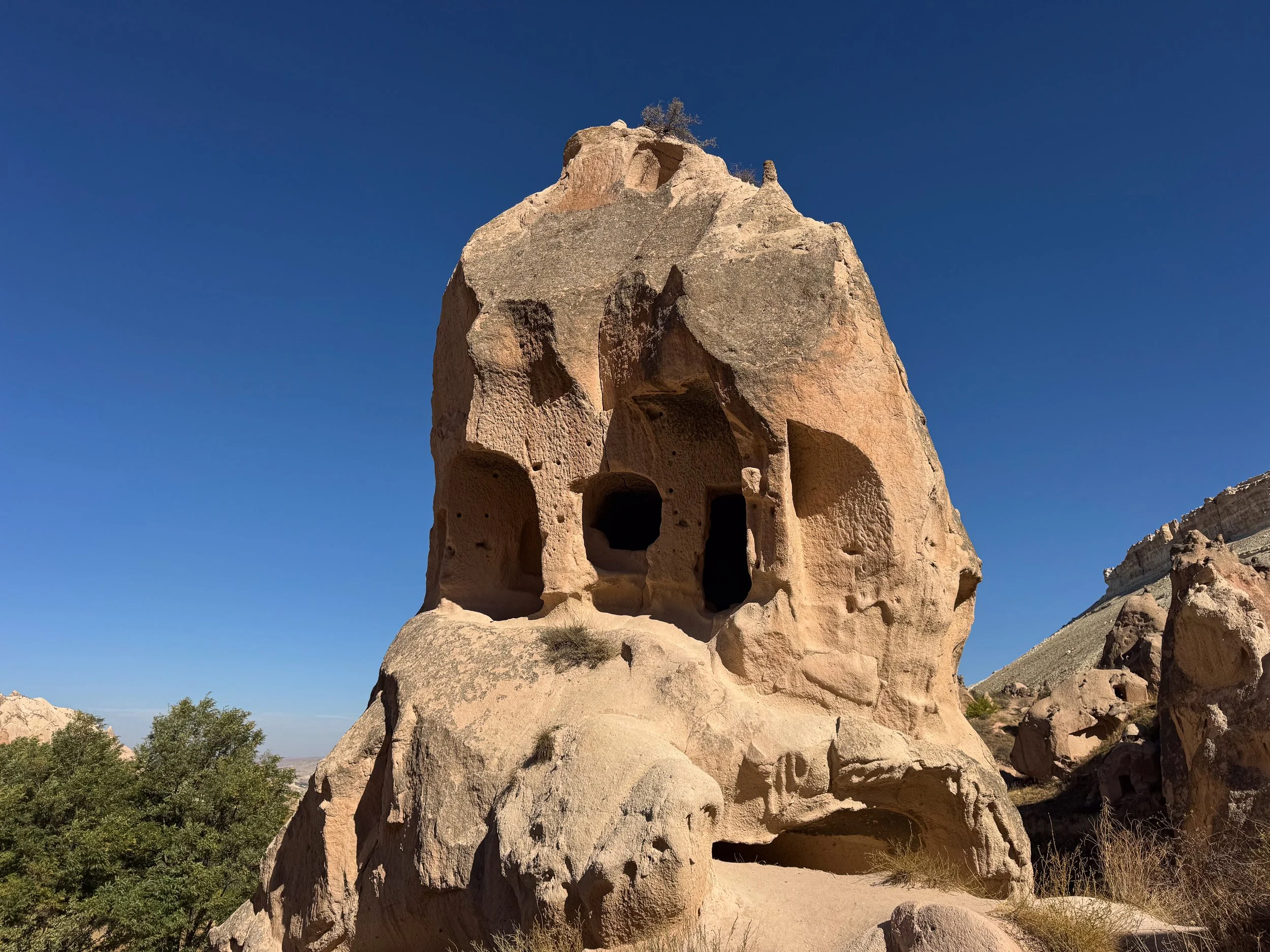
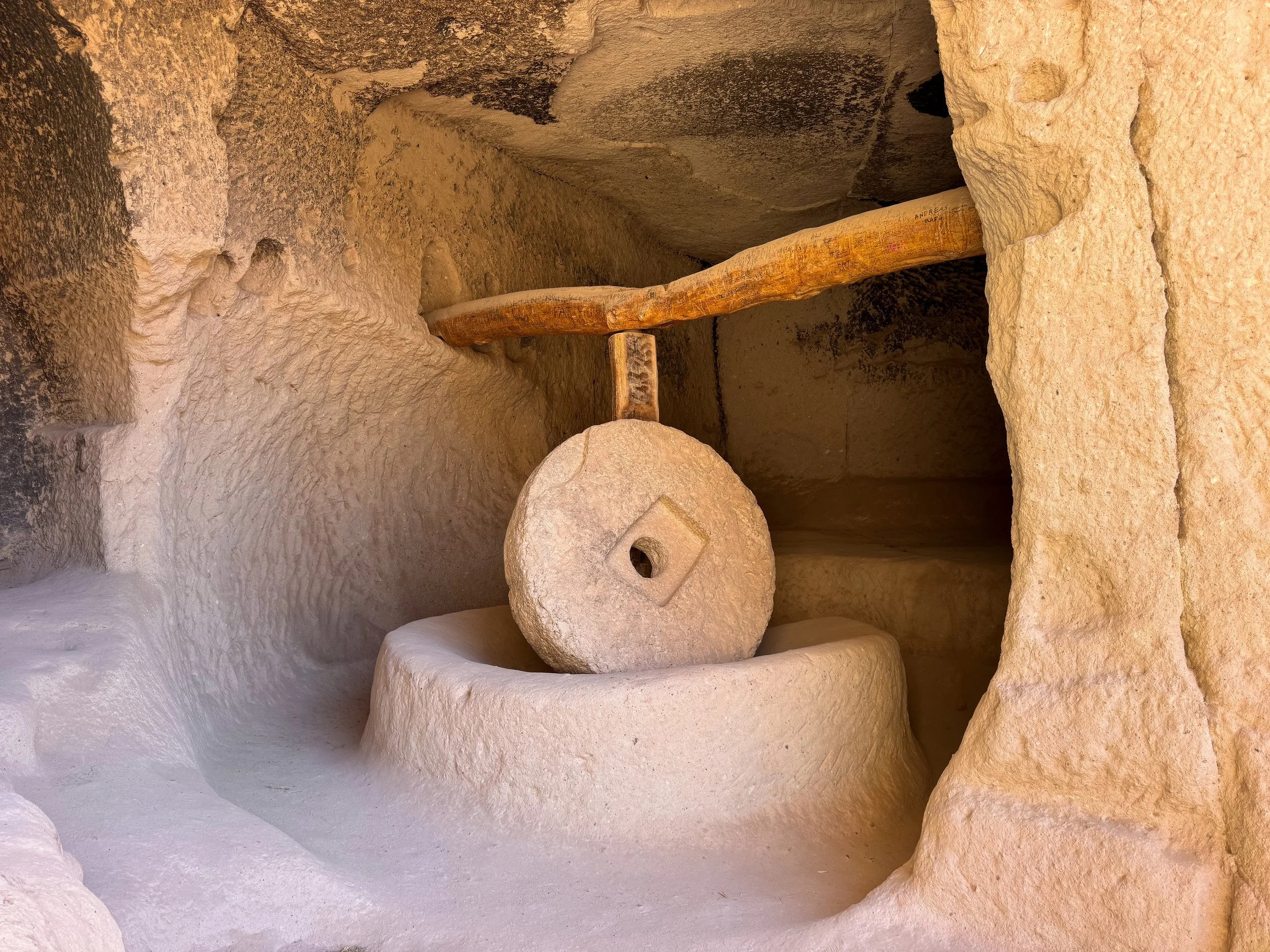
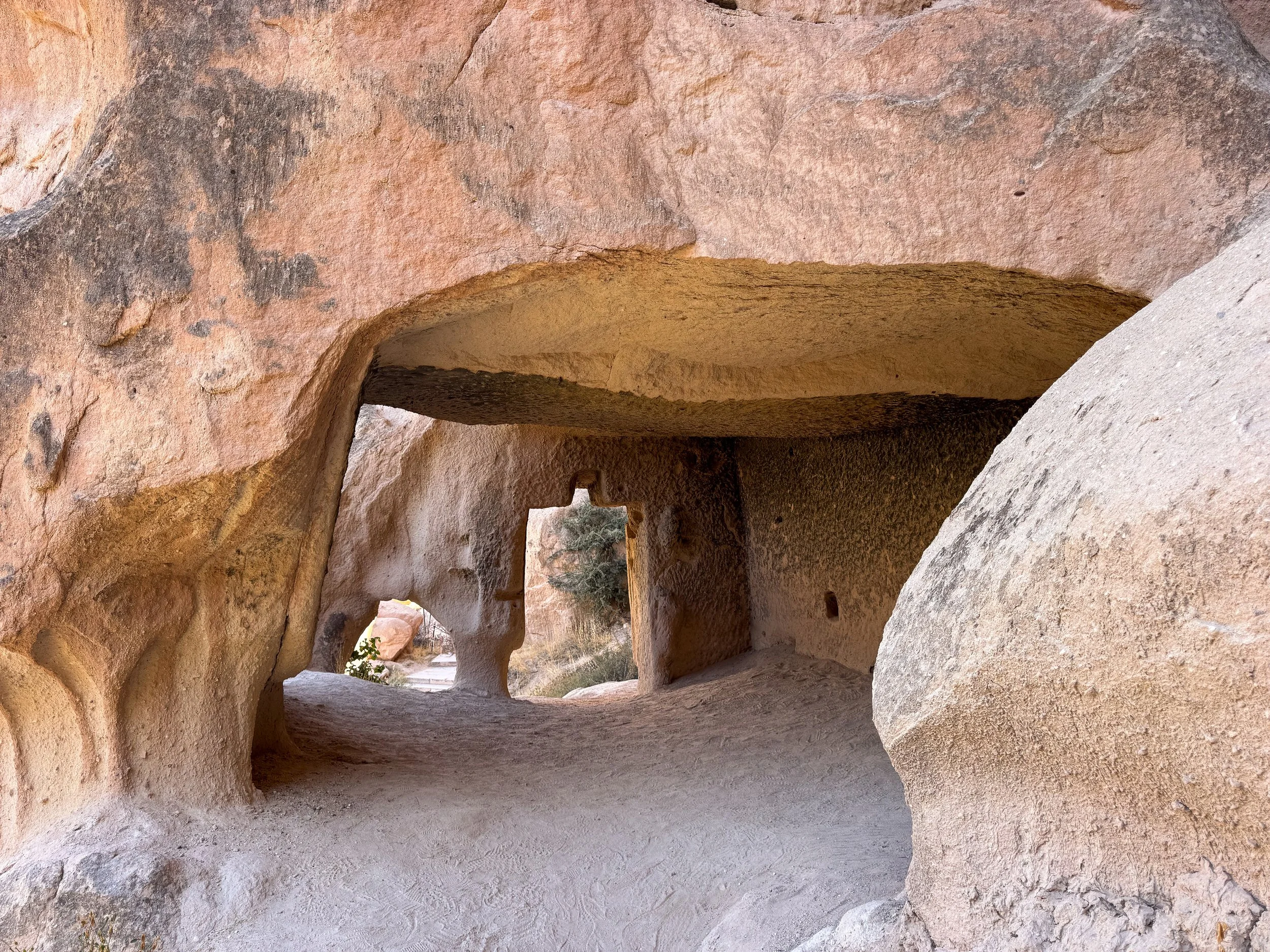
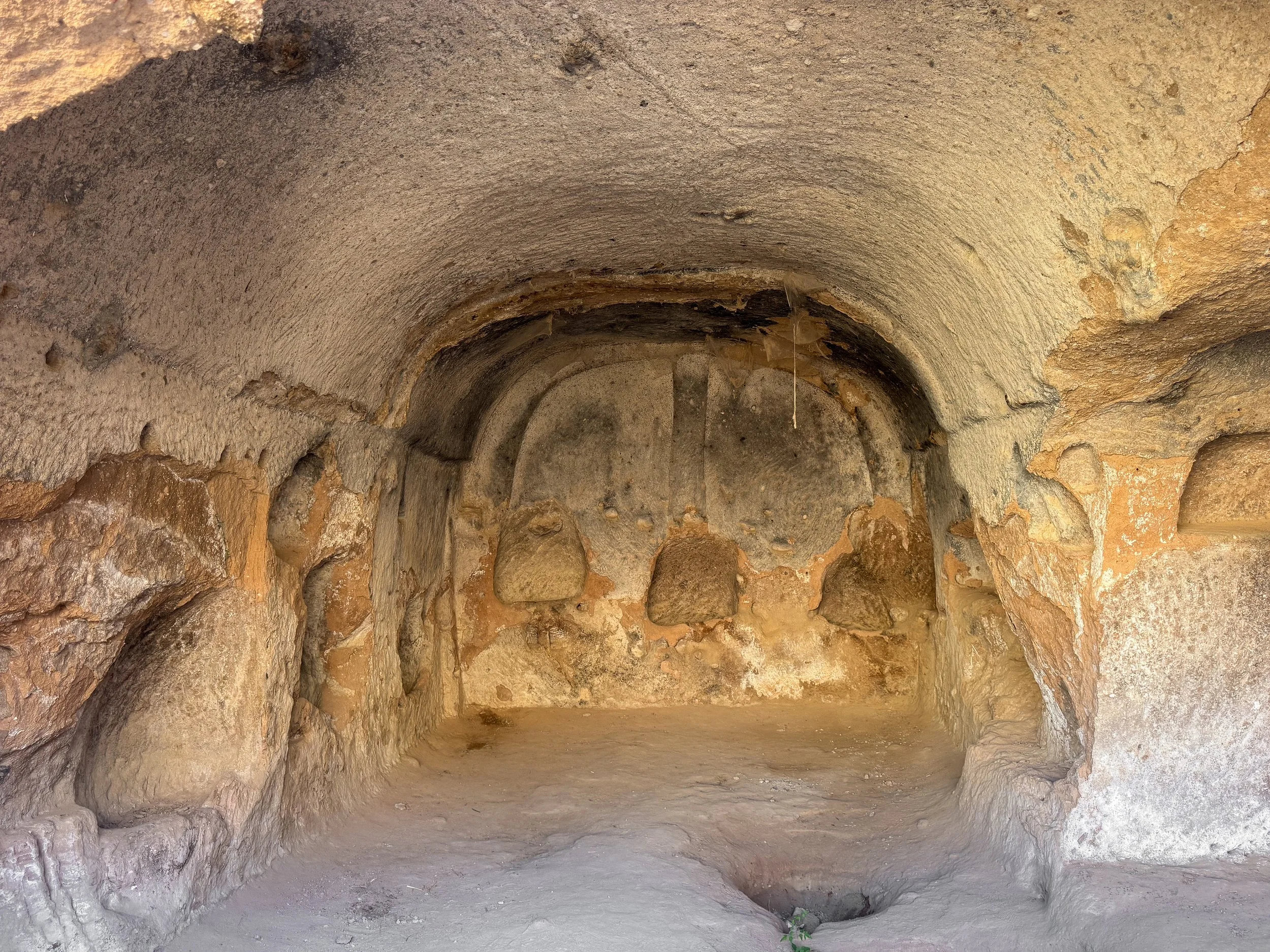
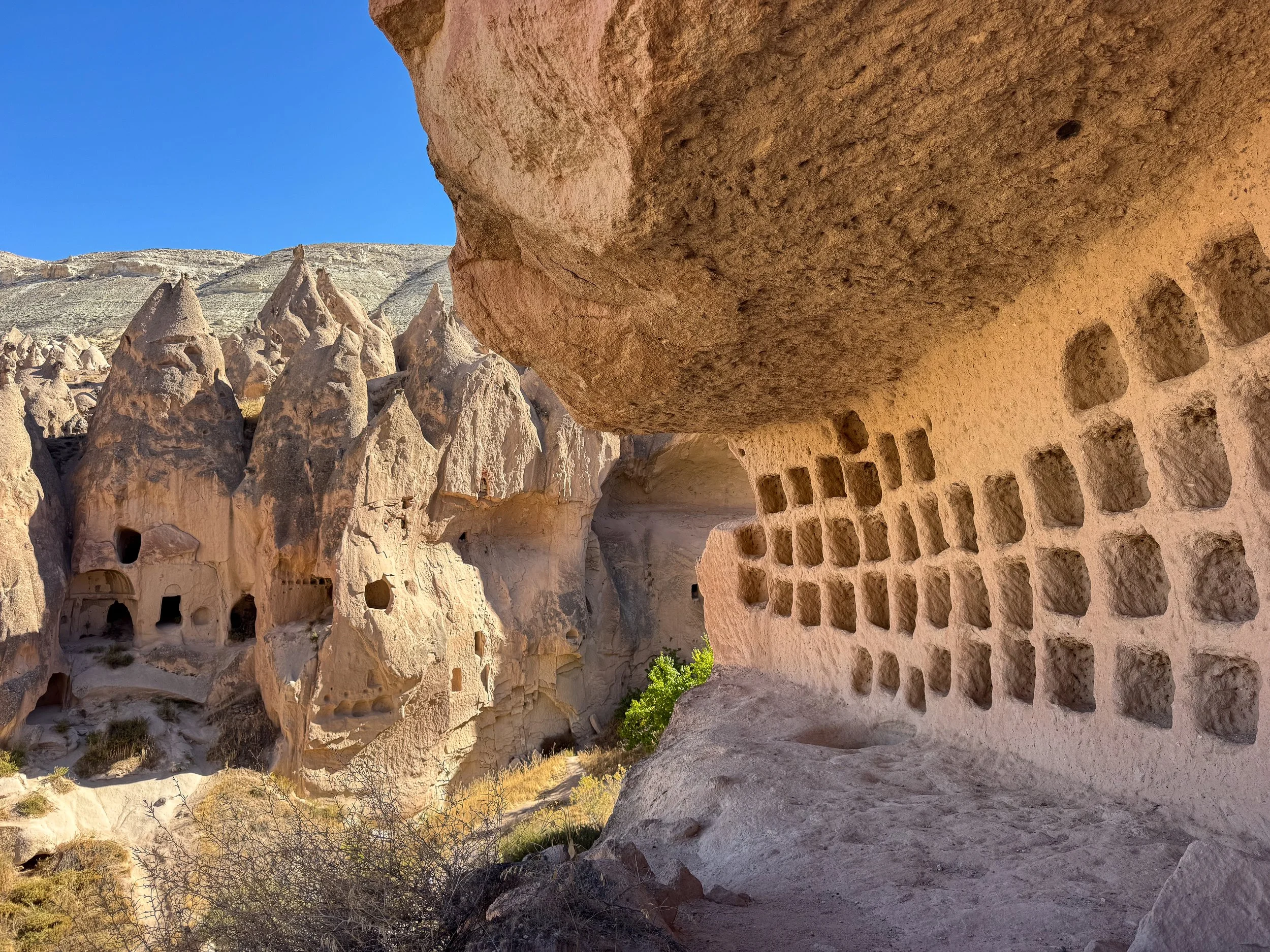
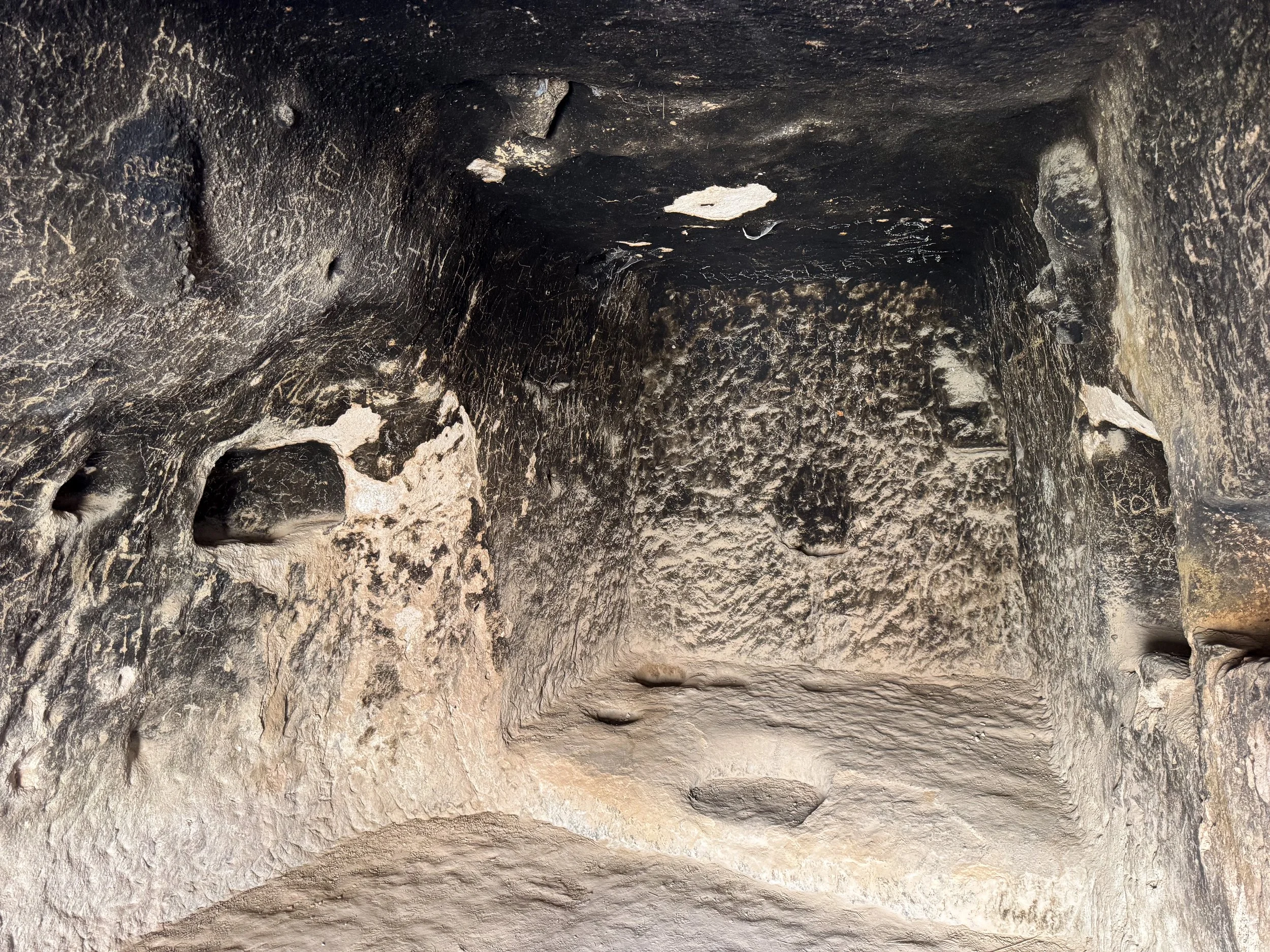
Zelve Valley 1. The first valley was once a robust community comprised of homes, wineries, grain mills and early churches. Many interiors feature scorched ceilings from ovens and cooking fires.
The Mill. An exposed dwelling with a large grinding wheel, likely pulled by an animal, used to grind grains into flour.
The Winery. A series of rooms with large basins used for crushing grapes and channels funneling juice to collection tanks.
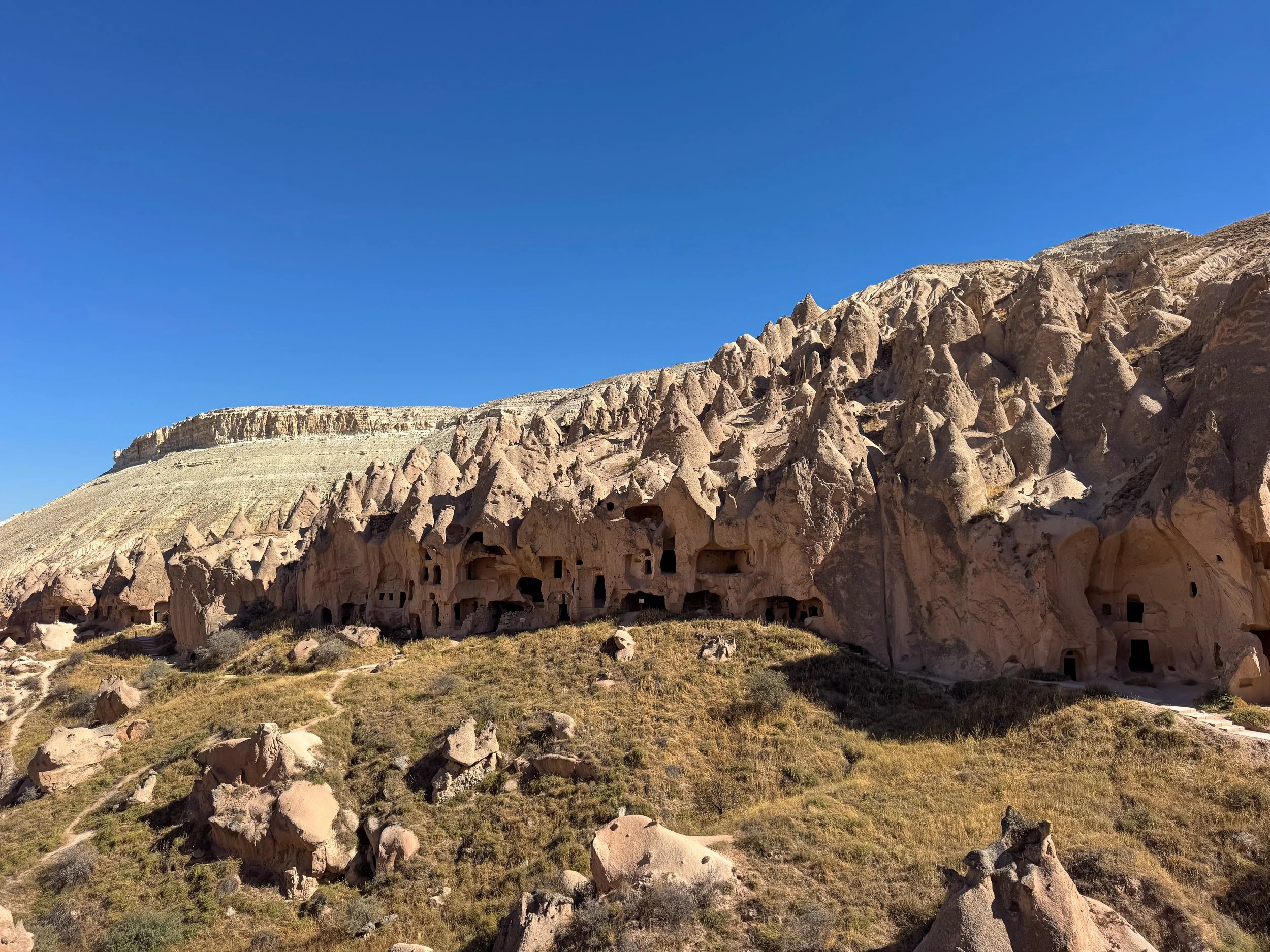
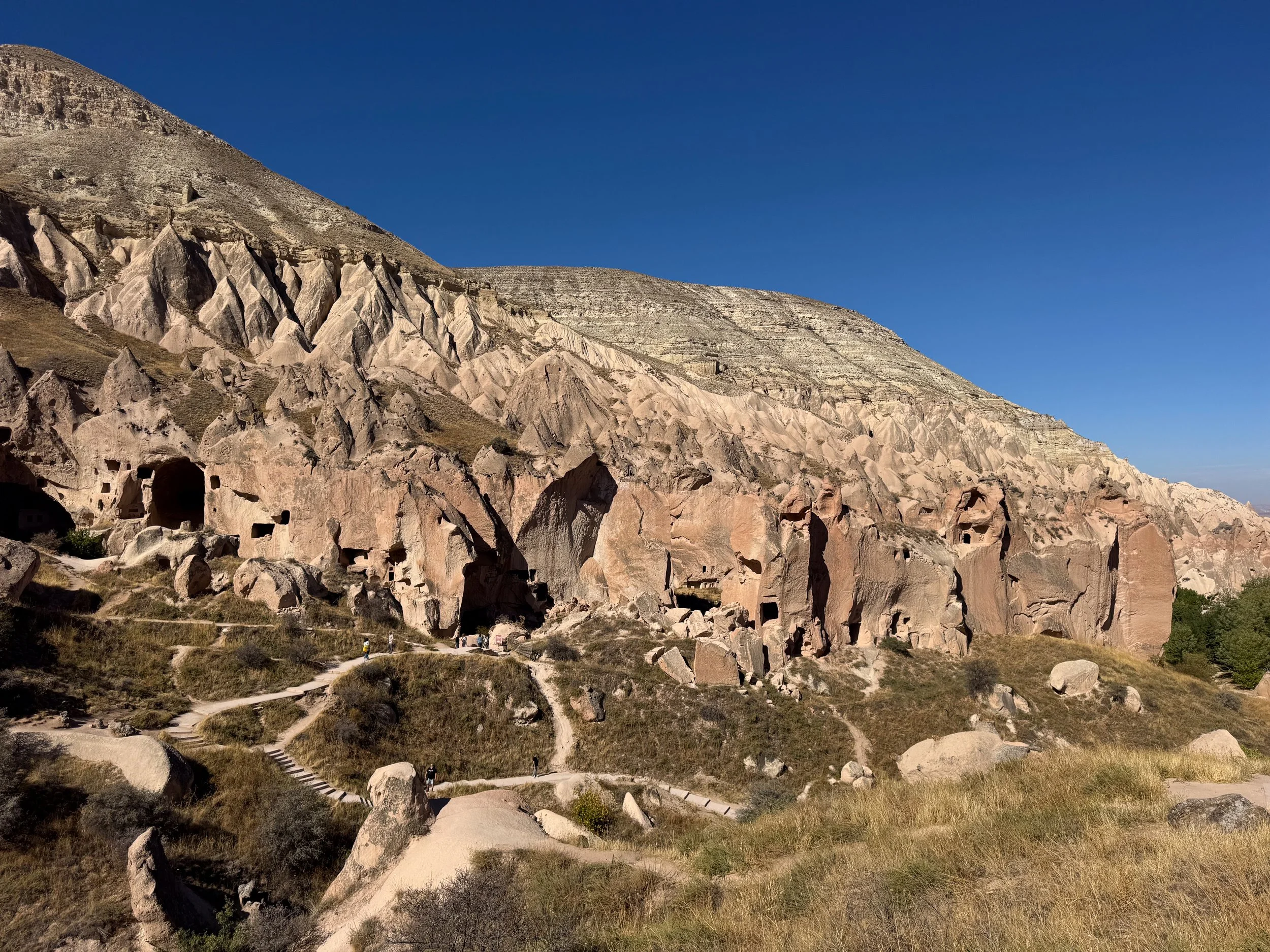
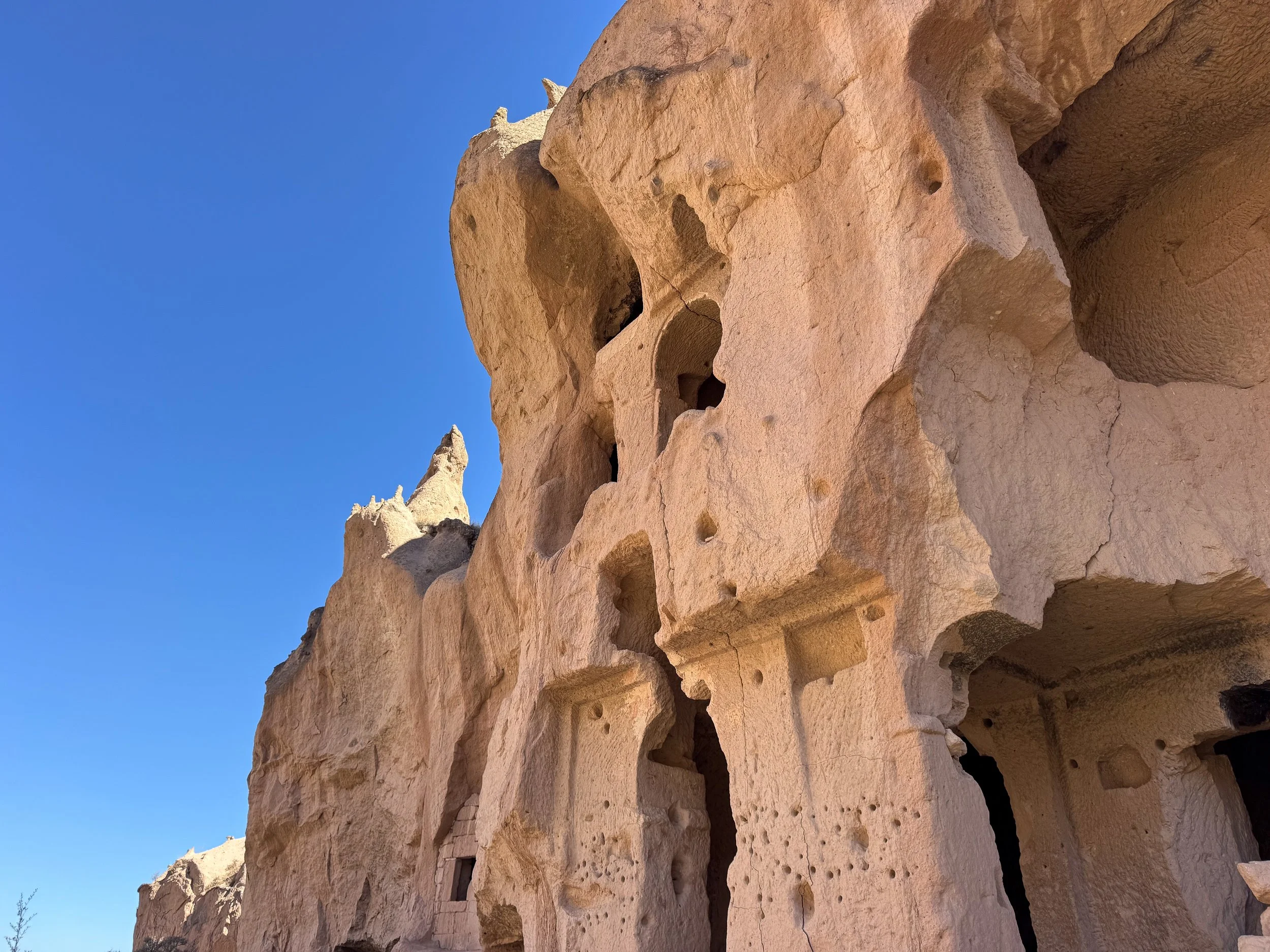
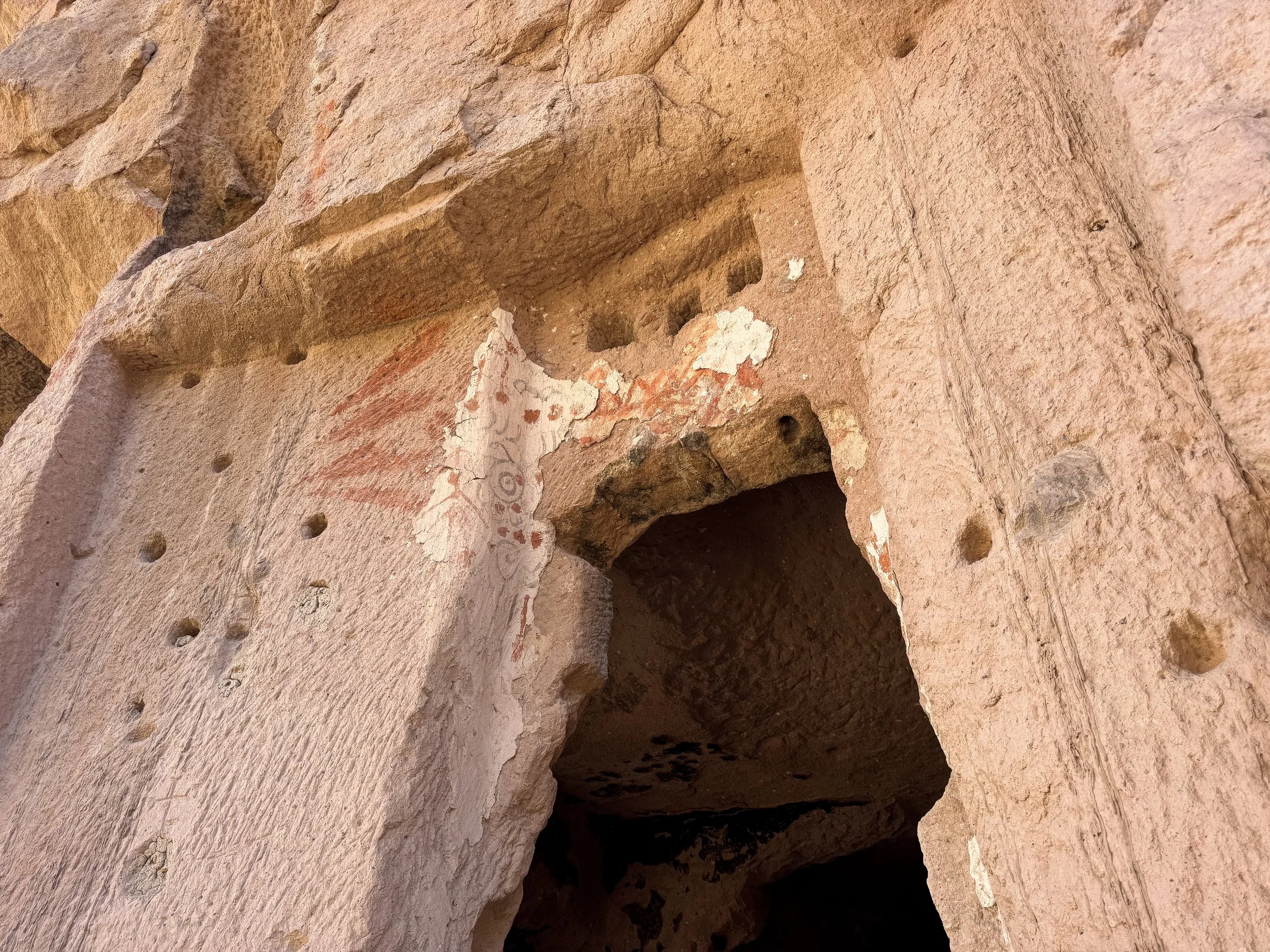
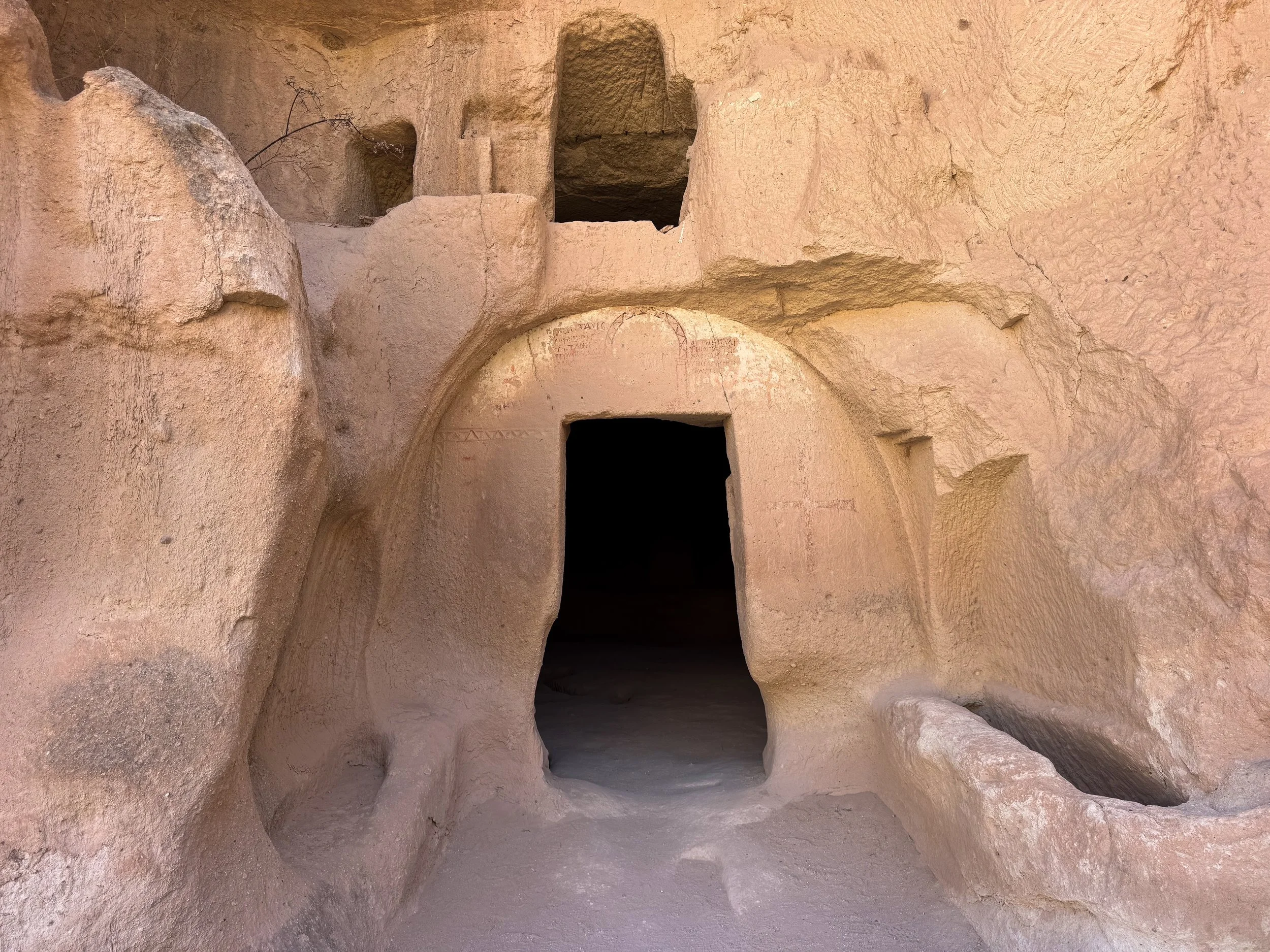
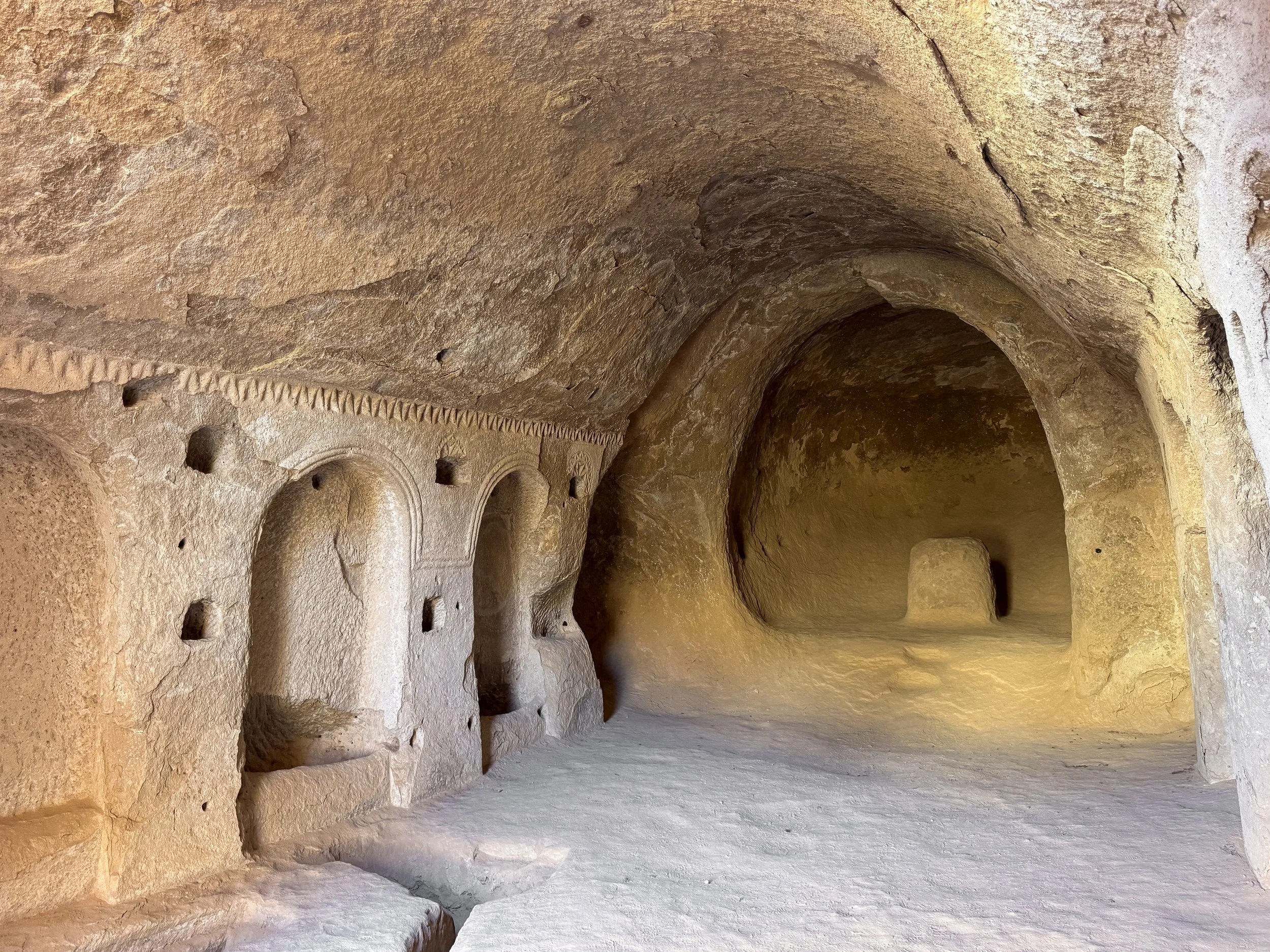
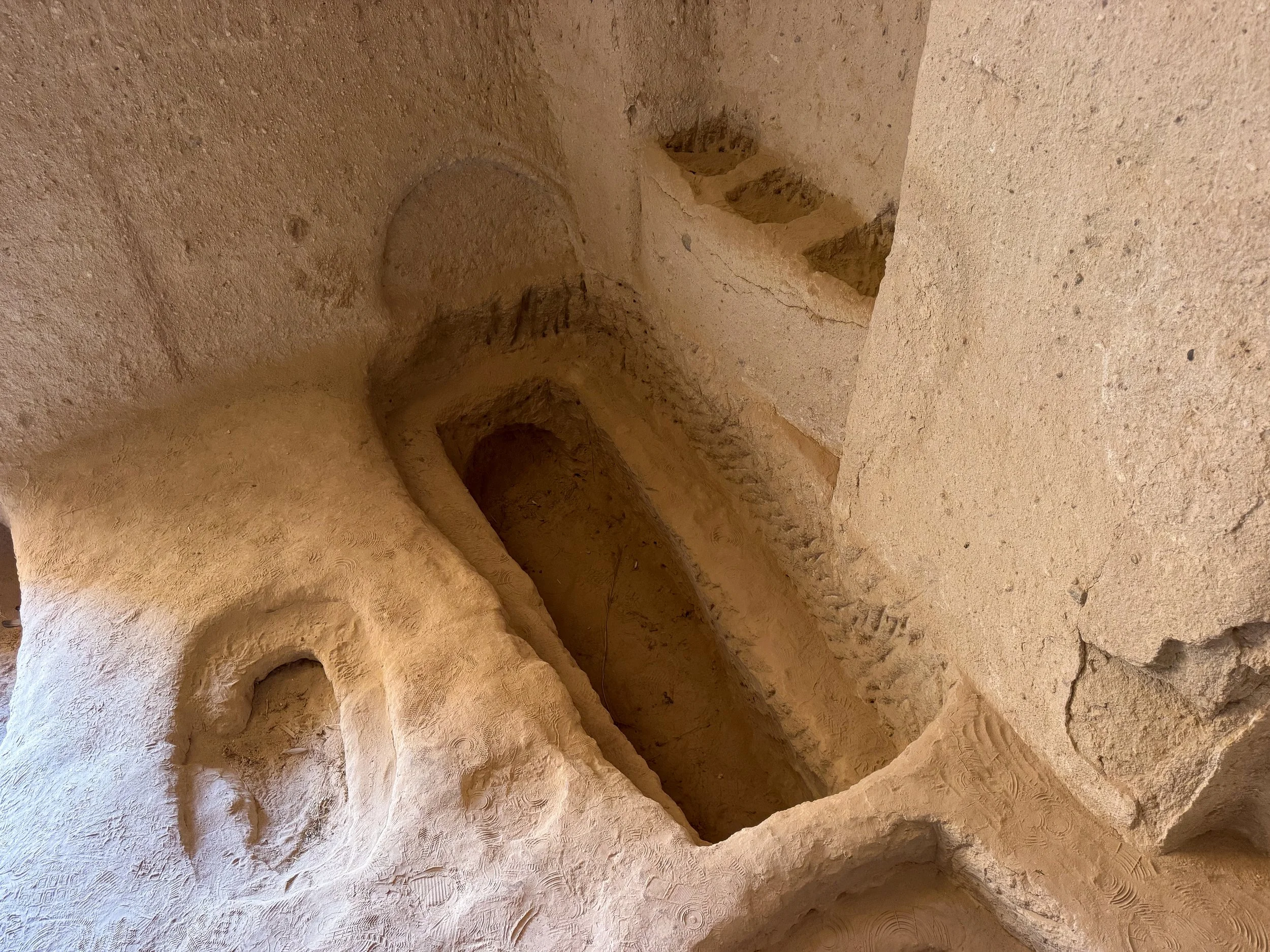
Zelve Valley 2. The second valley was mostly residential with spacious cave dwellings, red painted designs and an early Christian church.
Cave Dwellings. Excavated homes include interconnected chambers and functional spaces like in-floor ovens, wine making vats, built in shelves and exterior windows.
Church of the Holy Cross. An early Christian church carved into the rock valley. The arched nave features stylized crosses, a central pulpit, a wine making chamber and in floor tombs.
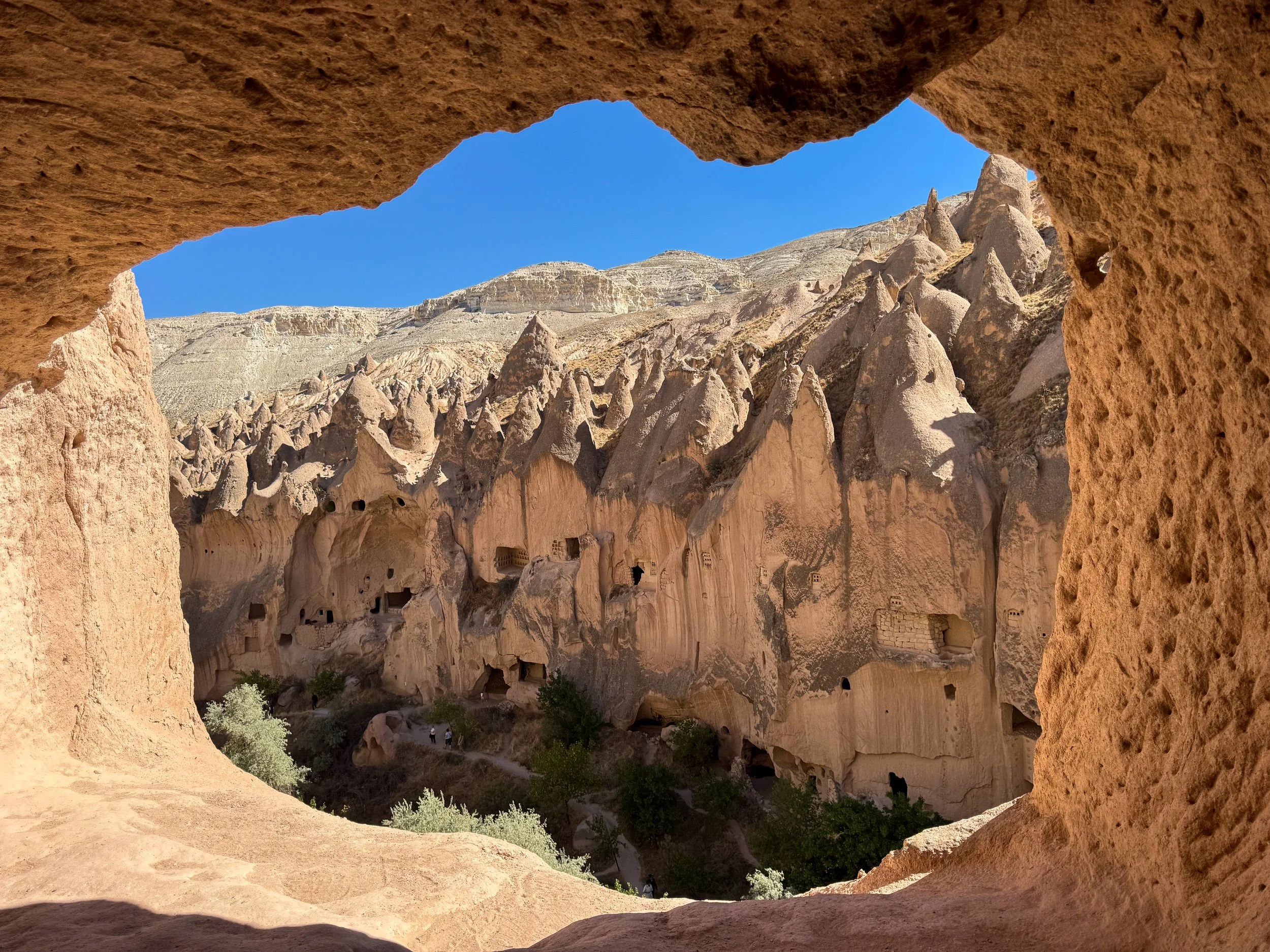
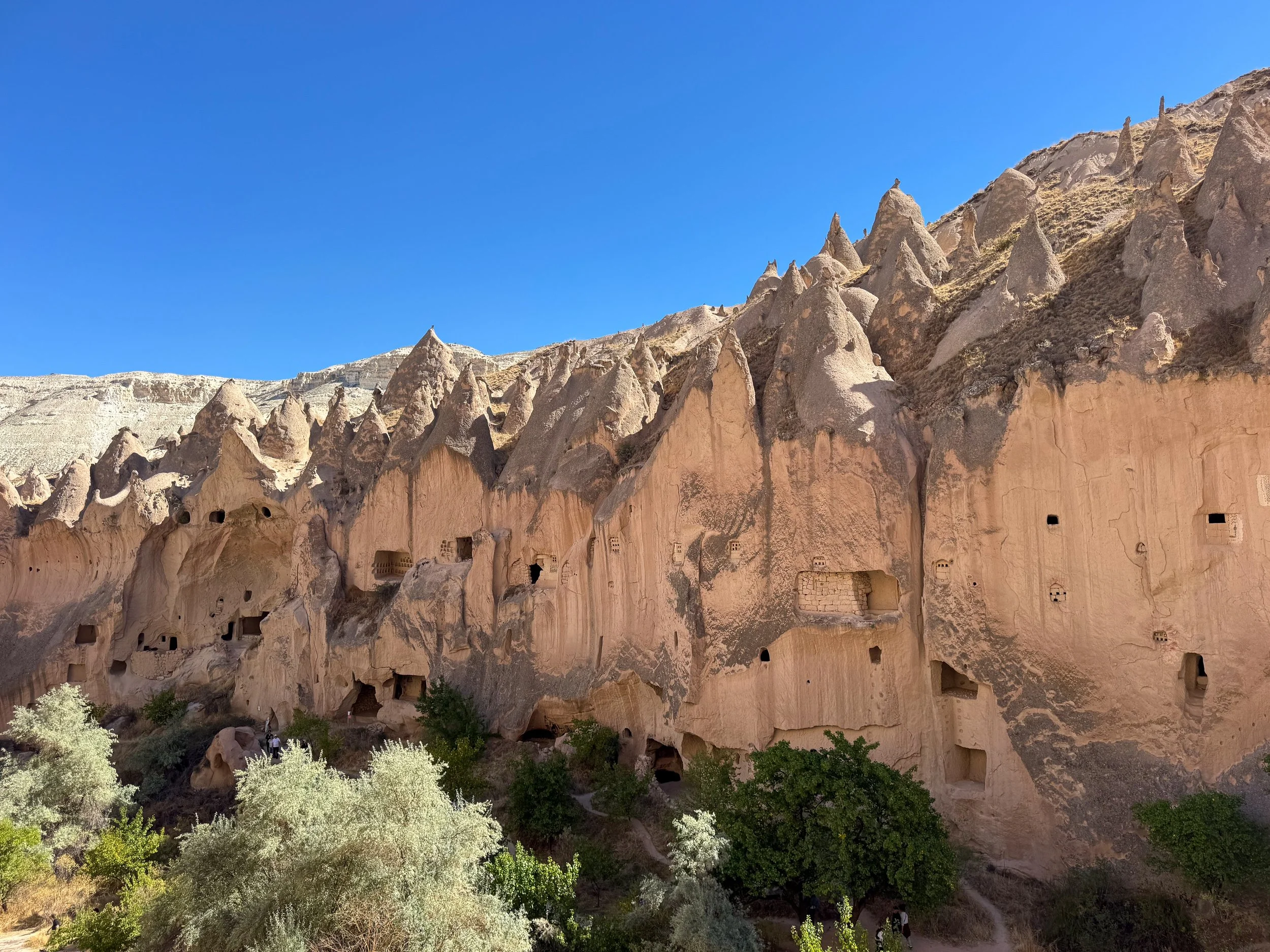
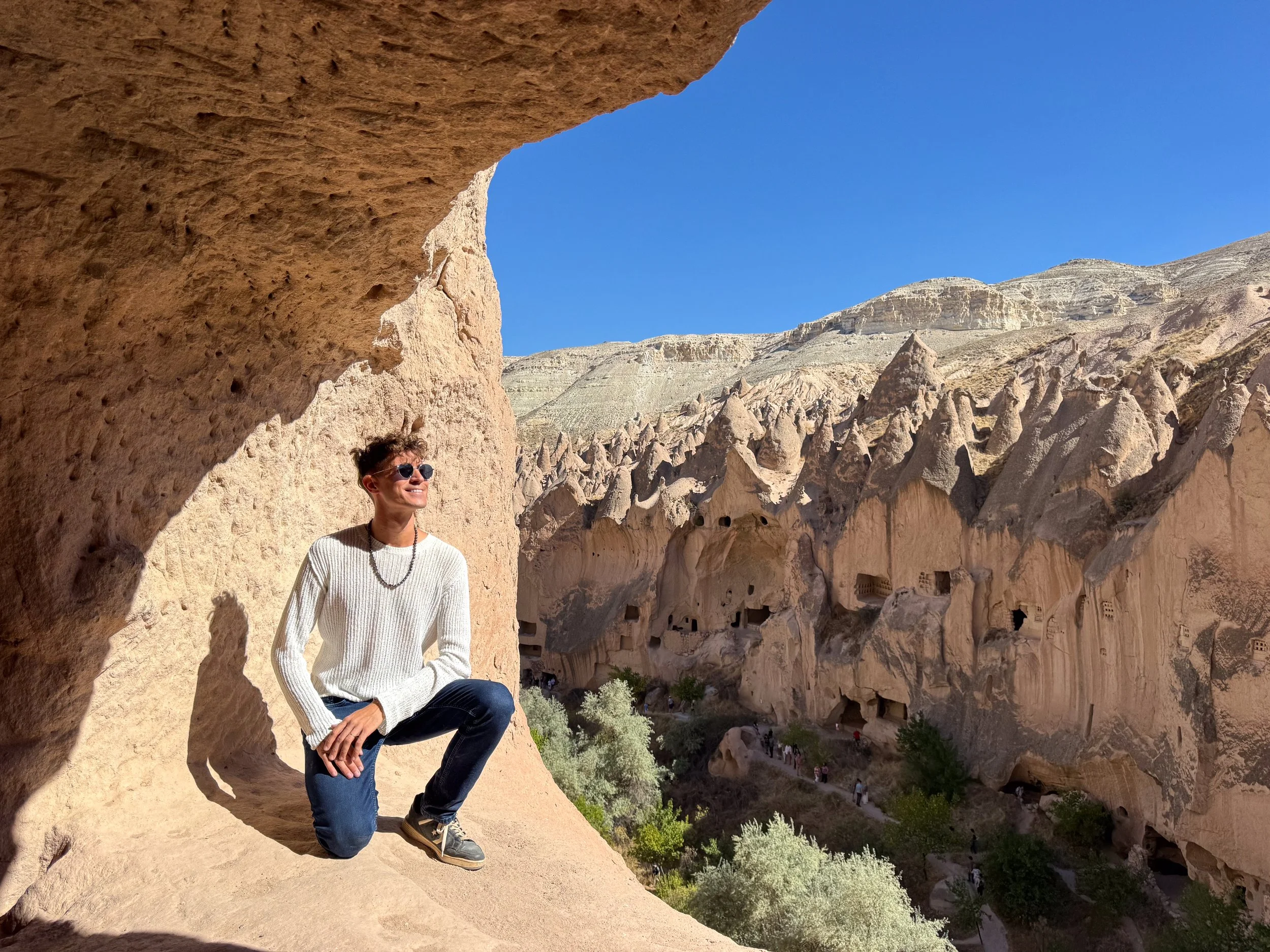
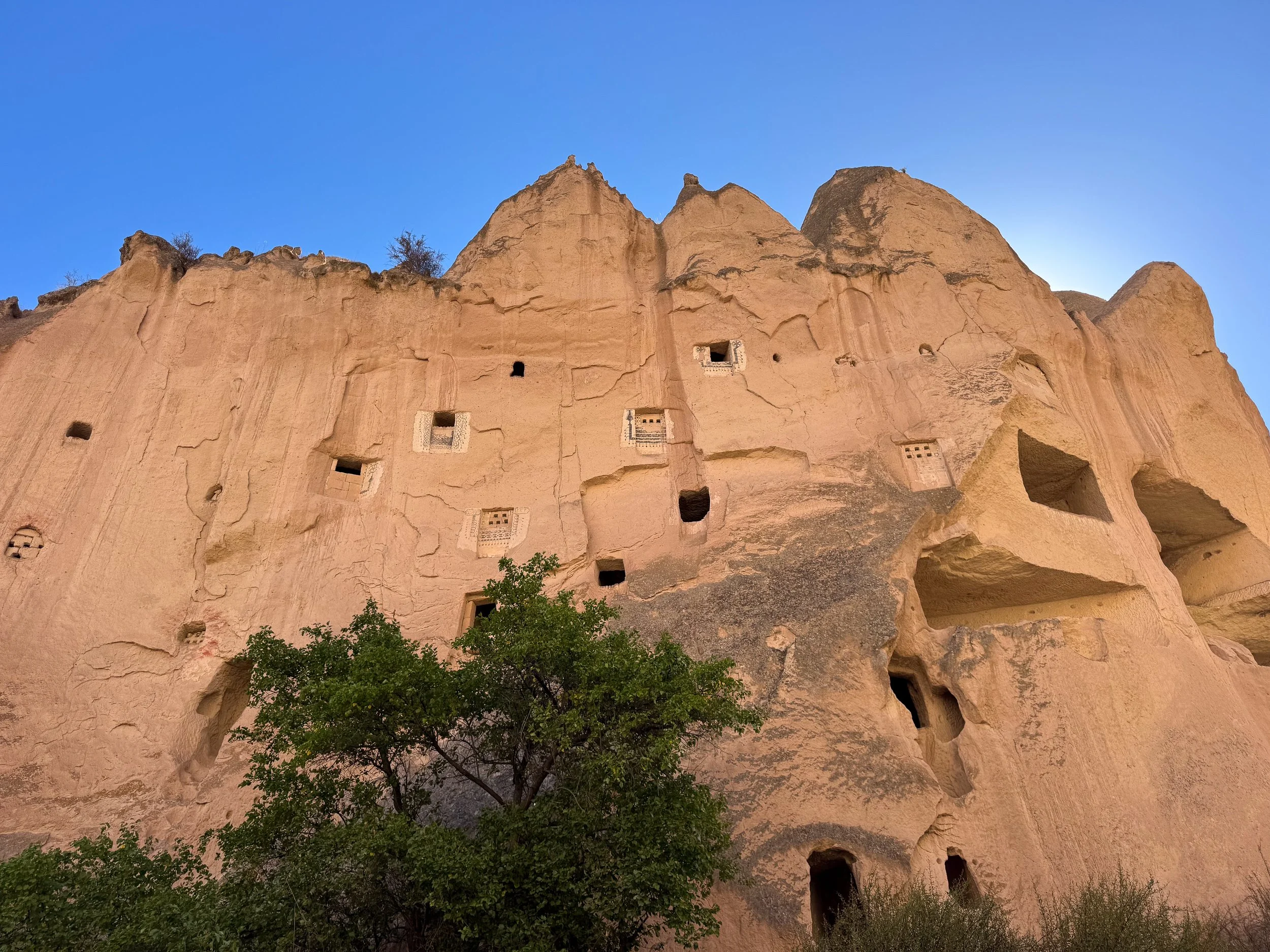
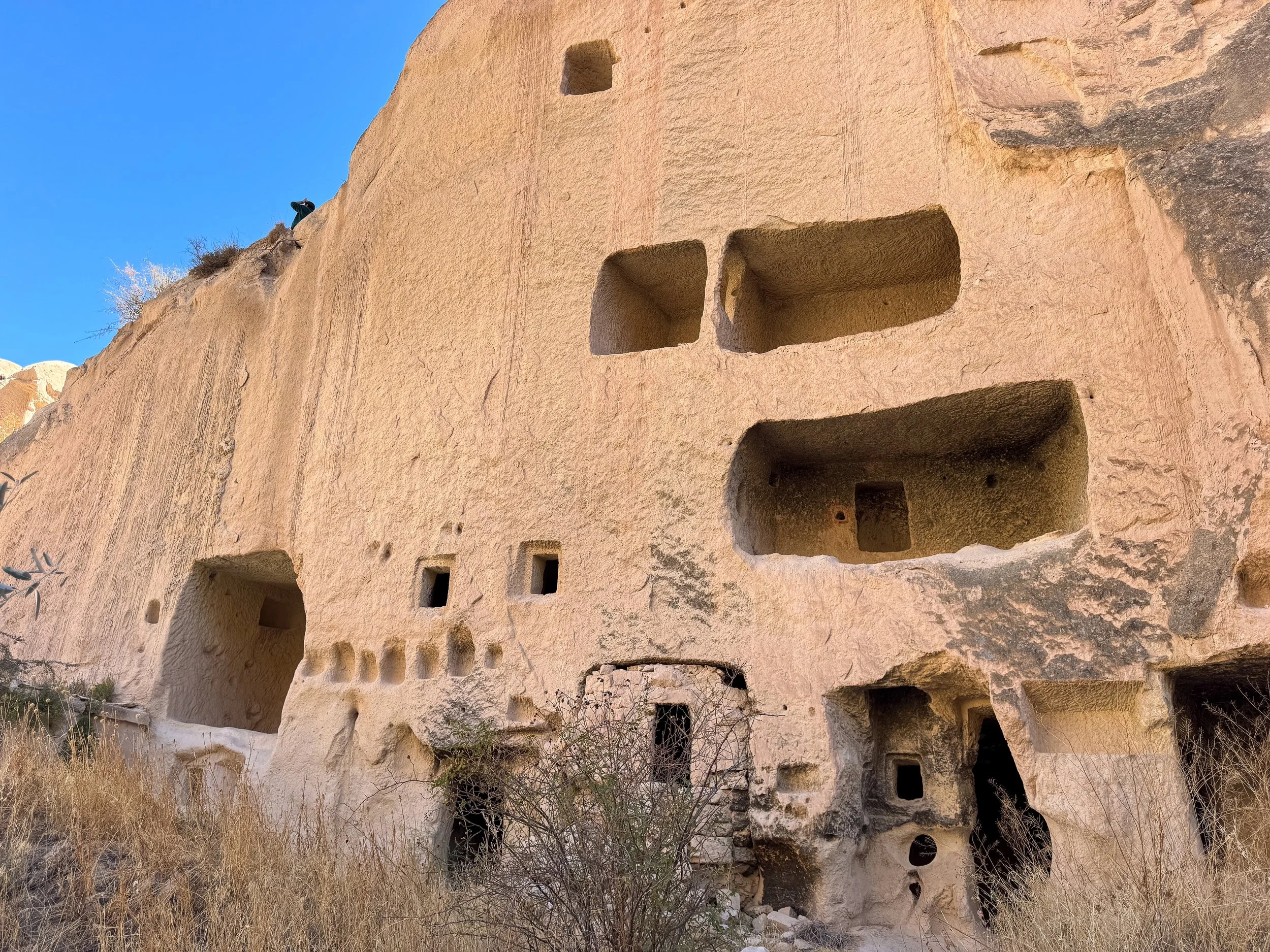
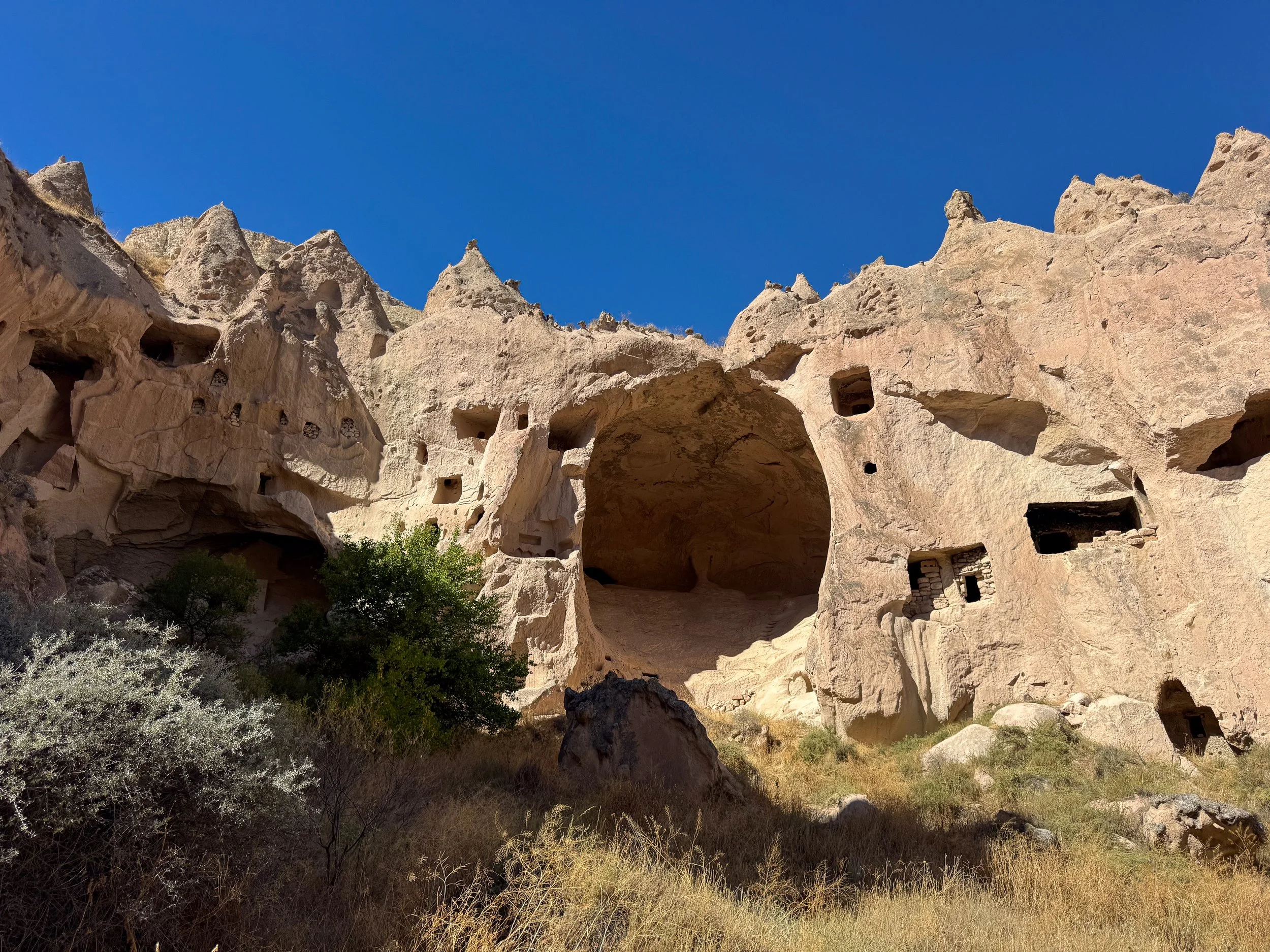
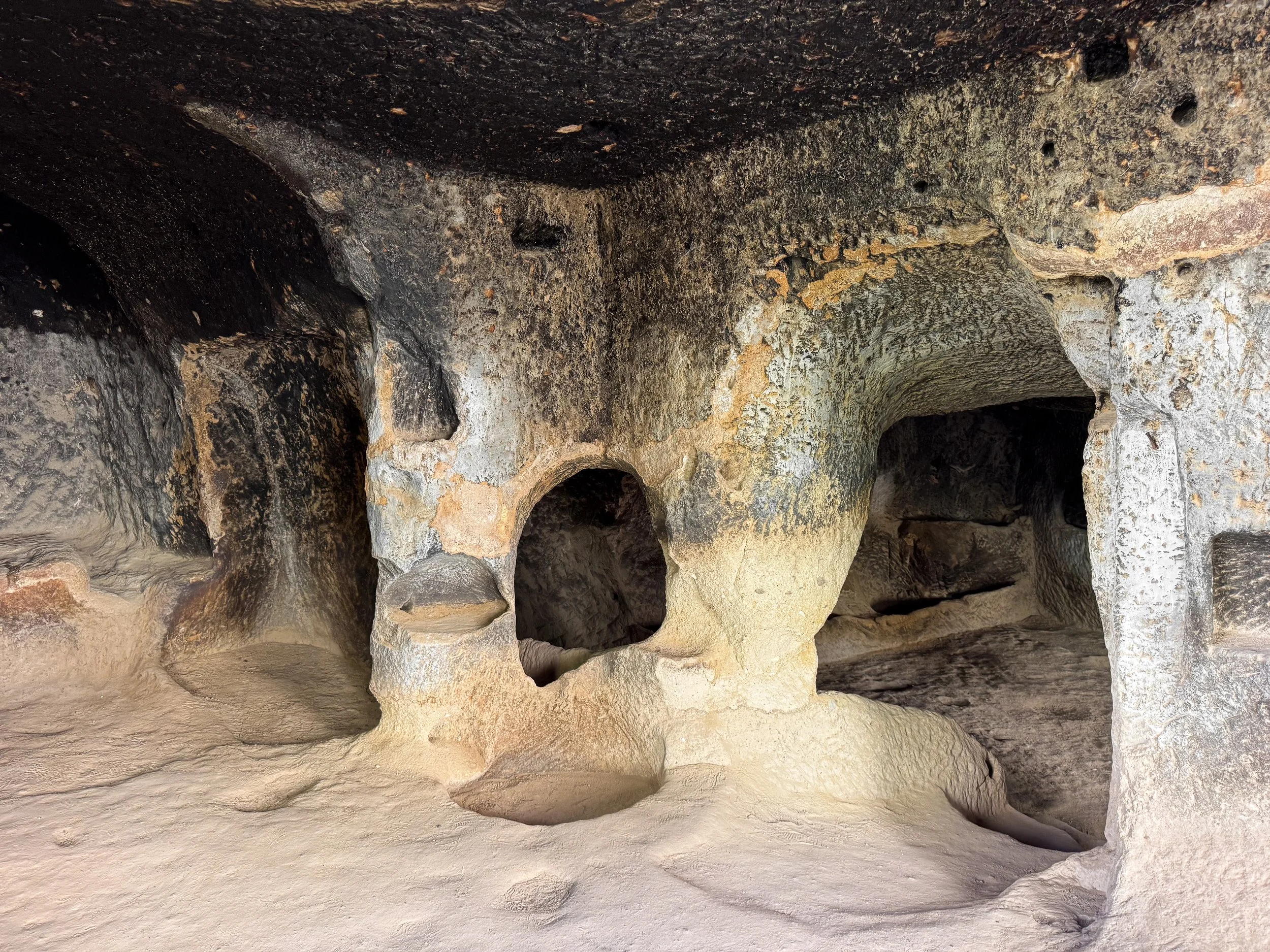
Zelve Valley 3. The third valley is the largest and most developed. It features a central square, mosque, stables and hundreds of dovecotes.
The Mosque. A carved and cut stone mosque topped with a four pillared minaret, characteristic of the early Ottoman period.
Dovecotes. Rock cut niches carved high into the cliffs made to house pigeons. They’re decorated with mystical patterns representing good fortune and prosperity.
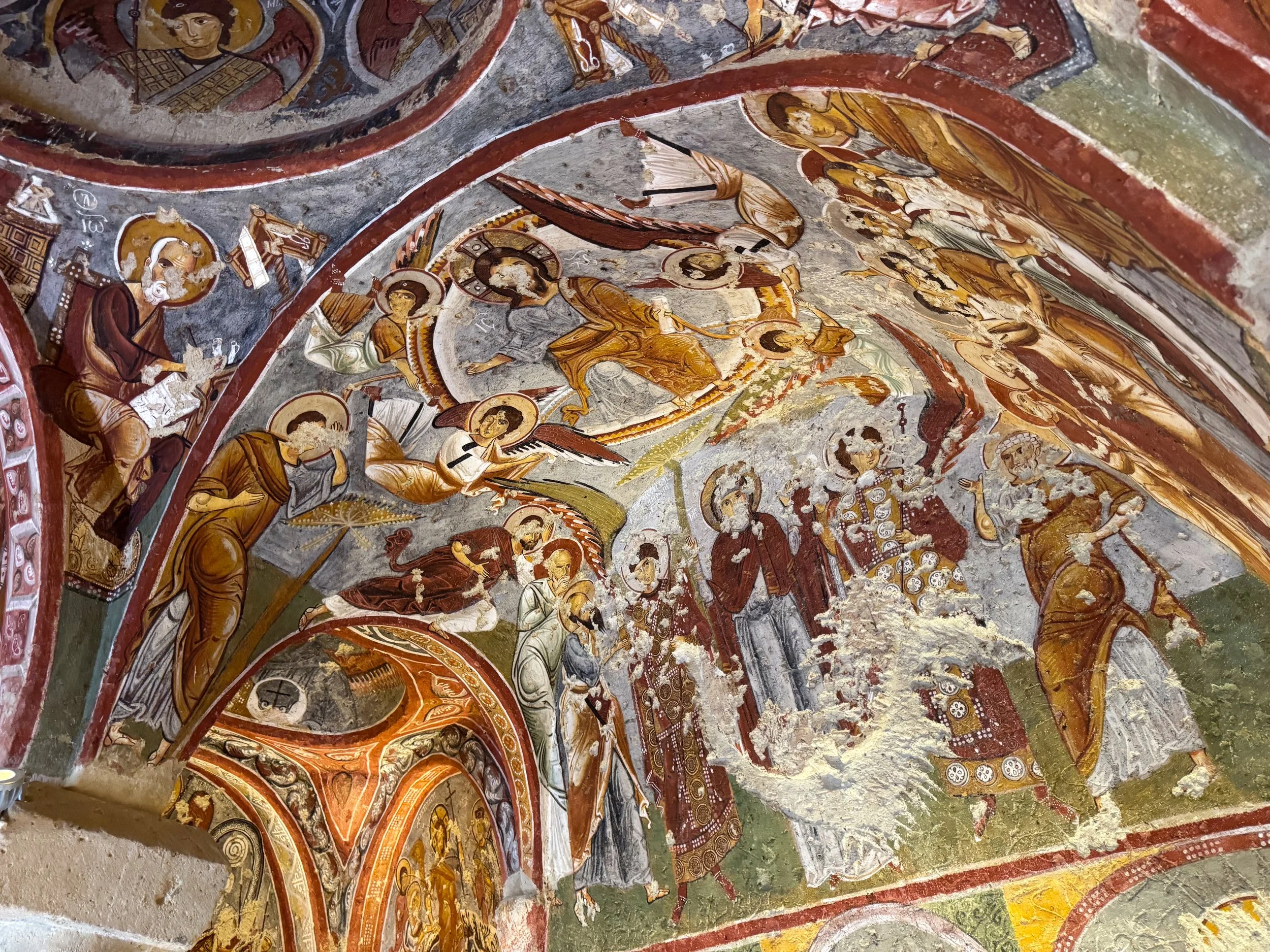
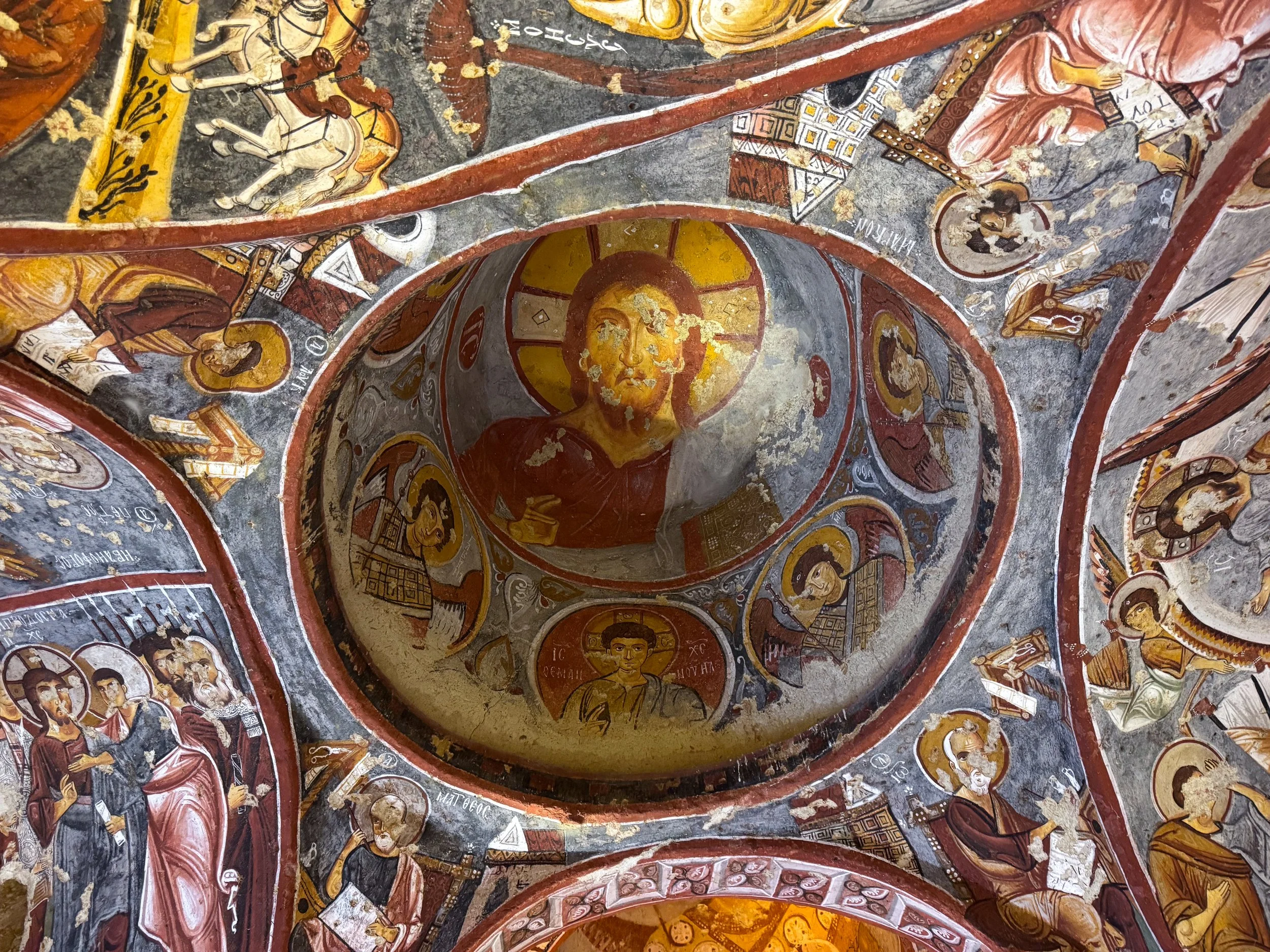
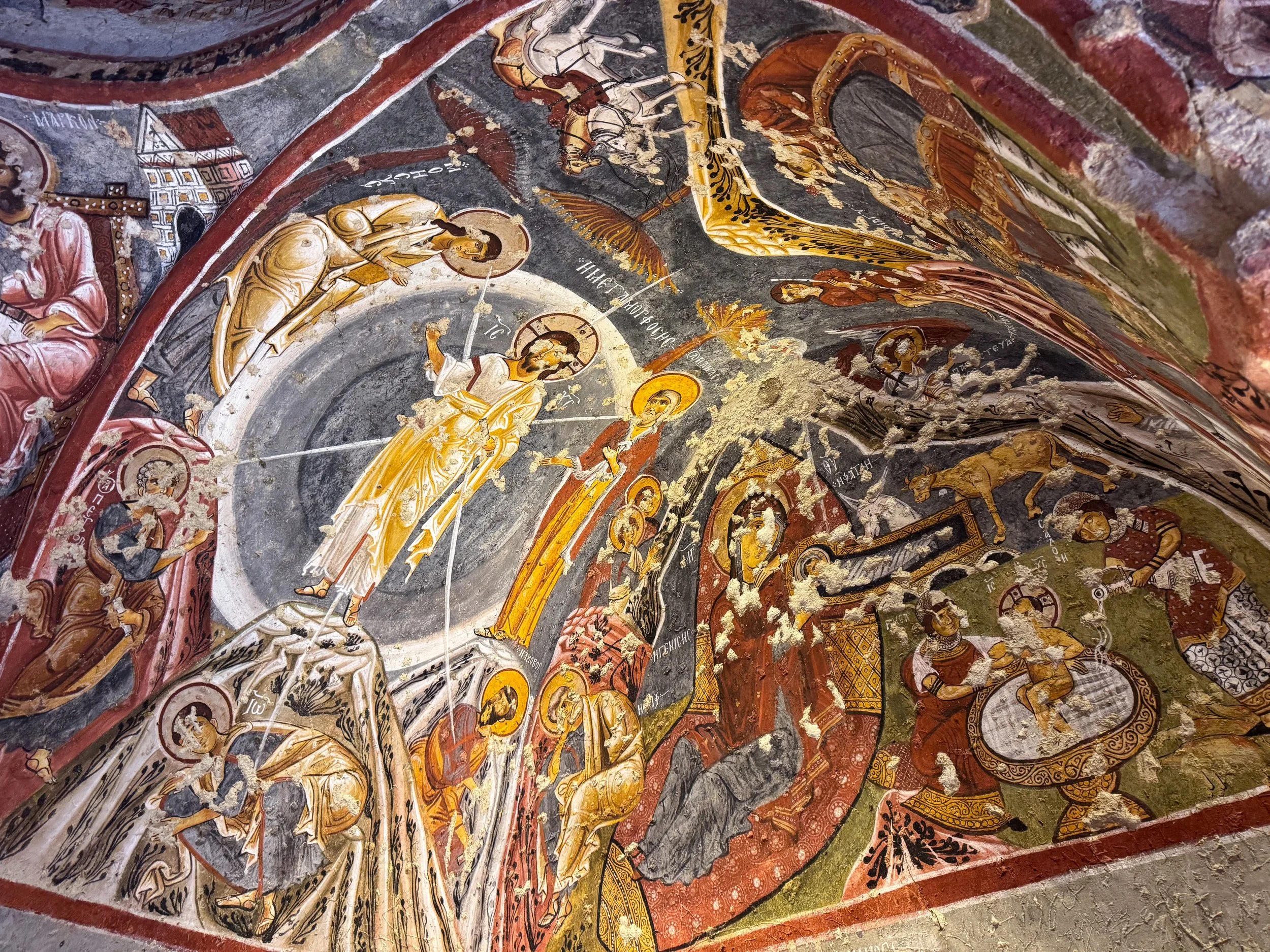
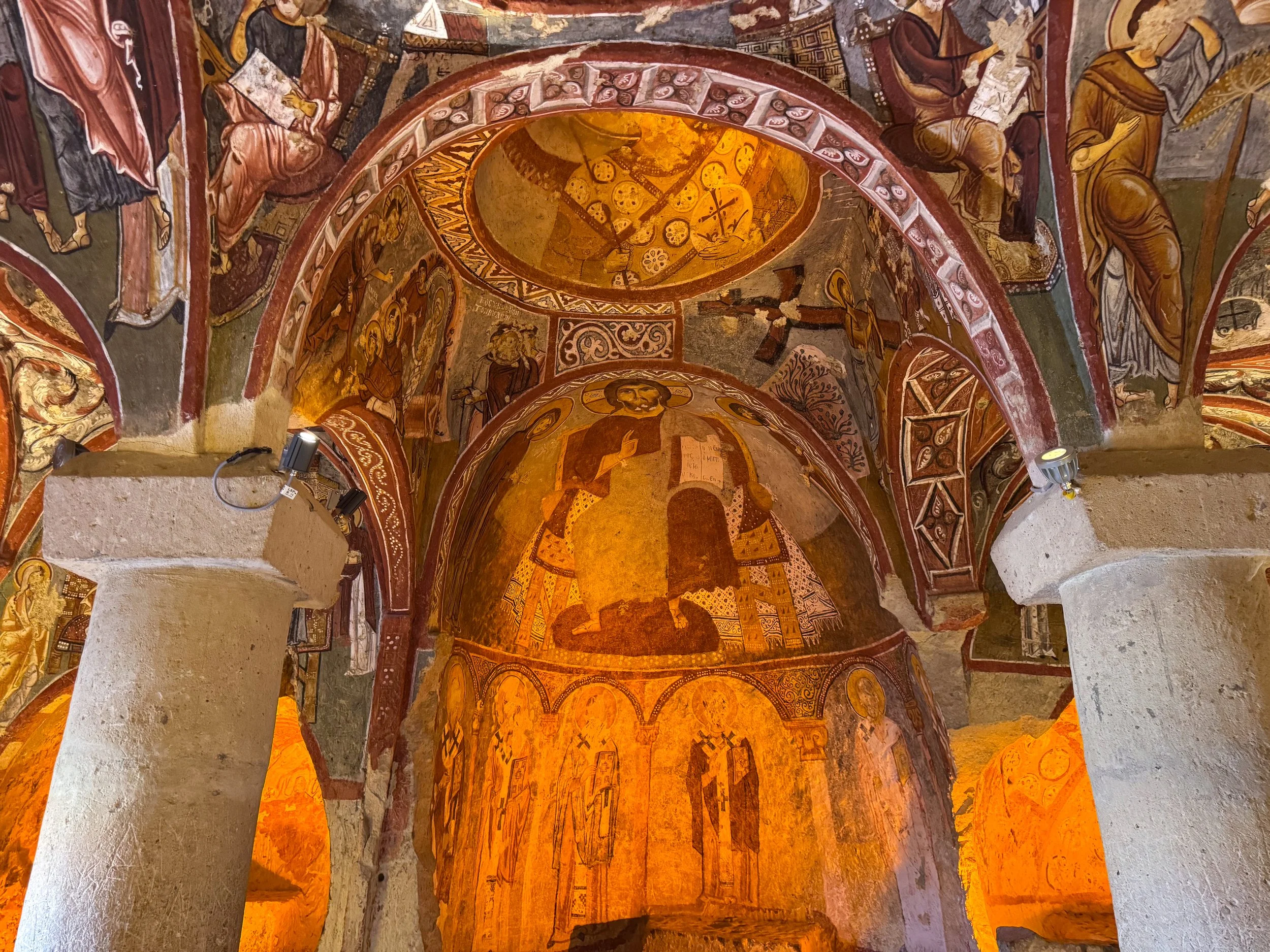
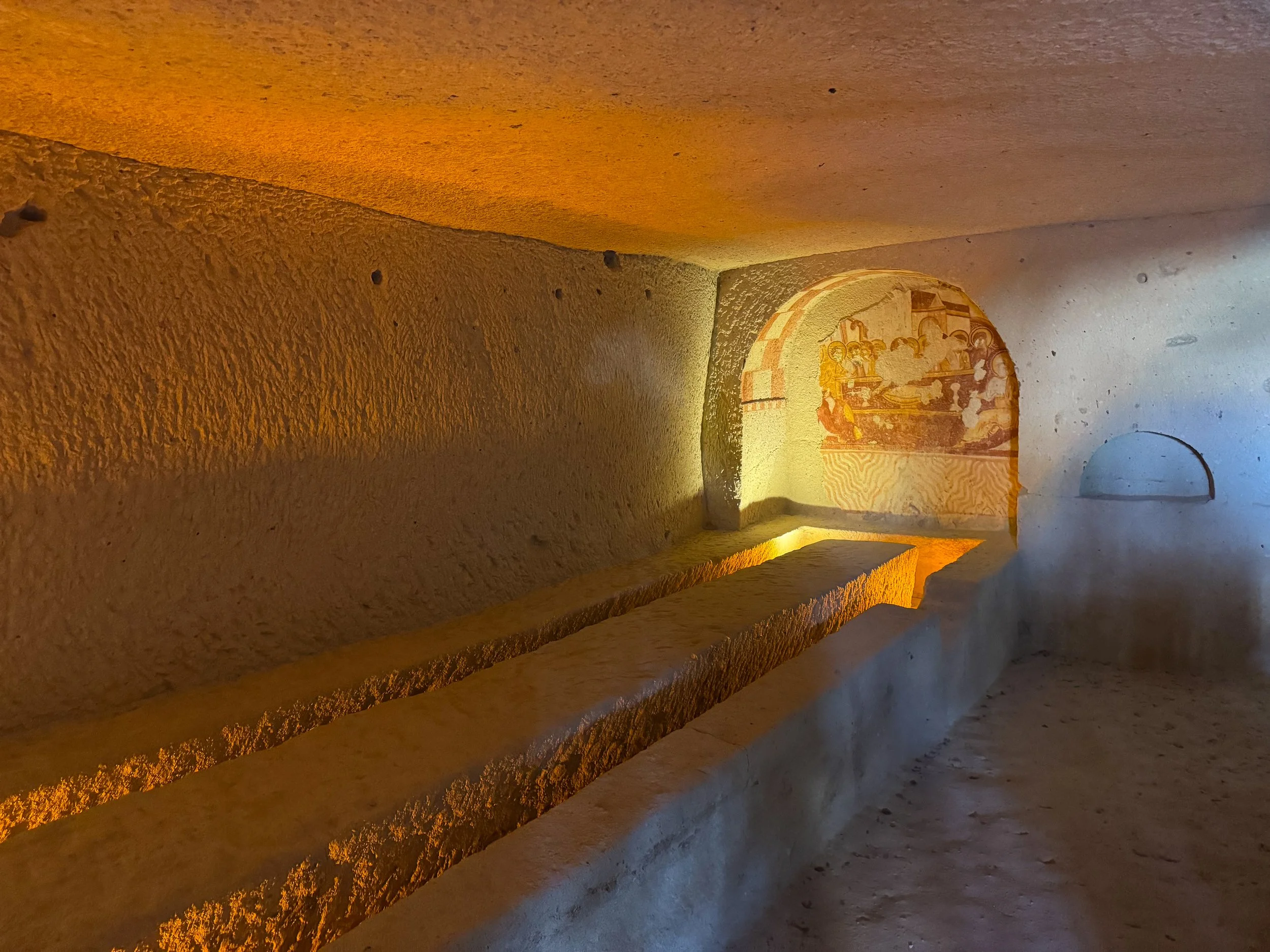
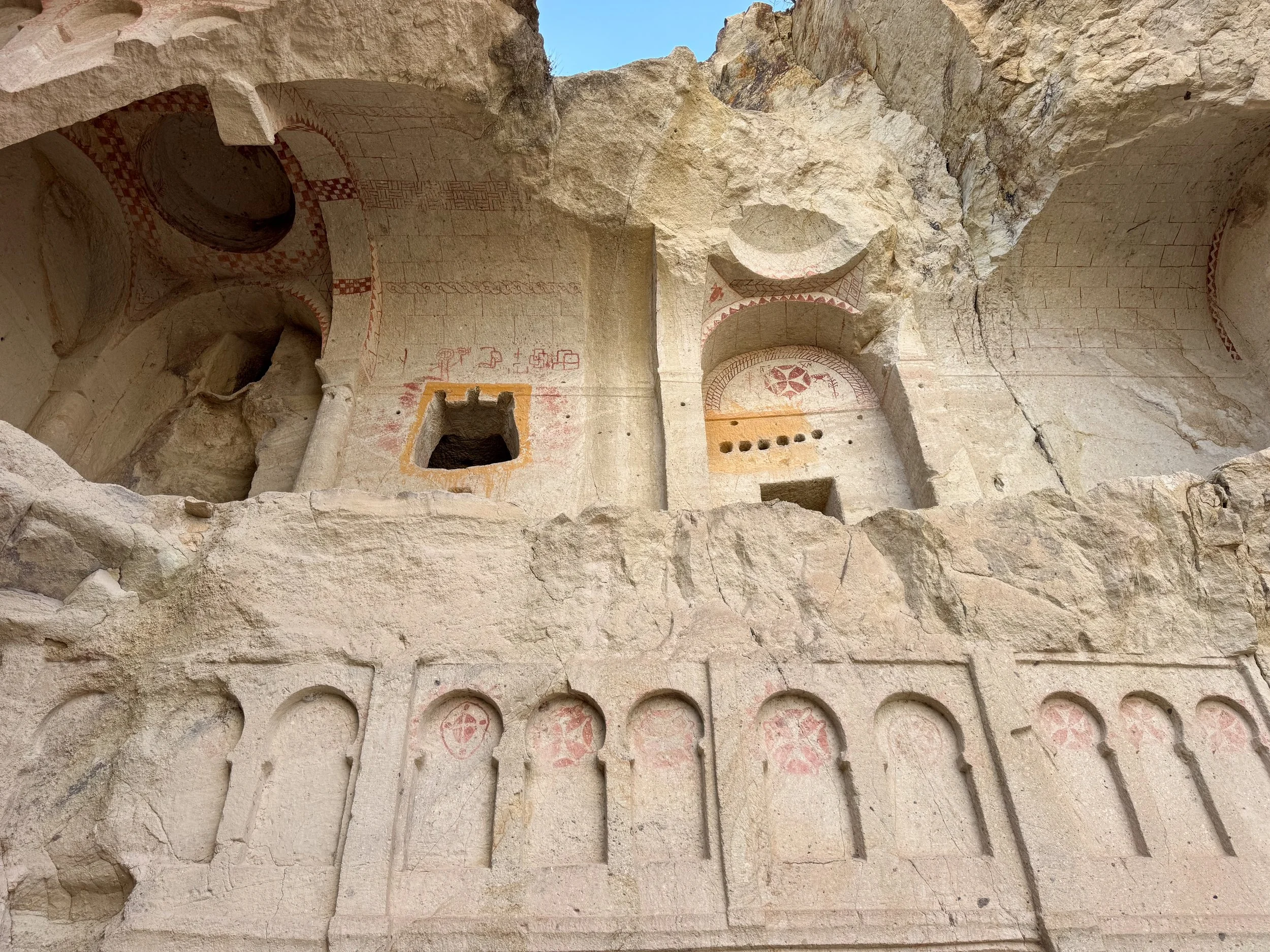
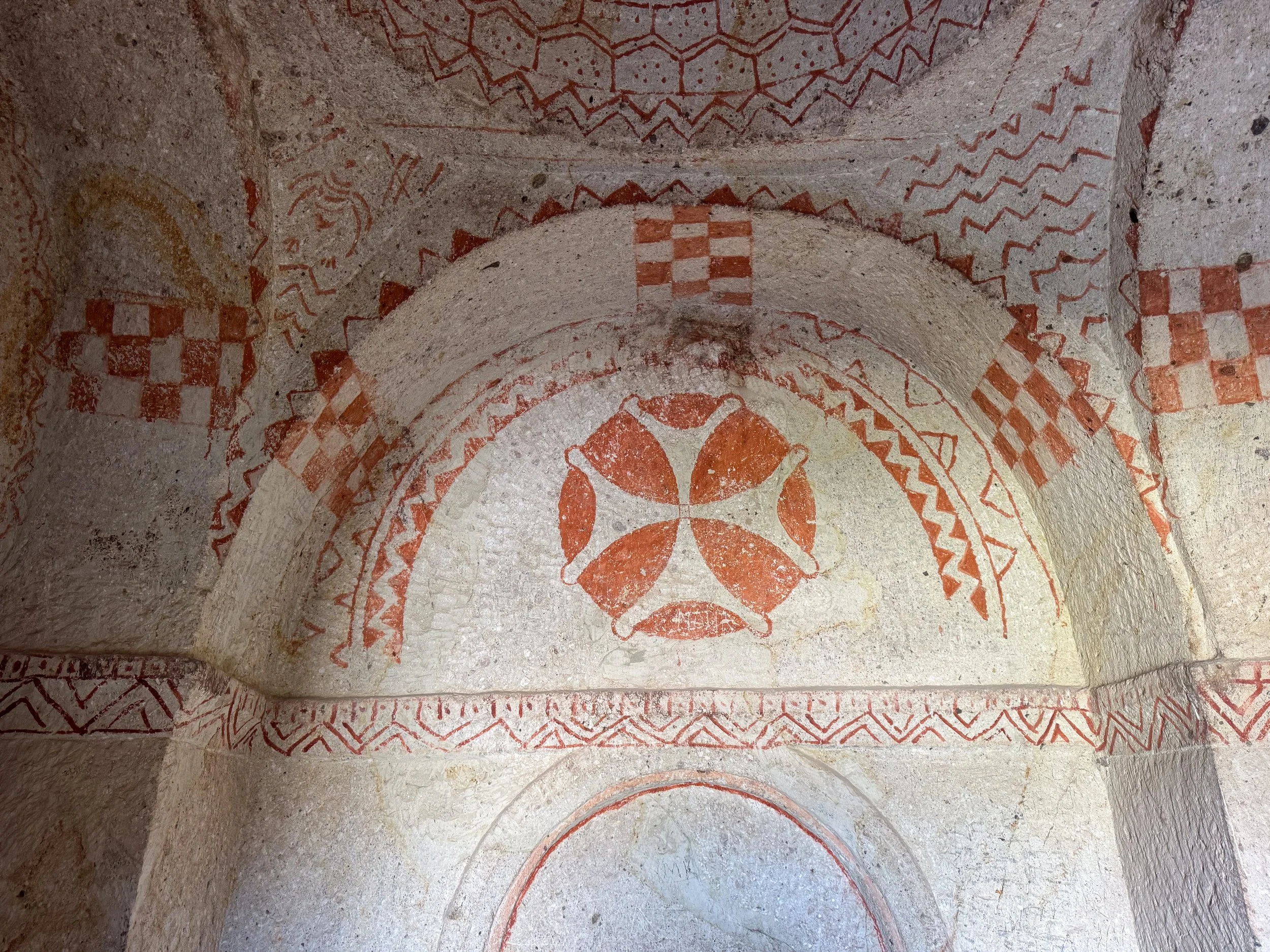
Göreme Open Air Museum. A monastic valley with dozens of carved churches, refectories and tombs built into the rock. Vivid frescos of biblical scenes and red painted patterns adorn the walls and vaulted ceilings of multiple churches. Large stone tables mimic the Last Supper in refectories. Tombs line the floors of pitted crypts, some with skeletal remains.
Pro Tip. Most ruins date back to the 11th century, making the well preserved ones even more significant. Don’t miss the Apple Church, Sandel Church and St. Basil’s Church.
Good to Know. Photos are prohibited inside of most ruins. The best preserved church, The Dark Church, costs an additional €6 after you’ve already paid to enter the valley. The valley is easily accessible and gets very busy.
Hike Through The Valleys
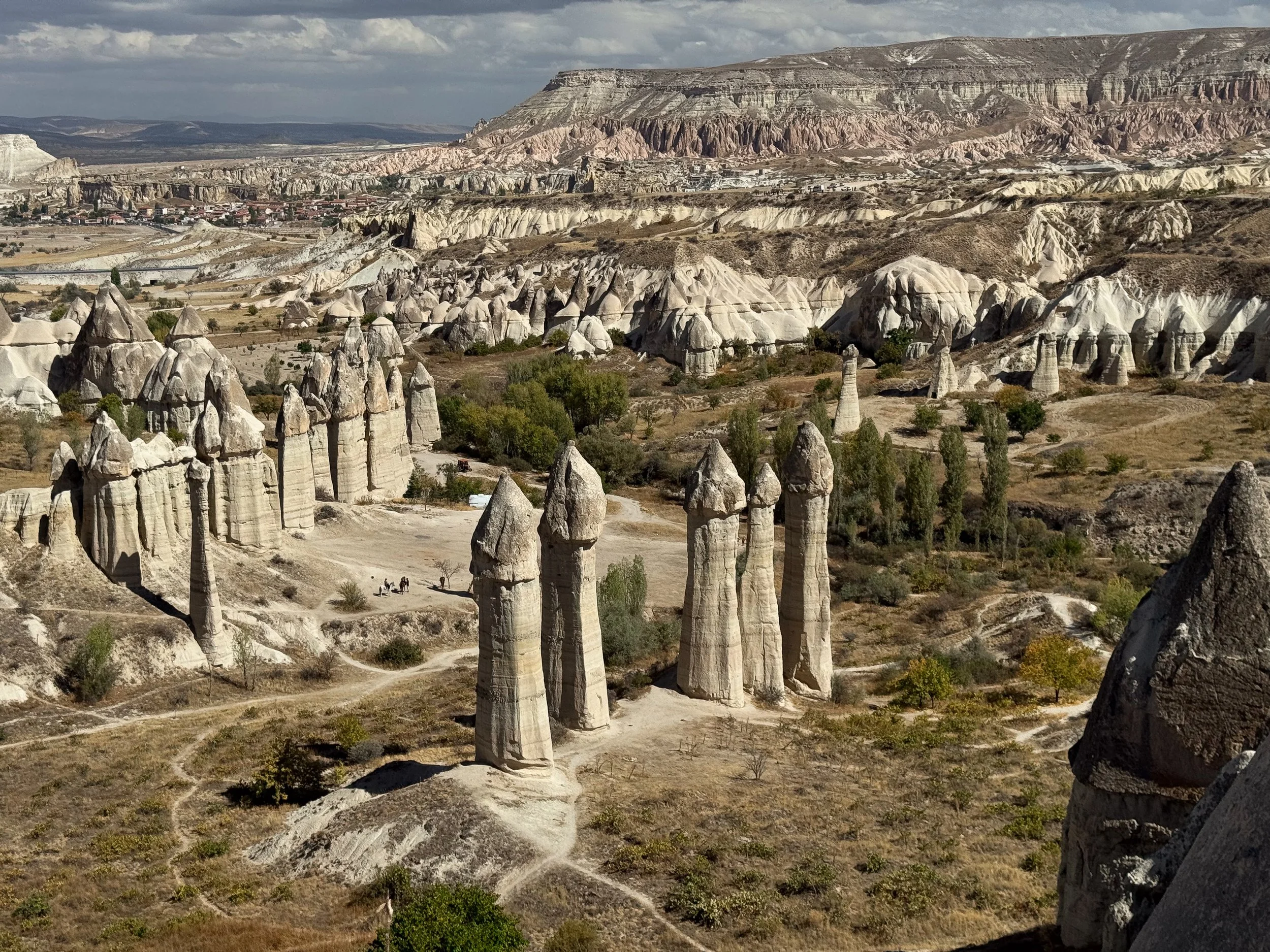
Love Valley. A valley famed for its towering fairy chimneys resembling phallic shapes. Clusters of vertical stone columns are capped with pointed tips rising from the landscape. Love Valley Panoramic Lookout Point offers picturesque views of the valley while trails lead into it and around its unique rock formations. Use this map pin to find the viewpoint.
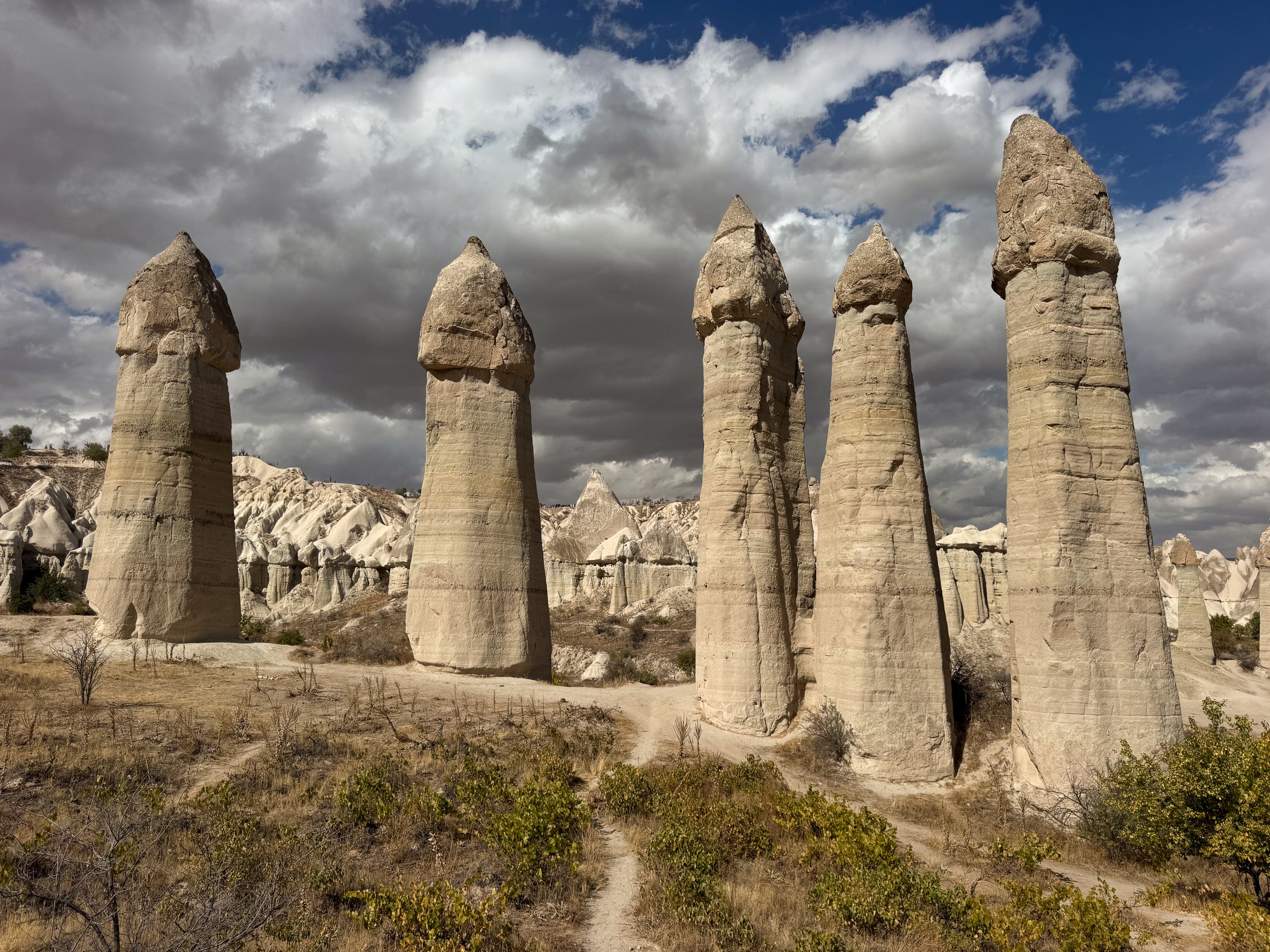
The Love Valley Foot Path leads from the Love Garden Cafe to the floor of the valley. Walk through the garden and down carved steps to reach the main trail. The trail meanders to the best clusters of fairy chimneys.
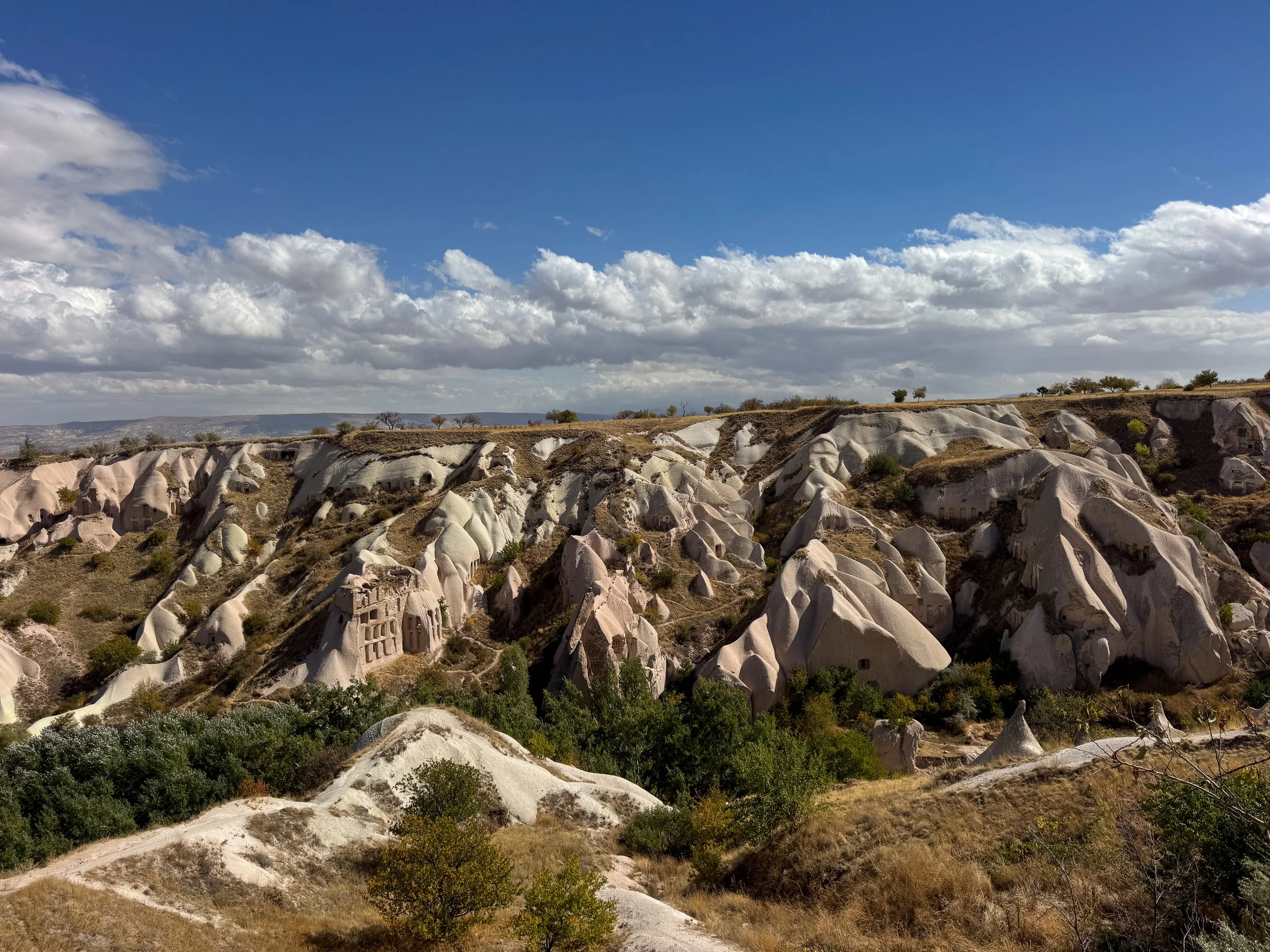
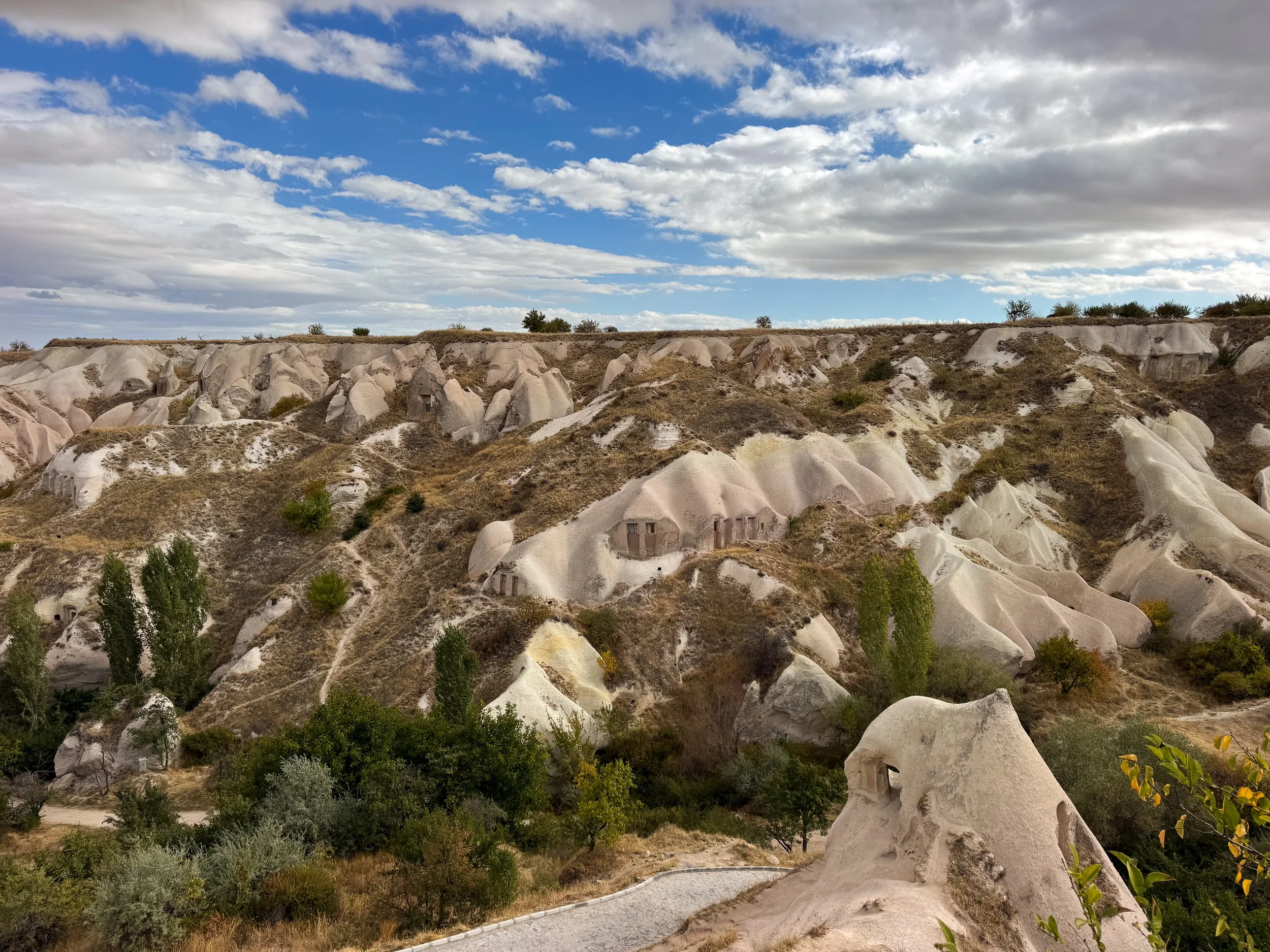
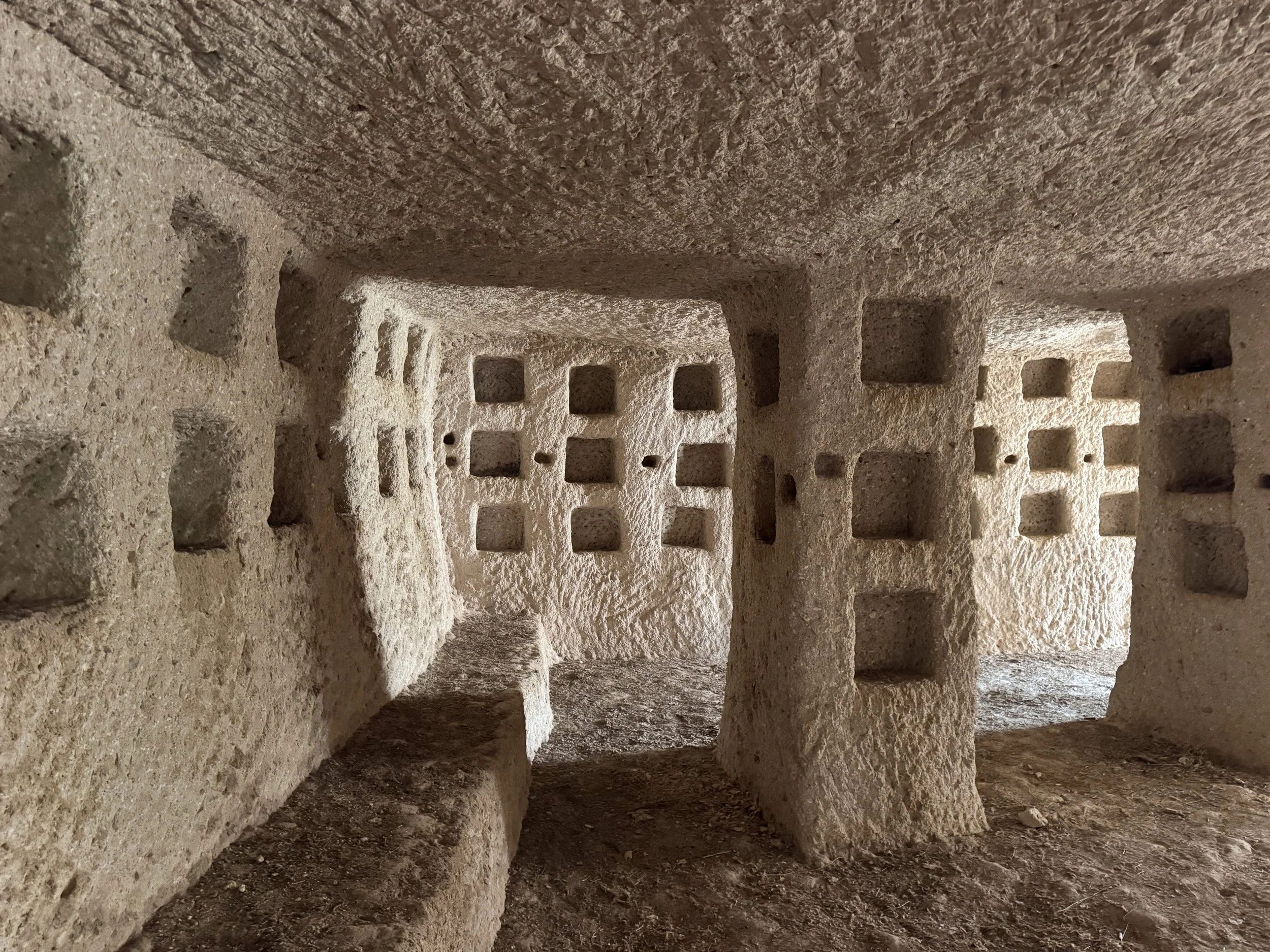
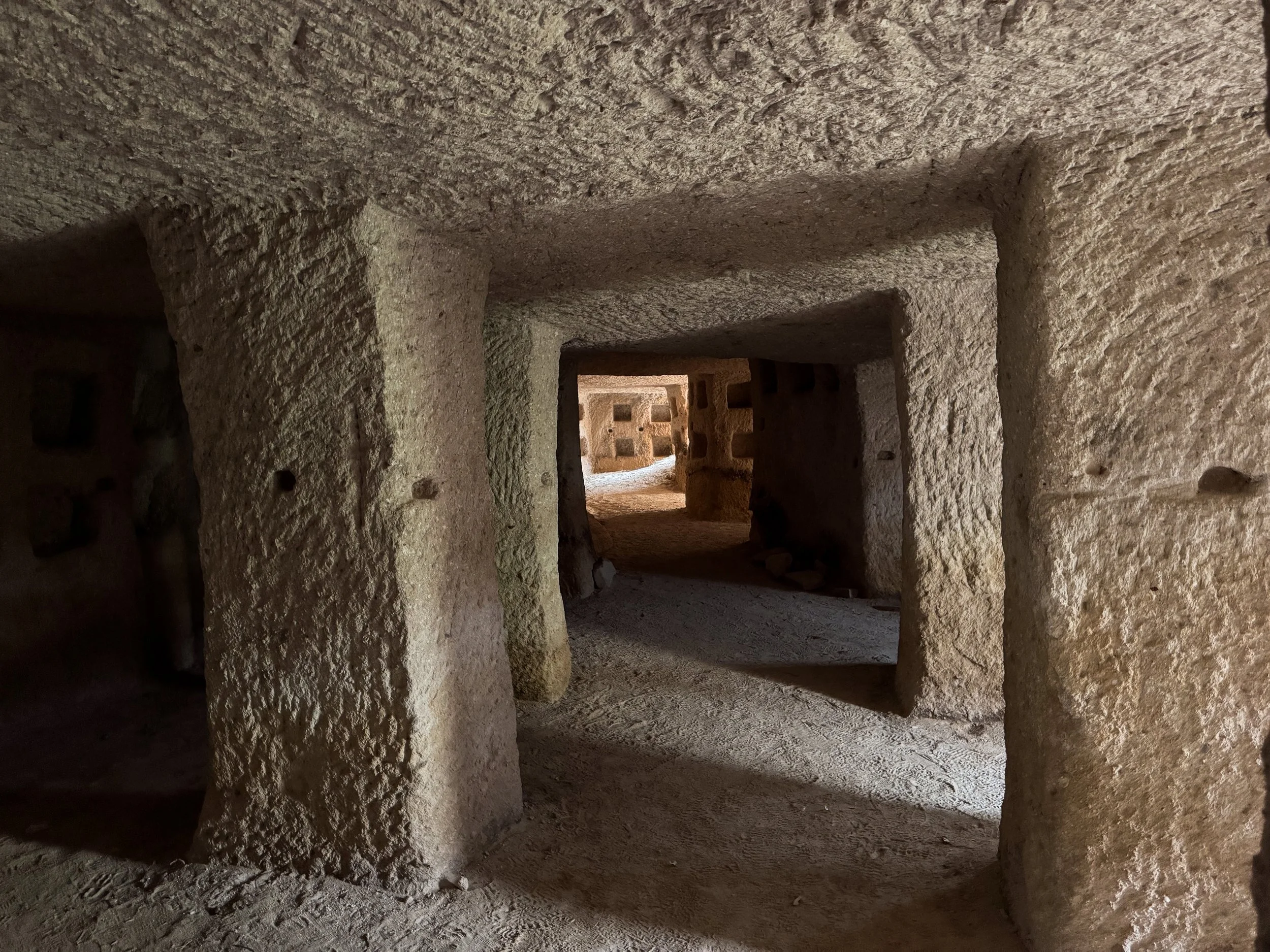
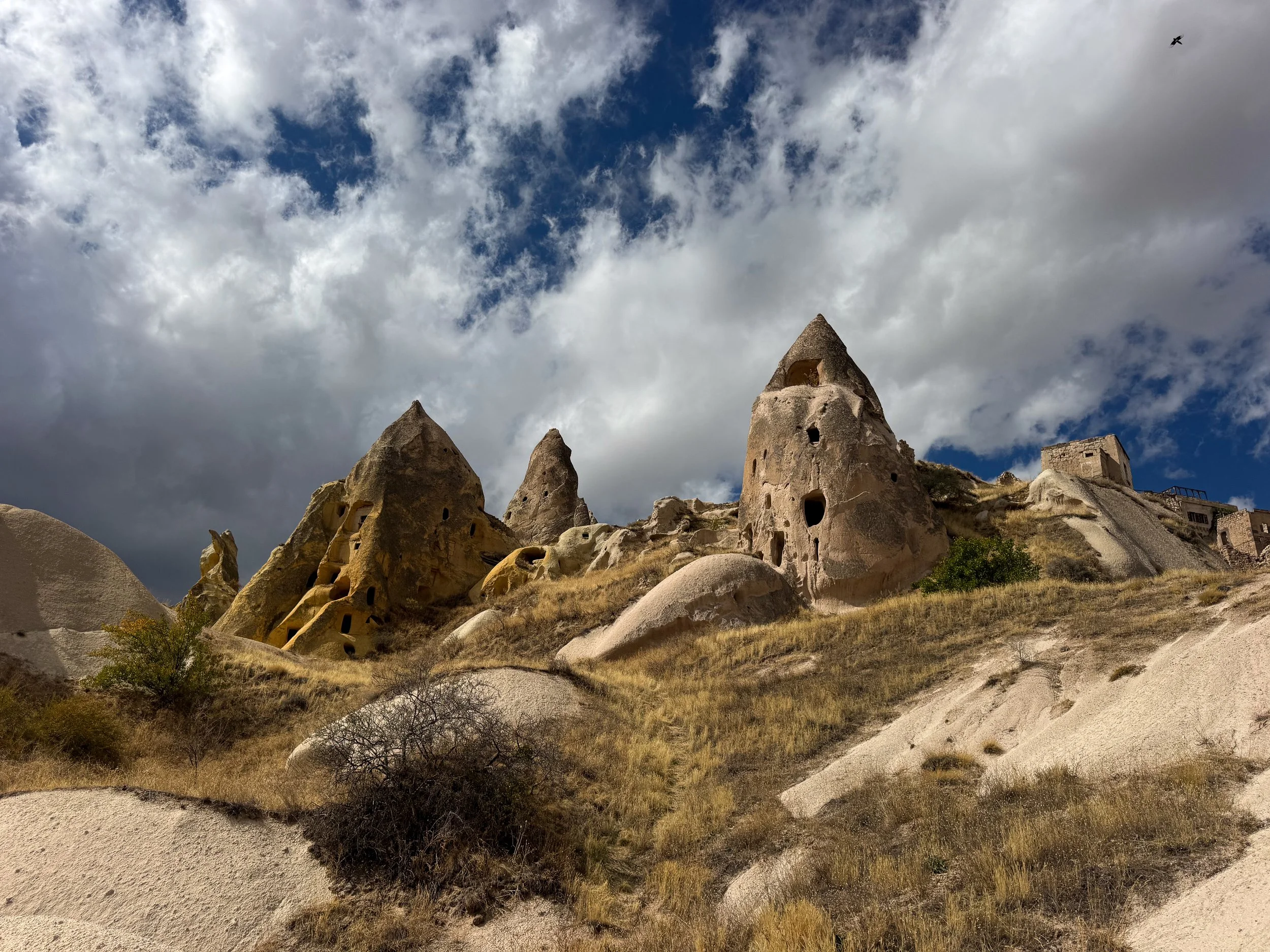
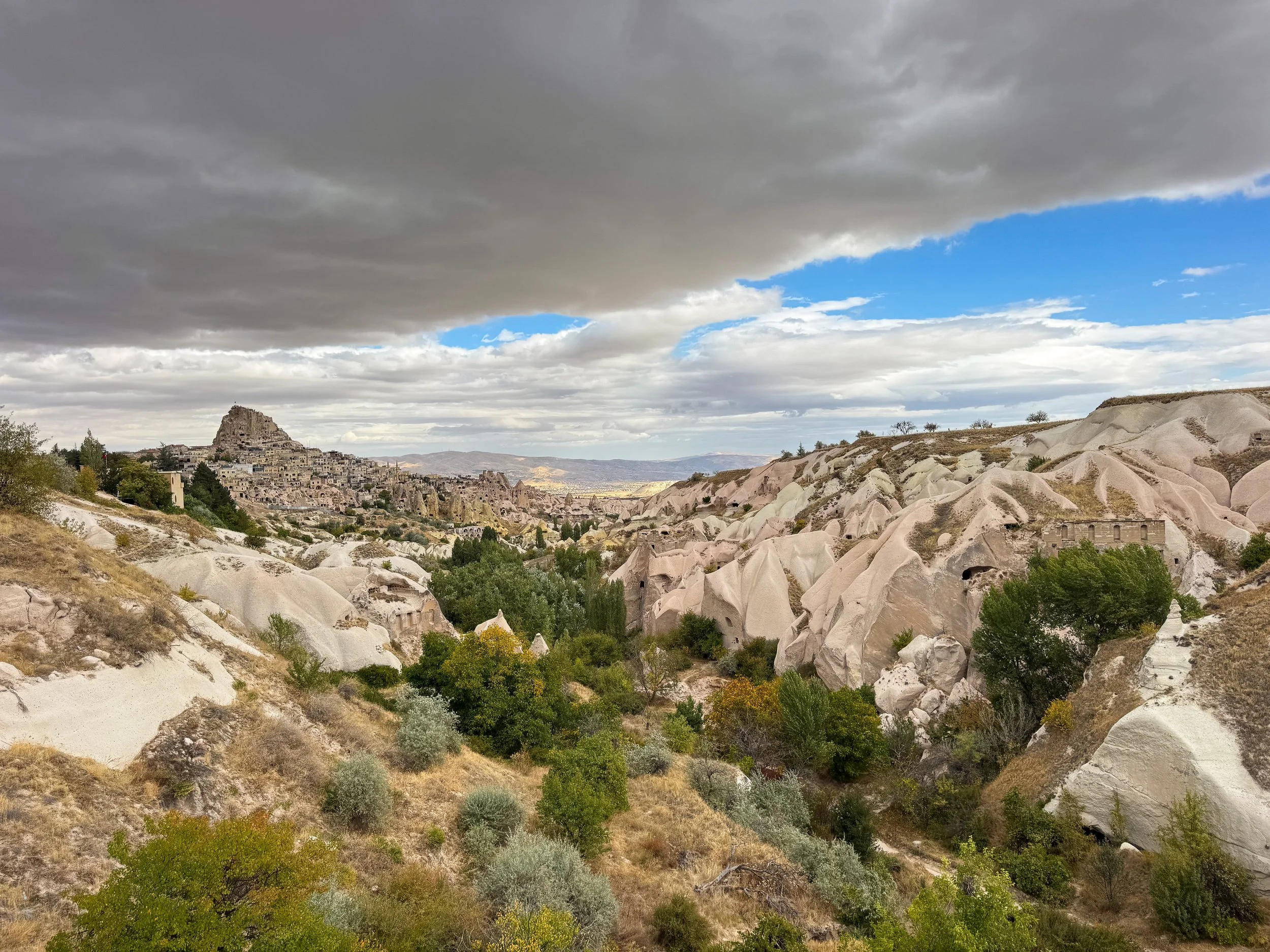
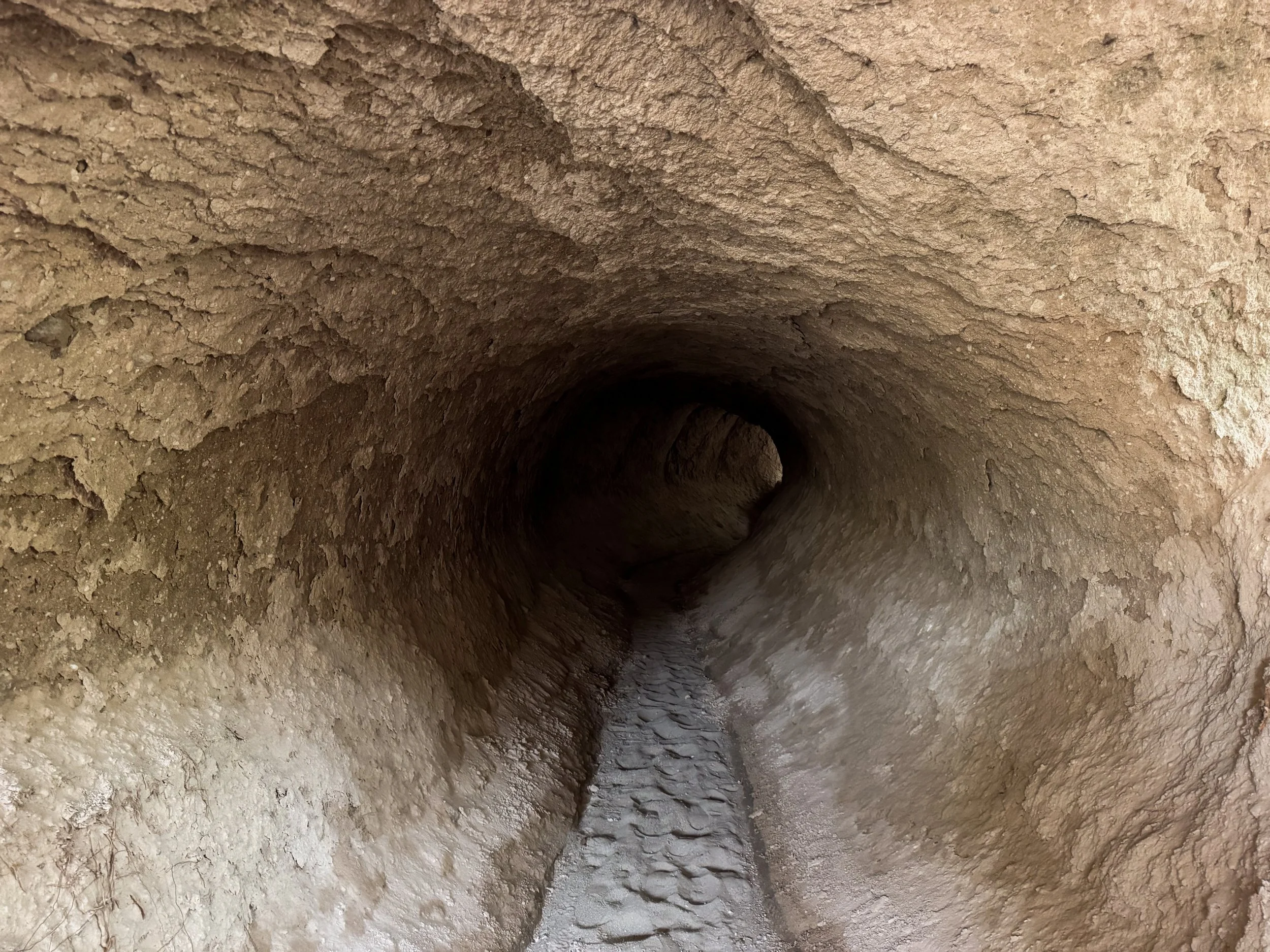
Pigeon Valley. A valley named after thousands of dovecotes carved into its stone walls and conical rock formations. Roadside lookouts offer views of the valley while trails meander between cave dwellings, fruiting groves and hidden caves.
The Dovecotes. Eroded houses built into the hillside reveal interior walls and carved niches once occupied by nesting pigeons. The interiors of some abandoned cave dwellings can be explored. Climb through openings into the cavernous chambers of multilevel houses.
Valley Groves. The center of the valley was once cultivated by its former inhabitants. Olive trees, grape vines and sage bushes still grow wild. Depending on the season, you can forage for grapes and dried raisins.
Hidden Caves. Natural caves carved by flowing water stretch beneath the landscape and cave dwellings. Get off the trail to explore their dark tunneling expanses.
Getting Here. Start hiking from the Pigeon Valley Parking Lot. Hike into the valley, stopping midway at the Tiraz Castle or continuing onto the town of Göreme.
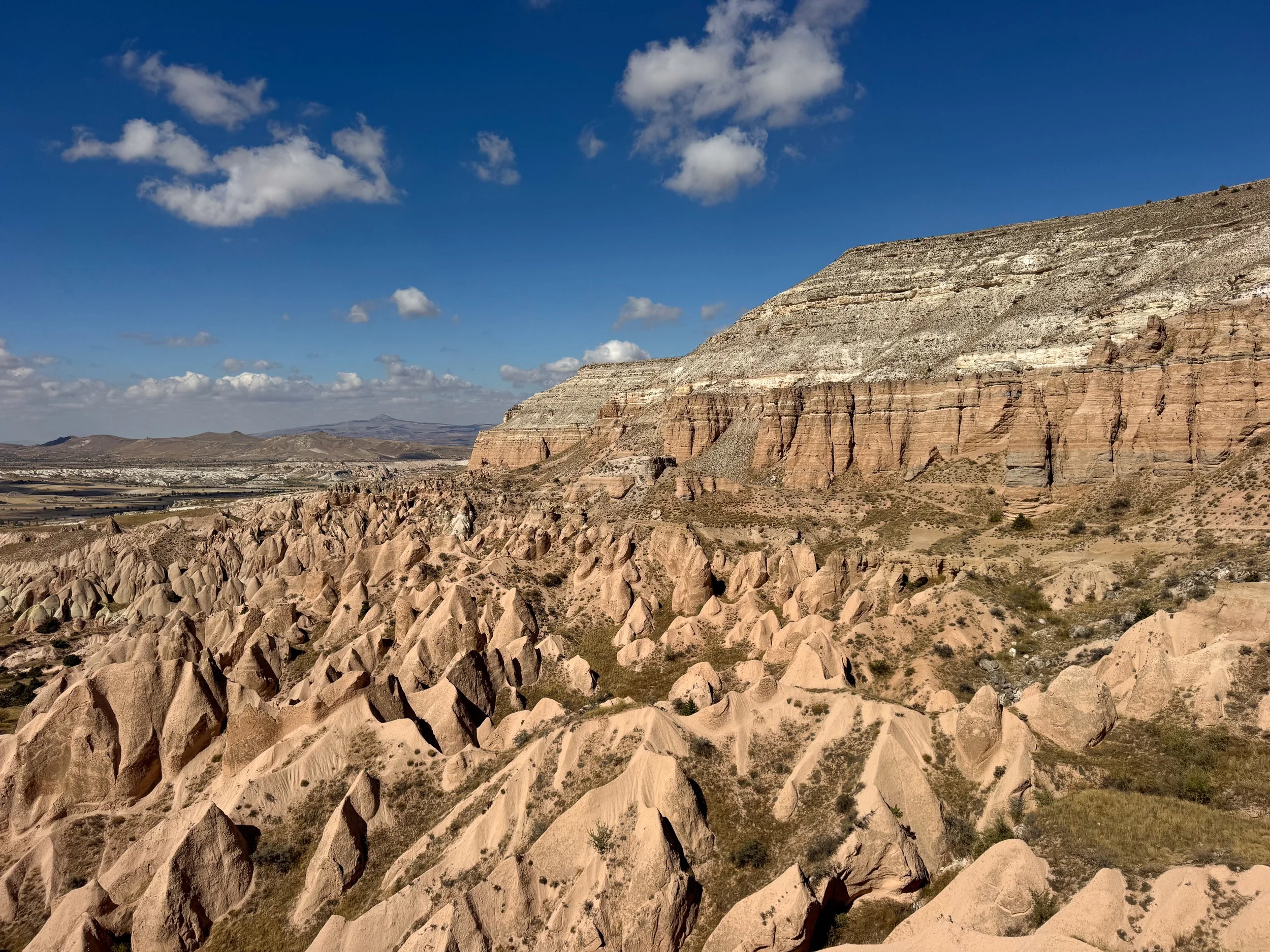
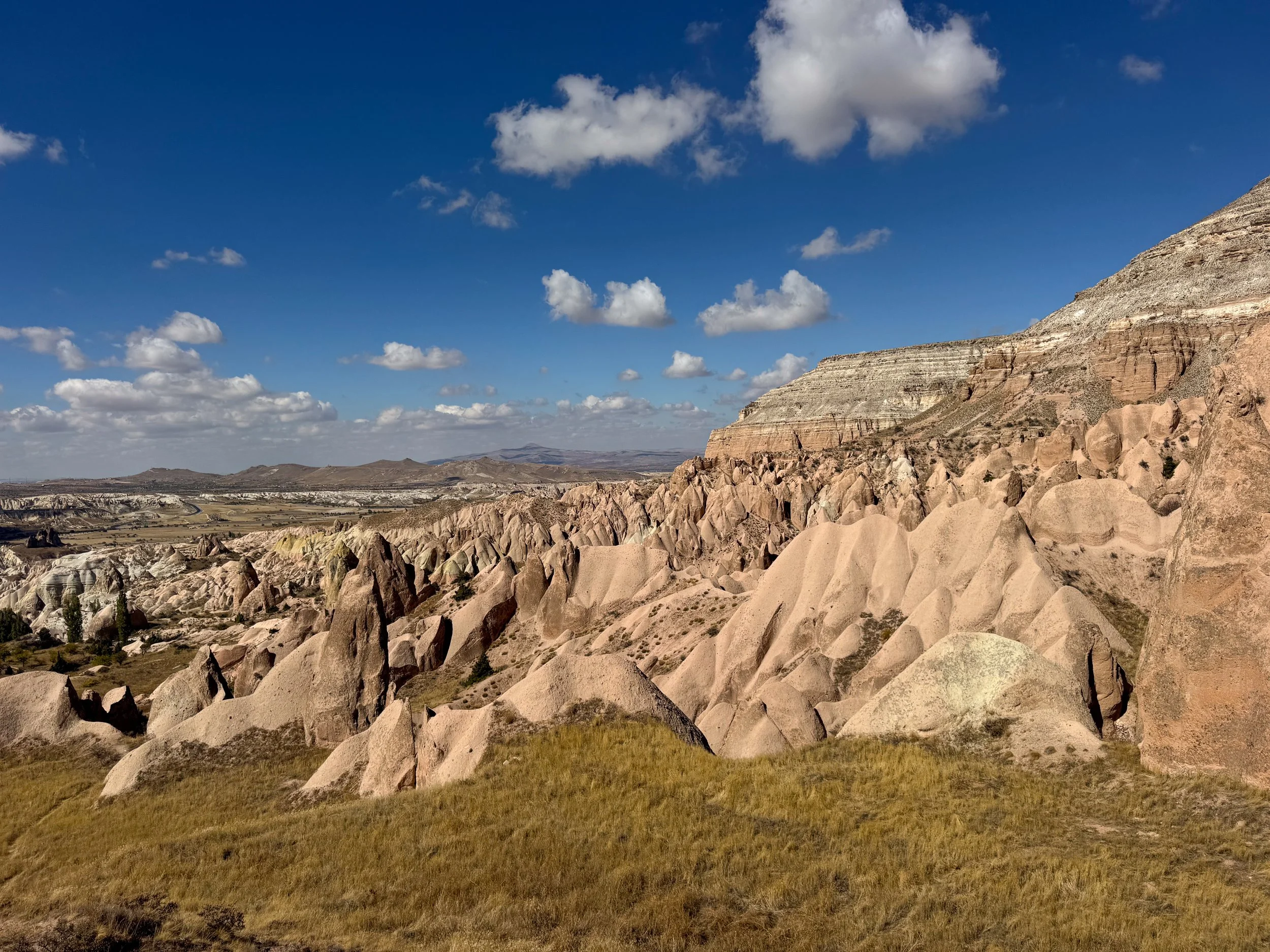
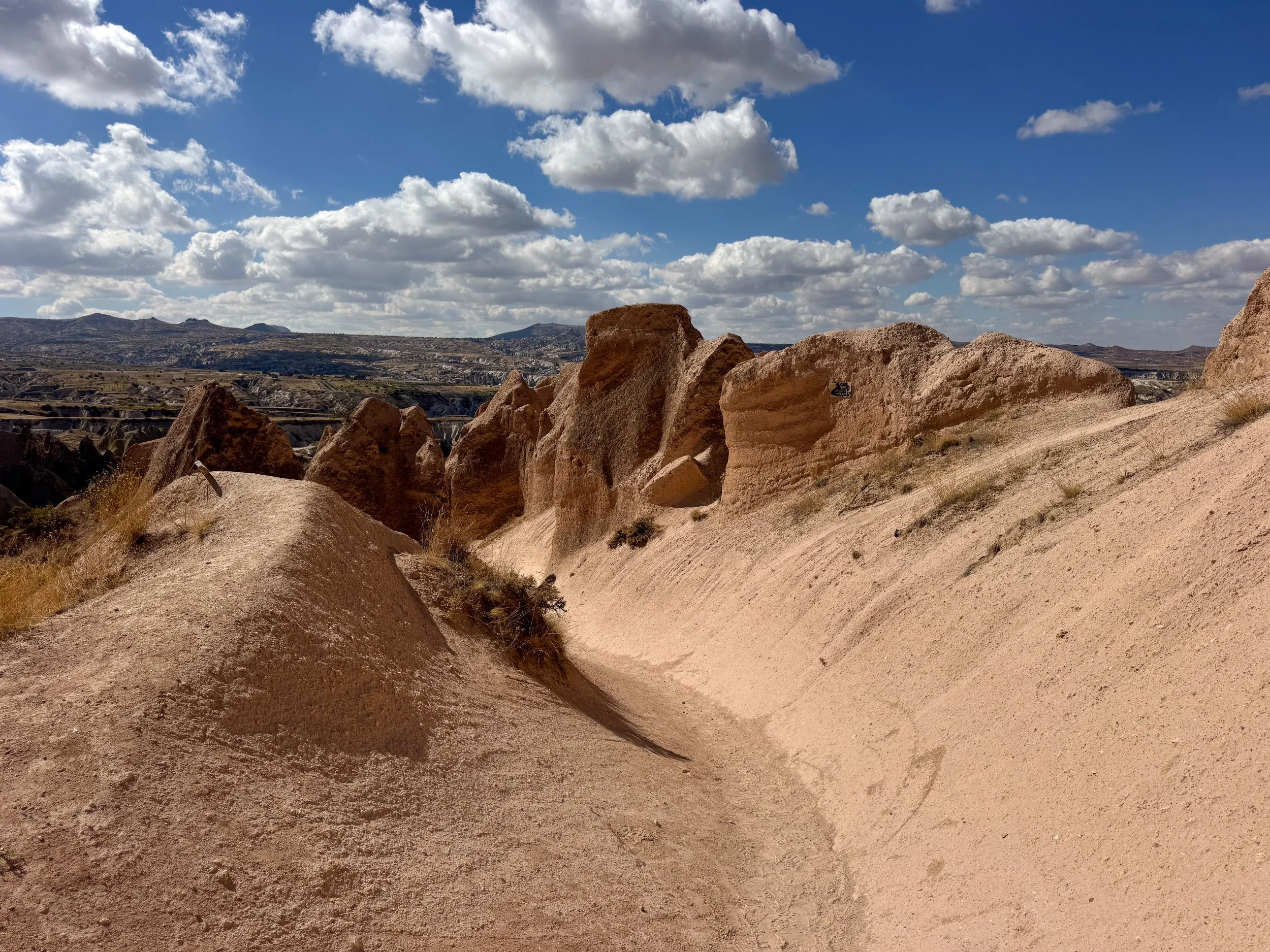
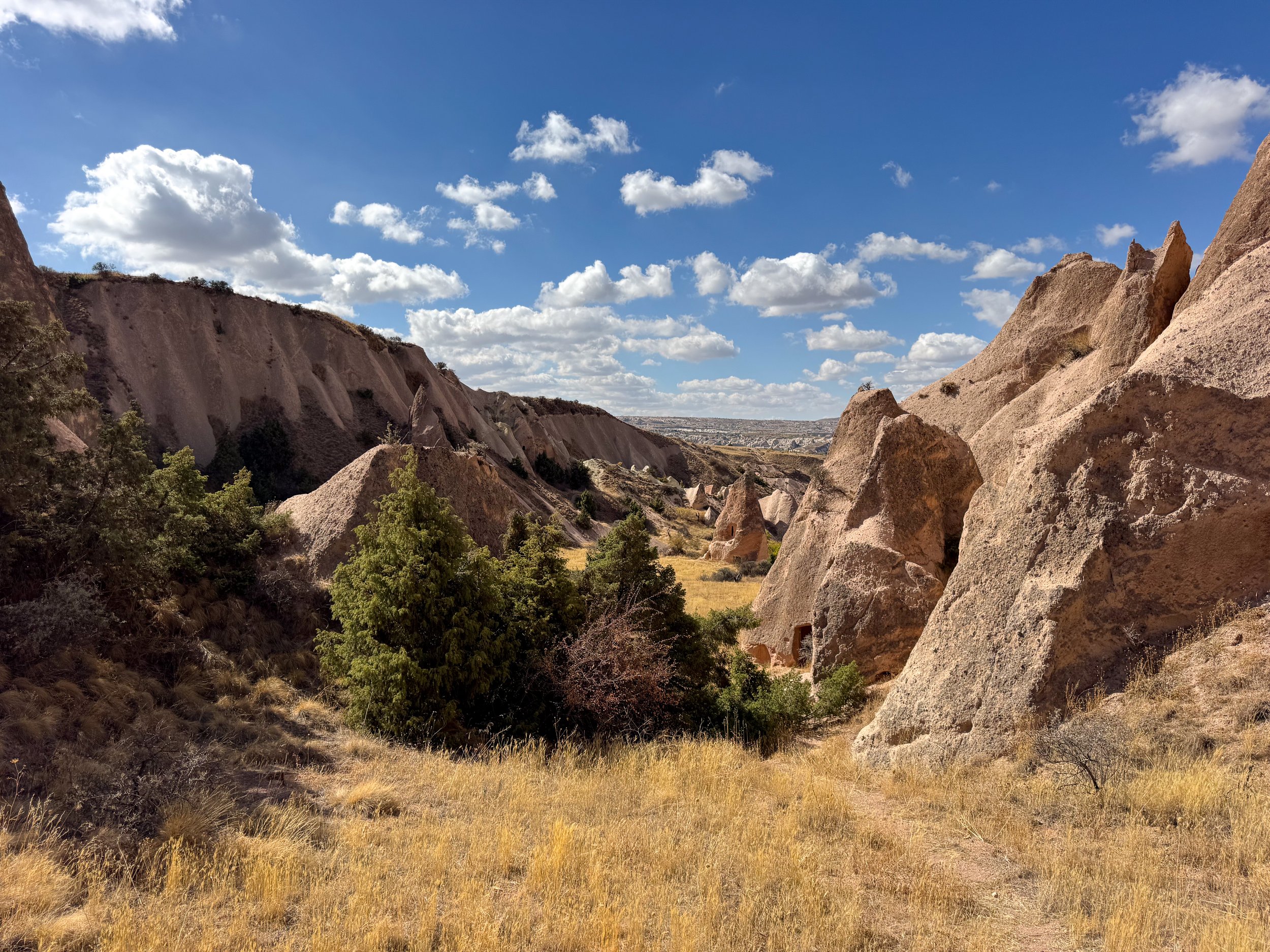
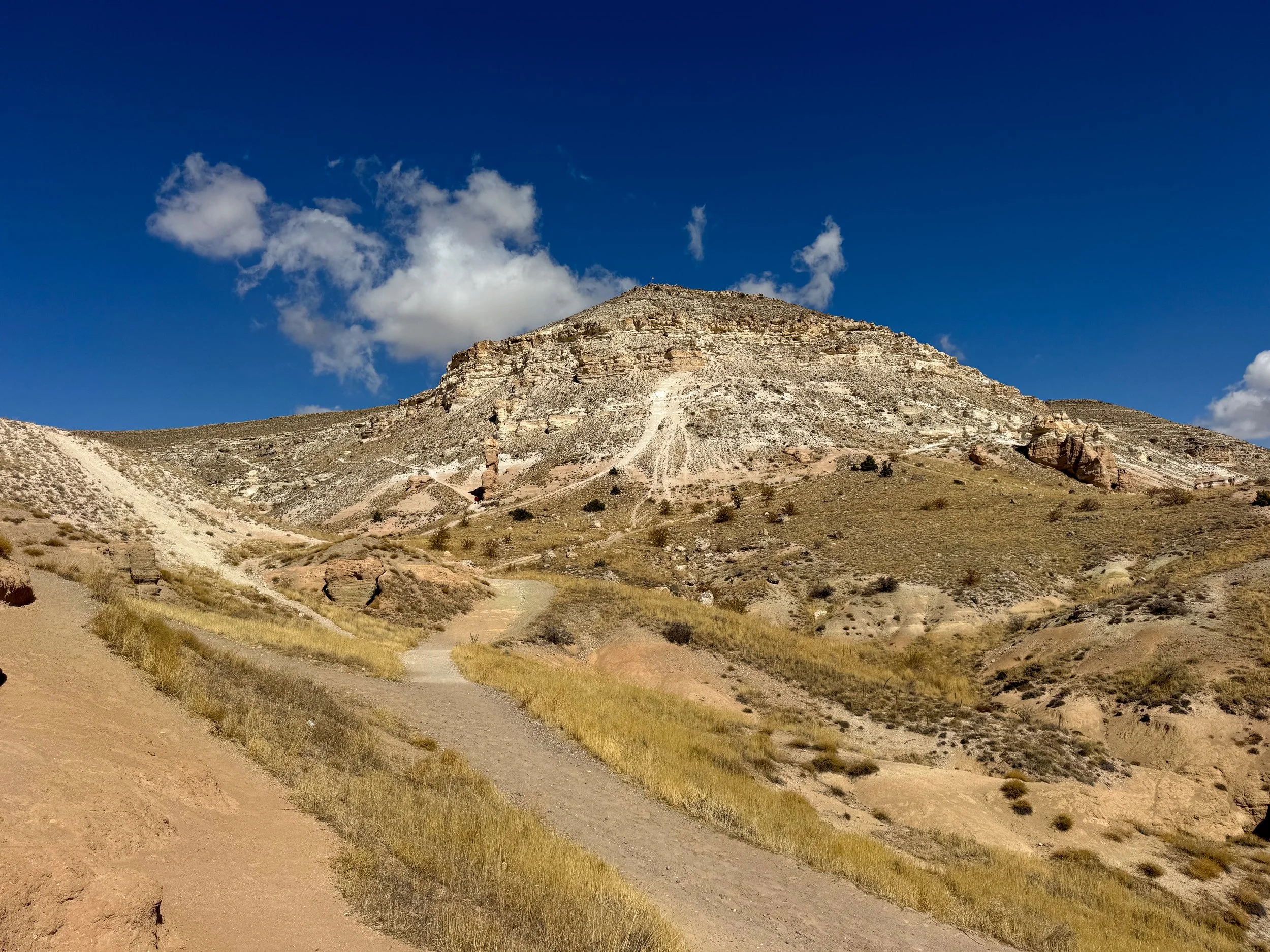
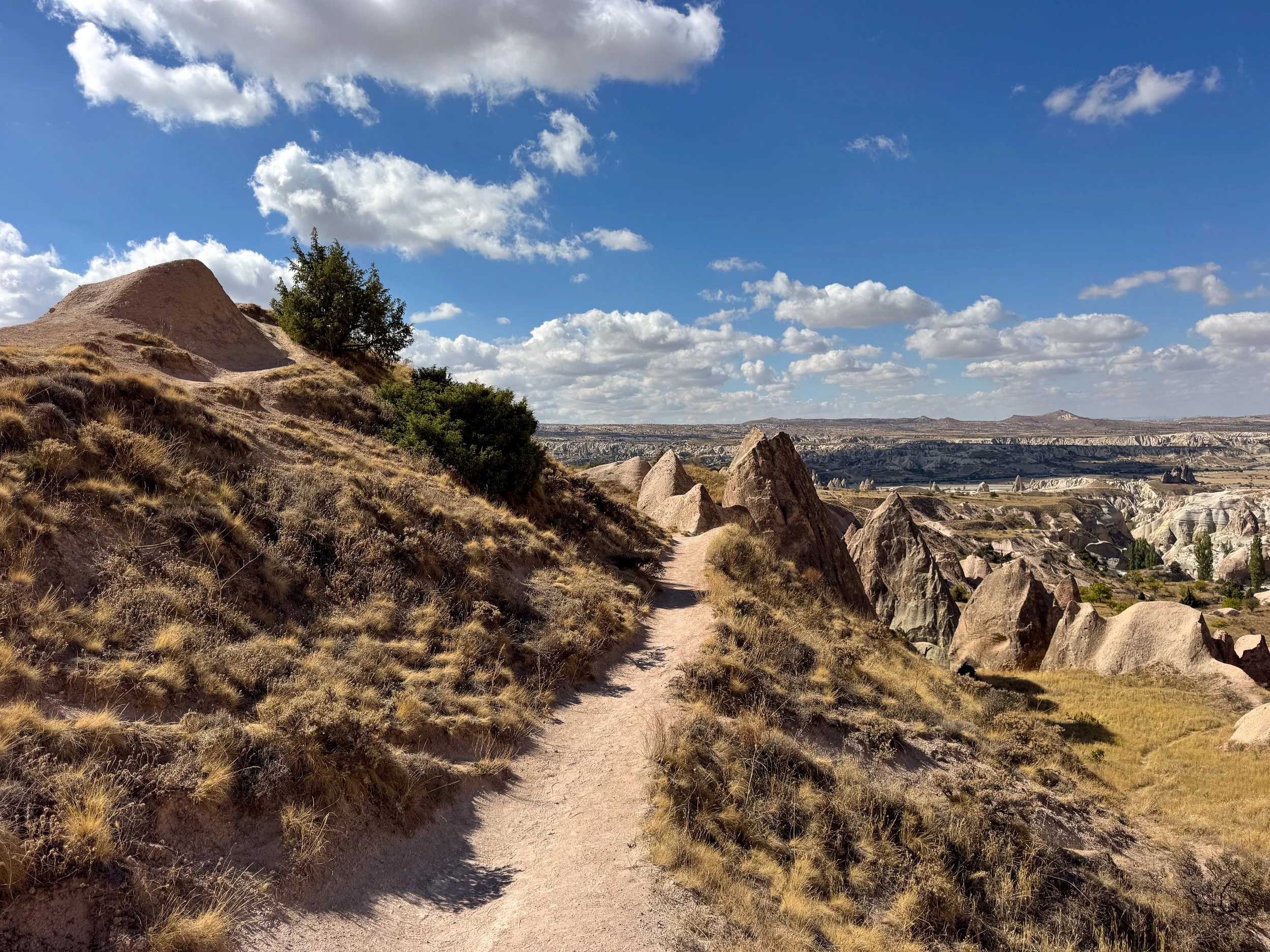
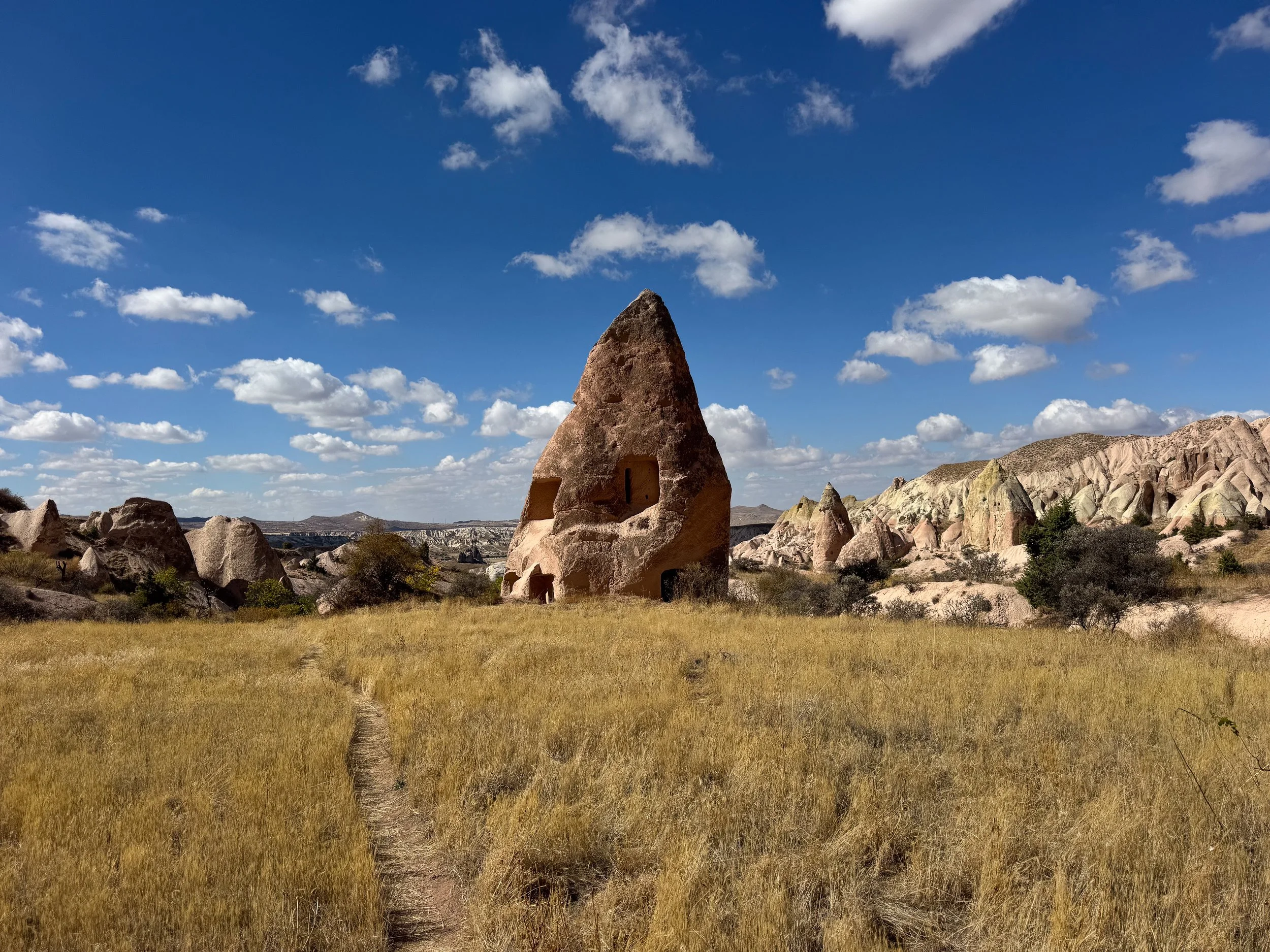
Red Valley. A picturesque valley covered in hundreds of red hued fairy chimneys, layered cliffs and hiking trails. Pathways cut across its grassy plateaus and descend to the craggily rock formations and jagged pinnacles. Inside many are abandoned cave dwellings with multilevel chambers and remnants of patterned plaster.
Getting Here. Start at the Panoramic Viewpoint and descend into the valley on foot.
Good to Know. Many people come for the roadside view while the valley itself is little visited. It’s the perfect place to enjoy nature and escape the tourist crowds.
Pro Tip. Come here to camp! People frequently tent overnight inside the valley and its ancient stone dwellings.
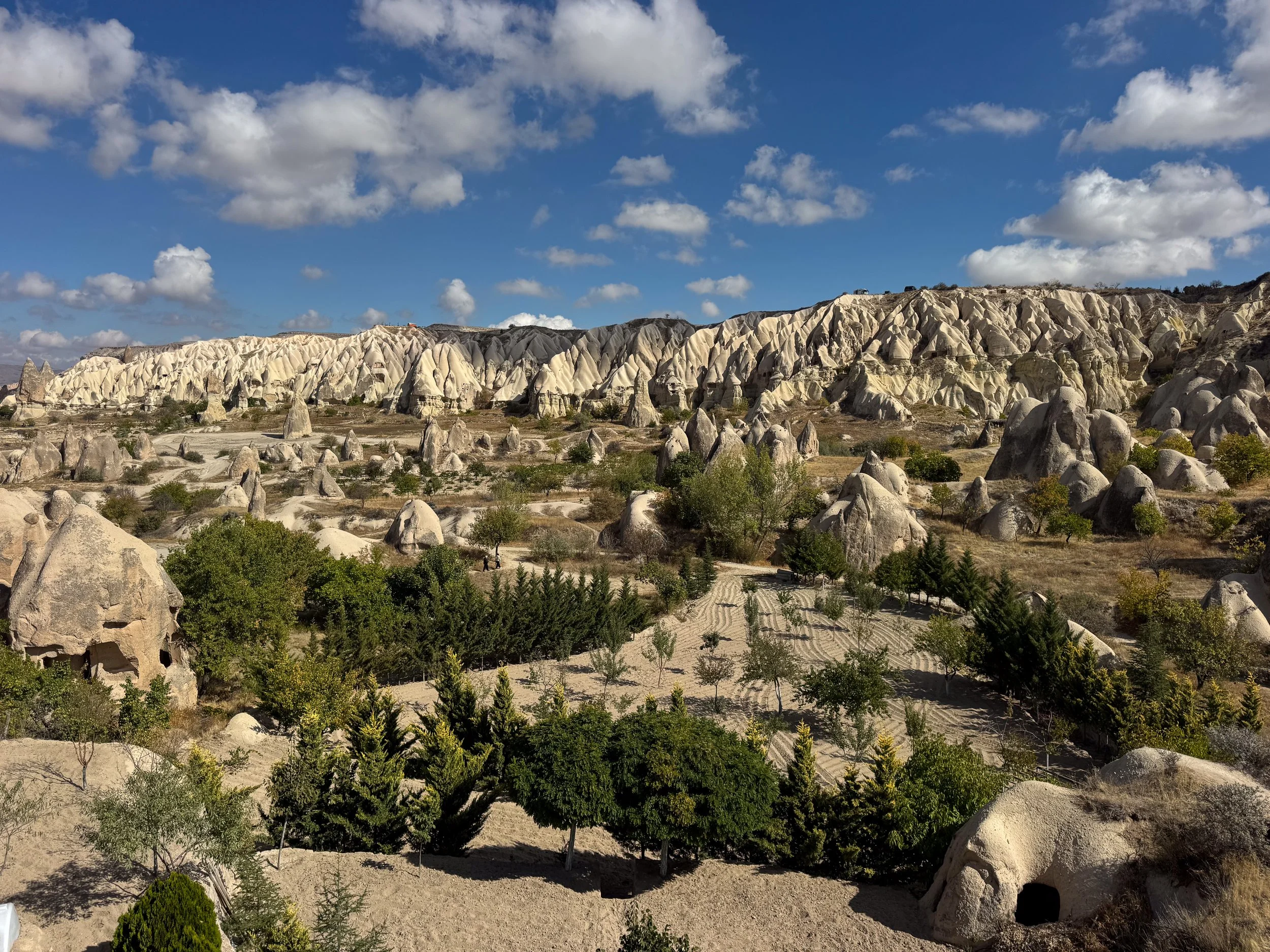
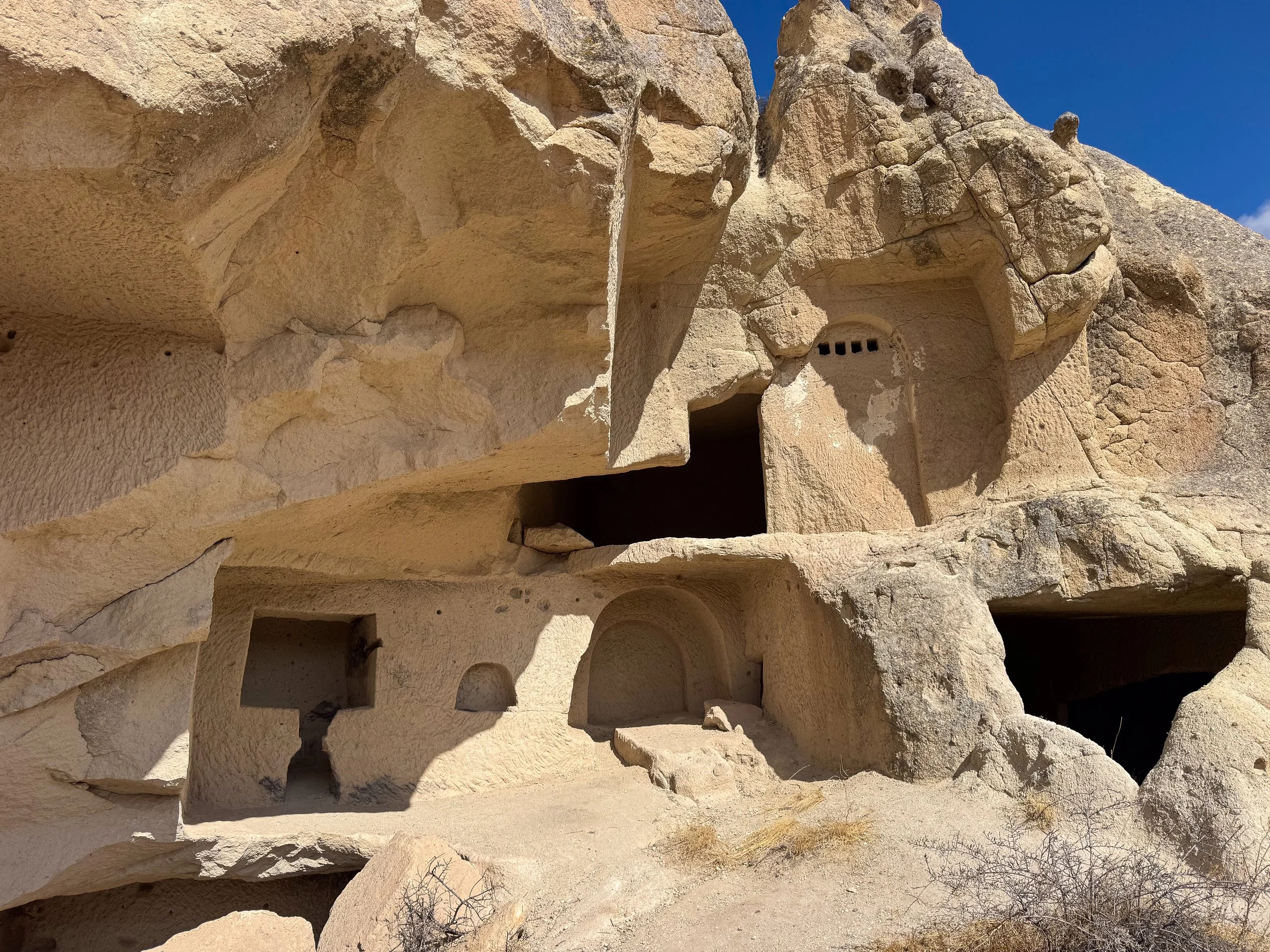
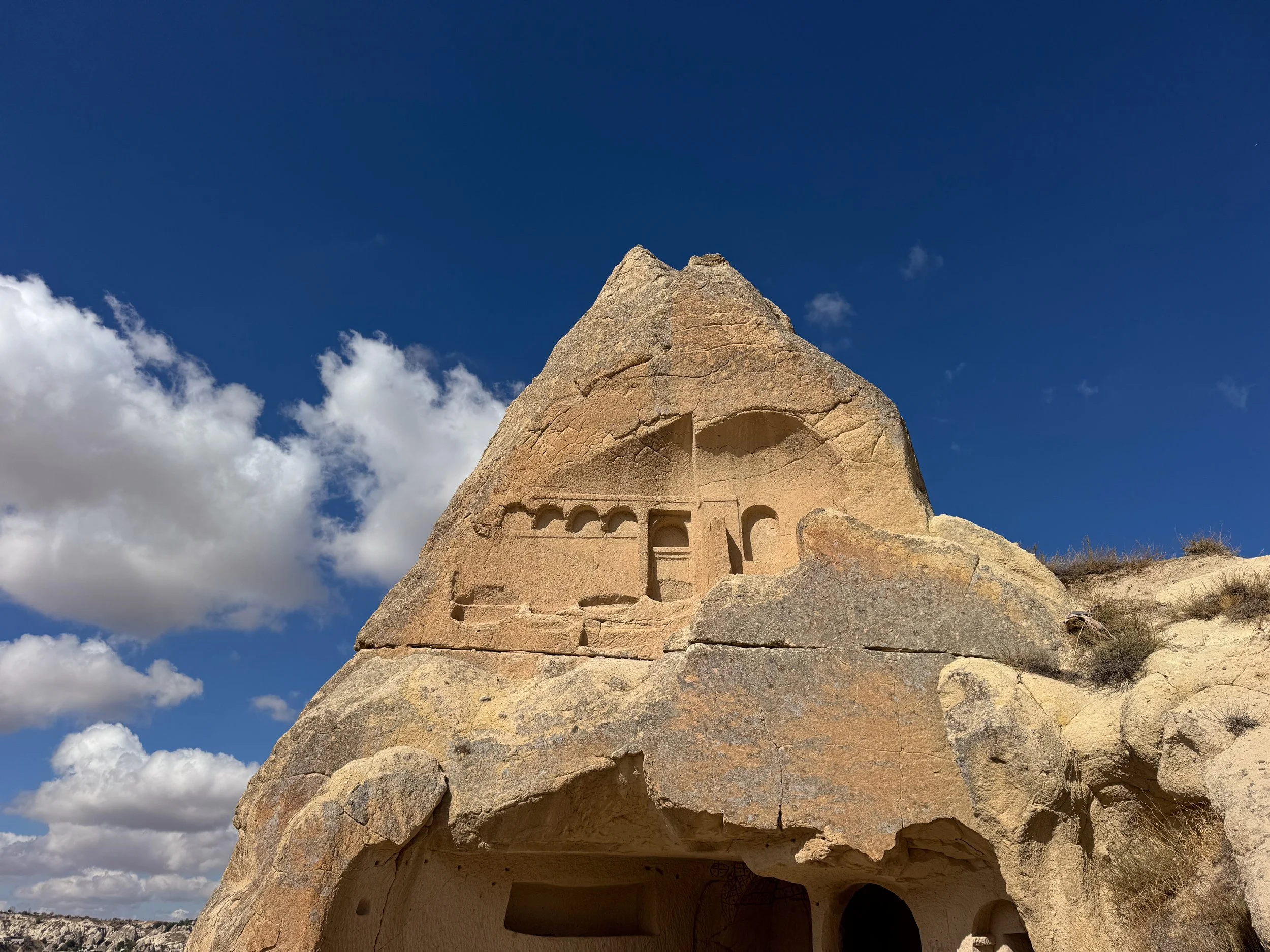
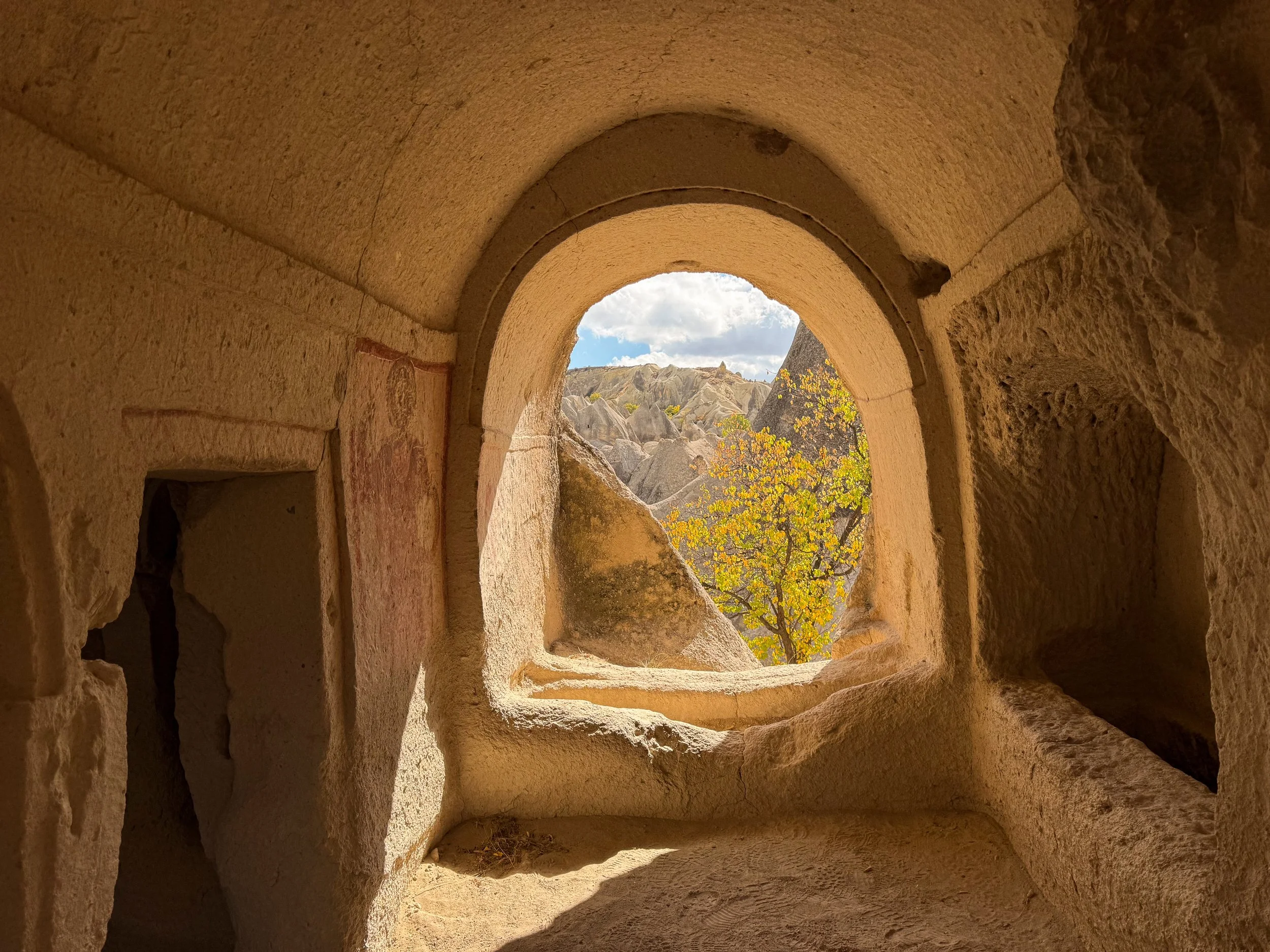
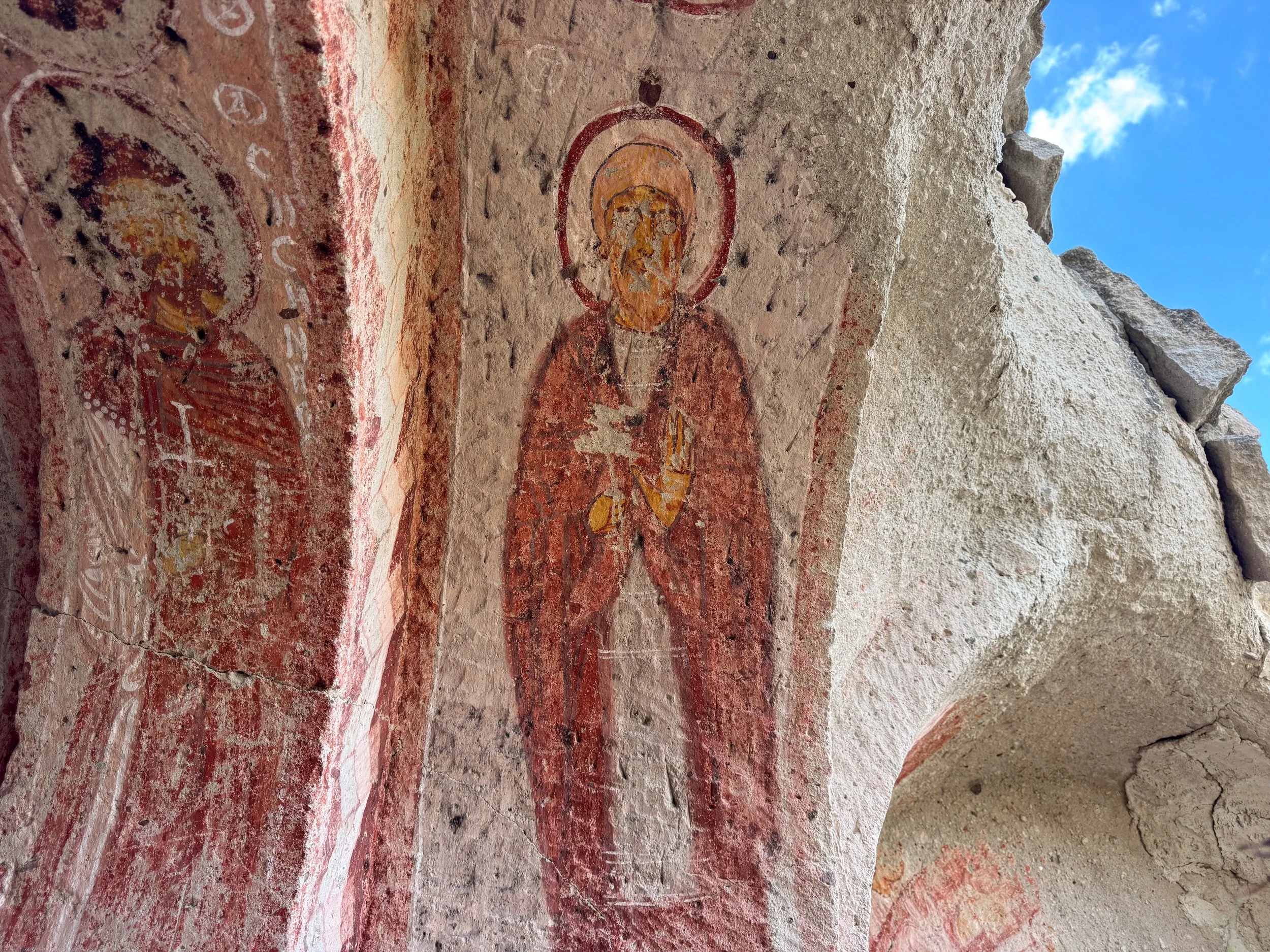
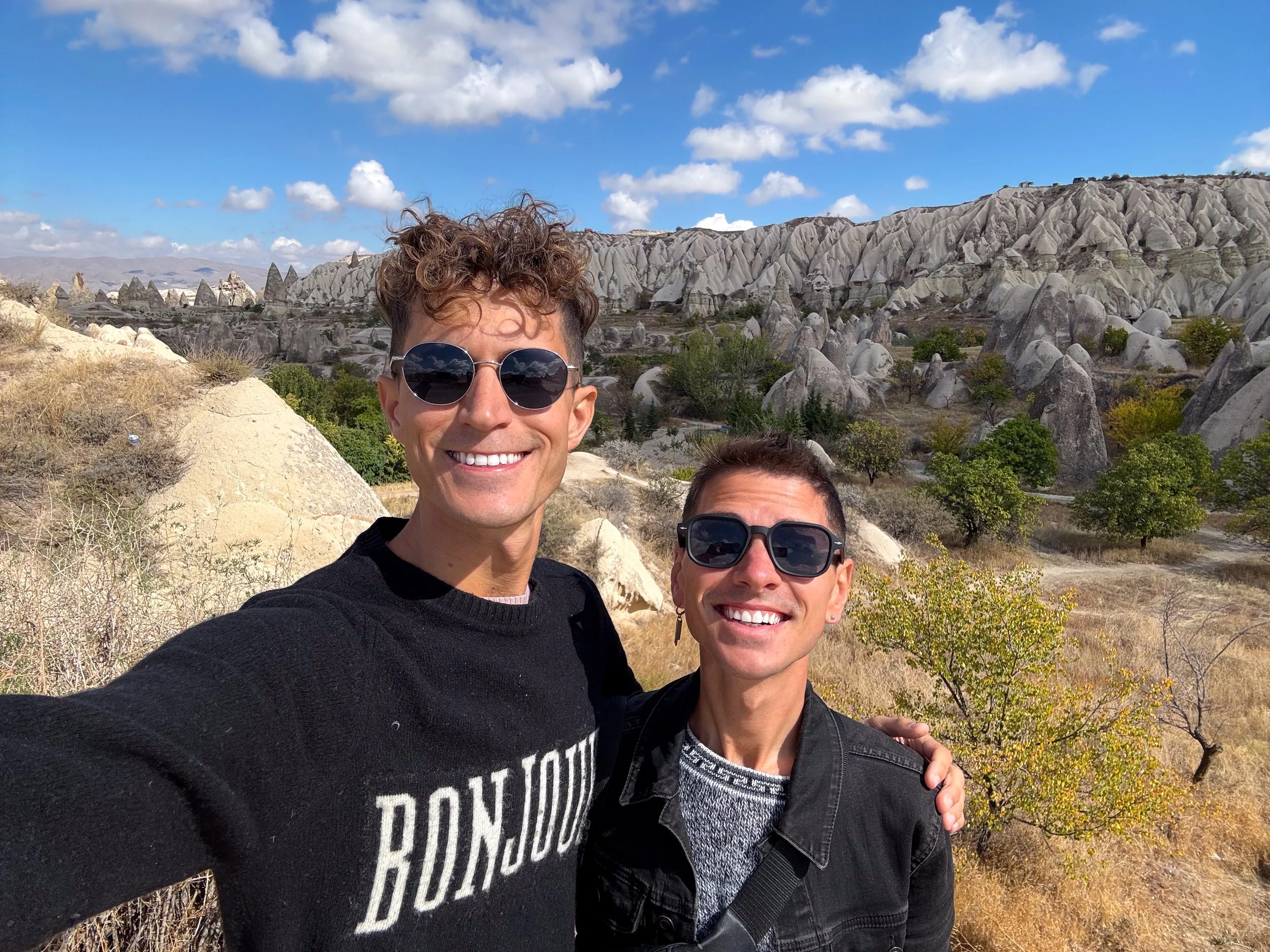
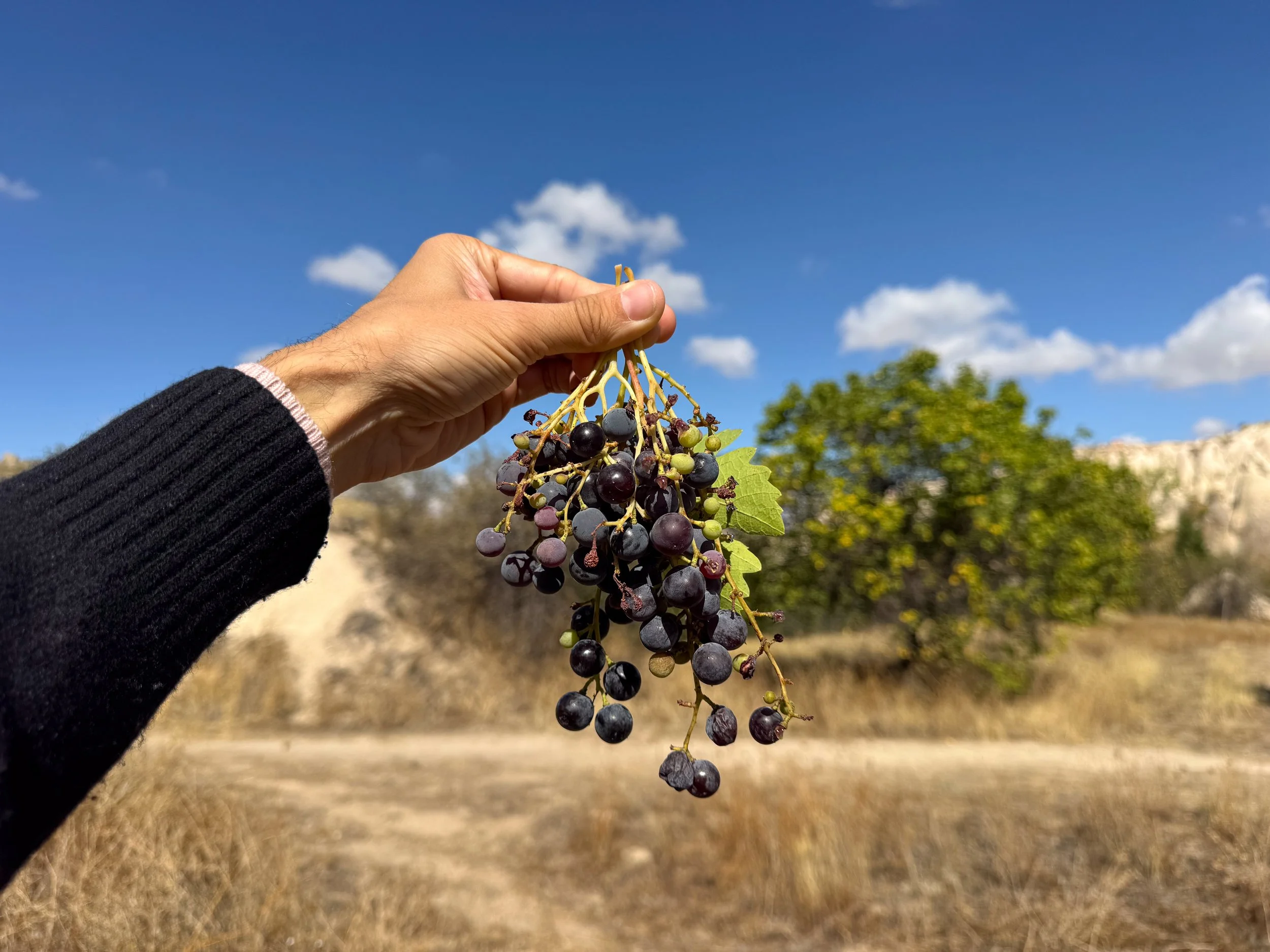
Sword Valley. A picturesque valley with fragmented fairy chimneys, meandering trails and carved churches and tombs. Come here to hike and explore the ruins. Inside some are exposed tombs, painted patterns and Christian images made from ochre, saffron and white pigments.
Pro Tip. The valley is free to explore though sparsely visited. It’s accessible from the parking lot of the Göreme Open Air Museum.
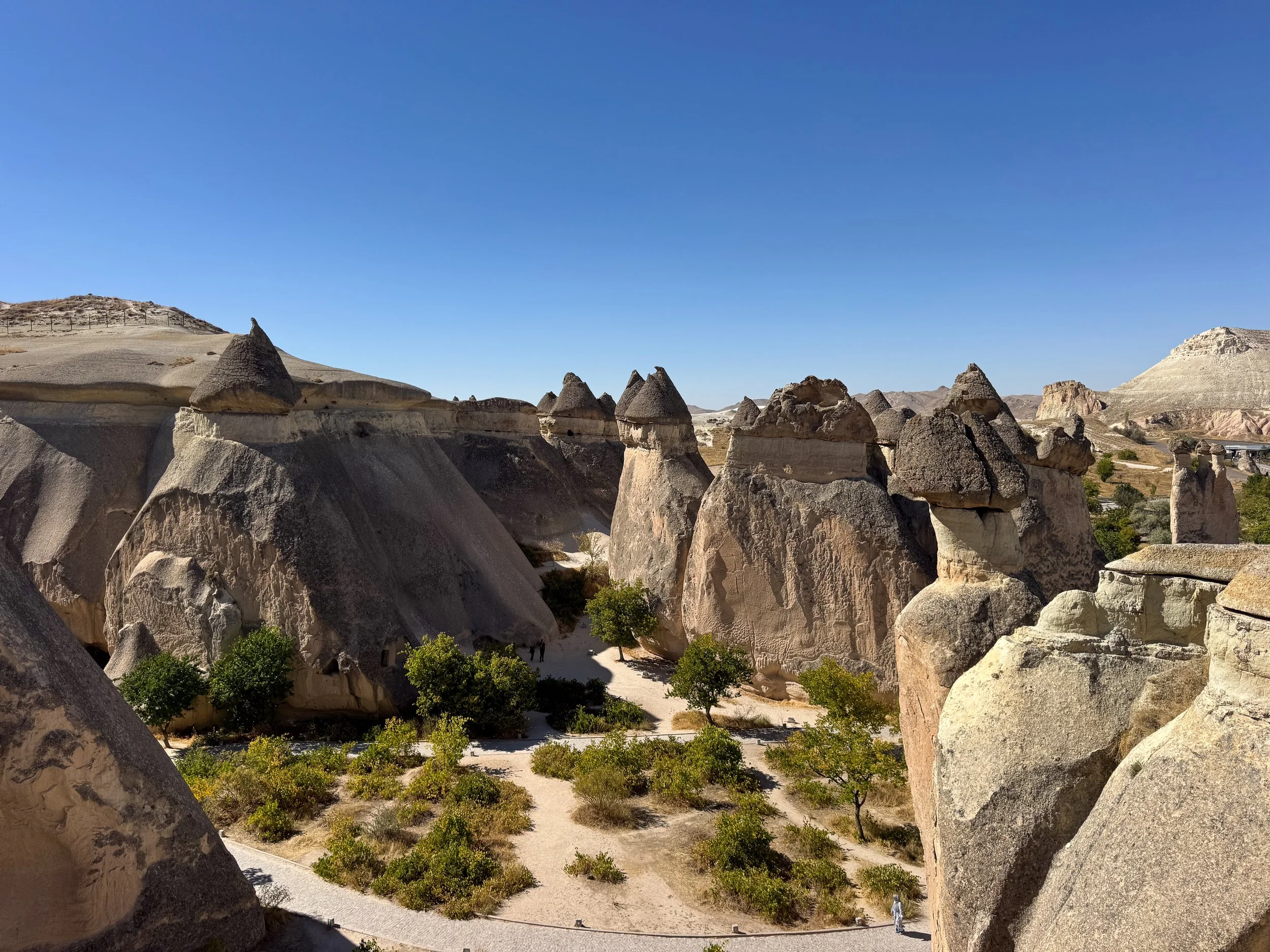
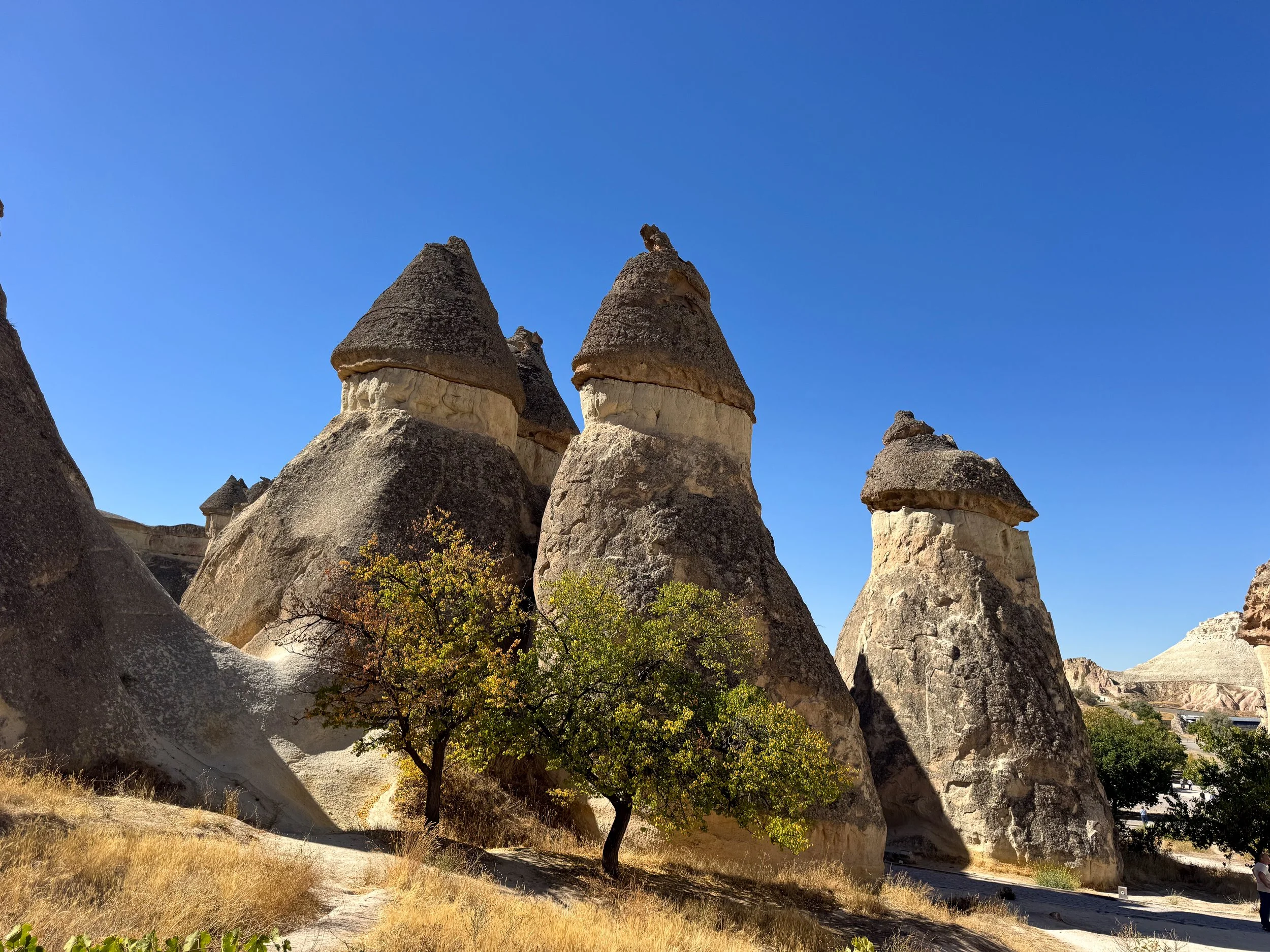
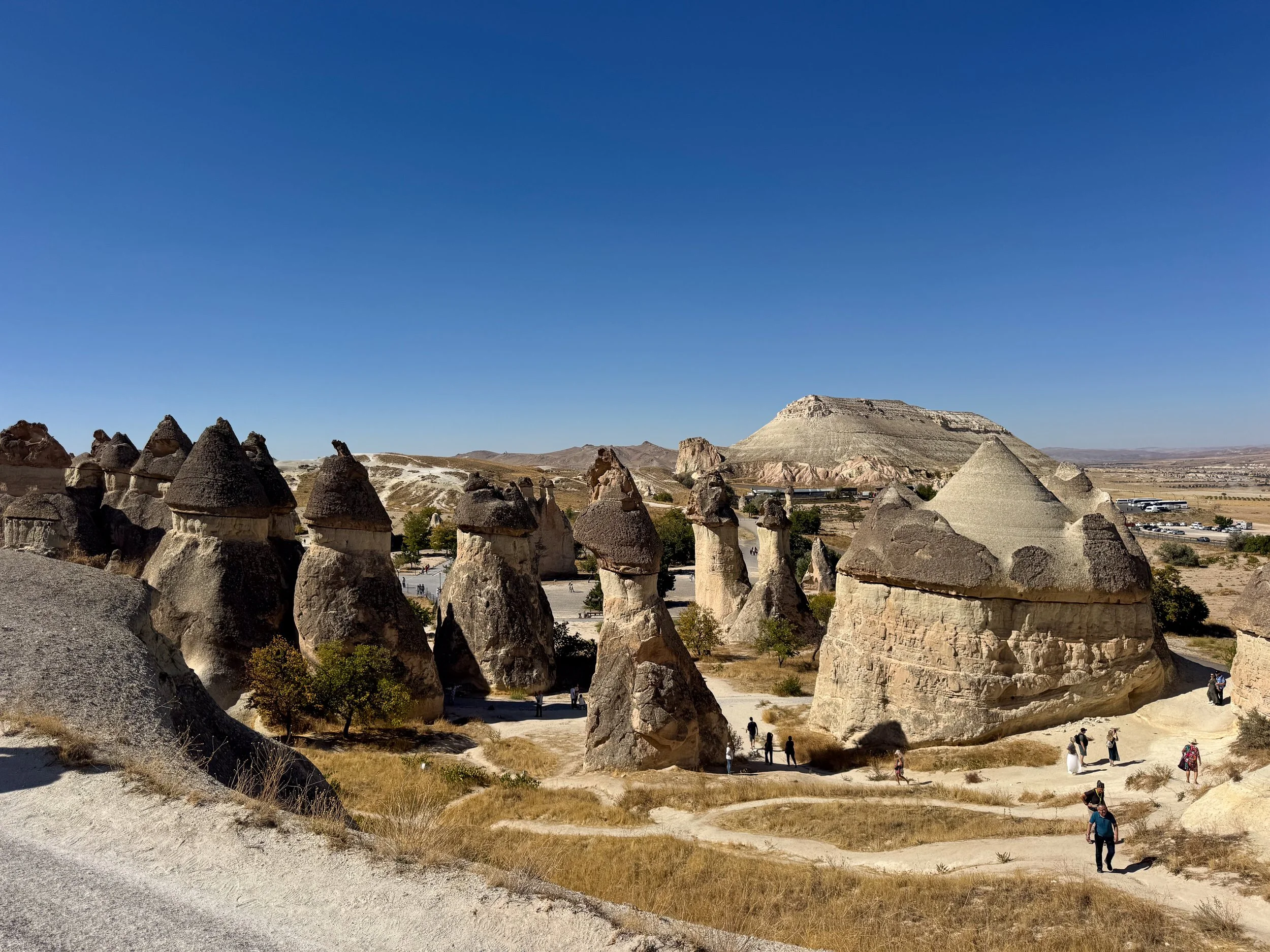
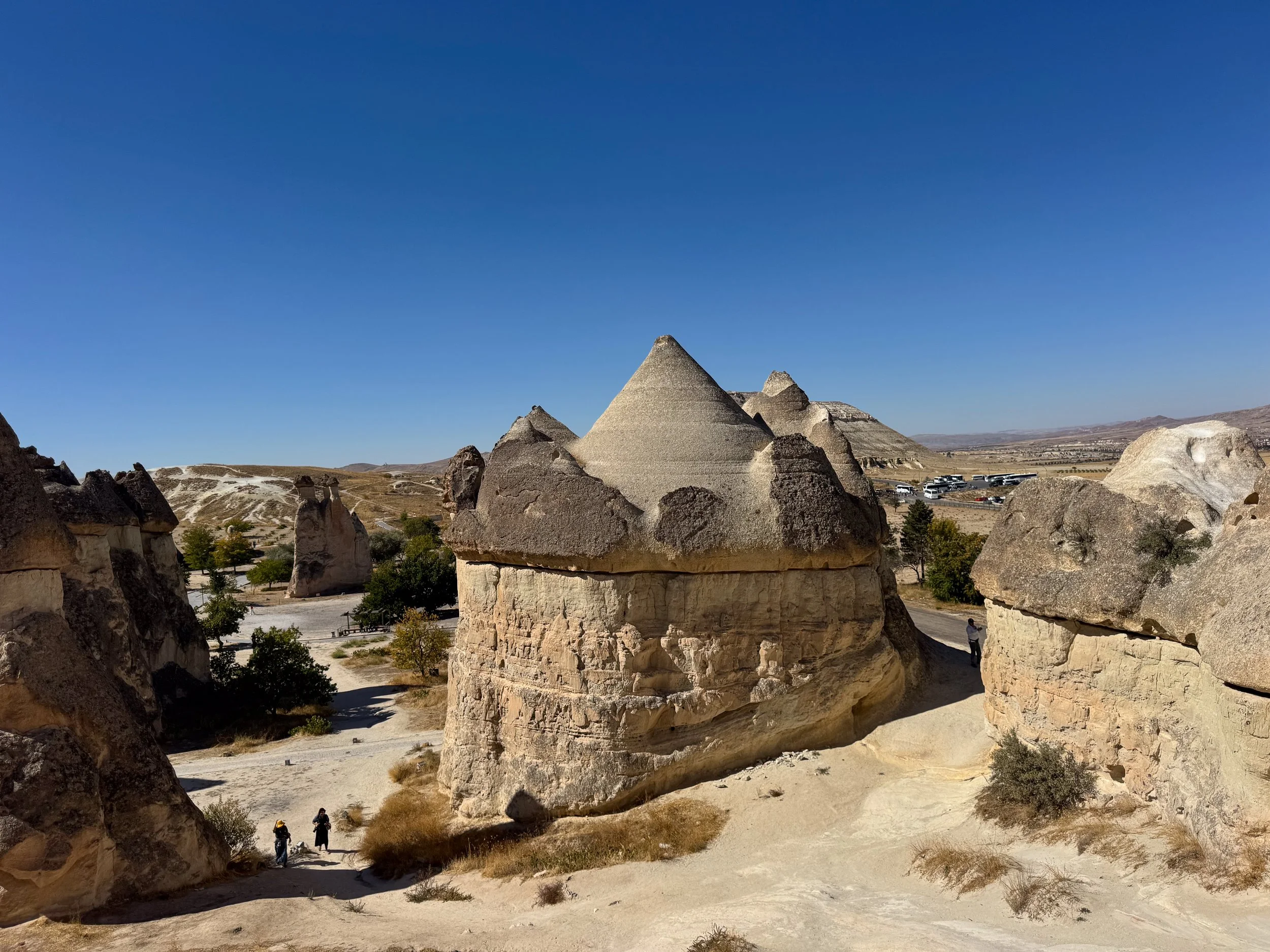
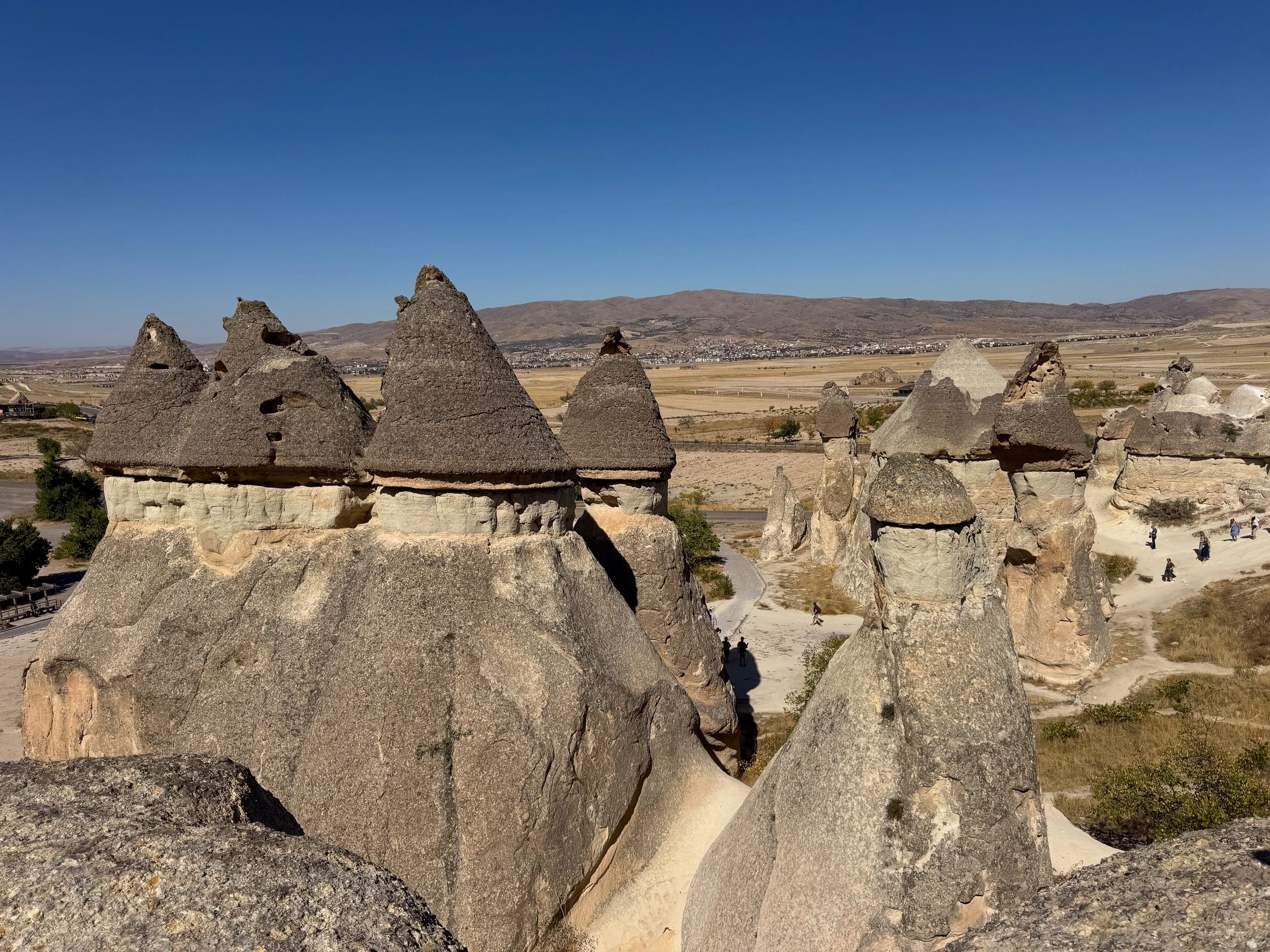
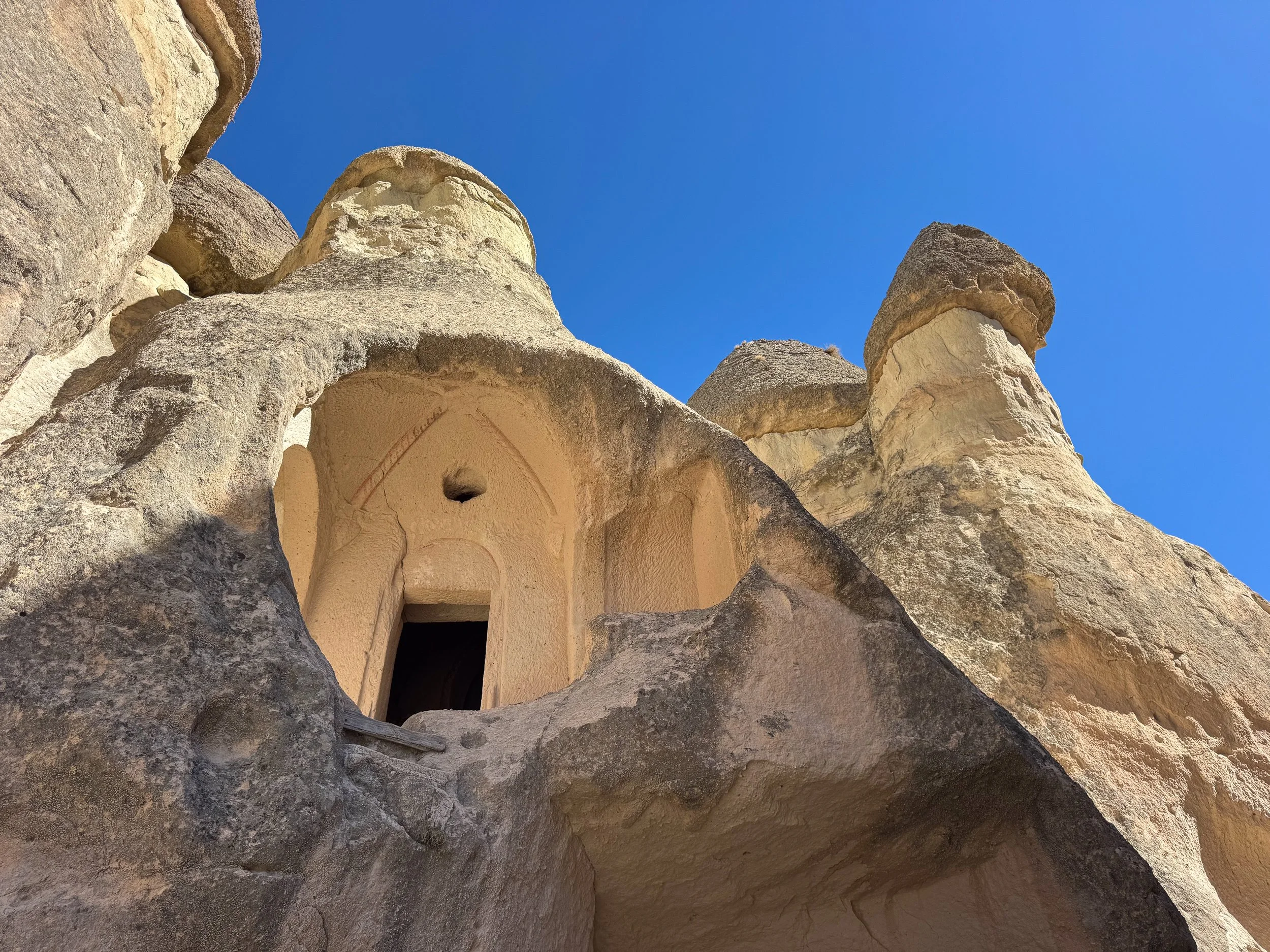
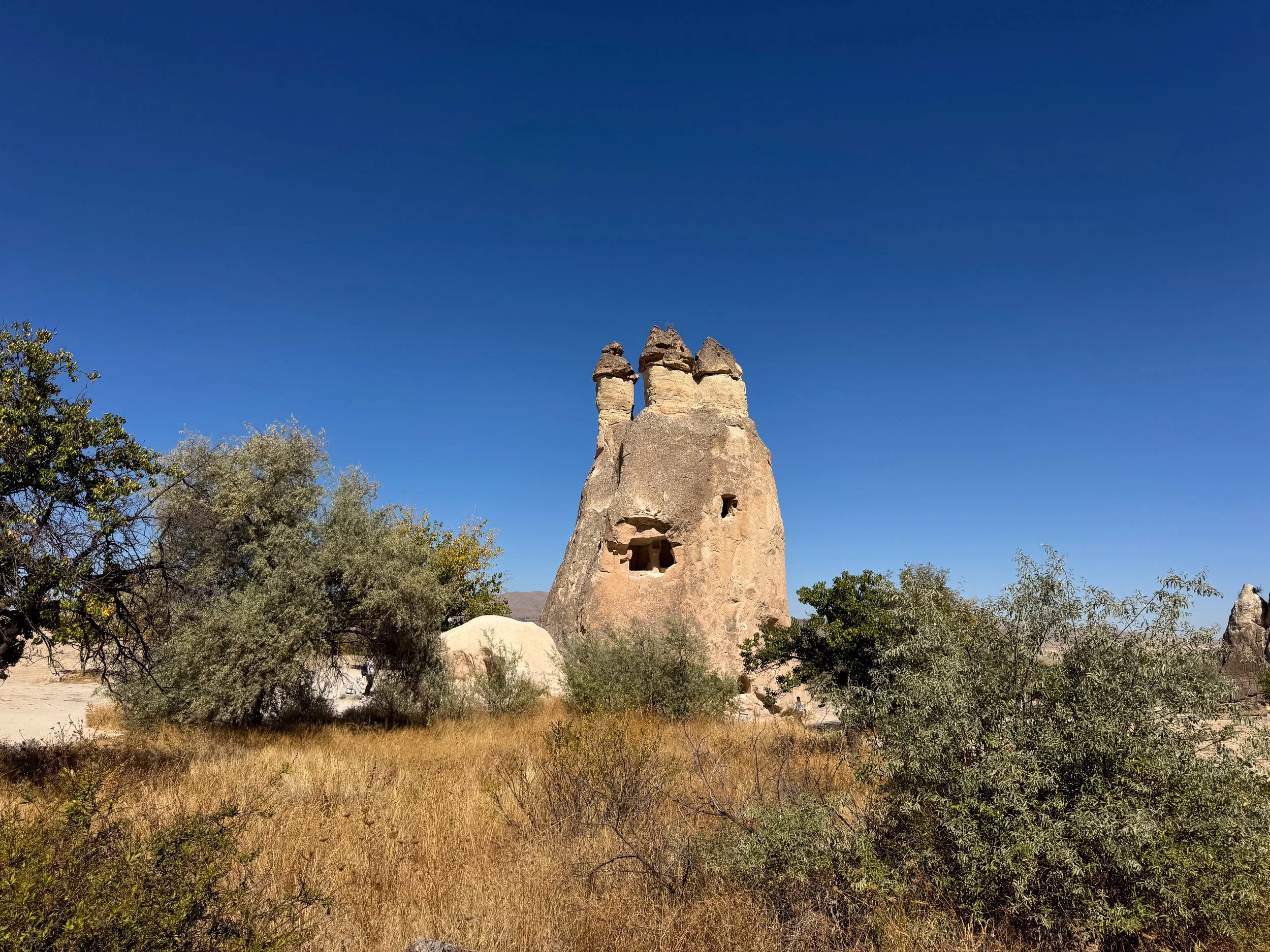
Paşabağ Valley (Monk's Valley). A valley with walkways leading between tall fairy chimneys and ruins of centuries old cave dwellings. Explore their inner chambers then hike to the lookout point with views of the valley, its stone pillars and their conical tops.
Pro Tip. The ticket from the Zelve Open Air Museum included access to Paşabağ Valley.
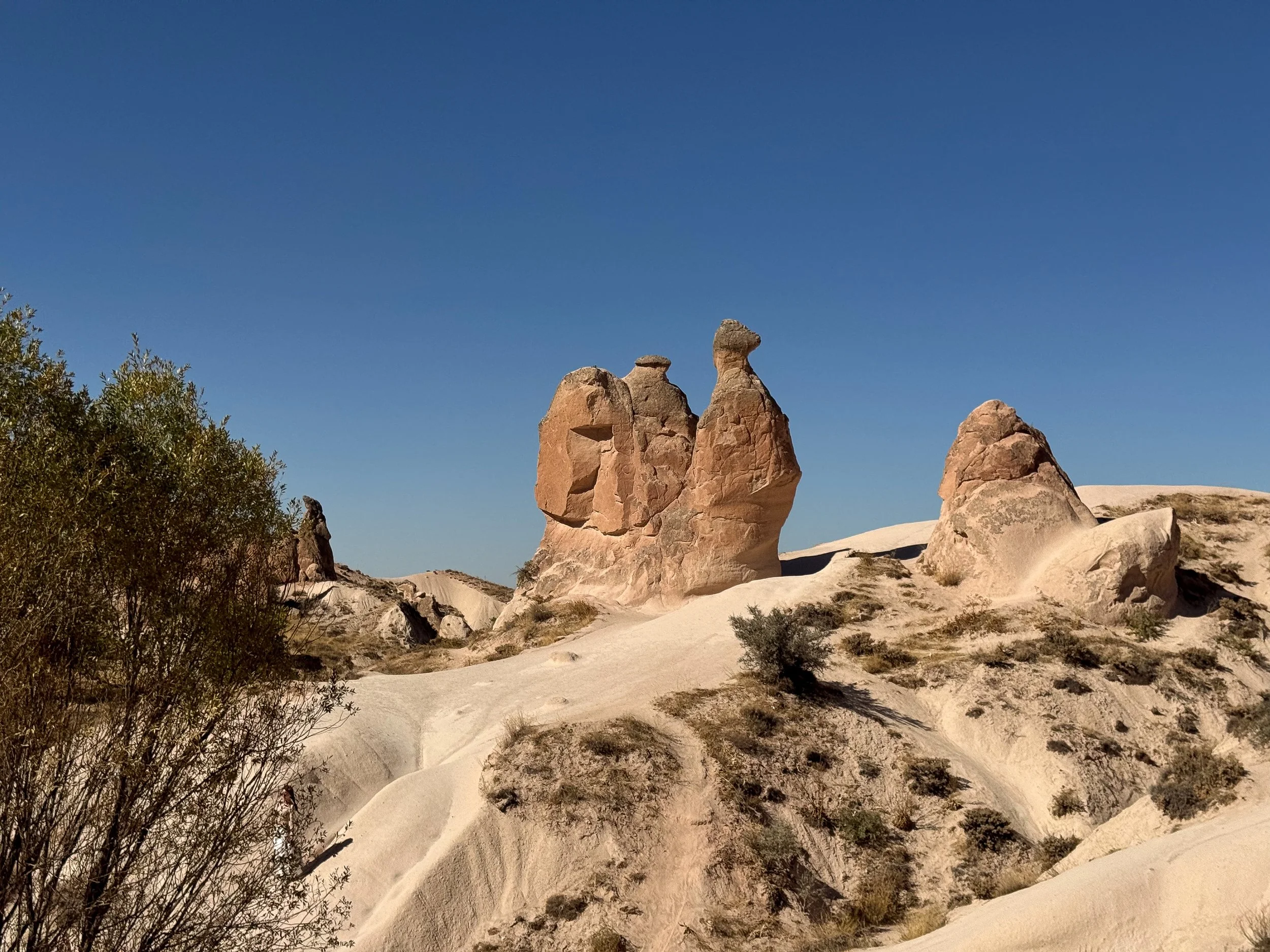
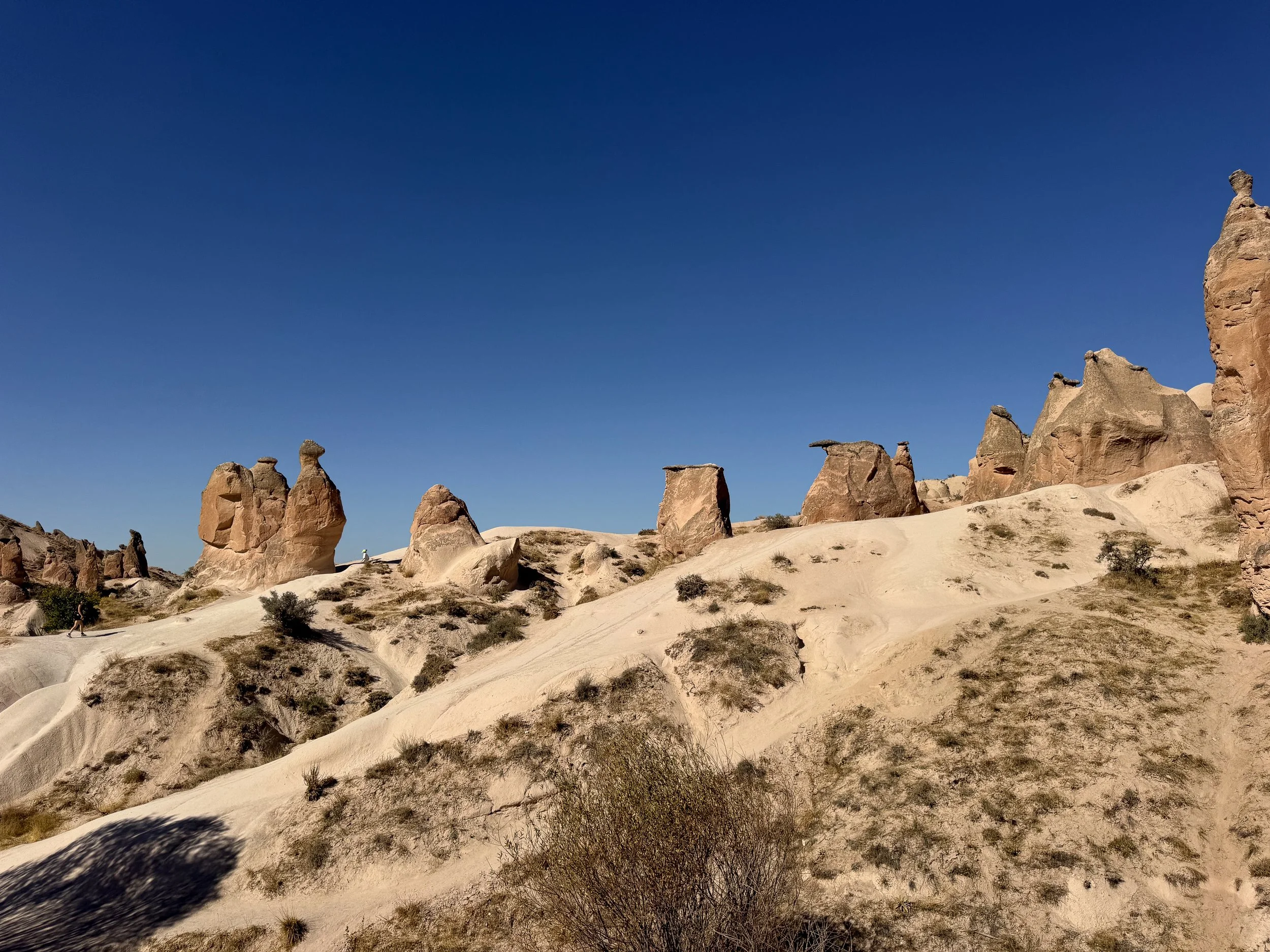
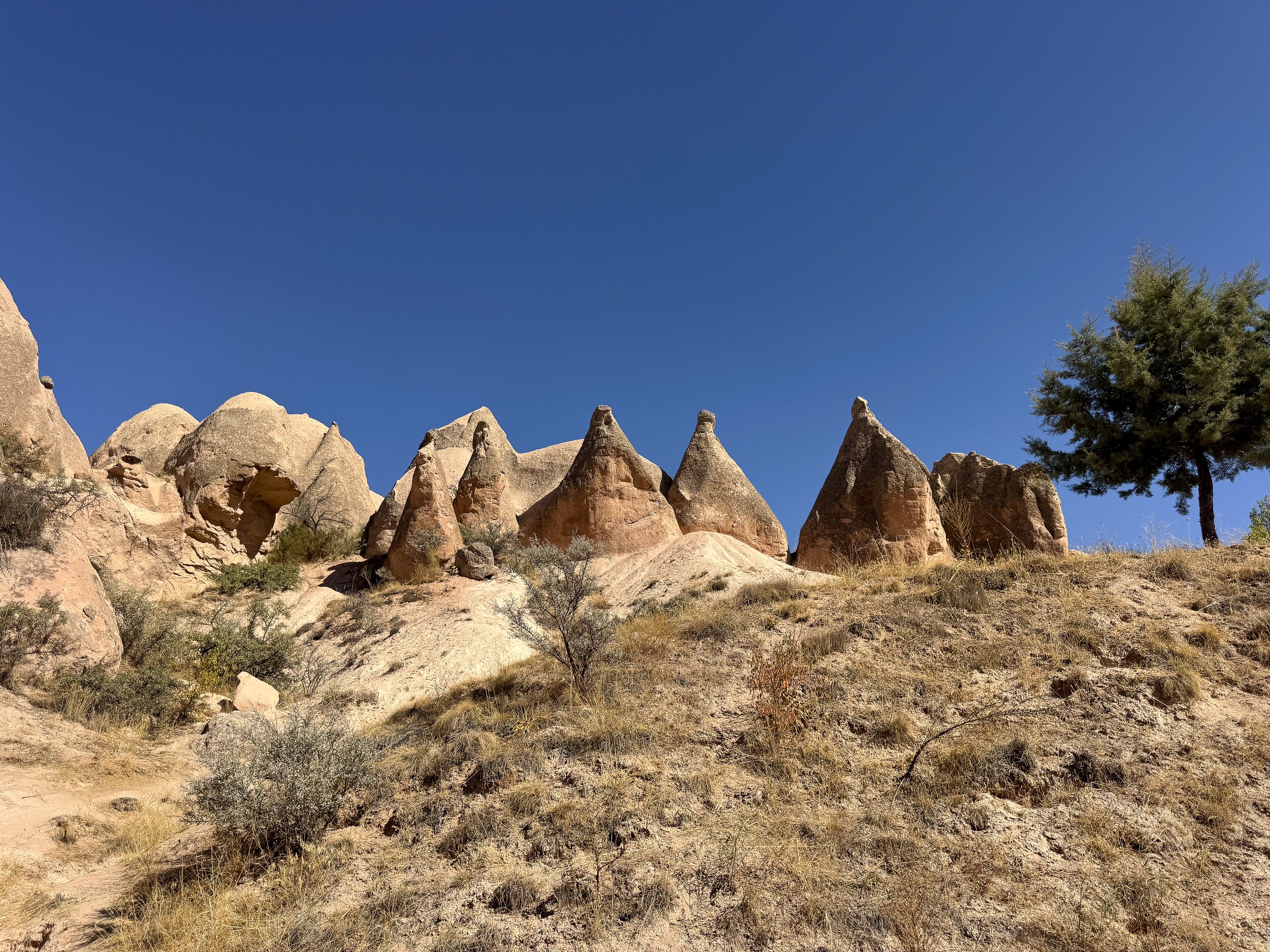
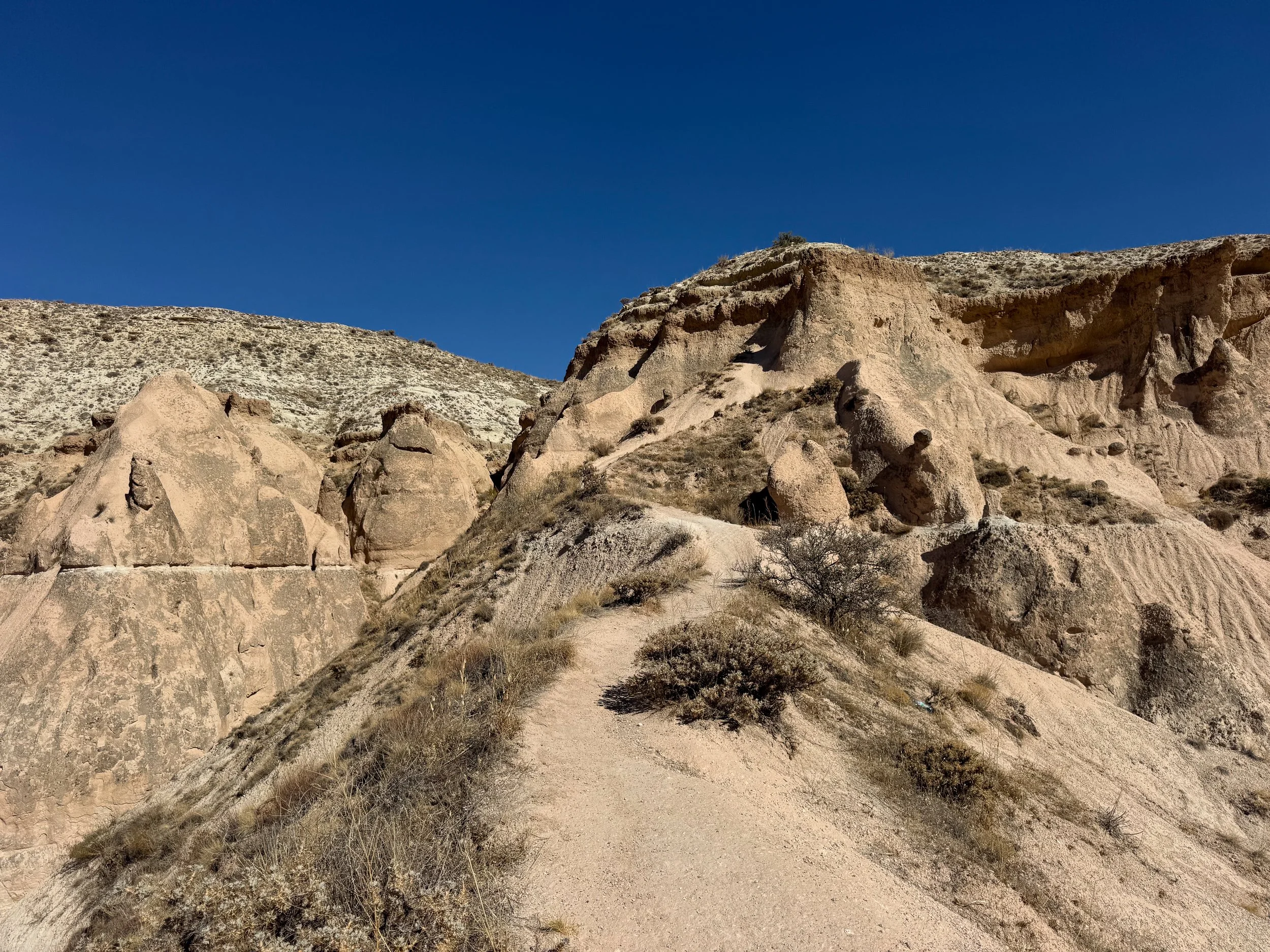
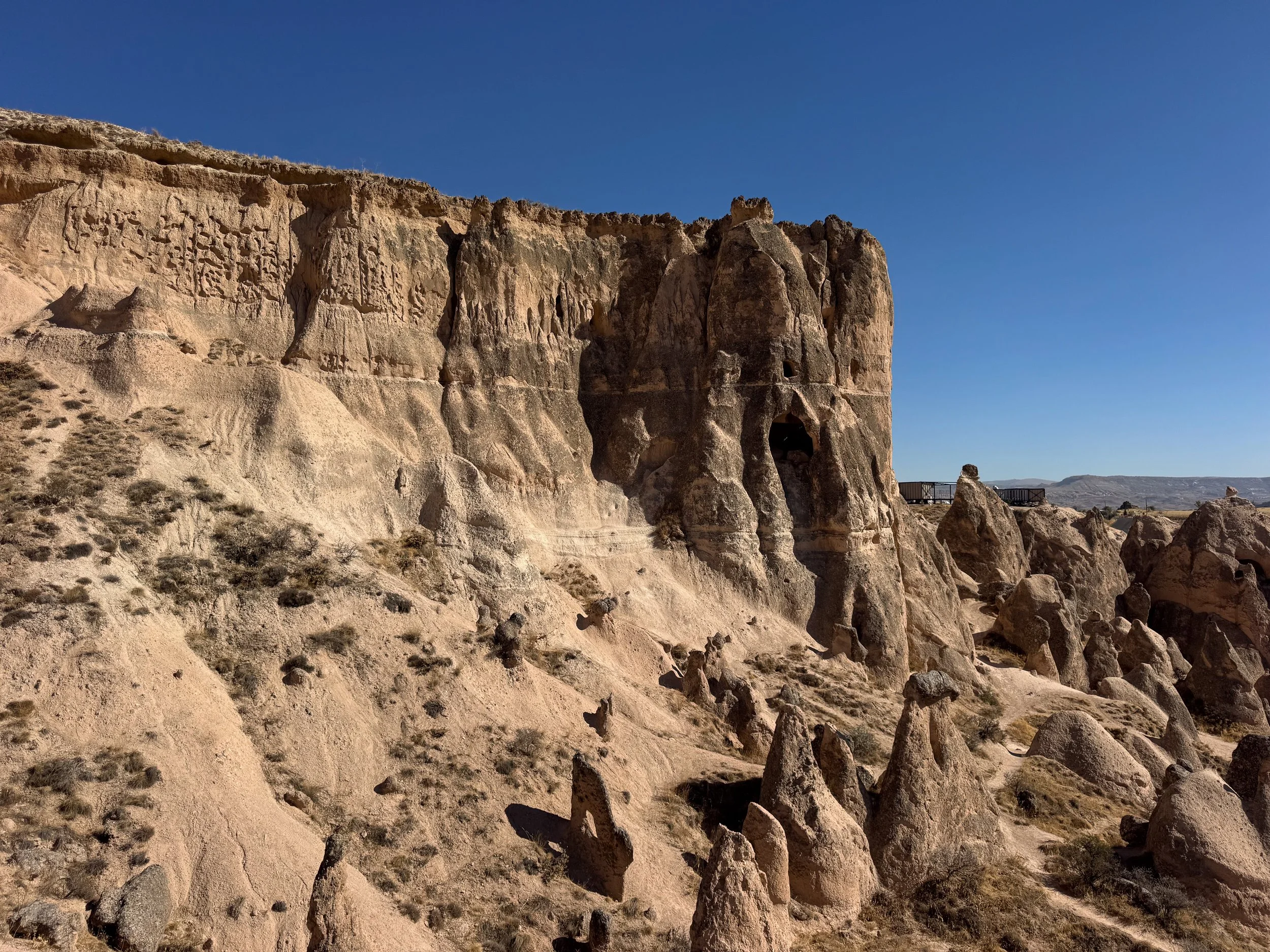
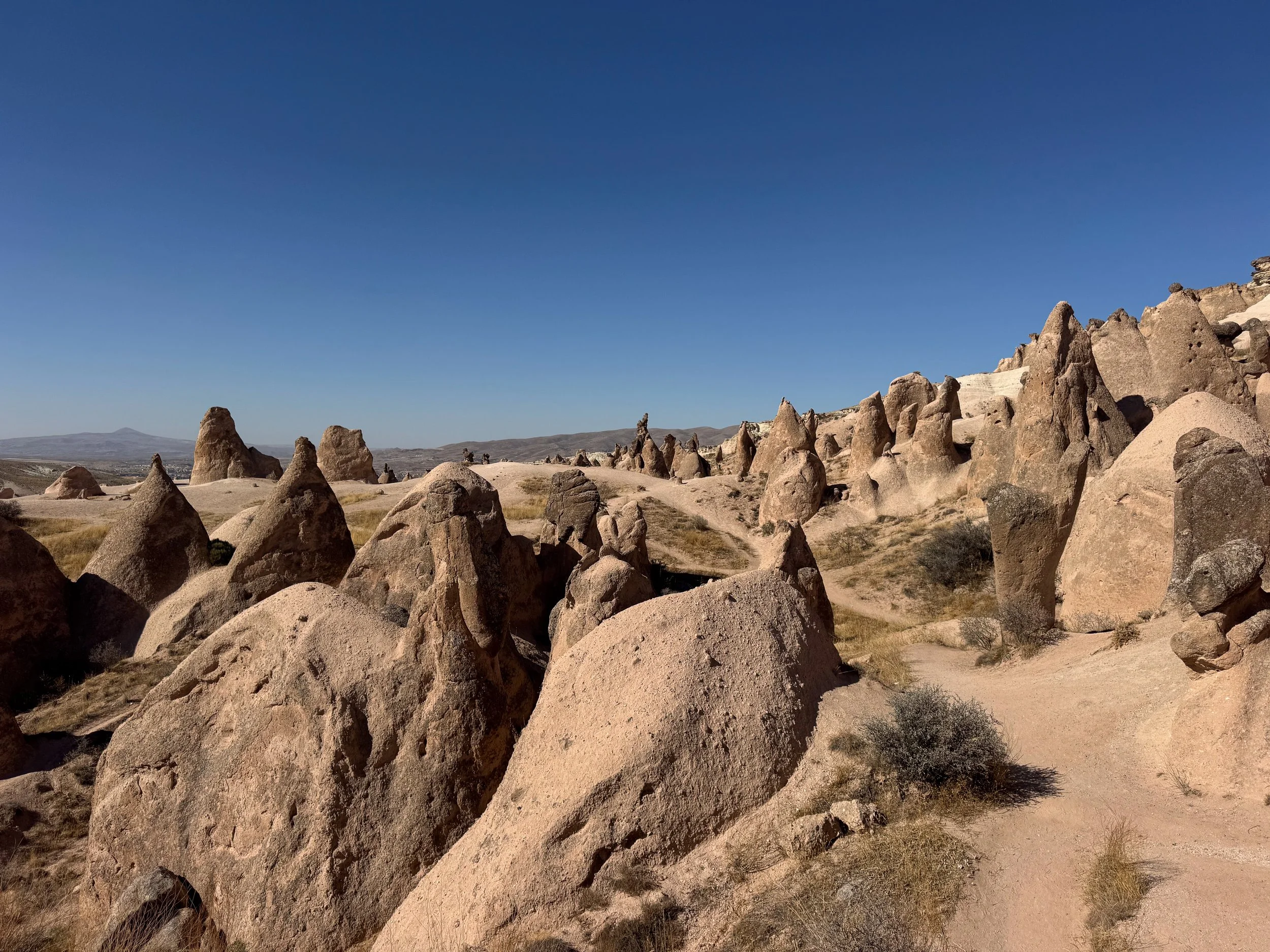
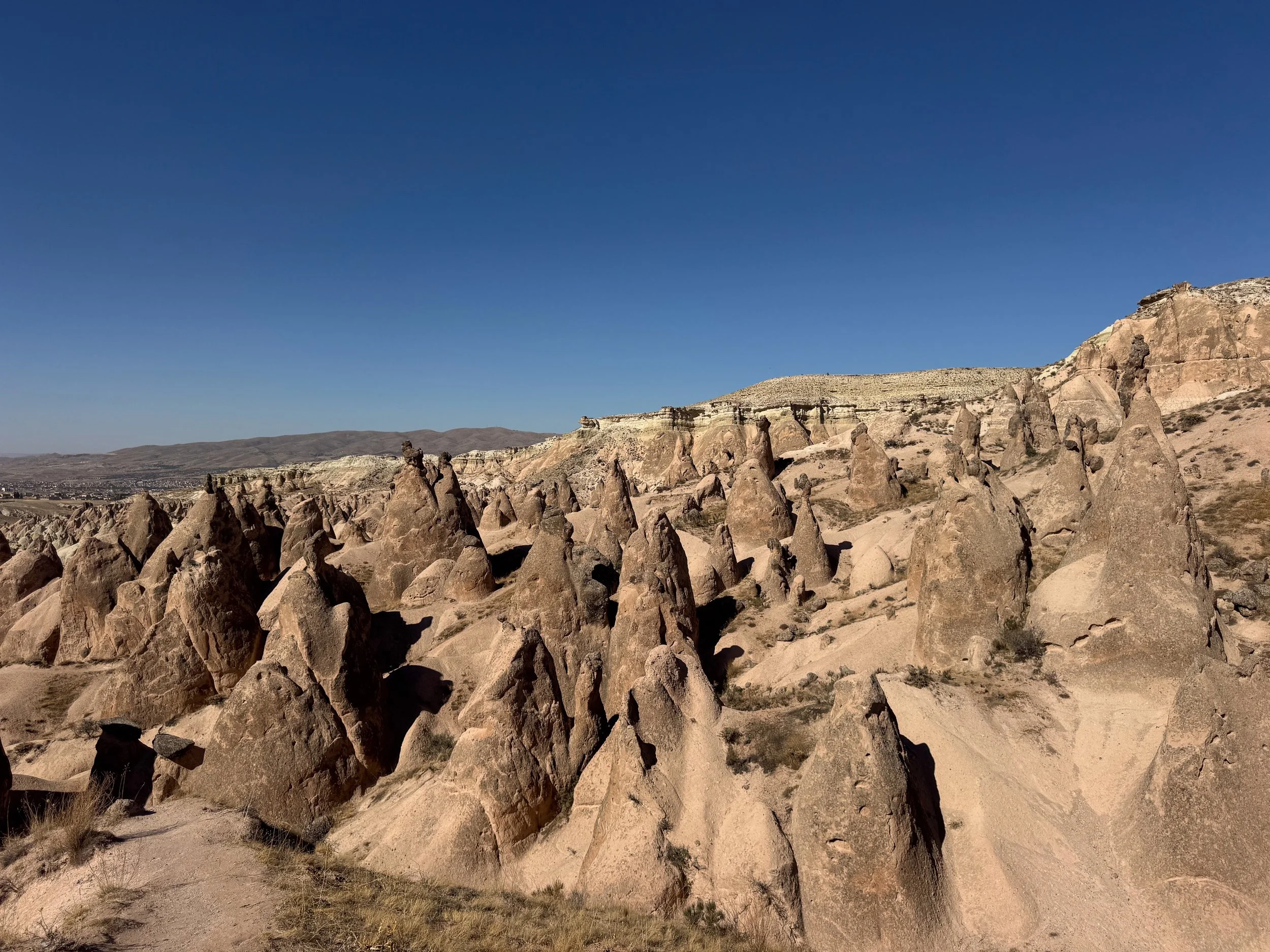
Devrent Vadisi (Imagination Valley). A valley comprised of rock formations that resemble silhouettes of animals. The most recognizable figure is that of a Bactrian camel. Trails lead from the roadside viewpoint past formations that resemble seals, lizards, falcons, dogs and other imaginative forms.
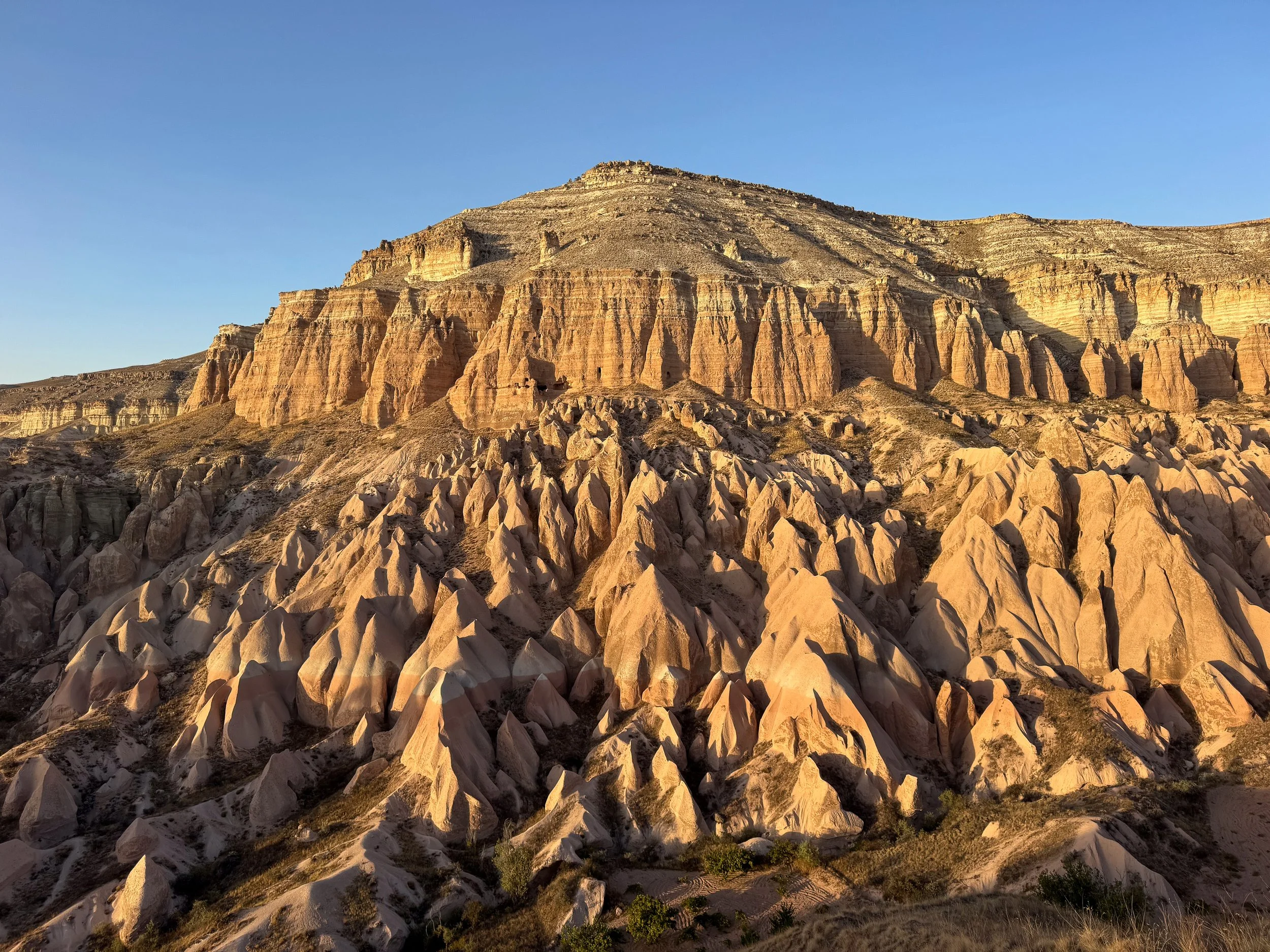
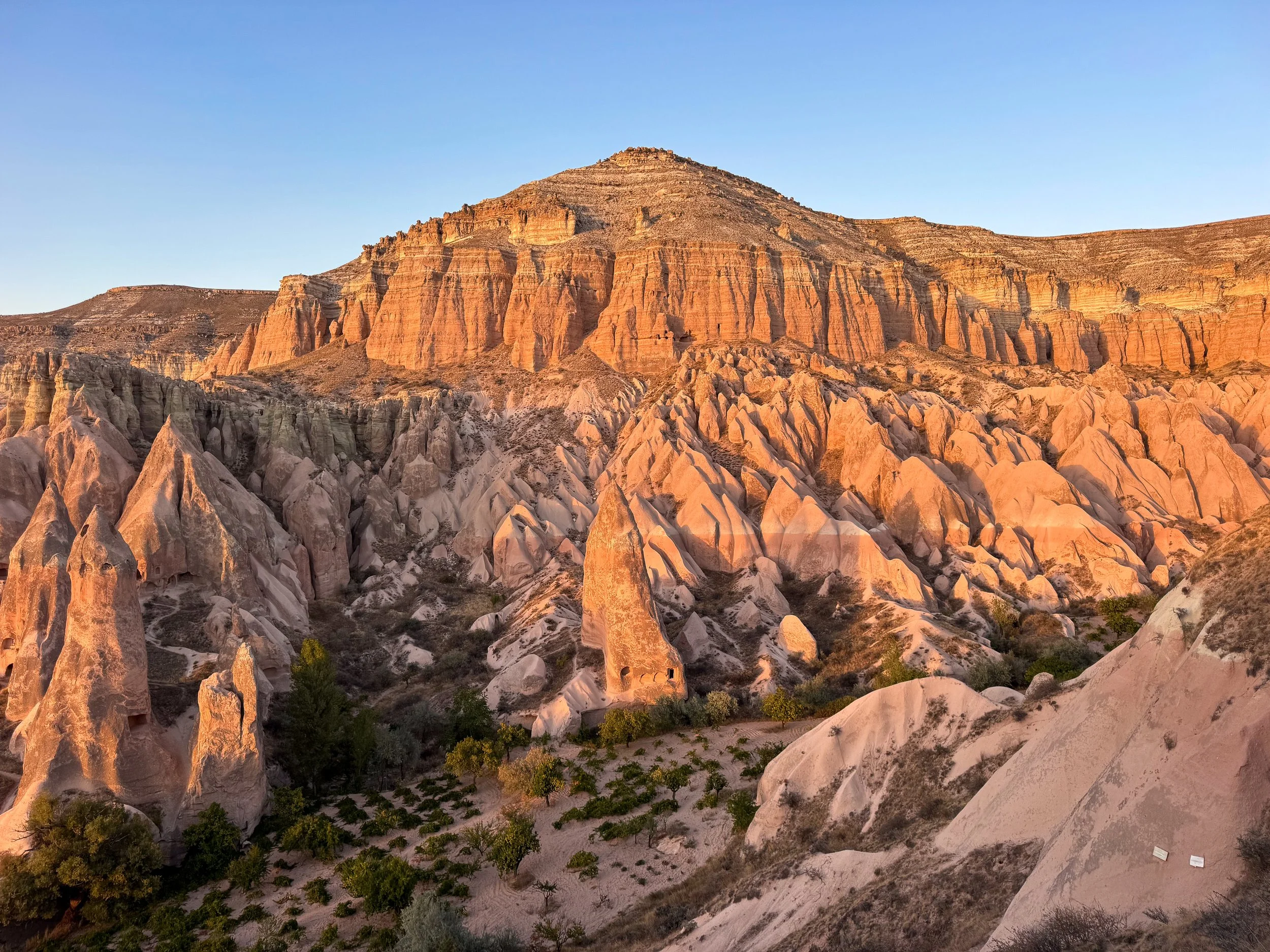
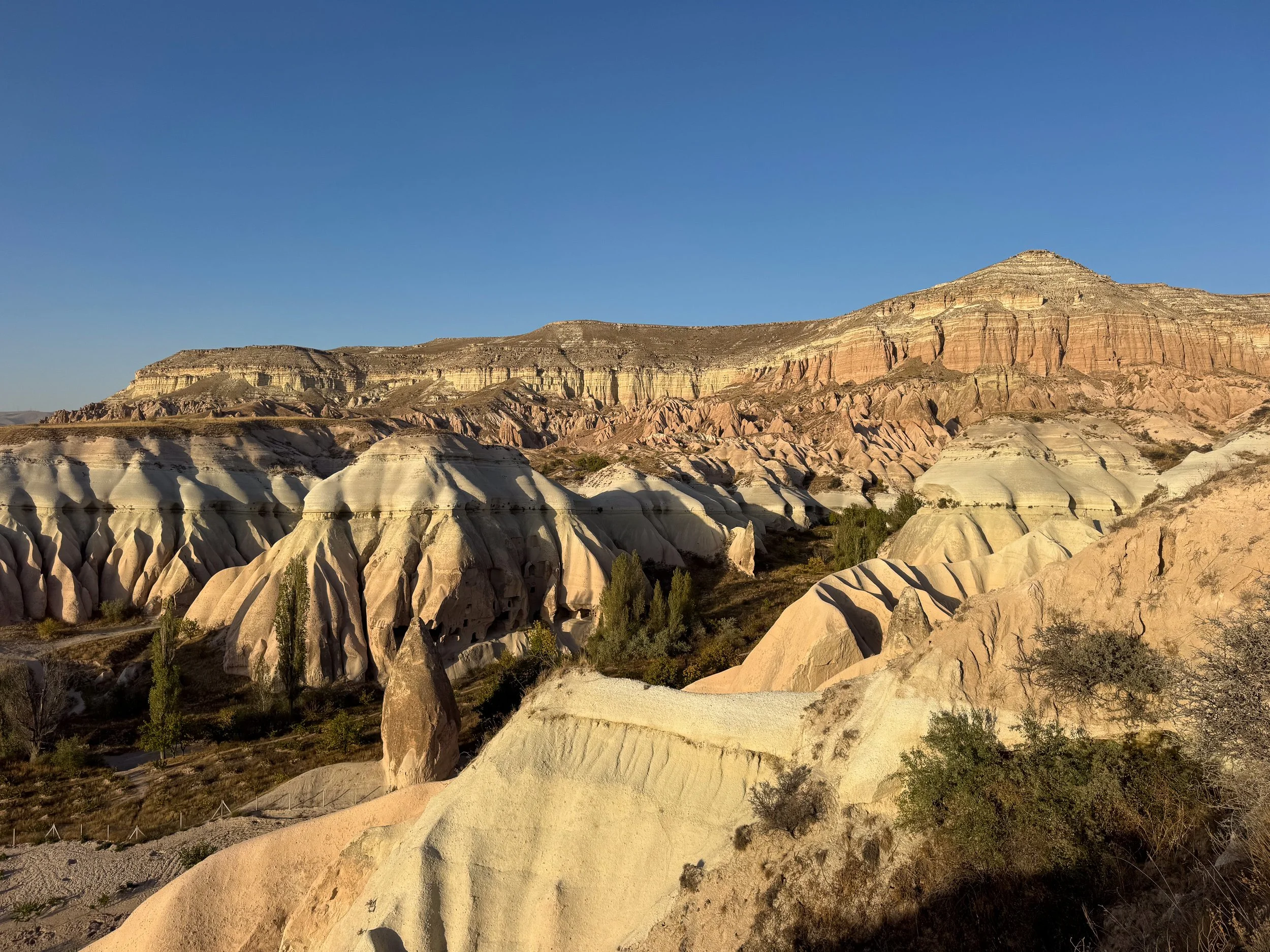
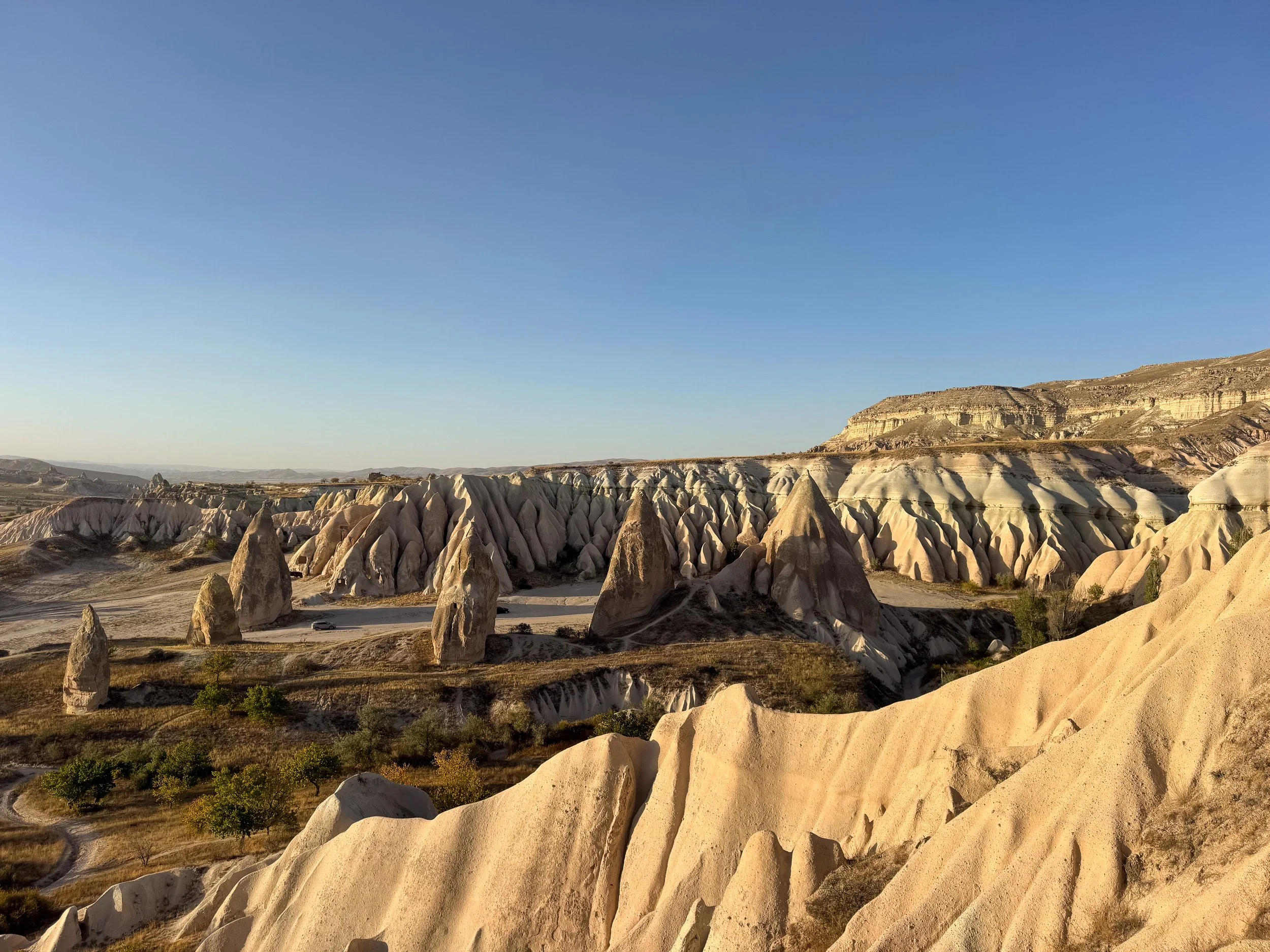
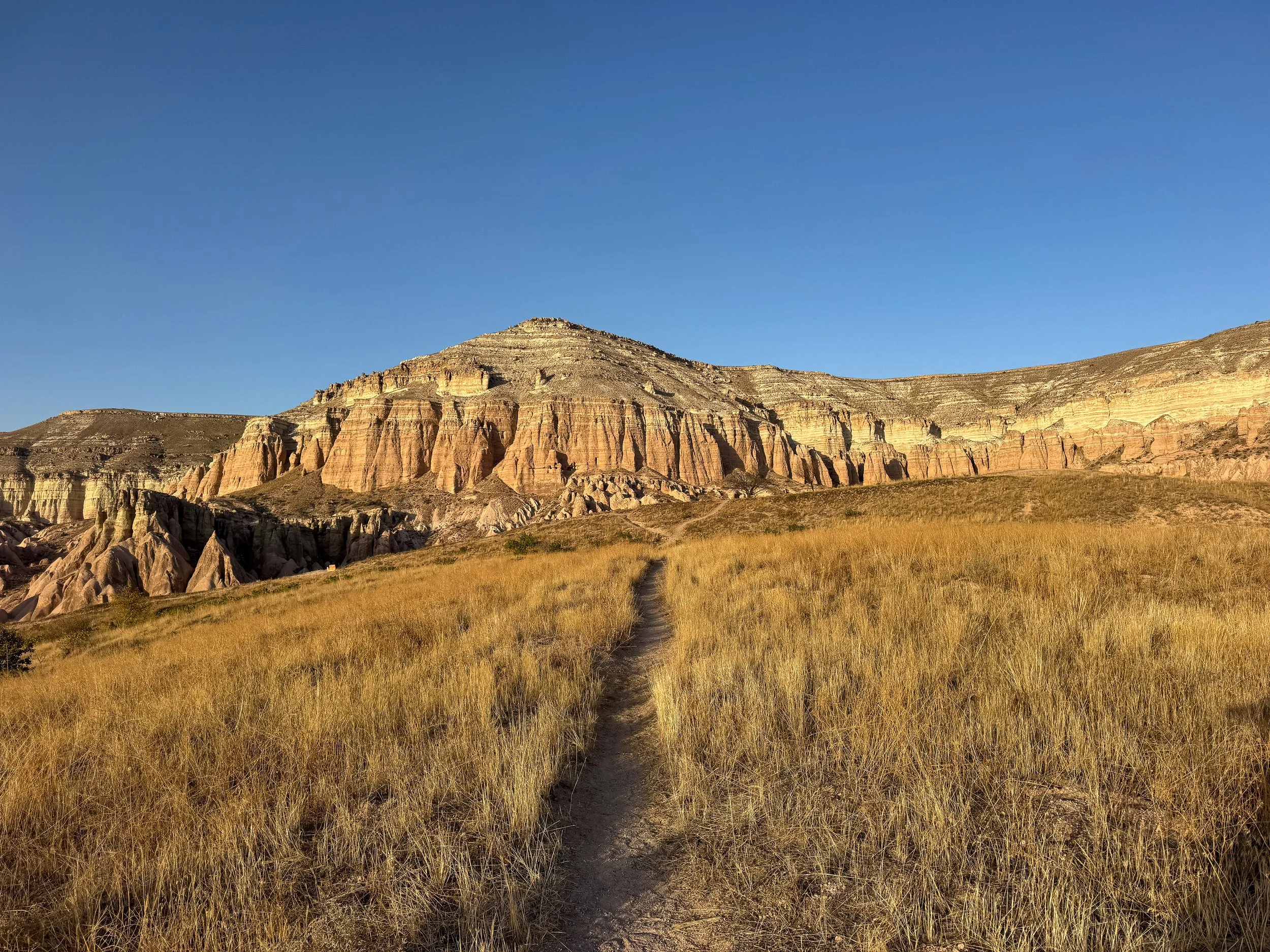
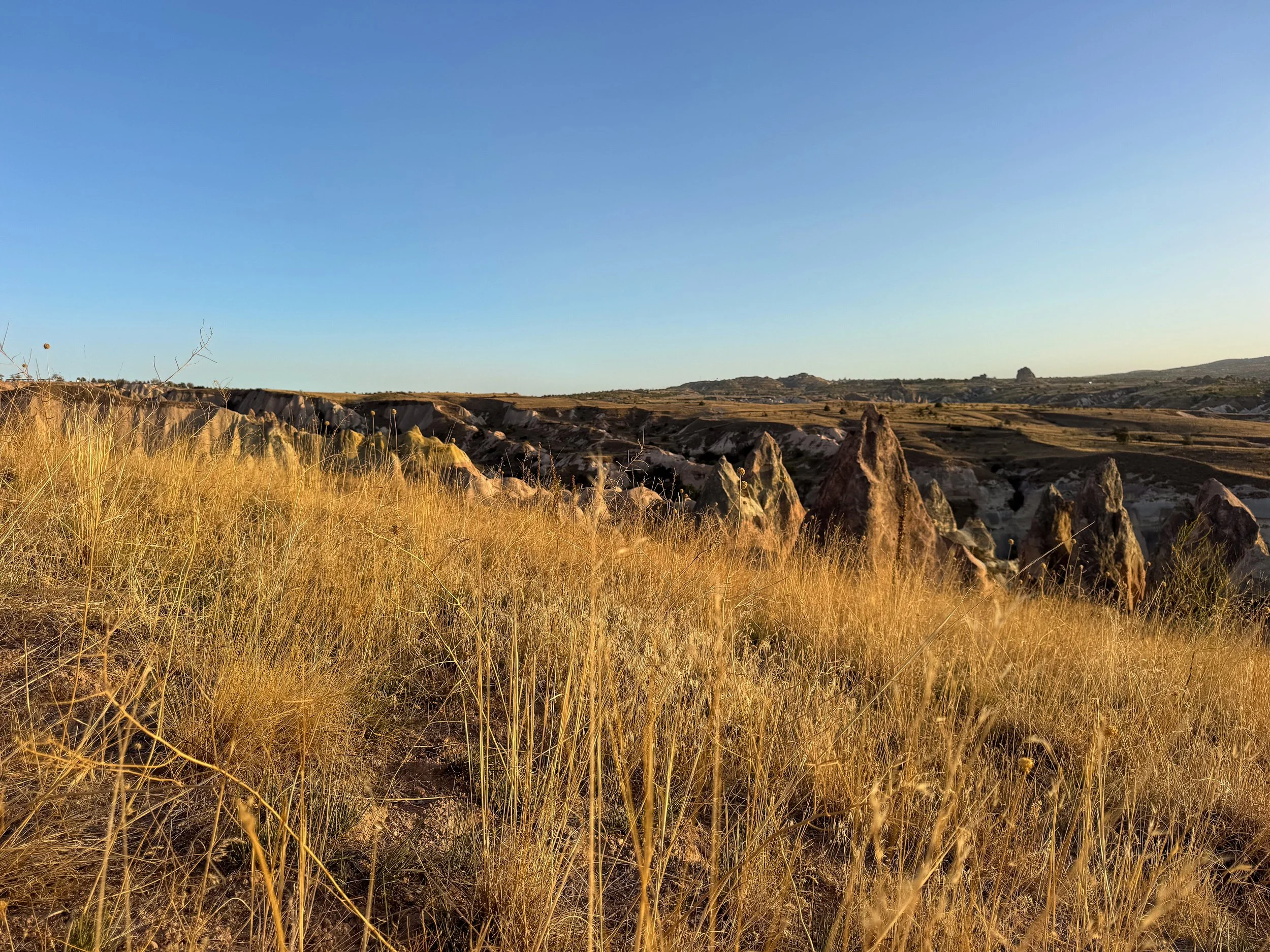
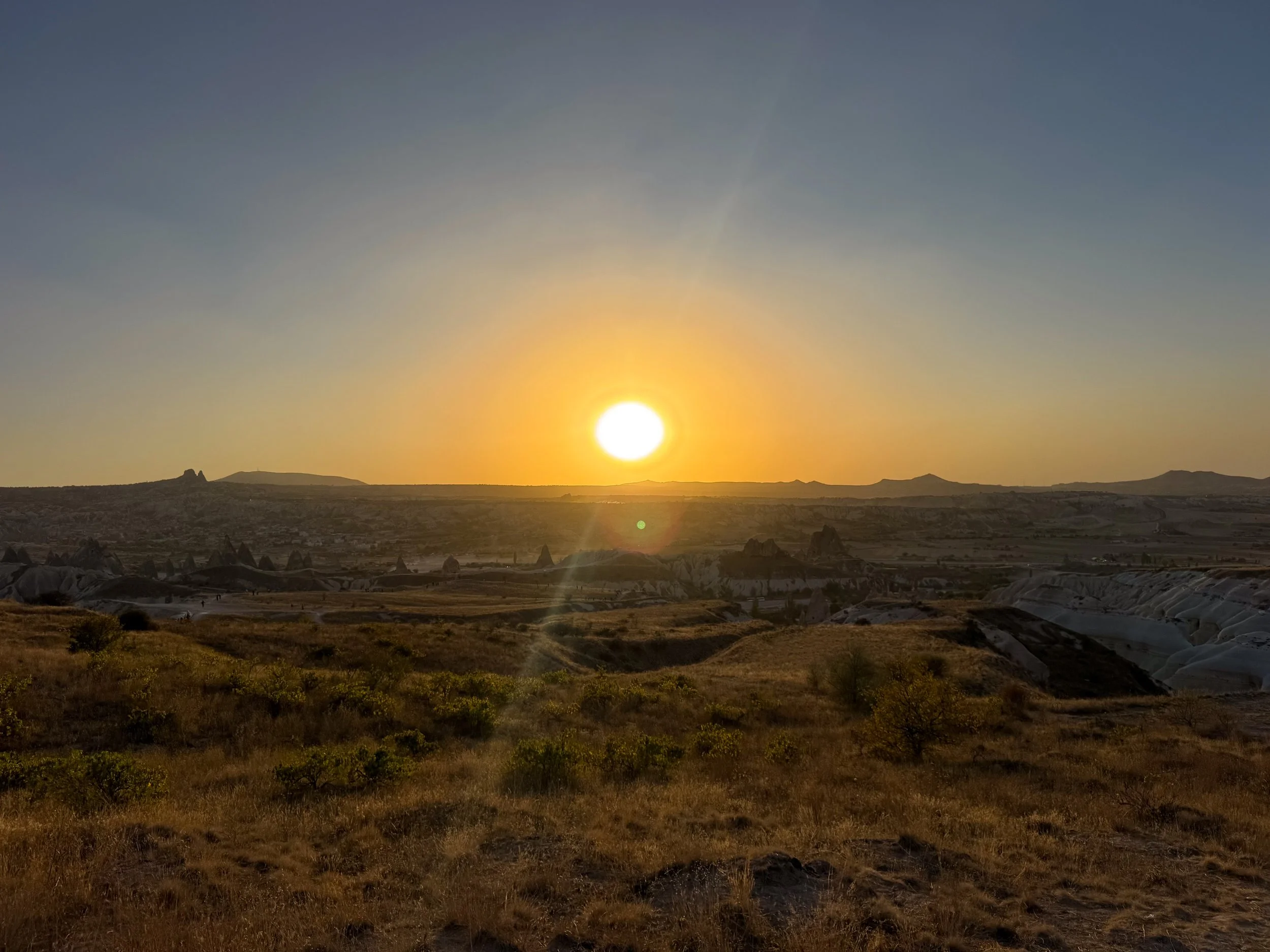
Rose Valley. A rugged valley named after its pinkish hued landscape. Tooth shaped fairy chimneys and ribbon like bands of eroded rock cover the valley. Hiking trails weave along its ridges and across its floor. Visit during golden hour when the sunlight makes the structures appear most pink and stick around for the sunset.
Good to Know. There are several viewpoints, however the Rose Valley Sunset Pointoffers the best views.
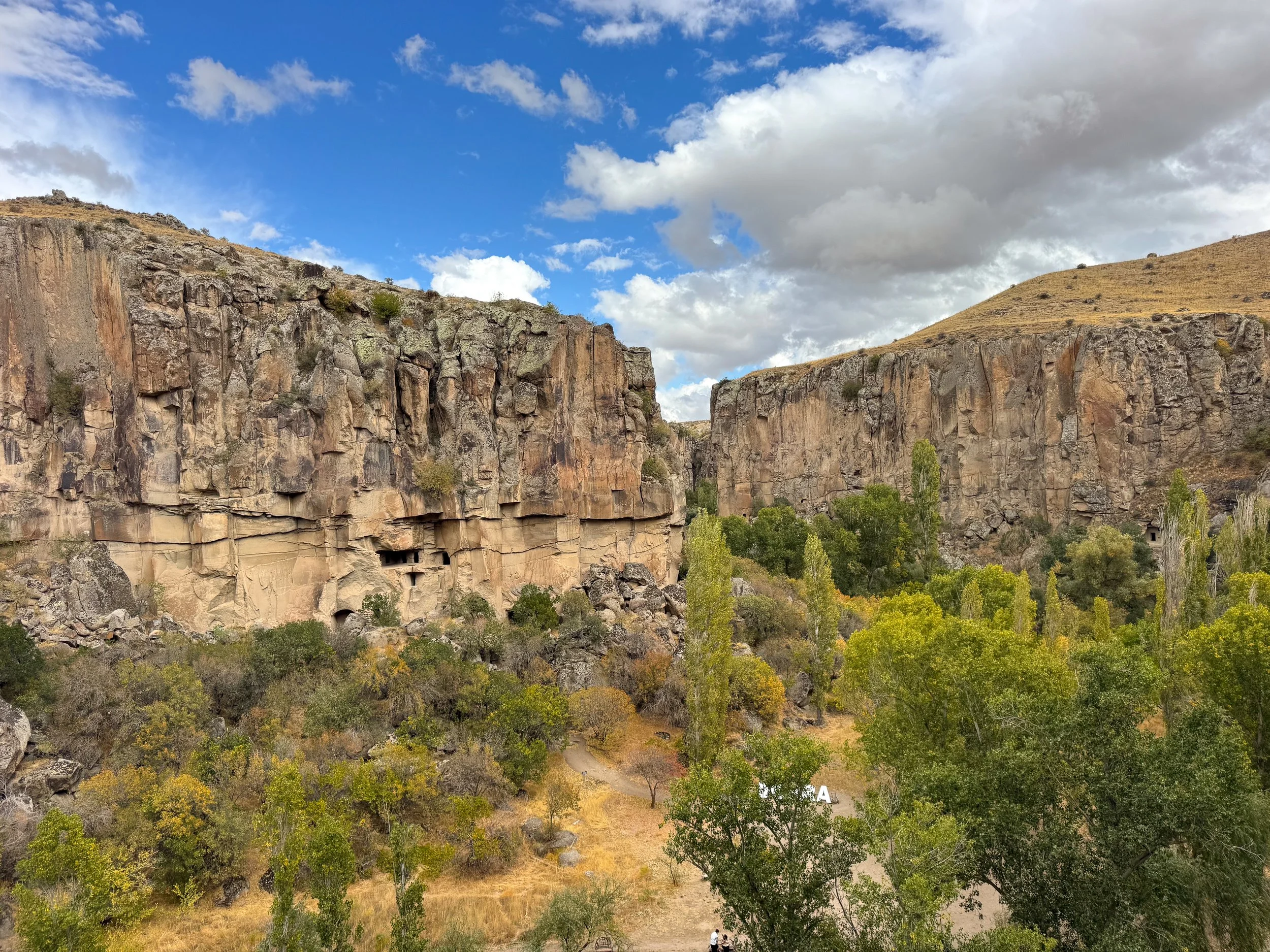
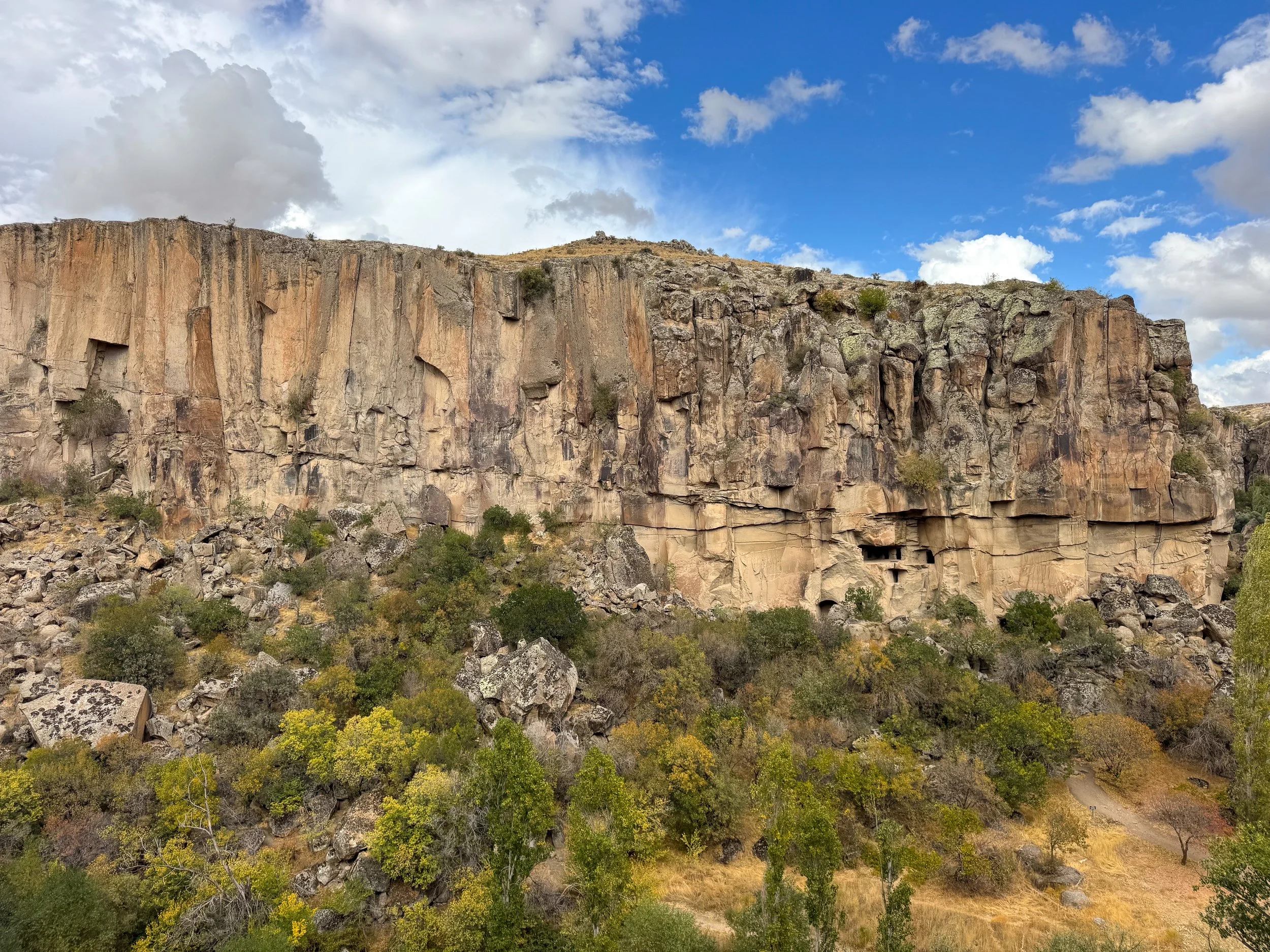
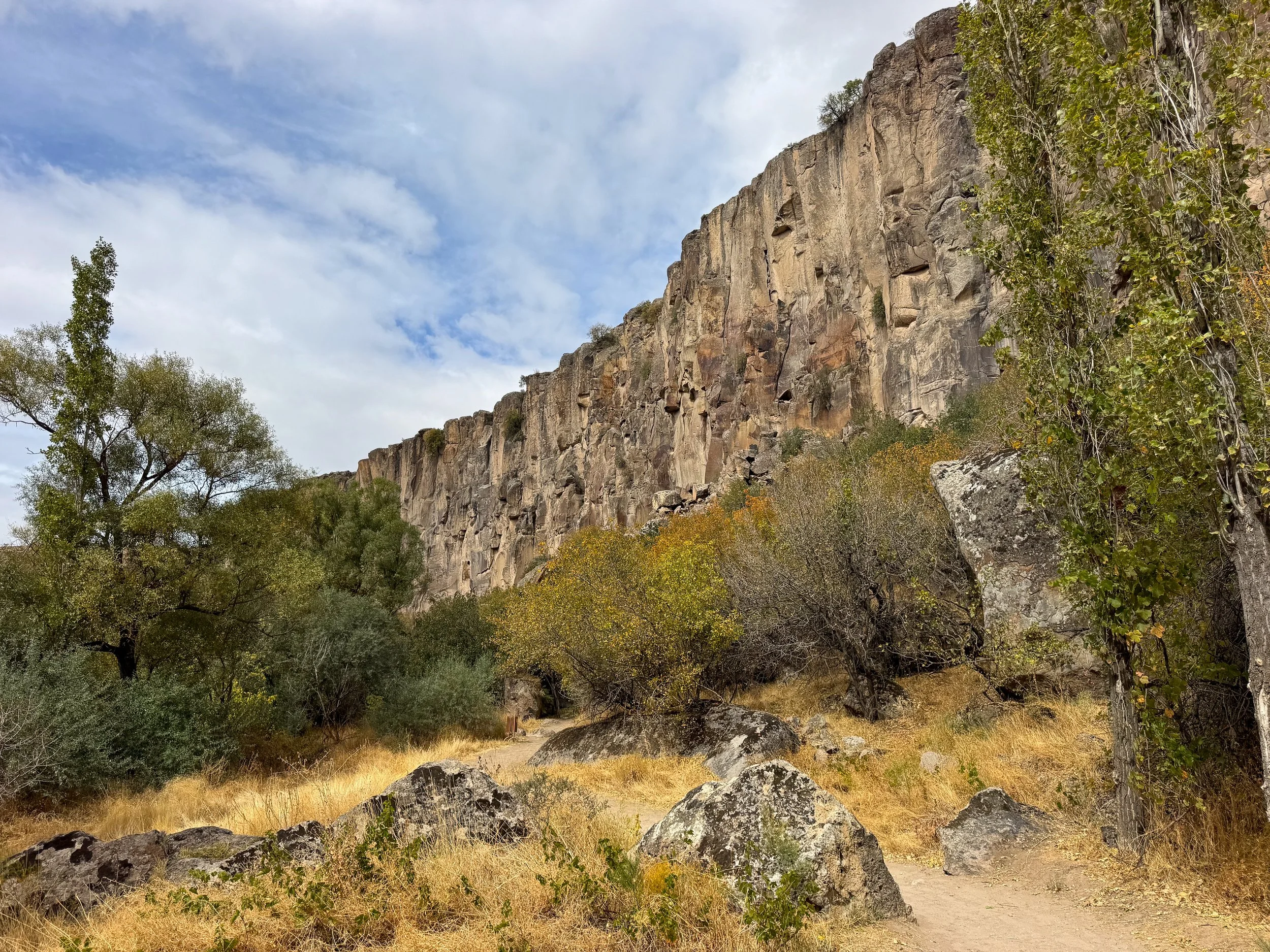
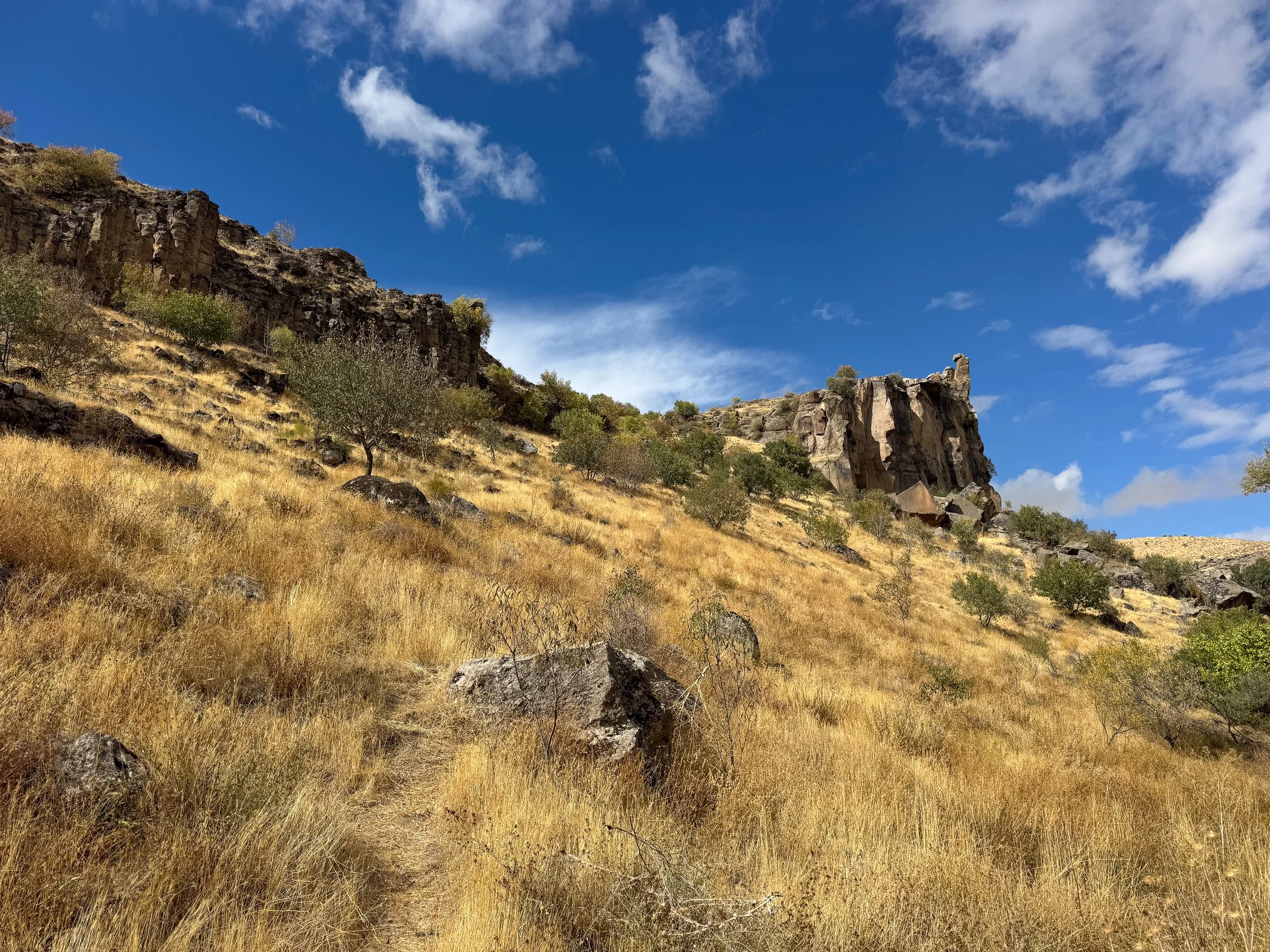
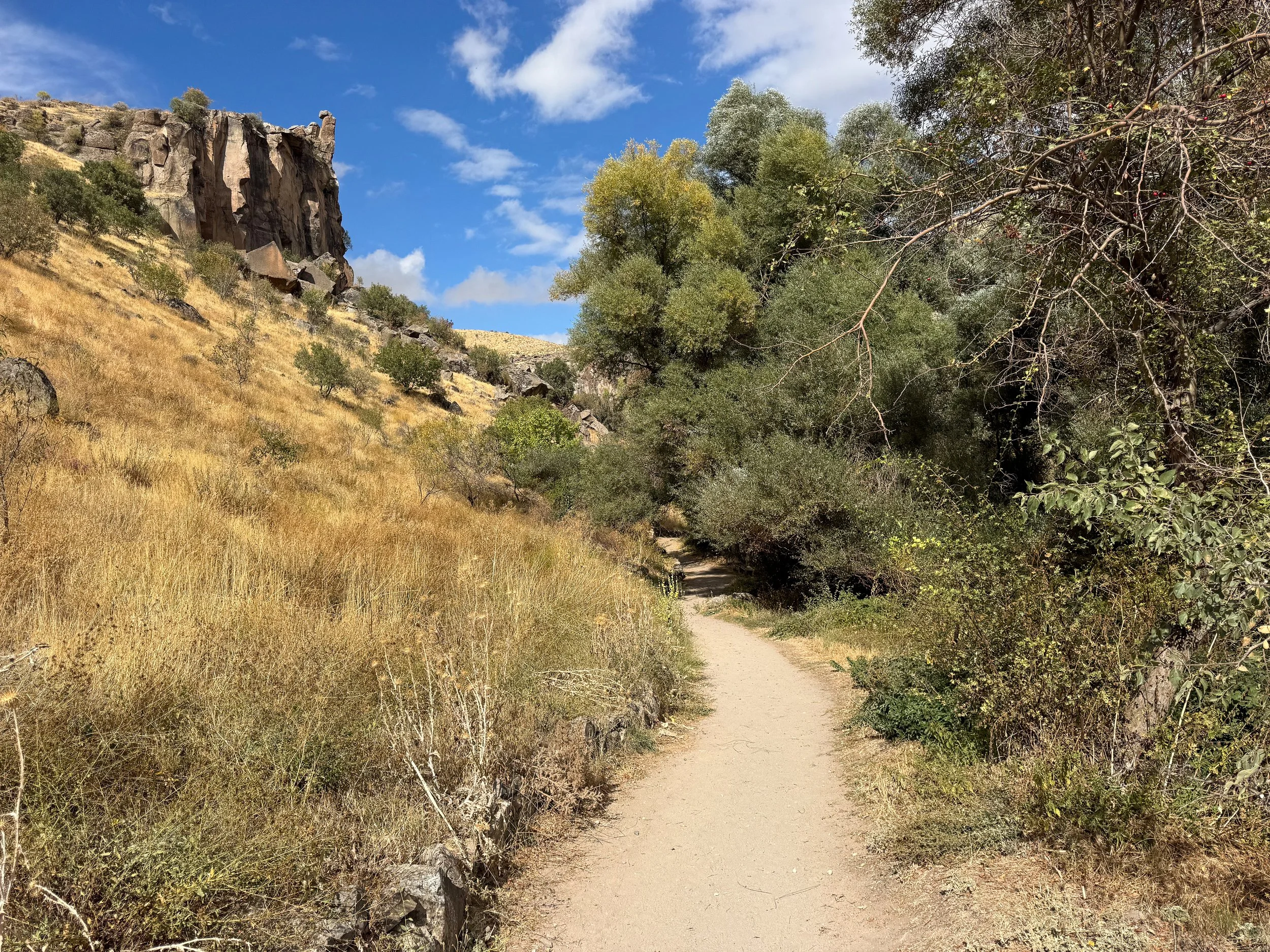
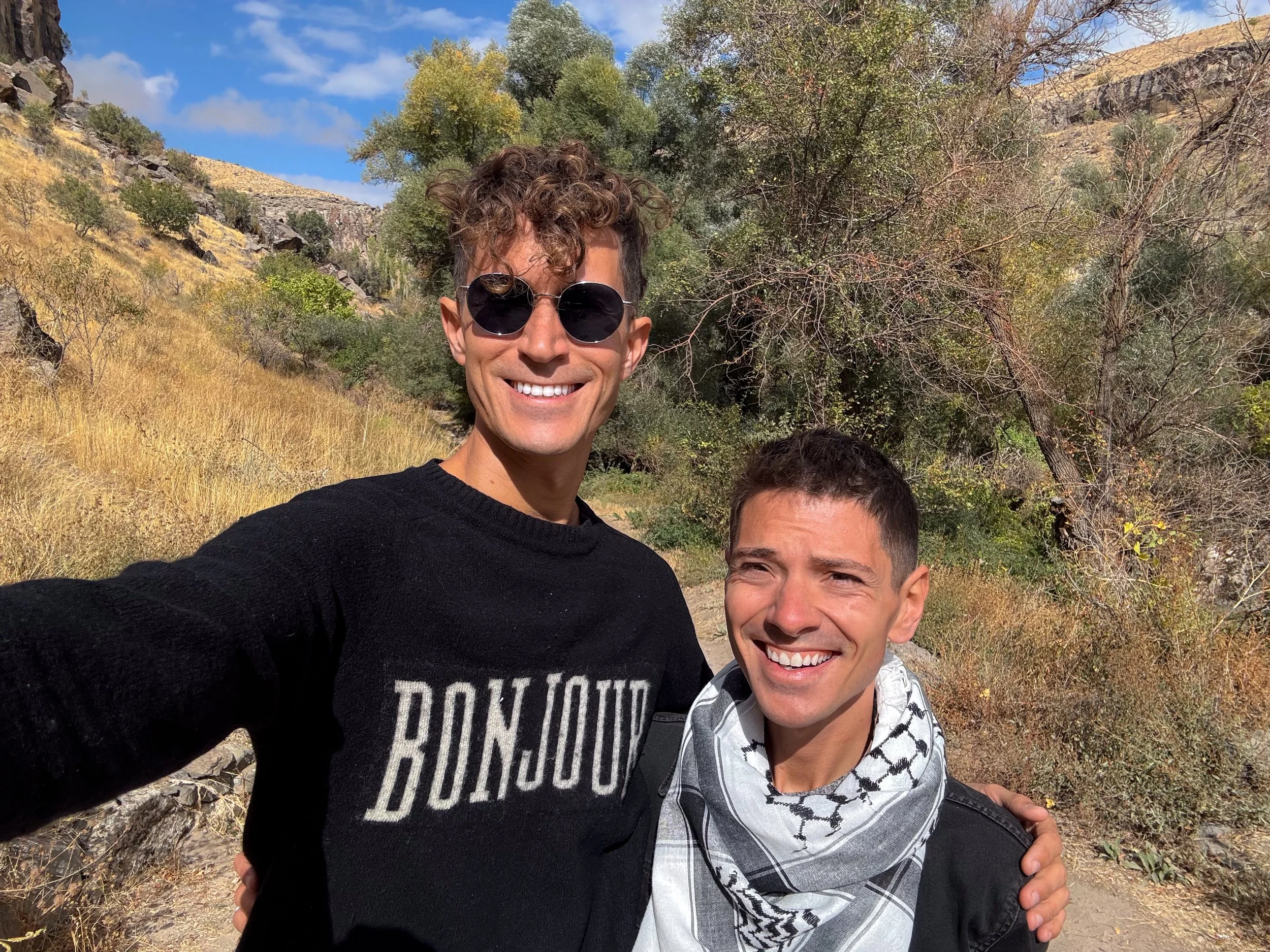
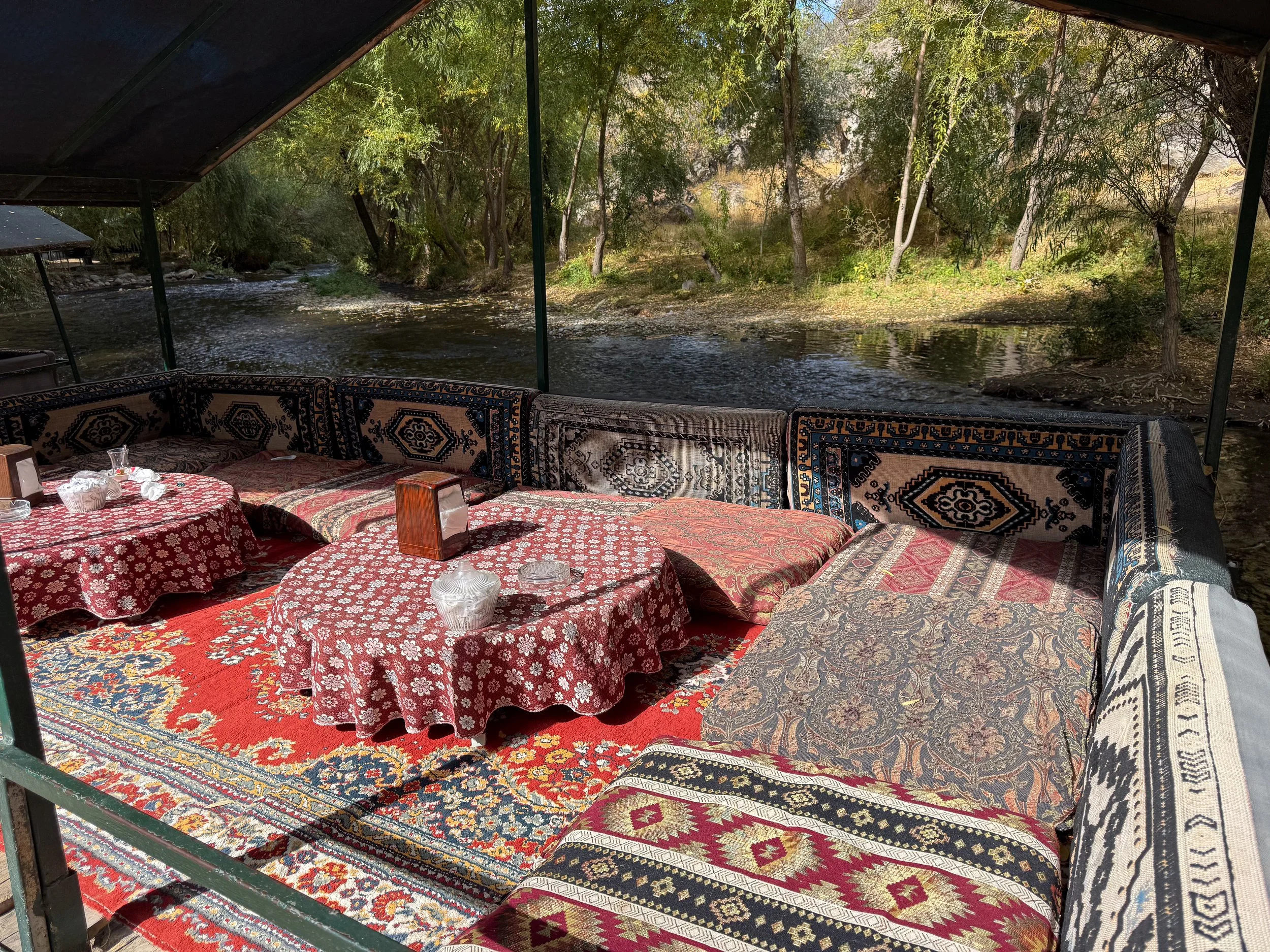
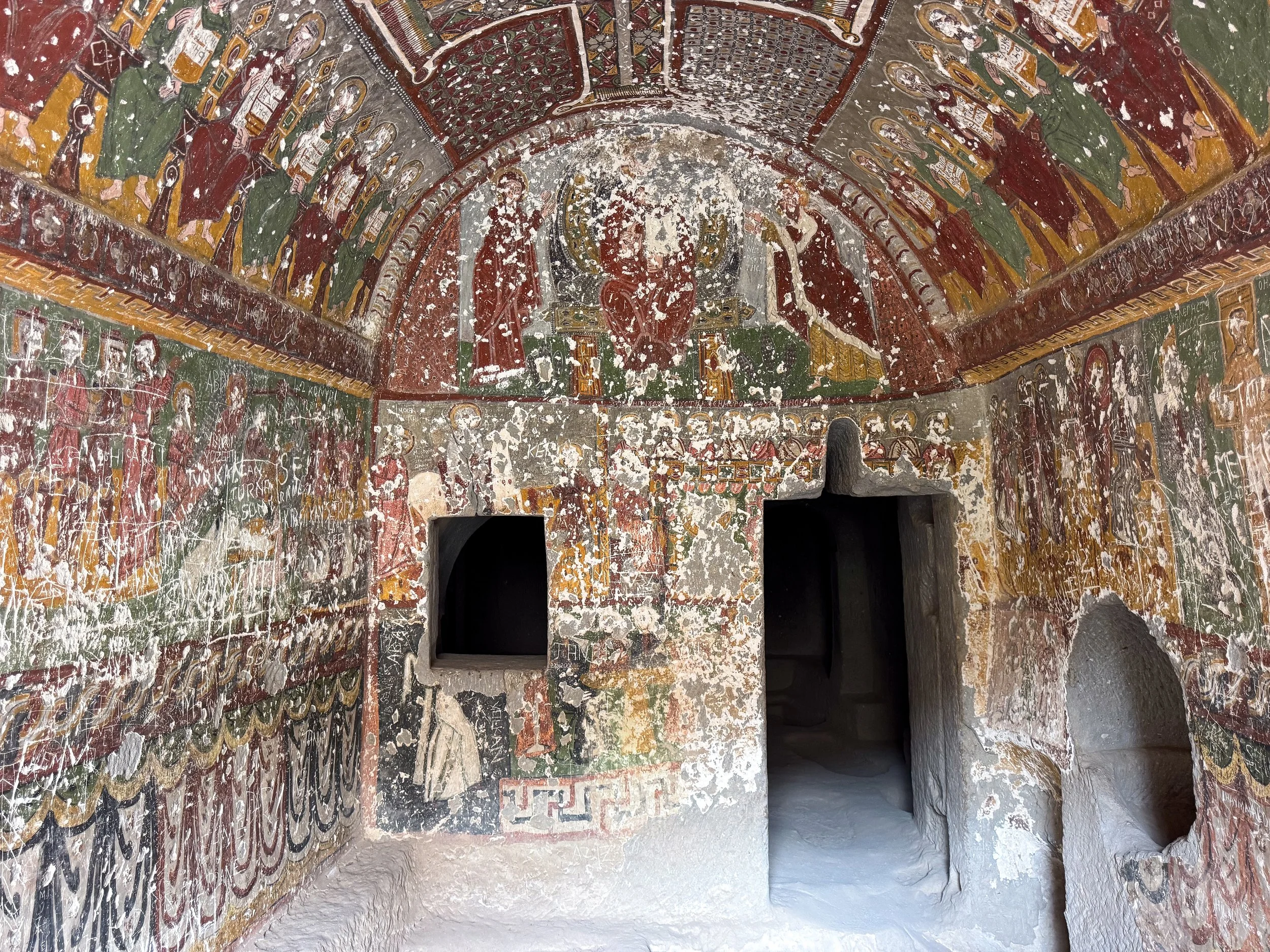
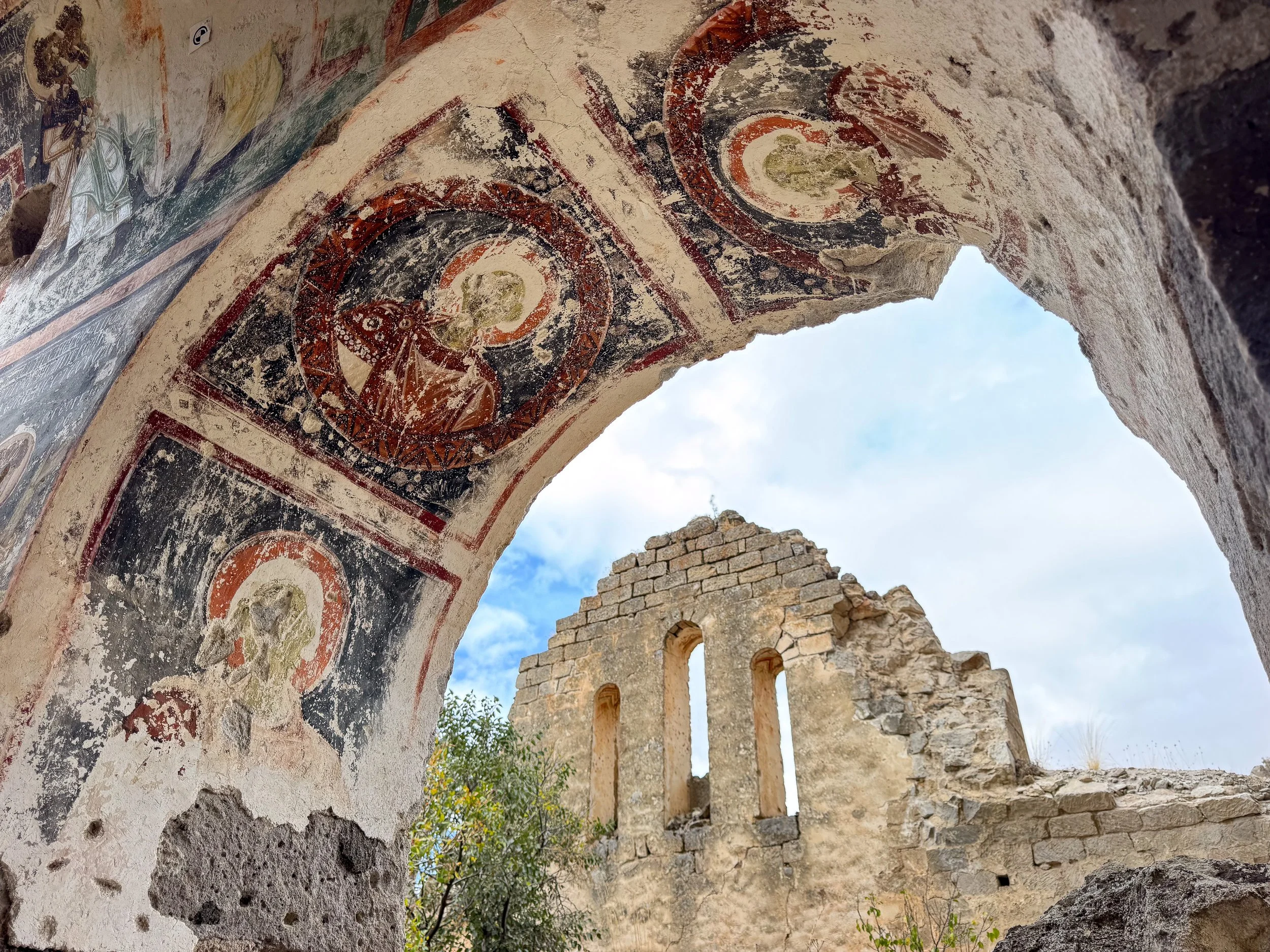
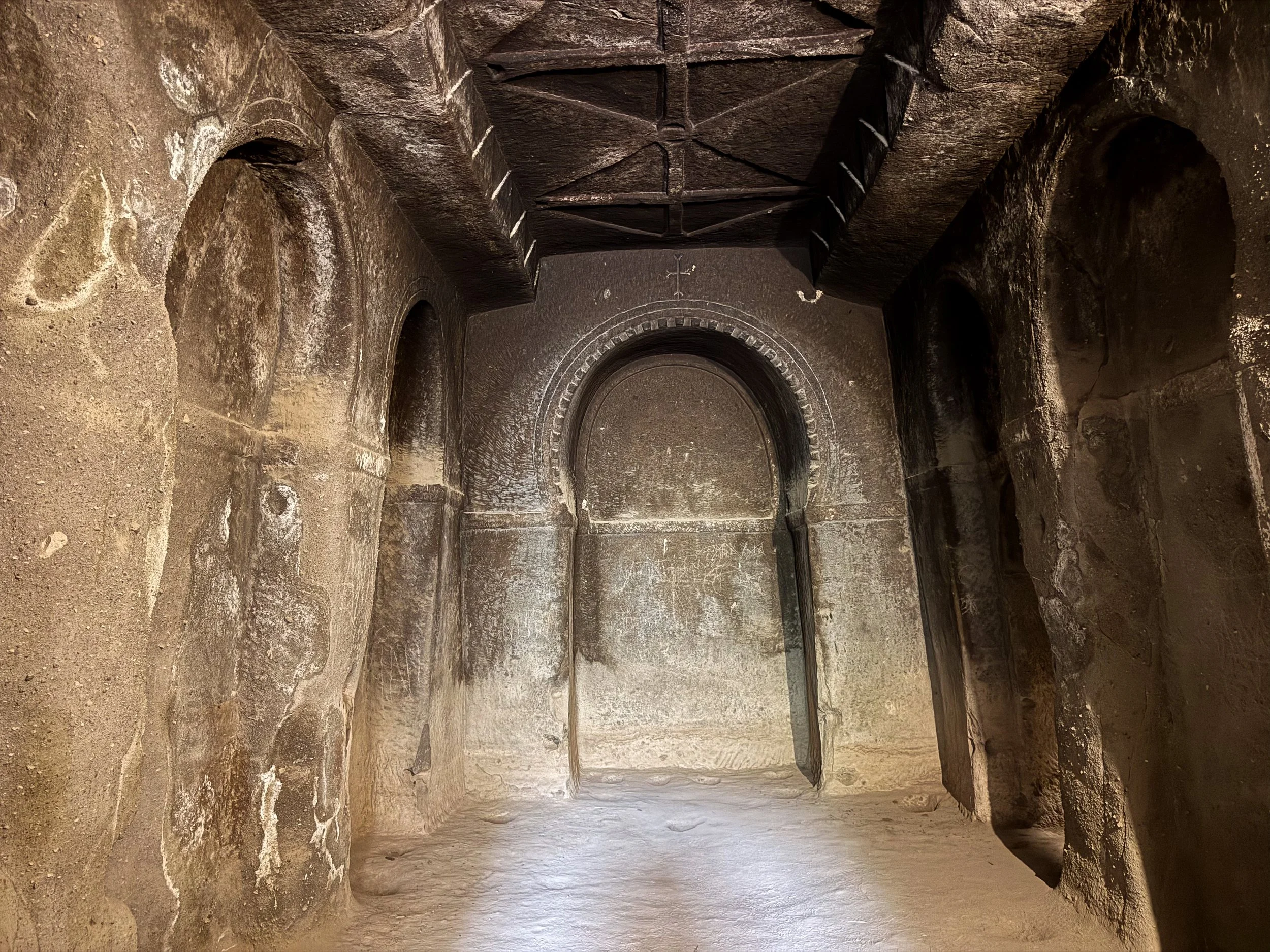
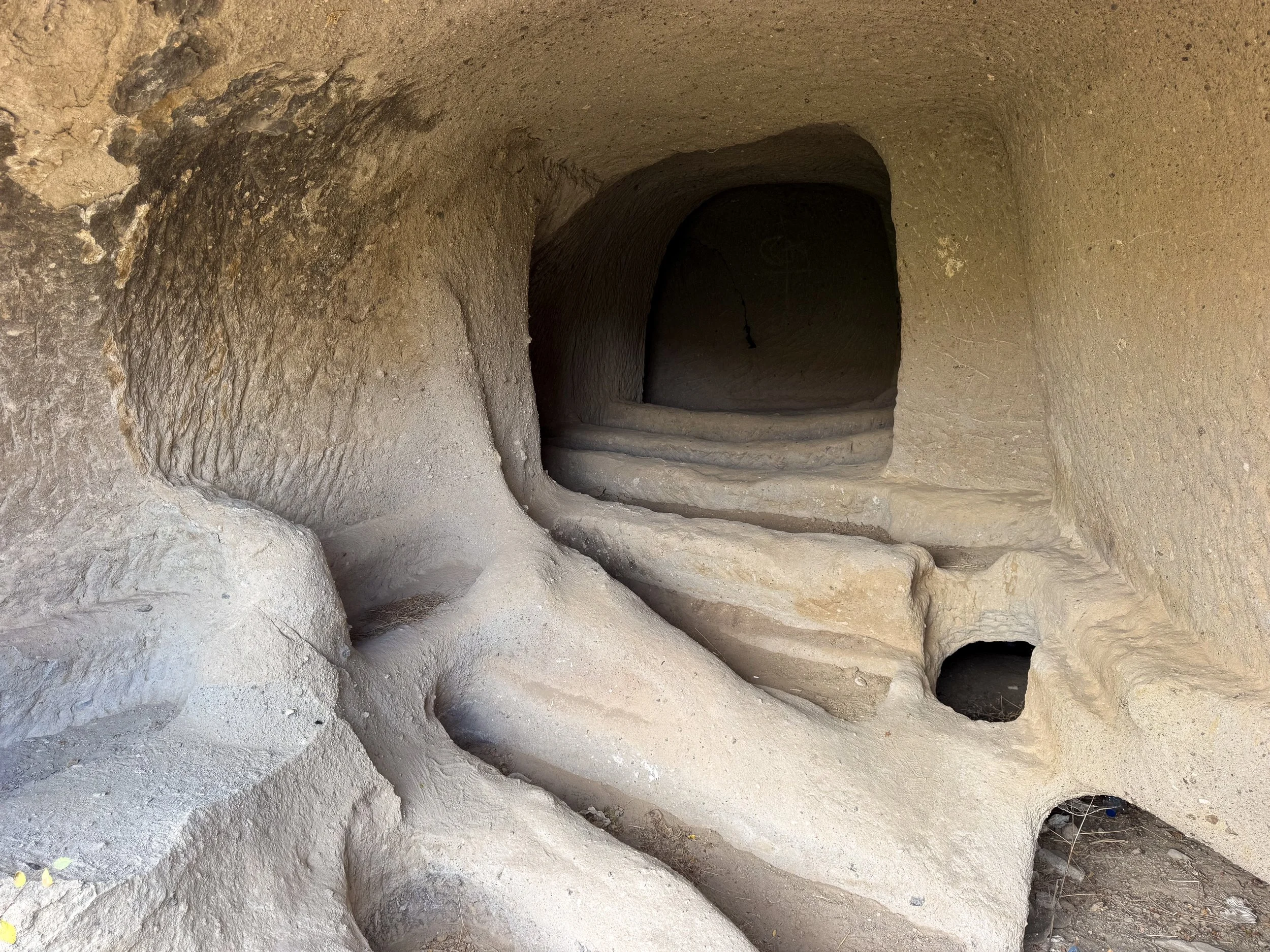
Ihlara Valley. A river canyon flanked by vertical rock cliffs and the ruins of over one hundred cliffside churches. The valley offers a combination of scenic nature and archeological sightseeing. Hiking trails follow the river with pathways branching off to 9th century churches. Their conditions range from collapsed ruins to carved chambered with colorful and well preserved frescos.
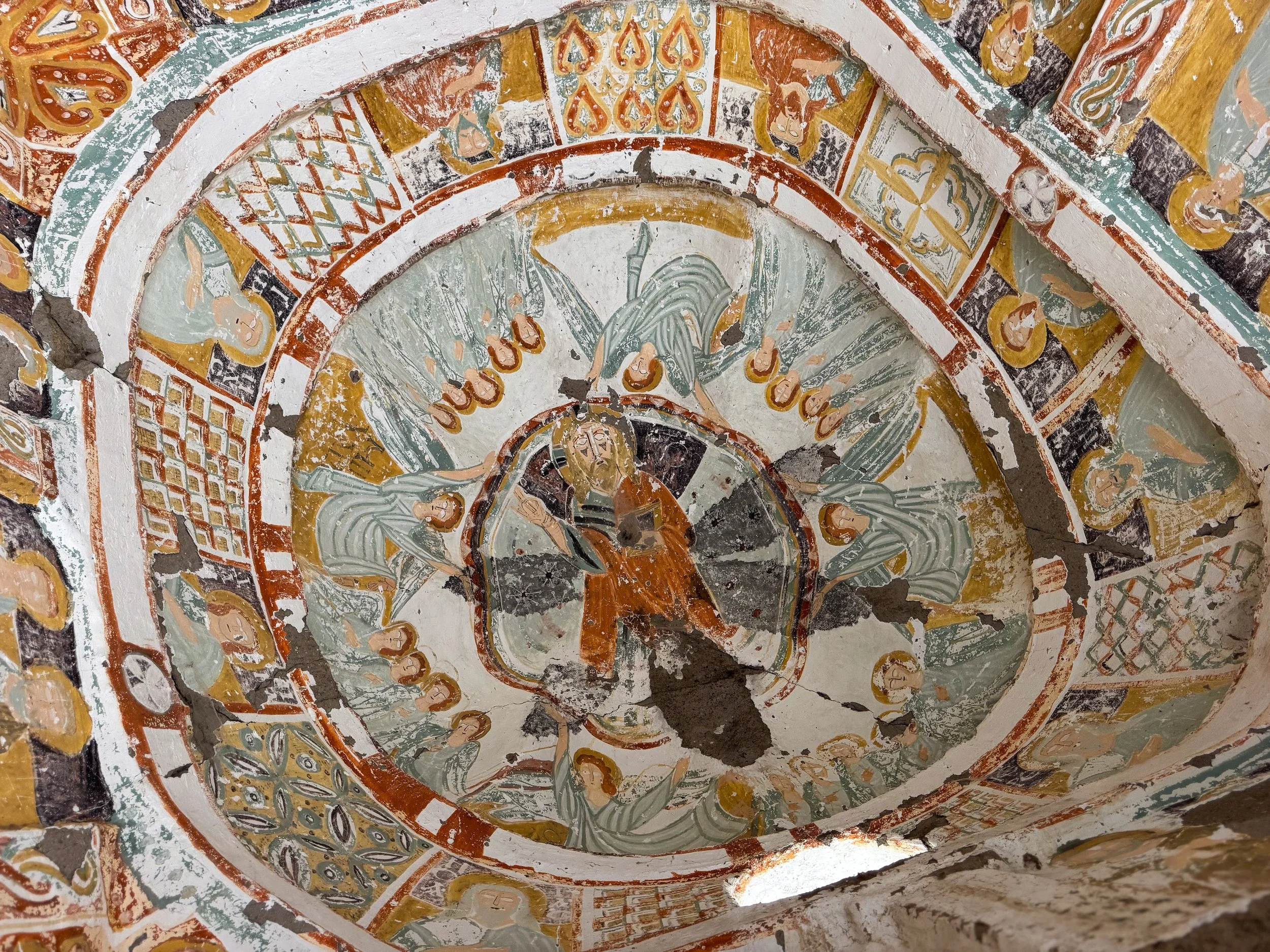
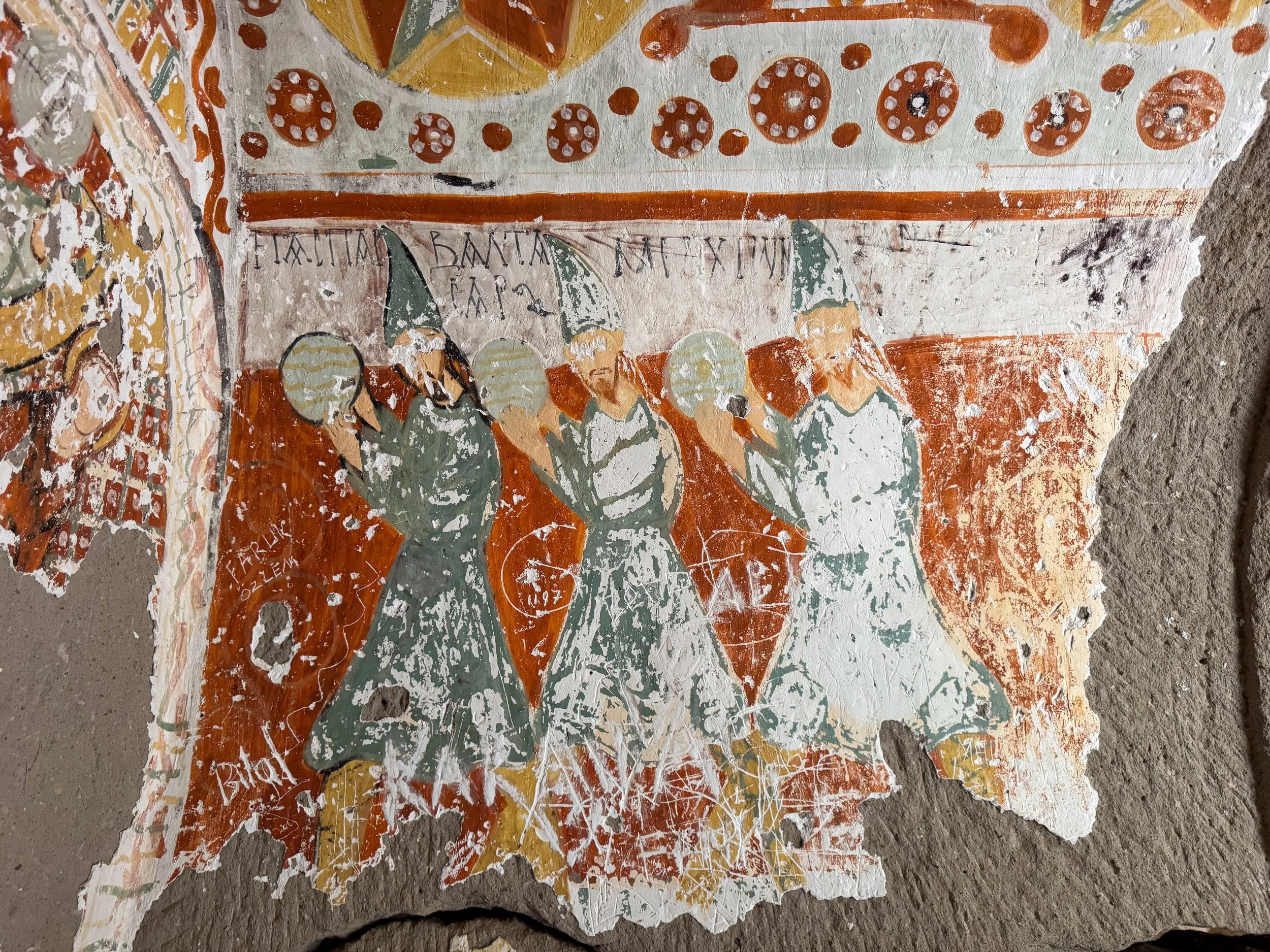
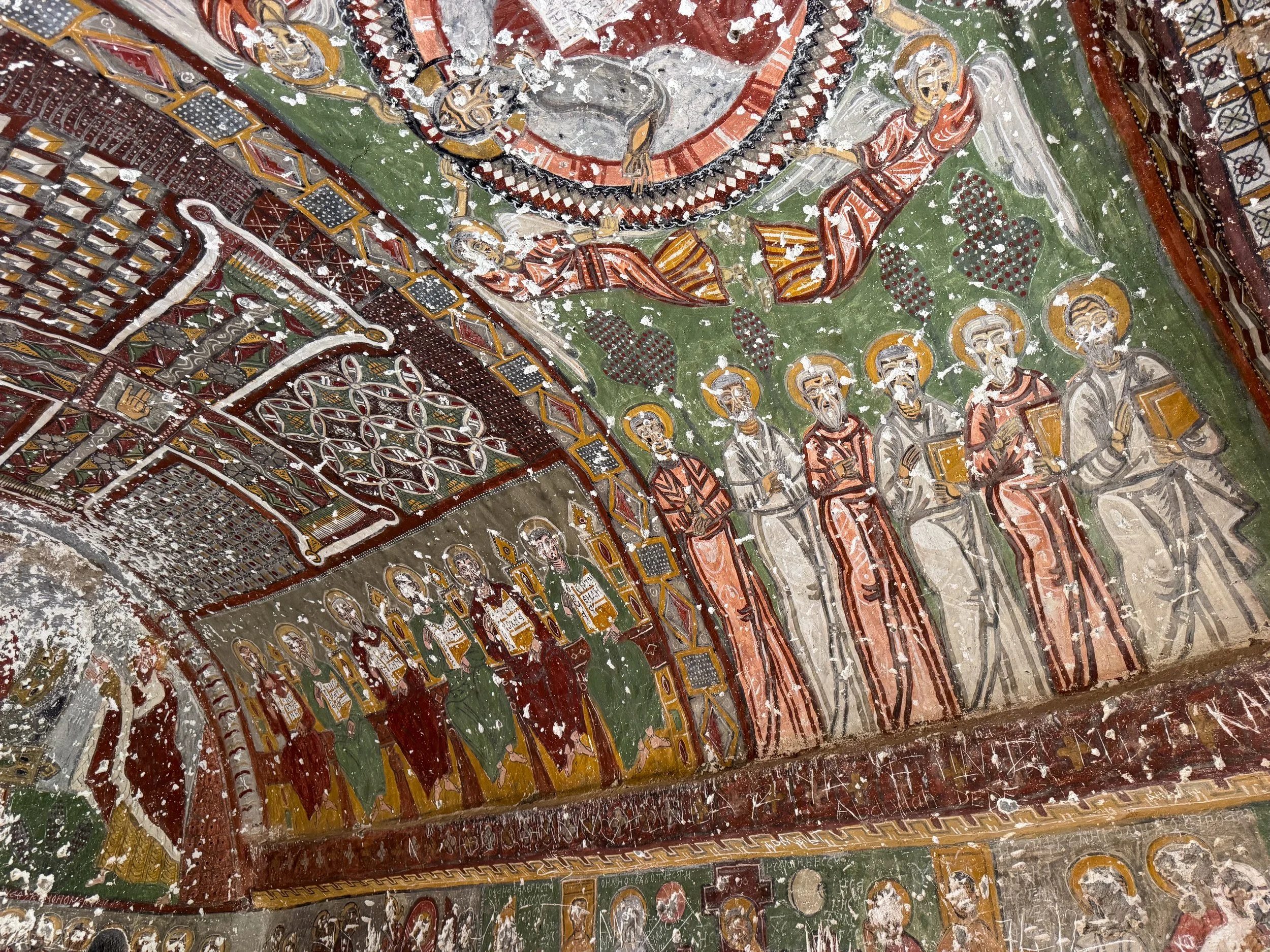
Ihlara Cave Churches:
Daniel Pantonassa Church. An elaborately decorated church with colorful and well preserved frescos of biblical scenes. It has the best frescos in the valley.
Purenli Seki Church. A partially collapsed church with painted frescos still visible on its arched doorway.
Kokar Church. A two chambered church with colorful frescos of biblical scenes and exposed in floor tombs.
Dark Castle Church. A large monastery with scorched ceilings and surfaces. Arched passageways lead to grand chambers and burial crypts.
The Serpent Church. A church with a singular nave and a burial crypt. Detailed and deteriorating frescos depicting biblical scenes cover its surfaces.
Karagedik Church. The ruins of a built church collapsed by a fallen boulder. Some arches with frescos remain visible amongst the rubble.
Janinth Church. A two level church built into the cliffside with a chiseled stone facade. An archway leads to its internal chambers and tombs.
Diker Aile Çay Bahçesi. A riverside café with a series of Persian tea houses lining its banks.
Getting Here. Enter the valley from the Welcome Center, hiking counterclockwise along the river, crossing its bridges and visiting the ruins. Plan to spend at least a half day here.
Turkish Cuisine
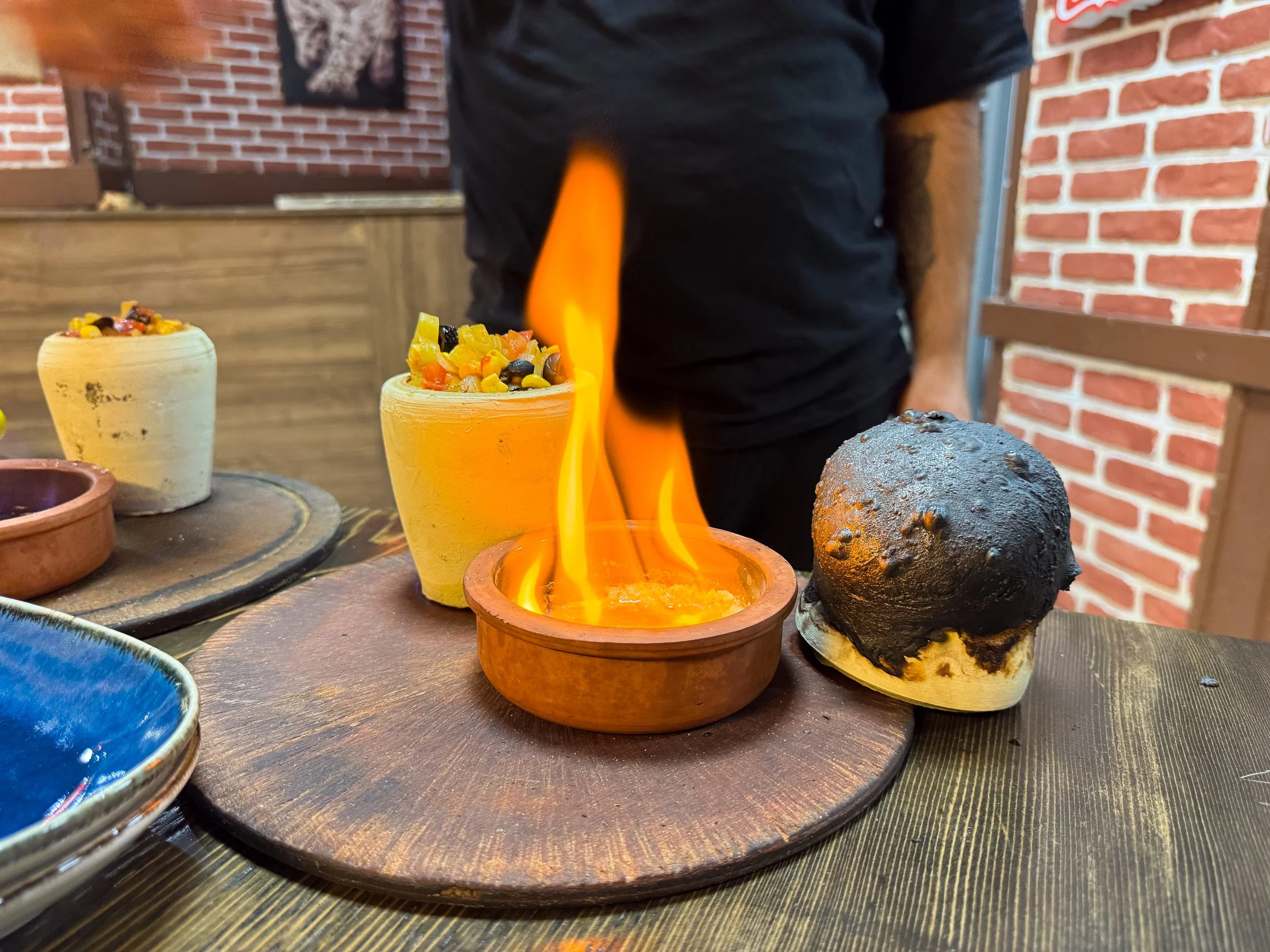
Testi Kebab (Pottery Kebab). Cappadocia’s famed kebab cooked inside a clay jar and cracked open with a large knife. It’s often made with meats, vegetables and spices then eaten with bread.
Sultan’s Delight. A savory roasted eggplant dish cooked with a cheesy roux.
Etli Biber Dolmas. A Turkish style of stuffed peppers filled with seasoned rice and boiled. It’s served hot or cold.
Simit. A sesame seeded ring shaped pastry similar to a bagel. It’s commonly eaten at breakfast with coffee.
Börek. A snaked together flaky pastry stuffed with savory or sweet fillings. Try the spinach and cheese version.
Döner Kebap. A Turkish style sandwich made from slices of rotisserie grilled meat combined with veggies in a pita.
Manti. A small Turkish style noodle or dumpling.
Pide. An ovular boat shaped pastry cradling a pool of melted cheese. It’s common on menus across the country.
Turkish Coffee. Finely ground coffee slowly brewed in a long-handled copper pot over heated sand. It has a smooth and strong flavor.
Turkish Delight. A gelatinous candy made with a range of flavors like rose, mint, lemon and orange. It’s cut into cubes and dusted in corn starch. Higher end versions are mixed with or encrusted in nuts and flowers then formed into elegant looking rolls or bricks.
Baklava. A flaky bite sized pastry made with layers of chopped nuts. It’s soaked in a sugar or honey glaze. It comes in a variety of styles and shapes.
Places to Eat & Drink
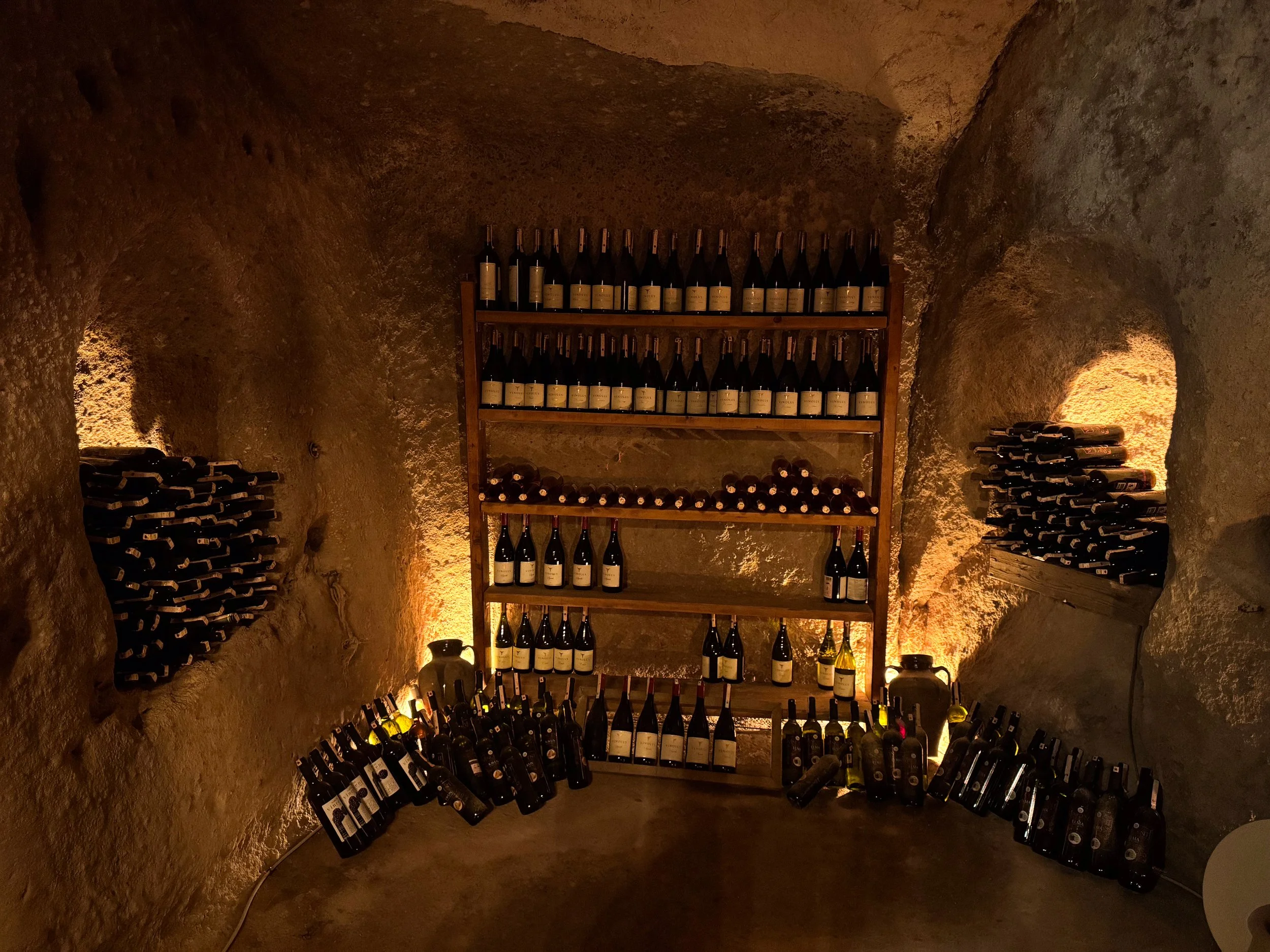
Vinodocia Wine House. A wine store in an ancient stone house with an underground cave used as a cellar. They sell local wines from Cappadocia and across Turkey. Come for a 5 glass tasting and leave with a bottle to bring home.
Firin Expres. A Turkish restaurant with a massive wood burning oven at its center. The chef bakes fresh bread, pide, pizzas and flaming jars of testi kebab. It’s one of the few places that has a vegetarian version.
Develi Cıvıklısı Pita Parradise. A restaurant specializing in various types of fresh baked pide like vegetarian, spinach and cheese, plain cheese and sausage.
Hector Coffee House & Lounge. A multi floor café in Göreme with a rooftop terrace and Persian style lounge. Come here for afternoon coffee and baklava.
Mozaik Restaurant. A cozy restaurant and bar with a warmly lit interior and Turkish wines. Come here for a mulled wine by the fireplace on a chilly night.
Where to Stay
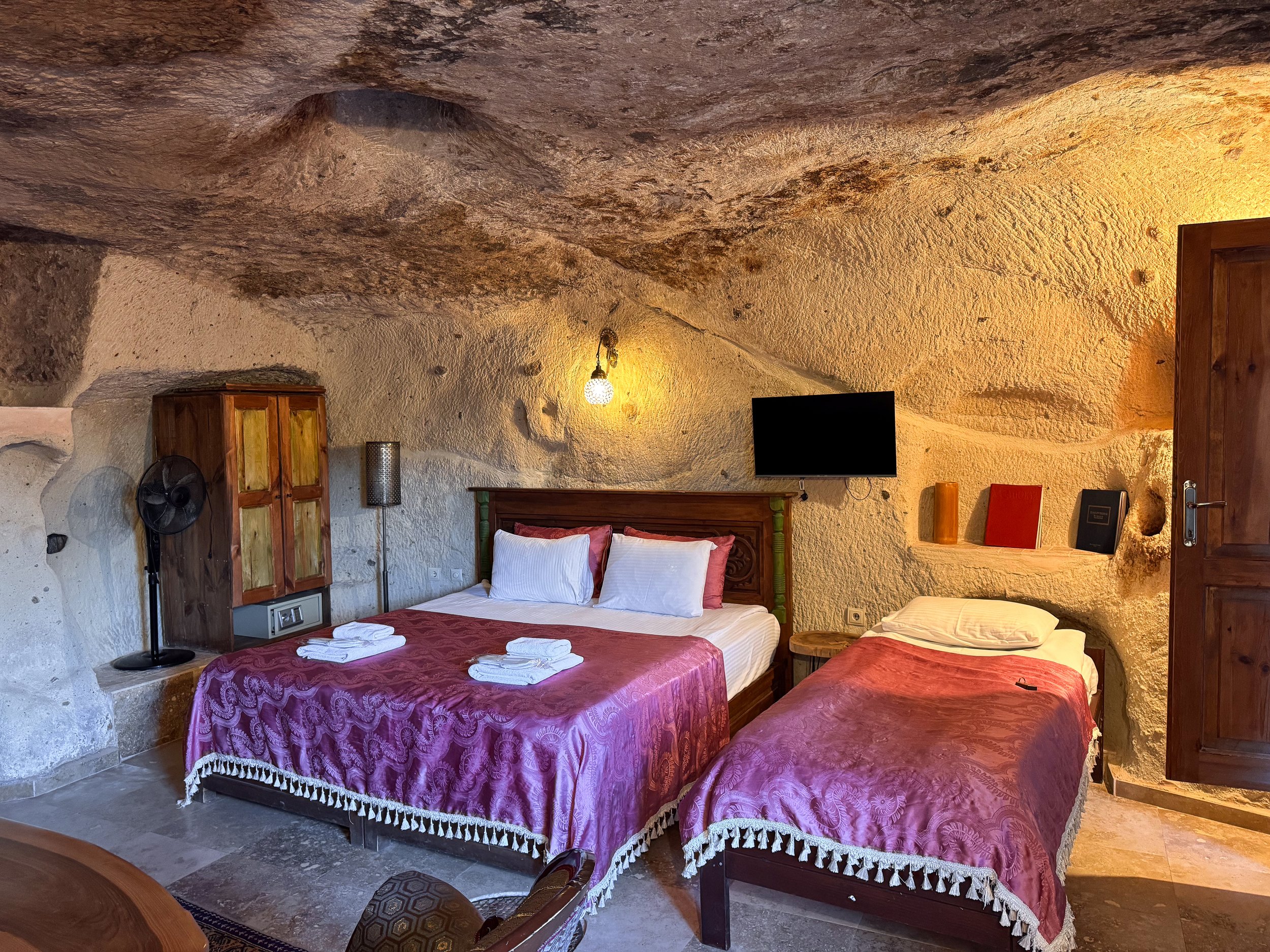
Atilla’s Cave Hotel. A cave hotel in the town of Nar with multiple rooms built into a 1,500 year old cave dwelling. The rooms are authentic, spacious and warmly lit making for a cozy stay. The hotel has a rooftop terrace and restaurant serving homestyle Turkish meals. Book on Airbnb.
Hotel Philosophia. A hostel in Uçhisar with private stone walled rooms and rustic bungalows near the center of town. Its garden patio and communal kitchen are perfect for relaxing and meeting other travelers. The host provides a daily breakfast spread with Turkish tea. Reserve on Hotels.
Rental Car
Renting a car and driving between the valleys is the best way to see the sights and natural landscapes on your own time. We rented an economy car from Garenta at the airport for our week in the region. Driving was not too different than in other parts of Europe or the United States.
Location Specifics
When to Visit. We visited Cappadocia during the shoulder season in early October. The days were mild and evenings were cool making outdoor hikes through the valleys quite pleasant.
How Long to Visit. Plan on visiting Cappadocia for at least 5 days. This will give you enough time to visit several valleys at a leisurely pace.
Avoid the Tours. Tours allow visitors short on time to visit multiple sights in one day, however they’re quite shallow. Most groups stop for a brief photo and move on.
Wear Proper Footwear. Wear hiking boots or shoes with sturdy treads while hiking. The loose gravel and steep terrain can be treacherous.
Language. Turkish, the national language is widely spoken in Cappadocia. Many people in the tourism industry speak a range of languages including English, Italian and Russian.
Cash vs. Card. Most businesses accept credit cards. Carry Turkish Lira for times when card machines are down. ATMs are plentiful in town centers. Foreign currencies like the Dollar or Euro are not accepted.
Tipping. A 10% tip or service charge is customary. Confirm if it’s included before paying or double tipping.
Elsewhere in Turkey
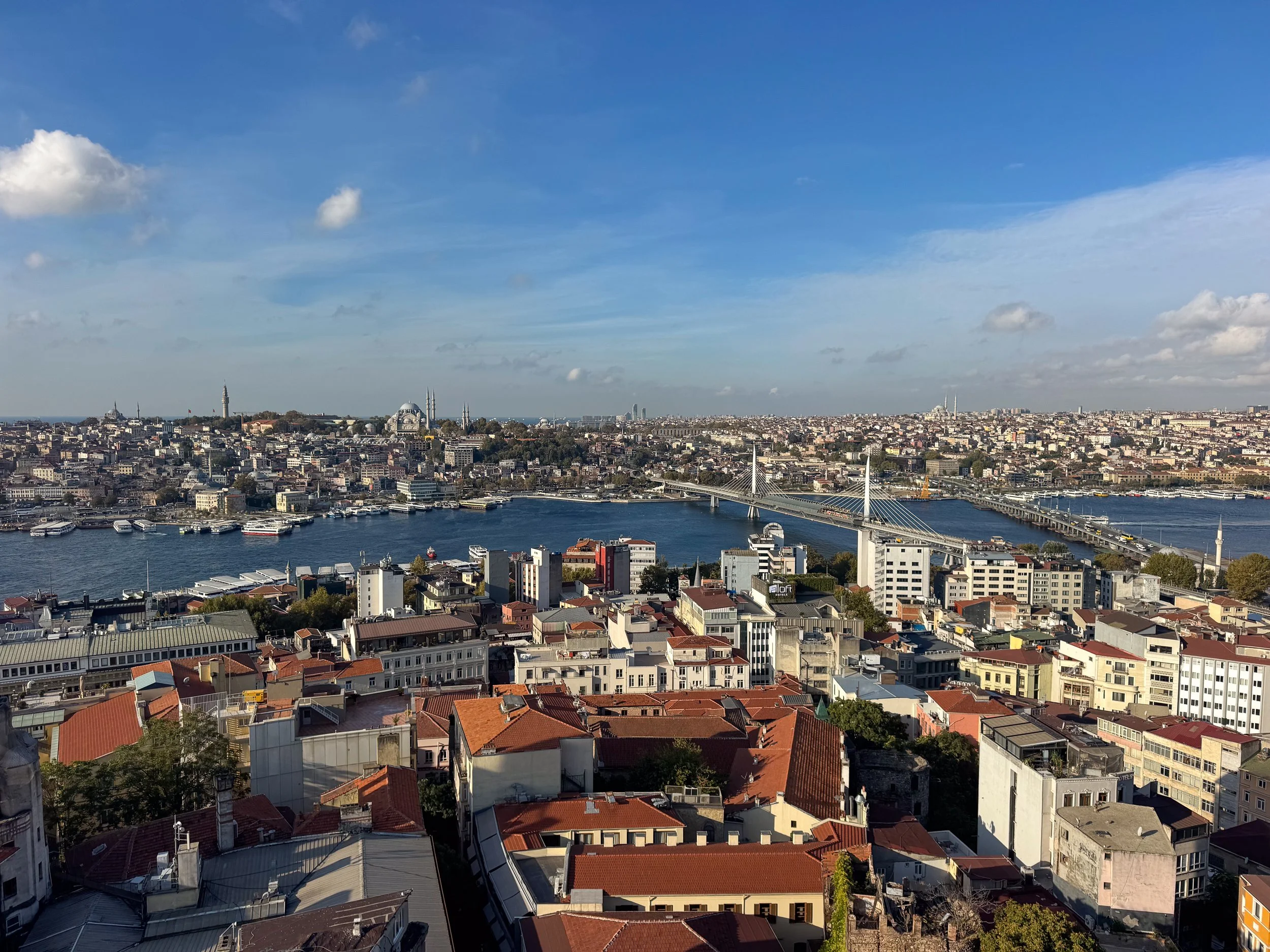
From Cappadocia's cave dwellings and dramatic valleys to Istanbul's Byzantine and Ottoman landmarks, neighborhoods and culinary traditions, discover more of Turkey beyond the countryside.
Istanbul Travel Guide: Neighborhoods, Historic Sights & Turkish Cuisine. Wander through Istanbul's vibrant neighborhoods where Ottoman landmarks, bustling bazaars and Turkish culture connect two continents across the Bosphorus.
For Next Time…
Cappadocia is a place of ancient history and incredible landscapes. We experienced a lot during our week and left with inspiration for our next trip to Turkey.
Hot Air Balloon Flight. Since our hot air balloon flight was repeatedly cancelled due to weather, we plan to try again on our next adventure here.
Cave Dwelling Camping. After seeing people camping in the Red Valley, we’ll be traveling with our camping gear and staying overnight in one of the ancient cave dwellings.
Tuz Gölü Salt Flats. A vast salt lake home to flamingos, mirror-like reflections and picturesque sunsets.
Çatalhöyük Archaeological Site. A neolithic archeological site with the excavated ruins of a Hittite city dating back to 7,500 BCE.
Sagalassos Archaeological Site. An ancient acropolis with ruins of baths, theaters and statues from the Greek and Roman empires.