Graz & Styria
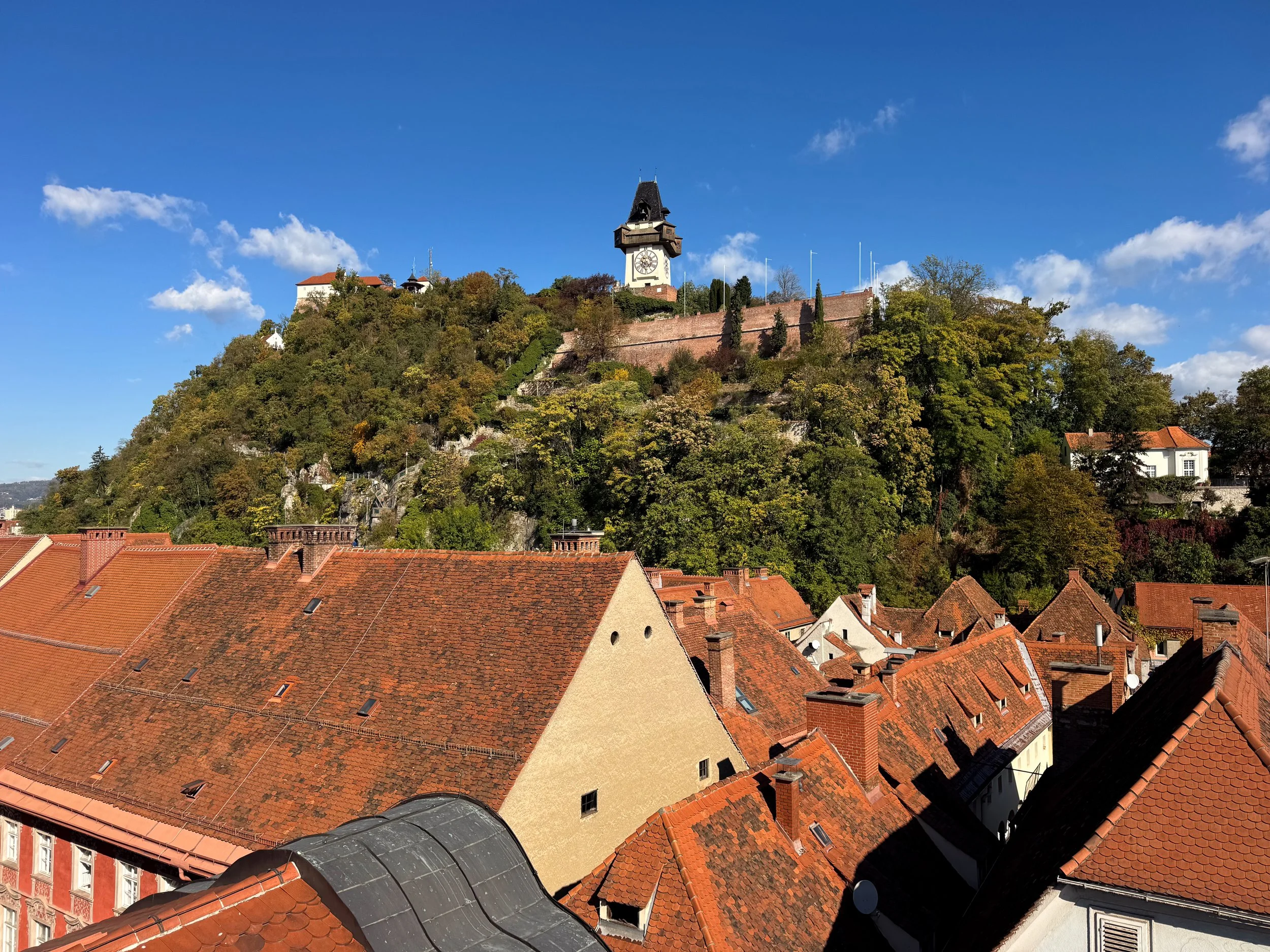
Graz is a medieval Austrian city shaped by centuries of history. Its skyline of Gothic spires and terracotta rooftops rises beneath the forested Schlossberg, crowned by the historic Uhrturm. Bridges stretch across the tree-lined Mur River to trendy neighborhoods filled with cafes and cocktail bars, while restaurants serve hearty Styrian fare drizzled in pumpkin seed oil. Beyond the city, castles and vineyards dot the rolling hills. Despite being Austria’s second-largest city, Graz remains refreshingly undiscovered. Visit in autumn, when the leaves turn gold, chestnuts roast on street corners and glasses of Sturm are poured across the region.
Neighborhoods & Streets
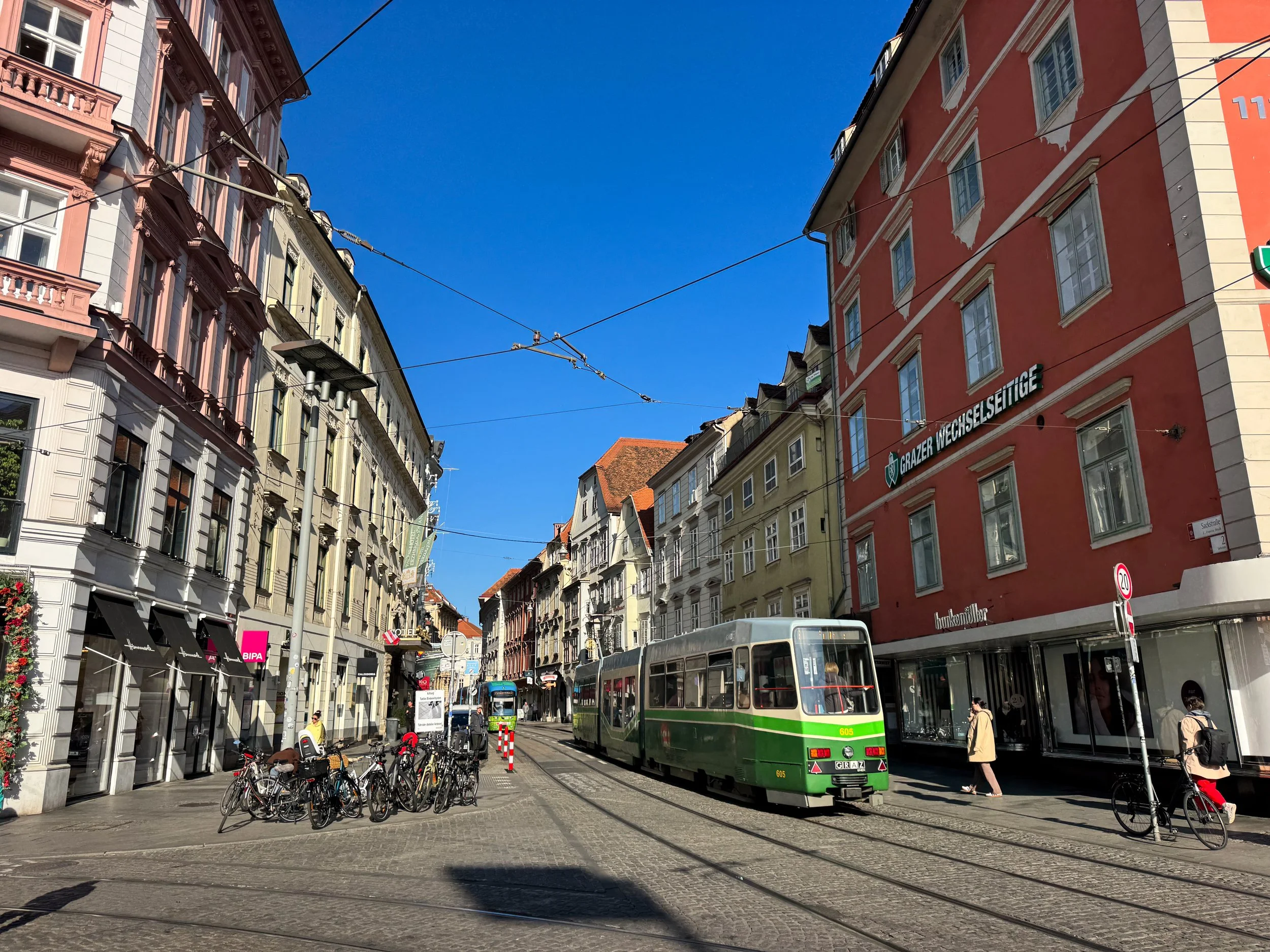
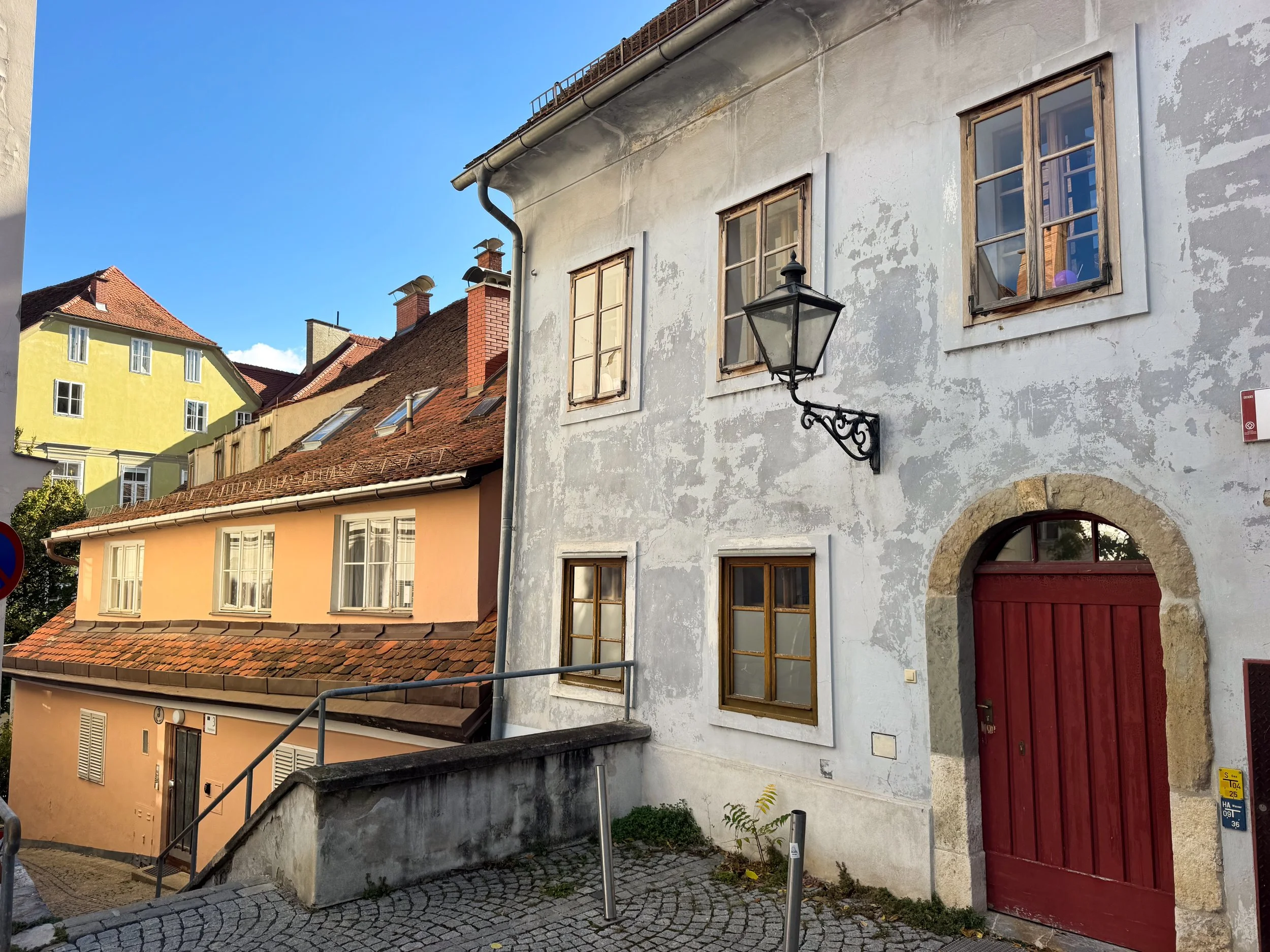
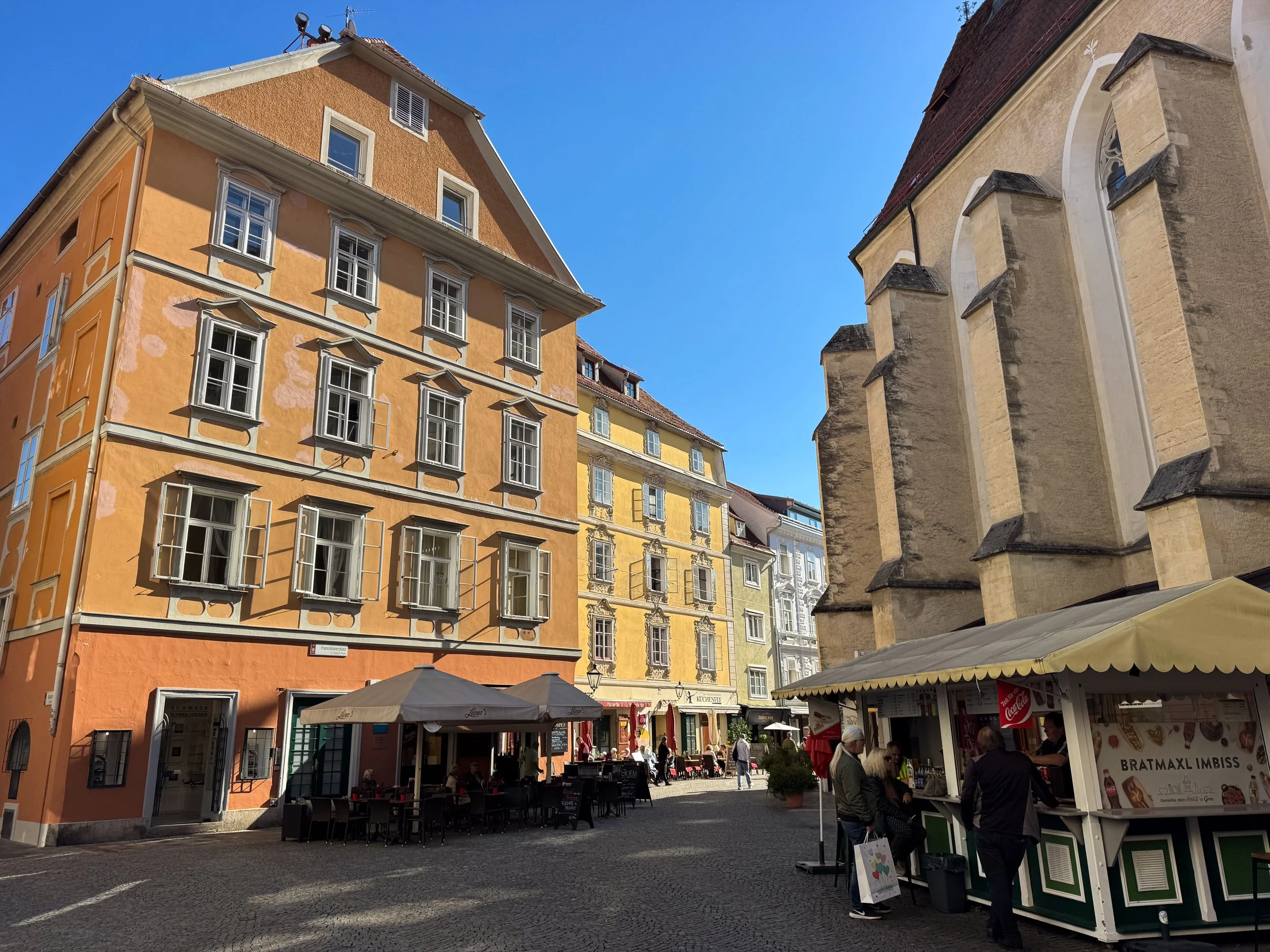
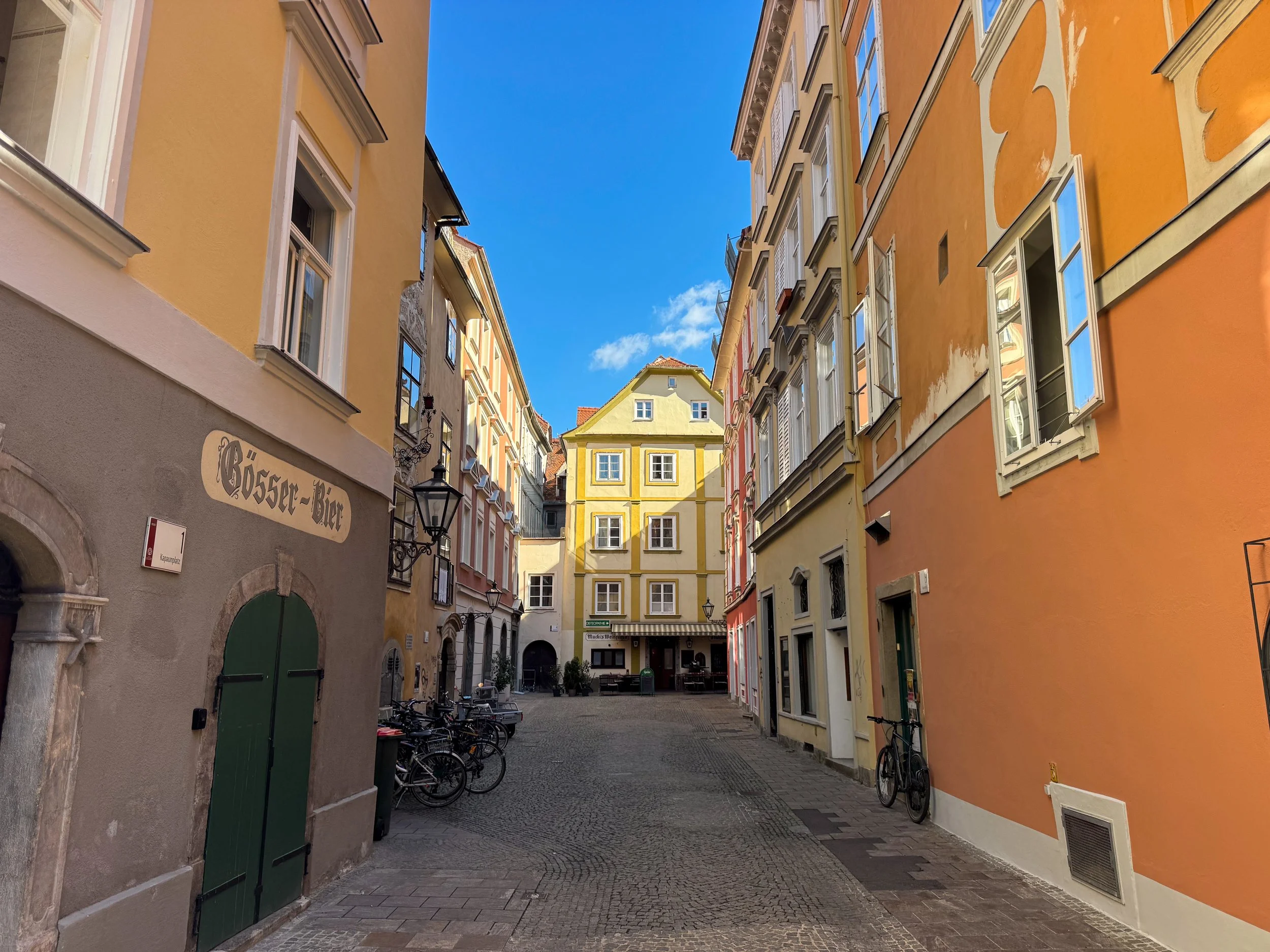
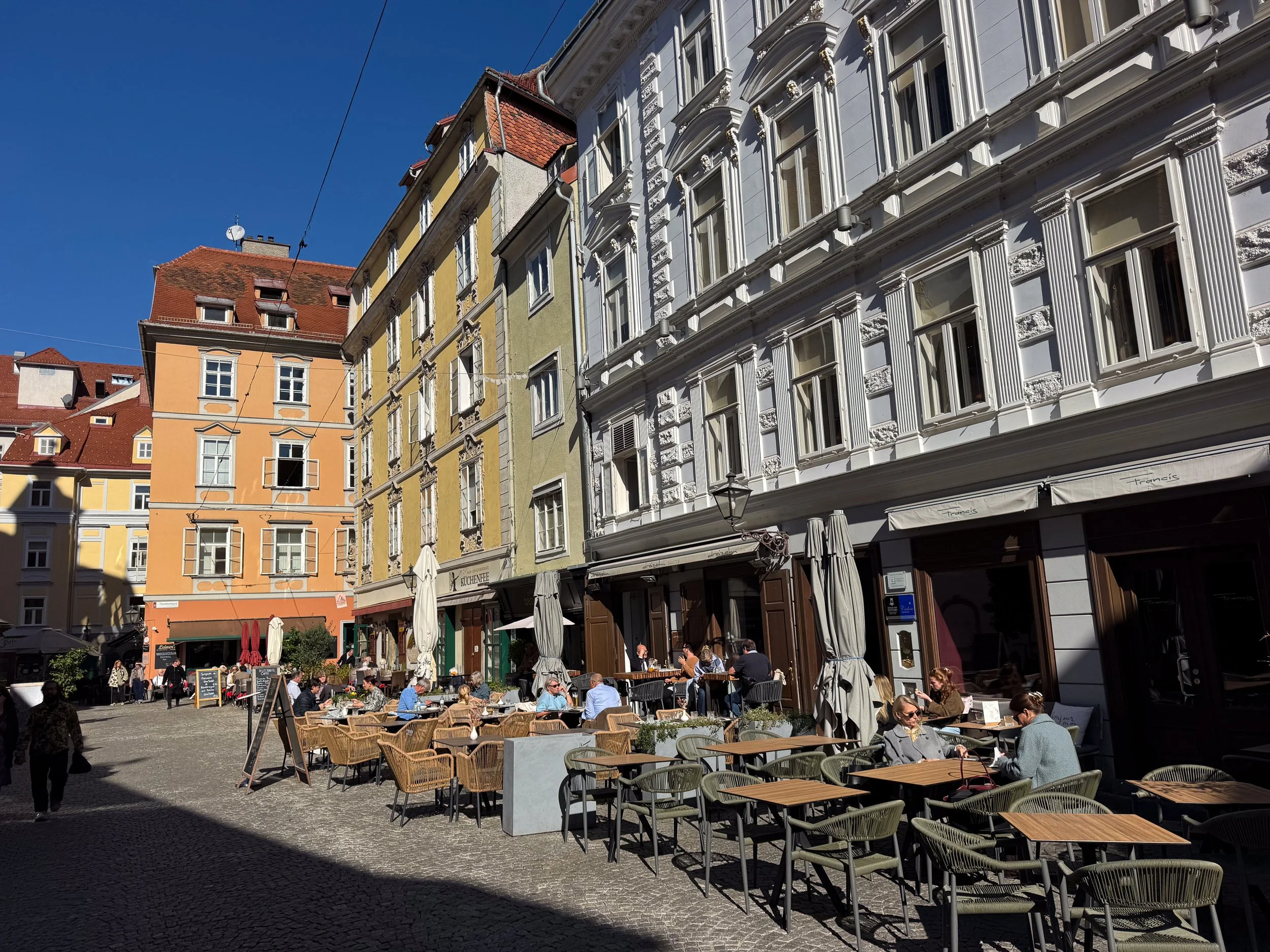
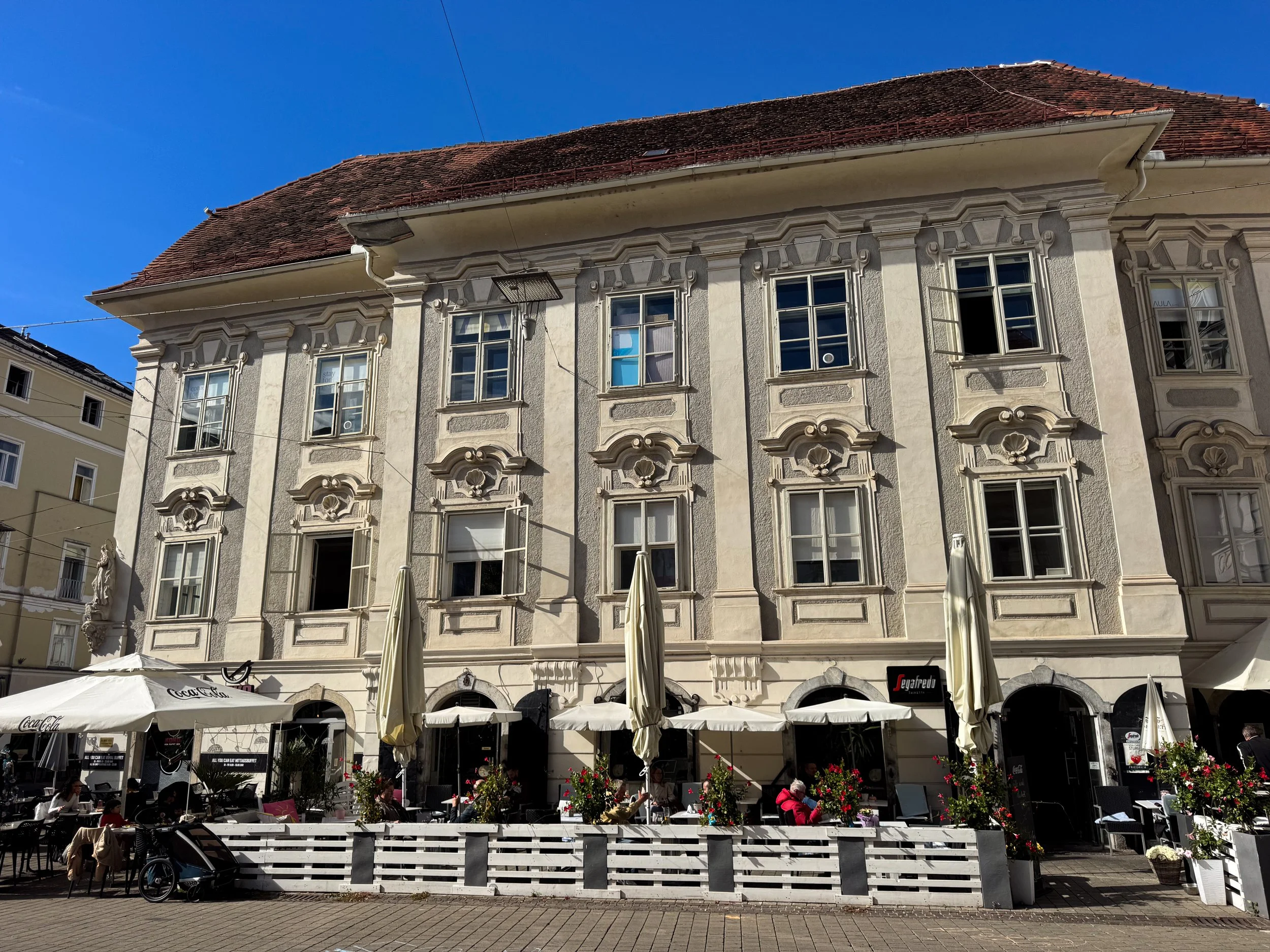
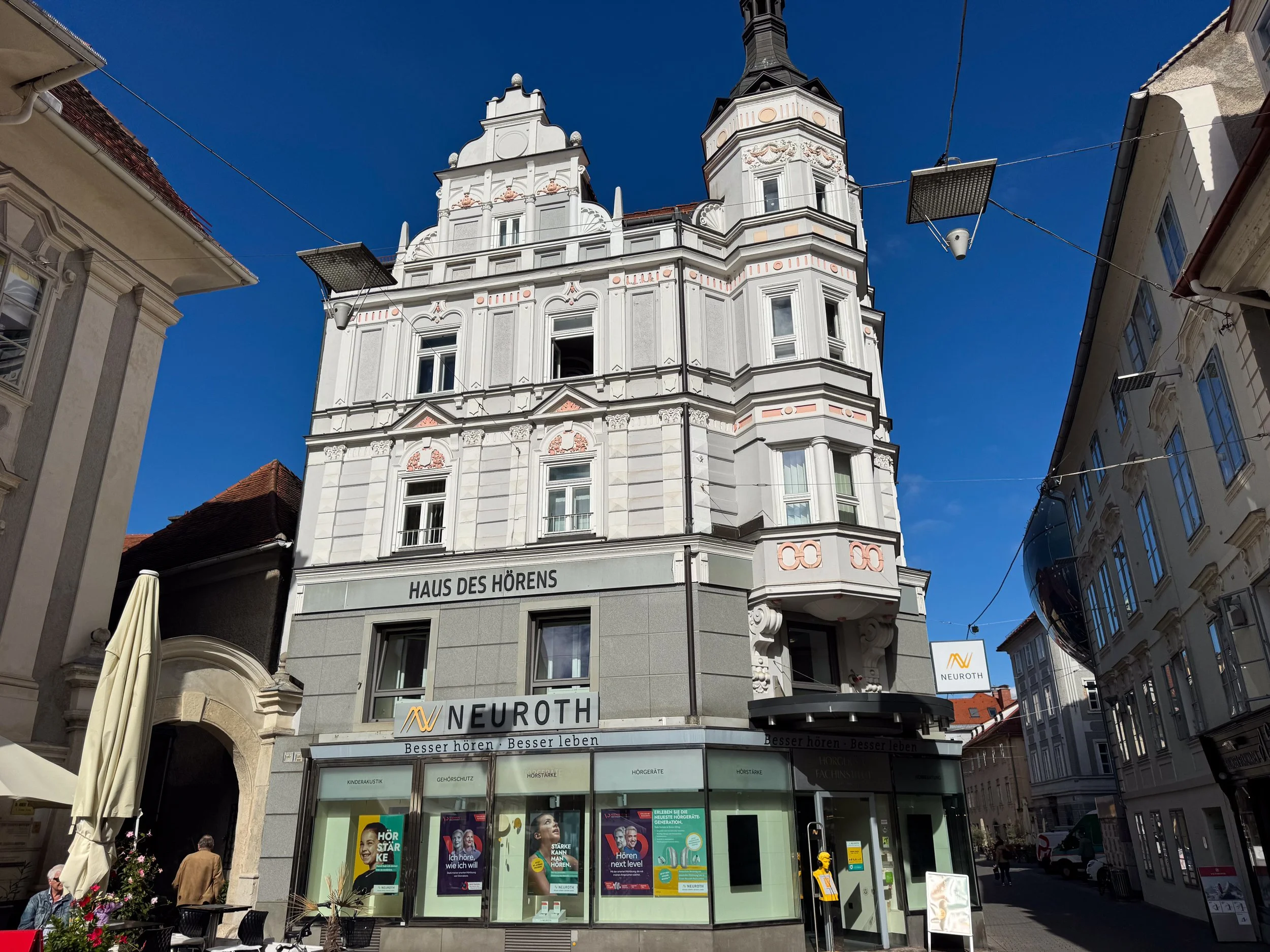
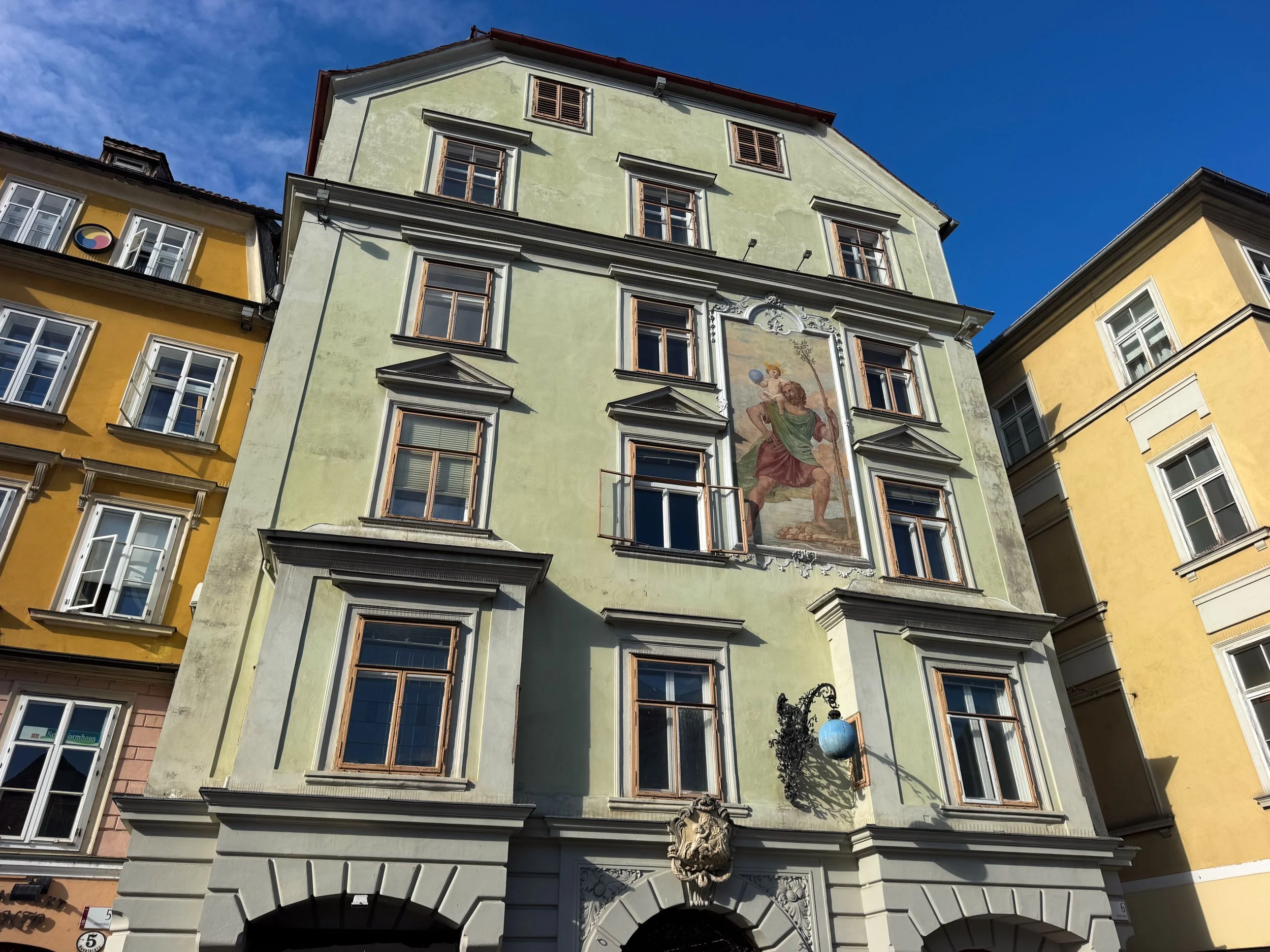
Altstadt. Graz’s old town is a place where centuries of history linger around every corner. Gothic, Renaissance and Baroque buildings painted in pastel hues are adorned with ornate stucco, frescoes and gilded statues. Narrow alleyways lead to hidden courtyards and open onto plazas filled with restaurant terraces and farmers markets. Boutiques sell traditional Austrian clothing, regional wines and local delicacies. Trams rattle through the streets as bell towers chime on the hour.
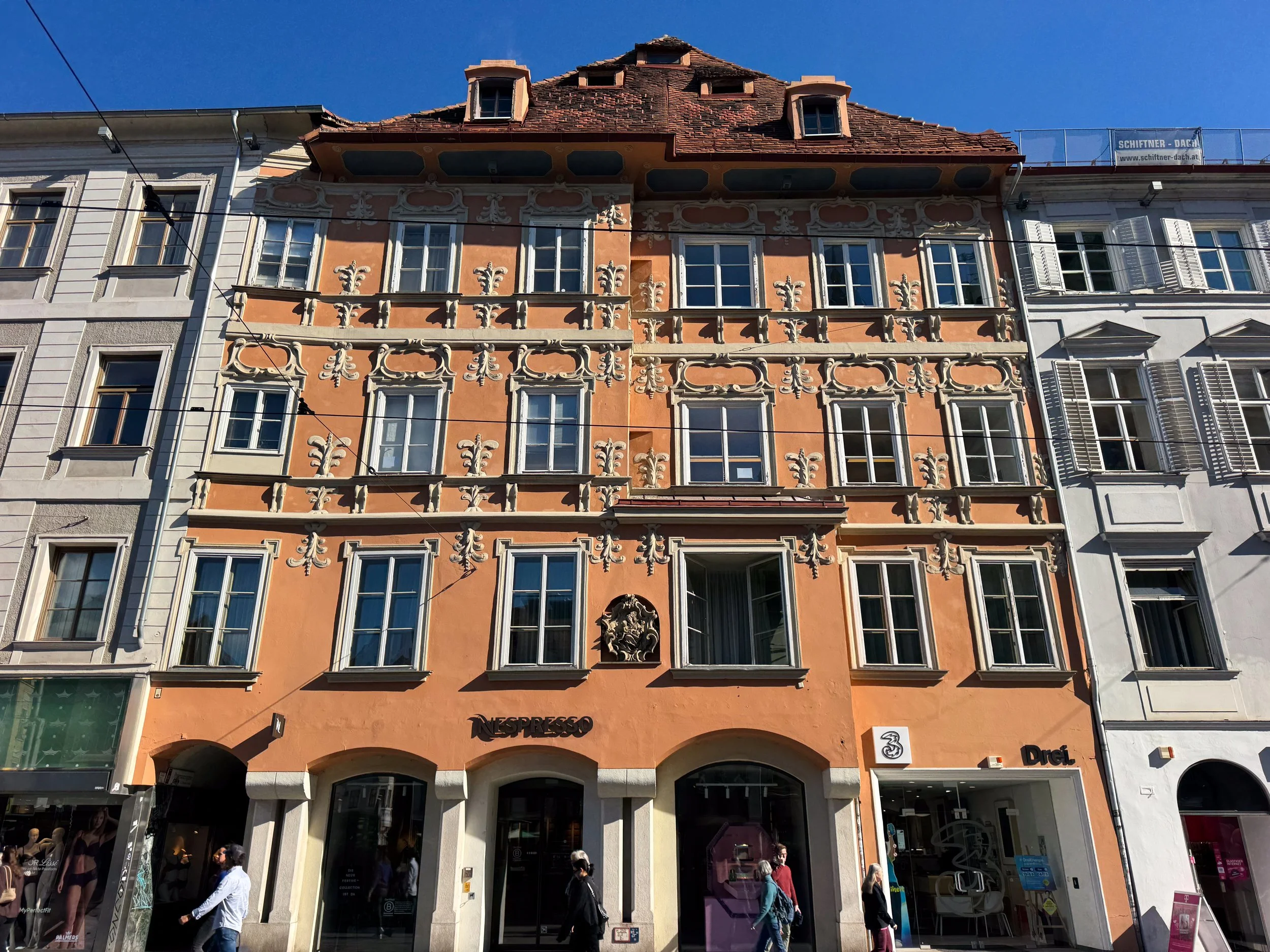
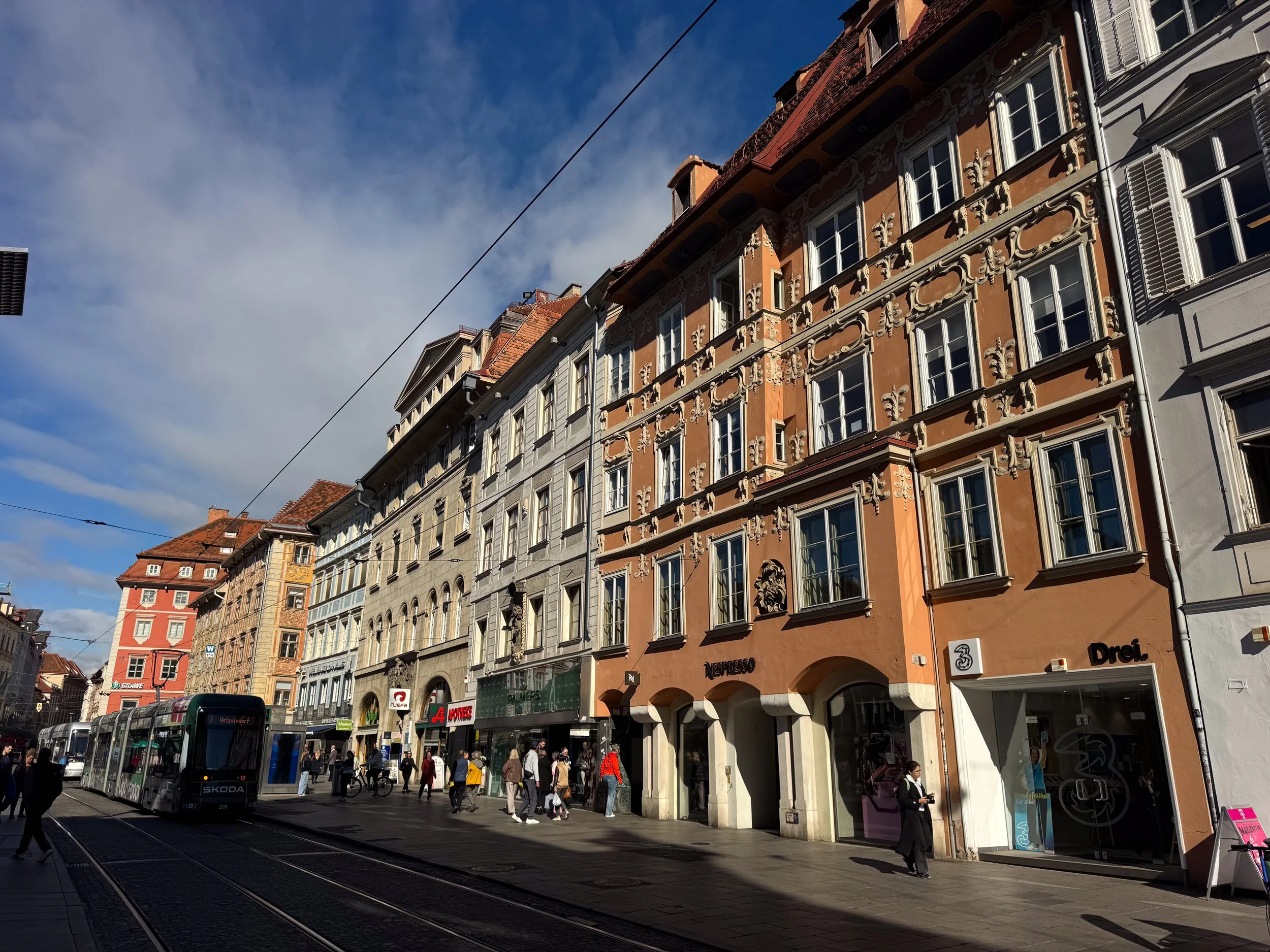
Herrengasse. The main thoroughfare through Graz’s Altstadt, flanked by some of the city’s most elegant and historic buildings. It’s one of the city’s top shopping streets with stores selling clothing, shoes, jewelry and accessories. Trams glide along its tracks to the central square.
Sporgasse. A narrow street winding up from the central square, lined with galleries, boutique clothing stores, vintage shops, jewelers, small cafes and souvenir shops.
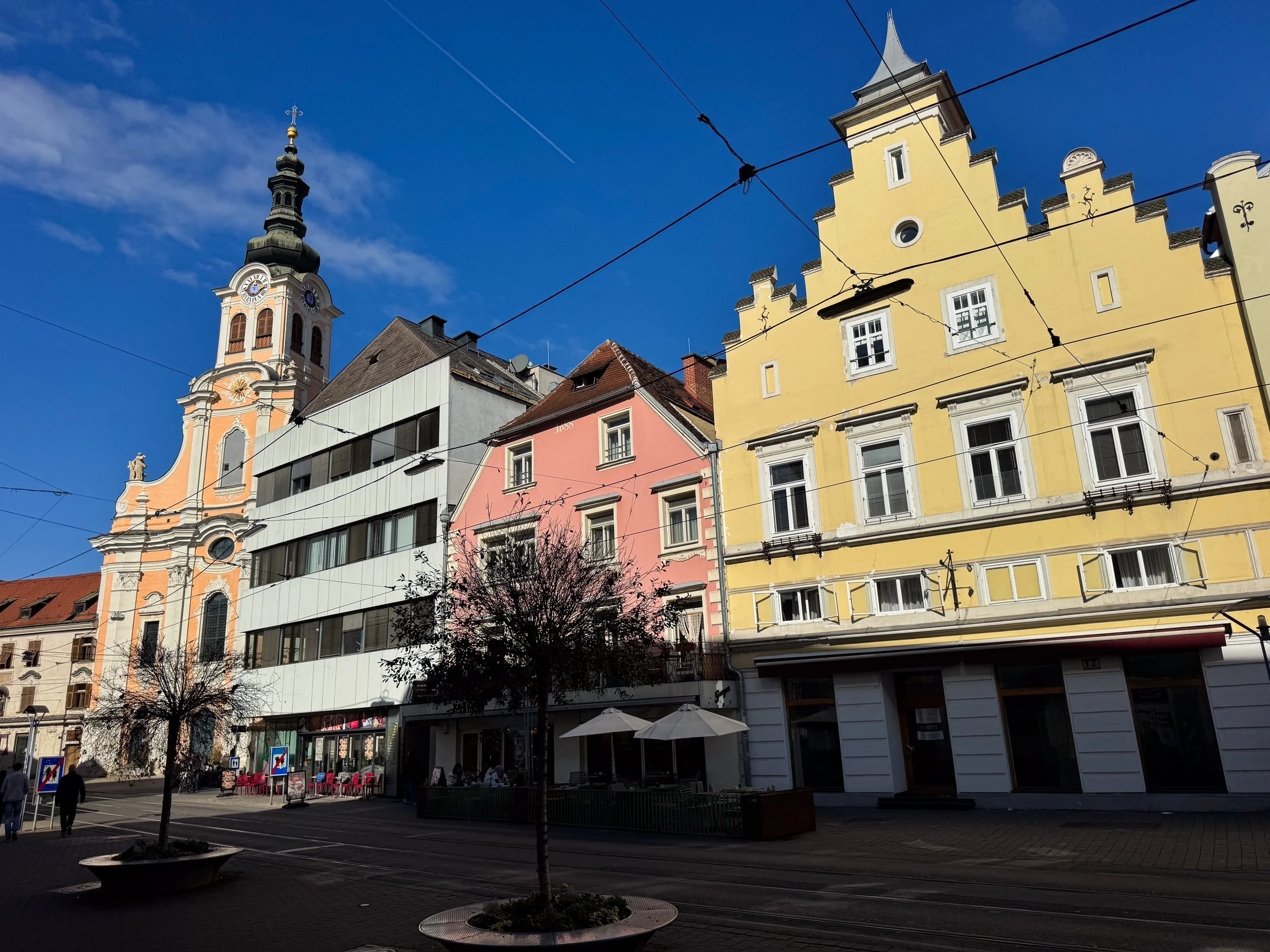
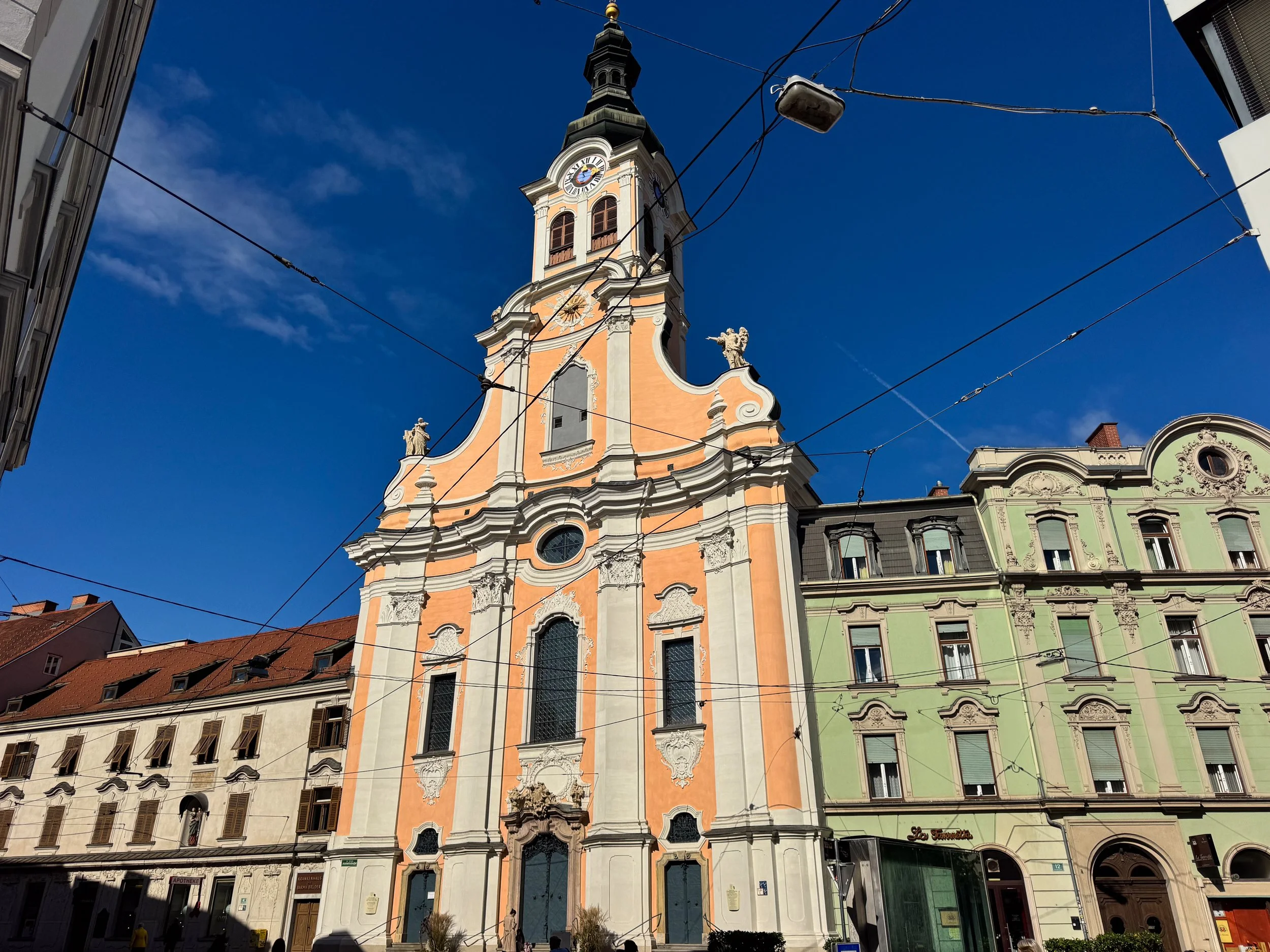
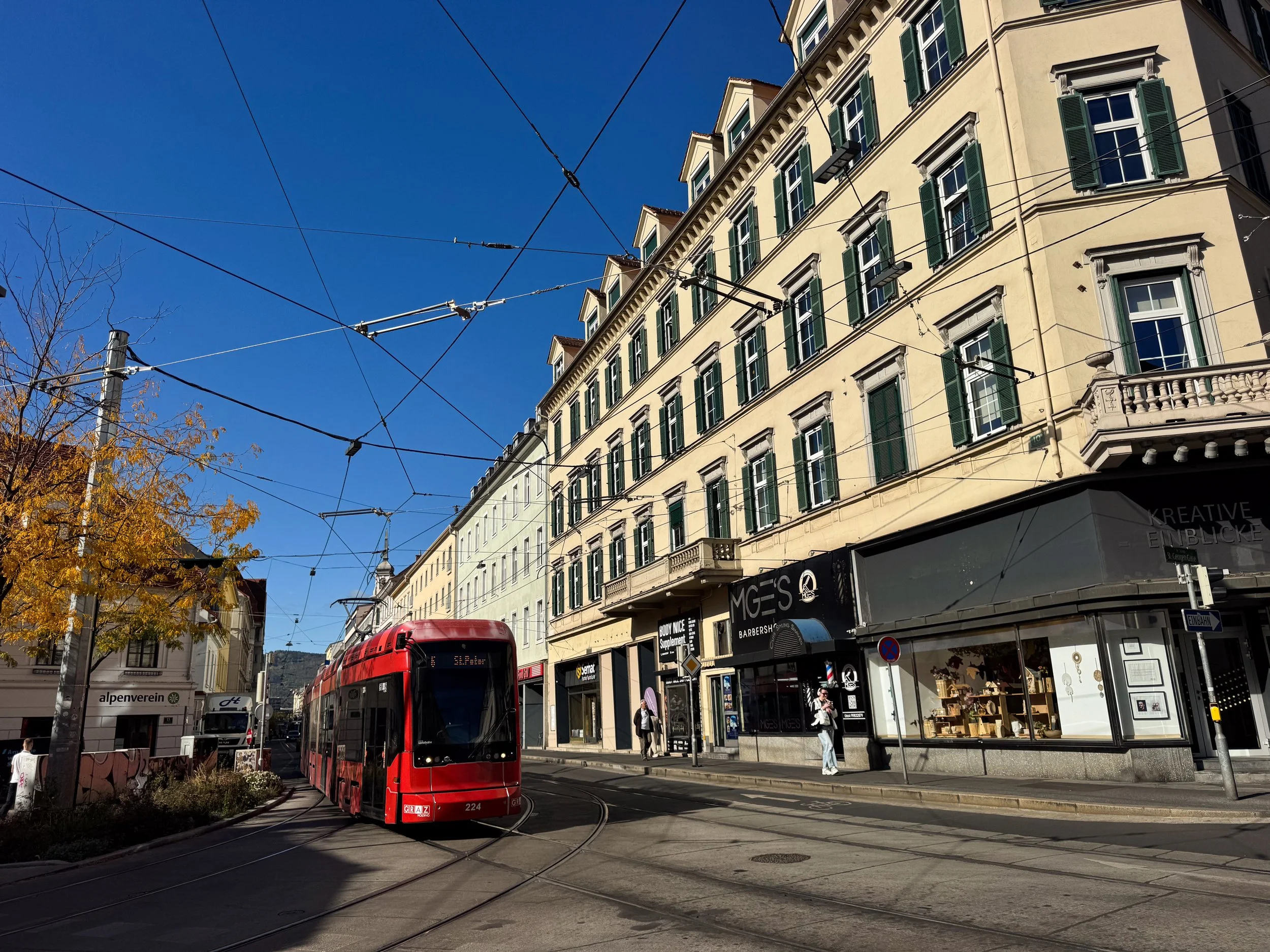
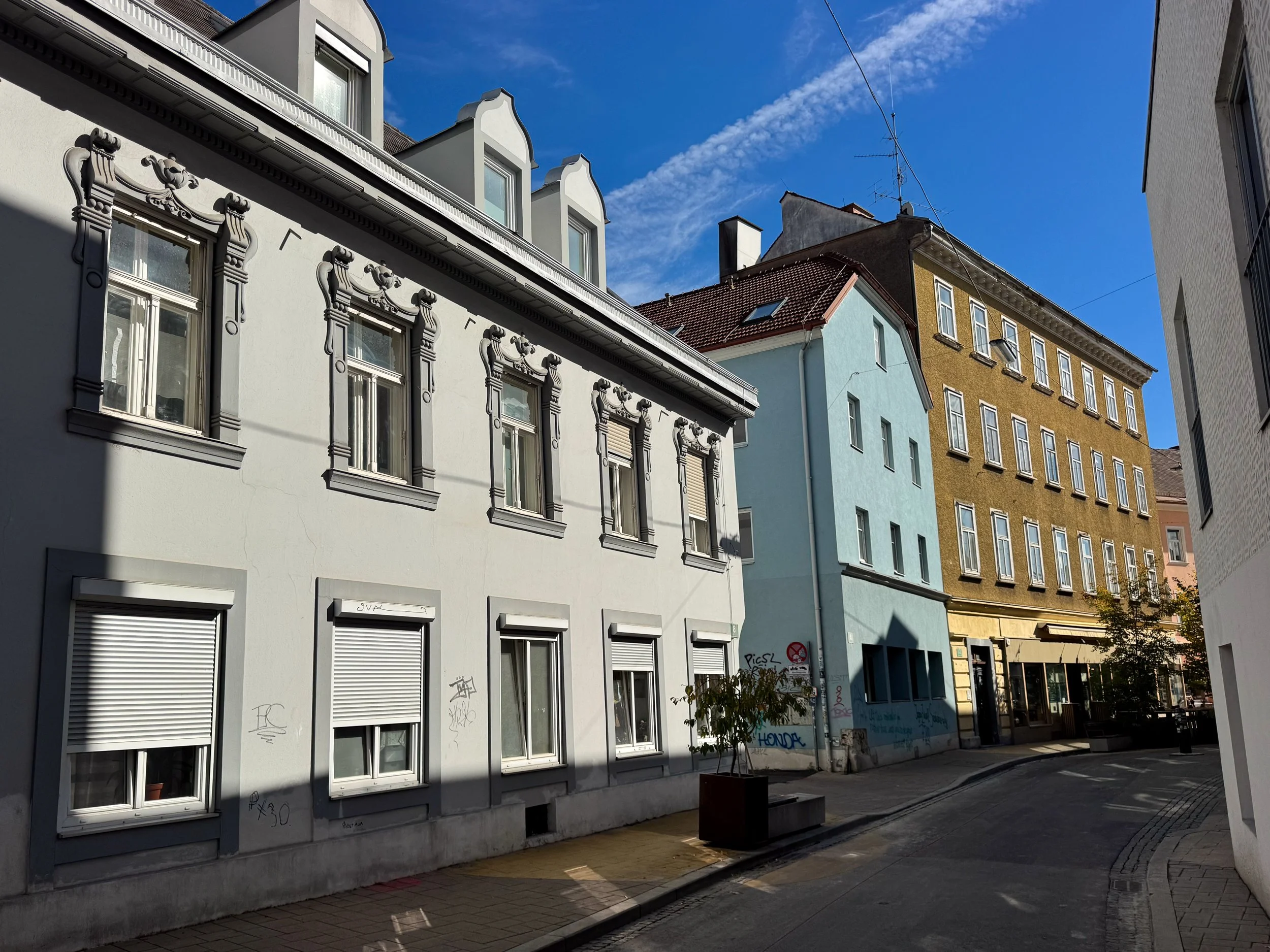
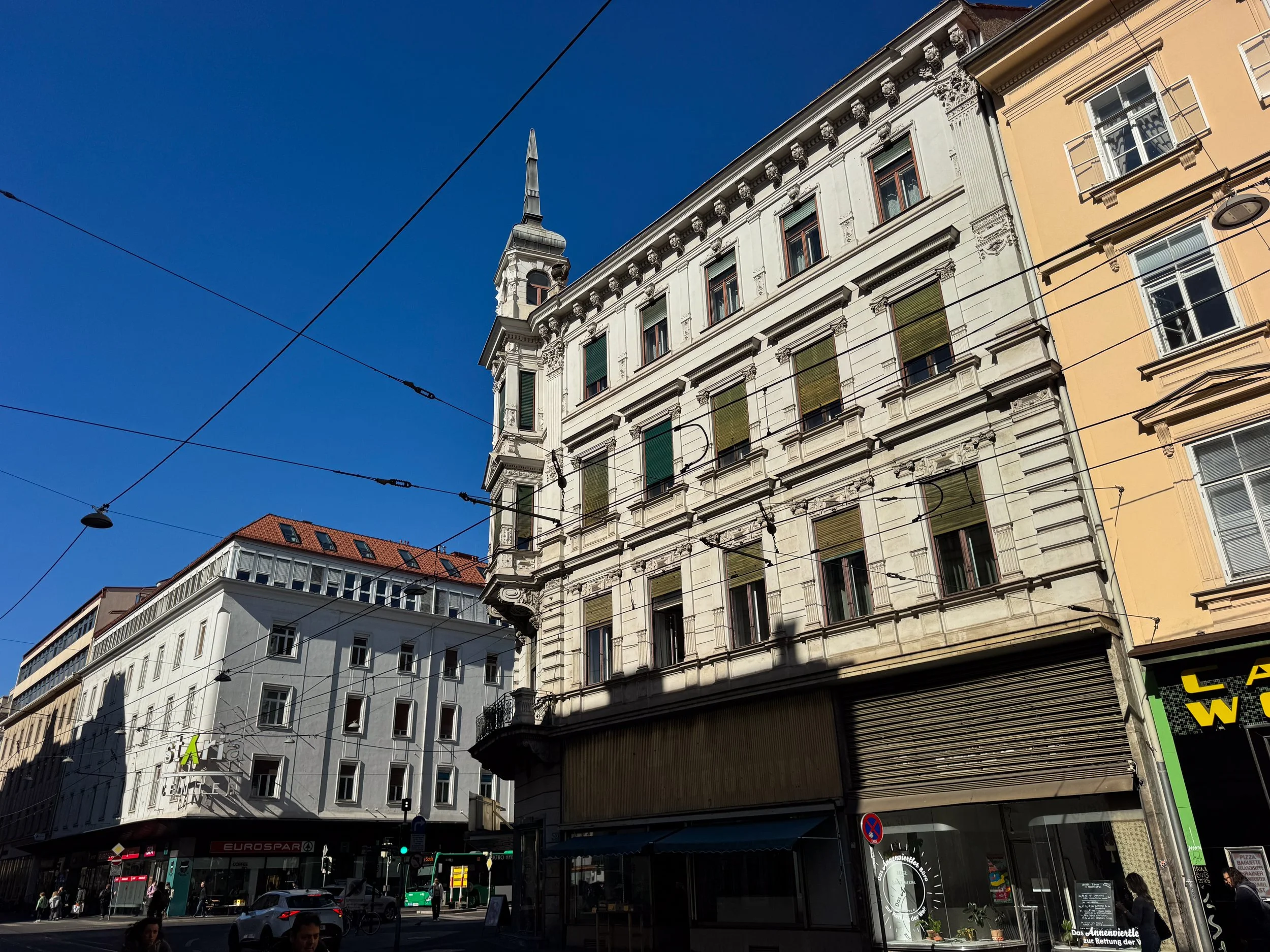
Lend. A trendy and youthful neighborhood across the Mur River from the Altstadt. Its graffitied walls blend historic architecture with contemporary landmarks. Antique and secondhand shops share the streets with Austrian restaurants, cozy cafes and cocktail bars. The morning bustle begins at one of the city’s largest farmers markets before giving way to local nightlife.
Mariahilfer Straße. The main nightlife street in Lend, lined with cocktail bars, cafes and restaurants alongside design shops, secondhand stores and tattoo studios.
Old Town Sights
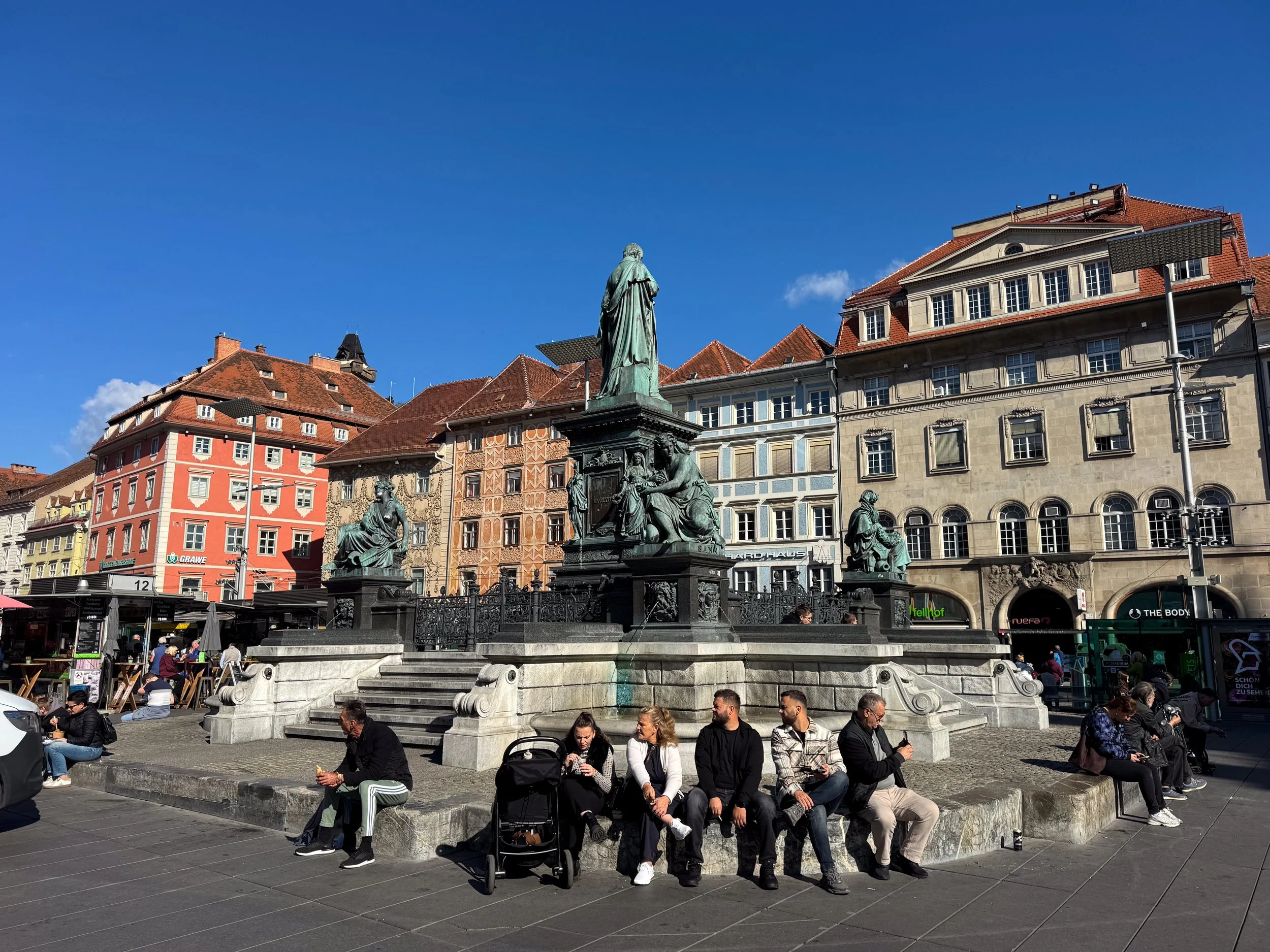
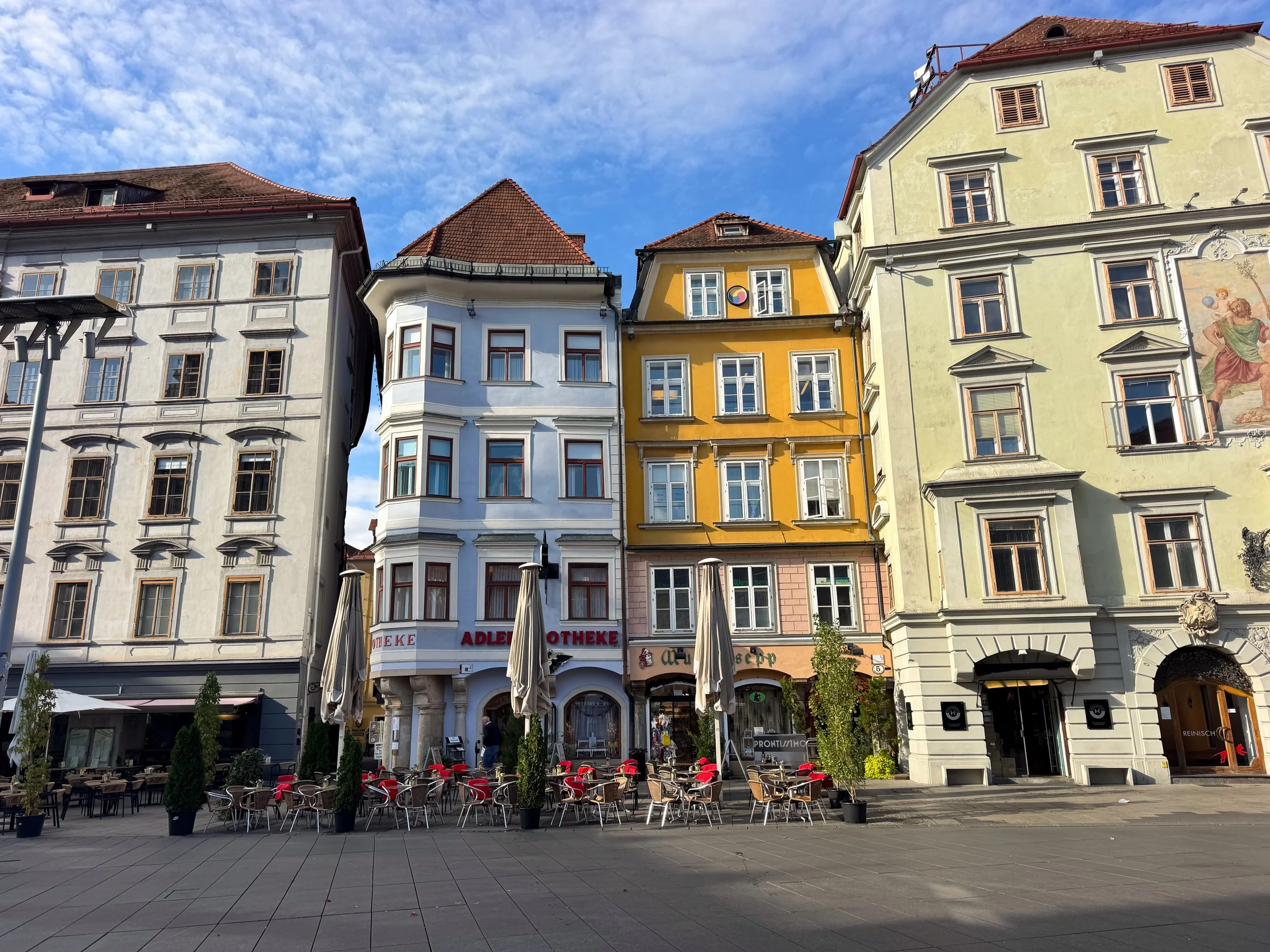
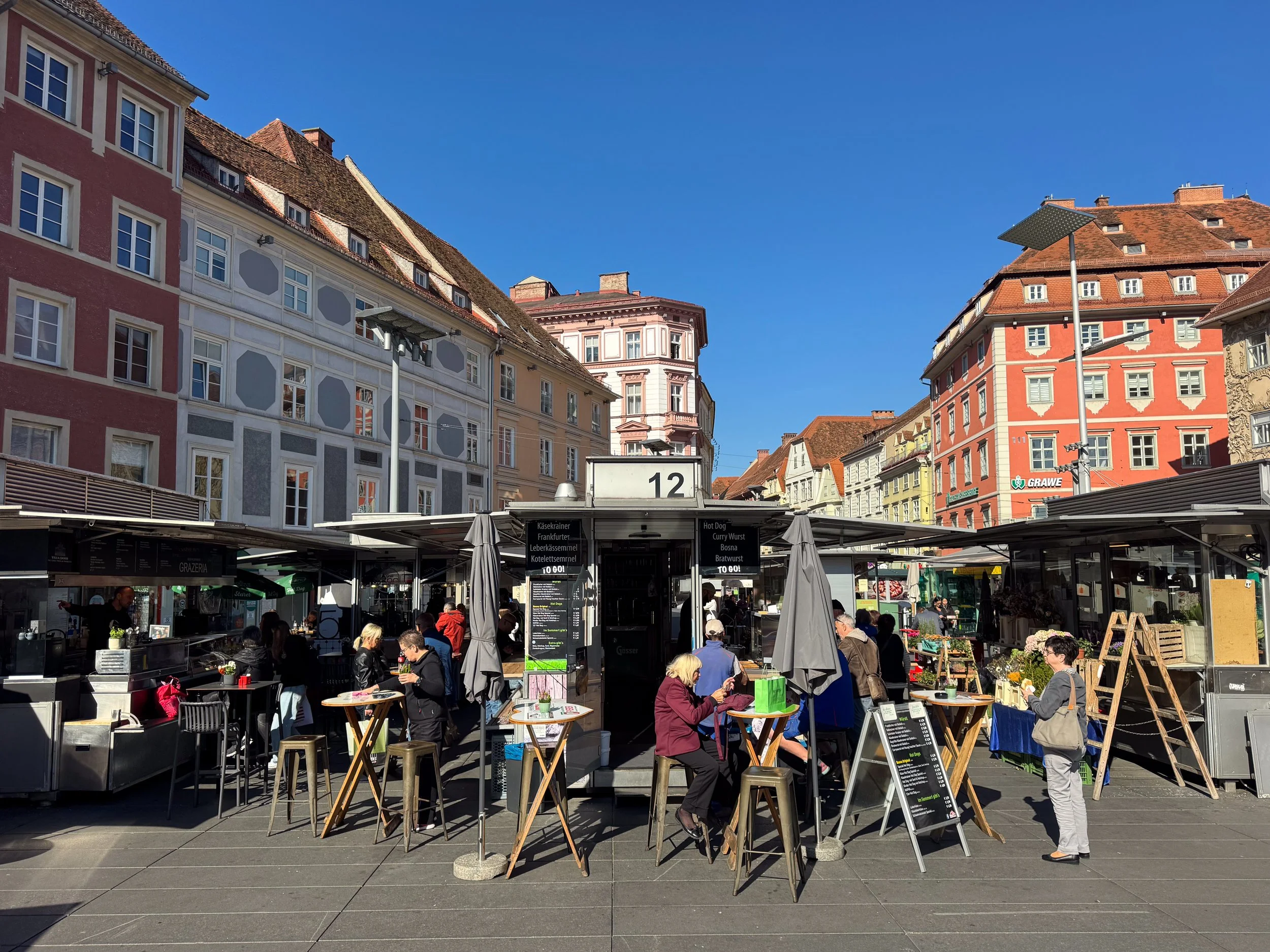
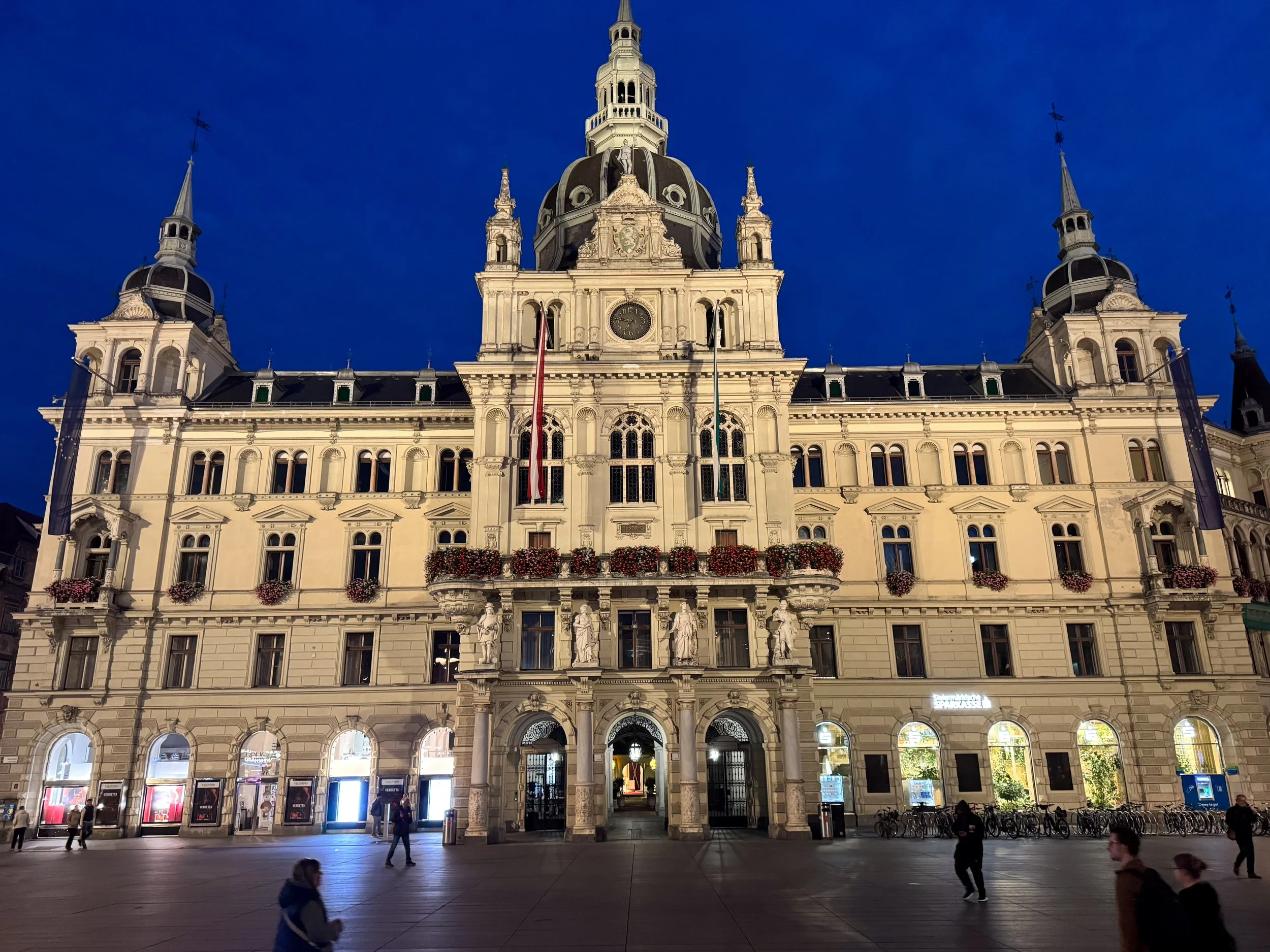
Hauptplatz. A plaza at the historic heart of the Altstadt, surrounded by pastel buildings adorned with Baroque plasterwork and vivid frescoes. The stately city hall towers over one end while a bronze fountain sputters at the center. Trams roll slowly through, dinging their bells as passengers hop on and off. At lunchtime, locals flock to food kiosks for sausages, open faced sandwiches, roasted chestnuts, pastries, coffee and beer.
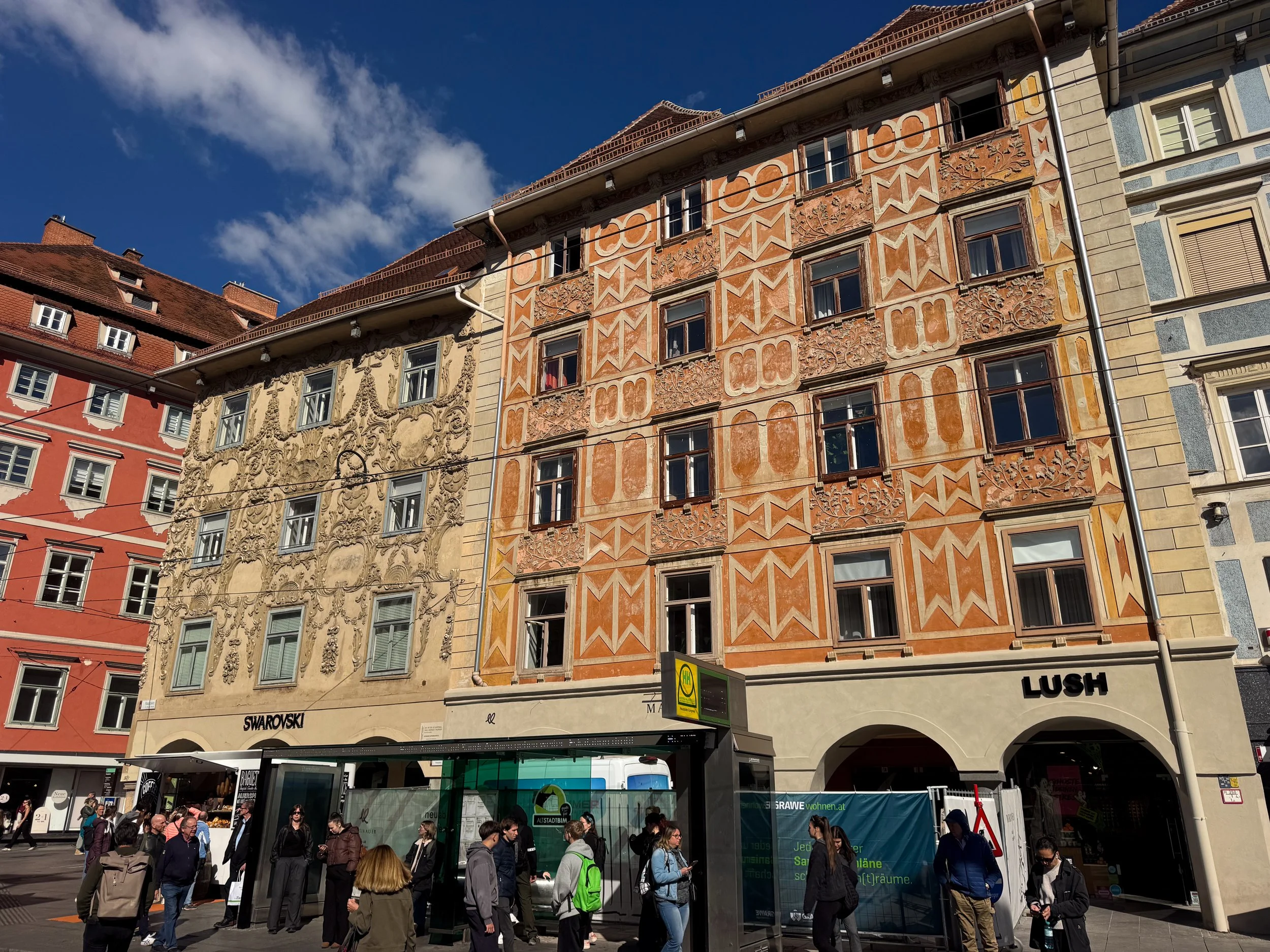
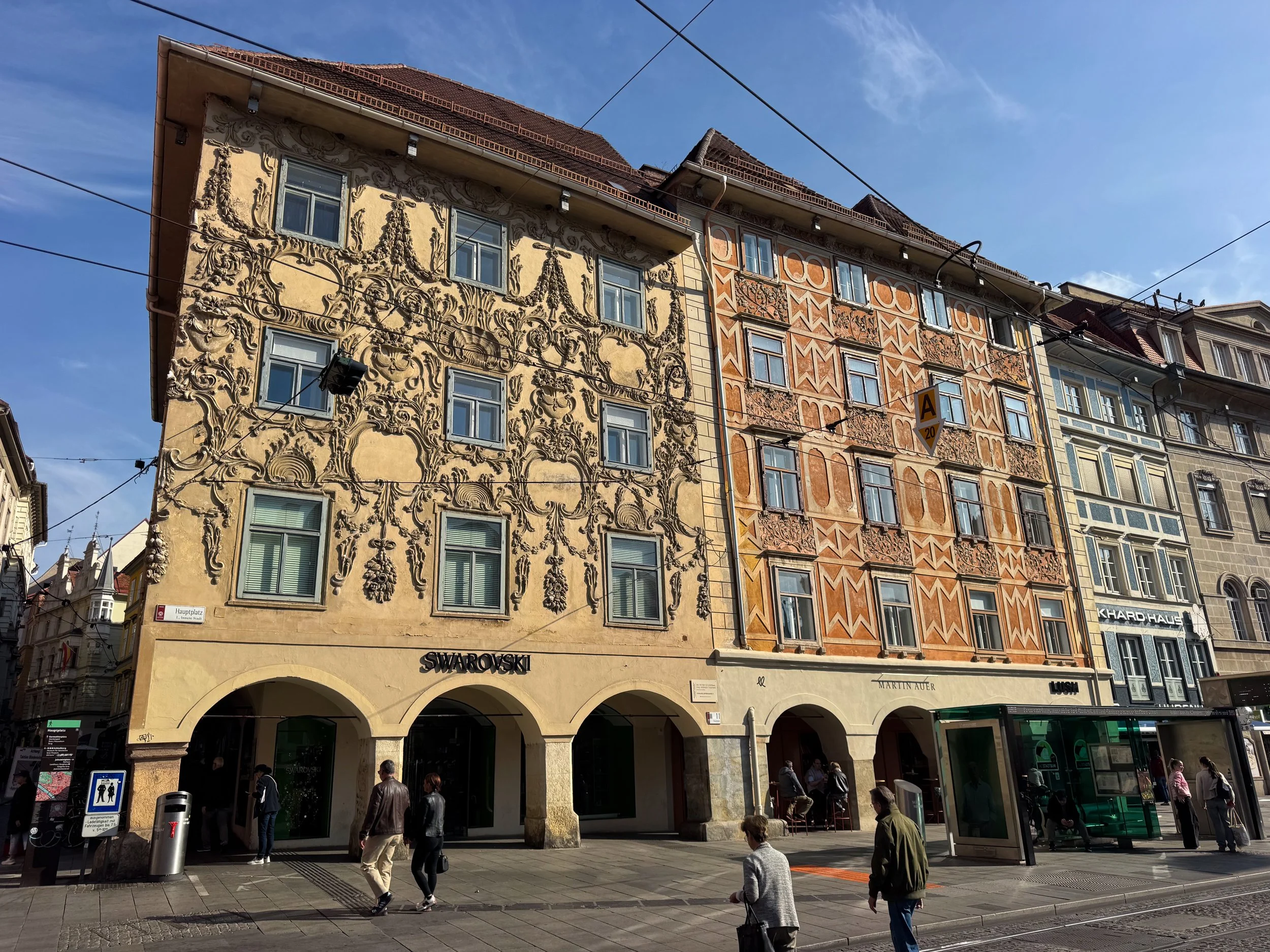
Luegg Houses. A pair of historic buildings at the corner of the Hauptplatz, where Sporgasse meets Herrengasse. Their façades are covered in intricate Baroque stucco, best admired from the square with a morning coffee or afternoon beer from one of the nearby kiosks.
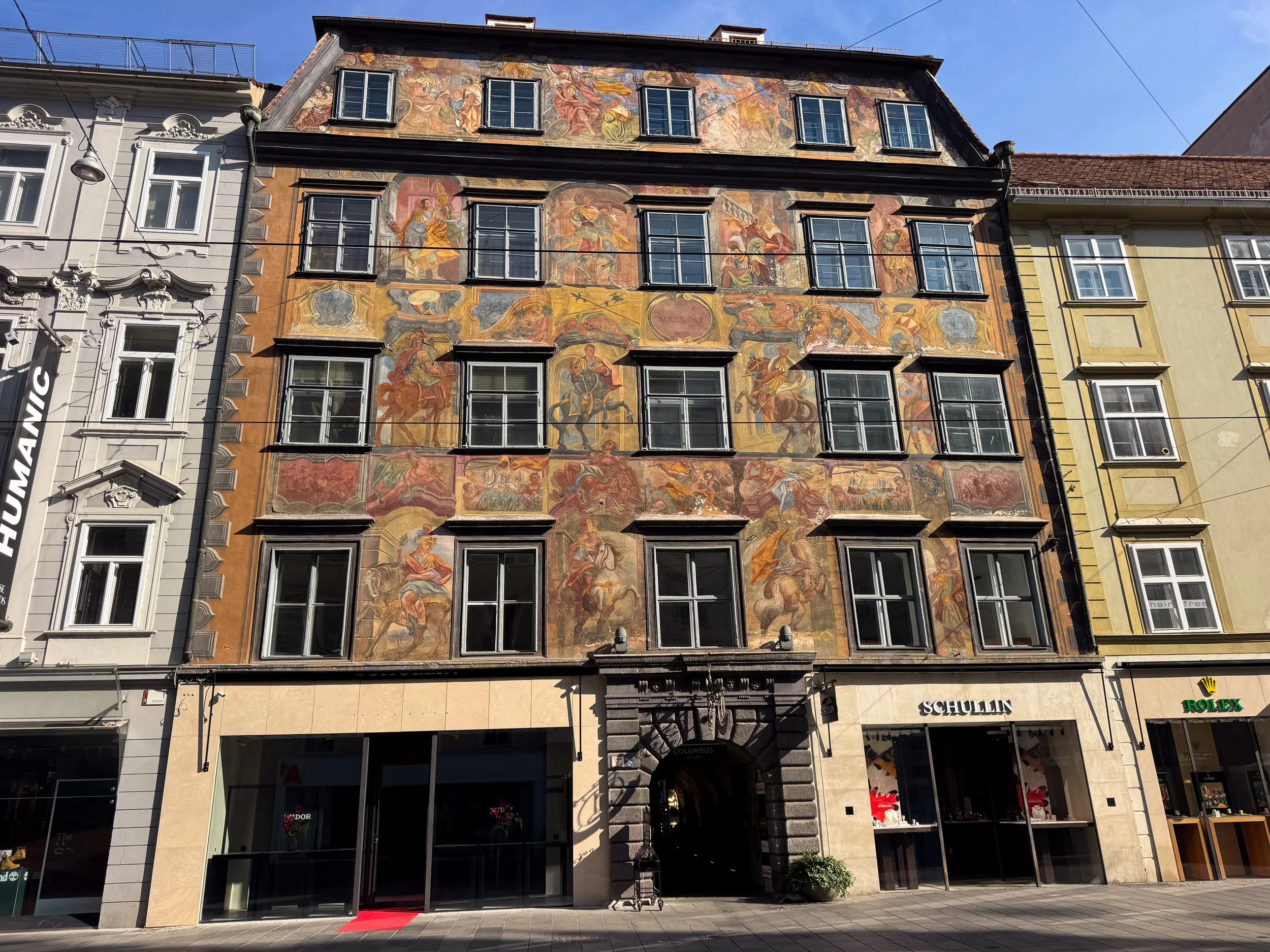
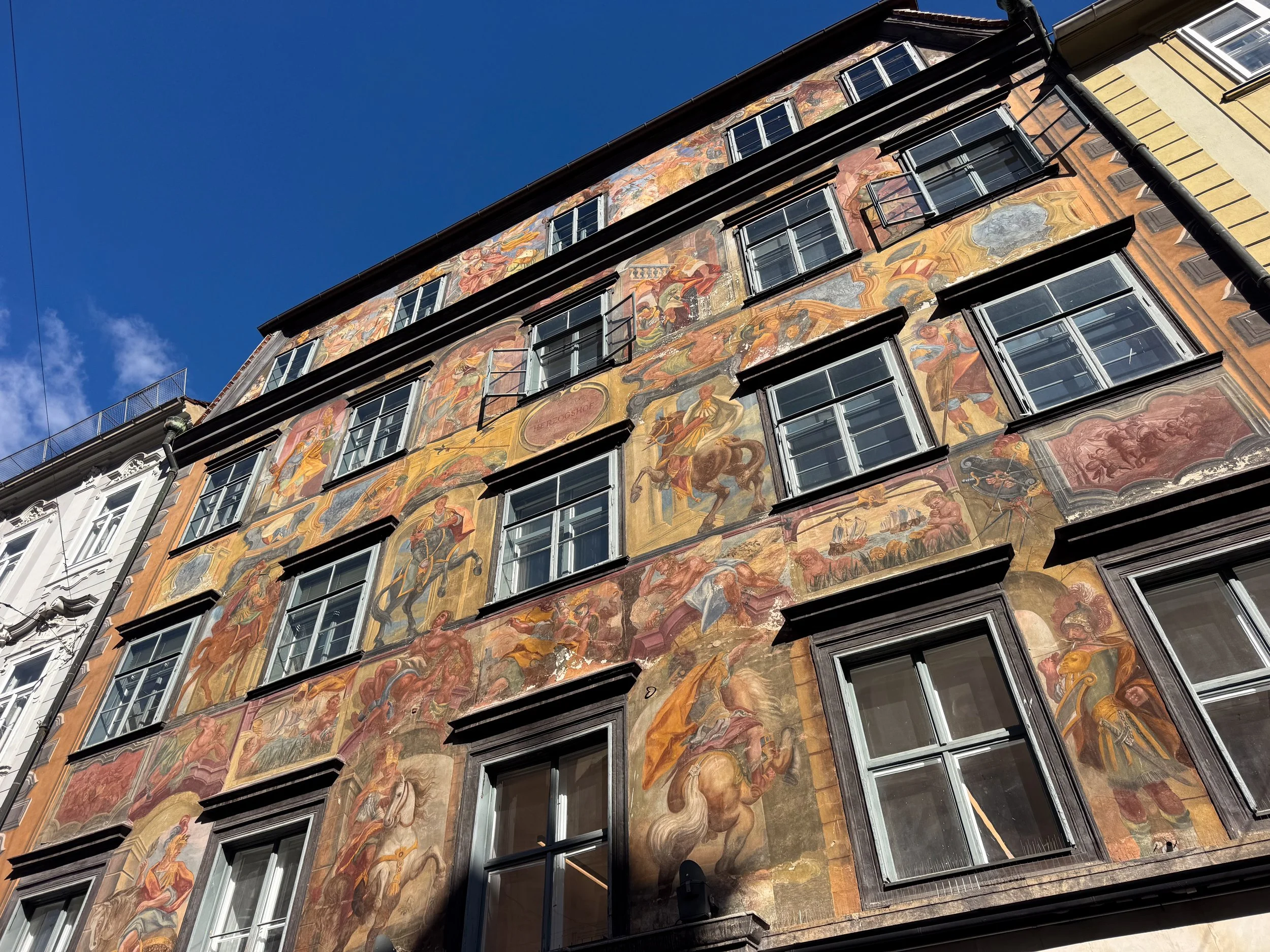
Gemaltes Haus. A magnificently decorated building on Herrengasse, its entire façade covered in colorful Baroque frescoes of gods and scenes from Greek and Roman mythology. Pause to admire it while strolling past or sit at Café Herzog across the street to study its details.
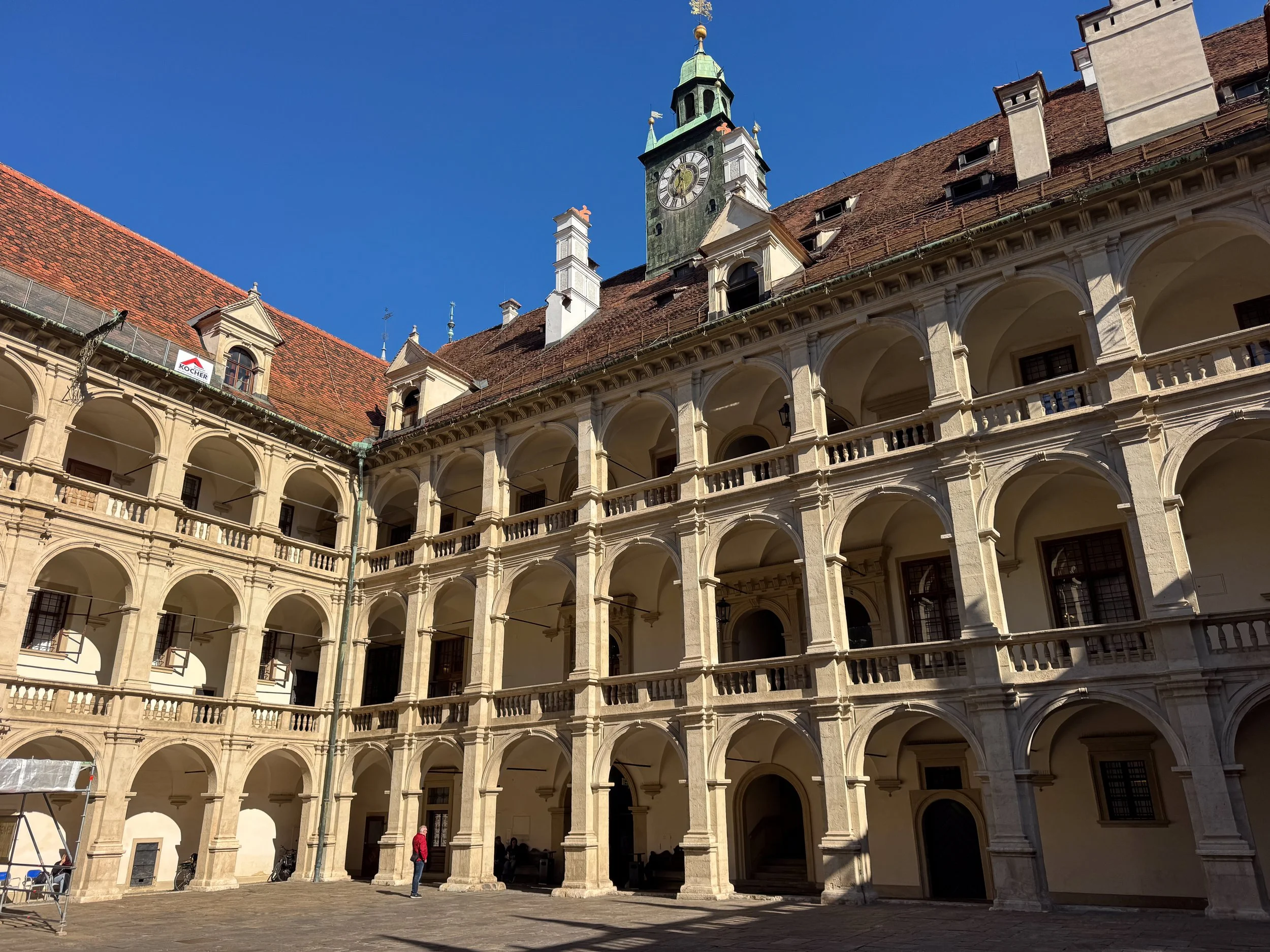
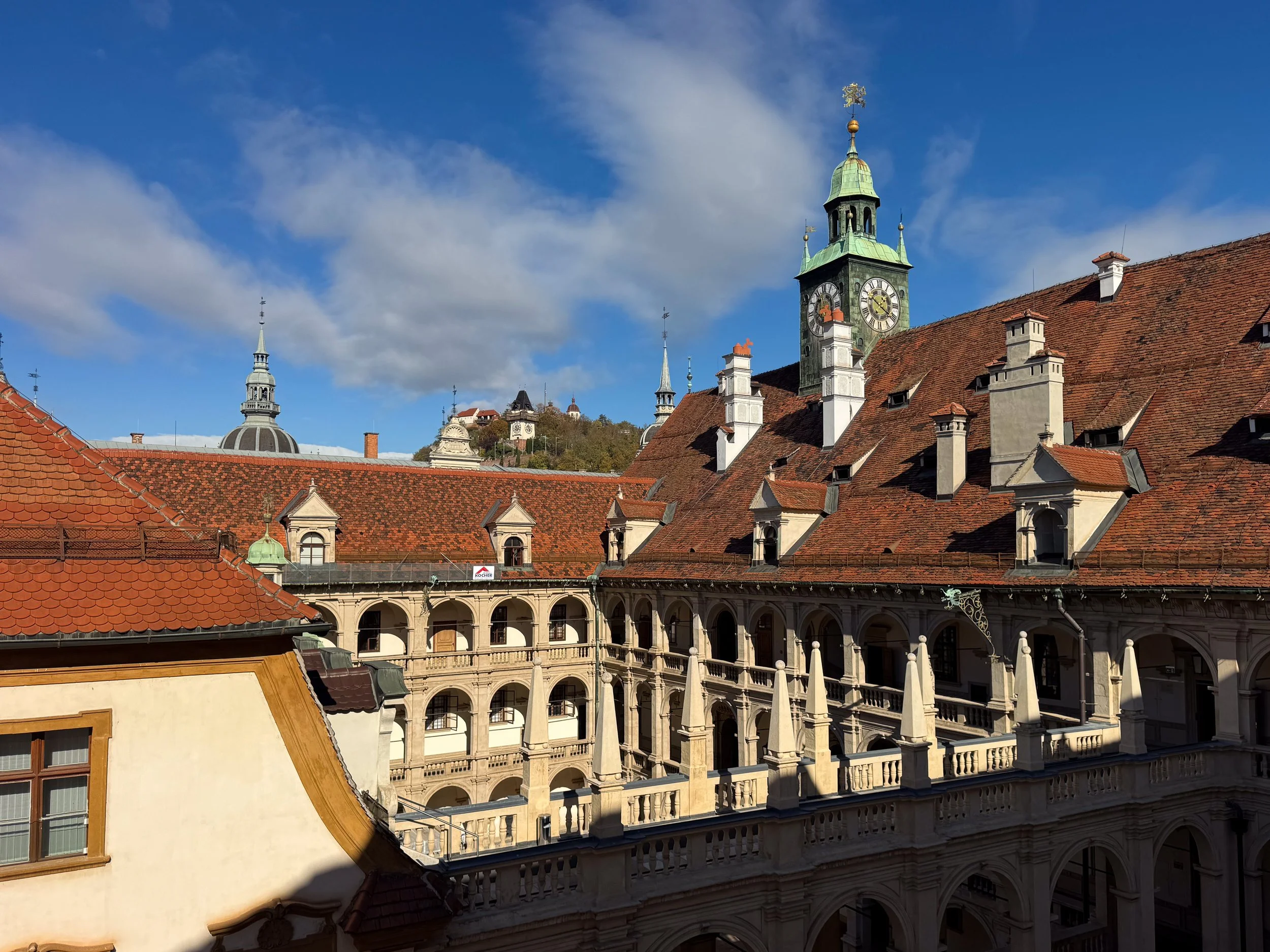
Grazer Landhaus. A 16th century Renaissance building, now home to the Styrian state parliament and government offices, with a publicly accessible courtyard. Three stories of graceful arcades surround the cobblestone courtyard where an elaborate well stands to one side.
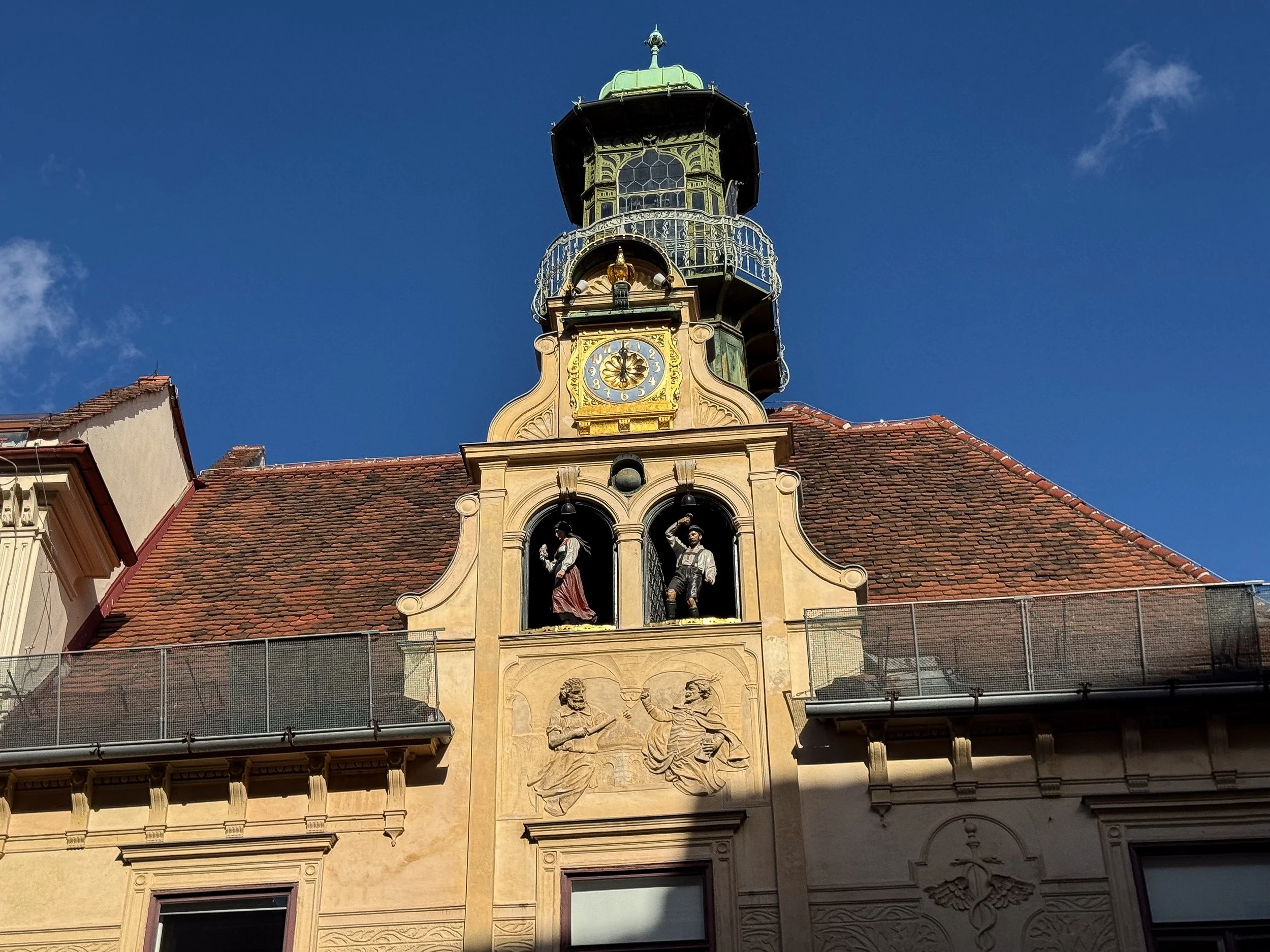
Glockenspiel. A whimsical clock tower on the small Glockenspielplatz, where a pair of glass doors swing open at 11am, 3pm and 6pm to reveal two wooden figures. As the bells play three tunes, the pair twirls in a dance before slipping back inside.
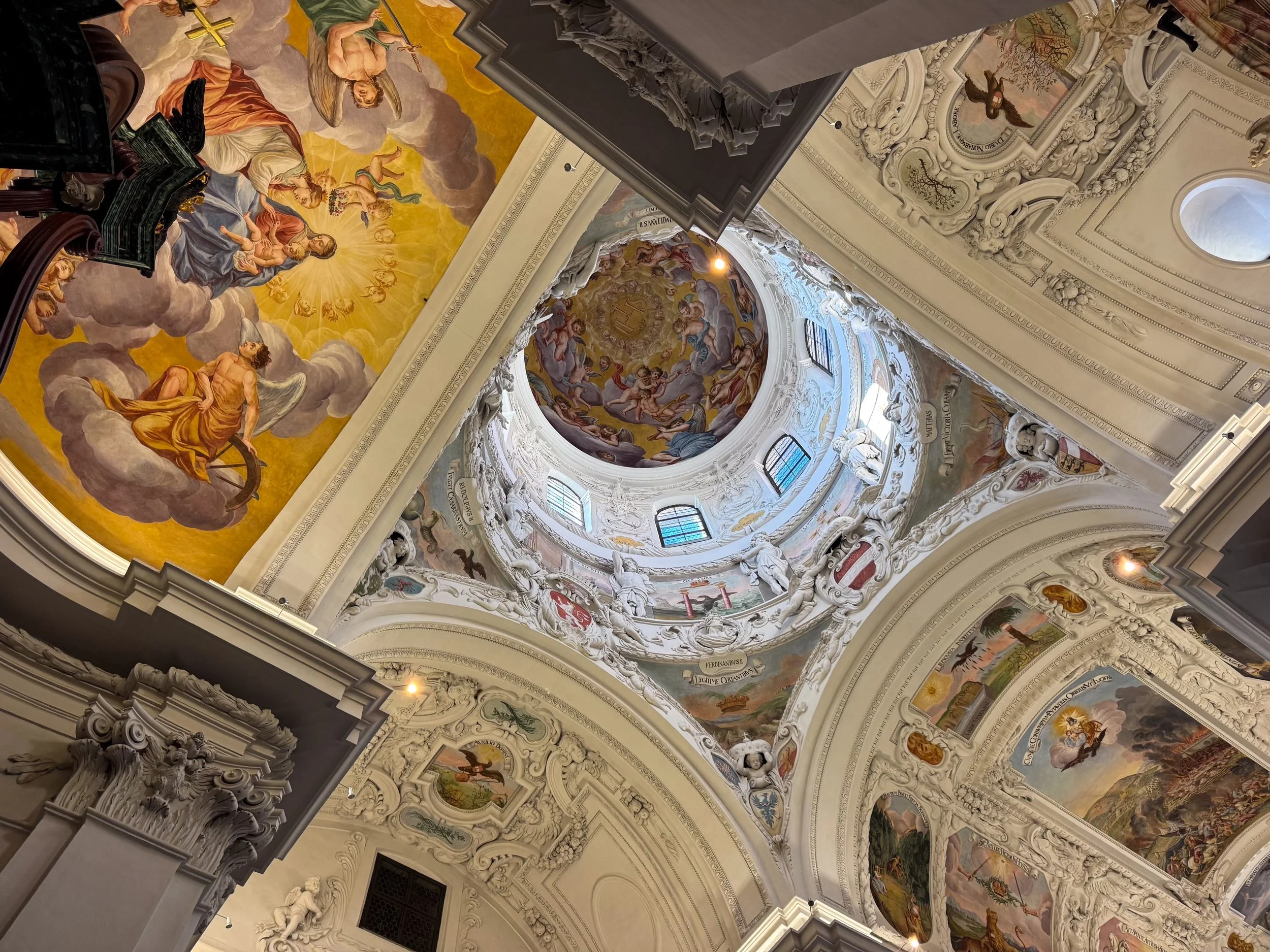
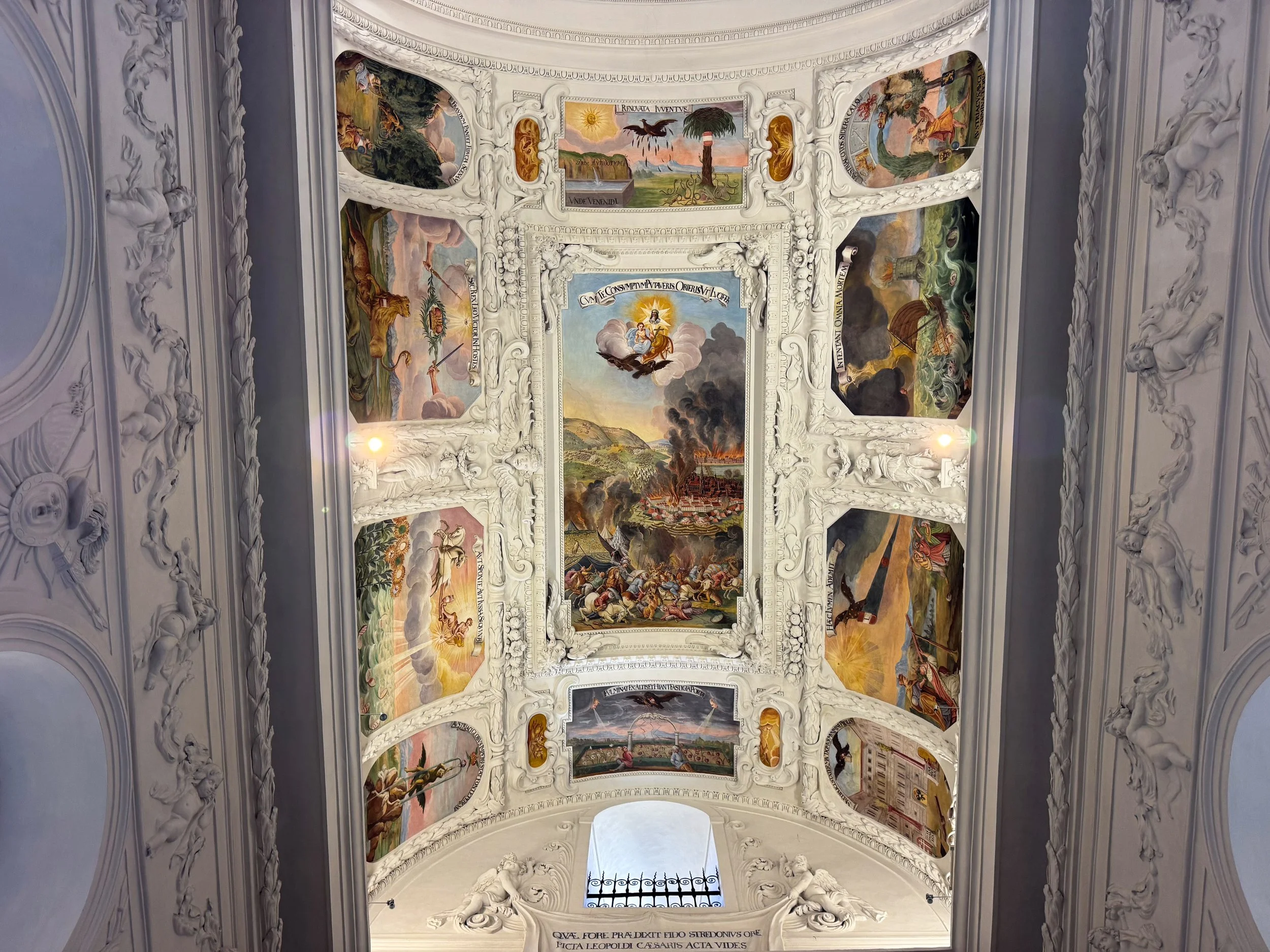
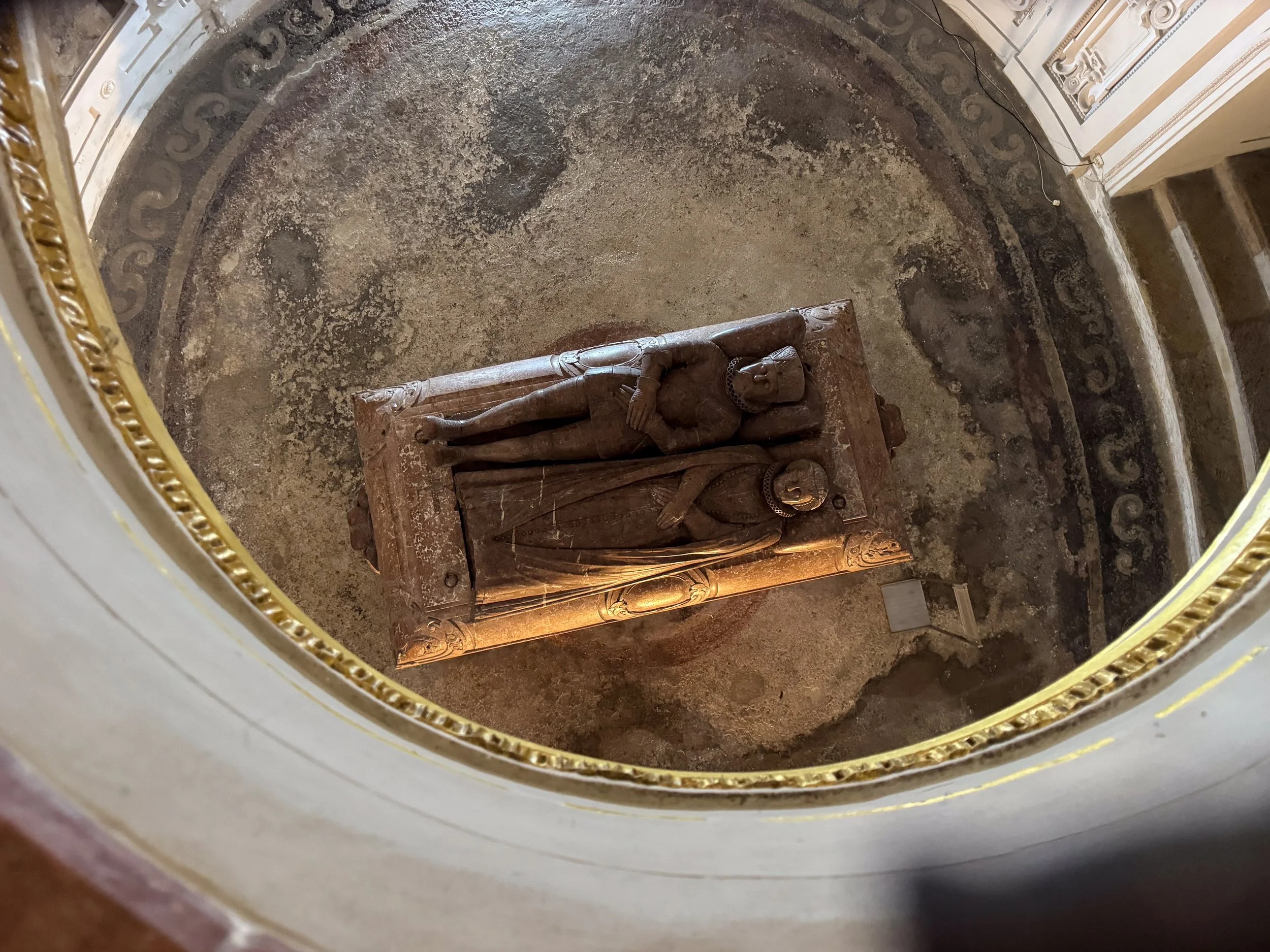
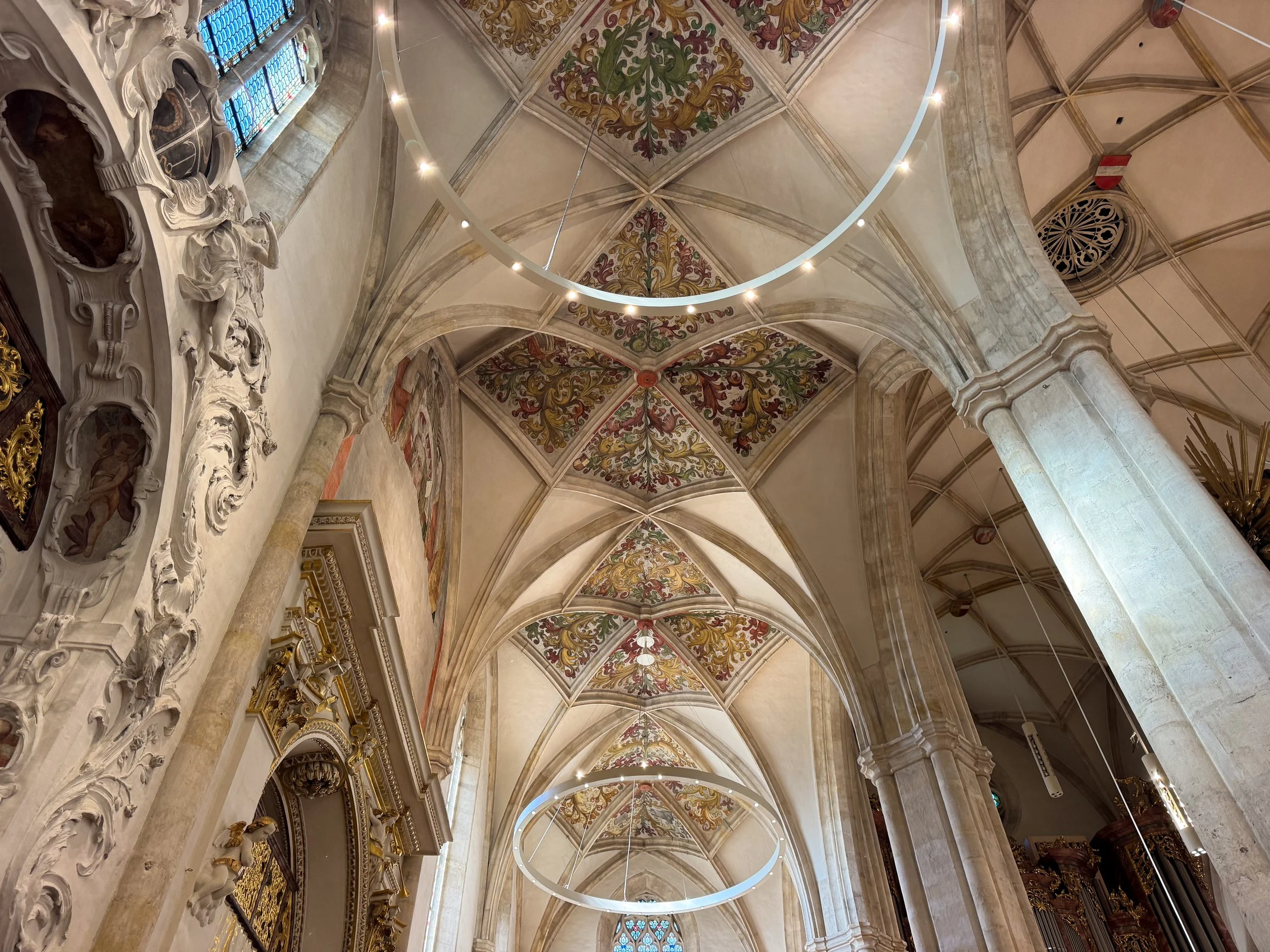
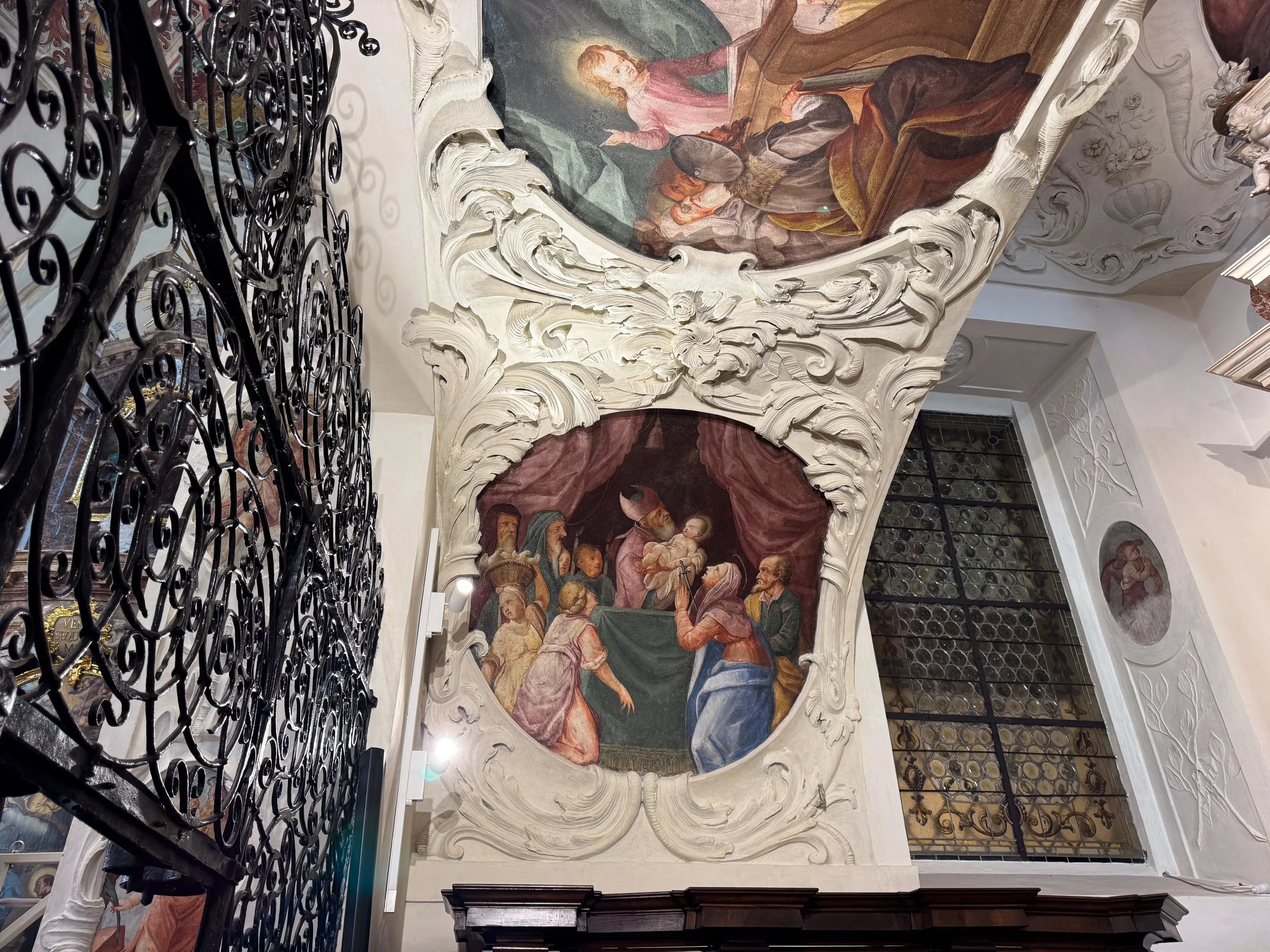
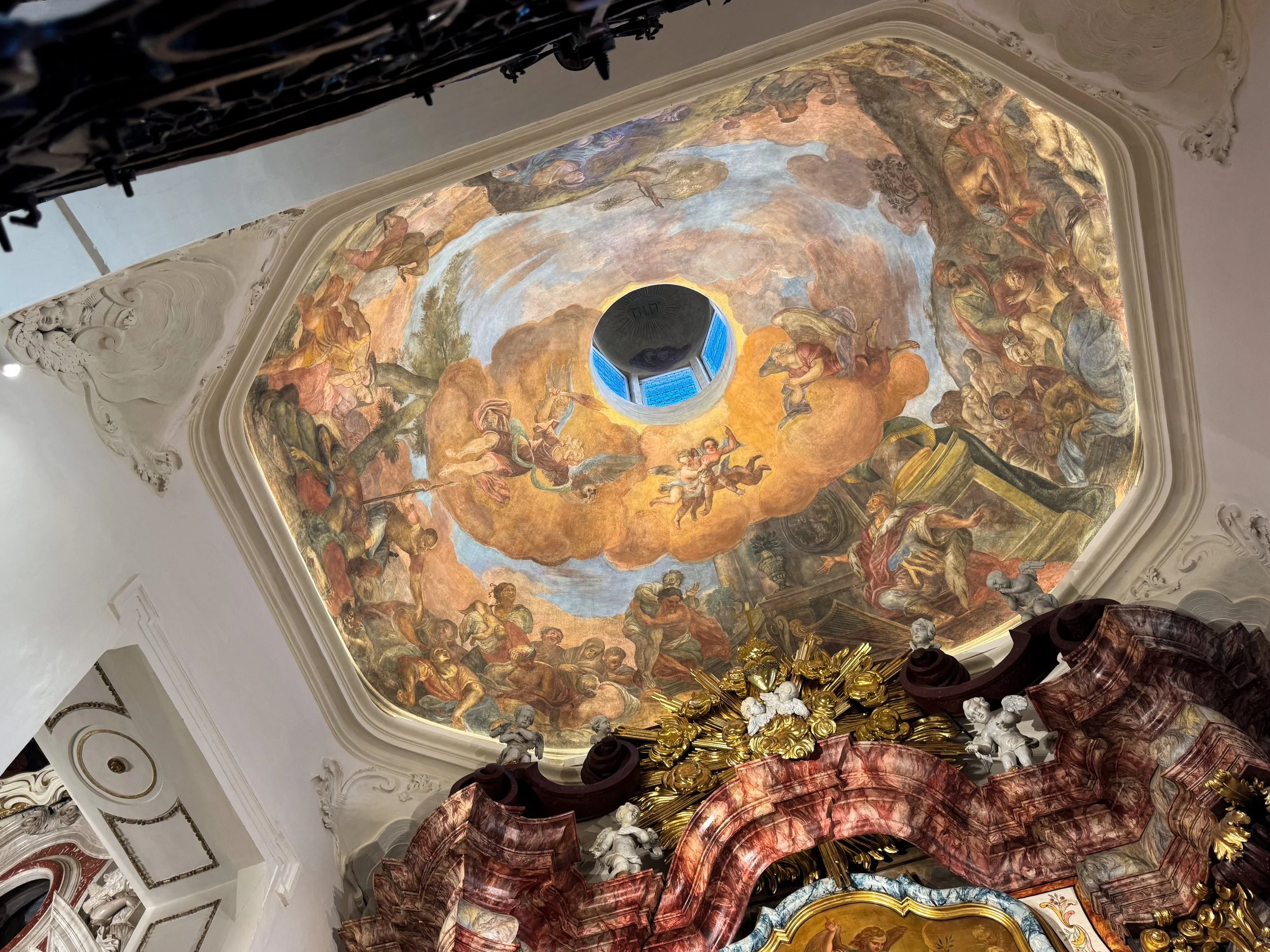
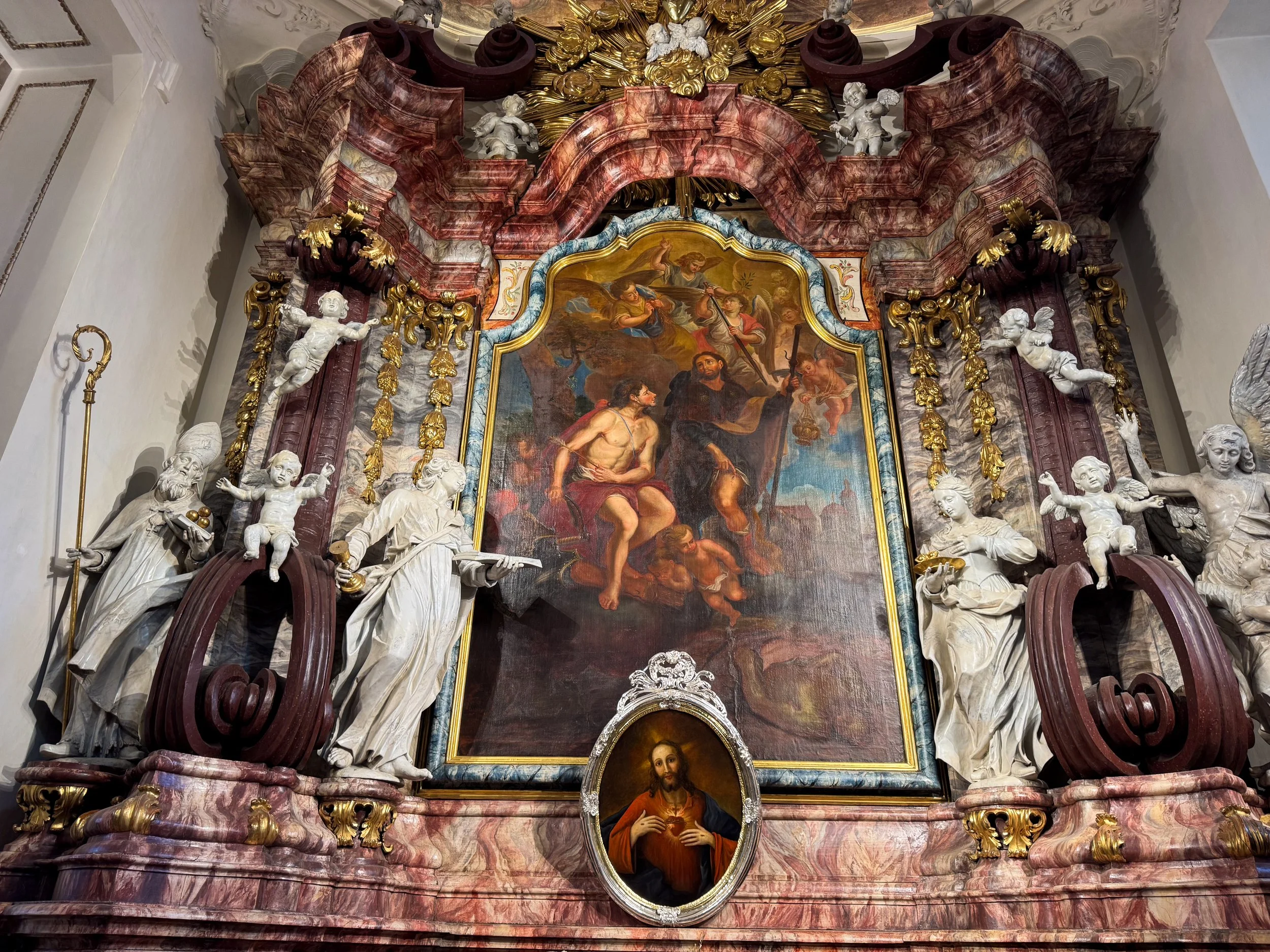
Mausoleum Kaiser Ferdinand II. The final resting place of Holy Roman Emperor Ferdinand II. The mausoleum is crowned with green domes and bell towers above a Renaissance style façade of semicircular and triangular pediments. Vaulted and domed ceilings painted with heavenly scenes cover lavish altars adorned with frescoes and gilded statues. A light well looks down into the crypt, revealing a tomb topped with reclining effigies.
Graz Cathedral. A Gothic cathedral brought to life by colorful Baroque frescoes with elaborate biblical scenes spanning its stuccoed side chapels and altars. Carved wooden pews fill the nave while ornate confessionals line the rear. Medieval crests and seals adorn the center of the high vaulted ceiling overhead.
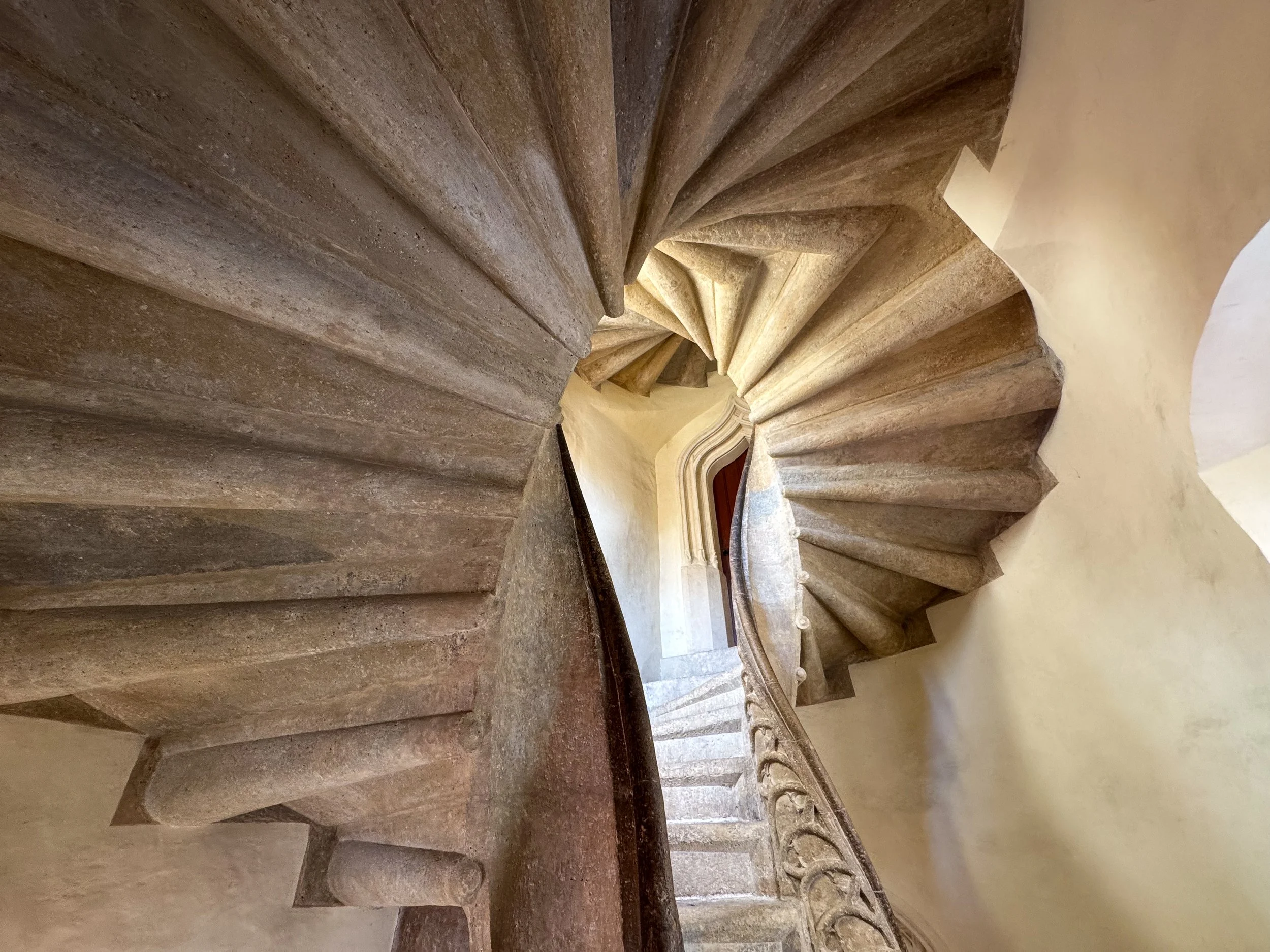
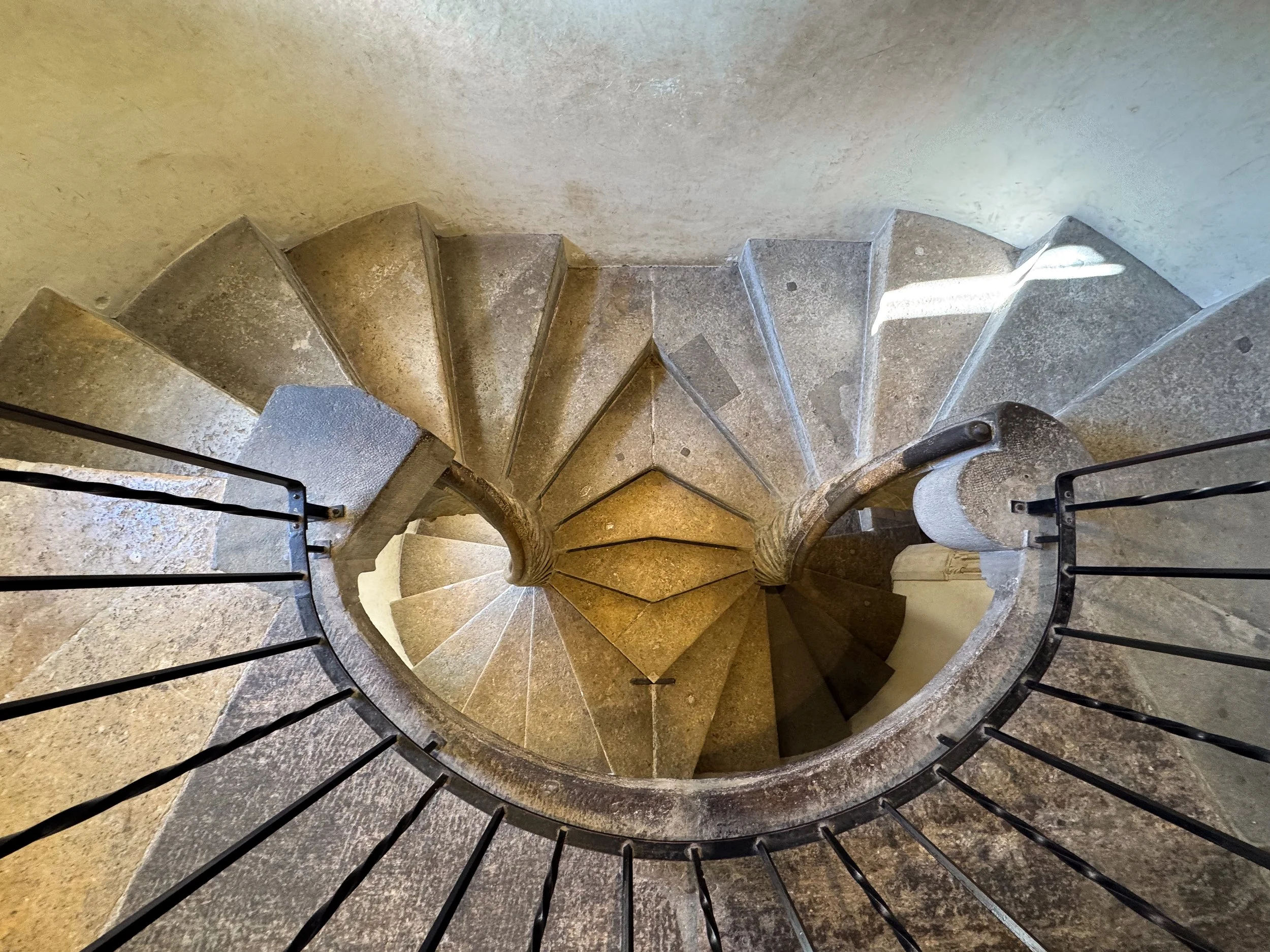
Grazer Burg. A 15th century palace and former residence of the Habsburg rulers of Styria, now home to the regional government. One of its most remarkable features is the Double Spiral Staircase. This stone masterpiece twists two opposing staircases into one, separating and reuniting at each landing.
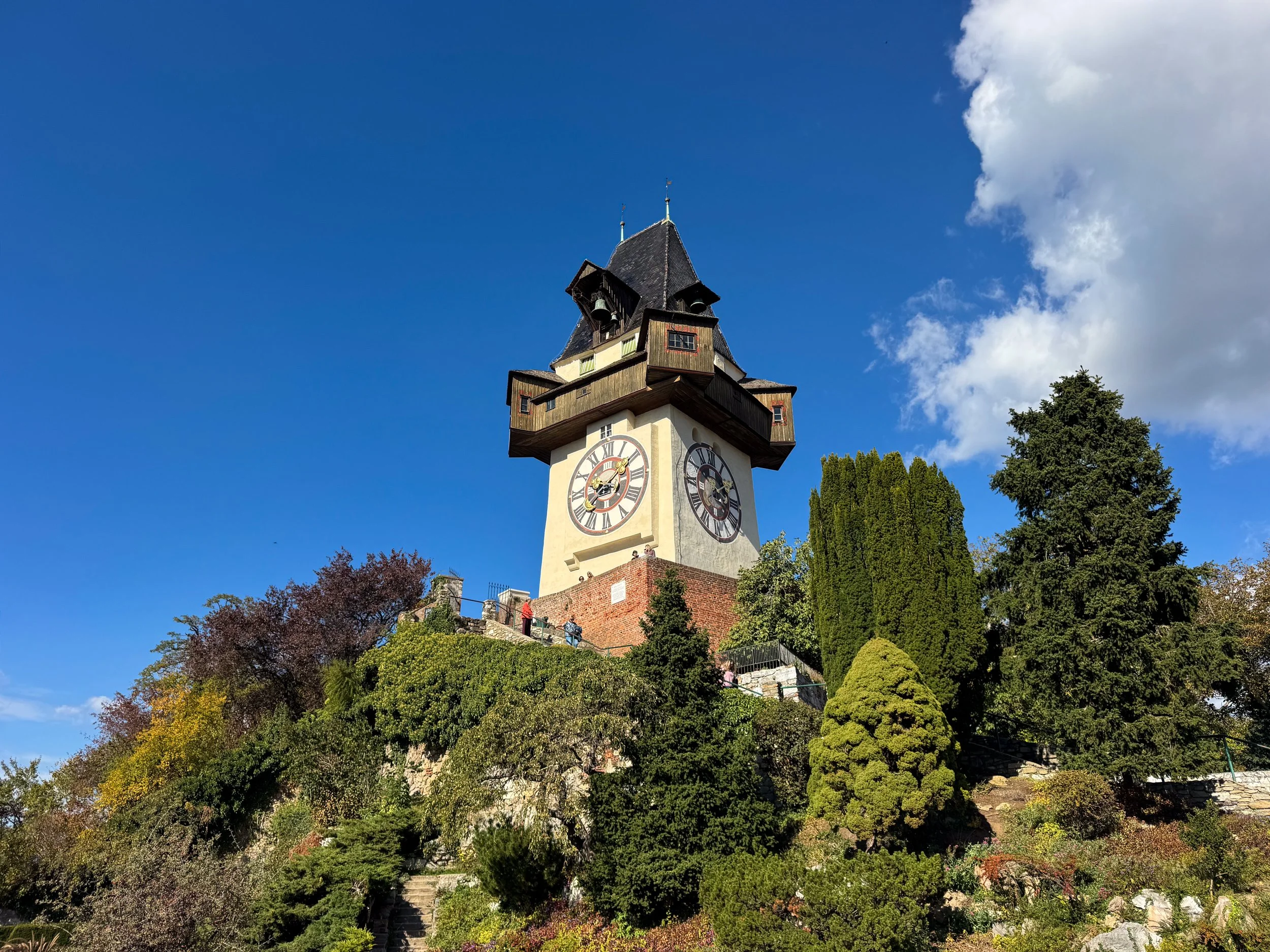
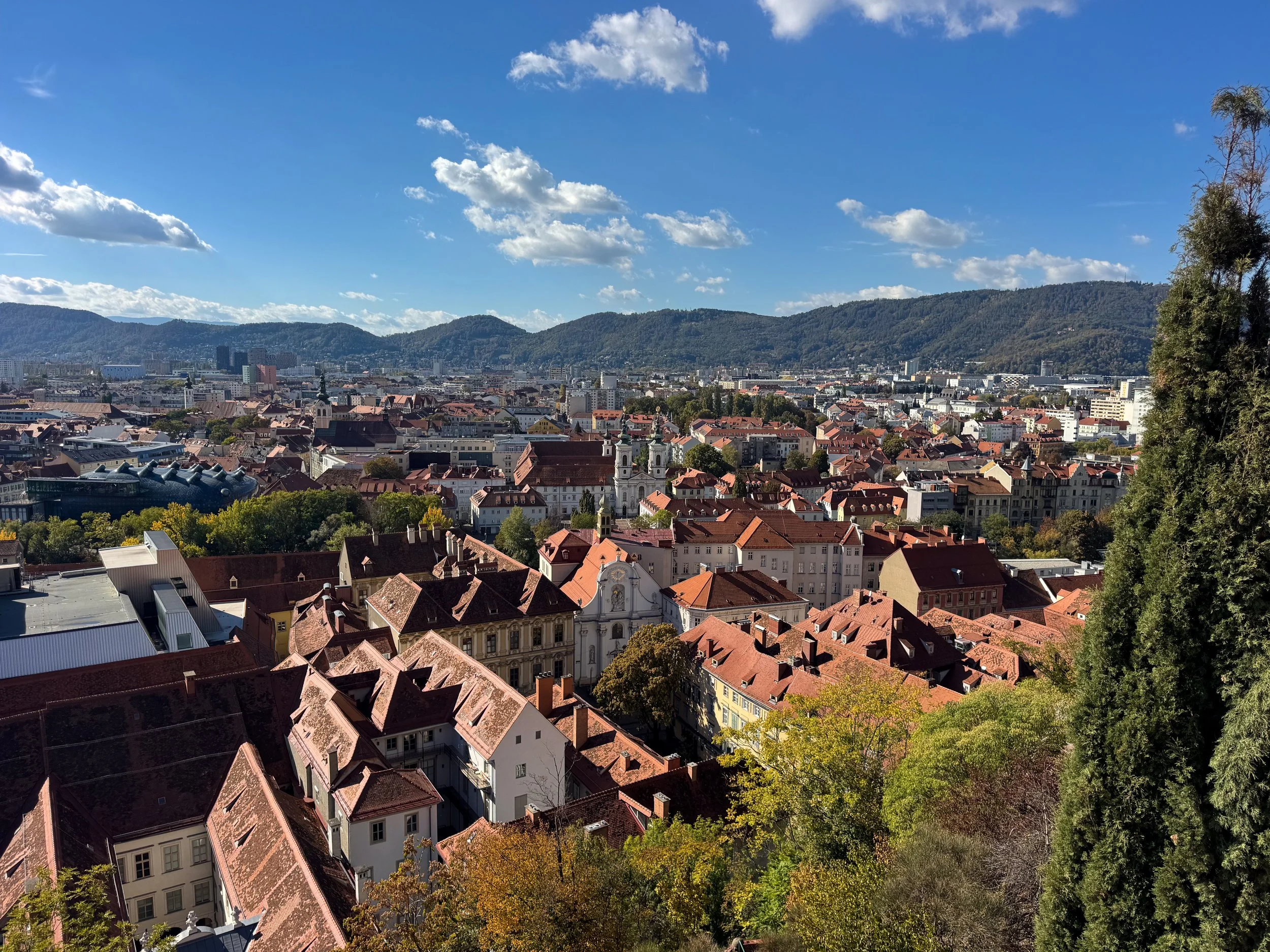
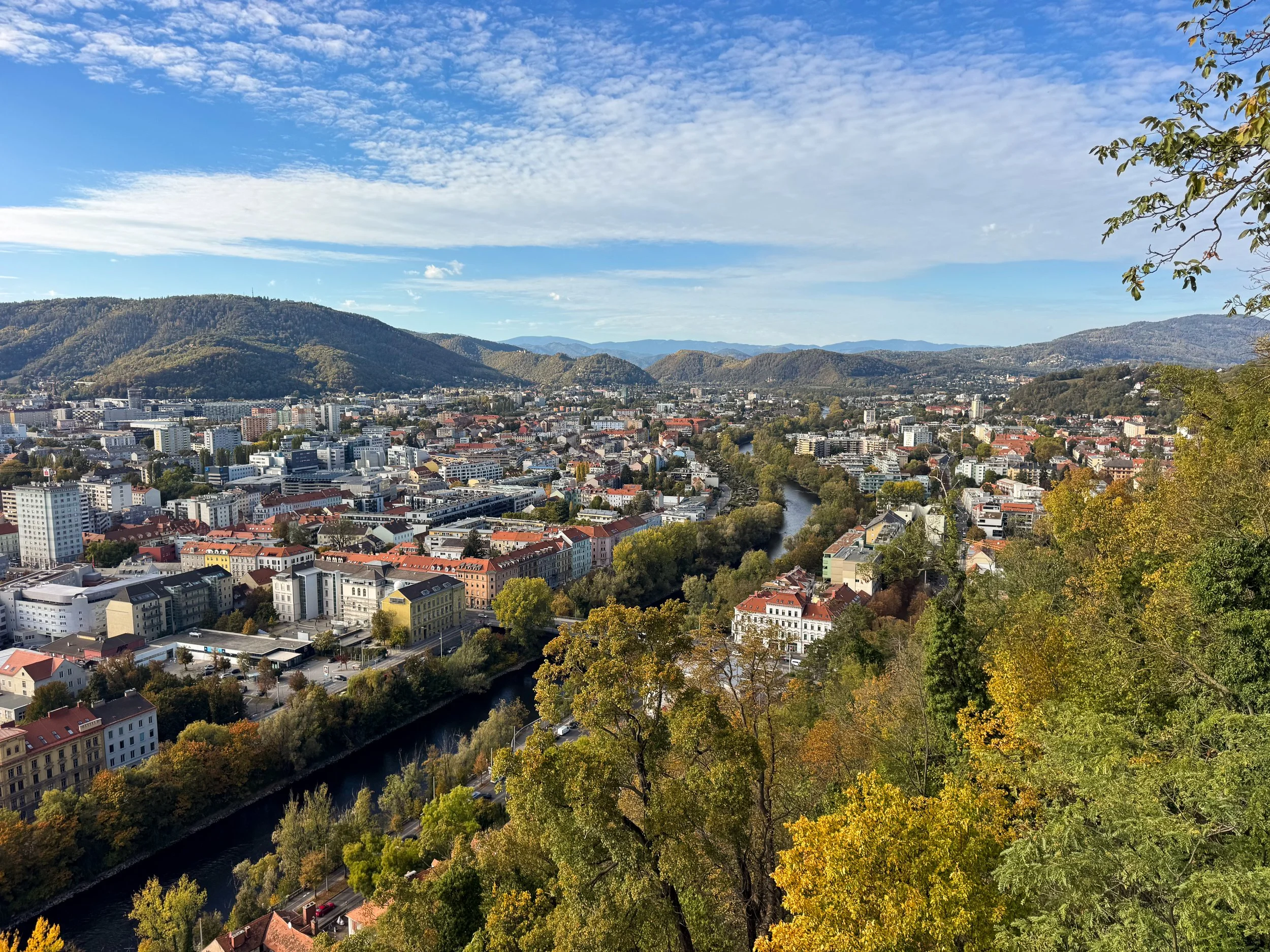
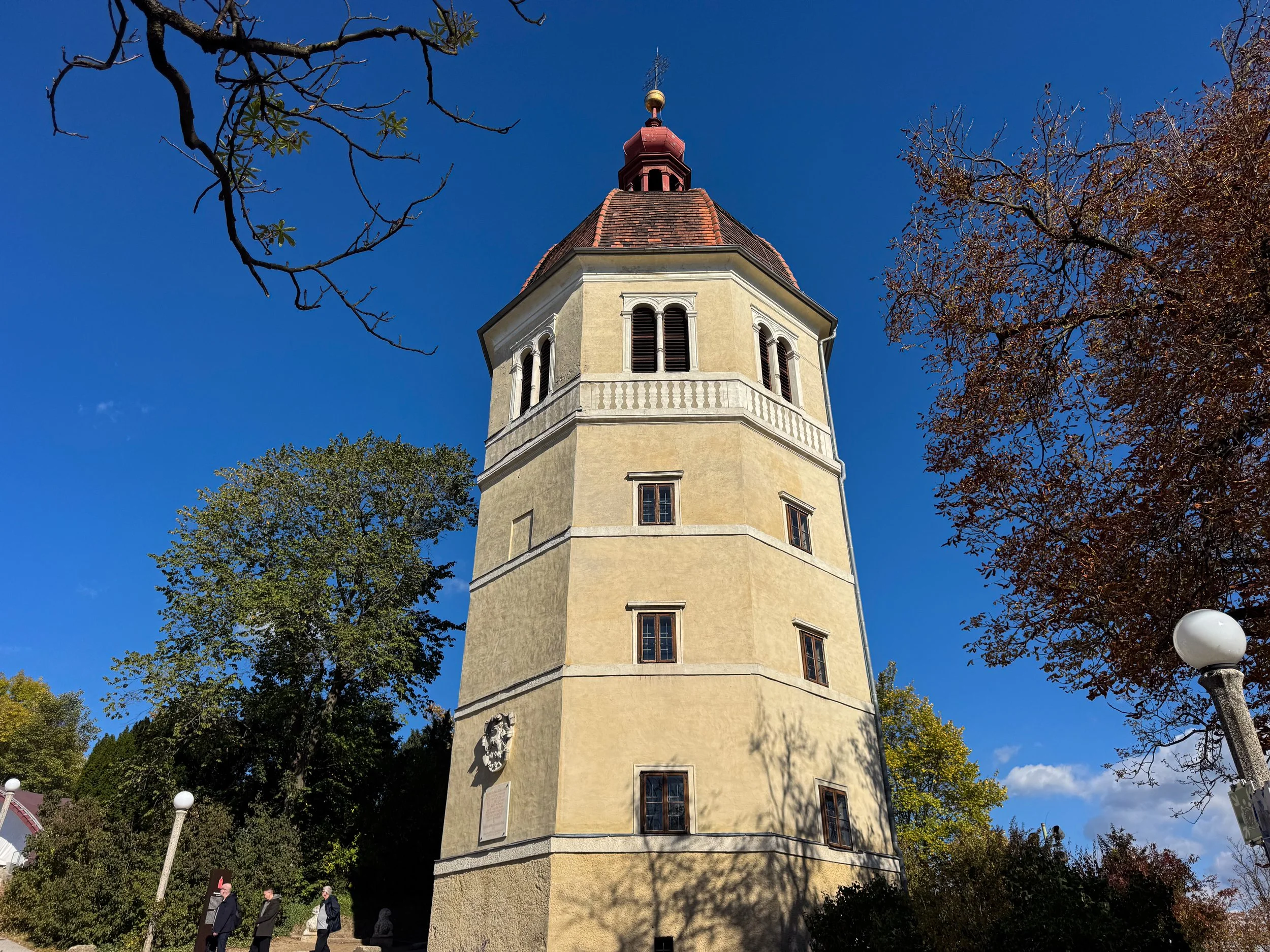
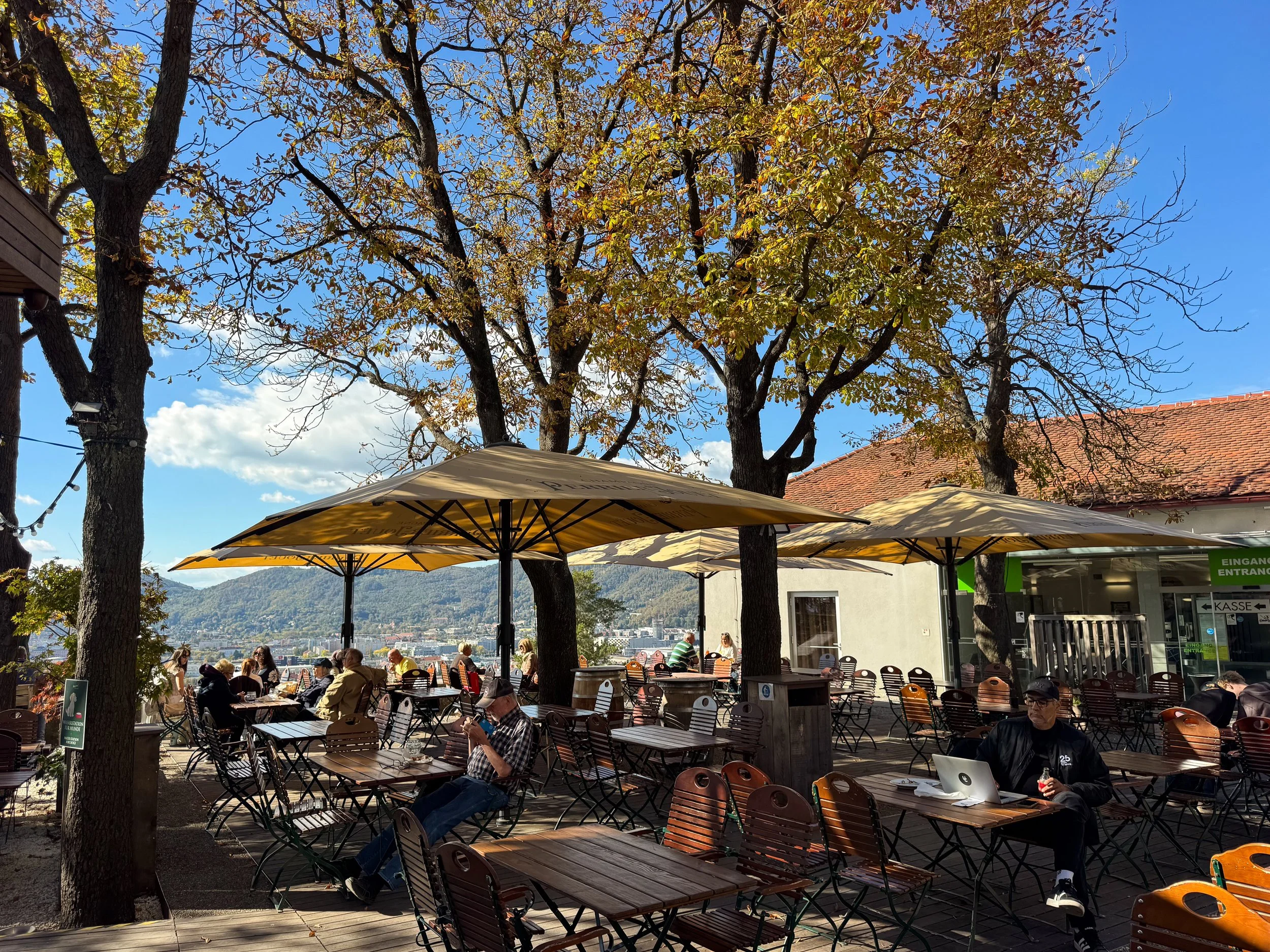
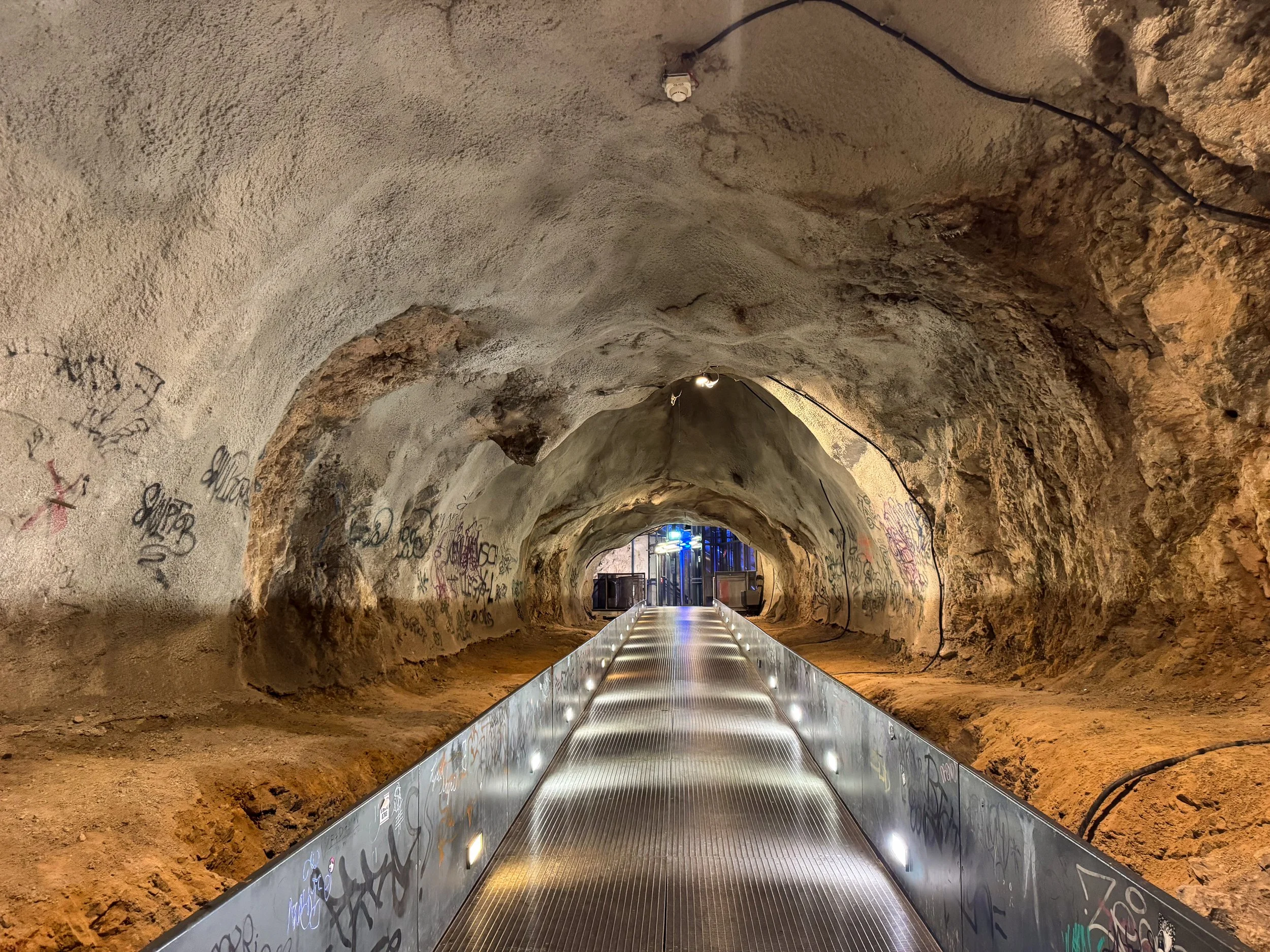
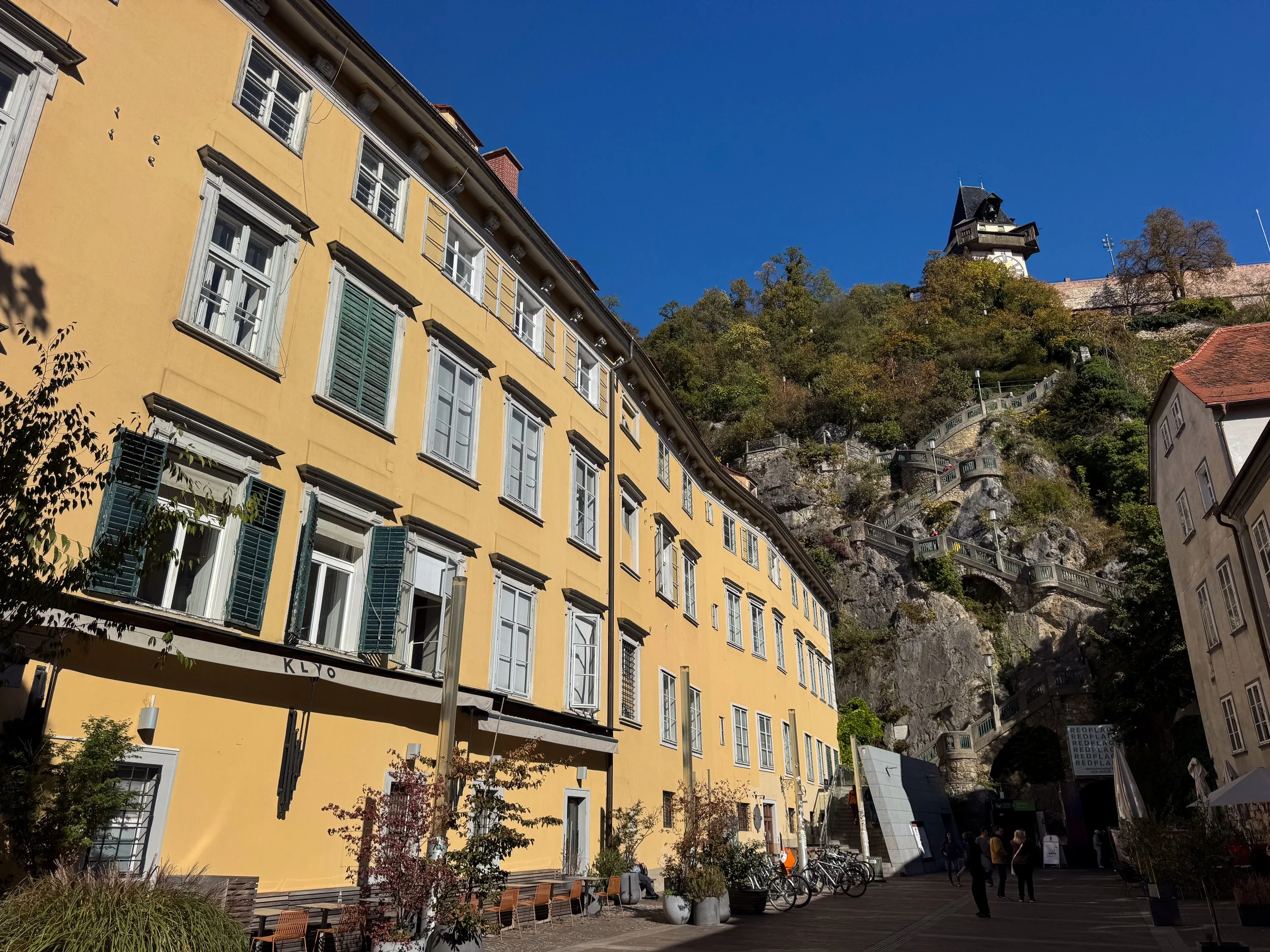
Schlossberg Hill. A forested hill rising above the city, crowned by the Uhrturm and the remains of a medieval fortress. Nature trails and stairways wind up its slopes while an elevator and funicular offer a quicker ascent. Gardens and panoramic viewpoints overlook the city and nightly sunset. A beer garden pours goblets of beer alongside local dishes on a spacious patio while a high end restaurant serves cuisine that’s elevated both literally and figuratively.
Uhrturm. A 16th century clock tower and the enduring symbol of Graz perched on Schlossberg Hill. Its brown wooden façade and steeply pitched roof frame painted clock faces with gilded and reversed hands. Stone reliefs of mythical creatures and coats of arms decorate its base.
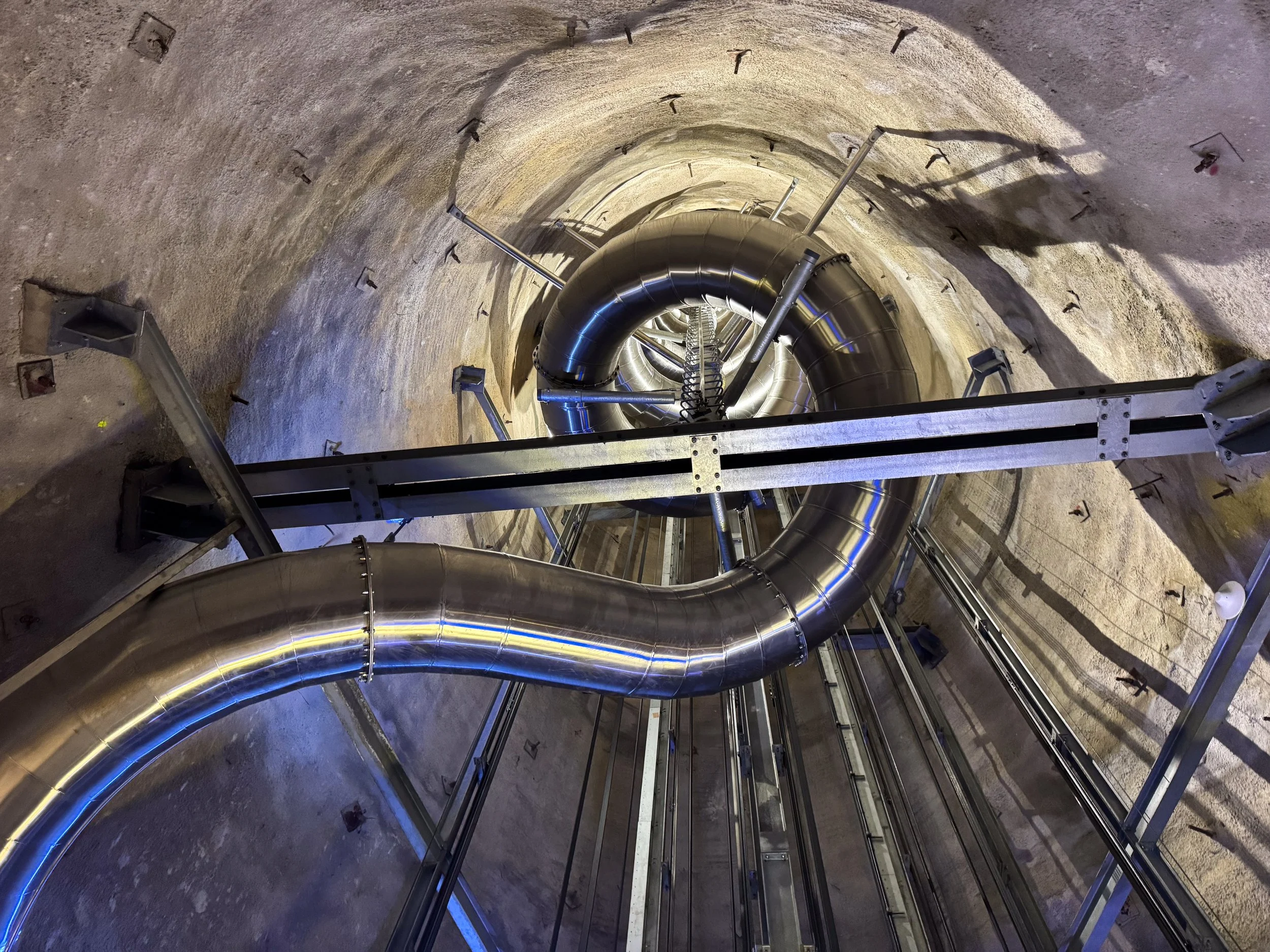
The Flight Graz. The world’s tallest underground slide, built within a hollowed out chamber of Schlossberg Hill. It corkscrews 64 meters down, offering a quick and exhilarating ride from the Uhrturm to the bottom of the hill.
Schloßbergtunnel (Schlossberg Tunnel). A long tunnel cutting diagonally through the heart of Schlossberg Hill, with closed off side passages branching deeper inside. Dug during World War II, it served as an air raid shelter for more than 40,000 townspeople.
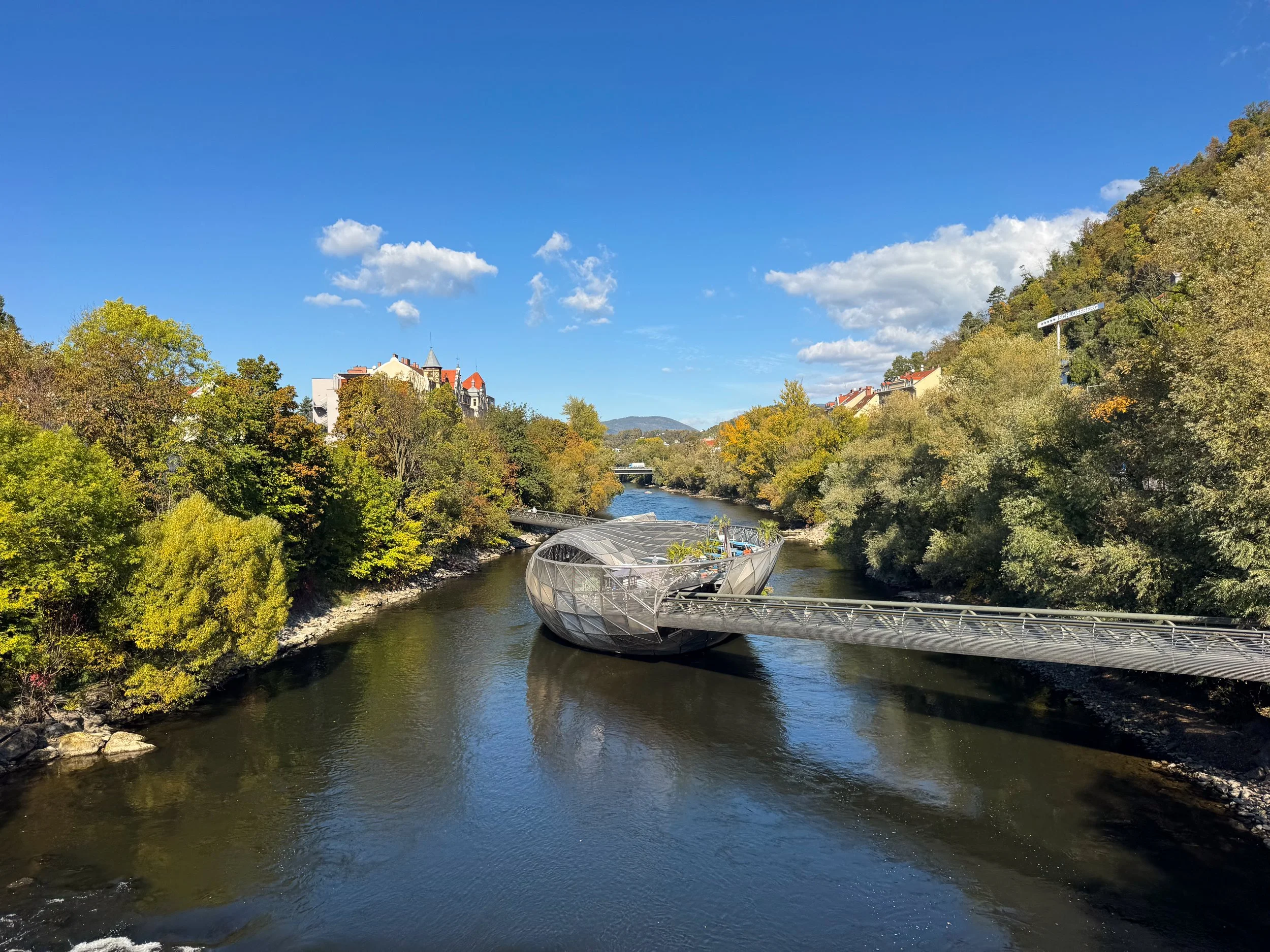
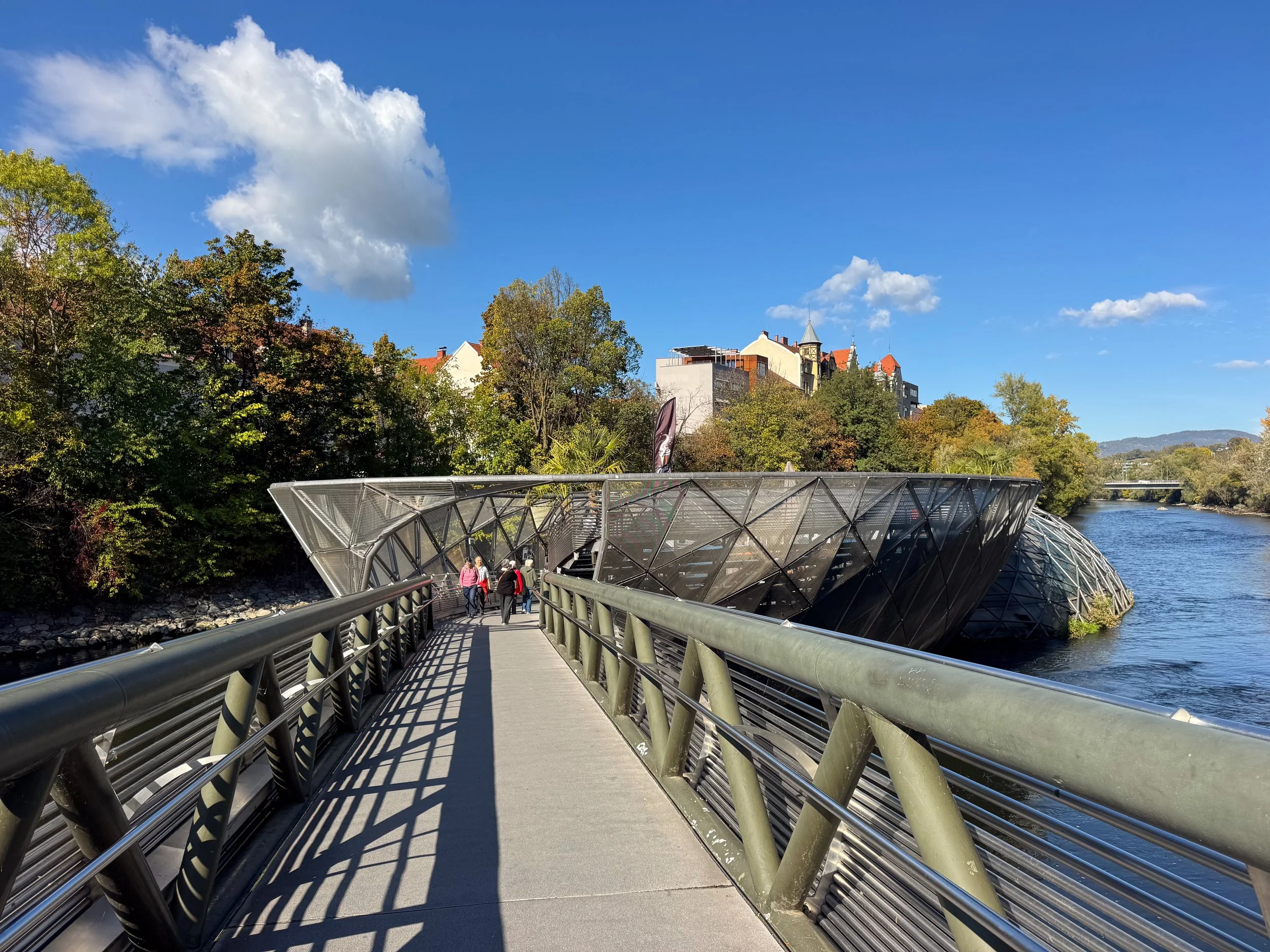
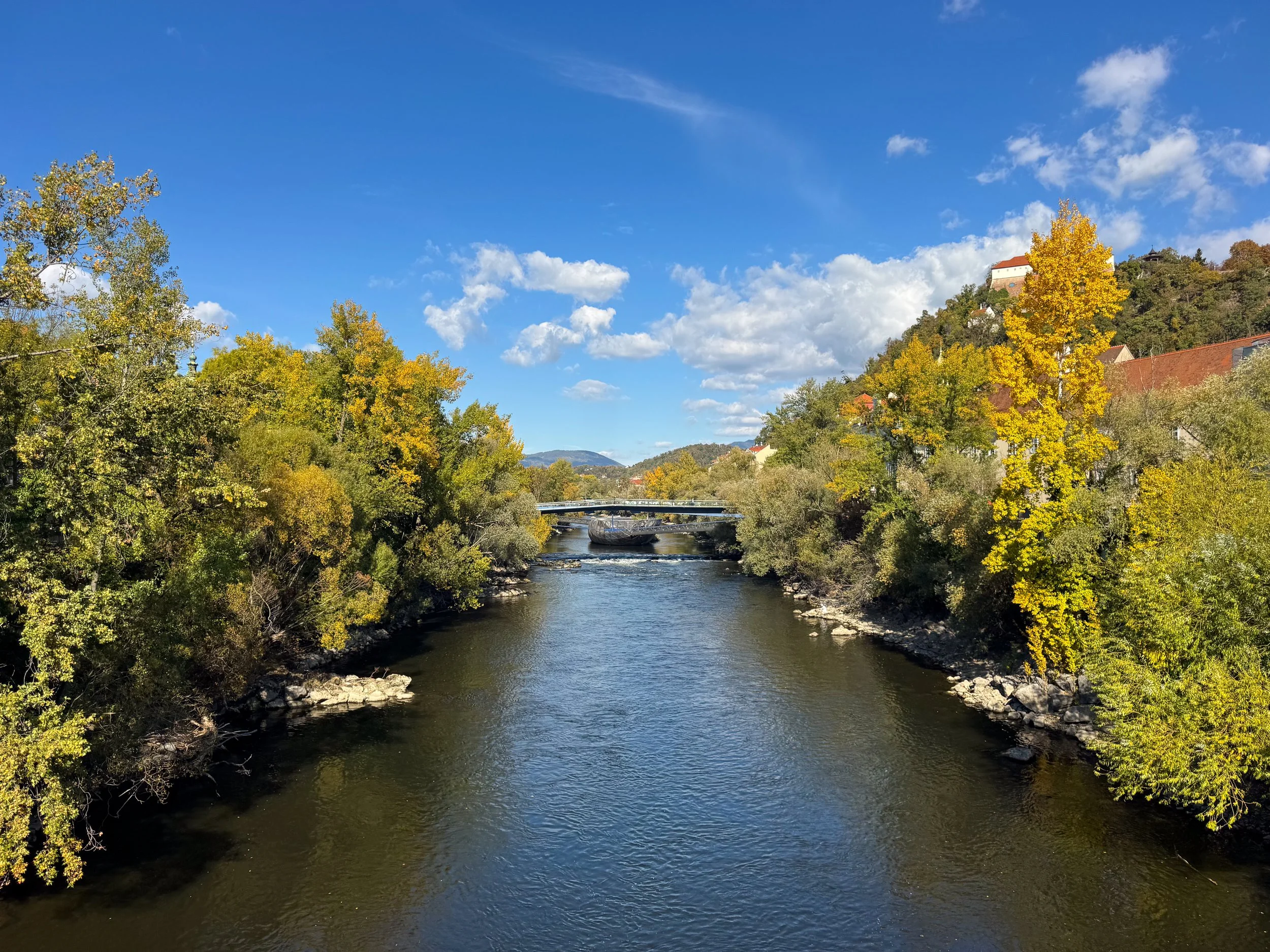
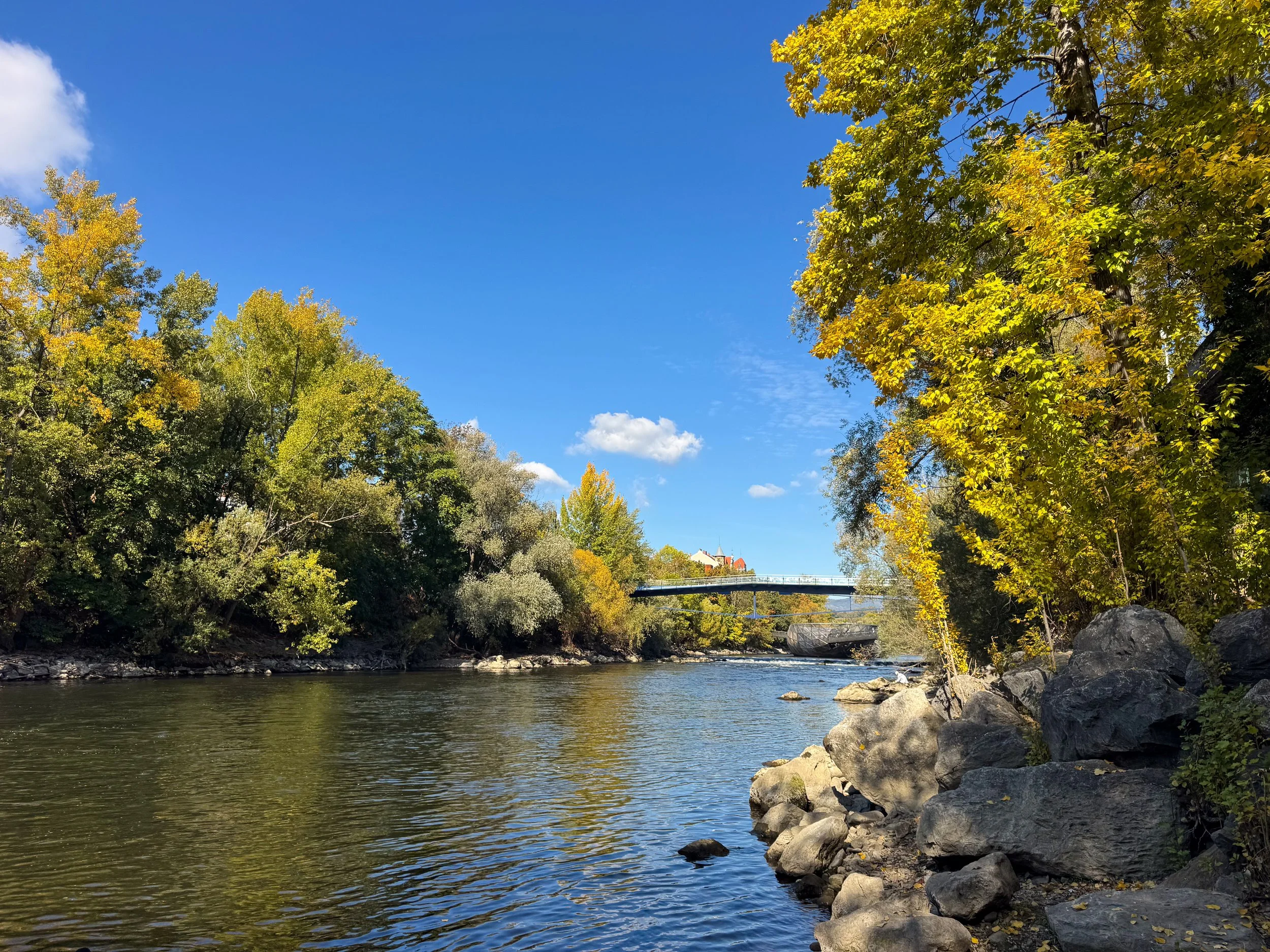
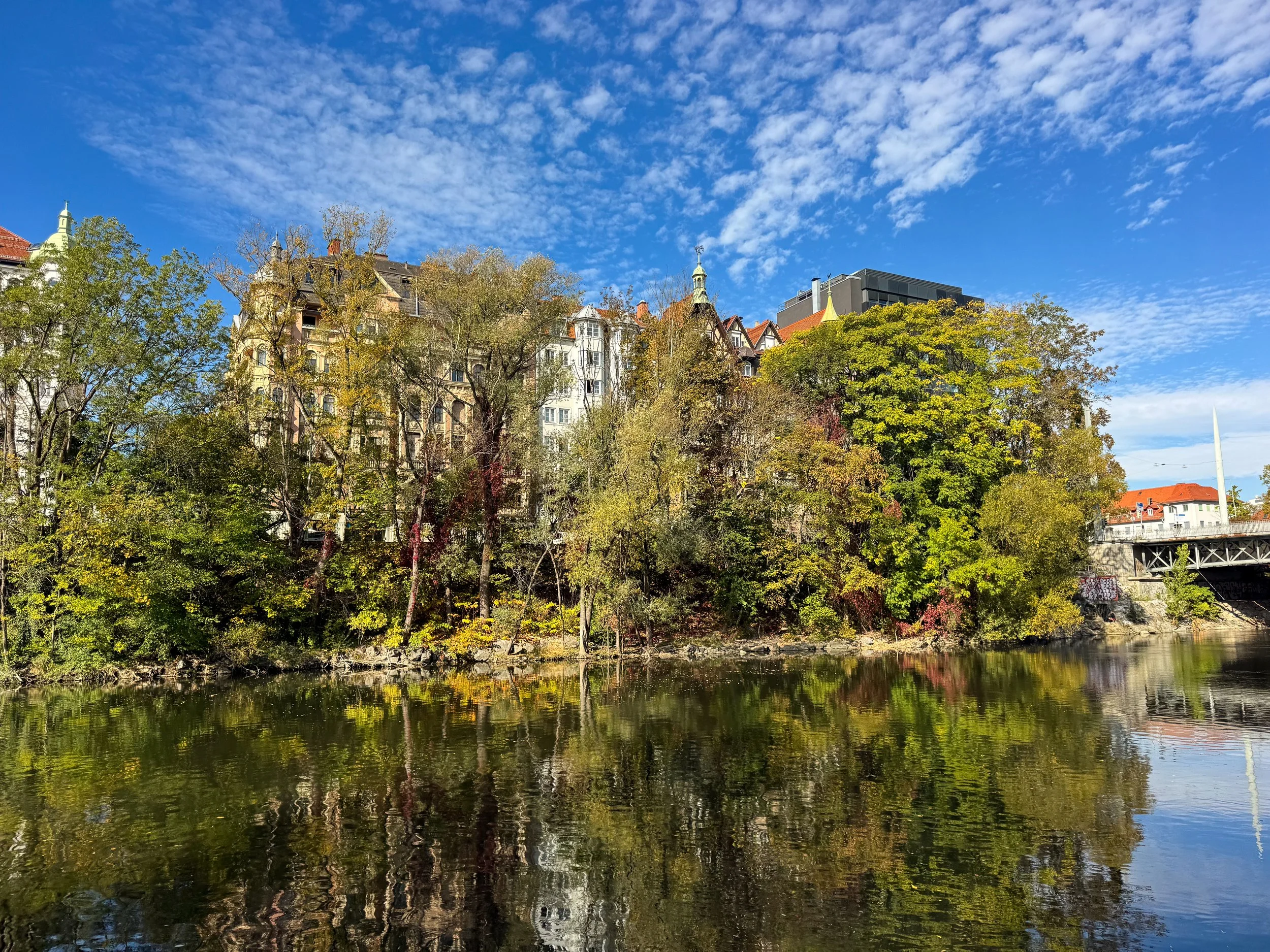
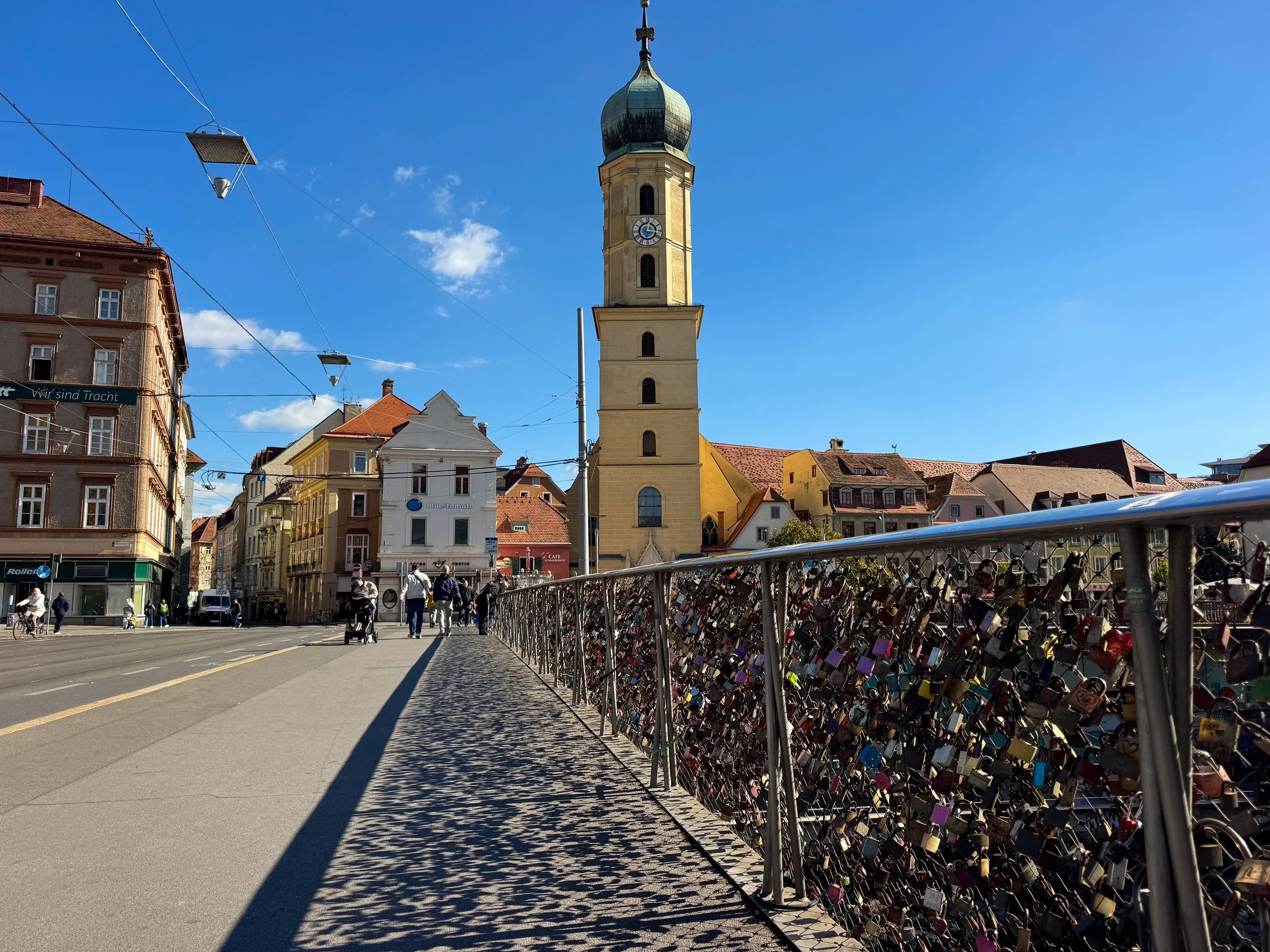
Mur River. A scenic river flowing through the heart of Graz beneath bridges that frame its rapids. A walkway along one bank invites tranquil strolls while the tree lined riverbanks offer a peaceful place to take in the Austrian landscape.
Murinsel Graz. An artificial island shaped by a contemporary glass and steel structure in the middle of the Mur River. It’s linked by two diagonal footbridges to the old town and Lend neighborhoods. It serves as an event space with a small outdoor amphitheater and cafe.
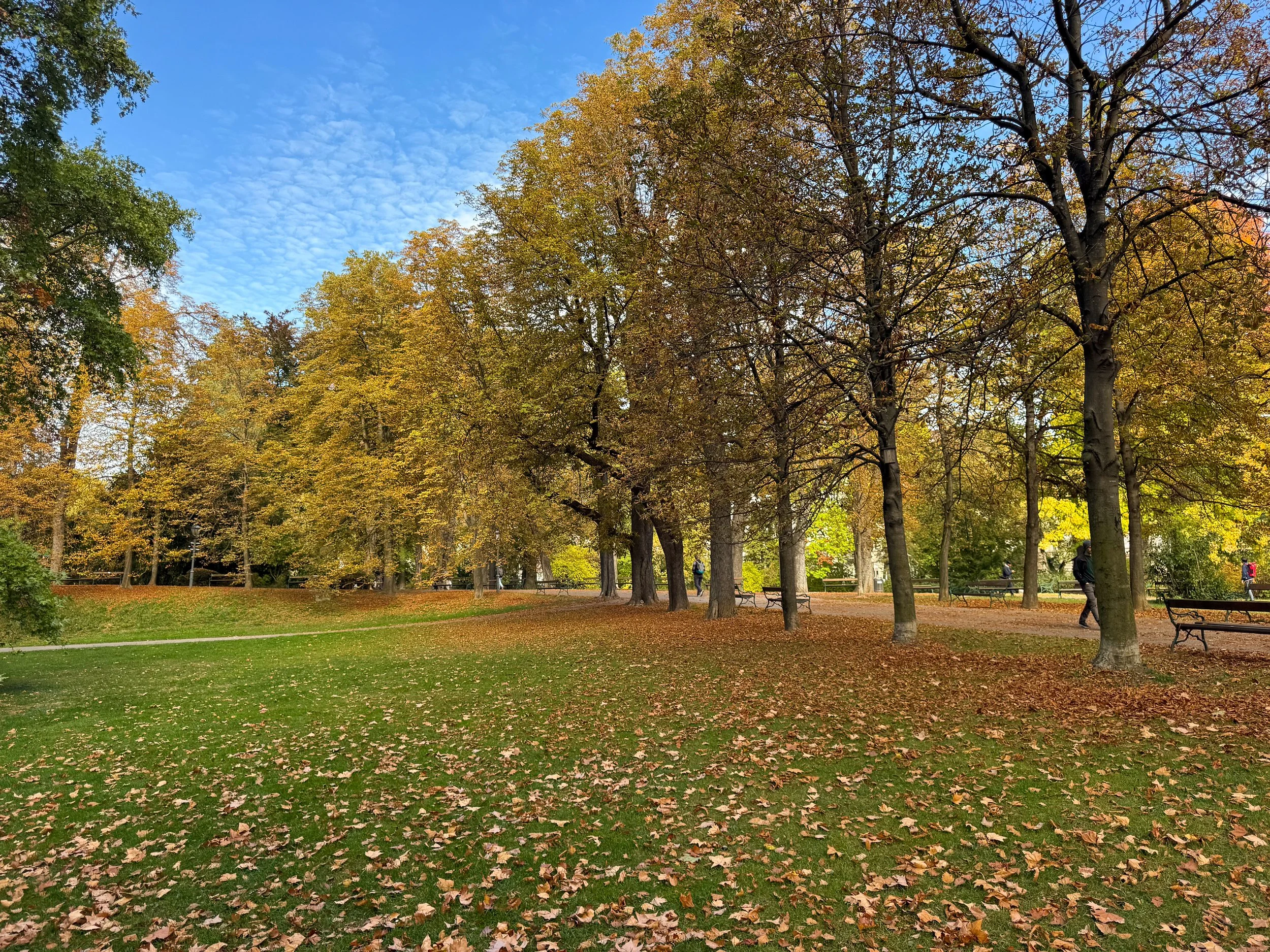
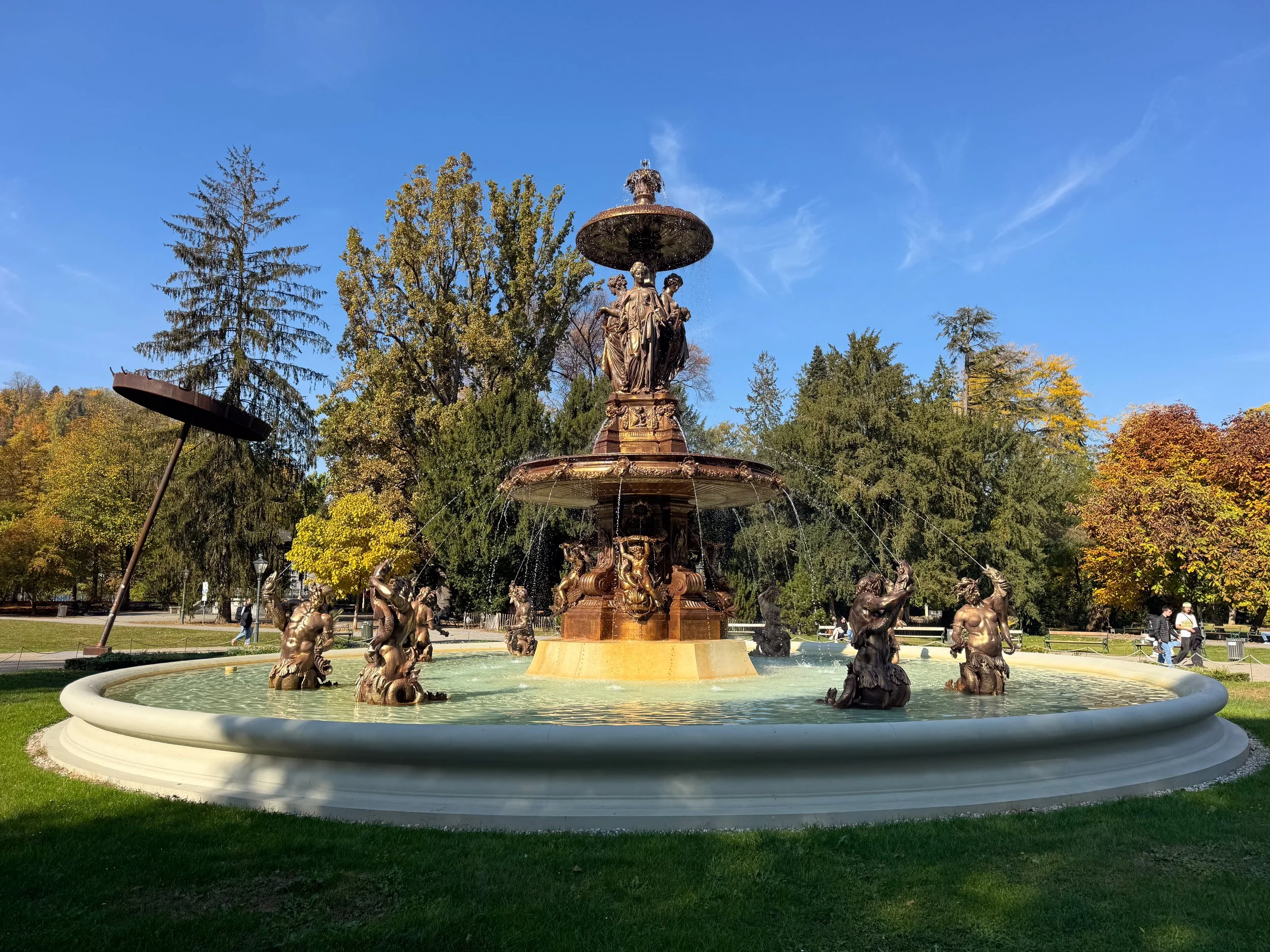
Stadtpark Graz. A sprawling park wrapping around the old town from behind Schlossberg Hill. Its paths meander past seasonal cafes, lawns, statues and fountains. A bastion overlooks a moat while benches invite locals to read, sketch and picnic. The park is especially scenic in fall when the leaves turn yellow and orange.
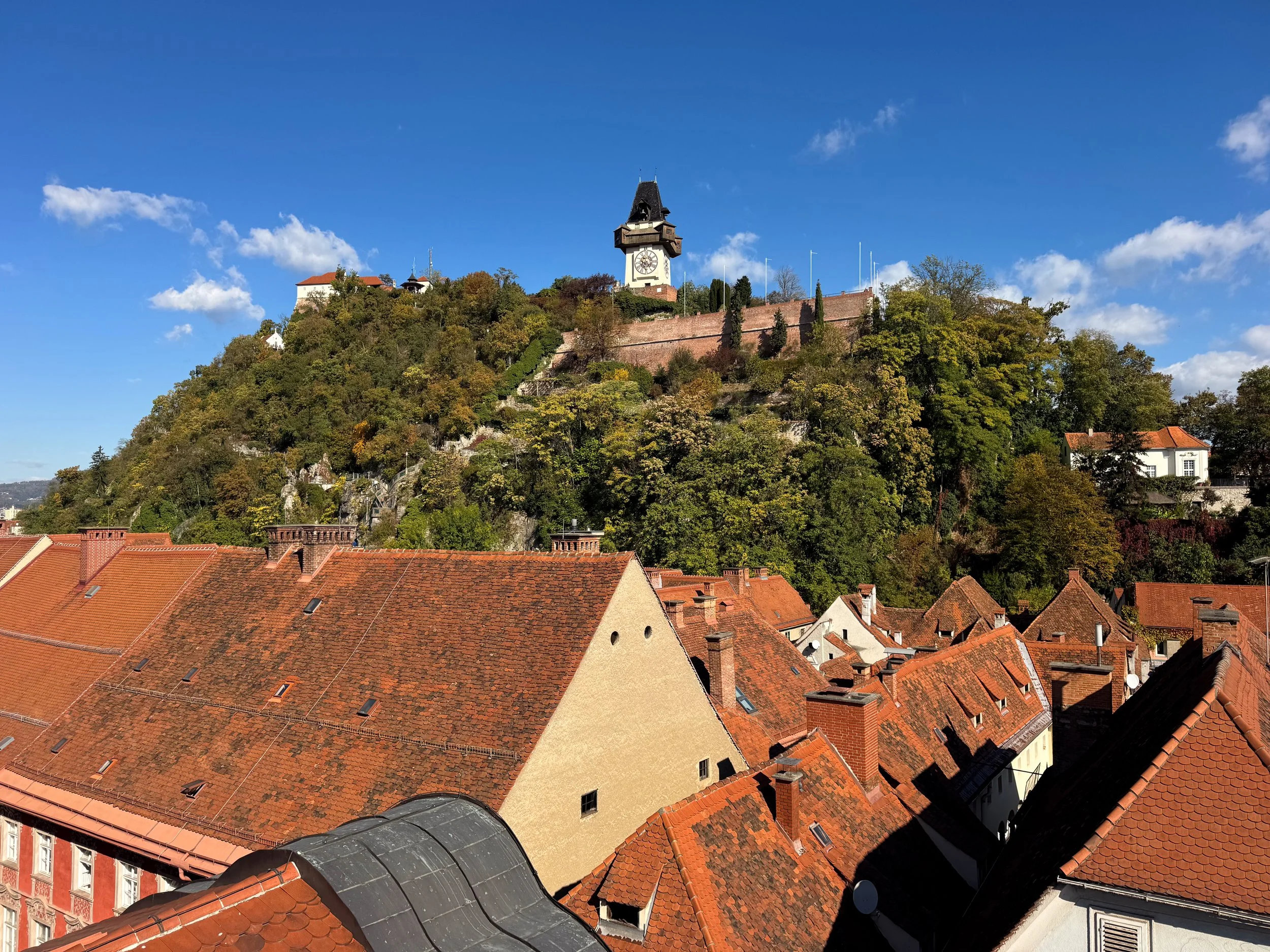
Kastner & Öhler Graz Rooftop. A department store with a sky deck overlooking the old town’s pitched terracotta rooftops, historic spires and verdant hillside. Take in the view for free or settle in for a meal at the cafe before shopping for a traditional Austrian outfit on the six floors below.
Museums & Palaces
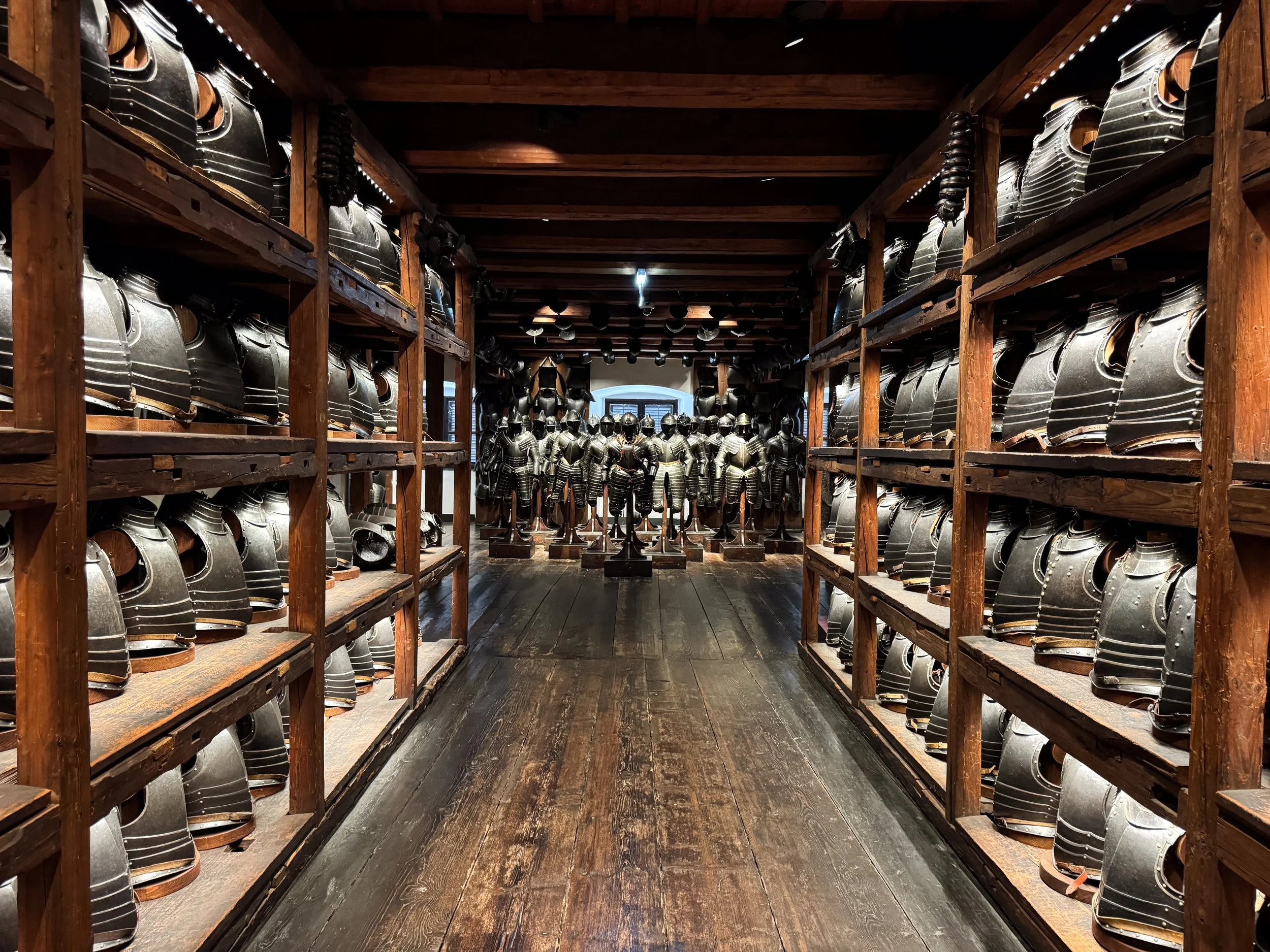
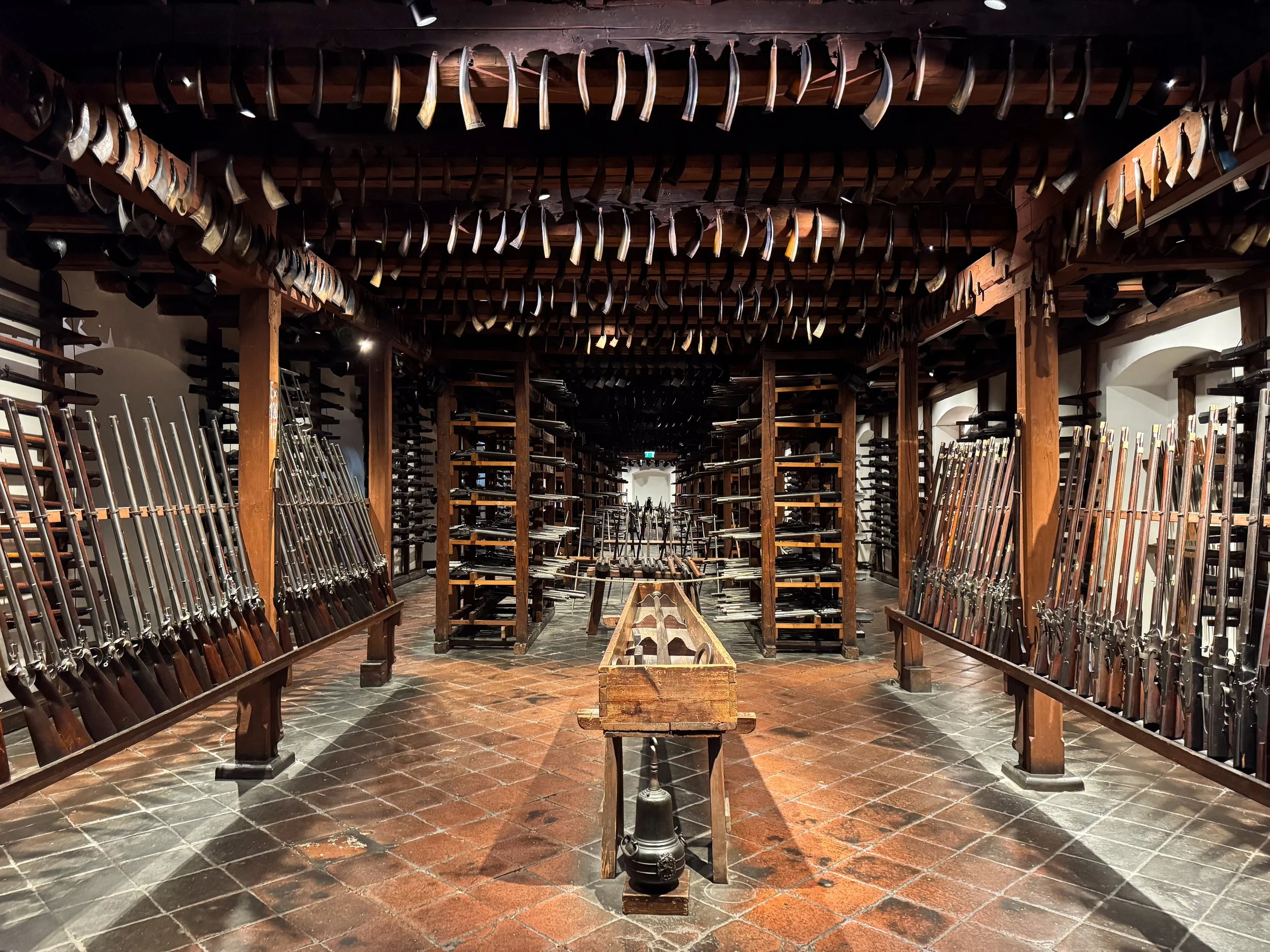
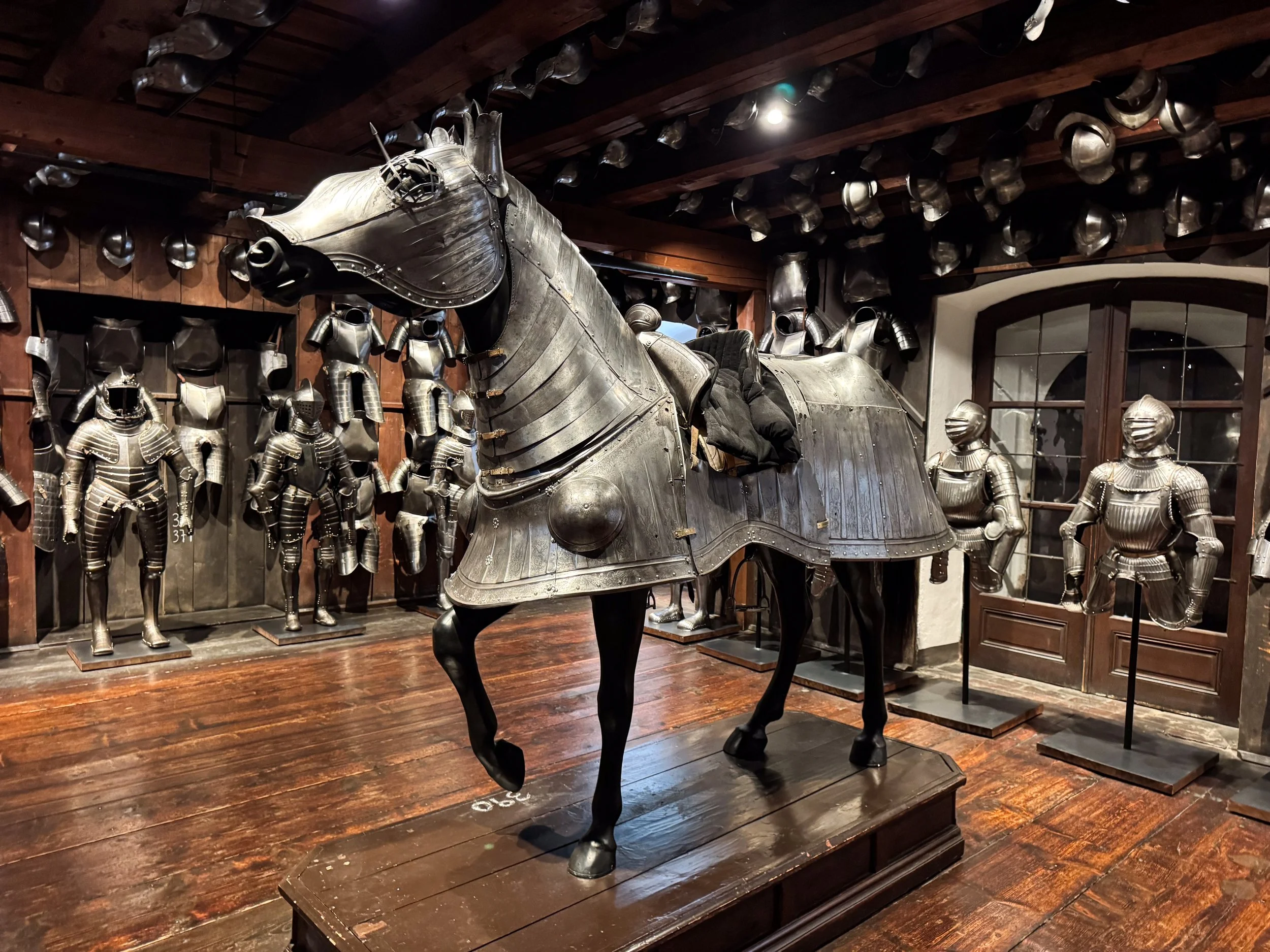
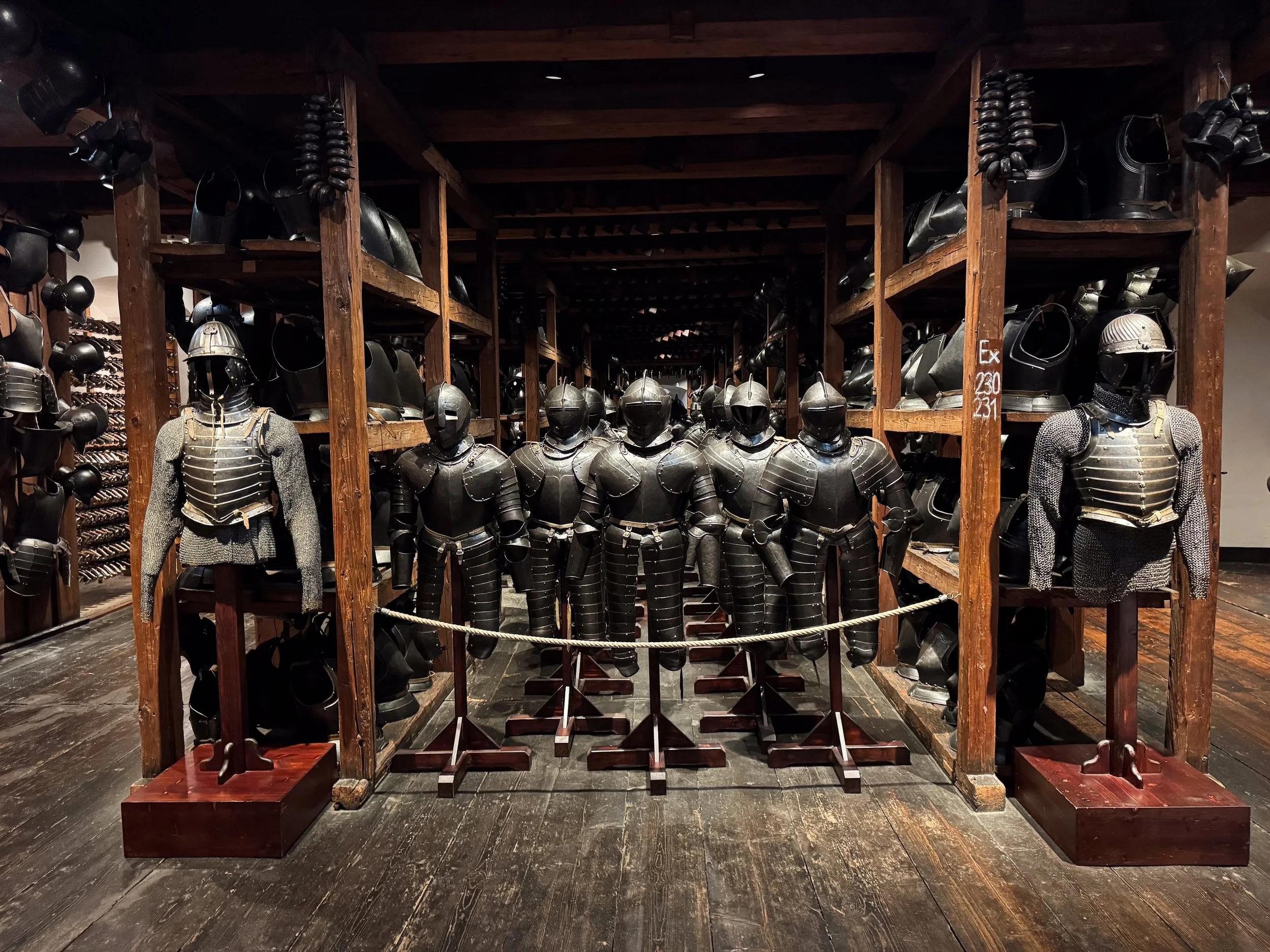
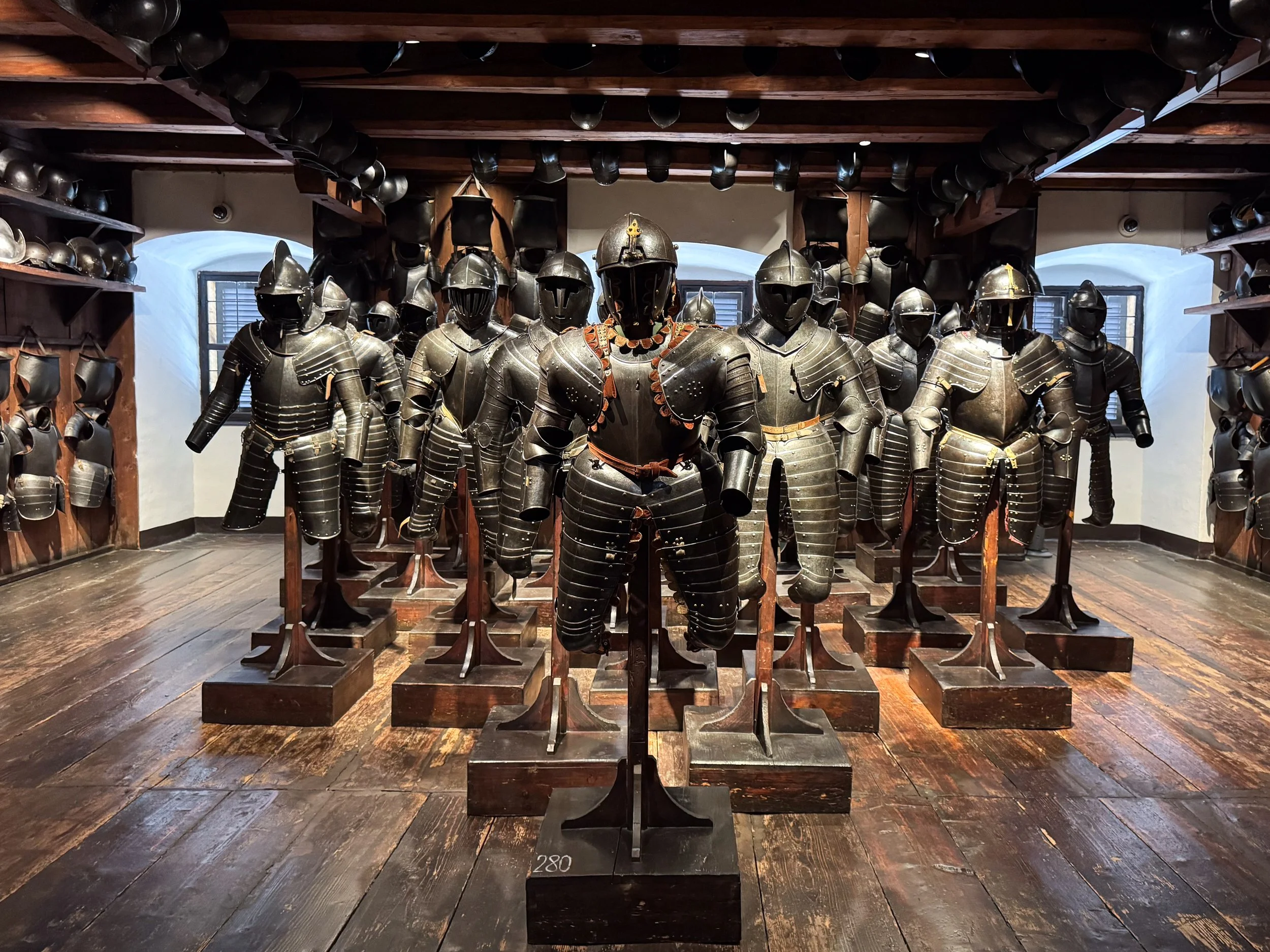
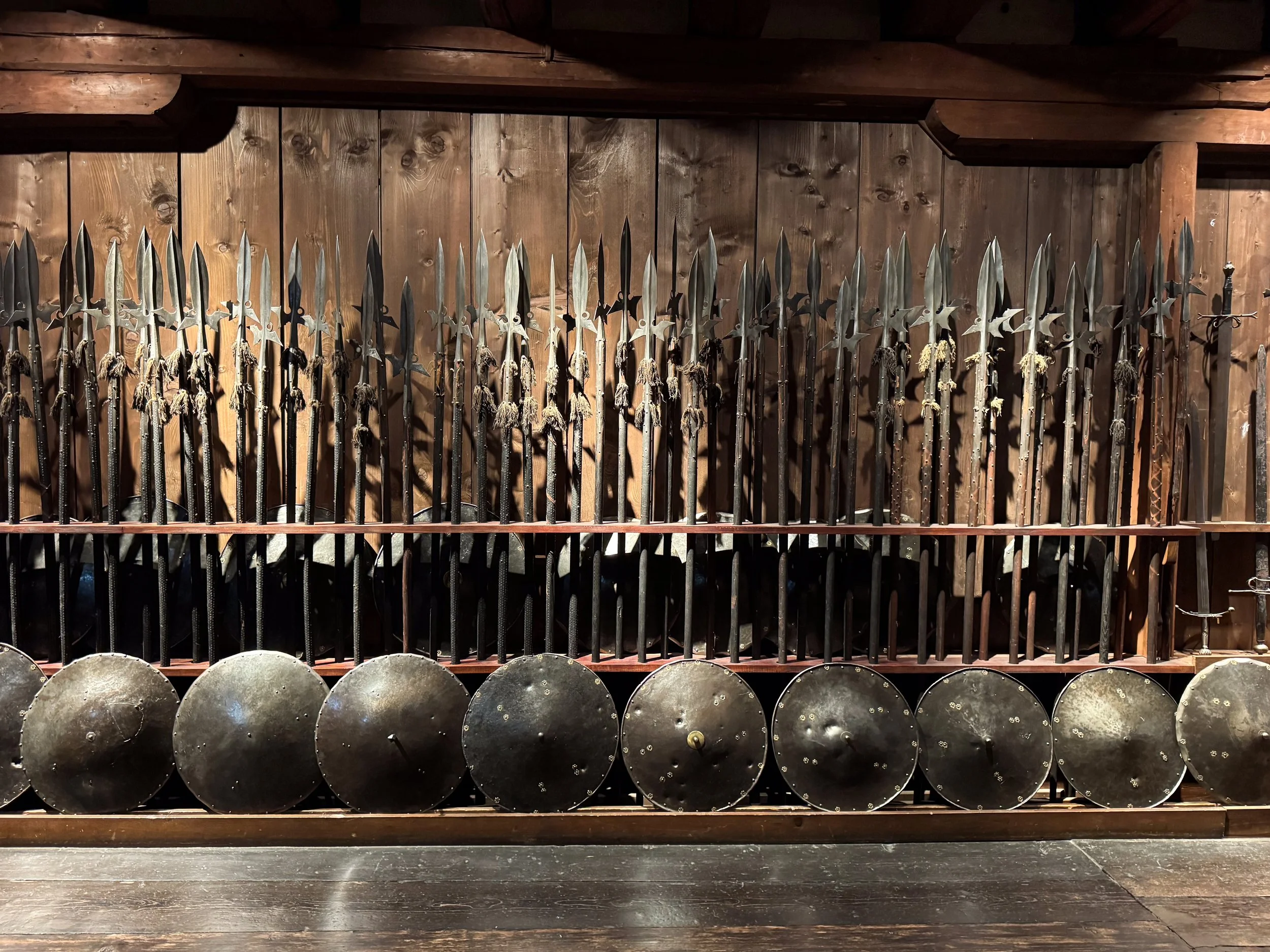
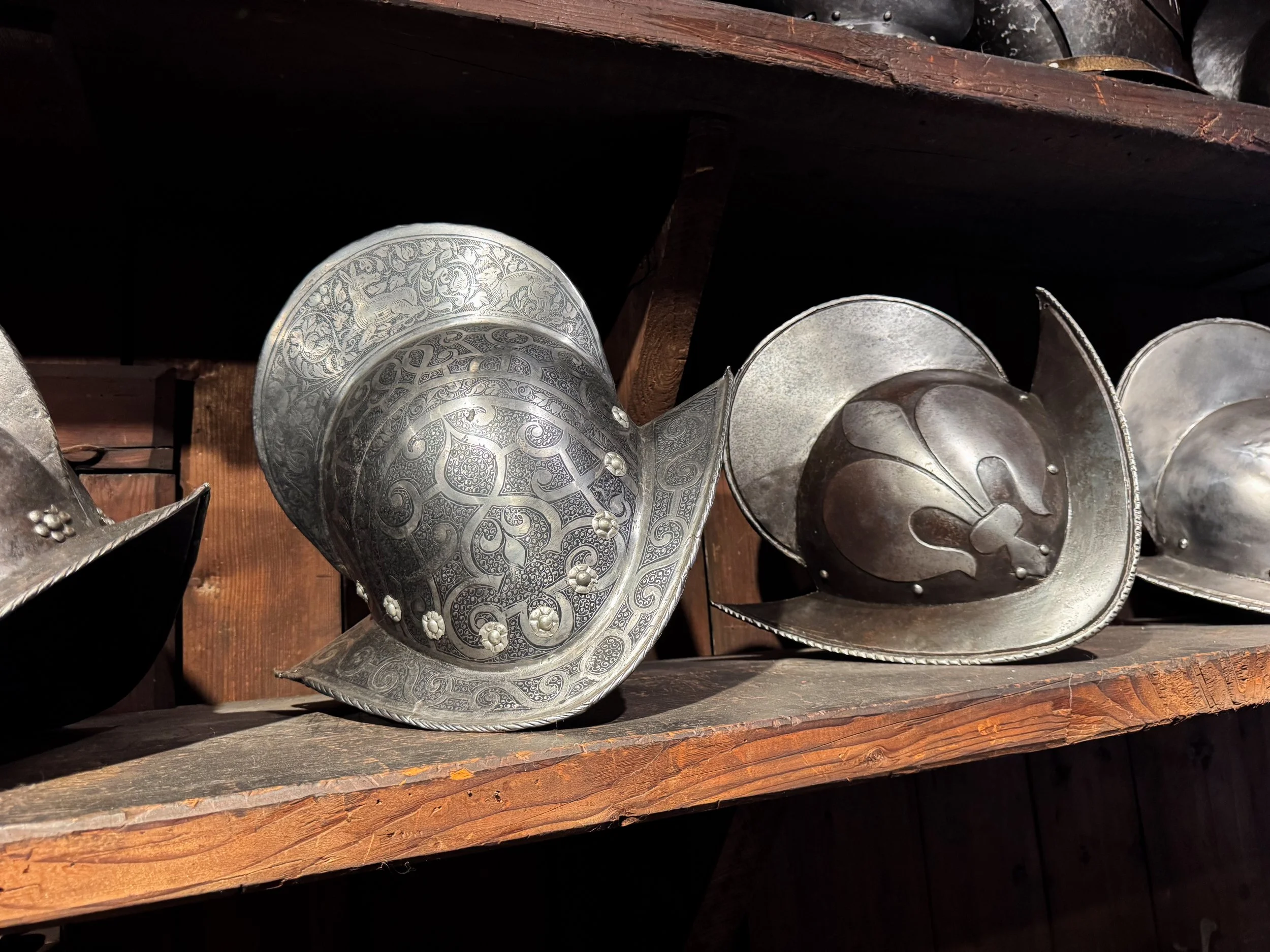
Styrian Armory. A four story historic armory packed with tens of thousands of weapons and pieces of armor. Wander floor by floor through dimly lit aisles lined with rifles, pistols, swords, spears, shields and helmets, past standing suits of armor and a fully armored horse. Look closely for engraved details and the dents left by bullets fired to test the armor’s strength.
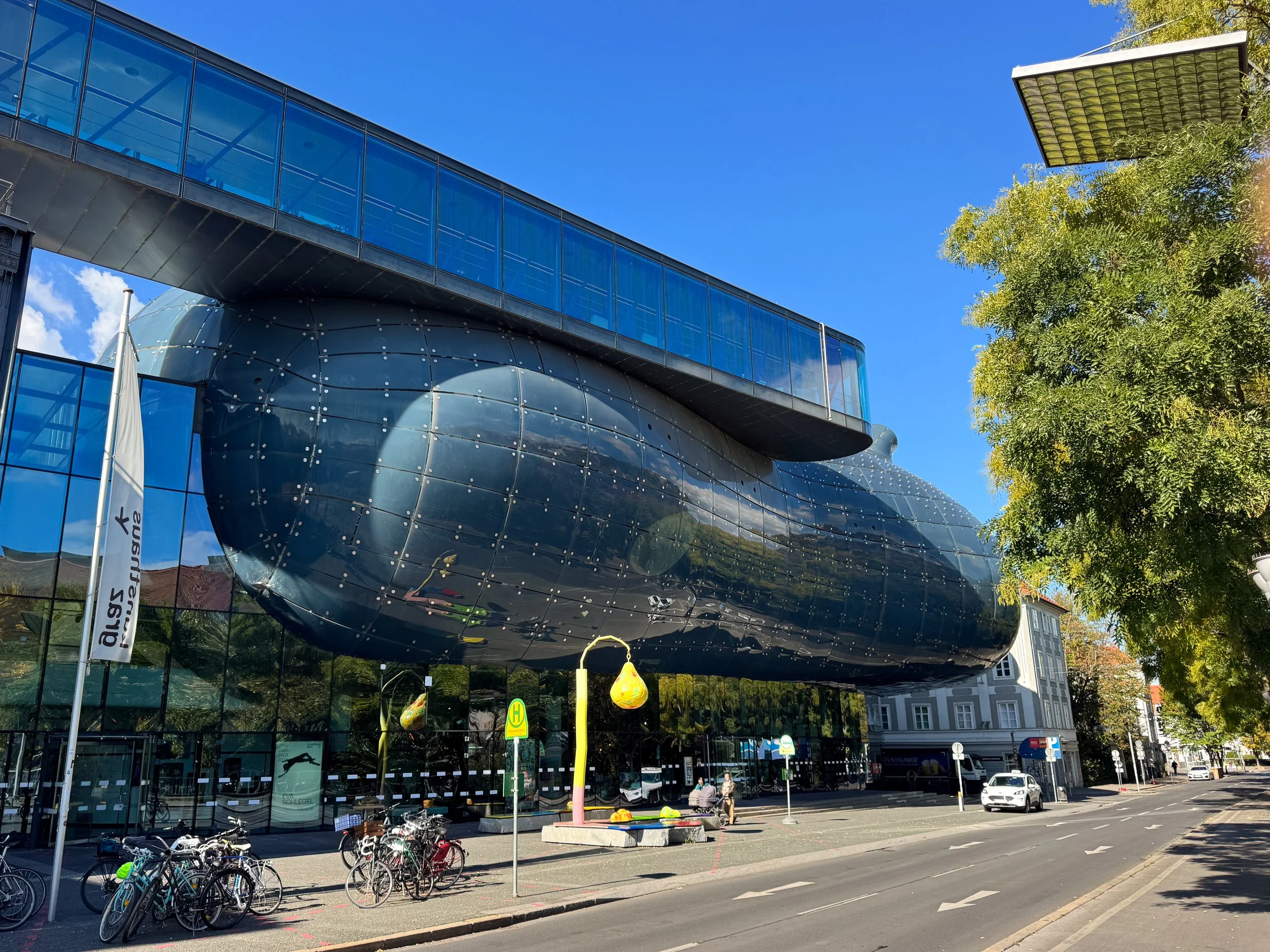
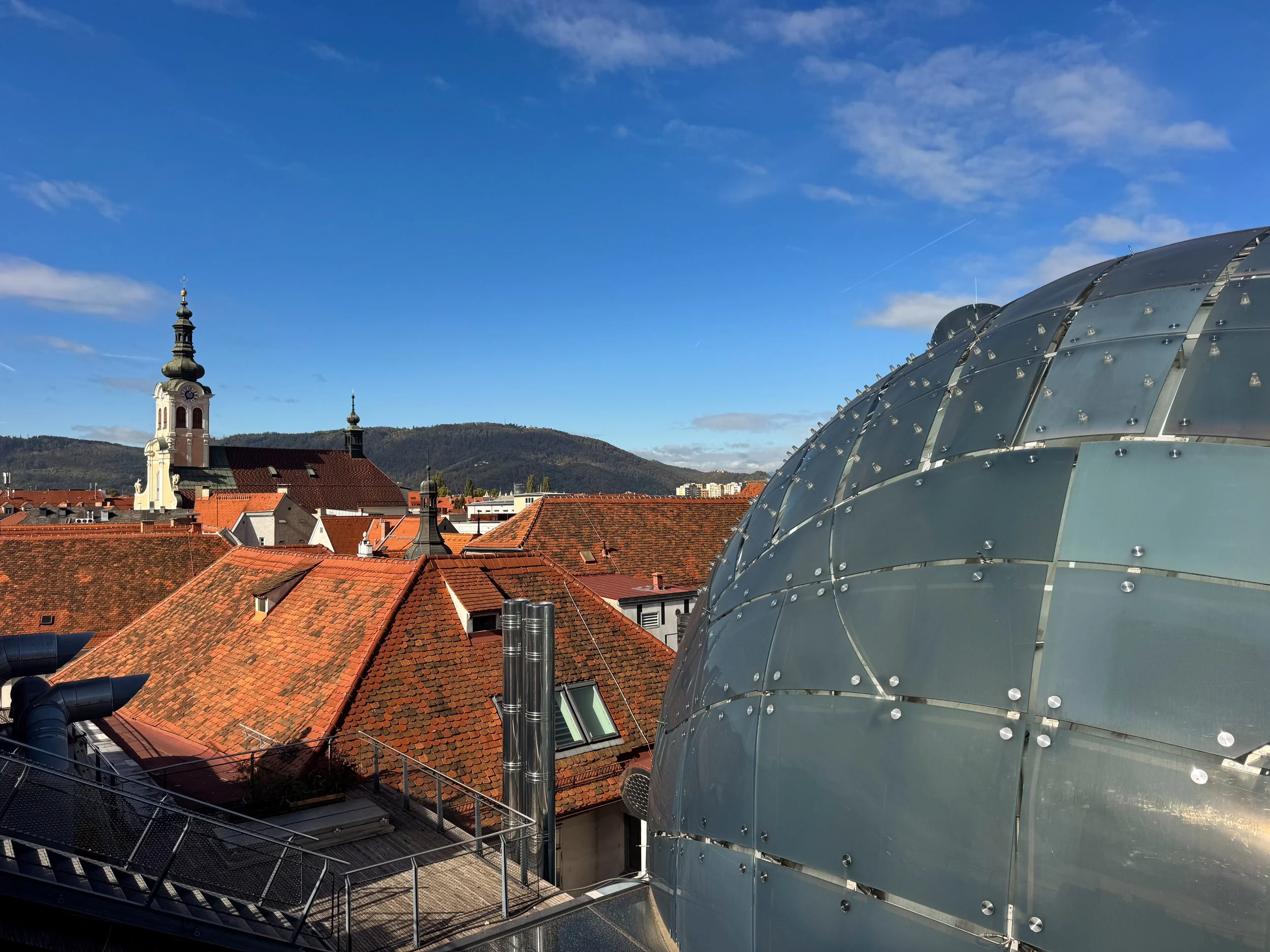
Kunsthaus Graz. A contemporary art museum in a striking bubble shaped building nicknamed the “Friendly Alien.” It houses rotating exhibits across three floors and a rooftop deck with views over the city.
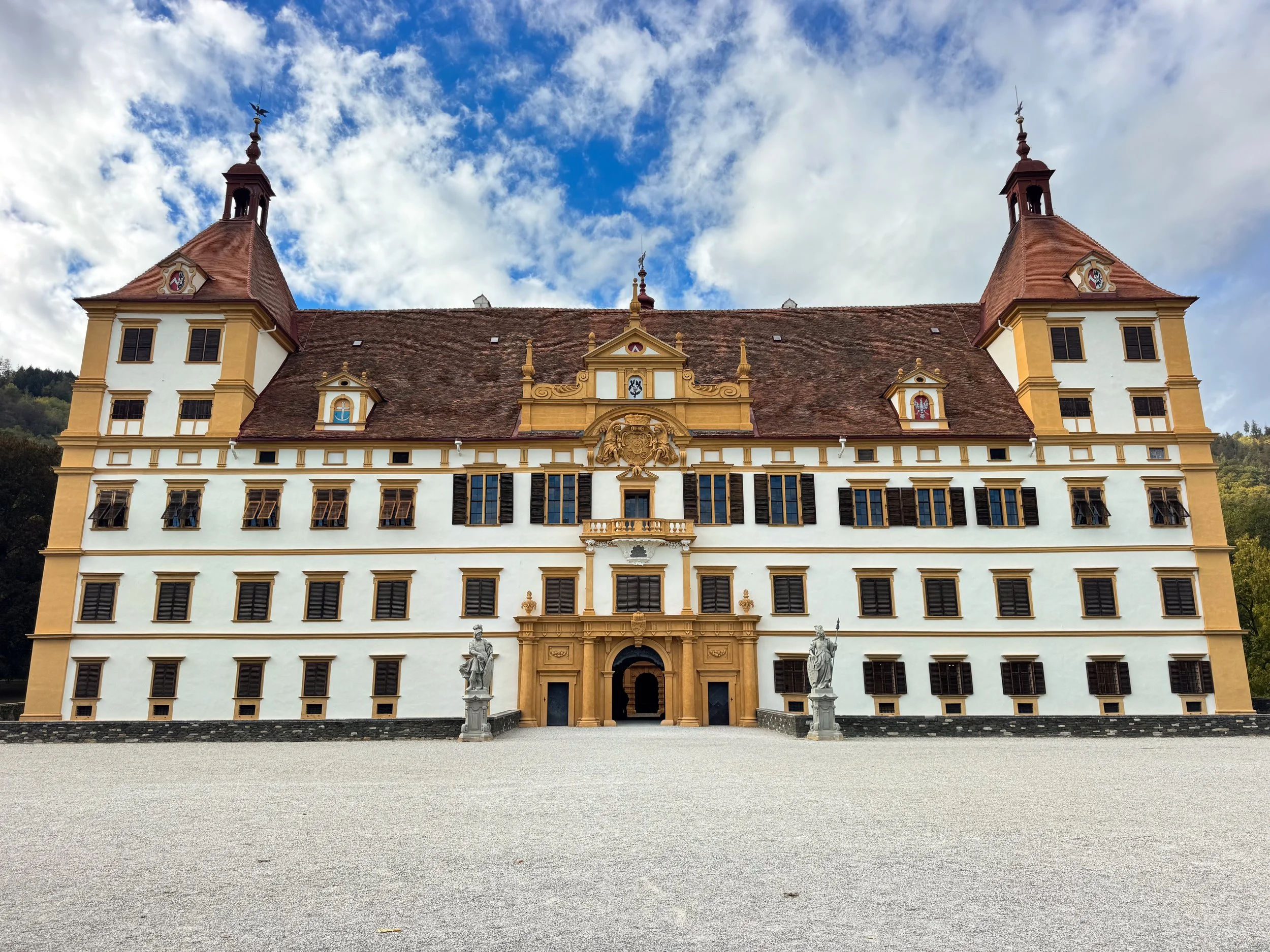
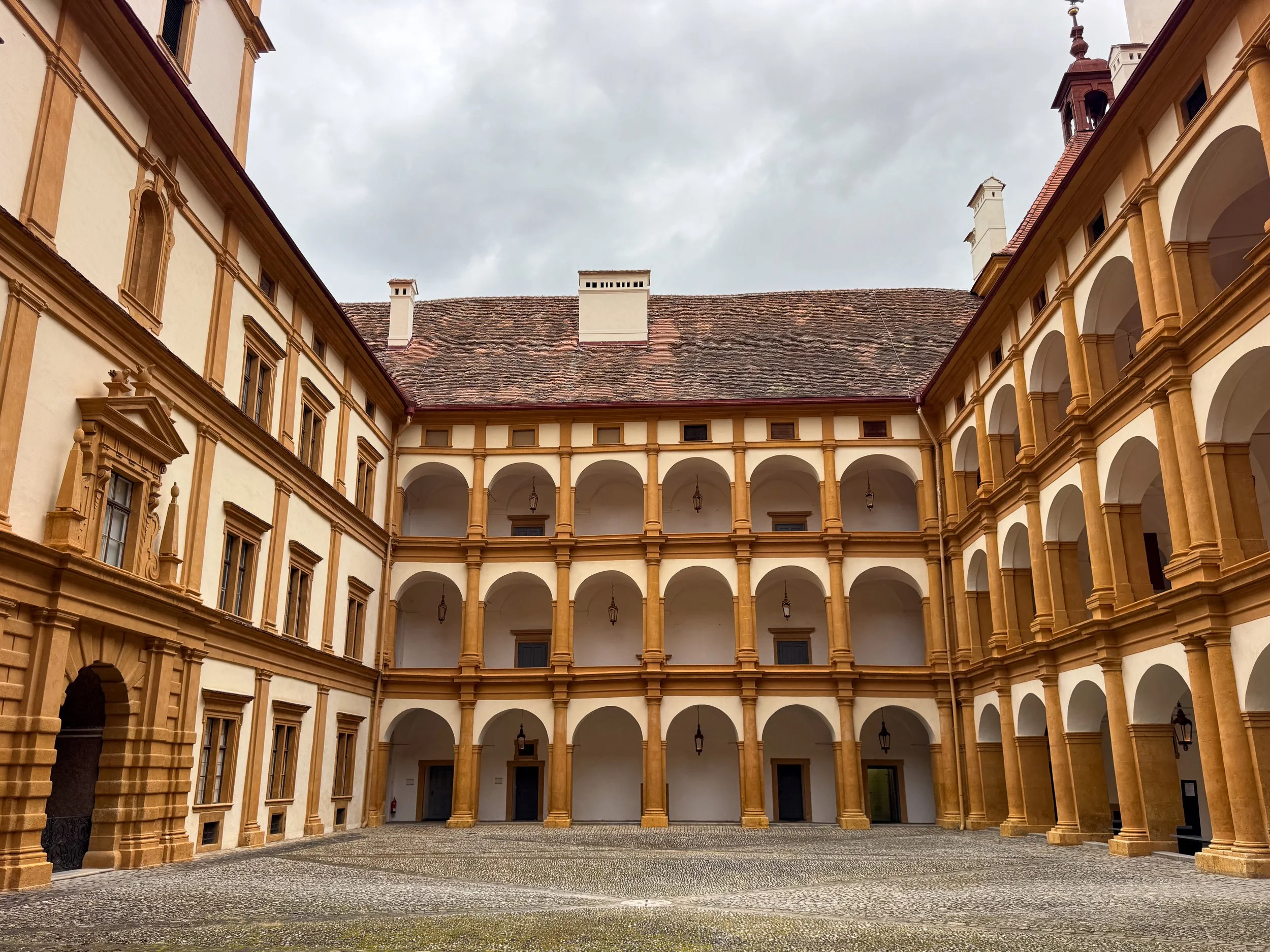
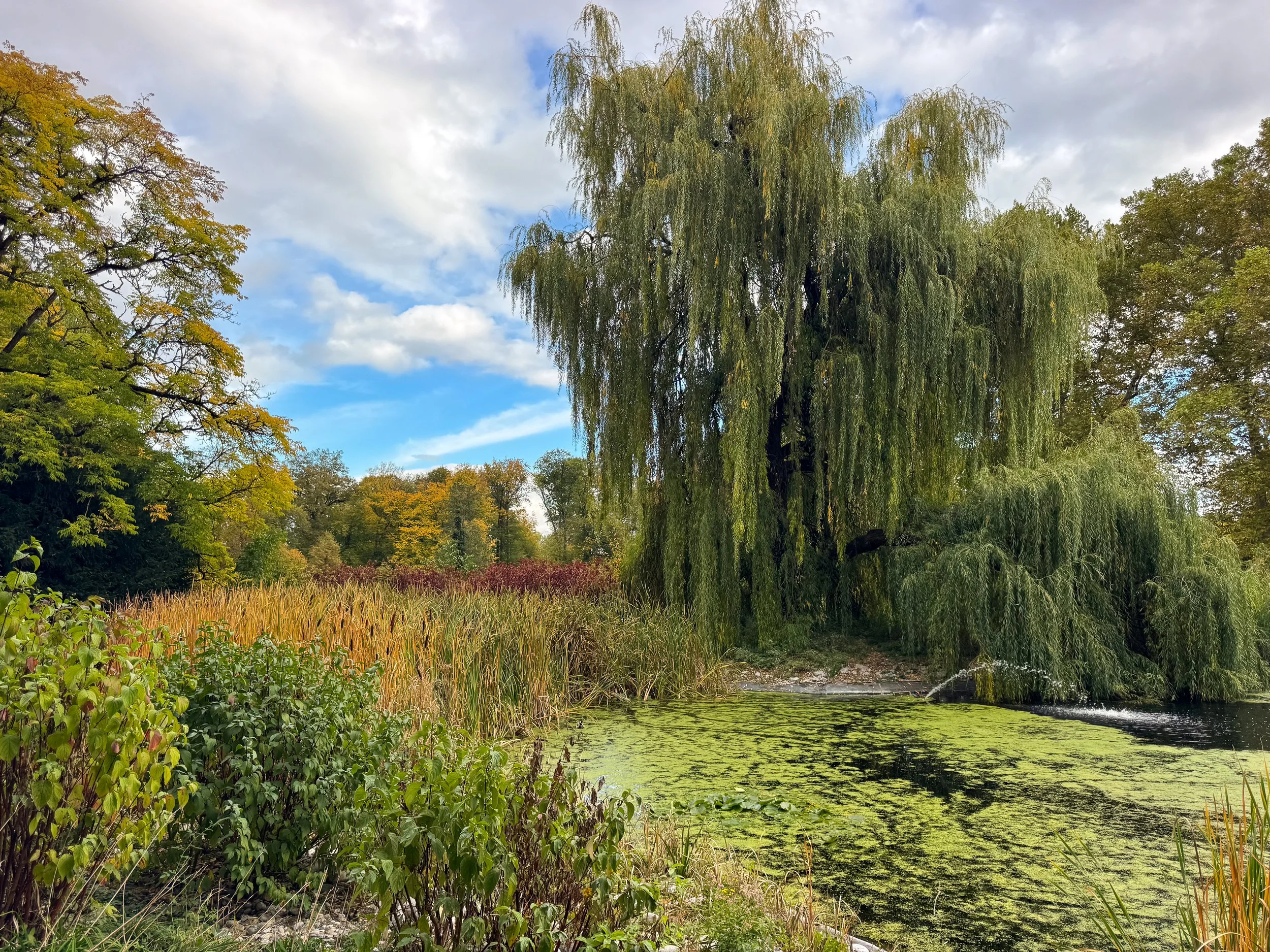
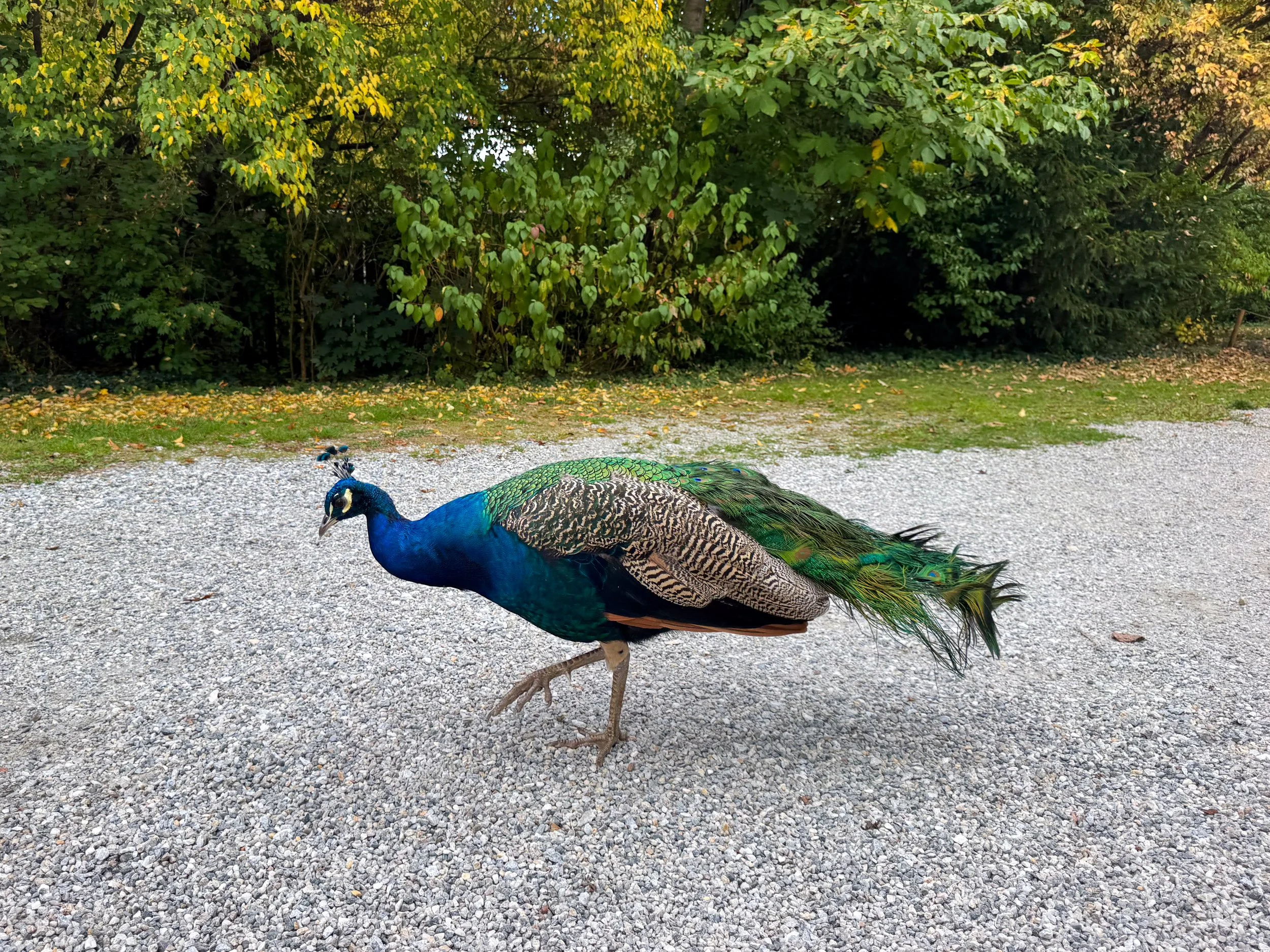
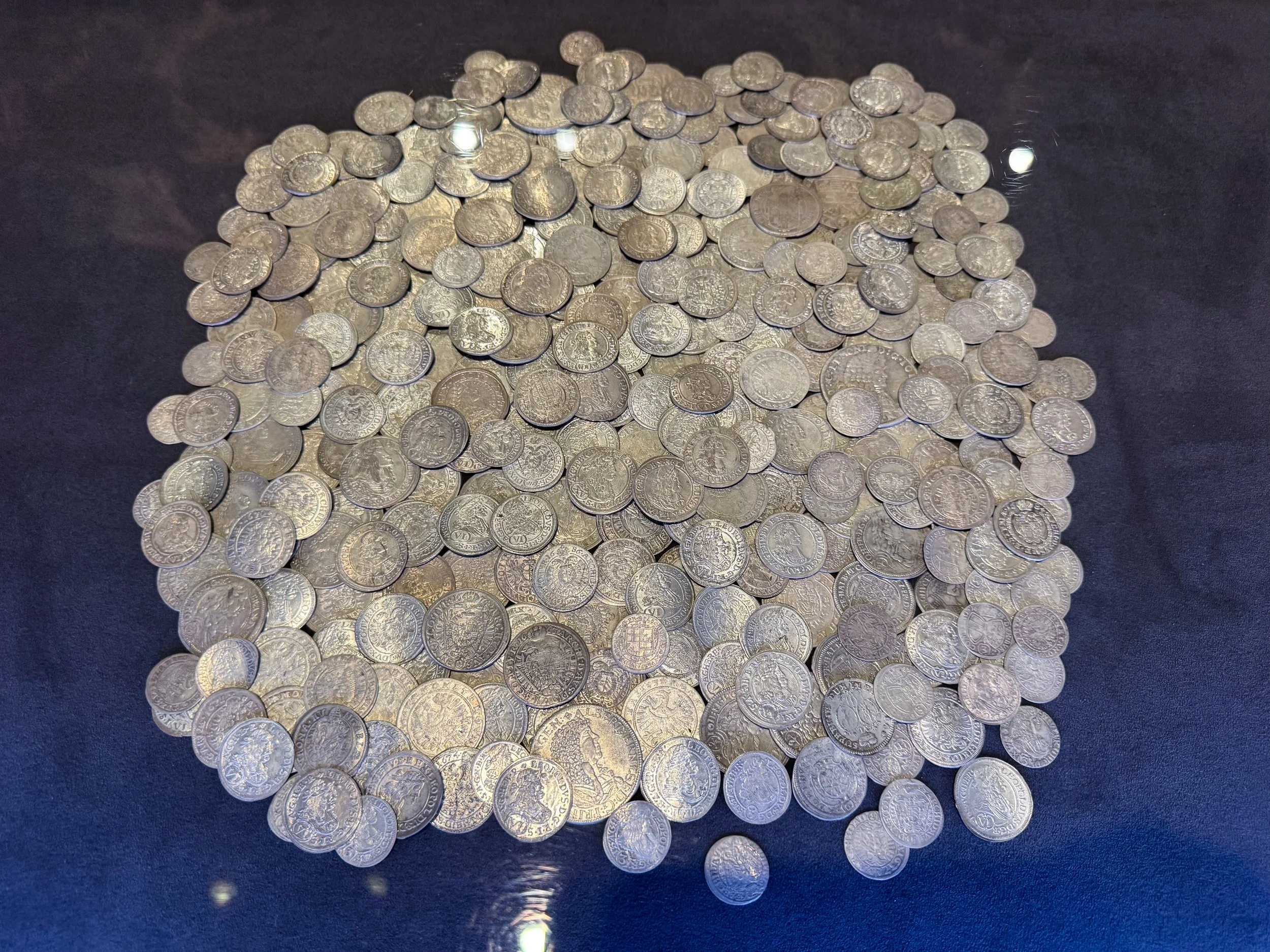
Schloss Eggenberg. A Baroque palace at the base of a mountain on the outskirts of Graz, once home to the princes of Eggenberg. A gravel drive leads through the trees to its grand façade, framed by four corner towers and a central clock tower. Cross the moat encircling the palace to enter a courtyard ringed by arched corridors. The expansive grounds include a rose garden, a large picnic area and free roaming peacocks.
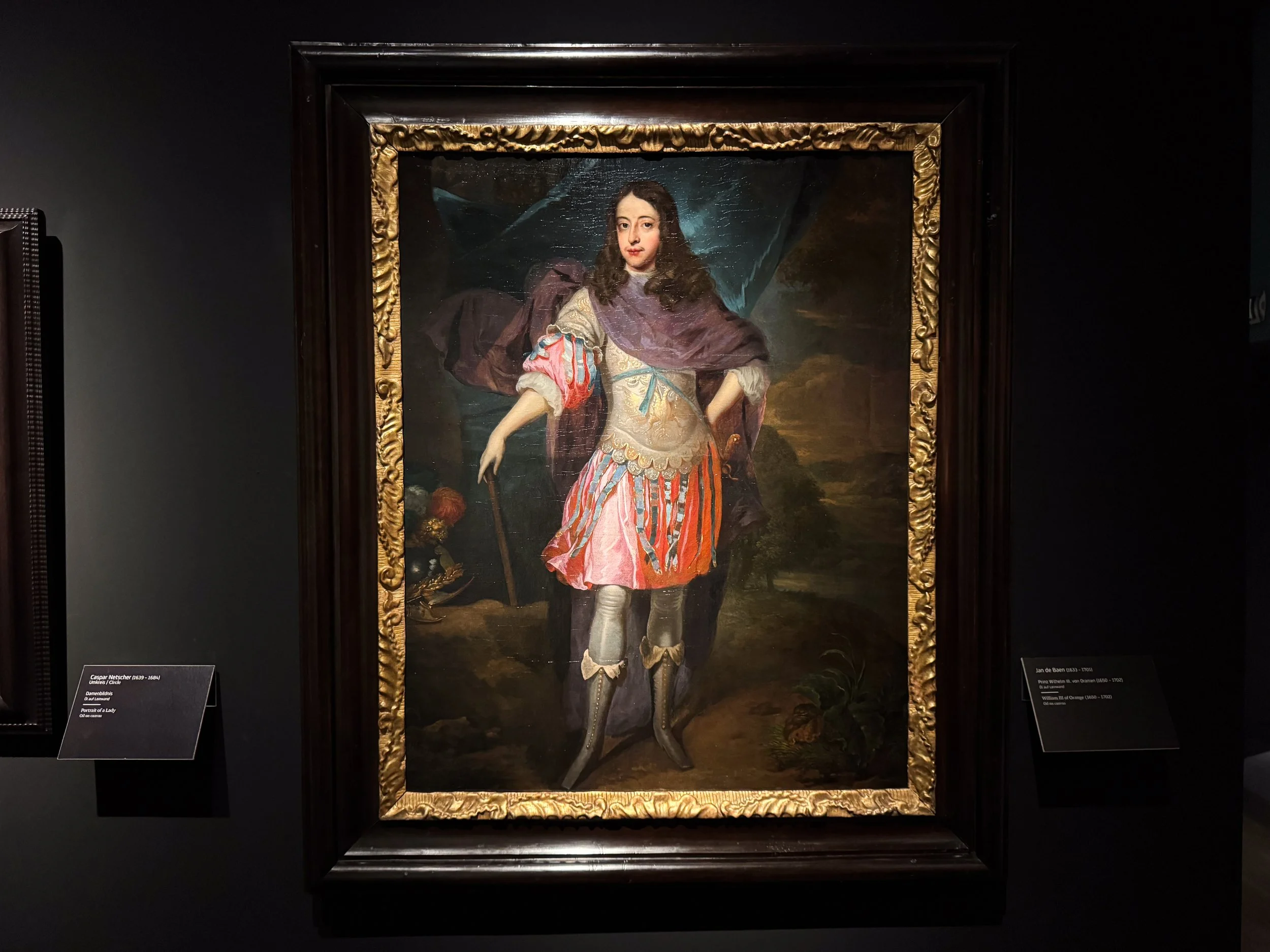
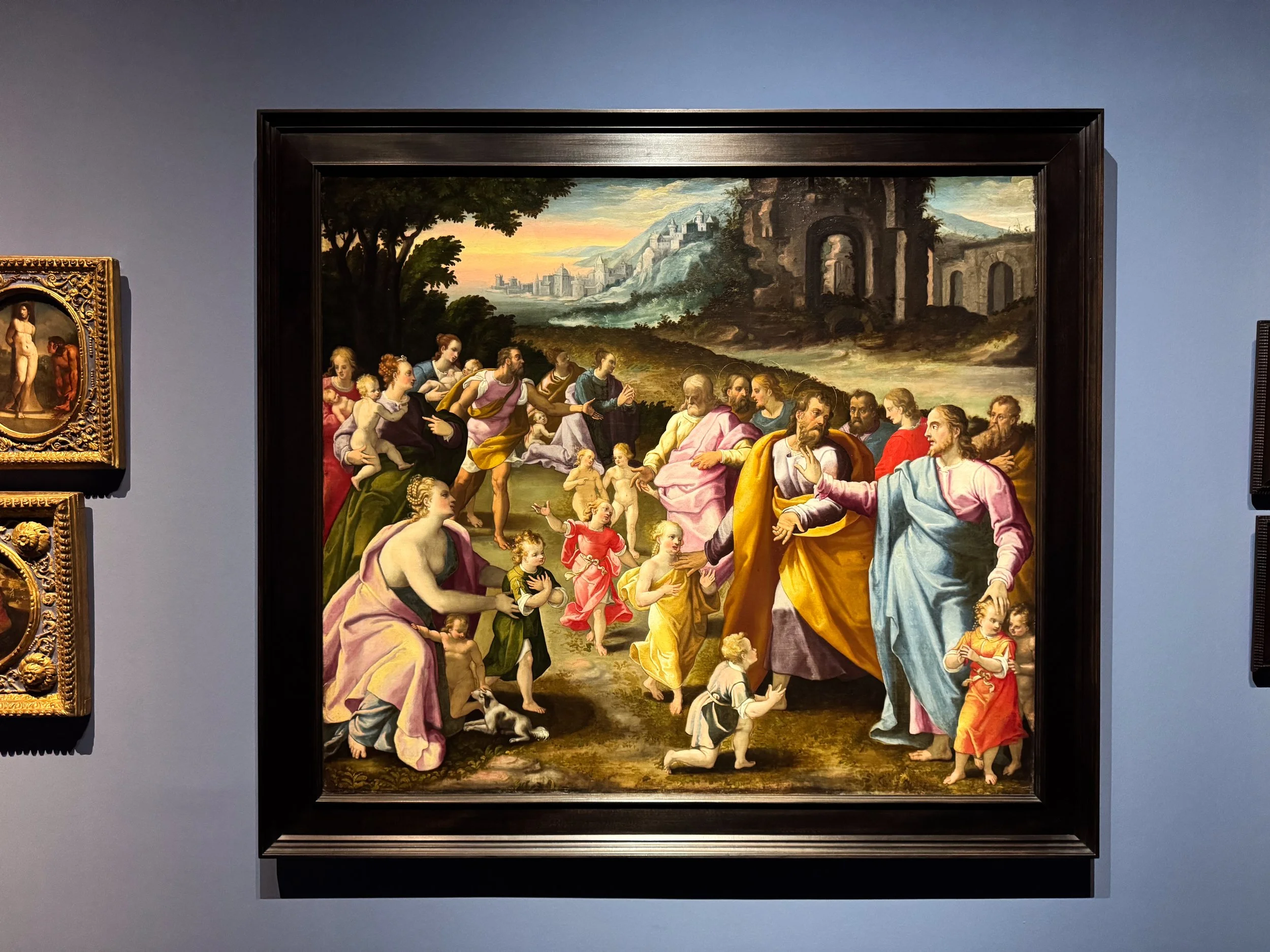
Palace Museums. The ground floor holds a coin museum filled with hoards of bronze, silver and gold coins from Austrian, Styrian and Roman history. On the second floor, an Old Masters gallery displays hundreds of paintings of Christian imagery, battle scenes, royal portraits, Roman mythology and everyday life.
The State Rooms. The top floor’s 24 interconnected state rooms are so well preserved they helped earn the palace UNESCO World Heritage status. Each room retains centuries old paintings, original furniture, ceramic fireplaces and crystal chandeliers. Guided tours begin in the Planetary Room, the centerpiece of the palace’s design as a model of the cosmos and calendar. The tour continues through formal and living chambers adorned with Rococo murals beneath painted Baroque stucco ceilings.
Good to Know. Tickets with timed entry must be booked in advance for the State Rooms. Photos aren’t allowed inside the State Rooms. Book here.
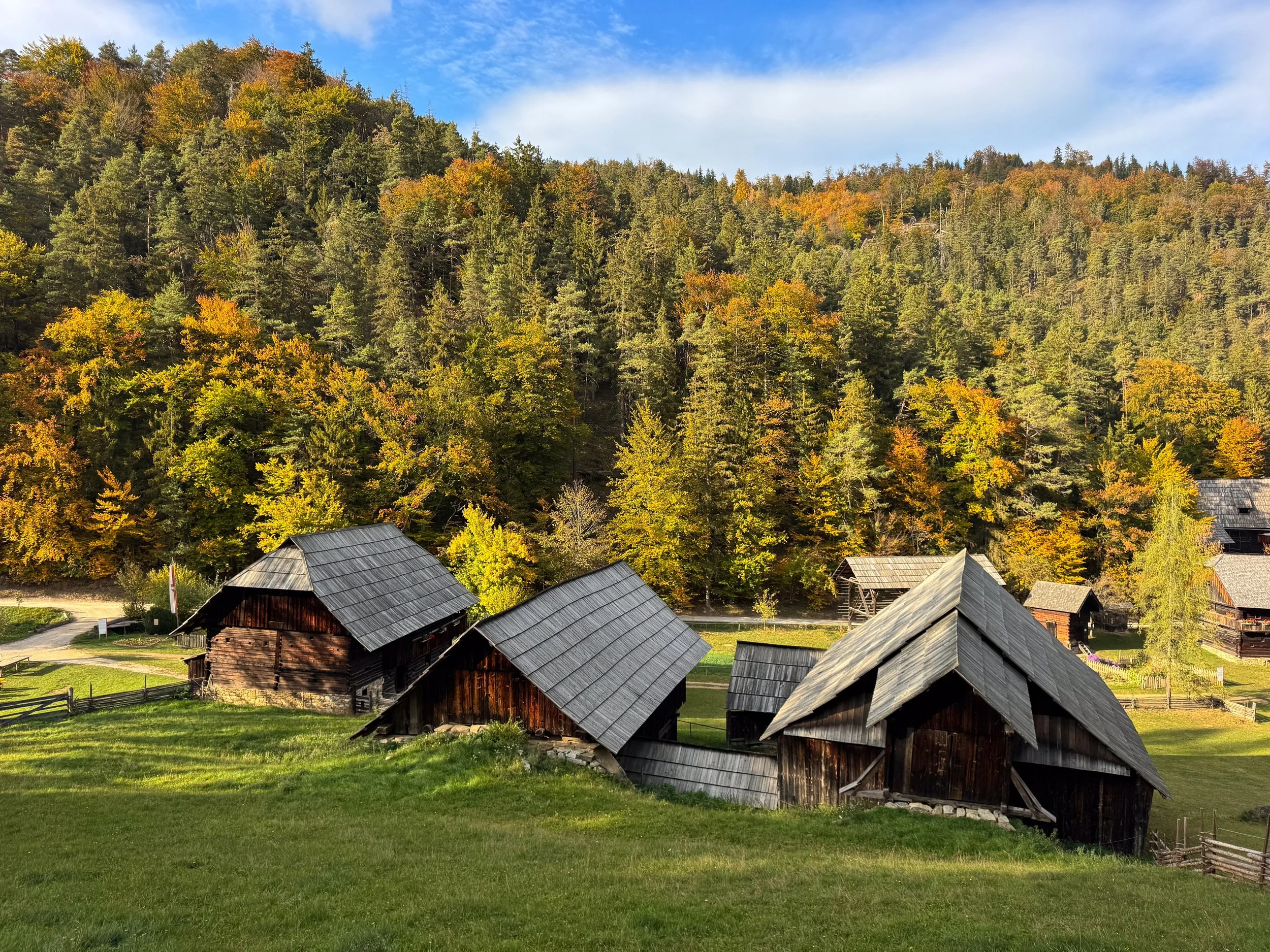
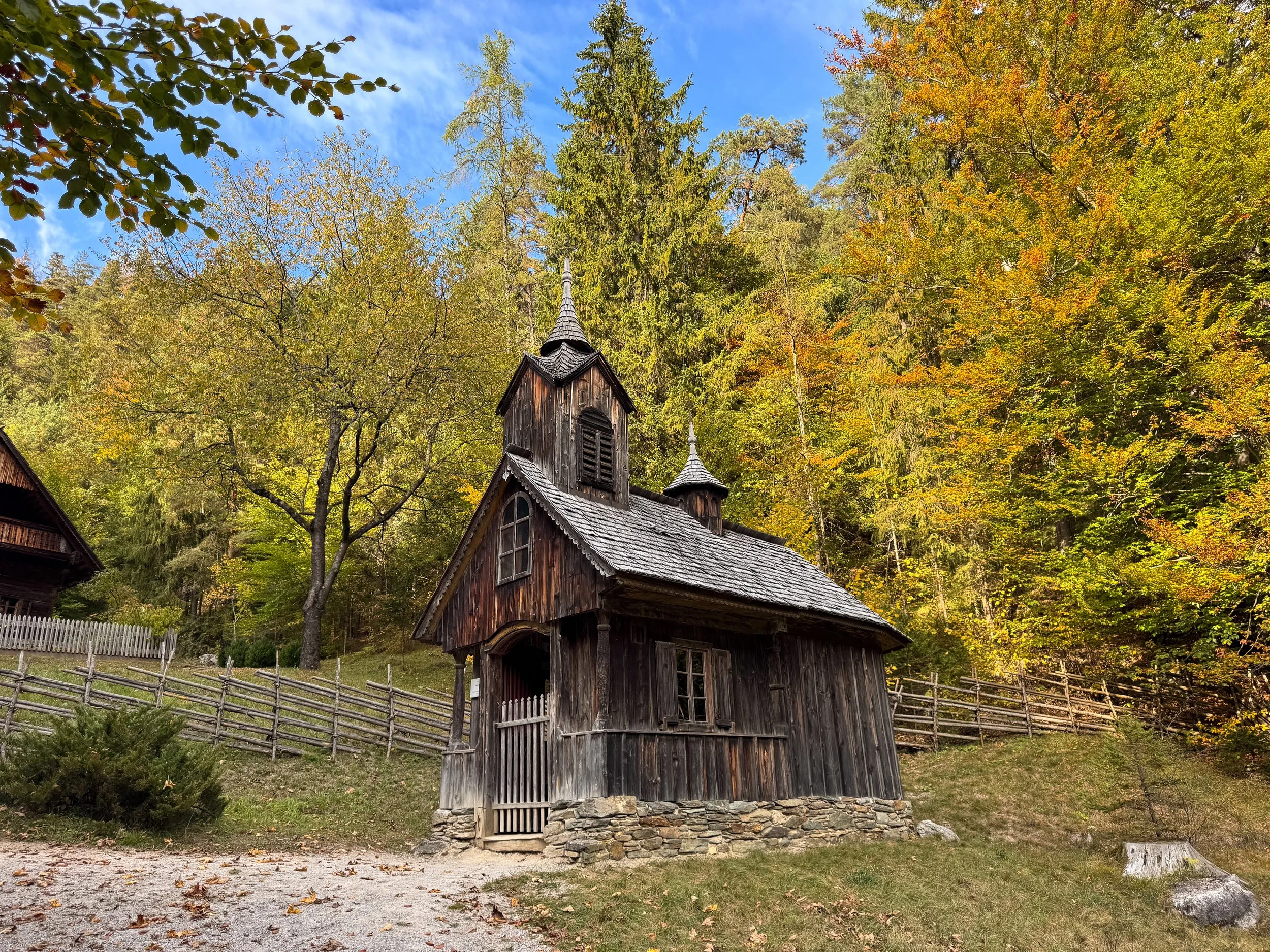
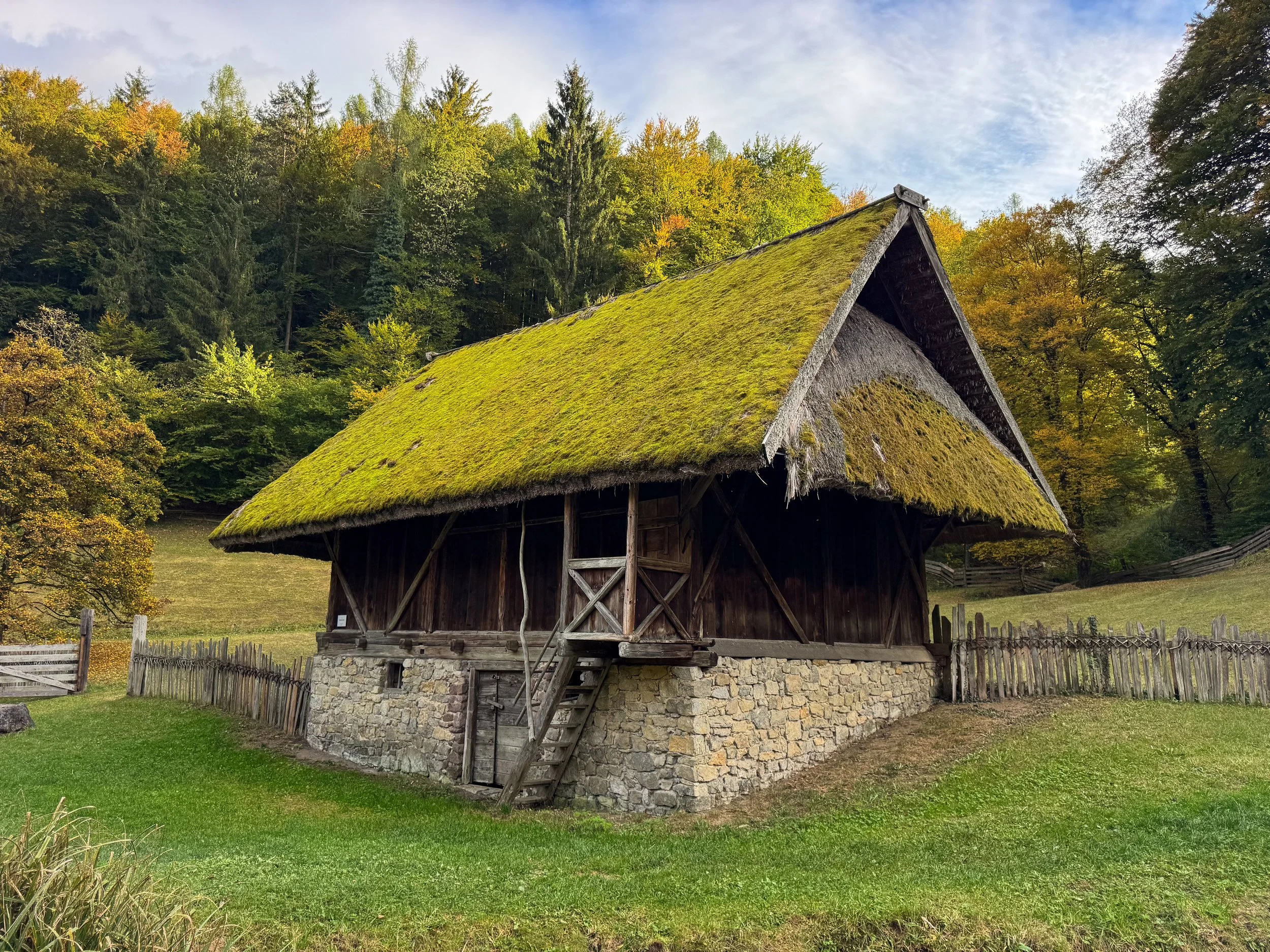
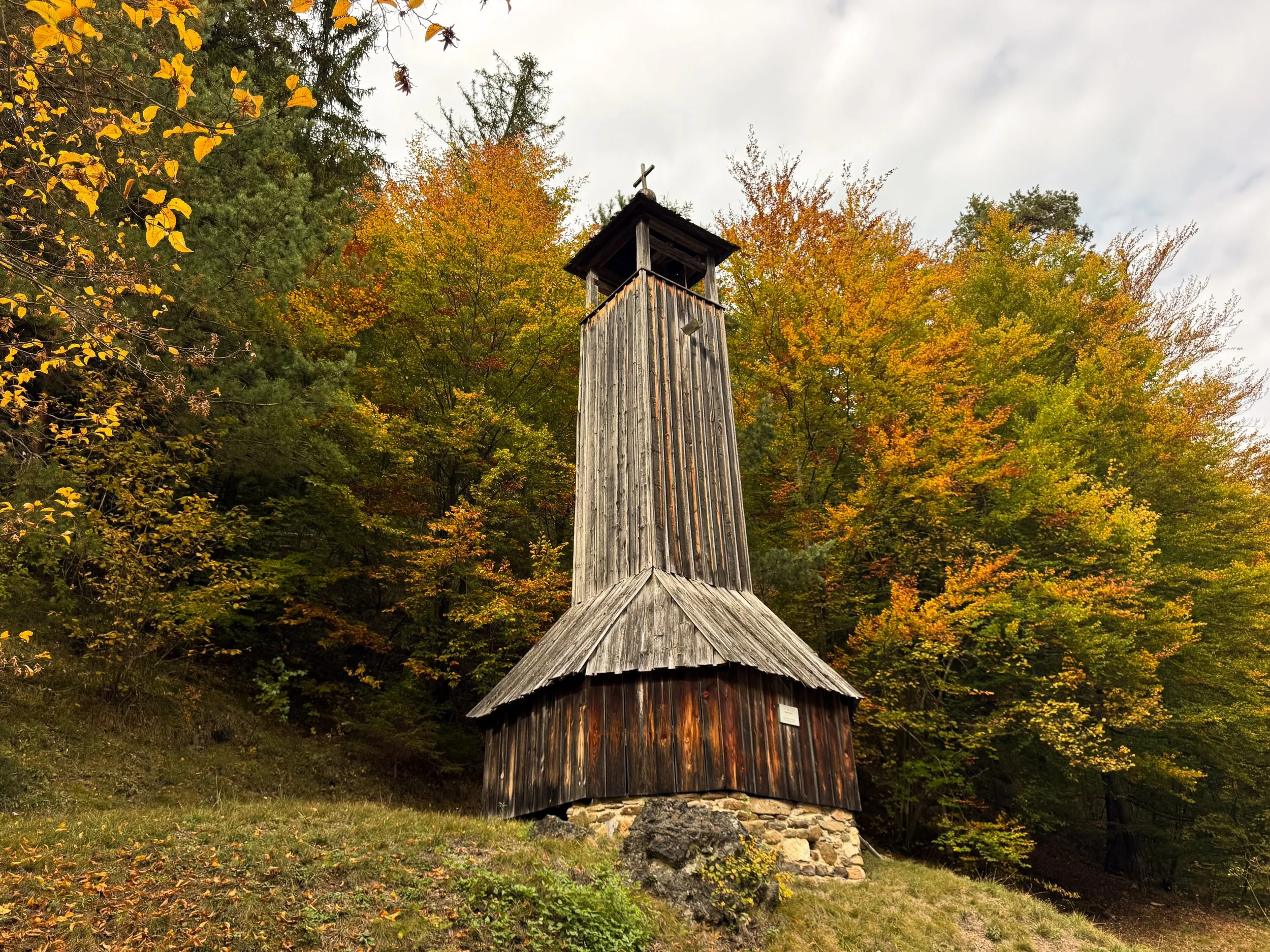
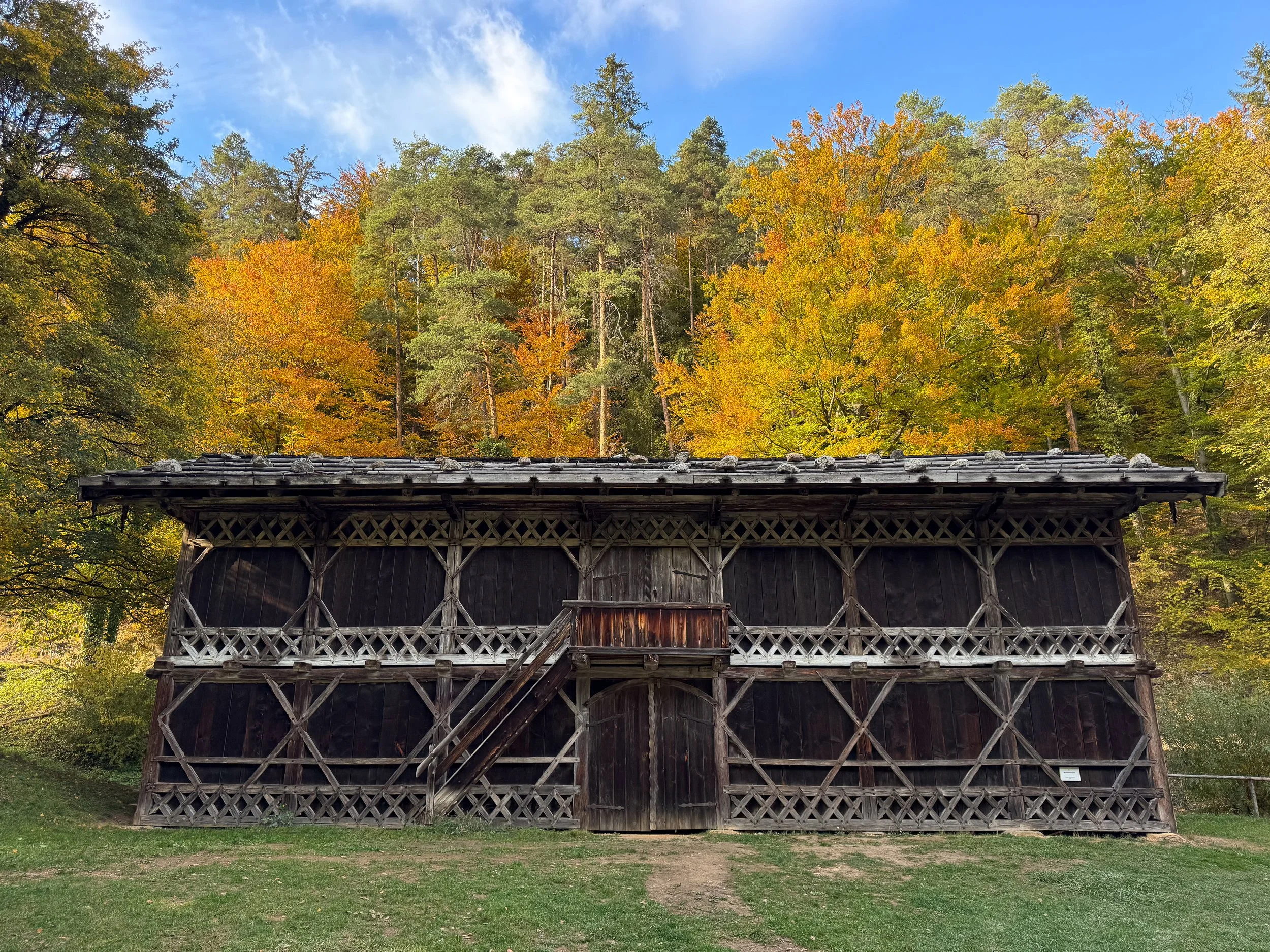
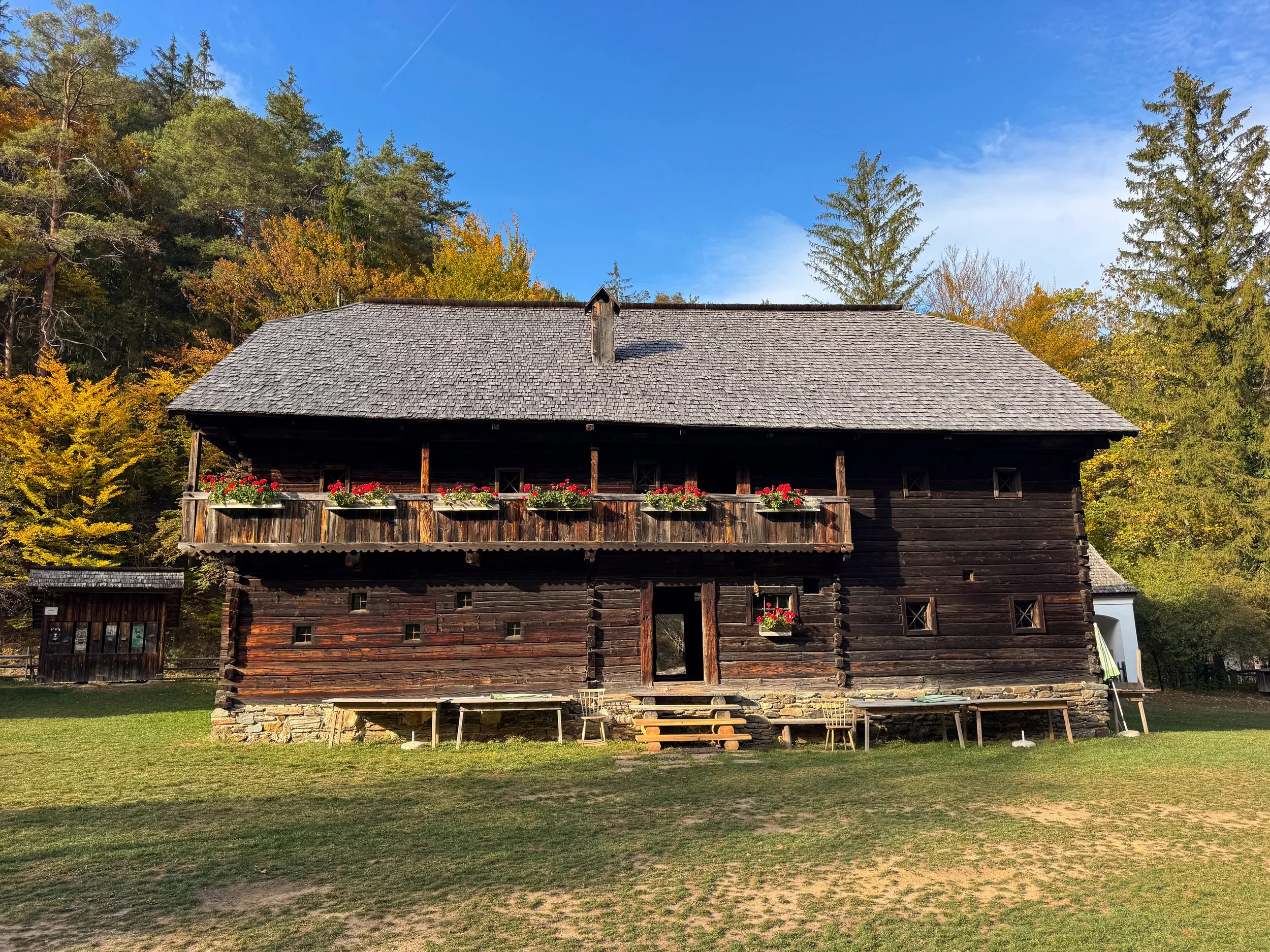
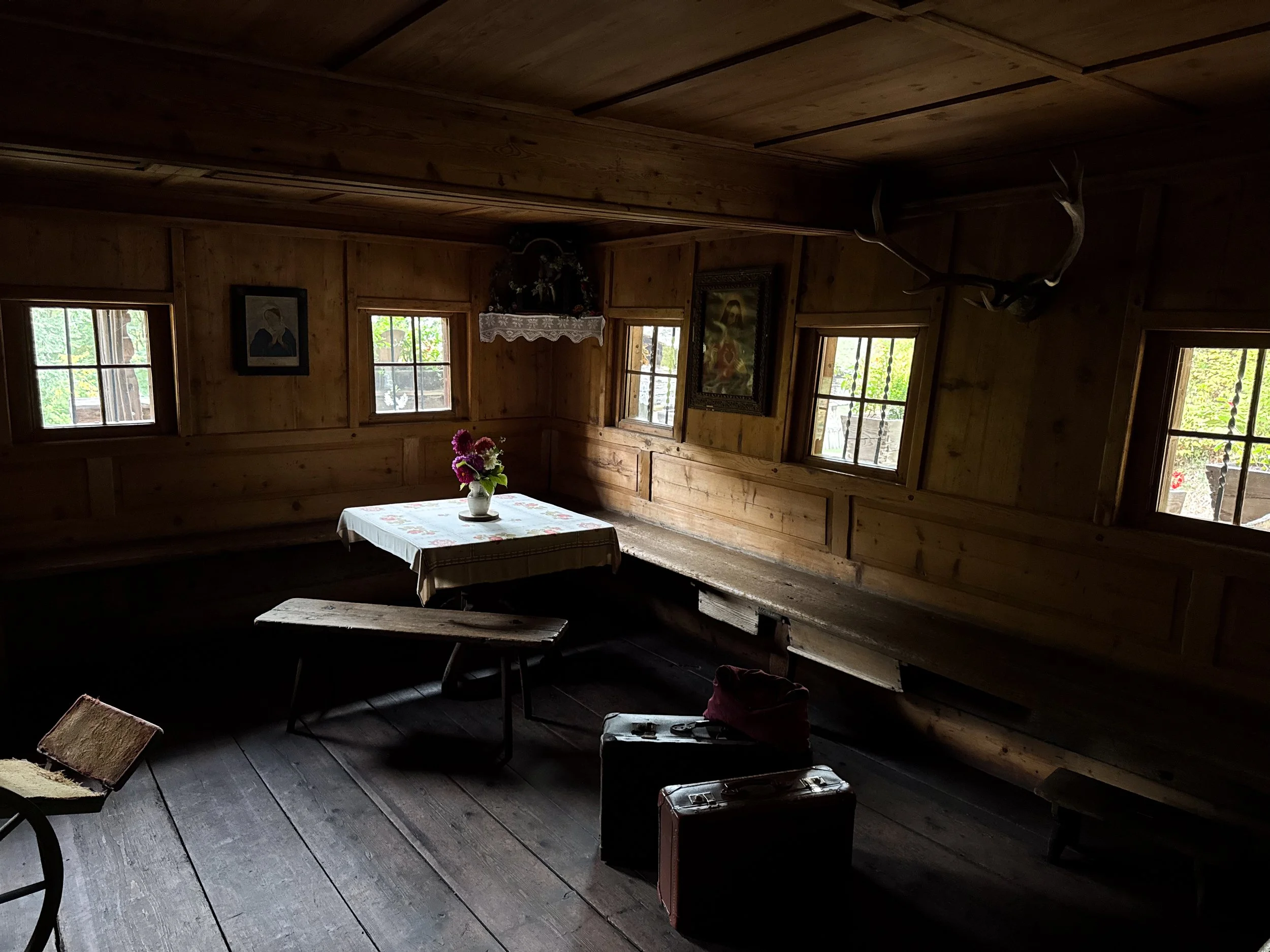
Austrian Open Air Museum Stübing. An open air museum with over 100 historic wooden buildings, some nearly 600 years old. Relocated from across Austria, they form a village that offers a glimpse into how Austrians once lived. Timber farmhouses stand beside saw and grain mills, a schoolhouse, a general store and chapels. Step inside to find furnished interiors, stables and workshops for rope making, metalworking, shoemaking and brewing. Floorboards creak, wood smoke drifts from hearths and gardens bloom with flowers and herbs. Allow at least half a day to explore.
Good to Know. We visited in mid-October before the winter closure. There were very few visitors and autumn colors were nearing their peak. All food vendors except the main restaurant had closed for the season.
Getting Here. The museum is located north of Graz. Take the S1 train from Graz Central Station to either Stübing or Gratwein-Gratkorn Station. From there, take the 130 bus to the entrance of the museum.
Farmers & Antique Markets
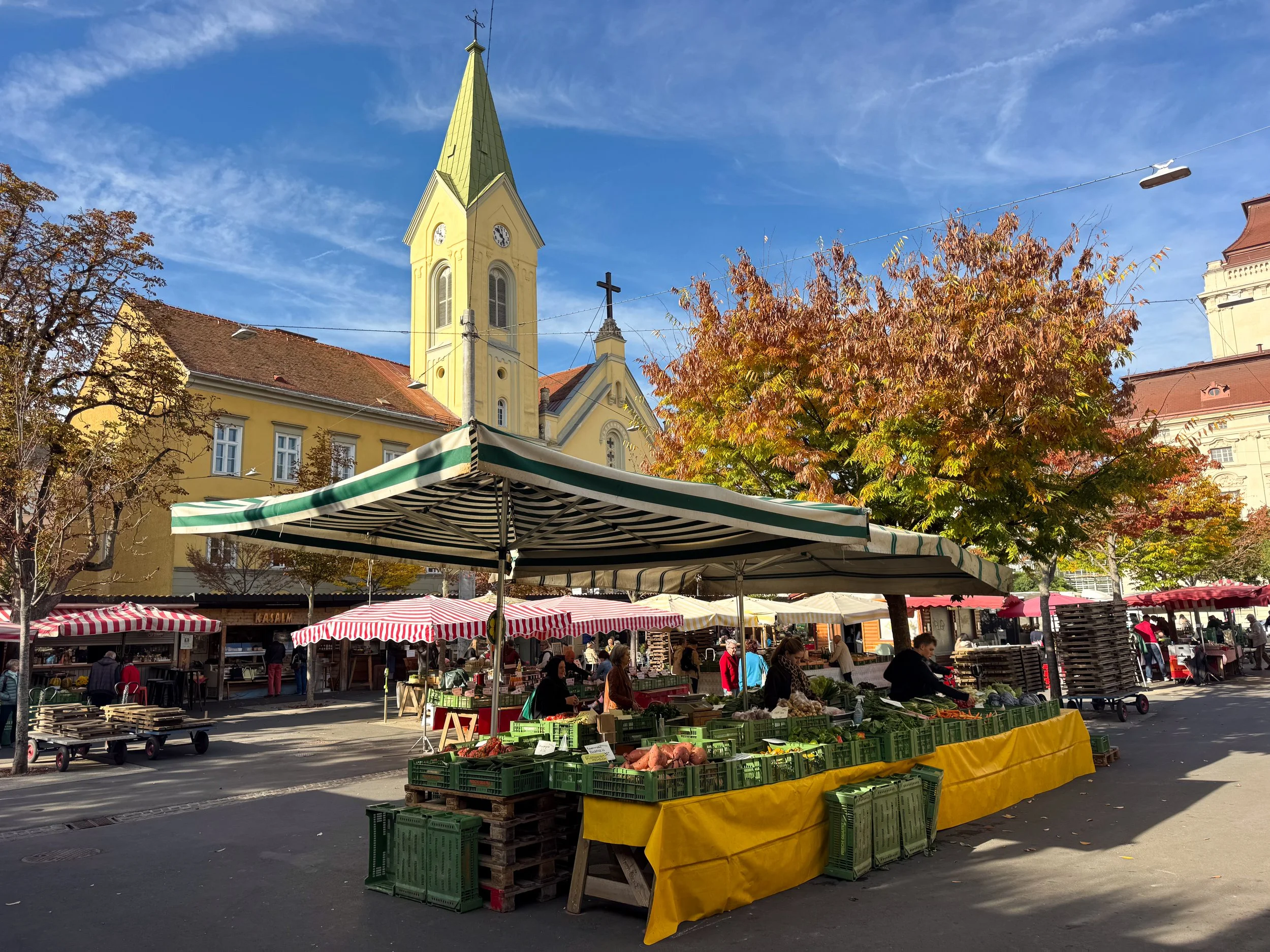
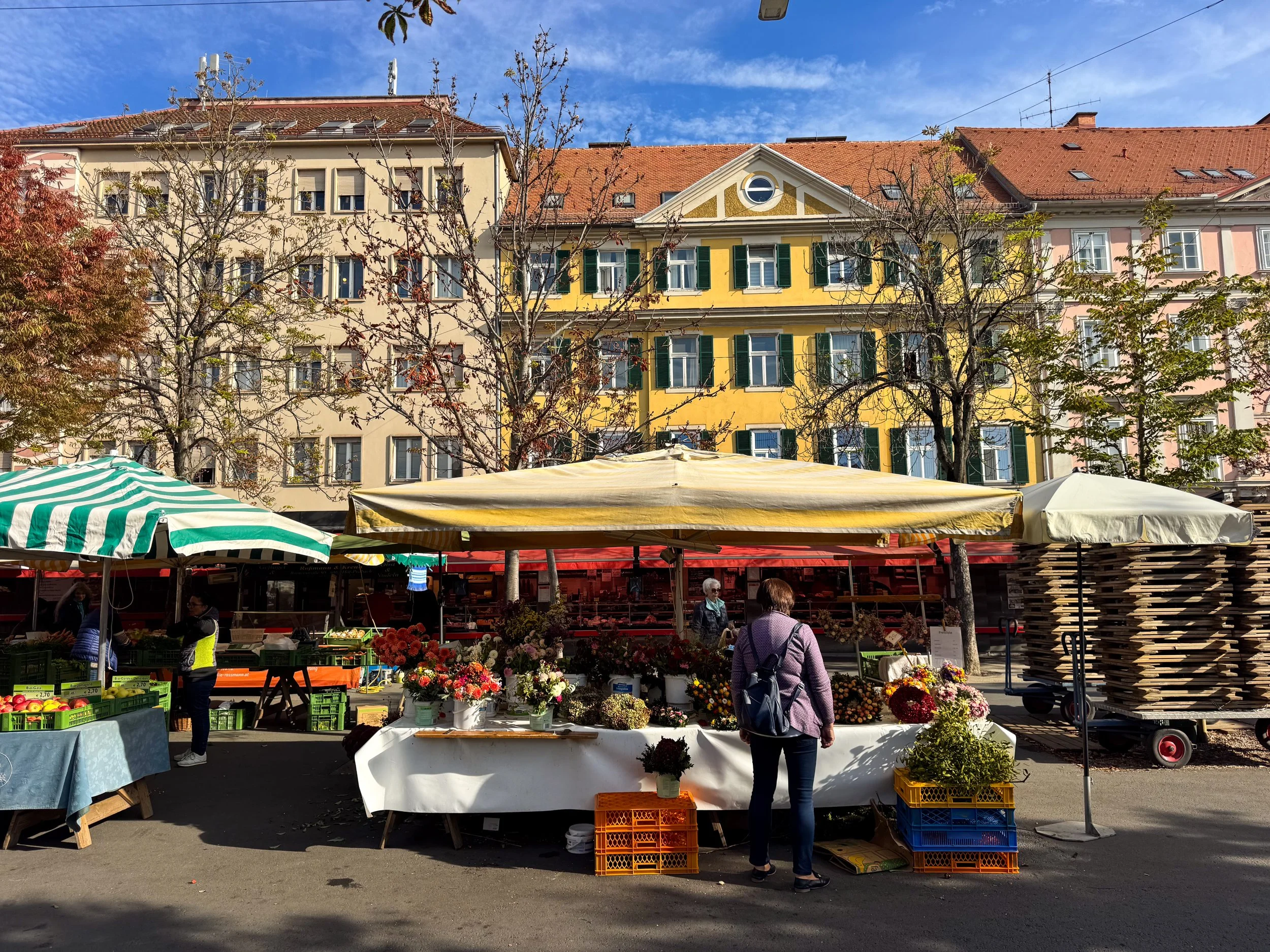
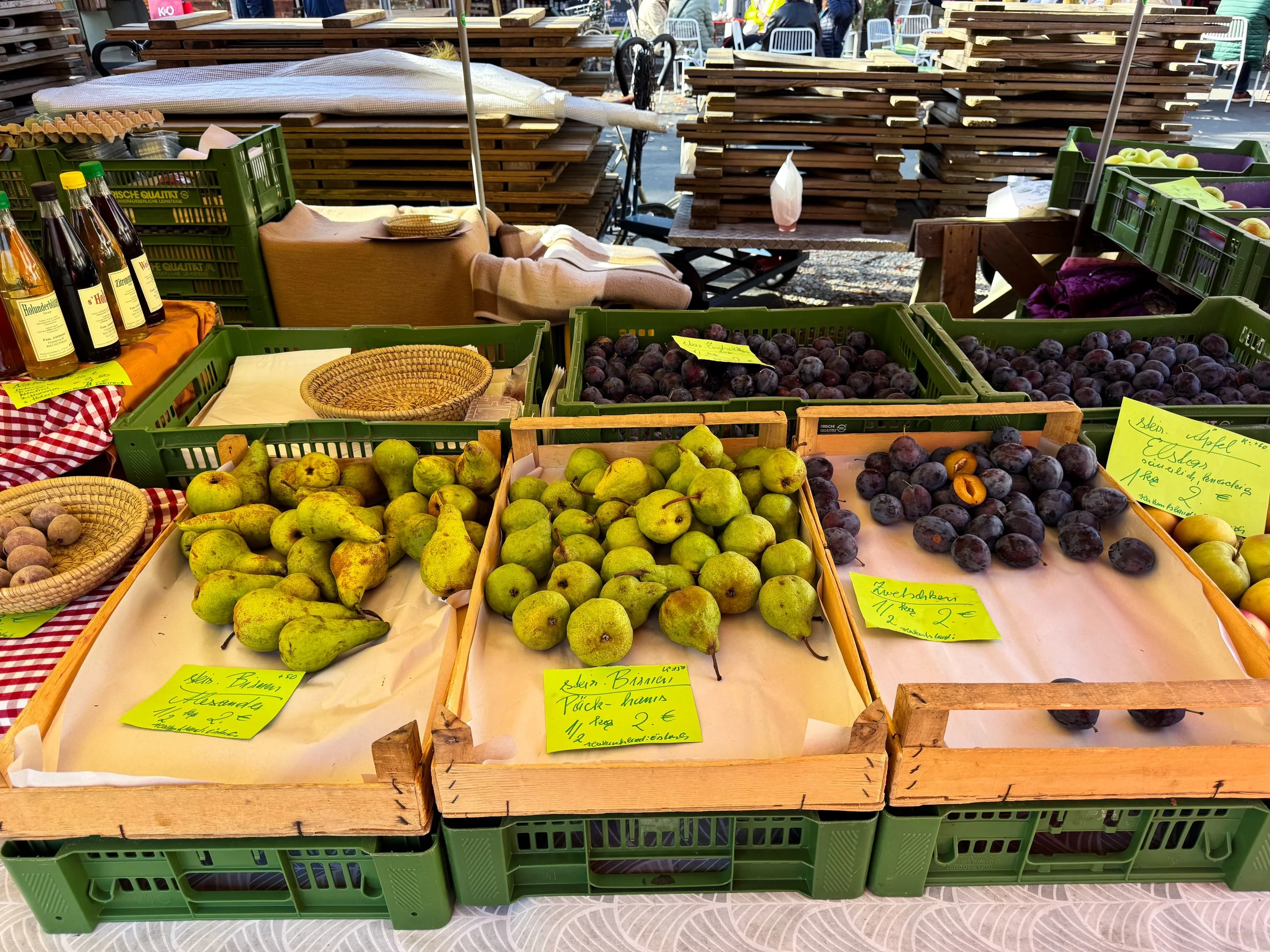
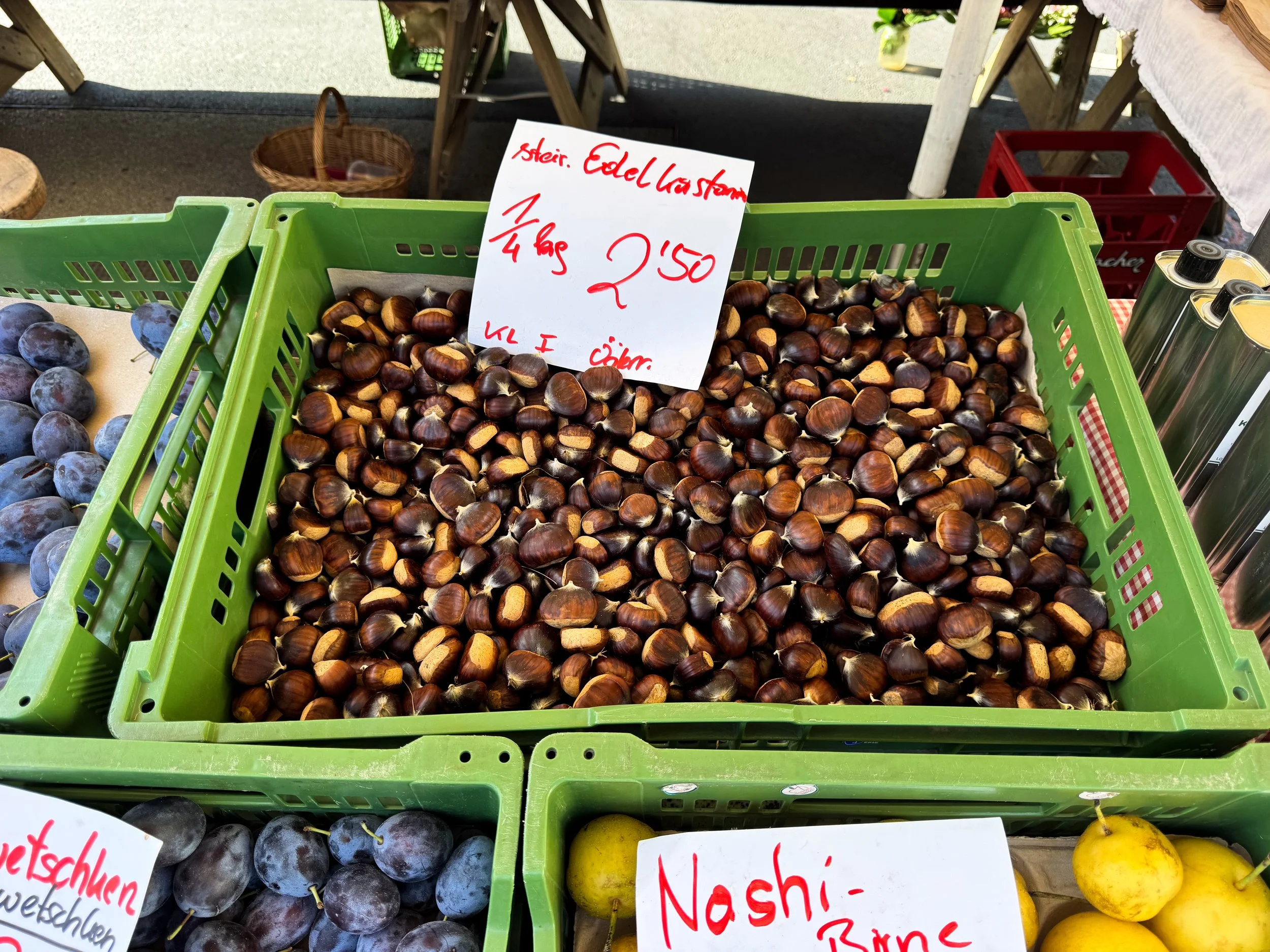
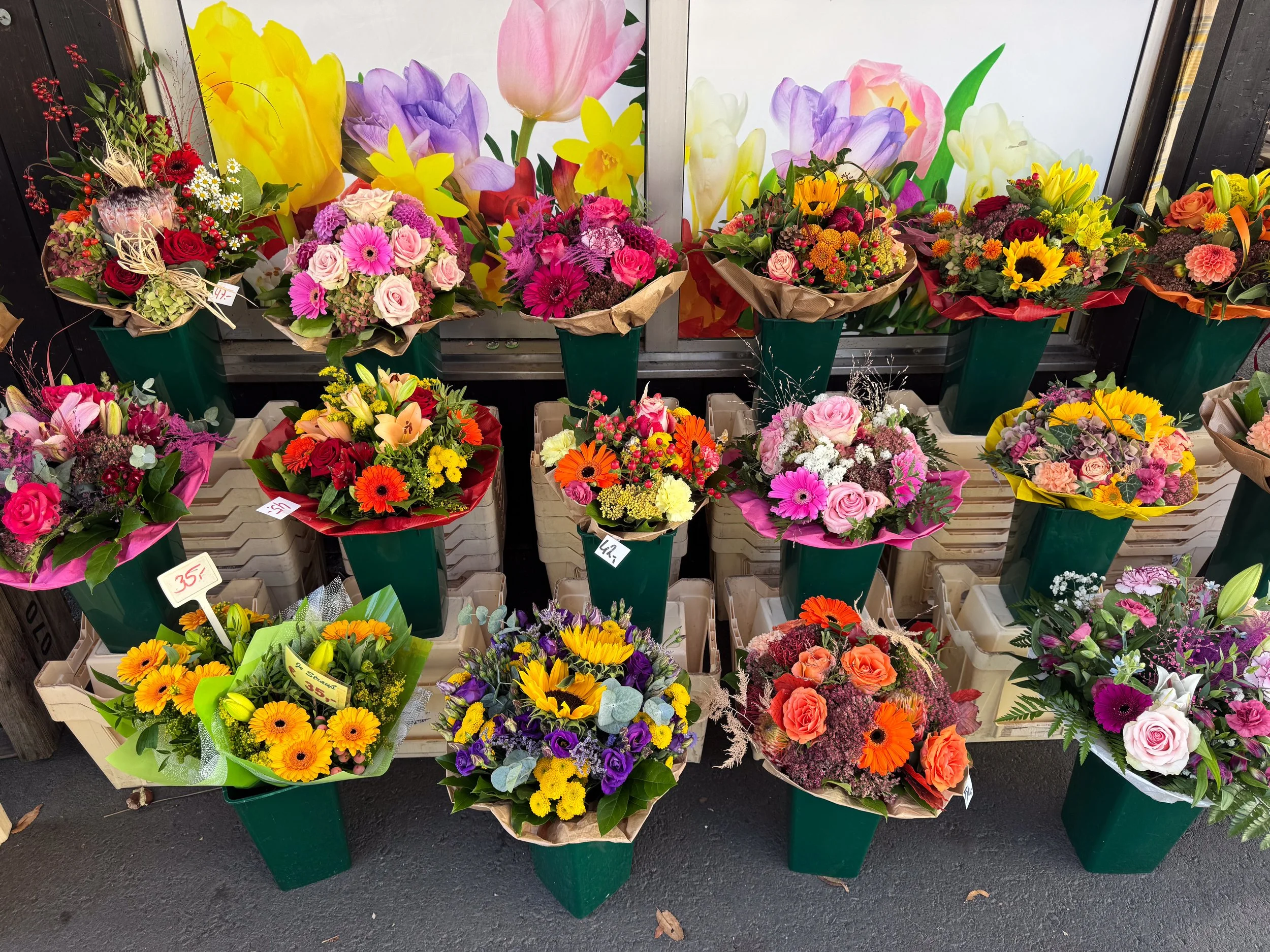
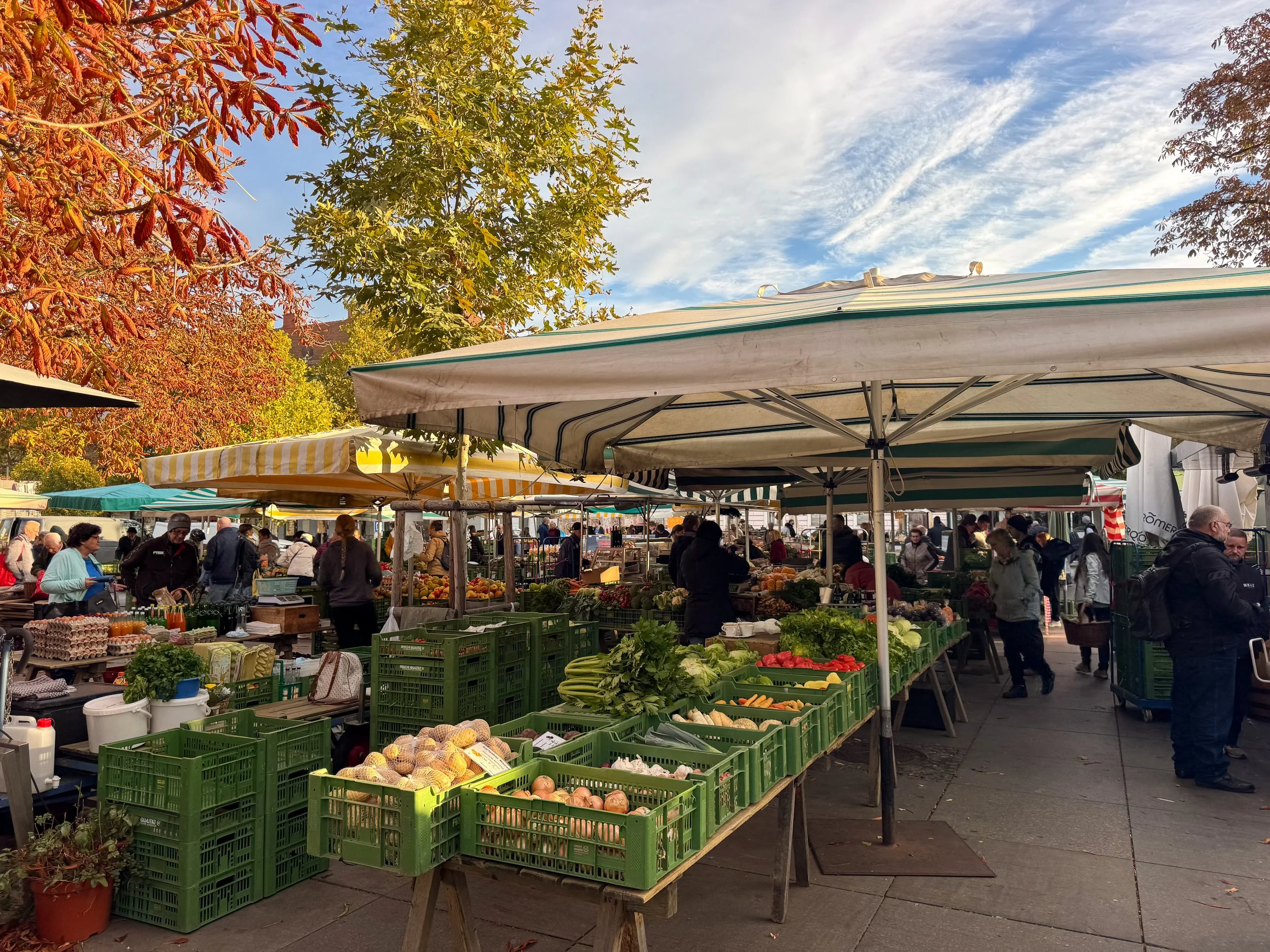
Kaiser Josef Market. Graz’s largest farmers market with dozens of vendors set up at tables beneath a canopy of tents. Locals come here to shop for seasonal produce, fresh cut flowers, cured meats, sausages, pickled vegetables, raw chestnuts, baked goods and bottles of pumpkin seed oil. Food kiosks and deli counters surround the market stalls, offering places to enjoy a meal, coffee or Austrian beer. The market is open Monday through Saturday from 6am to 1pm. Kiosks stay open into the evening, well after the farmers market closes.
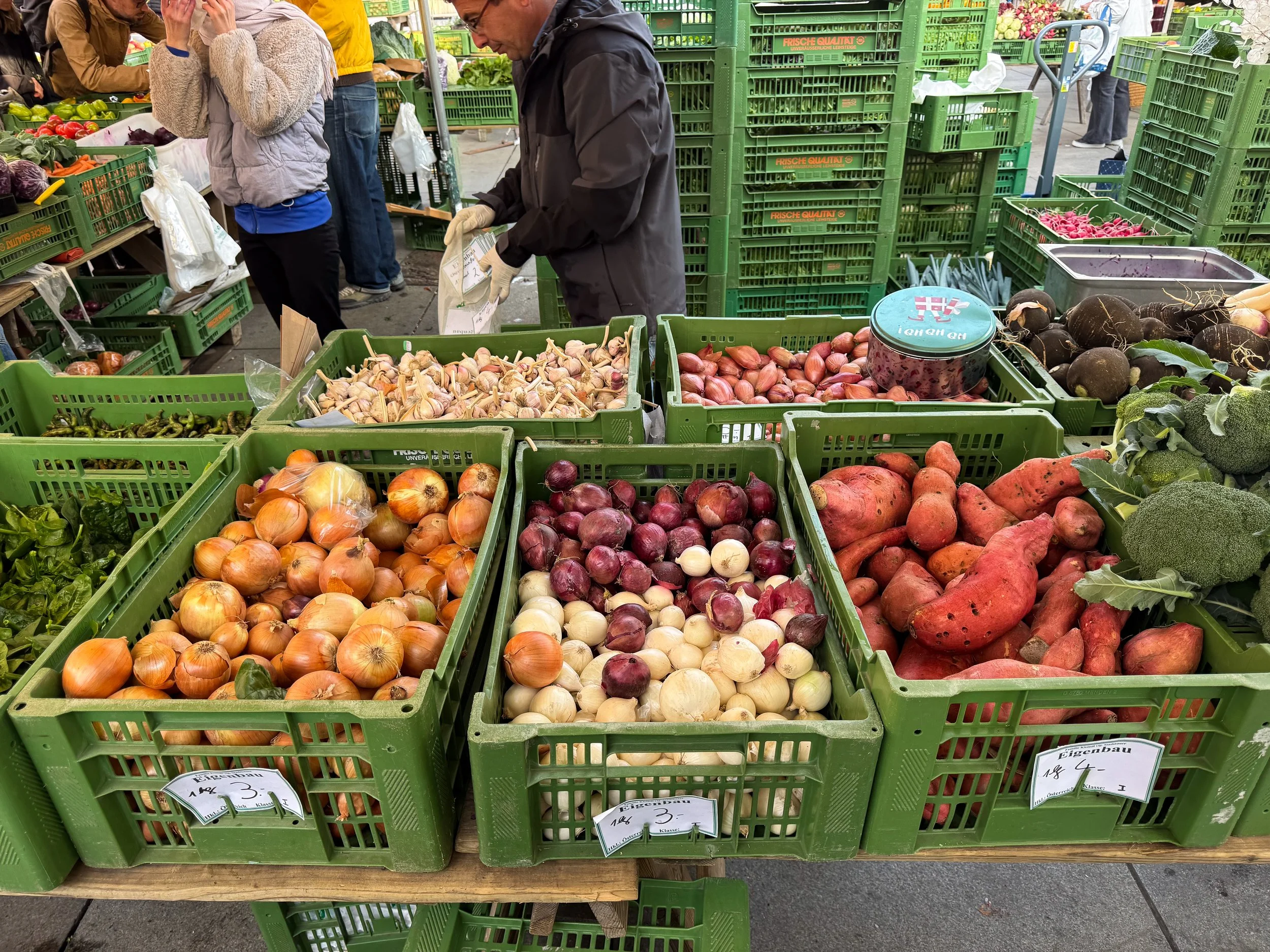
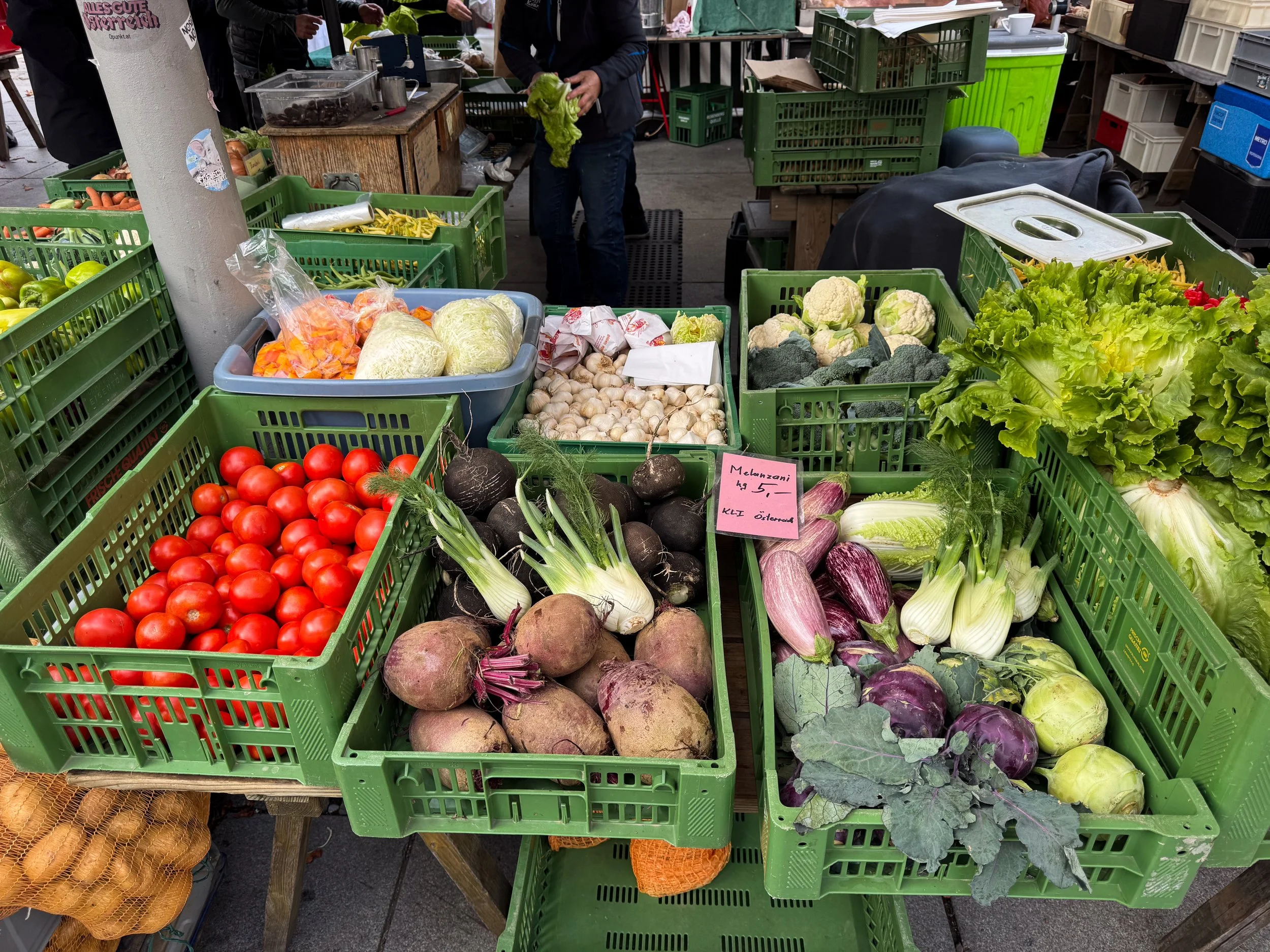
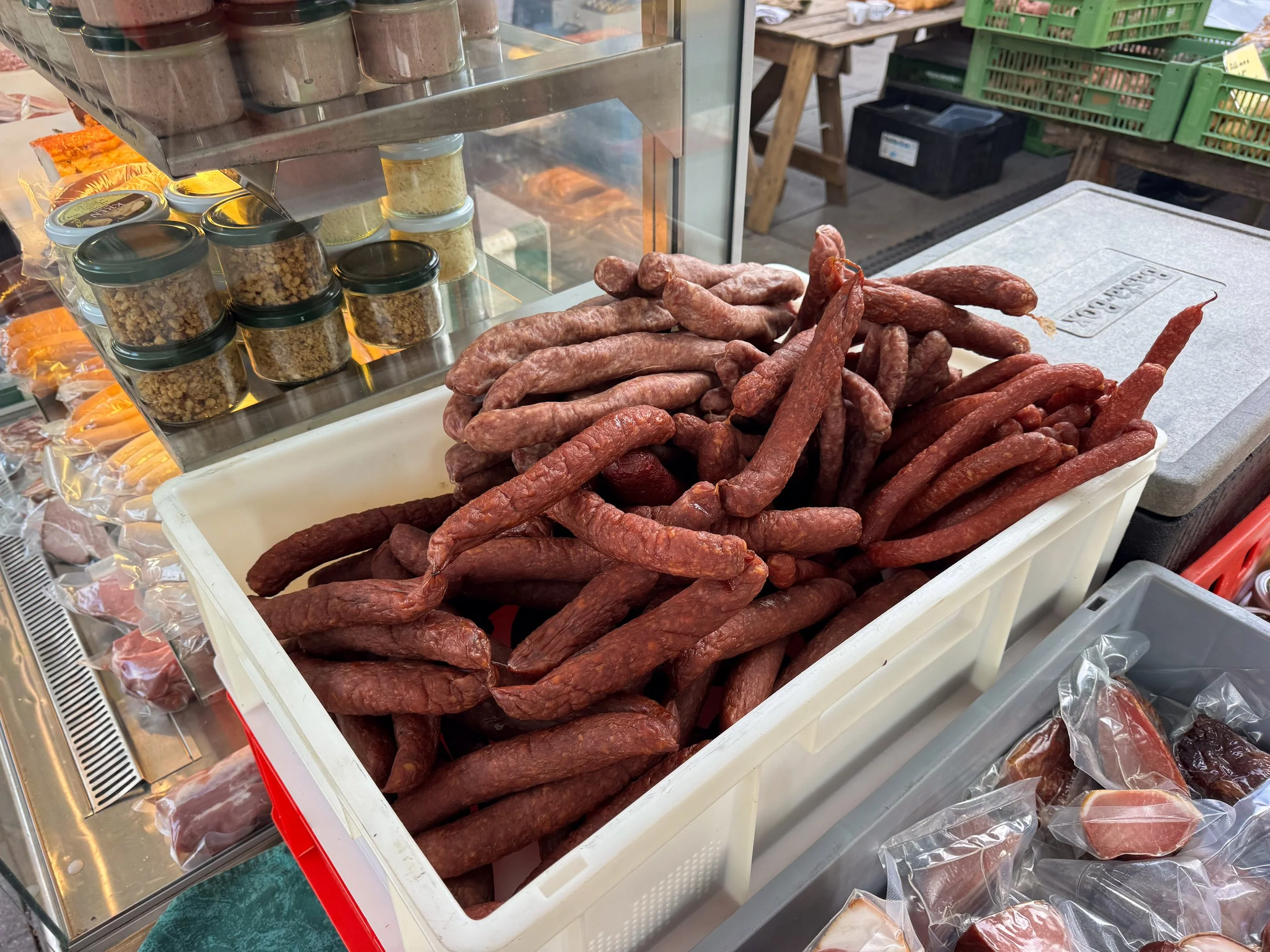
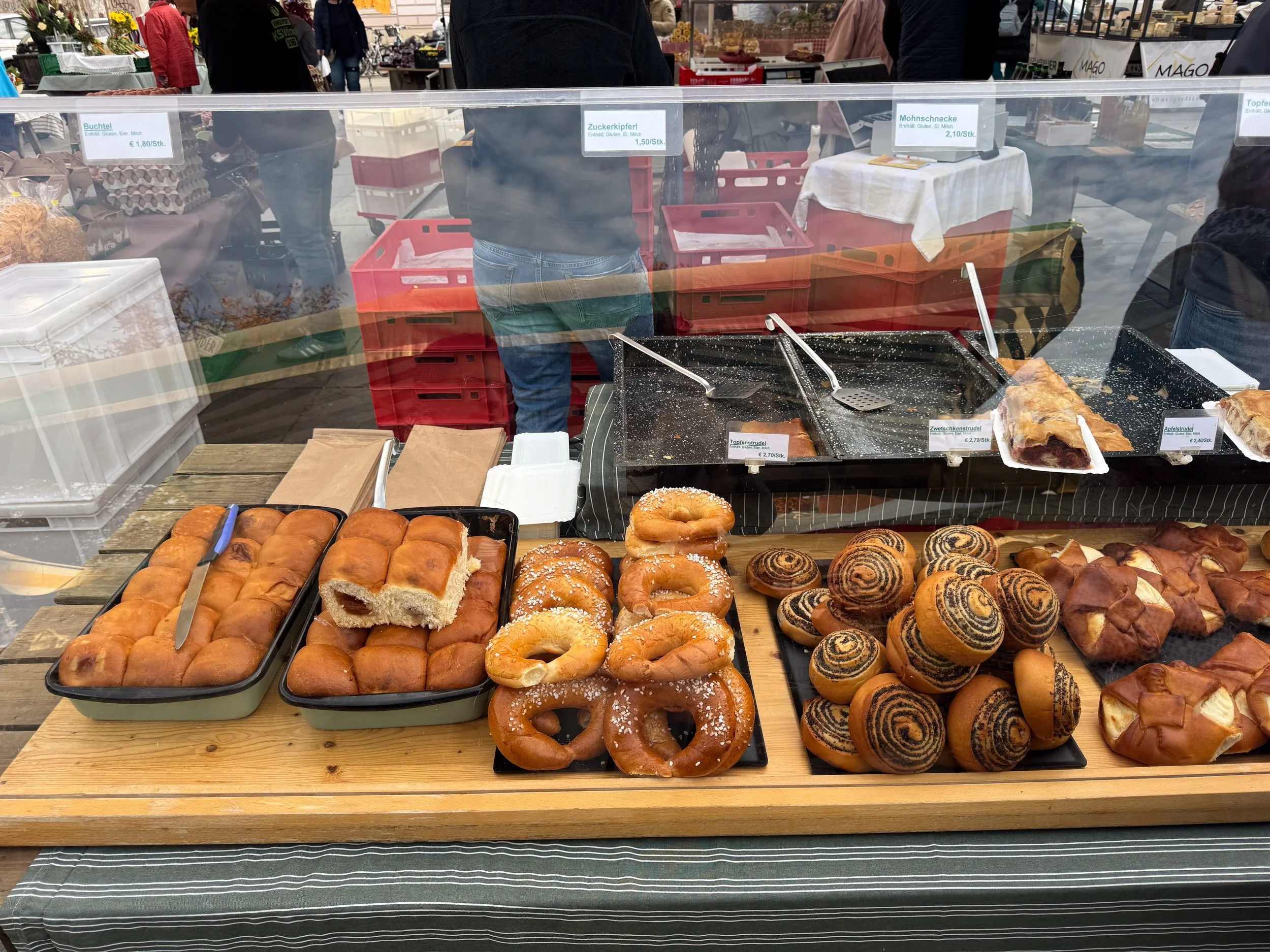
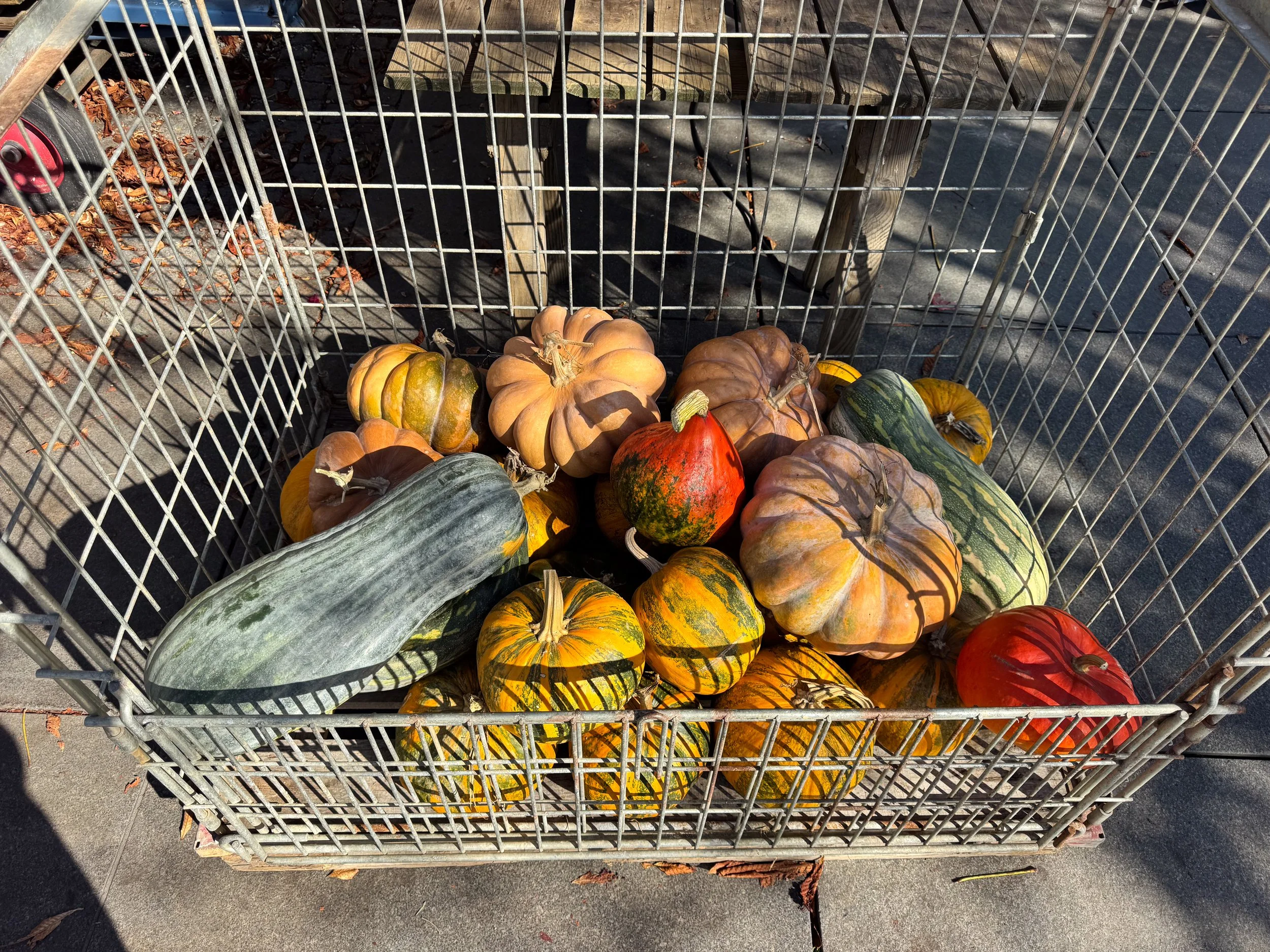
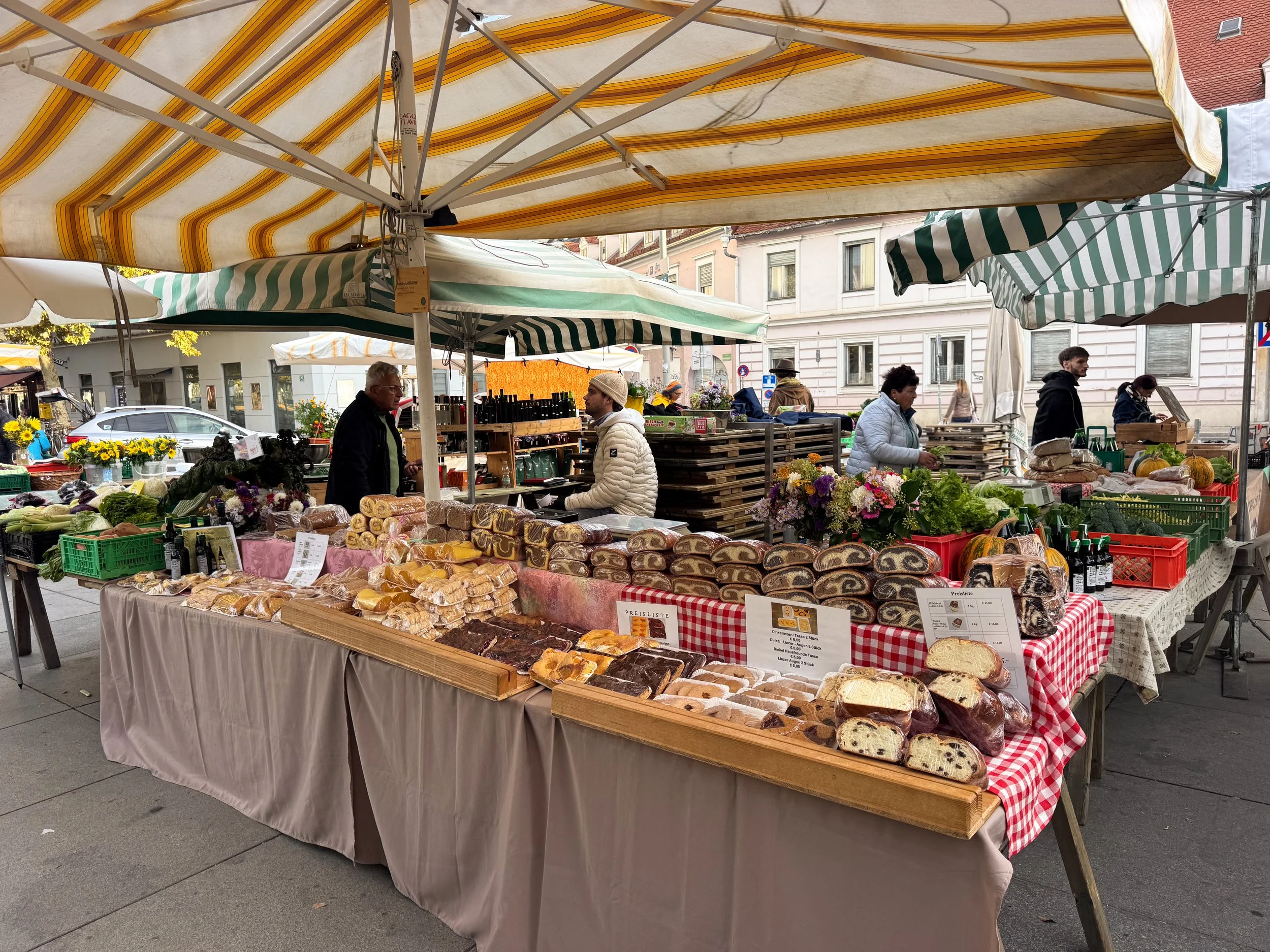
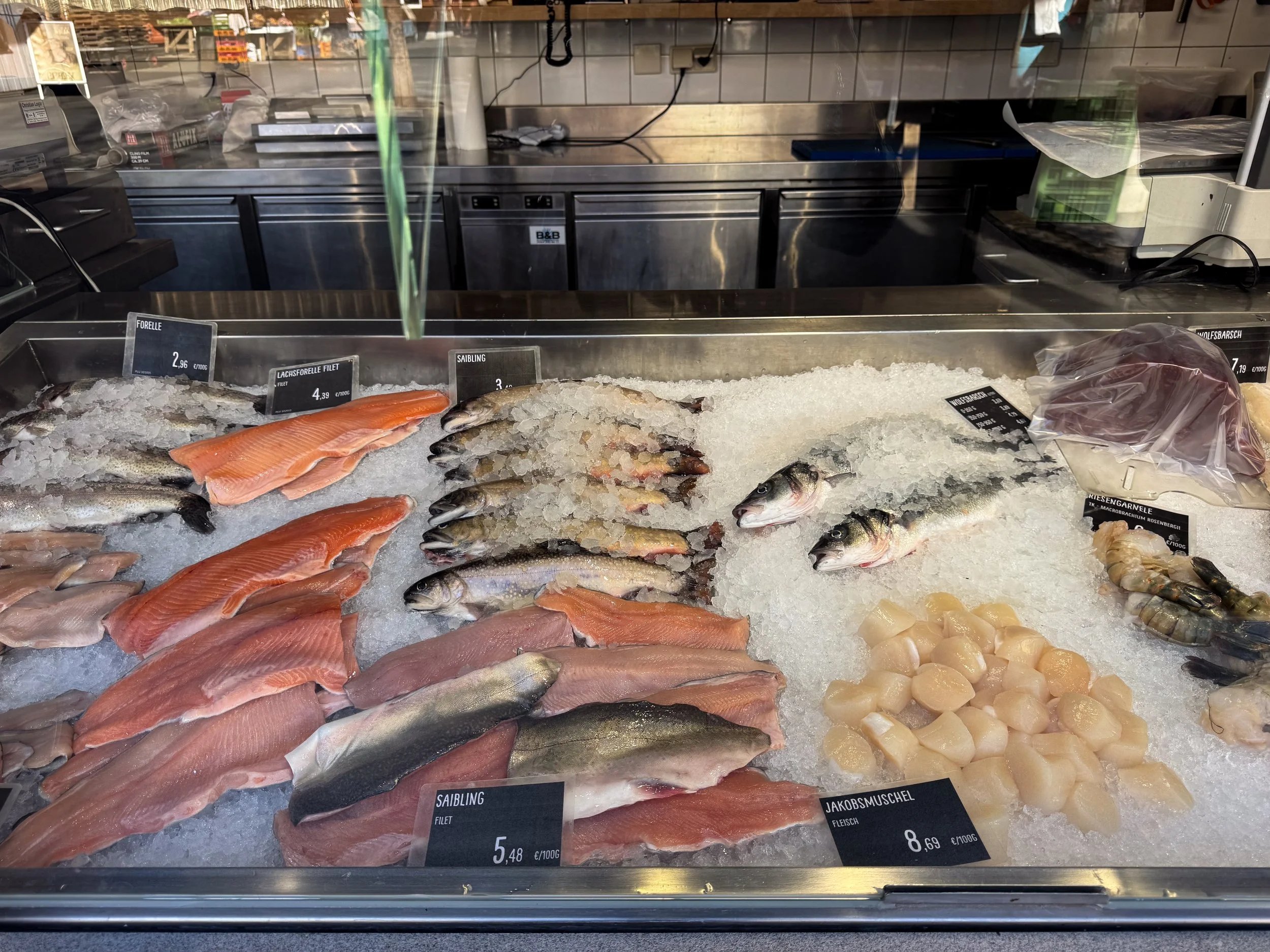
Bauernmarkt Lendplatz. A farmers market on Lendplatz where vendors sell local produce, seasonal flowers, alpine cheeses, baked goods, smoked meats, fresh fish, chestnuts, wildflower honey and herbs. The market is open Monday through Saturday from 6am to 1pm. A row of kiosks houses butchers and fishmongers alongside cafes, restaurants and bars with outdoor terraces, many of which open early and stay open late. Stop by for breakfast, a mid afternoon drink or a light evening bite.
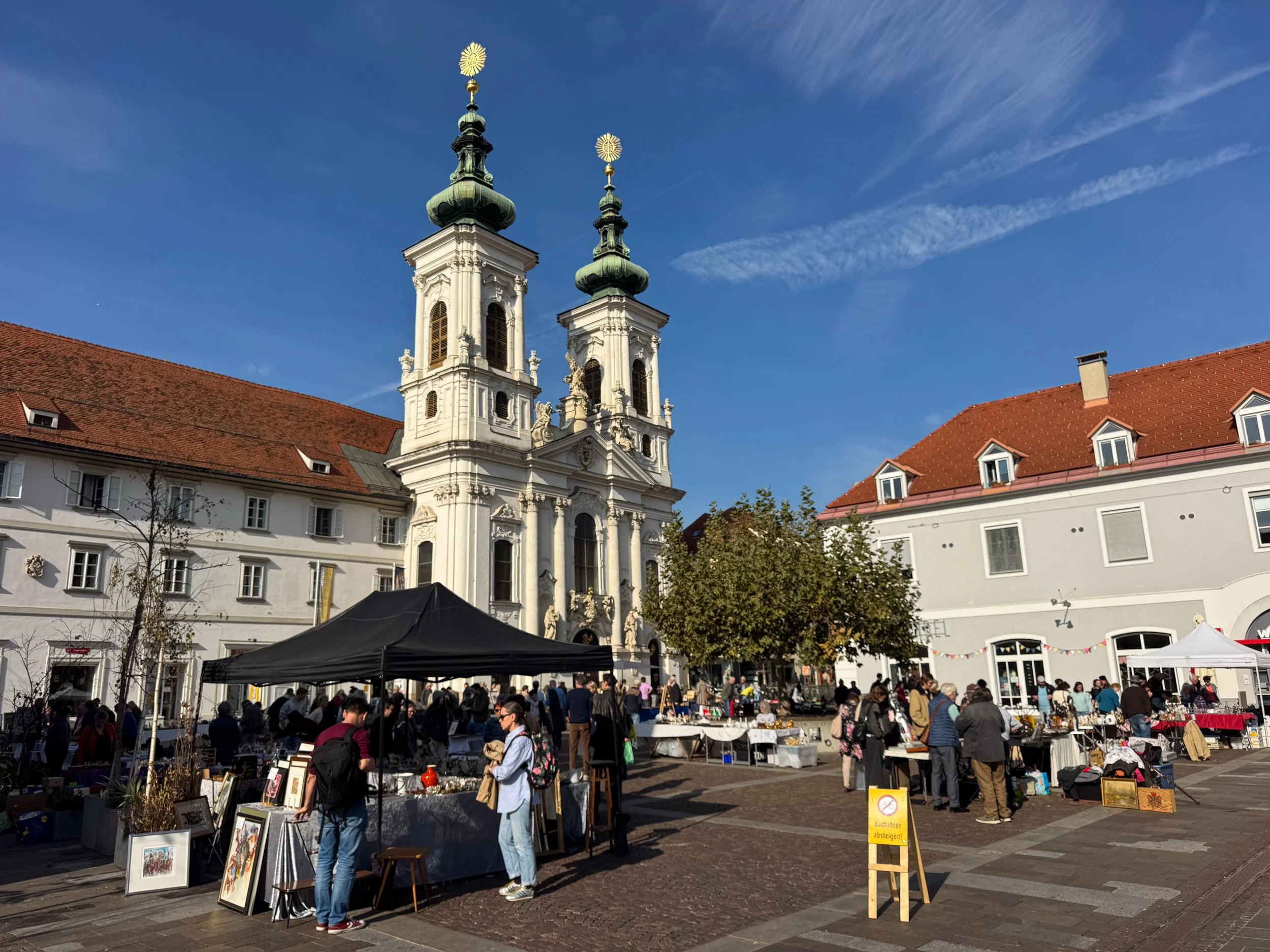
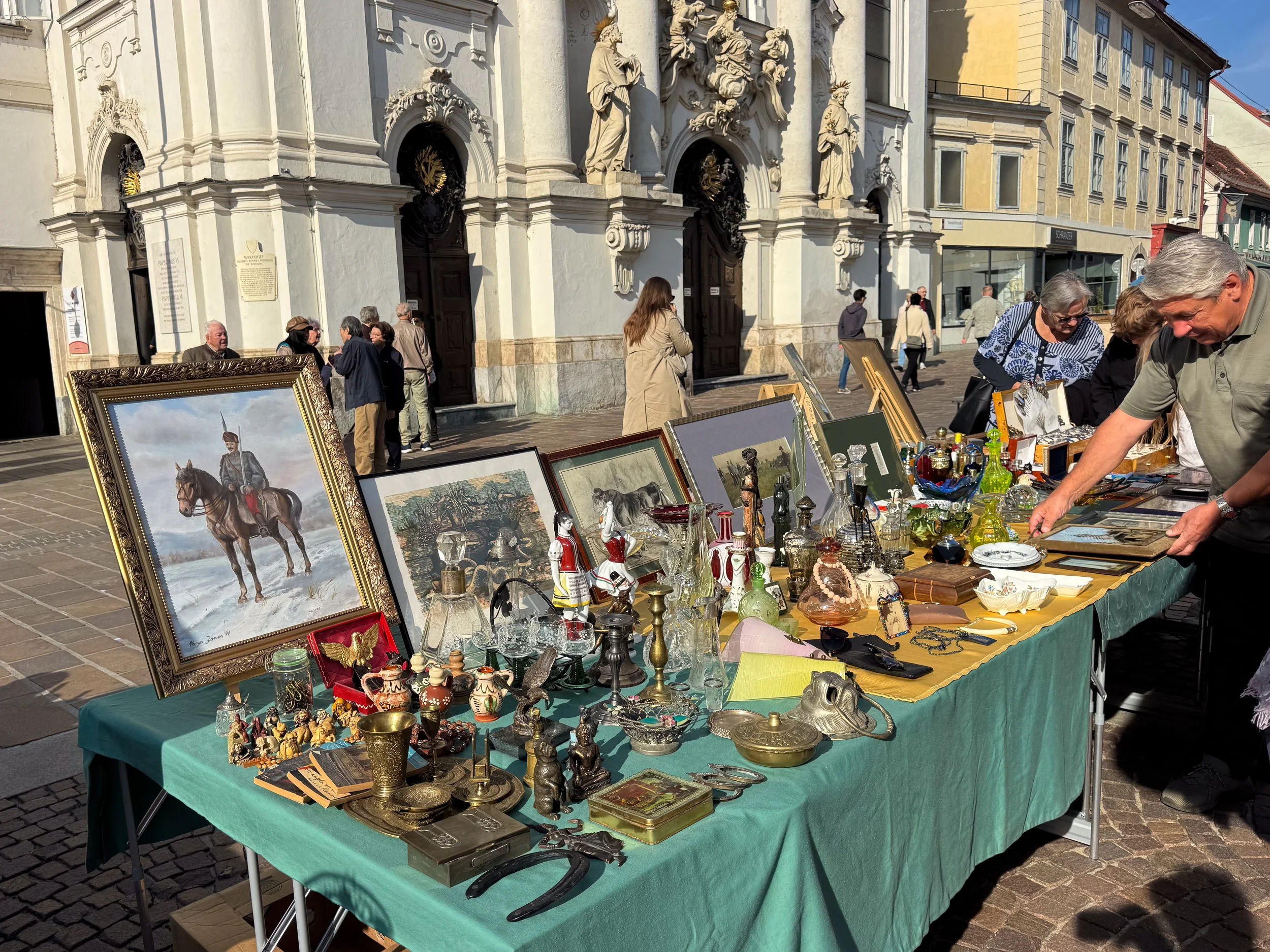
Mariahilferplatz Antique Market. A weekend antique and flea market on Mariahilferplatz in Lend. A couple dozen vendors line the square with tables displaying ceramics, glassware, artwork, jewelry, books, war medals, coins and all manner of curiosities.
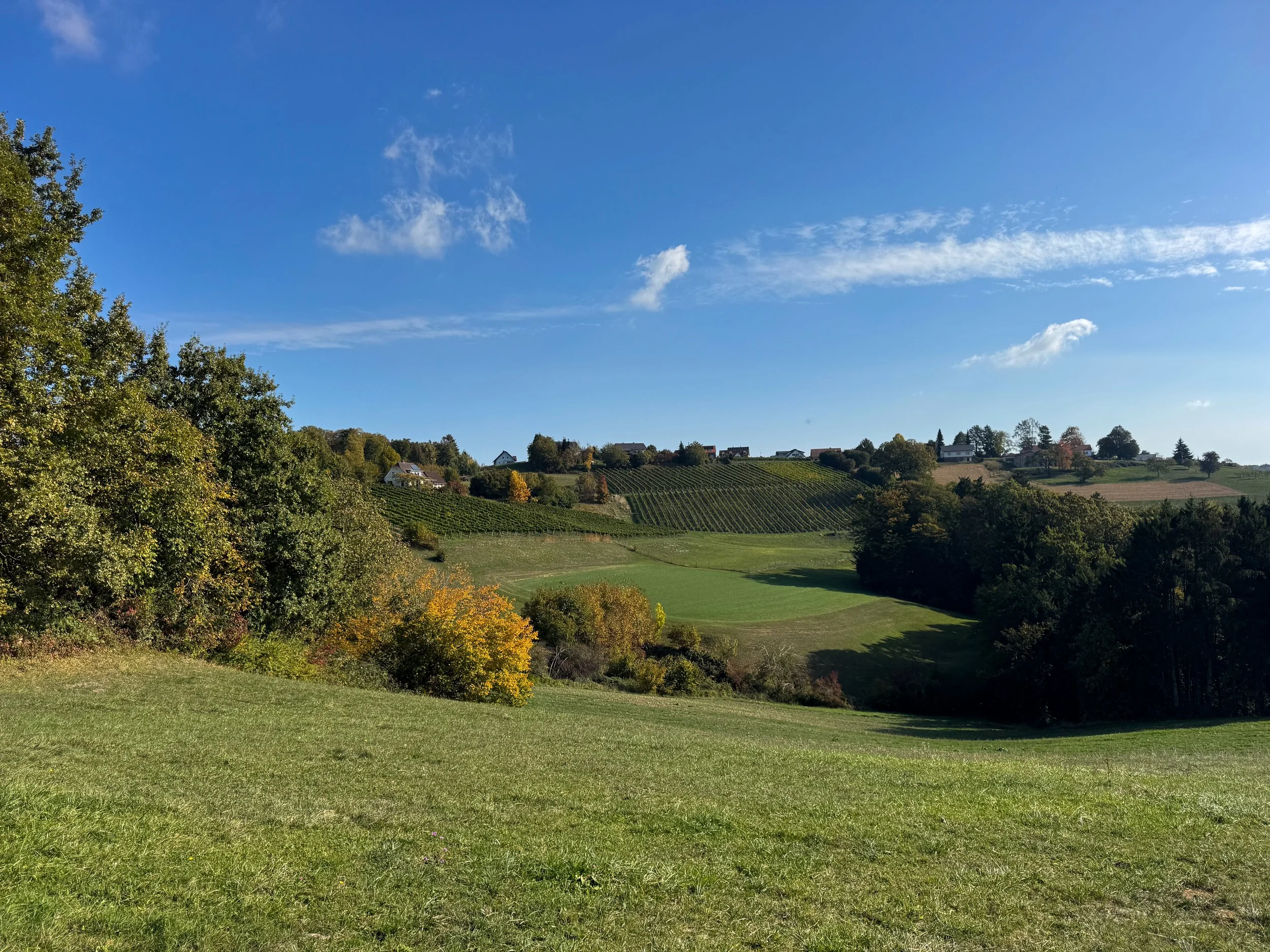
Vulkanland Day Trip from Graz
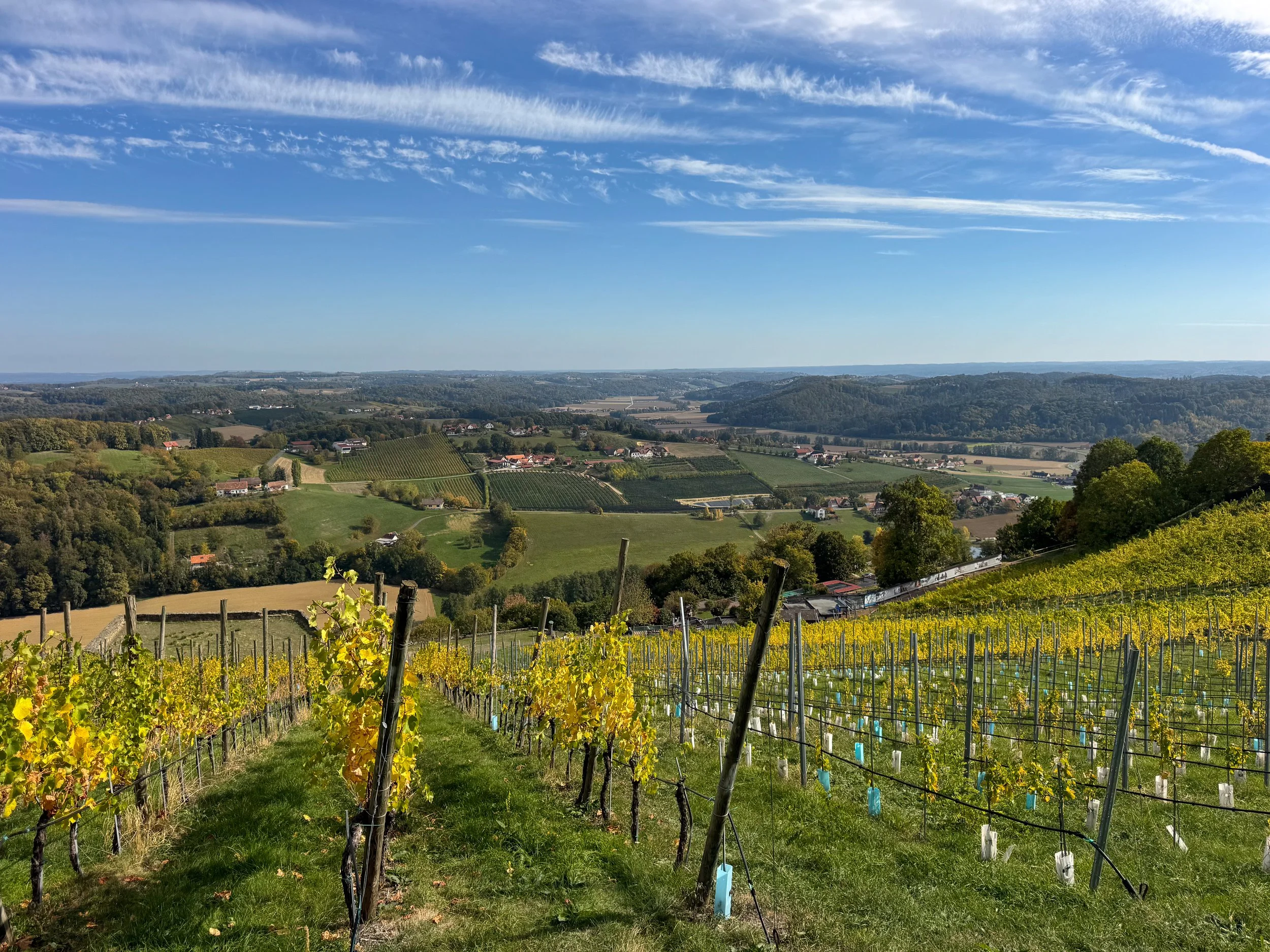
A wine producing region with rolling hills, sprawling vineyards, hilltop castles and a famed chocolatier. Its fertile soil, once an ancient seabed and later volcanically active, combined with varied microclimates helps to produce aromatic and mineral forward wines like Grauburgunder (Pinot Gris), Weißburgunder (Pinot Blanc), Morillon (Chardonnay) and Sauvignon Blanc. Taste them at the wineries themselves or at a Buschenschank, a winery tavern serving only cold dishes alongside its own wines.
Riegersburg Castle & Museums
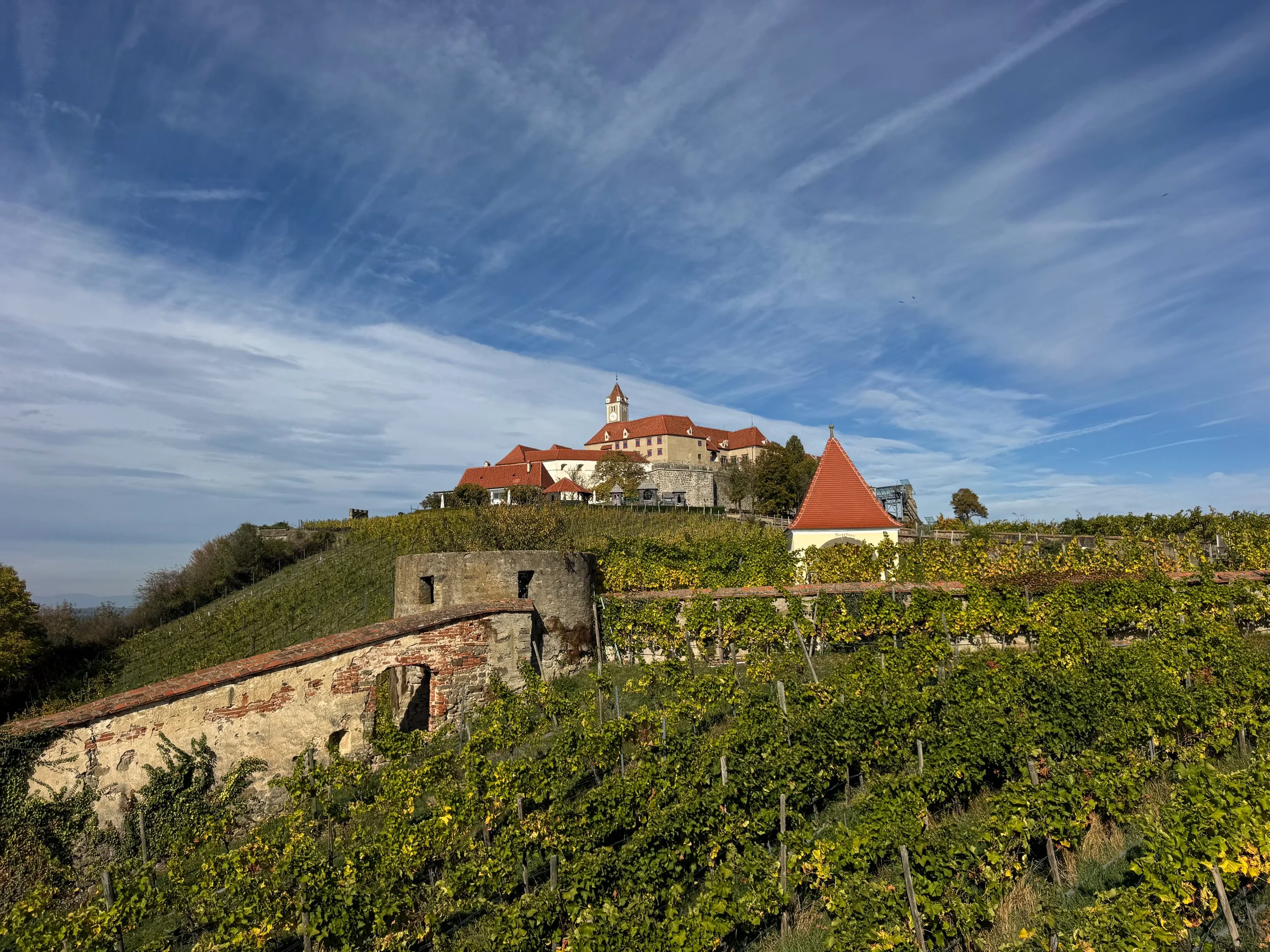
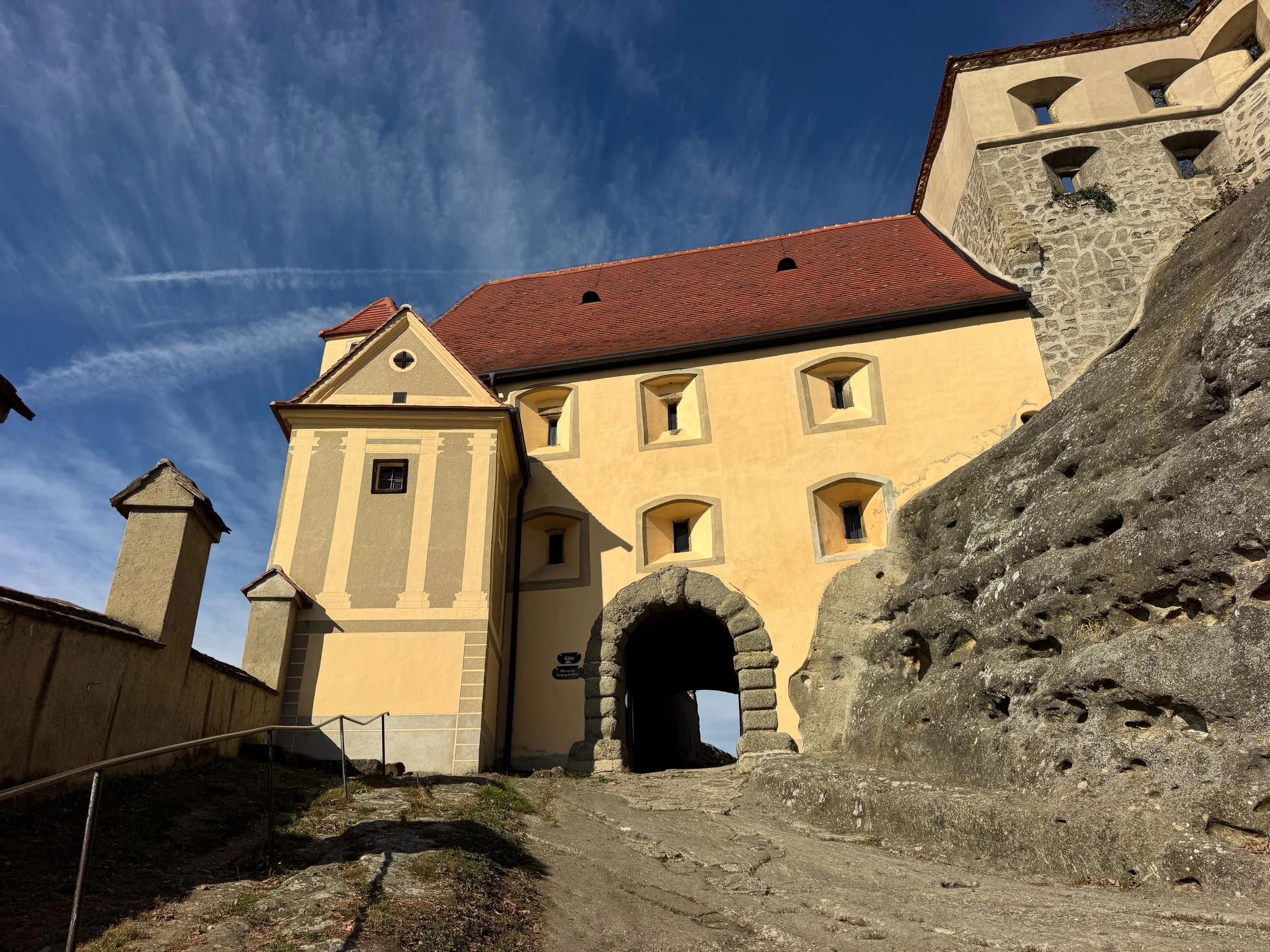
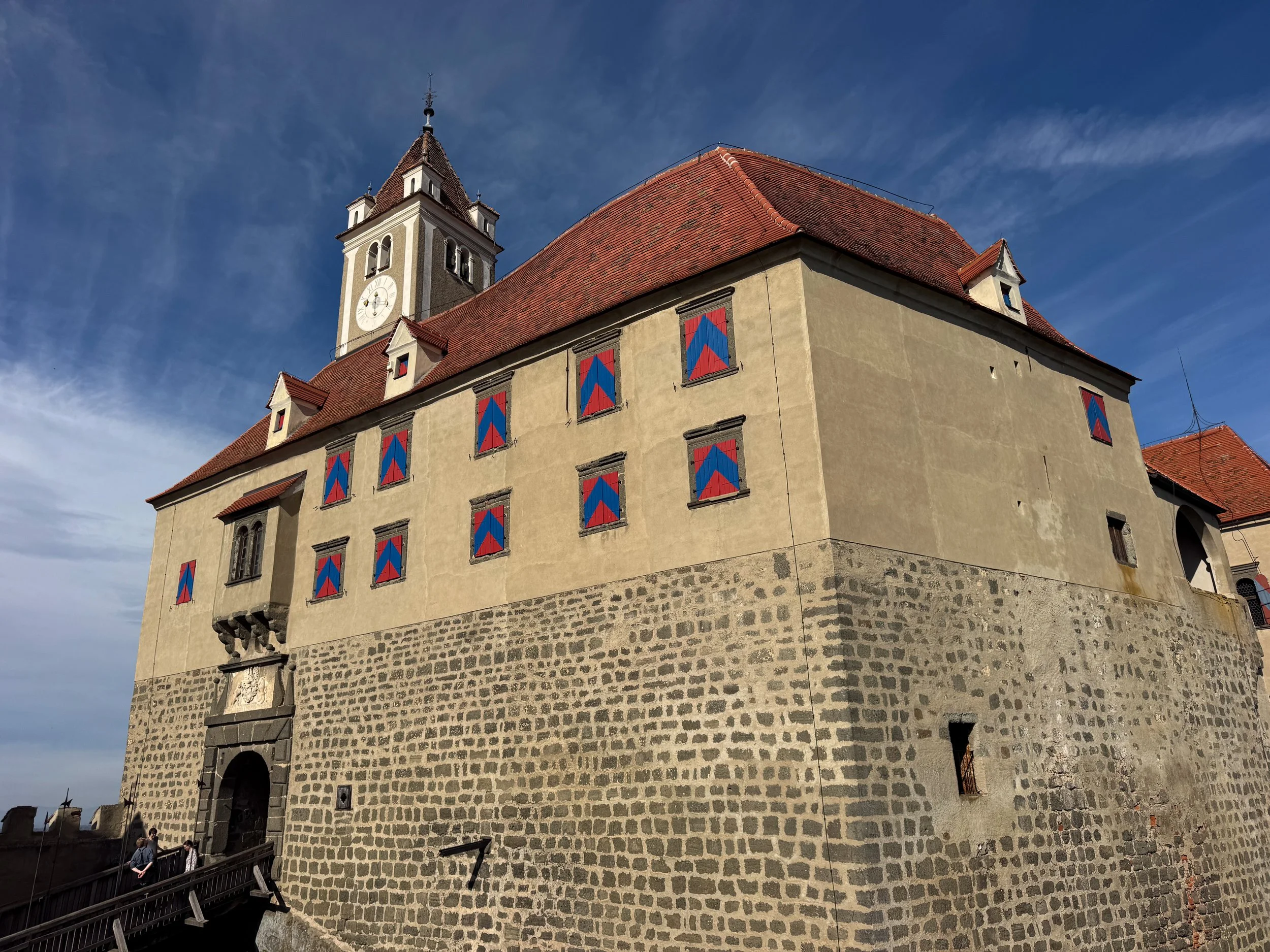
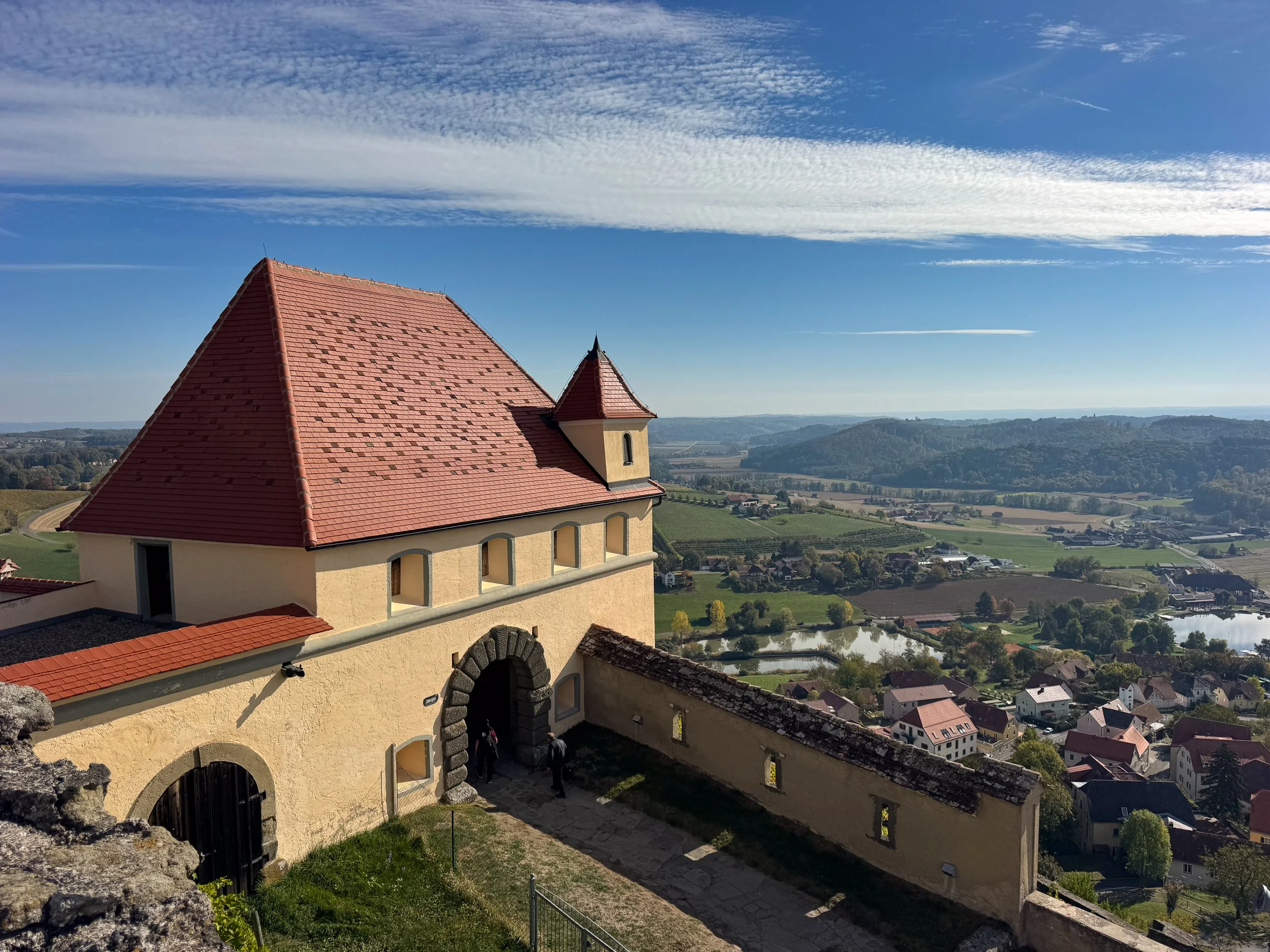
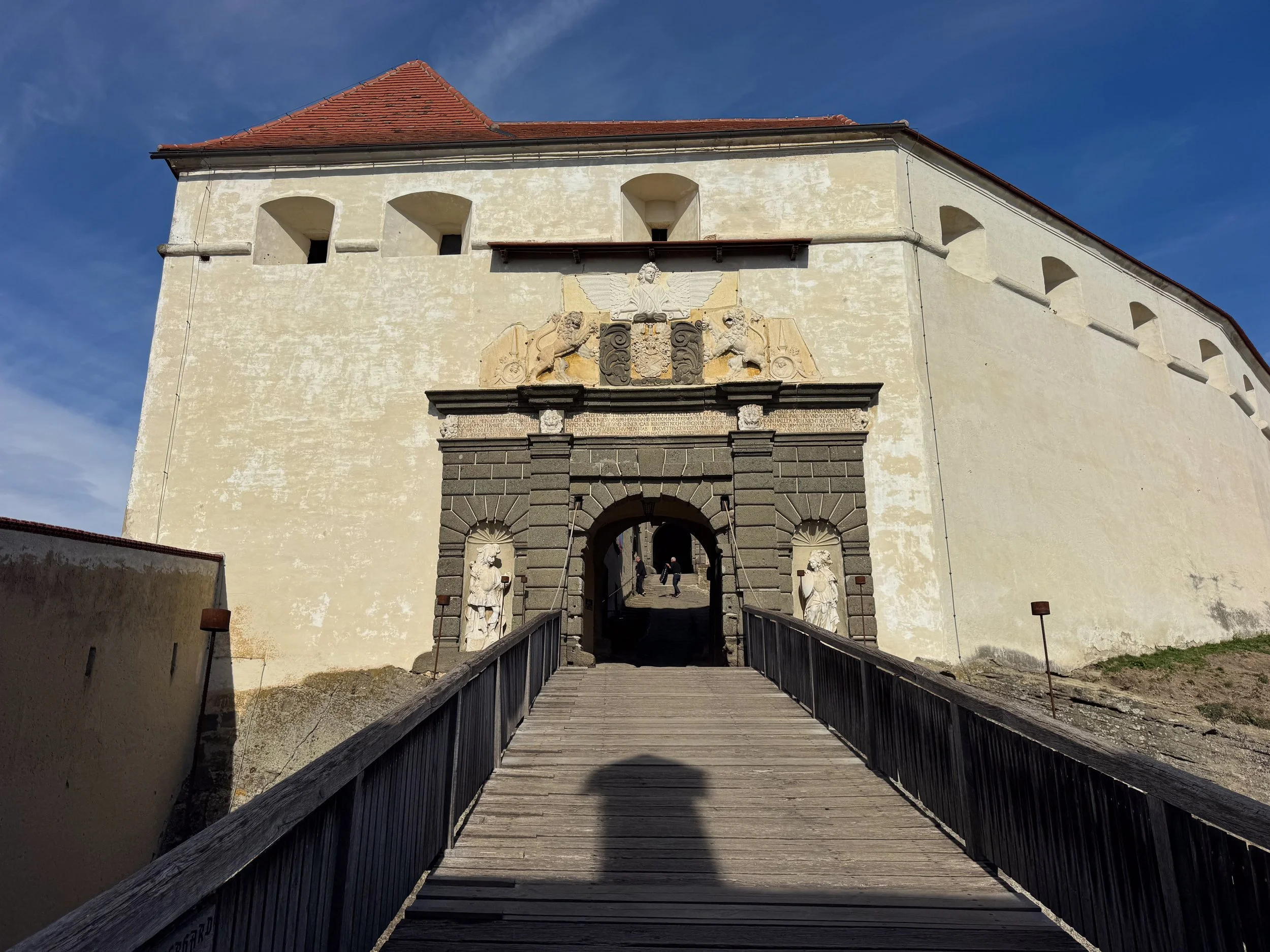
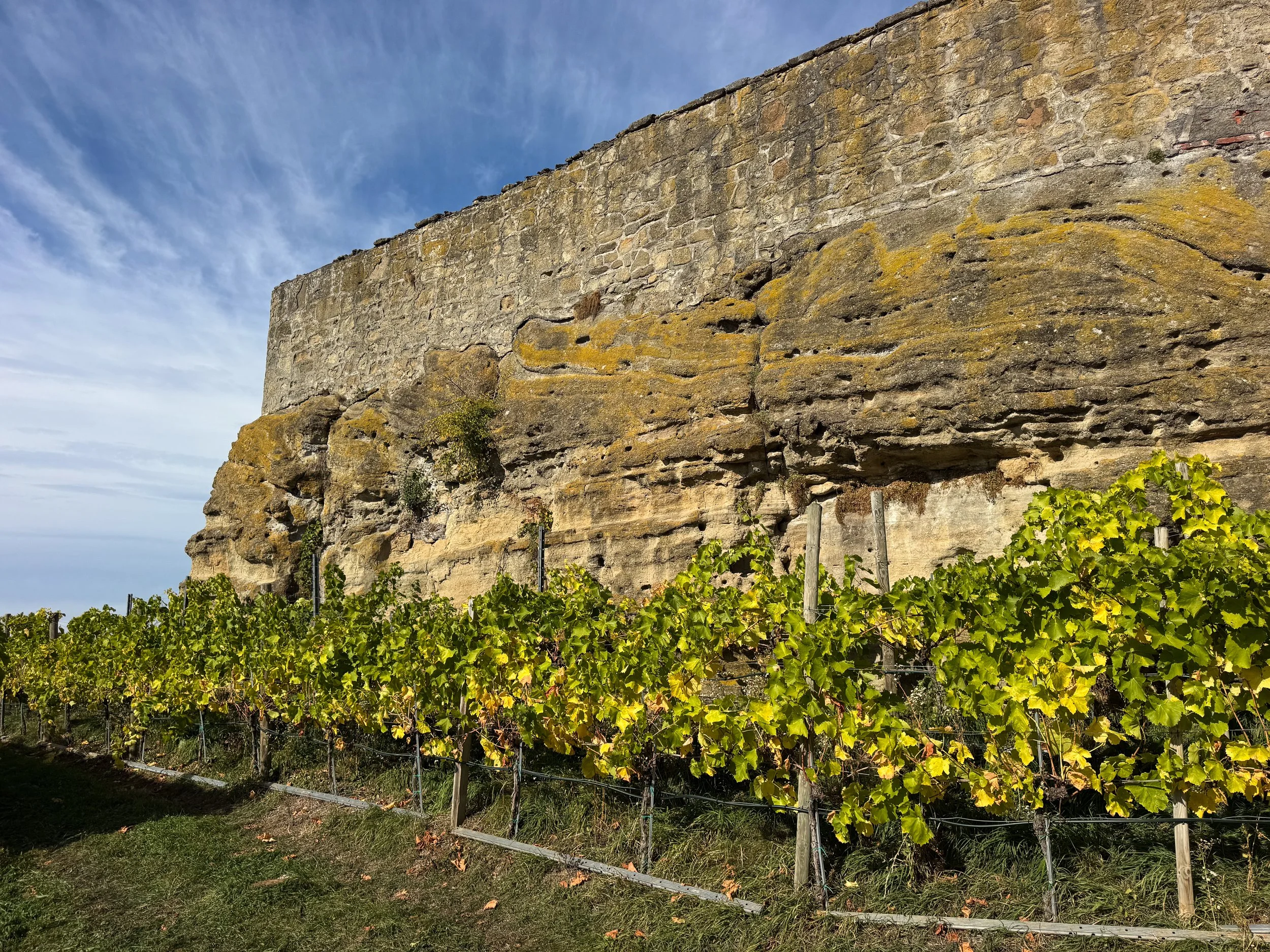
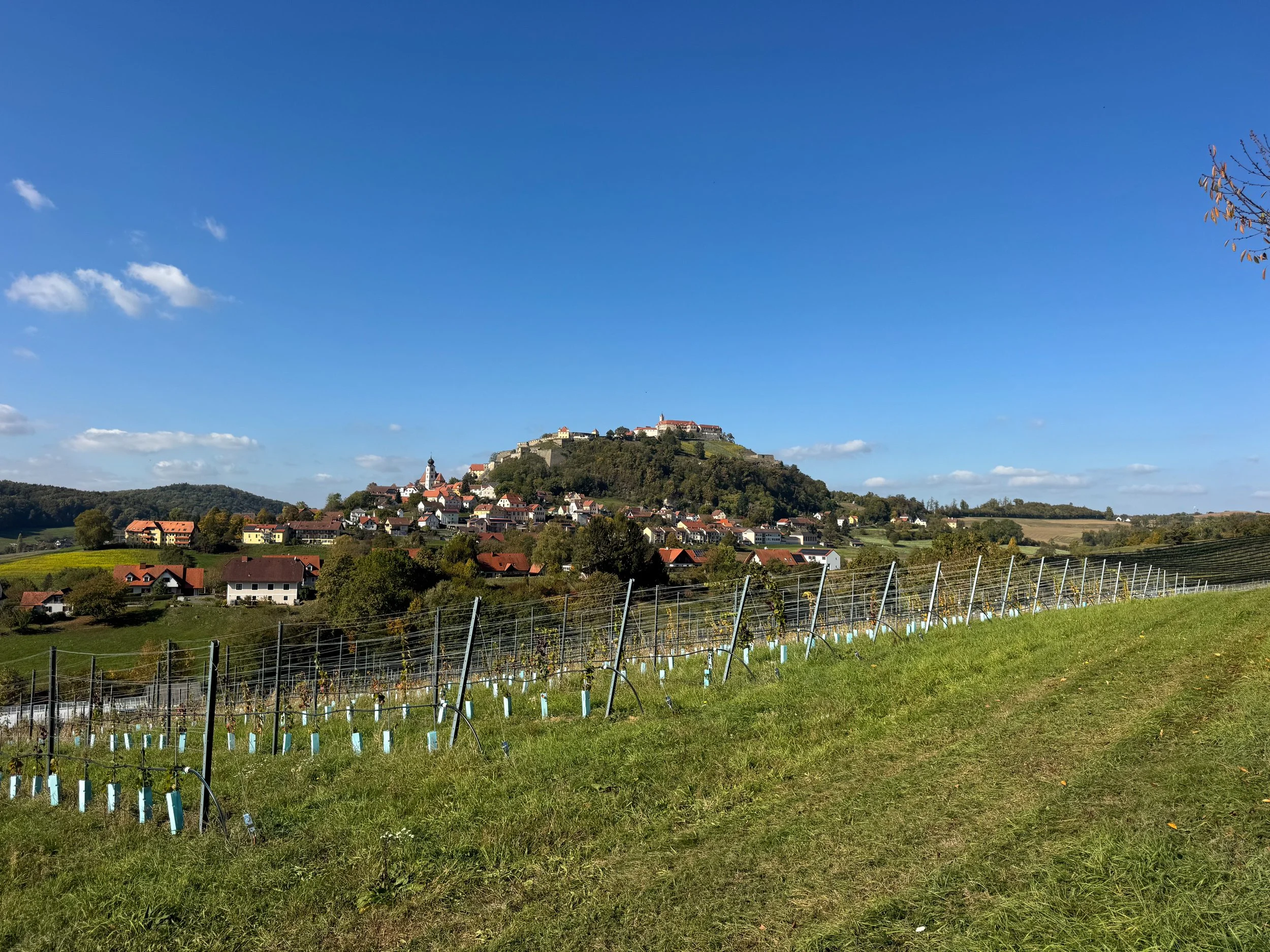
A dramatic hilltop castle perched on the hardened lava core of an extinct volcano. Over the past nine centuries, it’s been owned by lines of noble families, currently belonging to the princely family of Liechtenstein. Vineyards blanket the hillside, their rows of vines planted between the castle’s gates and ramparts. A trail climbs from the base of the hill through seven fortified gates and past old jousting fields and across wooden drawbridges before reaching the inner castle. From its stone walls, panoramic views stretch across the vine covered hills below. It houses three museums within its walls.
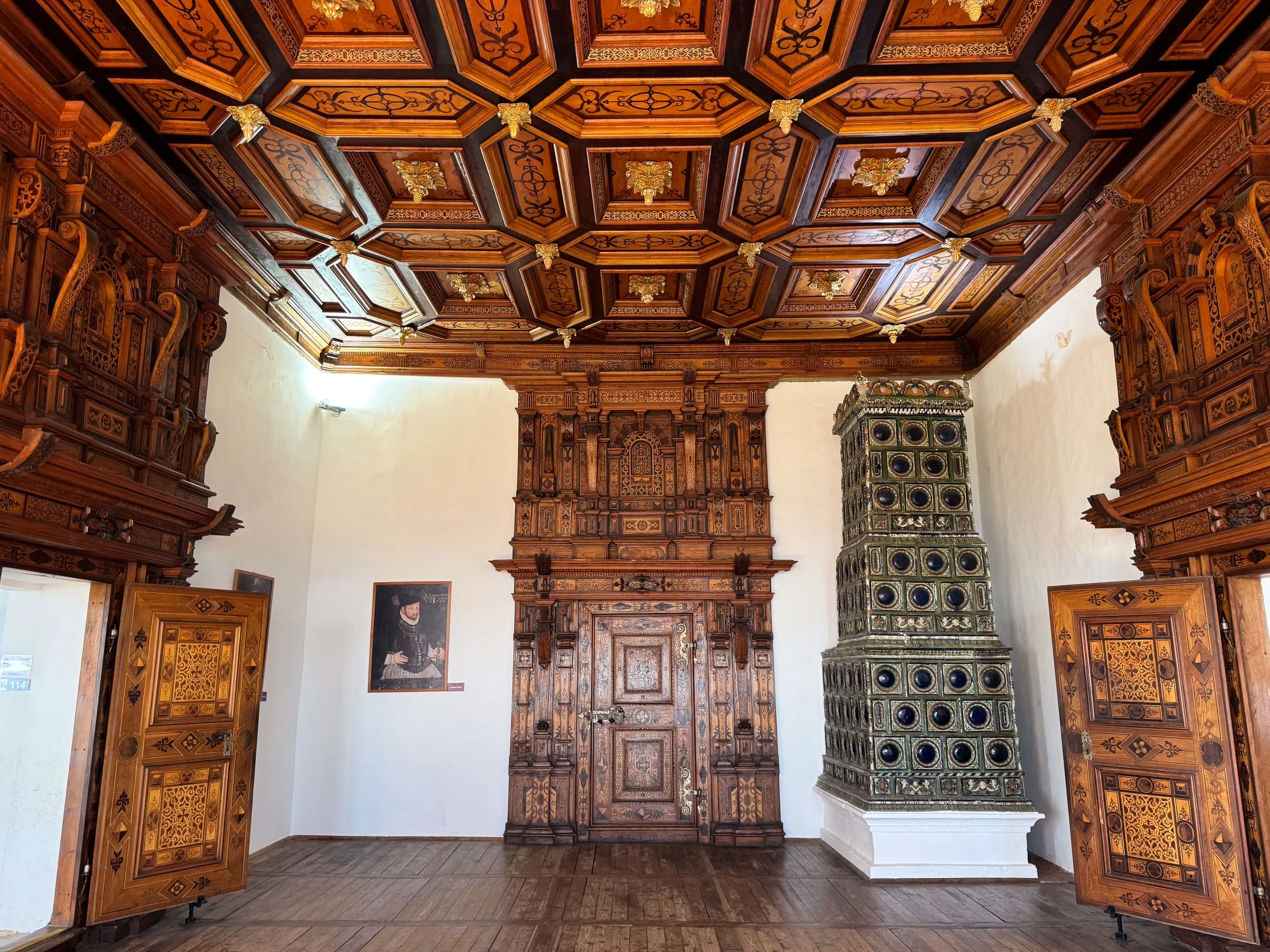
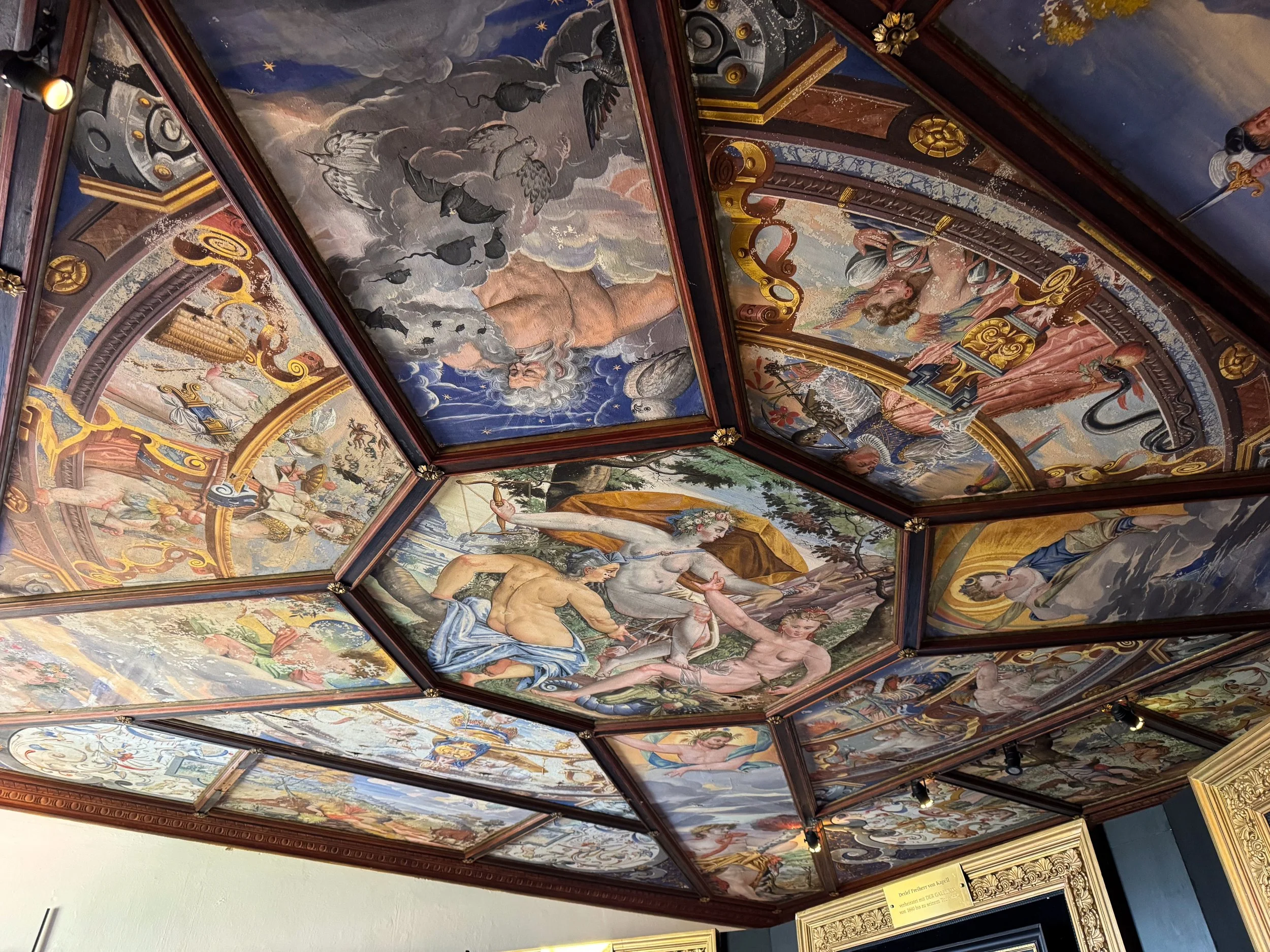
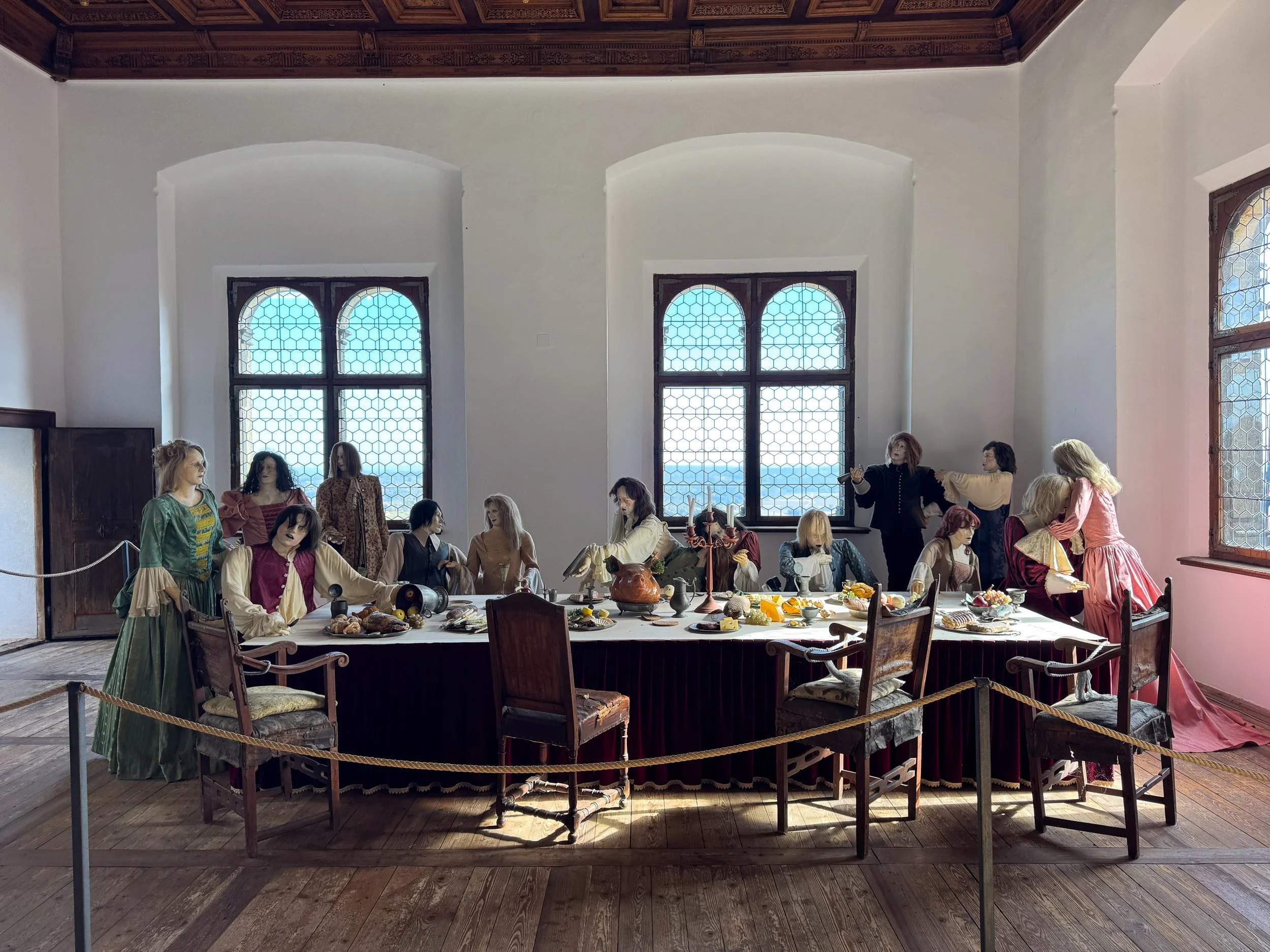
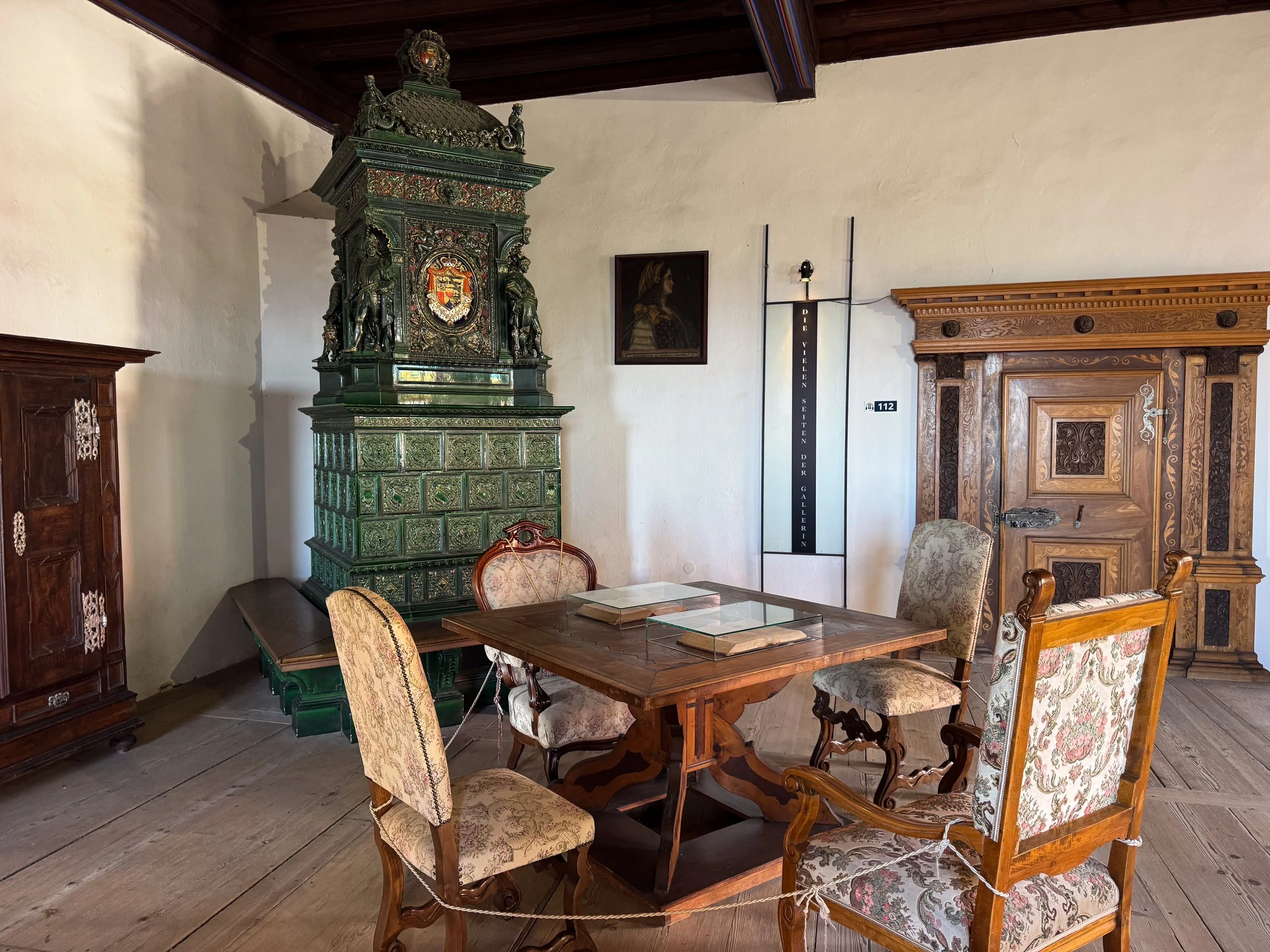
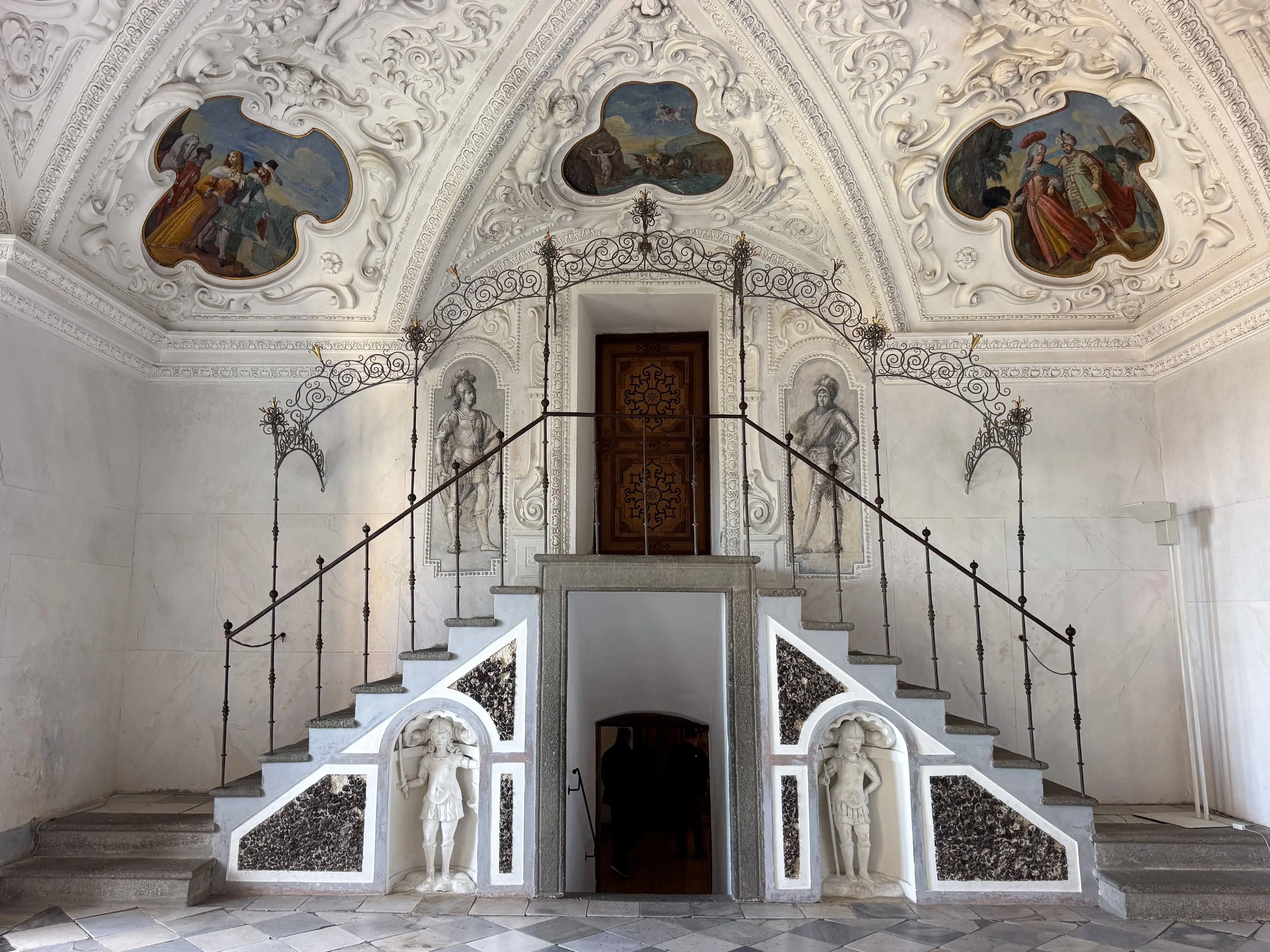
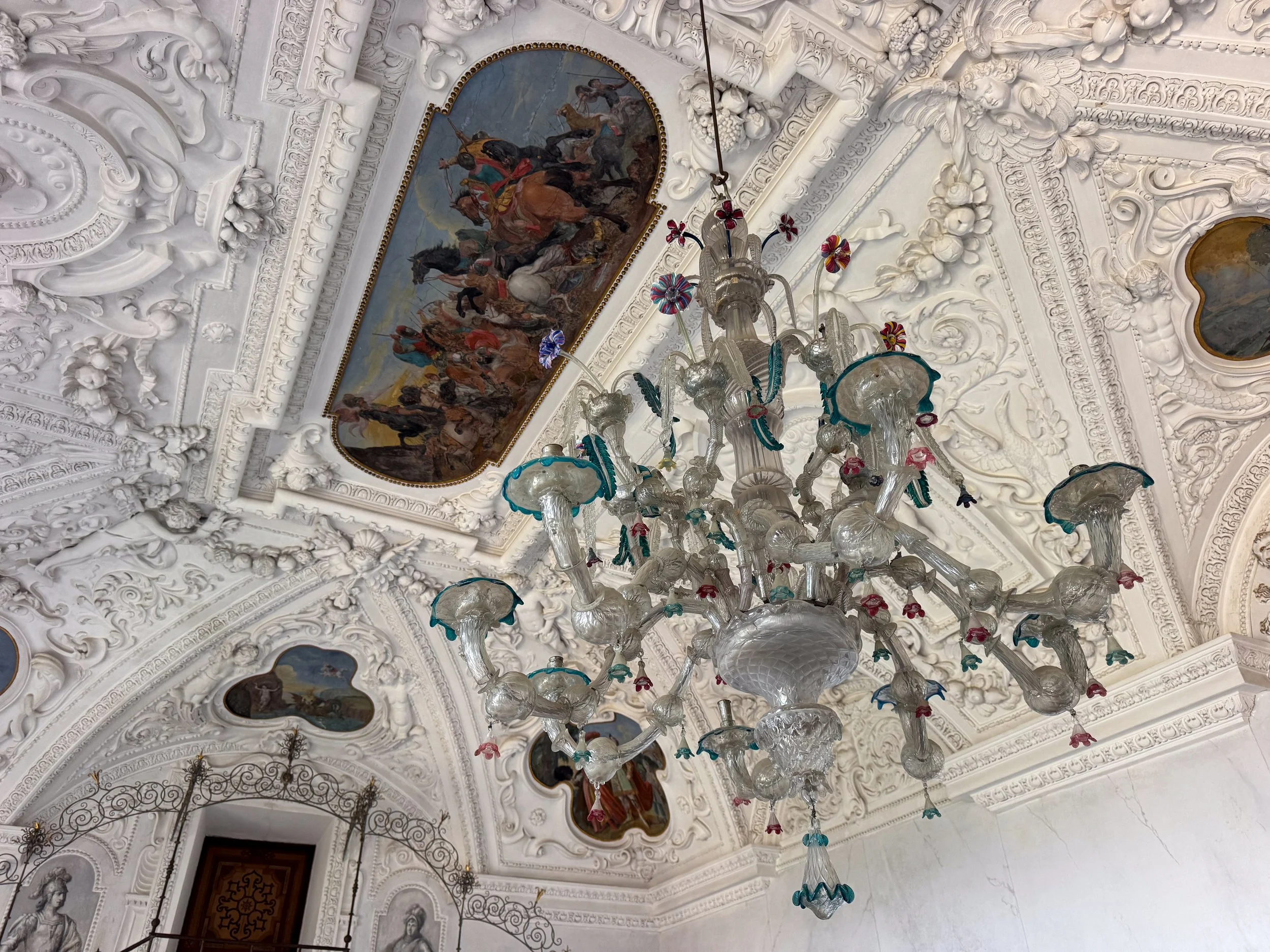
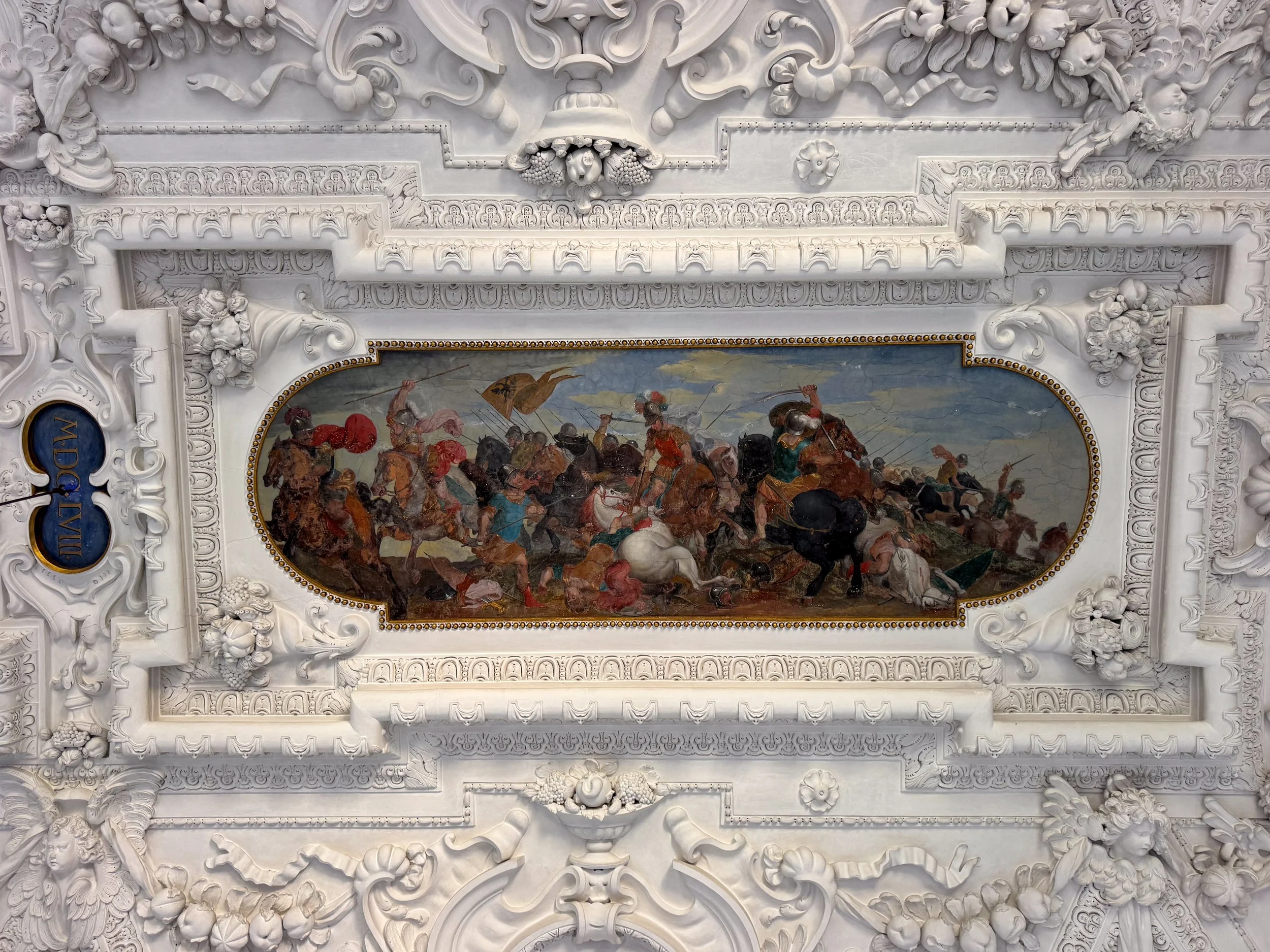
The Castle Museum. A series of preserved halls, living quarters, prison cells, a meat smoking chamber and central courtyard. The rooms are filled with centuries old paintings, vividly frescoed ceilings, antique furniture and ornately tiled fireplaces.
The Knights Hall. The castle’s largest room and the site of a legendary 20 day feast of nonstop eating and drinking. The hall is crowned by an intricately inlaid and coffered wooden ceiling.
The Baroque White Hall. A dazzling hall with white stone floors set beneath a vaulted ceiling of delicate plasterwork and colorful frescoes.
The Witches Museum. An exhibit recounting the dark history of the Riegersburg Witch Trials in which hundreds of people were accused of witchcraft, burned at the stake or beheaded.
The Weapons Museum. An exhibit displaying 400 year old armor and weaponry, from suits of armor, helmets and shields to lances, spears, maces, pistols and rifles once carried by knights.
Wineries & Buschenschanks
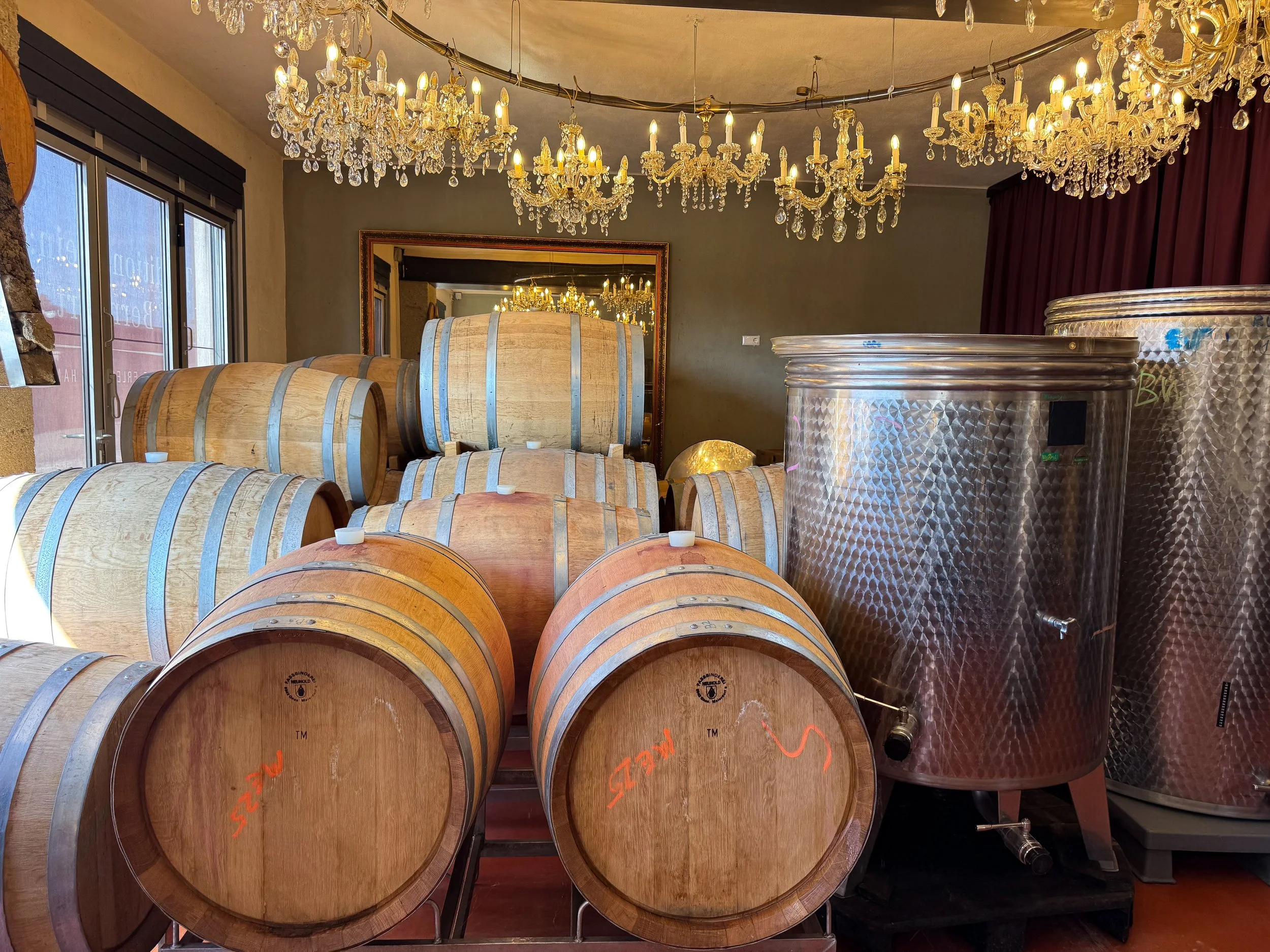
Weingut Buschenschank Bernhart. A 400 year old family winery, now in its 16th generation, with vineyards blanketing the slopes below Riegersburg Castle. Tour the vineyard, pressing and fermentation rooms and oak barrel cellar before tasting several house vintages. Linger on the terrace with views of the castle with a glass of wine alongside platters of cured meats, cheeses, breads and Styrian runner beans.
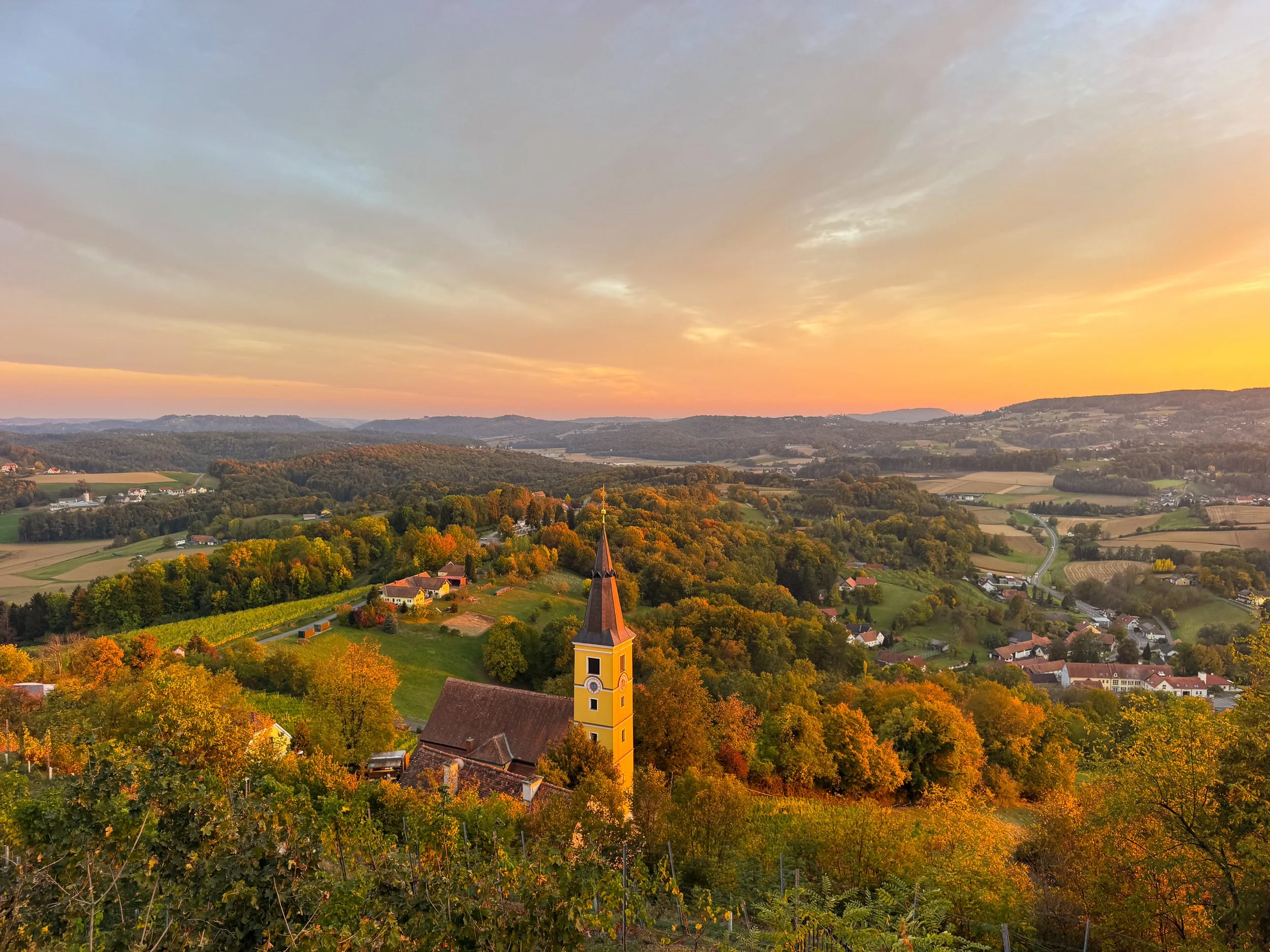
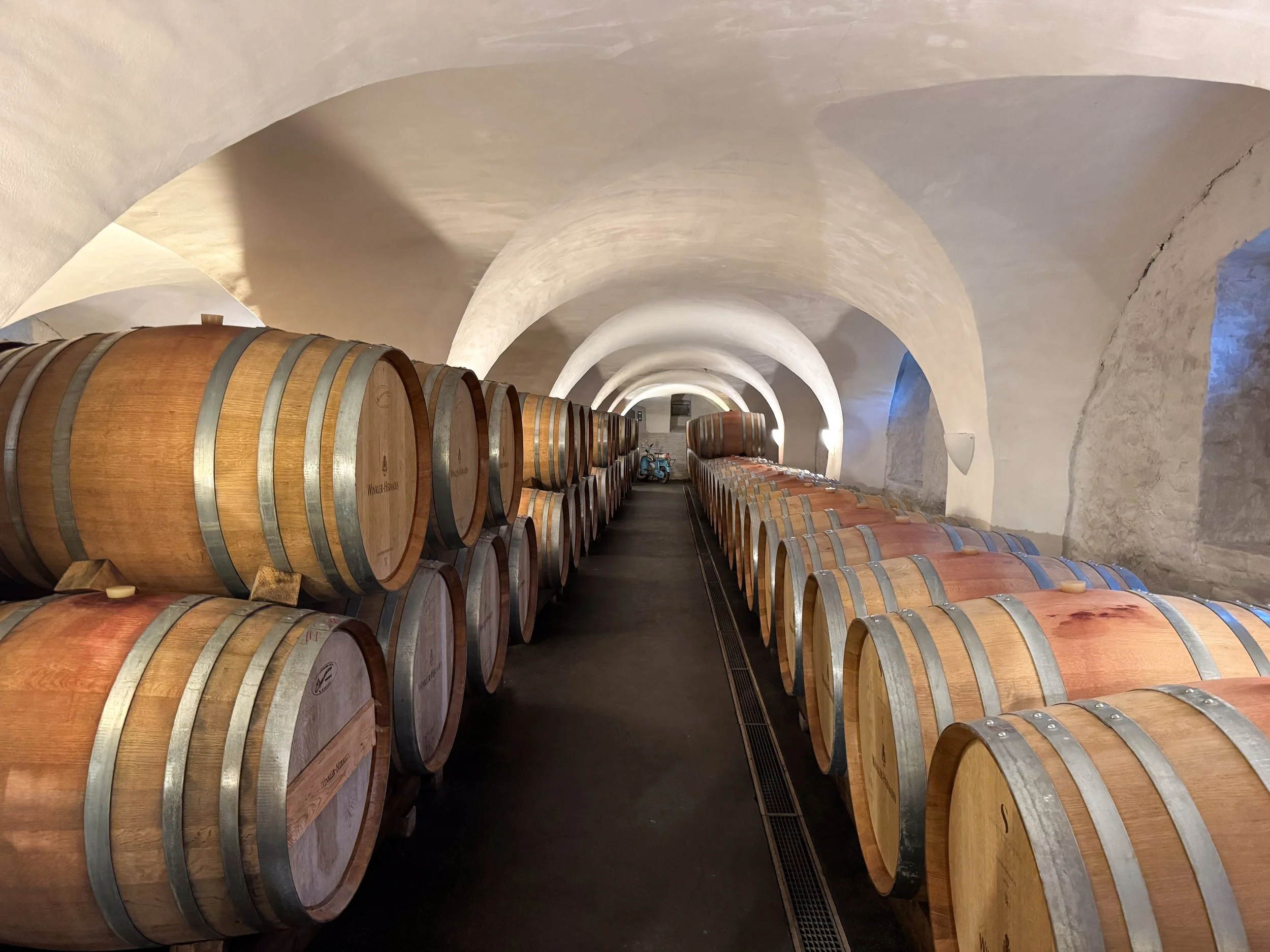
Weingut Winkler-Hermaden. A family owned and operated winery set on an extinct volcanic hill. Rows of grapevines trace the steep curves of the landscape while a historic castle and hotel crowns the summit. Taste organic reds, whites and sparkling wines made from grapes grown on the hill and from across the region. Peek into the cellar, lined with oak barrels of aging wine. Buy a bottle from the shop or wine vending machine to enjoy from the clifftop terraces at sunset.
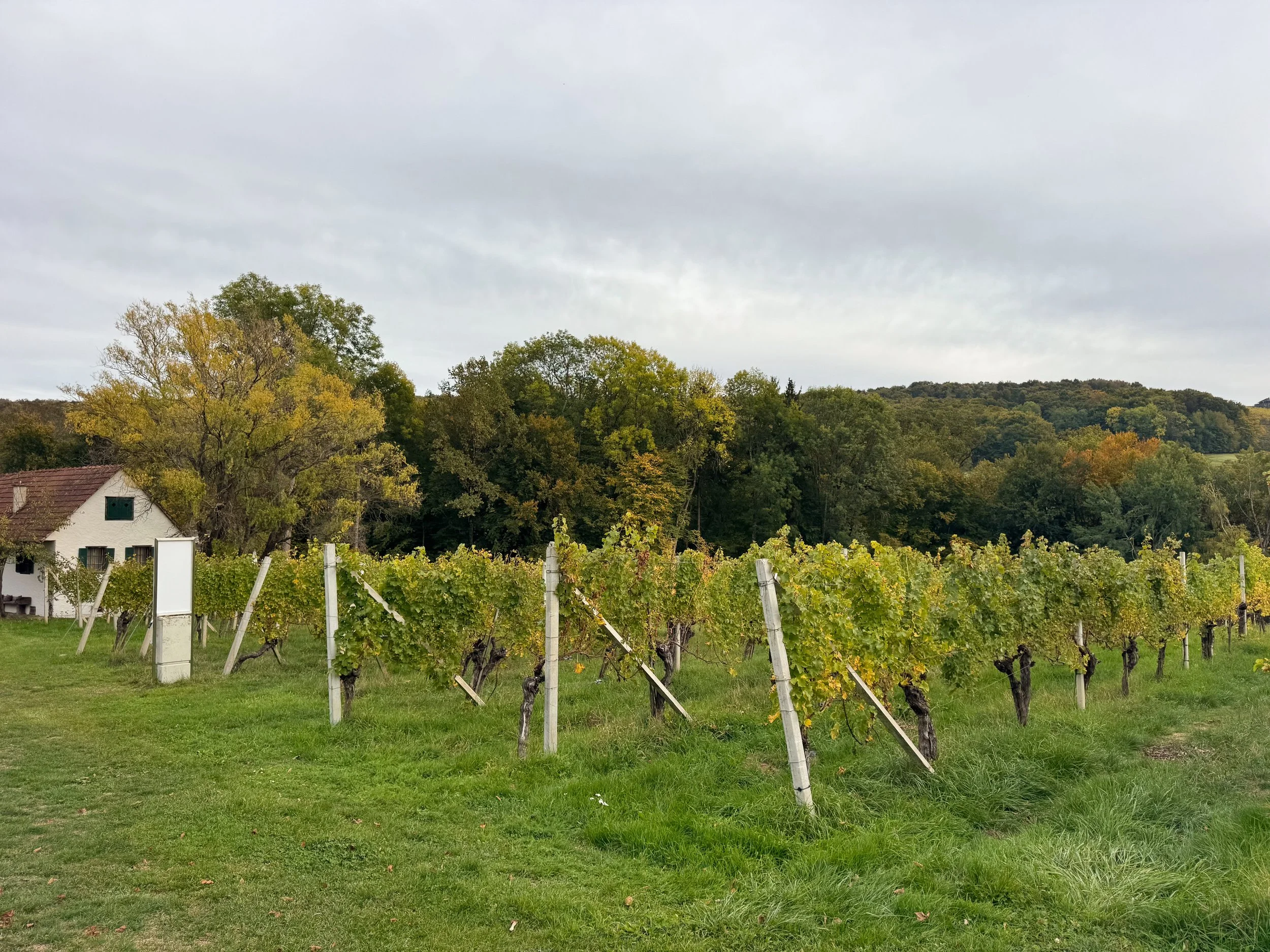
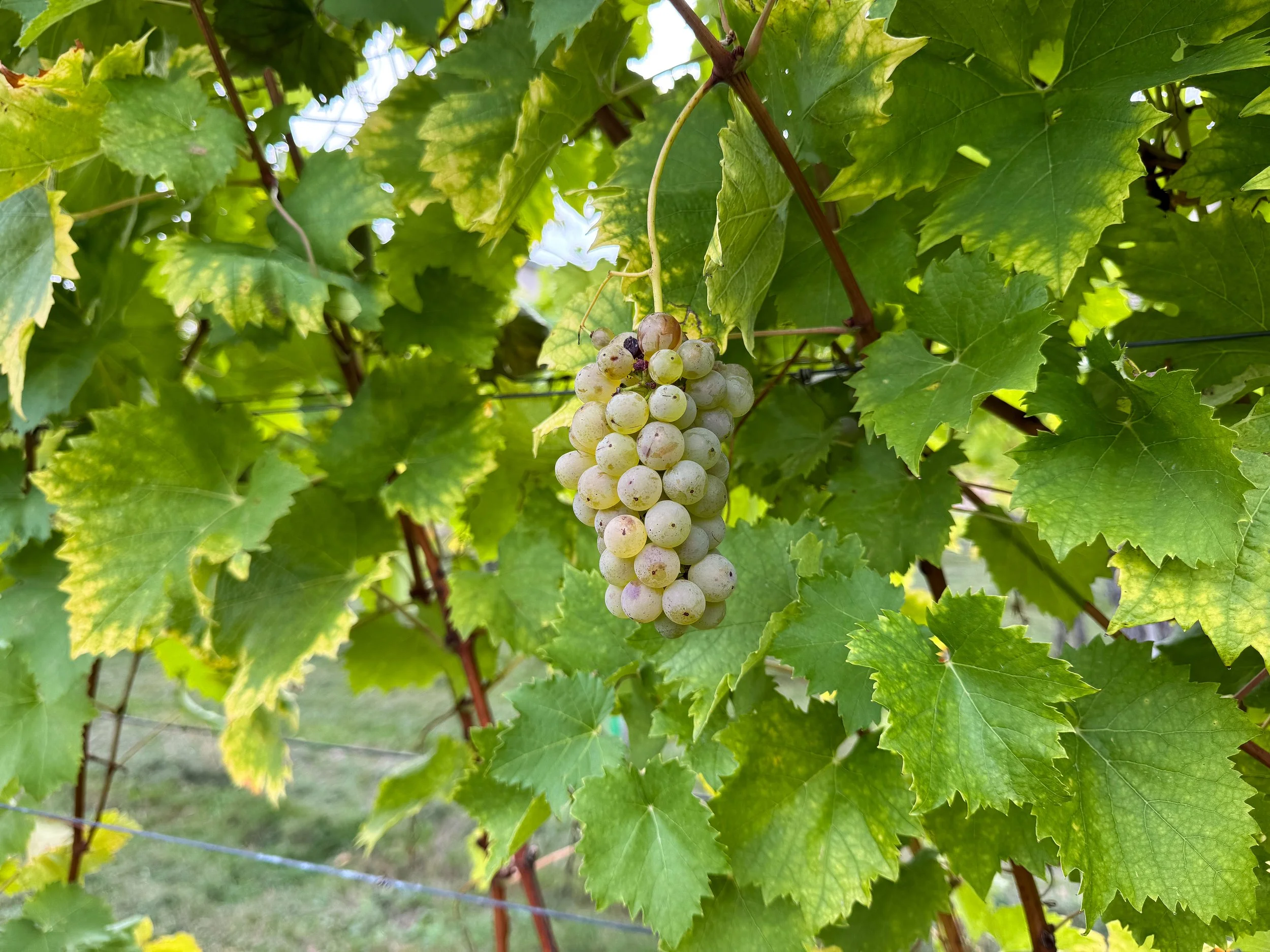
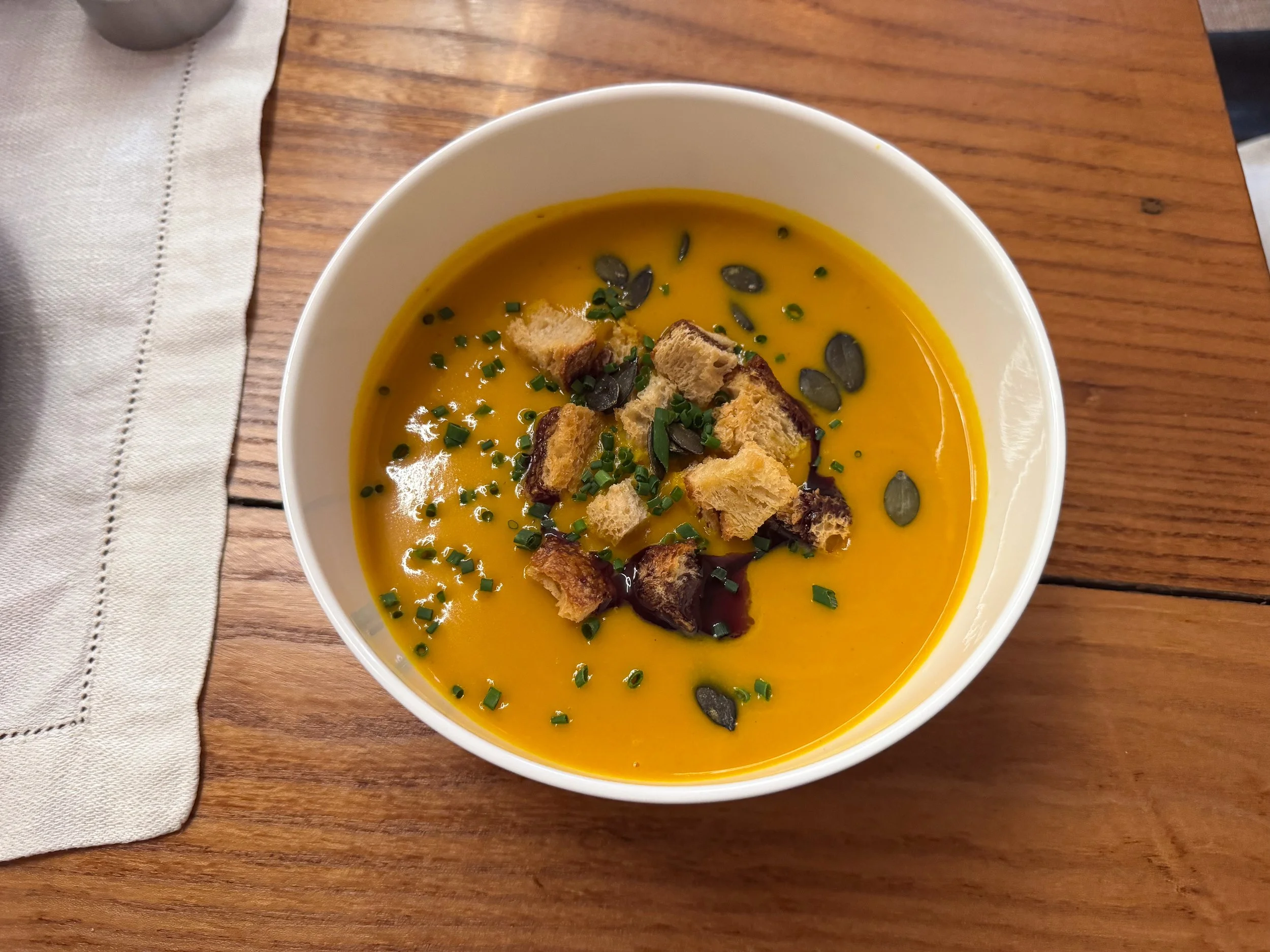
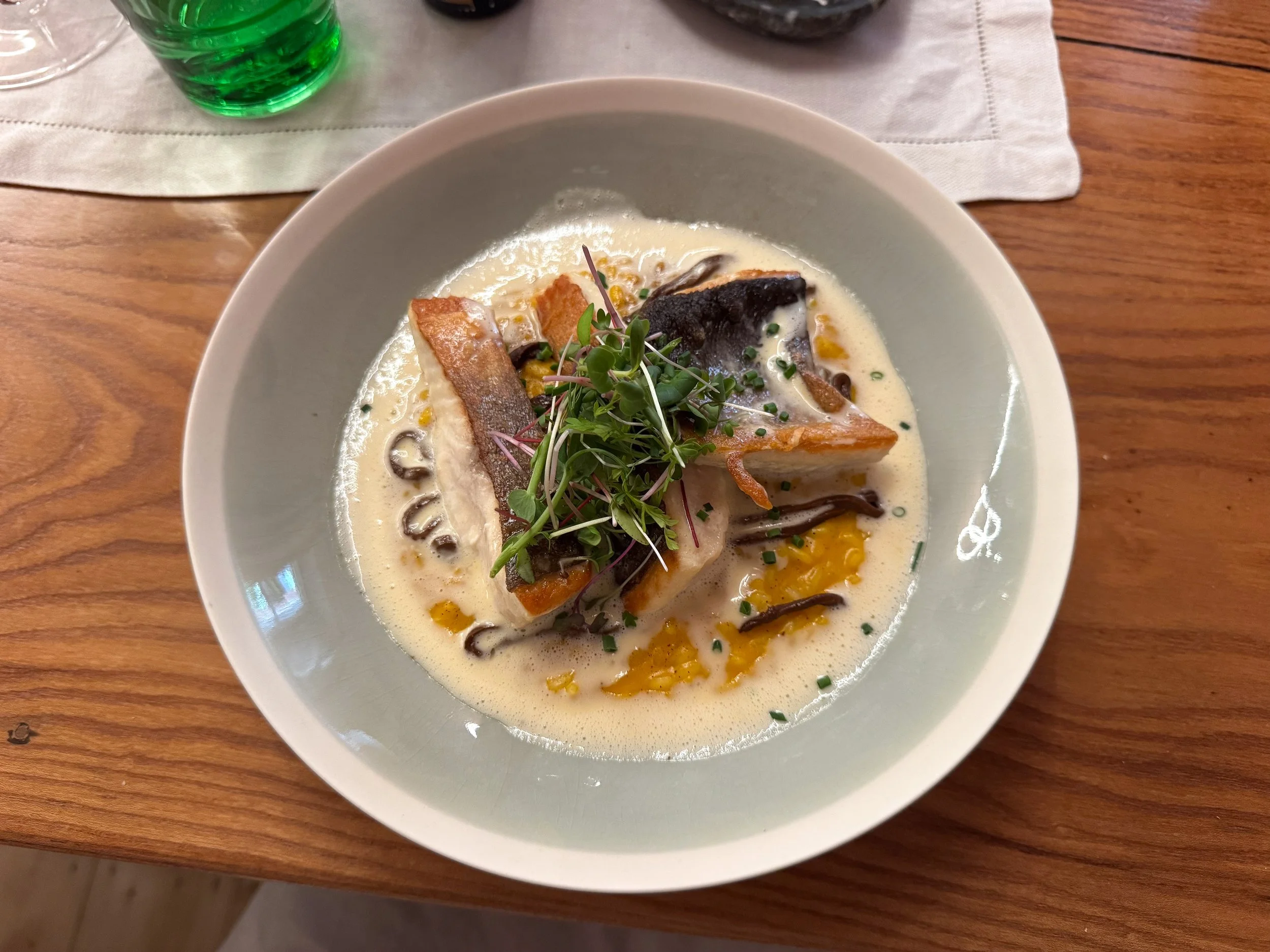
Genussgut Krispel. A contemporary winery specializing in Pinot Gris and Sauvignon Blanc. Rows of grapevines surround its tasting room and restaurant where the winemaker offers free tastings of more than a dozen varieties and vintages. Wines range from light and crisp to stony and full bodied. The kitchen is known for dishes made from the woolly pigs raised onsite, while vegetarians and pescatarians can try the Styrian pumpkin soup or pan seared char with risotto.
Zotter Chocolate Factory Tour
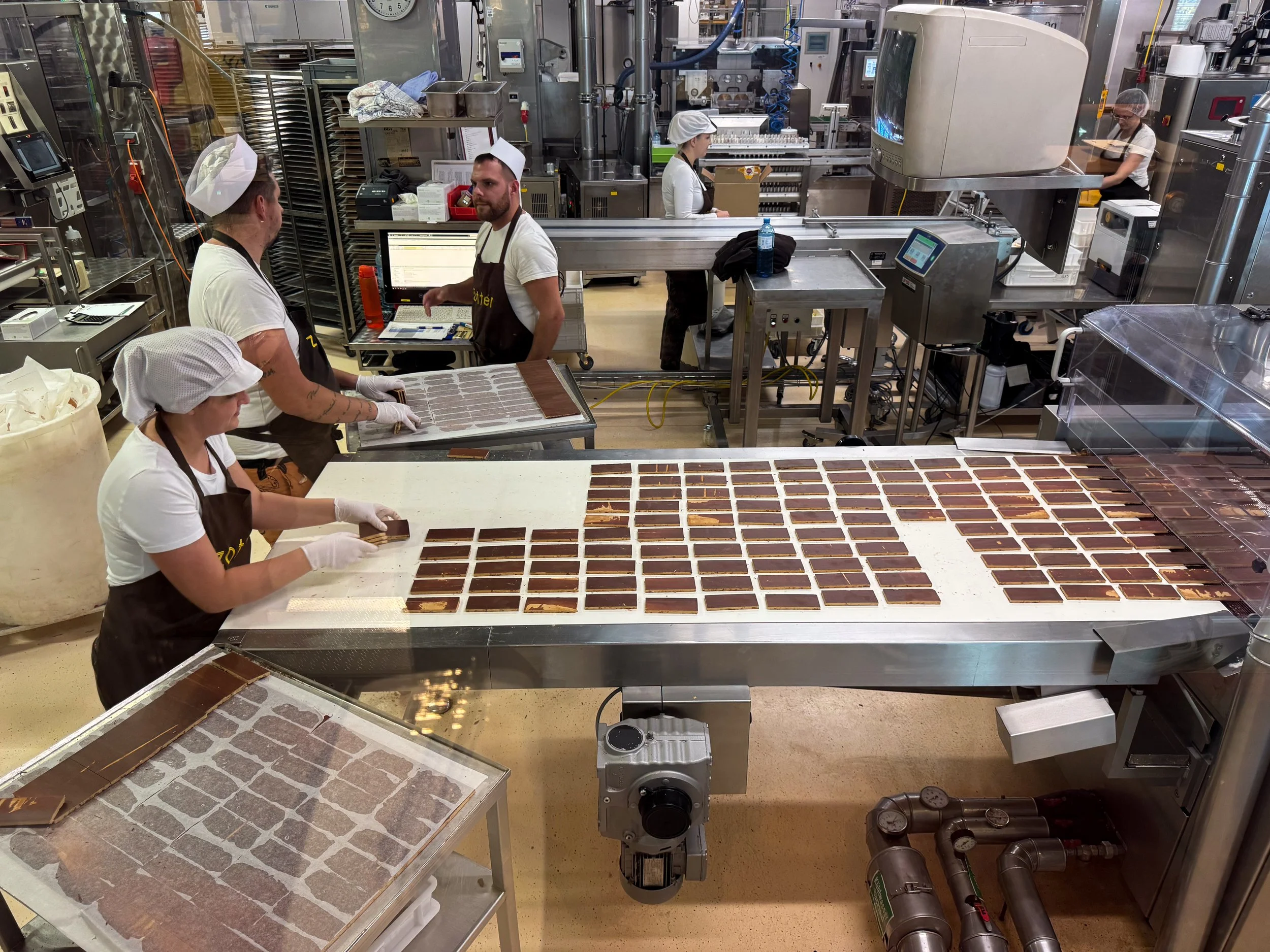
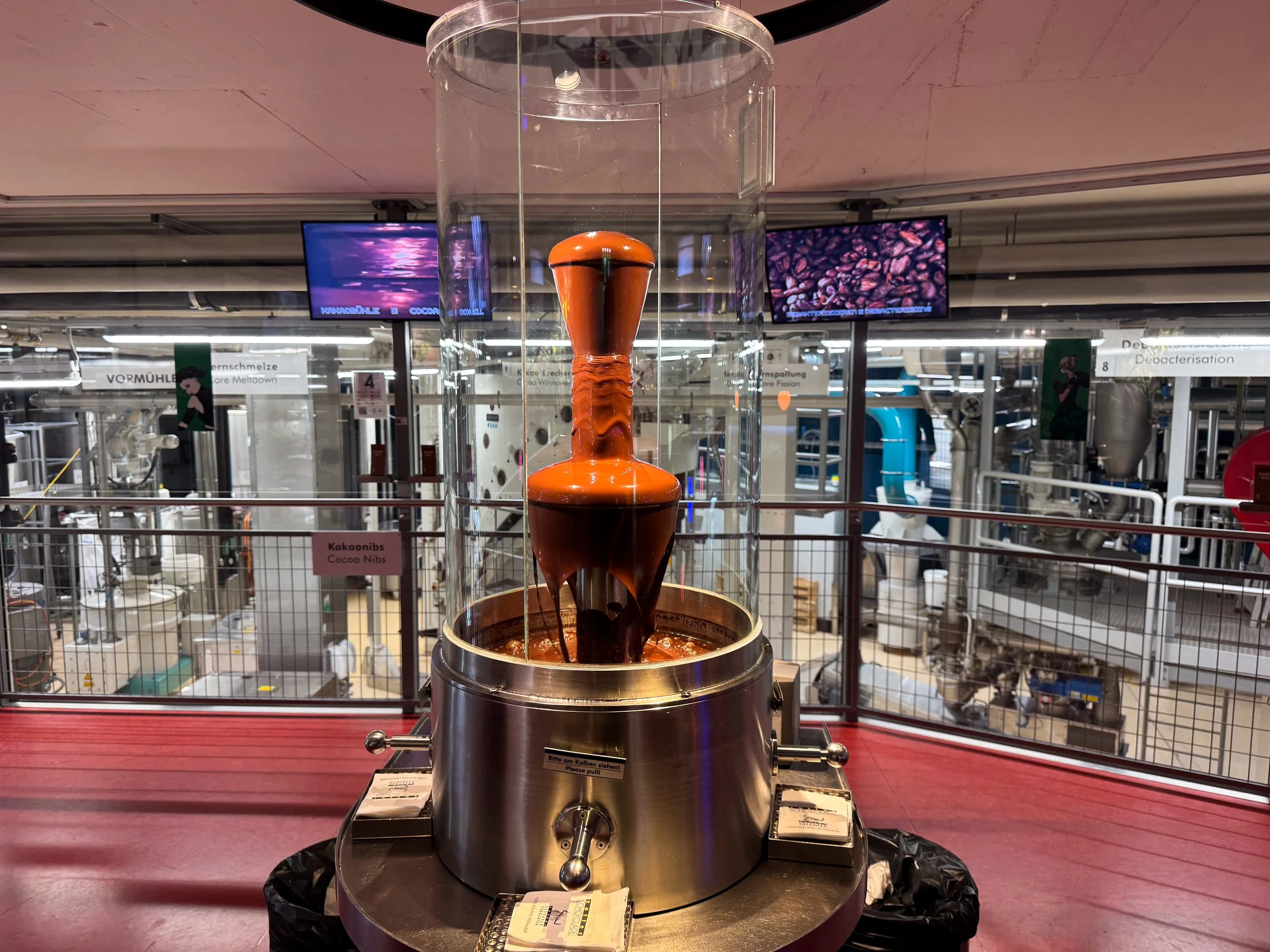
A famed chocolate factory crafting hundreds of chocolates from cacao sourced from around the world. Its interactive and self guided tour passes chocolatiers at work with tastings at every turn. Sample raw cacao pods, fountains of flowing chocolate and pieces of finished dark, milk, white and vegan chocolates flavored with spices, fruit, chilies, nuts, liqueurs and even insects. Afterwards, browse the shop, dine at the restaurant or stroll the farm park to meet alpacas, donkeys and cows.
Where to Eat & Drink in Graz
Glöckl Bräu. A traditional Austrian restaurant with a vast menu of local beers and hearty fare, including vegetarian dishes like Styrian runner beans, sauerkraut, celery root schnitzel and pumpkin cream soup. Don’t miss the brown ale, served in a swing-top bottle.
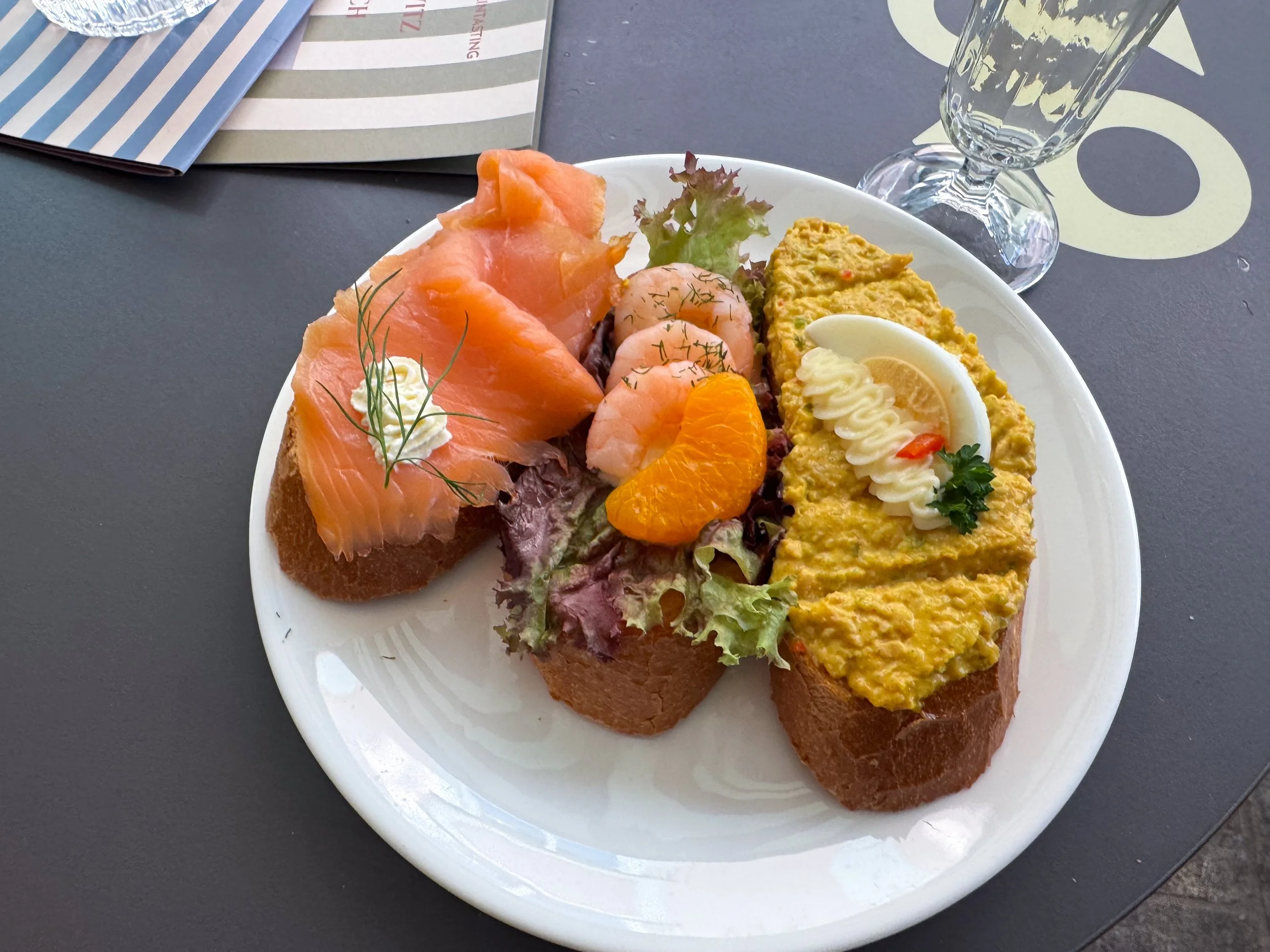
Delikatessen Frankowitsch. A historic deli famed for its Austrian Brötchen, beautifully presented open faced sandwiches covered in an array of toppings. Choose from a few dozen varieties lining the counter like shrimp and mandarin orange, curried egg salad or salmon with dill, all best paired with prosecco.
Herzl Weinstube. A lively Austrian restaurant with several cozy wood paneled dining rooms. Come for local vegetarian dishes like cream of pumpkin soup and veggie goulash as well as classic meat dishes like Wiener schnitzel and roasted venison.
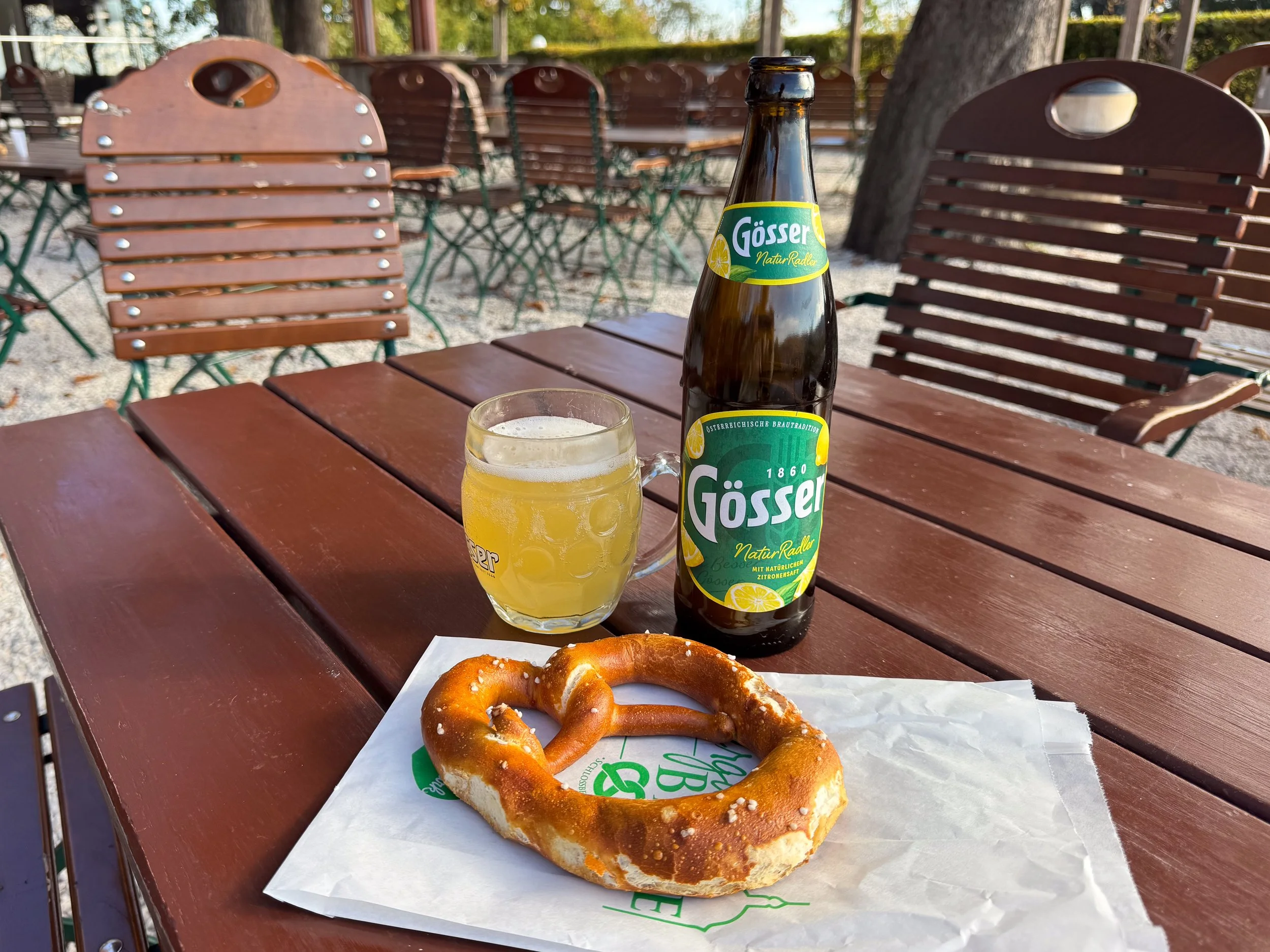
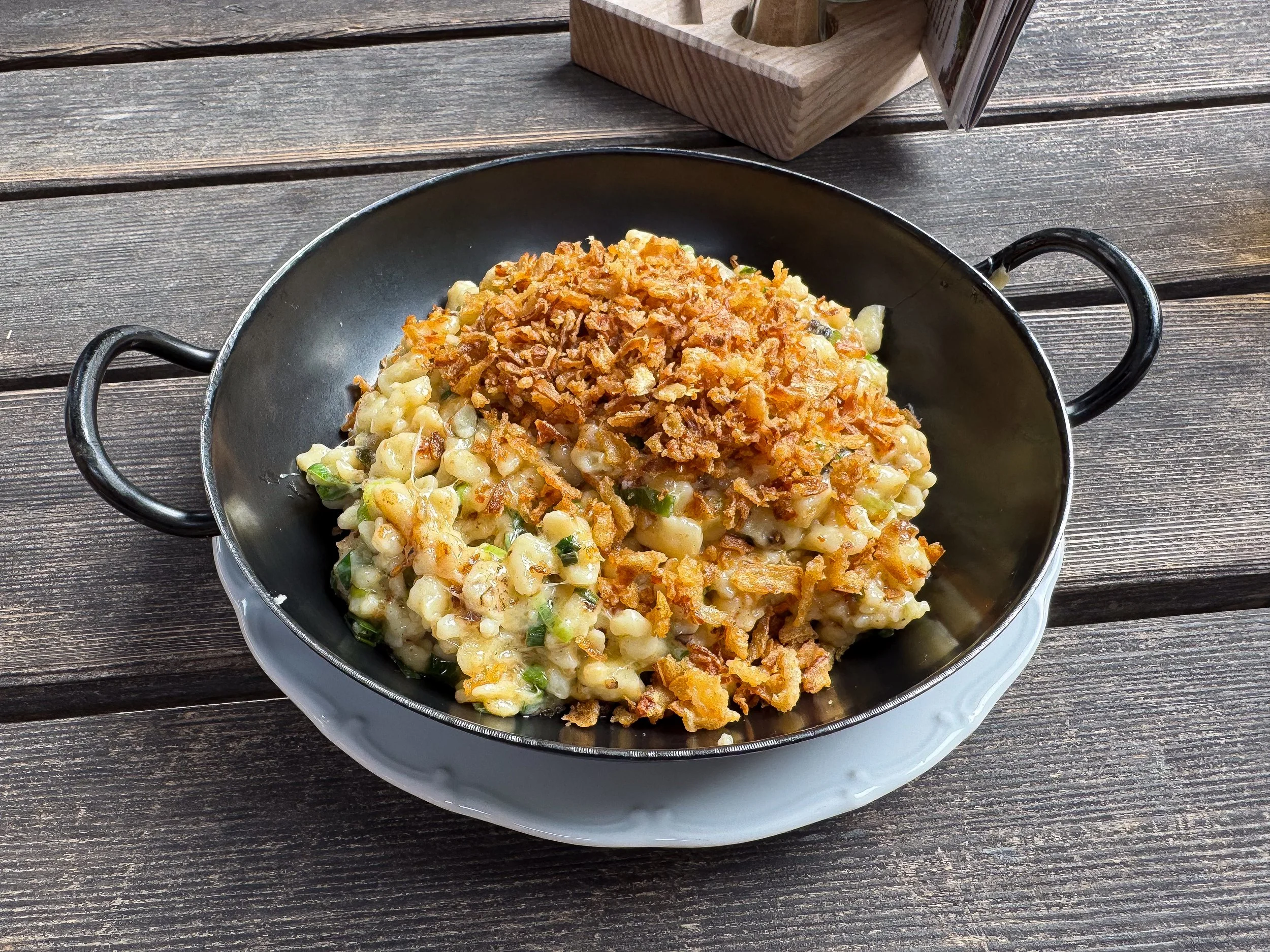
Gösser Bräu. A traditional Austrian restaurant and pub pouring Gösser, the local beer, alongside classic Austrian fare. Order the pretzels, Käsespätzle or savory goulash.
Die Scherbe. A restaurant serving traditional Austrian dishes alongside vegan and vegetarian options. Come for breakfast and try the scrambled eggs drizzled with pumpkin seed oil.
Gasthaus Zum Göller. A restaurant in a historic wooden inn serving traditional Austrian dishes, beers and desserts. Come for a hearty bowl of Käsespätzle, cheesy egg noodles crowned with a generous heap of crispy onions.
Mohrenwirt. An elevated farm to table restaurant serving seasonal Austrian dishes made with local ingredients. The menu leans meat heavy but includes vegetarian and pescatarian options like fried mushrooms, pickled cabbage risotto and alpine lake trout. Pair meals with wines from across Austria. Reservations are required.
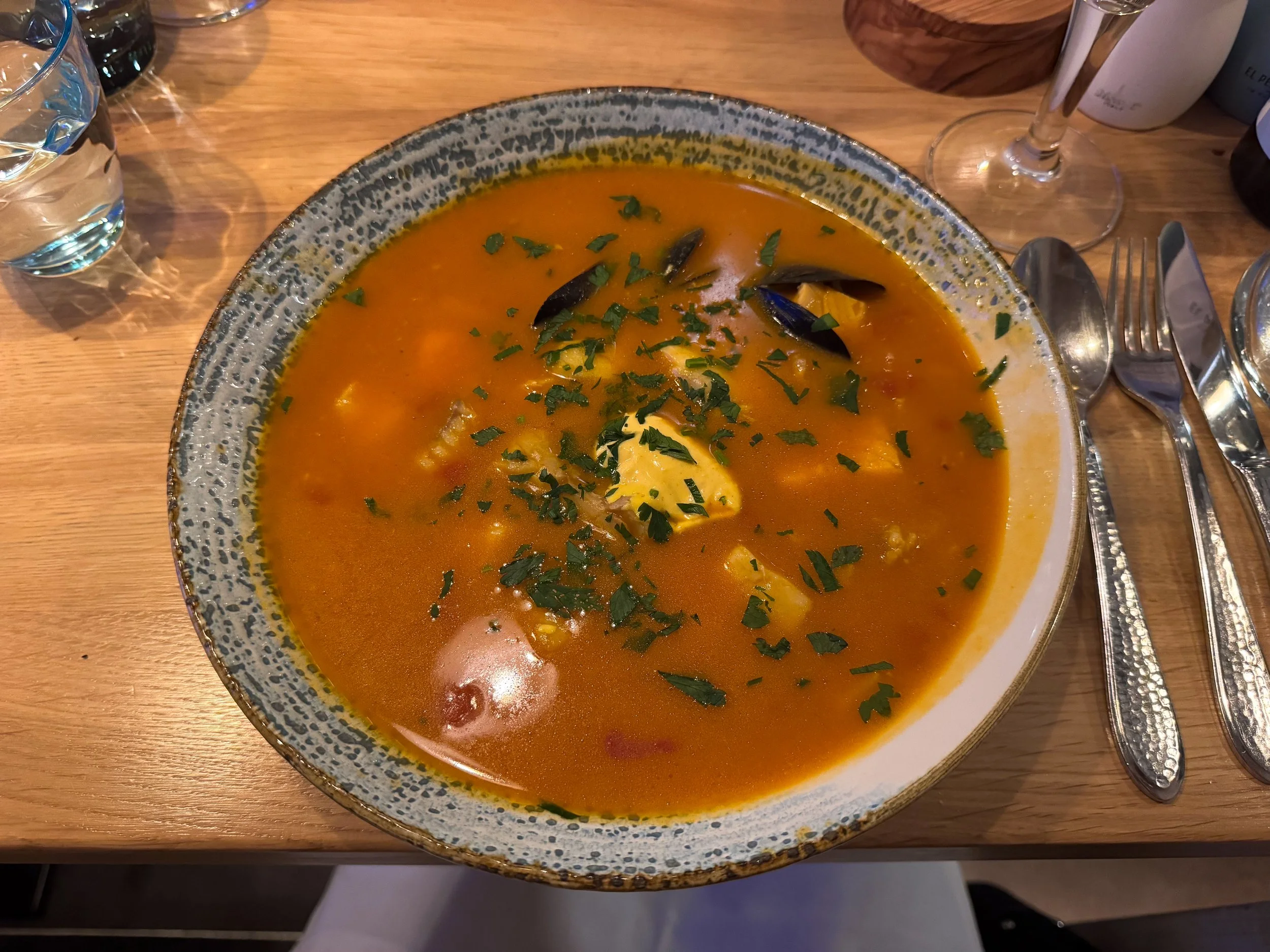
El Pescador. A seafood restaurant serving dishes in the Croatian and Balkan tradition. Order a whole grilled or fried fish, the seafood soup or mussels and clams.
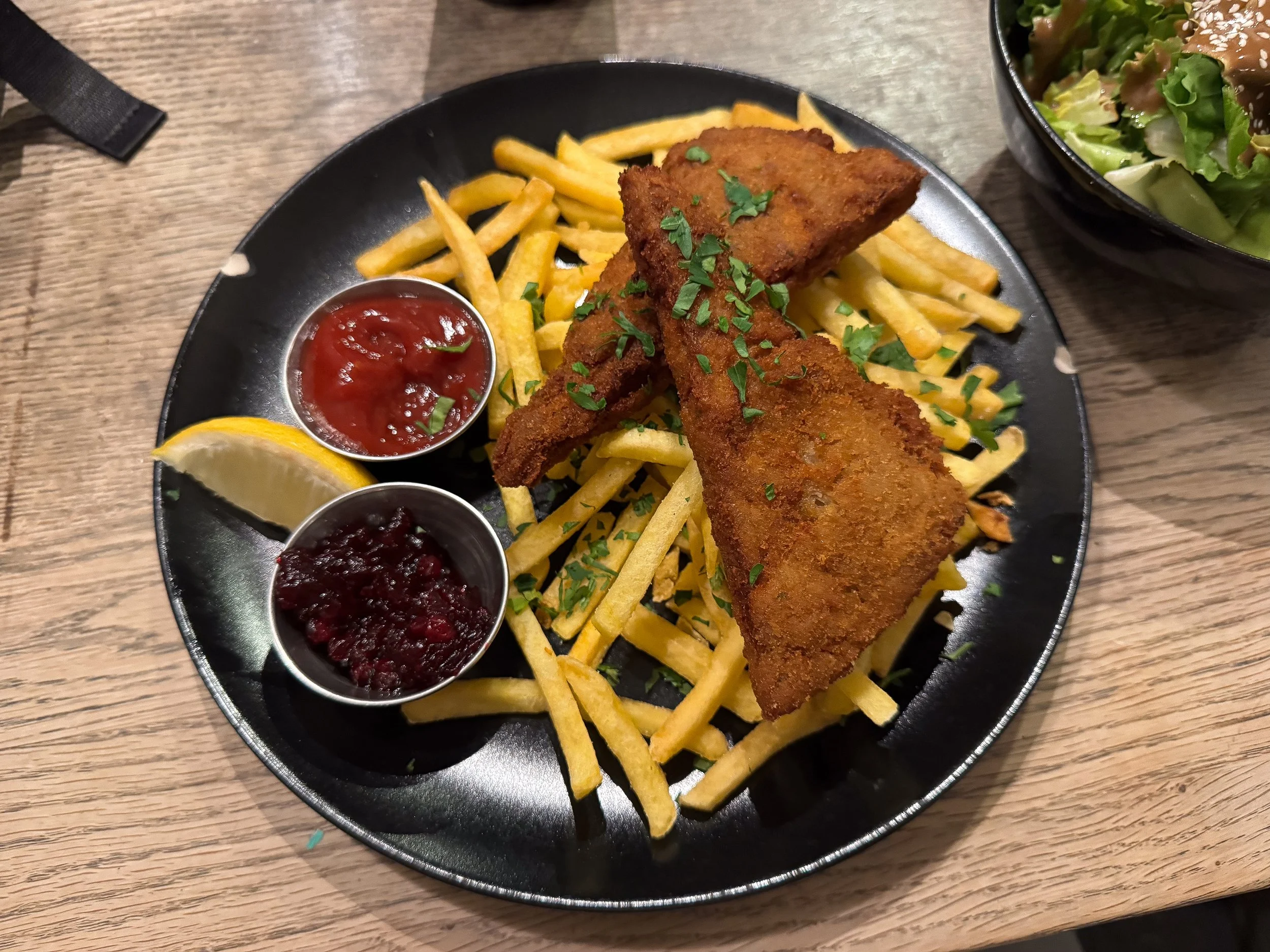
Café Erde. A vegan restaurant serving traditional Austrian dishes like schnitzel served with frites and Styrian salad.
Restaurant Schlossberg. A high end restaurant atop Schlossberg Hill, serving elevated Austrian dishes and local wines with sweeping views over Graz and the distant mountains. Try the Kasnudeln (filled pasta dumplings), the Spargelrisotto (white asparagus risotto) and the Topfenstrudel (a sweet cheese-filled pastry).
Graz Stand 5 Hauptplatz. A kiosk on the Hauptplatz serving traditional Austrian sausages, griddled and sandwiched in a lightly toasted bun with mustard, freshly shredded horseradish and lettuce. It’s also one of the few spots offering a vegetarian version made from potatoes and spices.
Noël. A popular cocktail bar tucked inside a medieval stone vaulted space in Lend. Come for a gin and tonic made with their house gins. Drinks are reasonably priced, but it’s cash only.
Coco. A bar specializing in tropical and tiki style cocktails garnished with citrus flowers. Stop by during the early evening happy hour for discounted drinks.
Biergarten Breze. A seasonal beer garden atop Schlossberg Hill with panoramic views over the city and forested mountains beyond. Stop by for a local beer and a pretzel while exploring the hill, then come back at sunset.
Klapotetz Weinbar. A local wine bar tucked into a courtyard off Herrengasse, pouring Austrian wines by the glass or bottle. Tell the sommelier what you like, and they’ll guide you to the perfect pour.
Eis Greissler. An ice cream shop scooping inventive local flavors like poppy seed, pumpkin seed oil, chestnut, beer, Topfen (a fresh Austrian curd cheese) and Zotter chocolate.
Hofbäckerei Edegger-Tax. A historic bakery dating back to 1569. Its carved wooden storefront opens into a warmly lit interior with shelves of cookies and freshly baked pastries. Try a Nussecke, a triangular pastry topped with slivered almonds and dipped in chocolate.
Styrian Food & Drink to Try
Pumpkin Seed Oil. A Styrian specialty pressed from roasted pumpkin seeds, with a deep green color and a rich, nutty flavor and aroma.
Käsespätzle. Egg noodles layered with melted cheese and topped with crispy onions, an Austrian comfort food similar to mac and cheese.
Schnitzel. Austria’s national dish, traditionally made with thinly pounded veal that’s breaded and panfried until crispy.
Sausage. Pork and beef sausages served boiled, griddled or smoked. They’re often sold at food trucks and kiosks, sandwiched into a crunchy bun and garnished with mustard, horseradish and lettuce.
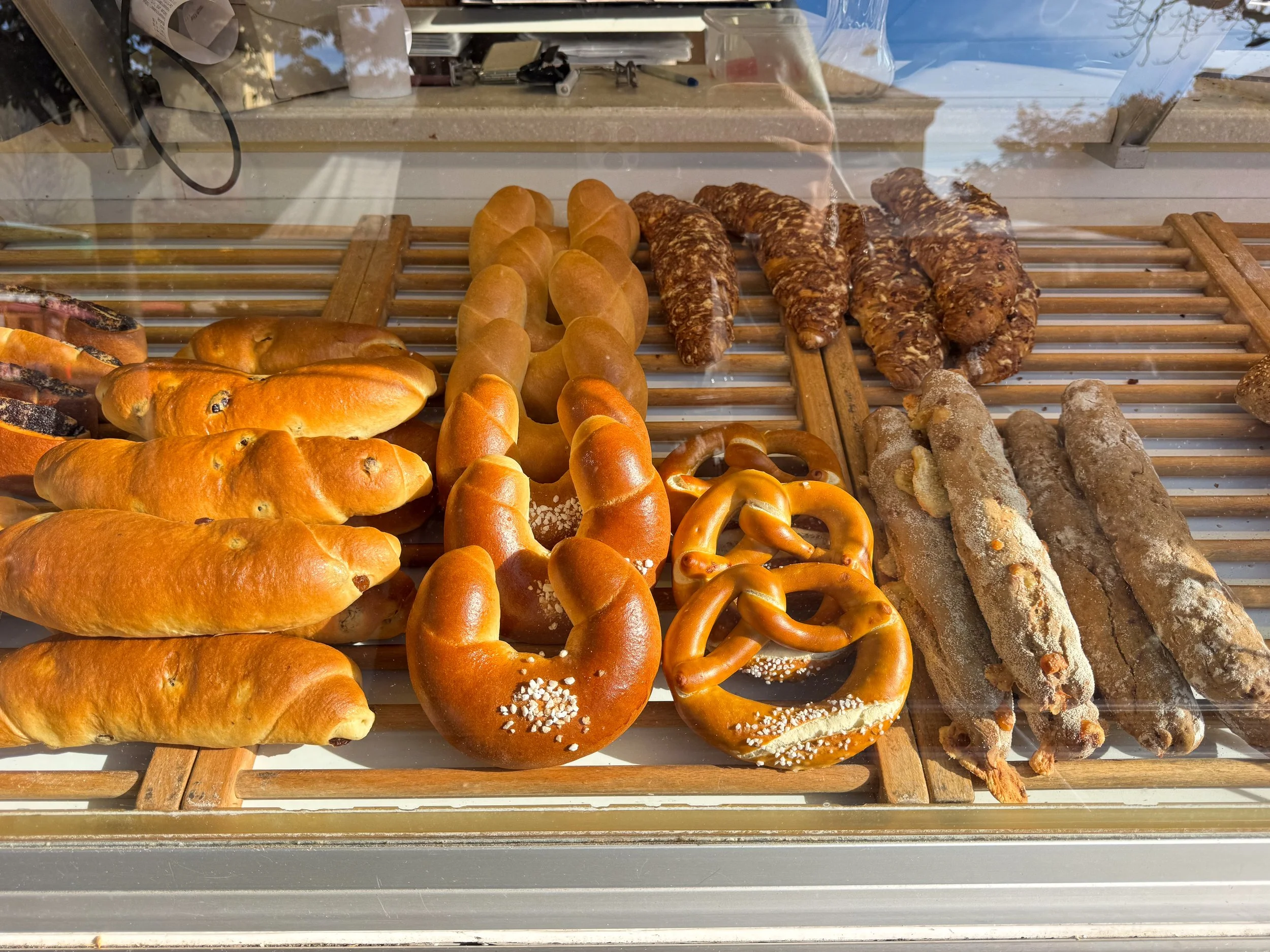
Pretzel. A staple bread shaped into a symmetrical and looped knot. The traditional lye dipped versions have a dark and crunchy crust with a light and pillowy interior.
Brötchen. Beautifully presented open faced sandwiches topped with an array of vegetables, meats, fish, eggs and herbs. They’re typically served at deli counters.
Semmelknödel. A large bread dumpling typically served with a savory meat or mushroom gravy. Tear it into pieces rather than cutting it, so it soaks up the gravy before eating.
Runner Bean Salad. A cold salad made from large scarlet runner beans marinated in apple cider vinegar and pumpkin seed oil.
Pumpkin Cream Soup. A savory autumn soup made from puréed pumpkin and cream, finished with a drizzle of pumpkin seed oil.
Styrian Salad. A salad made with a variety of crisp lettuce, tomatoes, cucumbers, onions and a generous portion of pumpkin seed oil.
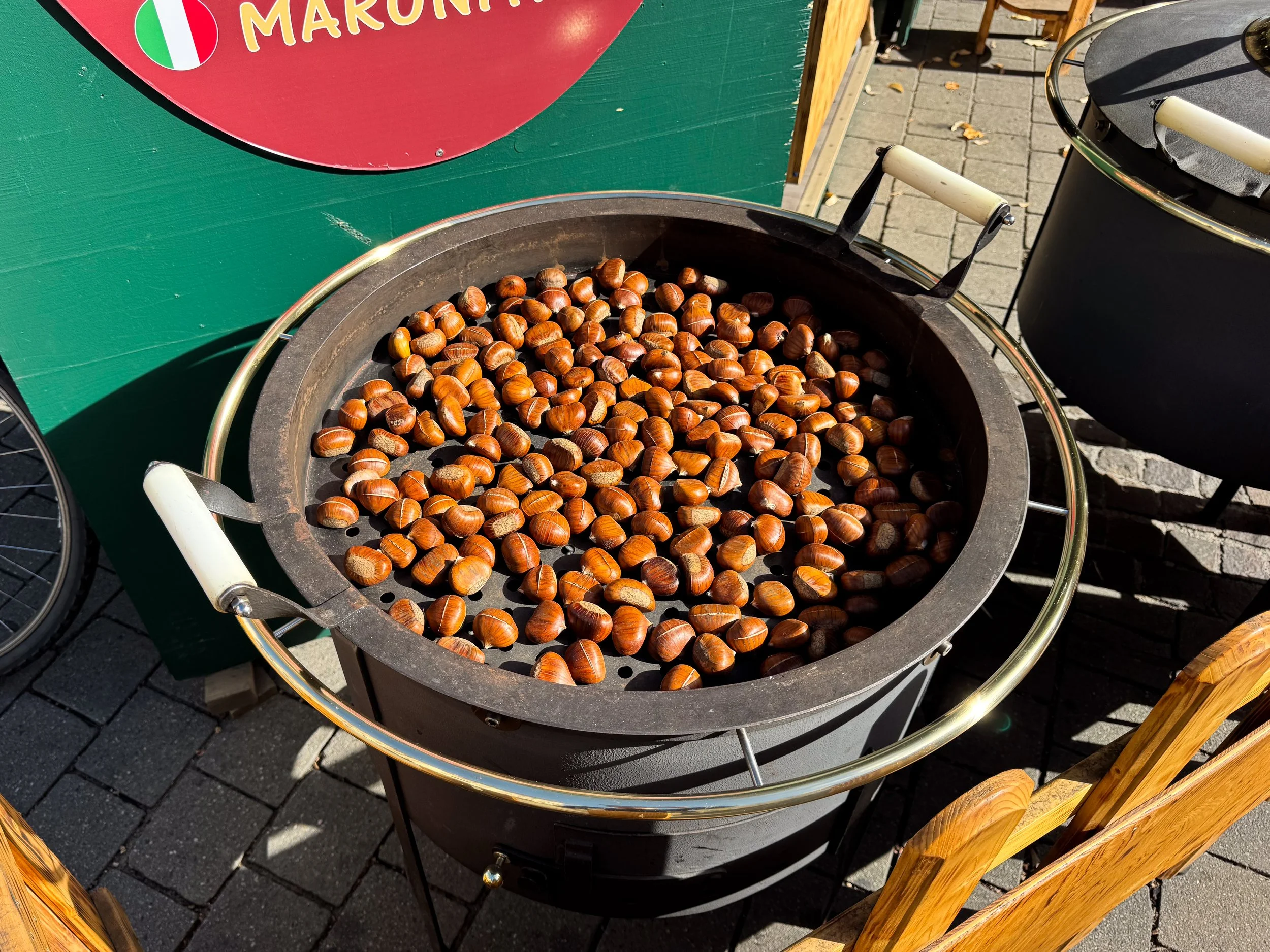
Roasted Chestnuts. A symbol of autumn in Austria, chestnuts are roasted by street vendors in steel pans and served in paper cones. They have a starchy texture and a sweet, nutty flavor.
Apfelstrudel. A dessert made from cooked apples, spices and raisins, all wrapped in a thin pastry jacket and dusted with powdered sugar.
Sturm. A lightly sparkling and semi sweet wine served from September through October during the grape harvest. It’s low in alcohol and often paired with roasted chestnuts or hearty Austrian dishes.
Gösser. A Styrian beer served at restaurants, bars, beer gardens and kiosks across Graz. It’s light and crisp with a subtly nutty flavor, making it an easy drinking classic.
Getting Around Graz
On Foot. Graz’s old town and city center are compact and easy to explore on foot.
By Tram. Public trams run throughout the city. Buy tickets on board from the ticket machine.
By Car. To reach the castles and vineyards beyond Graz, renting a car is your best bet. Book with Sixt.
Know Before You Go
When to Visit Graz. Autumn is a magical time in Austria. The leaves change color as cooler days and longer nights set in, street vendors roast chestnuts and glasses of Sturm are poured across the region. With fewer tourists around, sights are easy to enjoy without the crowds. Aim for mid-October, before seasonal closures begin in November and the deeper cold arrives.
Language. German is the official language, spoken locally as Austrian German with a distinct Styrian dialect. English is widely spoken, but learning a few German phrases goes a long way.
Hello = Hallo
Good Morning = Guten Morgen
Goodbye = Auf Wiedersehen
Thank you = Danke or Danke schön
You’re welcome = Bitte or Bitte schön
Tipping. Tipping isn’t required, but leaving 5 to 10% for good service is customary when an option is given.
Cash vs. Card. Carry some Euros. Many small businesses, market vendors and food kiosks are cash only.
Reservations. Book reservations at restaurants in order to guarantee a seat.
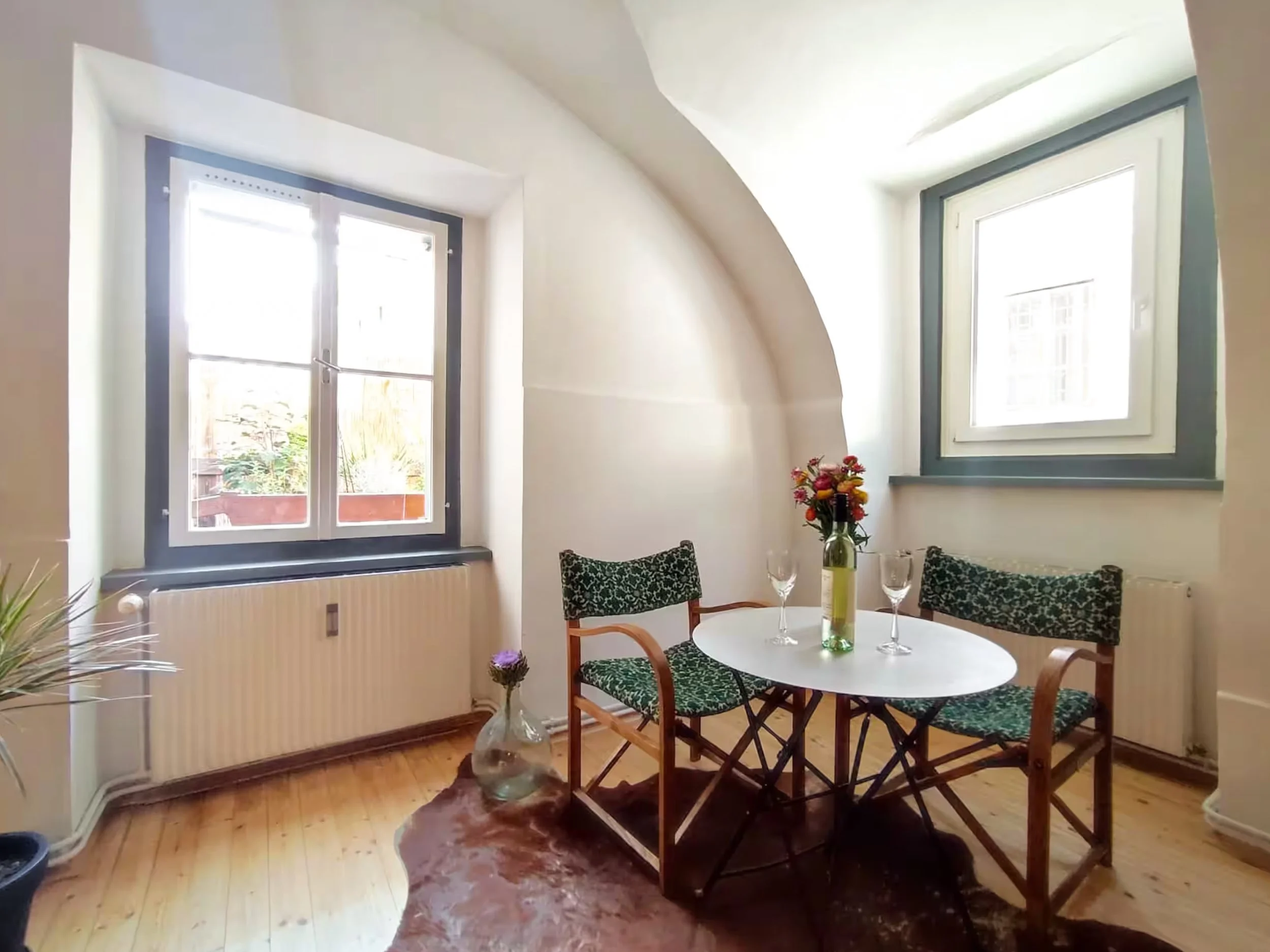
Where to Stay in Graz
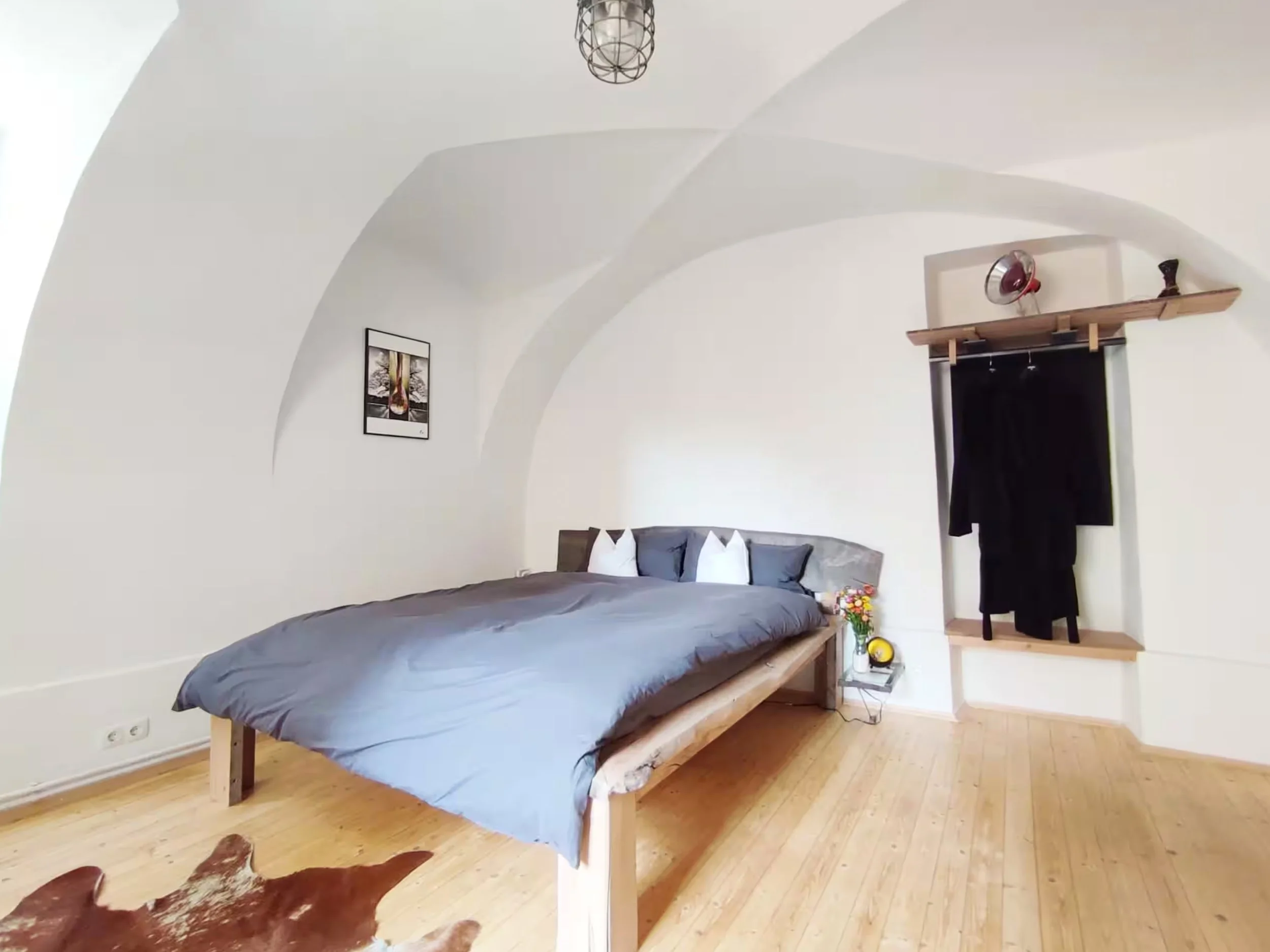
Lend Airbnb. A ground floor apartment in a historic home in Lend, with medieval vaulted ceilings, a comfortable bed, a small kitchenette and private bathroom. The hosts are warm and welcoming. Book on Airbnb.
For Next Time: Vienna, Hallstatt & Salzburg
During our next trip to Austria, we plan to visit other parts of the country including the capital city of Vienna, the mountain town of Hallstatt and the medieval city of Salzburg.