New Orleans Travel Guide: Food, Jazz & Local Culture
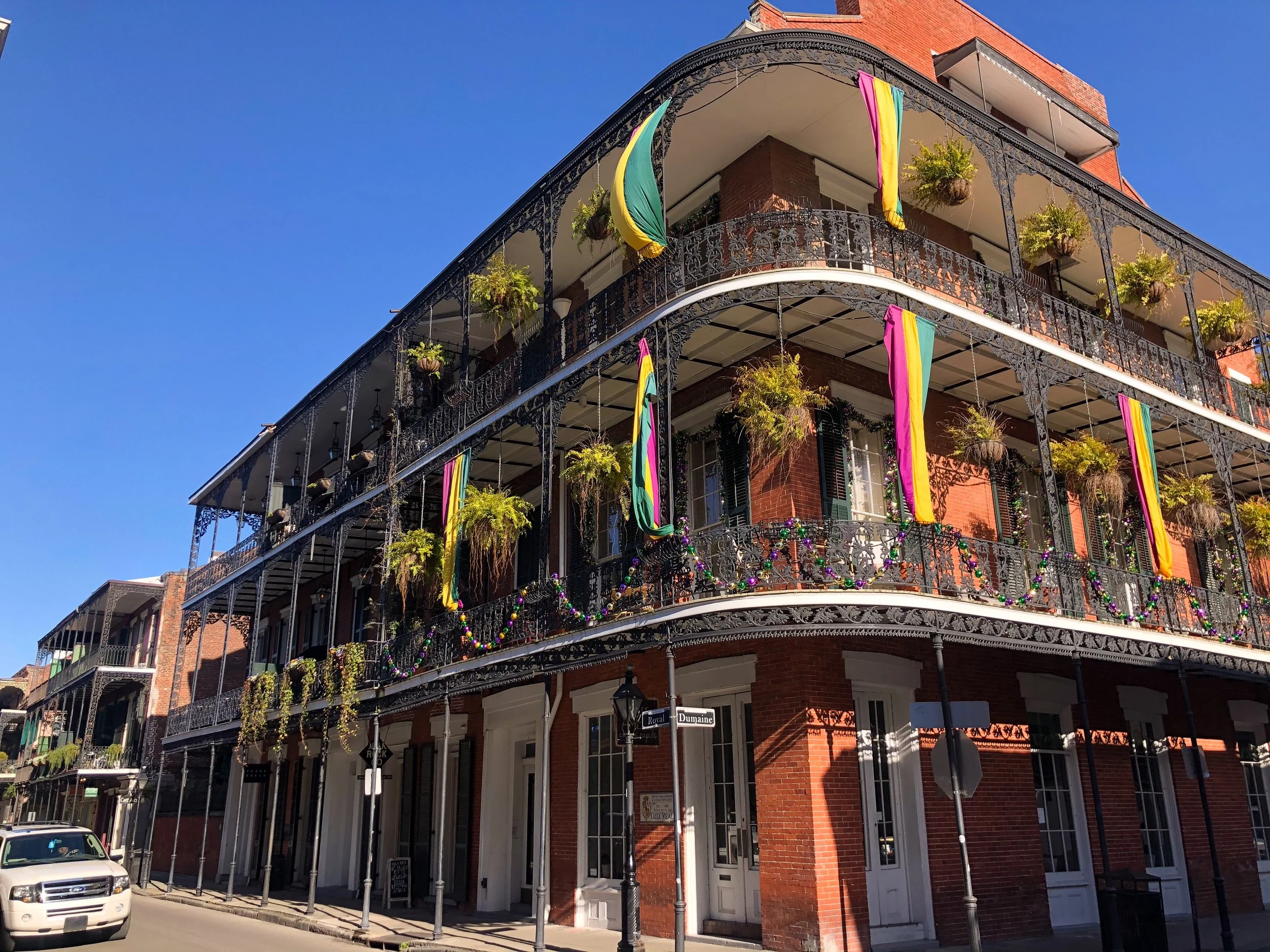
New Orleans, Louisiana
New Orleans is a historic city with a lively, liberal and romantic atmosphere. We fell in love with NOLA so much so that it’s where we decided to get married! Between visiting venues and wedding planning, we spent time indulging in the city’s unique Cajun cuisine and Creole flavors, riding the street car down oak lined boulevards, walking through residential neighborhoods to look at the colorful cottages, listening to Jazz echo from the bars while drinking in the streets and learning more about the city’s past. Above all, New Orleans is a place to relax and celebrate, one of the many reasons we chose it for our wedding day!
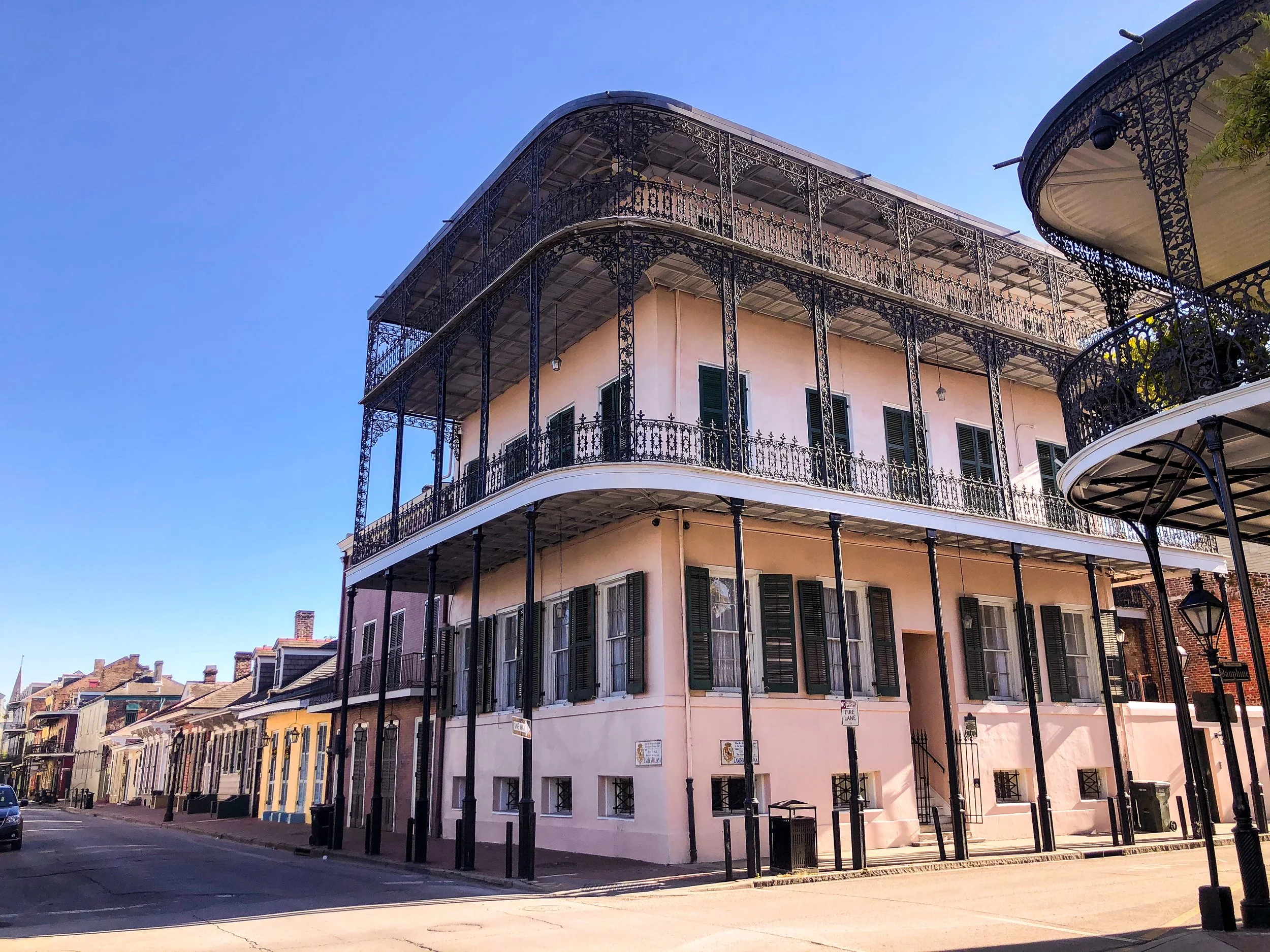
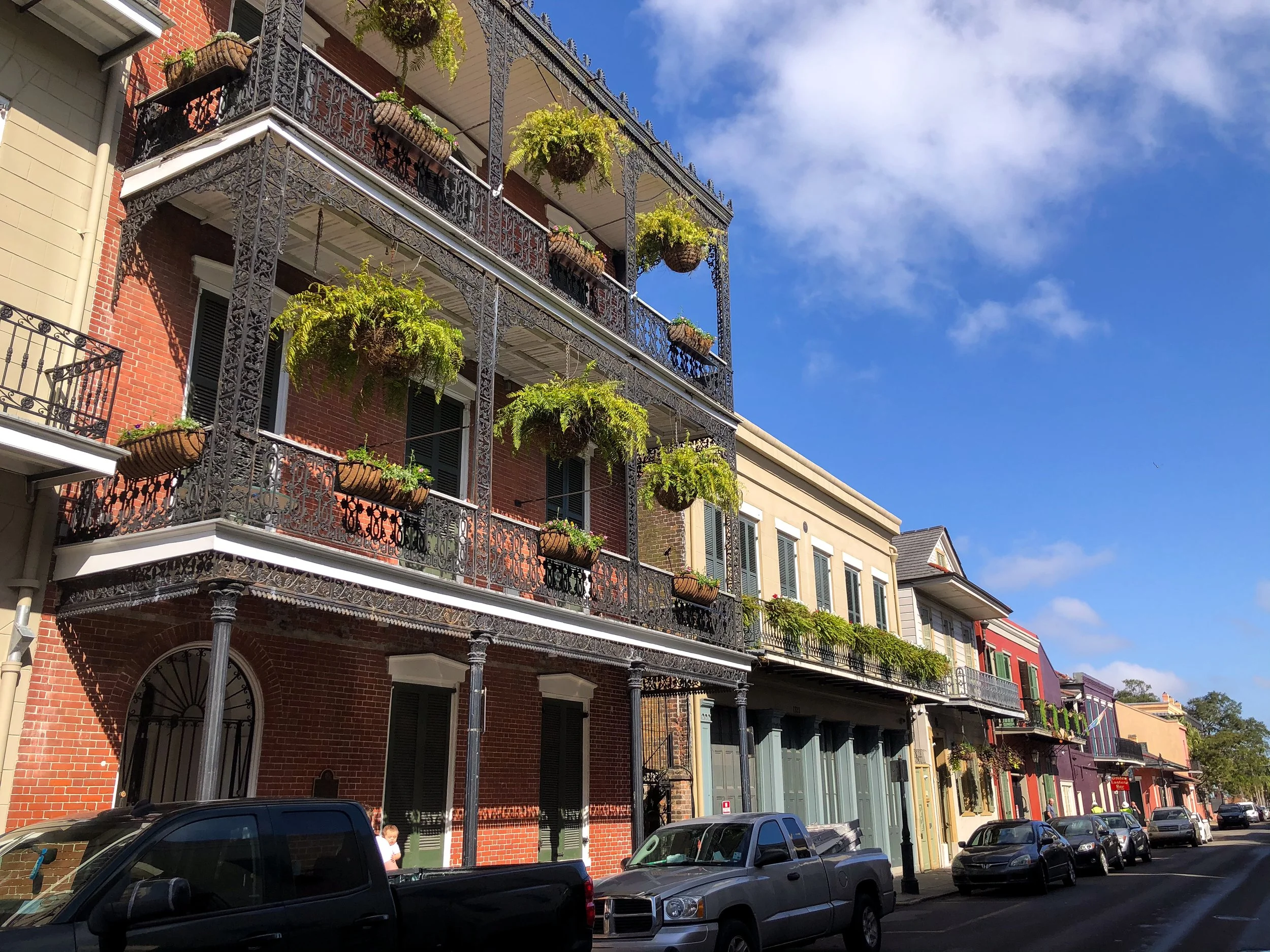
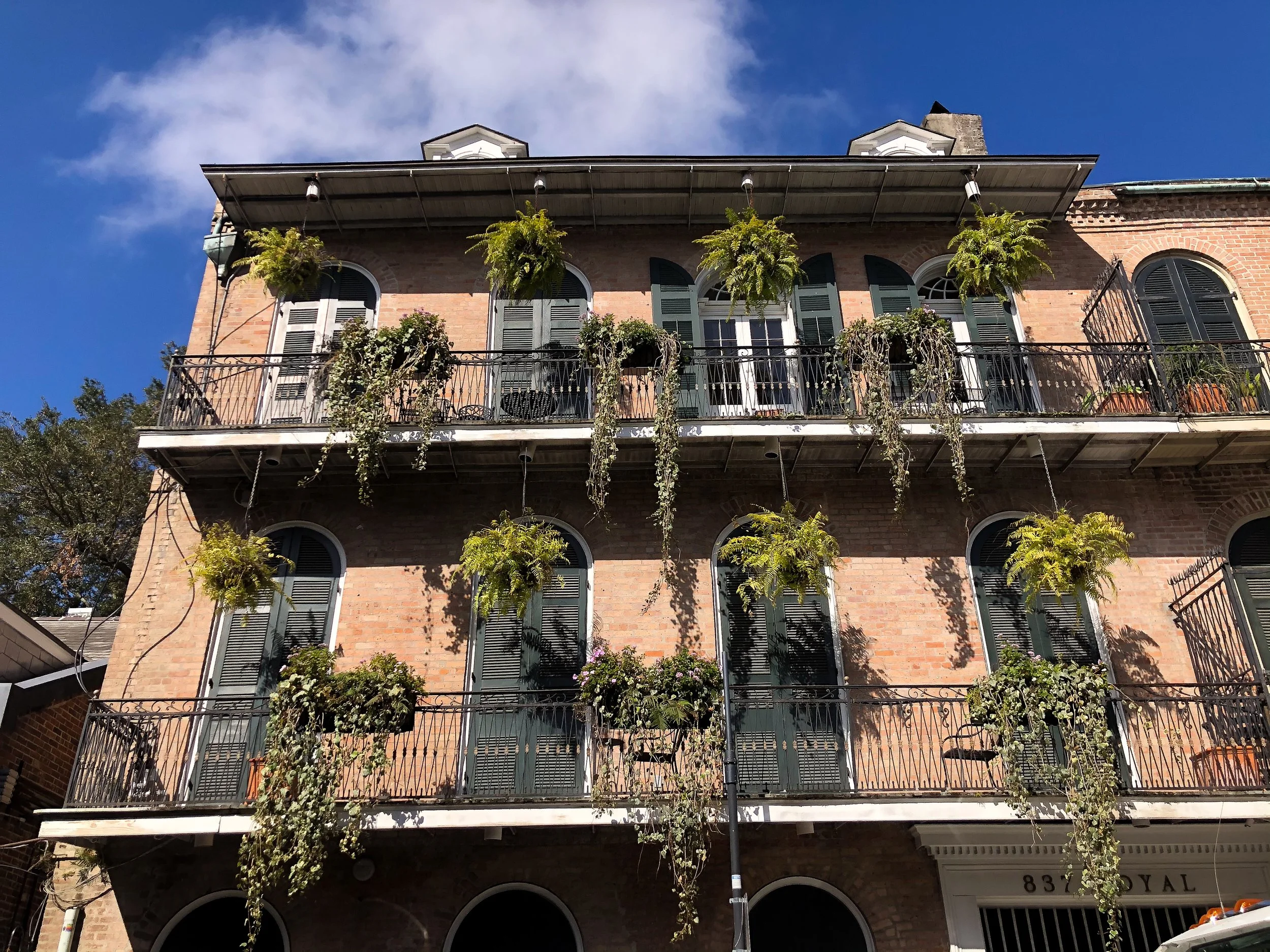
Explore the Neighborhoods & Streets
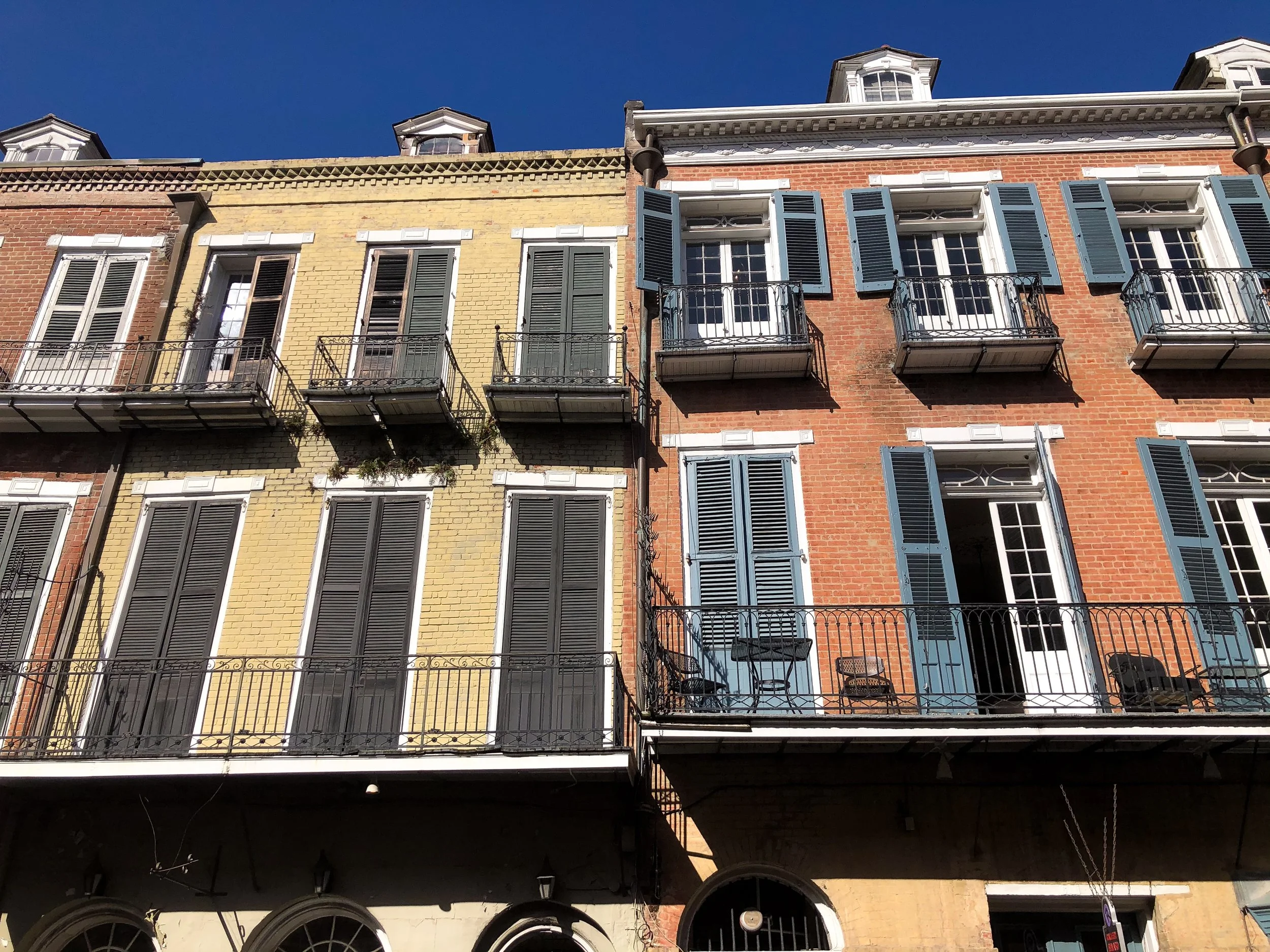
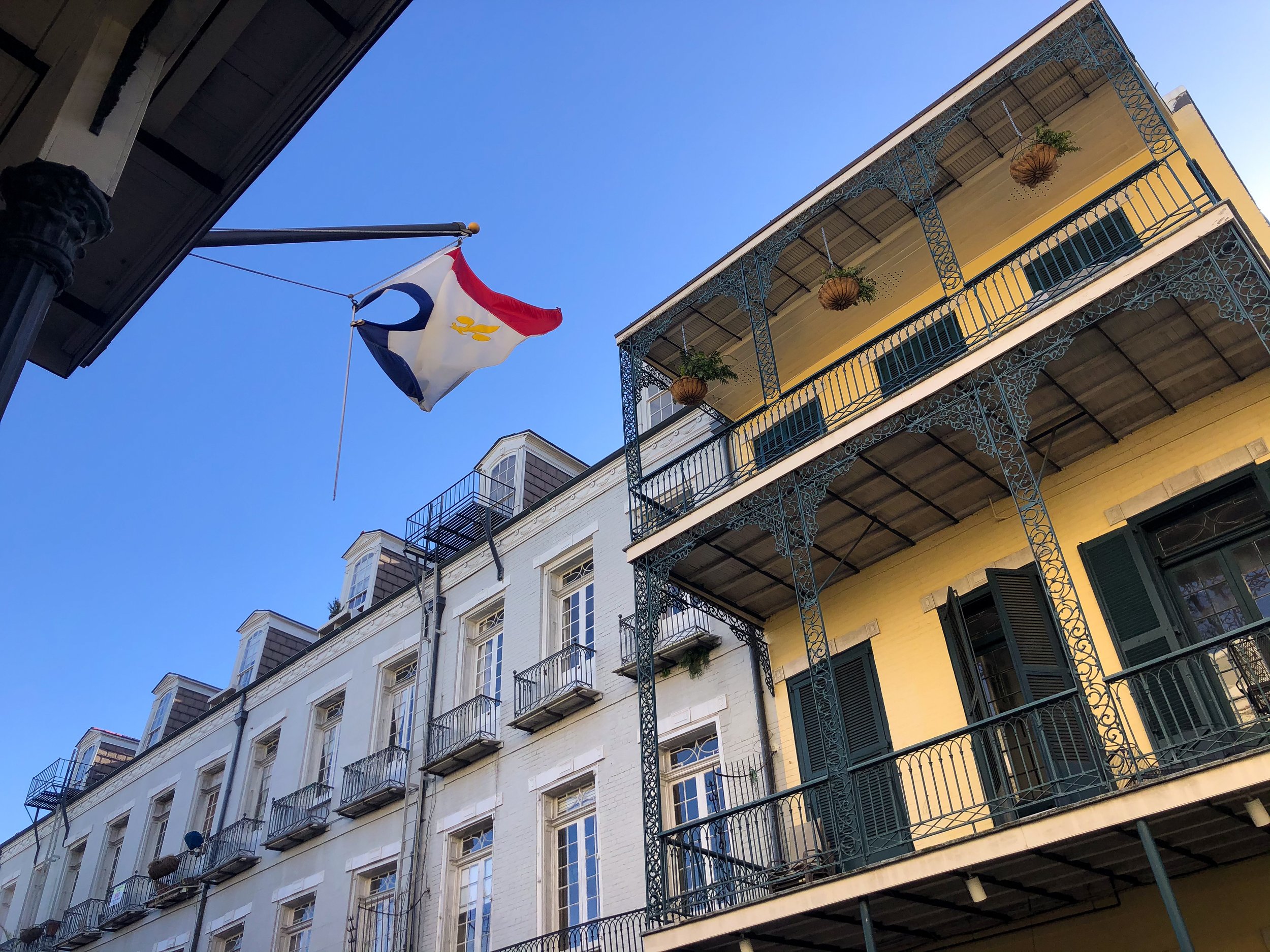
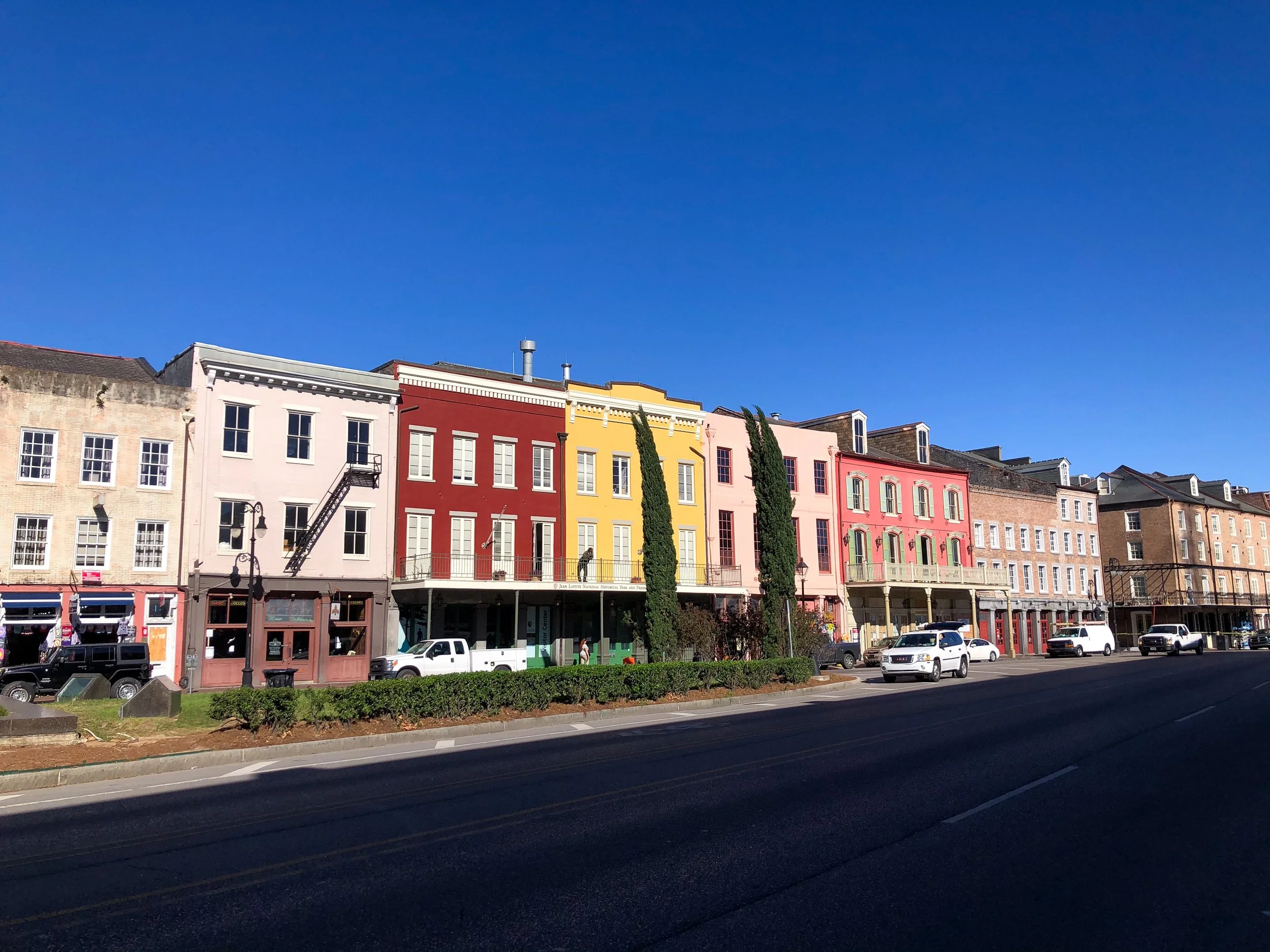
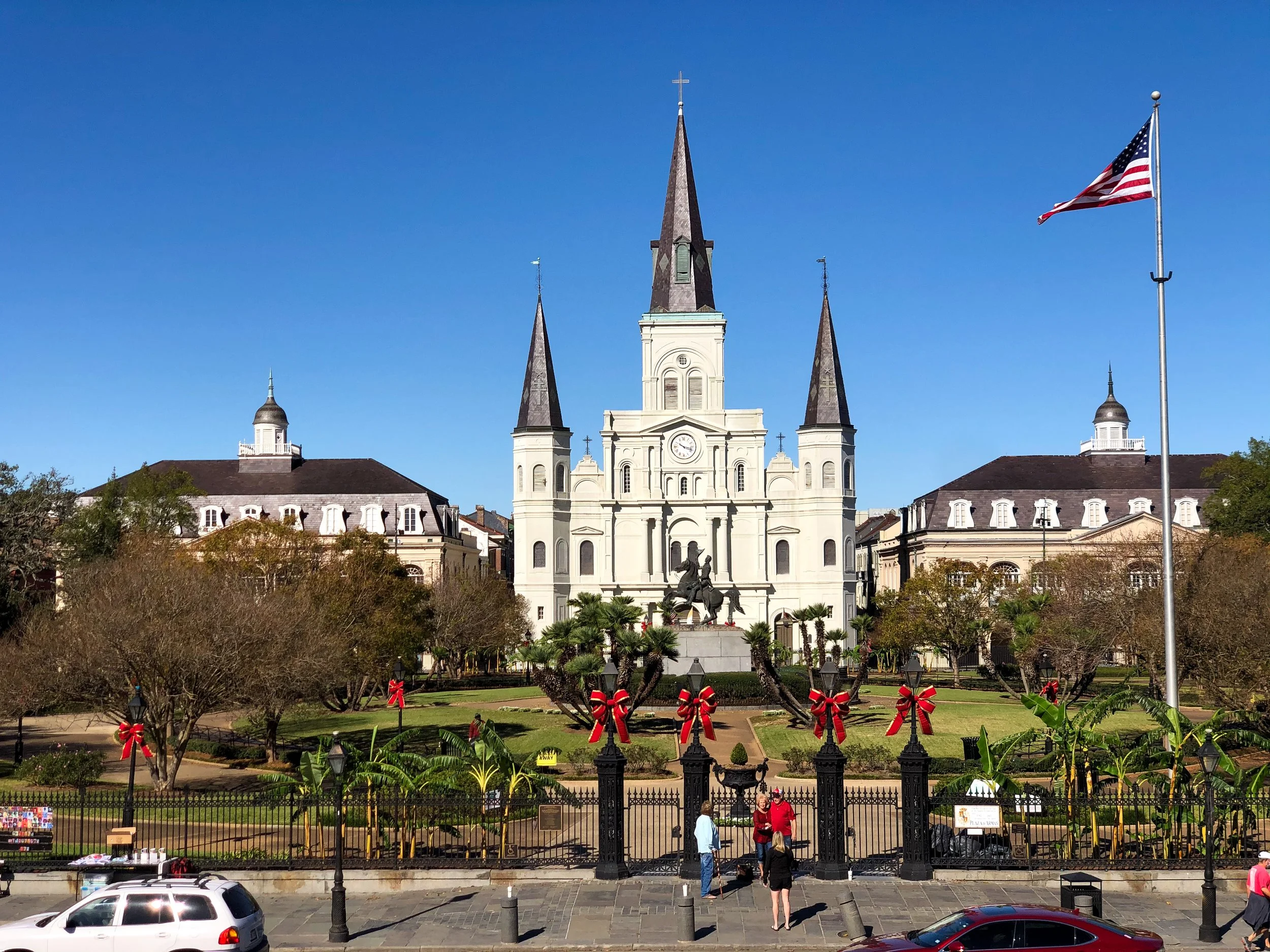
The French Quarter. The Quarter is the historic center of New Orleans with Spanish and French architecture, gas lit lanterns and cobblestone streets. It’s a hub for live jazz, all night cocktail bars and Creole cuisine. We loved wandering its quiet side streets as well as bar hopping on Bourbon Street.
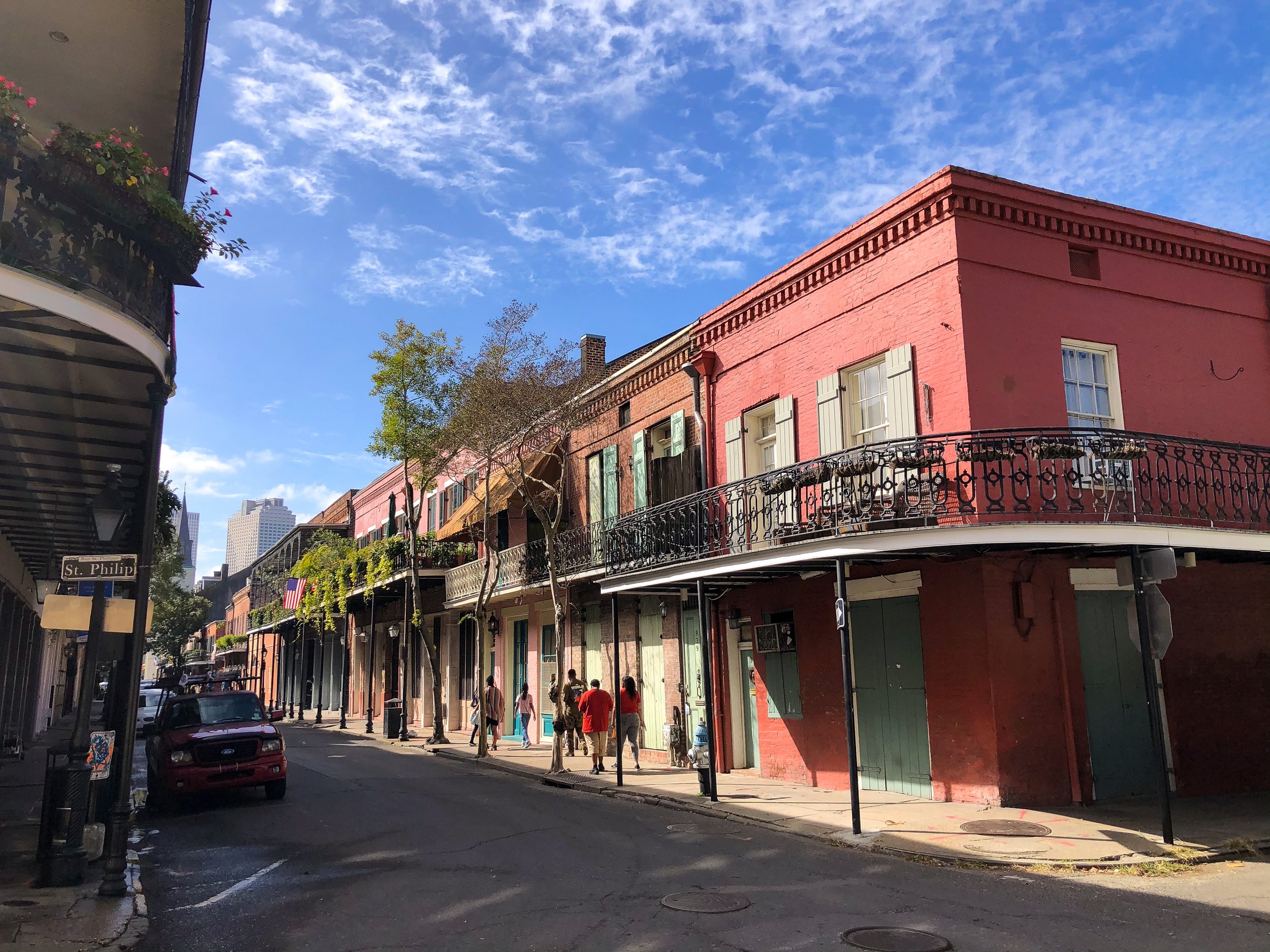
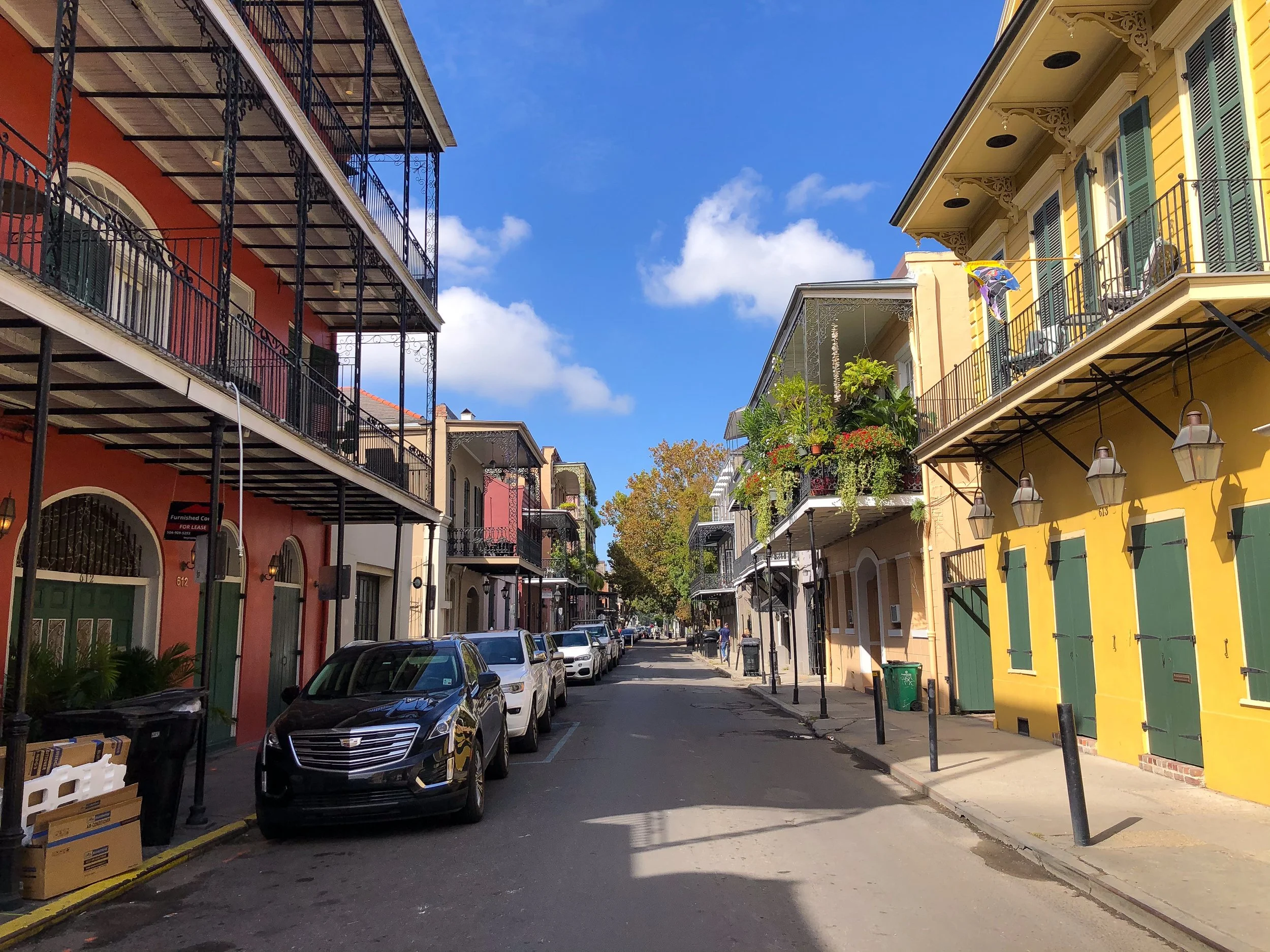
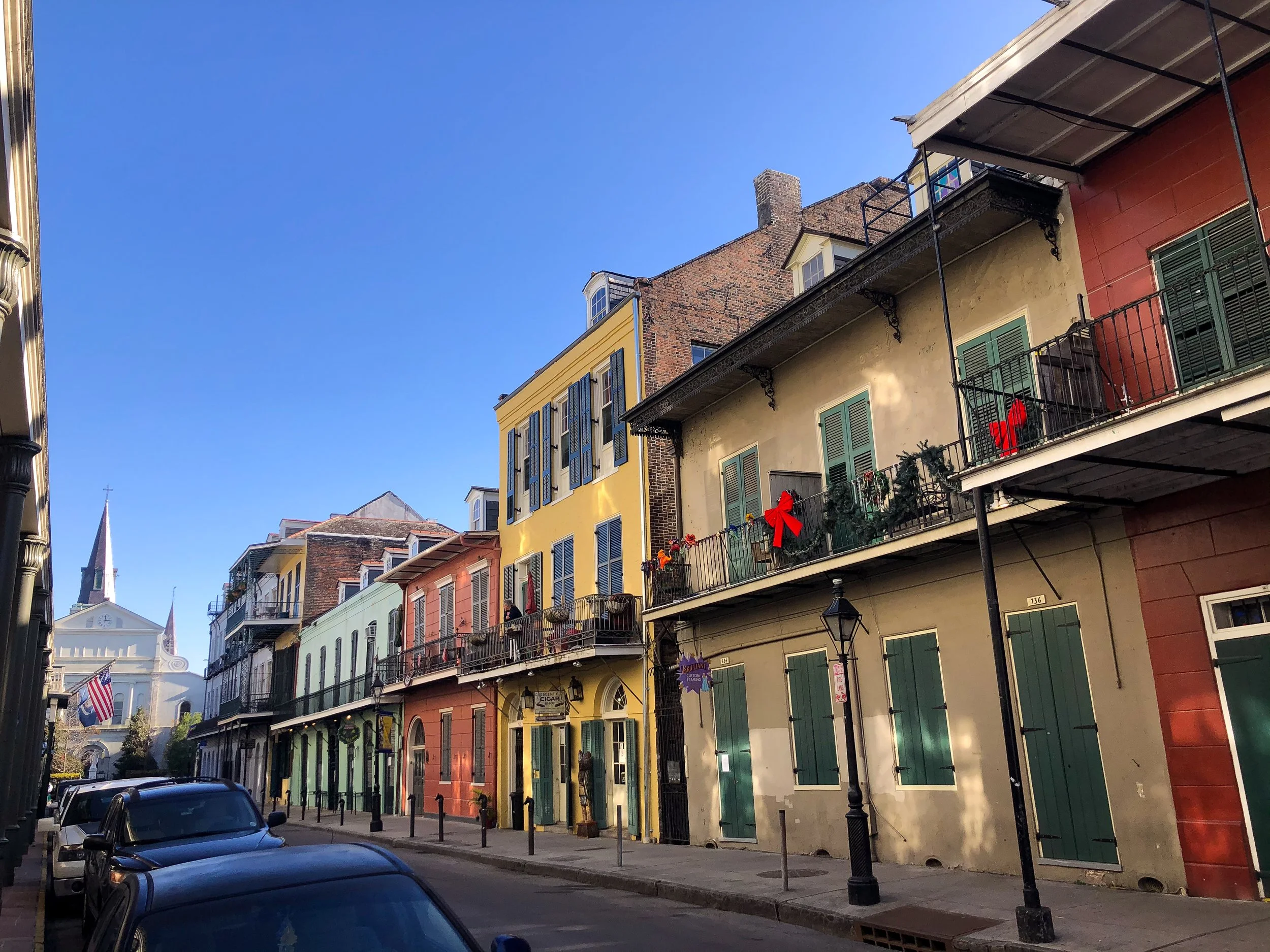
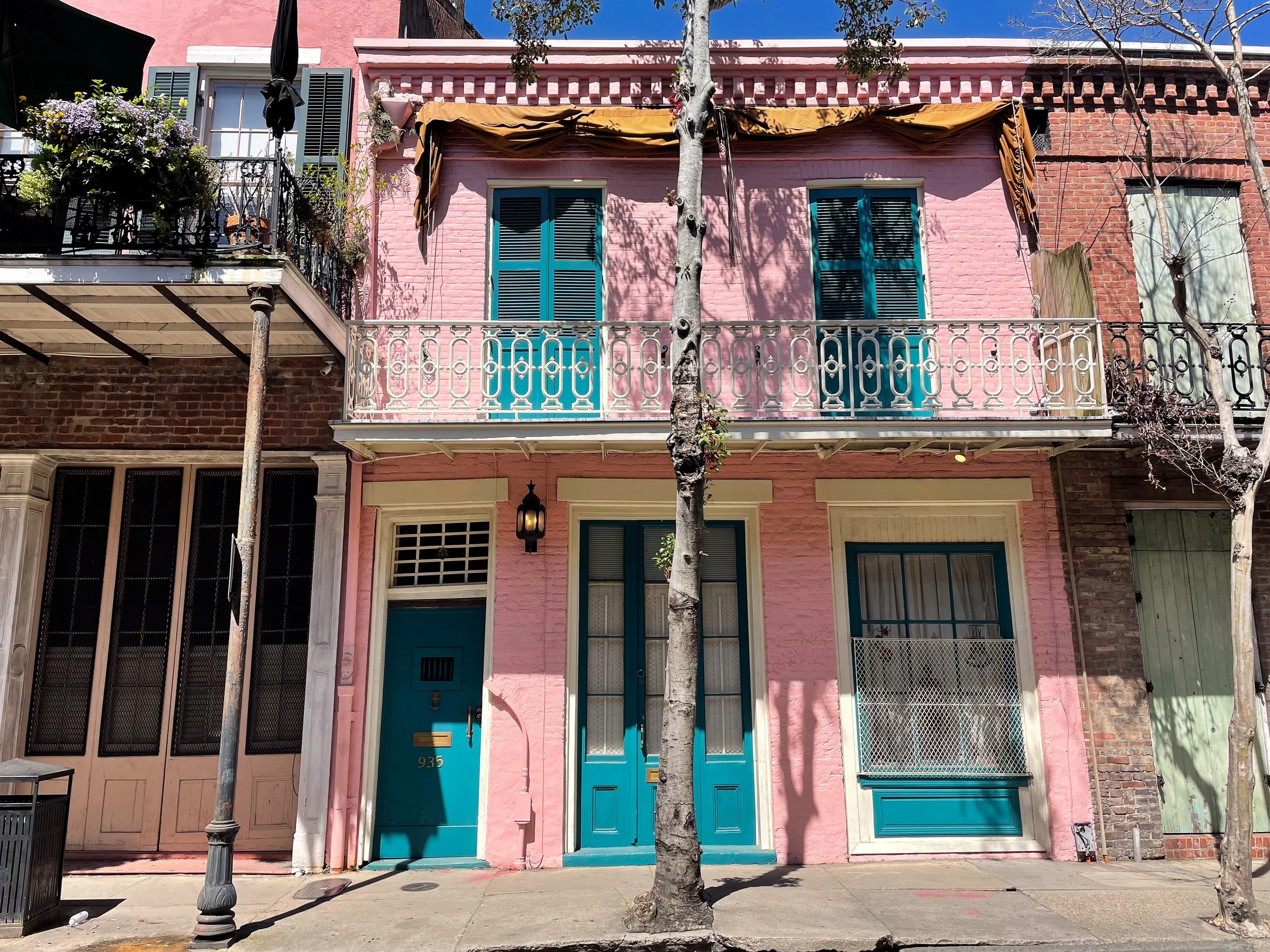
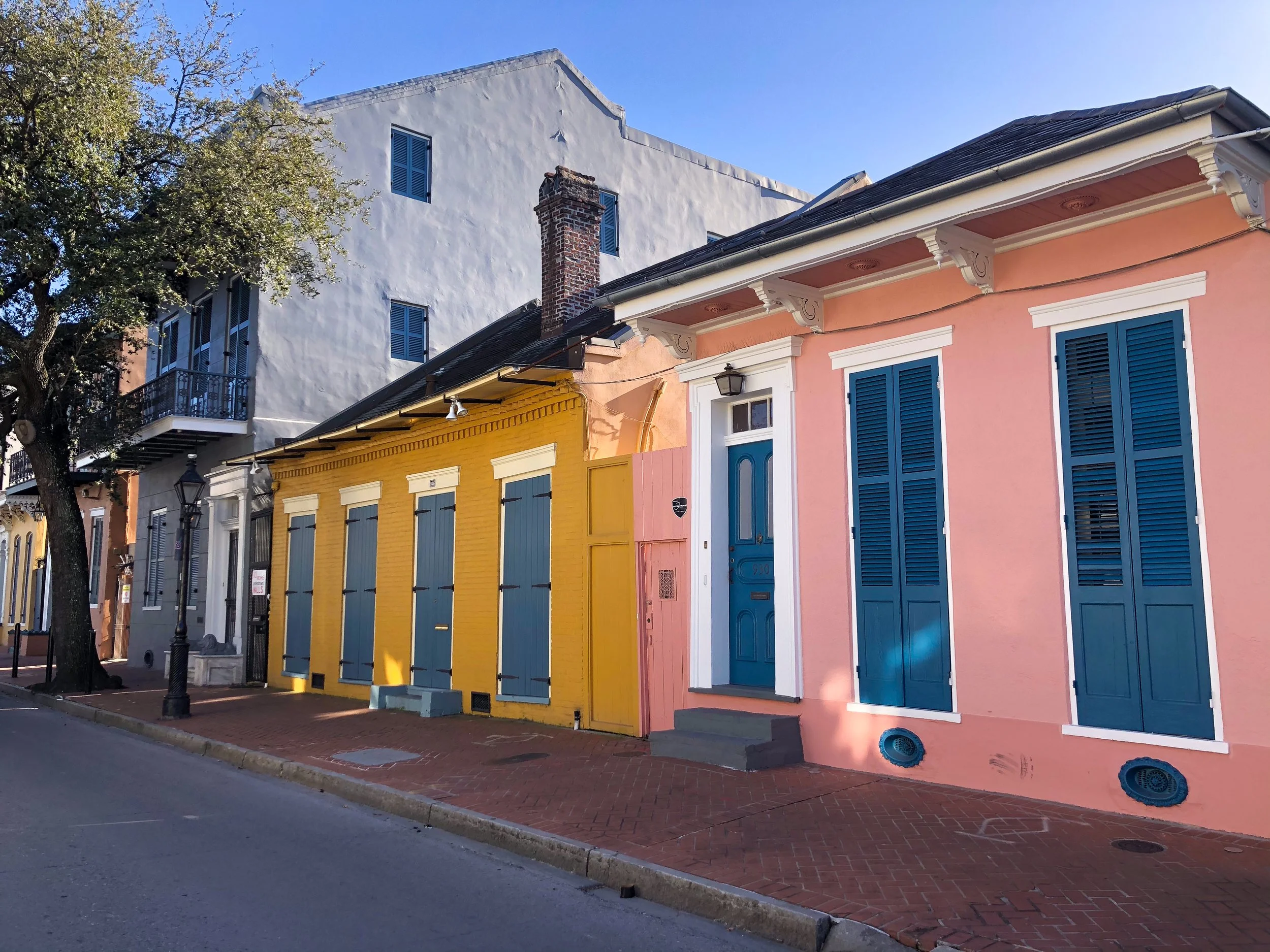
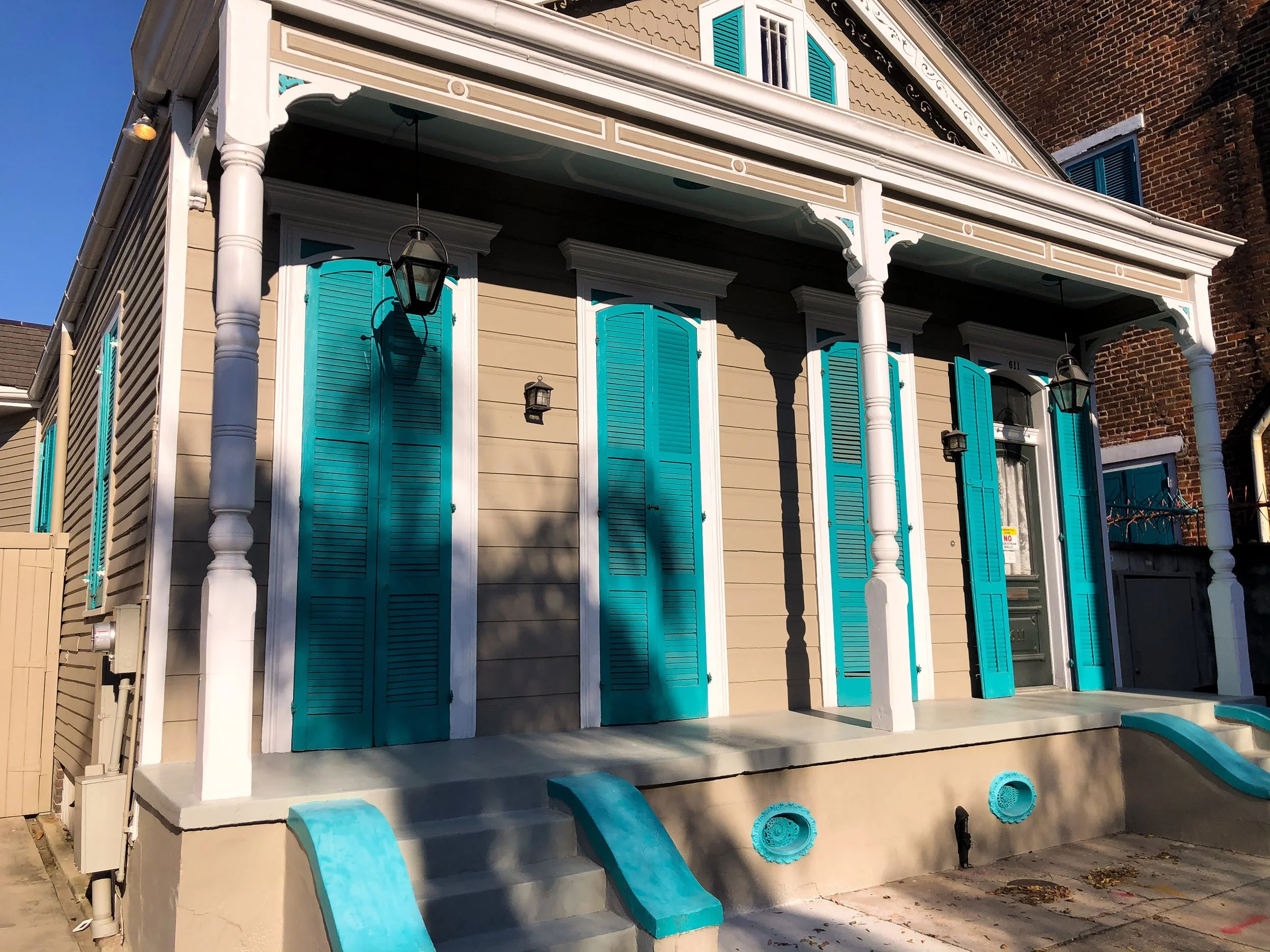
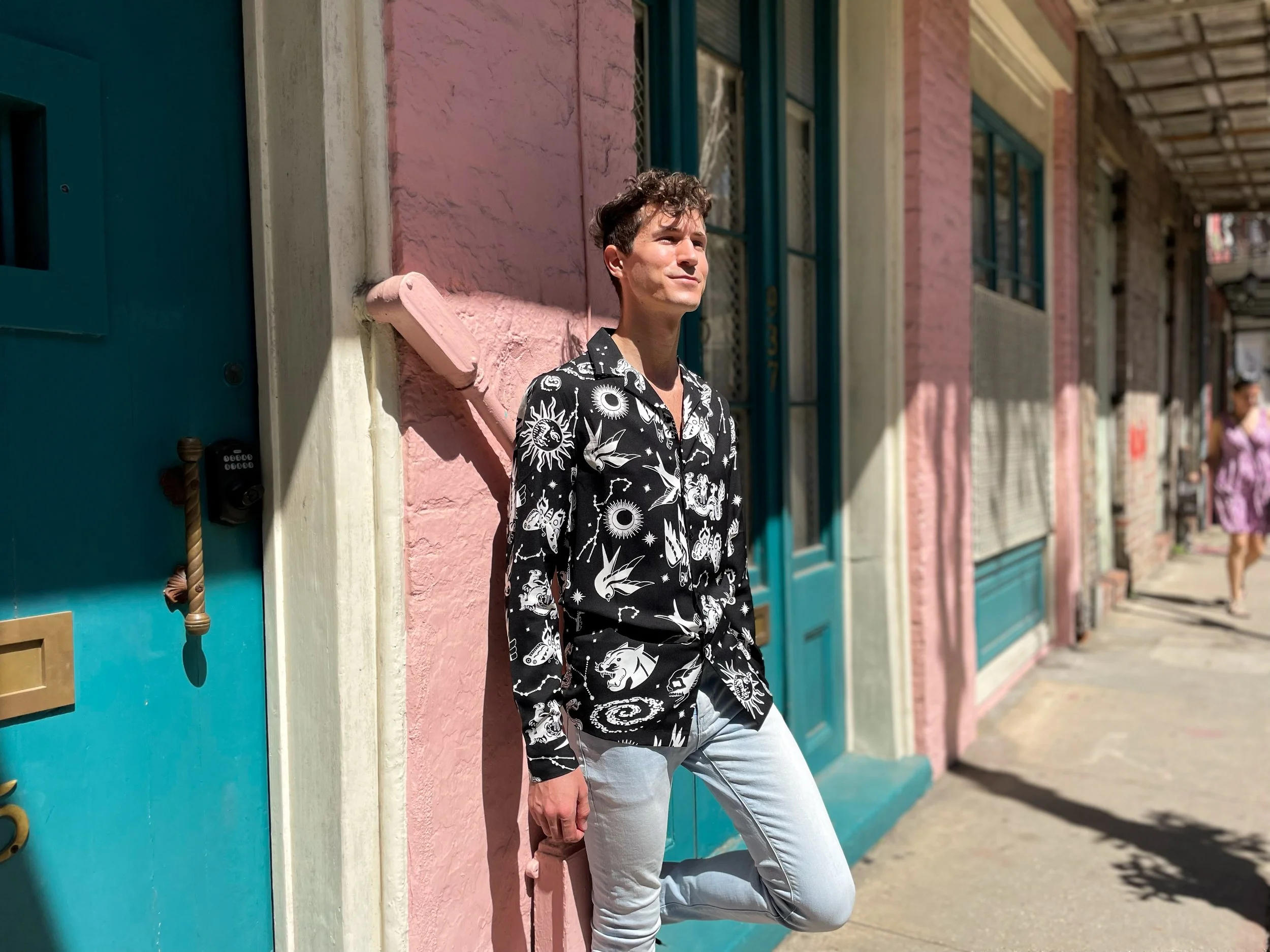
Bourbon Street. The city’s most well known street located in the French Quarter. This street is often packed with people flaunting Mardi Gras beads, having the fortunes read and ordering to-go drinks from the colorfully lit all night bars. It gets a bit crazy but is worth visiting at least once.
Lavender Line. Not technically a street but it encompasses a number of gay bars in the French Quarter north of Bourbon Street, many along St. Ann Street. Some of our favorites are Café Lafitte in Exile and Good Friends Bar.
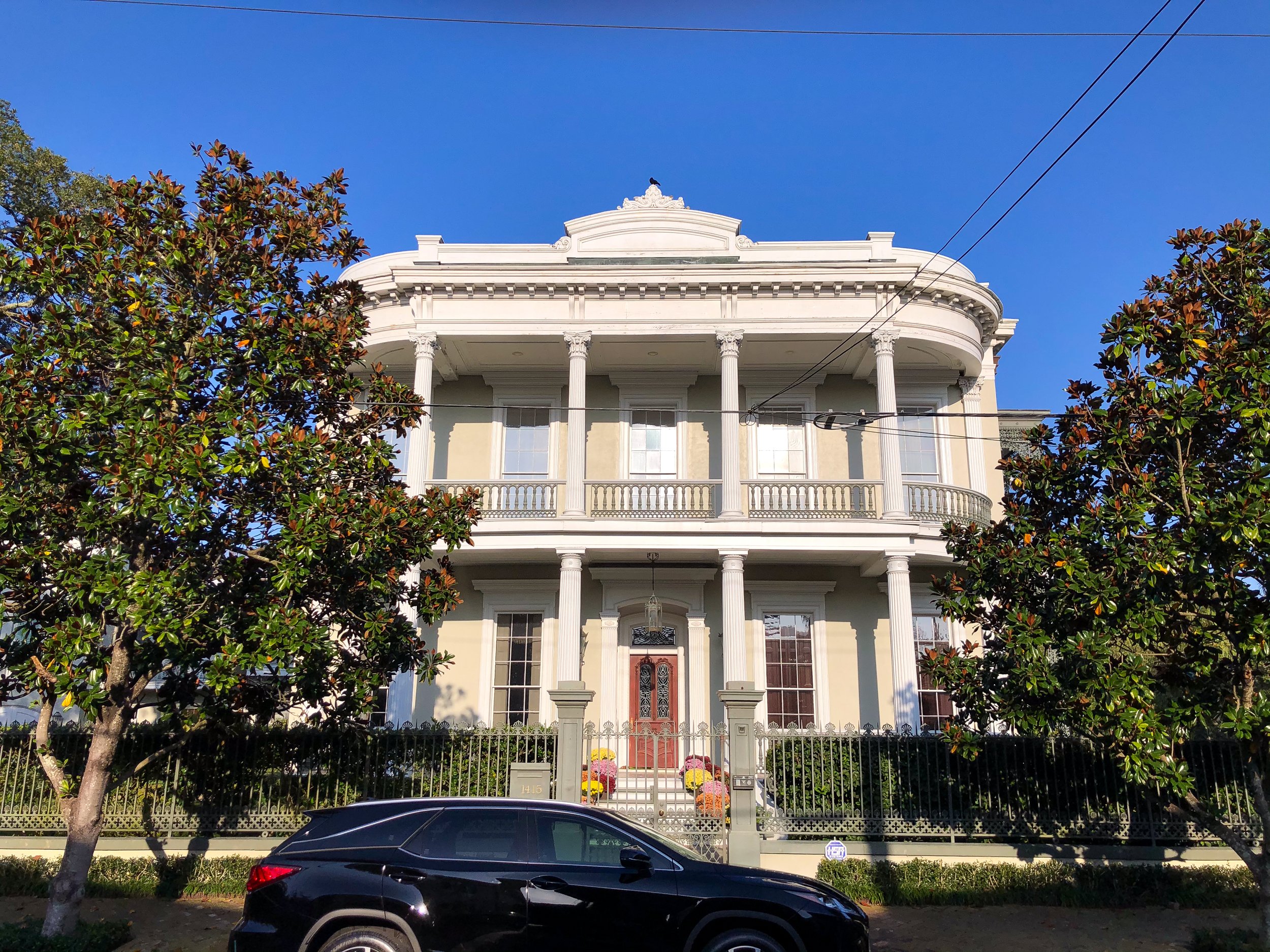
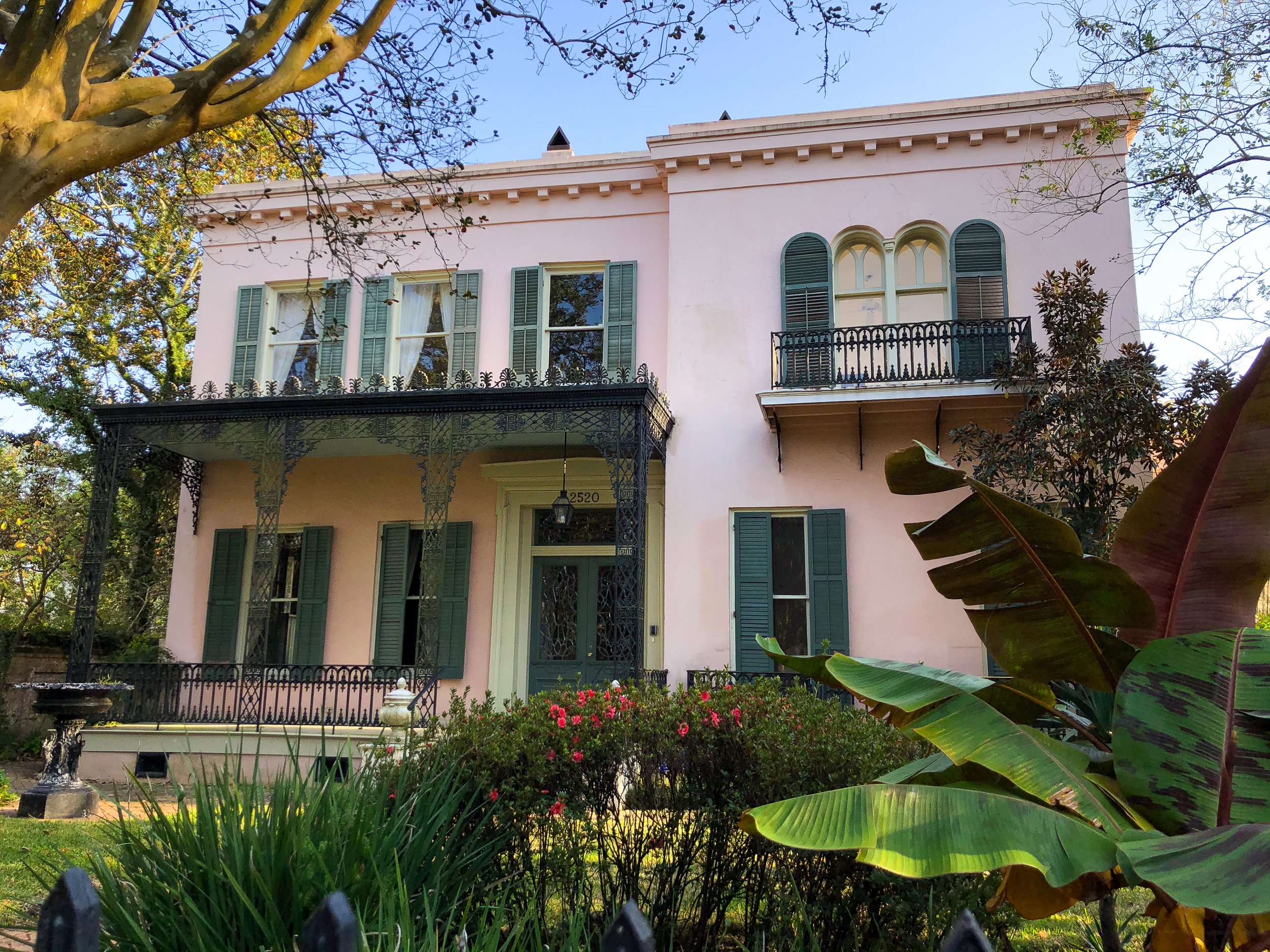
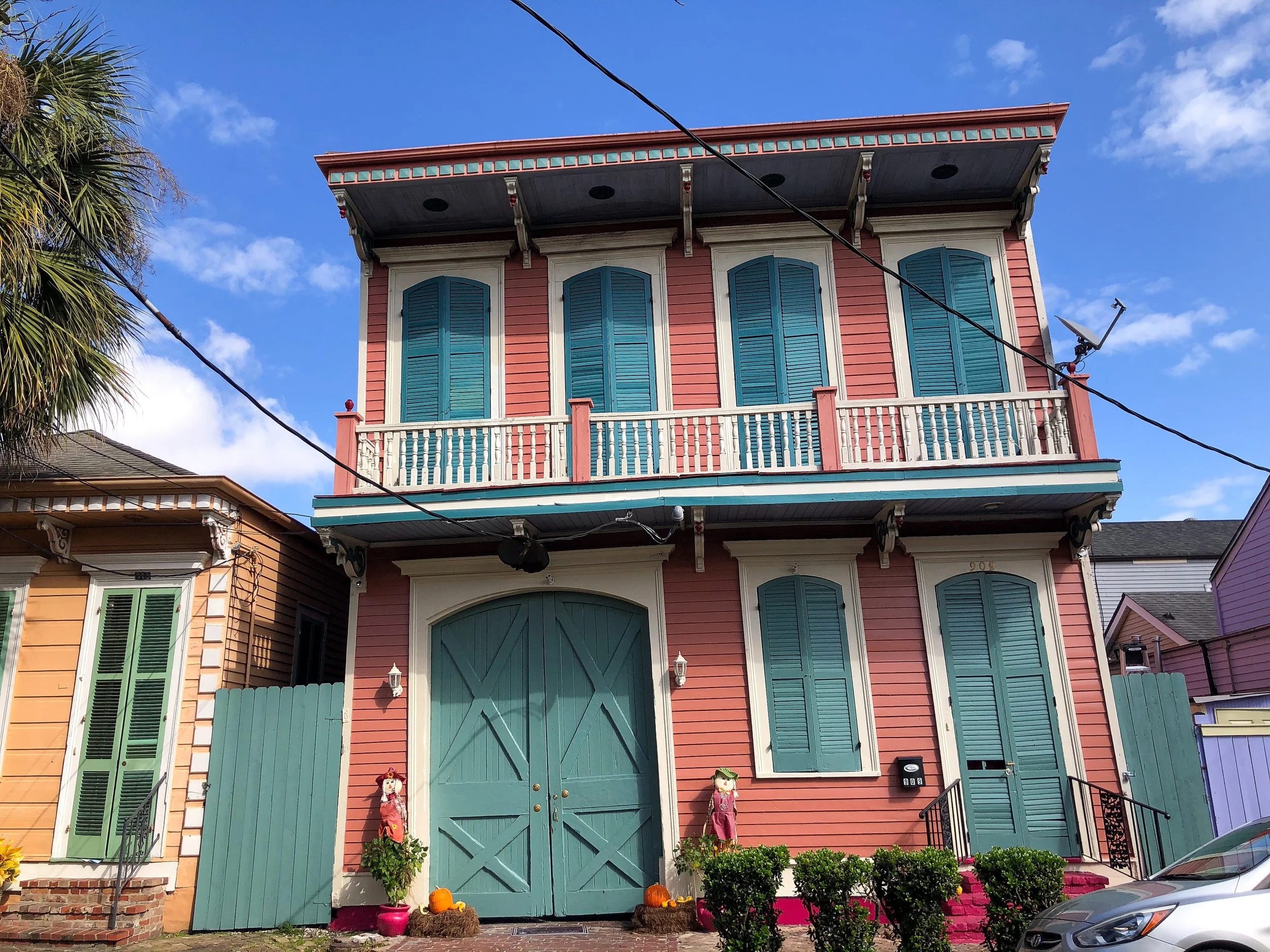
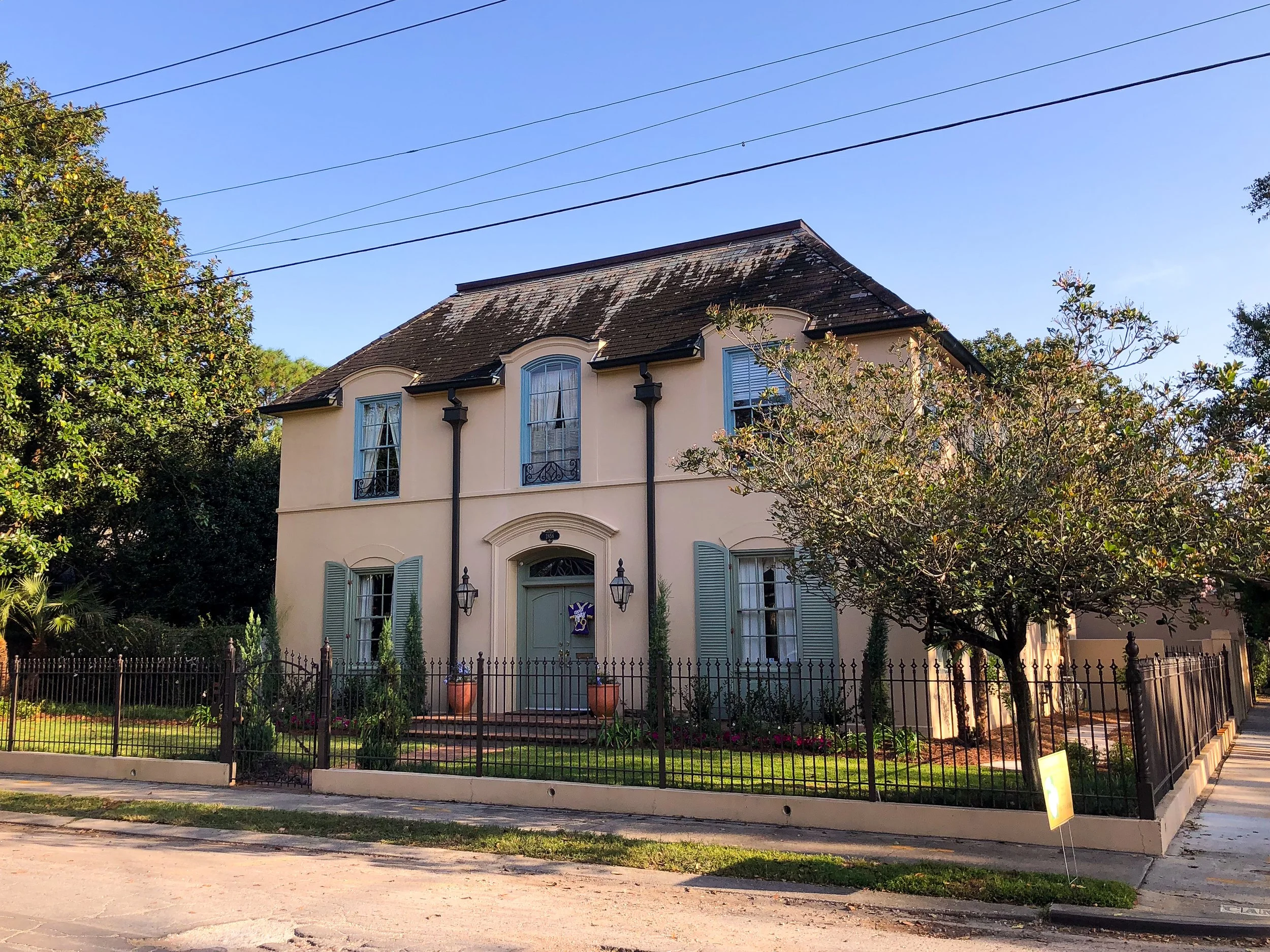
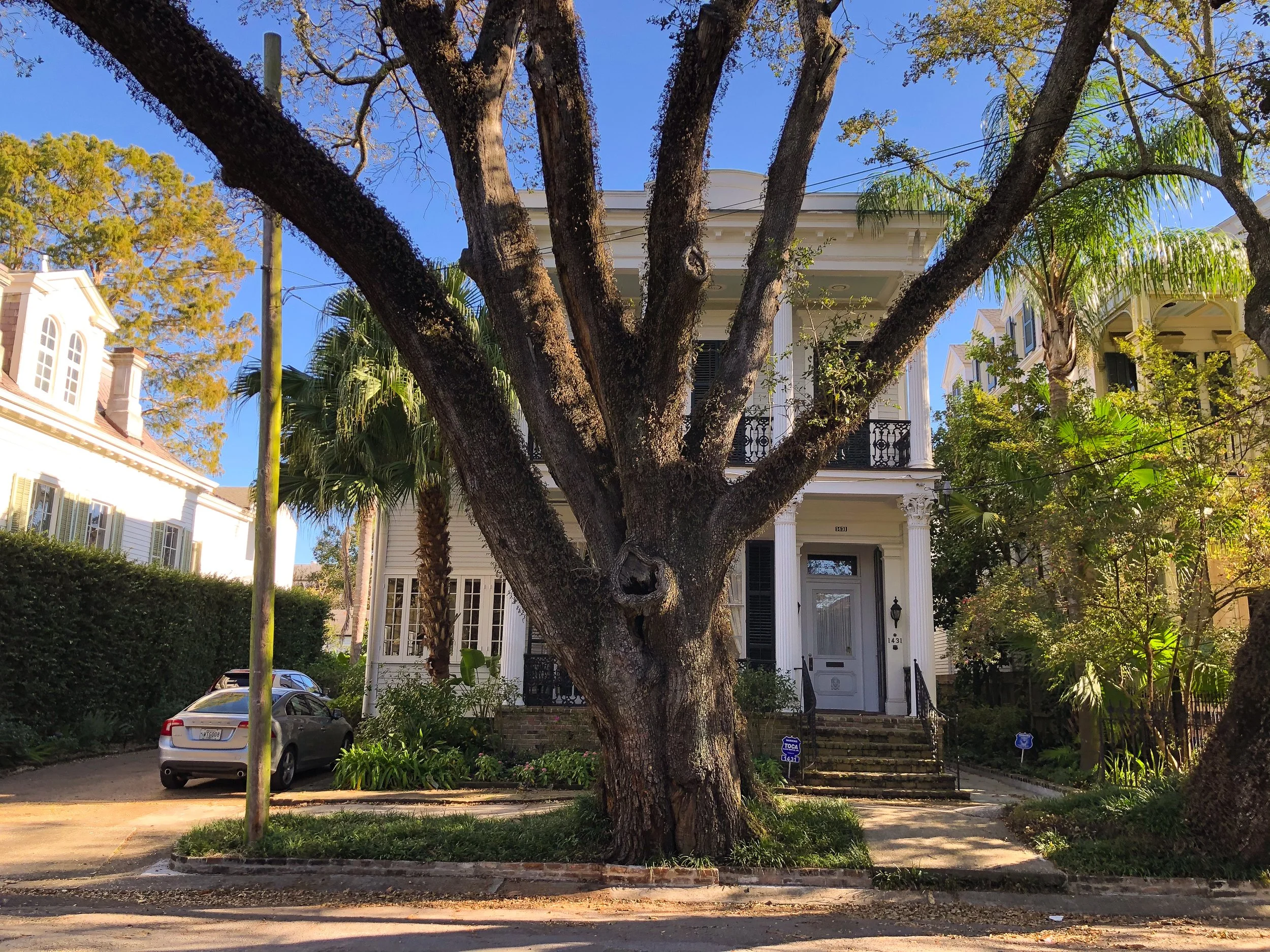
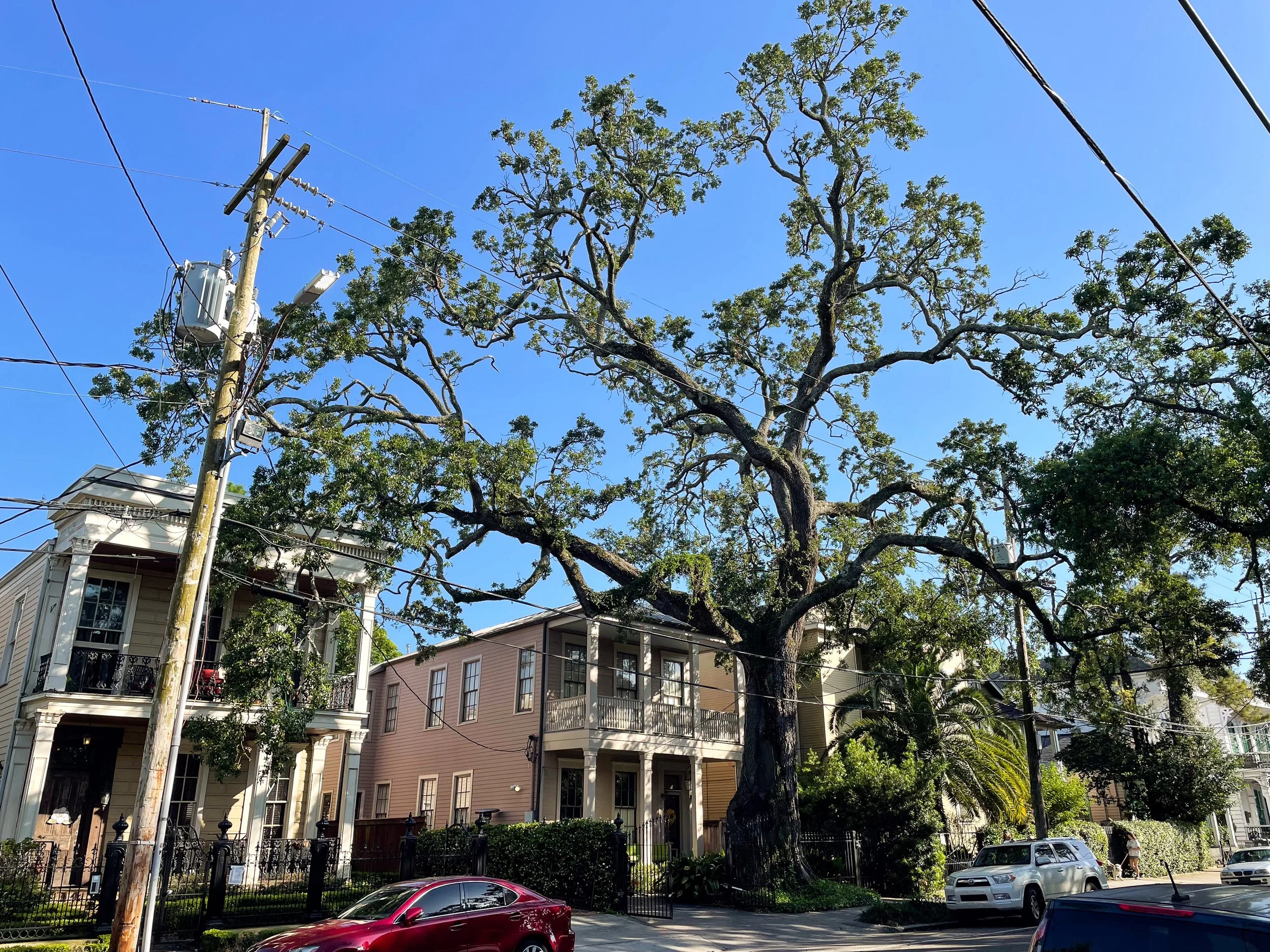
The Garden District. A residential district flanked between Magazine St. and St. Charles Ave. The neighborhood is home to historic mansions and cottages, large oak trees and leafy palms. It’s a beautiful neighborhood to explore on foot or along the St. Charles Street Car.
Magazine Street. One of the city’s Main Streets with restaurants, bars, boutiques, art galleries, vintage shops and Creole architecture. It’s about 6 miles long, stretching from The French Quarter through The Garden District and into Uptown. Every stretch of it is well worth exploring.
Irish Channel. Located between Magazine Street and the Mississippi River, this cute residential neighborhood has many of our favorites restaurants, cafes and bars. There are lots of great places to stay here.
Freret Street. An Uptown street with restaurants, coffee shops, boutiques and bars. We happened to visit during the annual Freret Street Festival. All weekend long, local businesses set up tents and trailers serving everything from to-go drinks, barbecue, paella and tacos.
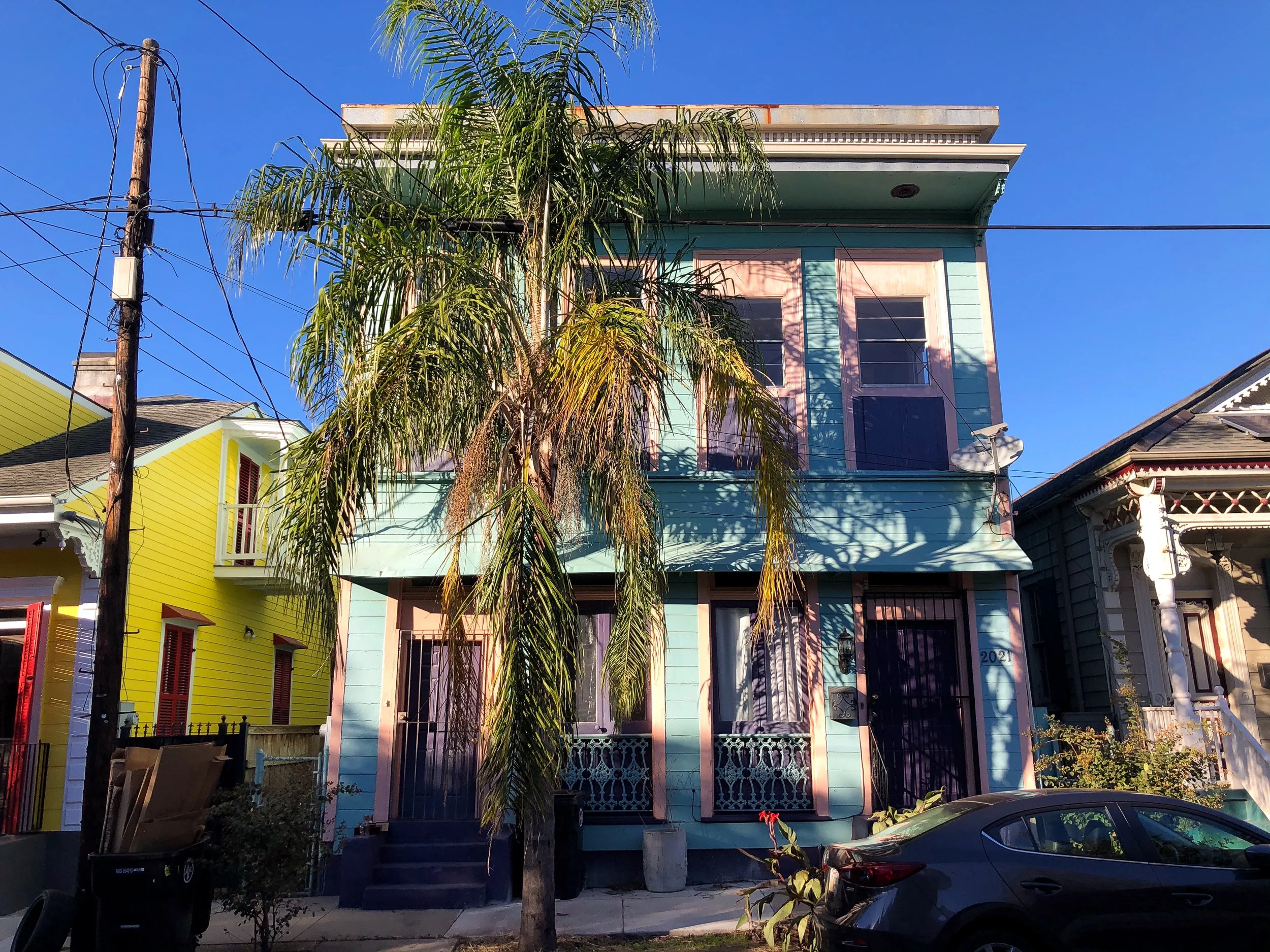
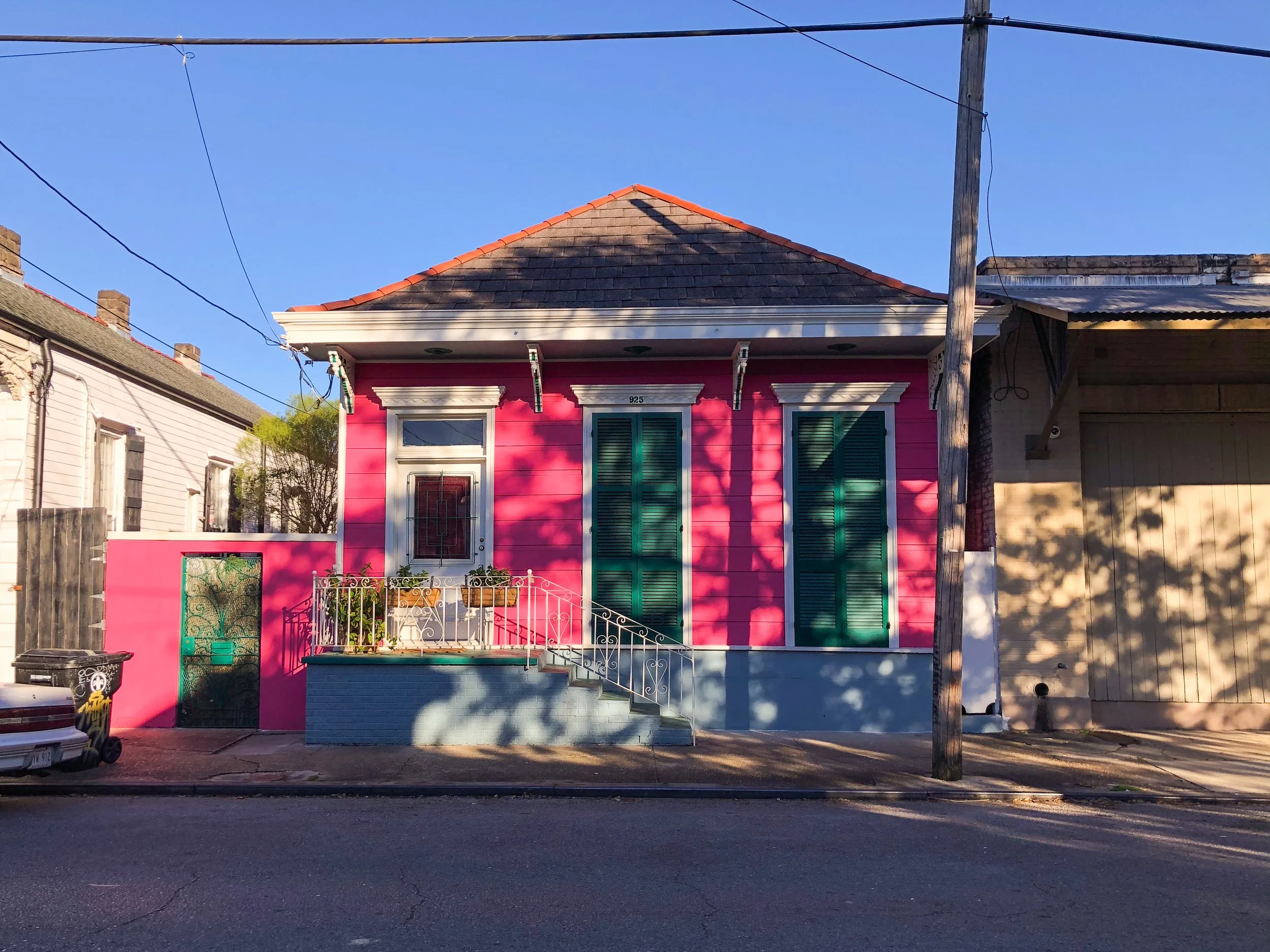
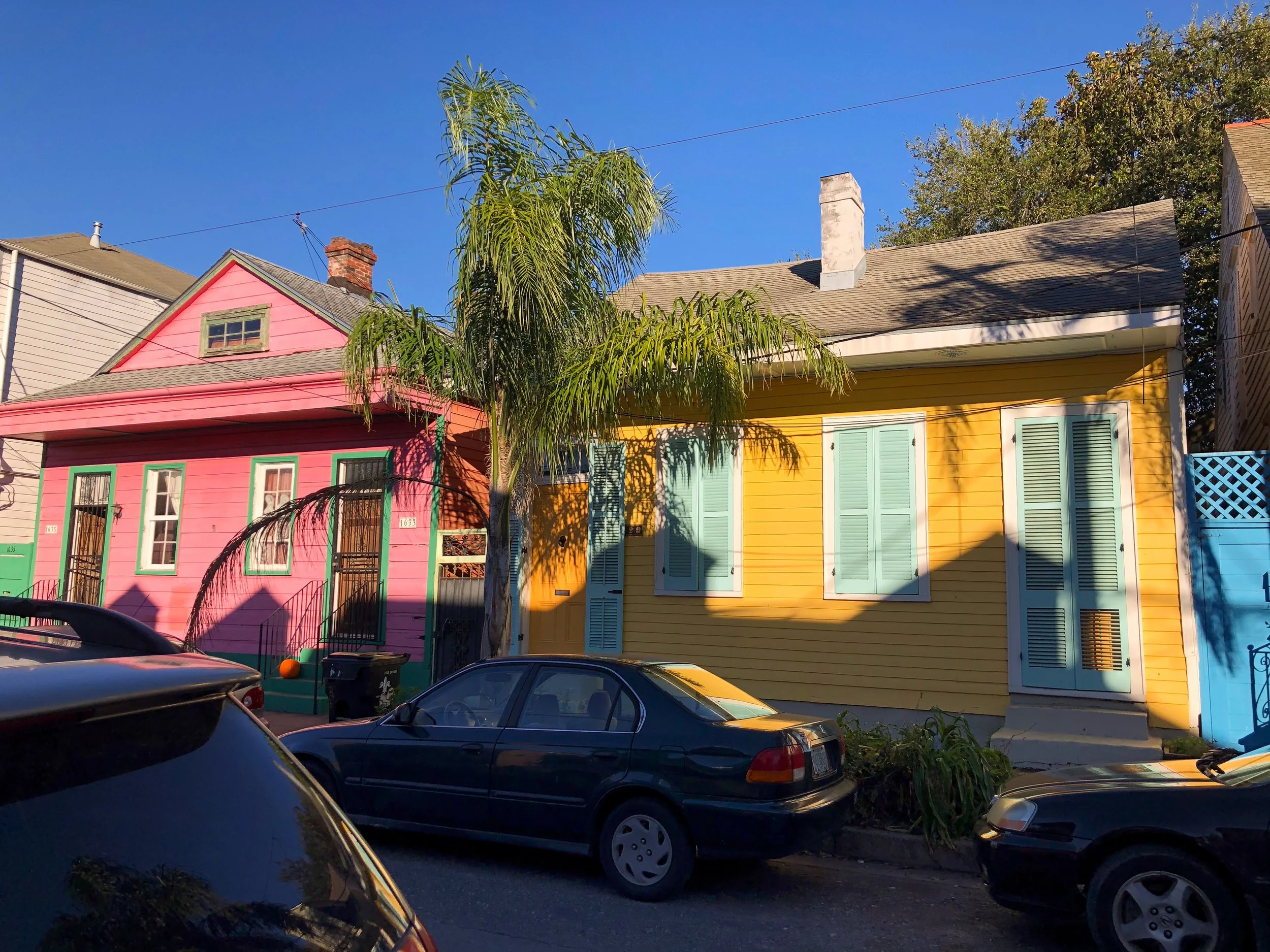
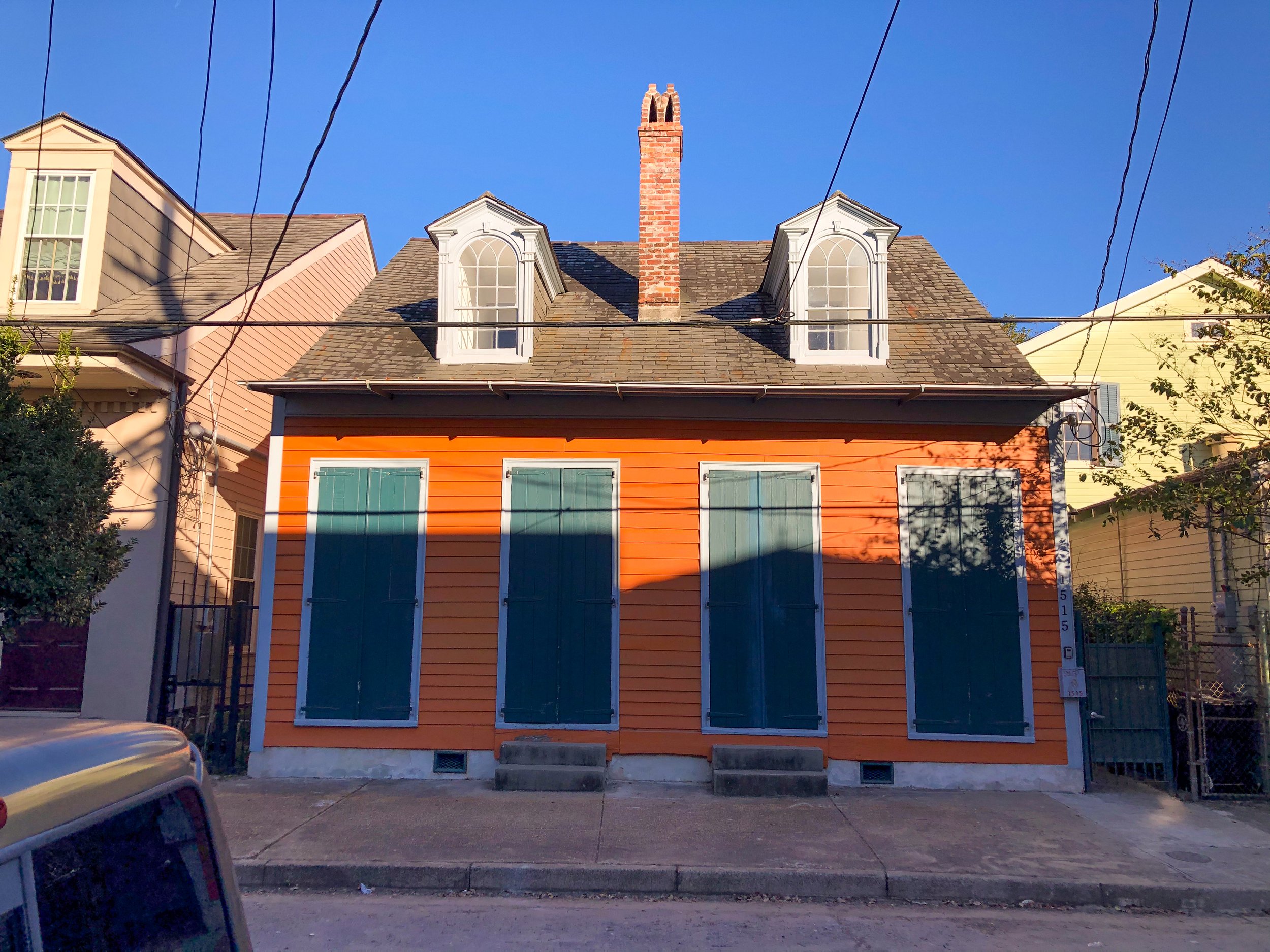
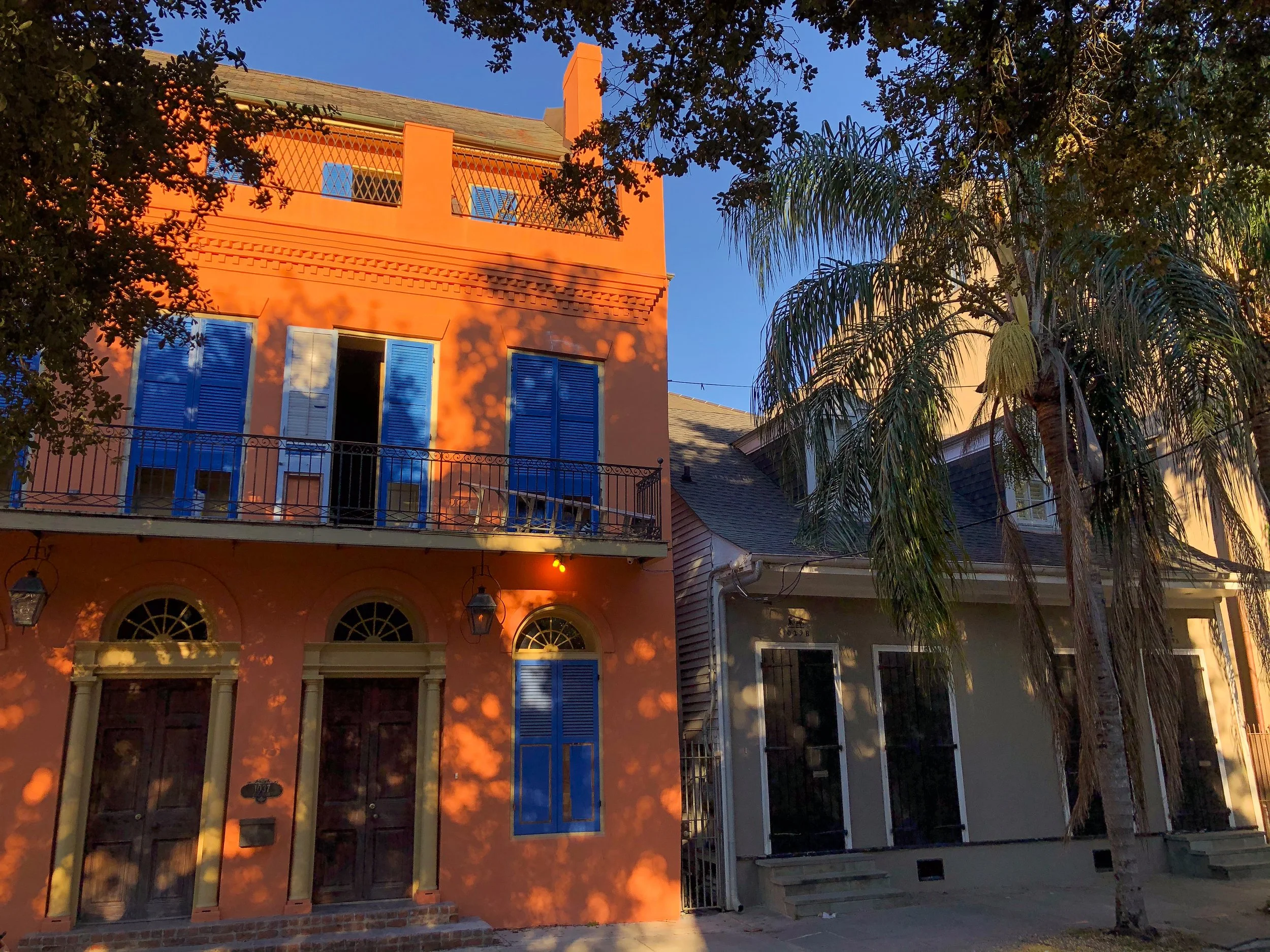
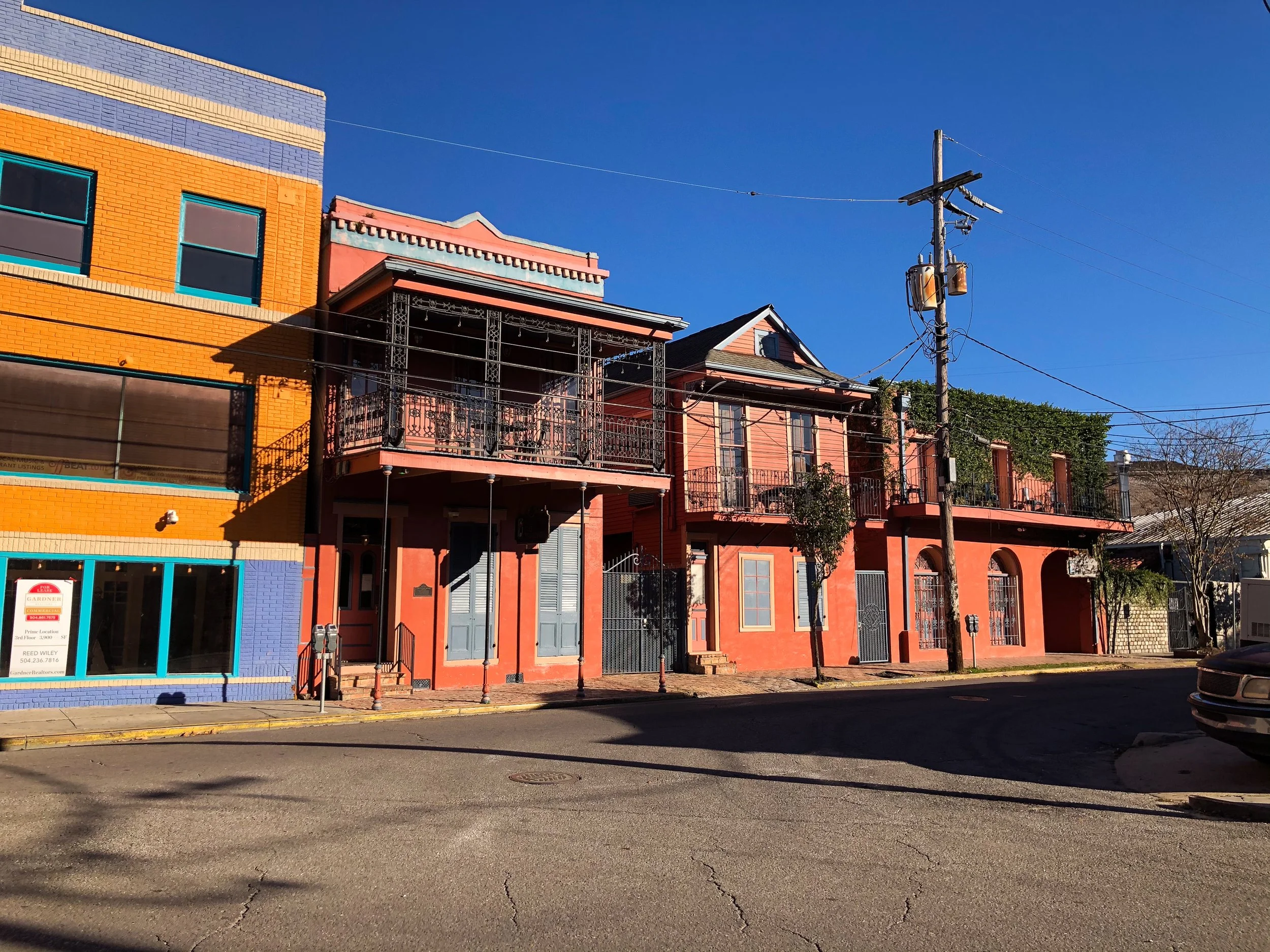
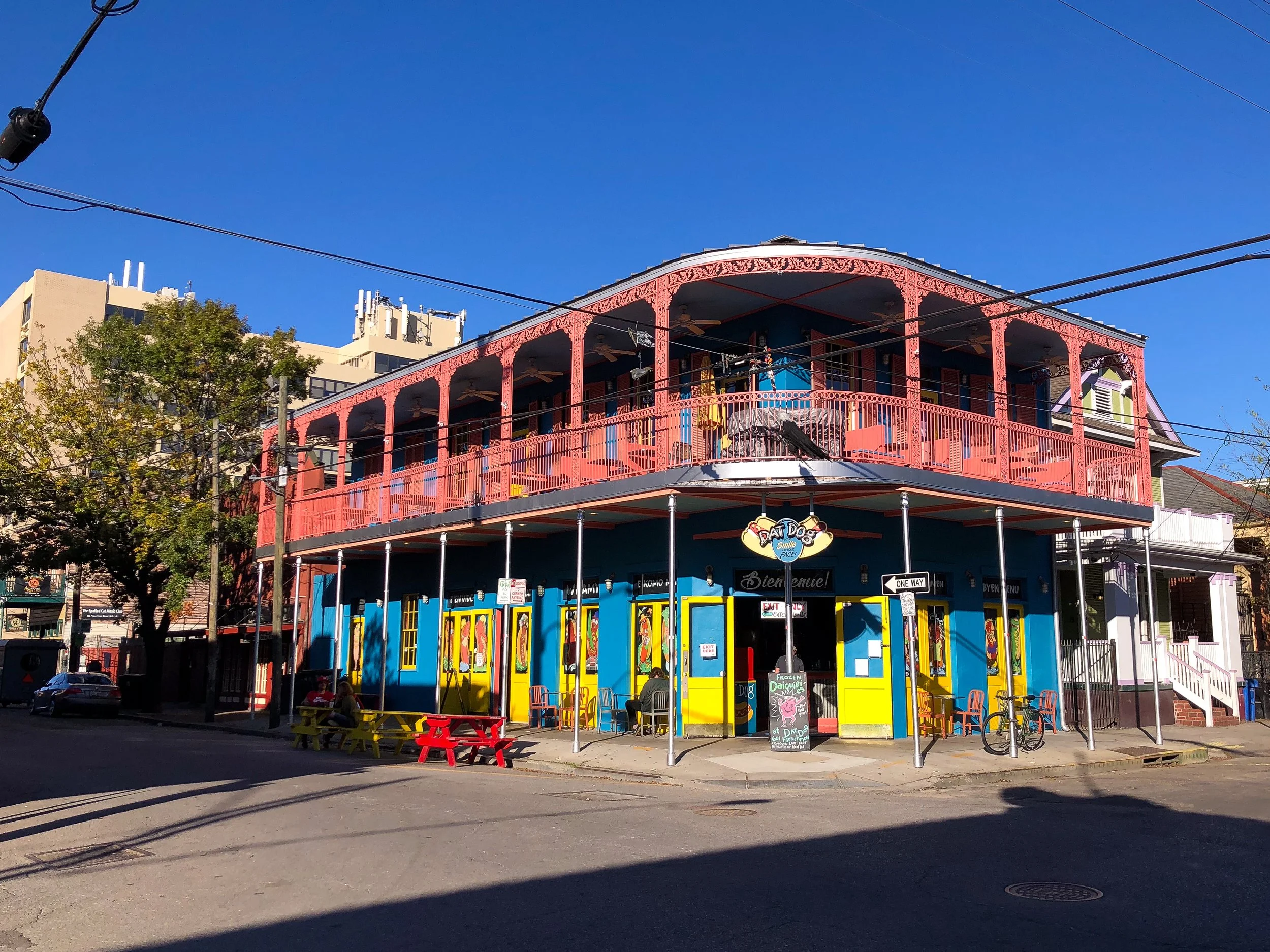
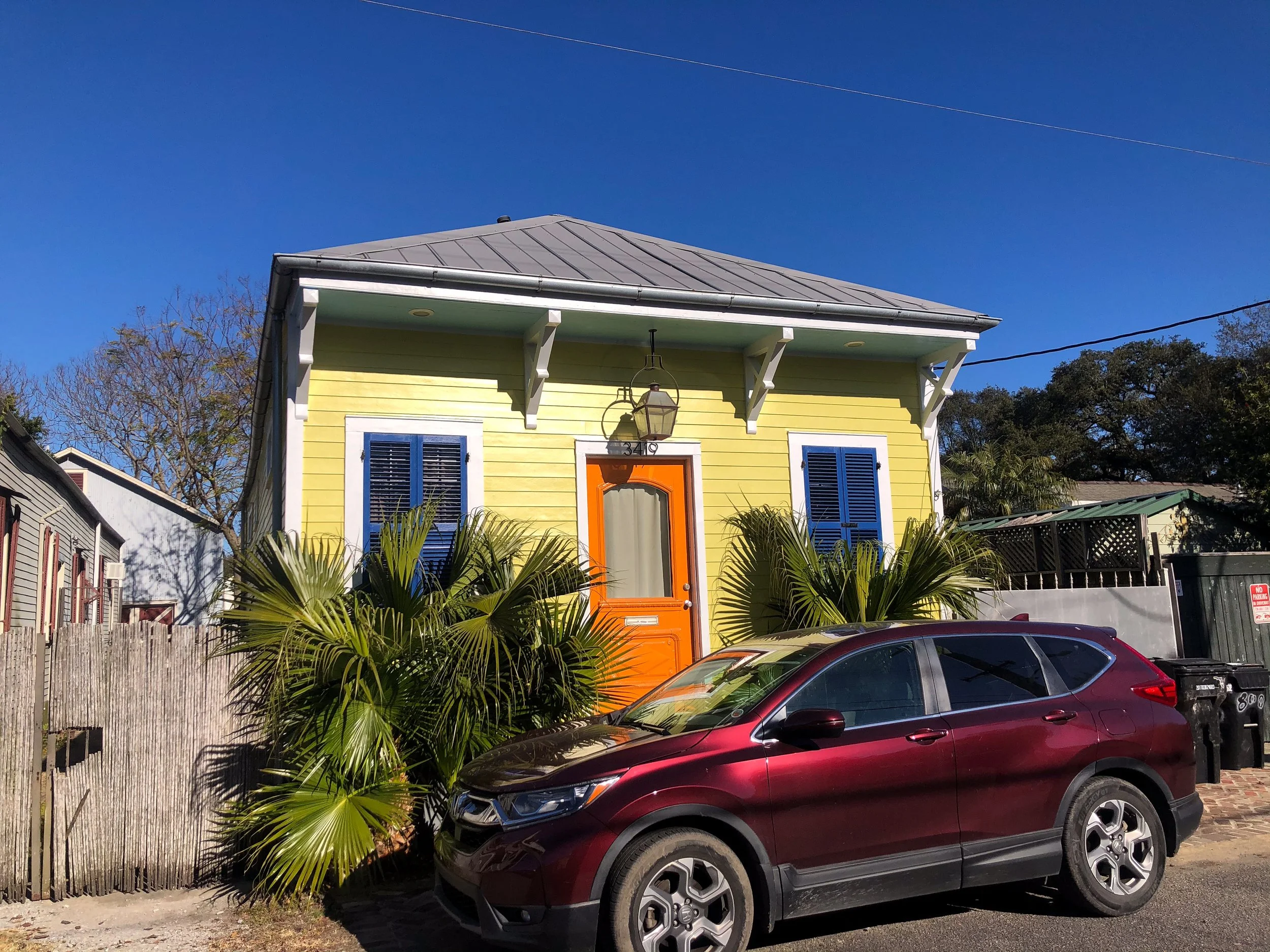
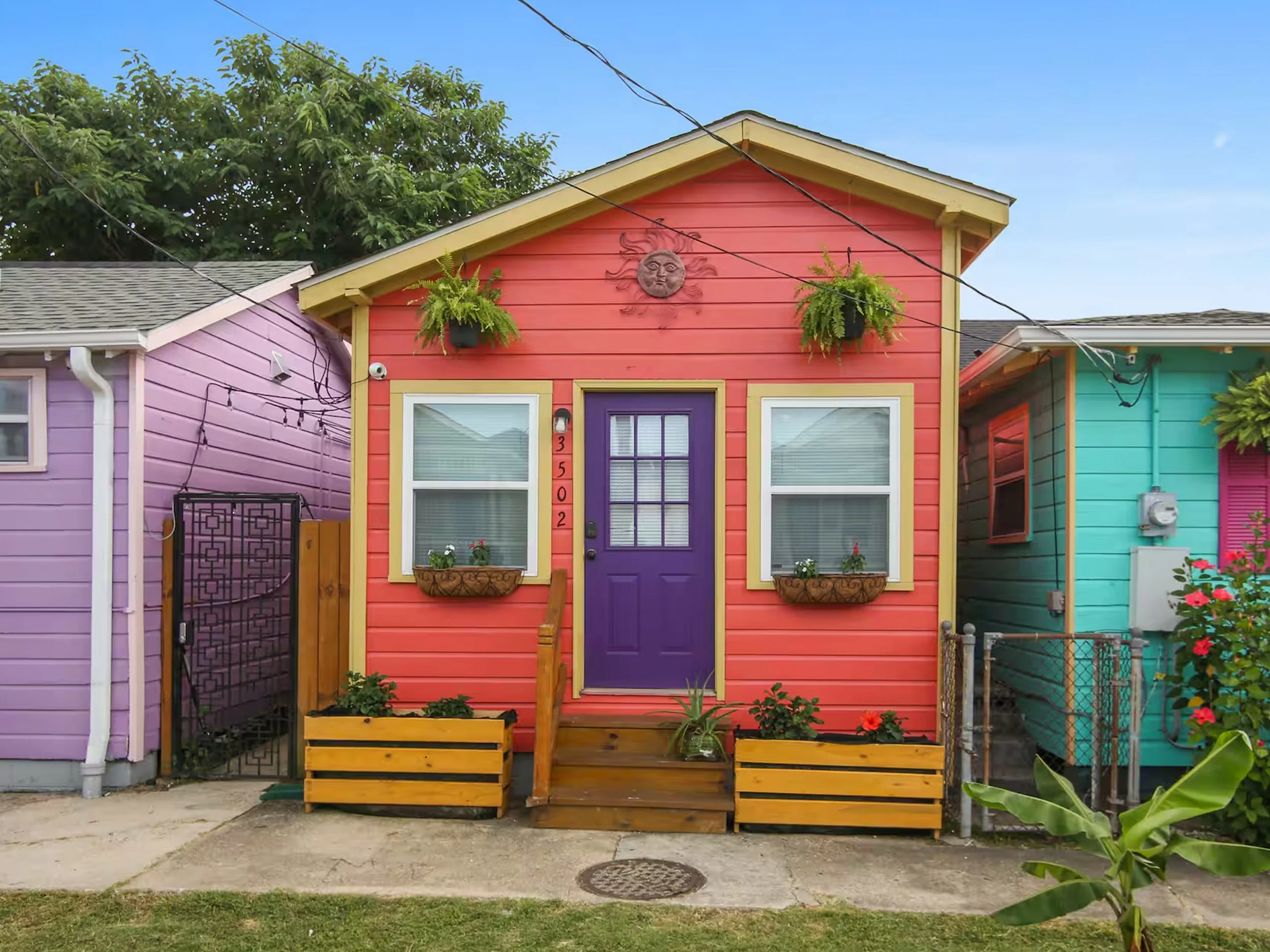
Marigny. This beautiful neighborhood, just outside of the French Quarter, is a charming place to walk through to look at the brightly colored Creole cottages and shotgun houses. There are also lots of great Airbnb’s here. Come for Frenchman Street, the artists markets and local restaurants.
ByWater. Basically an extension of Marigny, this neighborhood is a little more bohemian and hipster with flea markets, cafes, cocktail bars and funky restaurants.
Arts/Warehouse District. A former warehouse district converted into a hub for cocktail bars, high end restaurants and art galleries.
Uptown. A broad area on the Riverside of New Orleans. Visit Maple and Oak Streets for the restaurants and nightlife. Both areas are popular with Tulane and Loyola students.
Things to Do
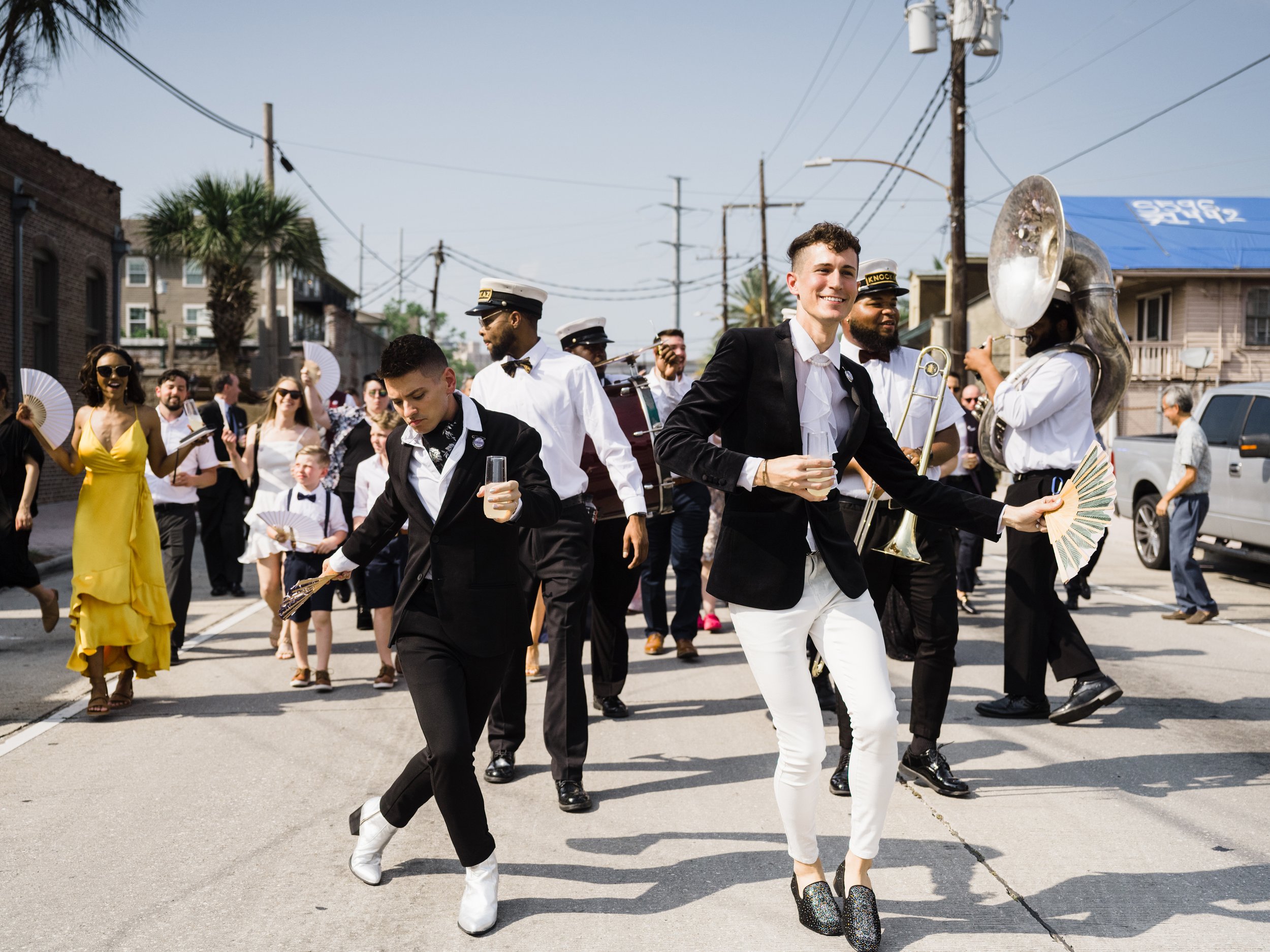
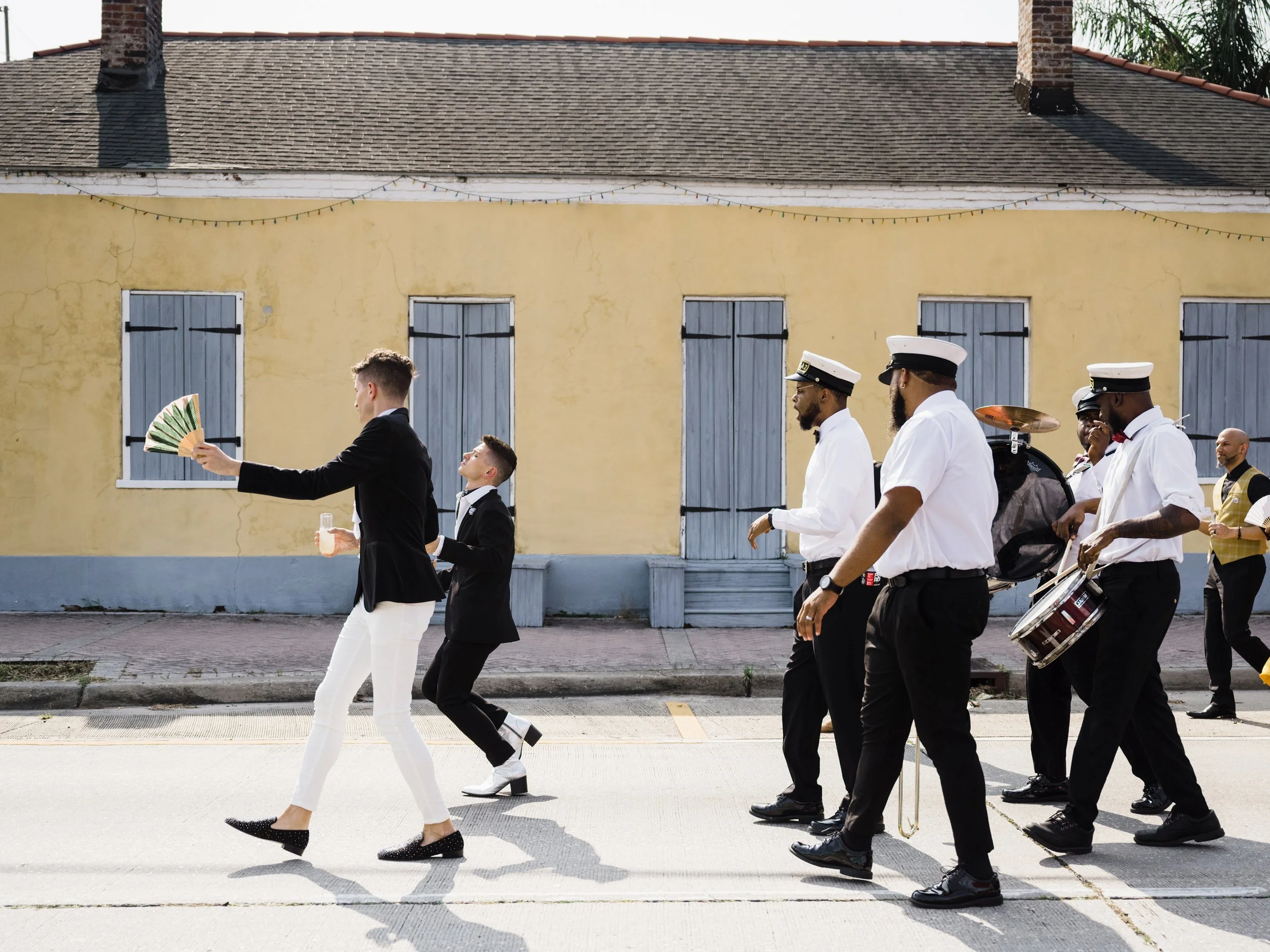
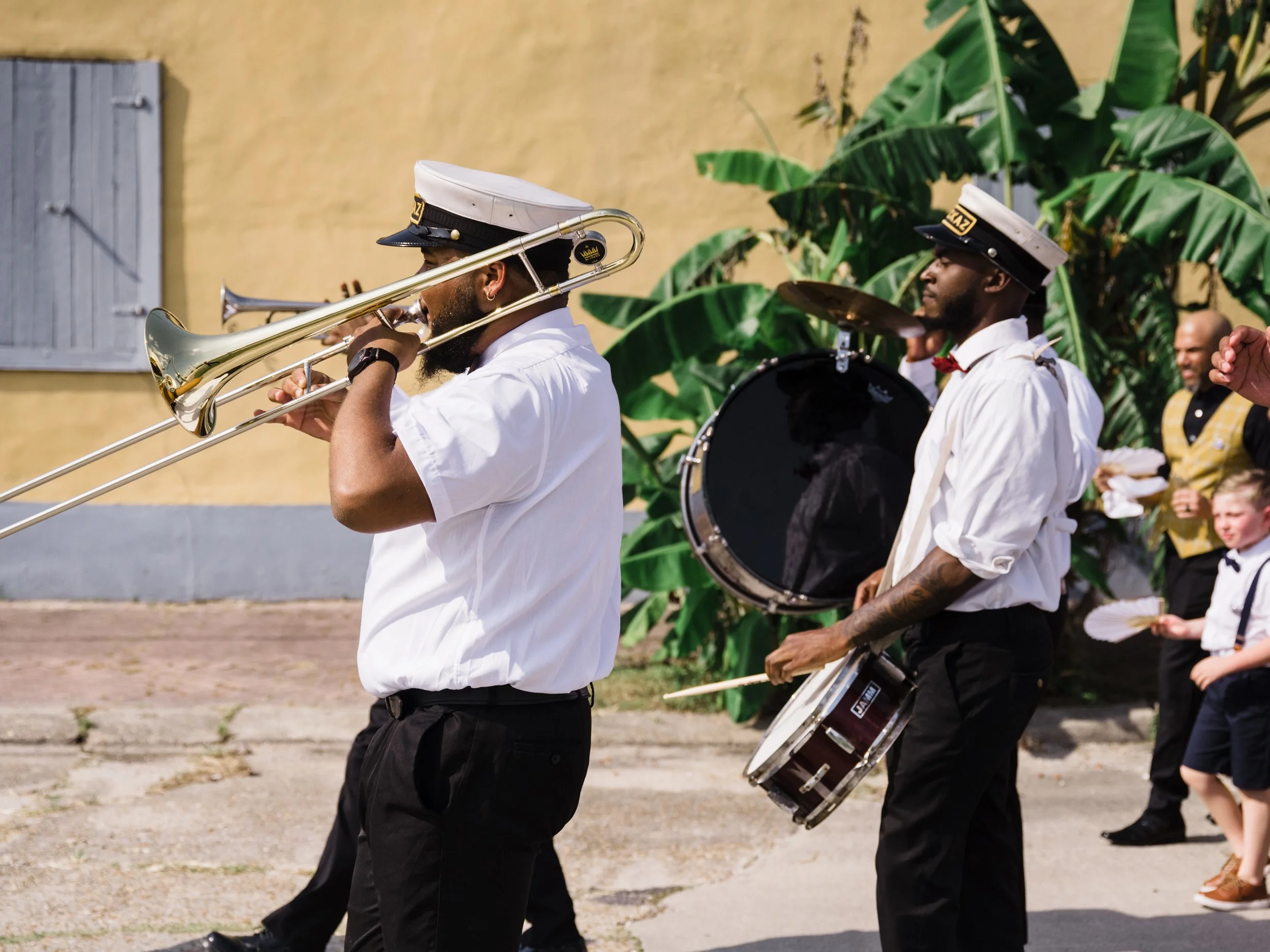
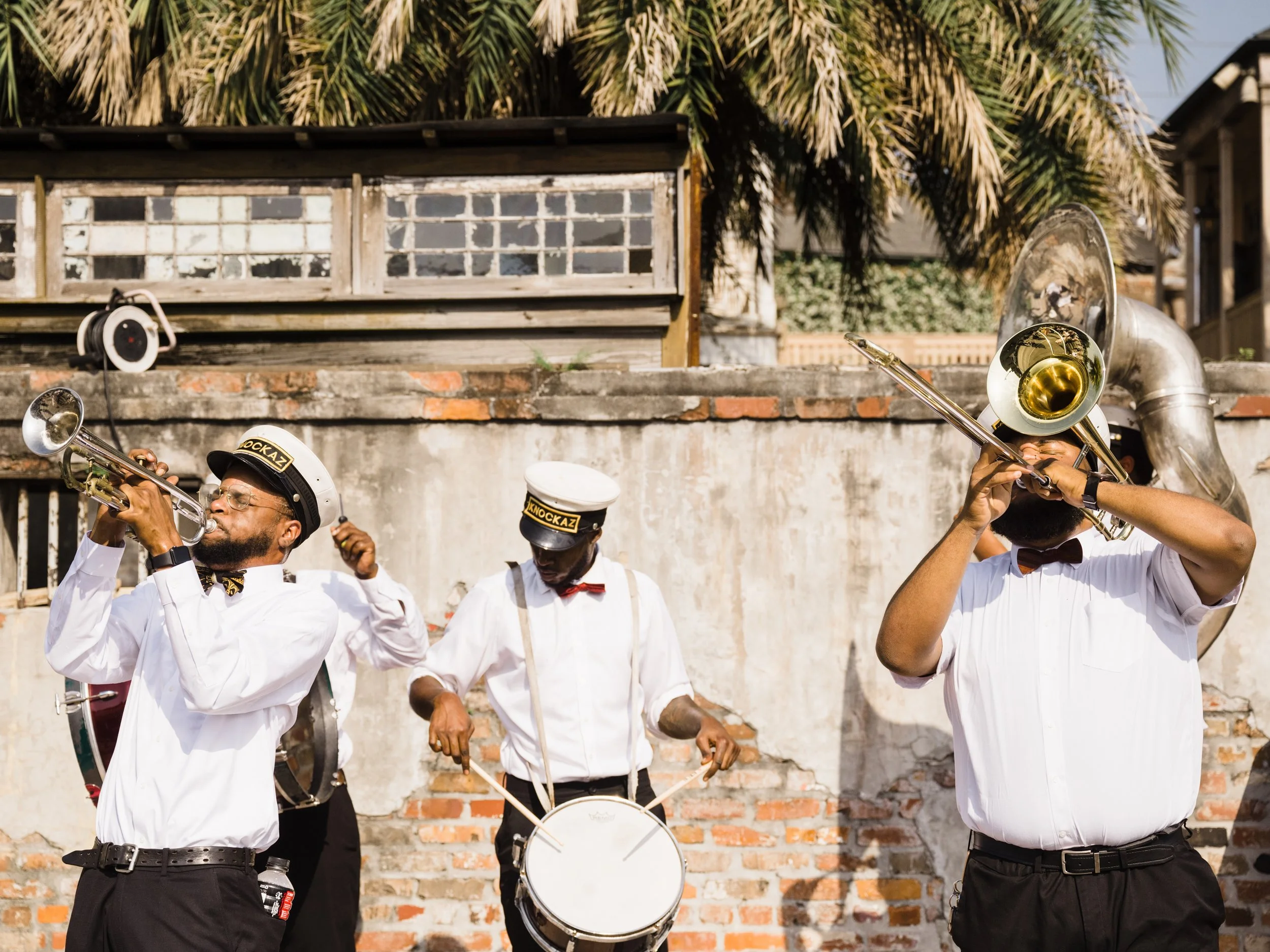
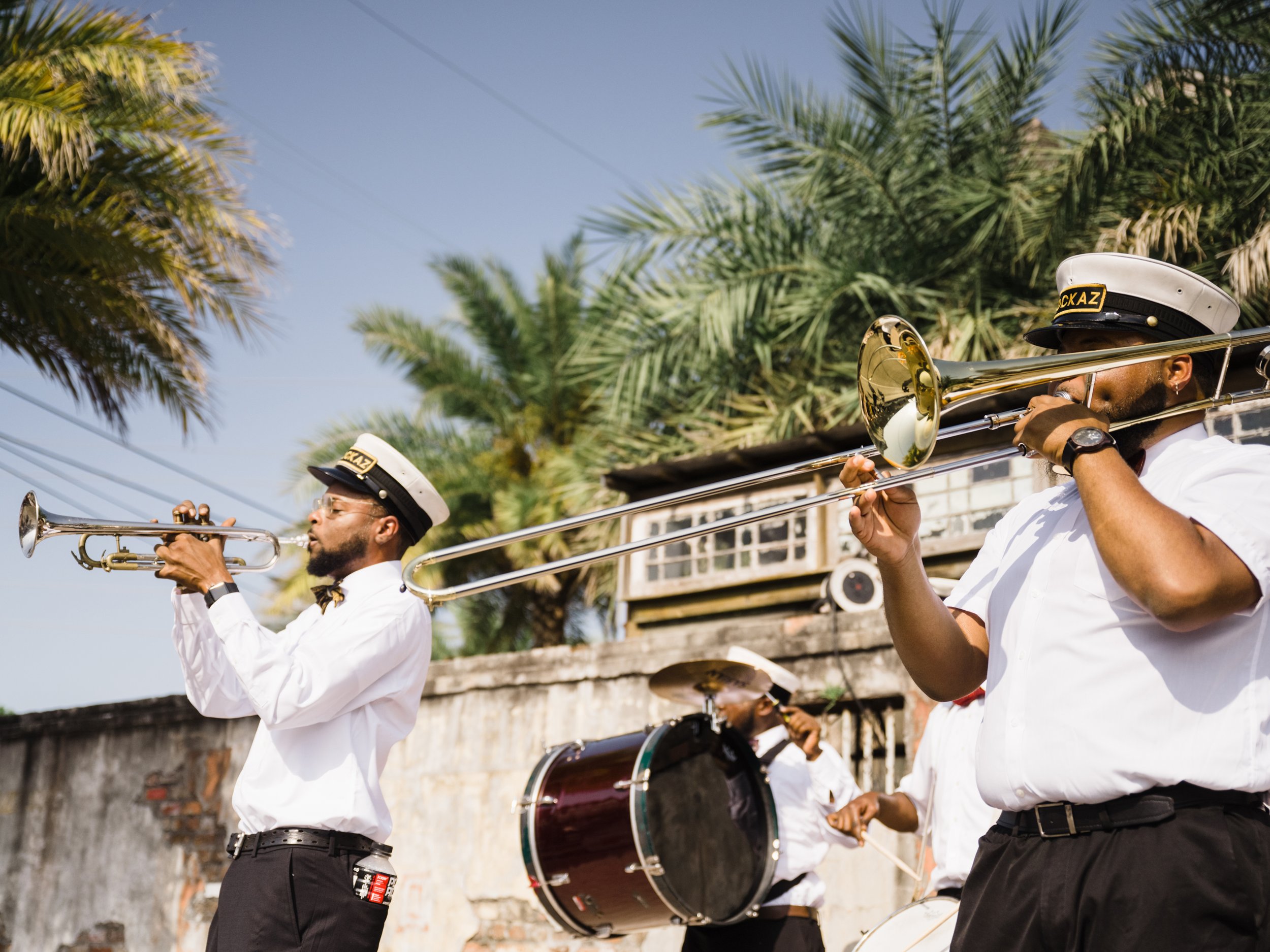
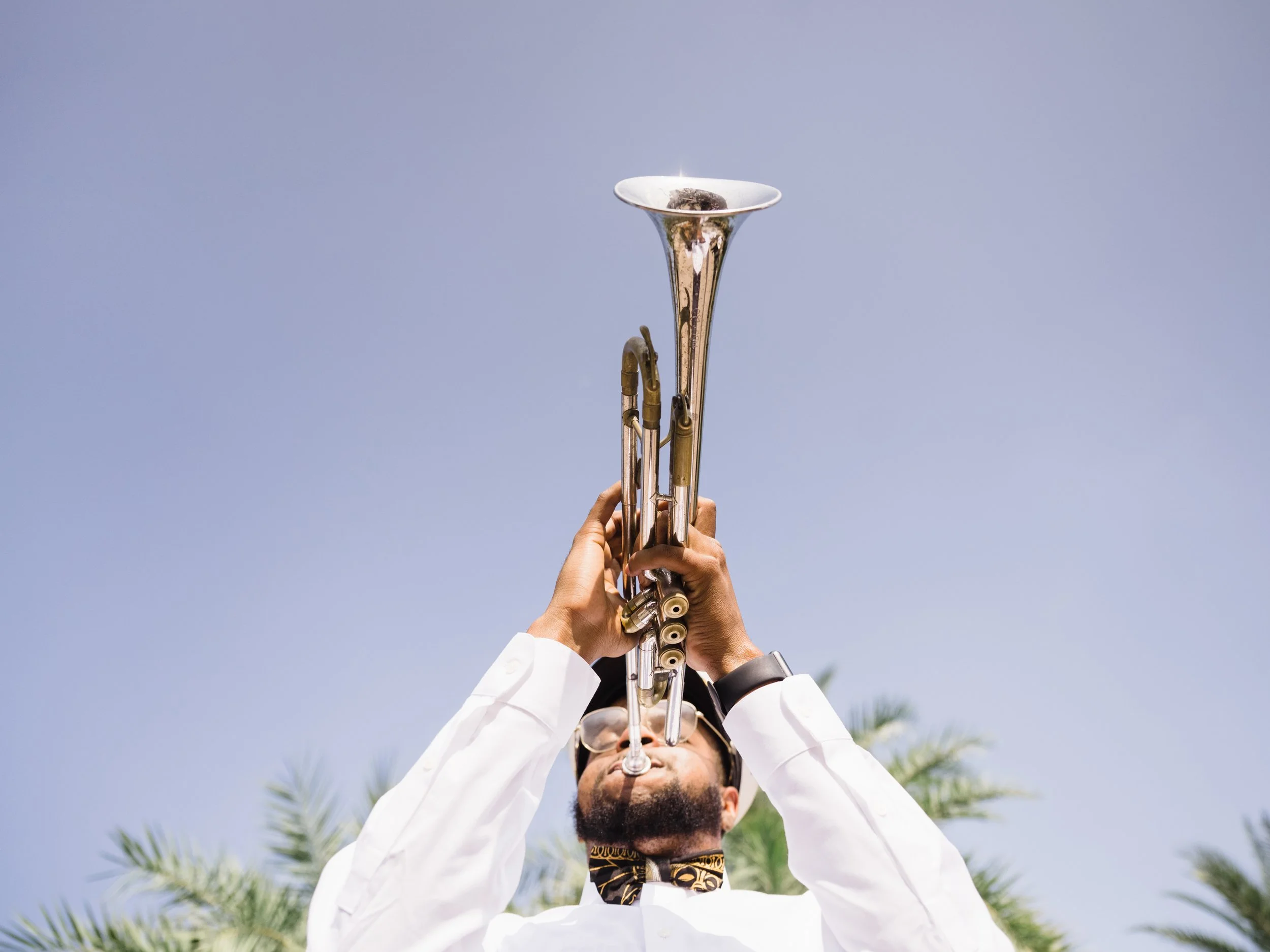
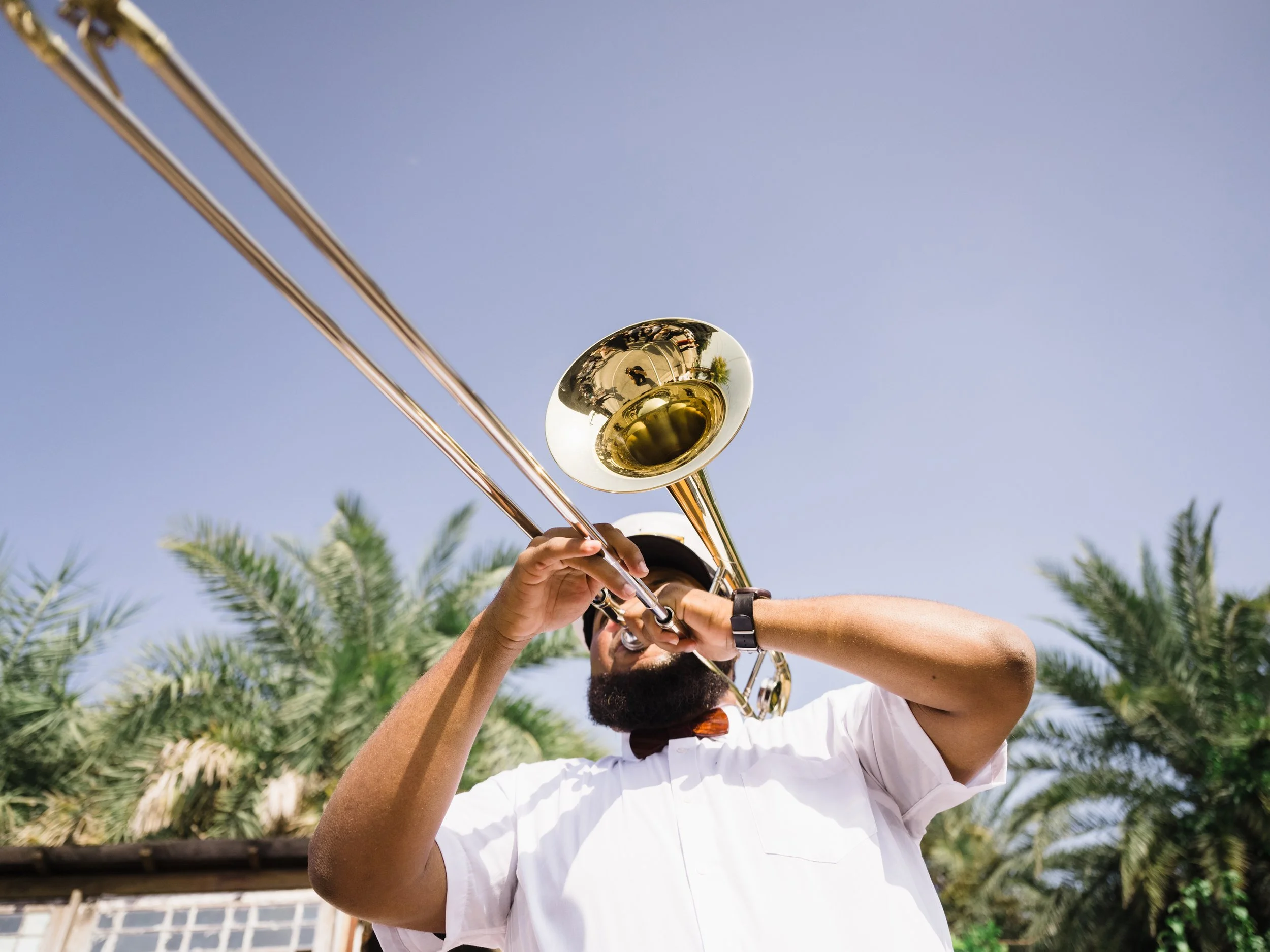
Have a Second Line. Looking to celebrate like a local? Have a Second Line. It’s traditional New Orleans parade usually used to celebrate weddings or remember someone’s life. We had one during our wedding and paraded around the neighborhood near our venue leading it with the brass band, our 50+ guests and a police escort following behind. Photo credit: Brandon Xuereb at Xistence Photography.
Jazz on Frenchman Street. This is the place to be for dancing and live Jazz. There are a number of late night bars, creole restaurants and artist markets to make for a memorable night. It’s much tamer and more authentic than the famed Bourbon Street.
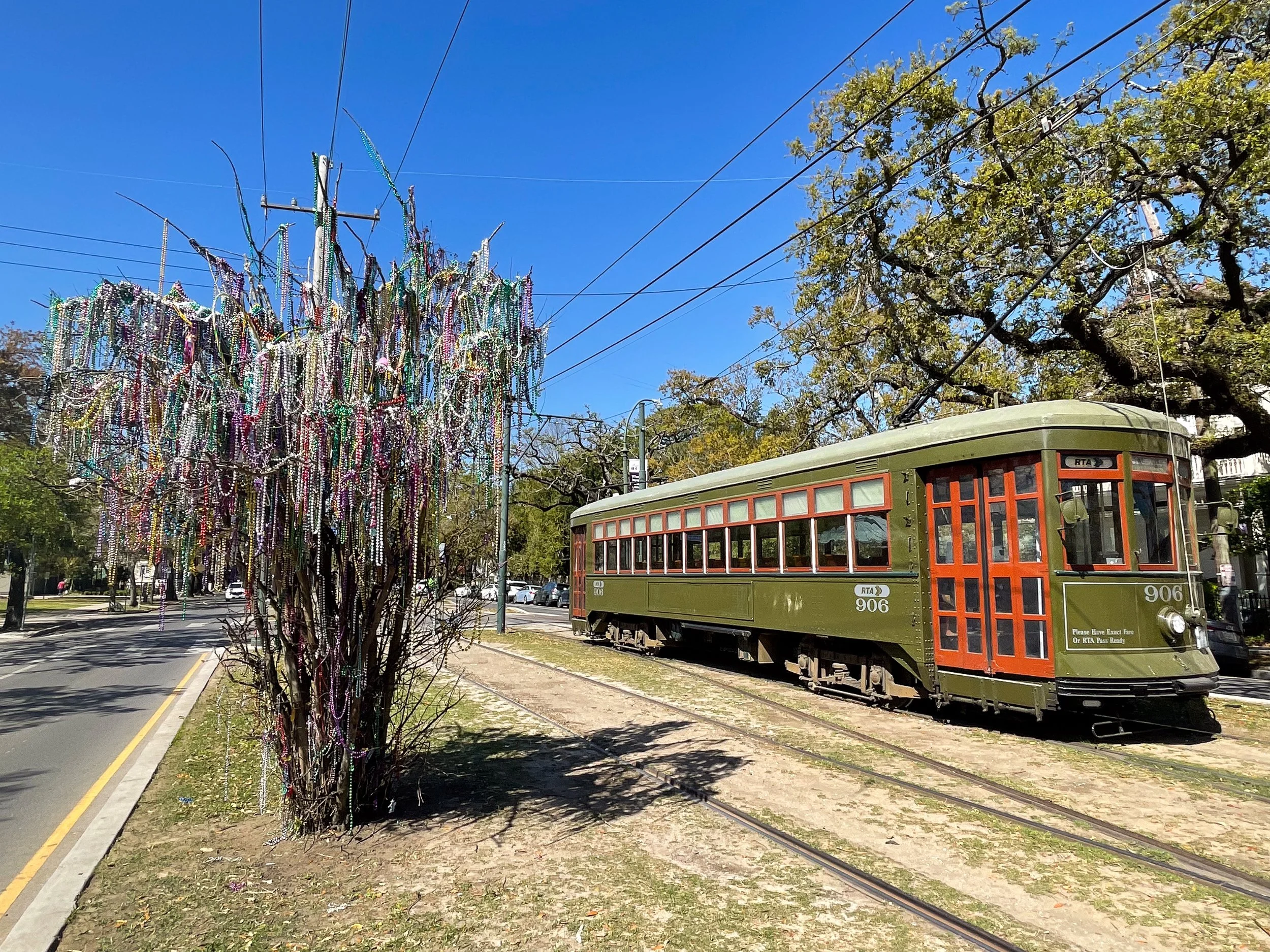
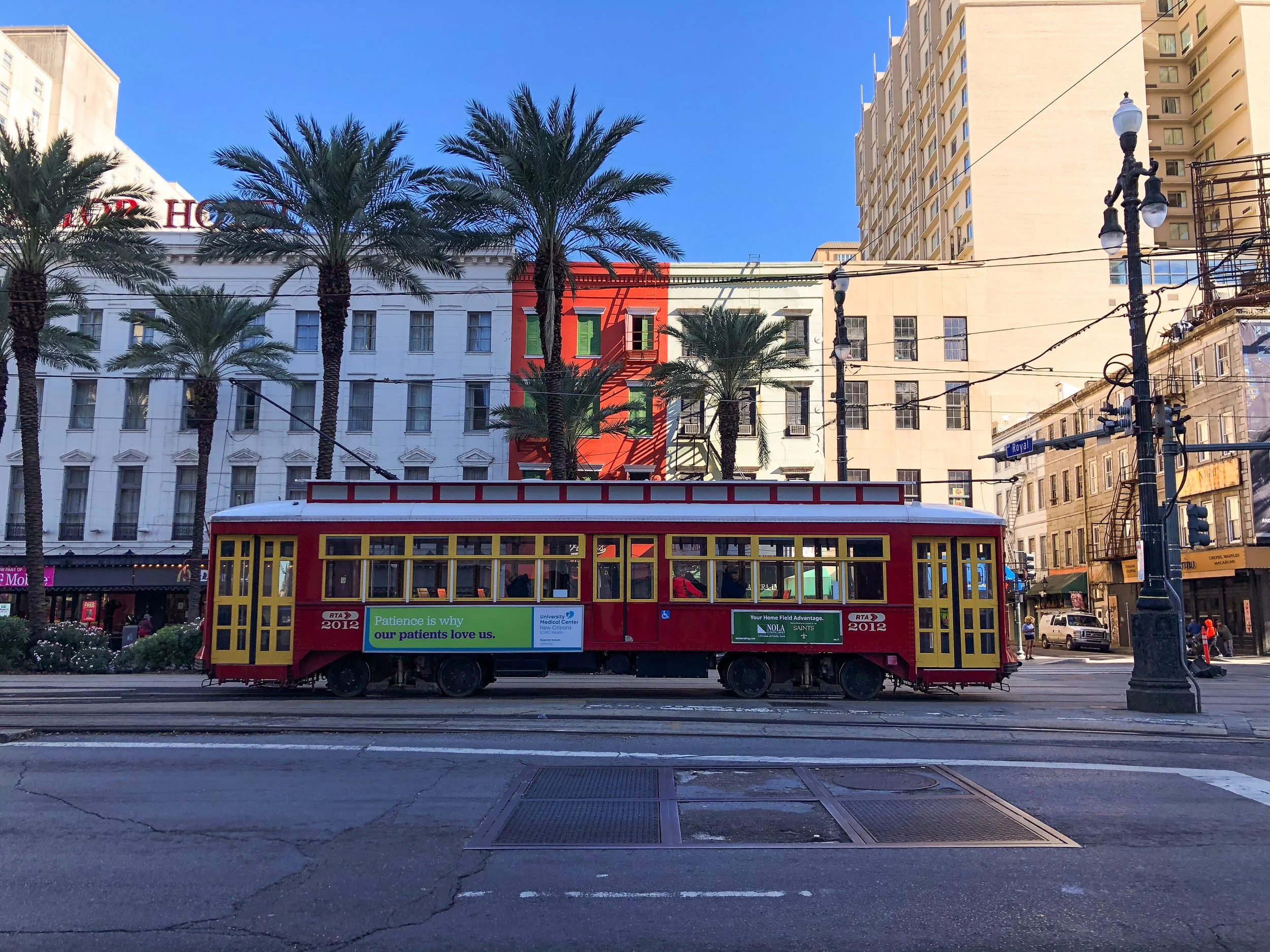
Ride the St. Charles Street Car. The street car follows St. Charles Avenue, an oak tree lined street covered in Mardi Gras beads. The street car is the perfect way to get across town while admiring the historic homes and mansions in the Garden District.
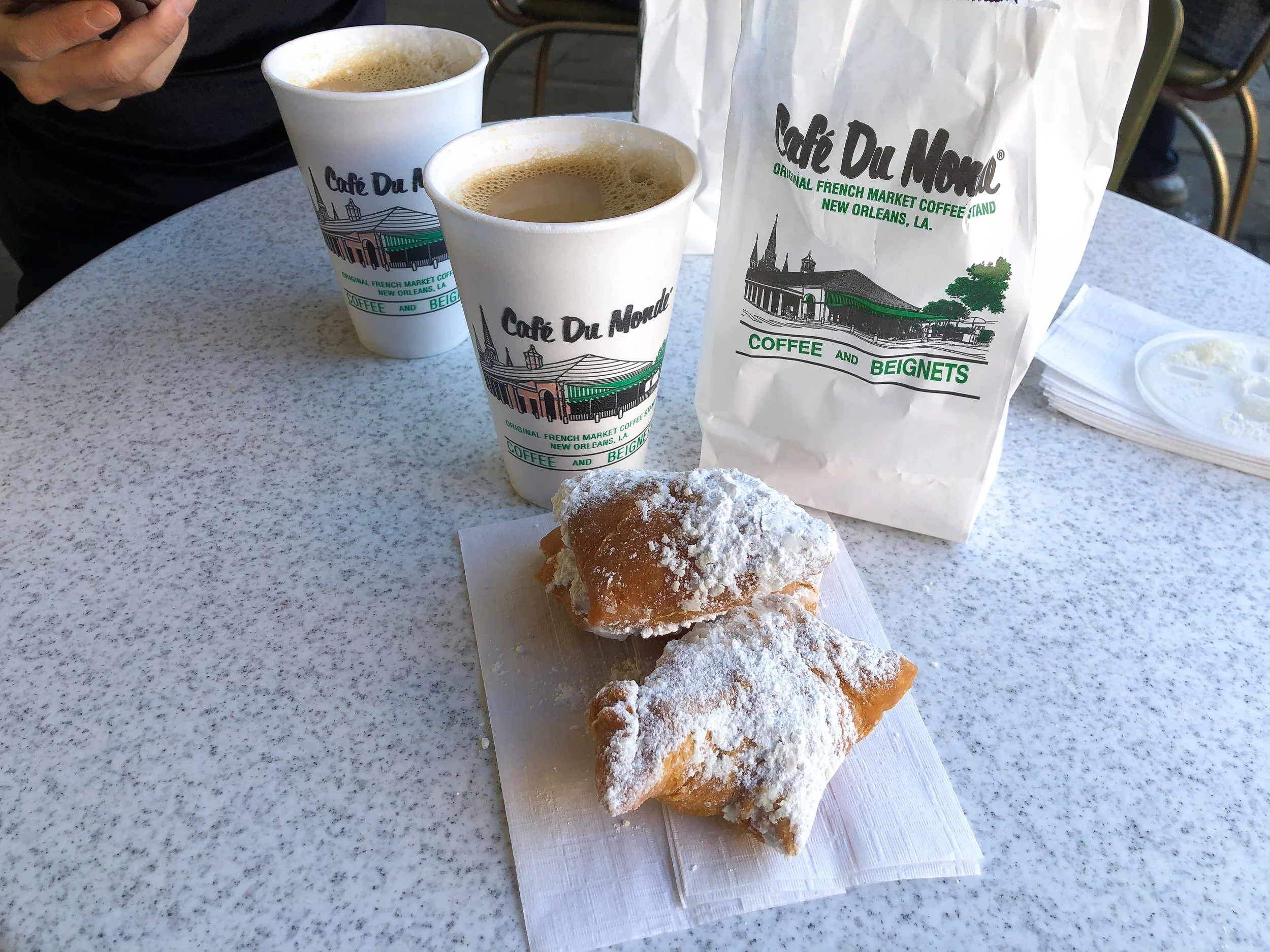
Beignets at Café du Monde. Visit the original location, located in the French Market, which is the most famous place to order a beignet and café au lait. We were lucky enough to visit while a brass band was playing out front.
Beignets are fried rectangular pieces of dough covered in powdered sugar.
Café au Lait is French for coffee with milk.
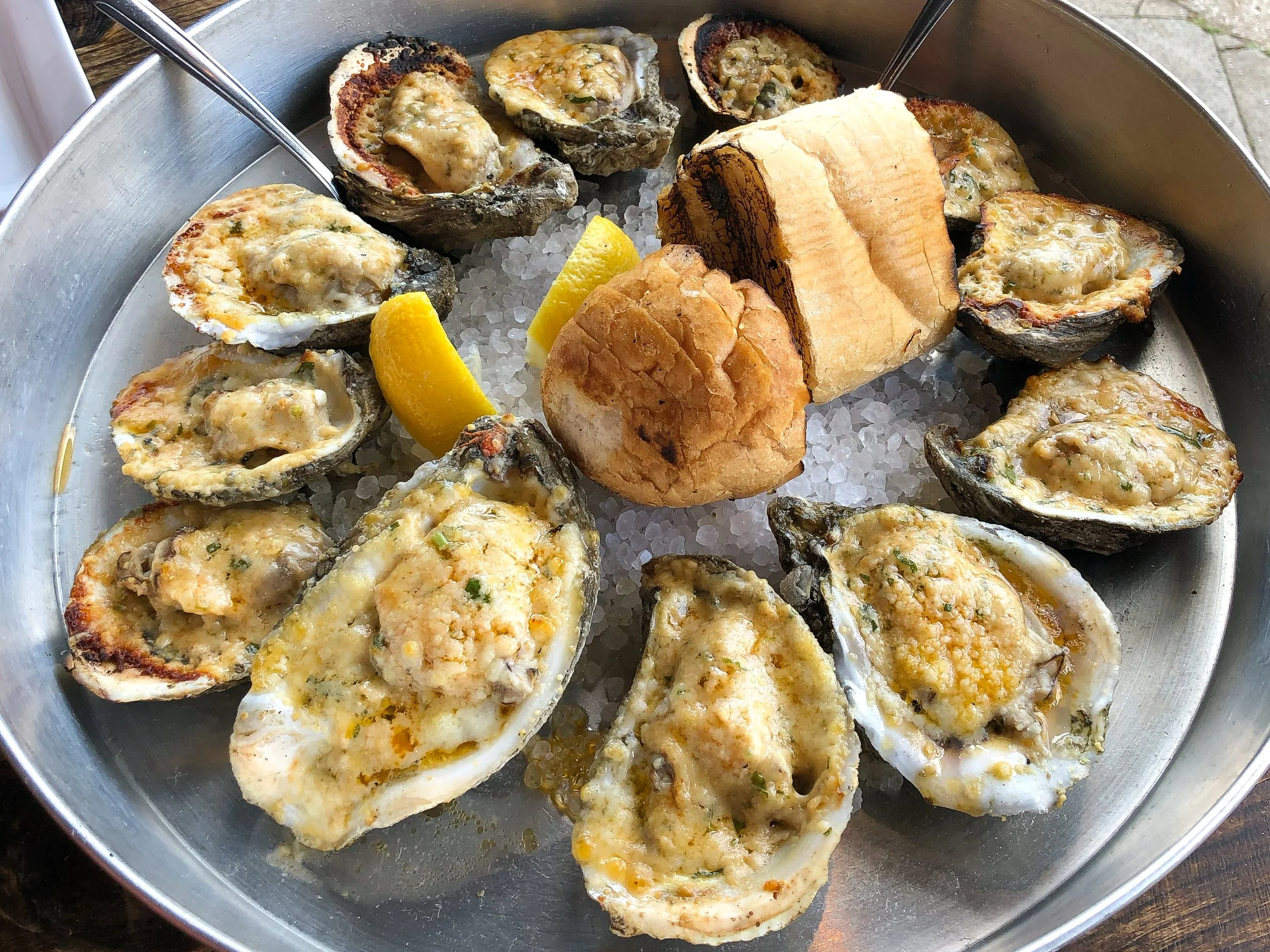
Enjoy Creole Cuisine. A mix of West African, Indigenous American, French and Spanish flavors. Some of our favorite dishes are gumbo, catfish po’boys and charbroiled oysters.
Order a To-Go Daiquiri. Almost every bar on Bourbon St. offers a selection of frozen daiquiris made to go. As long as it’s in a plastic container, it’s legal to publicly drink anywhere in New Orleans.
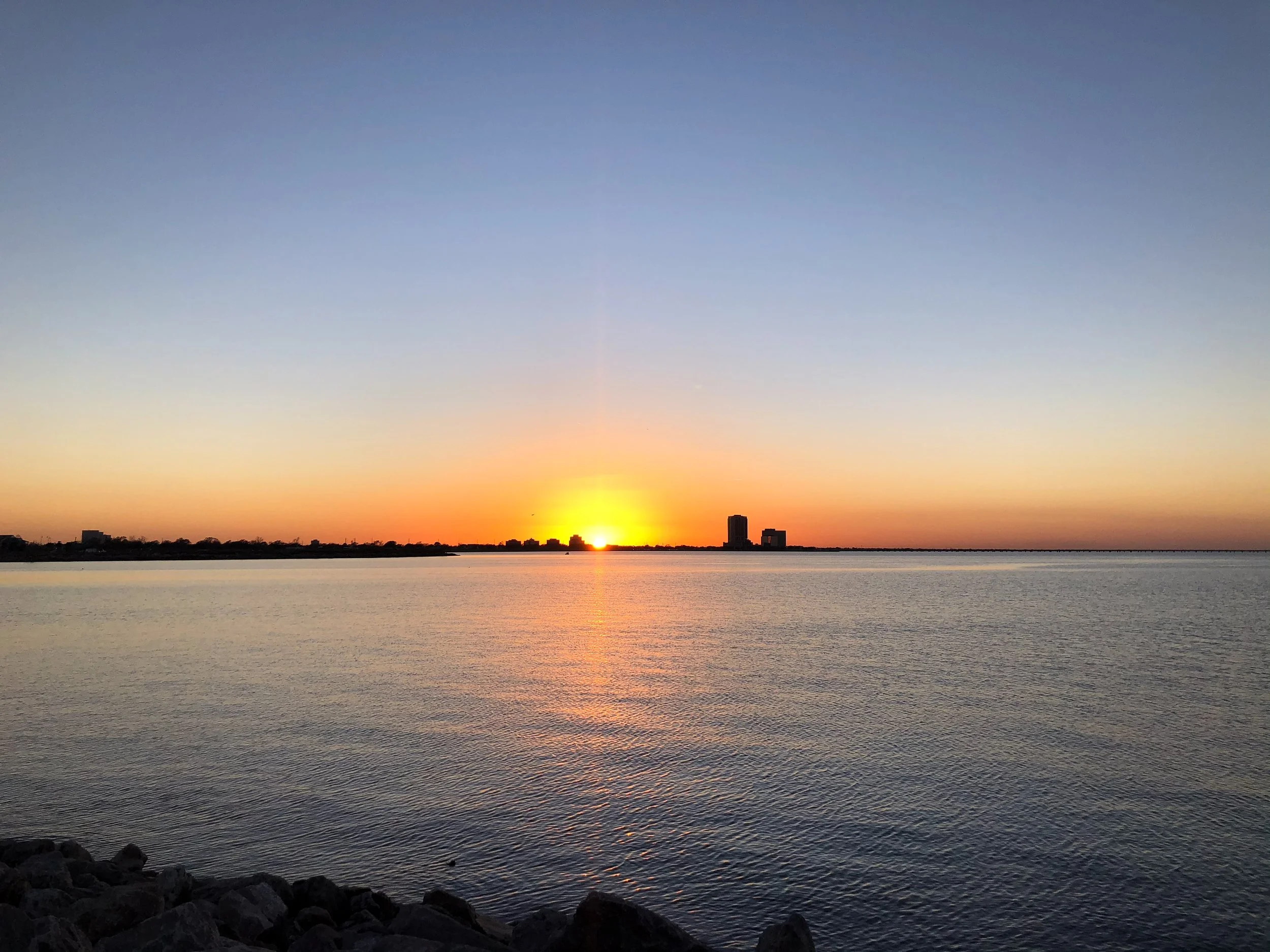
Sunsets at Lake Pontchartrain. Visit Breakwater Park on Lake Pontchartrain to watch the sunset. The calm shallow waters reflect every color in the sky. Afterwards, there are a number of seafood restaurants nearby to enjoy dinner.
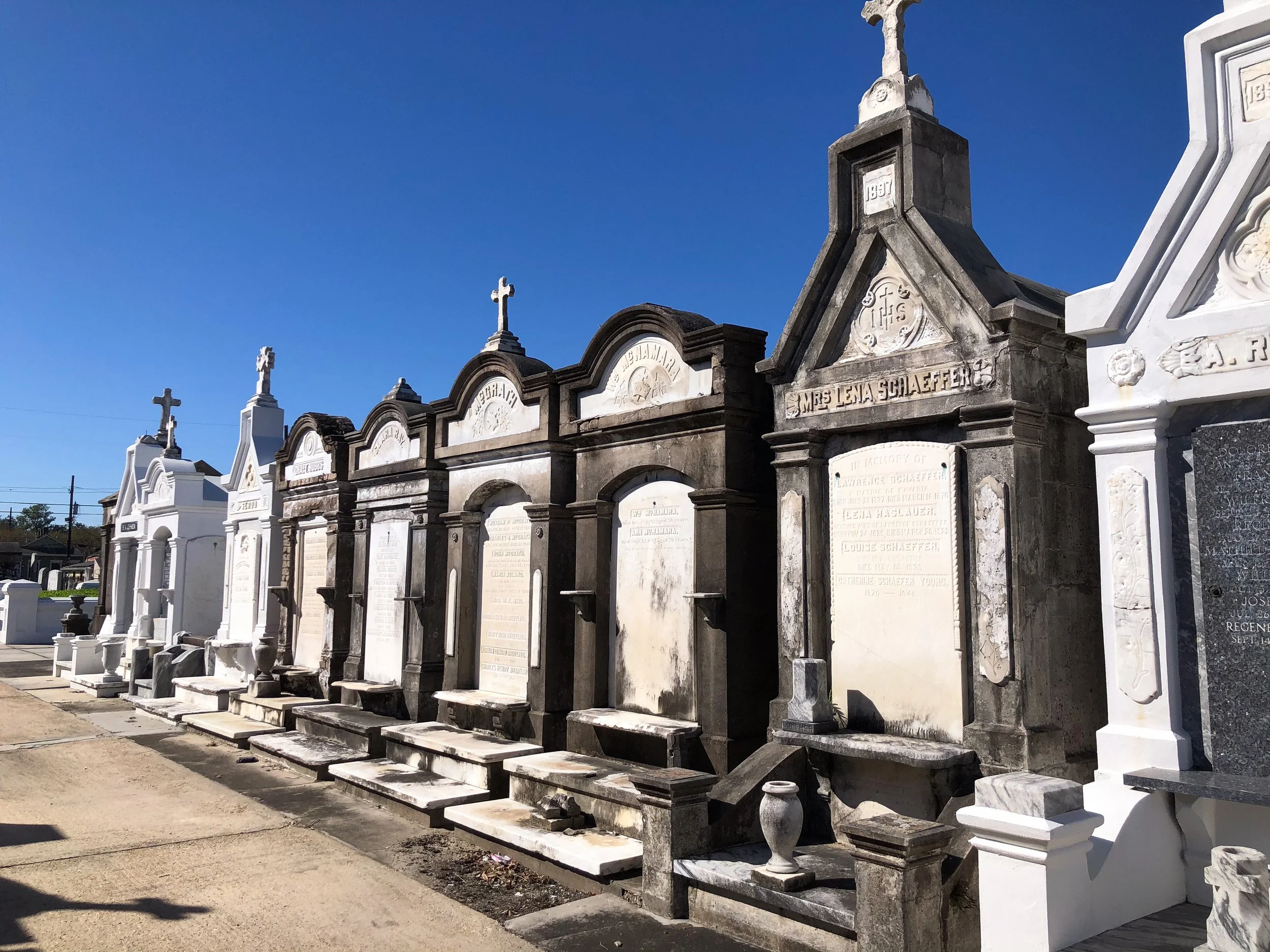
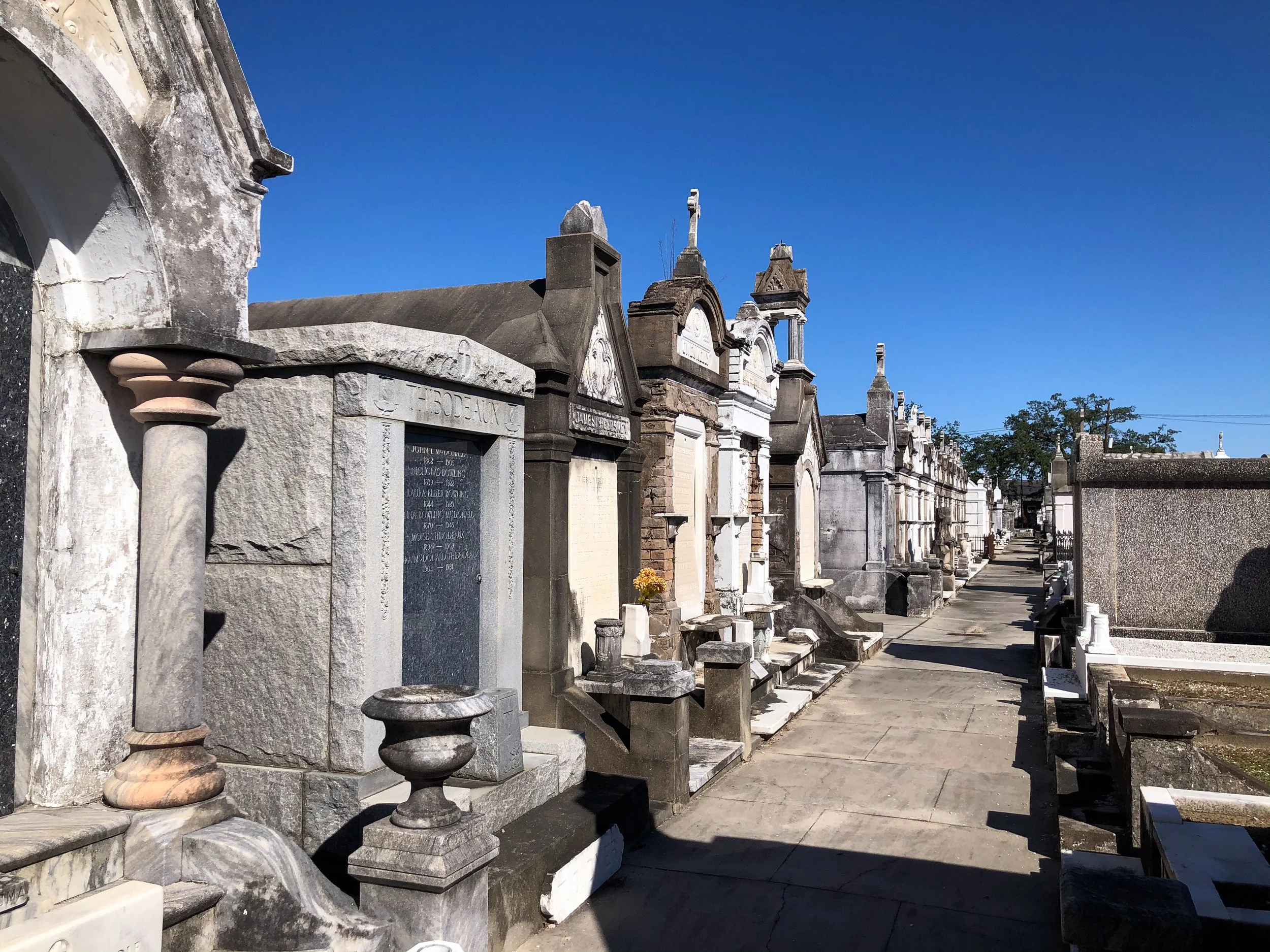
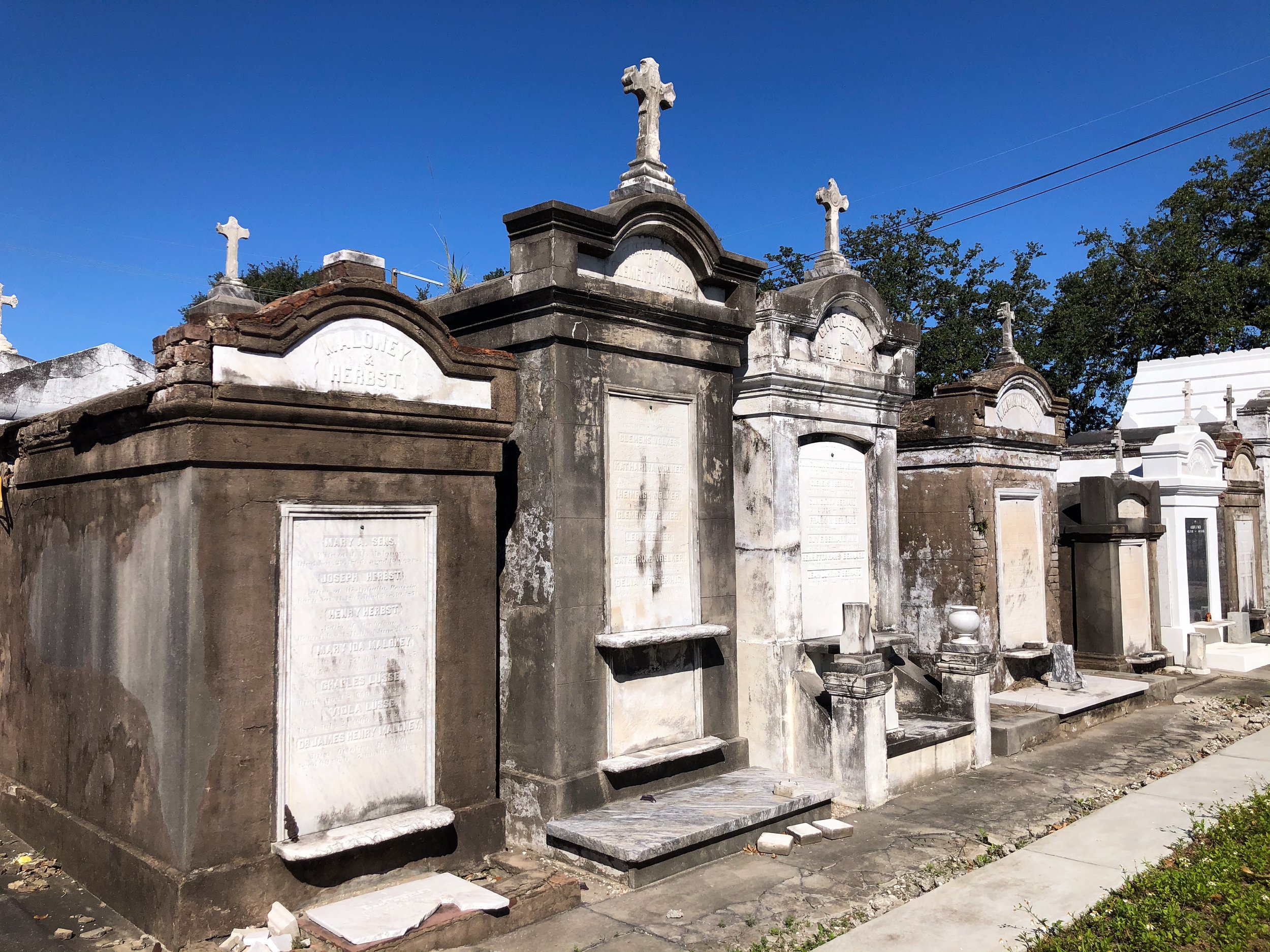
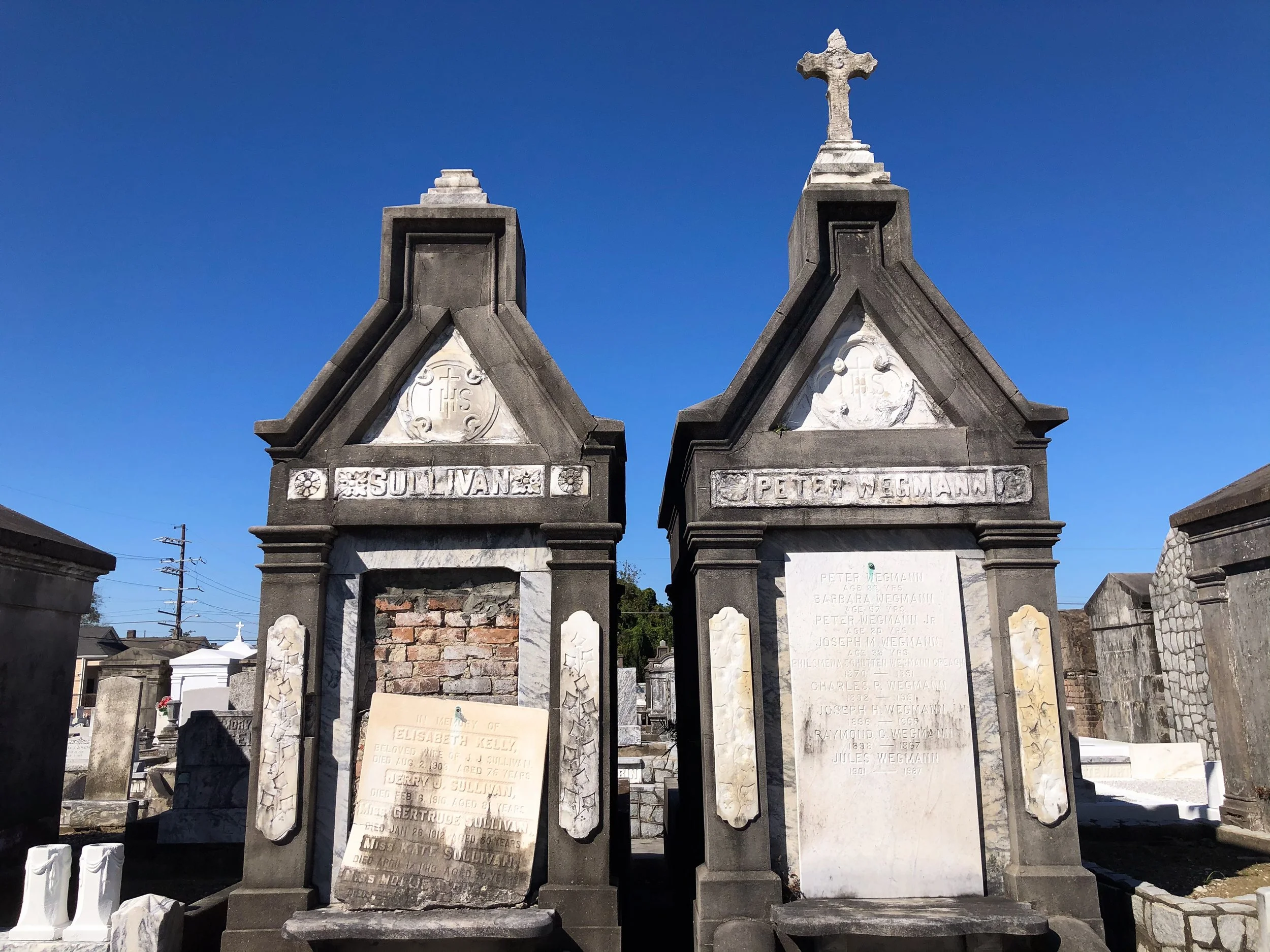
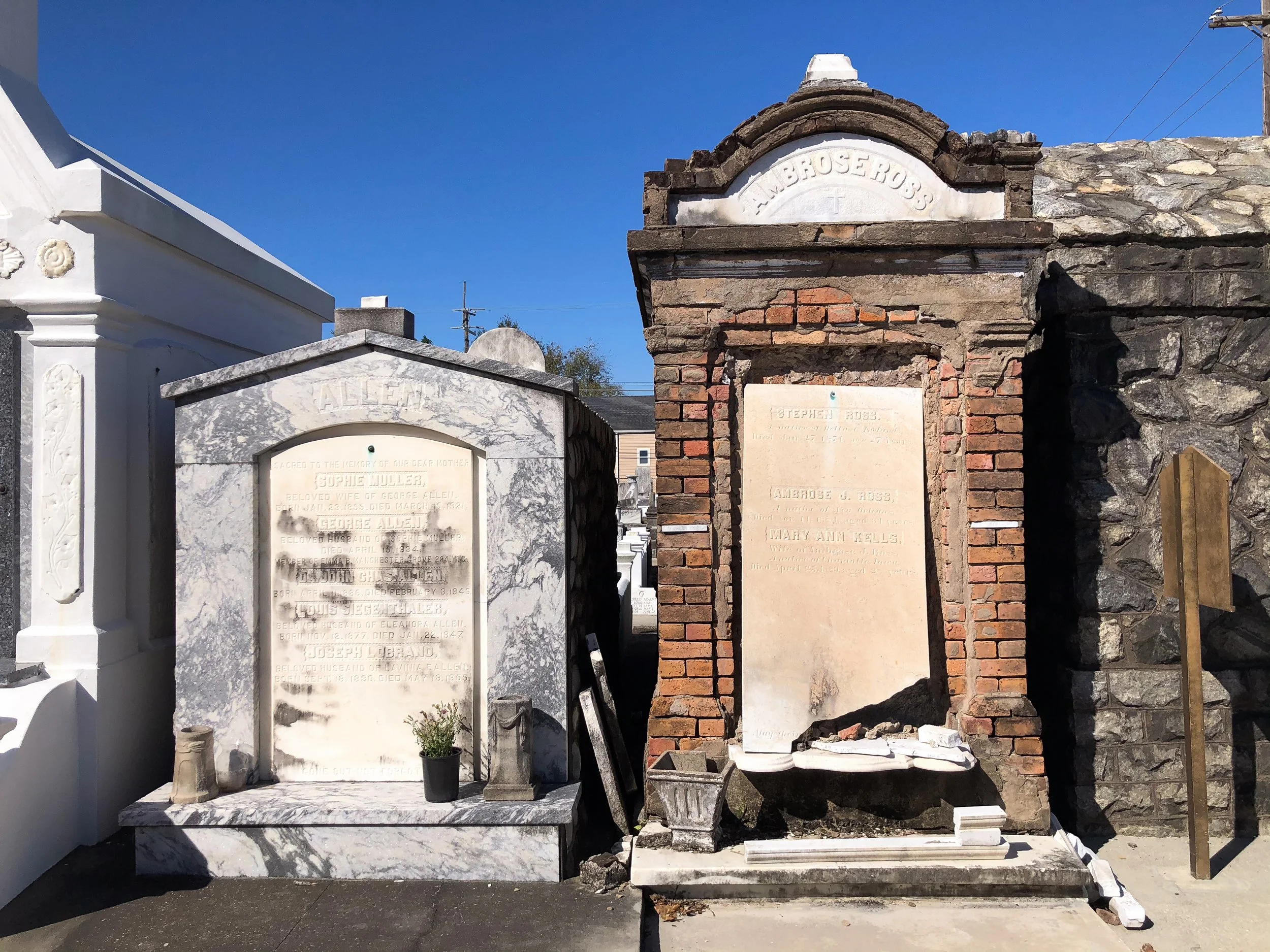
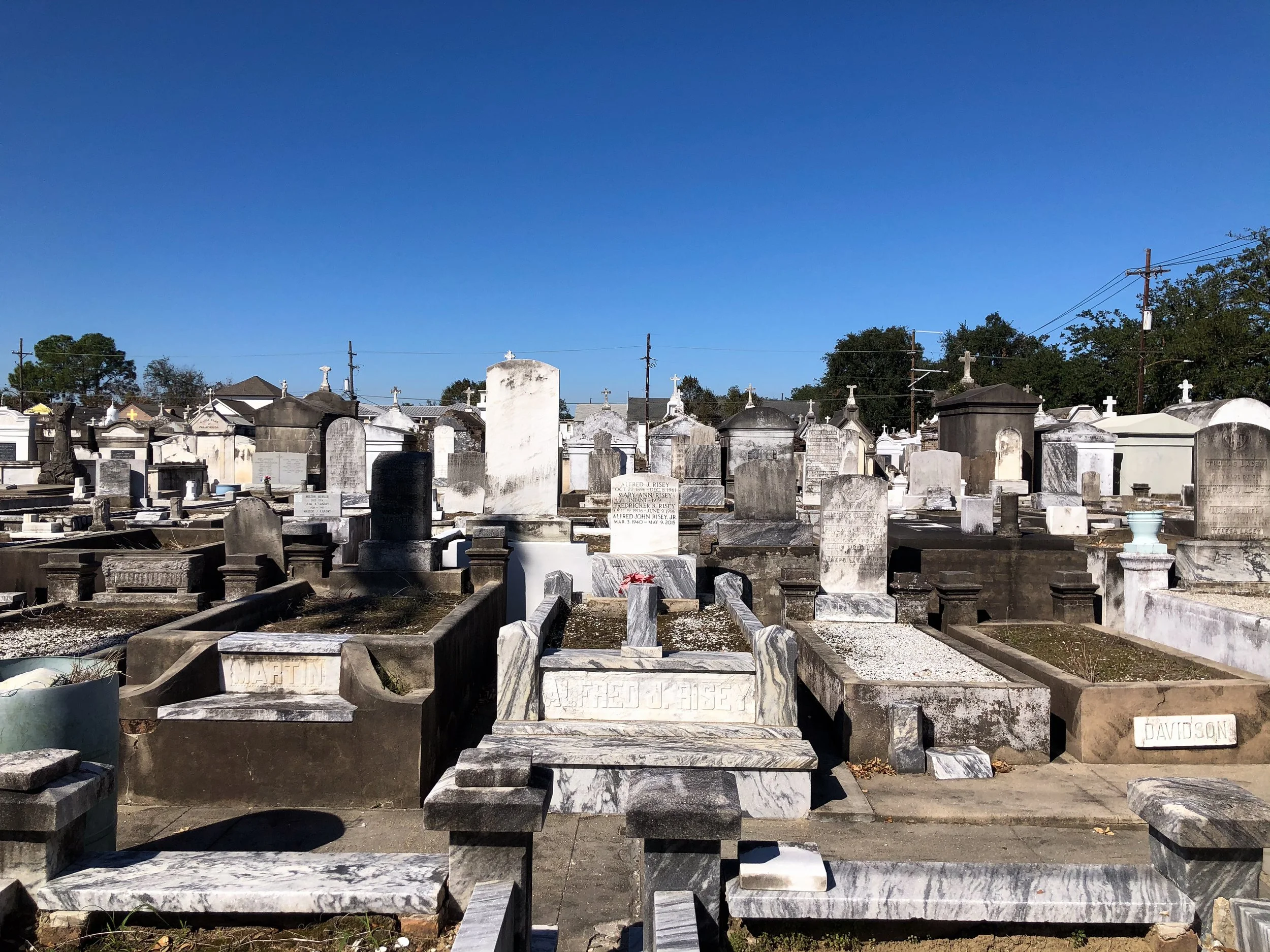
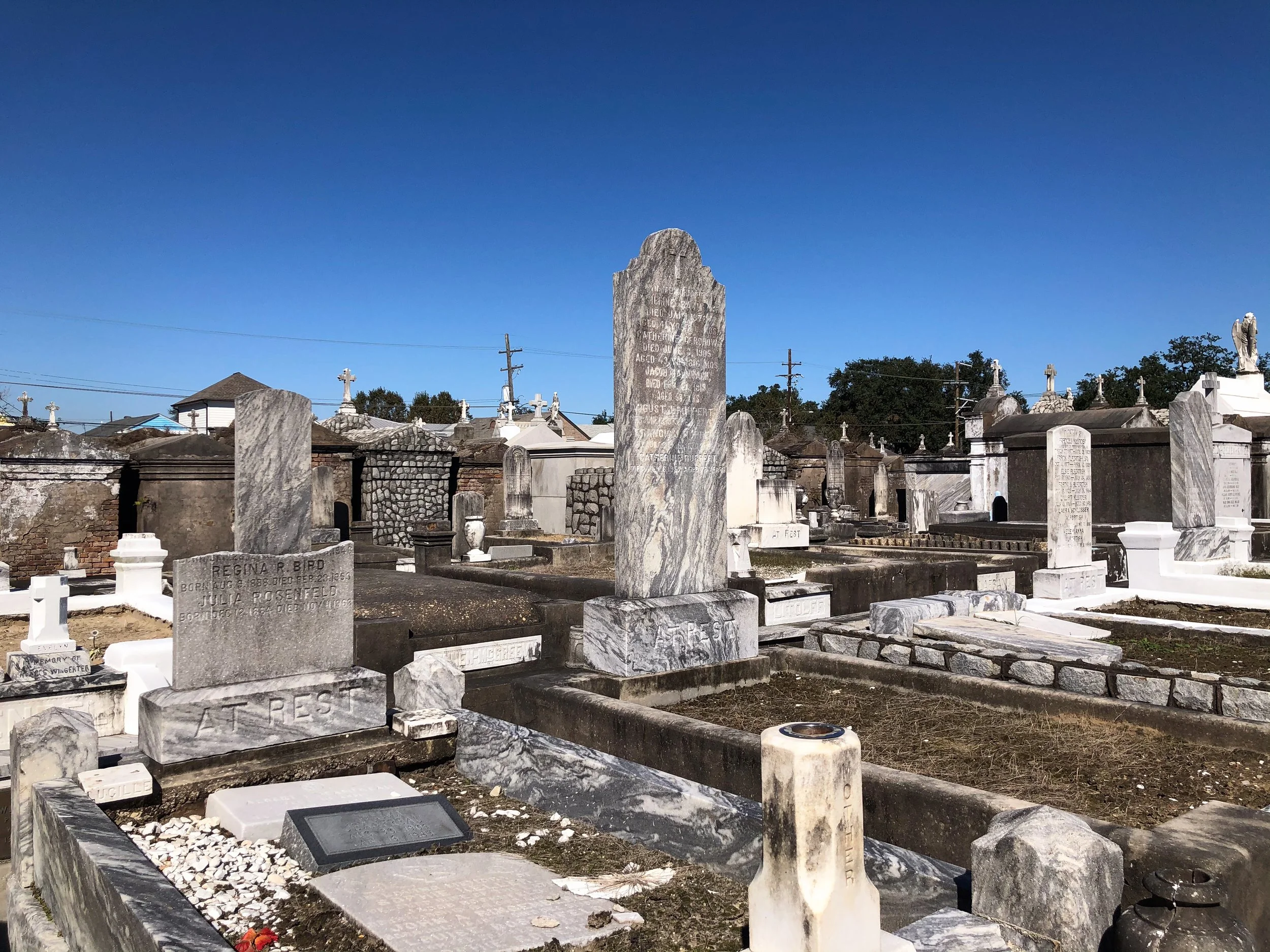
Visit a Cemetery. The dead in New Orleans are buried above ground in elevated plots or mausoleums because the city sits below sea level. We walked through the rows of St. Joseph Cemetery and Lafayette Cemetery No. 2. Both of which were open and free to tour.
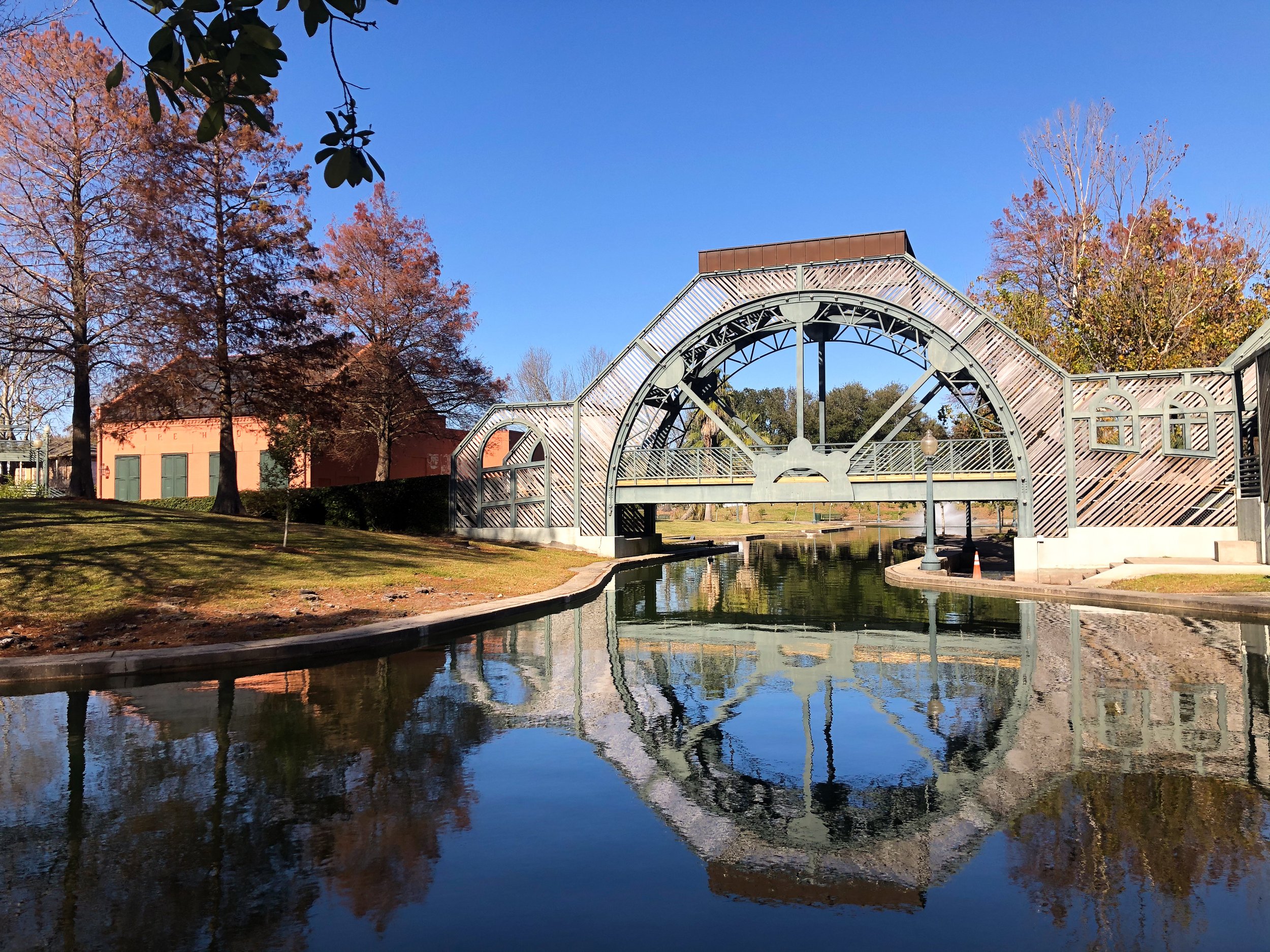
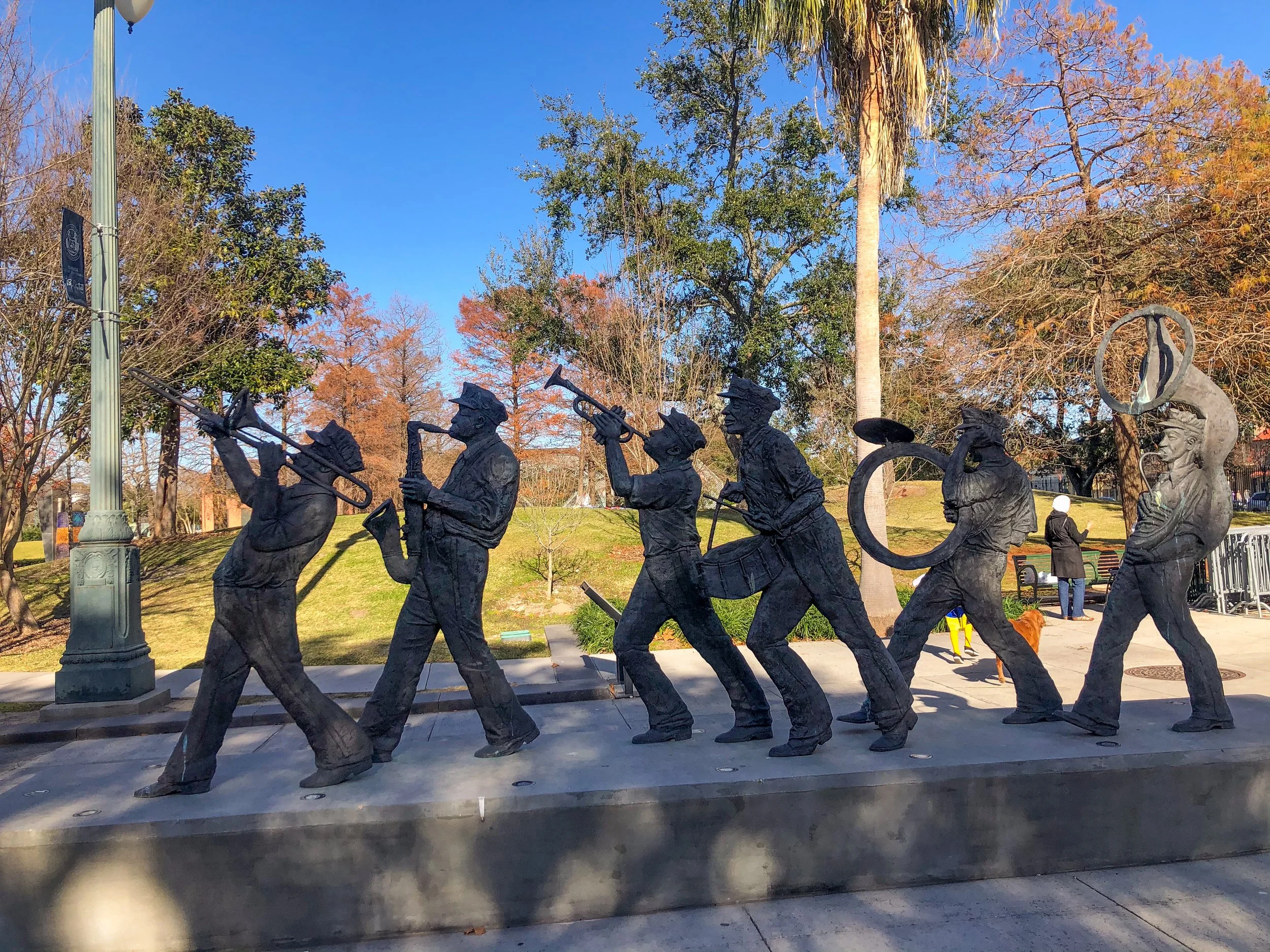
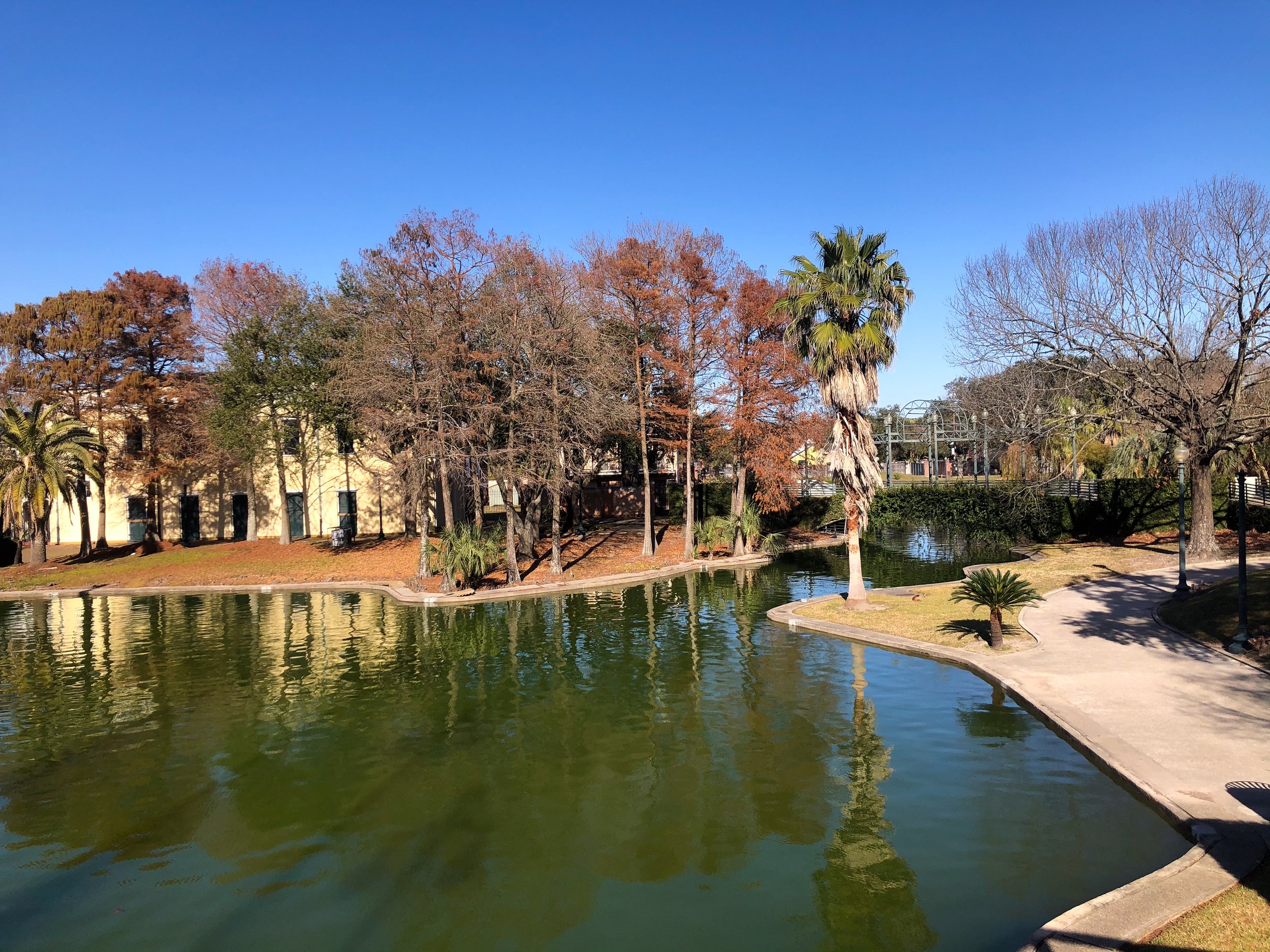
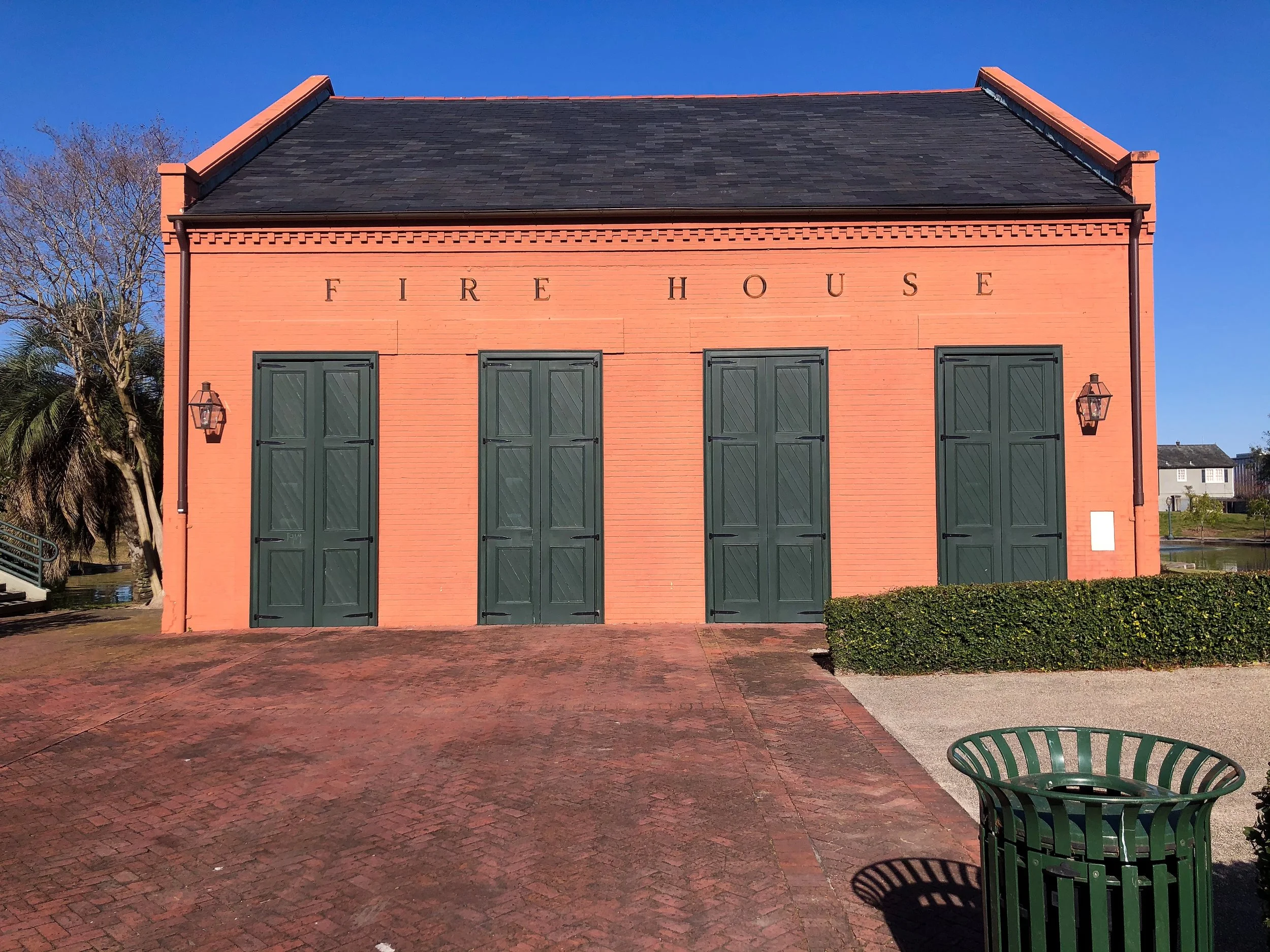
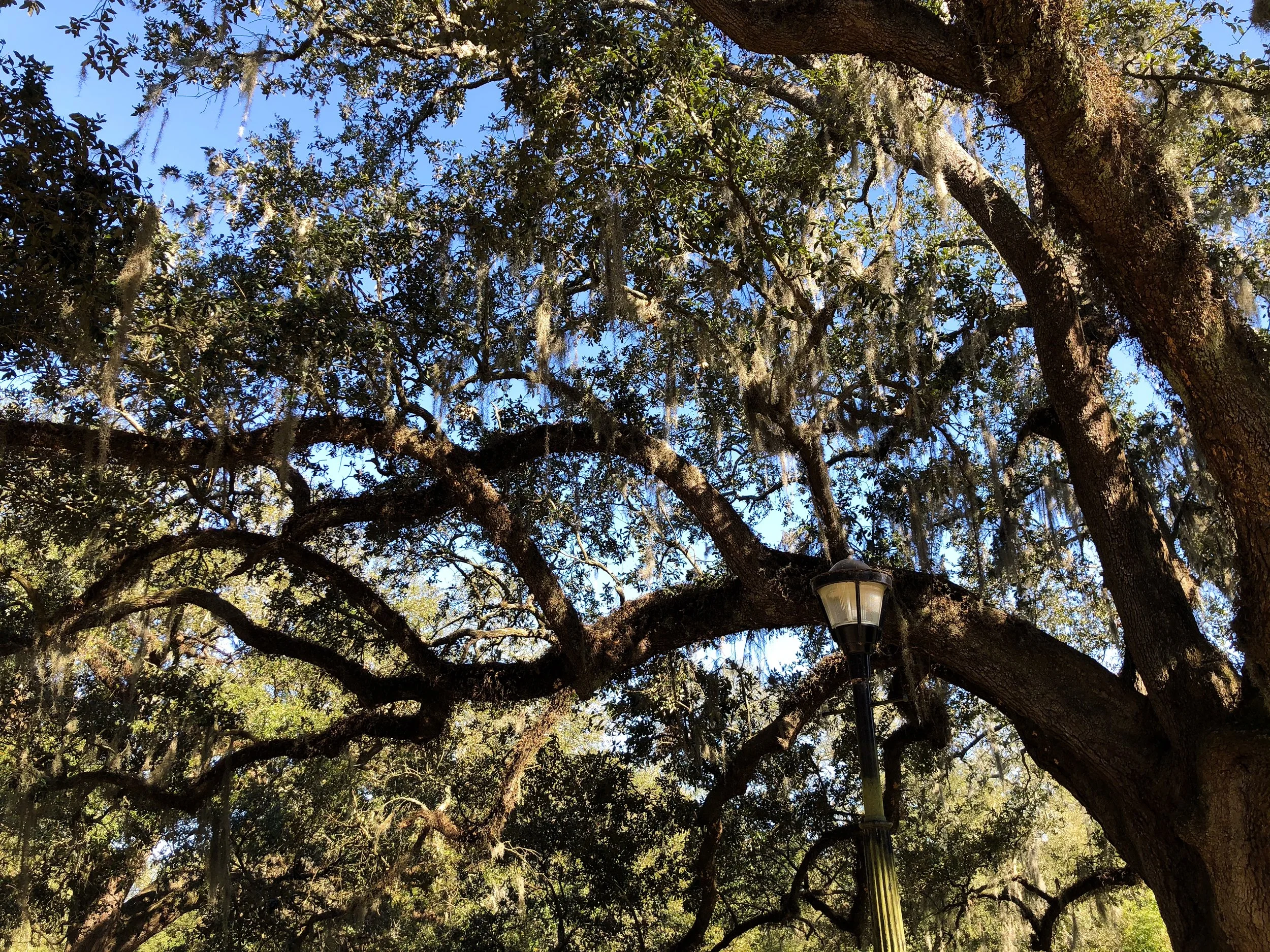
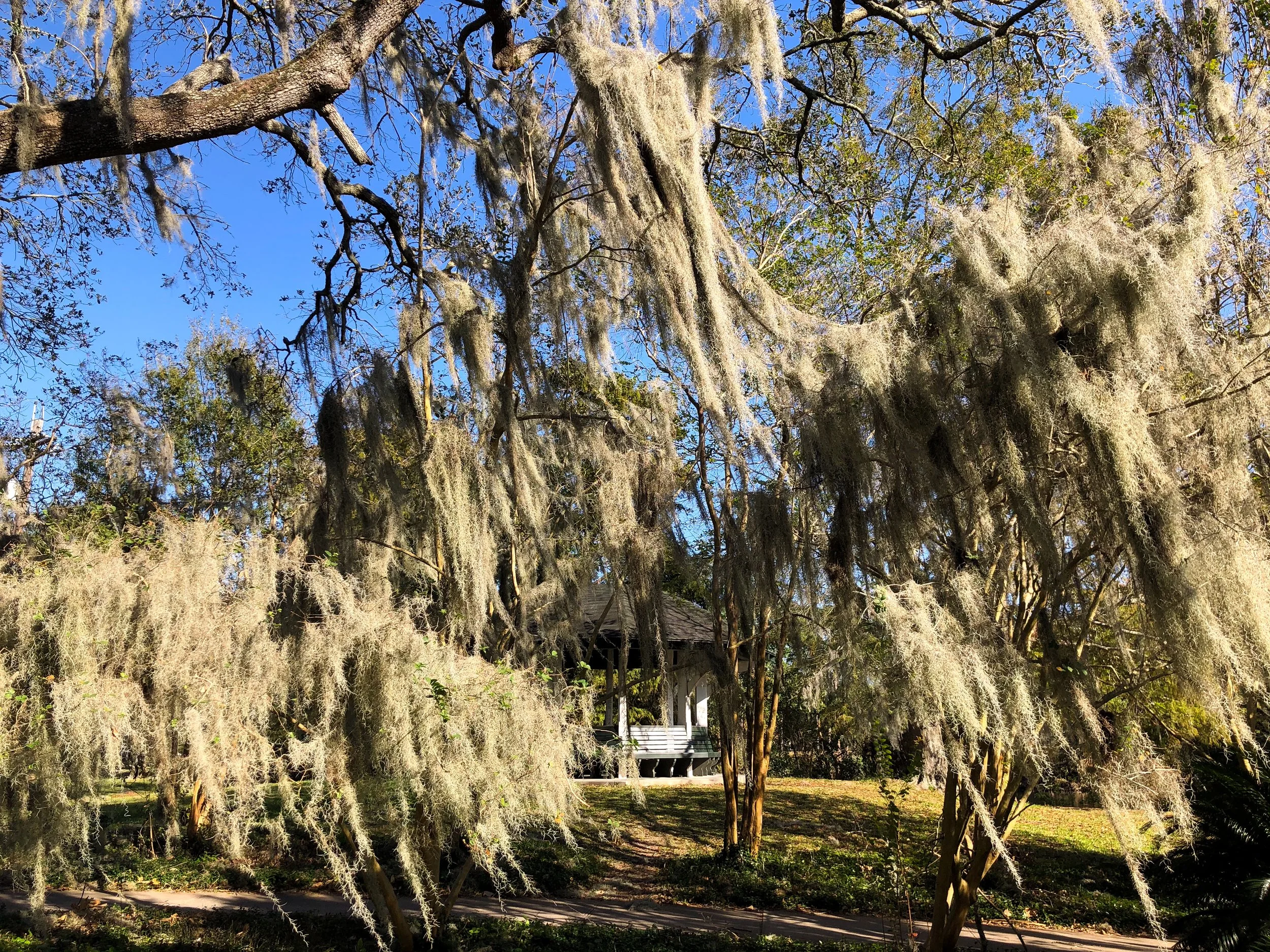
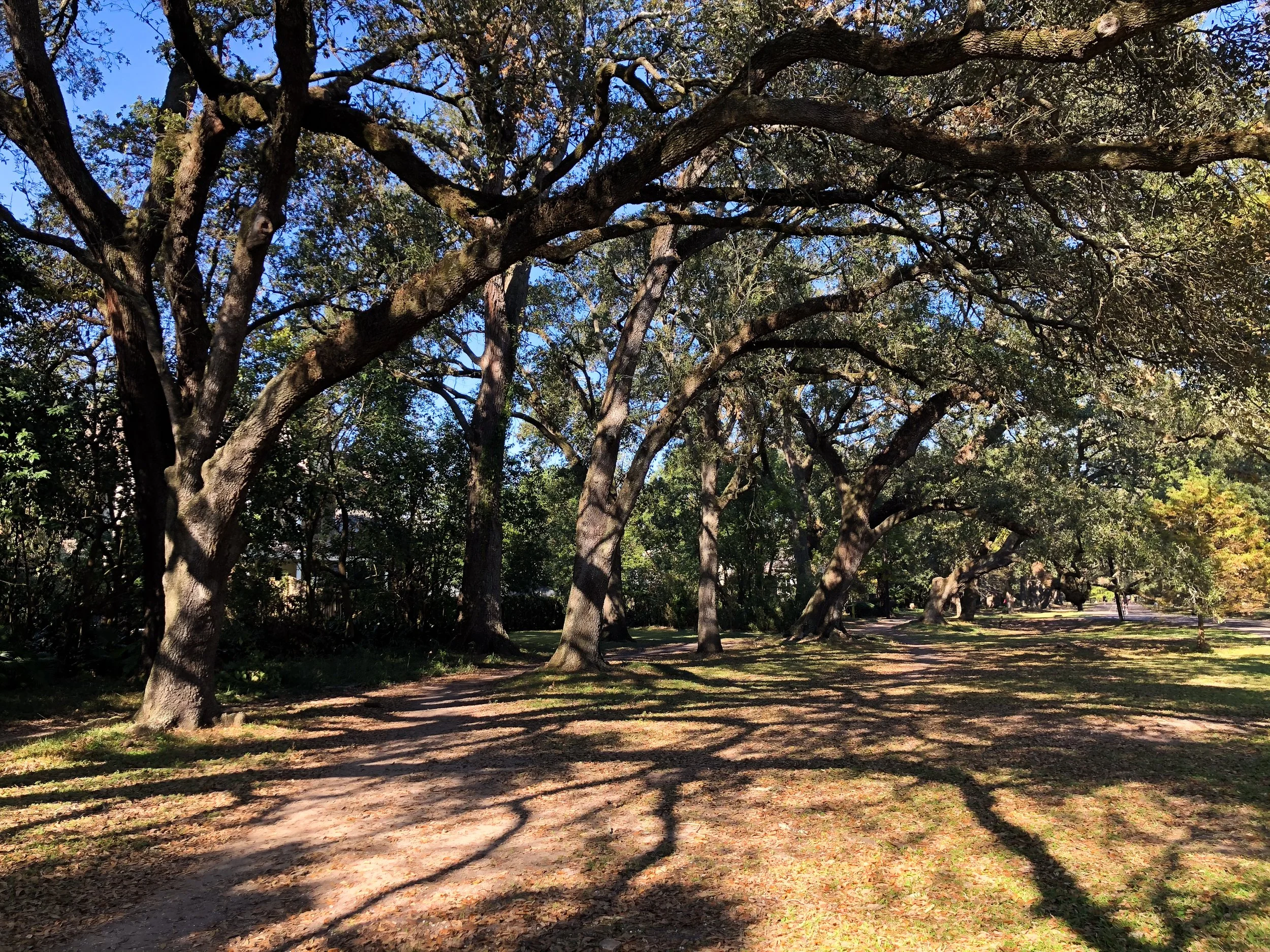
Armstrong Park. A park on the edge of the French Quarter with walkways and bridges that meander over bayou-like waterways and ponds. Statues and sculptures of Jazz legends and musicians celebrate New Orleans’ musical culture, African heritage and Black History.
Audubon Park. A spacious city park and green space with towering oak trees covered in Spanish moss, meandering and shaded walksways, swan inhabited ponds and views of the Mississippi River.
Walk Down Crescent Park. A riverfront park located along the Mississippi with a 1.4 mile path. Watch the ships pass by and sound their foghorns. Afterwards, cross the “Rusty Rainbow Bridge” into the ByWater neighborhood.
Cross The Mississippi. There is a ferry located along the riverfront at the end of Canal Street that crosses the Mississippi to Algiers Point. It’s a quiet neighborhood to enjoy a po’boy, view the skyline and walk the levee.
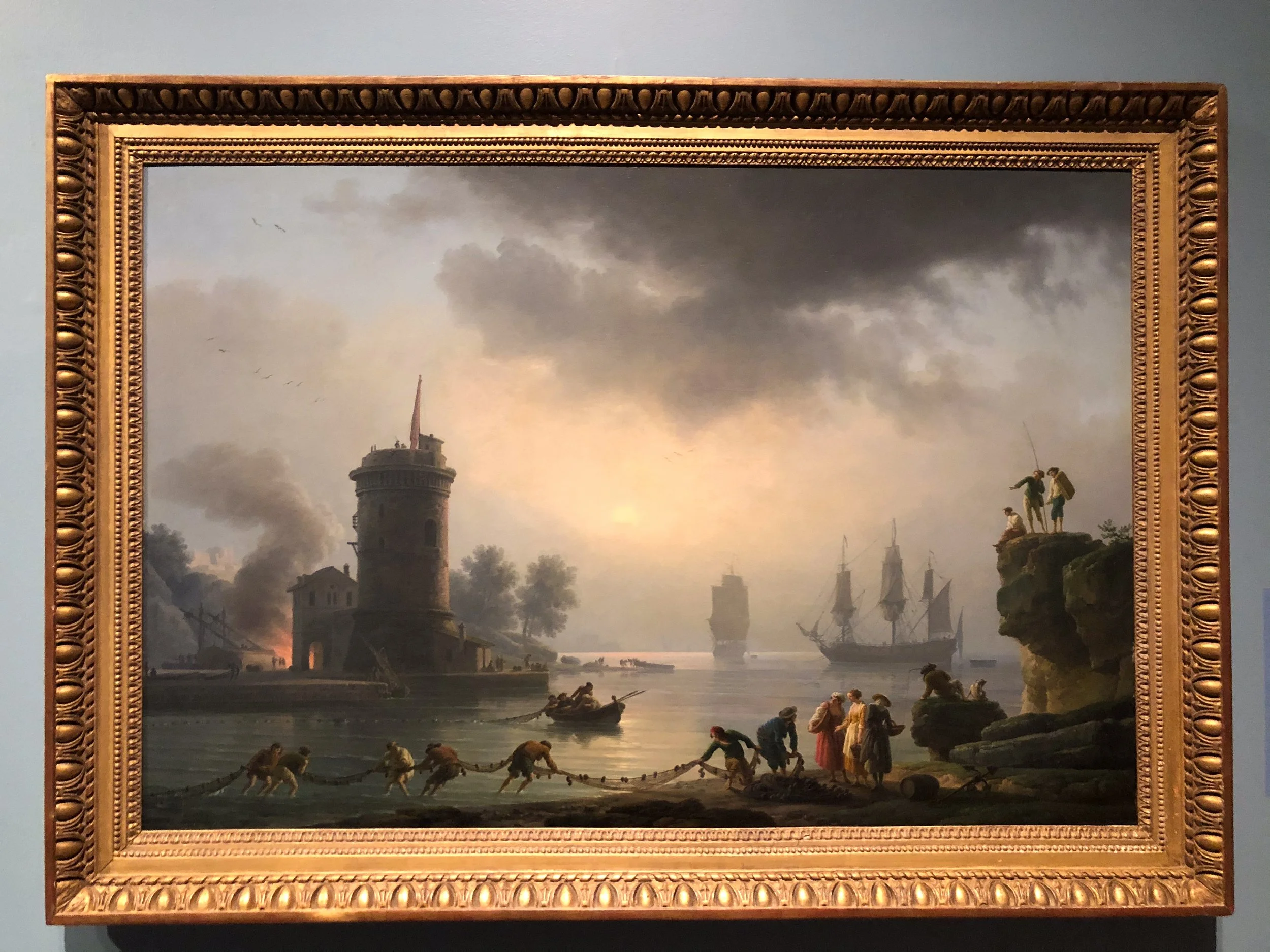
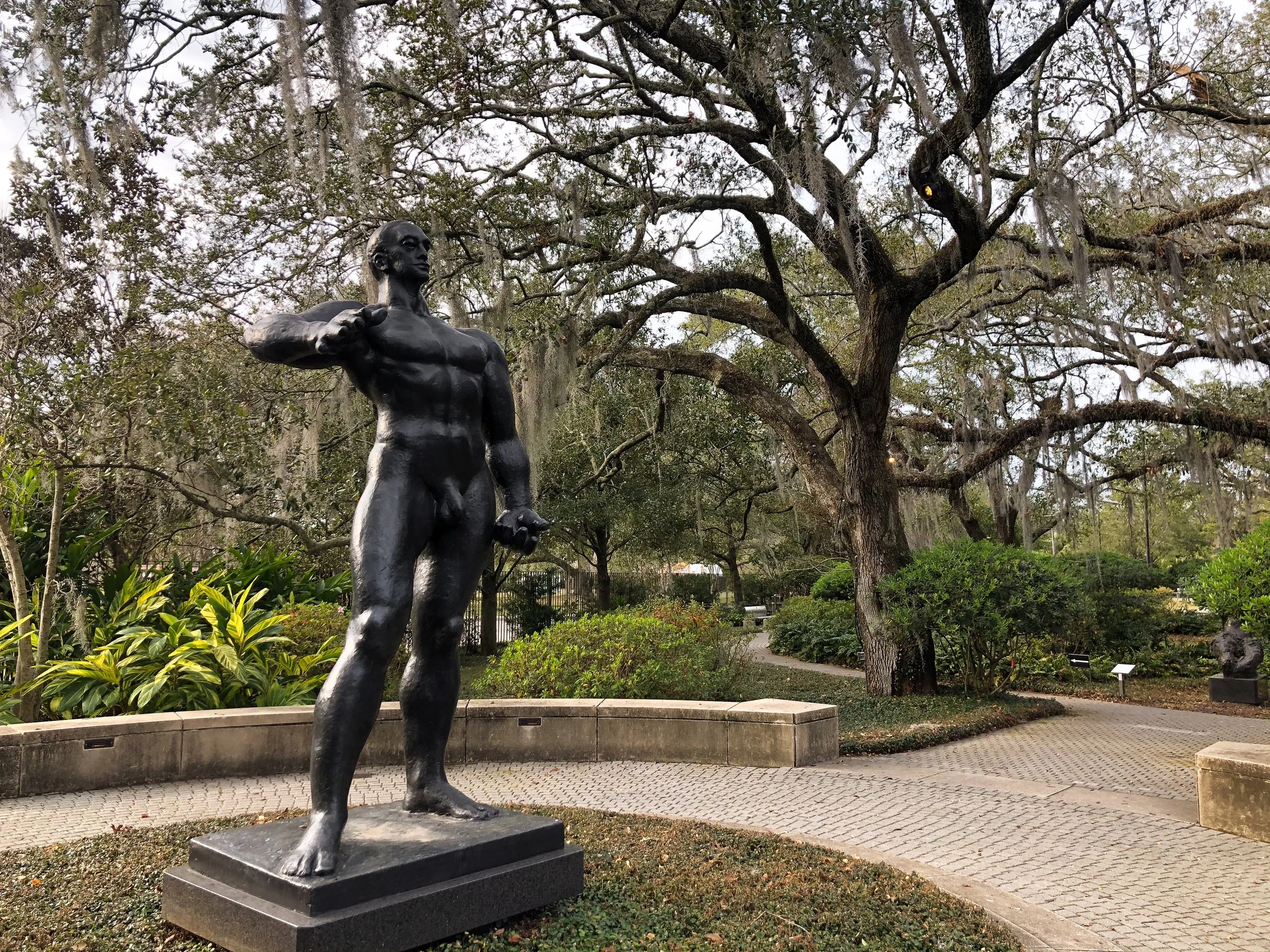
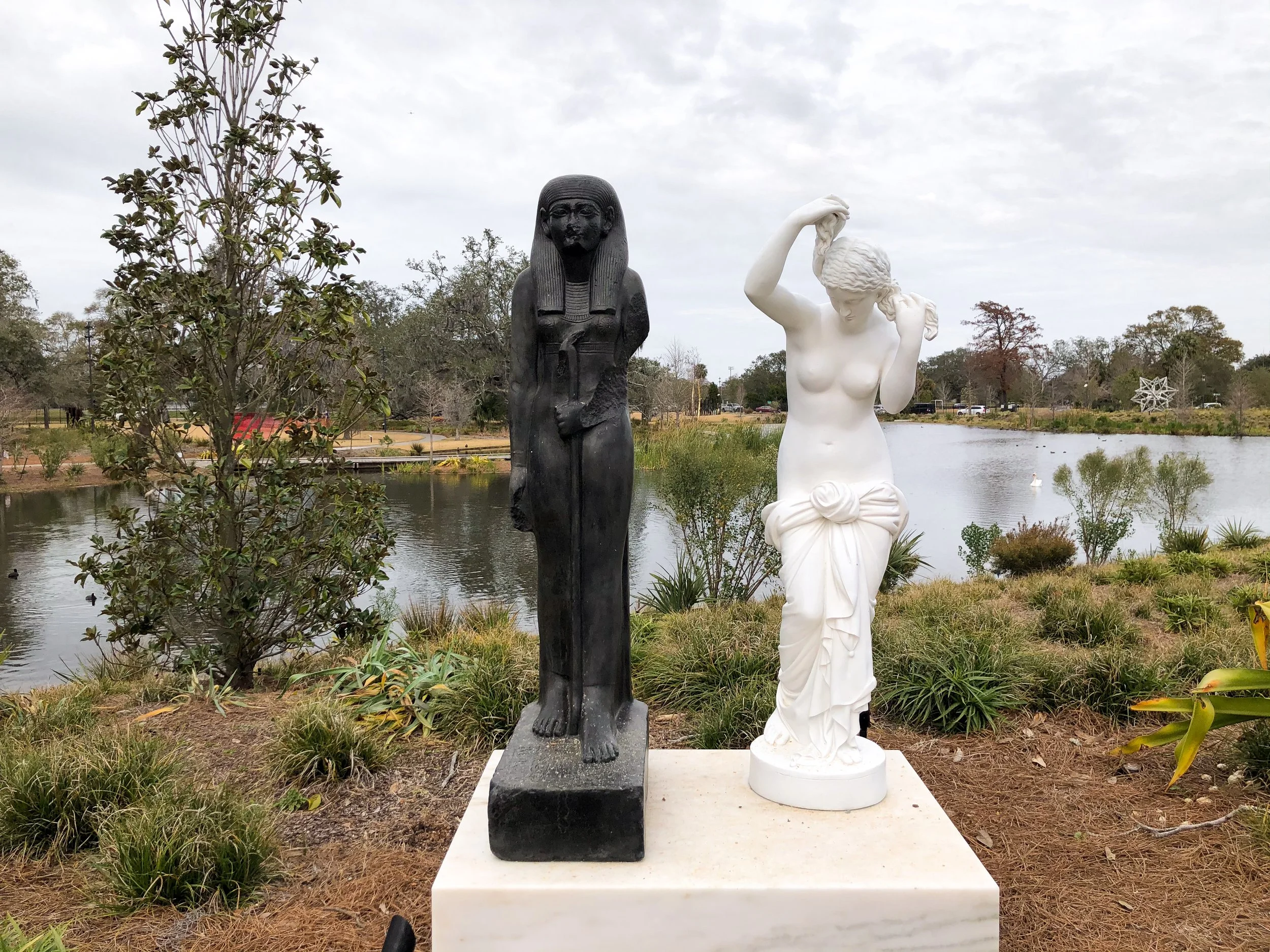
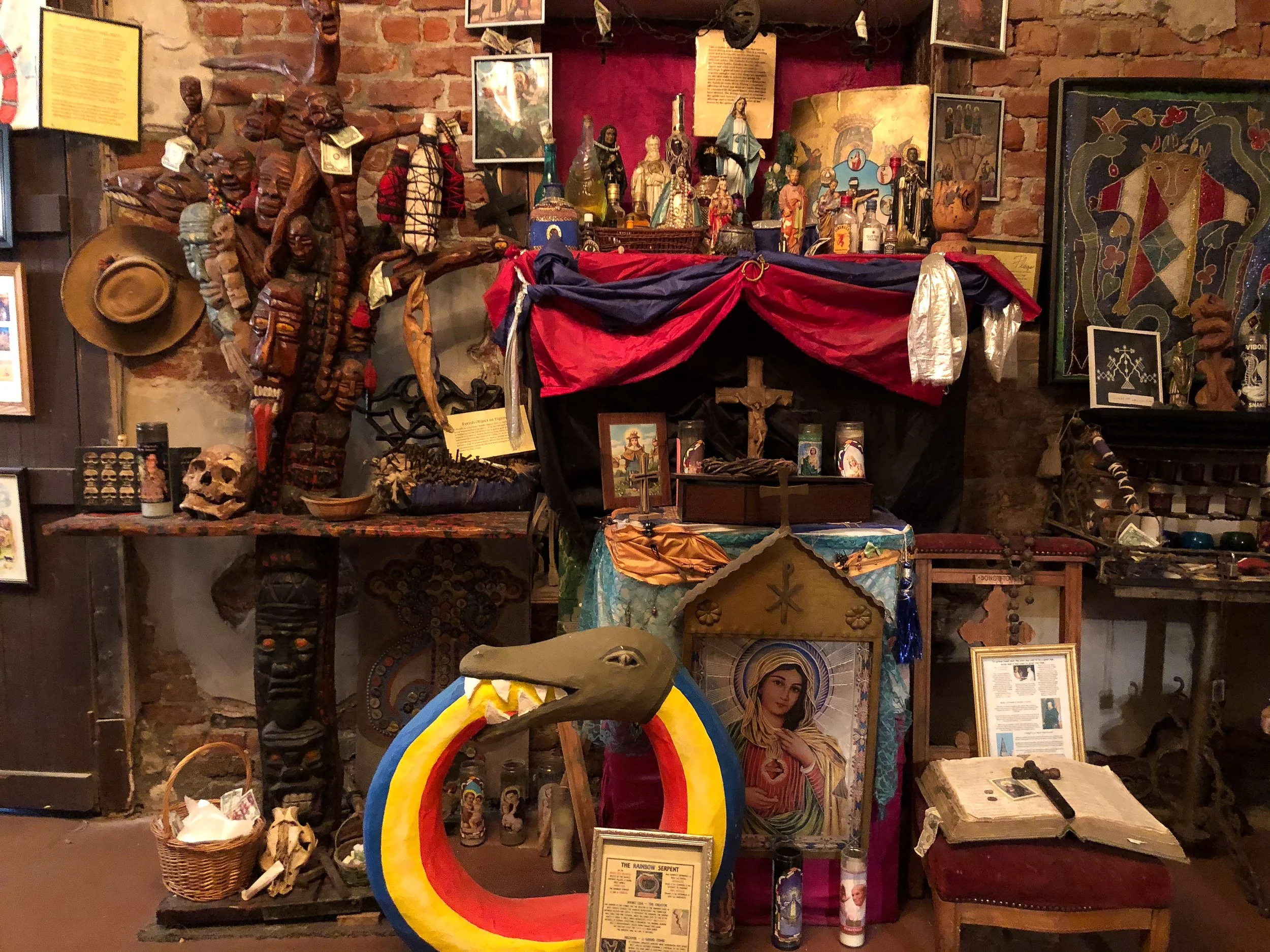
See Some Art
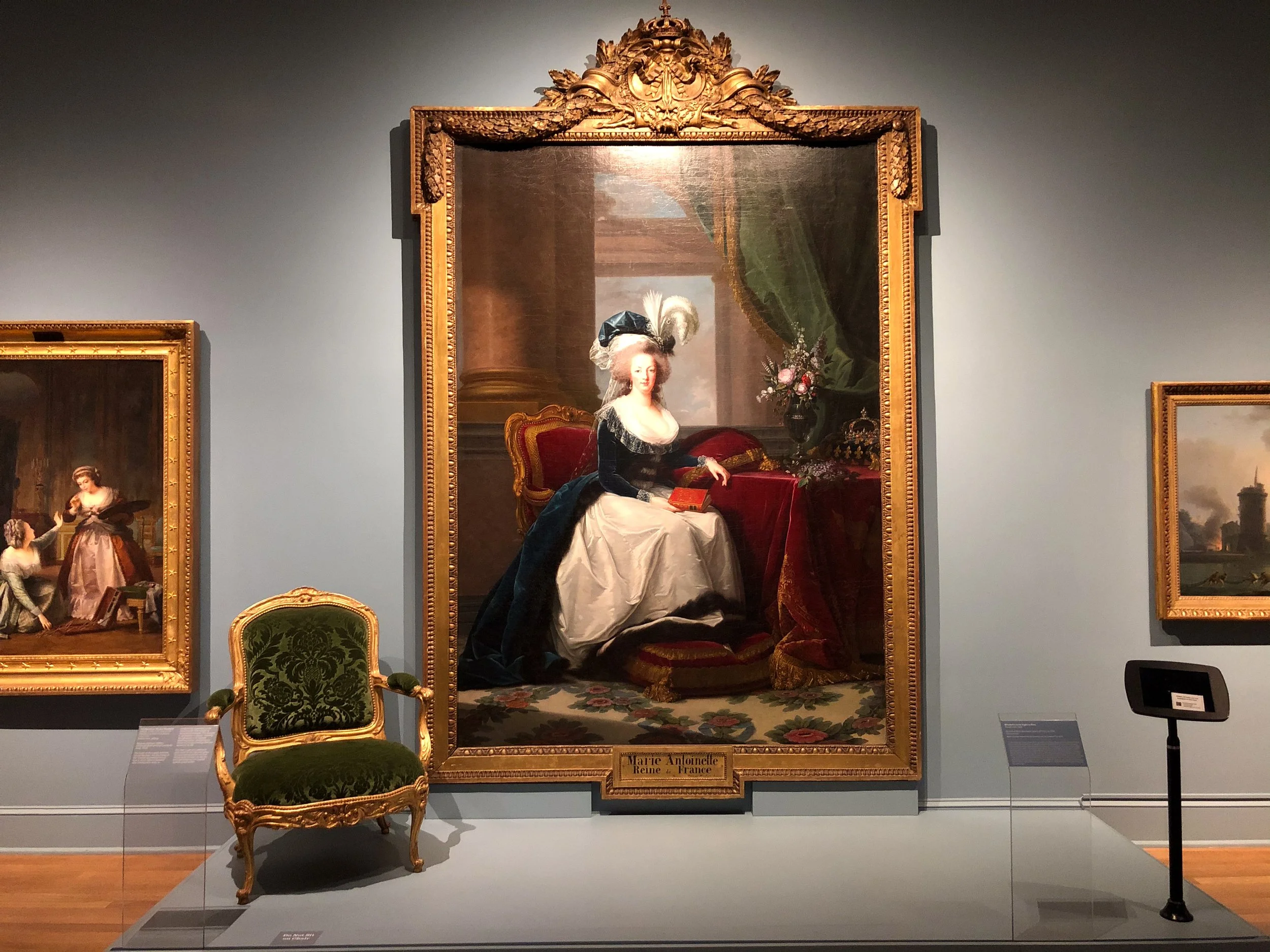
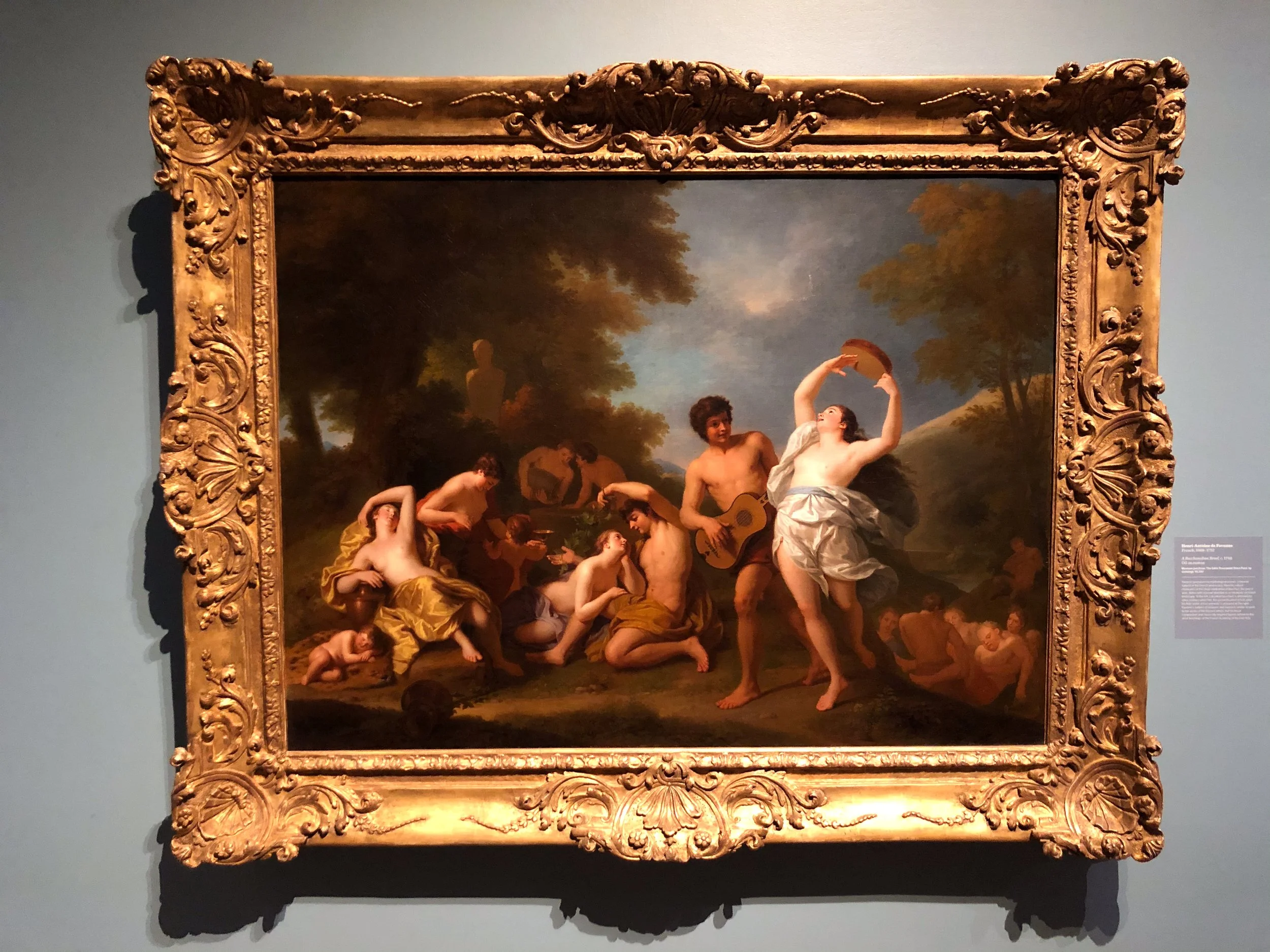
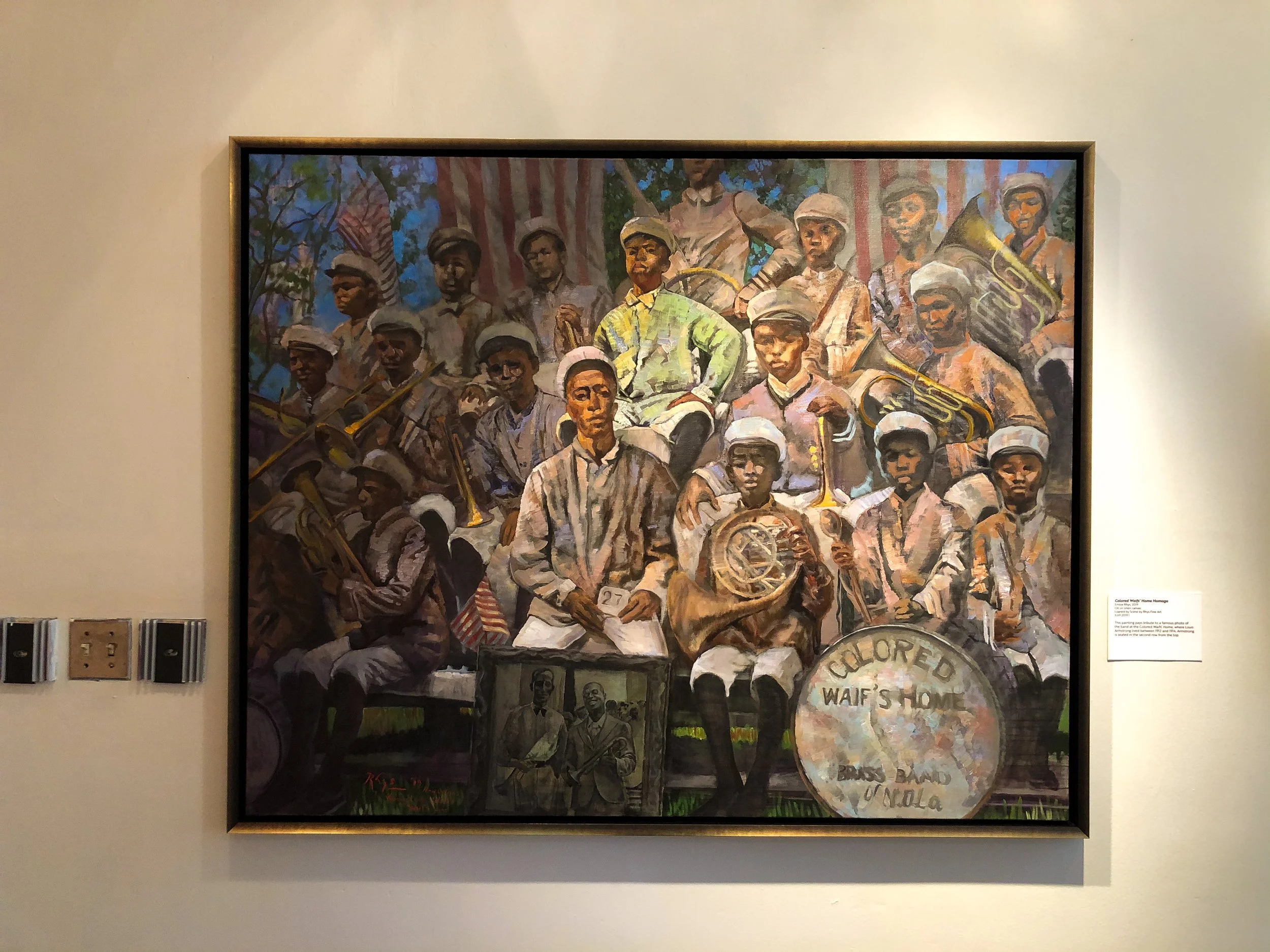
NOMA (New Orleans Museum of Art). The museum has a great collection of Southern, French and Modern painting, historic and multi-cultural artifacts and a remarkable sculpture garden with beautifully landscaped grounds. There is also a rotating gallery; it had an LGBTQ+ photography exhibit when we visited.
New Orleans Jazz Museum. A museum teaching about the origin of Jazz, some of its most notable musicians and its importance in New Orleans.
New Orleans Historic Voodoo Museum. A tiny but educational museum in the French Quarter with many voodoo artifacts and altars. It’s a great place to visit and learn more about the religion. They also offer cemetery tours and bone readings.
Go Shopping
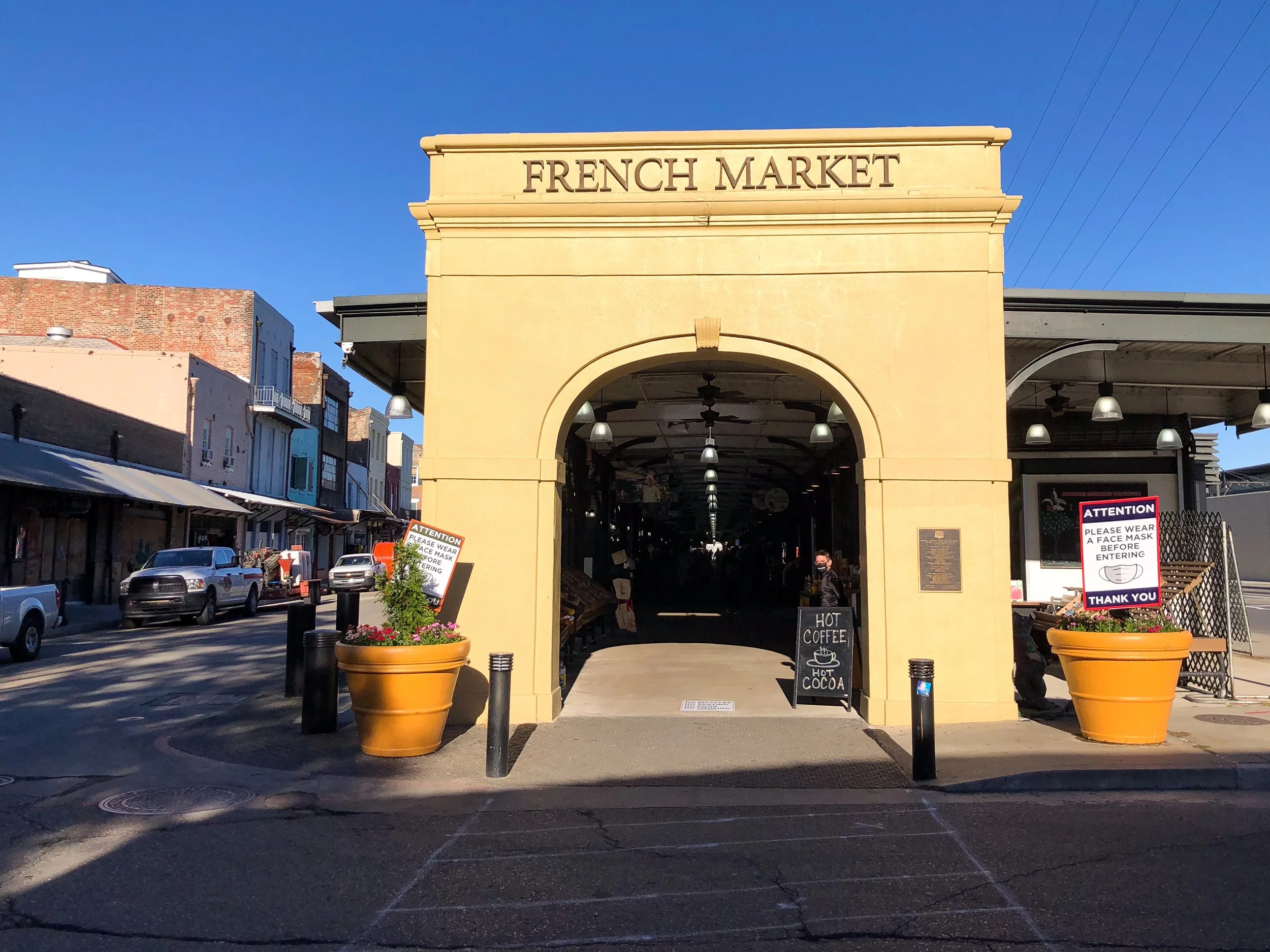
The French Market. A market under a series of sheds in the French Quarter with food stands, to-go bars, live jazz performances, booths selling a range of items including Creole seasonings, fresh produce, Mardi Gras masks, voodoo dolls and colorful beads. Visit the original Cafe du Monde for sugary beignets.
Frenchman Arts Bazaar. A nightly market located on Frenchman Street where artists sell illustrations, sculptures, jewelry, decor and perform live music.
Voodoo Authentica. A voodoo shop with a dimly lit interior, small shrines, handmade voodoo dolls, figurines, charms, candles and incense. It’s an educational place to learn more about the modern practice of Voodoo.
Get Out of The City
Outside of New Orleans, there are a number of mini excursions to go on. We booked ours with Cajun Encounters, a local tour company.
Swamp Tours
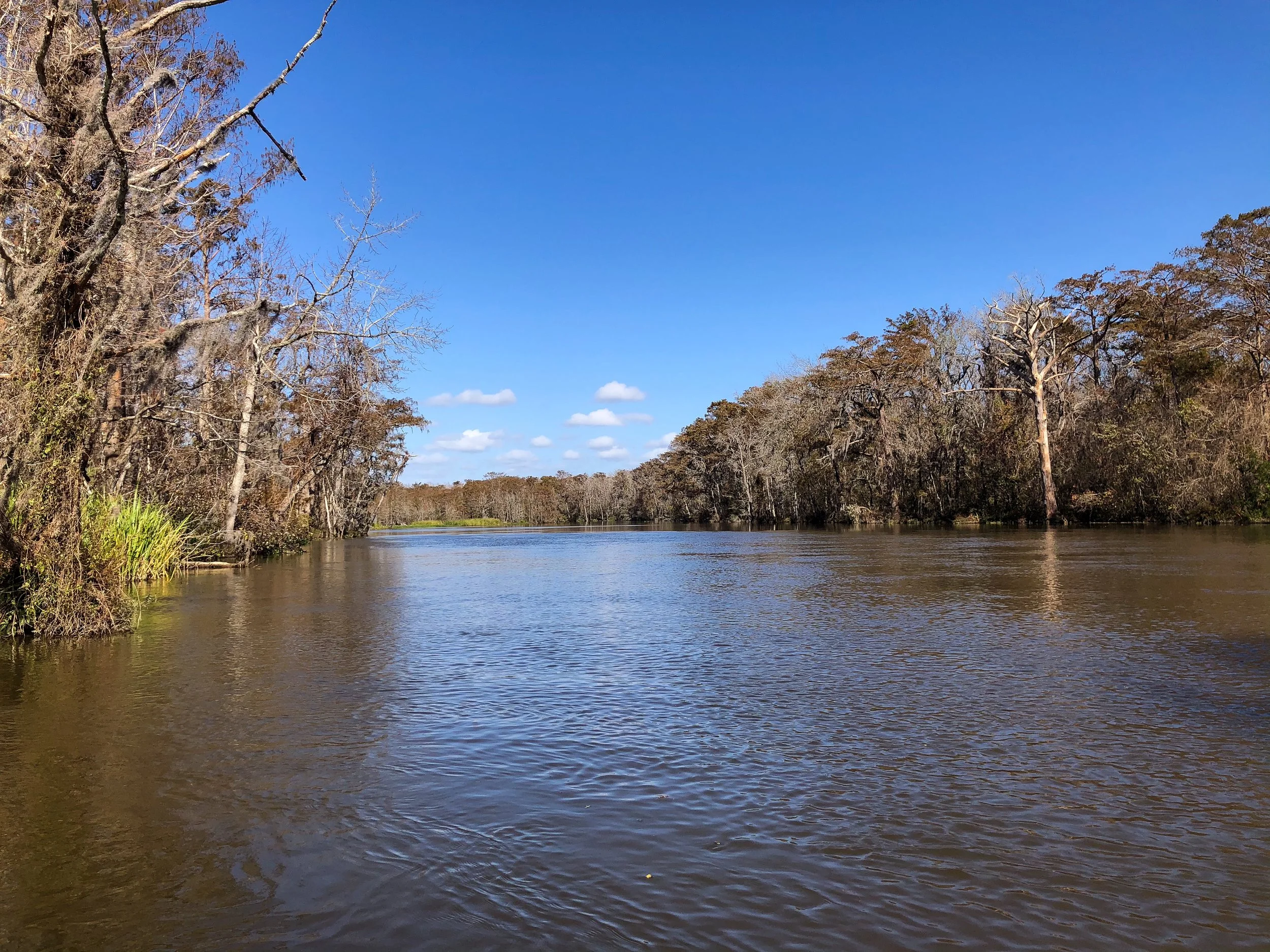
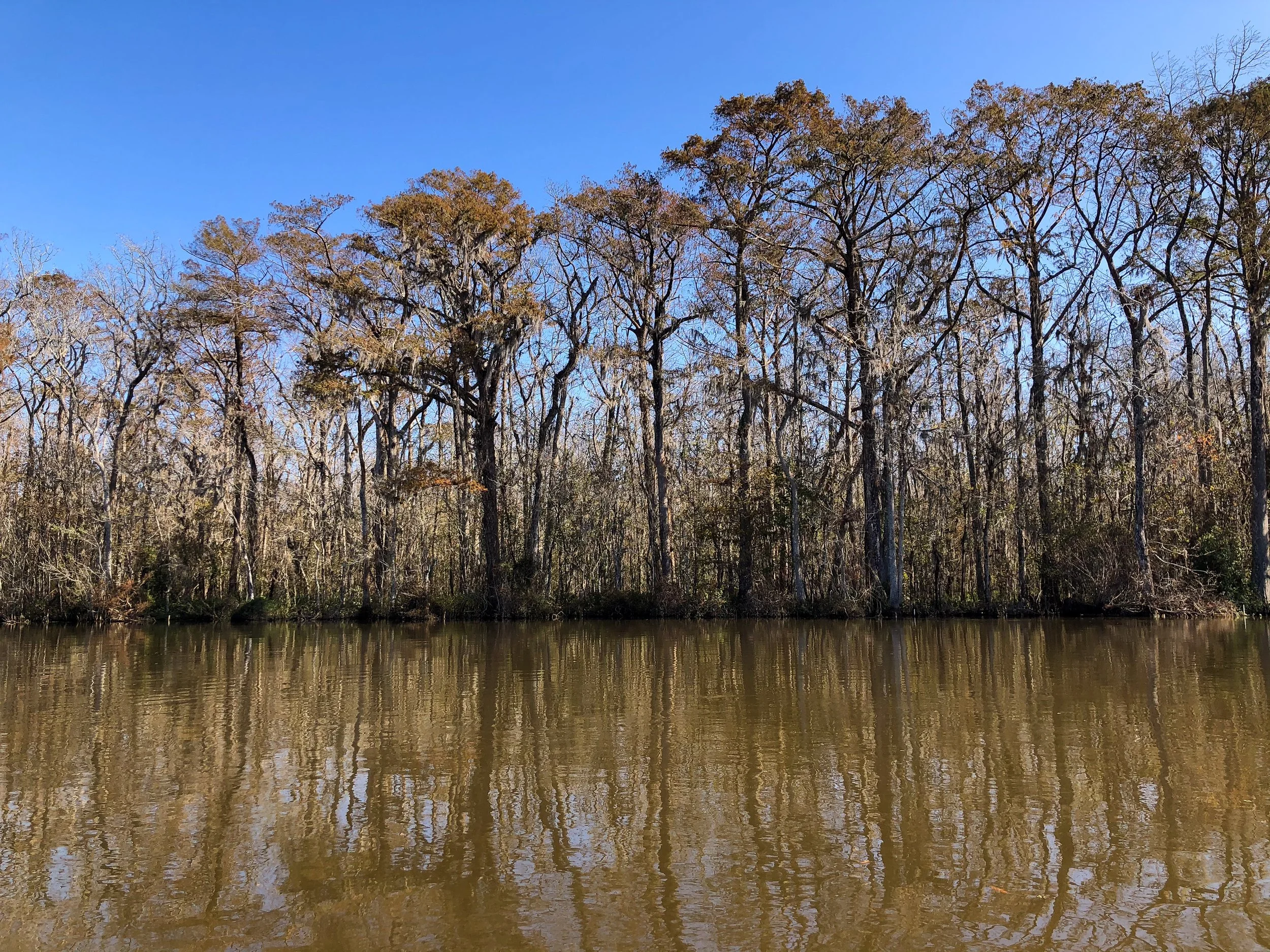
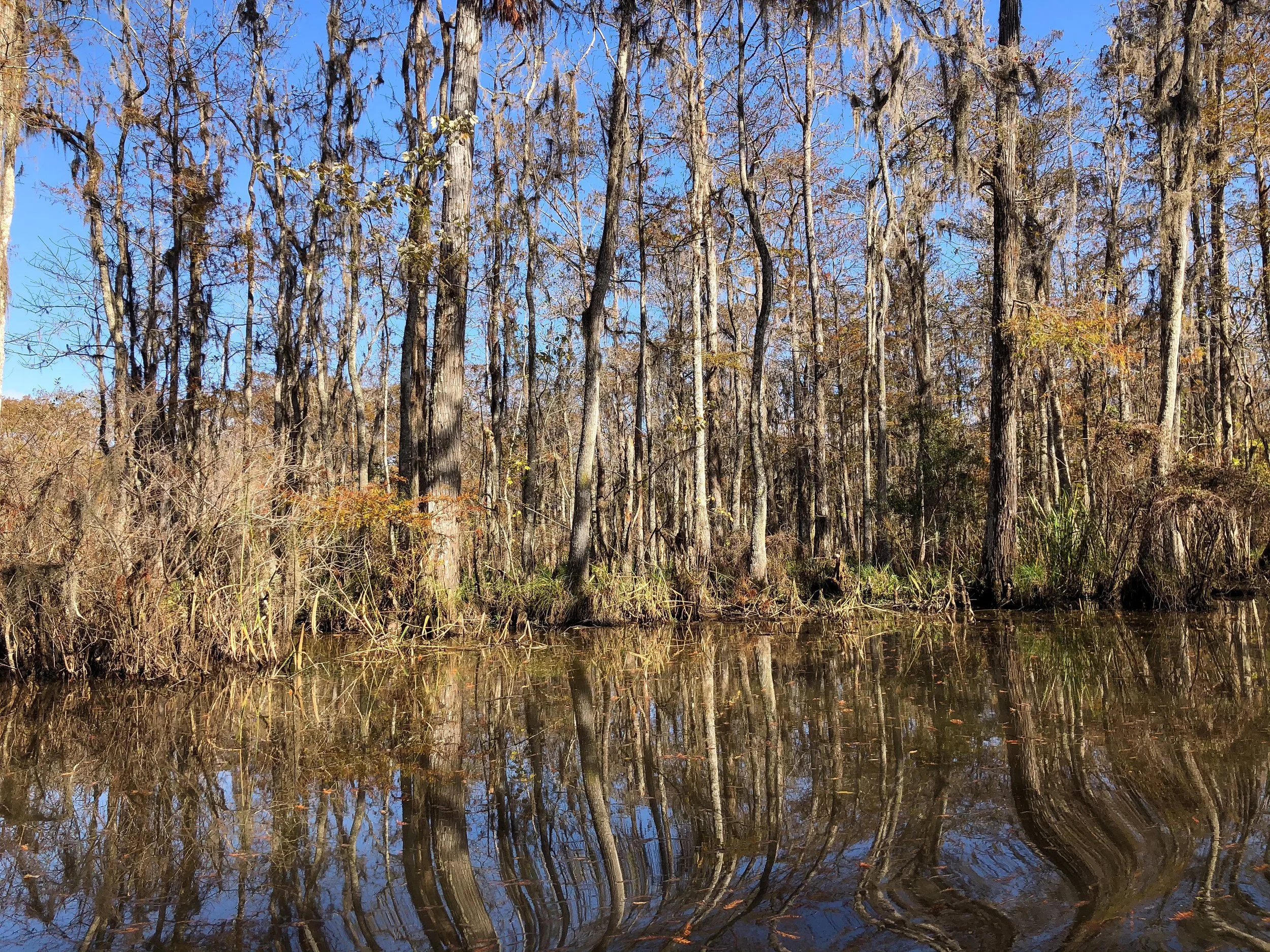
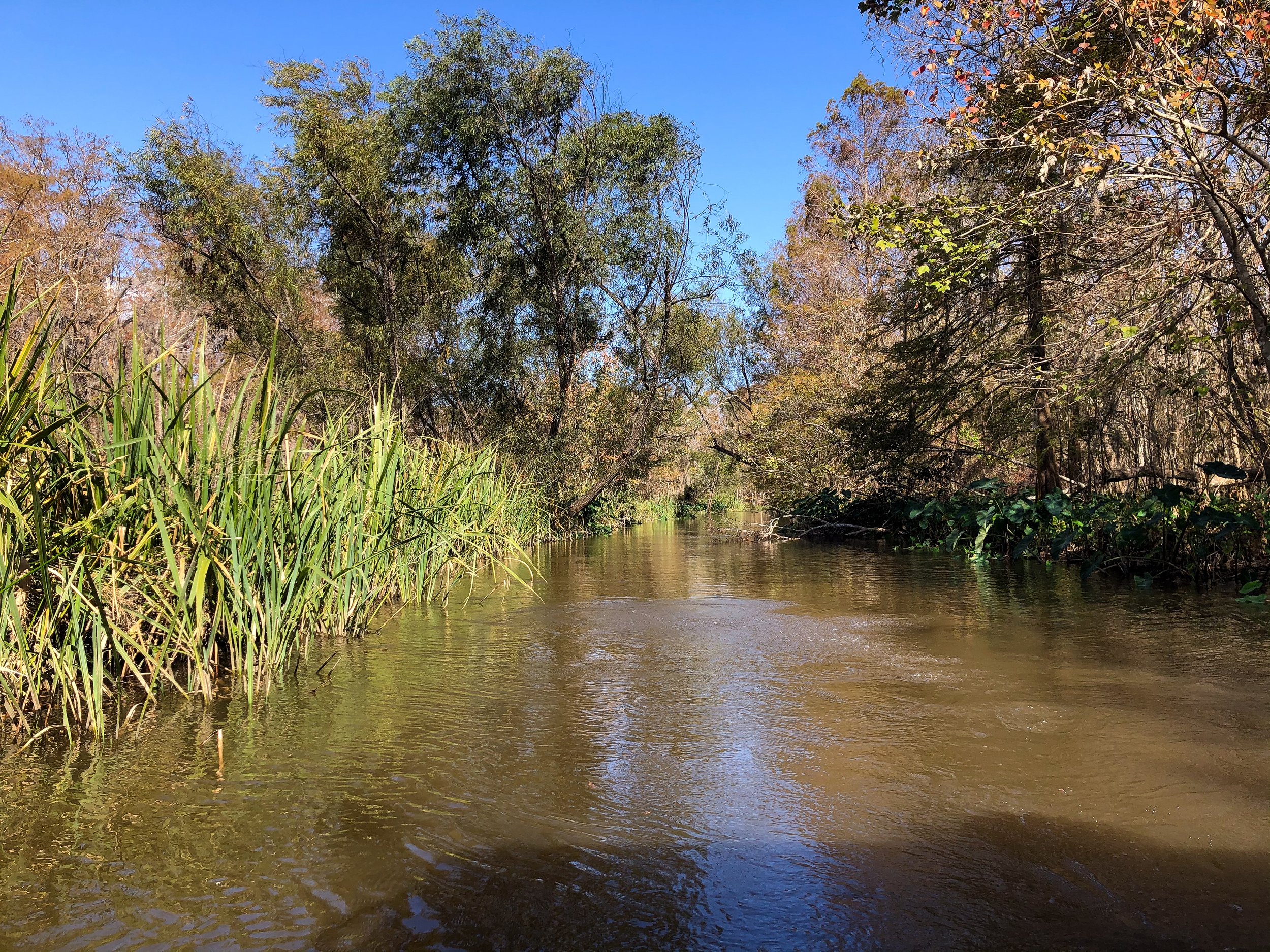
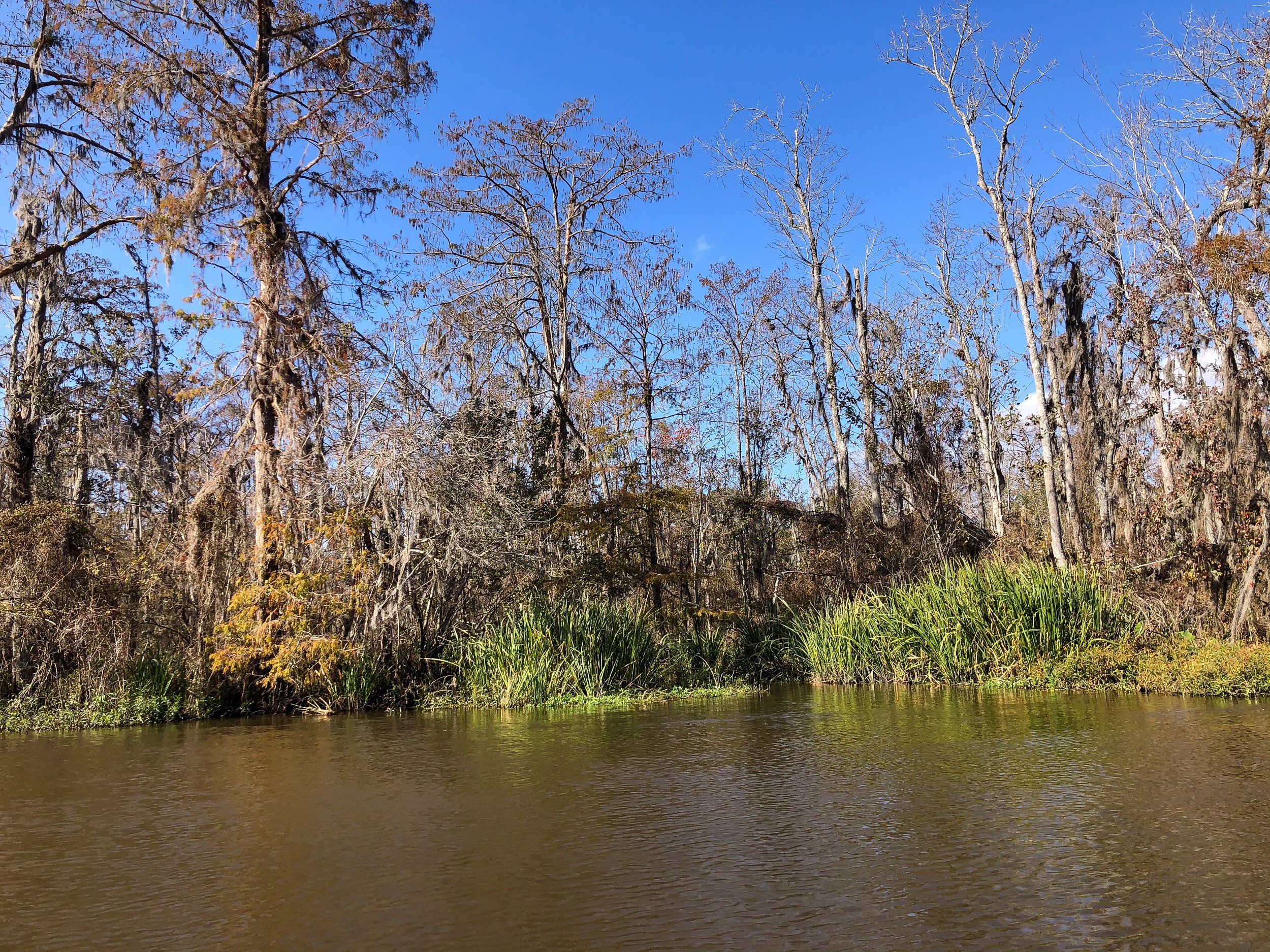
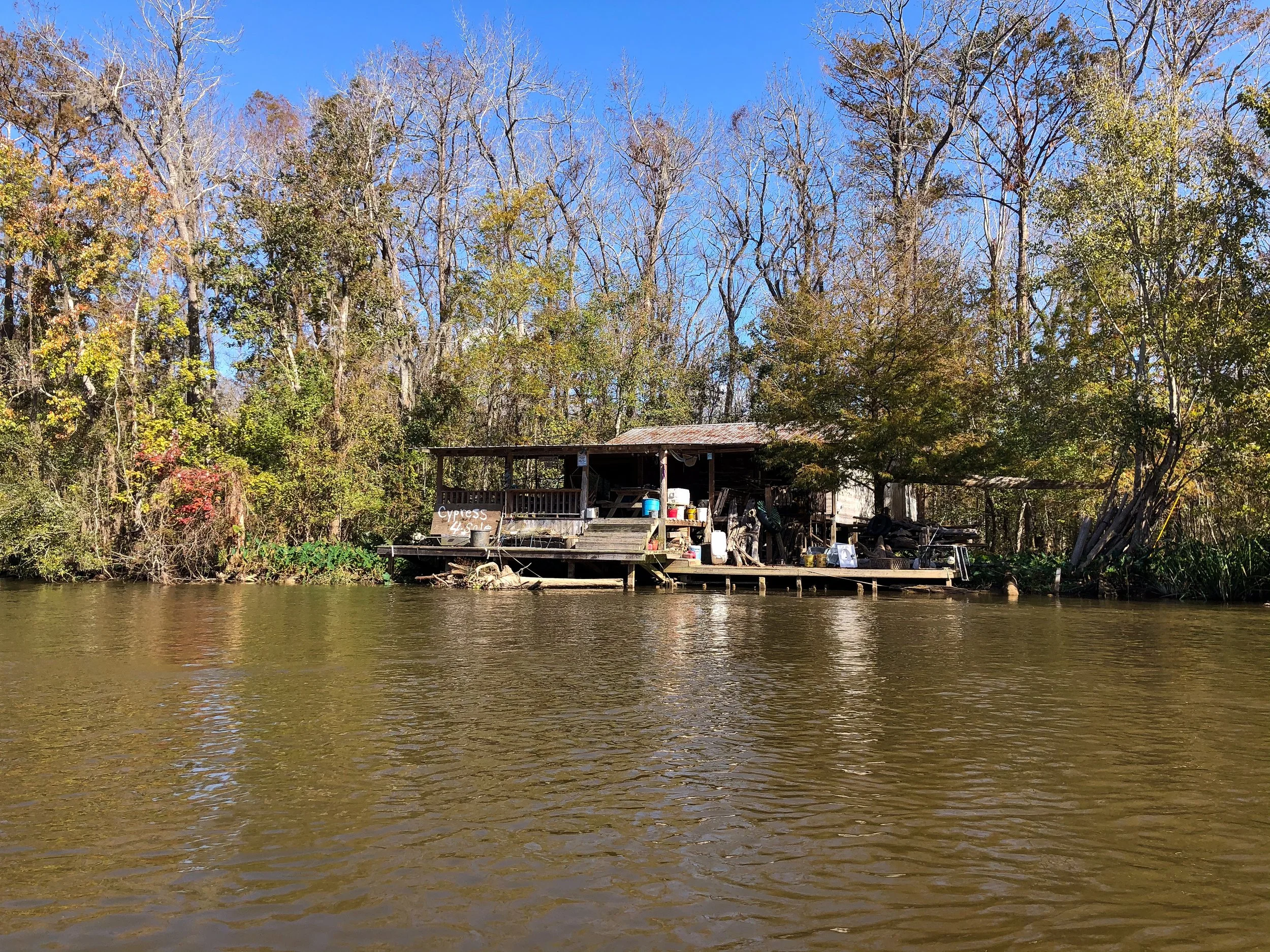
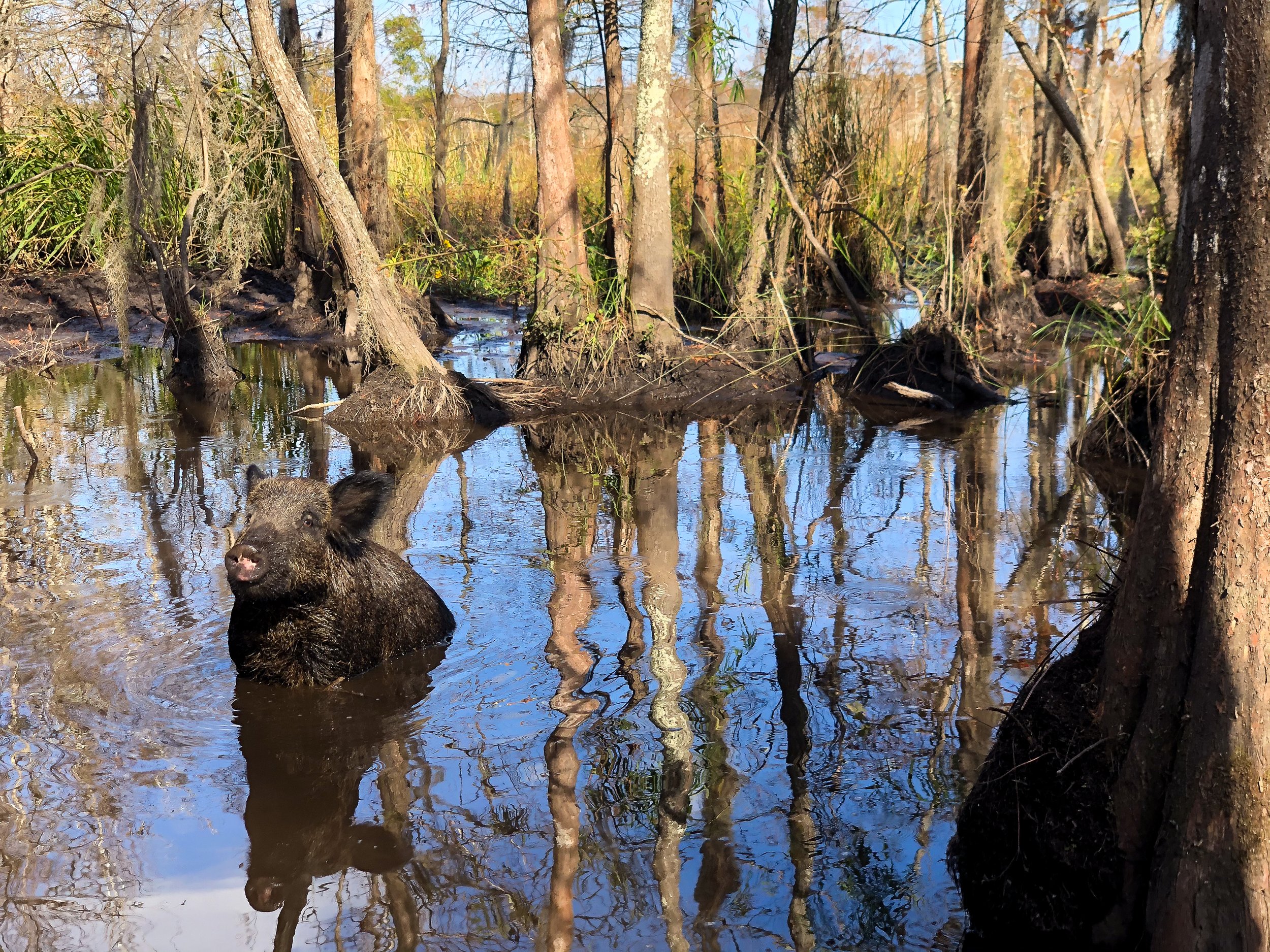
New Orleans is surrounded by swamps that have had a large influence on the city’s architecture, industry and cuisine. They are also natural buffers that offer protection from hurricanes. We visited the Honey Island Swamp, where we saw wild boars, alligators, cypress trees and Spanish moss while boating through the bayous and past swamp houses.
Plantation Tours
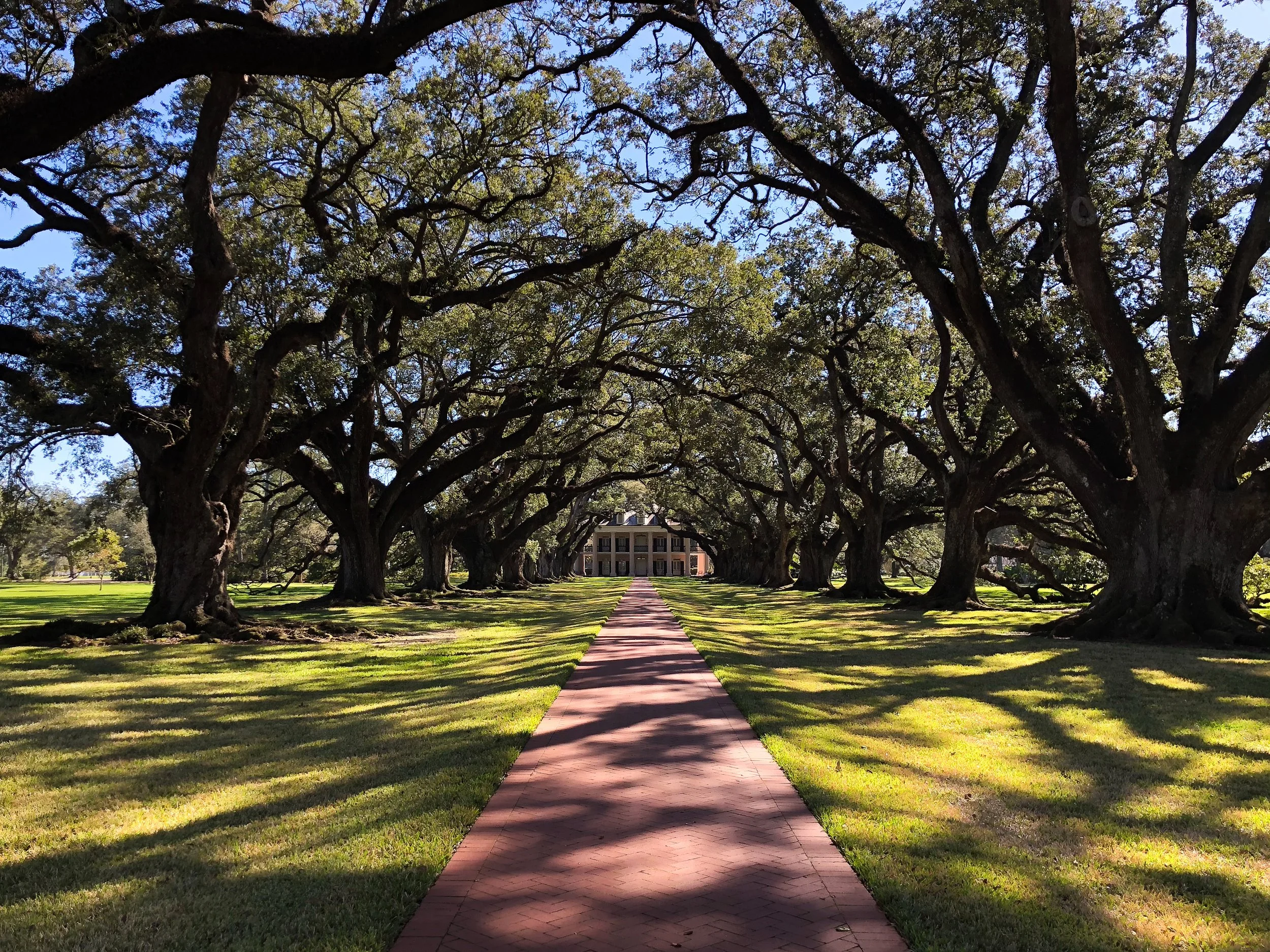
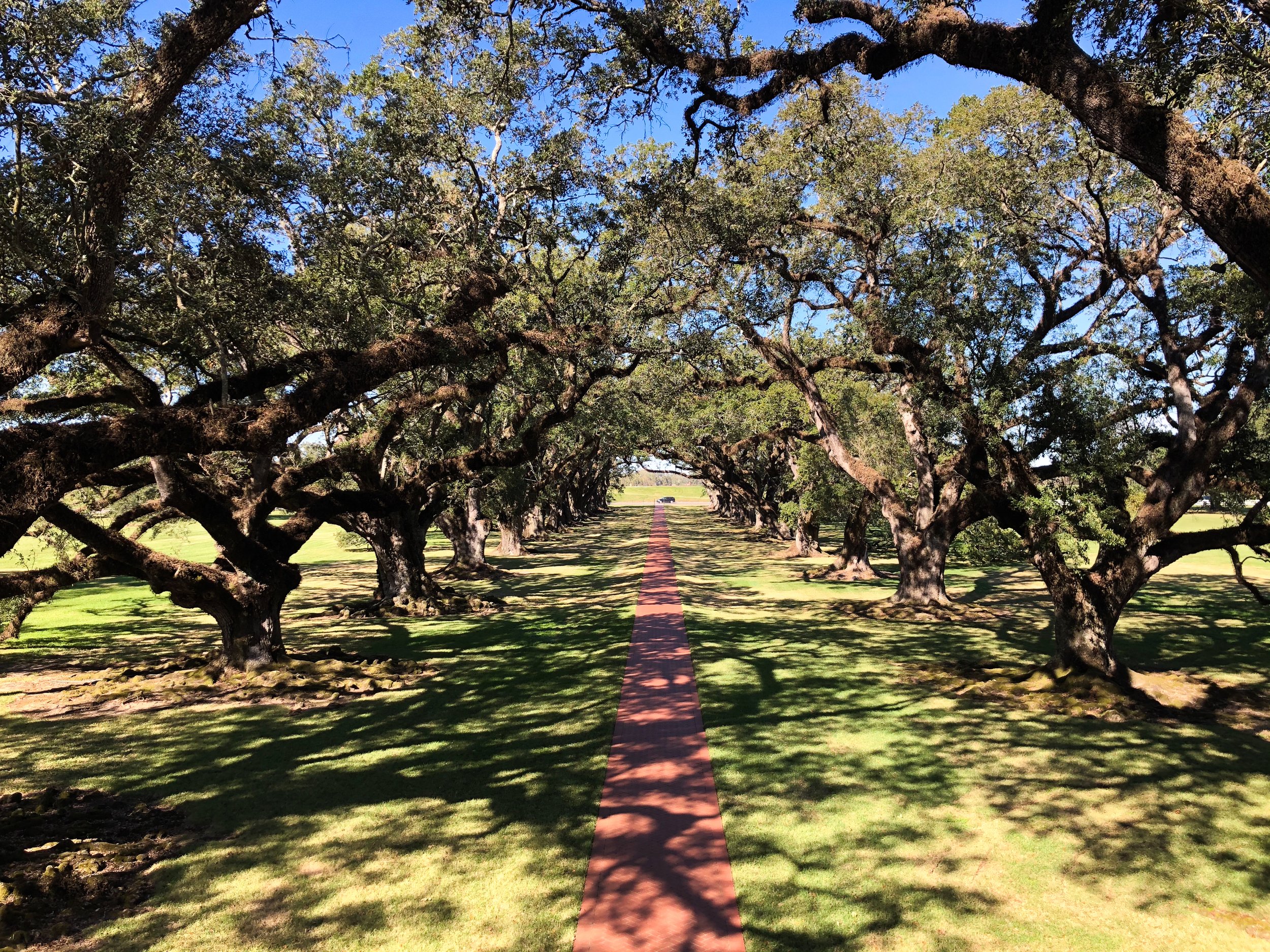
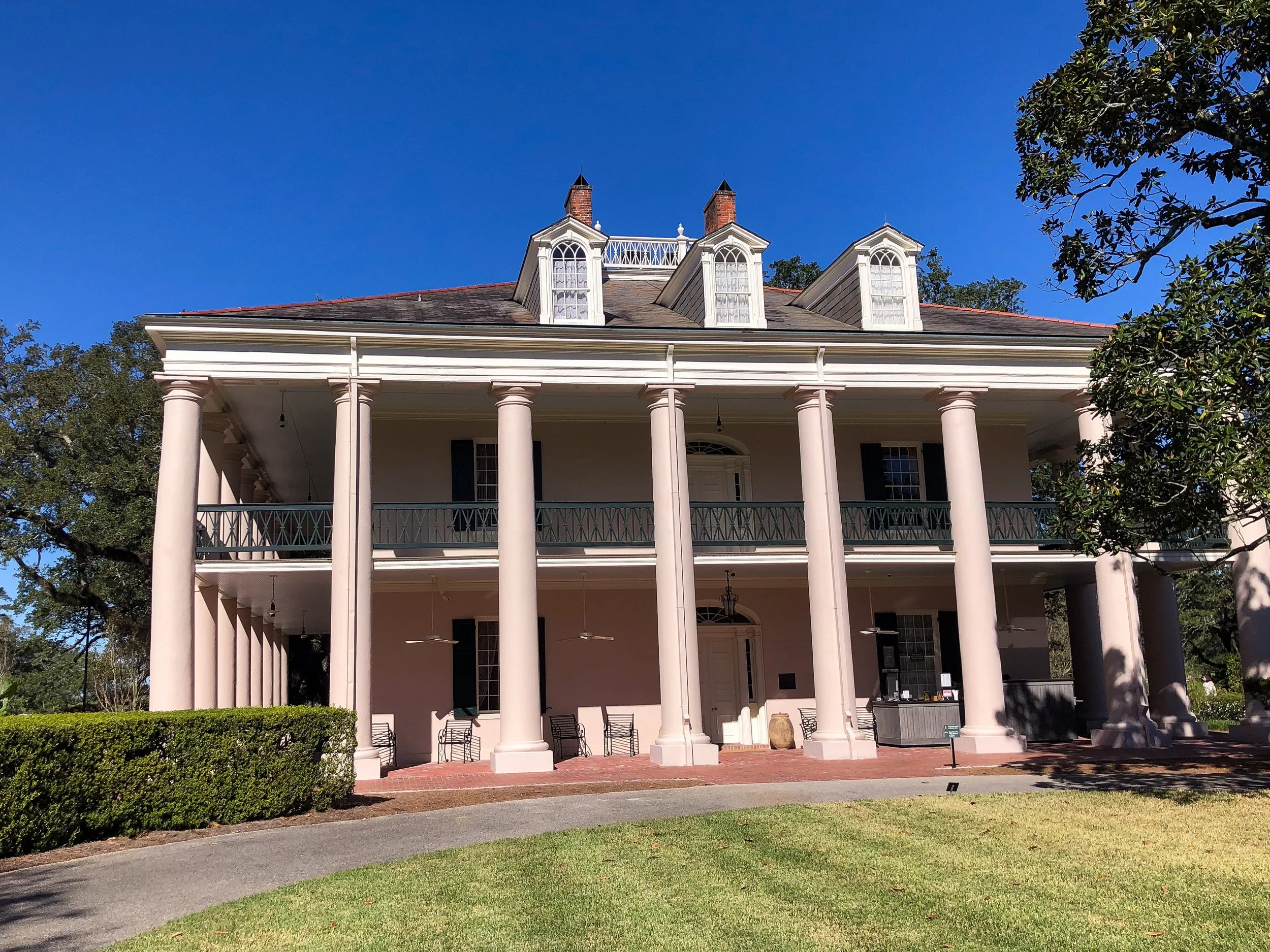
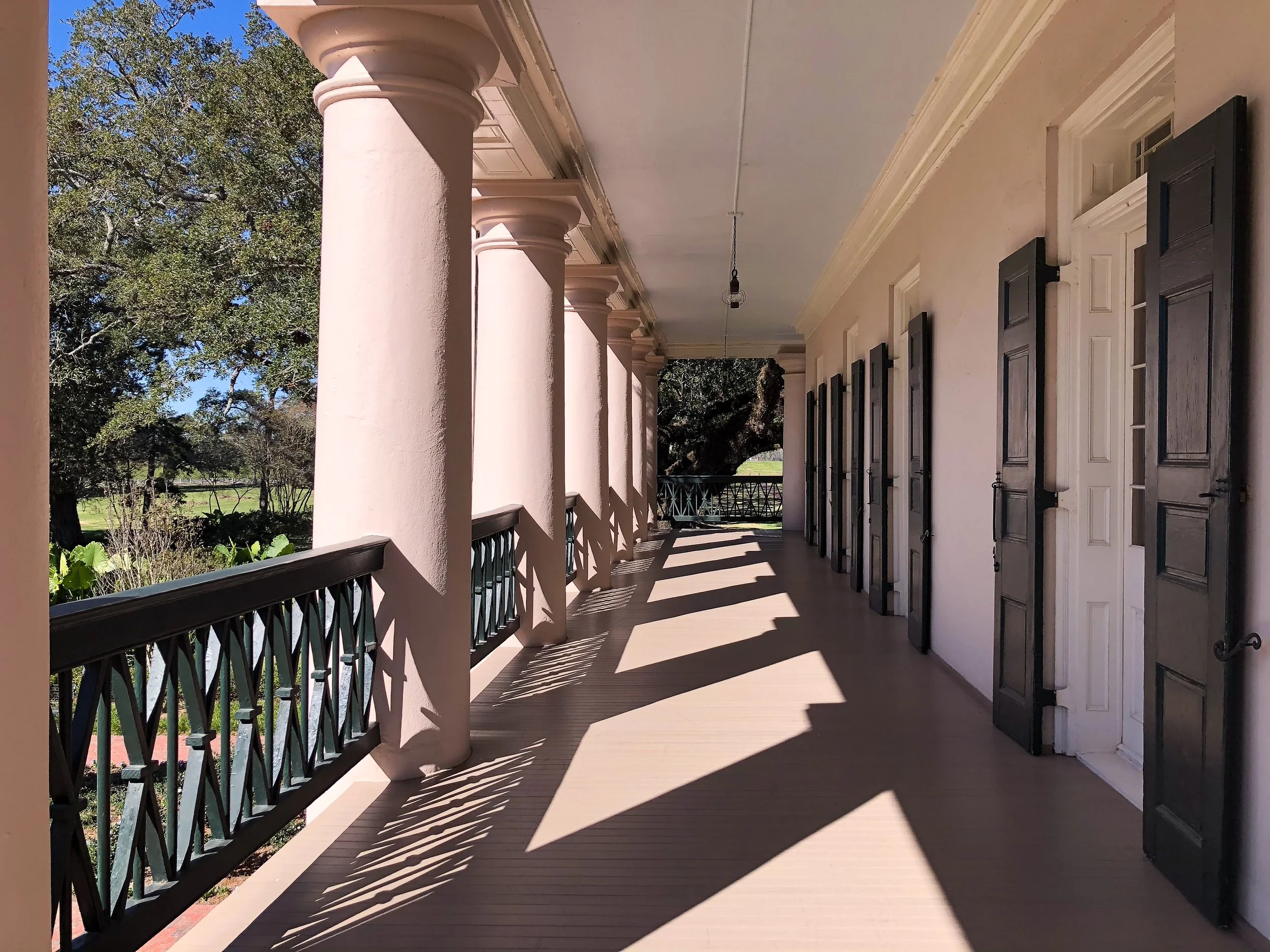
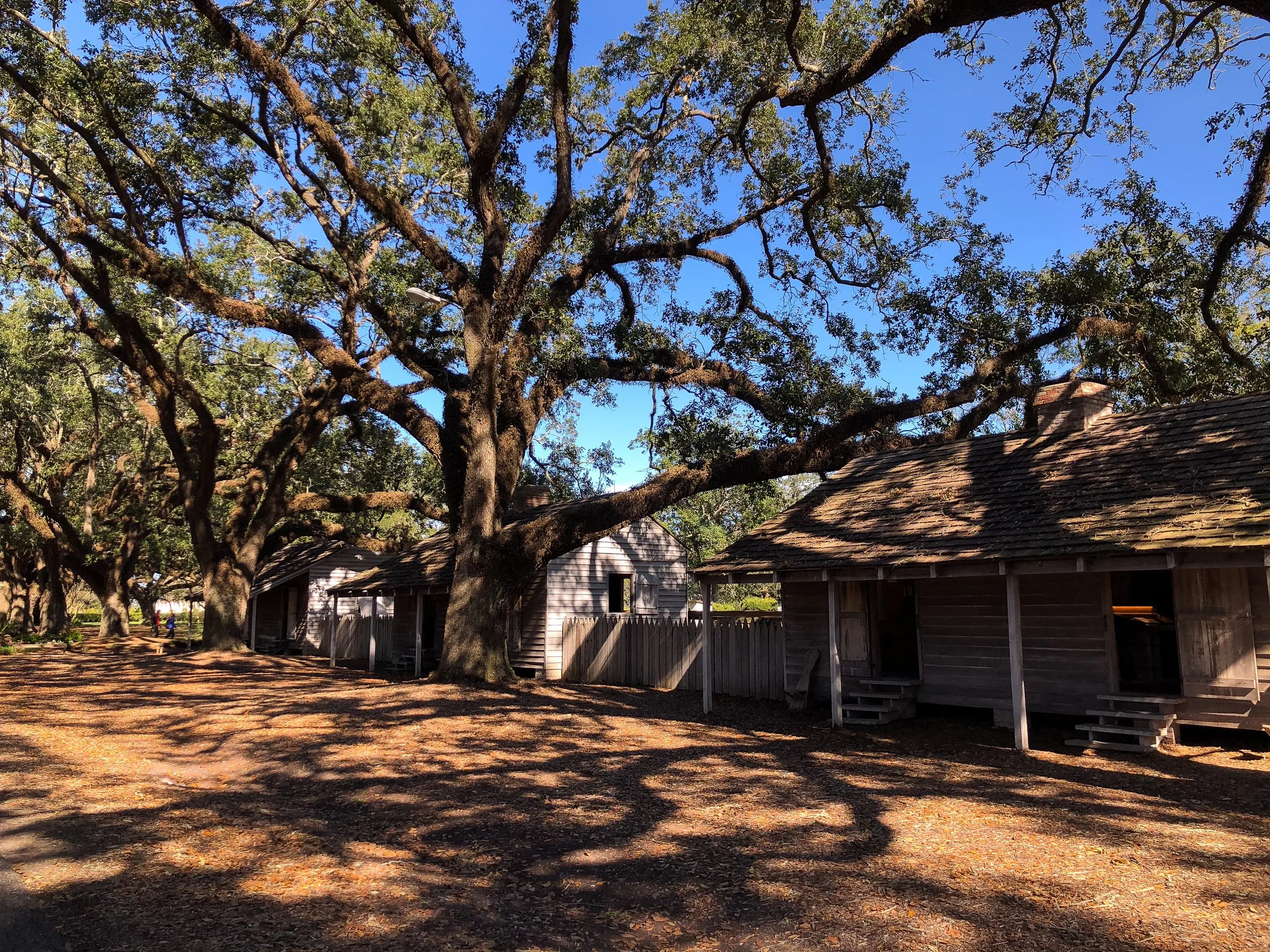
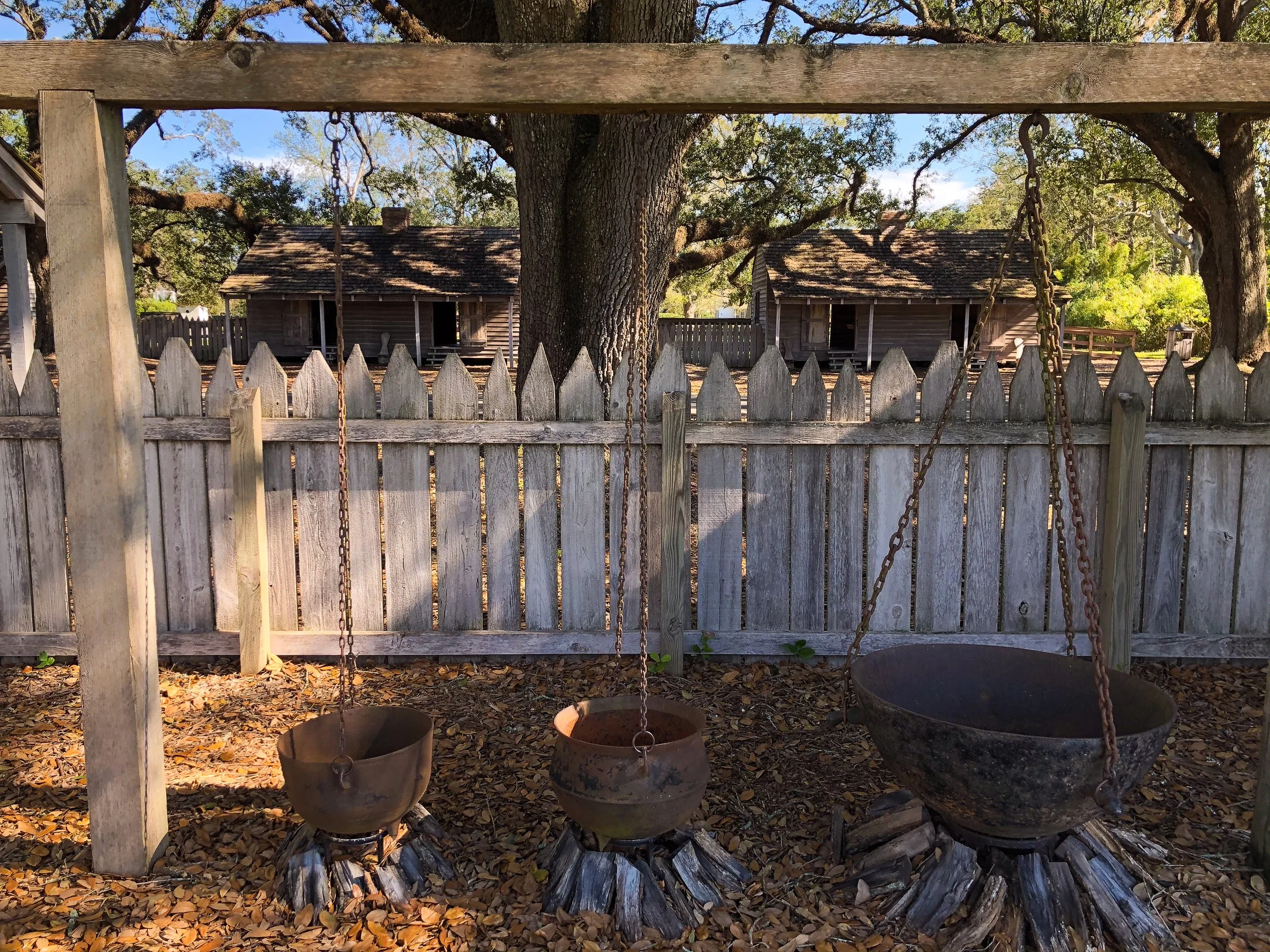
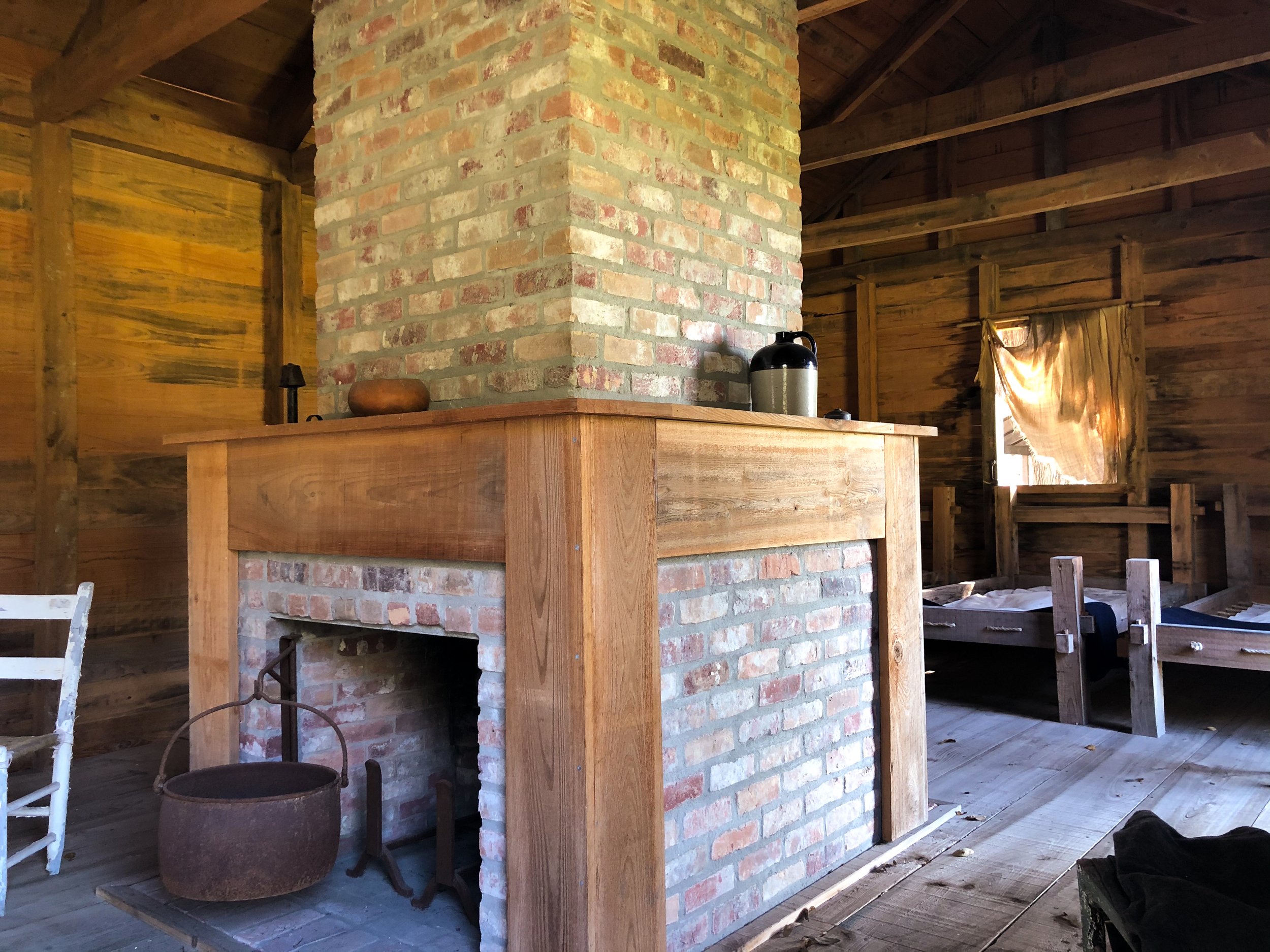
Educate yourself on the history of slavery. New Orleans’ past is one we chose to learn more about while visiting. About an hour up-river are a number of plantations offering tours. We visited the Oak Alley Plantation, named for its row of 300 year old oak trees. Here, we learned about the lives of the enslaved people that were forced to labor here, the conditions they lived in and the African influences they brought with them. There is also a great restaurant here. Order a Po’boys and a flight of Mint Juleps!
Pro Tip. Book a tour or drive here yourself. Uber and Lyft don’t drive to this area.
Taste Everything!
If you come to New Orleans for one thing, come for the cuisine! There are so many dishes and drinks unique to this city alone. These are some of favorites:
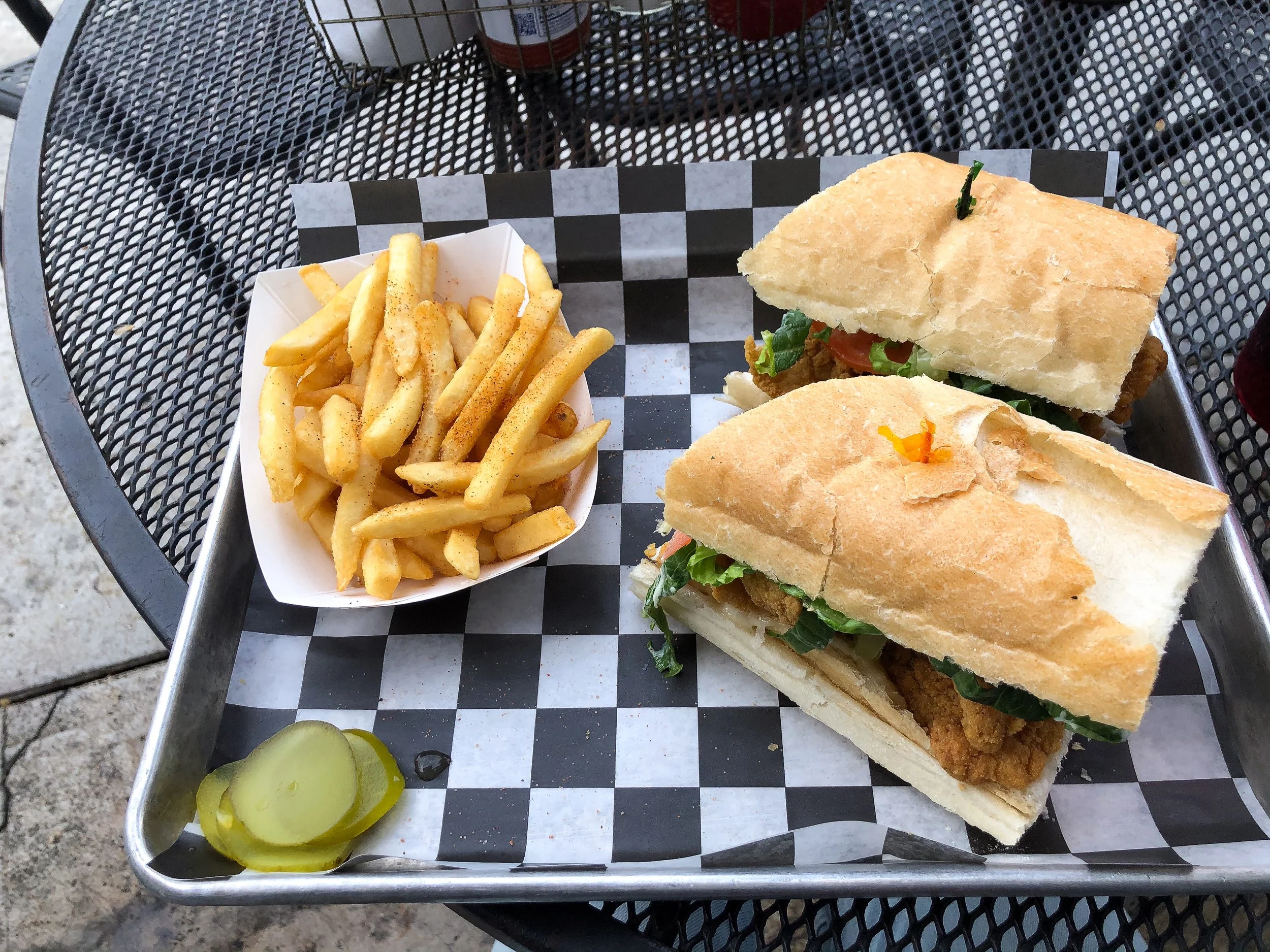
Po’Boy. A classic Louisiana sandwich made on a crispy bun with a fluffy center. It always has a protein, usually seafood, and comes “fully dressed” with lettuce, tomato, a pickle and mayo.
Crawfish Mac n Cheese. A Cajun classic made with crawfish tails, rich gooey cheese and macaroni noodles.
Shrimp and Grits. A classic breakfast dish with creamy buttery grits and tender Gulf shrimp.
Fried Catfish. A slightly gamey and flaky white fish. We often ordered it on a Po’boy.
Gumbo. A soup, traditional of New Orleans often eaten from October through March. It’s a savory melting pot of flavors and cultures having influences from the Indigenous Choctaw, West Africans, French and Spanish.
Chargrilled Oysters. Gulf Coast oysters that have been grilled with herbs and cheese.
The Holy Trinity. A twist on the French mirepoix, made of onion, celery and bell peppers. It’s the base of many dishes.
King Cake. Traditionally served during Mardi Gras, it’s a green, yellow and purple glazed cake.
The Sazerac. A sipping cocktail made from whiskey, cognac and absinthe usually garnished with a lemon peel.
The Hurricane. A sweet, fruity, tropical rum drink served in a tall curved glass.
Hand Grenade. A cocktail served on Bourbon St. by a few specific bars. It’s a very sweet drink served in a tall neon green plastic container with the shape of a grenade at the bottom. Basically a hangover waiting to happen…enjoy!
Places to Eat
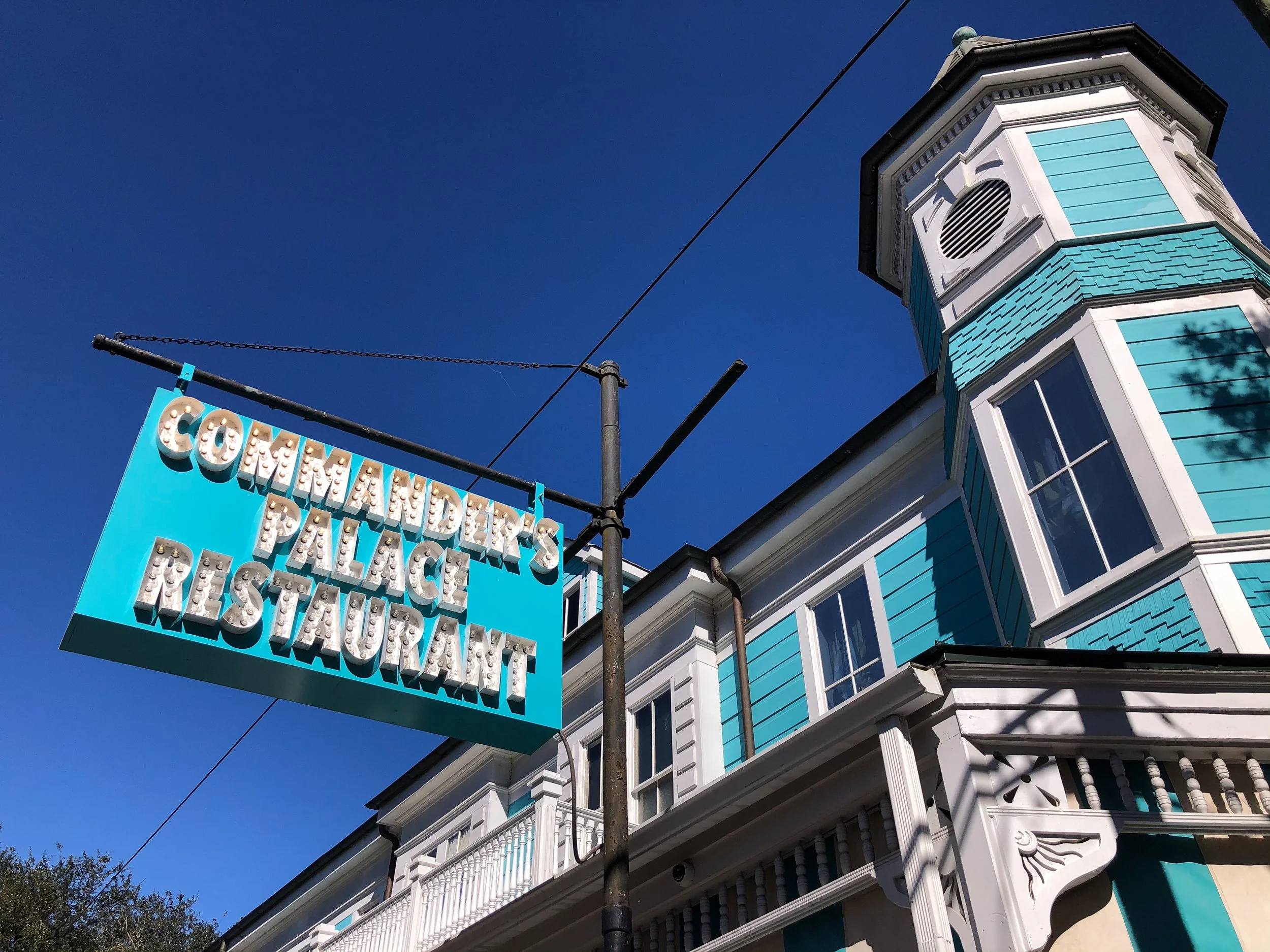
Commander’s Palace. Commander’s is an unmistakable teal and white wooden restaurant located across the street from Lafayette Cemetery No. 1. It’s a family run business offering the best of high-end Creole cuisine in New Orleans. We tried the slow cooked gumbo, pecan crusted gulf fish covered in lump crab and a version of the crawfish linguini. For dessert, the bread pudding soufflé. Be sure to make a reservation and come dressed up.
Jacques-Imo's. It’s hard to choose a favorite restaurant in New Orleans but this one is up there! Try the snail butter corn bread, Creole Bouillabaisse, Crawfish Étouffée and bread pudding. Make a reservation in advance and come ready to eat!
The Rum House. Located on Magazine St. and a gem for á la carte tacos. We almost hired the restaurant to cater our wedding.
Killer Po’Boys. The best spot in the French Quarter for po’boys. In addition to the classic seafood options, they offer vegan Po’boys like roasted cauliflower, sweet potato and peanut butter and jelly.
Pêche. Recommended to us by a few locals, this restaurant in CBD the offers Cajun and Gulf style seafood.
Basin Sea Food & Spirits. We’ve come here multiple times for their classic southern seafood dishes including charbroiled oysters, po’boys, fried catfish and gulf shrimp. Early on Friday nights they host lively drag shows!
Juan’s Flying Burrito. A favorite of ours on Magazine Street for Mexican food and margaritas. They blend Mexican, Creole and Native American flavors across their dishes. Try the Mardi Gras Indian and Creole tacos!
Landry’s Seafood House. A seafood restaurant chain located throughout the Gulf Coast. We’ve dined at the Lake Pontchartrain location to watch boats sailing at the sunset.
The Commissary Market + Kitchen. A restaurant, bakery, butcher, bar and store shelved with miscellaneous provisions including dried goods and homemade pickles. We’ve ordered cocktails, cookies and sandwiches.
Fat Boy Kitchen. We came here for lobster po’ boys and steak fries the day after our wedding. The portions are huge and the food is delicious! The owner even gifted us a bottle of Prosecco to celebrate.
Cafes & Coffee Shops
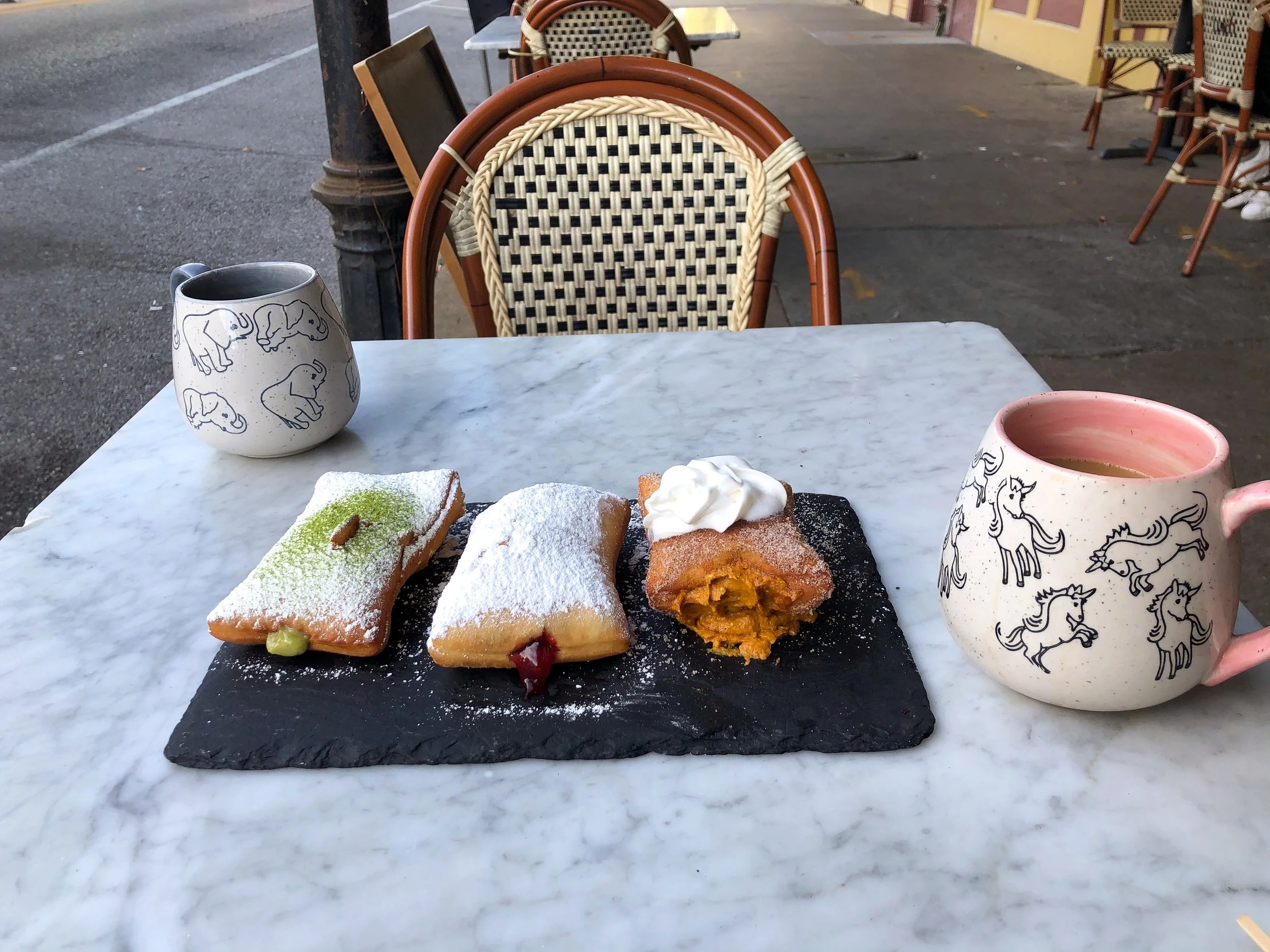
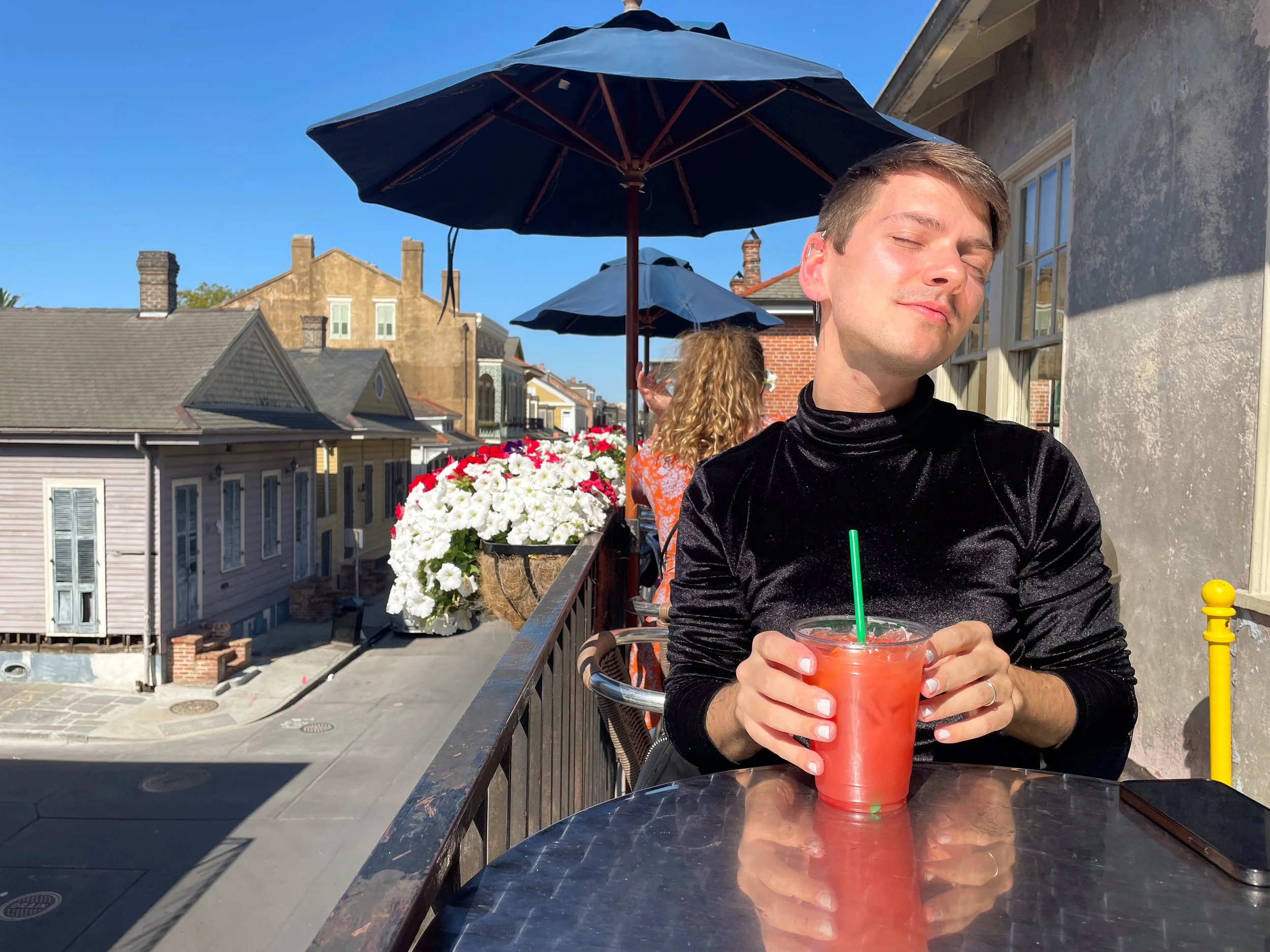
The Vintage. A coffee shop with artisanal beignets by day and bar by night. We ordered a flight of three stuffed with matcha, pumpkin and raspberry for breakfast and enjoyed cocktails on their second floor balcony at night.
Café Beignet. A popular beignet chain. Visit the Bourbon St. location for a beignet, cup of chicory and of course live jazz. The beignets are delicious and lines are often shorter than their well known competitor, Cafe du Monde.
French Truck Coffee. A local chain cafe with amazing coffee, biscuit sandwiches, breakfast toasts and croissants. If it’s fully brewed, try the Oji coffee. It’s a Japanese method of slow brewing 1 drop at a time over 24 hours.
Bearcat Cafe. A cafe in the middle of a residential street with breakfast and brunch options including Cajun meals, vegan dishes and fresh kombucha. We ordered the blue crab omelette and vegan biscuits & gravy. Make sure to try the breakfast potatoes.
City Donuts & Cafe. One of the best finds in the city. Come here for a king cake donut or glazed donut breakfast sandwich! Literally egg and cheese sandwiched between two regular glazed donuts.
Orleans Coffee Espresso Bar. A great spot to relax with a coffee or cafe au lait.
DeVille Coffee House & Crêperie. A restaurant serving crepes all day. We came here for brunch and dined outside right on Magazine Street.
Mojo Coffee. A cafe on Magazine Street with coffee and pastries. Try the NOLA brew, a blend of coffee and chicory.
Places to Have a Drink
Delachaise Wine Bar. One of our favorite spots in town. Come here for a glass of wine and to watch the St. Charles street cars pass by.
The Elysian Bar. A former church turned into a restaurant and cocktail bar. The nave of the church is now the main dining room with multiple parlors located throughout the rectory. It’s a funky and unique experience!
Old Absinthe House. A 200+ year old absinthe bar on Bourbon St. offering traditional absinthe drip cocktails. It stands out from the neon lit cocktail bars lining the street. The walls are covered in notes and business cards from generations of customers.
The Pelican Club. A creole restaurant with a quiet and semi hidden patio in a French Quarter alley. We came here for a post dinner nightcap, sitting between two potted palm trees under a string of twinkling lights.
The Sazerac Bar. A cocktail bar with classic cocktails, most notably, the Sazerac, a cocktail invented in New Orleans and made with rye whiskey, absinthe, bitters, lemon and sugar.
Salon Salon. A cocktail bar with a glamorous and eclectic library styled interior. They have a revolving bookcase that opens up to a secret back room (we have yet to get in).
Café Lafitte in Exile. Located on Bourbon Street and said to be the oldest operating gay bar in the US, dating back to the 1930s. Their cocktails bring new meaning to “gay bar strong.”
Good Friends Bar. One of the many gay bars in the French Quarter but also one of our favorites. The two floor bar is a hub for the gay community, locals and tourists.
QiQi. An LGBTQ+ dive bar with inexpensive drinks, a laid back vibe and outdoor seating.
Hot Tin. A rooftop bar at the Pontchartrain Hotel with great cocktails and views of NOLA.
Getting Around
Take the Street Car. There are four lines that branch out from Canal St in the city’s center to different neighborhoods. Streetcars are the easiest and most affordable way to get around town. Download the RTA Go Mobile App to buy single ride tickets or multi-day passes.
On Foot. Grab a to-go cocktail and start walking. The city is so photogenic and great for exploring on foot.
Ride Shares. Overall, New Orleans is pretty easy and affordable to get around.
$10 for short distances
$10-$20 to get across town
$30 to/from the airport to Canal St.
Location Specifics
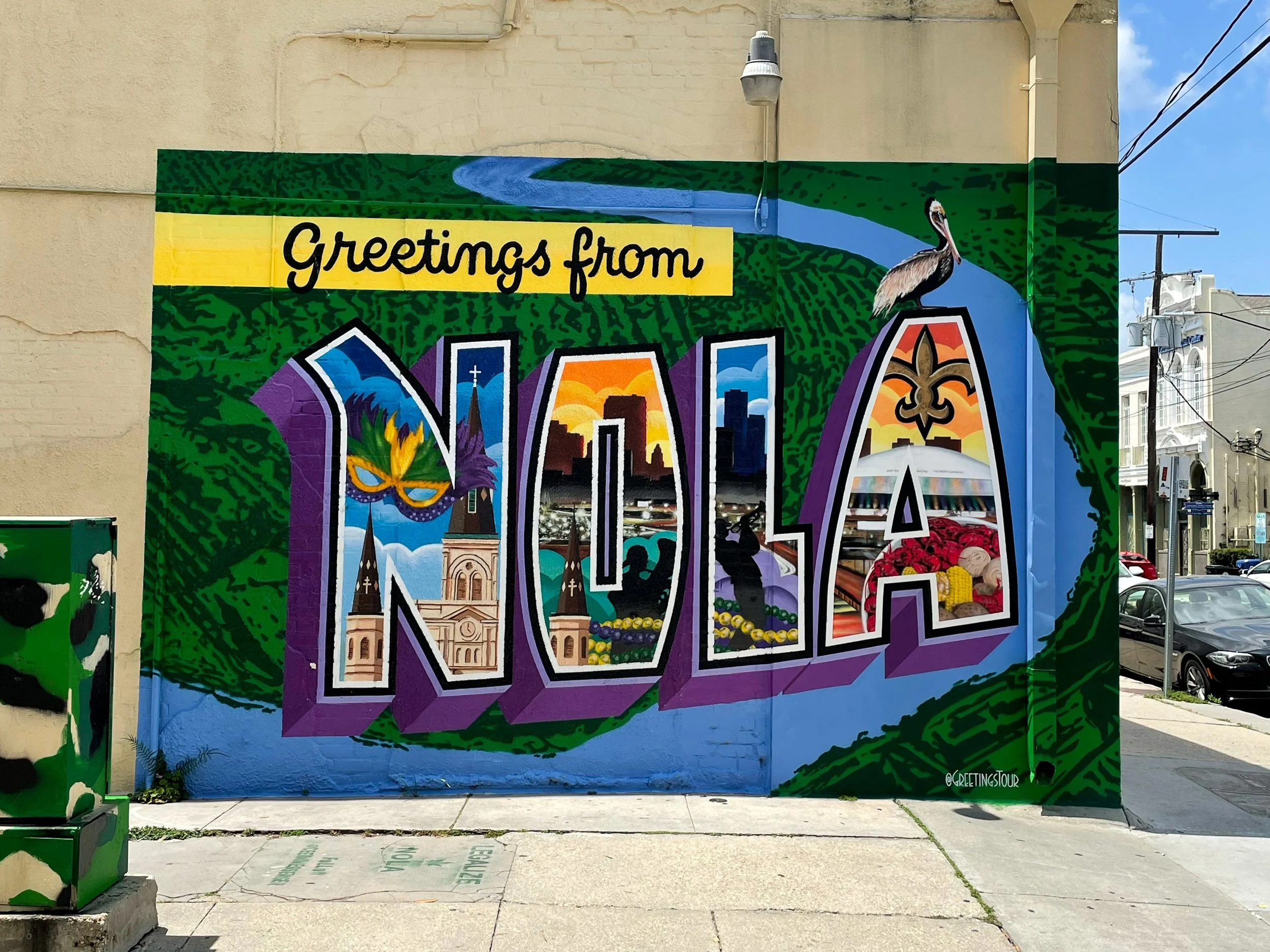
NOLA. The unofficial name for the city, short for New Orleans, Louisiana.
Dining Attire. Dress casually chic to semi formal for higher end restaurants.
Riverside vs. Lakeside. Riverside refers to the south side of the city and area along the Mississippi River. Lakeside refers to the north side of the city and area along Lake Pontchartrain.
Bourbon St. Scams. Watch out for scam artists on Bourbon St. If anyone bets they can tell you where you got your shoes…tell them you’ve got them on Bourbon St.
Places to Stay
The Pink Cottage: Steps from Parades Courtyard. A modern version of a creole cottage, a small house with a singe room, tiny kitchen and bathroom. Book on Airbnb.
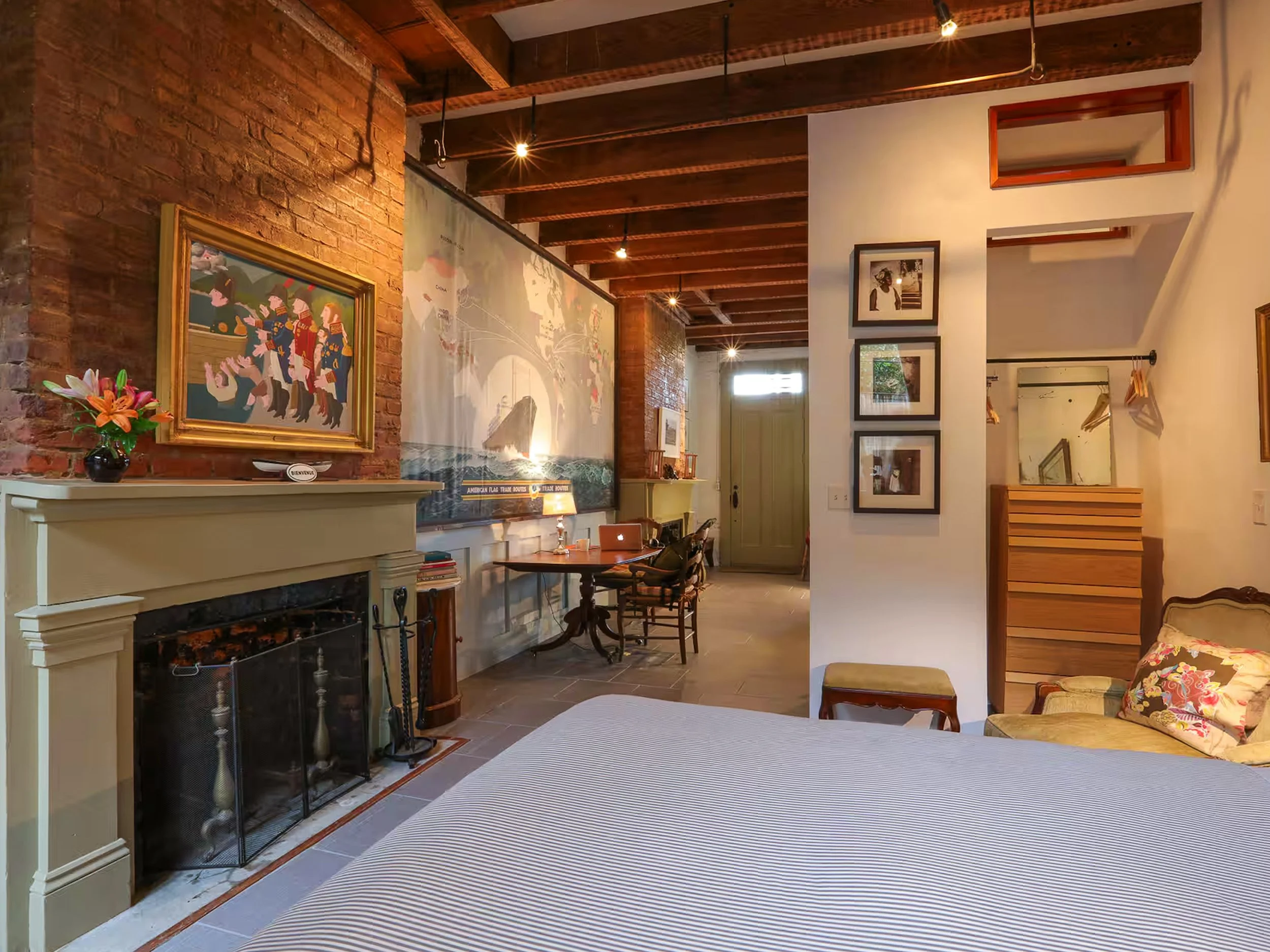
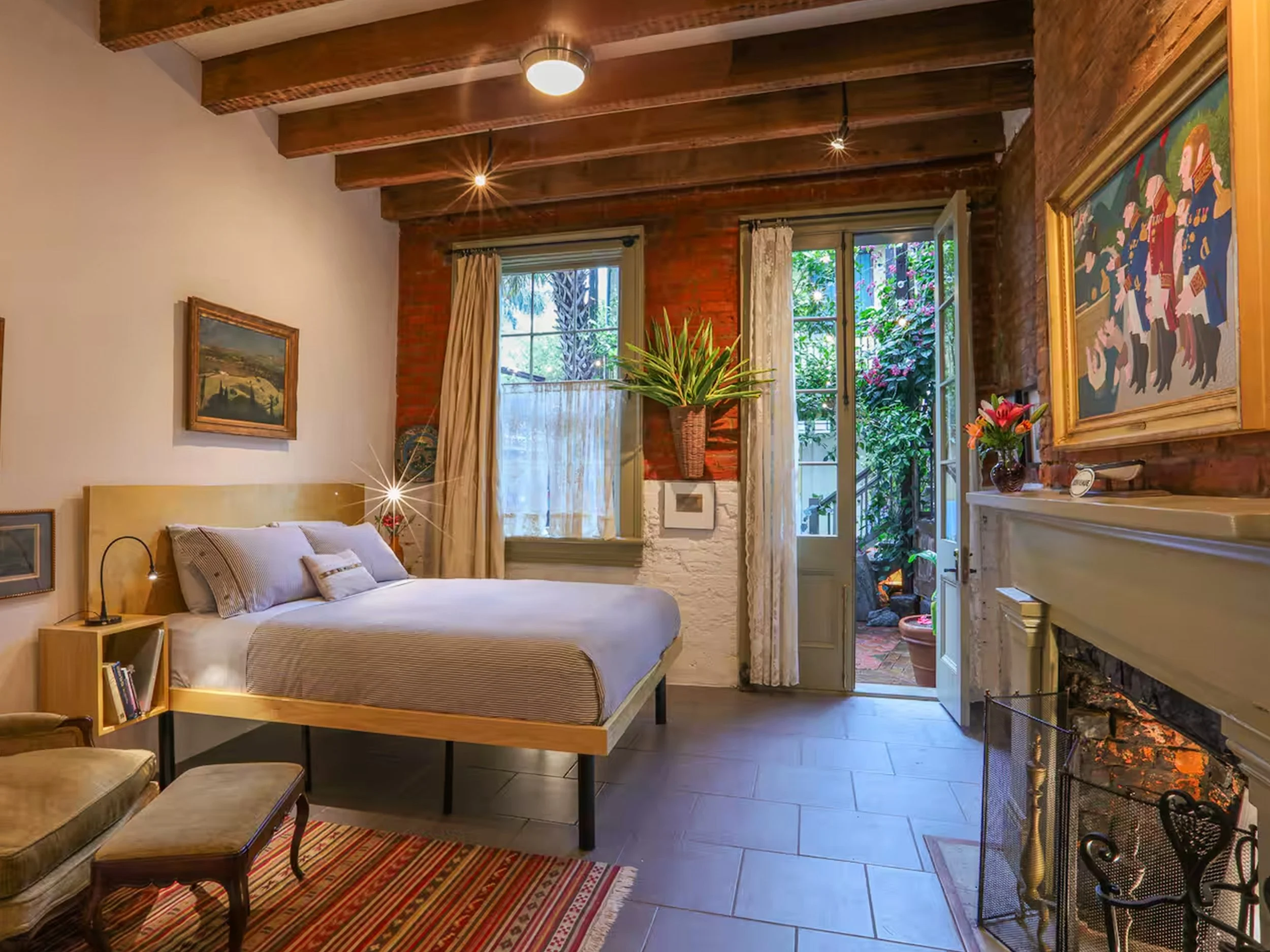
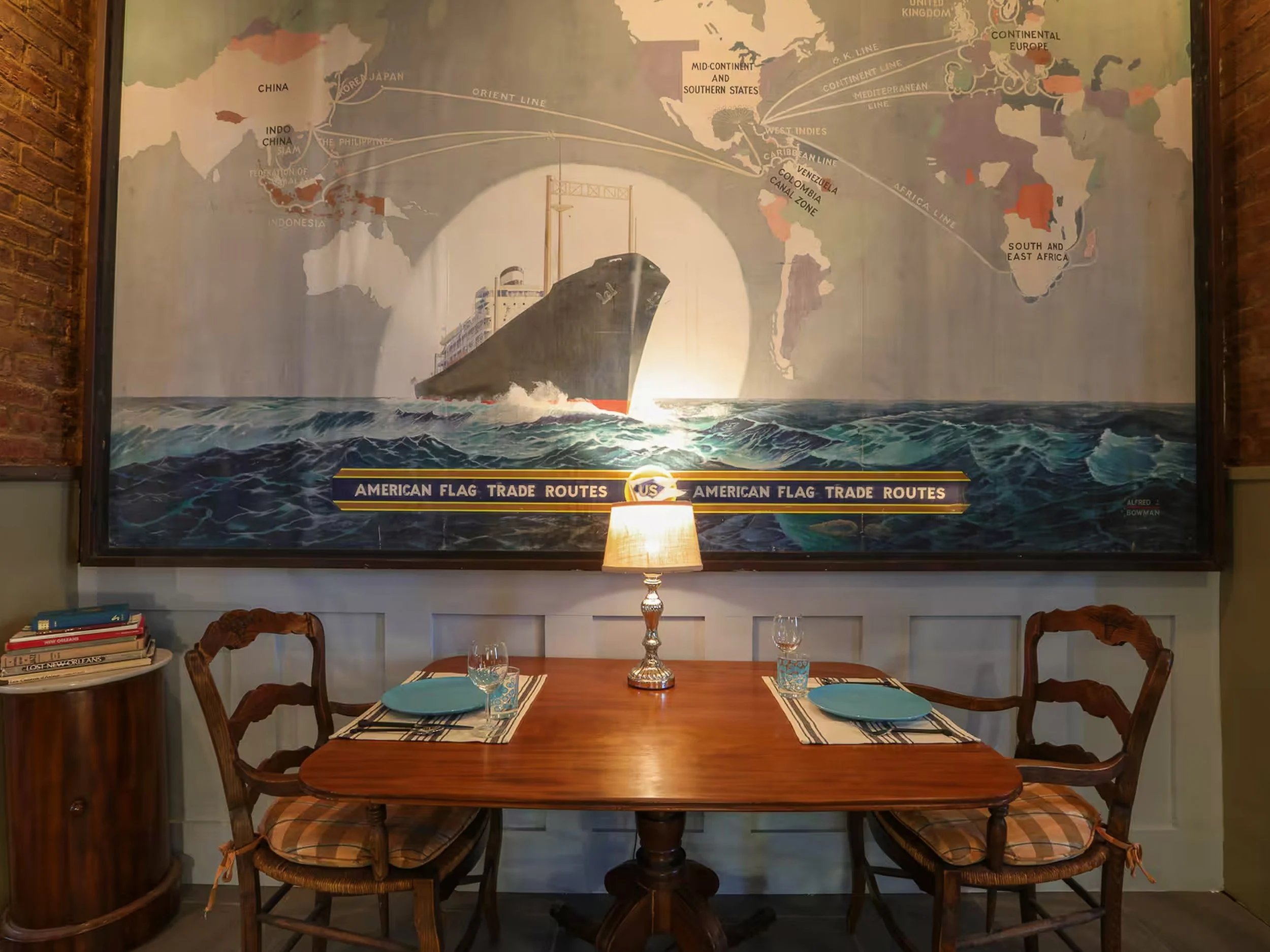
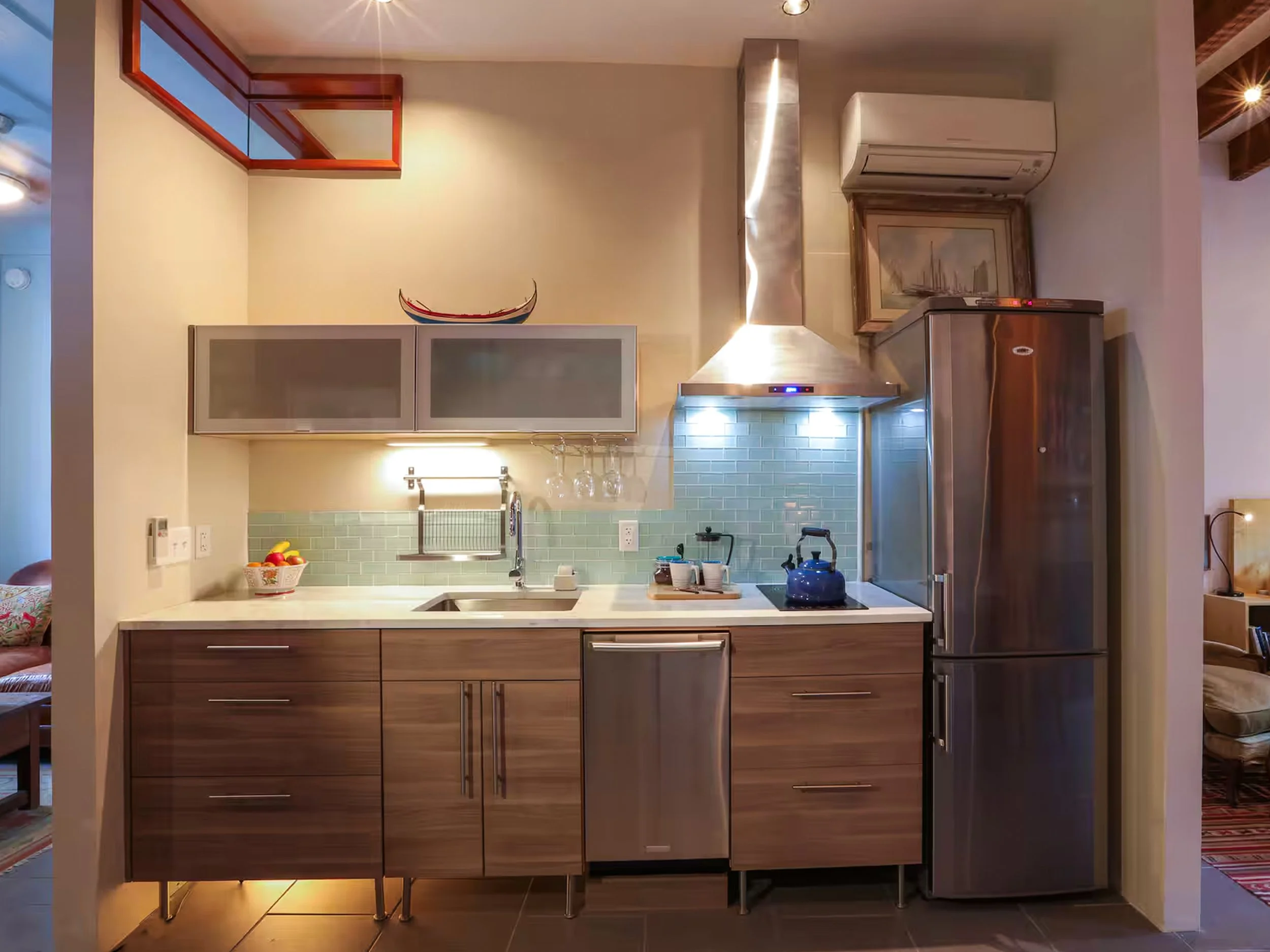
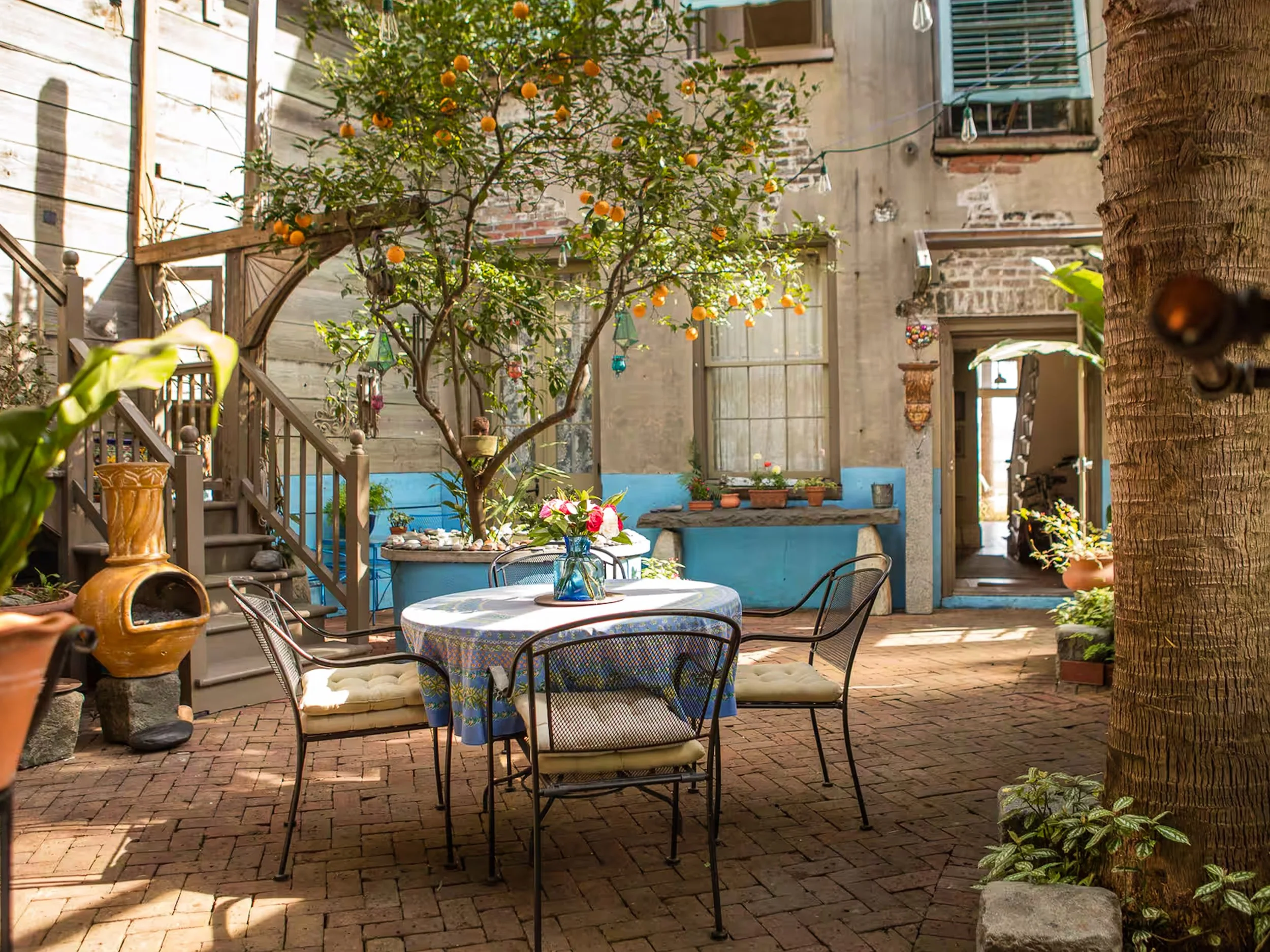
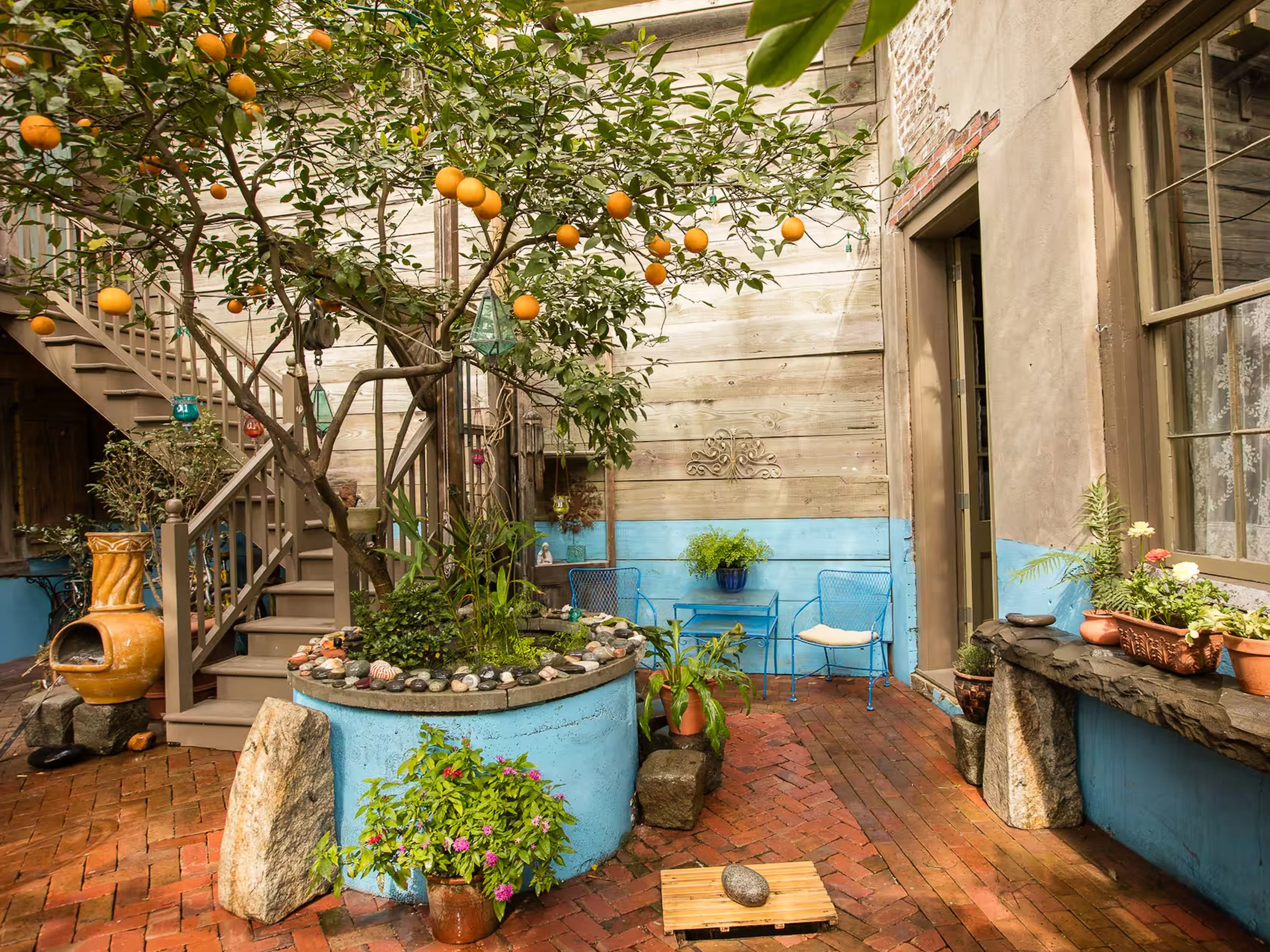
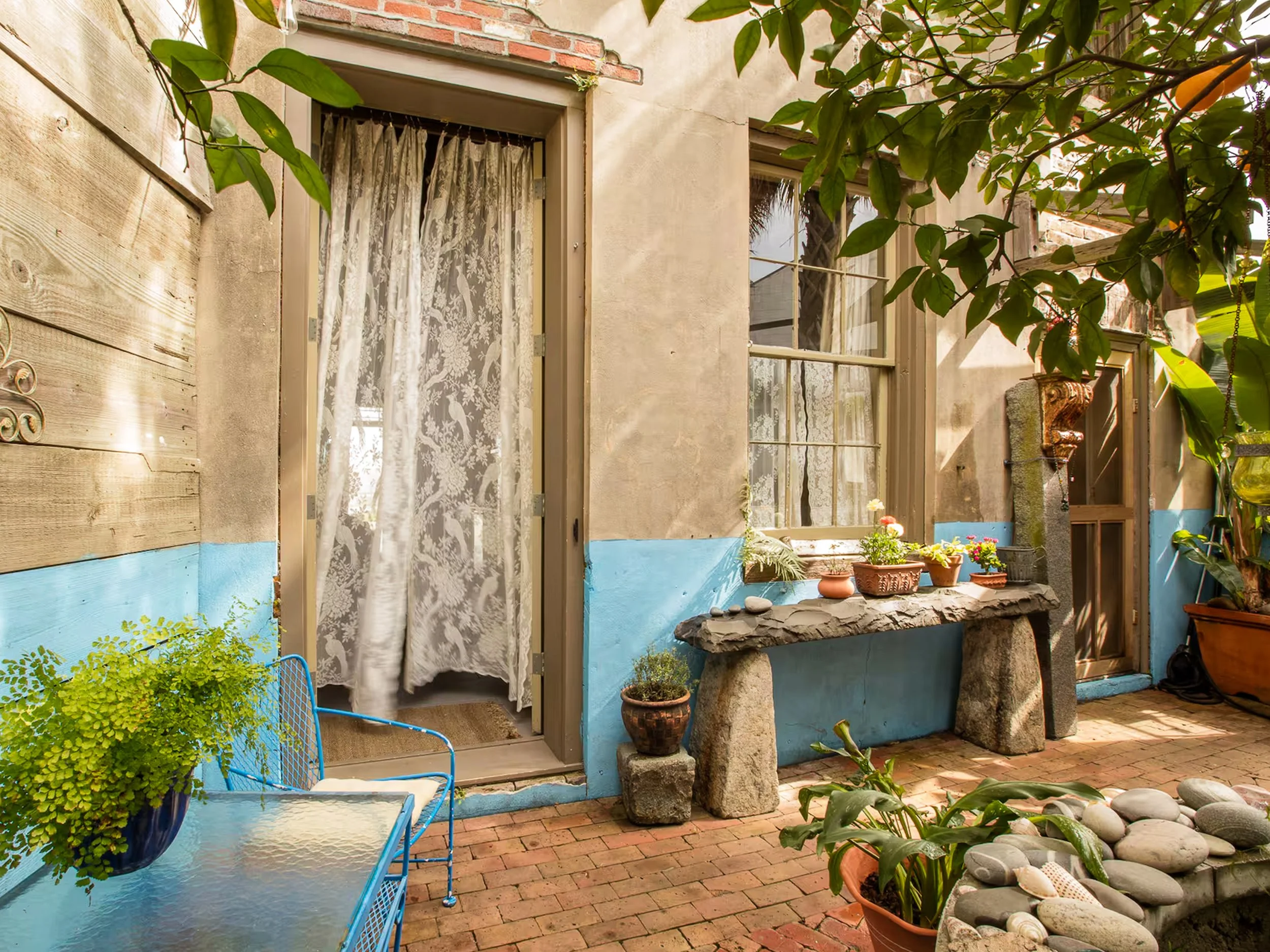
Courtyard Suite on Tchoupitoulas by Convention Center. A beautiful and large Airbnb on the ground floor of a historic home neighboring our wedding venue. Book on Airbnb.
Next Time in New Orleans…
New Orleans holds a special place in our hearts and we will certainly be back in the future! When we return, we have ideas of what we would like to do and see next including:
Celebrate the festivities during Mardi Gras and Jazz Fest.
Tour St. Louis Cemetery No. 1 and Lafayette Cemetery No. 1 after their repairs are complete.
Go sailing on Lake Pontchartrain.