

Tromsø Norway Travel Guide: Northern Lights, Arctic Fjords & Sámi Culture
Explore Tromsø's snowy streets and historic waterfront where Nordic cuisine and Sámi culture meet dramatic fjords, dancing auroras and Arctic adventures.
Tromsø, Norway
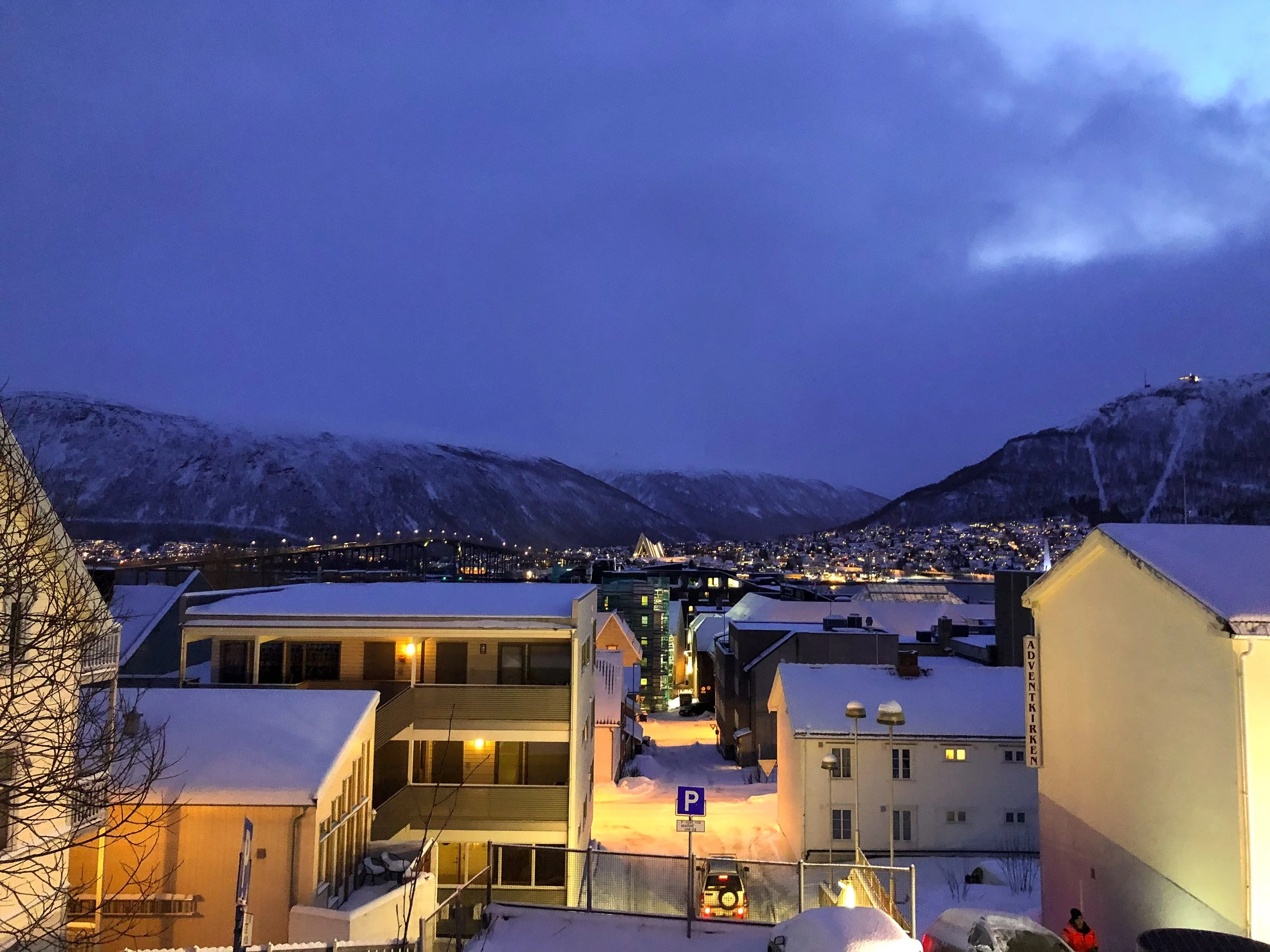
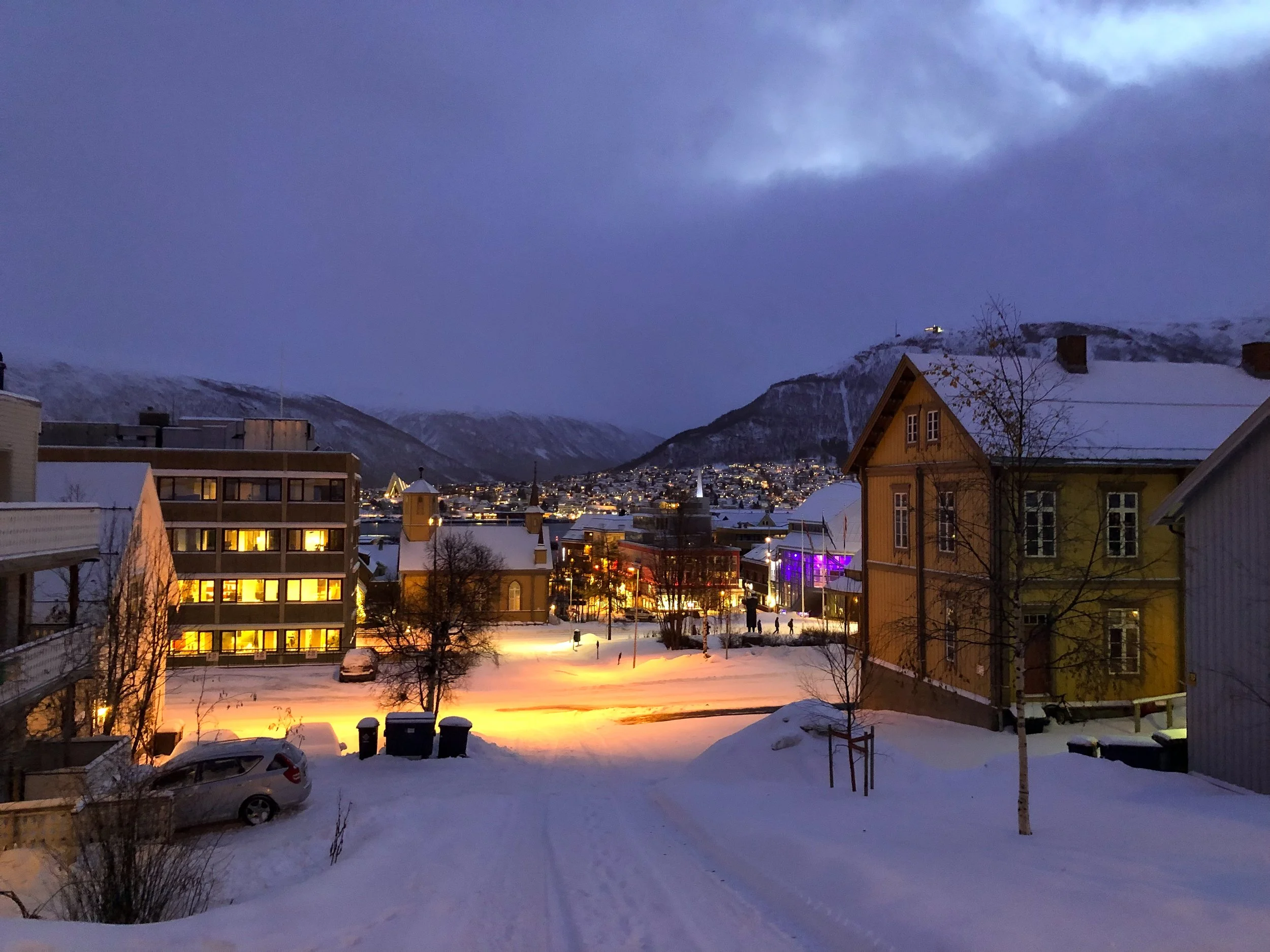
Tromsø is a breathtaking city in Northern Norway, located about 200 miles north of the Arctic Circle. Wintertime in Tromsø is like living in a snow globe. The city and surrounding nature are truly a winter wonderland that felt warm and vibrant even during the darkest and coldest time of the year. It’s a place to witness the Northern Lights, snowshoe up mountains overlooking the fjords, feed reindeer and learn about the indigenous Sámi culture.


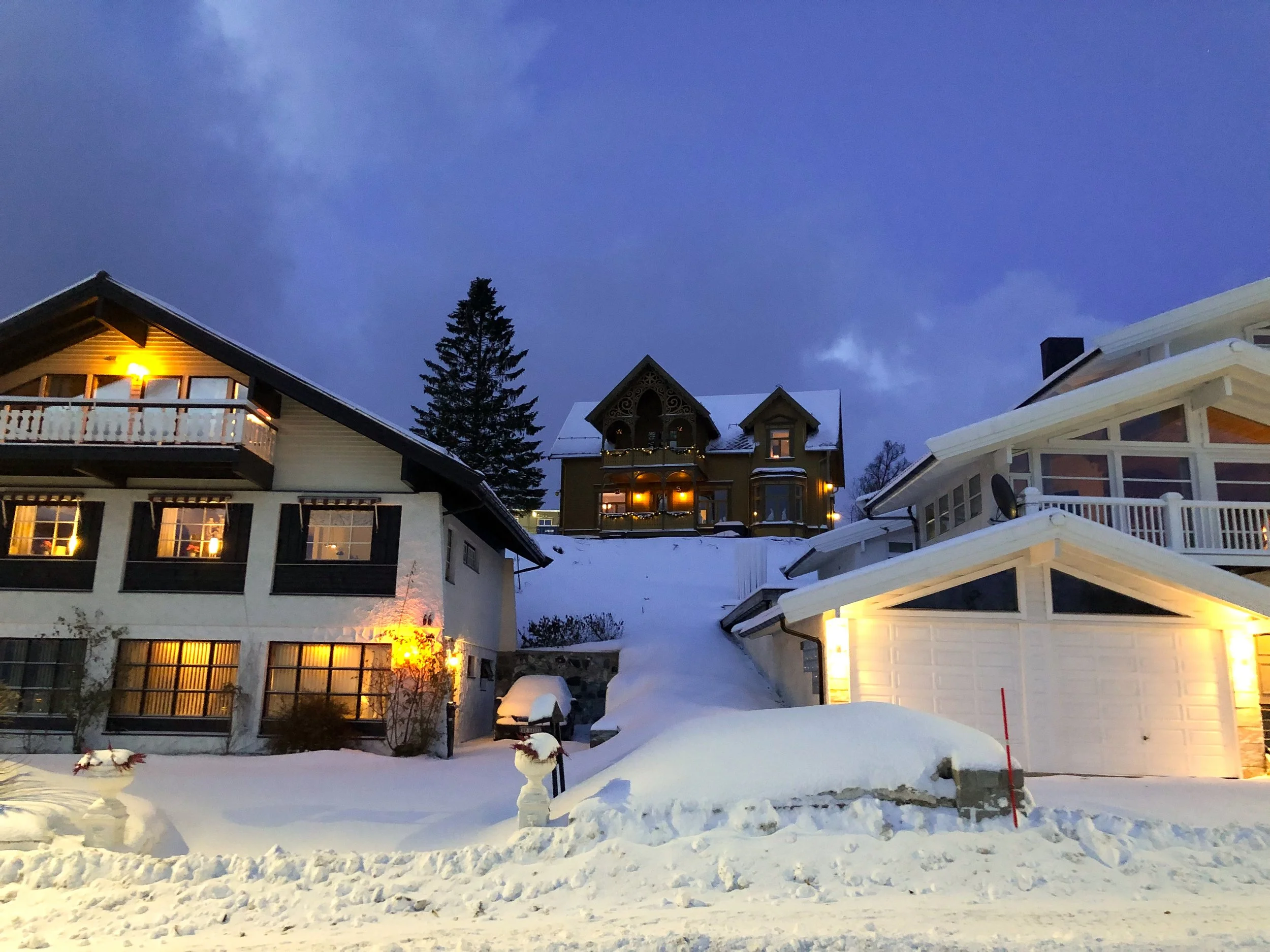
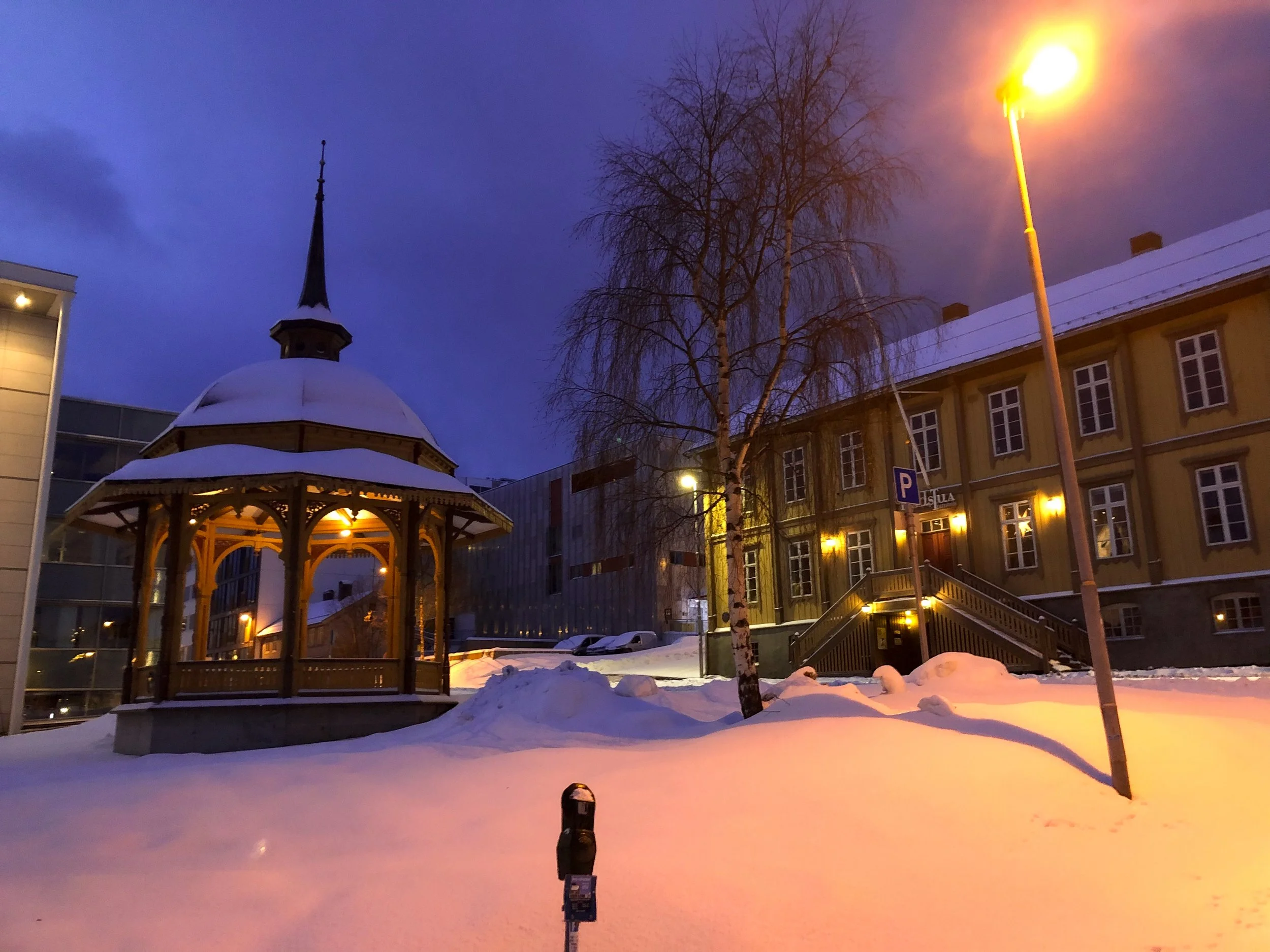
The Gateway to the Arctic
Tromsø is considered to be the gateway to the Arctic. Its proximity to the Norwegian Sea and temperate climate for its position so far north have made it an ideal spot for Arctic explorers and expeditions throughout history. Its location under the Aurora Oval makes it a prime place to view the Northern Lights.
Polar Night & Midnight Sun
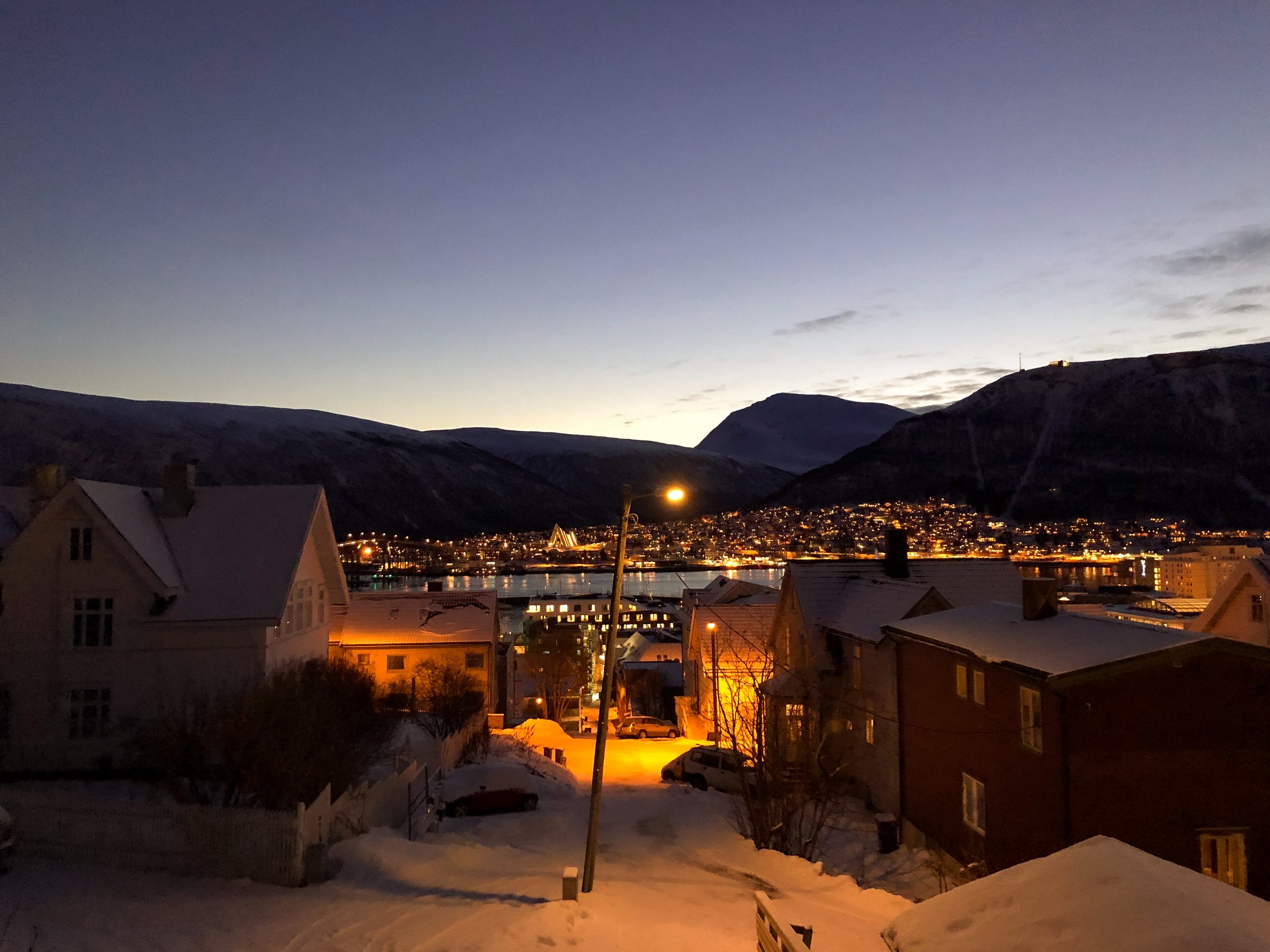
For two months, from late November through late January, the sun does not rise above the horizon. During this time of the the year, known as Polar Night, nearly all hours of the day are dark. For a few short hours during the morning, the sky brightens up enough to feel like an extended dawn. The addition of snow makes the landscape feel even brighter as it reflects more natural light.
The opposite is true from late May through late July. During this time of the year, known as the Midnight Sun, the sun never sets below the horizon. It stays bright for all hours of the day, however when the sun reaches closest to the horizon, the sky lights up with beautiful colors seen during sunset and sunrise.

The Northern Lights
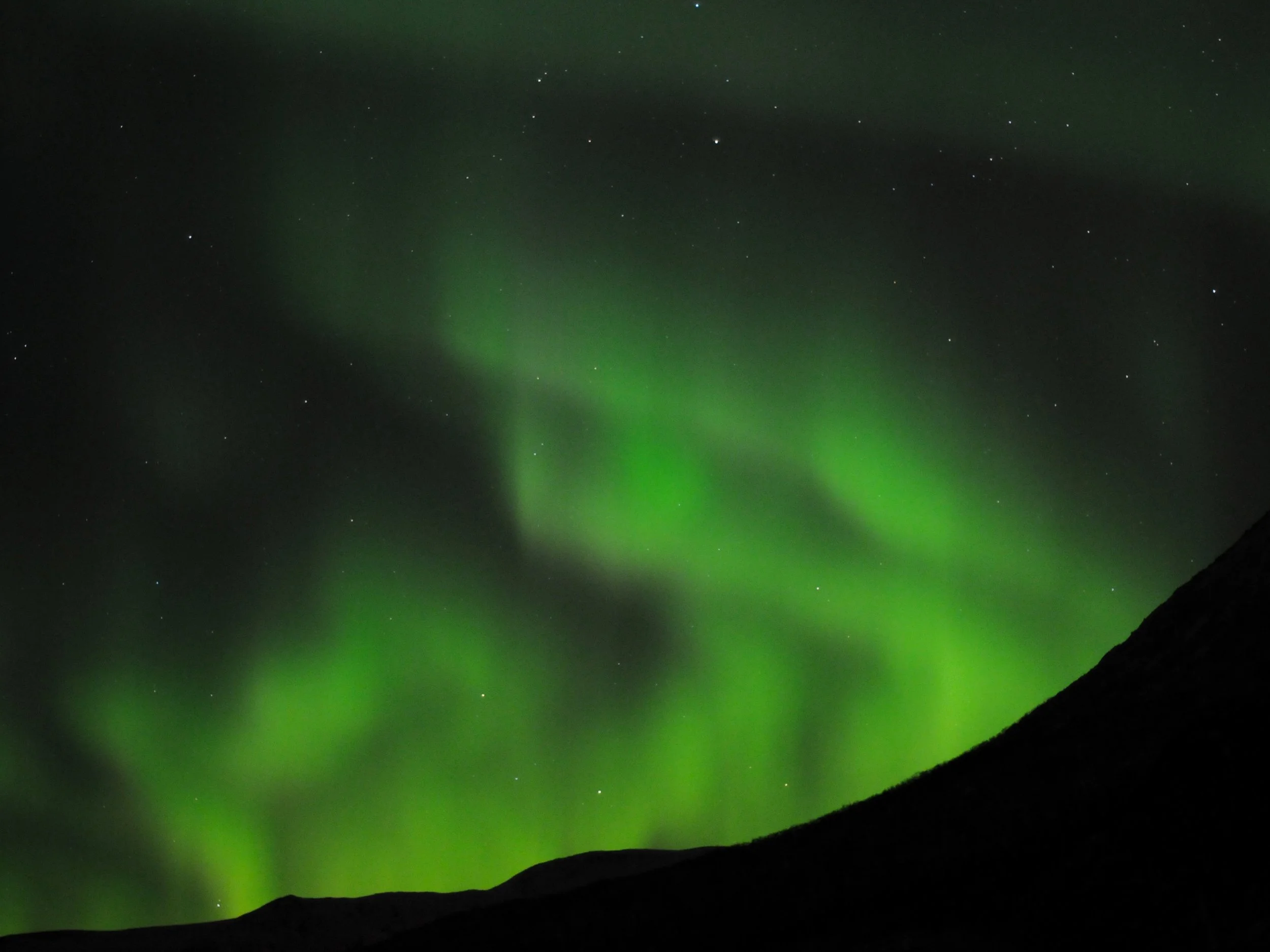
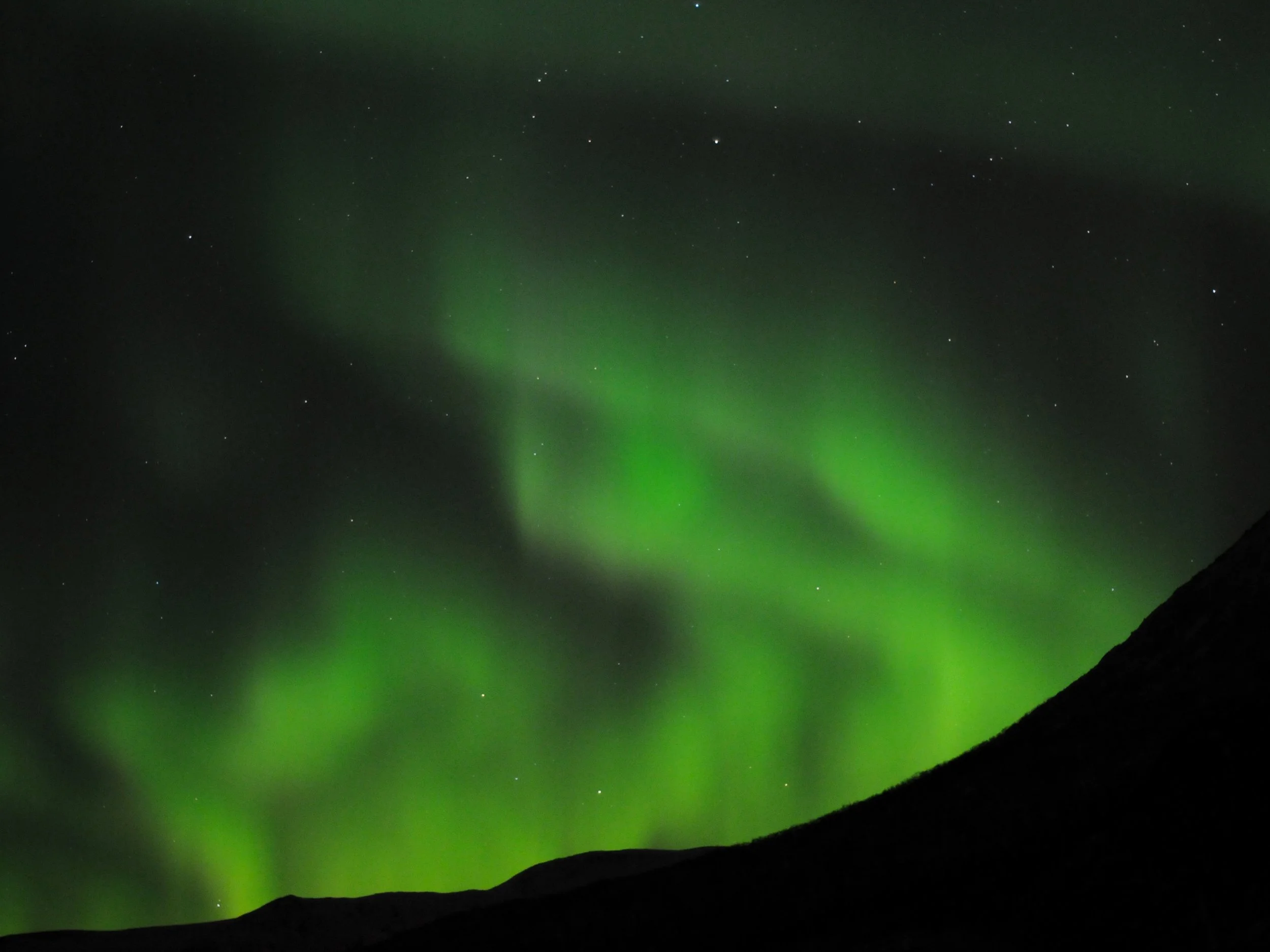
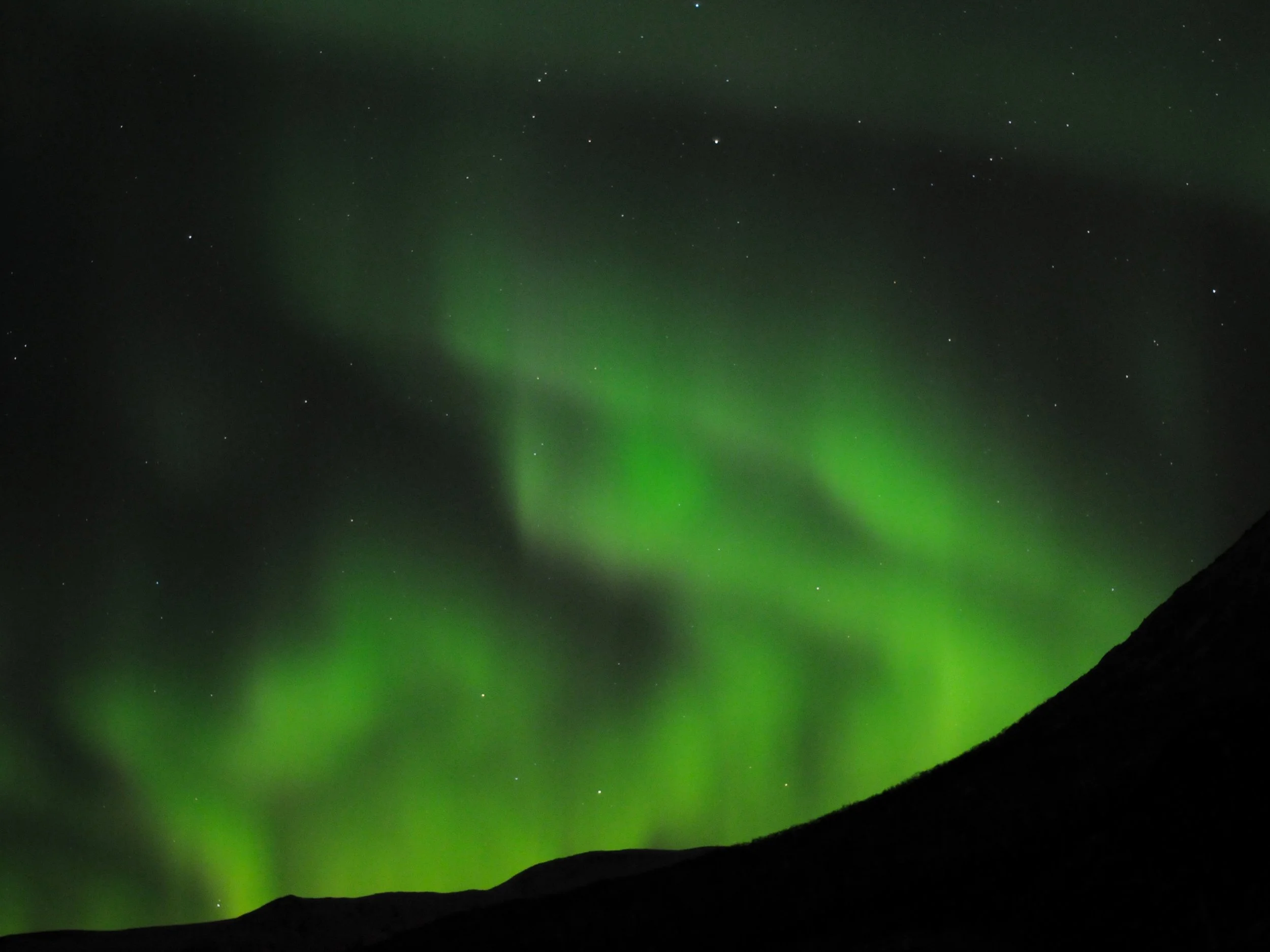
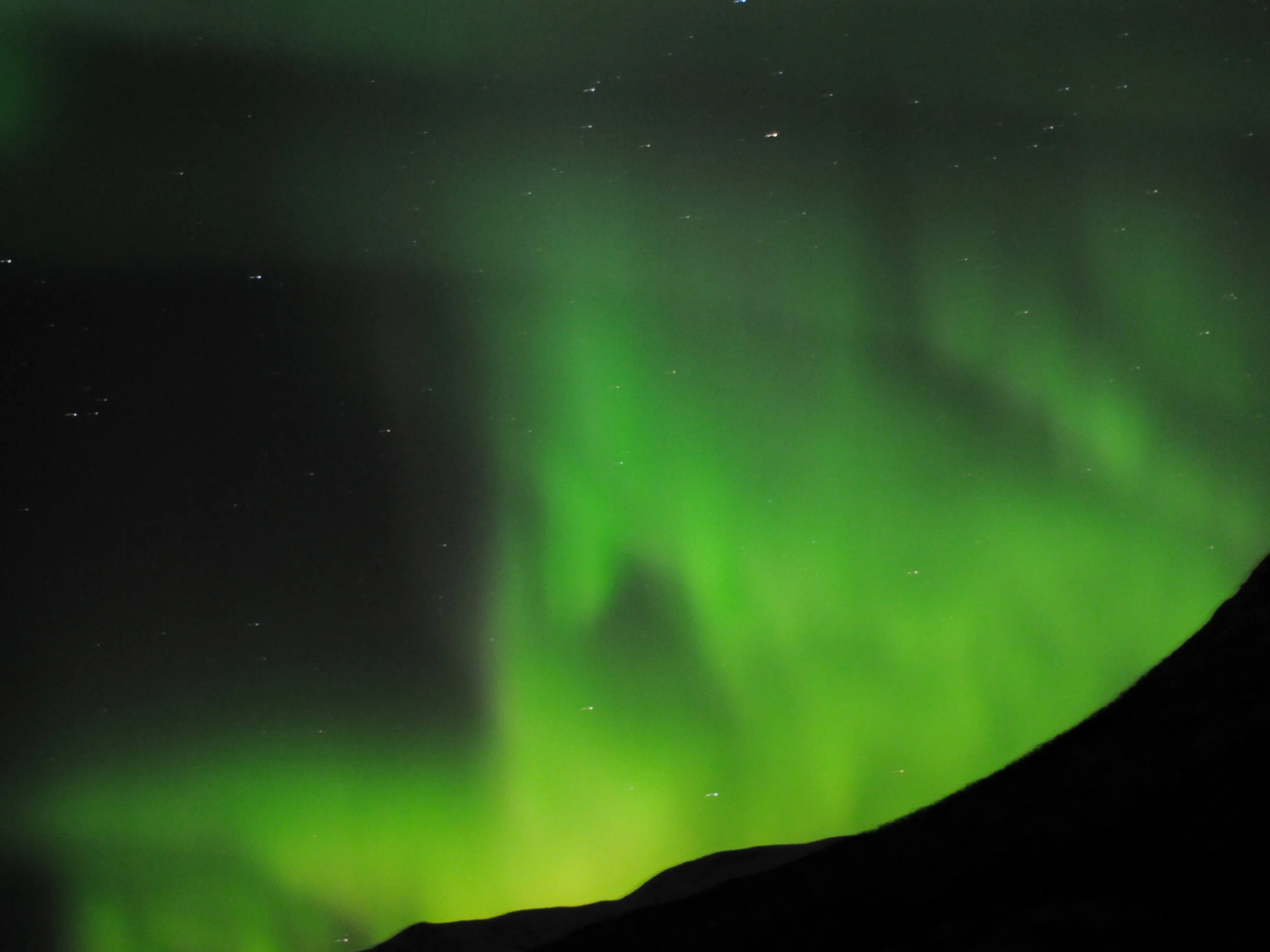
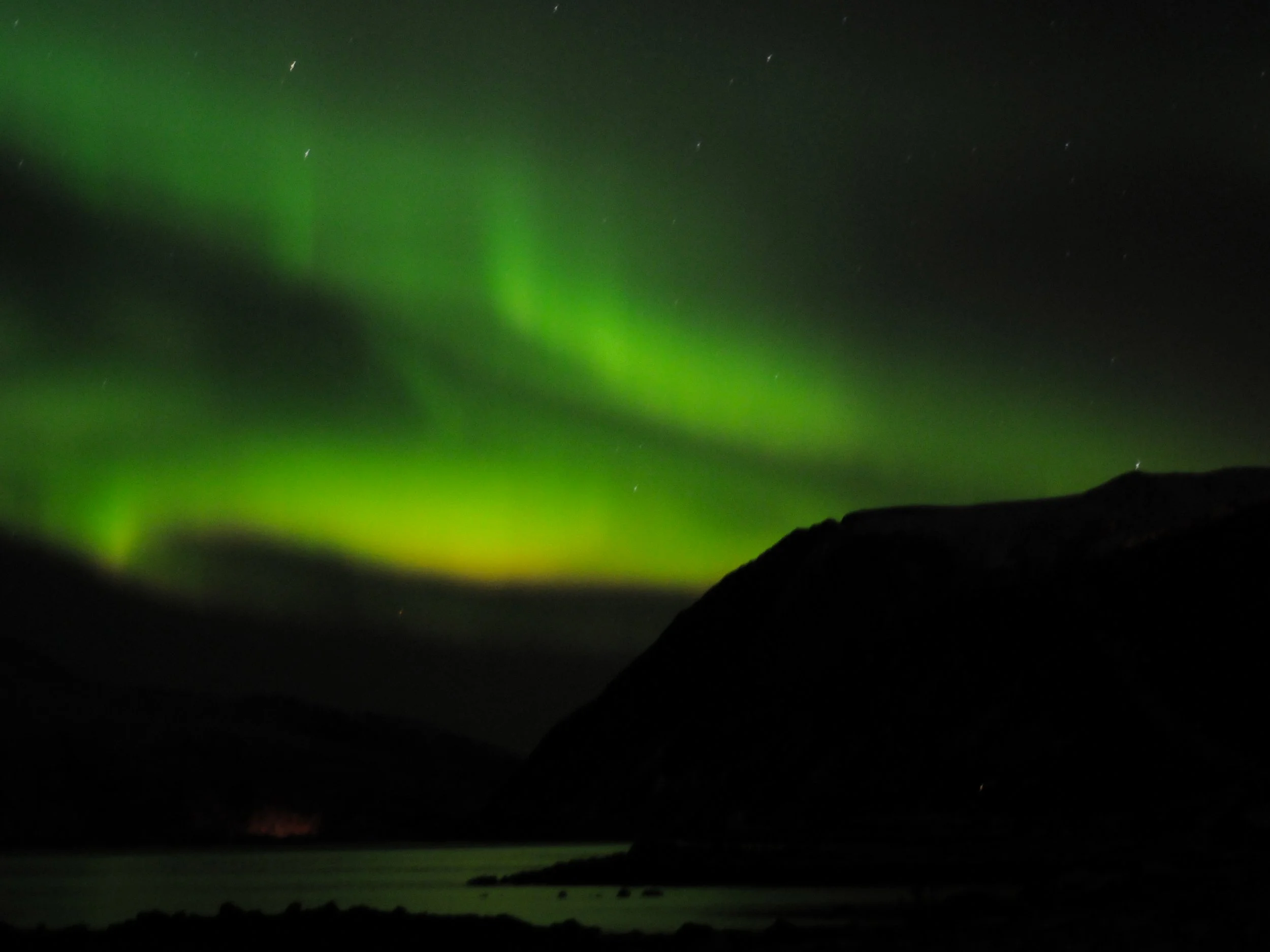
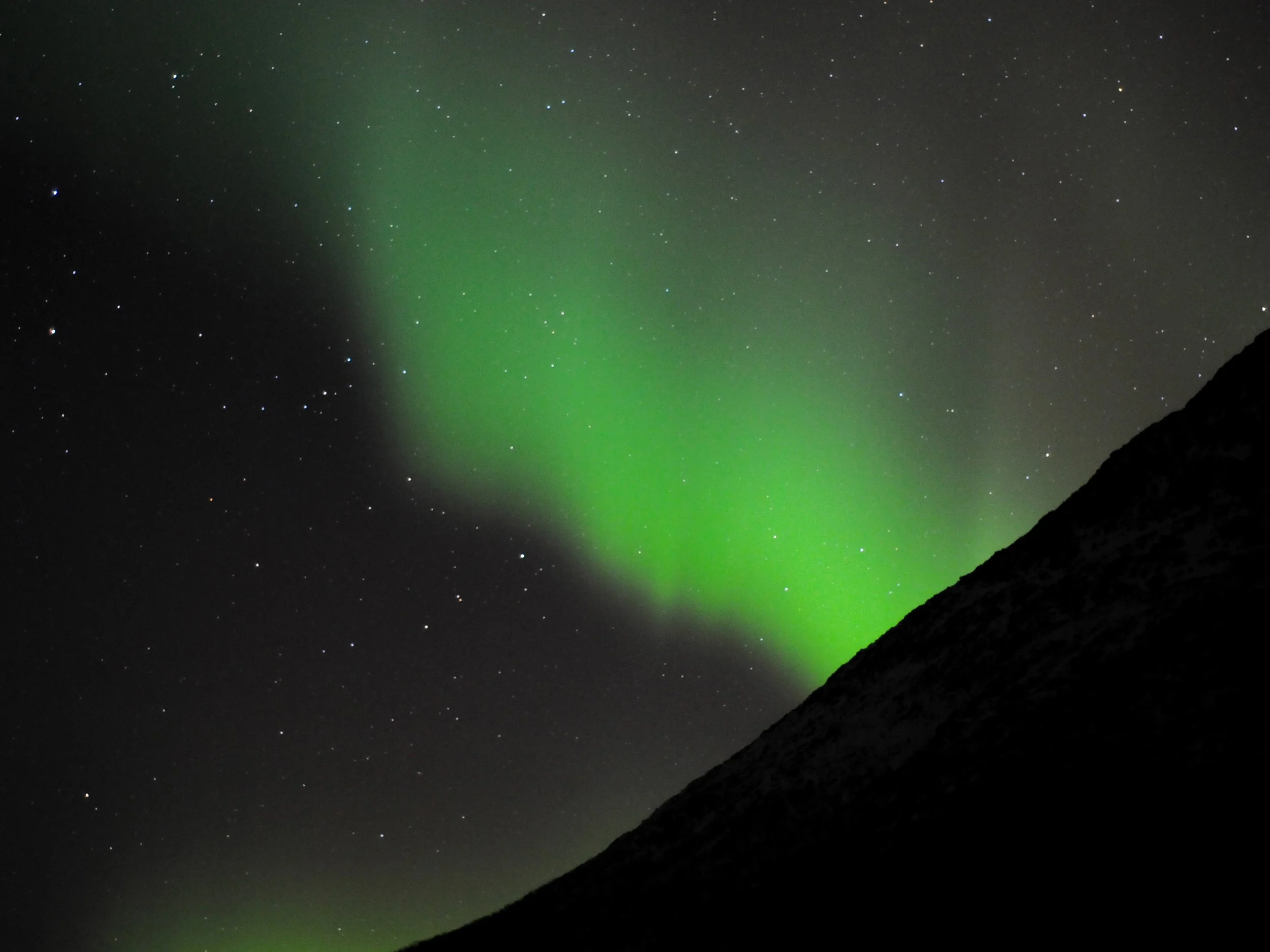
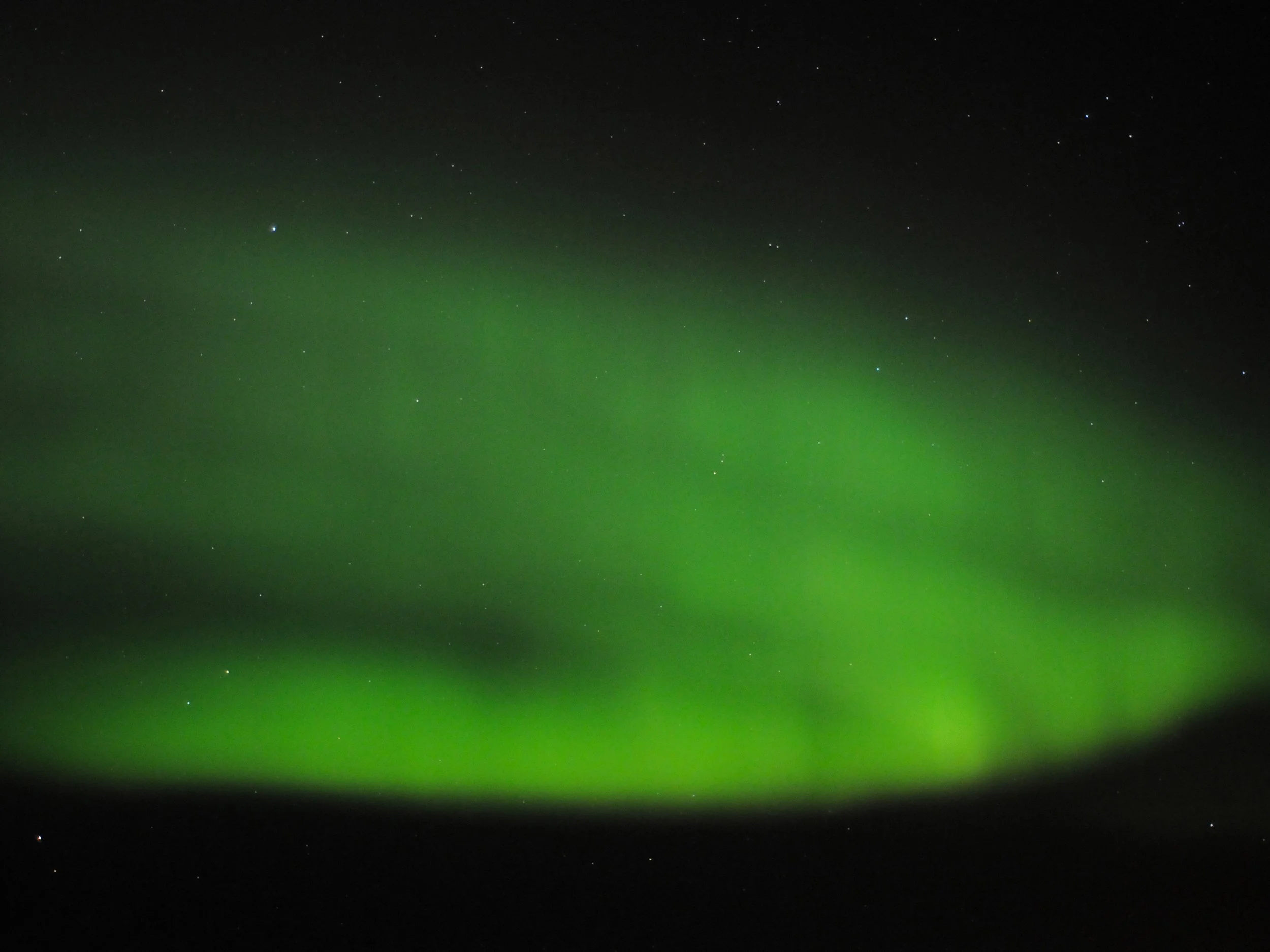
One of the most popular things to do in Tromsø is watch for the Northern Lights. The city sits directly beneath the Aurora Oval, the ovular path near Earth’s northern magnetic pole where the Northern Lights appear. If the conditions are right, the Aurora can be seen dancing and swaying above Tromsø during nighttime. The best time of the year to see the Aurora in Tromsø is from October through March. We visited from late November through early December.
Chasing the Aurora
Though the Aurora can be seen above the city, the best way to see it is by traveling outside of Tromsø to escape from the light pollution. We managed to see the lights above the city one night during our stay but truly got to experience them during a Northern Lights Safari. Local guides will take visitors outside the city to nearby fjords or as far away as Finland and Sweden to give you the best chance possible of seeing the lights. There are dozens of experienced guides and tour companies offering safaris to chase the Aurora. We booked a small group tour with Enjoy the Arctic.
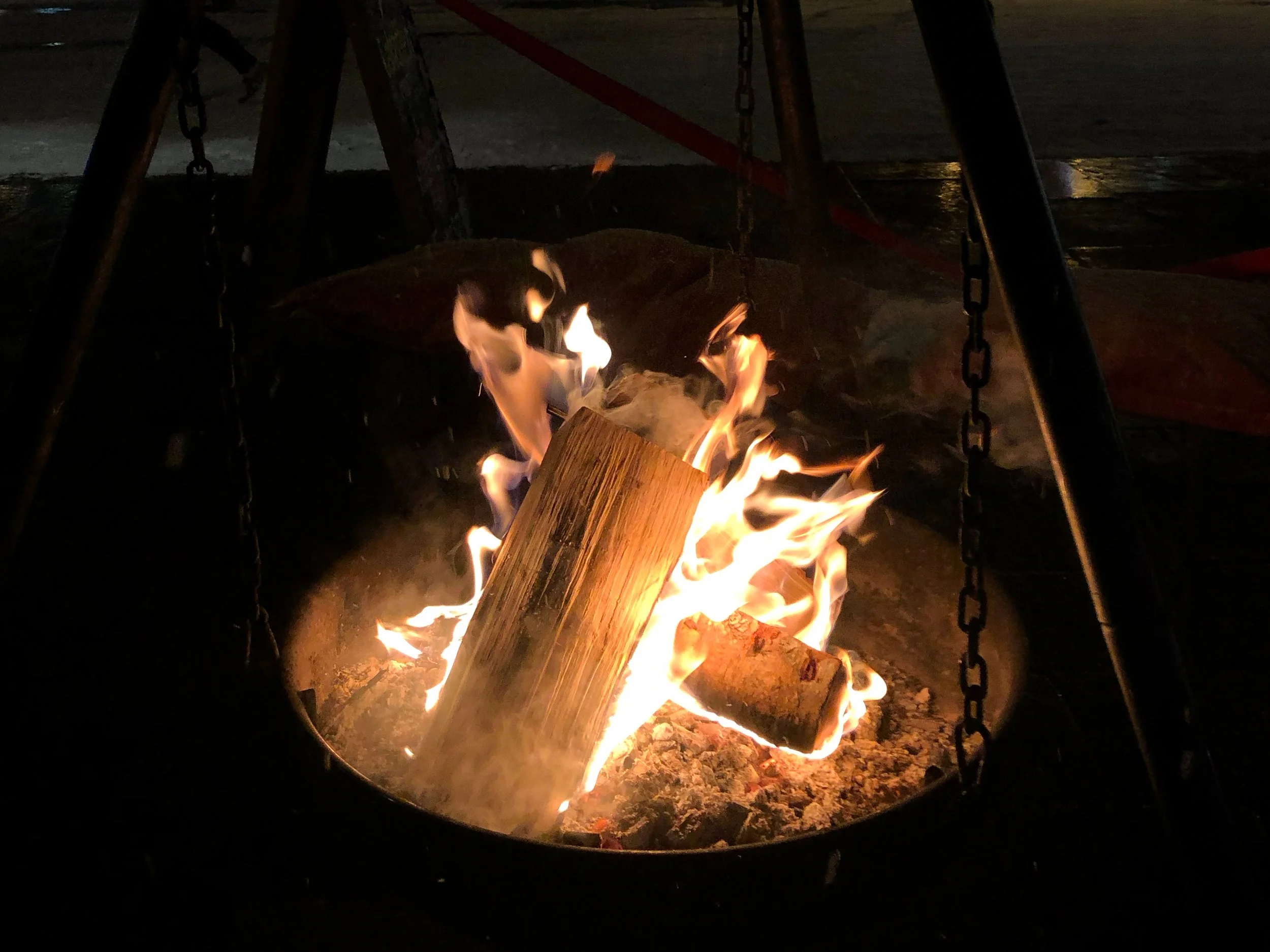
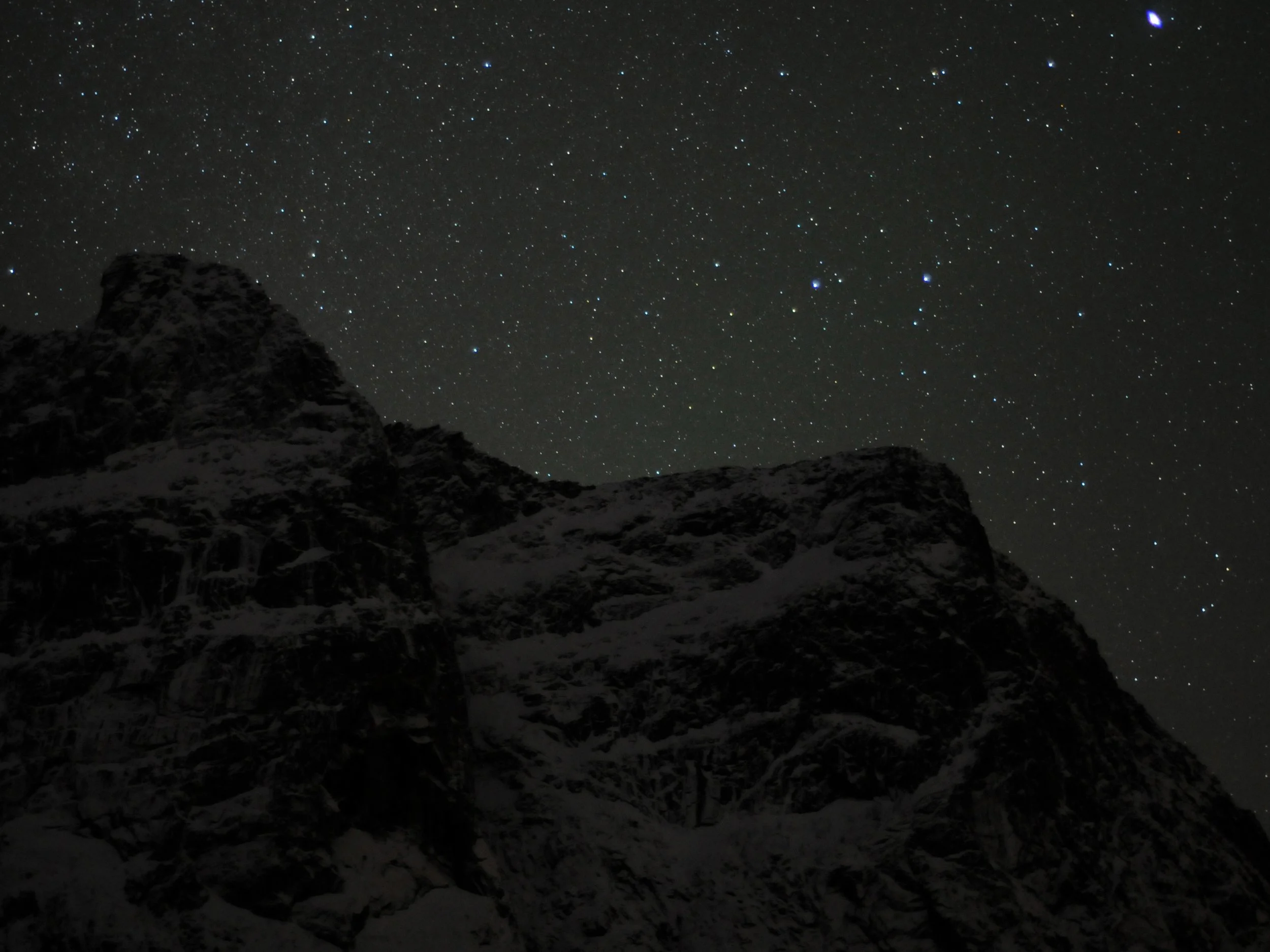
We drove an hour outside of the city to Grøtfjorden where we were able to watch the Aurora dance across the sky nearly the whole evening. We even spotted a few meteors. Our guide helped us take photos, built a fire to keep us warm and provided us with warm drinks and veggie dogs to eat.
Aurora Spotting Tips
It needs to be dark and your eyes have to adjust to the dark. Keep flashlights pointed down or use red lights.
It needs to be a clear evening, preferably no clouds or haze
Spotting the Aurora isn’t always certain. Even if it’s a dark sky and clear night, there might not be the right solar activity for them to appear. Plan on having a couple nights available to watch for the lights in case your first attempt doesn’t work out.
The human eye has a difficult time taking in enough light at night to recognize the Aurora’s true colors like cameras do. With your naked eye, it will appear mostly pale green or dark purple with the occasional flair of neon. Regardless of the intensity, the Aurora is truly a sight to be seen.
With the right settings, any DSLR camera will be able to photograph the Aurora. Our DSLR settings were:
Camera (Nikon D300S)
50mm Lens
Aperture (F1.8)
ISO (1250)
Shutter Speed (2.5)
Whether using a camera or a phone to photograph the northern lights, always use a tripod. Your hands will be too shaky to take a clear image.
Night mode and 10 second exposures on most smartphones will also capture the Aurora.
Dress in warm layers! It is going to be very cold and windy.




Sámi Culture & Reindeer
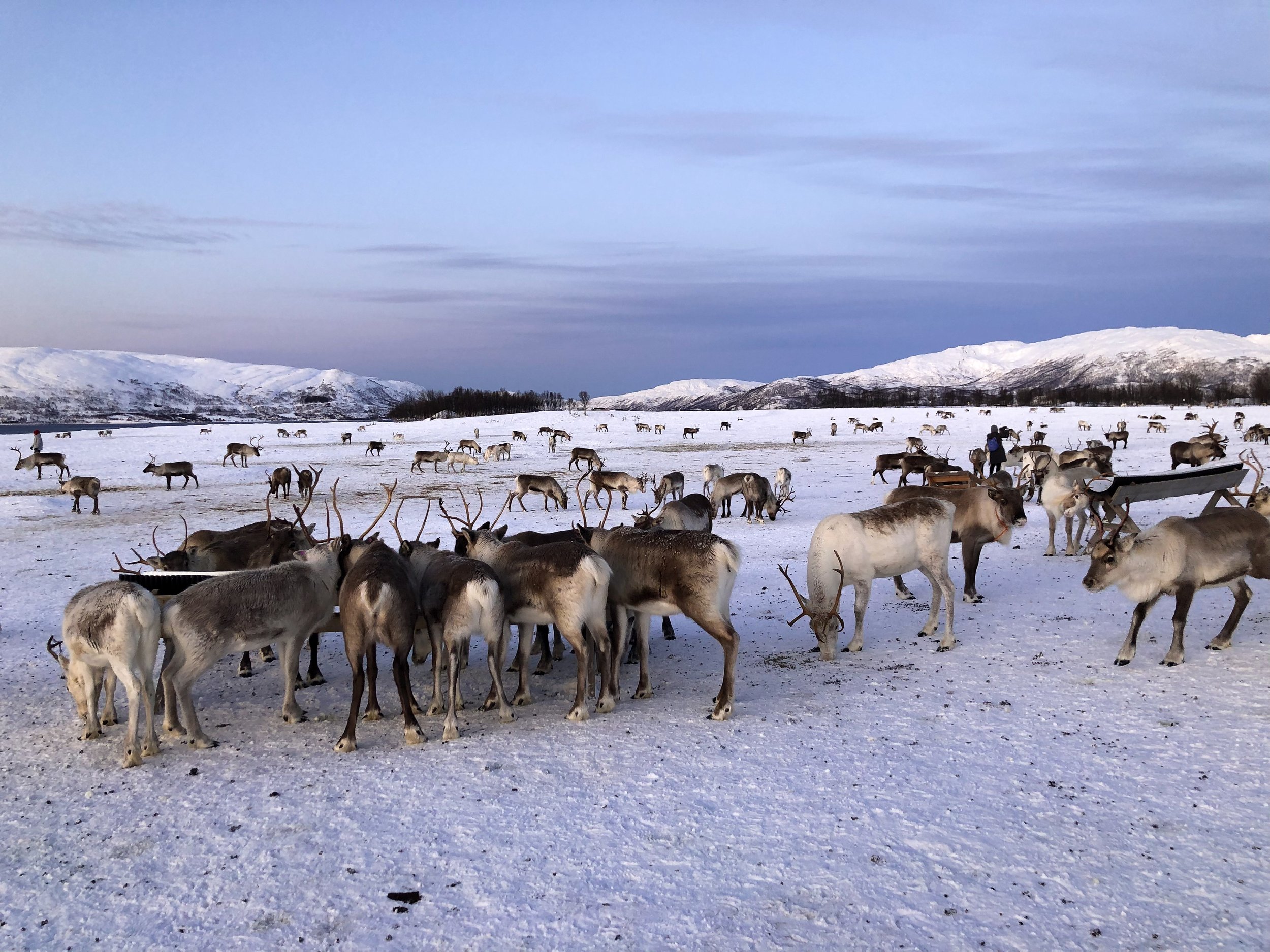
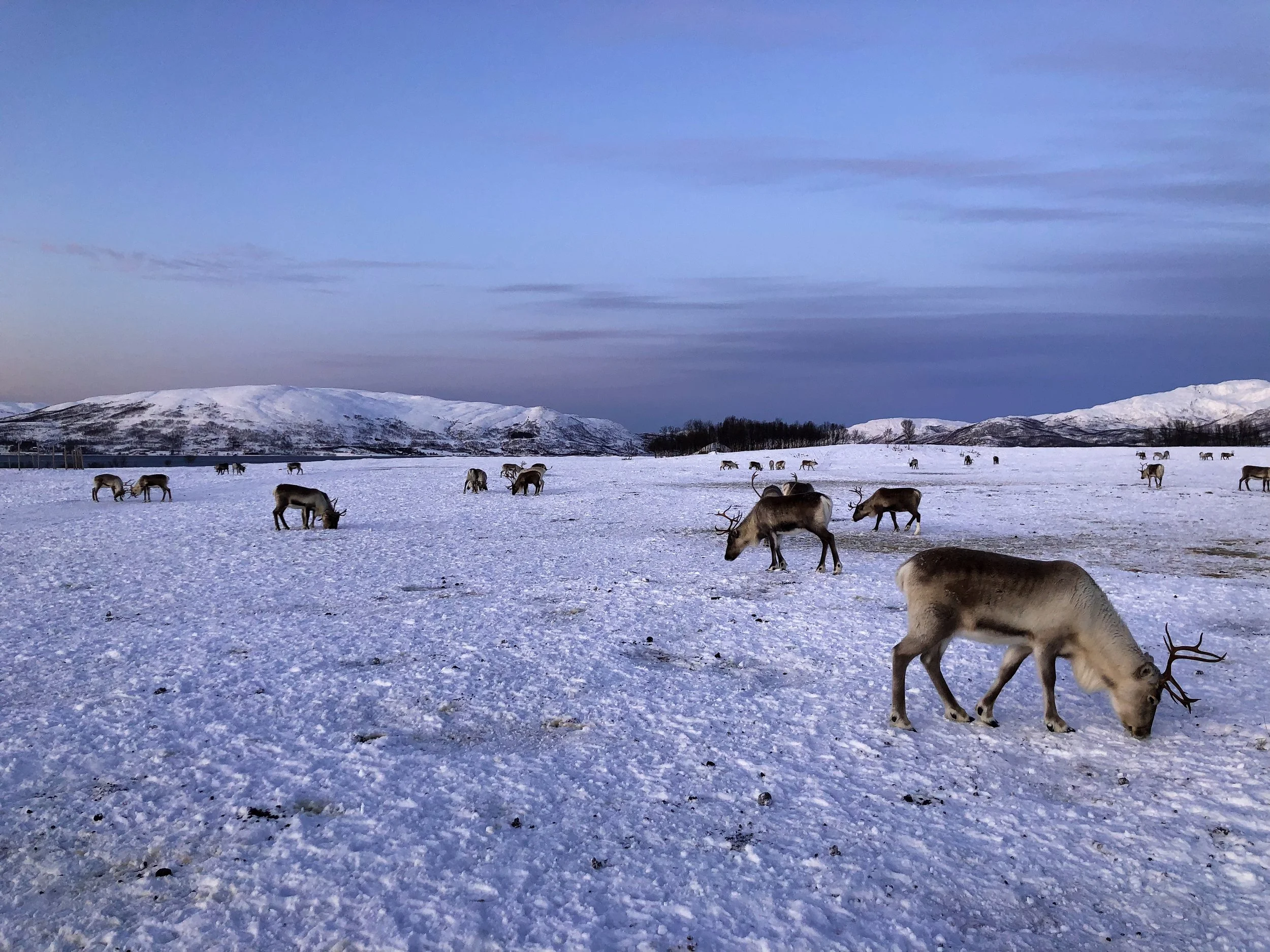
The Sámi People are a semi-nomadic nation spread throughout Scandinavia with a tradition based in reindeer herding. For thousands of years, they have established a livelihood using the reindeer for meat, fur and transportation. While in Tromsø, we booked an experience with Tromsø Arctic Reindeer, operated by a family of Sámi people to promote their culture, share their stories and offer close experiences with their herd of reindeer.
Reindeer Games
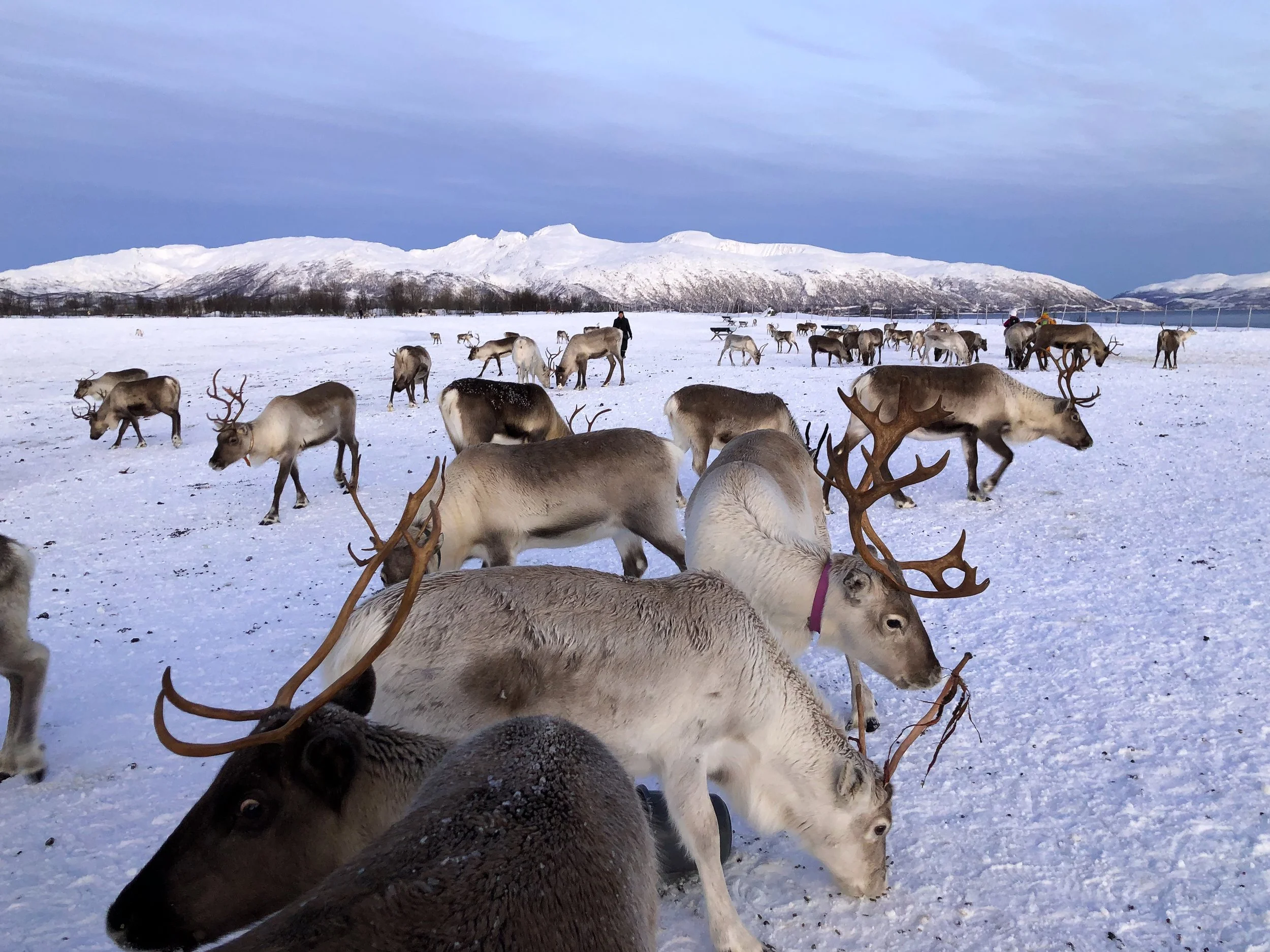
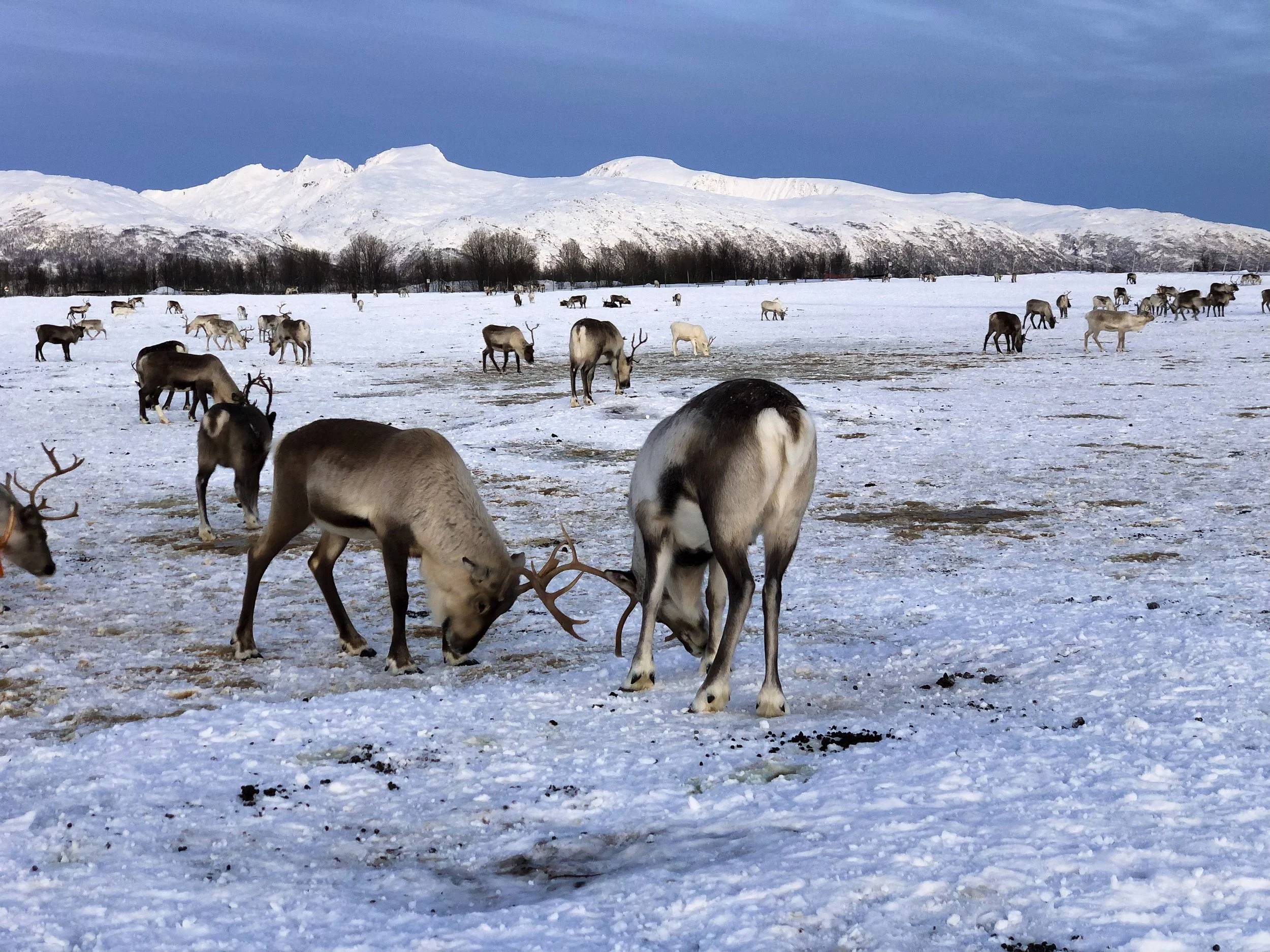
The Sami family welcomed us to their camp and introduced us to their herd of reindeer. Hundreds of the animals roamed the icy field as snow covered peaks stood in the distance. We watched as they played reindeer games, chasing each other around and sparring, like a scene from a Nordic fairy tale.




Reindeer Sledding & Feeding
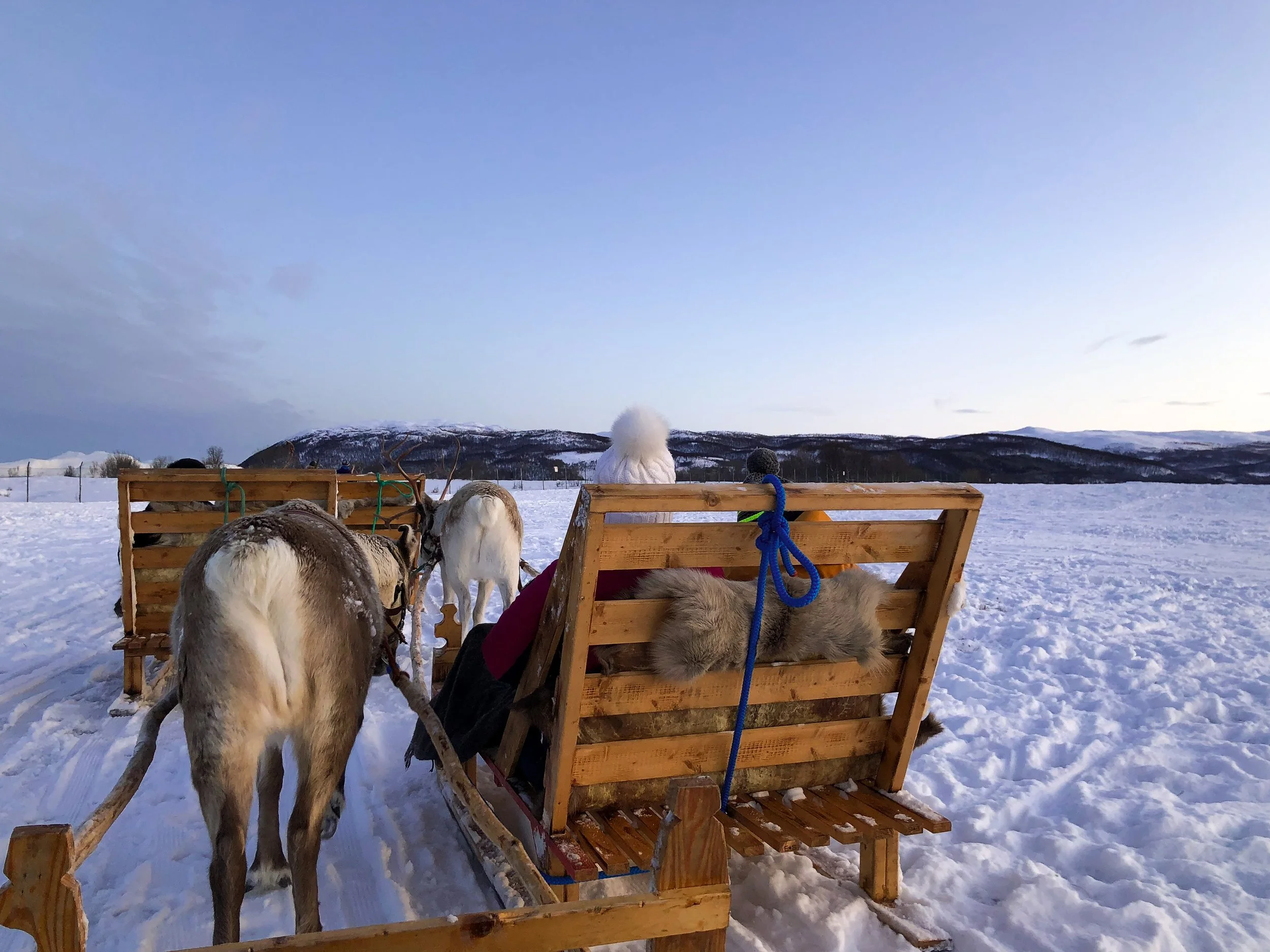
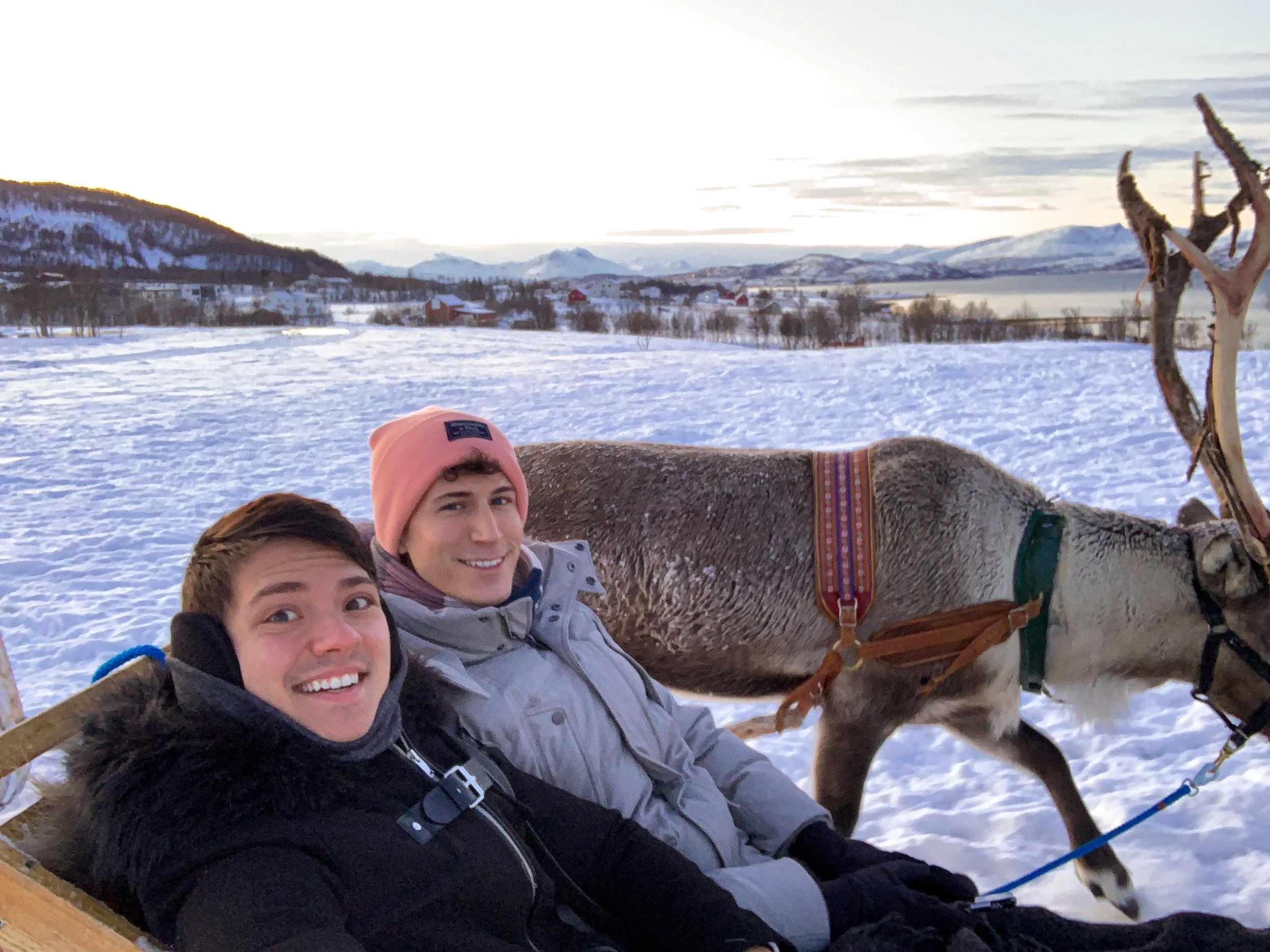
Guided by two reindeer and Sámi handlers, we were gently pulled on a sleigh ride across the wintery pasture and landscape. We thanked the reindeer with buckets of food (no, not the glitter and oats you toss outside for Santa’s reindeer) but hearty pellets of grain. They typically graze on the grass beneath the snow but once the snow is too packed down for them to break through they feed on pellets or relocate to a new field. The reindeer, still wild animals, were very excited for the food. They were gentle, however at times one would nudge you for attention then bury their face into the bucket. It was amazing getting to be so up close and personal with these animals.
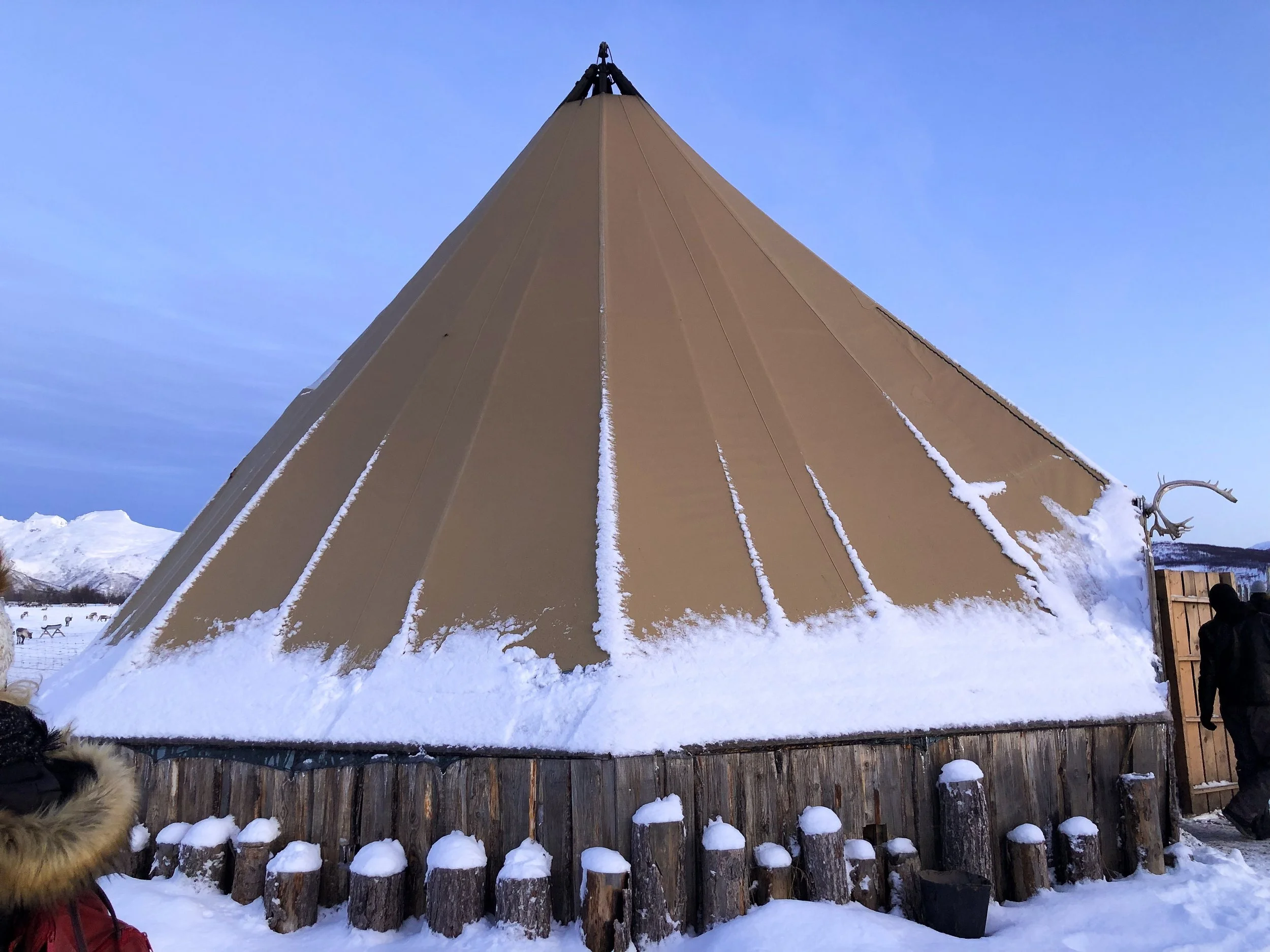
Sámi Hospitality & Story Time
Inside the Sámi tents, the family’s matriarch greeted us with hot coffee, cookies and reindeer stew. We ate a vegetarian version and warmed up around a wood burning stove. After our meal, we moved to a different tent, called a lavvu, used for communal gatherings and ceremonies. We sat around a log fire listening to the camp leader and multiple reindeer herders talk about their life and the Sámi Culture. They explained the purpose of the traditional clothing and items they carry, many of which were handmade from reindeer. They sang songs, called a joik, which is a traditional form of music sung to someone or something of importance in their lives. The eldest herder told us how he sings for the reindeer and to scare away predators. It was truly a one of a kind experience getting to hear stories from the Sámi people and feed their herd.
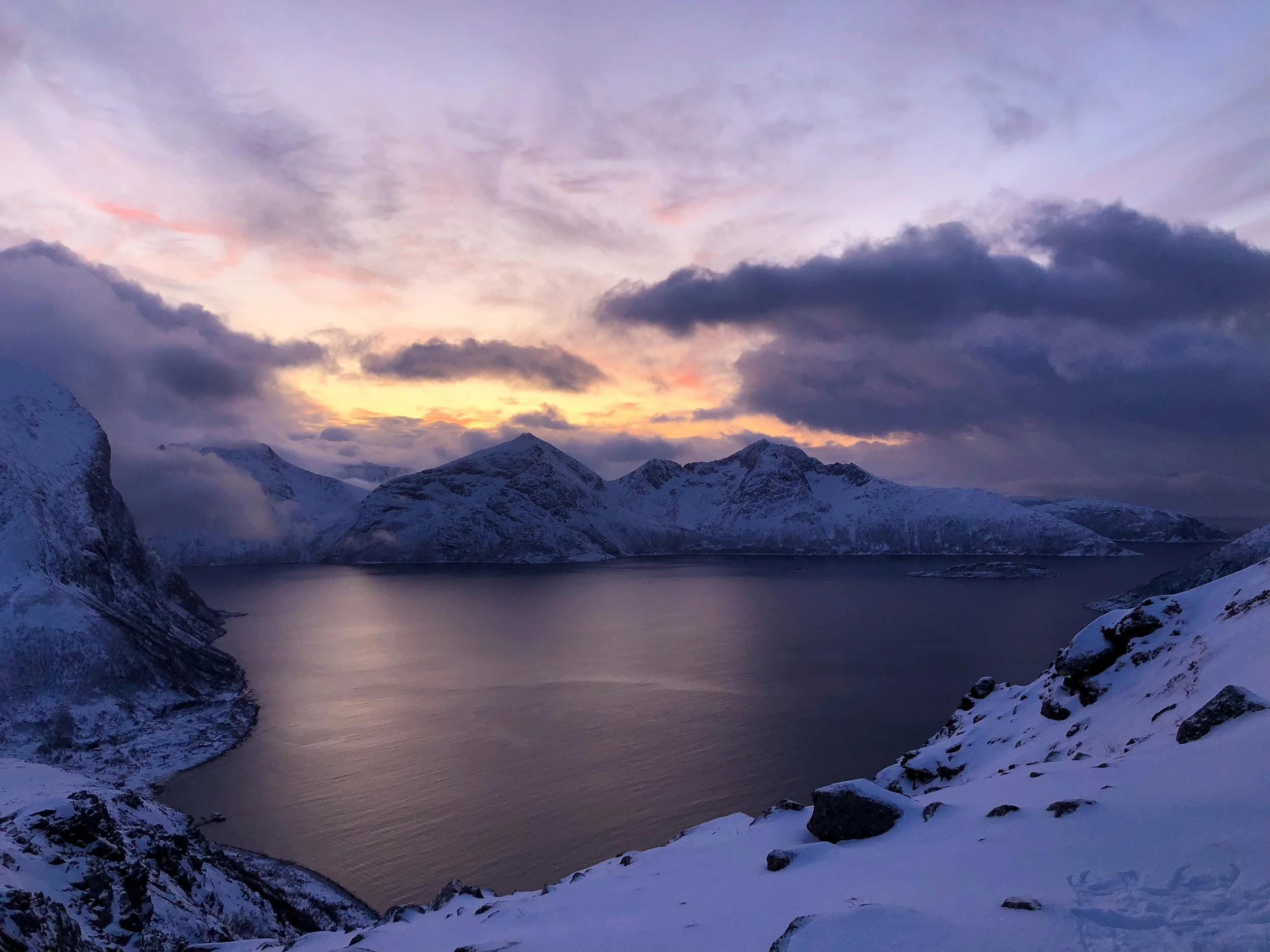
Snowshoeing & Fjord Hike
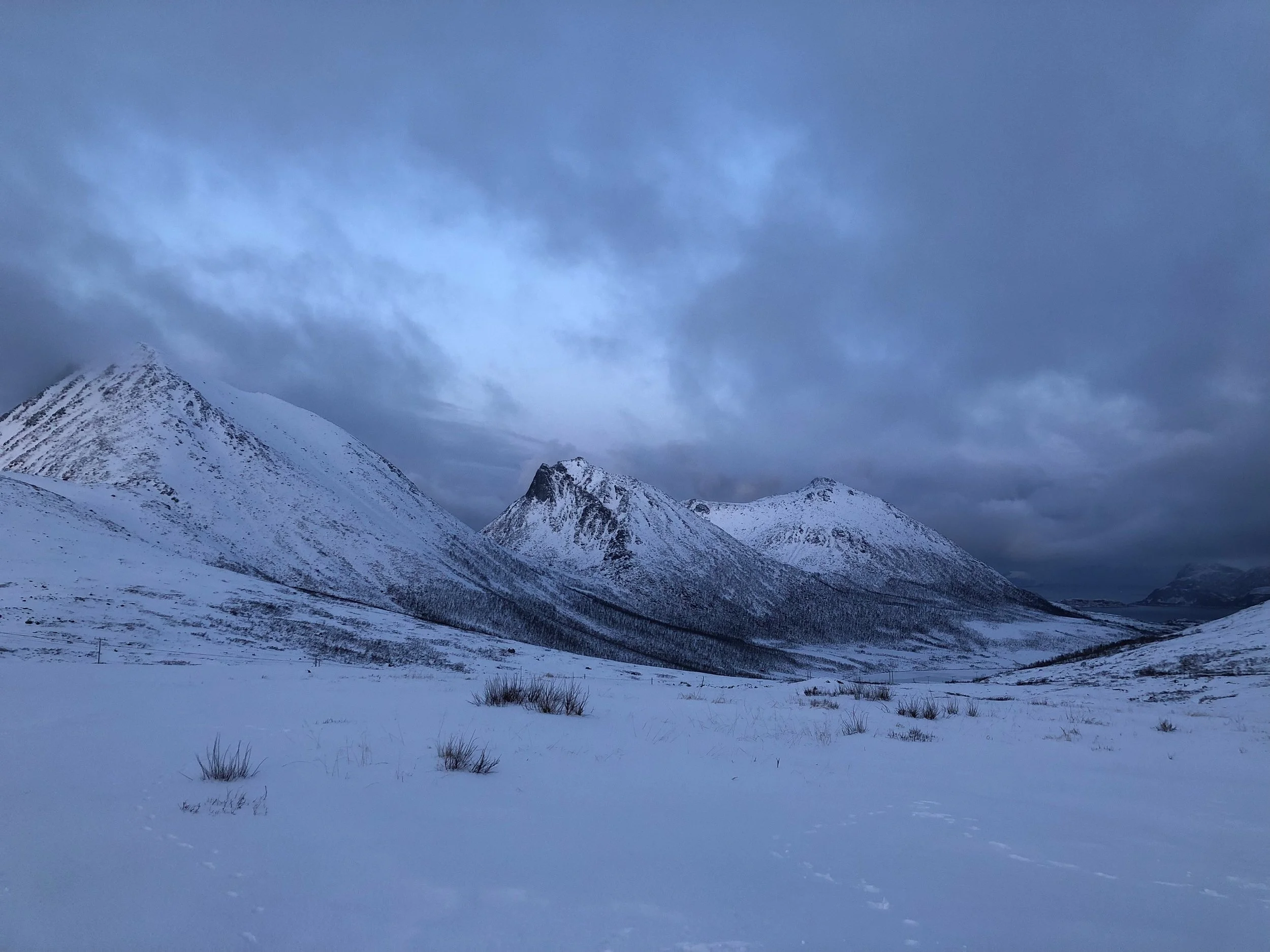
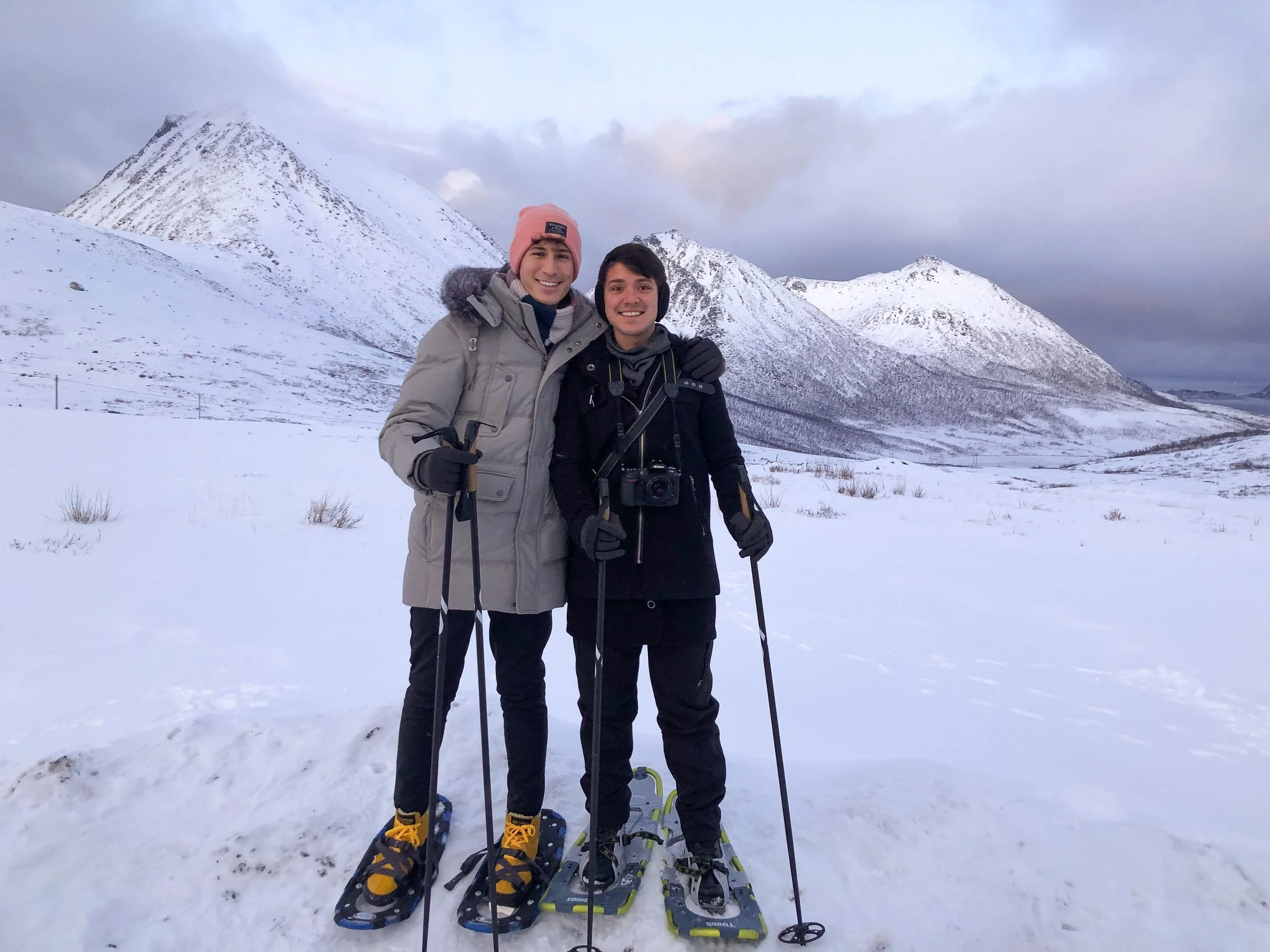
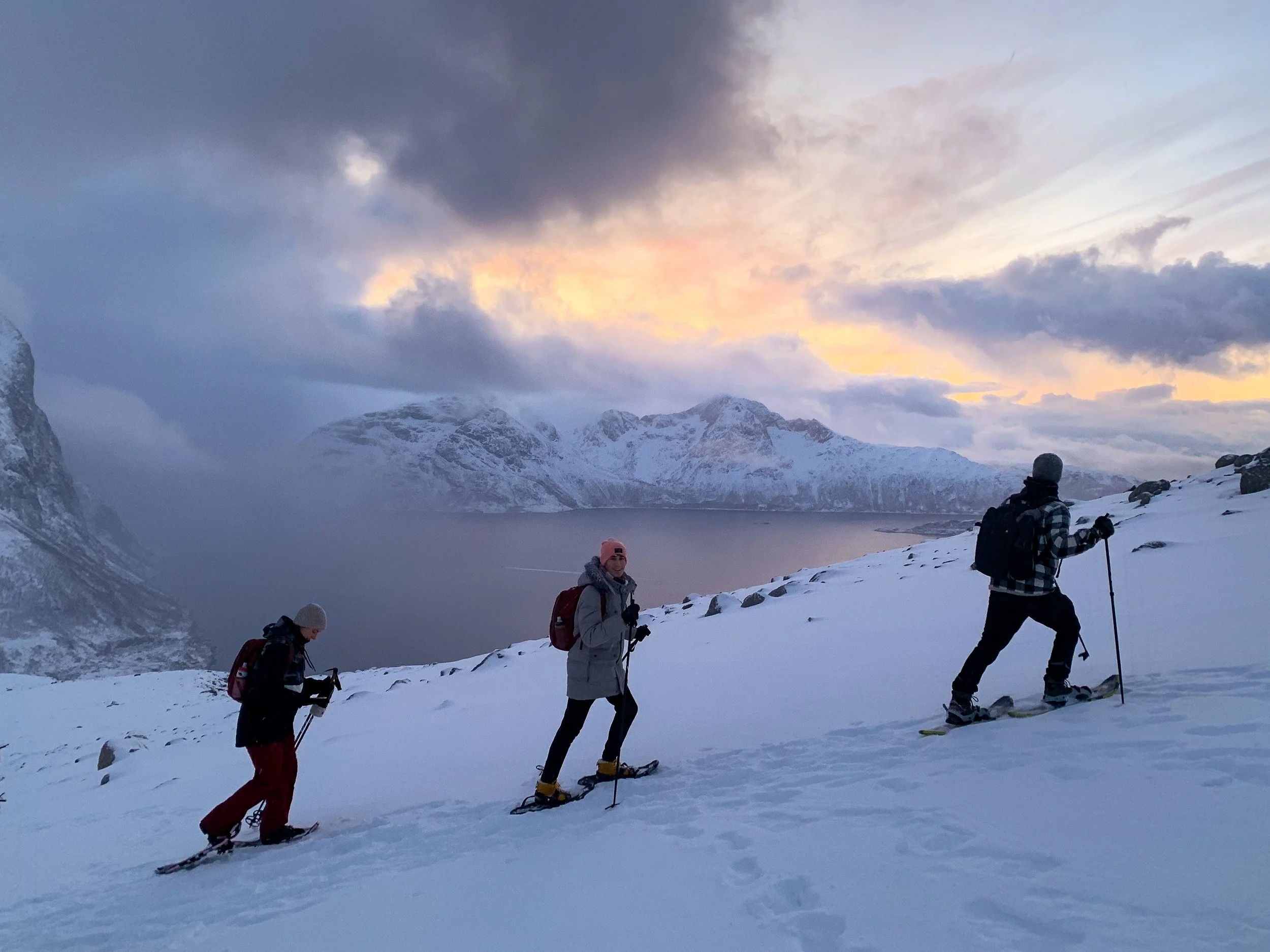
Tromsø is surrounded by snow covered mountain peaks, dramatic fjords and the idyllic landscapes of Northern Norway. We booked a guided snowshoeing excursion to experience the wintery landscape with Northern Horizon. They provided us with transportation, gear and a meal during our trip.



Ascending the Mountainside
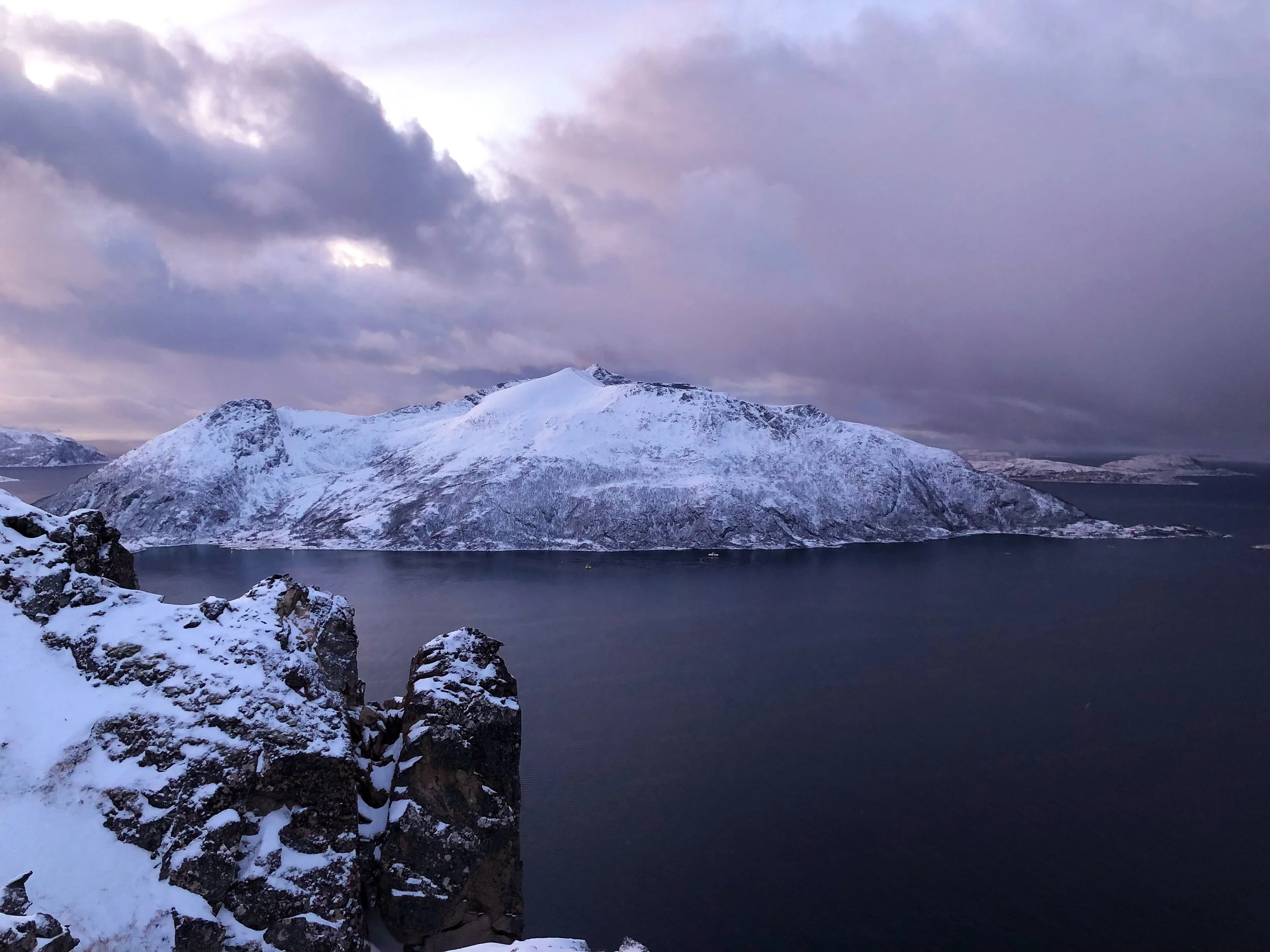
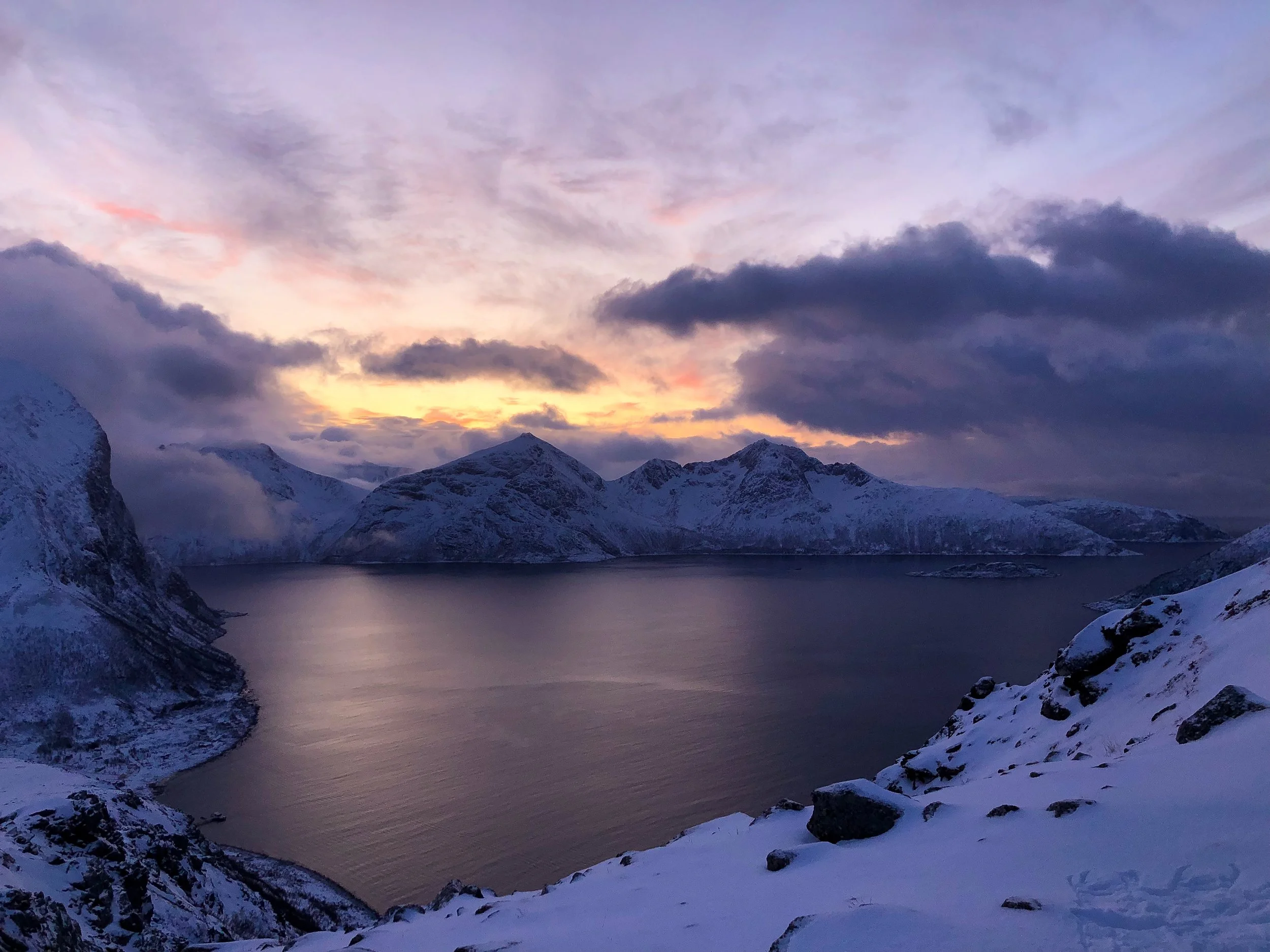
We began our ascent in the small town of Tromvik, situated along the Norwegian Sea, an hour away from Tromsø. We spent about 2 hours snowshoeing the side of the mountain during the brightest hours of the morning before reaching one of its peaks. From the peak, we could look directly across the fjord at a salmon farm and straight out towards the Norwegian Sea.

Prepare for the Weather
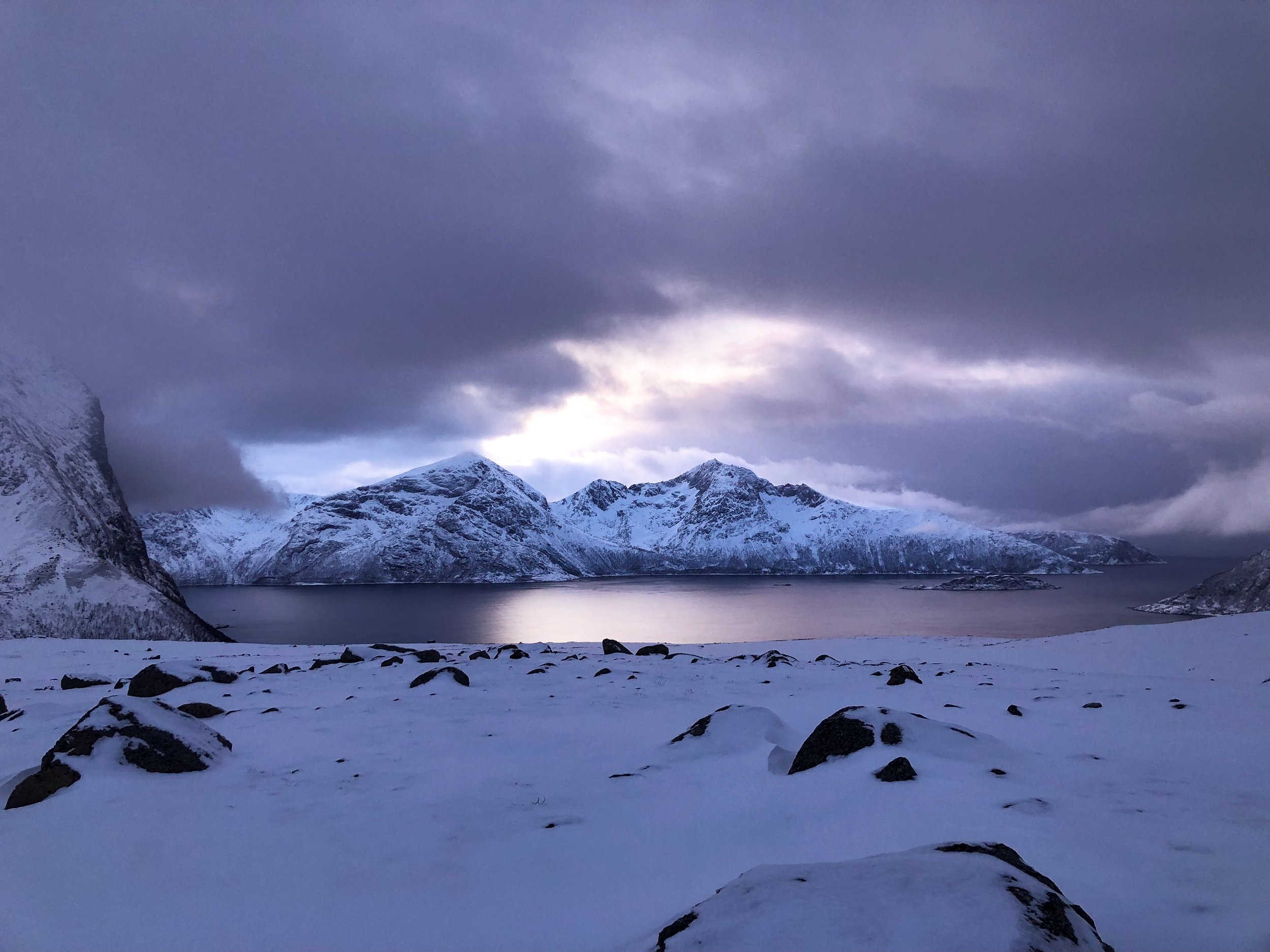
The hike wasn’t too difficult but it definitely helped having an experienced guide leading the way, watching out for icy crevices and rapidly changing weather. At times the temperature would drop several degrees or a blizzard would roll in. This was especially true, the higher we climbed in elevation. The descent down the mountainside took about 30 minutes. By the time we reached the car, it was nearly dark again.
A Scenic Drive & Tasty Rest Stop
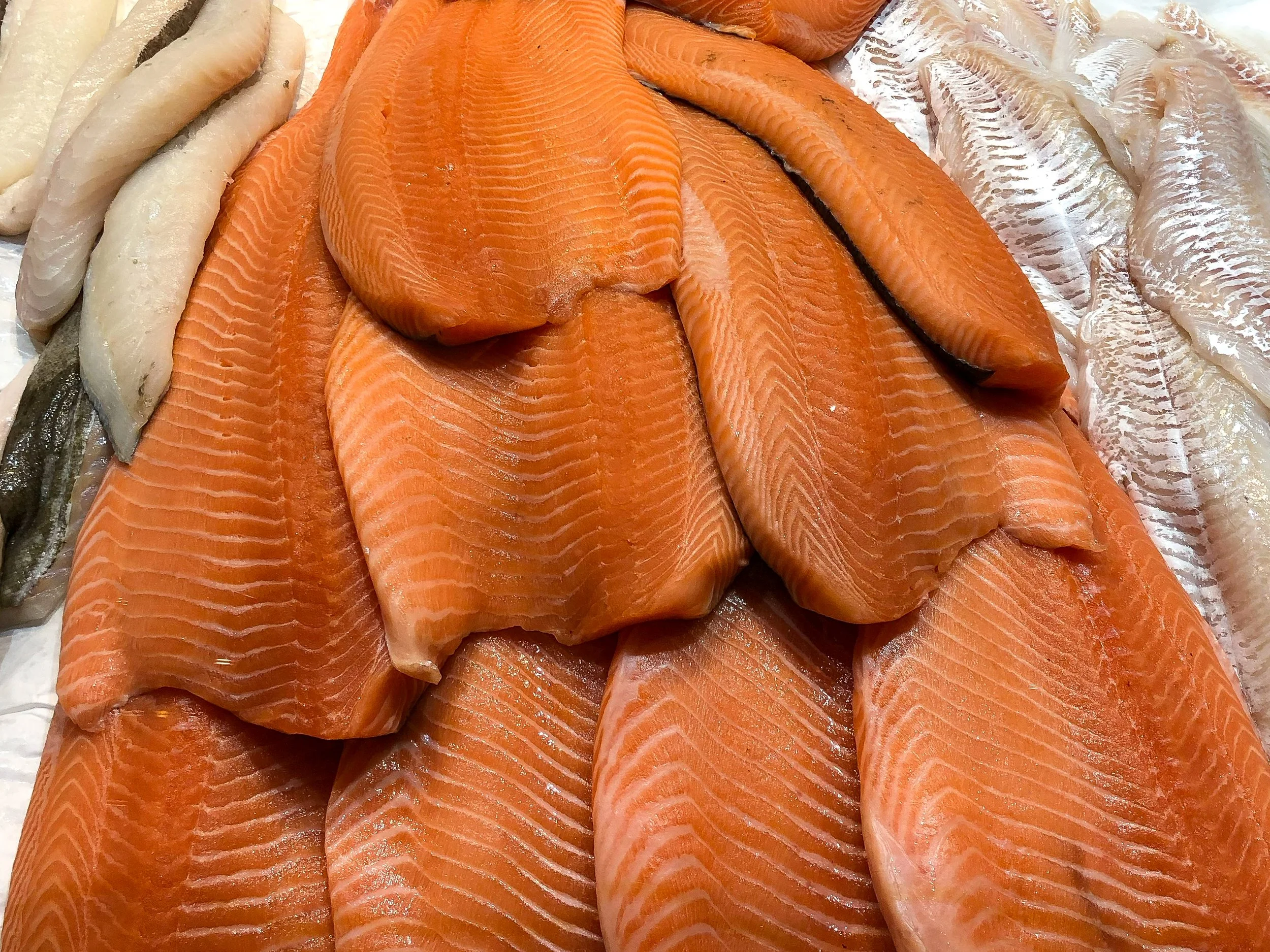
The scenic drive between Tromsø and Tromvik passed through Grøtfjorden, the same fjord we watched the Northern Lights from. We stopped in the small town of Kvaløysletta to visit Eide Handel AS, a grocery store with a deli counter displaying all types of Norwegian Salmon. They offered dozens of samples, which we tried, before buying a packaged smoked filet to bring home.




See the Sights
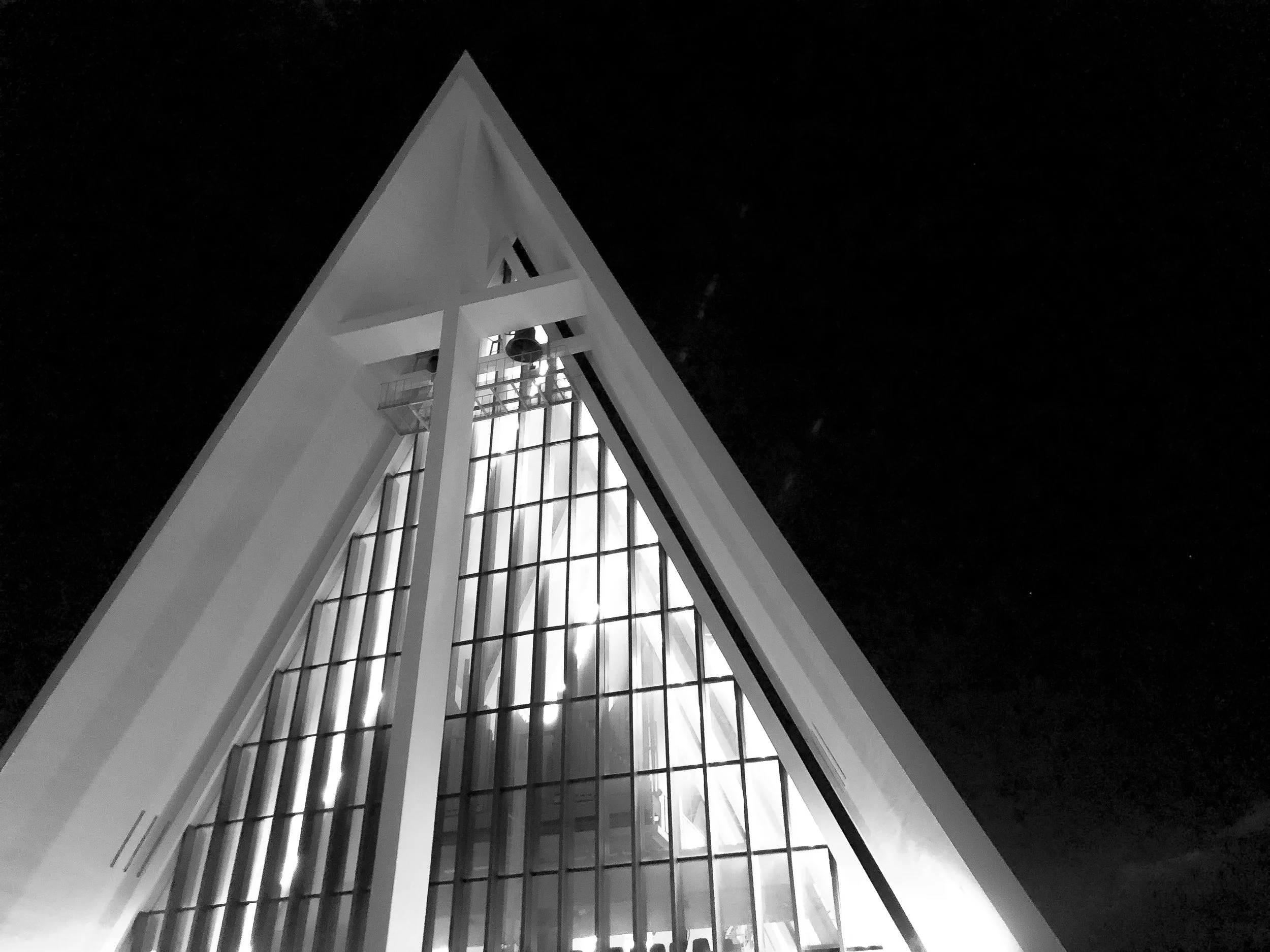
The Arctic Cathedral. Tromsø’s most recognized site is an Arctic architectural beauty. The modern cathedral, built in 1965, is inspired by the serene arctic landscape surrounding it. The 11 triangles that form its shape are reminiscent of snowy mountain peaks. The pews inside are made from local pine and cushioned in reindeer leather.
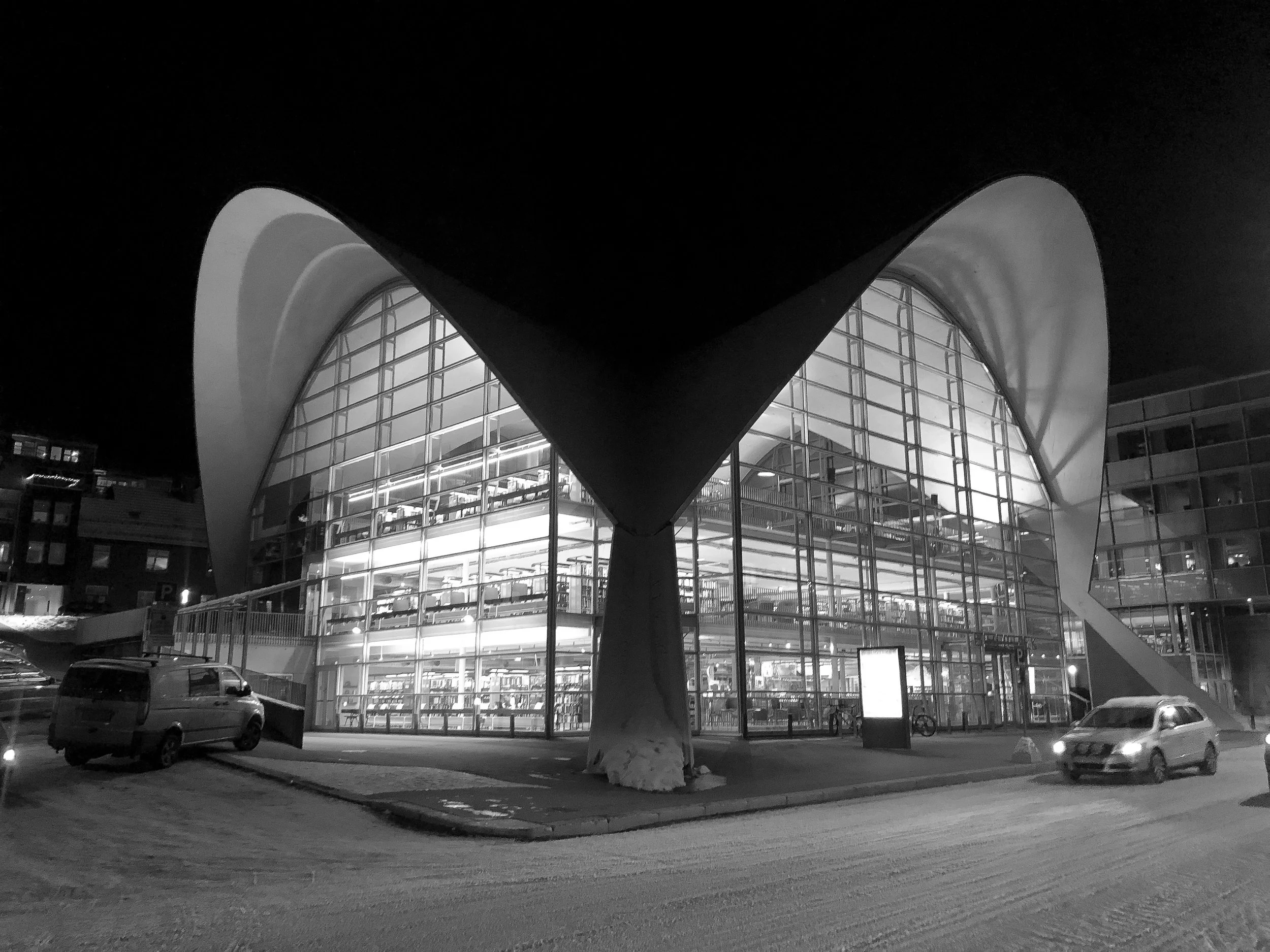
Tromsø Bibliotek. A contemporary library at the center of Tromsø with four arched and glass sides. The interior has a warm glow and aisles of books that look out over the city.
Polaria. A polar aquarium designed to evoke the fractured ice floes seen throughout the Arctic waterways. Each shard of the building is stacked up against one another forming a giant slanted mass.
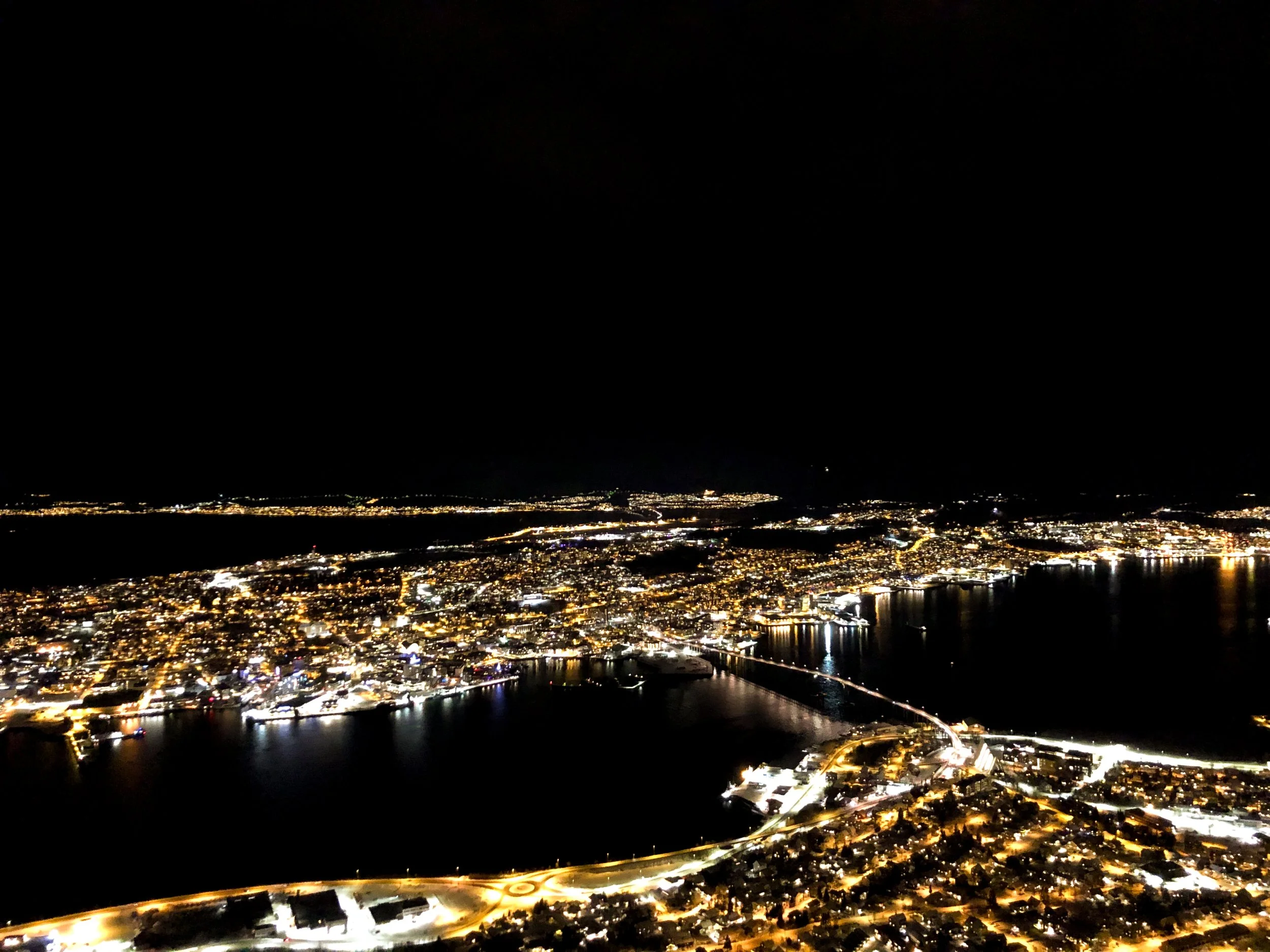
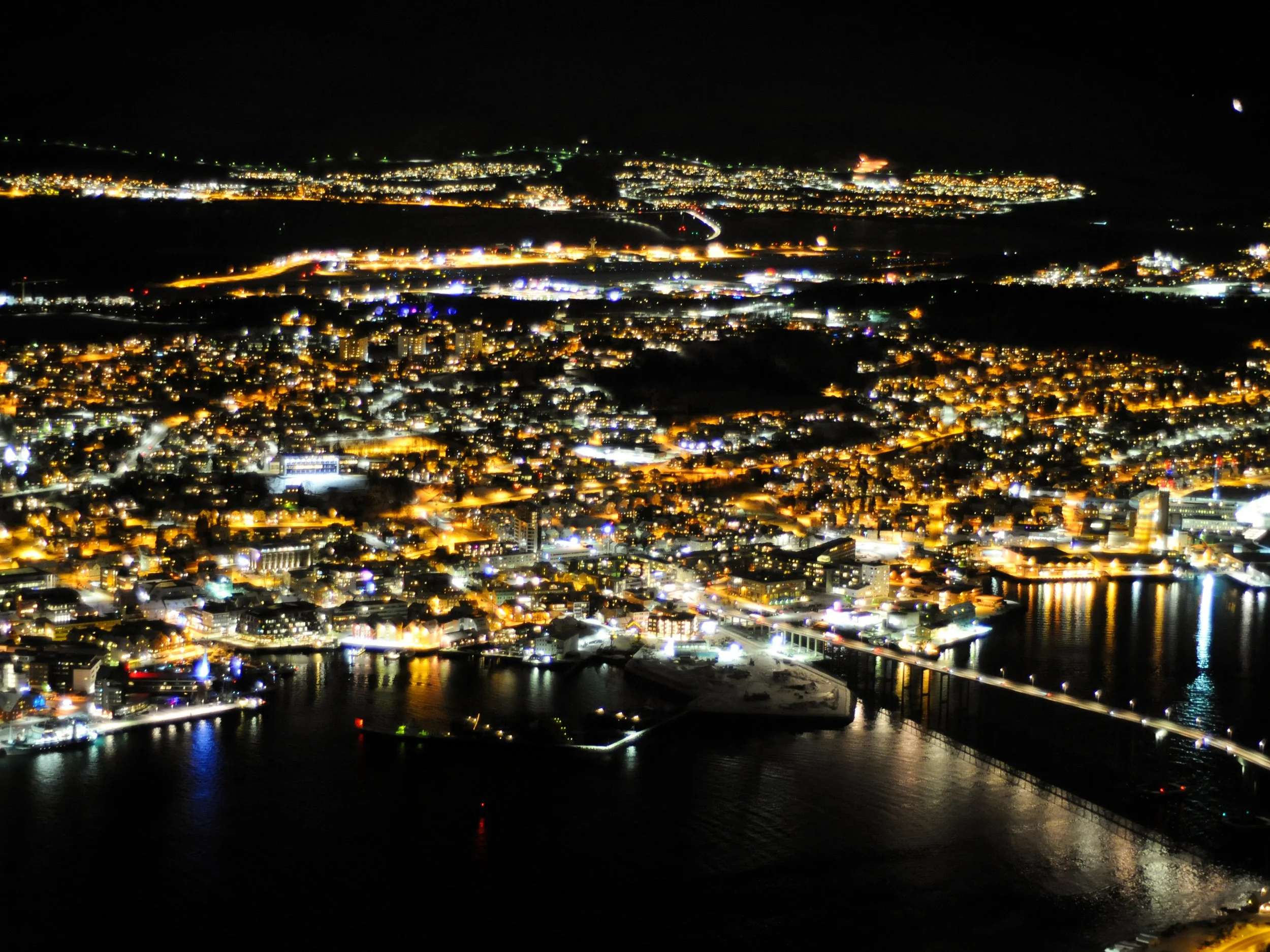
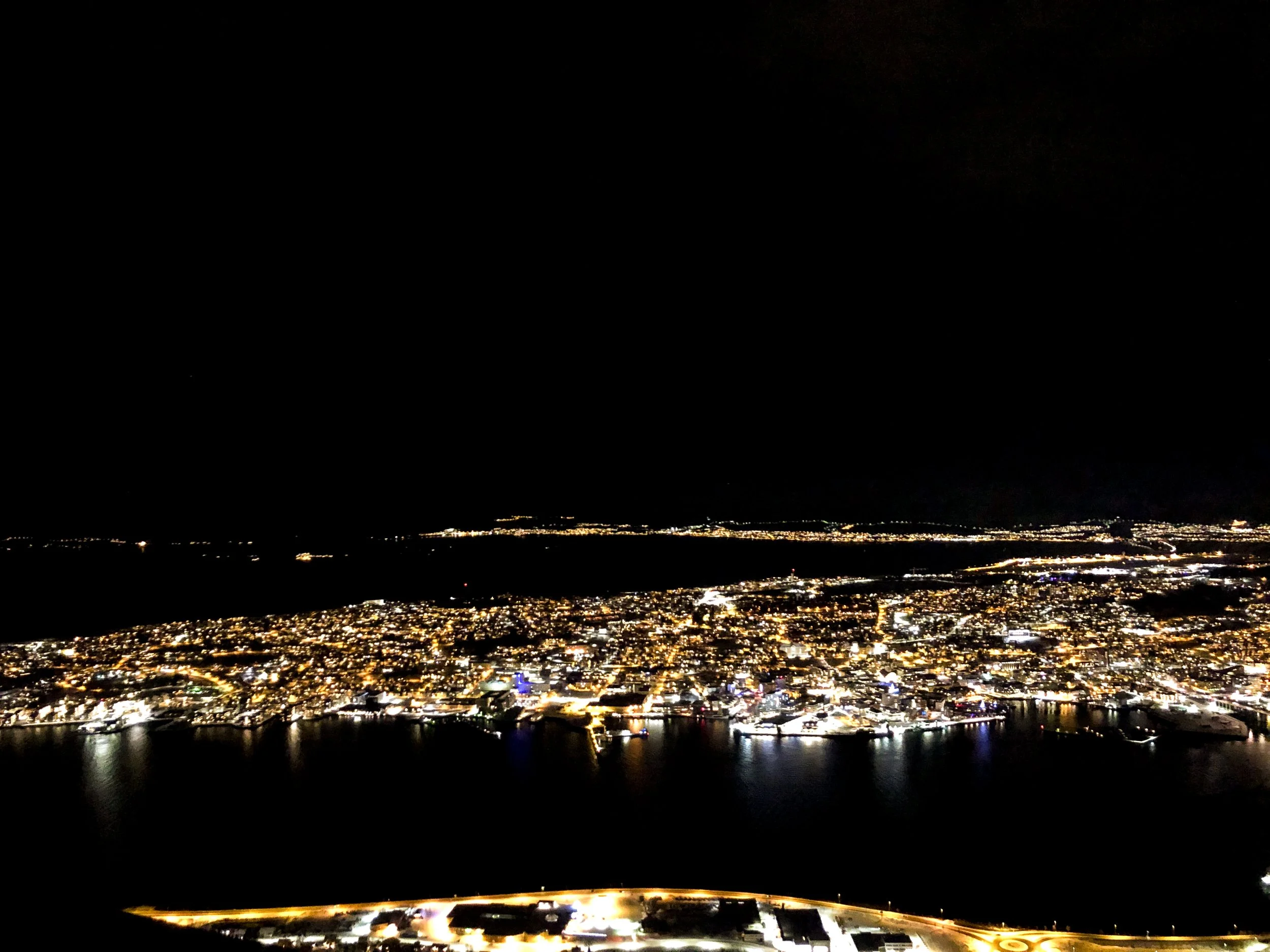

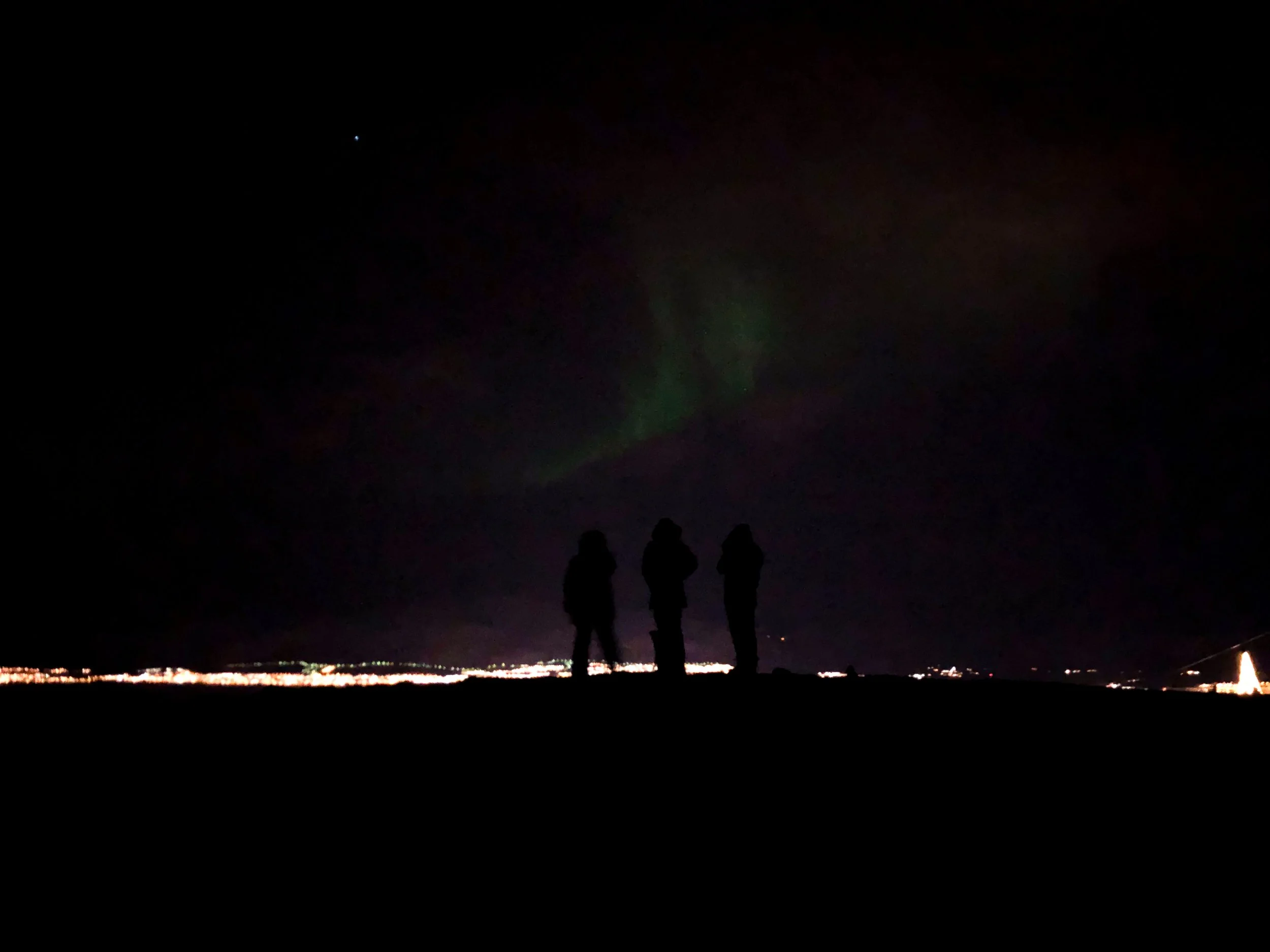

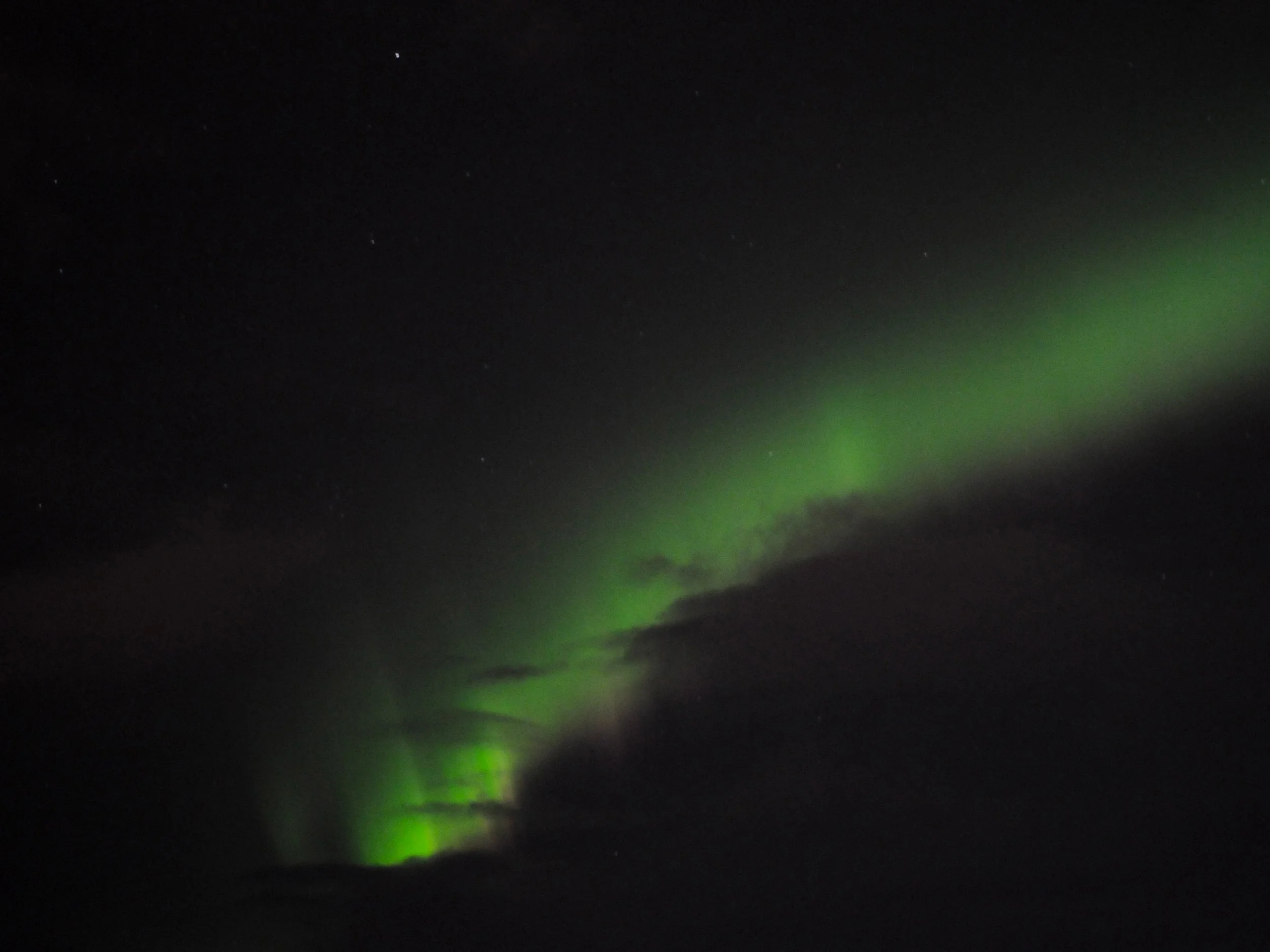
Fjellheisen (Tromsø Cable Car). Atop the mountain across from the island of Tromsøya is an incredible lookout that offers views of the entire city and beyond. This is where we saw the Aurora on our first night. The view is accessible via a cable car or a series of 1,300 mountainside stairs. We took the cable car, however if you opt for the stairs and it’s snowy, make sure to wear spikes on your boots to prevent slipping and falling.

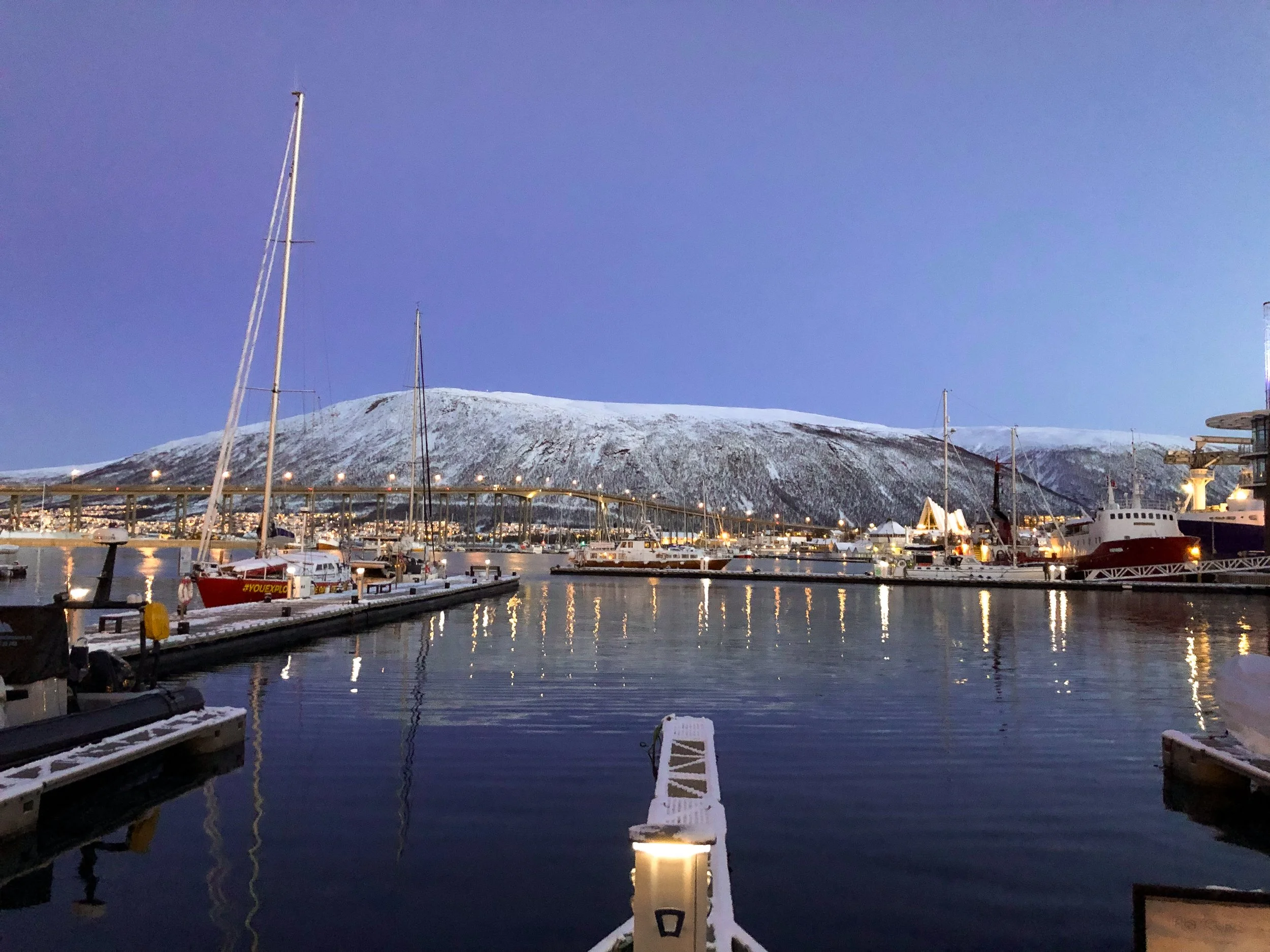
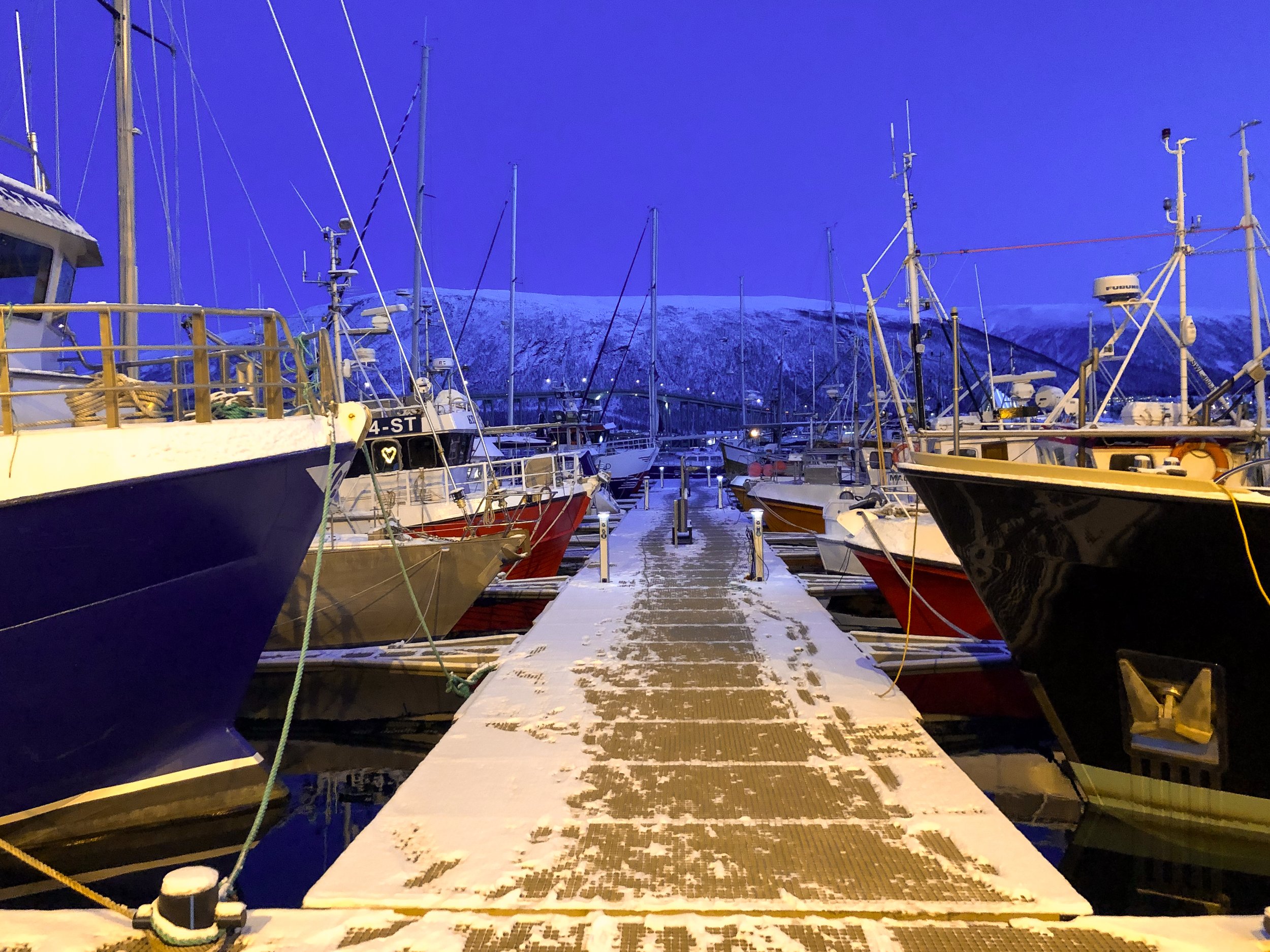


Waterfront Wharf. The city center and its harbor are surrounded by many contemporary buildings, tour ships and views of the landscape.
Tromsøbura. A 1km bridge connecting the island of Tromsøya, where most of Tromsø is located, to the adjacent island. The bridge has a pedestrian path which can be walked across in 15 minutes.
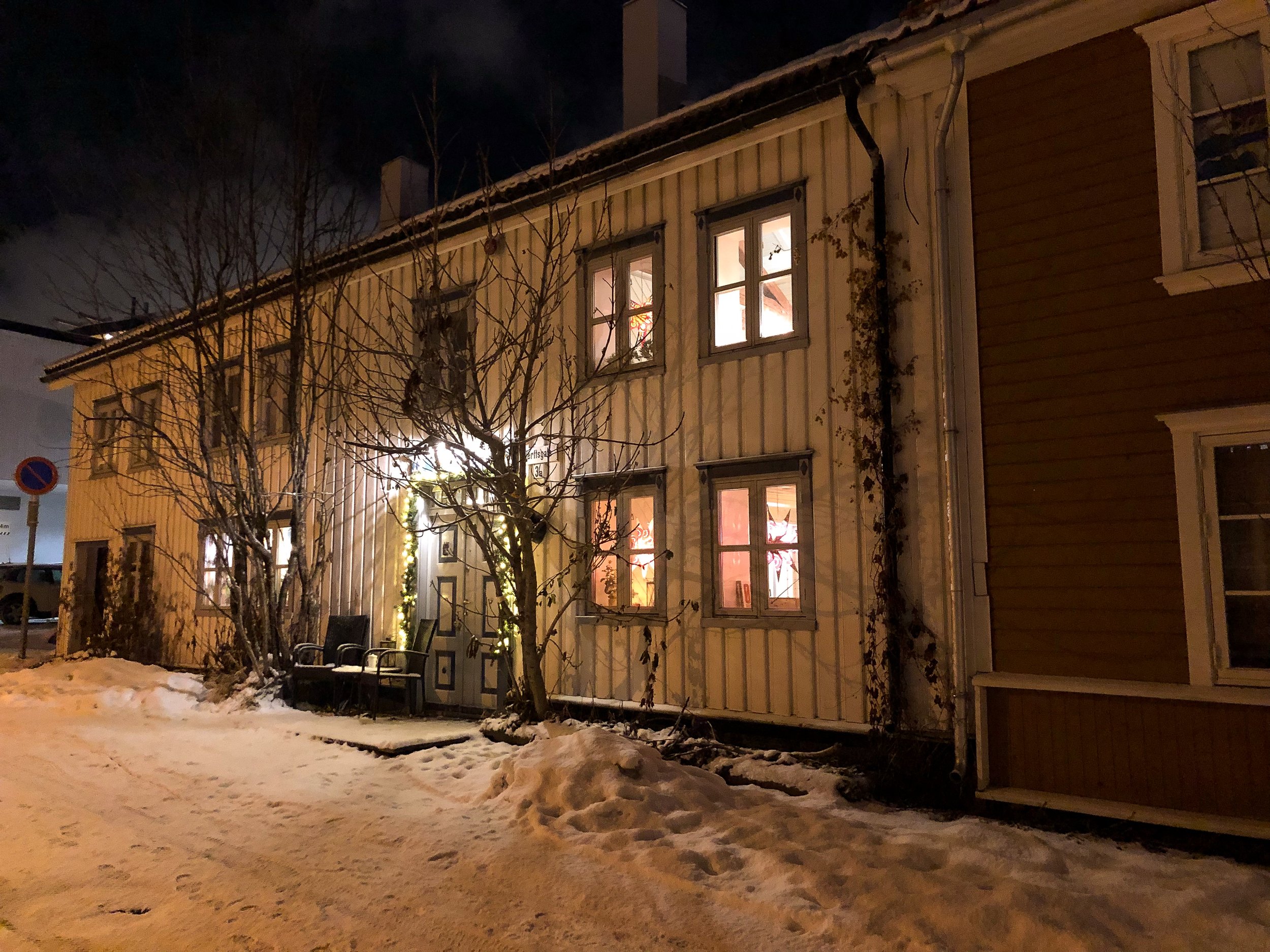
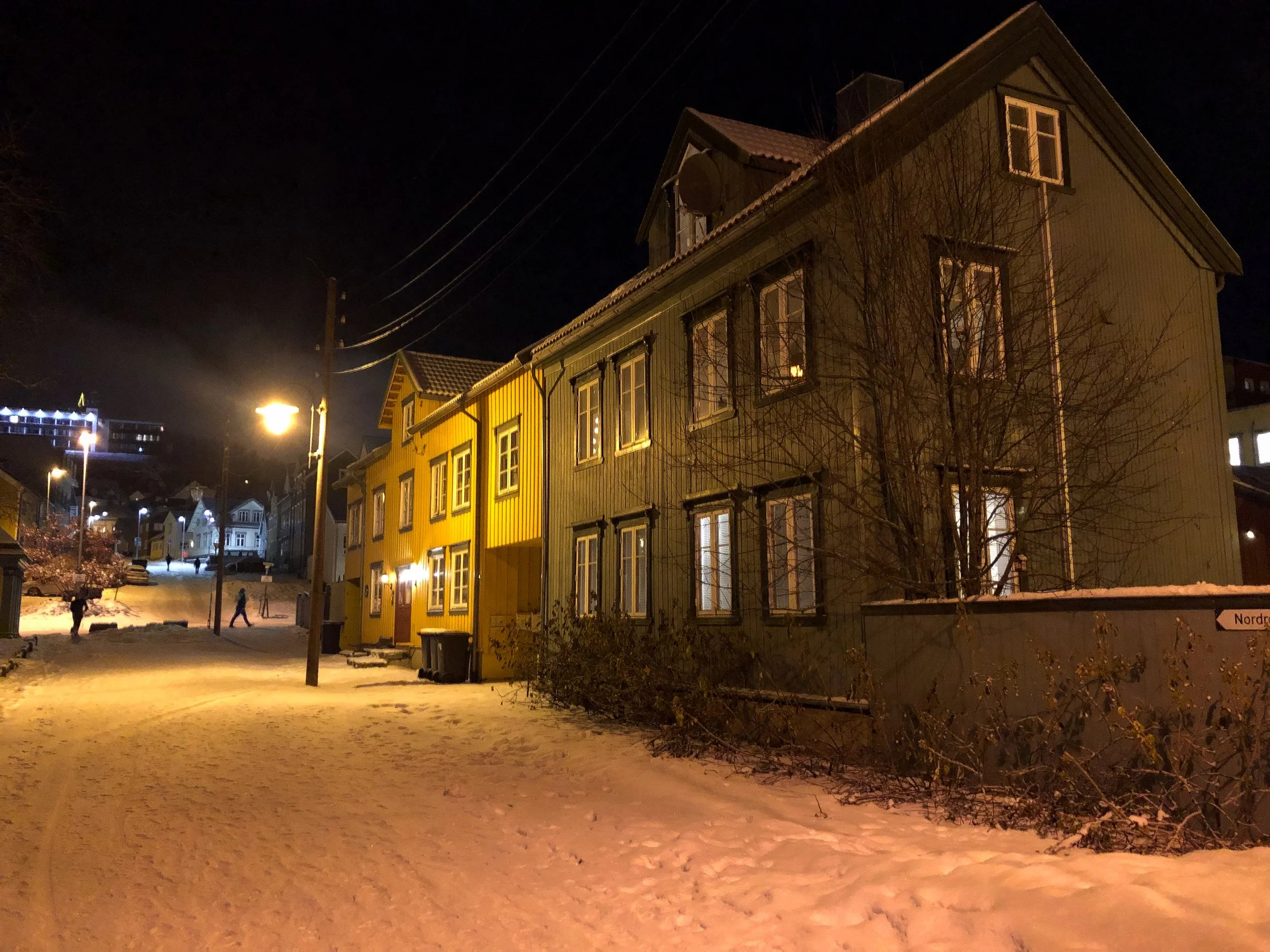
Skansen. A historic neighborhood located near Tromsøbura on Tromsøya with old painted wooden buildings from the 1850s. It’s a beautiful area to walk around both day and night.

Storgata. The downtown main street flanked by numerous restaurants, hotels, bars, cafes and shops. It’s a popular place to explore on foot with heated sidewalks.
Lake Prestvannet. Fairly central on the island, the lake is surrounded by a number of hiking and cross country skiing trails. It’s reachable on foot from town by anyone that enjoys walking and hiking.
The Science Center of Northern Norway. A planetarium with footage of the Aurora captured during a two year period. If we hadn’t seen the Northern Lights, this would have been the best alternative.
Places to Eat & Drink
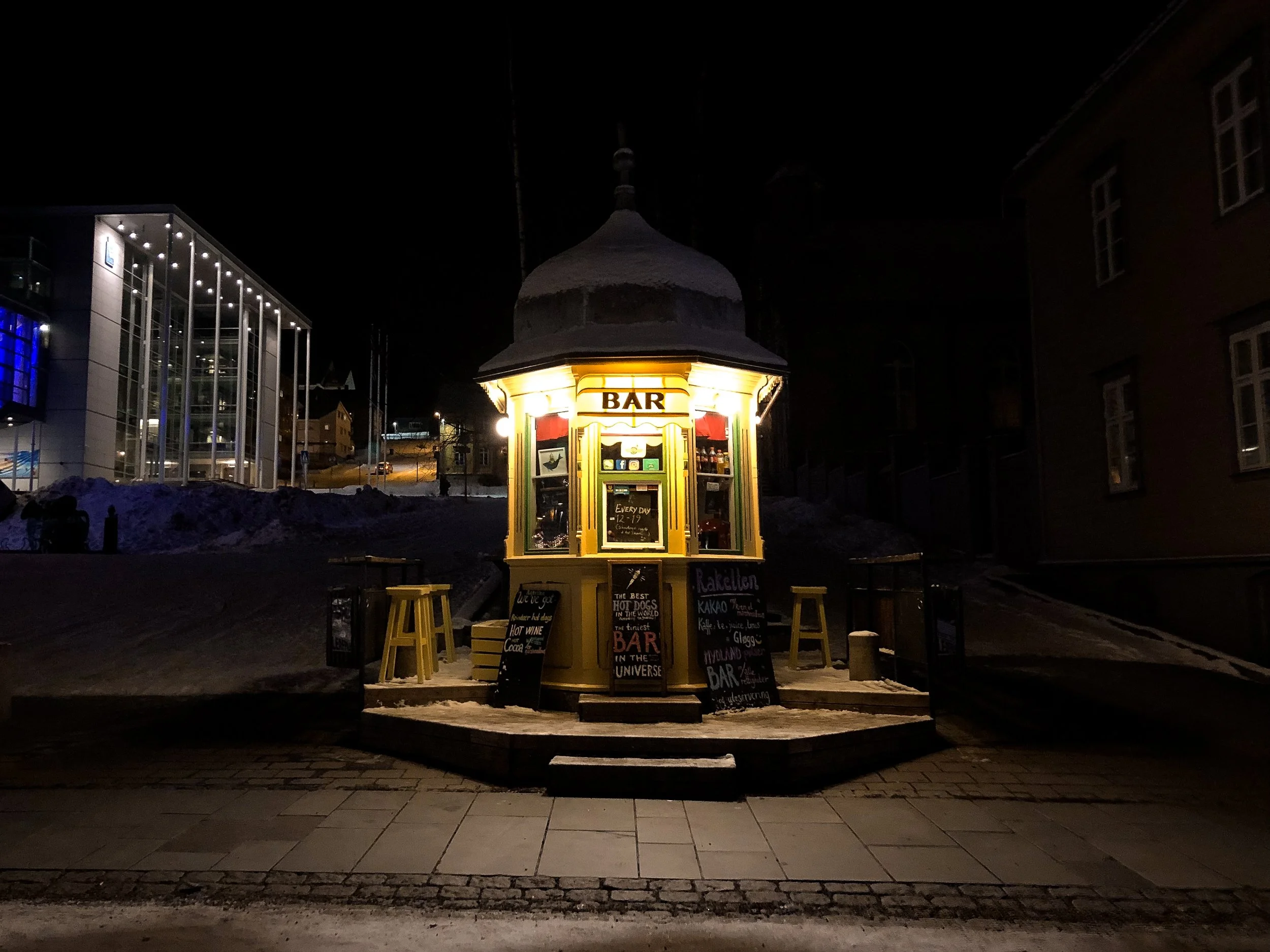
Raketten. A historic outdoor kiosk offering hot chocolate, mulled wine, reindeer and veggie sausage. Next to the kiosk is a patio with seating and a warm log fire.
Fiskekompaniet. A higher end restaurant specializing in Norwegian seafood. Warm up with a creamy fish soup prepared table side. The bowl is served with a delicate pile of smoked salmon and white fish then enrobed in a creamy broth, poured from a kettle. For mains, order the crusted filet of cod with a side of potatoes and dill or Norwegian staple, Lutefisk.
Dragoy. Located in a food hall along the waterfront wharf, this deli counter sells and serves fresh seafood. We shared cold water prawns with artisan mayonnaise on a large slice of sourdough bread. They’re also known for their fish and chips.
Olhallen. This is the city’s oldest pub and brewery with a selection of nearly 50 different craft beers and ciders.
Bardus Bistro. Located inside an old yellow wooden house, this charming restaurant offers a small menu of traditional Norwegian dishes like smoked cod, reindeer stew and root vegetable salad.
Bardus Bar. Located next door to Bardus Bistro, this bar offers the best cocktails in town. It’s a great spot to stop before or after dinner next door.
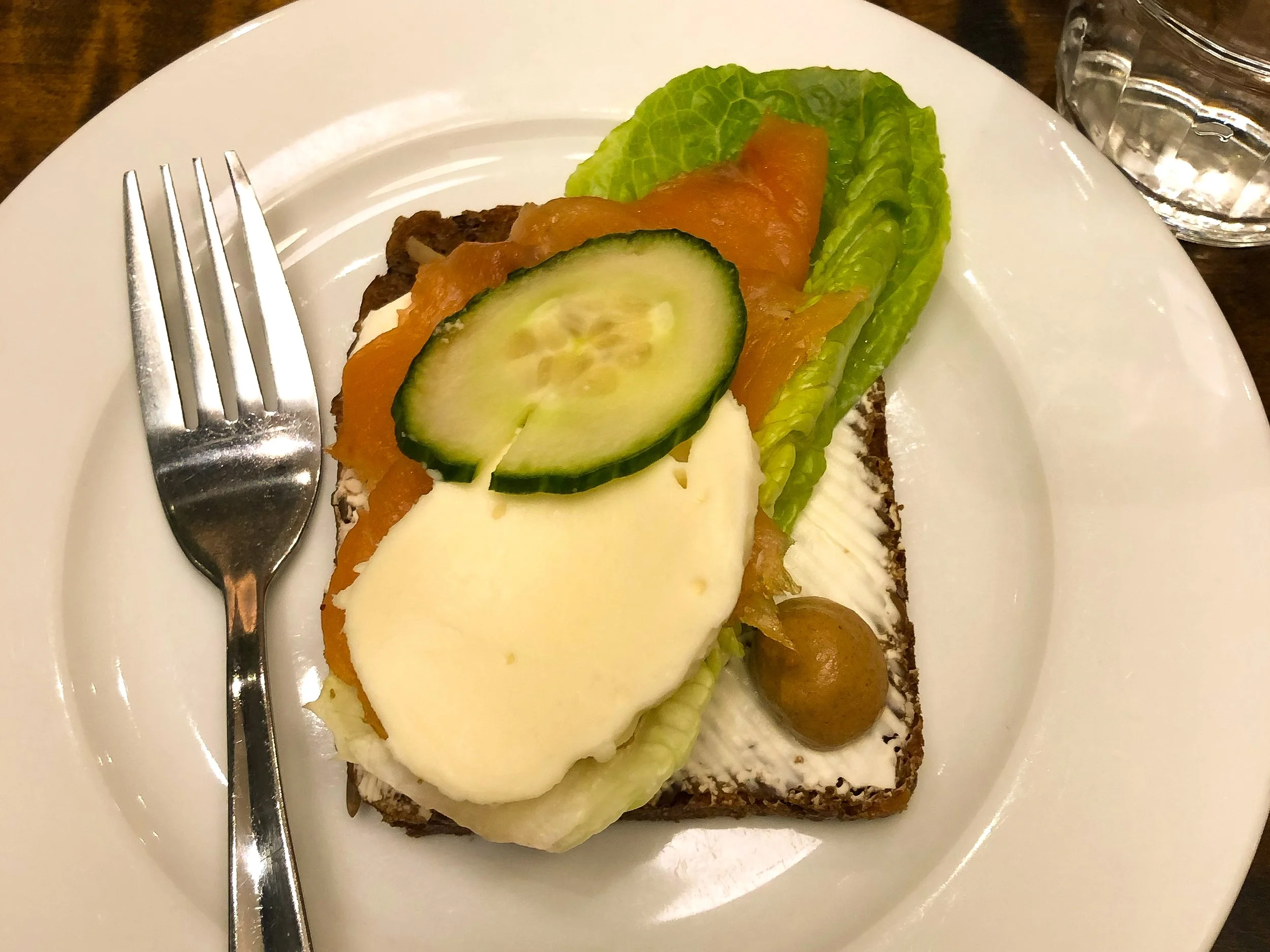
Smørtorget. A café offering pastries and open face sandwiches. It’s a great spot to have breakfast before setting out on an excursion.

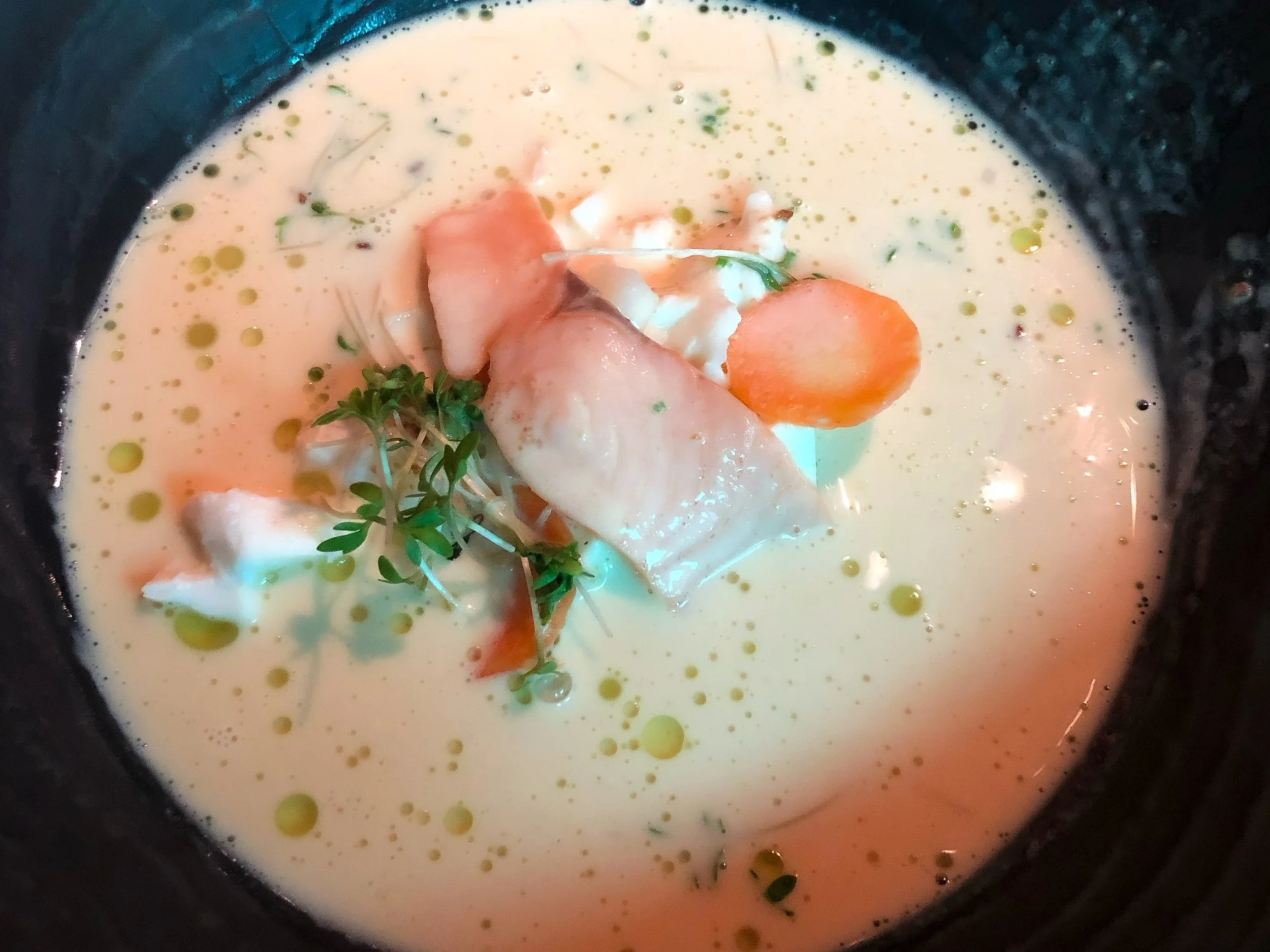
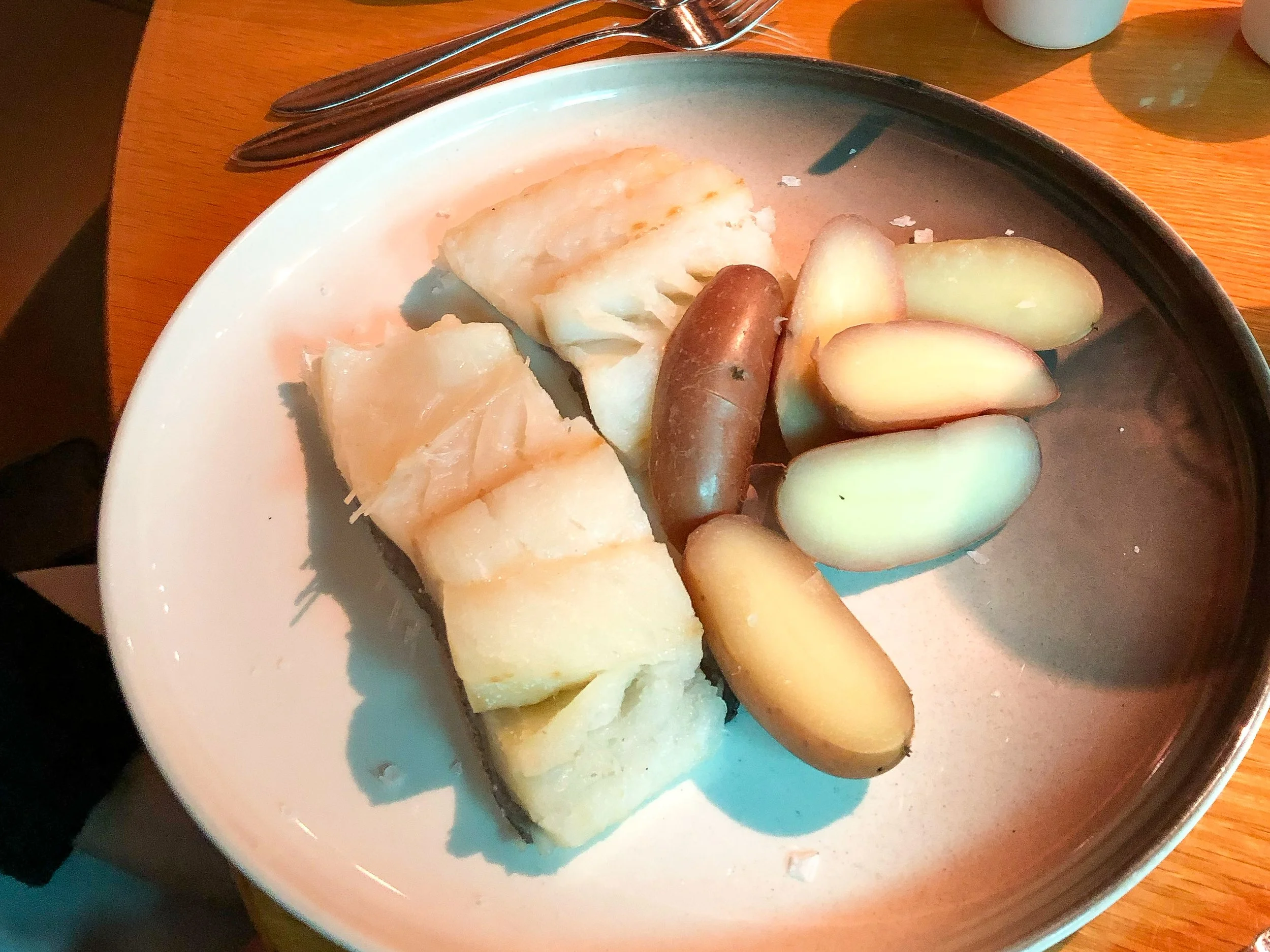
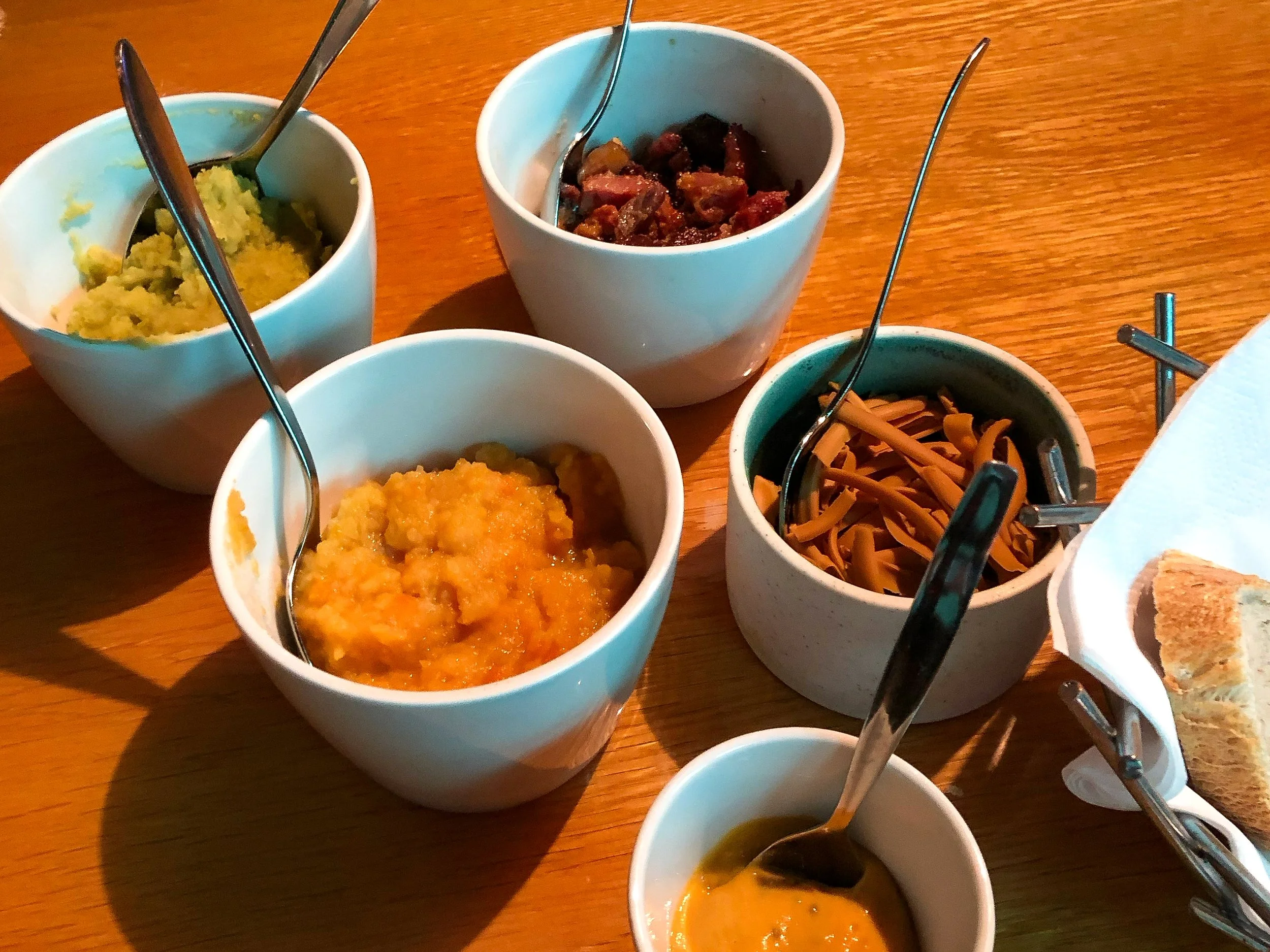
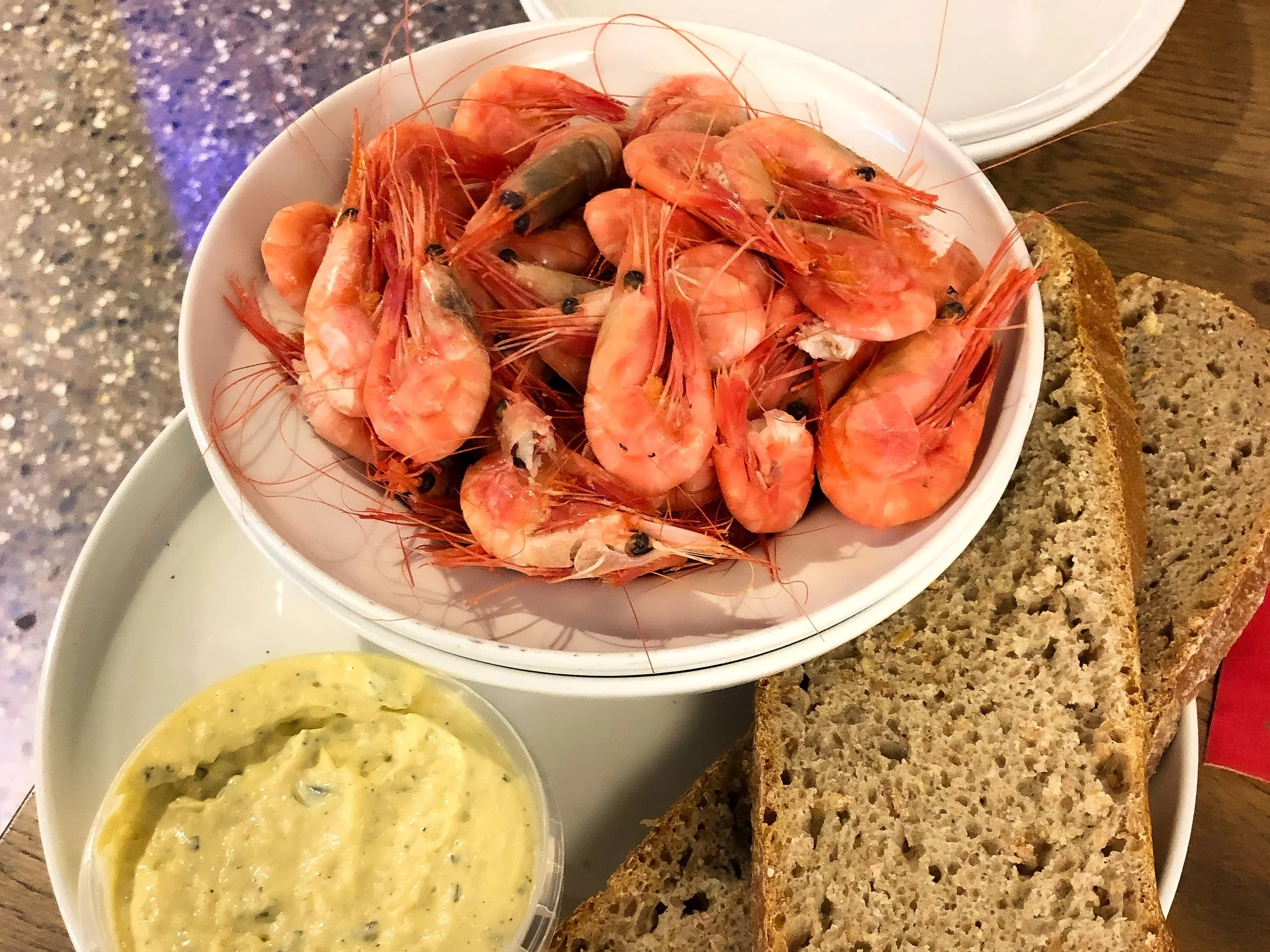
Nordic Cuisine
Lutefisk. Air dried white fish that undergoes several days of processing involving soaking in water and lye to rehydrate the fish. As the fish rehydrates, it loses a portion of its protein becoming slightly gelatinous. The fish is then cooked and served with potatoes and multiple condiments and sides including peas, pickled veggies, brown cheese, melted butter and mustard.
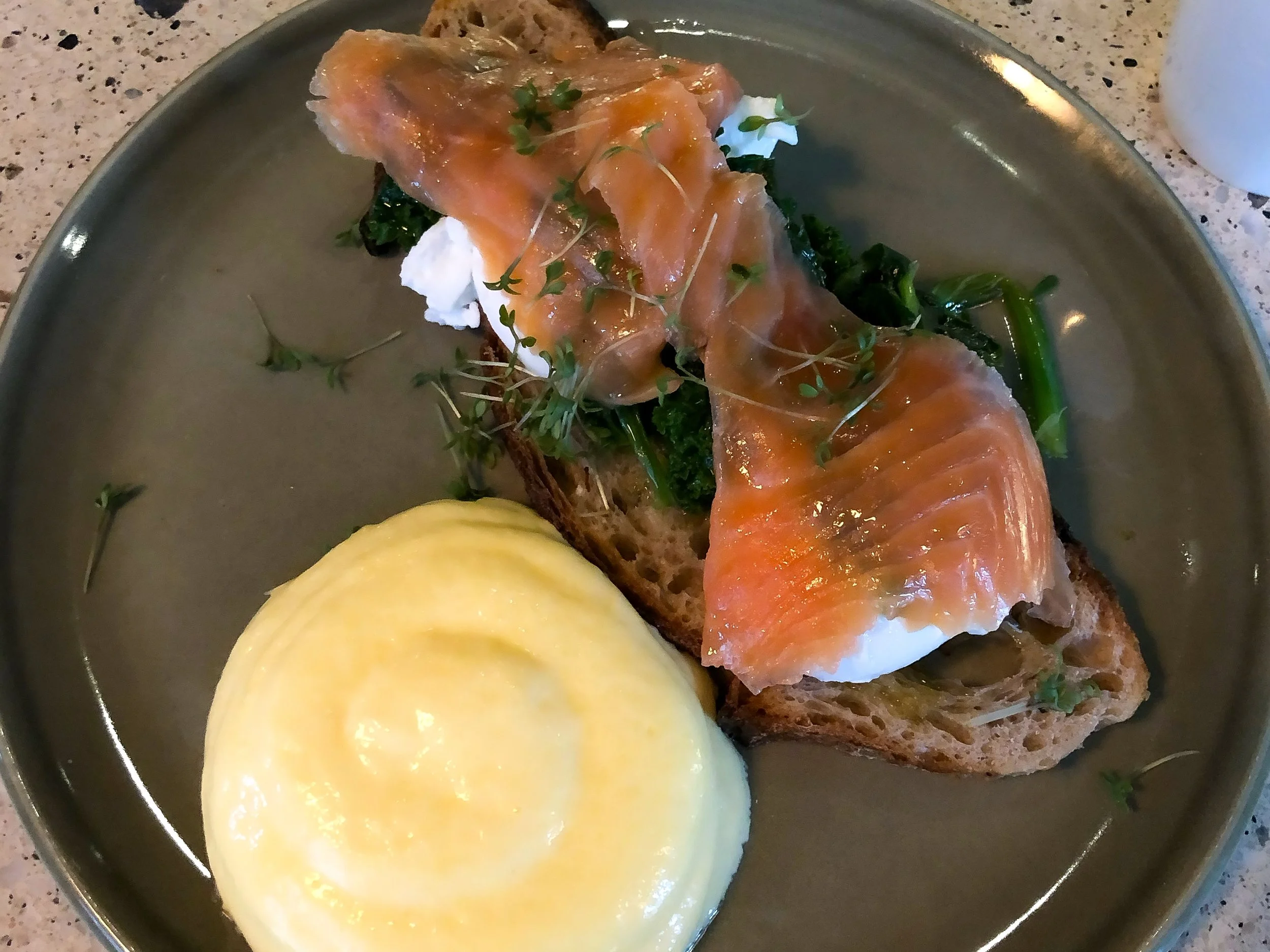
Norwegian Salmon. Caught or farmed in the fjords of Norway, salmon is prepared and served in many ways. The most common style is smoked though it is also often fried, boiled or served raw.
Pickled Veggies. Almost every meal we enjoyed was topped with pickled veggies. Carrot, fennel, beet, cucumber and onion were quite common. They added extra flavor and color to each dish.
Lefse. Traditional Norwegian flatbread made with potatoes, flour, butter, and milk.
Buns. A pastry that ranges from sweet rolls, to swirls or knots. Try them with cinnamon and cardamom.
Mulled Wine. Hot spiced wine was very popular. The Norwegian way of making it is by adding a spoonfull of chopped nuts and raisins before serving.
Getting Around
Getting to Tromsø. To fly into Tromsø, you’ll likely need to transfer in Oslo. Booking directly through Norwegian Airlines is usually the most convenient and affordable option. Tromsø is about a 2 hour flight from Oslo.
To/From Tromsø Airport. Use Flybussen, the airport express bus. It routinely travels in a loop from the airport to multiple hotels in central Tromsø. It costs roughly $20 for a round trip ticket.
Getting Around Tromsø. The city and surrounding area is walkable, though a bit hilly and icy during the winter. The main street, Storgata, has heated sidewalks that keep snow and ice from freezing. Outside of this, it’s best to be cautious while walking on the snow and ice. We had a few slips ourselves but were layered in enough clothing to keep us from bruising. We noticed that many people wore spikes on their boots for extra traction. Just remember to take them off before entering indoors. One of the cutest things we saw was mothers pushing their children in strollers with sleds instead of wheels.
By Taxi. Taxis can be pricy but are convenient when trying to get around outside the Main Street. The two main taxi companies are Tromsø Taxi and Din Taxi. Taxis are also available through Uber. This is a general breakdown of cost:
Around Town: $10 - $15 (From downtown to the cable car)
Across Town: $15 - $35 (From the airport to downtown)
Outside of Town: $35 - $60 (From Tromsø to a nearby town)
Getting Outside of Town. Renting a car is the best option to get between Tromsø and anywhere else outside the city. Nearly all excursions will include transportation.
What to Wear
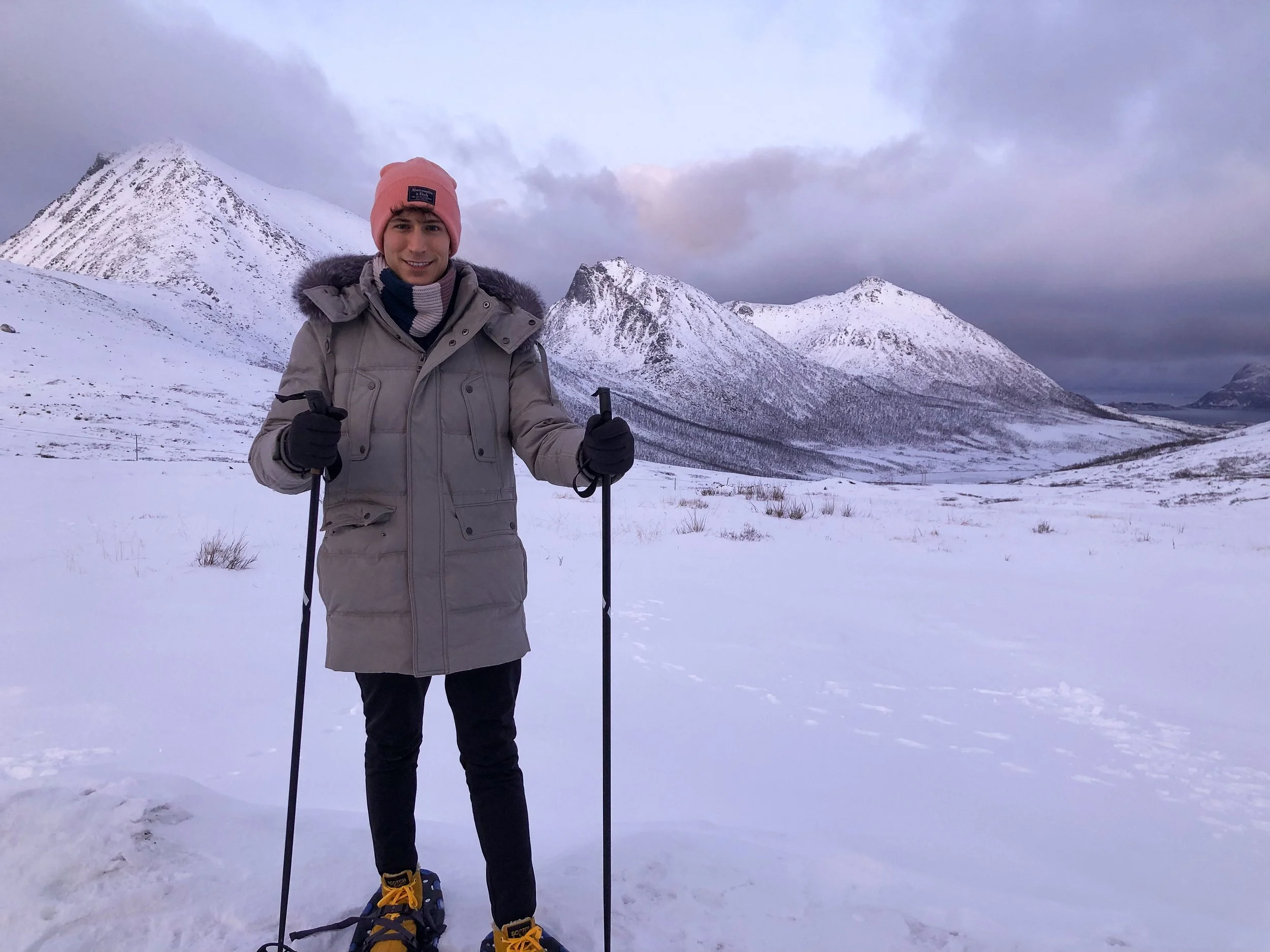
If you’re visiting in the wintertime like we did, you need to dress warm! It is the Arctic after all. You’ll need a base layer, mid layer and outer layer. Tuck your base and mid layers into each other to better hold in heat and prevent wind from getting under your clothes. In addition to layers, we also used thermal toe and hand warmers while we were snowshoeing and watching for the Northern Lights.
Base Layer
Thermal underwear
Thermal long sleeve shirt
Wool socks
Glove liners
Mid Layer
Jeans or pants
A cute Norwegian sweater (you can buy one in town)
A lightweight quilted jacket (down or down alternative)
More socks (you’ll need to double up)
Outer Layer
Snow pants (mainly for extended periods outdoors)
Winter coat (you’ll want something that will break the wind and keep you warm)
Heavy gloves
A warm scarf and hat
Boots (bring strap on spikes or cleats)
Where to Stay
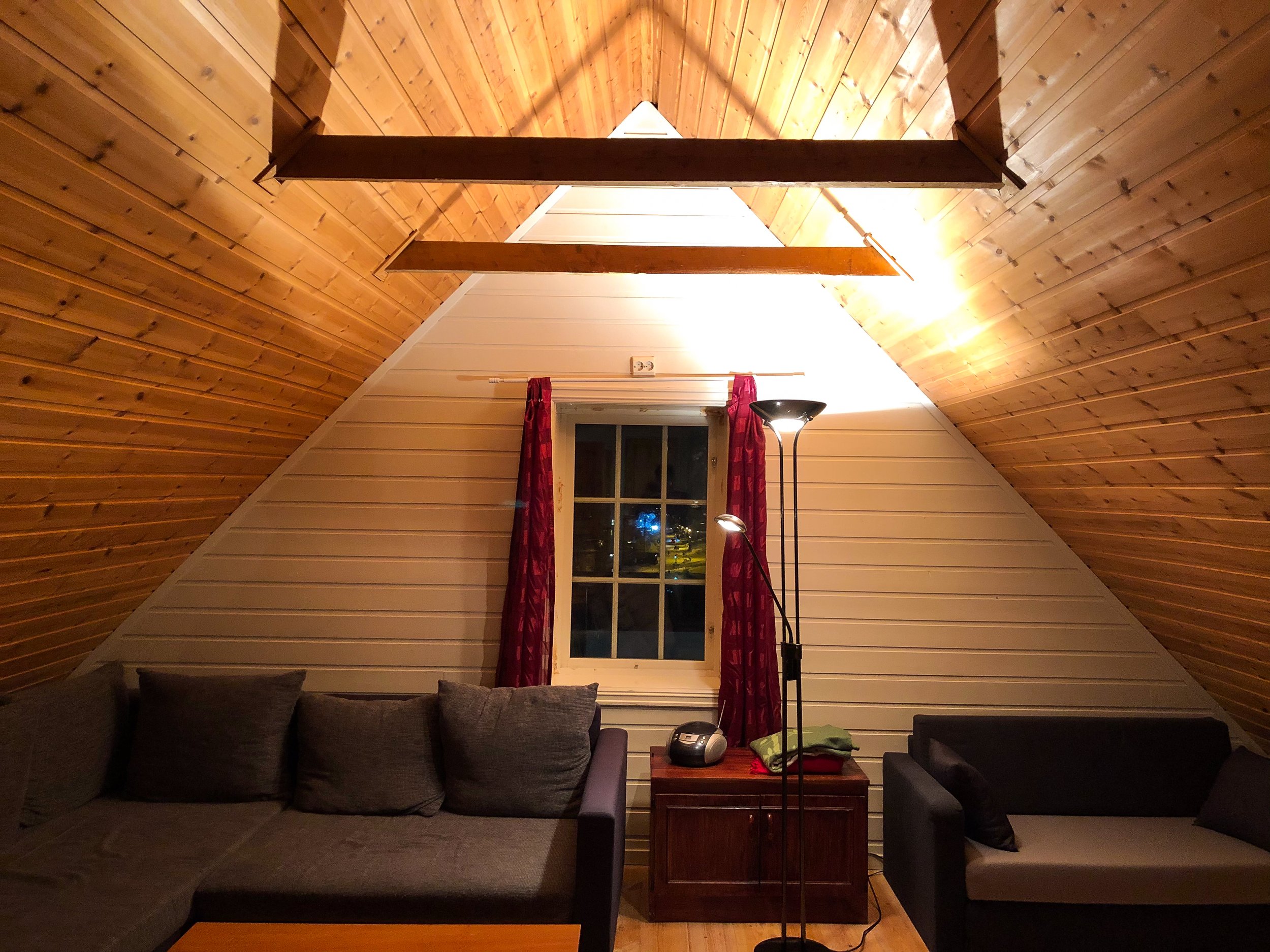
Villa 1924 Loft. An attic apartment in an A frame style space with Nordic pine wall panels, heated floors and tiny windows with views of Tromsø. It’s a cozy space to stay, minutes away from the city center on foot. Book on Airbnb.
Elsewhere in Nordic Europe
From Tromsø’s Arctic fjords and Northern Lights to Lapland’s snowy wilderness, Copenhagen’s canals and Iceland’s waterfalls and glaciers, continue your Nordic journey through these travel guides:
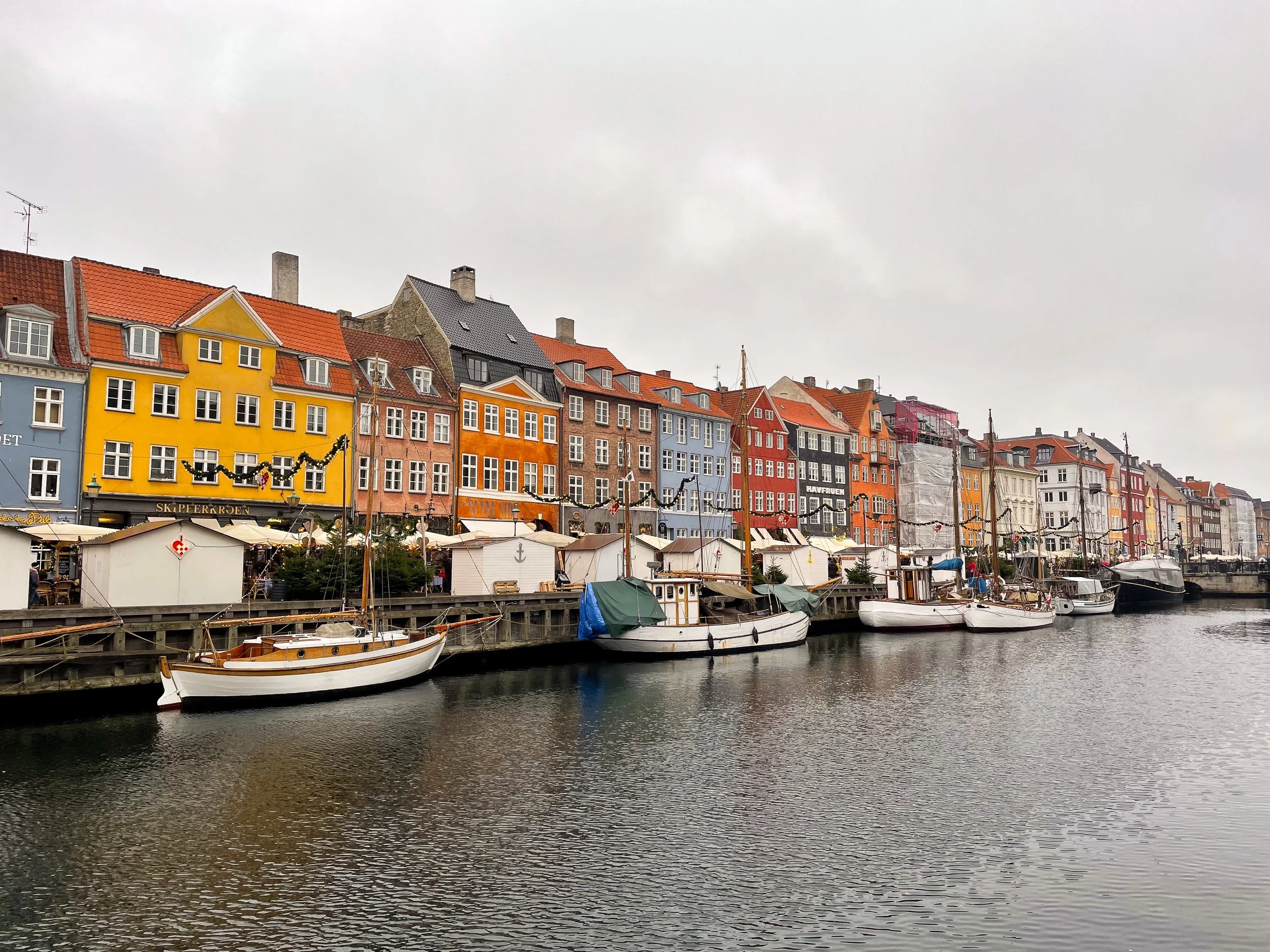
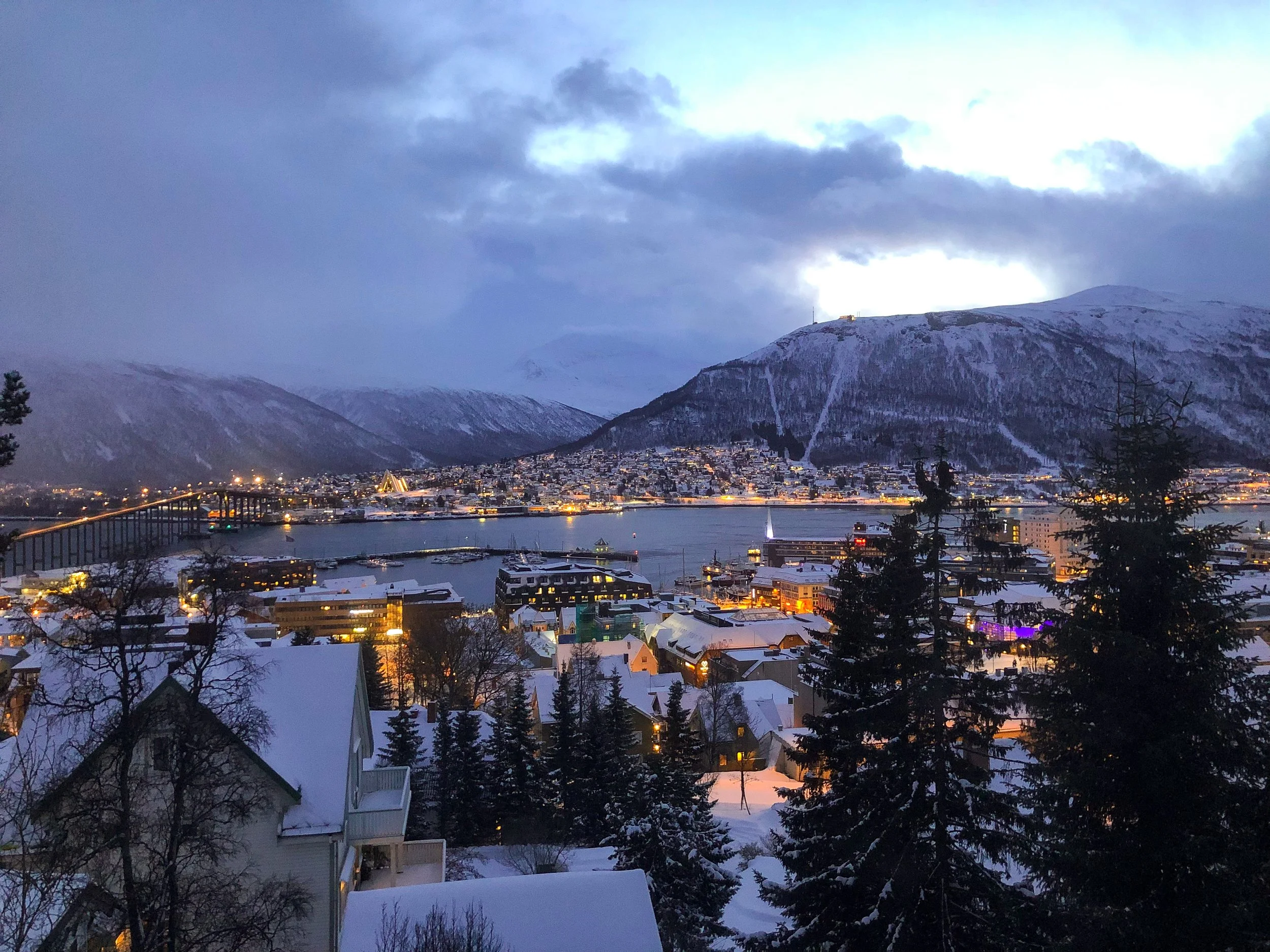
Copenhagen Travel Guide: Nyhavn, Christmas Markets & Scandinavian Cuisine. Wander along Copenhagen's colorful canals where wooden ships, historic castles and Danish culture meet Scandinavian cuisine and festive Christmas markets.
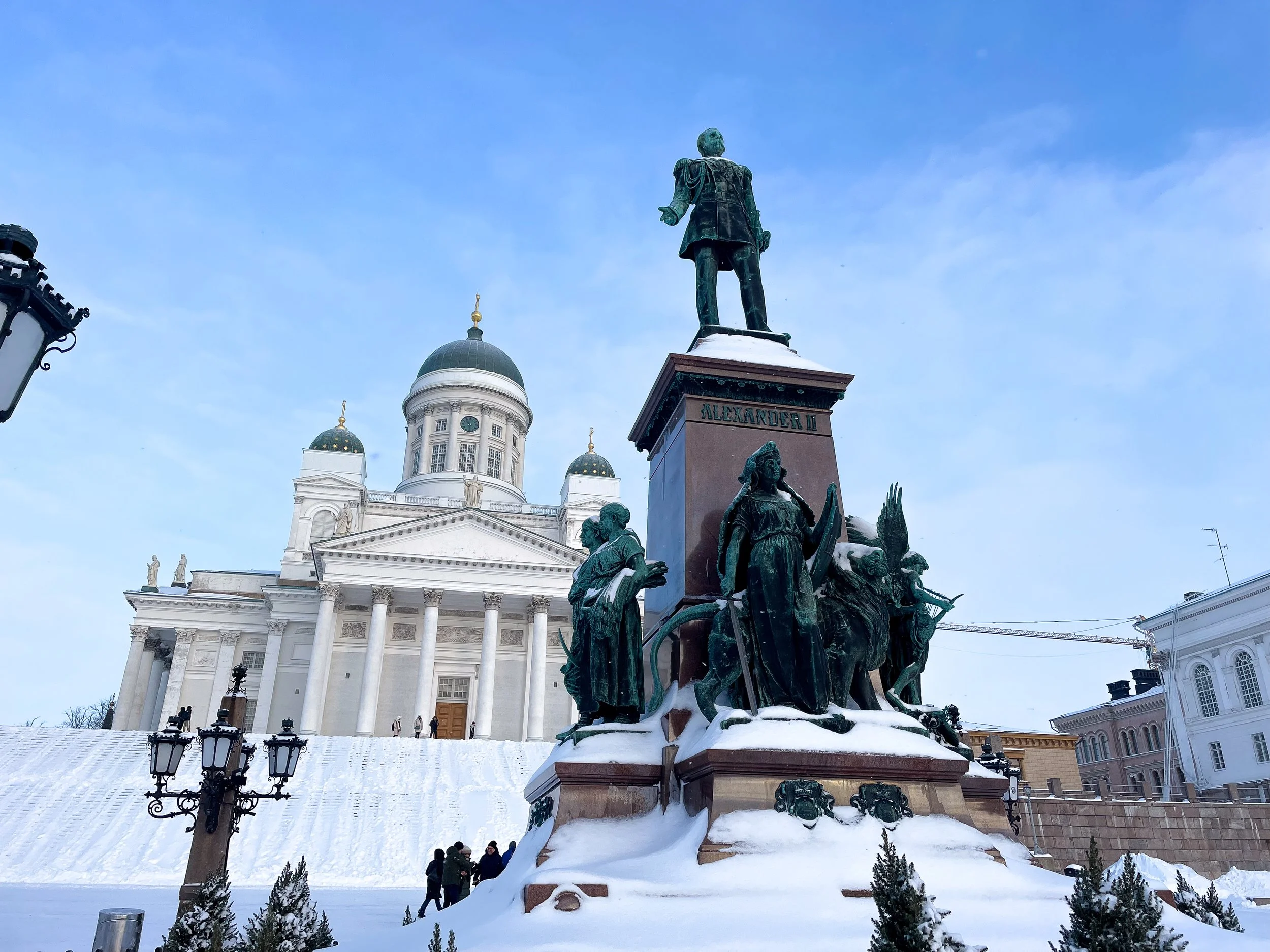
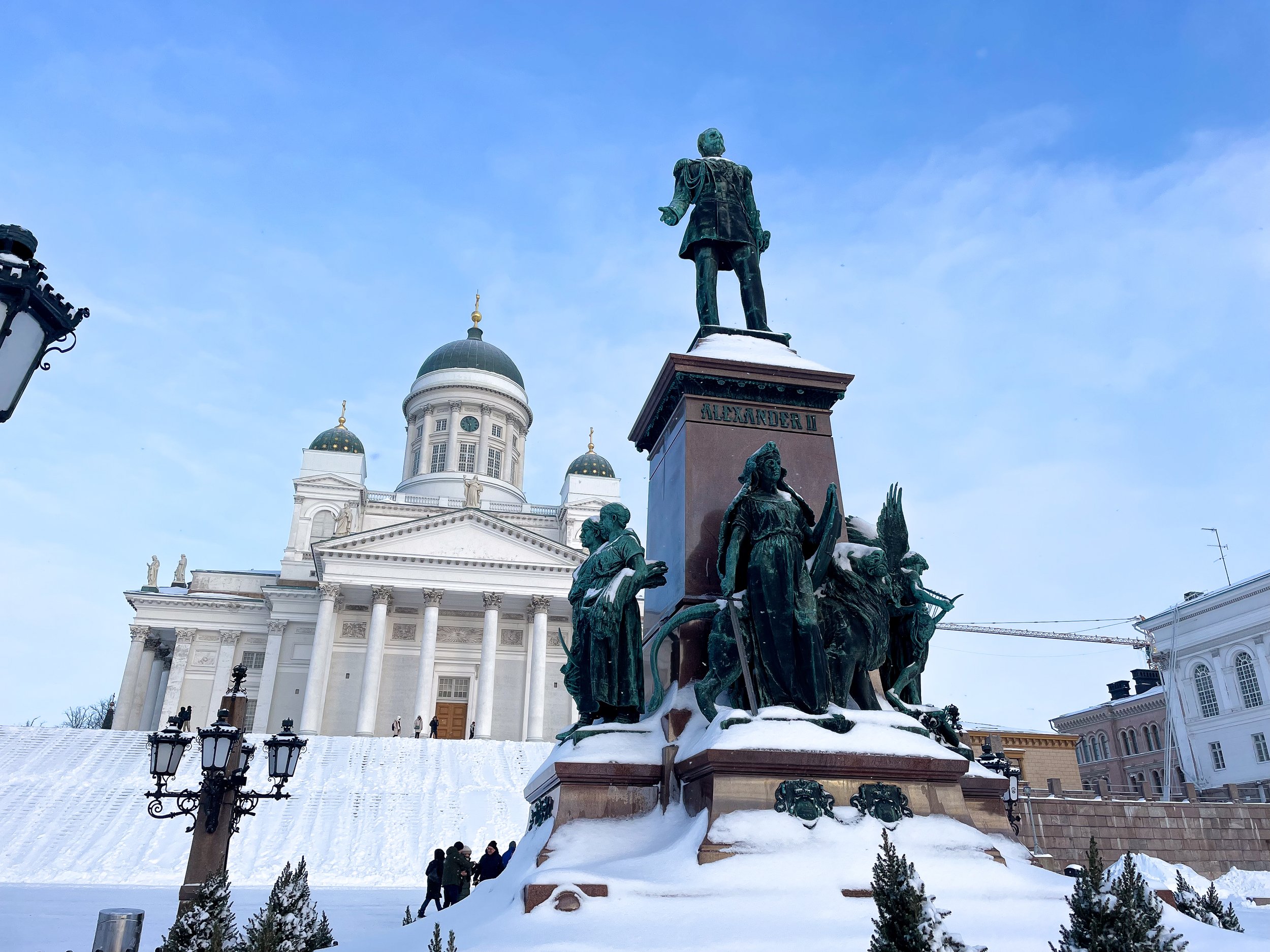
One Day in Helsinki: Finnish Sauna & Waterfront Sights. Experience a winter day exploring Helsinki's frozen waterfront where local food markets, historic architecture and steaming saunas bring Finnish culture to life.
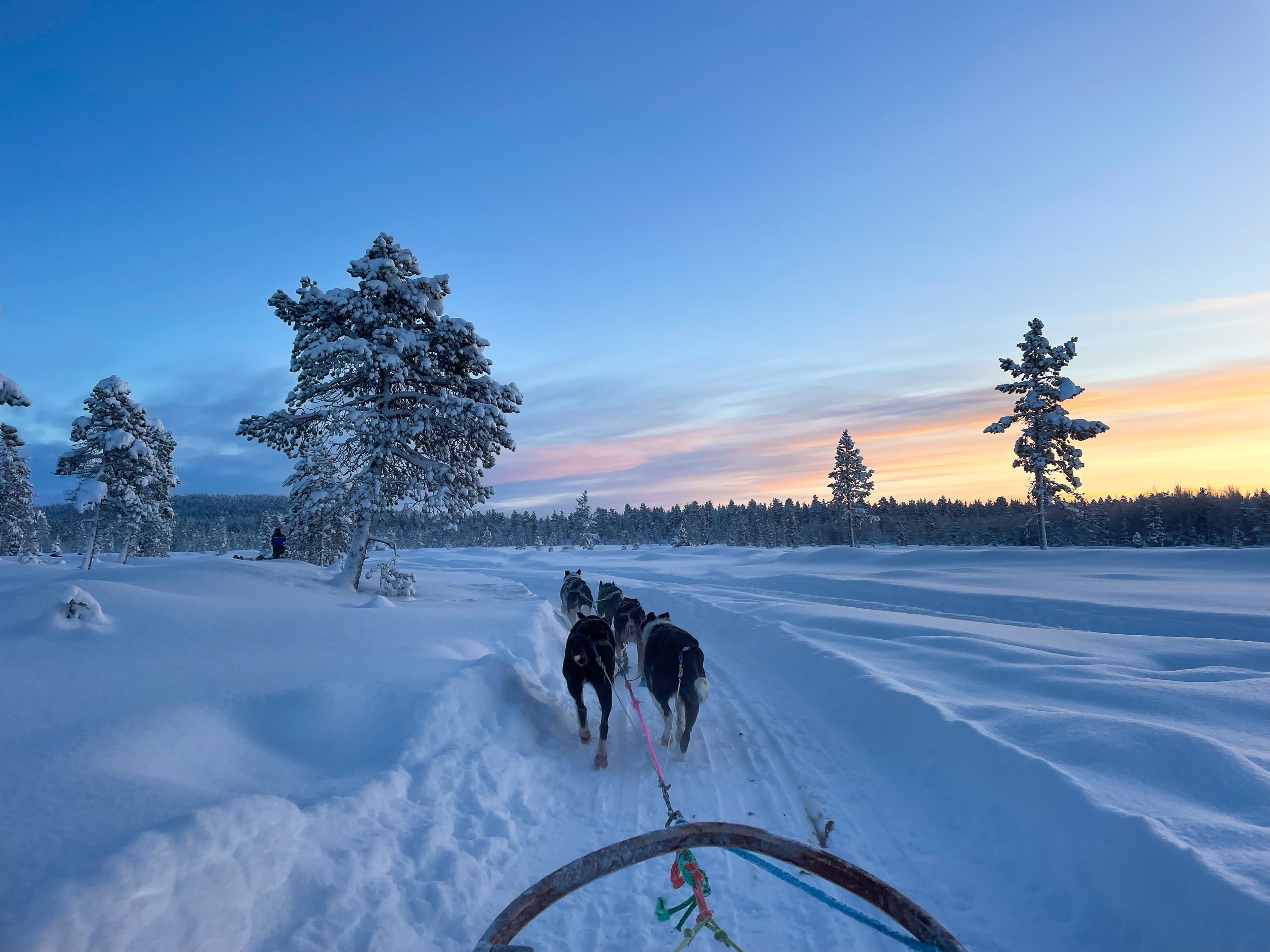
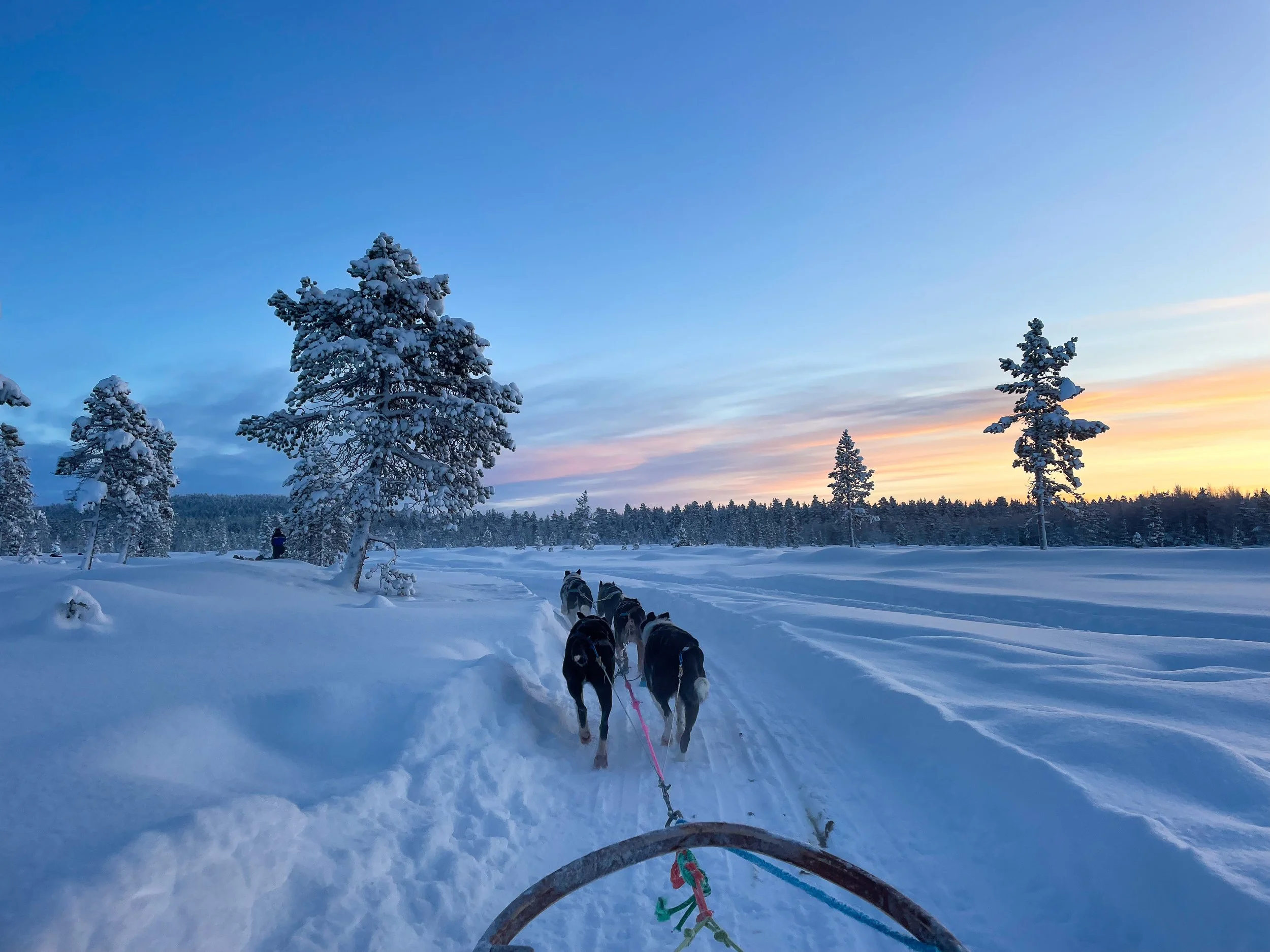
Lapland Finland Travel Guide: Northern Lights, Sámi Culture & Arctic Adventures. Journey through Lapland's Arctic wilderness and snowy landscapes to experience Sámi traditions, husky mushing, Finnish cuisine and vivid auroras during the polar night.
Iceland Road Trip Guide: Waterfalls, Glaciers & Black Sand Beaches. Road trip through Iceland's otherworldly landscapes where volcanoes, glaciers, waterfalls and black sand beaches create one of Earth's most dramatic journeys.
For Next Time…
Tromsø is an enchanting city that we one day hope to return to whether during the polar night of winter or midnight sun of summer! We plan to experience the city’s famed floating spas, husky excursions and whale spotting tours in the fjords.
Vulkana Spa Boat. A boat with a saltwater hot tub, sauna, steam bath and fireplace lounge. The crew provides dinner and facilitates cold water plunges in the harbor.
Husky Excursions. Multiple companies offer different types of husky excursions including husky mushing, dog sledding and cuddling with cute puppies. Experiences vary from short 30 minute trips, to hour long excursions and overnight stays watching for the Northern Lights.
Whale Spotting & Fjord Tours. Orcas and Humpbacks are frequently seen in the winter months from November to February while hunting for herring. There is a number of tour companies offering boat trips through the fjords and sometimes into the Norwegian Sea.
Iceland Road Trip Guide: Waterfalls, Glaciers & Black Sand Beaches
Road trip through Iceland's otherworldly landscapes where volcanoes, glaciers, waterfalls and black sand beaches create one of Earth's most dramatic journeys.
Icelandic Roadtrip
Iceland is a Nordic country in the North Atlantic famed for its other worldly landscapes, volcanoes, glaciers, waterfalls, black sand beaches and geysers. It’s a frequent place to spot the Northern Lights in the winter months, bathe in thermal springs and whale watch. We visited Iceland for 5 days in mid-January, road tripping around the Golden Circle, along the South Coast and making time to explore Reykjavik.
The Golden Circle
The Golden Circle is a scenic route with several natural sites including a fault line, geysers, waterfalls and volcanos. It’s easily reachable from Reykjavík and can be explored within a day.
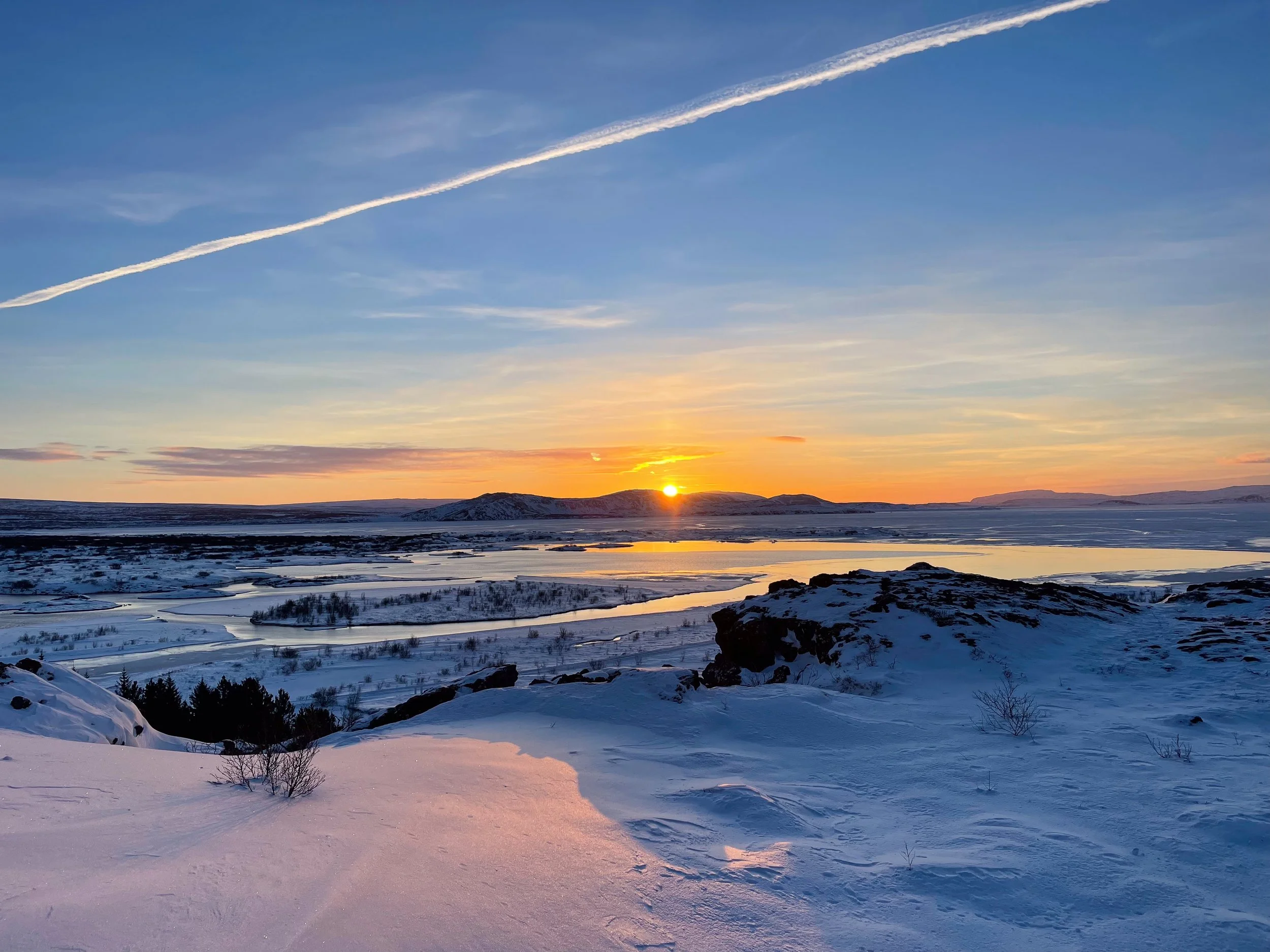
Almannagjá Fault Line
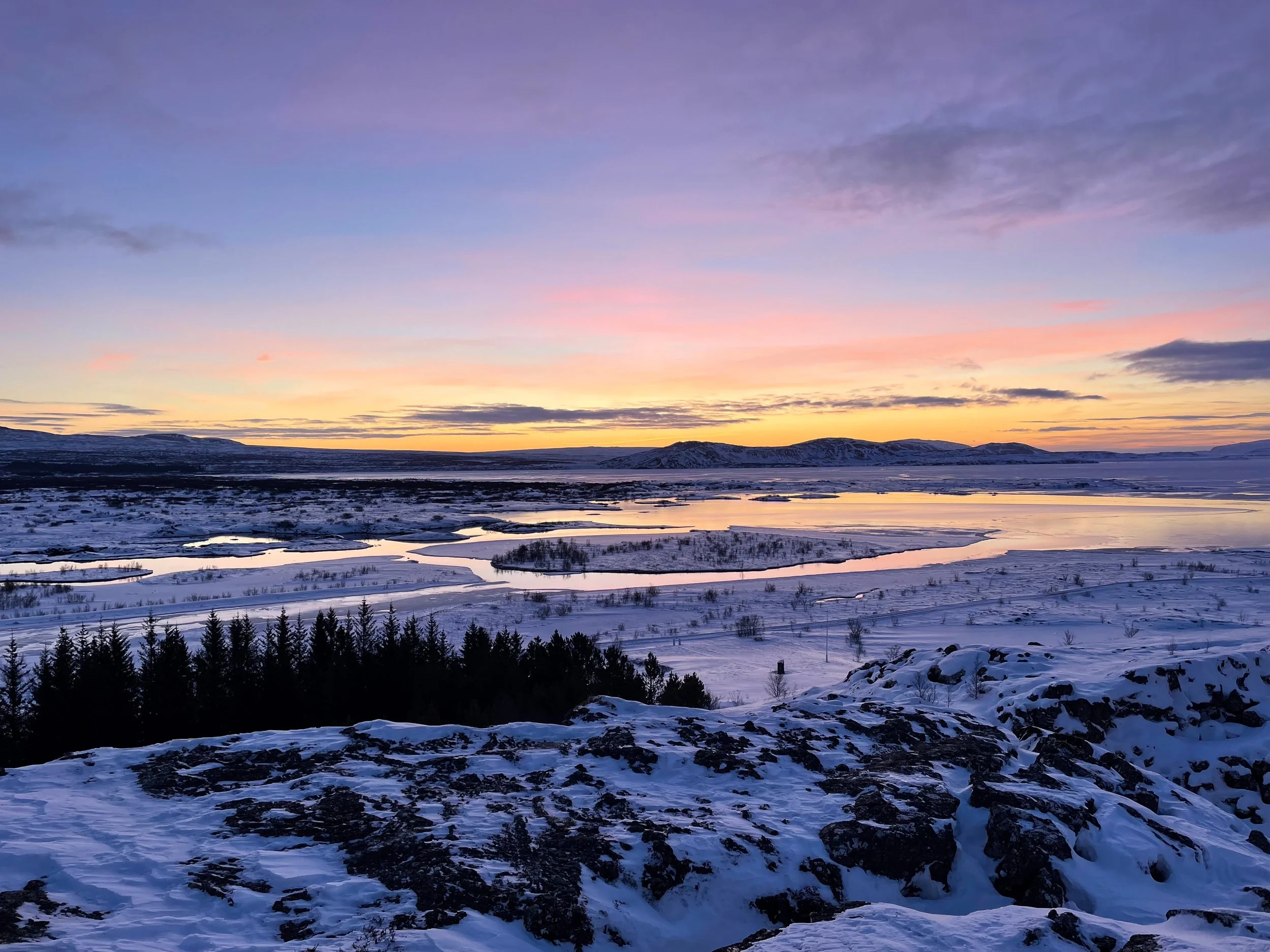
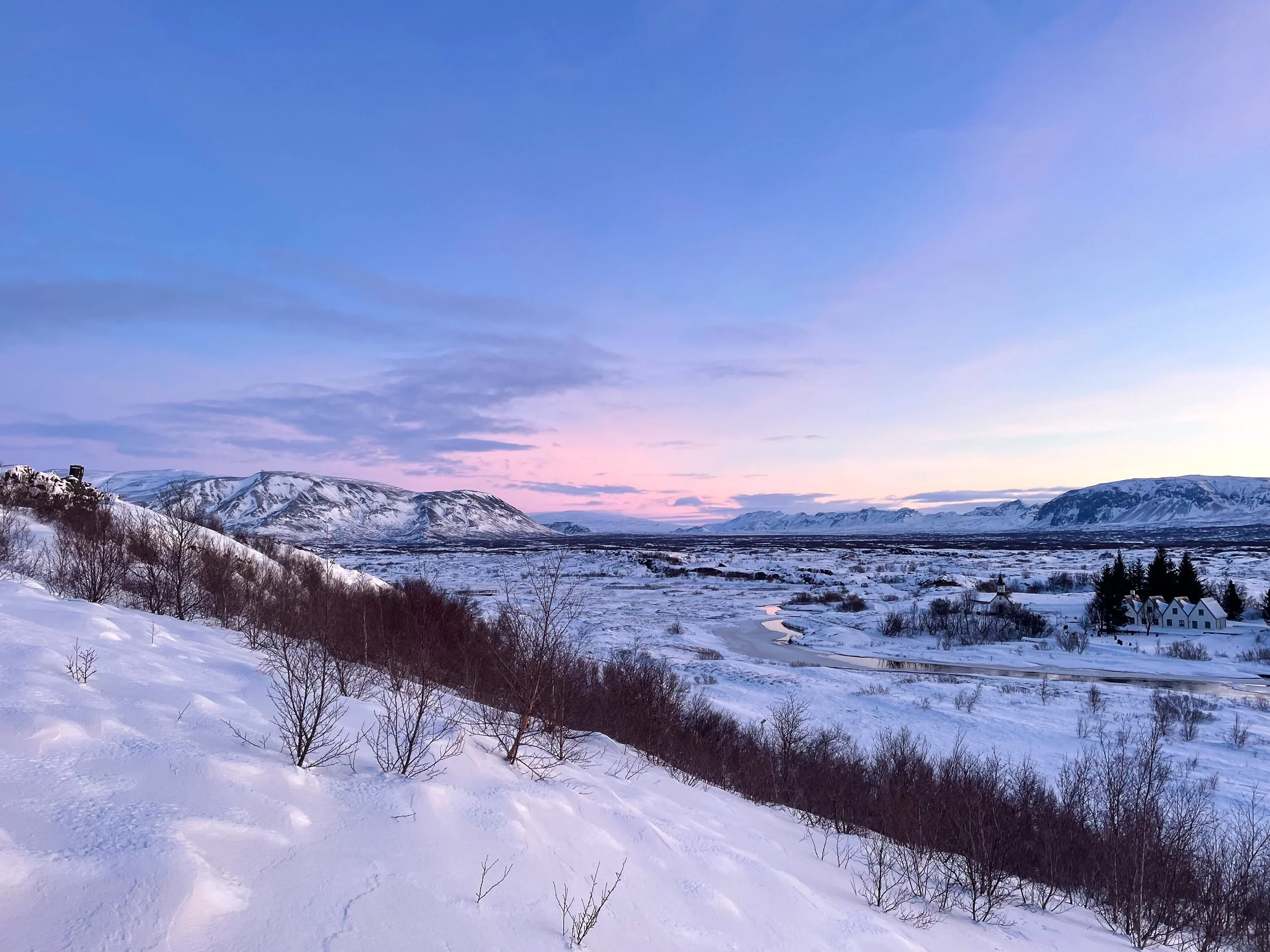
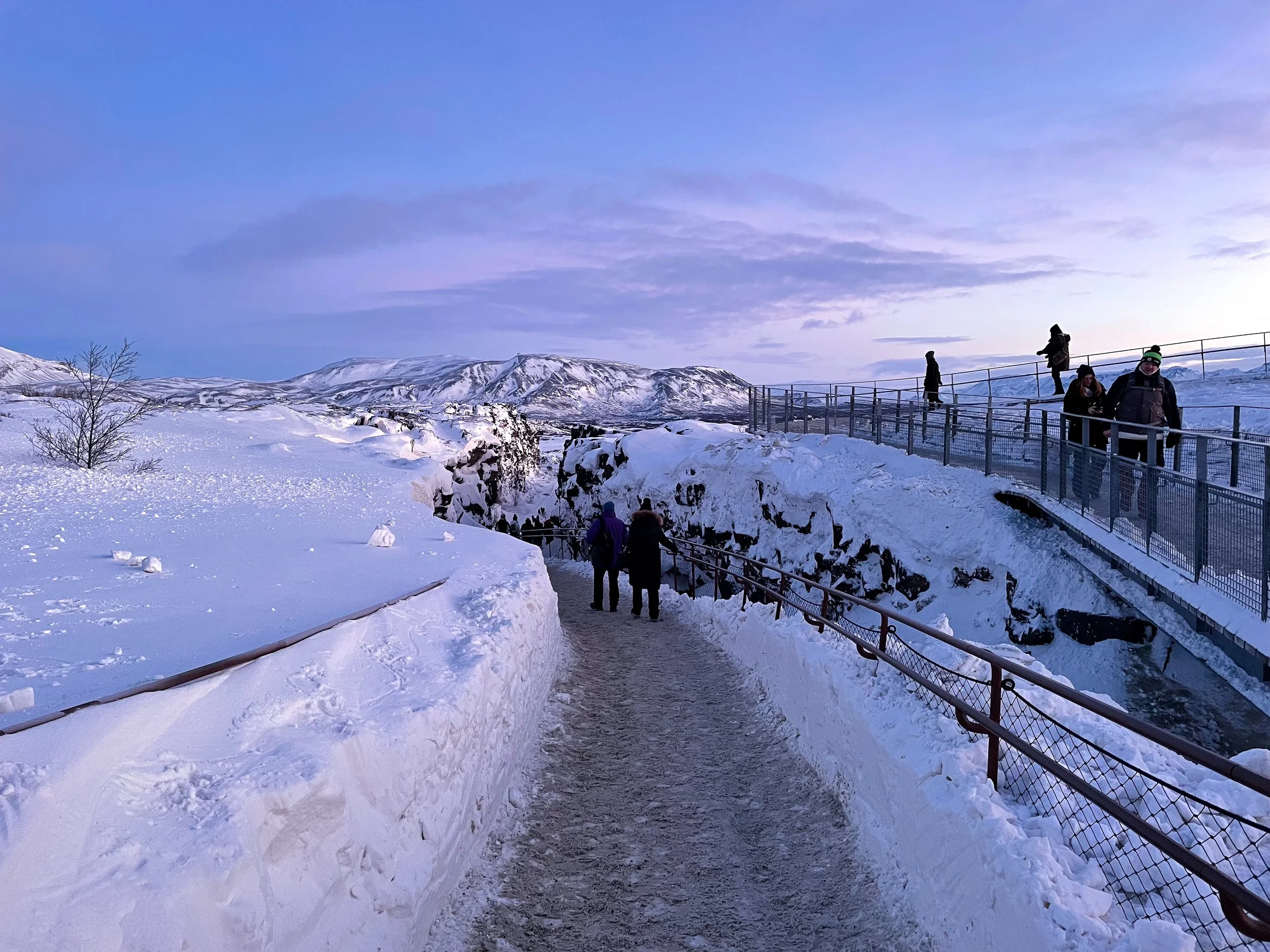
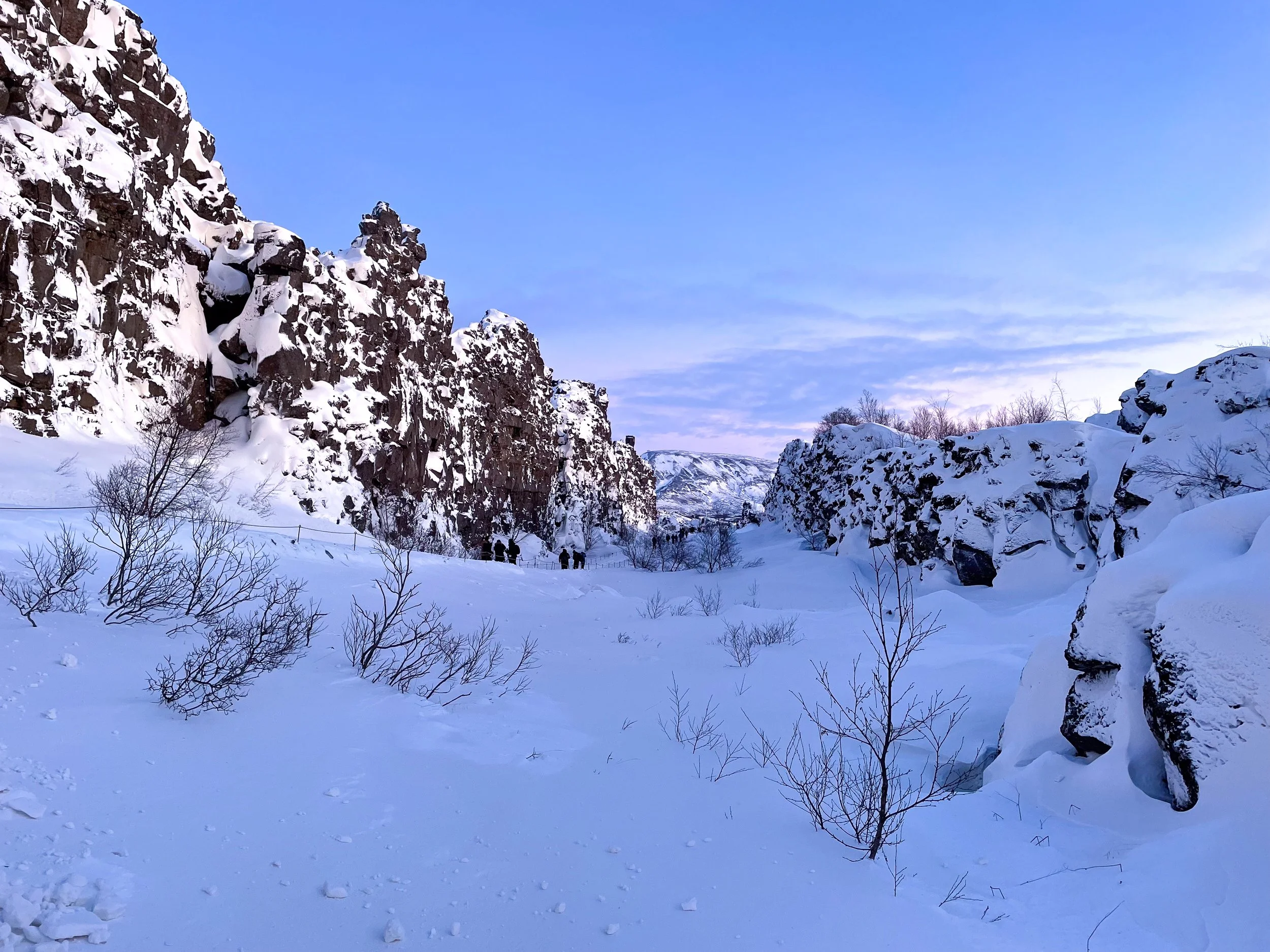
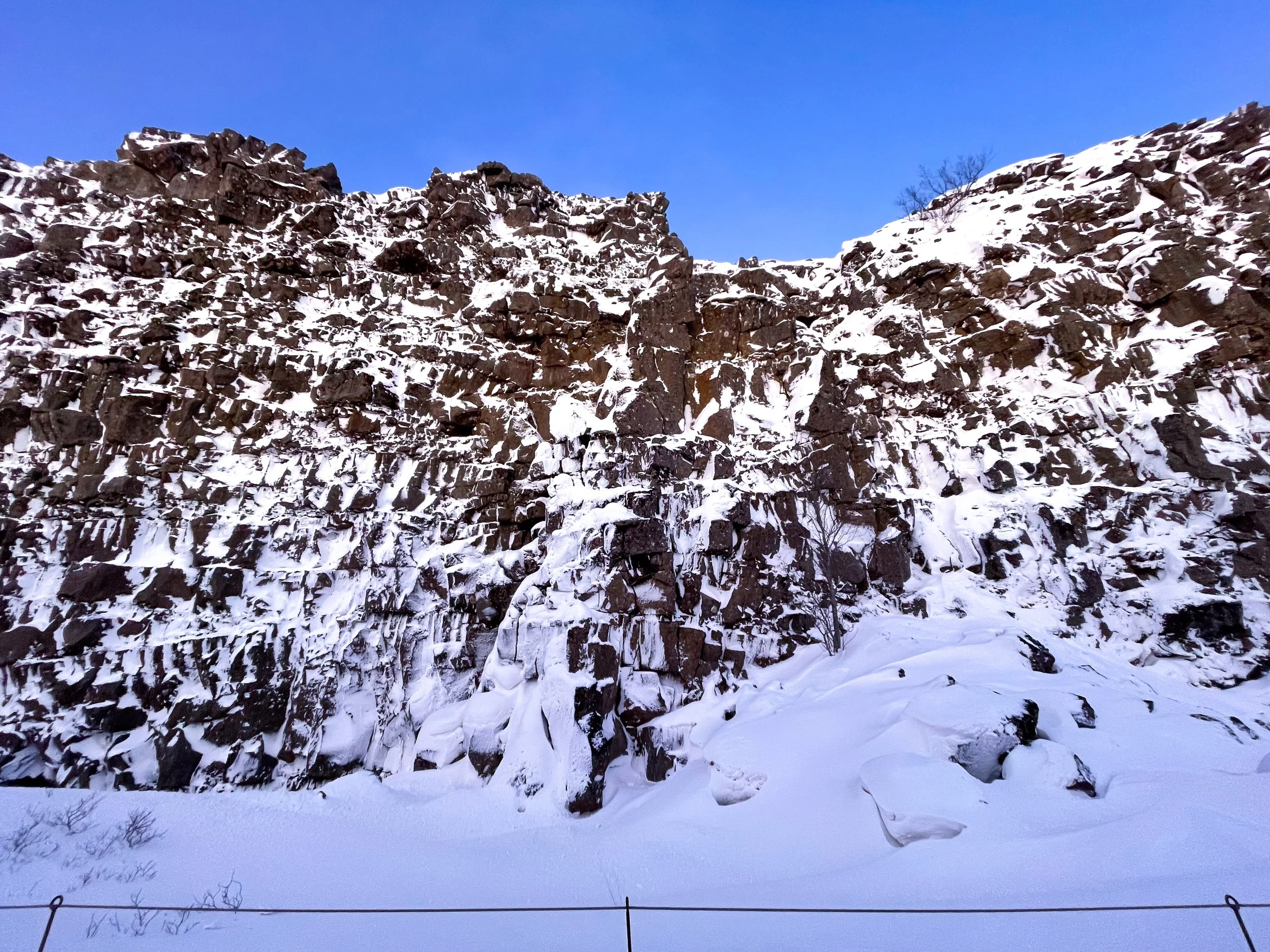
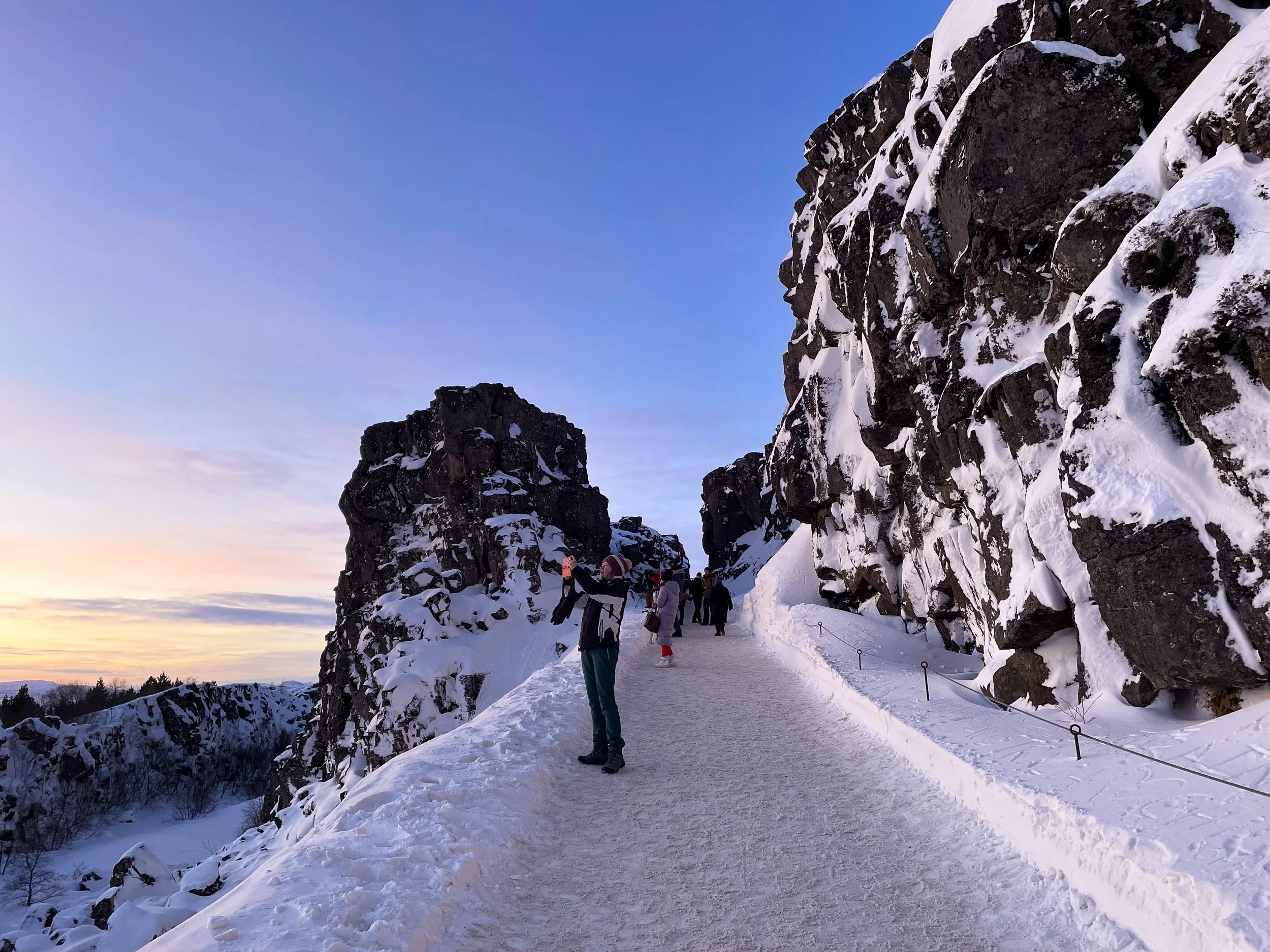
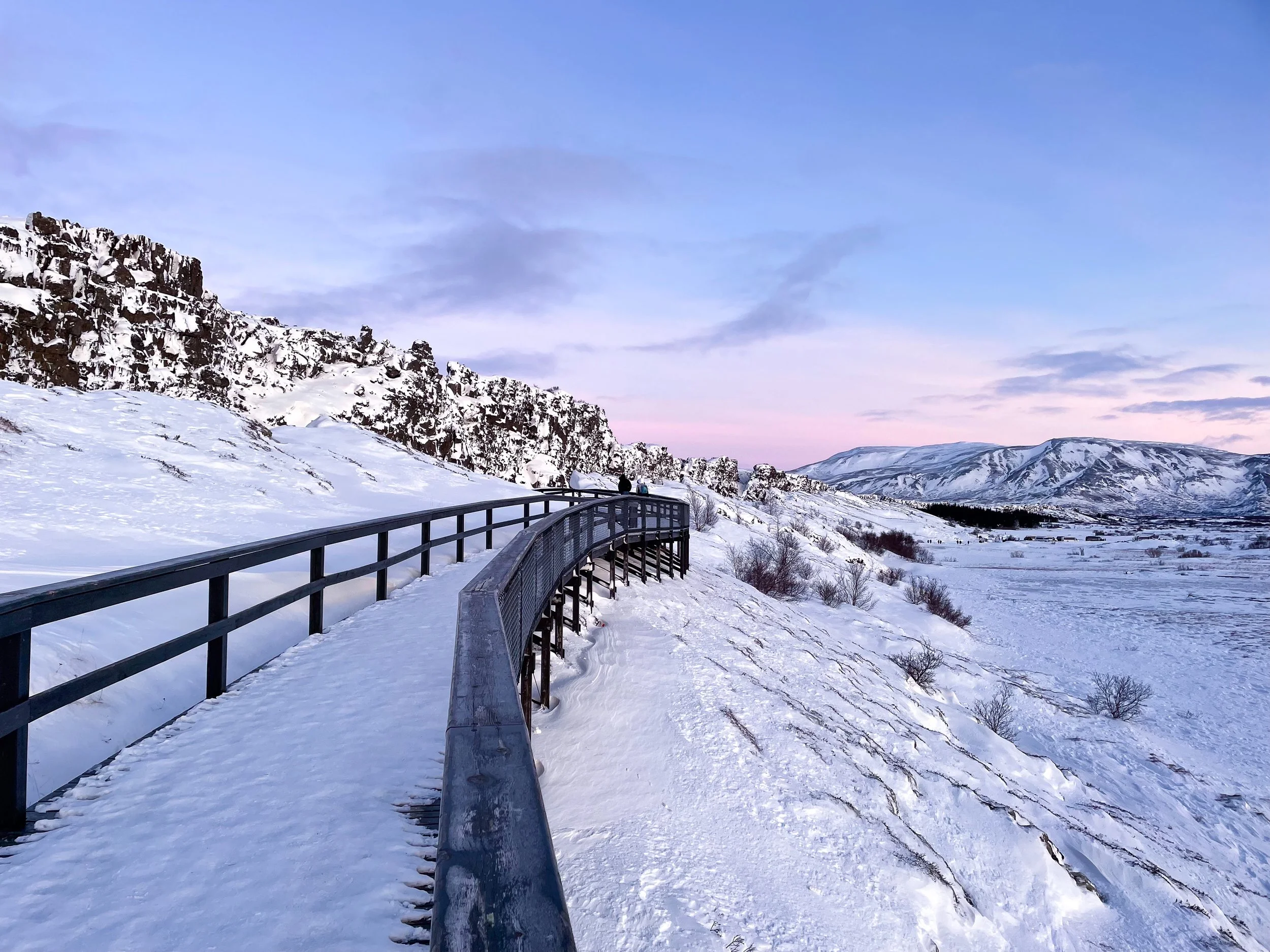
The Almannagjá Fault Line is the location where the North American and Eurasian plates are visibly pulling apart. We arrived just before sunrise. The sky was light pink and yellow in the early morning light, tones that were reflected by the white snow covered landscape. From a lookout, we admired the vast fissure that split the landscape in half, spanning for miles in both directions. After watching the sun rise, we followed a trail that descended into the fissure. On both sides of us were walls of jagged rocks dusted in fresh snow. The trail continued a few kilometers further.
Getting Here. The Almannagjá Fault Line is located about 45 minutes to 1 hour from Reykjavík by car.
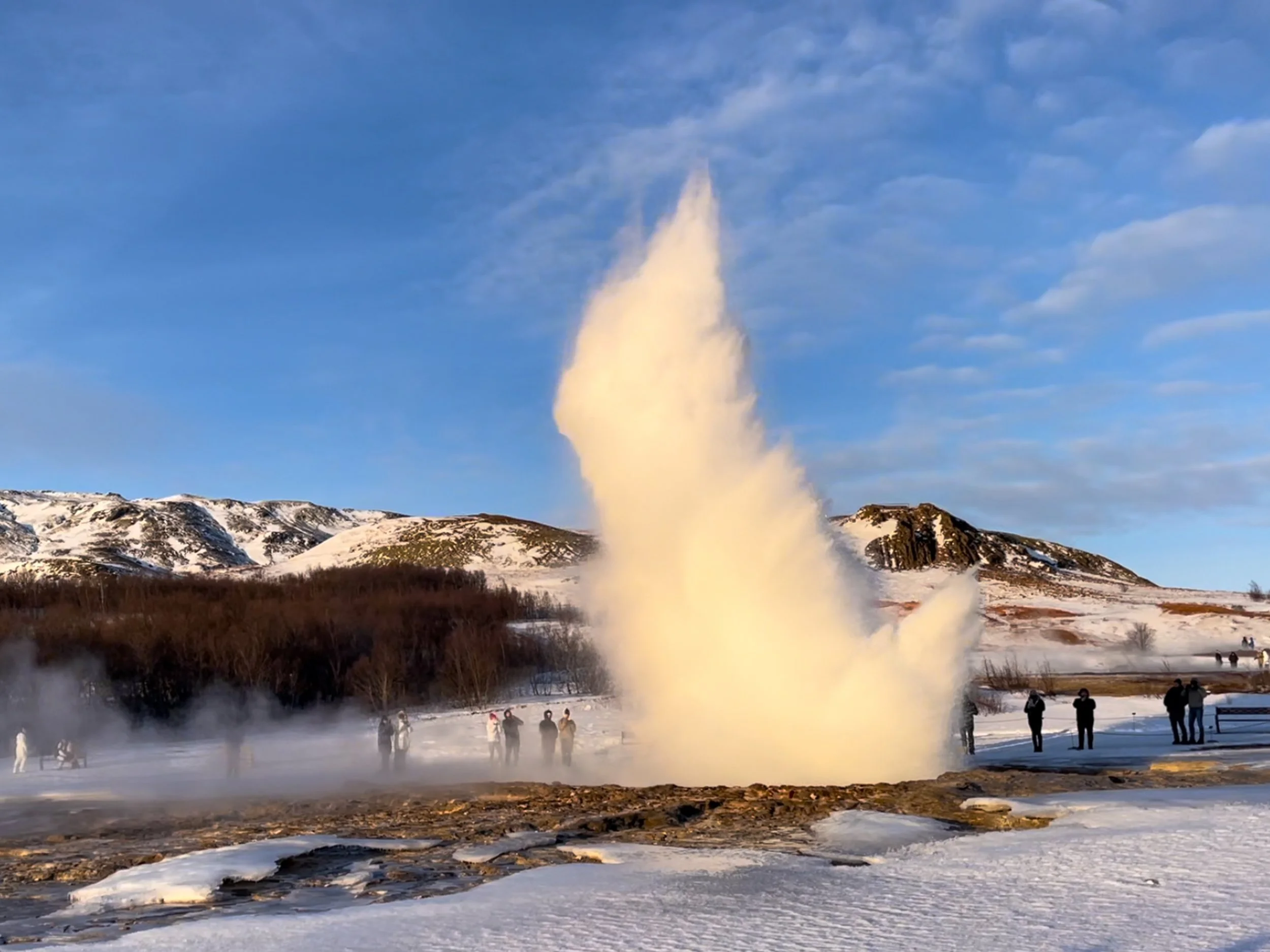
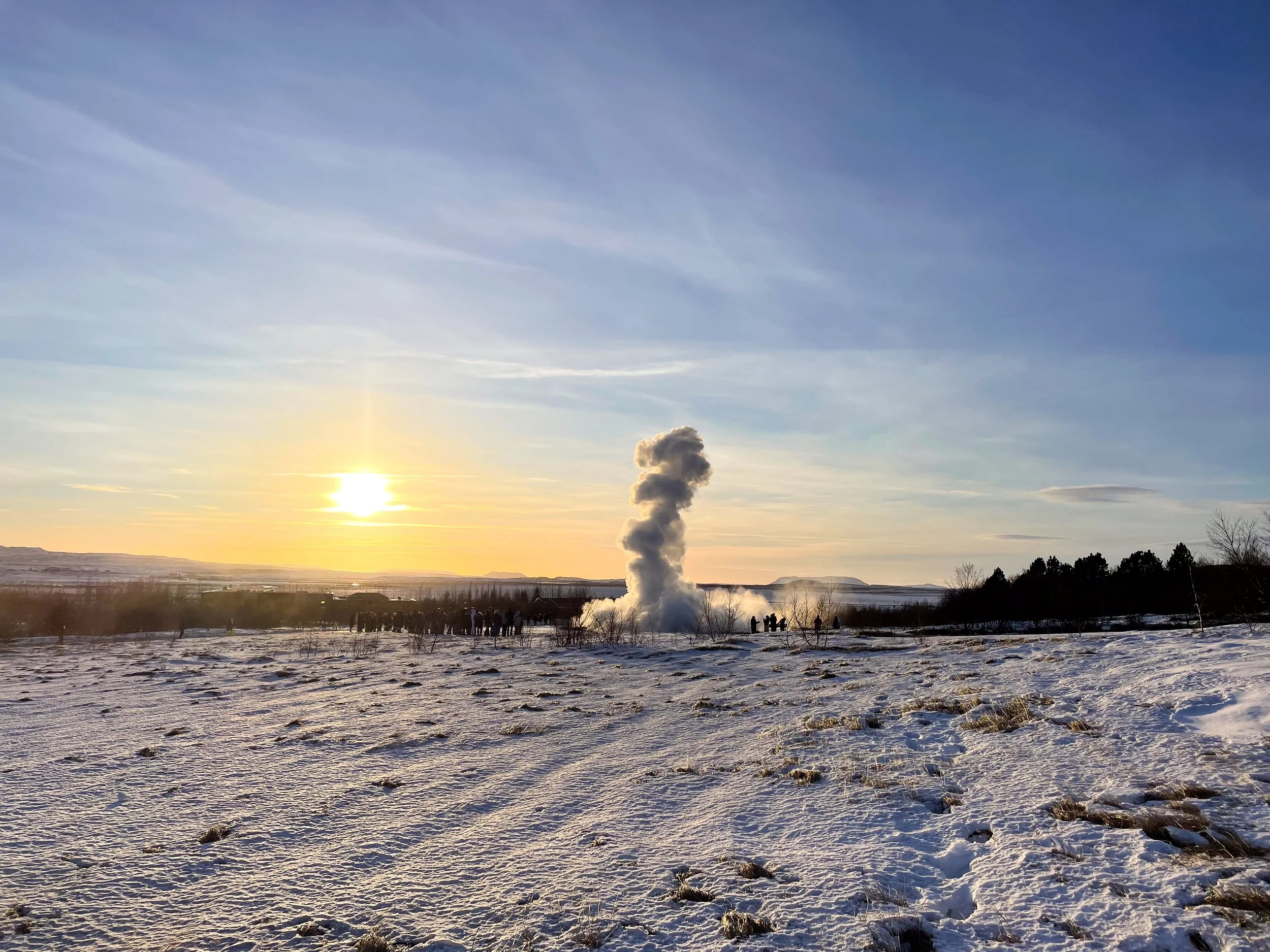
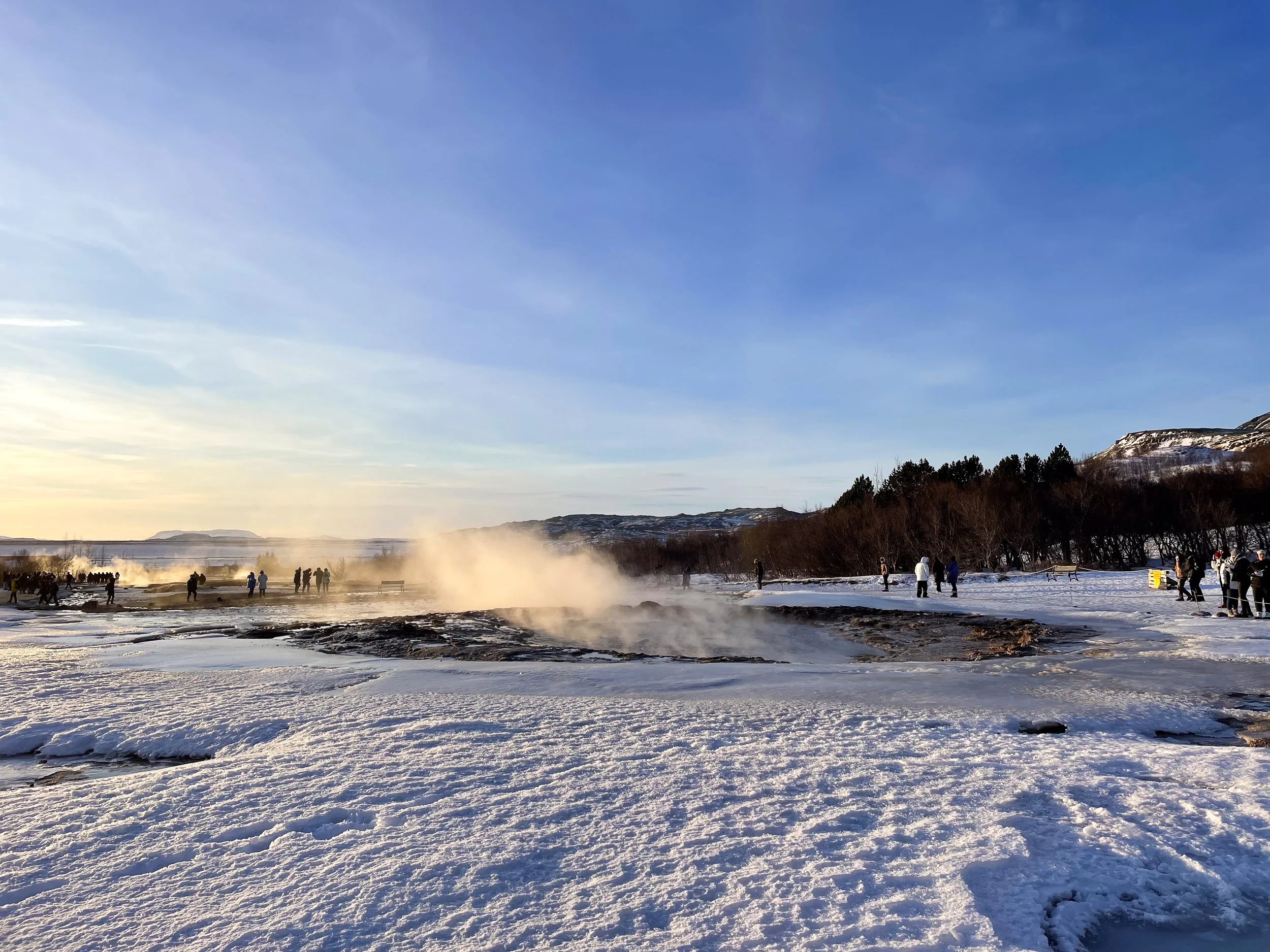
Strokkur Geyser
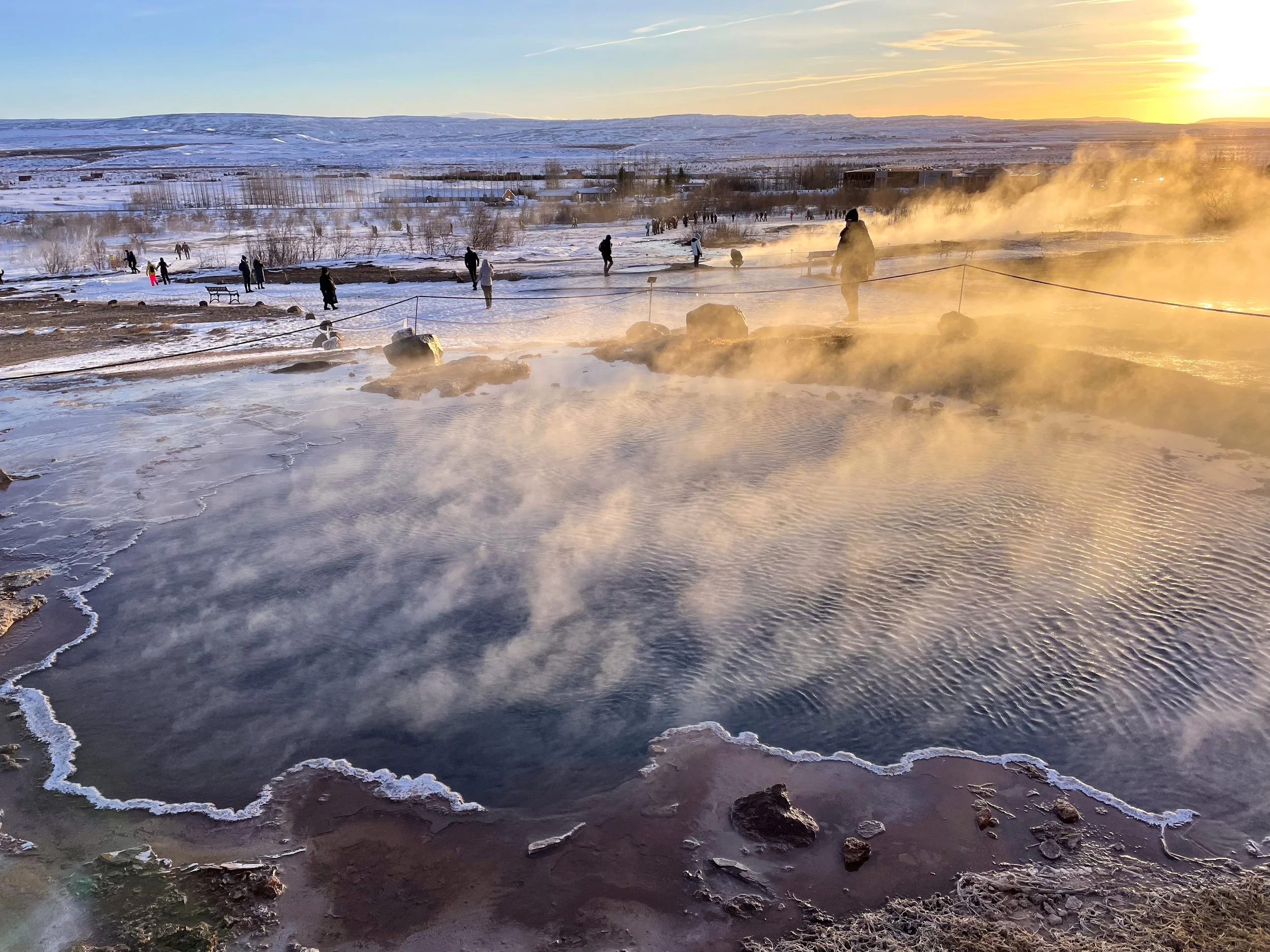
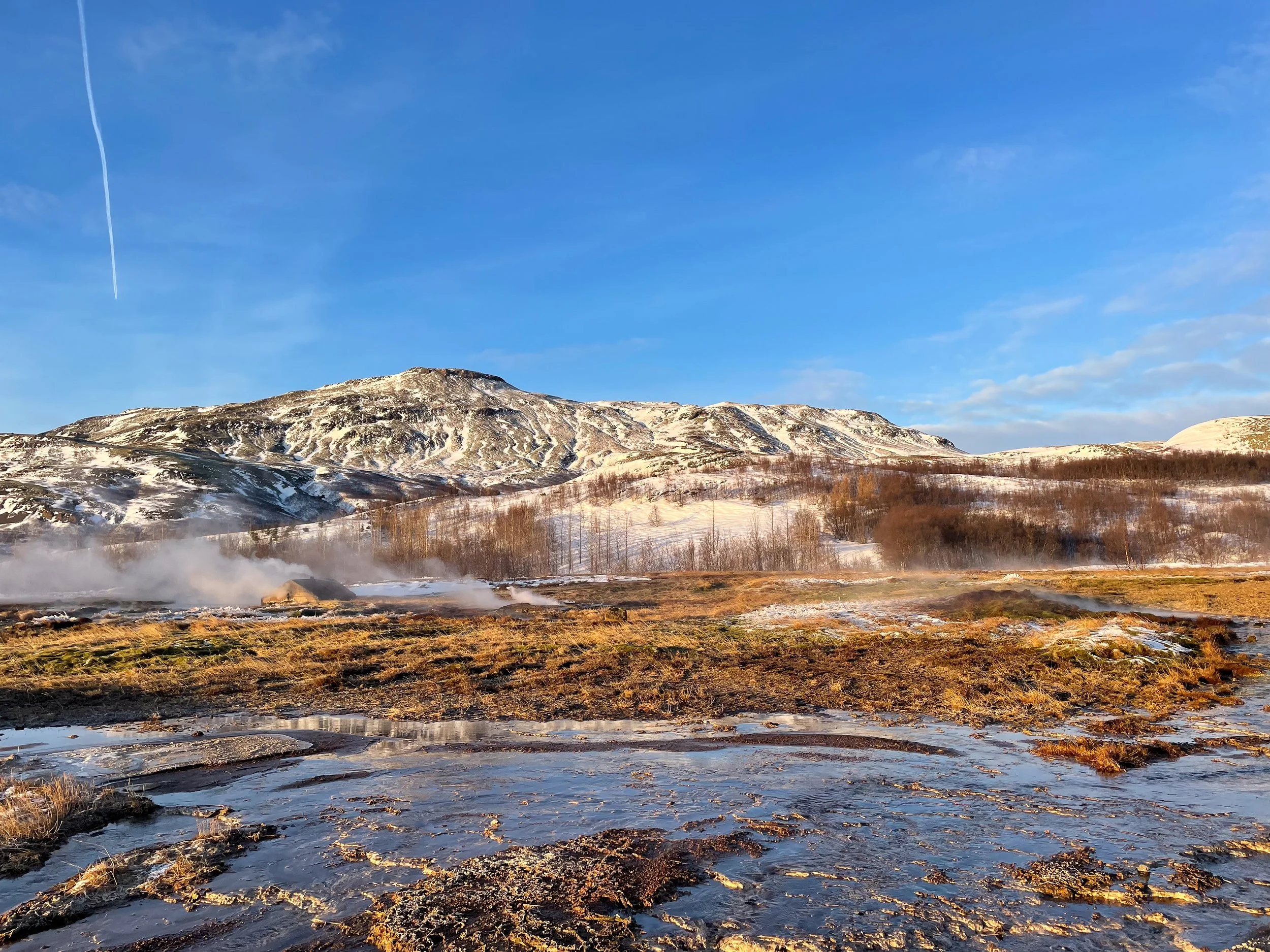
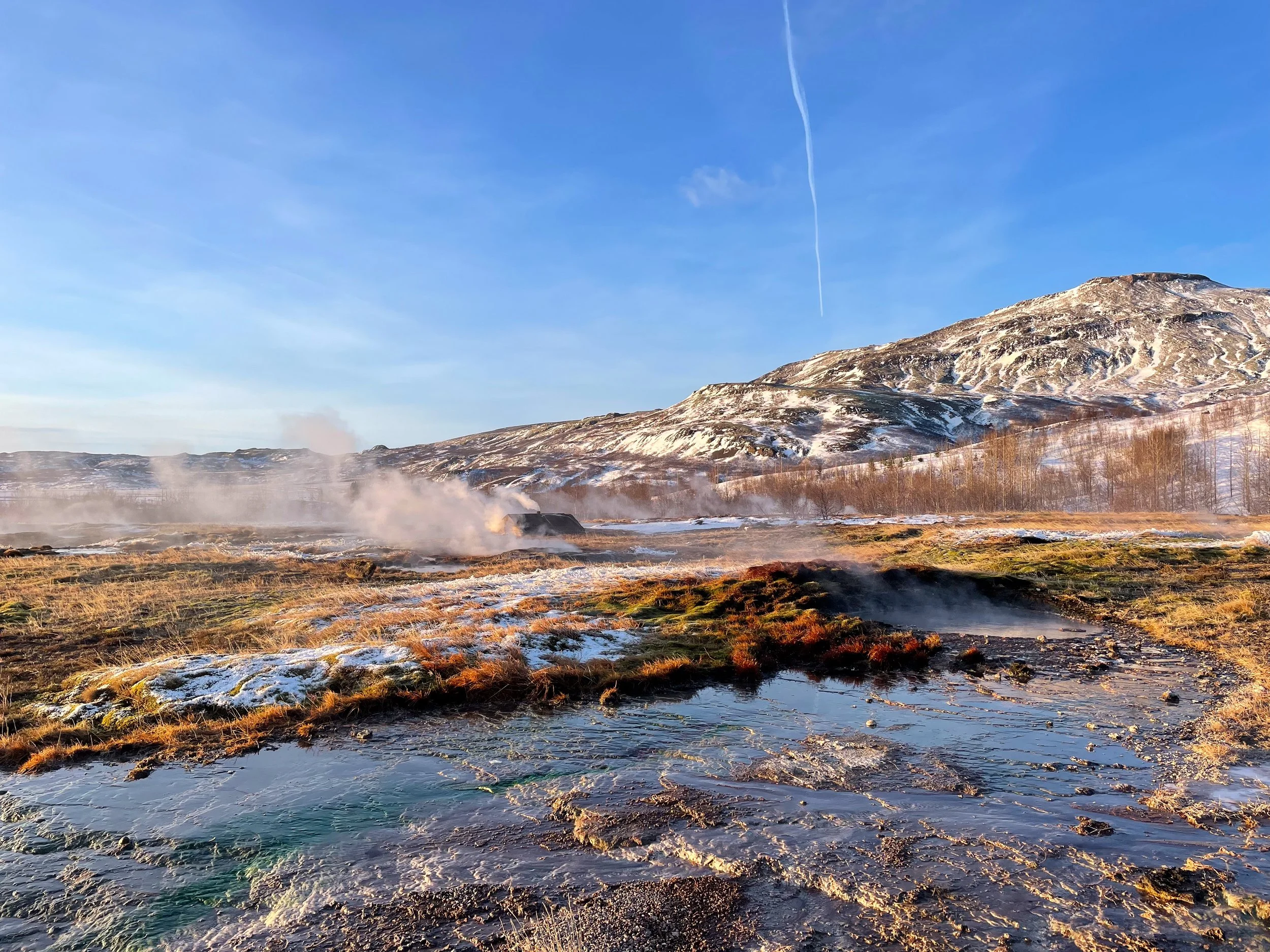
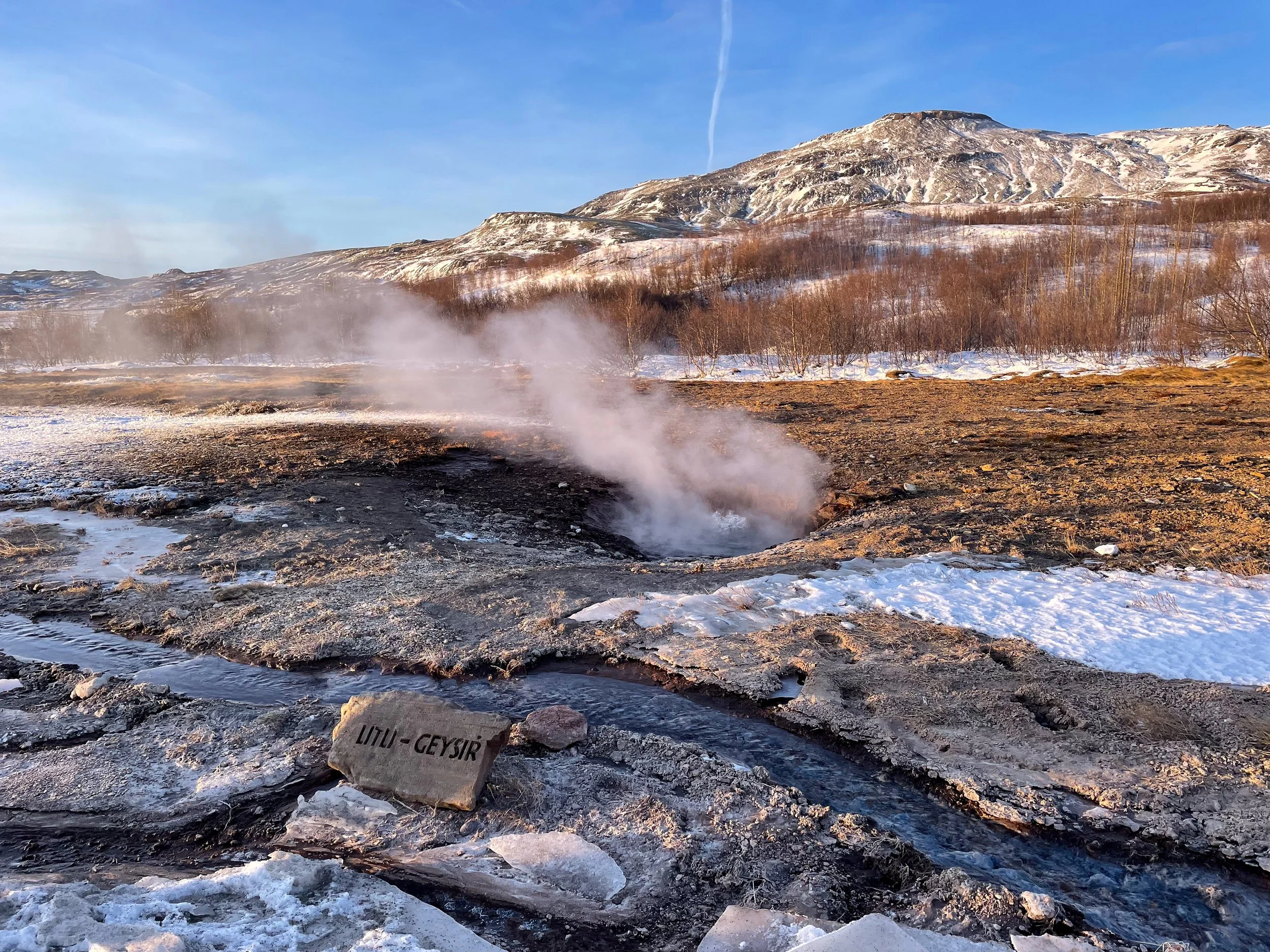
The Strokkur Geyser is an active geyser with impressive eruptions happing every 5-15 minutes. We arrived as a cloud from a recent eruption billowed across the road in front of us. The smell of sulphur filled the air as boiling water bubbled from craters dotting the landscape around us. Soon after reaching the geyser, it erupted in a whoosh, sending steam and water 30 meters high. We walked to several other geysers in the area as the Strokkur Geyser routinely erupted in the background.
Getting Here. The Strokkur Geyser is located about 1 hour from the Almannagjá Fault Line by car.
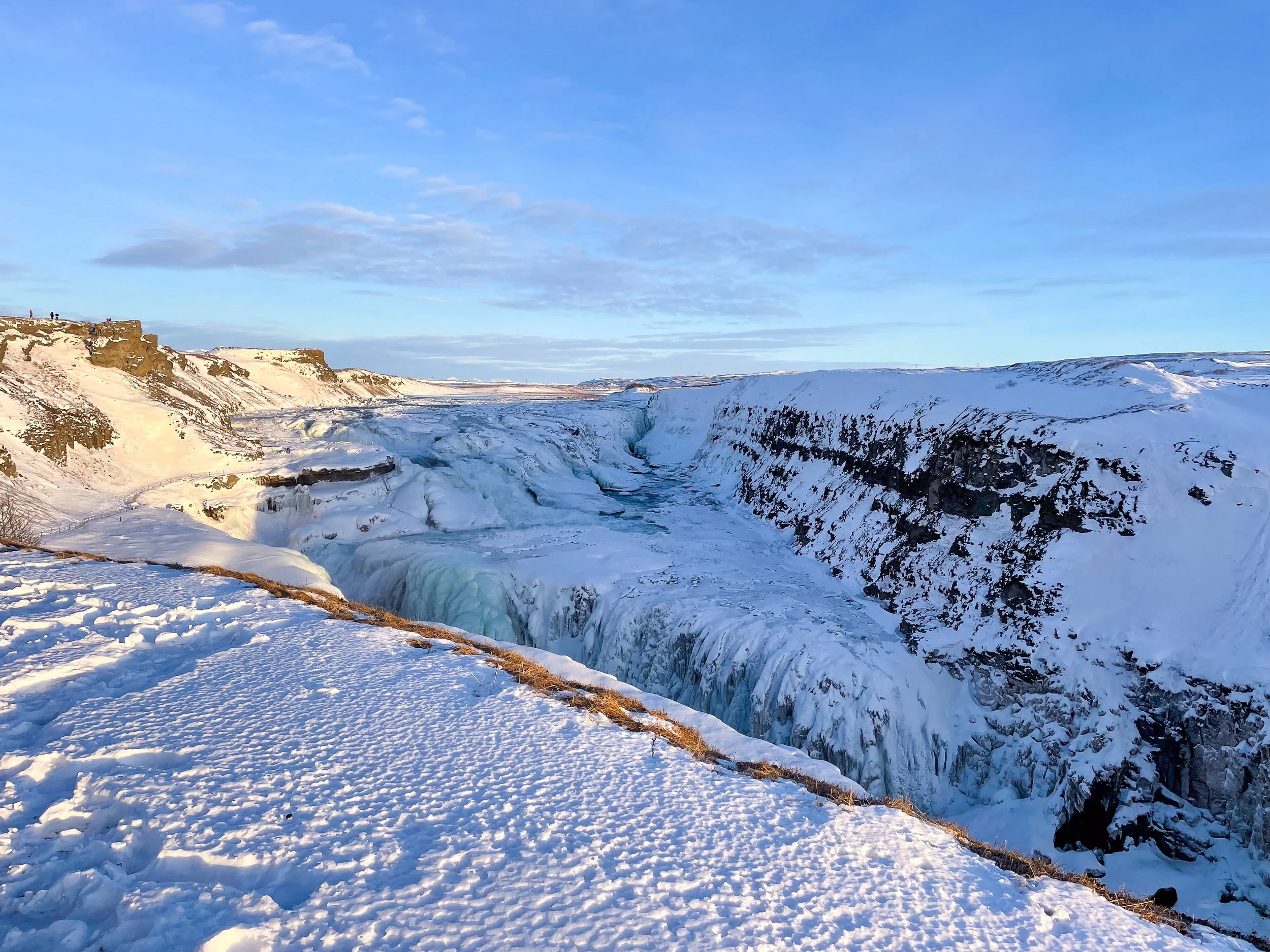
Gullfoss Waterfall
The Gullfoss Waterfall is a massive waterfall on the Hvita River. The river cascades down two diagonal cliffs over 100 feet into the canyon below. The waterfall and river were mostly frozen when we visited but none-the-less dramatic.
Getting Here. The Gullfoss Waterfall is located about 15 minutes from the Strokkur Geyser by car.
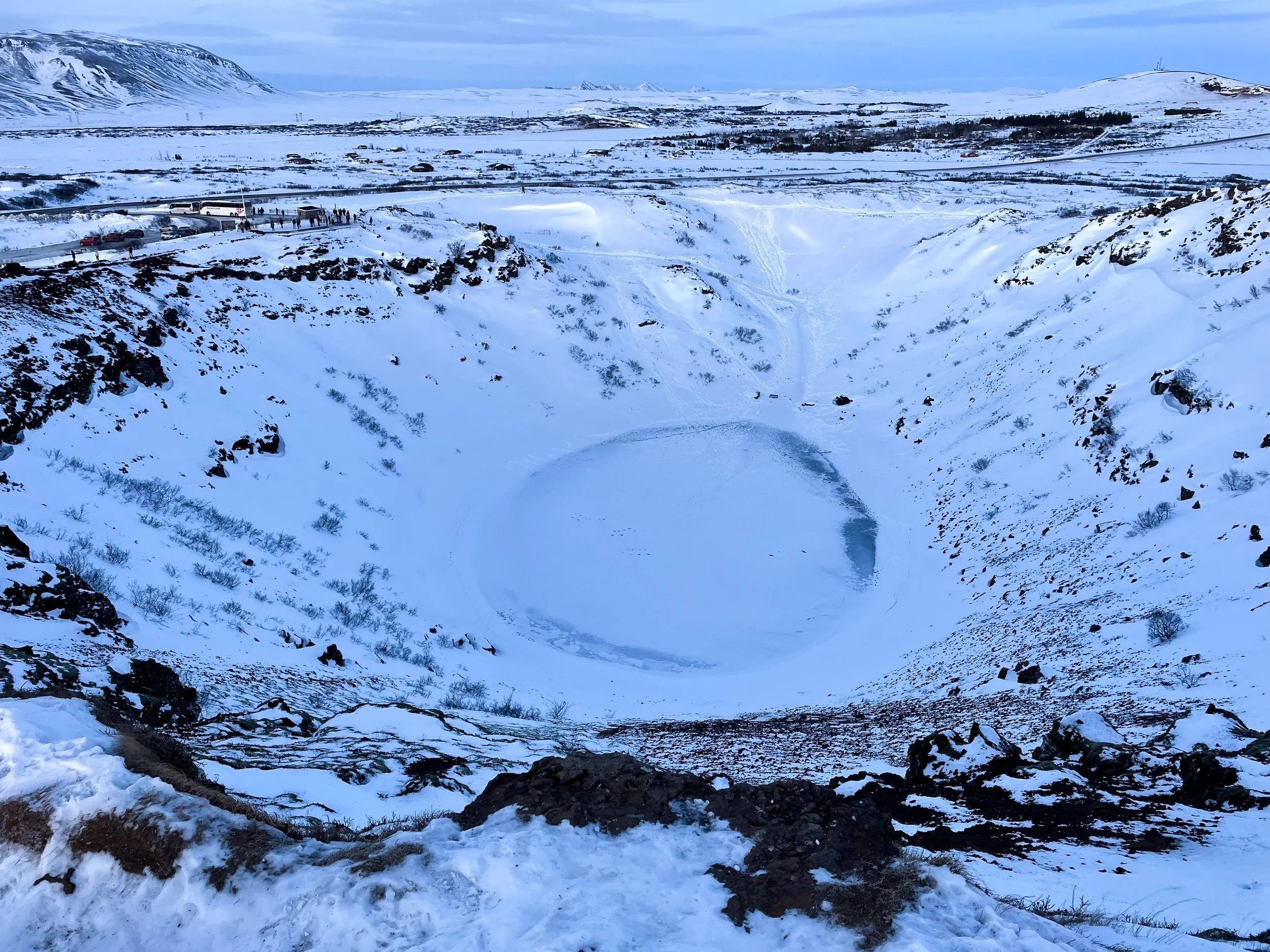
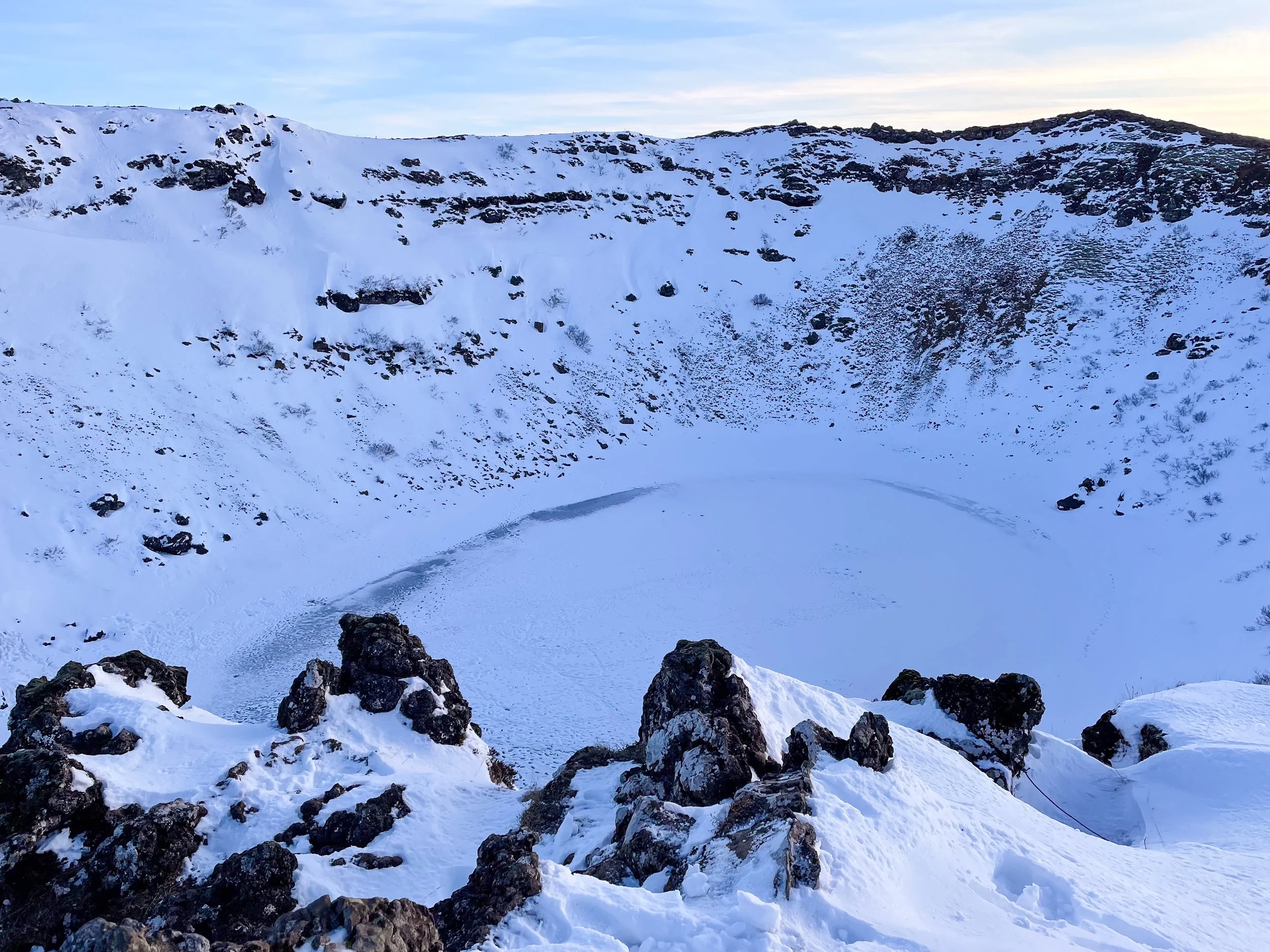
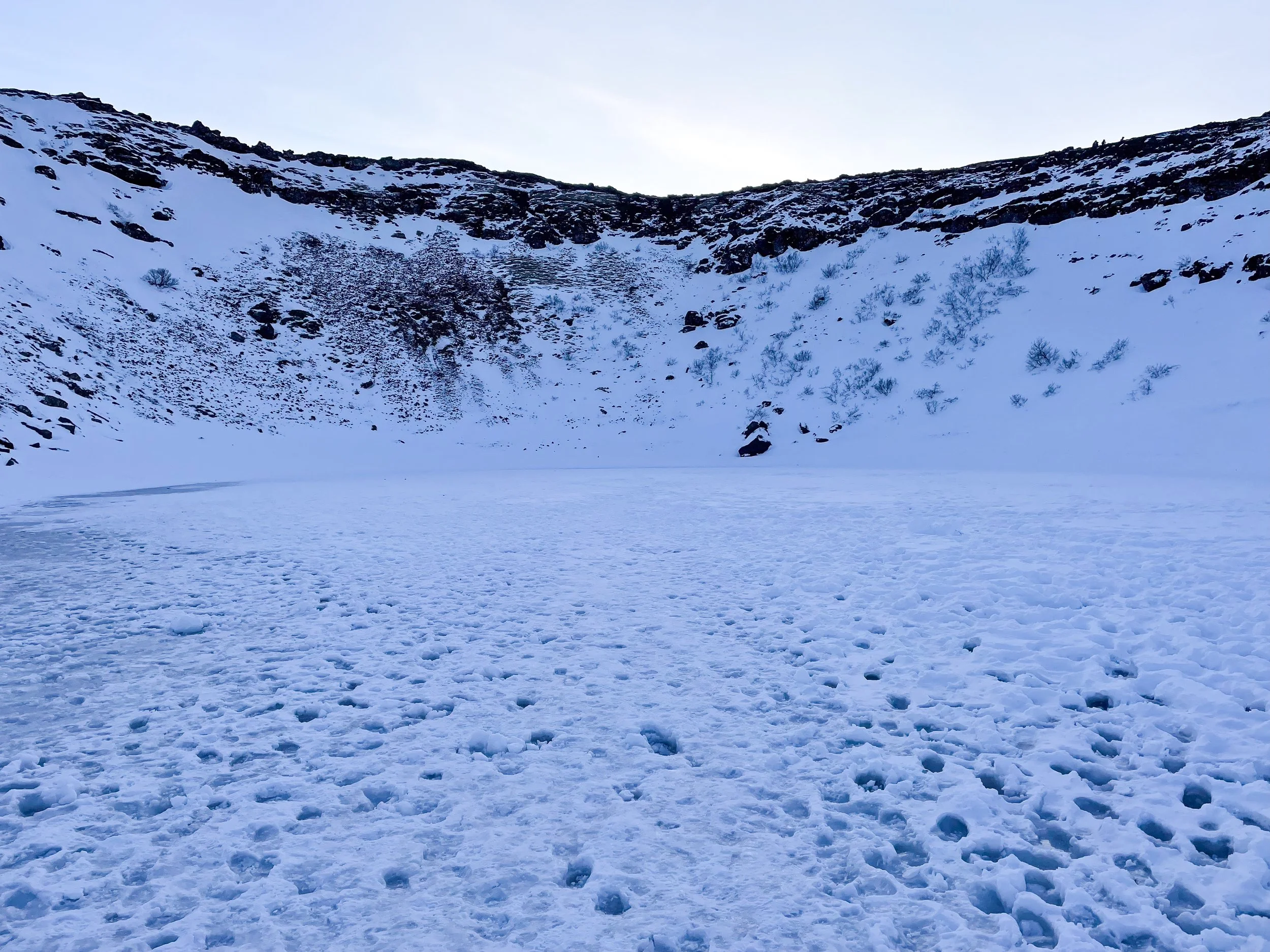
Kerið Crater Lake
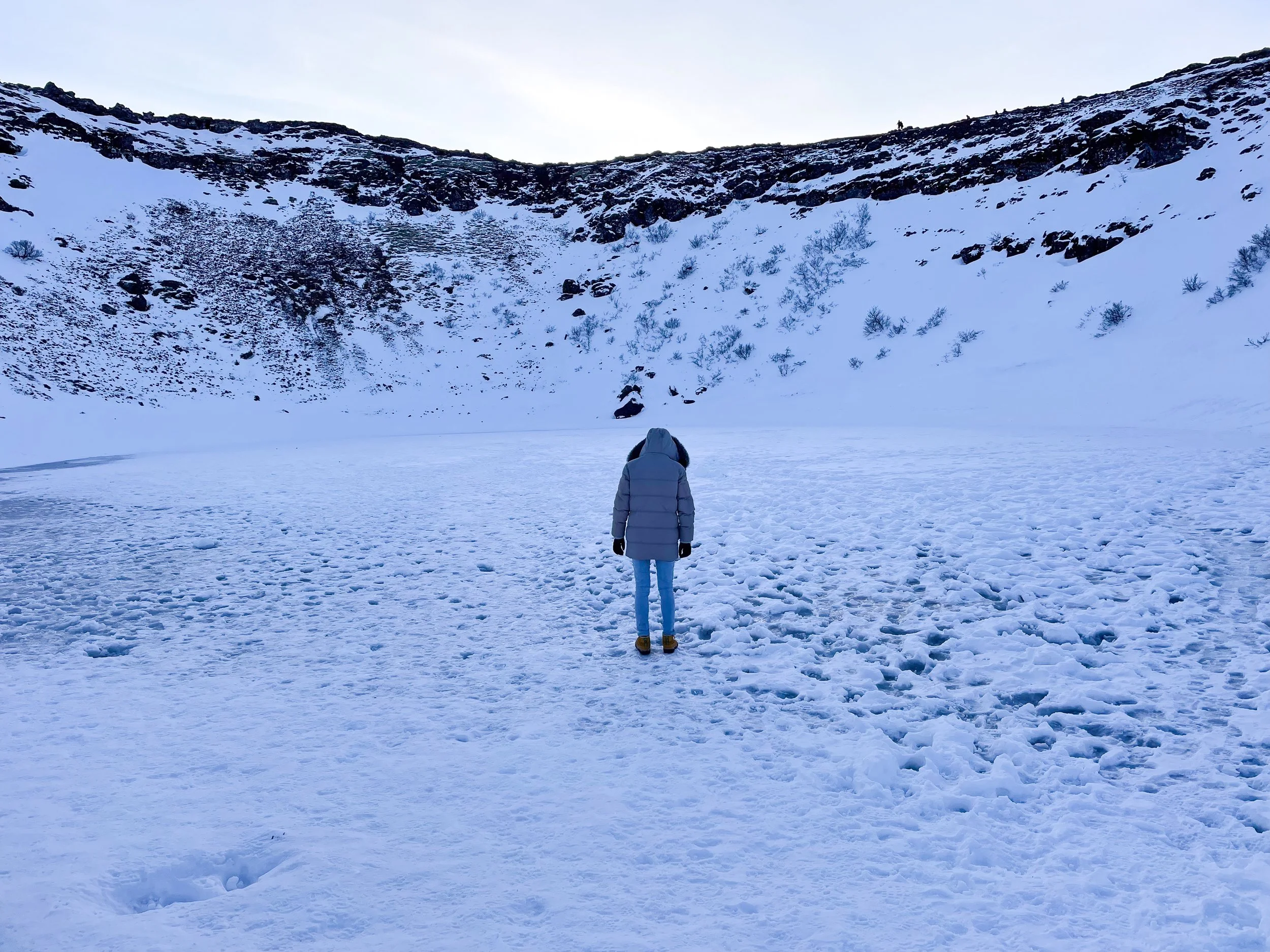
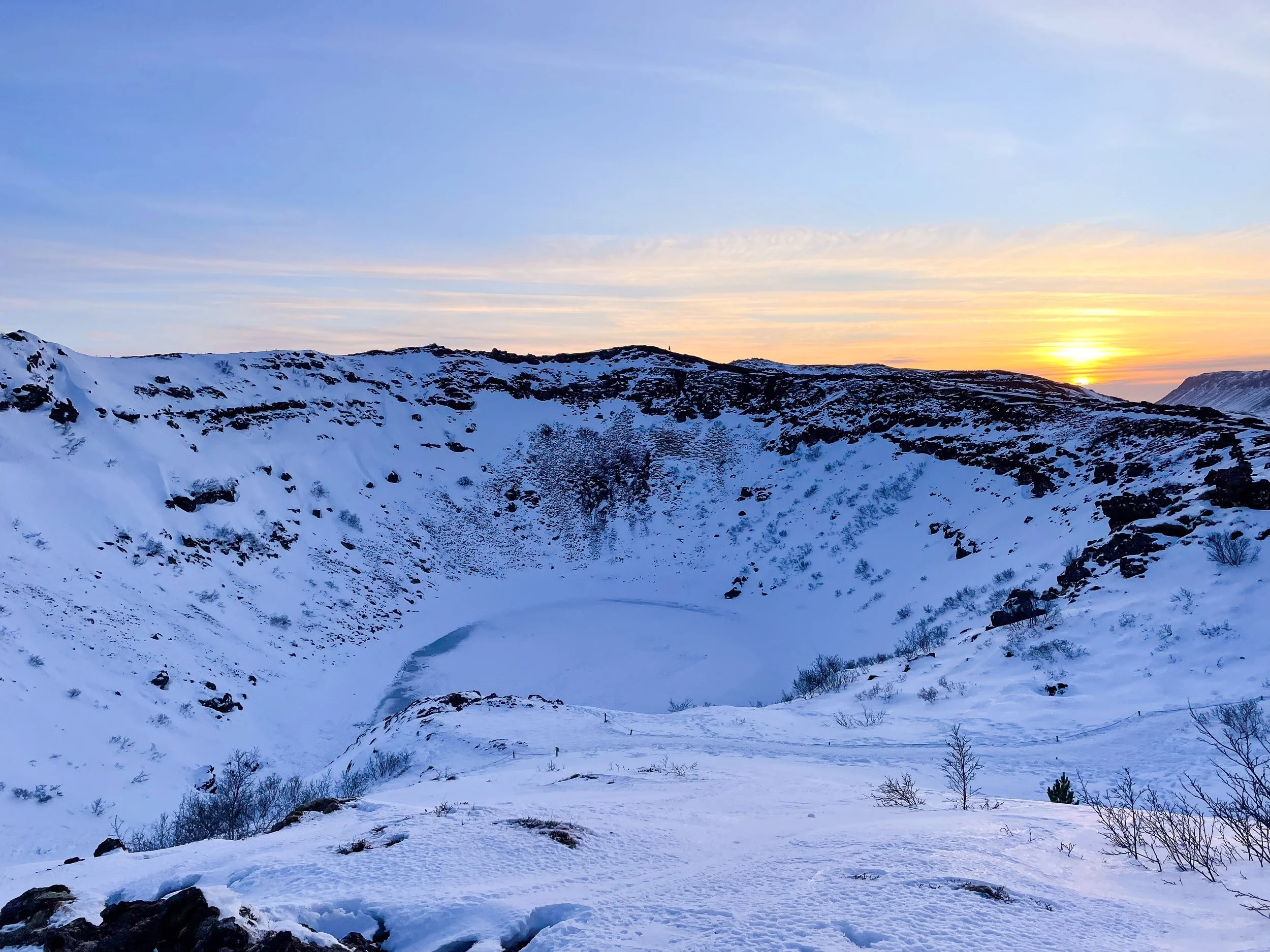
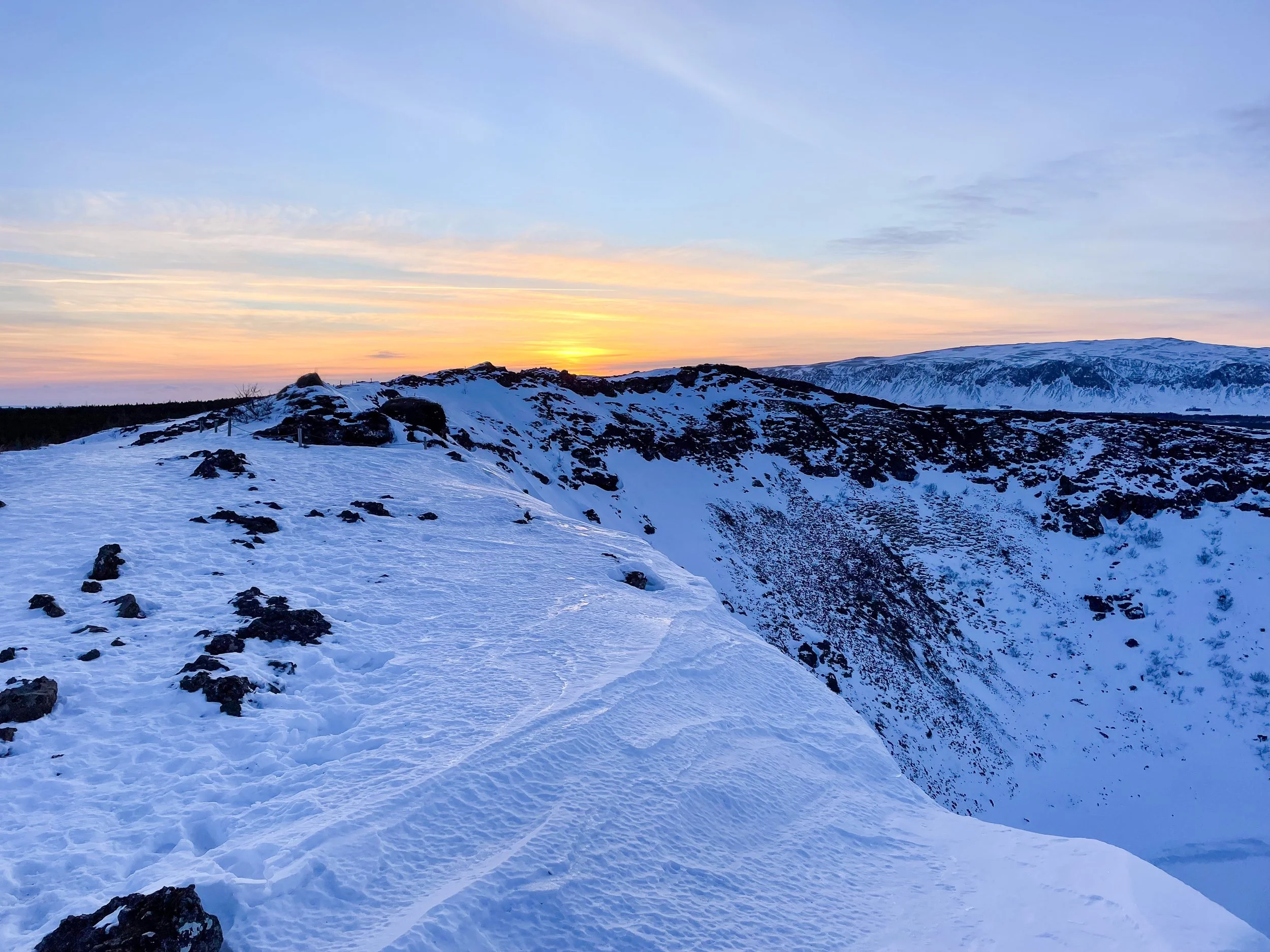
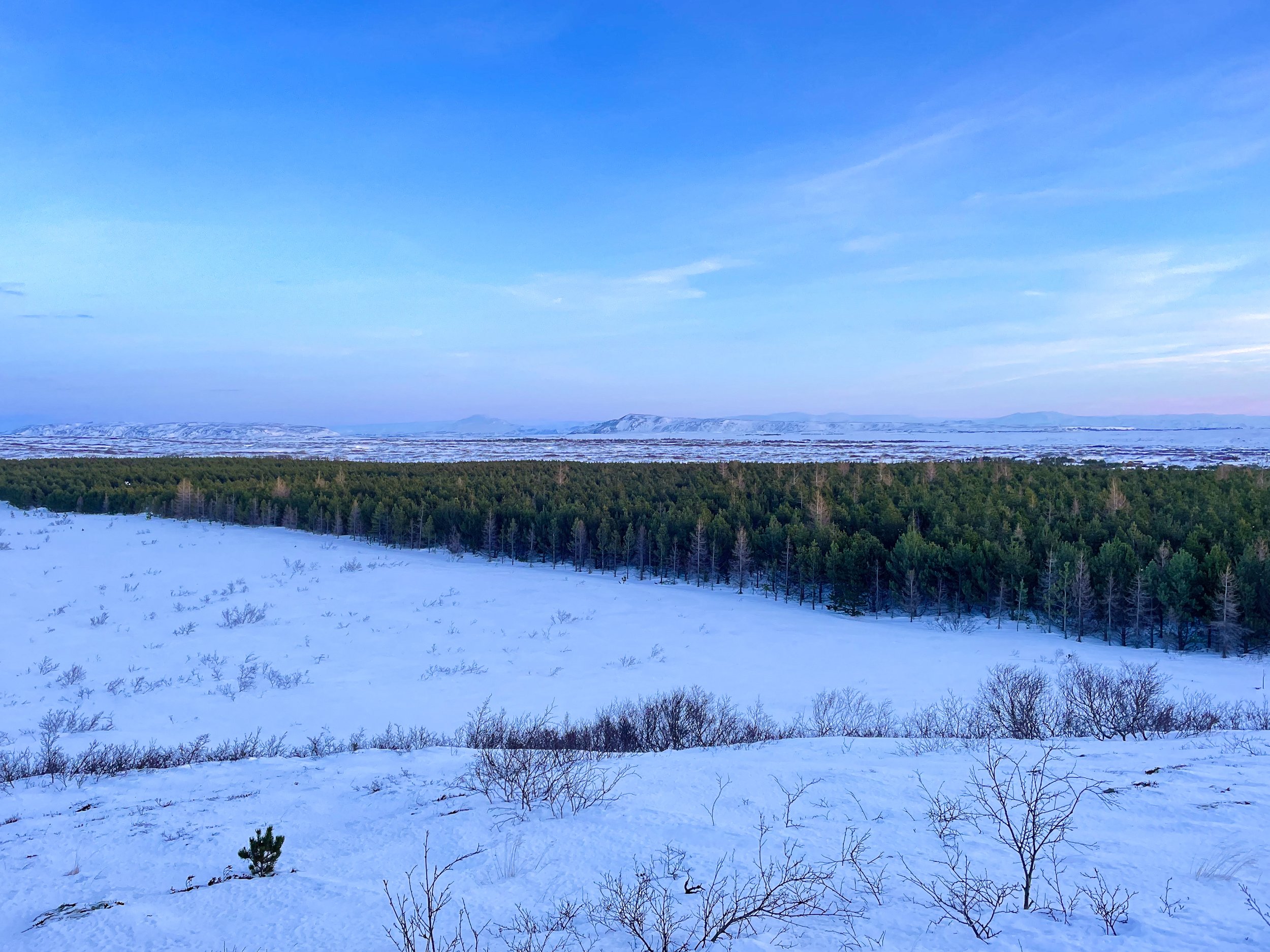
The Kerið Crater Lake is a small lake located in the crater of an extinct volcano. The volcano is one of several forming a mini volcanic arc. While here, we hiked around the entire rim and descended into the crater. The lake was completely frozen over, allowing us to walk to its center. The steep snow covered pathways were extremely icy making it slightly dangerous but worth the hike.
Getting Here. The Kerið Crater Lake is located about 1 hour from the Gullfoss Waterfall by car.
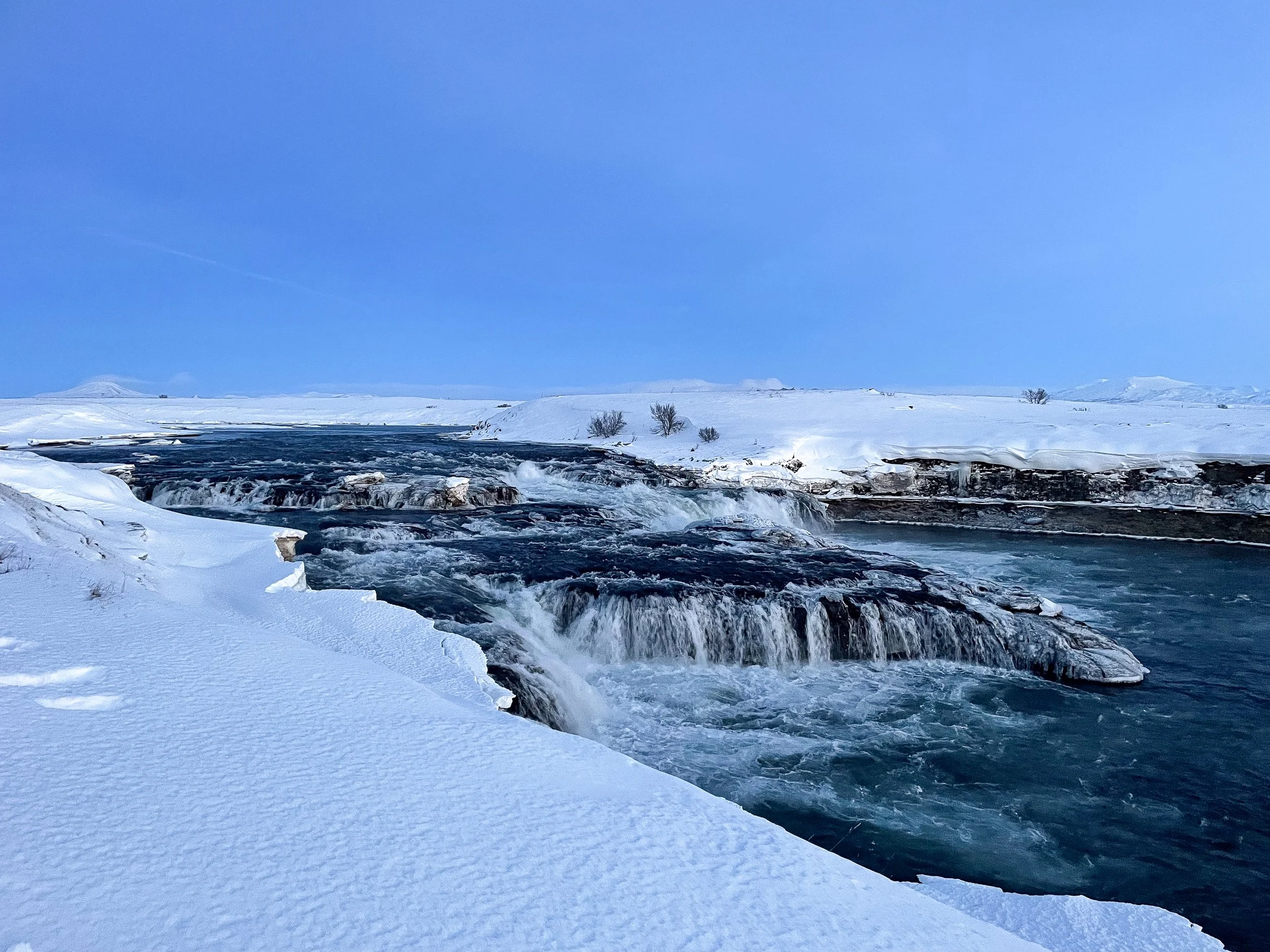
Ægissíðufoss Waterfall
Ægissíðufoss Waterfall is a small but beautiful cascading waterfall located on the Ytri-Rangá River in the town of Hella. The Hekla Volcano fumed in the distance upstream.
Getting Here. The Ægissíðufoss Waterfall is located about 15 minutes outside of the town of Hella by car.
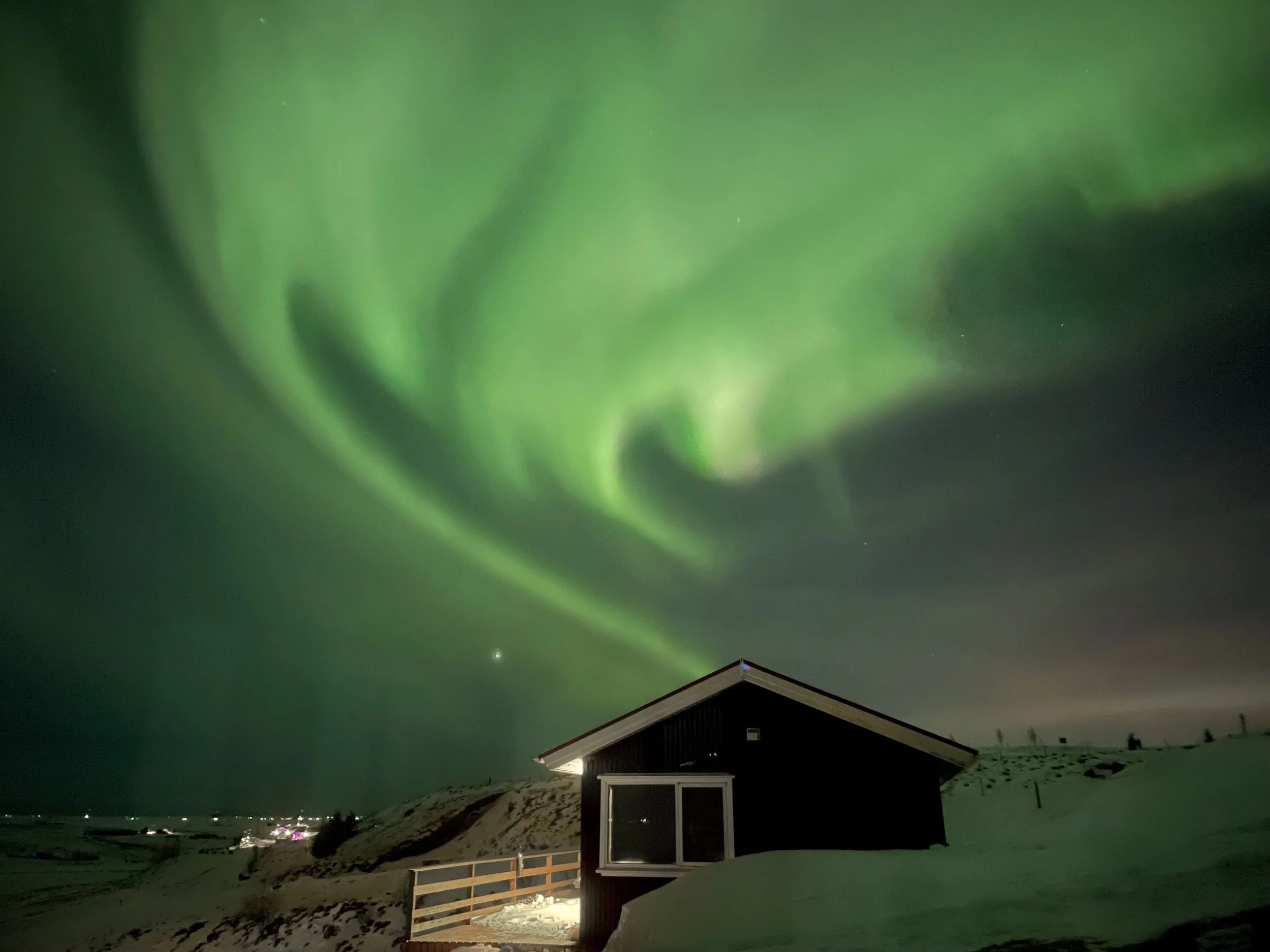
Our Cottage in Hella
After exploring the Golden Circle, we spent the remainder of our evening at a cottage in the town of Hella. The cottage was one of several perched on a hill overlooking a snow covered field. We made it our home base during our stay along Iceland’s southern coast. Book on Airbnb.
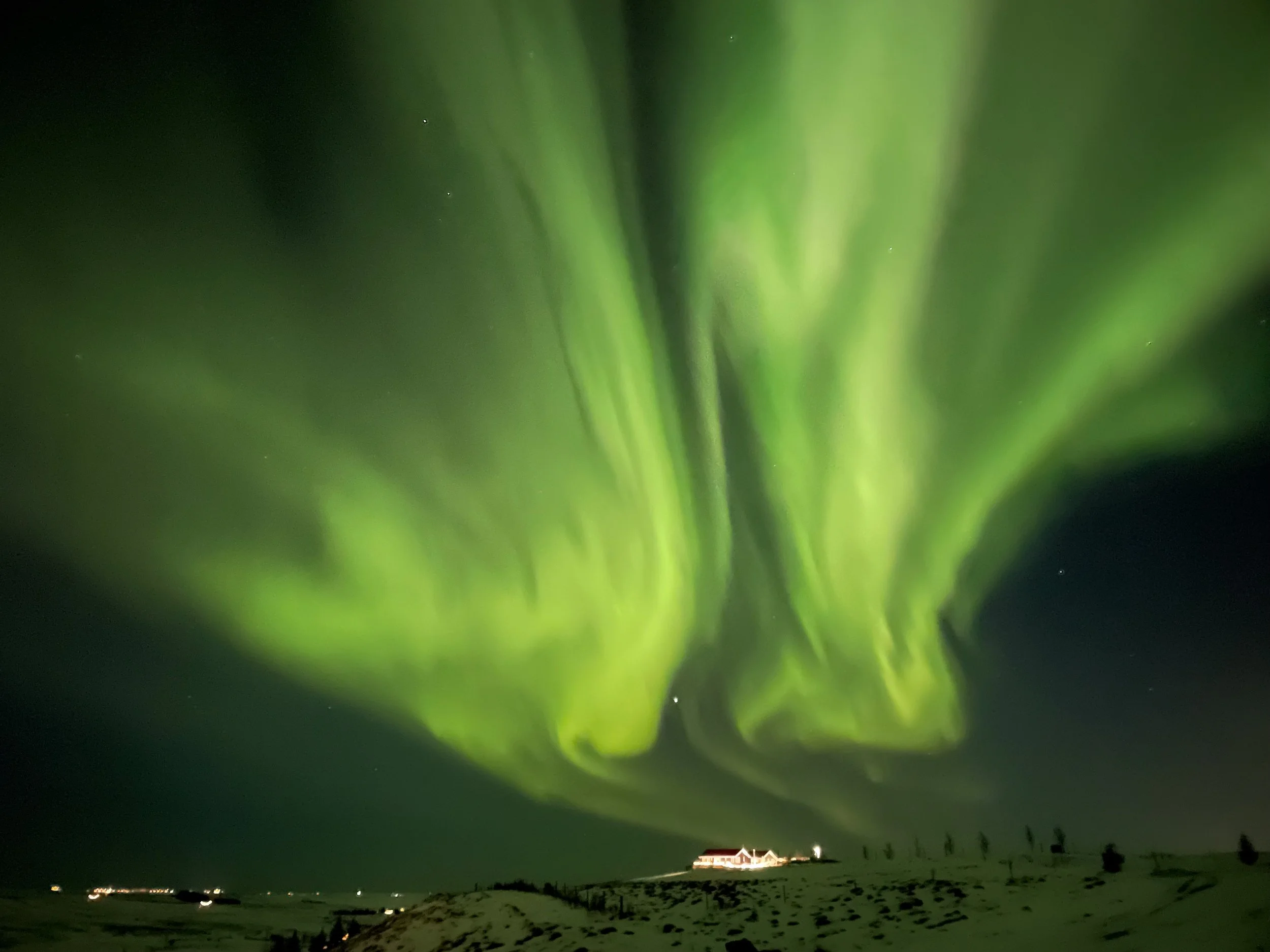
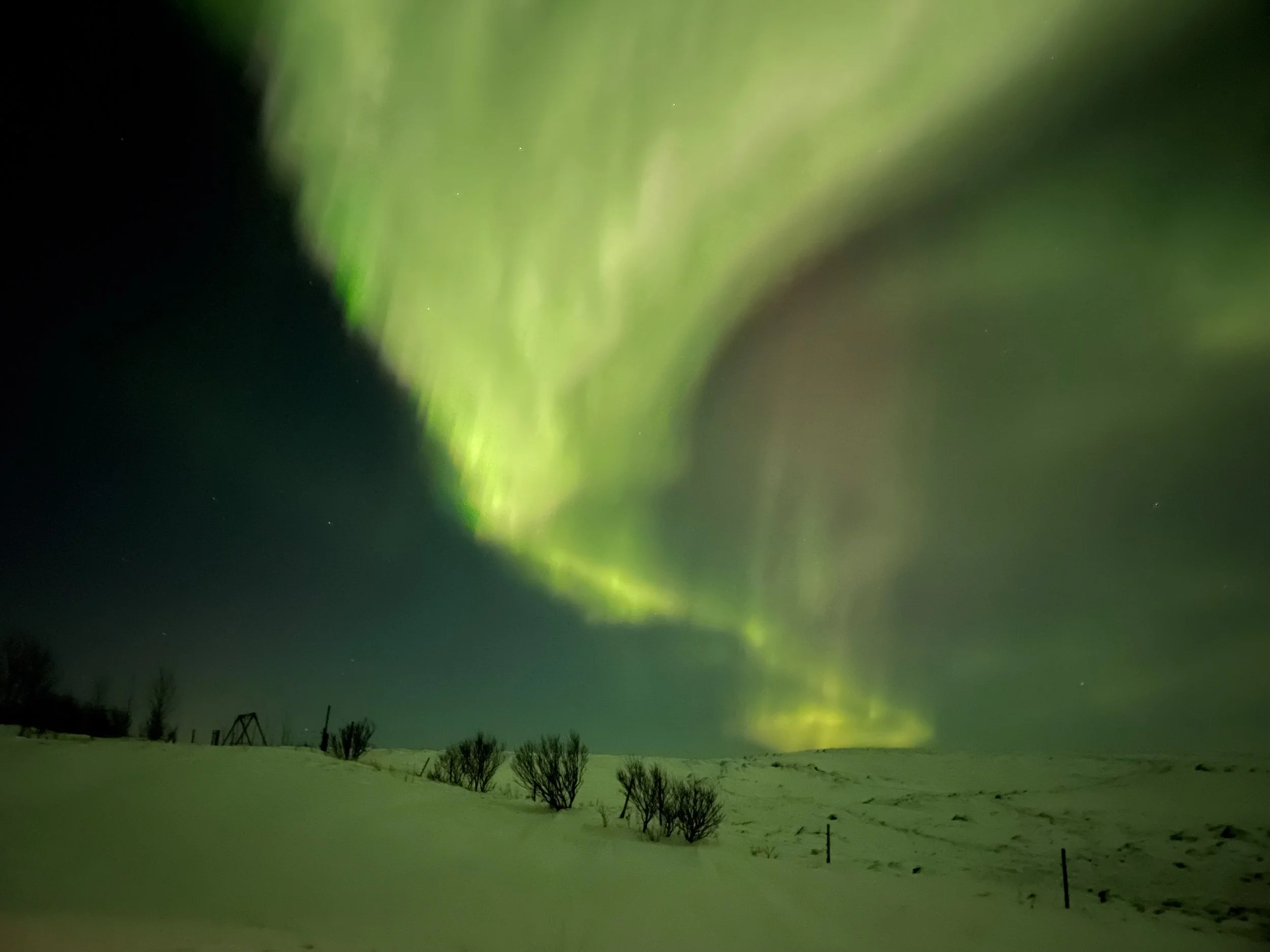
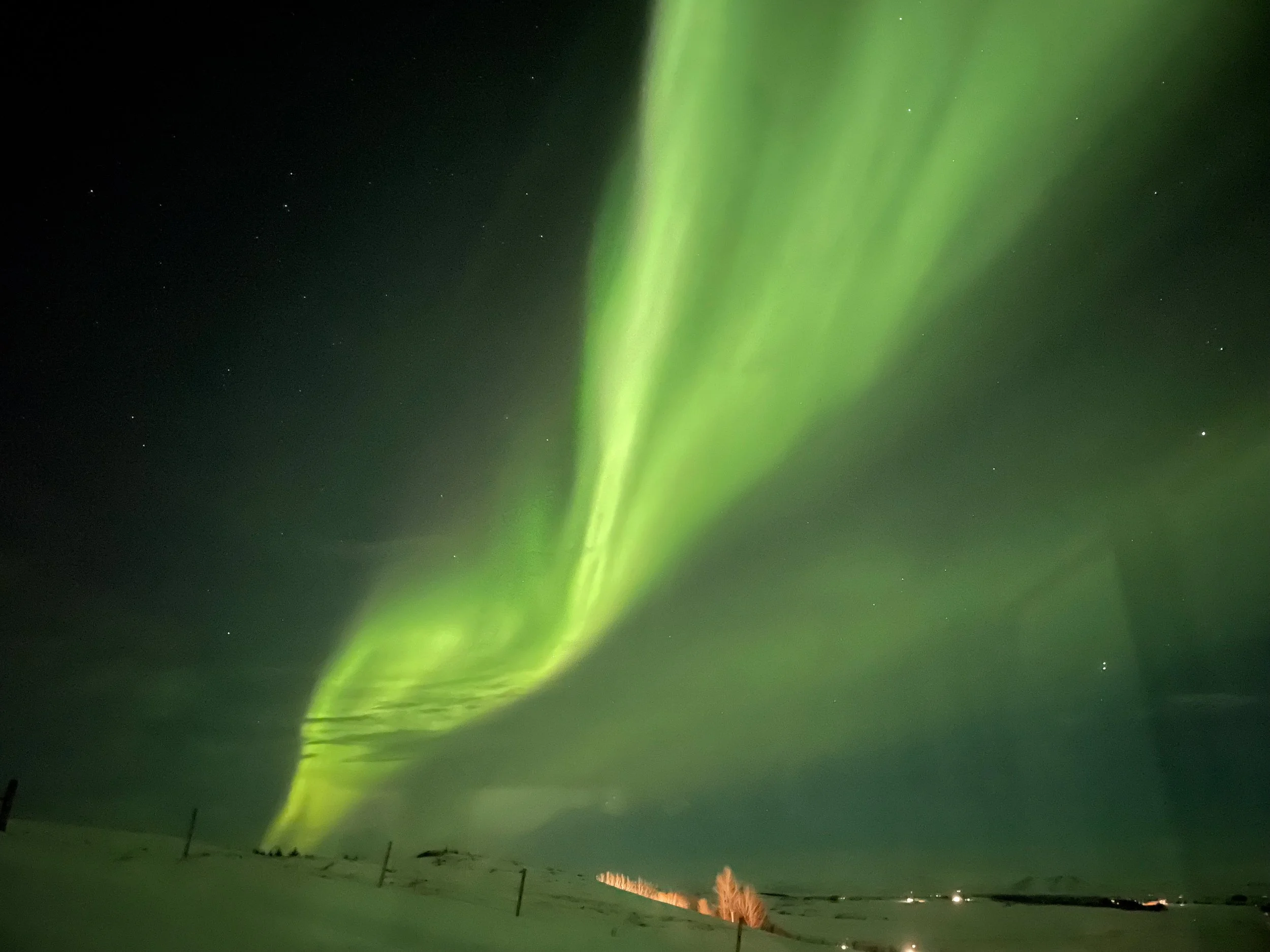
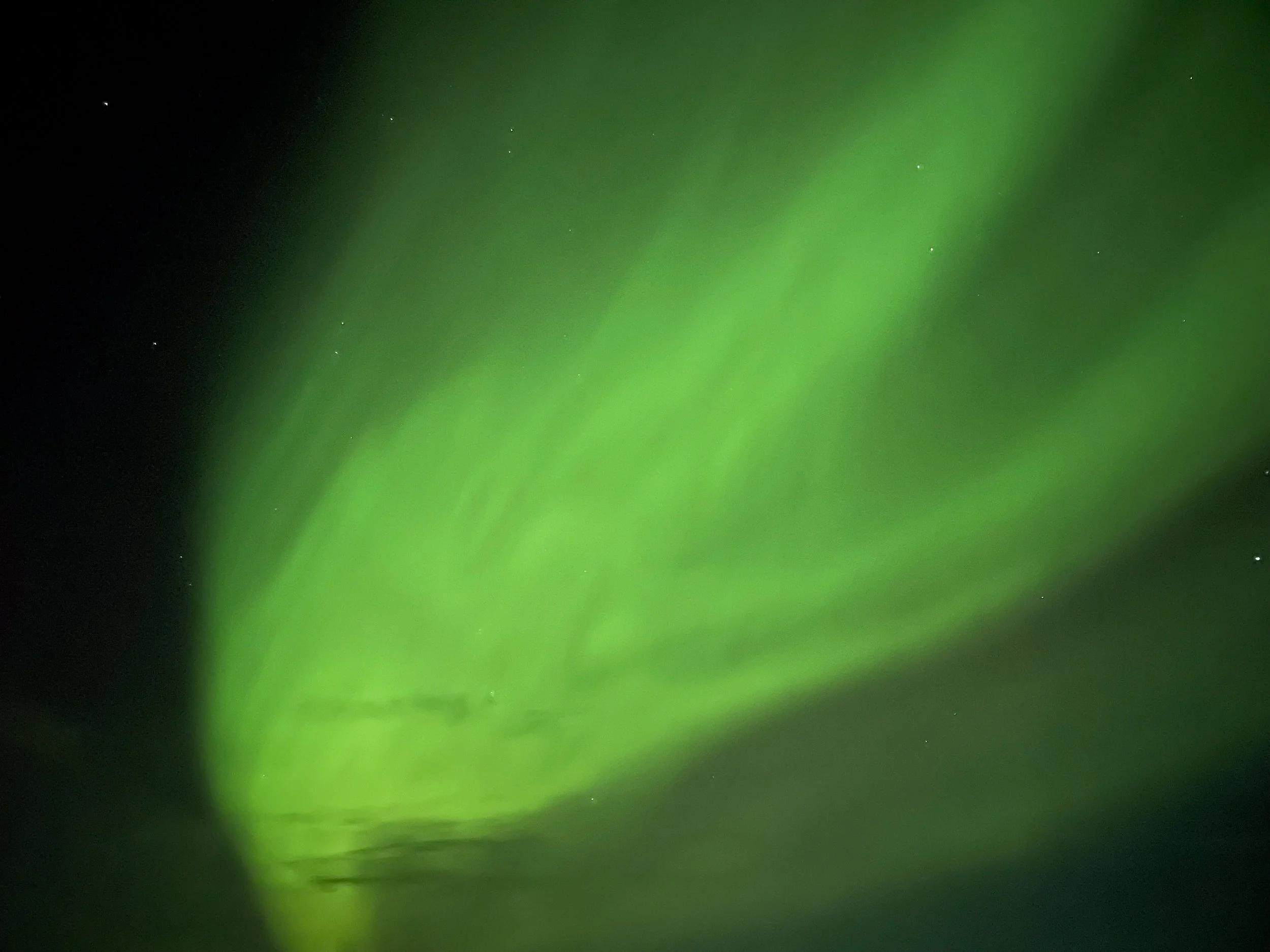
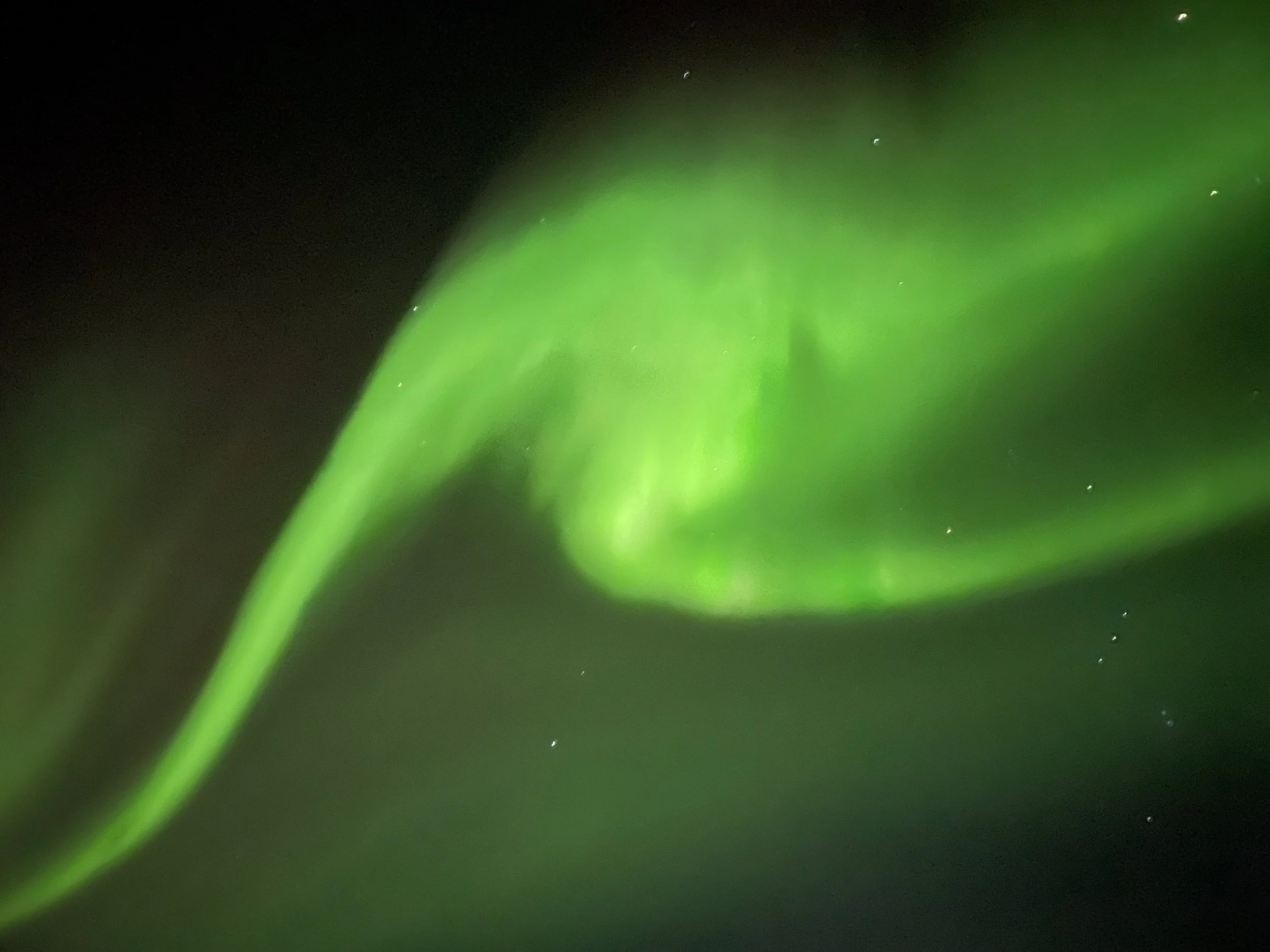
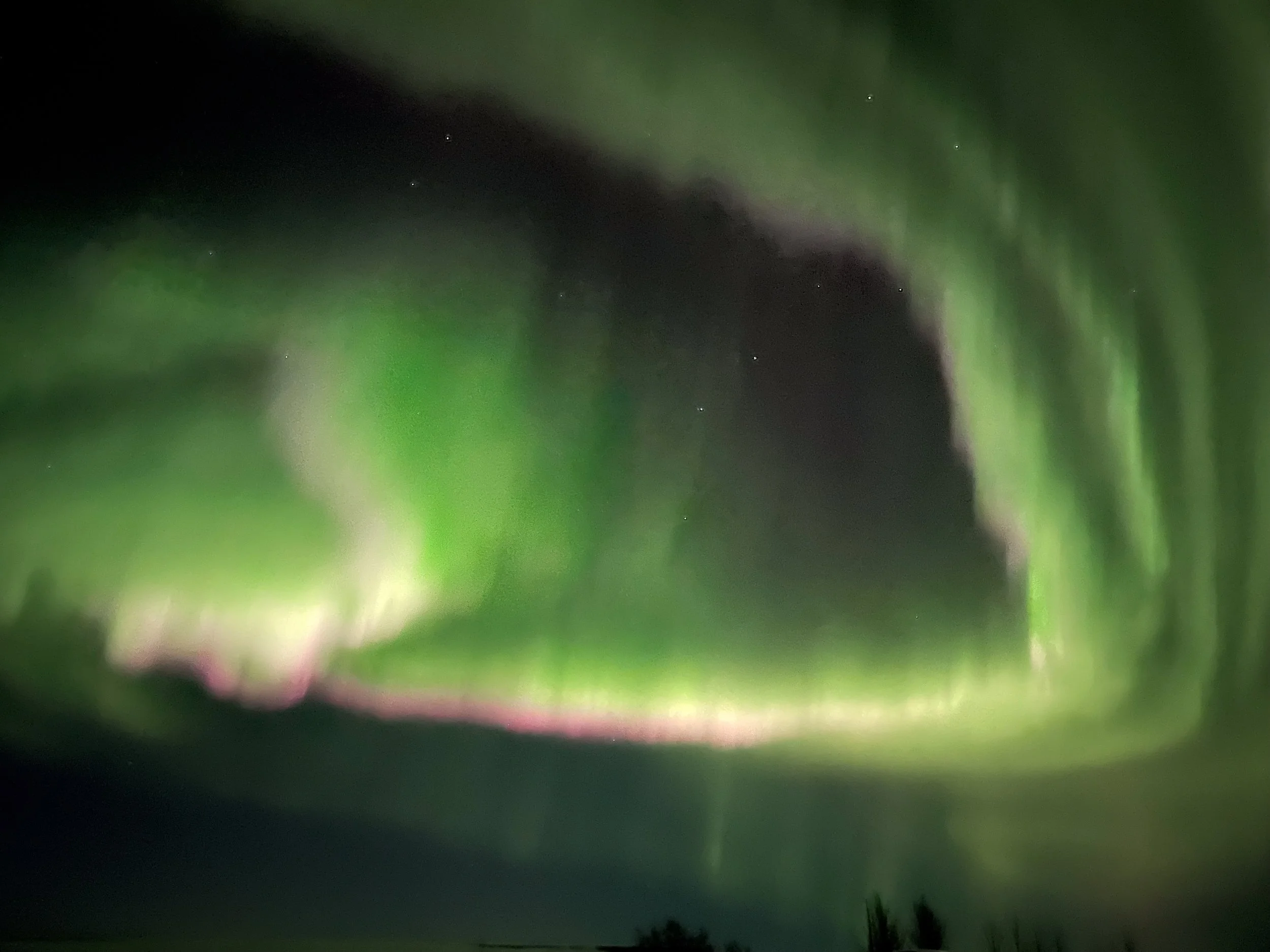
The Northern Lights
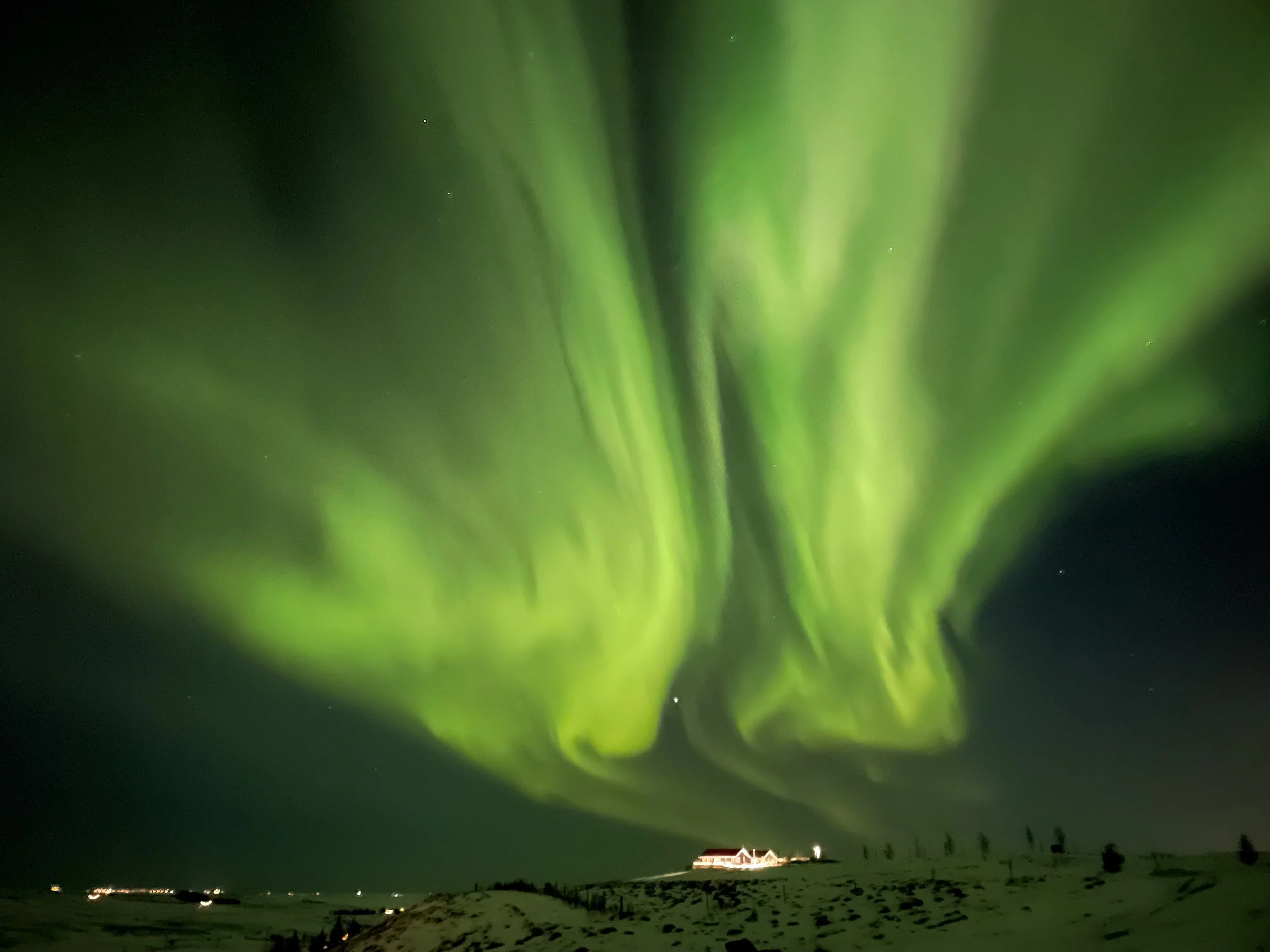
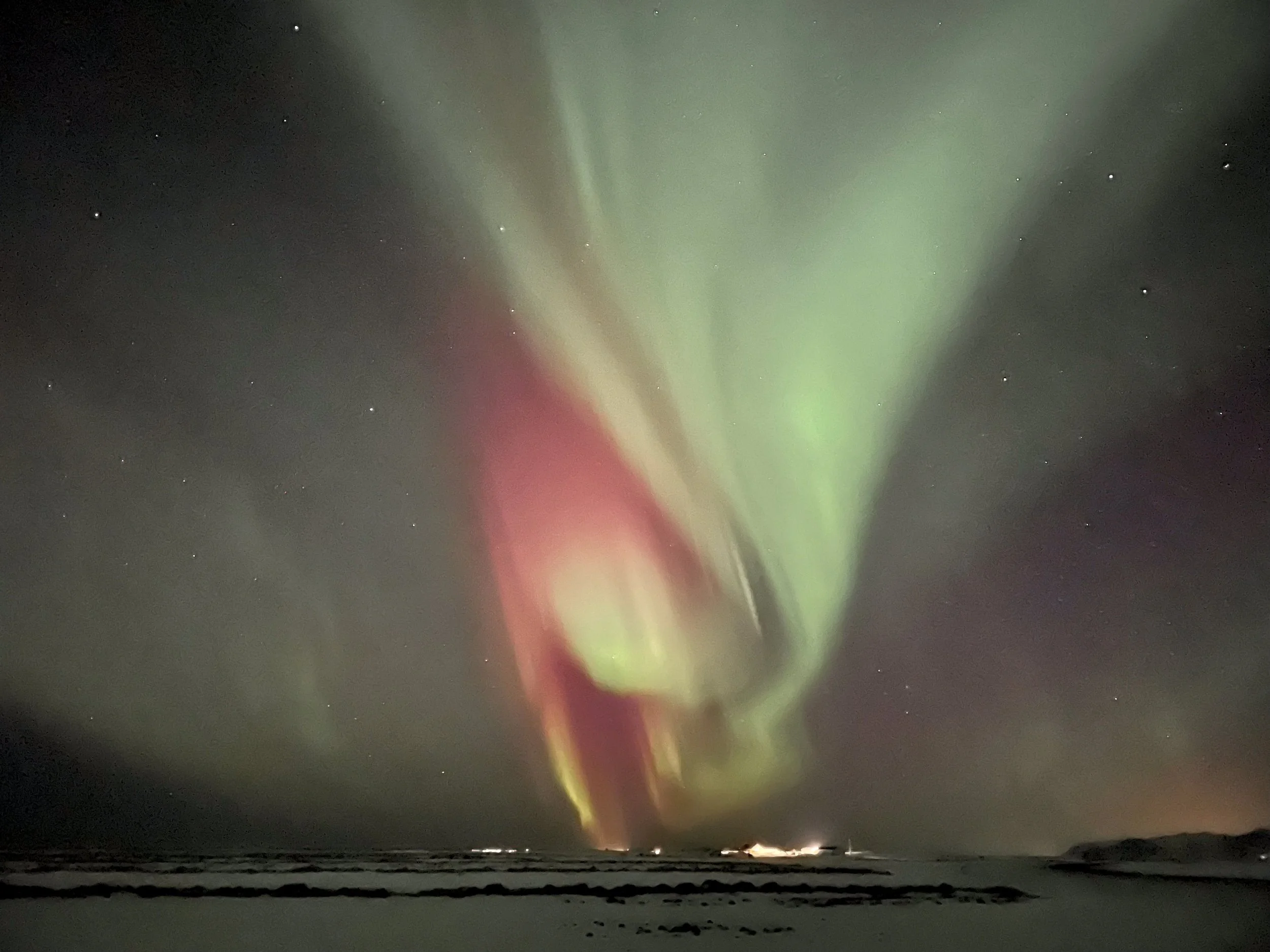
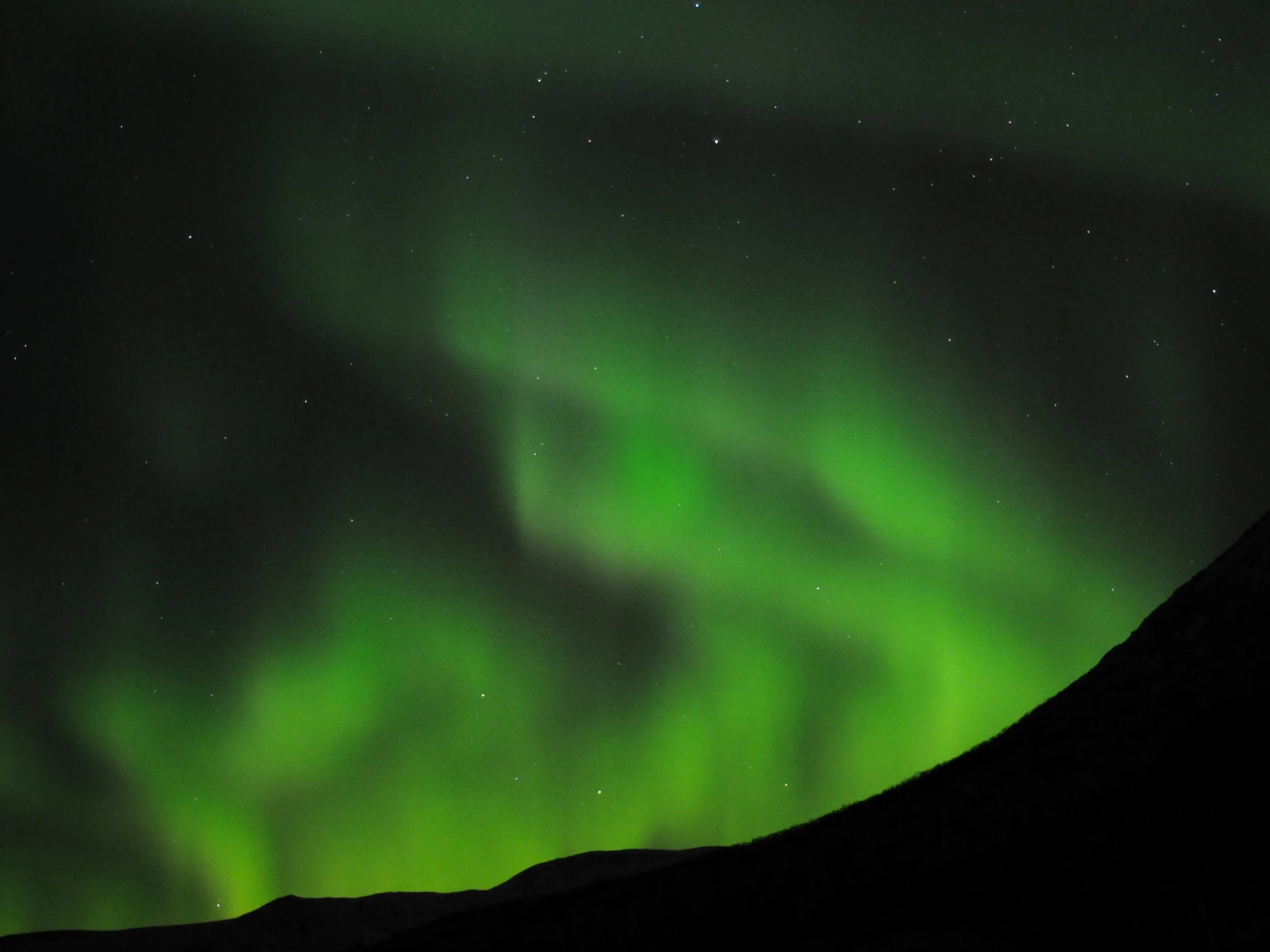
The Northern Lights danced in the sky above our cottage every morning and evening. The aurora ranged from faint ribbons of pale green to brilliant displays of neon green that swirled and stretched across the sky. There was even a rare combination of green and red bands. We monitored the aurora conditions using NOAA’s Space Weather Prediction Center.
Dinner in Hella
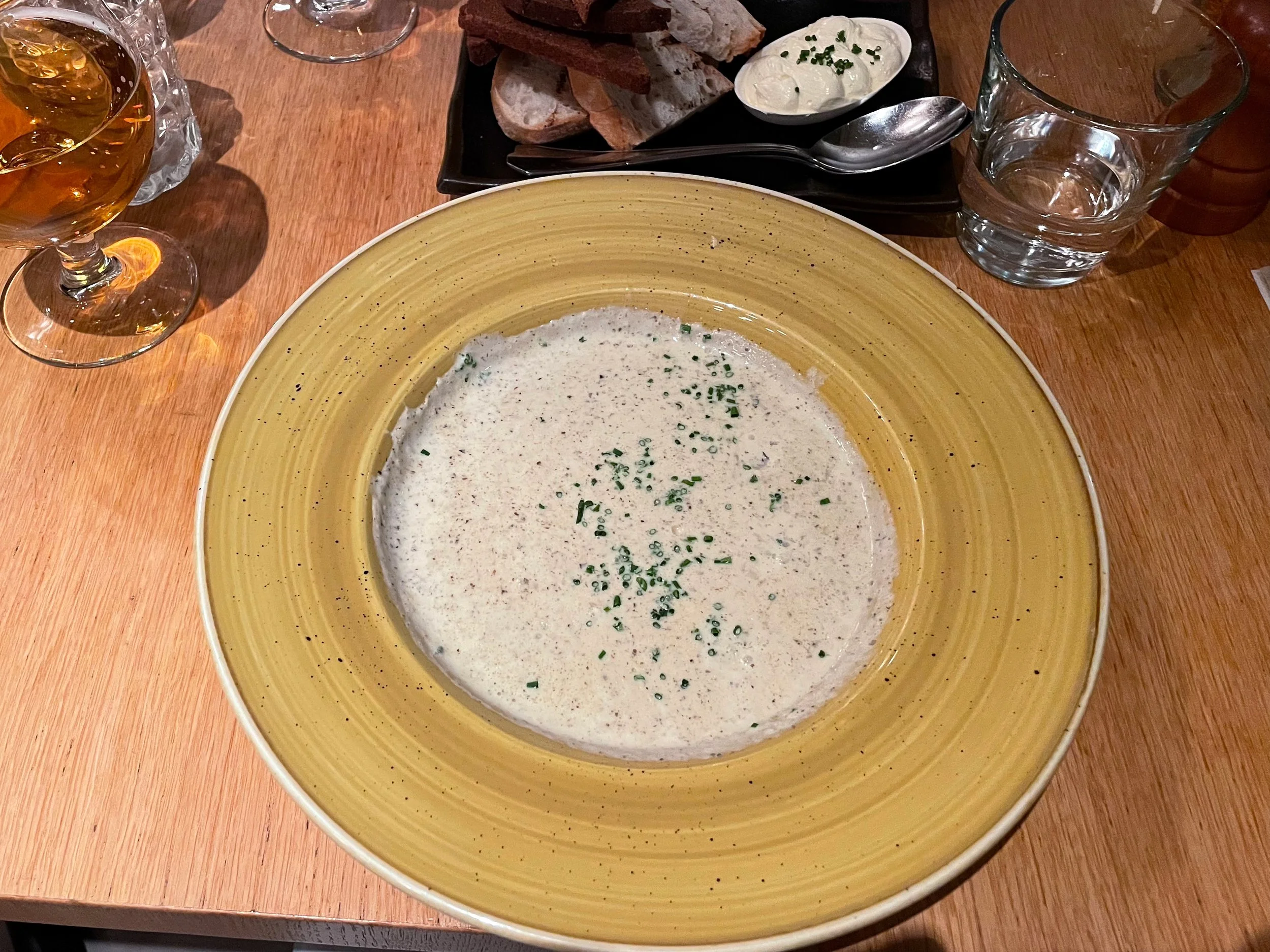
Stracta Bistro. A Nordic restaurant serving Icelandic cuisine. Having spent all day outside, we warmed up with a bowl of Fiskisúpa, fish soup, and side of Rugbrauð, Icelandic rye bread.
The South Coast (Part 1)
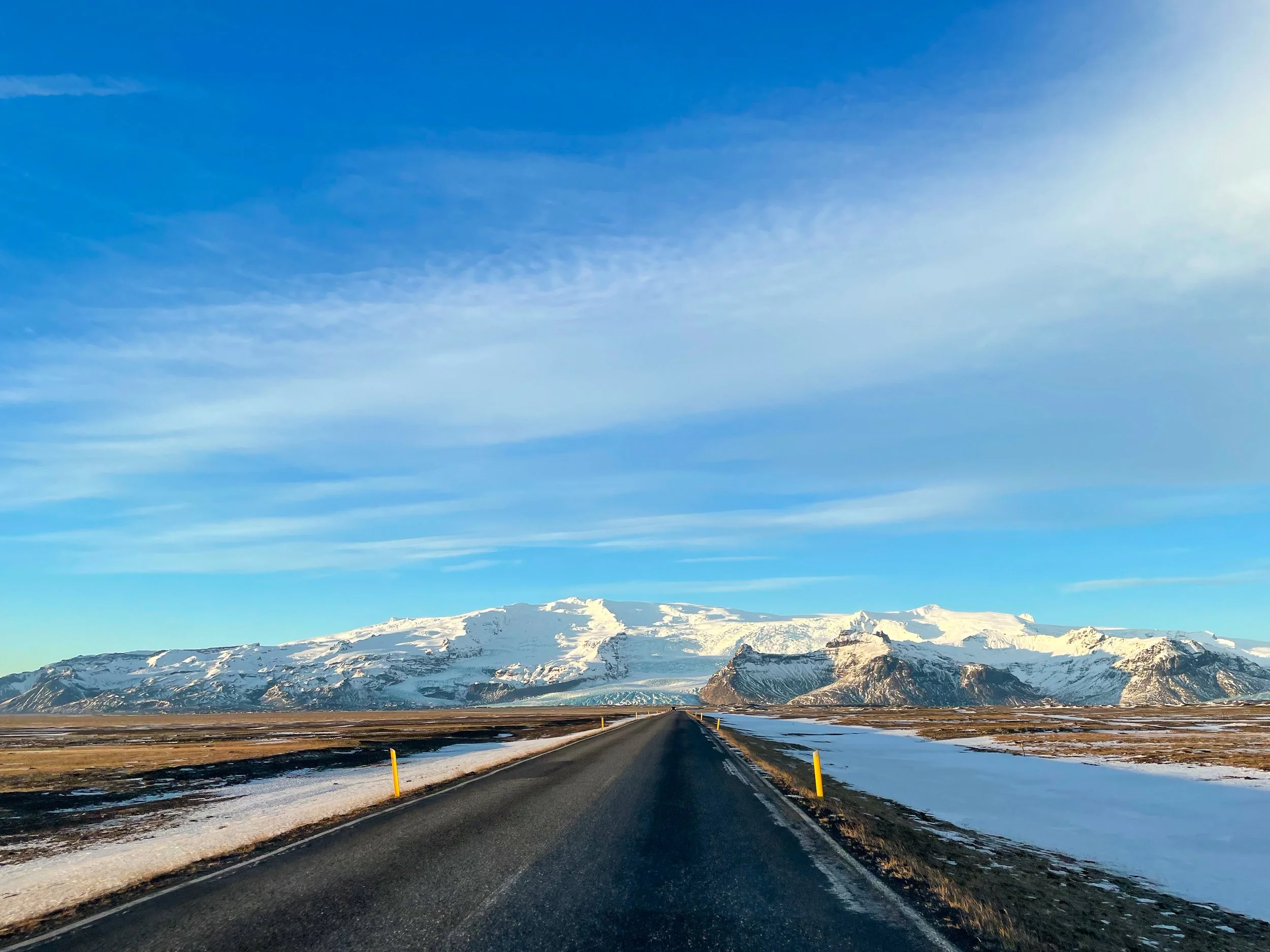
Iceland’s South Coast is a scenic destination home to glaciers, black sand beaches and waterfalls. We spent two days roadtripping along the South Coast from our cottage in Hella. On day one of the South Coast, we hiked across a frozen glacier, walked along a scenic black sand beach and watched an impressive waterfall.
Sólheimajökull Glacier Tour
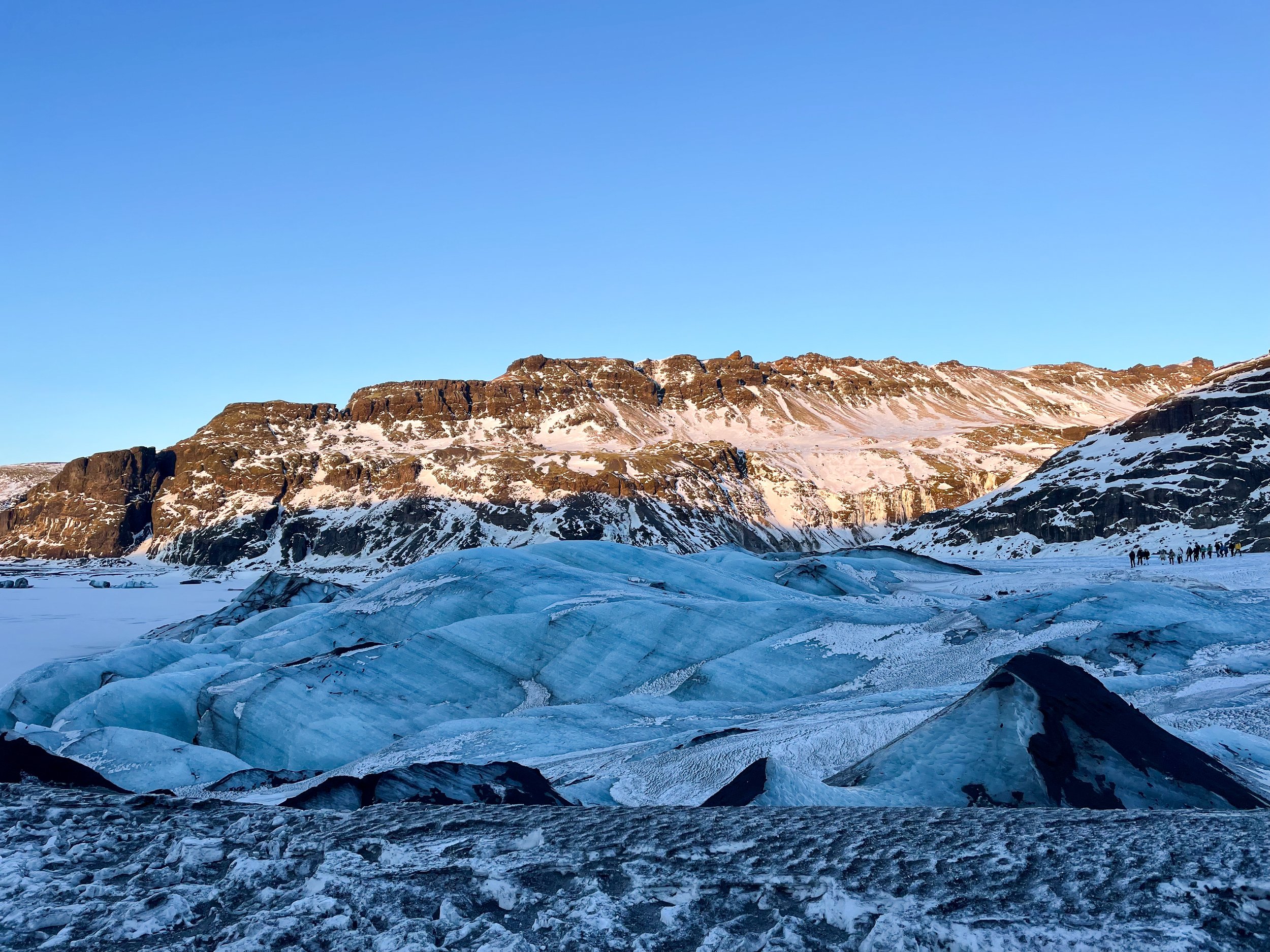
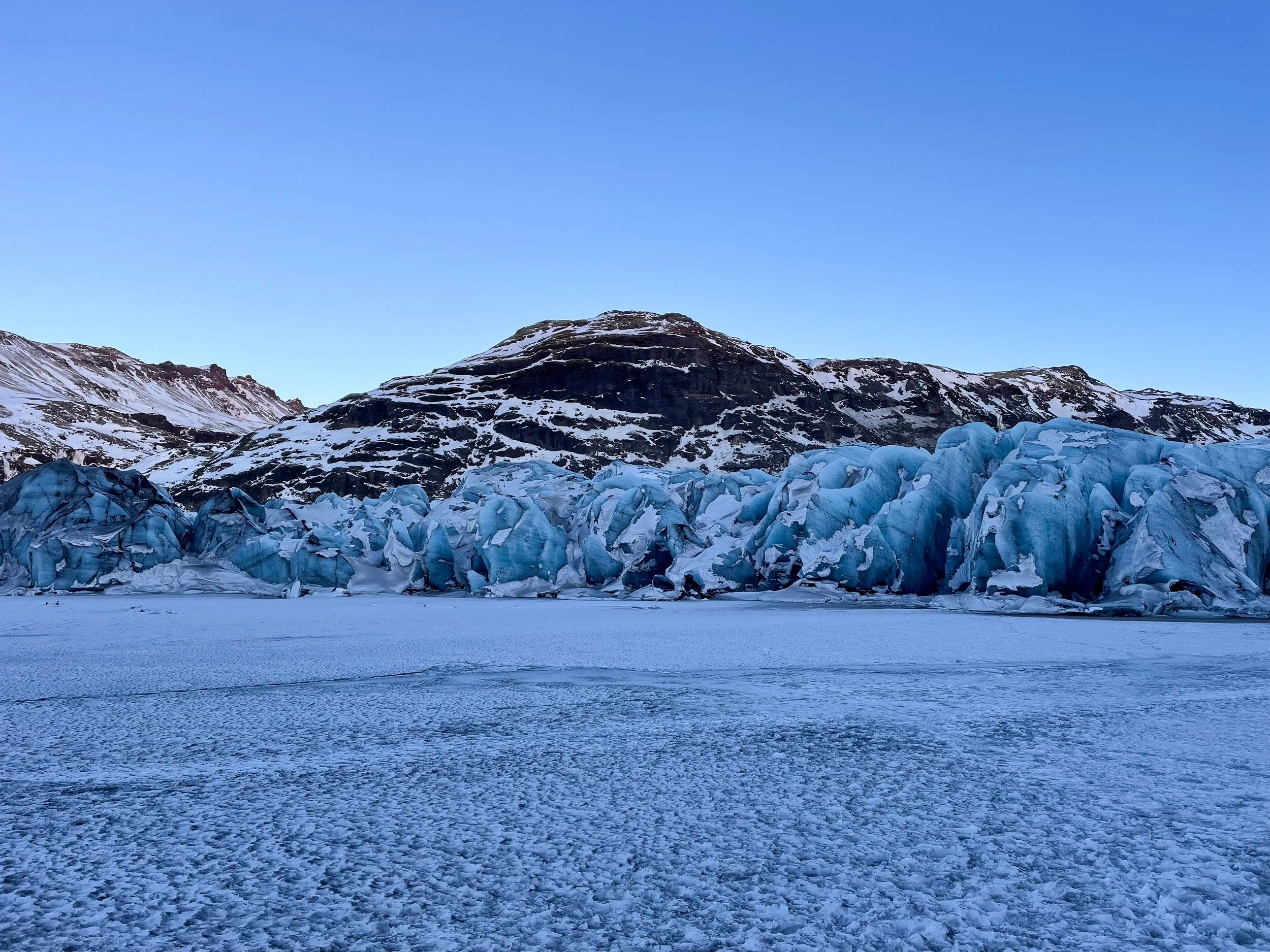
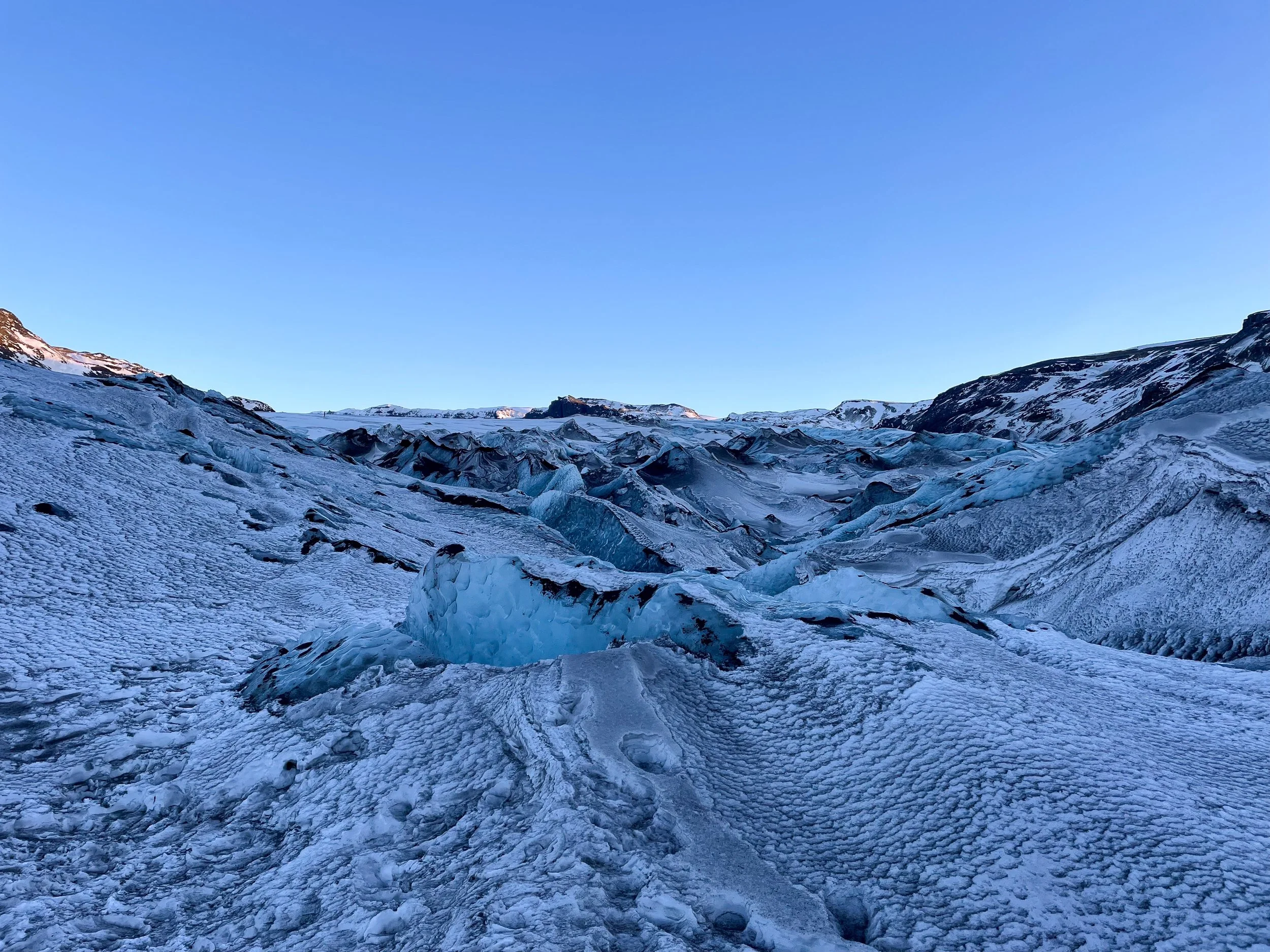
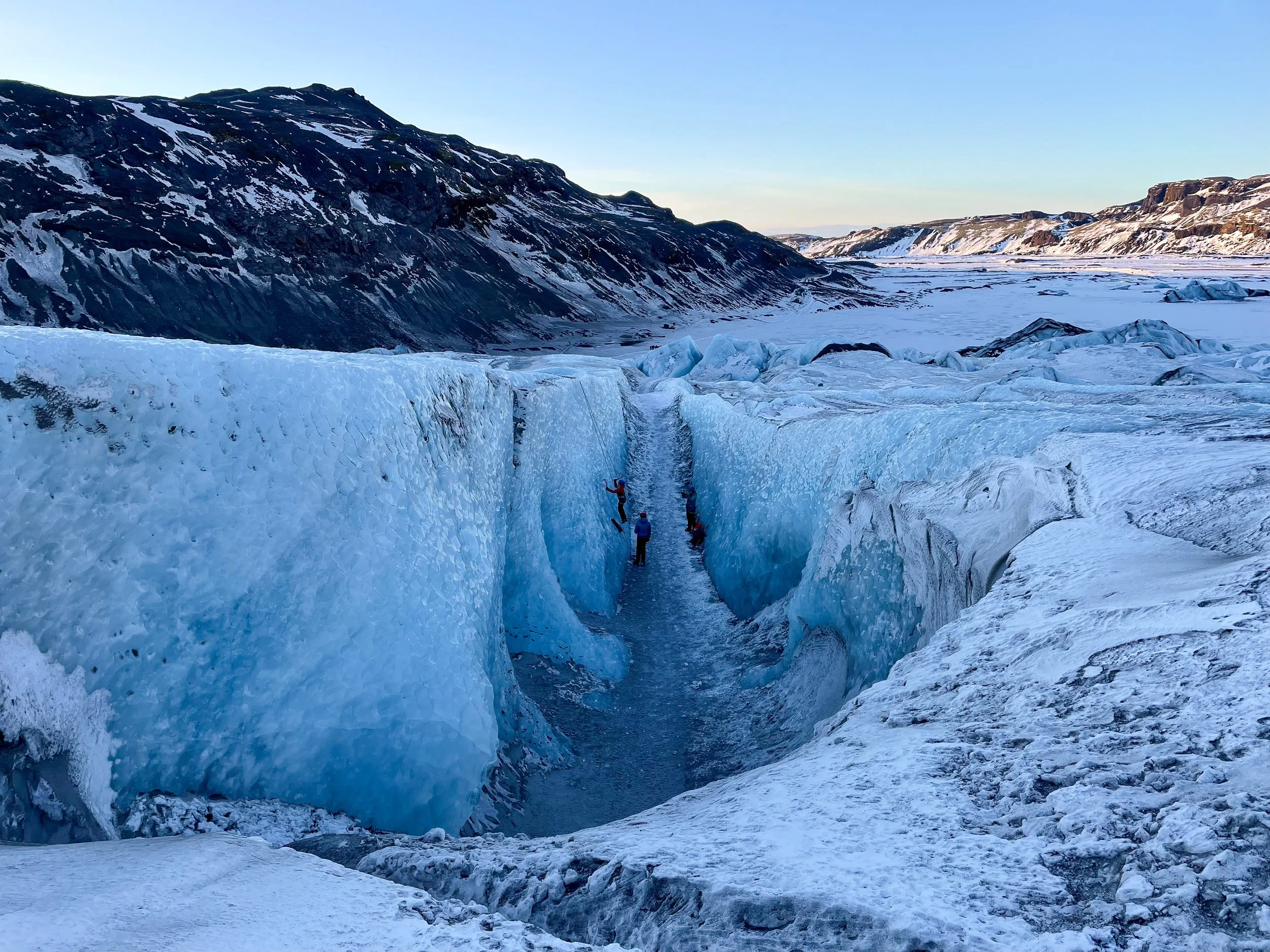
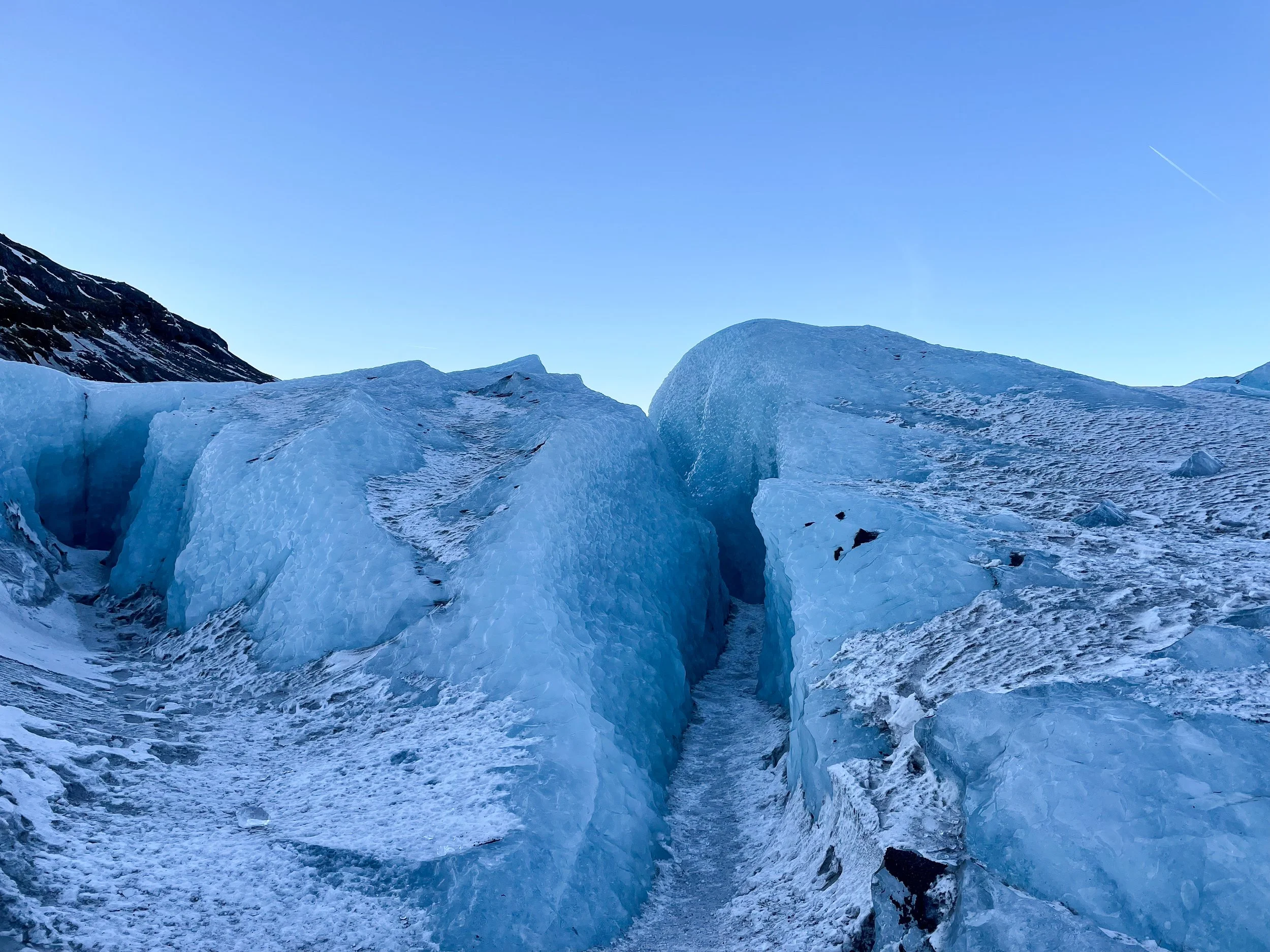
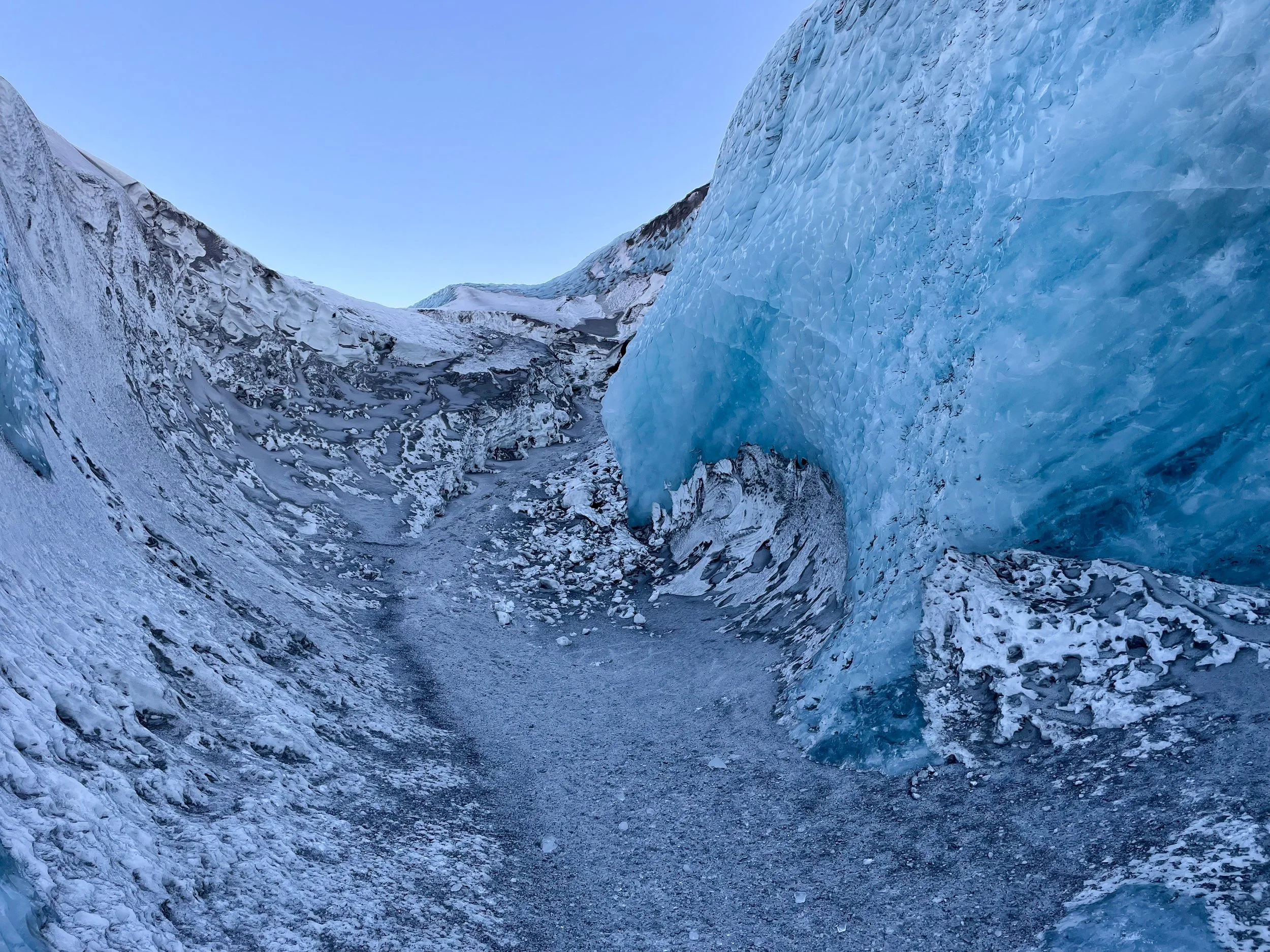
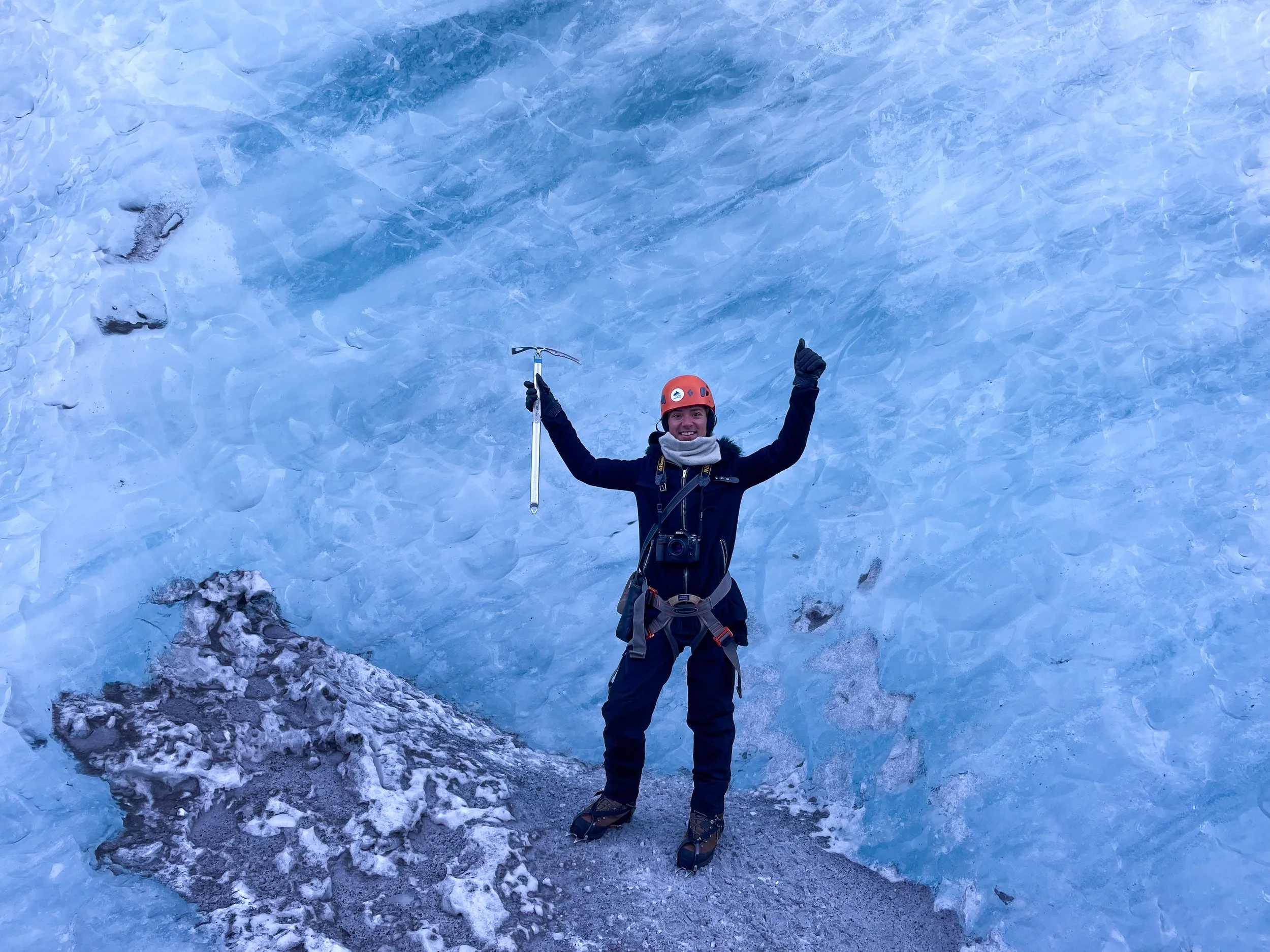
High on our list of to dos in Iceland was to visit a glacier. We booked an excursion with Arctic Adventures through Get Your Guide. We met our guide at 10am and geared up with ice cleats, helmets, a harness and an ice pick. Our guide took us and a small group on a hike along the lagoon to the front edge of the glacier. From there, we began our trek onto the ice. As we walked, it crunched below our cleats as we maneuvered through crevices and across its surface. The surface was rippled yet smoothed by water and wind. As we looked across the glacier, we admired the blue hues emanating from it and veins of black volcanic ash from previous eruptions.
Getting Here. The Sólheimajökull Glacier is located about 1 hour from the town of Hella by car.
Lunch in Vik
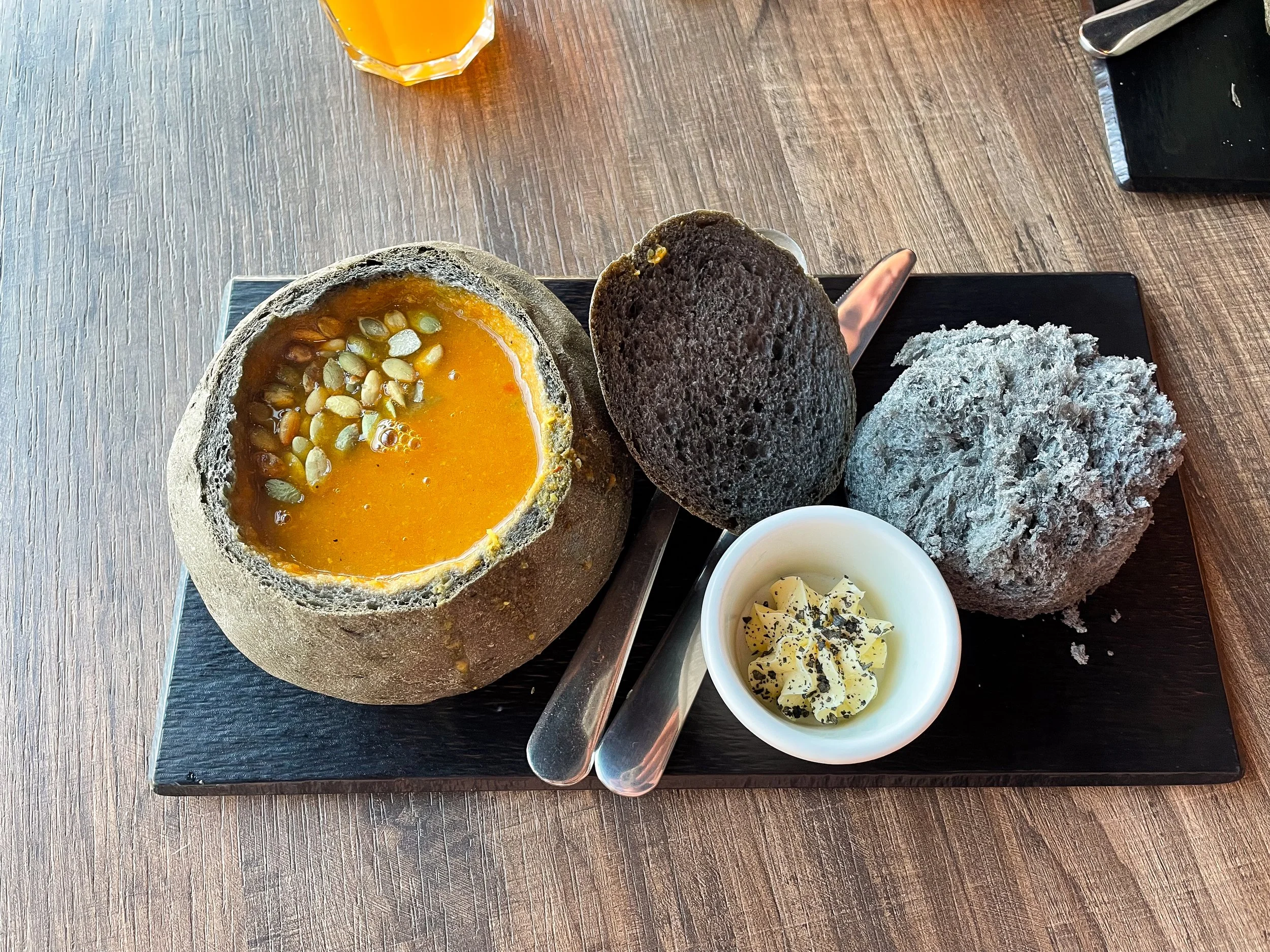
After our glacier tour we drove to Vik, a remote coastal village on the southernmost point of Iceland with colorful wooden houses and a black sand beach. While here, we ate lunch at The Soup Company. We ordered their volcano bowl, a black bread bowl with “winter soup” made from carrots, onions, lentils, coconut cream and crushed pineapple. They offer free refills of any soup so we went back for seconds and tried the broccoli cheddar.
Getting Here. Vik is located about 30 minutes from The Sólheimajökull Glacier by car.
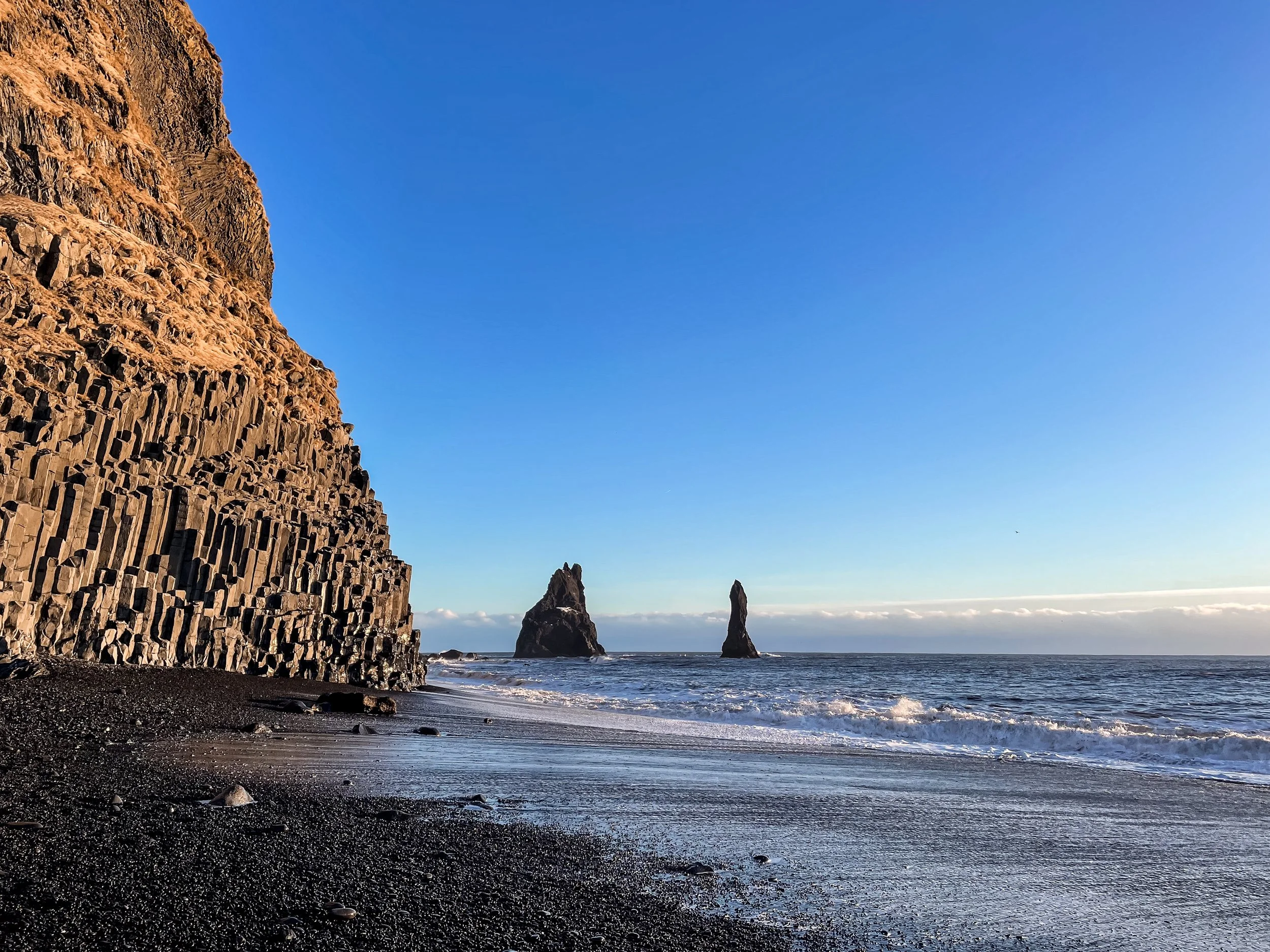
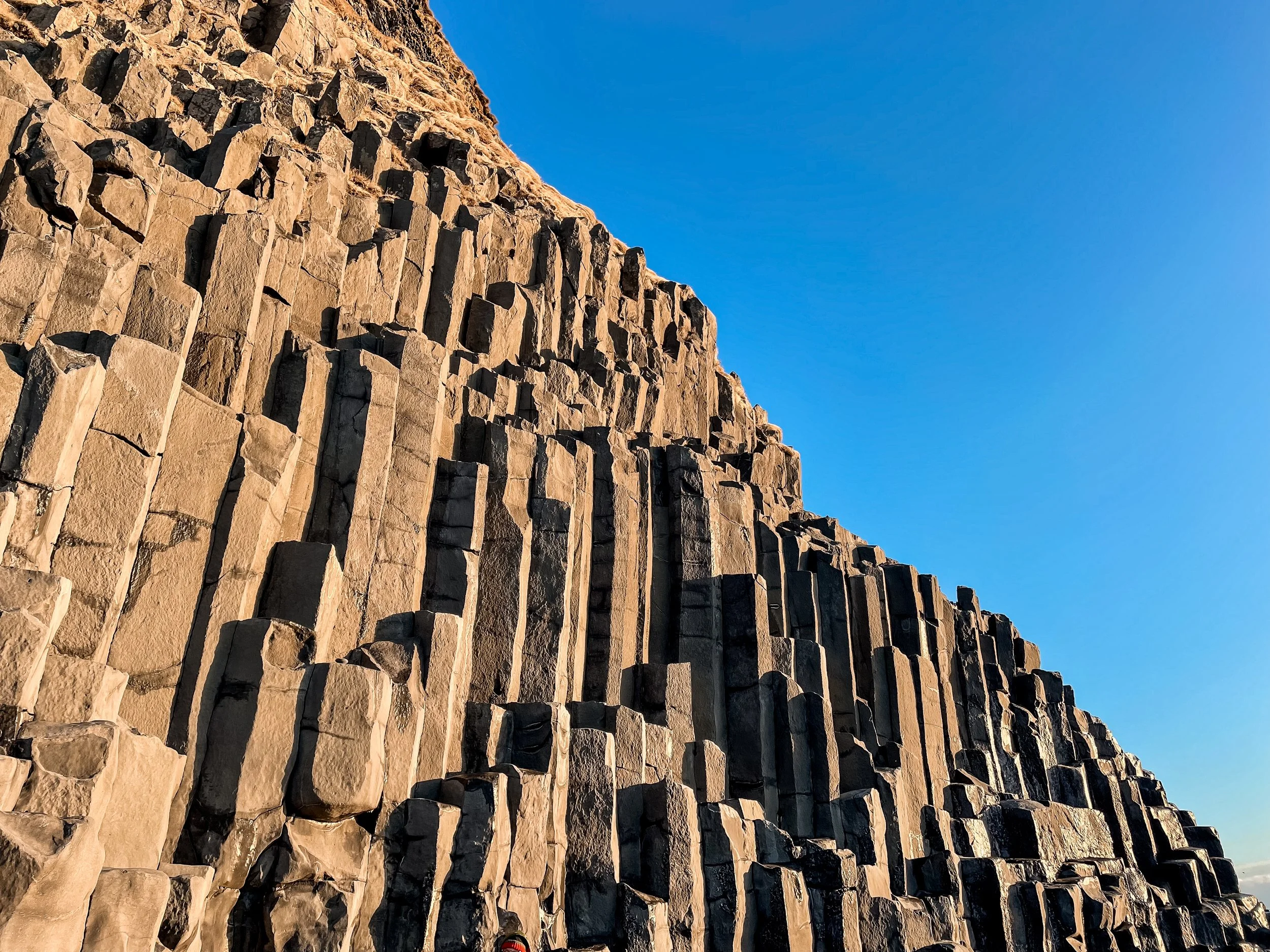
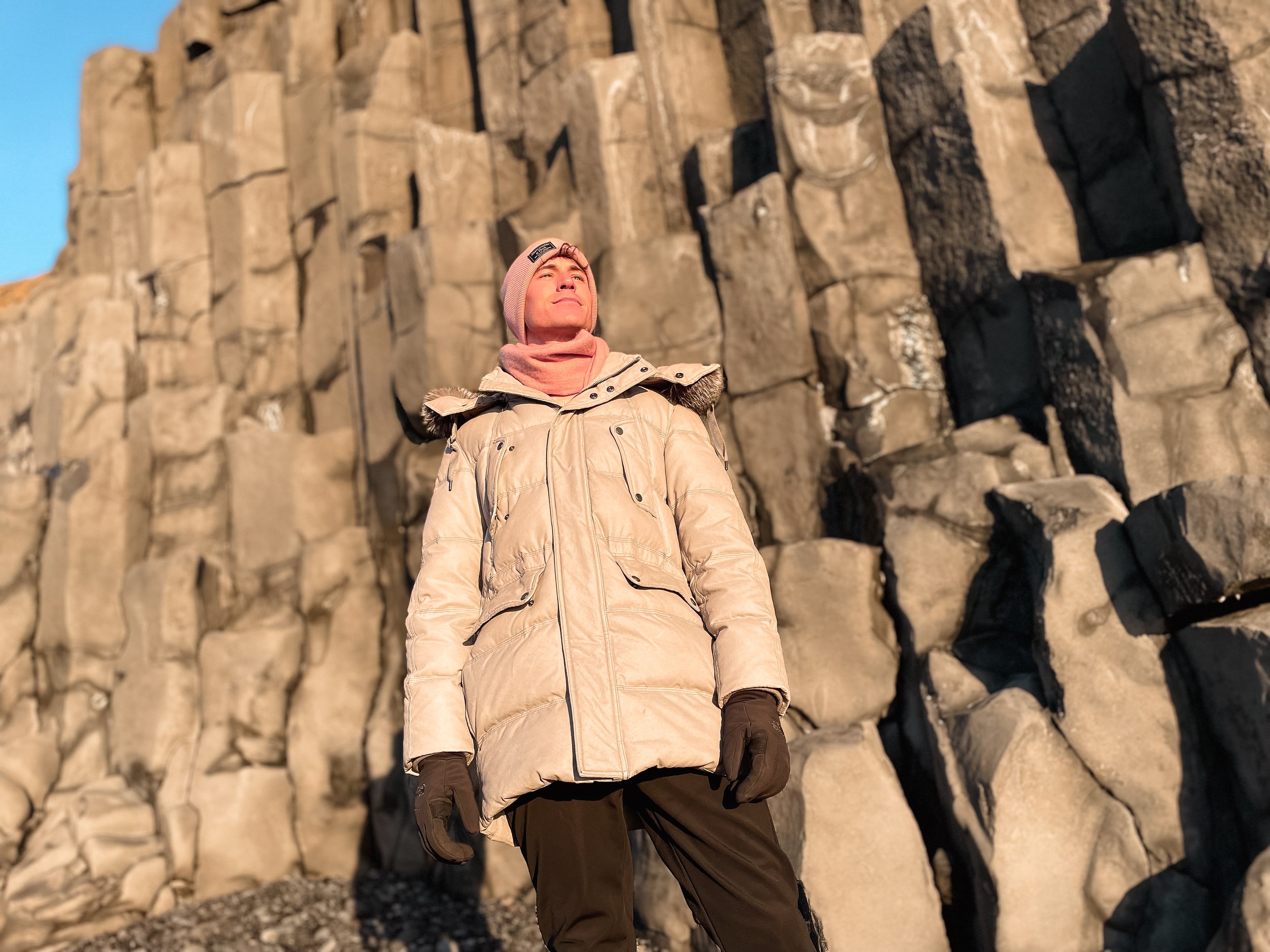
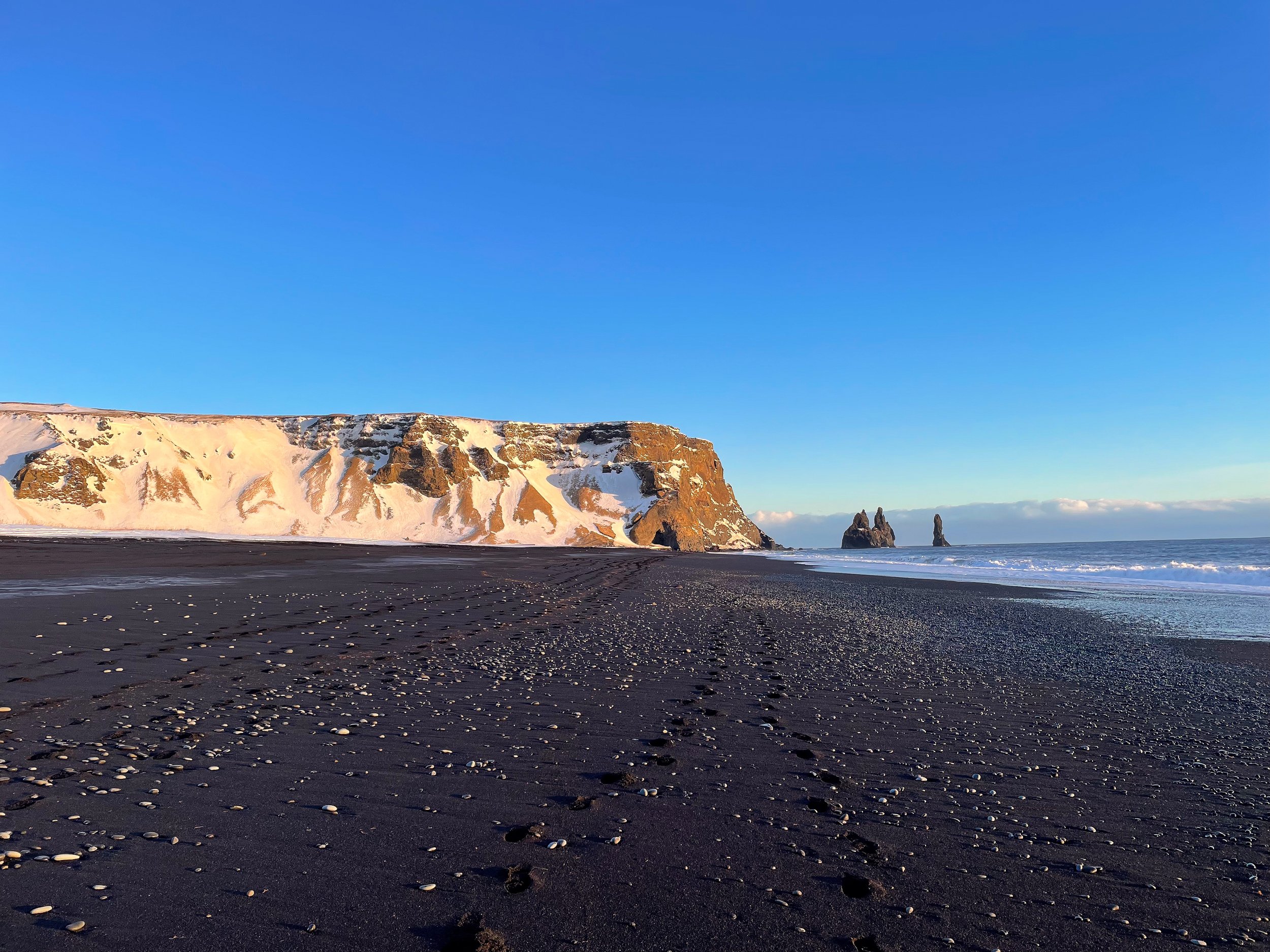
Reynisfjara Beach
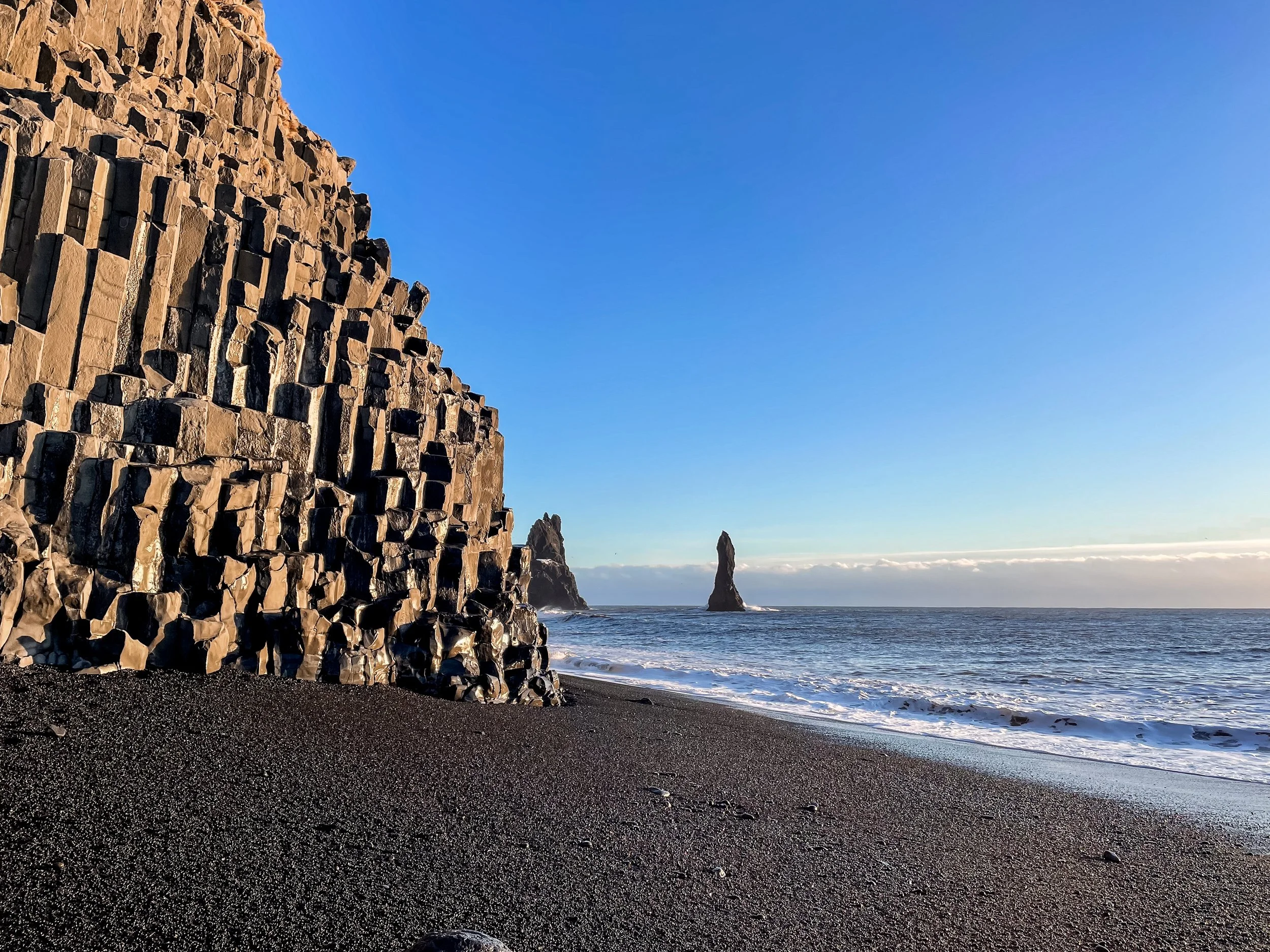
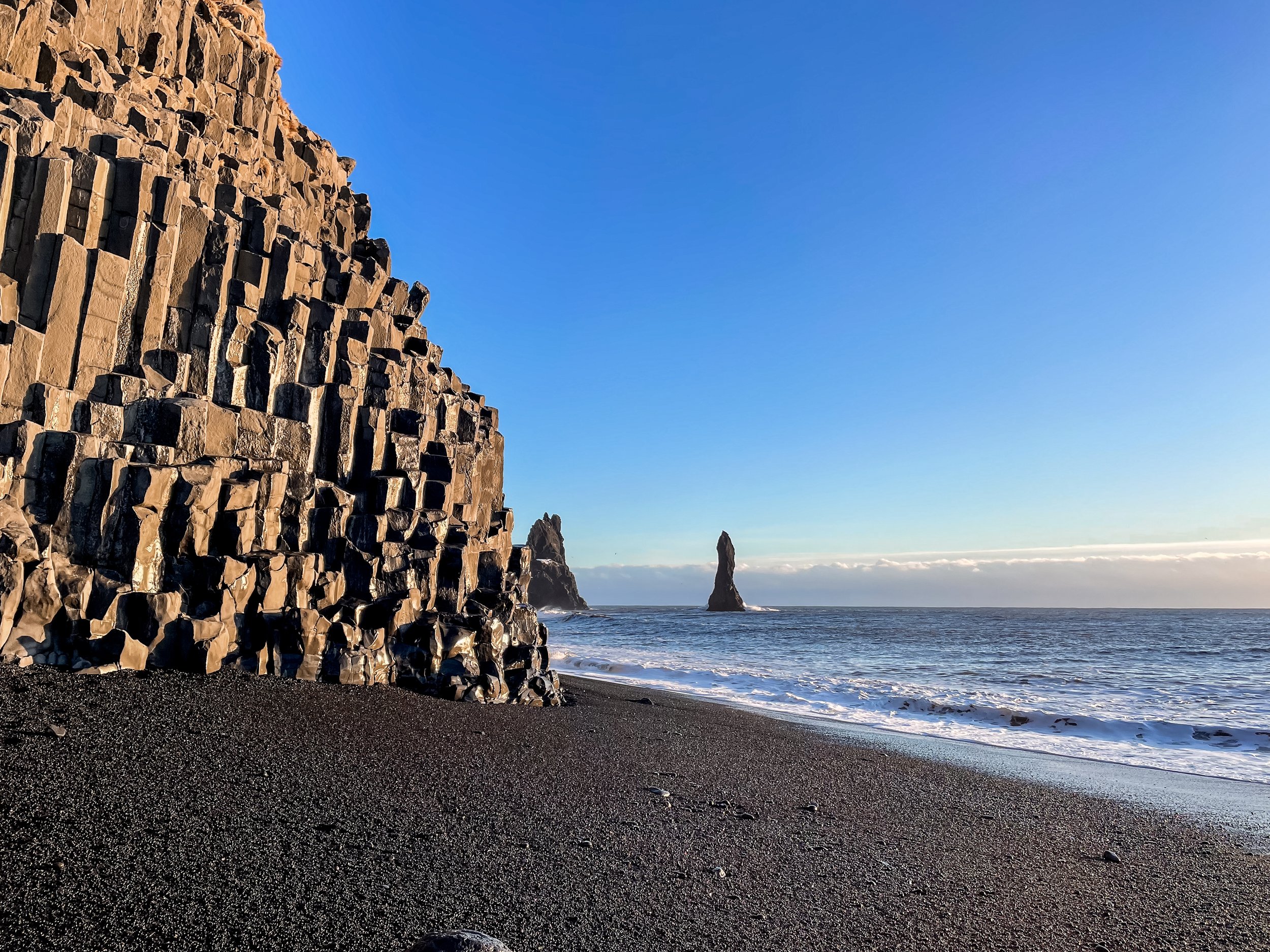
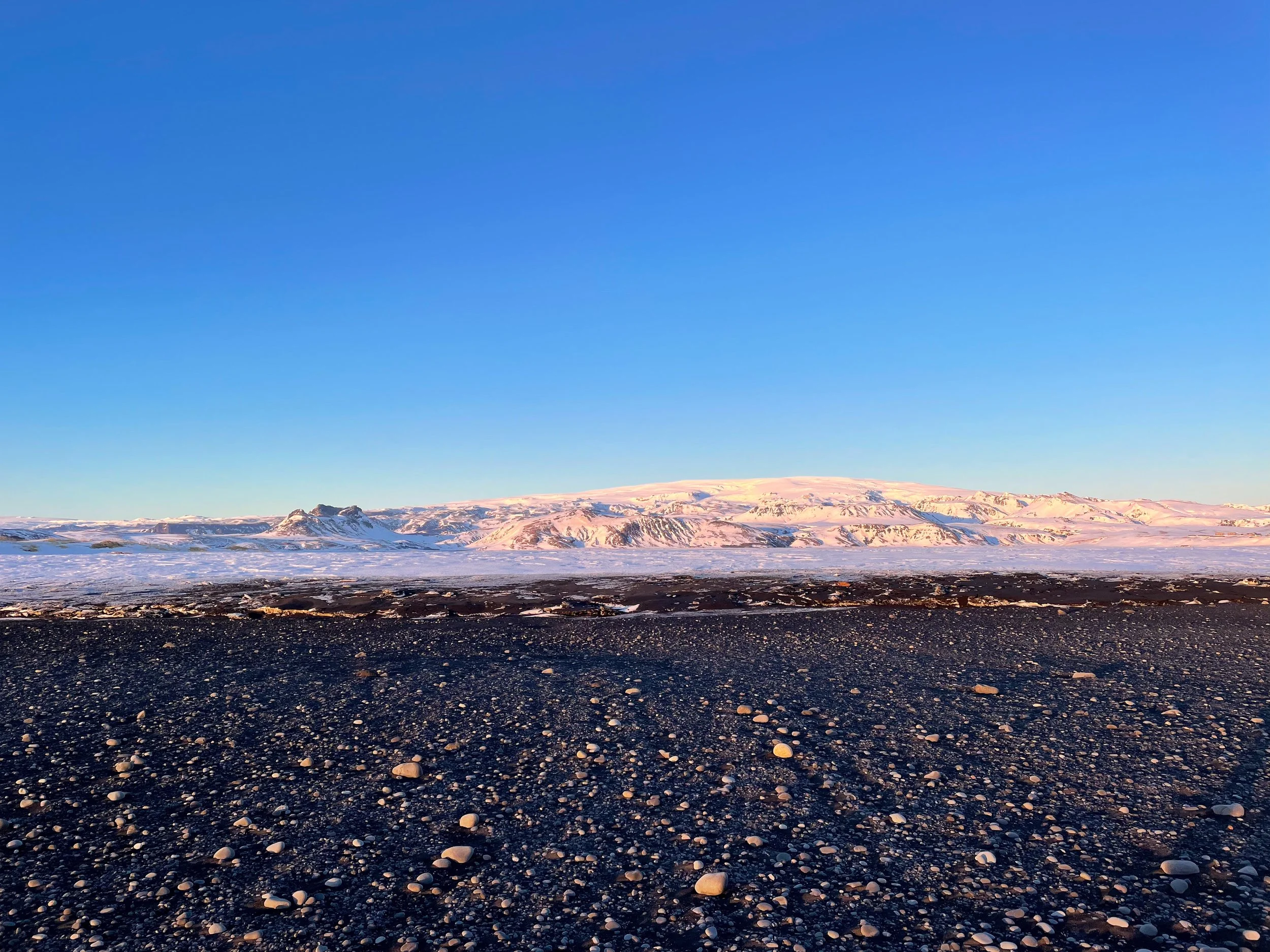
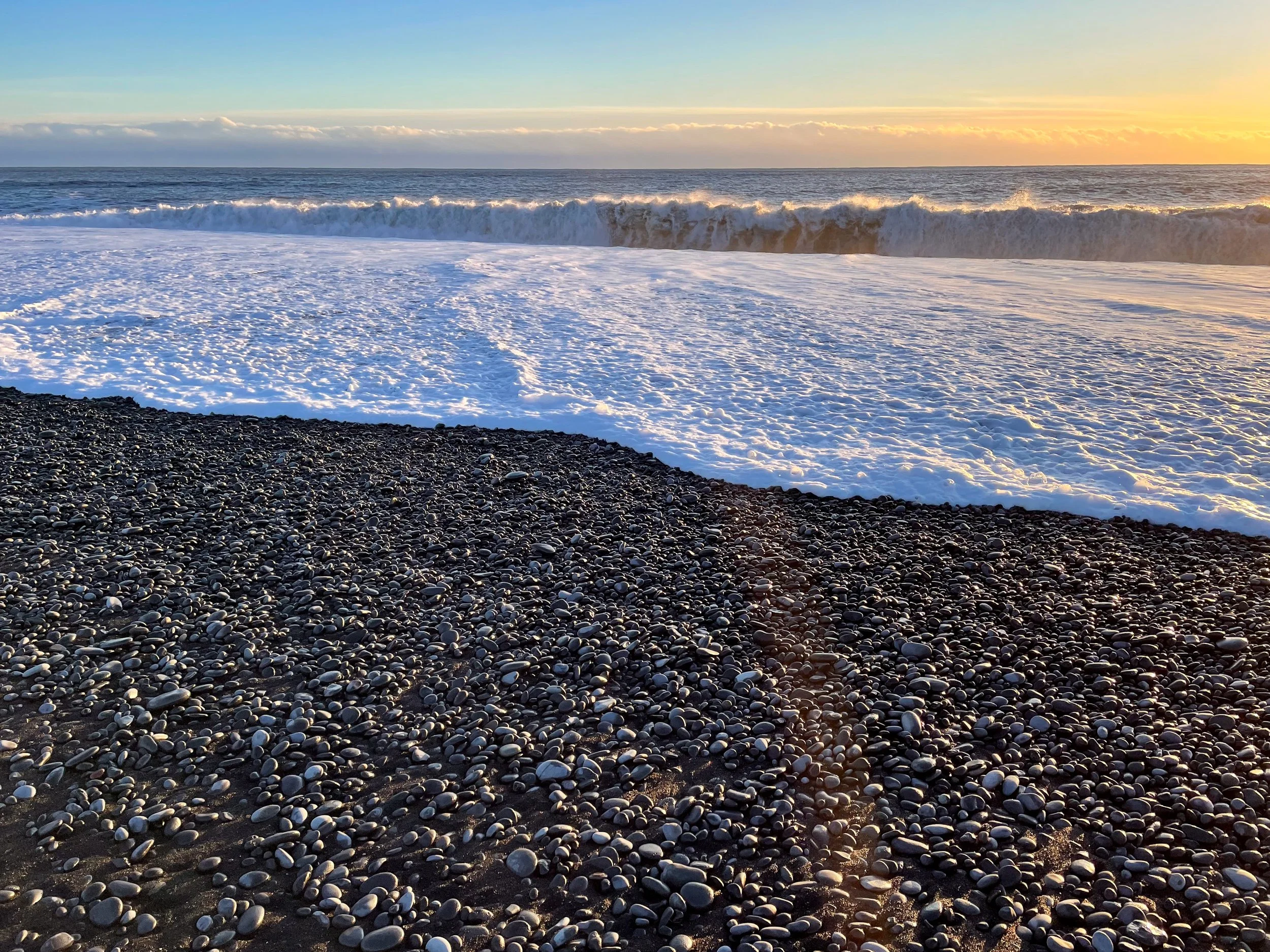
On the other side of Vik is Reynisfjara Beach, a black sand beach with jagged rock formations sticking out of the water and hexagonal basalt columns along the cliffside. Loving the beach, even in winter, we walked nearly two miles down it as the sun was setting. The waves here are ferocious and unpredictable so we stayed far away from the shoreline, keeping our eyes on the water and following warnings.
Getting Here. Reynisfjara Beach is located about 15 minutes from Vik by car.
Skogafoss Waterfall
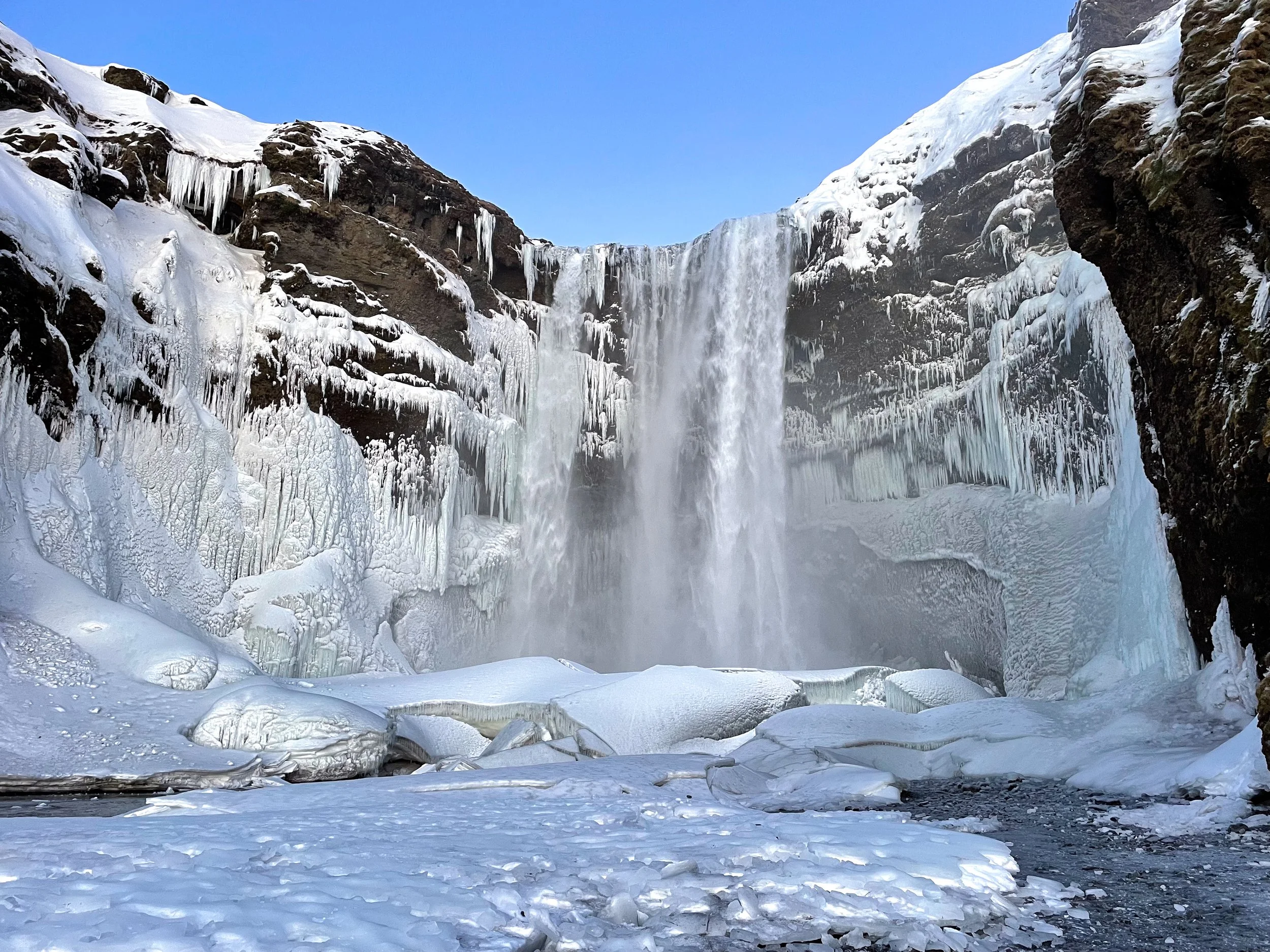
Skogafoss is a grand and picturesque waterfall, both impressive for its height and width. The water seemed to move in slow motion as it fell. It was equally as peaceful as powerful to watch. There is a trail and staircase to an overlook at the top of the falls. It also leads further upstream to several smaller waterfalls. It was closed when we visited due to snow and ice.
Getting Here. Skogafoss Waterfall is located about 30 minutes from Reynisfjara Beach by car.
Dinner in Selfoss
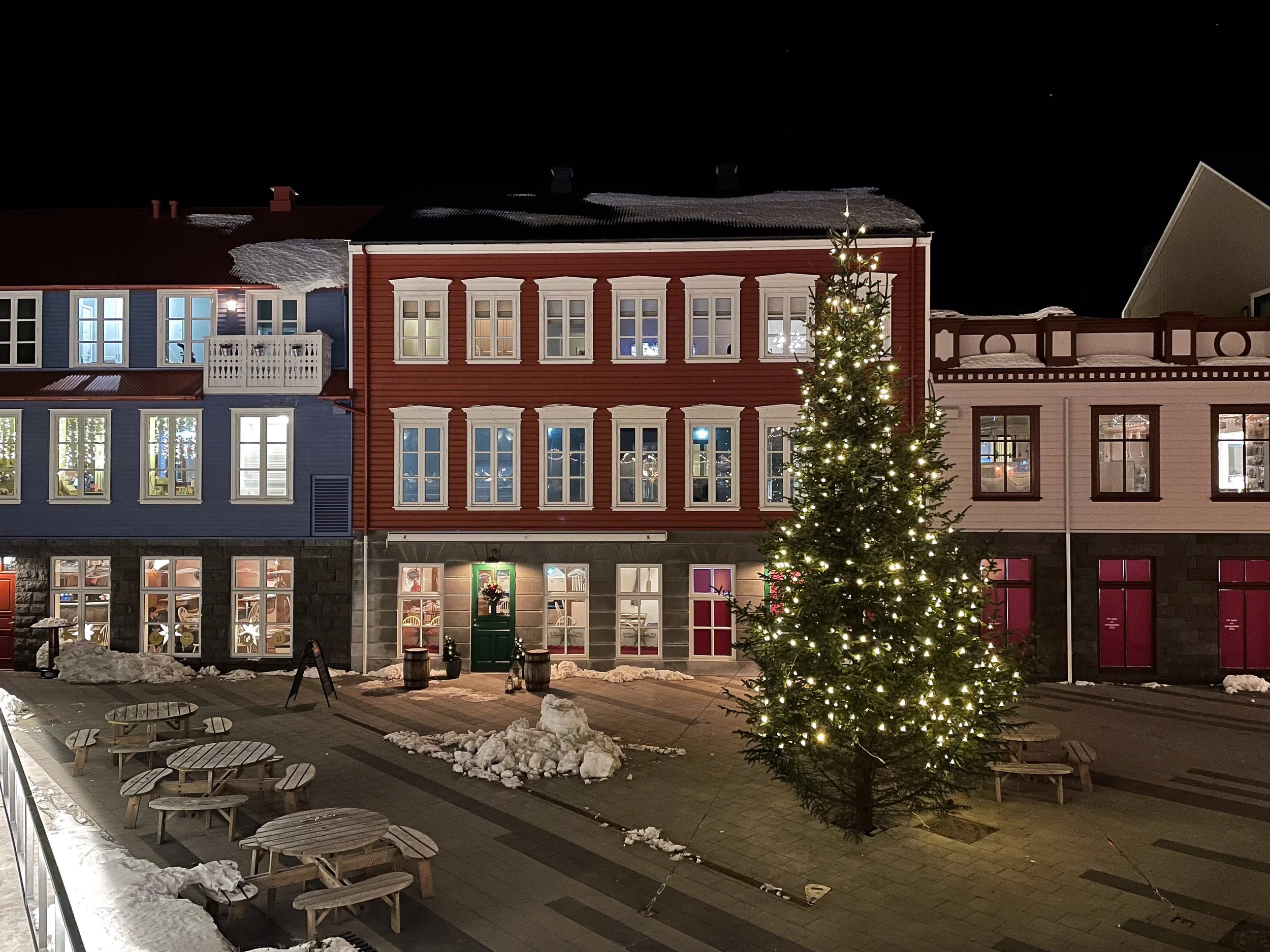
After exploring glaciers, black sand beaches and waterfalls, we drove to the town of Selfoss for dinner. The town square is a historic center with traditional Icelandic architecture, colorful buildings and ornamental moldings. It had a festive atmosphere with piles of snow, a glittering Christmas tree and string lights still on display from the holidays.
Messinn. A restaurant specializing in contemporary adaptations of traditional Icelandic cuisine. We had the scallops served in a shell, cod cheeks sautéed in a miso glaze and plokkfiskur, a cod, potato and béchamel casserole. The interior looked like a vintage modern ship with wooden booths, porthole windows, a canvas ceiling made from sails and nautical decor.
Getting Here. Selfoss is located about 1 hour 15 minutes from Skogafoss Waterfall by car.
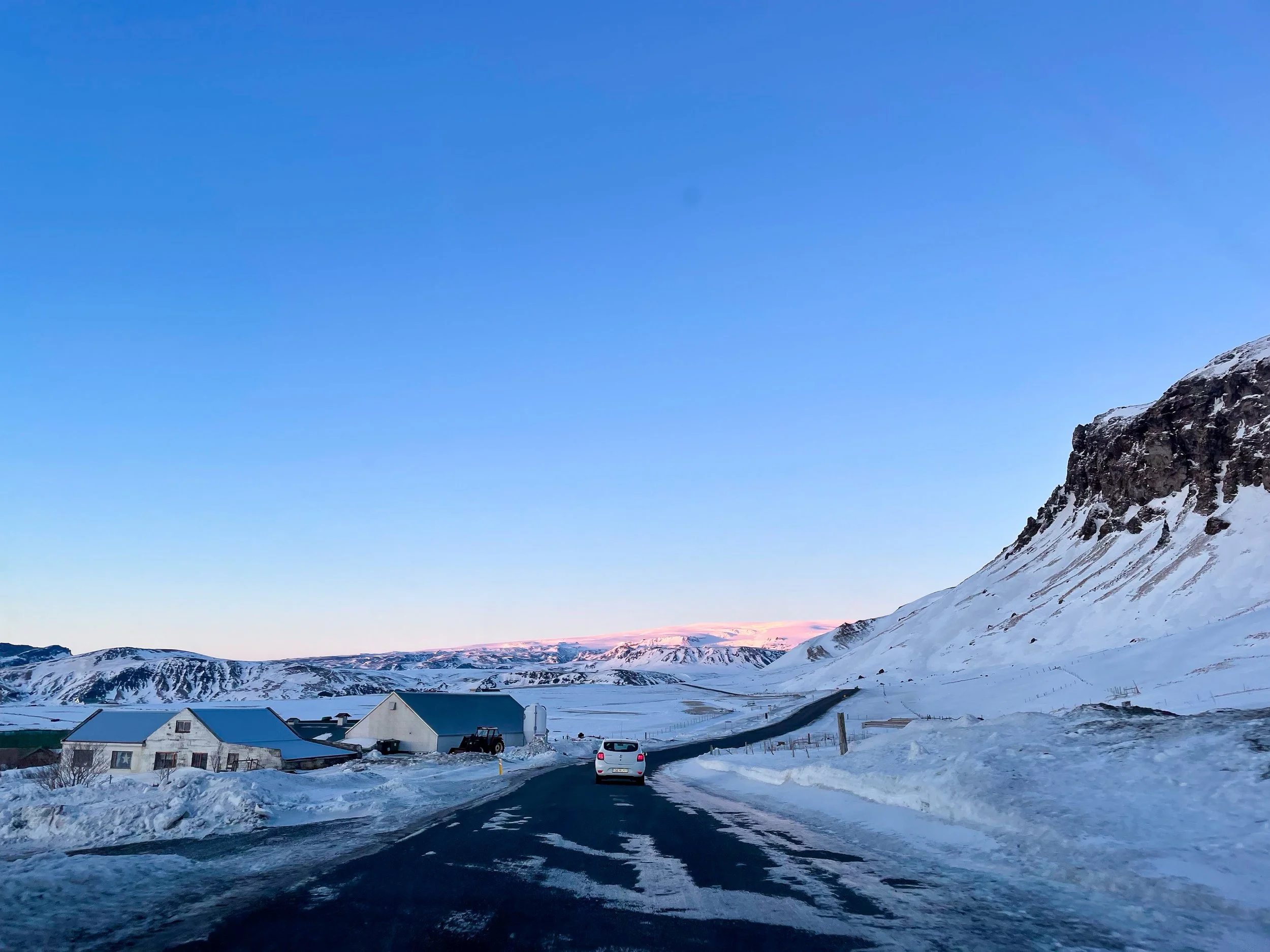
The South Coast (Part 2)
Iceland’s South Coast is a scenic destination home to glaciers, black sand beaches and waterfalls. We spent two days roadtripping along the South Coast from our cottage in Hella. On day two of the South Coast, we watched the sunrise from an ice covered black sand beach, hiked to a basalt column waterfall, went climbing on Iceland’s largest glacier and were continually dazzled by the Northern Lights.
Diamond Beach
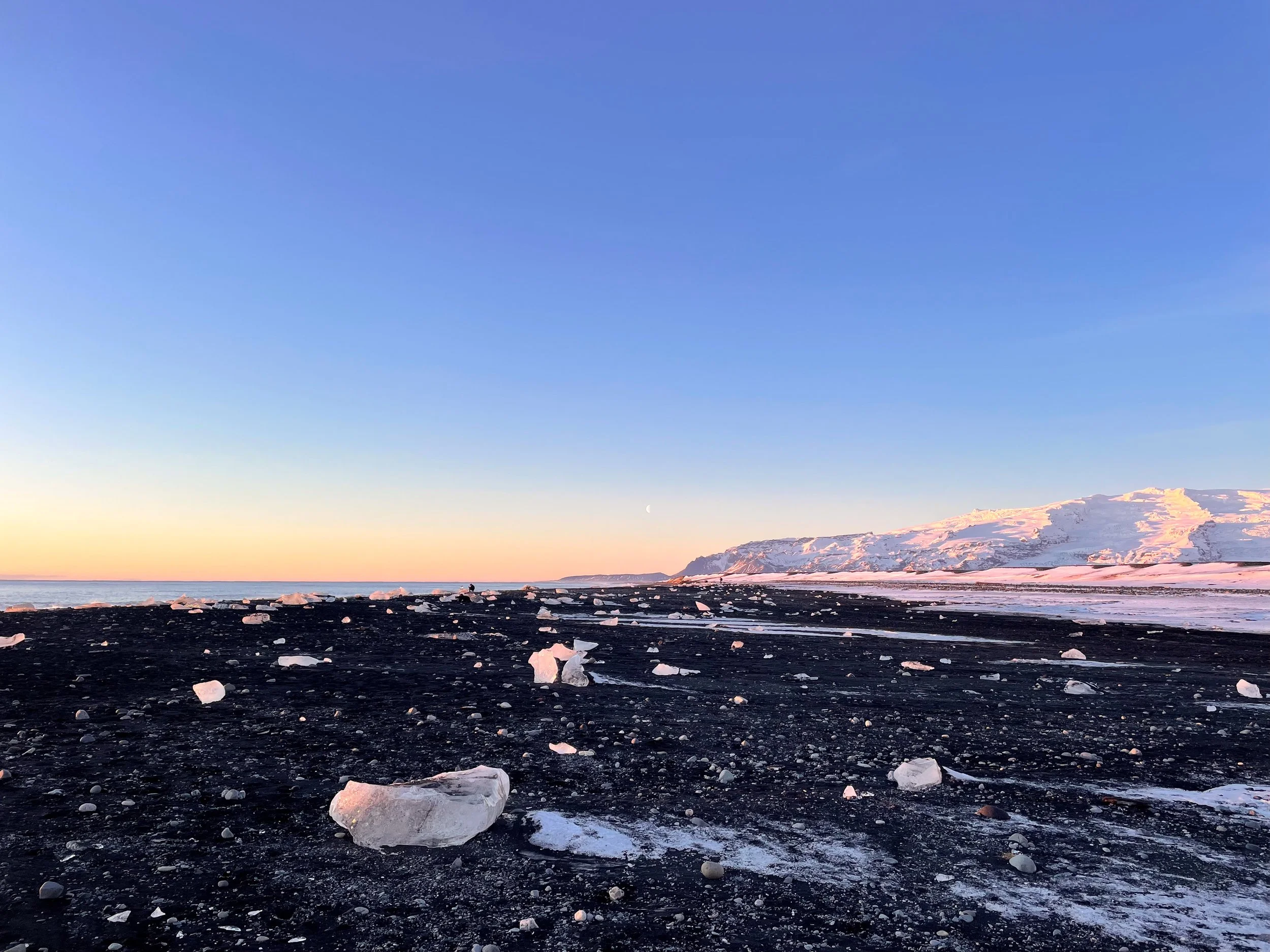
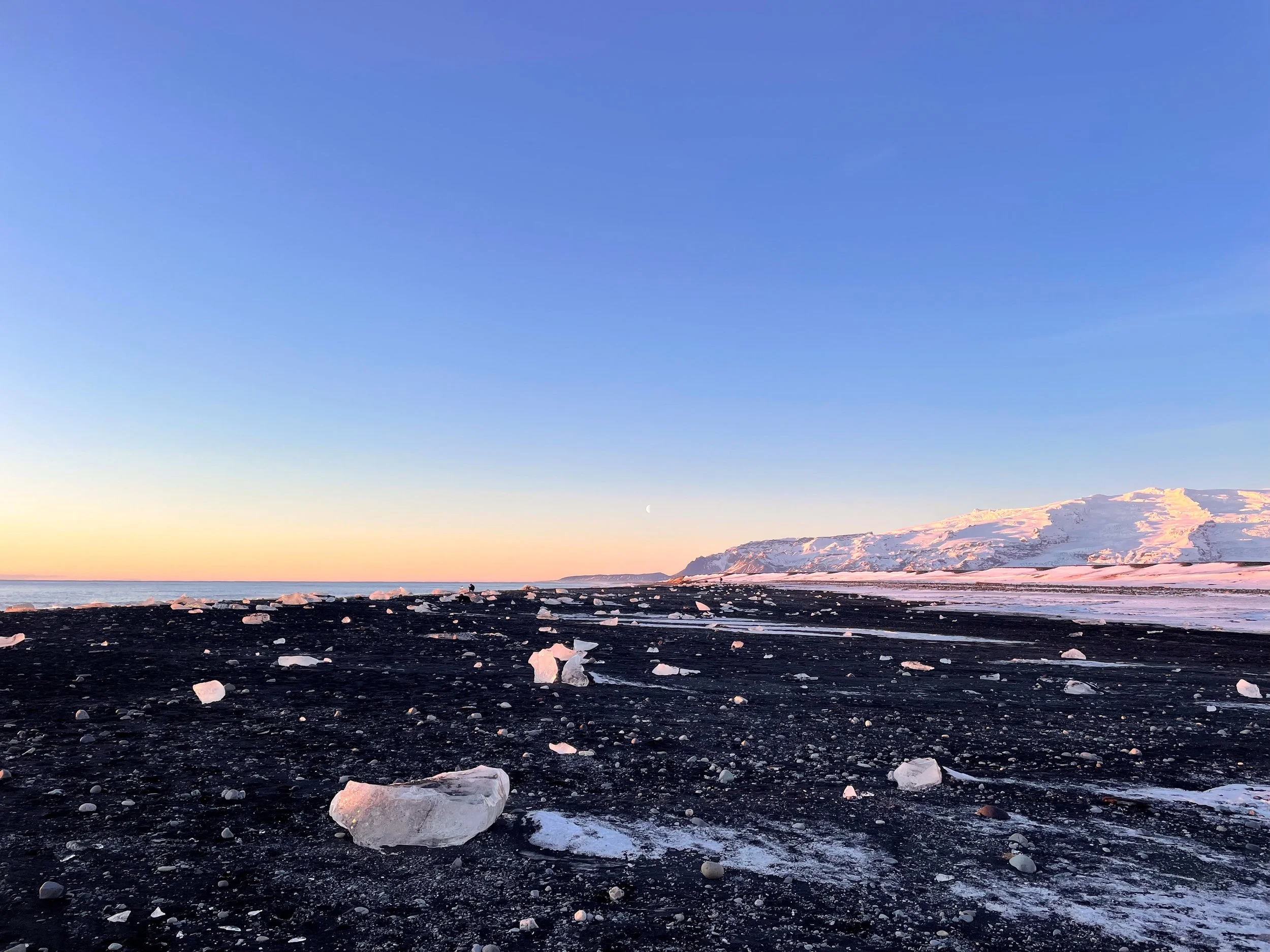
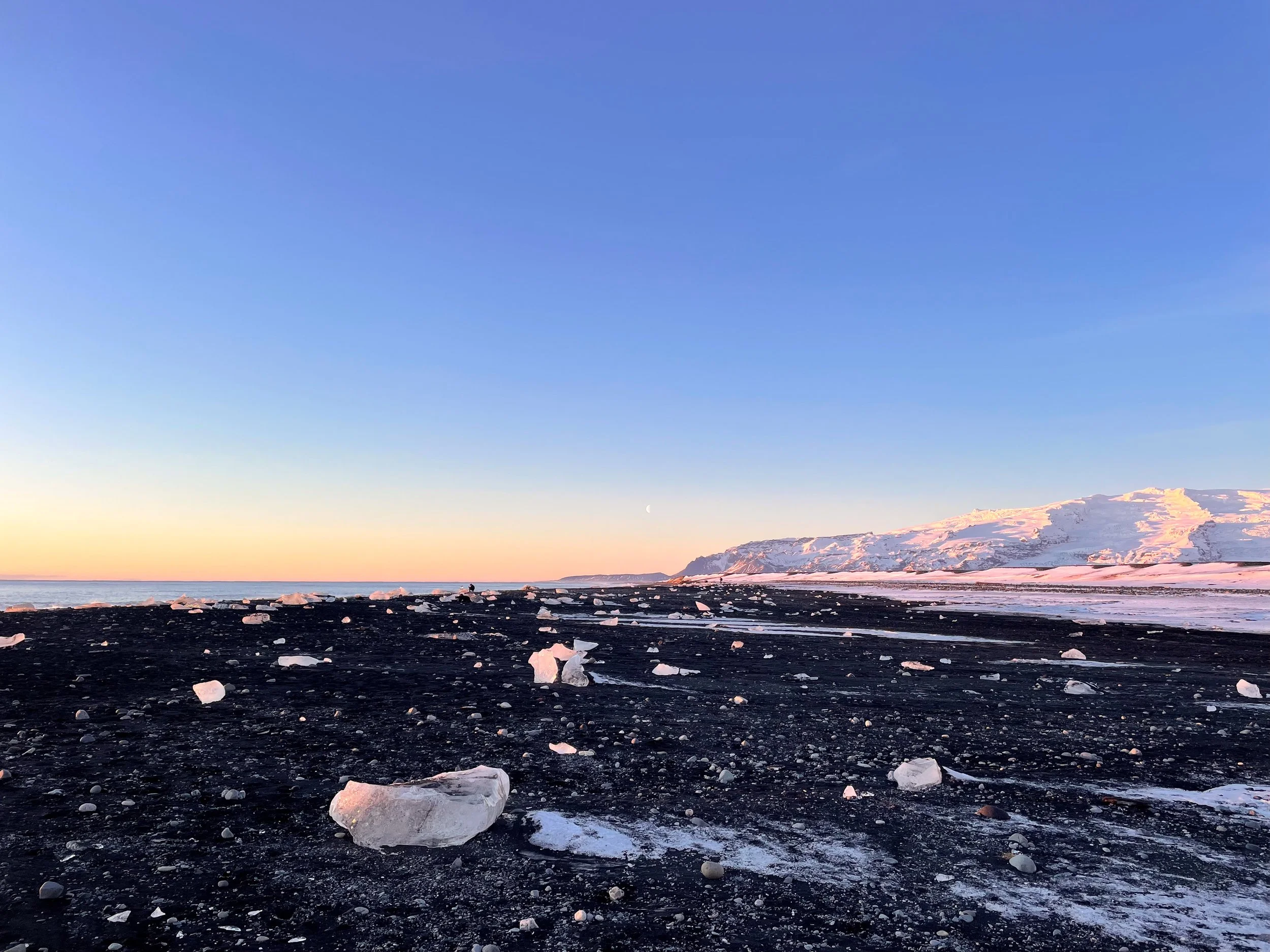
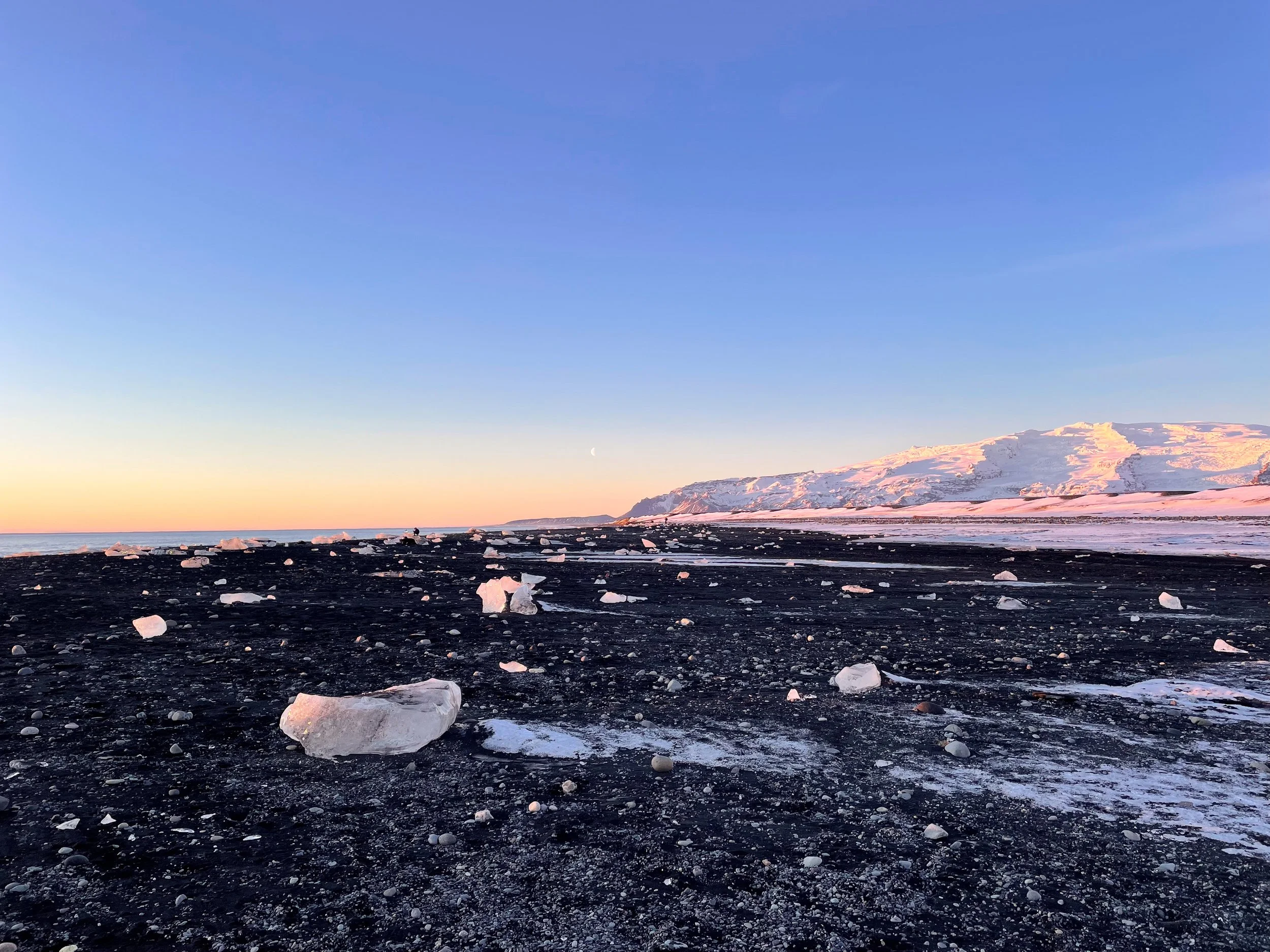
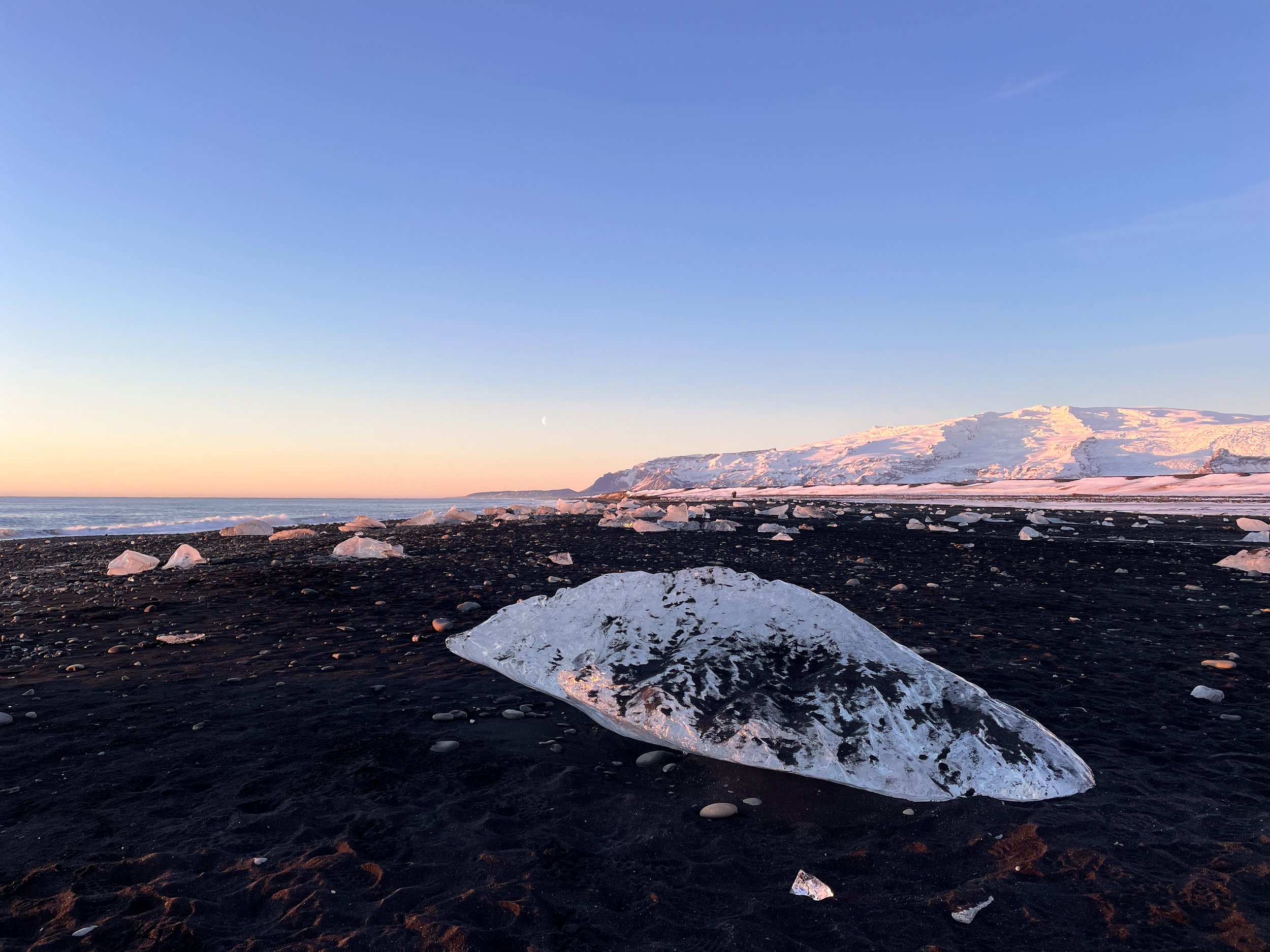
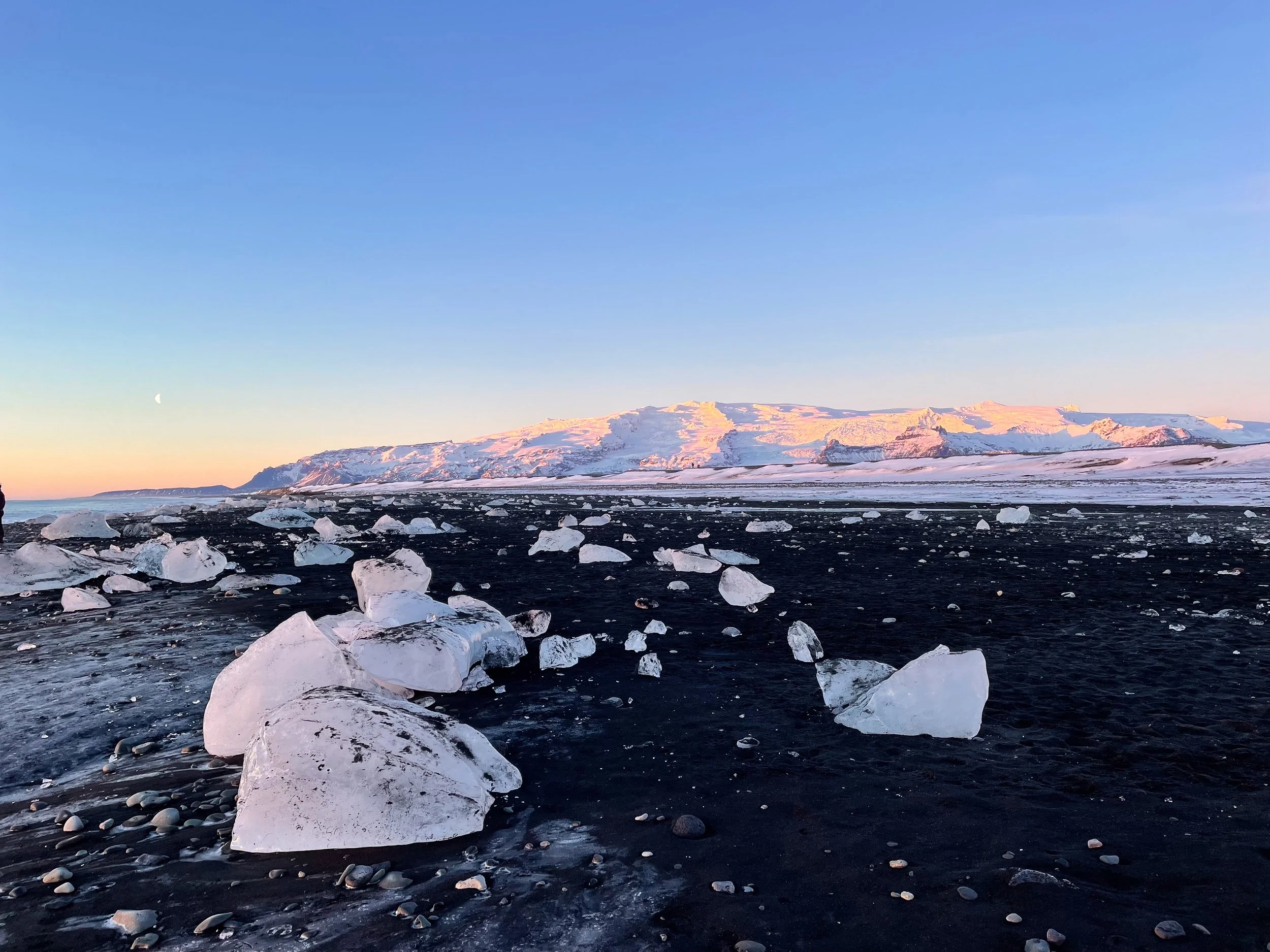
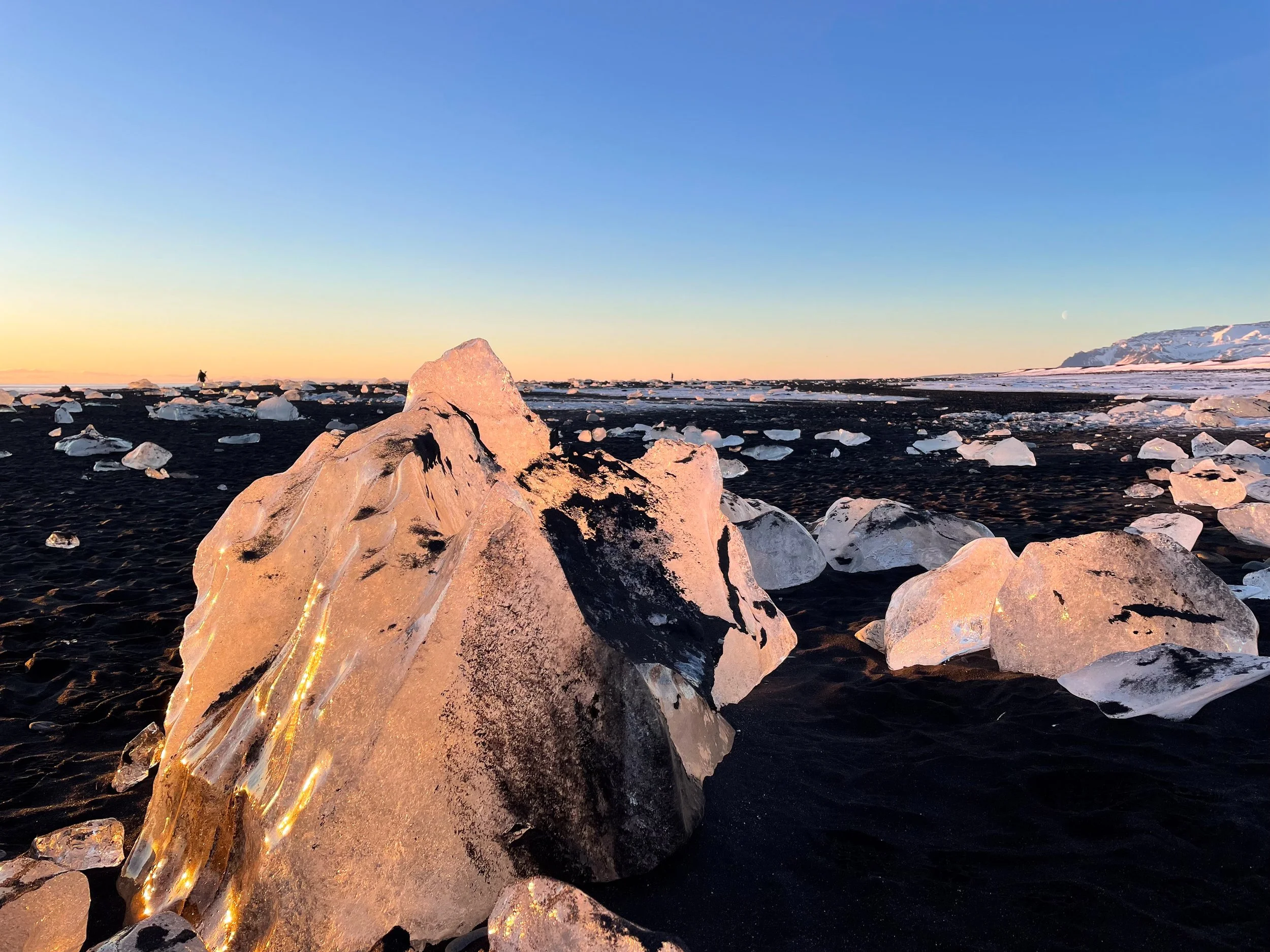
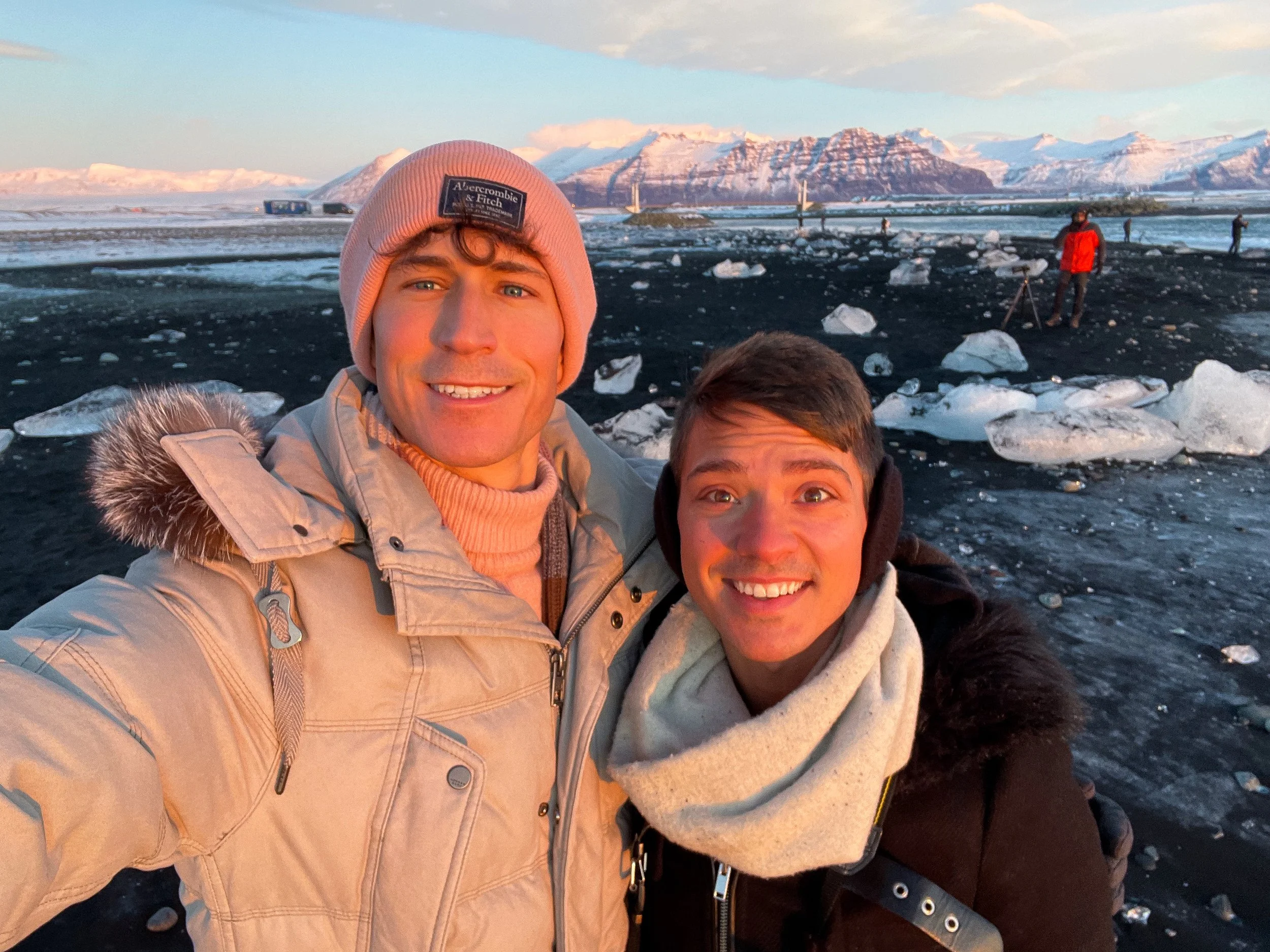
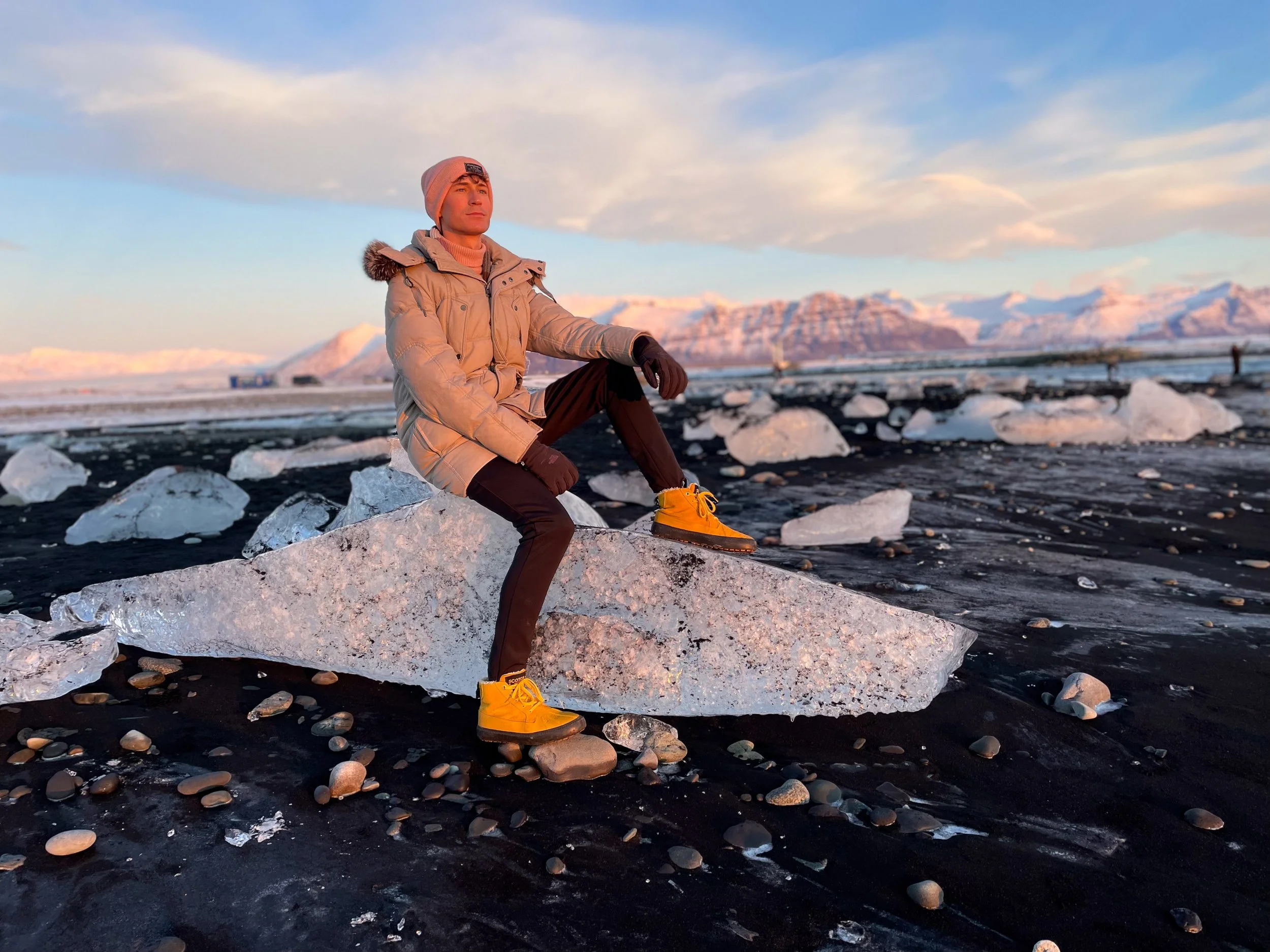
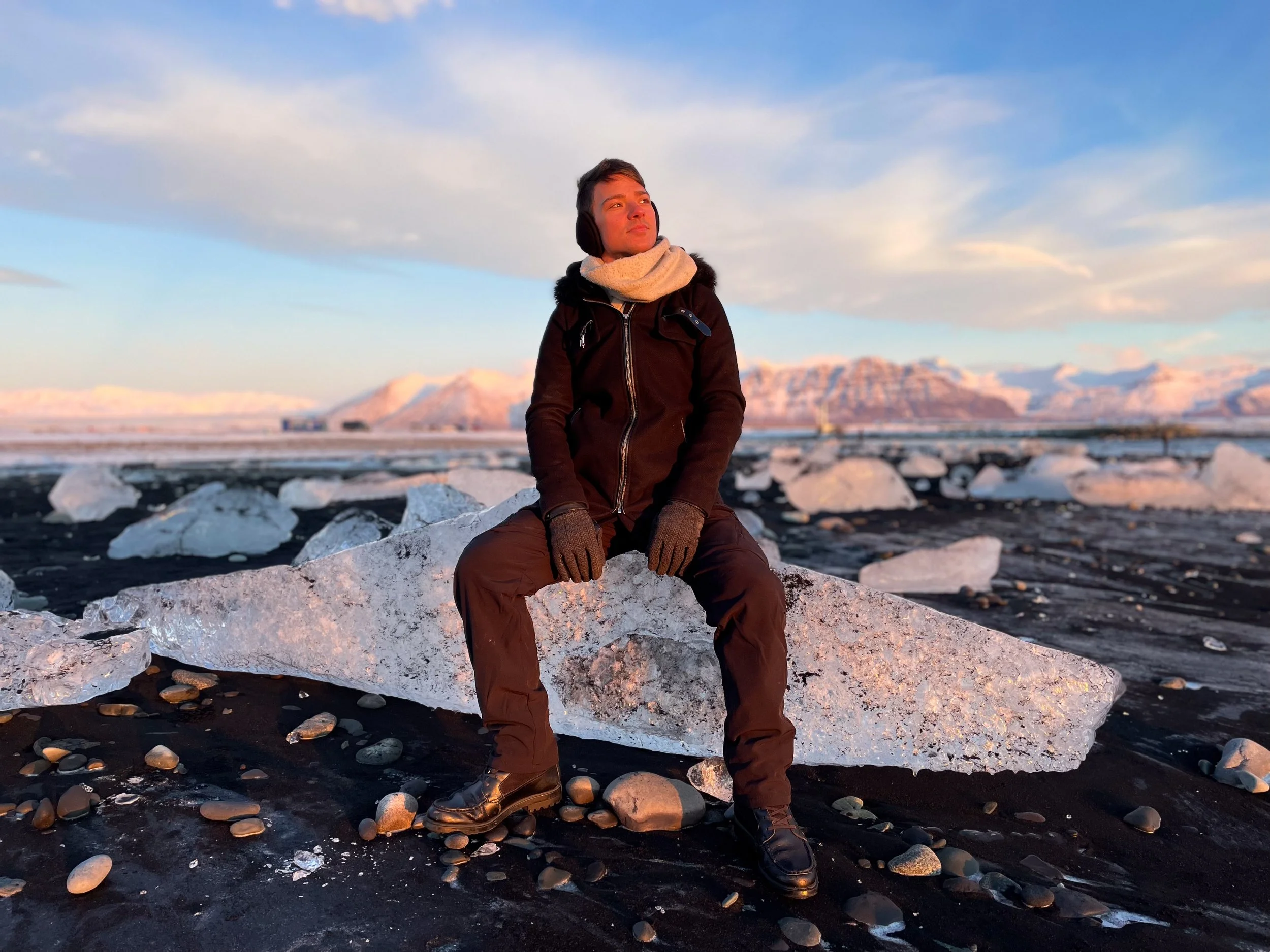
Diamond Beach is a black sand beach covered in jewel-like ice crystals. The glow of the sunrise cast a pink tone across the mountains and illuminated fragments of glacial ice that washed up on shore, resembling glittering diamonds set against the jet black sand. A vertical crescent moon rested low on the horizon while seals swam offshore and waves calmly splashed onto the beach. Photographers, dressed in winter gear, focused their lenses with the aim of capturing the scene while we gazed upon its pristine beauty.
Getting Here. Diamond Beach is located about 4 hours from the town of Hella by car.
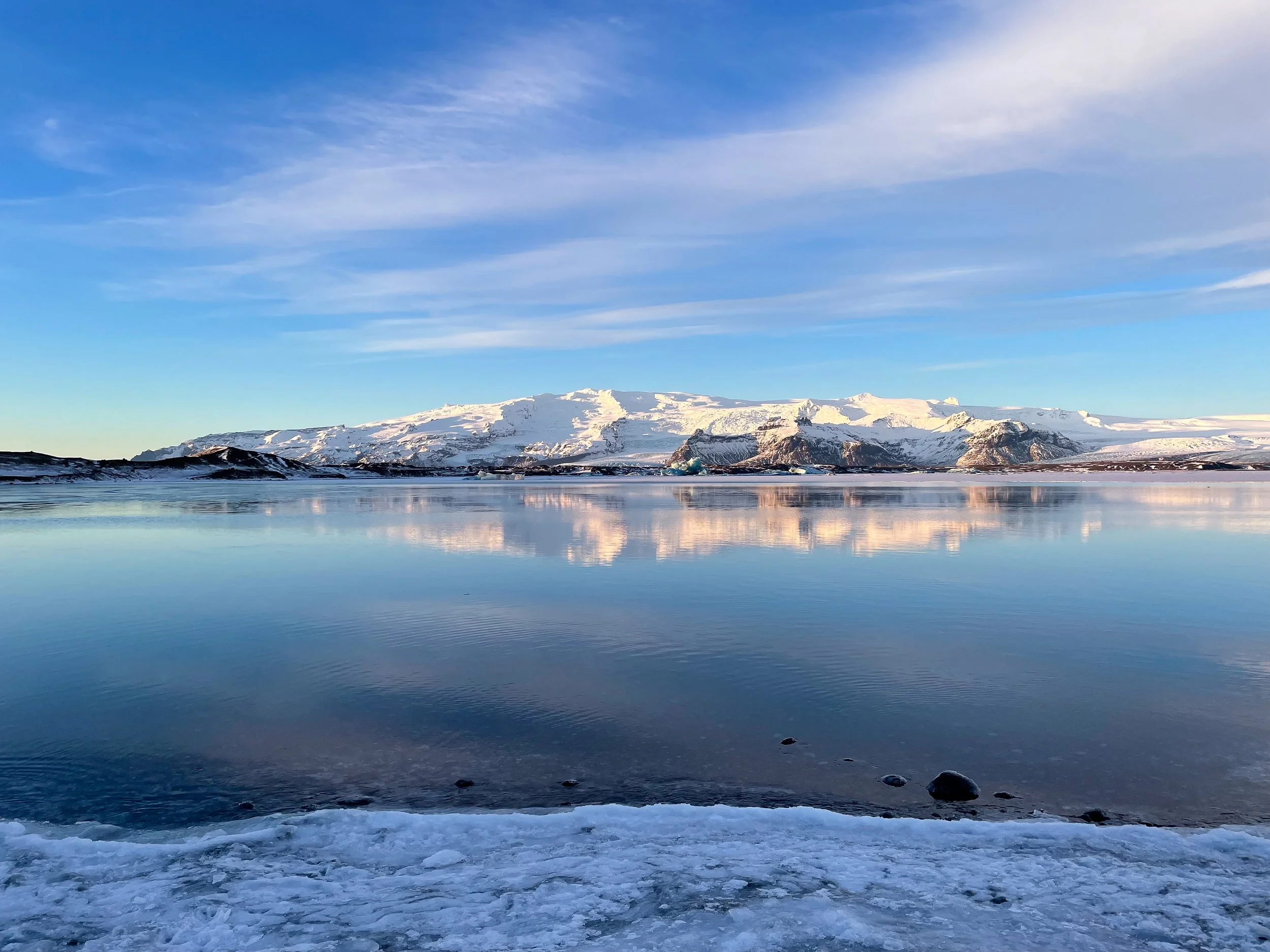
Jökulsárlón Glacier Lagoon
The Jökulsárlón Glacier Lagoon separates the Atlantic Ocean from the Jökulsárlón Glacier. Icebergs flow from it into the ocean, breaking apart and washing up on Diamond Beach. The lagoon’s surface looked like glass, only interrupted by the occasional seal coming up for air and taking a curious look around.
Good to Know. There are food trucks serving crepes, cold water prawns and fish & chips in the parking lot.
Getting Here. The Jökulsárlón Glacier Lagoon is located less than 5 minutes from Diamond Beach by car.
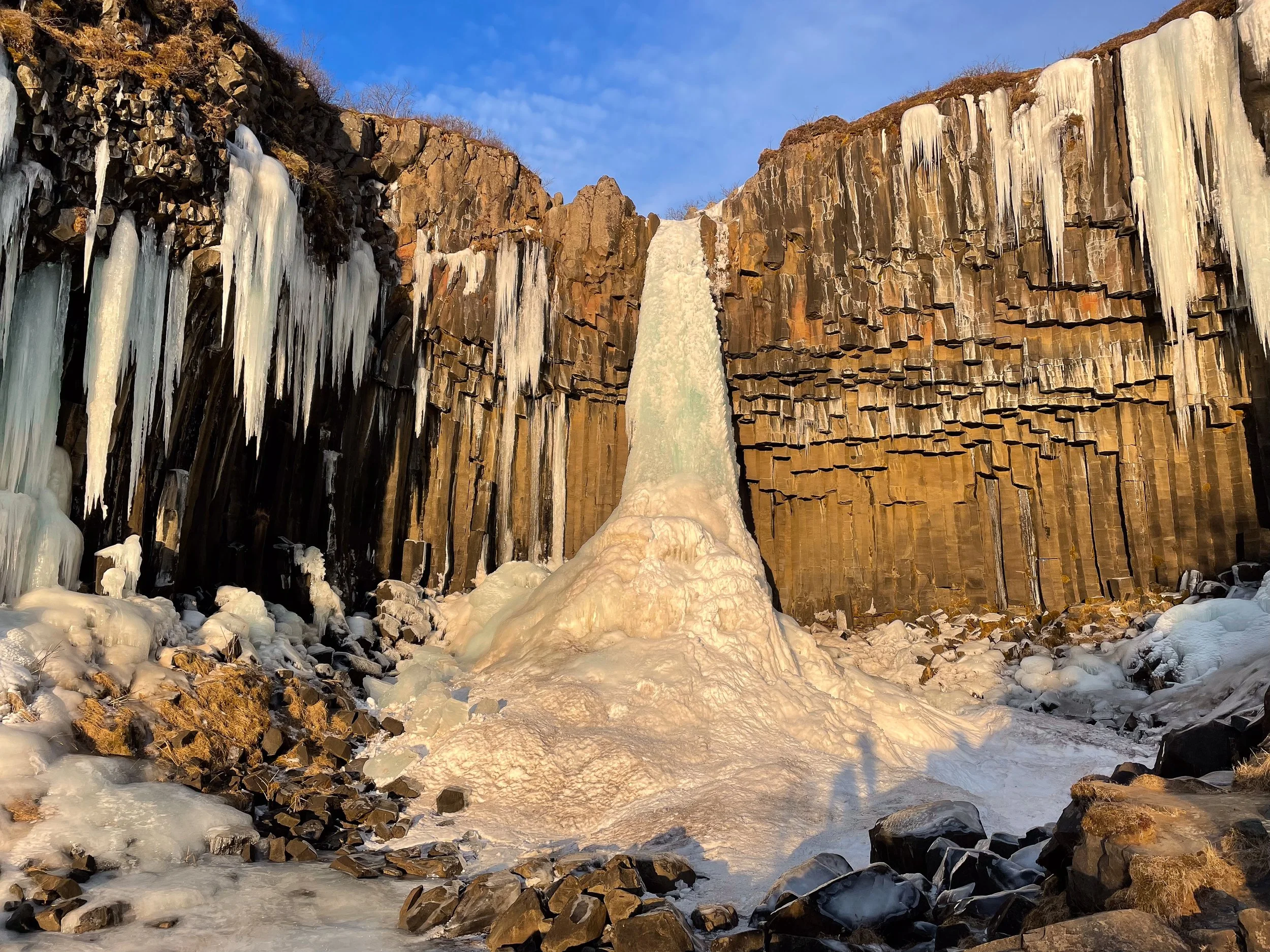
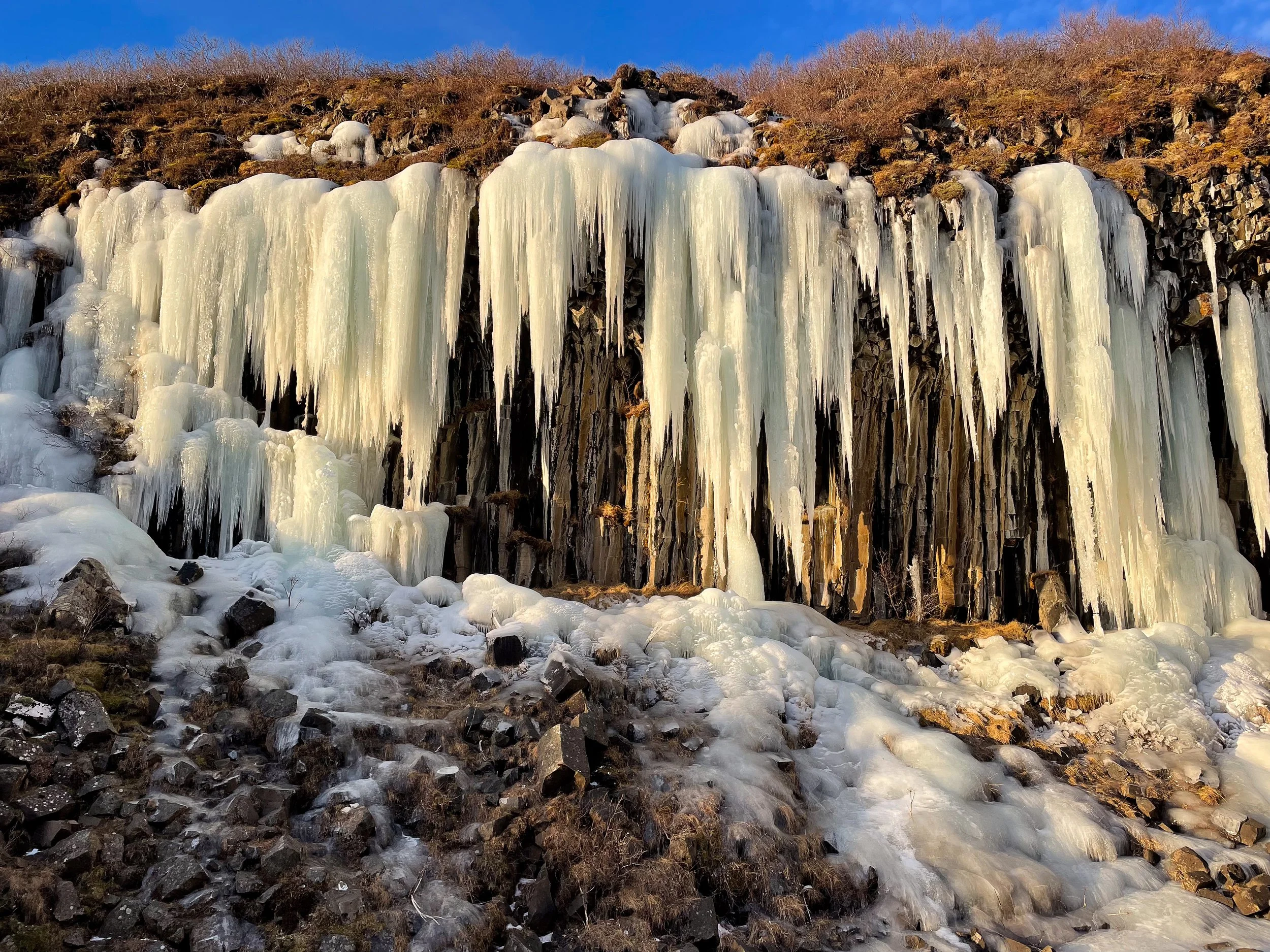
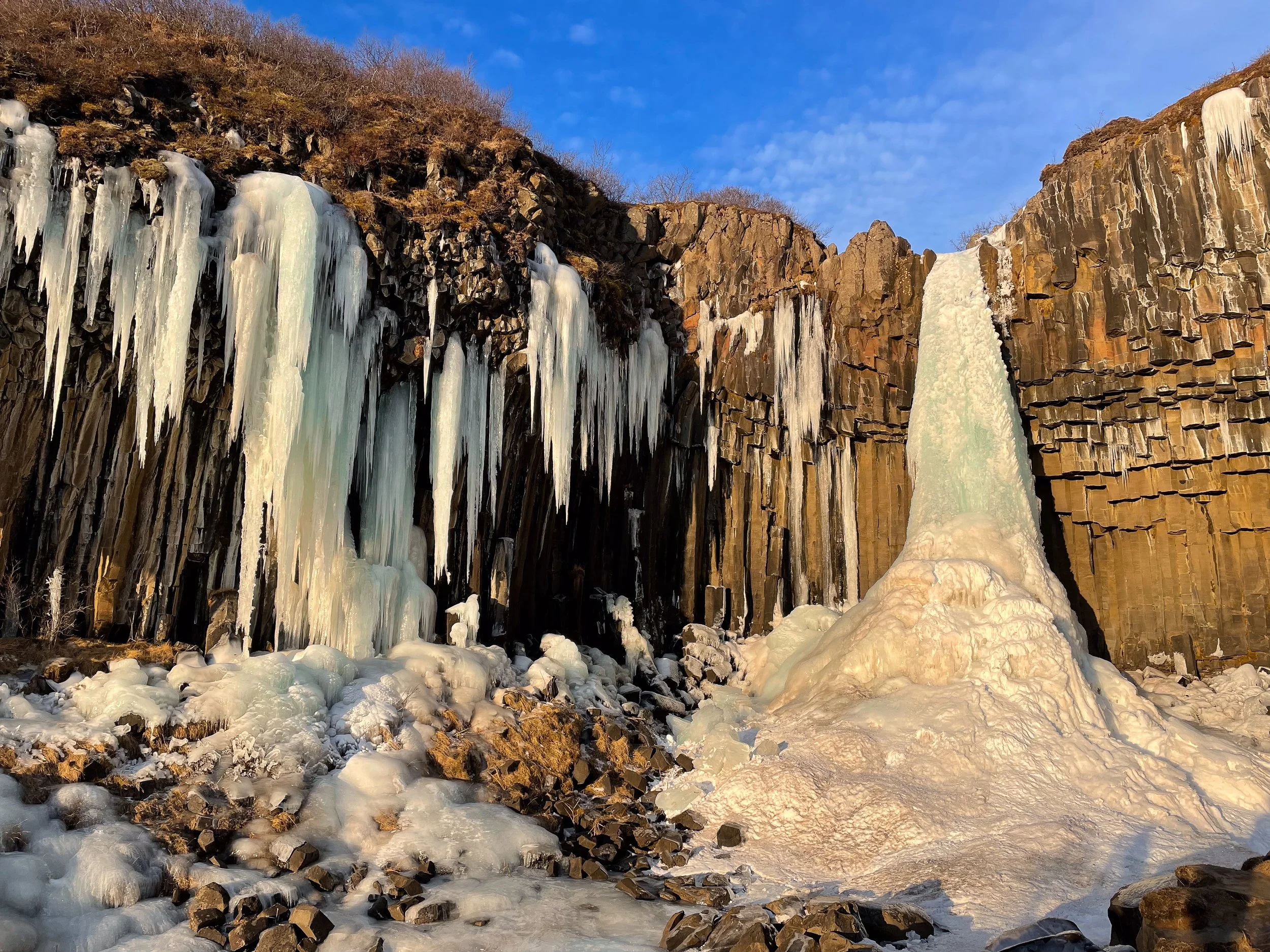
Svarrifoss Waterfall
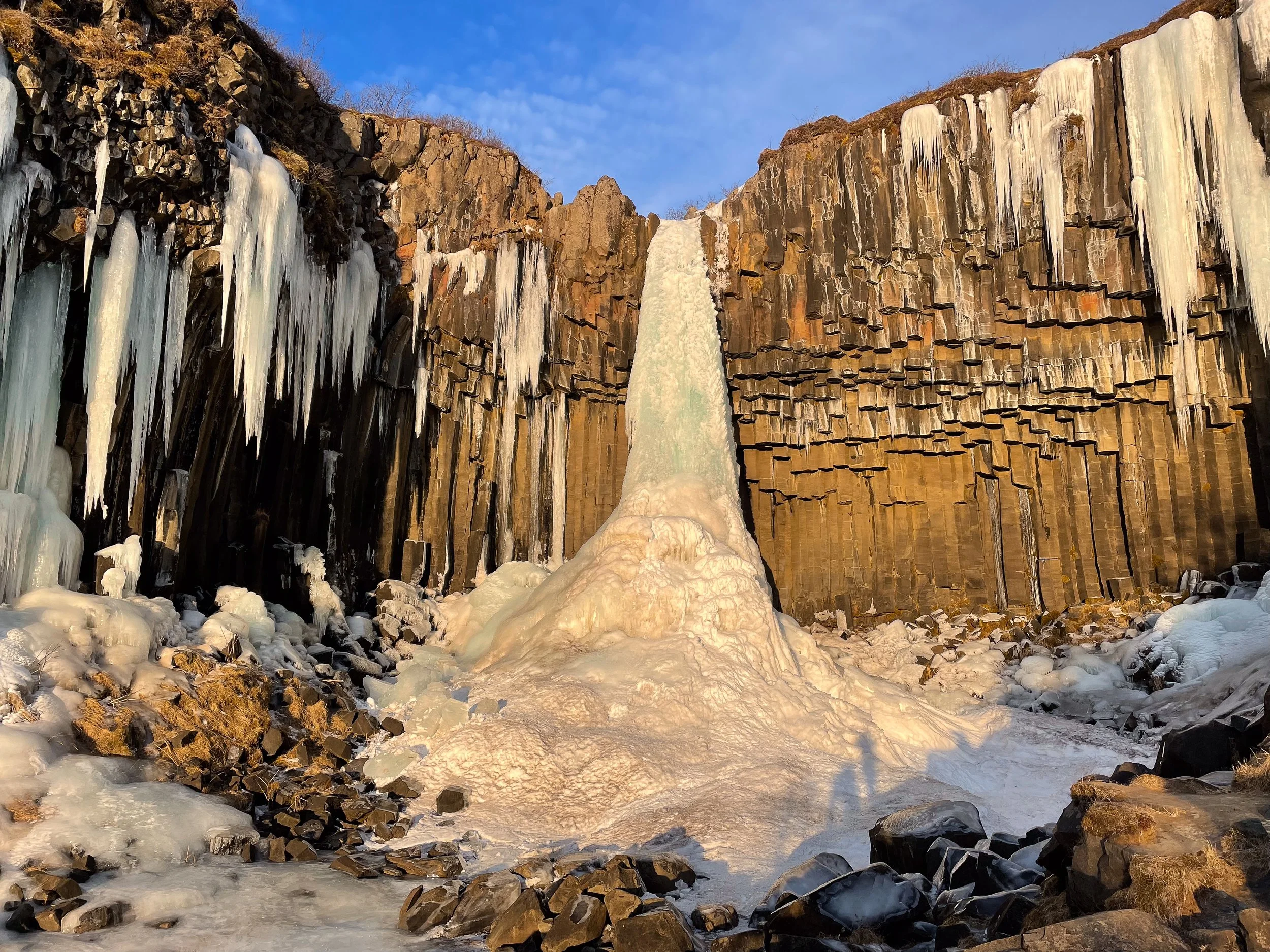
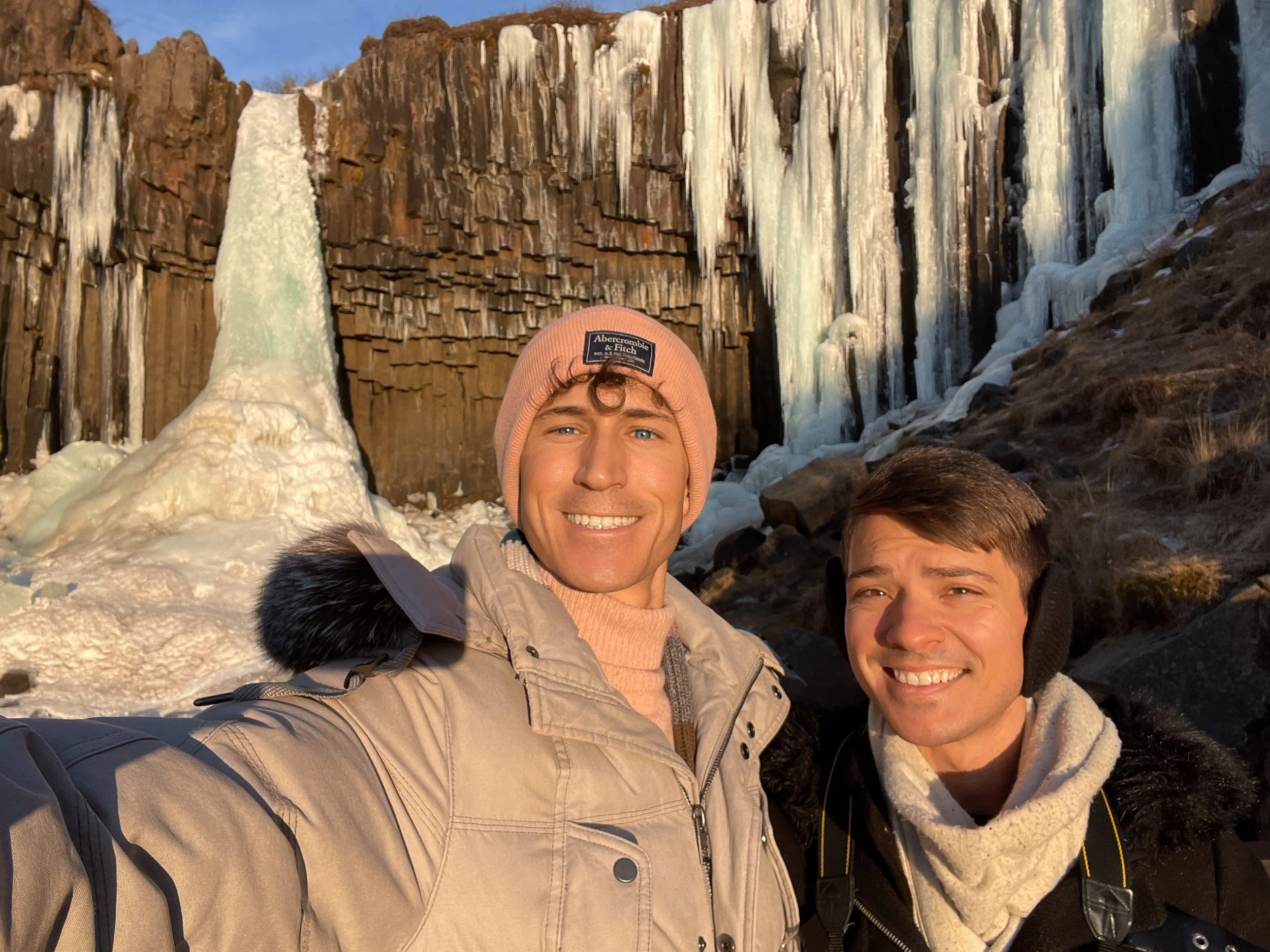
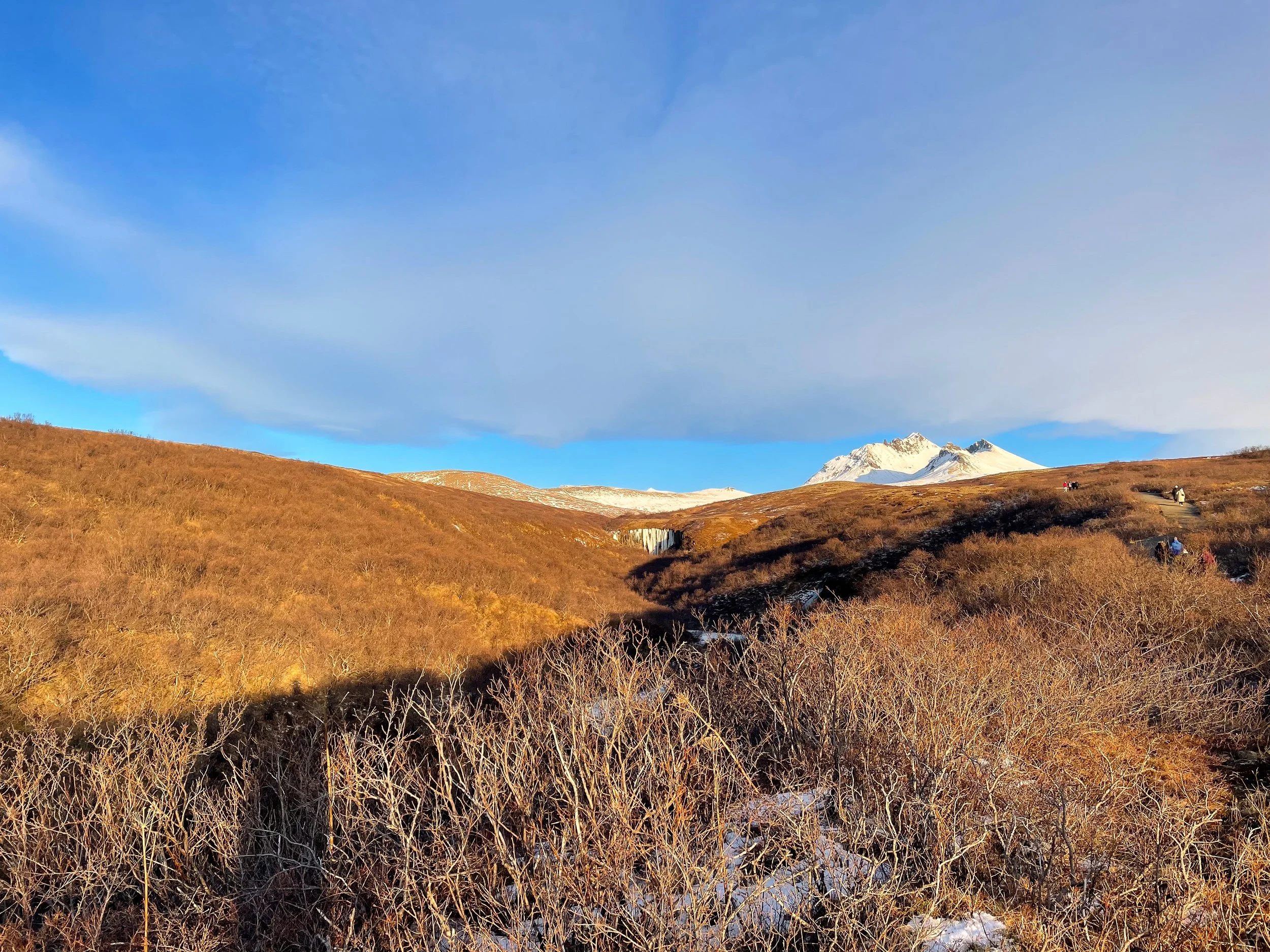
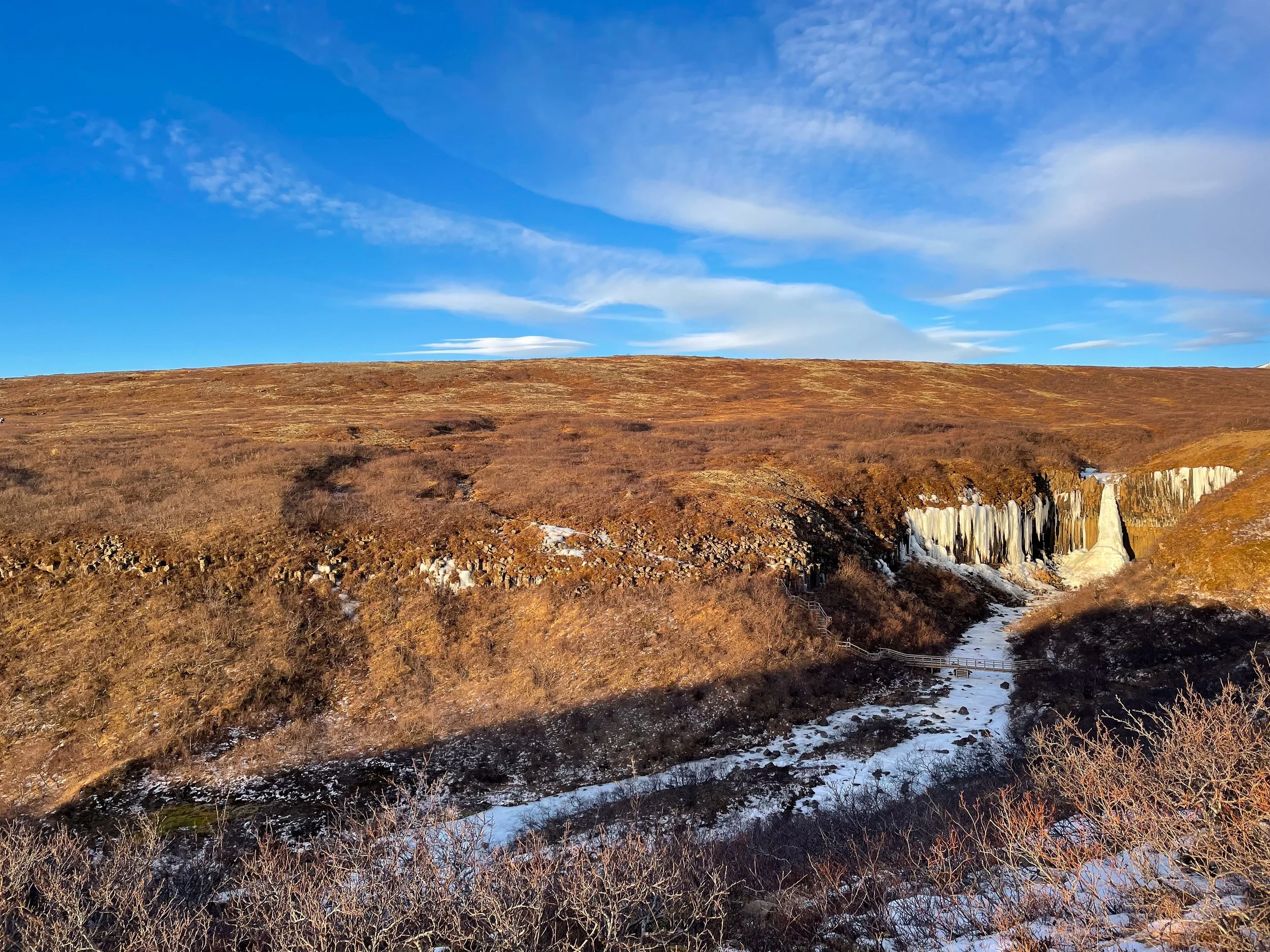
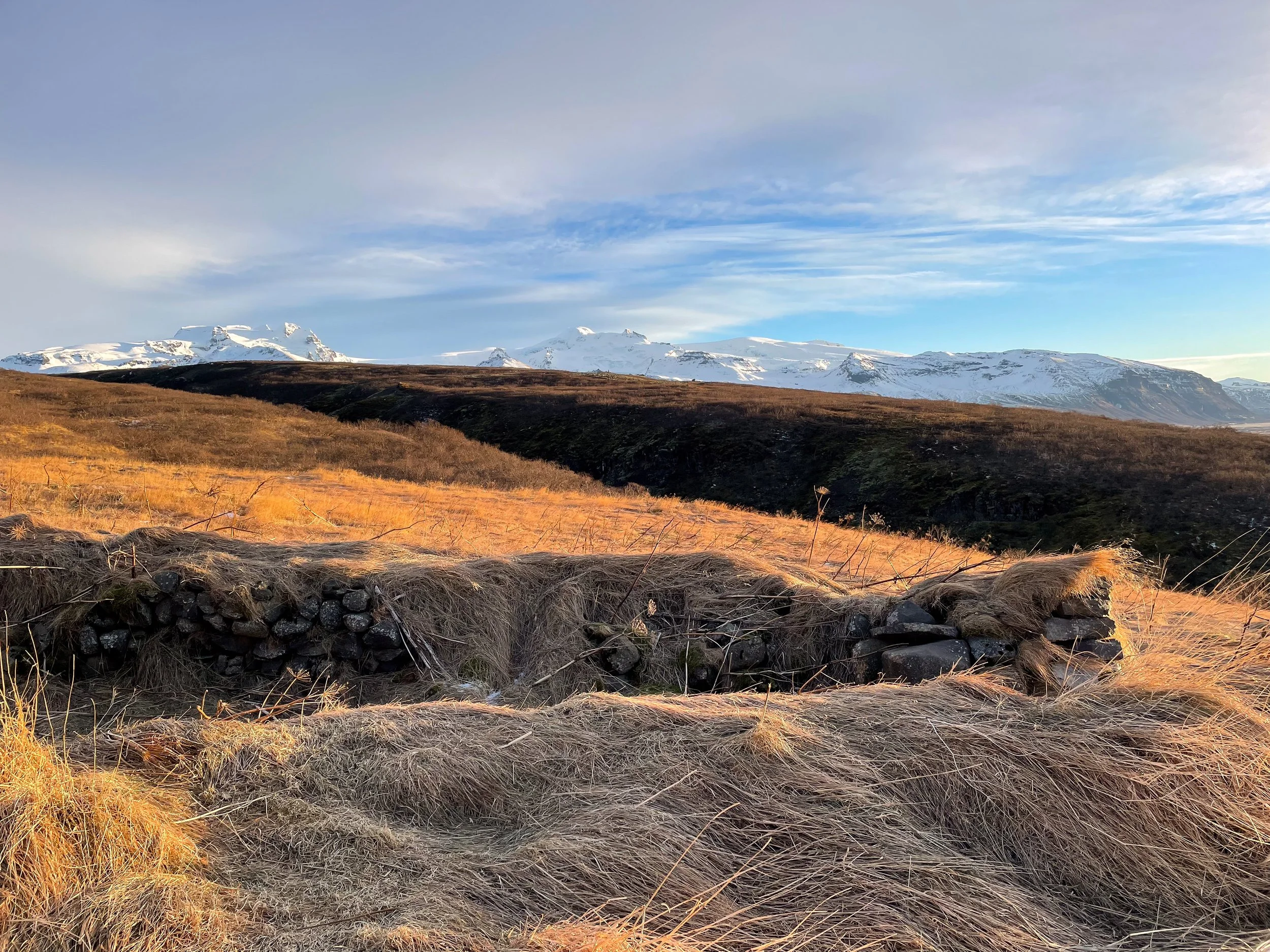
The Svarrifoss Waterfall is a picturesque waterfall famous for its hexagonal basalt columns. During winter, the waterfall is frozen over with large icicles hanging from the hexagonal basalt columns flanking the waterfall. It’s accessible via the 2km Svarrifoss Trail starting at the Skaftafell Visitor Center. The trail, which has some steep sections, offers views of the coast and mountains. It passes some smaller waterfalls and ruins of stone dwellings.
Getting Here. The trailhead to the Svarrifoss Waterfall is located about 45 minutes from Diamond Beach.
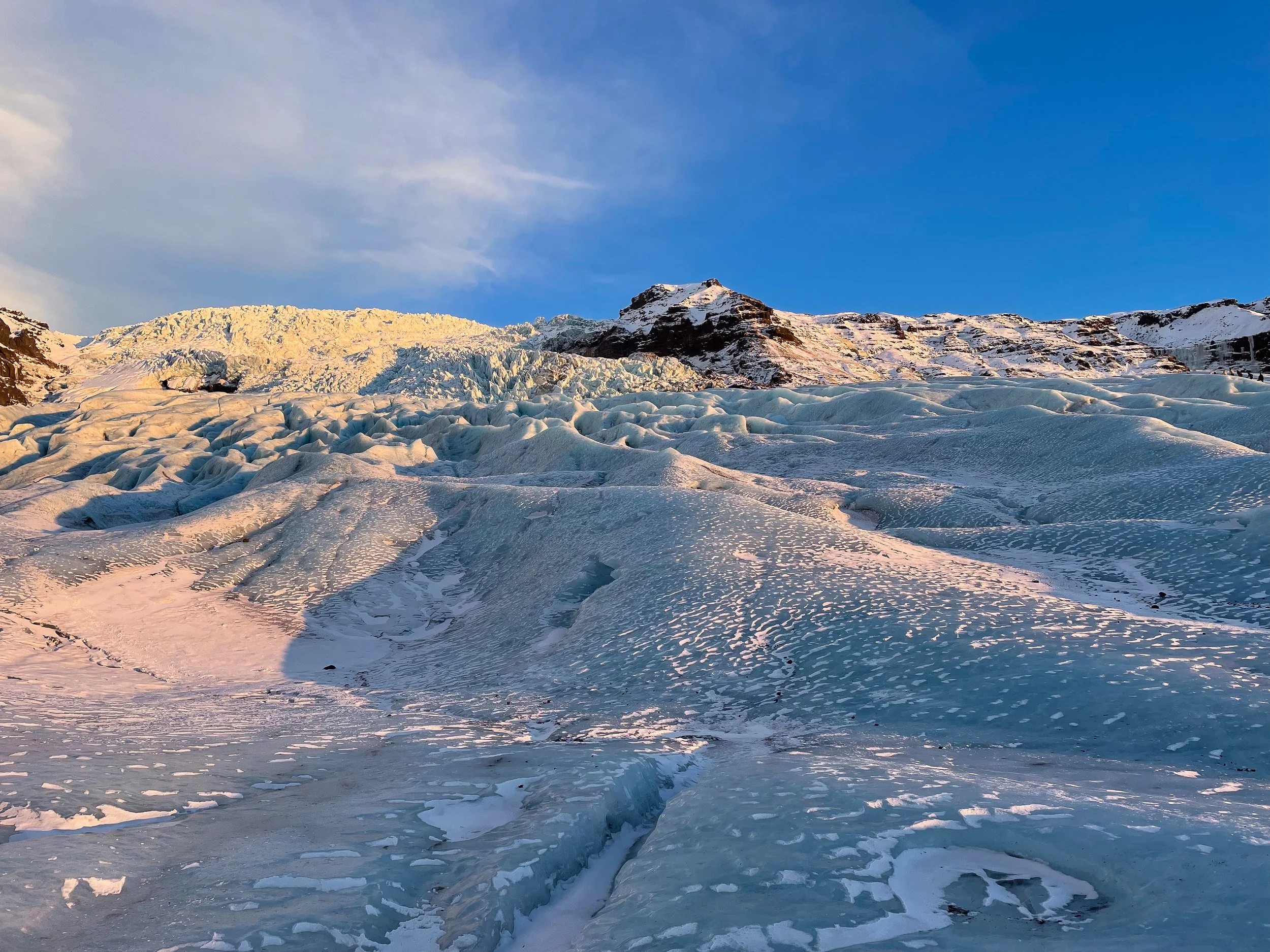
Falljökull Glacier
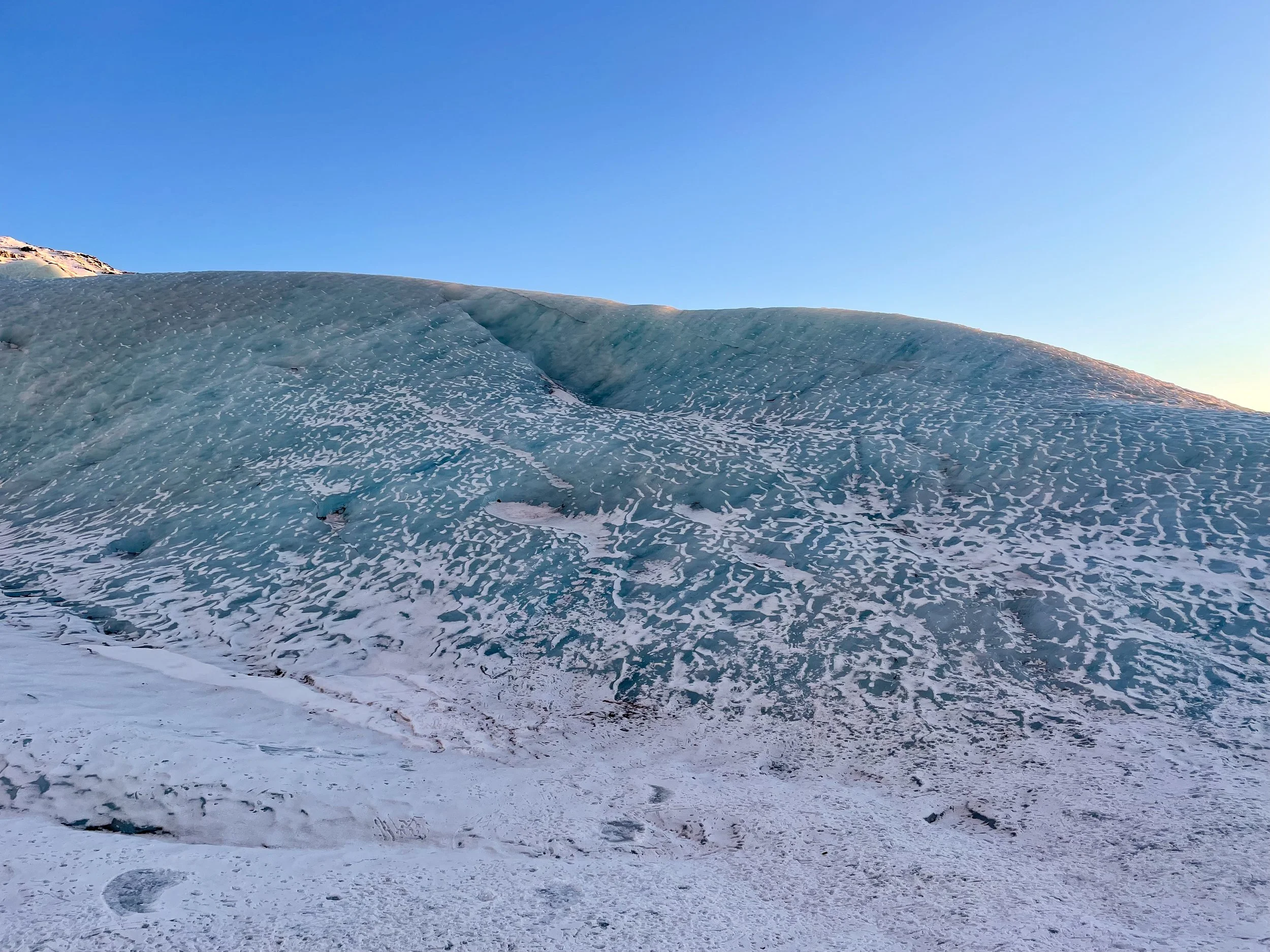
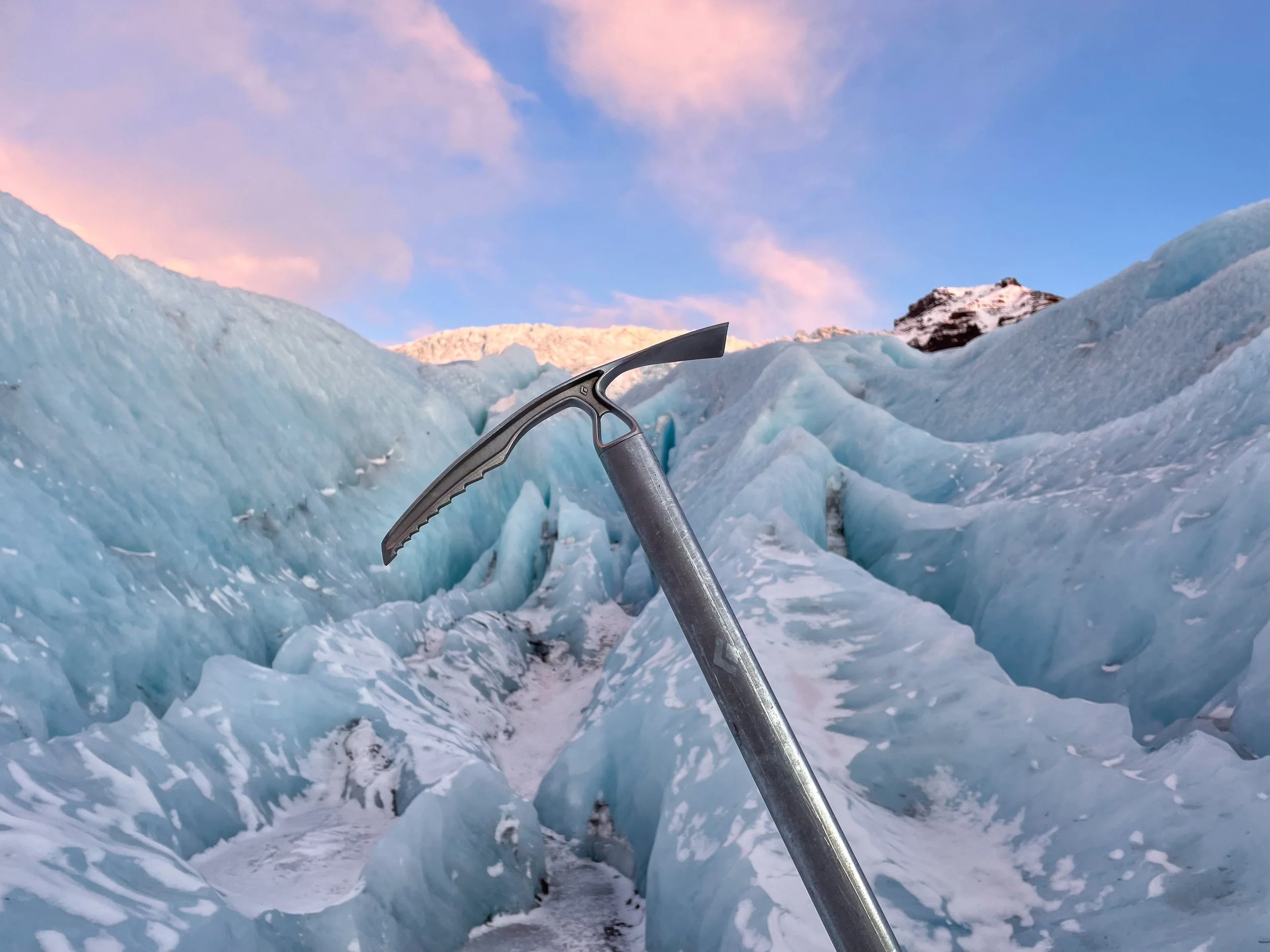
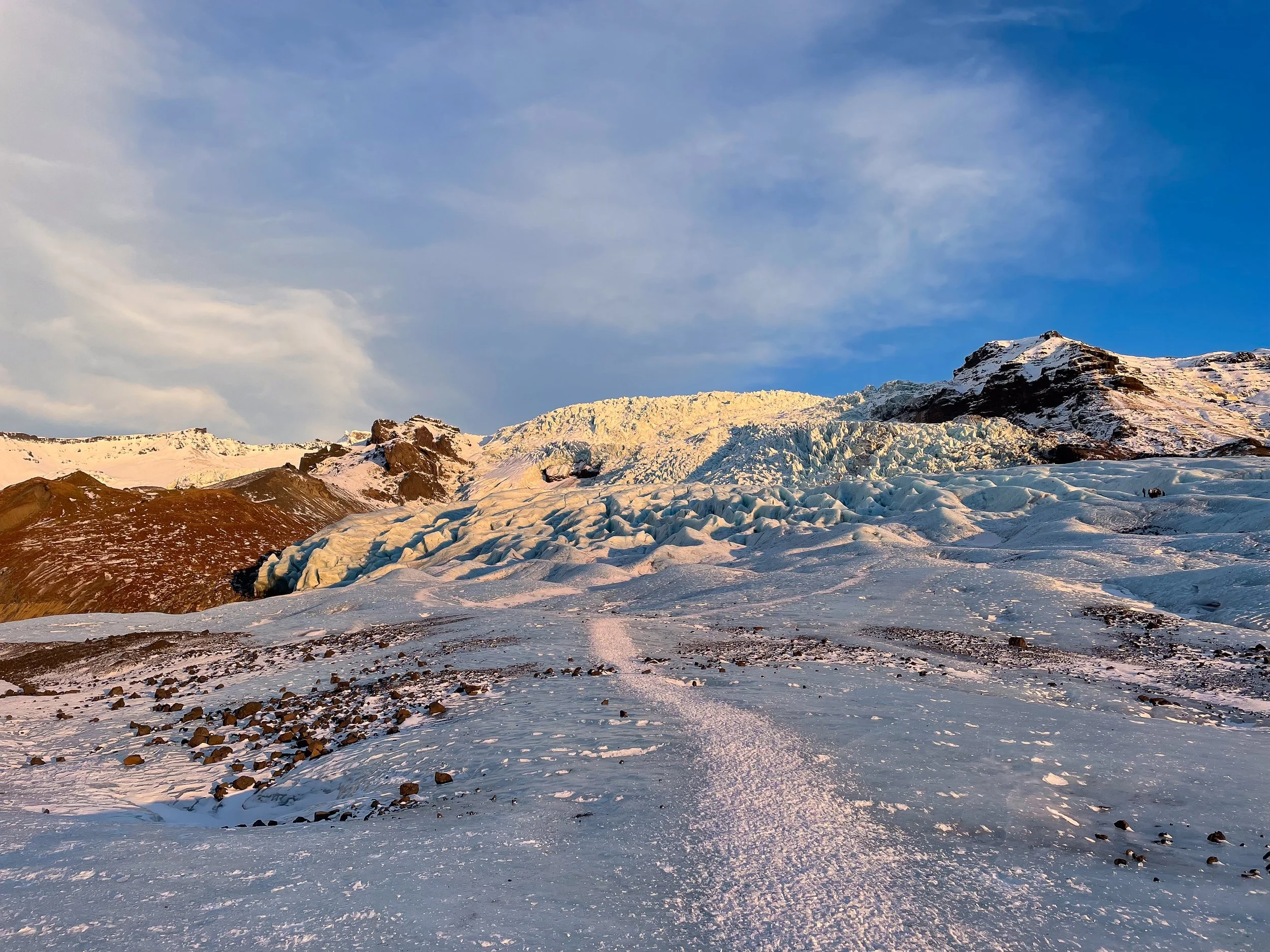
The Falljökull Glacier is a glacial tongue extending from Iceland’s largest glacier, Vatnajökull Glacier. We came here to hike, explore ice caves and watch the sunset with a guide from Troll Expeditions. After gearing up, we trekked across the frozen lagoon and ash covered ice until reaching a series of blue and white ice crevices.
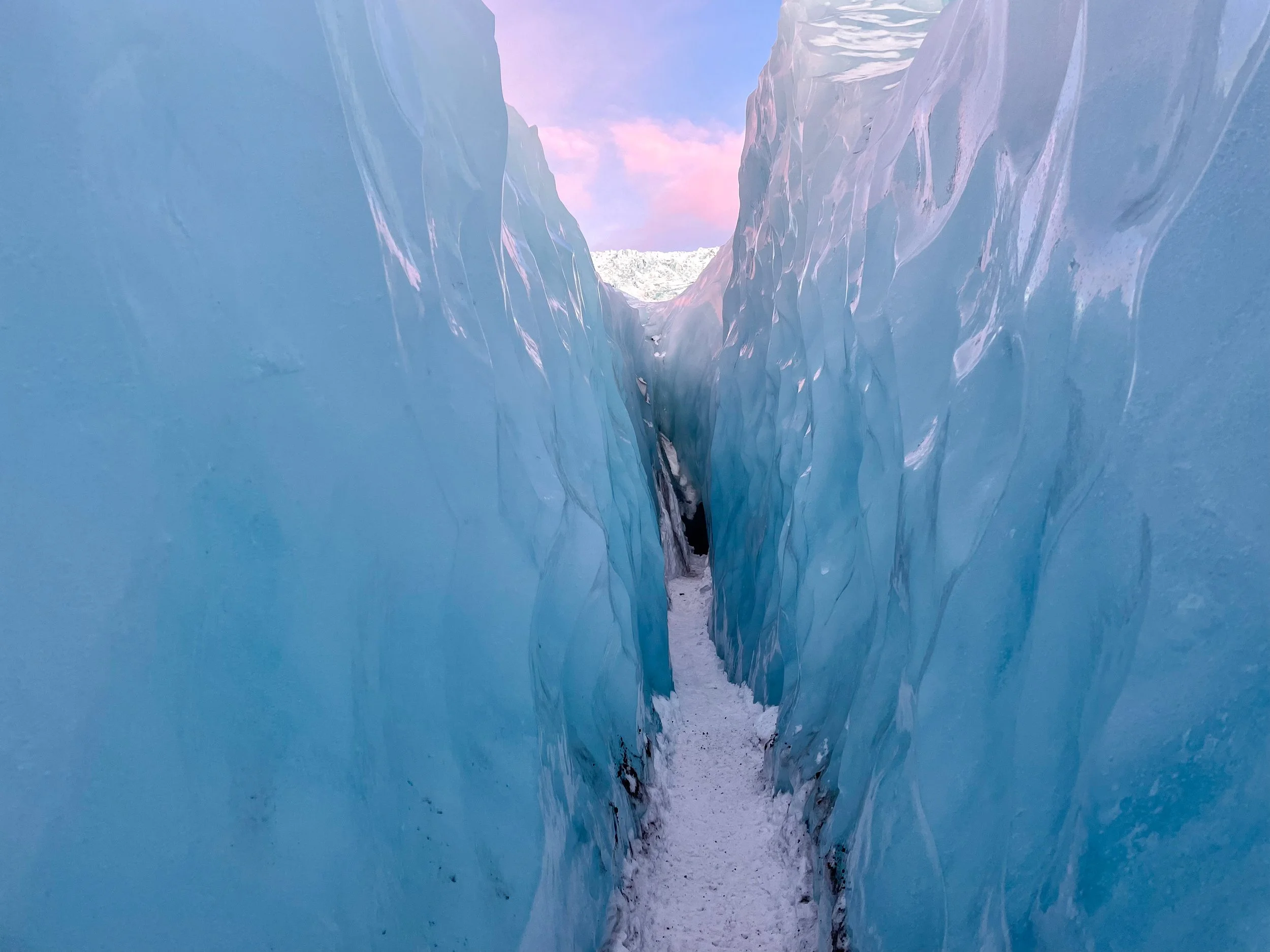
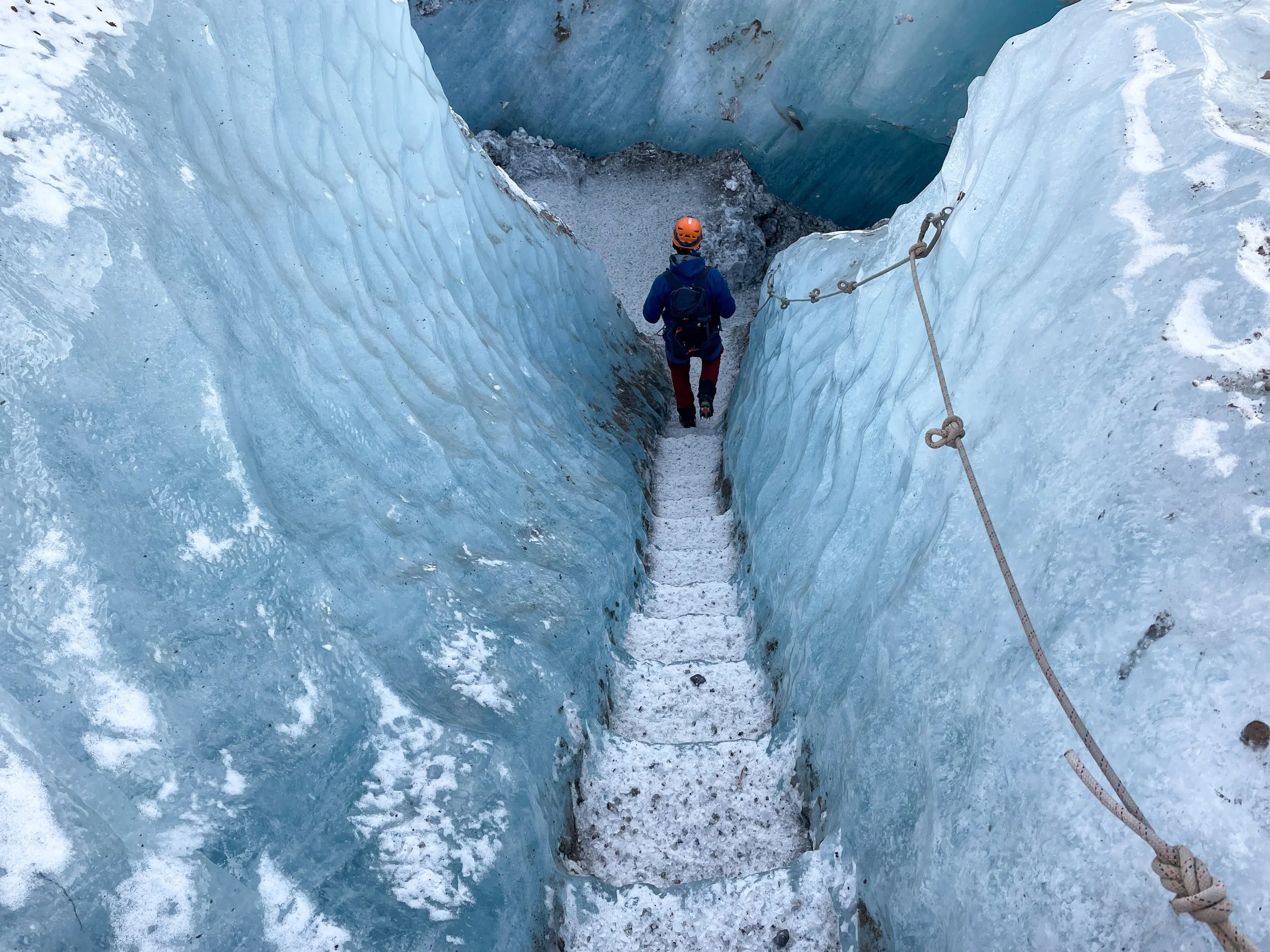
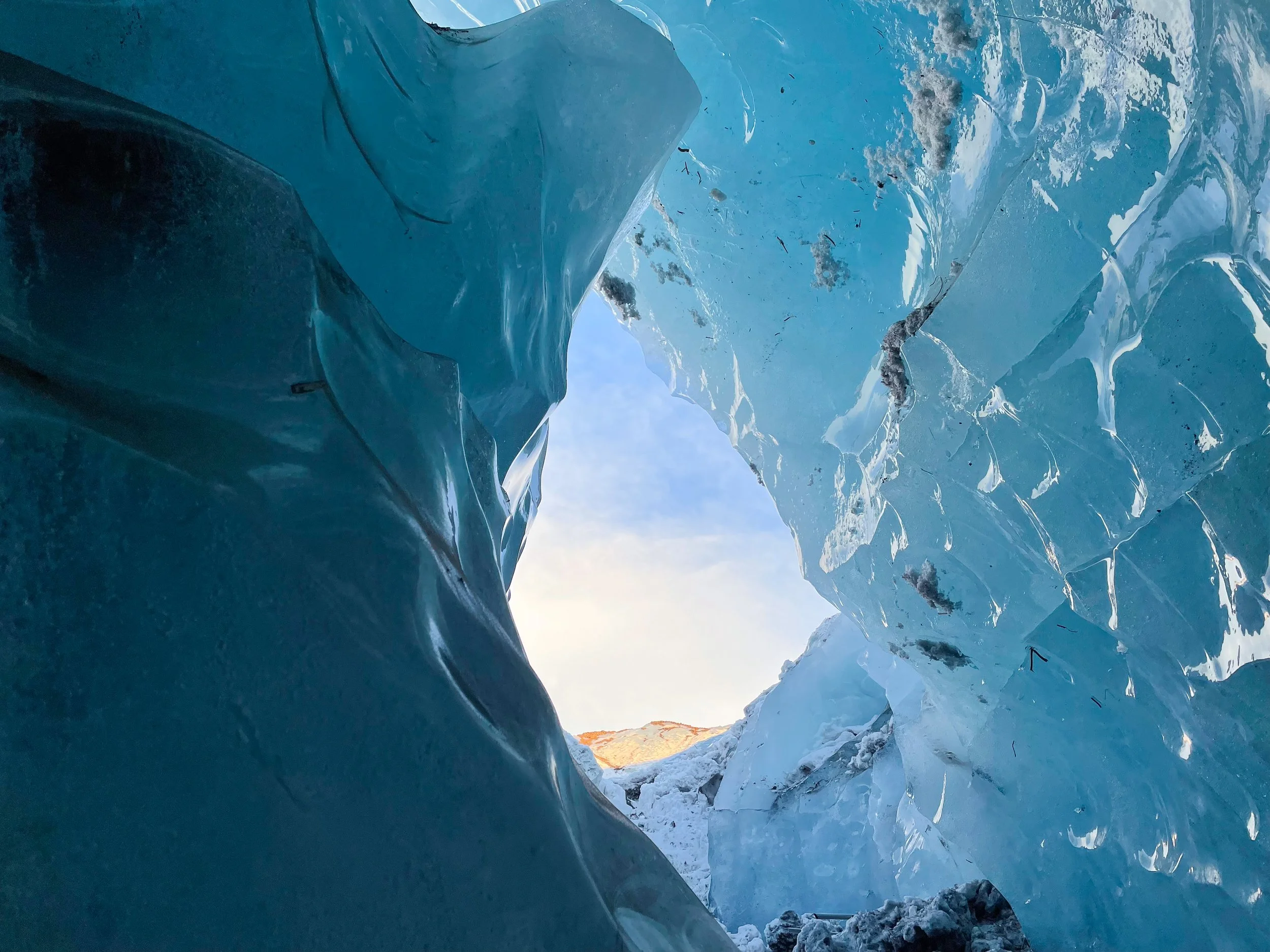
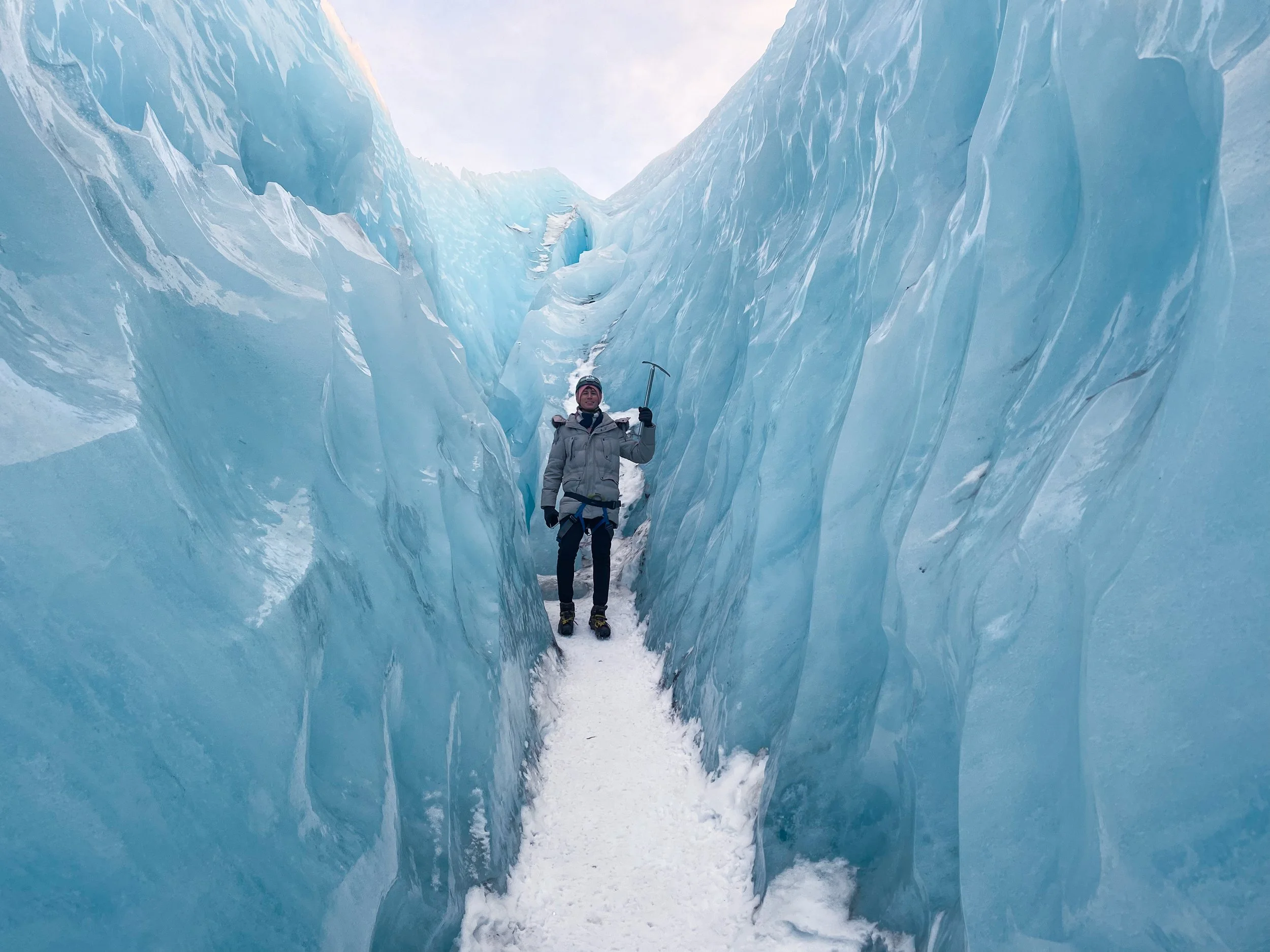
Ice Caves. A large crevice with a staircase carved into it led to the entrance of an ice cave. The cave was blue with curved walls, rippled surfaces and deep blue veins where the ice had been heavily compressed. The cave led to a narrow tunnel that burrowed deeper into the glacier, ending at a small chamber barely big enough for the two of us to squeeze into.
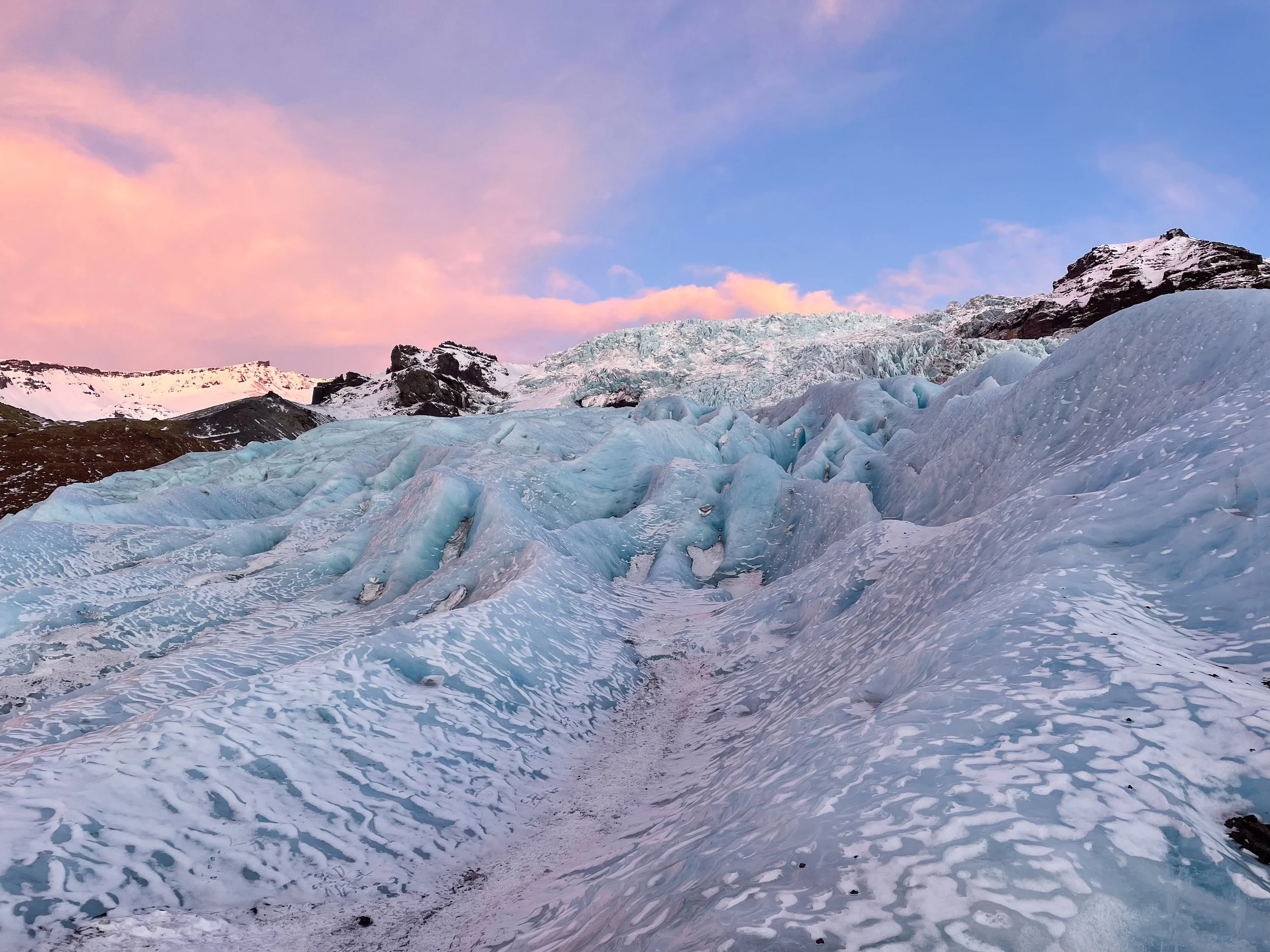
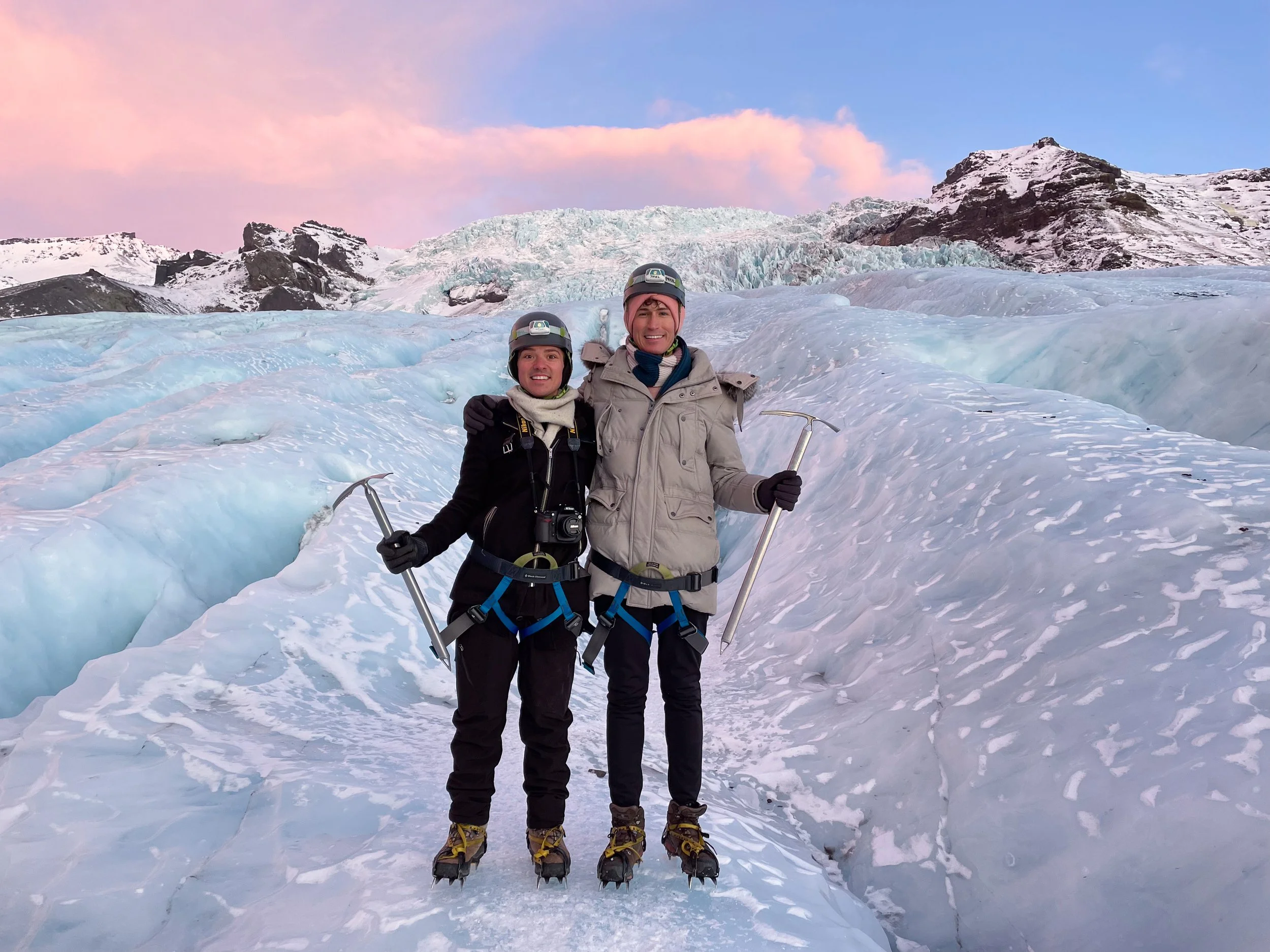
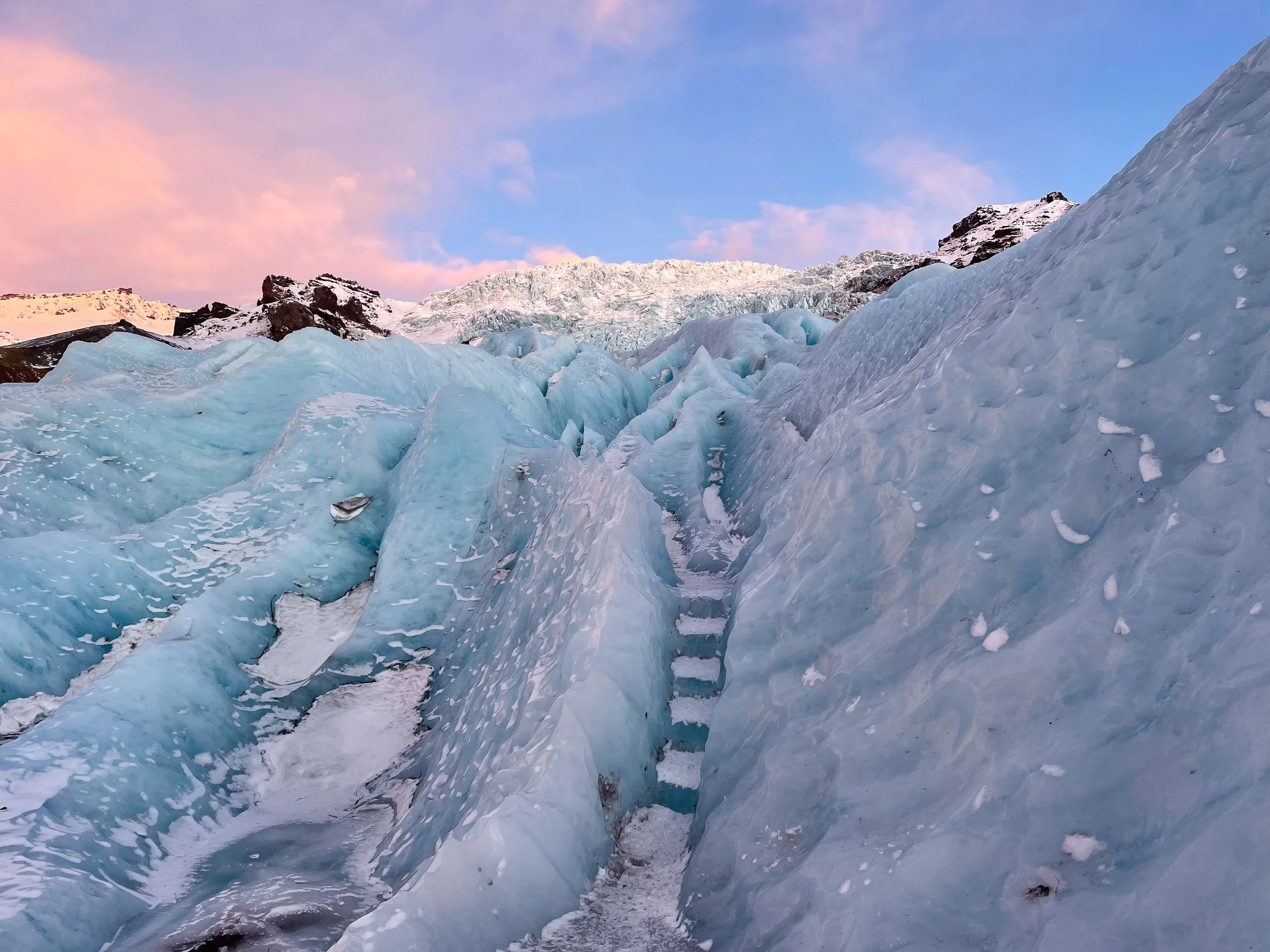
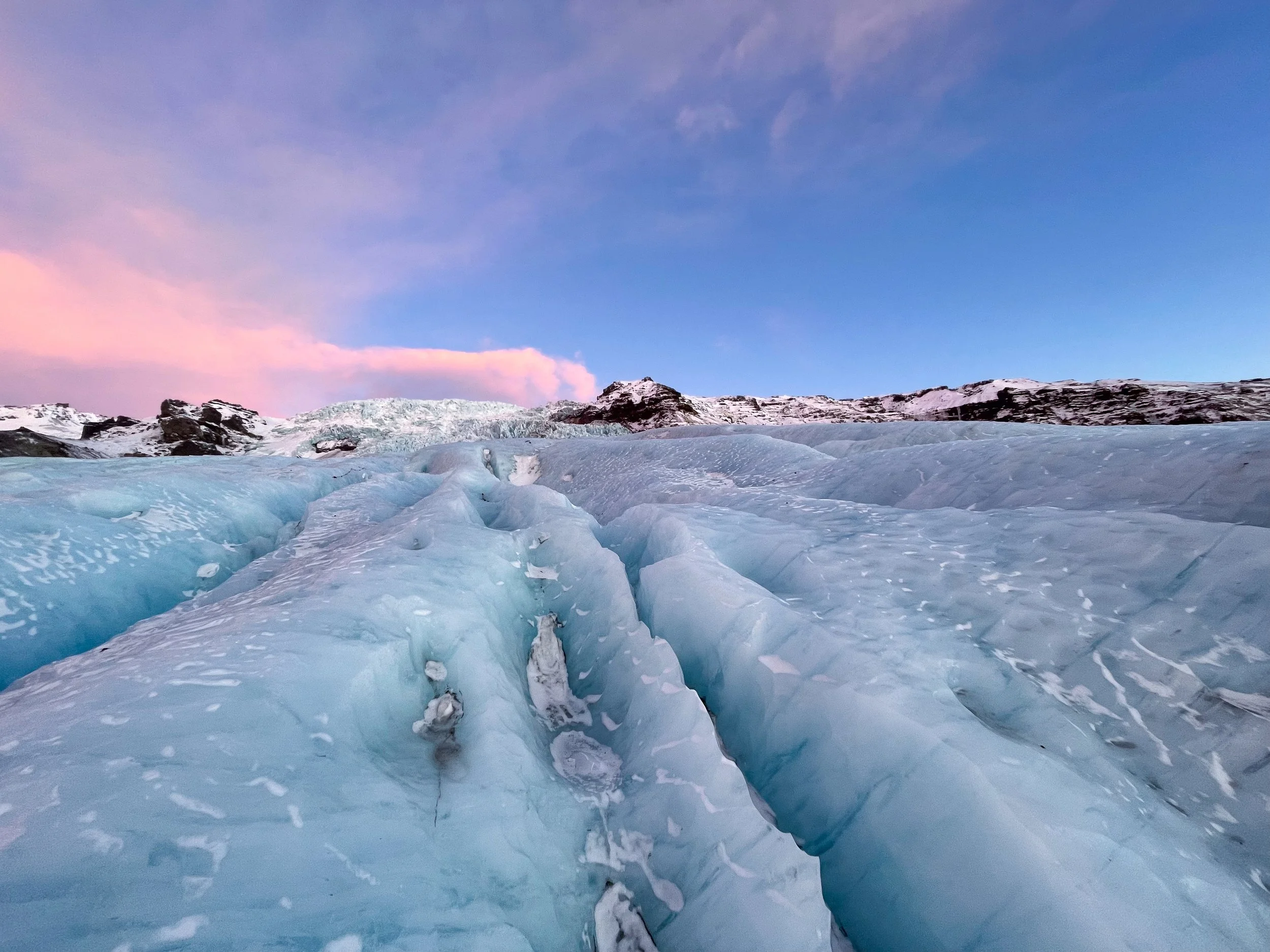
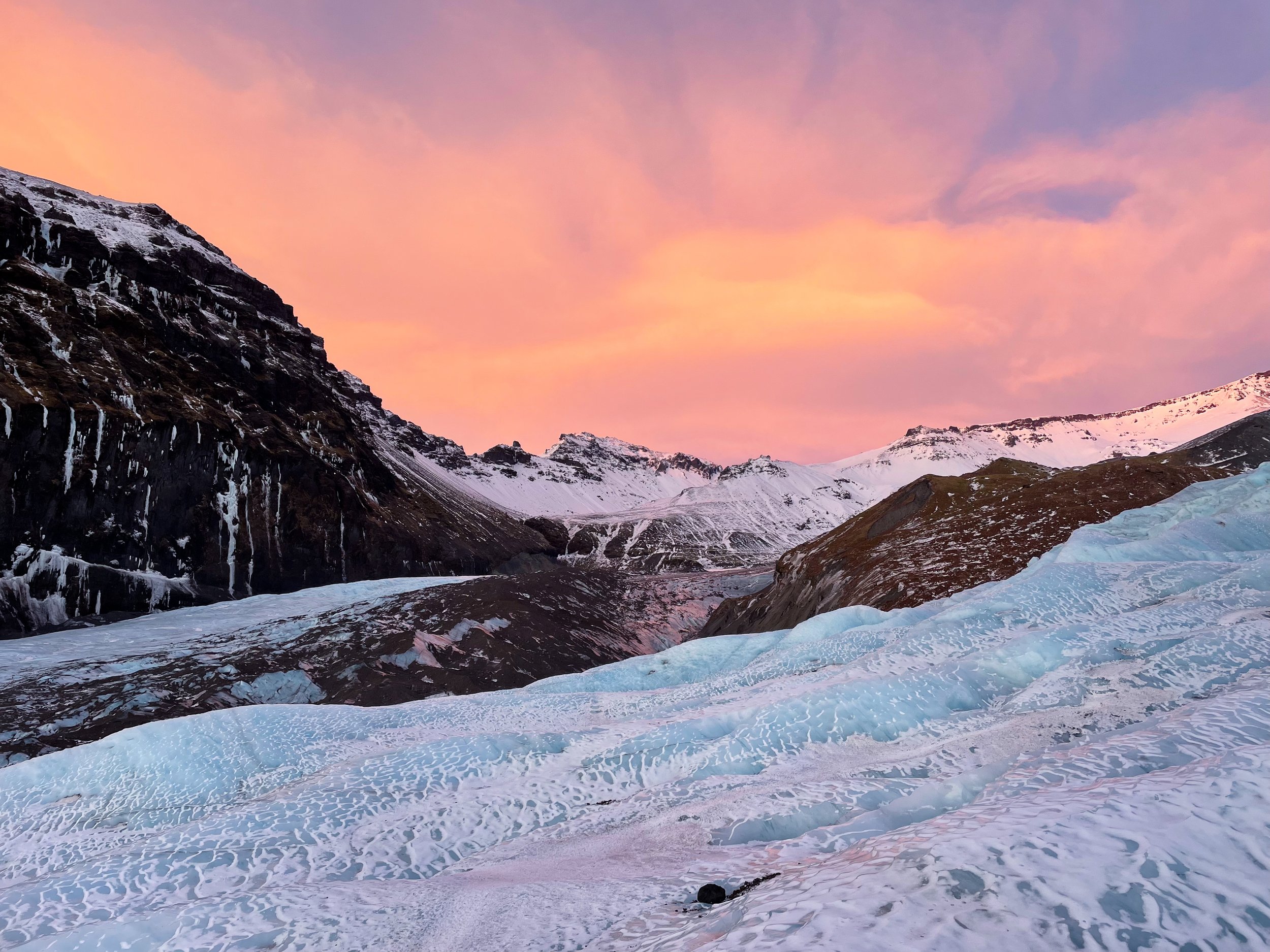
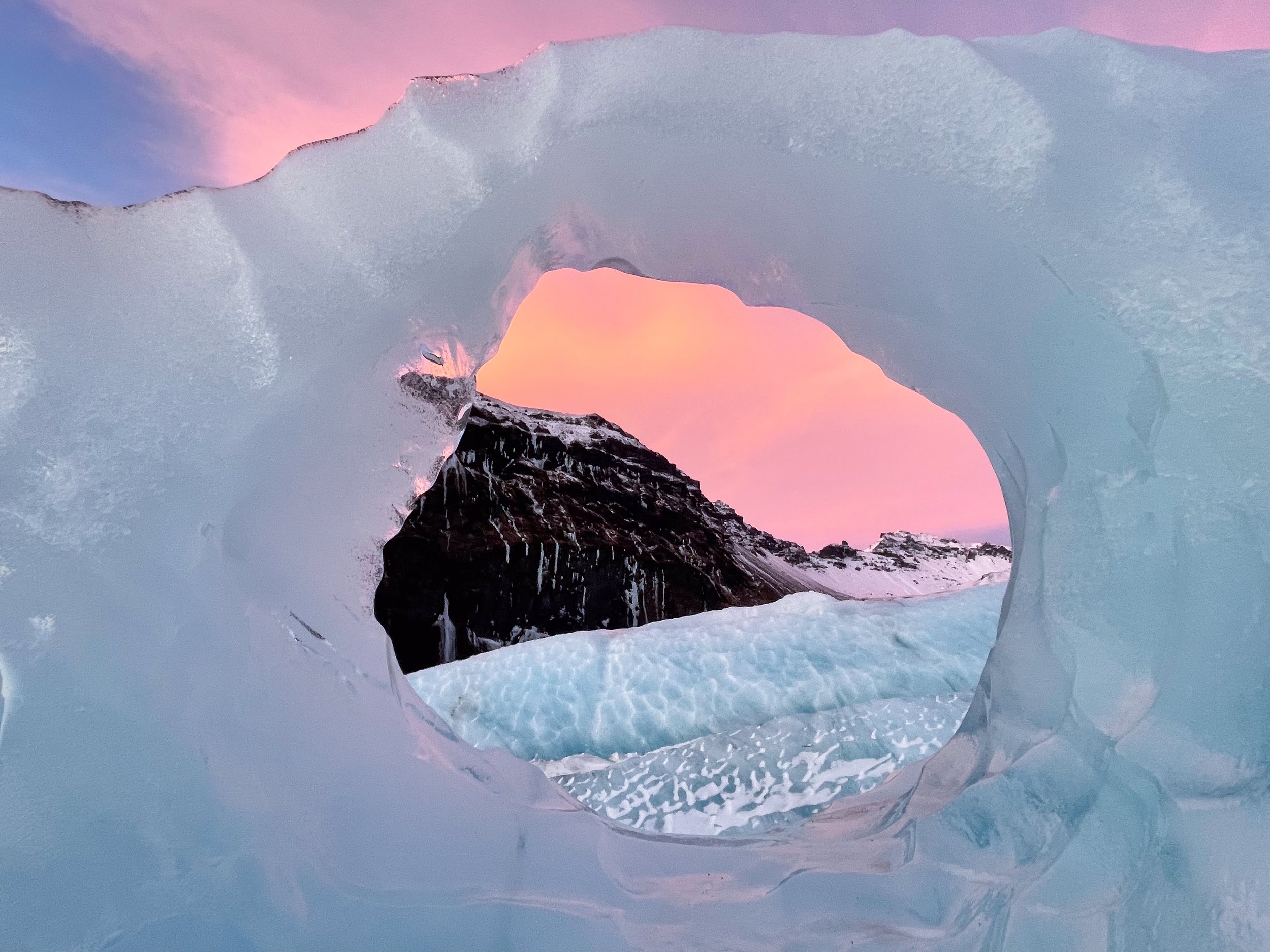
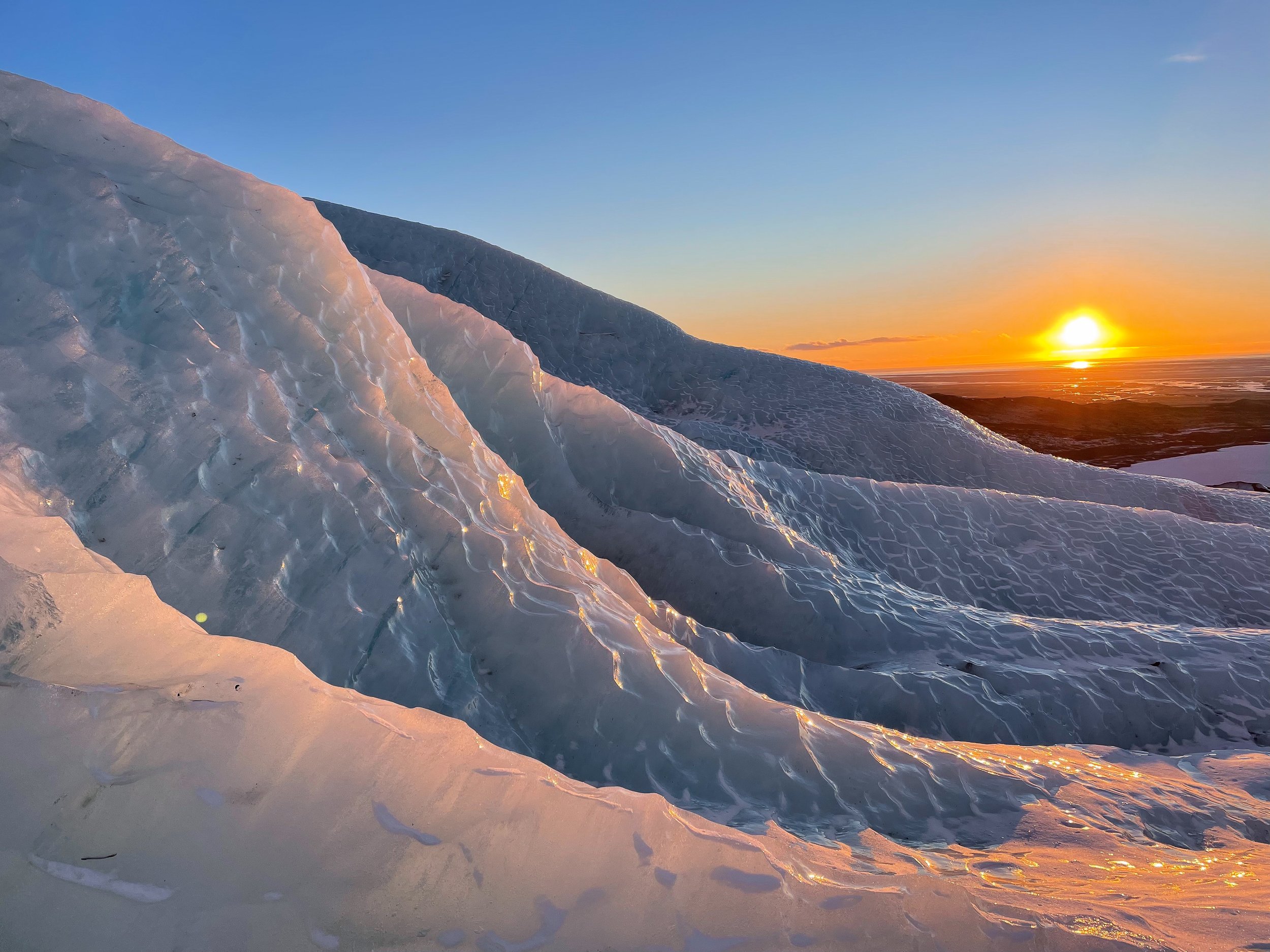
Glacial Sunset. We ascended further as the sun set, reaching a relatively smooth clearing with waves of ice that extended upwards towards jagged crevices and steep cliffs. Now high on the glacier, we stopped to listen to the silence, only interrupted by the occasional sharp crack of the ice. The color of the sky turned vibrant pink while the ice continually became bluer until it seemed to glow. Before reaching the ash covered base of the glacier, we came upon a window in the ice that framed the pink sky and mountain beyond.
Getting Here. The Falljökull Glacier is located about 20 minutes from the Skaftafell Visitor Center by car.
Dinner in Vik
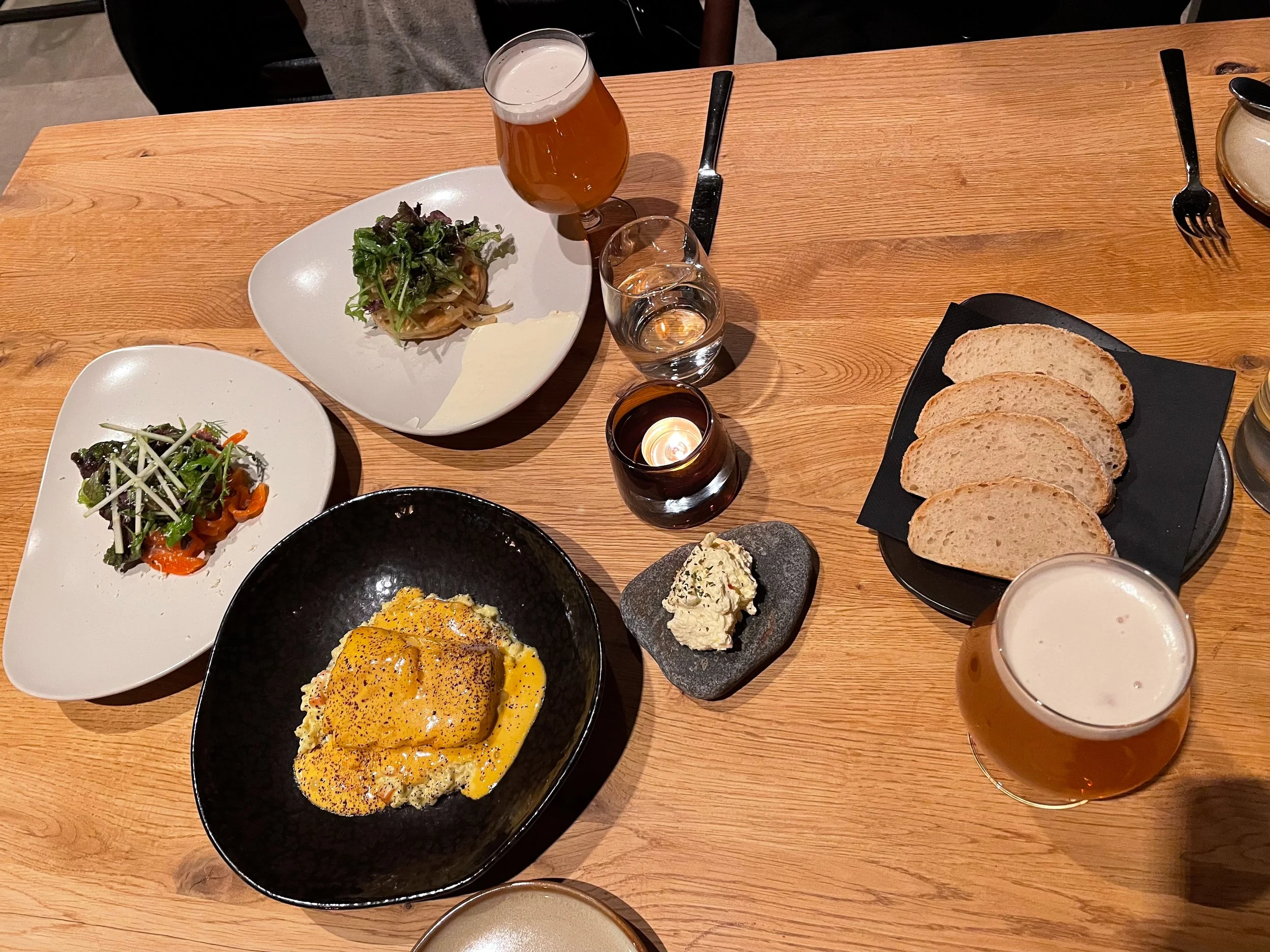
On our return to Hella, we stopped in Vik for dinner at Drangar, a restaurant specializing in modern Icelandic cuisine located at the Kria Hotel. We were welcomed with bread and butter sprinkled with black salt served on a lava rock. We ordered two Gulls and a range of small plates to share: an onion tart, Arctic char tartare, curried cod on a bed of risotto and a poached plum with skyr (Icelandic yogurt).
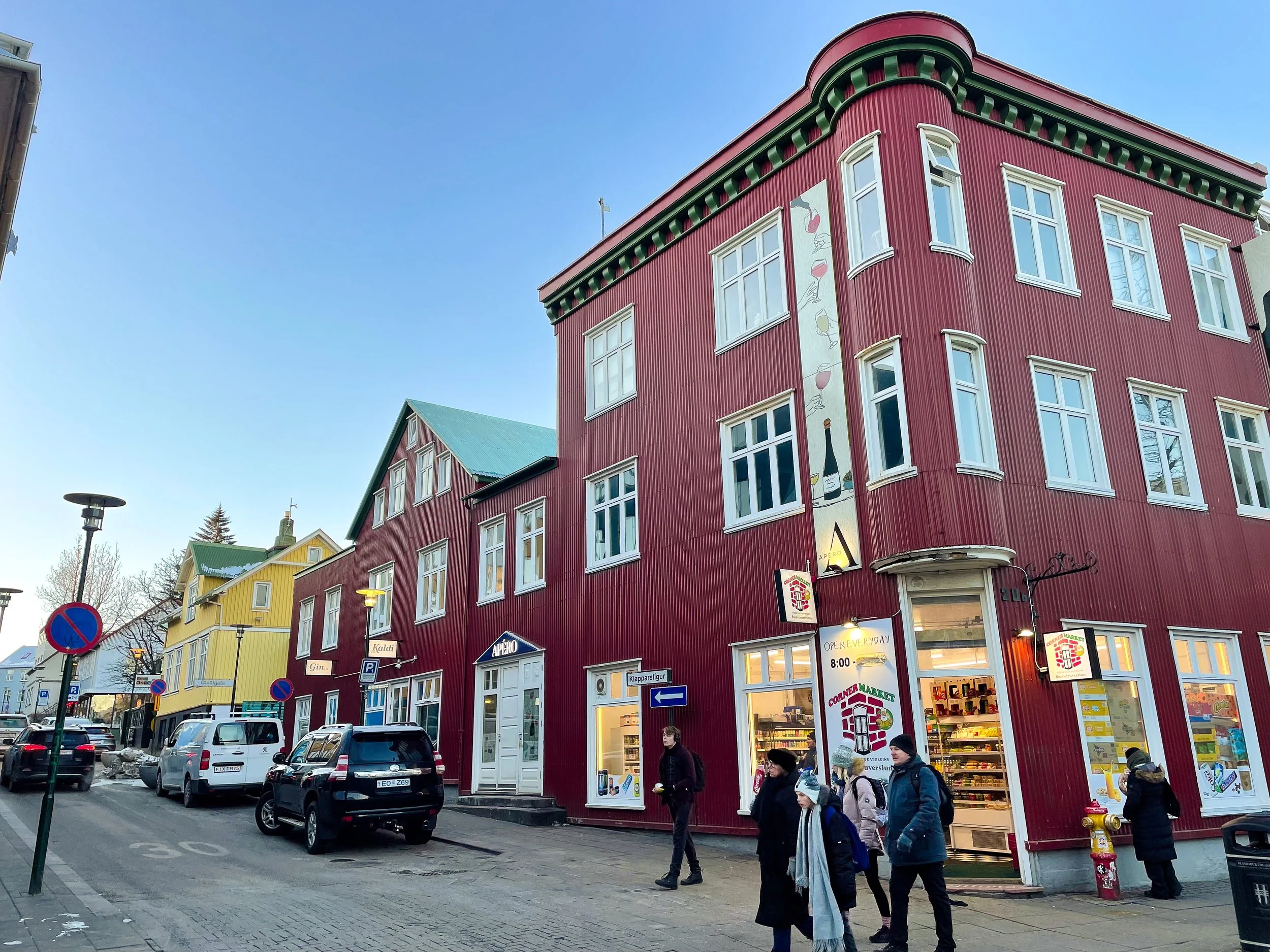
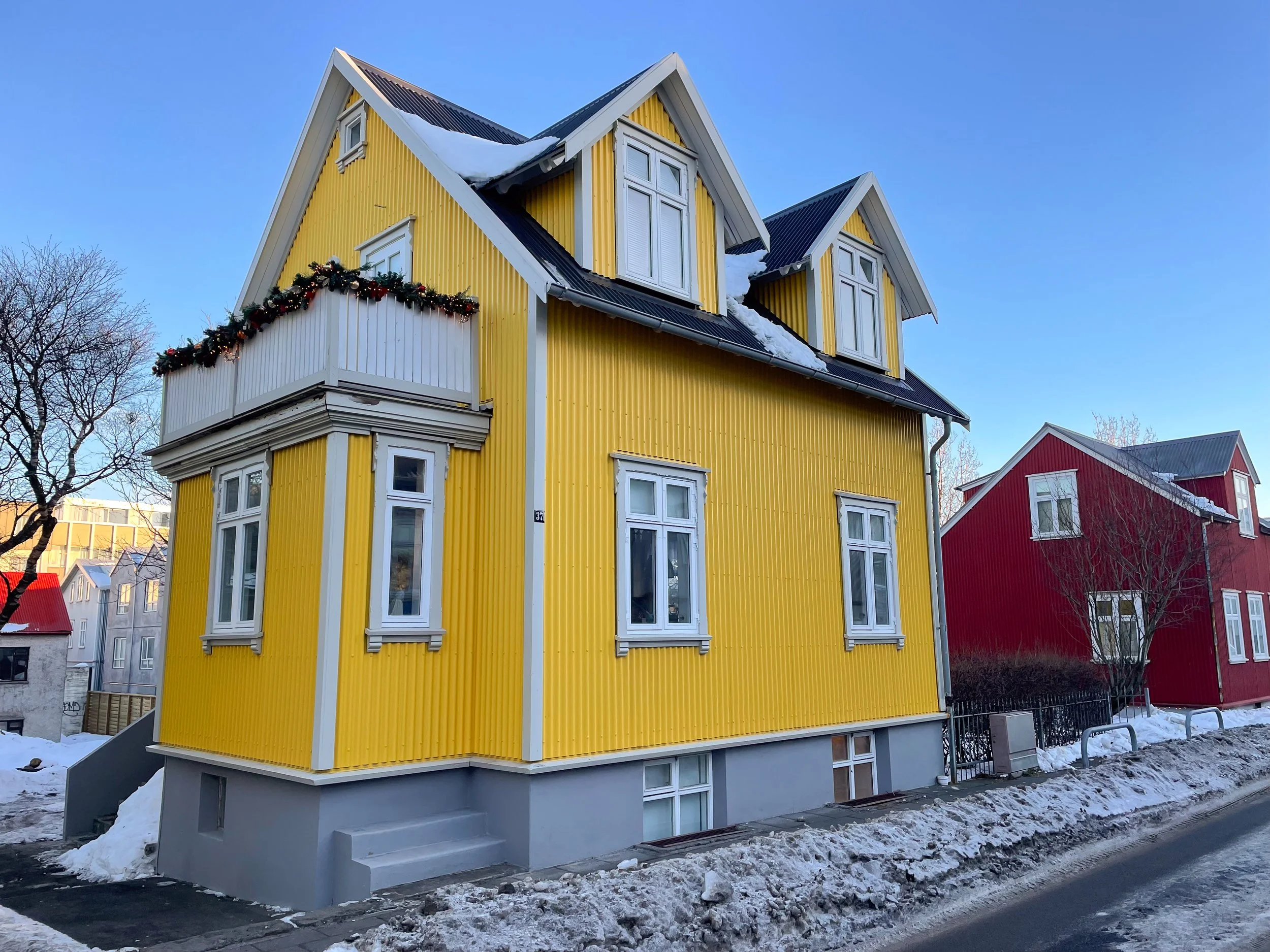
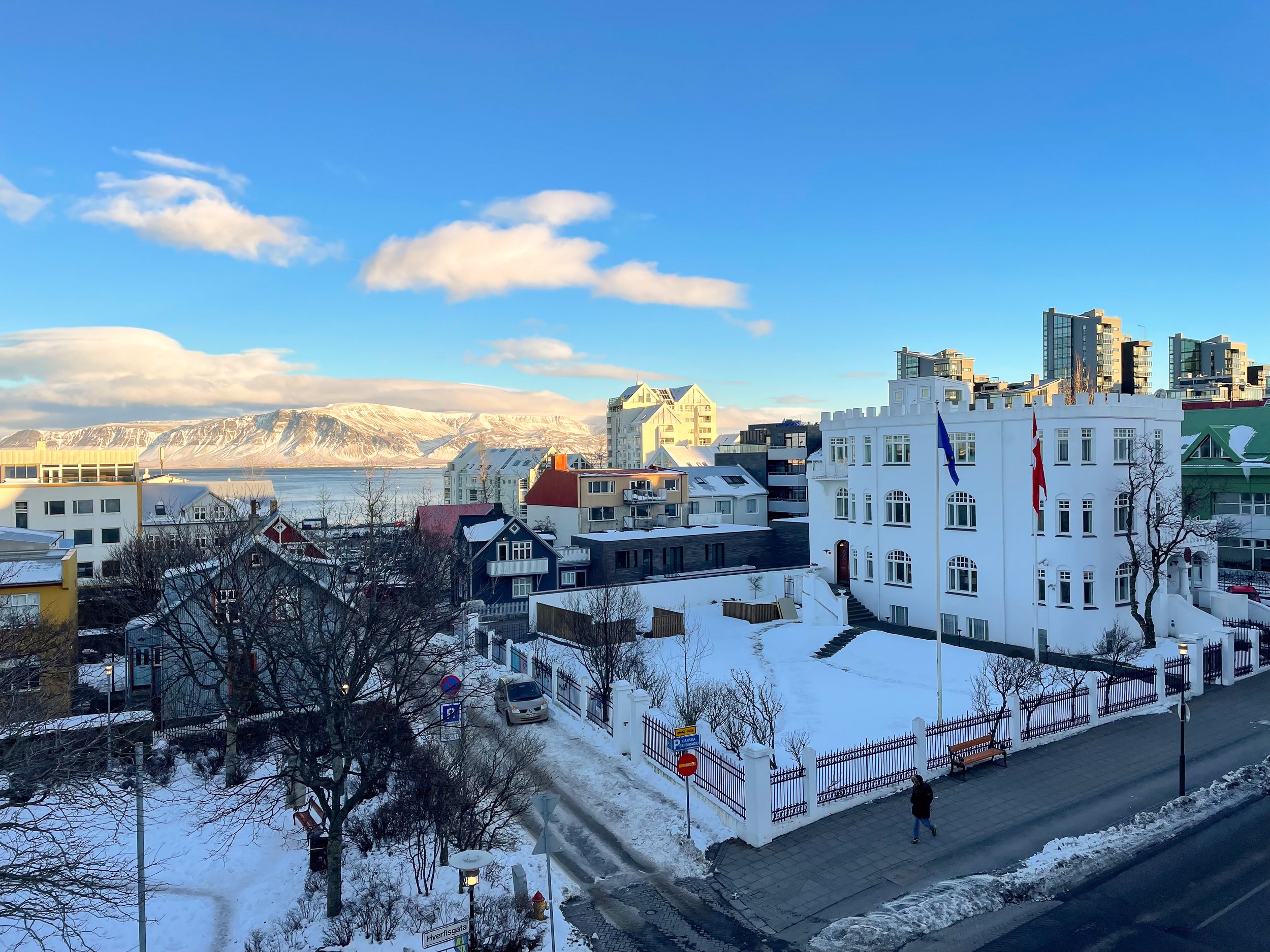
Reykjavík
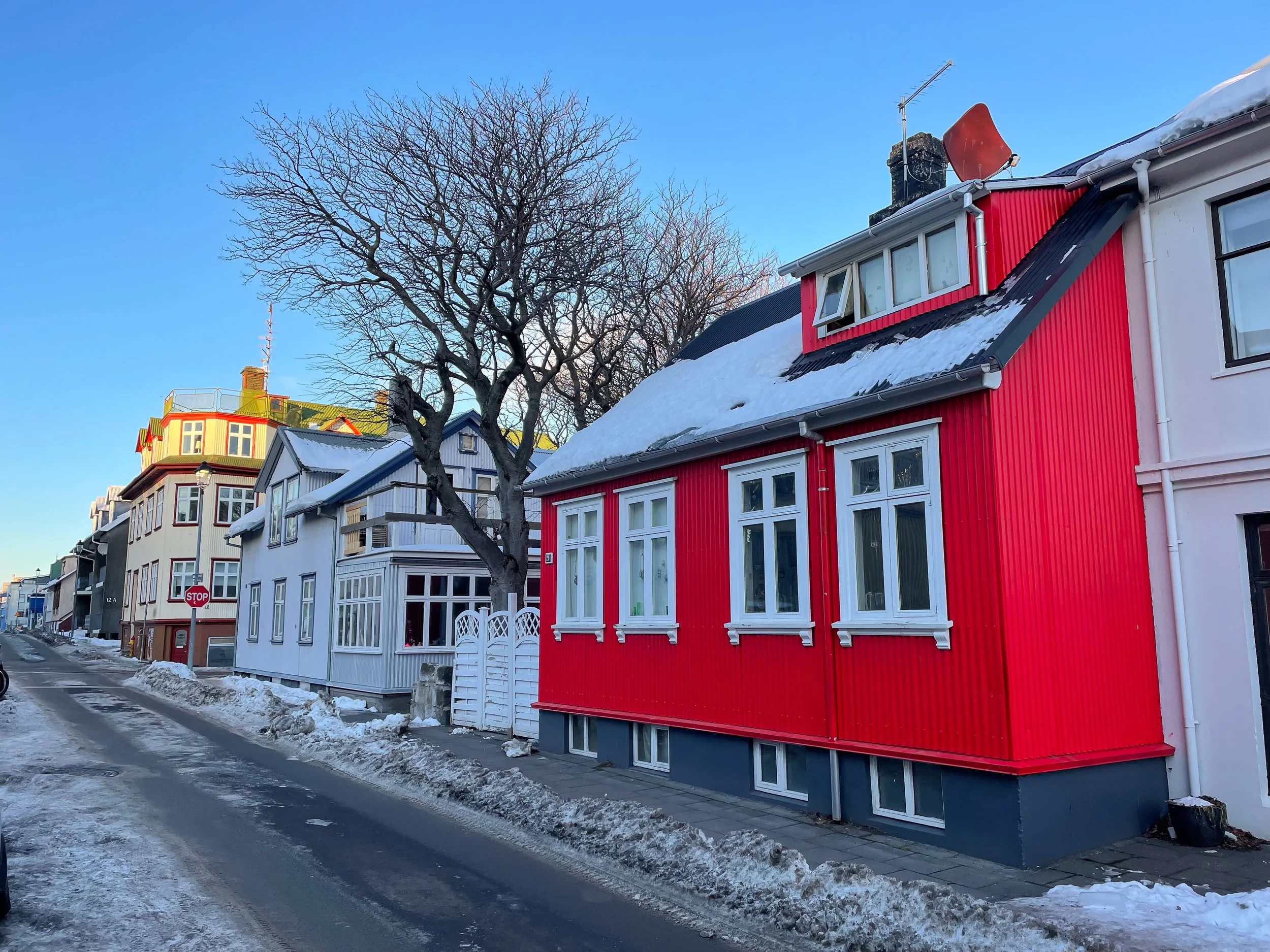
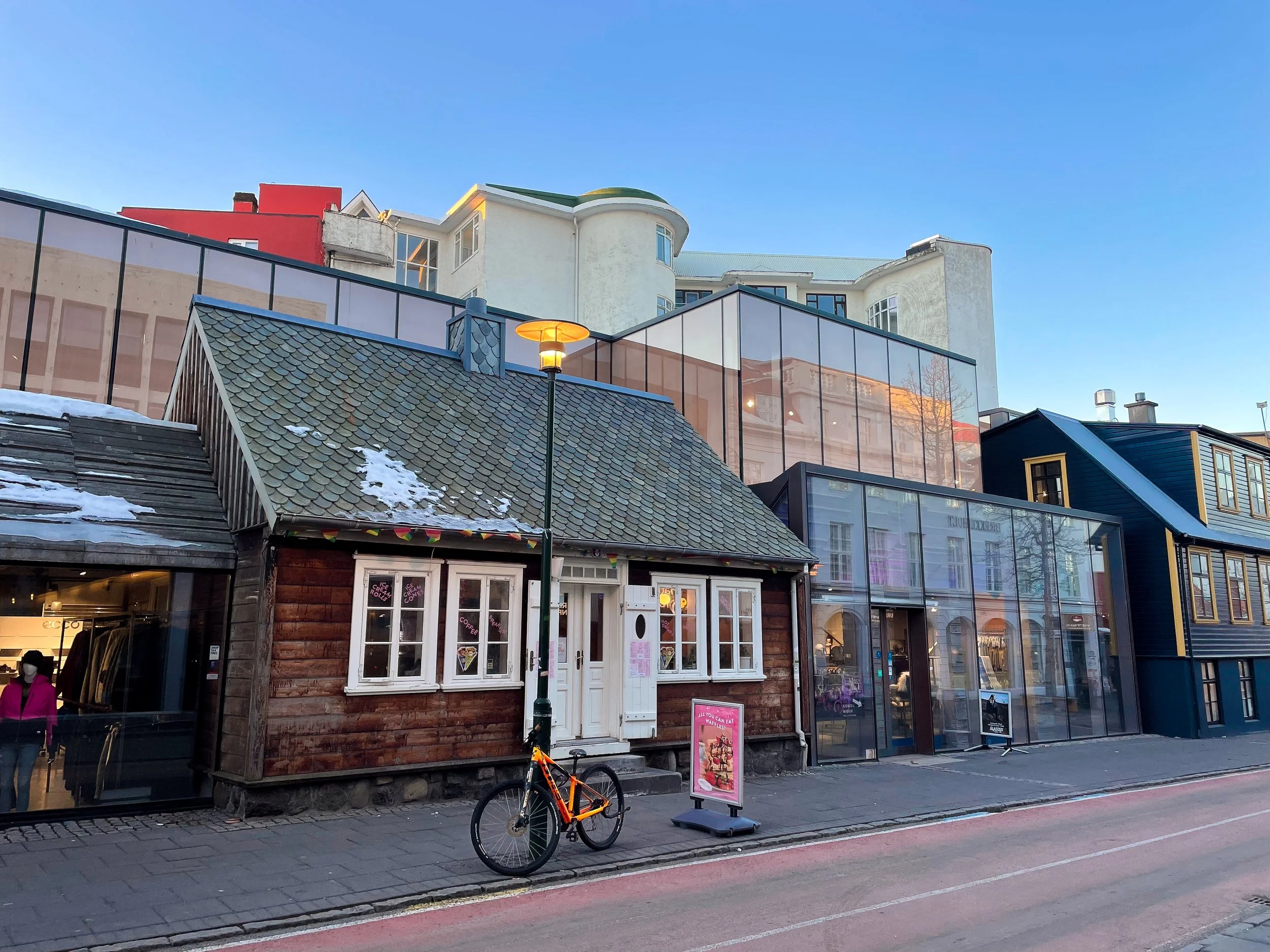
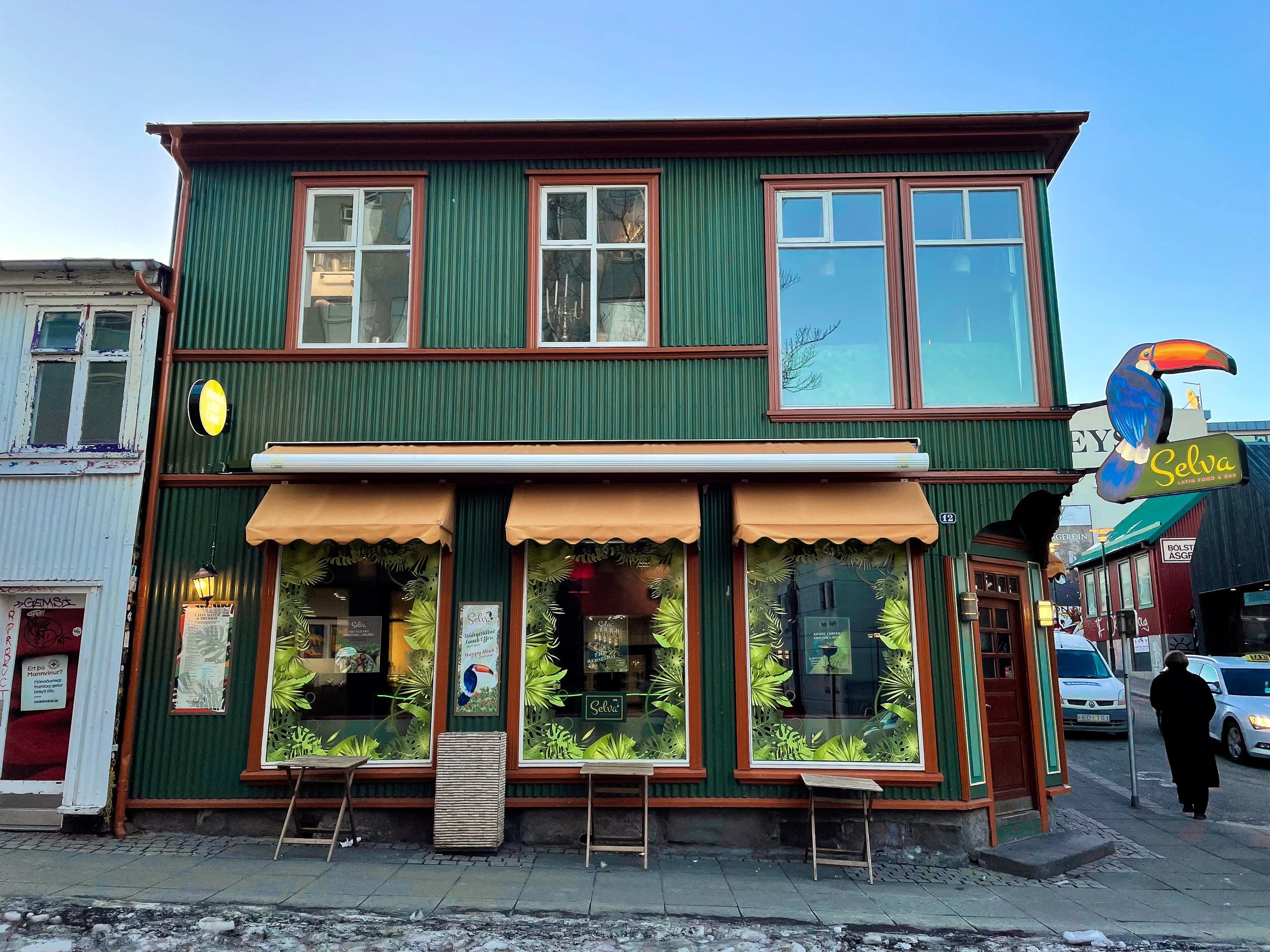
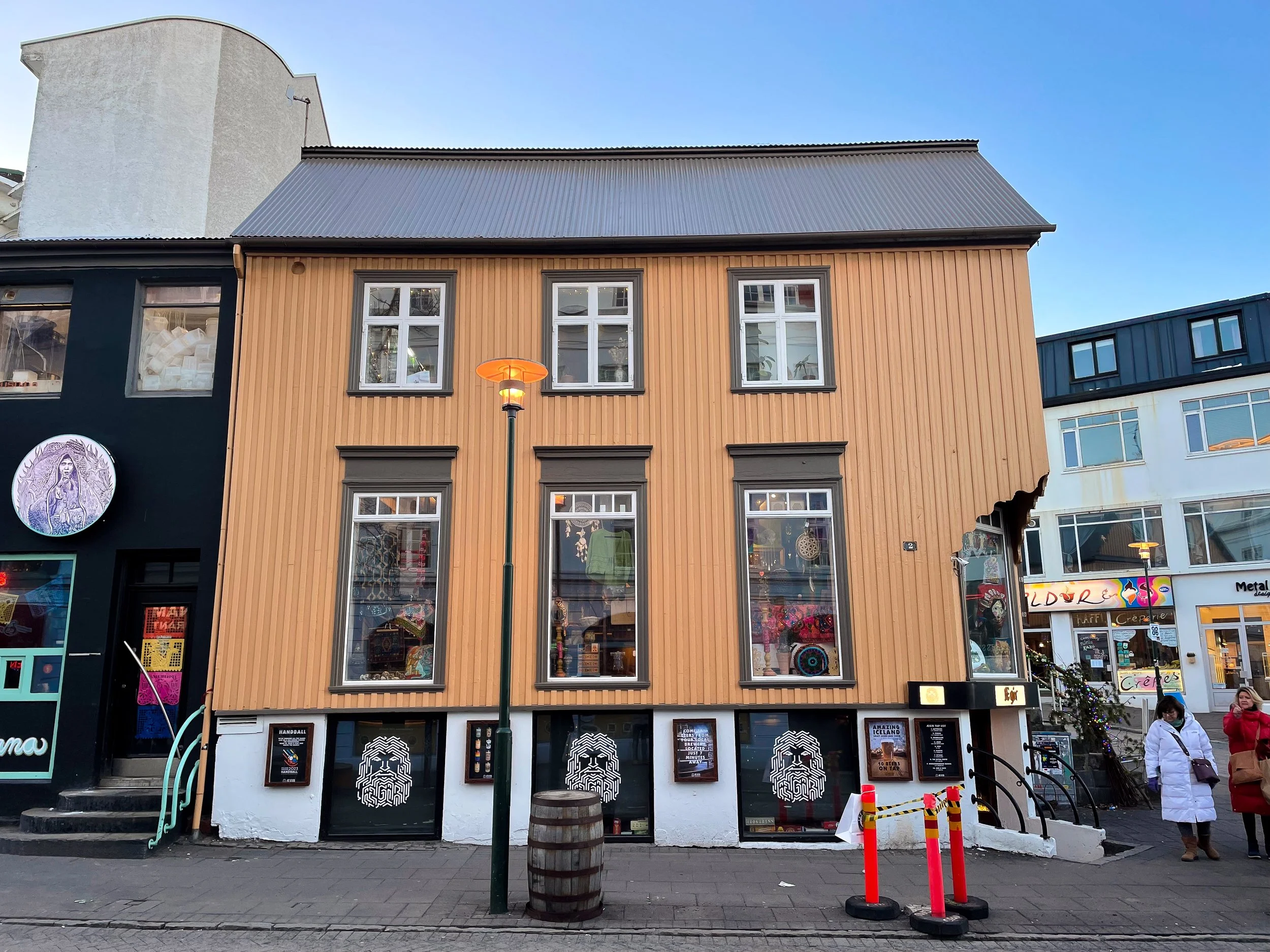
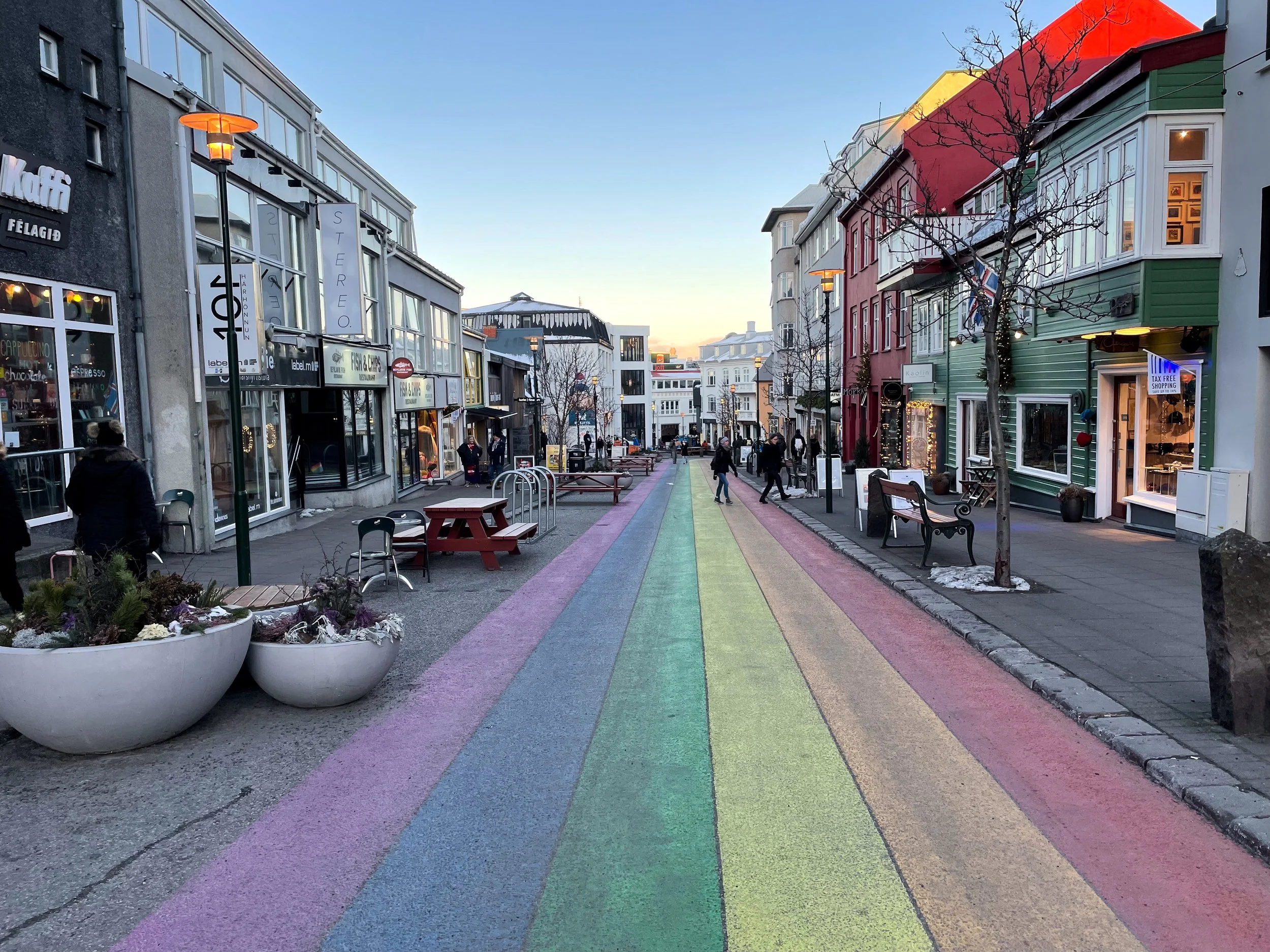
Reykjavík is a scenic capital city of Iceland. Its walkable downtown streets are lined with colorful corrugated buildings, old wooden houses and monumental landmarks. Icelandic boutiques and restaurants invite travelers in to shop for locally made goods and taste the country’s cuisine. The city is an ideal starting or ending point for most adventures in Iceland.
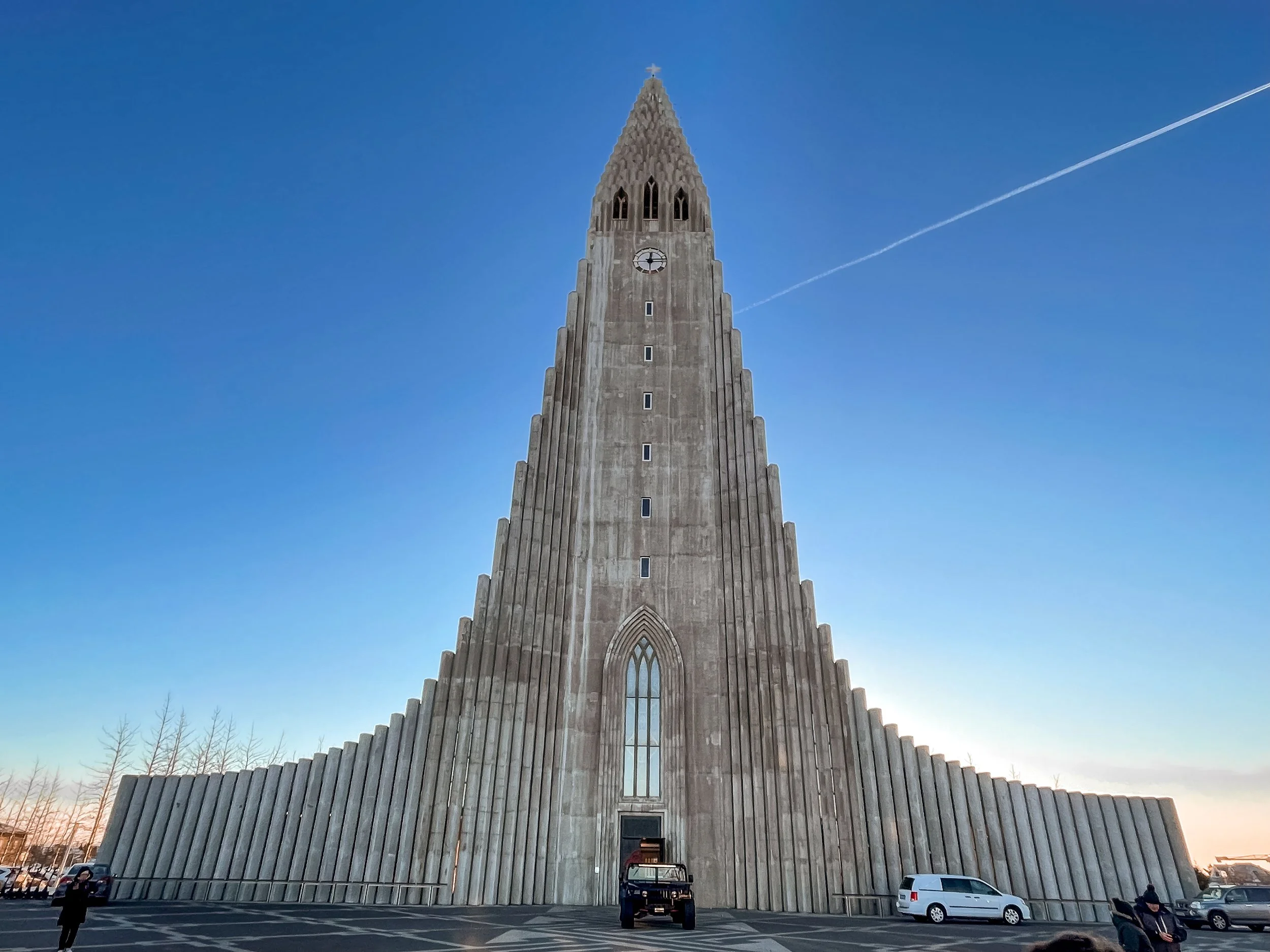
Hallgrímskirkja Cathedral
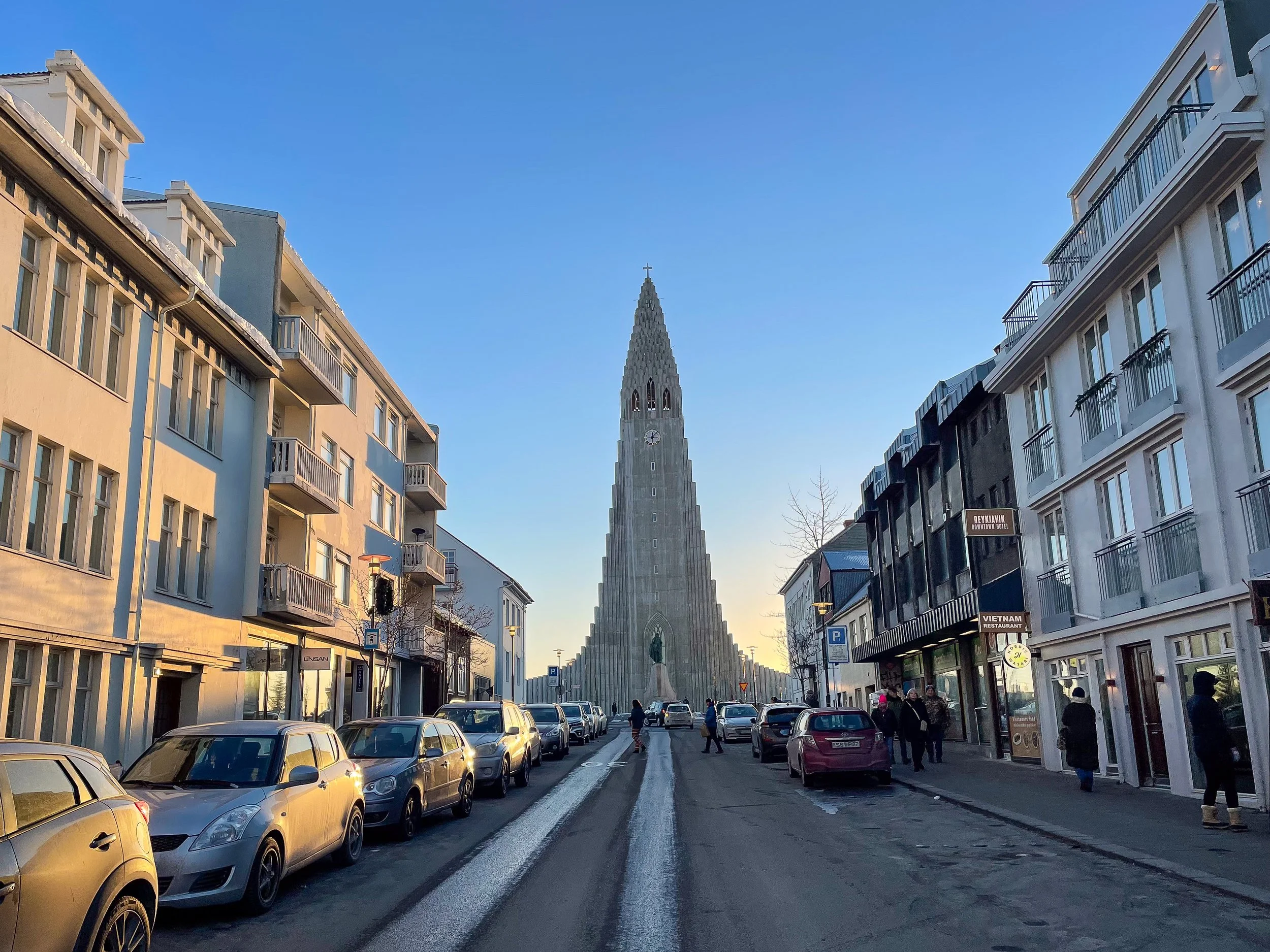
The Hallgrímskirkja Cathedral is a stepped concrete cathedral designed with inspiration from the Icelandic landscape. The shape is meant to resemble an erupting geyser with its facade made from hexagonal columns reminiscent of the basalt columns seen across the country. There is an elevator to the top of the spire which overlooks Reykjavík. It was closed when we visited due to a funeral.
Streets & Boutiques
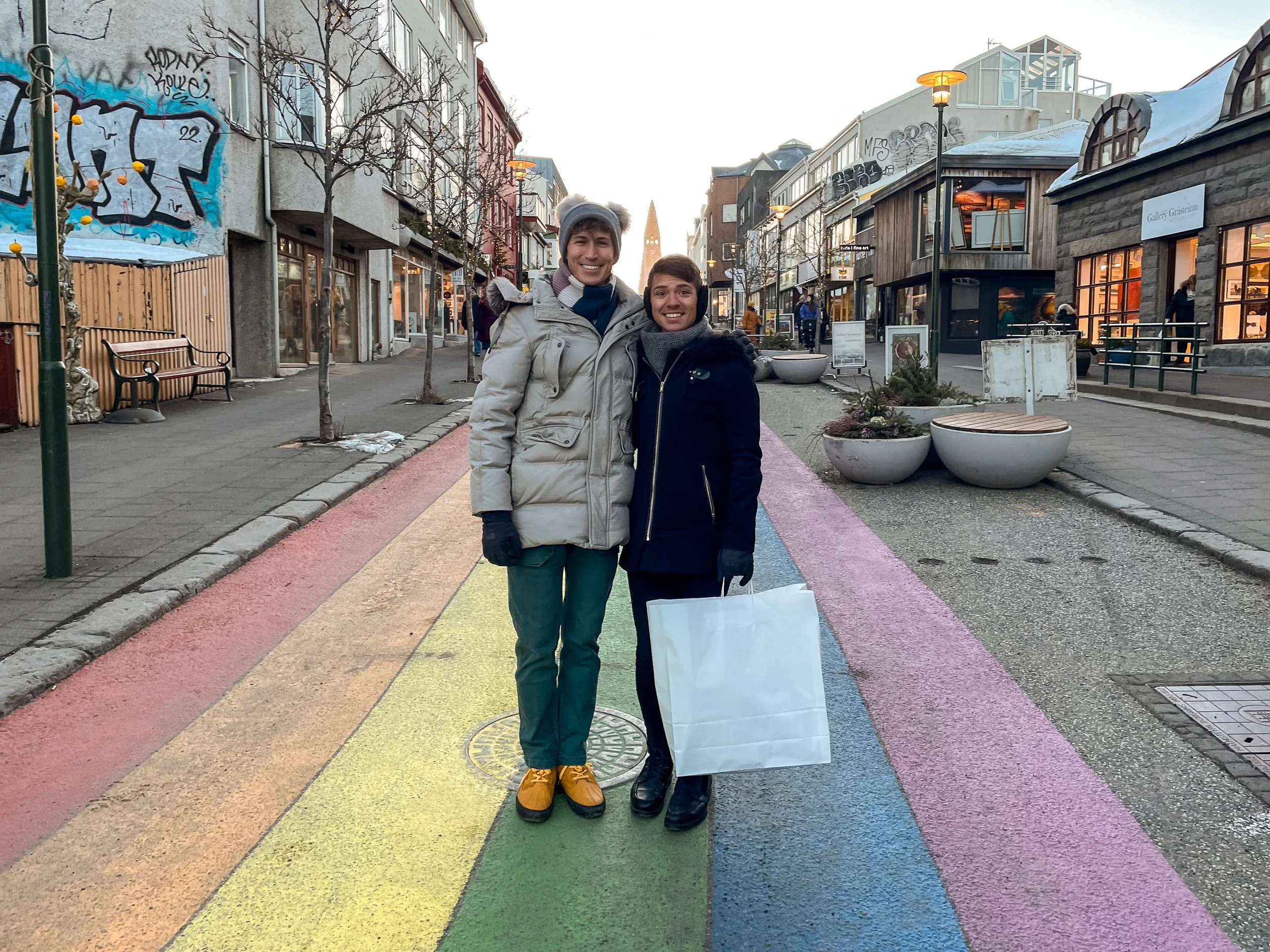
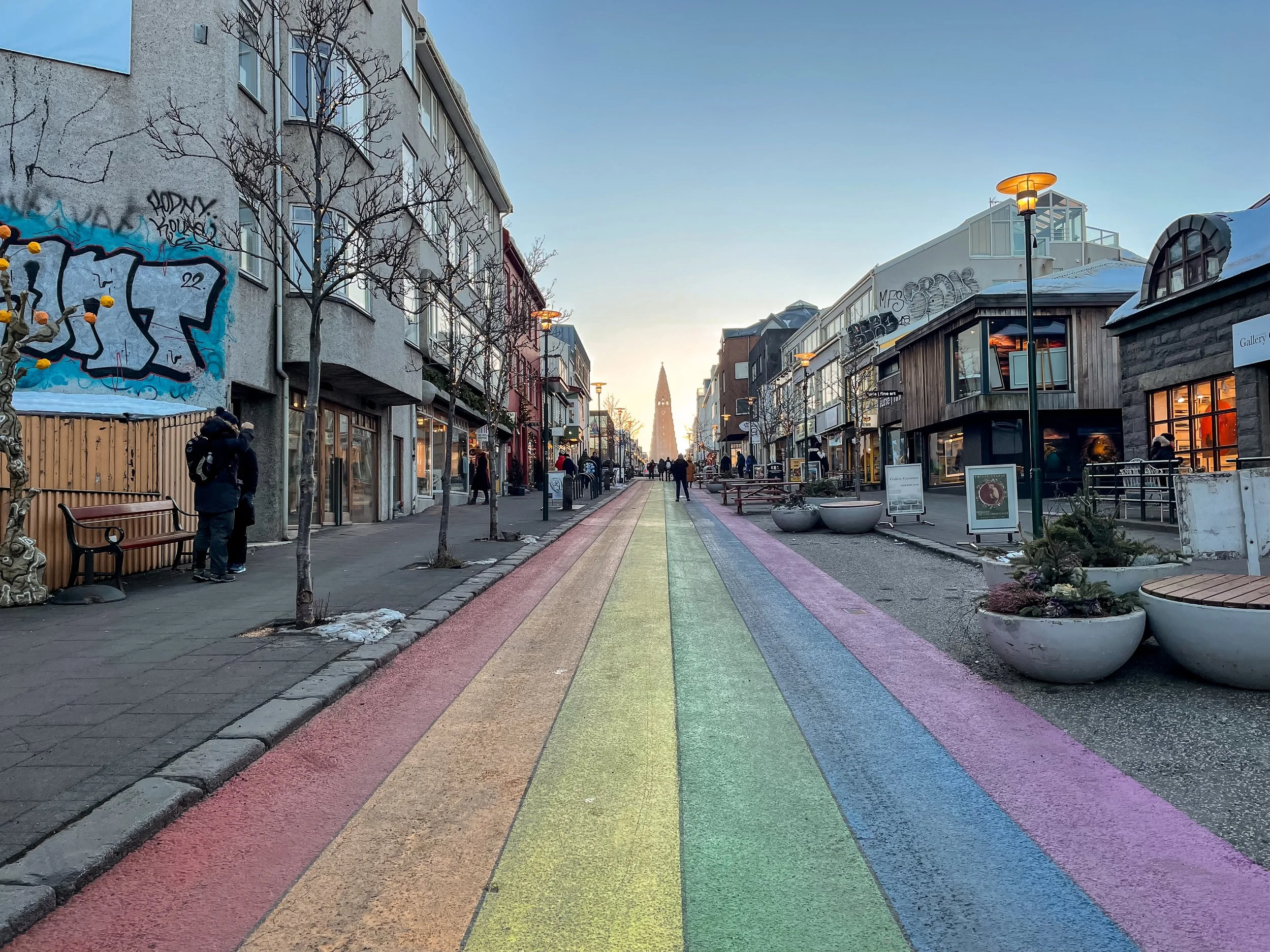
Rainbow Street. A downtown street painted in a rainbow with boutiques and views of Hallgrímskirkja Cathedral.
Laugavegur. A street with boutiques, vintage stores, design shops, restaurants, bakeries, cocktail bars and hotels.
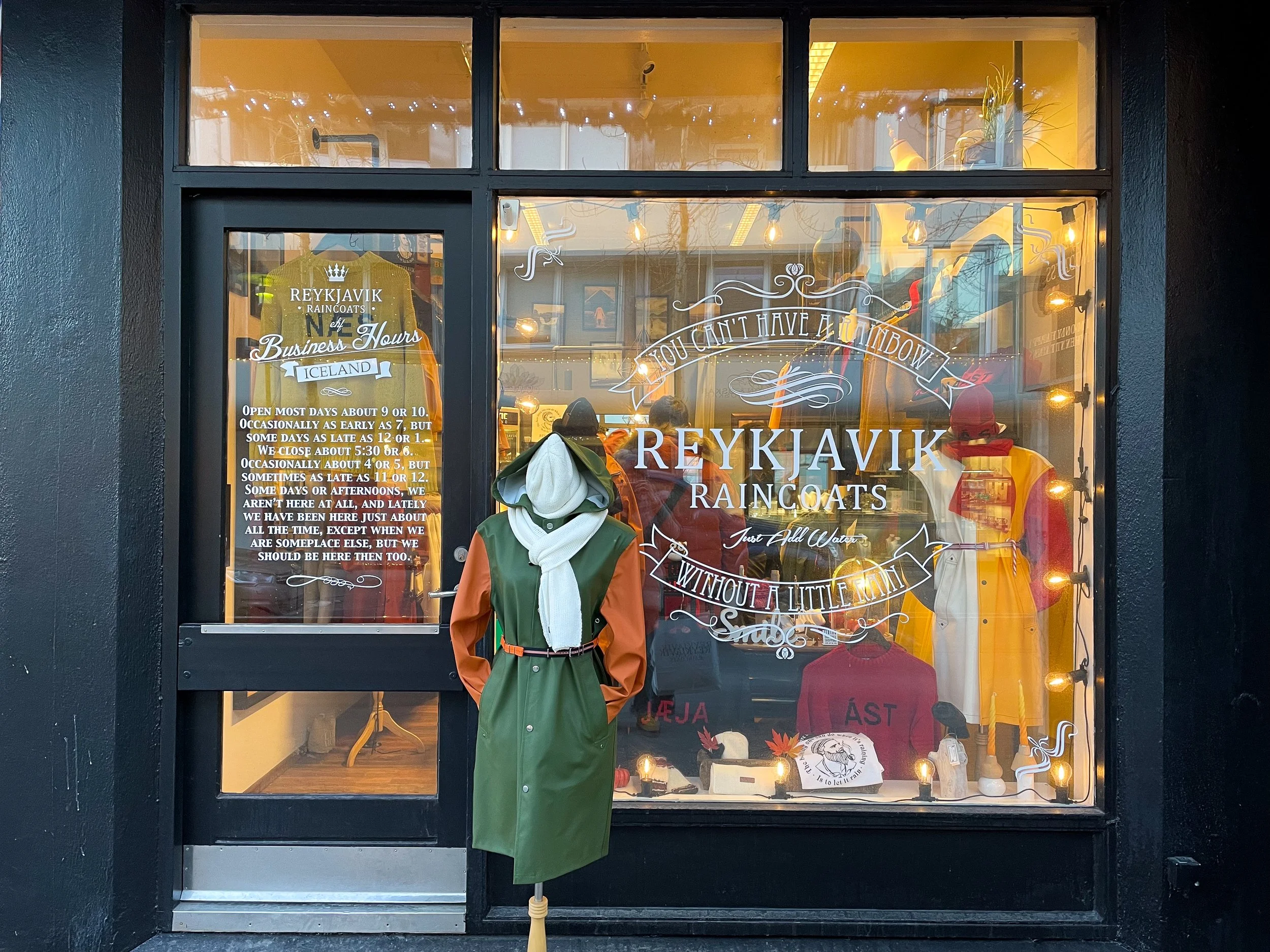
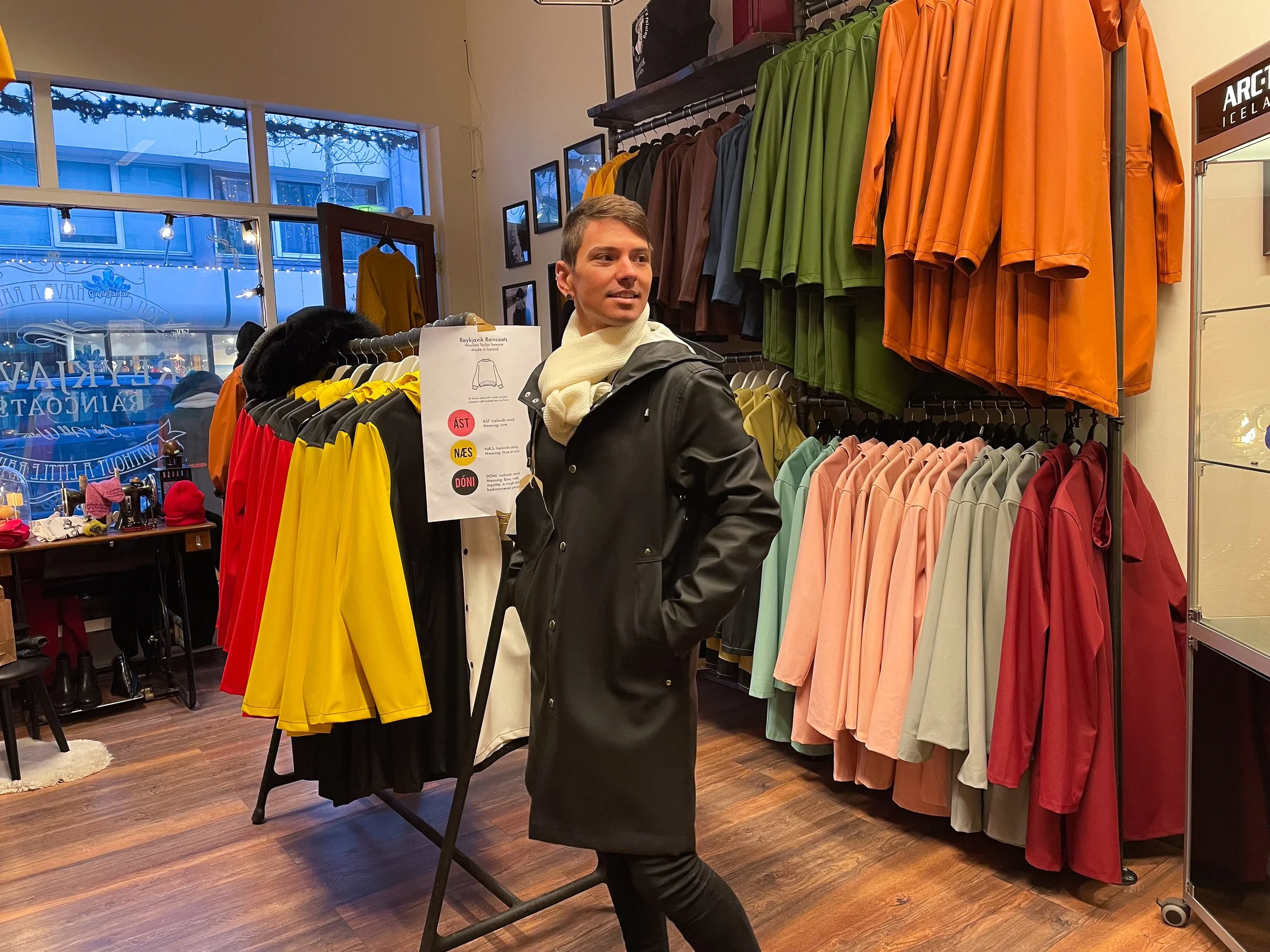
Reykjavik Raincoat. A boutique specializing in modern raincoats sold in a range of colors. Their coats are made from the same material that Icelandic fishermen wear at sea. They also have wool accessories like hats, sweaters and scarves.
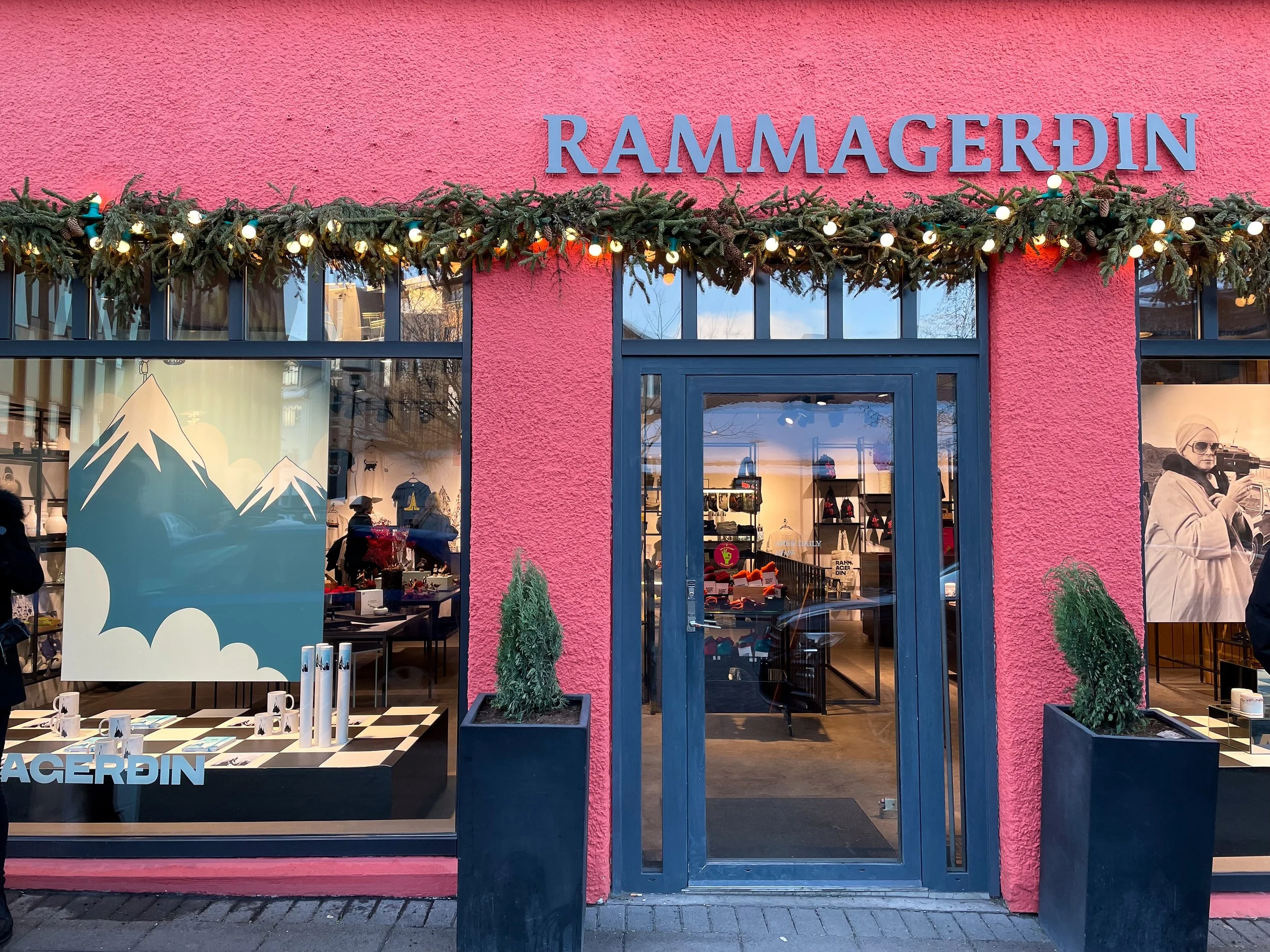
Rammagerðin. A boutique featuring local artists and handmade Icelandic products including taxidermy puffins, wool blankets, sweaters, yarn, leather gloves, furs, artwork and skincare items.
The Water Front
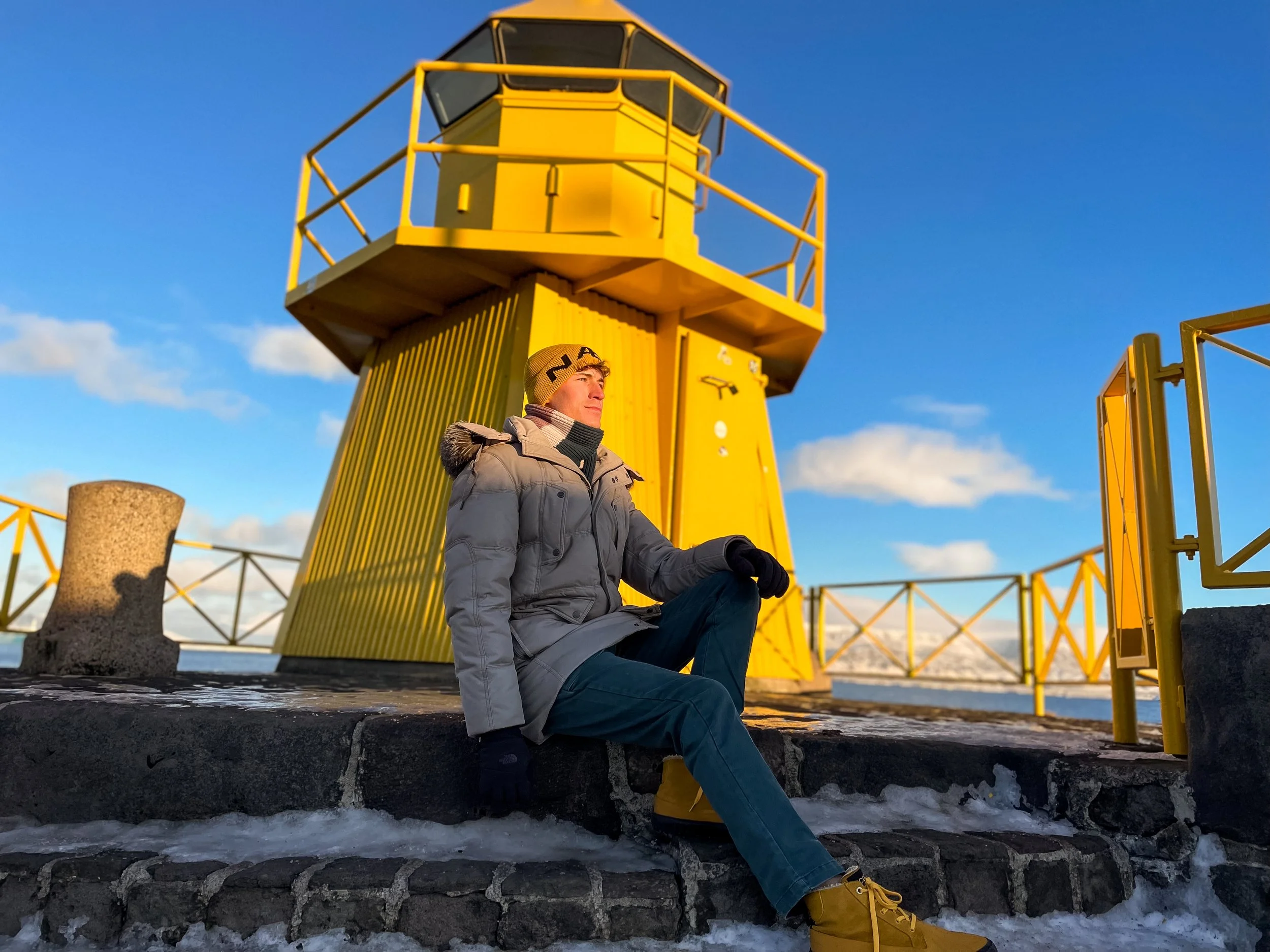
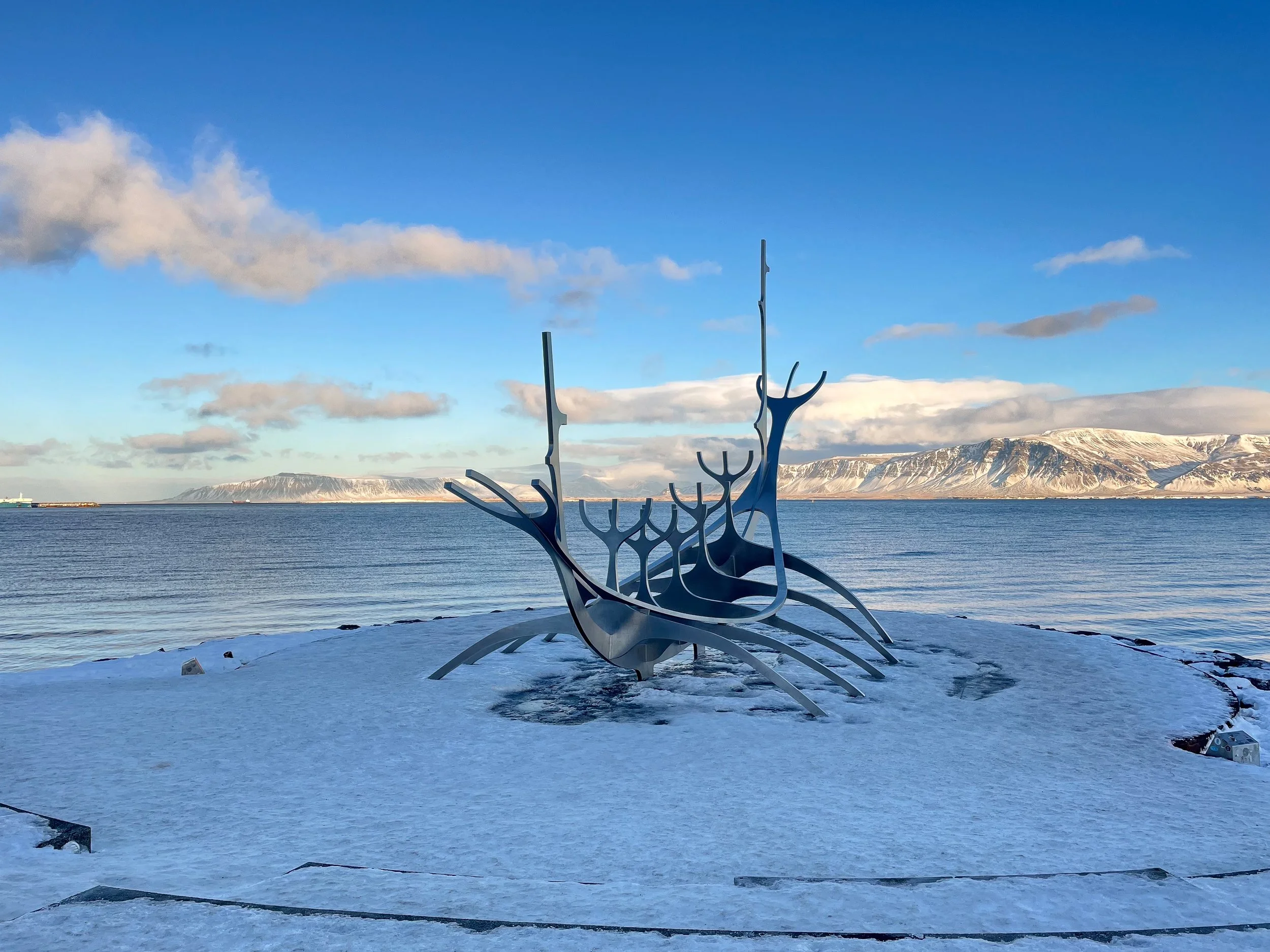
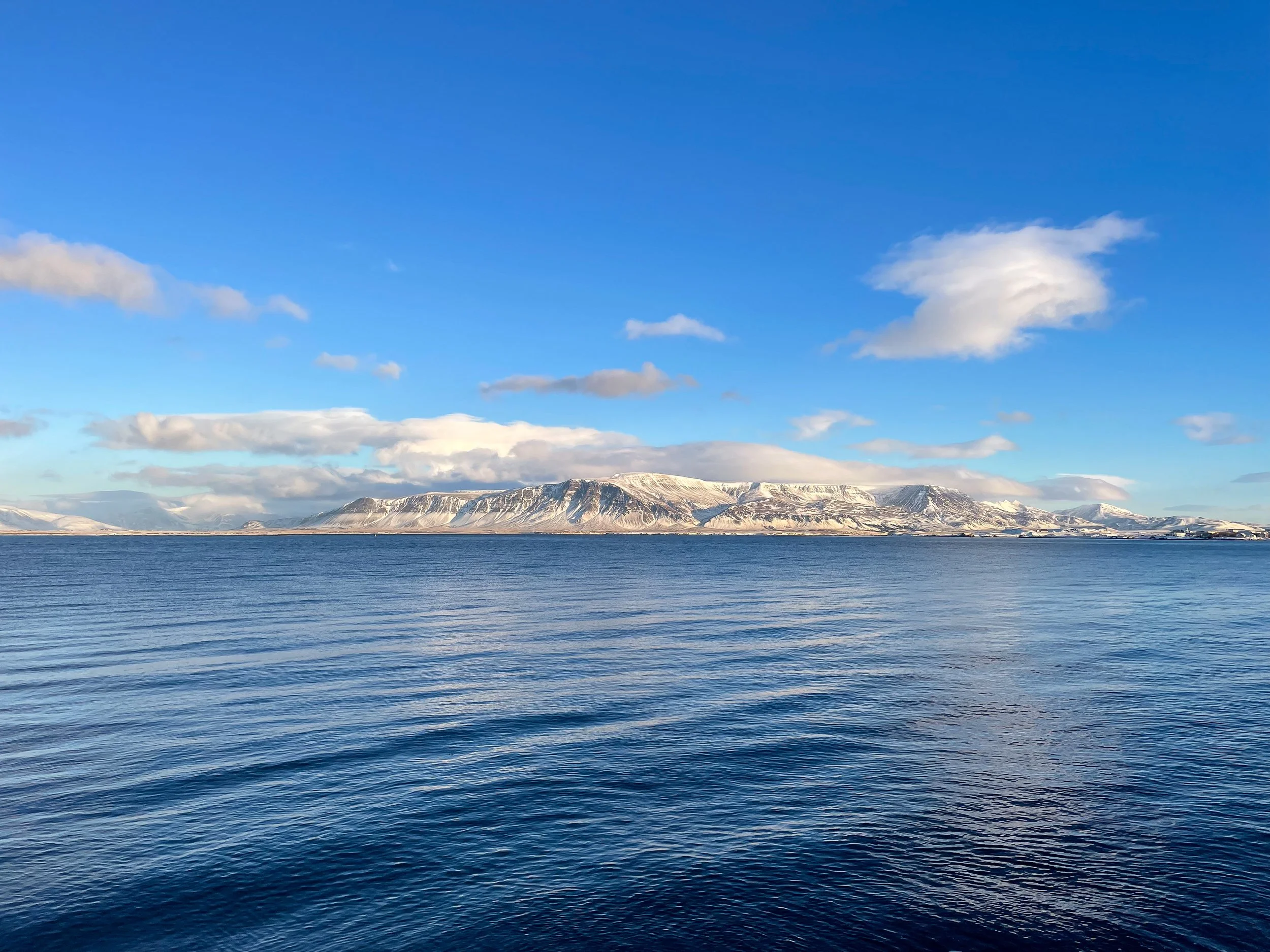
Reykjavík’s waterfront overlooks the bay and snow covered mountains across from it. It’s the site of multiple landmarks and starting point for whale watching tours.
The Sun Voyager Sculpture. A steel structure shaped like a Viking long boat, meant to inspire exploration.
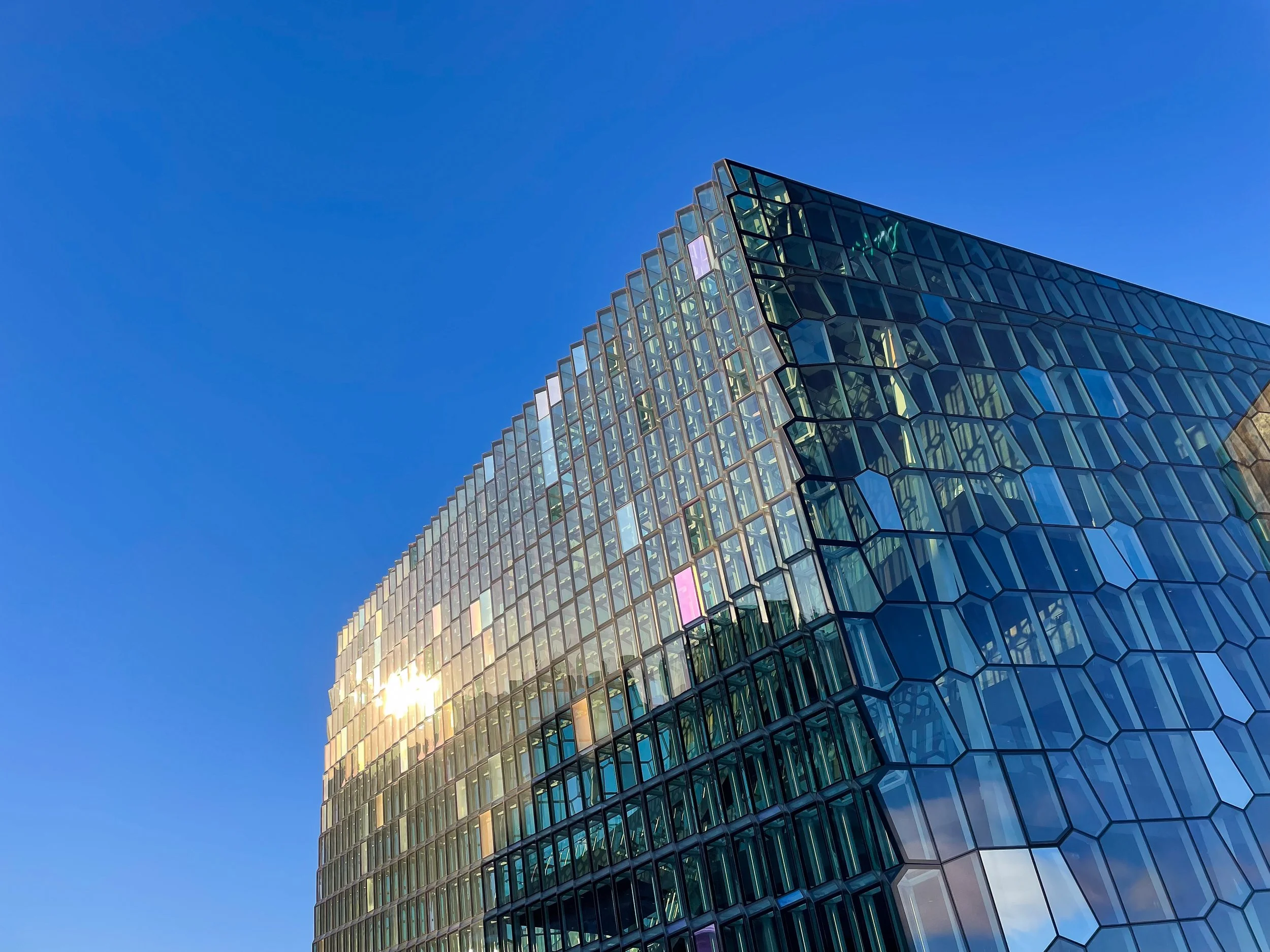
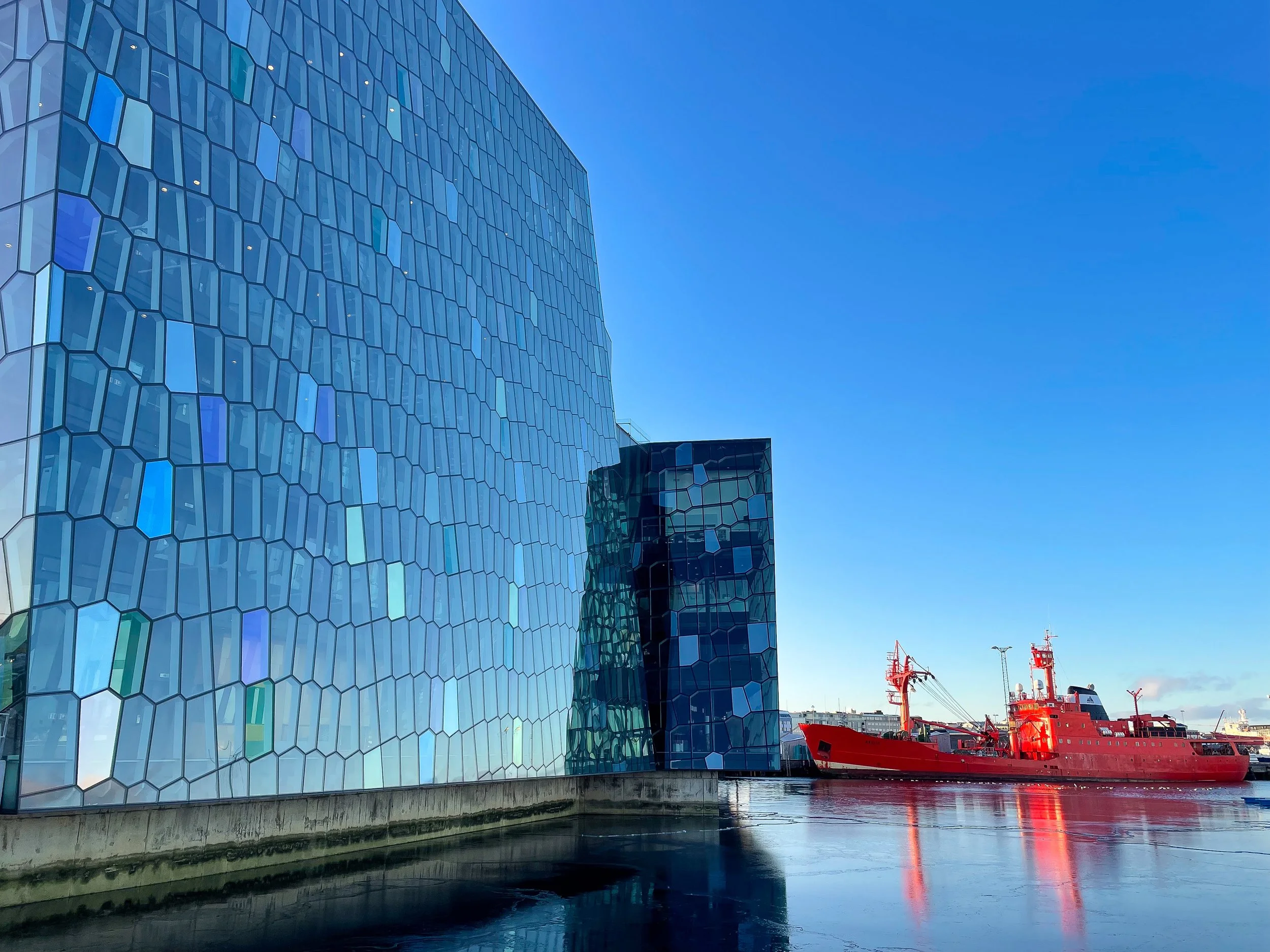
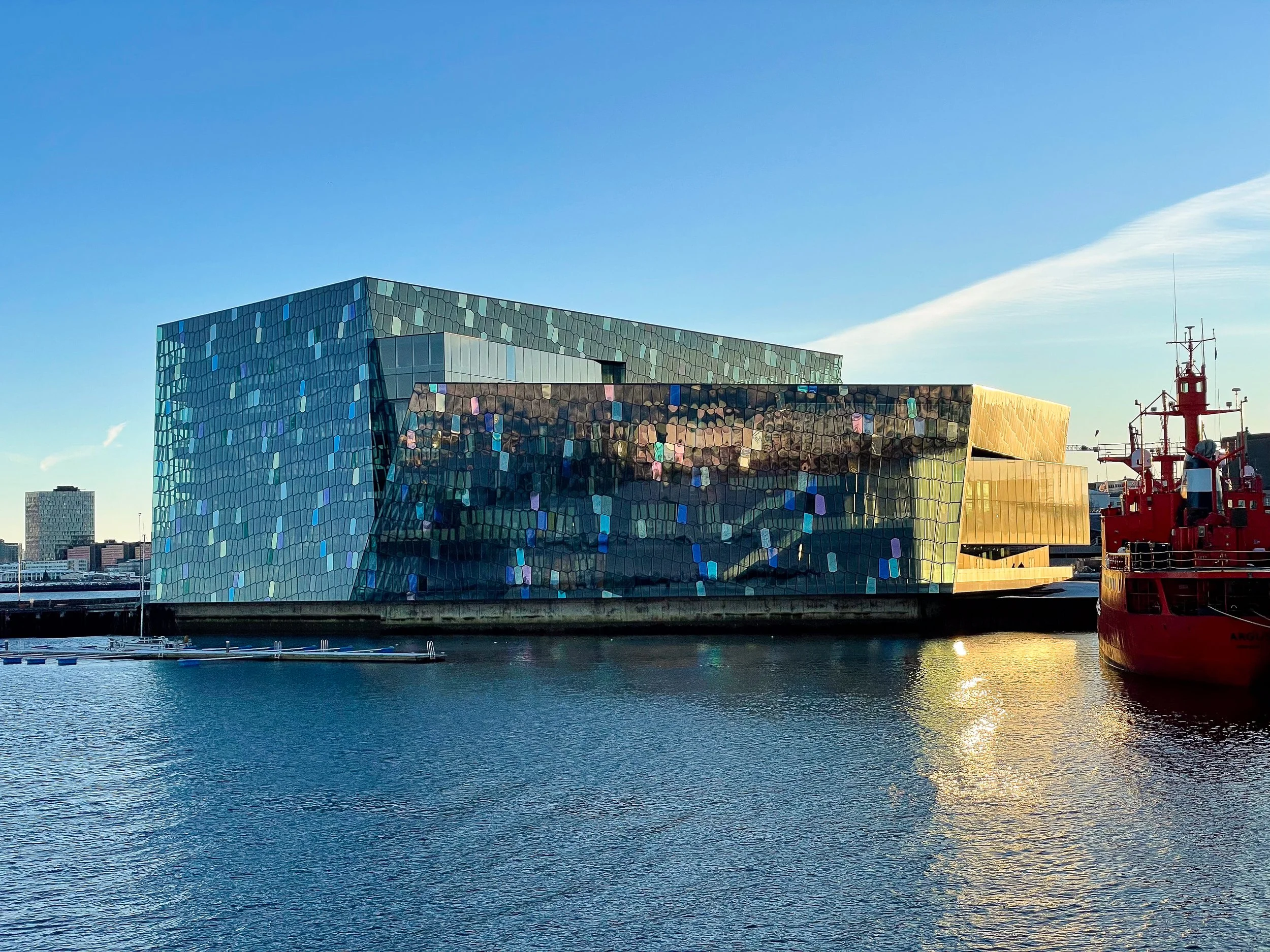
Harpa Concert Hall. A geometric glass facade with a colorful kaleidoscopic effect. It’s inspired by the hexagonal basalt columns found across the island but also looks like the scales of a fish.
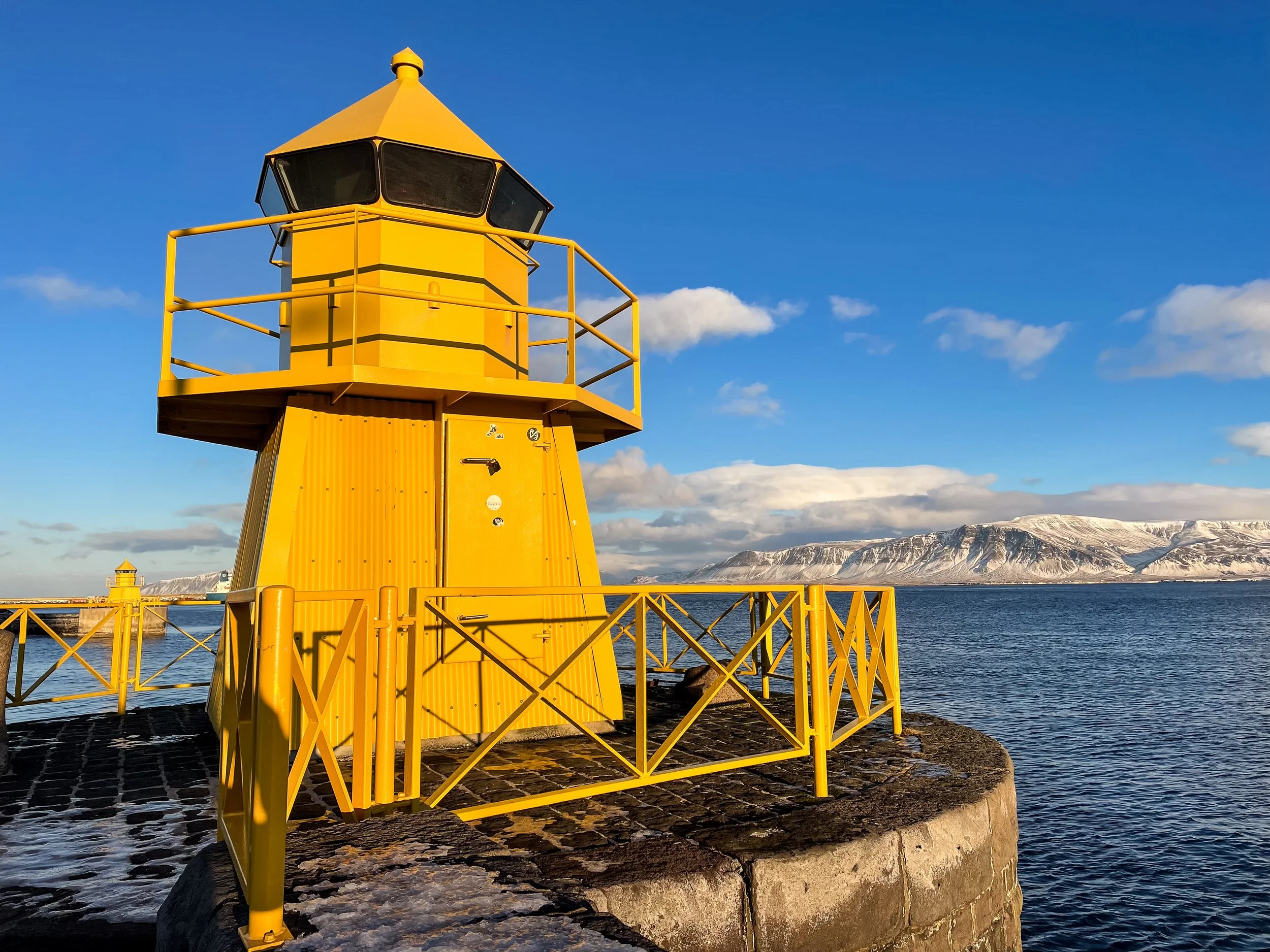
Höfði Lighthouse. An iconic bright yellow lighthouse at the entrance of the Reykjavík Harbor.
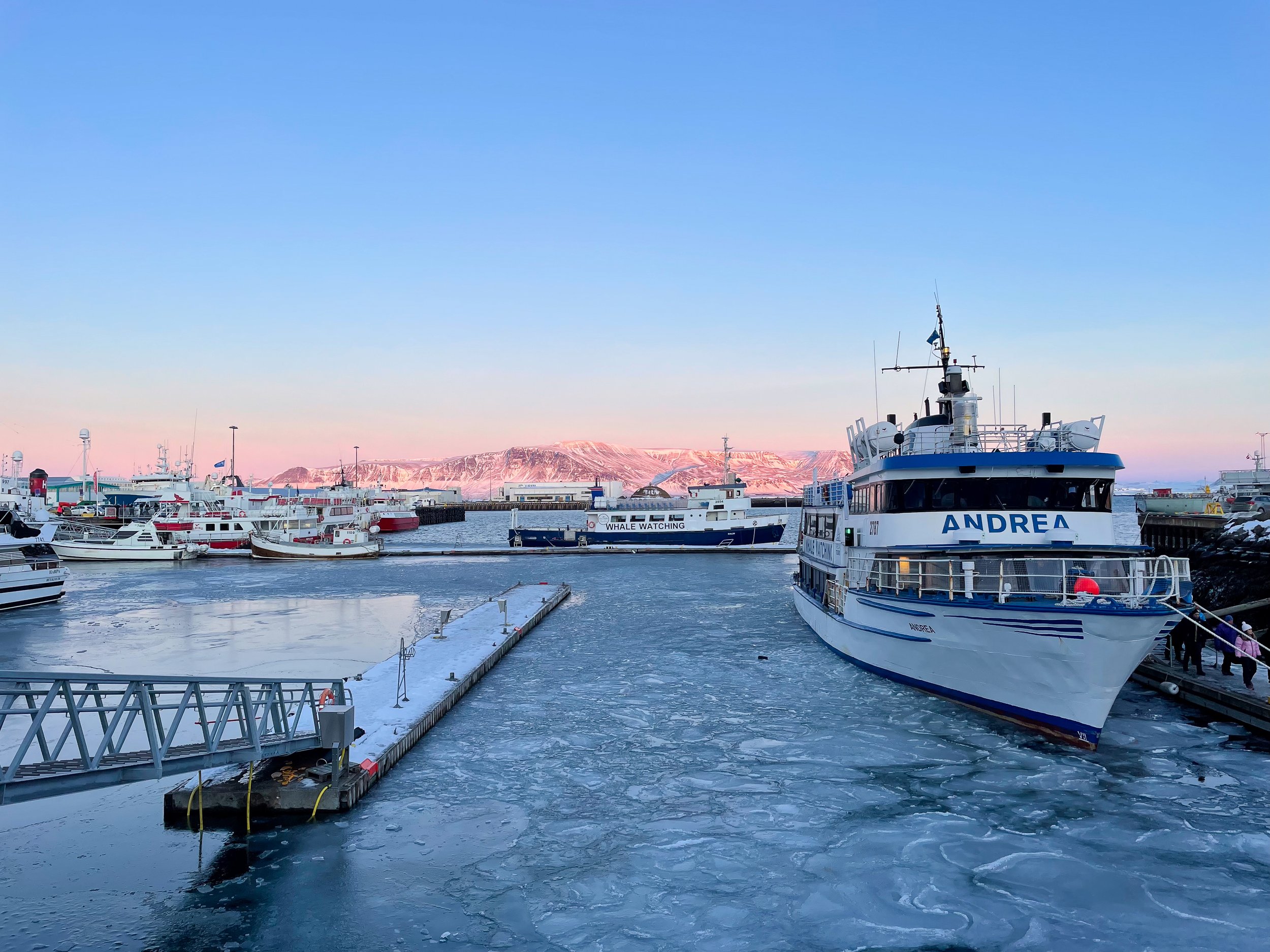
The Old Harbor. Originally a fishing port and now a seaside neighborhood with restaurants and companies offering whale watching tours. There is free parking here.
Whale Watching
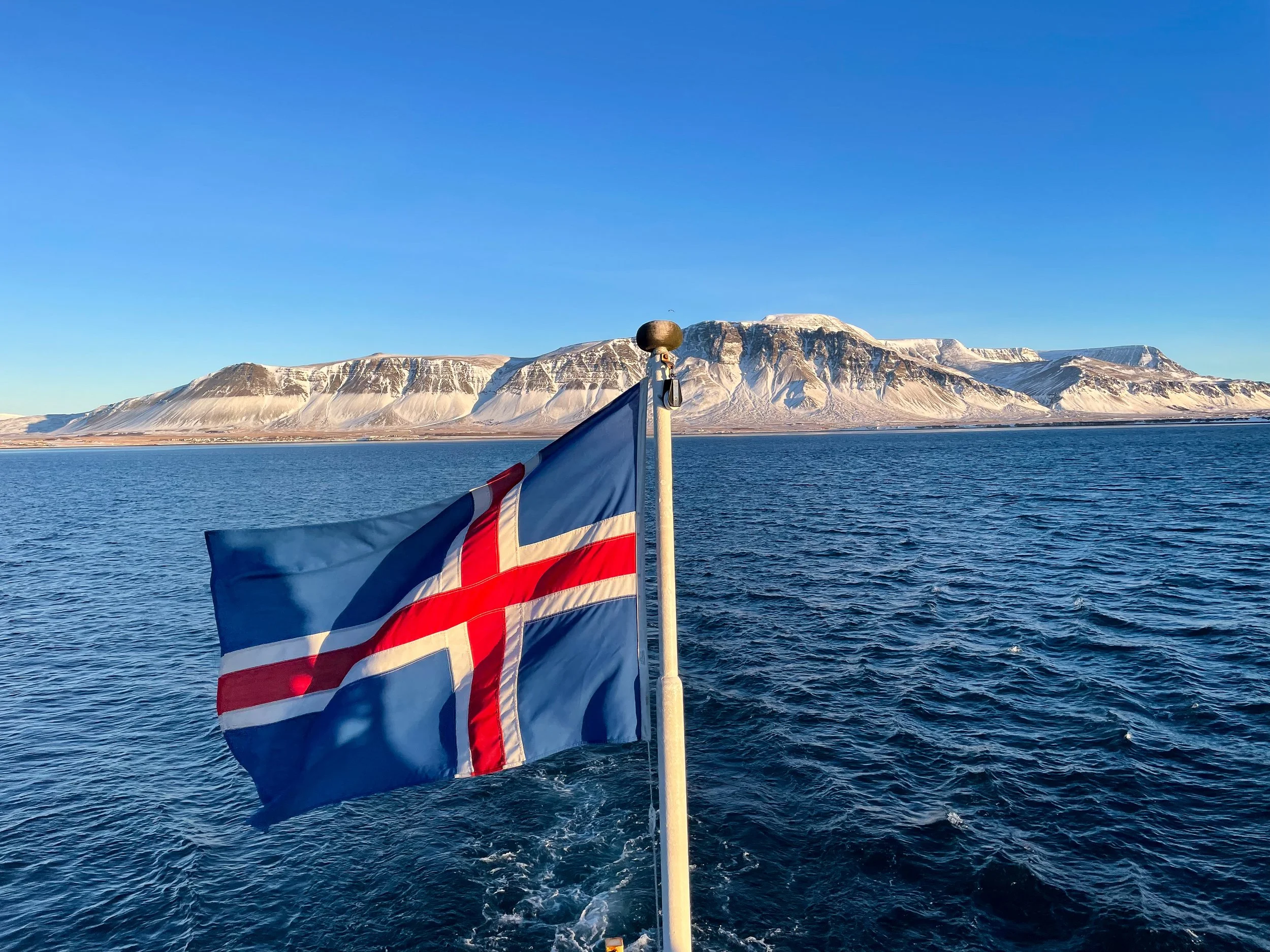
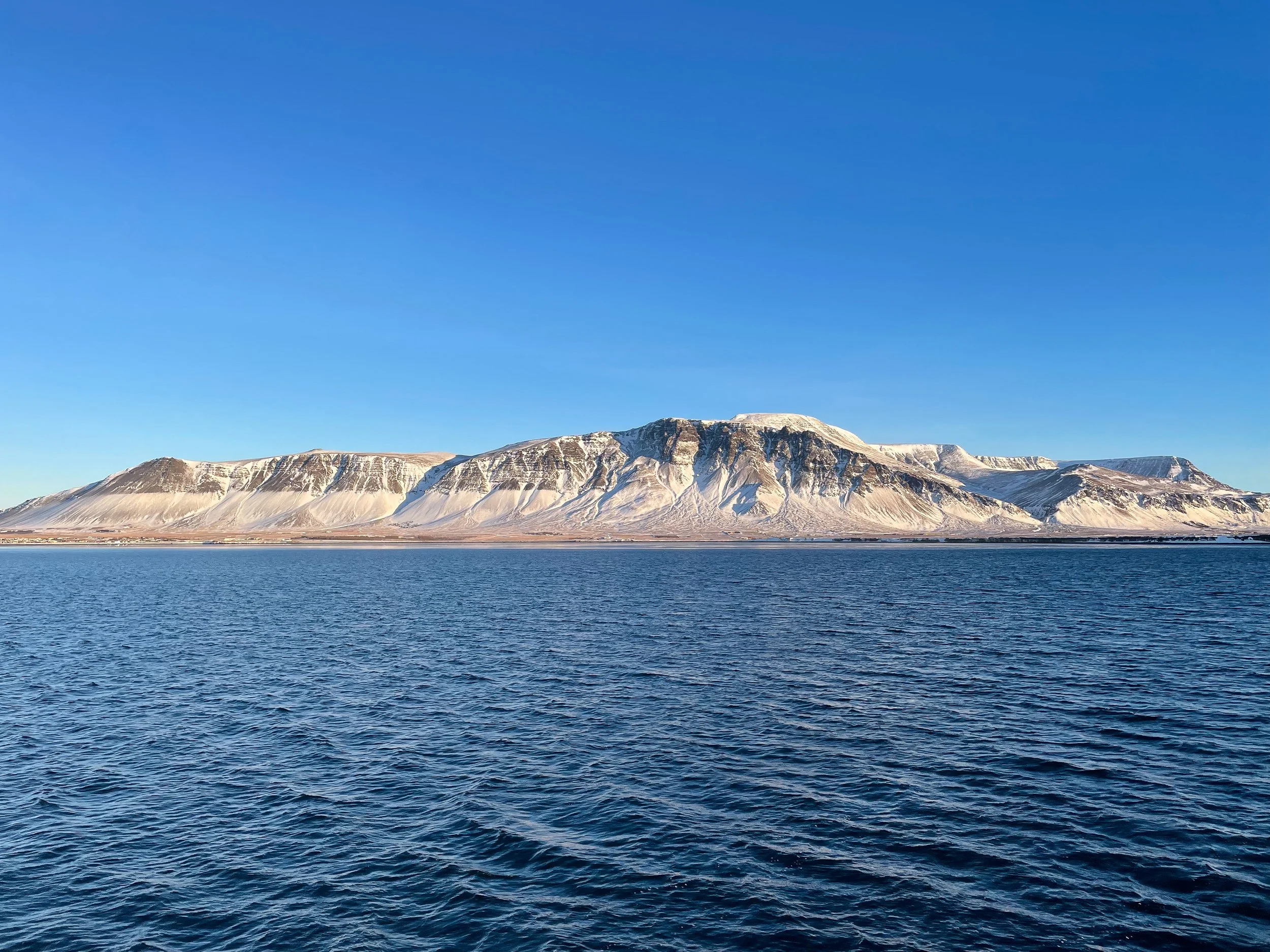
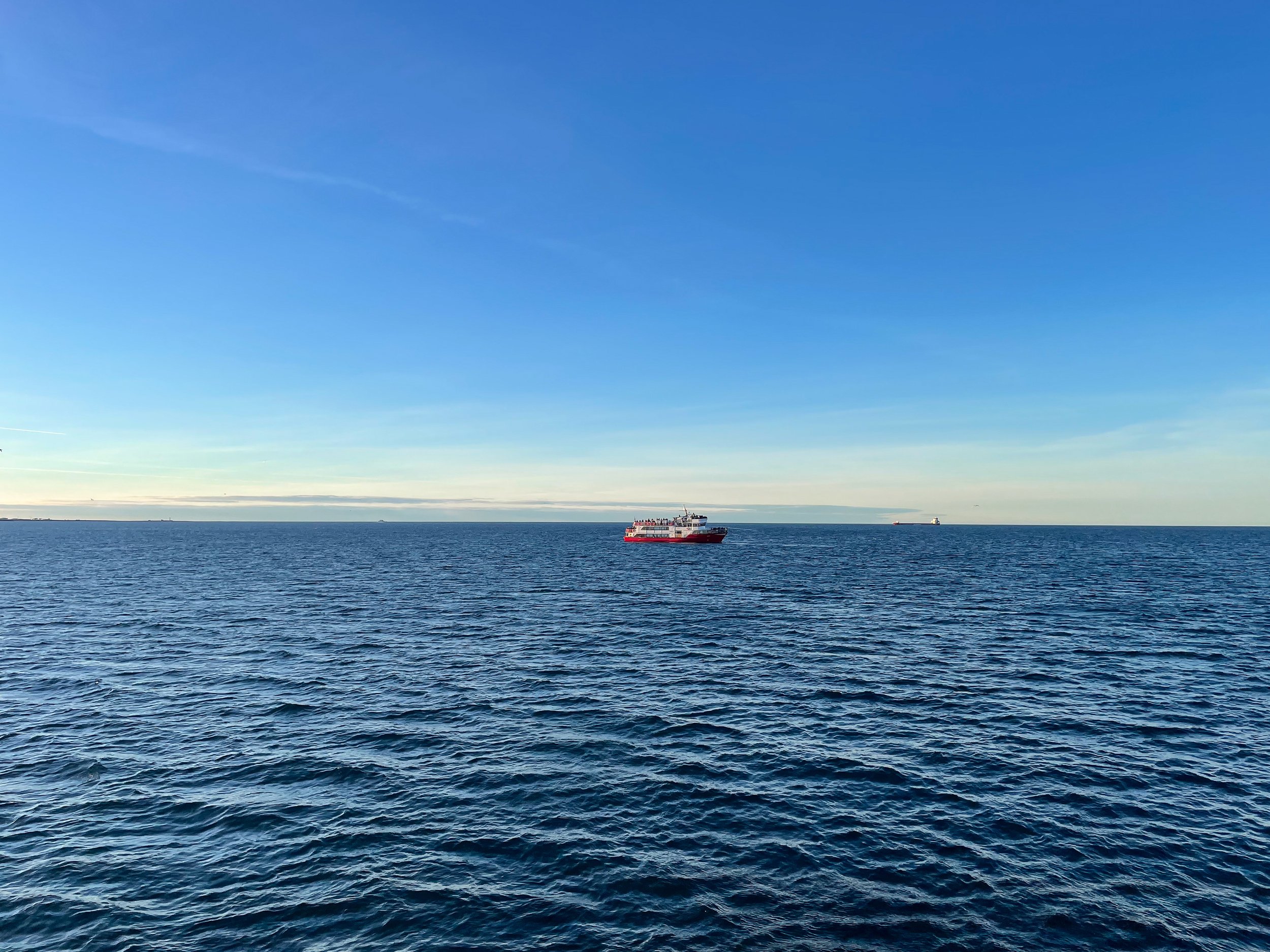
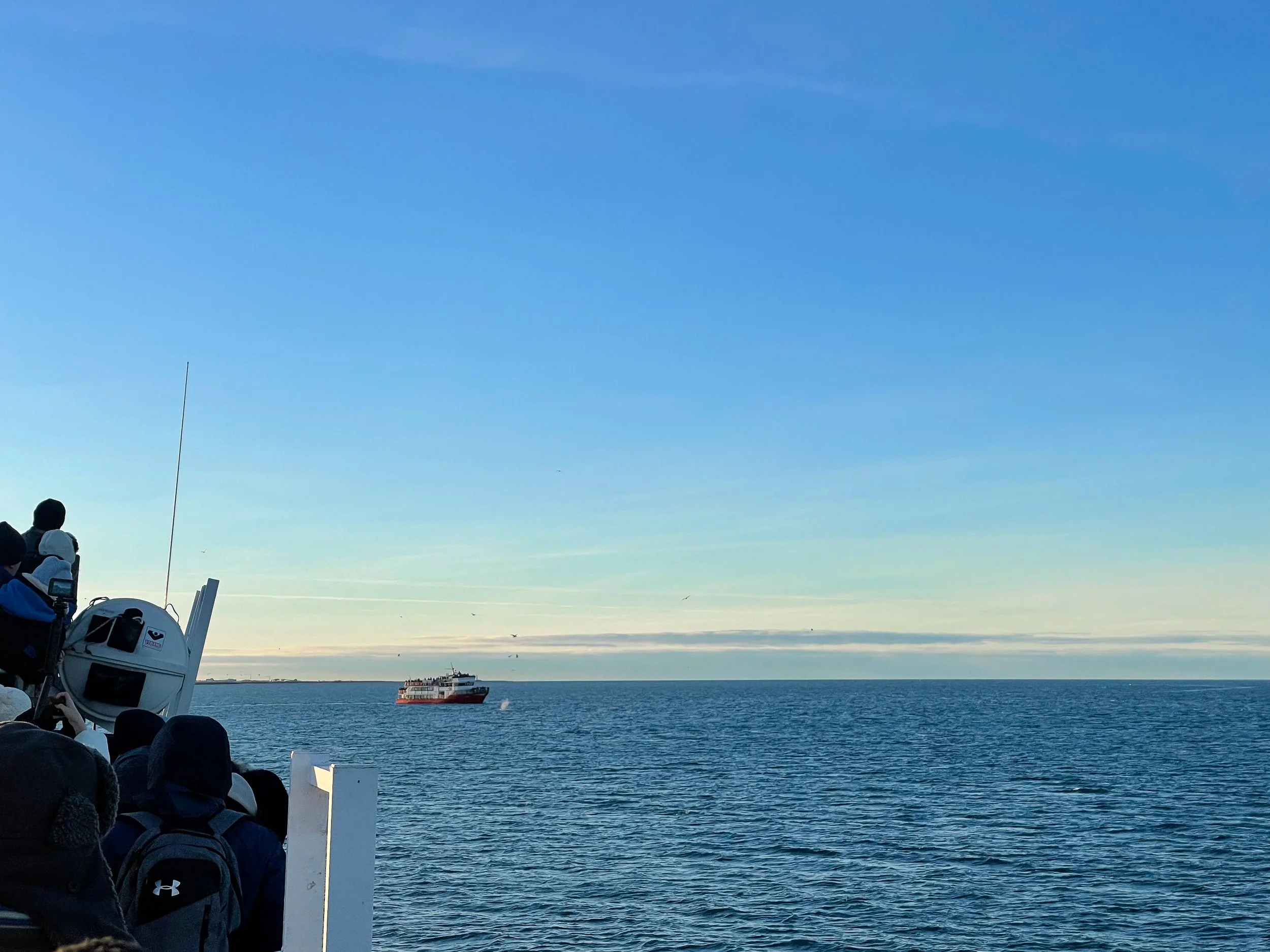
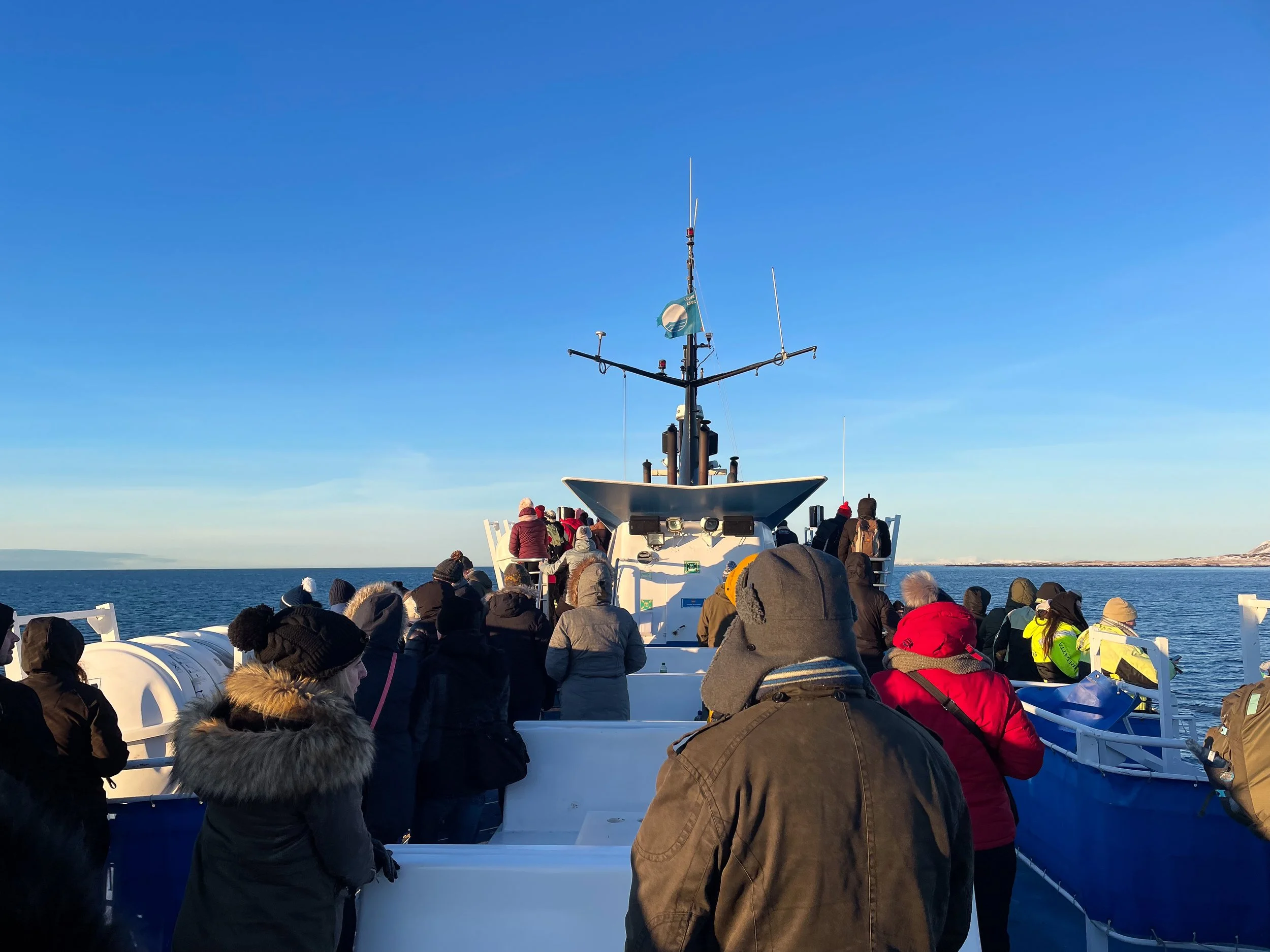
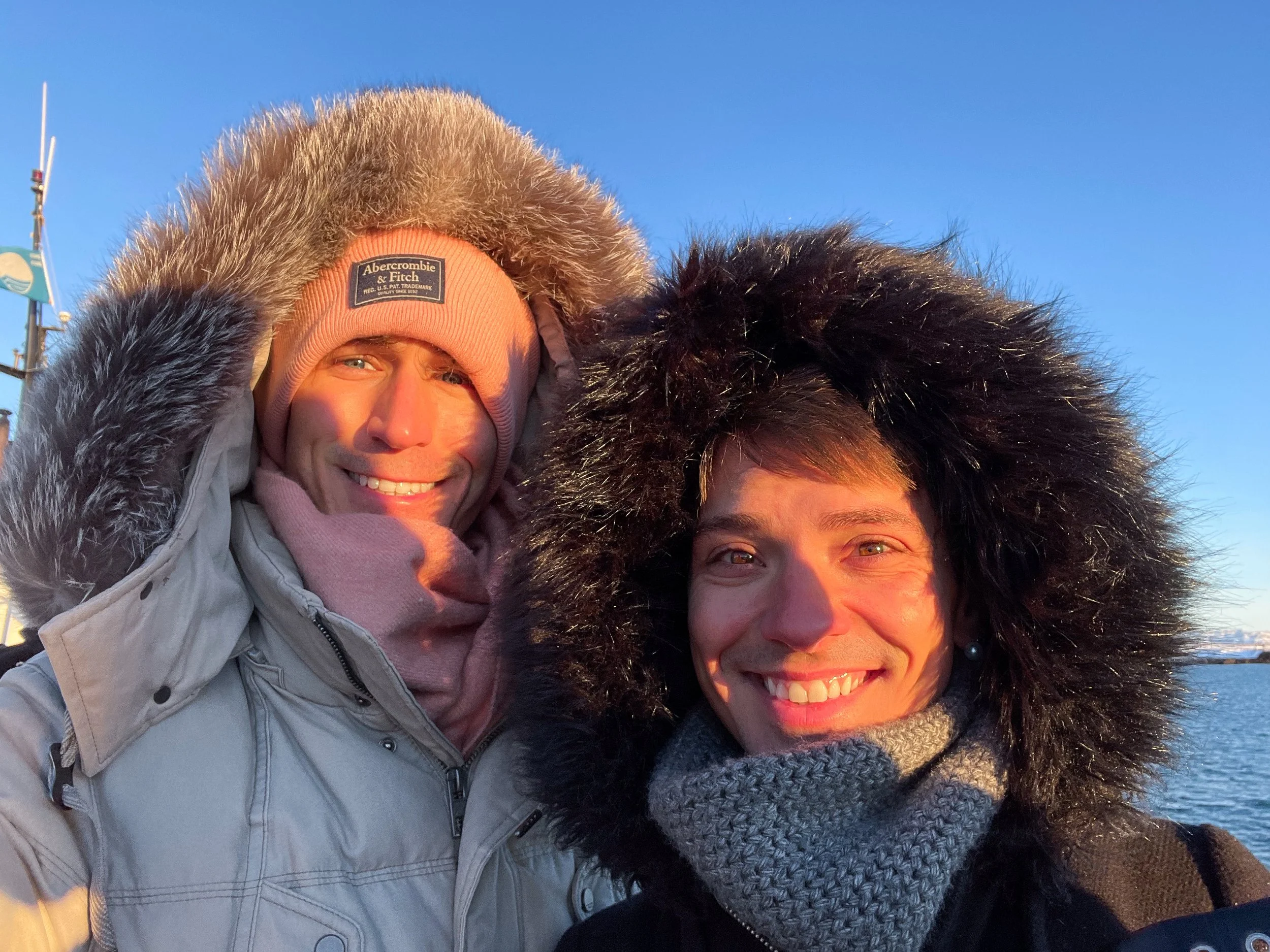
Wildlife tours frequently leave from Reykjavík’s Old Harbor in search of spotting blue whales. As the ship set sail, we admired Reykjavík’s skyline behind us and the snow covered mountains across the bay ahead of us. Soon after entering the bay, the captain announced “thar she blows” to alert us he had spotted a whale! For nearly two hours, we sailed around the icy bay watching a blue whale breach the surface, thrash its tail, spray water from its blowhole and dive back below. While on deck, we kept an eye out for where it would re-appear, often spotting seals hunting for fish. From the interior cabin we enjoyed fresh made waffles while warming up with hot coffee. We booked with Special Tours Iceland.
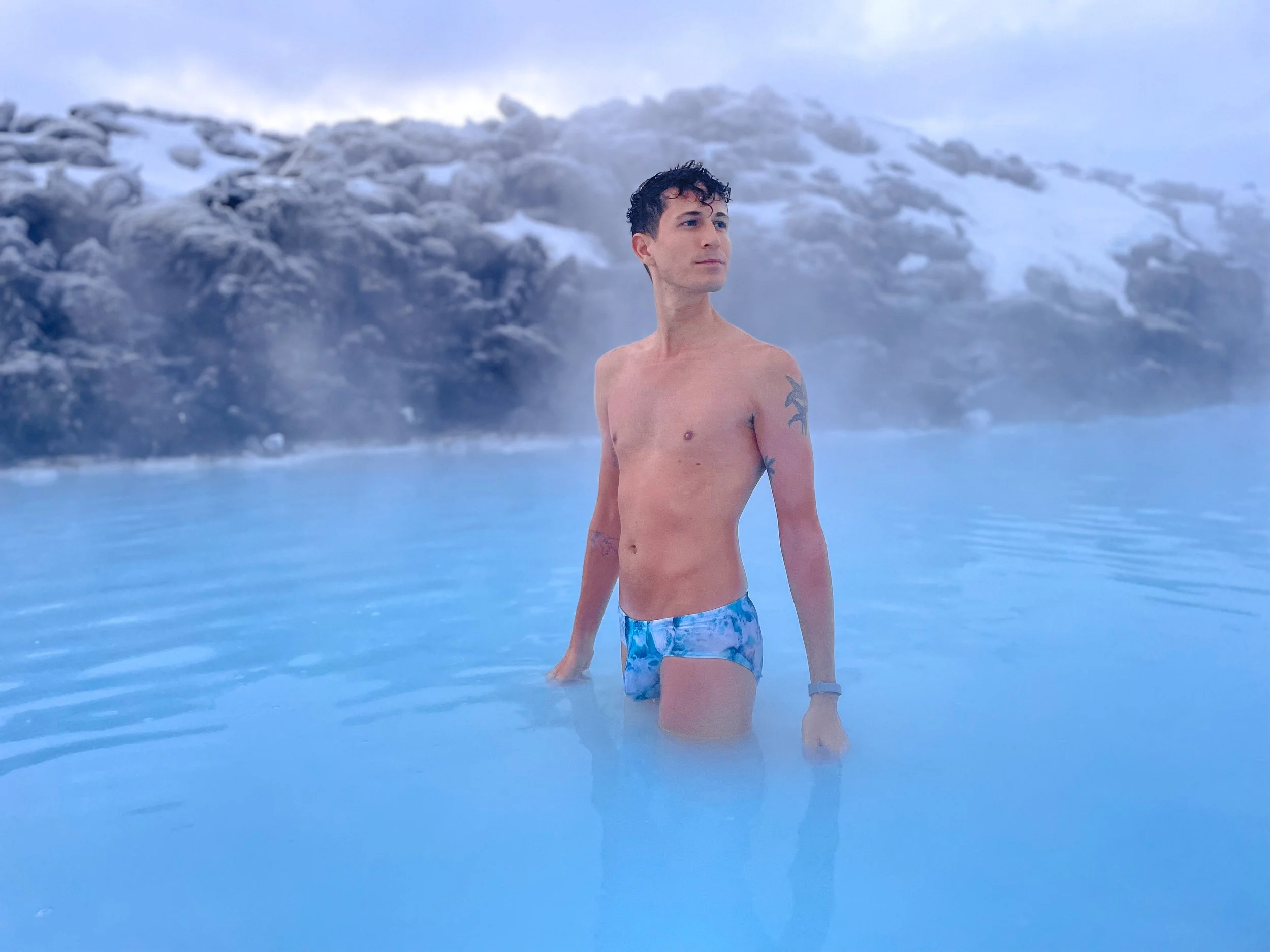
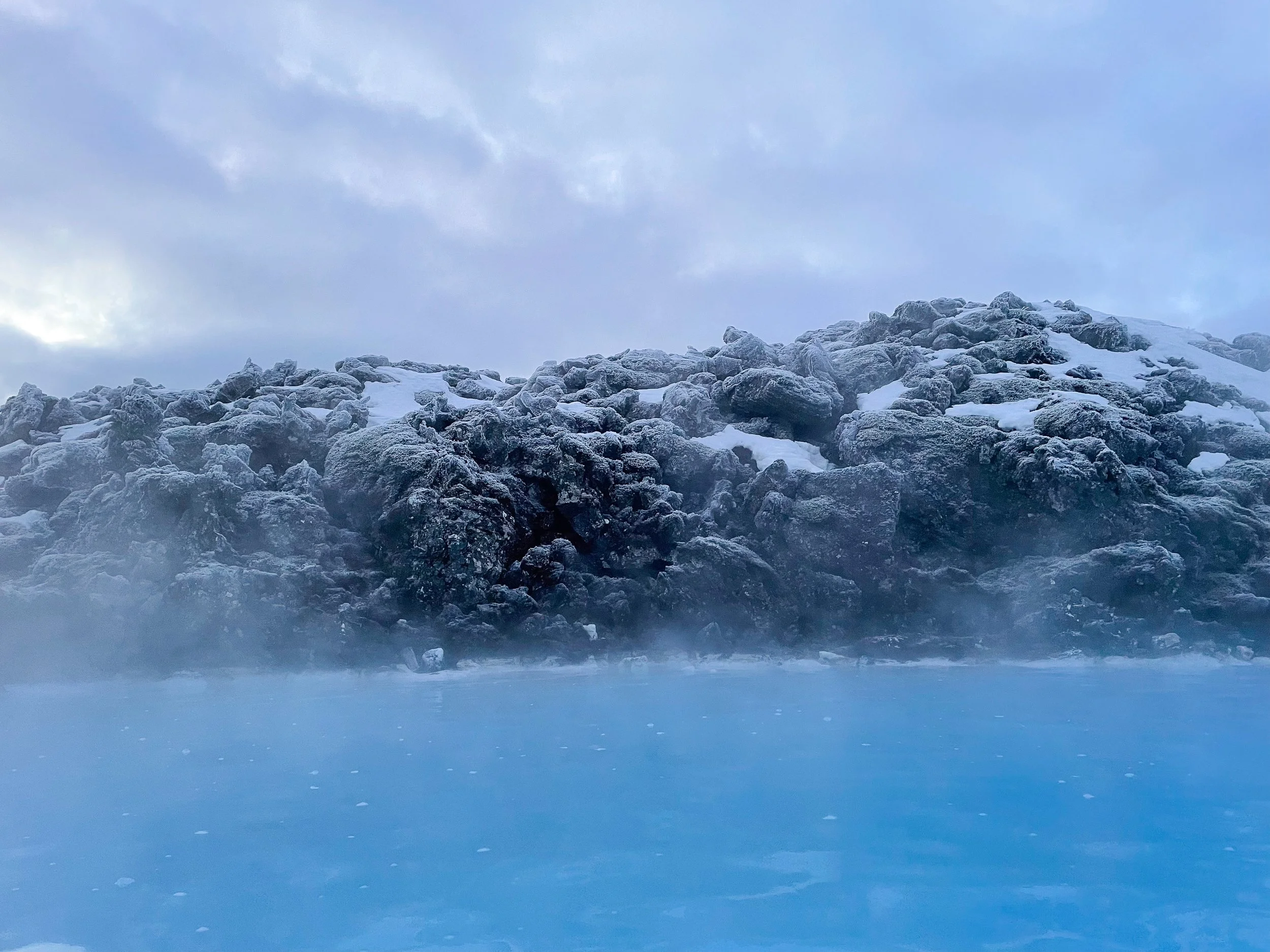
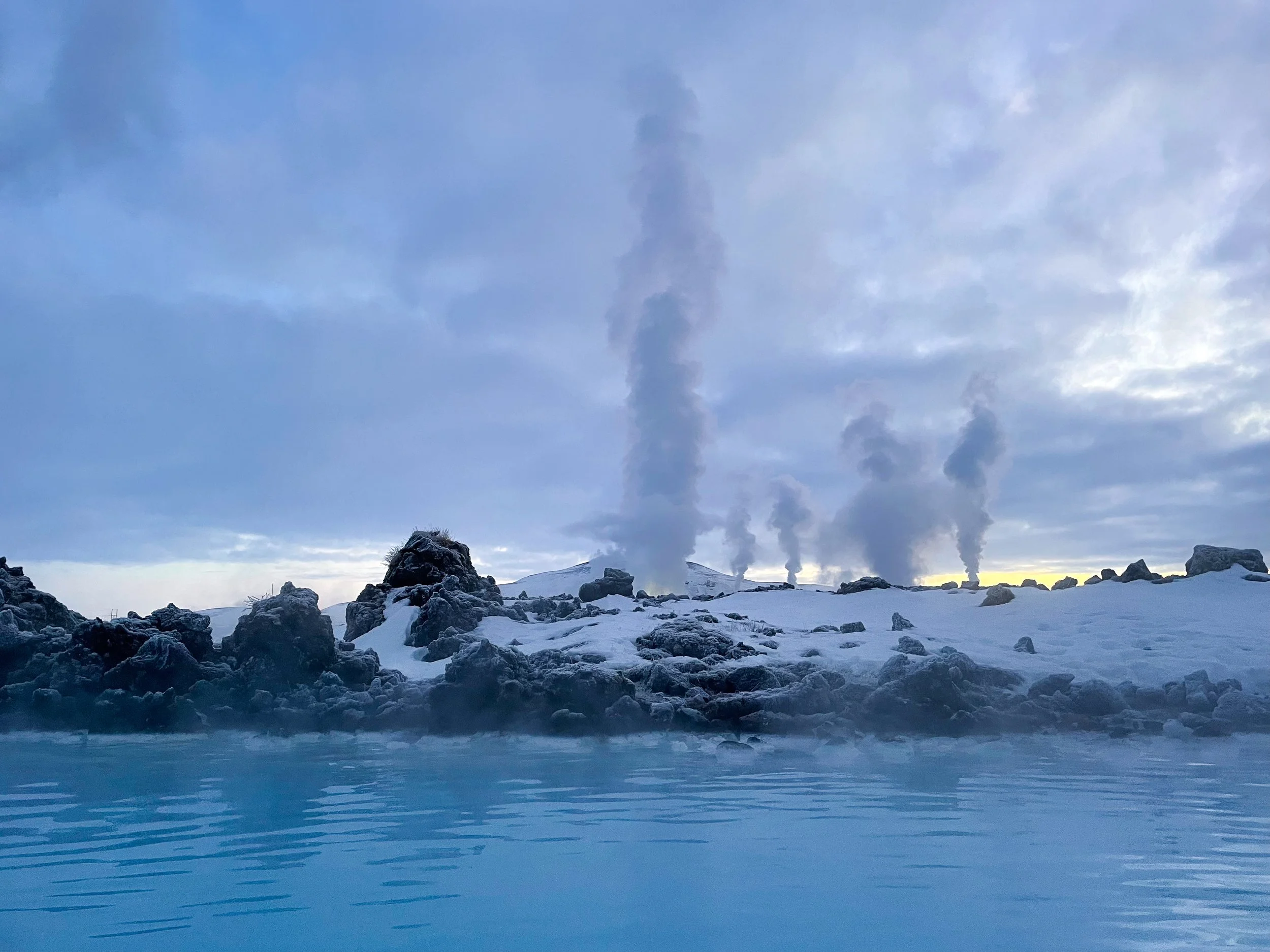
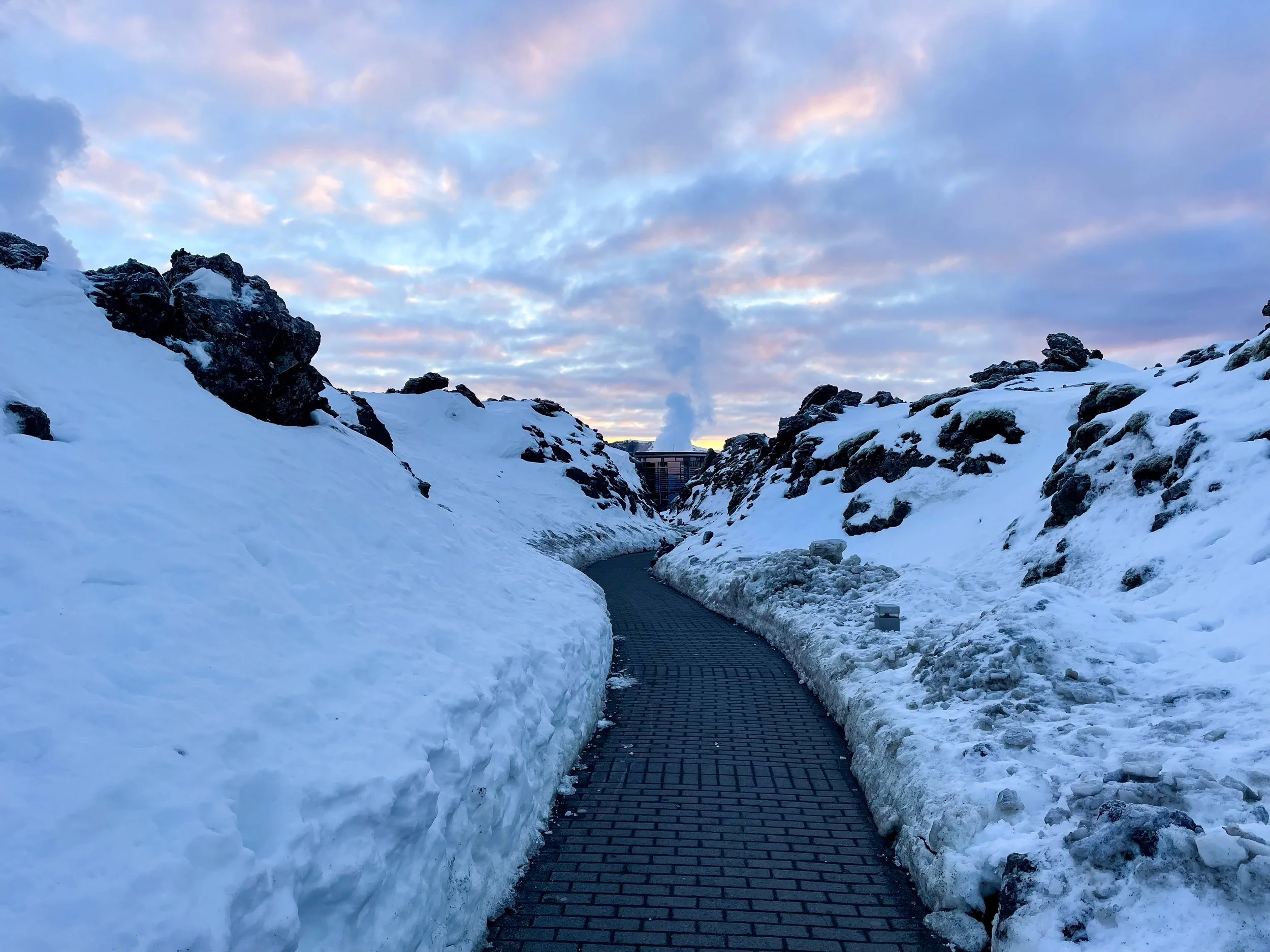
The Blue Lagoon
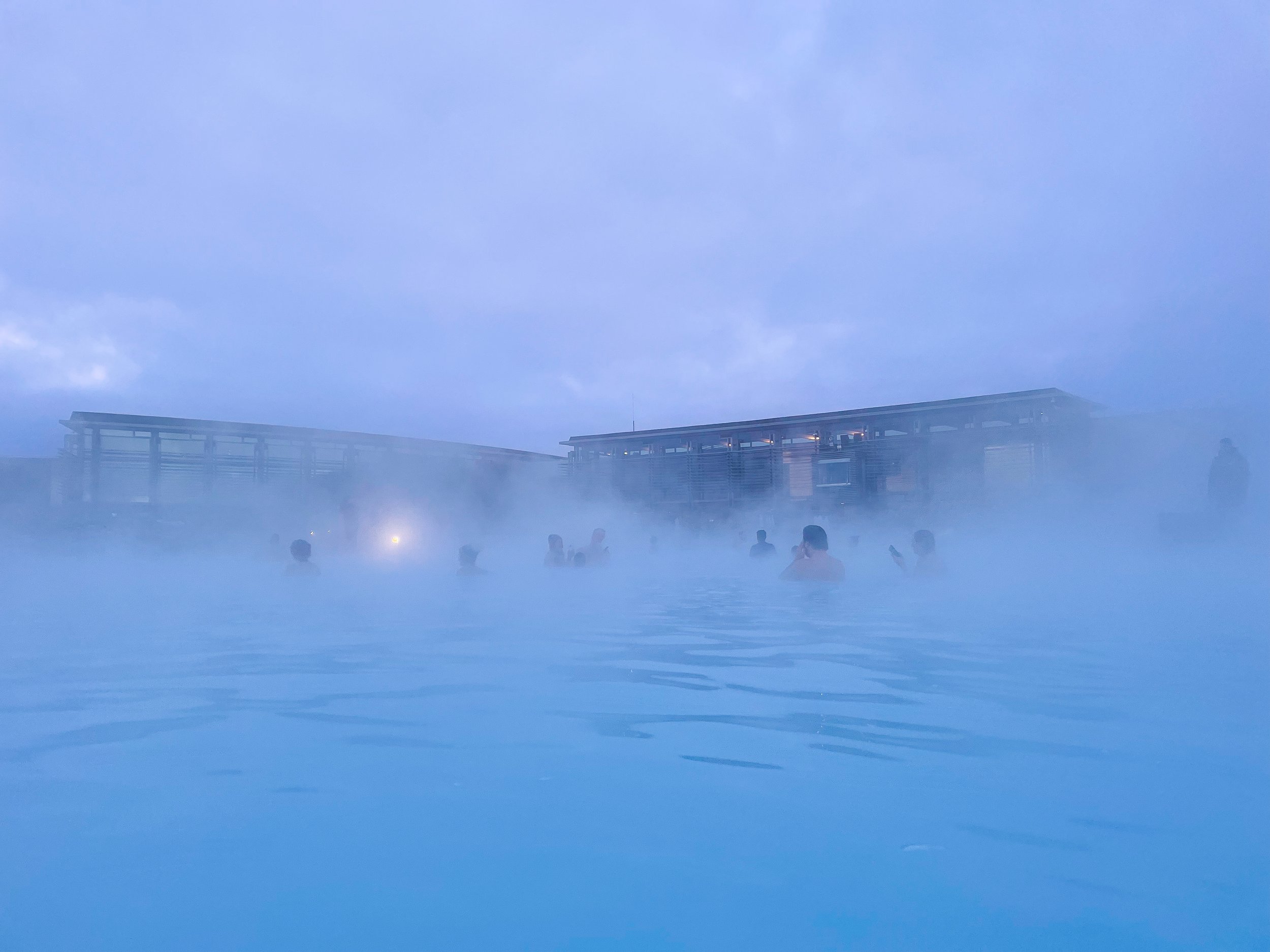
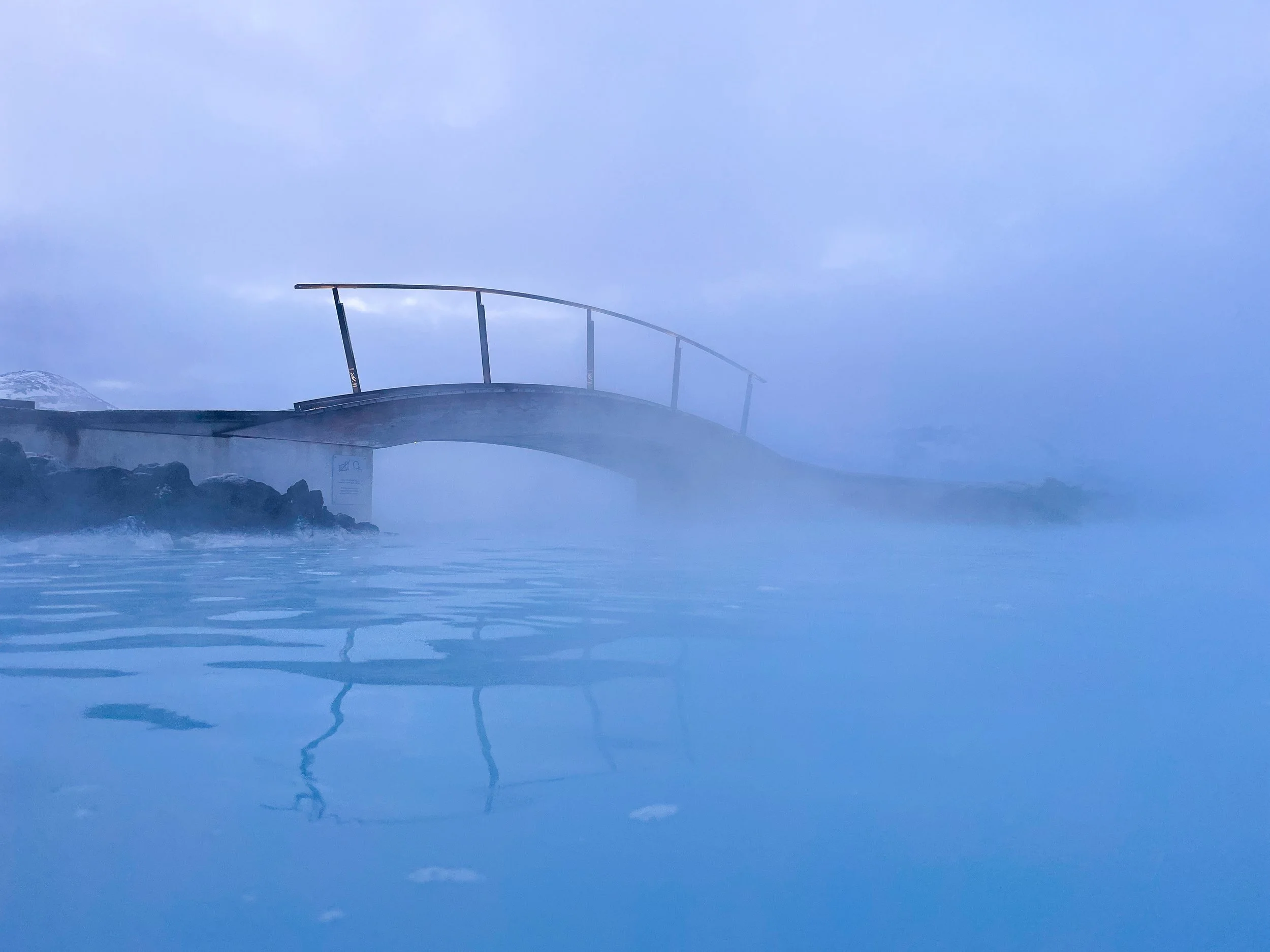
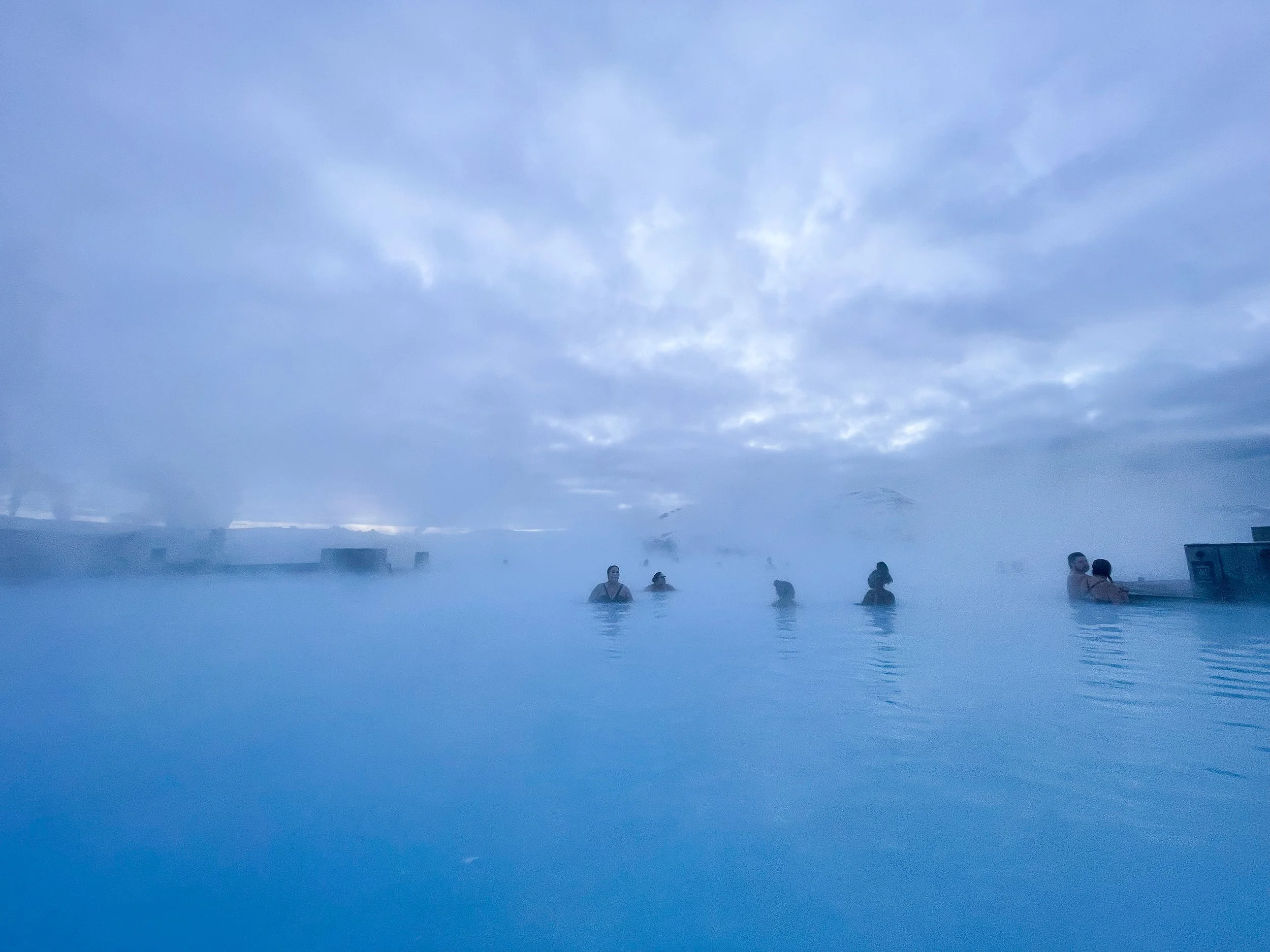
The Blue Lagoon is a geothermal spring famed for its milky turquoise water. Its pools meander between hardened lava formations as towers of steam and mist rise above its surface. The environment is one of natural contrast with black lava rocks dusted in white snow and warm water juxtaposed against the cold air. Stand under a hot waterfall while soaking in the thermal pools, enjoy a silica mud facial mask and drink fresh glacial water to hydrate. The lagoon is also a resort with a hotel, spa and multiple restaurants, including one built into an 800 year old lava cliff. Come here to relax immediately after flying into Reykjavík or before flying out. Book Tickets ahead of time.
Places to Eat & Drink in Reykjavík
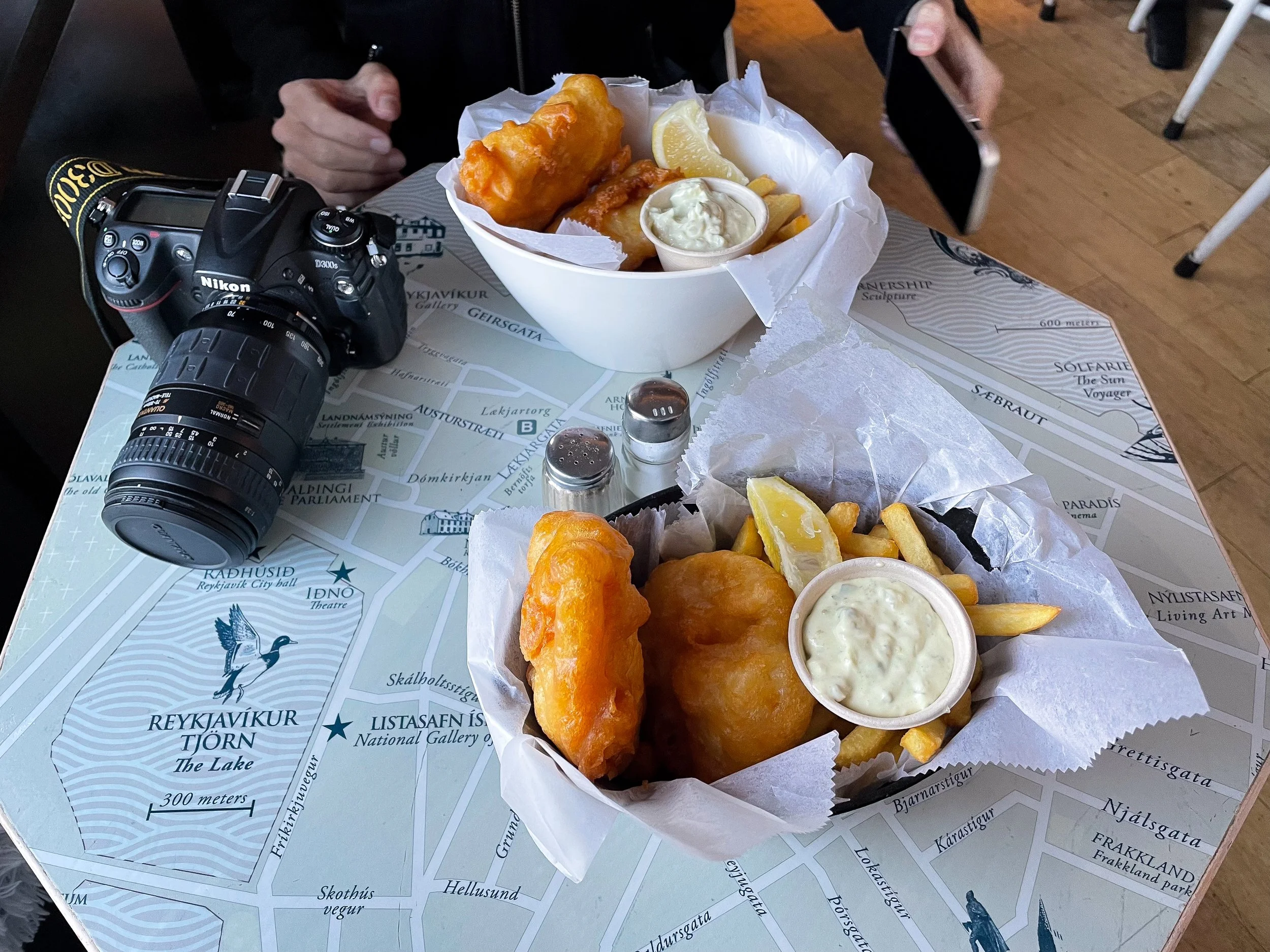
Reykjavík Fish. One of many restaurants offering the local favorite. We enjoyed large portions of crispy and tender fried cod paired with salted fries and Icelandic beer. The fisherman styled interior with whale paintings, nautical decor and lights shaded in dried cod skin added to the ambiance.
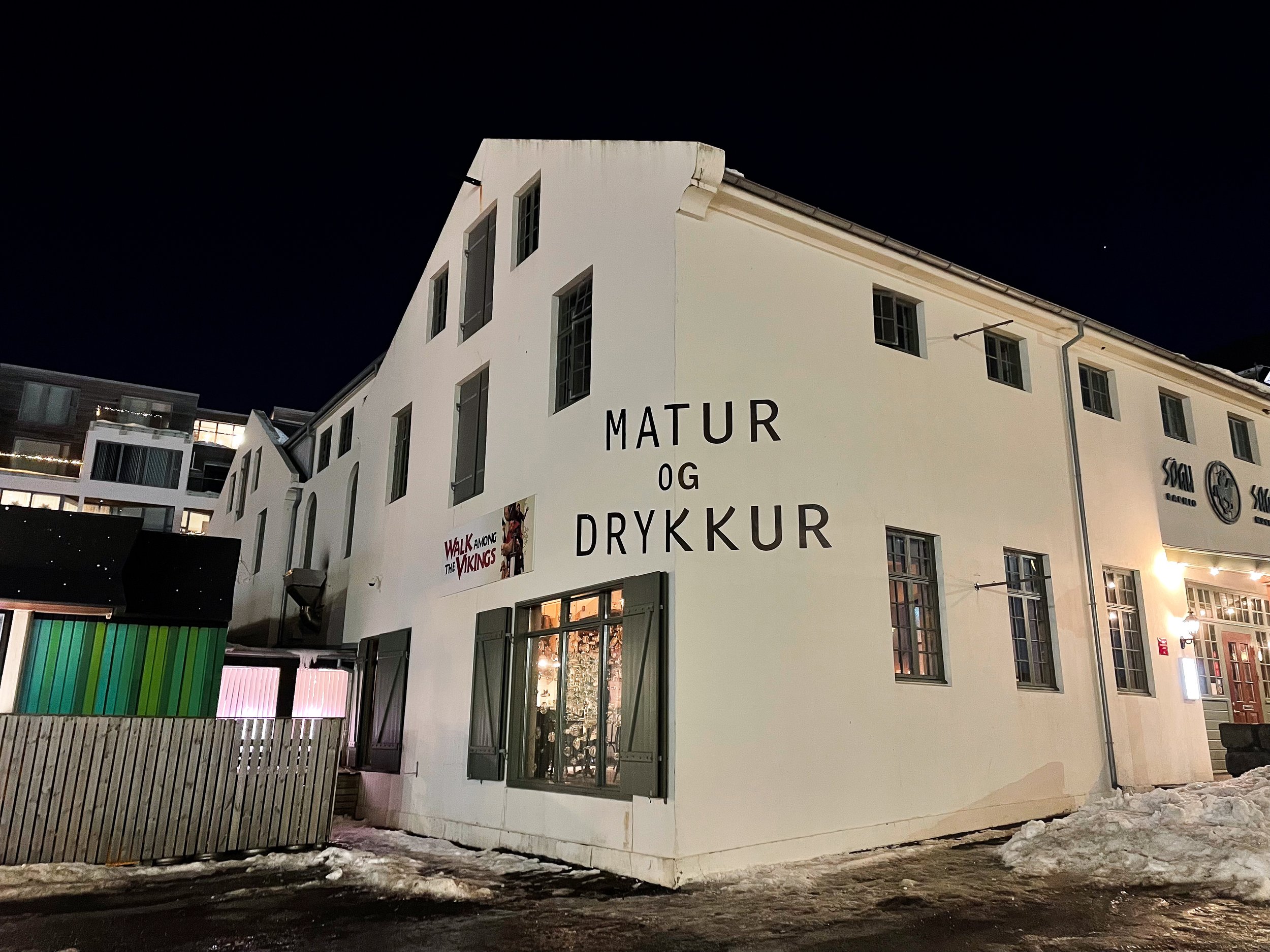
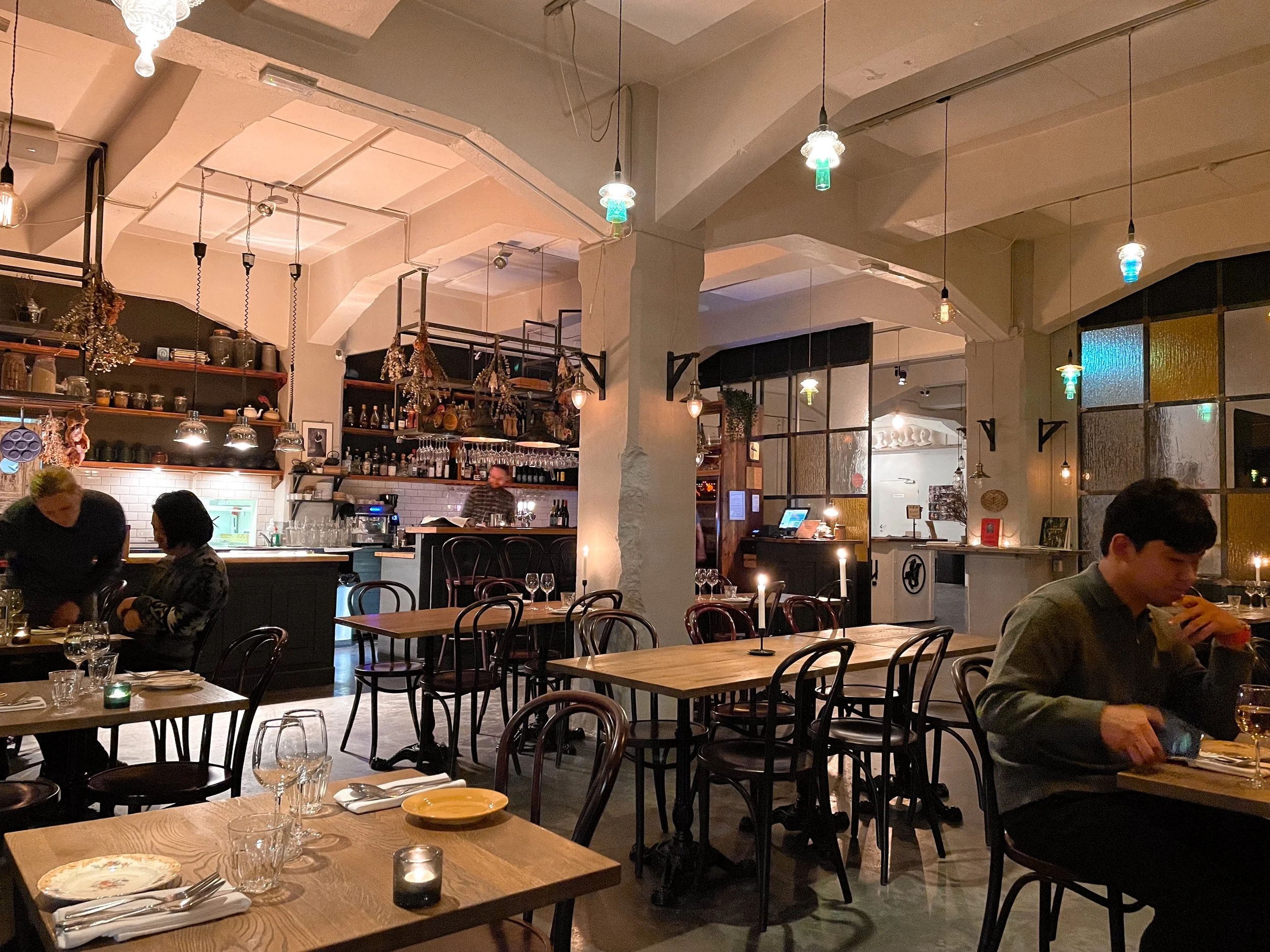
Matur og Drykkur. A Michelin starred restaurant serving seasonal tasting menus with Icelandic dishes and contemporary adaptations. The menu included:
Pickled beets with fennel straws
Smoked trout with cucumber
Cheese with sea truffle and crispy flatbread
Halibut soup with a creamy broth
Bacalao croquettes with chive oil and béchamel
Hazelnut encrusted cod with parsnip purée and smoked carrots
Rhubarb jam with skyr and ginger crumble
A coffee and spice cake topped with cream cheese icing and puffed barley
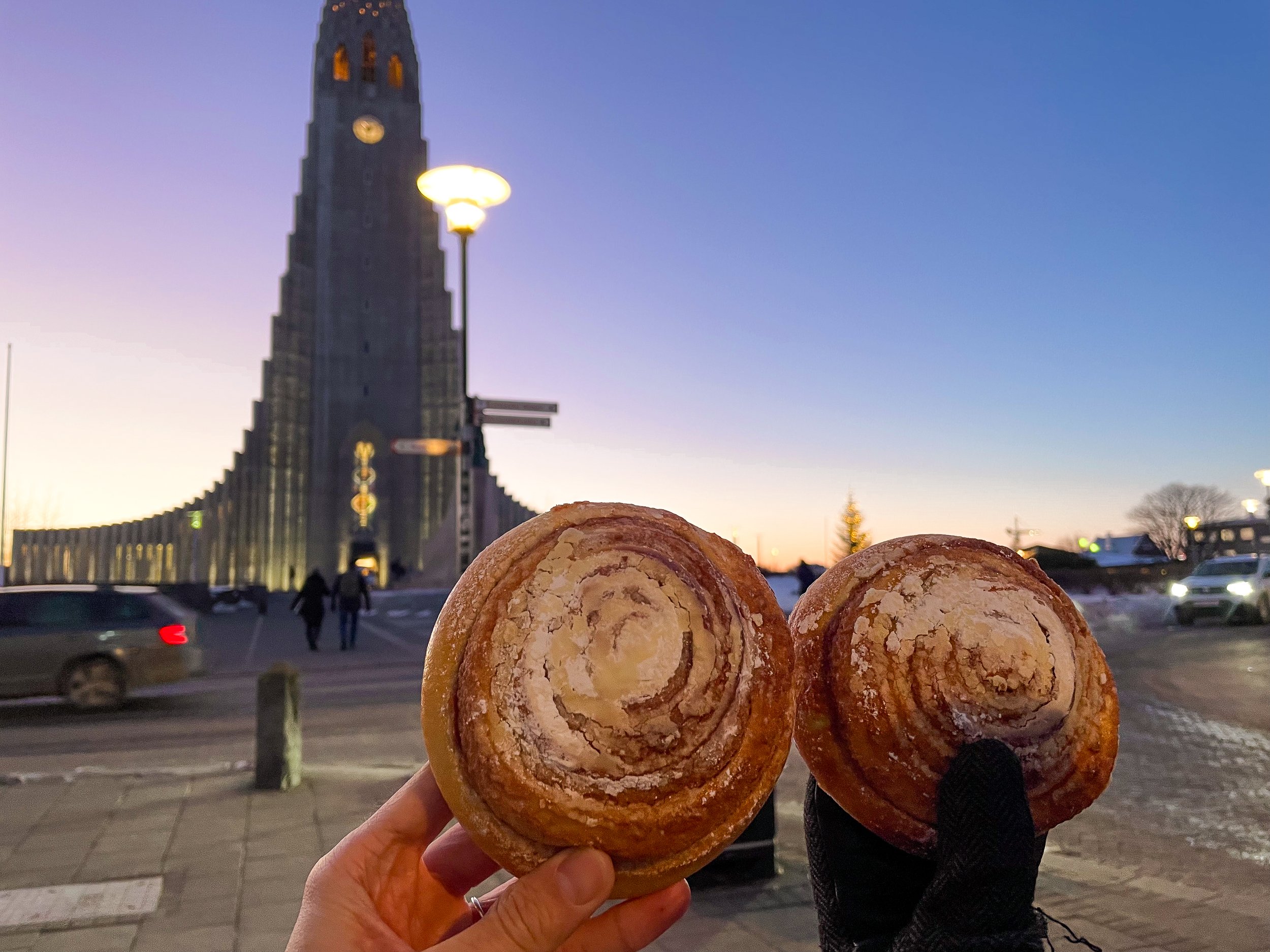
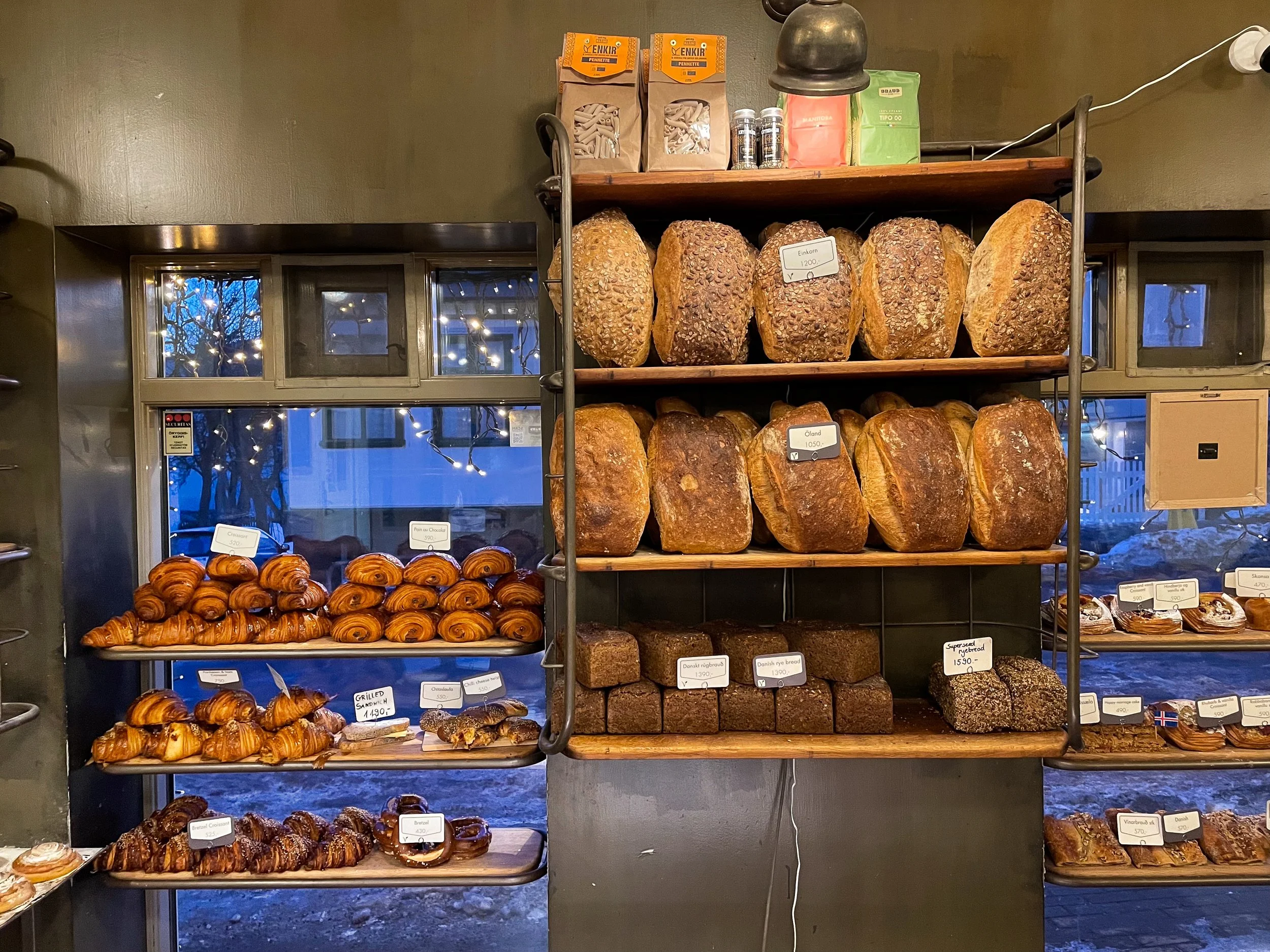
Braud & Co. A bakery and café specializing in Snúður (cinnamon rolls), Rugbrauð (Icelandic rye bread), sourdough bread and pastries.
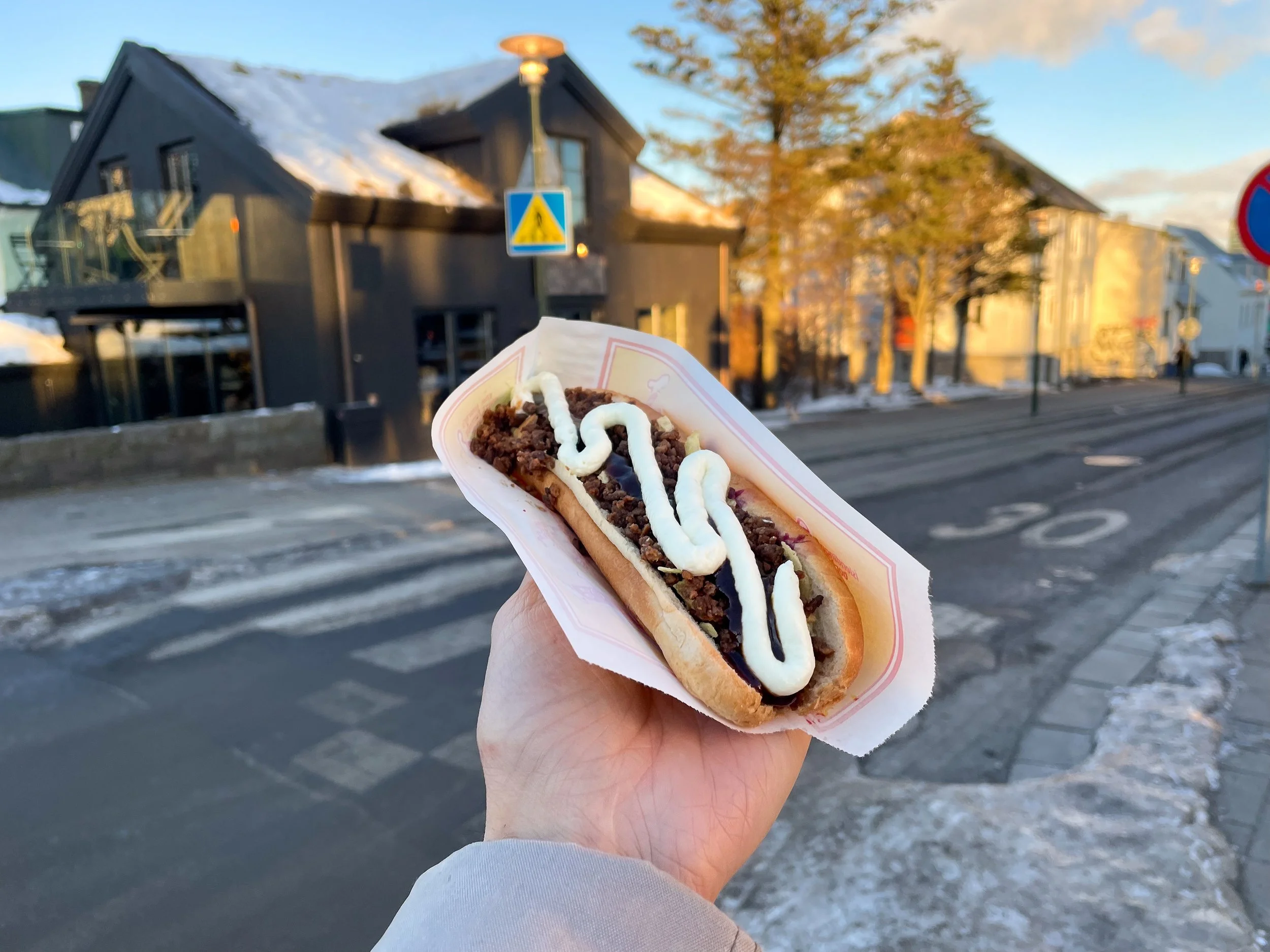
Víkinga Pylsur. A food truck across from Hallgrímskirkja Cathedral with Icelandic sausages. We ordered a vegan version with purple cabbage, seitan crumble, fried onion and creamy mustard.
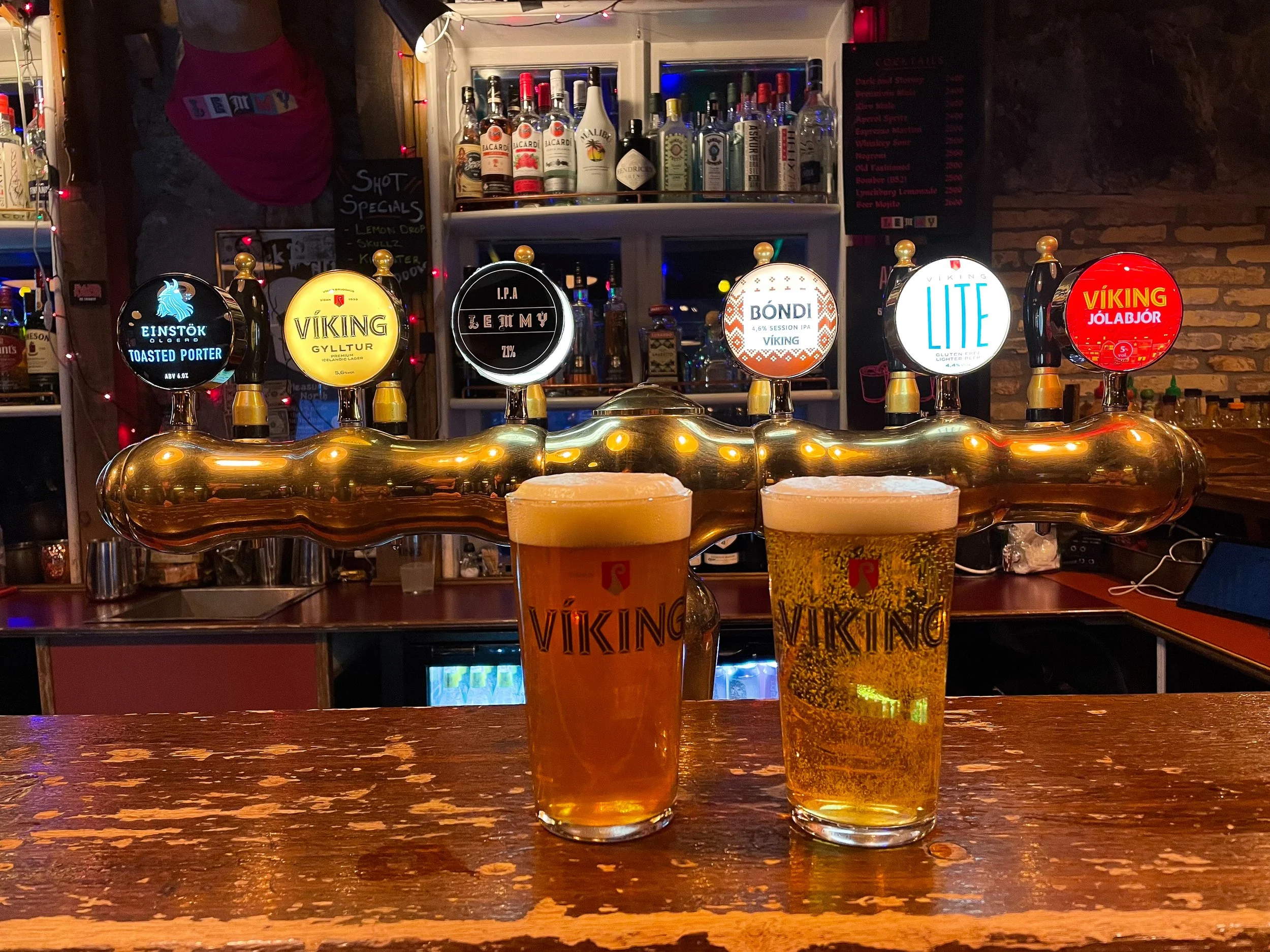
Lemmy. A small pub and microbrewery located inside of an old wooden house in the center of town. We sampled 4 beers on tap:
Einstök Toasted Porter. A nutty and rich flavor.
Víking. A classic light Pilsner available across Iceland.
Lemmy IPA. A house IPA infused with coffee.
Bóndi Session IPA. A semi hoppy IPA available across Iceland.
Tips for Planning an Icelandic Road Trip
Rent a Car. Driving is the easiest way to get around on our own schedule. Rent a 4x4 with an automatic transmission. We reserved a car before arriving in Iceland with Europcar at the Keflavik Airport.
Book a Home Base. Choose to stay somewhere central. We stayed at Hestheimar, a cottage in the town of Hella, halfway between Reykjavík and Vik, making in the ideal location to explore the Golden Circle and South Coast from.
Maximize Daylight. Plan to maximize daylight during the winter months. In mid-January, there is only about 5 hours of sunlight per day.
Prepare for the Weather. Prepare and dress for rain, sleet, snow, ice and high winds. Hand and toe warmers make all the difference while in the cold.
Monitor Road Conditions. Review the current Road Conditions before driving.
Avoid the Shoulder. Do not pull over into the snowy roadside. You will get stuck! Instead, park on the road with your emergency flashers on.
Drive the Speed Limit. Hidden cameras are positioned across the country. If speeding, they will catch you and result in expensive fines!
Rest Stops. Most sites have a nearby hotel, restaurant and restroom.
Gas Stations. Most towns have their own gas station. Be prepared for the extremely expensive prices.
Buy Snacks. Stock up on snacks and water for roadtrips.
Elsewhere in Nordic Europe
From Iceland’s glaciers, waterfalls and black sand beaches to Arctic Lapland, Tromsø’s fjords and Copenhagen’s canals, discover more of Nordic Europe through these travel guides:
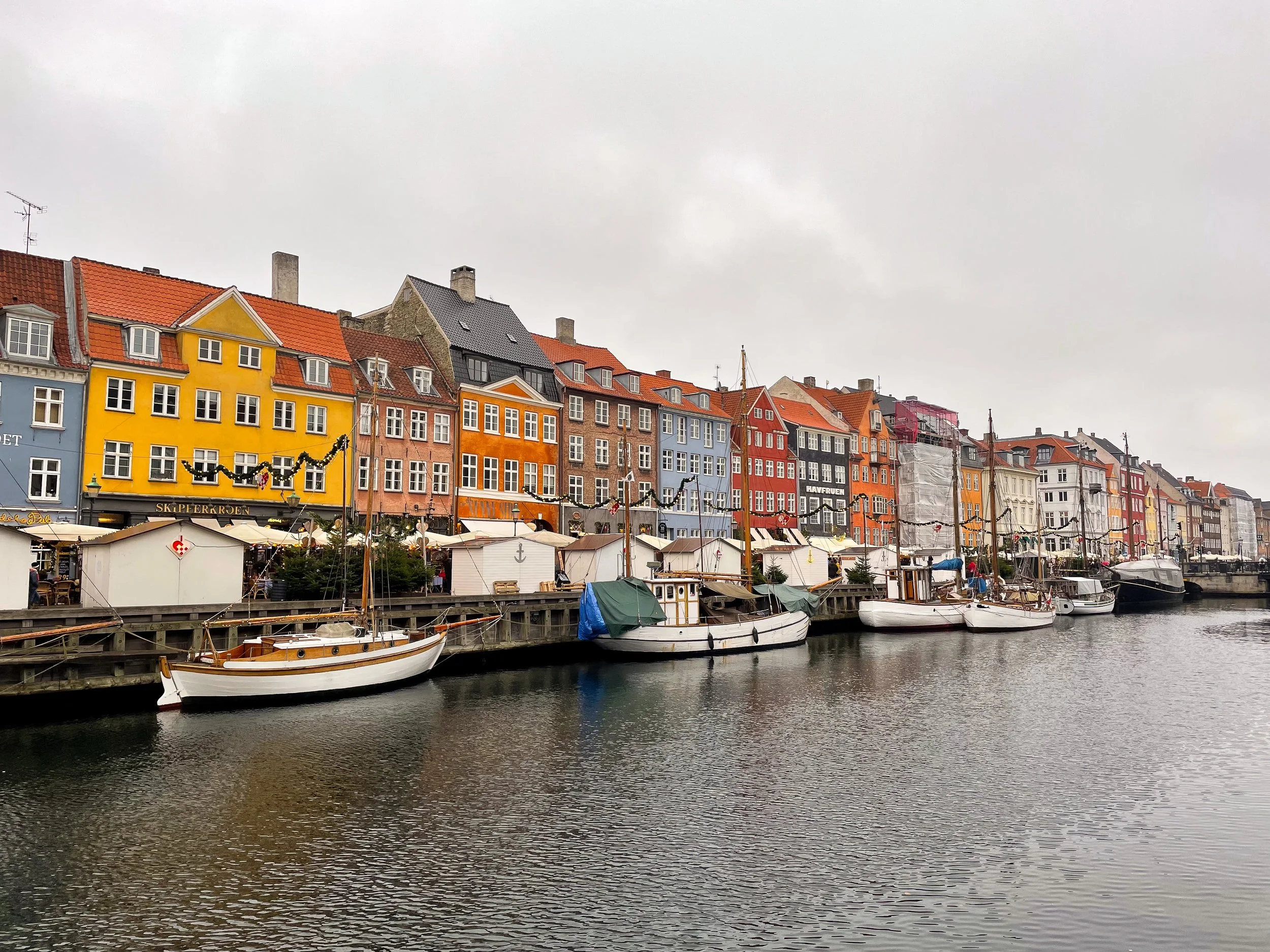
Copenhagen Travel Guide: Nyhavn, Christmas Markets & Scandinavian Cuisine. Wander along Copenhagen's colorful canals where wooden ships, historic castles and Danish culture meet Scandinavian cuisine and festive Christmas markets.
One Day in Helsinki: Finnish Sauna & Waterfront Sights. Experience a winter day exploring Helsinki's frozen waterfront where local food markets, historic architecture and steaming saunas bring Finnish culture to life.
Lapland Finland Travel Guide: Northern Lights, Sámi Culture & Arctic Adventures. Journey through Lapland's Arctic wilderness and snowy landscapes to experience Sámi traditions, husky mushing, Finnish cuisine and vivid auroras during the polar night.
Tromsø Norway Travel Guide: Northern Lights, Arctic Fjords & Sámi Culture. Explore Tromsø's snowy streets and historic waterfront where Nordic cuisine and Sámi culture meet dramatic fjords, dancing auroras and Arctic adventures.
For Next Time…
Iceland is a remarkable country to visit! We loved our time road tripping around the Golden Circle, along the South Coast and exploring Reykjavík. We plan to return to Iceland during the summer months:
See the green moss covering the landscape.
Explore the north side of the country.
Pet an Icelandic horse.
Visit and birdwatch on a puffin colony.
Experience the midnight sun.
Bathe in some of the lesser known thermal springs.