Copenhagen Travel Guide: Nyhavn, Christmas Markets & Scandinavian Cuisine
Copenhagen, A Scandinavian City
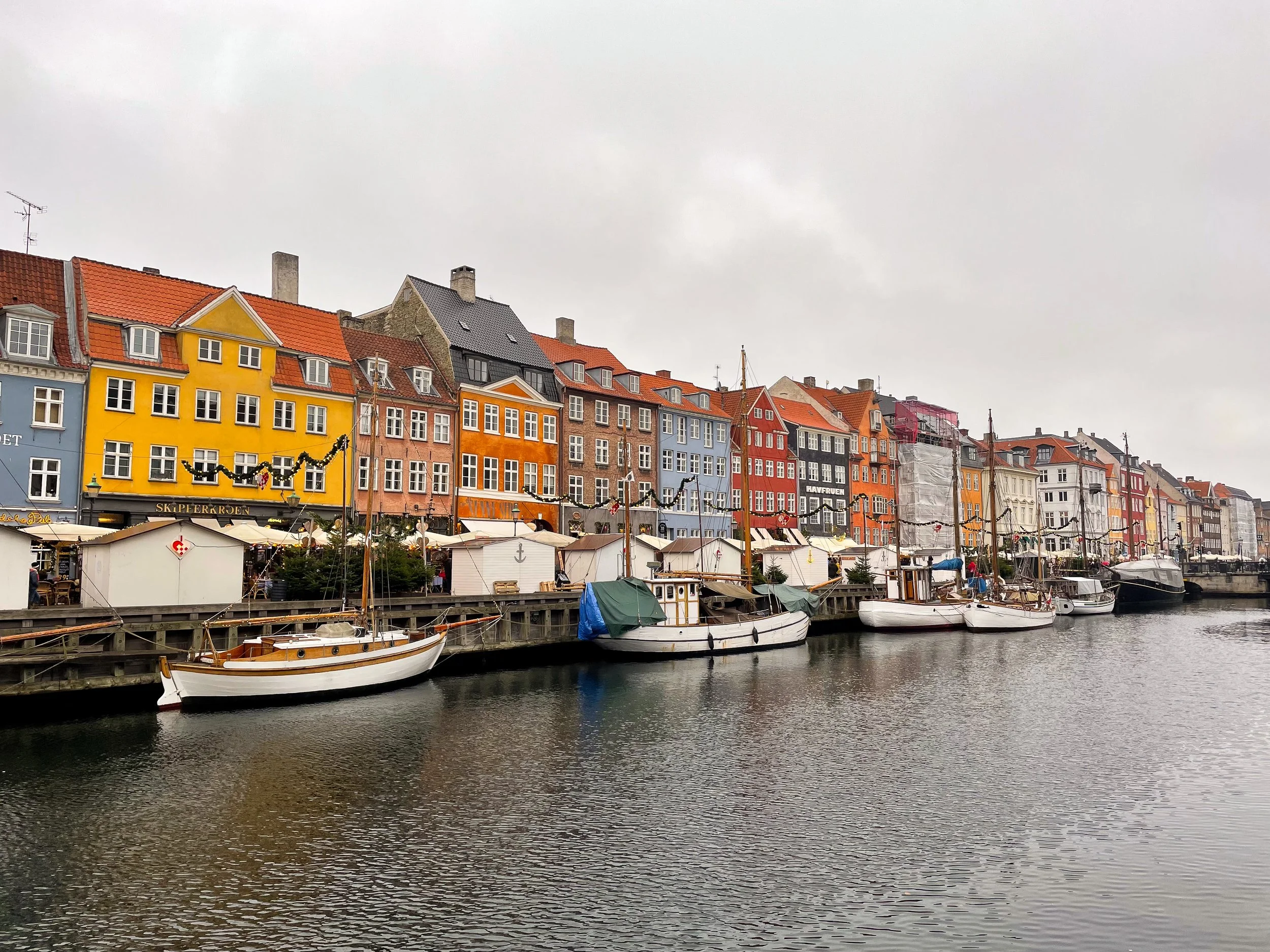
Copenhagen is consistently ranked as one of the happiest places in the world. The Scandinavian city is home to boat lined canals, cobblestone streets and colorful buildings, centuries old castles and seat of the Danish monarchy. It’s a hub for design, contemporary European cuisine and seasonal Christmas markets. The city tells a rich history through its many museums, historic architecture and canals.
Copenhagen’s Canals & Neighborhoods
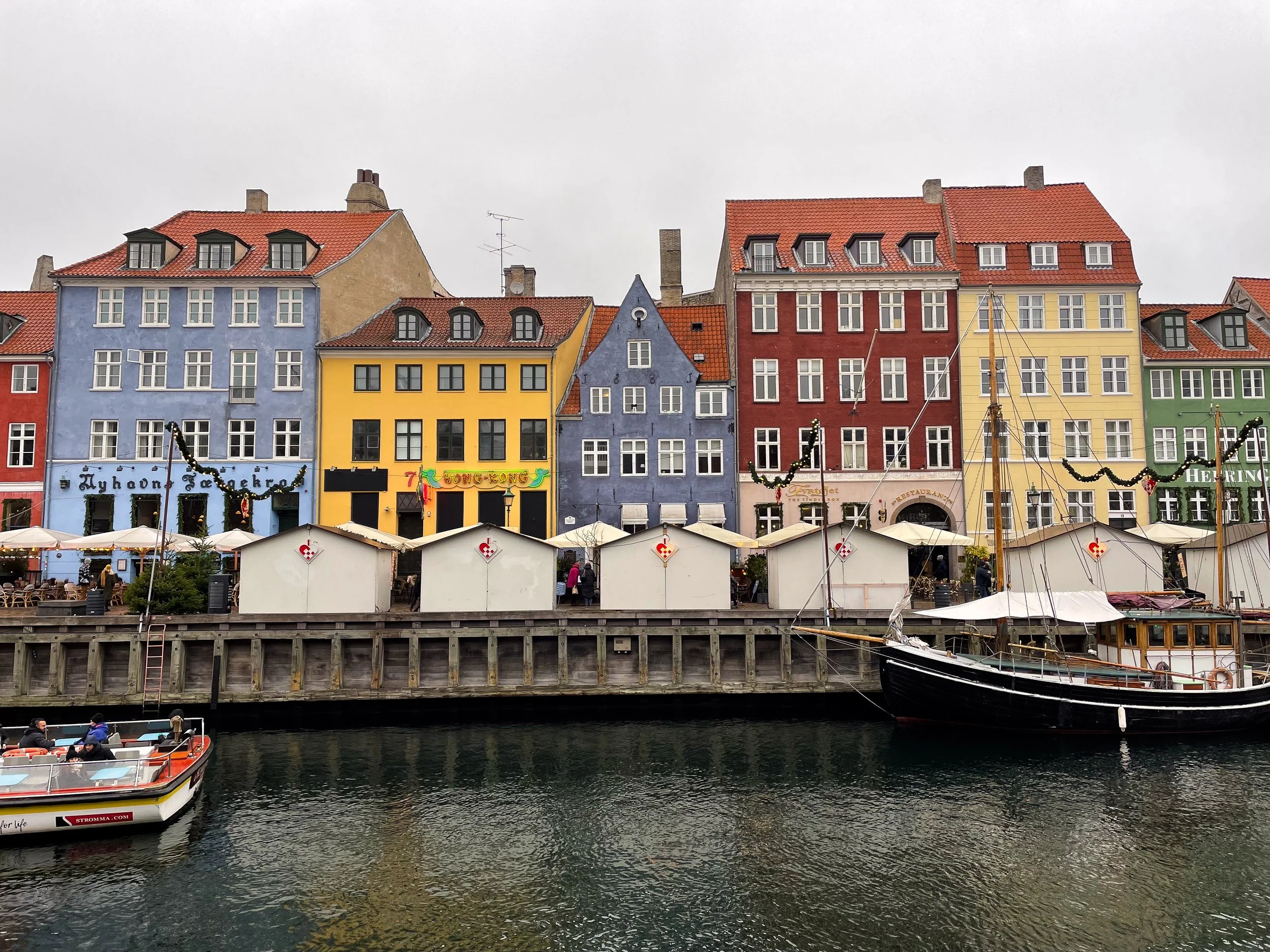
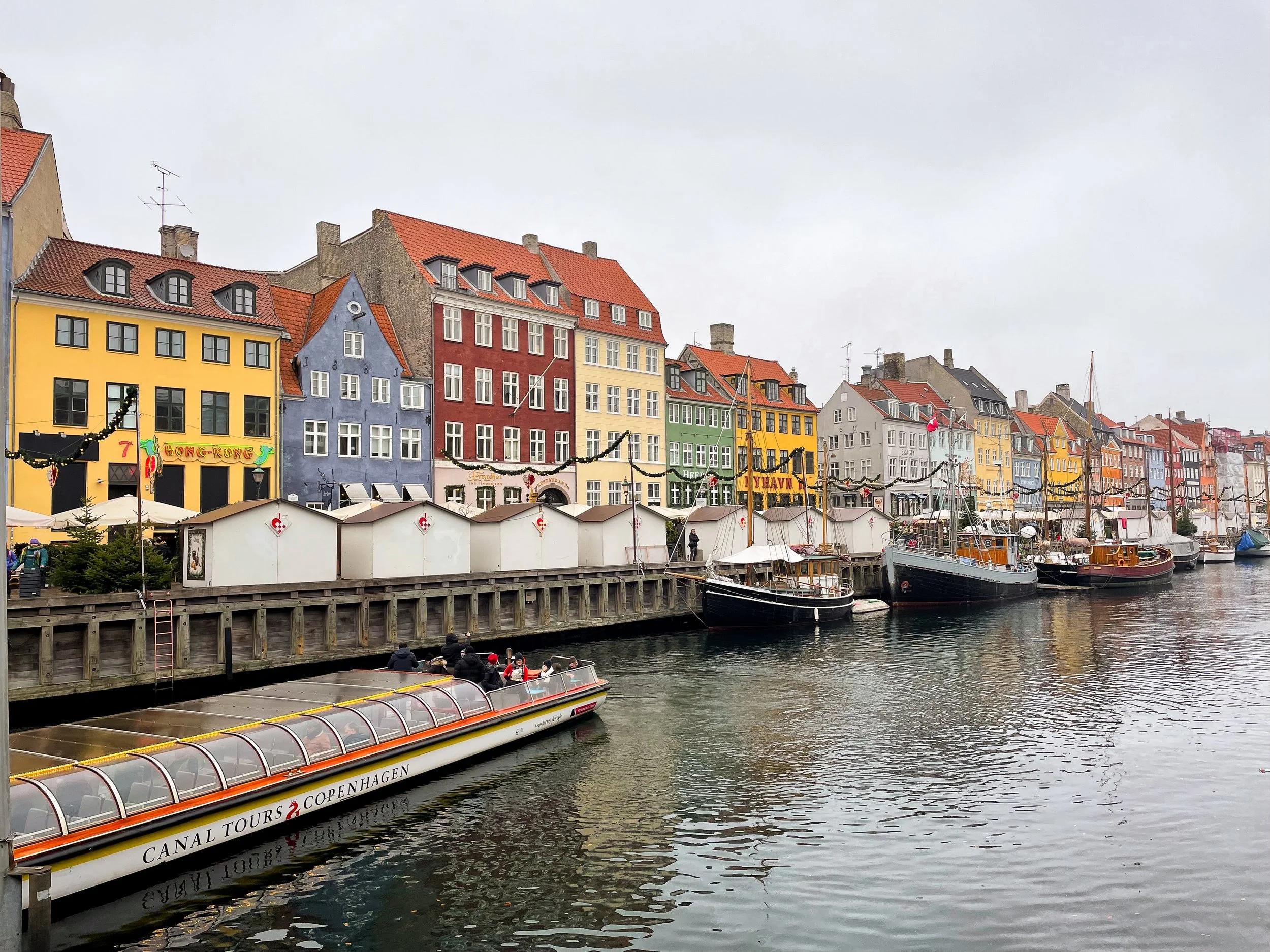
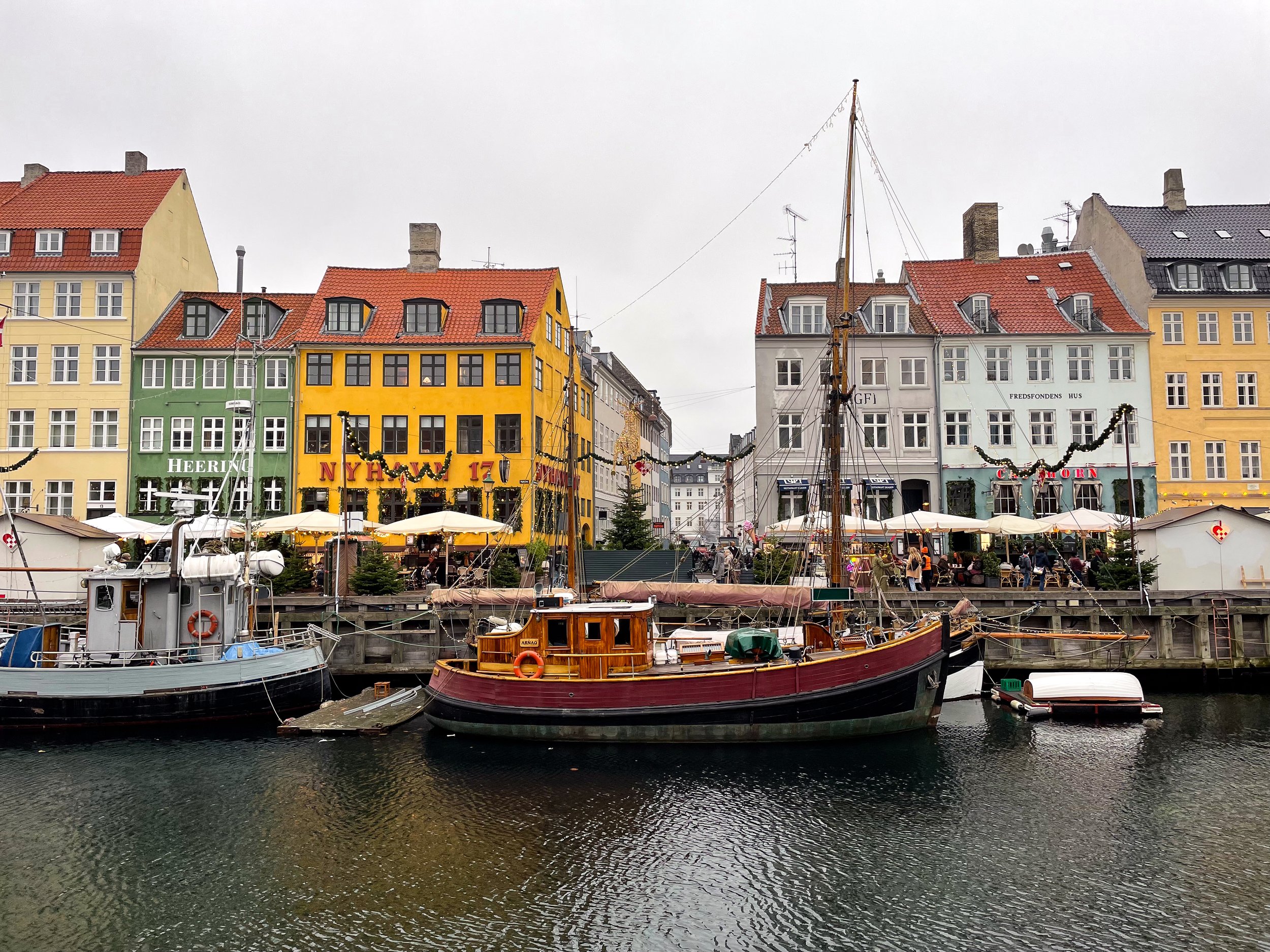
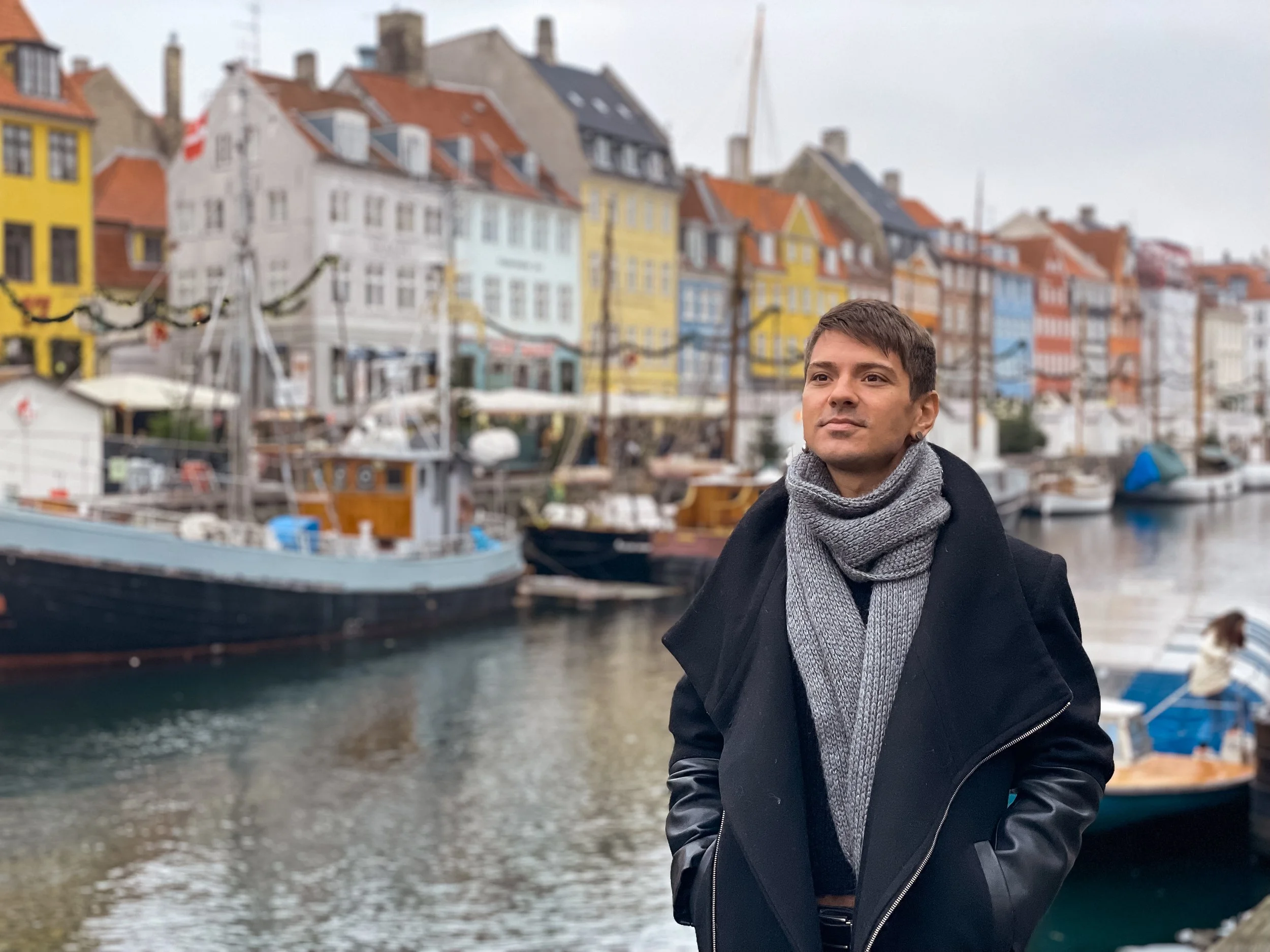
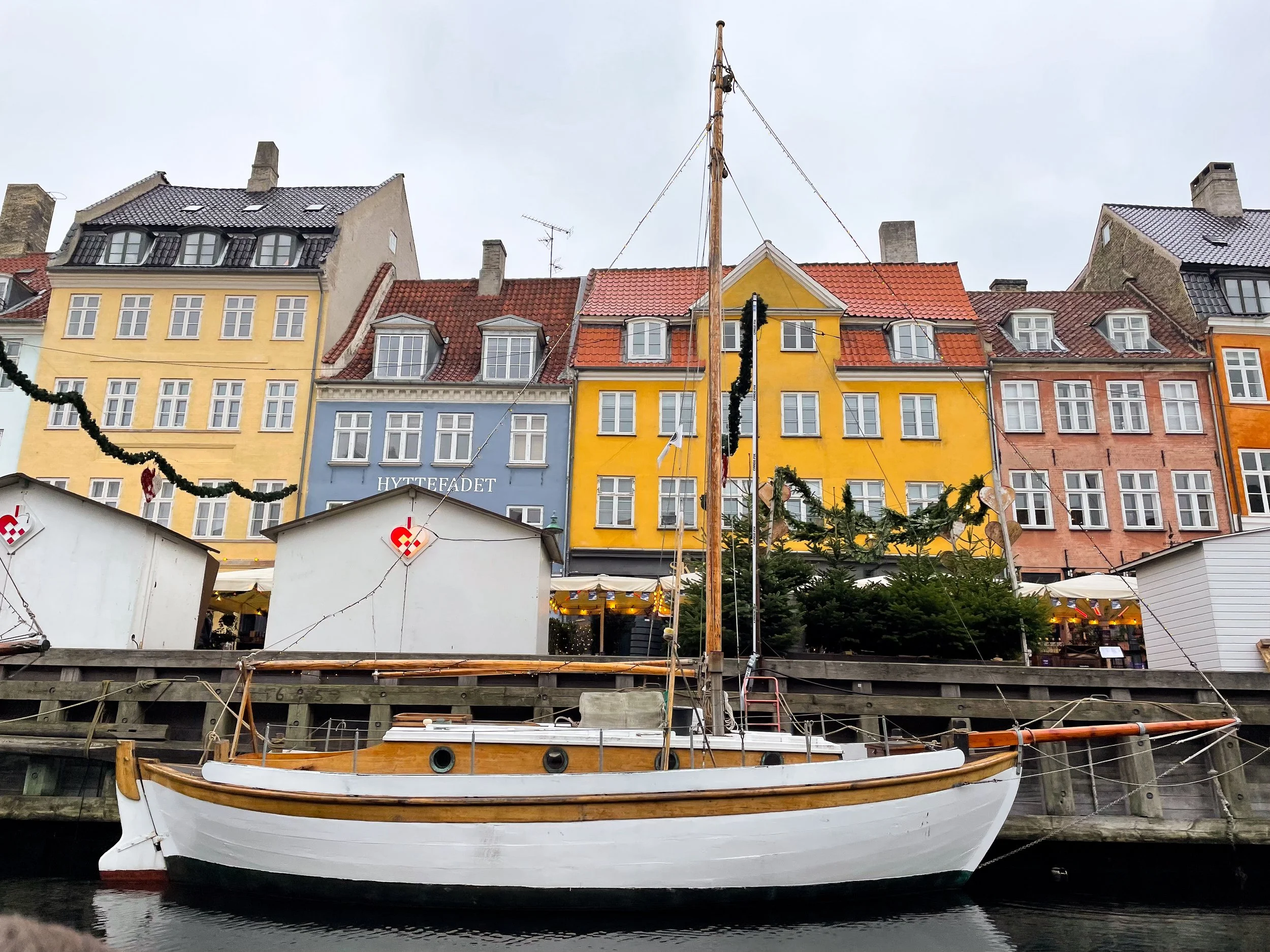
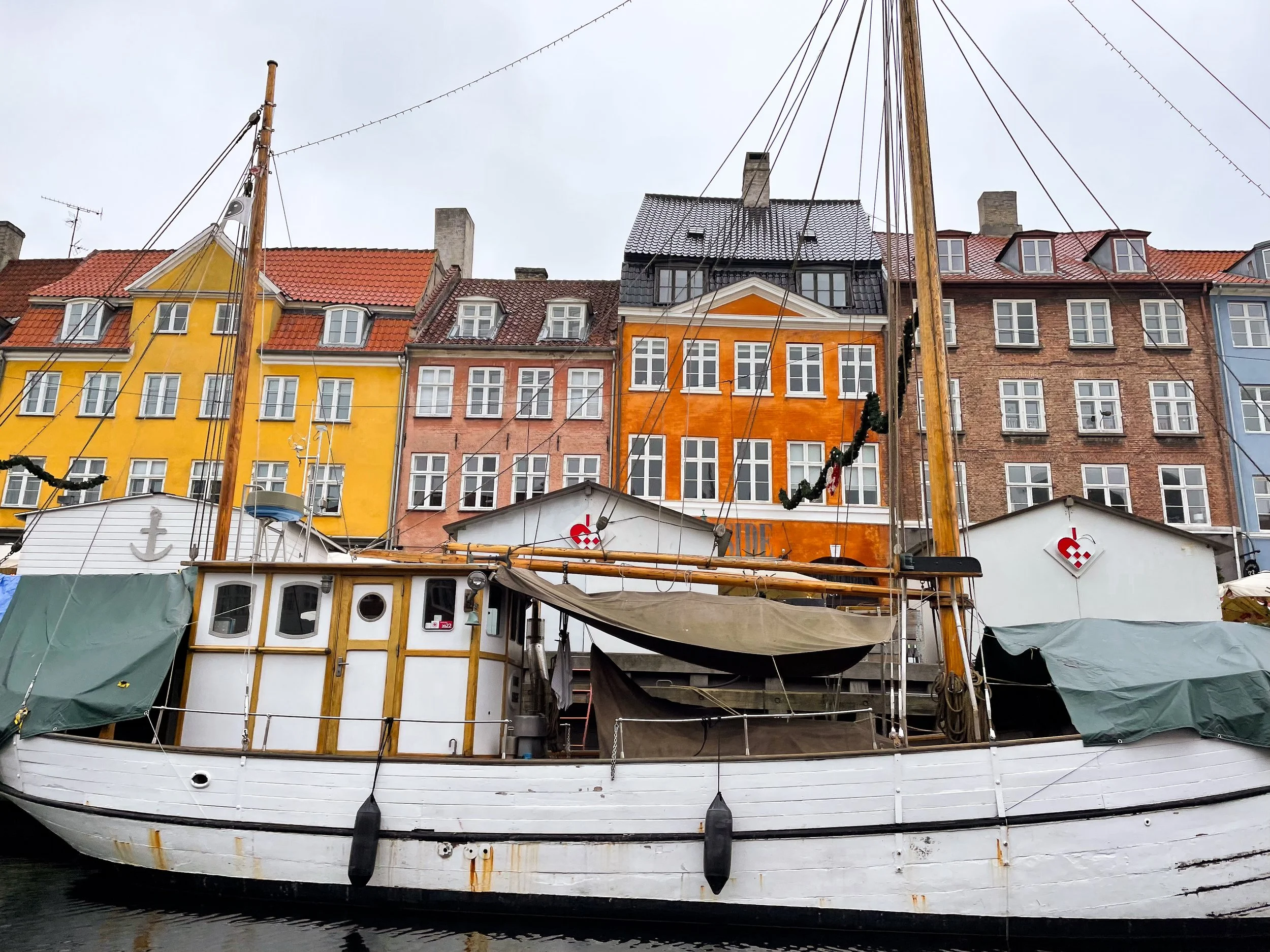
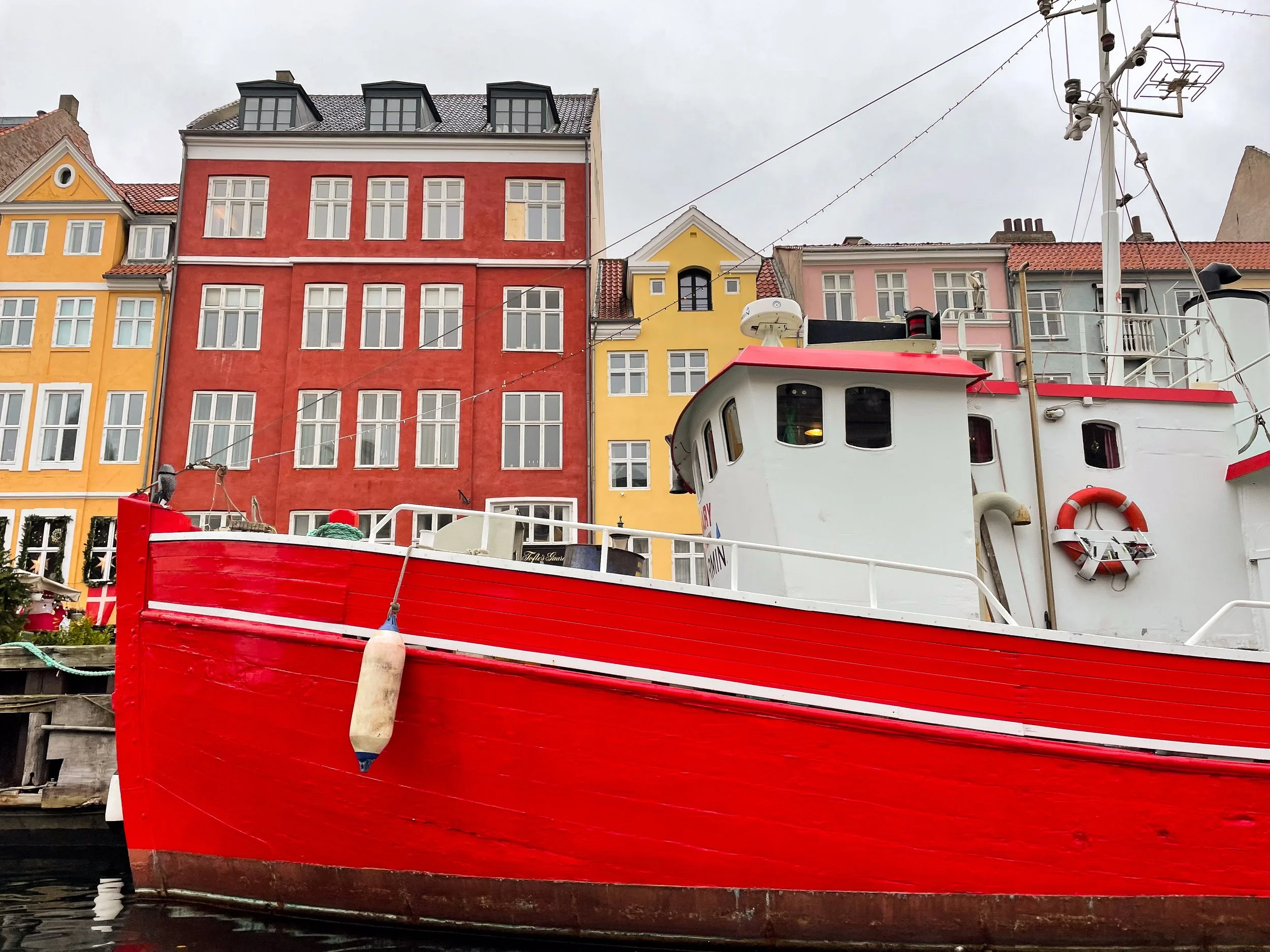
The Nyhavn Canal. A picturesque 17th century canal with historic colorful buildings, old wooden ships, cafes, bars and restaurants, some of which are located on the old wooden ships. Strømma Canal Tours depart from here every hour, leading past many bridges and sights along Copenhagen’s Grand Canal, The Christianshavns Canal and Frederiksholms Canals.
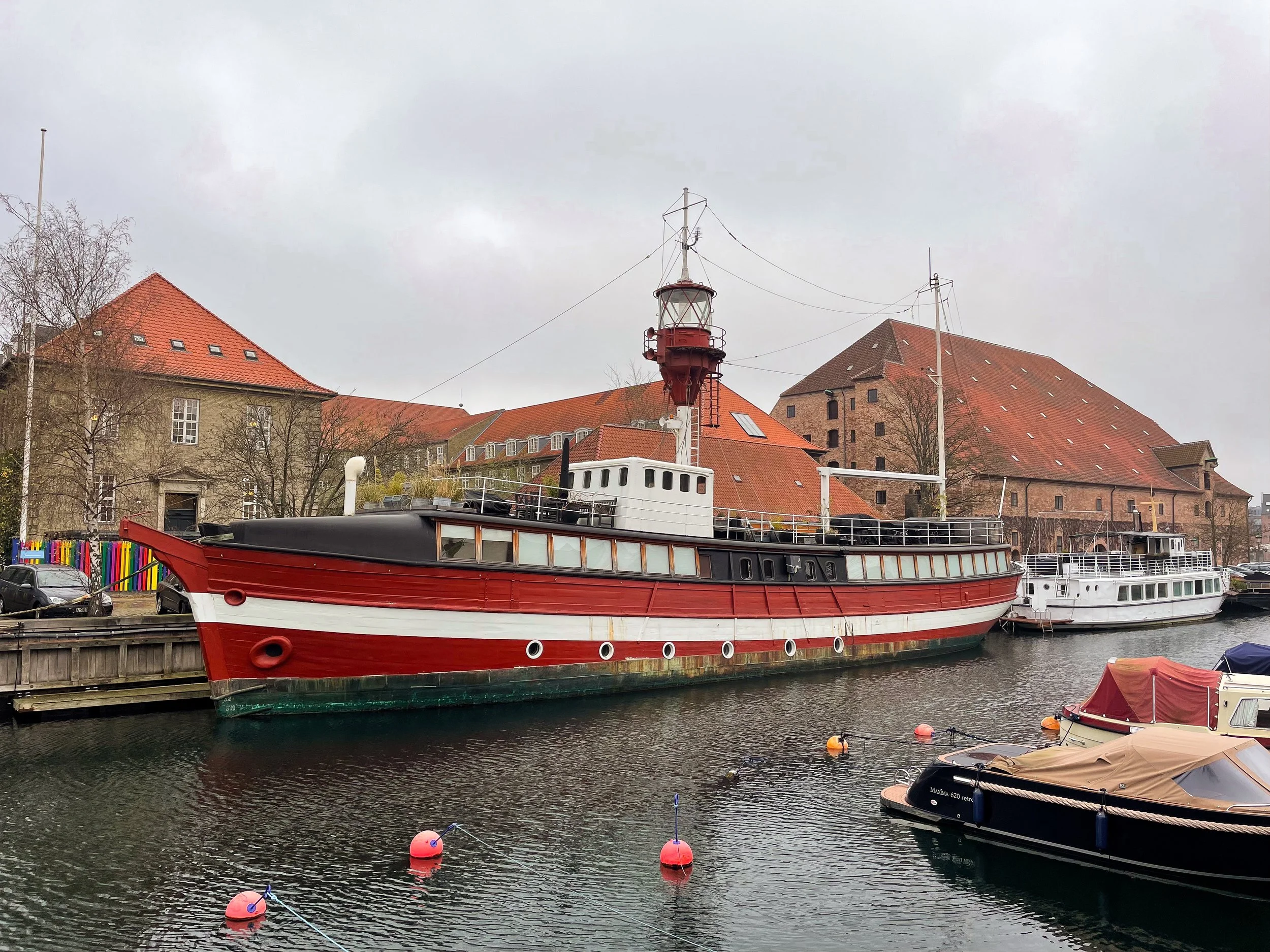
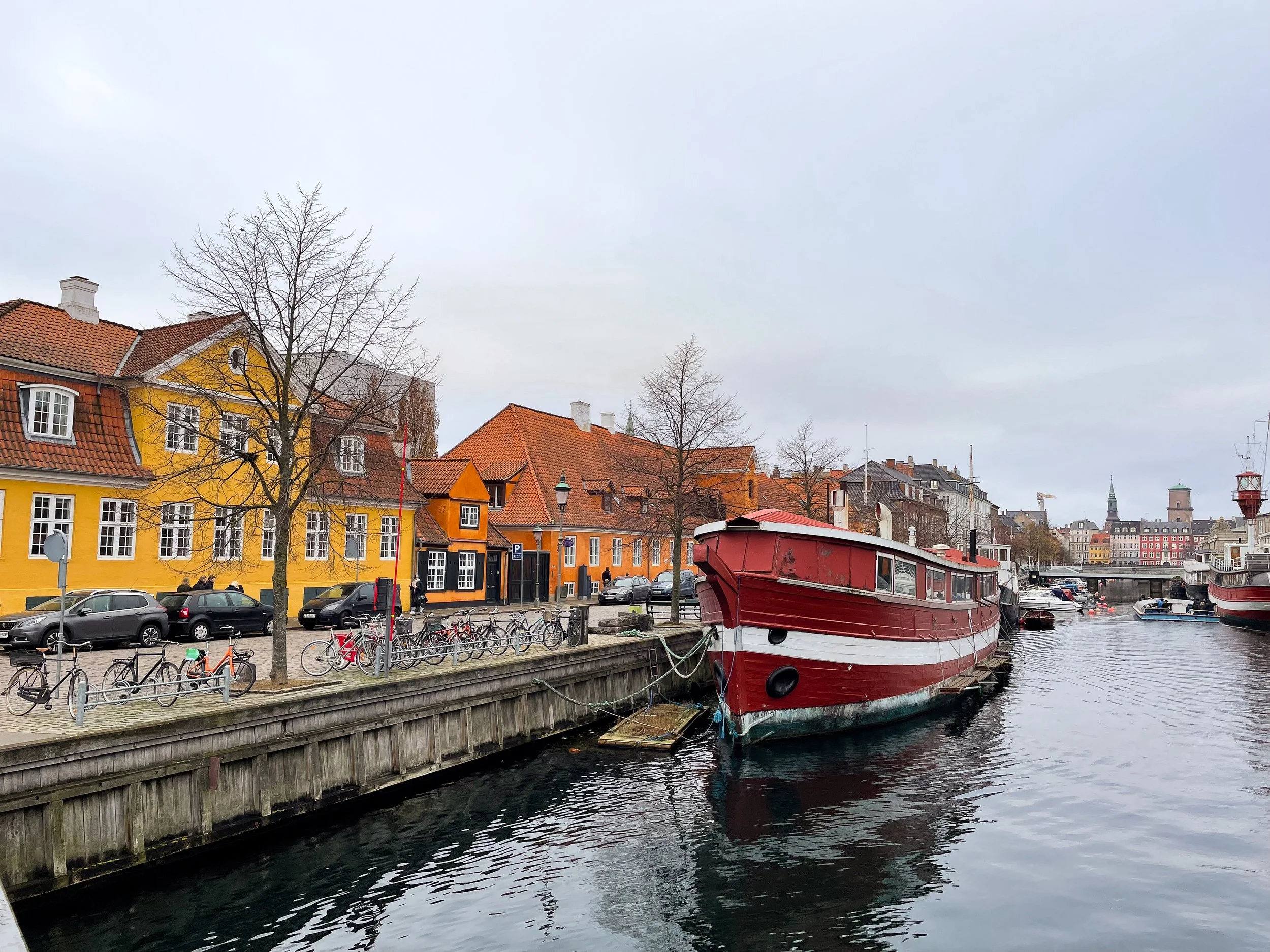
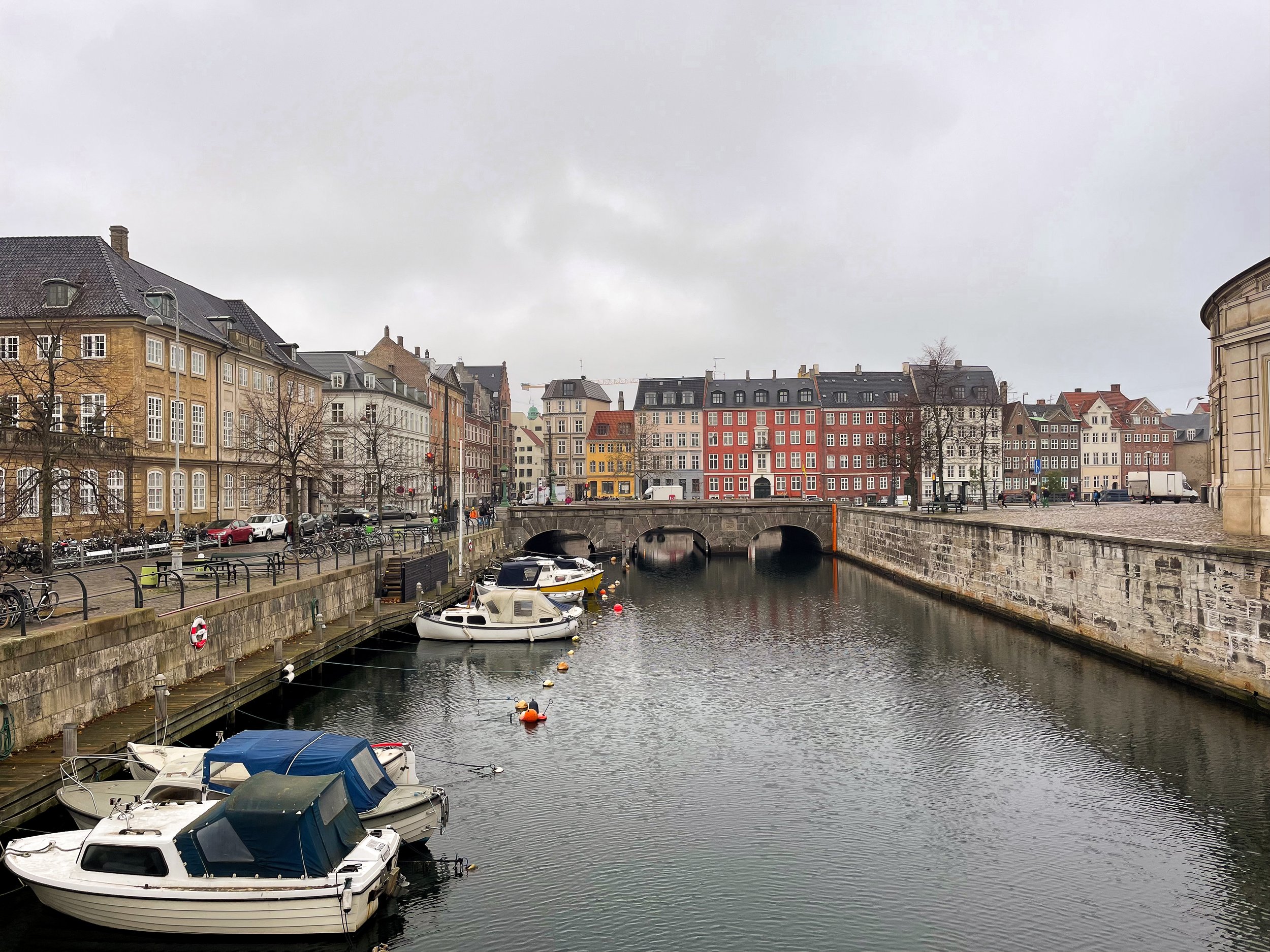
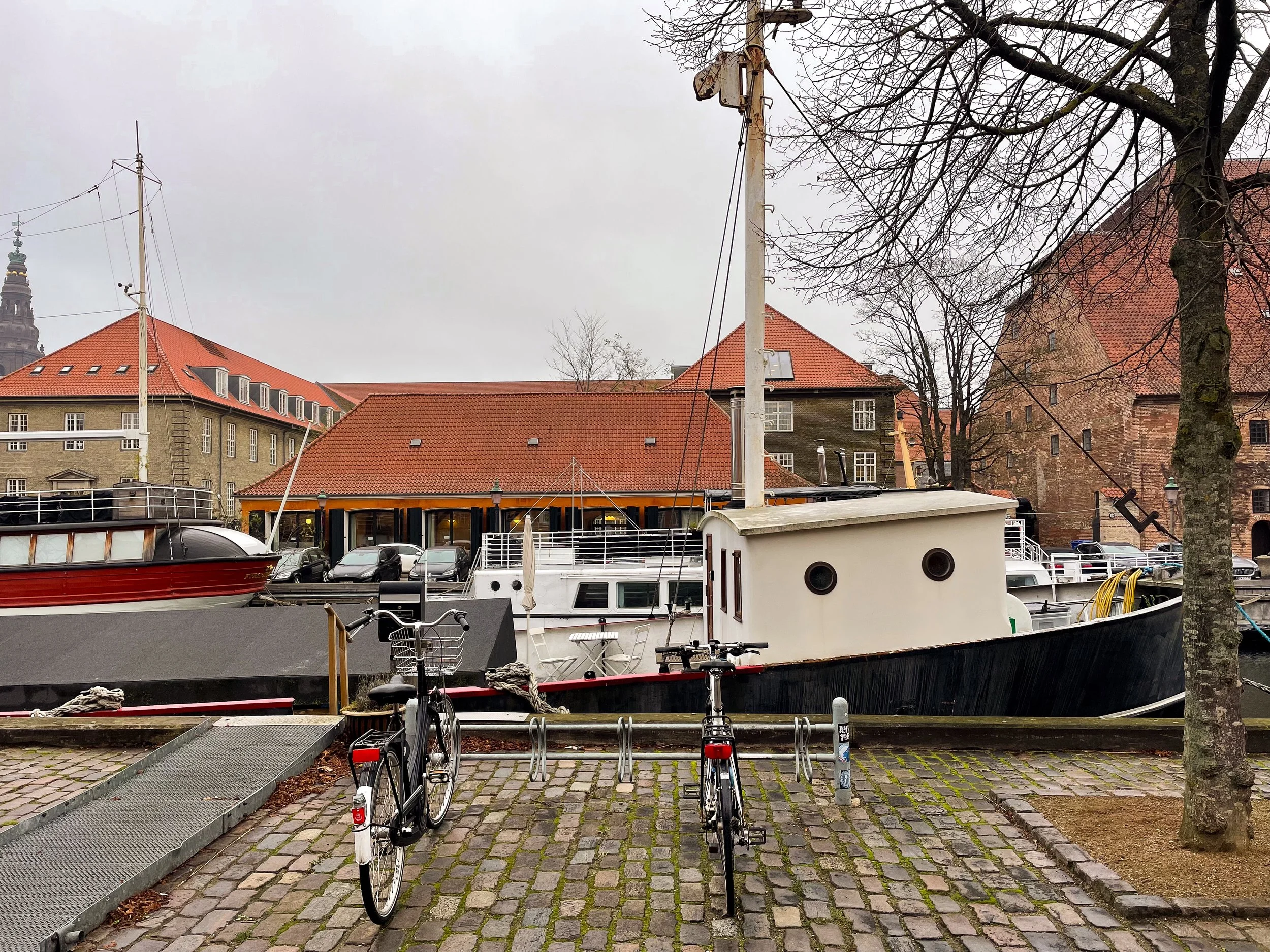
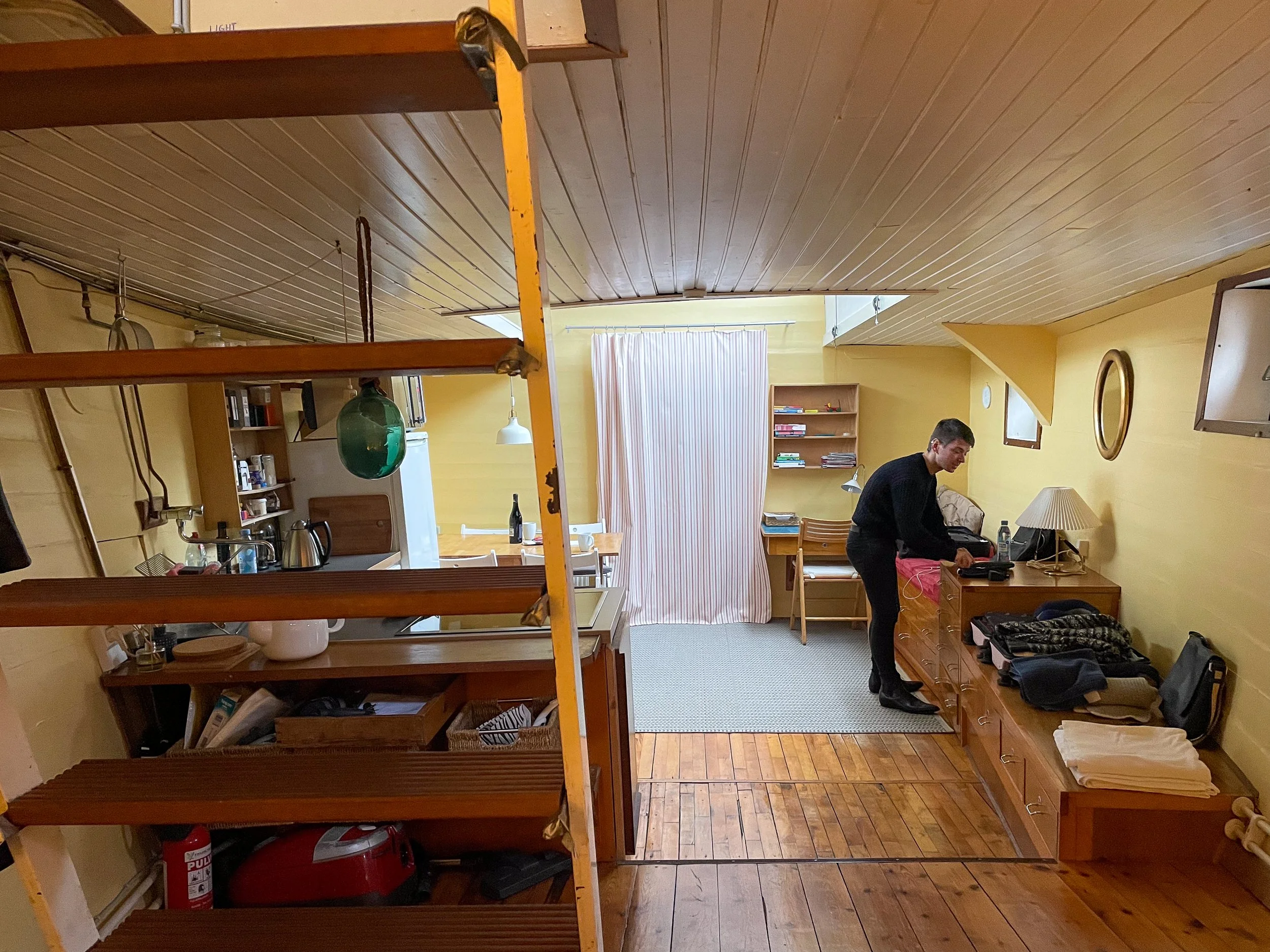
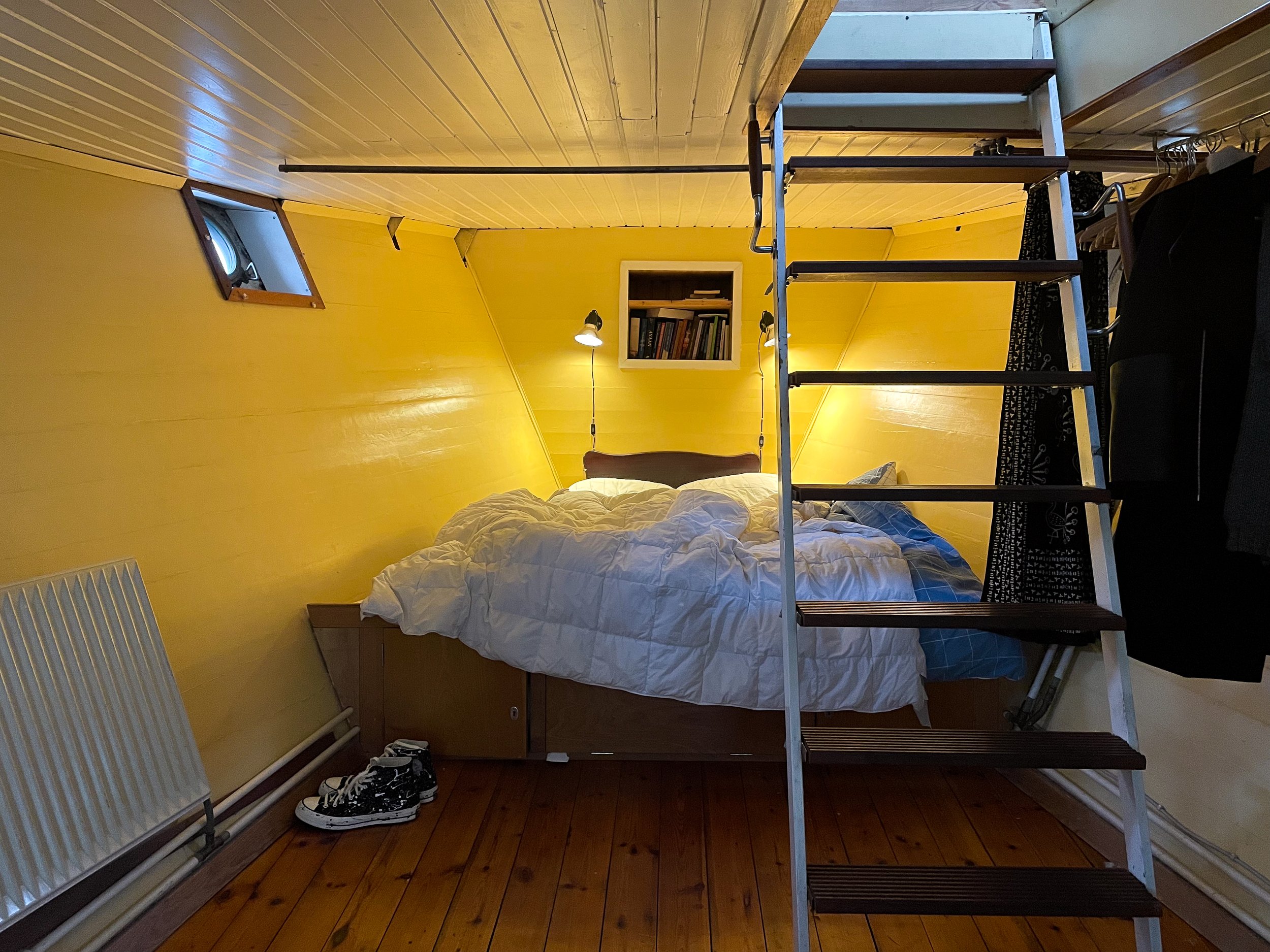
The Frederiksholms Canal. A canal lined with all types of vessels including fishing boats, floating restaurants, a lighthouse ship and multitudes of house boats. We spent our stay in Copenhagen, docked along the canal in a cozy wooden ship. The cabin included a bed at the bow of the boat, open kitchen and living area with portholes overlooking the water. Book on Airbnb.
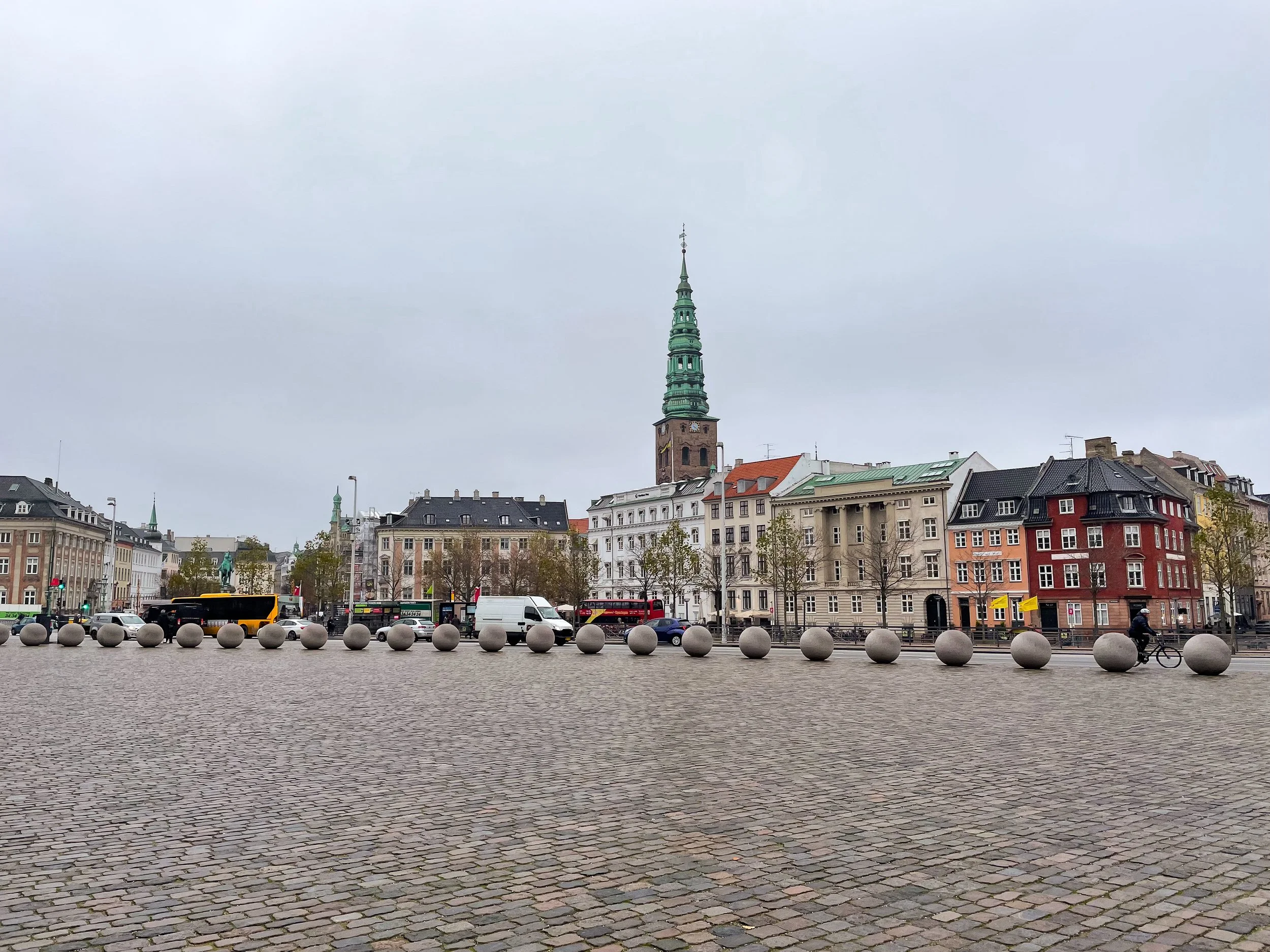
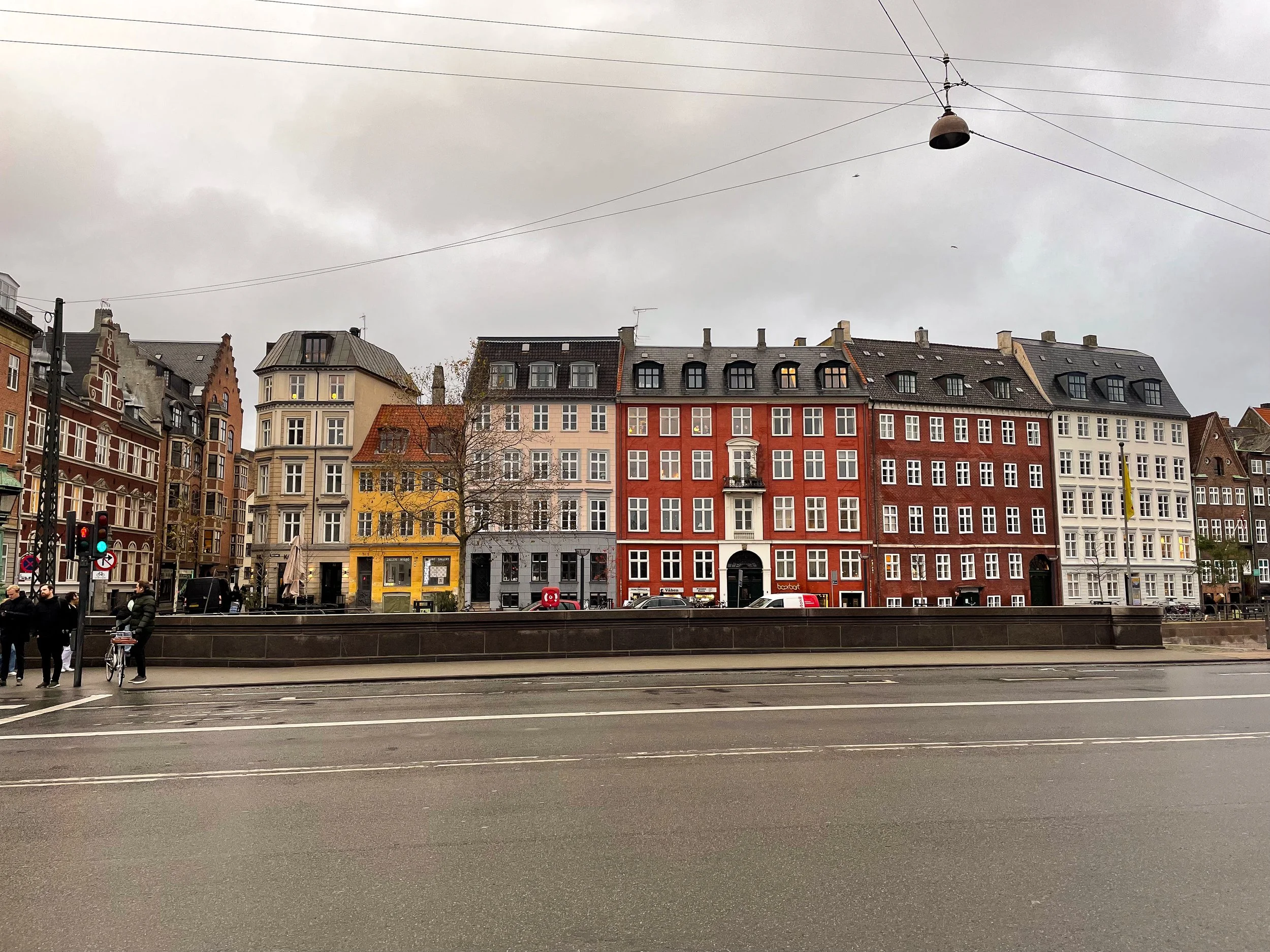
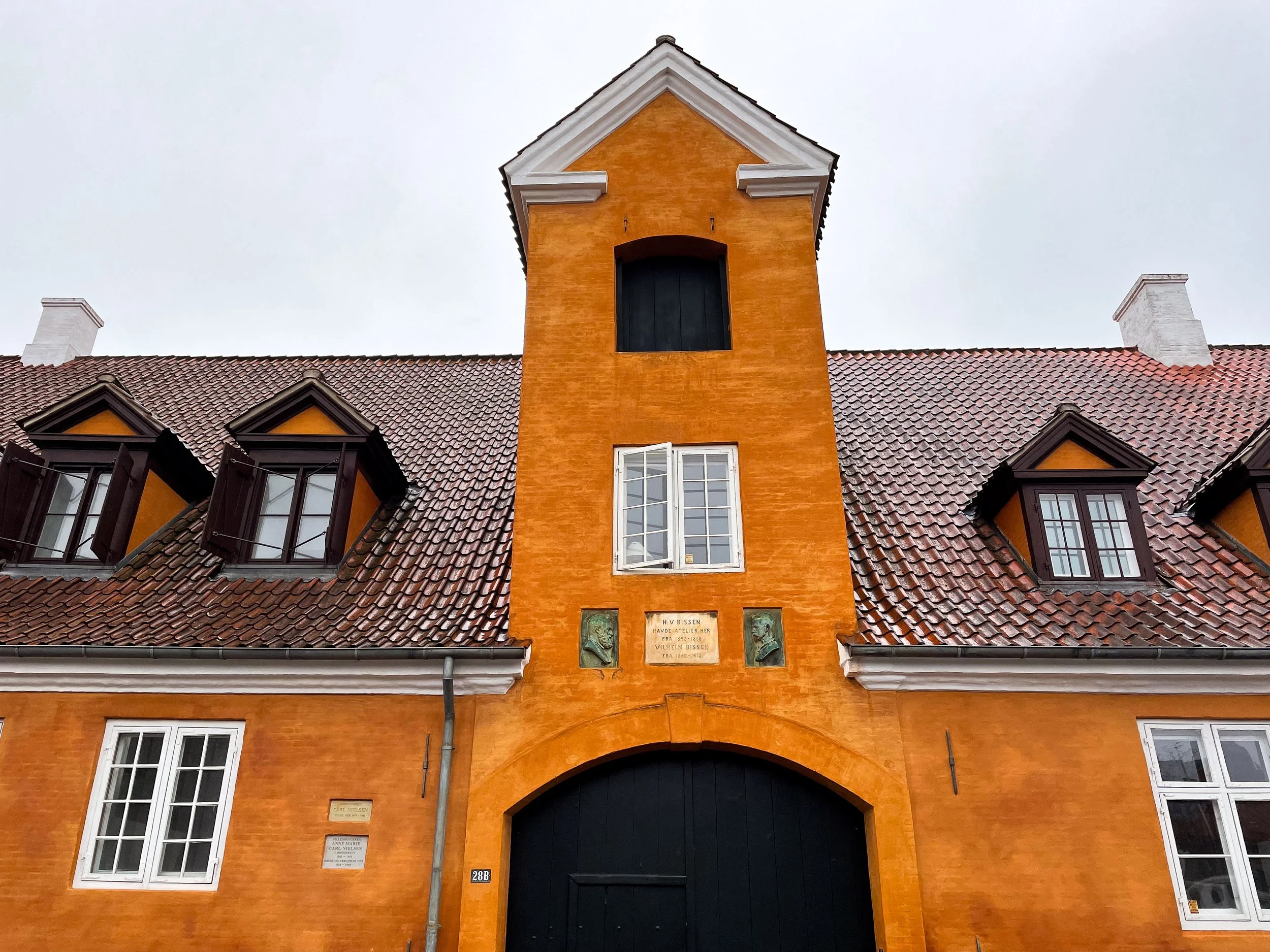
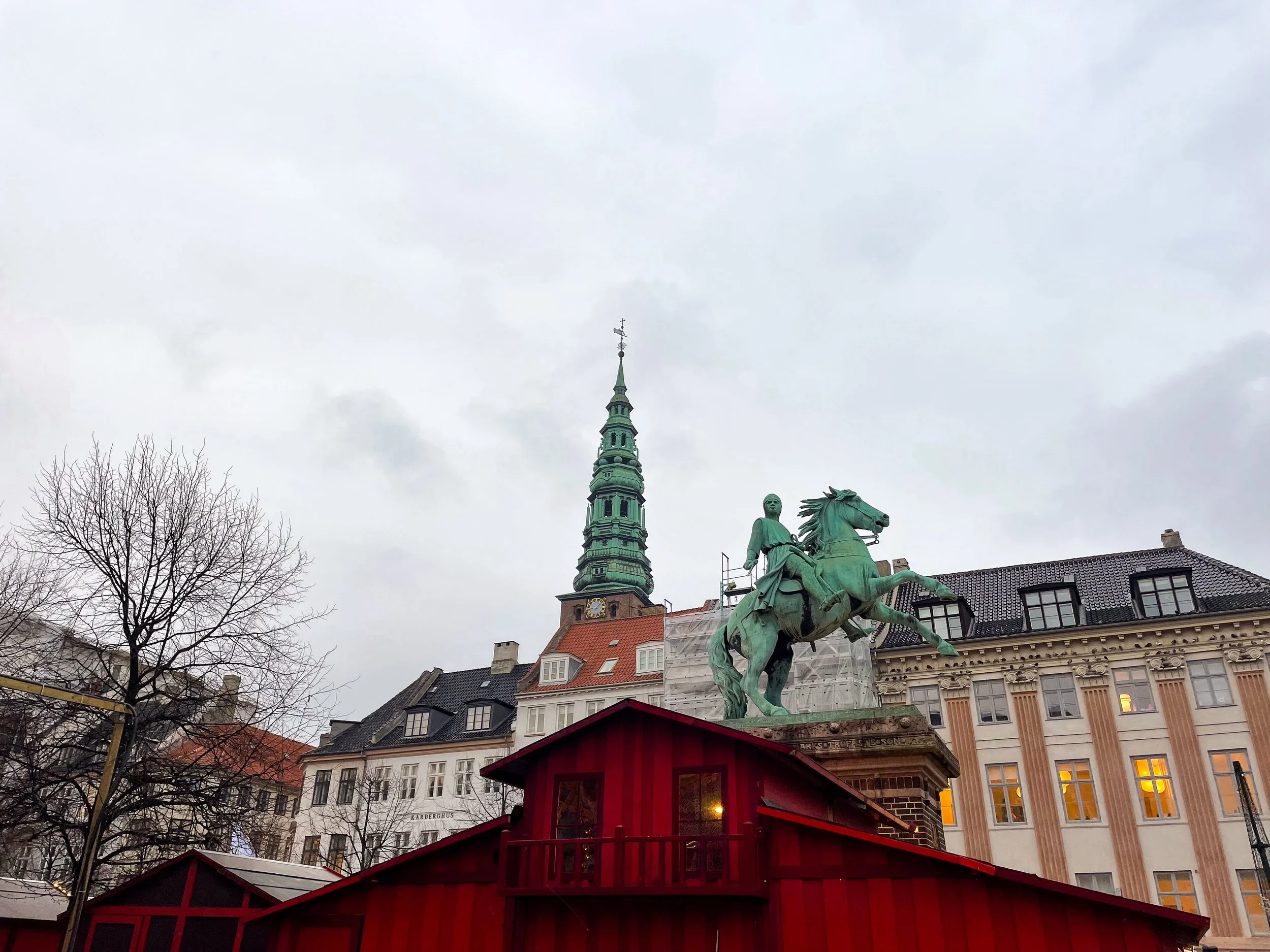
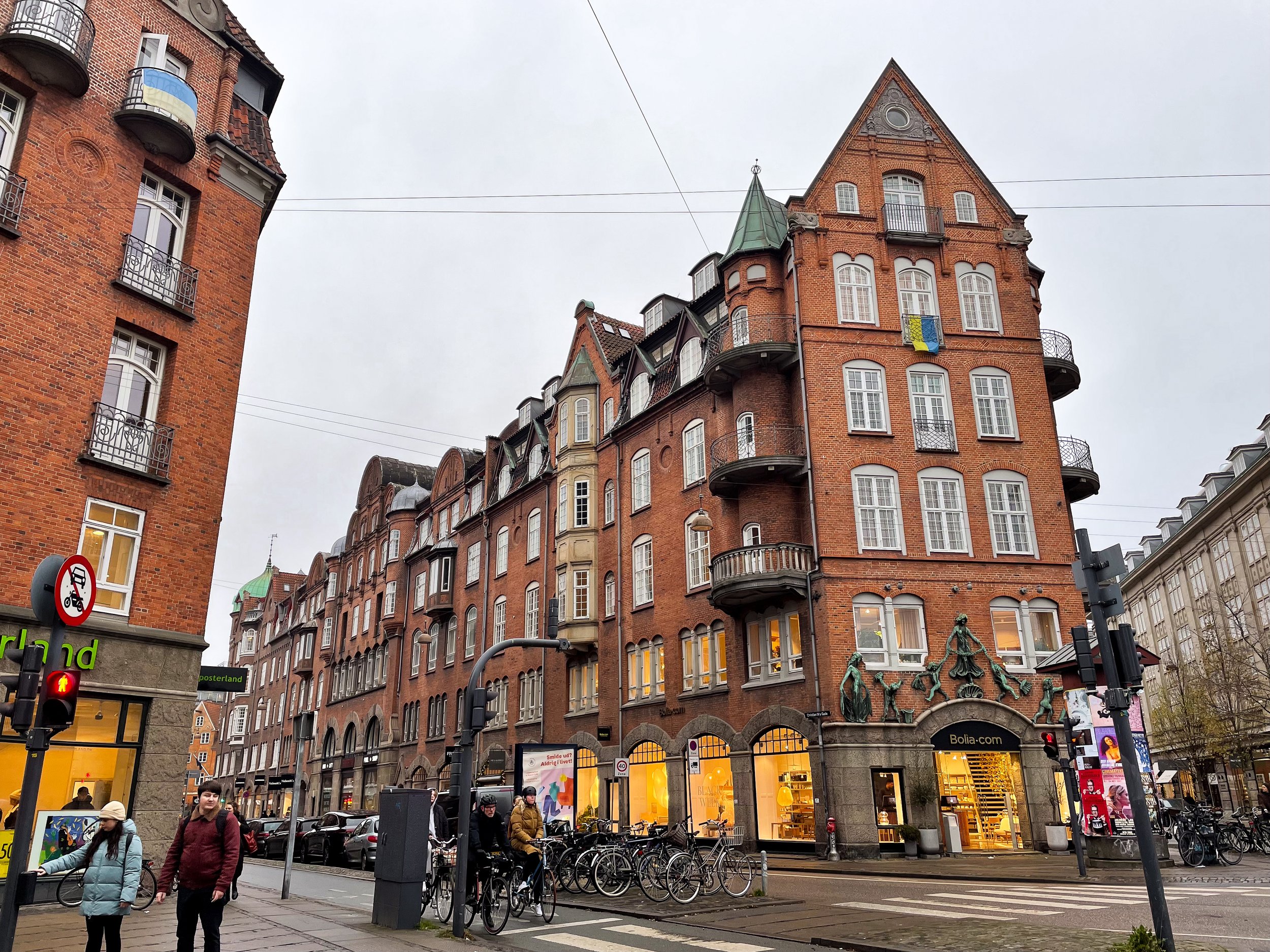
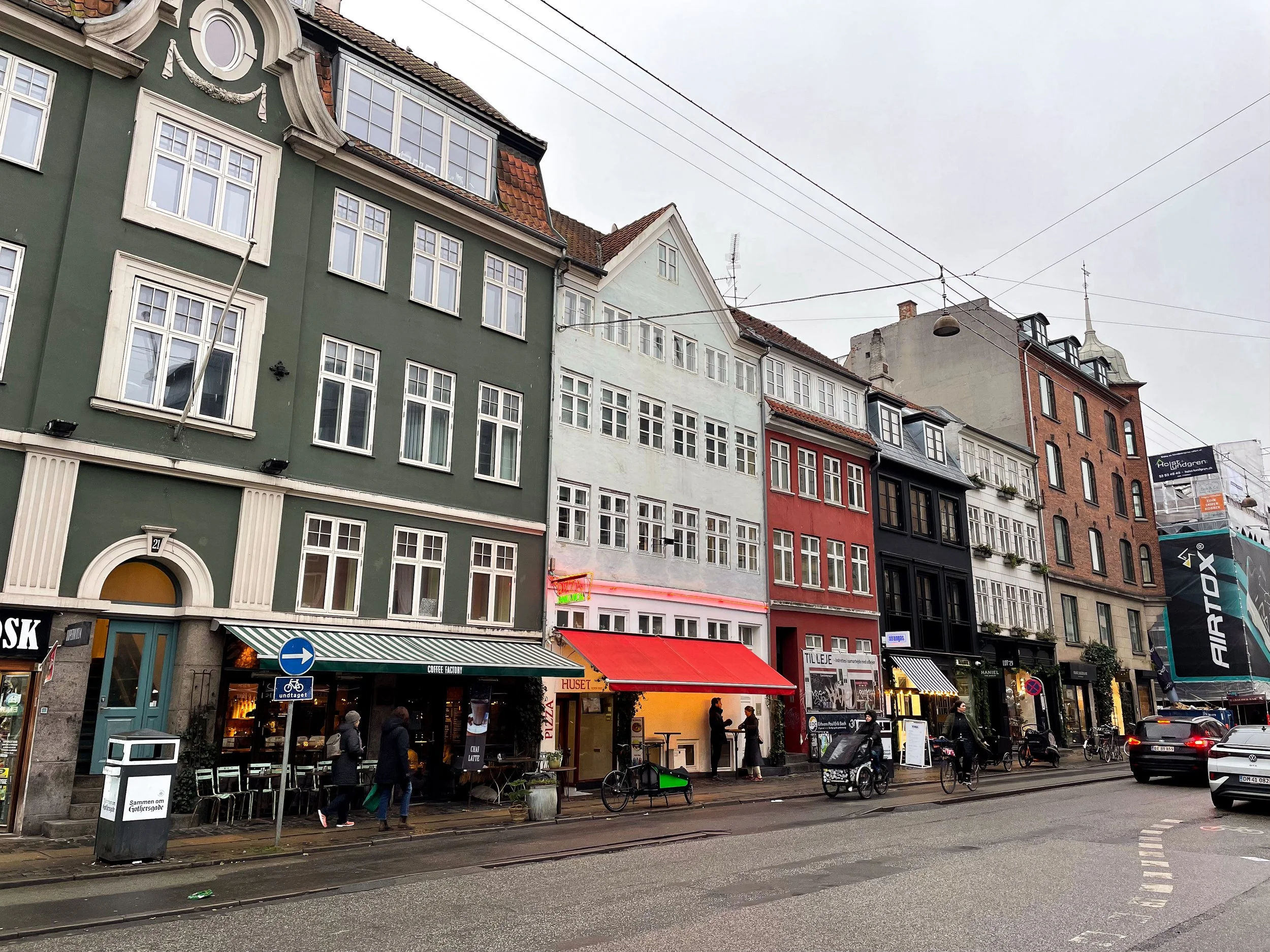
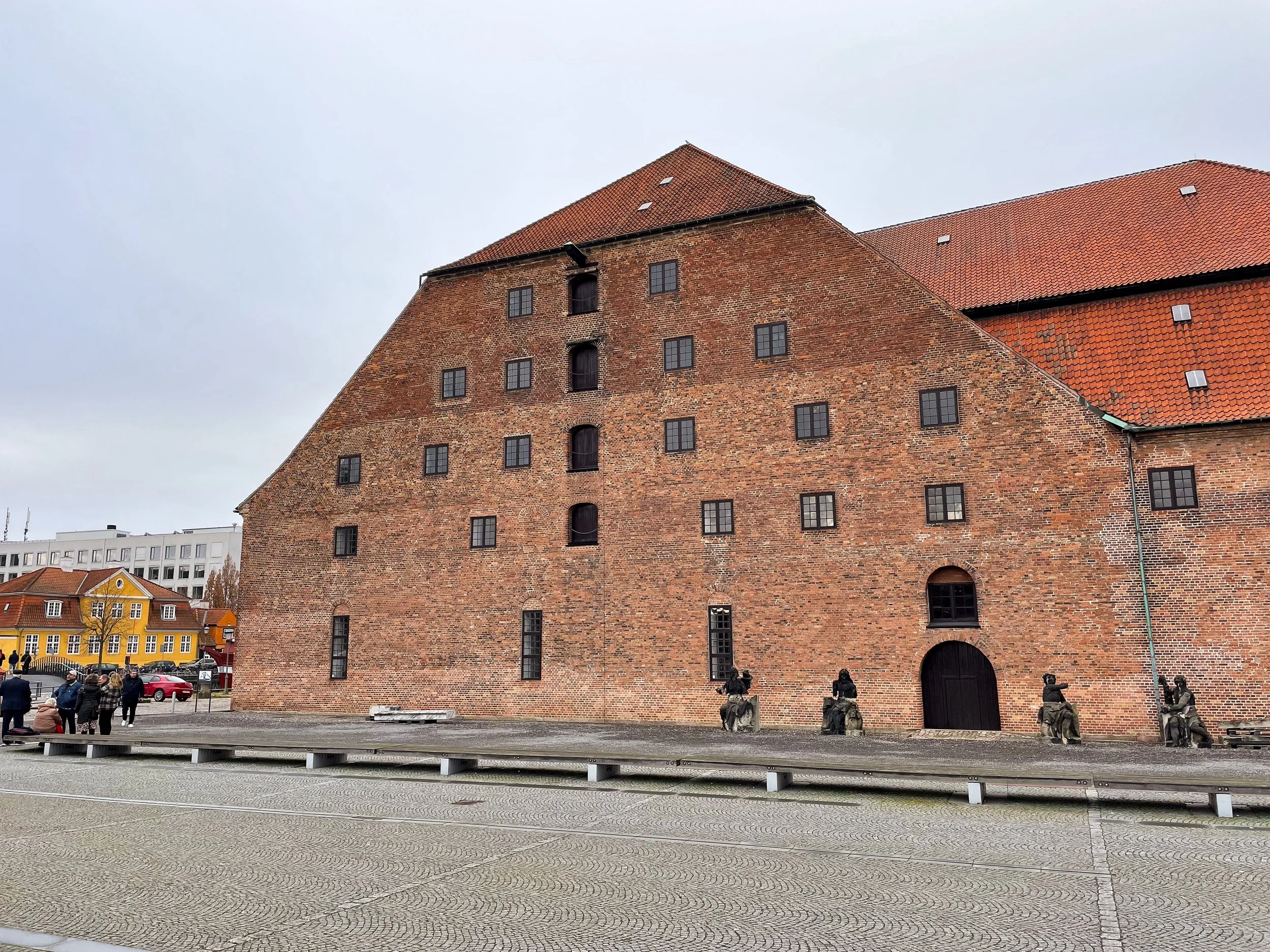
Indre By. A large neighborhood at Copenhagen’s city center with canals and roads lined with historic buildings, national monuments, plazas and shopping streets.
Slotsholmen. An island neighborhood surrounded by the Frederiksholms Canal. The island was once the seat of the Danish monarchy and is the present home of parliament, the prime minister’s office, multiple museums, public squares and stately buildings.
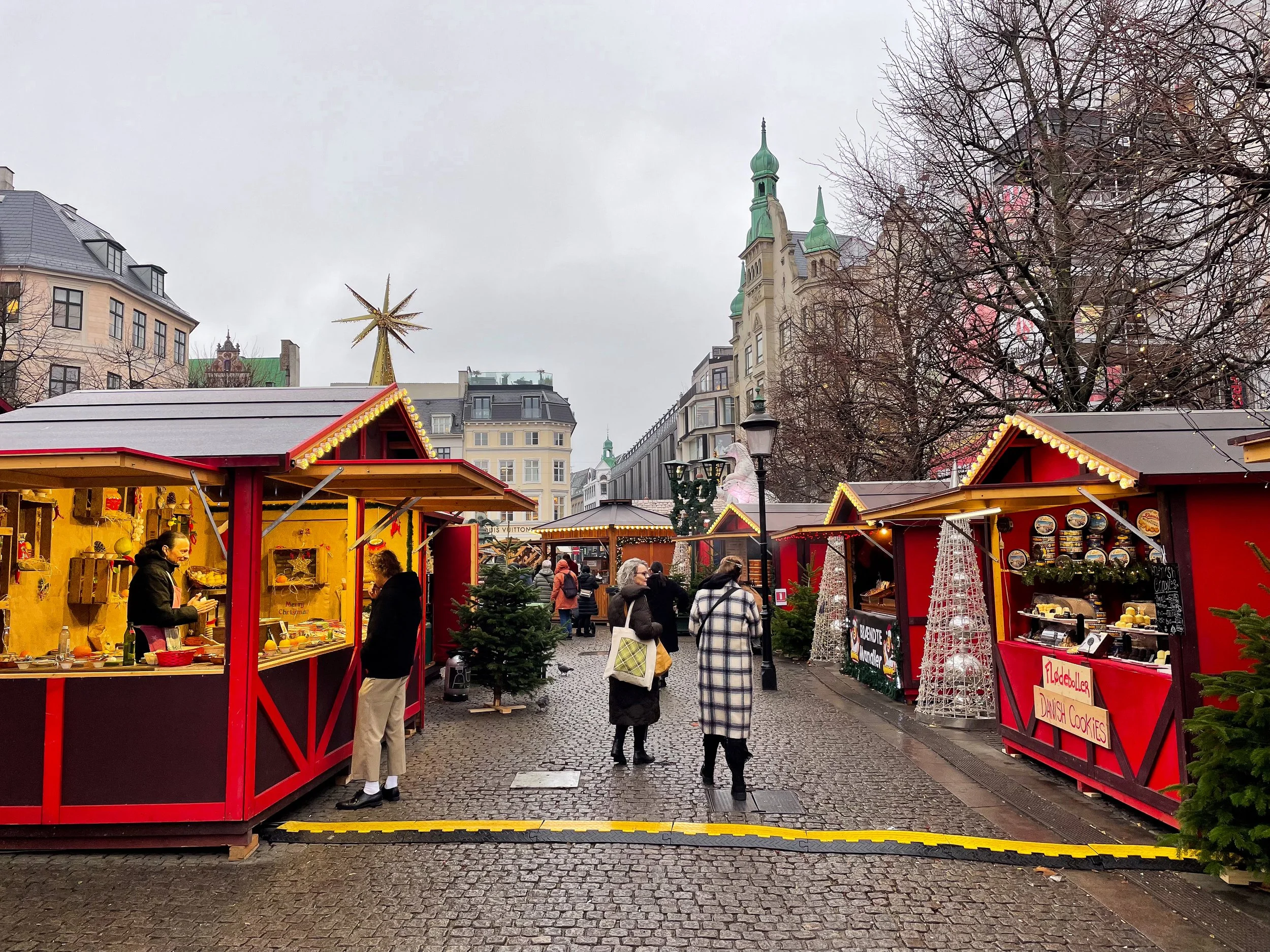
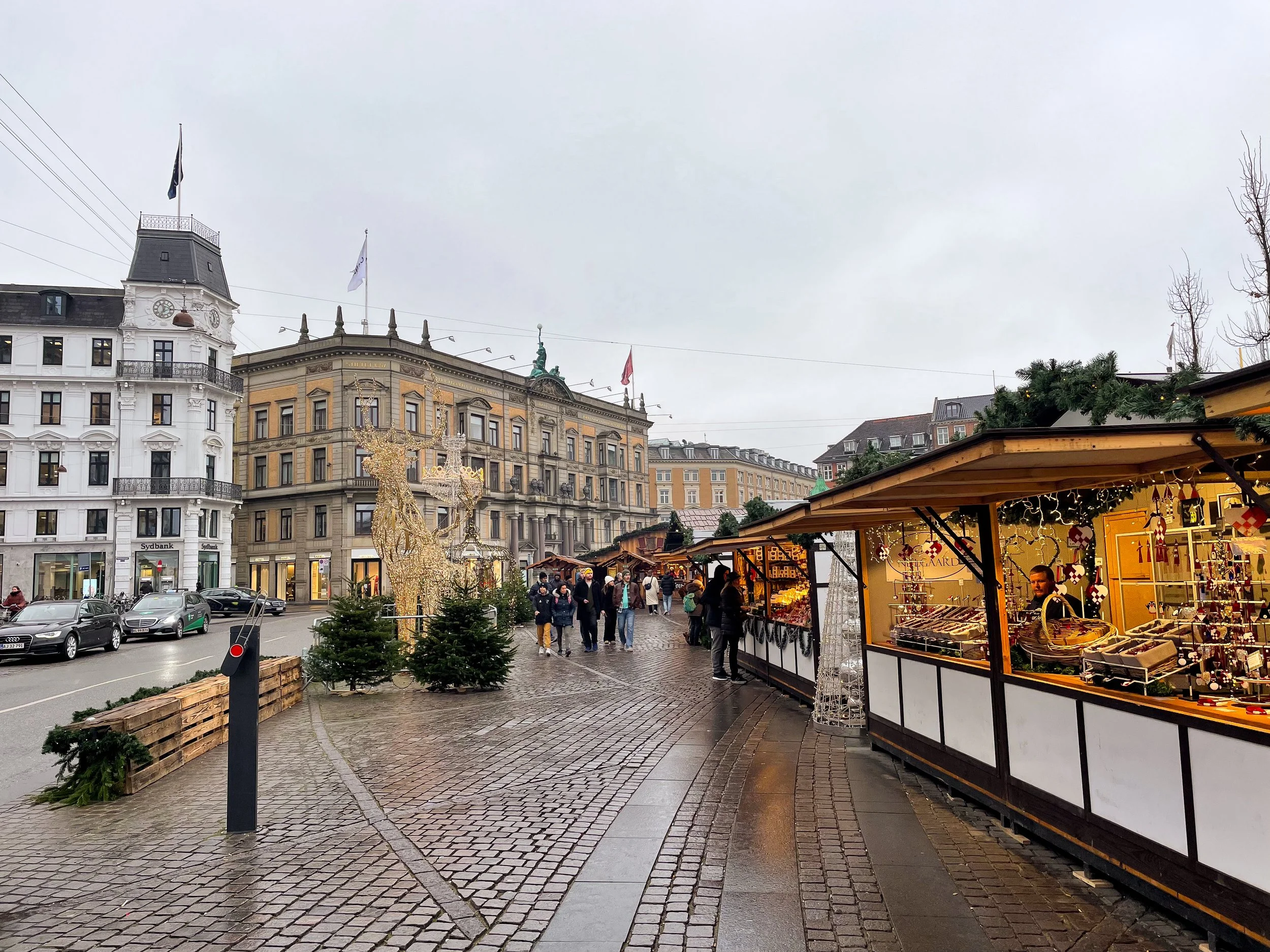
Christmas in Copenhagen
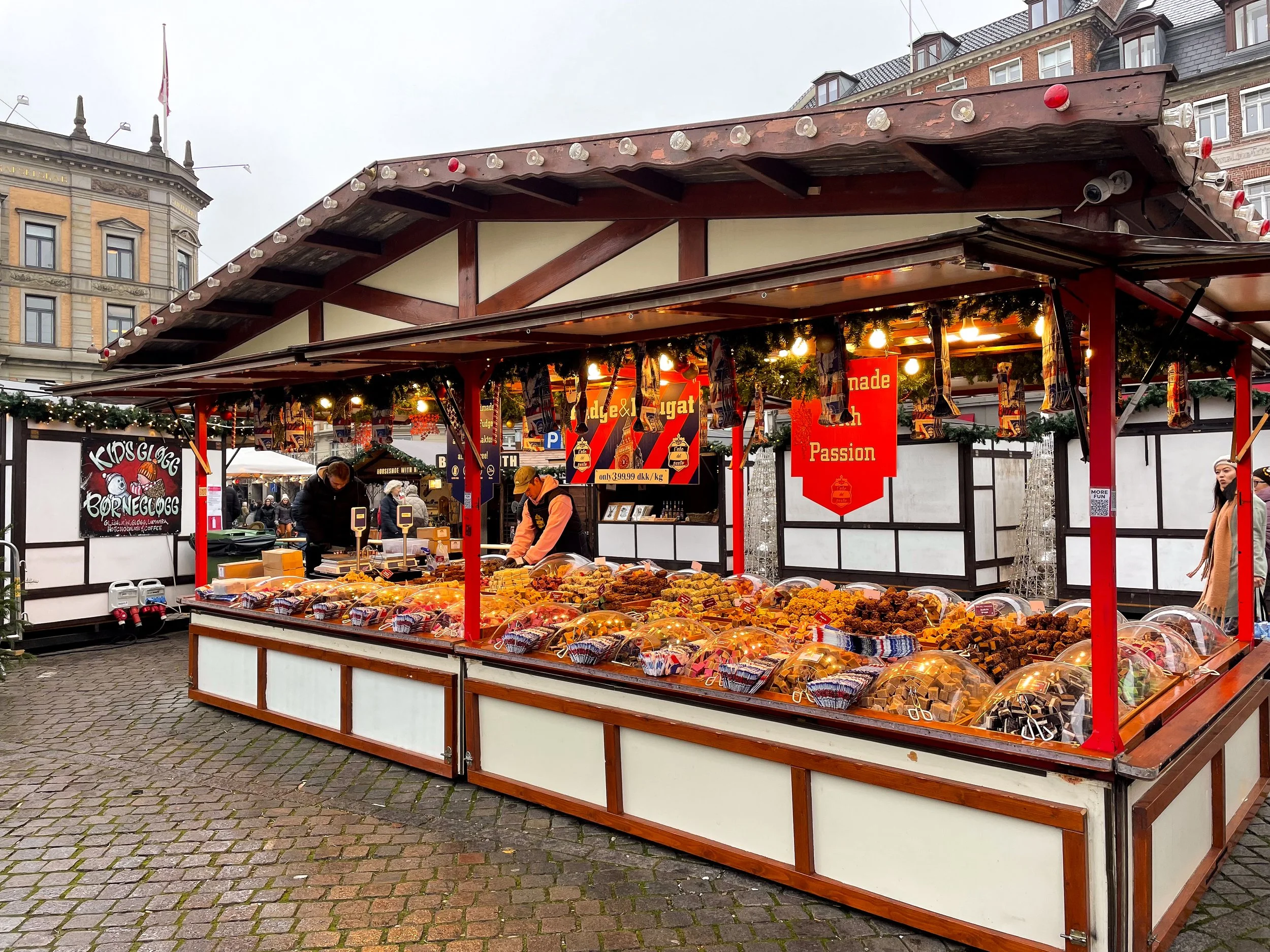
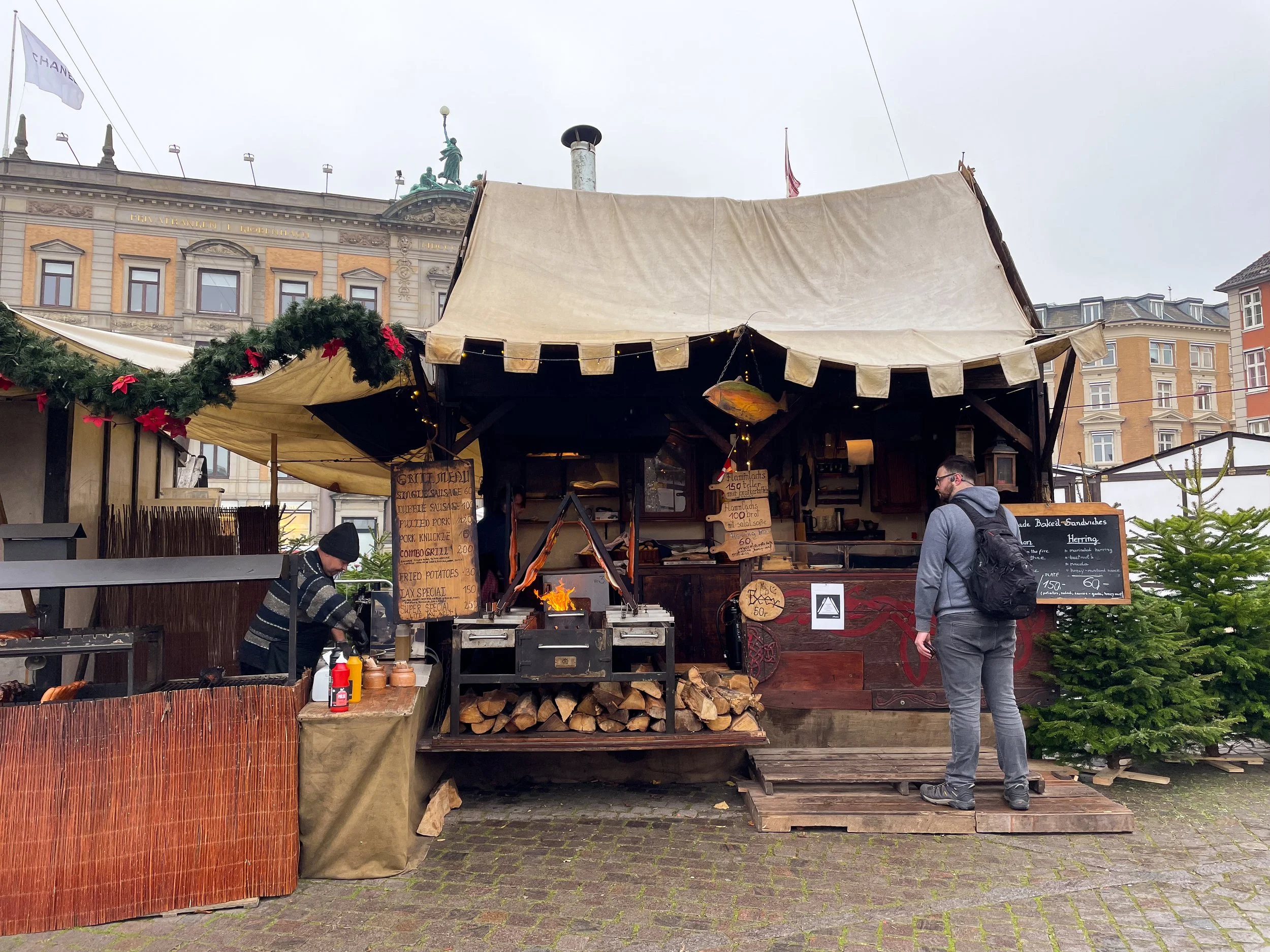
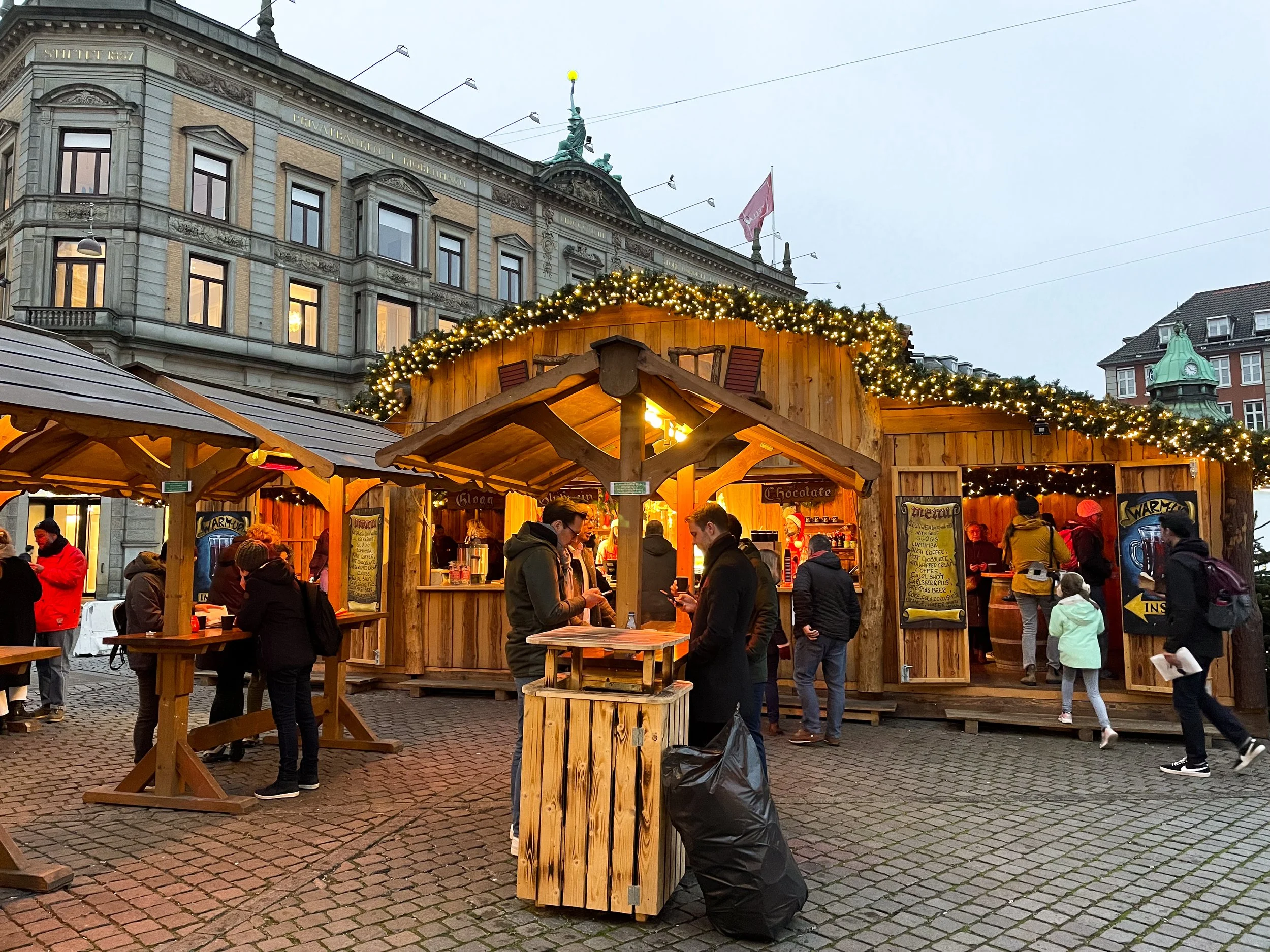
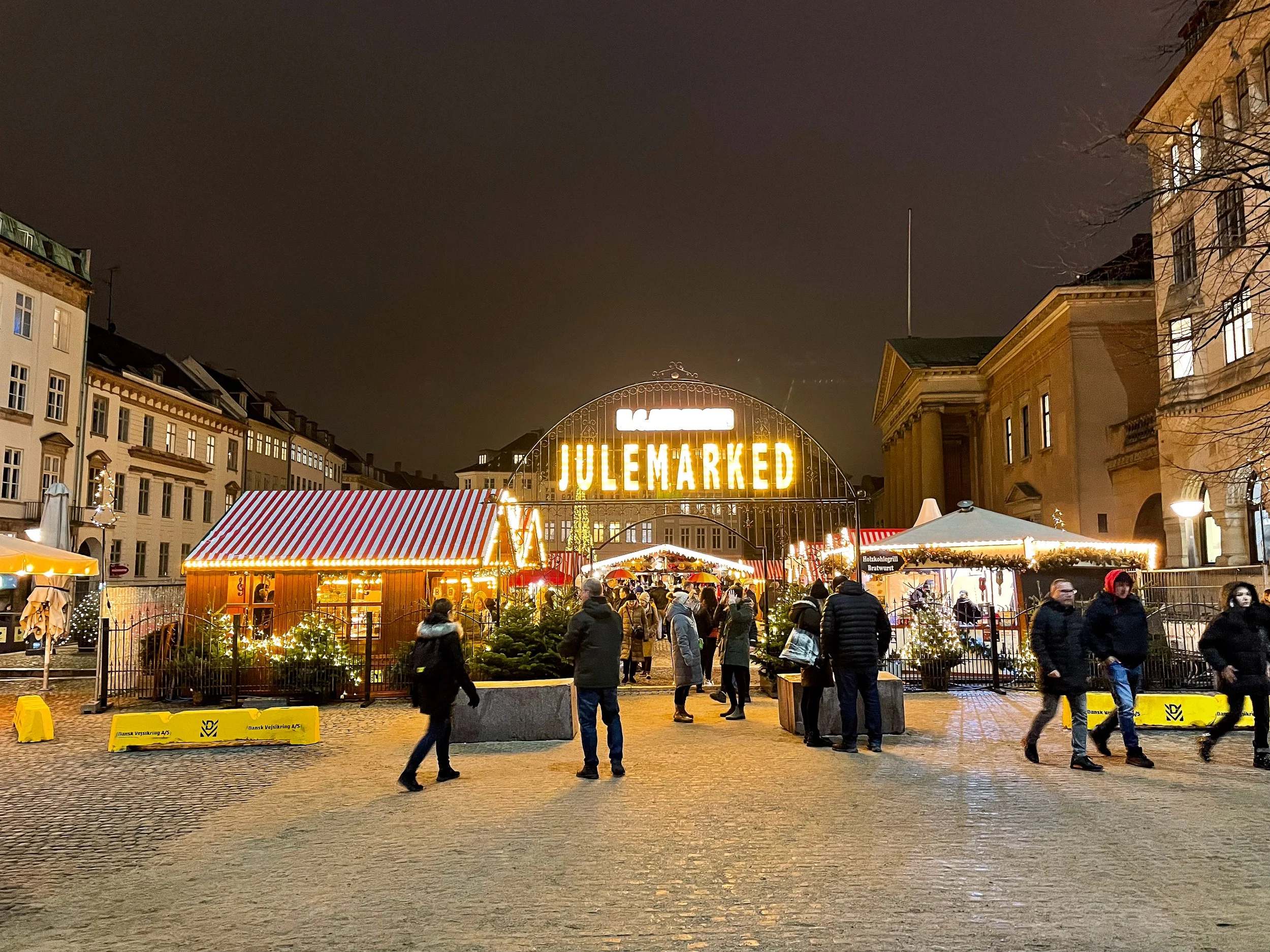
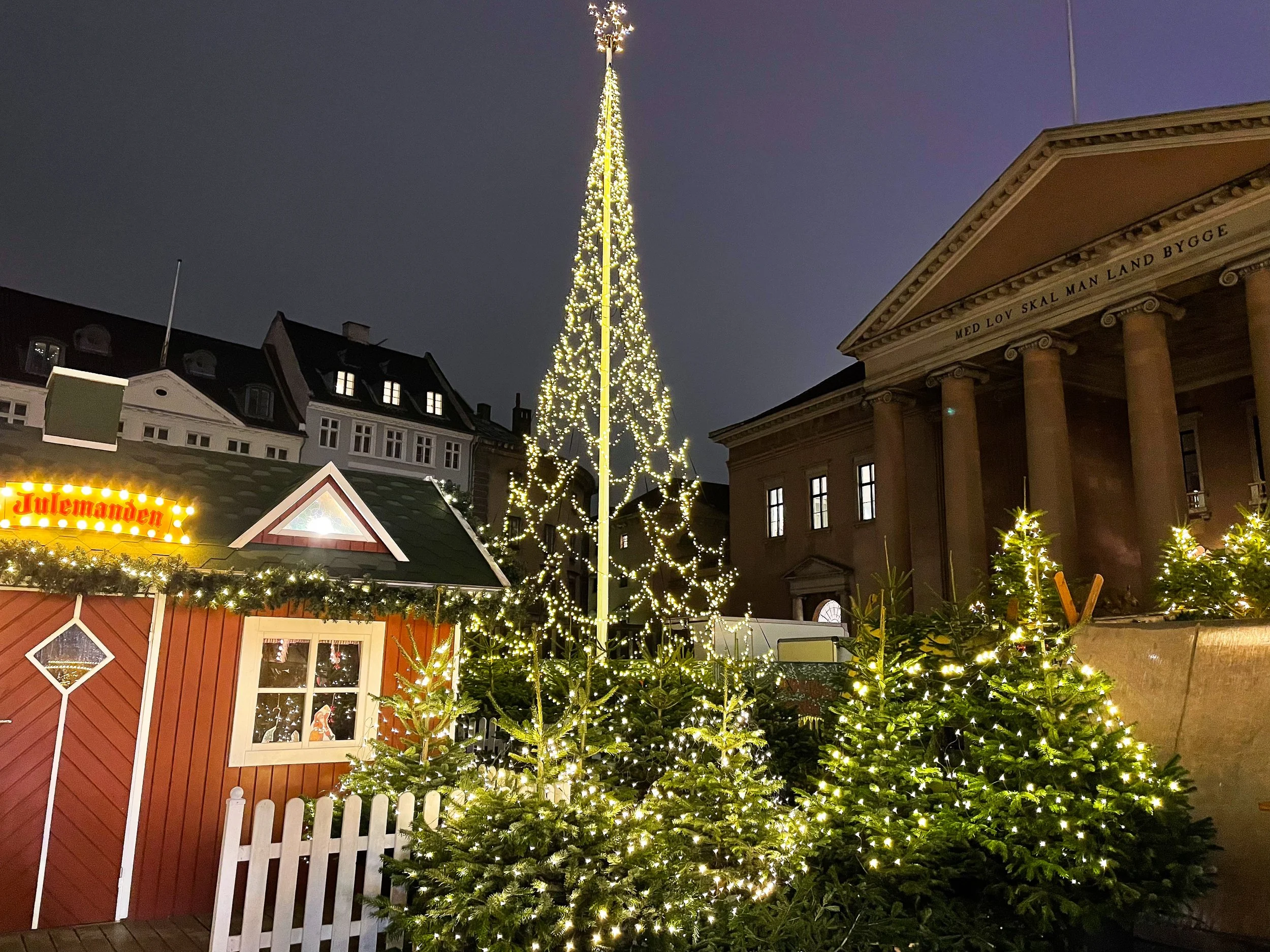
Copenhagen’s Christmas festivities are in full swing by late November! The city is illuminated in twinkle lights, pine trees stand tall in public plazas, buildings are decorated with garland and Christmas markets lure people in with their holiday cheer.
Christmas Markets
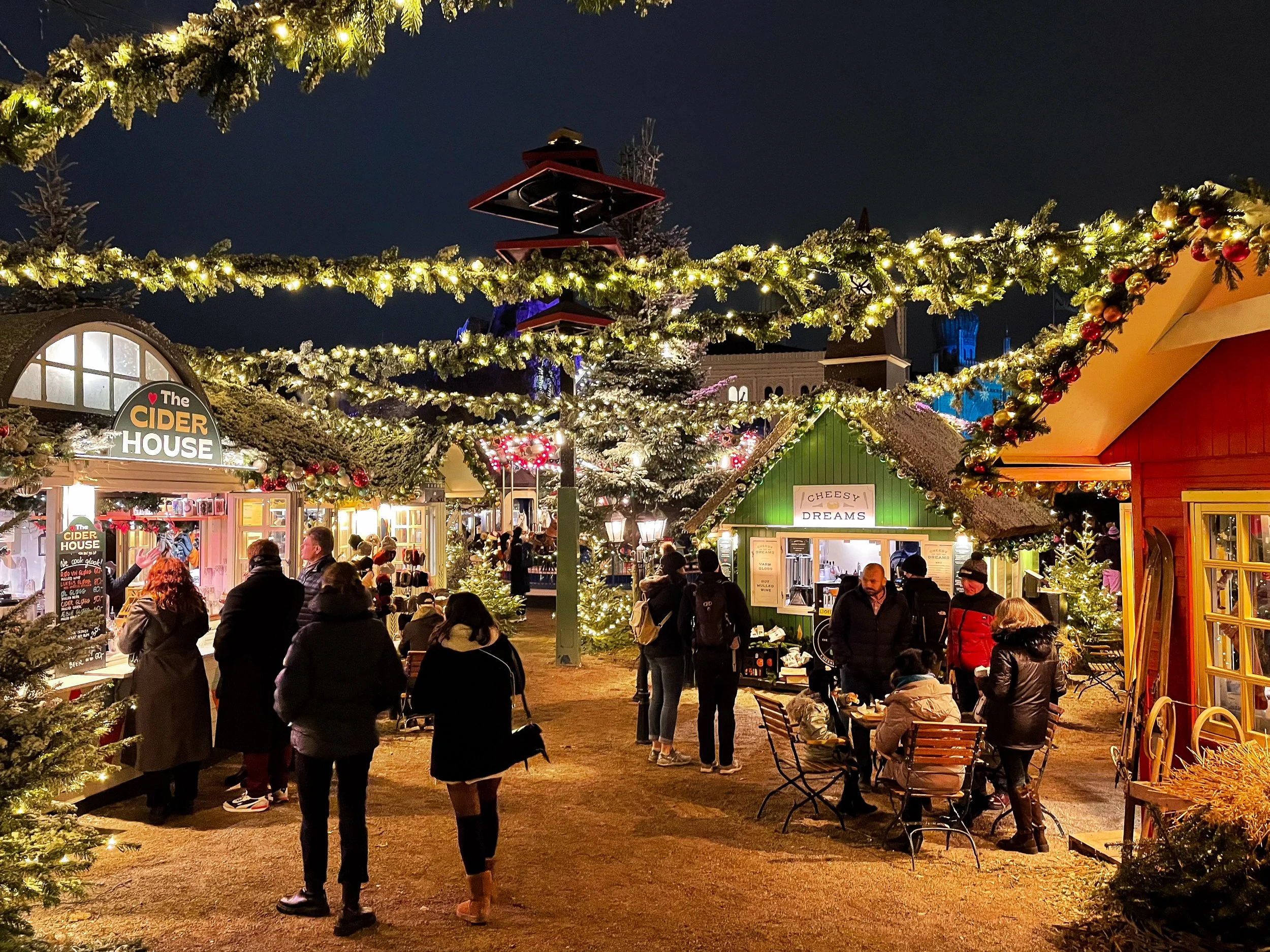
The city center is home to at least three Christmas Markets. Each one is very similar in style with decorated wooden stalls selling gifts and traditional Christmas market food and beverages.
Julemarked Kongens Nytorv. The largest Christmas market lining the perimeter of King’s New Square and stretching towards the beginning of the Nyhavn Canal.
Julemarked Højbro Plads. The second largest Christmas market located in High Bridge Square between the Frederiksholms Canal and Strøget.
Julemarked HC Andersen. The smallest Christmas market located in Nytorv Square.
Christmas Market Food
Some of the classic Christmas Market food and beverages are:
Gløgg. Hot wine mulled with spices, raisins and toasted almonds.
Lumumba. Hot chocolate with rum or amaretto and marshmallow or whipped cream on top.
Æbleskiver. Fried fluffy balls of dough with jam and powdered sugar.
Brændte Mandler. Roasted candied almonds. Their irresistible scent fills the air.
Pølser. Long thin sausages cooked over a bed of coals, placed between two halves of a bun and garnished with sauces, onions and pickles.
Fish & Chips. Deep fried cod with French fries.
Roasted Chestnuts. Warm, buttery, soft and starchy nuts.
Visit Tivoli Gardens
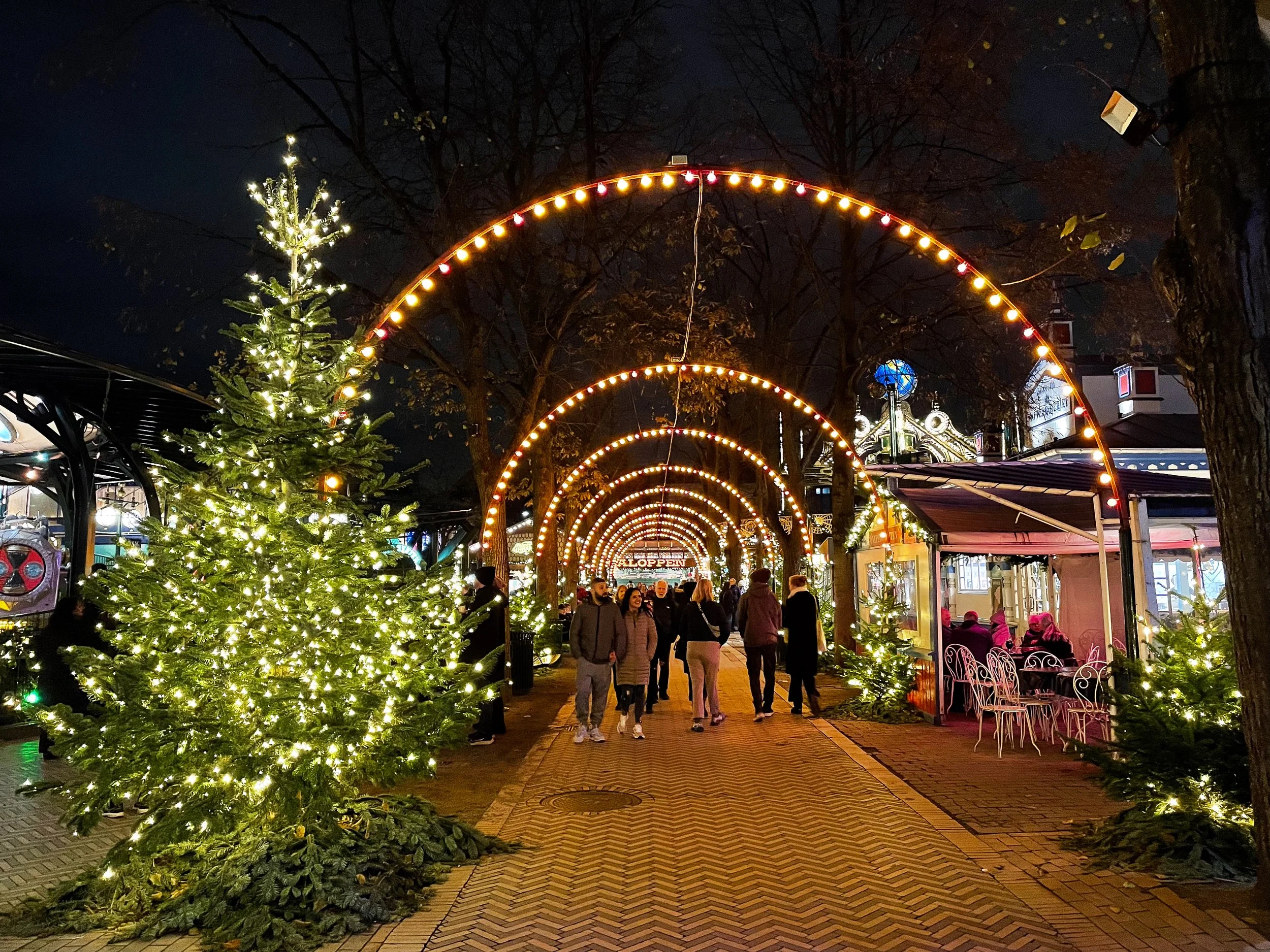
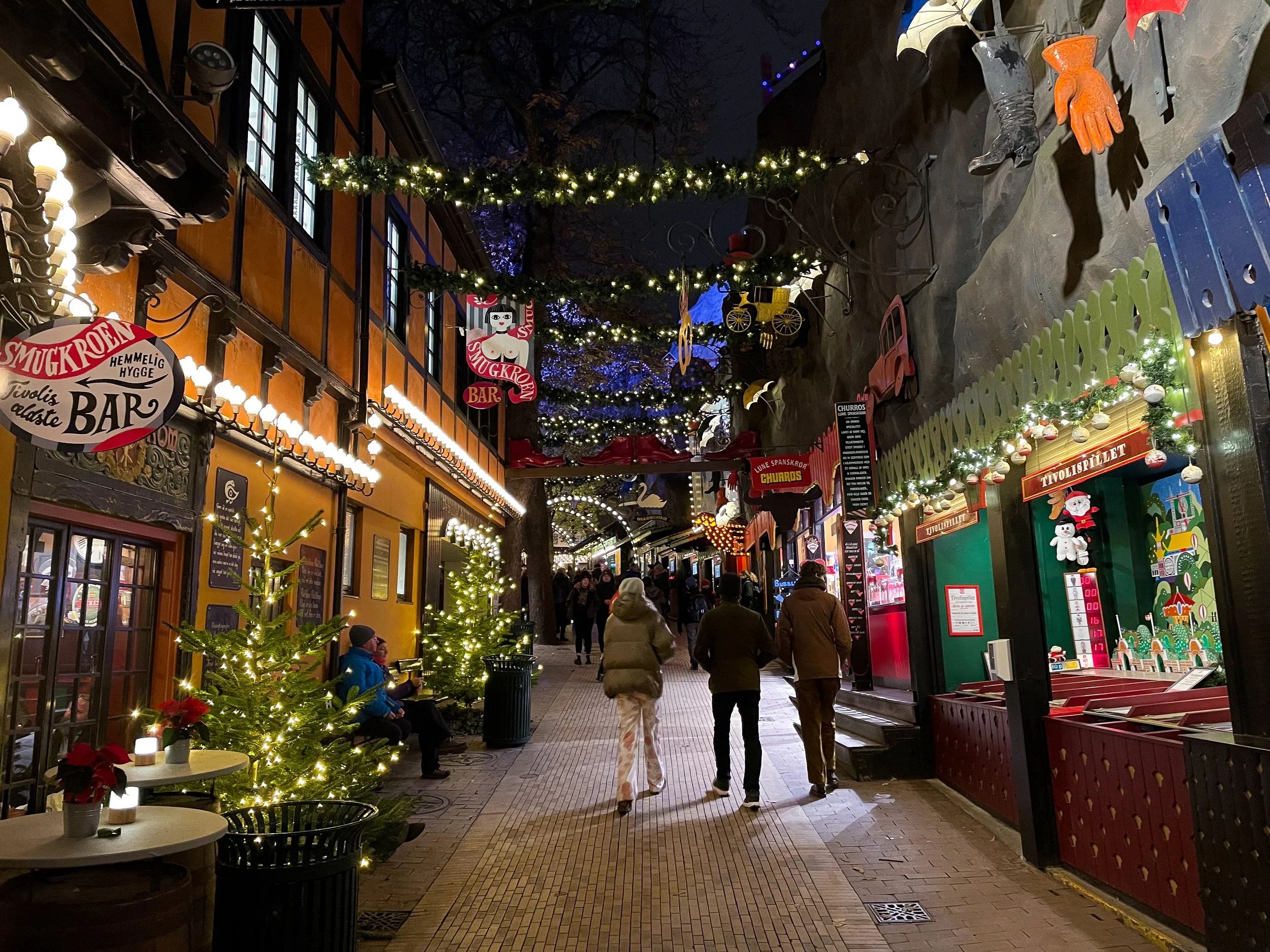
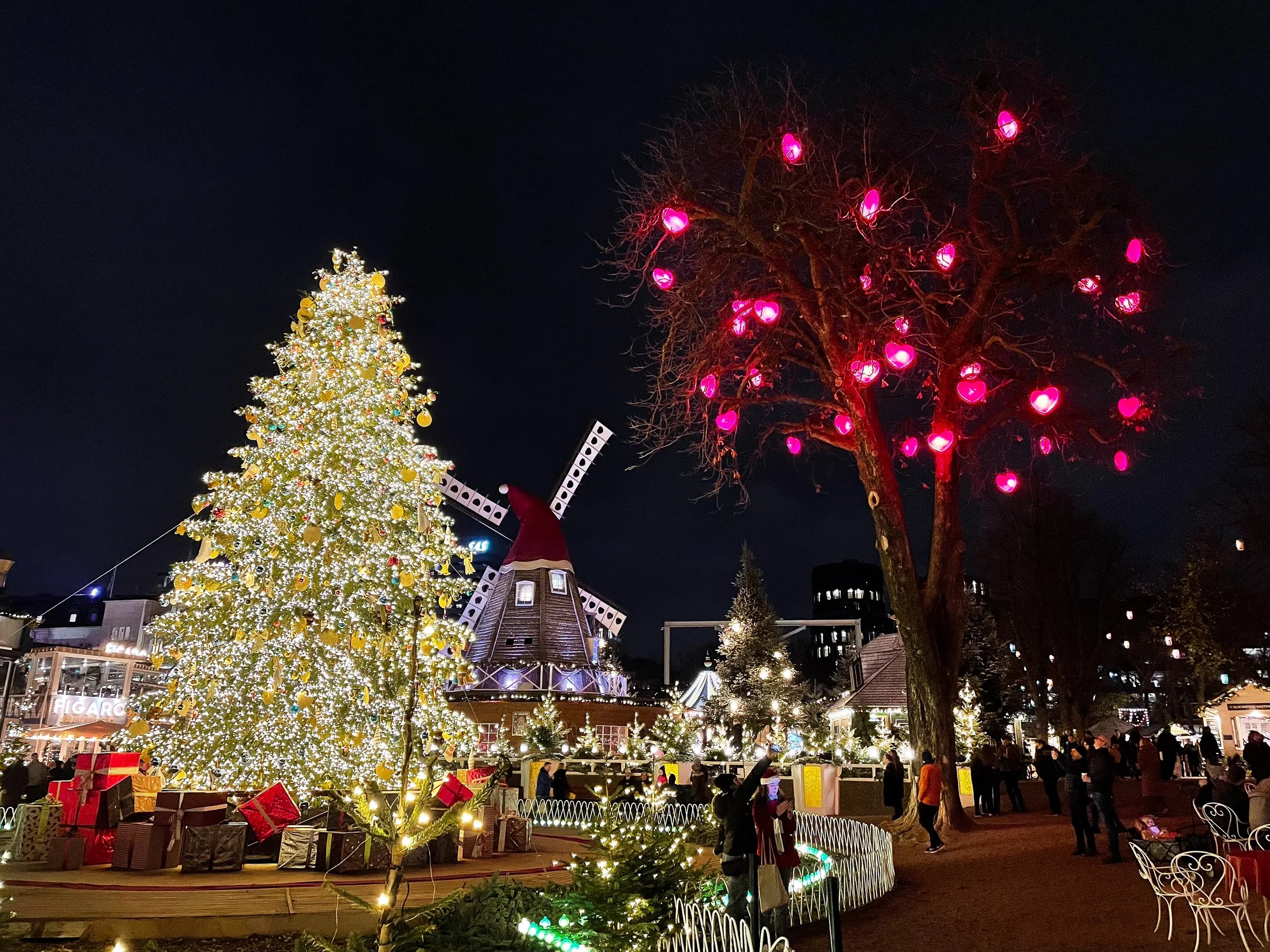
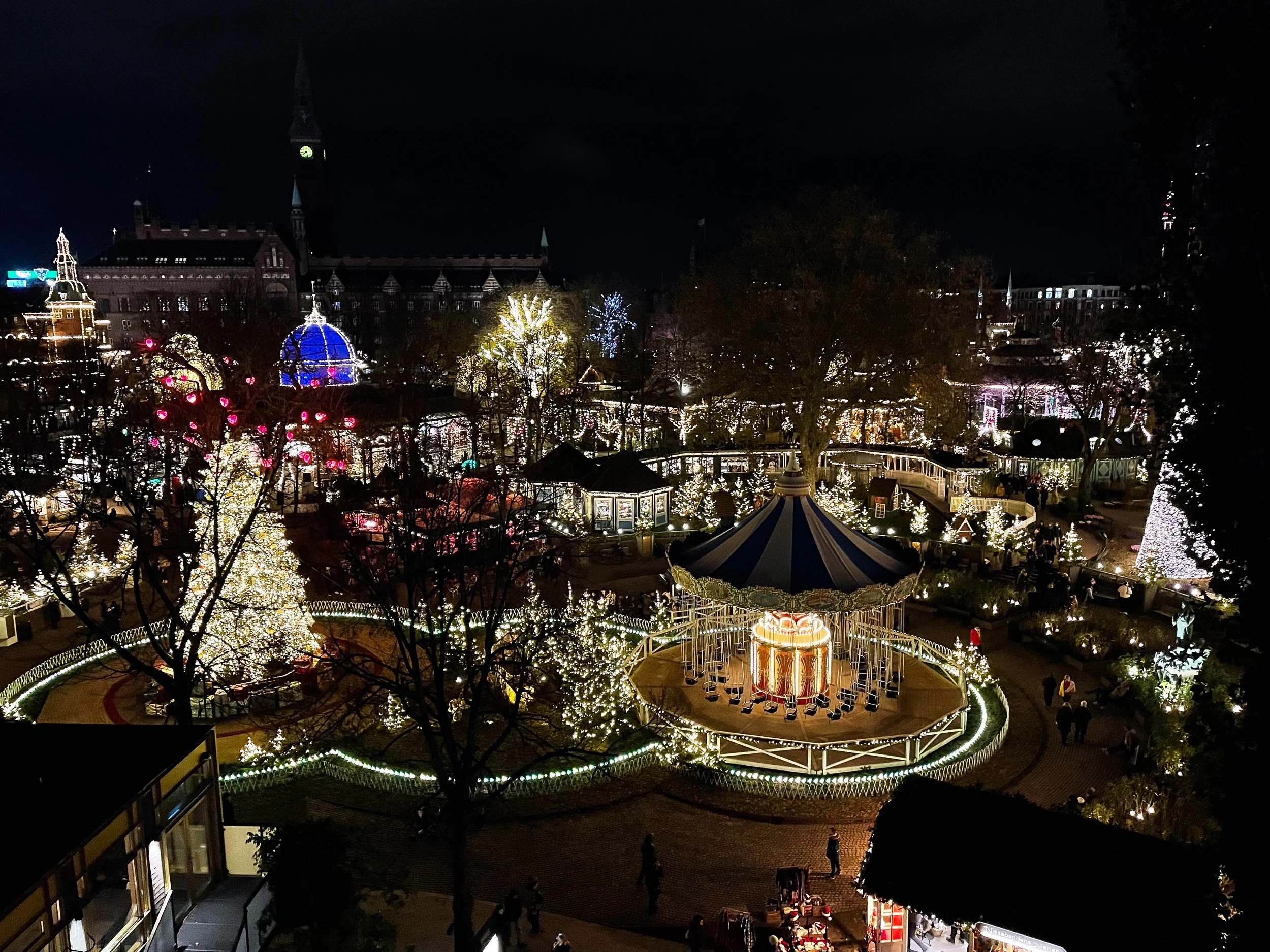
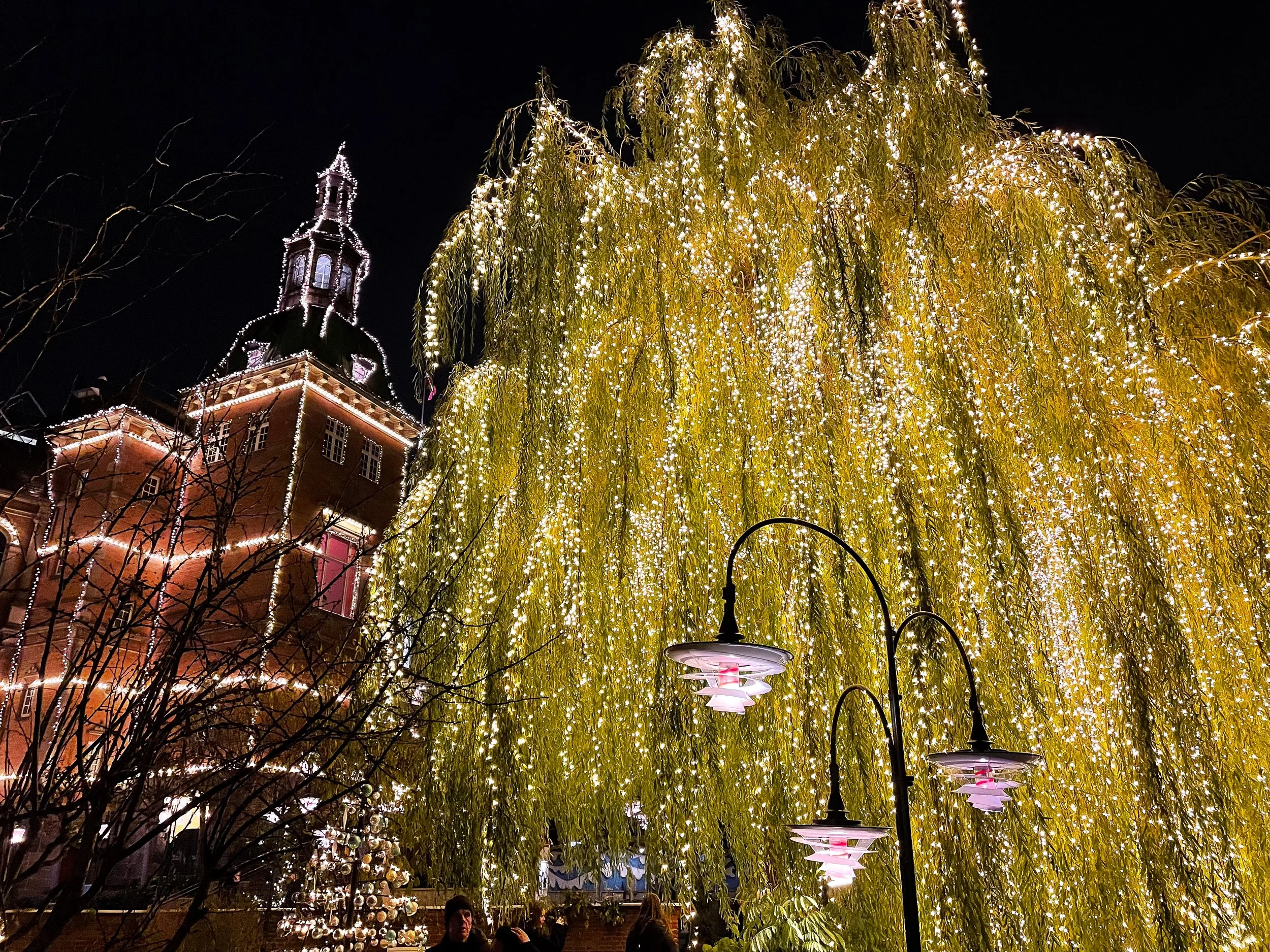
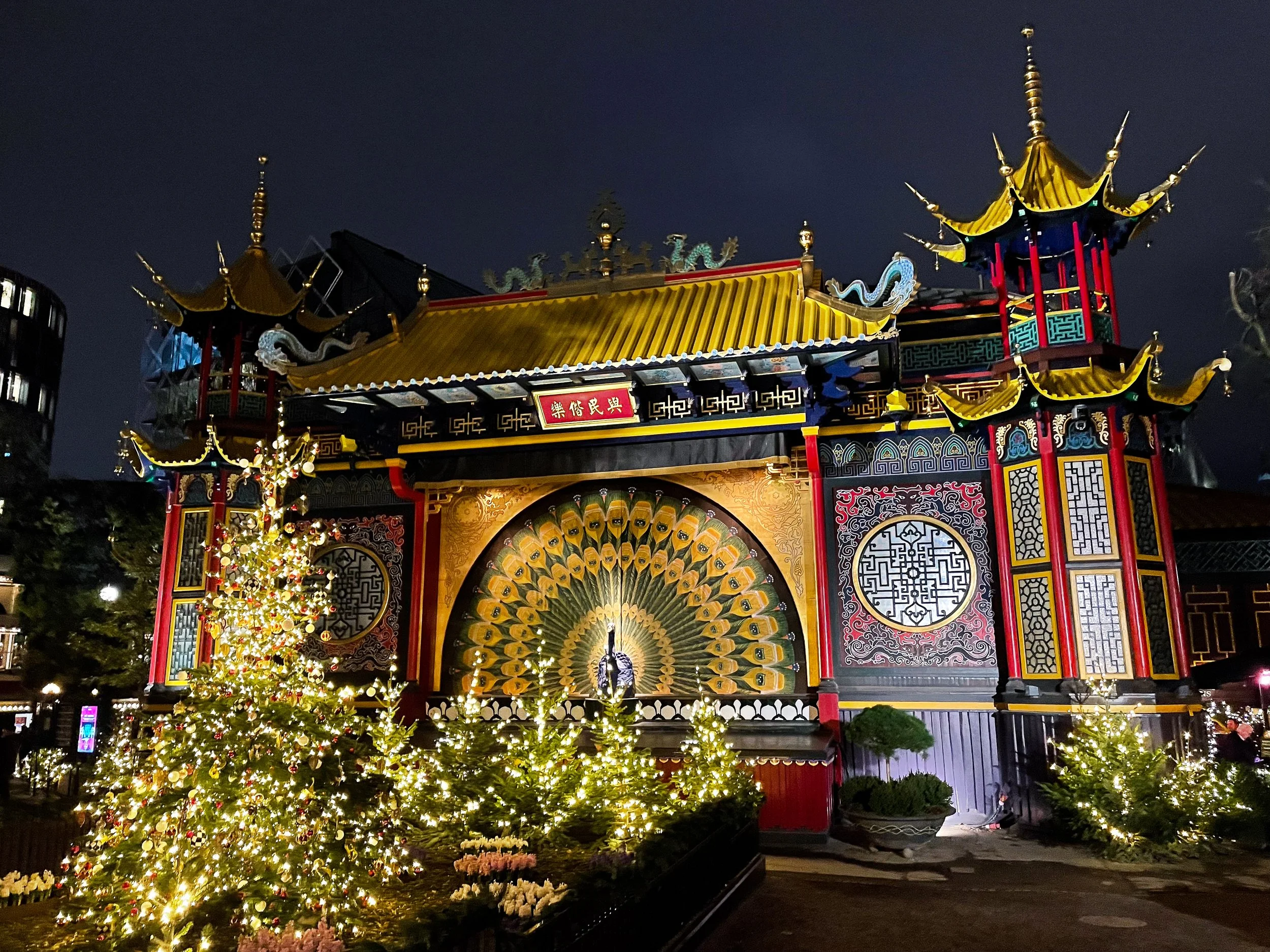
A romantic 19th century theme park with rides, restaurants and gardens. The park has classic rides like a ferris wheel and carousel, two small but nonetheless thrilling roller coasters and a wide range of other rides and games. There is no shortage of places to eat with sit down style restaurants, a food hall and stands along the park’s paths. Within the center of the park is a pond with walkways, paddle boats and a pirate ship. The park is said to have inspired Disney World with sections themed to look and feel like China, Morocco and India. Each section is decorated in architectural elements and monuments representative of each culture. Being here during the holidays, the park was transformed into a Christmas wonderland with decorated trees, twinkle lights, Christmas music and all the elements of any good Christmas market.
See the Sights
Copenhagen is a beautiful city lined with canals, cobblestone squares, historic buildings, castles, towers, palaces and churches. We toured several sights as we explored the city.
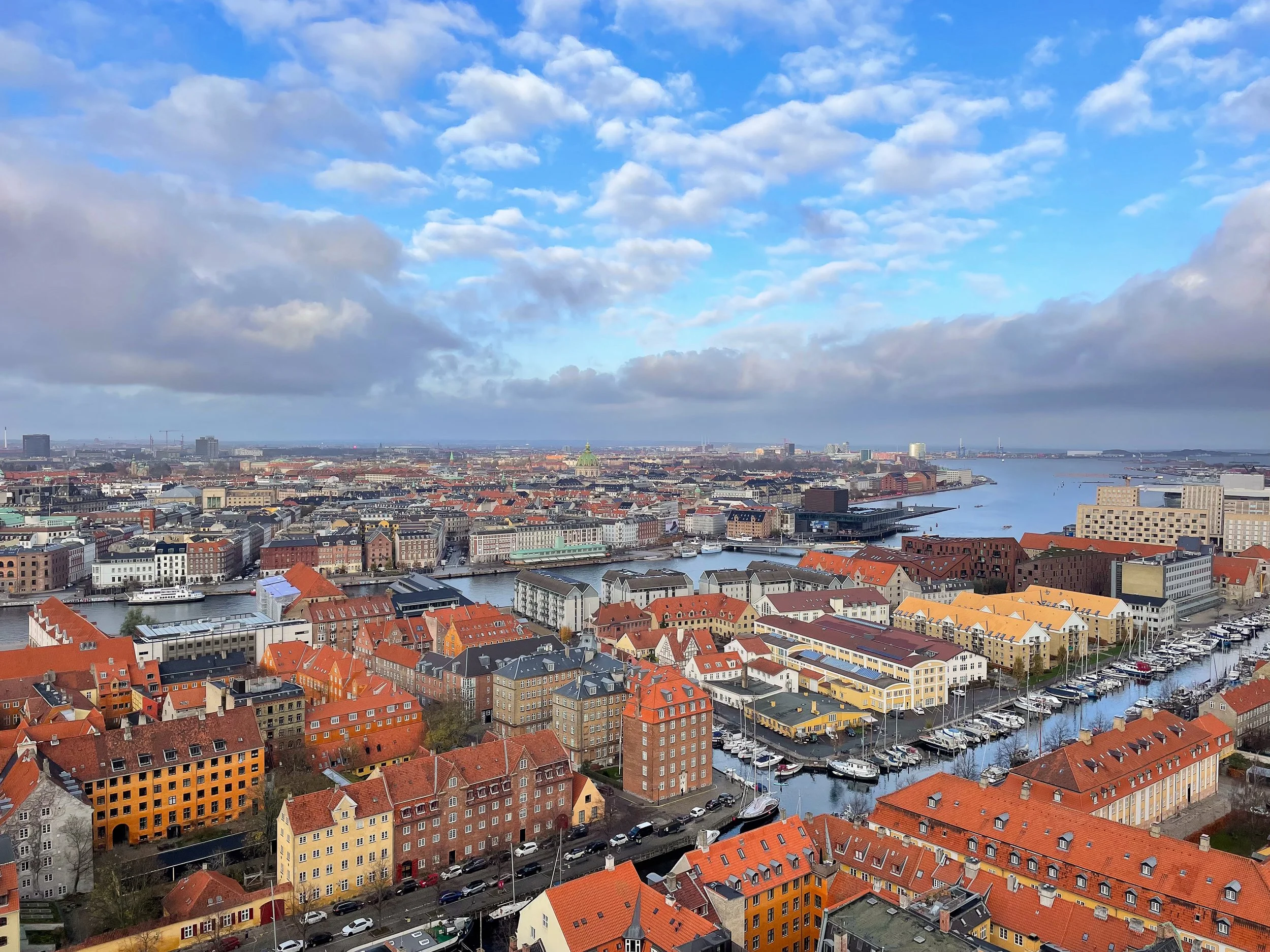
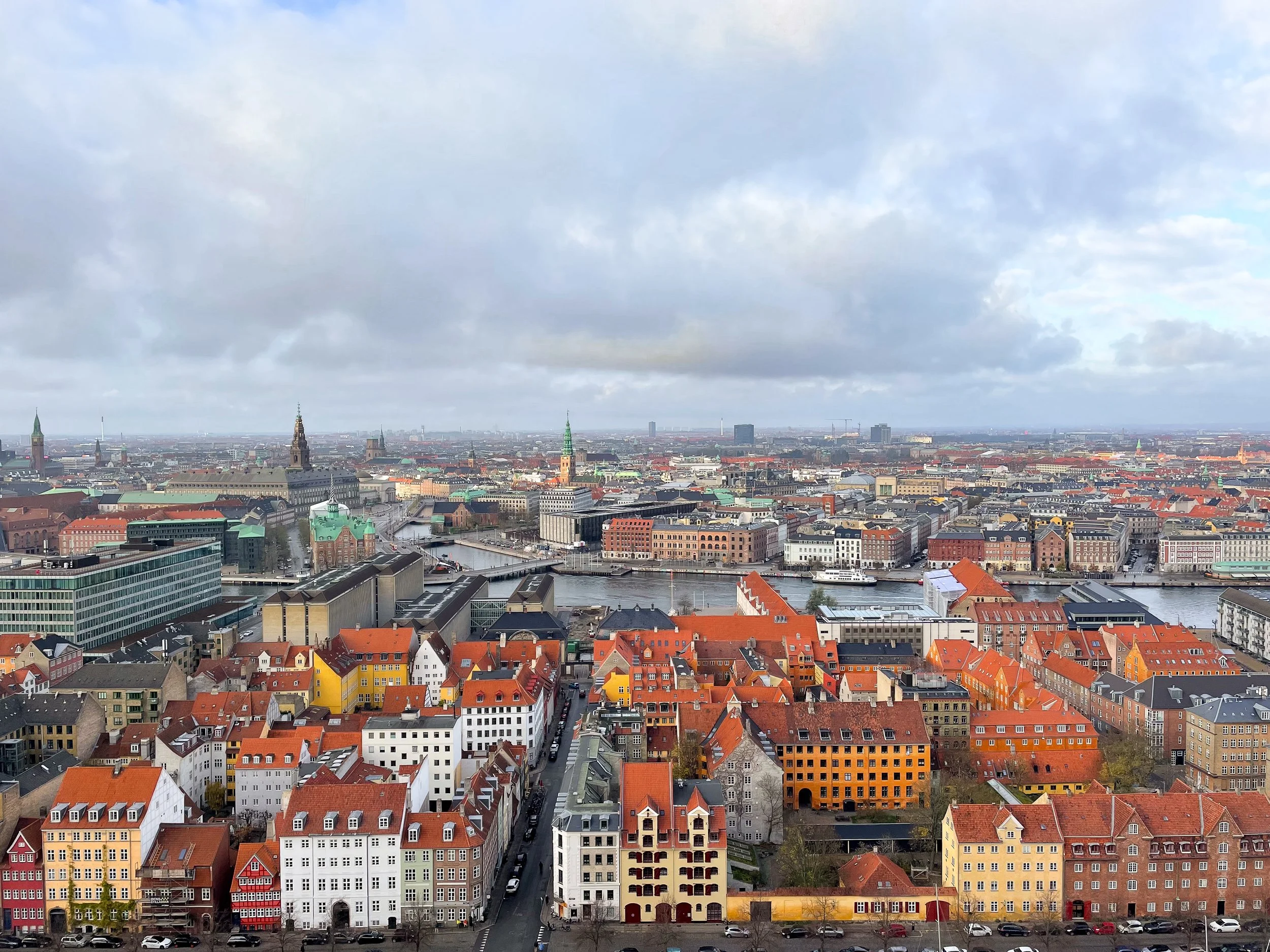
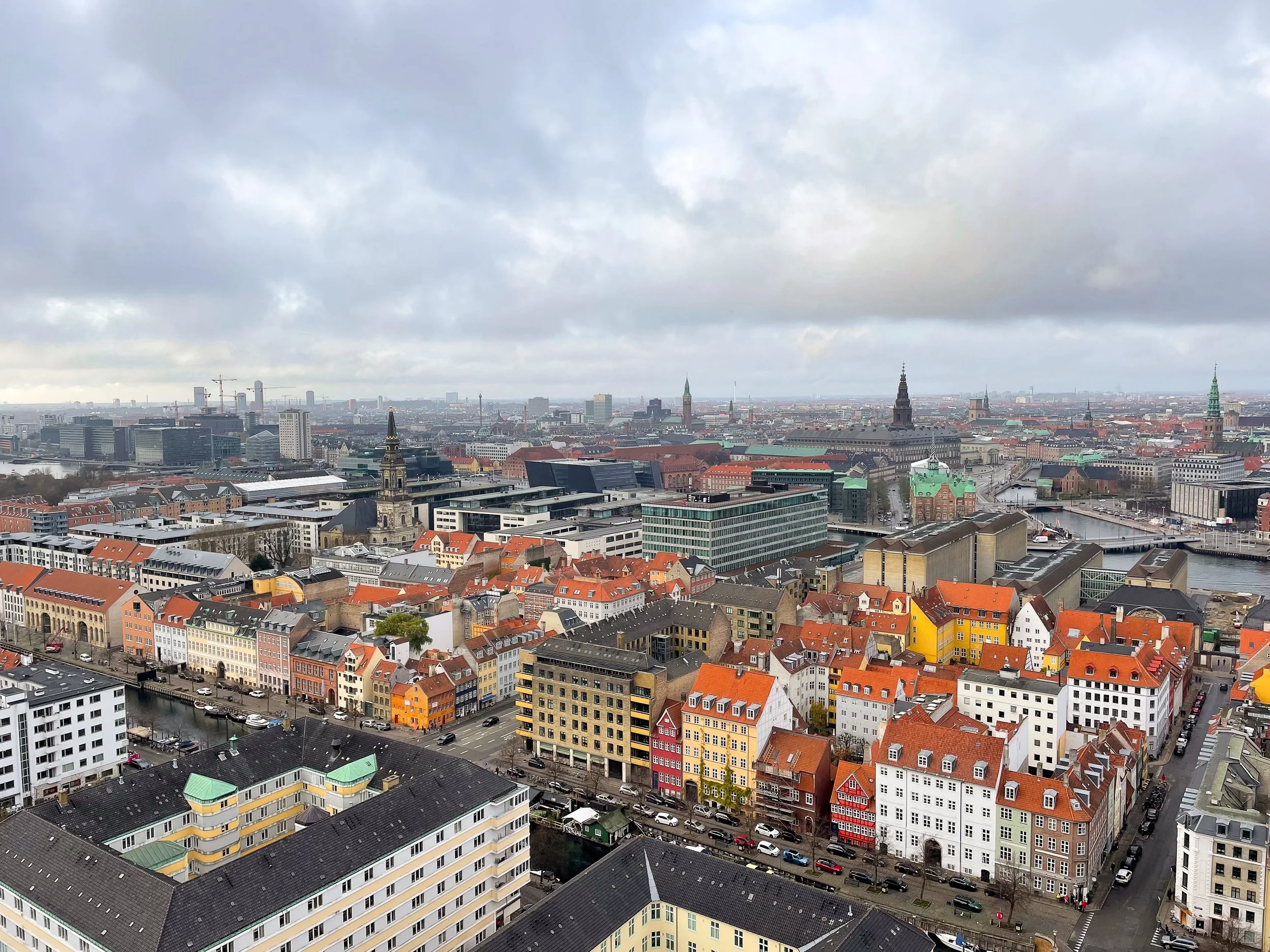
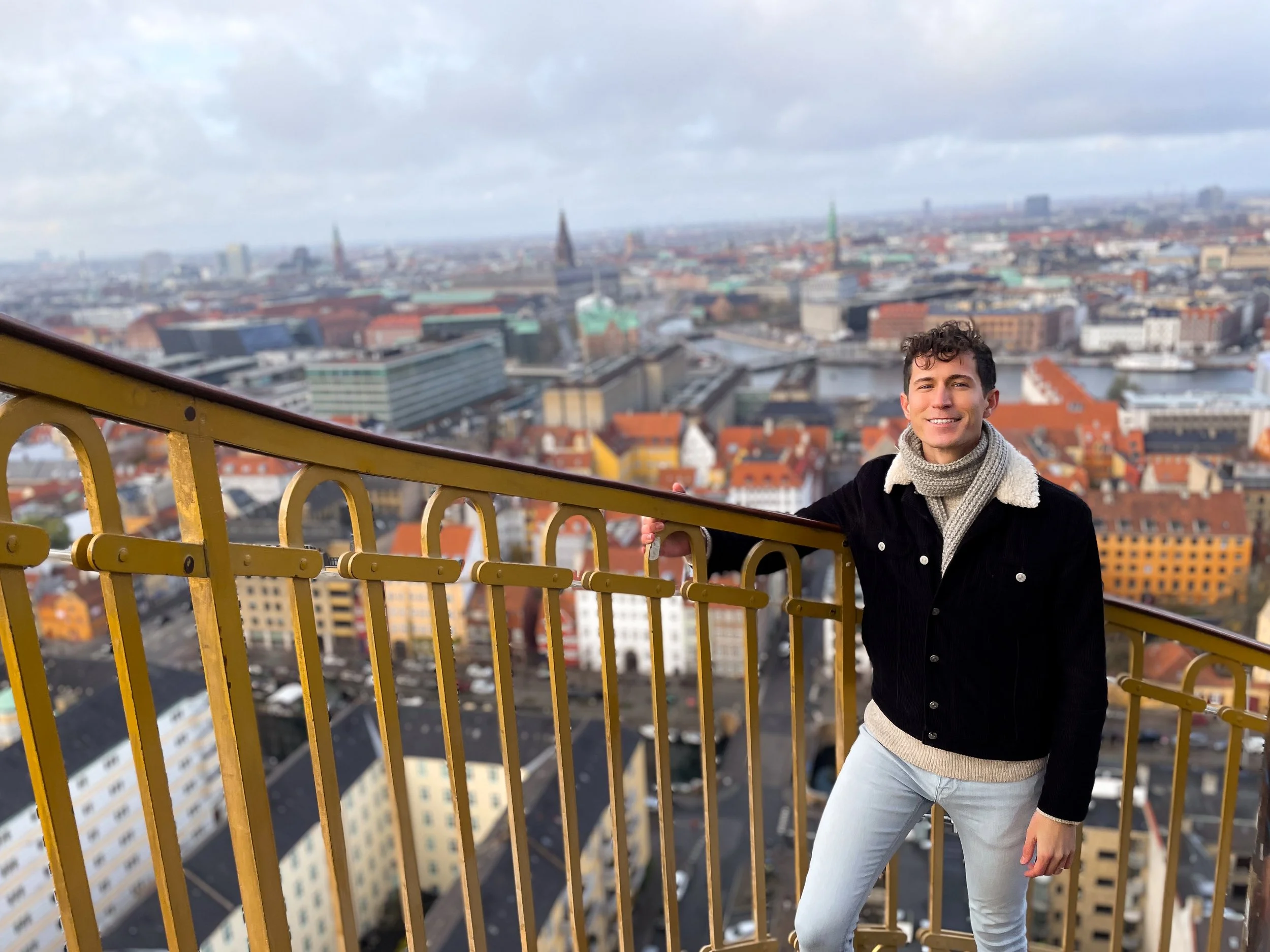
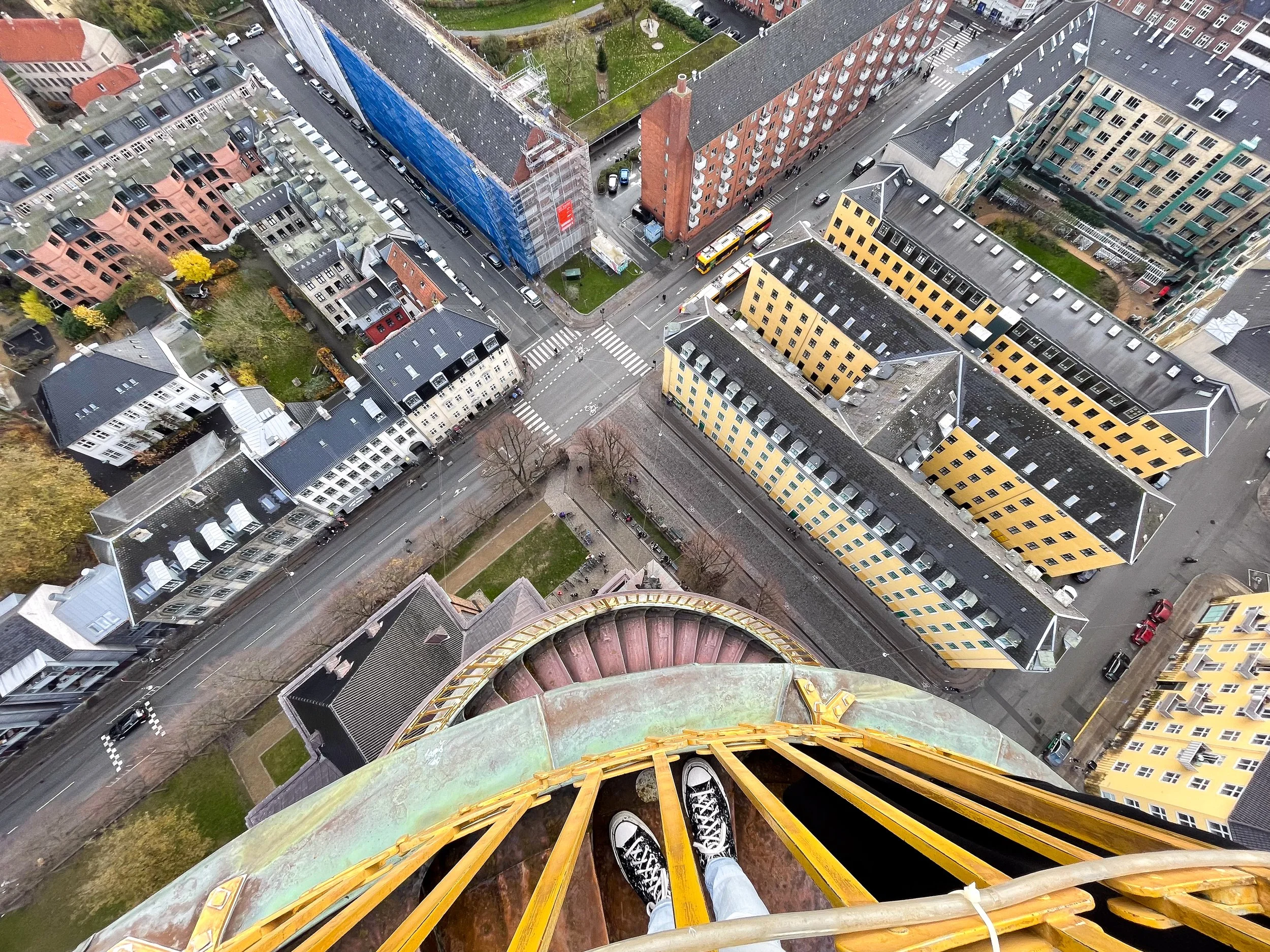
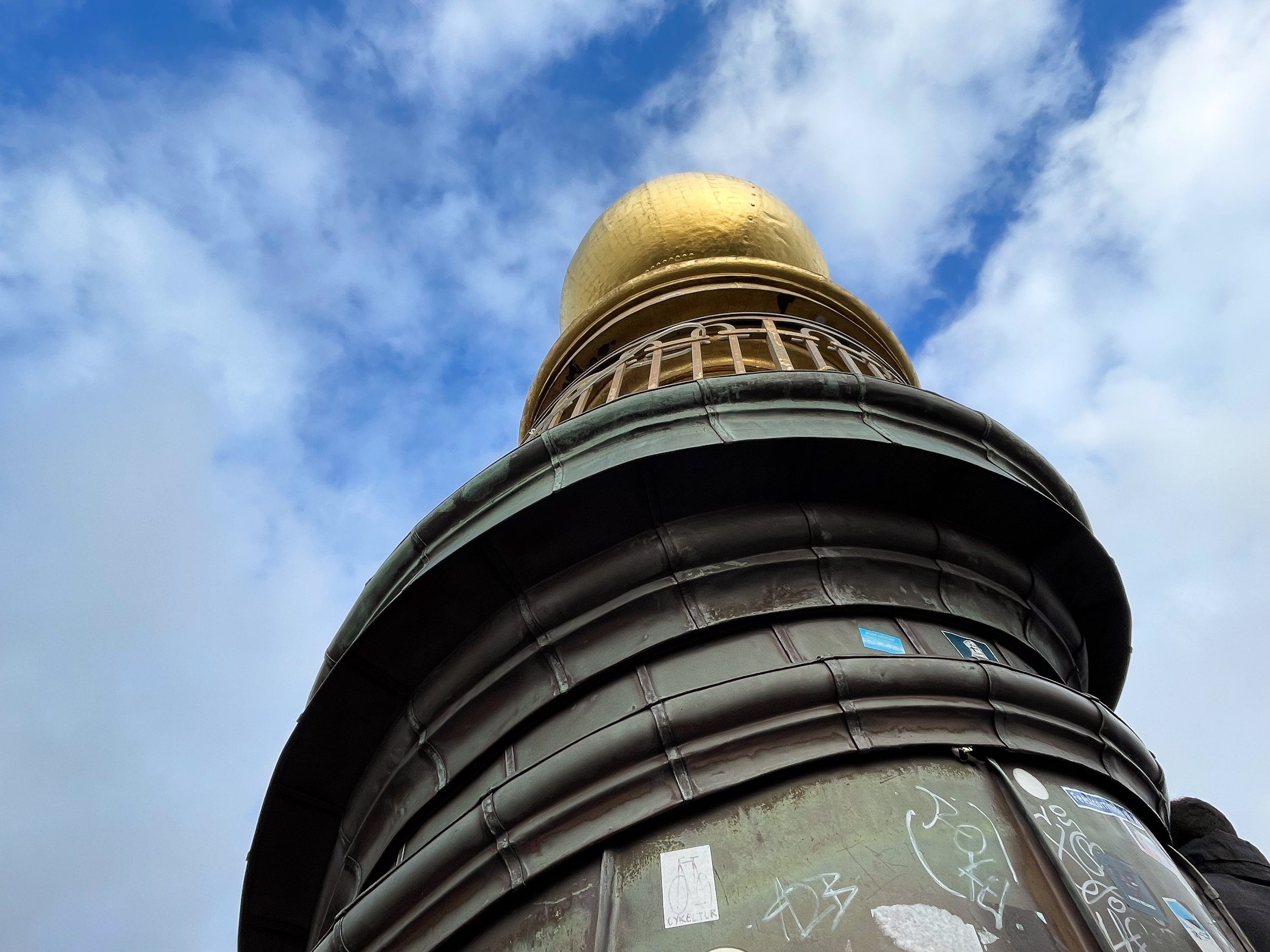
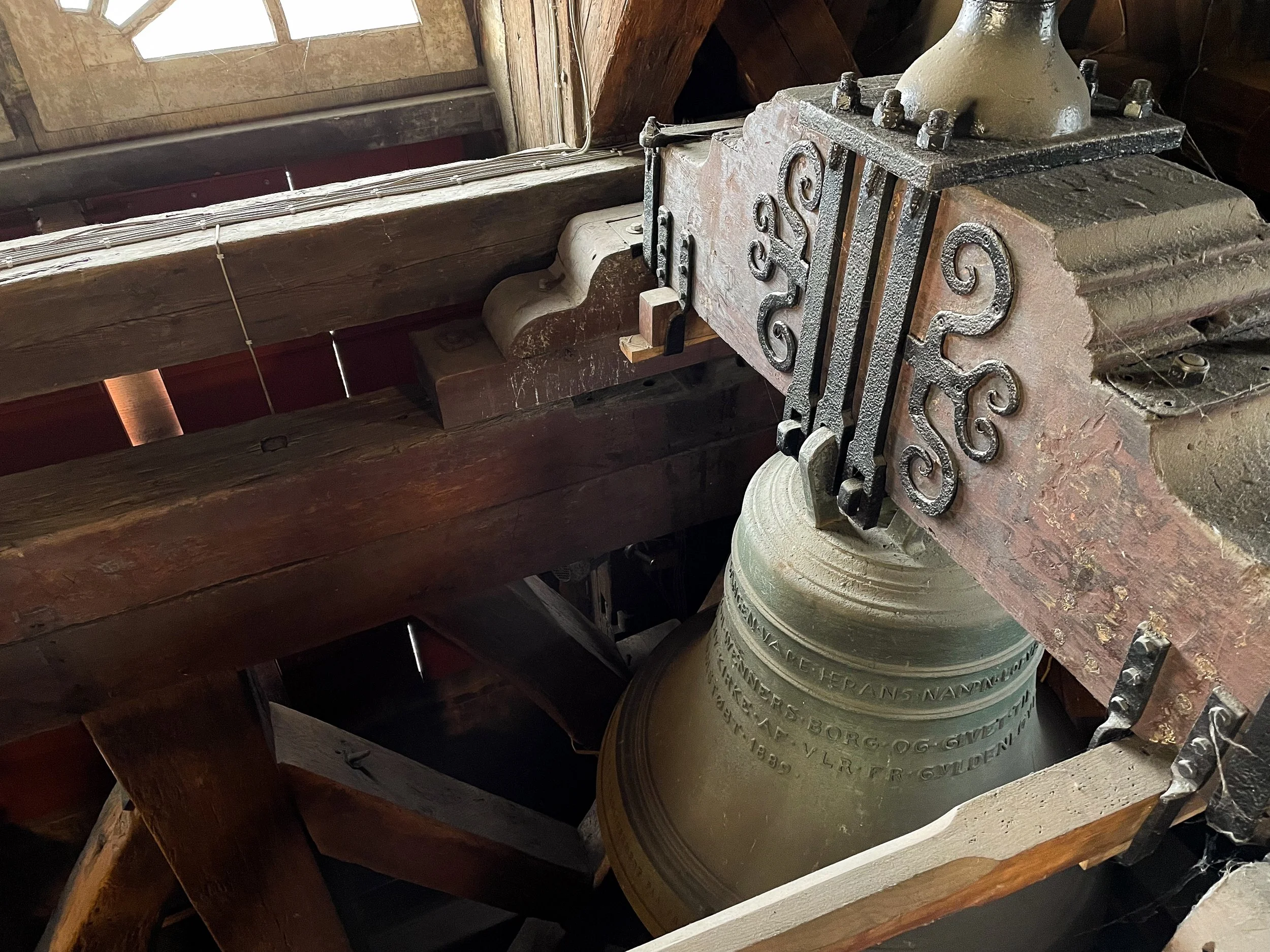
Church of Our Savior Spire. A 17th century church with a tall spiral spire and lookout. The interior and lower portion of the spire zigzags upwards through stairs and narrow passageways within the tower passing church bells and broken statues. The upper portion is located outside of the spire and winds up its exterior via a spiral staircase with the most stunning 360 views of Copenhagen.
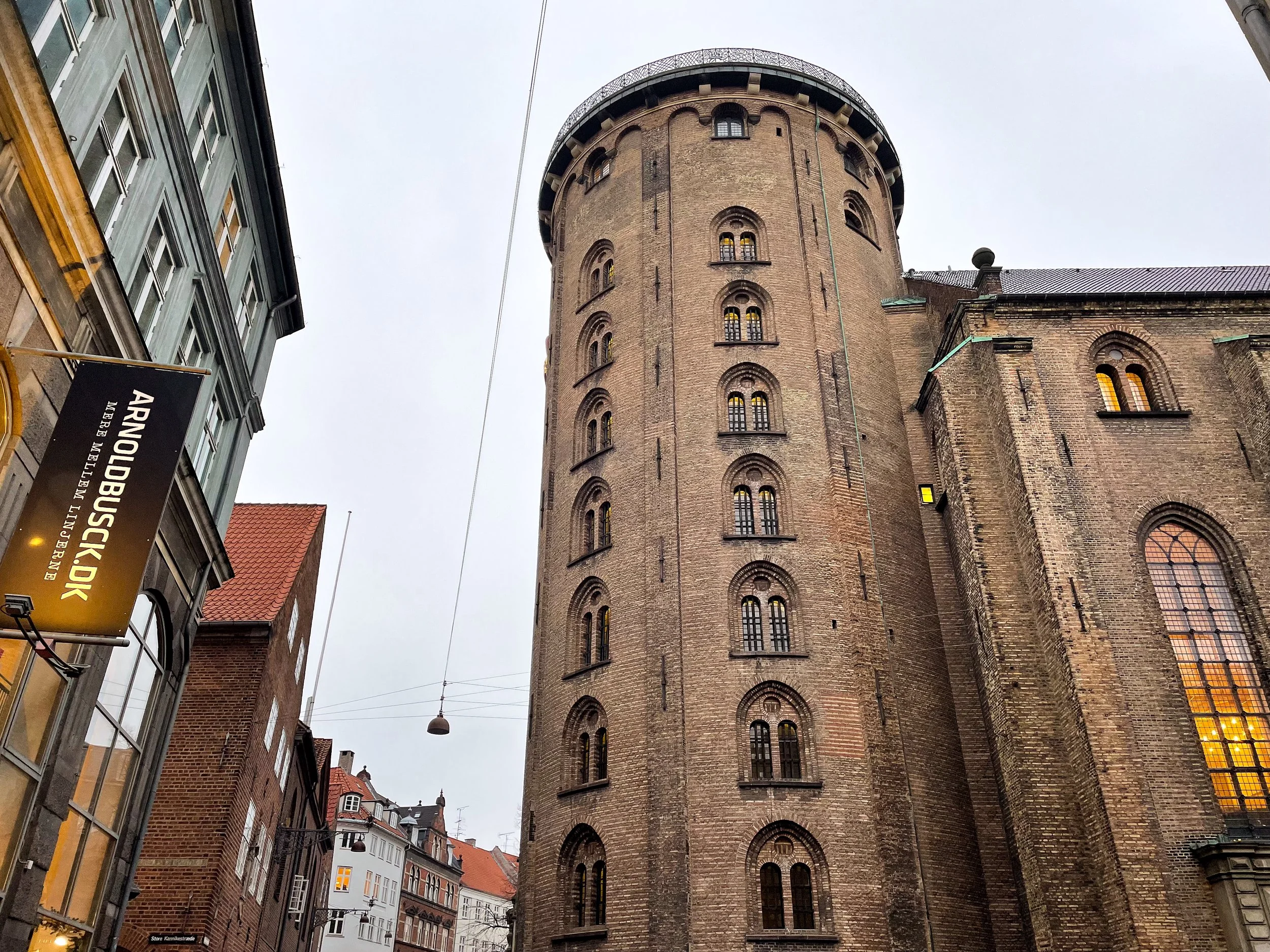
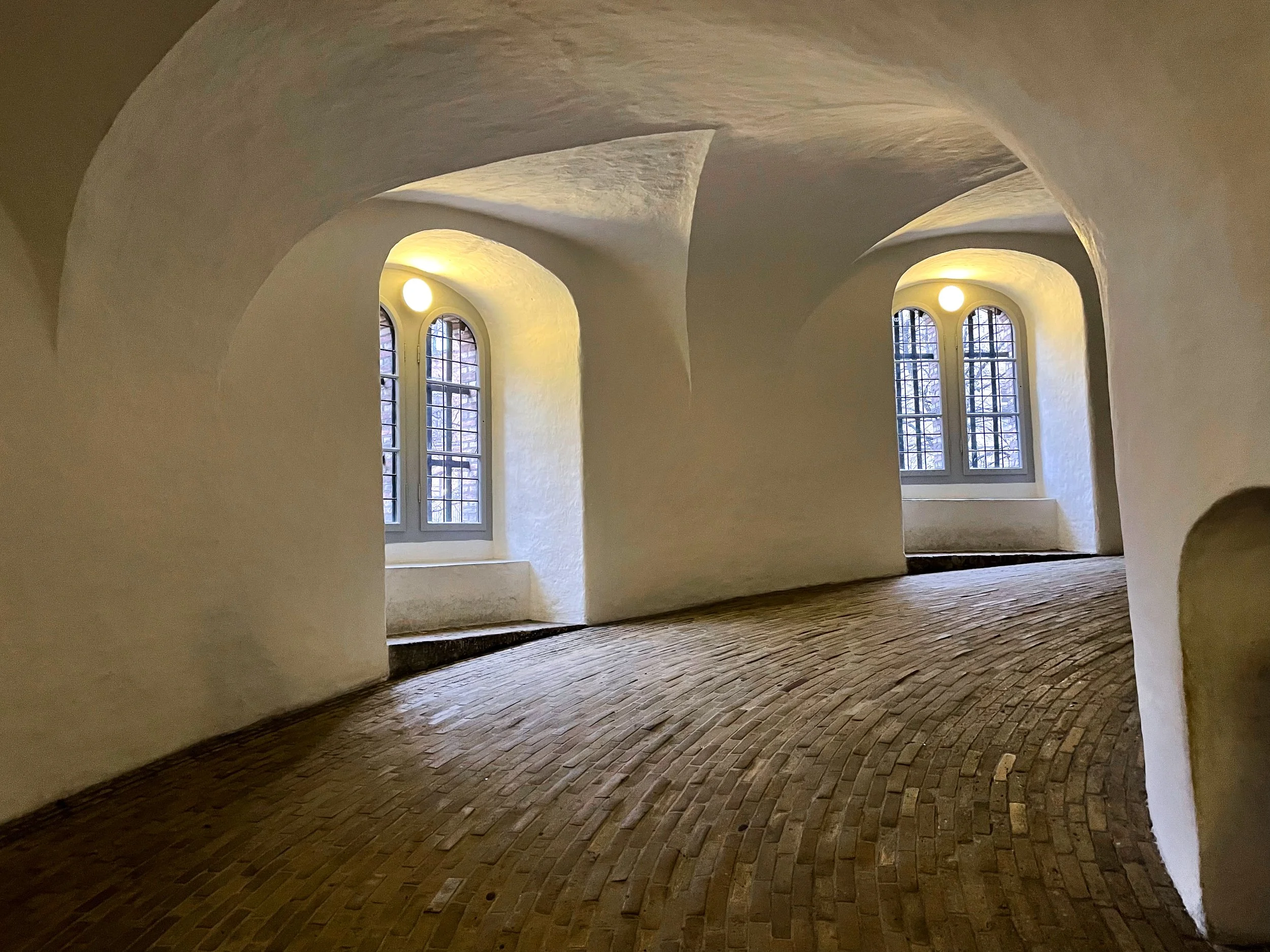
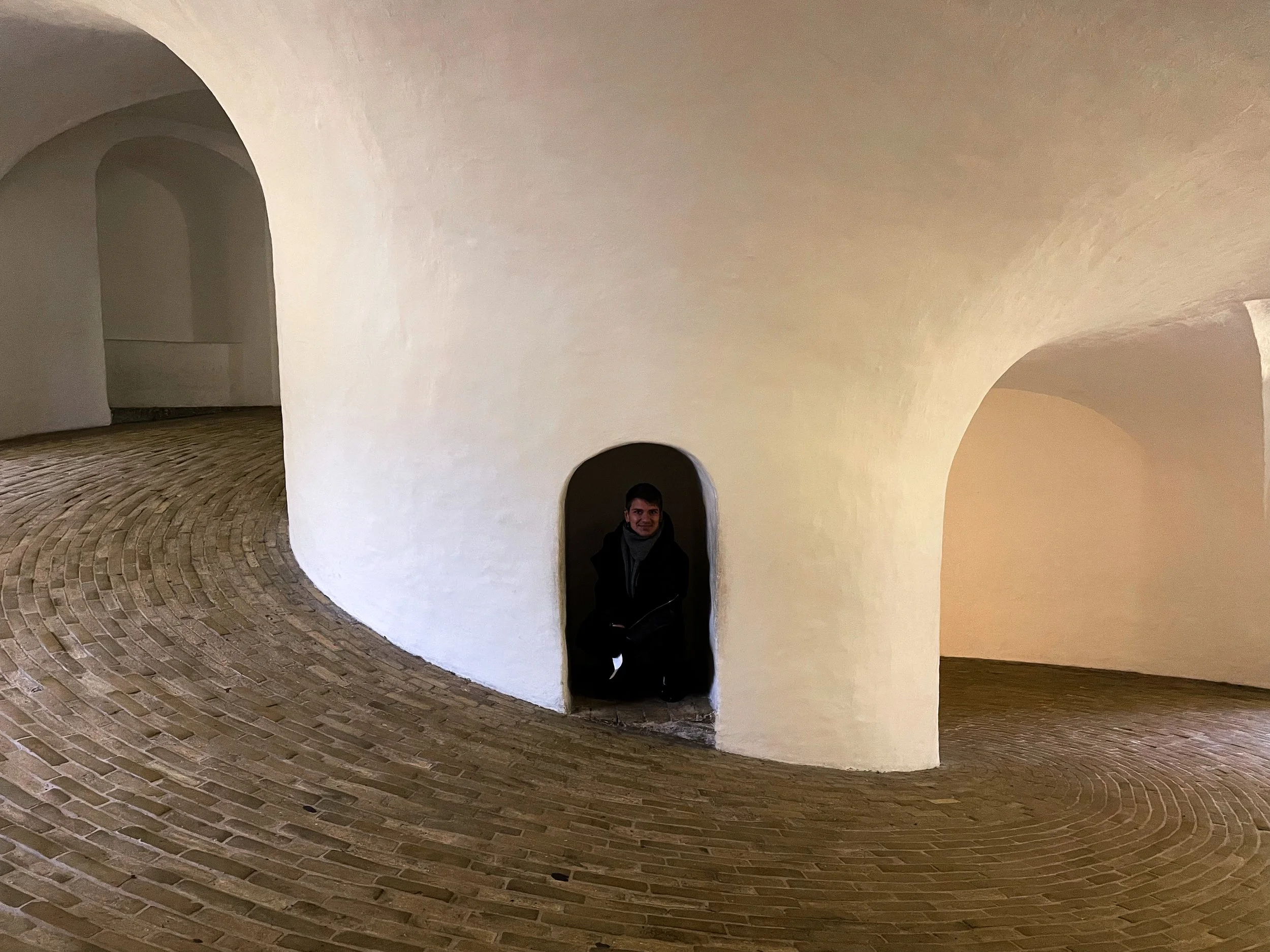
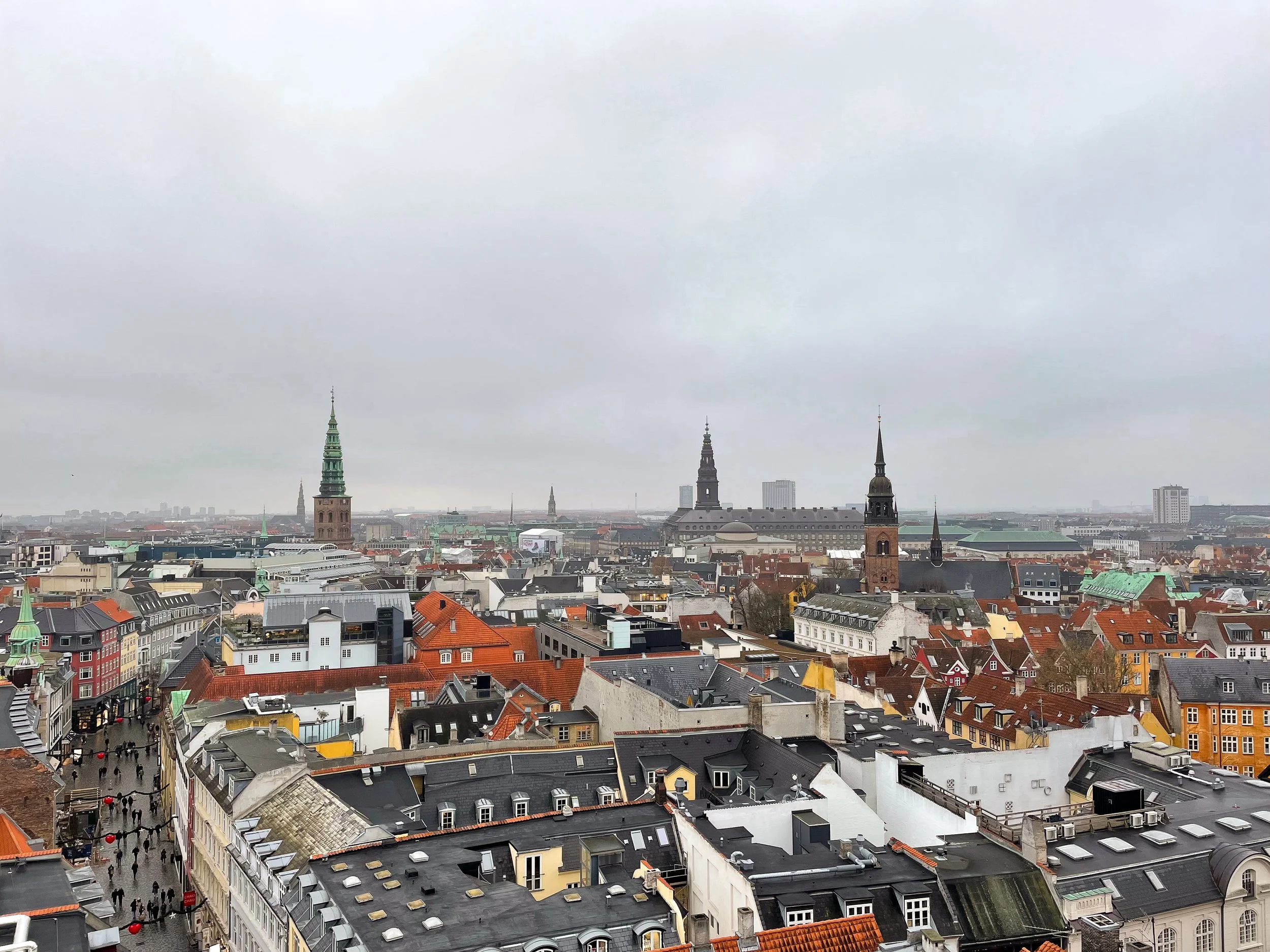
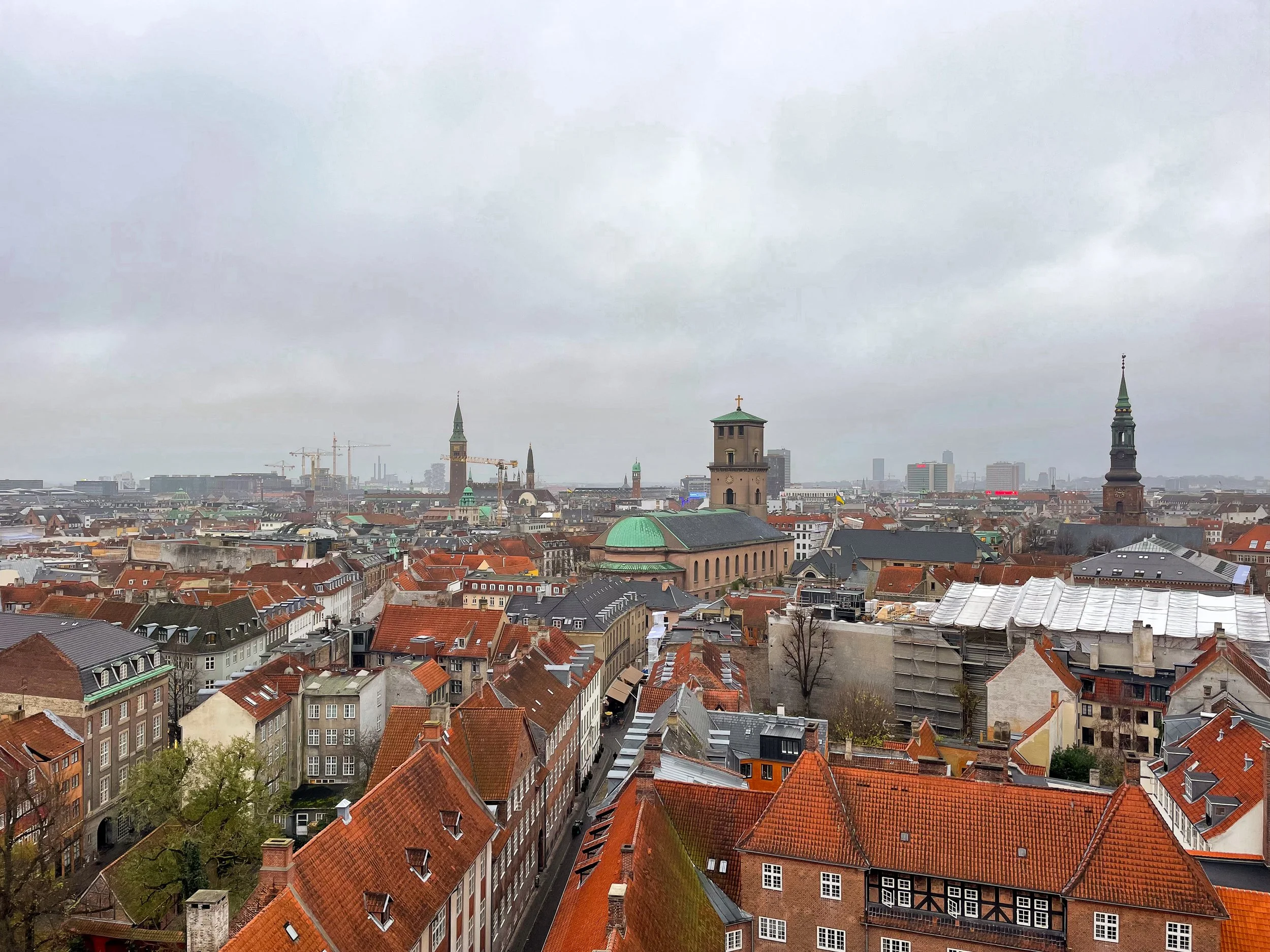
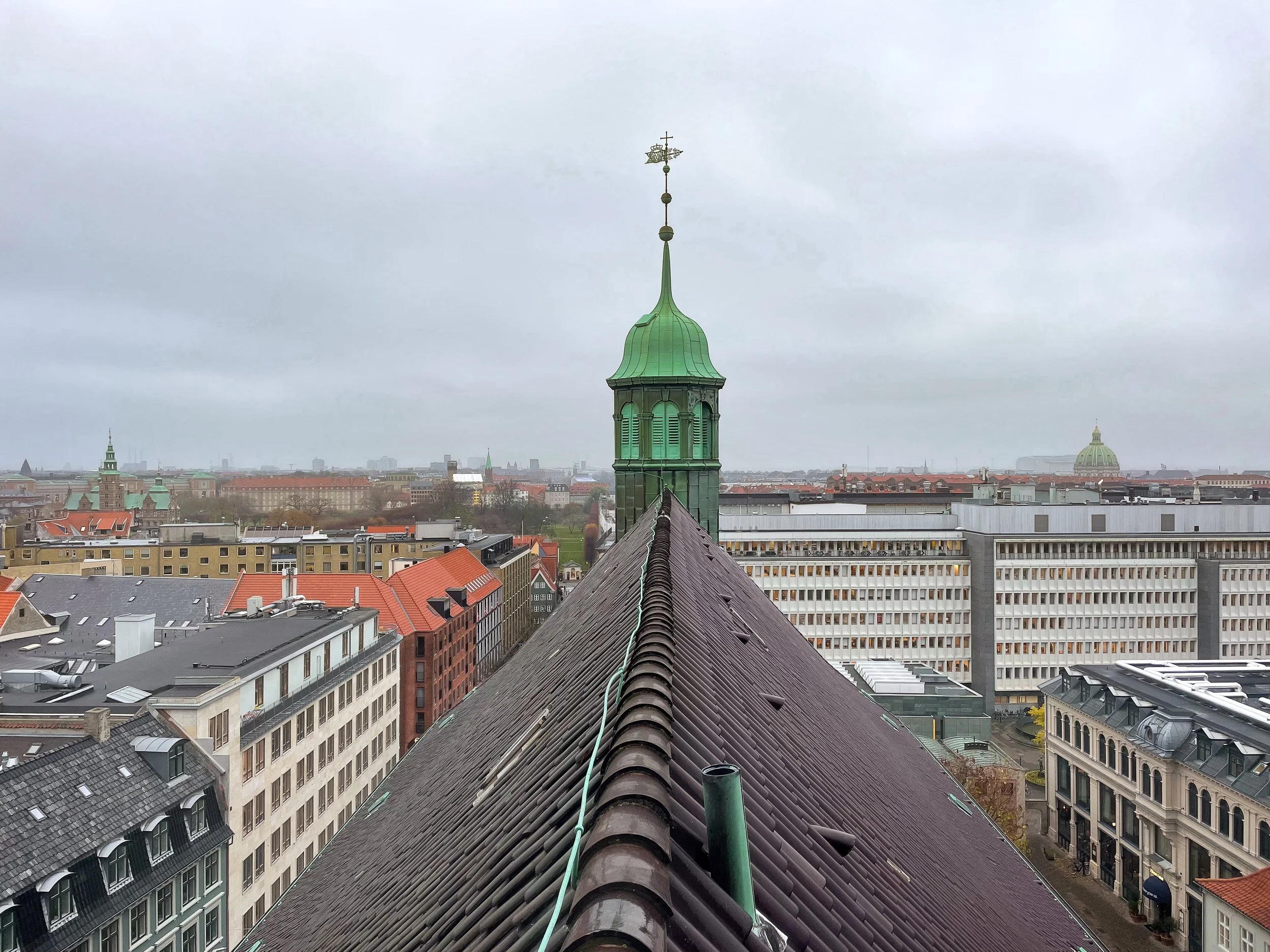
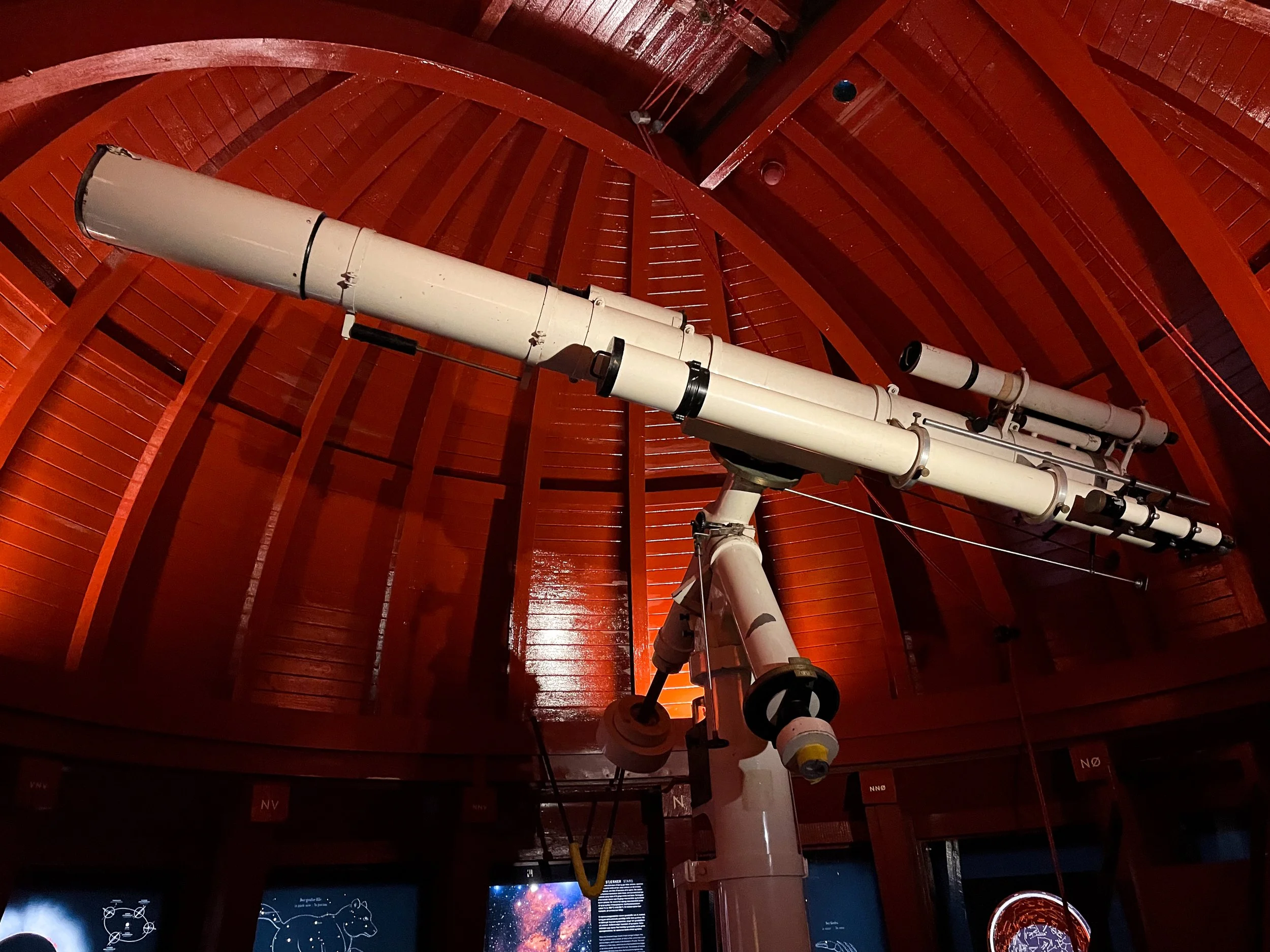
Rundetaarn (The Round Tower). A 16th century tower in the center of Copenhagen with rooftop views of the city. It was built for use as an observatory and still functions as one today. The wide spiral ramp leading to its top was designed so that horses and carriages could climb to the top.
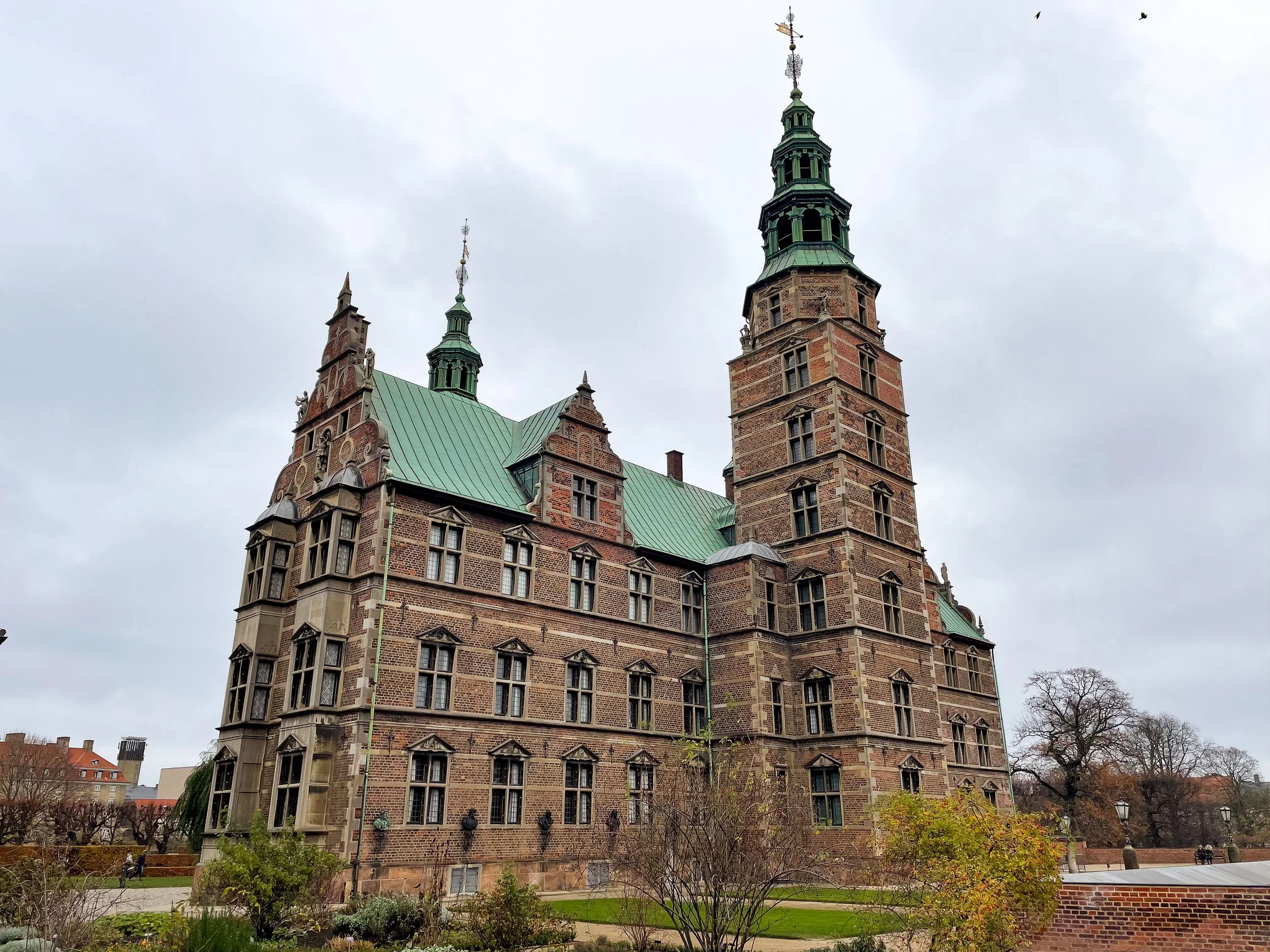
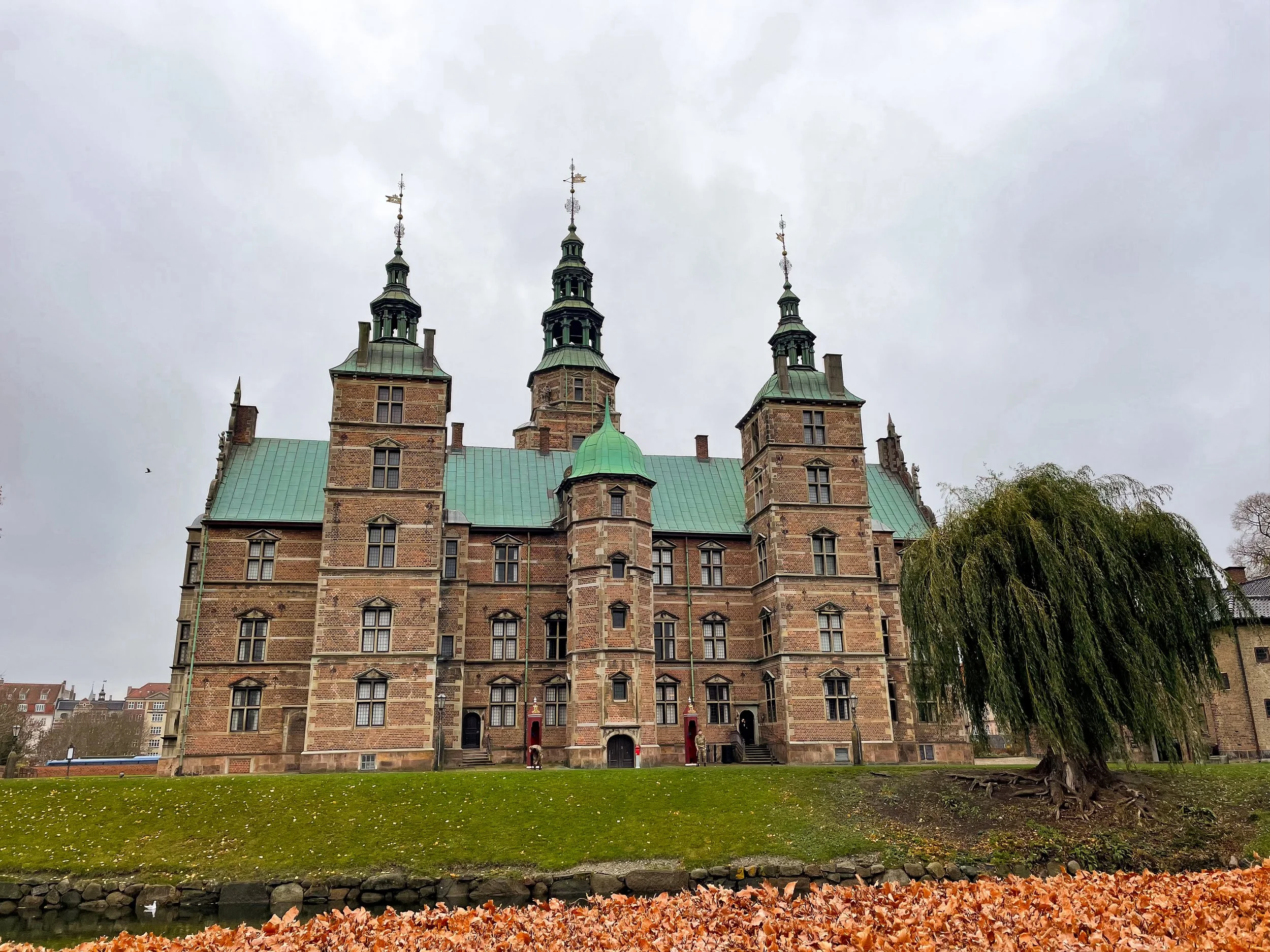
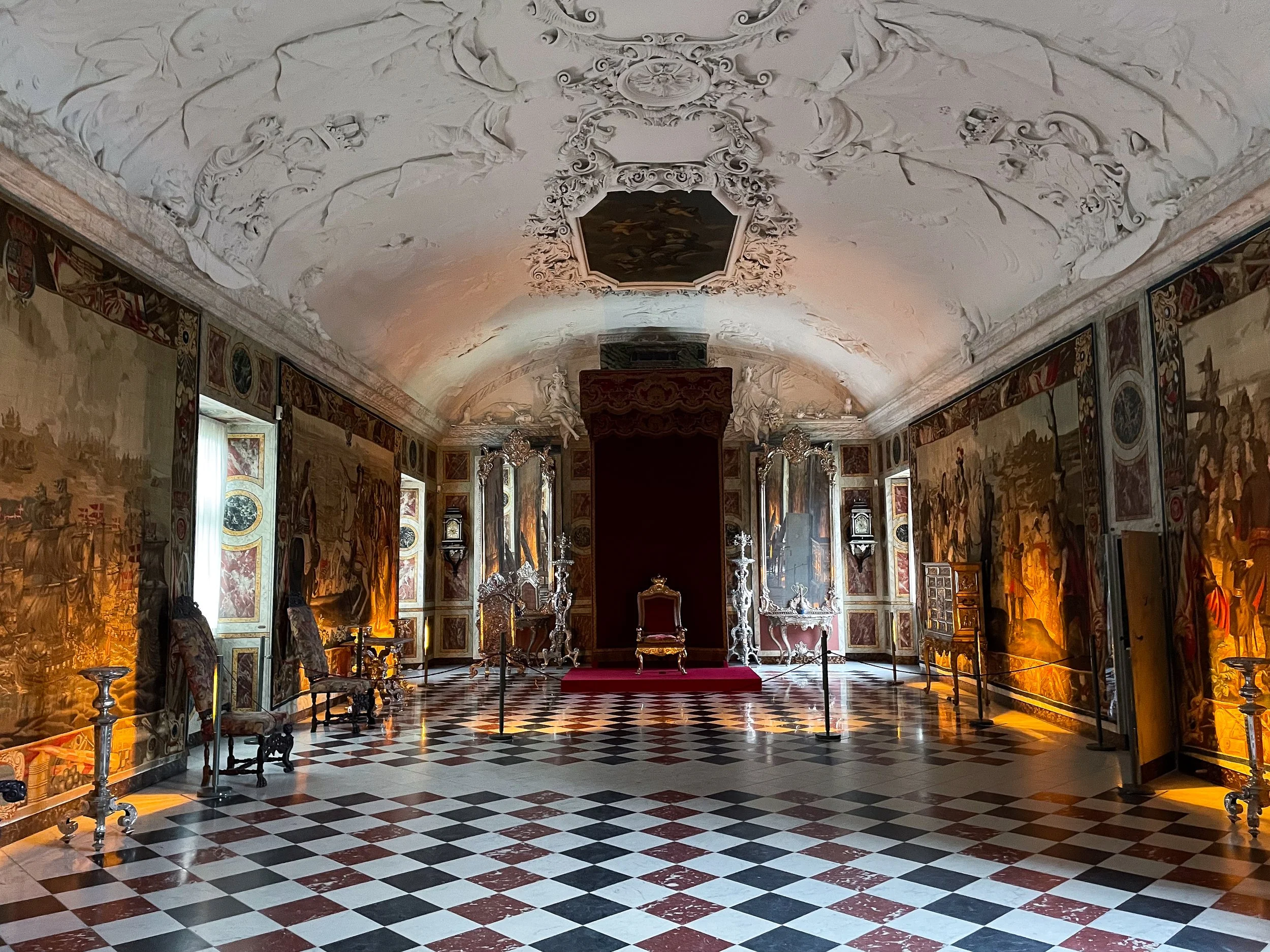
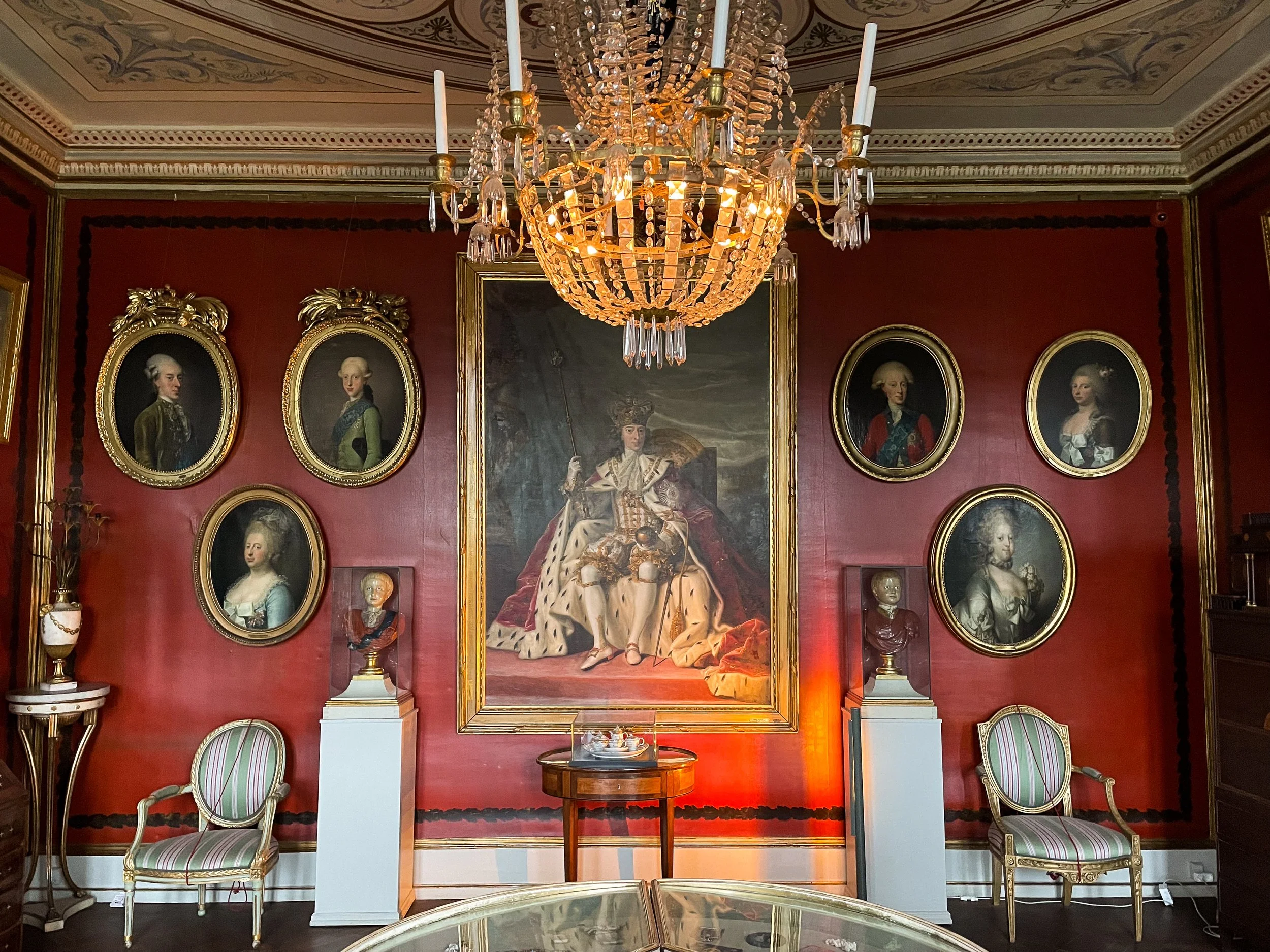
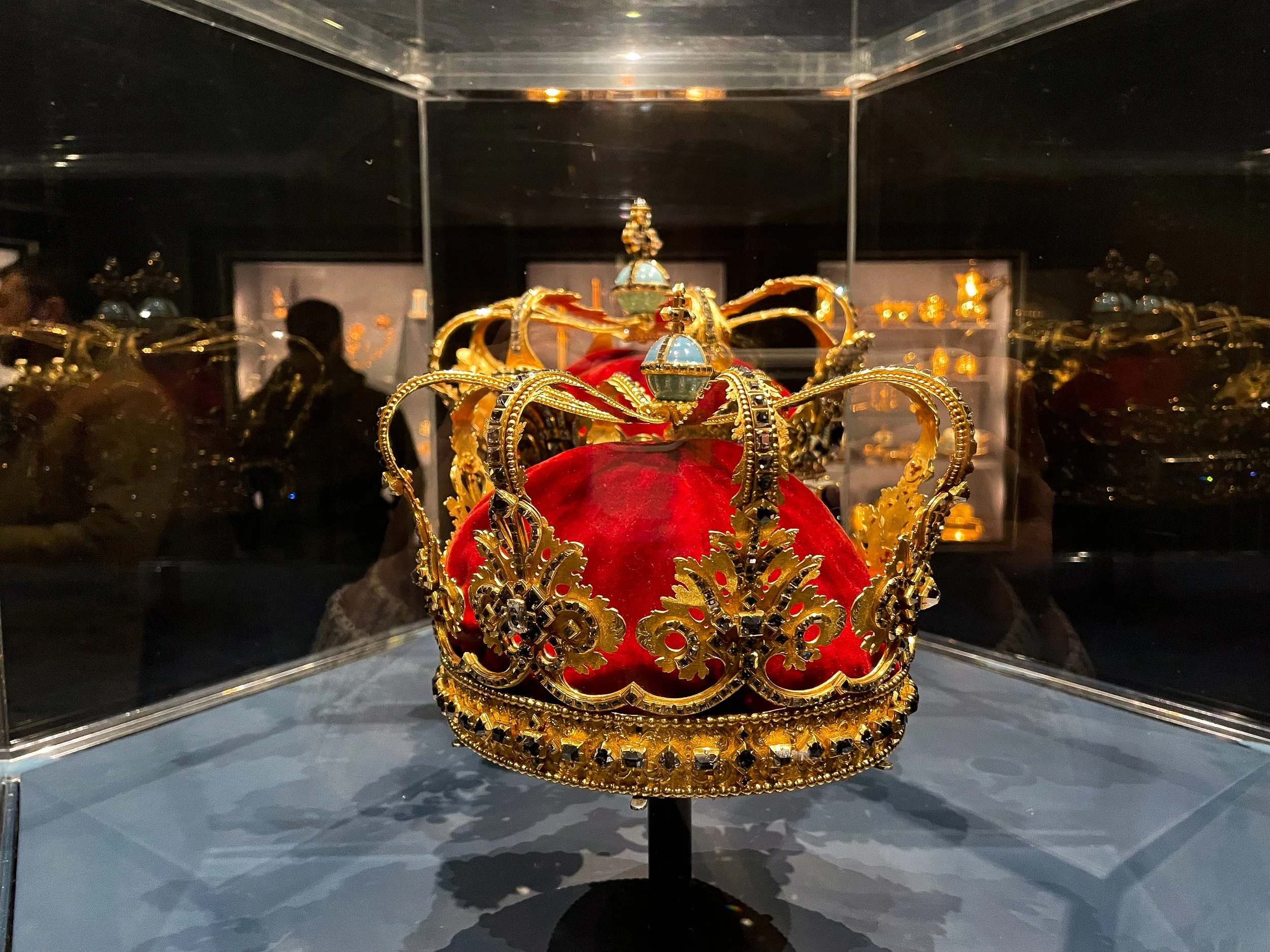
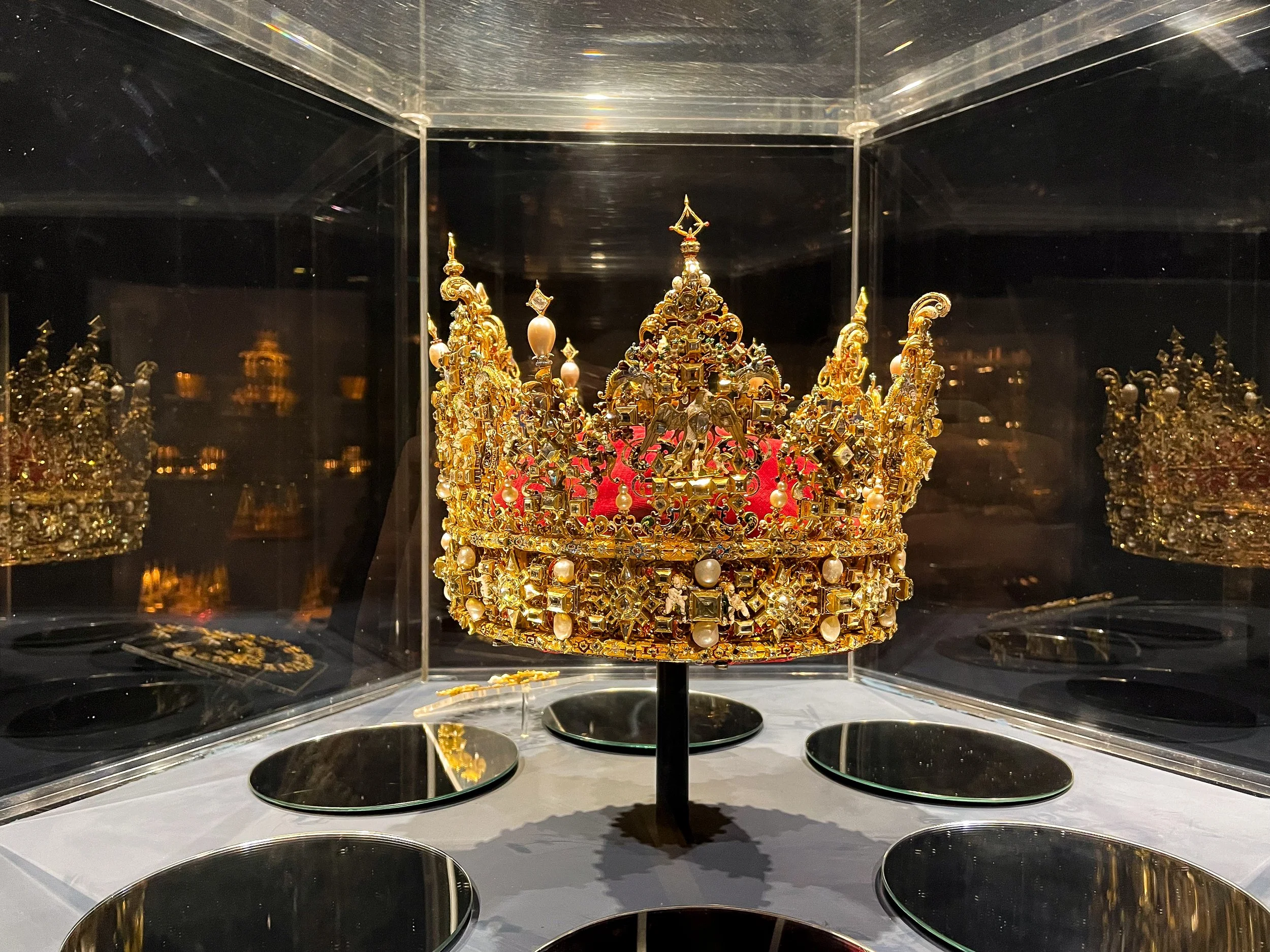
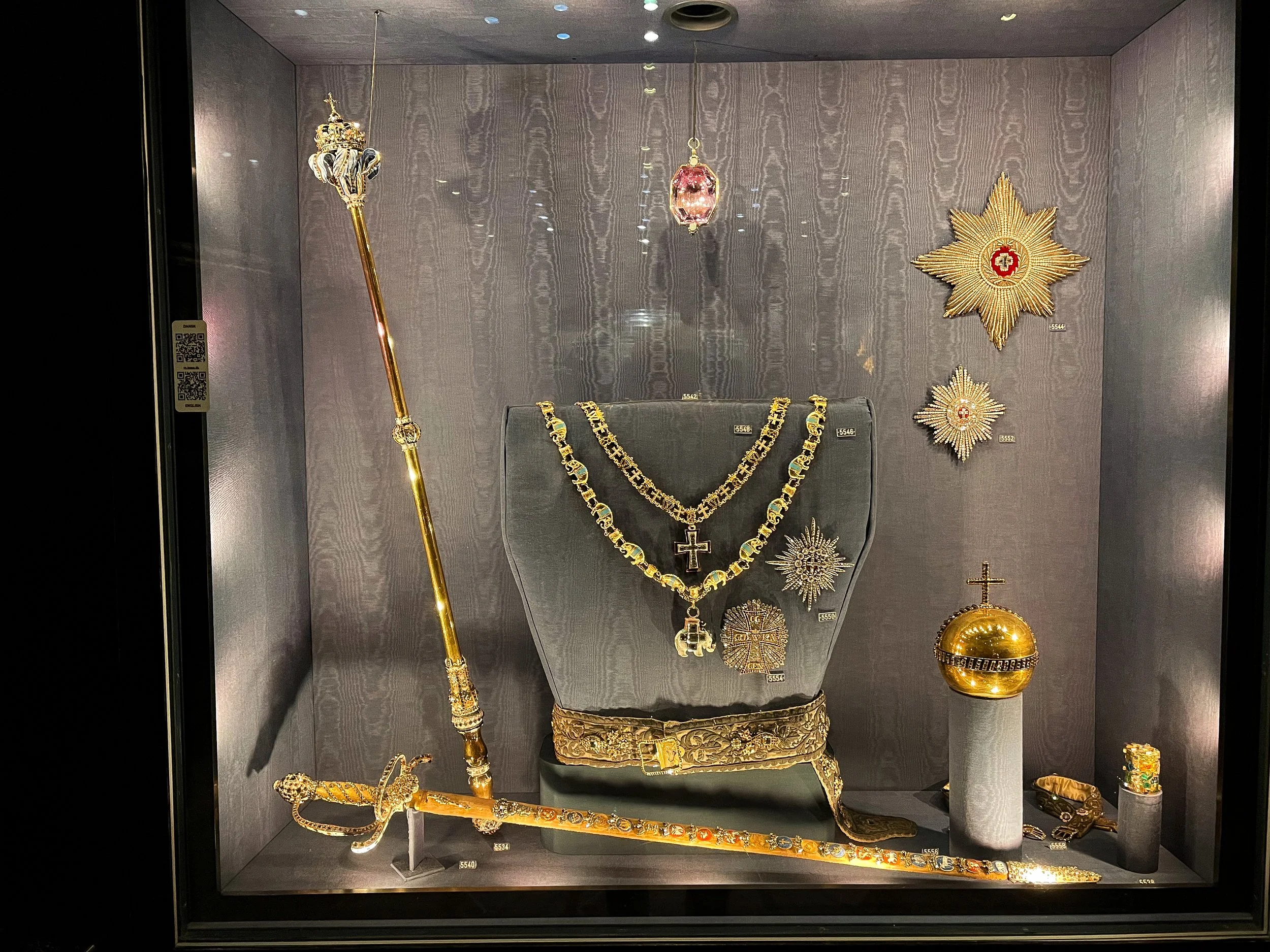
Rosenborg Castle. A 15th century castle previously home to Denmark’s monarchy. The castle is now a museum with preserved lavish rooms, hidden chambers, portraits of the monarchs, antique furniture, tapestries and artifacts. It’s home to the Crown Jewels watched over by royal guards. The Crown Jewels include multiple jewel encrusted gold crowns, elaborate sets of jewelry, the coronation scepter and a large pink diamond. The estate is surrounded by the King’s Garden with sculptures, paths and fountains.
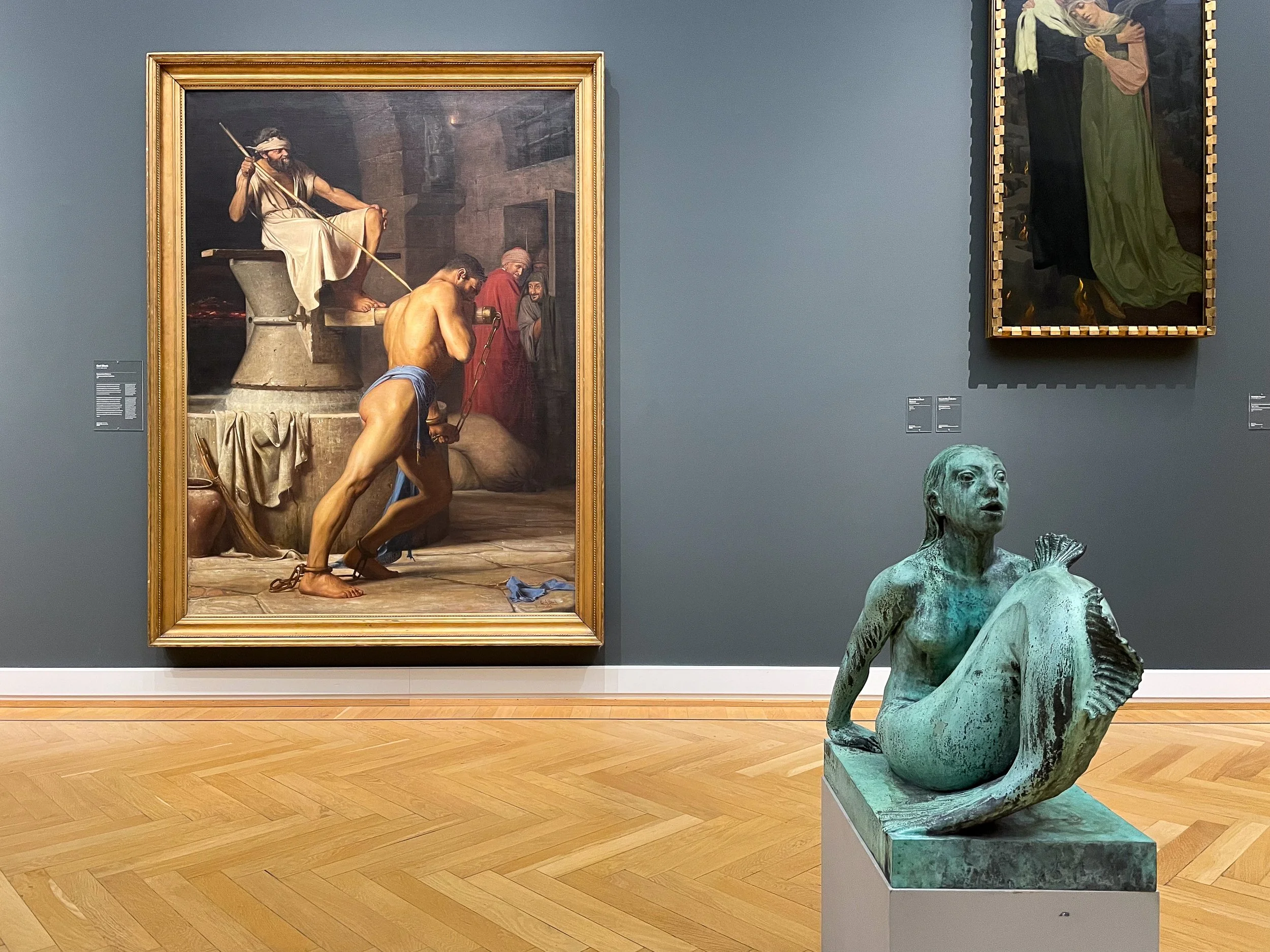
Kunst Museum. Denmark’s largest art museum with Danish and European art ranging from the 15th century to present day. We visited when Matisse’s “Red Room” was on display with several other pieces depicted in it for the first time since he painted the work.
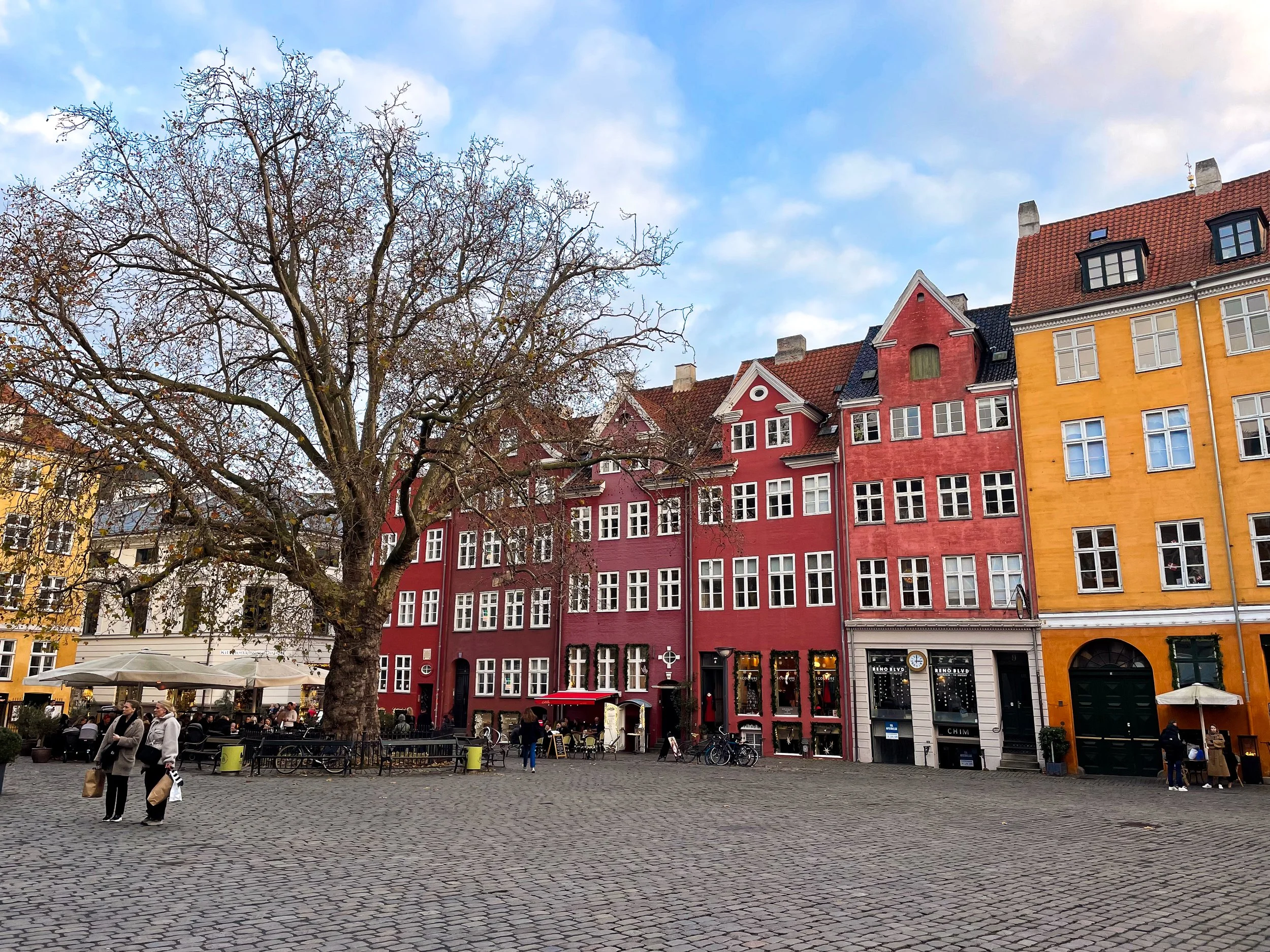
Gråbrødretorv Square. A cobblestone square with colorful historic buildings, restaurants that spill out into the square and cocktail bars including Strøm Bar and Peder Oxe’s Kaelder. It was one of our favorite places to visit and felt like a hidden gem in the city center.
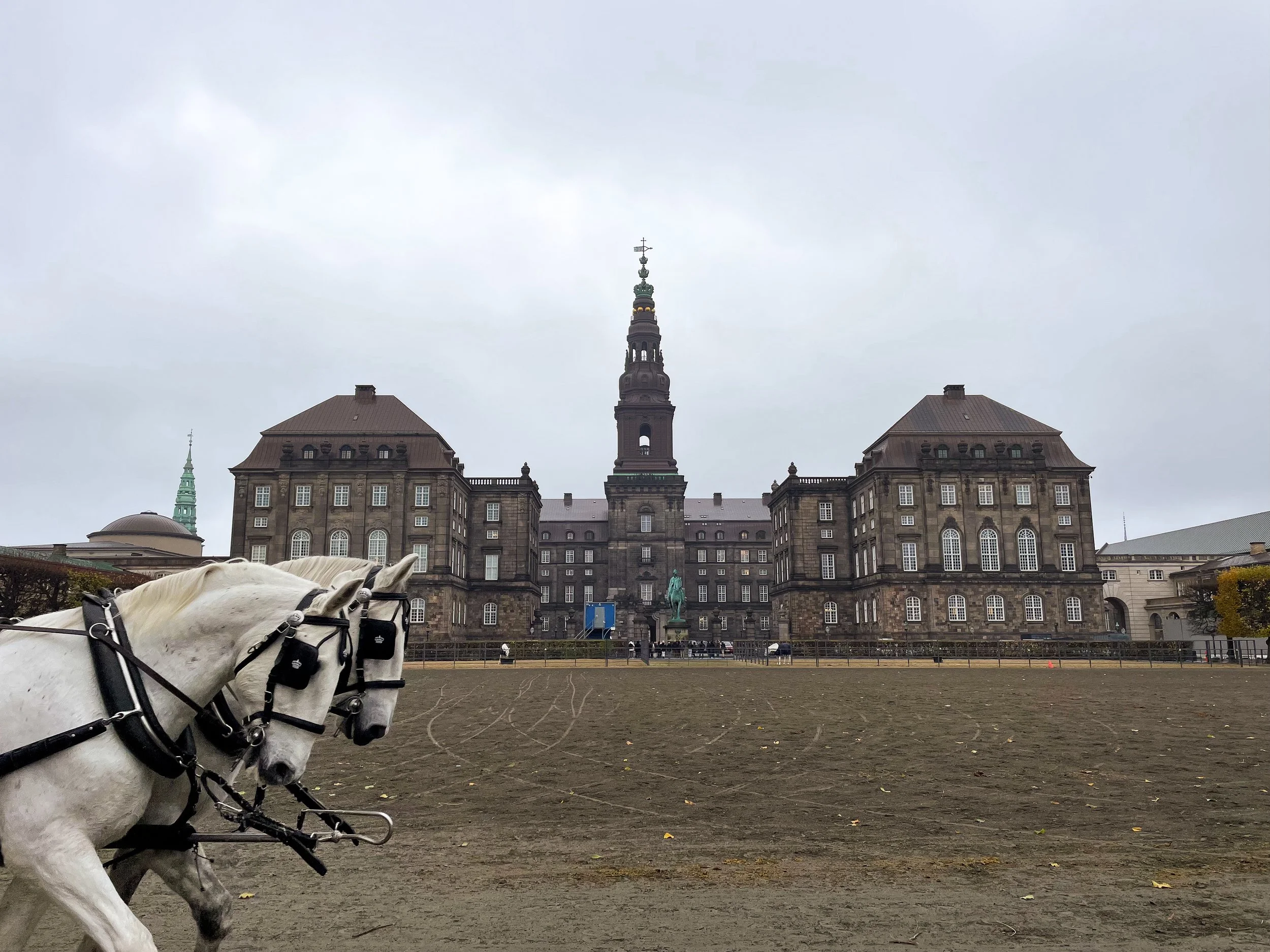
Christiansborg Palace. The seat of the Danish prime minister, supreme court and parliament. It has a tall tower with views of the city and equestrian lawn.
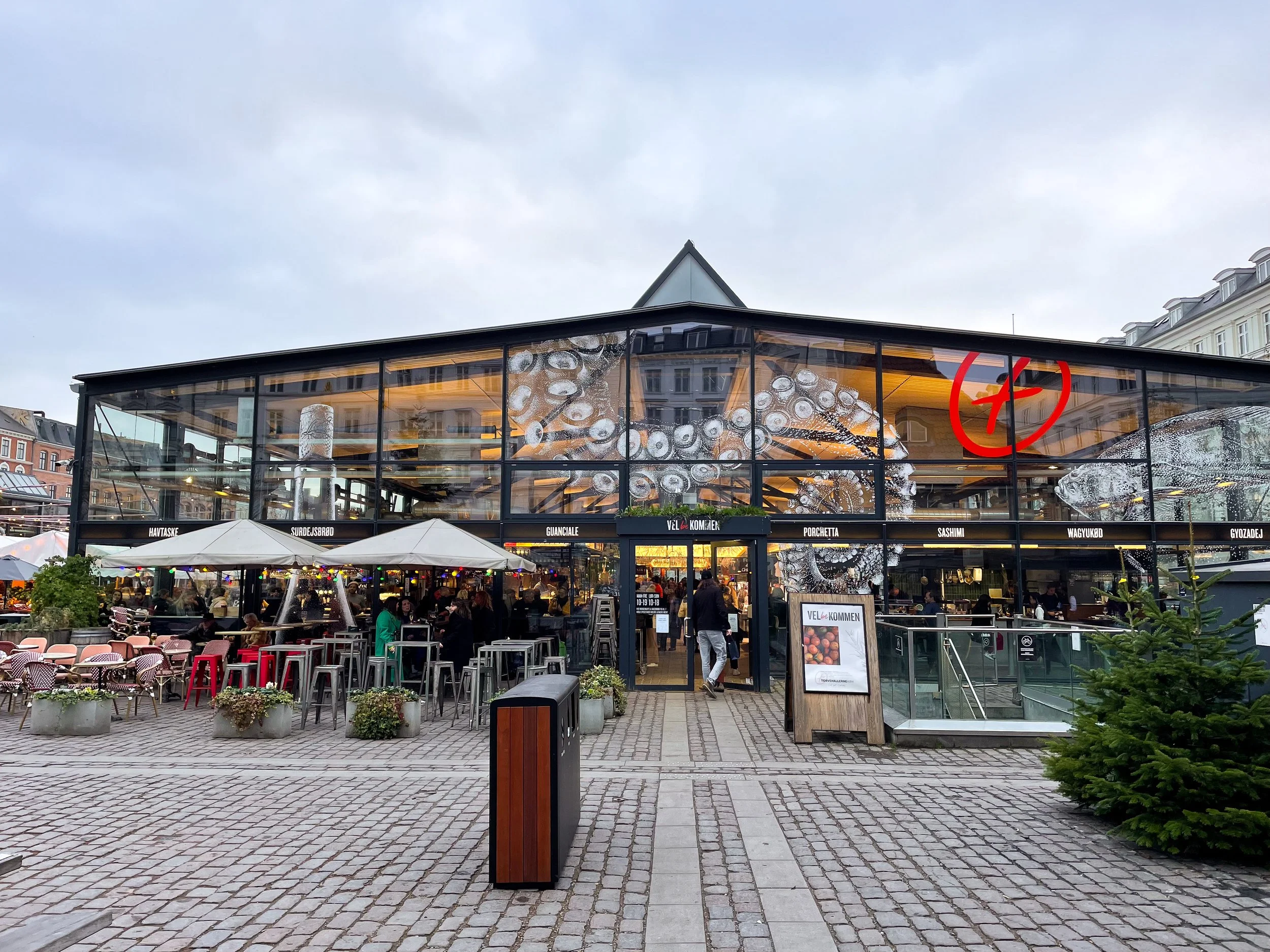
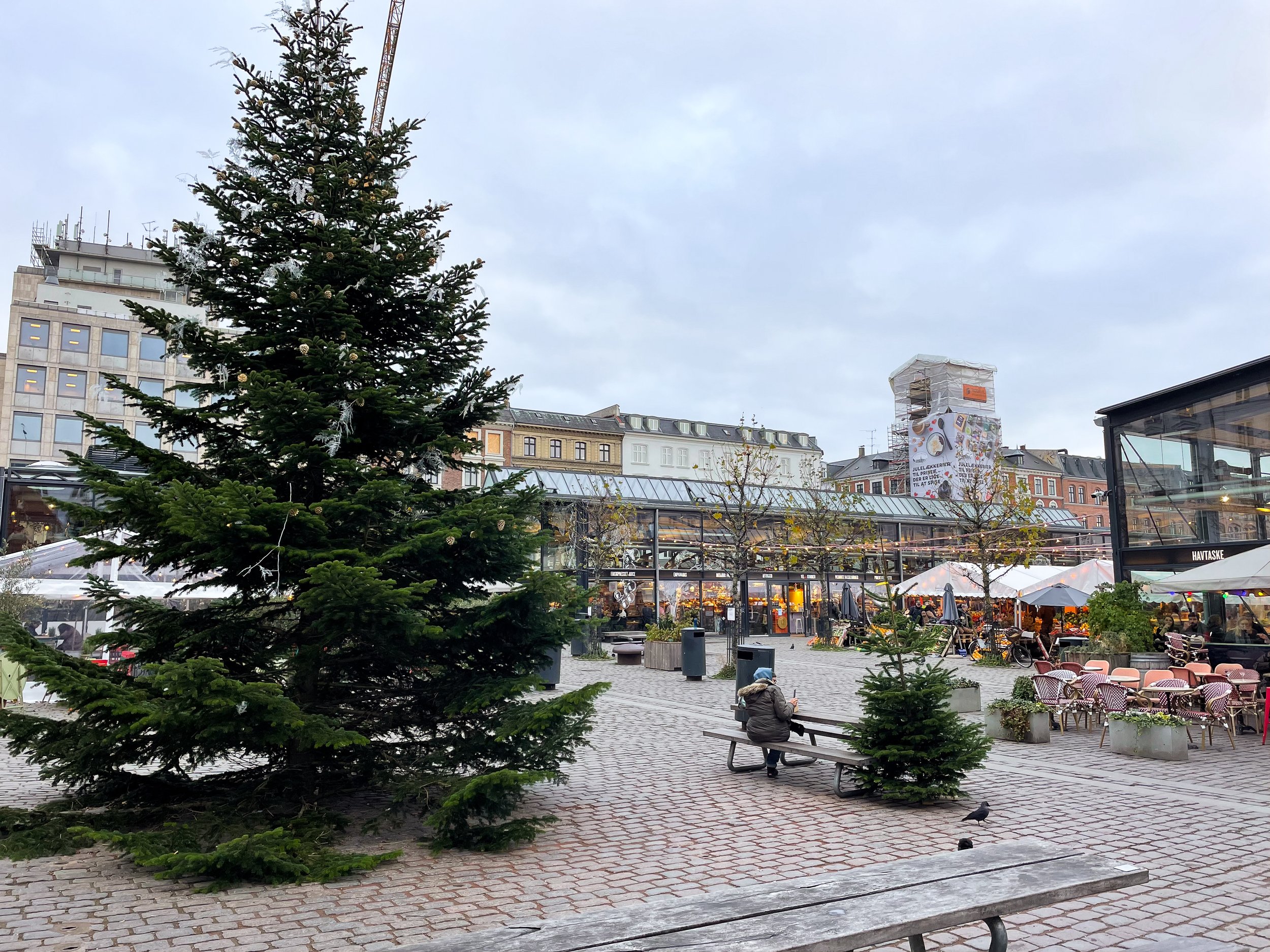
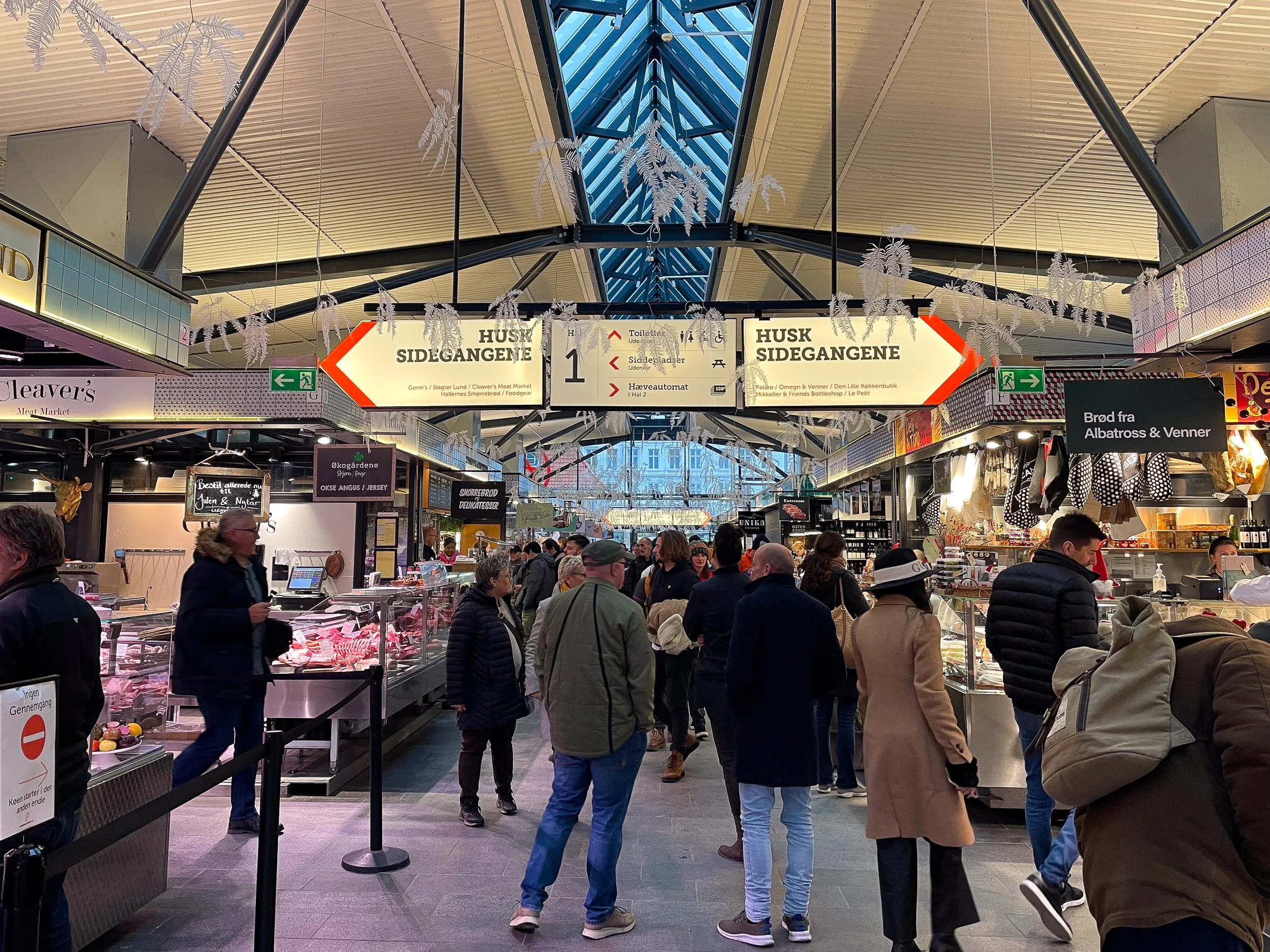
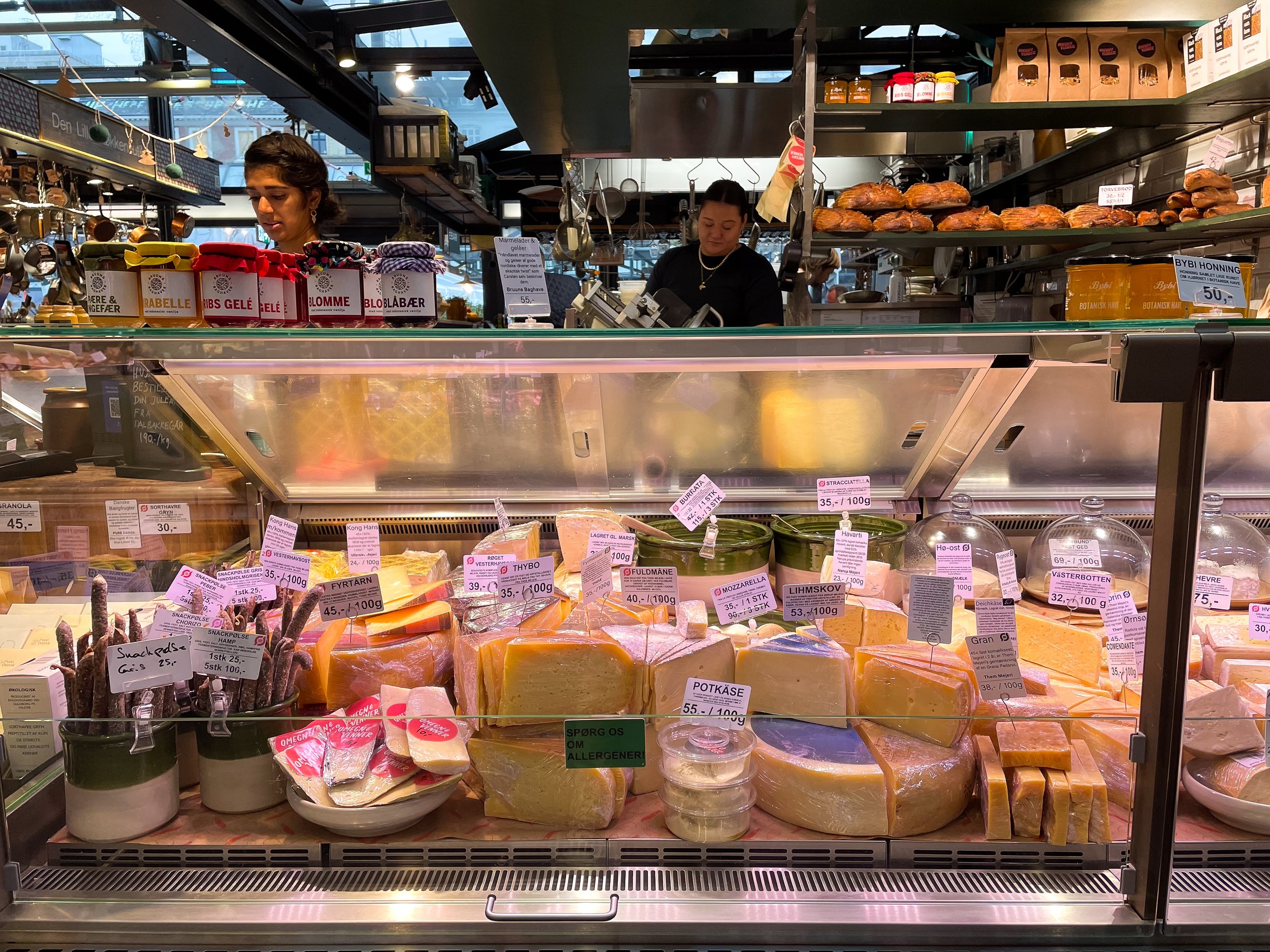
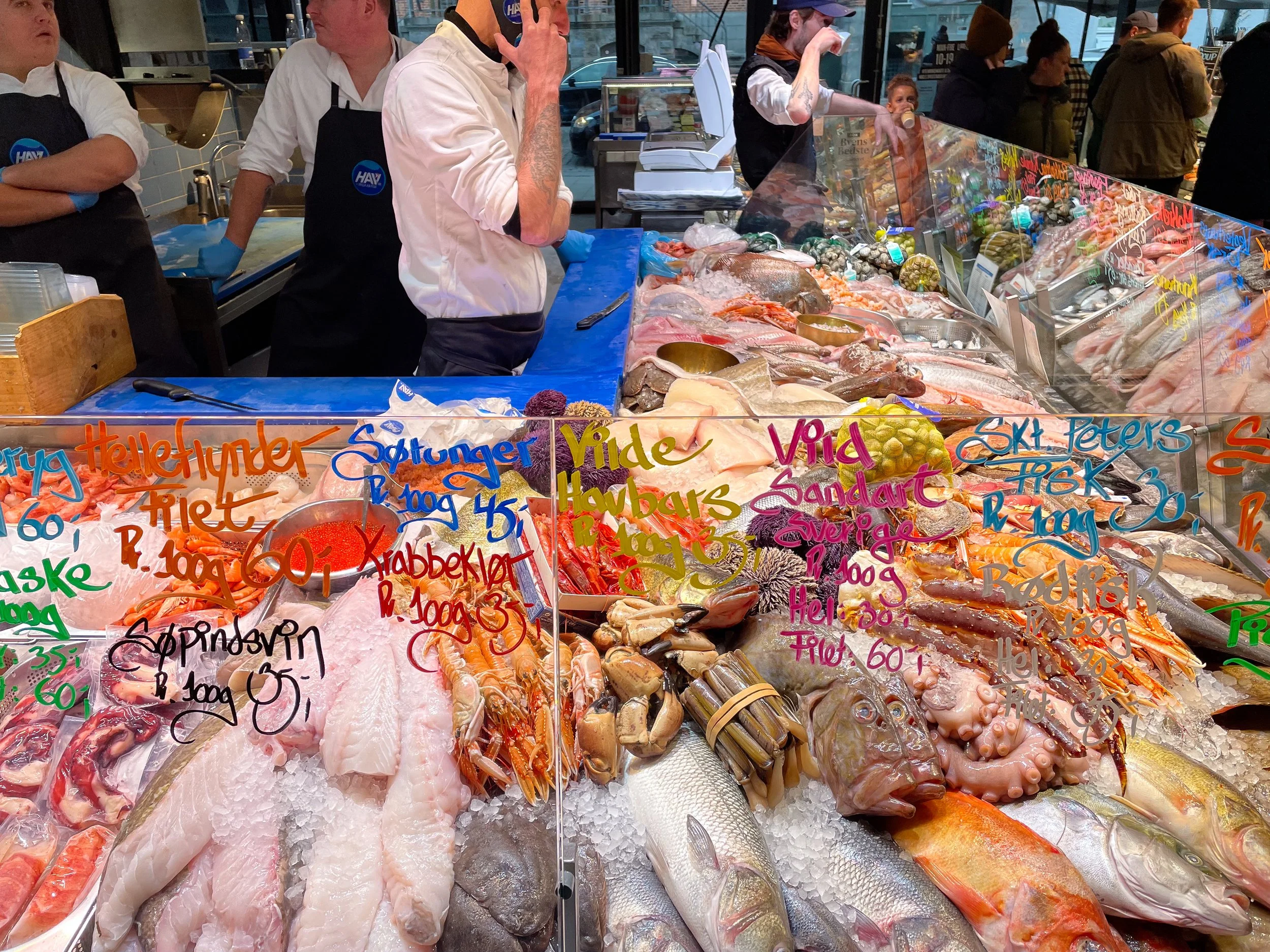
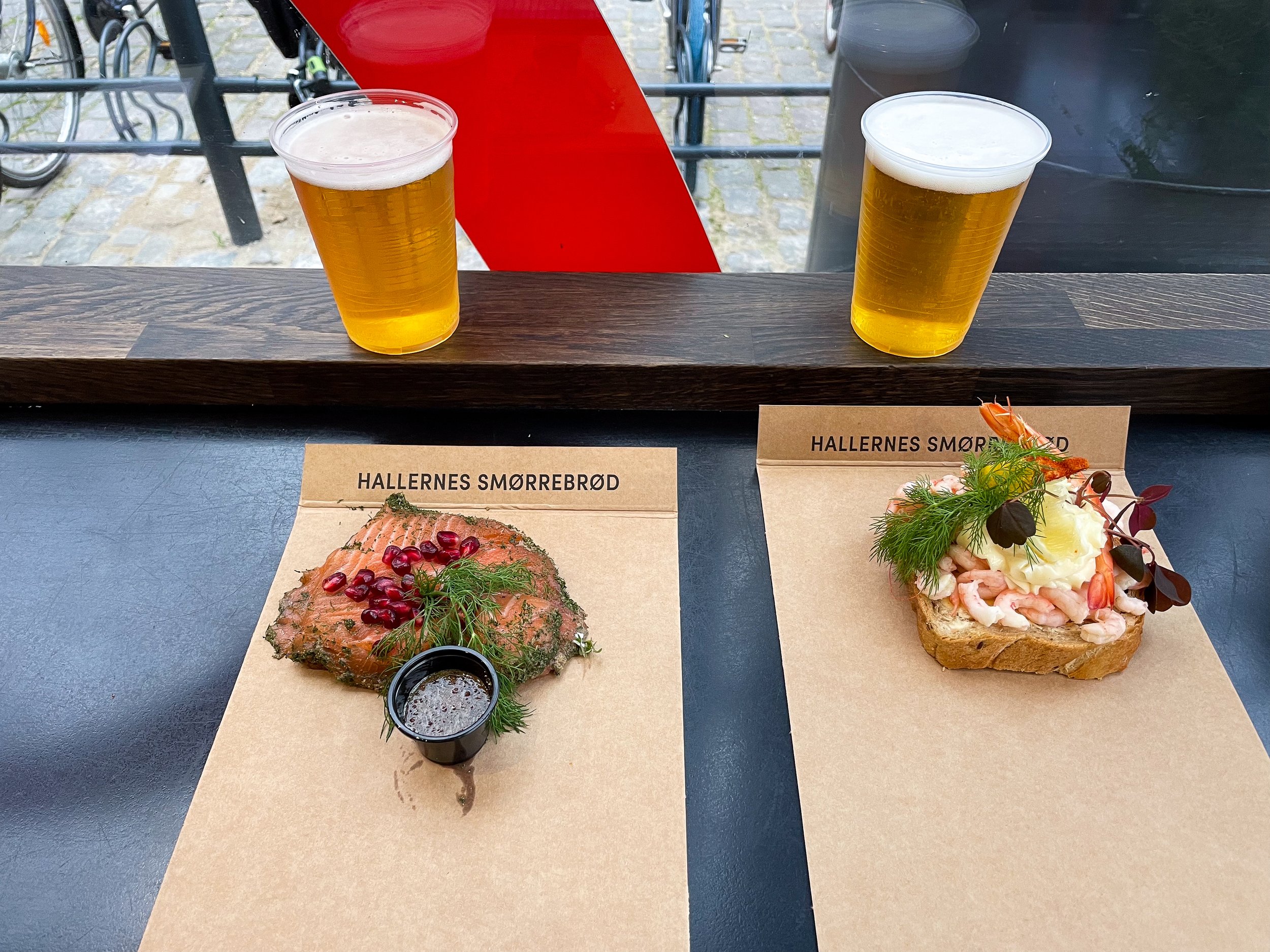
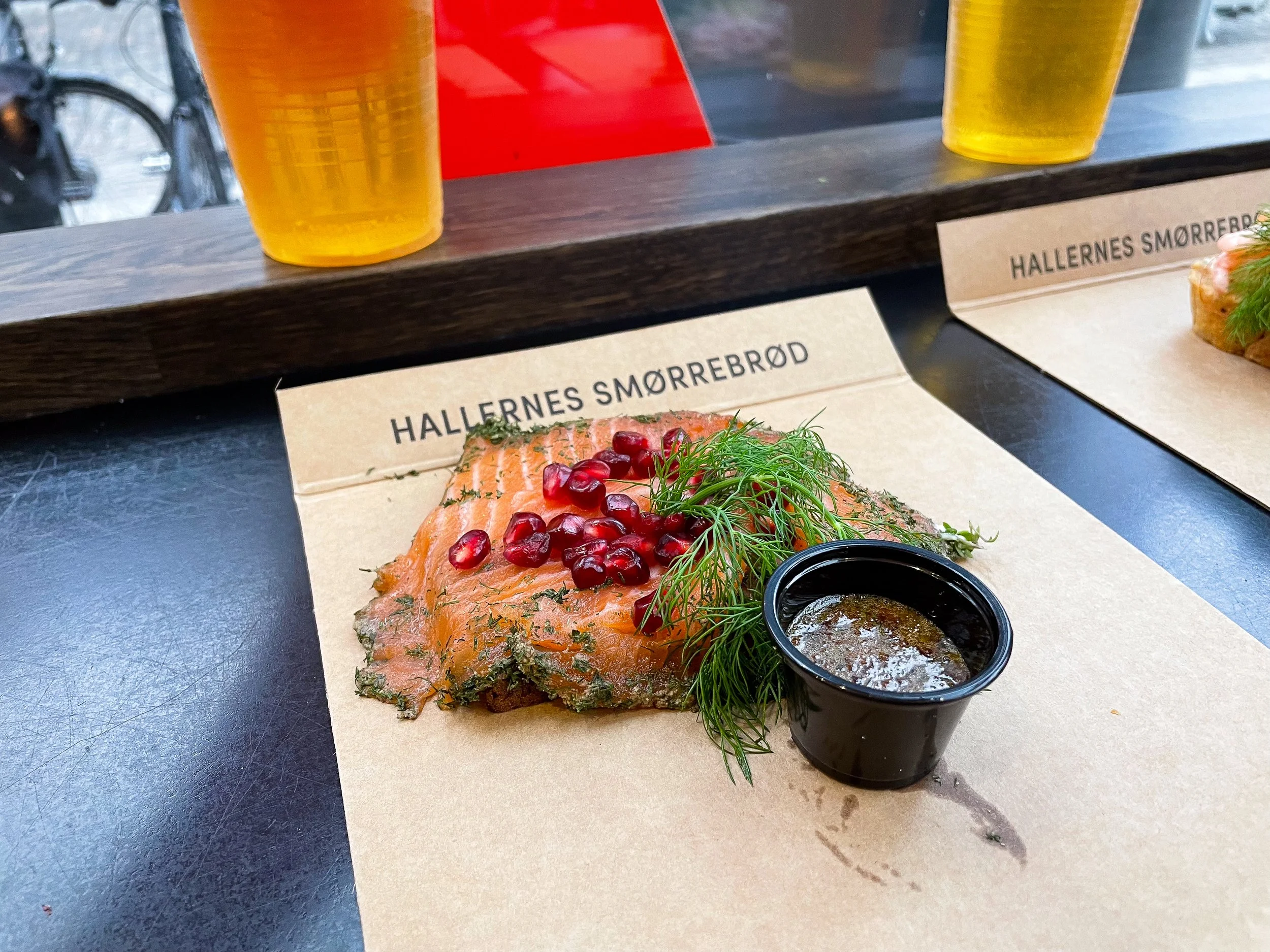
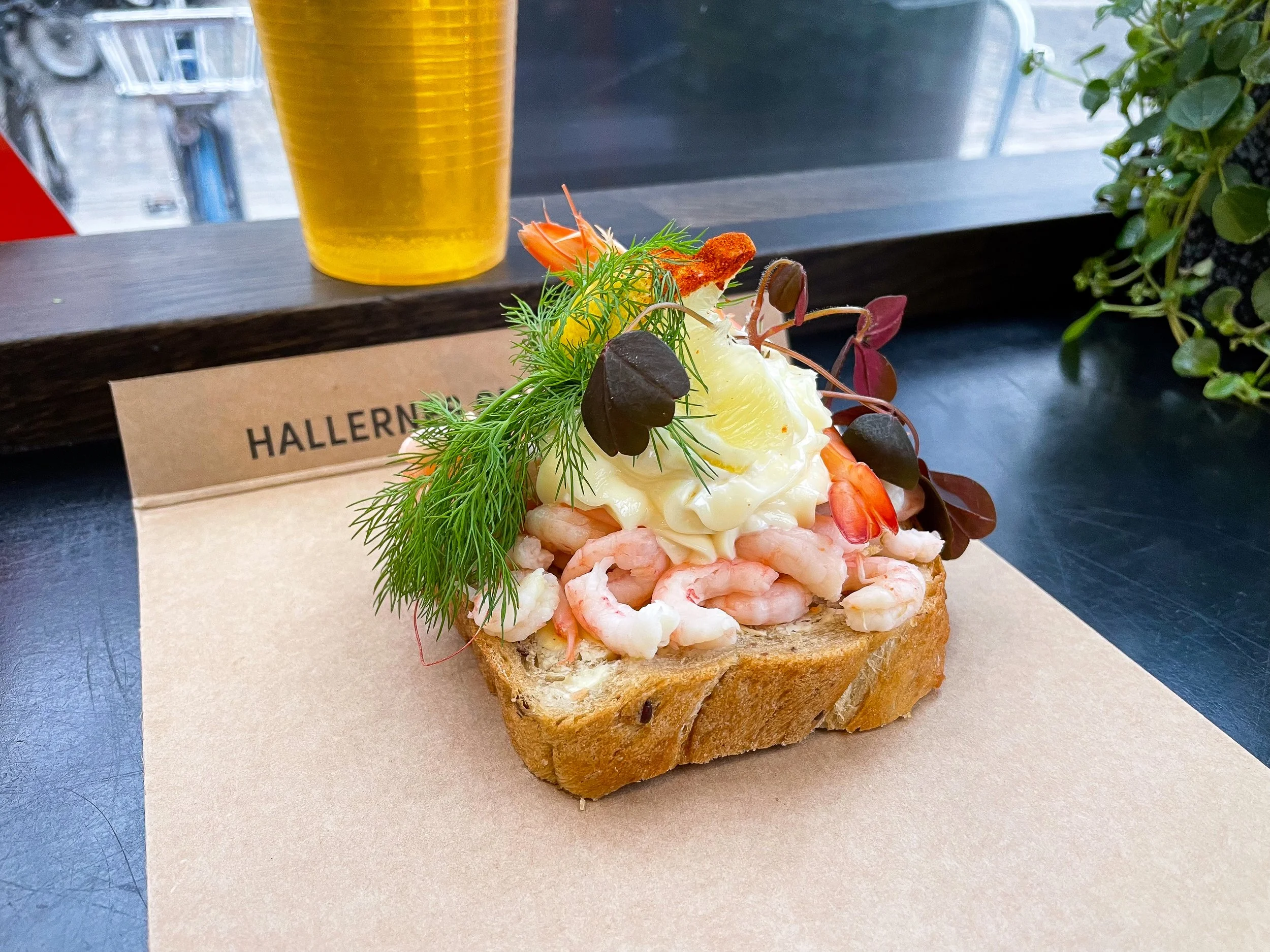
Torvehallerne. A food hall and market with over 60 restaurants and stalls selling baked goods, seafood, meats, cheese, wine, snaps, spices, produce and kitchenware. It’s a great place to try some of the traditional Danish dishes. Try Hallernes Smørrebrød for smørrebrød, Bageri for vienerbrød and Boutique Fisk for fiskfrikideler.
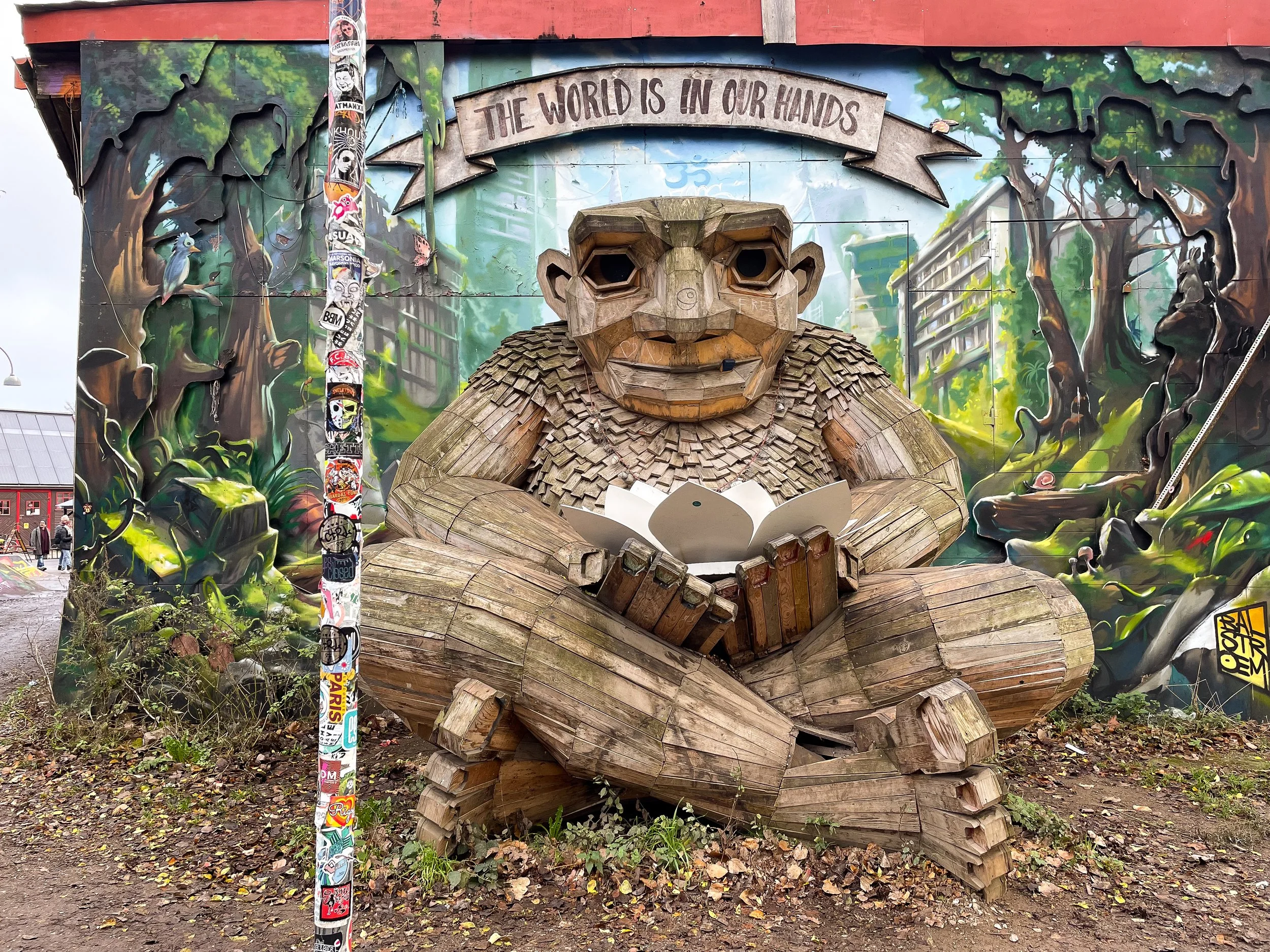
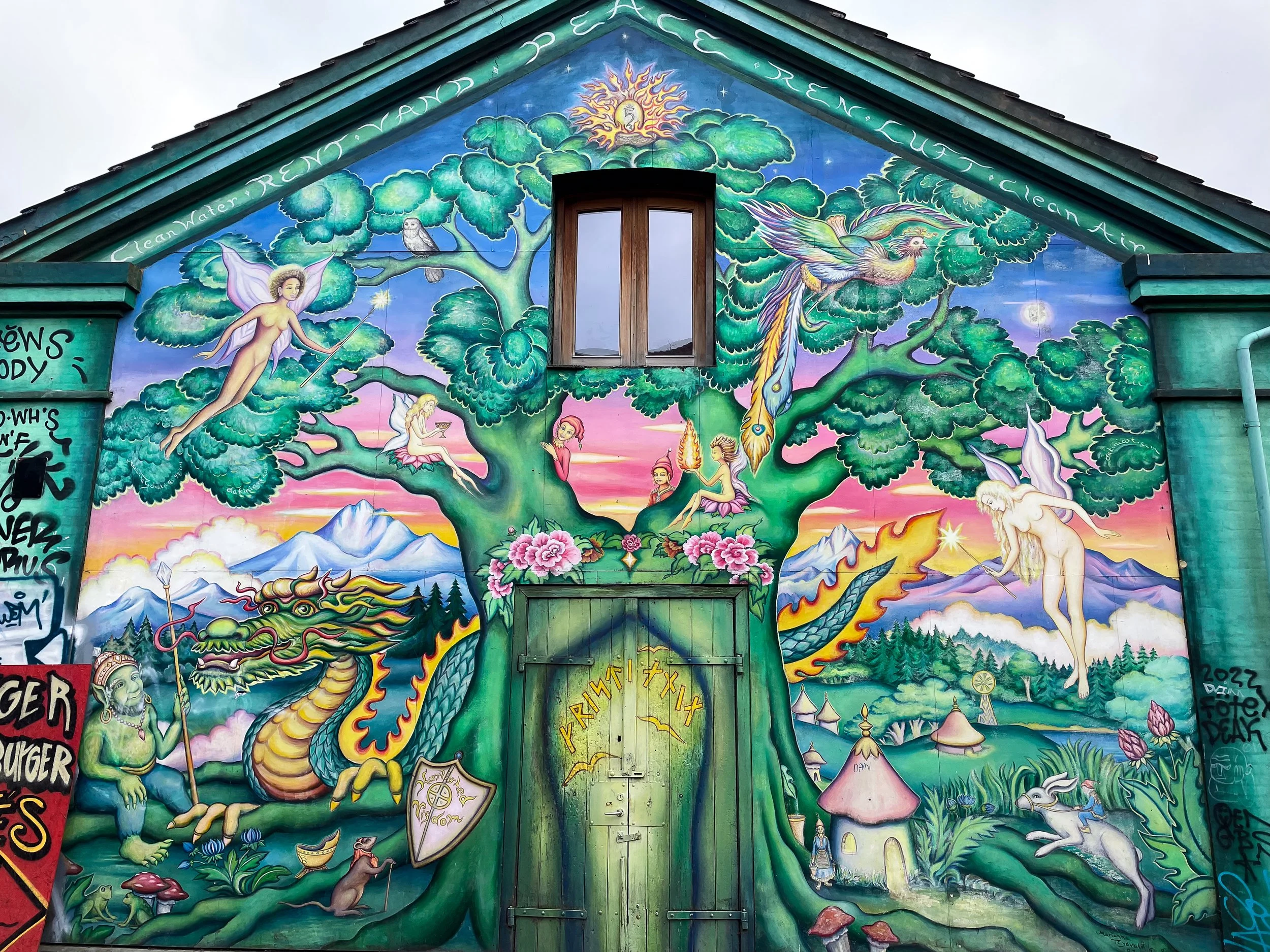
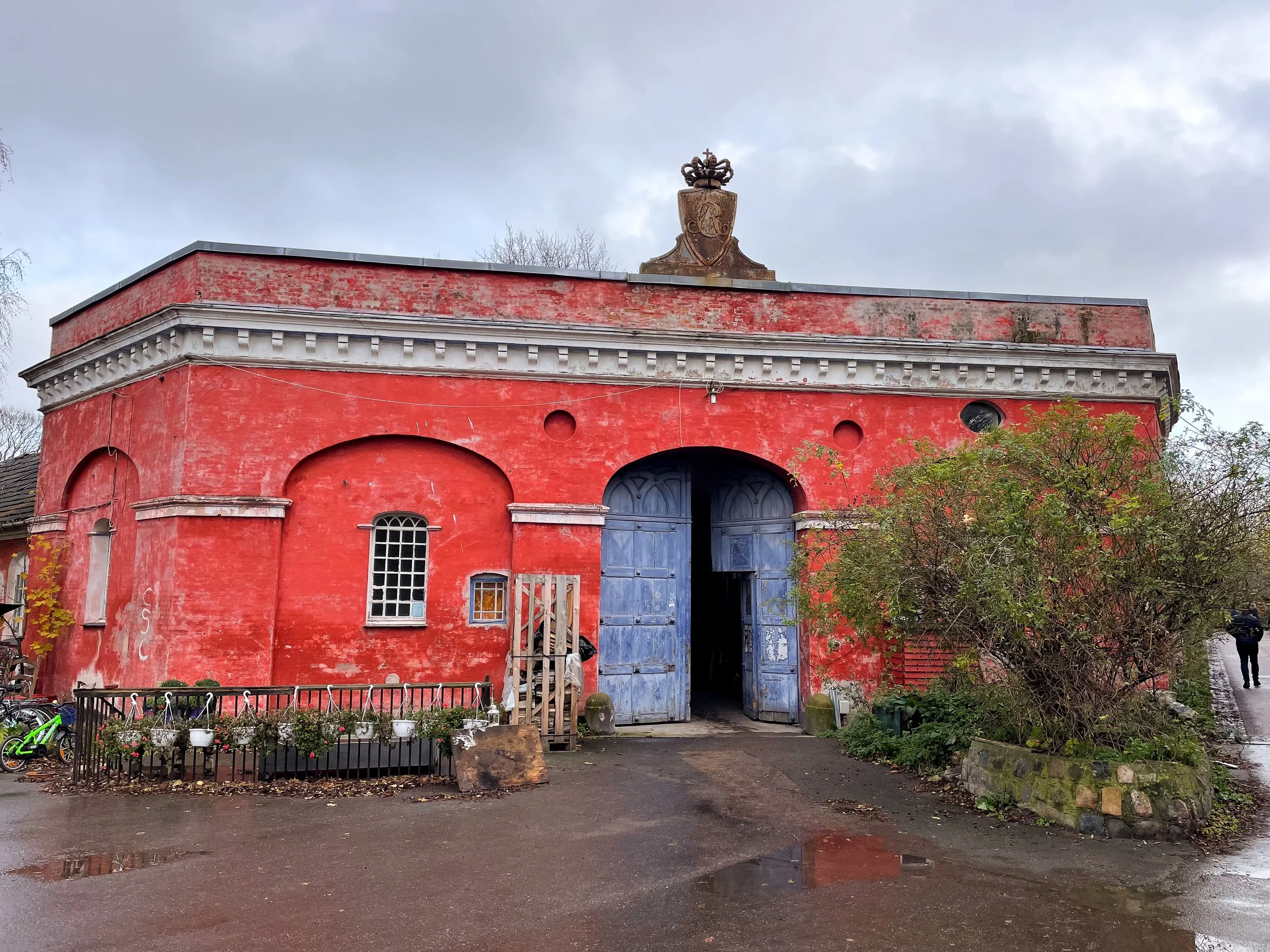
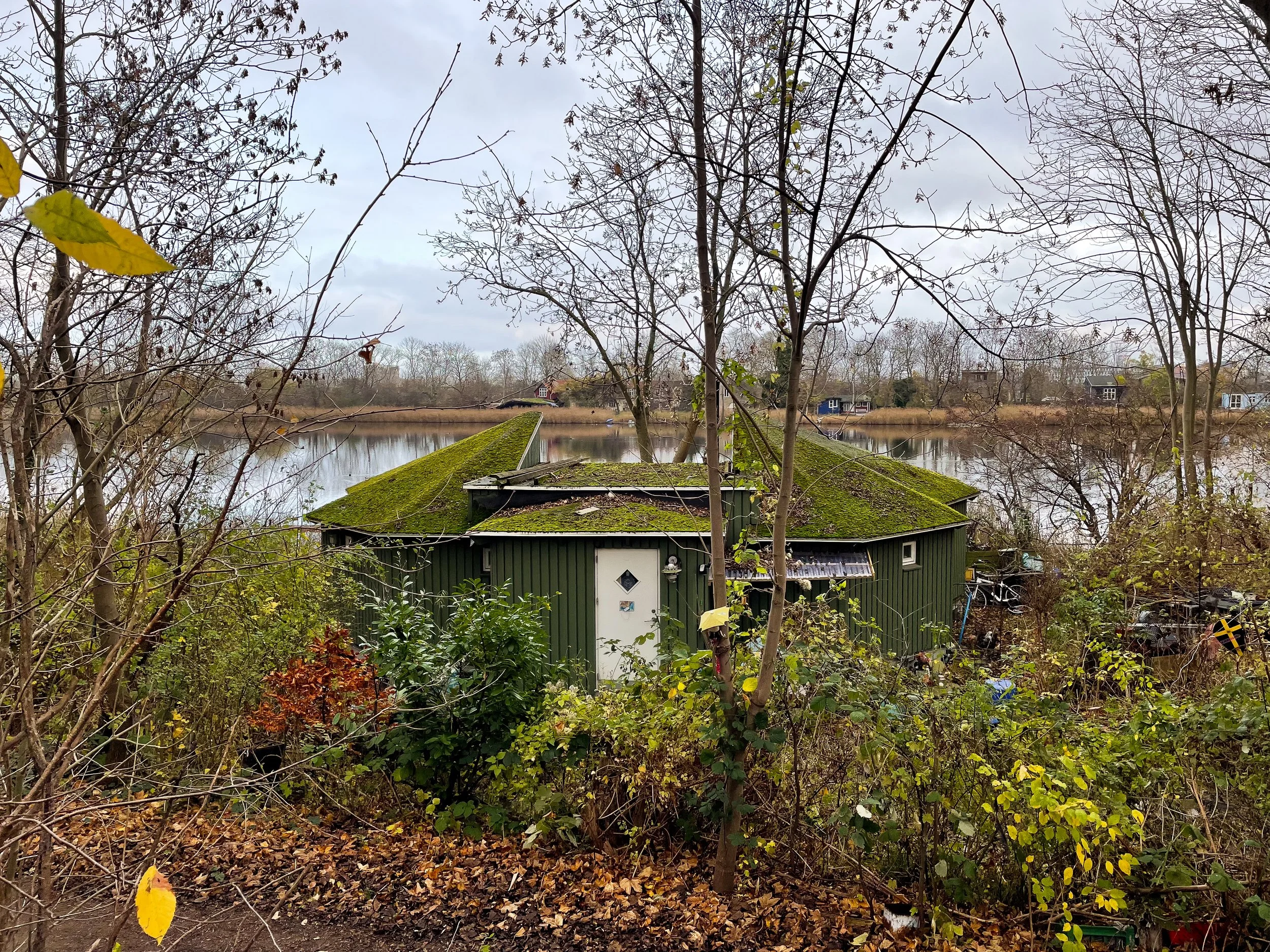
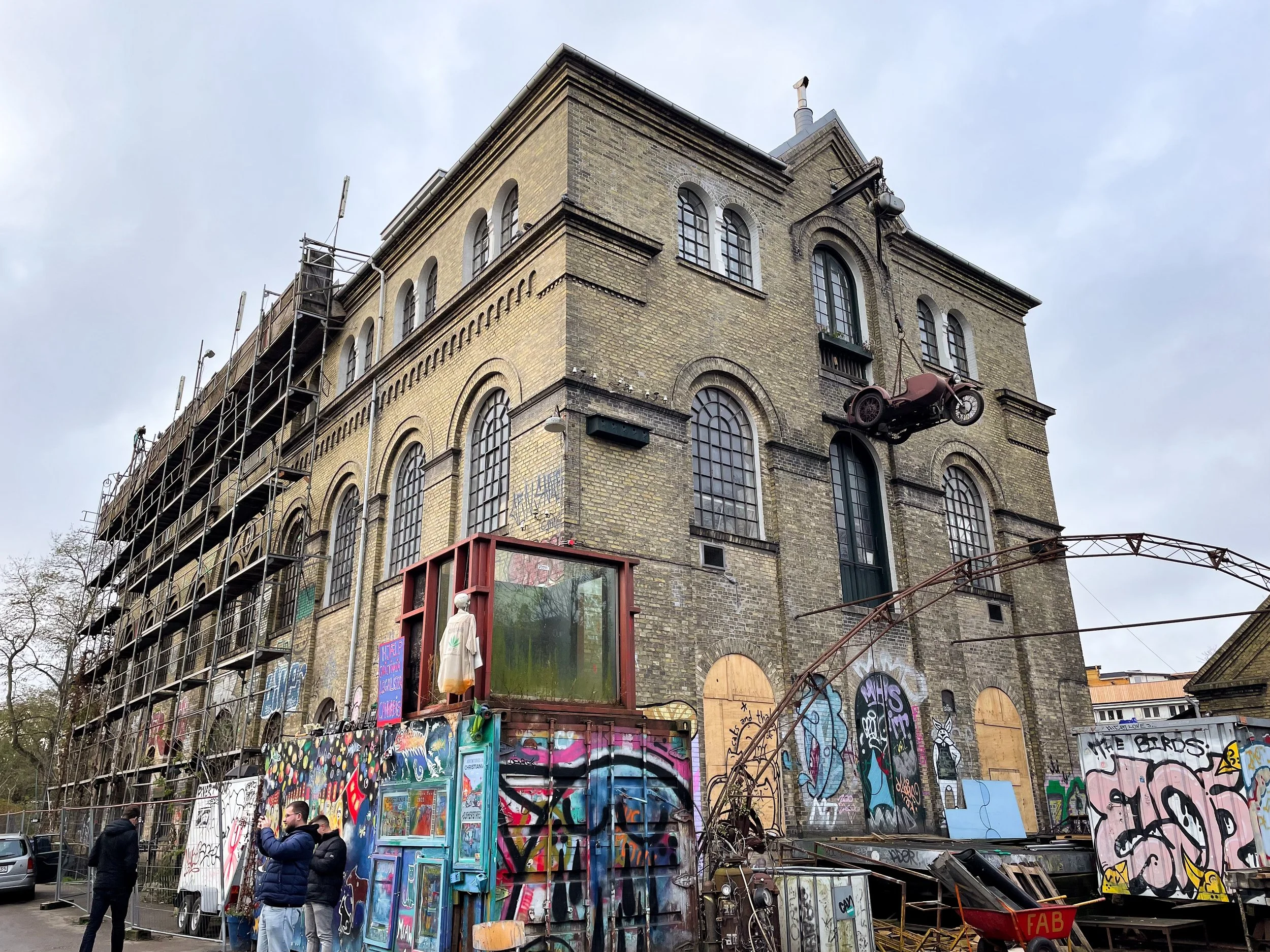
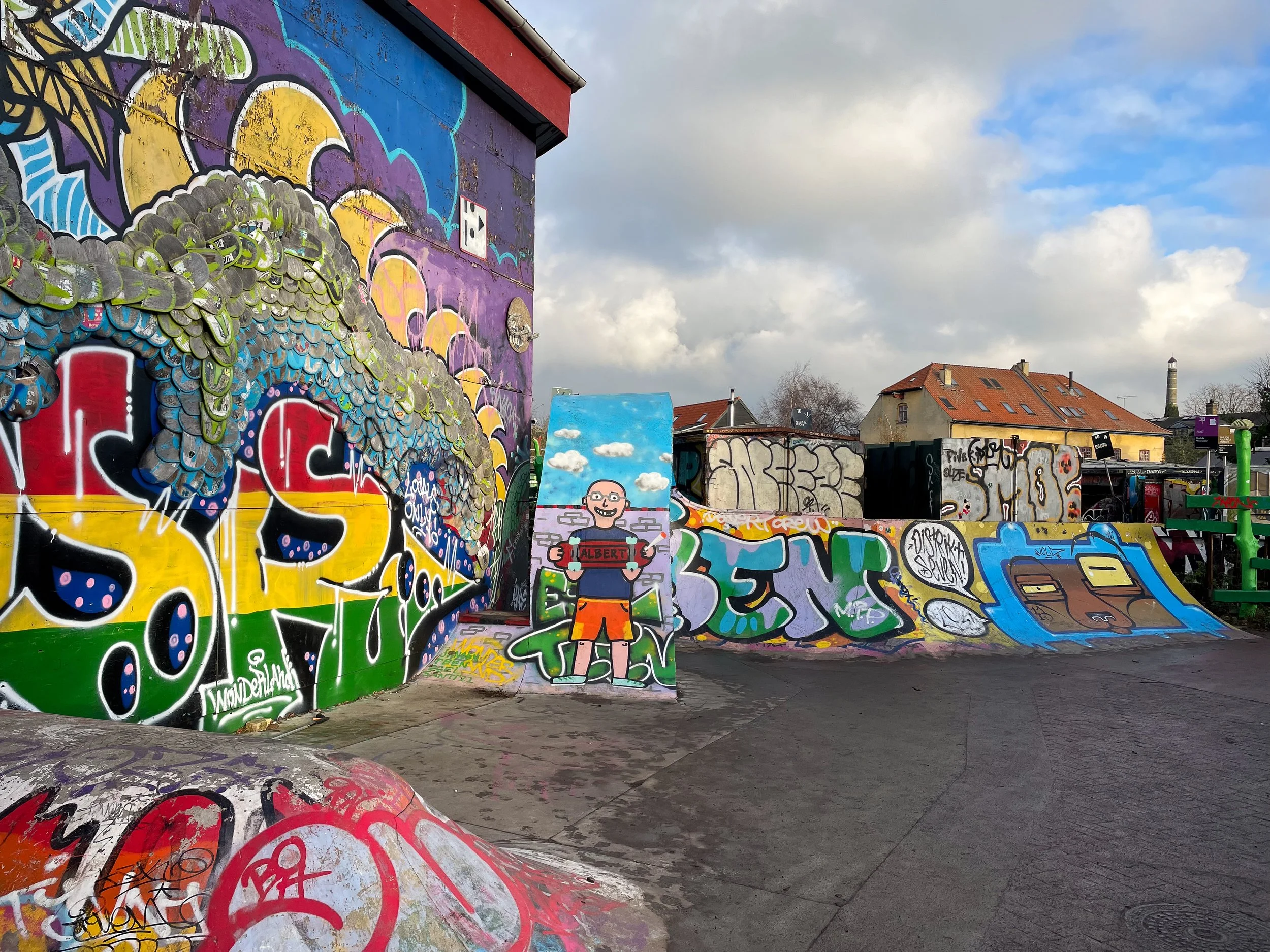
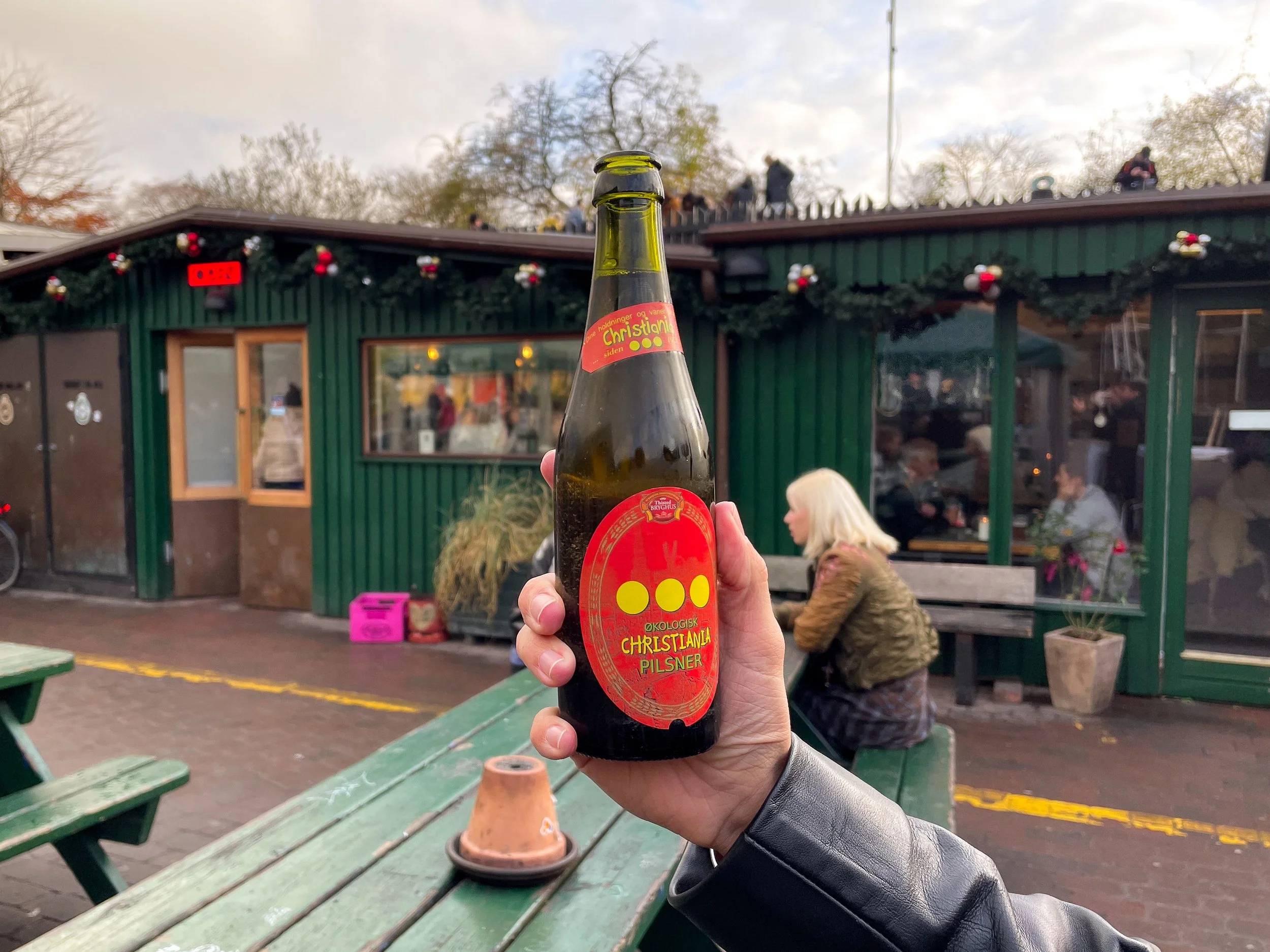
Free Town Christiania. An abandoned military base turned into a self governing community. Its former warehouses, bunkers and barracks that have been converted into homes, art studios, music venues, shops, restaurants and a brewery. Much of the neighborhood is decorated with street art and graffiti while buildings are retrofitted with larger windows, balconies and rooftop enclosures. The neighborhood is also a green space with lush nature and bike trails along the canal and where nature has begun to take over. Though it remains illegal, Free Town Christiania is the only place in Denmark where vendors openly sell cannabis and related products.
Good to Know. Avoid directly photographing anything “drug” related. Mind the “no photo” signs where posted.
Danish Cuisine
There are two types of Danish cuisine, traditional and contemporary. Traditional Danish cuisine is defined by a few main types of food like Smørrebrød, Fiskfrikideler and Vienerbrød. Contemporary Danish cuisine focuses on locally sourced, seasonal, foraged and pickled ingredients.
Smørrebrød. An open-face sandwich decoratively topped with colorful ingredients on a thin slice of heavily seeded bread. It’s often seafood based with cured salmon, cold water prawns, fried cod or pickled herring. It’s a common lunch meal and possibly Denmark’s most popular dish.
Snaps. A herbal, bitter and high proof alcoholic beverage often drunk as shots with Smørrebrød.
Fiskfrikideler. A deep fried ball of dough, onion and cod, sometimes mixed or garnished with dill.
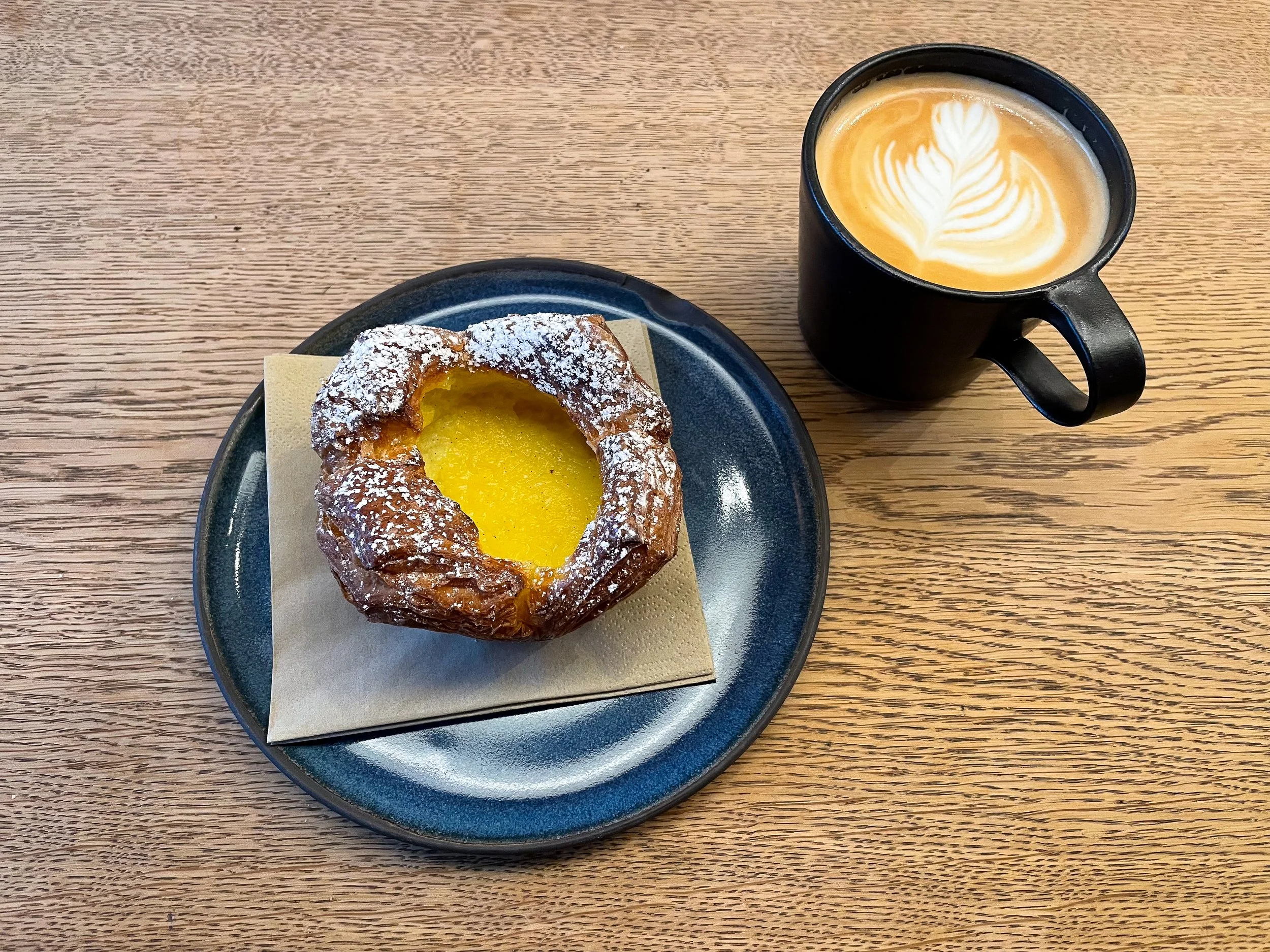
Vienerbrød. Commonly referred to as the Danish, this is any style of flaky pastry with a custard or jam center. The most traditional of which has a light drizzle of chocolate on the top of it. Other common pastries include cinnamon rolls and cardamom croissants.
Buns. A hearty bread roll served with butter, jam and cheese. It’s a common breakfast.
Places to Eat & Drink
We toured Copenhagen on foot and by taste! These were several of the restaurants, cafes, bars and food stands that we visited.
Restaurants
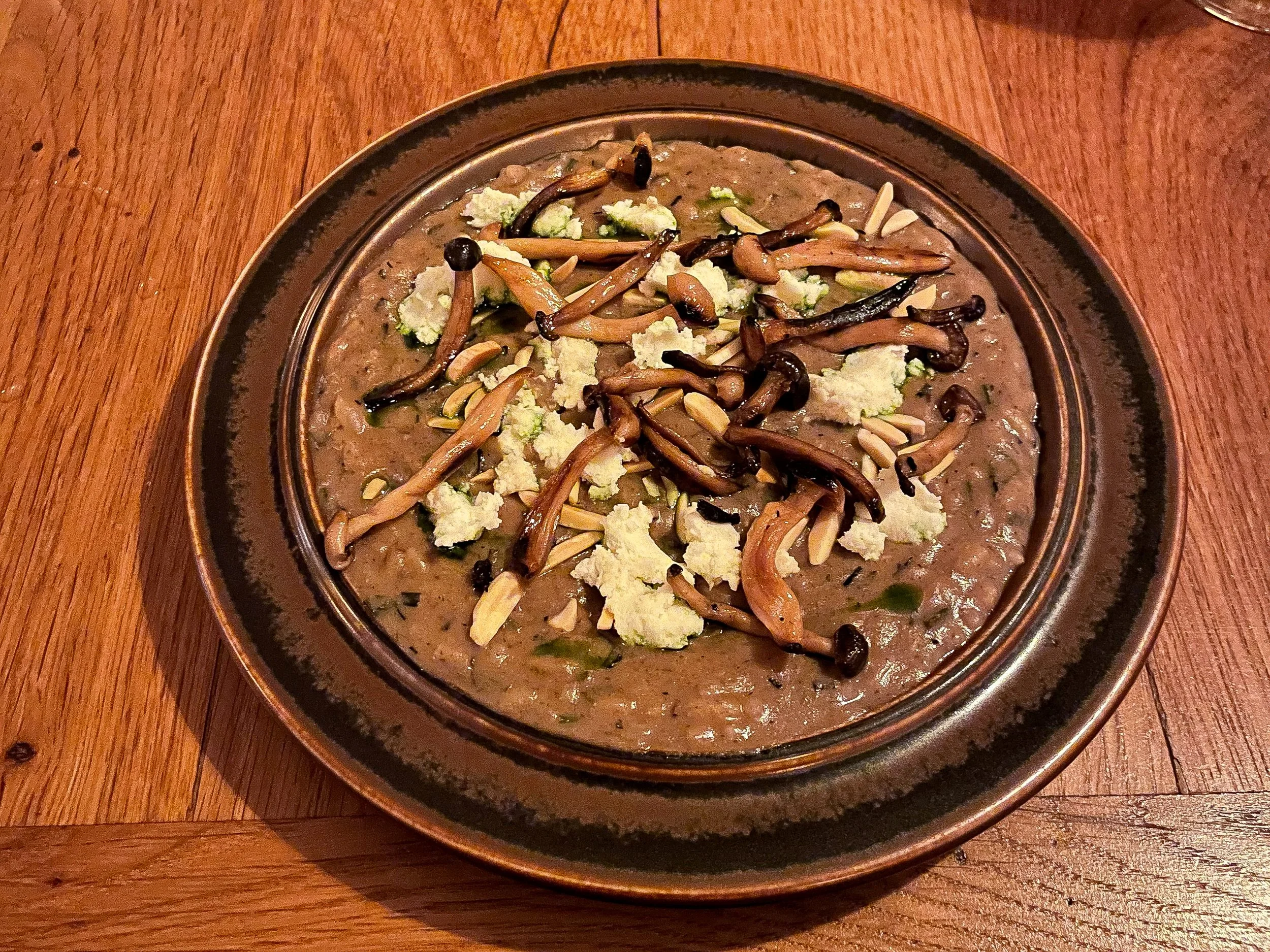
Bistro Lupa. A vegan restaurant specializing in contemporary Danish cuisine with a 5 course tasting menu and wine paring. The restaurant focuses on zero waste so everything is seasonal, locally sourced, foraged and pickled.
Oysters & Grill. A rustic seafood and wine bar with a 12 course tasting menu for 2. It came with a range of shellfish served different ways including raw oysters, fried oysters, scallop ceviche, grilled scallops on the shell, fried shrimp, pick and peel shrimp, moules marinière, fried calamari, veggie crudités, salad, French fries, bread and dessert.
Hanegal. A food cart serving pølser out front of the Round Tower. This one offers multiple types of sausage including a vegan sausage.
Nyhavn 17. A yellow building along the Nyhavn Canal with a dimly lit and wooden interior. The restaurant serves traditional Danish cuisine like smørrebrød. We had fried cod and pickled herring smørrebrød with snaps and gløgg.
Coffee Shops & Cafes
From hidden cafes, to cute coffee shops and local chains, there is no shortage of places to find a pastry and morning coffee.
Hart Brød+Bar. A waterfront café with pastries, coffee, breads and wine. Try the spandauer pastries (traditional Danishes) and cardamom croissants.
GRØD. A chain restaurant specializing in stovetop porridge and overnight oats.
Lille Petra. A cafe hidden within a courtyard of a building servings Danish breakfast buns.
Original Coffee. A popular coffee shop chain located throughout the city.
Bars & Pubs
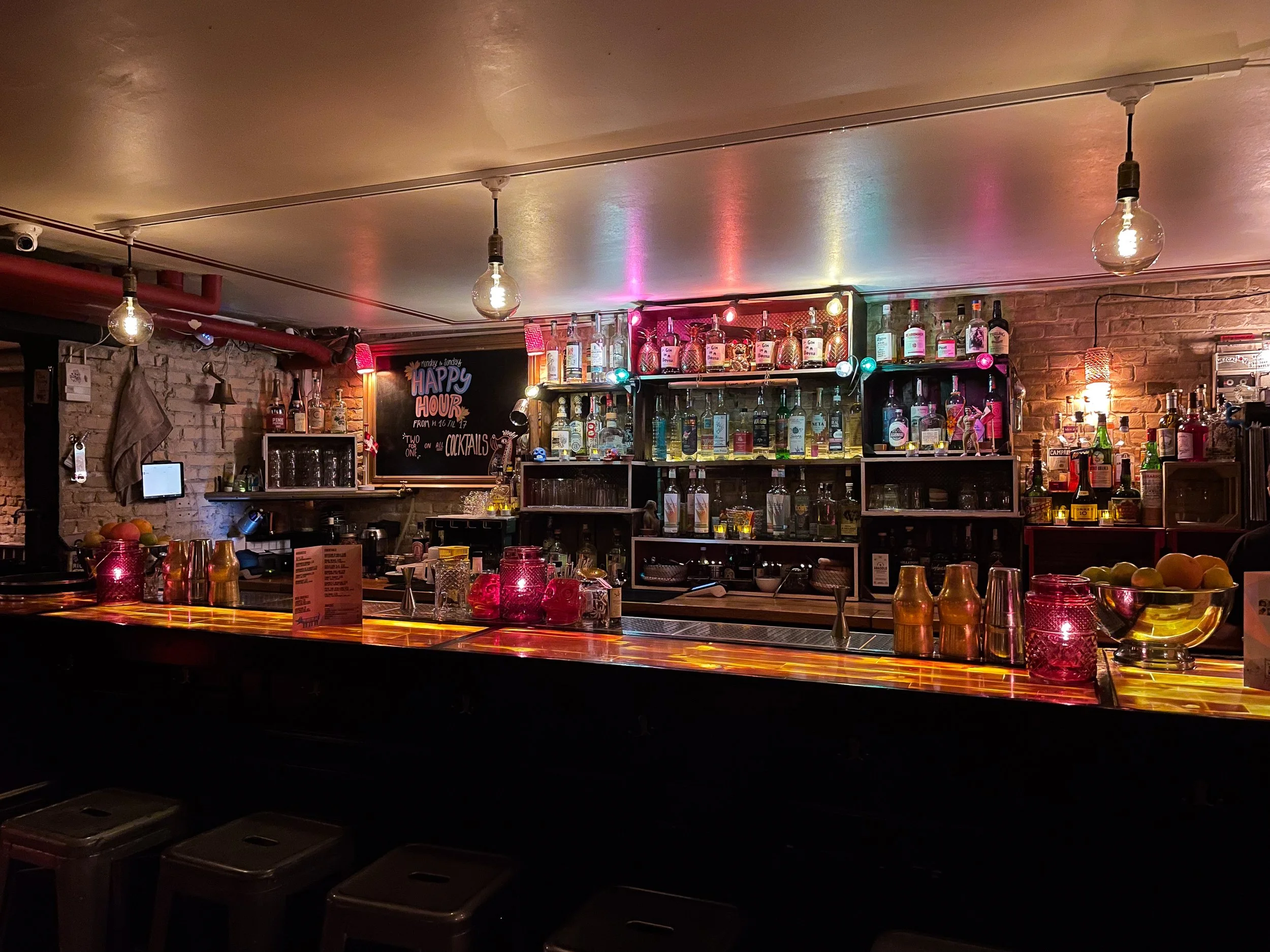
Across the city are a range of cocktail bars, speakeasies, traditional pubs and breweries.
Strøm Bar. An Art Deco and tropically decorated cocktail bar with cozy seating and a small shuffleboard.
1105. A late night bar hidden in an alley and behind a velvet curtain serving speciality cocktails.
The Barking Dog. A tequila and mezcal focused cocktail bar in a cozy basement apartment style setting.
Pulp. A cocktail bar with a creative pop culture themed menu in a warm Danish designed interior.
Peder Oxe’s Kaelder. A cocktail bar and restaurant in a catacomb style tunnel and chambers of an old church.
Nyhavnskroen. Located on the Nyhavn Canal, this is a late night pub serving liters of beer and classic cocktails.
Nemo’s. Located in Christiania, this is a popular brunch spot in front of an outdoor music venue. Having recently eaten, we stopped in for a locally brewed beer.
Location Specifics
Hygge. The Danish concept of coziness and surrounding yourself with things that make life good, especially during the dark cold winters. This can be friendship, laughter, warmth, food or drinks. It’s pronounced hoo-gah.
Walking. Copenhagen is a very pedestrian friendly and walkable city. We spent most of our visit walking between neighborhoods and destinations. Be careful not to walk into a bike lane.
Reservations. Reservations are typically needed at restaurants and bars to guarantee a seat.
Cash vs. Card. Cash is rarely needed as most places, including food carts, accept credit cards.
Language. Danish is the national language, though English is widely spoken as a second language throughout Copenhagen.
Public Restrooms. There are public restrooms throughout the city, most commonly in squares and plazas.
Elsewhere in Nordic Europe
From Copenhagen’s canals, design districts and cuisine scene to Arctic fjords in Norway, Lapland’s Northern Lights and Iceland’s volcanic landscapes, continue exploring Nordic Europe through these travel guides:
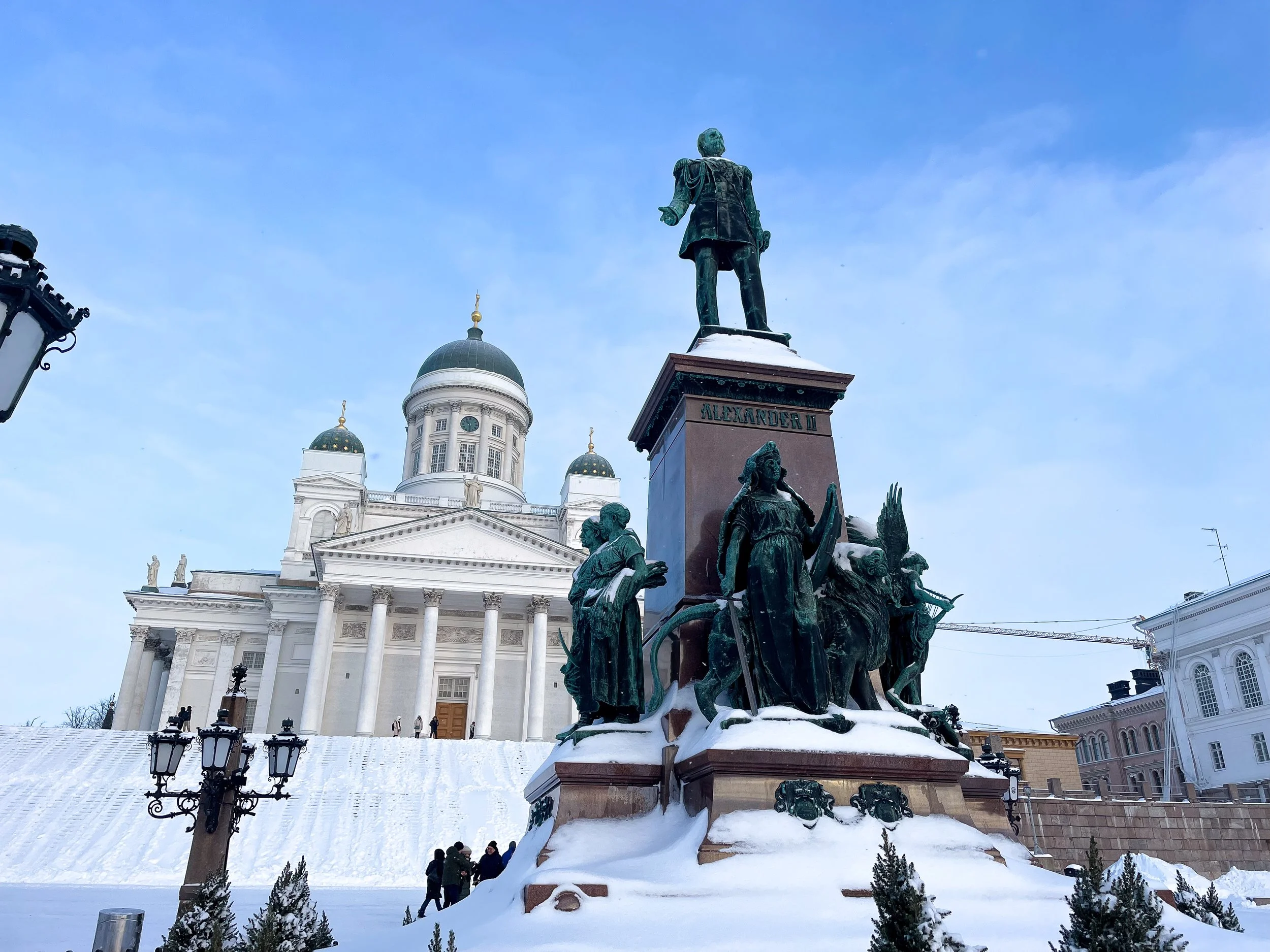
One Day in Helsinki: Finnish Sauna & Waterfront Sights. Experience a winter day exploring Helsinki's frozen waterfront where local food markets, historic architecture and steaming saunas bring Finnish culture to life.
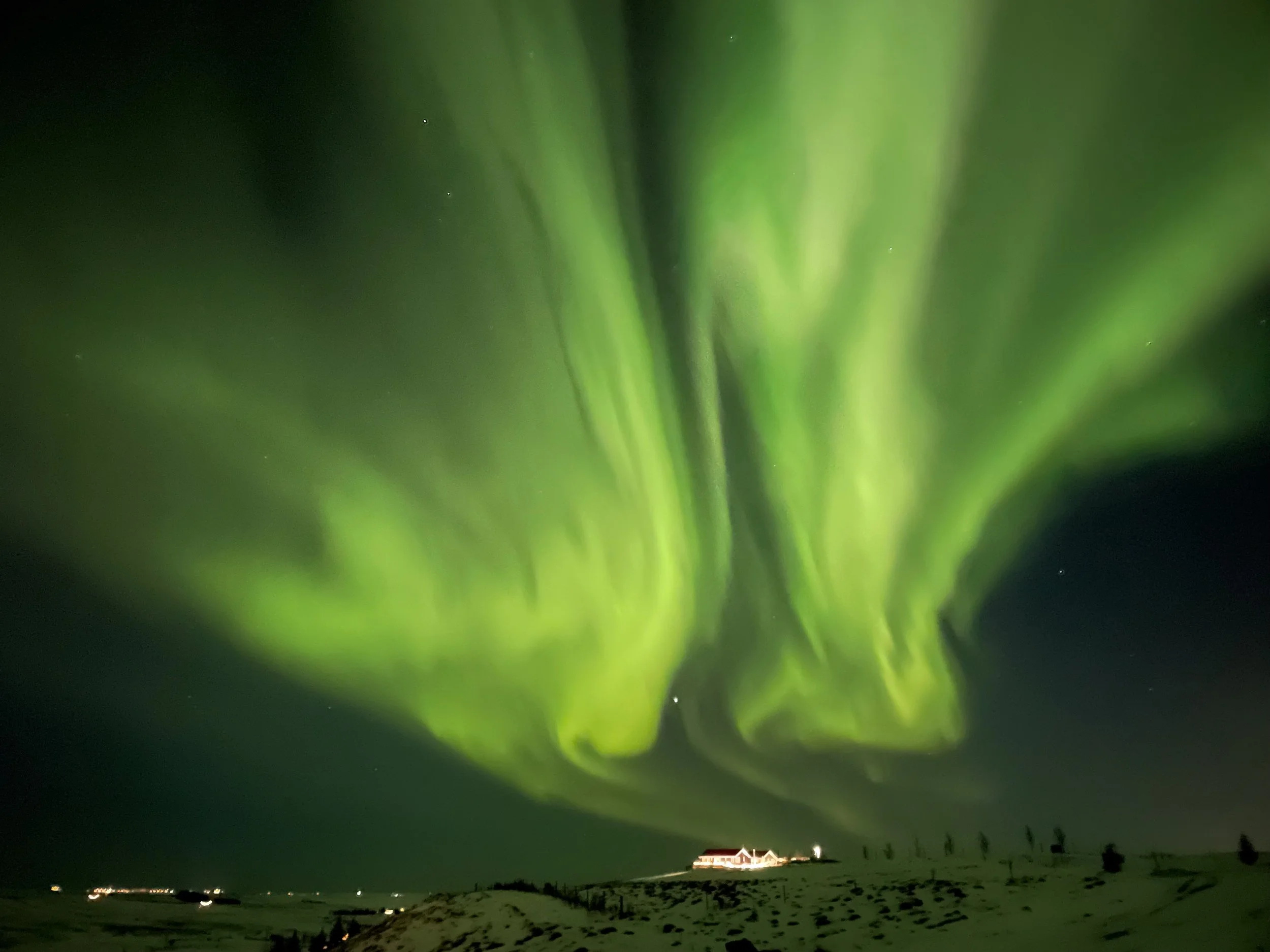
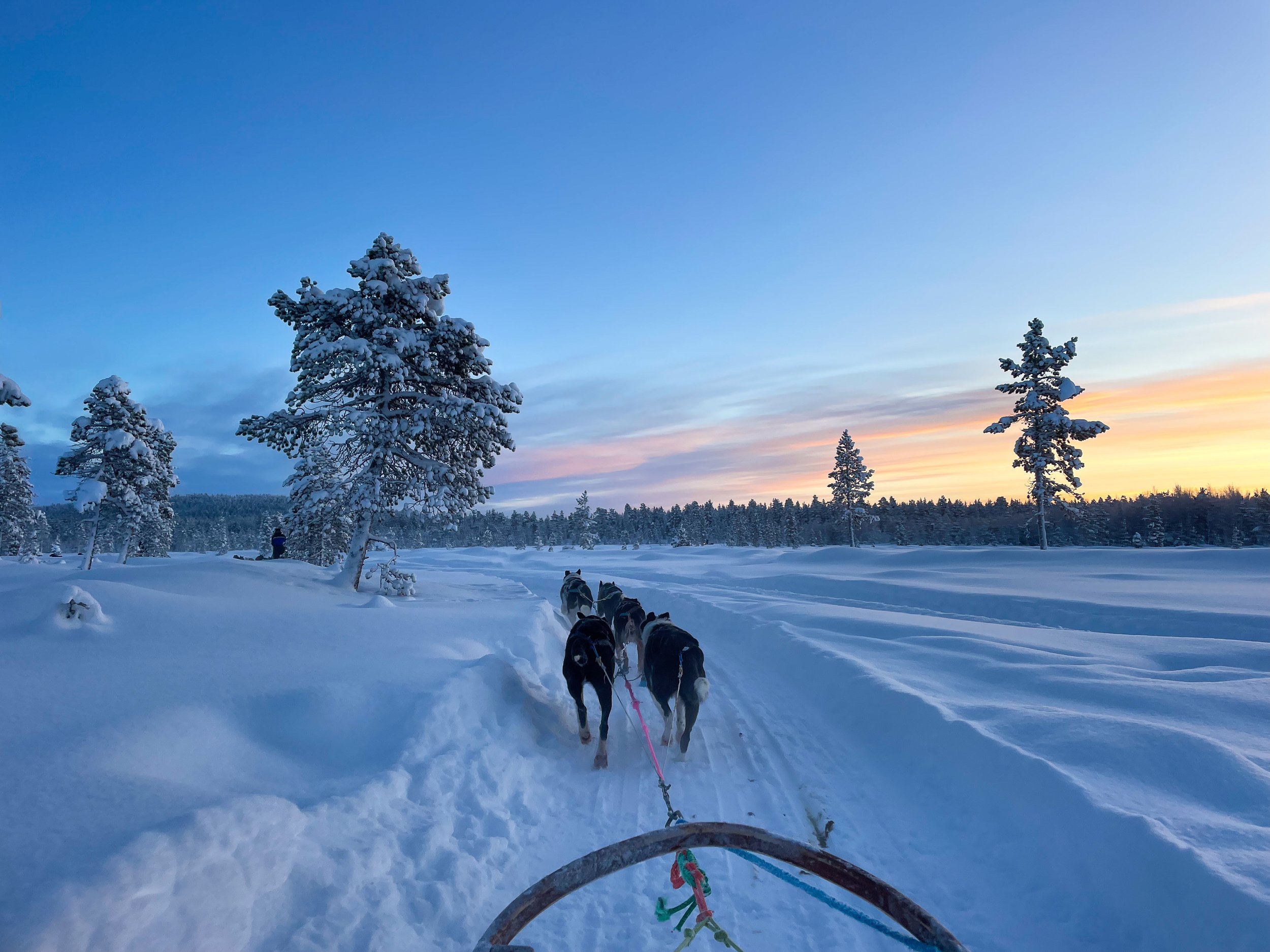
Lapland Finland Travel Guide: Northern Lights, Sámi Culture & Arctic Adventures. Journey through Lapland's Arctic wilderness and snowy landscapes to experience Sámi traditions, husky mushing, Finnish cuisine and vivid auroras during the polar night.
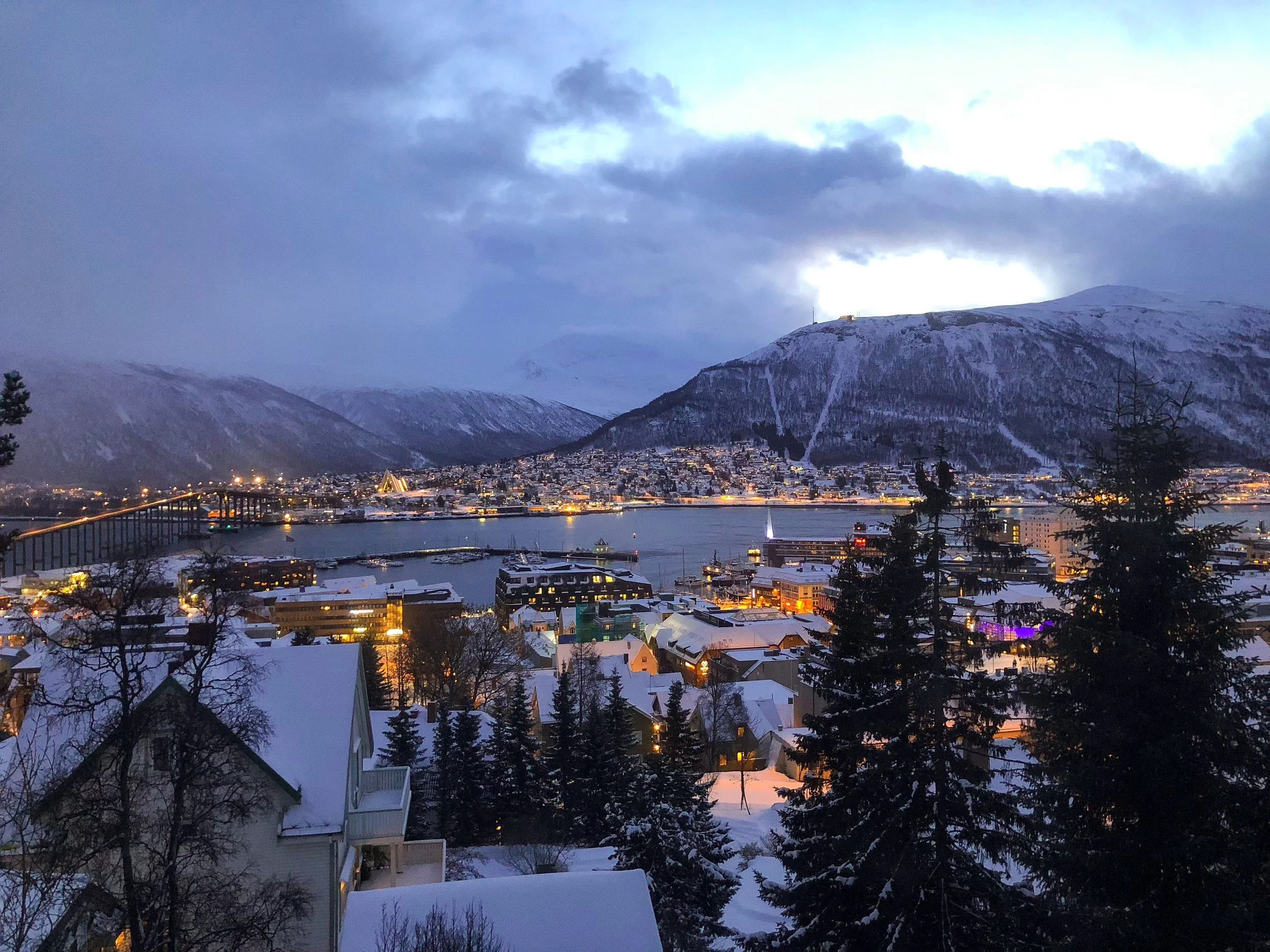
Tromsø Norway Travel Guide: Northern Lights, Arctic Fjords & Sámi Culture. Explore Tromsø's snowy streets and historic waterfront where Nordic cuisine and Sámi culture meet dramatic fjords, dancing auroras and Arctic adventures.
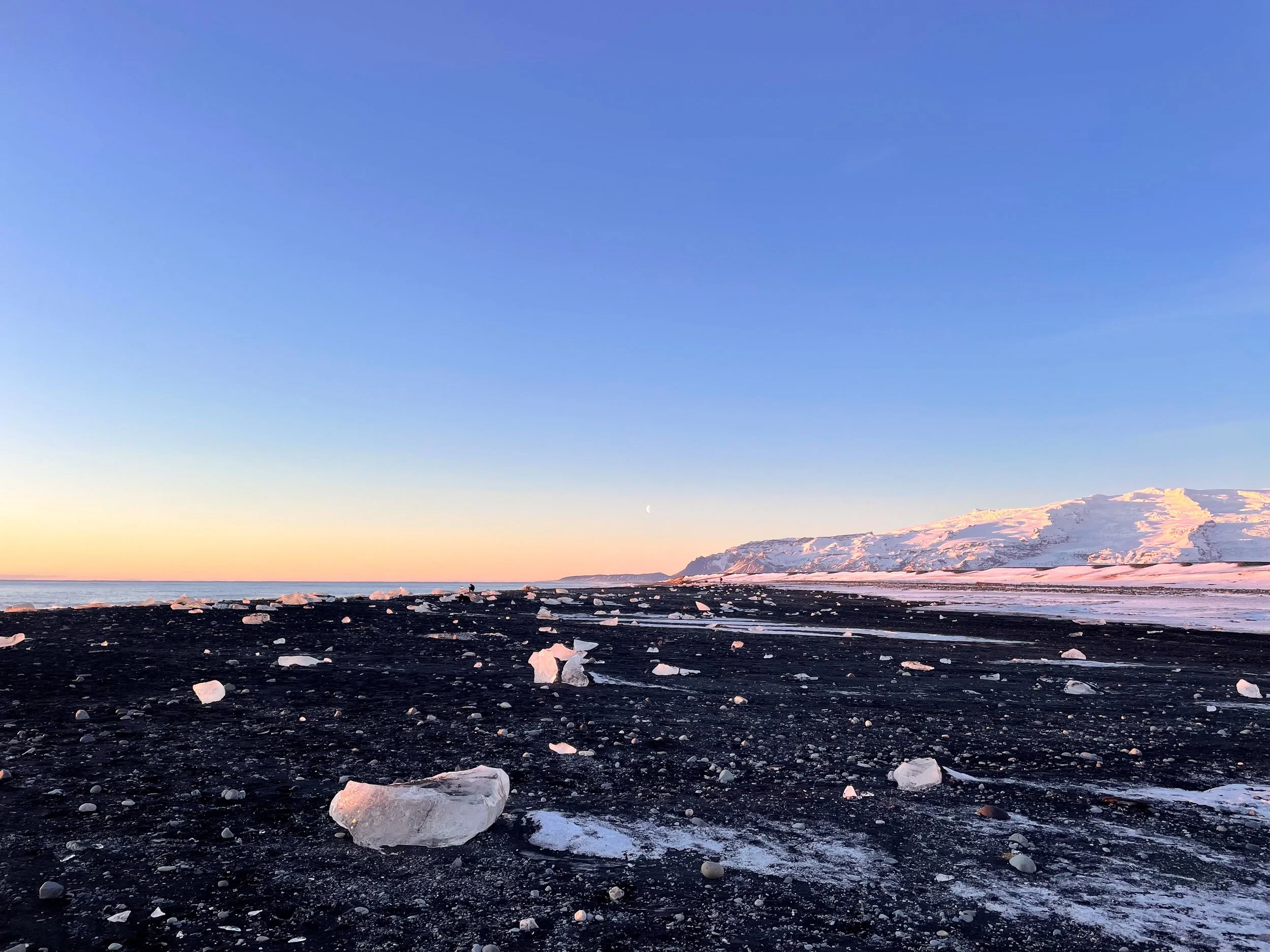
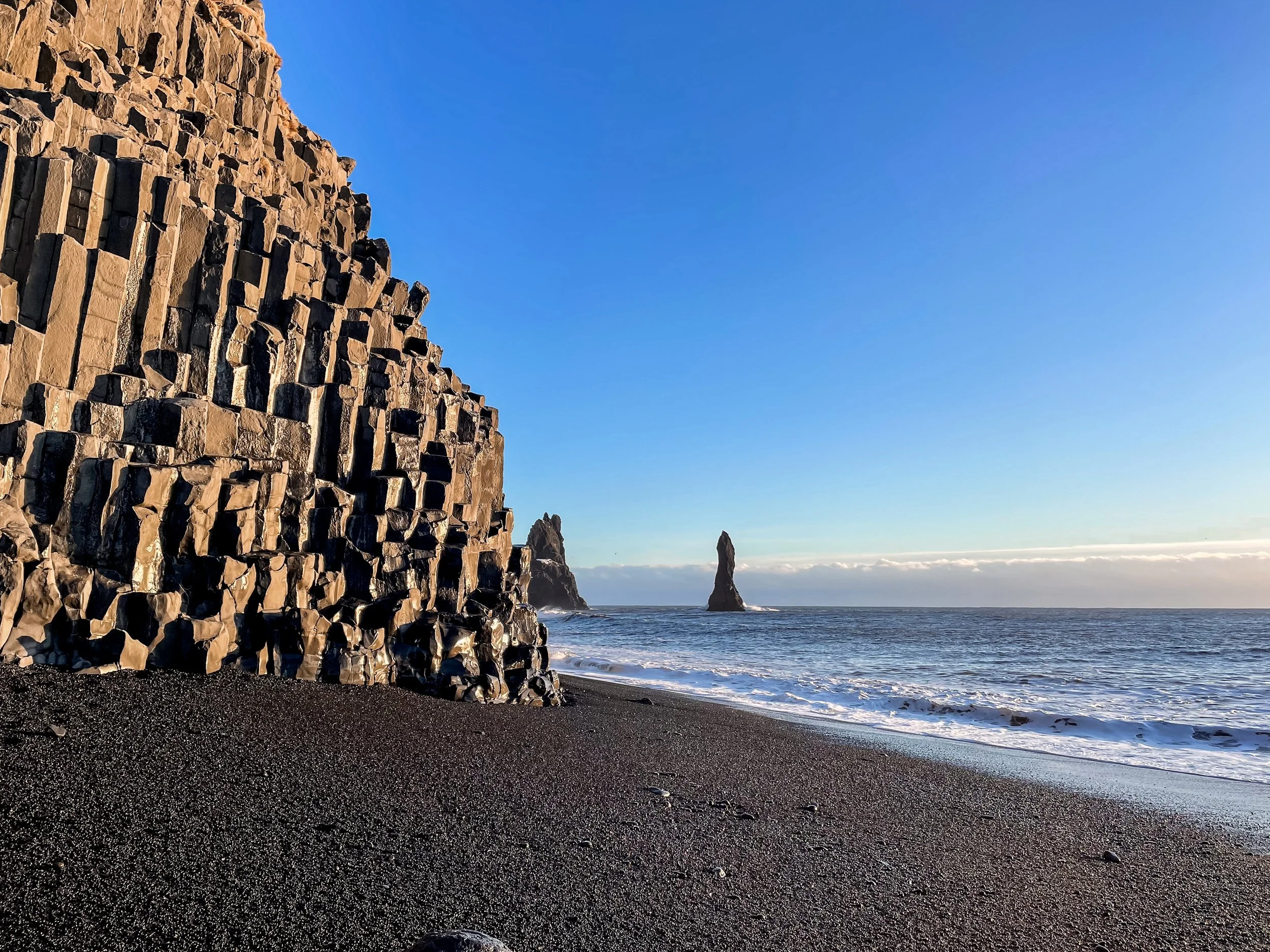
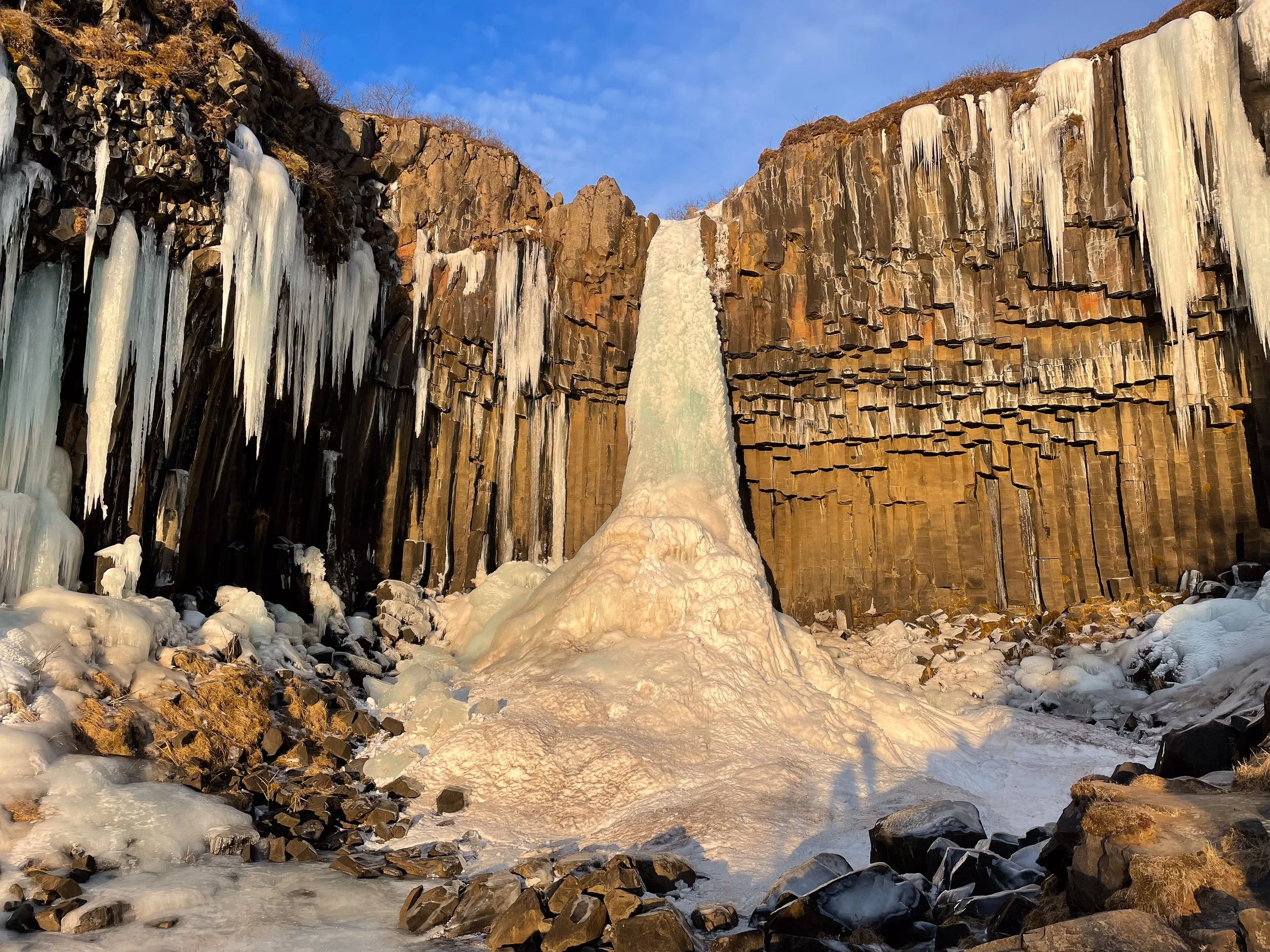
Iceland Road Trip Guide: Waterfalls, Glaciers & Black Sand Beaches. Road trip through Iceland's otherworldly landscapes where volcanoes, glaciers, waterfalls and black sand beaches create one of Earth's most dramatic journeys.
For Next Time…
Next time we’re in Copenhagen we plan to venture into the countryside and across the harbor to Sweden.
Visit Skovtårnet (The Forest Tower). A contemporary wooden structure in the middle of the Danish forest about an hour south of Copenhagen.
Frederiksborg Castle & Gardens. A Danish Royal castle and grounds on a lake in the countryside about 30 minutes north of Copenhagen.
Malmö. The Swedish city across the harbor from Copenhagen. It’s known for the Turning Torso, Scandinavia’s tallest skyscraper.