

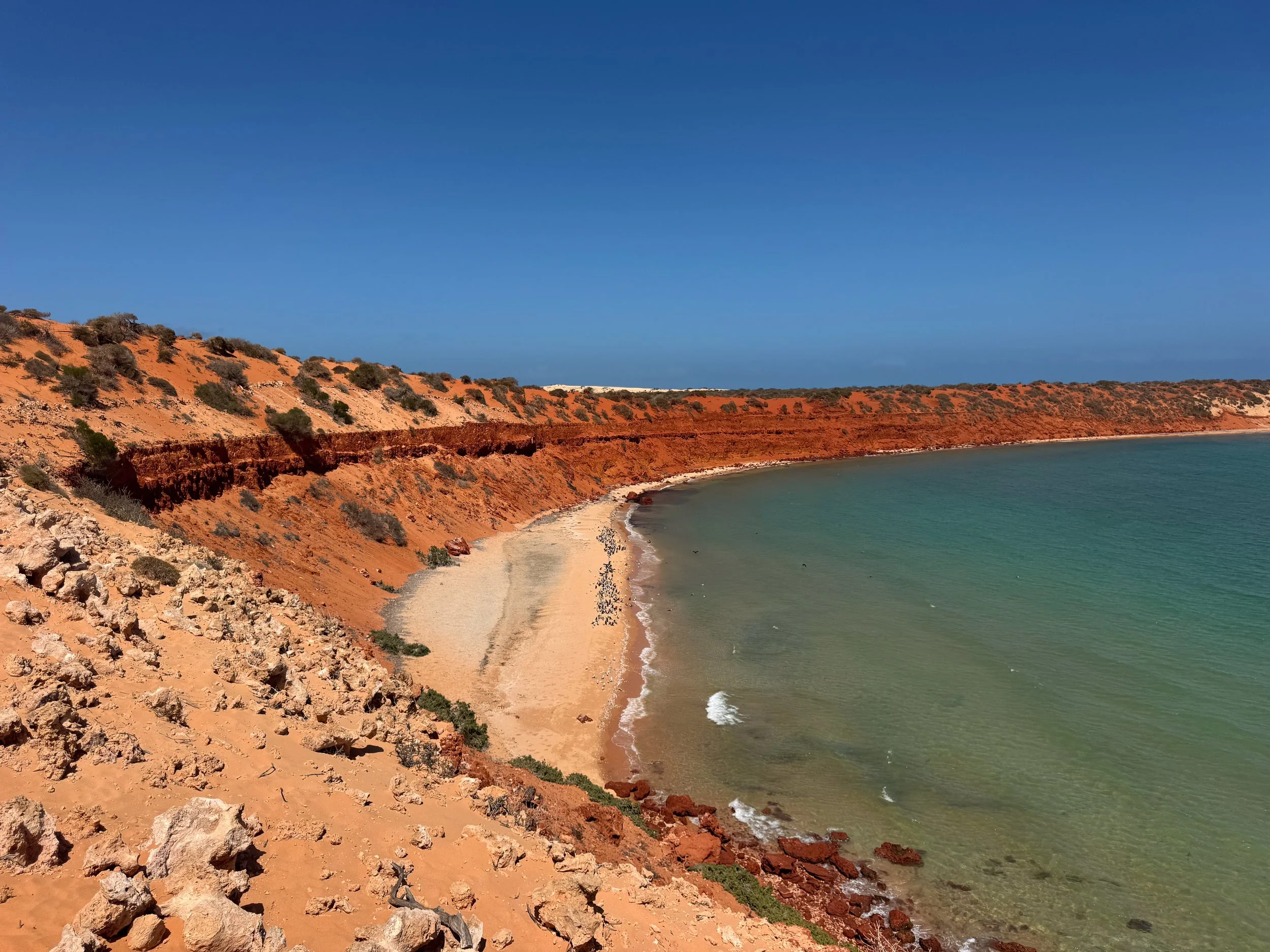
Western Australia Road Trip: Perth to Ningaloo & The Coral Coast
Road trip along Western Australia's Coral Coast where red desert landscapes, remote gorges, sandstone cliffs and white sand beaches create an unforgettable adventure.
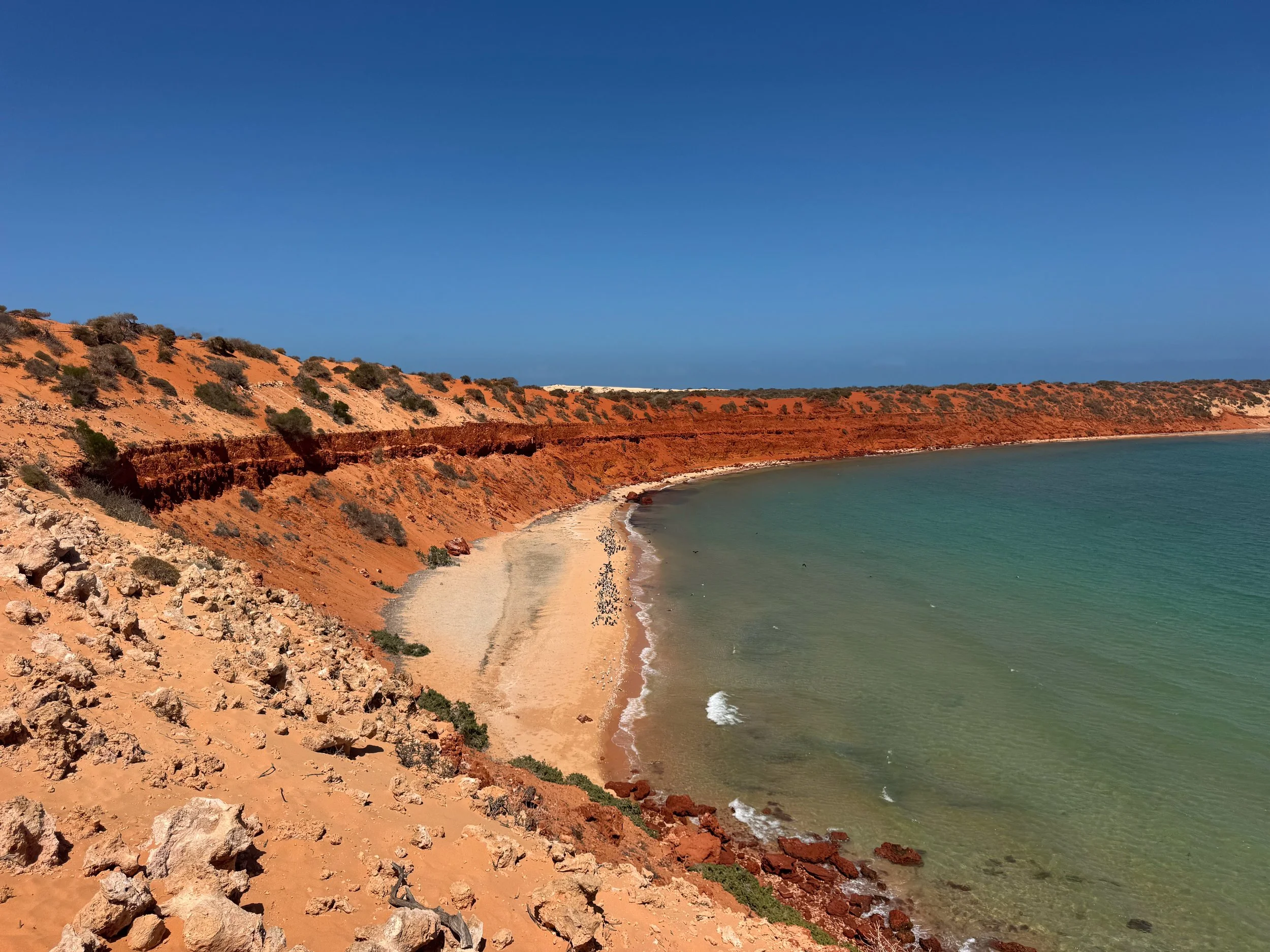
The Coral Coast, Western Australia
The Coral Coast stretches for more than 1,000km along the Indian Ocean in Western Australia. The coast is famed for its remote towns, rugged landscapes, steep gorges, picturesque hikes, white sand beaches, turquoise waters and coral reefs. It’s a habitat for free roaming wildlife like kangaroos and emus as well as marine life like sea lions, sea turtles and manta rays.
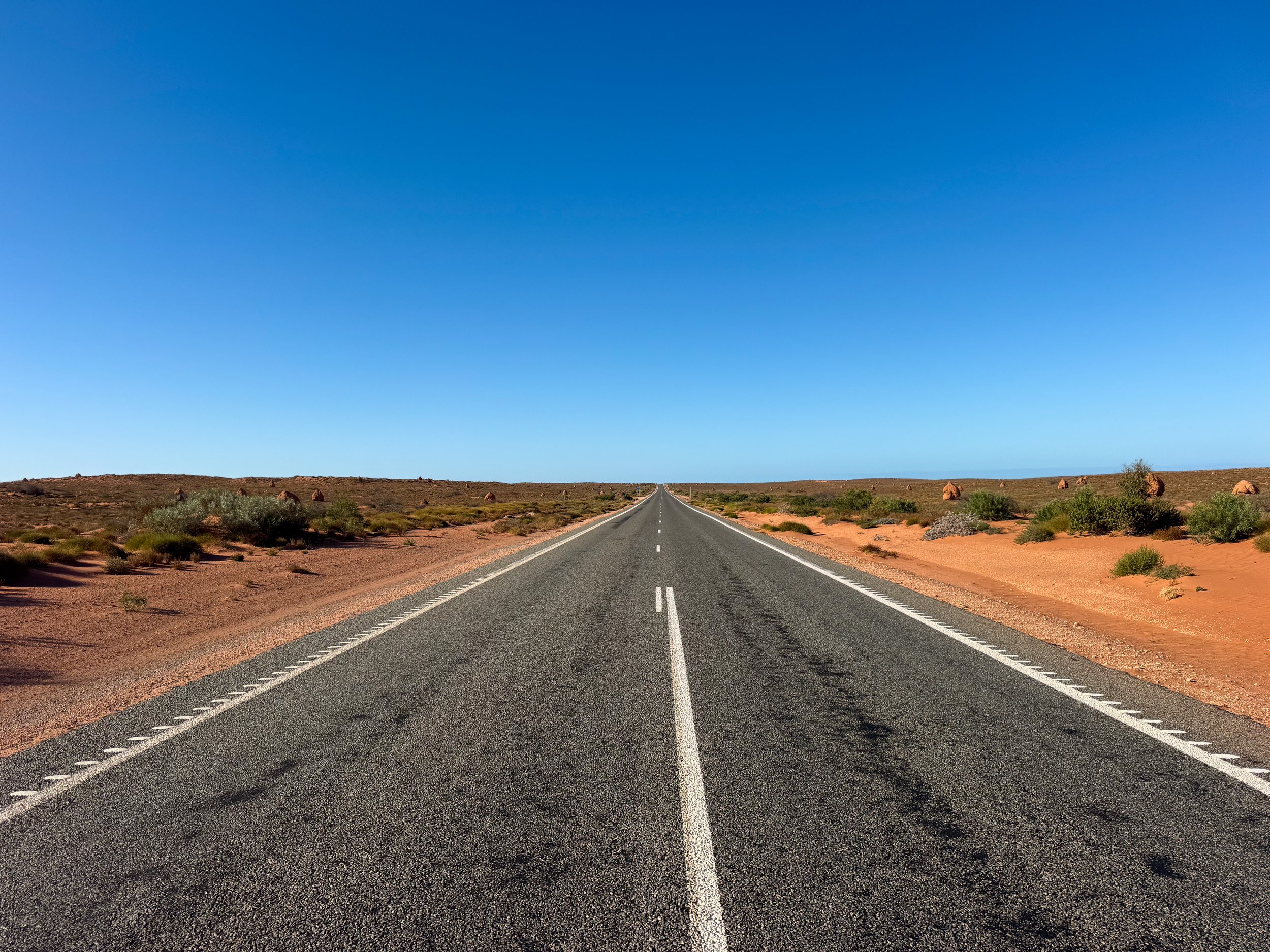
An Aussie Roadtrip
The best way to experience The Coral Coast is by renting a car and roadtripping! We spent two weeks driving from Perth to Ningaloo with stops in Cervantes, Jurien Bay, Kalbarri, Francois Peron, Carnarvon, Geraldton and Yanchep. In total, we covered over 4,000 kilometers there and back.
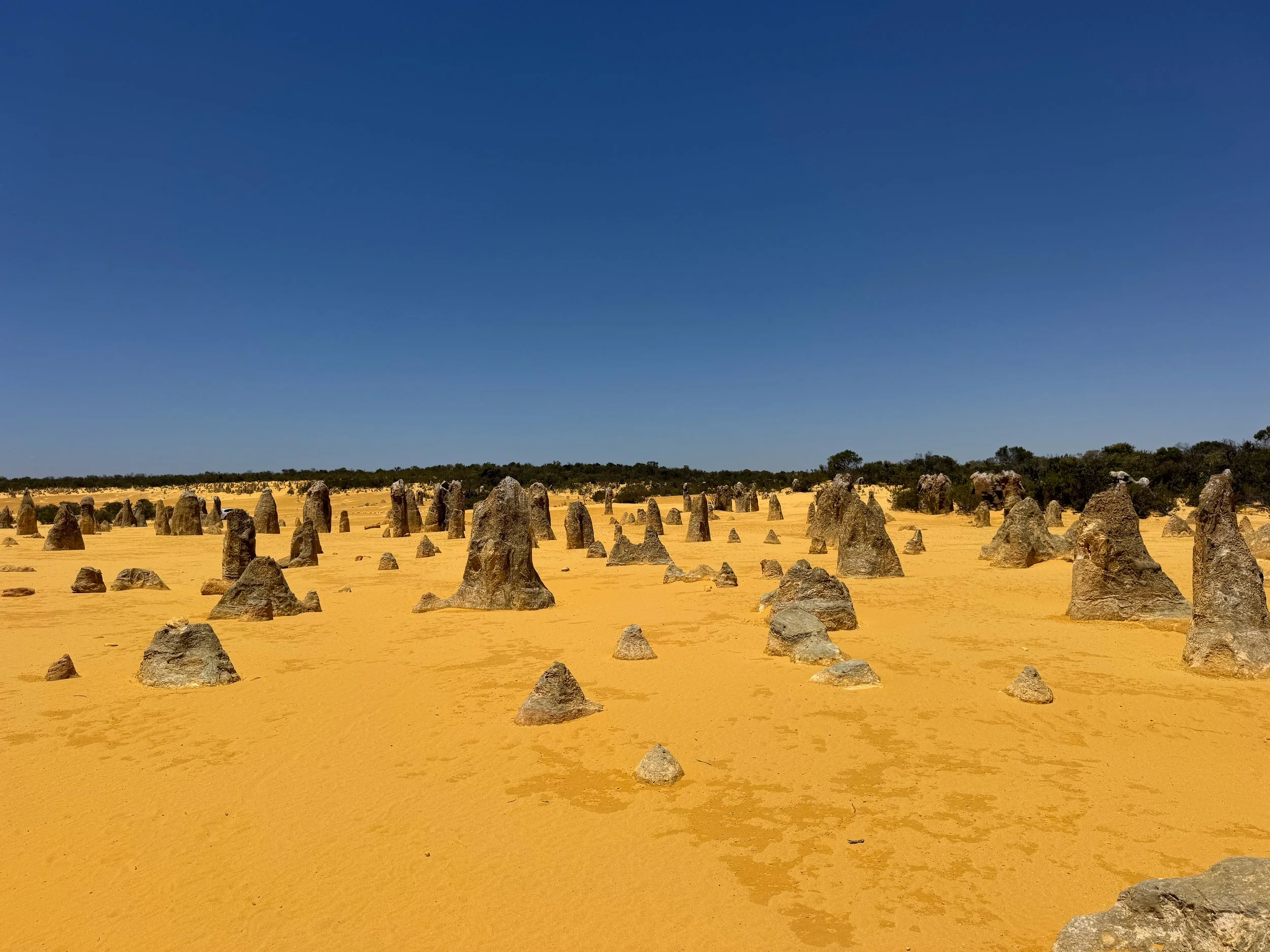
Cervantes (Day 1)
Cervantes is a small village known for its lobster fisheries and natural sights including stromatolites and desert rock formations. It’s located about 200km north of Perth and 25km south of Jurien Bay.
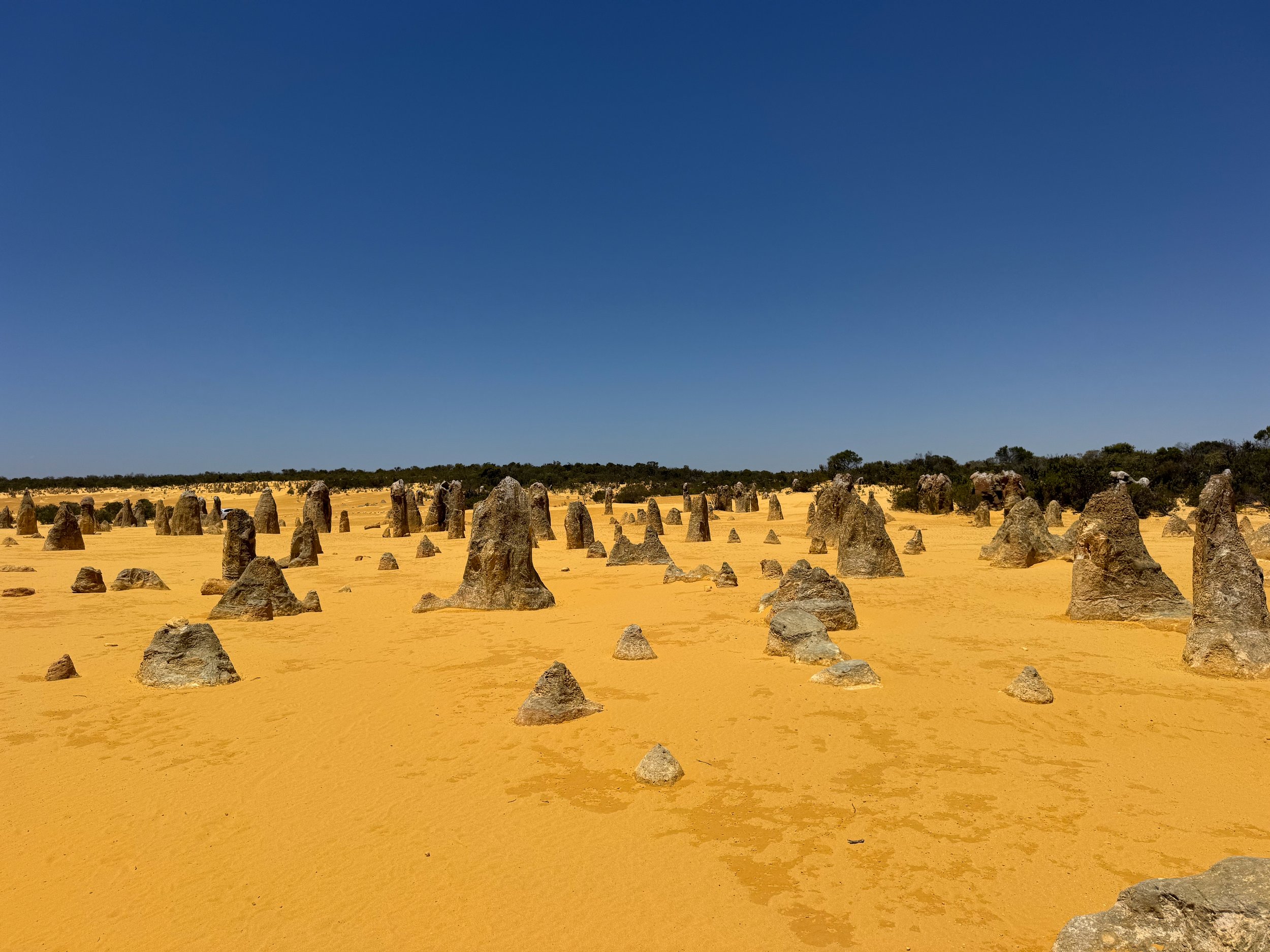
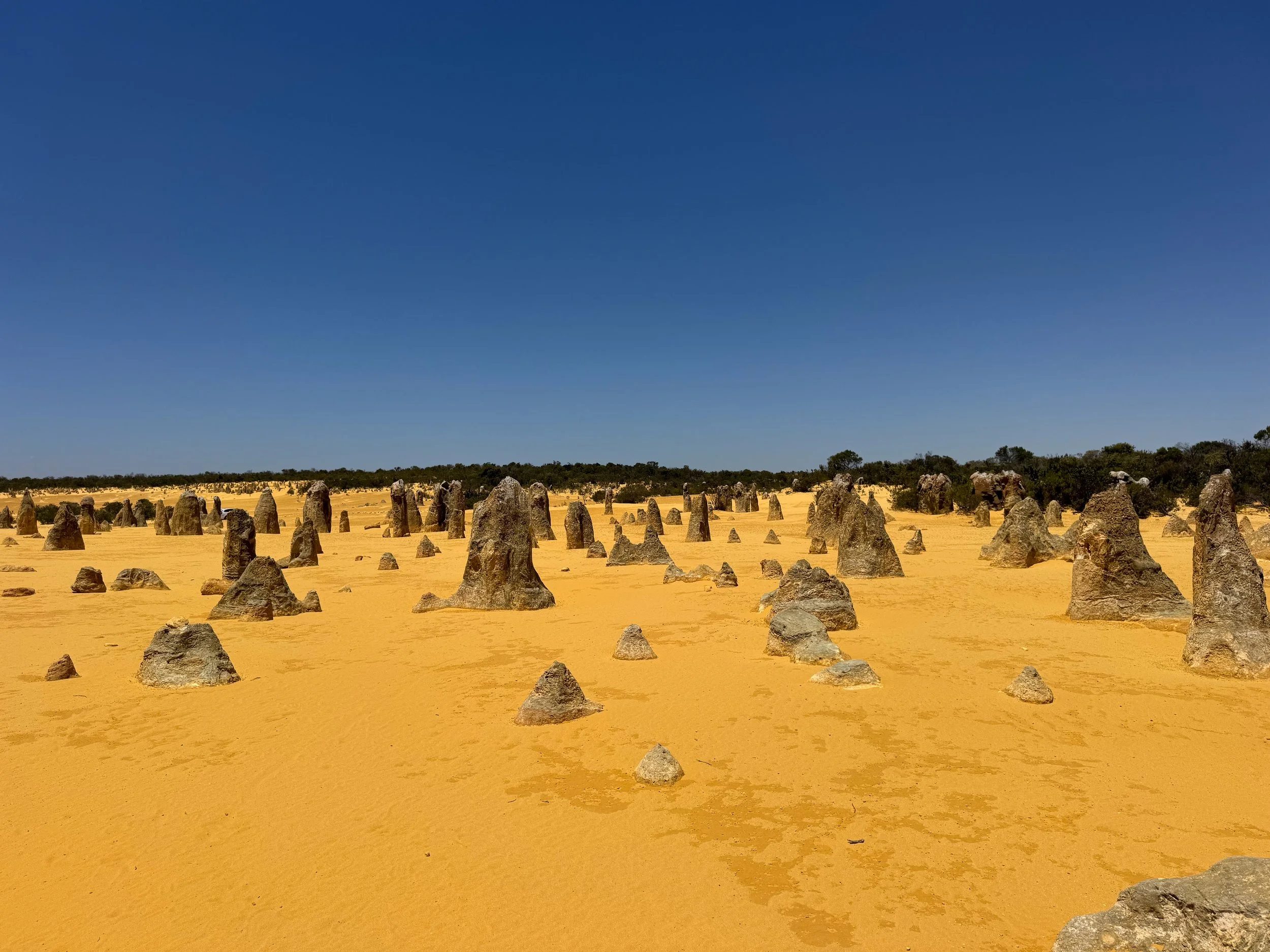
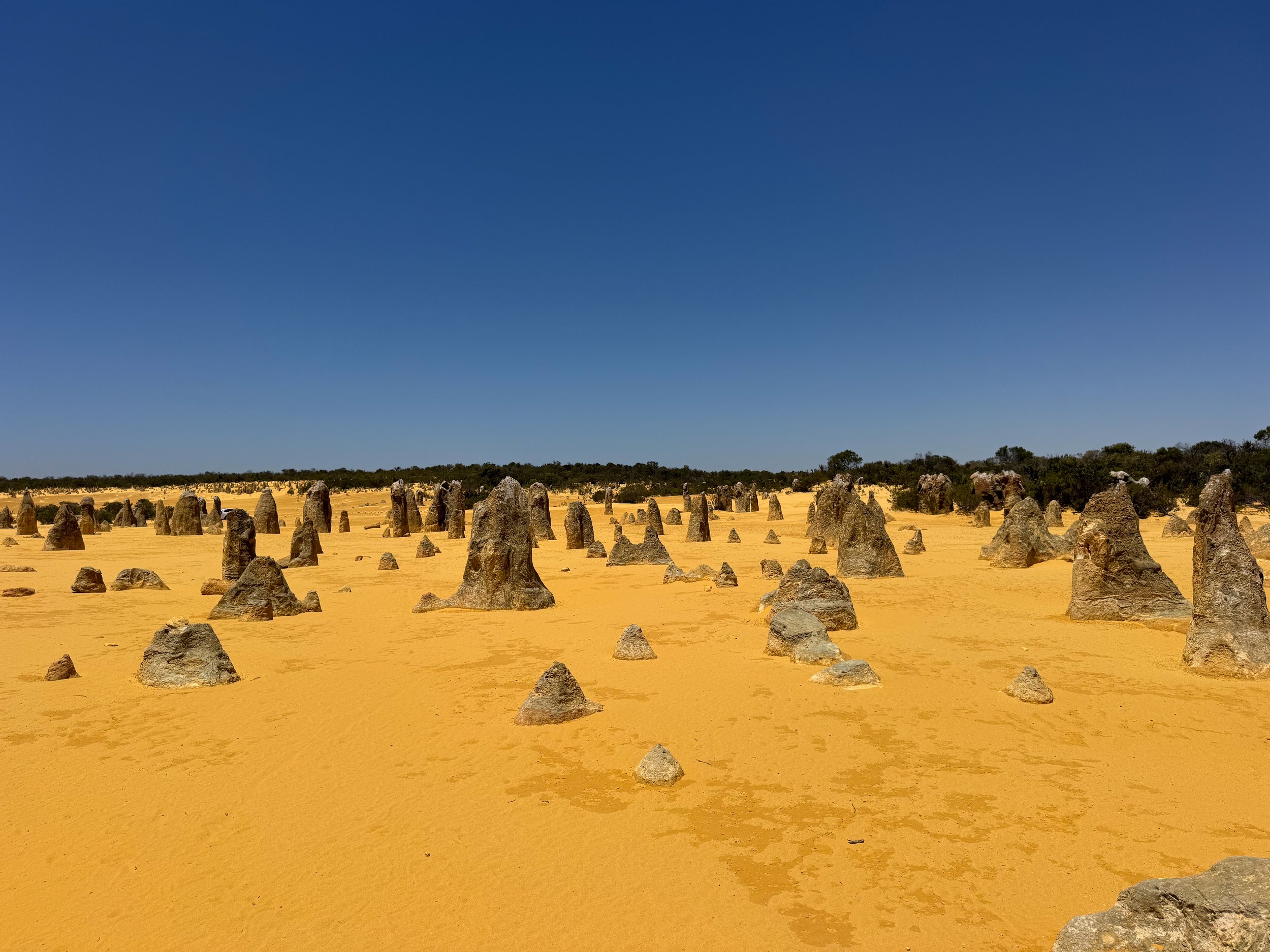
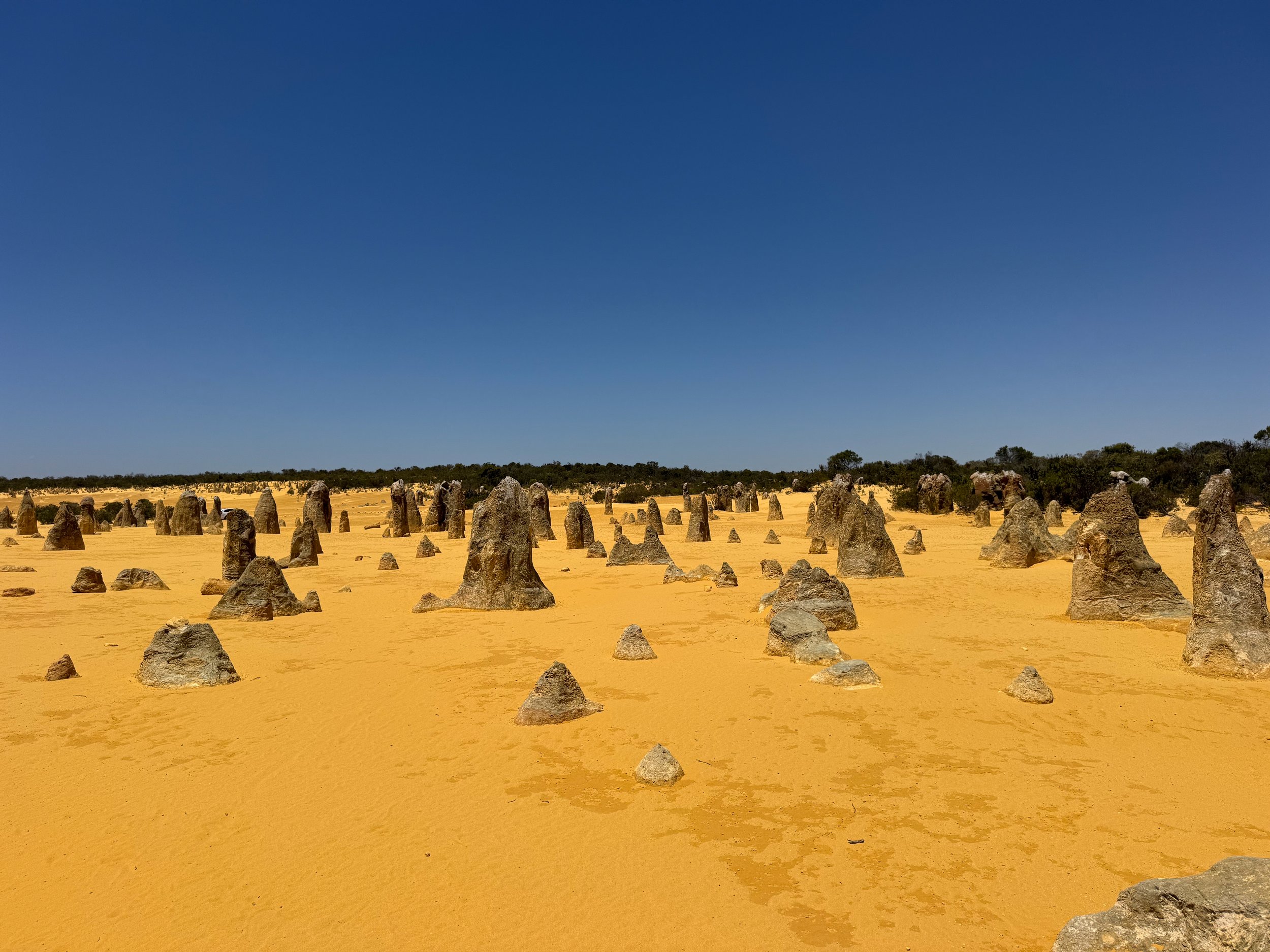
Pinnacles Desert. A bright yellow sand desert covered in vertical limestone rock formations known as The Pinnacles. Foot and drive trails weave through the unusual landscape past the jagged and eroded rock structures. The Desert View Walk loops 1.5km through the desert with close up views of the Pinnacles and lookouts of the landscape. Follow trail markers with an emu footprint stamped on a post. The Drive Trail leads 4.5km through the scenic desert to distant areas. It does not require a 4x4.
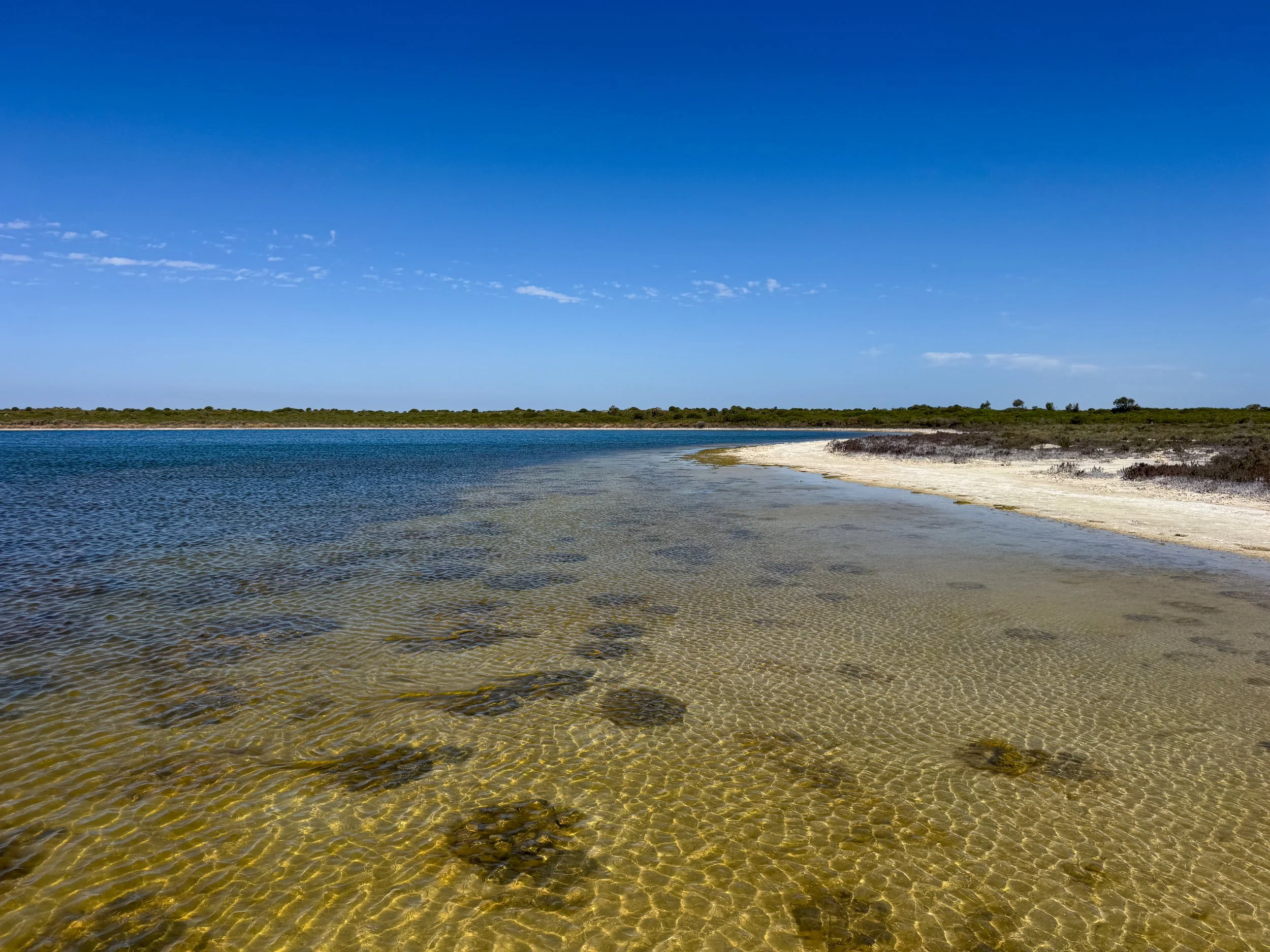
Lake Thetis. A lagoon home to some of the planet's earliest lifeforms, stromatolites. A boardwalk leads to the lake's edges with views of the stromatolites, while a nature trail continues along the bushland around its perimeter. Kangaroos can frequently be spotted lounging in the grasses and curiously looking around.
The Lobster Shack. A lobster fishery and restaurant specializing in all types of fresh caught seafood and lobster. It’s recommended as an obligatory stop by locals. Their menu features full or half lobsters, lobster rolls and lobster chowder. Dine in their ocean view patio watching for dolphins.
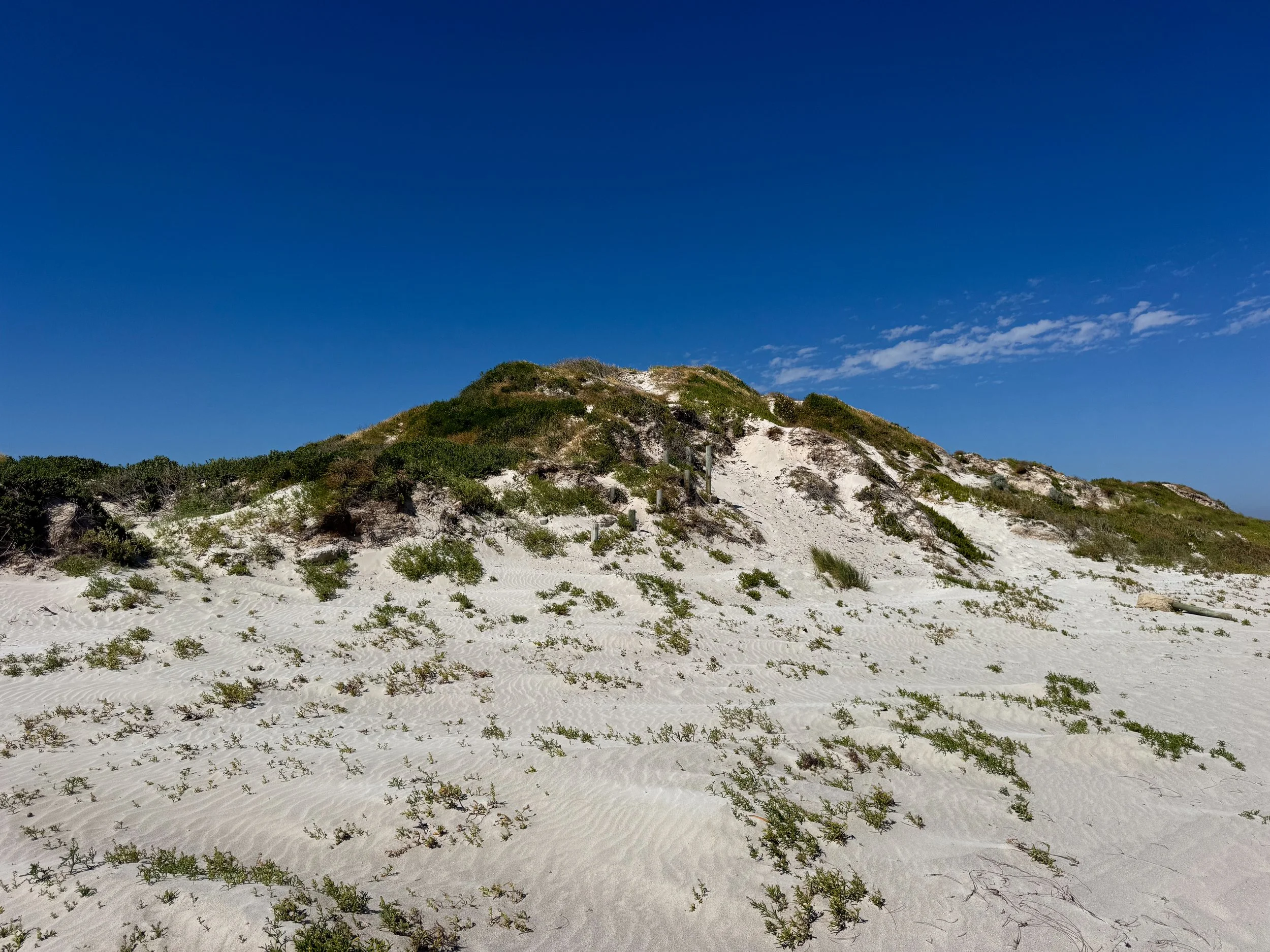
Thirsty Point Lookout. A white sand beach with views of the emerald hued Indian Ocean. A nature walk leads through the point’s grassy dunes.
Jurien Bay (Day 2)
Jurien Bay is a coastal town home to colonies of endangered sea lions, crescent shaped white sand beaches and turquoise ocean waters. It’s located about 25km north of Cervantes and 200km south of Geraldton.
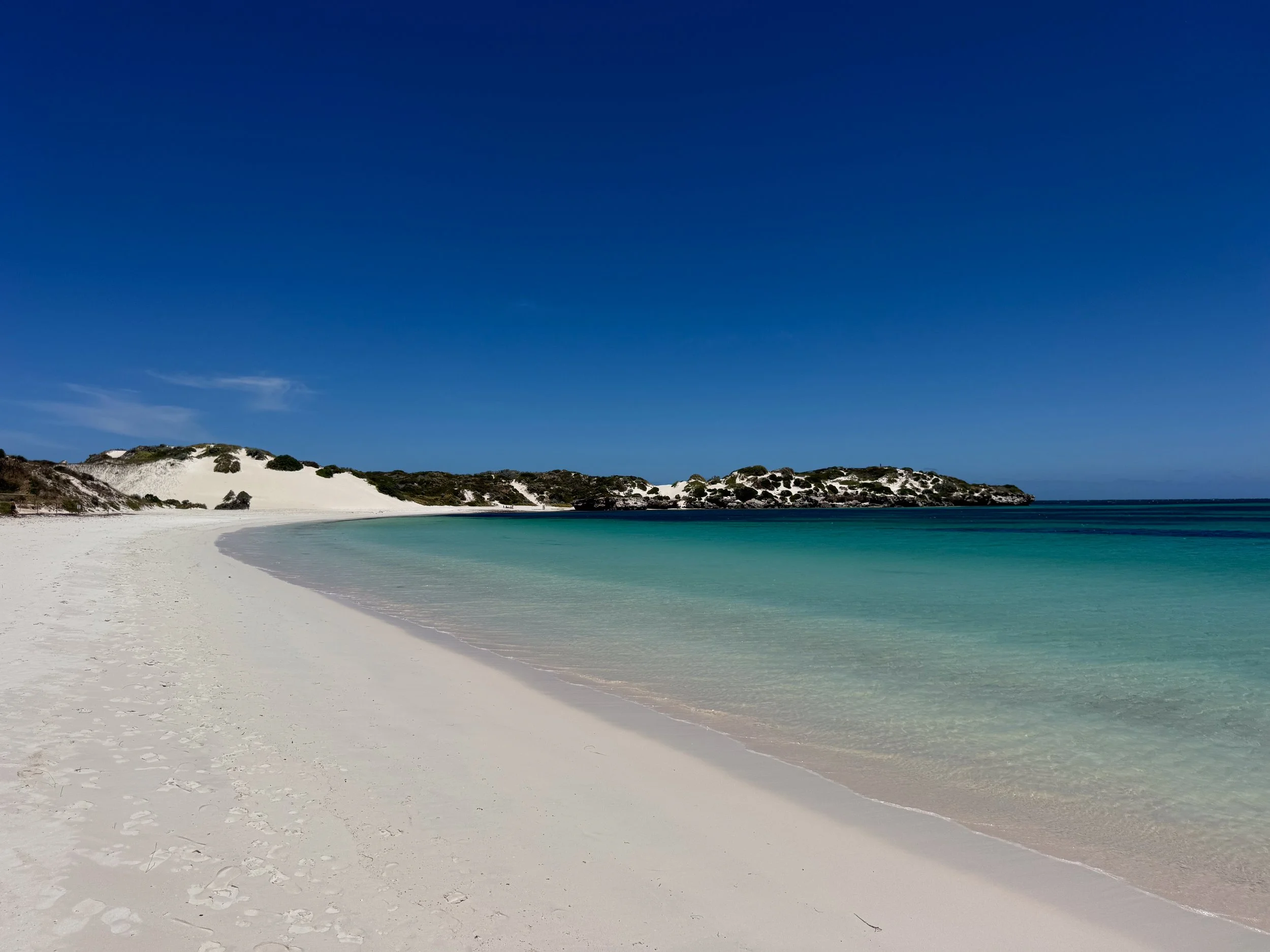
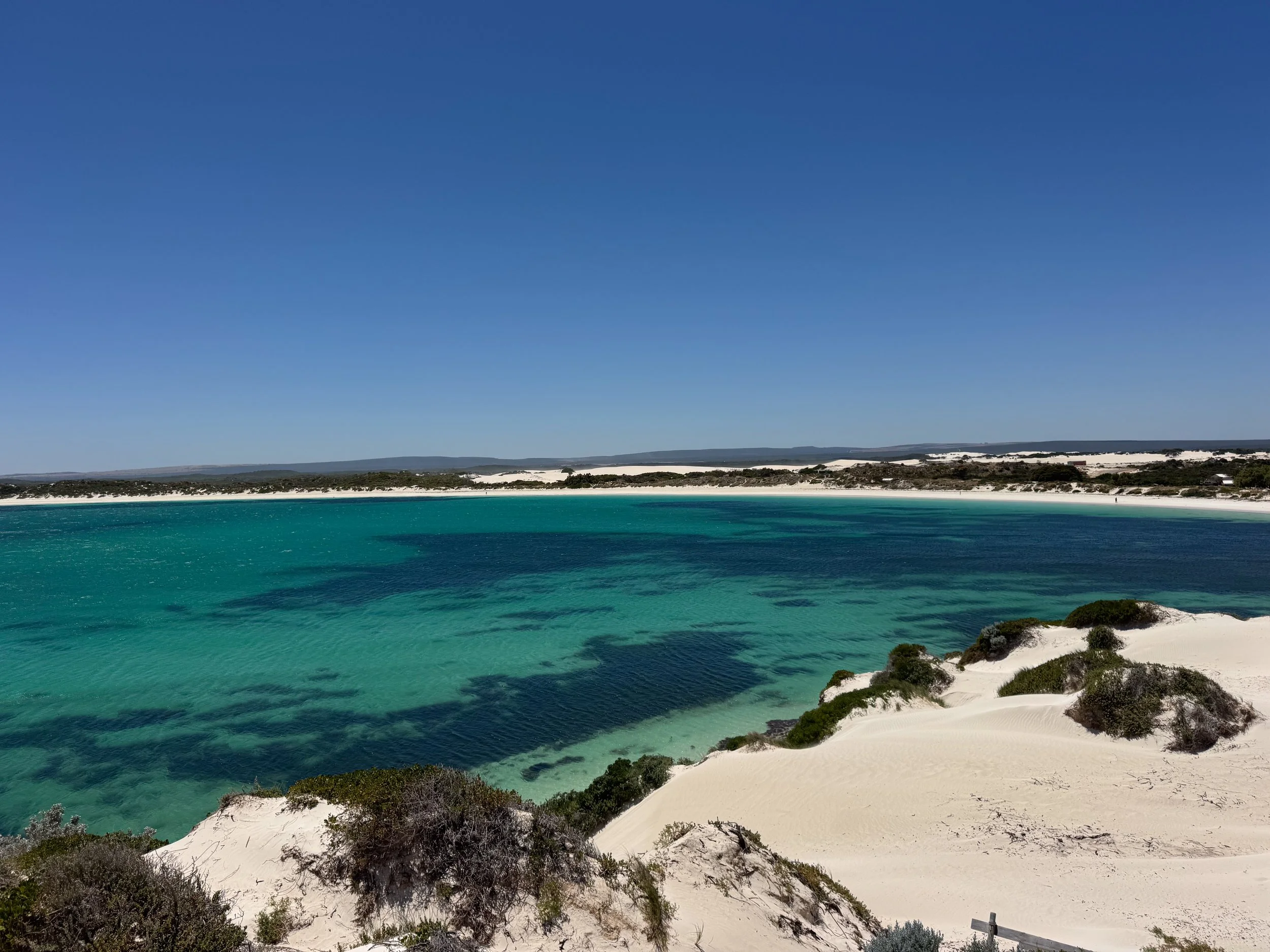
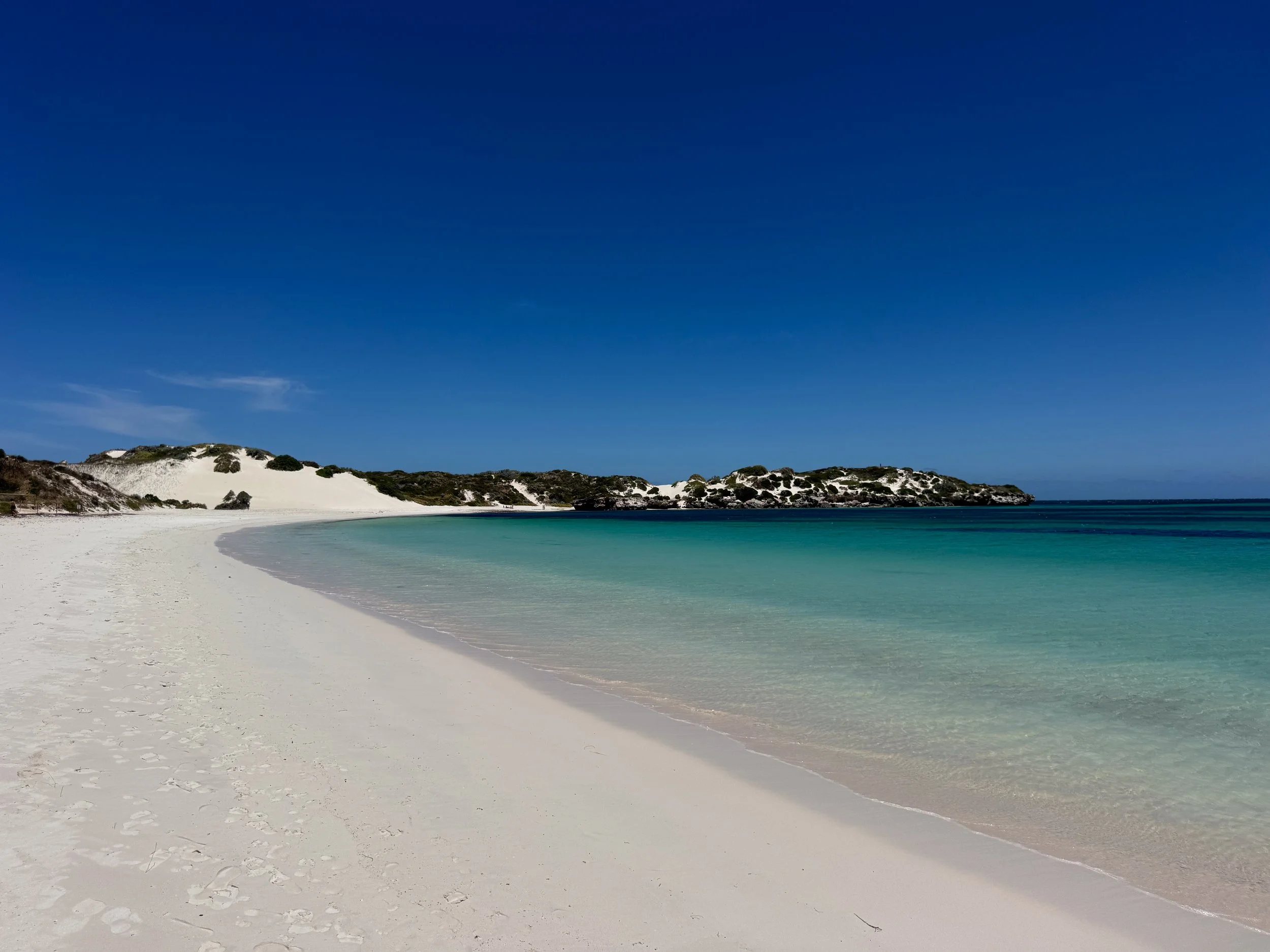
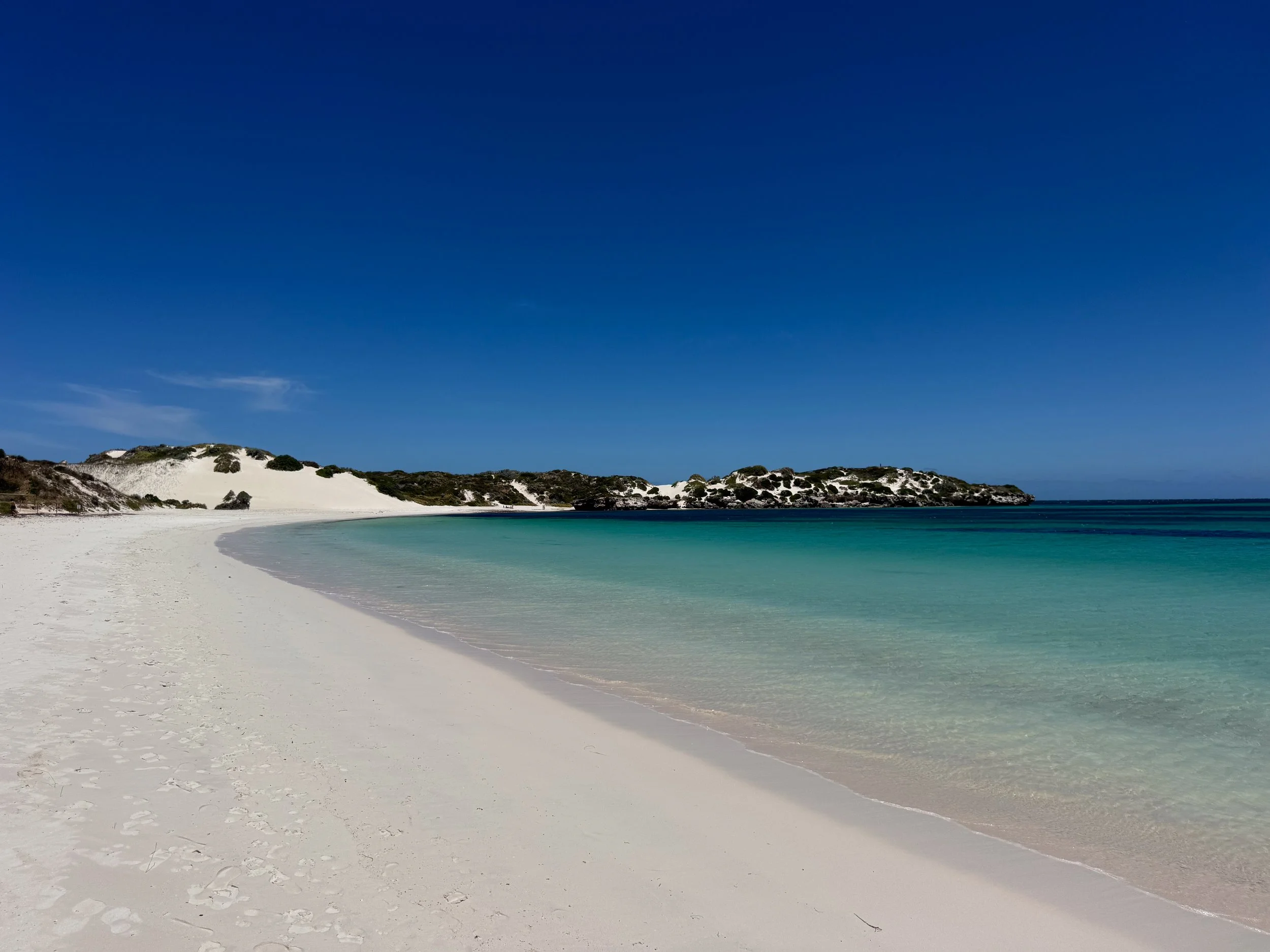
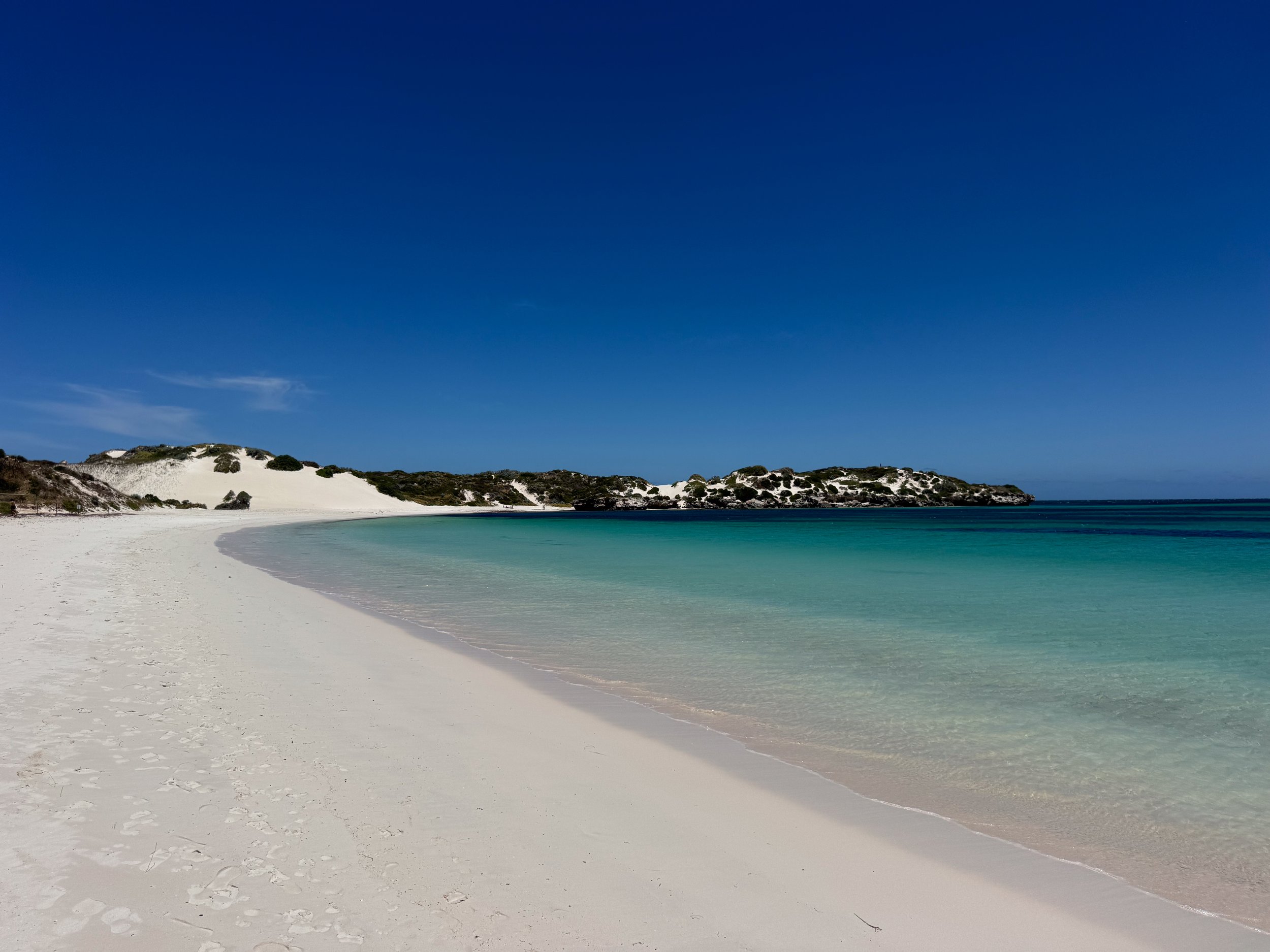
Sandy Cape Beach. A powdery white sand beach hugged by turquoise blue waters. The beach is nestled in a hook shaped cove surrounded by sand dunes and coastal vegetation. A trail leads to a lookout point with views of the coast and ocean. We spotted emus in the nearby bush. There is a popular campground lining the beach. Sites can be reserved using a QR code posted on signs.
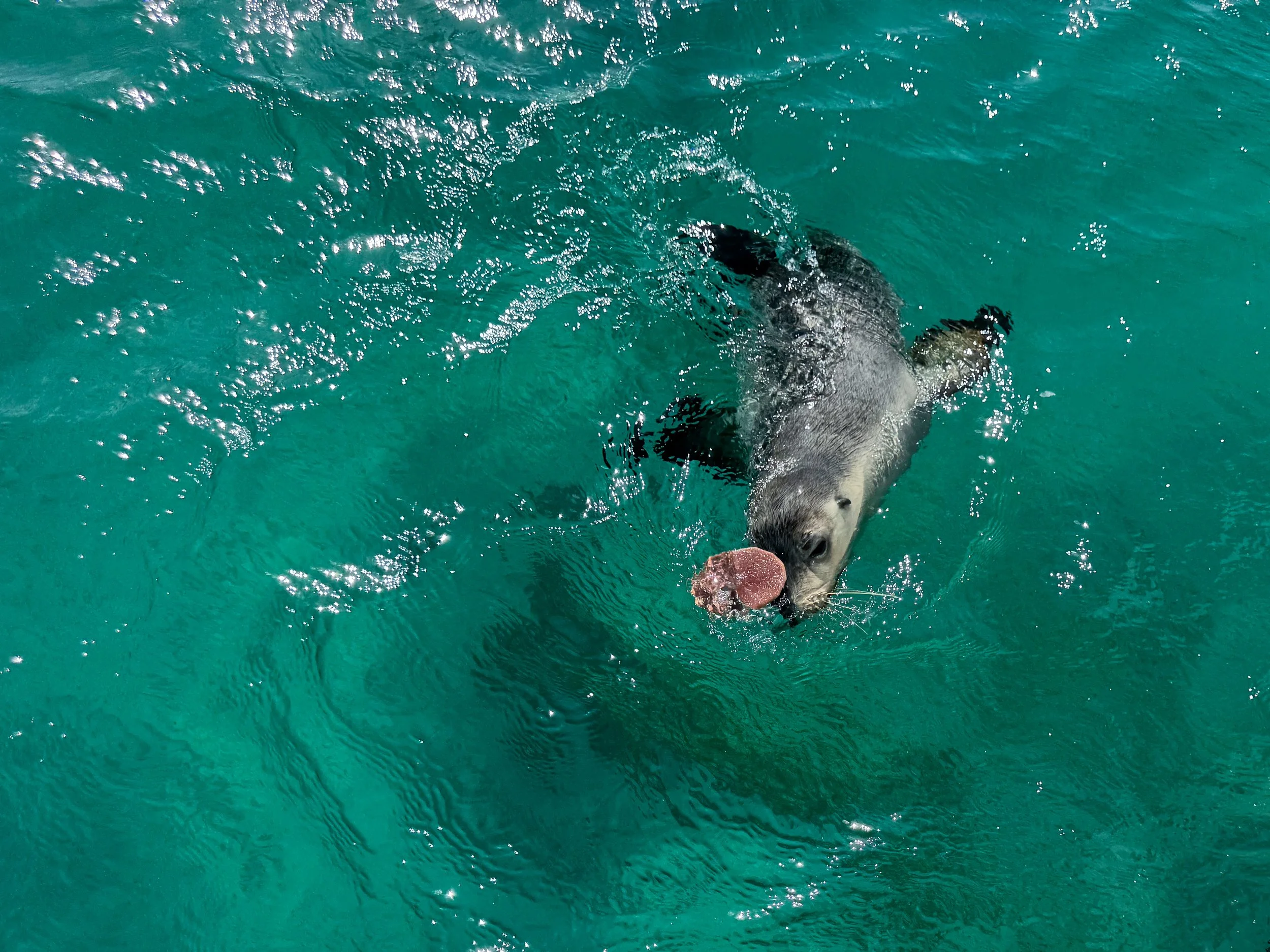
Sea Lion Pup Snorkeling. The protected waters of the Jurien Bay Marine Park are home to colonies of endangered sea lions. We boated out to a shallow reef surrounding a small island. Playful sea lion pups frolicked onshore and dove into the water to greet us. A pup with the zoomies twirled past and later returned with a sand dollar balanced on its head as a present. A giant male swam by, offering us his best side eye. Elsewhere in the reef we spotted starfish, octopus and puffer fish. Book a morning tour with Turquoise Safaris Sea Lion Tours.
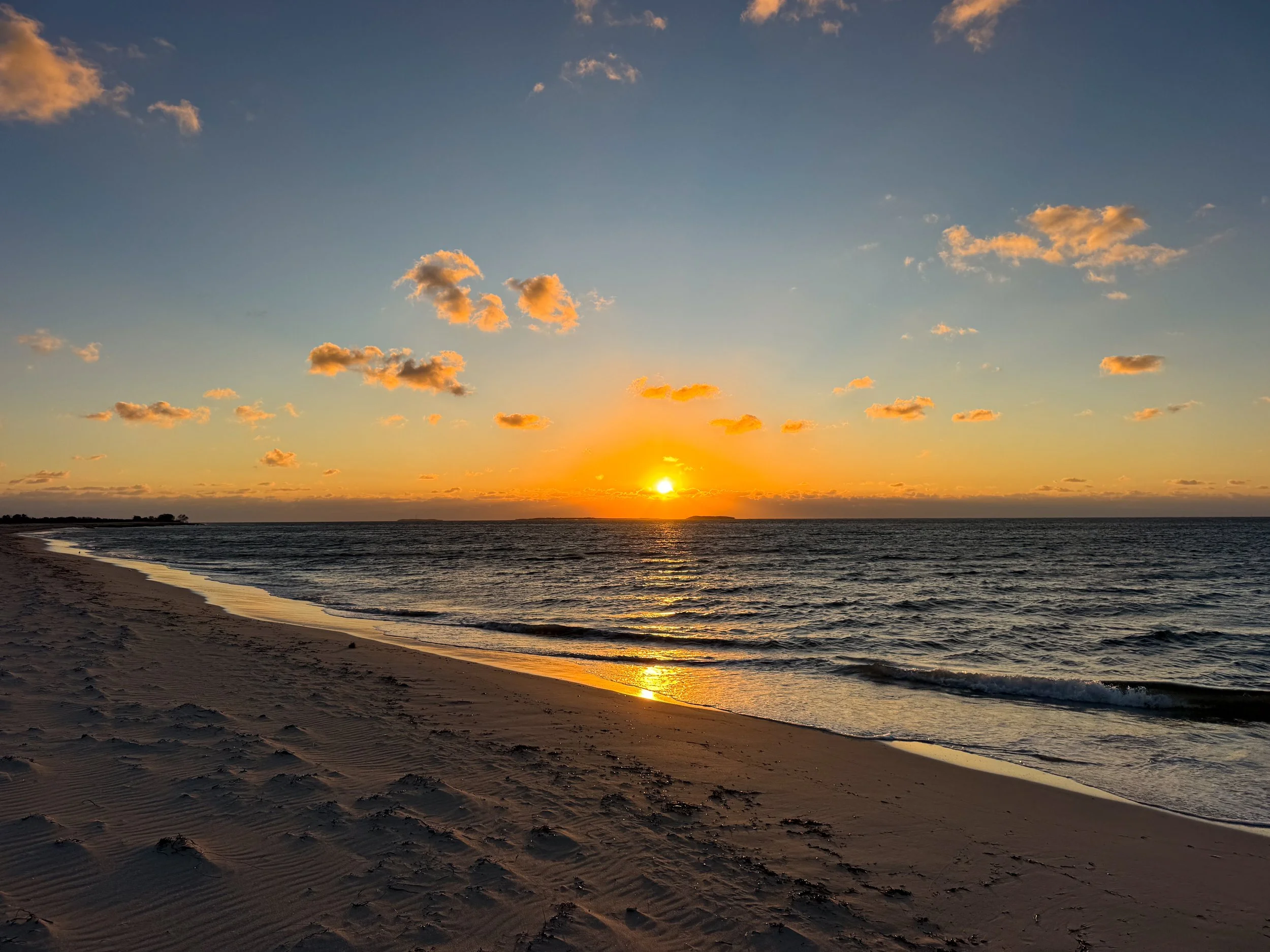
Jurien Bay Jetty. A small oceanfront pier in the center of Jurien Bay with sunset views, coastal walking paths and a beach café.
Places to Eat, Drink & Stay
Jurien Bay Seafood. A seafood restaurant and fish monger with a robust menu and daily caught specials. Come here for everything from barramundi fish & chips to squid burgers or Aussie oysters.
Bay Bakery Café. A local spot for meat pies, vegetarian pasties, sweet baked goods and fresh breads. Come here for an early morning breakfast or afternoon snack.
Jurien Bay Hotel. A hotel with apartment style rooms and sea view balconies in the heart of town. It’s located less than 5 minutes from the beach and most restaurants. Reserve on Booking.
Lesueur National Park (Day 3)
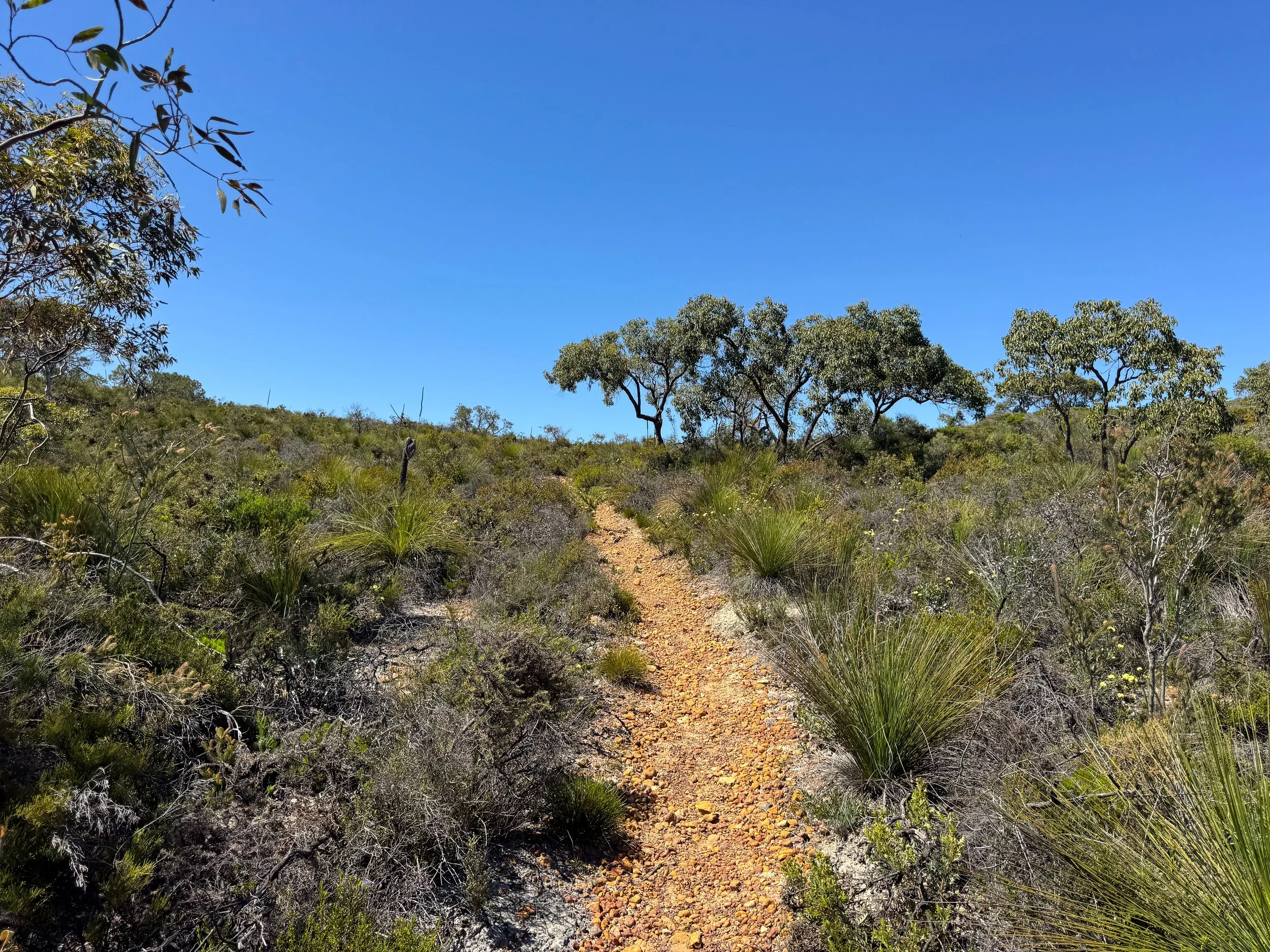
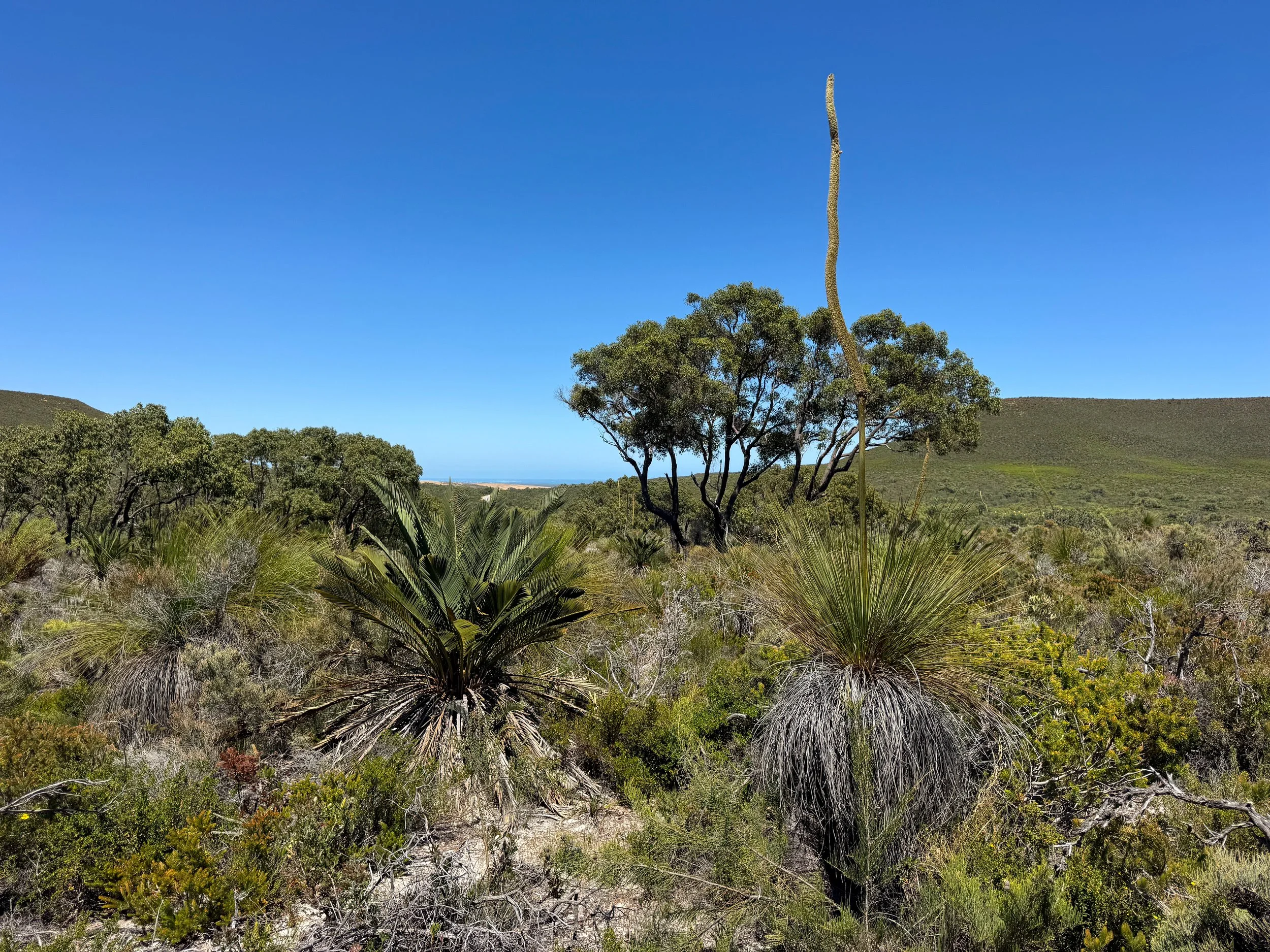
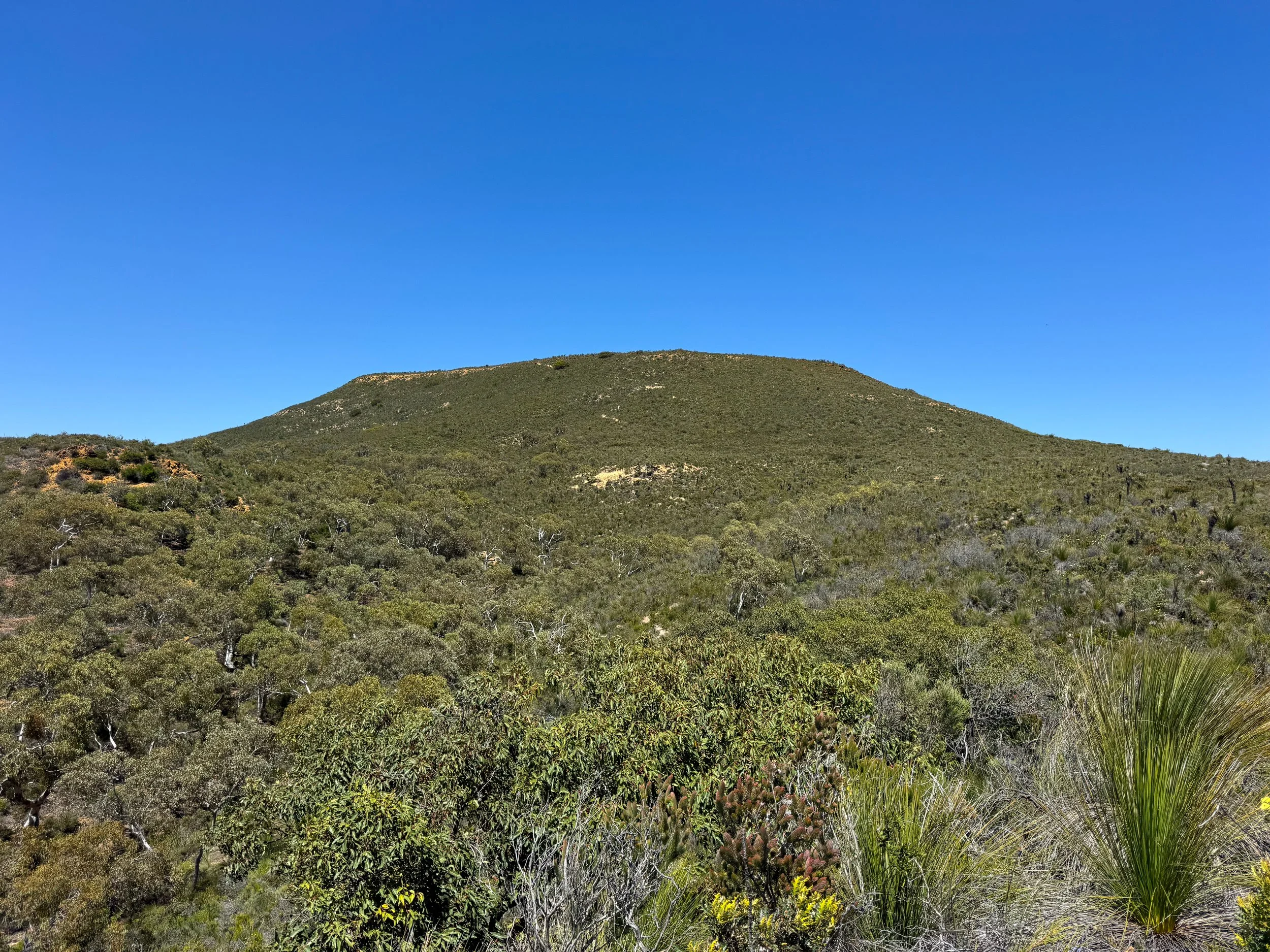
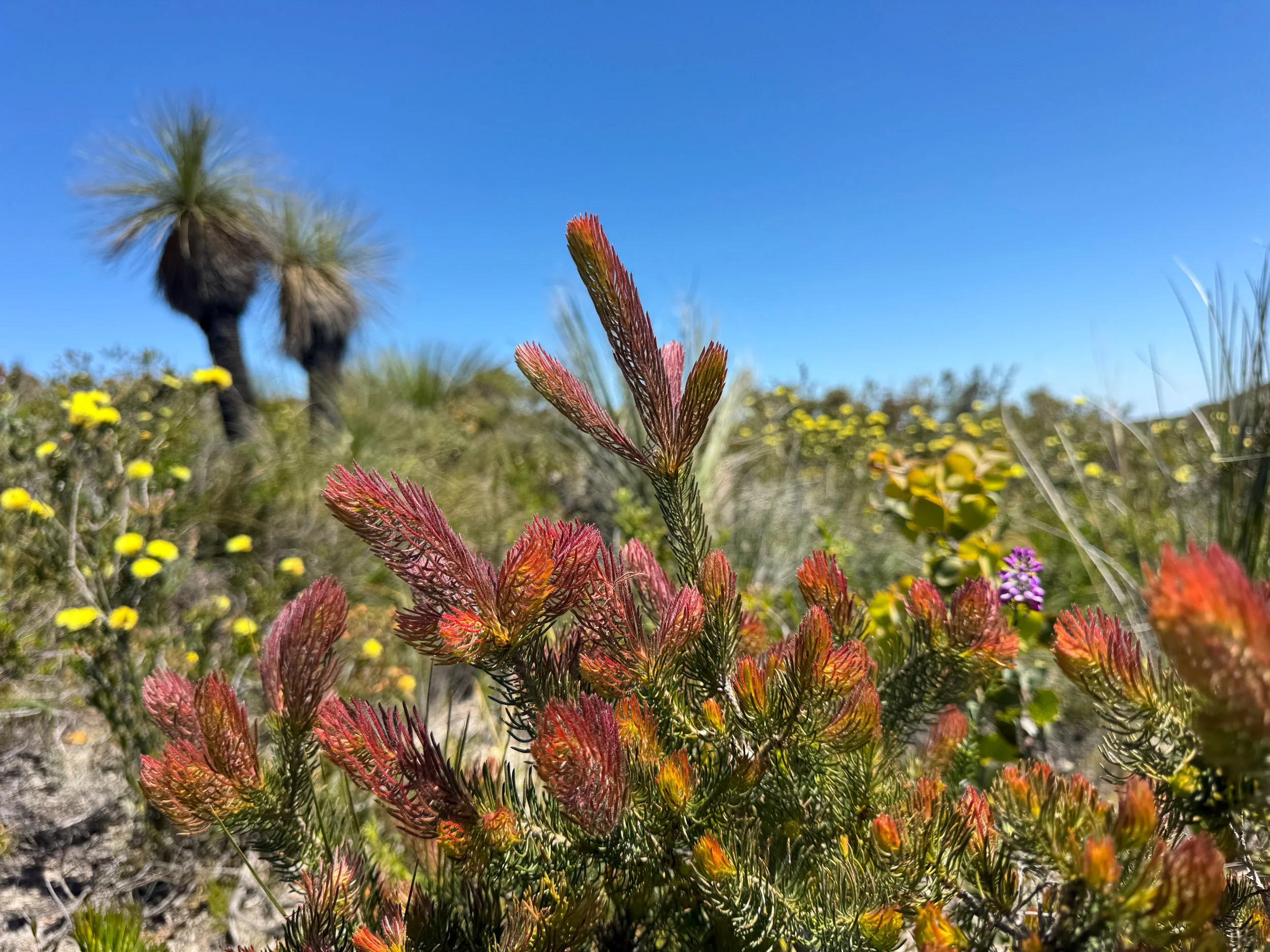
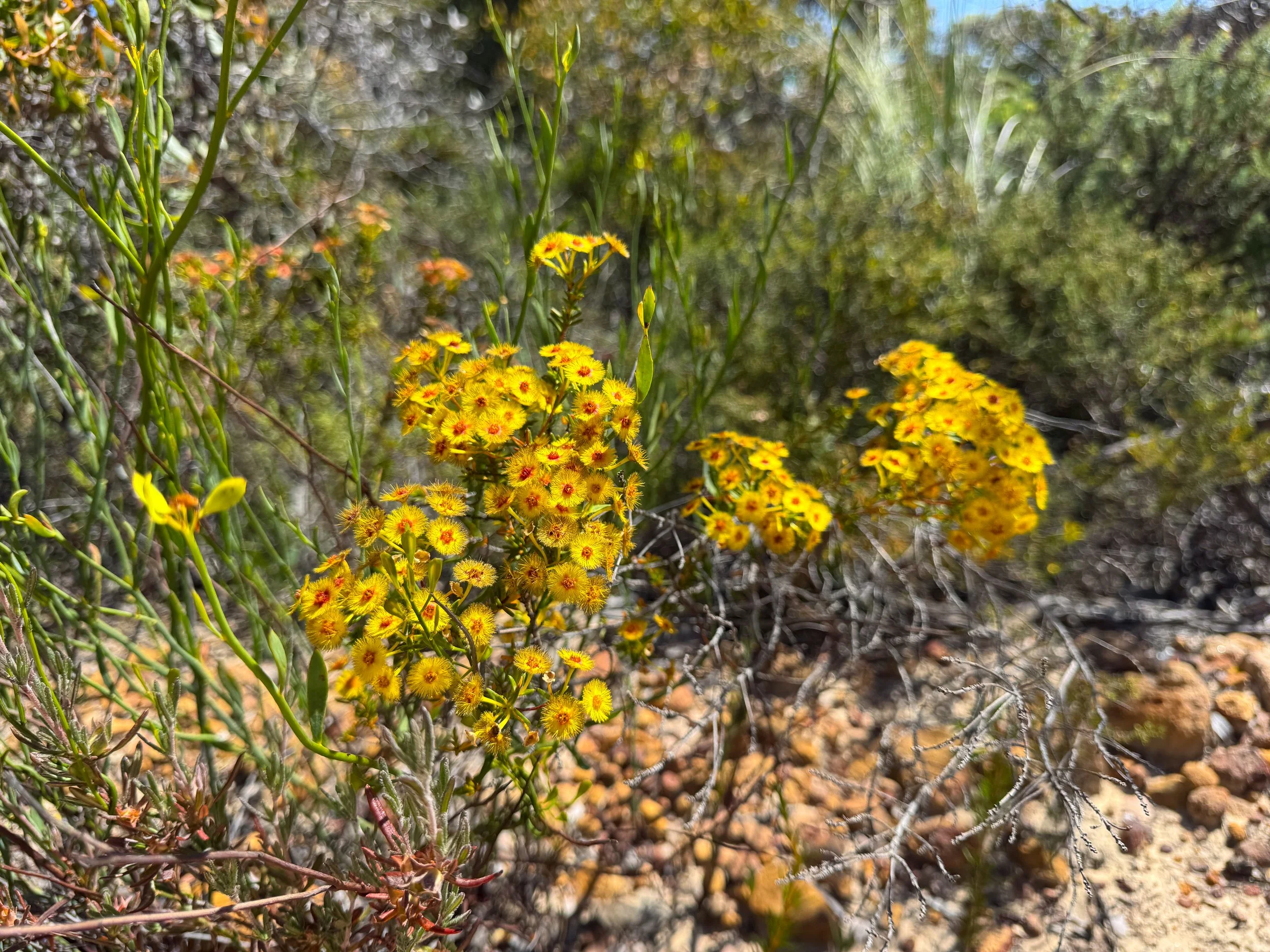
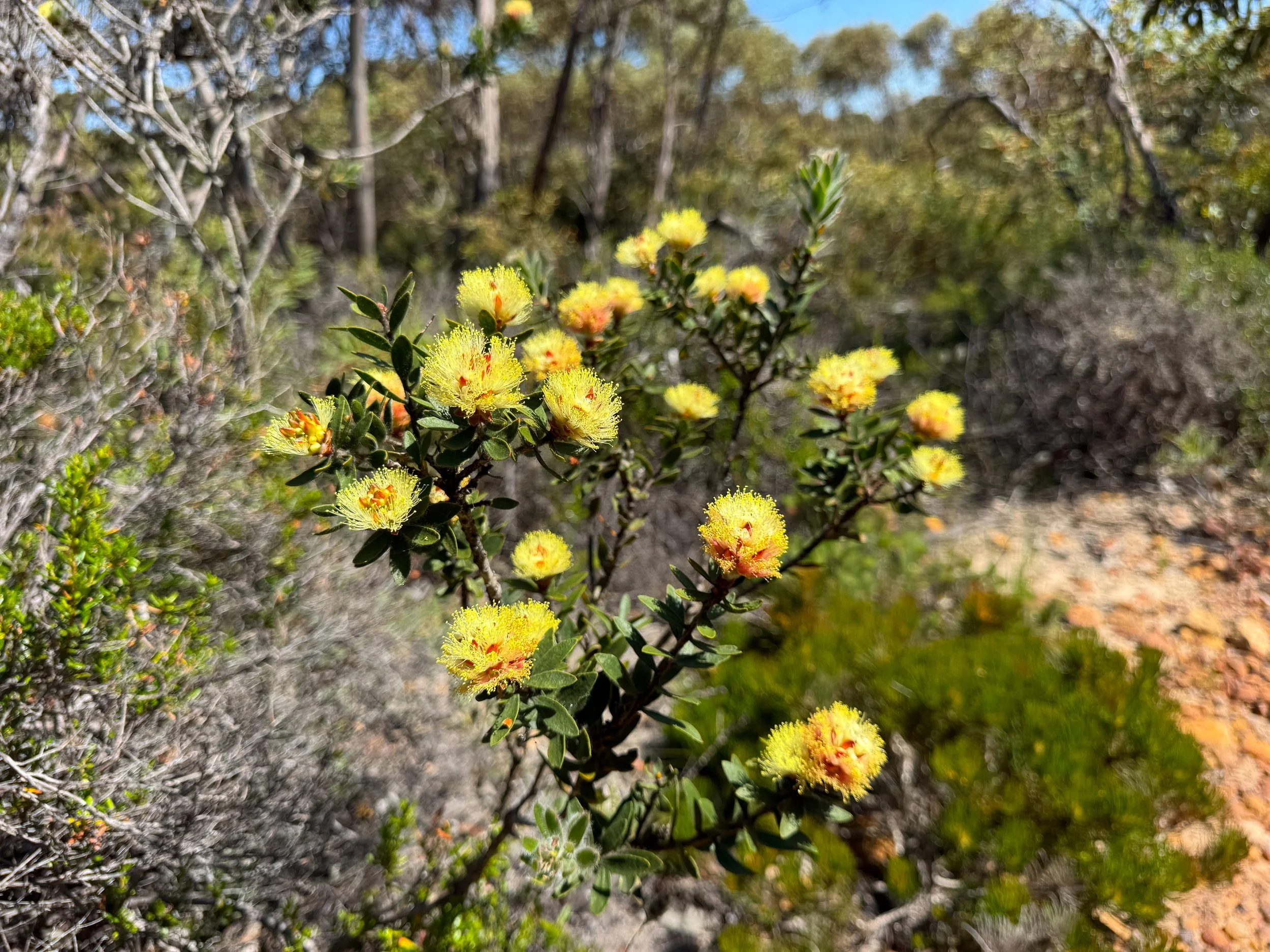
Lesueur National Park is a biodiverse reserve with trails and a scenic drive. It’s famed for its seasonal wildflower blooms between August and November. It’s accessible from Jurien Bay.
Hike the Gairdner Trail, a 5.1km loop trail through the hilly landscape. A white sand and orange gravel trail leads past native grasses, bushes, pines and types of funky shaped and colorful wildflowers.
The Mt. Lesueur Trail forks from the Gairdner Trail leading to the park’s highest point. It’s another great trail to spot seasonal wildflowers with identification placards.
Kalbarri (Day 4)
Kalbarri is a remote region of Western Australia famed for its coastal sandstone cliffs, picturesque beaches, bush hiking trails and dramatic river gorges. It’s located about 350km north of Jurien Bay and 375km south of Denham.
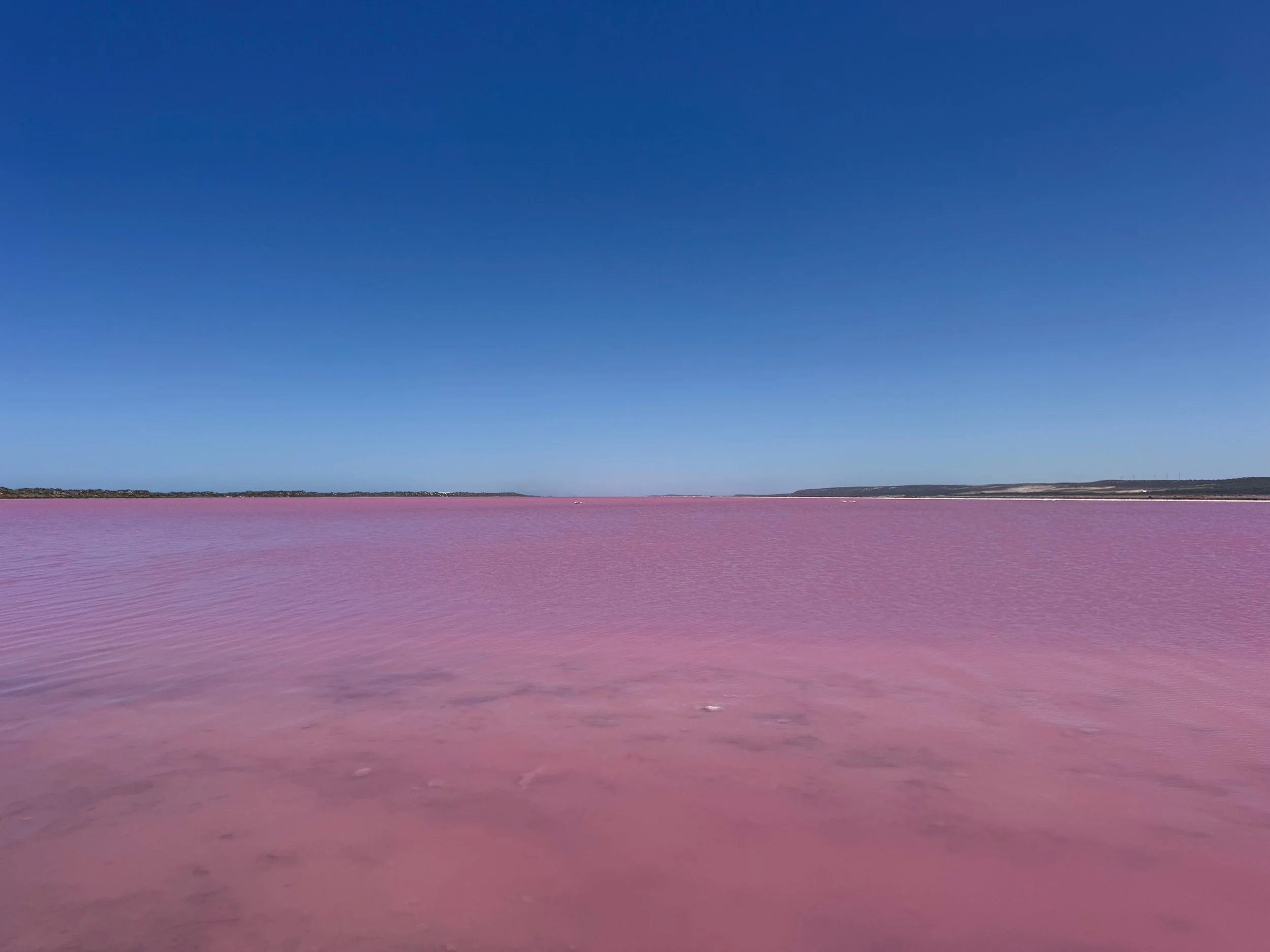
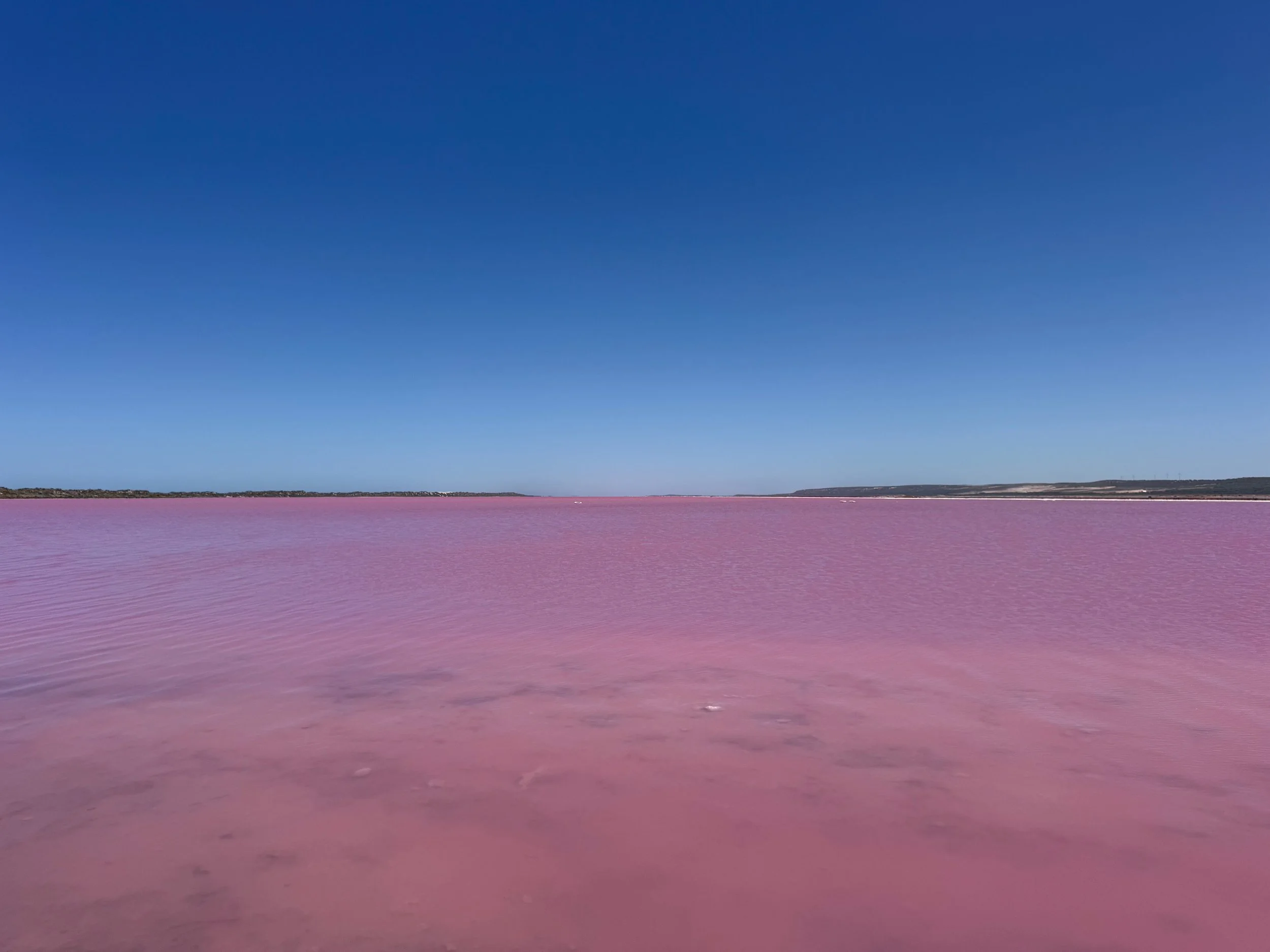
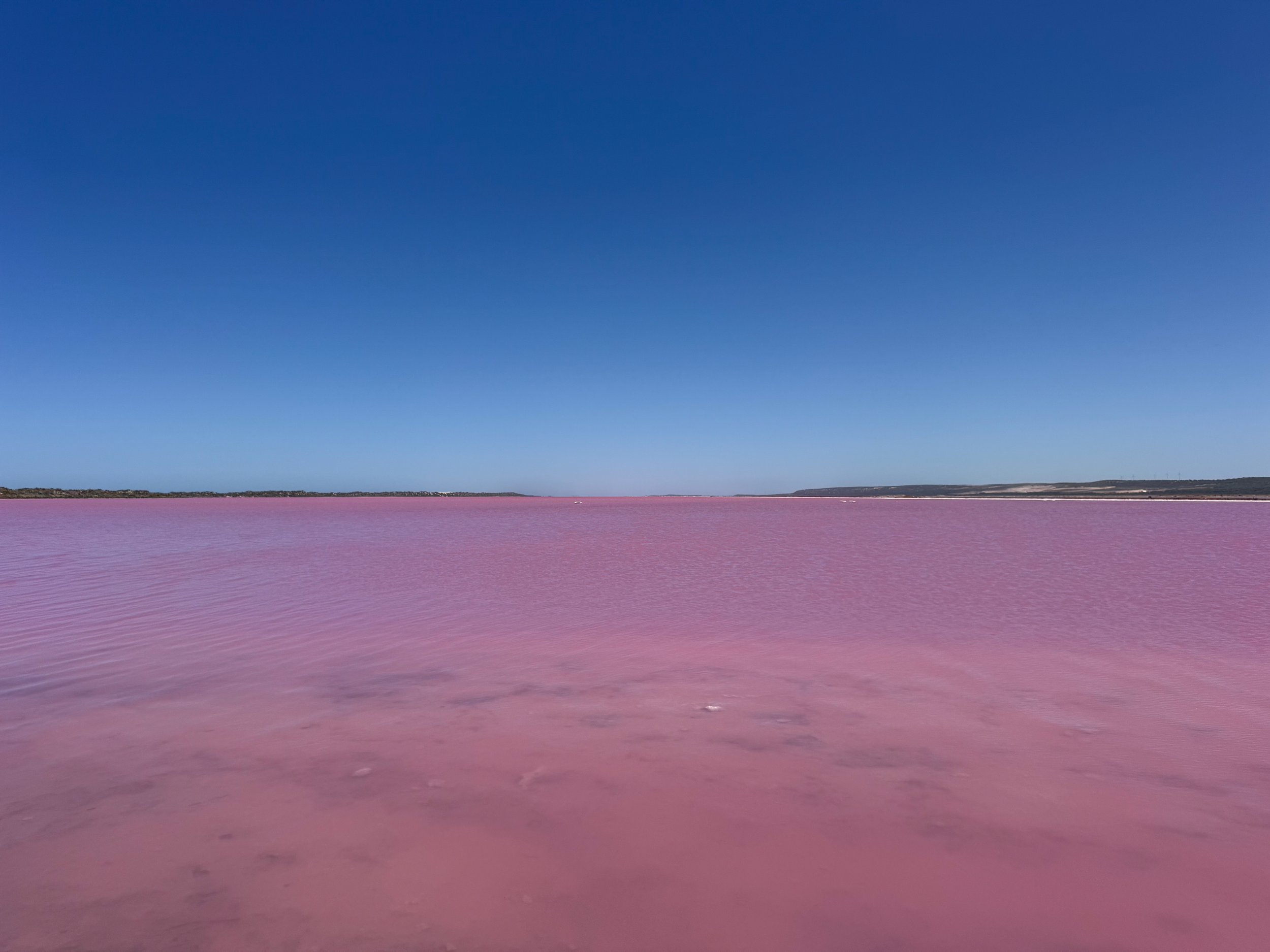
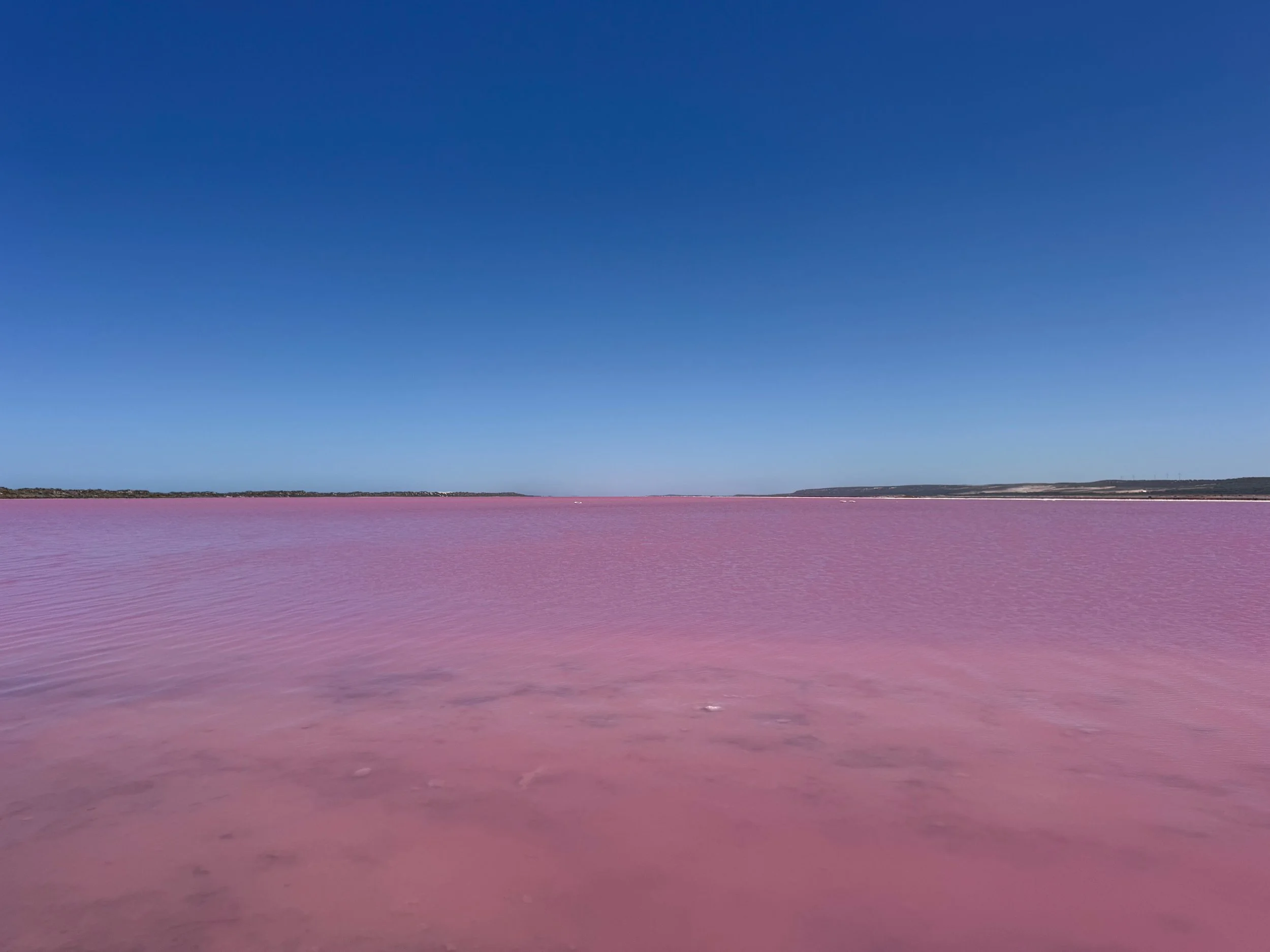
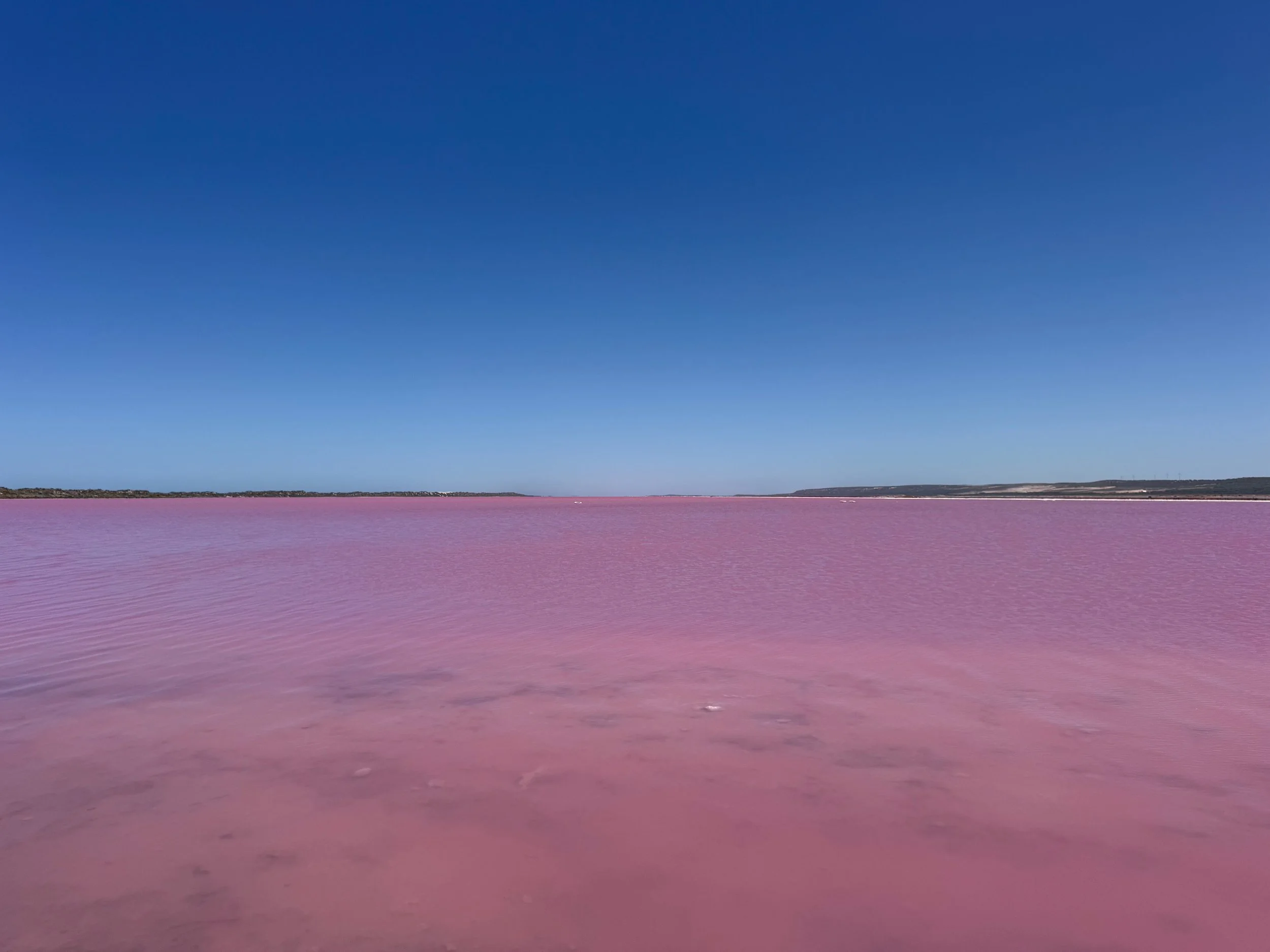
Hutt Lagoon (Pink Lake). A pink saltwater lagoon stretching across the Outback landscape. Its colors range from bubblegum pink to hot pink depending on the lighting conditions. Visit during the middle of the day when the sun is high. It’s located 45min south of Kalbarri. Visit the Pink Lake Lookout.
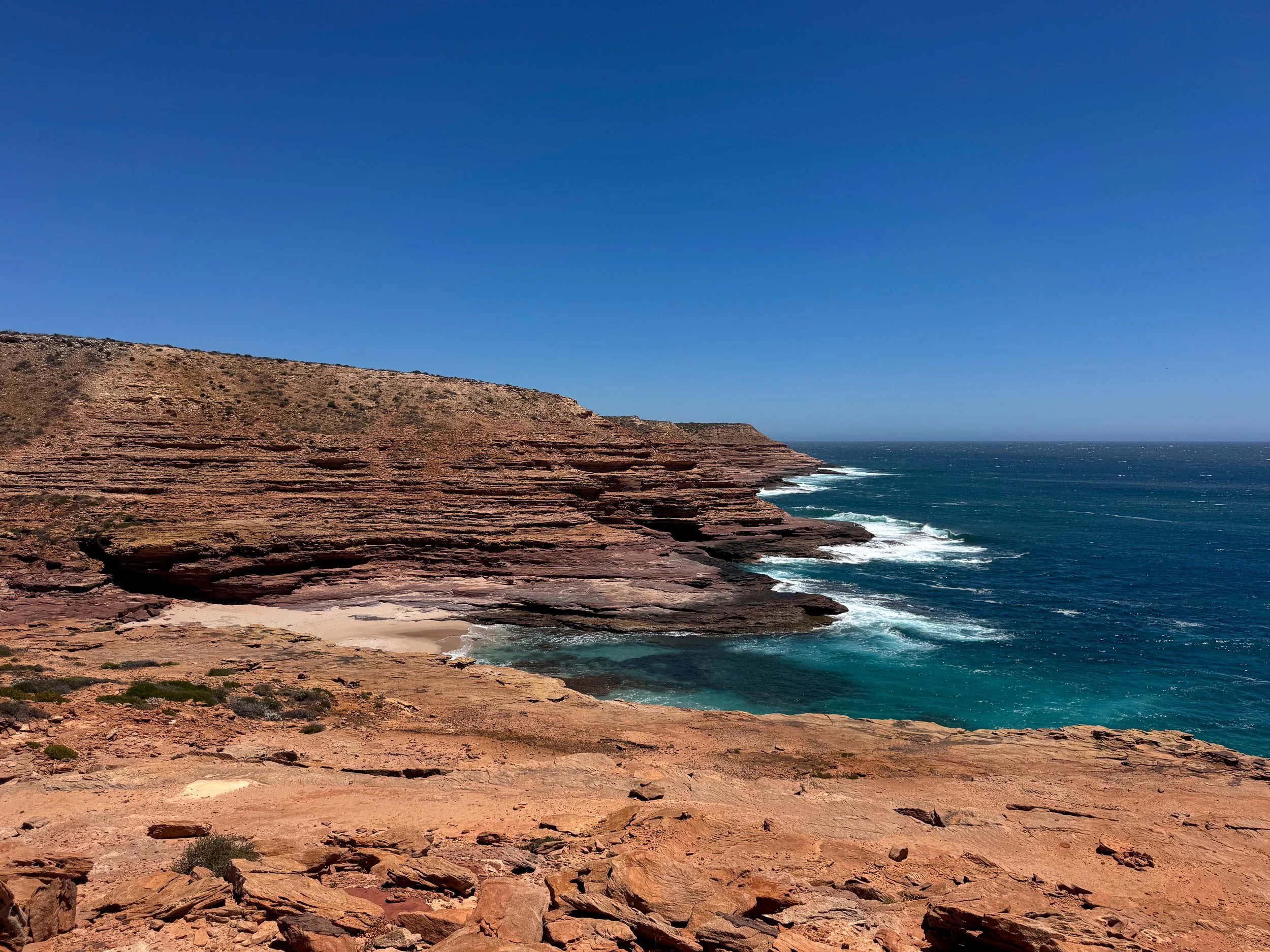
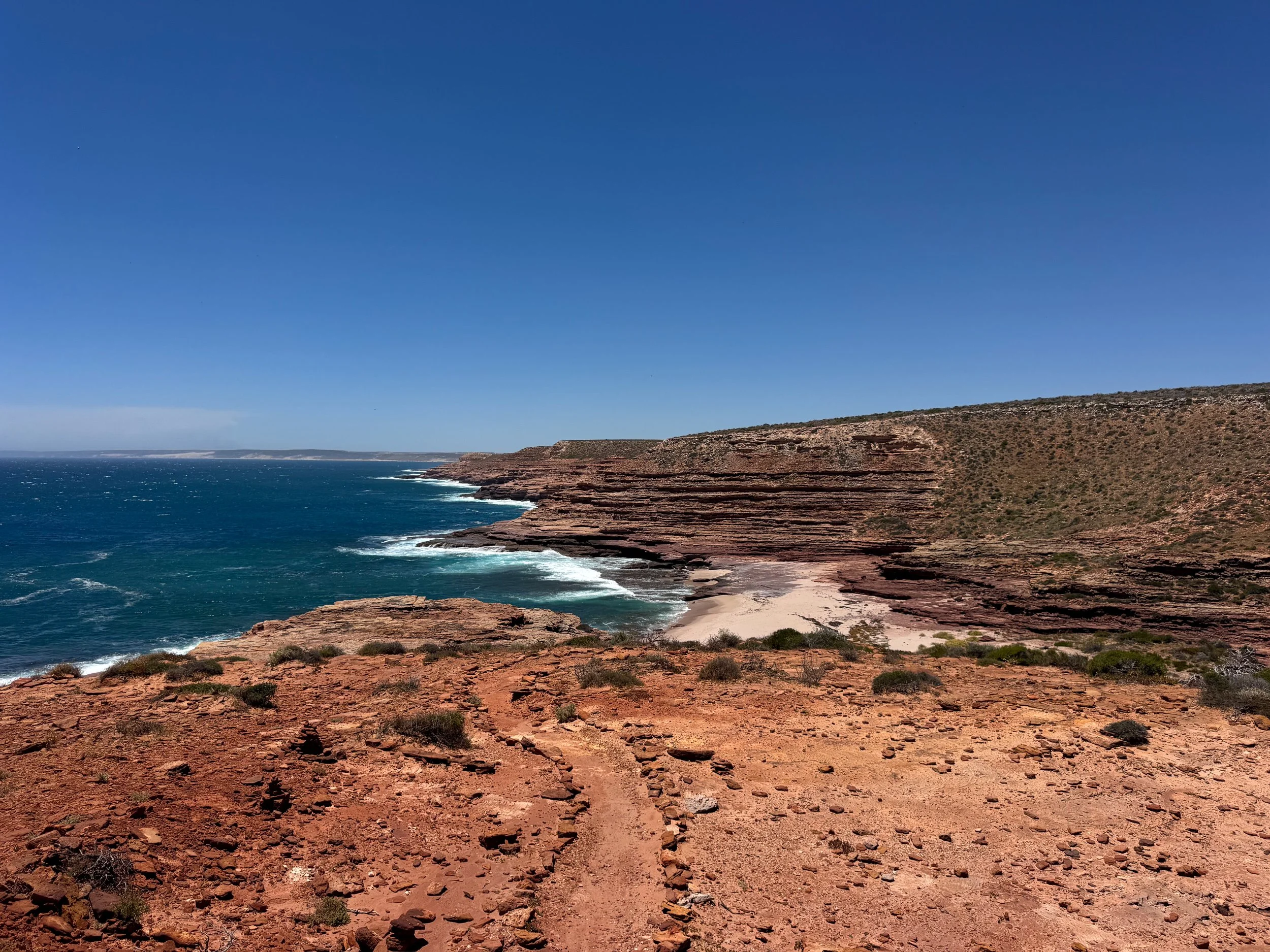
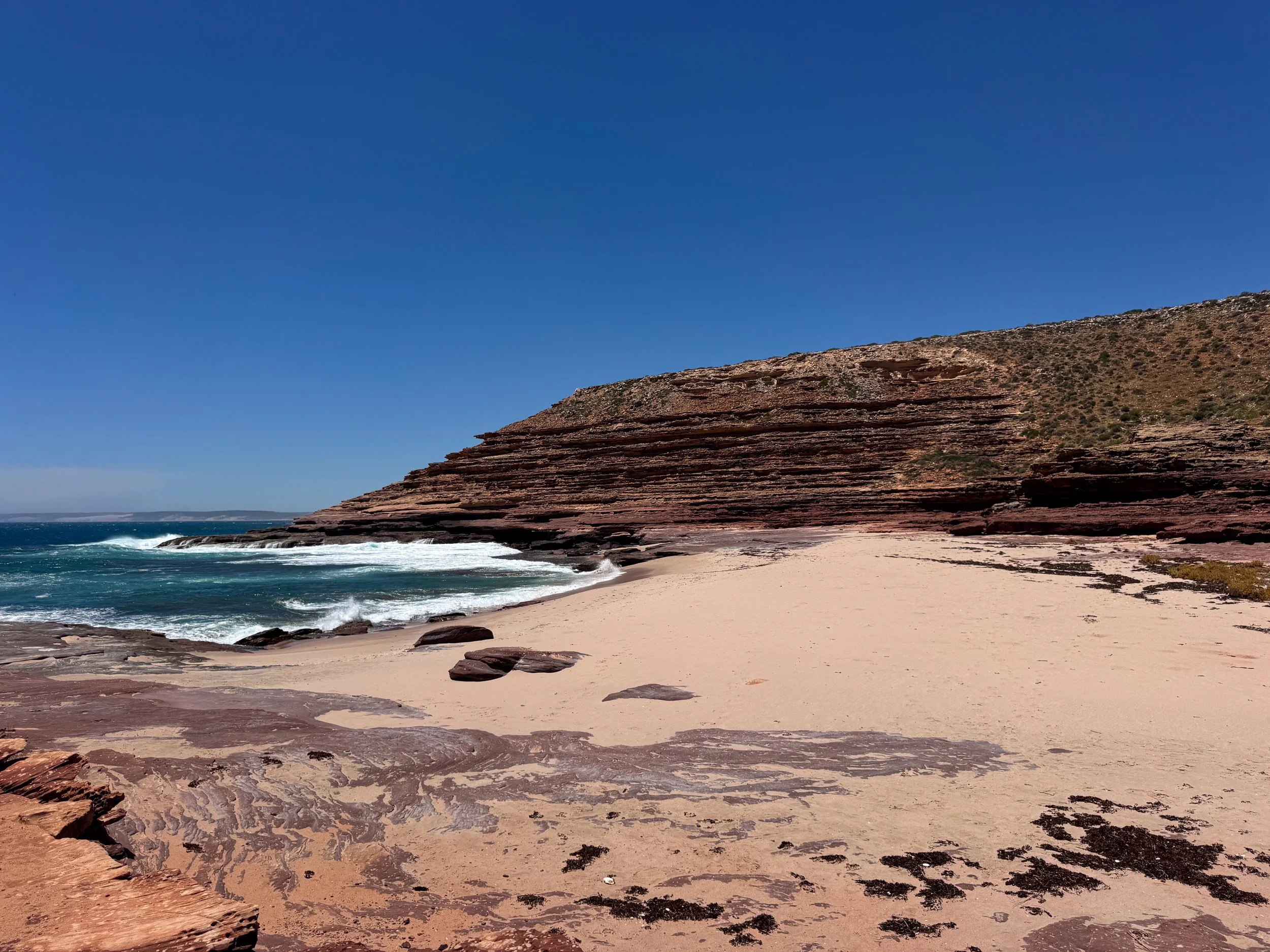
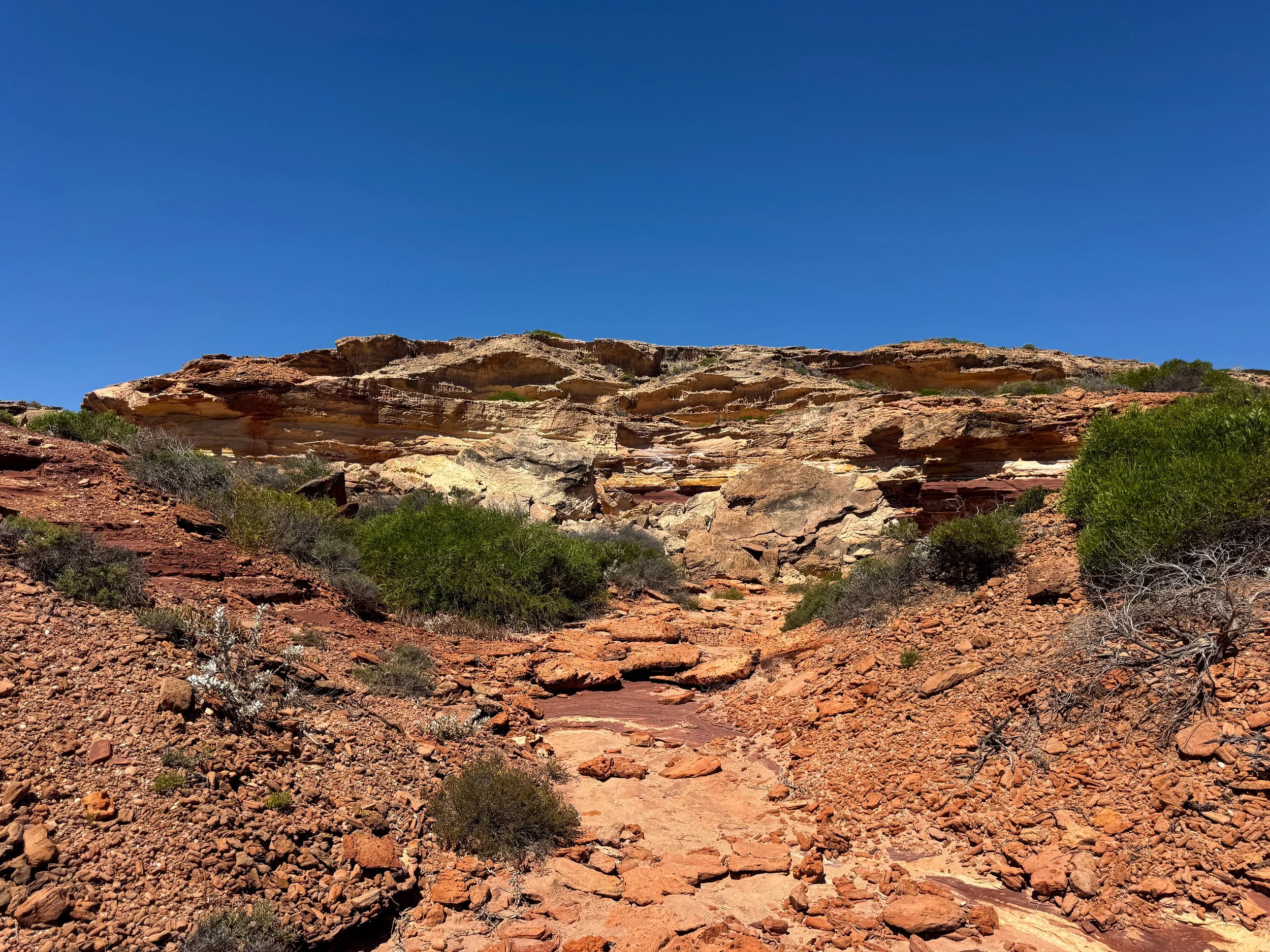
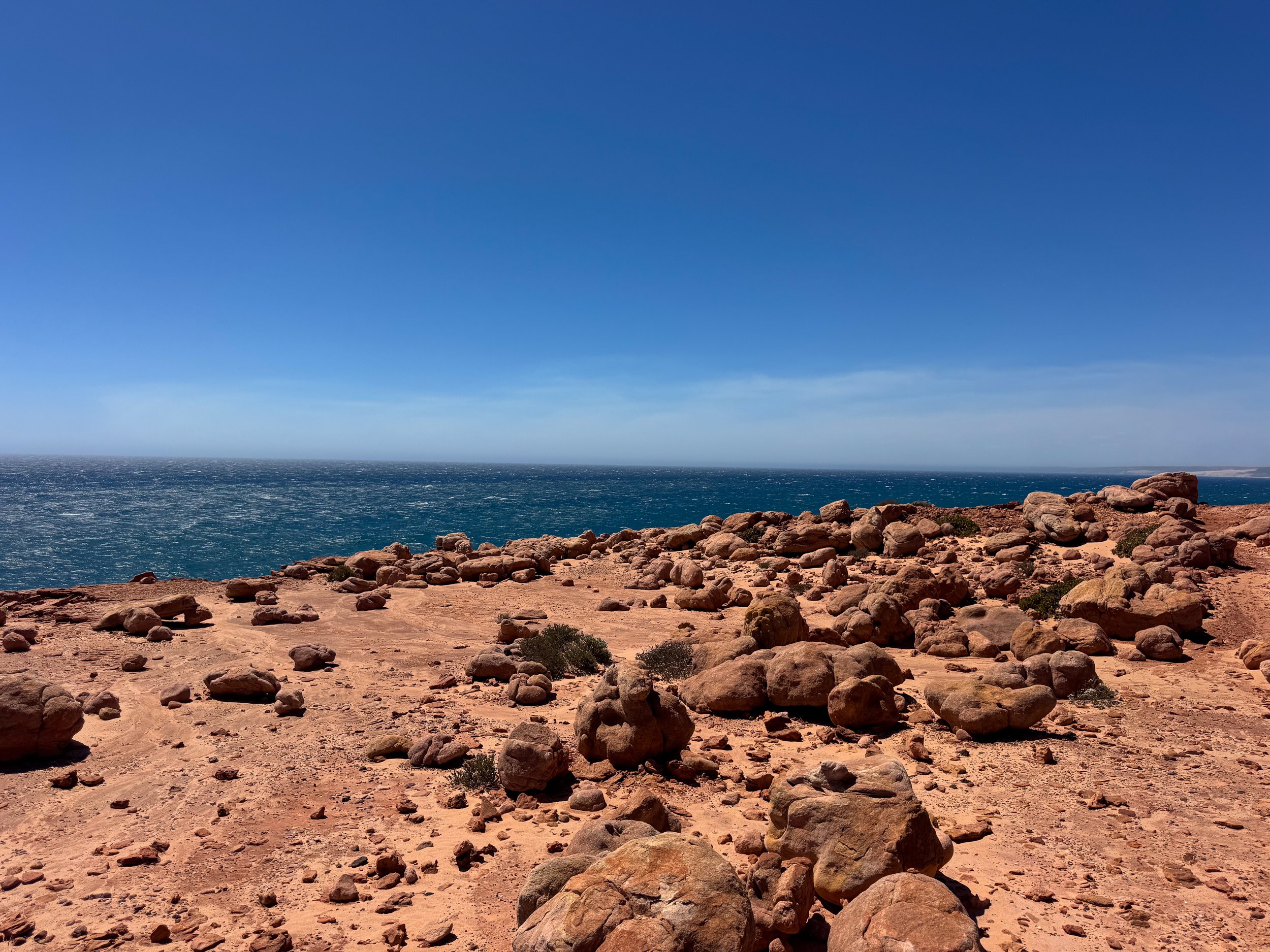
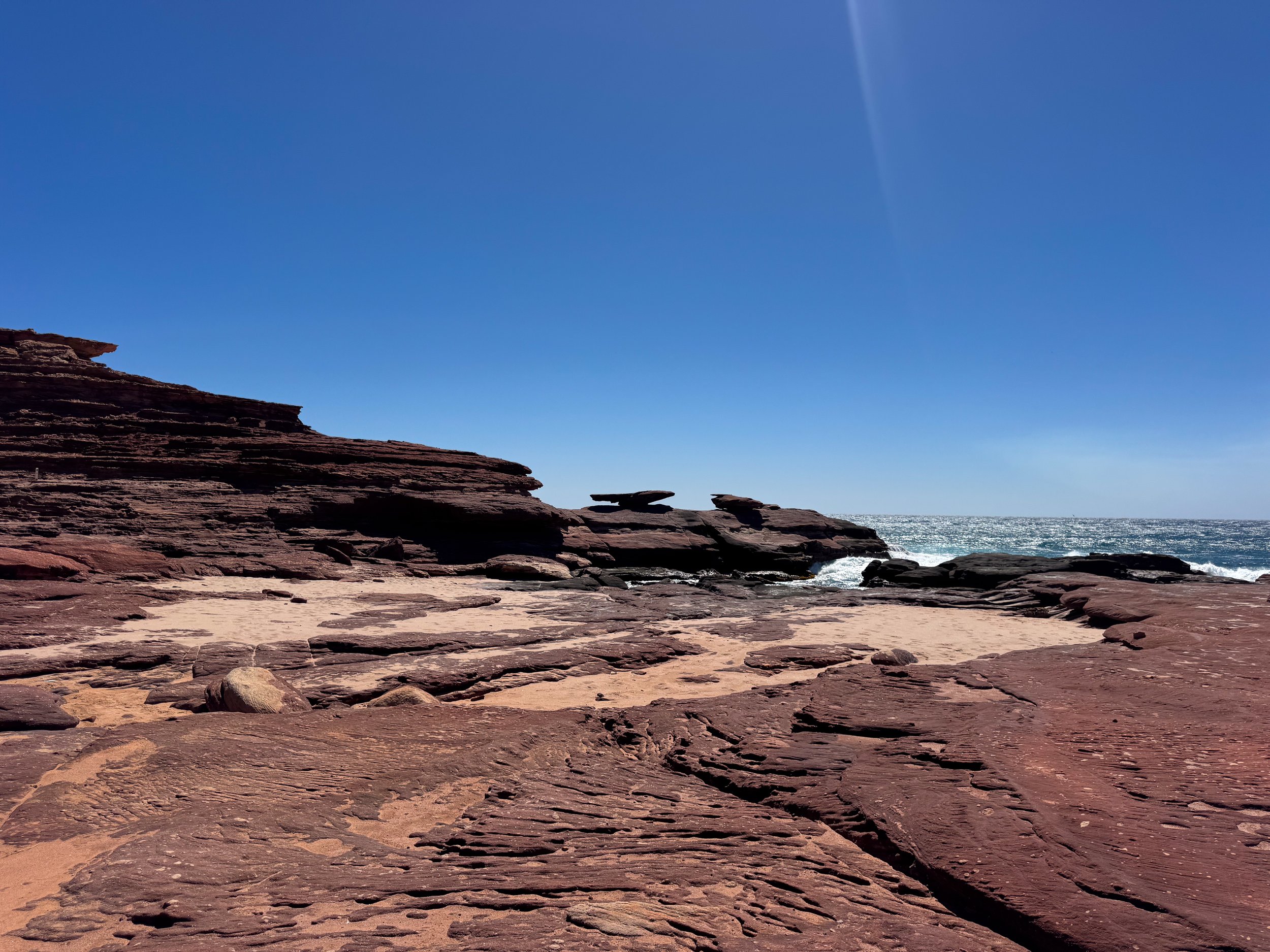
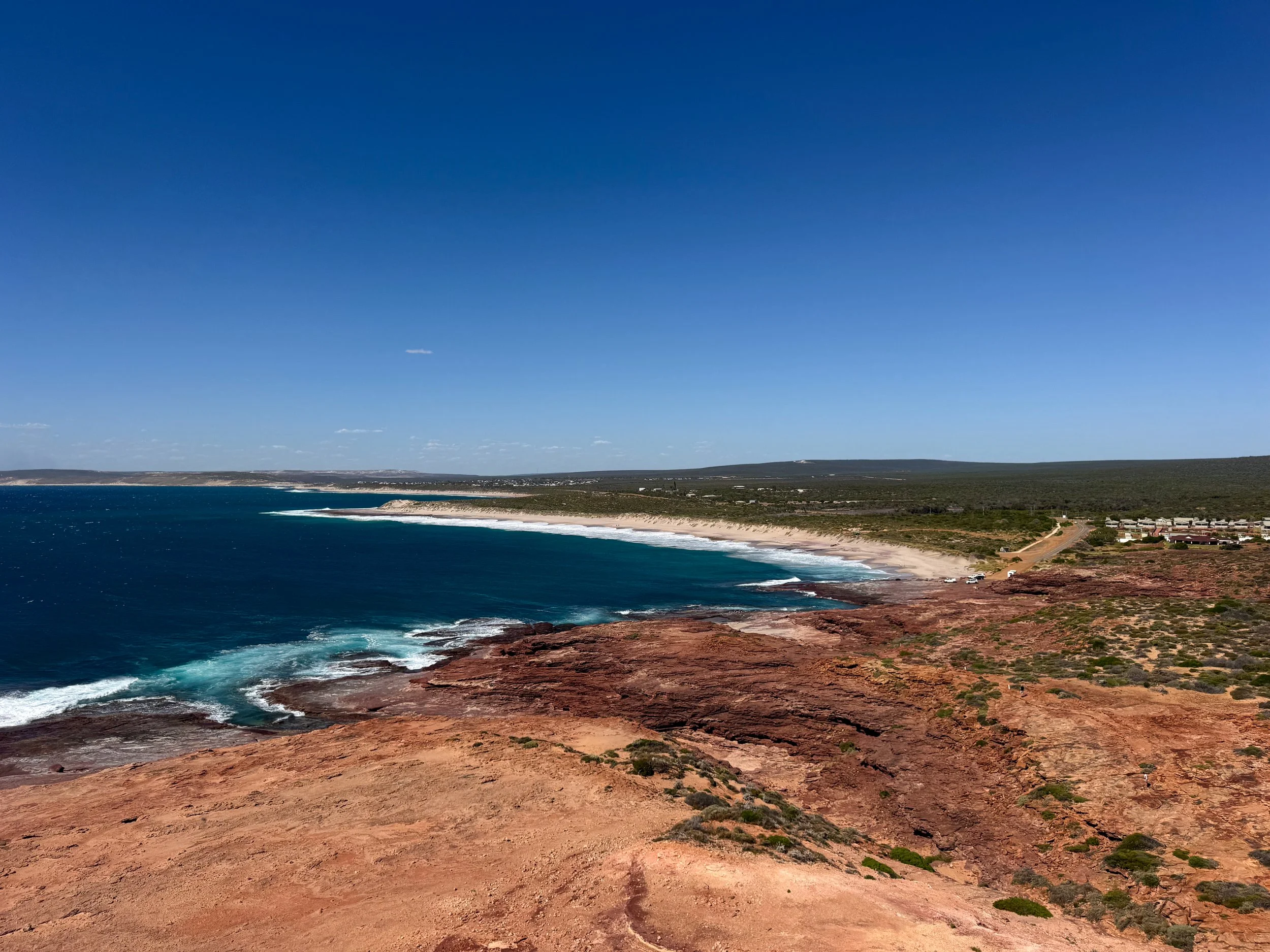
Kalbarri Coastal Lookouts. Kalbarri’s coast is connected by a series of sandstone cliffs, remote beaches, lookout points and hiking trails.
Eagle Gorge Lookout. A coastal lookout of red sandstone cliffs juxtaposed against the deep blue ocean. A trail leads through the bush to the lookout point and continues to a tan sand beach flanked by layered cliffs.
Pot Alley. A coastal lookout with views of rugged sandstone formations, layered cliffs and the turbulent ocean. A trail leads through a rocky gully to a tan sand beach below.
Rainbow Valley Loop Hike. A 1.5km trail looping through the ancient coastal landscape and layered cliffs. The trail passes fossilized pipe rocks created by organisms over 400 million years ago. It’s named after its colorful sandstone formations, varying in shades of tan, ochre, orange, red and maroon.
Mushroom Rock. A flat rock balanced on a narrow stone base resembling a mushroom. It’s reachable midway on the Rainbow Loop Trail and from the Mushroom Rock Carpark.
Red Bluff Lookout. A coastal lookout of the red sandstone coast, ferocious ocean waves and bushland. A trail continues further from the lookout to Red Bluff Beach.
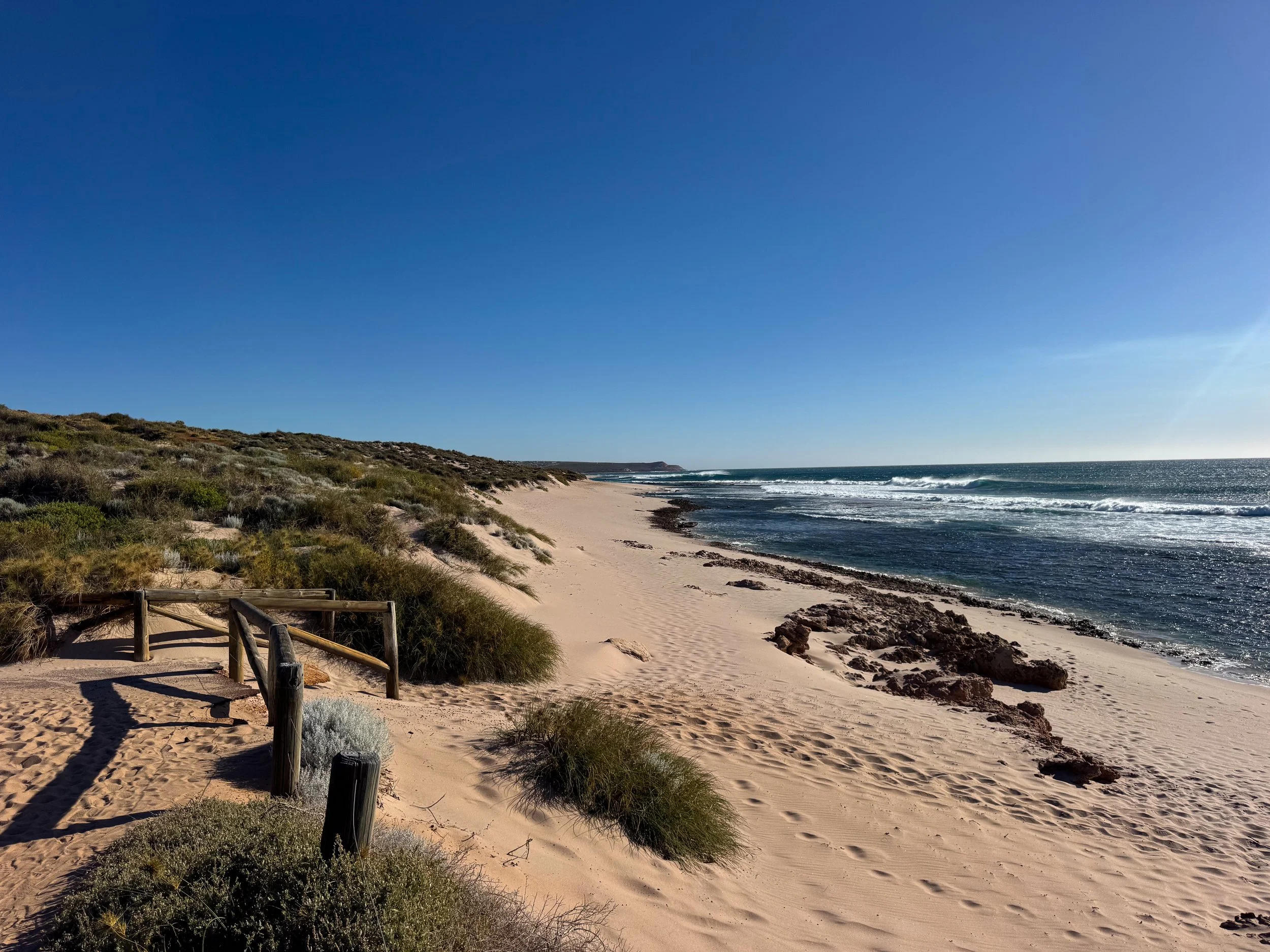
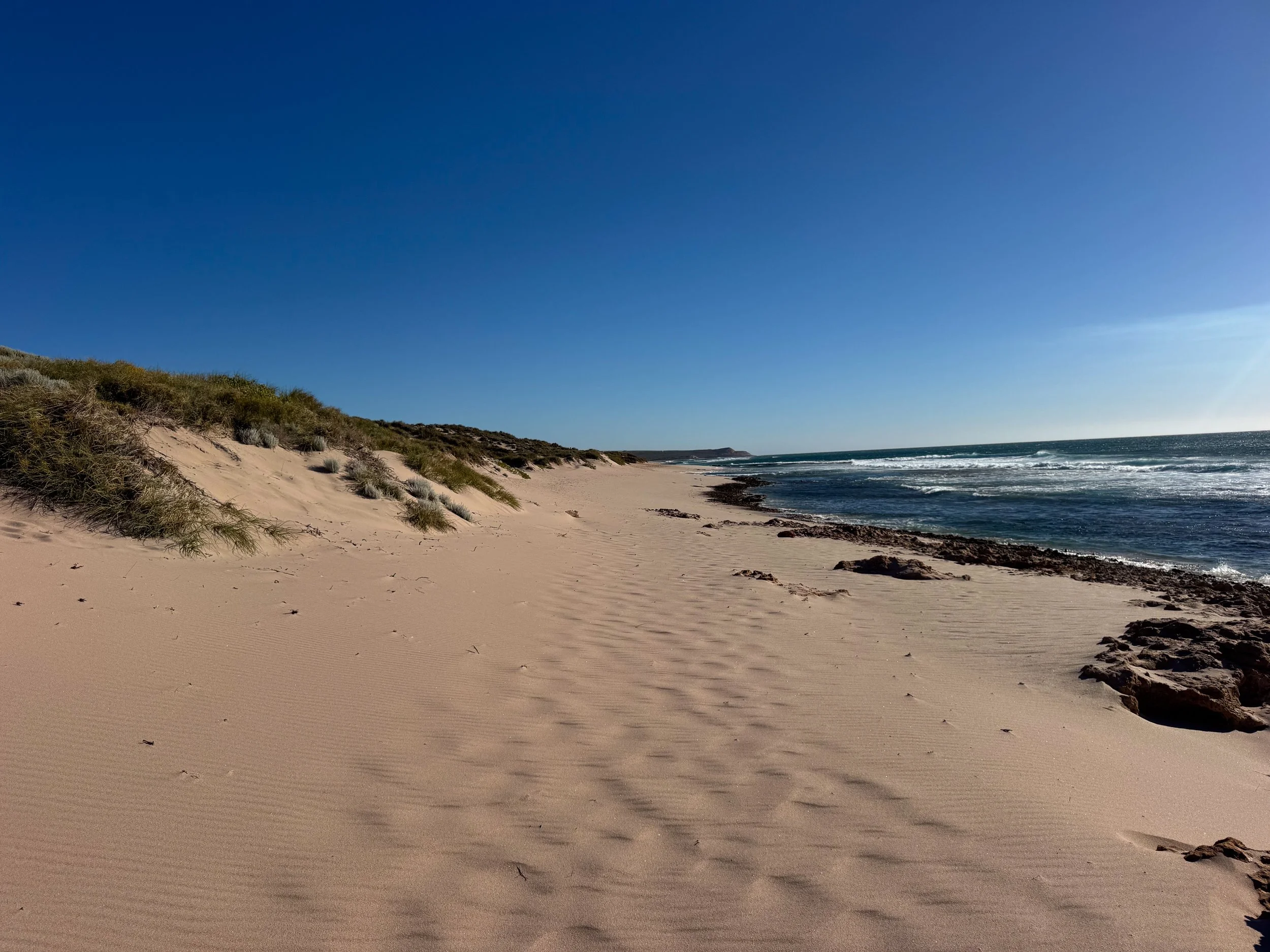
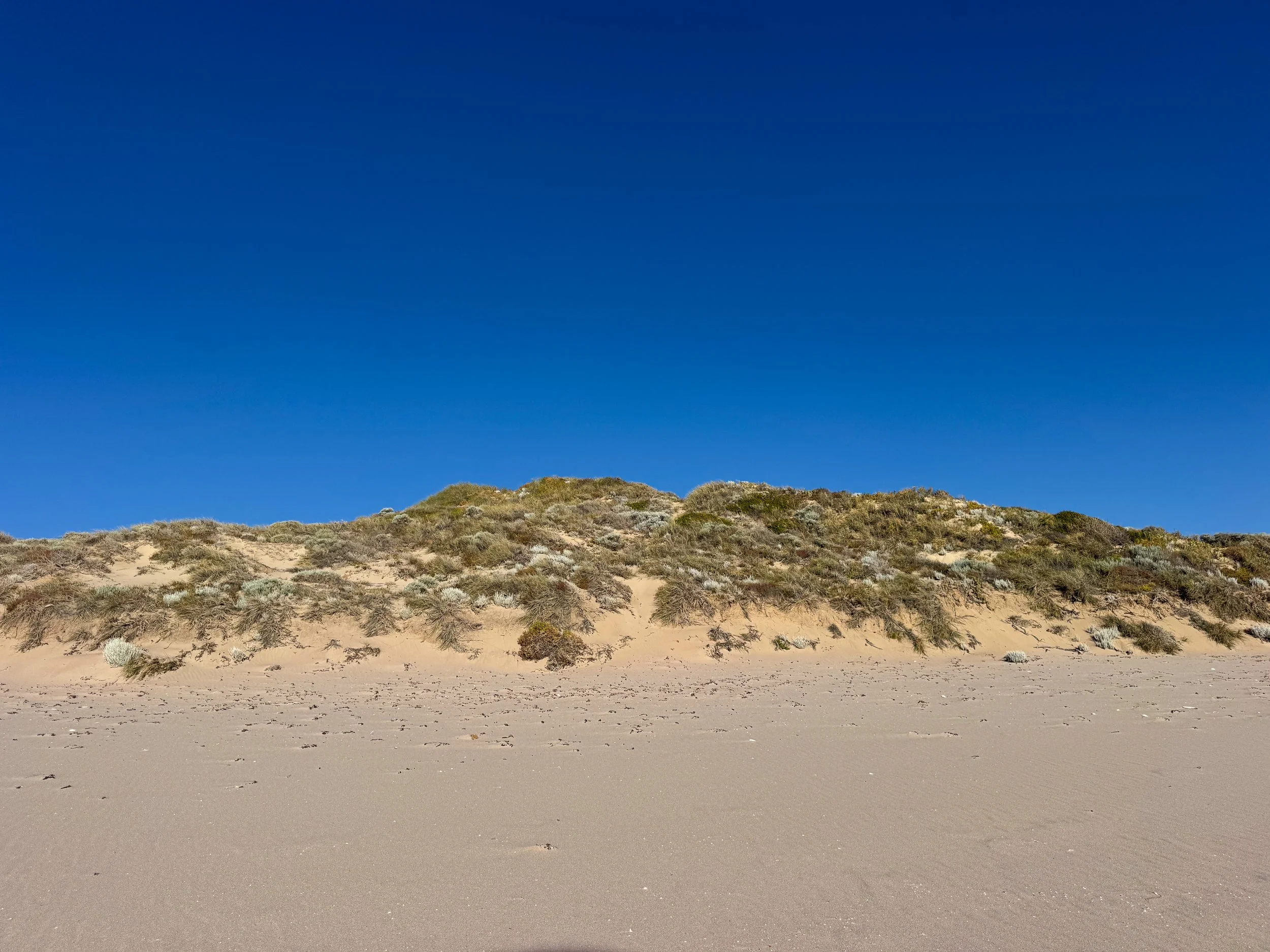
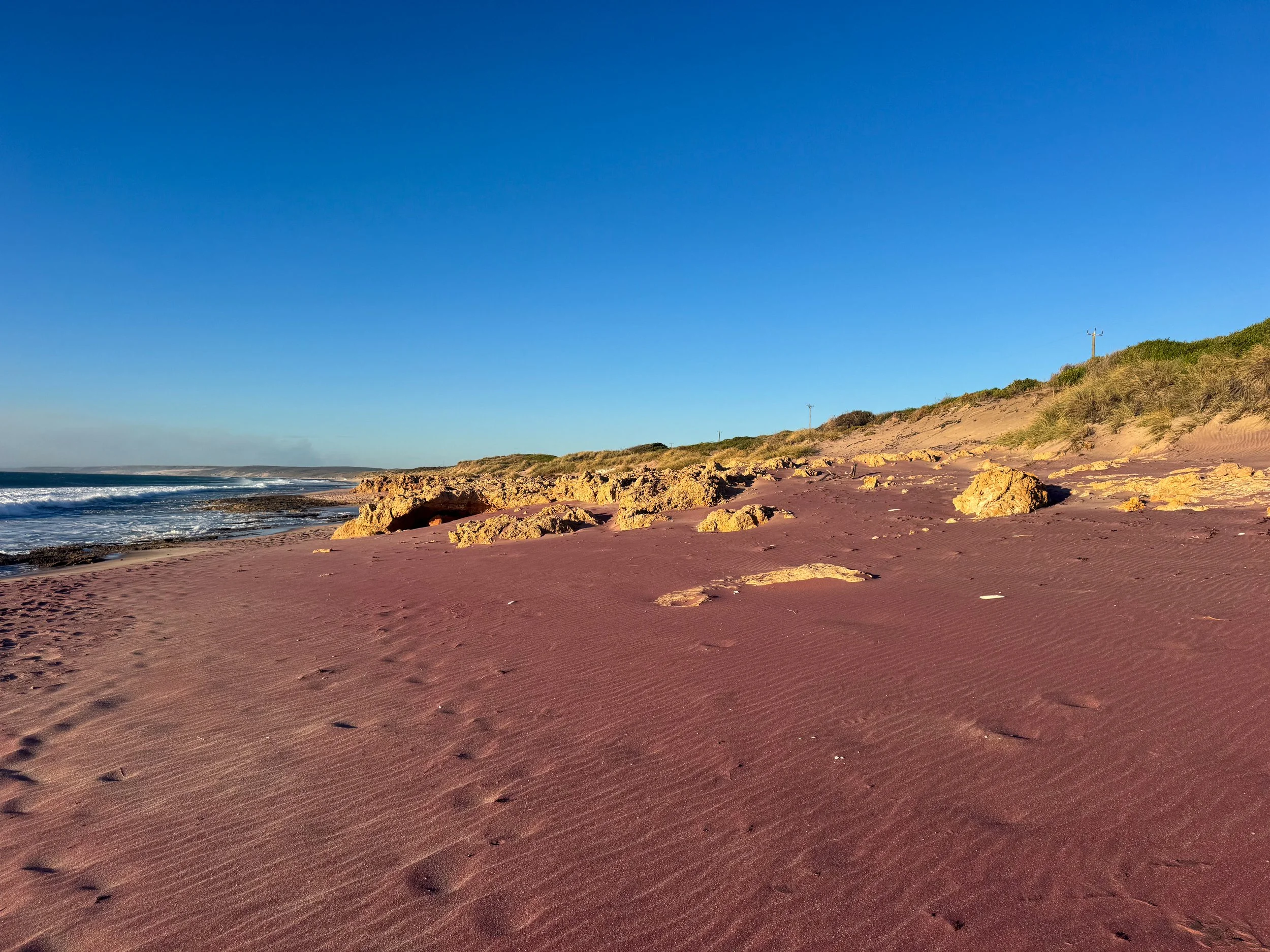
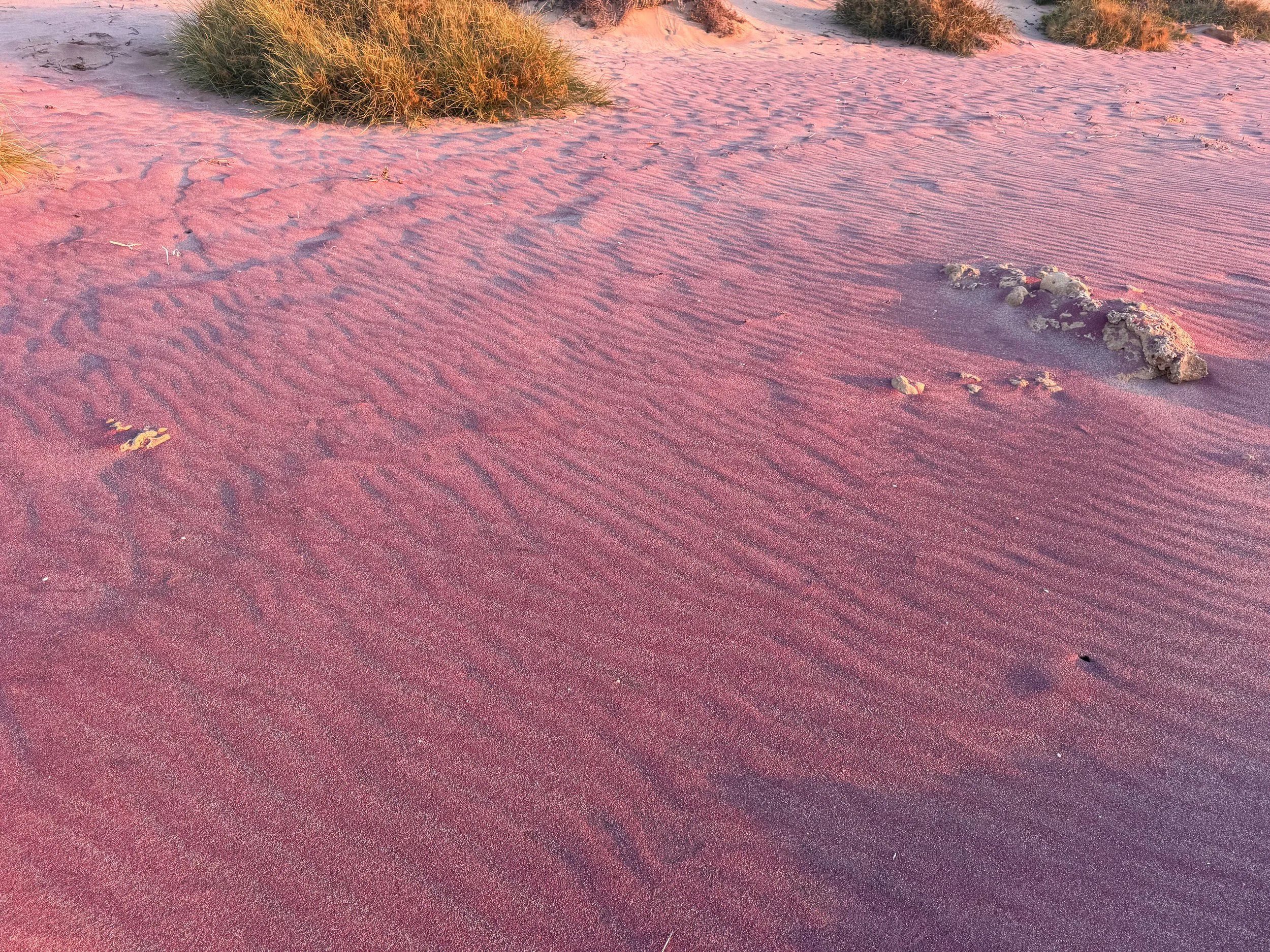
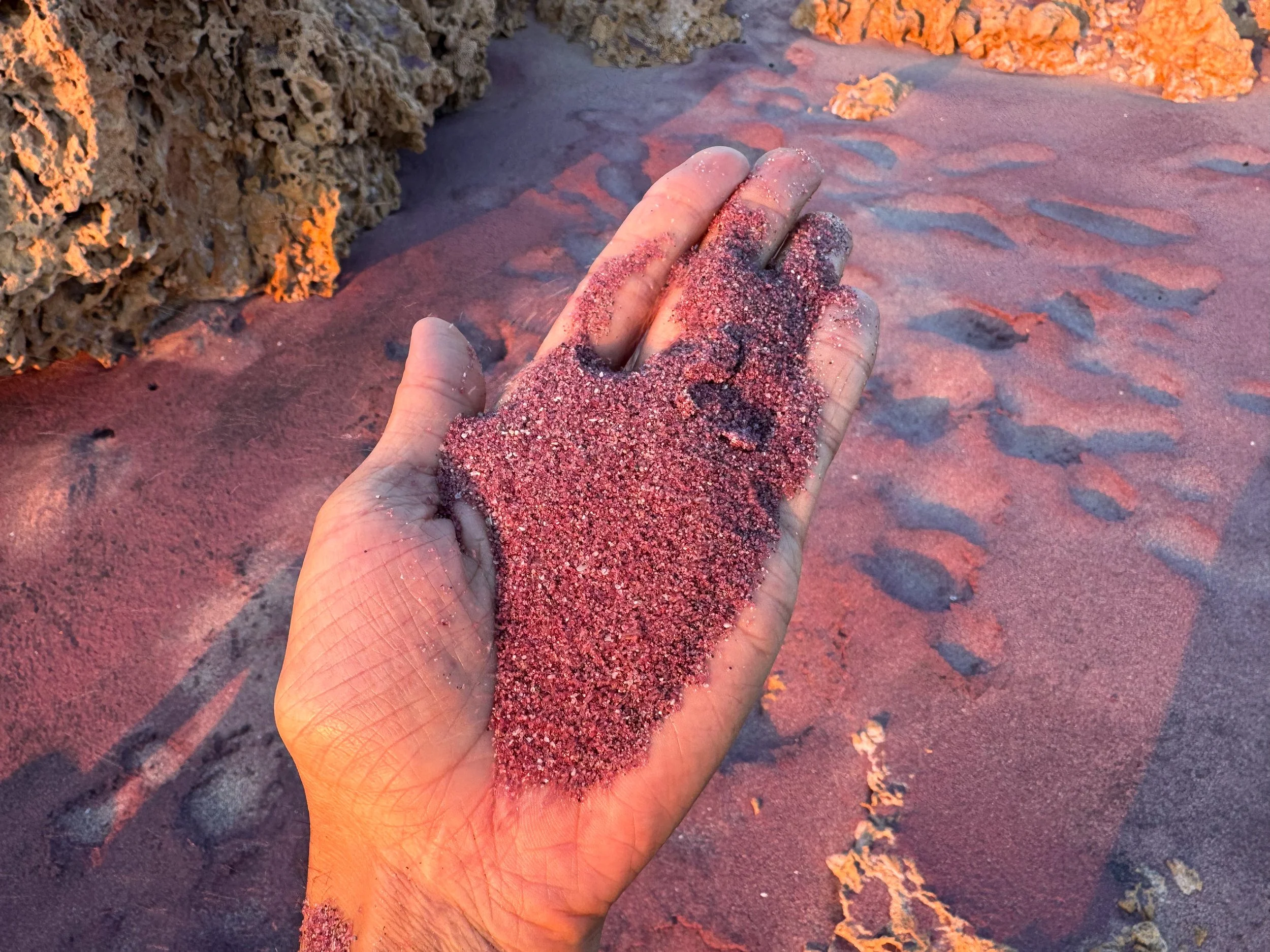
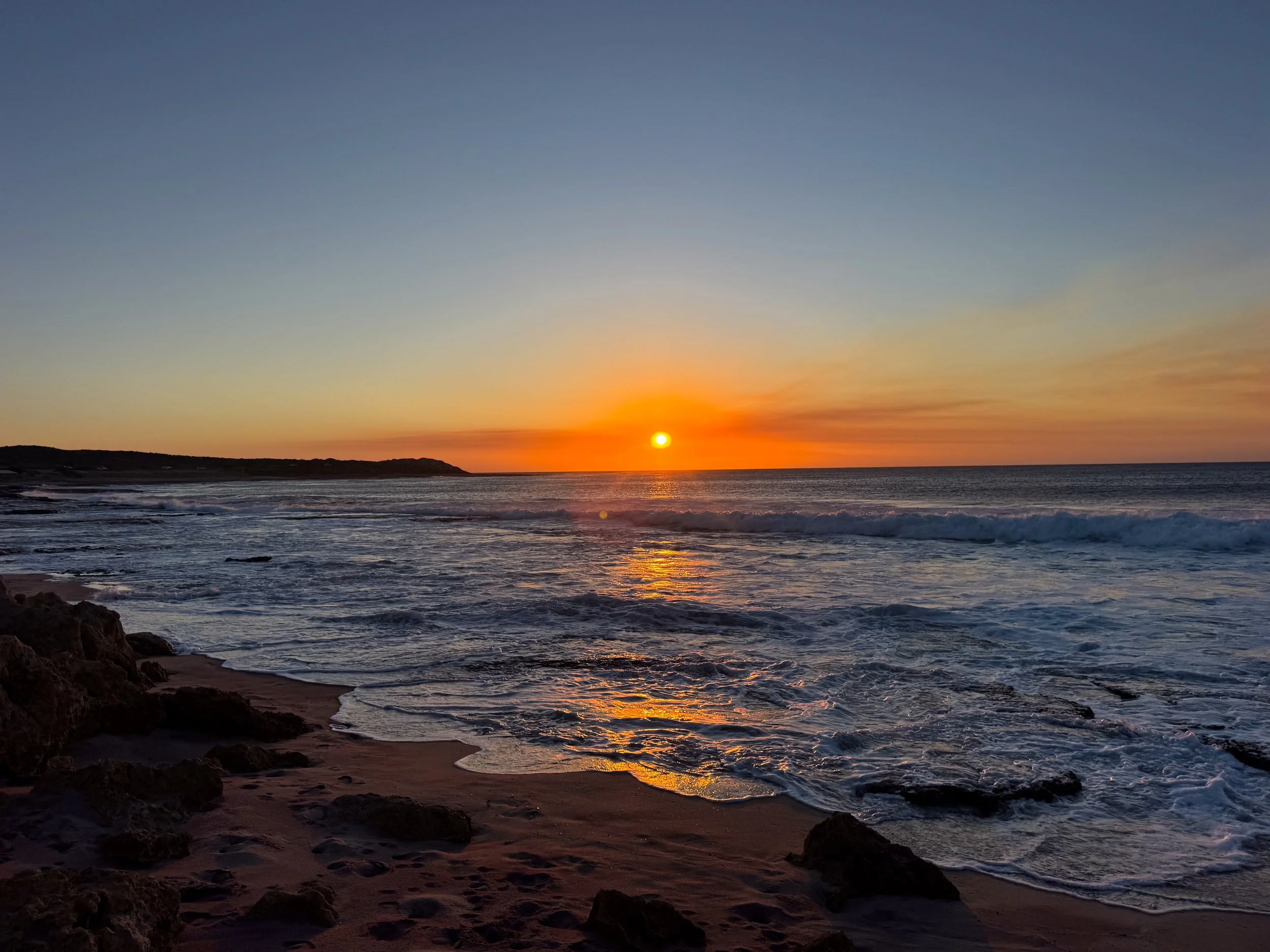
Kalbarri Beaches. Kalbarri has a range of scenic beaches nestled along cliffsides, rivers and oceanfront.
Chinaman’s Beach. A protected beach located where the Murchison River meets the Indian Ocean. Come here for a cooling and refreshing swim on a hot day.
Kalbarri Beach. A calm and swimmable beach in the turquoise hued estuary of the Murchison River. It’s possible to rent kayaks or small boats from here to explore further upstream.
Blue Holes Beach. A lengthy white sand beach with views of the turbulent ocean. Sharp rocks and strong currents make it dangerous to swim but perfect for long seaside walks and sunsets.
Kalbarri Pink Beach. A beautiful pink sand beach with a deep purplish hue. Visit at sunset when the golden light intensifies the color of the sand. Watch experienced surfers riding barrel waves at Jake’s Point.
Melaleuca Trail. A coastal walking trail leading through the bush covered dunes from Chinaman’s Beach to Kalbarri Pink Beach.
Places to Eat, Drink & Stay
Kalbarri Palm Resort. A large motel style resort in the center of Kalbarri. They offer a range of comfortable rooms and outdoor areas like a pool and cricket field. We woke up to kangaroos outside of our apartment. Reserve on Booking.
Buddha Bites. A seafood restaurant at the Kalbarri Palm Resort with South East Asian flavors like coconut, ginger and red pepper. Try the tamarind lime snapper and Australian seafood salad.

Kalbarri National Park (Day 5)
Kalbarri National Park is a sprawling reserve with scenic hiking trails and panoramic lookouts of the Murchison River Gorge, a sandstone gorge carved by the Murchison River and ancient coastline.
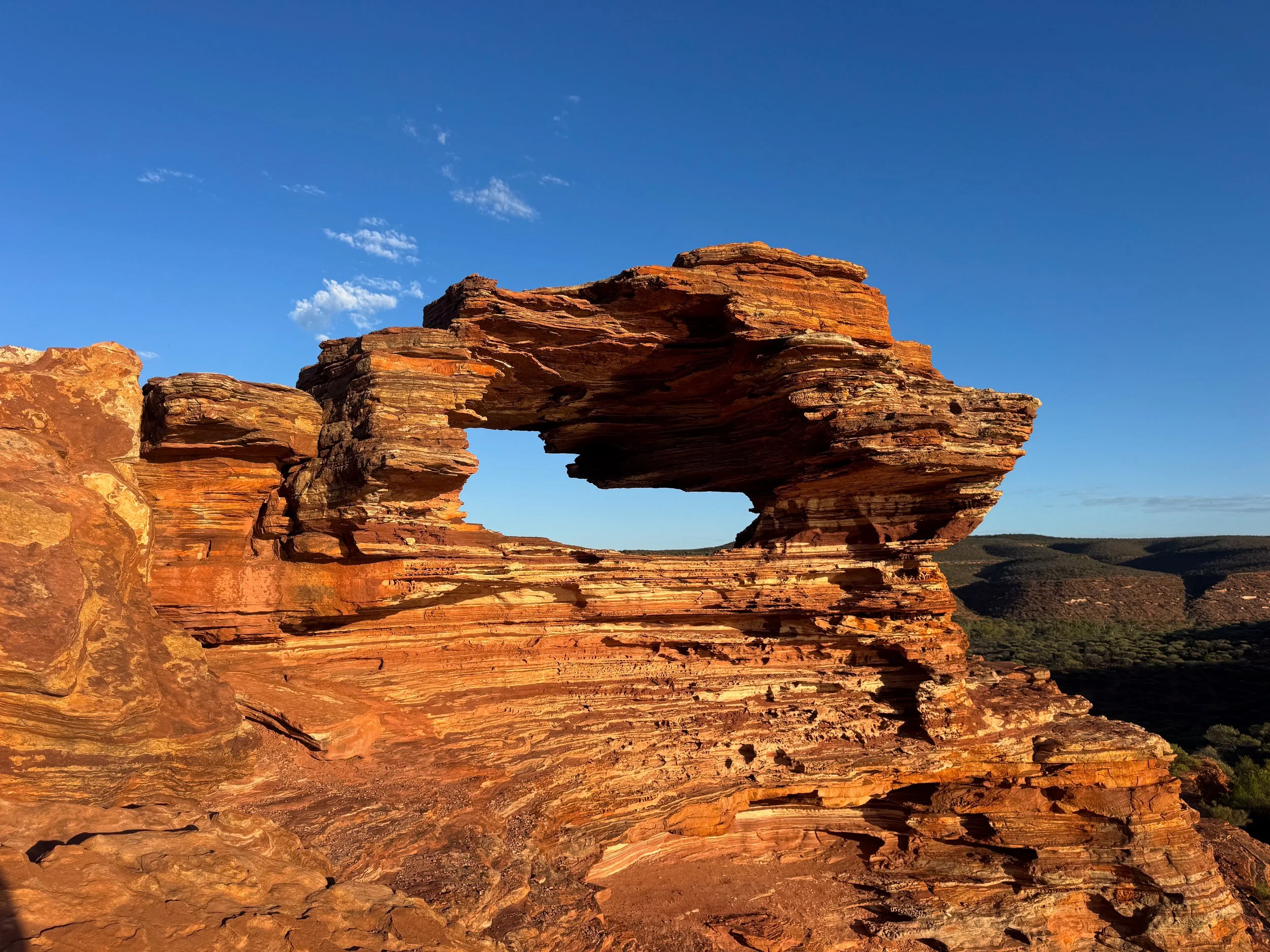
Nature’s Window. A small sandstone arch on a cliffside ridge of the Murchison River Gorge. It’s reachable by following a 500 meter trail from the car park. The trek offers panoramic views of the orange layered sediment, green speckled bushes and winding river gorge.
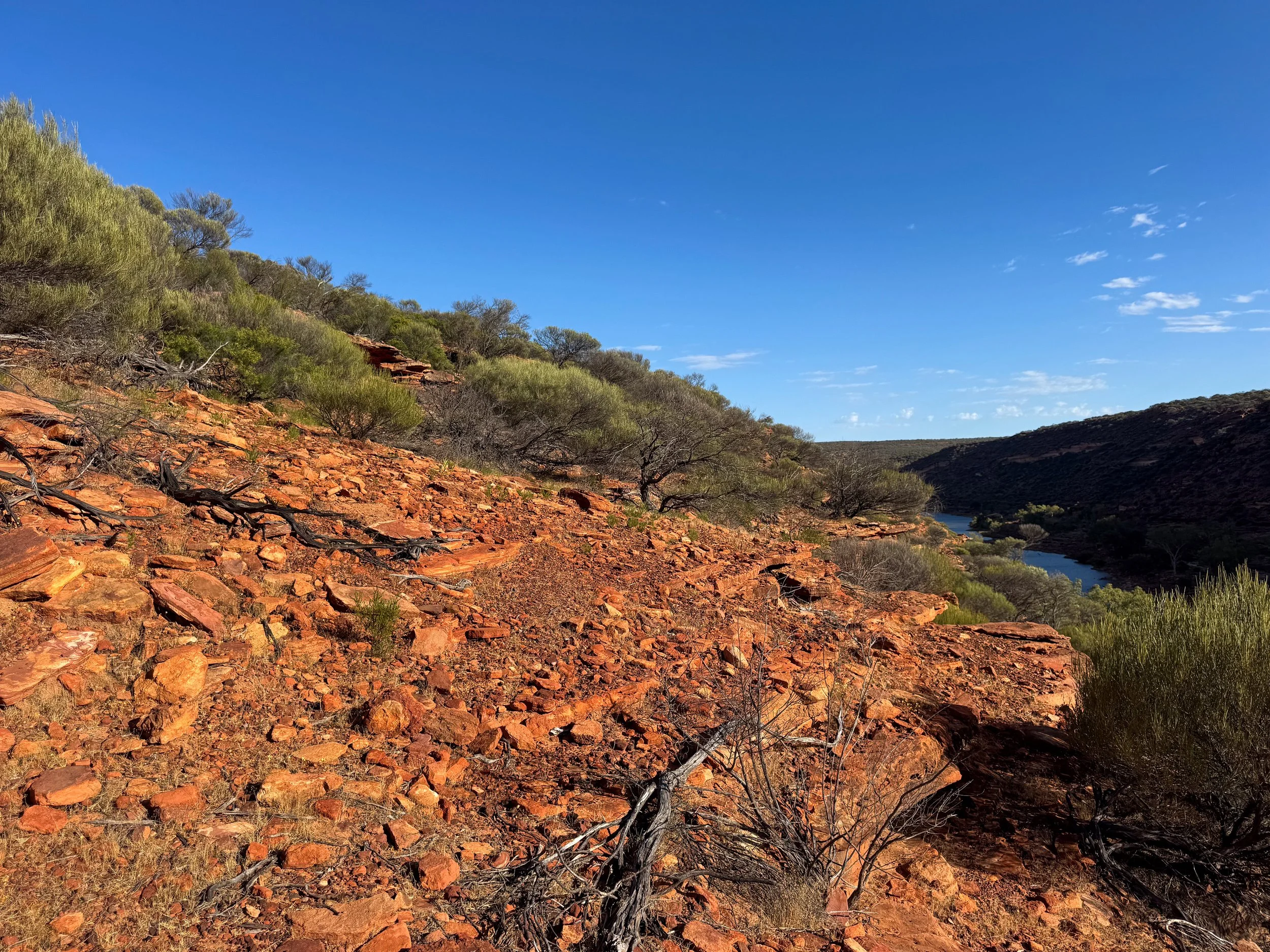

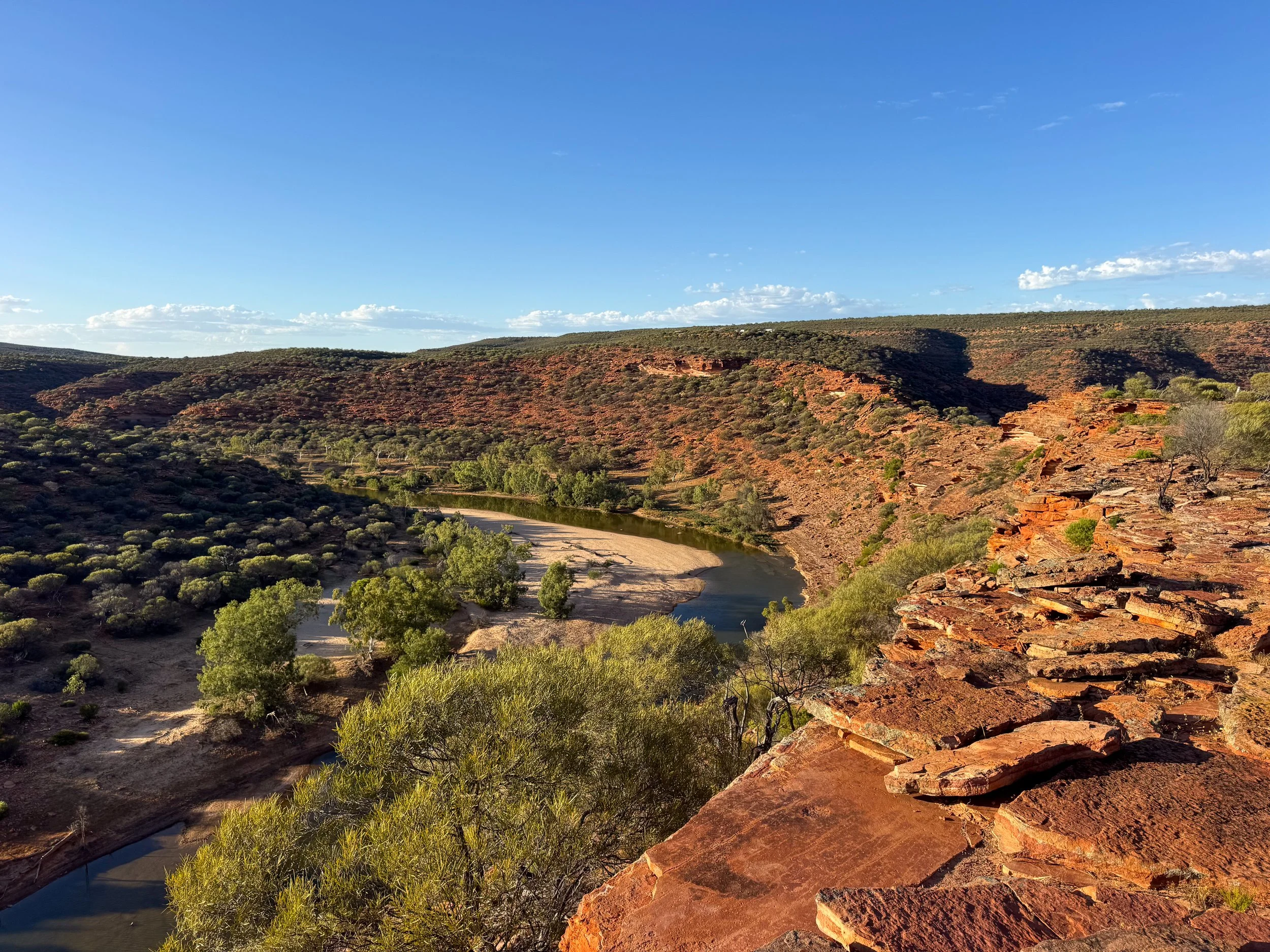
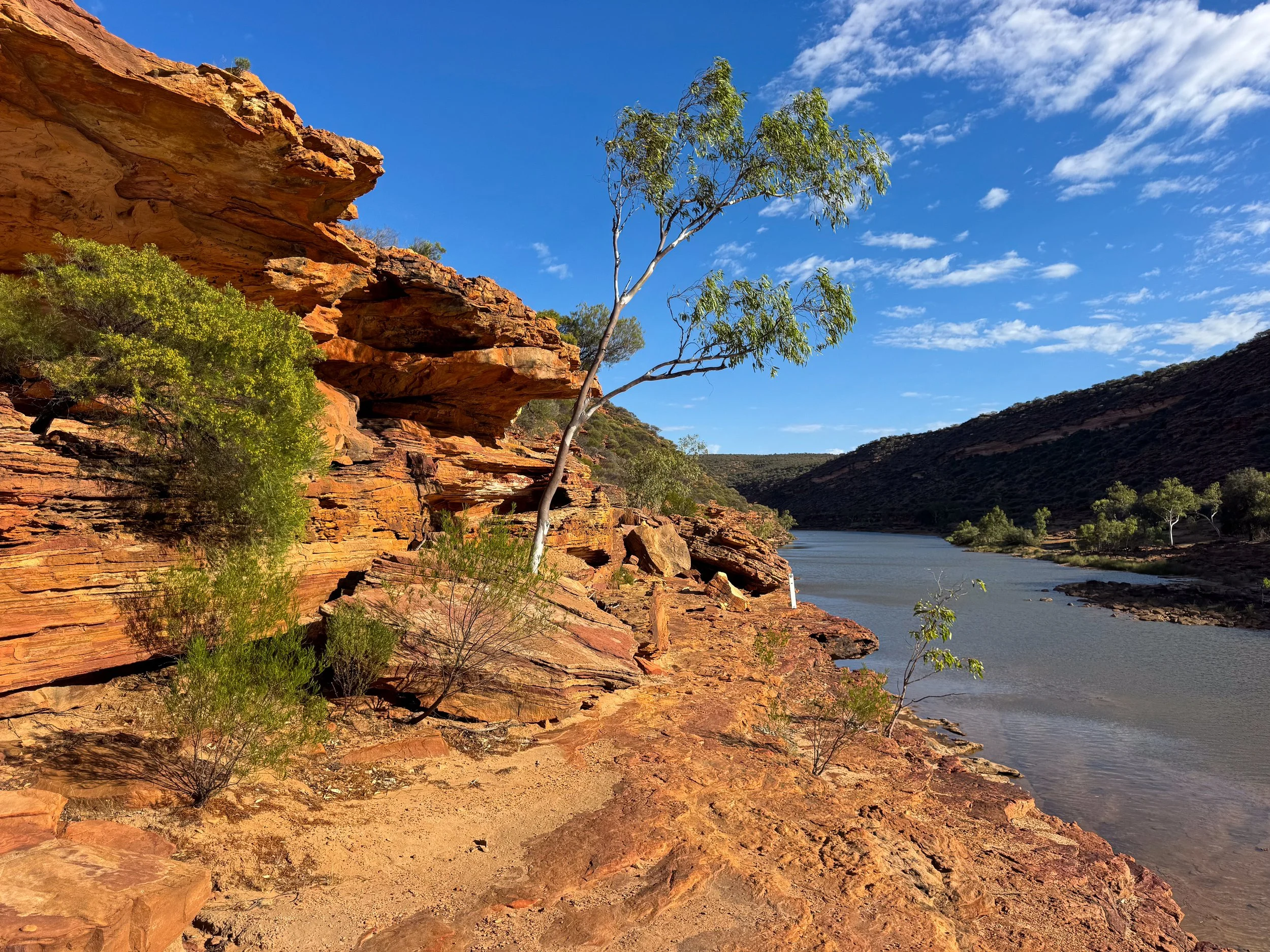
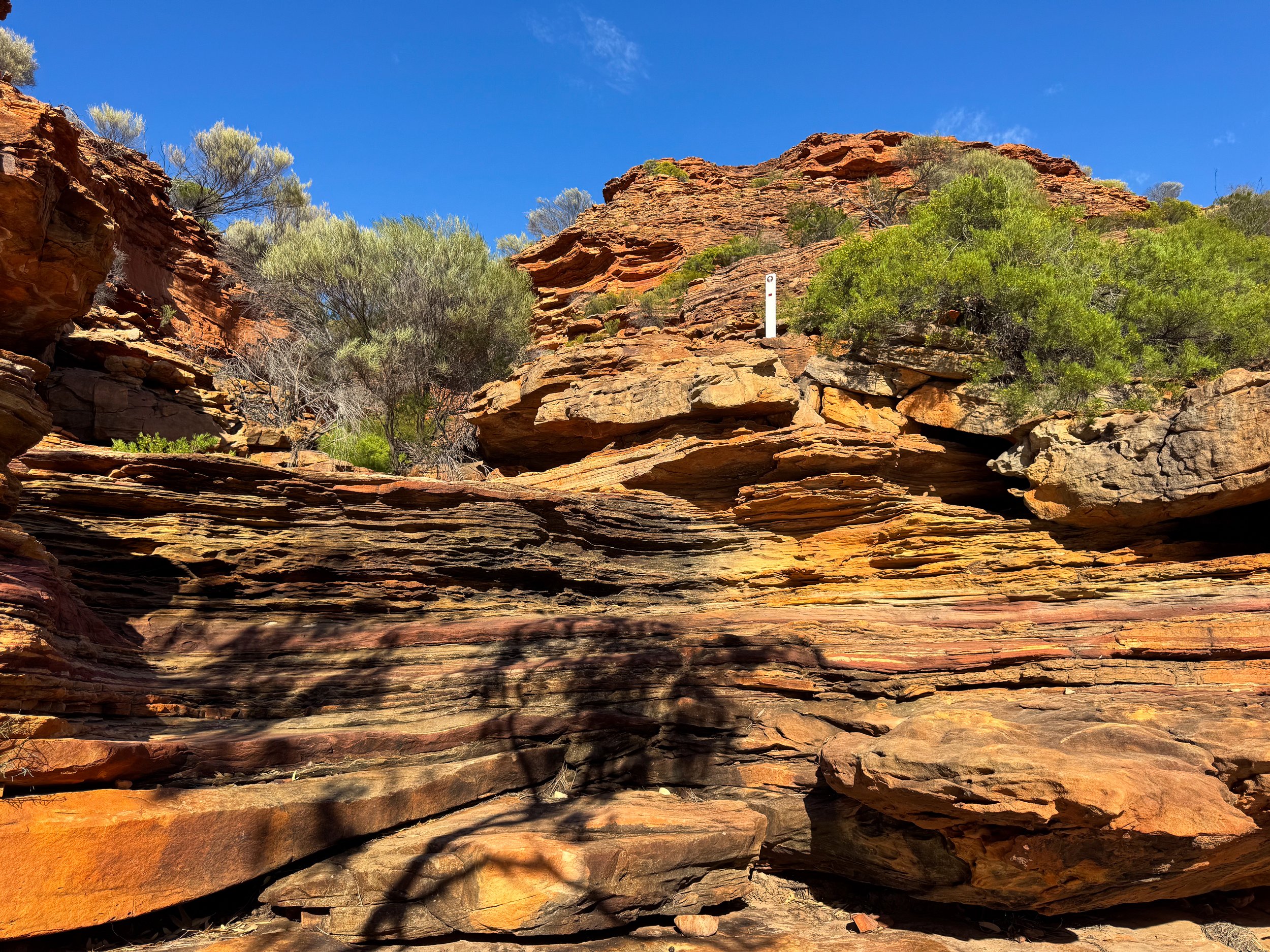
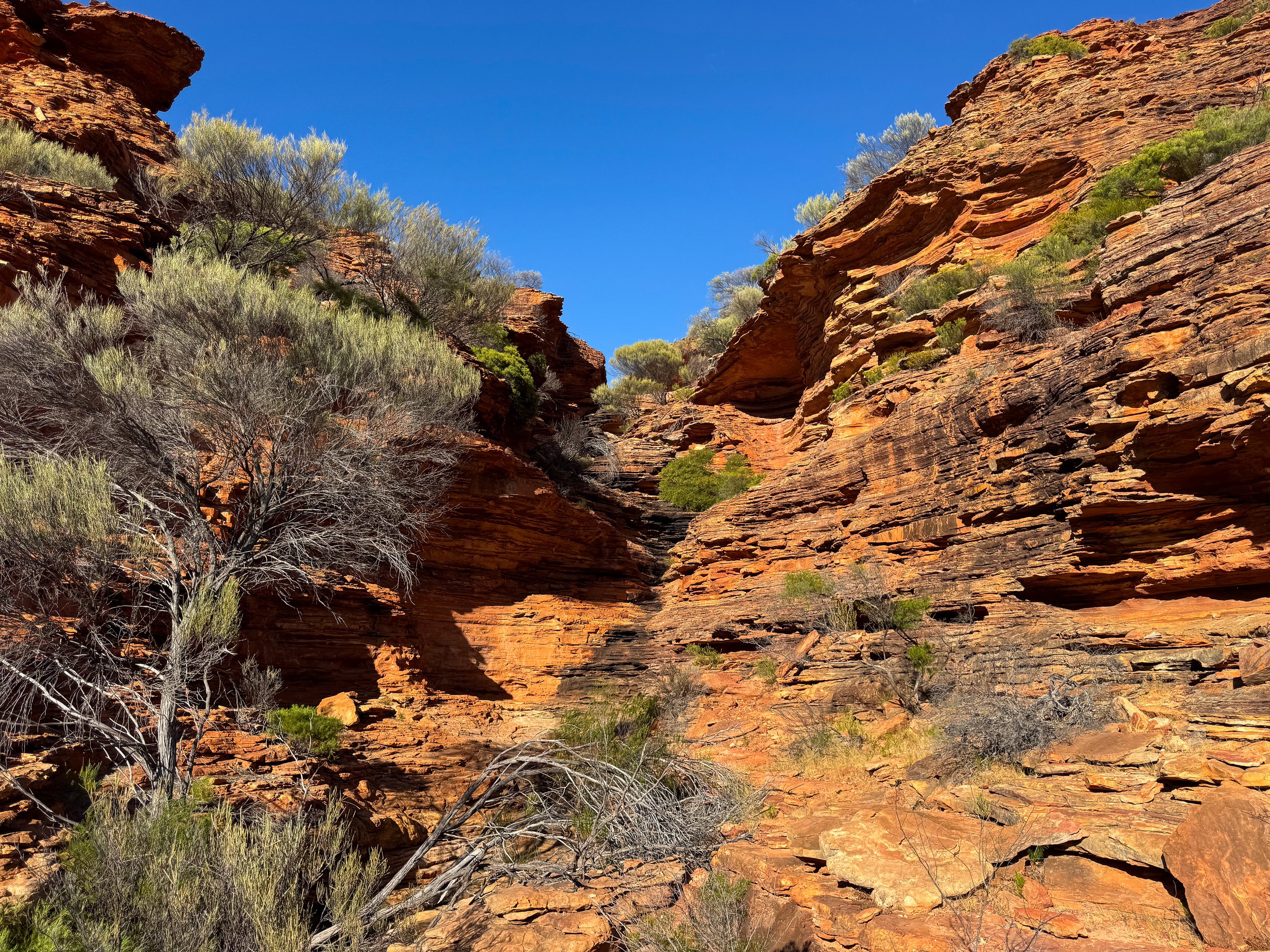
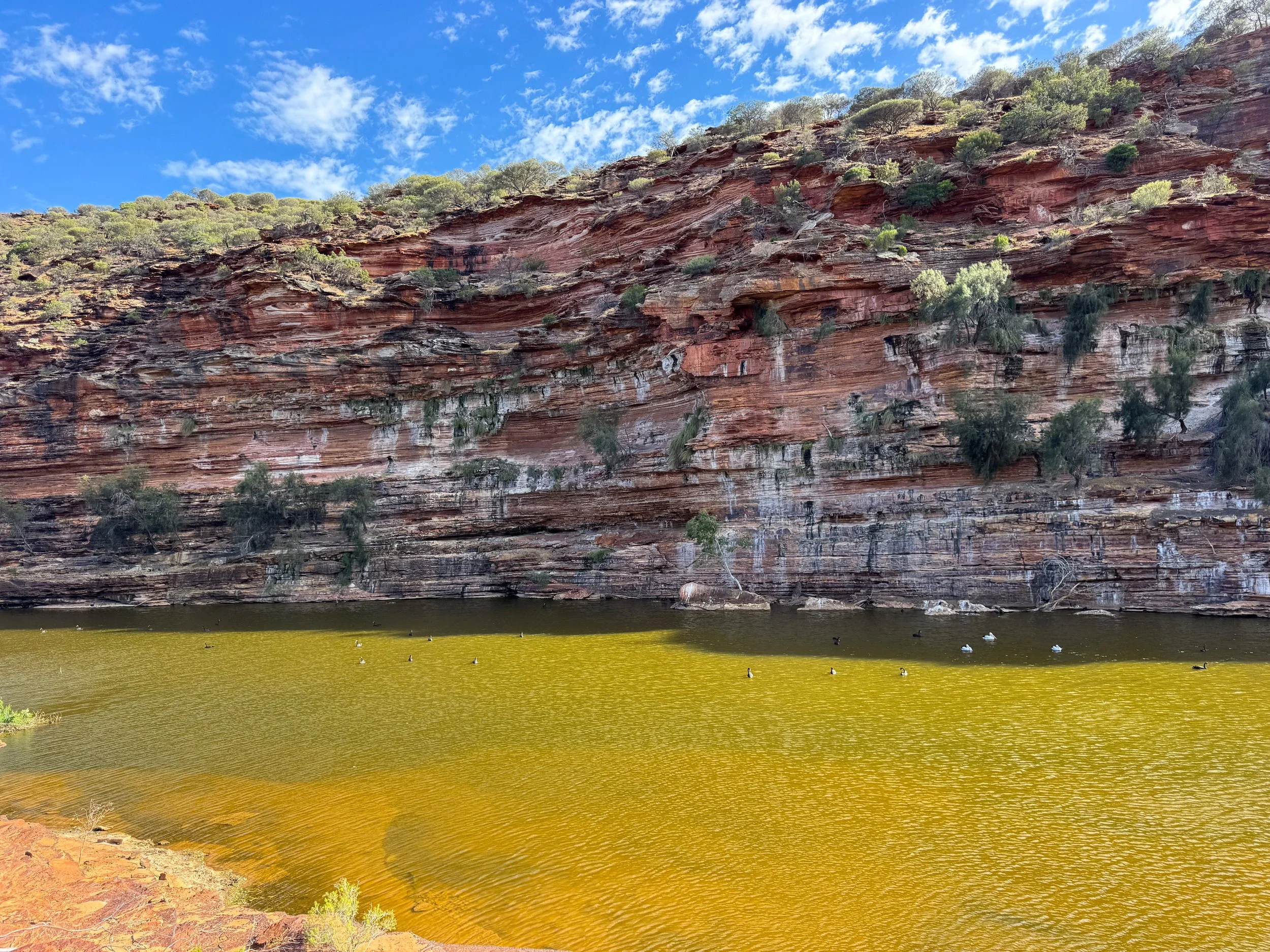
The Loop Trail. An adventurous and scenic trail leading 8km through The Murchison River Gorge, beginning at and returning to Nature’s Window. It follows the cliffside ridge of the dramatic gorge. A steep descent continues down layered sandstone formations to the base of the canyon. A fractured ledge with minimal clearance leads along the edge of the riverside. The trail follows a horseshoe bend with views of the canyon walls. It continues through a fragrant eucalyptus grove before ascending back up to the ridge. The trail is the best we hiked in Western Australia!
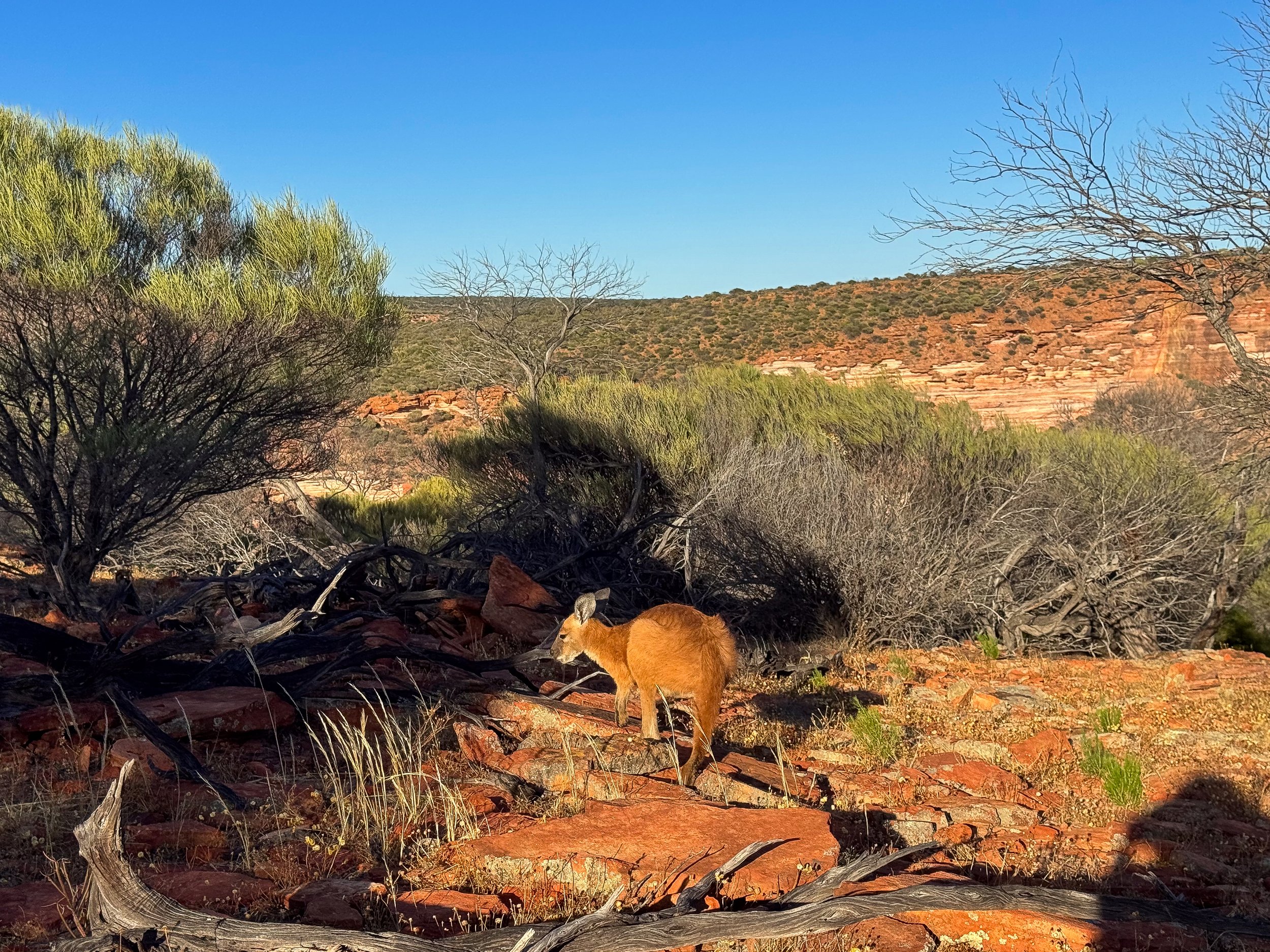
Wildlife Spotting. The gorge is home to a variety of wildlife. Pairs of kangaroos nibbled on grass along the trail and hopped down the gorge’s rocky cliffs. Pelicans and black swans swim in the Murchison River. Foot prints and tracks from emu, small mammals and lizards meander through the sand.
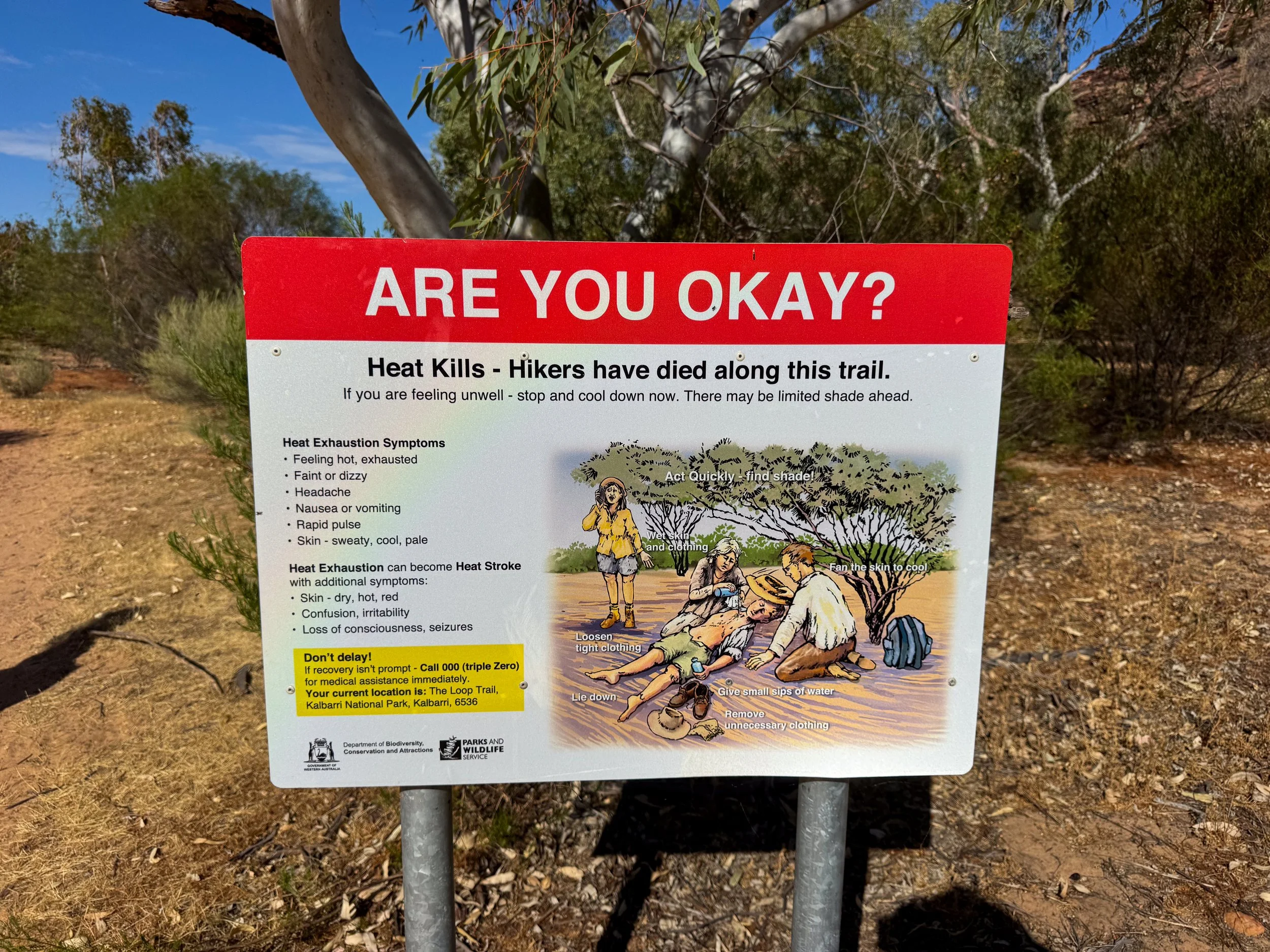
Advice for Visiting. The Loop Trail can be dangerous and uncomfortable! Here is some advice to keep in mind.
Avoid the Heat. The trail head closes at 7am due to extreme heat. It’s best to begin hiking just after sunrise. The temperatures reached 36C (97F) by 9am when we completed the hike.
Bring Water. Hydrate before the hike and carry enough water to last the duration. We carried 1.5L each, however it’s advised to carry 1L per hour.
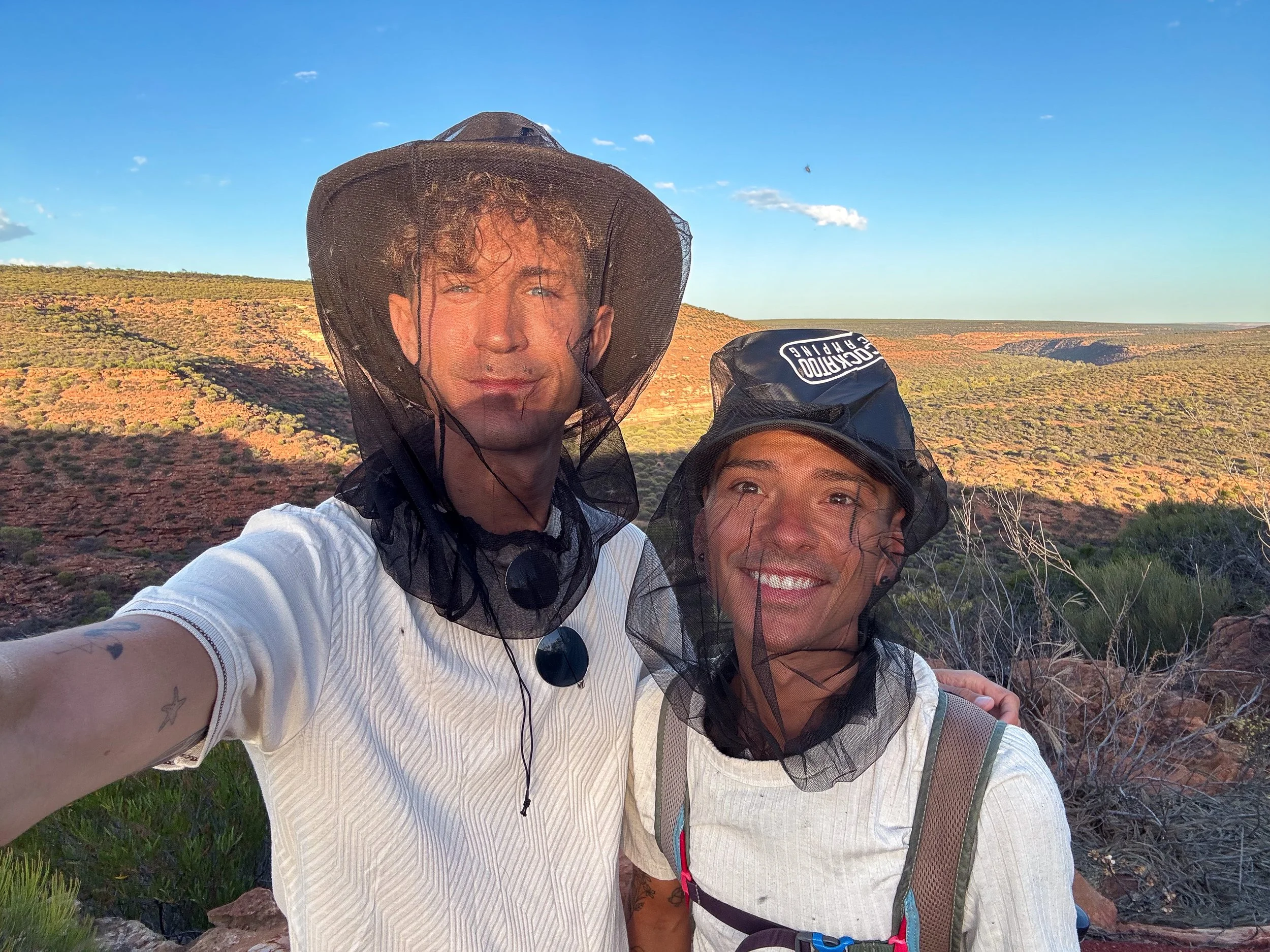
Fly Nets. You absolutely need a fly net during the hike. We were swarmed by and covered in hundreds of flies.
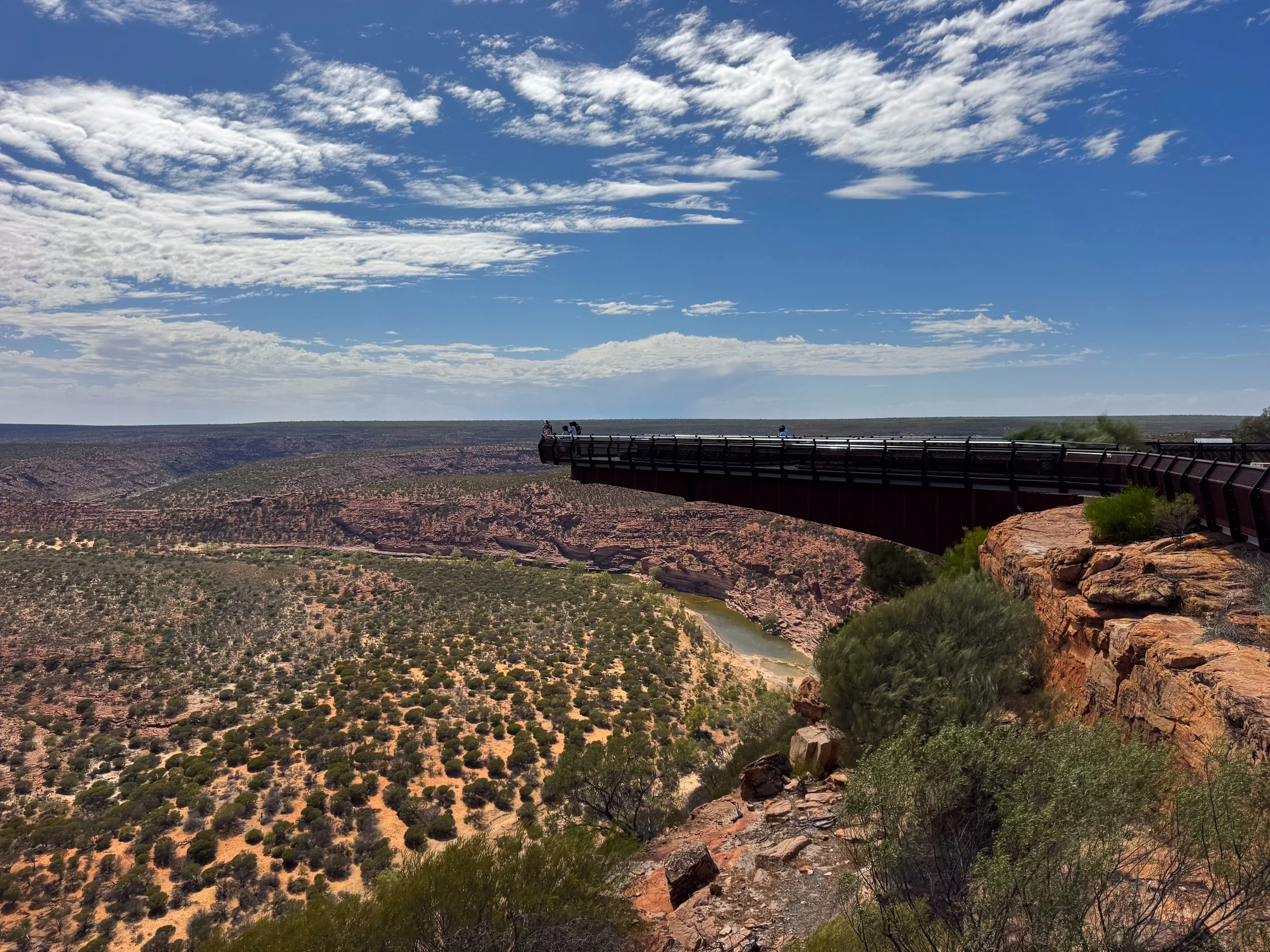
Kalbarri Skywalk. A pair of cantilevered walkways suspended hundreds of meters above the Murchison River Gorge. They offer panoramic views of the gorge and Outback landscape.
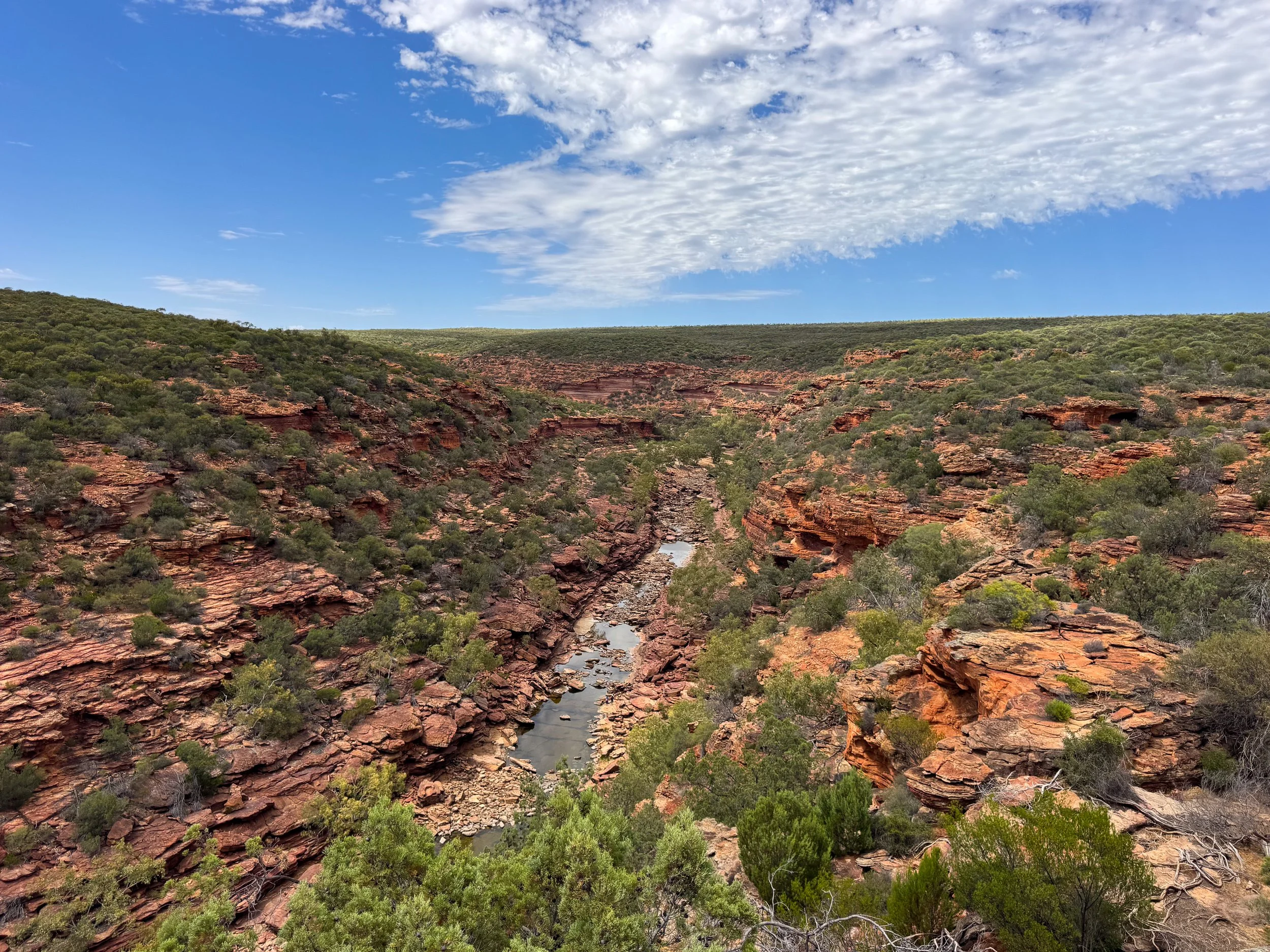
Z-Bend Lookout. A lookout point of the Murchison River Gorge’s most prominent bend, aptly named after its sharp right angular bends. A bonus sight is a fossilized 400 million year old “footprint” trail from a eurypterid, one of the planet’s first land dwelling creatures.
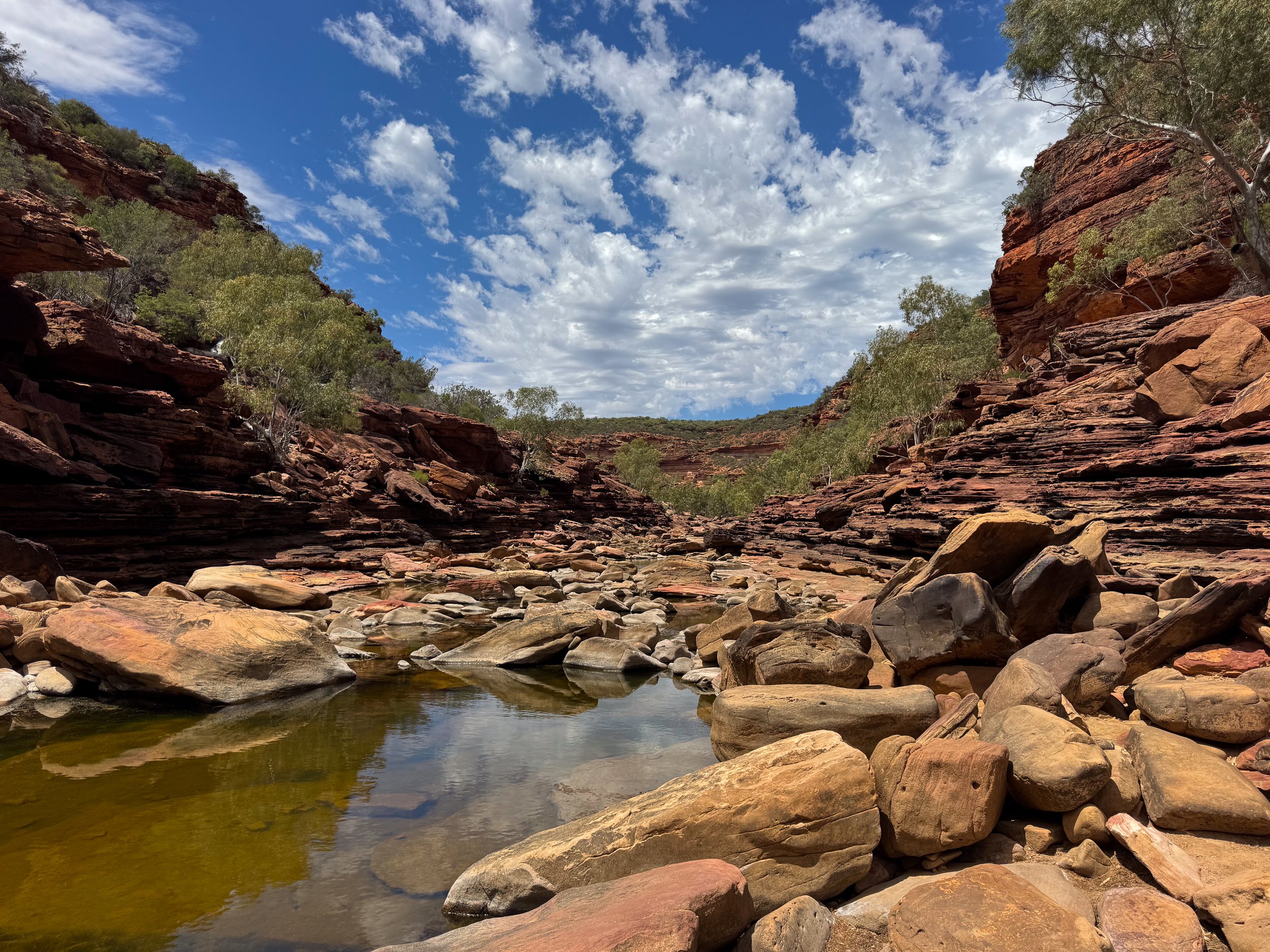
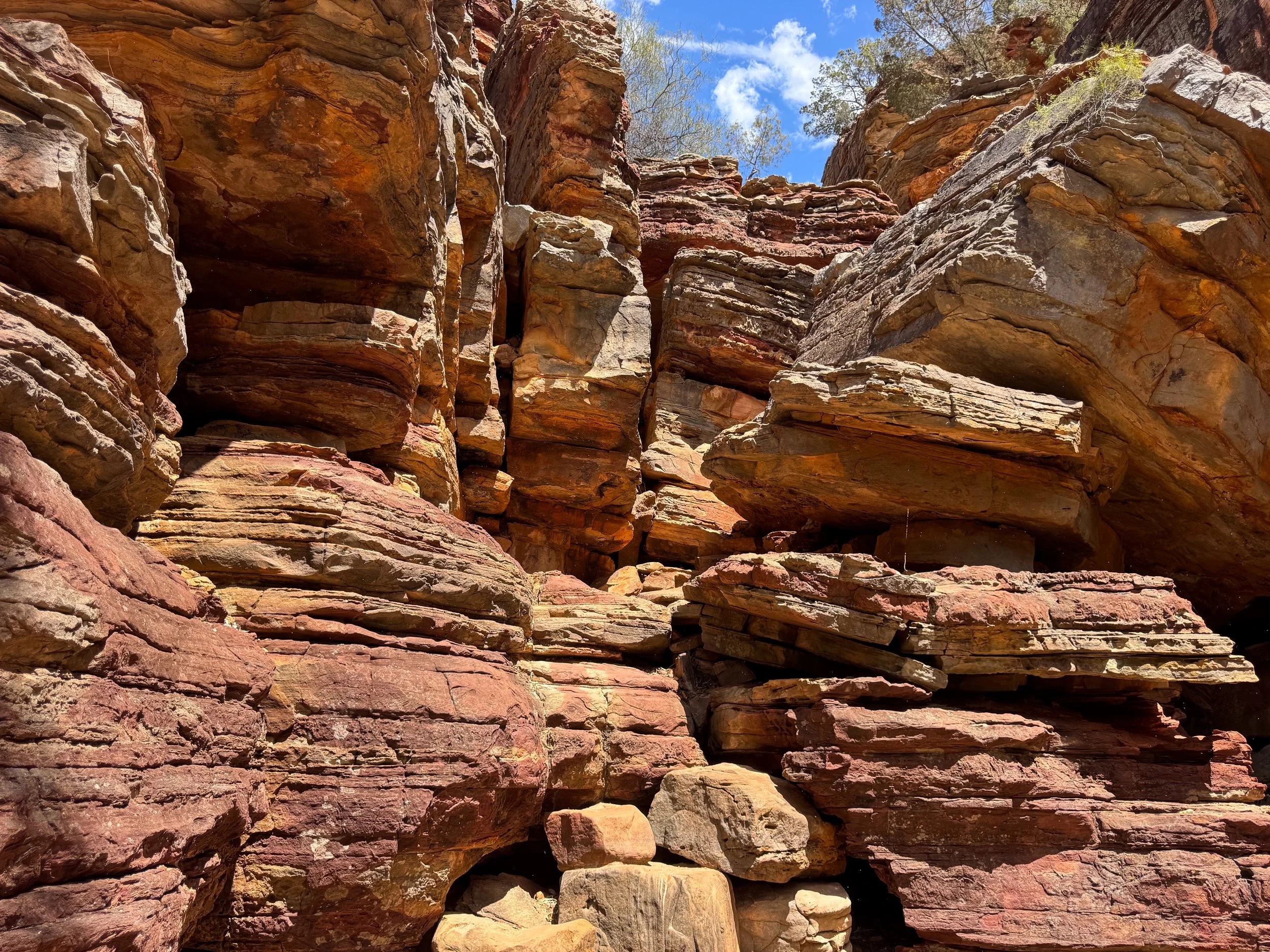
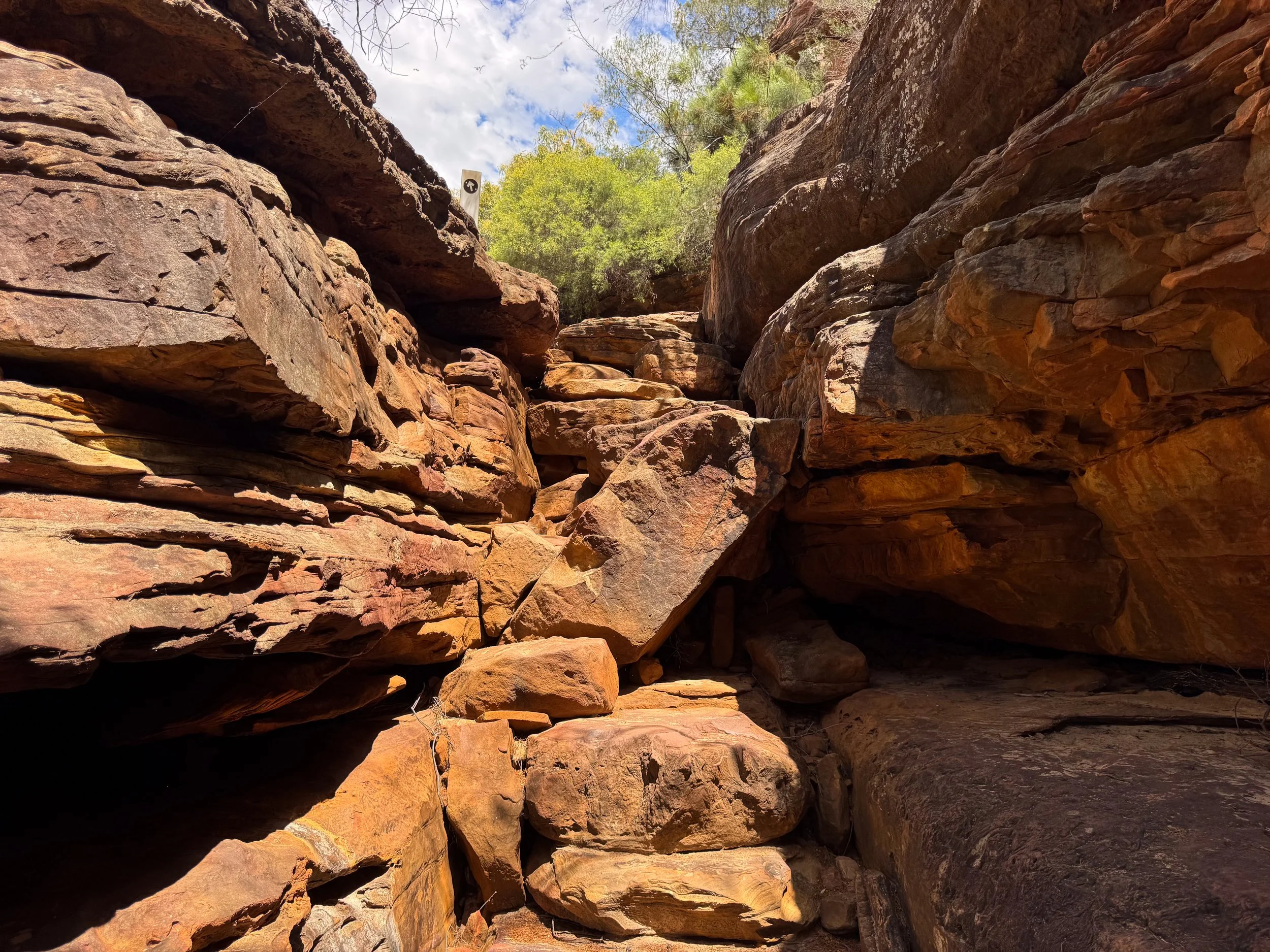
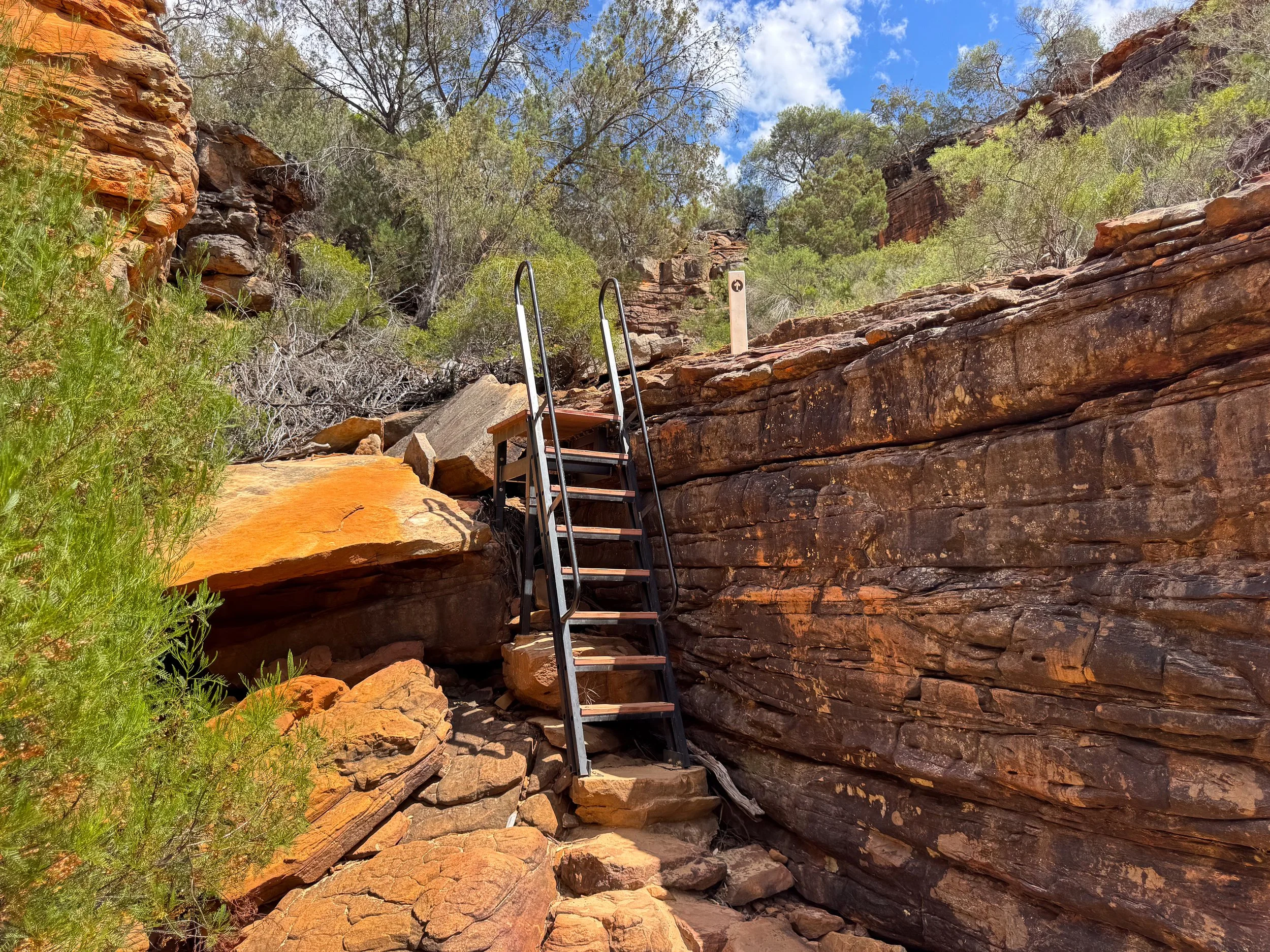

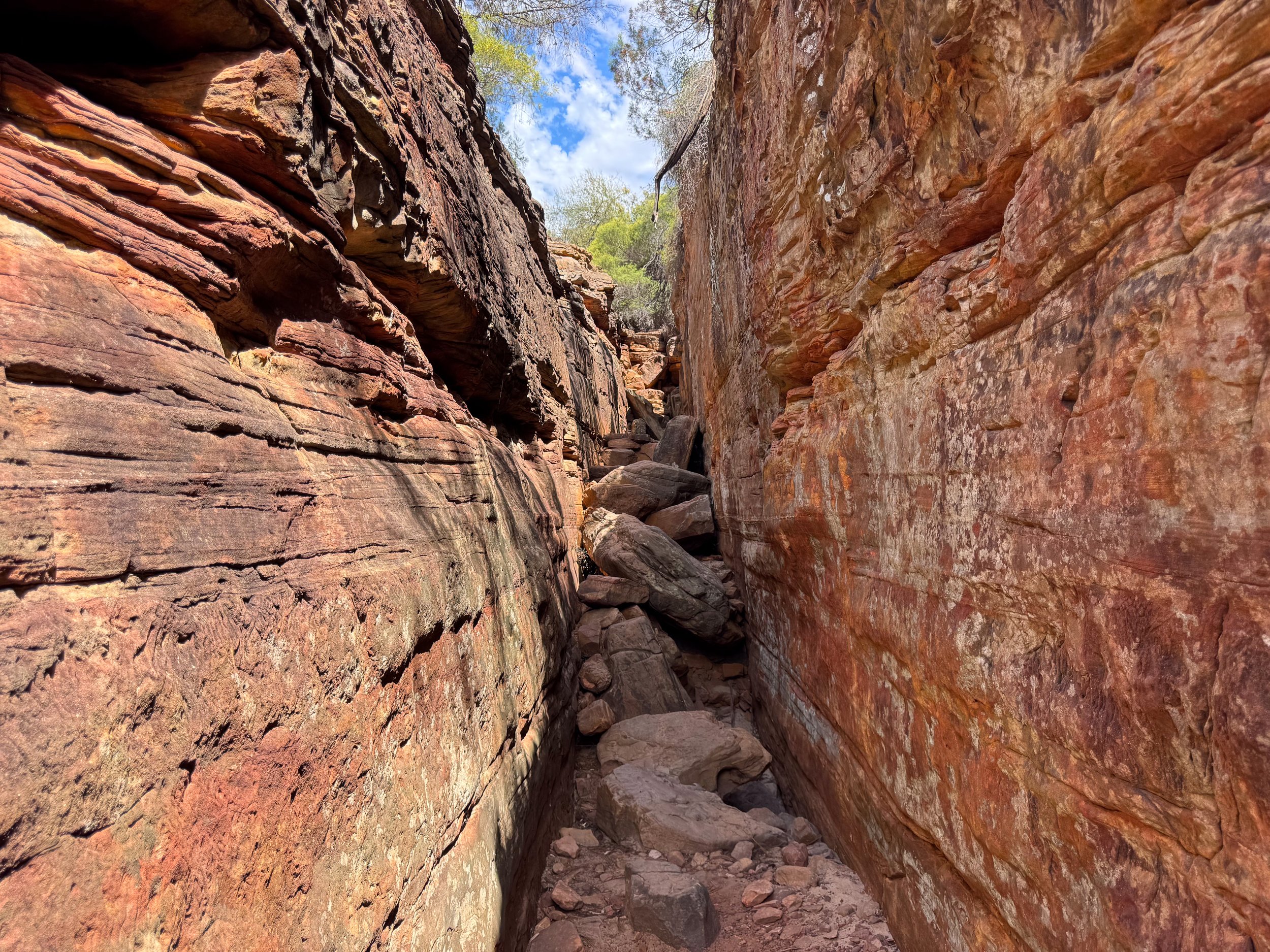
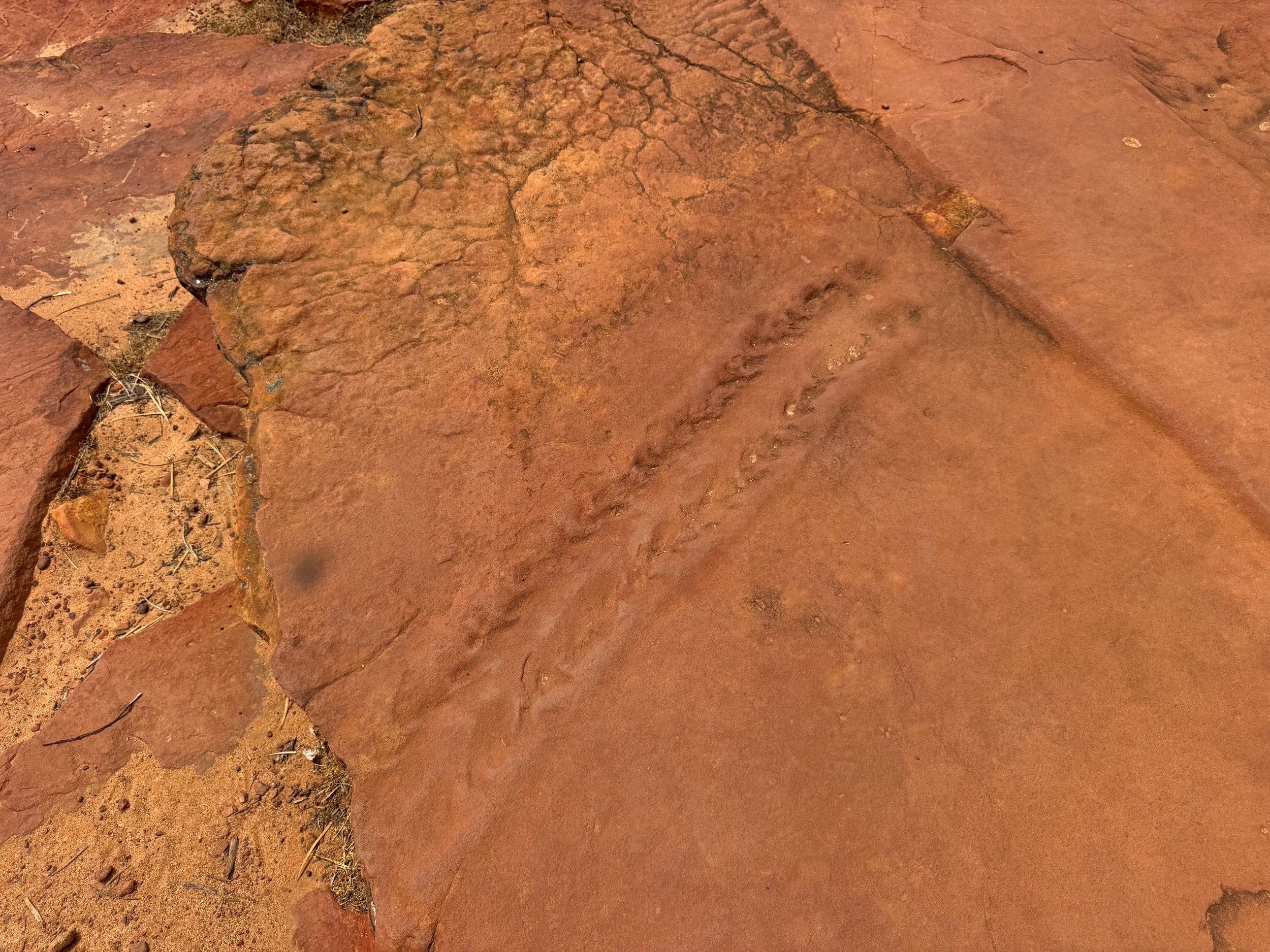
Z Bend River Trail. An adventurous 2.6km round trip trail leading to the Z Bend of the Murchison River. The semi-rigorous hike leads through steep crevices, down ladders and over large boulders to reach the river. Walk down the riverbed with beautiful views of the Z Bend.
Ross Graham Lookout. A scenic point with two lookout points of Murchison River Gorge. A short trail leads from the parking lot to the first viewpoint. A side trail continues slightly further into the gorge.
Hawks Head Lookout. A panoramic lookout of the Murchison River Gorge and landscape.
Shark Bay (Day 6)
Shark Bay is a large bay and marine park with picturesque beaches, scenic lookouts and small coastal towns.
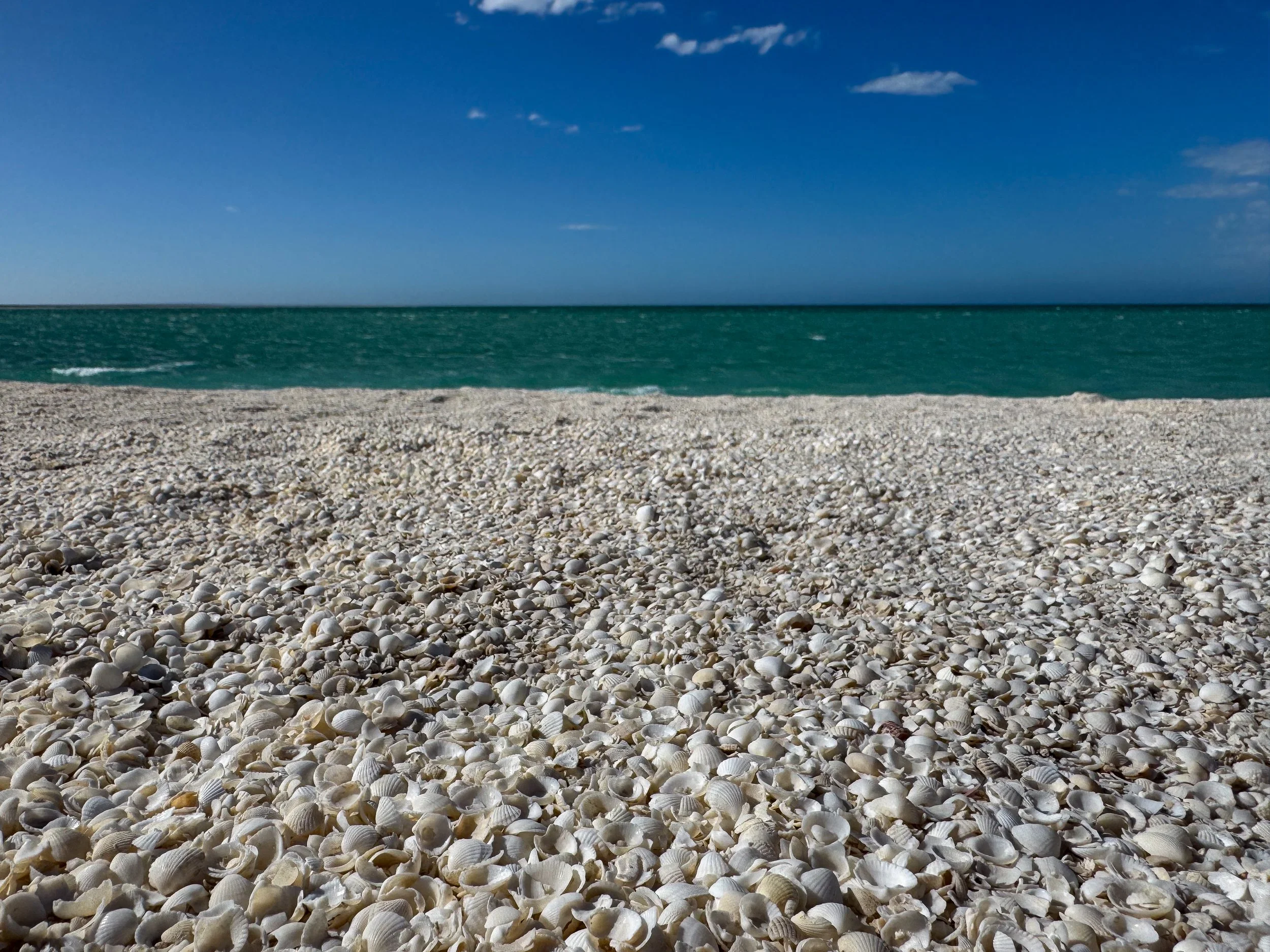
Shell Beach. A magical beach covered in billions of tiny white shells lining the aquamarine shores of Shark Bay. Walk the beach, scoop up shells and toss them like sand in the wind.
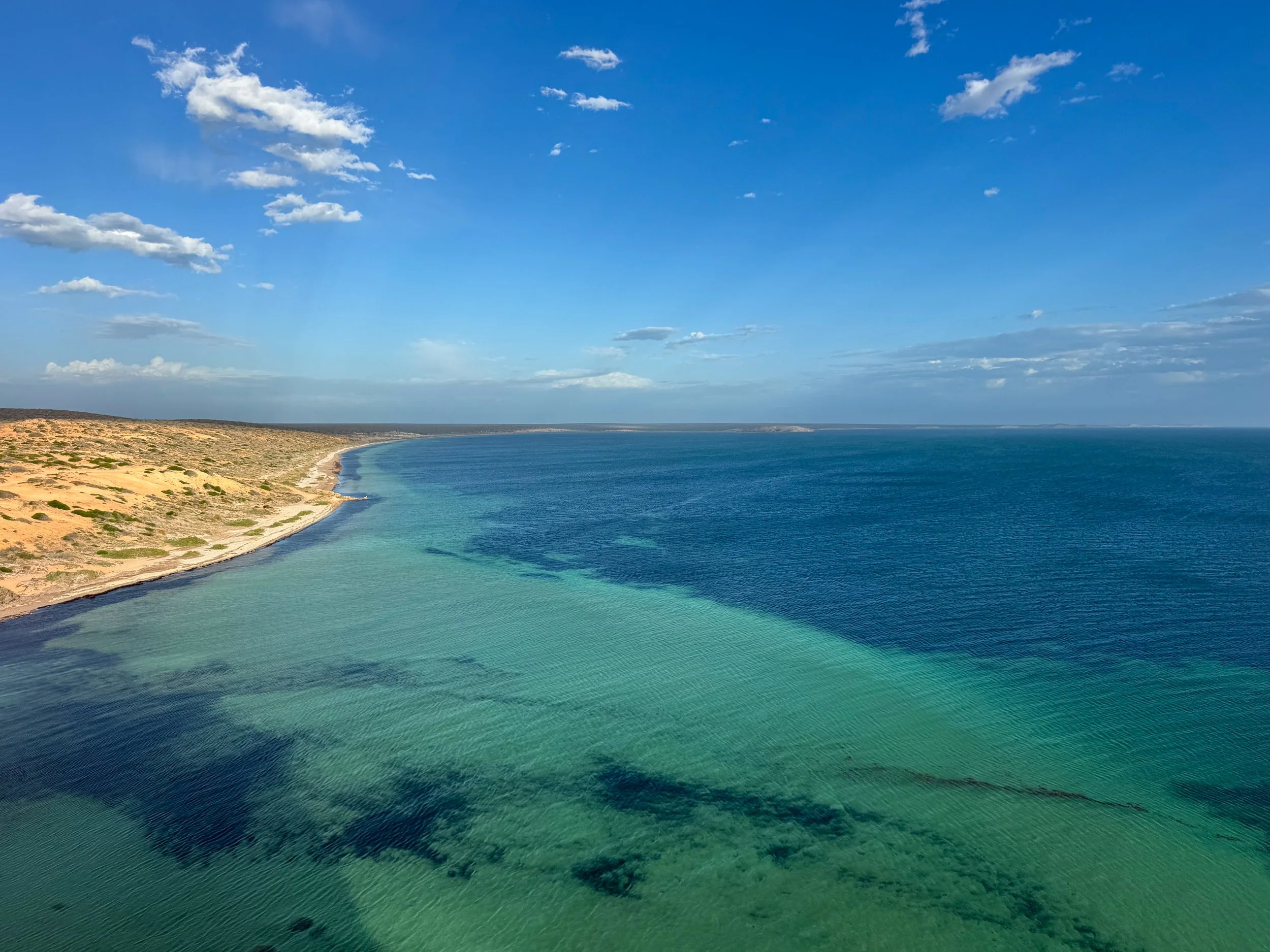
Eagle Bluff Lookout. A coastal lookout and boardwalk with views of the beaches, cliffs and shallow coastal waters. Come here to spot marine life including lemon sharks, nervous sharks, rays, sea turtles and aquatic birds.
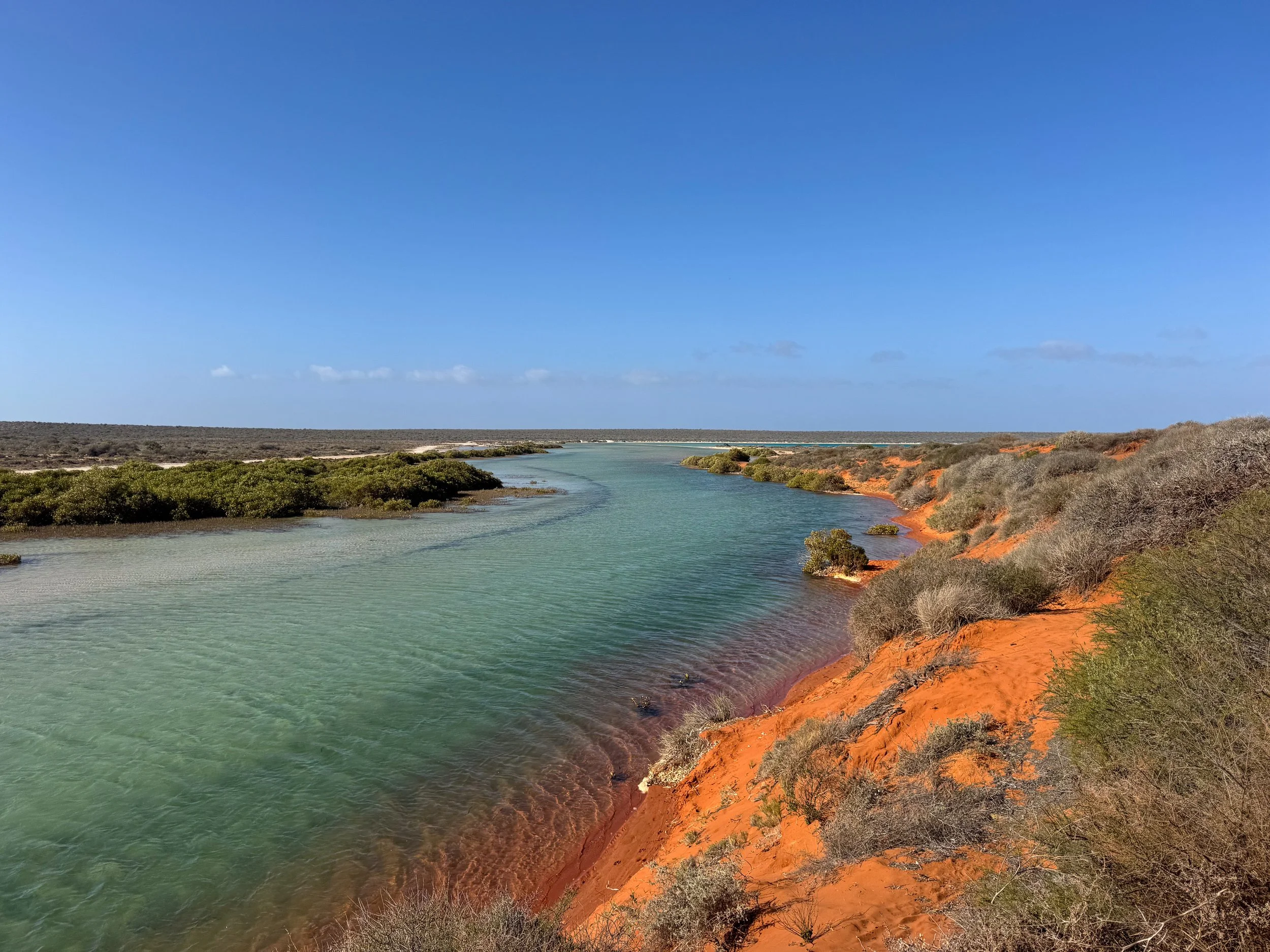
Little Lagoon Creek. A turquoise creek flowing from the bay into the Little Lagoon. A trail follows its banks to the mouth of the lagoon. Avoid swimming here due to poisonous stonefish.
Little Lagoon. A crystal clear lagoon with multihued blue waters. Bring a beach chair to relax on shore, swim in the shallow waters or barbecue at one of the grill pavilions.
Denham. A cute coastal town in Shark Bay home to holiday rentals, beaches and turquoise lagoons. Emus can often be spotted strutting around the edge of town.
Places to Eat, Drink & Stay
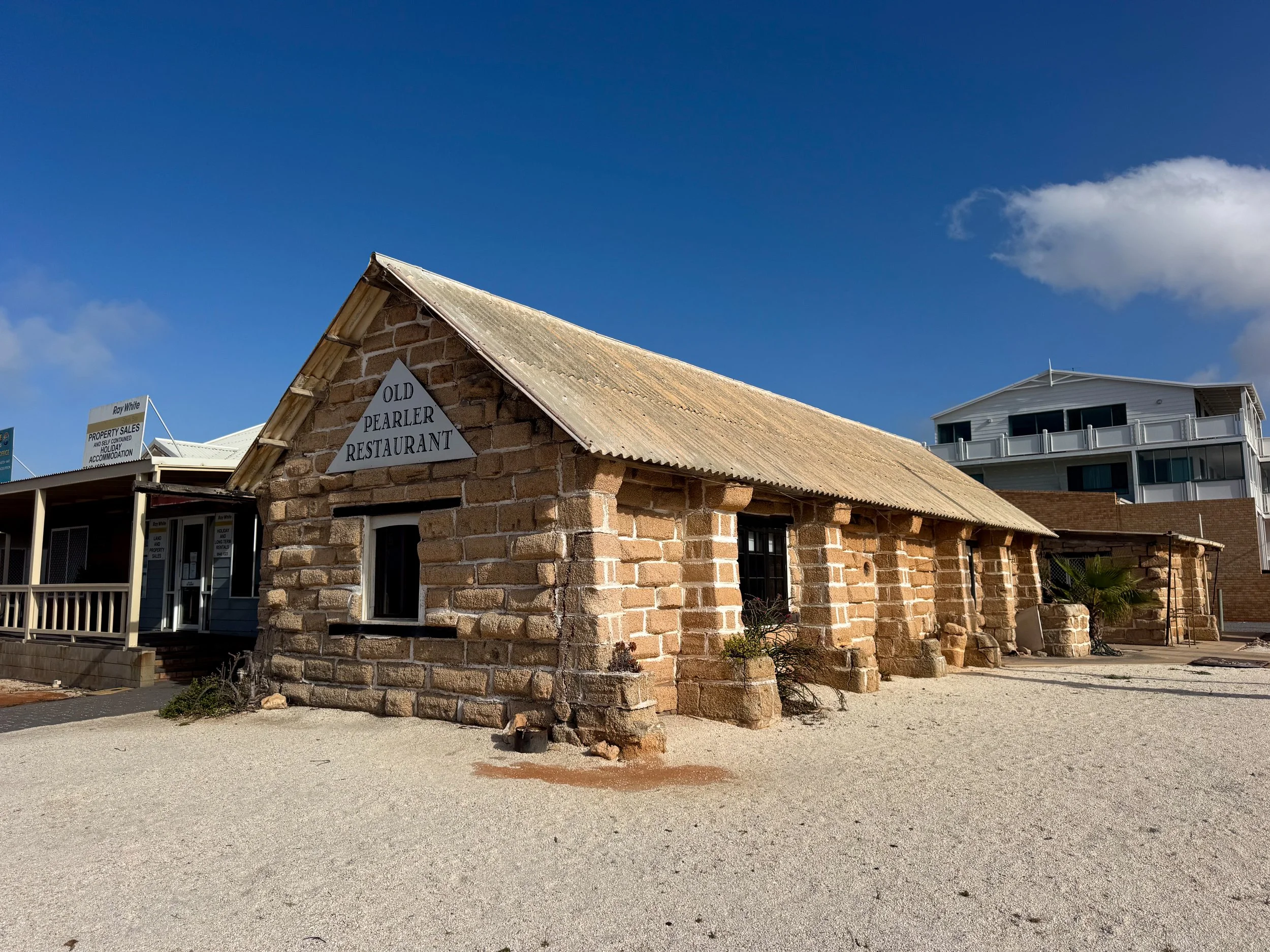
The Old Pearler Restaurant. A seafood restaurant in a historic building made from pressed shell blocks. Its cozy interior offers a romantic setting for dinner. Bring your own bottle of wine and try the seafood chowder or pan fried cod.
Shark Bay Seafront Apartments. A bayside hotel with spacious apartments and well equipped kitchens. Each holiday rental has its own outdoor patios adjoined by a communal area with thatched gazebos, sun lounges and a barbecue. Reserve on Booking.

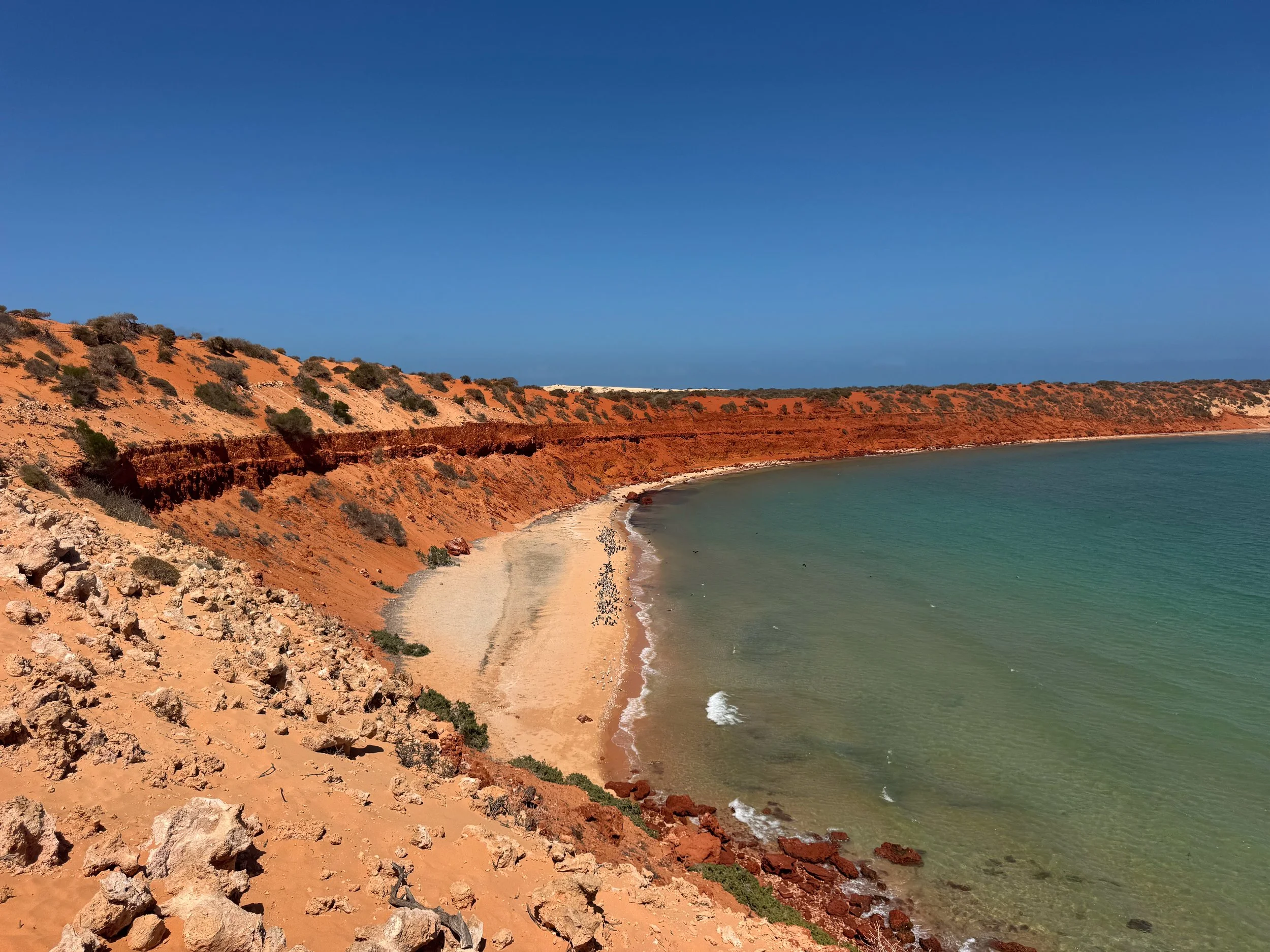
Francois Peron National Park (Day 7)
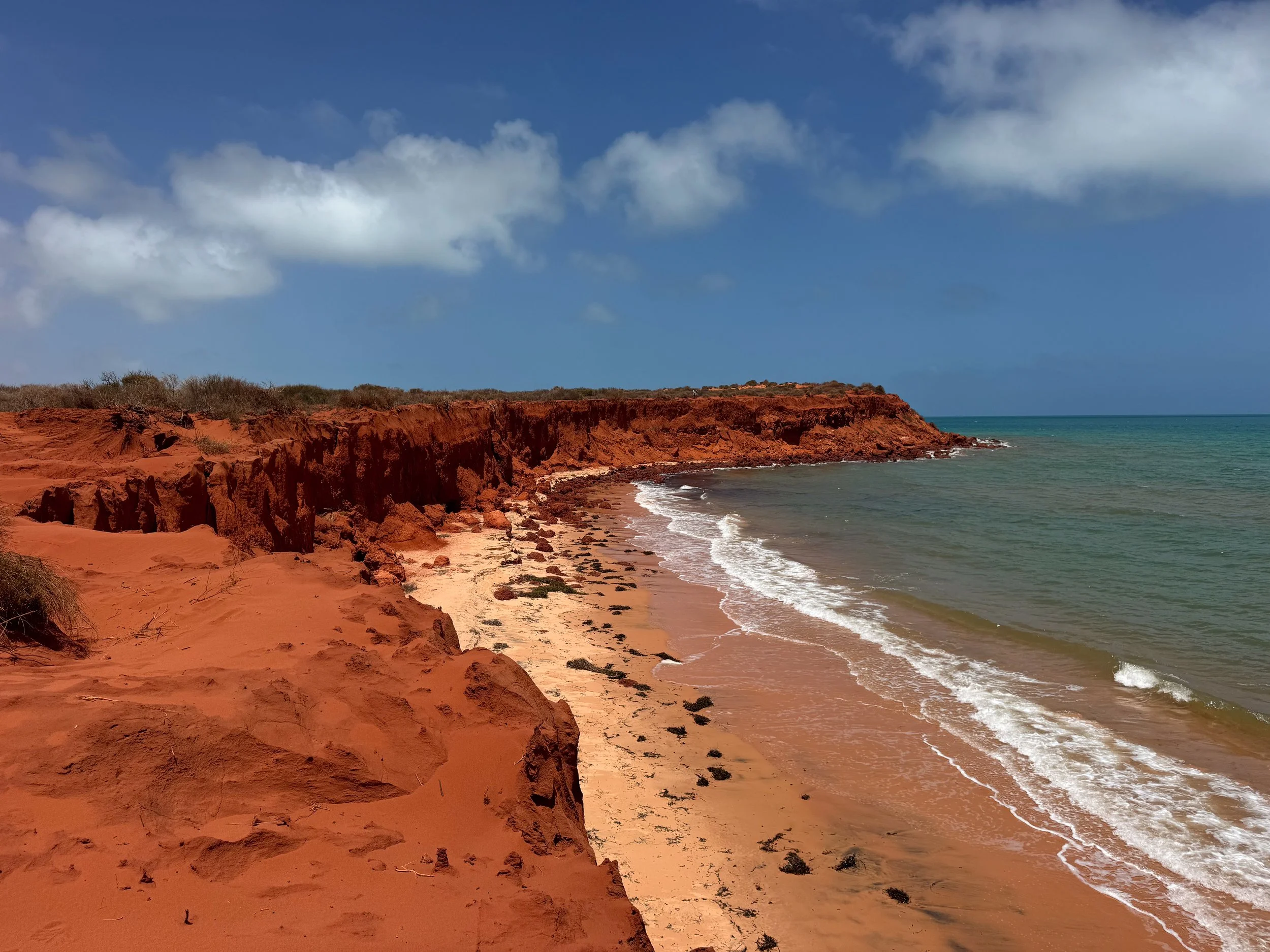
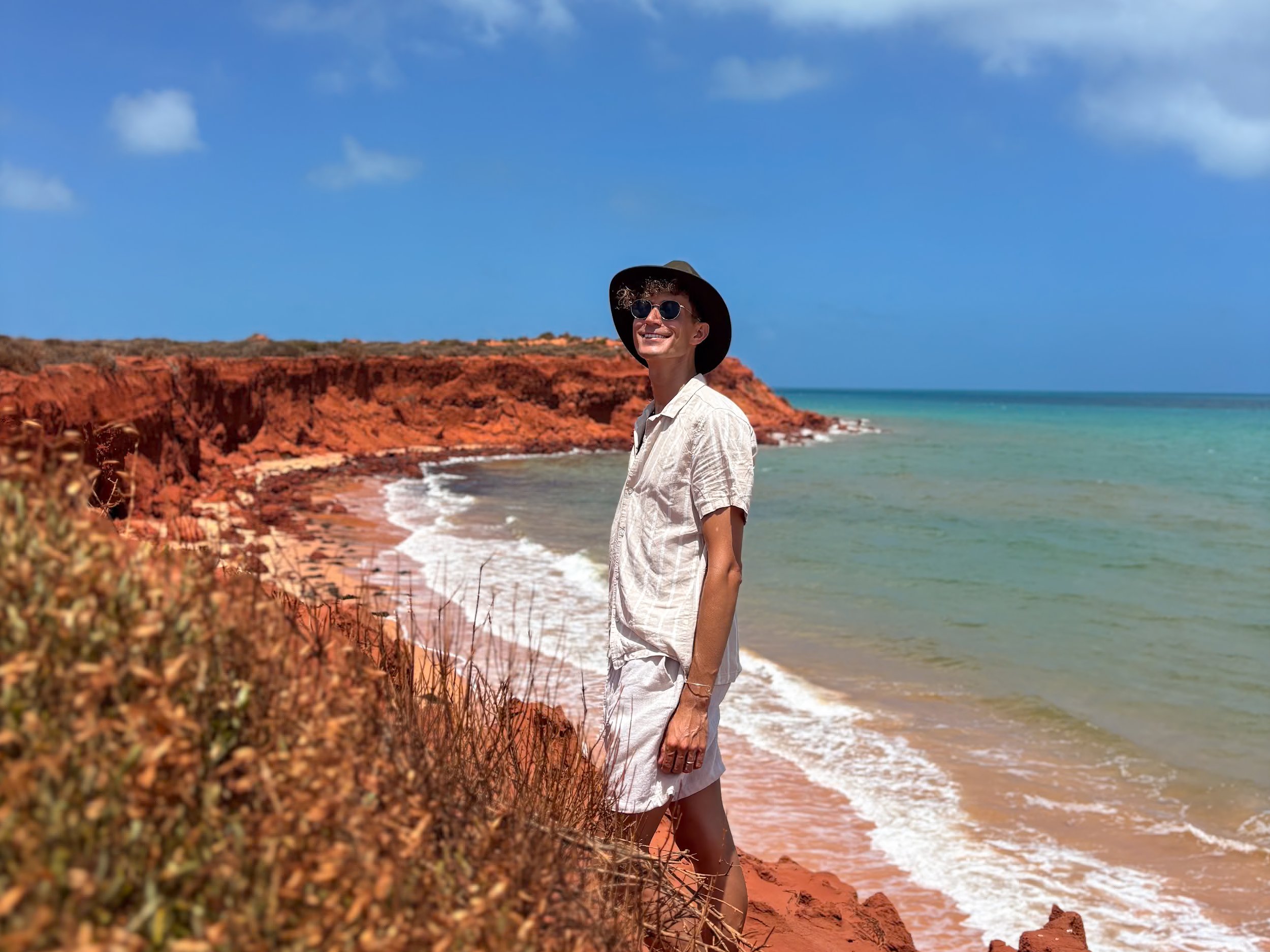
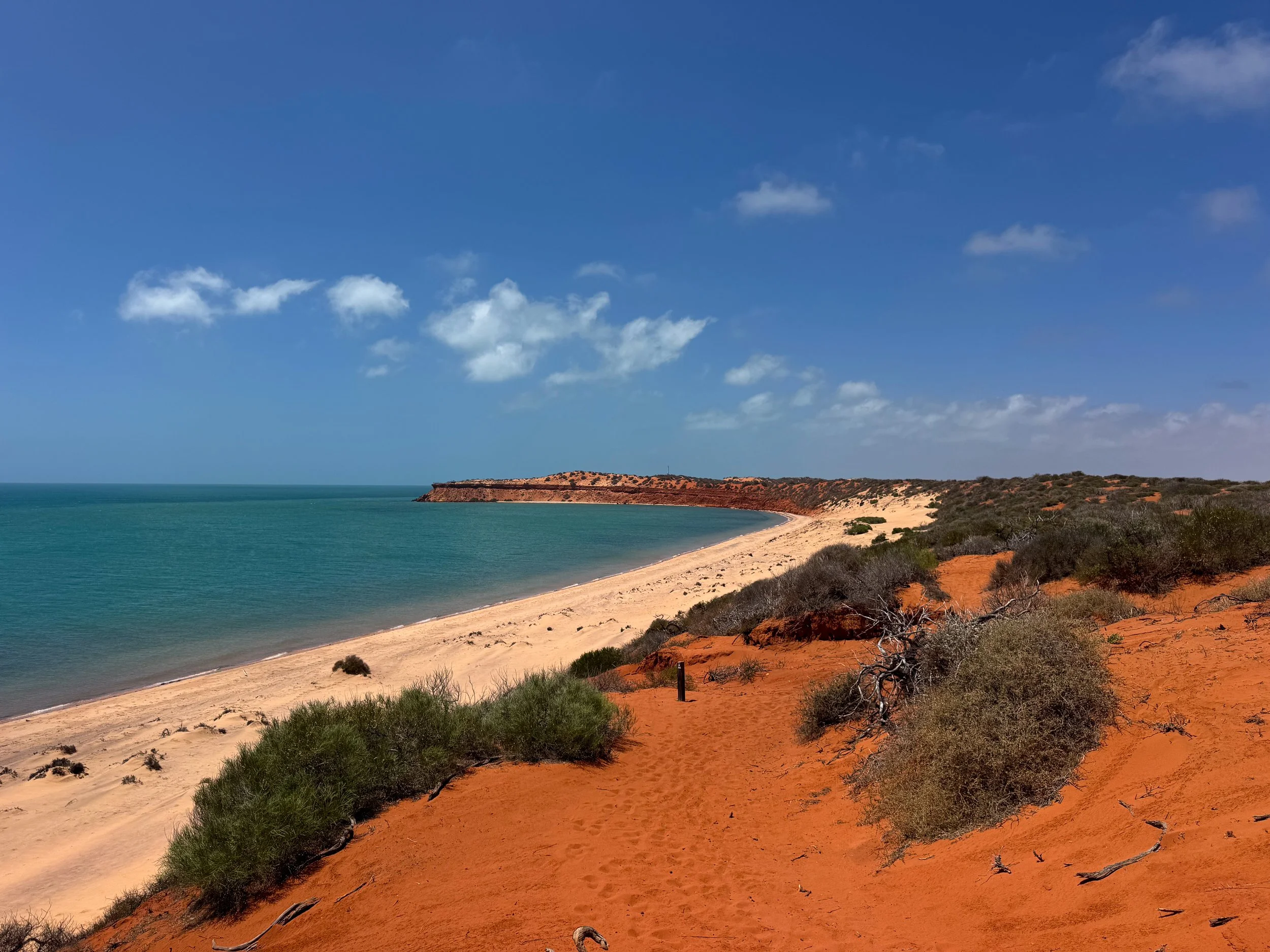
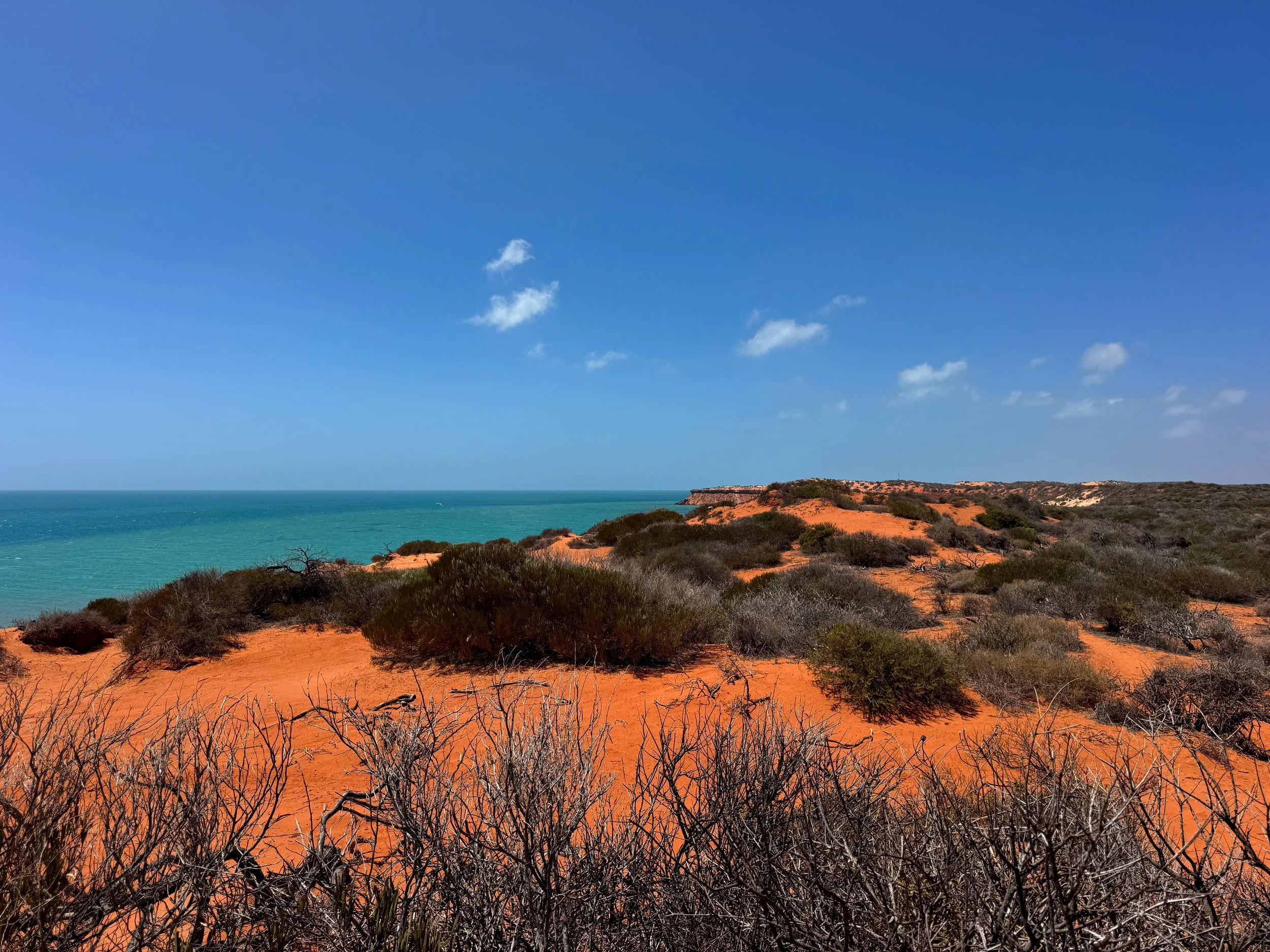
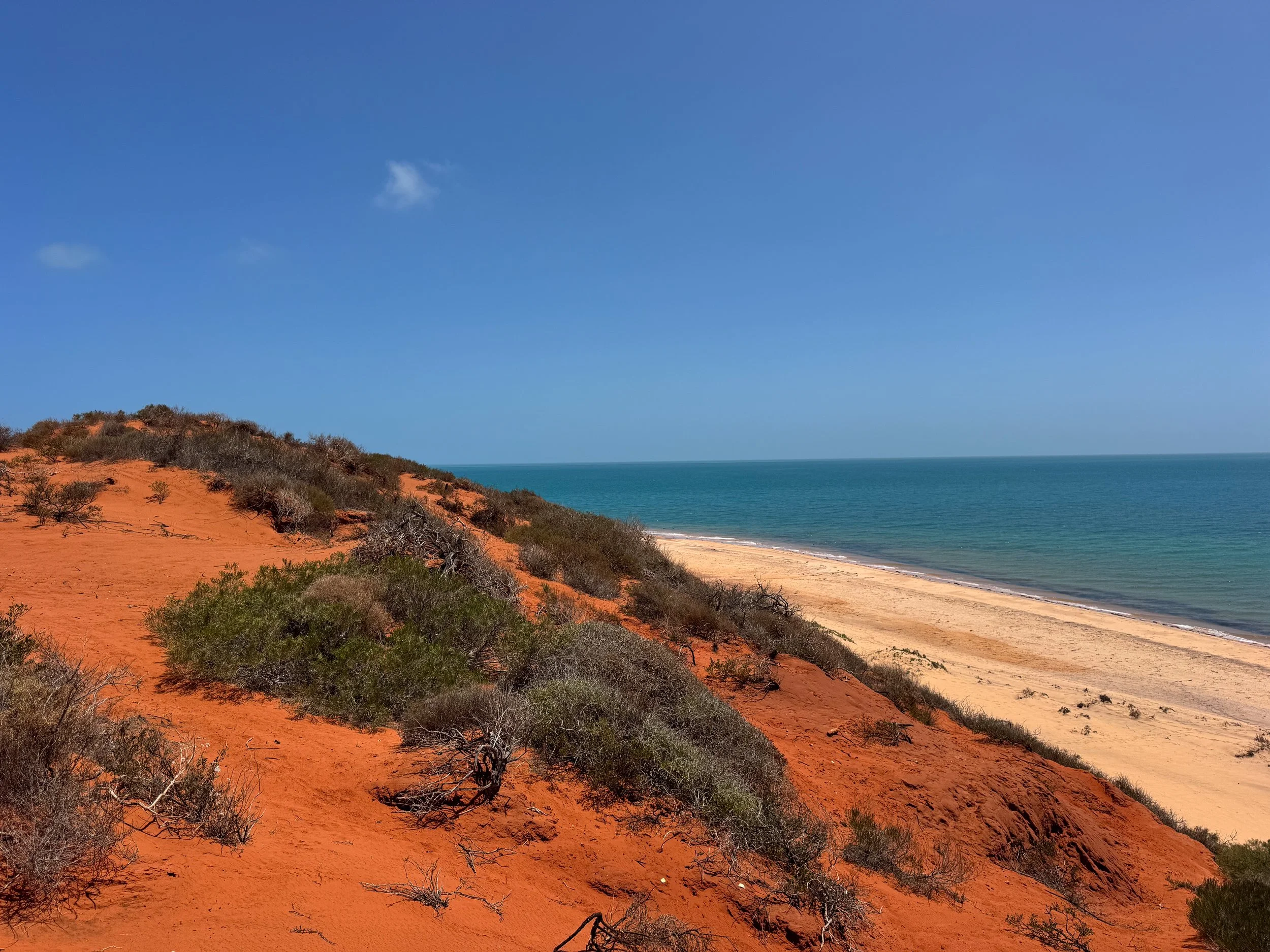
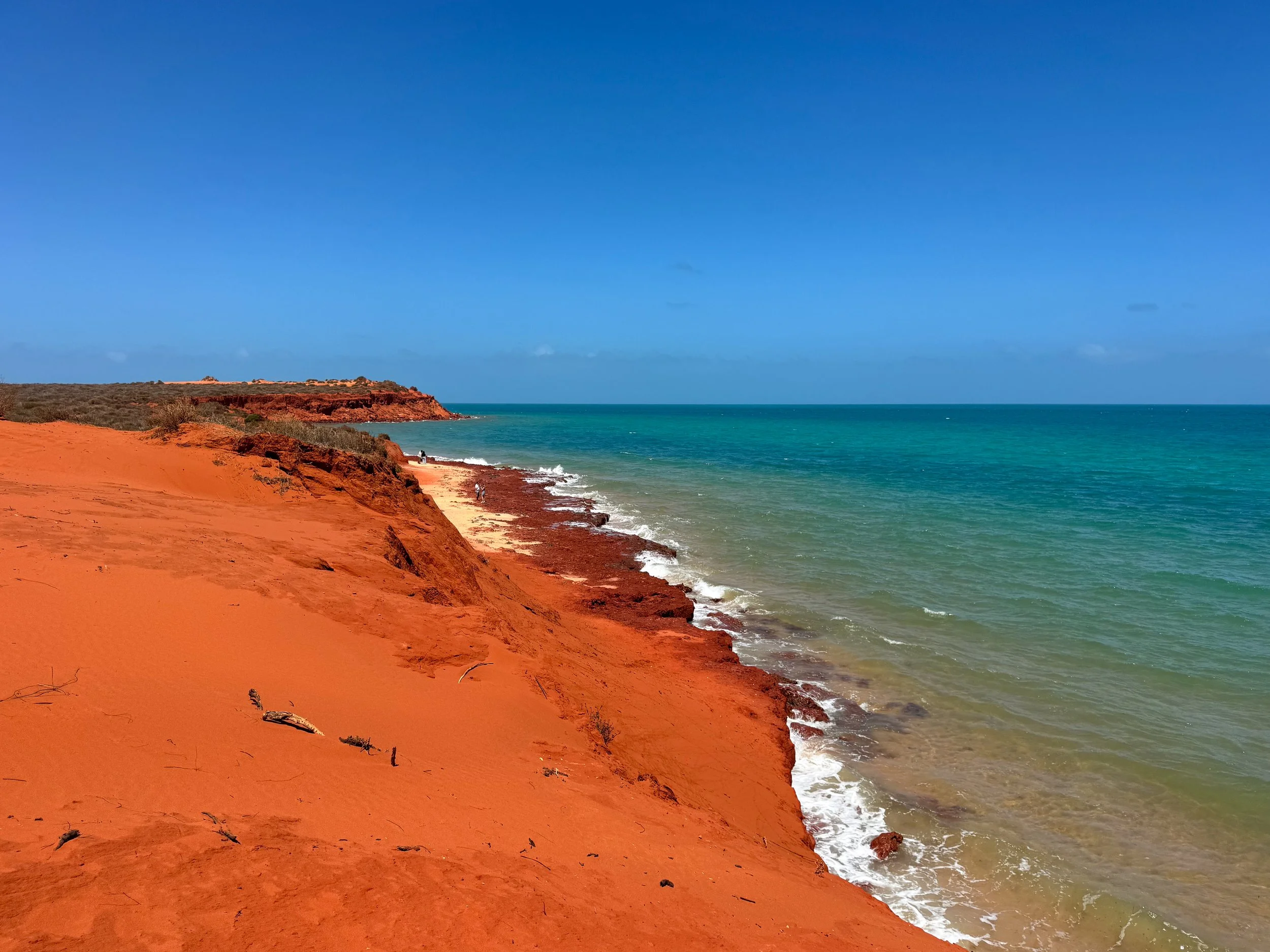
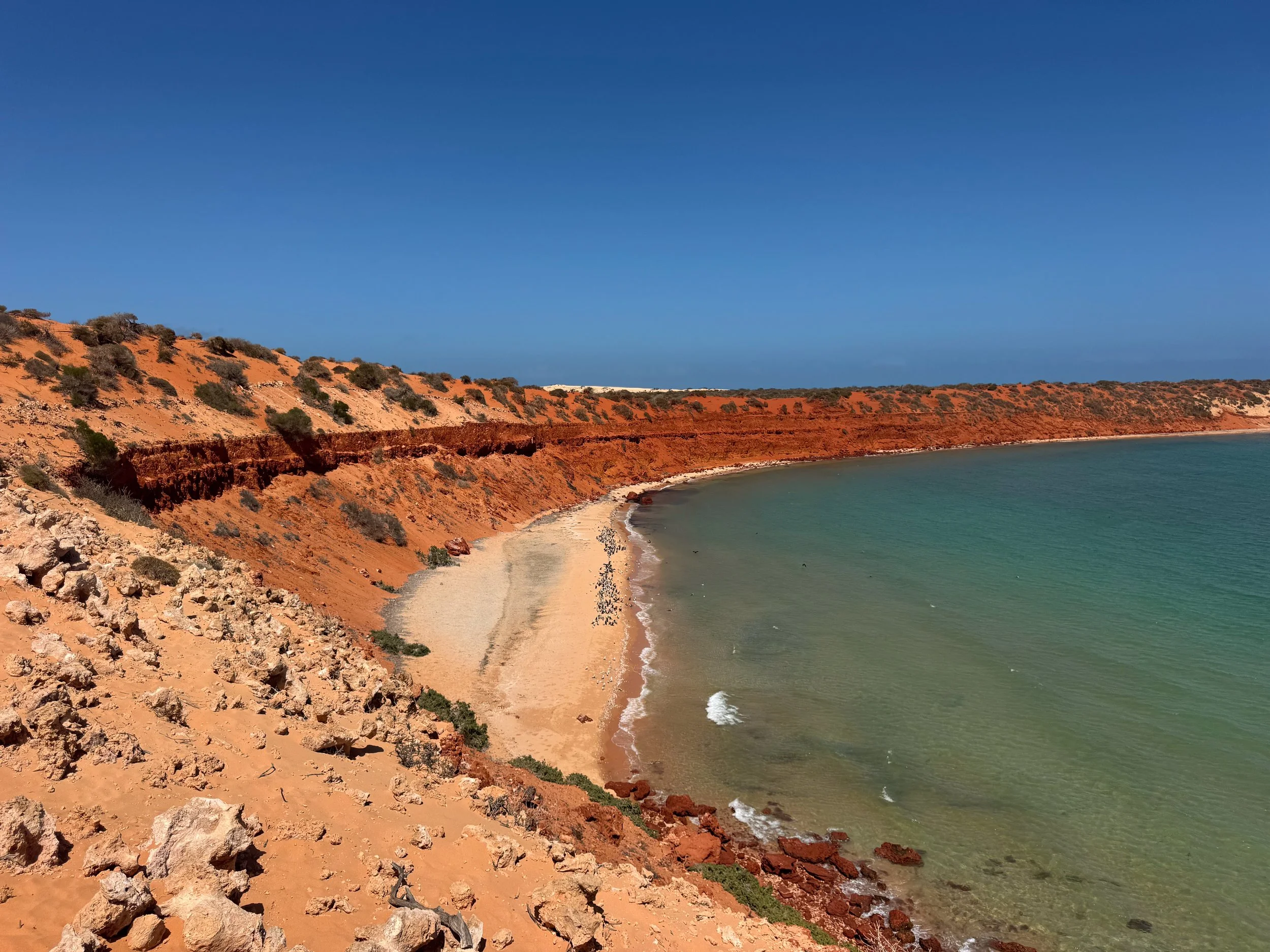
Francois Peron National Park is a remote peninsula where the desert meets the sea. Its reddish orange cliffs border the turquoise blue ocean. The landscape is blanketed in tufts of green bushes and clay plains with tiny dried shrubs. The park is home to wildlife like emus, kangaroos, monitor lizards, bearded dragons and venomous snakes. The shores and shallows are teeming with marine life including sharks, sea turtles and rays. It’s located about 375km north of Kalbarri and 327km south of Carnarvon.
Cape Peron Point. The northernmost point on the peninsula. Come here to hike the Wanamalu Walk Trail, a 3.5km coastal trail with views of the shrub covered desert, red rocky cliffs, white sand beaches and turquoise ocean.
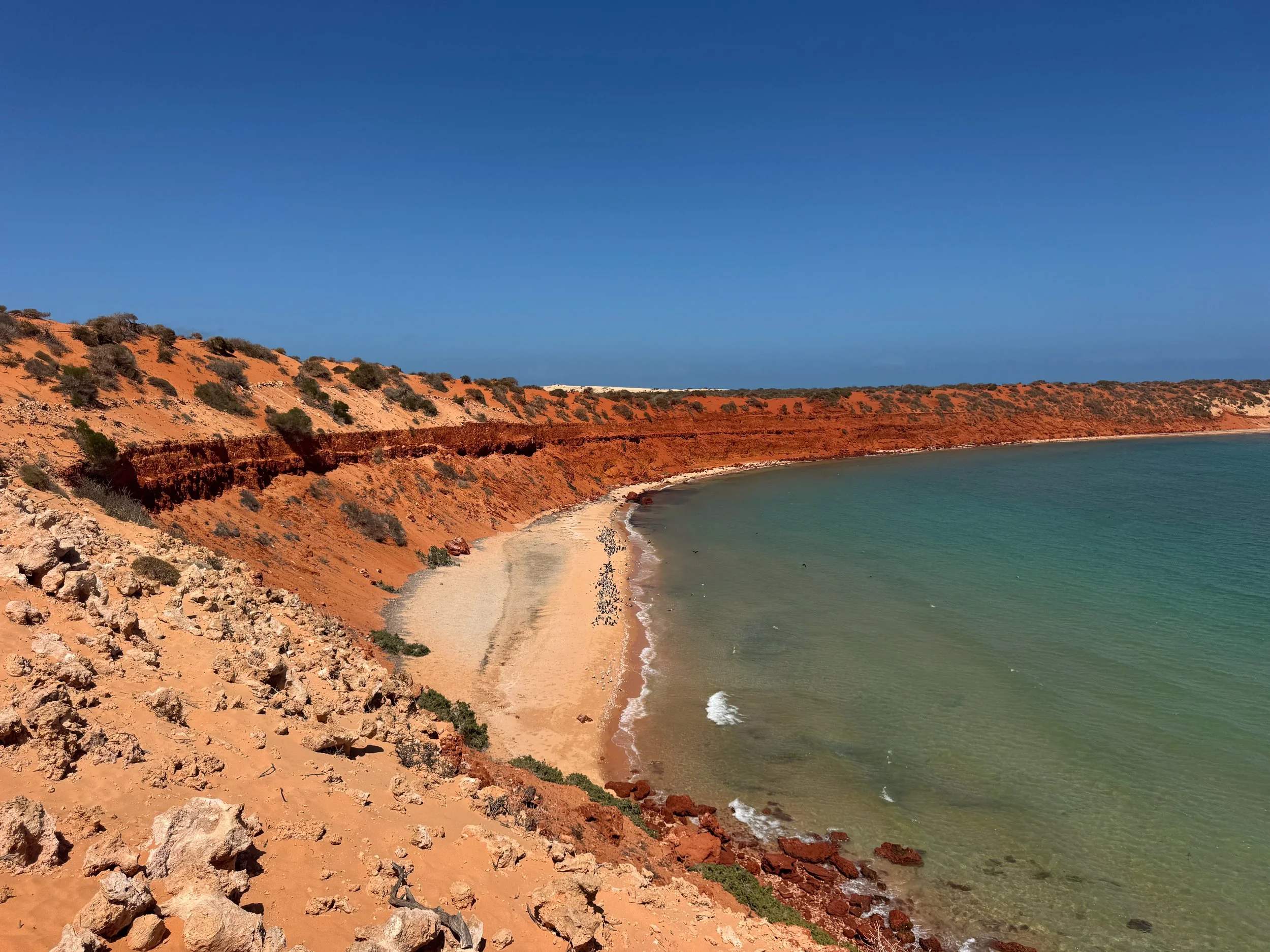
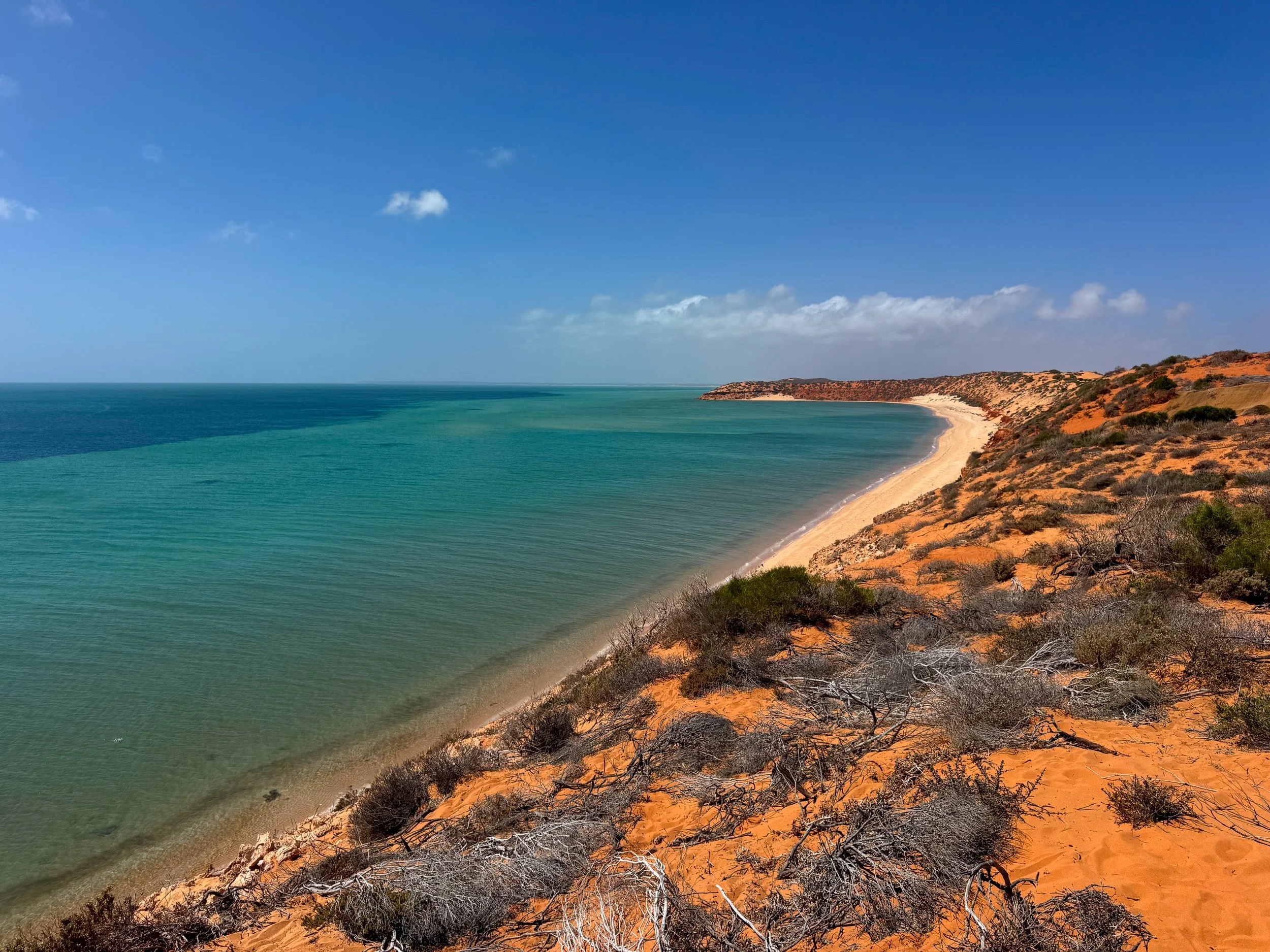
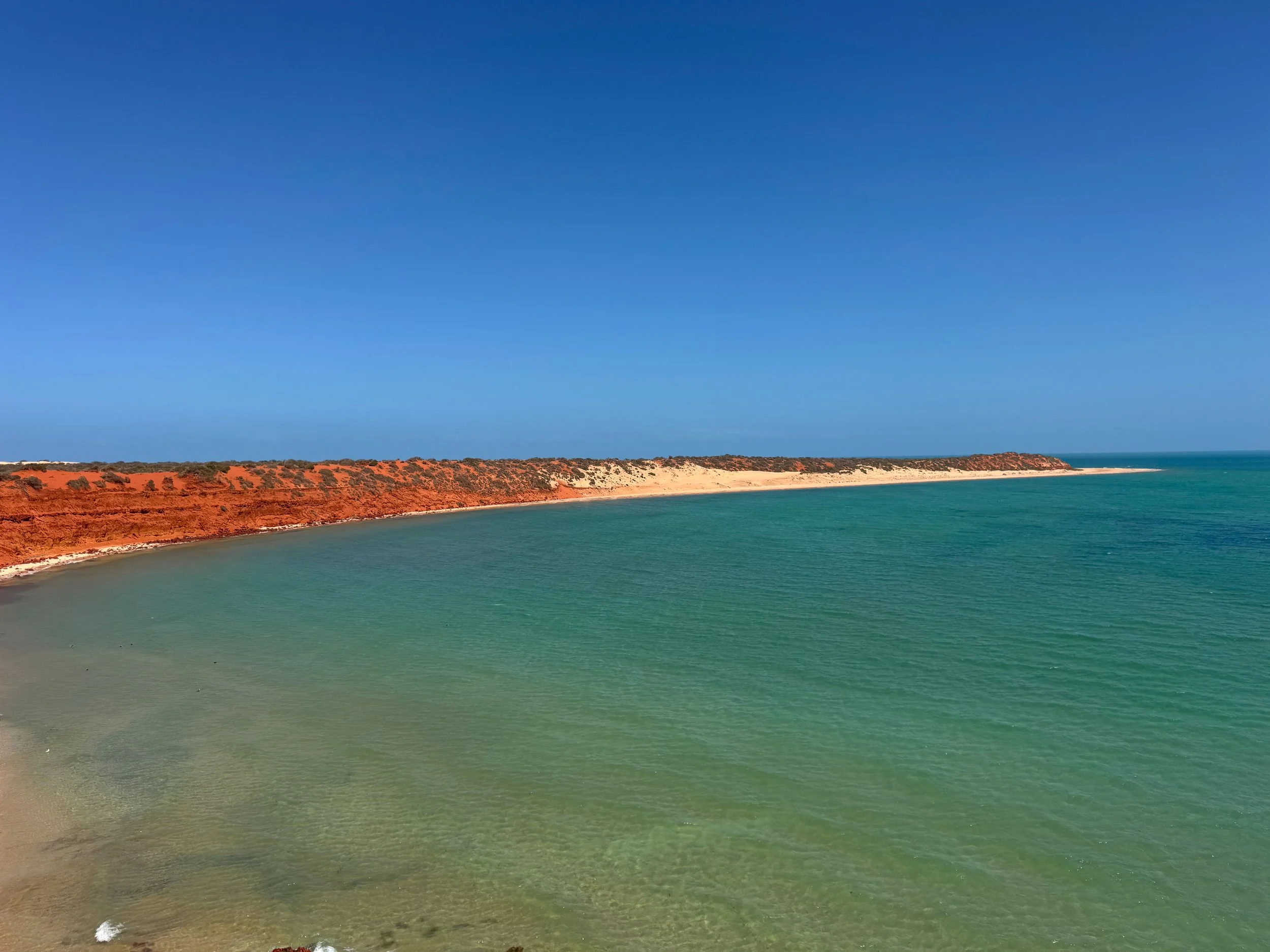
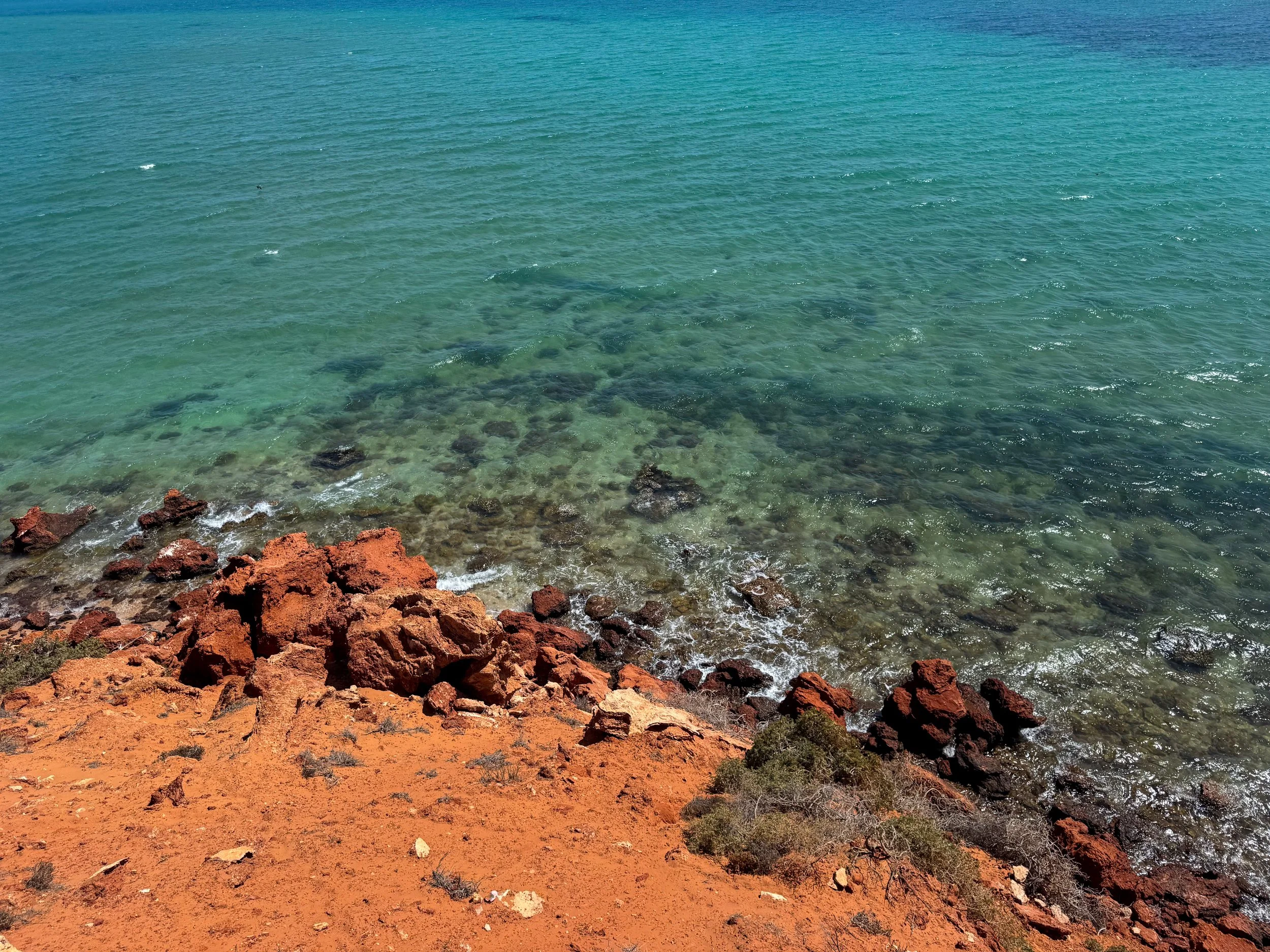
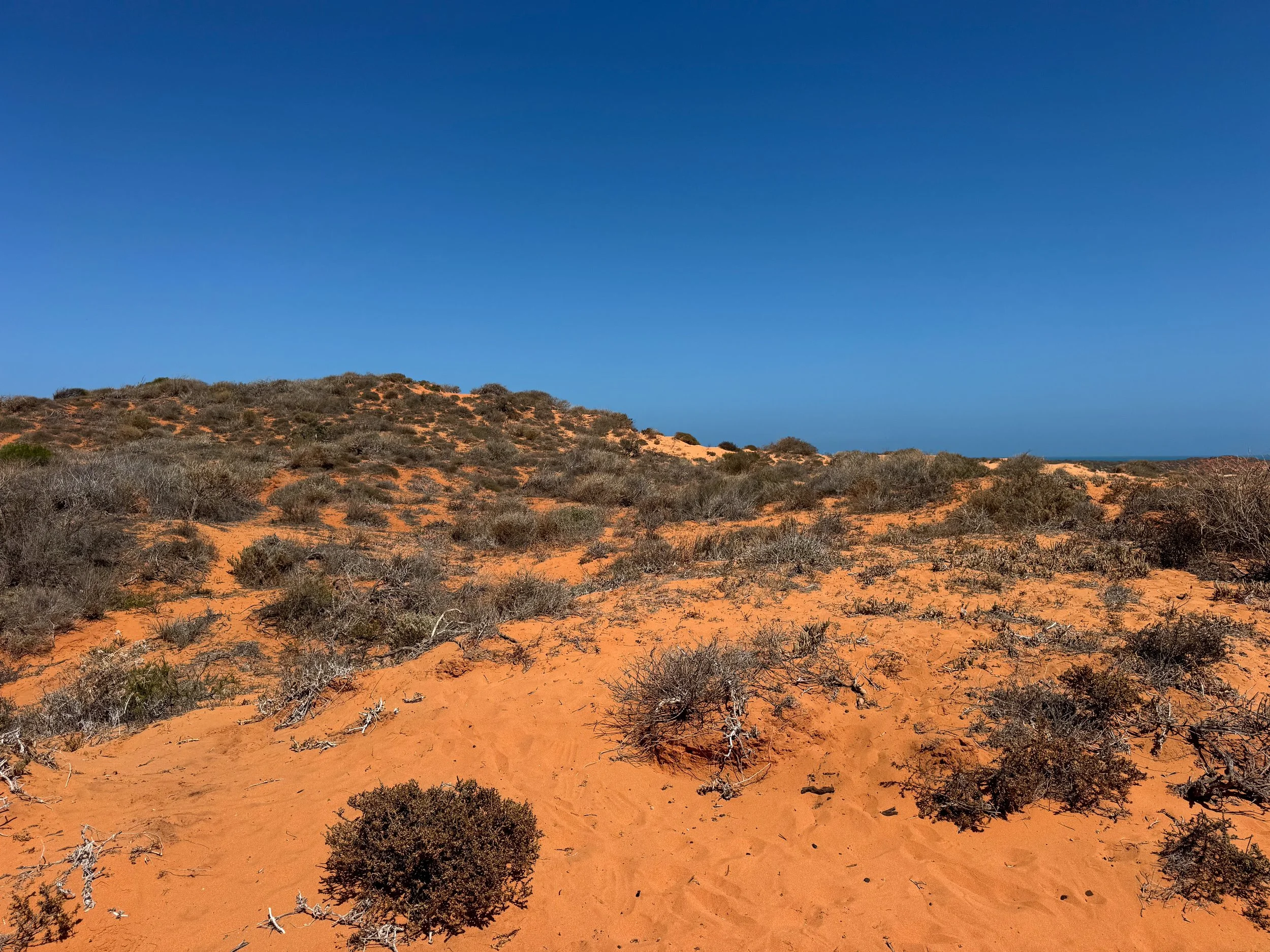
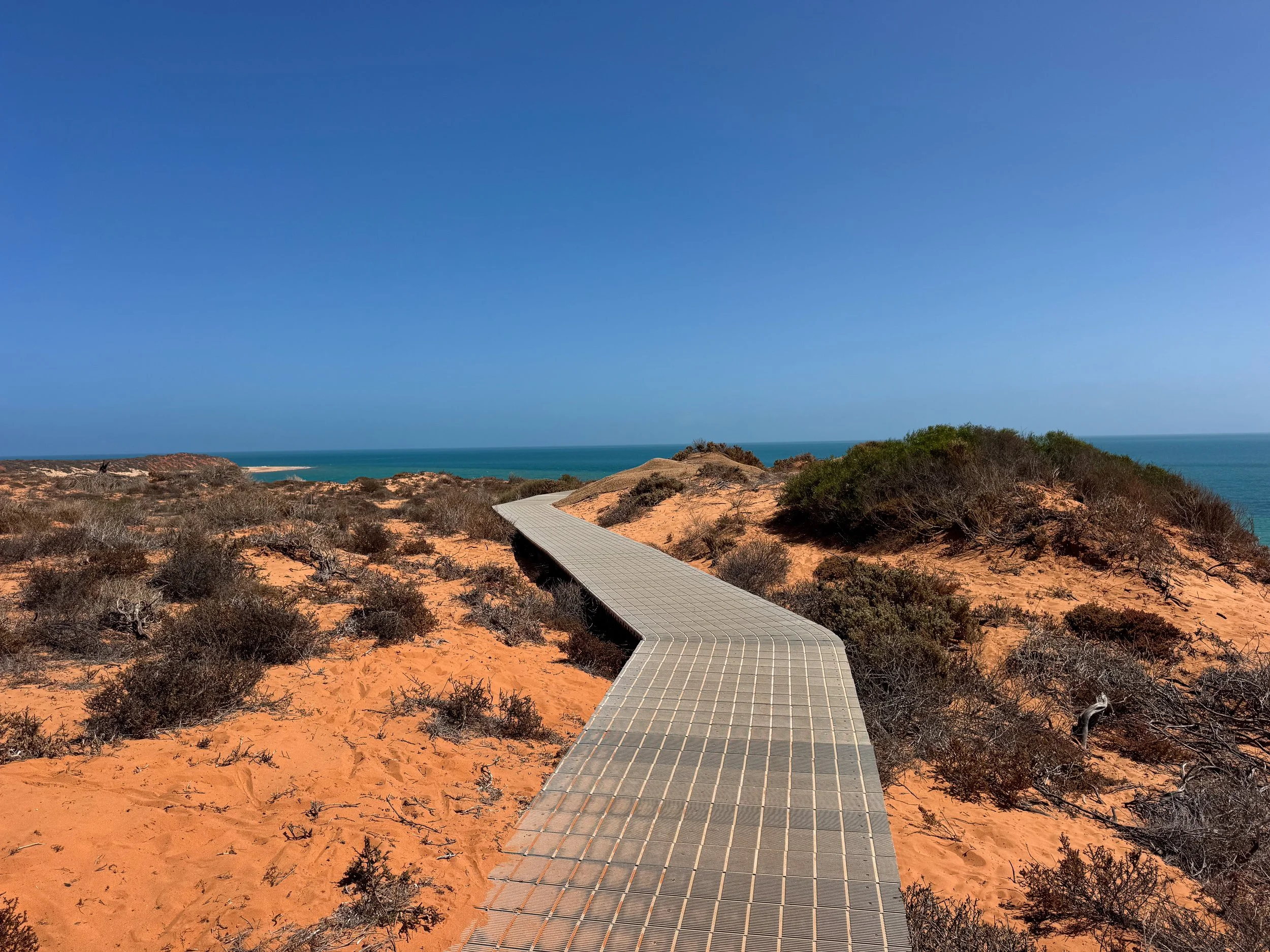
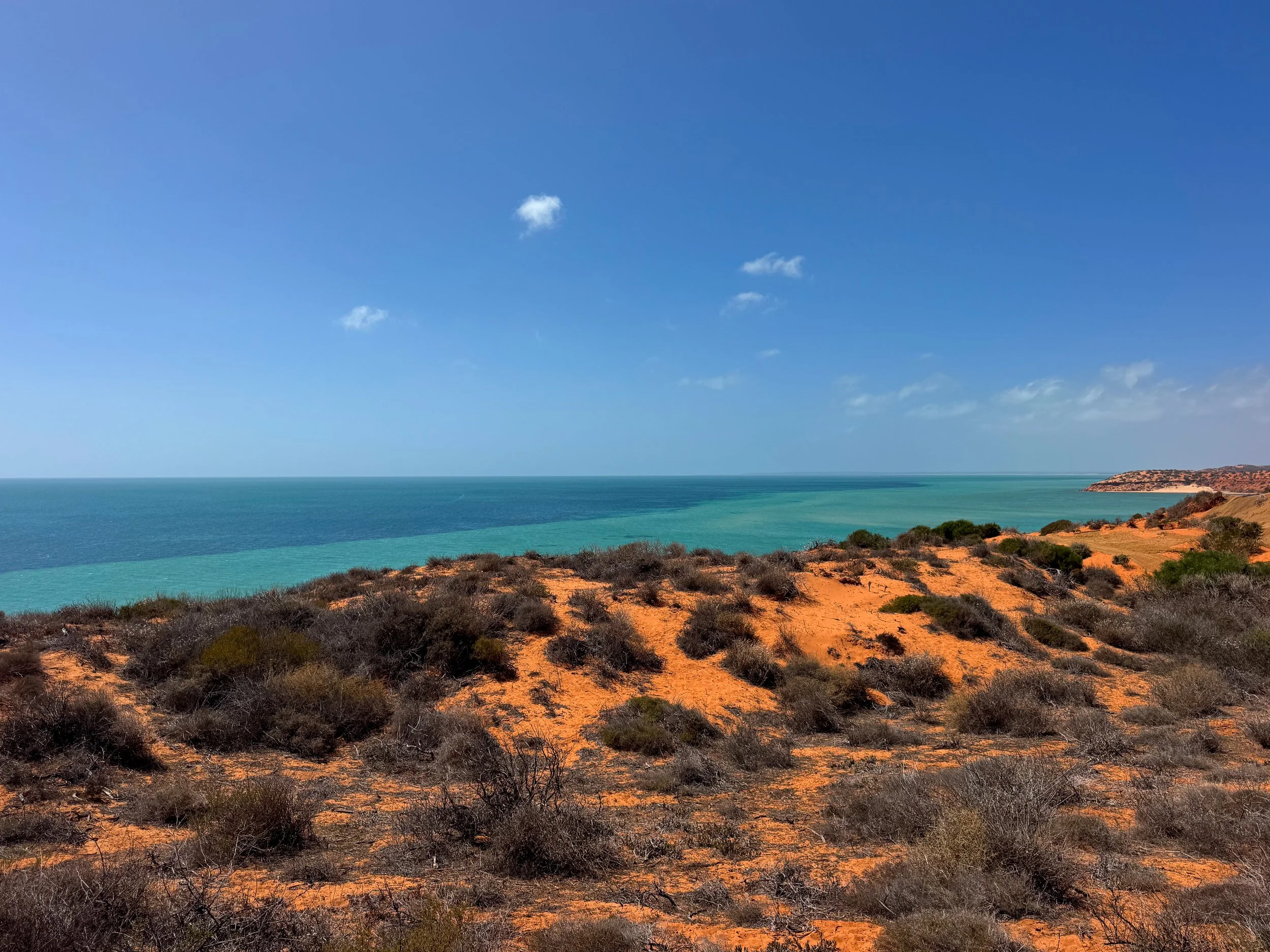
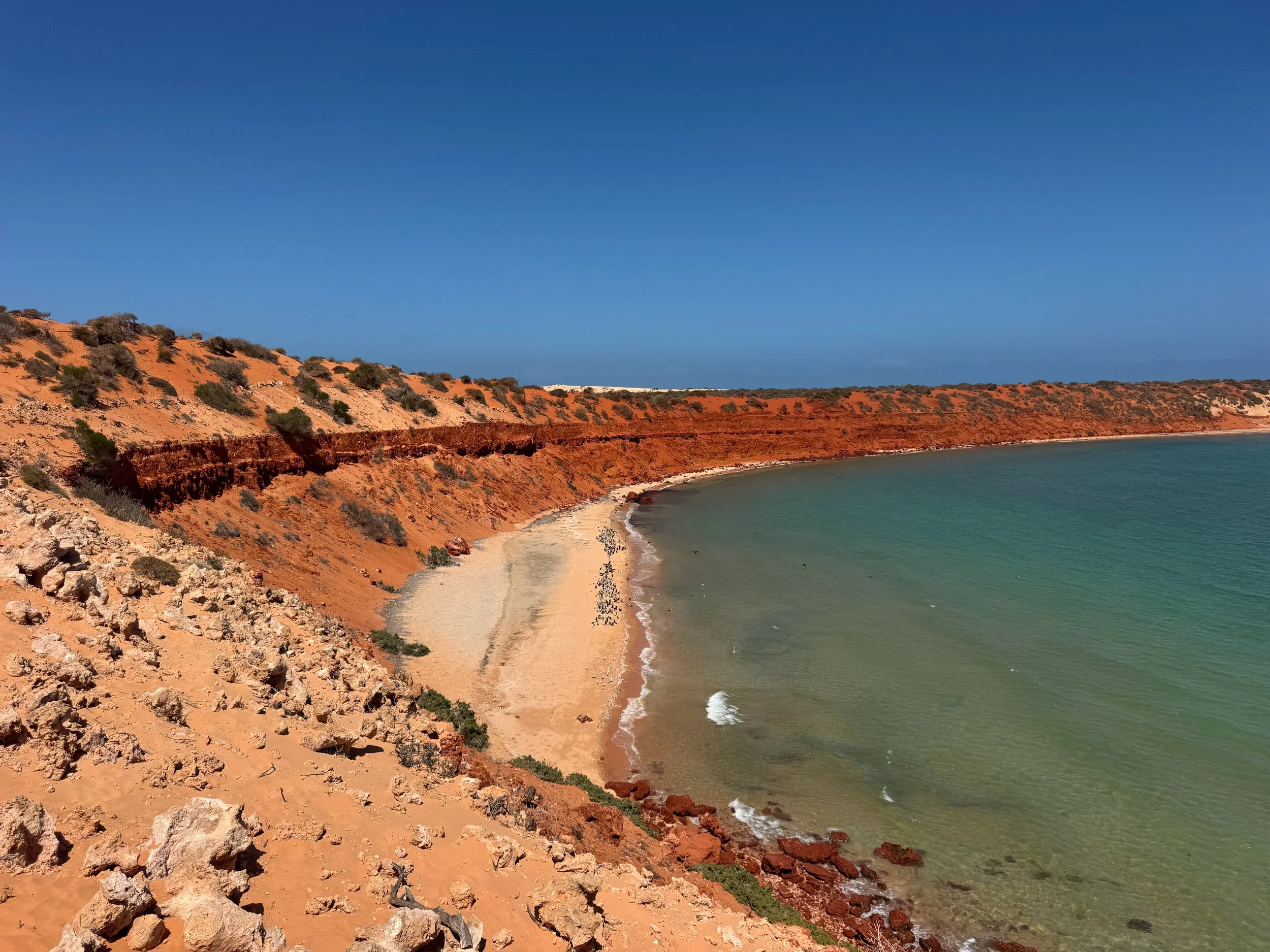
Slip Jack Point. A dramatic lookout point on the Cape Peron Peninsula. Reddish orange cliffs fade into white sand beaches hugging turquoise coastal waters. Large stingrays, cow tail rays, eagle rays, nervous sharks and schools of fish swim in the clear shallows below. Thousands of seagulls, cormorants and pelicans flock to the shoreline.
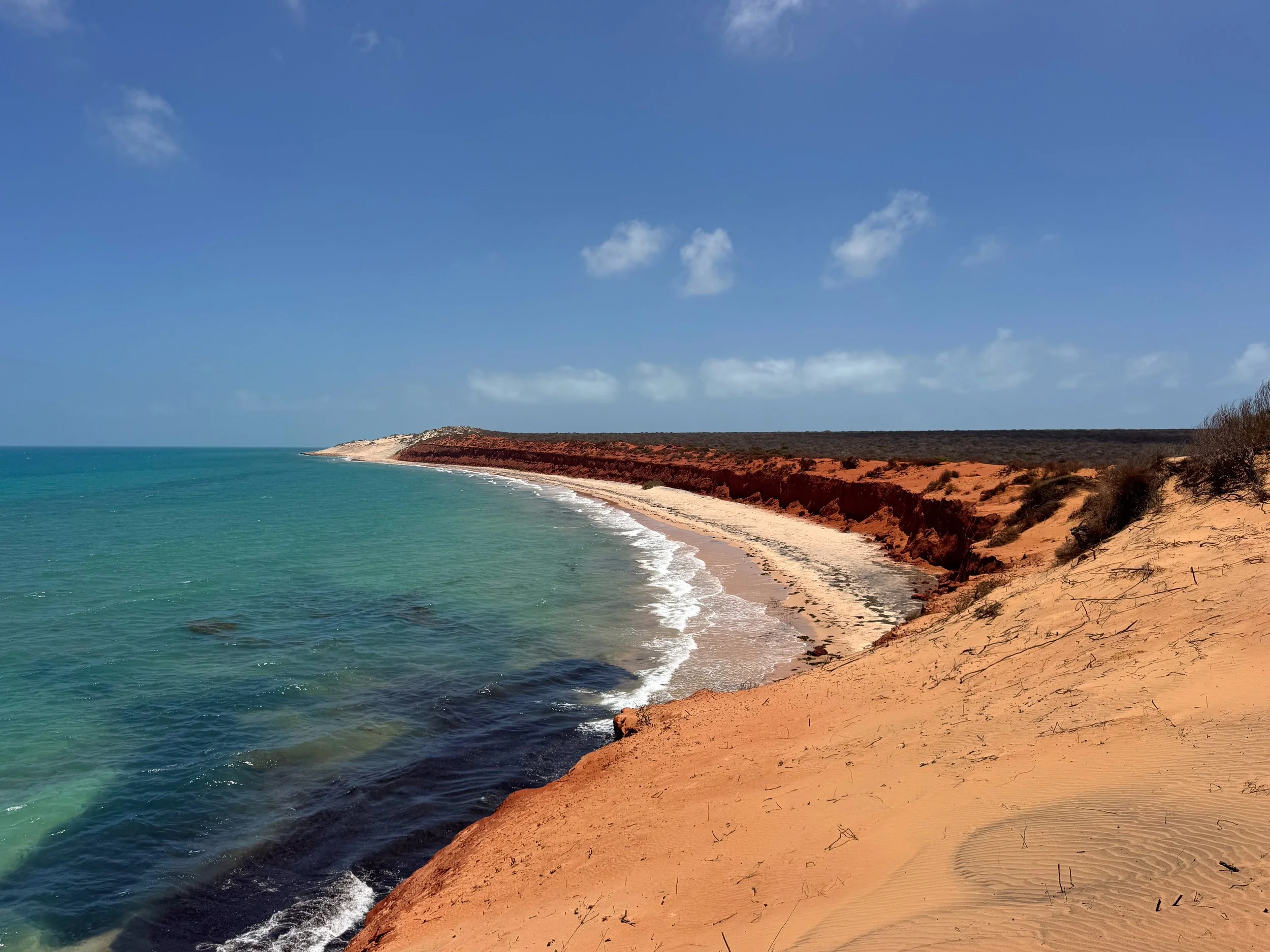
Bottle Bay. A remote beach home to an array of marine life. Drive down the shore to a short but steep trail with views of the crescent shaped white sand beach and its deep red cliffs. Watch for white tipped reef sharks, eagle rays, green sea turtles and loggerhead turtles from the cliffside view.
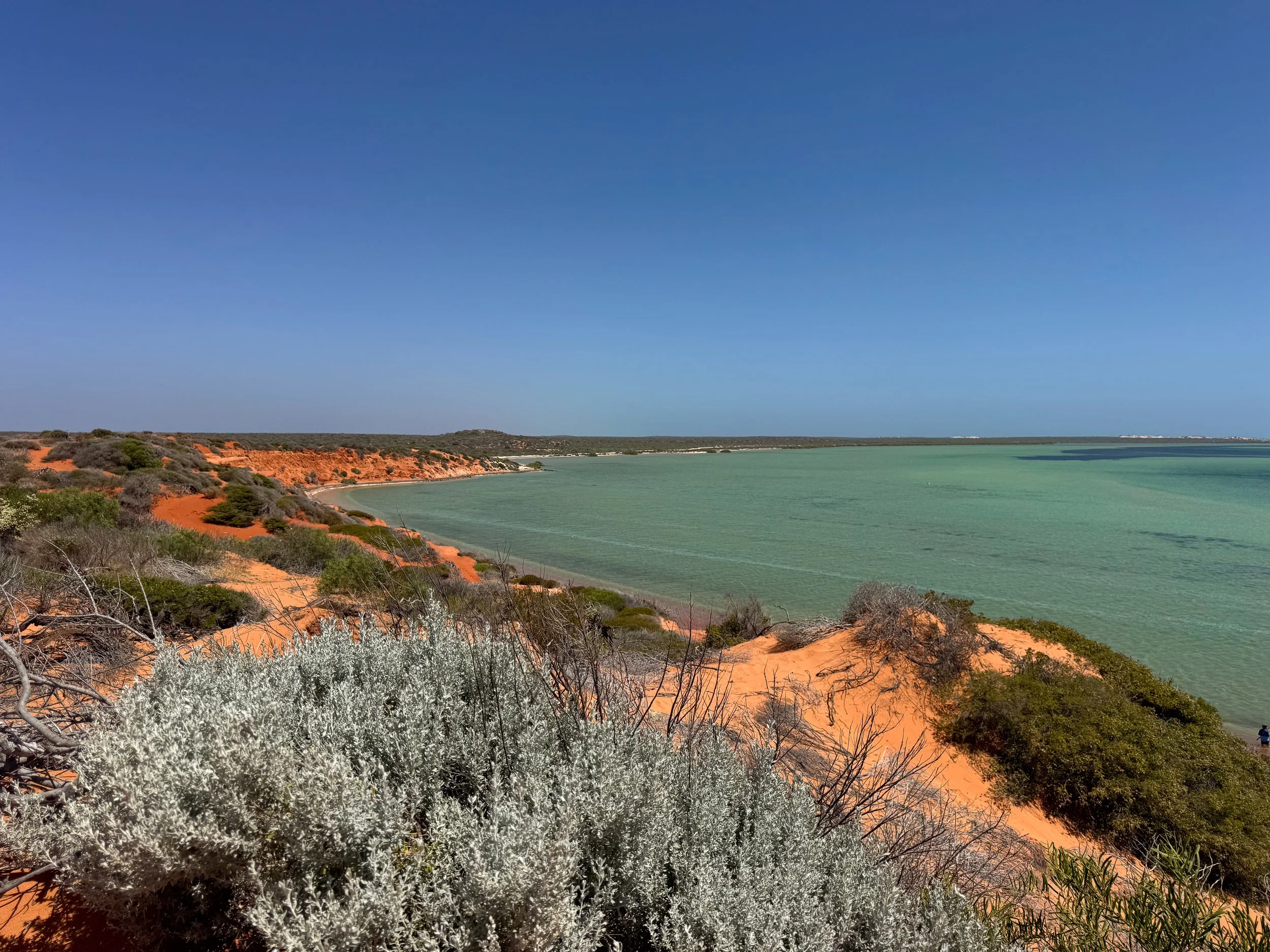
Big Lagoon. A blue lagoon colored in shades of aqua, turquoise and navy. A trail leads through a campground to the top of a dune with panoramic views. Orange sand flows from the dune into the warm and swimmable waters.
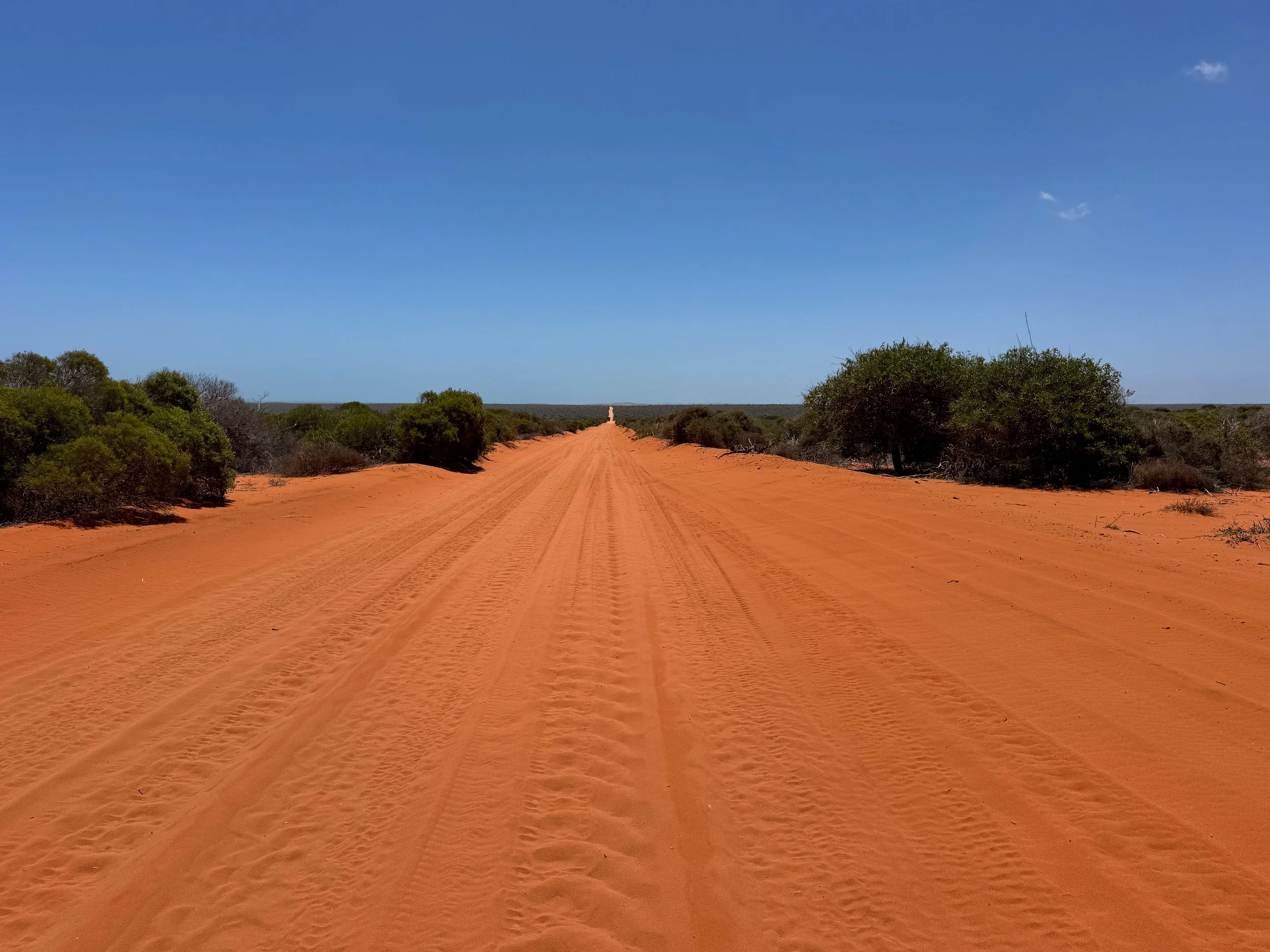
Getting Around. Francois Peron National Park is only accessible with a high clearance 4x4 vehicle. It requires experience to drive through to avoid getting bogged in the sandy roads. Unable to drive ourselves, we booked a full day tour from Denham with Shark Bay Coastal Tours.
Carnarvon (Day 8)
Carnarvon is a large farm town located halfway between Shark Bay and Coral Bay. The region is responsible for producing a majority of Western Australia’s produce. It’s the perfect place to stop along the 6 hour drive to stock up on groceries and refuel. It’s located about 327km north of Denham in Francois Peron National Park and 237km south of Coral Bay.
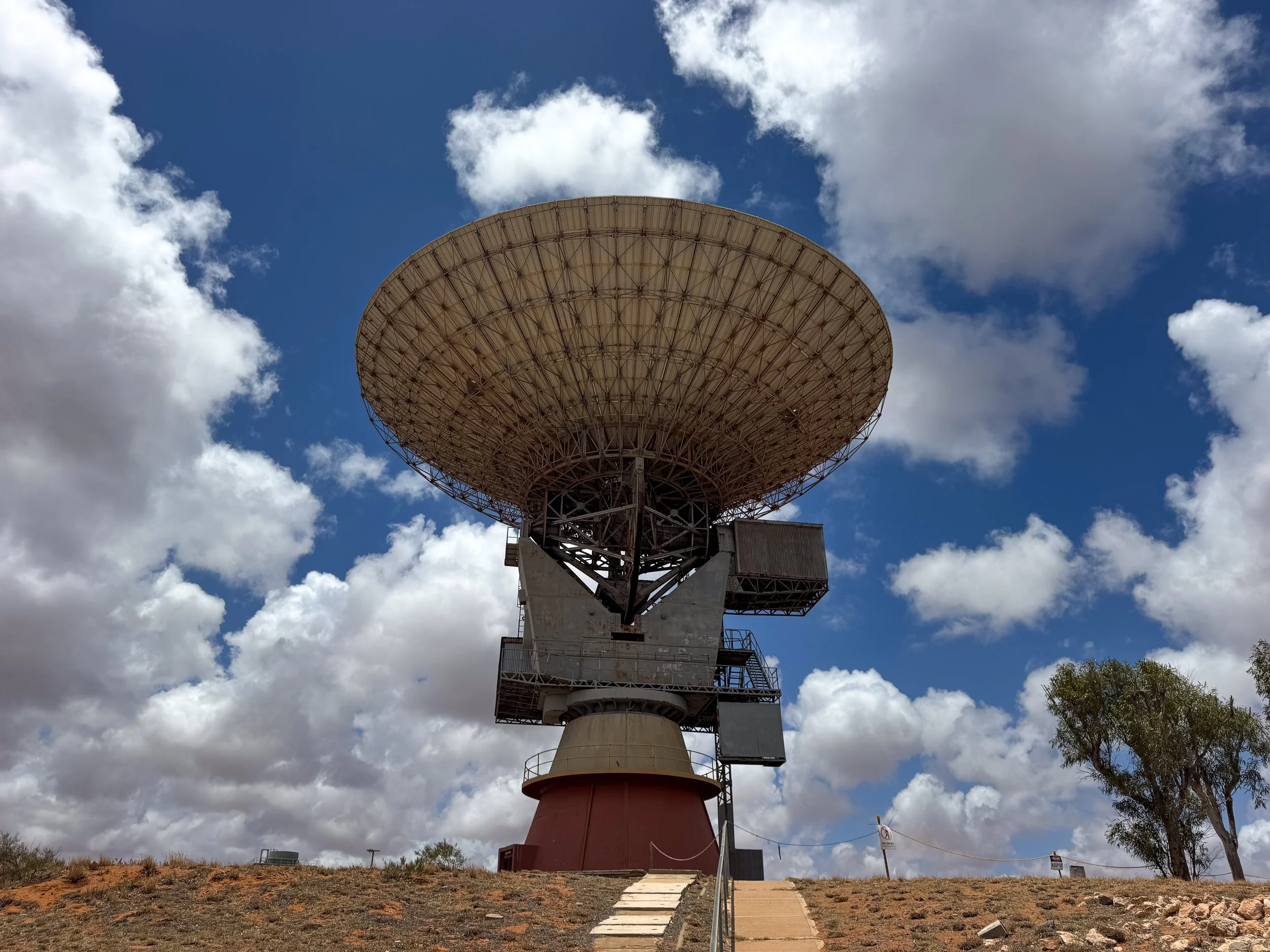
Carnarvon Space and Technology Museum. A communications and monitoring station with large satellites used for some of NASA’s most historic space programs. The station includes an extremely well curated museum with retired NASA equipment, historic artifacts, a planetarium, a replica lunar lander, interactive simulators, photo booths and vintage arcade games.
Ningaloo Reef (Days 9 - 11)
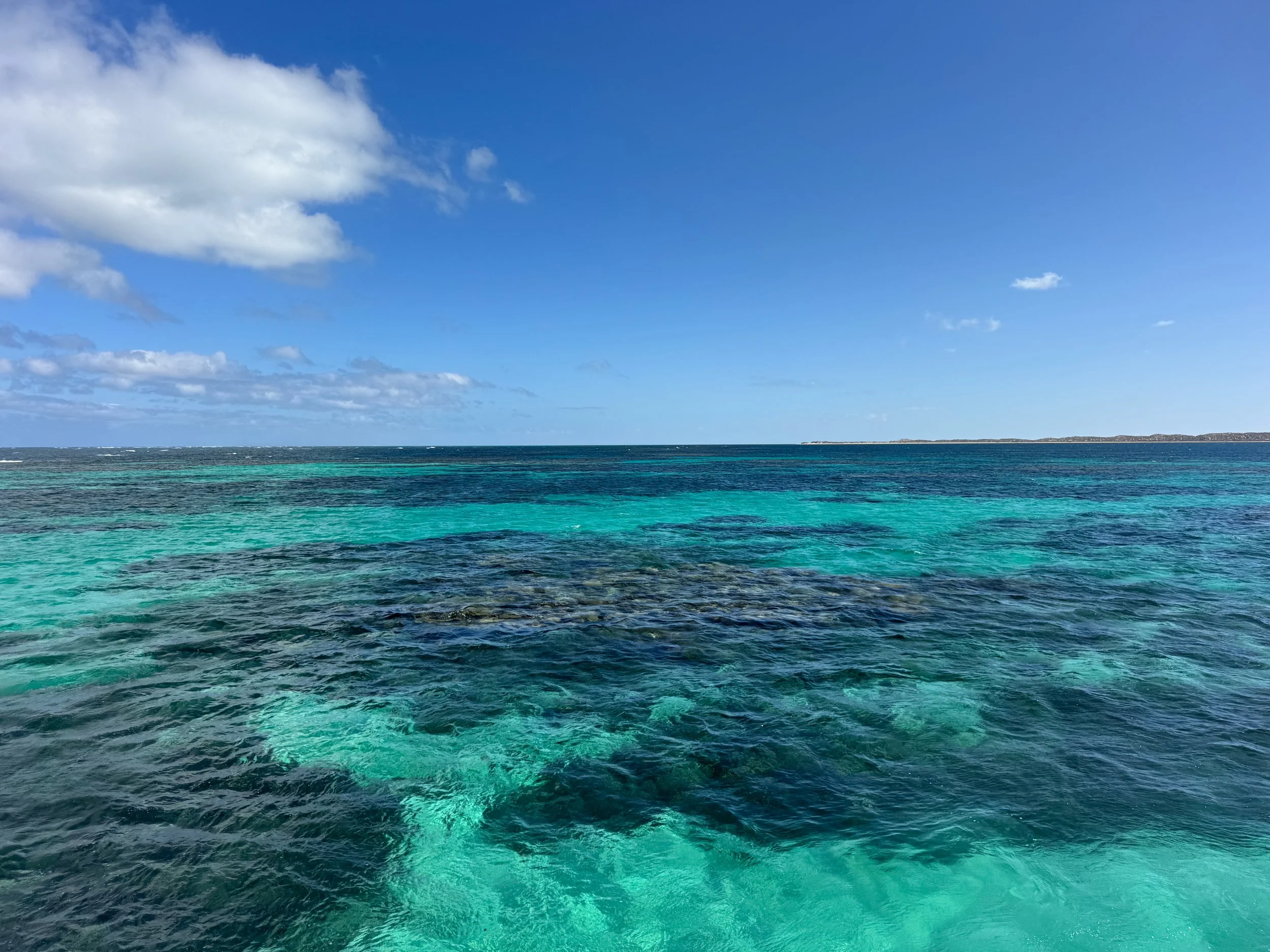
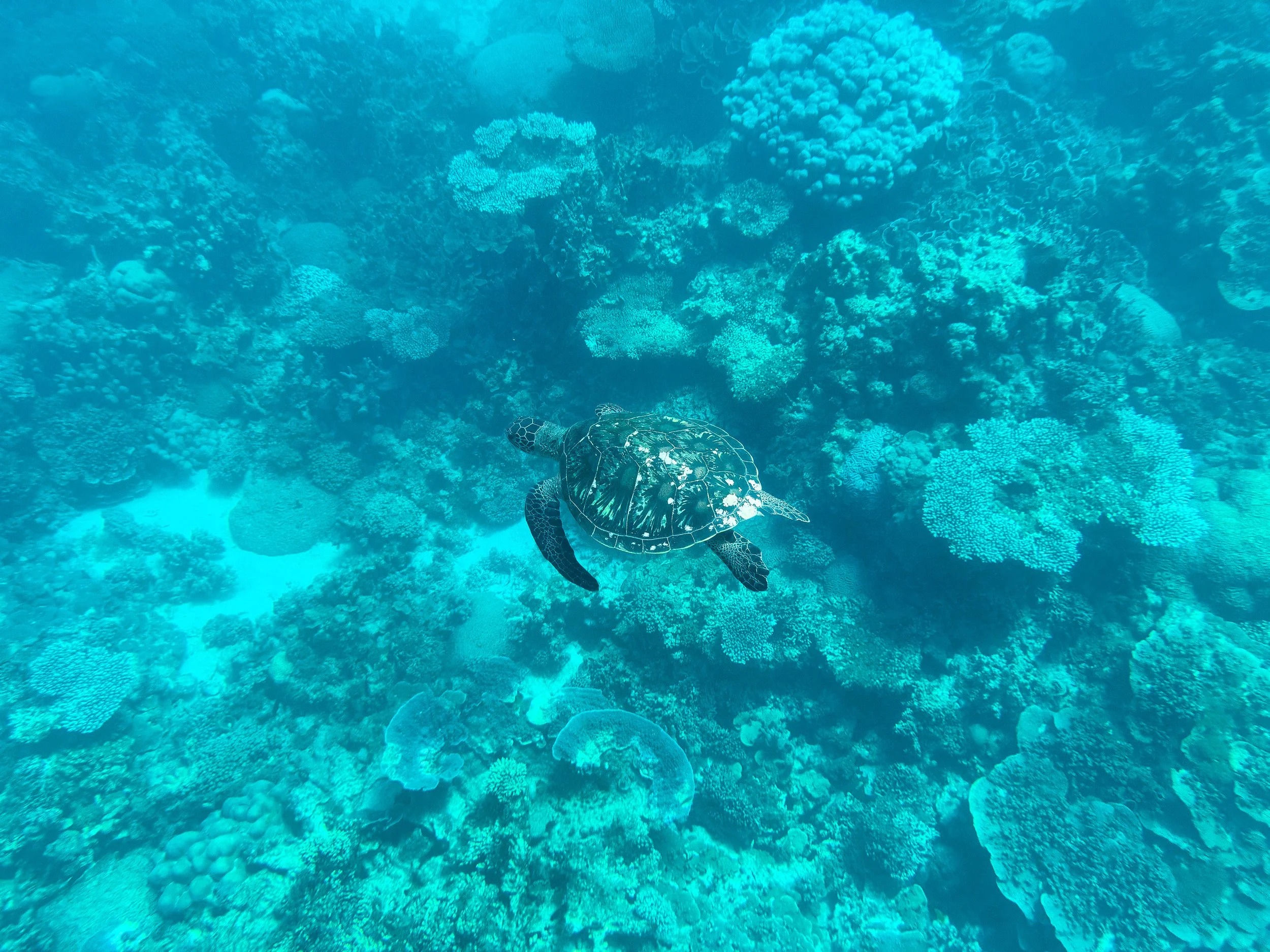
Ningaloo Reef is one of the world’s largest fringing coral reefs, stretching 300km along Cape Range from Coral Bay to Exmouth. Beneath the ocean’s prismatic blues is a world of subtropical corals, colorful fish, sea turtles, sharks, octopus and manta rays.
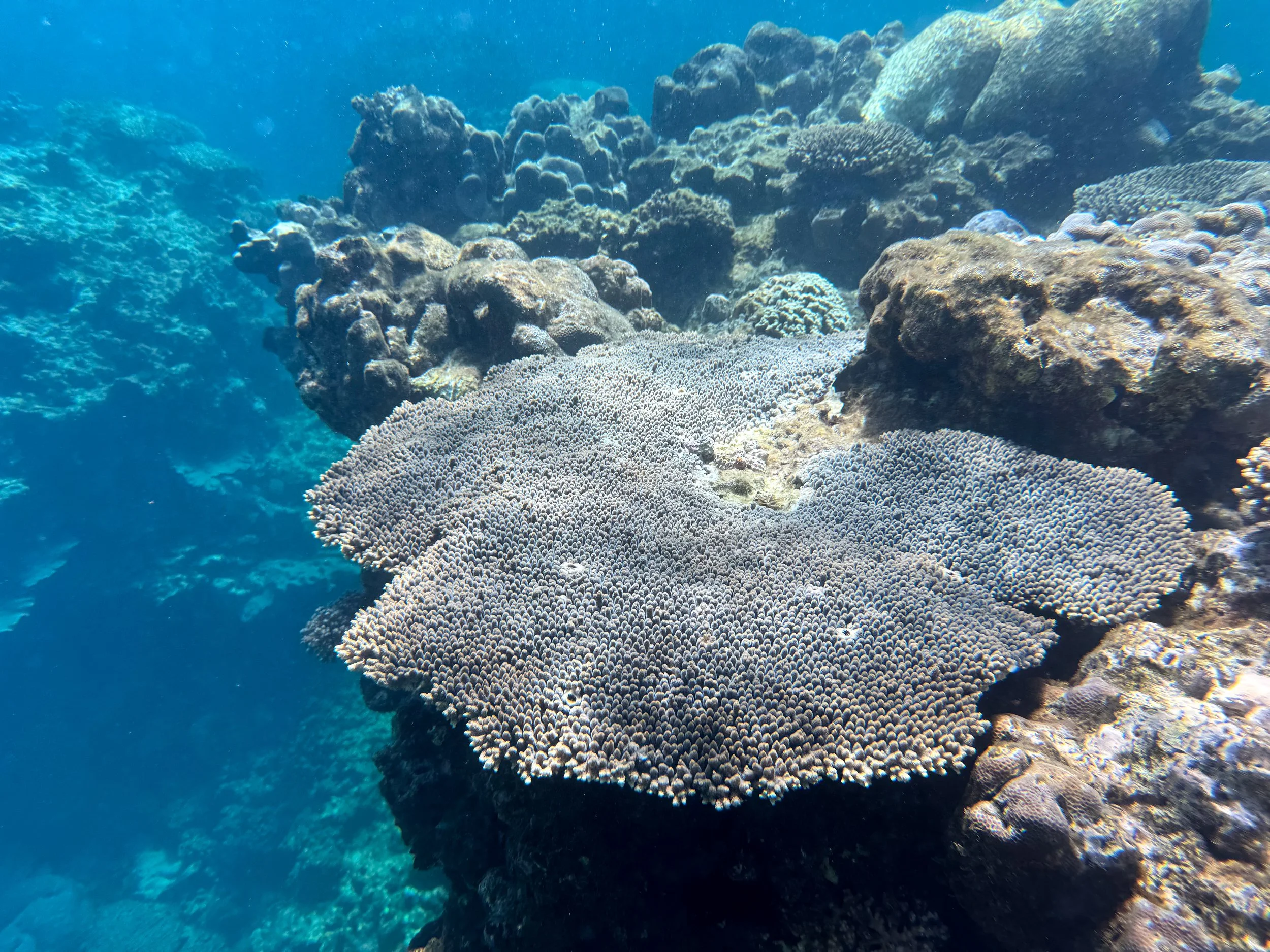
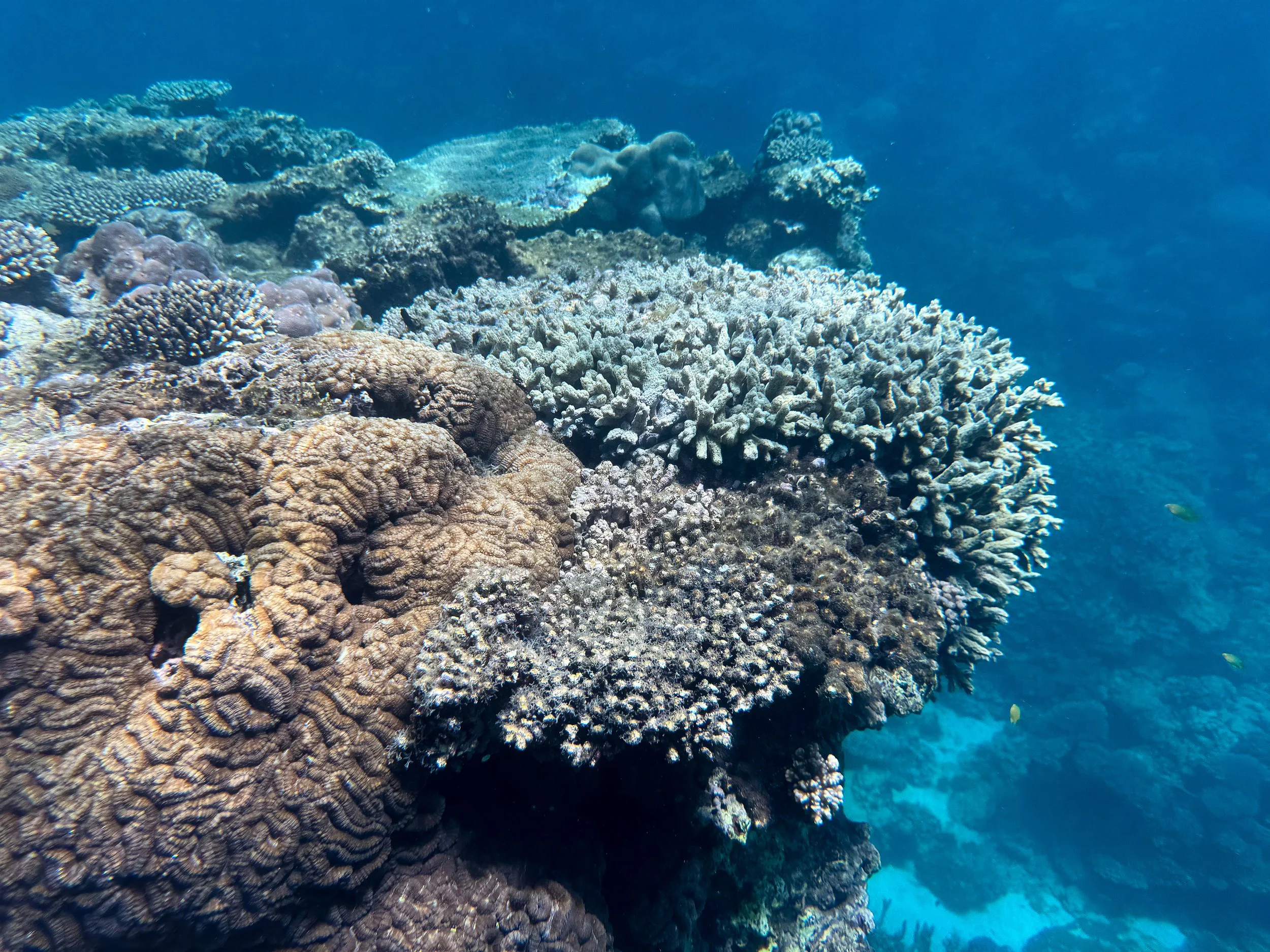
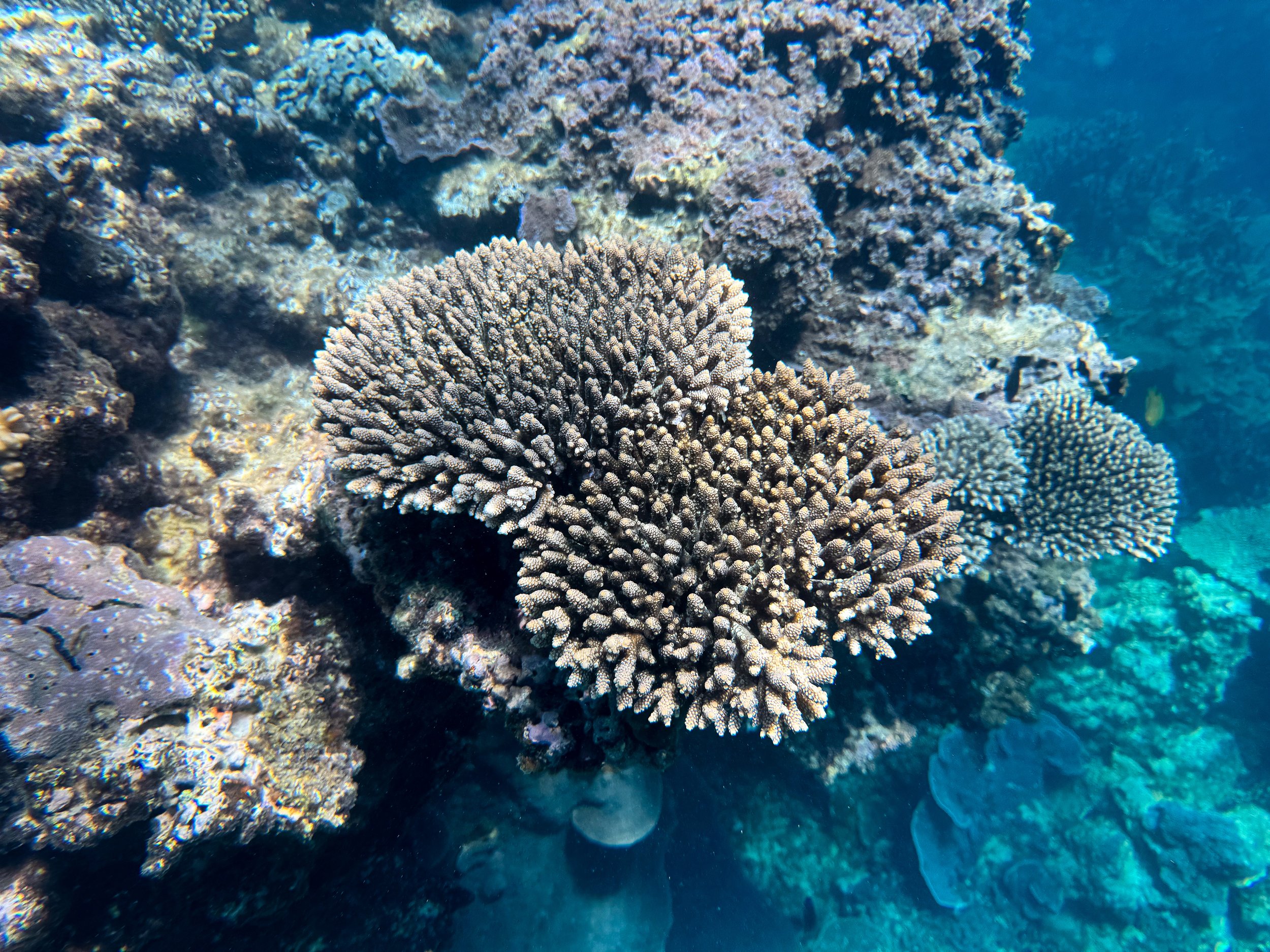
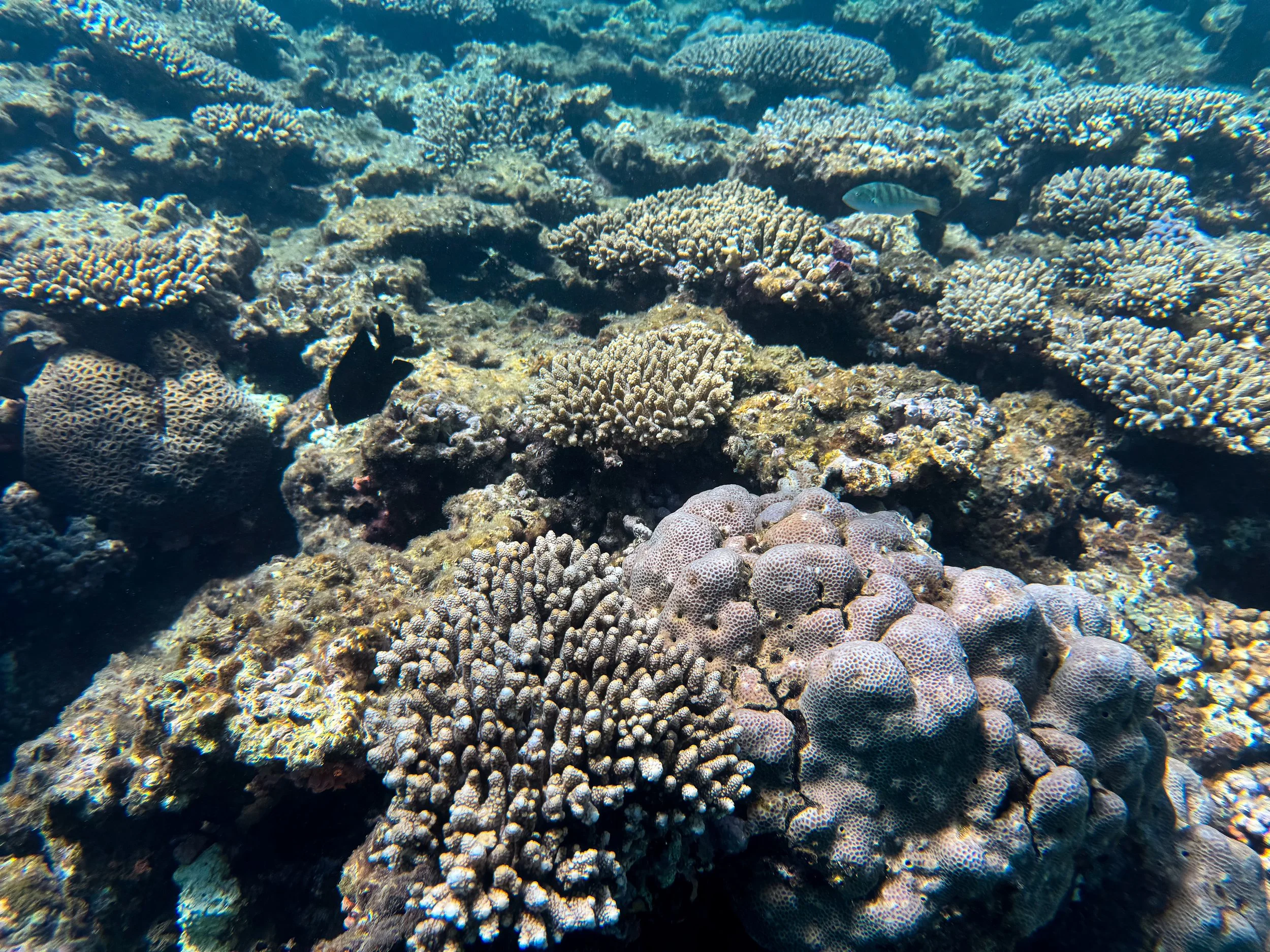
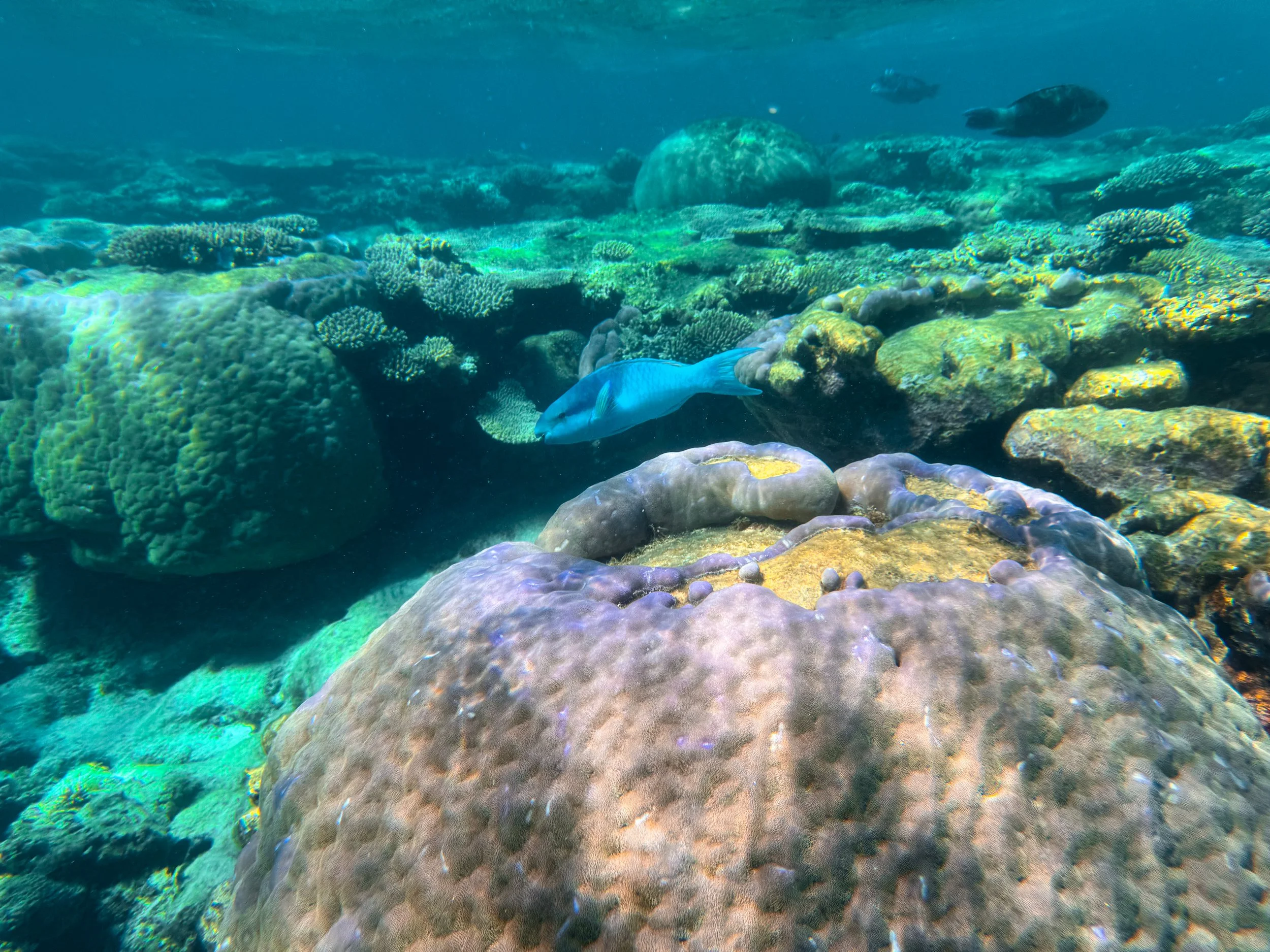
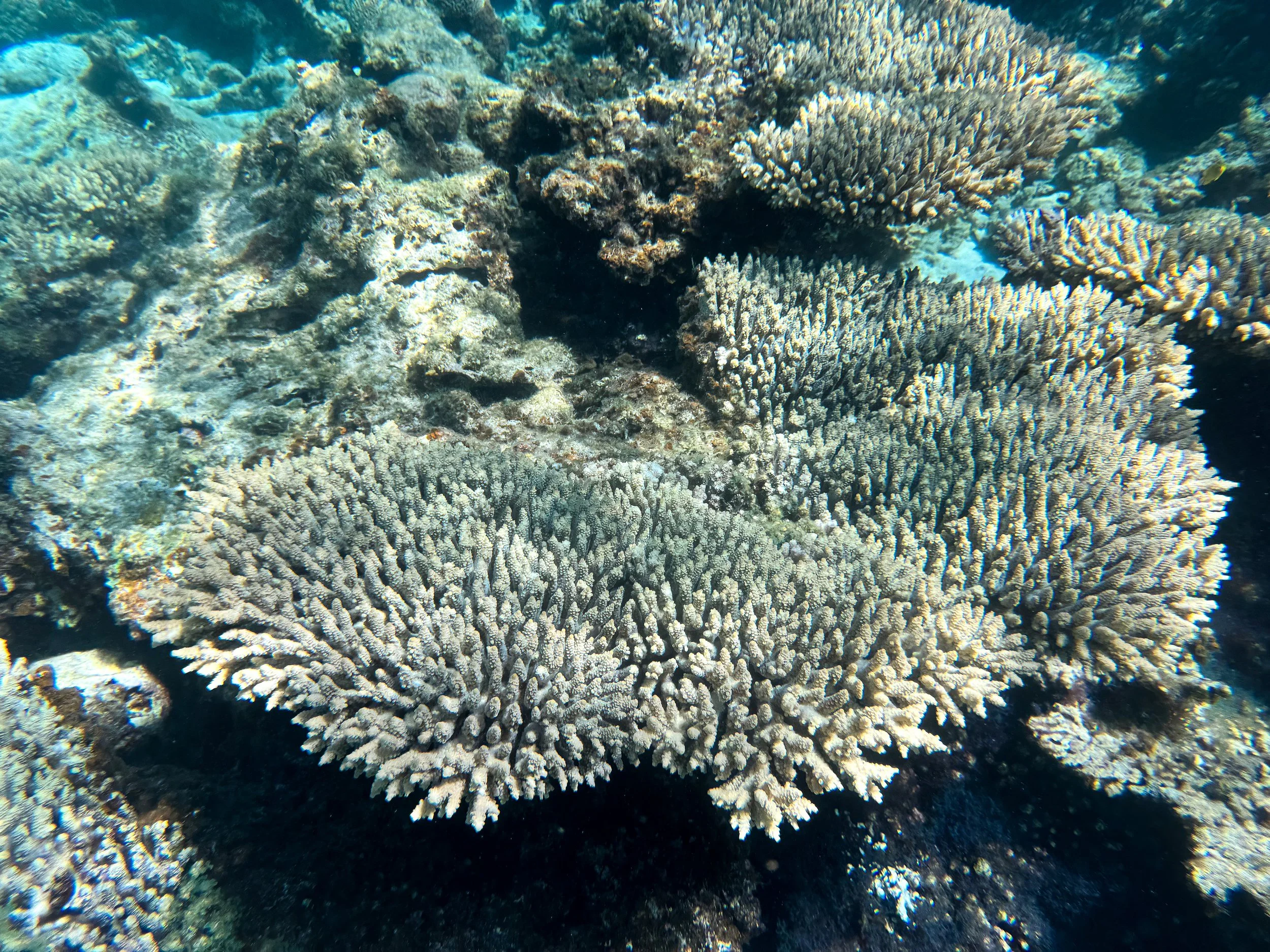
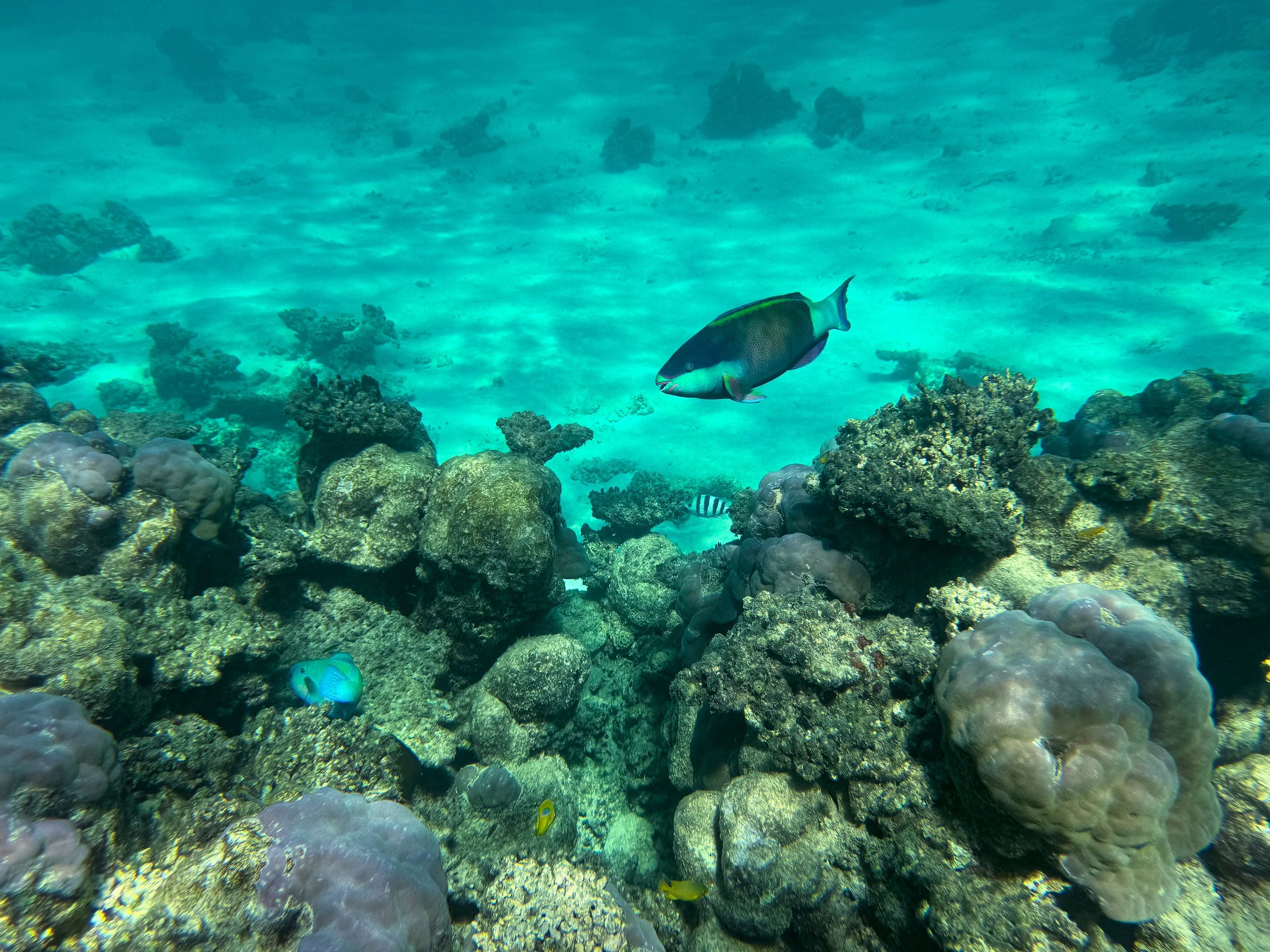
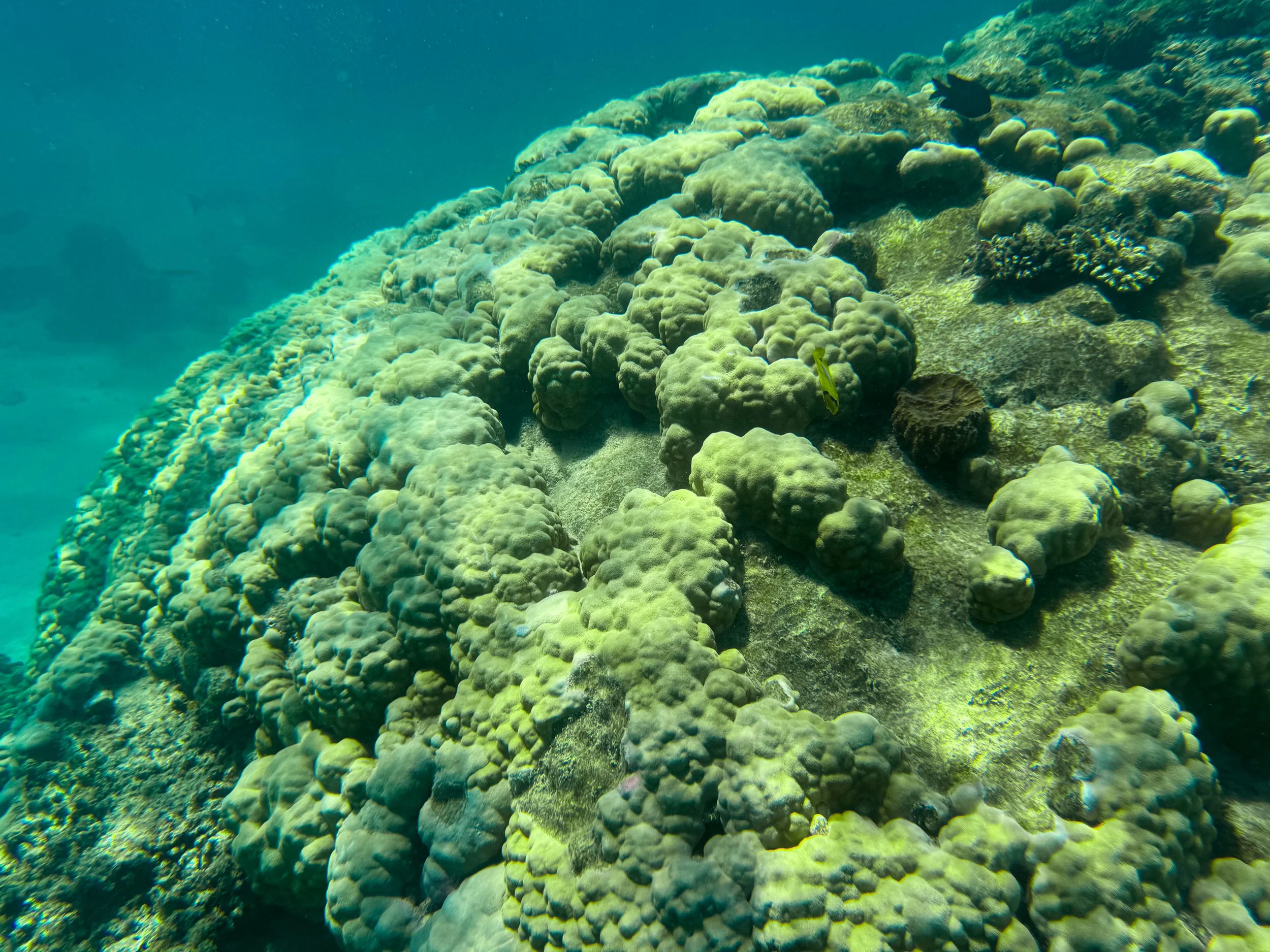
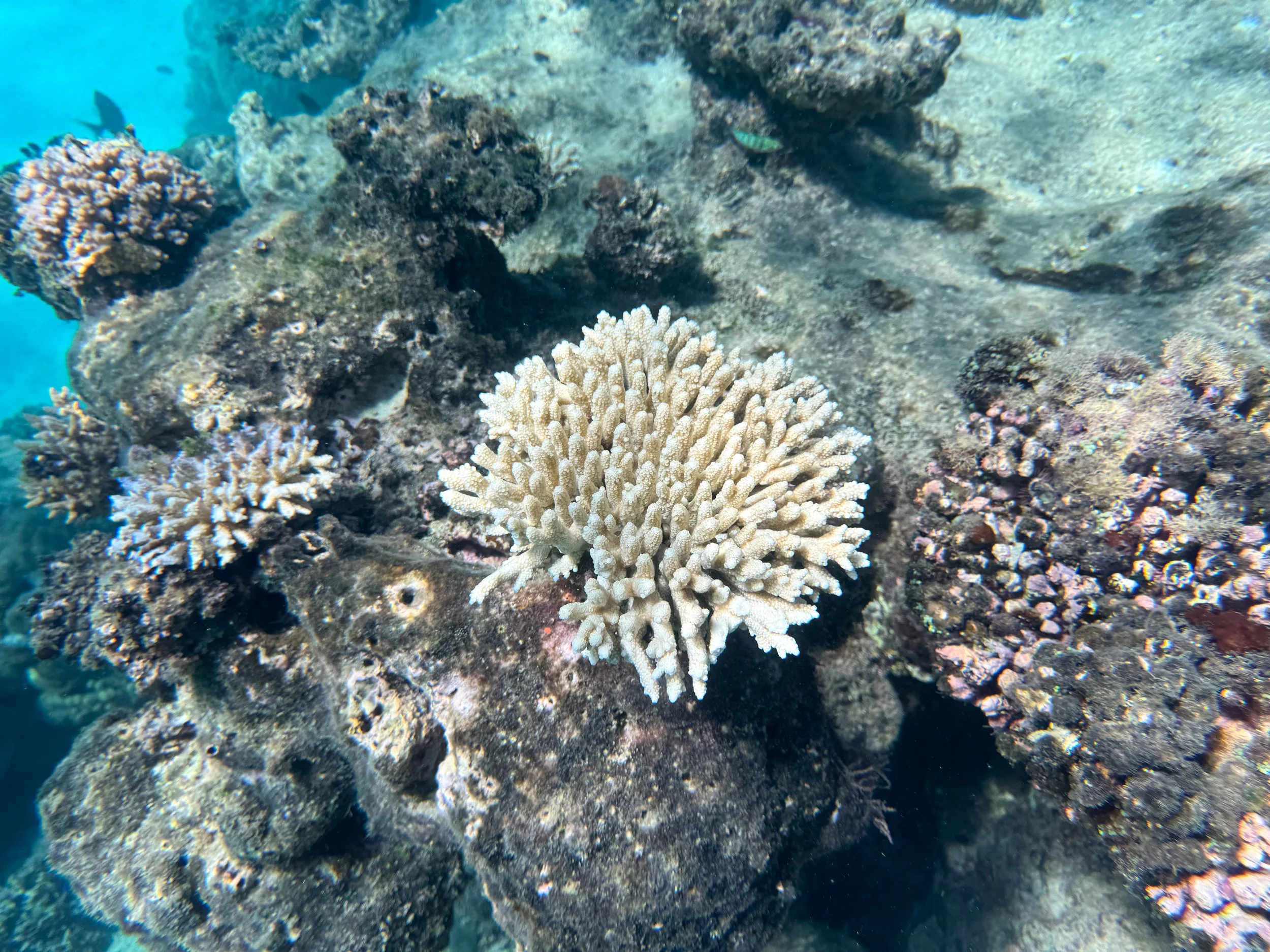
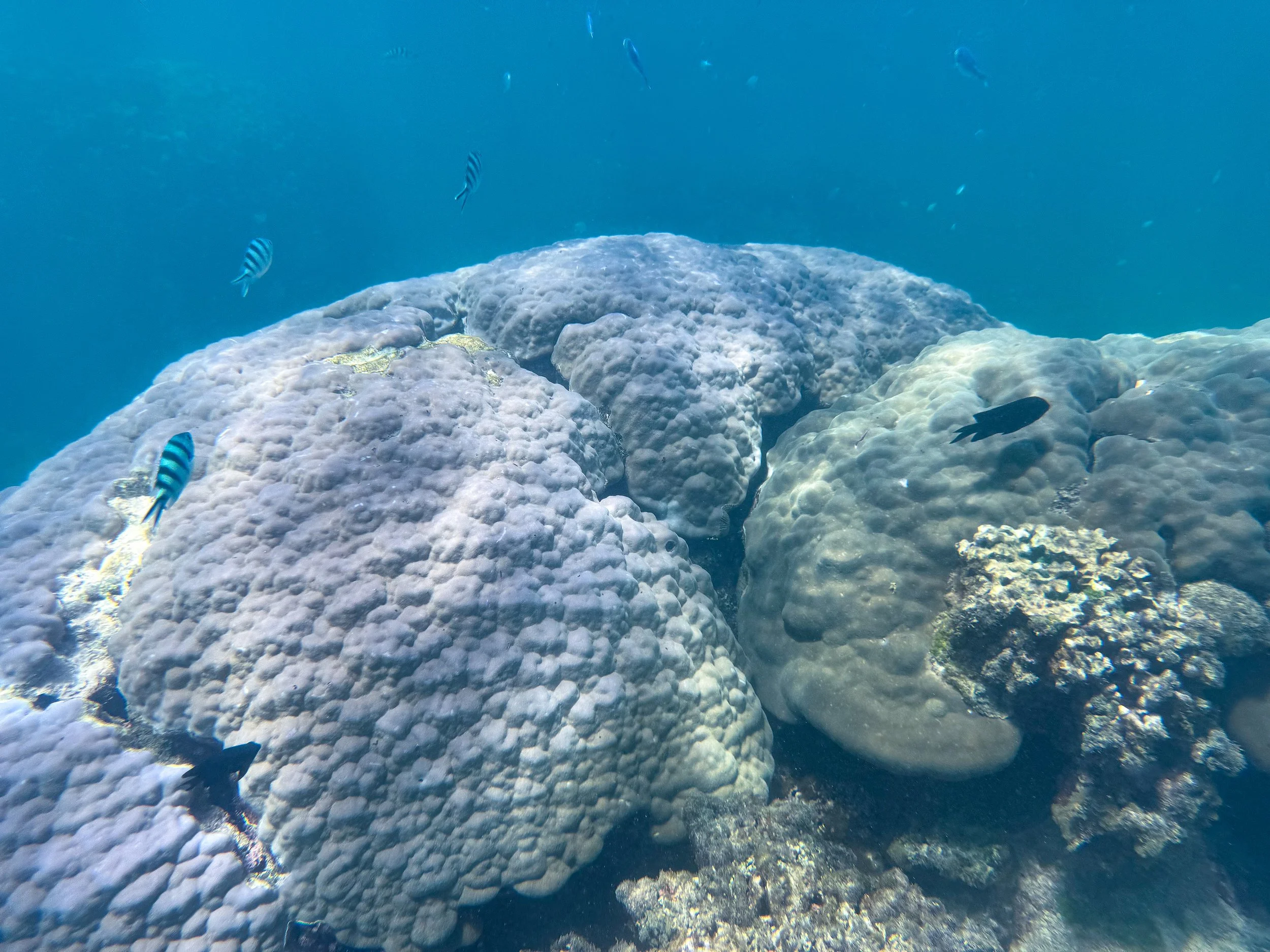
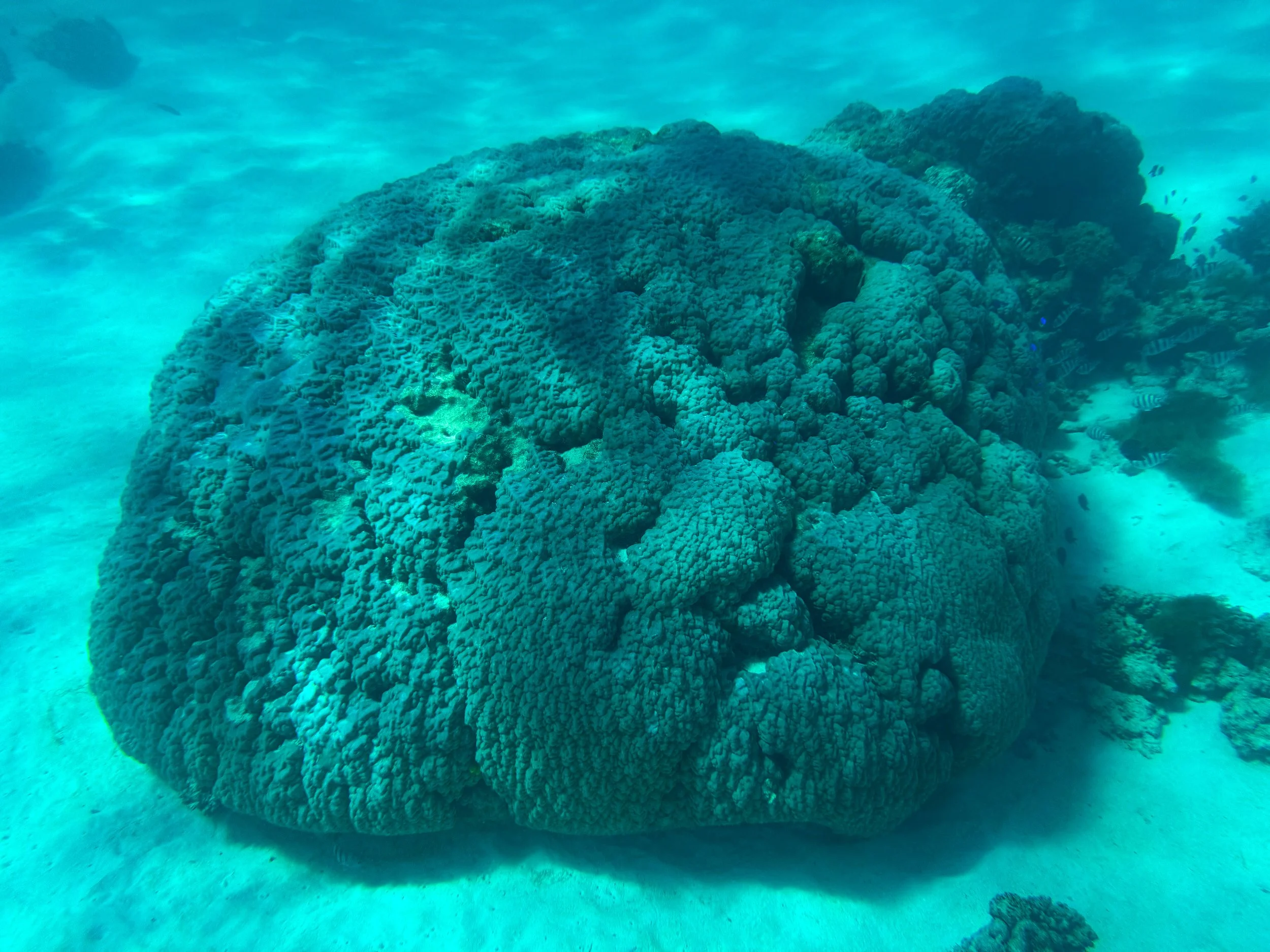
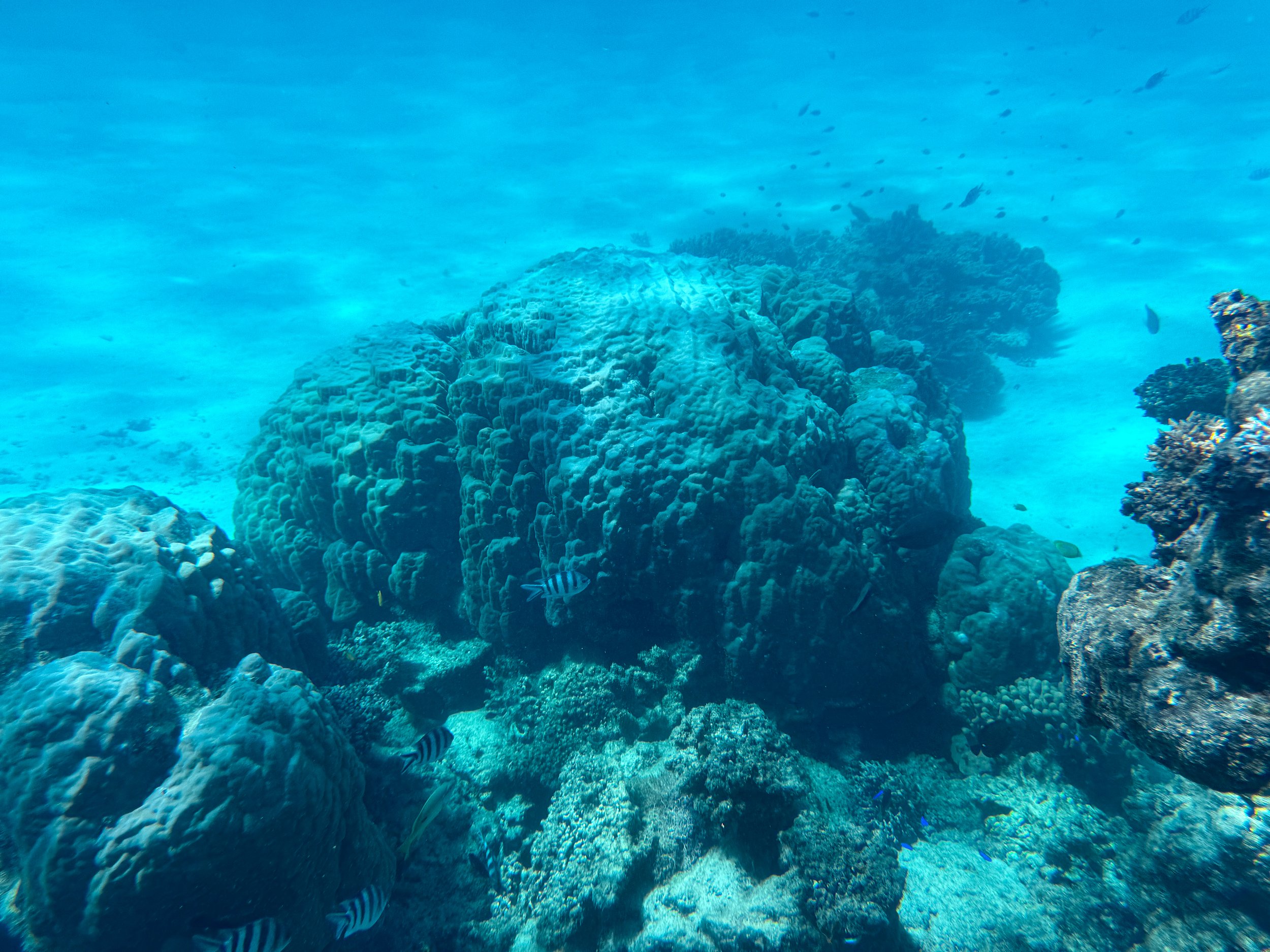
Subtropical Corals. Ningaloo Reef is a subtropical reef system. What it lacks in color, it makes up for in variety and complex shapes. The corals are mostly brown and tan with some purple and blue.
Coral Bleaching. The reef has experienced stress due to a multi year marine heatwave. Most corals near shore are in a disastrous state. The corals further along the edge of the reef are faring better.
Coral Bay (Day 9)
A small resort town on the southern end of Ningaloo Reef. It’s home to beautiful beaches, snorkeling points, tour operators, hostels and campgrounds. It’s located about 237km north of Carnarvon and 150km south of Exmouth.
Coral Bay Snorkeling Tour. The coral mazes near the outer reef of Coral Bay are teeming with healthy corals and an abundance of marine life. We booked a full day snorkel tour with Coral Bay Eco Tours on Get Your Guide. The tour brought us to the South Maze, Blue Maze and Manta Cleaning Station.
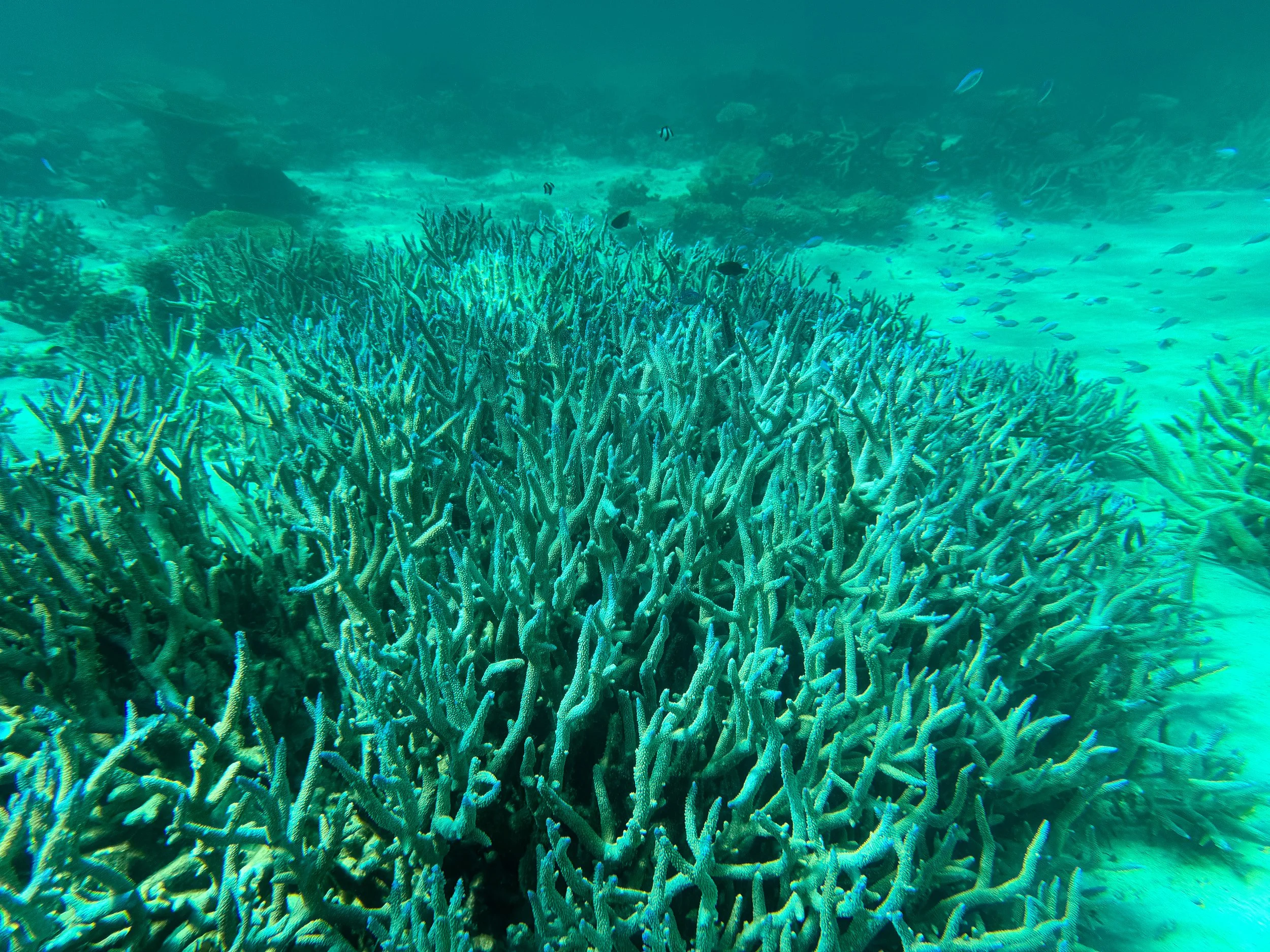

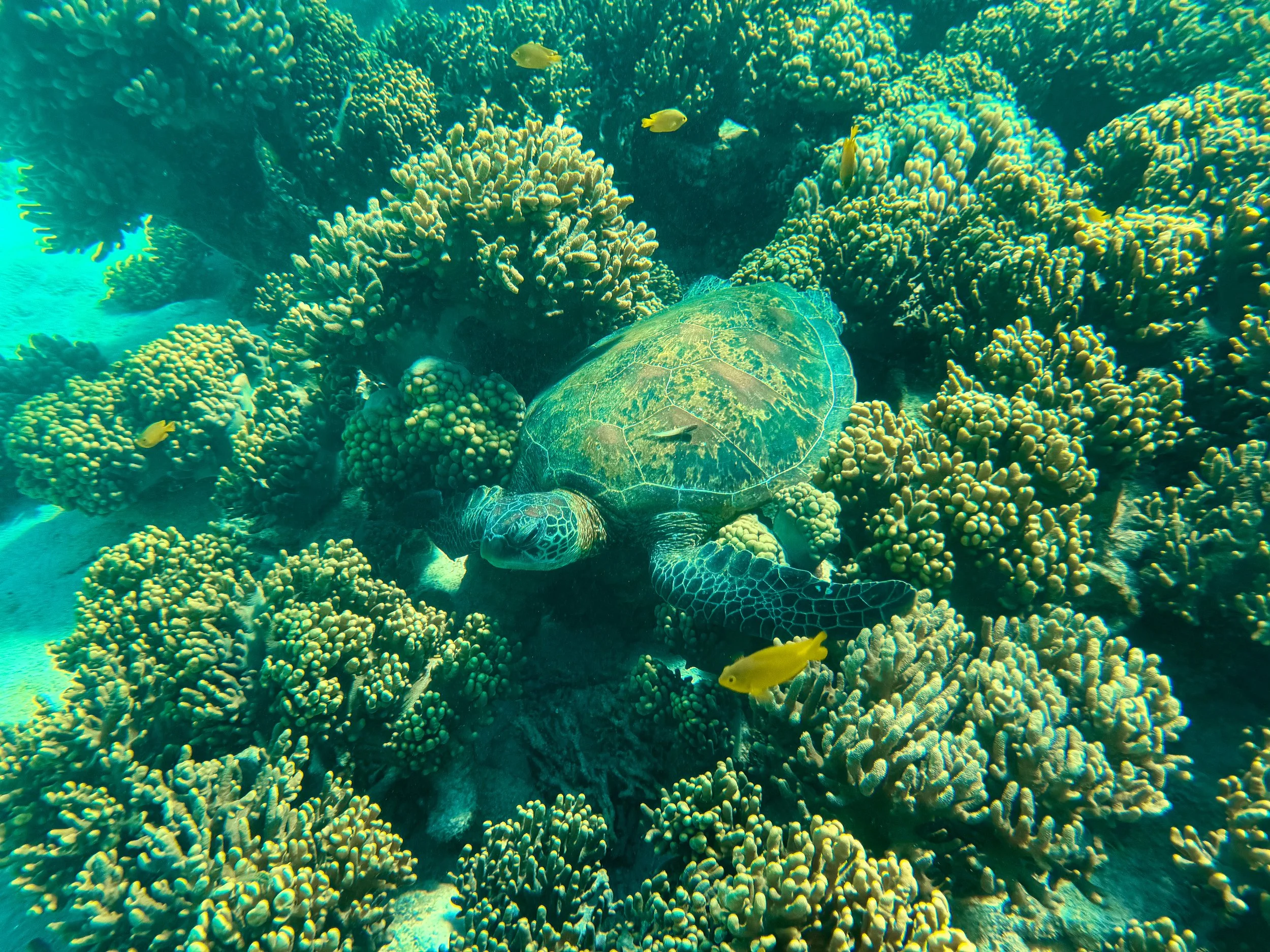
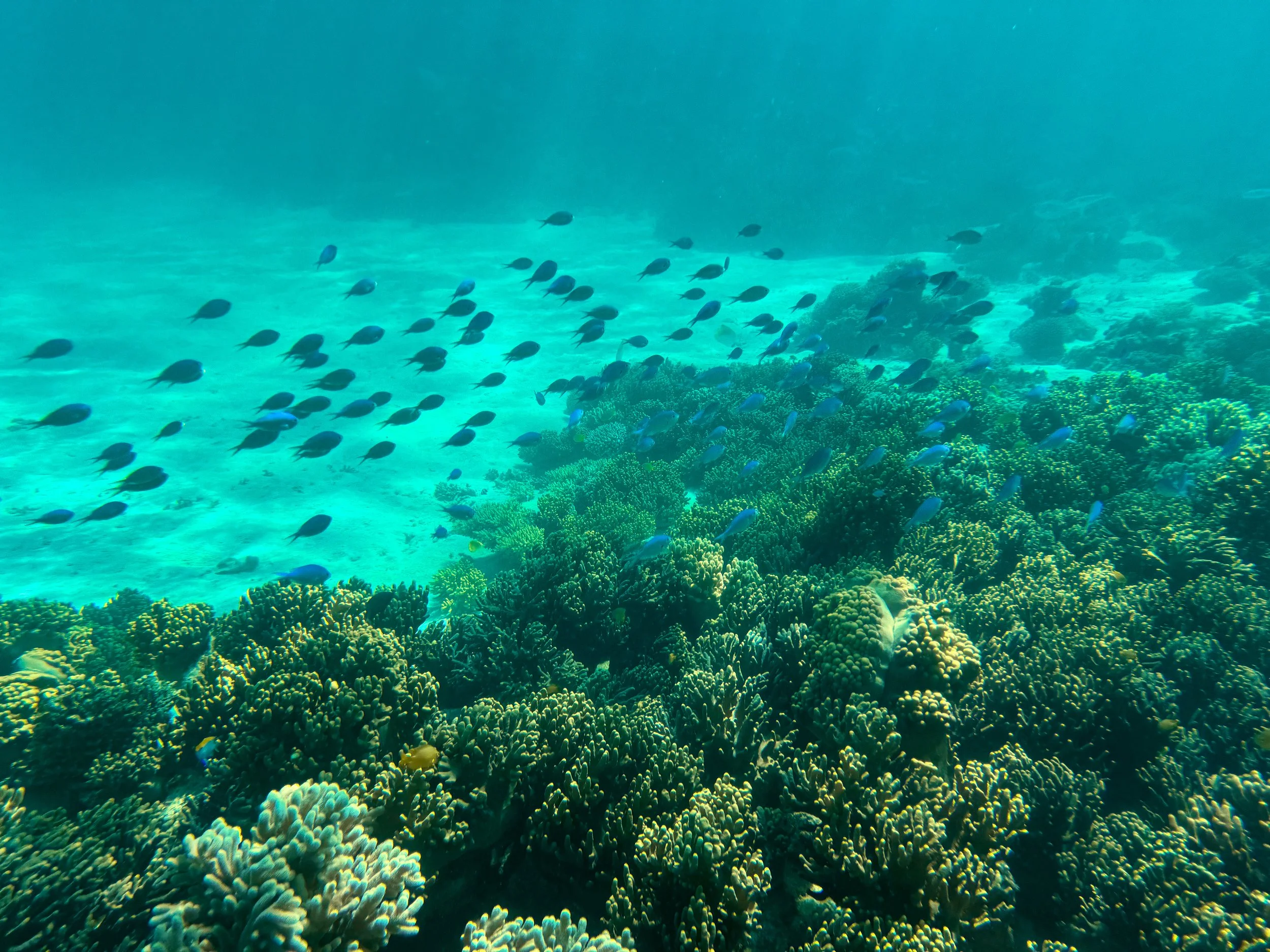
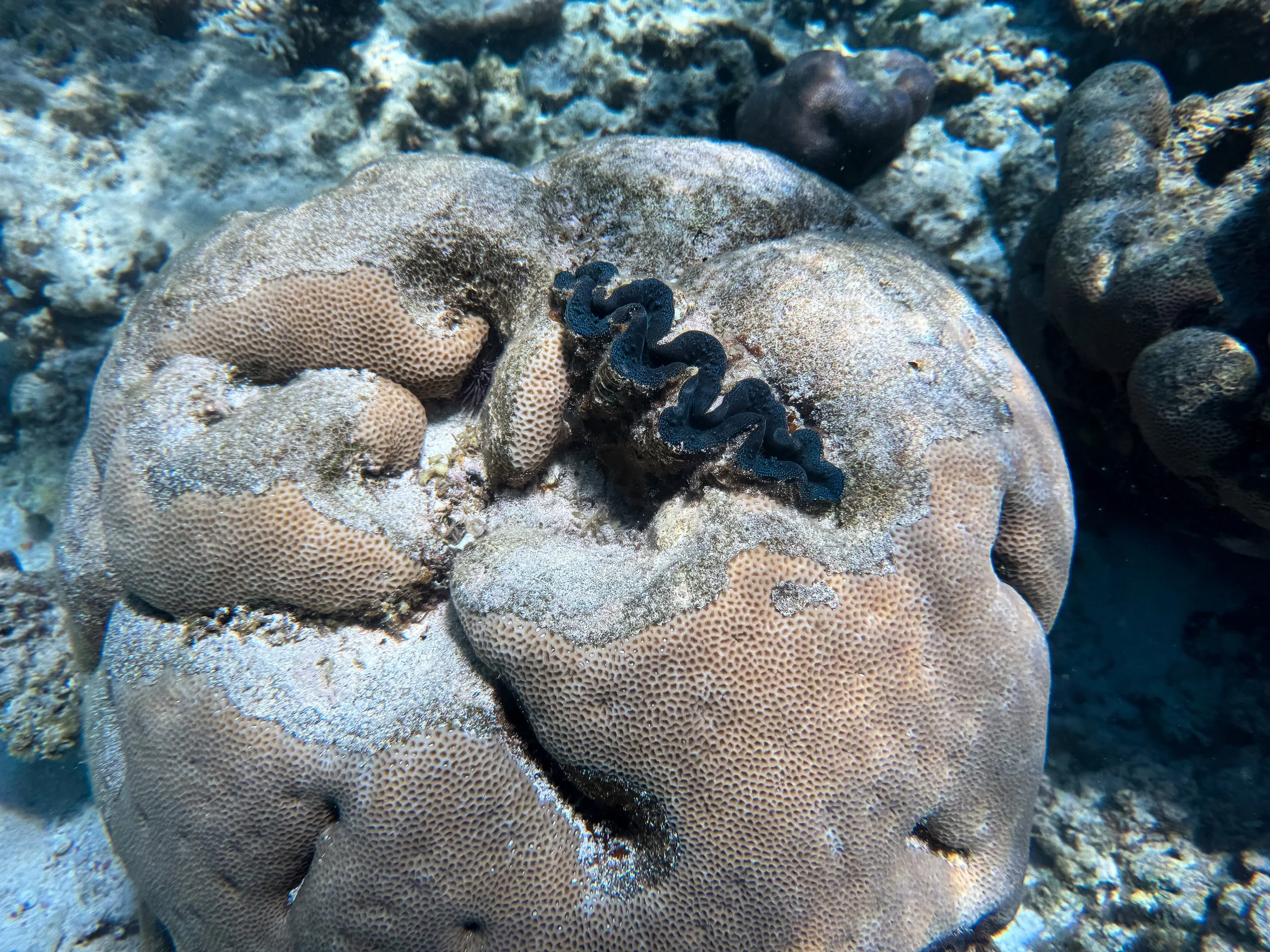
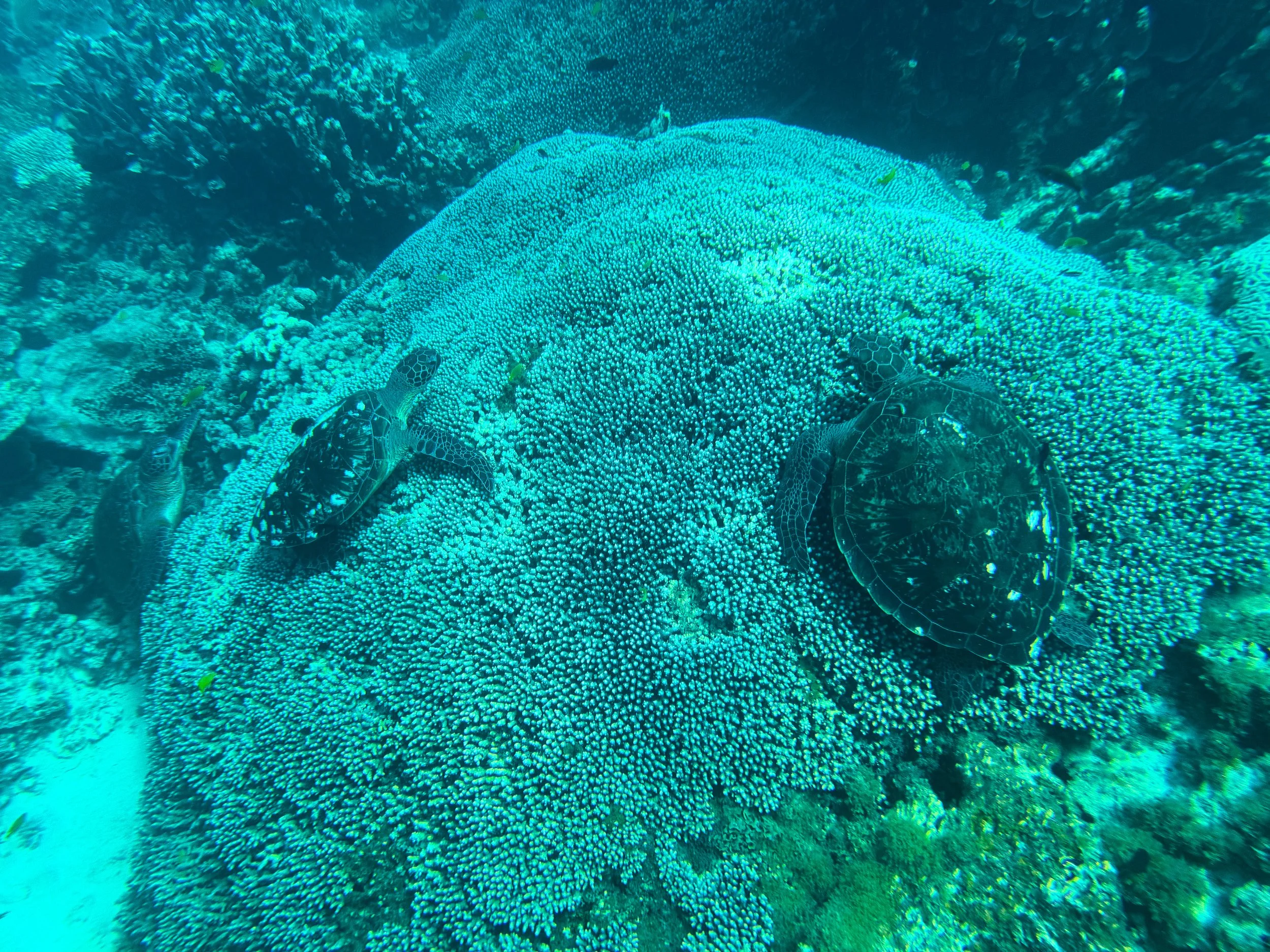
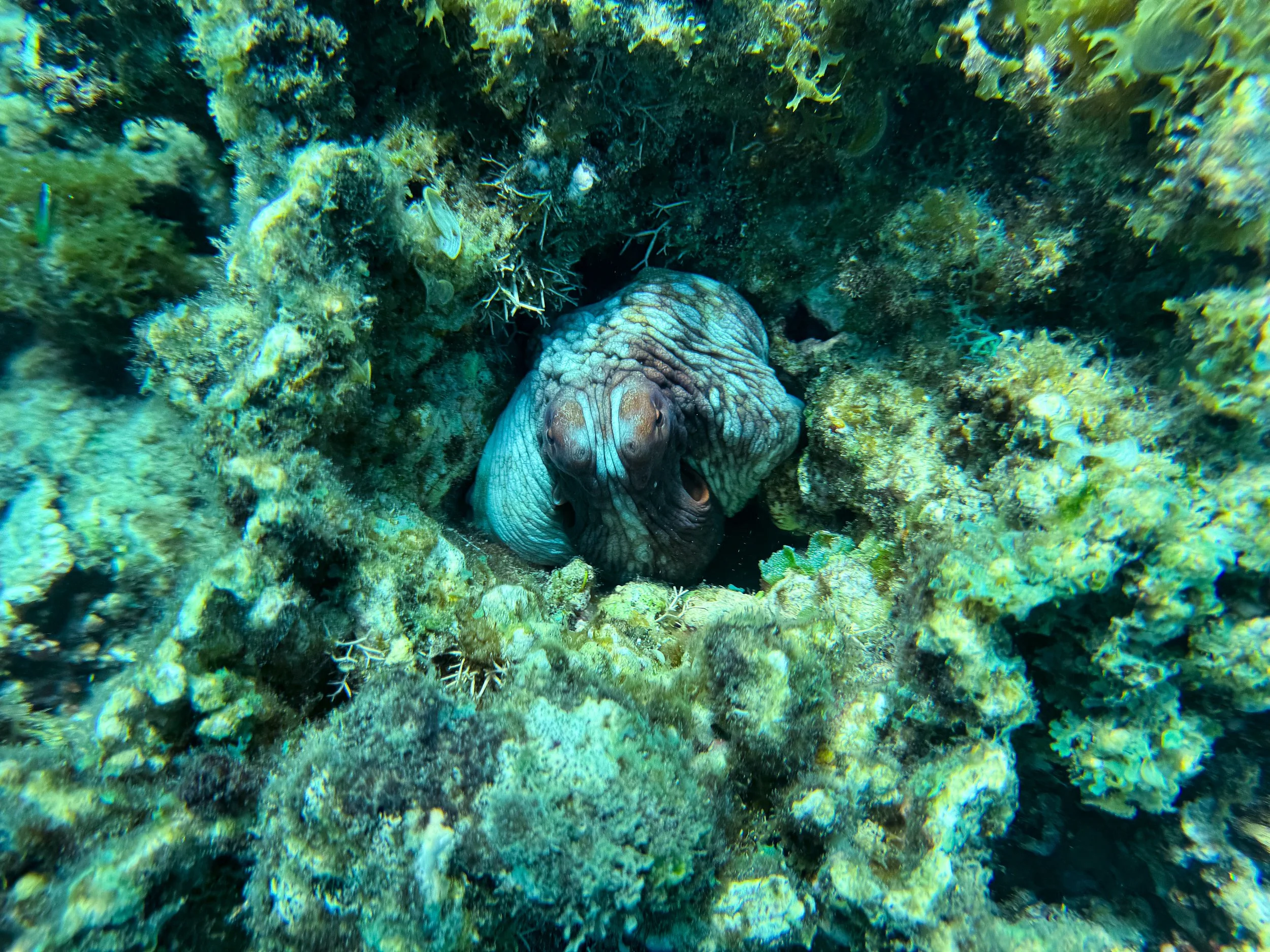
South Maze. An impressive maze of shallow coral boomies, sandy patches and an abundance of marine life. It’s located several hundred meters off shore from Paradise Beach in Coral Bay. Green sea turtles and schools of colorful fish swim throughout the reef. Blue clams and octopus nestle themselves into the corals. White tipped reef sharks sleep within coral caves. Stingrays and moray eels slink along sandy patches.
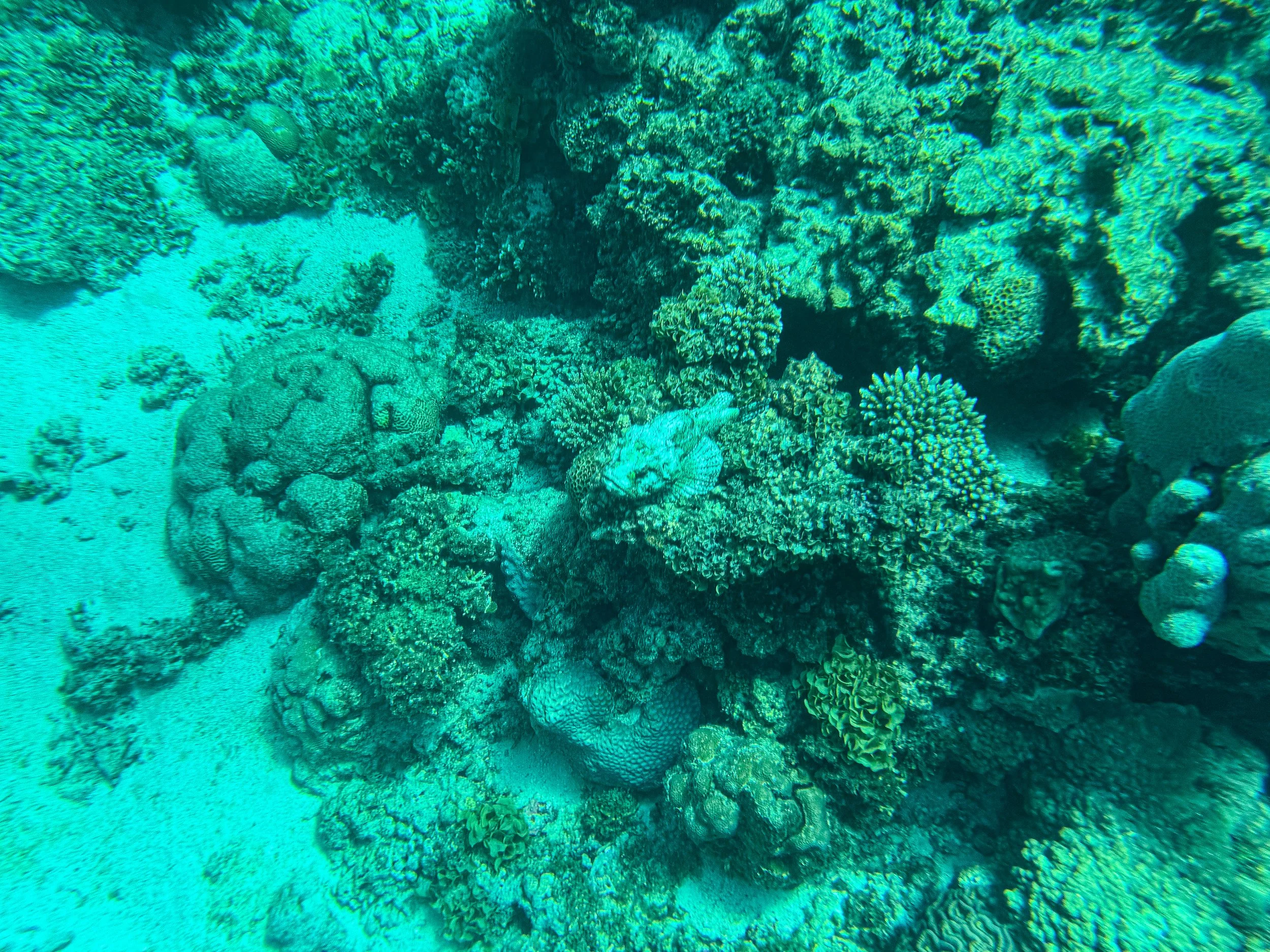
Blue Maze. A maze of large coral boomies, underwater canyons and a variety of marine life. It’s located several hundred meters offshore from Paradise Beach in Coral Bay. Countless tiny fish swim in the shallow waters above the corals boomies. Sea turtles swim through the reef and rest on coral beds. Well camouflaged octopus lurk within crevices of corals. Scorpion fish sit on corals awaiting passing prey.
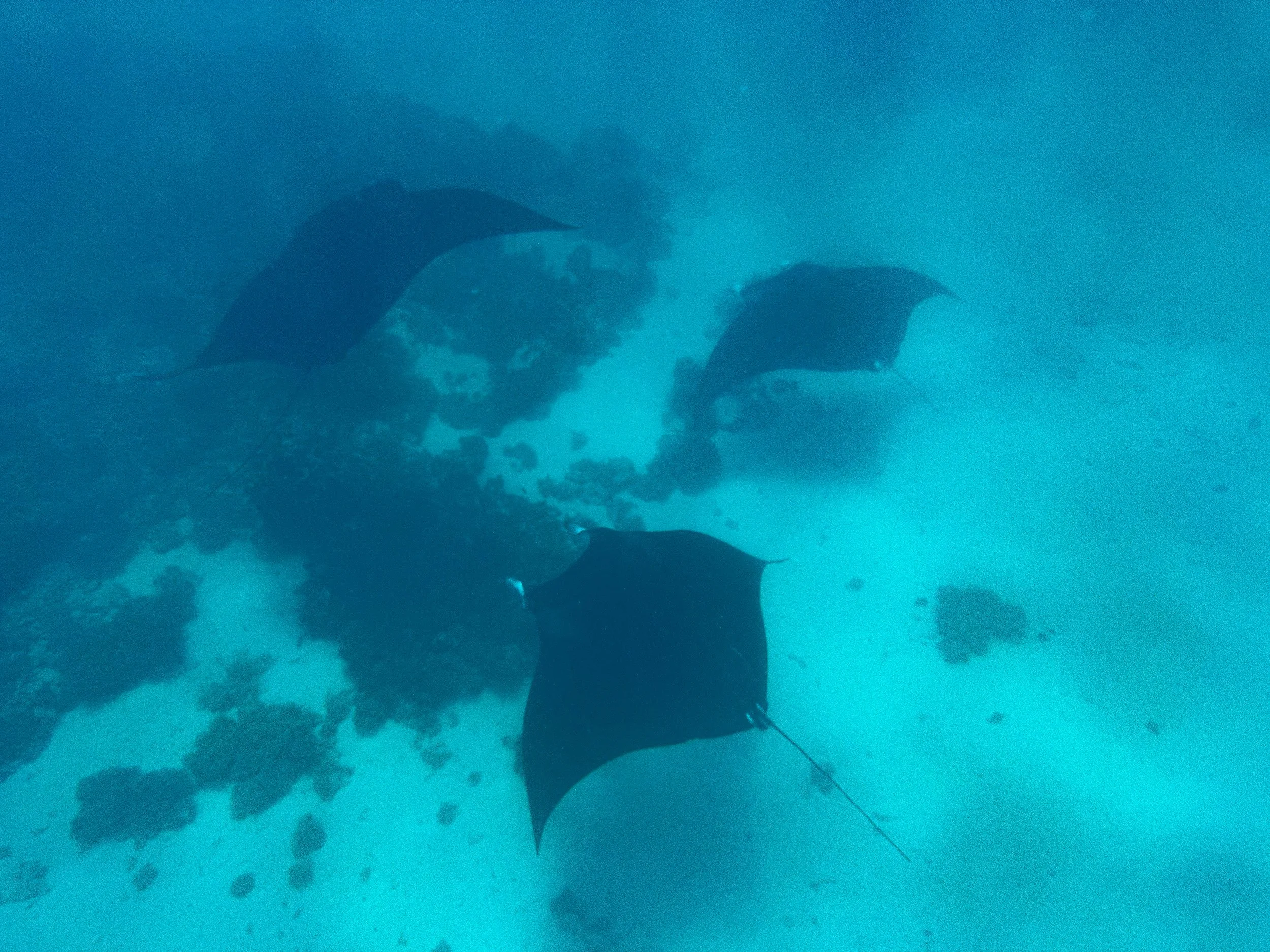
Manta Cleaning Station. Manta Rays are some of Ningaloo Reef’s most prominent animals. The graceful giants feed in the plankton rich waters and frequent “cleaning stations” on the reef where smaller fish groom them. We swam and snorkeled above one cleaning station, spotting 6 manta rays including a rare Melanistic Ray, recognizable by its jet black skin. At one point, 4 manta rays started rotating in a mesmerizing circular pattern. The cleaning station is located a few hundred meters offshore from Point Maud and Skeleton Beach in Coral Bay.
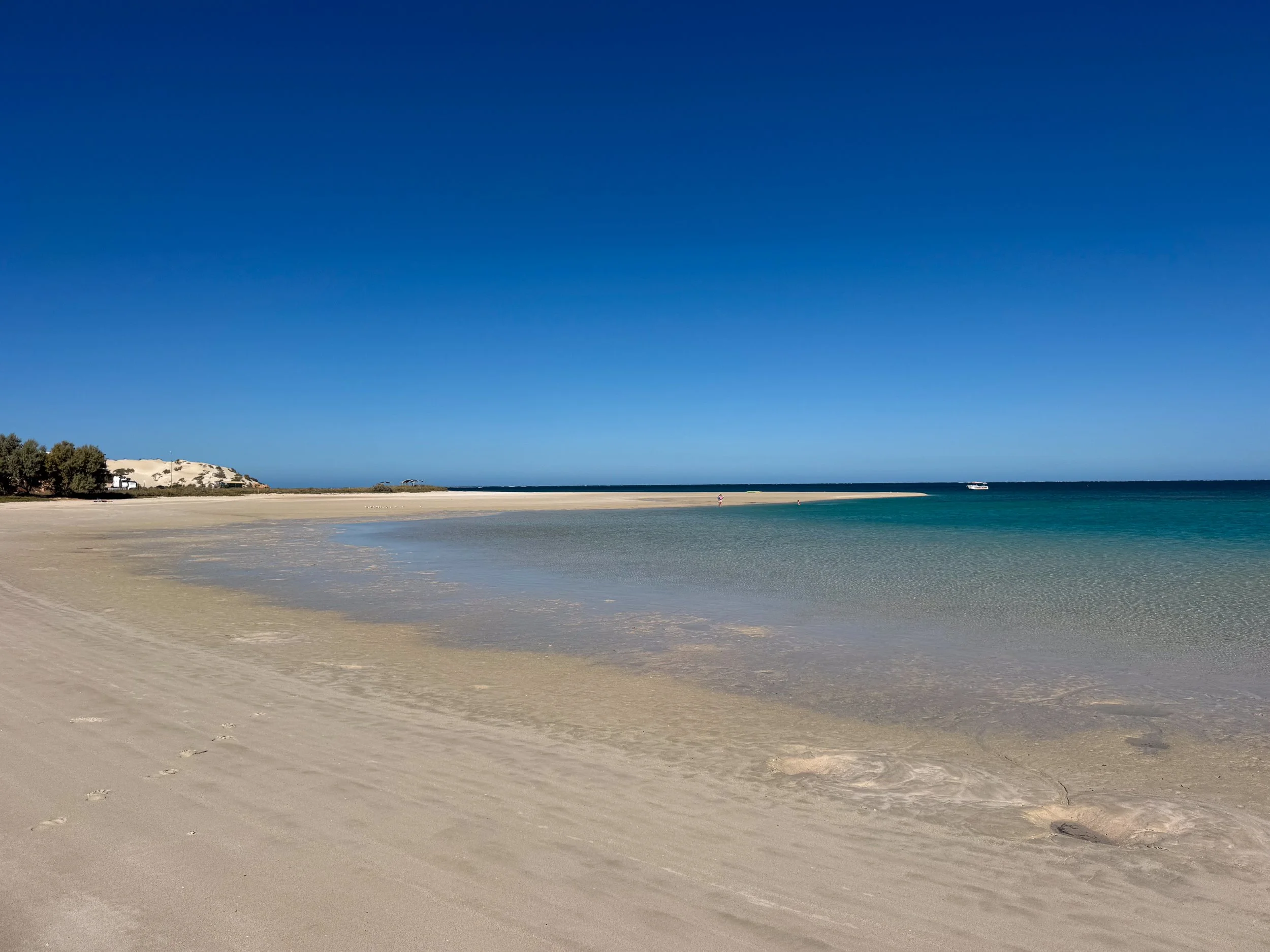
Coastal Sights
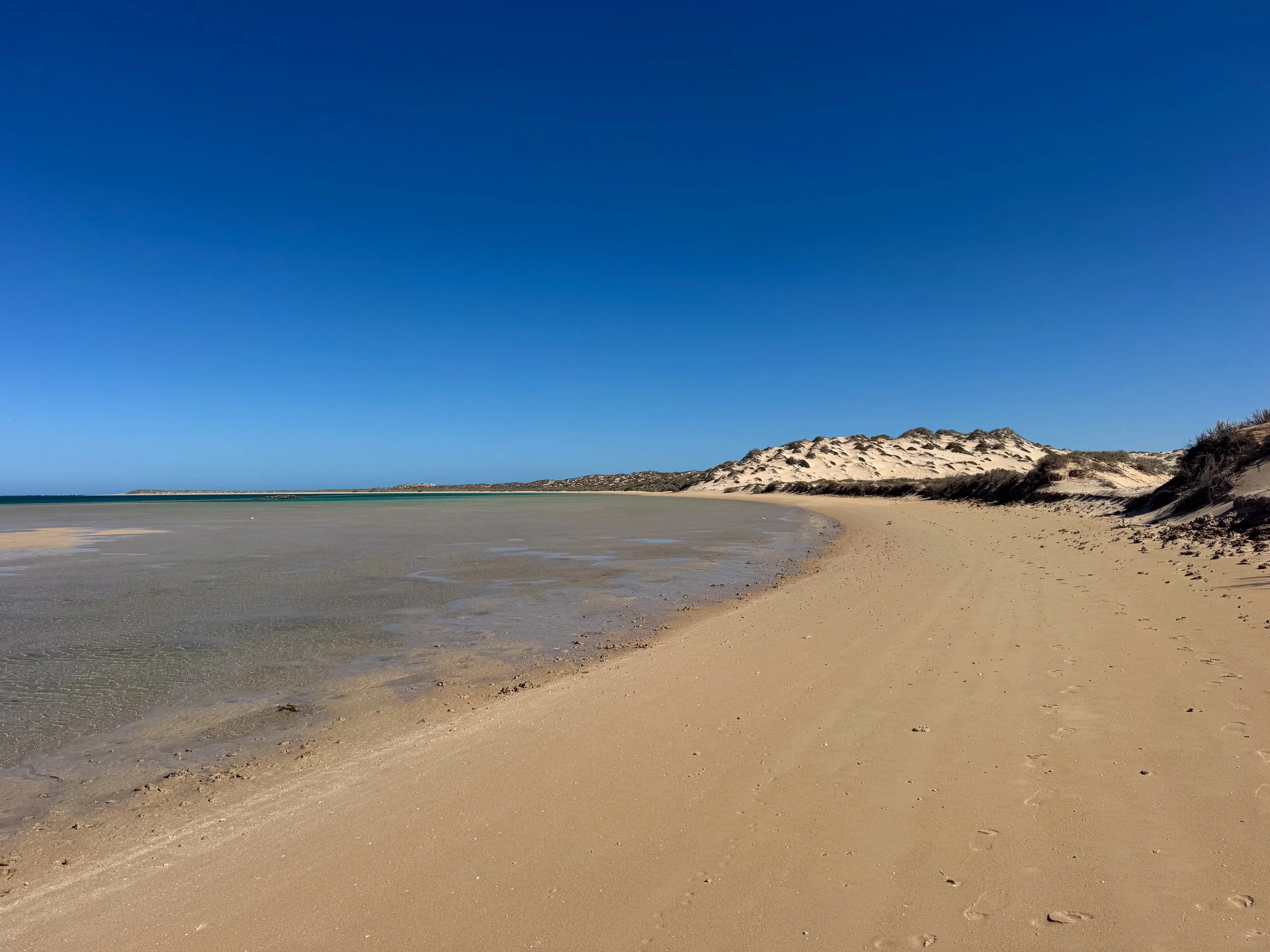
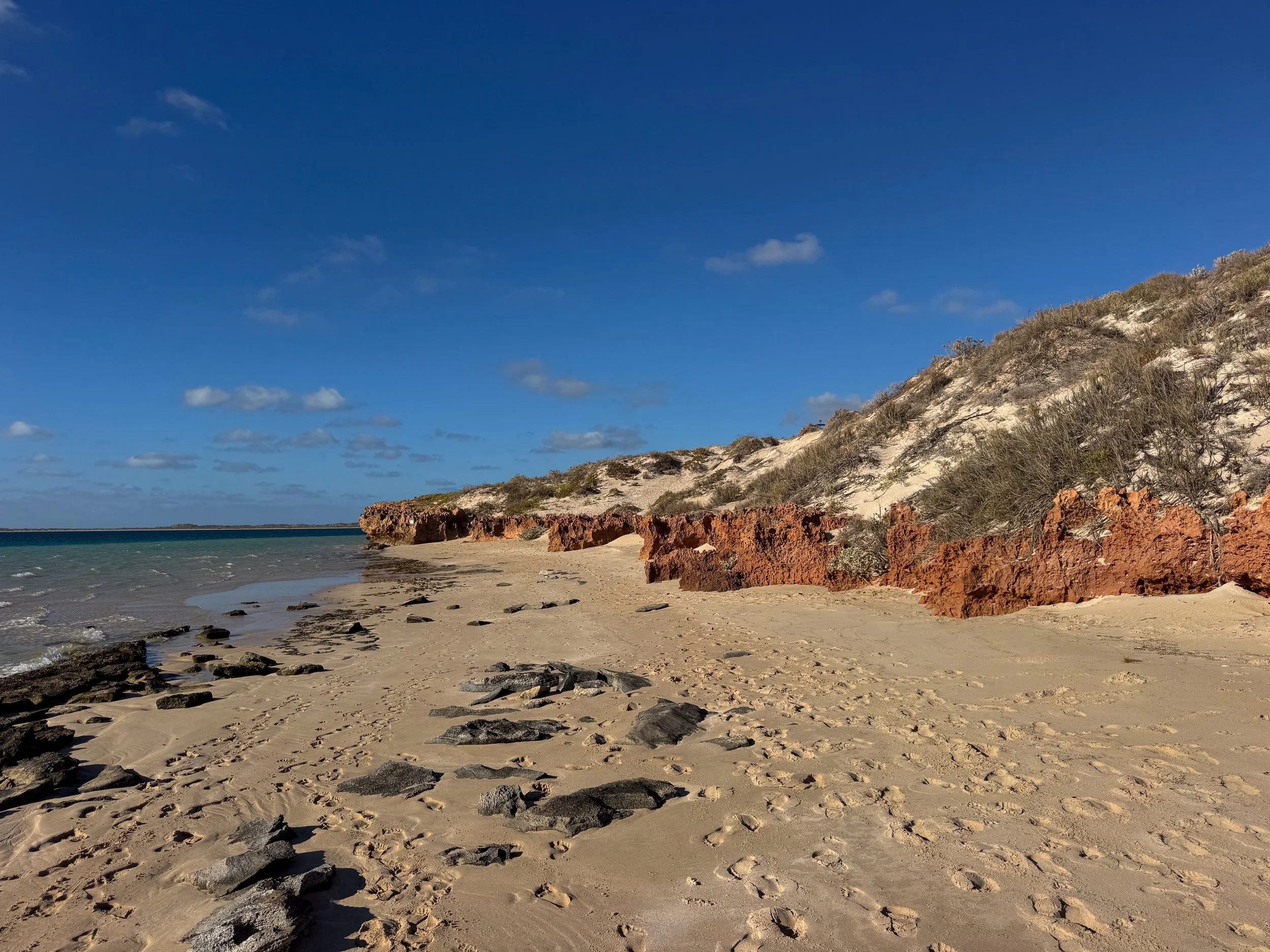
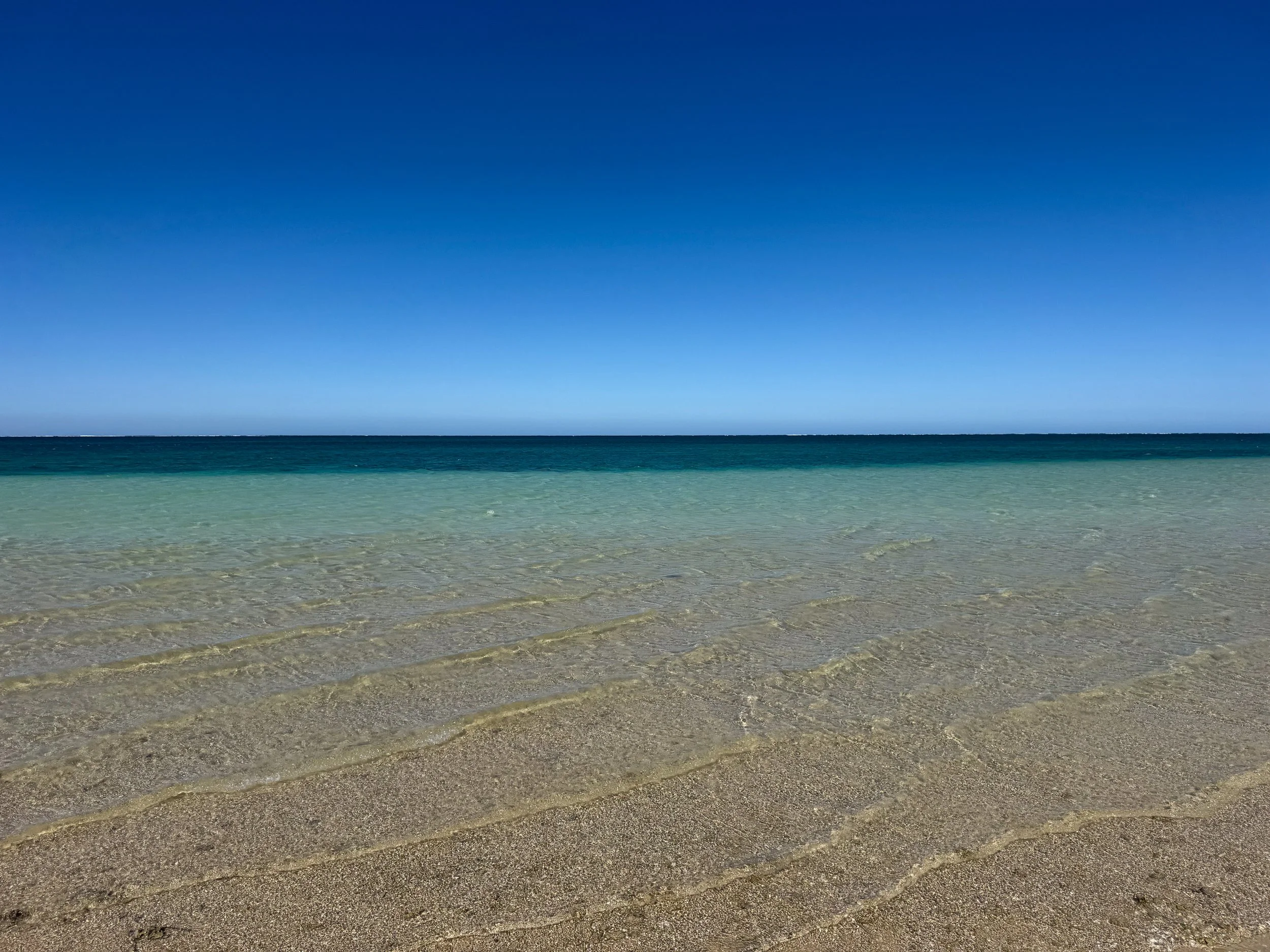
Bill’s Bay. A shallow bay with a protected white sand beach. It’s the most accessible beach in Coral Bay for swimming, sunbathing and snorkeling. Unfortunately most of the corals in the bay are dead.
Paradise Beach. A narrow beach stretching south along Coral Bay’s shore. The best area for snorkeling is on the opposite side of the point from Bill’s Bay. Be careful of Portuguese Man o’ Wars on windy days.
Shark Sanctuary. A tidal ocean lagoon separated by a thin coral band. It’s home to baby sharks and stingrays.
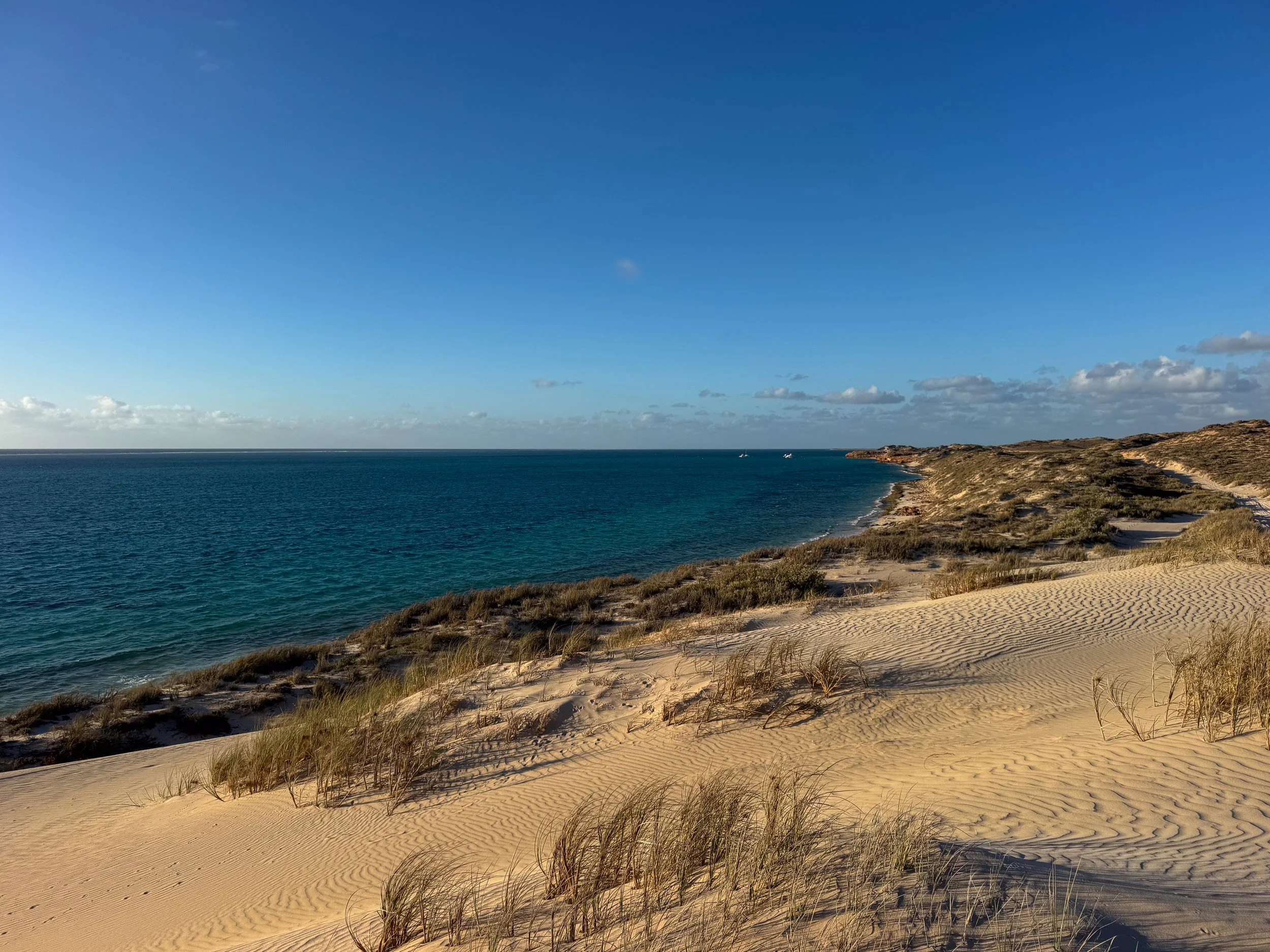
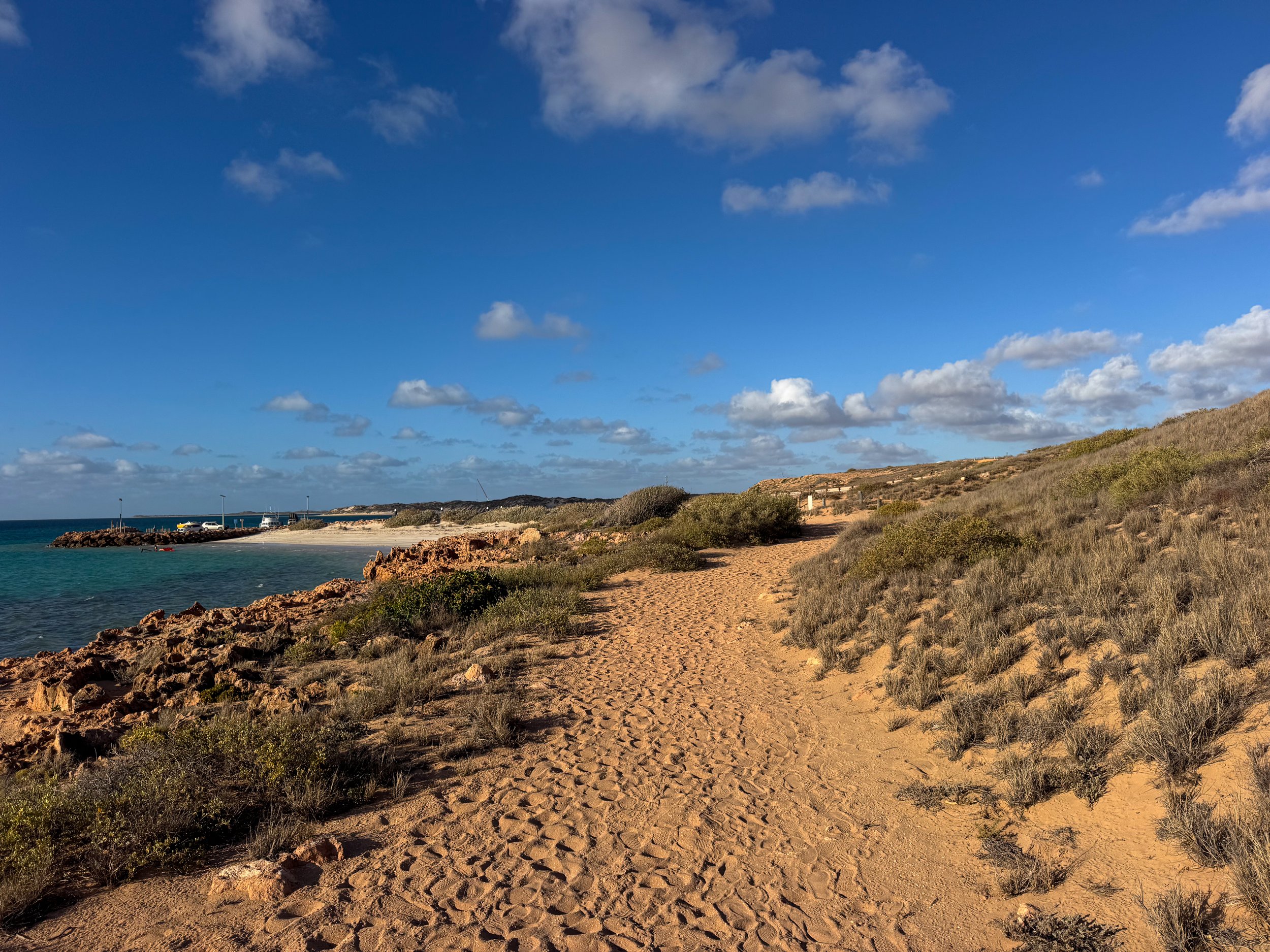
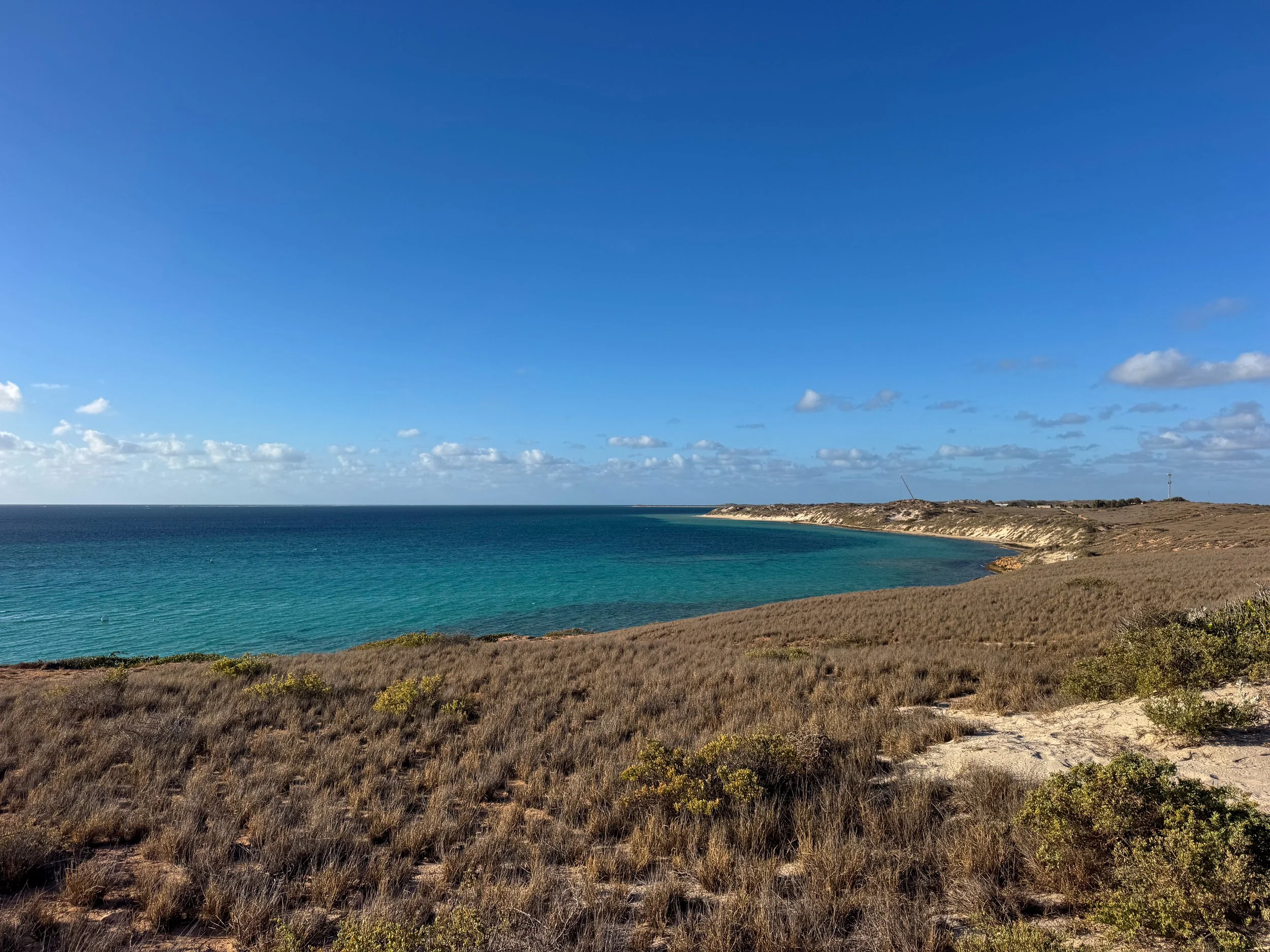
Coral Bay Walk Track. A coastal hiking path leading from Paradise Beach to the Coral Bay Jetty. It overlooks the ocean, reef and small beaches nestled between limestone cliffs.
Five Fingers Reef. A remote beach named after 5 small limestone ridges extending into the water. It’s a popular spot for snorkeling and wind surfing. The beach is only reachable by 4x4 or on foot from the Coral Bay Jetty.
Places to Eat, Drink & Stay
Bill’s Bar. The most popular pub in town with a large food and drink menu. It has a lively atmosphere bringing travelers and locals together each night. Try the peel and eat prawns with an Aussie craft beer.
Coral Resort Bakery. A bakery with a selection of savory pies, sweet baked goods and breads. Try the “Cheesymite Roll” swirled with cheddar and vegemite.
Sweet Coral Bay. An ice cream shop with classic and tropical fruit flavors. Try the “Whale Shark” made with white chocolate and spirulina (an edible blue-green algae).
Ningaloo Backpackers Club. A large hostel with a range of basic dorms, private rooms and shared restrooms. It offers a communal kitchen to cook meals, a bar to order drinks from and a pool to swim and lounge alongside. Reserve on Booking.
Exmouth (Day 10)
Exmouth is a remote resort town on the northeast side of Cape Range with access to many of the national park’s beaches, bays and gorges. It’s popular for its accommodations, tour operators, restaurants and micro breweries. It’s located about 150km north of Coral Bay.
Tantabiddi Sanctuary Zone. A coastal sanctuary in the north of Ningaloo Reef. It’s a habitat for sea turtles, playful dolphins and tropical fish. We snorkeled here on a half day tour with Cape Immersion Tours. The water glowed with intense shades of blue and turquoise. Groups of sea turtles mated near the surface while dolphins swam alongside the boat. We drift snorkeled in the current above reef formations. Bulbous purple, yellow and blue corals stood out amongst the expanse of dead corals. Giant grouper, camouflaged octopus, translucent squid and a white tipped reef shark were some of the underwater highlights. Book on Viator.
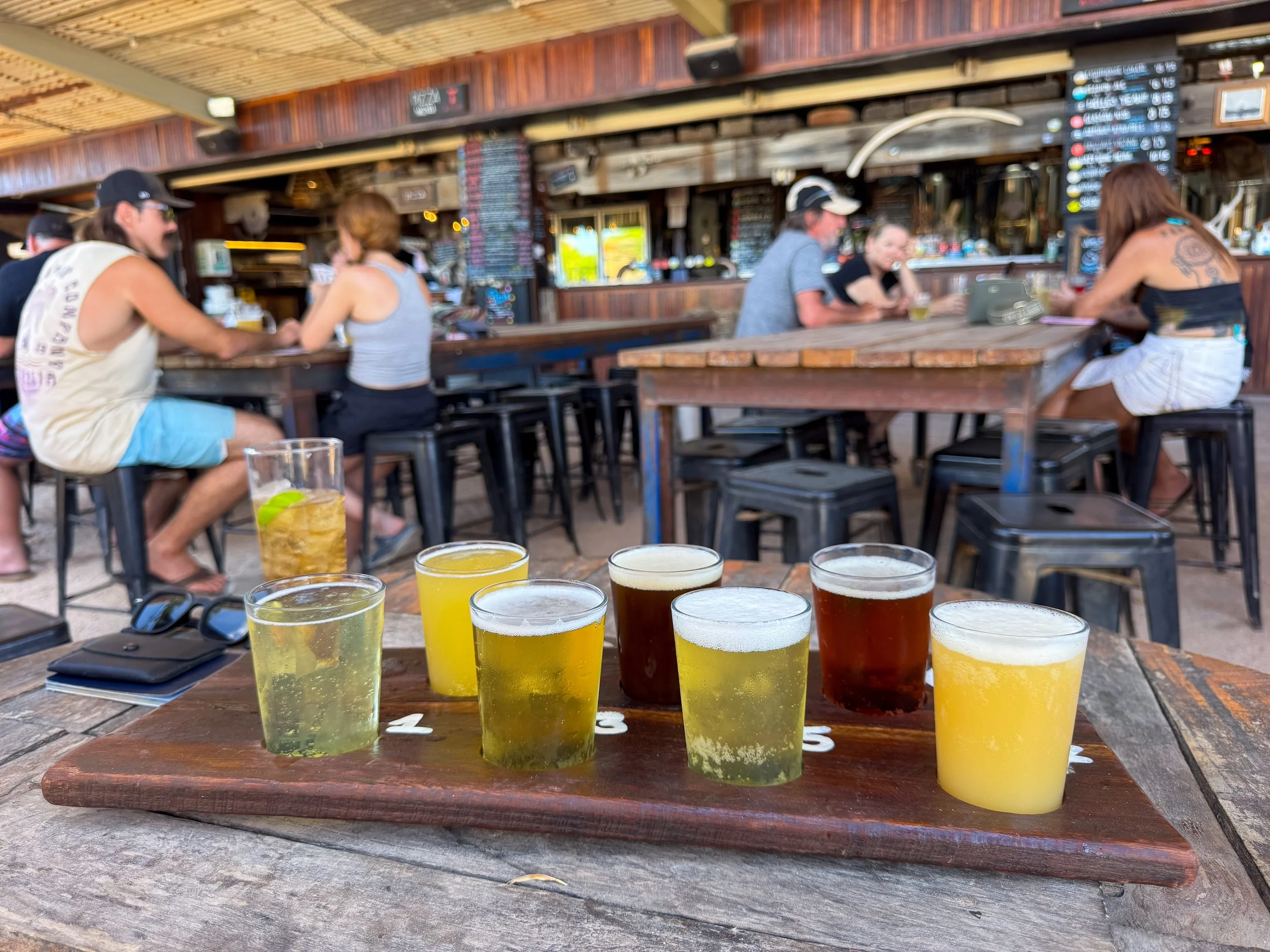
Whale Bone Brewing Co. A brewery and distillery in Exmouth with a range of craft beers, artisan spirits and flavorful pizzas. Order a paddle of 7 beers to taste the latest brews!
Cape Range National Park (Day 11)
A rugged and remote national park with steep gorges, hiking trails, coastal views and Australian wildlife.
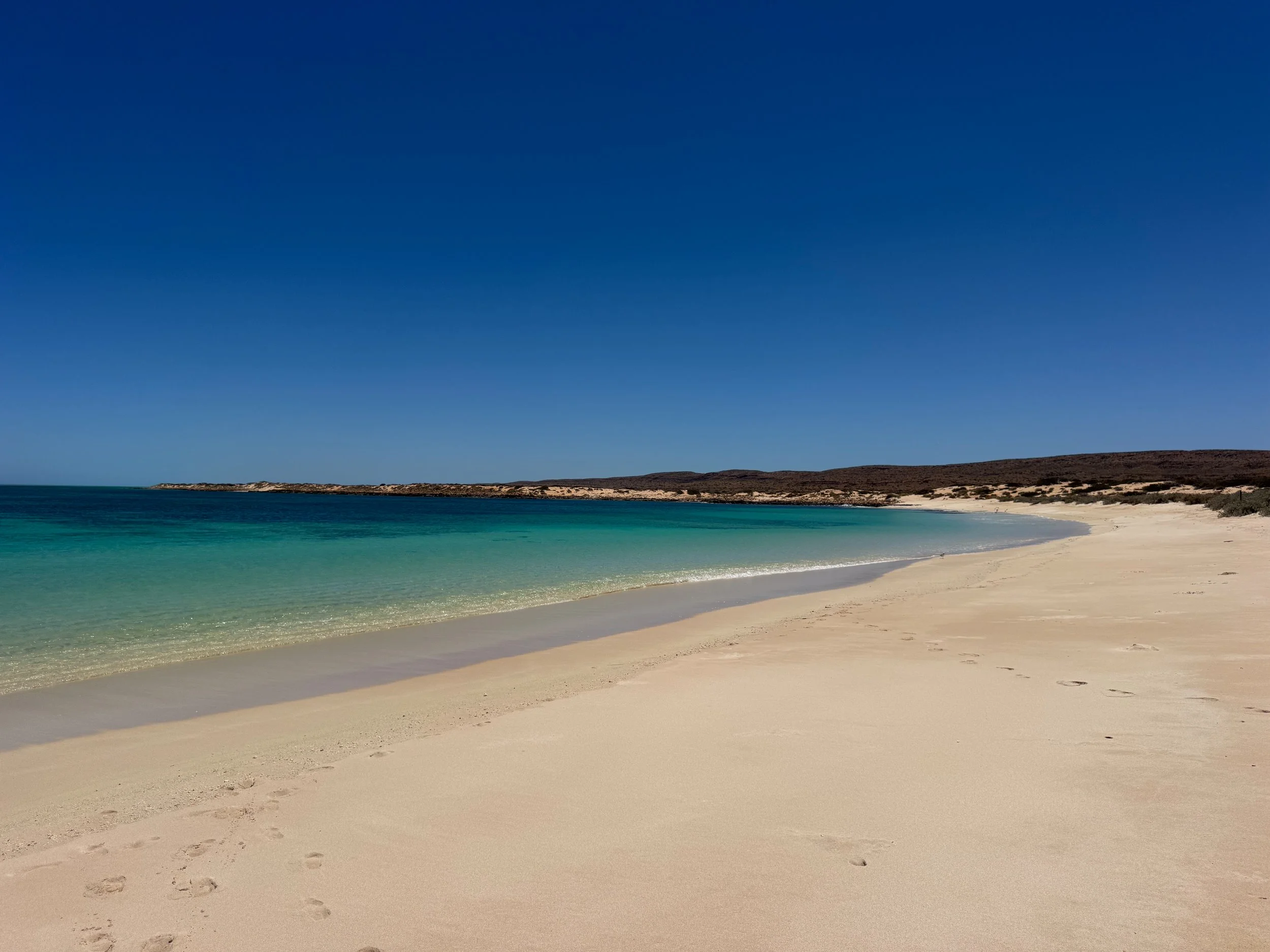
Turquoise Bay. A picturesque bay with calm turquoise waters and crescent shaped white sand beach. It’s the perfect place to sunbathe and swim.
Turquoise Bay Drift Snorkel. Adjacent to Turquoise Bay is a lengthy beach with an expansive coral reef. It’s an ideal spot to drift snorkel and spot marine life. Walk down shore, swim out to the reef and let the current carry you. Exit a hundred meters before the sandy point to avoid outward currents.
Good to Know. The healthiest corals are a few hundred meters offshore. Avoid swimming out this far on windy days.
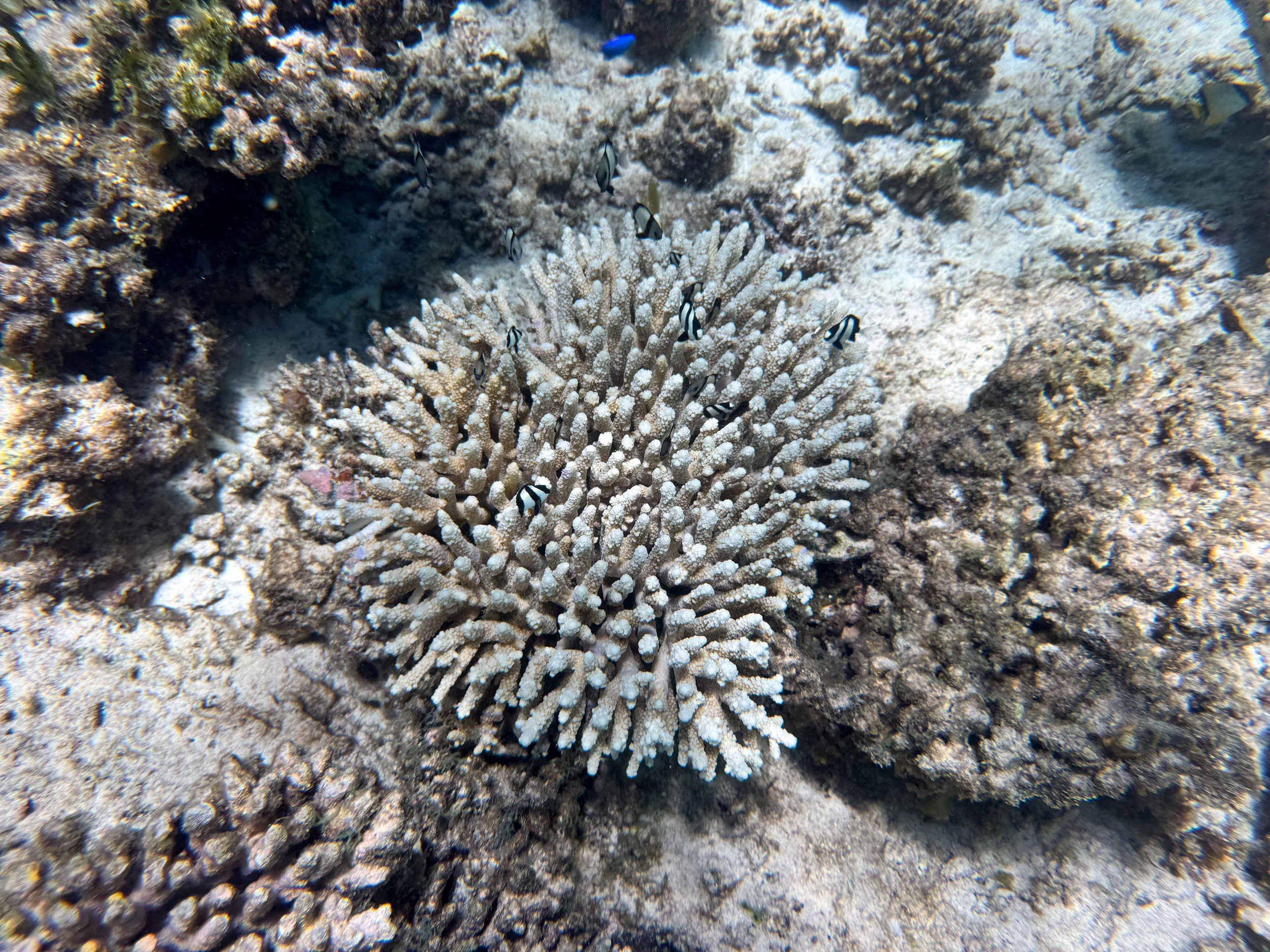
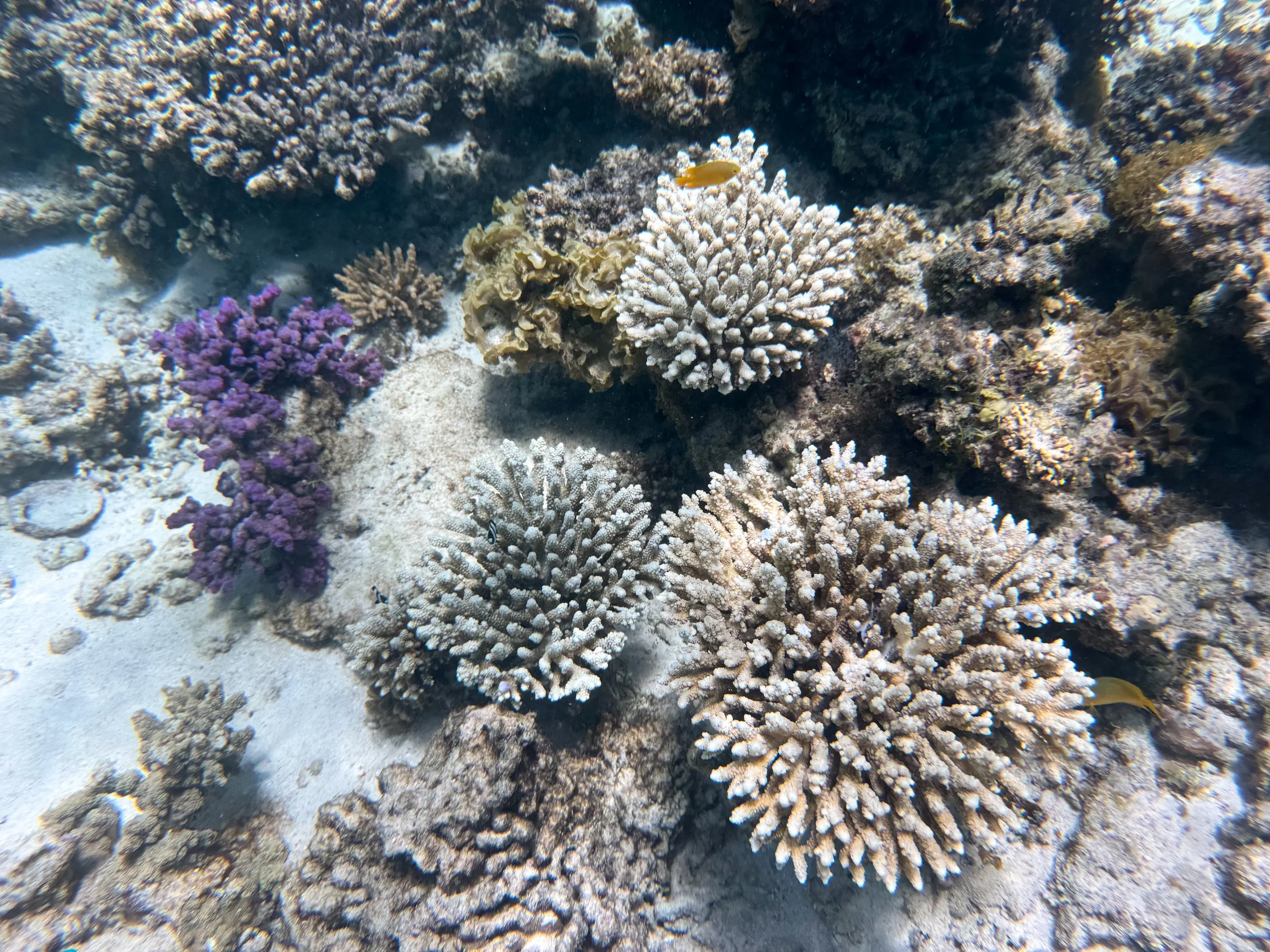
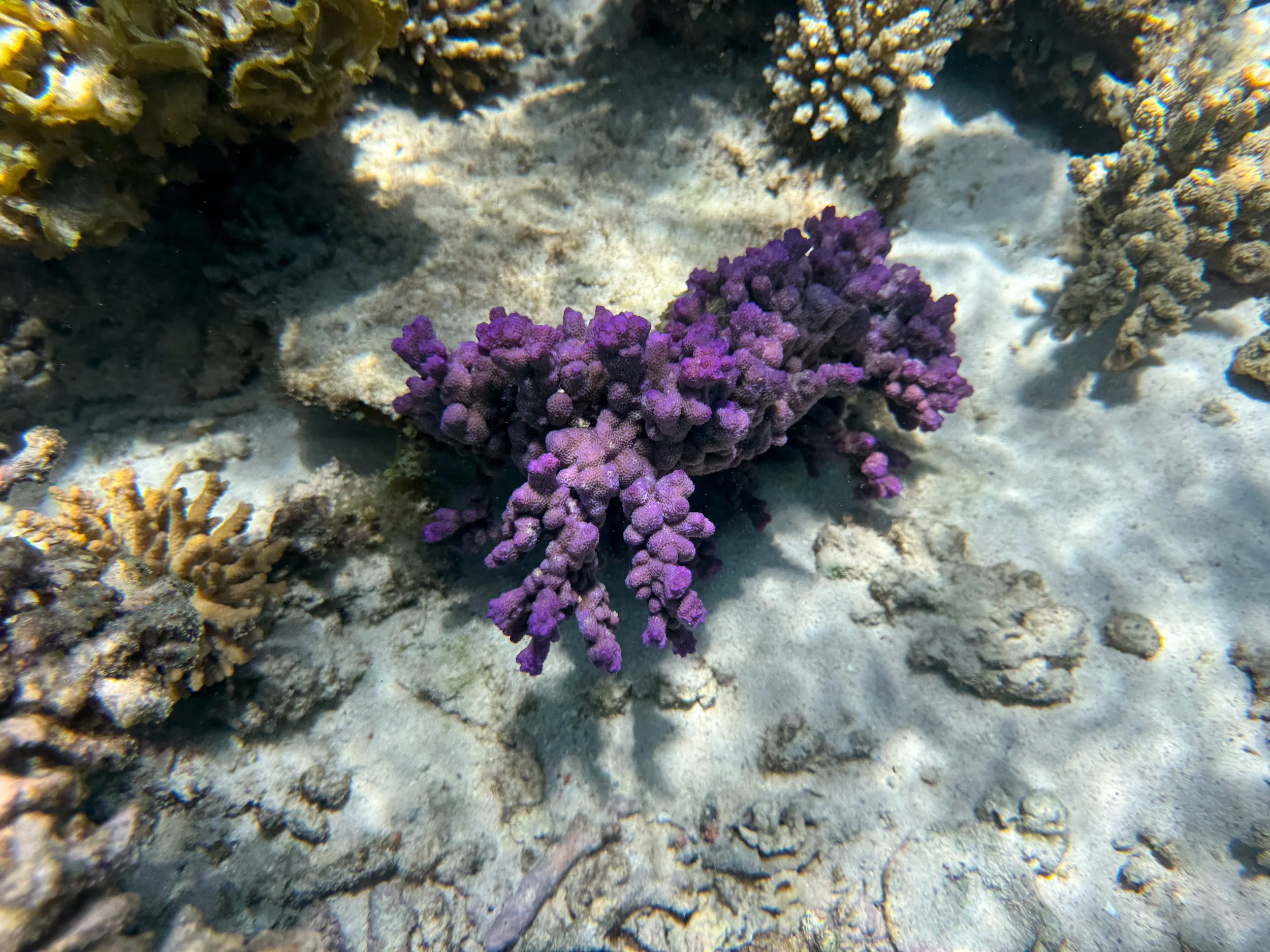

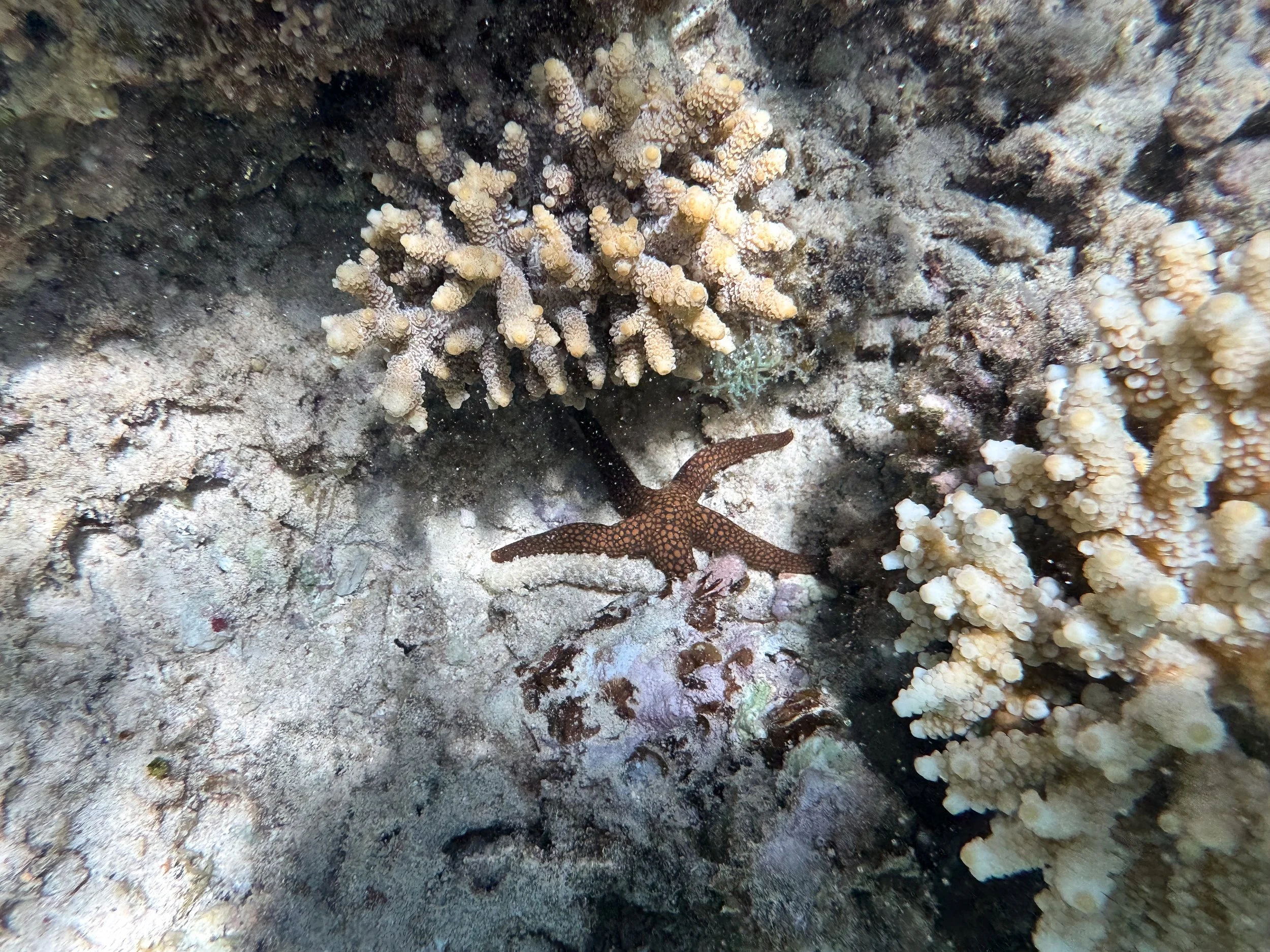
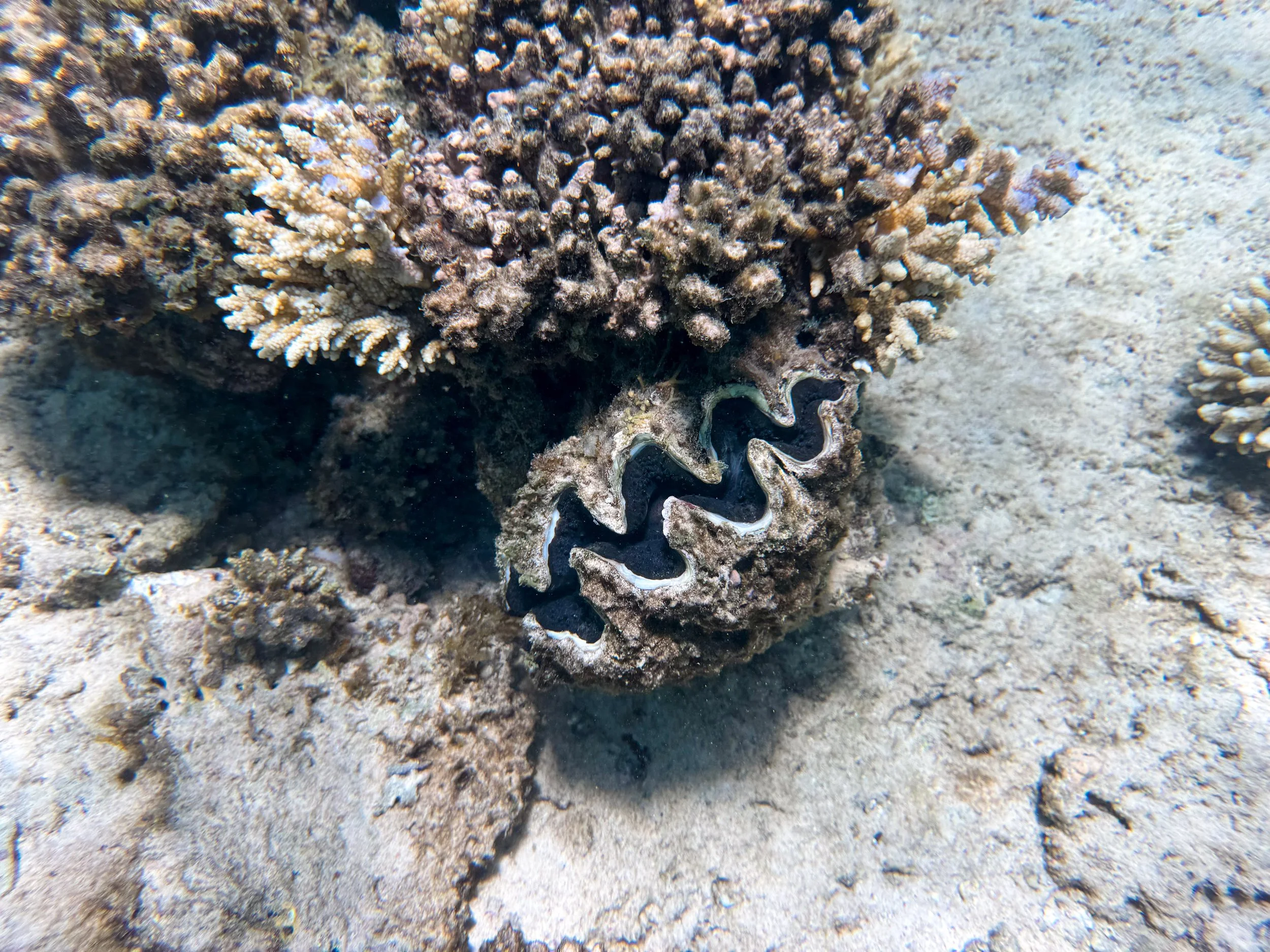
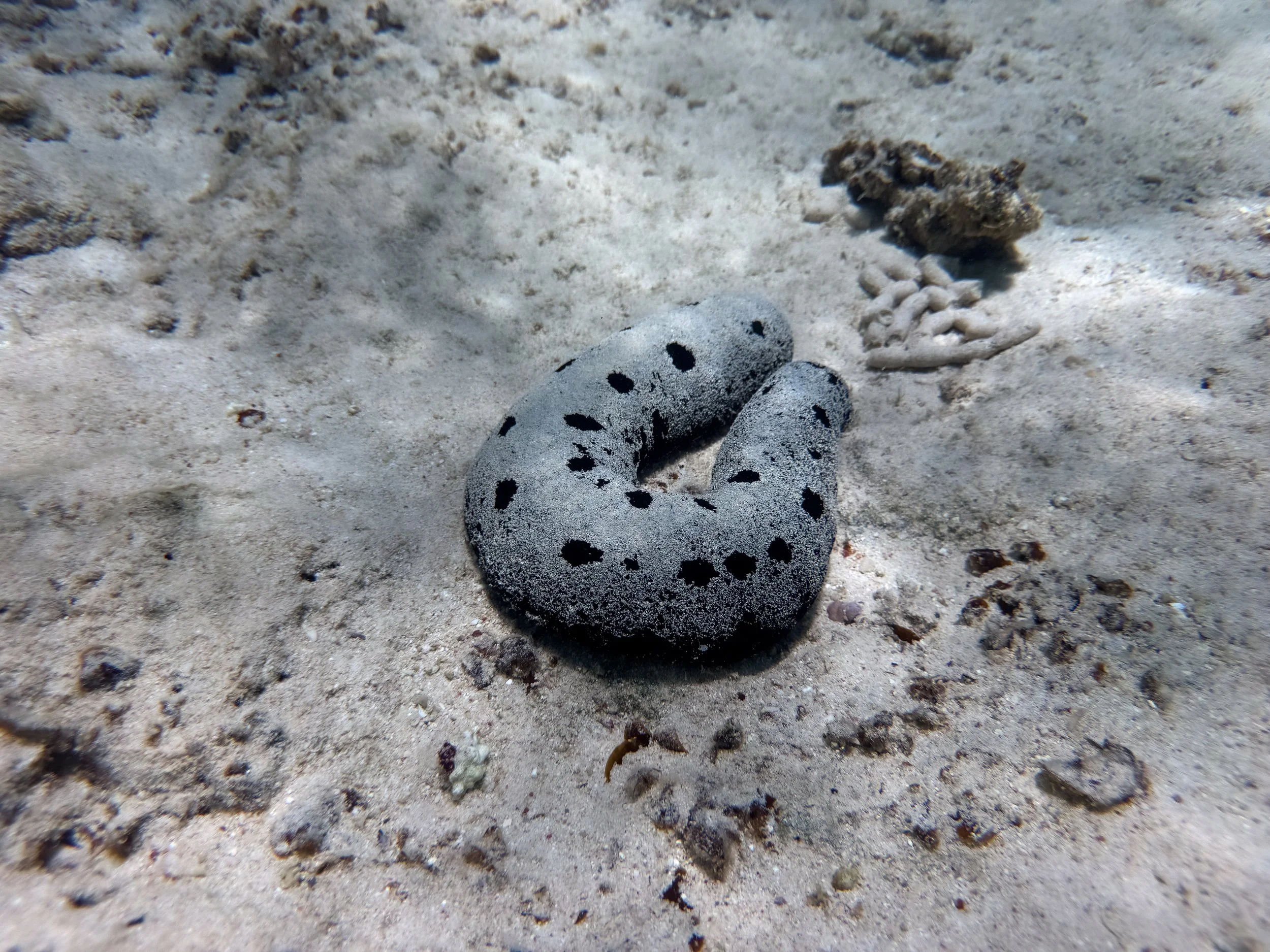
Oyster Stacks. A popular snorkeling beach with an easily accessible reef. Snorkel in the shallow coral gardens with all types of fish, blue clams, stingrays, sea urchins, sea cucumbers and starfish. Peer under the rocky structures to observe schools of large fish. It was one of our favorite places to snorkel outside of an official tour.
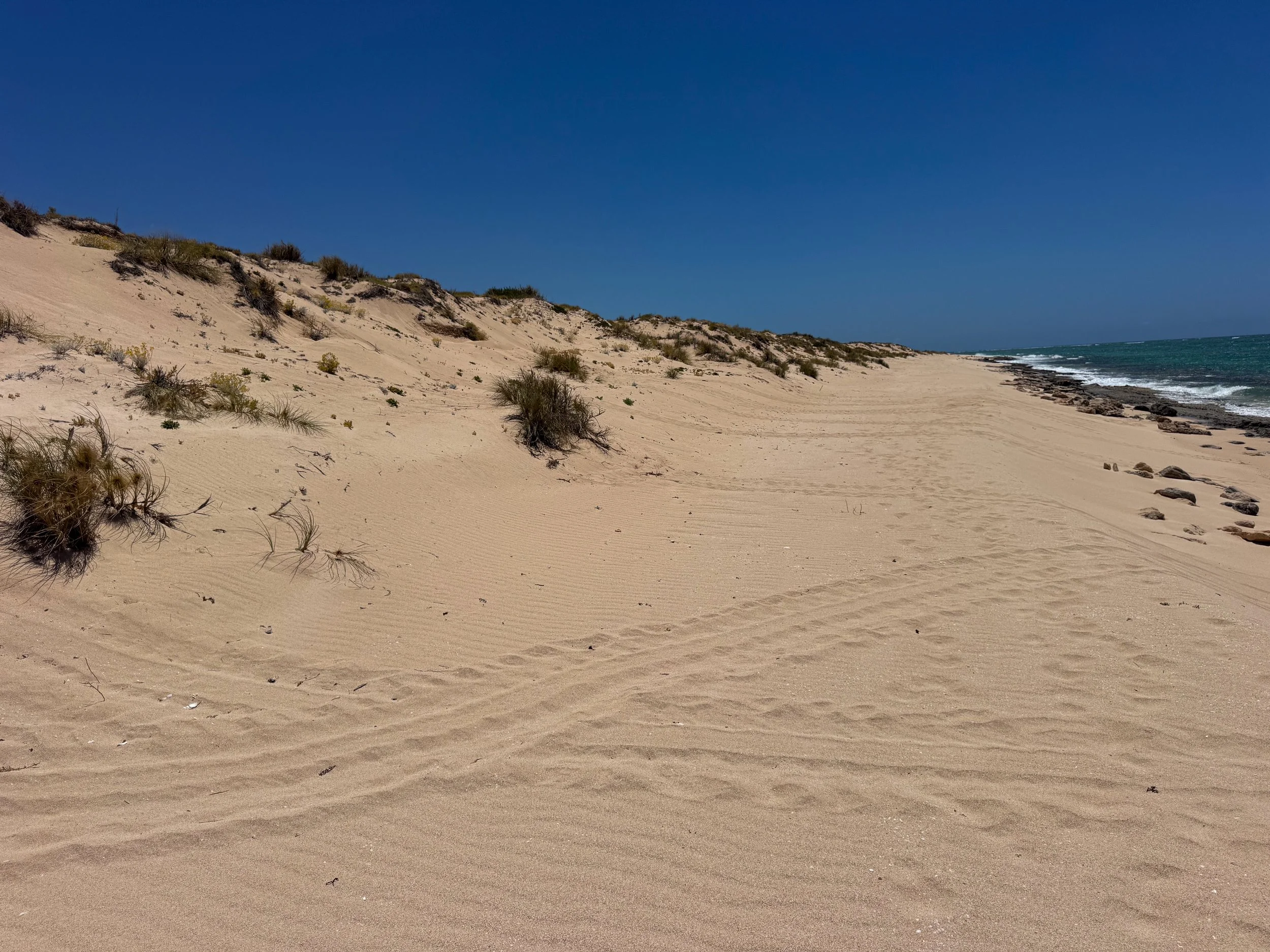
Turtle Rookery. A coastal area home to the largest sea turtle mating grounds in the Indian Ocean. Thousands of hawksbill, loggerhead and green sea turtles mate in the waters and hatch onshore between the months of October and April. Visit Mauritius Beach to observe them by day or night.

Mauritius Beach. A clothing optional white sand beach along the shores of the Turtle Rookery. Relax in the sun while spotting turtles mating offshore and viewing egg chambers dug in the sand the night before.
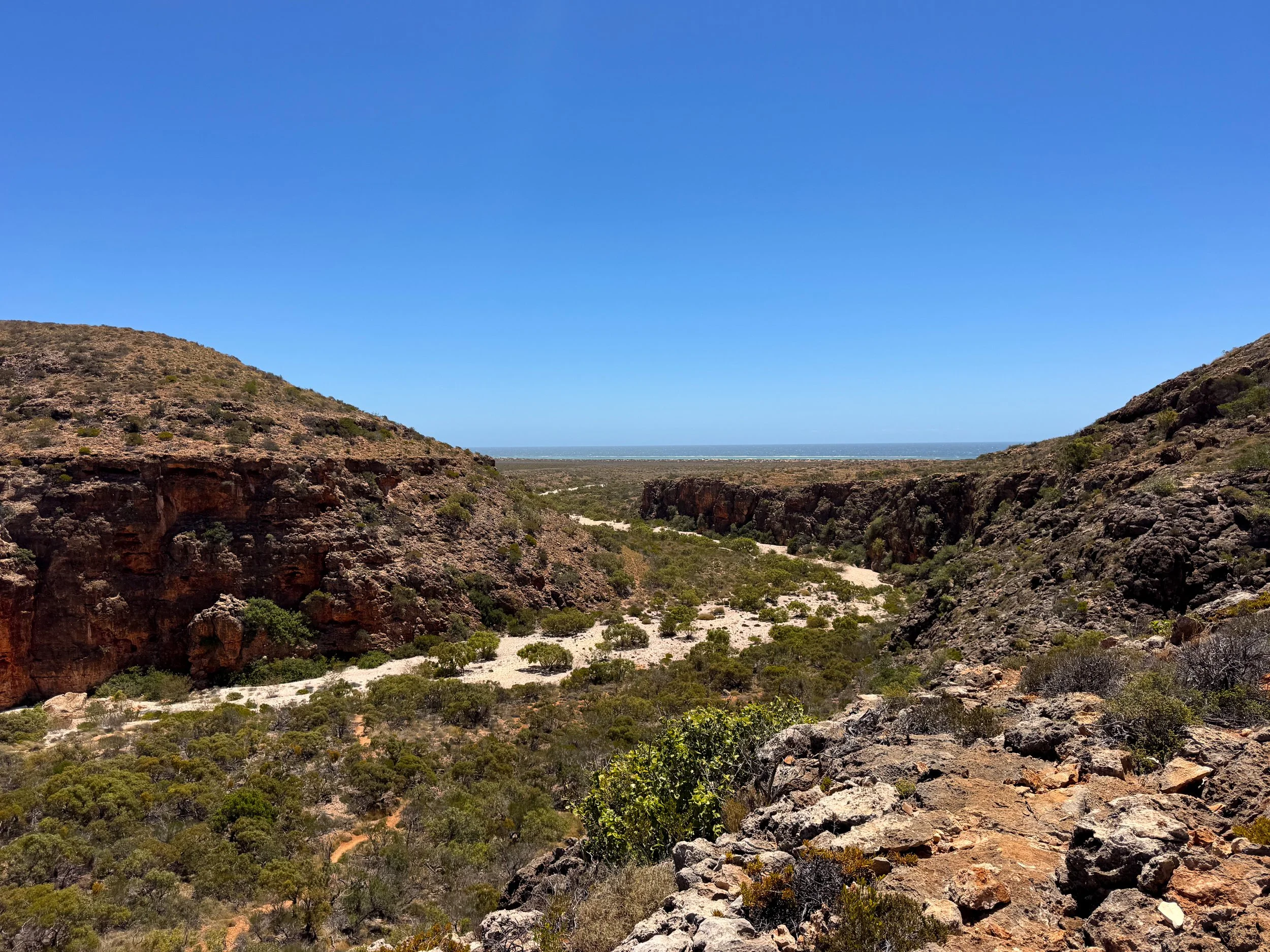
Mandu Mandu Gorge Walk. A scenic gorge with a 3km loop trail. The trail follows a dried cobblestone riverbed flanked by snaking canyon walls and verdant bushes. It climbs up the steep canyon wall with panoramic views of its ridge before looping back to the car park.
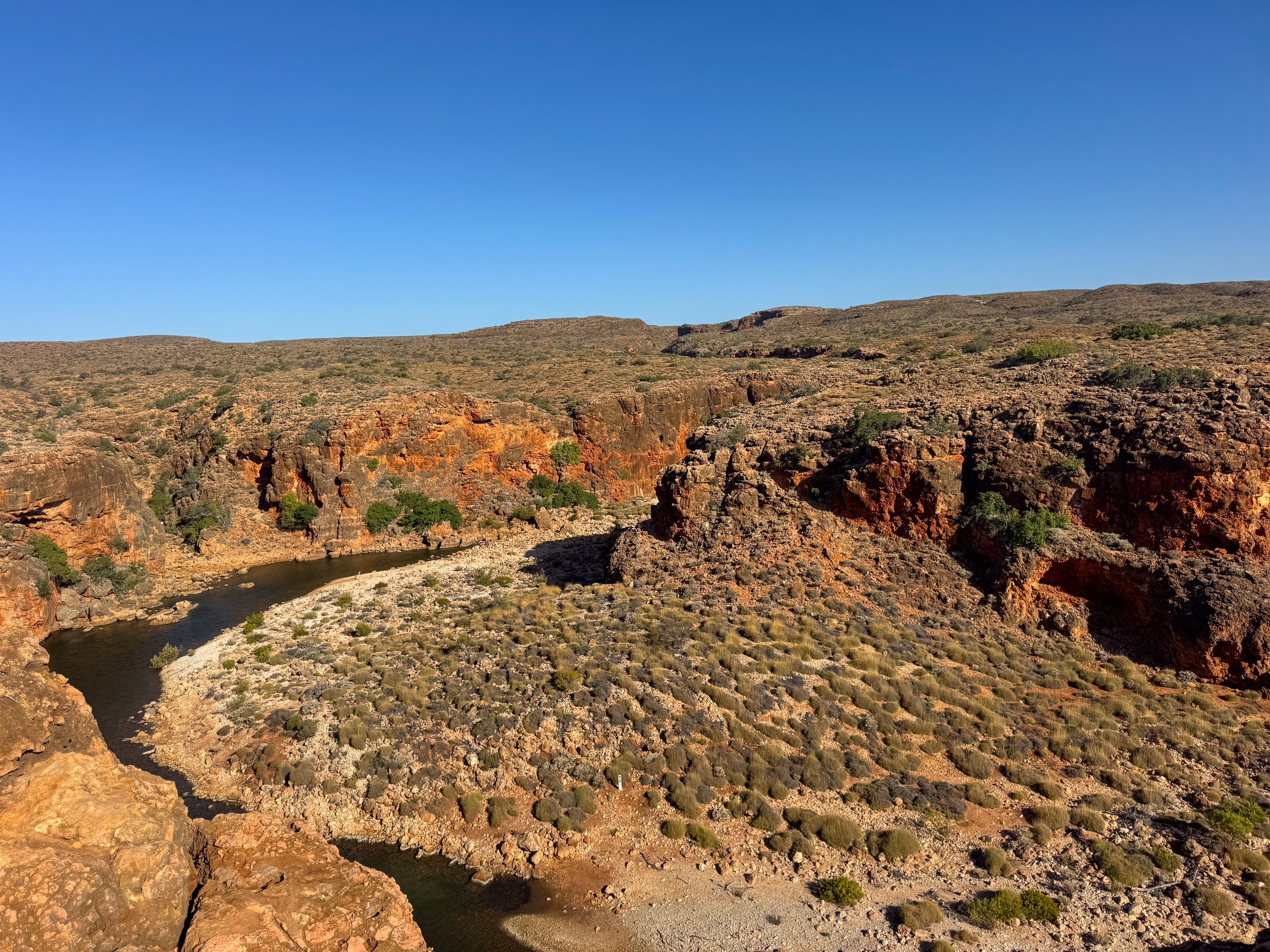
Yardi Creek Gorge. A winding creek with scenic nature walks and hiking trails along the edge of the gorge. Come here to spot rock wallabies hopping along the canyon and fruit bats hanging from the trees.
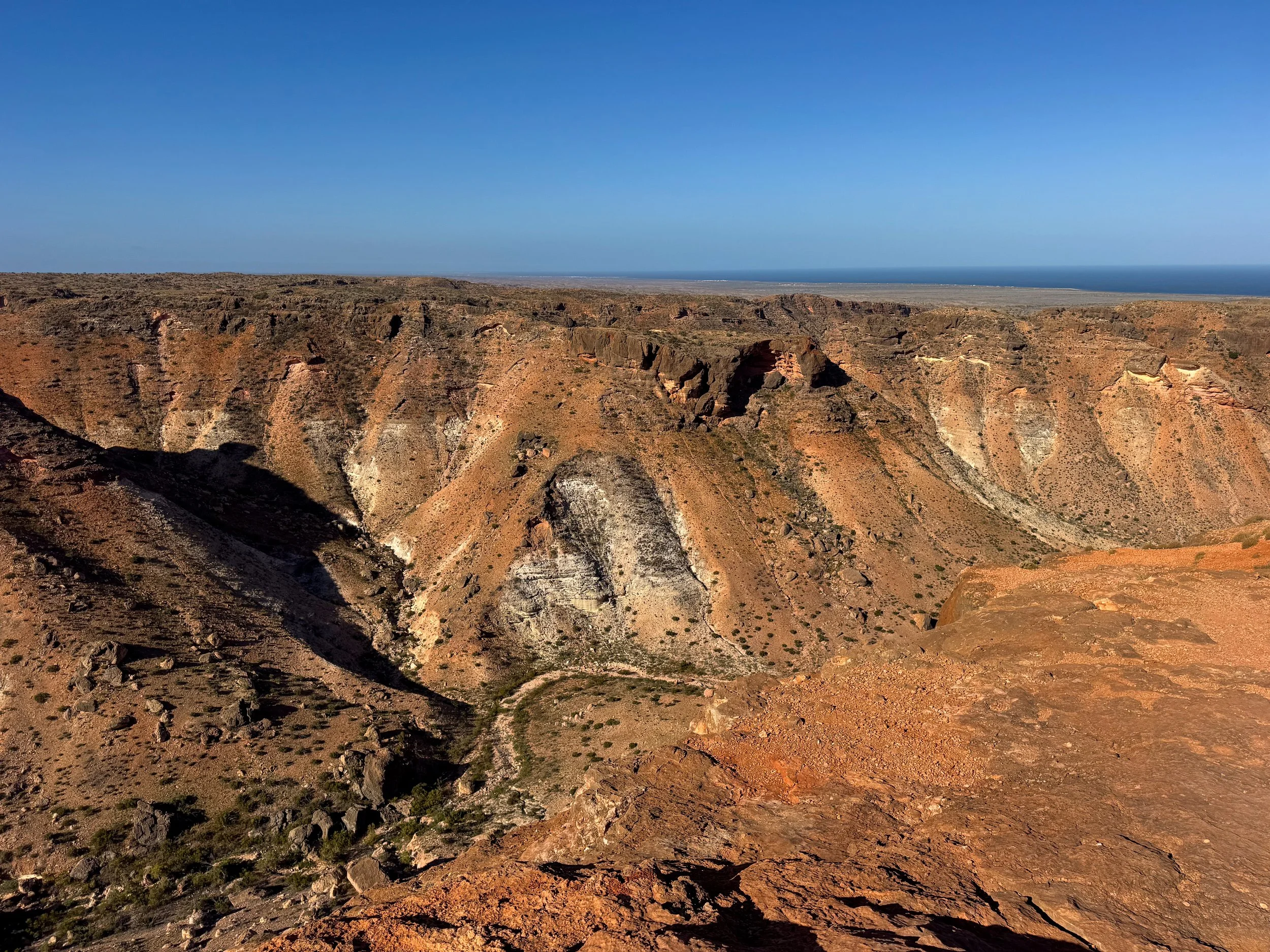
Charles Knife Canyon Gorge. A dramatic canyon in Cape Range National Park. Panoramic views of its rocky gorge and steep canyons are visible from scenic pull offs along Charles Knife Road. The 27km road is fully accessible by 2 wheel drive, ending at a turnaround.
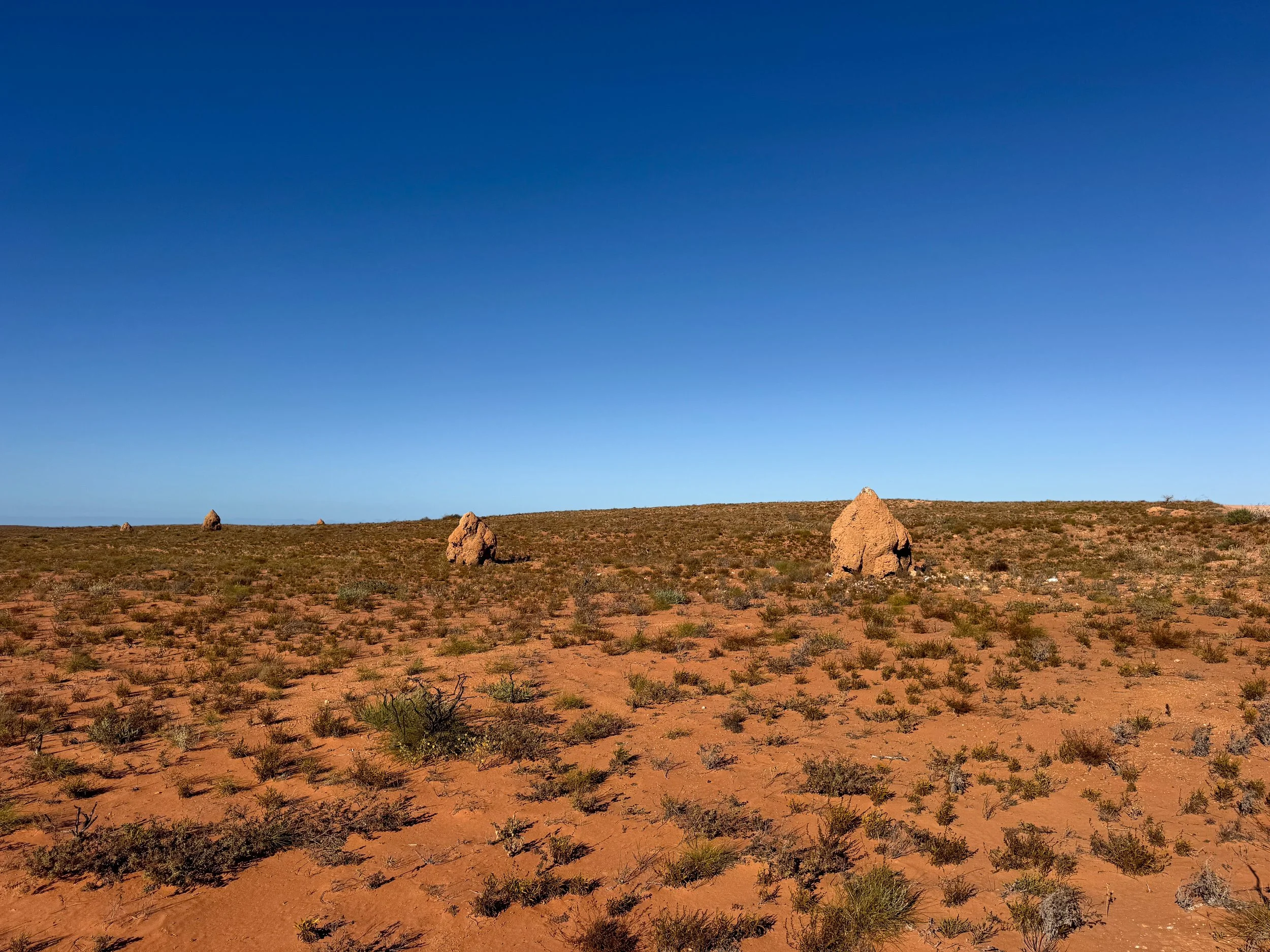
Cathedral Termite Mounds. The grassy landscape between Coral Bay and Exmouth is dotted with massive termite mounds, named after their cathedral-like structure. Roadside pull offs along Exmouth Road offer close up views.
Geraldton (Day 12)
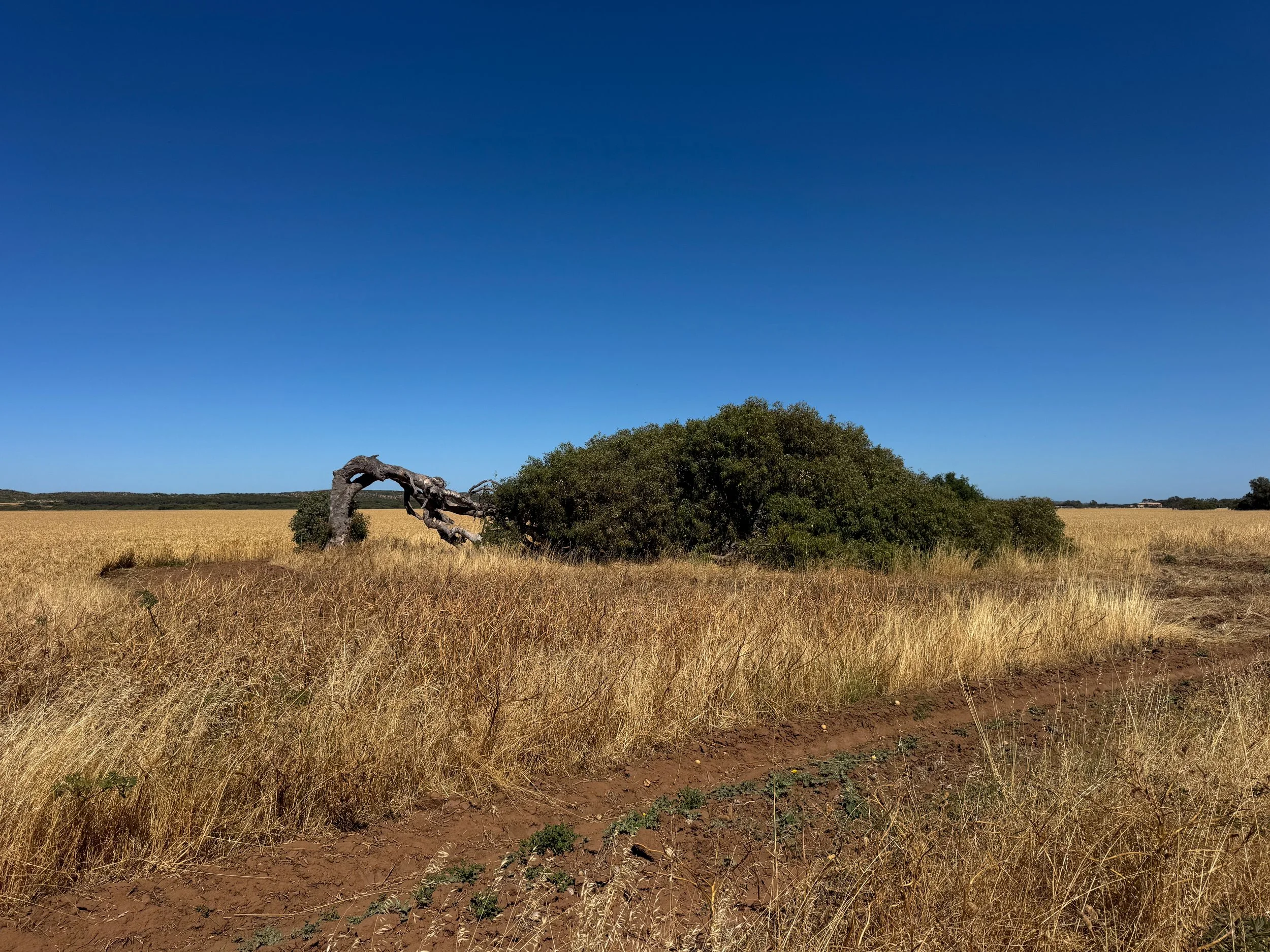
Geraldton is a great resting place when heading north or south along the Coral Coast. The city is home to restaurants, motels and Western Australia’s famed leaning trees. It’s located about 700km south of Coral Bay and 415km north of Perth.
Geraldton Leaning Tree. A windswept eucalyptus tree that grows horizontally along the ground. The leaning trees are a common sight in the area, however this is the only one closely viewable from this roadside pull off.

Yanchep National Park (Day 13)
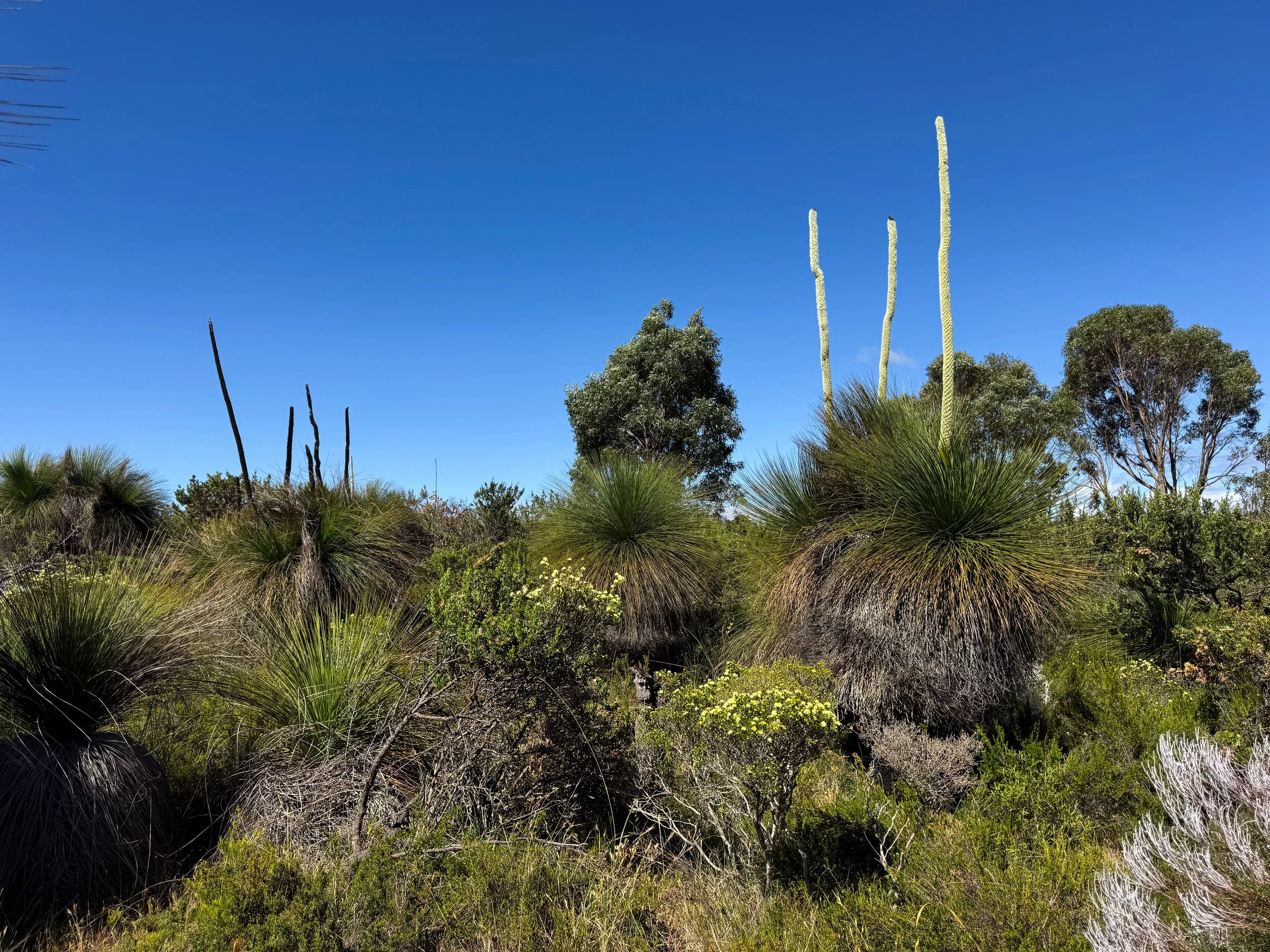
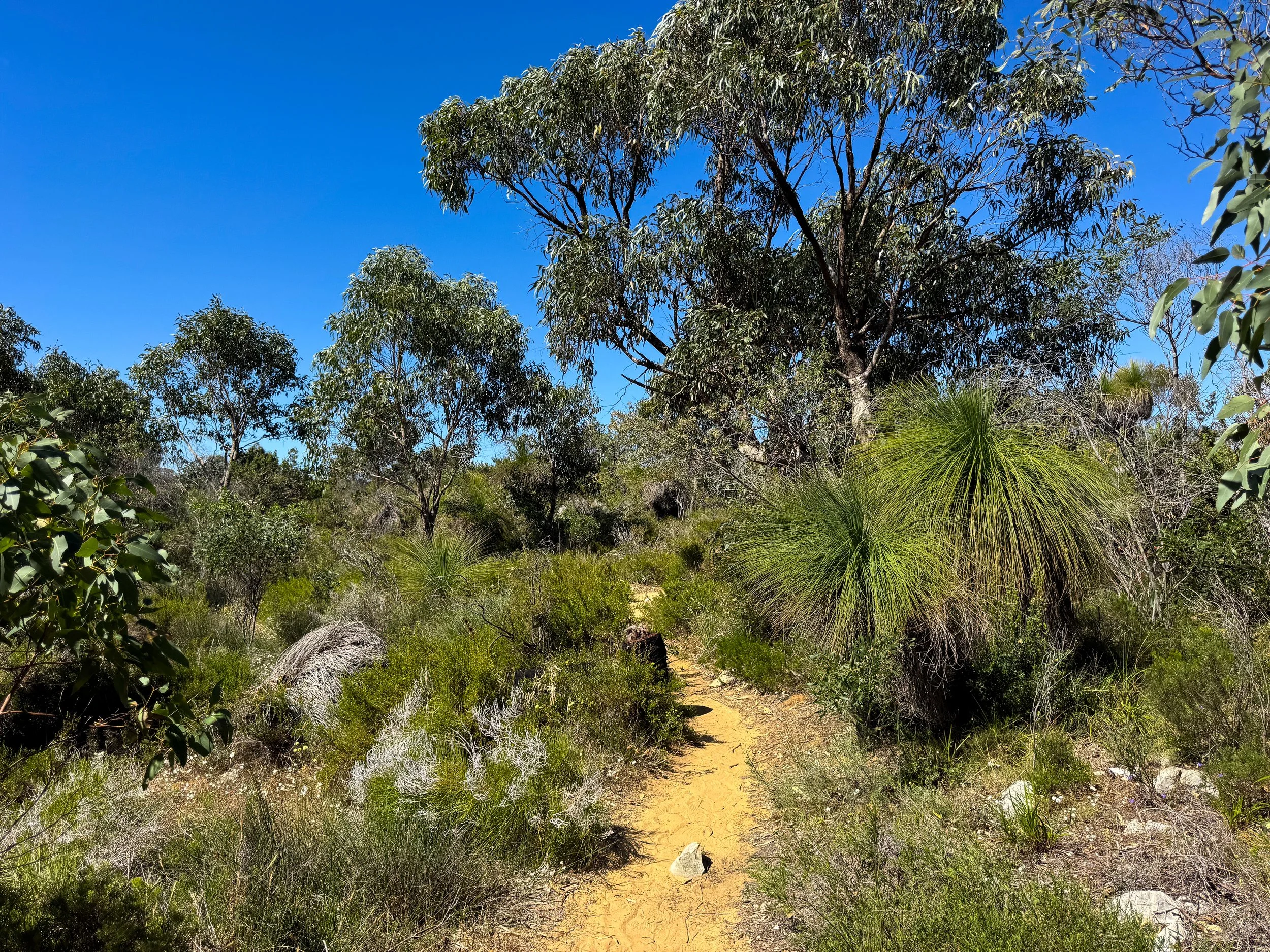
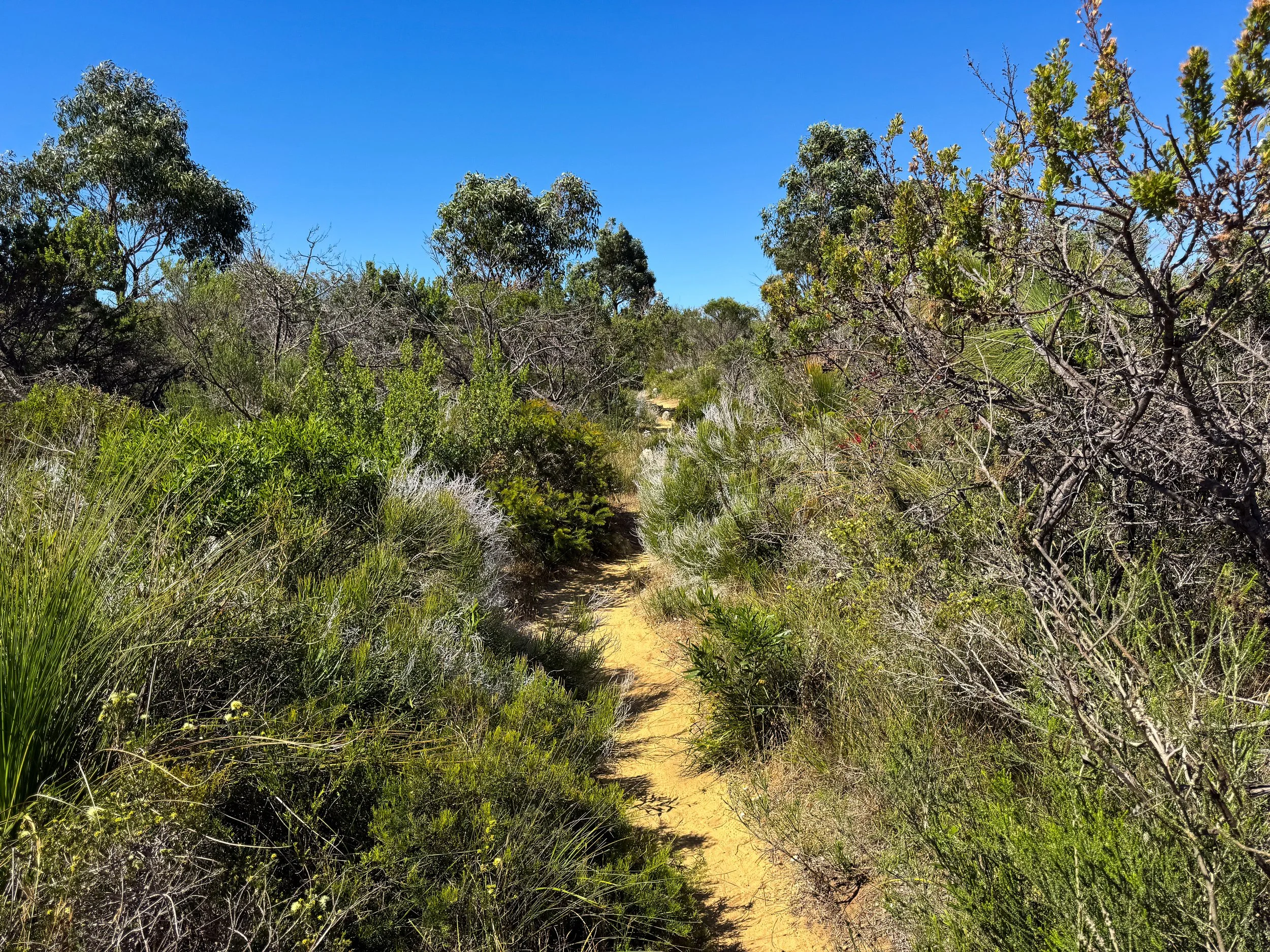
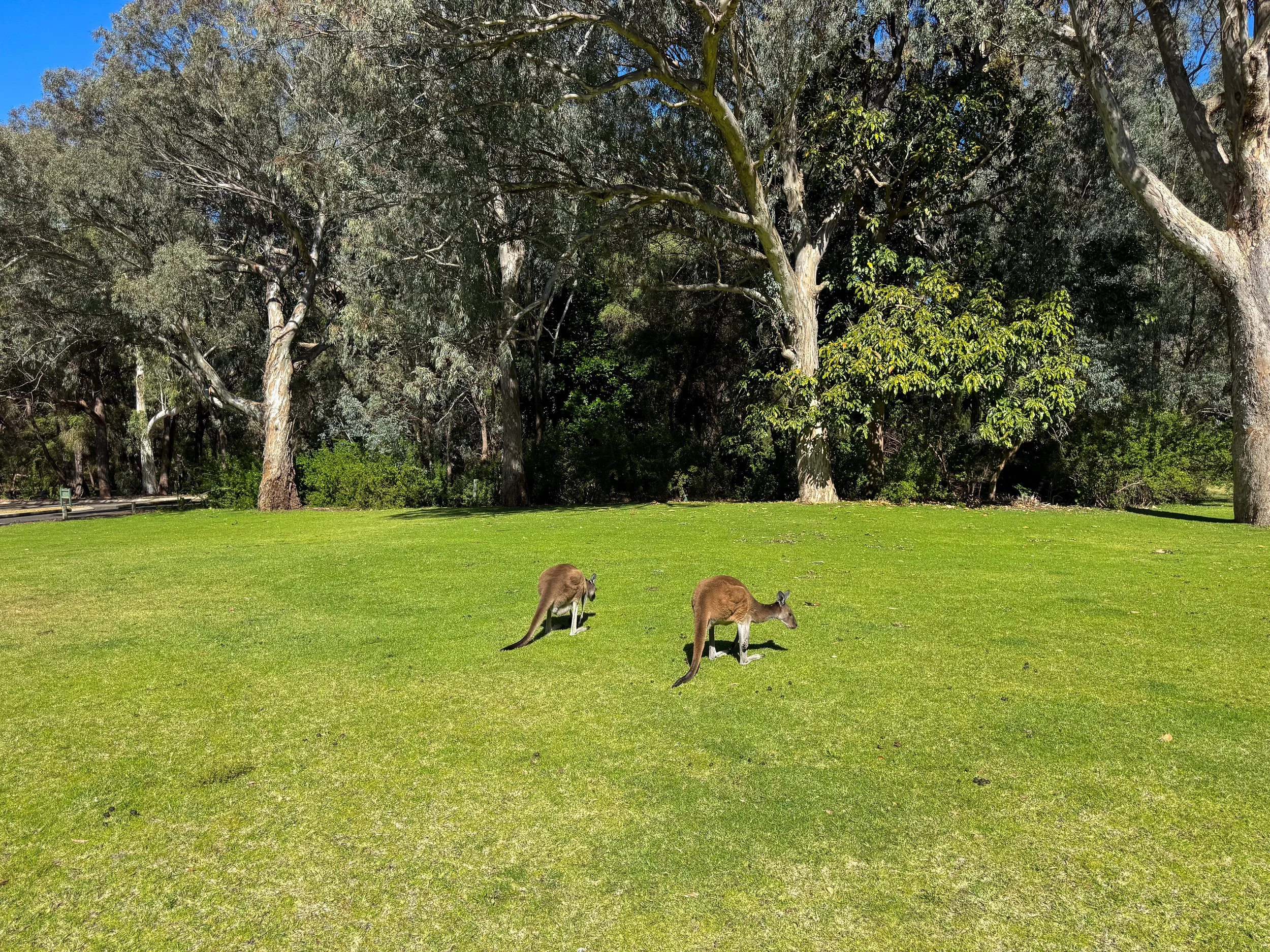
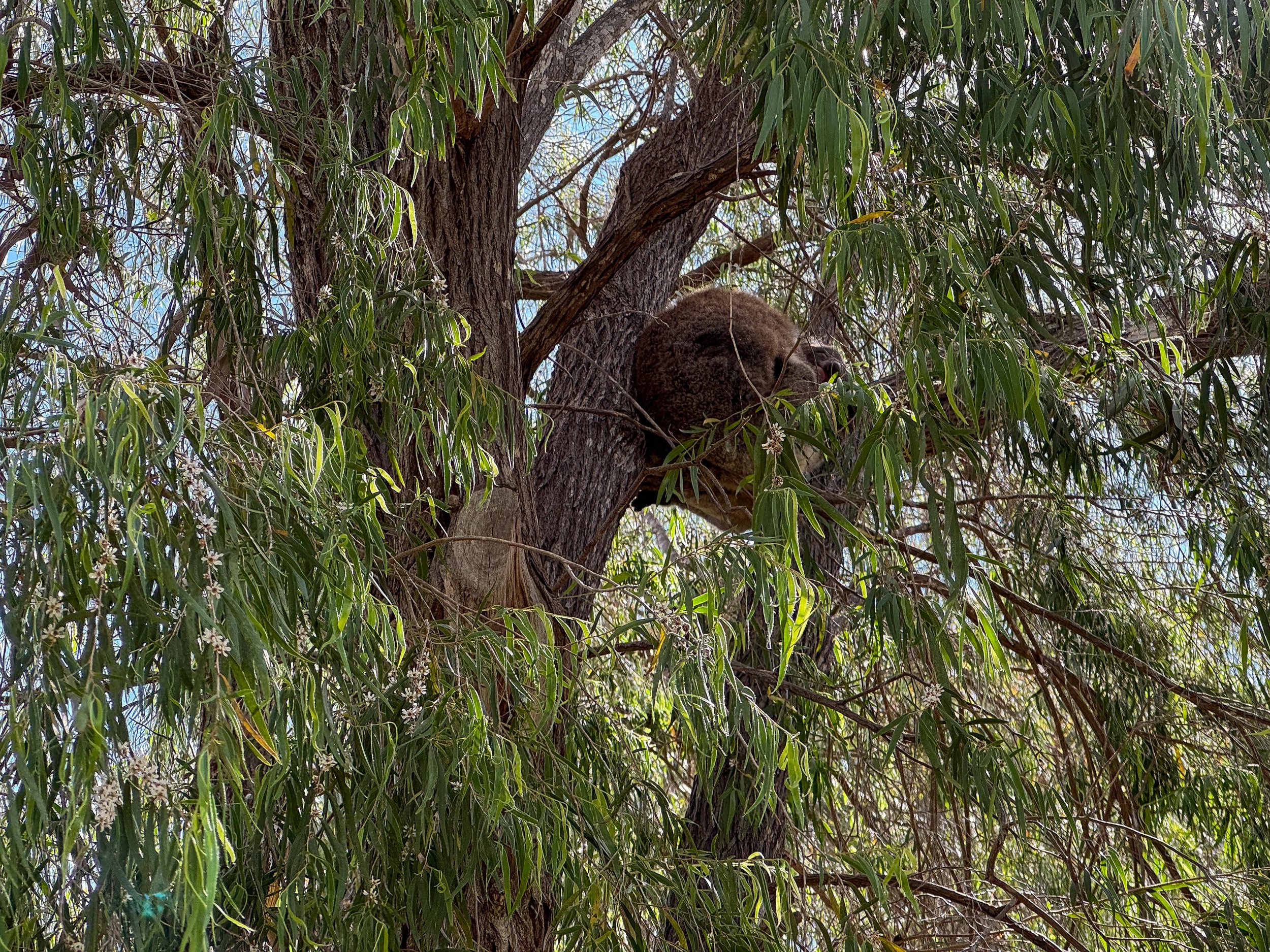
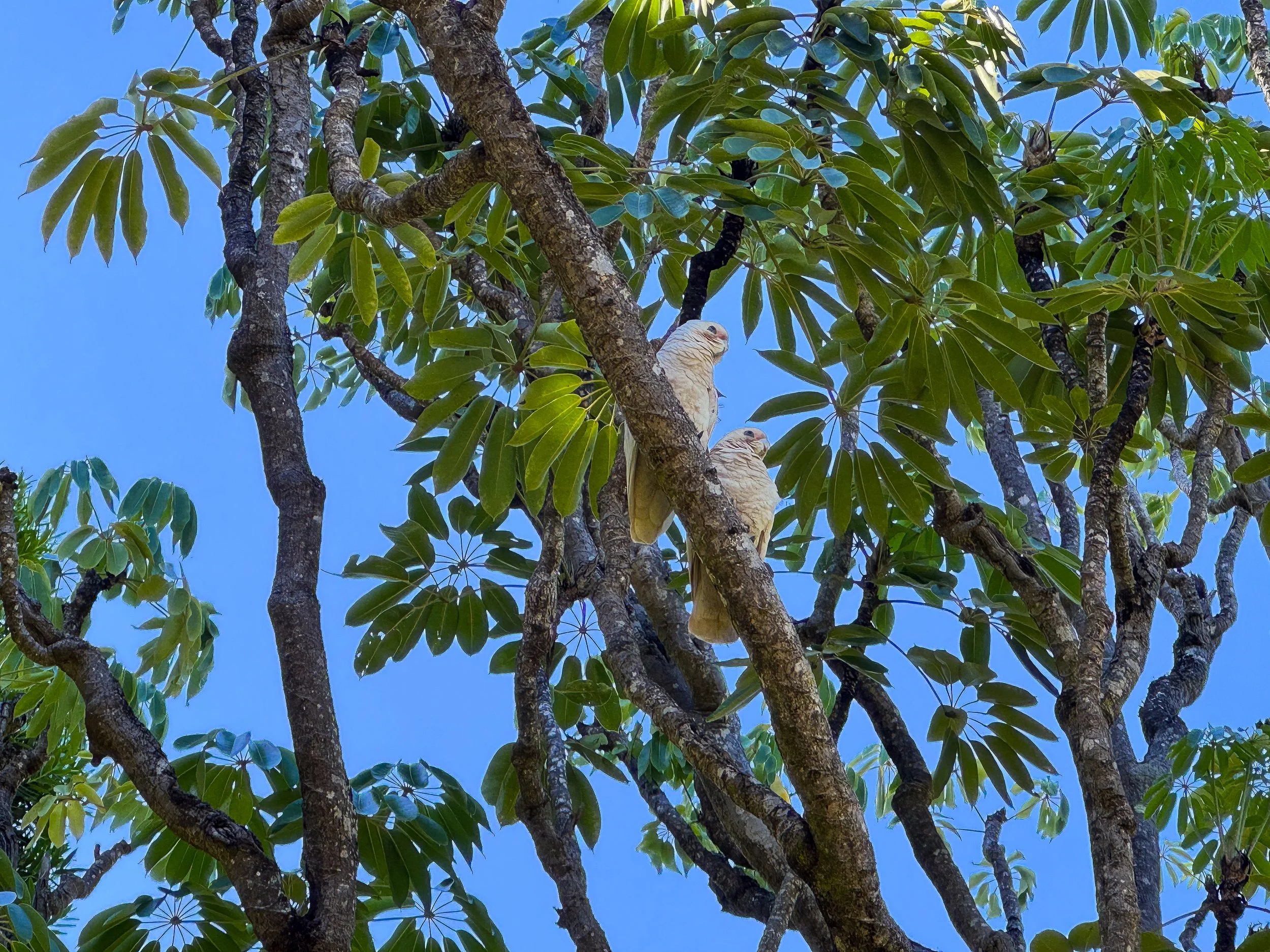
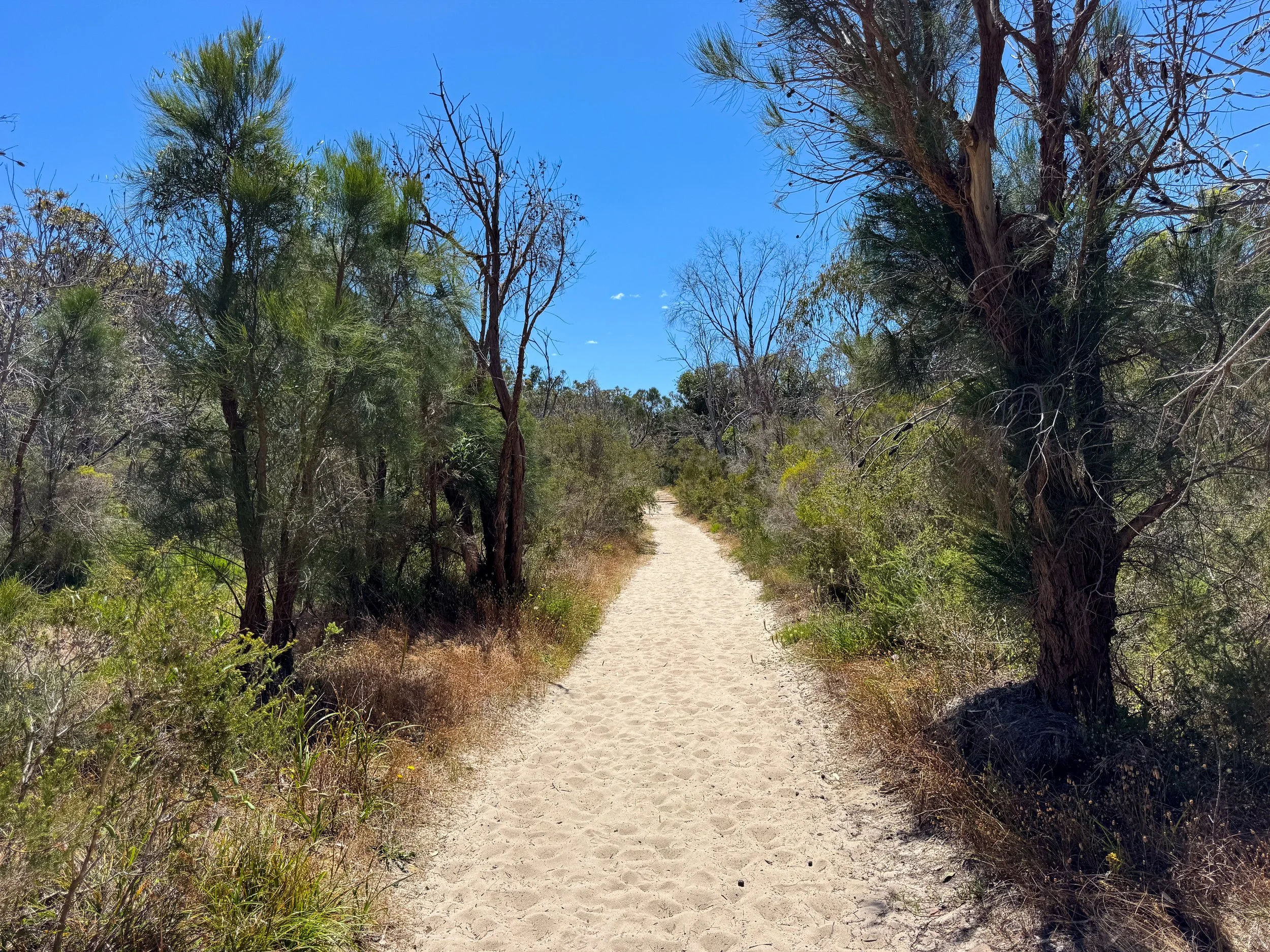
Yanchep National Park is a sprawling oasis north of Perth. It was the last stop on our road trip of the Coral Coast heading back south. Nature walks lead through lush bush-lands. Parrots squawk and fly between trees. Sleepy koalas hang onto eucalyptus branches in a small sanctuary while kangaroos nibble on grasses in open fields.
Perth (Day 14)
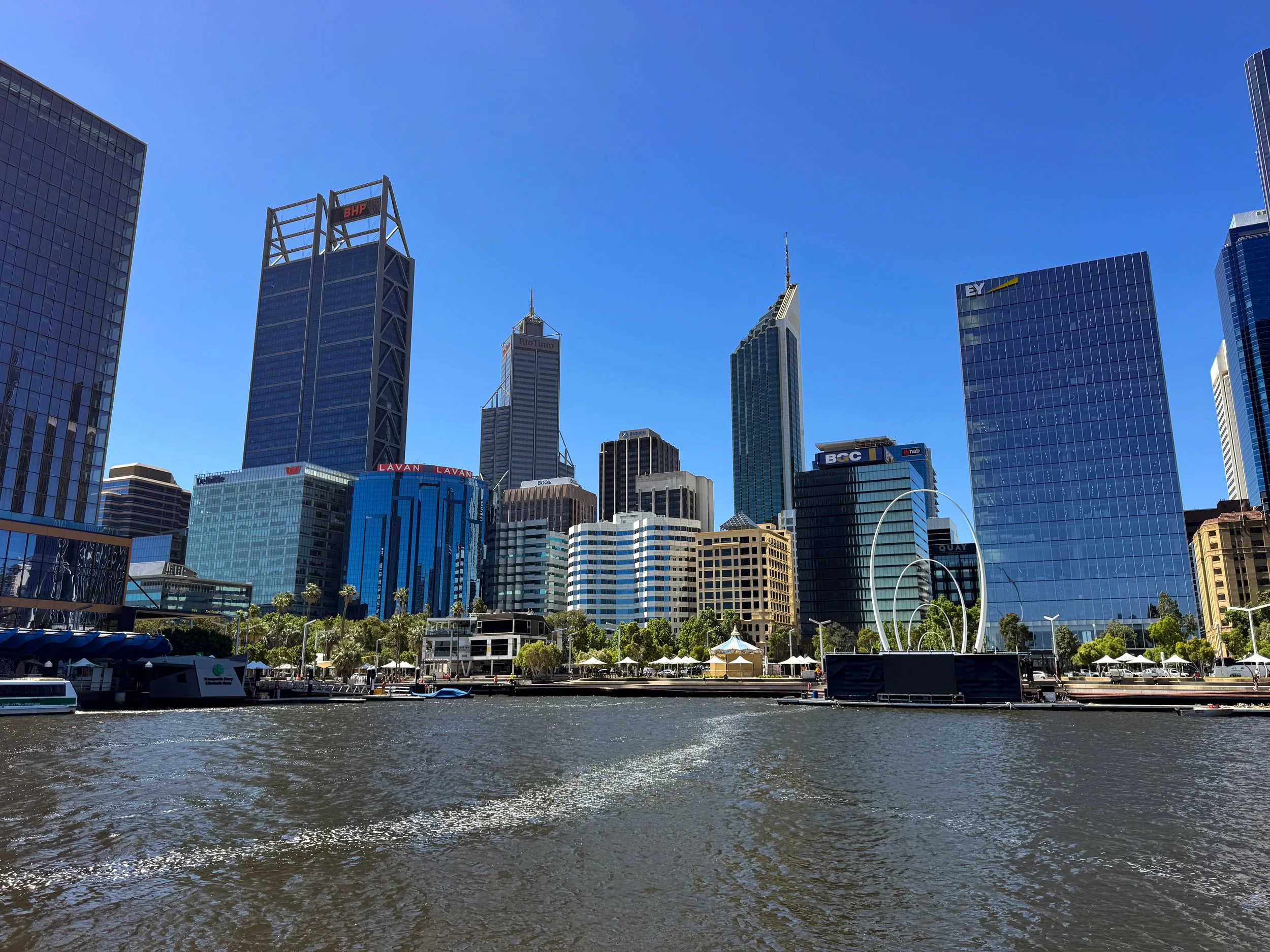
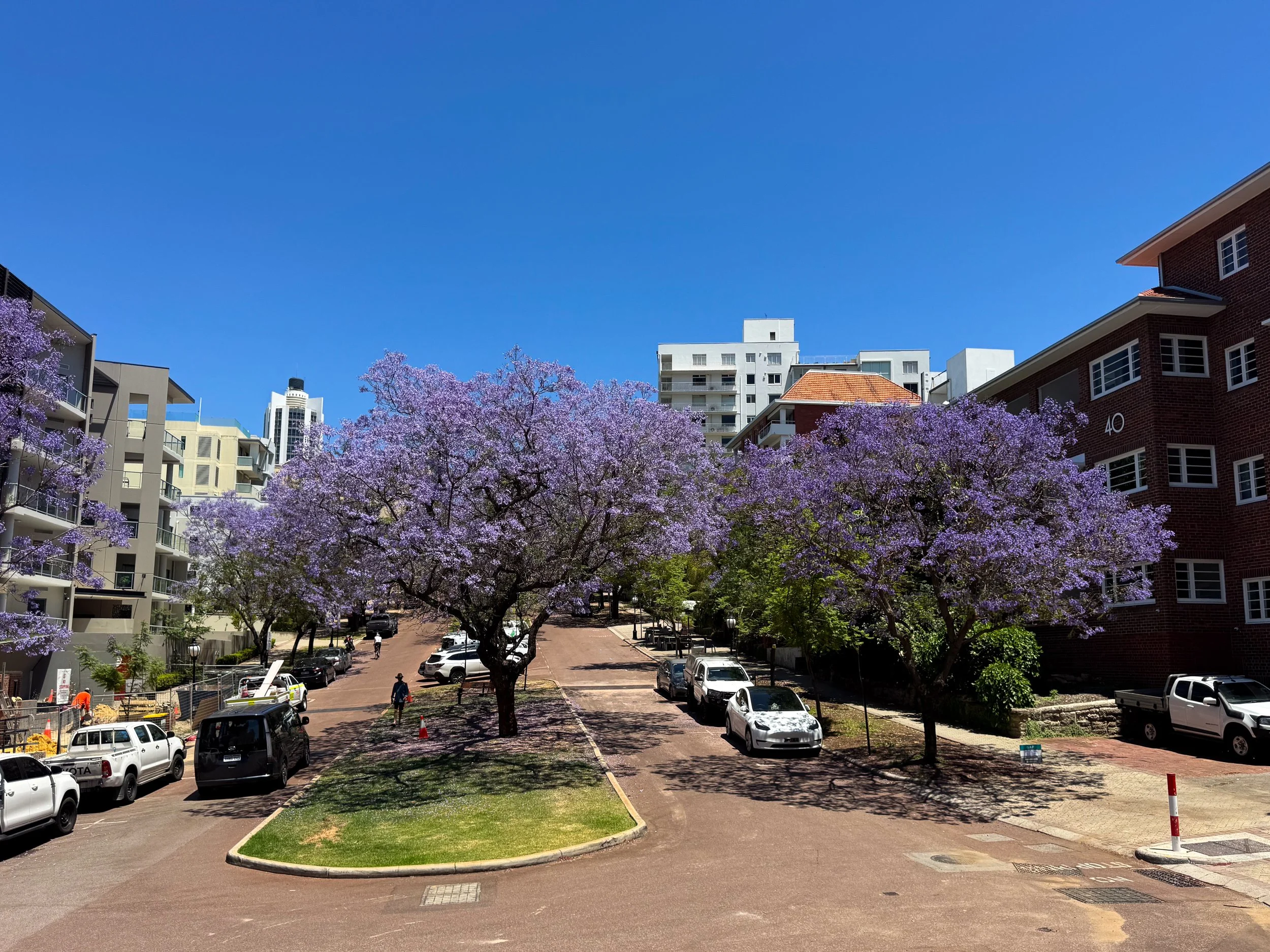
Perth is a sprawling metropolis with laid back vibes. Sunny days are enjoyed at city parks, exploring the riverwalk and shopping in covered arcades. The bustling food and nightlife scene offers plenty of options for dining out and sipping on cocktails. The city is a great starting or end point for road trips along the western coast.
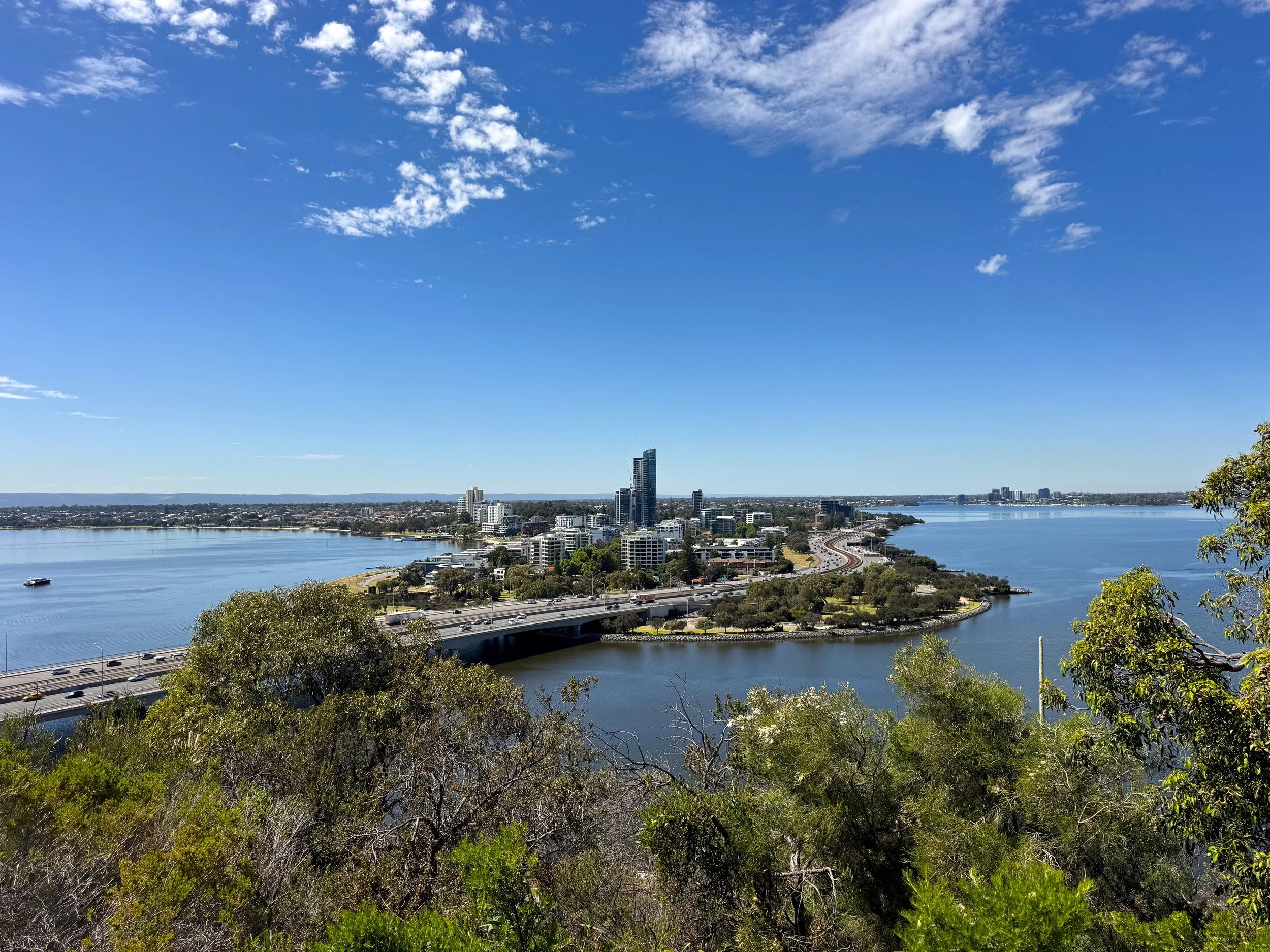
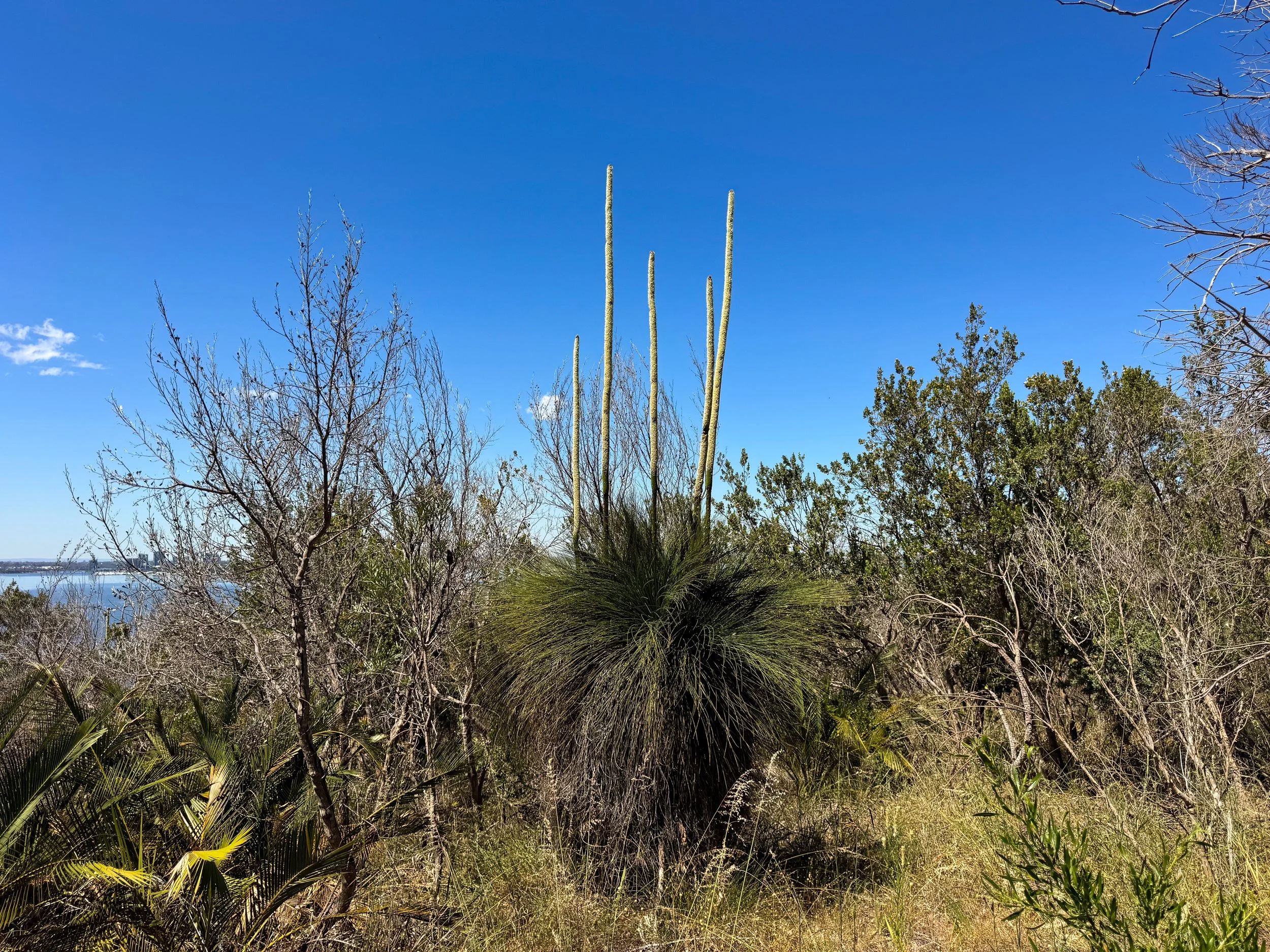
Kings Park & Botanic Garden. A sprawling city park with native trees, plants and flowering gardens. Cliffside lookouts offer views of the Swan River. Meandering walkways transport you deep into nature, away from the sounds of the city. Take in the wildflowers, fluttering butterflies and fragrant eucalyptus trees.
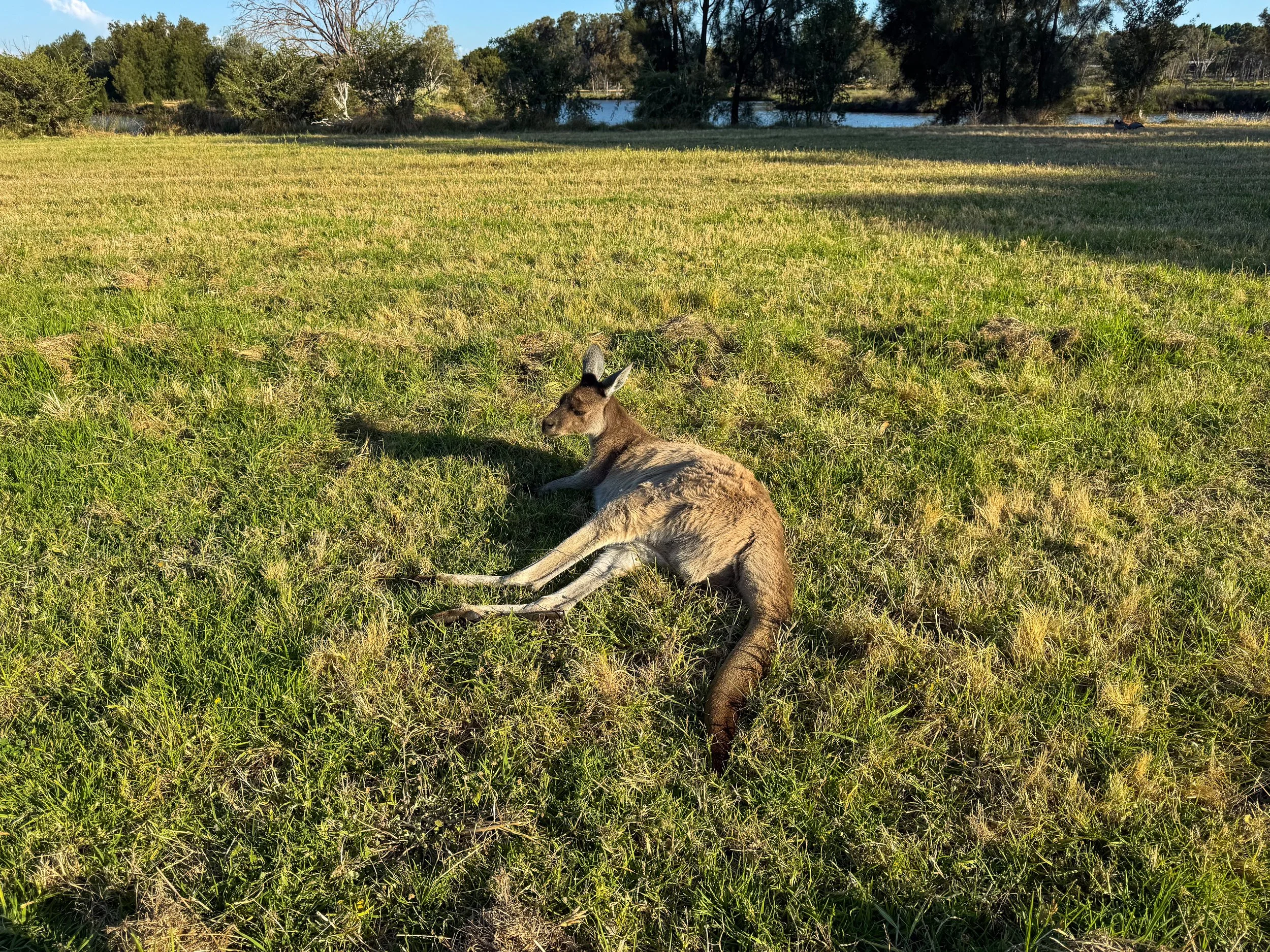
Heirisson Island. A city park and kangaroo sanctuary on an island in the Swan River. Bush trails lead through grassy fields and wetlands where kangaroos graze. Visit during the late afternoon when the kangaroos are most active.
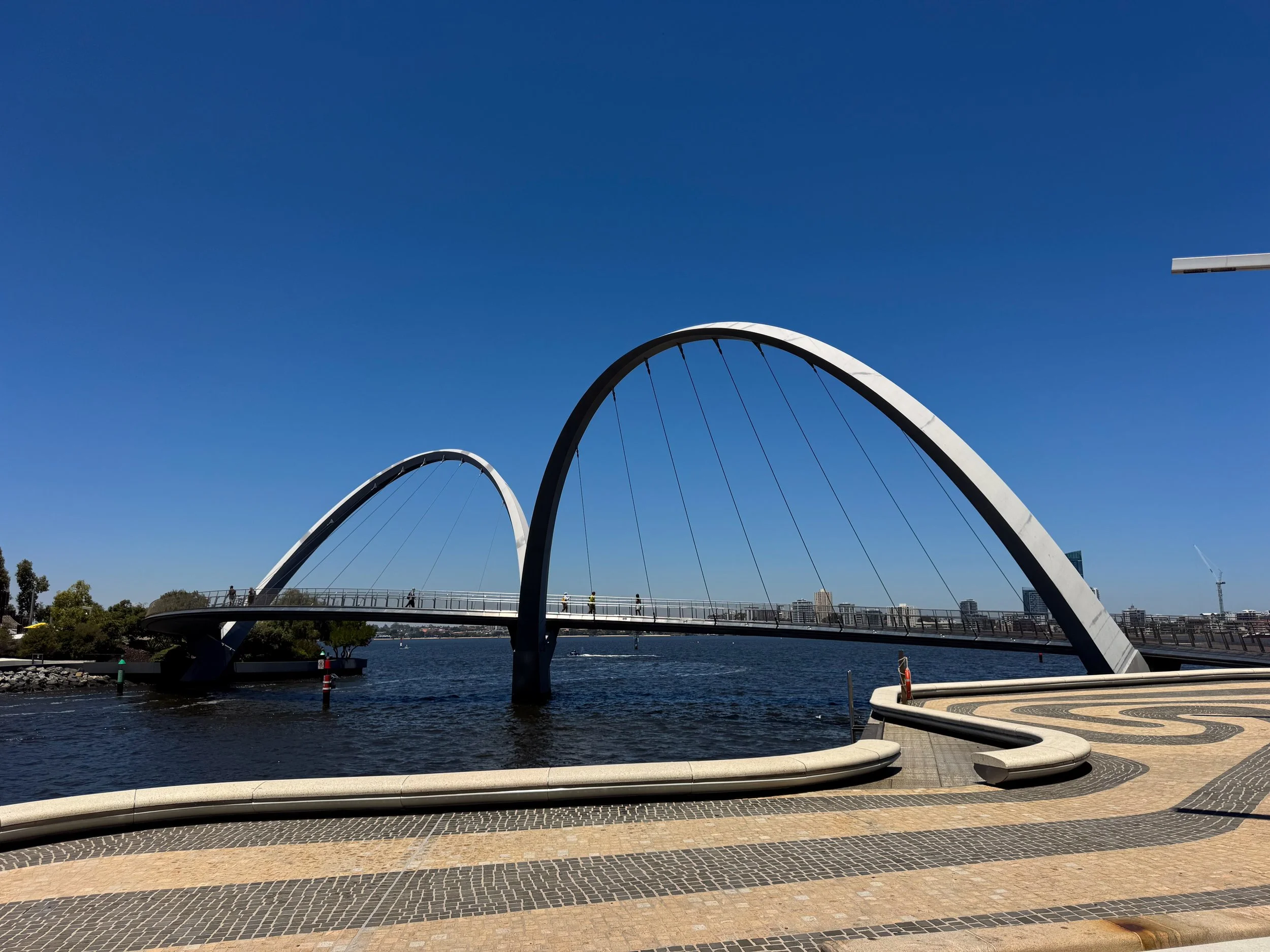
Elizabeth Quay. A contemporary riverfront park with funky boardwalks, skyline views and restaurants. Visit The Island for house brewed beers, pizzas and shareable bites.
London Court. An Old English style arcade in the Central Business District with tailors, jewelers, barbers and cafés.
Mount Lawley. A popular neighborhood with cafés, restaurants, late night bars, boutiques and shops.
Places to Eat, Drink & Stay
Hula Bar. A traditional and over the top tiki bar decorated with eclectic objects and dim colorful lights. They offer all the classics and several signature cocktails in vintage tiki mugs.
Lot Six Zero. A breakfast café with strong coffees and delicious spiced egg dishes served on sourdough bread and croissants.
El Publico. A taqueria on Beaufort Street in Mount Lawley serving authentically prepared tacos and mezcal.
Perth Airbnb. A Bali style guesthouse with a tranquil outdoor patio, small swimming pool and stylish living space. It’s a hidden gem perfect for a comfy stay. Reserve on Airbnb.
Location Specifics
When to Visit. Mid November is an ideal time to visit The Coral Coast and Western Australia. The days are mostly sunny making it the perfect time to maximize outdoor activities. It’s the cusp of summer so temperatures can range dramatically from cool to extremely hot.
Extreme Heat. The summer months invite extreme heat. Temperatures often exceed 40C (104F) and occasionally reach 50C (122F). Stay hydrated, cover your skin, wear loose flowy clothes and avoid peak heat hours. Be cautious when planning hikes.
Extreme UV. Western Australia boasts many beautiful sunny days. It comes with the price of extreme levels of UV. Wear SPF 50+ sunblock, sunglasses and hats for protection.
Summer Flies. Swarms of pestering flies are a constant annoyance across Western Australia during the summer months. Dozens hitch a ride on your clothes, buzz around your head and crawl on your face. Wear a fly net in addition to liberally applying insect repellent whenever hiking.
WA Holiday Park Pass. A park pass covering tickets / permits to nearly every park in Western Australia. We bought a 14 day pass at the Pinnacles Desert. It paid itself off after visiting 3 national parks.
Underwater Photography. Buy a waterproof phone case to take underwater photos of the coral reefs and marine life. We used the Pictar Waterproof Smartphone Caseavailable on Amazon or Walmart.
Driving in Western Australia
Car Rental. Perth is the best location to rent a car before beginning a roadtrip of Western Australia. We rented a 2WD from Sixt at the Perth Airport.
2WD vs 4WD. Most roads are well maintained enough to drive down using a 2 wheel drive vehicle. It’s best to plan your route ahead of time and read Google reviews for current road conditions. A 4WD is recommended while road tripping Western Australia but not necessary. It gets you access to more remote places.
Drive on the Left. Like many former British territories, Australians drive on the left side of the road. It only takes a day to get used to if unfamiliar.
Download Offline Maps. Service is spotty and infrequent the further north you drive. Download offline maps, pin locations and plan your route a day ahead.
Fuel. Refuel before beginning the next stretch of your roadtrip. Keep your fuel gauge at least half full. There are 100km stretches without gas stations.
Be Cautious at Dusk & Dawn. Kangaroos and wallabies are very active at dawn and dusk, especially along roadsides. Be extra cautious when driving during these hours.
Elsewhere in Australia
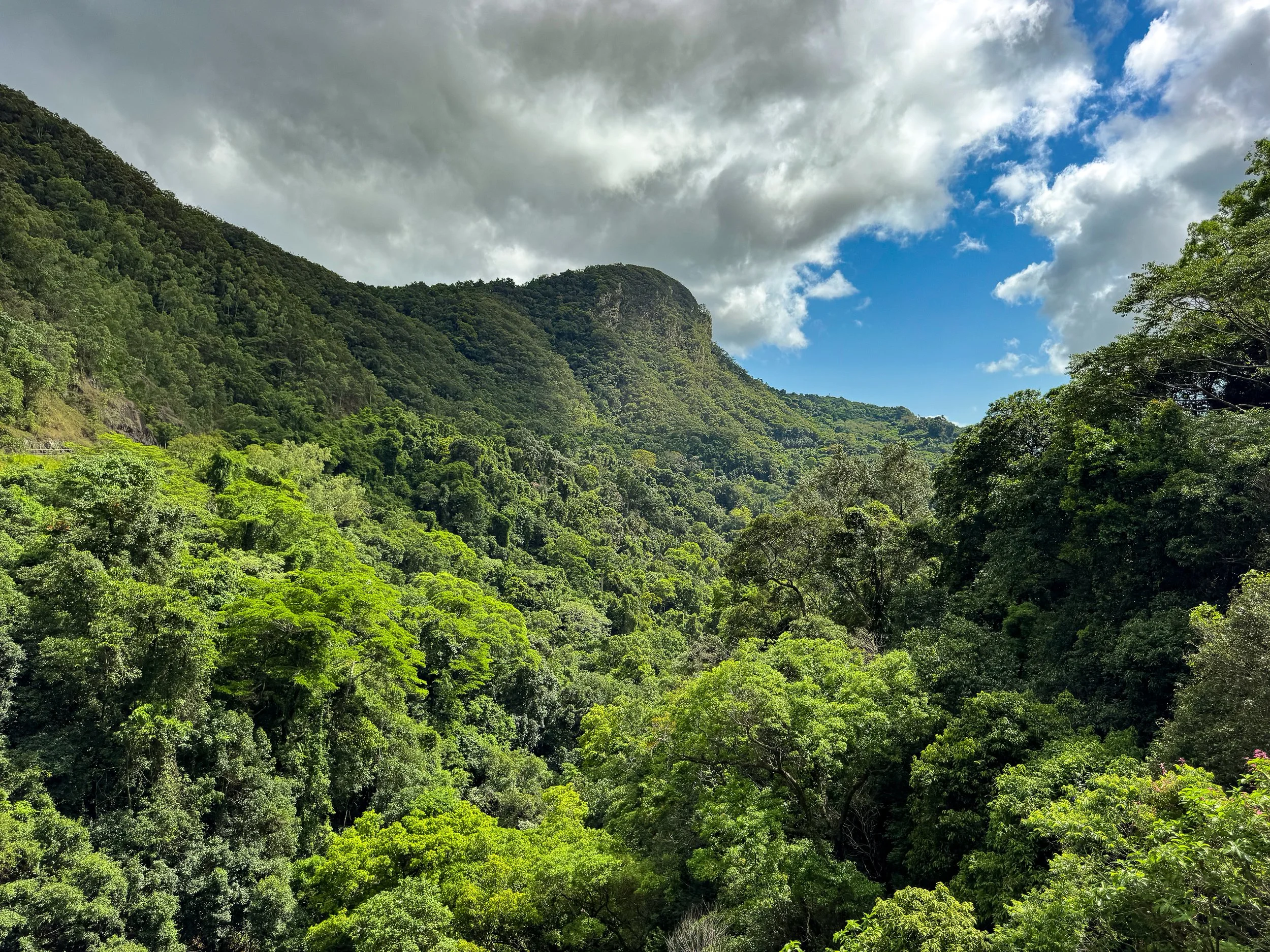
From Western Australia's remote coastlines and marine wildlife to Queensland's tropical landscapes, Byron Bay's surf culture and Uluru's desert heart, discover more of Australia through these travel guides:
Tropical North Queensland Travel Guide: Cairns, Rainforests & Wildlife. Explore Tropical North Queensland from Cairns, where ancient rainforests, cascading waterfalls and remarkable wildlife meet palm fringed beaches and vibrant coral reefs.
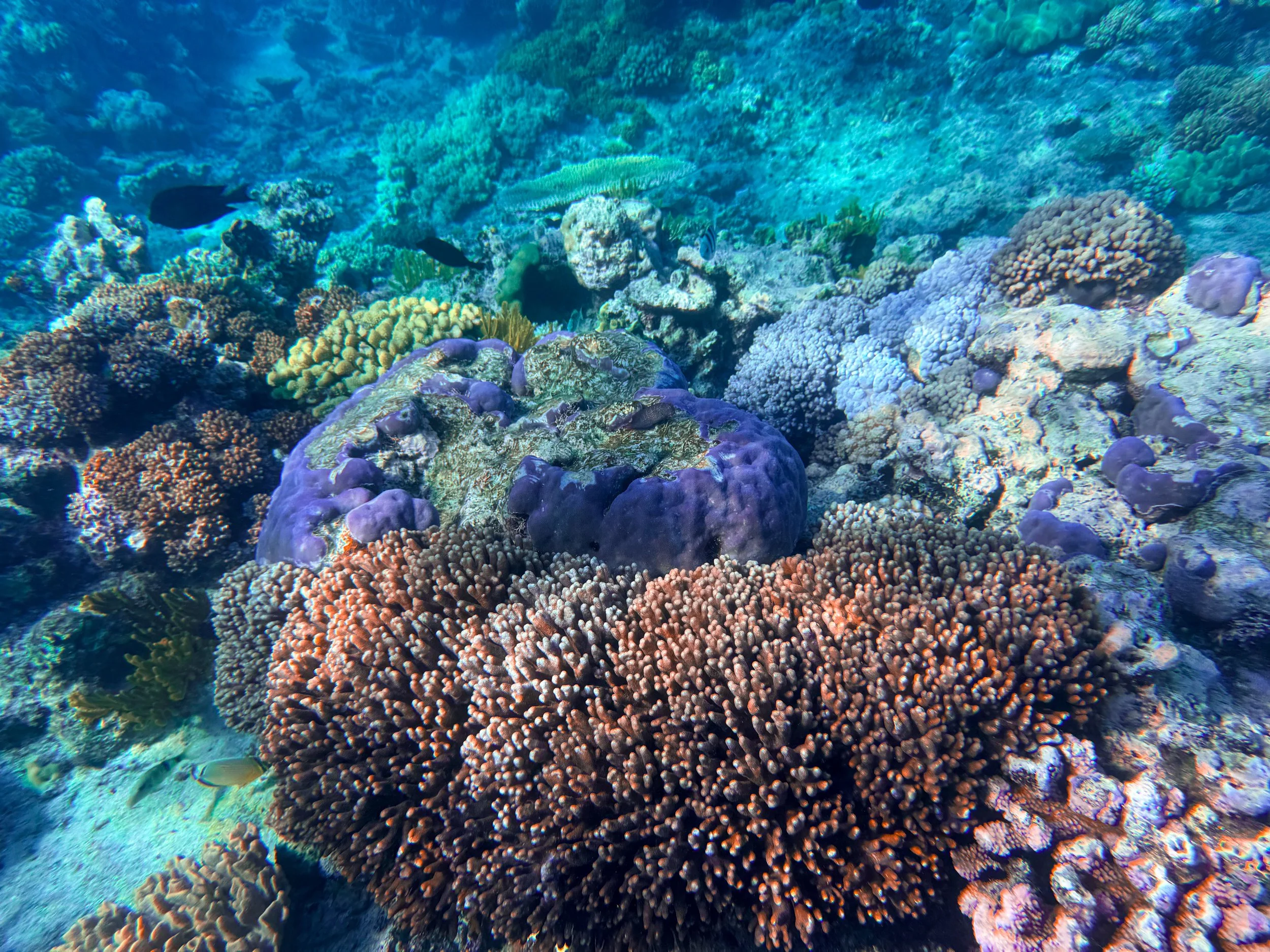
Great Barrier Reef Travel Guide: Cairns, Coral Reefs & Marine Life. Dive into the Great Barrier Reef where vibrant coral gardens and extraordinary marine life thrive within one of Earth's most biodiverse underwater ecosystems.
Brisbane Travel Guide: Neighborhoods, Riverwalks & Island Adventures. Explore Brisbane where riverside neighborhoods, scenic riverwalks and nearby island adventures embody a laidback subtropical lifestyle shaped by nature.
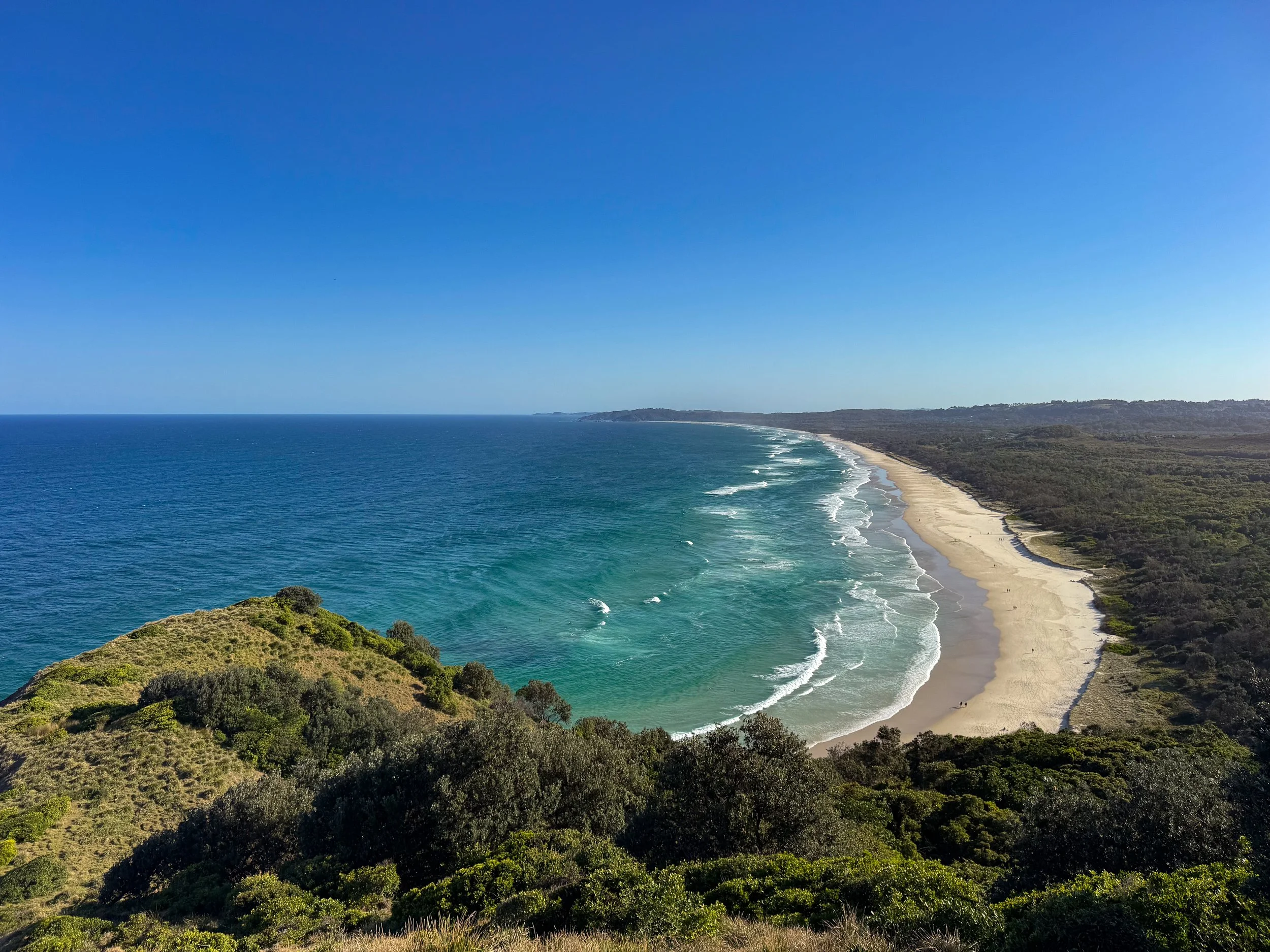
Byron Bay Travel Guide: Surfing, Beaches & Cape Byron. Experience Byron Bay where surf culture, white sand beaches and scenic trails to Cape Byron embody Australia's quintessential beach town lifestyle.
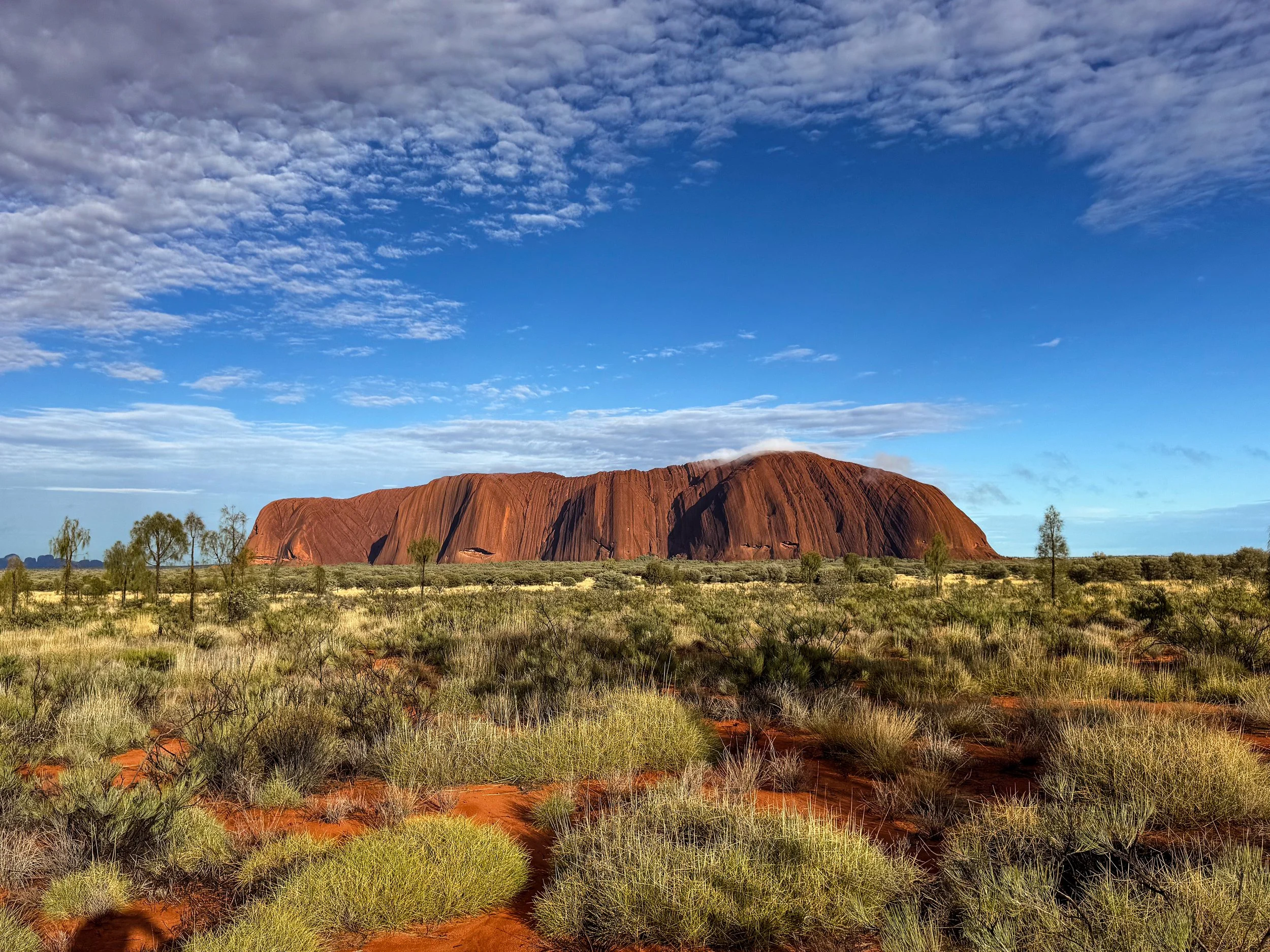
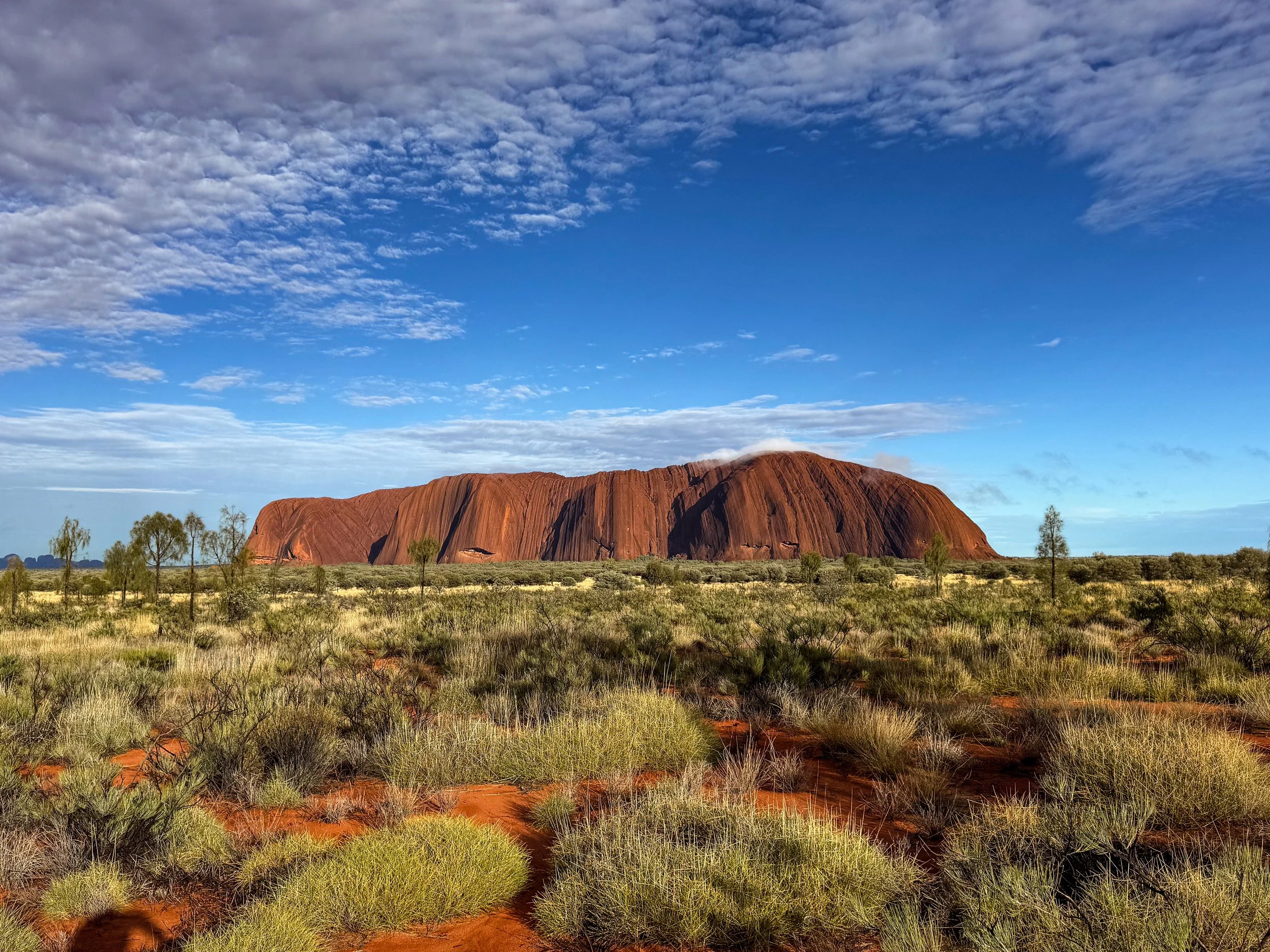
Uluru Travel Guide: Kata Tjuta, Kings Canyon & Sacred Landscapes. Discover Uluru's sacred landscapes where ancient sandstone monoliths, desert hikes, canyon oases and Anangu traditions connect visitors to the Outback.
For Next Time…
The rugged and beautiful landscapes of The Coral Coast and Western Australia are calling for us to return.
Revisit Perth. One day in the city wasn’t enough time. We plan to explore for at least a full weekend and take day trips to Fremantle and Rottnest Island.
Roadtrip South. The southwest of Western Australia would be a roadtrip of its own. We plan to spend two weeks hopping from wine country in Margaret River to the white sand shores of Twilight Beach.
The Far North. Visit Broome and the nearby natural sites like The Coconut Wells, Horizontal Falls and Mimbi Caves.
Uluru Travel Guide: Kata Tjuta, Kings Canyon & Sacred Landscapes
Discover Uluru's sacred landscapes where ancient sandstone monoliths, desert hikes, canyon oases and Anangu traditions connect visitors to the Outback.
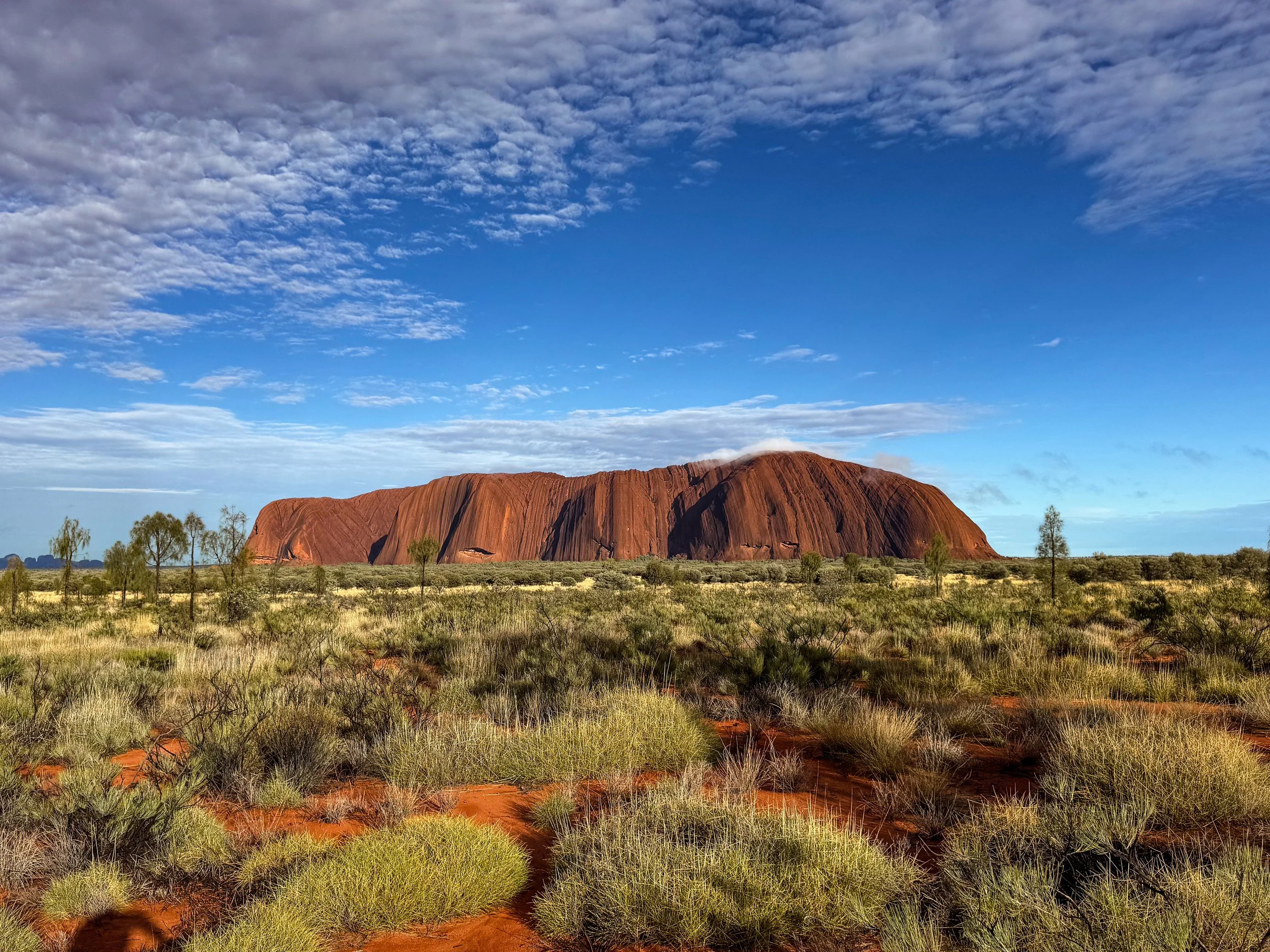
Uluru, Australia
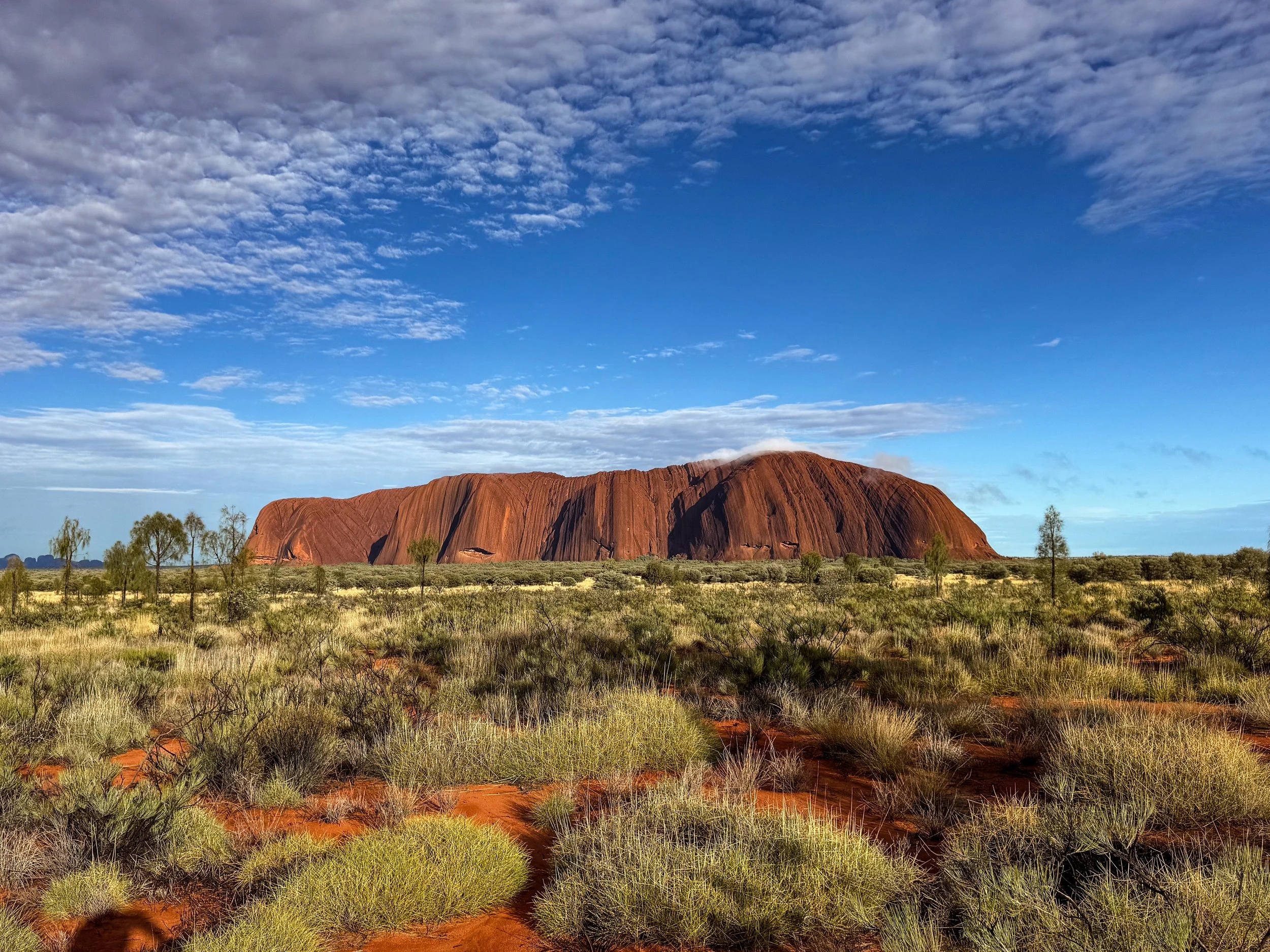
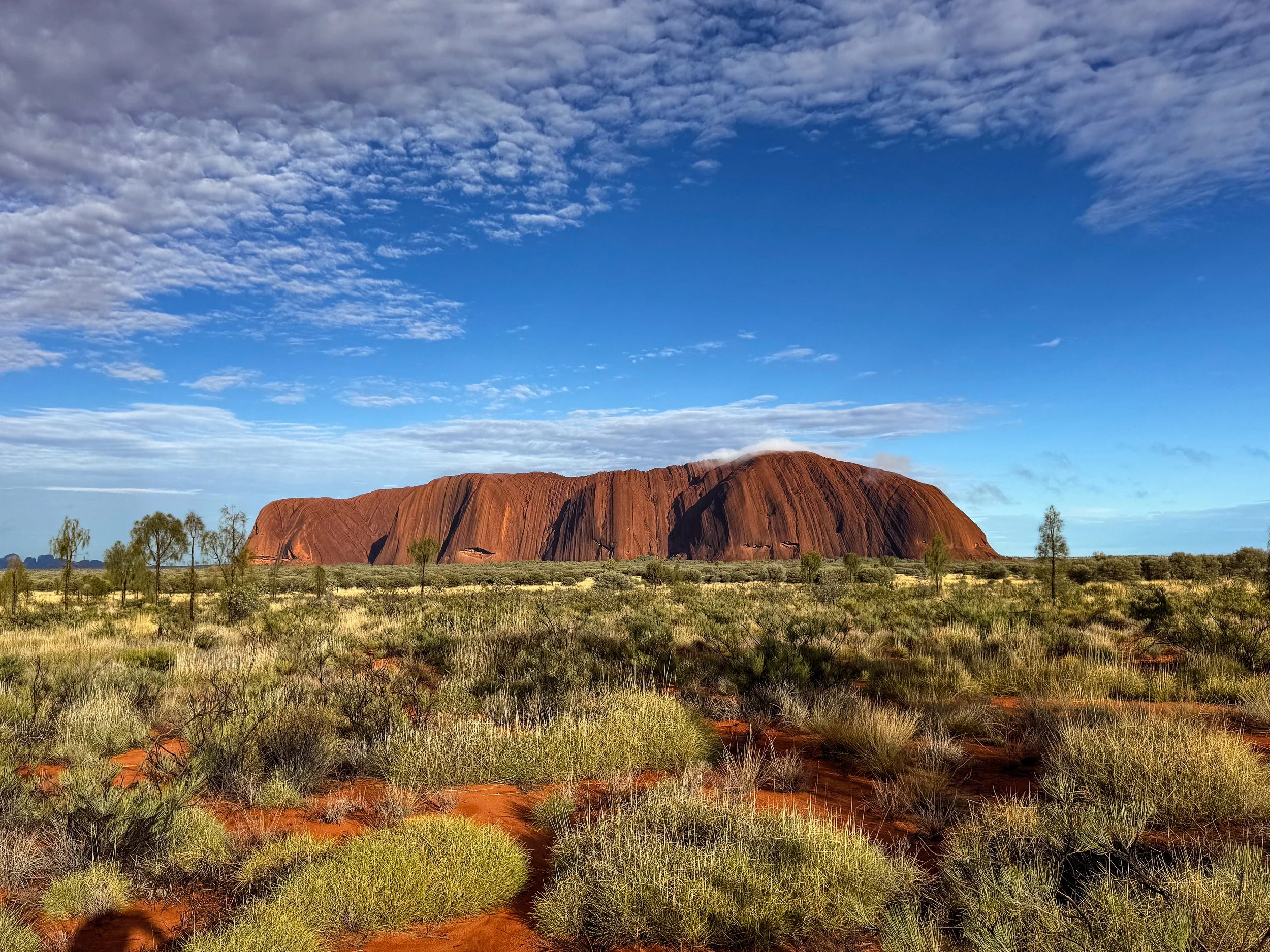
Uluru is an ancient desert rock formation and sacred place to the Anangu people. The orange and ochre sandstone monolith towers over the vast desert landscape. It dates back 500 million years and is the source of many Anangu creation stories. Trails lead around the base of Uluru past caves, gorges and watering holes. Lookout points offer views of it and the picturesque surroundings.
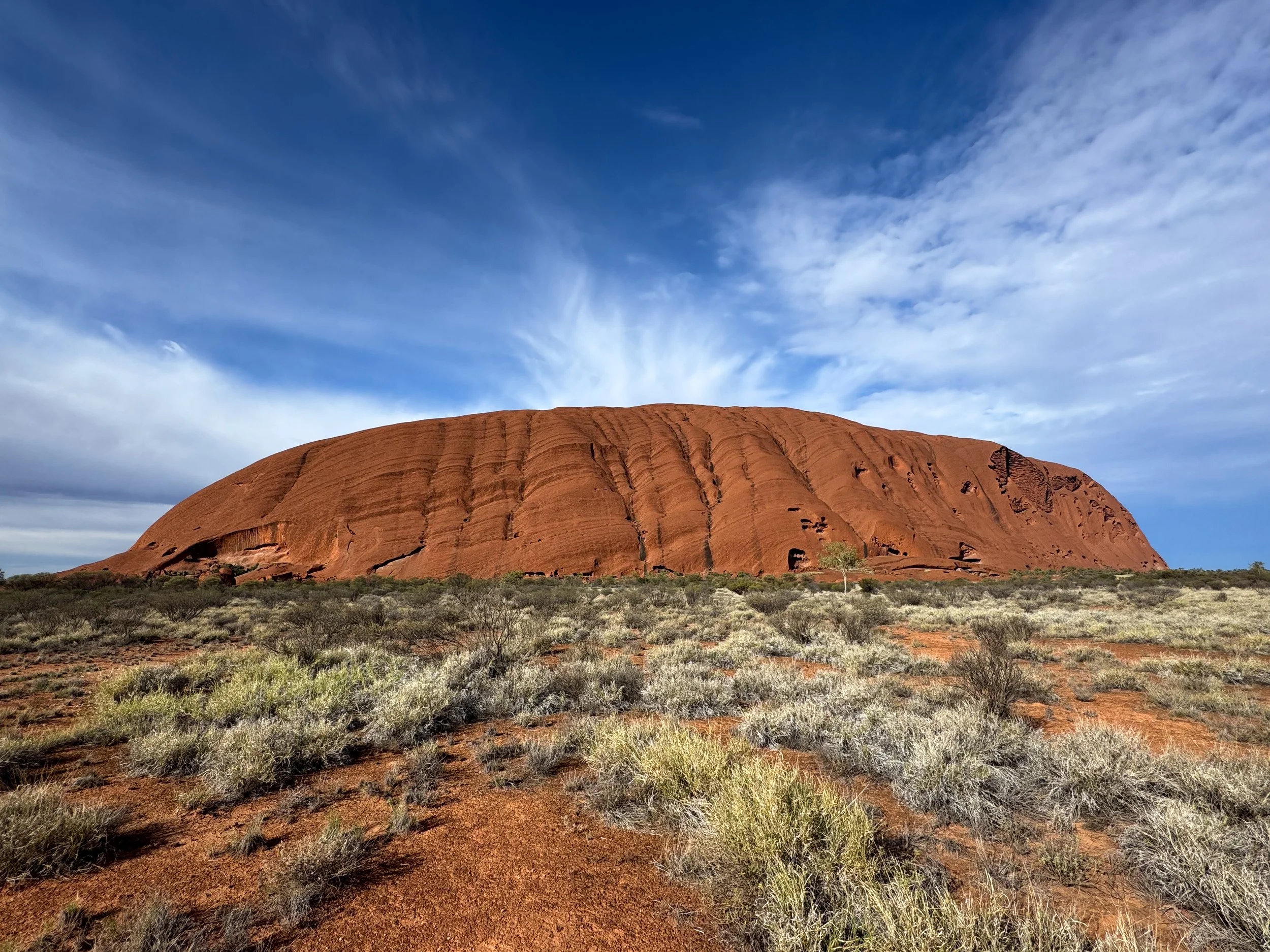
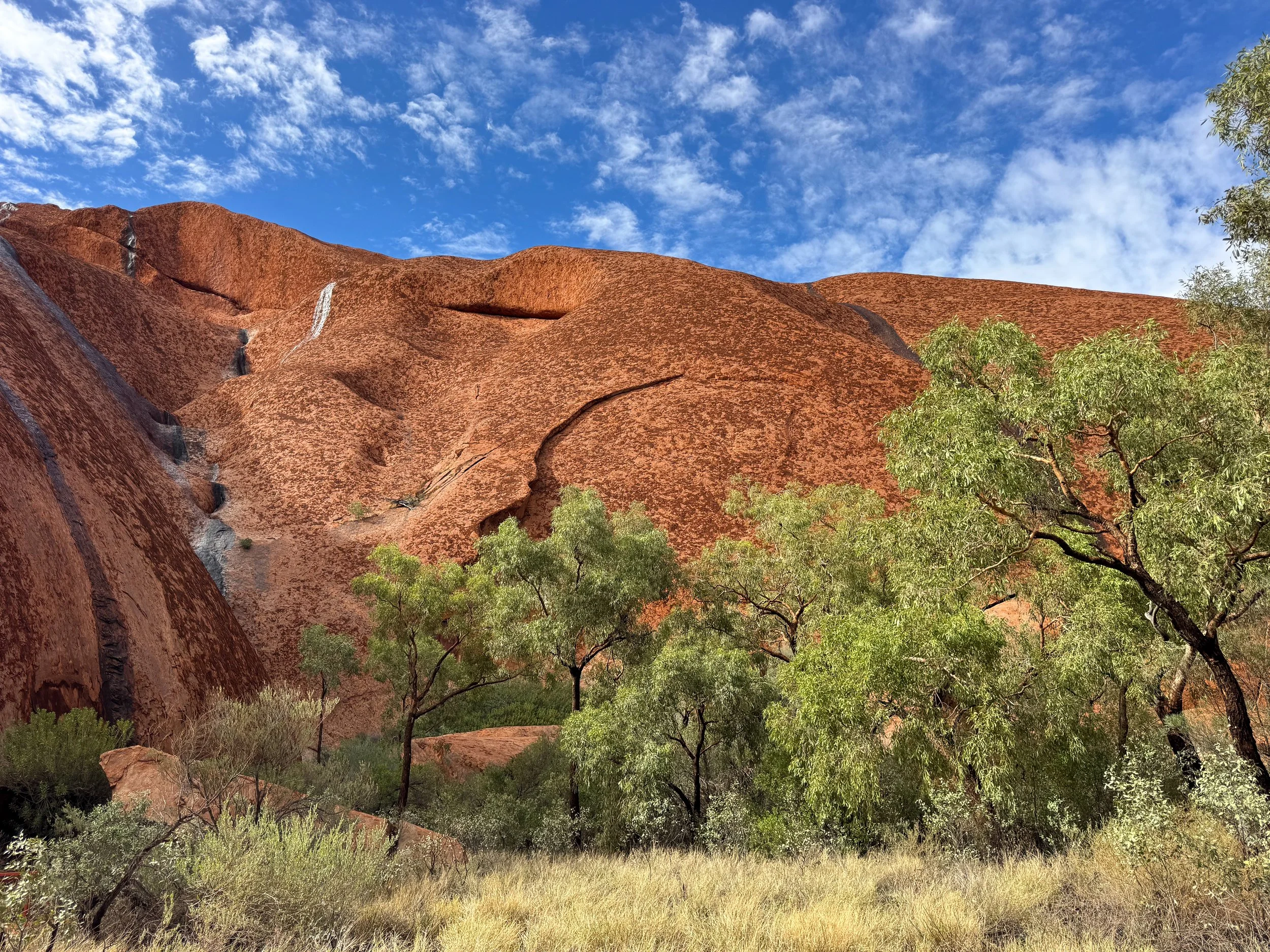
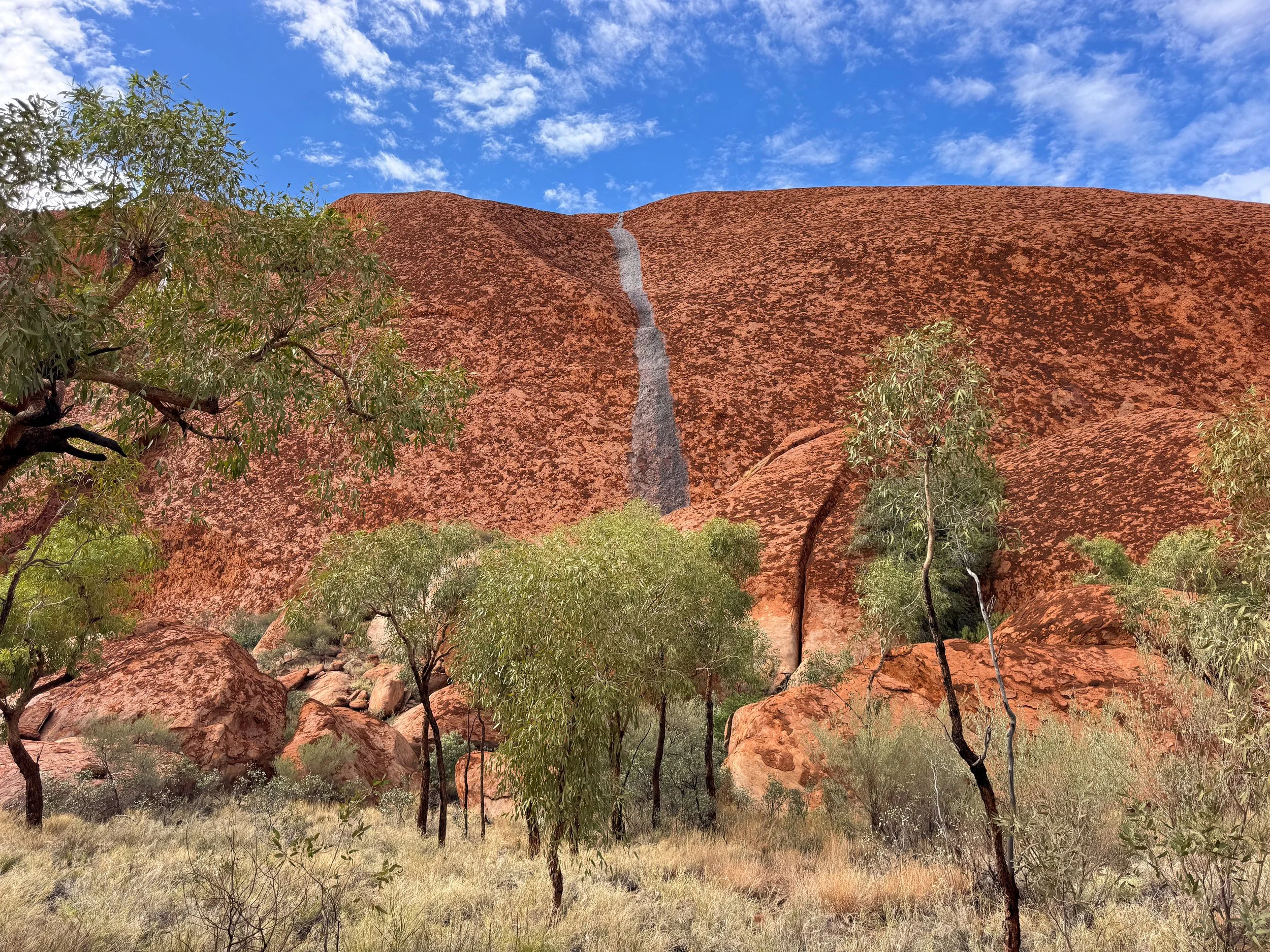
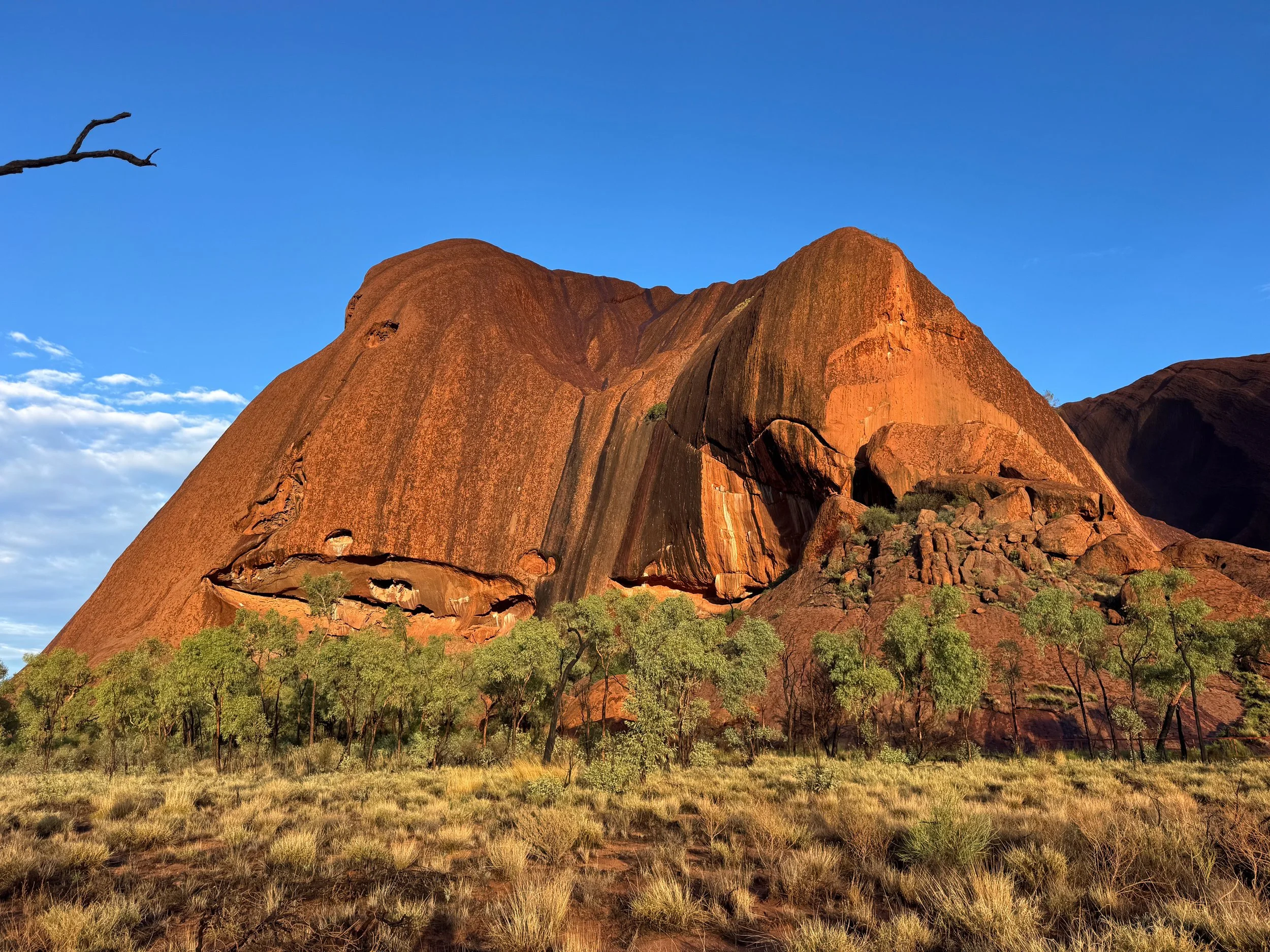
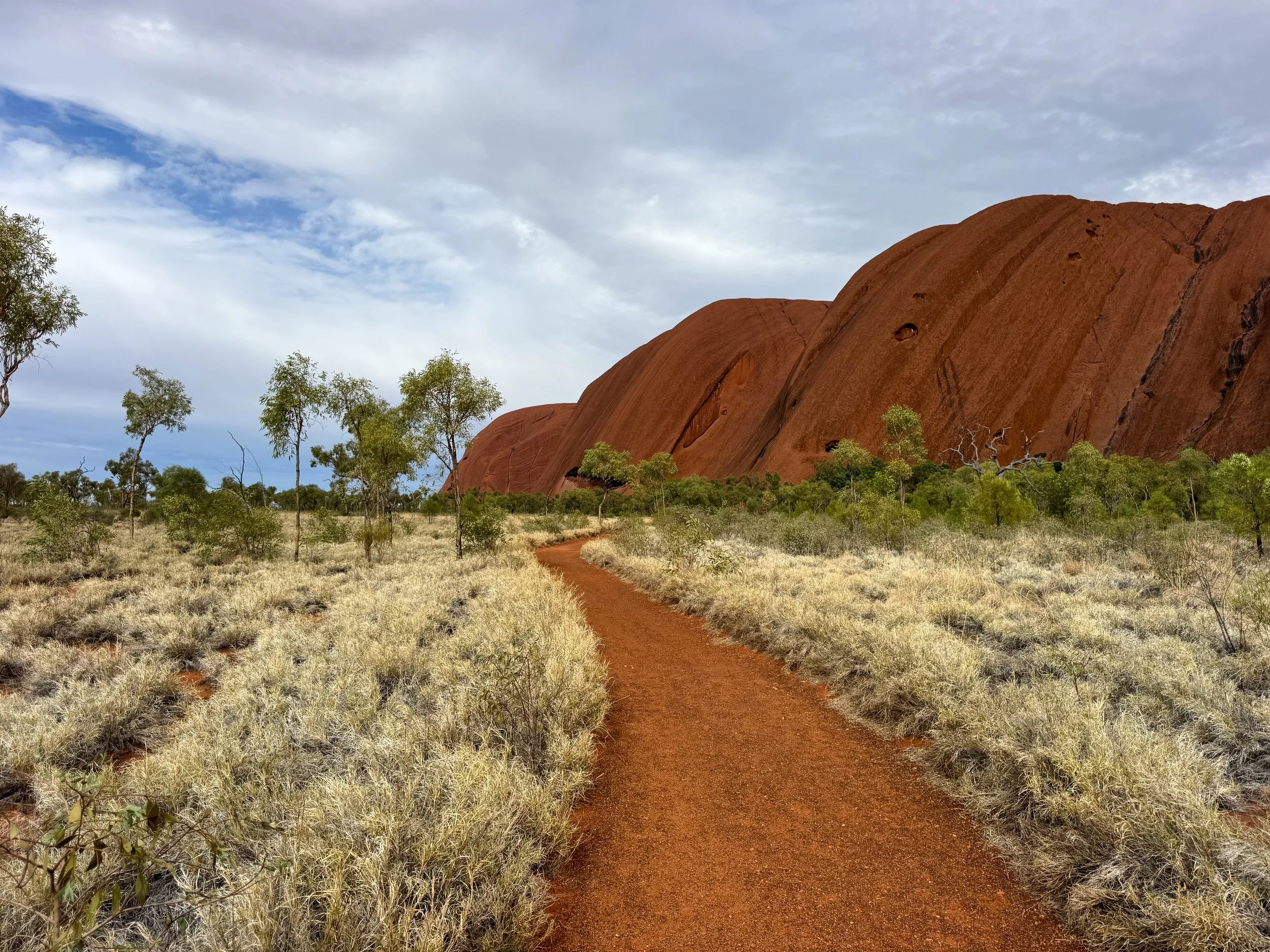
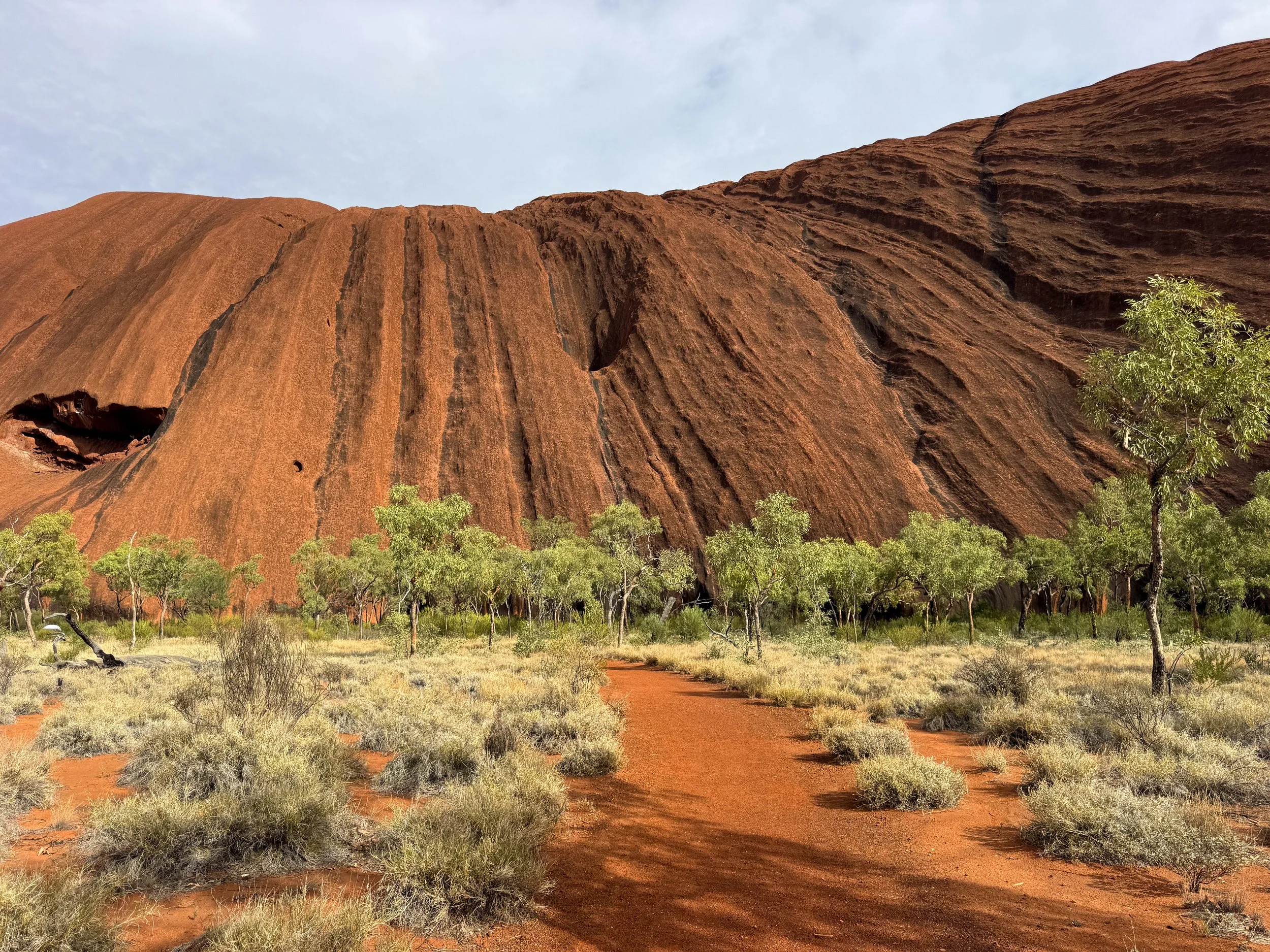
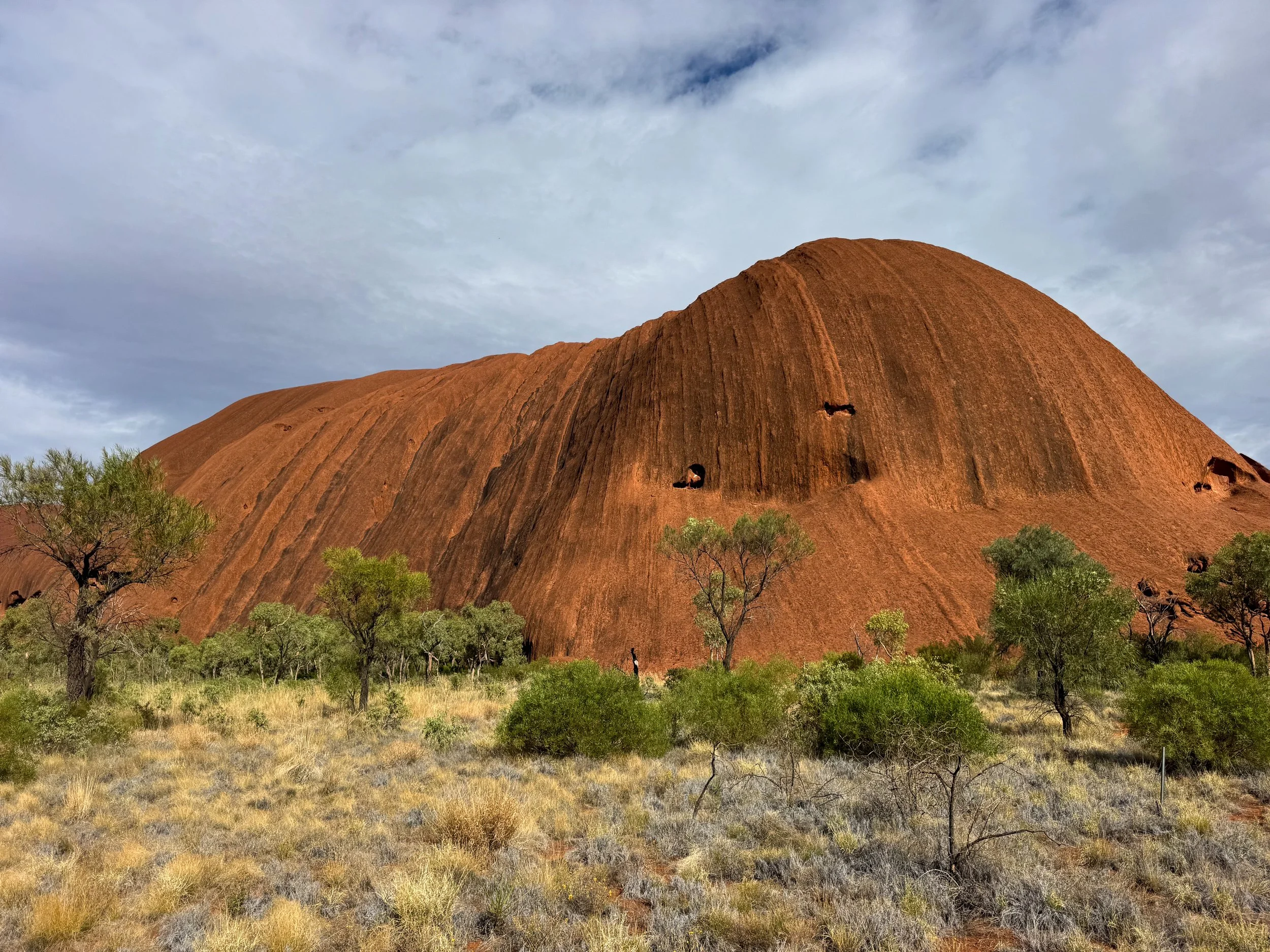
Uluru Base Walk. A scenic trail looping 10.6km around the entire base of Uluru. The walk offers close up views and distant vantage points of the sandstone monolith. It passes sacred sights, gorges and caves used for generational and gender specific ceremonial purposes. Aboriginal creation stories and lessons are told through geological features and pitted markings covering the sandstone facade. Vertical veins of sediment run through the rock. Depending on the lighting, the surface changes between orange, red, maroon and chocolatey brown hues. The surrounding desert landscape is covered in patches of orange soil, tufts of yellow grasses, dried bushes and trees.
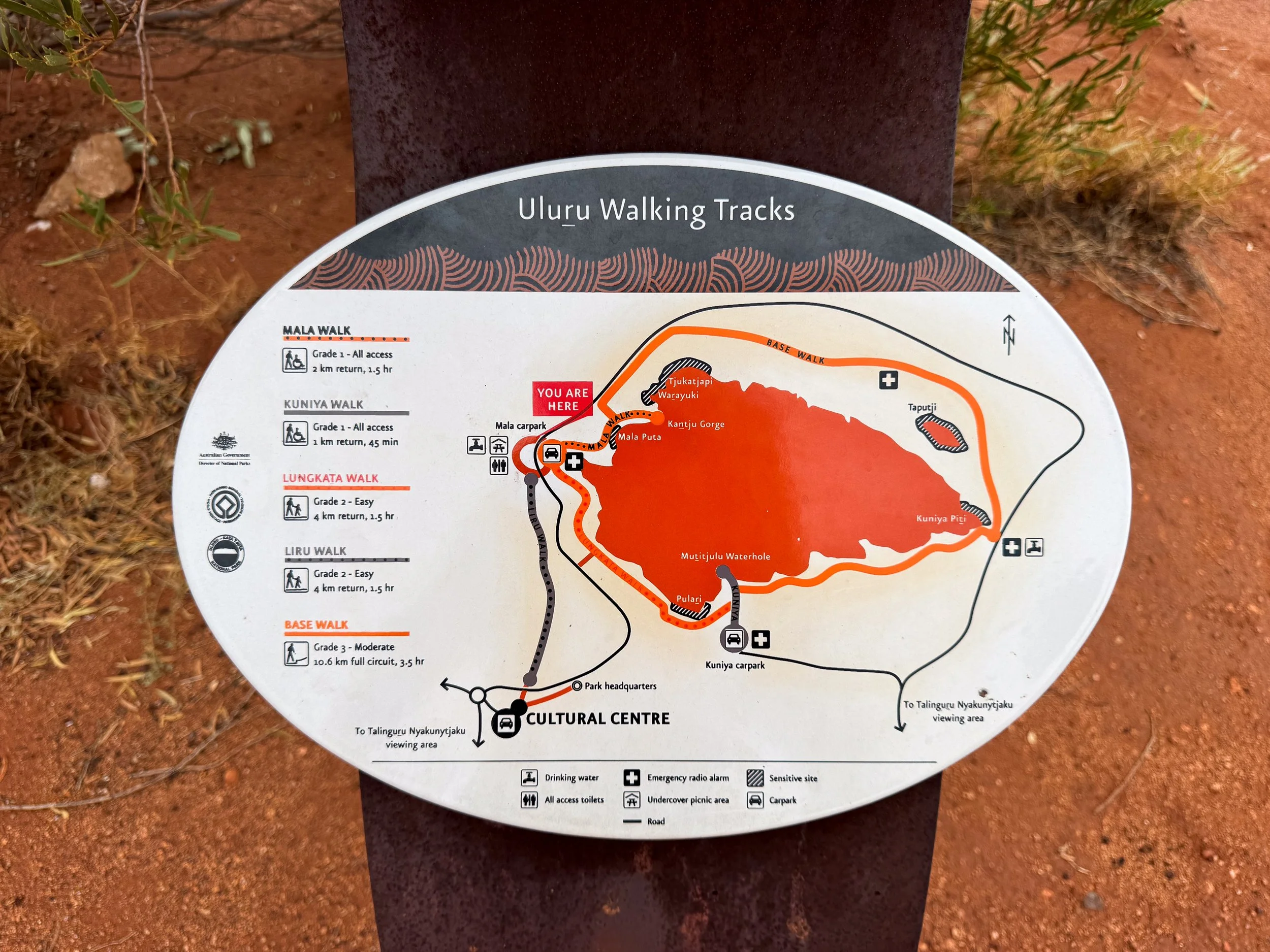
Pro Tip. Begin the walk at the Mala Car Park and follow the trail clockwise. Start in the morning and plan to finish by 11am. The entire walk can be completed in 3 hours.
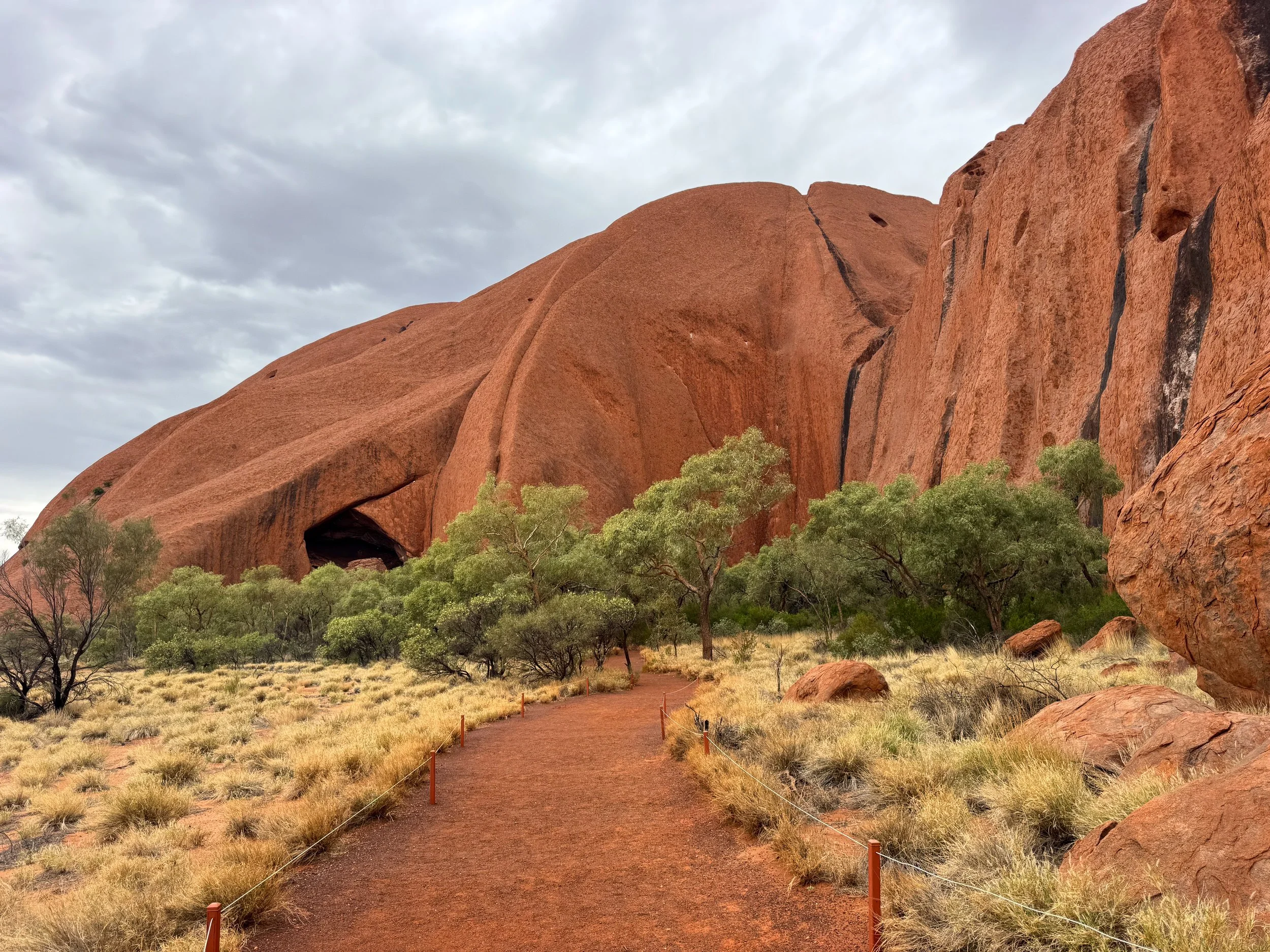
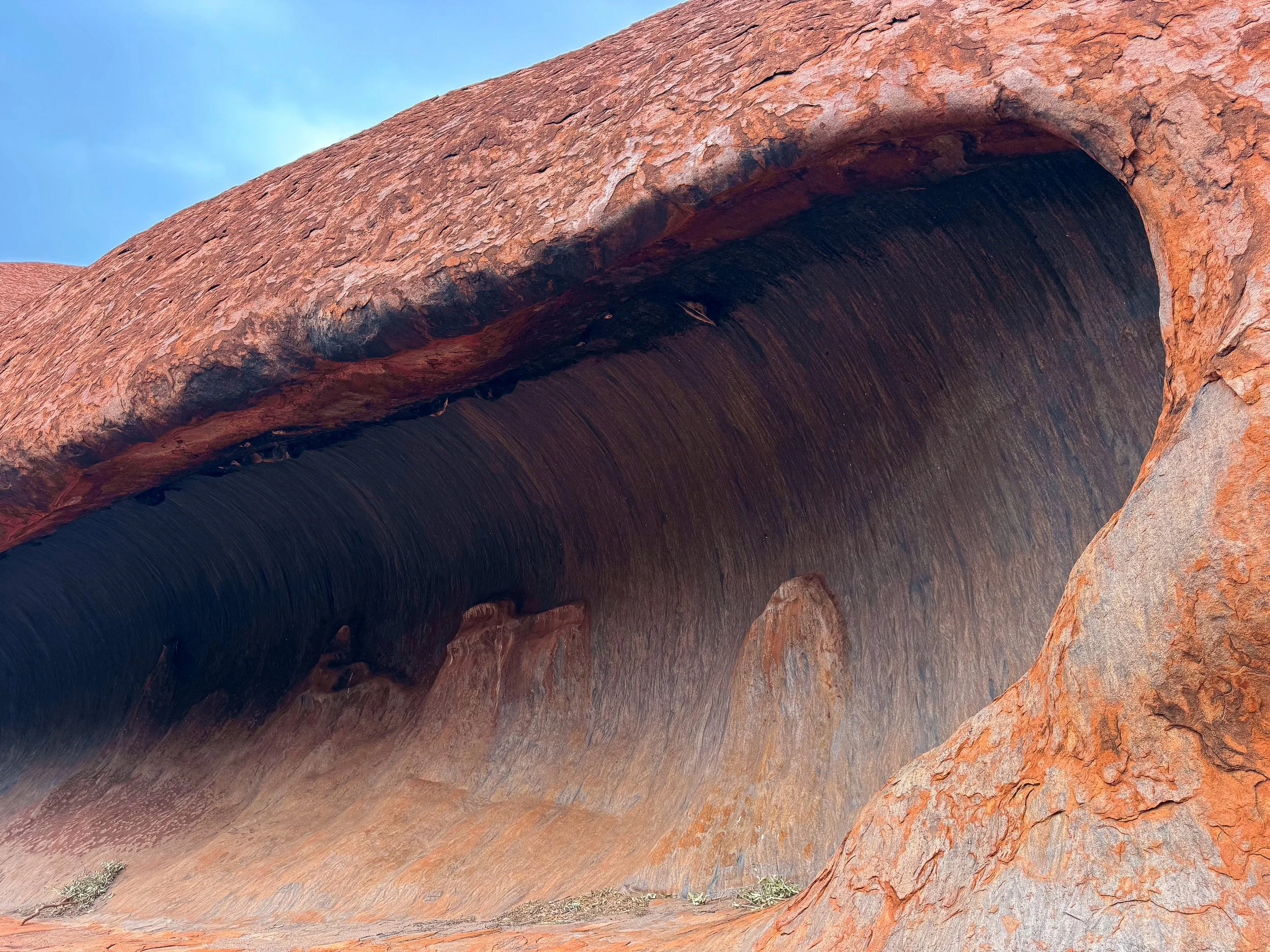
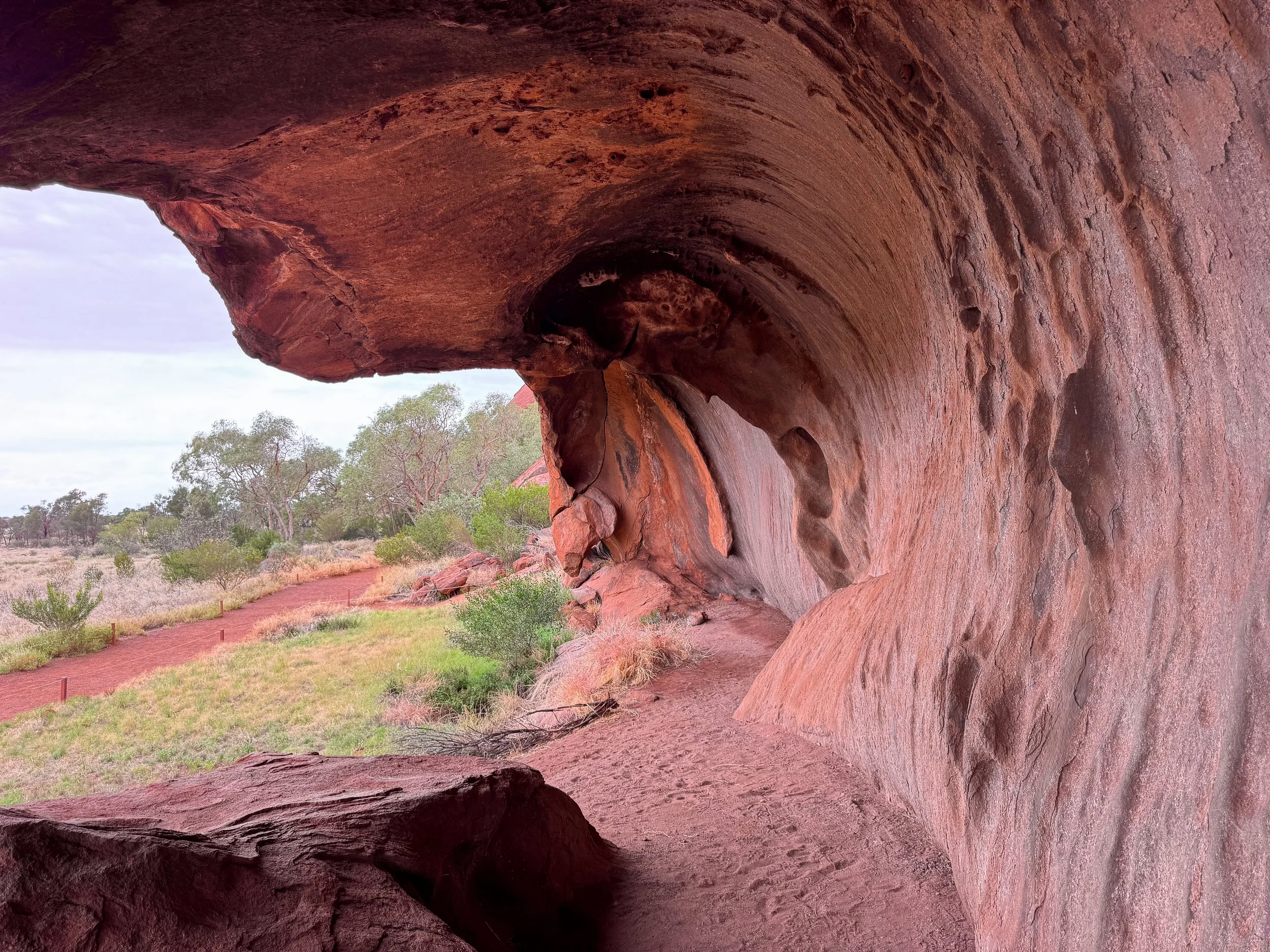
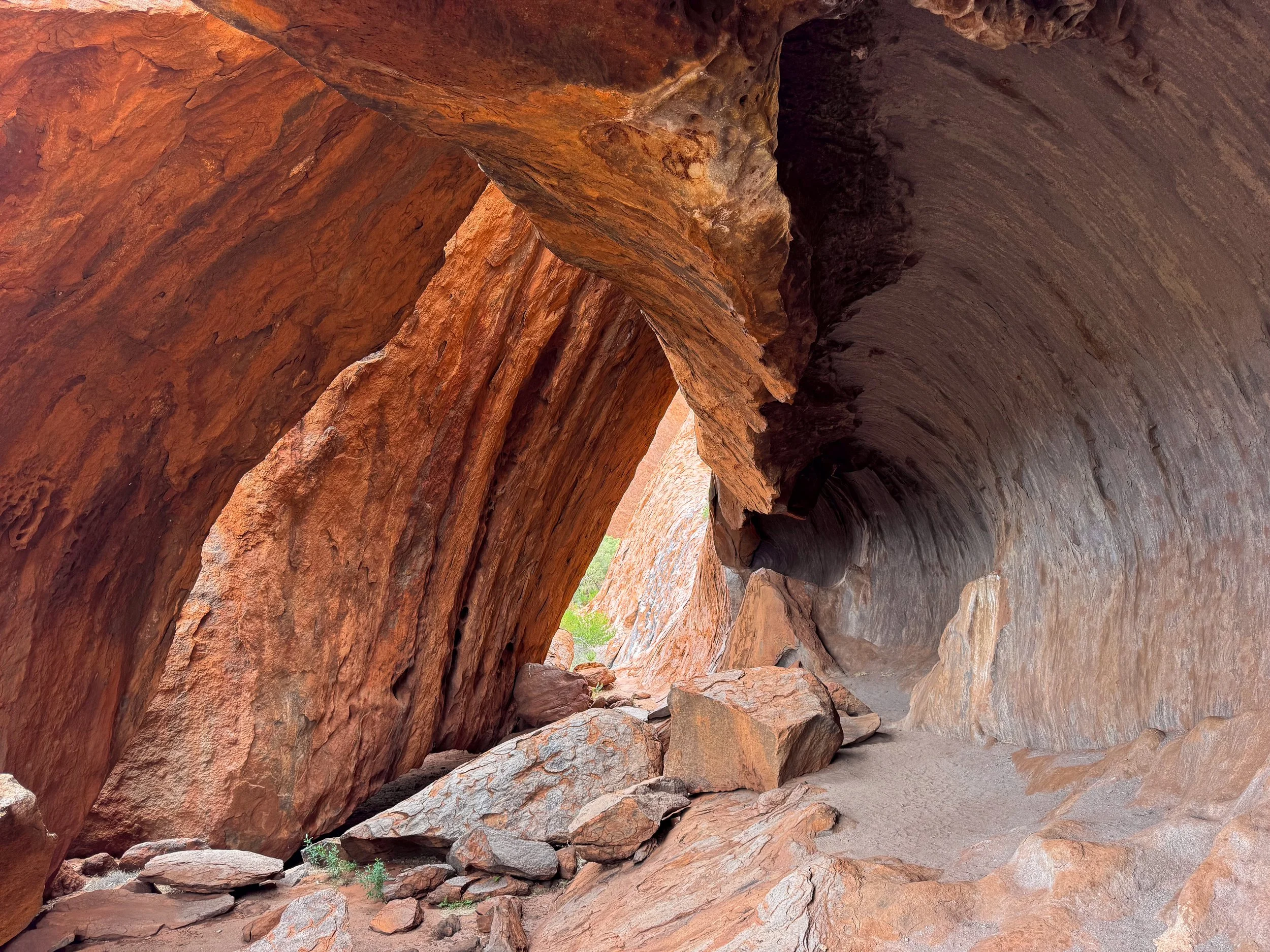
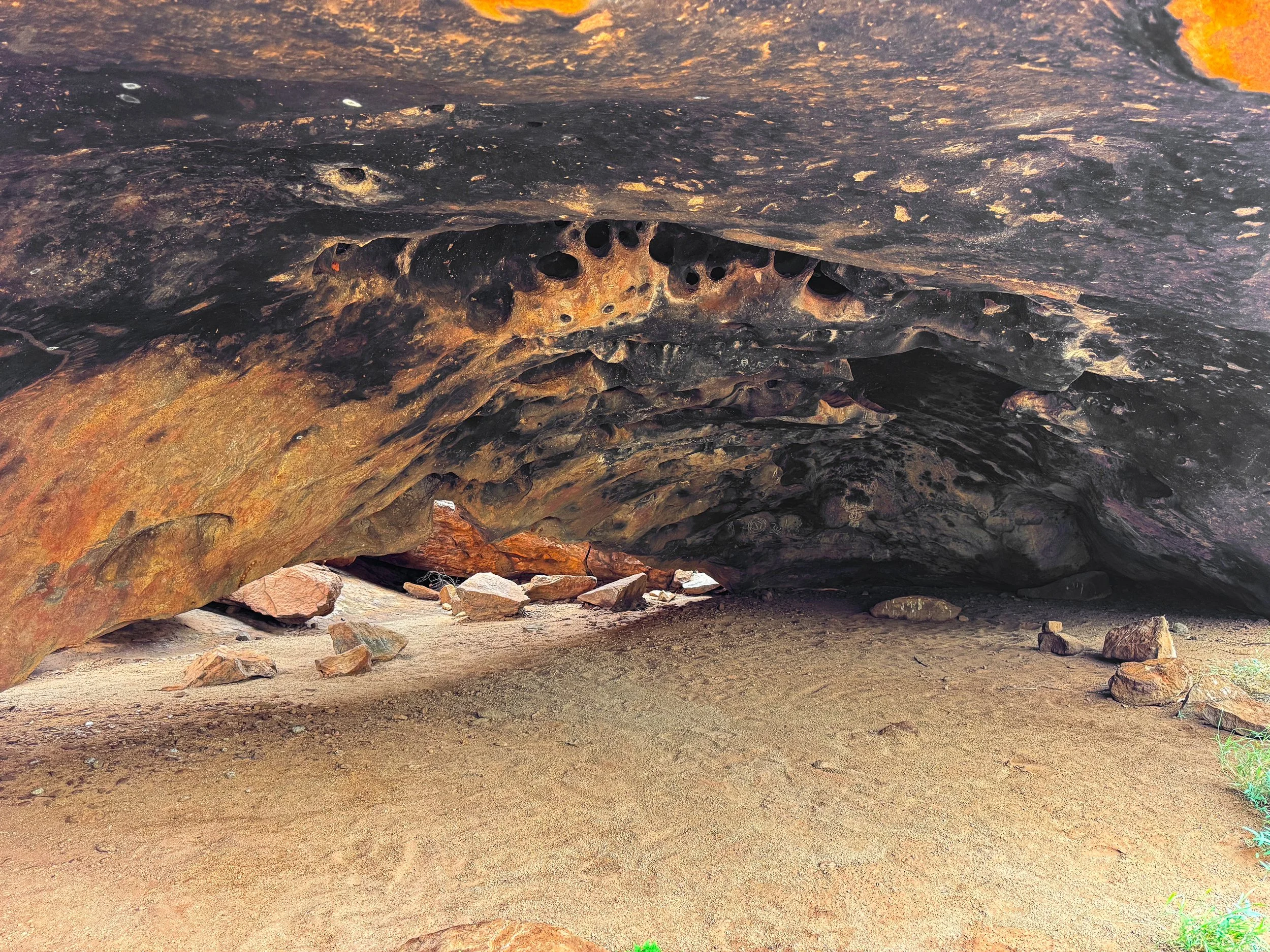
Mala Walk. A 1km trail along the base of Uluru home to a significant number of sacred caves and aboriginal stories. The trail starts at the Mala Car Park. Signs share information about the caves, their stories and connections to Aboriginal culture. There are ranger guided tours at 8am daily.
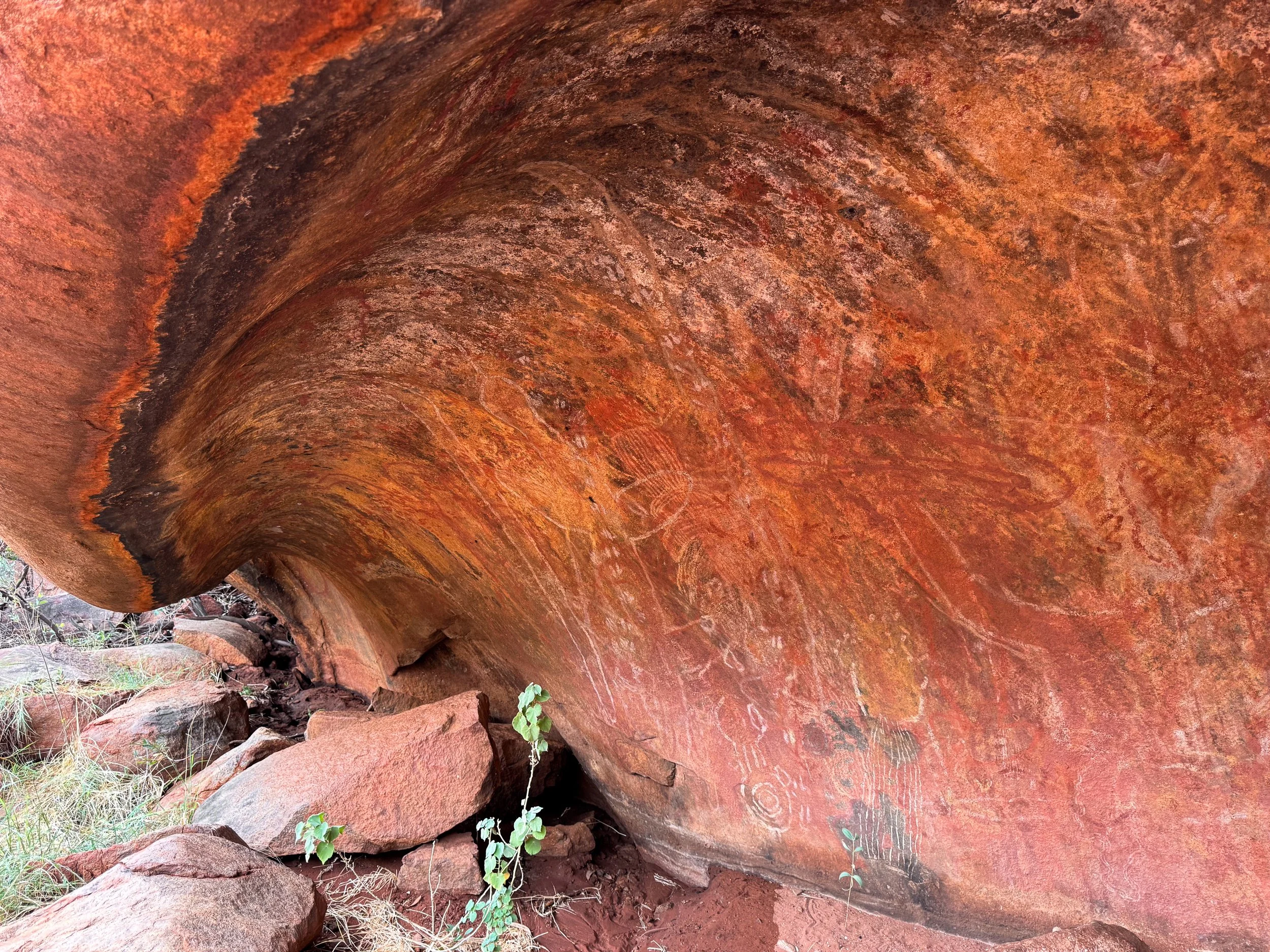
Teaching Cave / Boys Cave. A small cave adorned in ochre paintings used for teaching survival techniques and lessons to “bush boys” during their transition to manhood. The 4,000 year old cave paintings feature illustrations of emu footprints, boomerangs, kangaroo hopping, symbols for travel and watering holes.
Men’s Cave. A cave used by Aboriginal men for sharing hunting and water gathering knowledge. The cave is part of an aboriginal story involving the attack of a shape shifting “devil dog.” During the attack, four men were turned to stone, leaving their impressions behind in the cave wall.
Women's Cave. A cave used by Aboriginal women to pass down oral stories between generations. The cave resembles the pouch of a kangaroo, a symbol of fertility. Photos are not allowed.
Kitchen Cave. A large cave traditionally used by Aboriginal women to prepare food and discuss family matters during ceremonial gatherings. The cave offers a continuation of the aboriginal story from the Men’s Cave. The shape shifting “devil dog” left its giant paw print on the cave wall near an impression of a woman that was turned to stone. It’s one of the only caves that can be entered.
Old Person’s Cave. A cave used by Aboriginal elders to share stories, prepare food and keep warm in cooler months. The walls are adorned with millennia old paintings while the ceiling is visibly blackened from smoke.
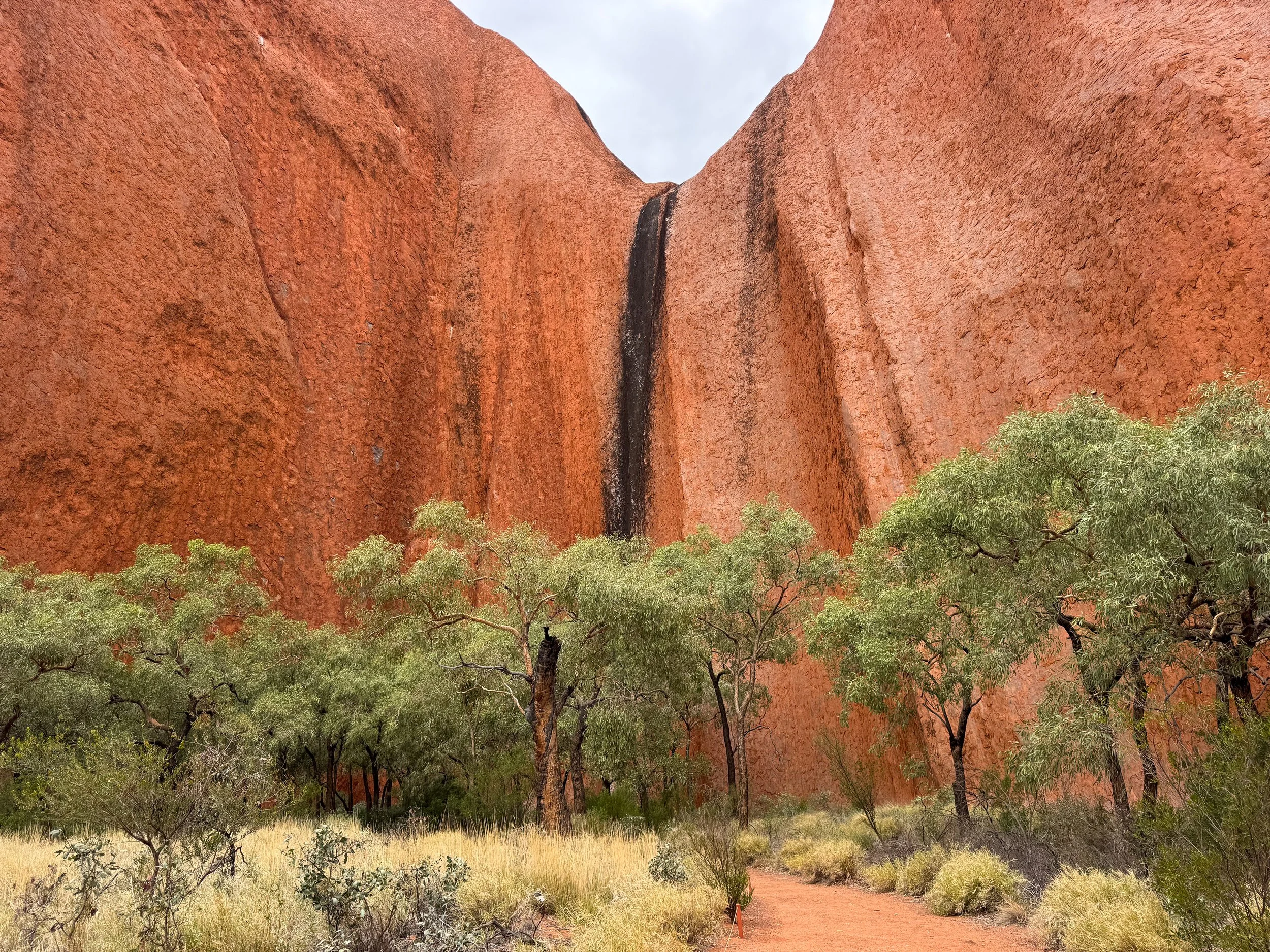
Kantju Gorge. A sacred gorge at the end of the Mala Walk. Towering stone walls flank a lush oasis and watering hole. The orange rock face bears a blackened streak from past waterfalls created during large rain events. The gorge is used for gathering water during Aboriginal ceremonies and reflecting.
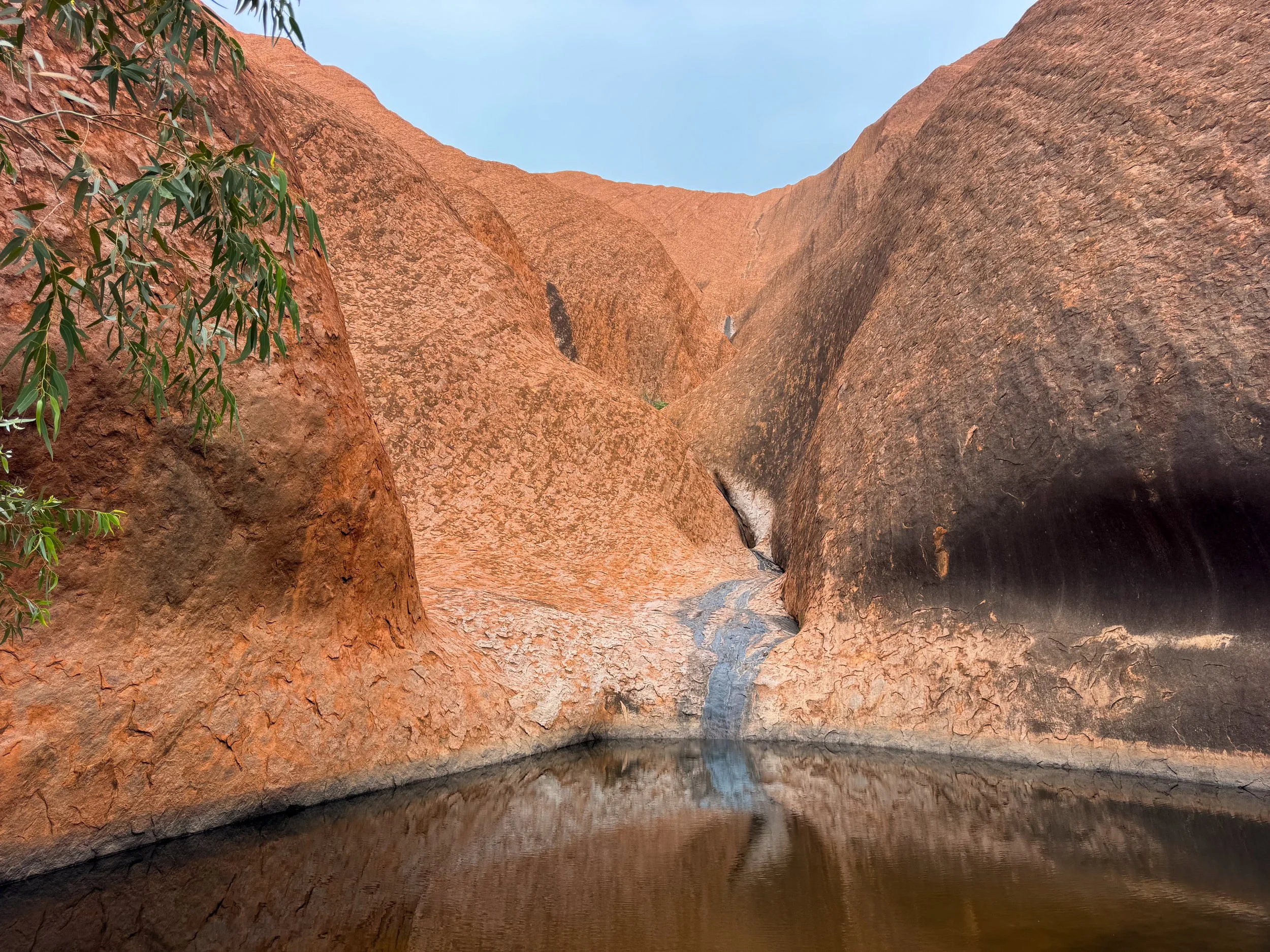
Mutitjulu Waterhole. A sacred waterhole at the end of a verdant gorge. A shallow pool rests beneath a smoothed crevice and occasional waterfall at the base of Uluru. Stories of ancestral beings are told through geological markings on the stone walls surrounding the entrance of the gorge.
Uluru Waterfalls & Frogs. Uluru is the site of a rare phenomenon after significant rain events. Waterfalls appear and desert frogs emerge from multi year hibernation. Thin veils of water trickle down the towering stone facades. Streams rush between crevices into watering holes at the monolith’s base. Thousands of desert frogs awake to feed and mate. Their clicking and humming croaks echo throughout the gorges. The phenomenon only occurs a few times a year. If fortunate enough to visit during a significant rain event, visit the Kantju Gorge and Mutitjulu Waterhole.
Cultural Center. A dual snake shaped building home to multiple galleries and exhibits about Anangu culture and the landscapes of Uluru. The center shares ancestral stories told through the geological formations of Uluru. Exhibits provide context regarding Anangu connection to the land, animals and seasons. It explains the traditional roles of men and women at various stages of their life. A gallery displays Aboriginal artwork and dot paintings. Signs explain how to respect Uluru’s sacred sights and the Anangu people.
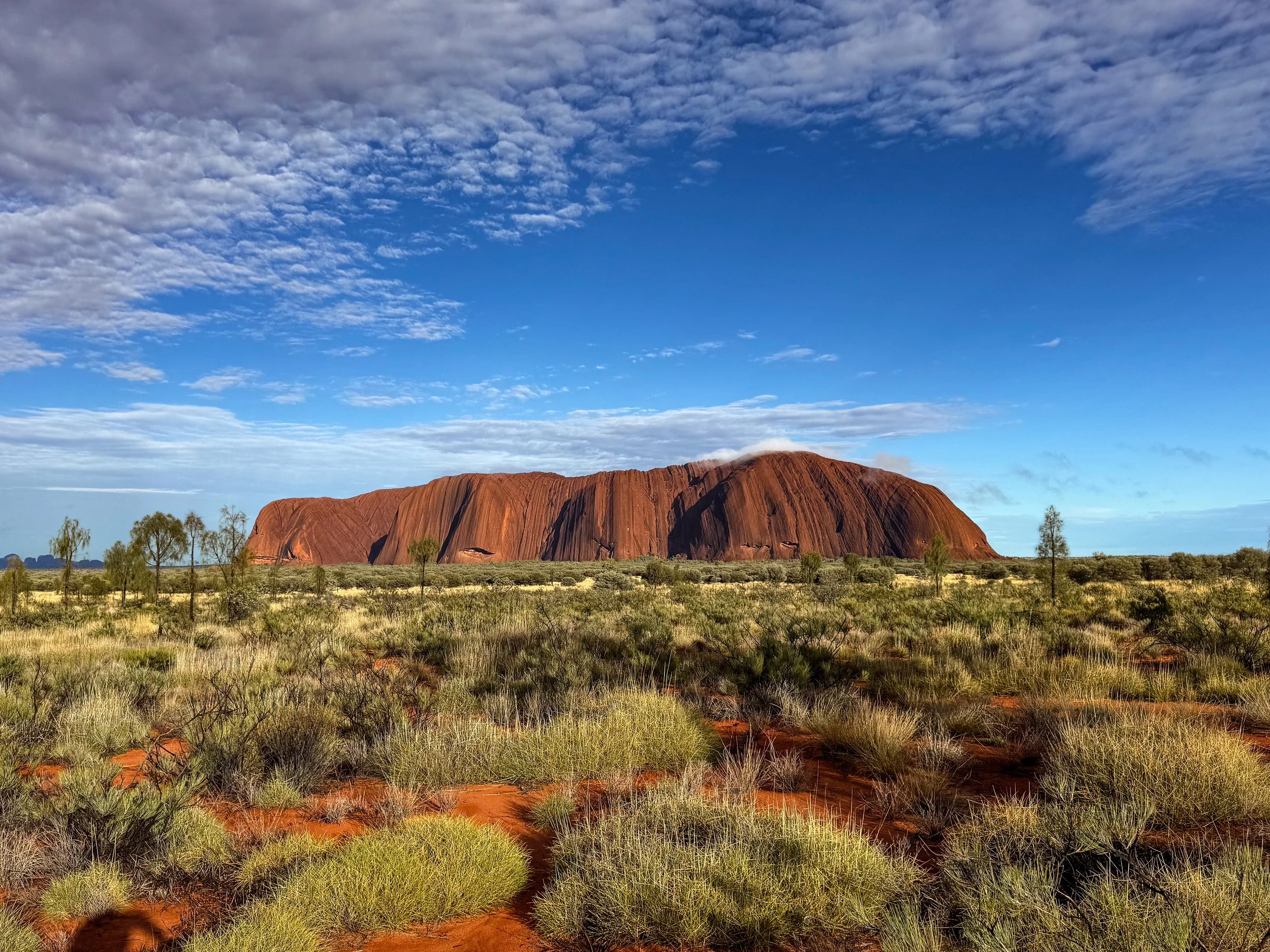
Uluru Lookout Points
Uluru Sunrise Point. A sunrise viewpoint of Uluru with nature walks and viewing platforms. Visit about an hour after sunrise when Uluru is fully illuminated and all the large tour buses have left.
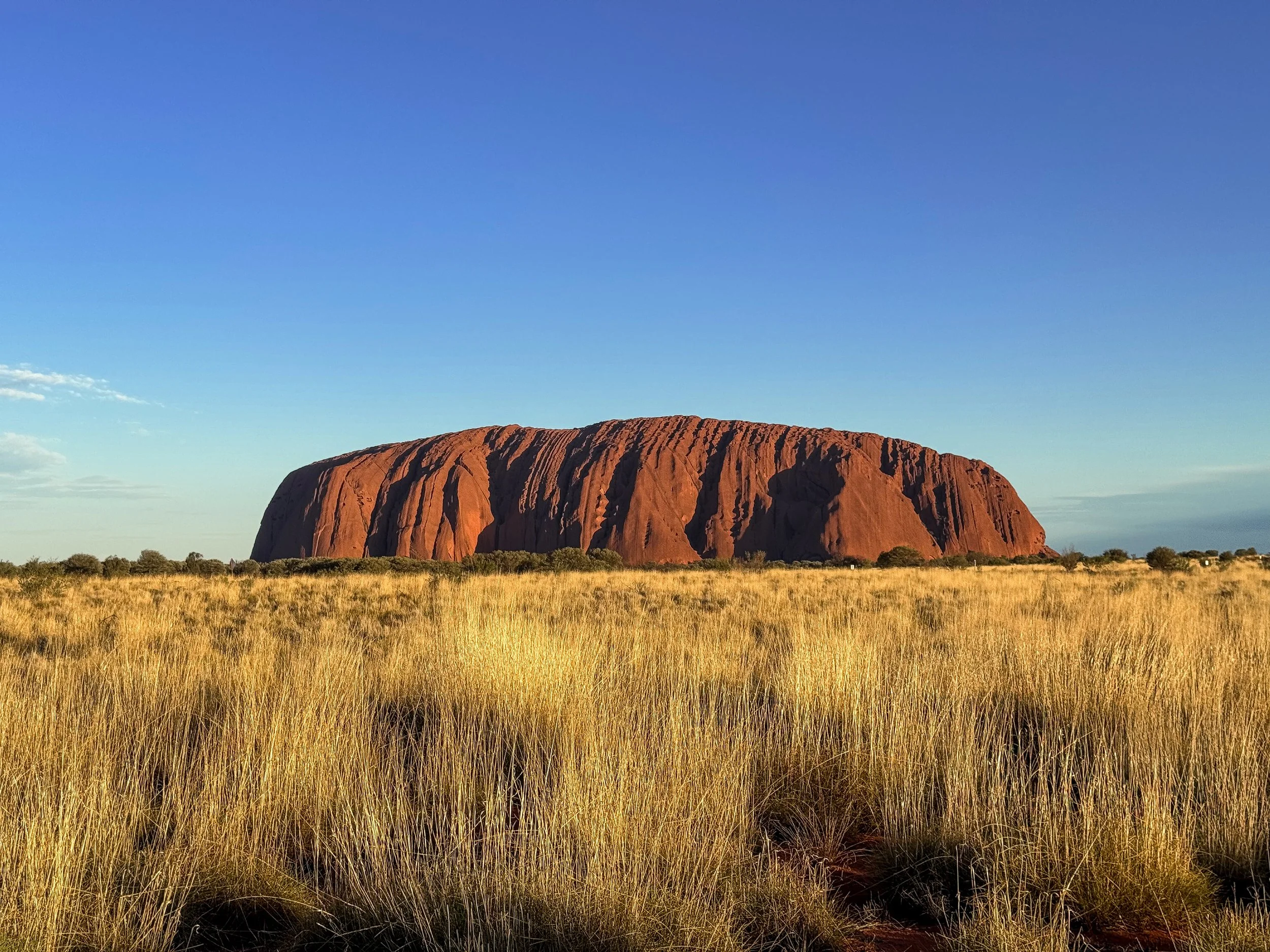
Uluru Sunset Point. A desert viewpoint of Uluru with sunset views. Visit during golden hour to watch the setting sun cast warm glows across the monolith.
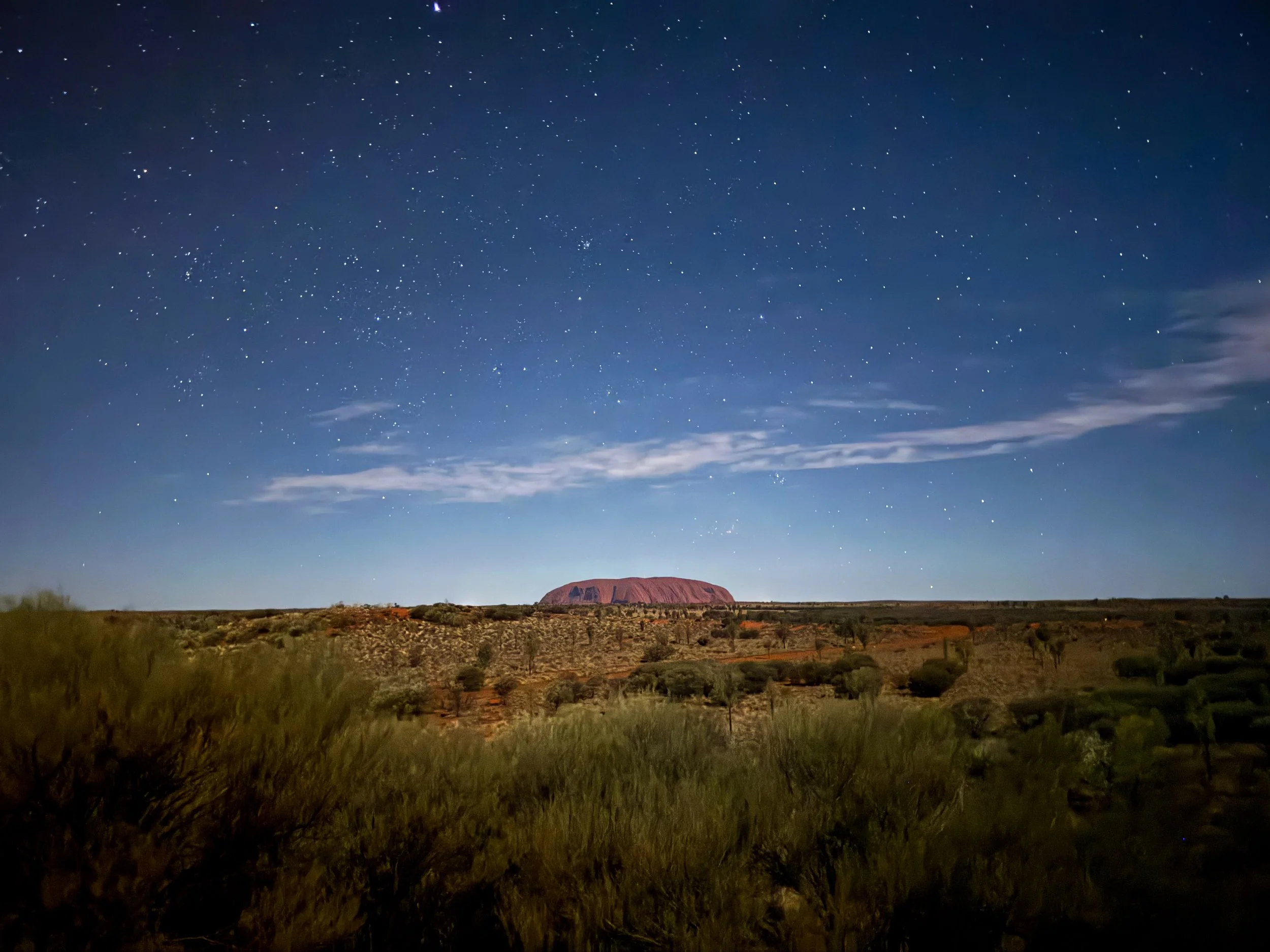
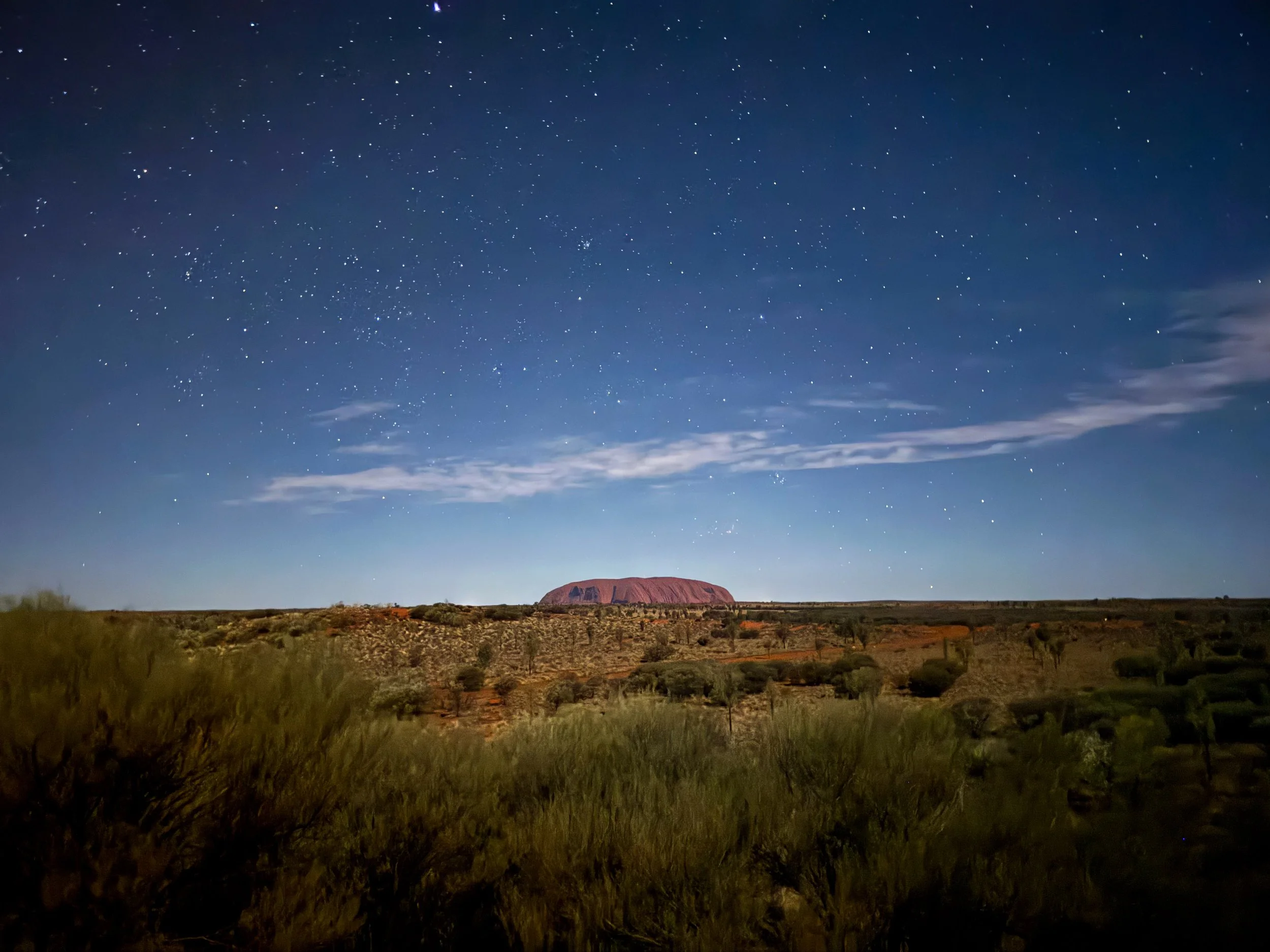
Ewing Lookout. A desert lookout point accessible from the Coach Campground between Yulara and Uluru. It has some of the best sunset and night sky views of Uluru, Kata Tjuta and the desert.
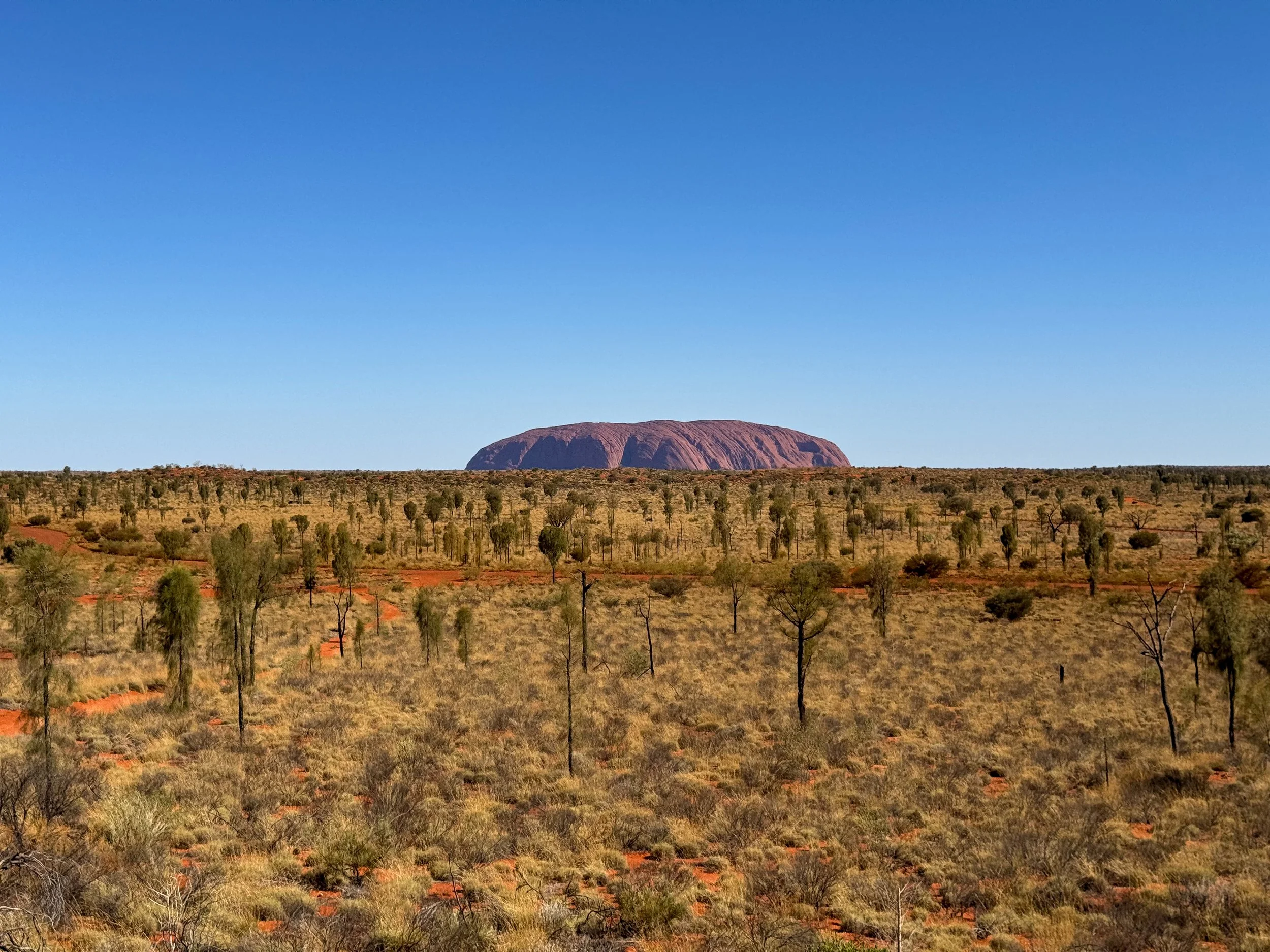
Uluru Lookout. A lookout just outside of Yulara with views of Uluru and the desert landscape. It’s an easy 15 minute walk from the town square.
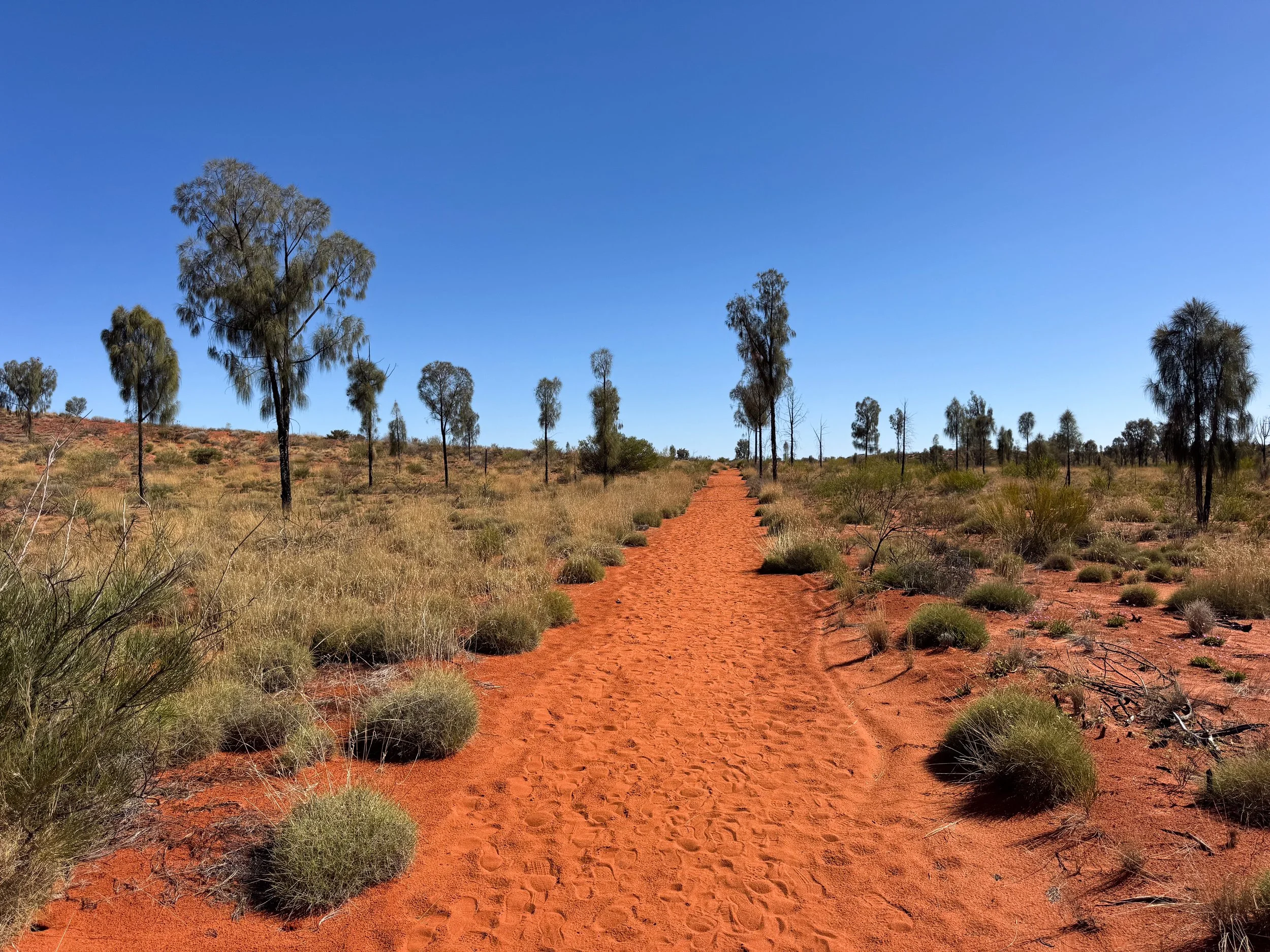
Yulara Desert Loop. A patch of desert with a series of brief nature trails accessible on foot from most hotels in town. Walk to the Imalung Lookout, the tallest point at its center with distant views of Uluru.
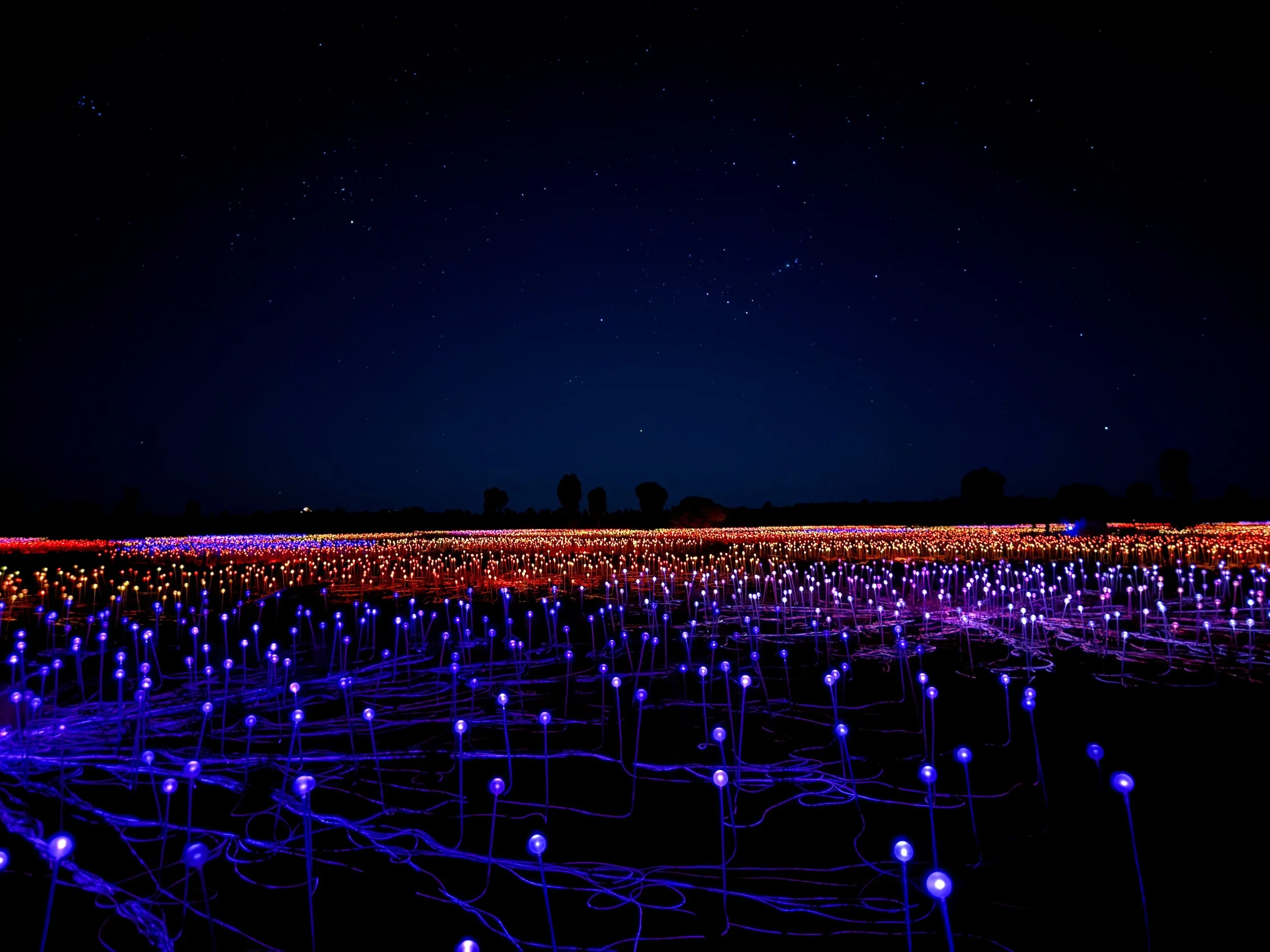
Field of Light. A desert art installation made from tens of thousands of colors changing lights. Trails lead through the installation resembling a field of glowing tulips. Book with Ayers Rock Resort.
Yulara
Yulara is a resort town outside of Uluru with outback lodges, desert camps and hotels. There is a town square at its center with Aboriginal galleries, boutiques, a grocery store, cafe and restaurant. A couple of brief nature walks lead to desert lookouts within views of Uluru.
Places to Eat & Drink
Kulata Academy Café. A café and coffee shop with a range of sandwiches, savory pastries and sweets. The café supports Aboriginal locals.
Native Gelato. A gelato stand in the center of the town square with Australian flavors. Try the dark chocolate wattle seed and cinnamon Davidson plum.
Outback Takeaway. A takeaway restaurant and café at the Outback Hotel. Come here for fried bites, pastries and beverages.
Outback BBQ & Bar. A barbecue station at the Outback Hotel with a selection of bush meats (emu, camel and kangaroo) that can be purchased and self grilled onsite. Live music is performed nightly. Alcoholic beverages are only available for purchase if staying at the hotel.
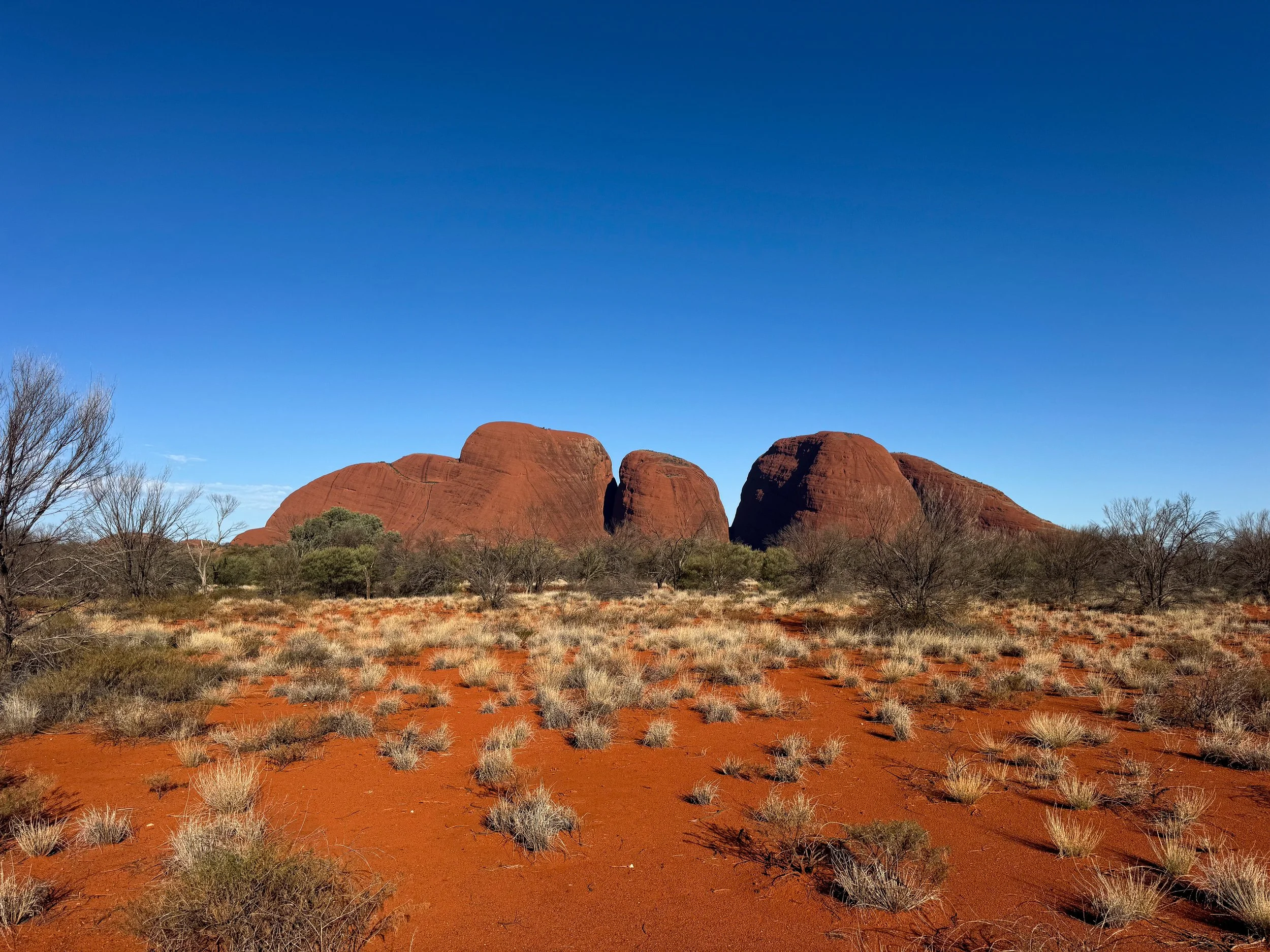
Kata Tjuṯa
A sandstone monolith towering above the desert landscape. It’s comprised of 36 individual domed mounds making up the overall structure.
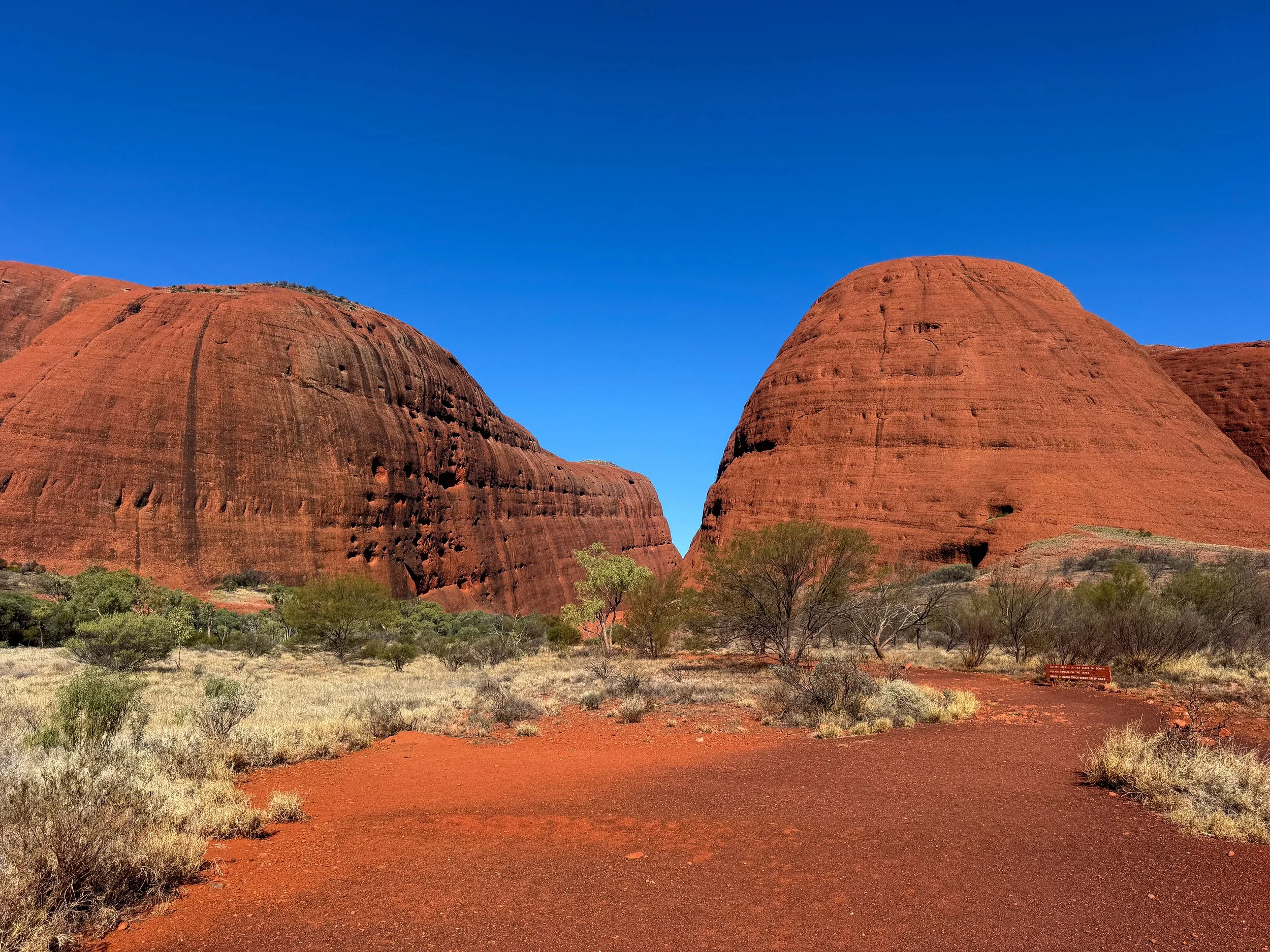
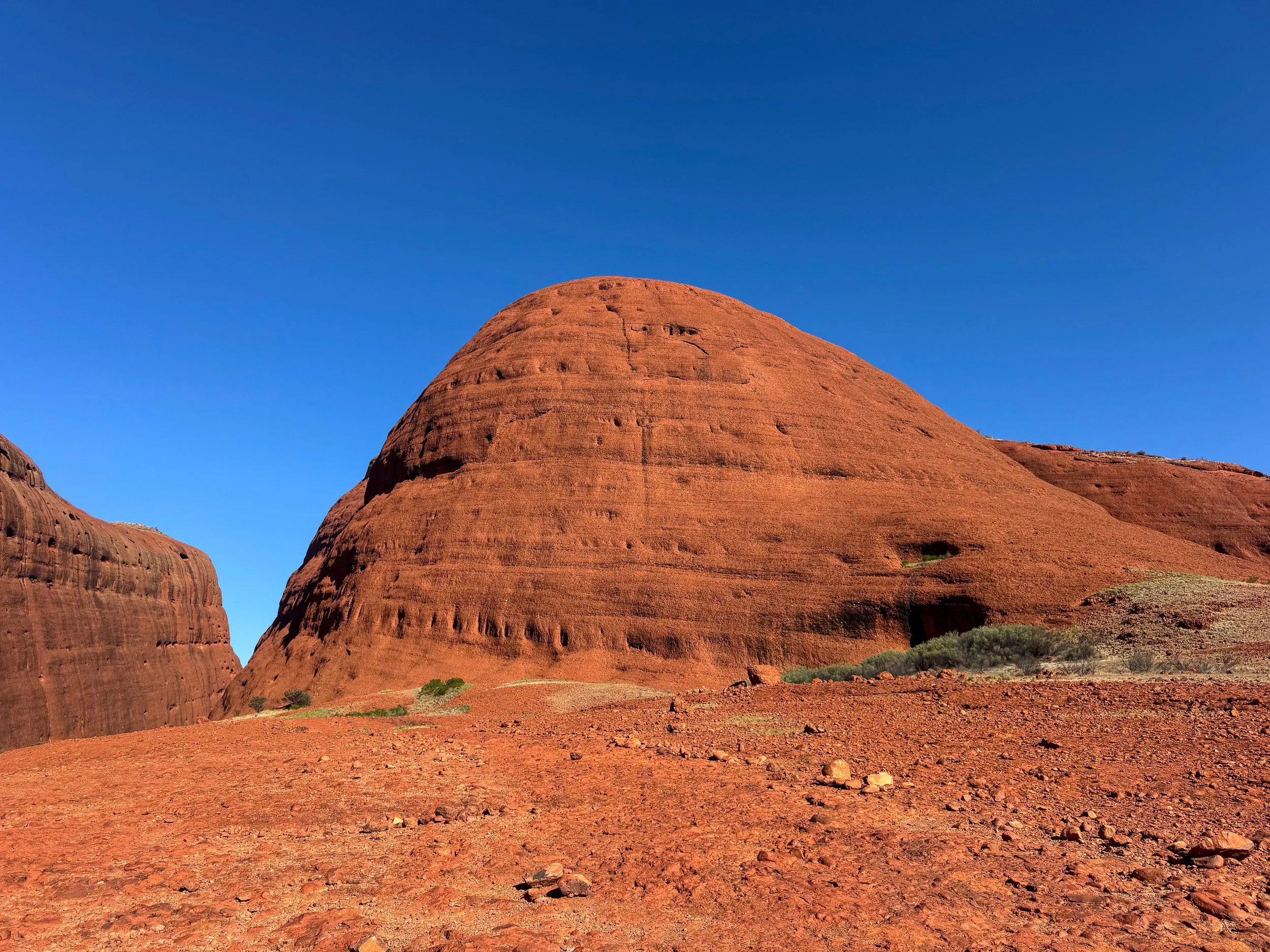
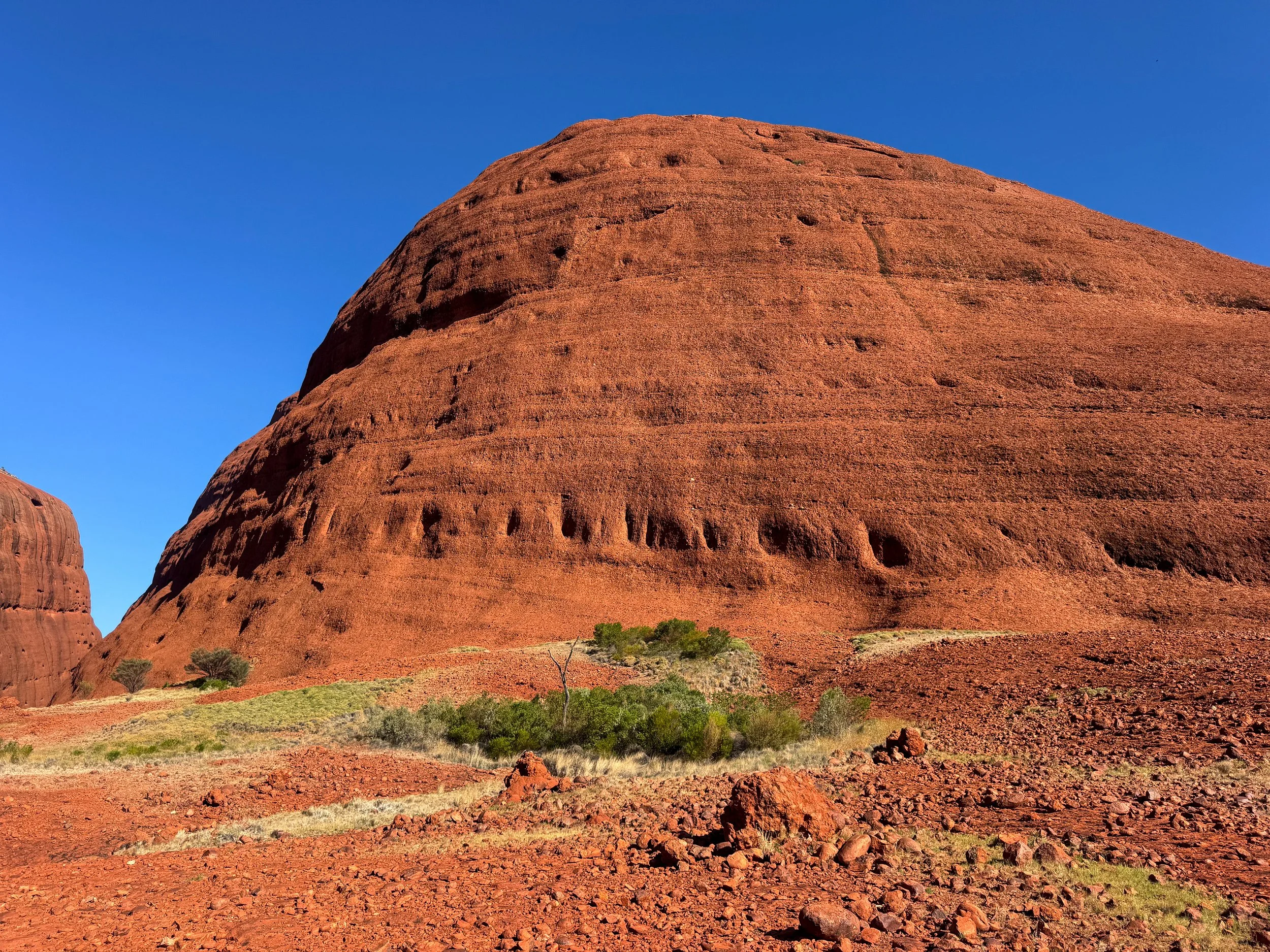
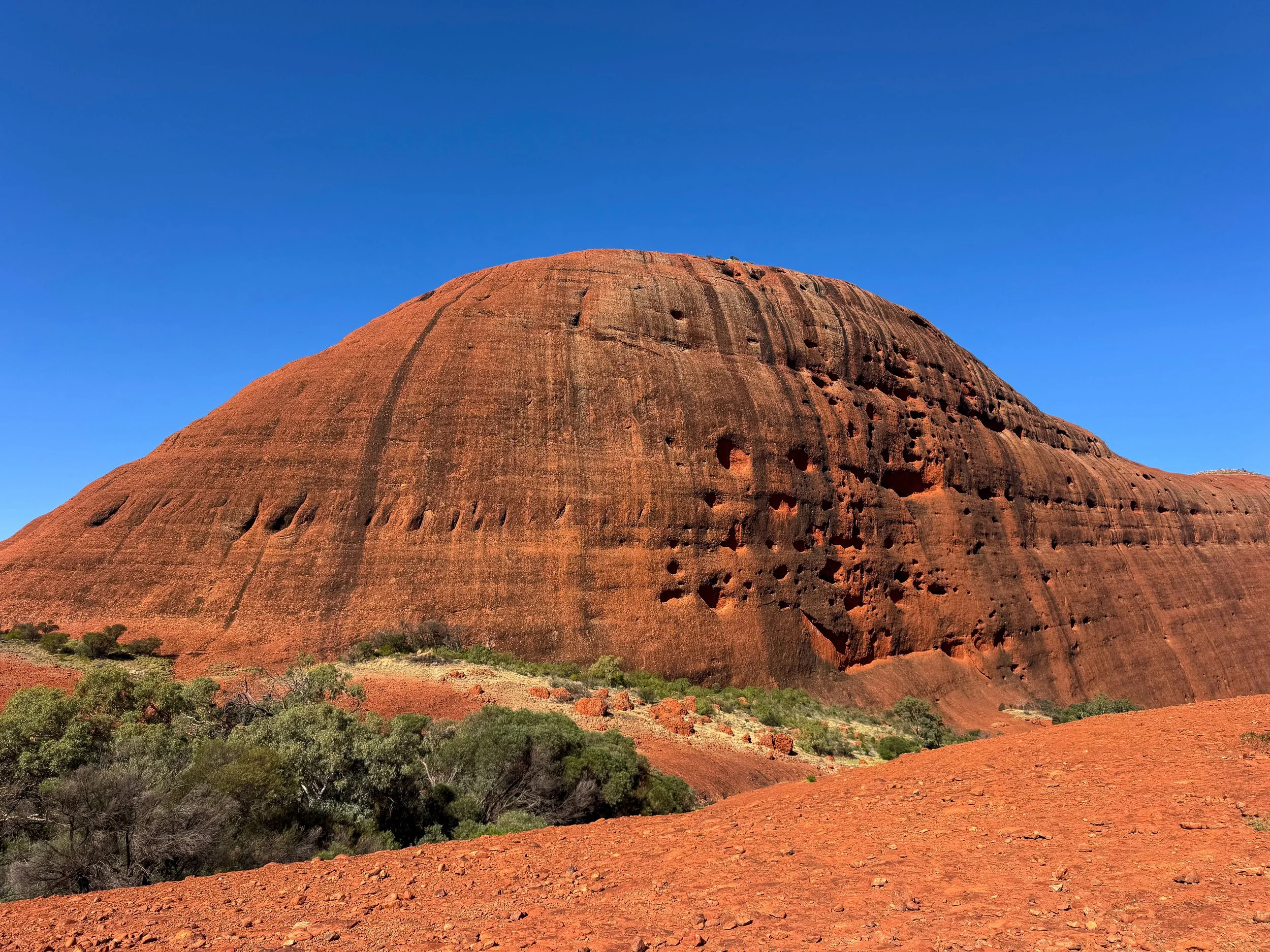
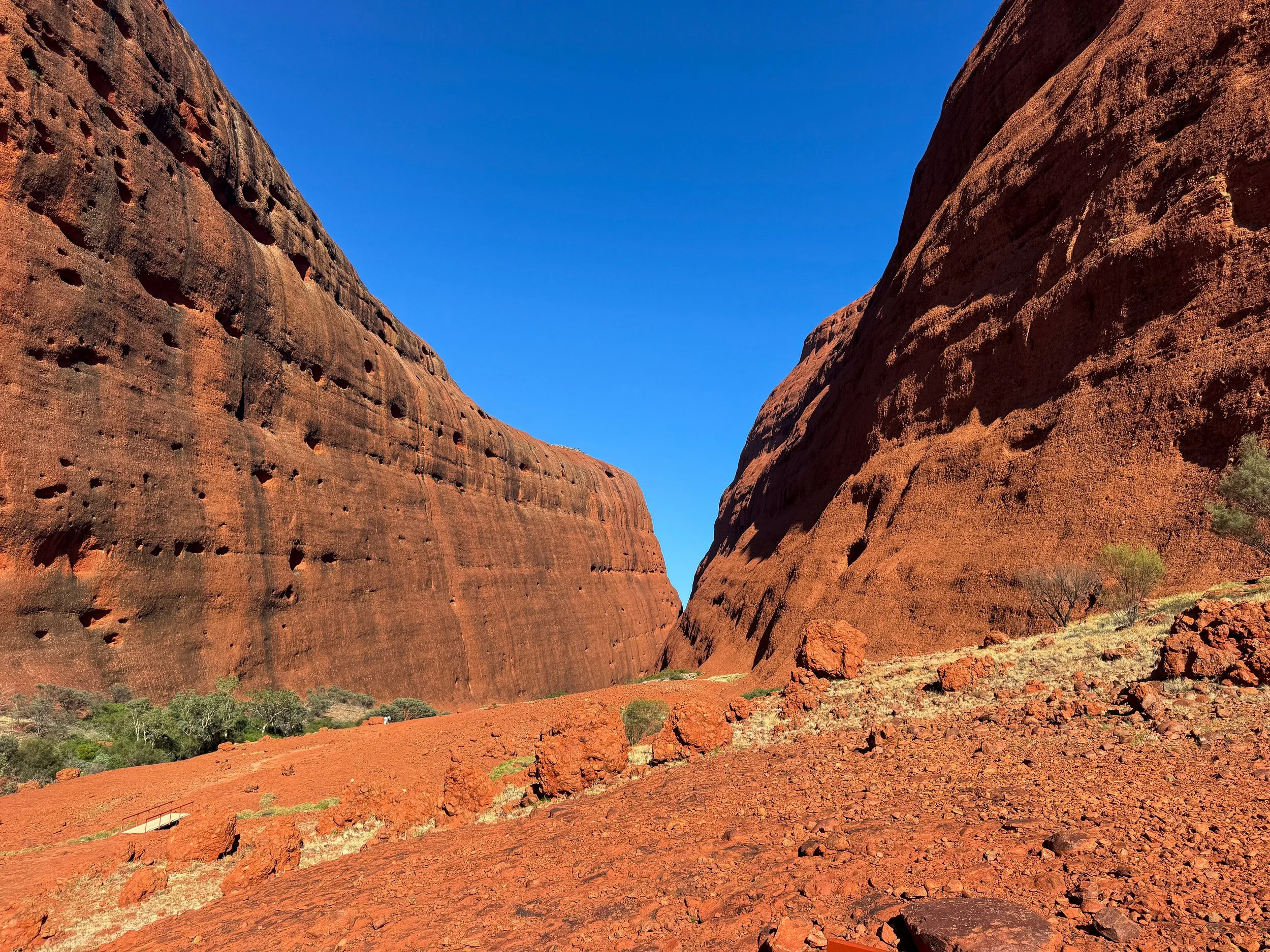
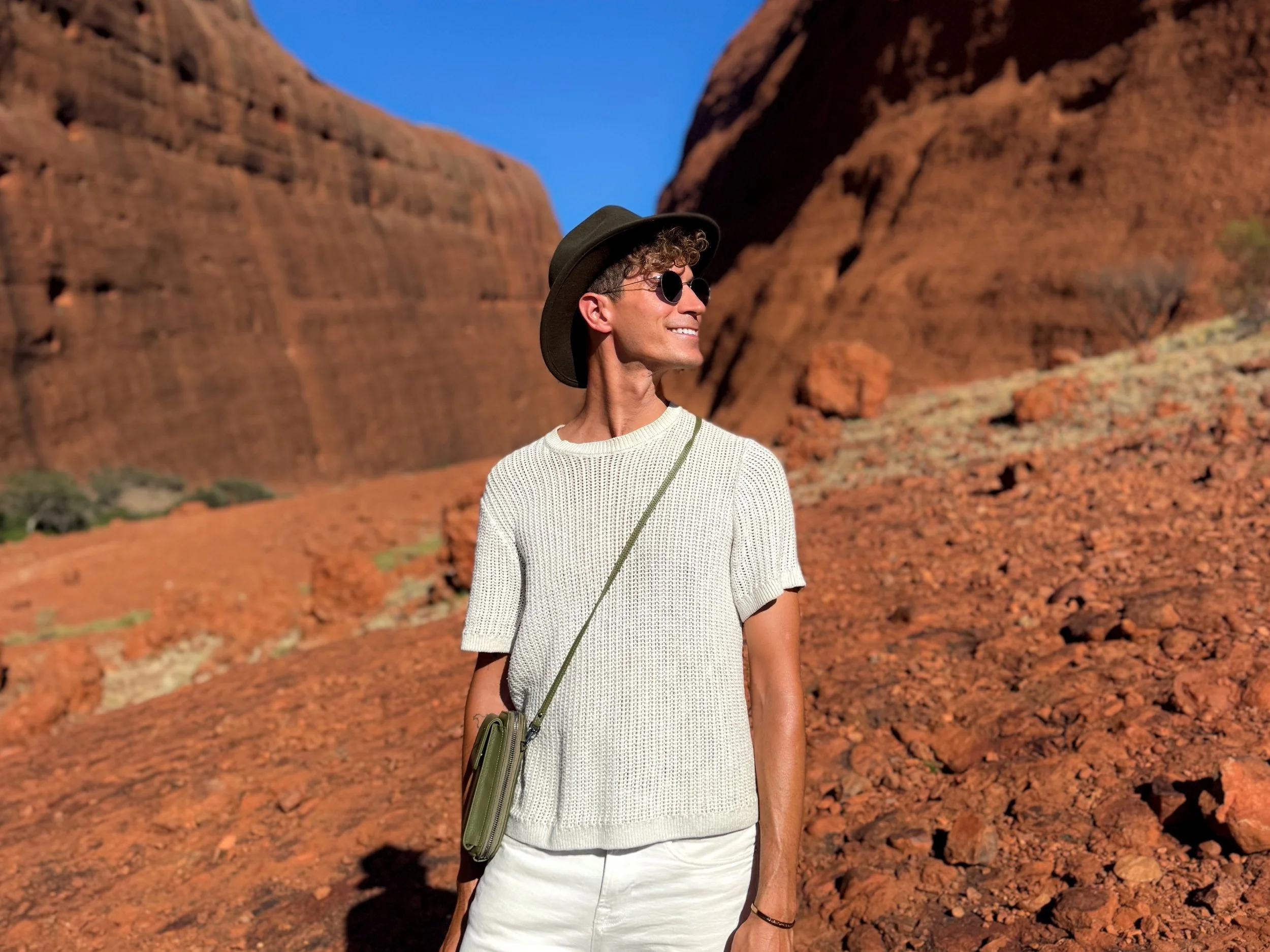
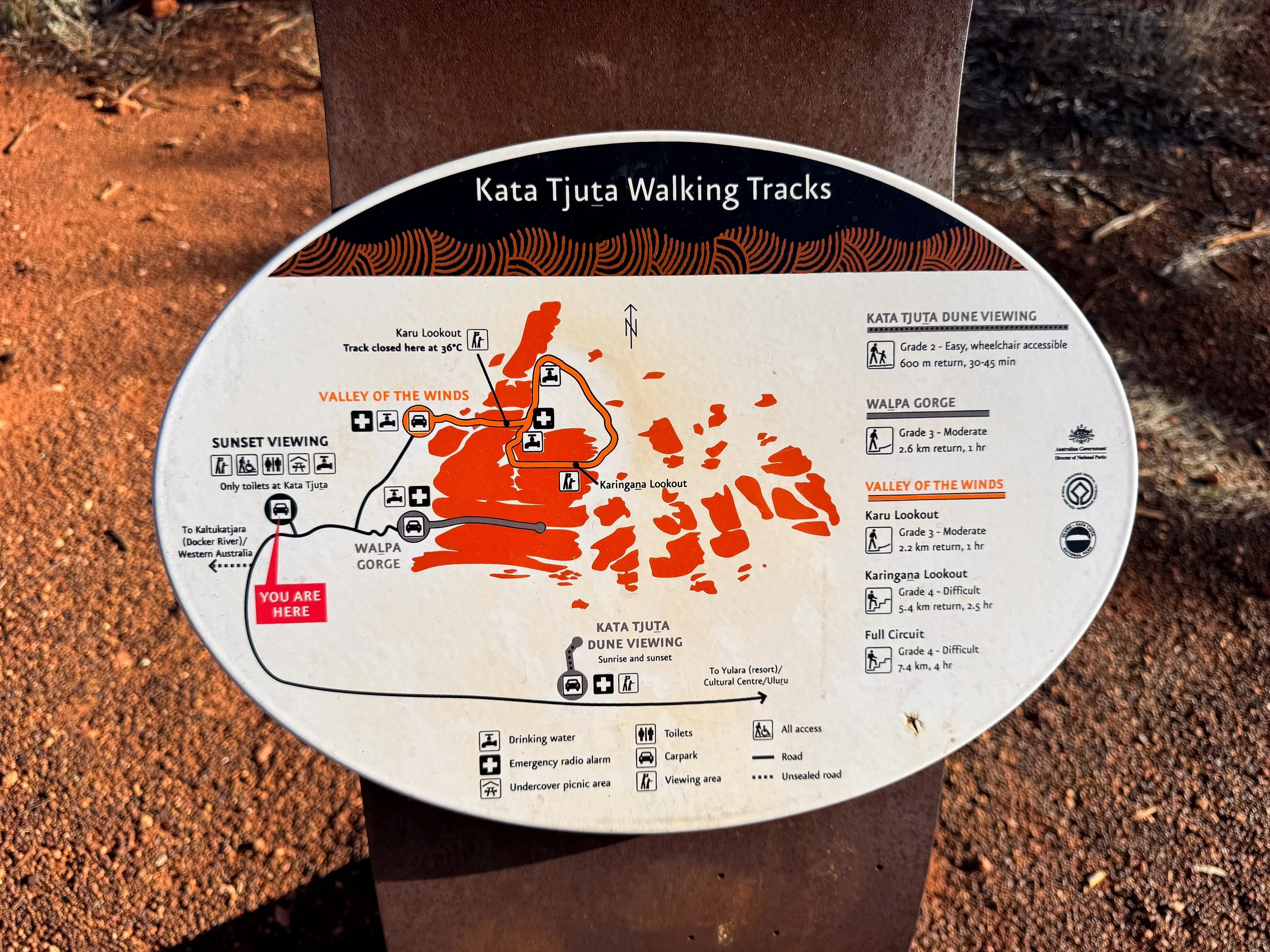
Walpa Gorge. A sacred gorge between two of Kata Tjuṯa’s largest stone monoliths. A 2.6km trail leads from the car park into the gorge. Pitted crevices mark its towering stone walls. Large conglomerate boulders are scattered across the landscape. Patches of yellow grasses and leafy trees sprout amongst the orange terrain.
Kata Tjuṯa Dunes Viewpoint. A roadside lookout of Kata Tjuṯa and its large domed formations, the bush covered landscape and distant views of Uluru resting on the horizon.
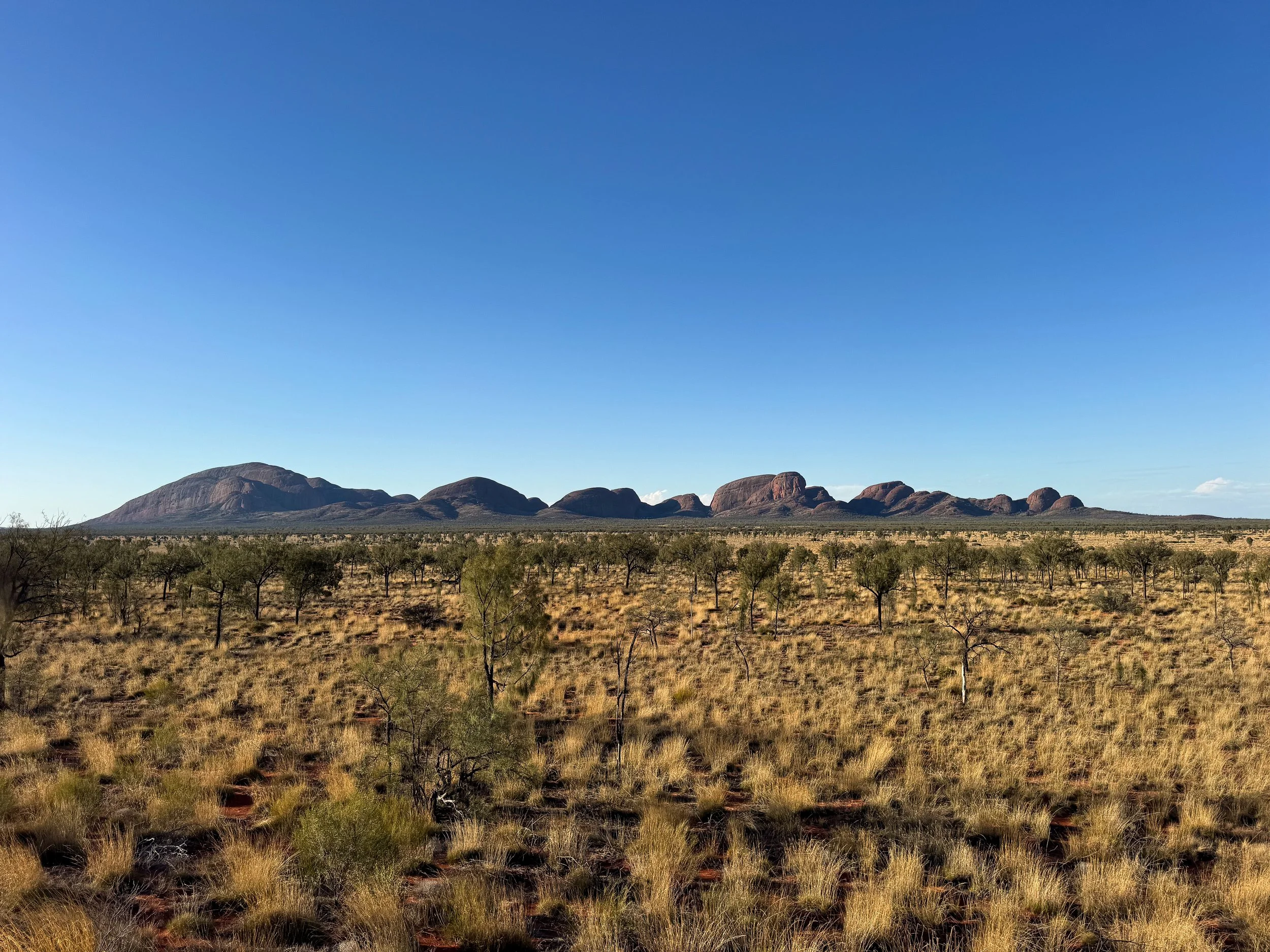
Kata Tjuṯa Sunset Viewpoint. A viewpoint of Kata Tjuṯa and four of its stone domes. The orange monoliths and desert are well illuminated by the late afternoon sun.
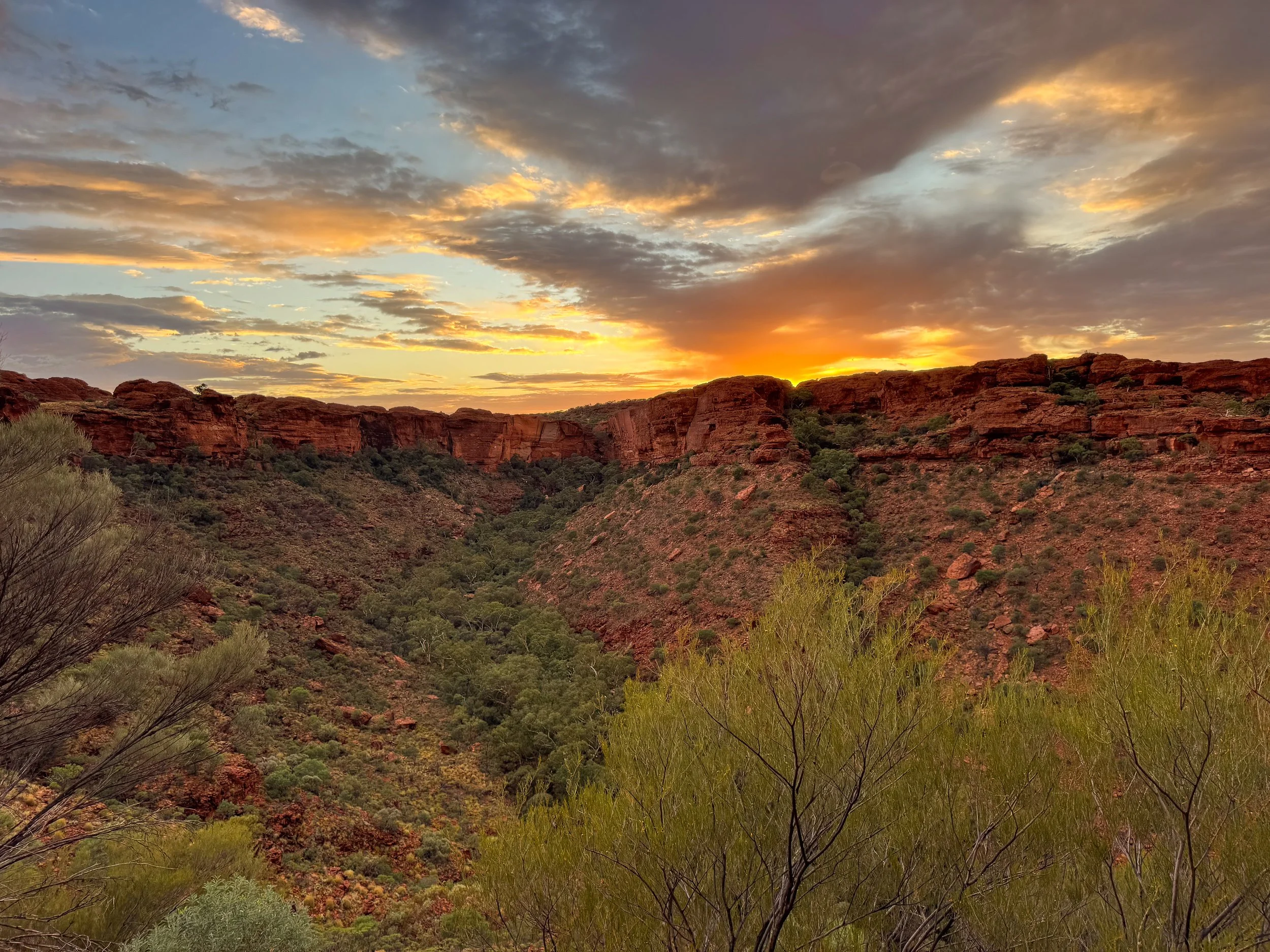
Kings Canyon & Watarrka National Park
Kings Canyon is an ancient canyon in Watarrka National Park. It cuts through the Australian outback and its orange hued desert landscape. Hiking trails lead around the canyon, its towering sandstone walls and lush oases.
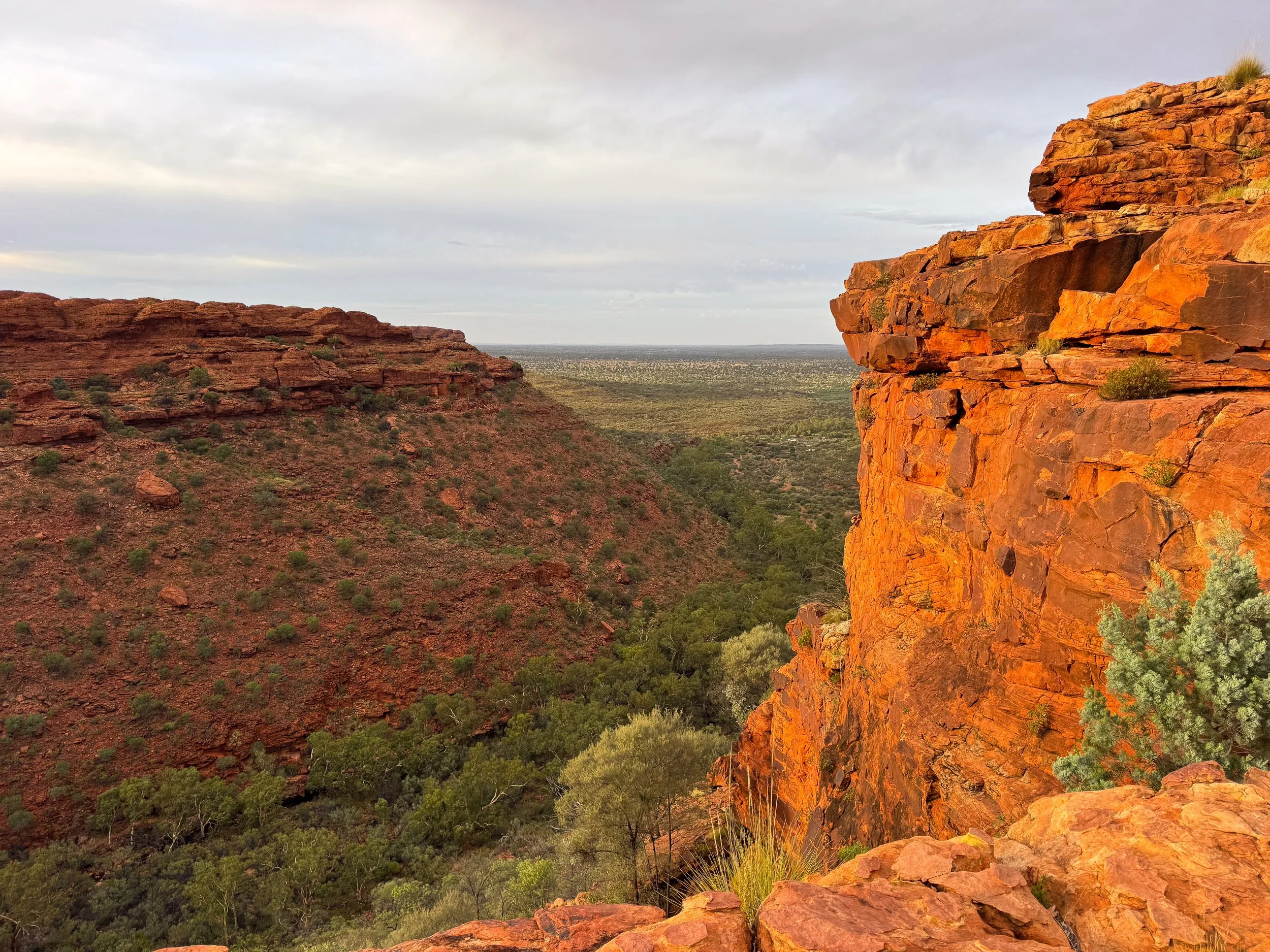
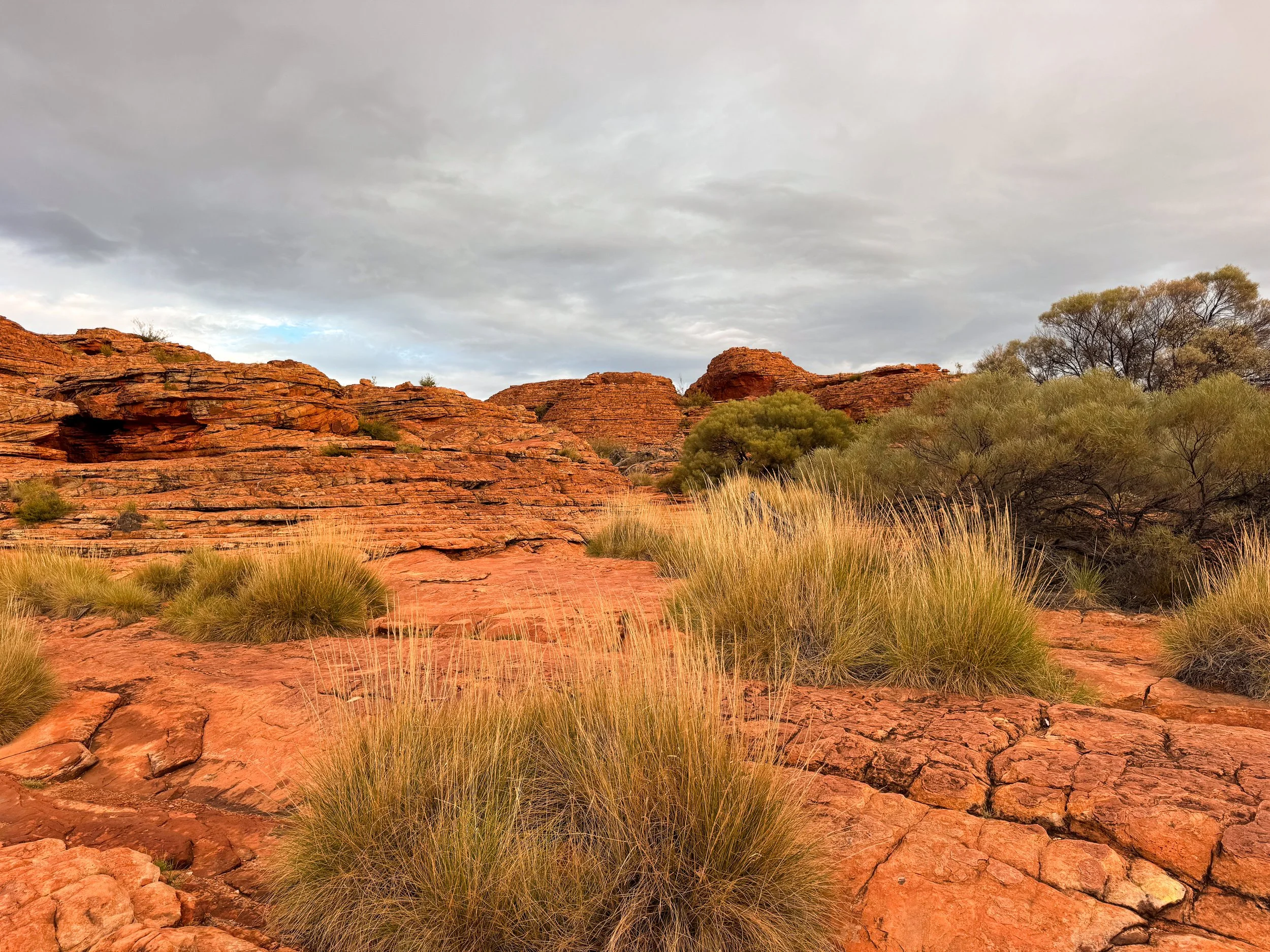
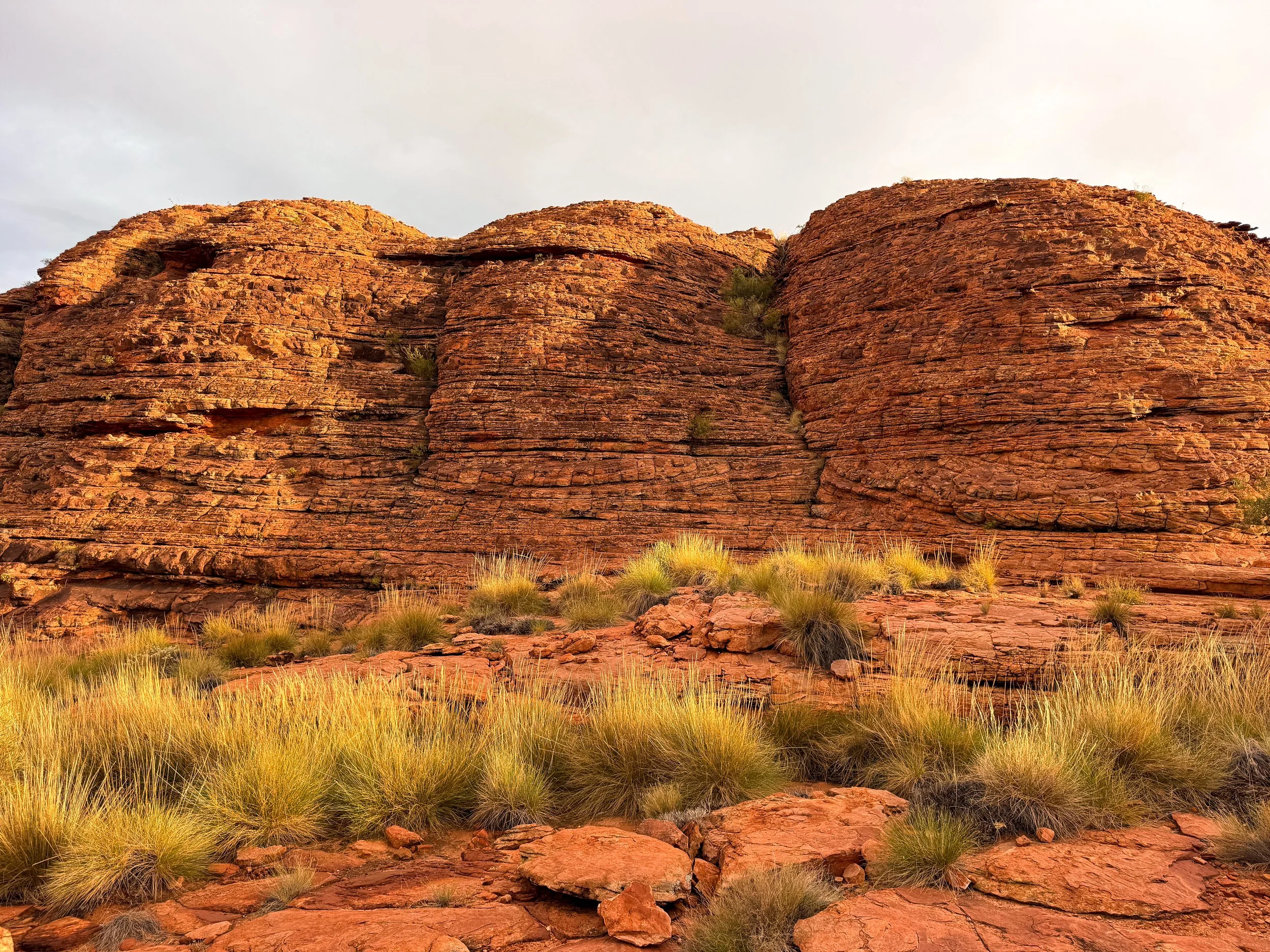
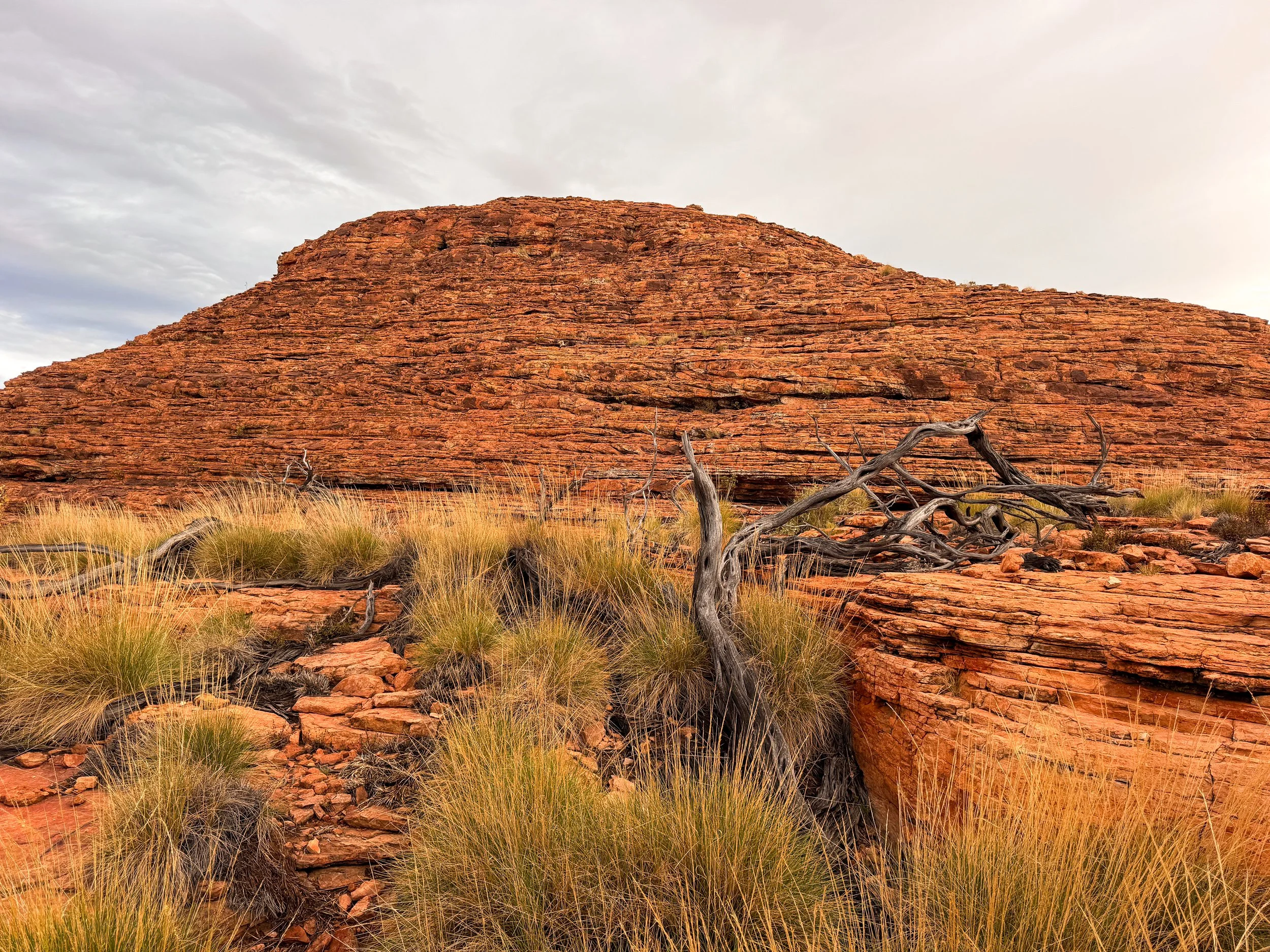
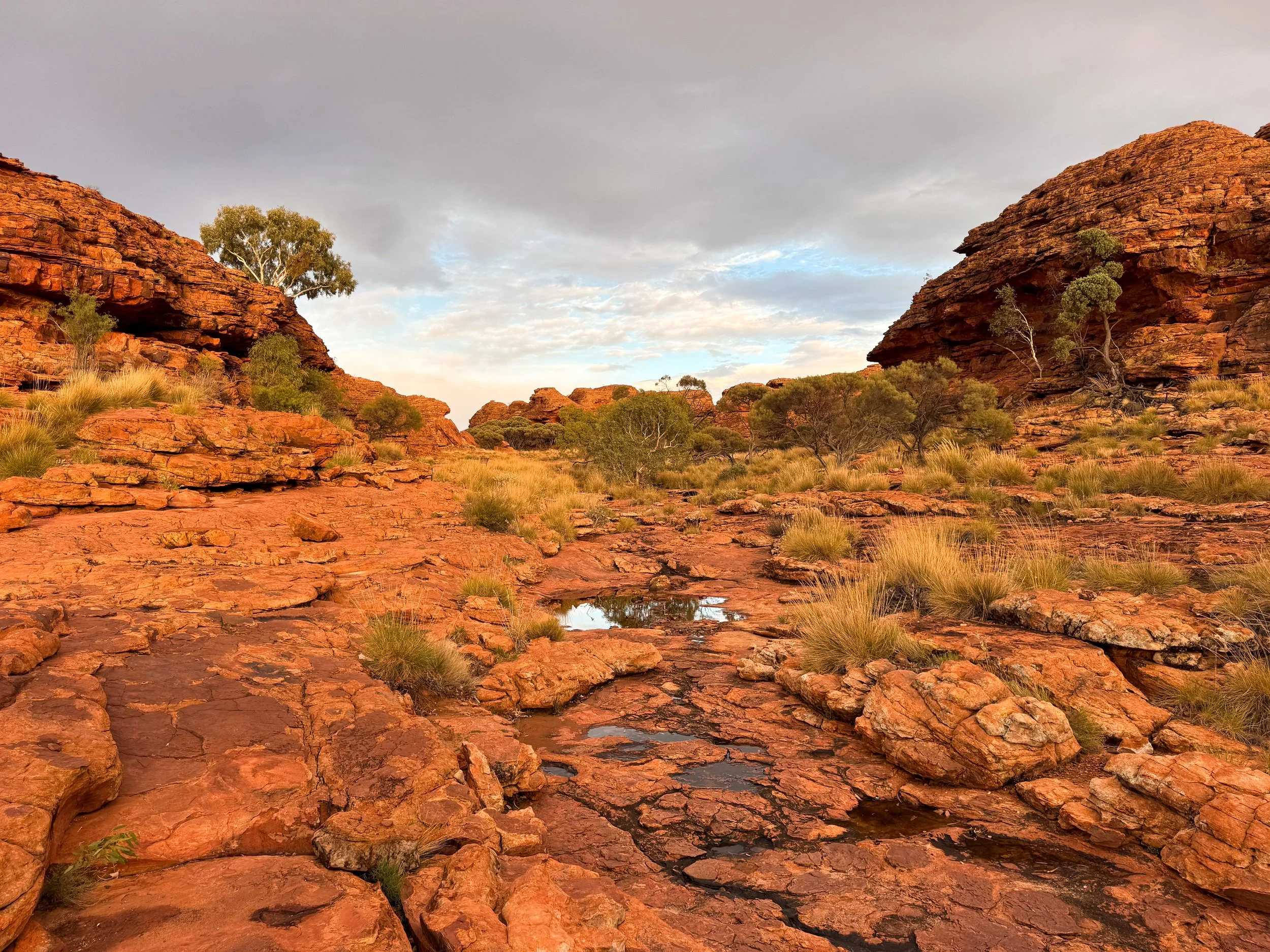
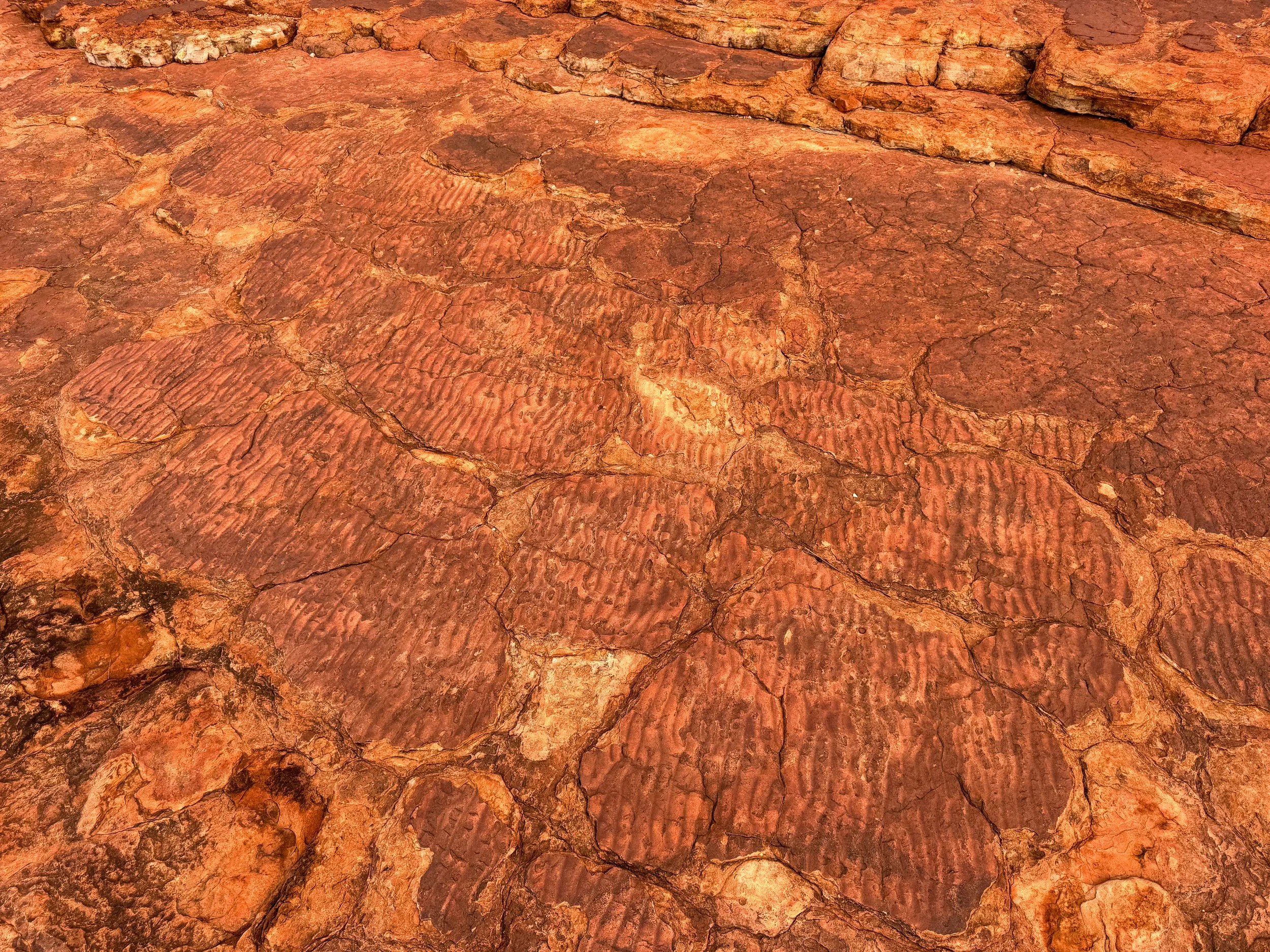
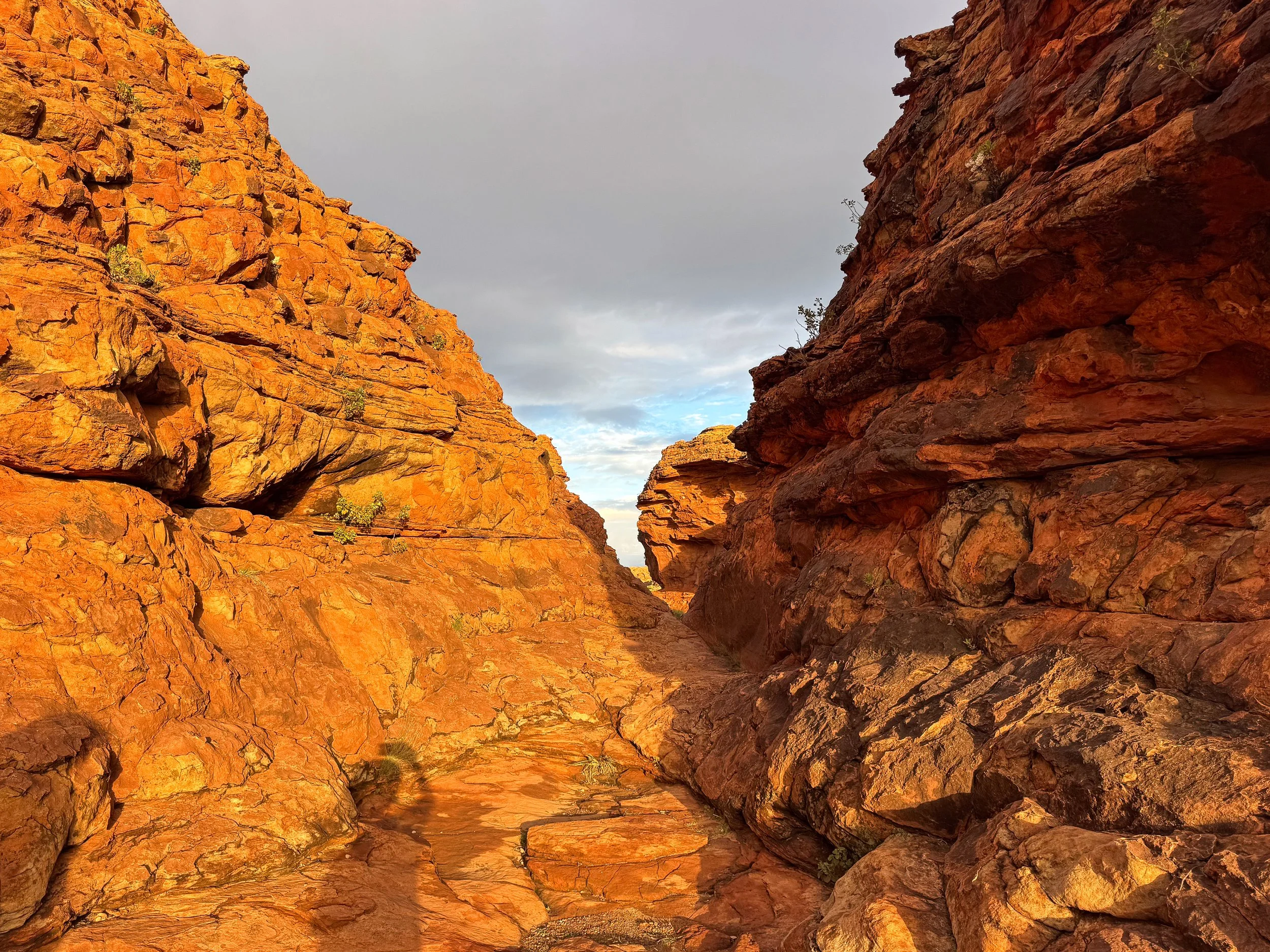
Kings Canyon Rim Walk. A 6km loop trail leading around Kings Canyon and its most prominent sights. The trail begins with a steep ascent along the canyon wall to its plateau. It follows the canyon rim, passes through narrow crevices and across the craggily rock terrain. The rim trail offers dramatic views of the canyon and its geological features. Stop to admire fossilized sea ripples and the maze of weathered sandstone domes. An occasional grey kangaroo and rock wallaby hop through the bush in the early morning.
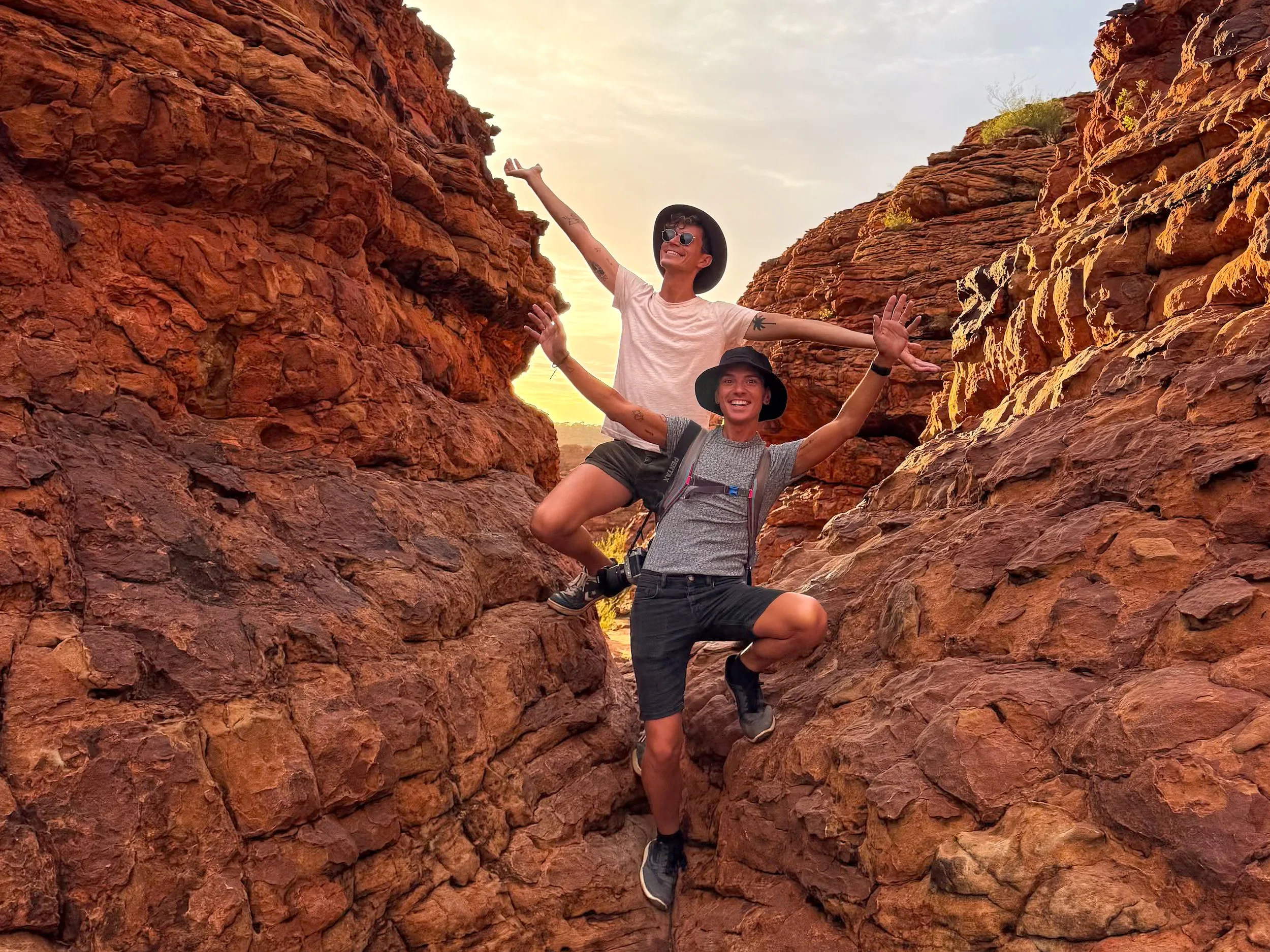
Priscilla’s Crack. A narrow crevice between two domed rock formations. It’s named after a scene from the Australian cult classic, Priscilla Queen of the Desert.
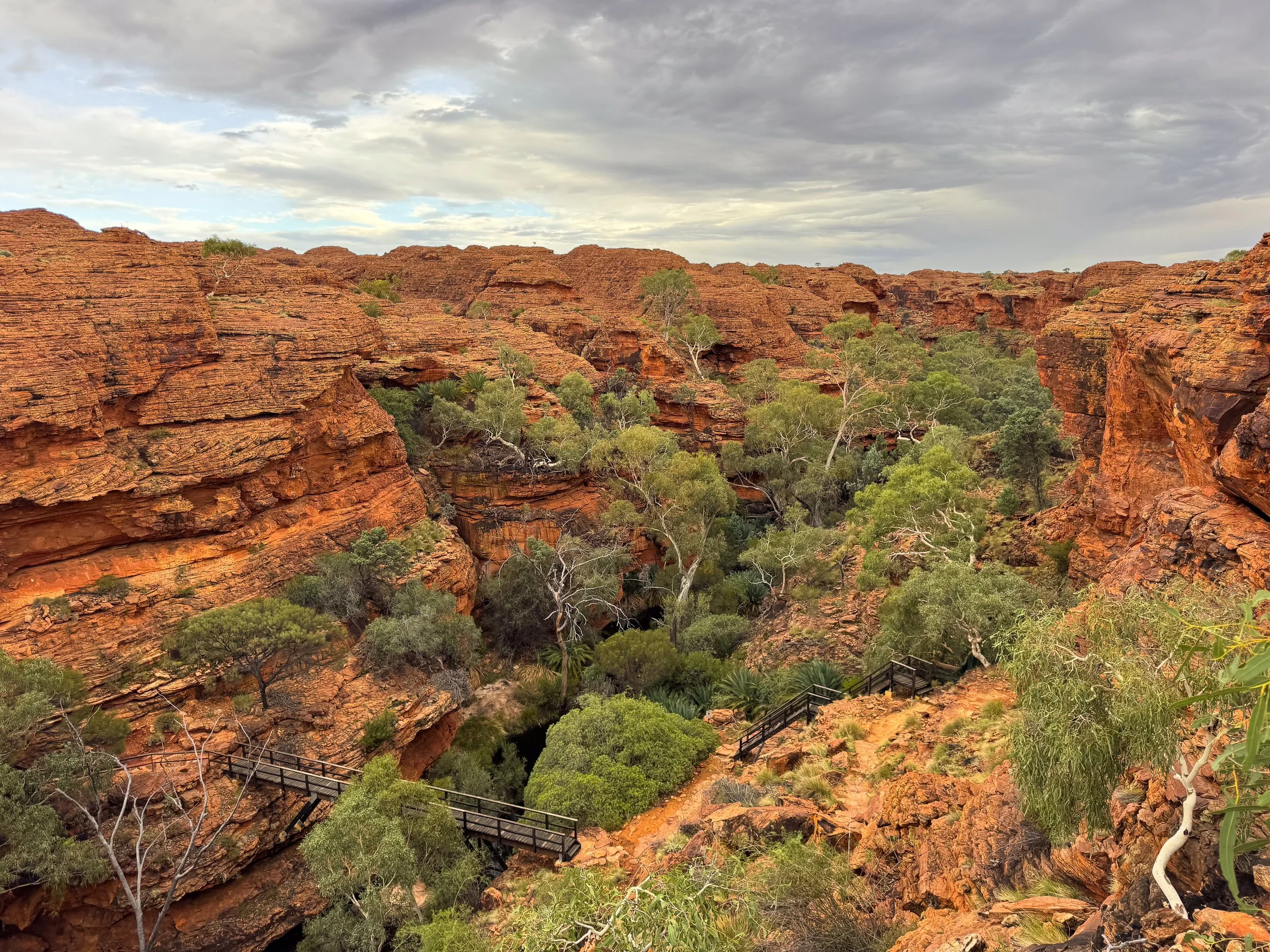
Kings Creek. A narrow creek flowing through the center of Kings Canyon. It supports a variety of life including ancient ferns, fruiting bushes, medicinal plants and fragrant trees.
Pro Tip. Rest your ear against the trunk of a river gum tree after a heavy rain to hear them “drinking” and absorbing water. The trees grow near water and are recognizable by their smooth white bark.
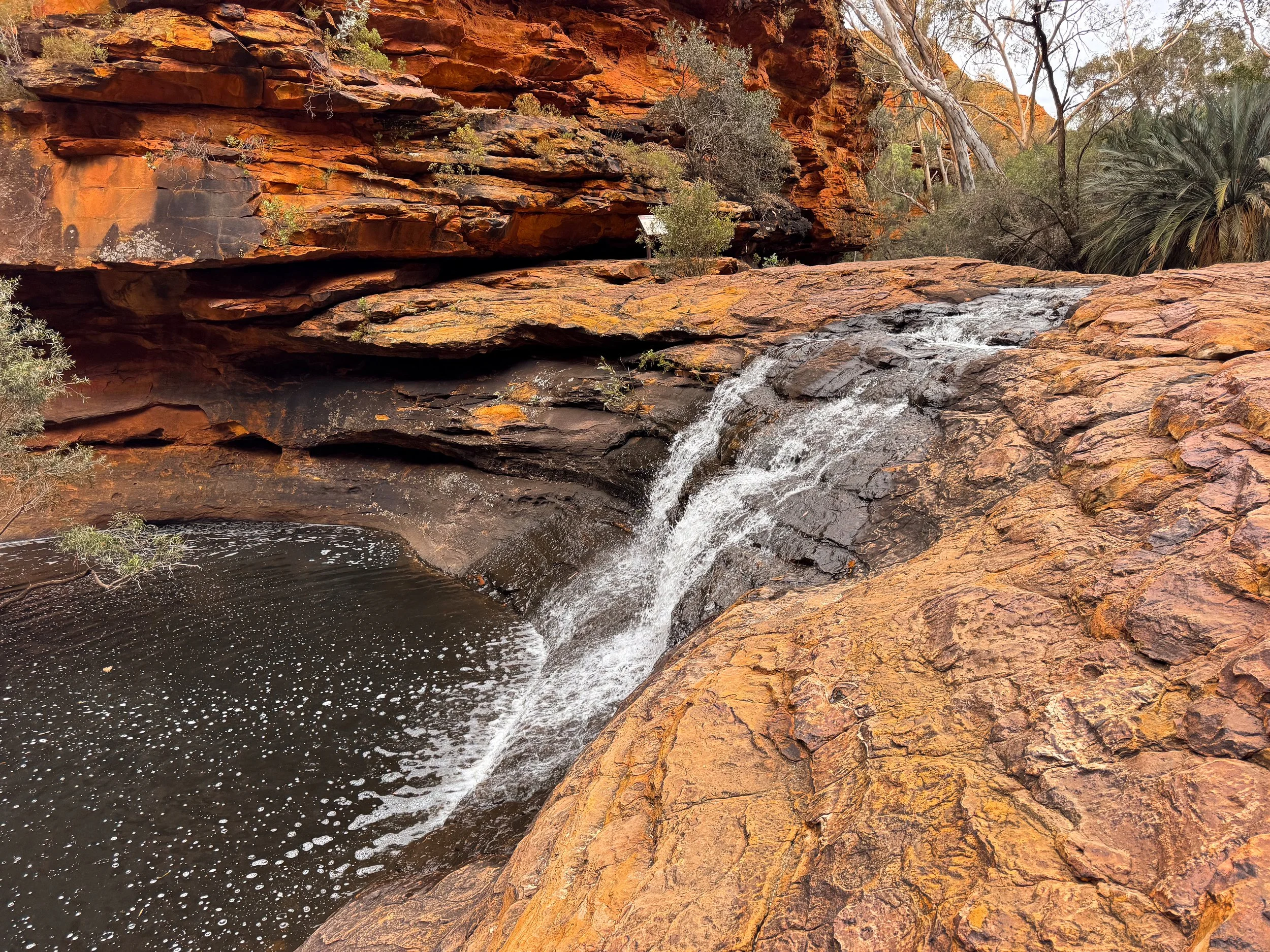
The Garden of Eden. A verdant oasis at the rear base of the canyon. Kings Creek flows through it, filling river pools and creating small waterfalls. The sounds of flowing water and singing birds reverberate between the canyon walls.
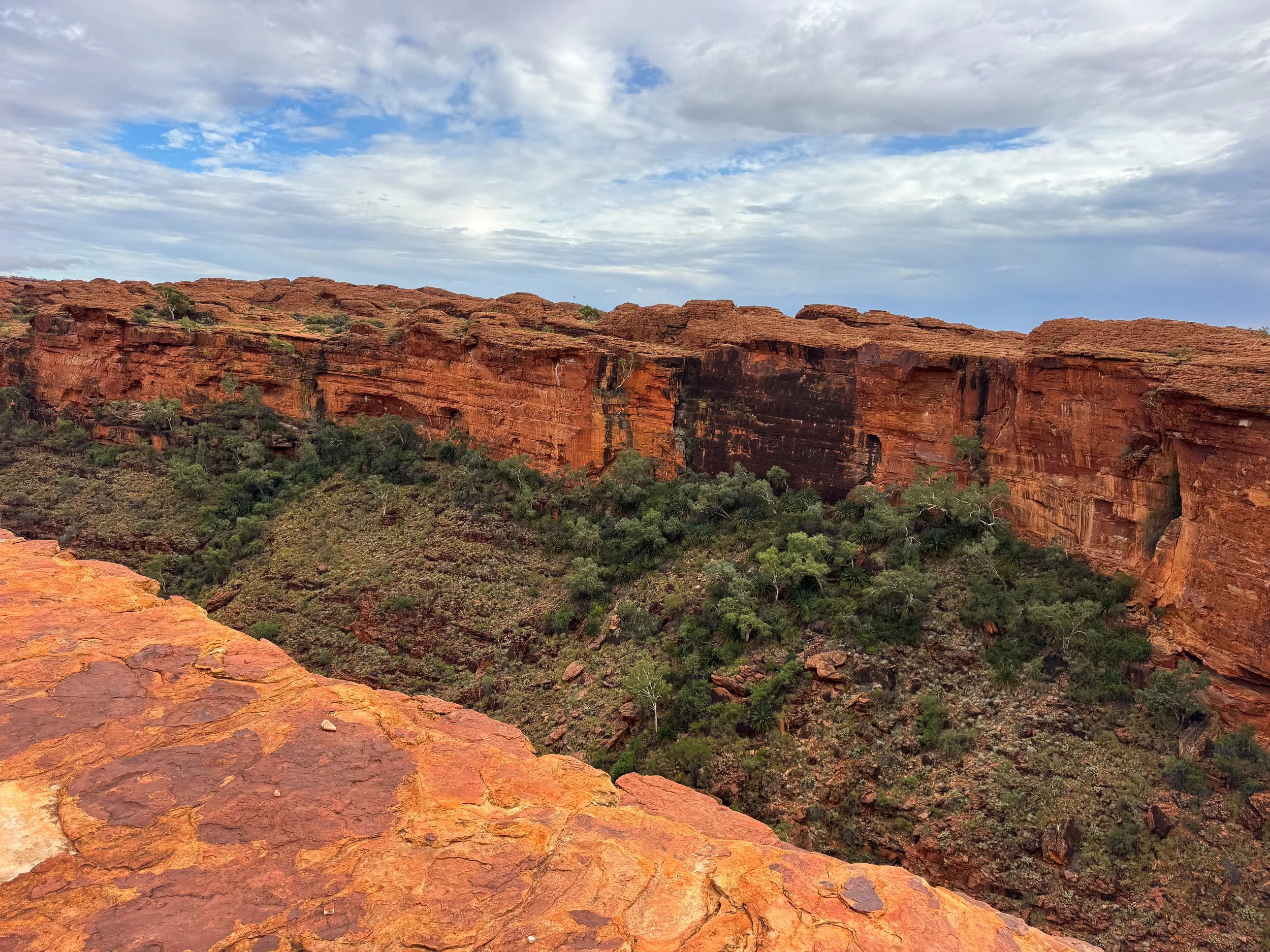
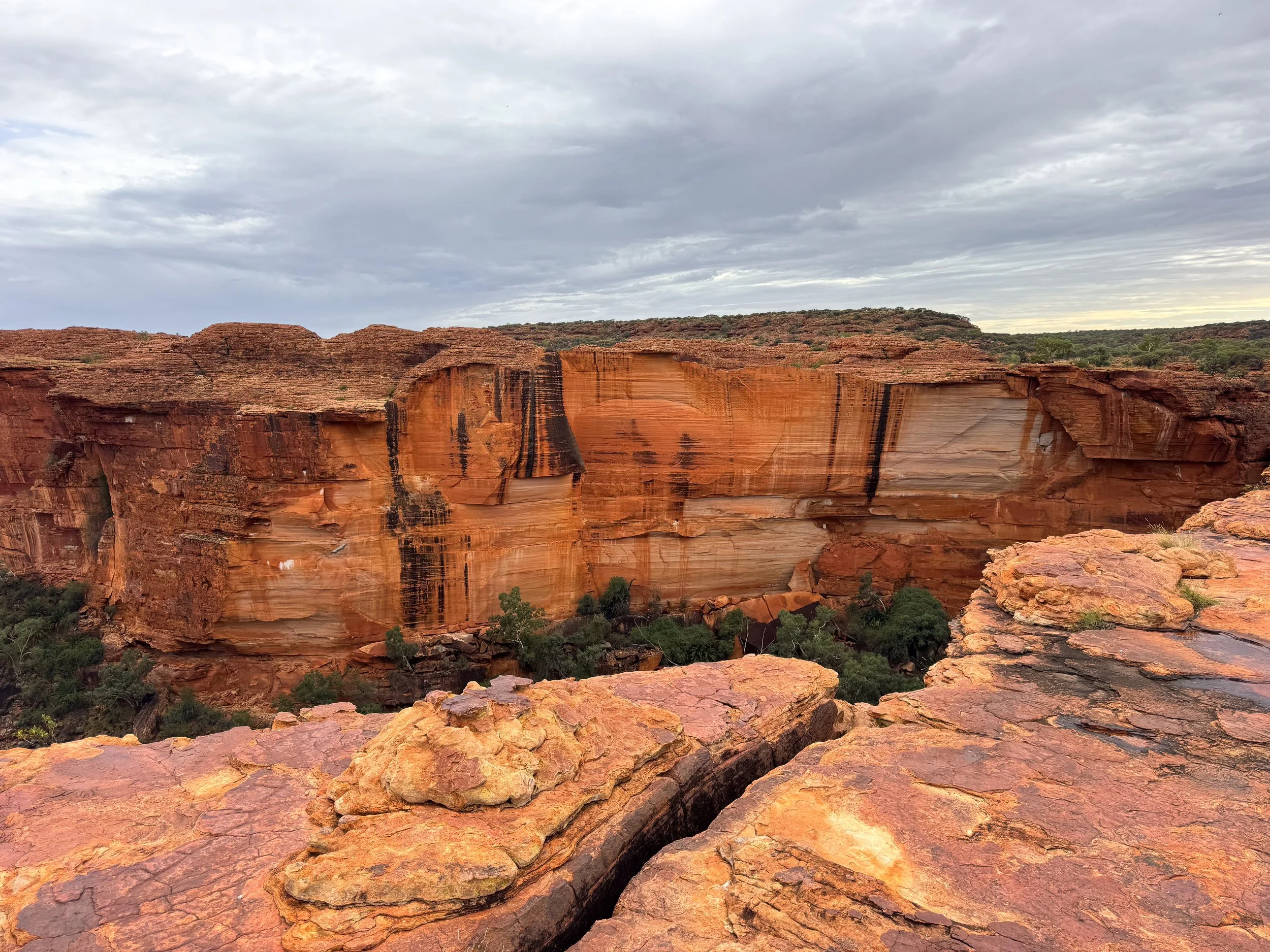
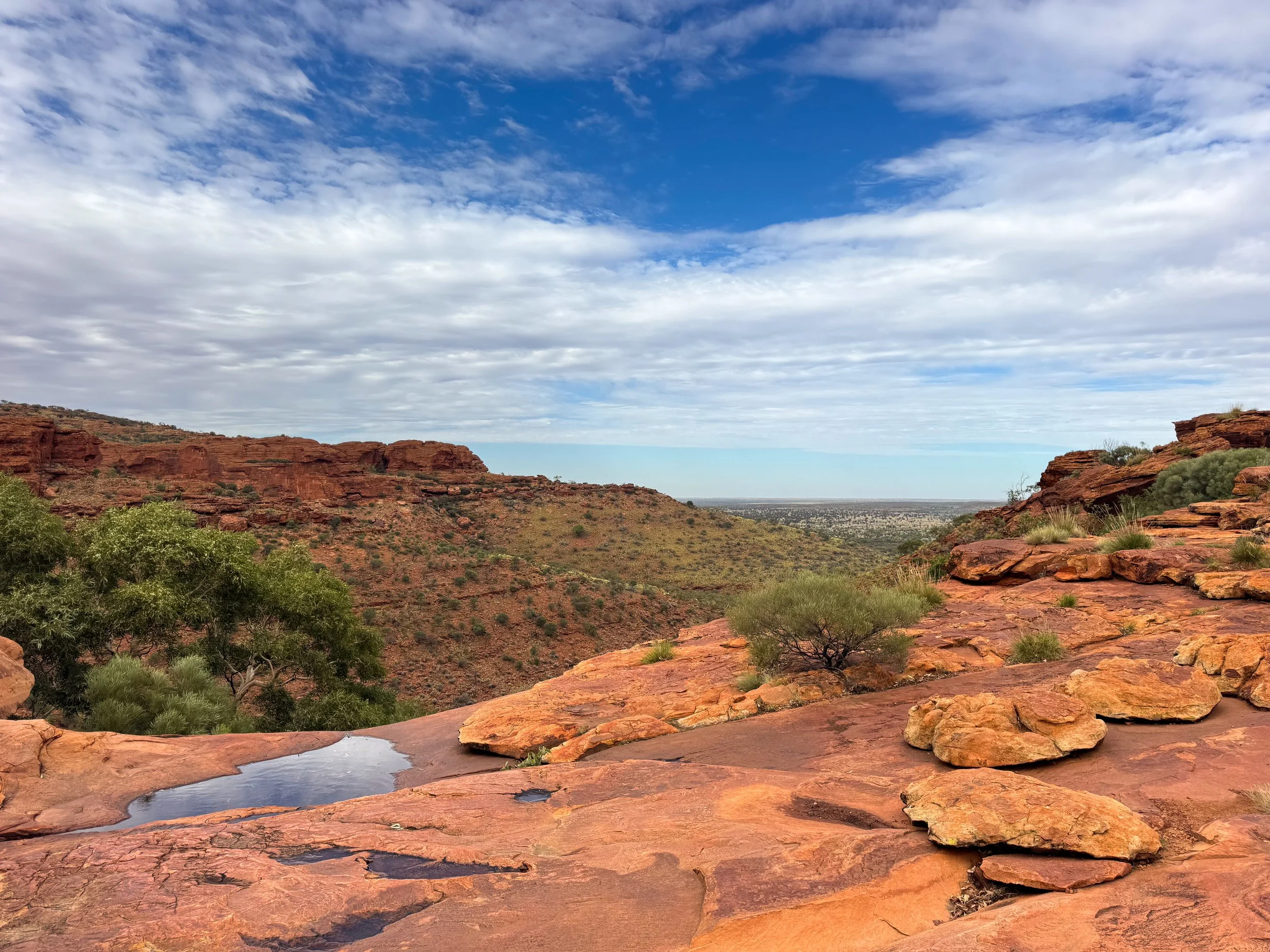
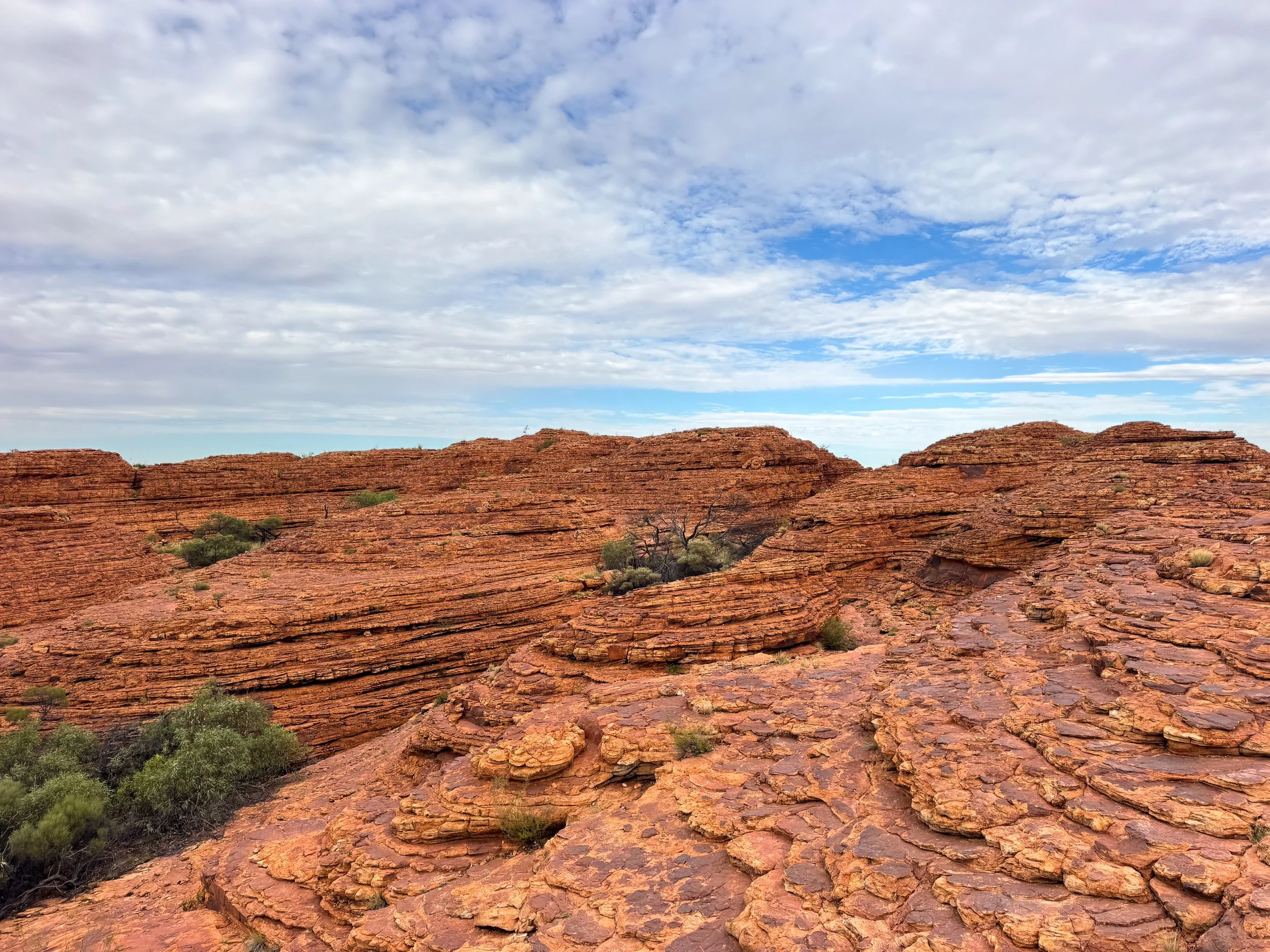
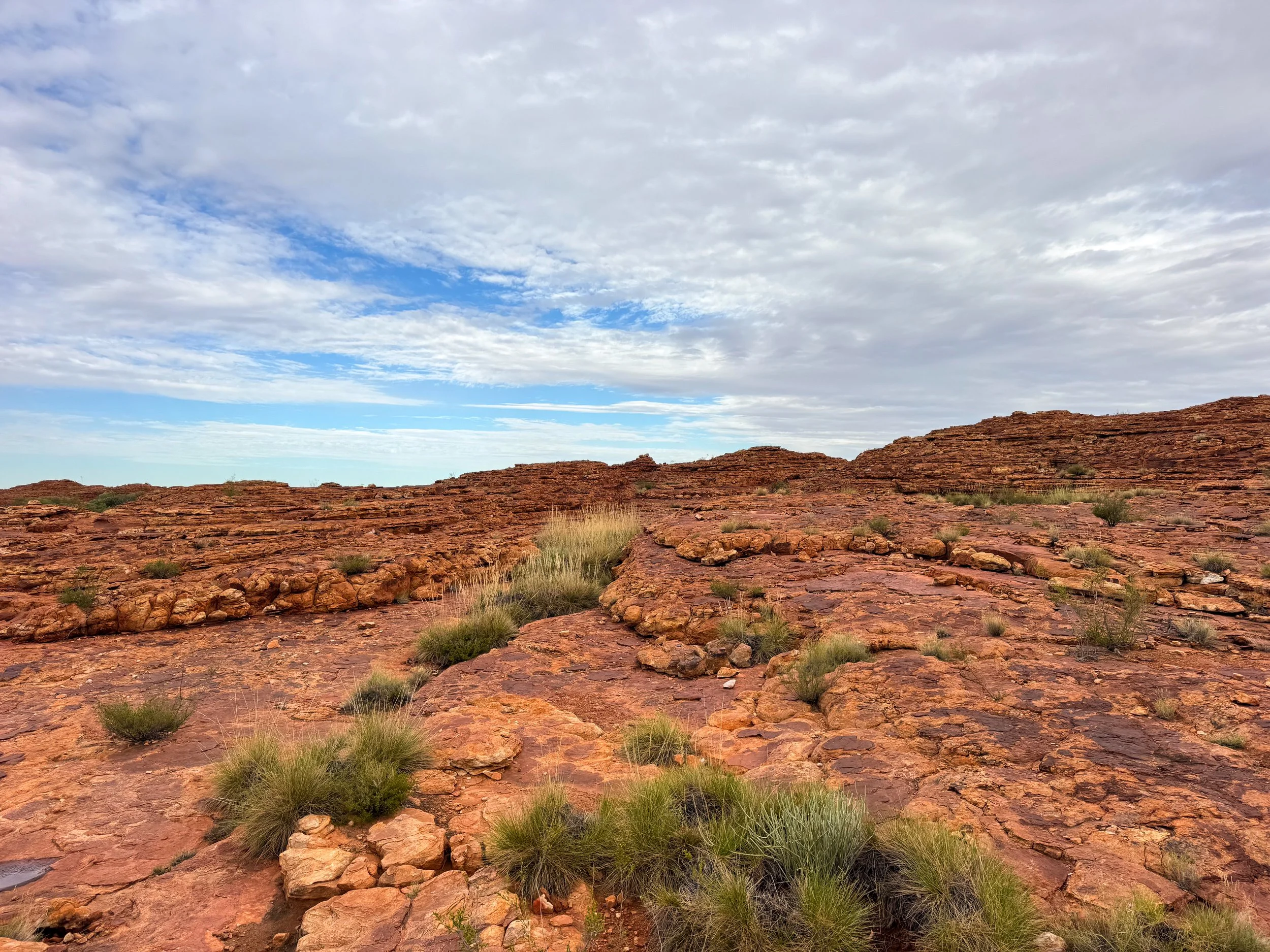
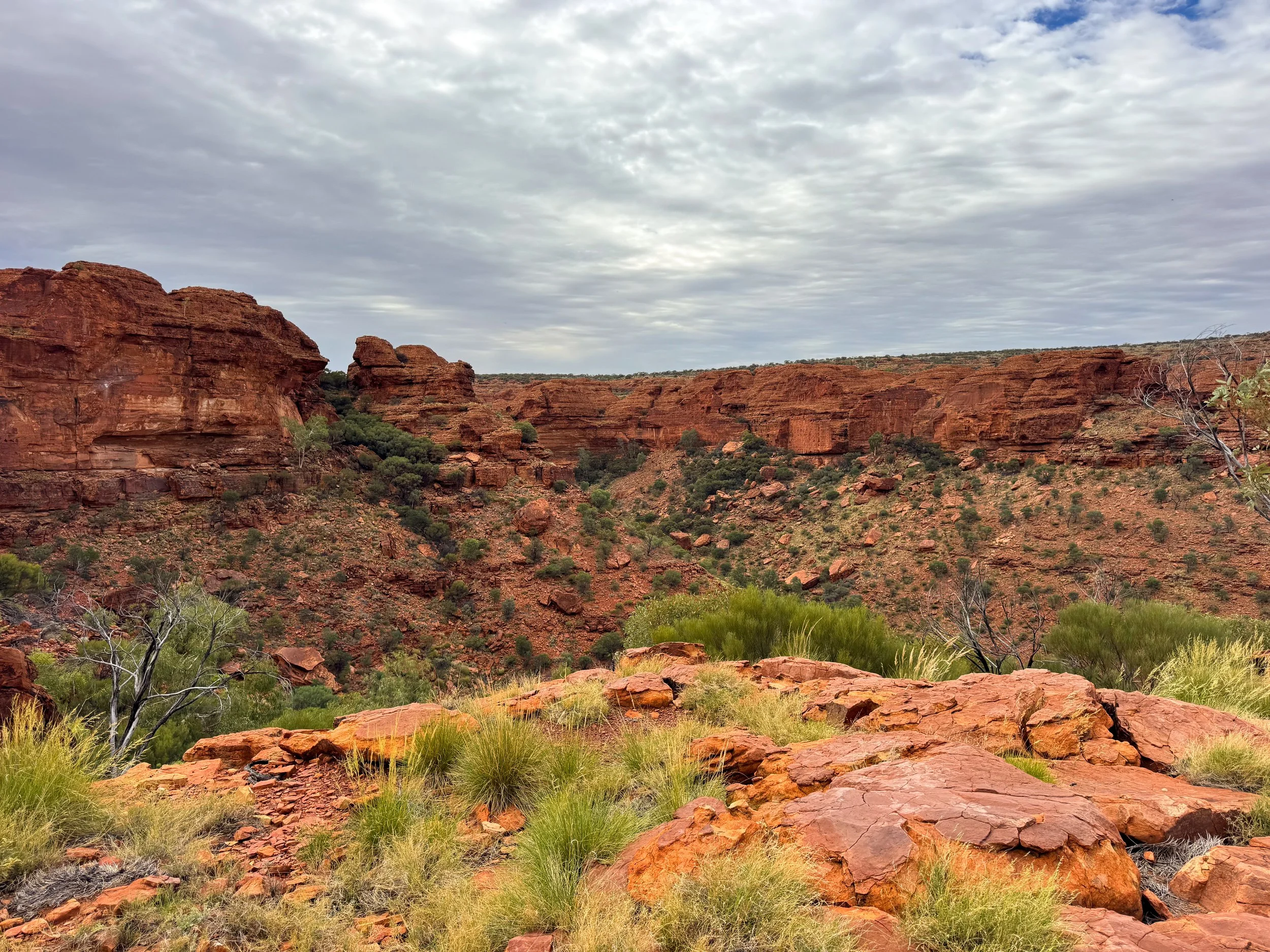
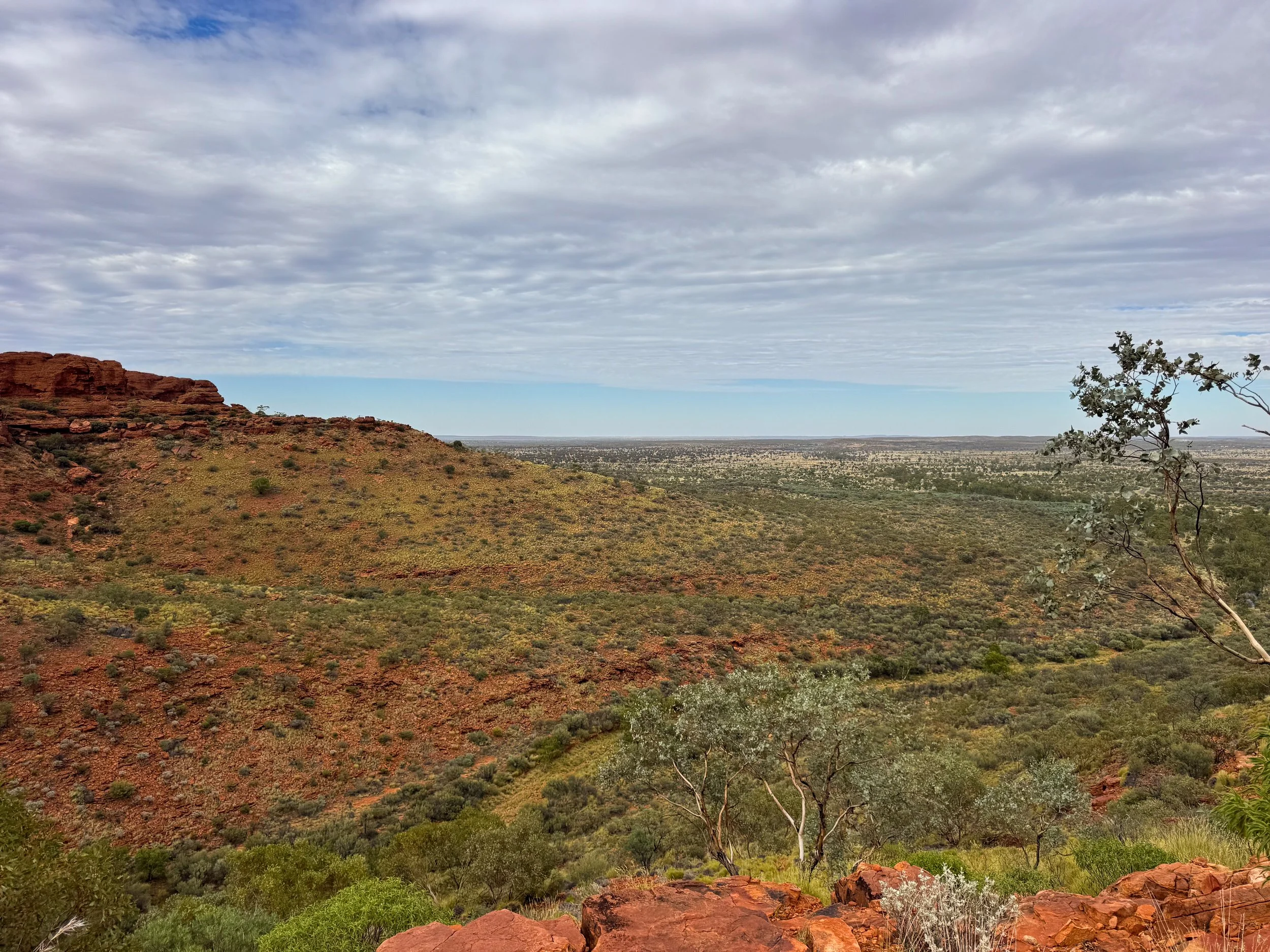
South Wall Return Walk. A 4.8km return trail along the south wall of King’s Canyon Rim Walk. It follows the canyon wall and plateau past domed sandstone formations and scenic lookouts. It’s less rigorous than the full Canyon Rim Walk. Visitors can hike this section in reverse from the parking lot for an easier trek.
South Wall Lookout. A cliffside viewpoint of the canyon’s sandstone walls and sheer rock cliffs. A temporary waterfall cascades down a crevice in the canyon after heavy rains. The lookout is viewable from both the Kings Canyon Rim Walk and South Wall Return Walk.
Good to Know. Plan to begin any hike at sunrise. Do not attempt the hike after 9am on days with temperatures forecasted to reach 36C (97F) or higher.
Places to Stay
Outback Lodge. A backpacker’s hotel with blocks of gendered dorms, private rooms and shared restrooms. An outdoor pool and air conditioned lounge offer places to relax. The hotel has its own takeaway restaurant, bbq station and bar. They offer luggage storage, nightly live music and Aboriginal cultural experiences. Reserve on Booking.
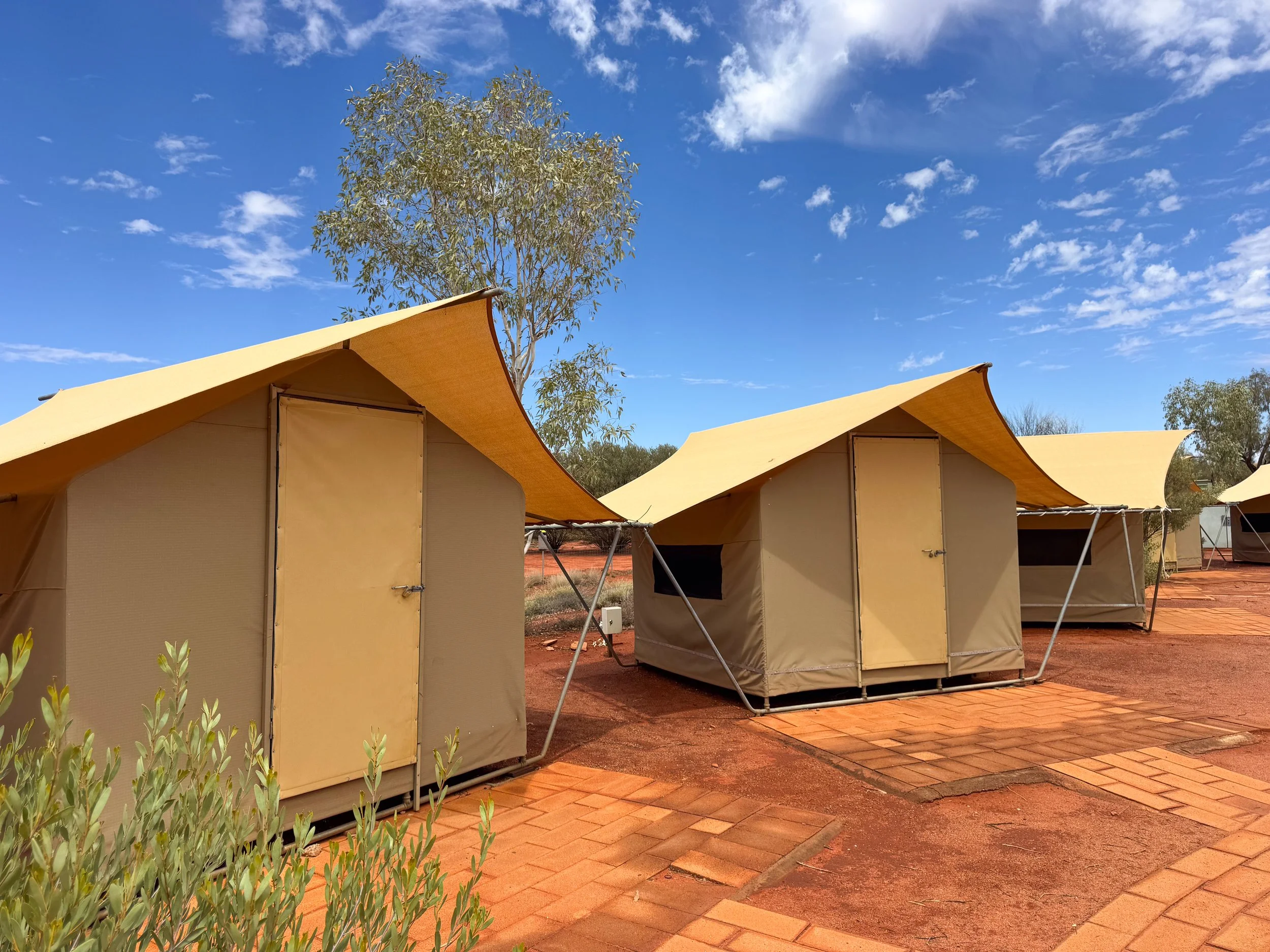
Coach Campground. An Outback campground on the edge of Yulara. Each site has an enclave of walk in tents built upon elevated platforms. Inside are twin beds and electric generators. There are communal dining halls, bbq grills, fire pits and a central facility with restrooms and showers. The camp is utilized by tour operators on “Uluru Safaris.”
Kings Creek Station. An Outback campground near Kings Canyon & Watarrka National Park. In addition to tented campsites, there is a trading post with a small restaurant, cafe and shop selling water, snacks and souvenirs. A swimming pool offers refreshing plunges on hot days. A trail leads to a hilltop lookout point with sunset views. We camped here during our “Uluru Safari” with Adventure Tours Australia.
Location Specifics
Visitor Maps. Uluru, Kata Tjuṯa and Kings Canyon trails and points of interest are all very well marked. Download visitor maps when planning your day in each park.
Uluru Park Pass. A park pass is needed to visit Uluru and Kata Tjuṯa. It’s only available as a 3 day or annual pass. Purchase it Online the day before visiting unless already included in a tour.
Respect for Aboriginal Culture. Obey no photography / videography zones to respect sacred sights. Don’t climb on Uluru or walk past fenced areas. Do not collect stones or sand as souvenirs.
Extreme Heat. The summer months invite extreme heat. Temperatures often exceed 40C (104F) and occasionally reach 50C (122F). Stay hydrated, cover your skin, wear loose flowy clothes and avoid peak heat hours. Be cautious when planning hikes.
Extreme UV. Australia boasts many sunny days. It comes with the price of extreme levels of UV. Wear SPF 50+ sunblock, sunglasses and hats for protection.
Summer Flies. Swarms of pestering flies are a constant annoyance in Uluru during the summer months. Dozens hitch a ride on your clothes, buzz around your head and crawl on your face. Wear a fly net in addition to liberally applying insect repellent.
Getting Around
ATT Kings Bus (Airport Shuttle). A free shuttle operating between the Ayers Rock Airport and the hotels in Yulara. Shuttles wait outside of baggage claim after arrival and pick up from hotels about two hours before flights depart.
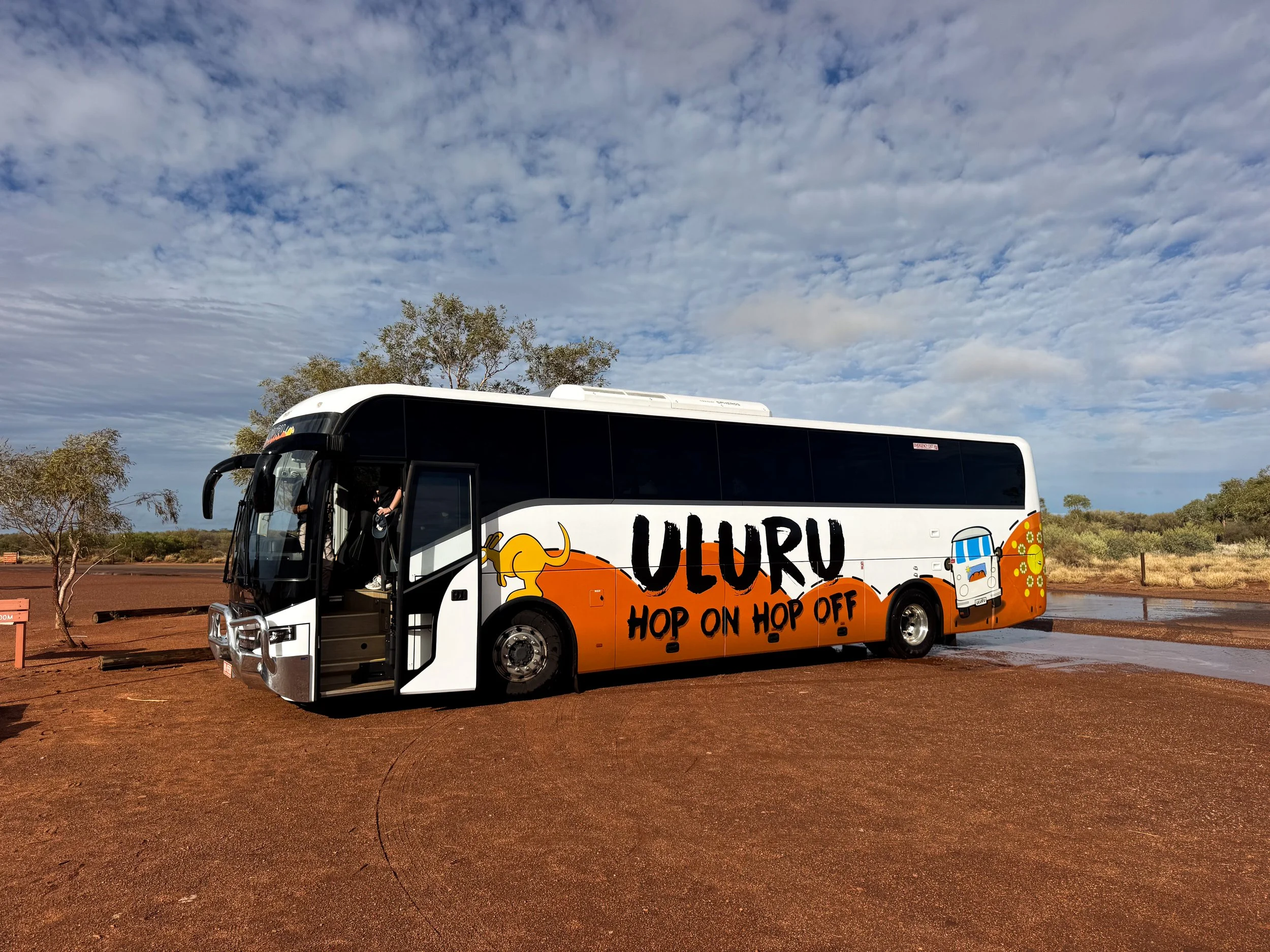
Uluru Hop On Hop Off Bus. A shuttle service offering a range of transfers to Uluru and Kata Tjuṯa from the resort town of Yulara. This is the best option to visit the sights on your own without booking a formal tour. Purchase tickets online in advance to secure a seat. Book here!
Adventure Tours. A tour company operating multi day safaris of Outback sights like Uluru, Kata Tjuṯa and King’s Canyon. We booked a 3 night safari, staying in different camps and visiting sights across the landscape with a small group and local guide. We booked in advance through Viator.
Elsewhere in Australia
From Uluru's sacred landscapes and the Australian Outback to tropical rainforests, coral reefs, coastal surf towns and remote road trip routes, explore more of Australia through these travel guides:
Tropical North Queensland Travel Guide: Cairns, Rainforests & Wildlife. Explore Tropical North Queensland from Cairns, where ancient rainforests, cascading waterfalls and remarkable wildlife meet palm fringed beaches and vibrant coral reefs.
Great Barrier Reef Travel Guide: Cairns, Coral Reefs & Marine Life. Dive into the Great Barrier Reef where vibrant coral gardens and extraordinary marine life thrive within one of Earth's most biodiverse underwater ecosystems.
Brisbane Travel Guide: Neighborhoods, Riverwalks & Island Adventures. Explore Brisbane where riverside neighborhoods, scenic riverwalks and nearby island adventures embody a laidback subtropical lifestyle shaped by nature.
Byron Bay Travel Guide: Surfing, Beaches & Cape Byron. Experience Byron Bay where surf culture, white sand beaches and scenic trails to Cape Byron embody Australia's quintessential beach town lifestyle.
Western Australia Road Trip: Perth to Ningaloo & The Coral Coast. Road trip along Western Australia's Coral Coast where red desert landscapes, remote gorges, sandstone cliffs and white sand beaches create an unforgettable adventure.
For Next Time…
Uluru, Kata Tjuṯa and Kings Canyon were incredible sights to visit and learn more about while in Australia’s Northern Territories. Next time we return, we plan to visit places elsewhere in the state.
MacDonnell Range. A mountain range with dramatic geological features, hiking trails and Outback campgrounds.
Limmen National Park. A remote wilderness park with sandstone rock formations, sprawling wetlands and wildlife.
Kakadu National Park. A rugged tropical landscape with rainforest, waterfalls and aboriginal cave paintings.
Tropical North Queensland Travel Guide: Cairns, Rainforests & Wildlife
Explore Tropical North Queensland from Cairns, where ancient rainforests, cascading waterfalls and remarkable wildlife meet palm fringed beaches and vibrant coral reefs.
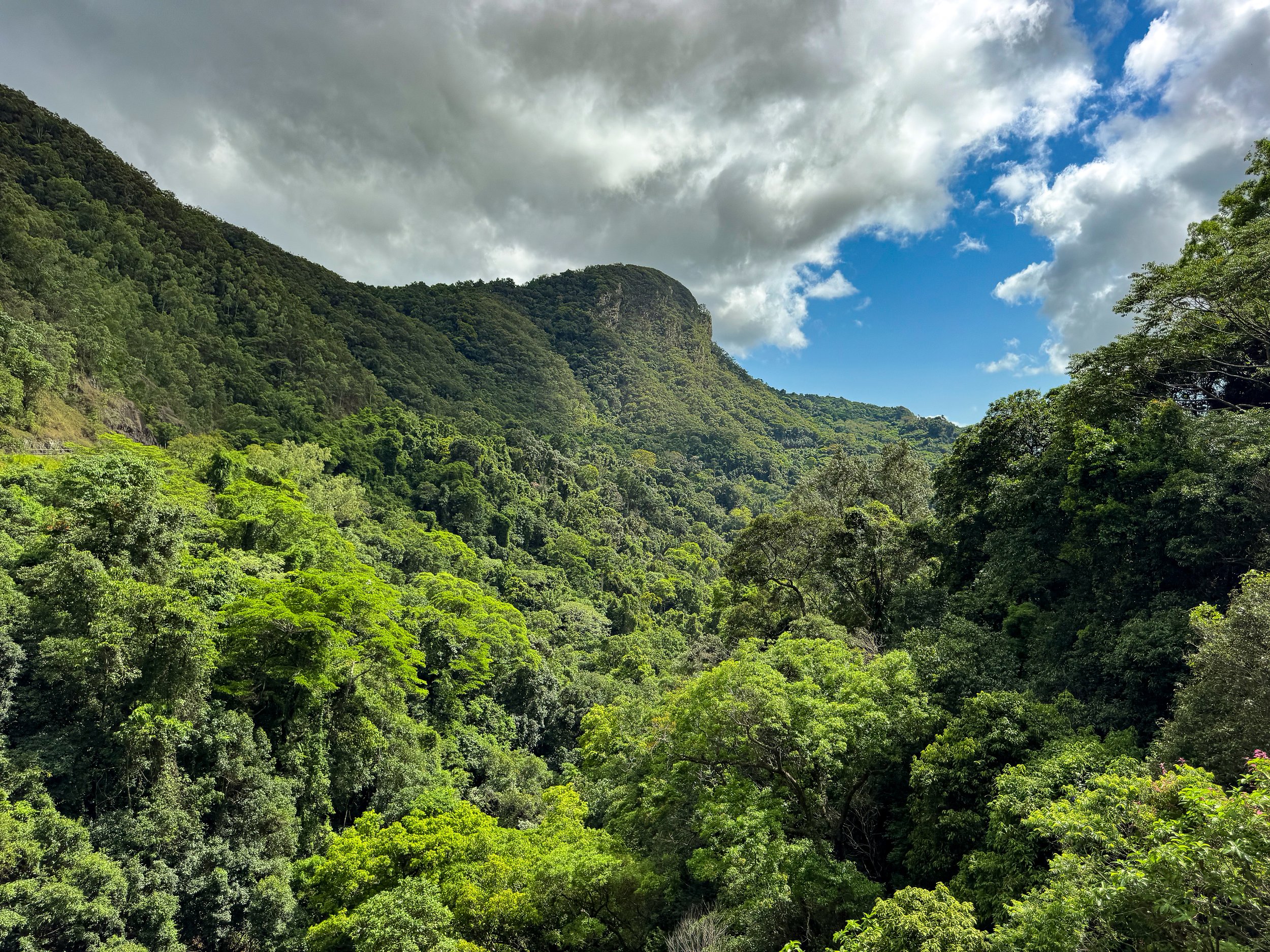
Tropical North Queensland
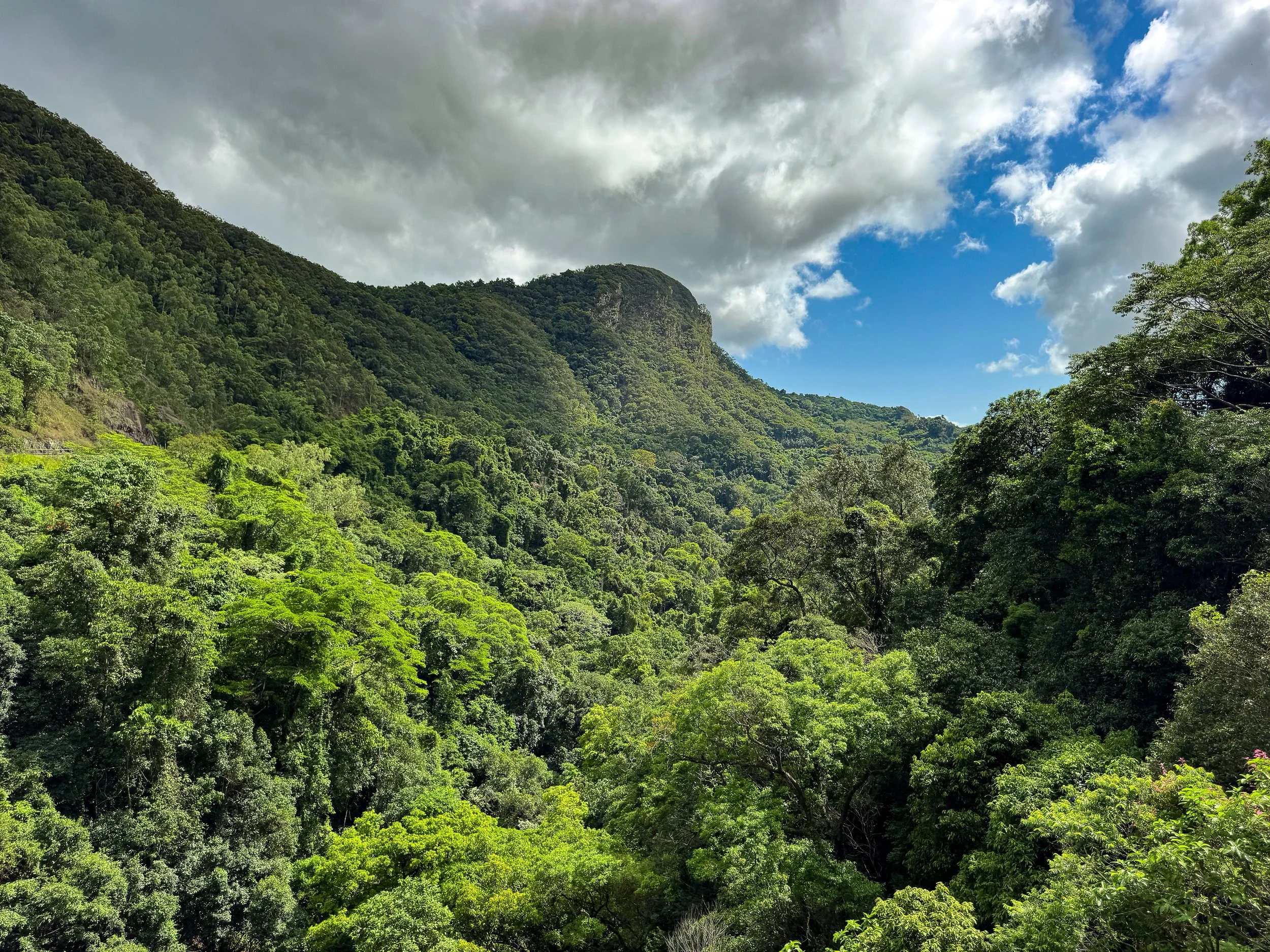
Tropical North Queensland is one of the most biodiverse places on the planet. It’s home to jungleous rainforests, dramatic waterfalls, vast coral reefs, palm lined beach towns, peaceful nature walks and ancient species. We spent a week in the coastal city of Cairns, branching out and exploring many of the region’s natural wonders.
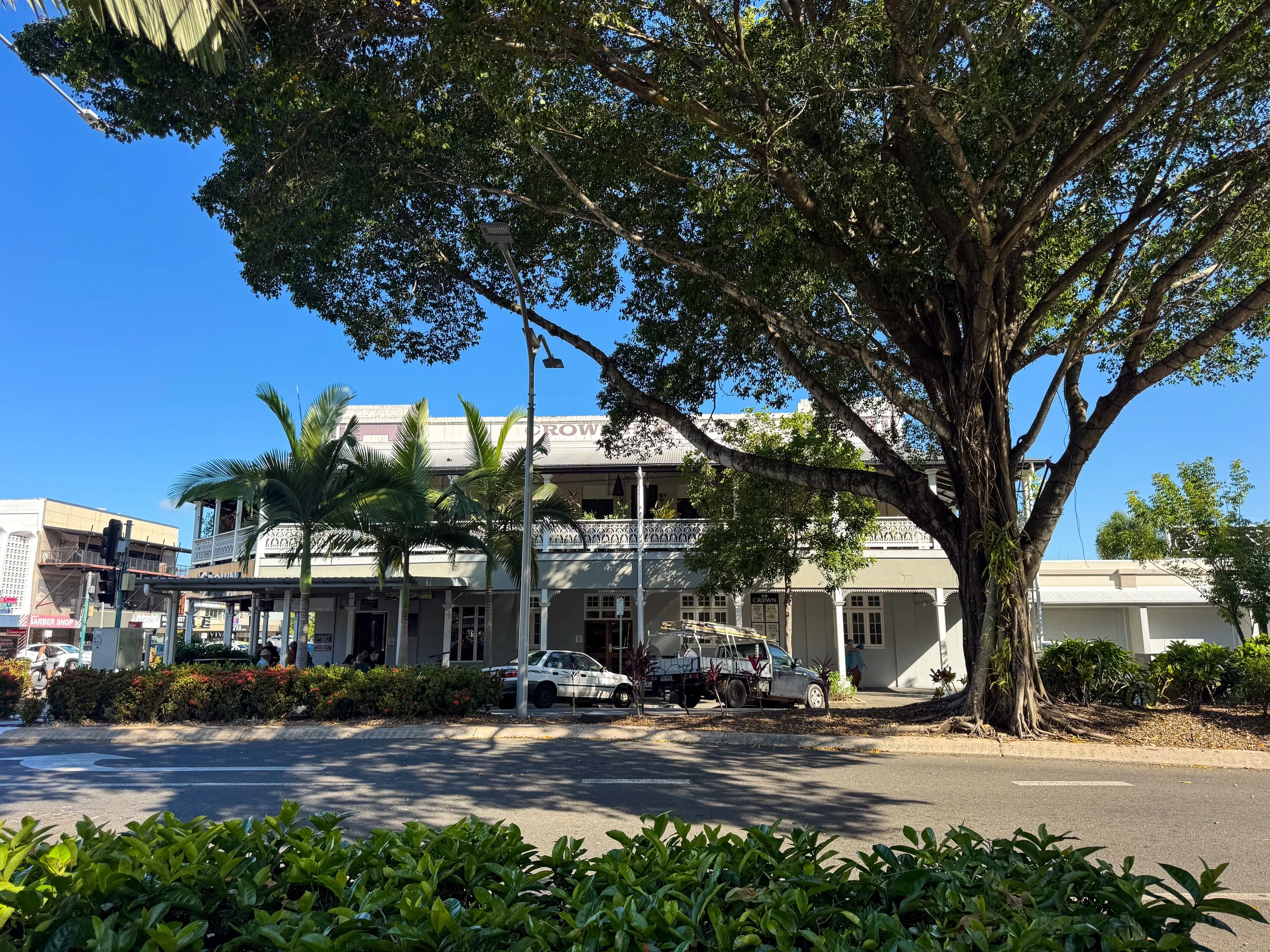
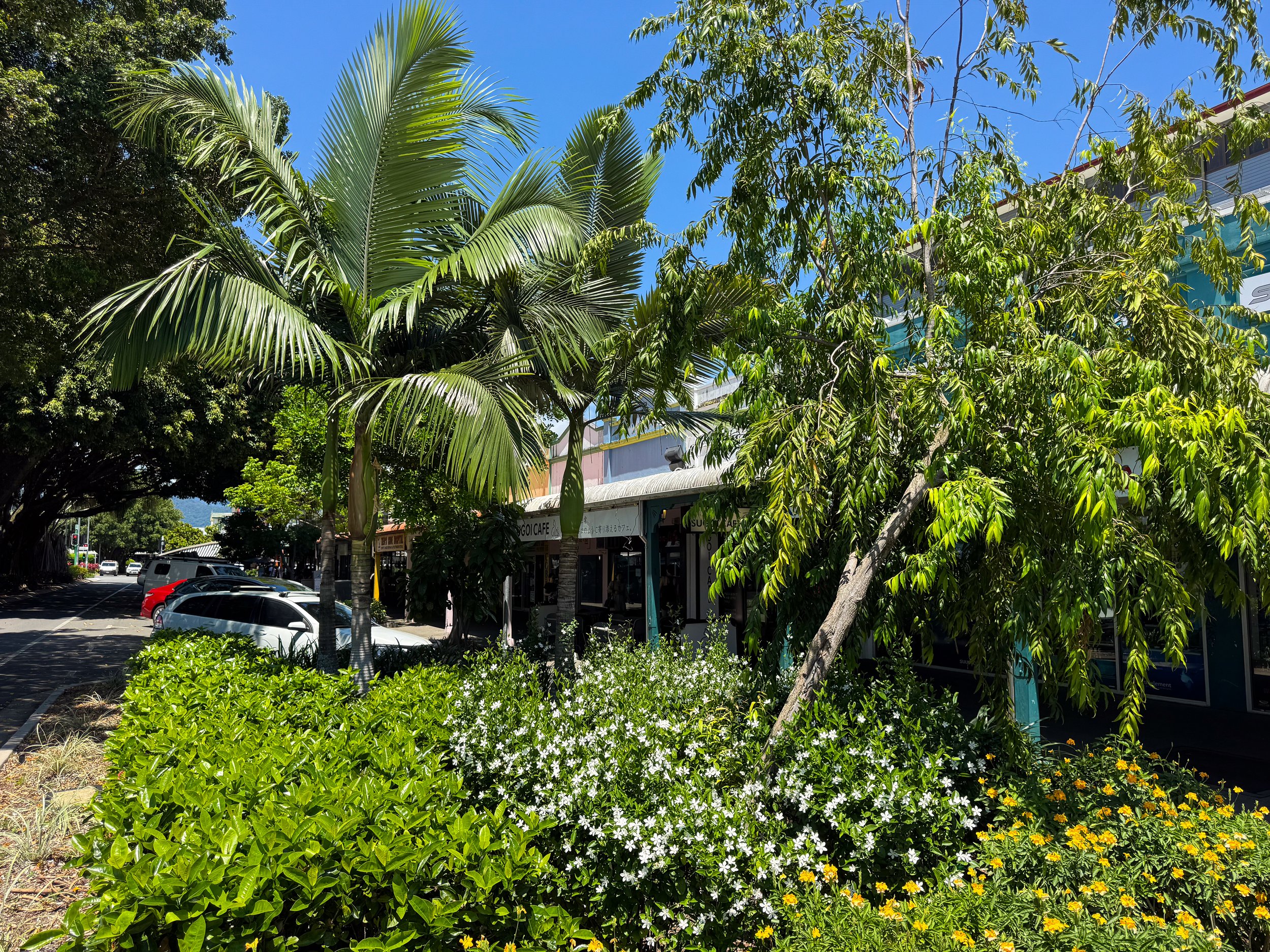
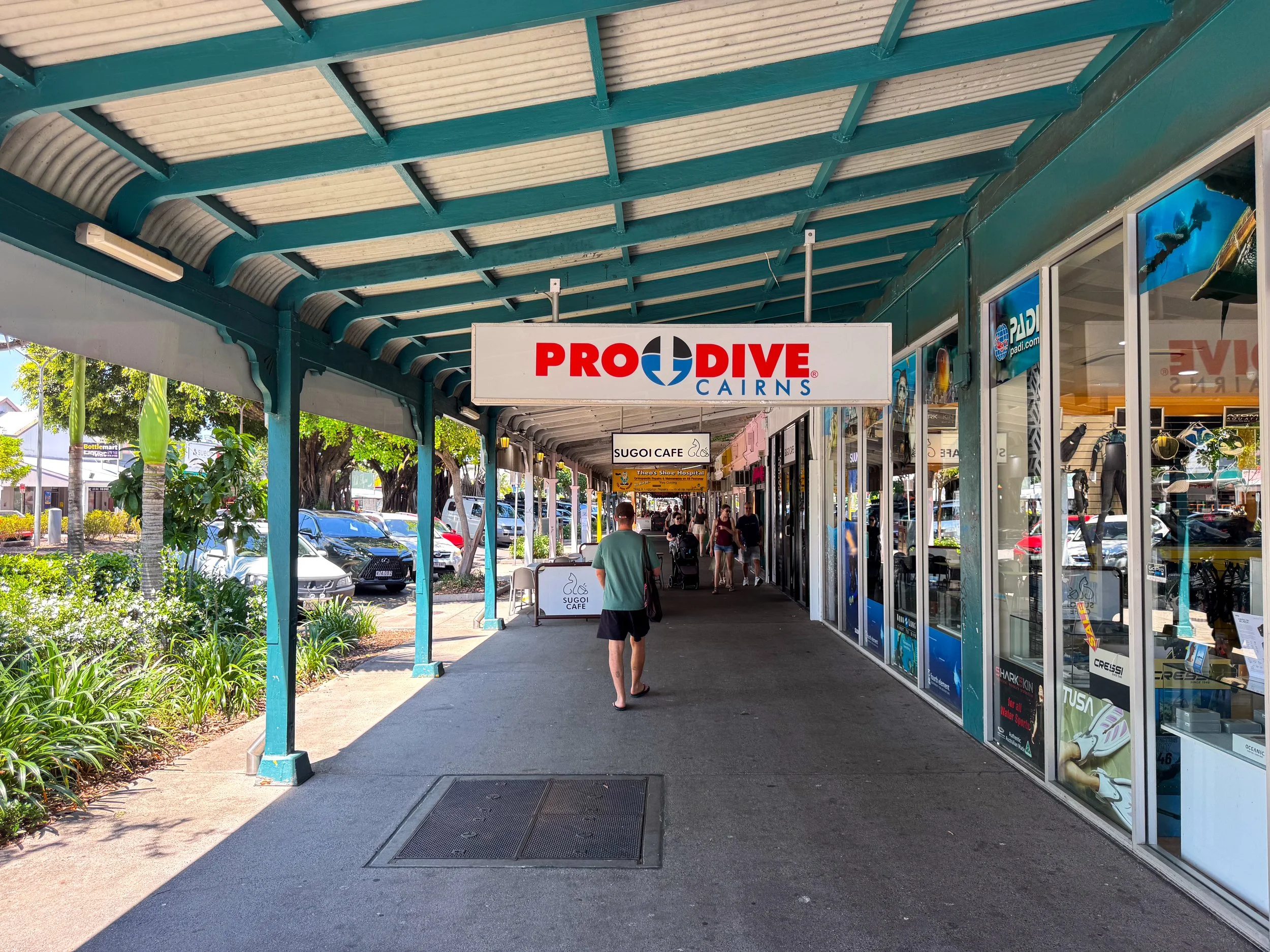
Cairns, Queensland
Cairns is an adventurous hub and coastal town in Tropical North Queensland, renowned for its access to the Great Barrier Reef and Daintree Rainforest. The town is home to restaurants, craft breweries, breakfast cafés, weekend markets and tour operators.
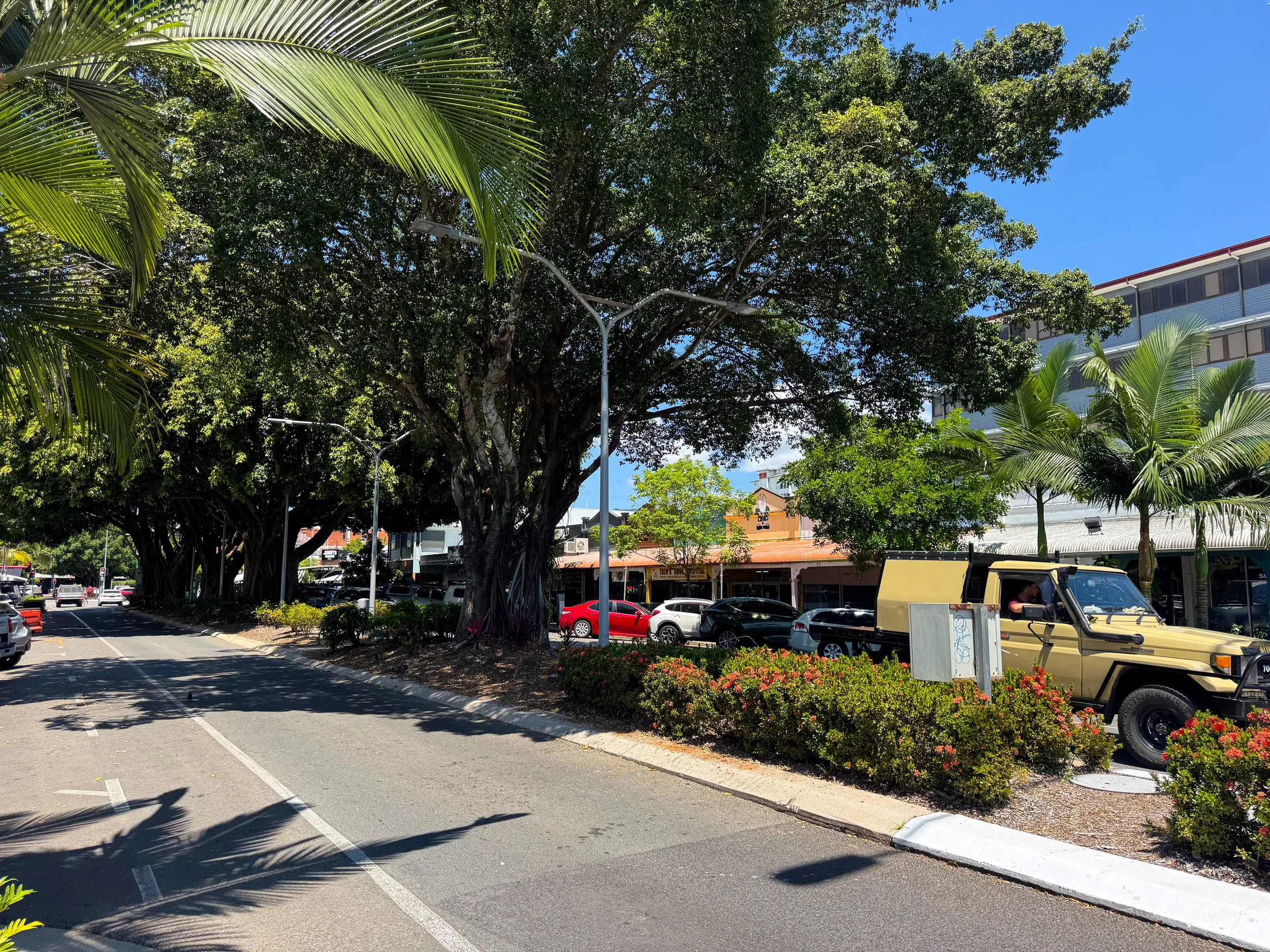
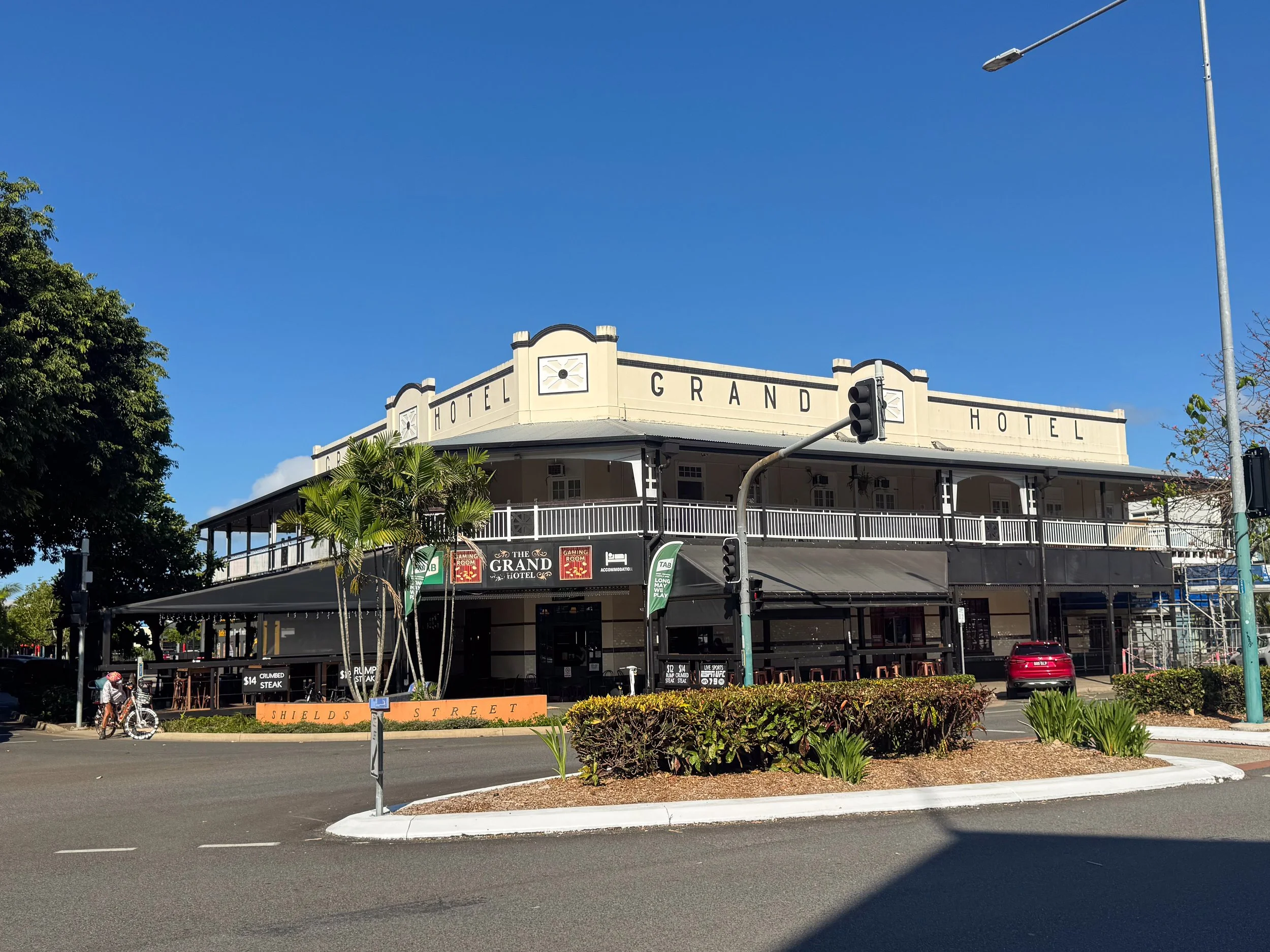
Central Business District (CBD). The CBD is the historic center of Cairns. Its shaded sidewalks and tree lined boulevards are lined with breakfast cafés, restaurants, craft breweries, tour operators and popular weekend markets.
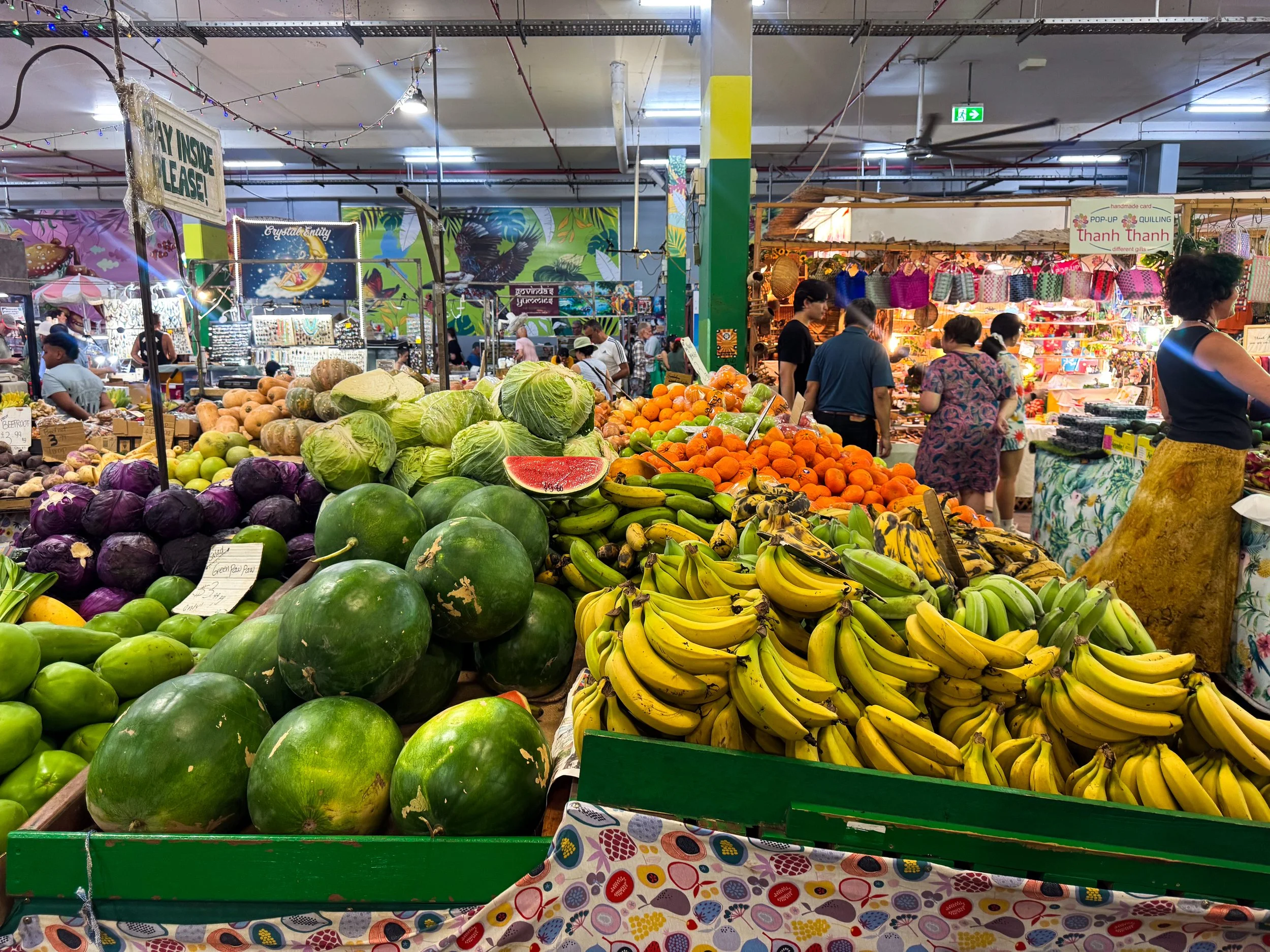
Rusty’s Market. A weekend farmers market with colorful displays of tropical fruits, vegetables, pastries, breads and juices. Artisans sell handmade crafts like beachy jewelry, shell decor, aboriginal artwork and vintage Hawaiian shirts. Thai vendors sell takeaway street food and offer massages.
Cairns Night Market. An evening market with souvenir shops, a food court, massage spas and nail salons.
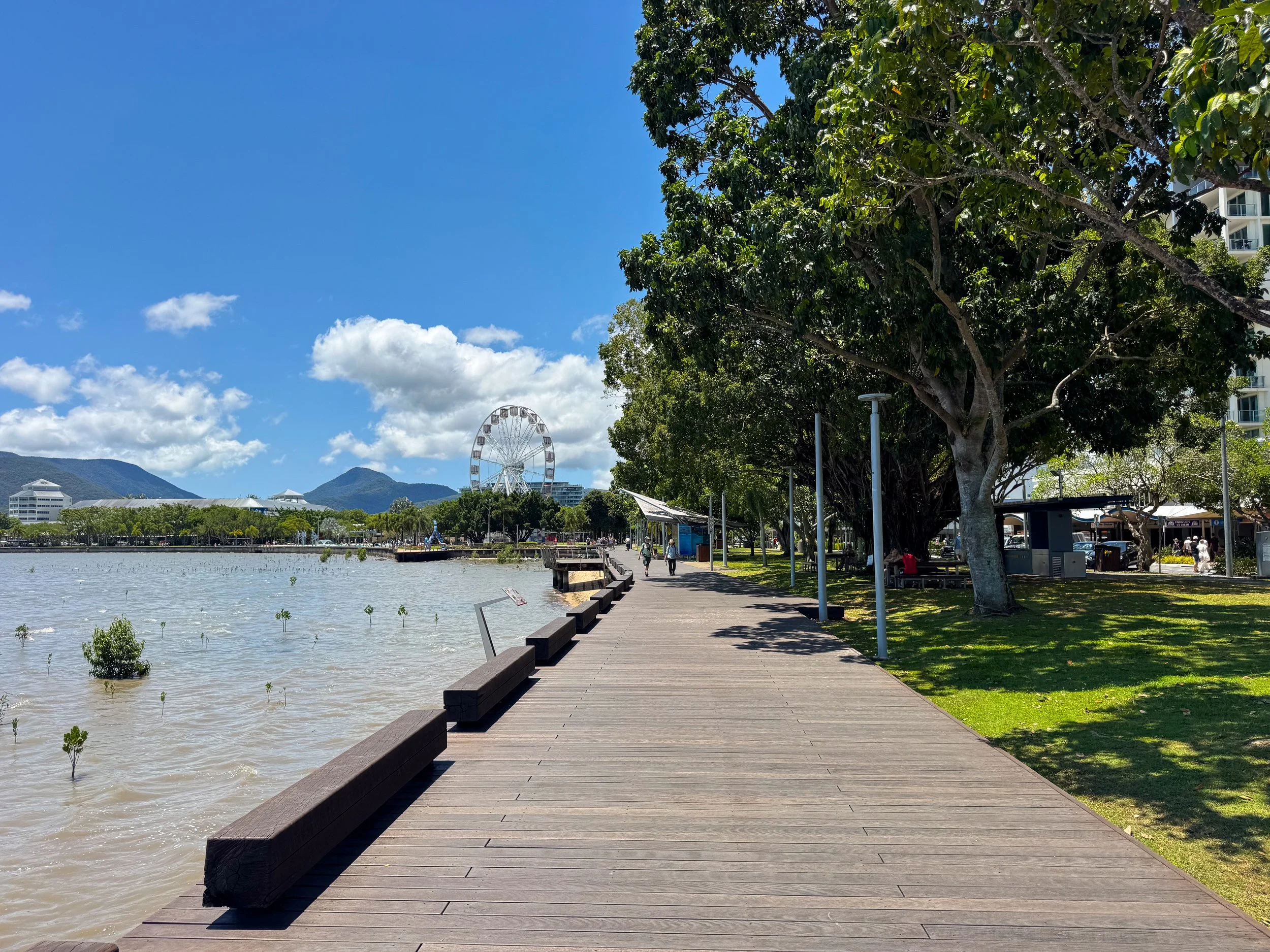
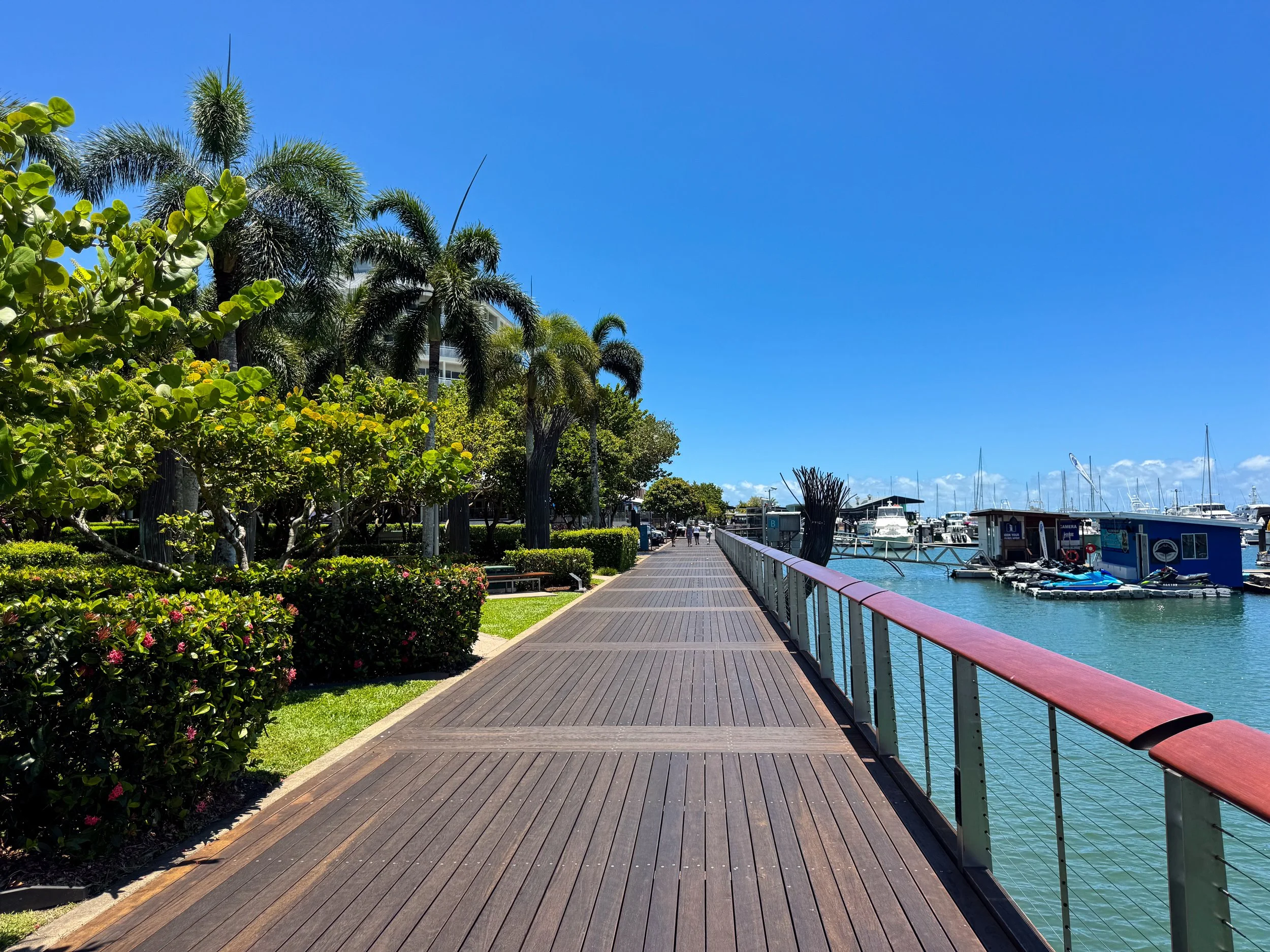
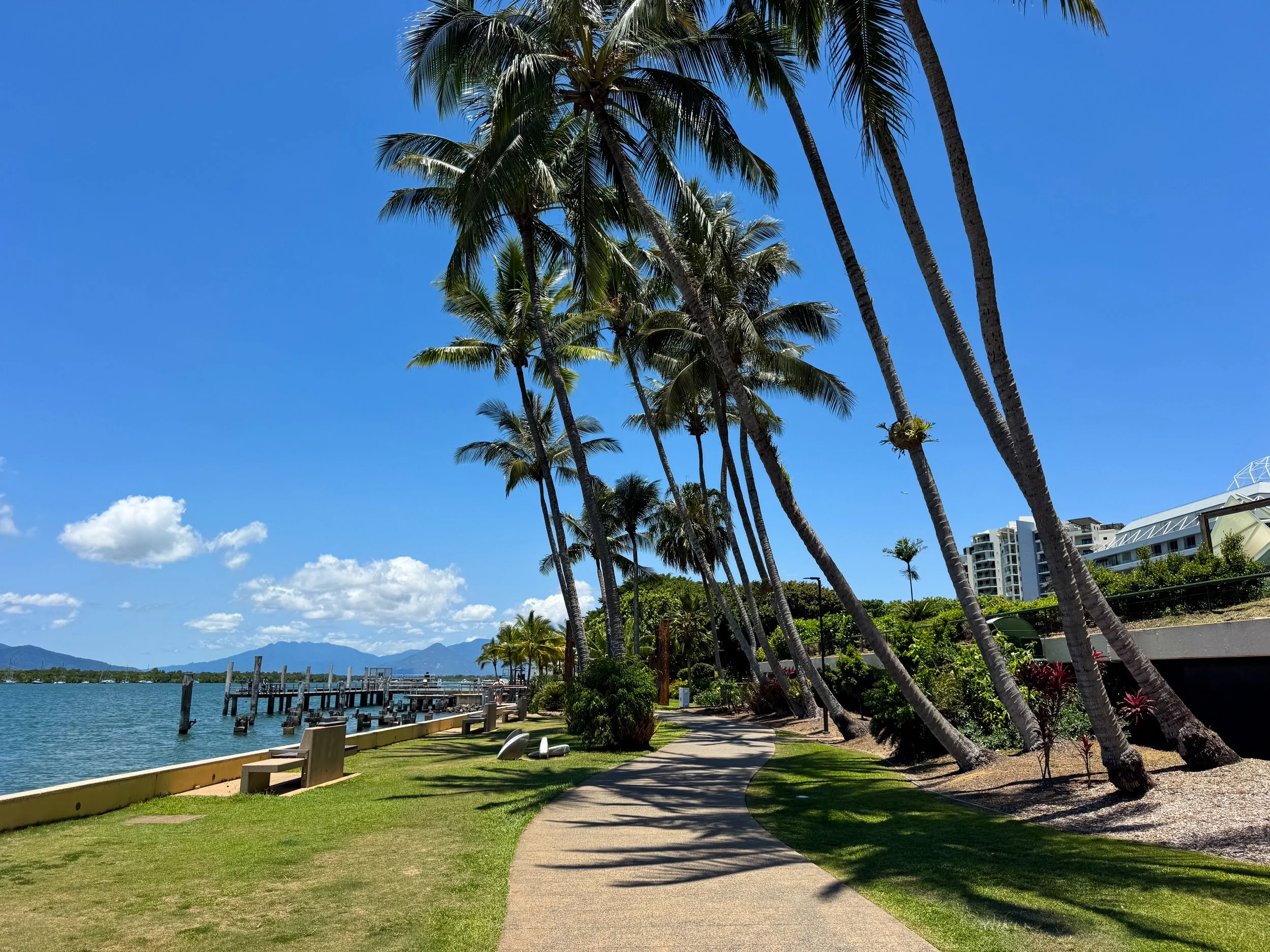
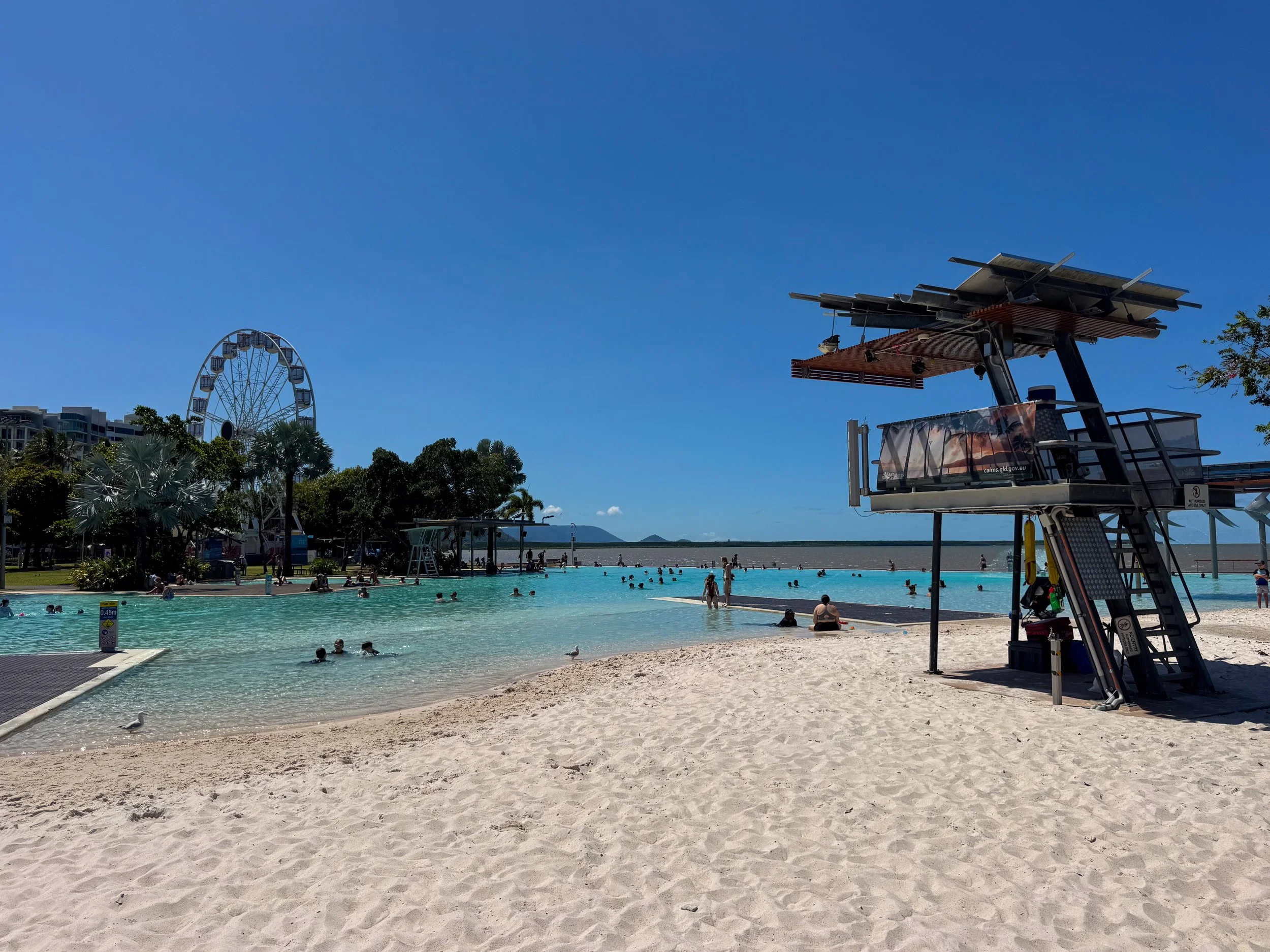
Esplanade Lagoon. An outdoor swimming pool with a small sandy beach, series of boardwalks, lush lawns and bbq pits. It’s a popular spot to safely swim and enjoy the tropical atmosphere of Cairns.
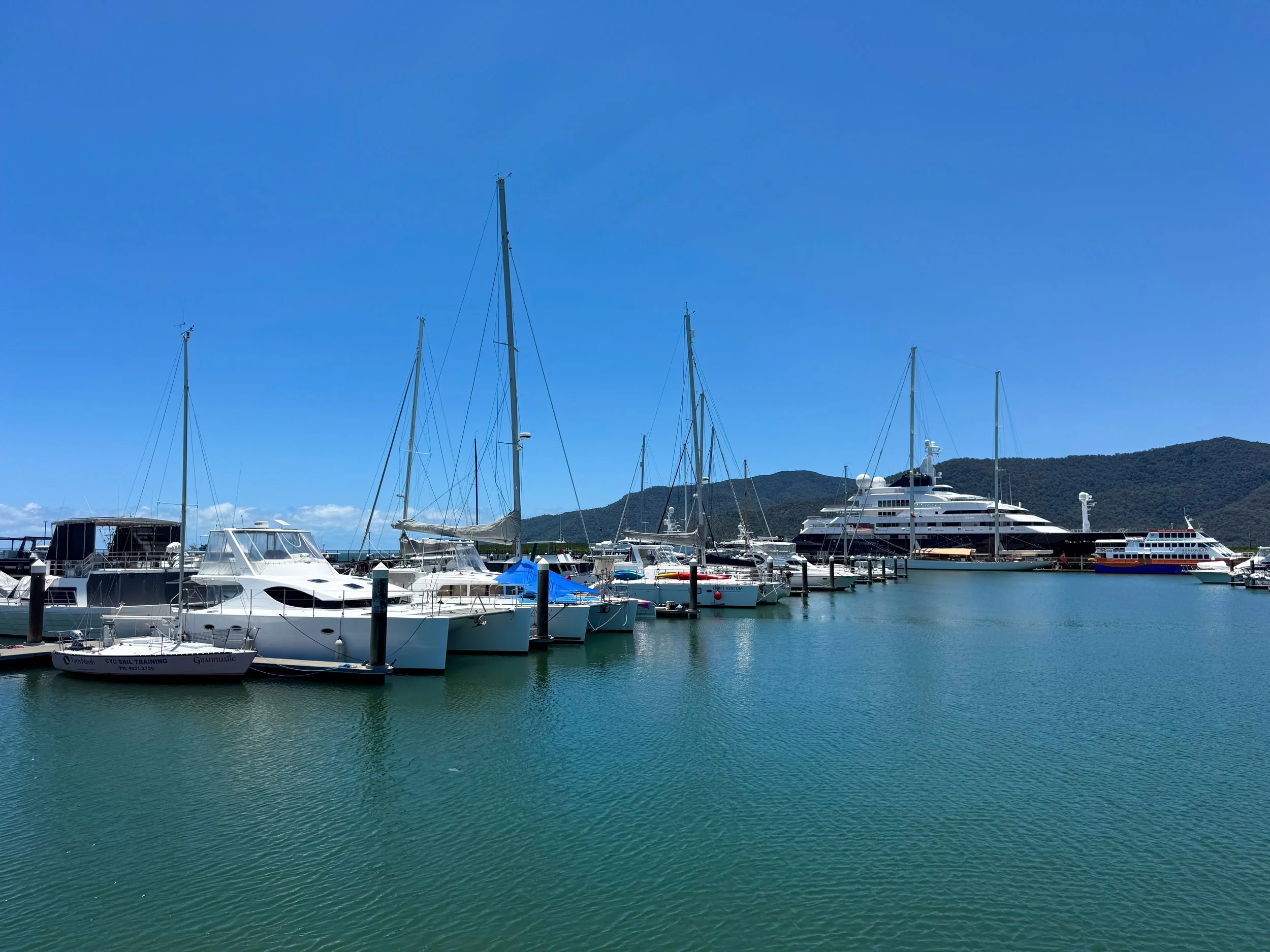
Cairns Esplanade. A waterfront promenade spanning the length of Cairns. A series of walkways and boardwalks follow the coast through lush city parks, the esplanade lagoon, marina and restaurant wharf complex.
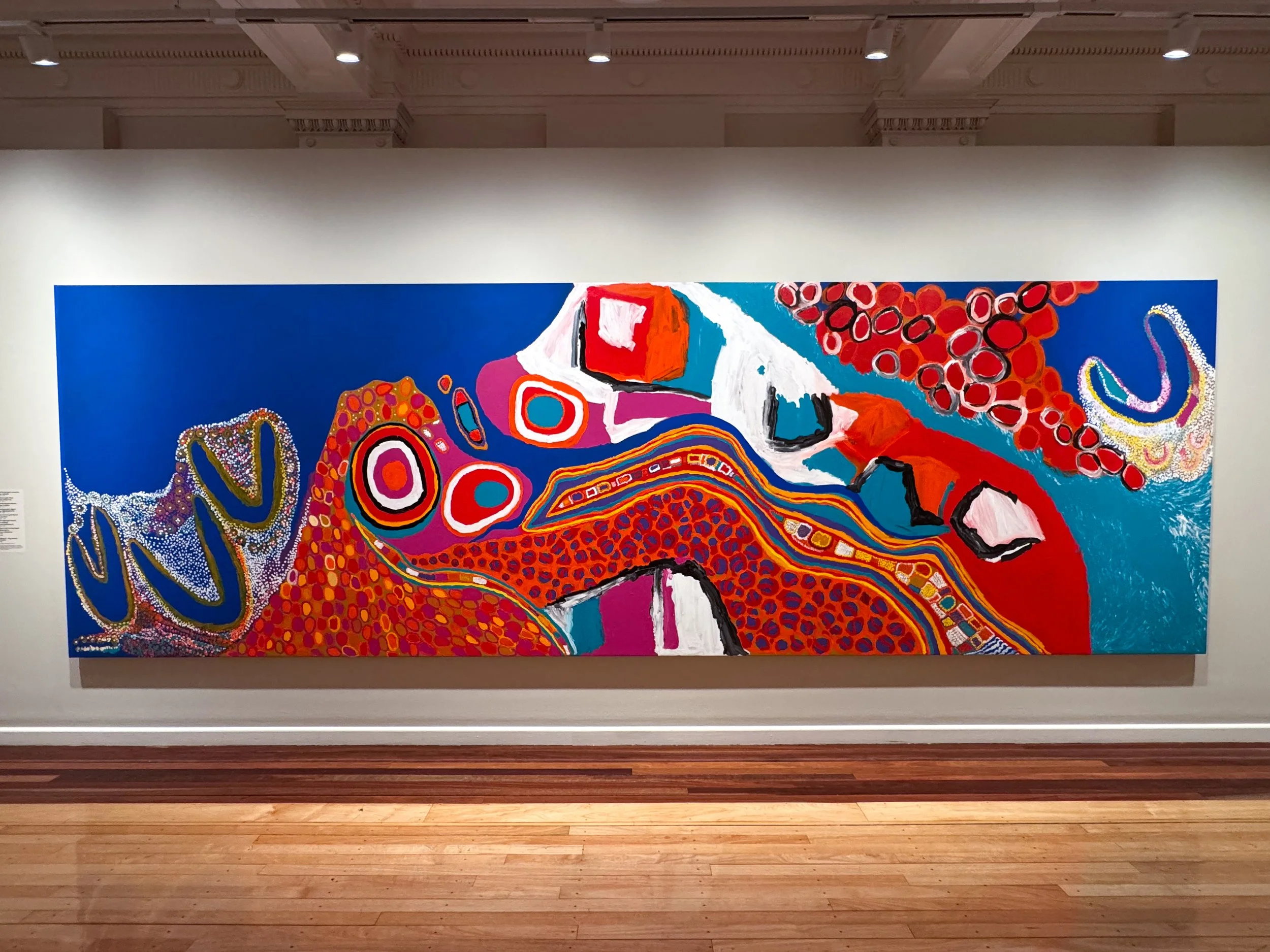
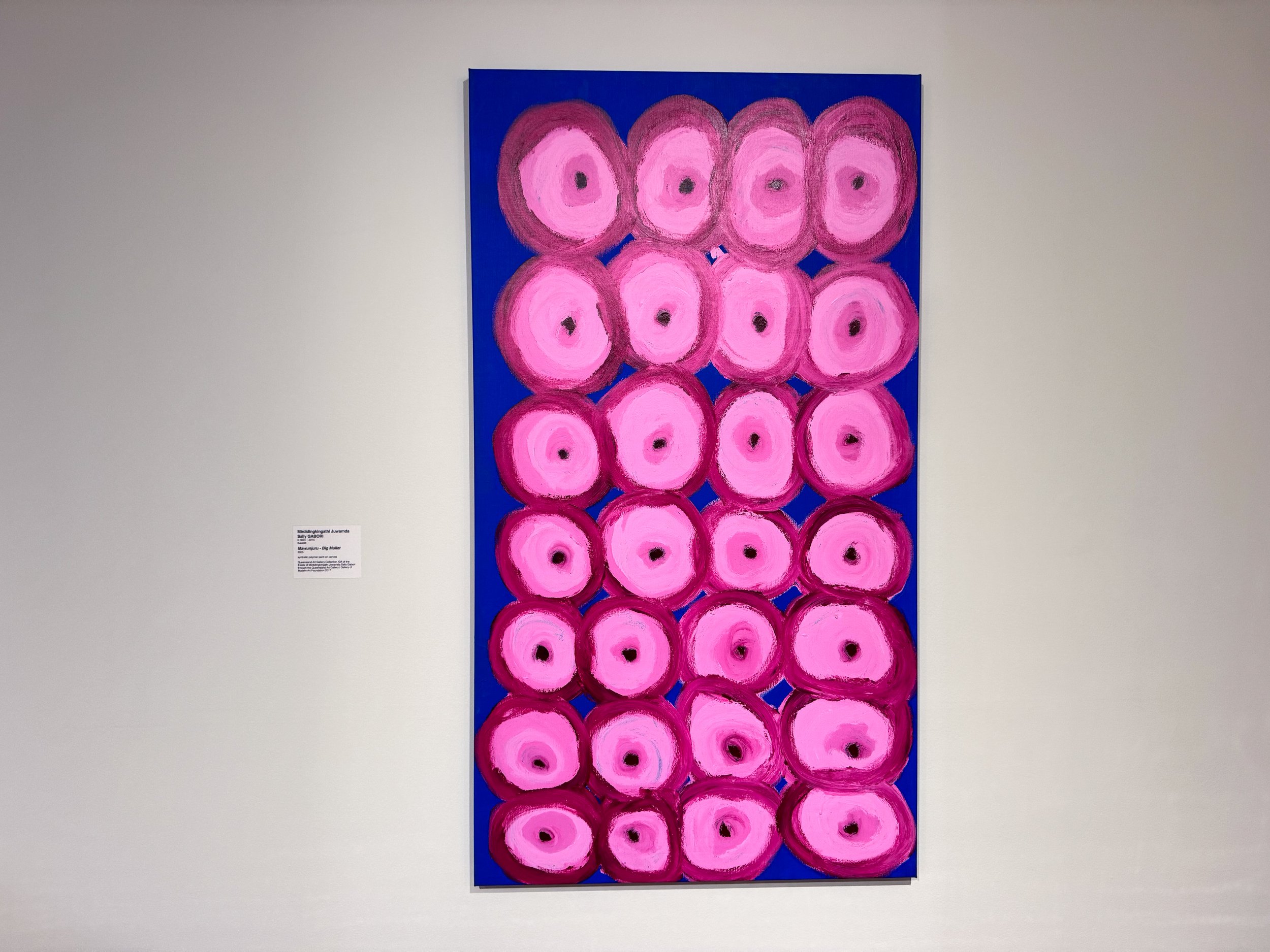
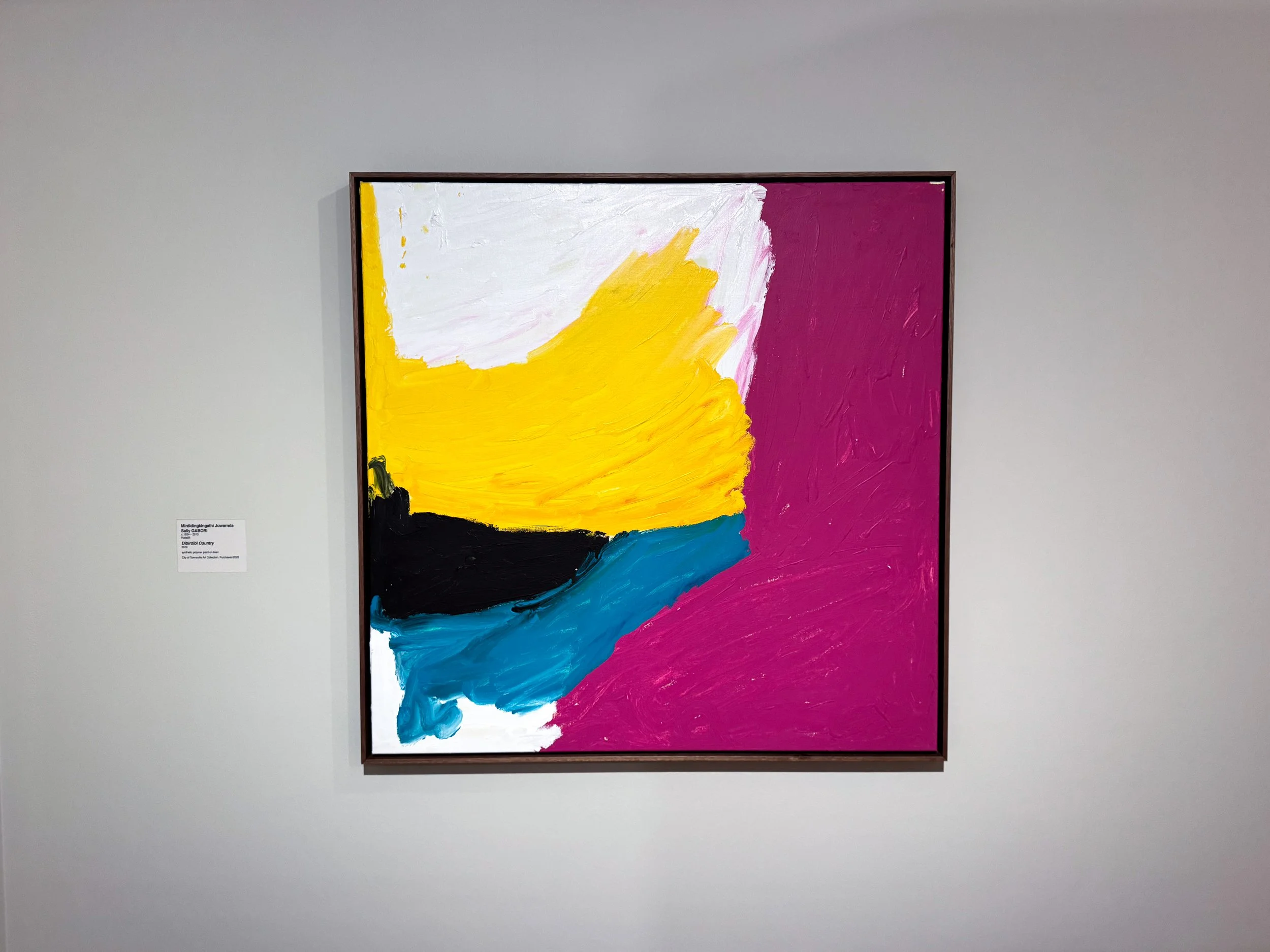
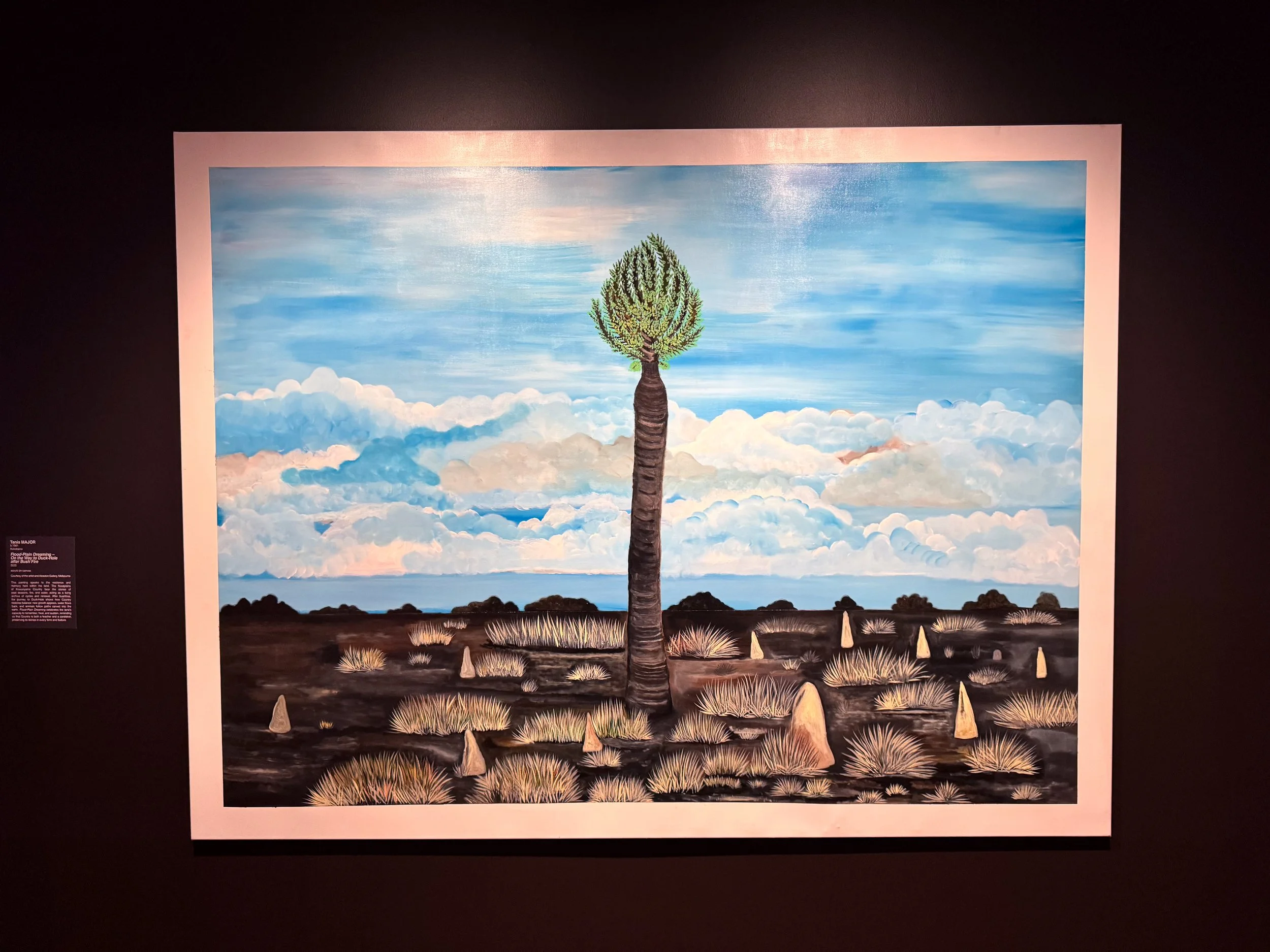
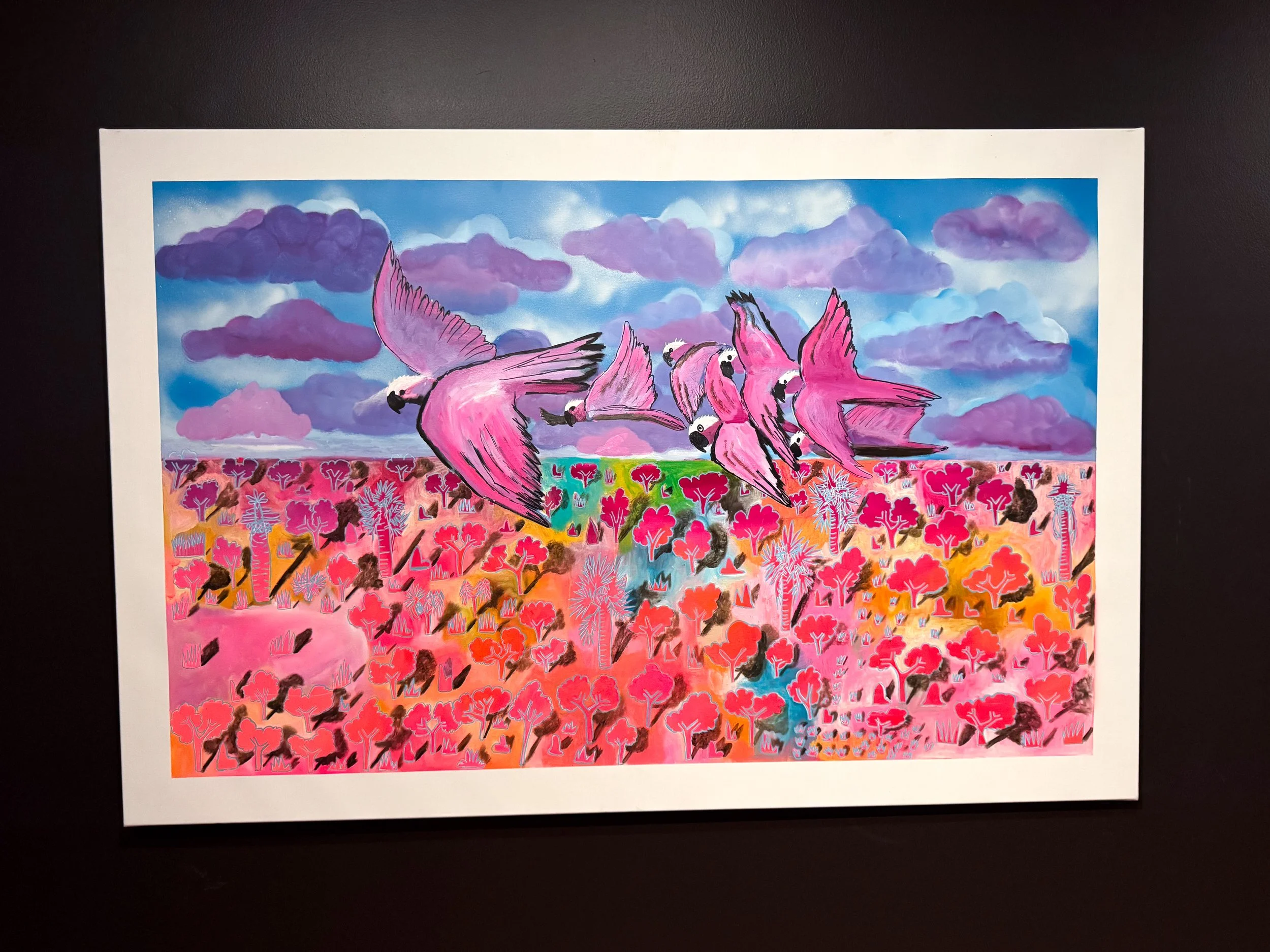
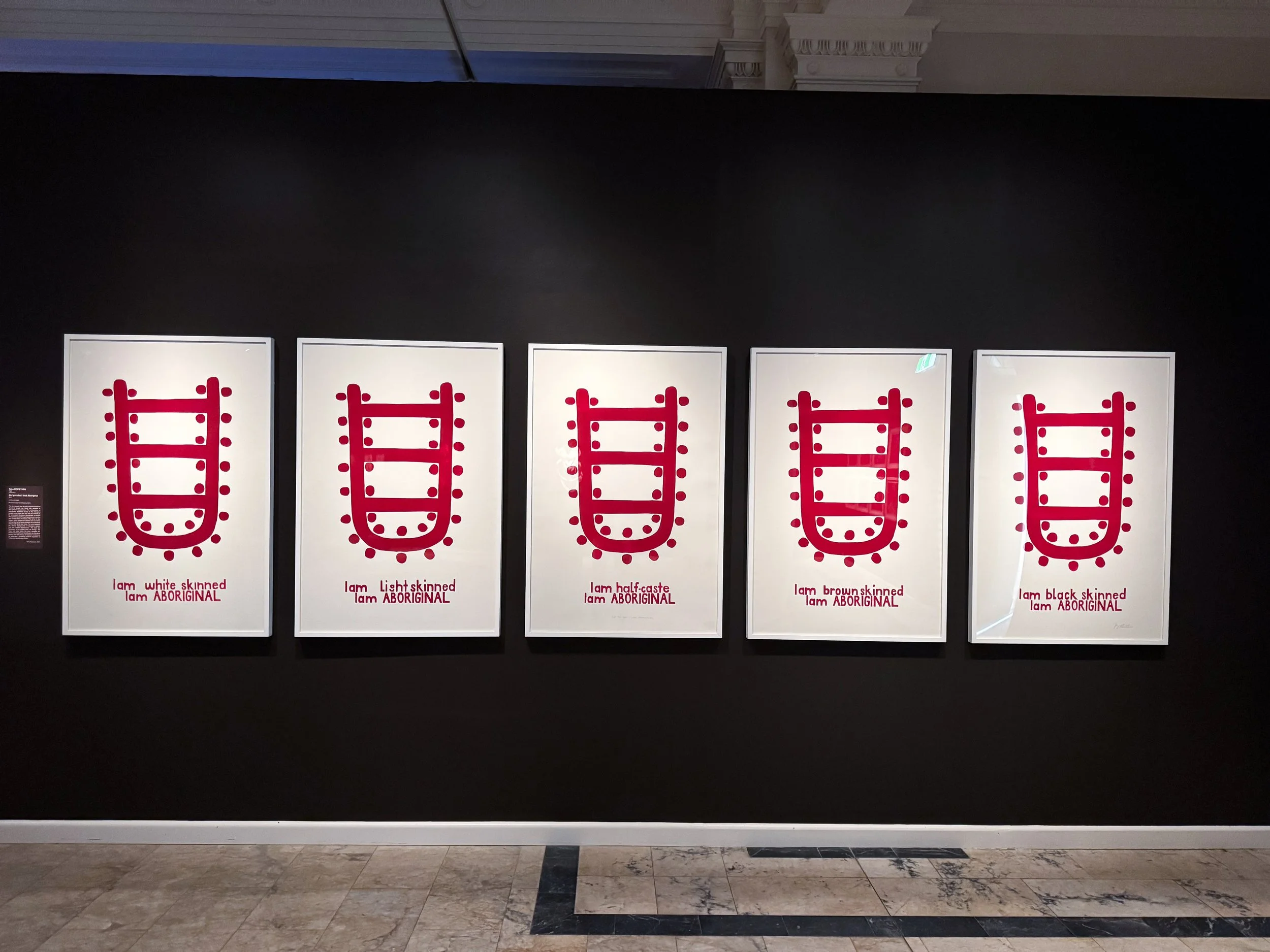
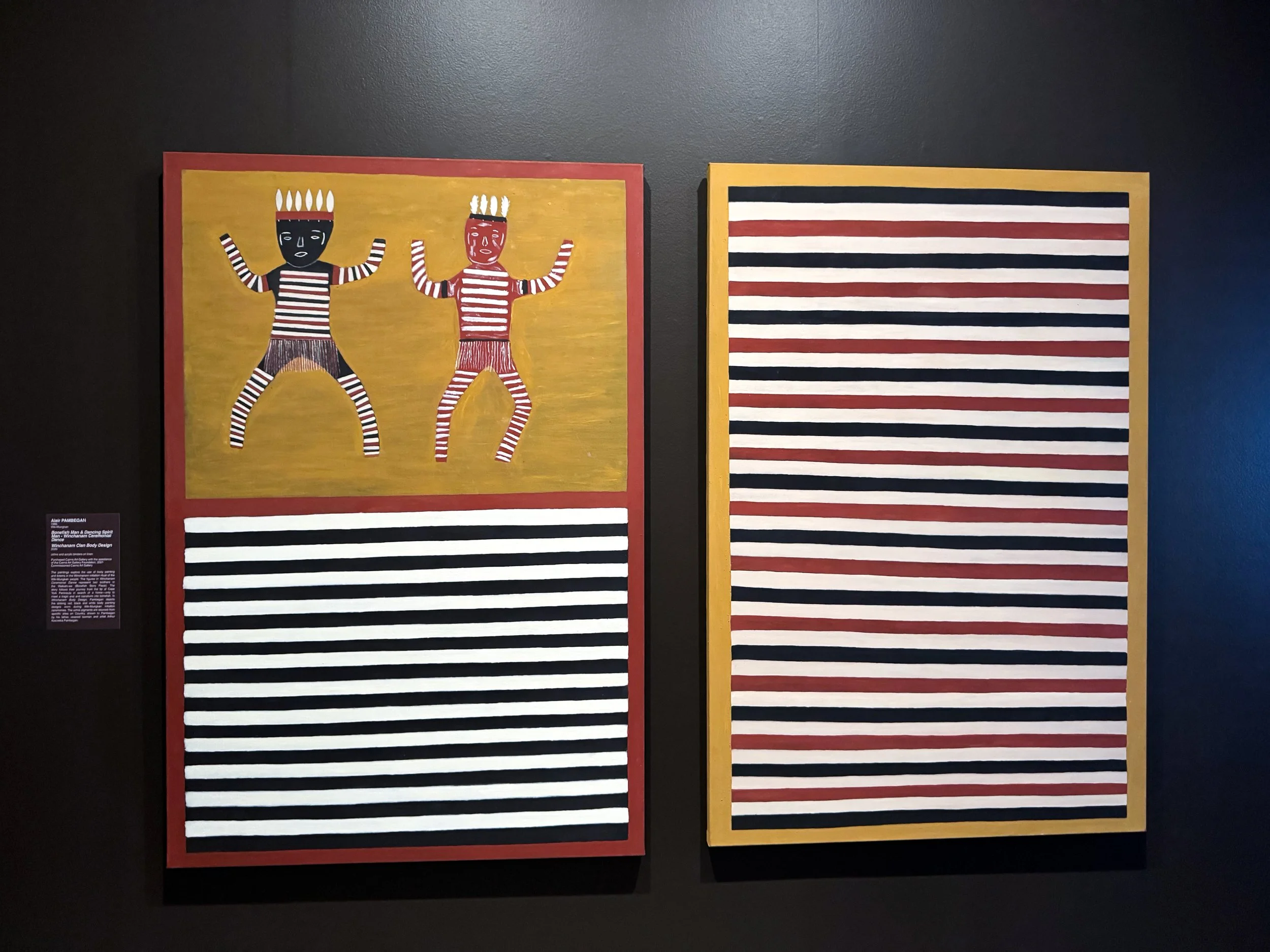
Cairns Art Gallery. An art museum with galleries displaying contemporary, indigenous and aboriginal artwork. It features works with themes of identity, ancestry, the landscape and creation stories. It’s free to visit!
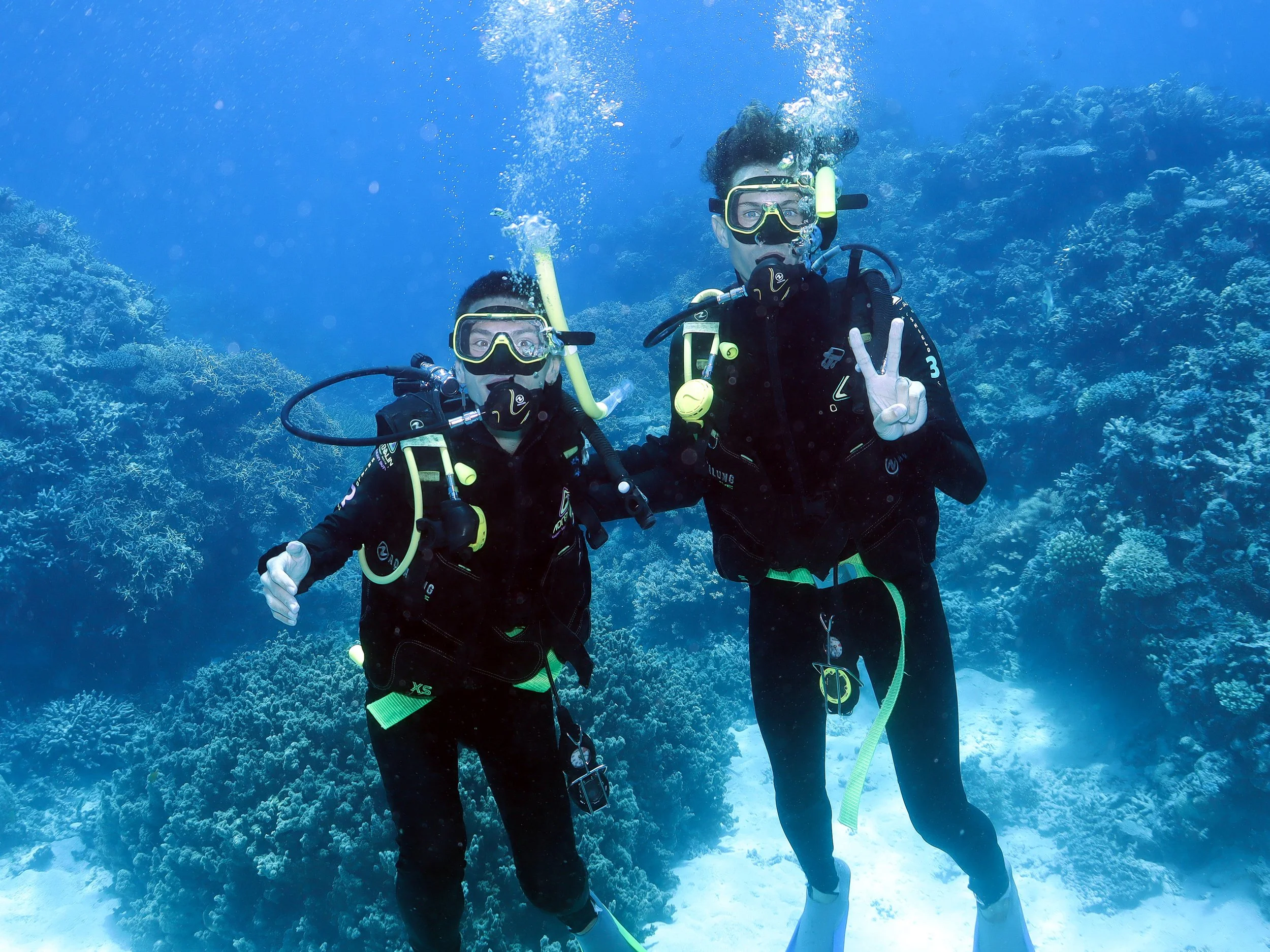
The Great Barrier Reef
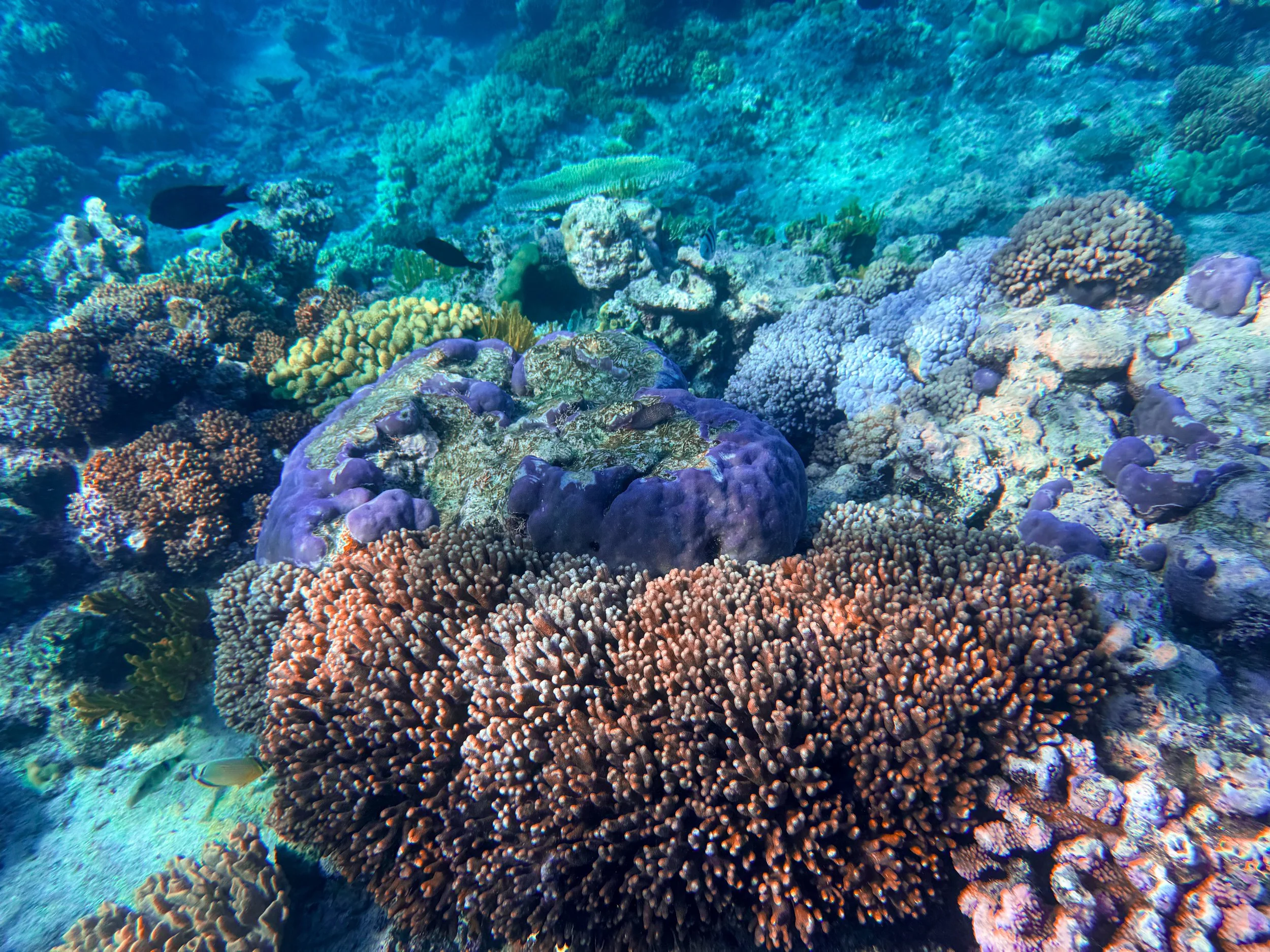
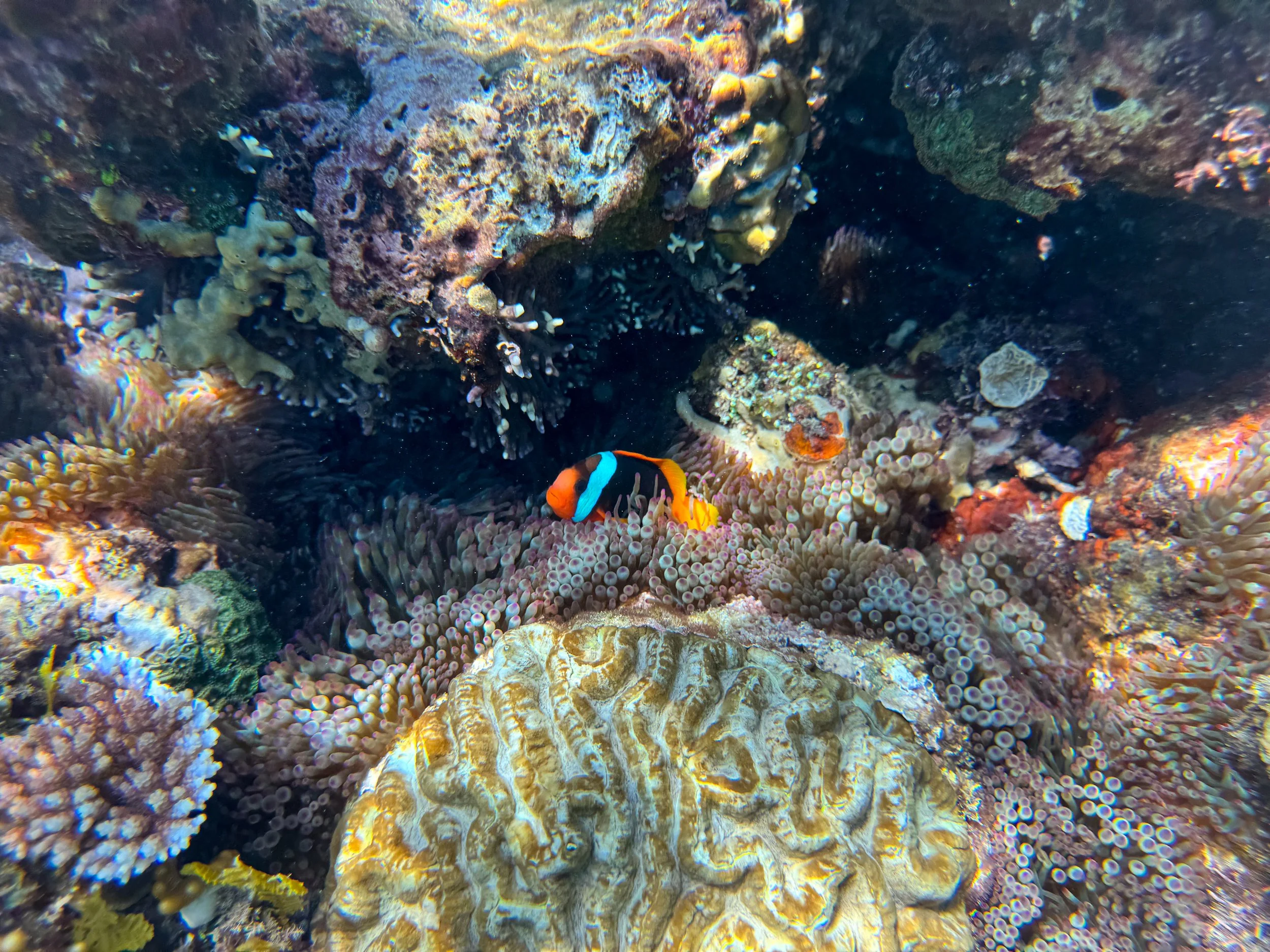
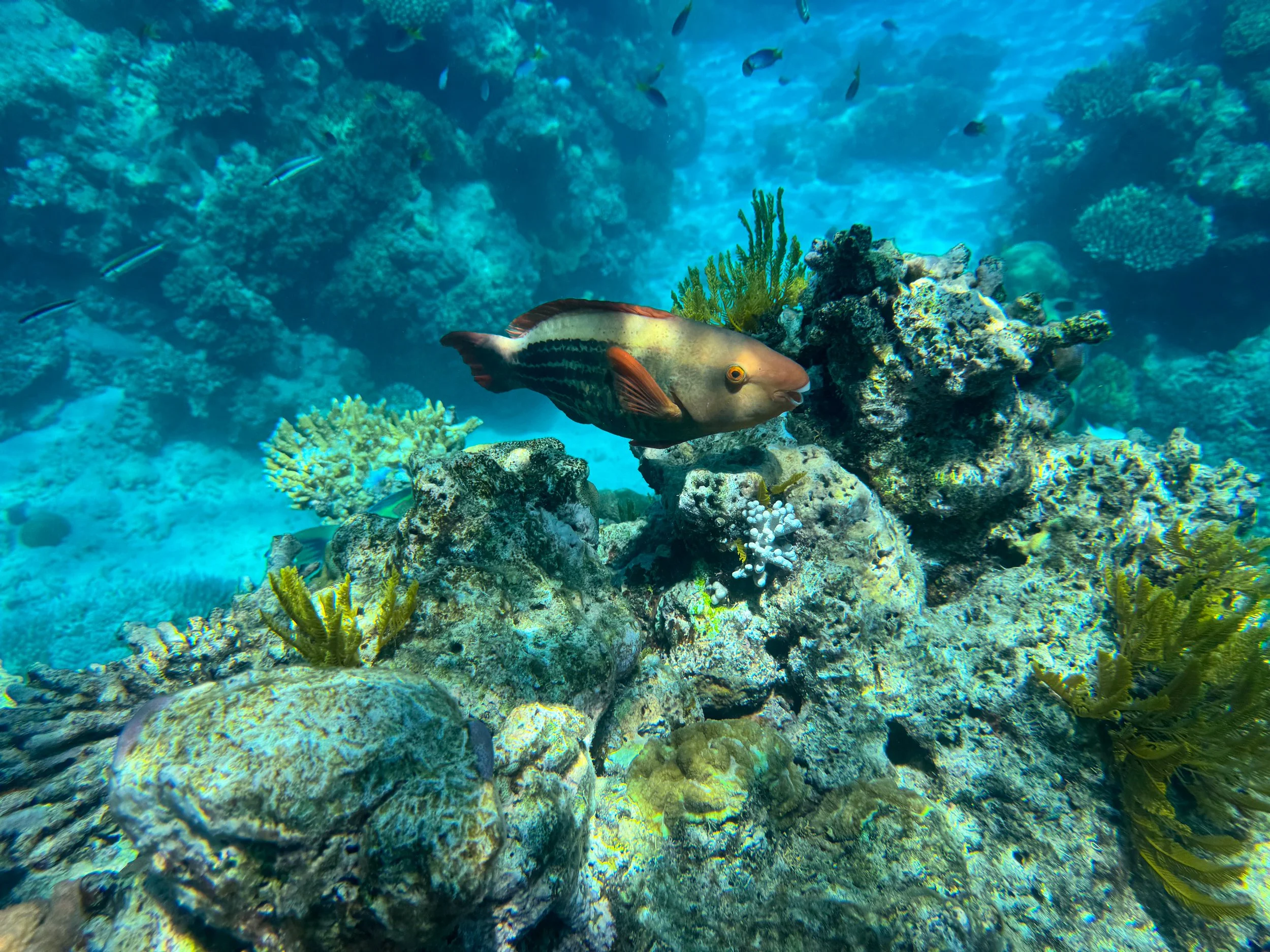
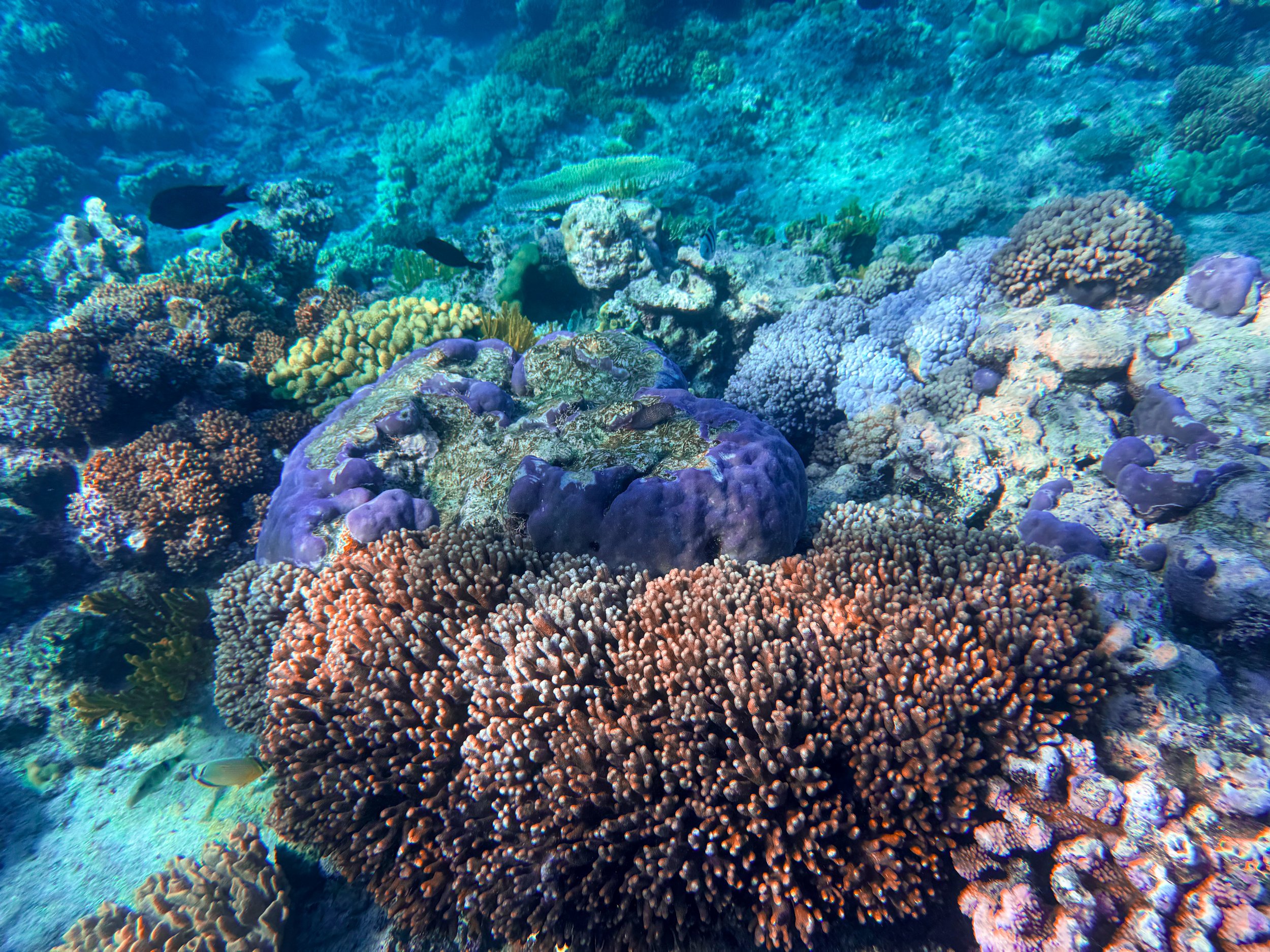
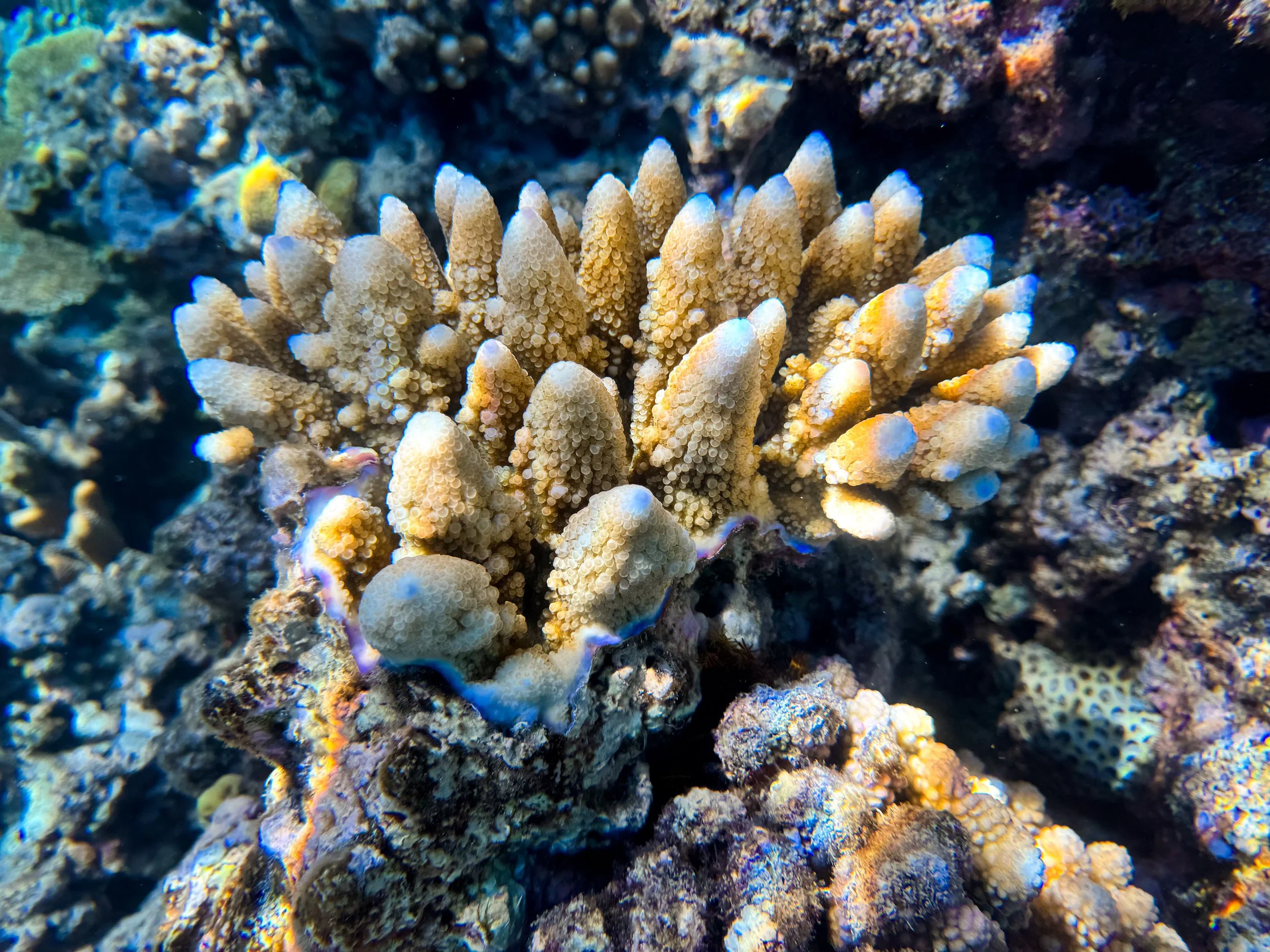
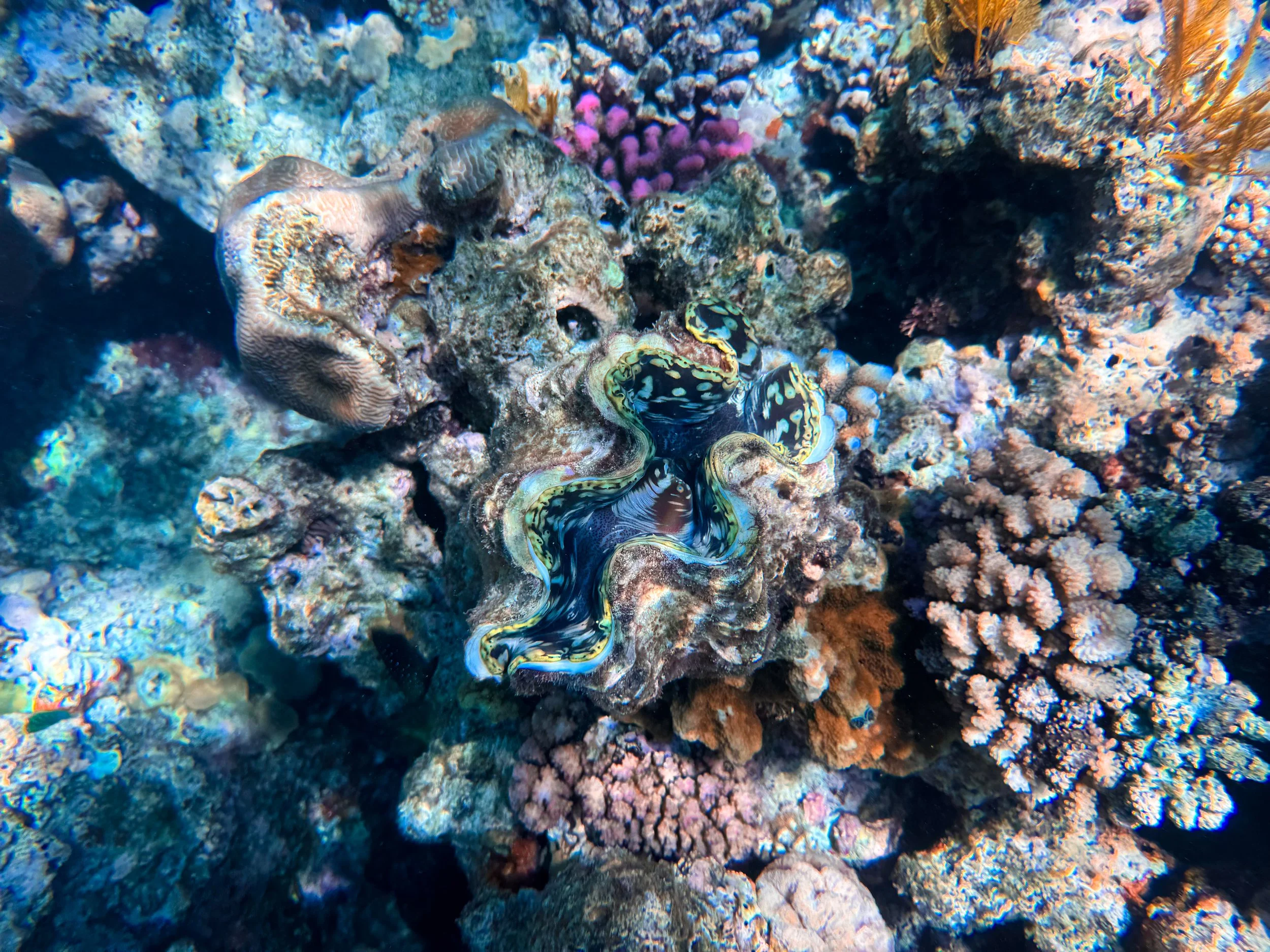
The Great Barrier Reef is the world’s largest coral reef system. It’s accessible from Cairns on day trips and overnight live aboards. We spent three days snorkeling and diving in the reef. Read our full guide here, The Great Barrier Reef.
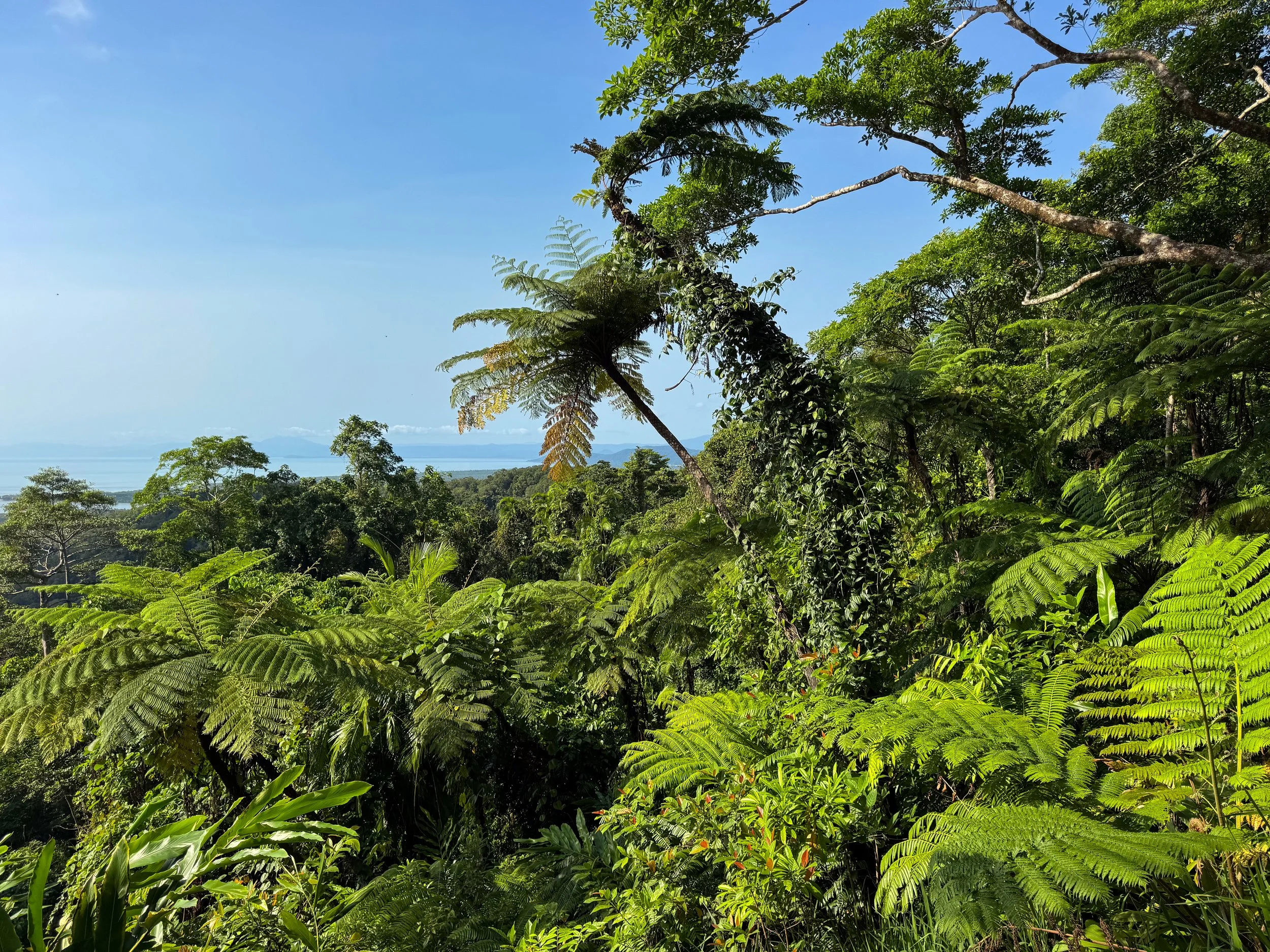
Daintree Rainforest
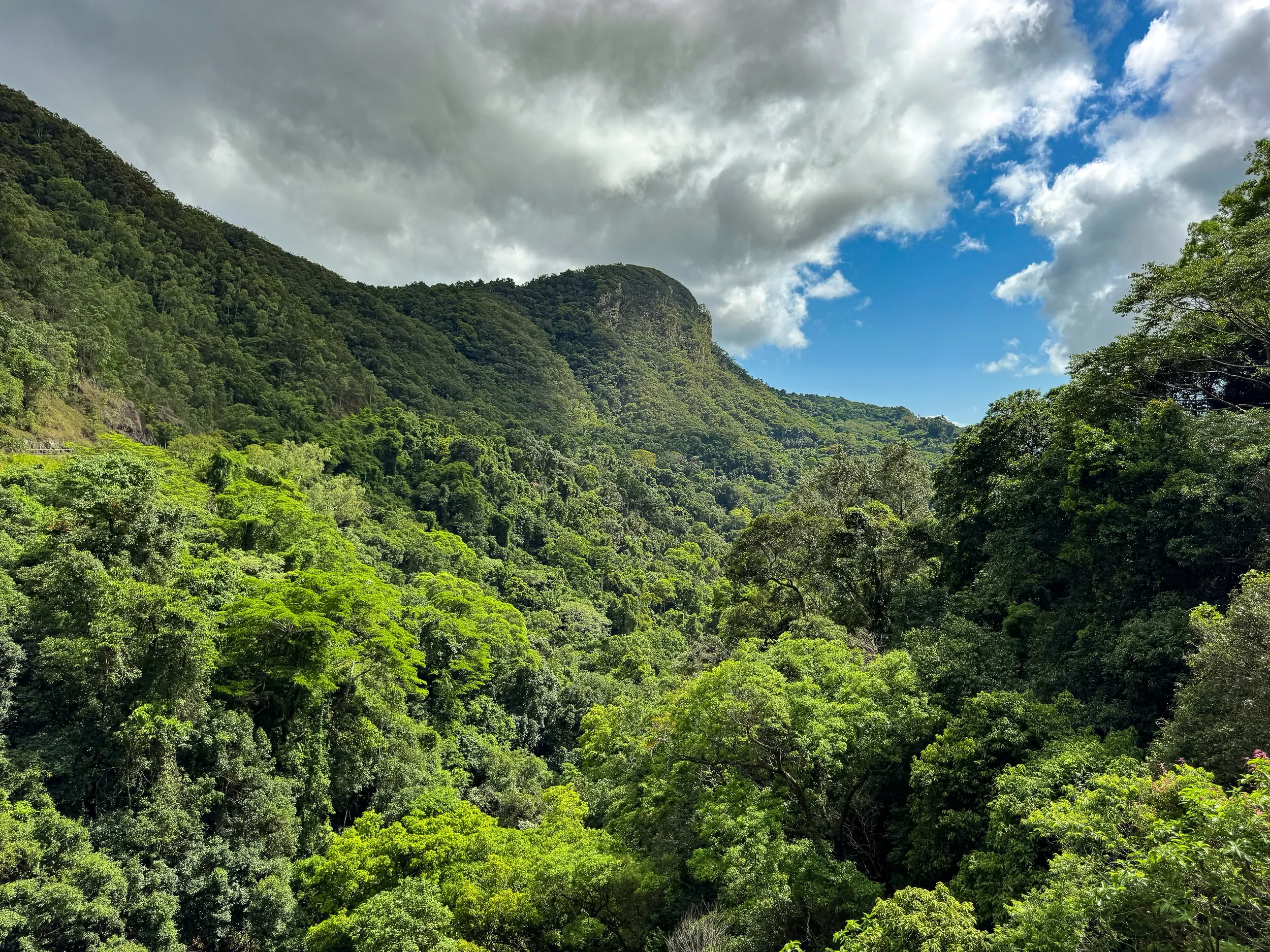
The Daintree Rainforest is the world’s oldest surviving rainforest. It dates back 180 million years to the time of dinosaurs and the supercontinent Gondwana. The rainforest is a refuge for ancient species, tropical flora and jungleous landscapes.
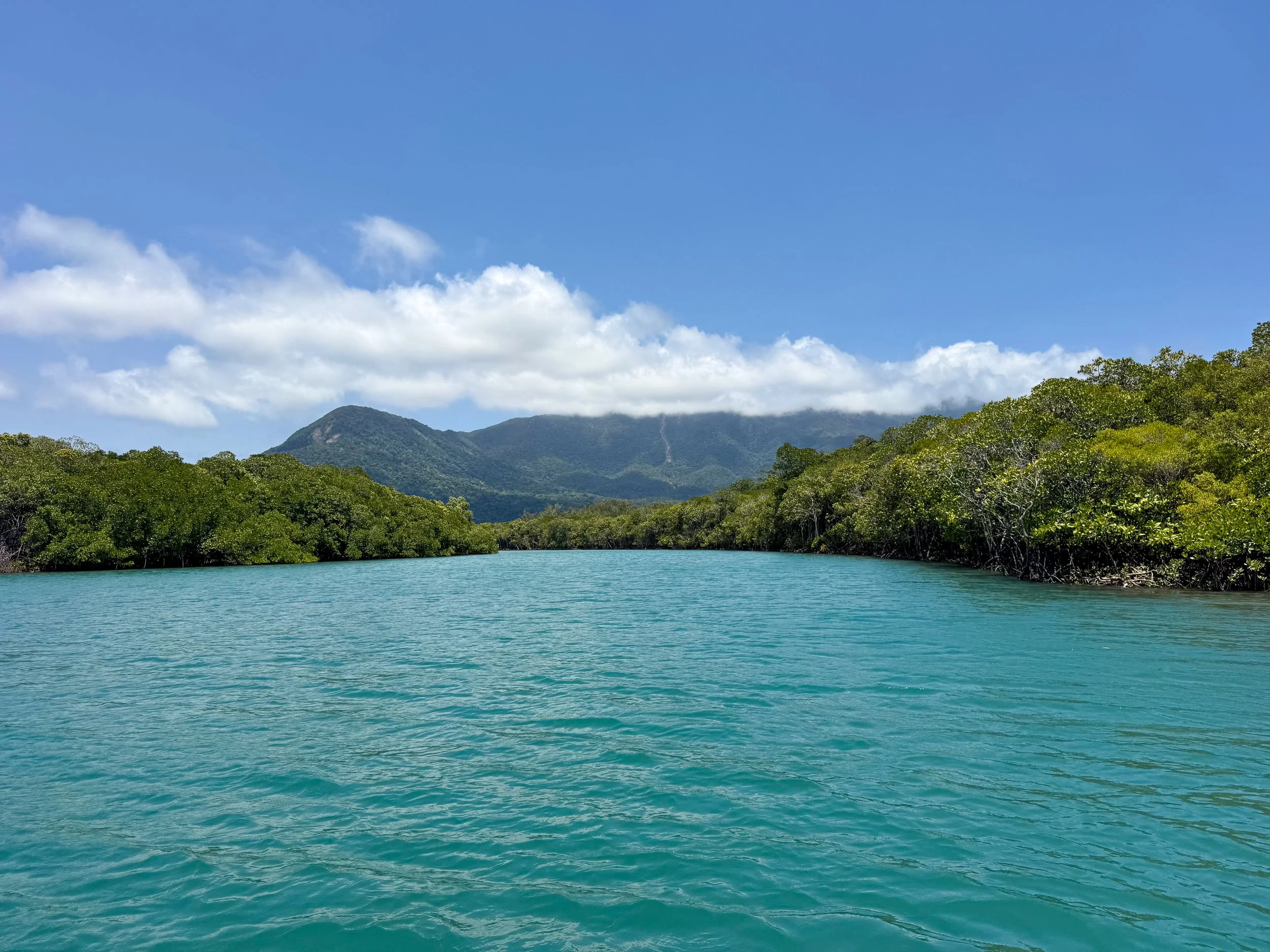
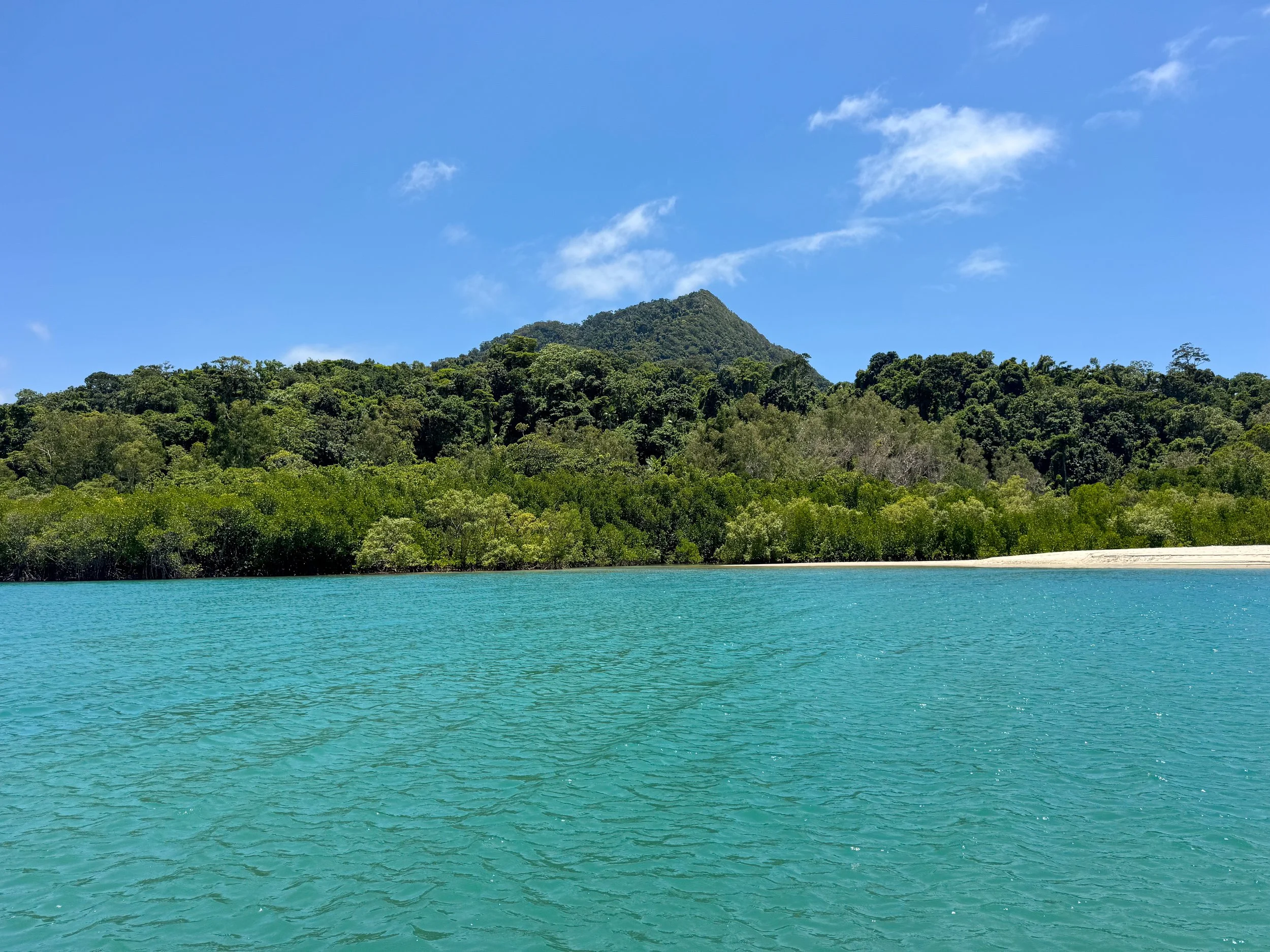
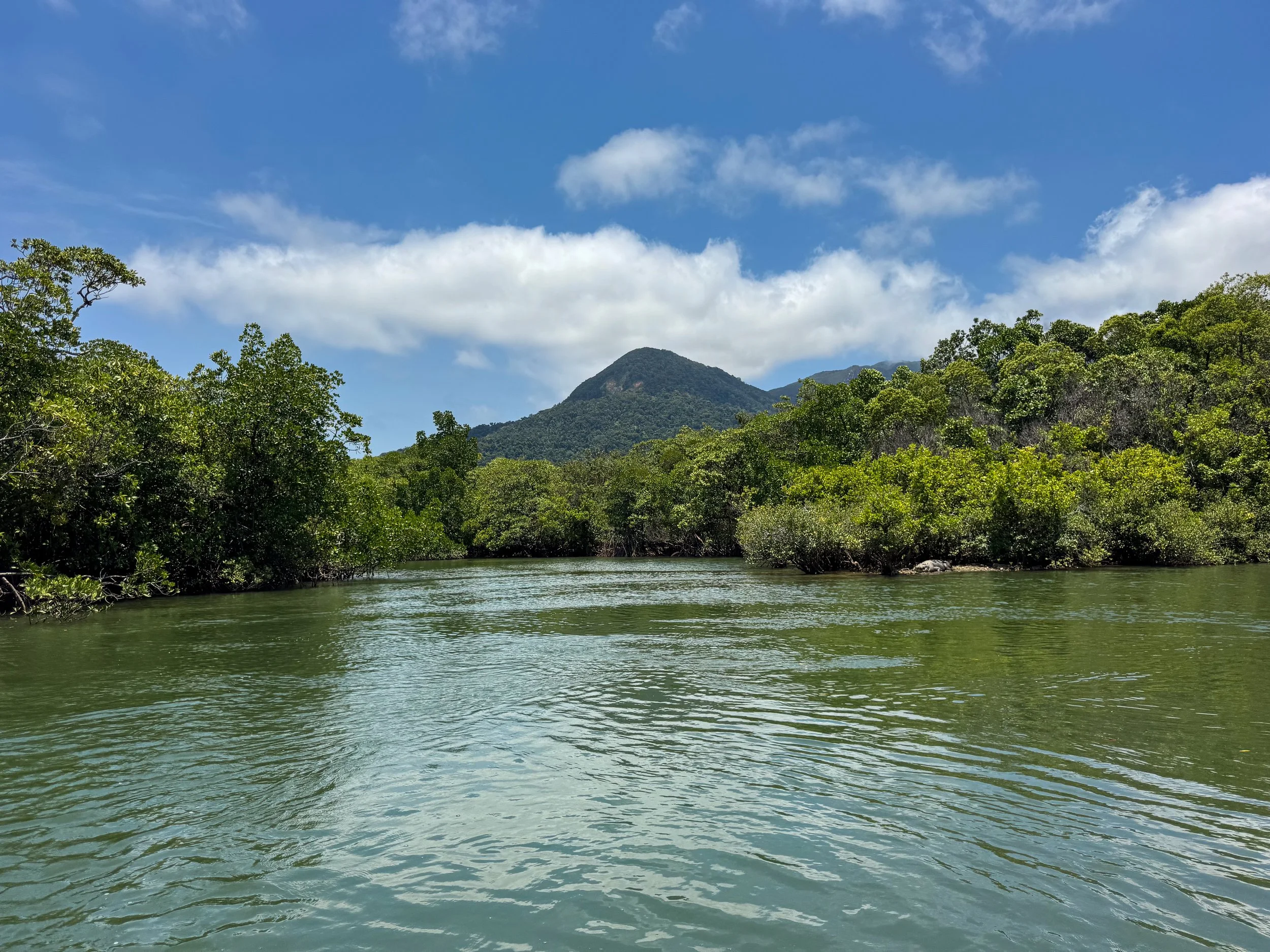
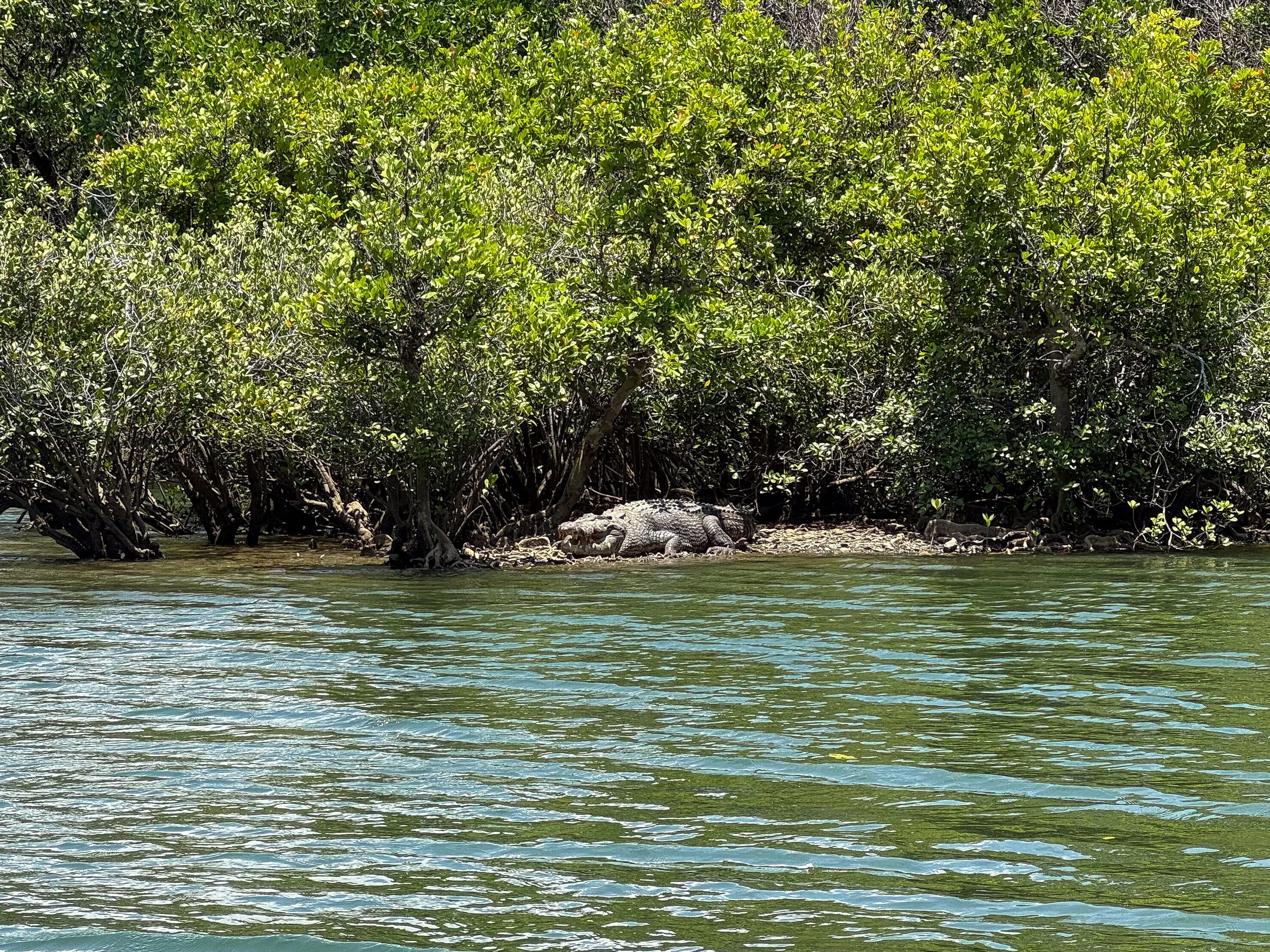
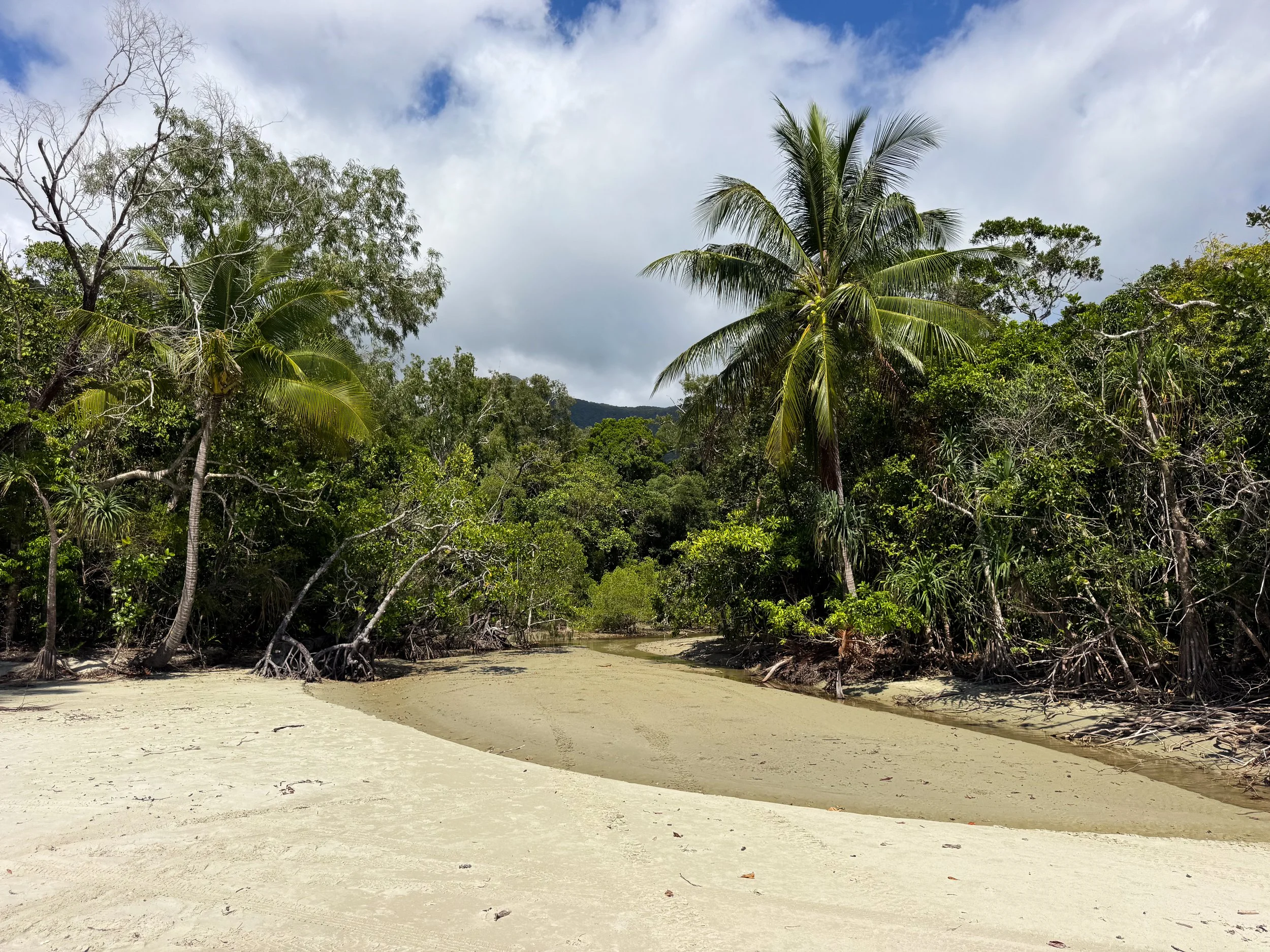
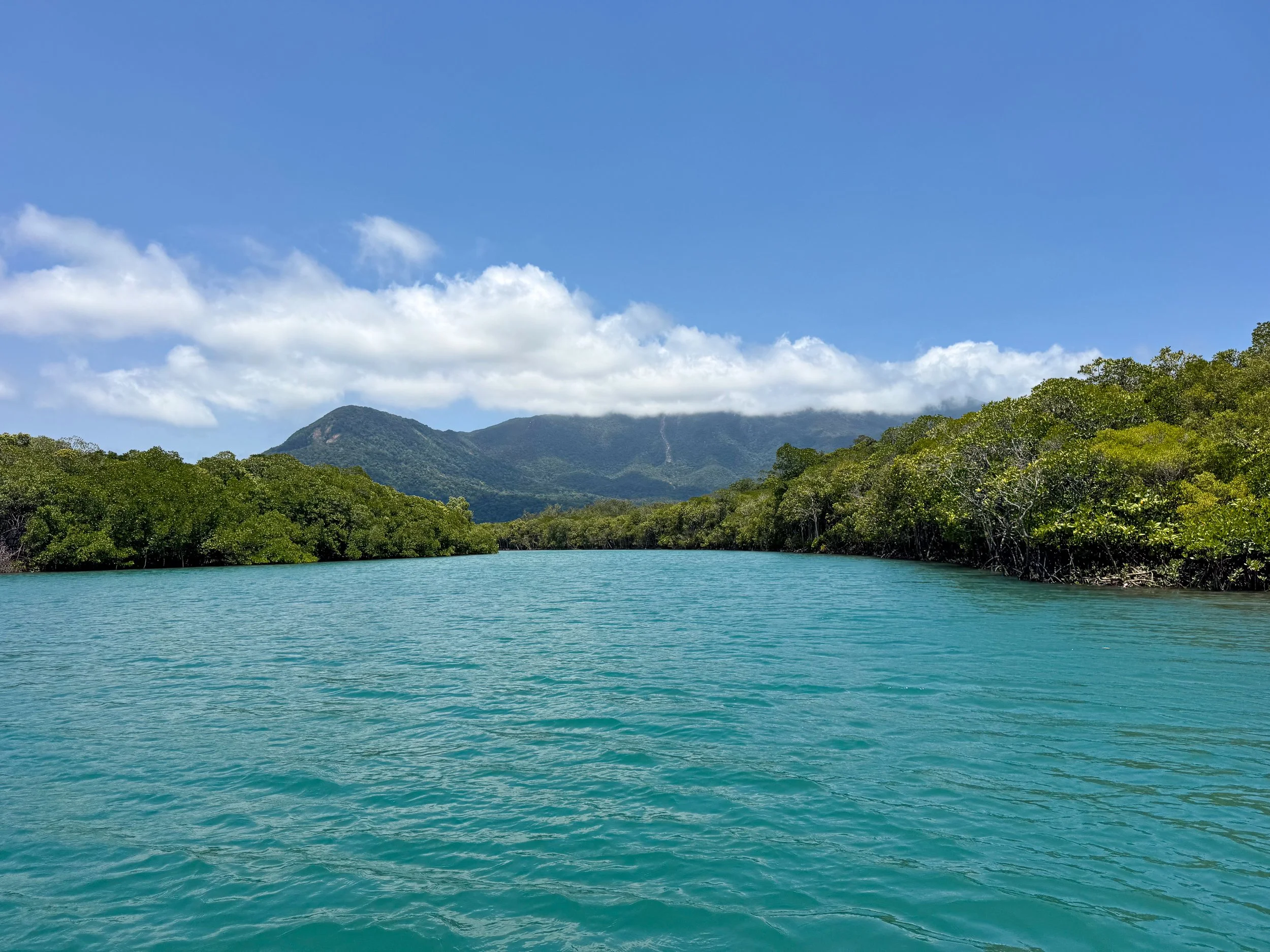
Cape Tribulation Wilderness Cruises. A boat cruise along the crocodile inhabited Copper Creek. Dense mangrove trees and mangled root structures line its banks. Verdant rainforest blankets the inland terrain. Murky river water gradually mixes with the turquoise seawater of the delta. The occasional crocodile is seen sunning on land and lurking beneath the surface of the water.
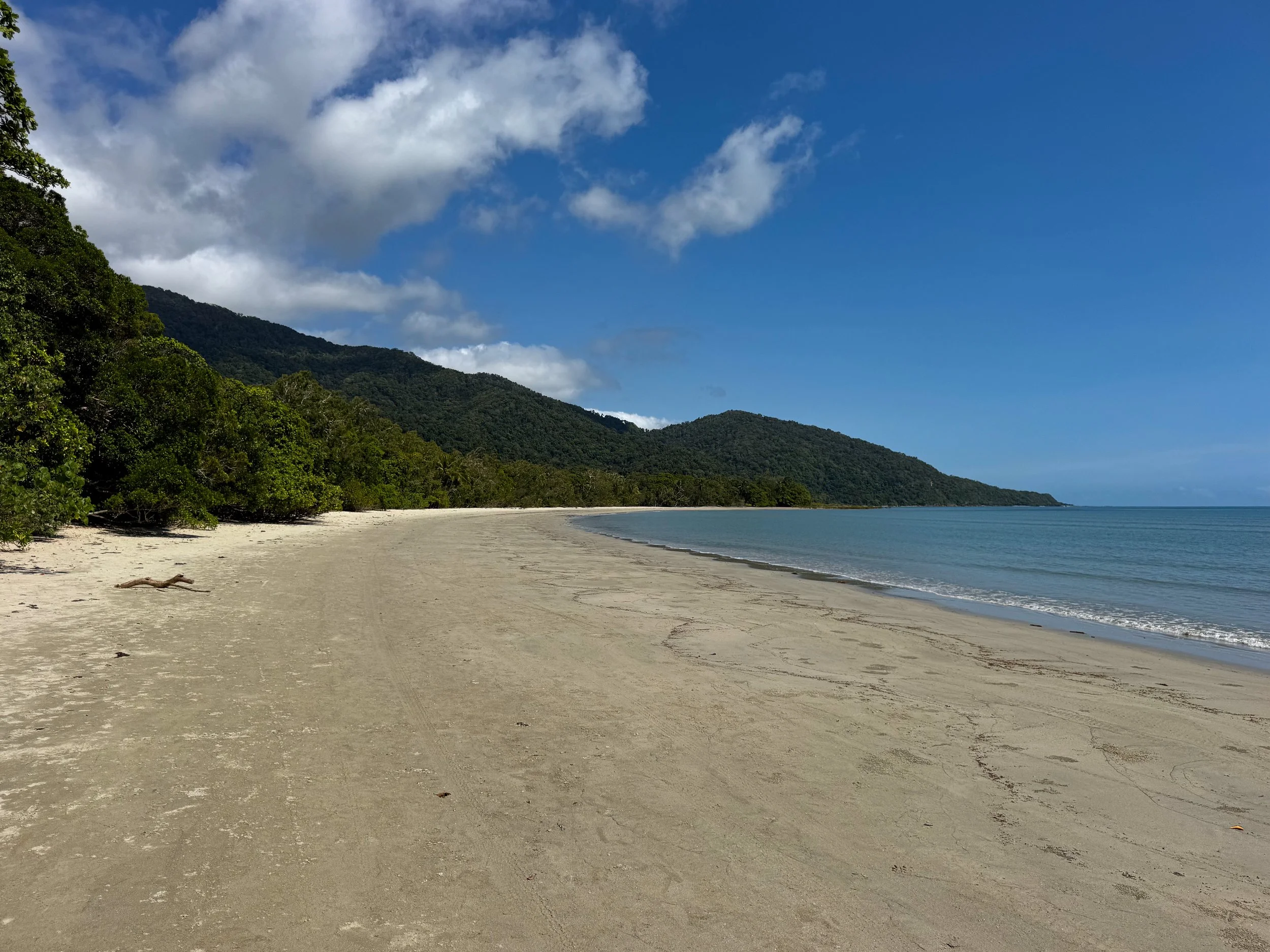
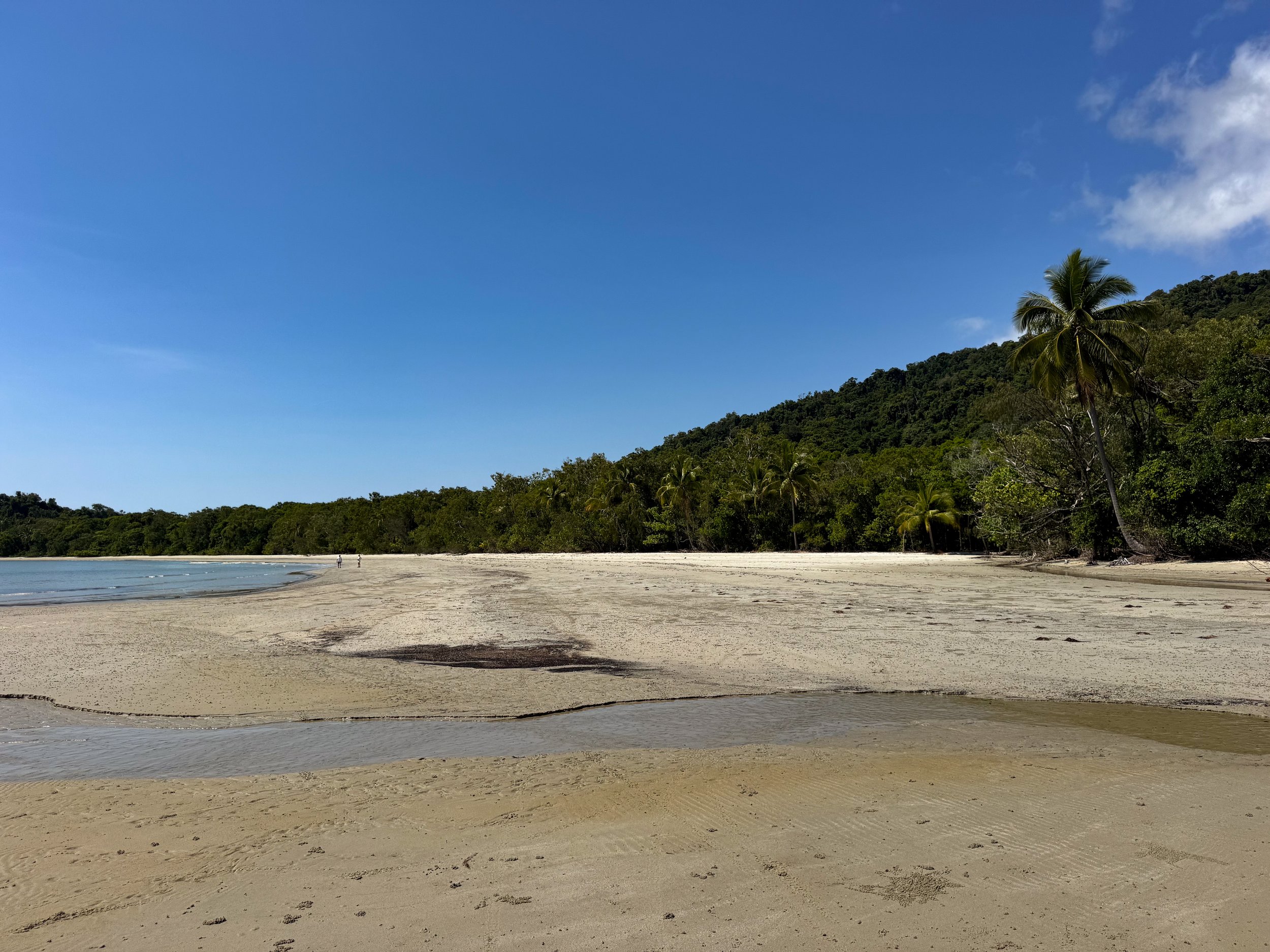
Cape Tribulation Beach. A remote place referred to as the “most dangerous beach in the world.” Its waters are inhabited by jellyfish, crocodiles and sharks. A nature trail leads through the tropical rainforest to a lookout point above the beach’s southern point. The shoreline meanders to a mangrove forest at its northern tip.
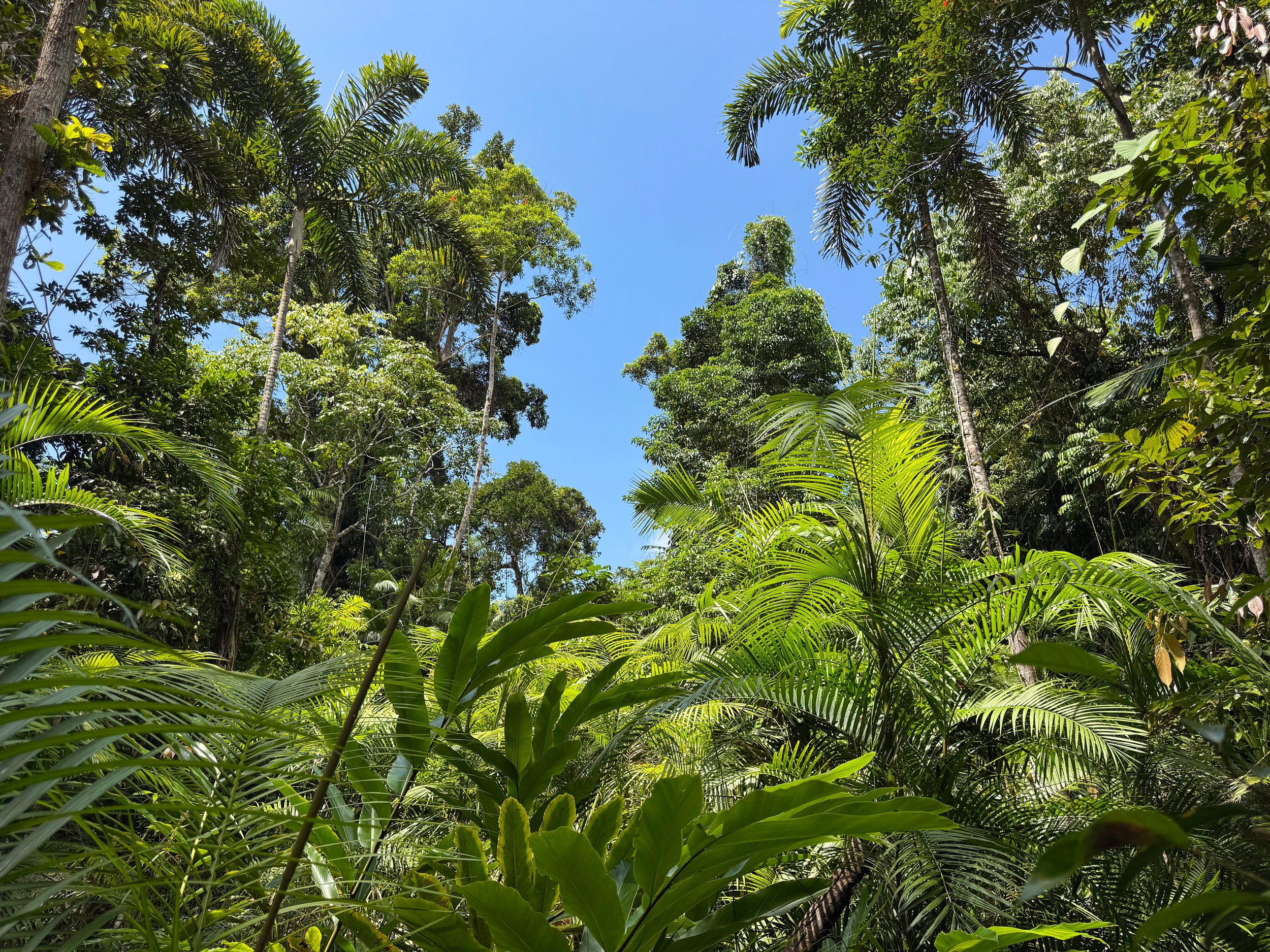
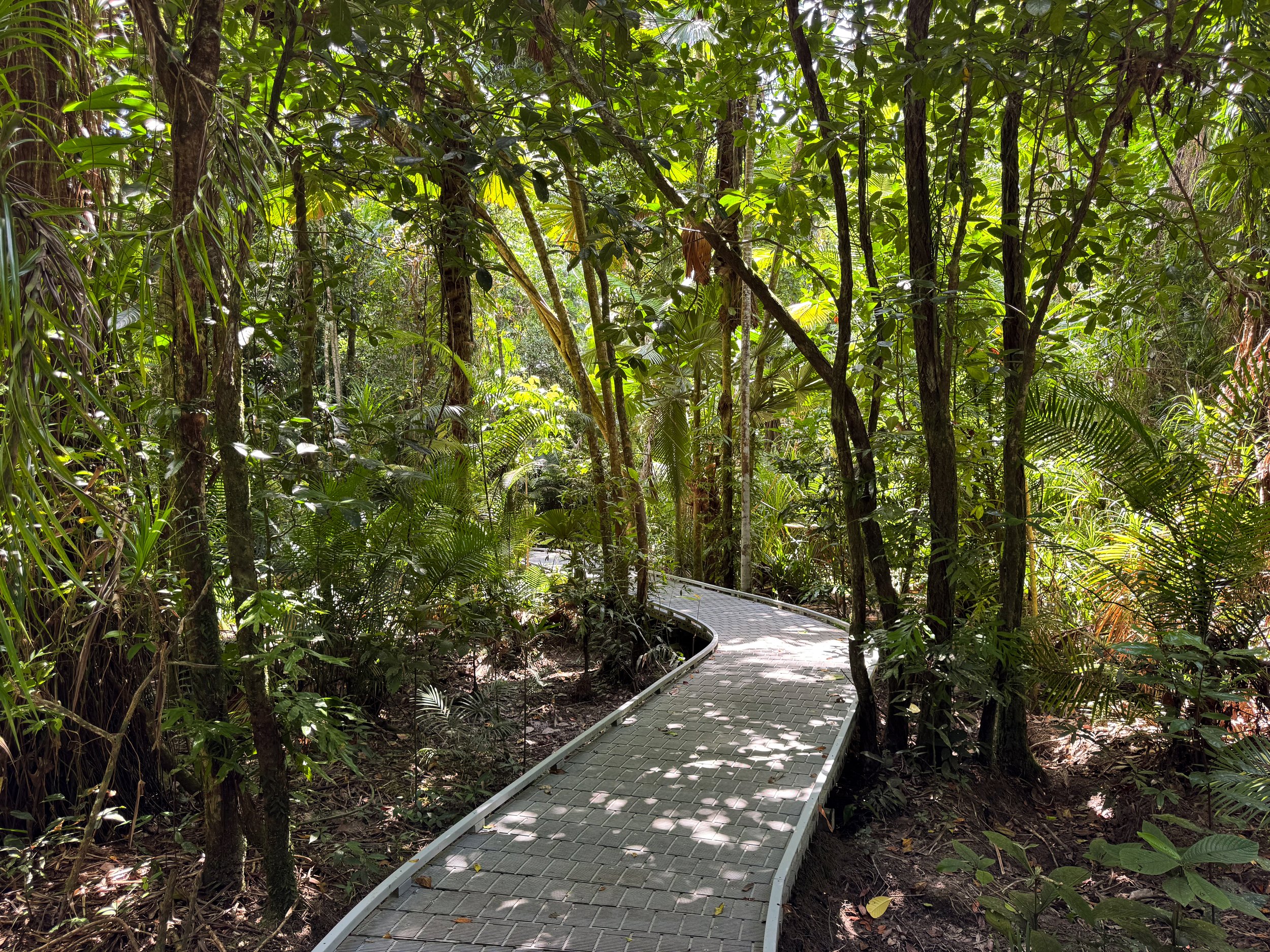
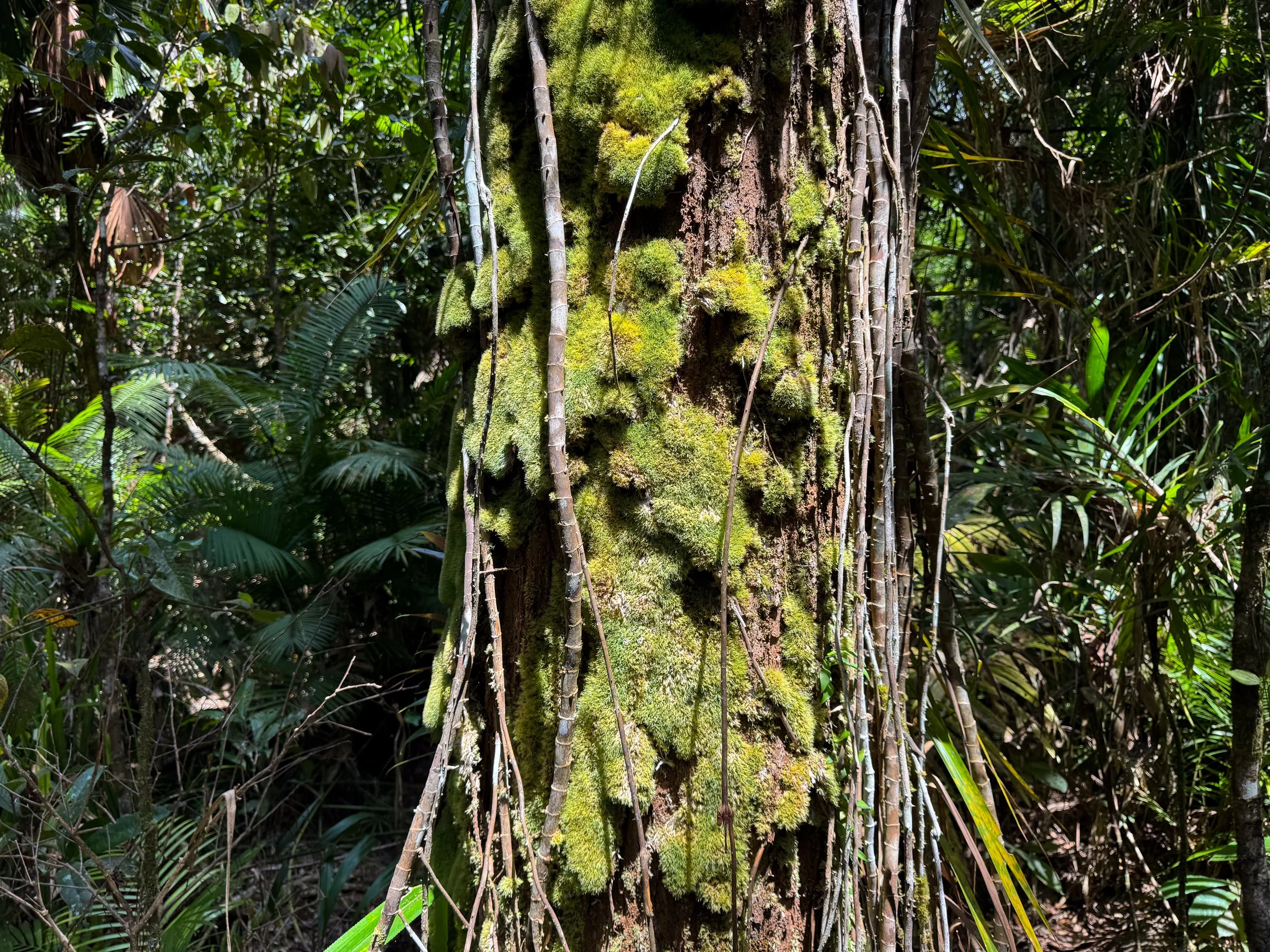
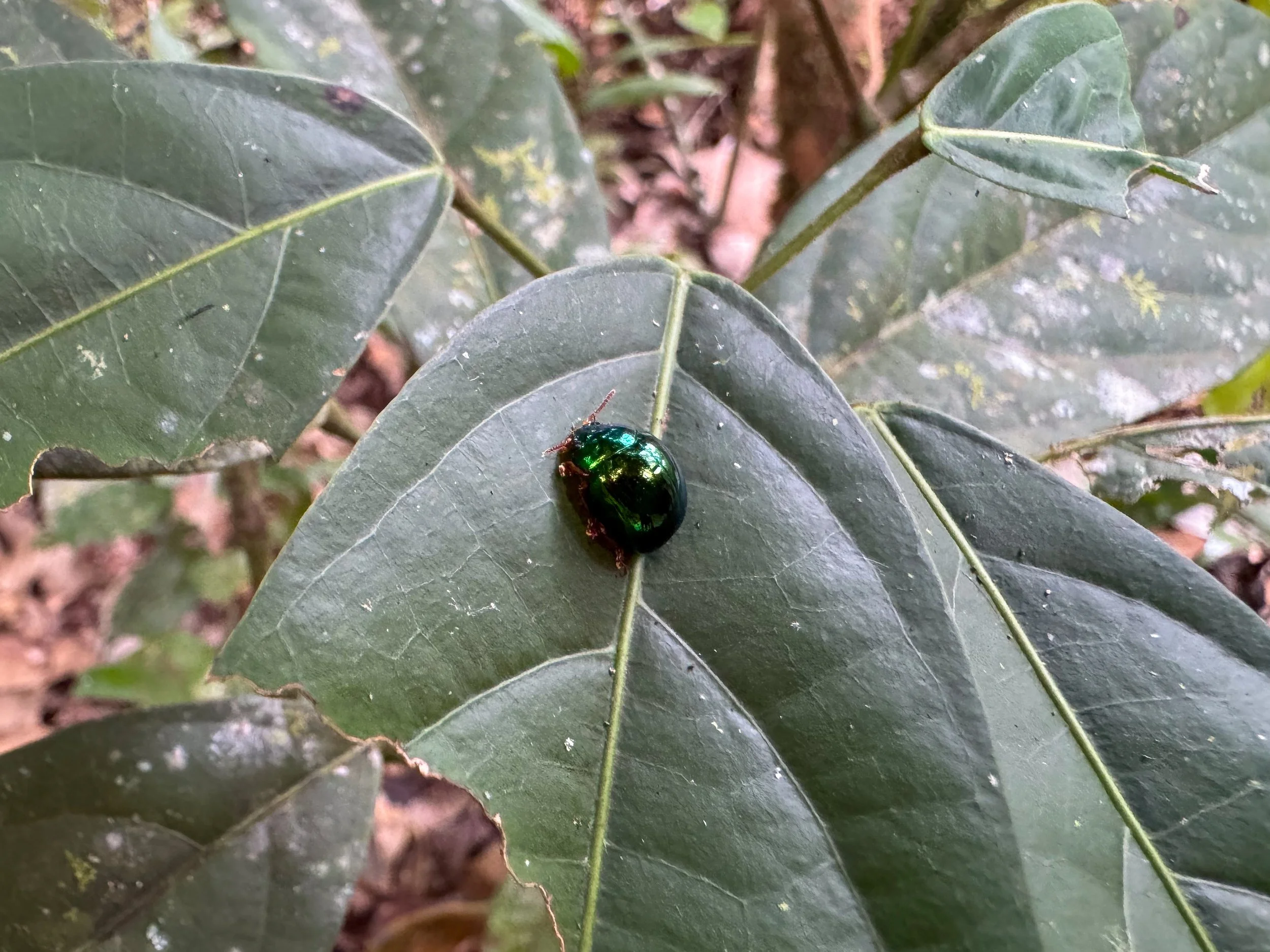
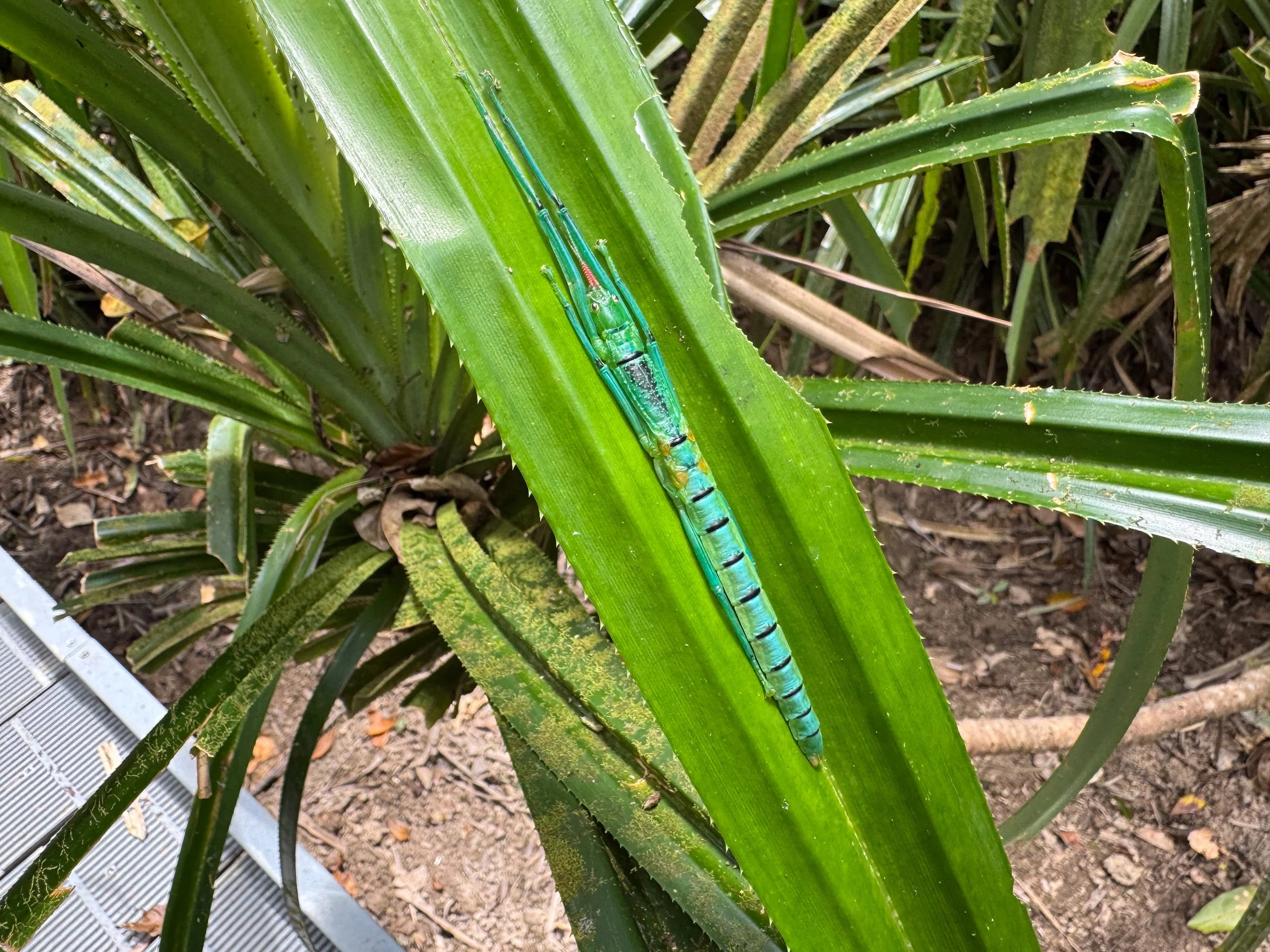
Mardja Botanical Walk. A nature walk through the wetlands of the tropical forest. The trail passes beneath a dense canopy of fan palms, giant ferns, climbing vines, spiky plants and several hundred year old trees. It continues through a muddy and flooded mangrove forest. The hum of insects and songs of birds resonate in the air.
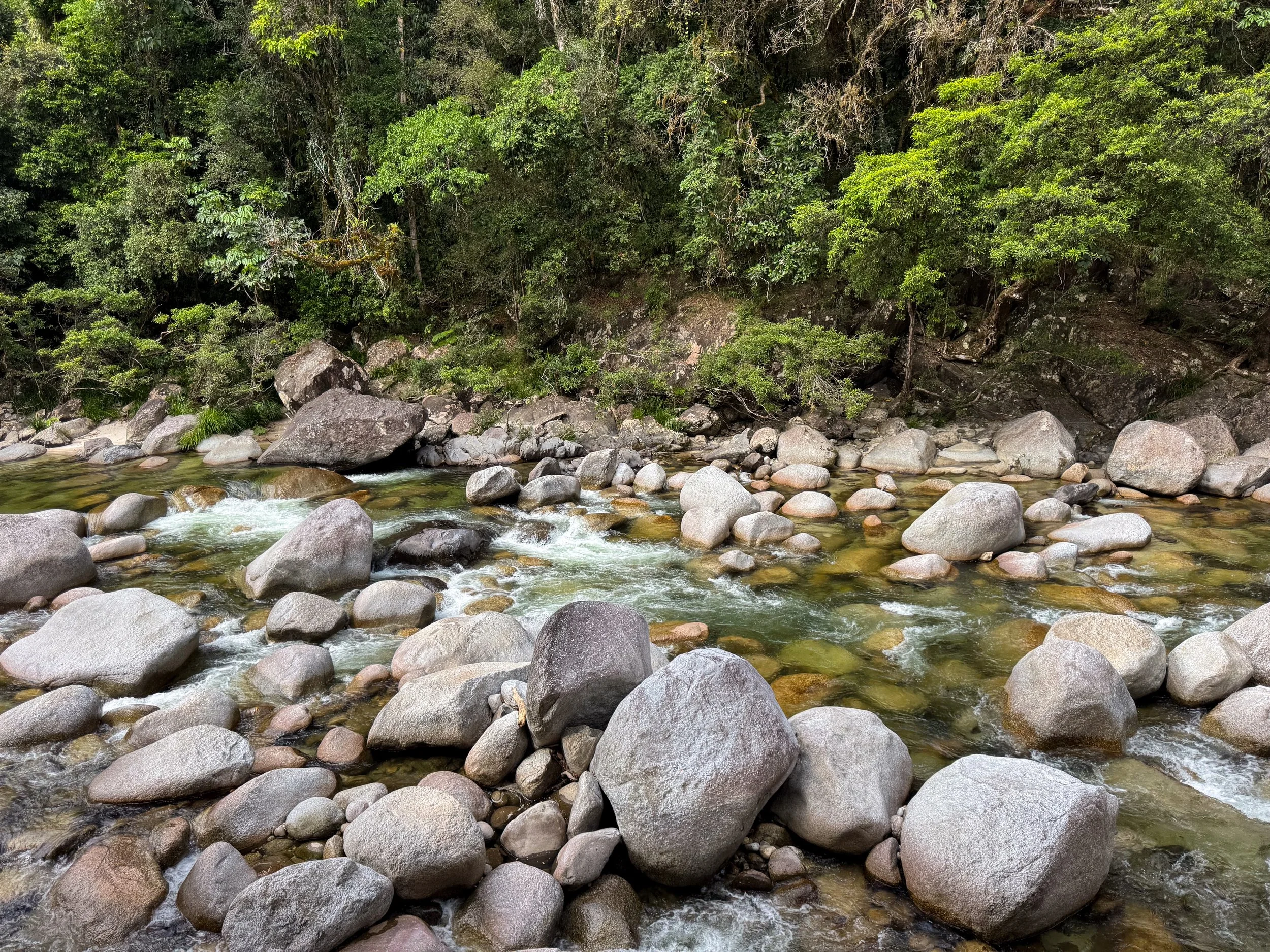
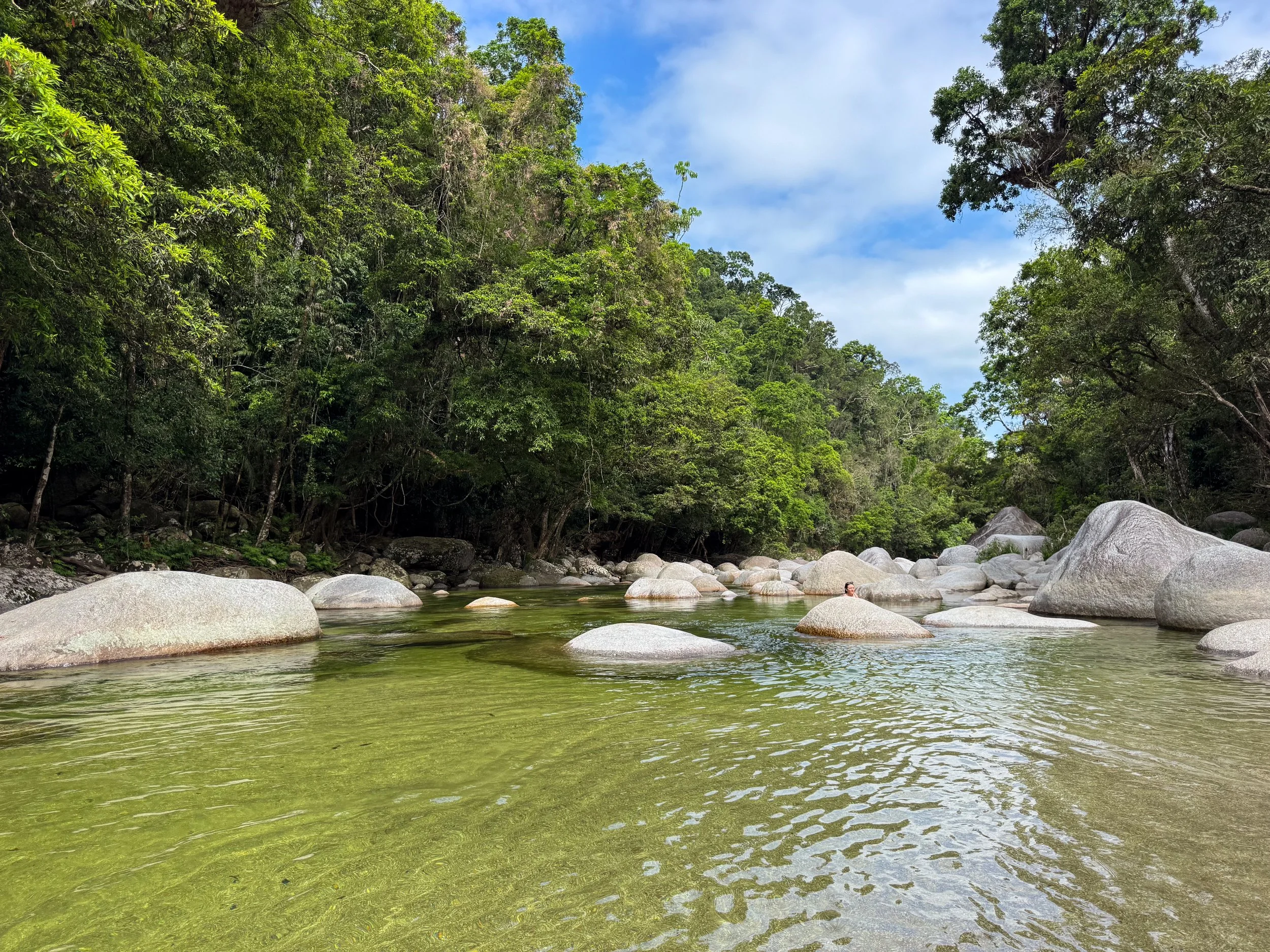
Mossman Gorge. A jungleous river gorge with nature trails, lookout points and beaches. River pools offer places to swim in the clear and cool water. Granite boulders of all sizes speckle the riverbed as verdant trees tower over its banks. Insects and birds can be spotted resting on leaves and perched in the tree top canopy.
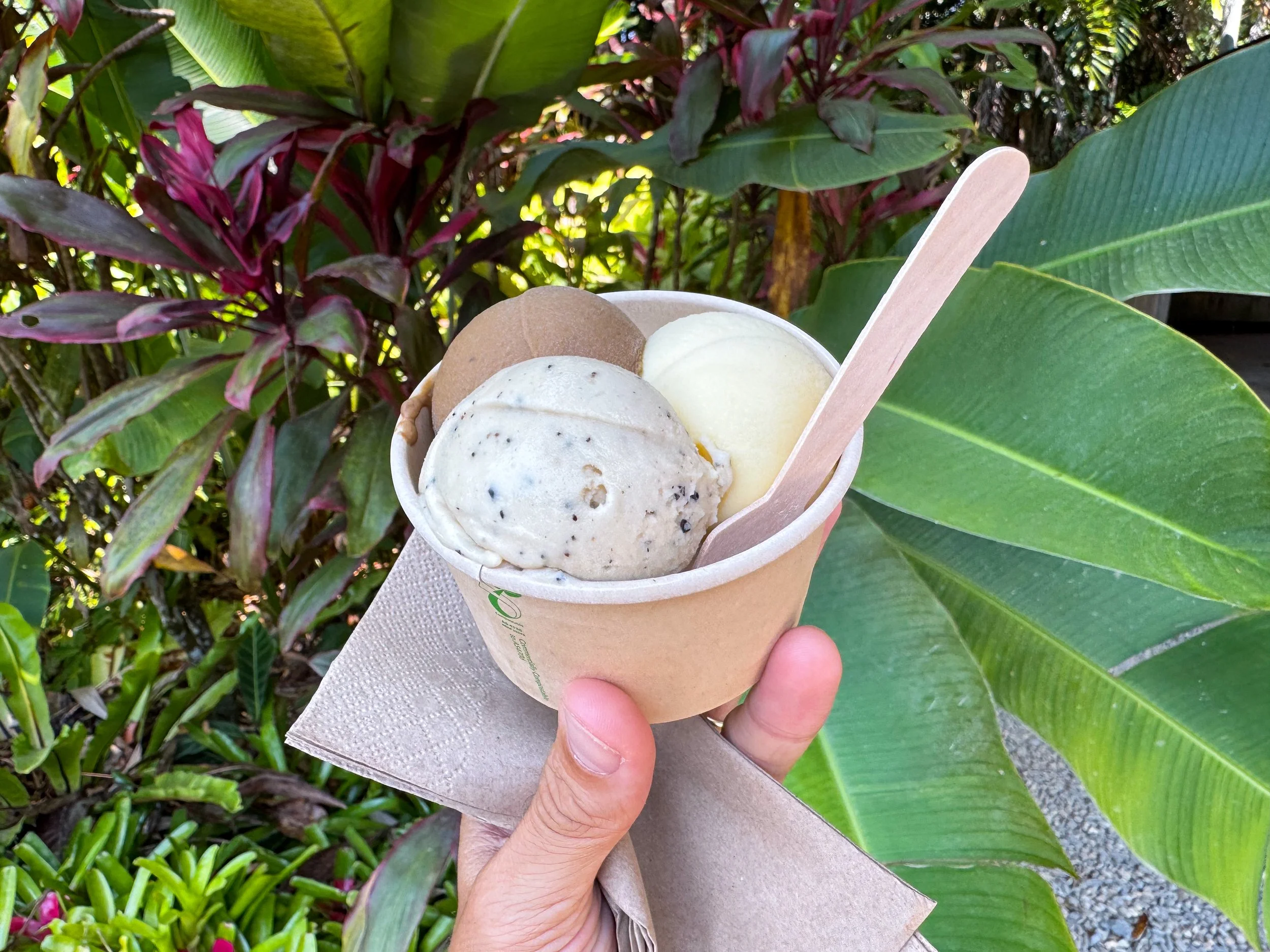
Daintree Ice Cream Company. An ice cream shop serving exotic and tropical flavors made with fruit grown on the property. Try a combination of wattleseed, black sapote, mango, coconut and soursop.
Experience Daintree. A tour operator in Port Douglas offering day trips to the Daintree Rainforest. Book on Viator.
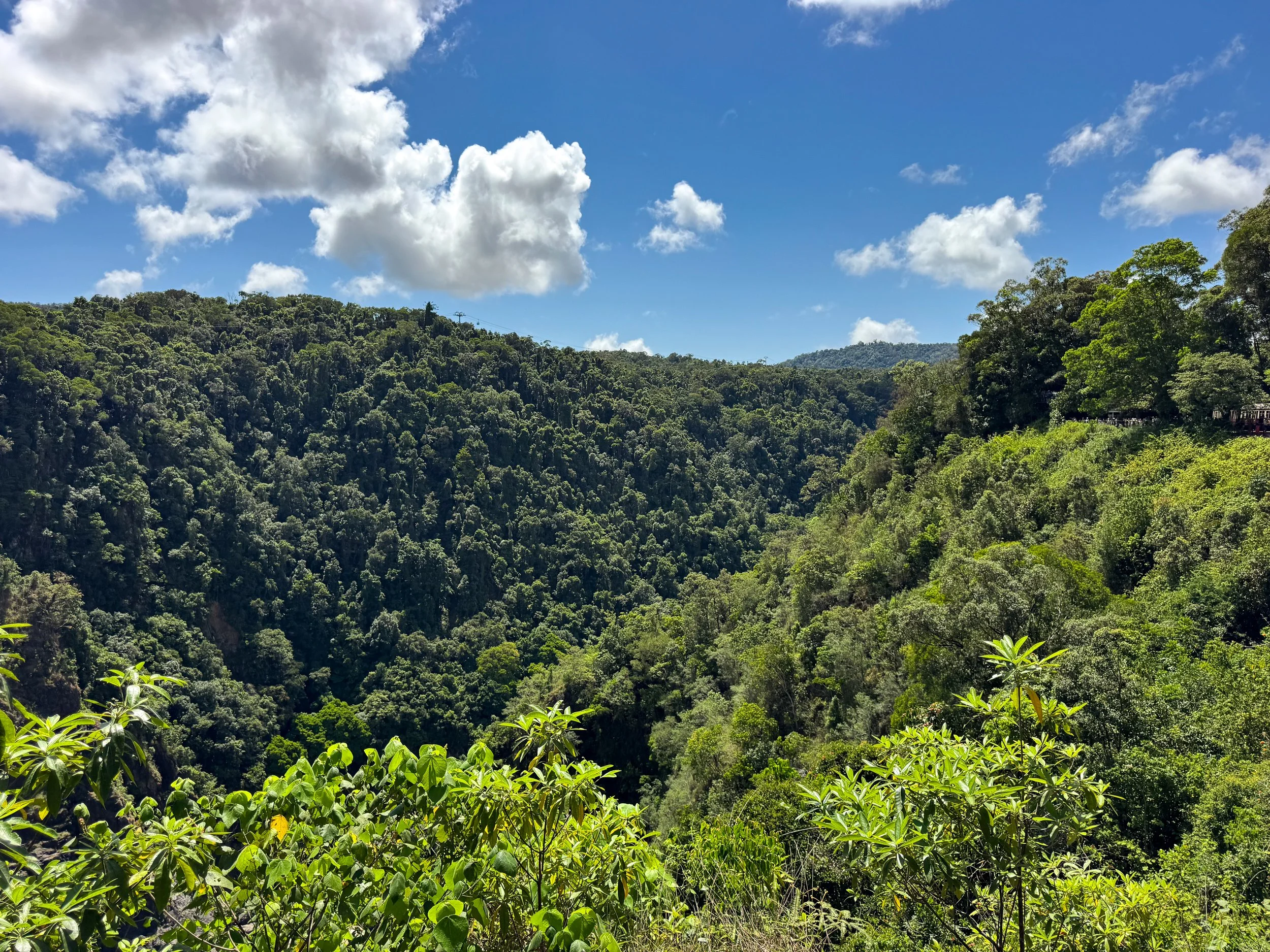
Kuranda Forest
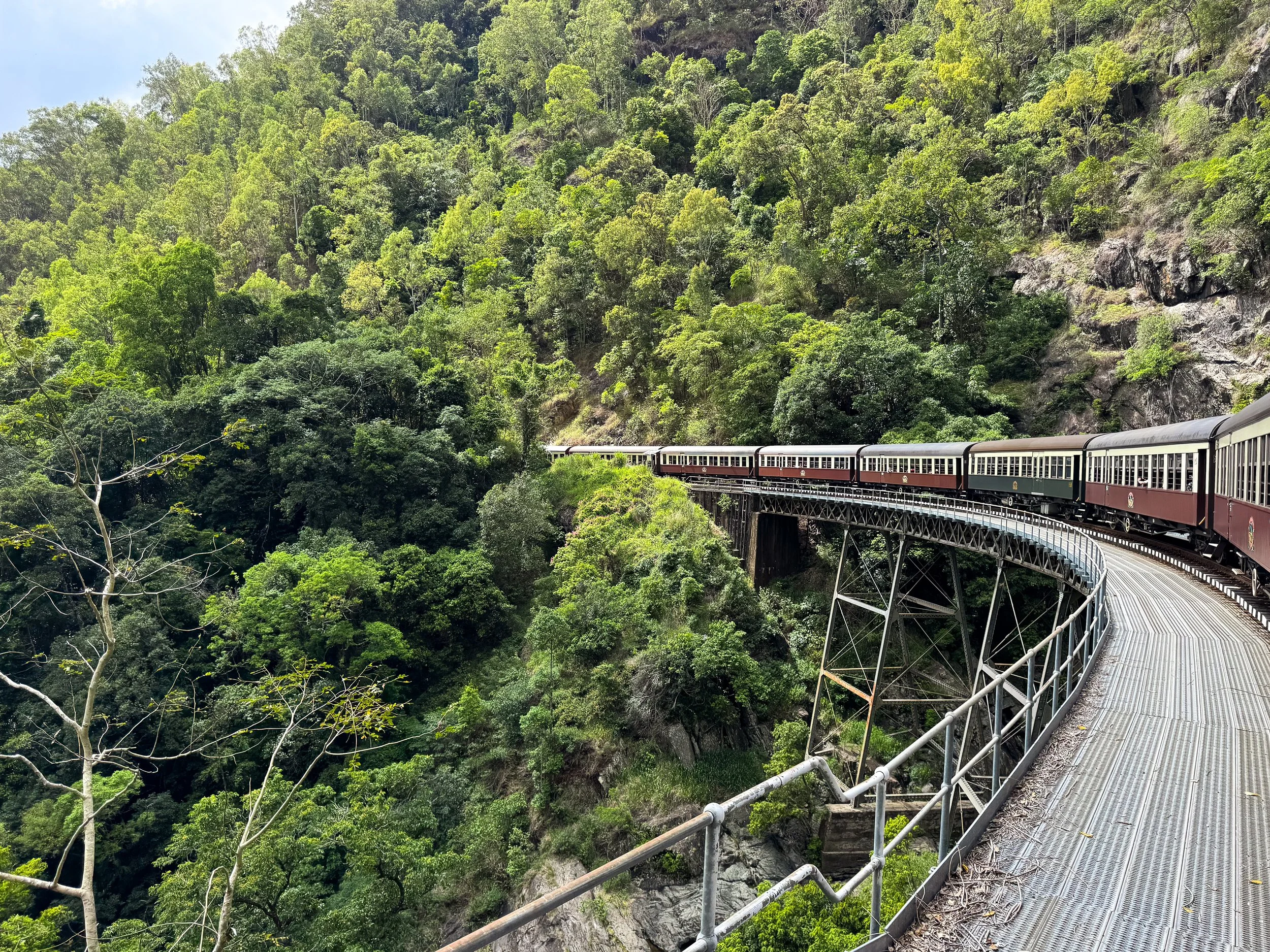
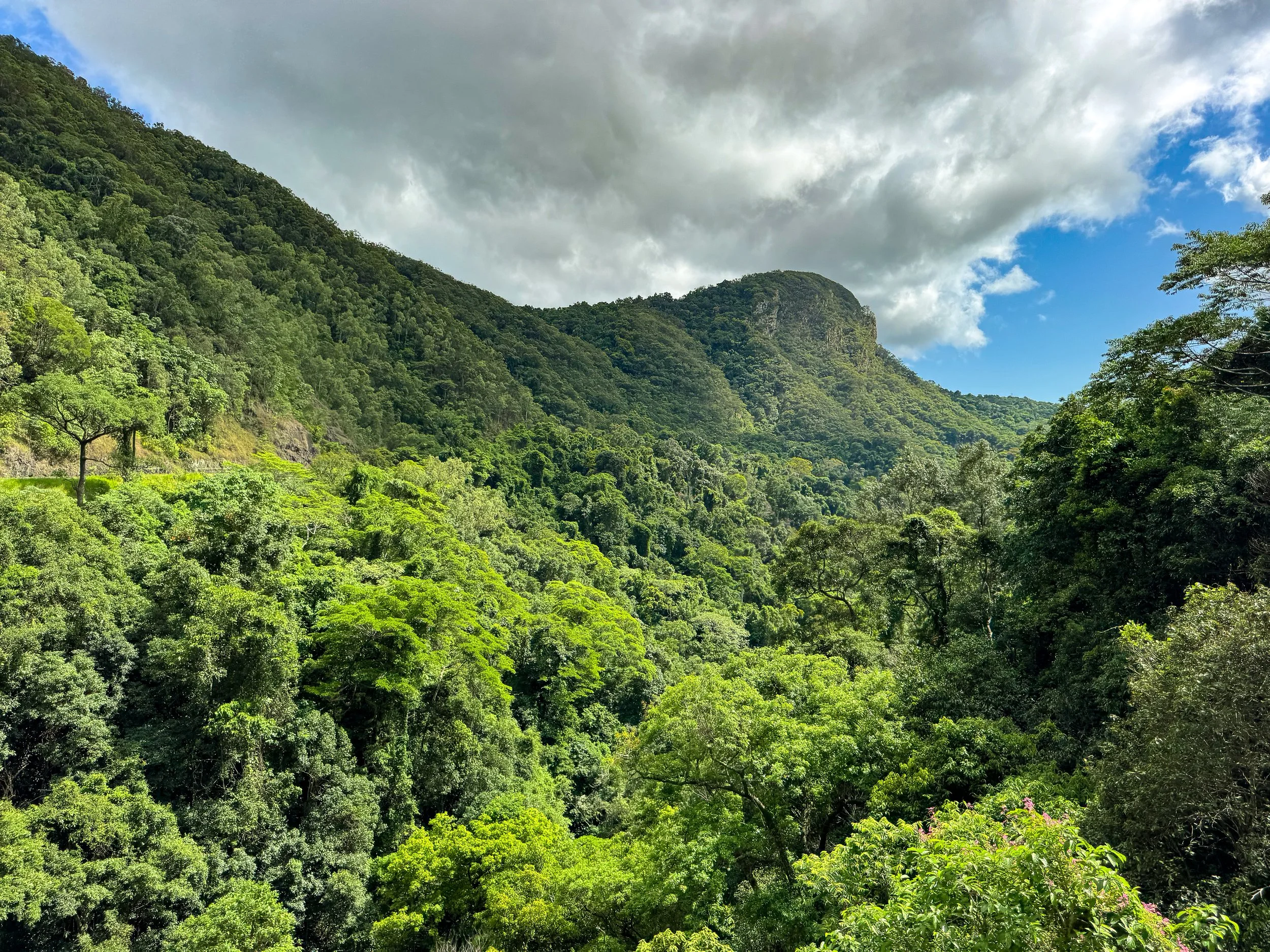
A tropical jungle with densely forested mountains, verdant landscapes and massive waterfalls. The forest is accessible from Cairns by a historic train line and scenic cable car.
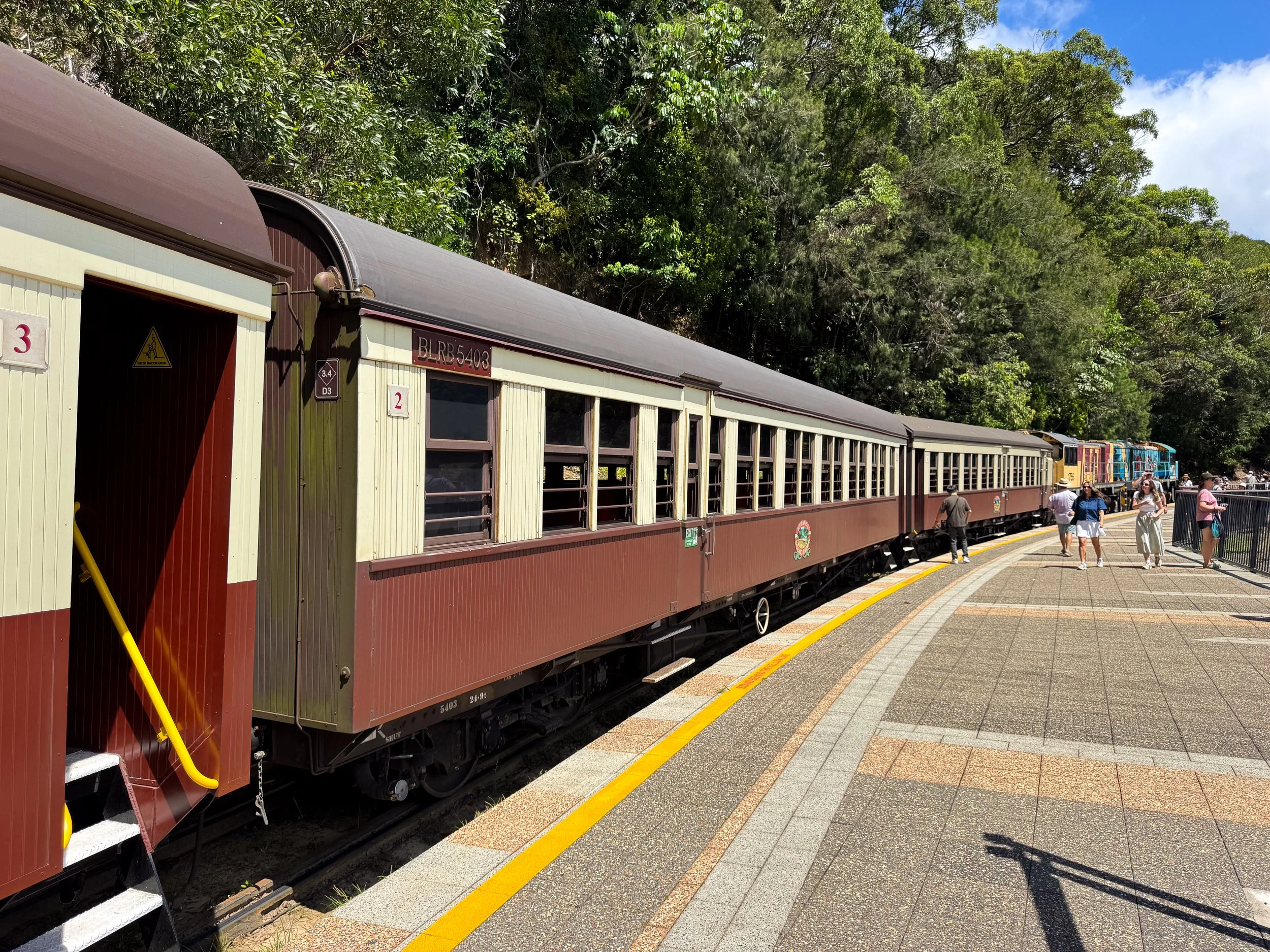
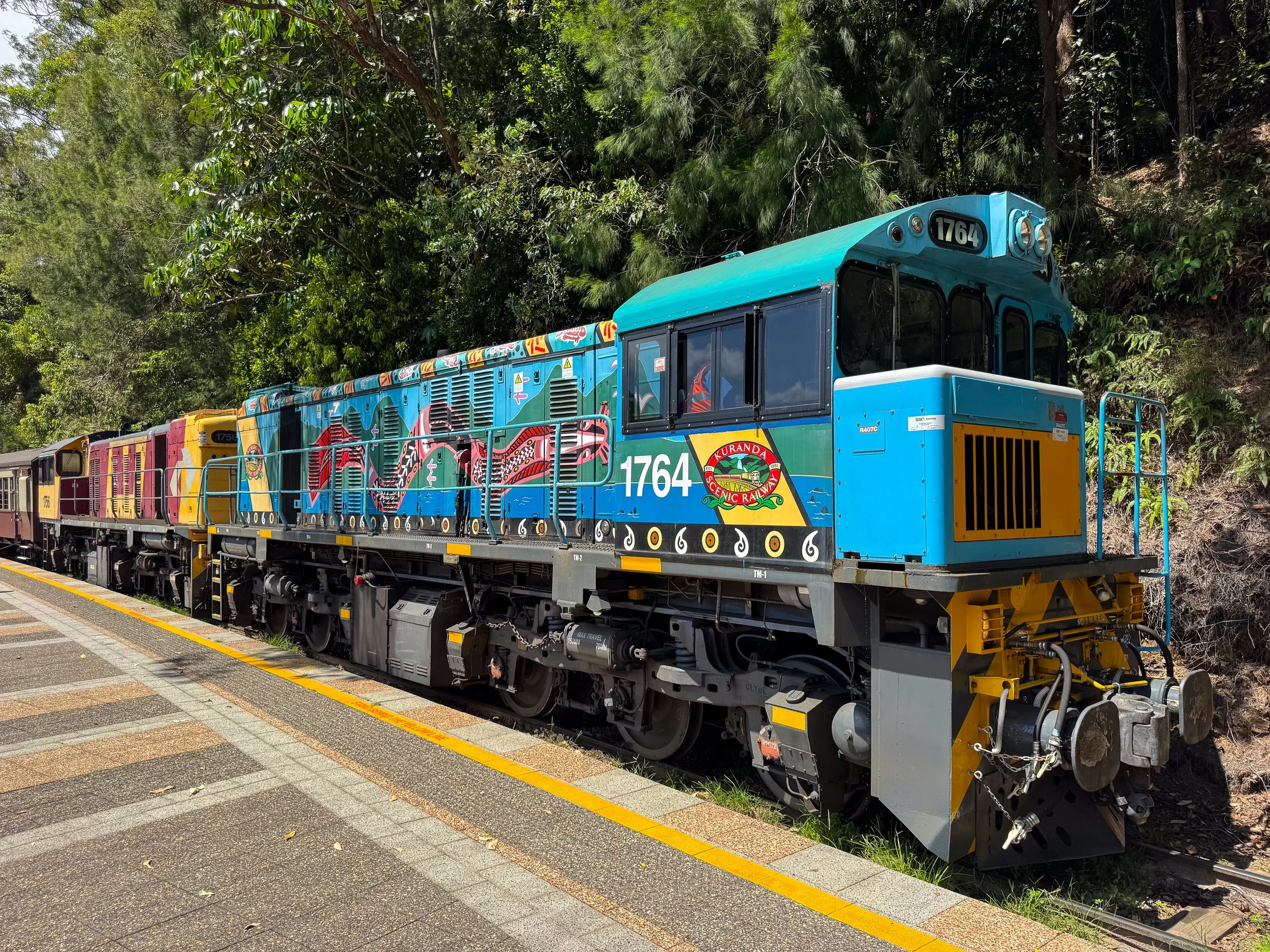
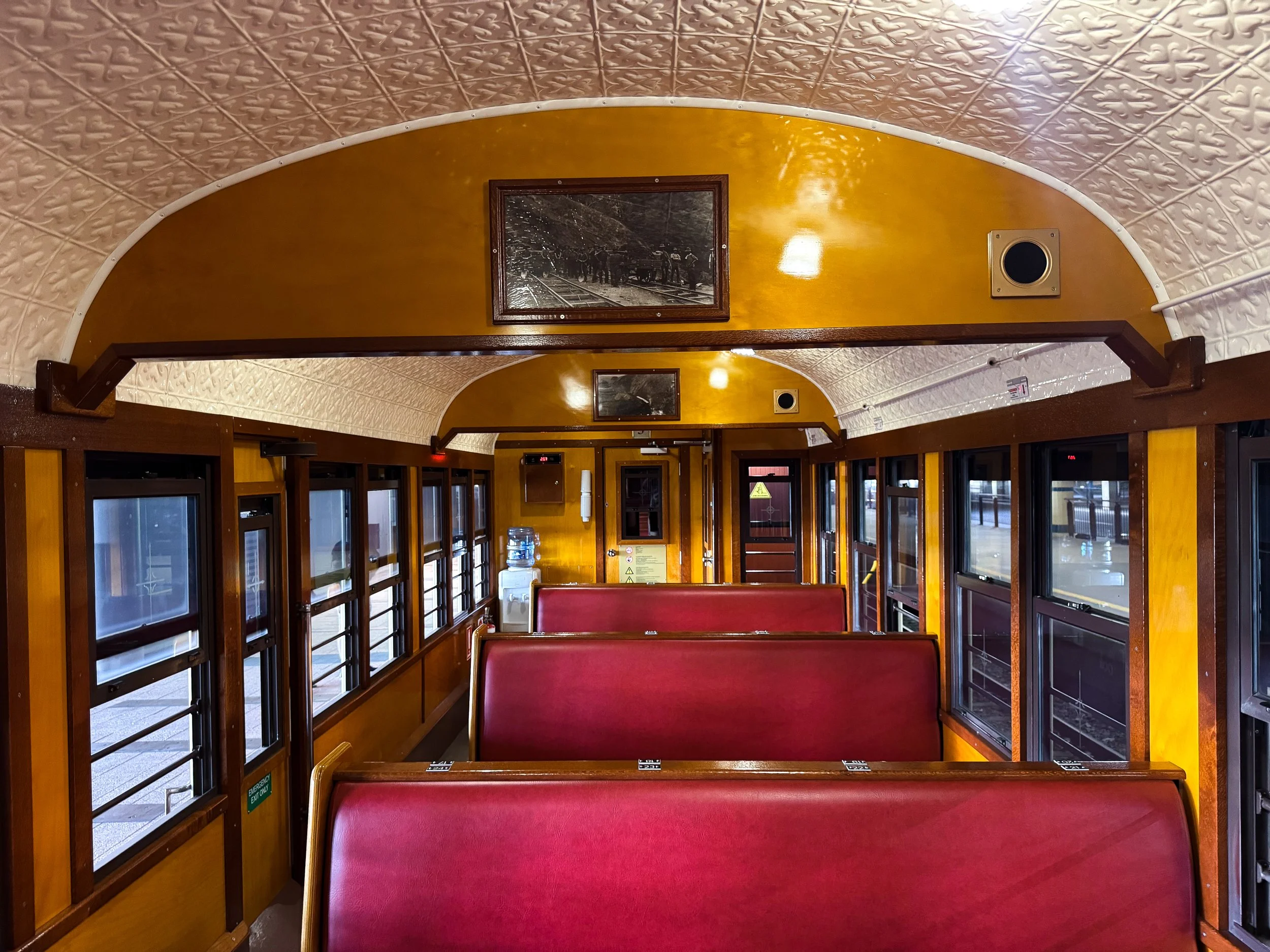
Kuranda Scenic Railway. A historic railway with scenic views of the Kuranda Forest, its gorges, ridges, rivers and waterfalls. Antique carriages shuttle passengers along a series of twists, tunnels and bridges between Cairns and the Kuranda Village. The journey lasts about 2 hours including a brief stop at Barron Falls Lookout. Reserve tickets in advance here.
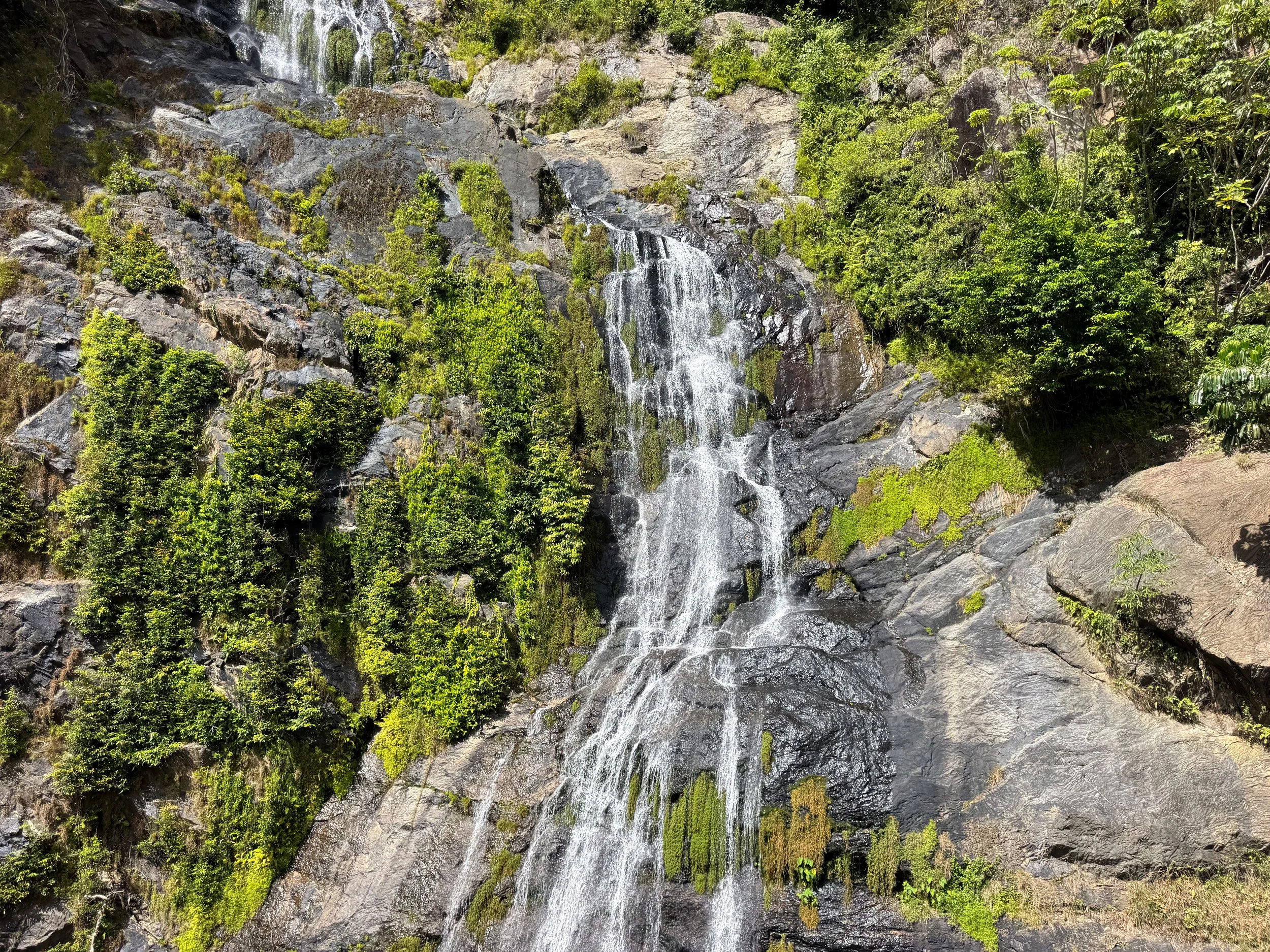
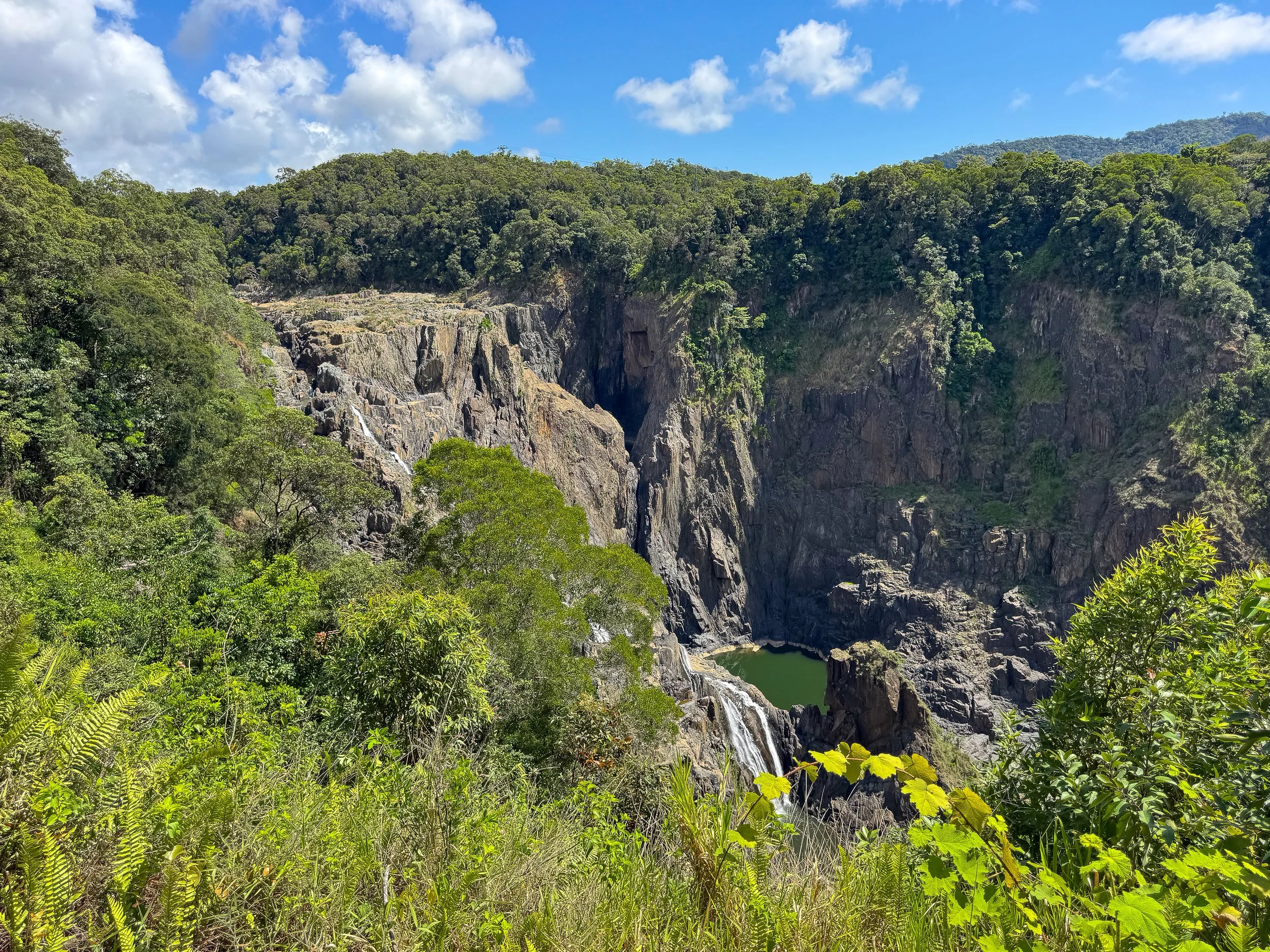
Barron Falls. A massive rainforest waterfall in the Barron Gorge. A trickling stream of water flows over the craggily black stone gorge and cliffside pools during the dry season. Its raging waters are best seen during the wet season from December to February.
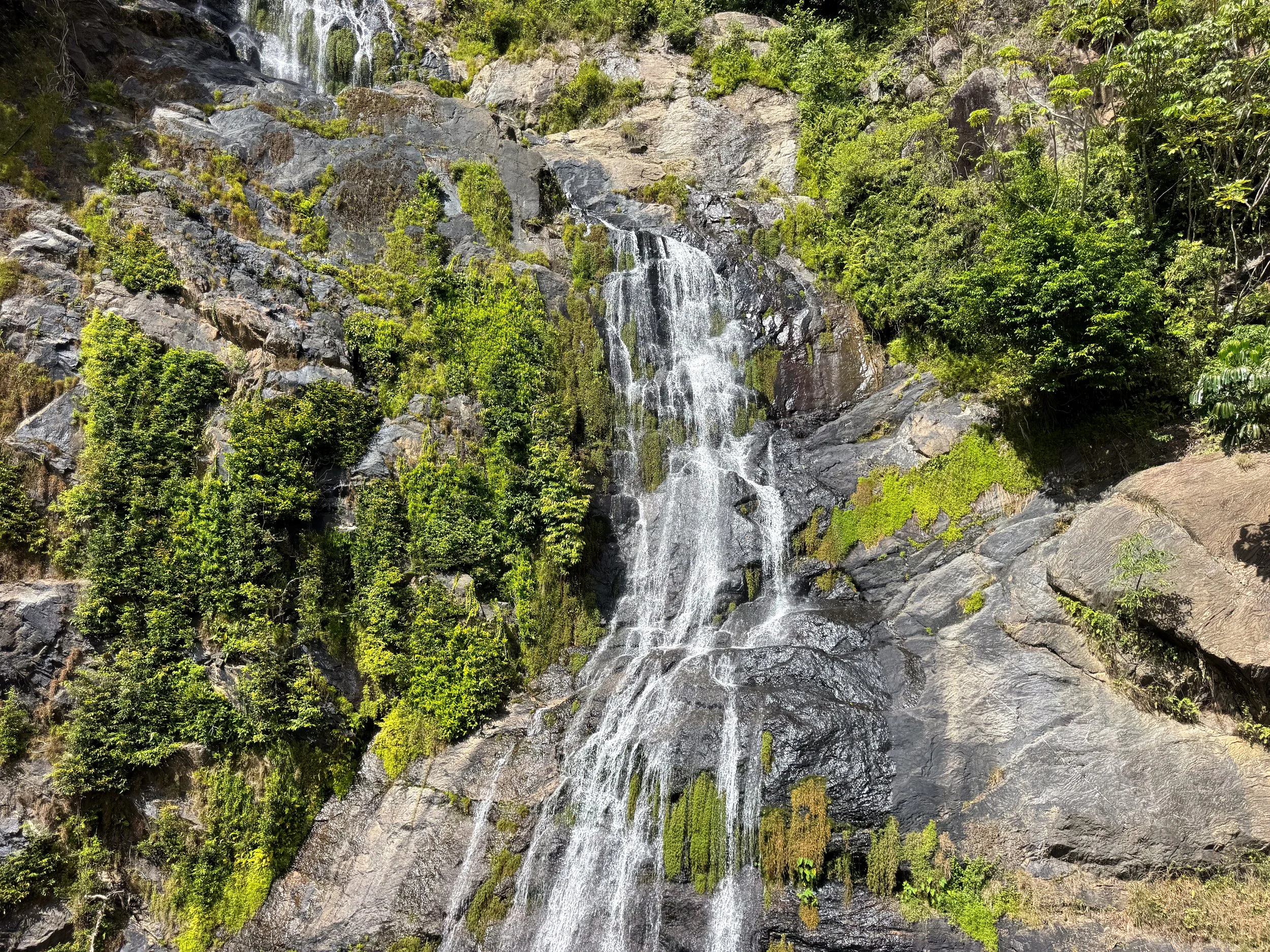
Stoney Creek Falls. A cascading waterfall flowing down the face of tall rocky cliff. It’s visible from the Scenic Railway.
Kuranda Sky Rail. A series of cable cars suspended above the lush treetop canopy of the Kuranda Forest. They offer panoramic views of the mountainous rainforest, its rivers and gorges. Stations at Barron Falls and Red Peak provide opportunities to explore nature trails surrounded by towering trees and tropical plants. Reserve tickets in advance here.
Kuranda Village. A mountain village in the middle of the Kuranda Forest. Its main street is lined with ice cream shops, souvenir stores, aboriginal art galleries and small zoos. The Scenic Railway and Sky Rail make stops here.
Pro Tip. Ride the Scenic Railway up and take the Sky Rail down.
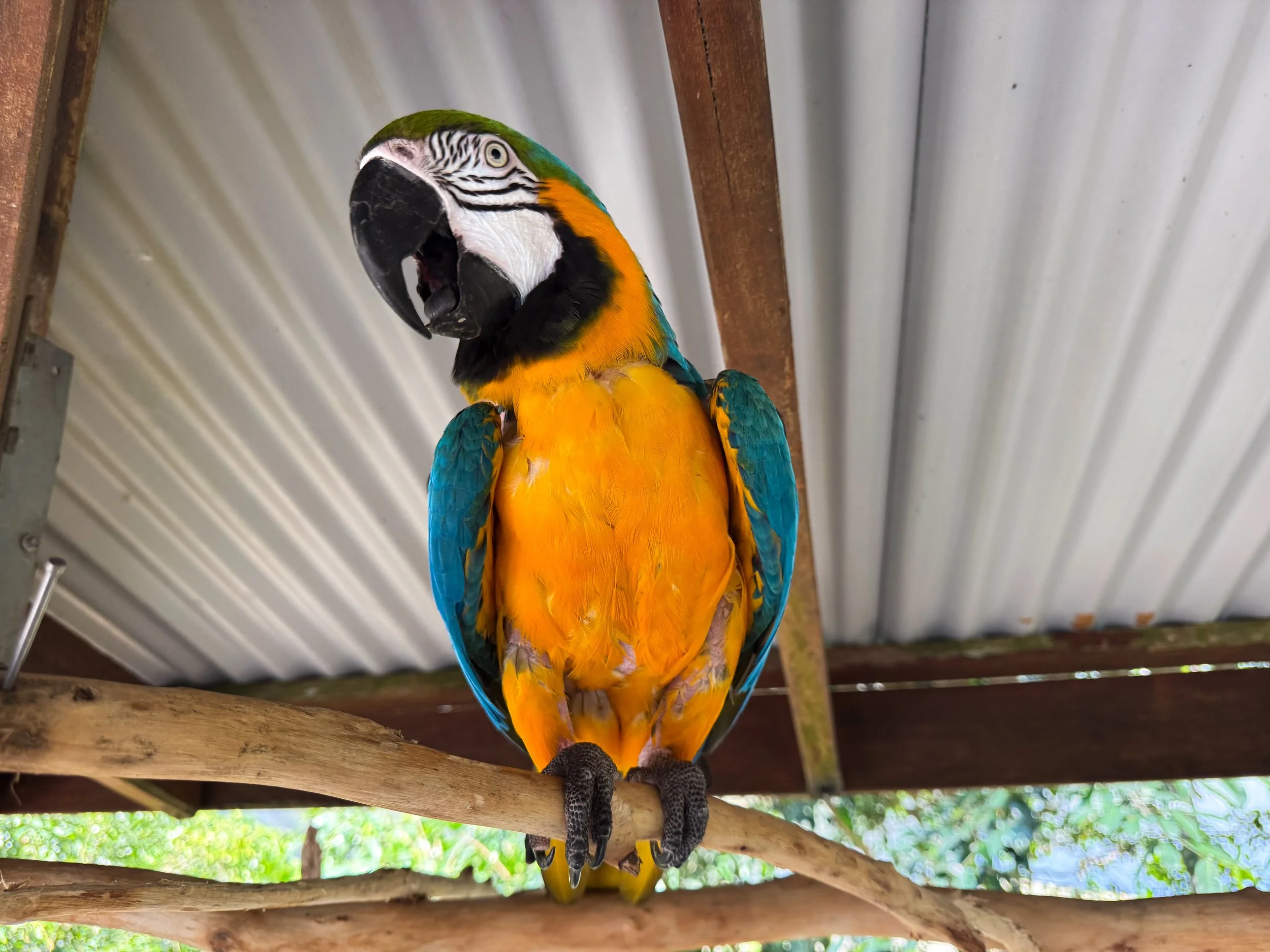
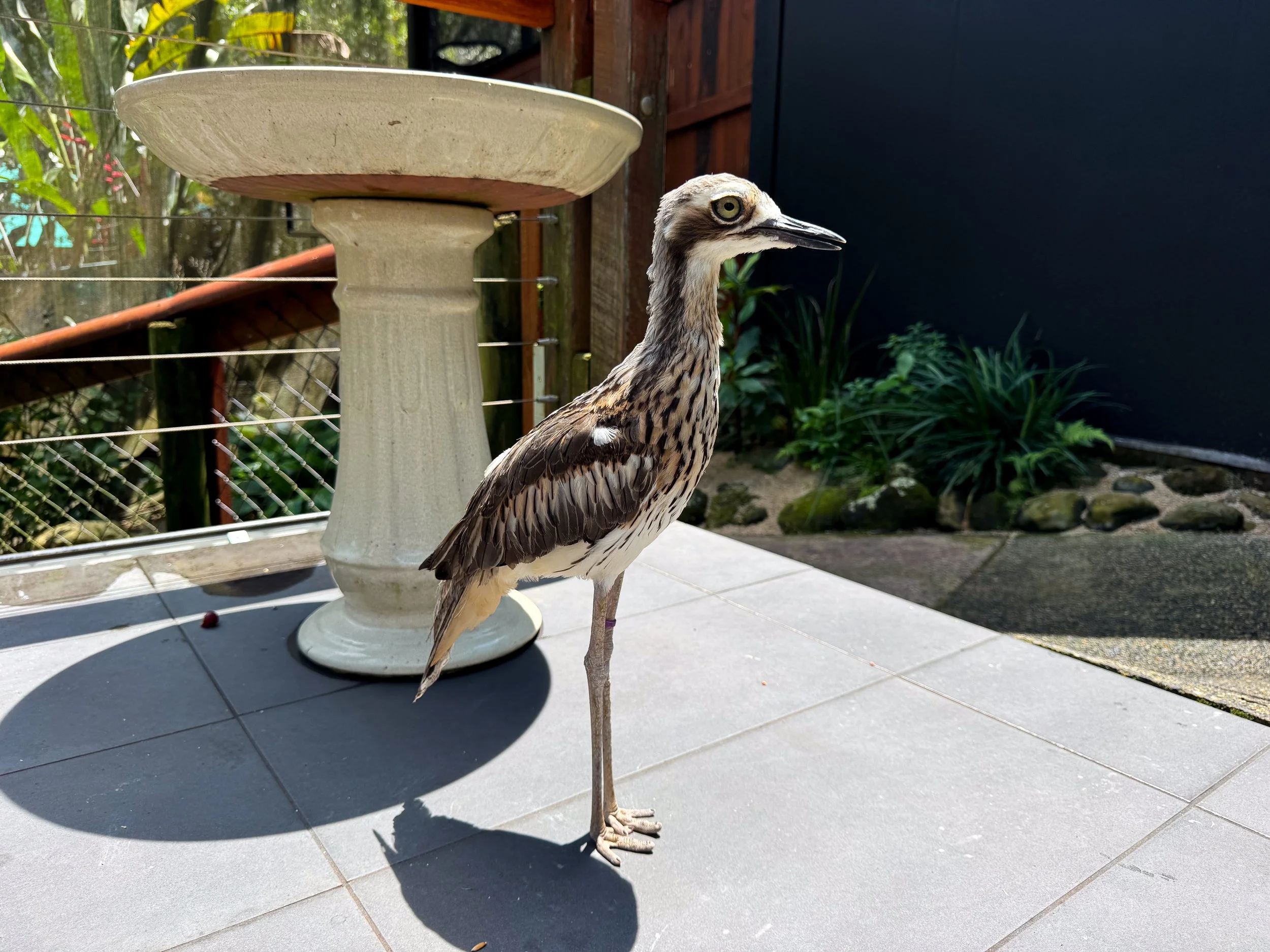
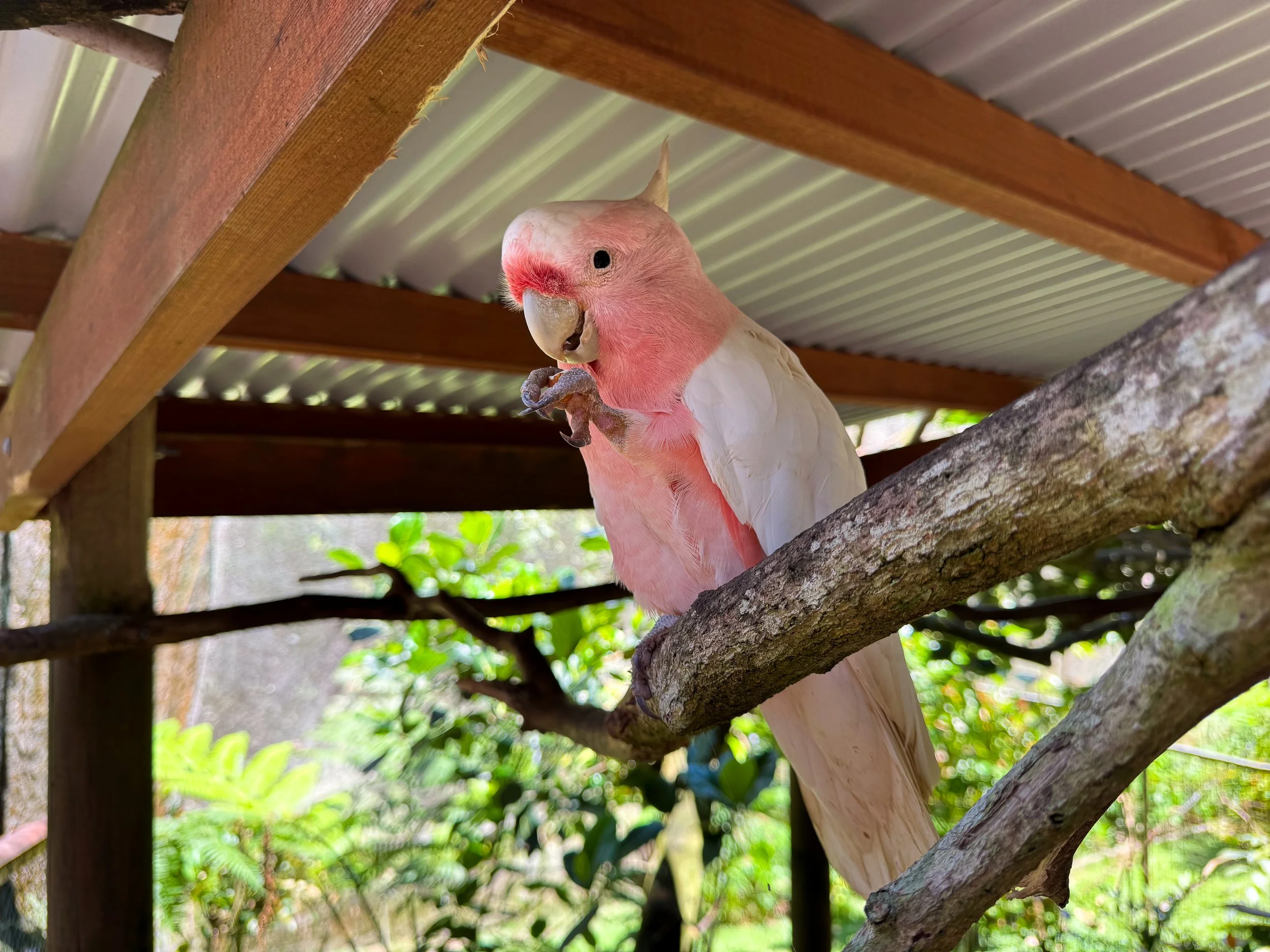
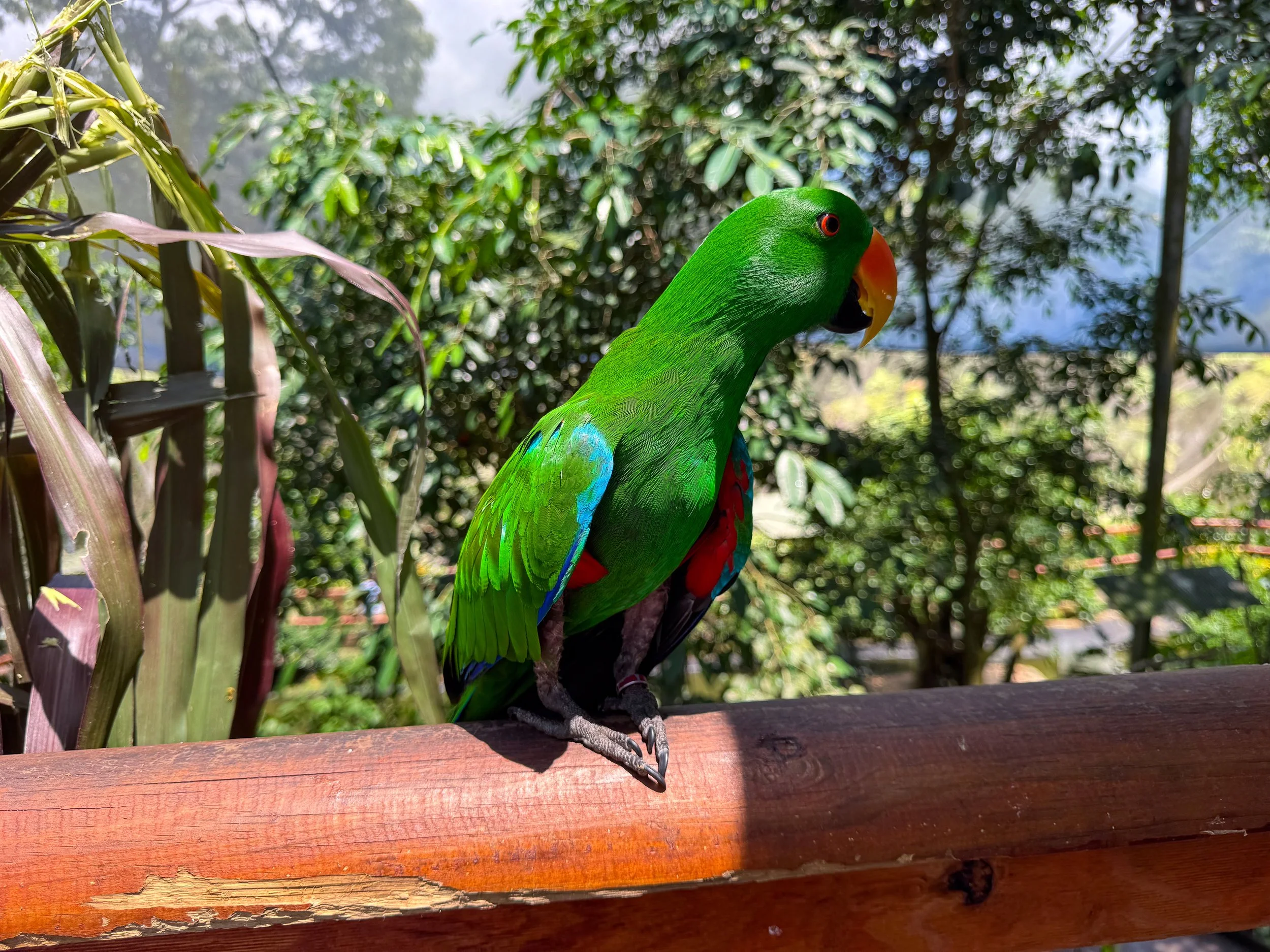
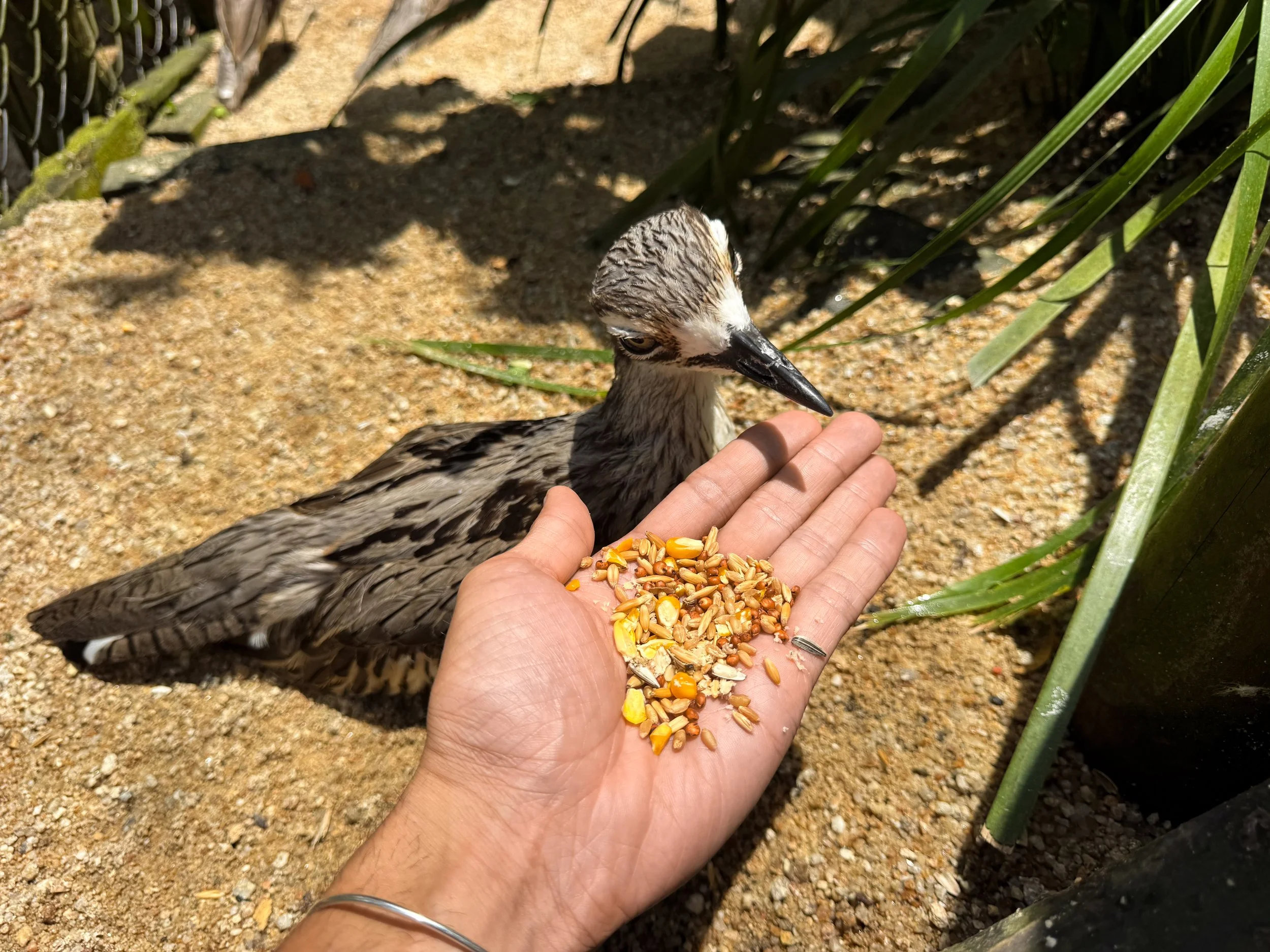
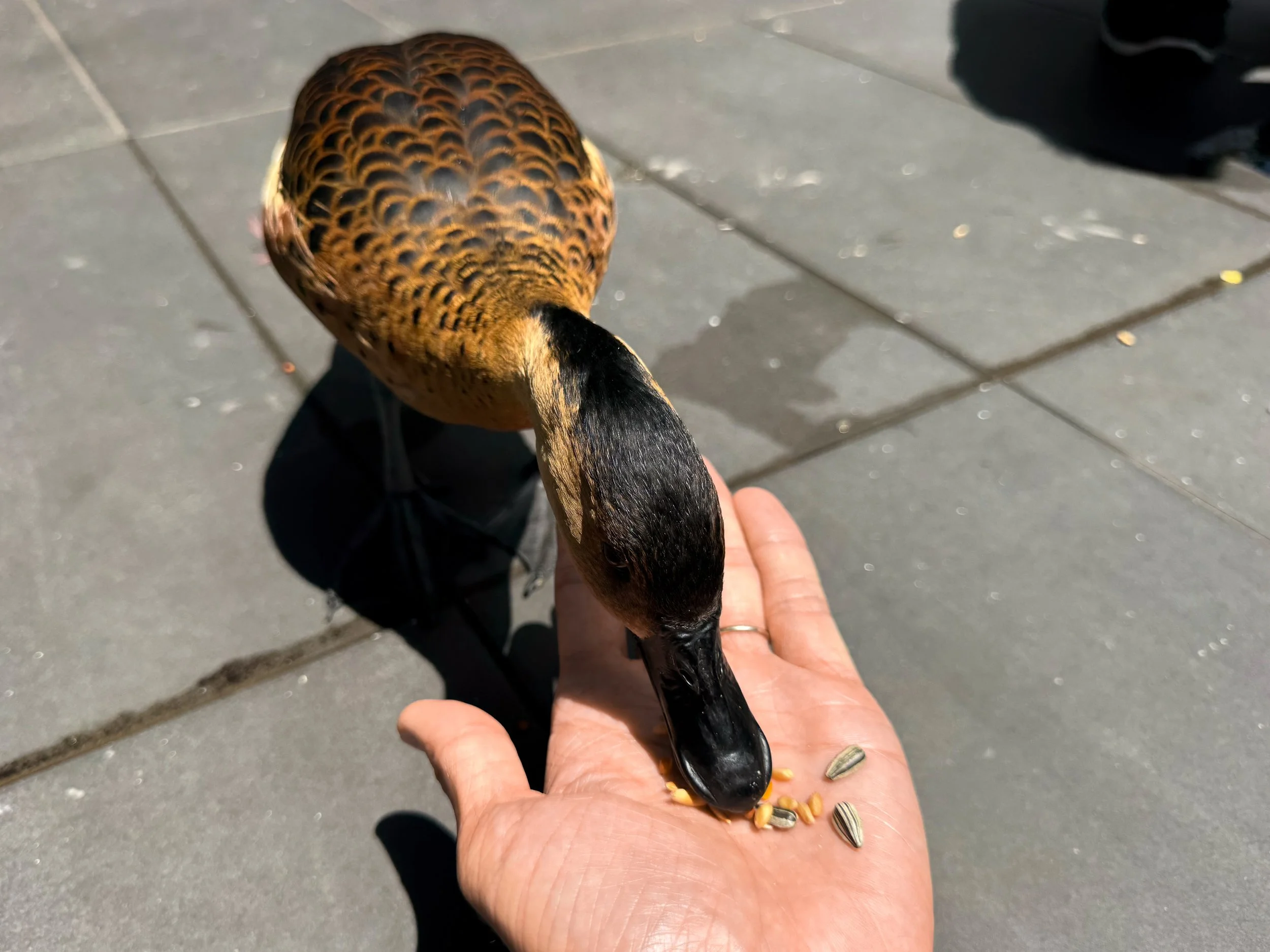
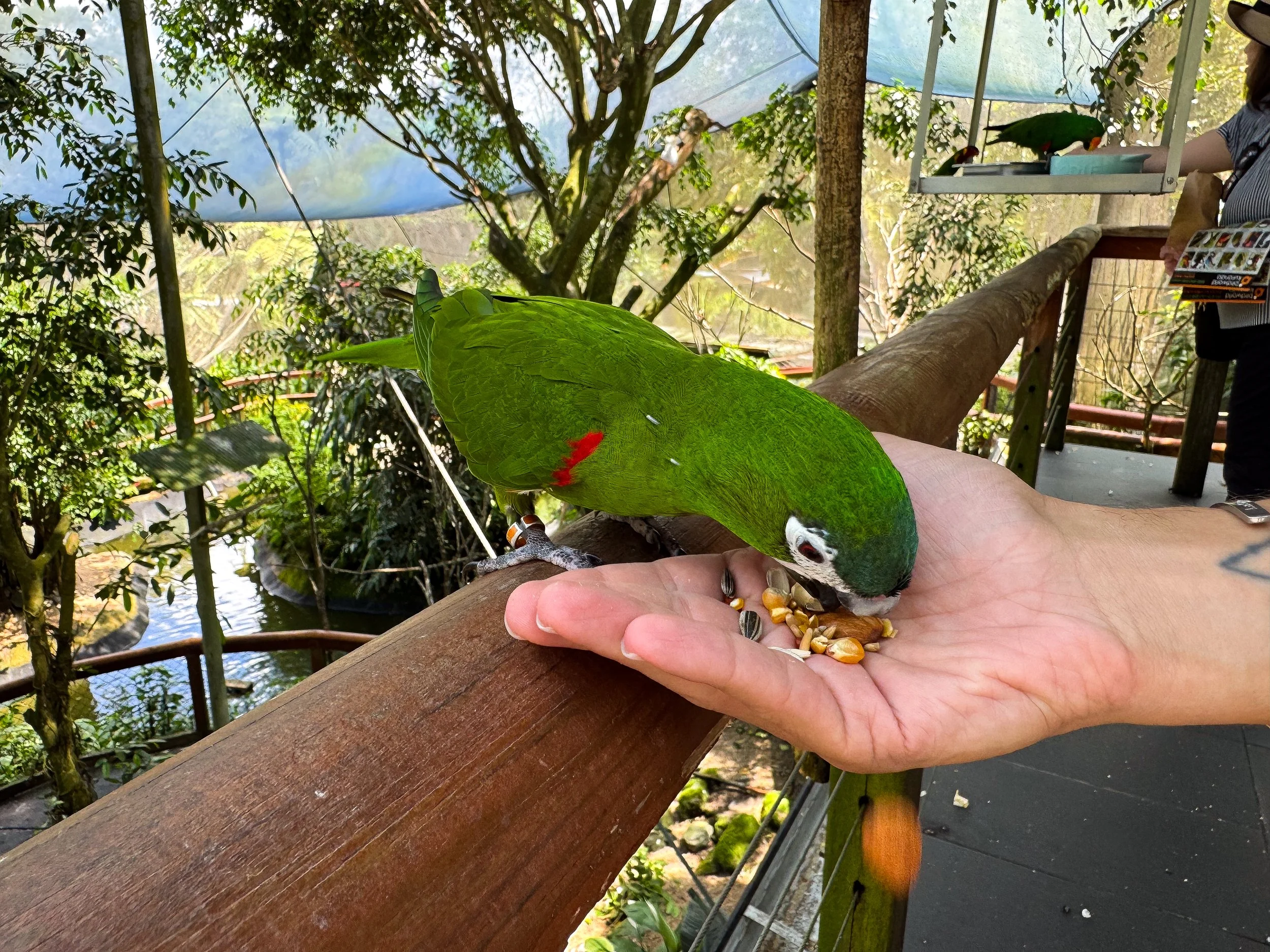
Bird World Kuranda. An avian park with “free roaming” Australian and tropical birds like macaws, parakeets, cockatoos, finches, ducks and a cassowary. Come here to feed the birds seeds, nuts, crackers and fruits by hand.
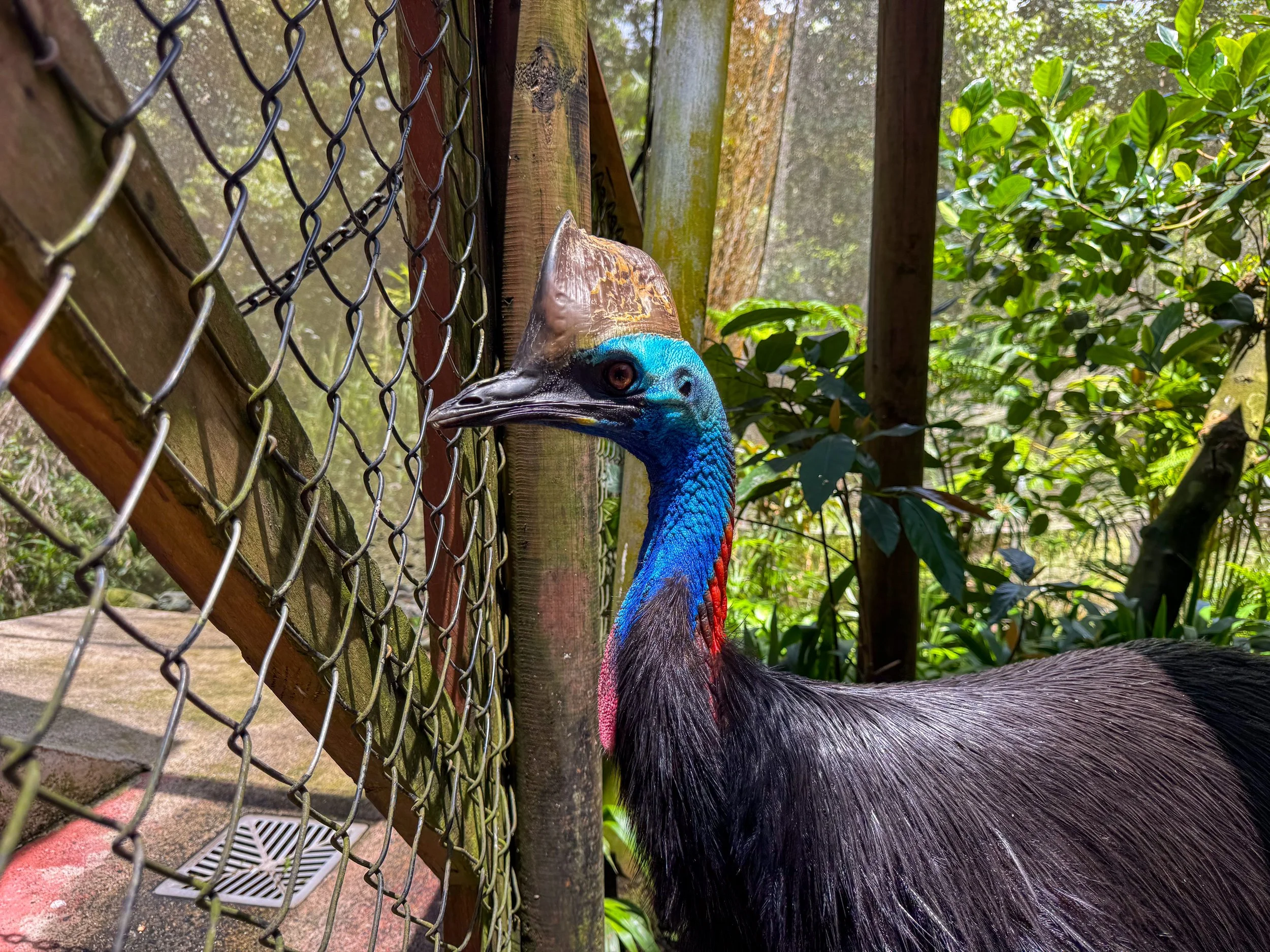
The Cassowary. An ancient and endangered bird native to Queensland’s tropical forests. It’s one of the closest living relatives to the dinosaurs and the third largest avian species. They’re recognizable by their blue and red faces, head top casque, black feathered body and three toed feet with large talons.
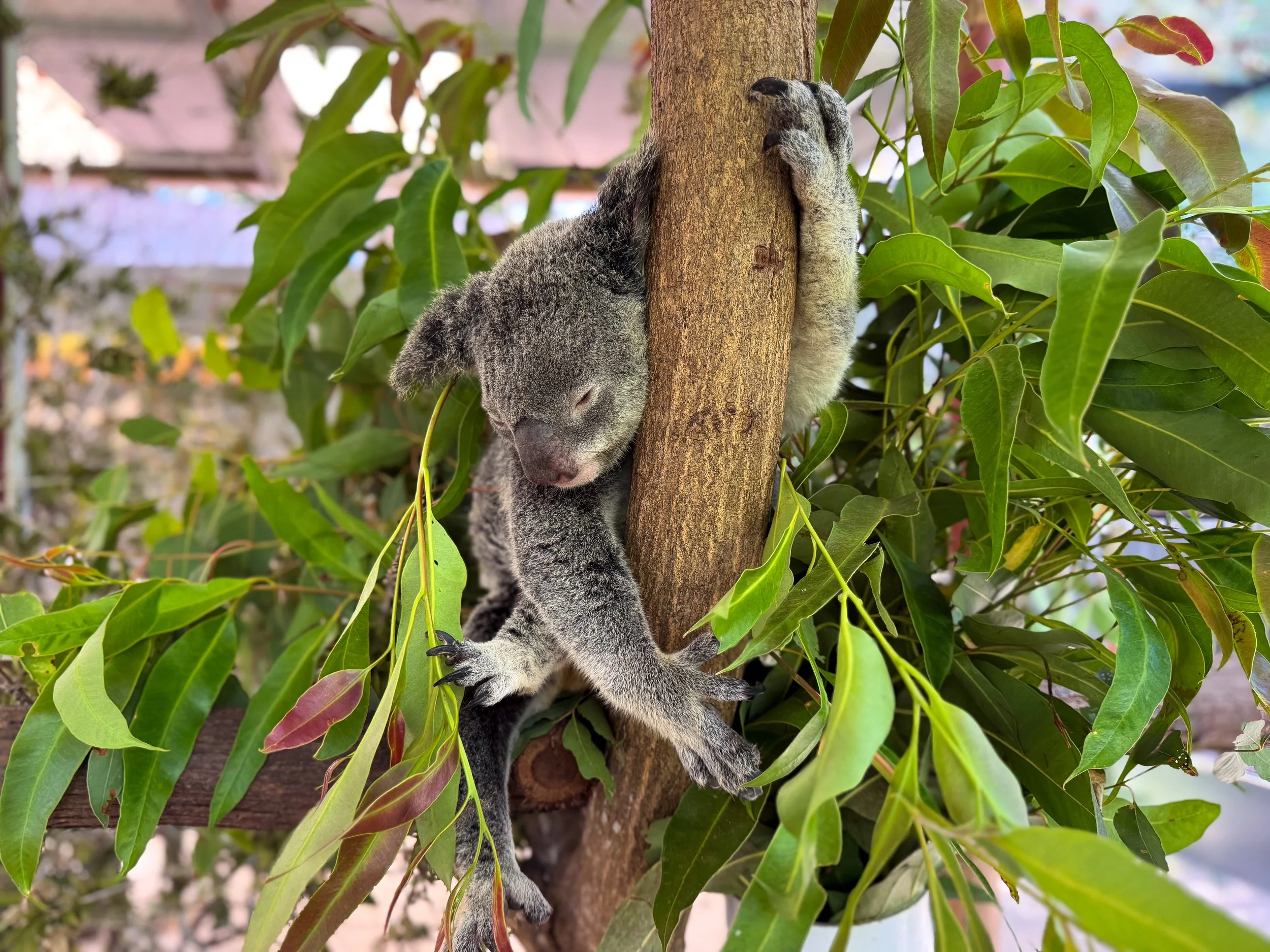
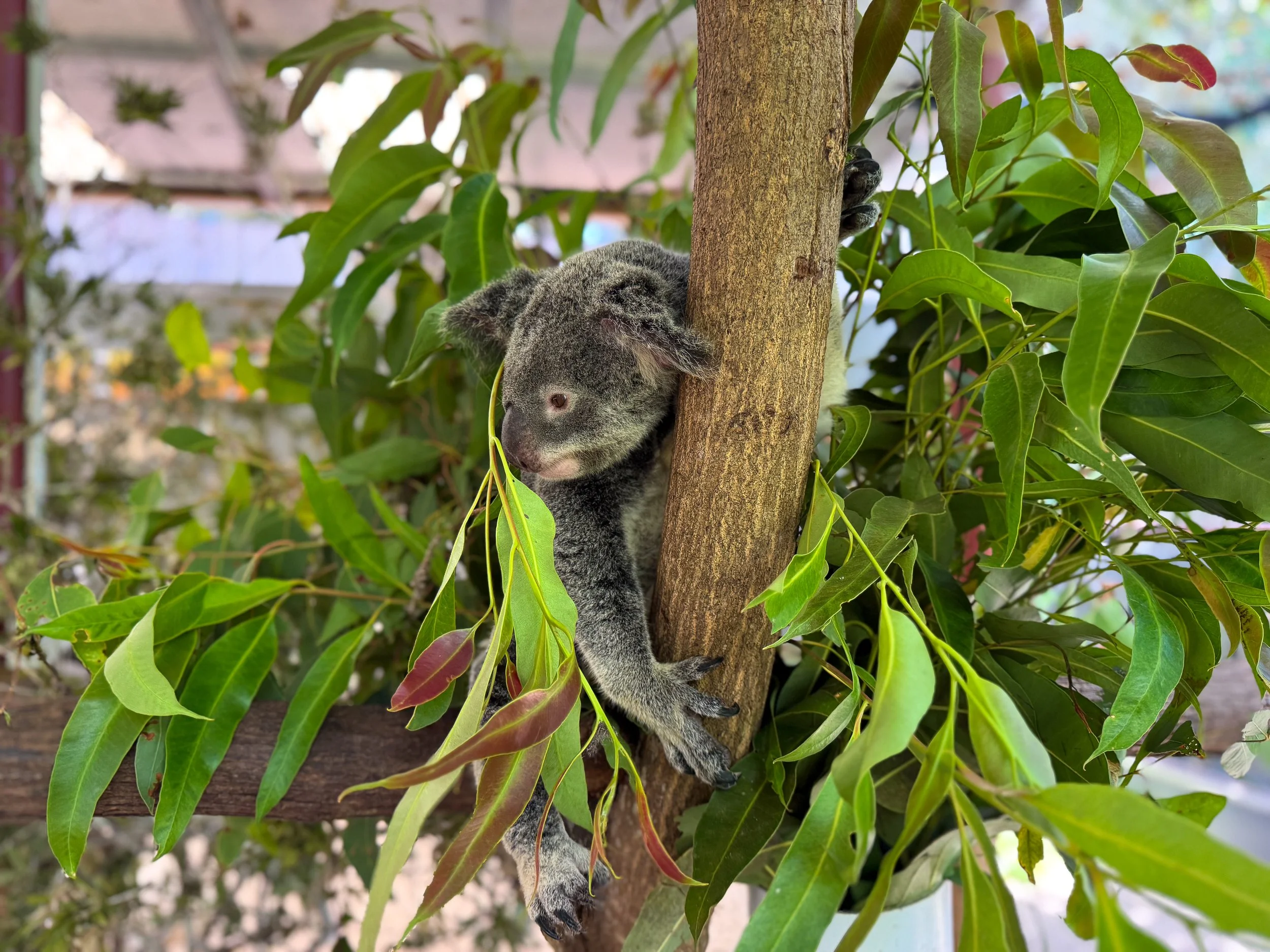
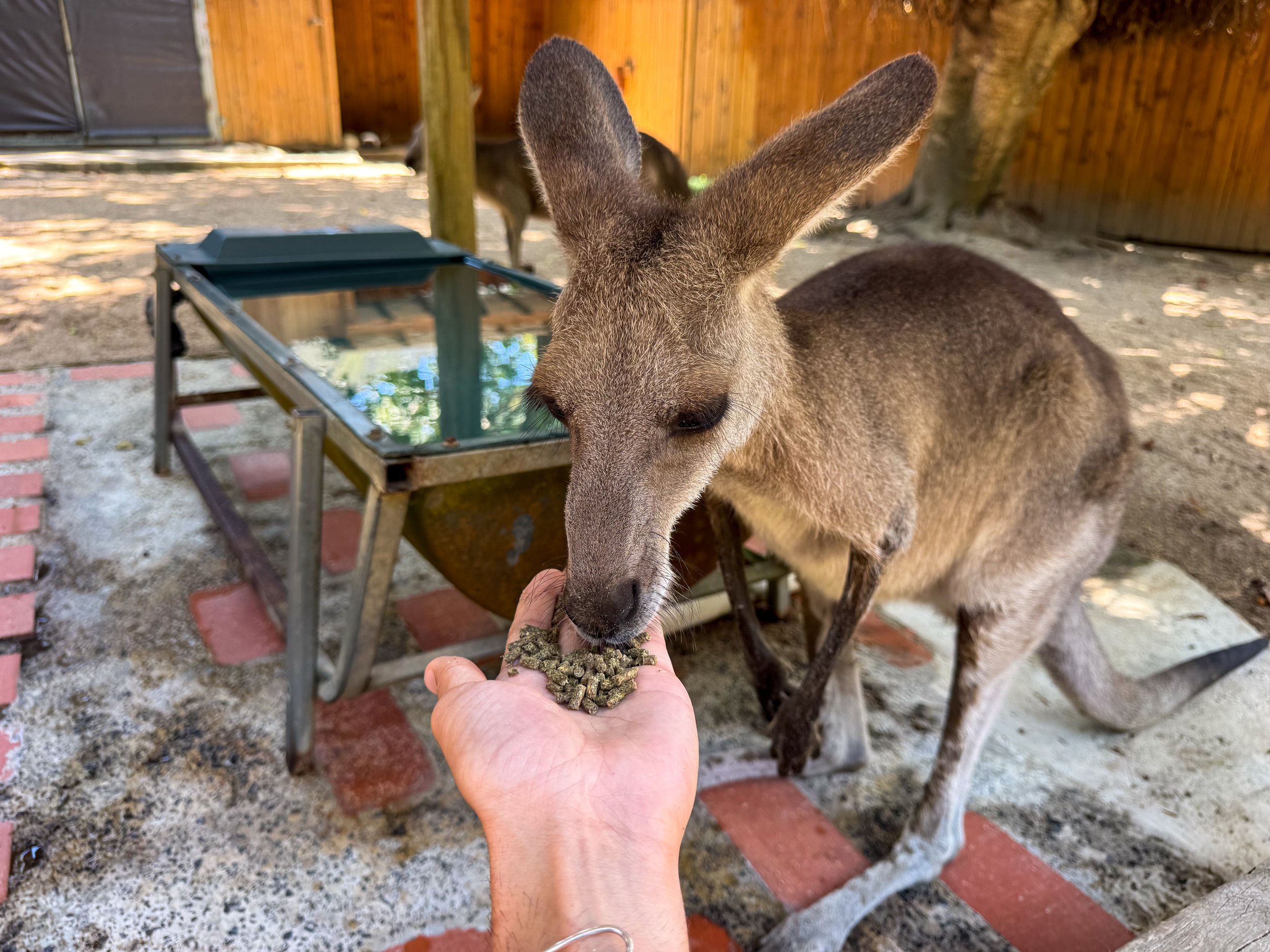
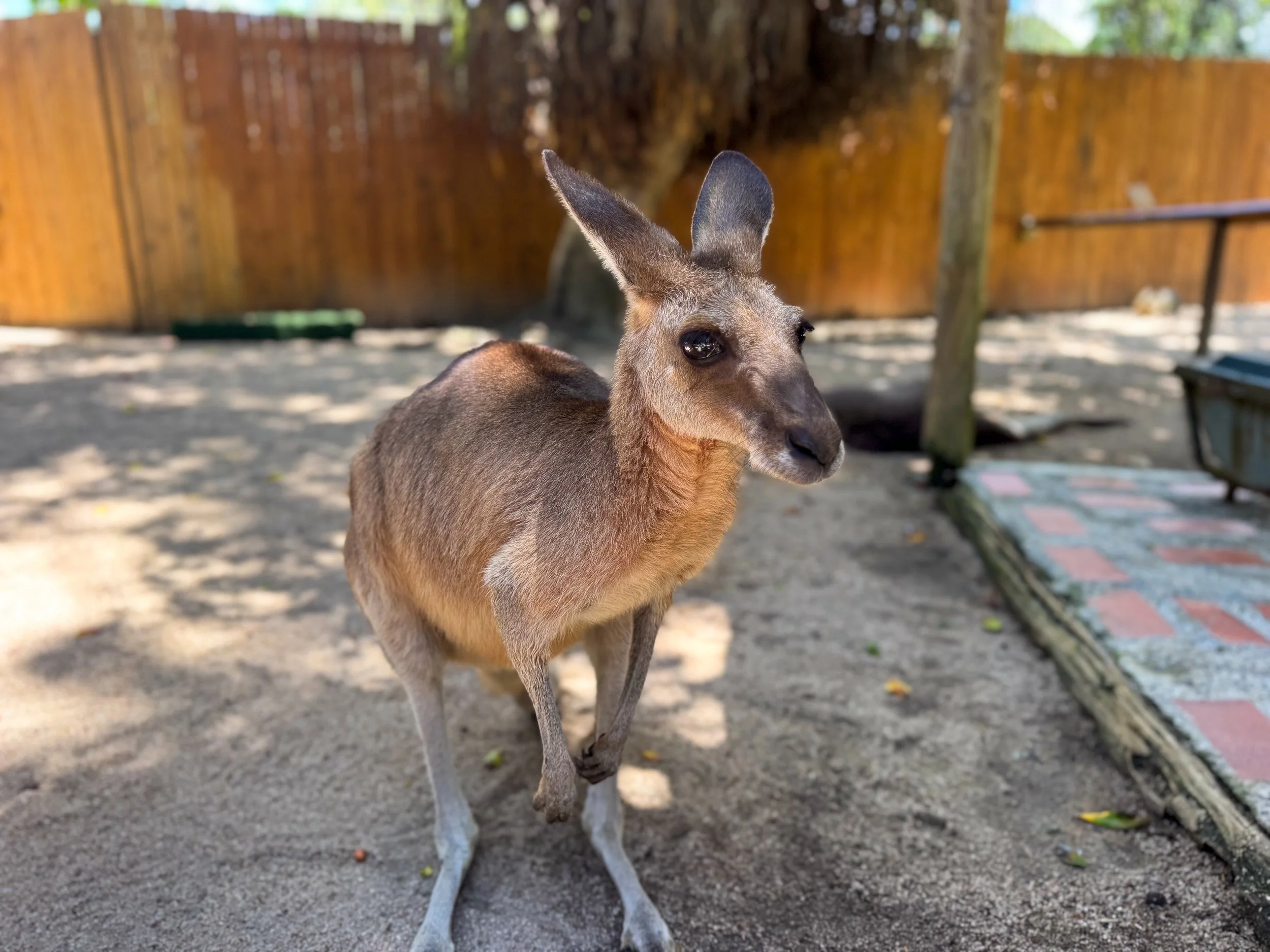
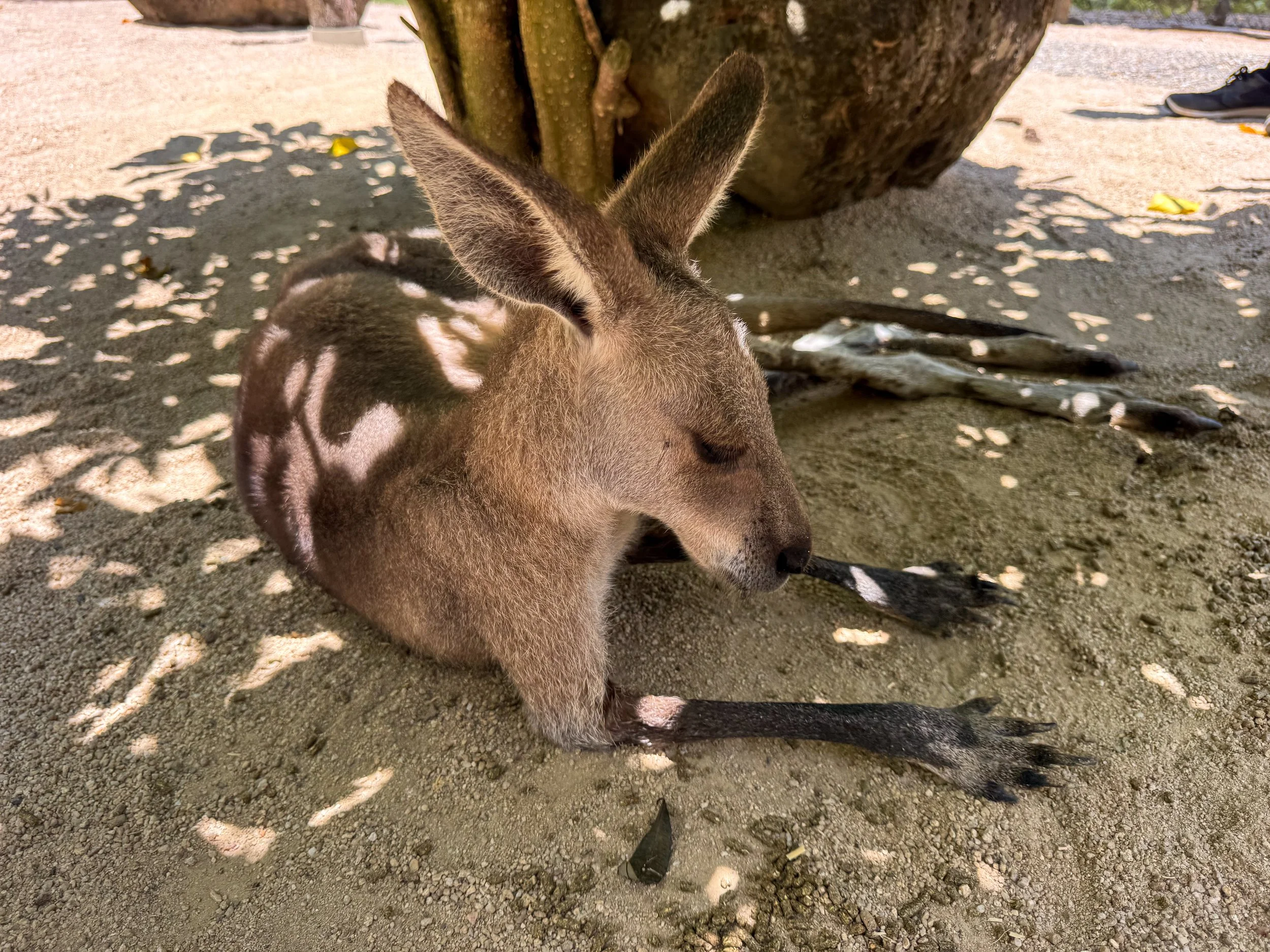
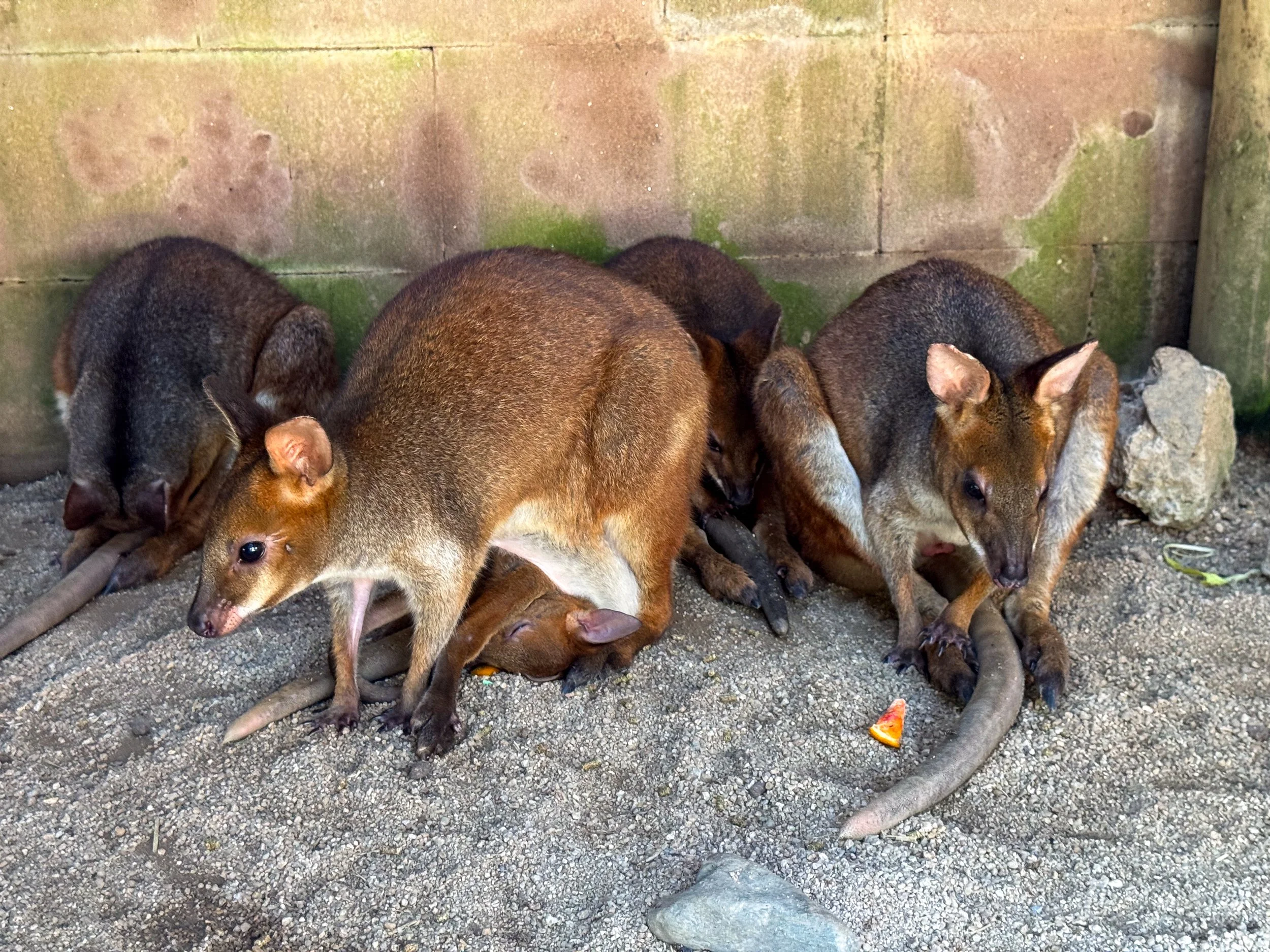
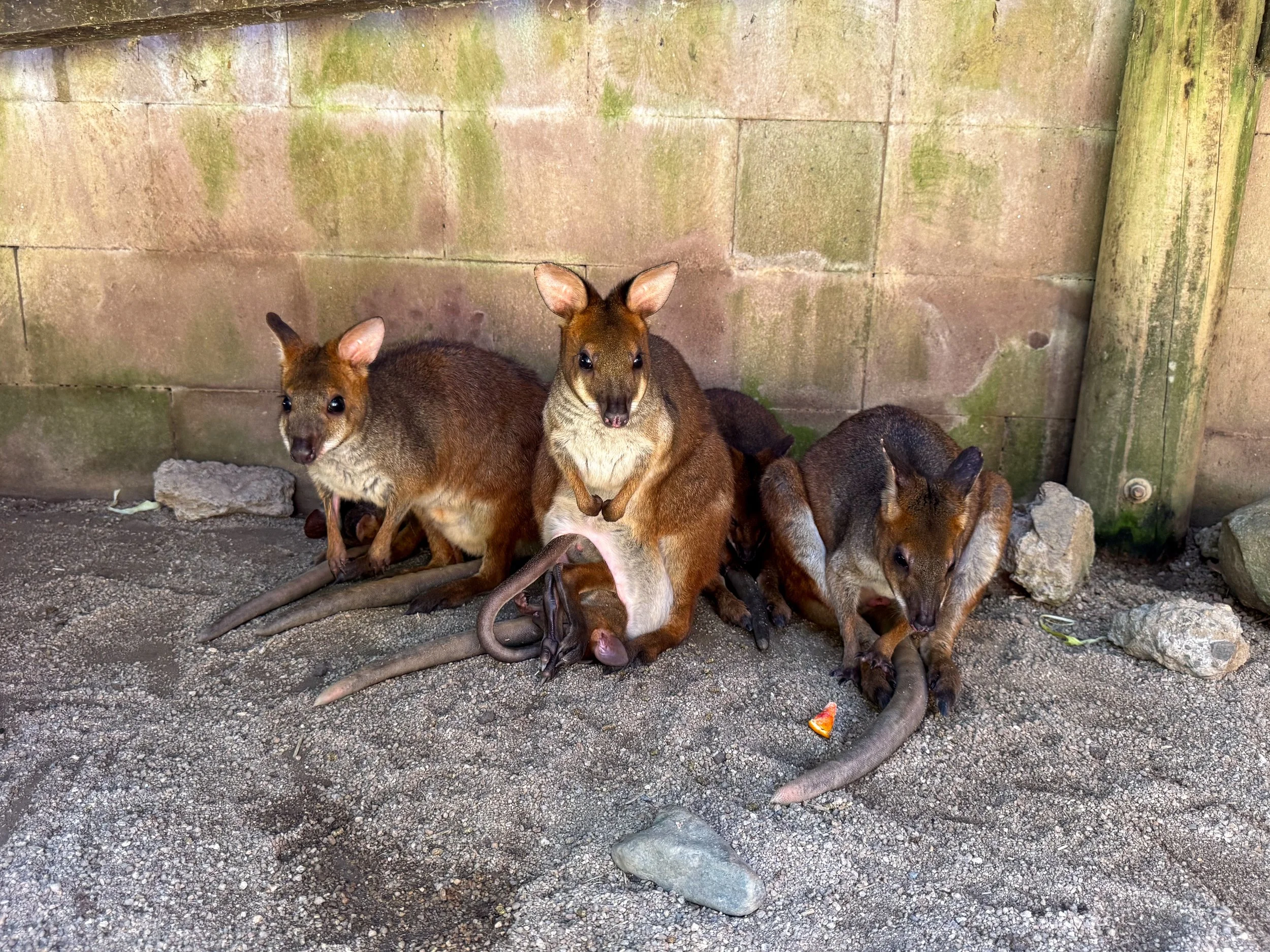
Kuranda Koala Gardens. A small zoo with endemic species of Australian animals like the koala, kangaroo, wallaby, crocodile, wombat and quokka. Come here to observe the animals closely in their open air enclosures. Walk through the kangaroo and wallaby pen to hand feed the hopping marsupials pellets of grain.
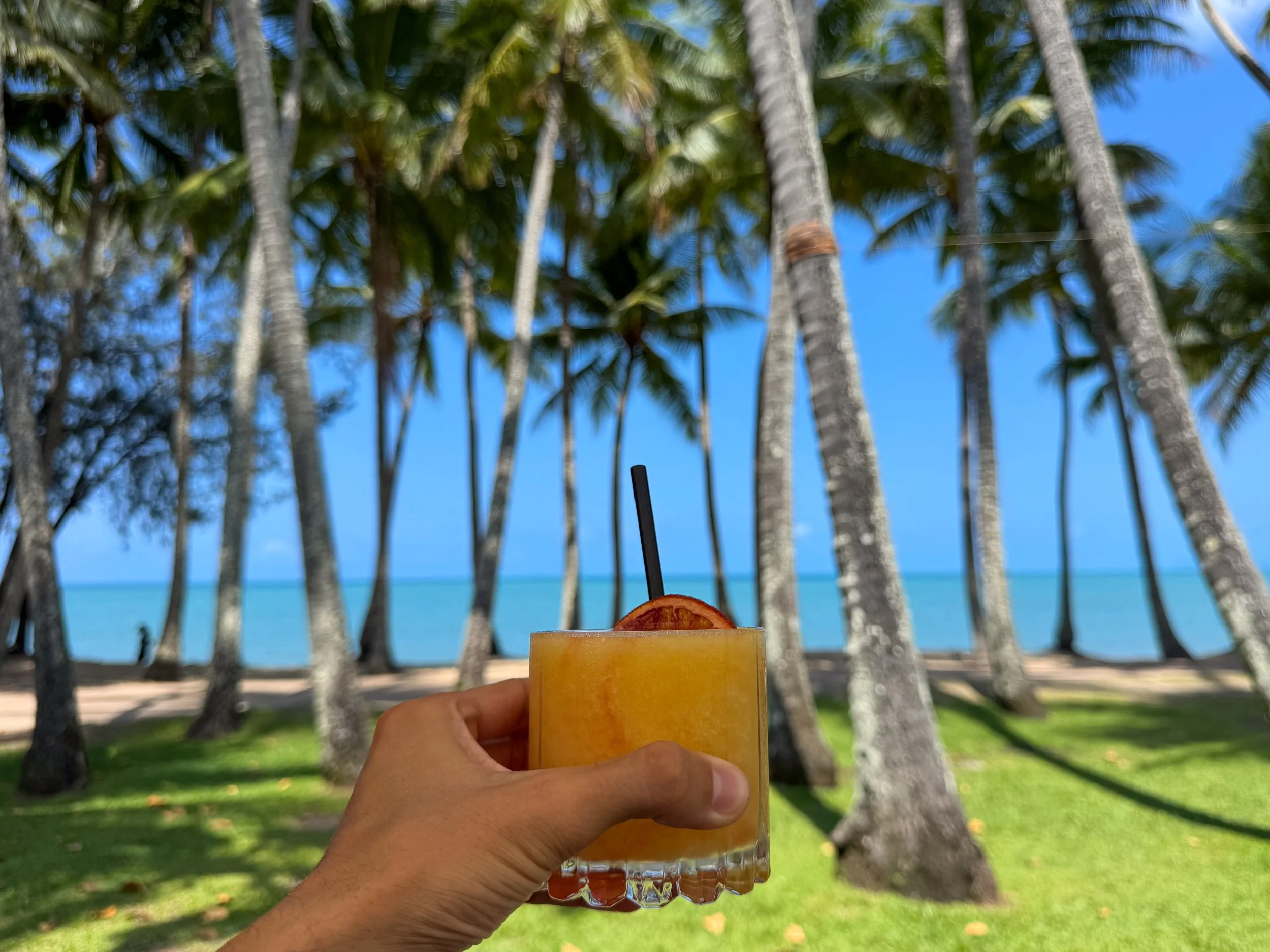
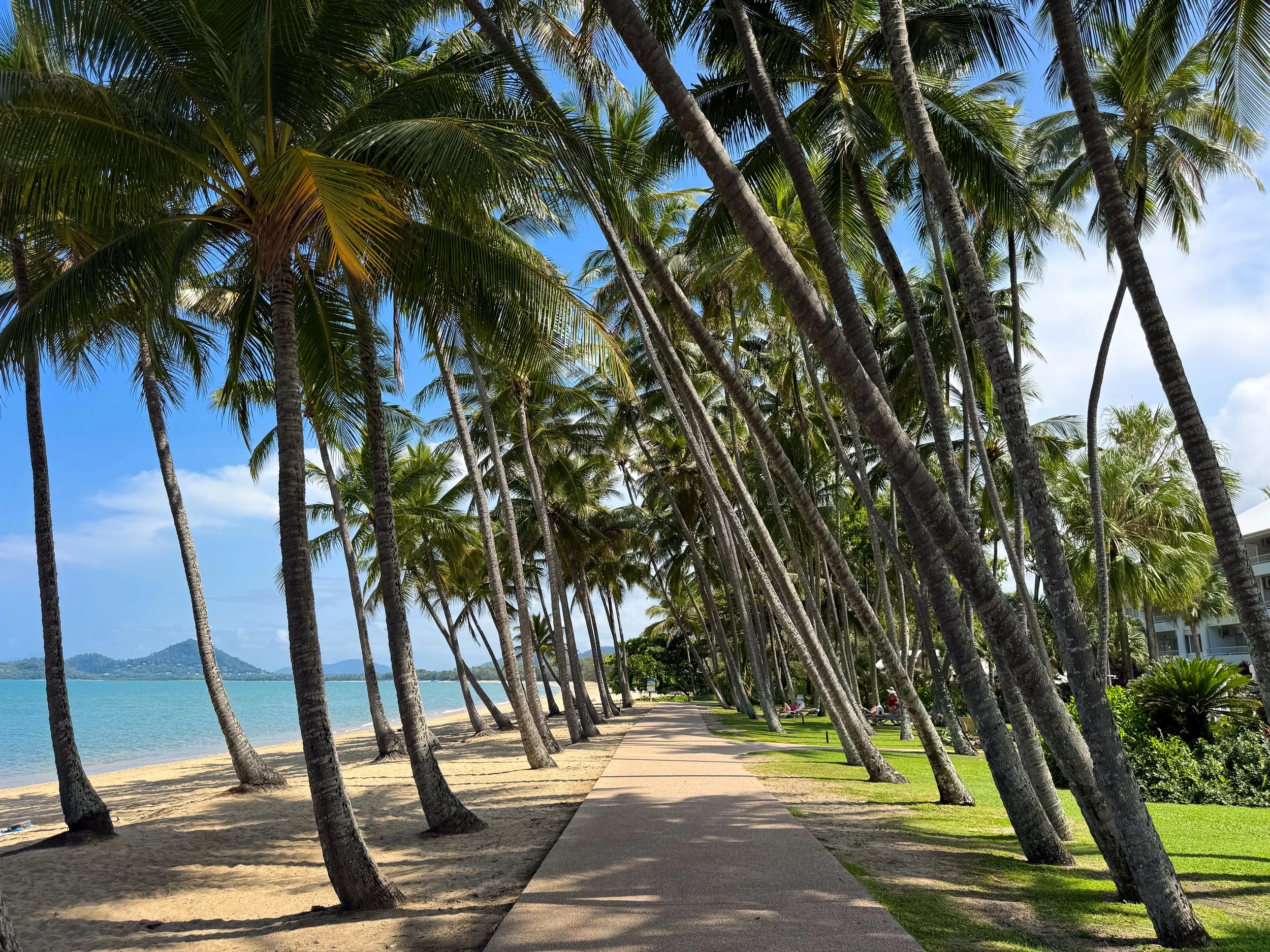
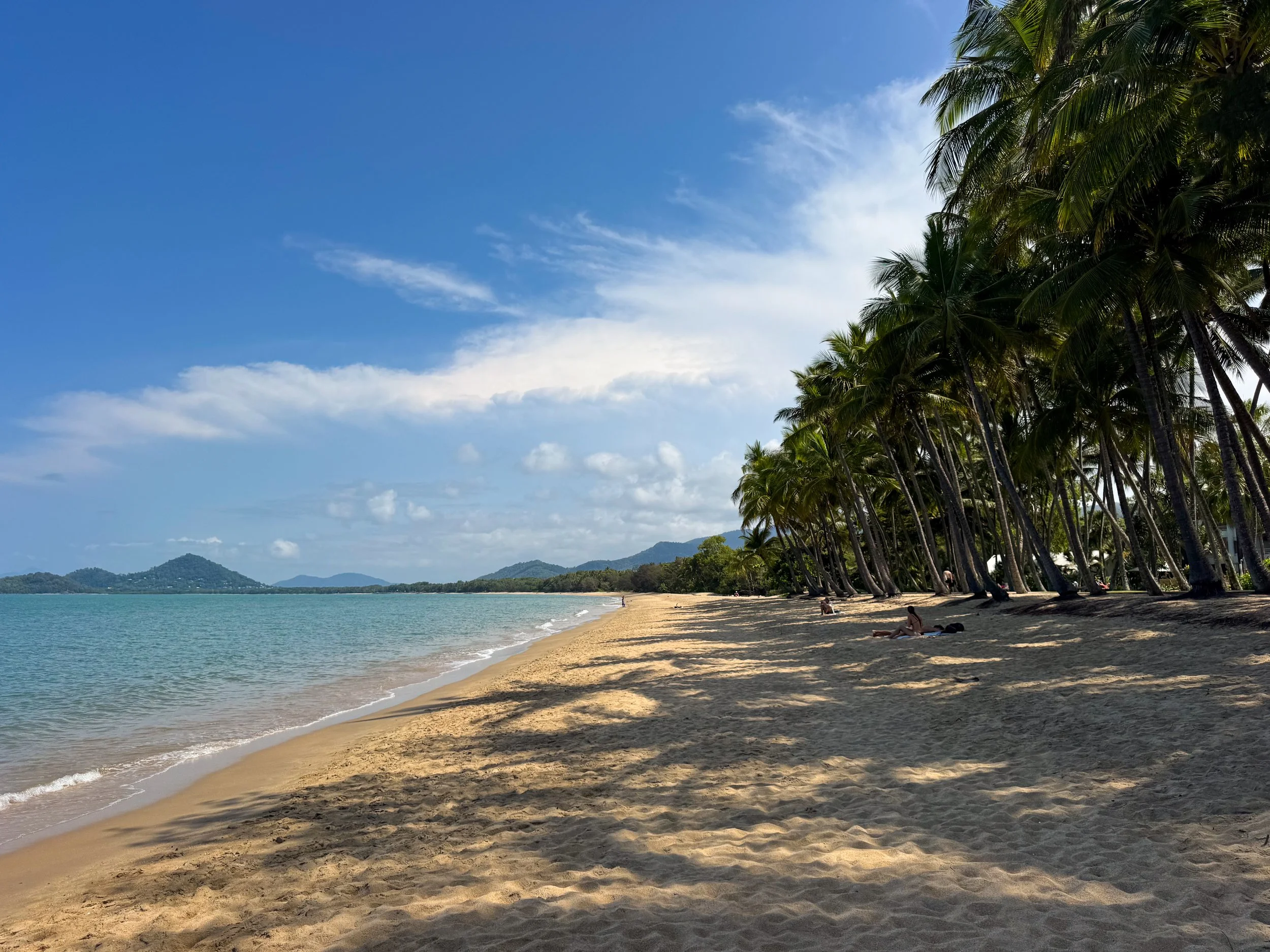
Beach Towns
Palm Cove. A small beach town with palm covered beaches and boutique resorts. It’s located 30 minutes north of Cairns by car.
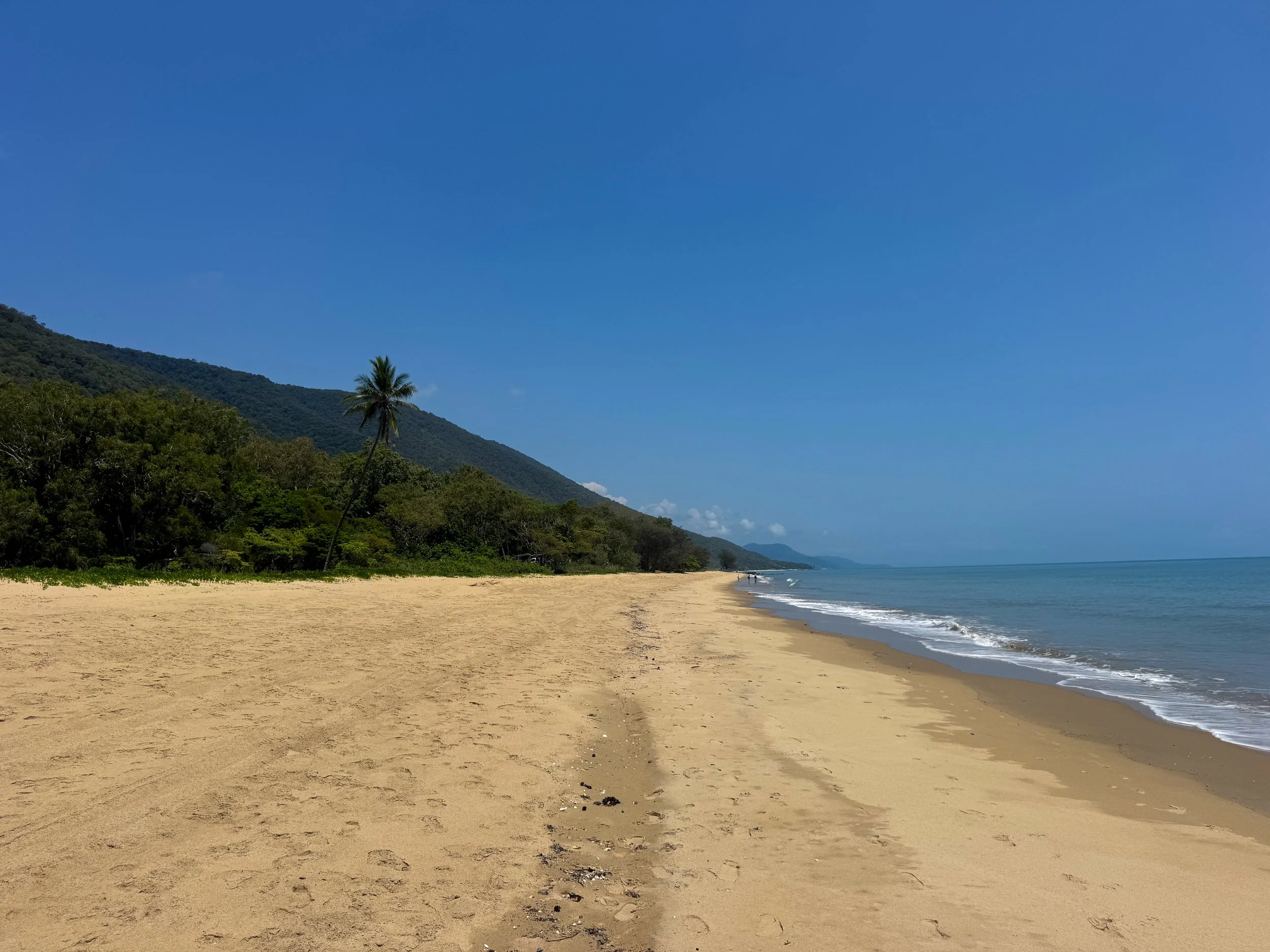
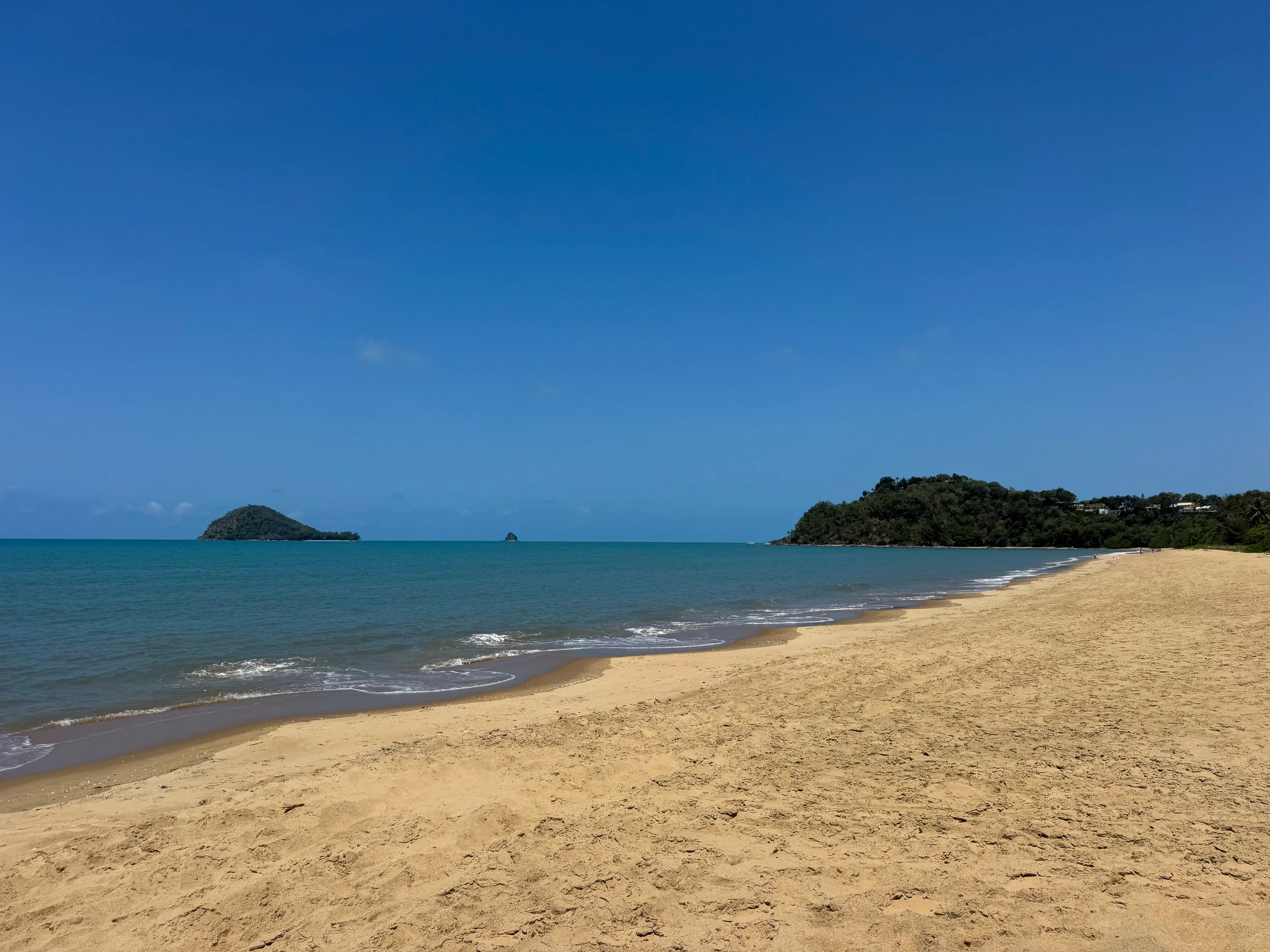
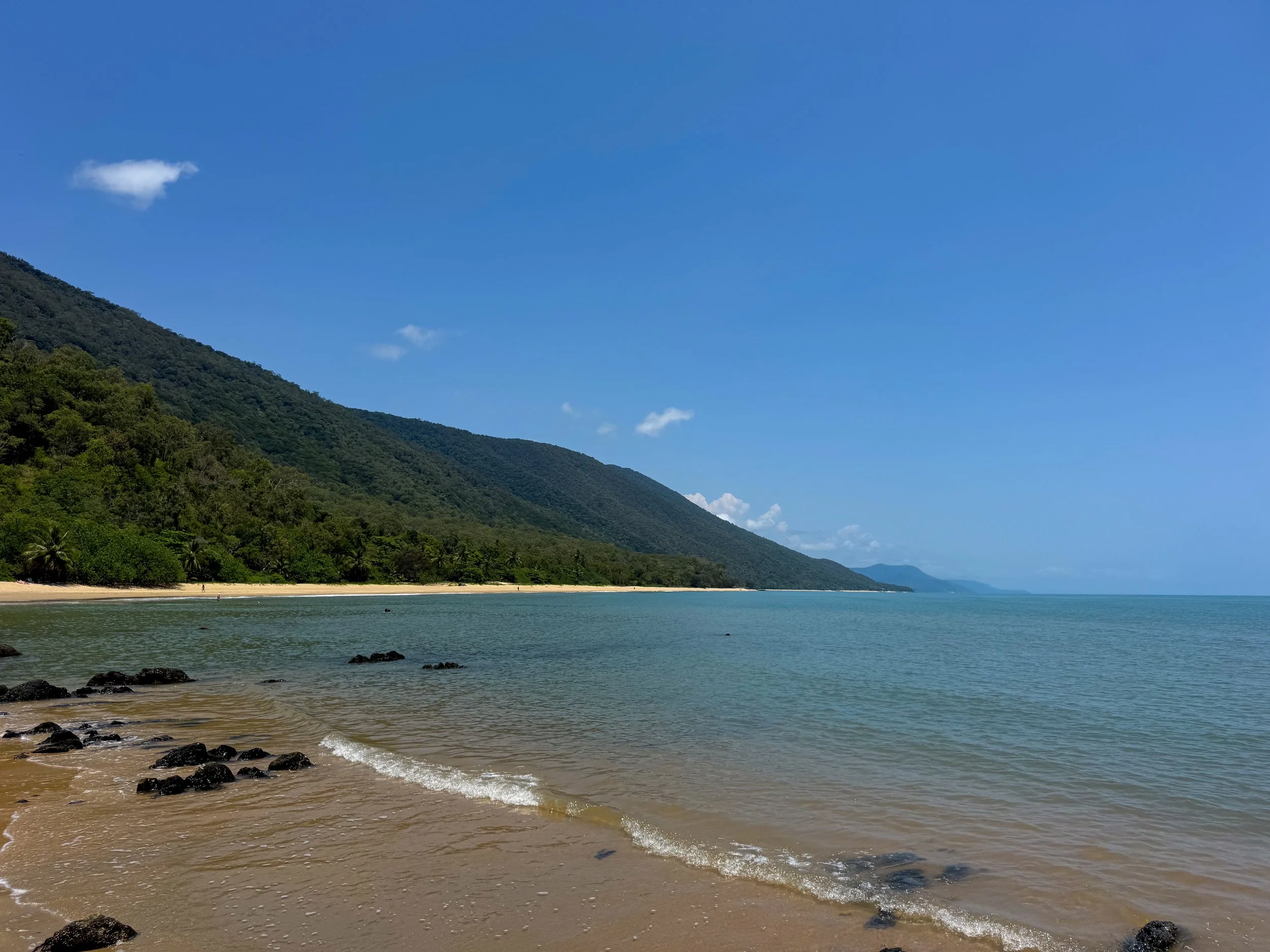
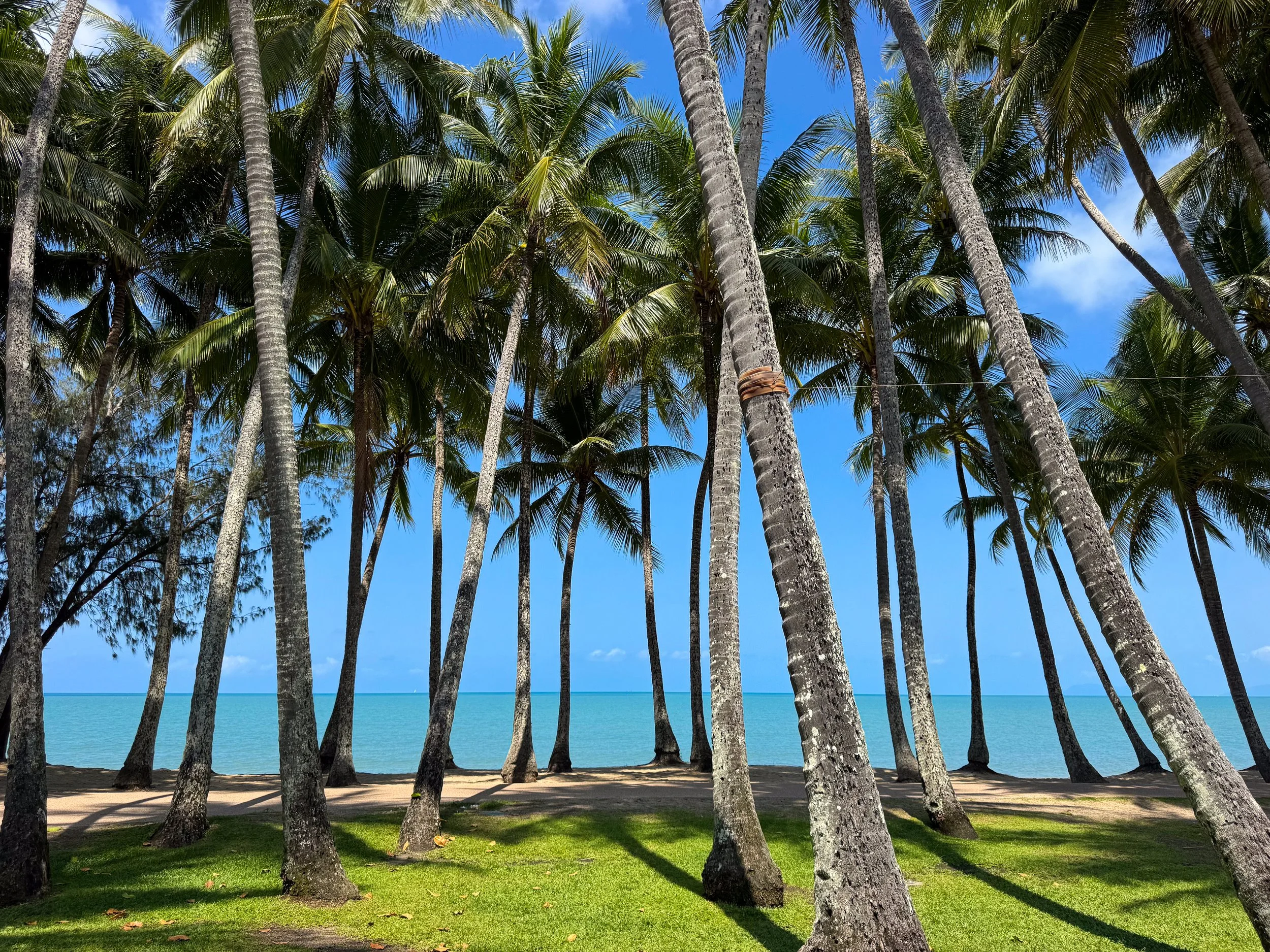
Palm Cove Beach. A white sand beach lined with tropical palm groves and turquoise blue waters. Come here to lounge on shore or at one of the many beachside restaurants, cafes or bars. There is a netted and swimmable area south of the pier.
Nu Nu Restaurant. A beachfront restaurant on Palm Cove Beach with an outdoor patio overlooking the swaying palm groves and turquoise sea. Come here for afternoon cocktails and Aussie bites.
Buchans Point. A tan sand beach with a clothing option section towards its south end. It’s a freeing spot to enjoy the coastal breeze and palm shaded shores. The beach is located just north of Palm Cove.
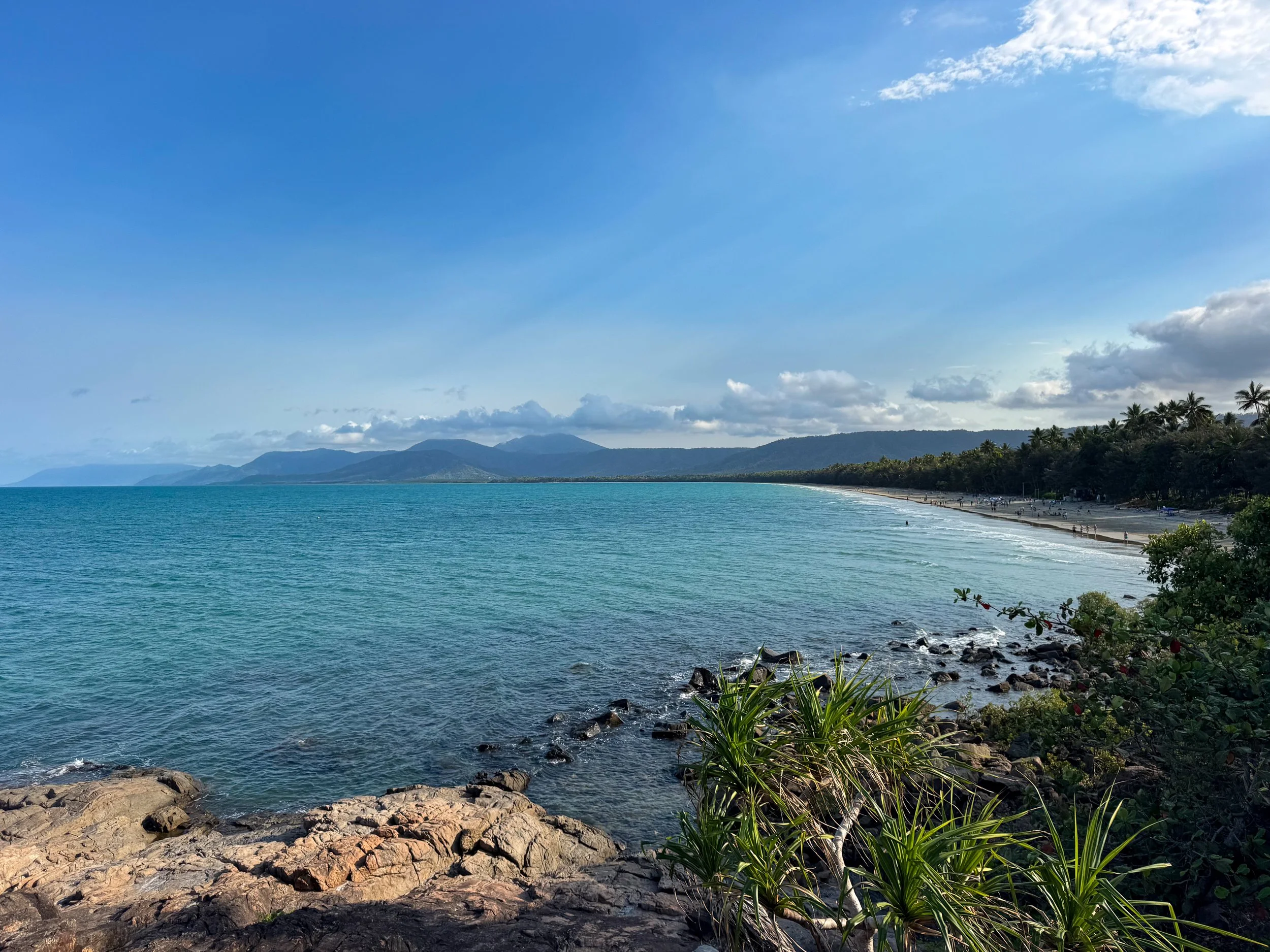
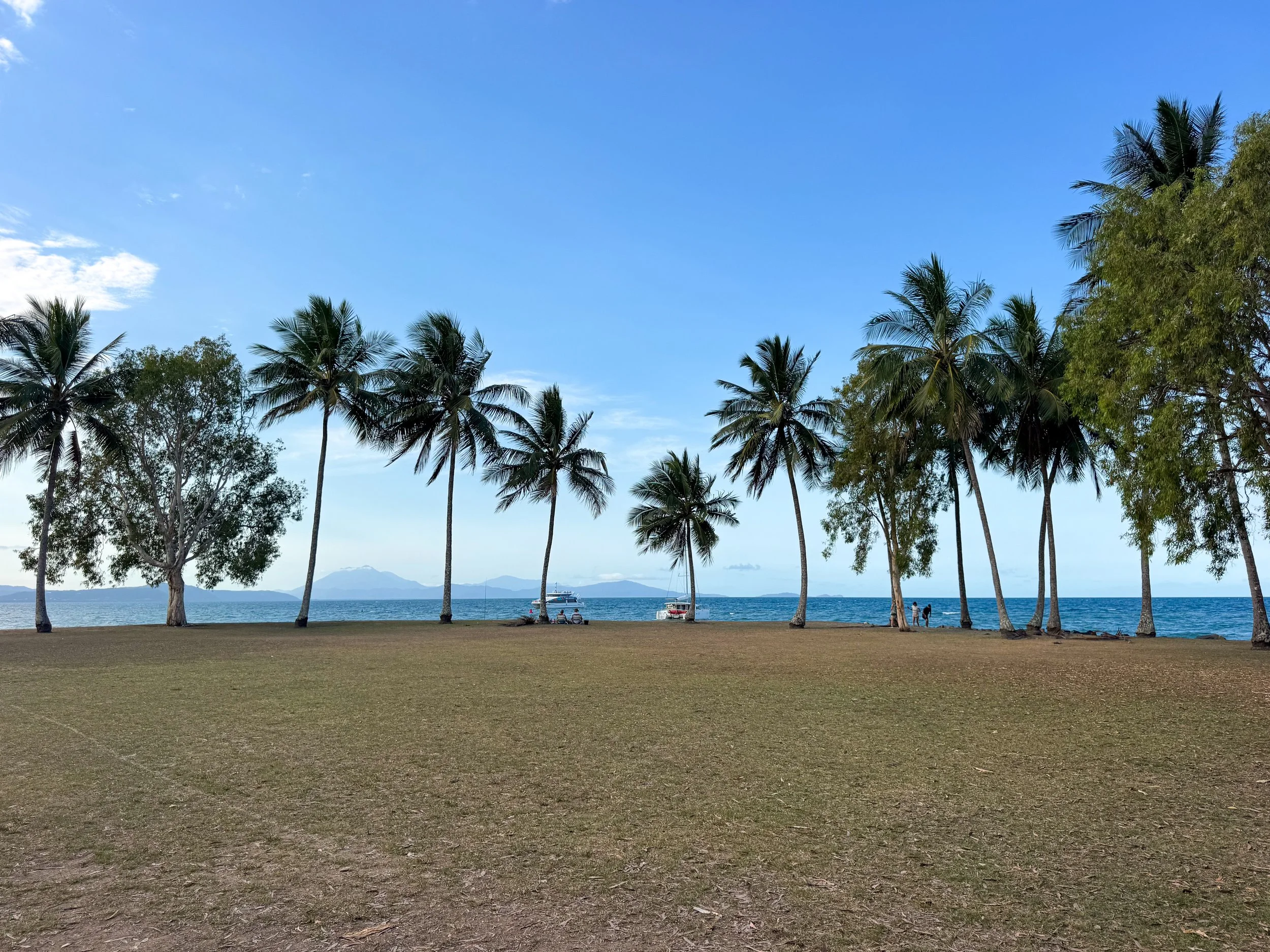
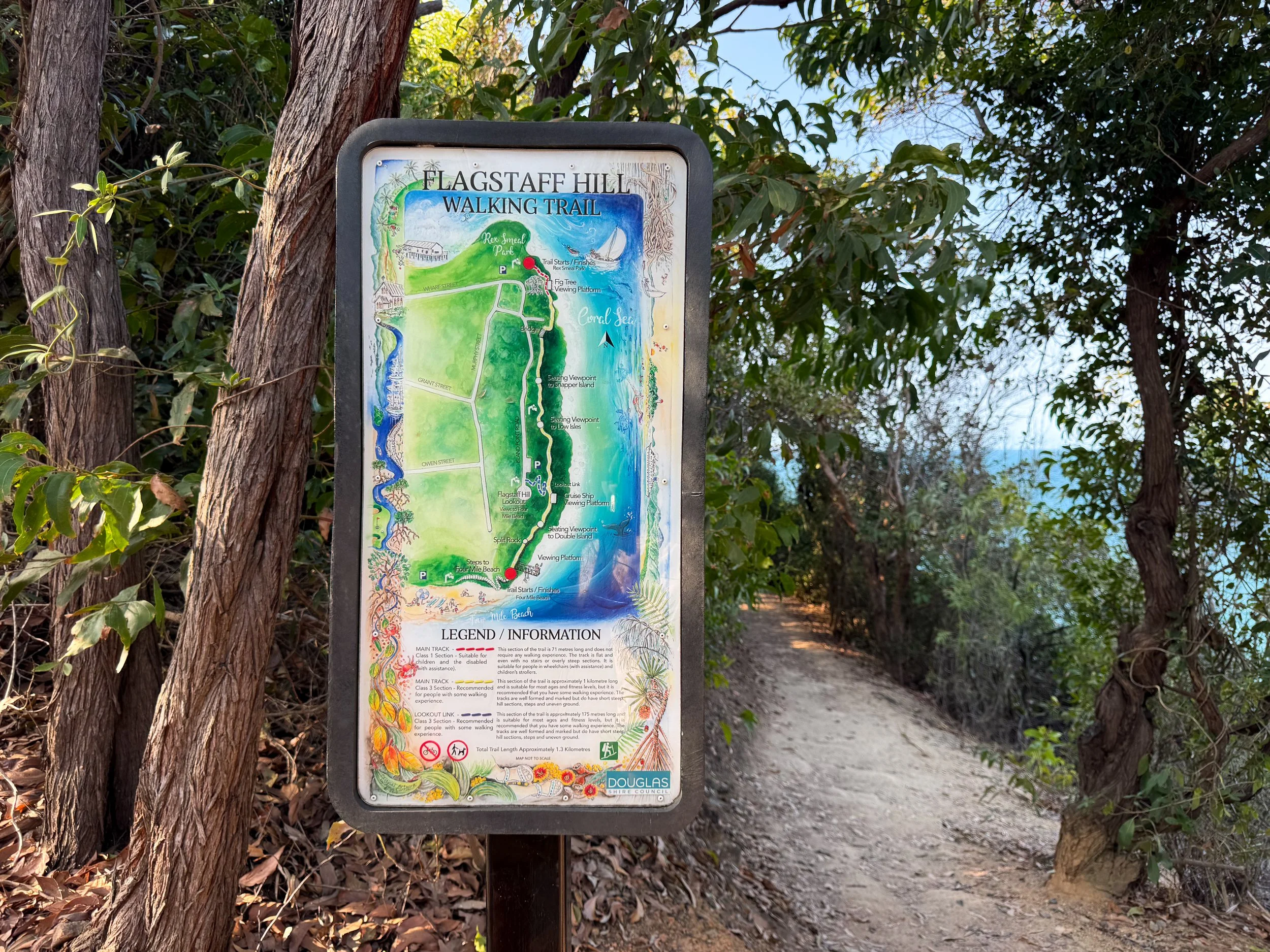
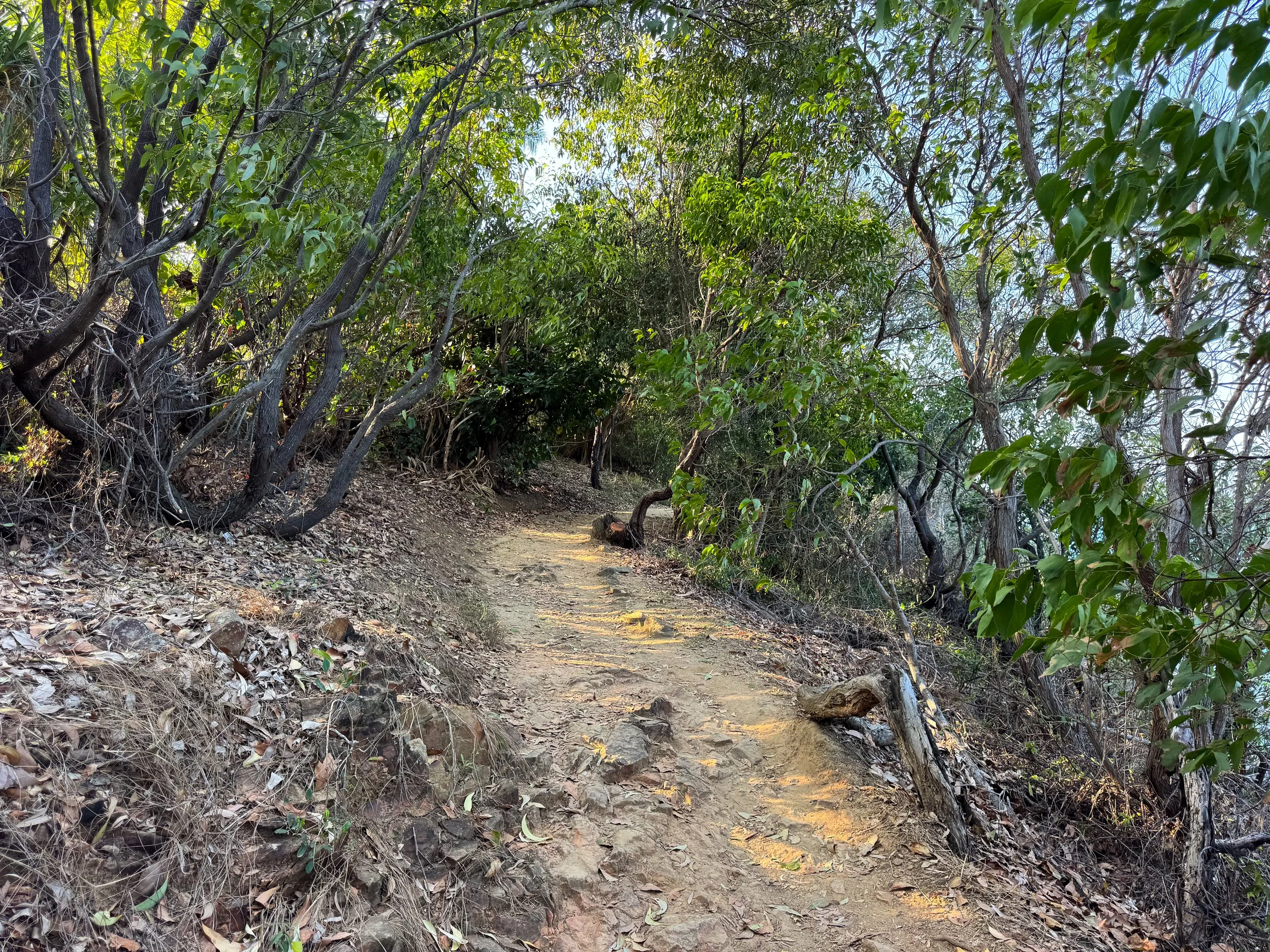
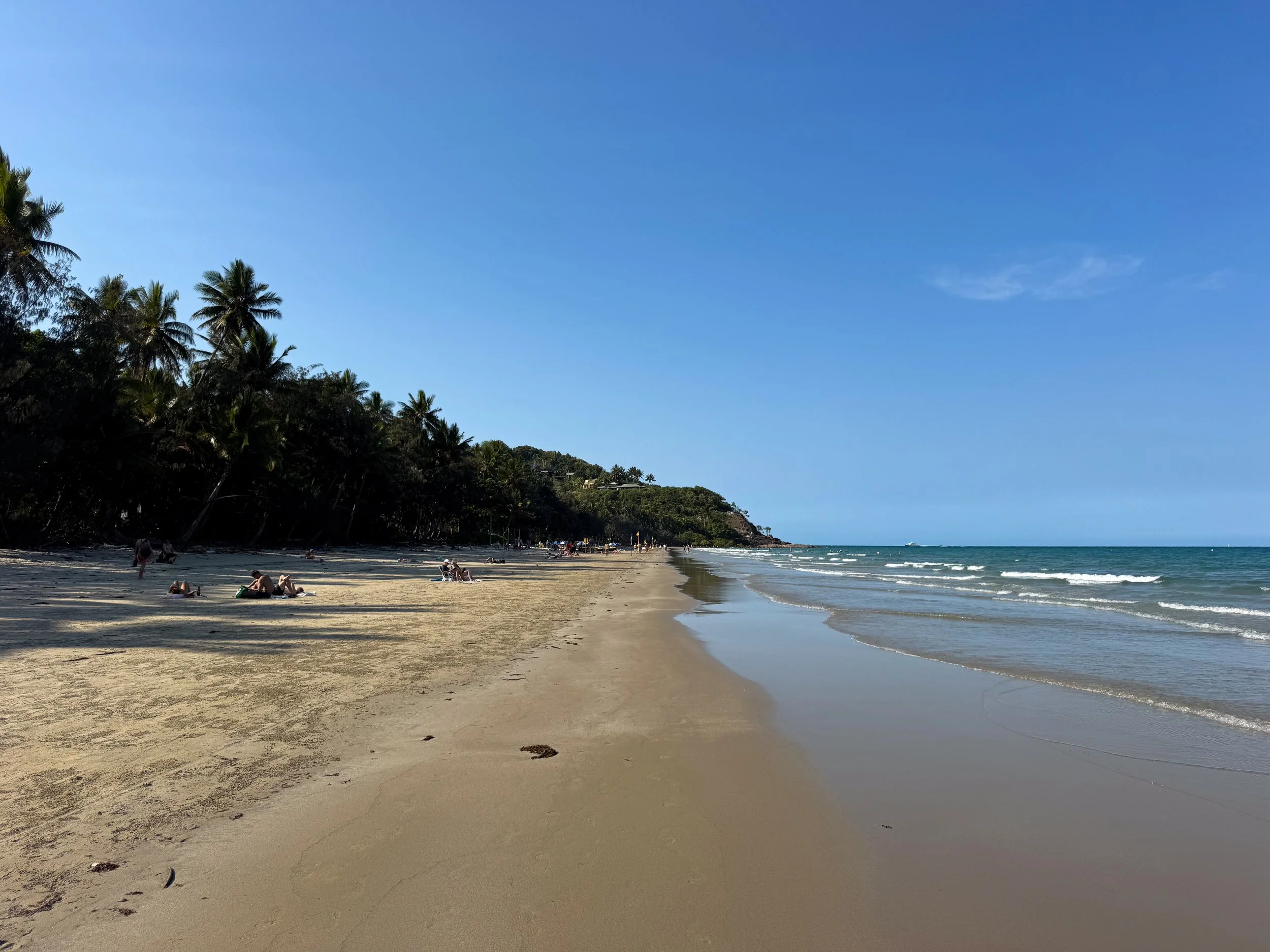

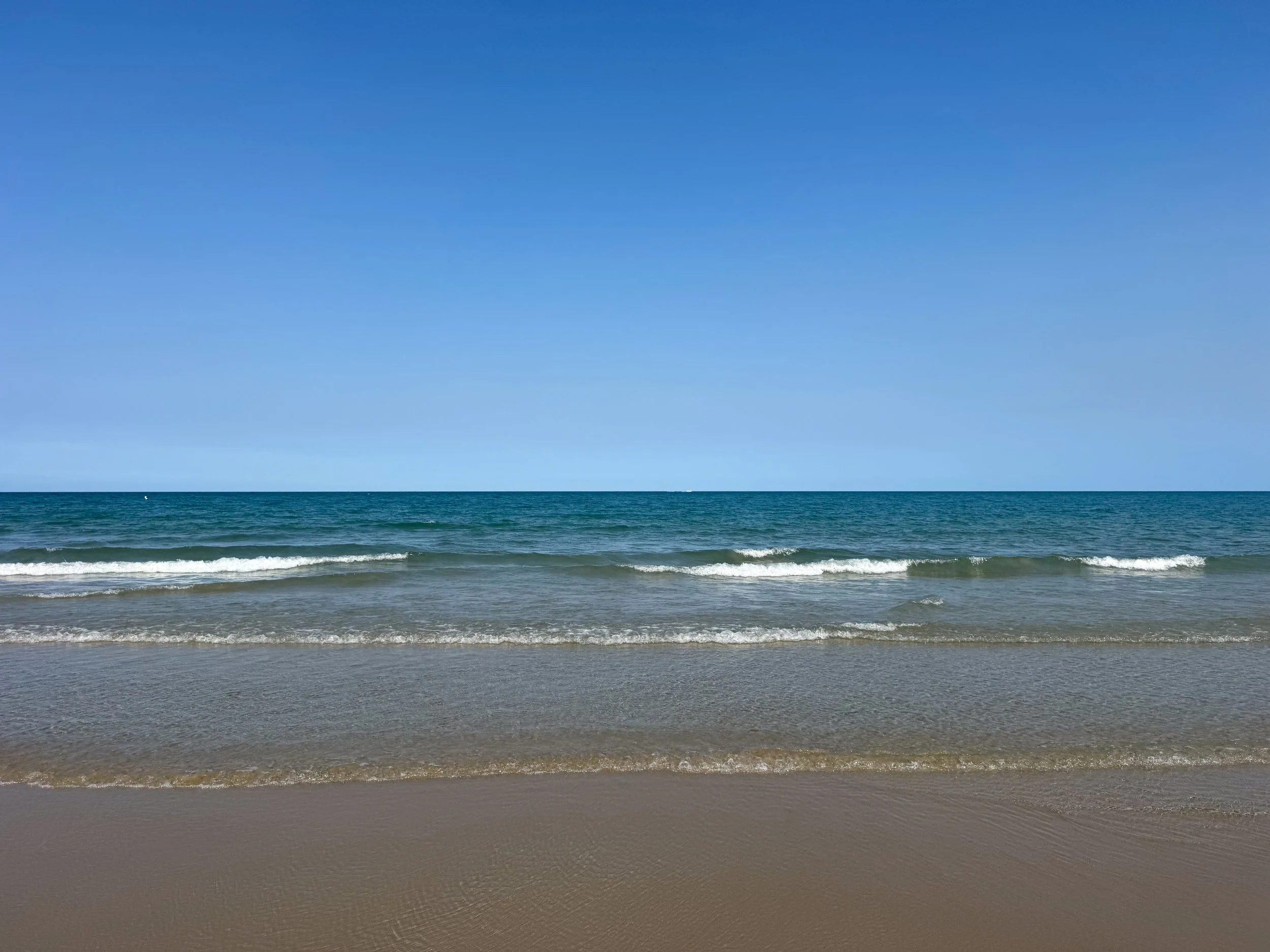
Port Douglas. A coastal town located between the Great Barrier Reef and Daintree Rainforest. It’s a popular place with access and excursions to both natural wonders.
Macrossan Street. The Main Street through Port Douglas. The jungelous boulevard is lined with vacation rentals, beachwear shops, clothing boutiques, aboriginal art galleries, sports pubs, cafés and restaurants.
Four Mile Beach. A lengthy tan sand beach lining the shores of Port Douglas. It’s a relaxing place for beach walks, sunbathing and swimming. There is a safety netted and guarded section with near the north end.
Flagstaff Hill Walking Trail. A coastal trail with hillside views of Four Mile Beach and the deep blue ocean. Hike the trail an hour before sunset to watch for tropical birds like parakeets and cockatoos.
Places to Eat & Drink
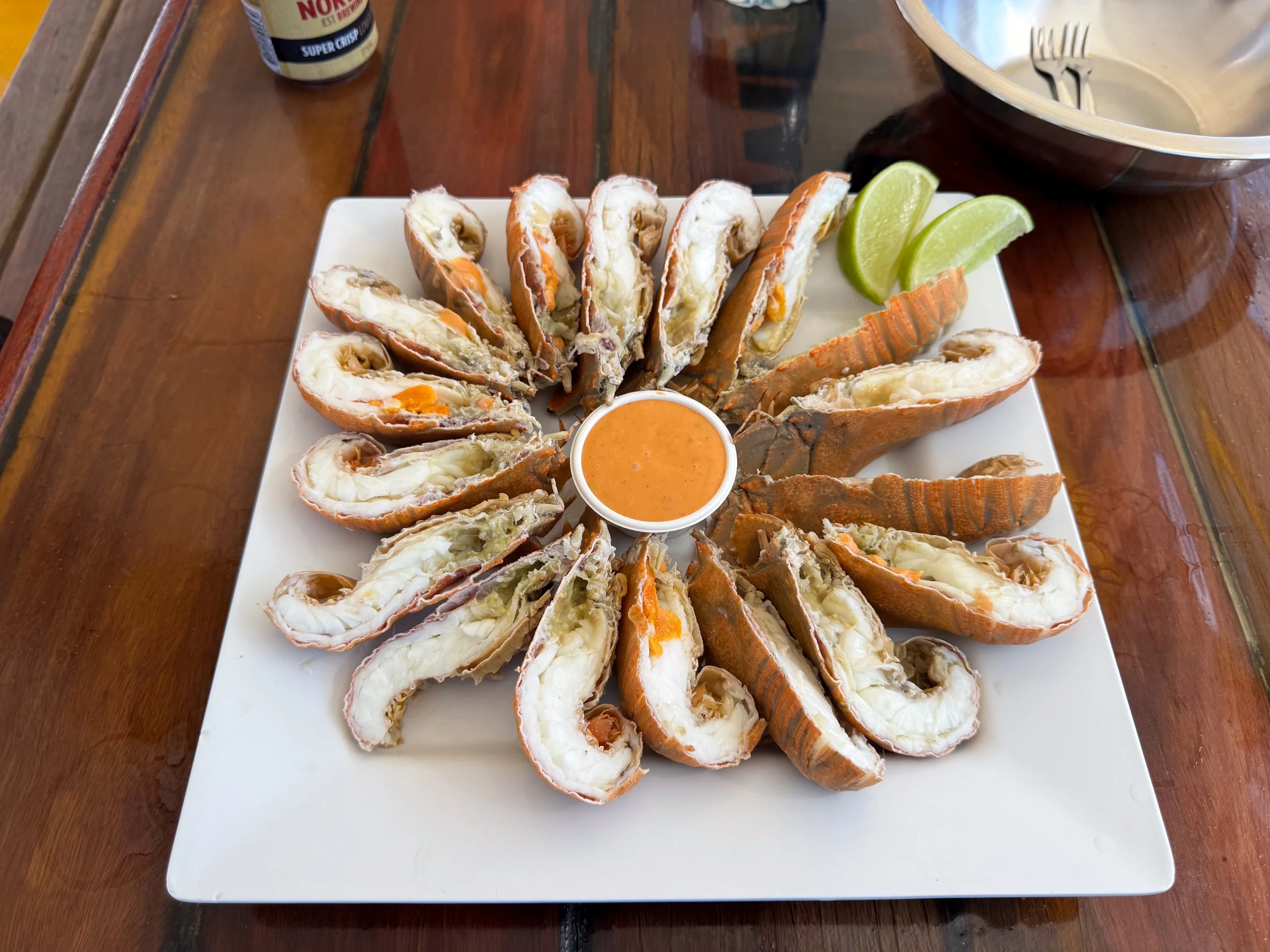
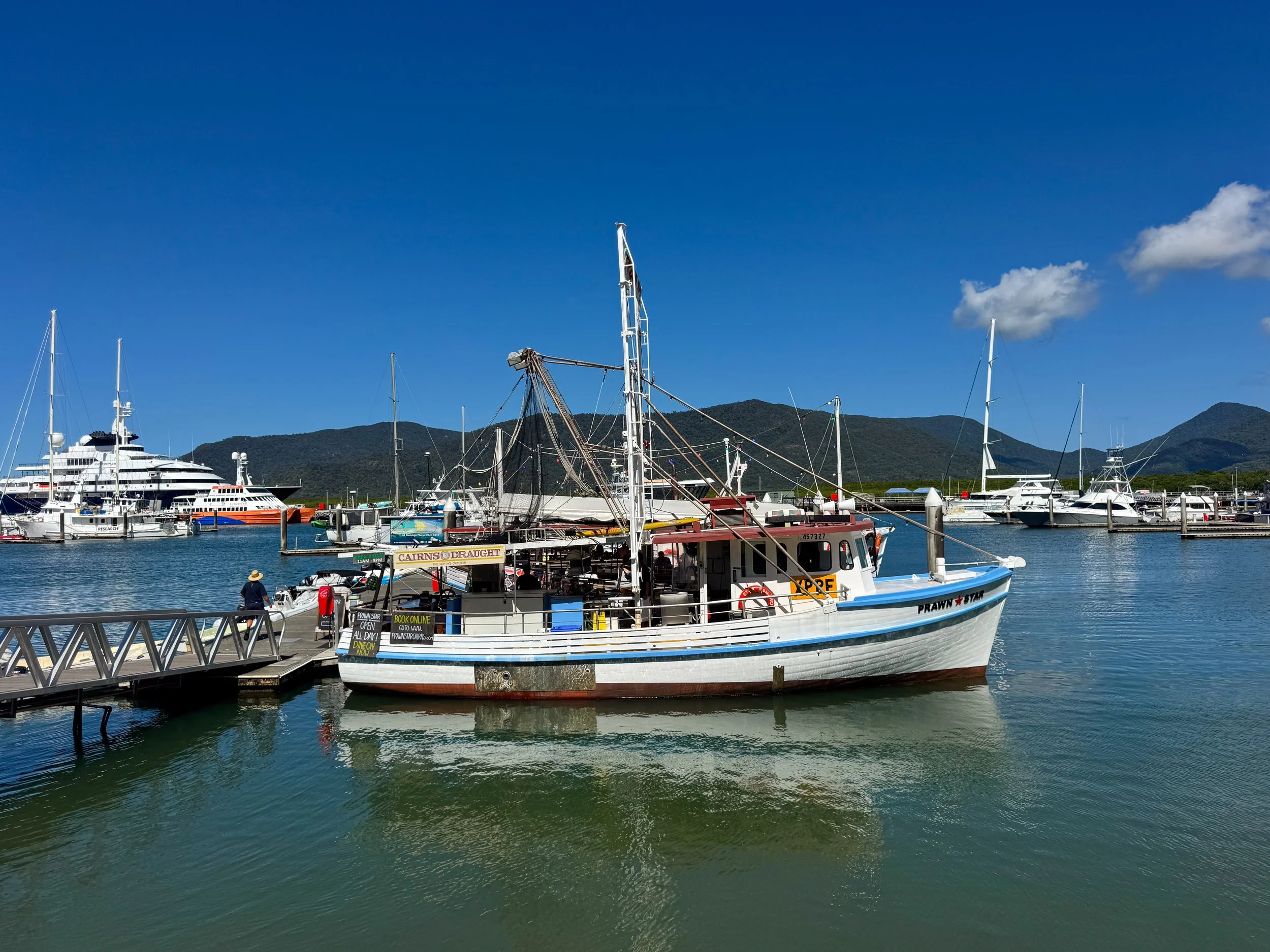
Prawn Stars. A floating seafood restaurant on a series of trawler boats in the marina. Come here for a kilo of the “Bugs,” a type of crustacean also known as slipper lobsters.
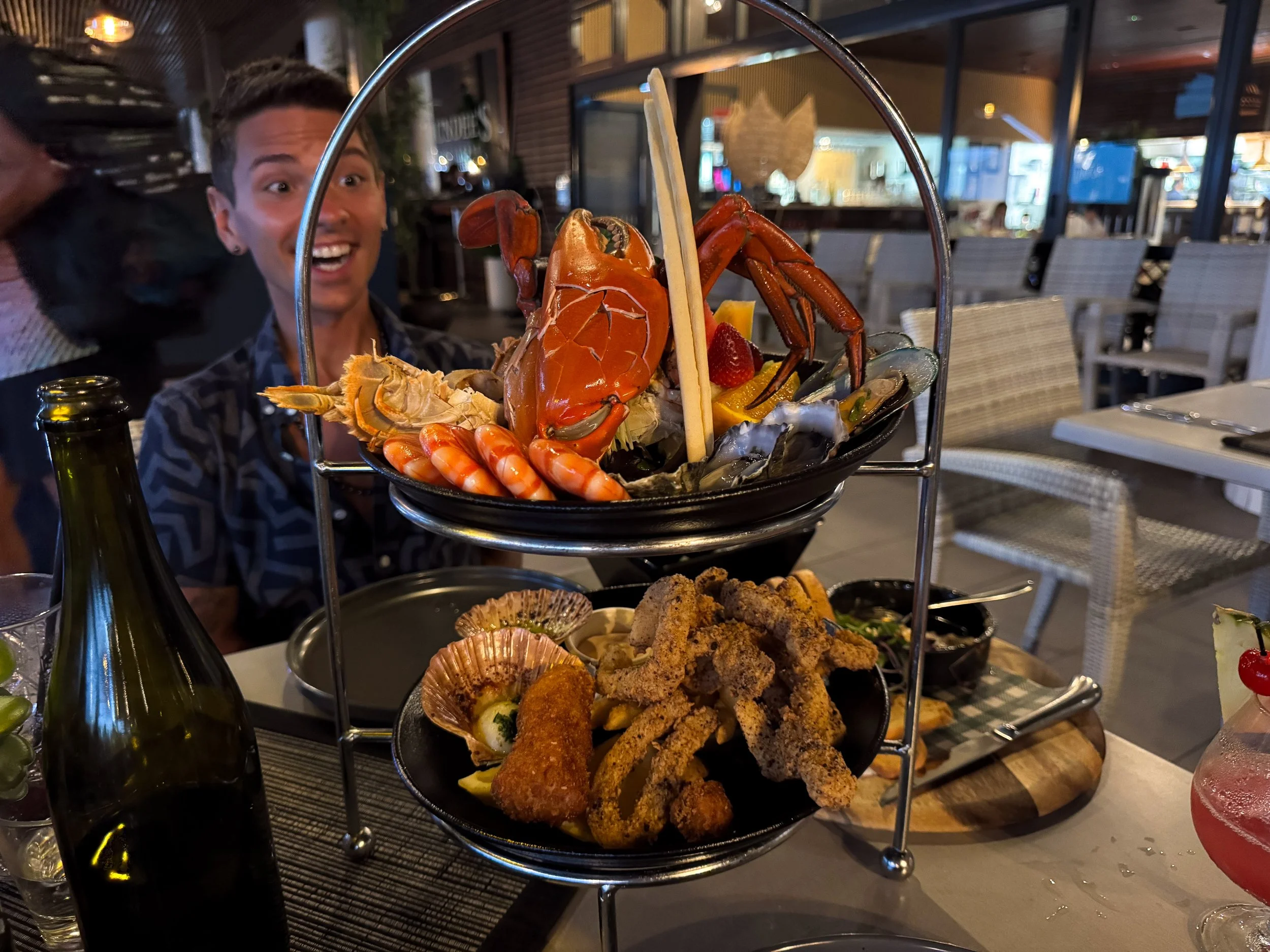
Dundees on the Waterfront. An elevated restaurant along the waterfront wharf with Australian dishes and cuisine. Come here for the seafood tower with local mud crab, bay bugs, prawns, fried calamari, barramundi oysters and mussels. Reservations are recommended!
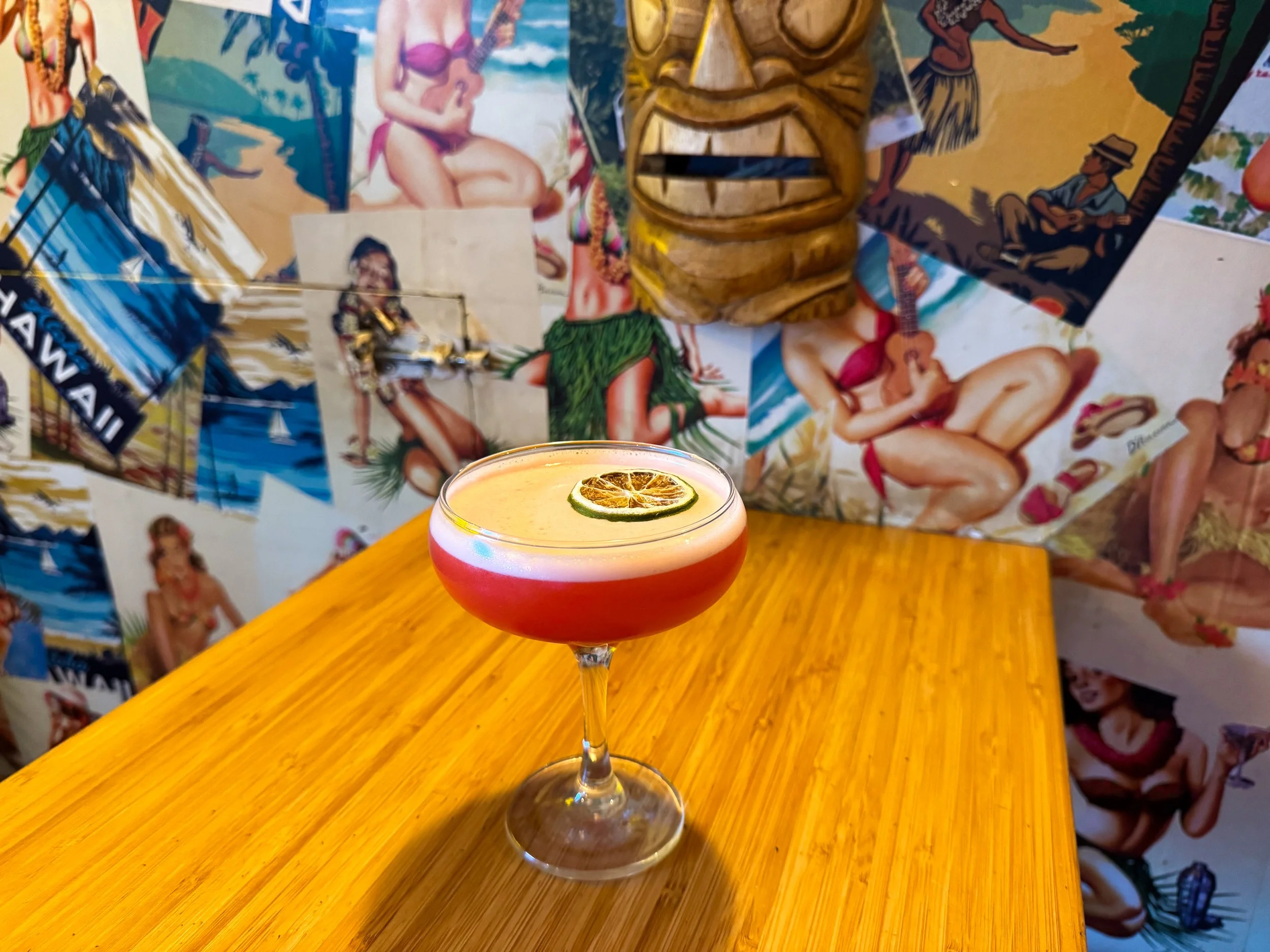
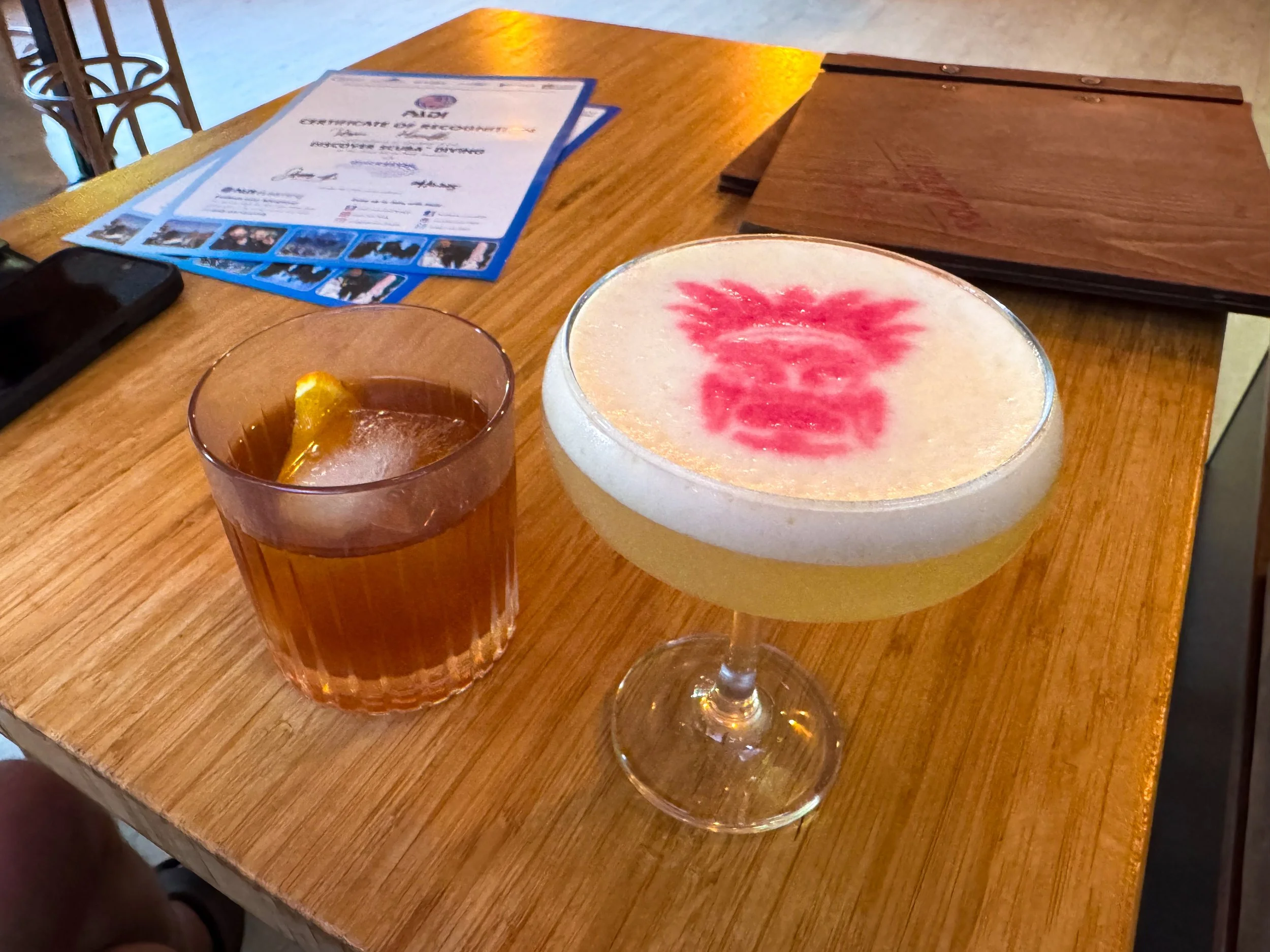
Flamingo Tiki Bar. A modern tiki bar with a vast menu of inventive cocktails and classic tiki drinks. Come here for the happy hour tiki drink of the day between 4-6pm.
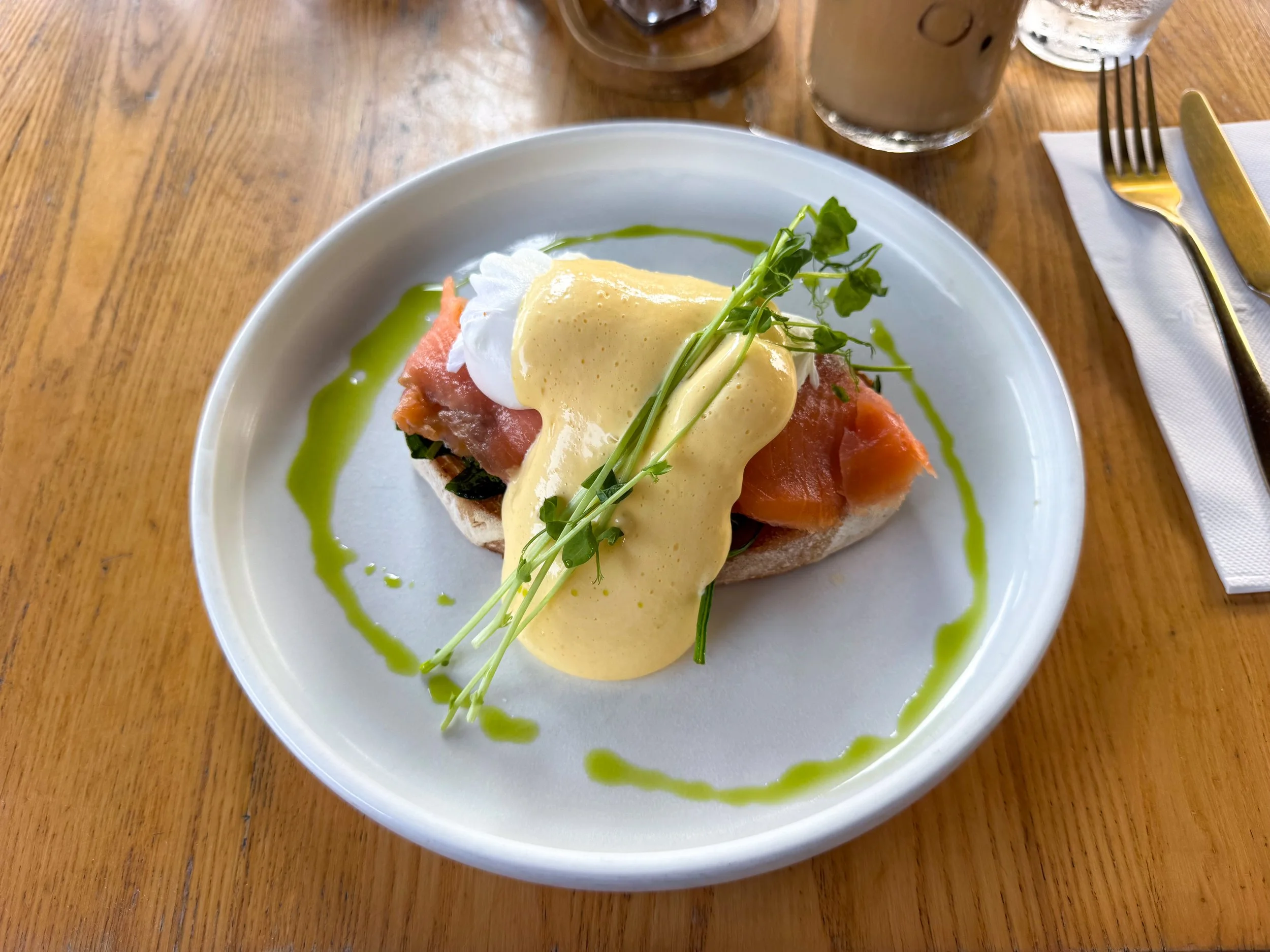
Waffles on Cairns. A brunch spot specializing in everything waffles. Come for their sweet and savory waffles or waffle breakfast sandwiches.
Mi Piace Espresso Bar. A breakfast place with fancified egg dishes, speciality pancakes and smooth coffees.
Sugio Café. An all day café and coffee shop with Japanese dishes and matcha lattes.
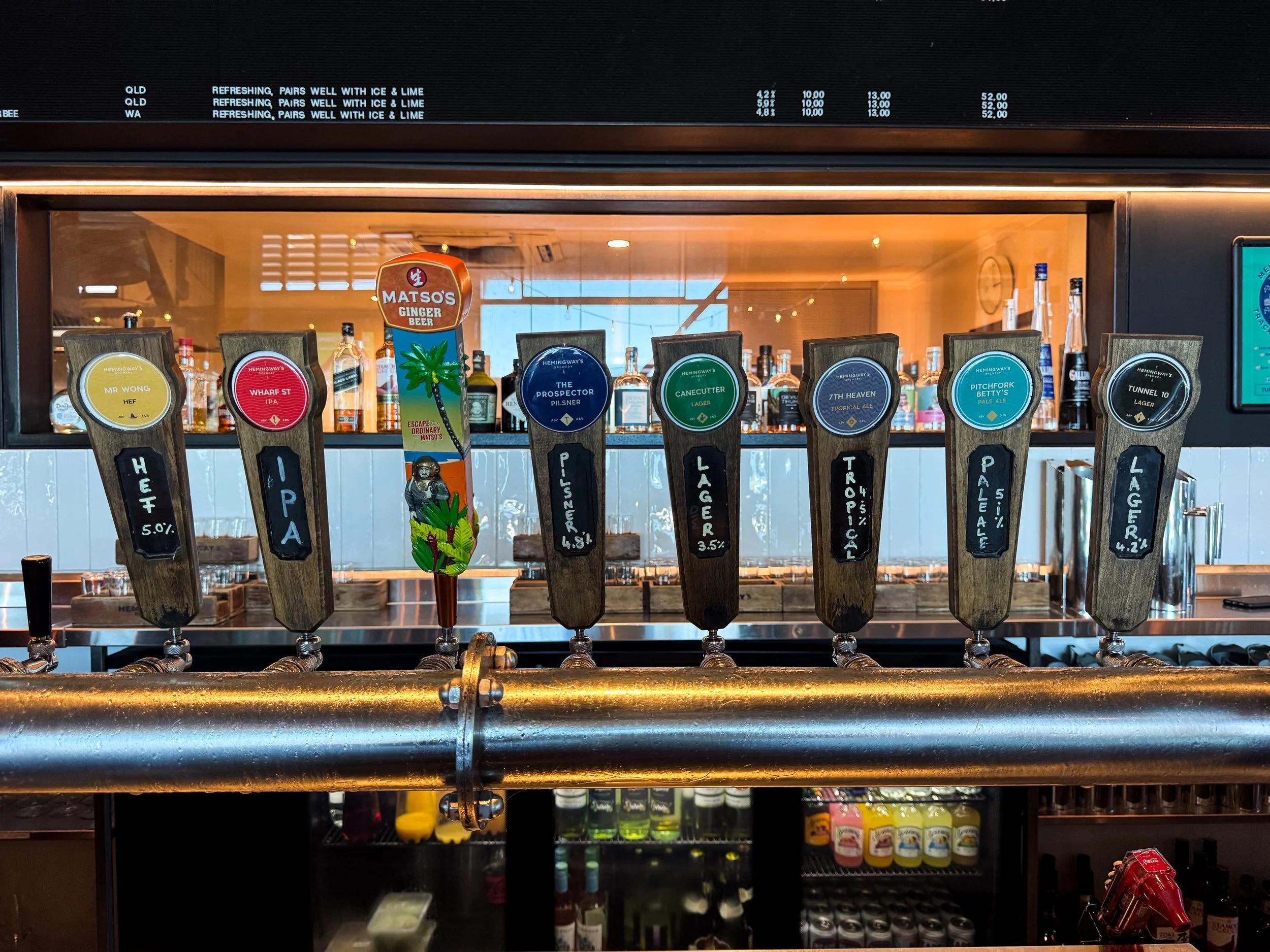
Hemingway Brewery. A waterfront brewery along The Esplanade with a series of locally brewed craft beers. Try the 7th Heaven Tropical Ale!
Australian Cuisine
Bay Bugs. A type of crustacean somewhere between a prawn and lobster with a sweet seafood flavor. They’re often served cold, cut in half.
Mud Crab. Large crabs harvested from the mangrove forests and estuaries. They’re a local delicacy served at many seafood restaurants.
Barramundi. A white fish native to North Eastern Australia. It’s commonly fried and served as fish & chips.
Meat Pies. Savory pies made with buttery crusts and meaty fillings are popular across Australia. Vegan meat and veggie options are difficult to find.
Toasties. A buttered and griddled sandwich usually with a cheesy filling and protein. It’s often served at breakfast, lunch or on the go.
Aussie Coffee. Coffee shops and cafés sell local coffee beverages like the Flat White and Long Black. The flat white is essentially a double shot latte while the long black is another name for an Americano.
Vegemite. A yeasty sandwich spread made from fermented barley. It has a savory and umami flavor to it. Try a thin spread on buttered toast or bread.
Tim Tams. Two sandwiched chocolate cookies covered in rich milk chocolate.
Pavlova. A traditional Australian dessert made from flamed meringue lathered with berry jams and fruits.
Location Specifics
Pronunciation. Cairns is pronounced as Cans with long emphasis on the “a.”
Cash vs. Card. Credit and debt cards are the most common forms of payment. Cash is rarely used but accepted.
Tipping. Tipping is not generally expected in Australia. It’s common to round up on most bills or leave 5-10% at higher end restaurants.
Beware of Crocs. Crocodiles are prevalent in the creeks and coastal waters of Cairns. Avoid entering or approaching any non-designated beaches or waterways.
Stinger Season. The time of year when poisonous jellyfish inhabit the coastal waters of tropical North Queensland. Stinger season starts in late October and lasts until May. Only swim in netted areas or with a wetsuit when in the reef.
Sun Protection. The UV is often extreme on sunny days. It is best to wear sun cream with a minimum of 50 SPF. Make sure it’s reef friendly if going in the water!
When to Visit. The end of spring in mid October is one of the best times of year to visit Tropical North Queensland. The temperature is warm, days are sunny and waters are typically calm.
Getting Around
On Foot. The streets and promenade of the CBD are easily walkable and best explored on foot.
By Uber. Getting around town outside of the CBD is best by Uber. Avoid calling an Uber during the morning and late afternoon rush hours.
By Car. The rainforest and beach towns north of Cairns are best reachable by rental car. We rented a car from Sixt at the airport for a few days of our travels here.
Where to Stay
Cairns Airbnb. An apartment rental located about 15 minutes from the CBD in a residential area of Cairns. The private space has a fully functional kitchen, comfy bed and spacious outdoor patio. Book on Airbnb.
Elsewhere in Australia
From Tropical North Queensland's rainforests and wildlife to the Great Barrier Reef, Byron Bay's surf culture, Western Australia's remote coastline and Uluru's desert landscapes, discover more of Australia through these travel guides:
Great Barrier Reef Travel Guide: Cairns, Coral Reefs & Marine Life. Dive into the Great Barrier Reef where vibrant coral gardens and extraordinary marine life thrive within one of Earth's most biodiverse underwater ecosystems.
Brisbane Travel Guide: Neighborhoods, Riverwalks & Island Adventures. Explore Brisbane where riverside neighborhoods, scenic riverwalks and nearby island adventures embody a laidback subtropical lifestyle shaped by nature.
Byron Bay Travel Guide: Surfing, Beaches & Cape Byron. Experience Byron Bay where surf culture, white sand beaches and scenic trails to Cape Byron embody Australia's quintessential beach town lifestyle.
Western Australia Road Trip: Perth to Ningaloo & The Coral Coast. Road trip along Western Australia's Coral Coast where red desert landscapes, remote gorges, sandstone cliffs and white sand beaches create an unforgettable adventure.
Uluru Travel Guide: Kata Tjuta, Kings Canyon & Sacred Landscapes. Discover Uluru's sacred landscapes where ancient sandstone monoliths, desert hikes, canyon oases and Anangu traditions connect visitors to the Outback.
For Next Time…
One week is barely enough time to experience Tropical North Queensland. Australia and this region of the country are high on our list to return to one day. These are just a few of the natural wonders we’ll come back to visit.
Walsh's Pyramid. A freestanding mountain, naturally shaped like a pyramid. Hiking trails lead around the mountain’s base and to its verdant summit.
Kahlpahlim Rock (Lamb's Head) Lookout. A rainforest mountain peak characterized by its large granite boulders. It’s accessible after a rigorous hike through the tropical terrain.
Whitsunday Islands National Park & Whitehaven Beach. A chain of islands famed for their powdery white sand beaches, multicolored blue waters and coral reefs.
Undara Volcanic National Park. A national park home to Australia’s largest lava tube, several volcanic craters and lush savannas.
Chillagoe-Mungana Caves National Park. A national park with large limestone formations, underground caves, hiking trails and aboriginal rock art.
Torres Strait Islands. An archipelago located between the northern tip of Queensland and the southern shores of Papua New Guinea. It’s home to an array of ecological diversity and indigenous peoples.
Great Barrier Reef Travel Guide: Cairns, Coral Reefs & Marine Life
Dive into the Great Barrier Reef where vibrant coral gardens and extraordinary marine life thrive within one of Earth's most biodiverse underwater ecosystems.
The Great Barrier Reef
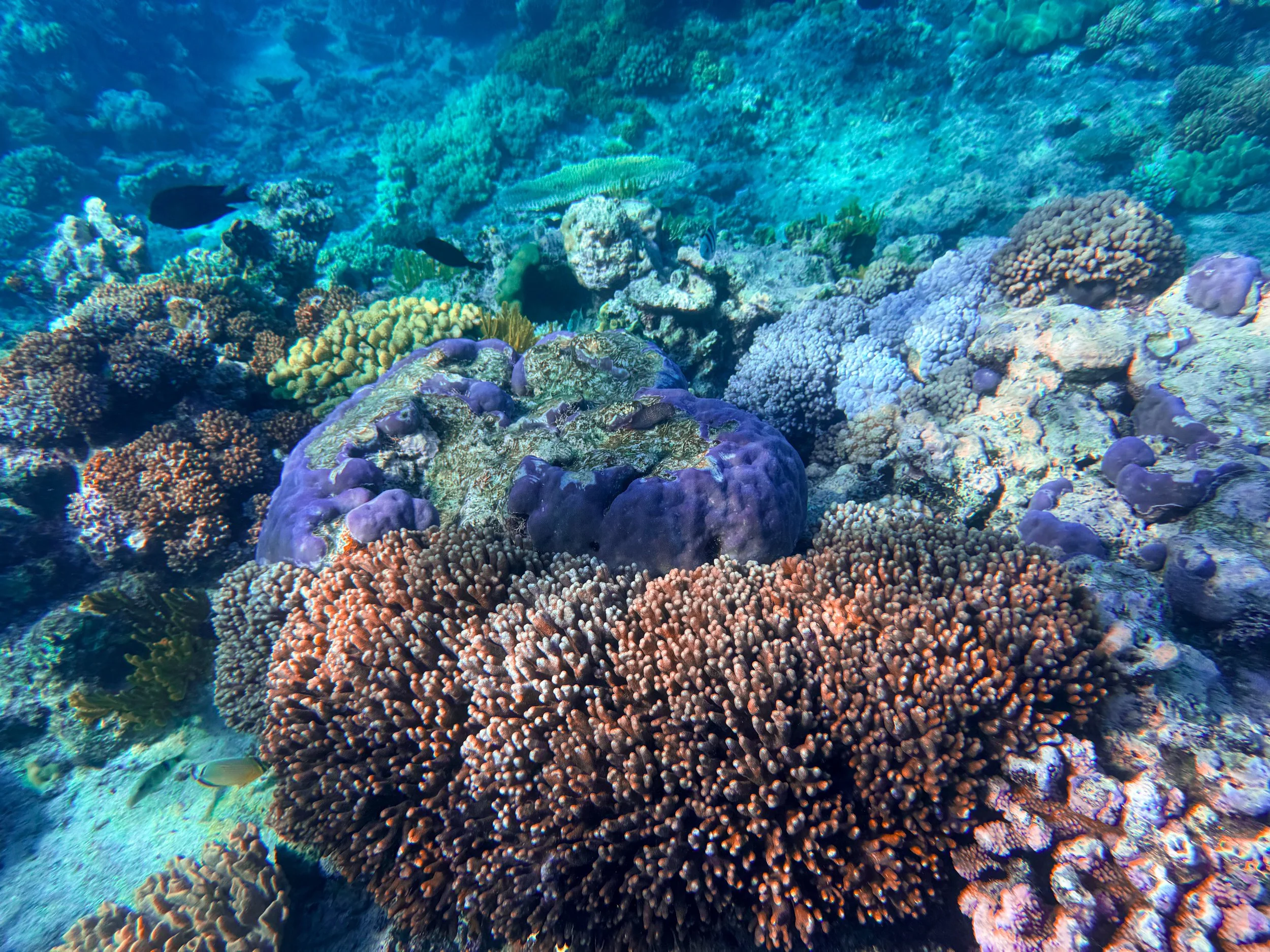
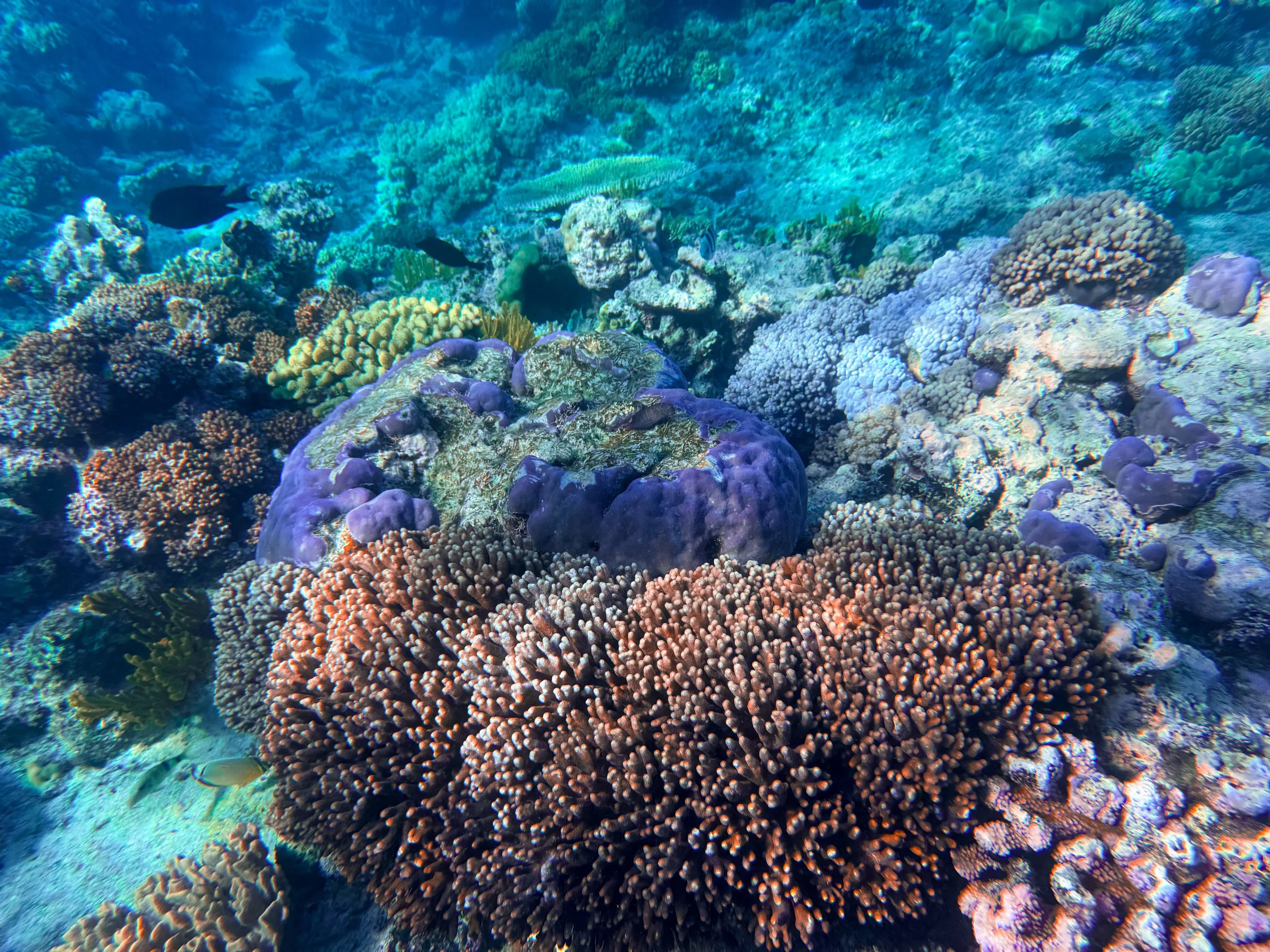
The Great Barrier Reef is the world’s largest coral reef system, stretching for hundreds of miles along the coast of Australia. It’s home to an incredible array of marine biodiversity including billions of corals, anemones, schools of tropical fish, sea turtles, sharks and rays. We snorkeled and dived in this underwater world in between relaxing on a live aboard and exploring on shore.
Cairns, Queensland
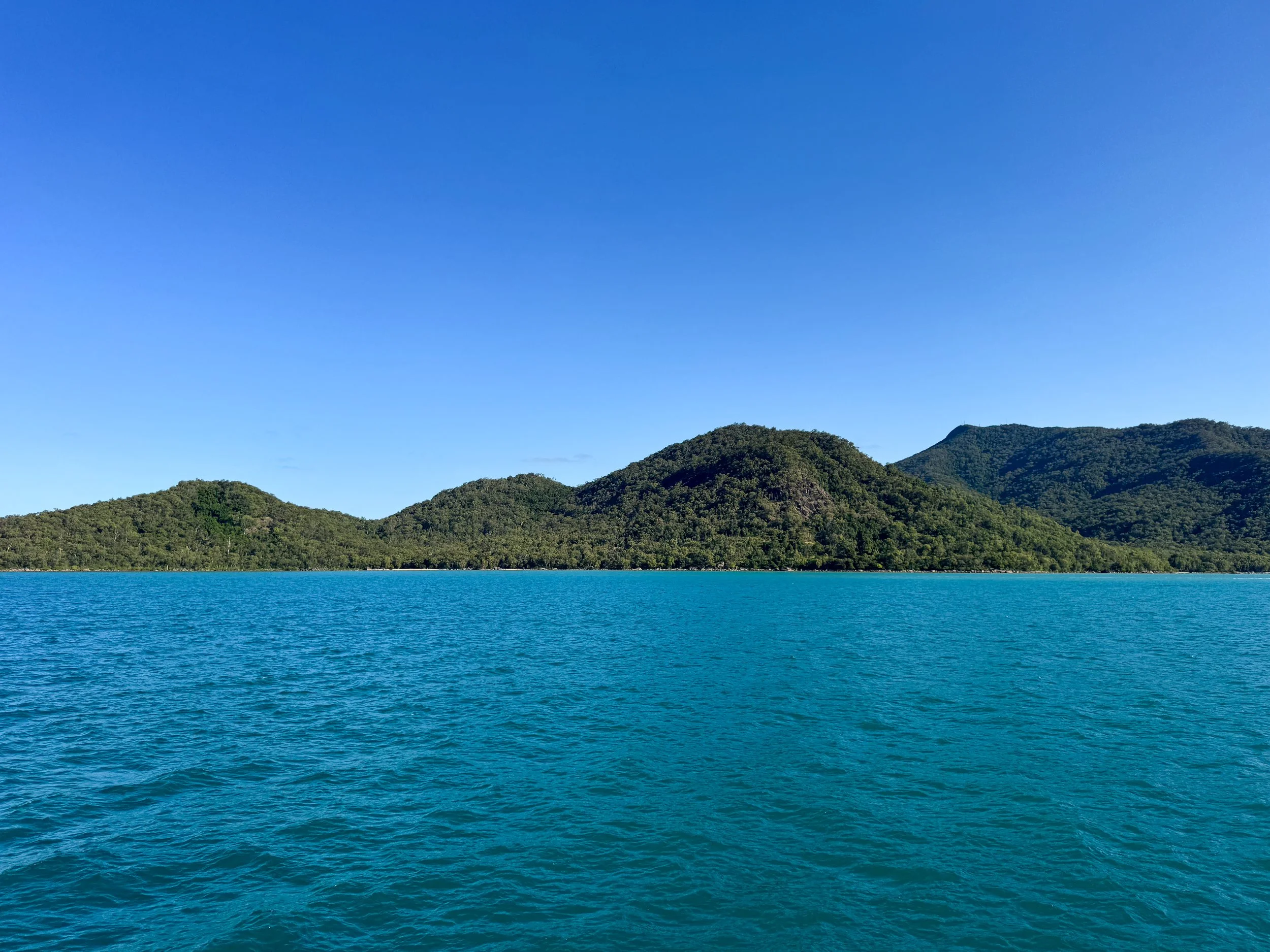
Cairns is an adventurous hub and coastal town in Tropical North Queensland, renowned for its access to the Great Barrier Reef. The town is home to restaurants, craft breweries, breakfast cafés, weekend markets and tour operators.
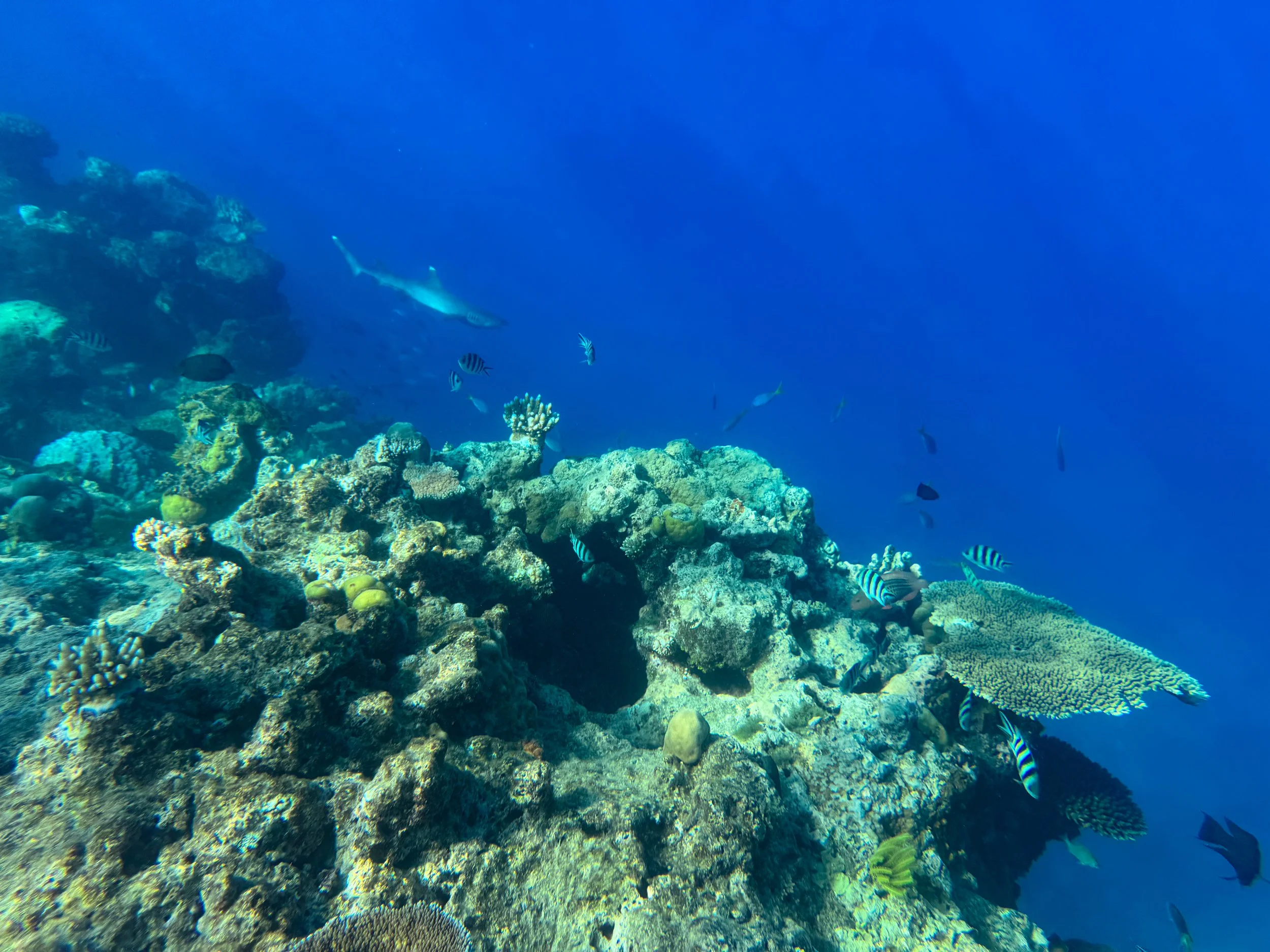
The Great Eight
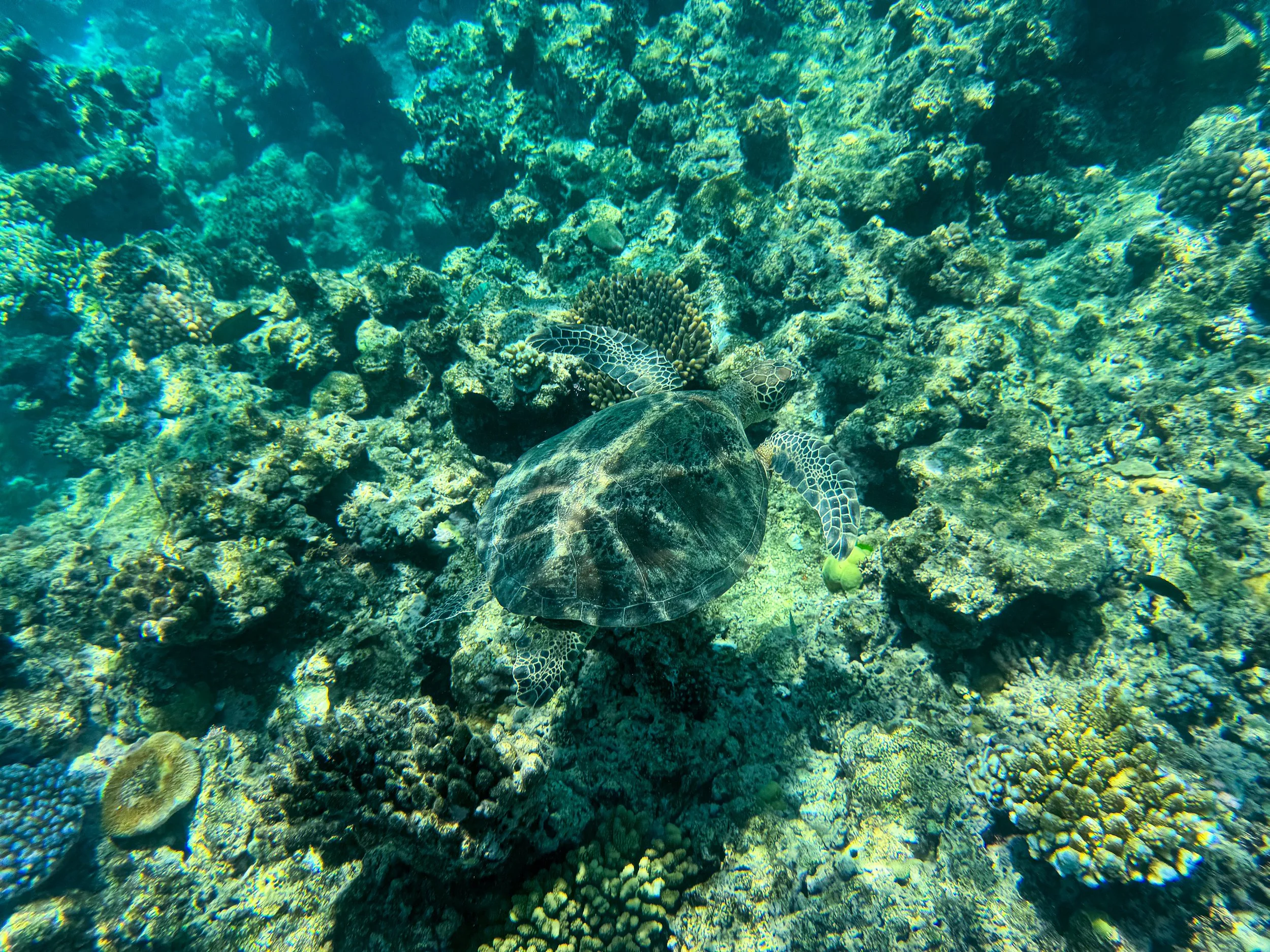
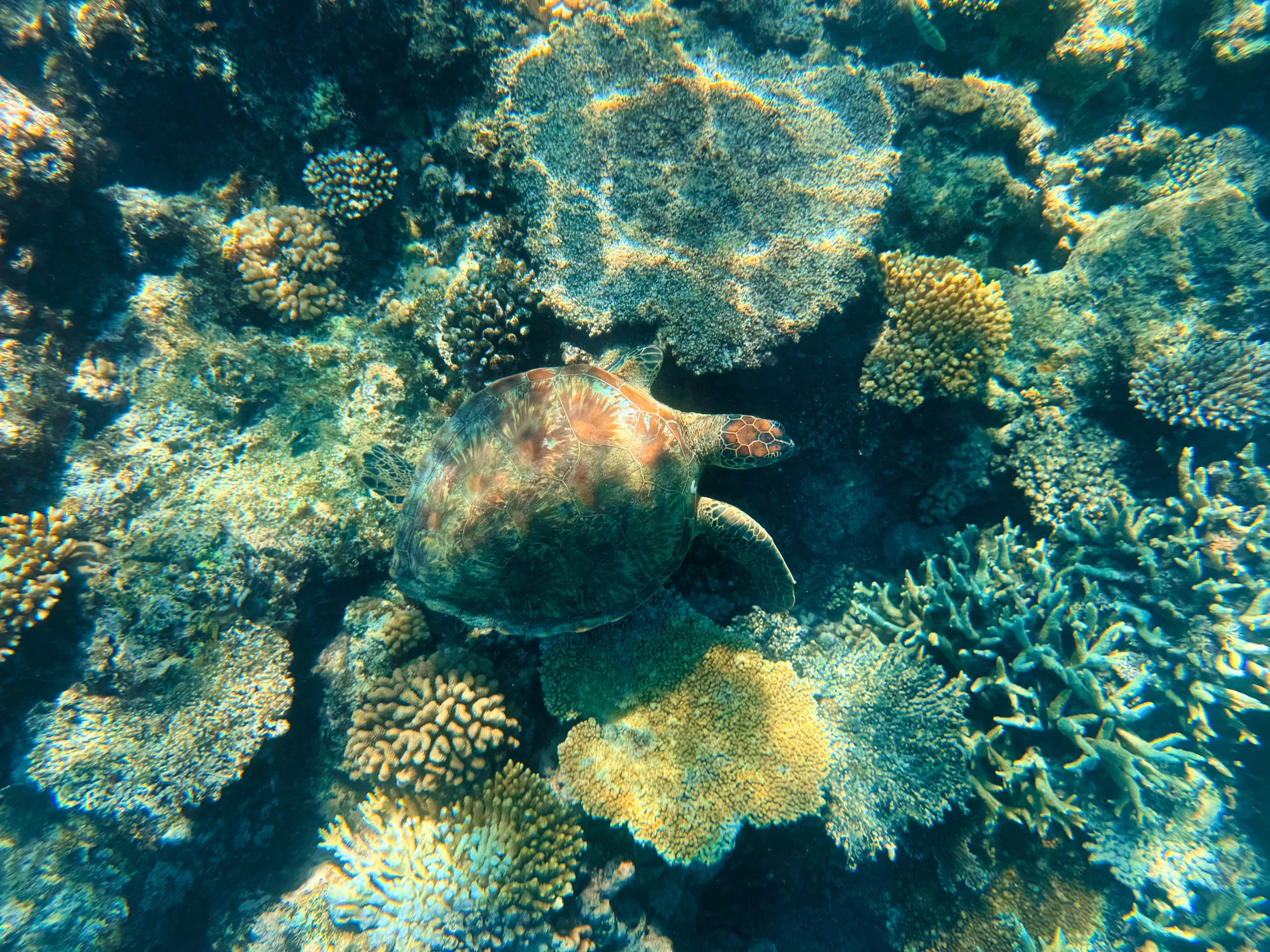
The Great Eight are the most iconic marine species that represent the Great Barrier Reef. The list includes:
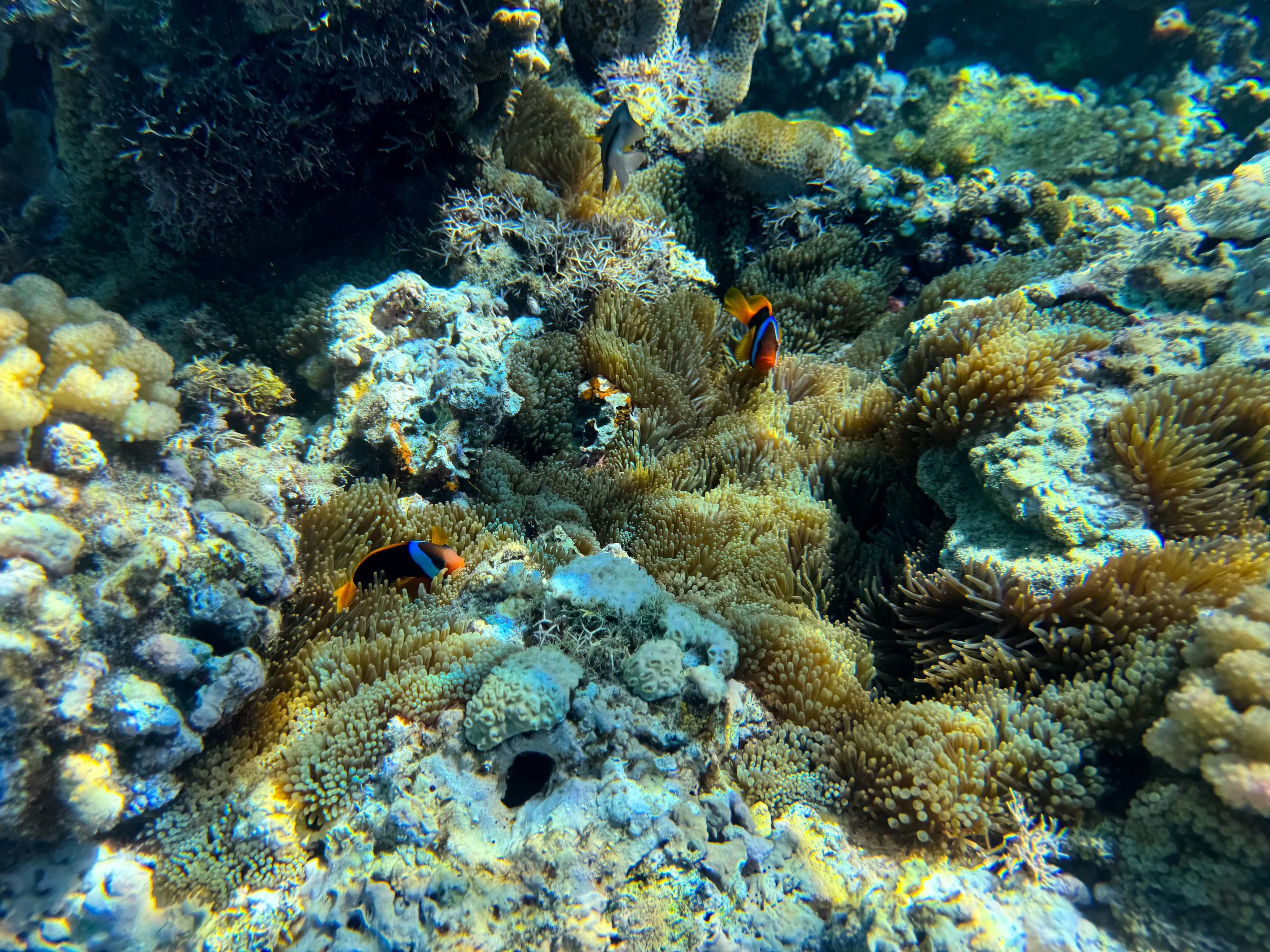
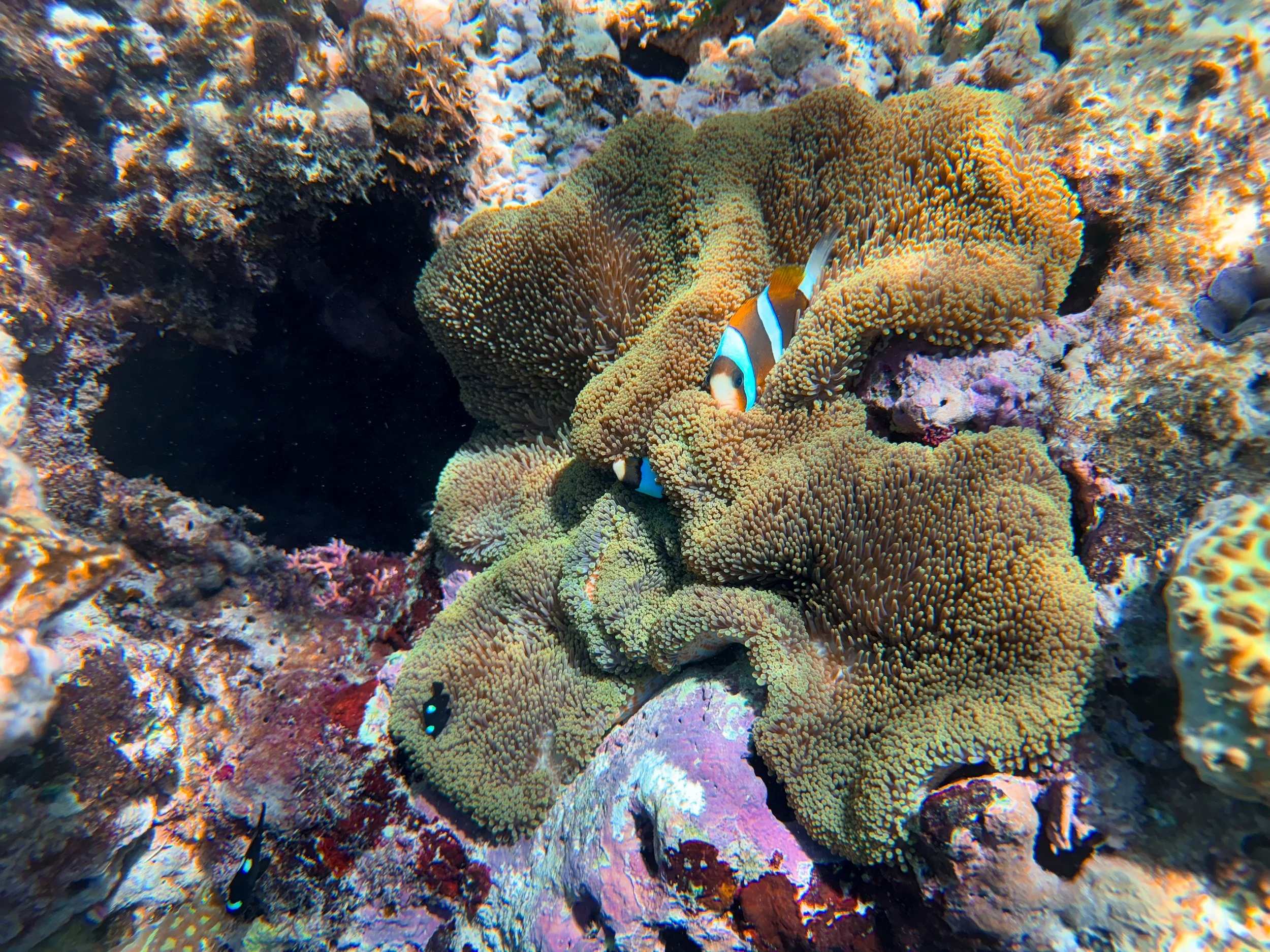
Clownfish
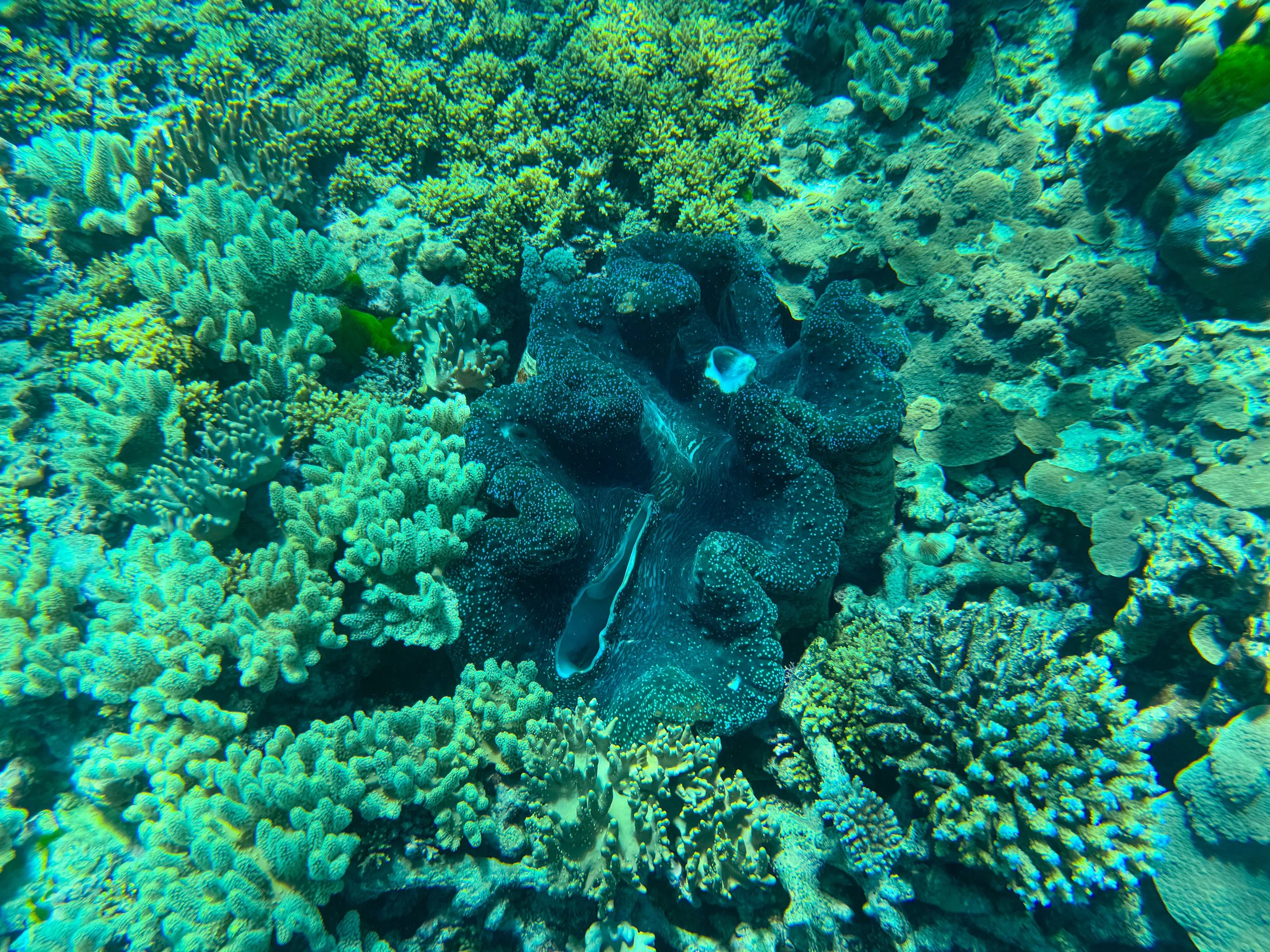
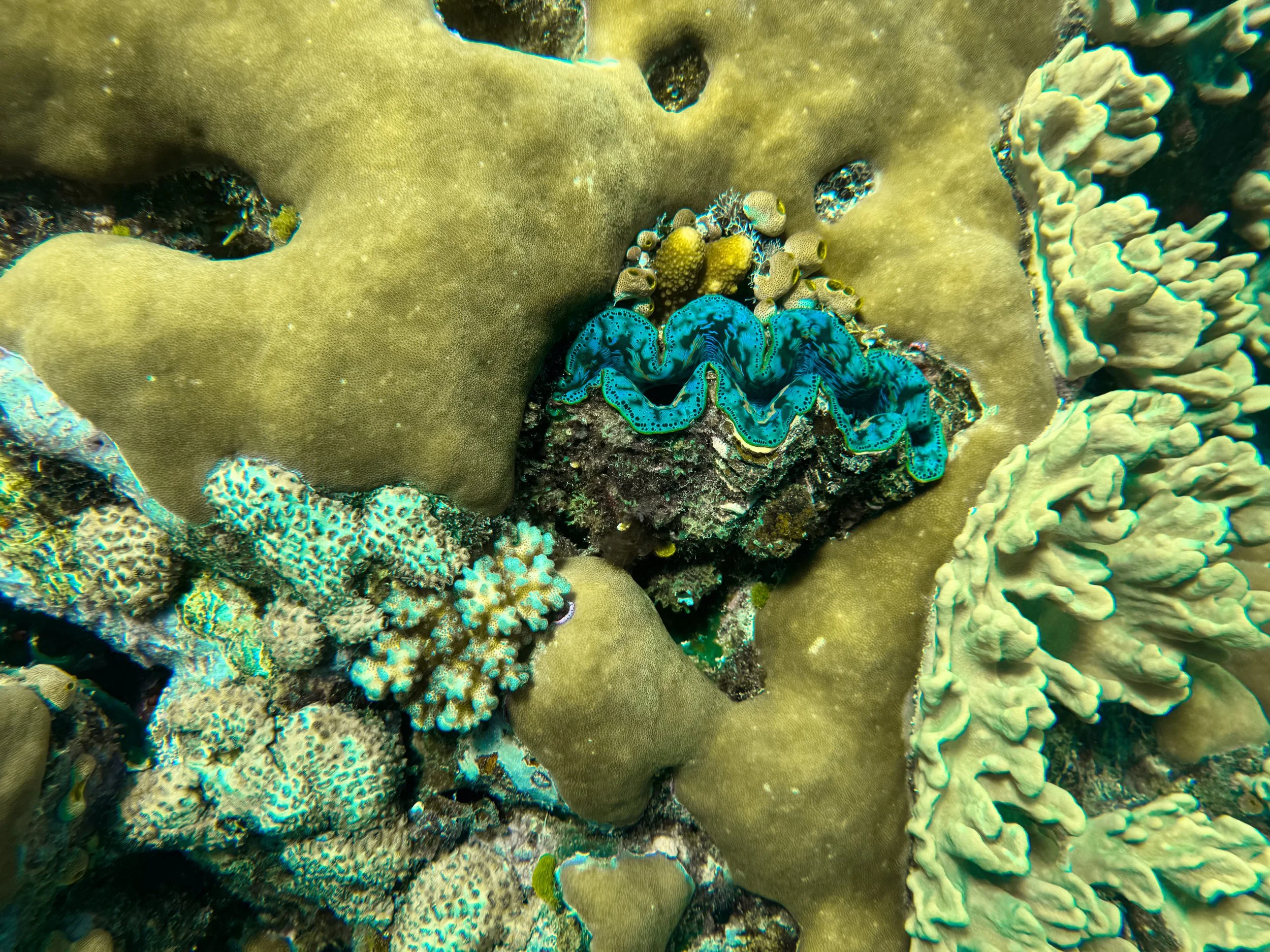
Giant Clams
Sea Turtles
Sharks
Māori Wrasse
Potato Cod
Manta Rays
Whales
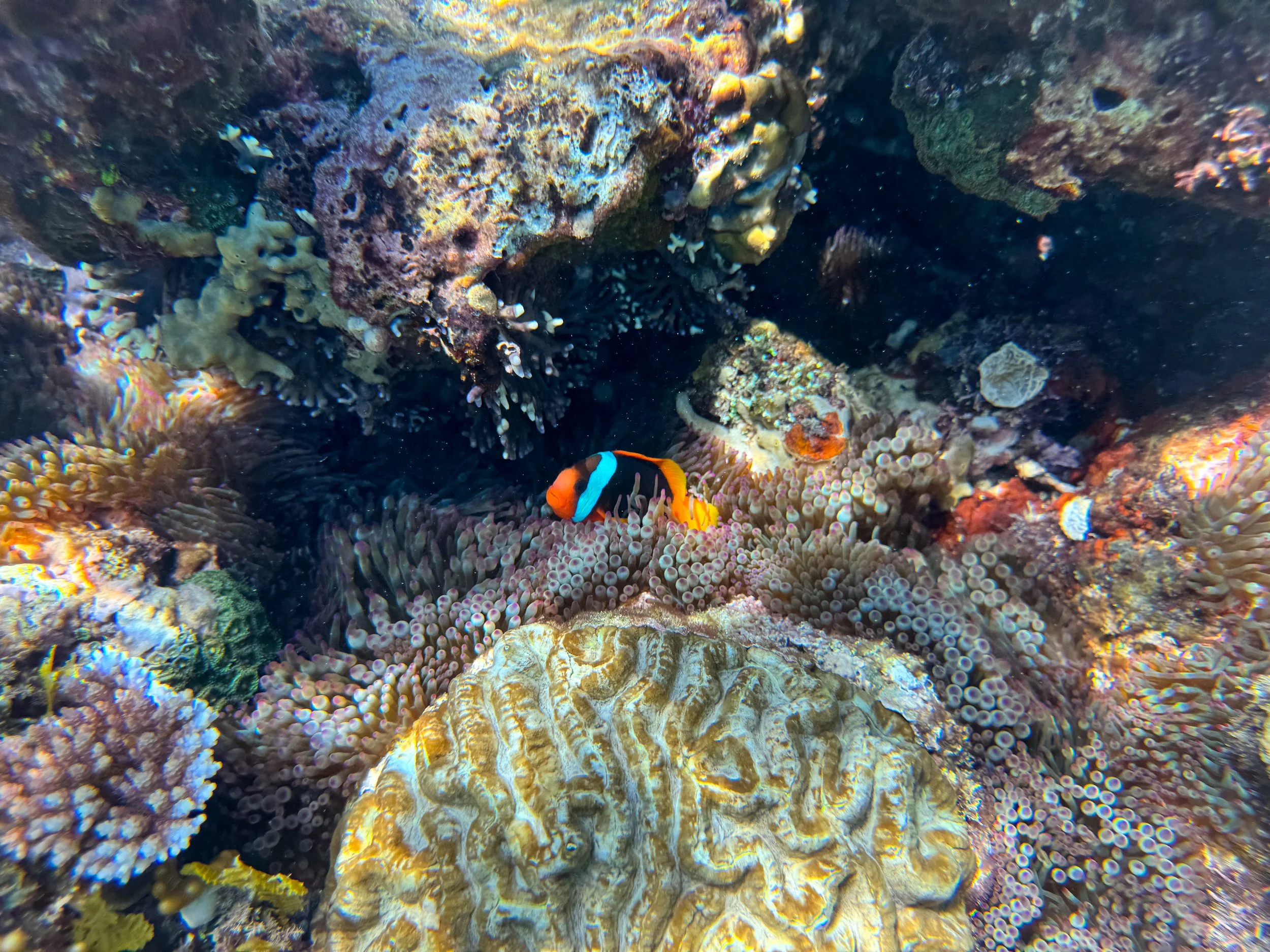
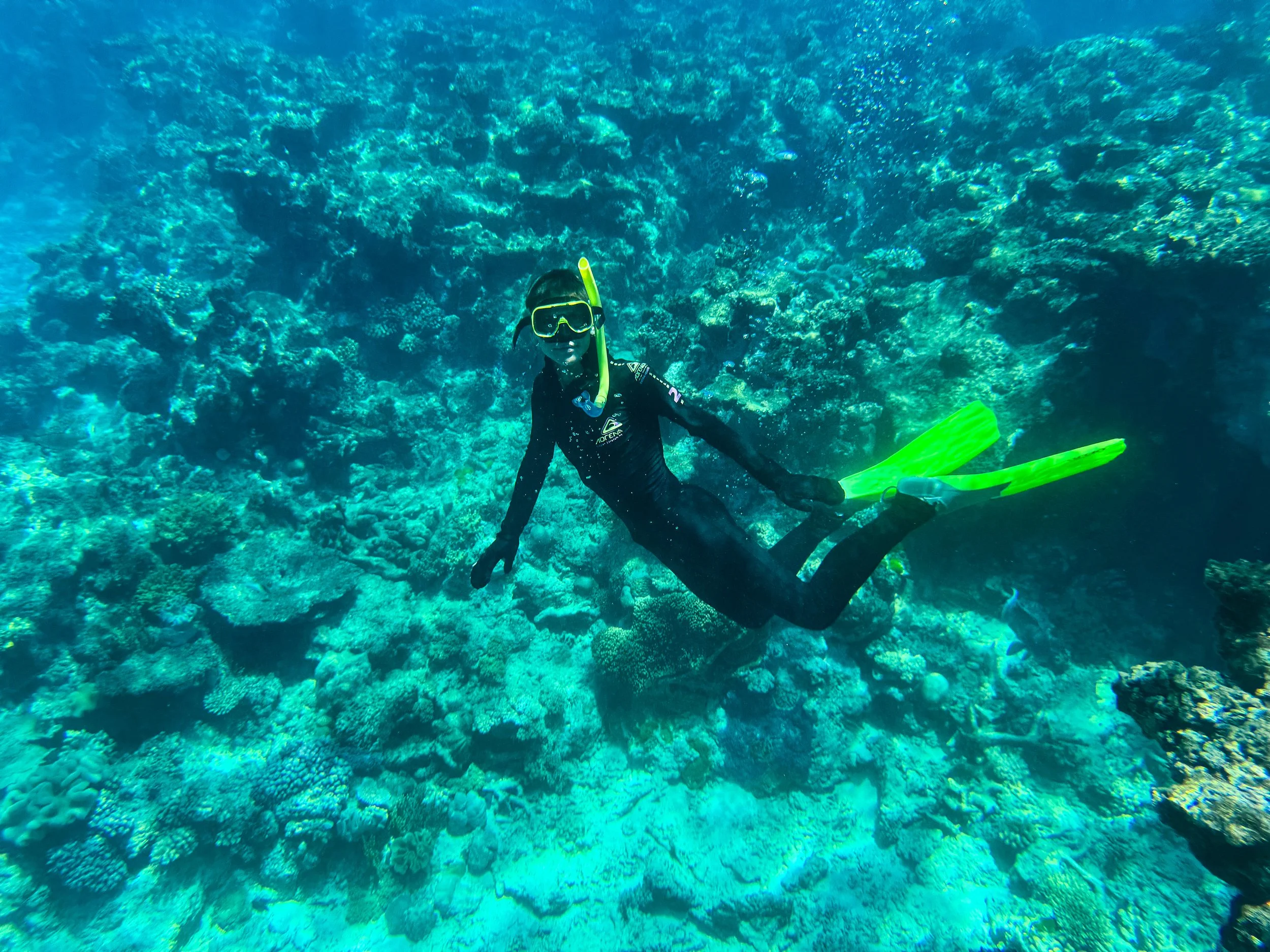
During our three days on the reef, we spotted clownfish swimming in anemones, opened giant clams, feeding green sea turtles and white tipped reef sharks. The Māori Wrasse, potato cod and manta rays proved to be elusive, however we spotted other colorful and large fish as well as stingrays.
Good to Know. To spot whales, visit during their migration season between May and September.
Tour Operators
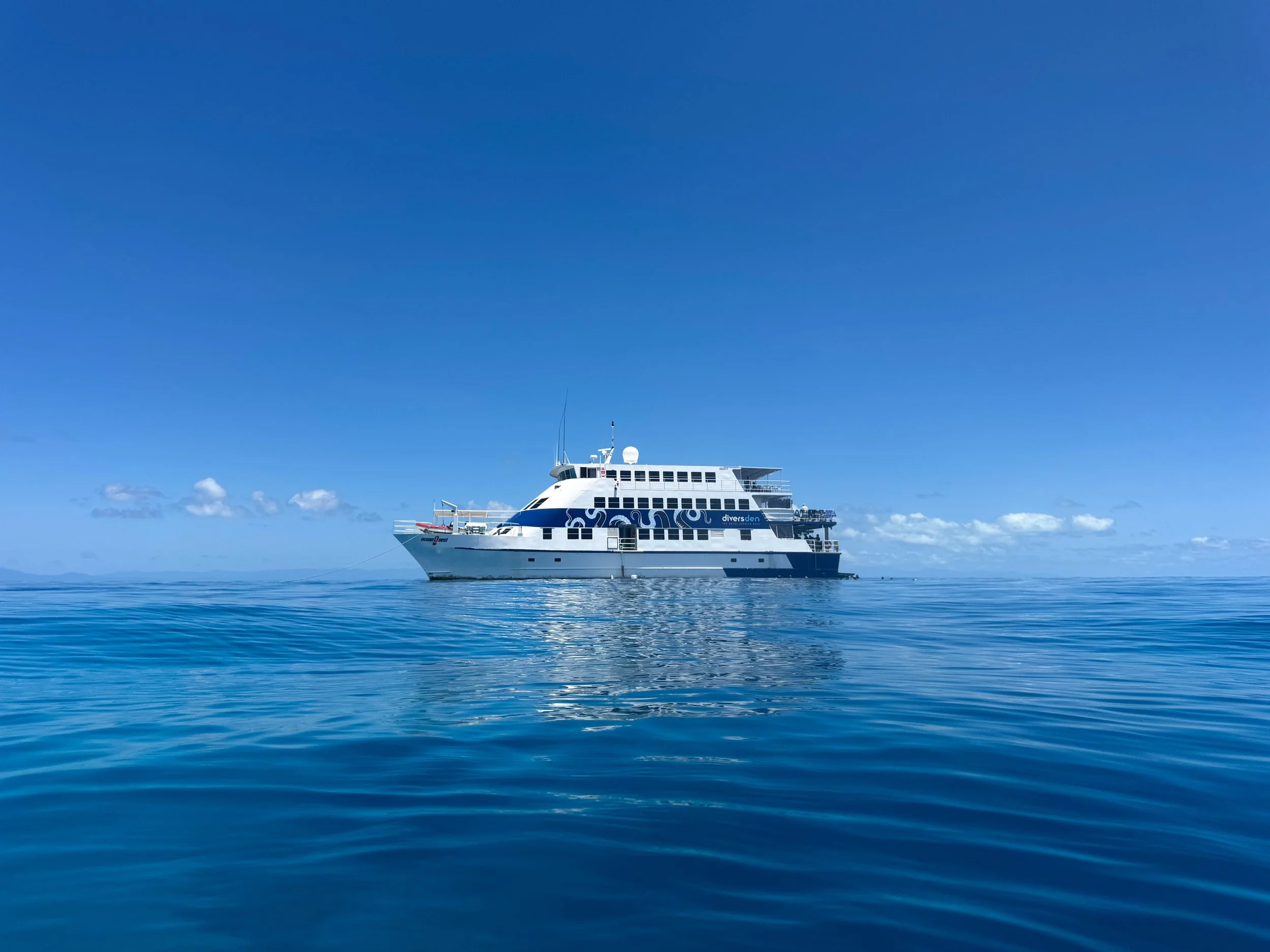
Cairns is home to many well reviewed tour operators offering single and multi-day trips to the Great Barrier Reef. Excursions often include snorkeling, scuba diving, introductory courses and all aquatic gear. We booked a two day one night live aboard with Diver’s Den on Viator and a separate day trip with Silver Swift on Get Your Guide.
Diver’s Den. A scuba and snorkel operator with single and multi day trips to sites around the Great Barrier Reef. We joined their 2 day 1 night live aboard. It included 3 guided snorkel tours per day, a private cabin and all meals. The ship, the Ocean Quest, has several public spaces including the dive deck, dining room, indoor lounge and outdoor sun deck, perfect for viewing the ocean by day and stars by night.
Silver Swift. A scuba and snorkel operator with single day trips to sites around the Great Barrier Reef. It included two free style snorkel tours, a guided introductory scuba dive and a vegetarian friendly buffet lunch.
Pro Tip. Bring a sweater! The AC on the boats is very cold, especially after getting out of the water.

Saxon Reef
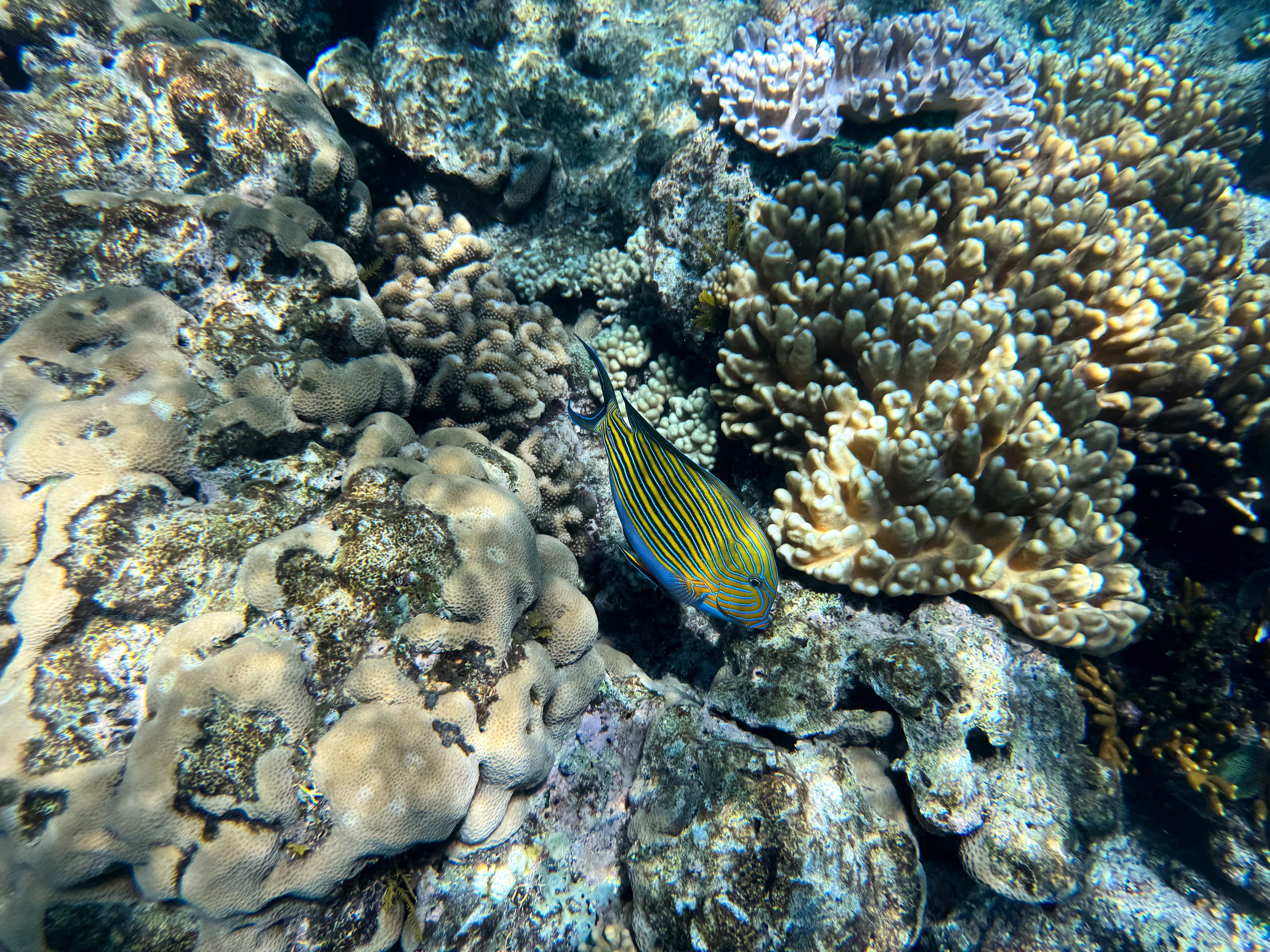
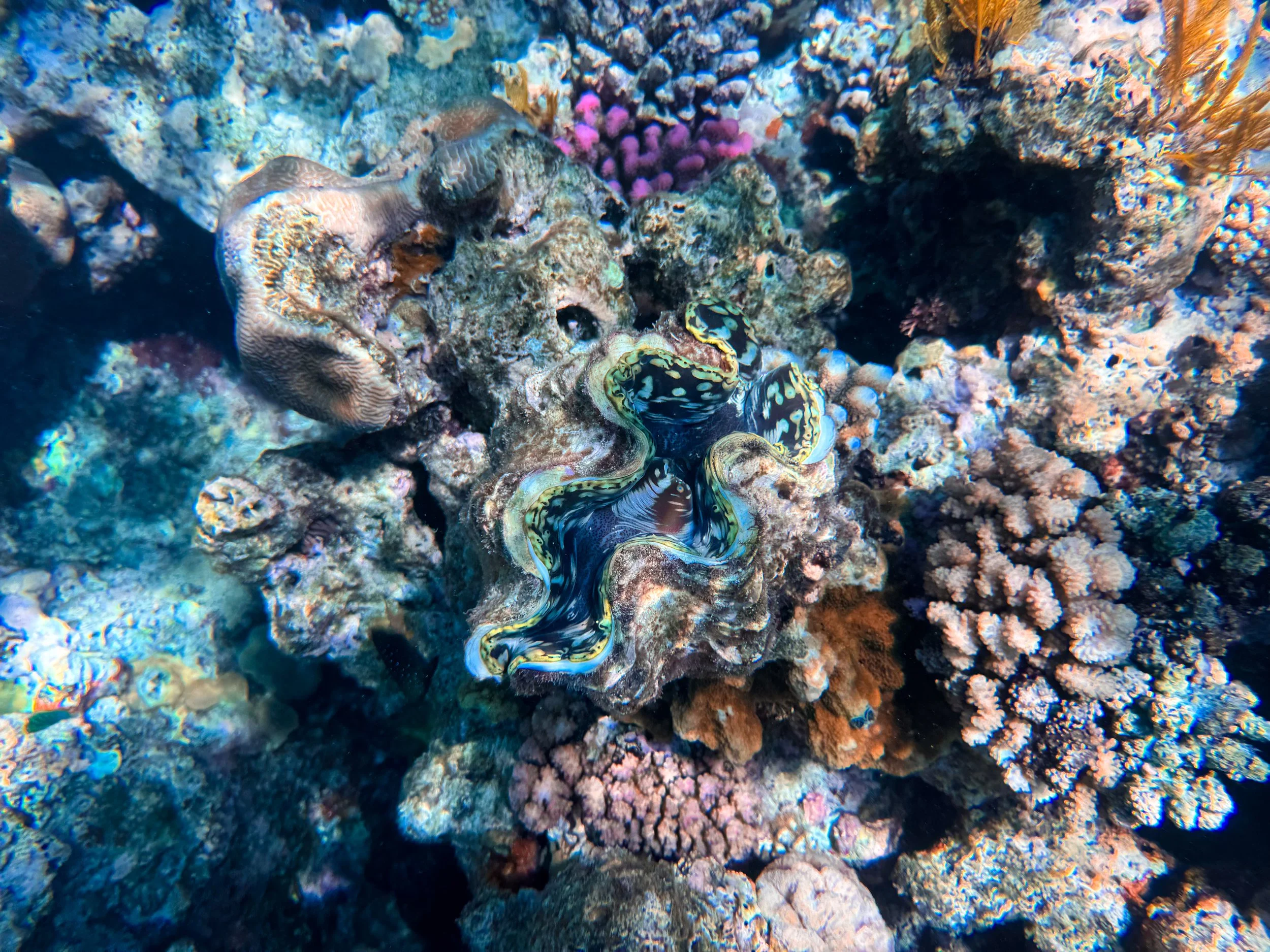
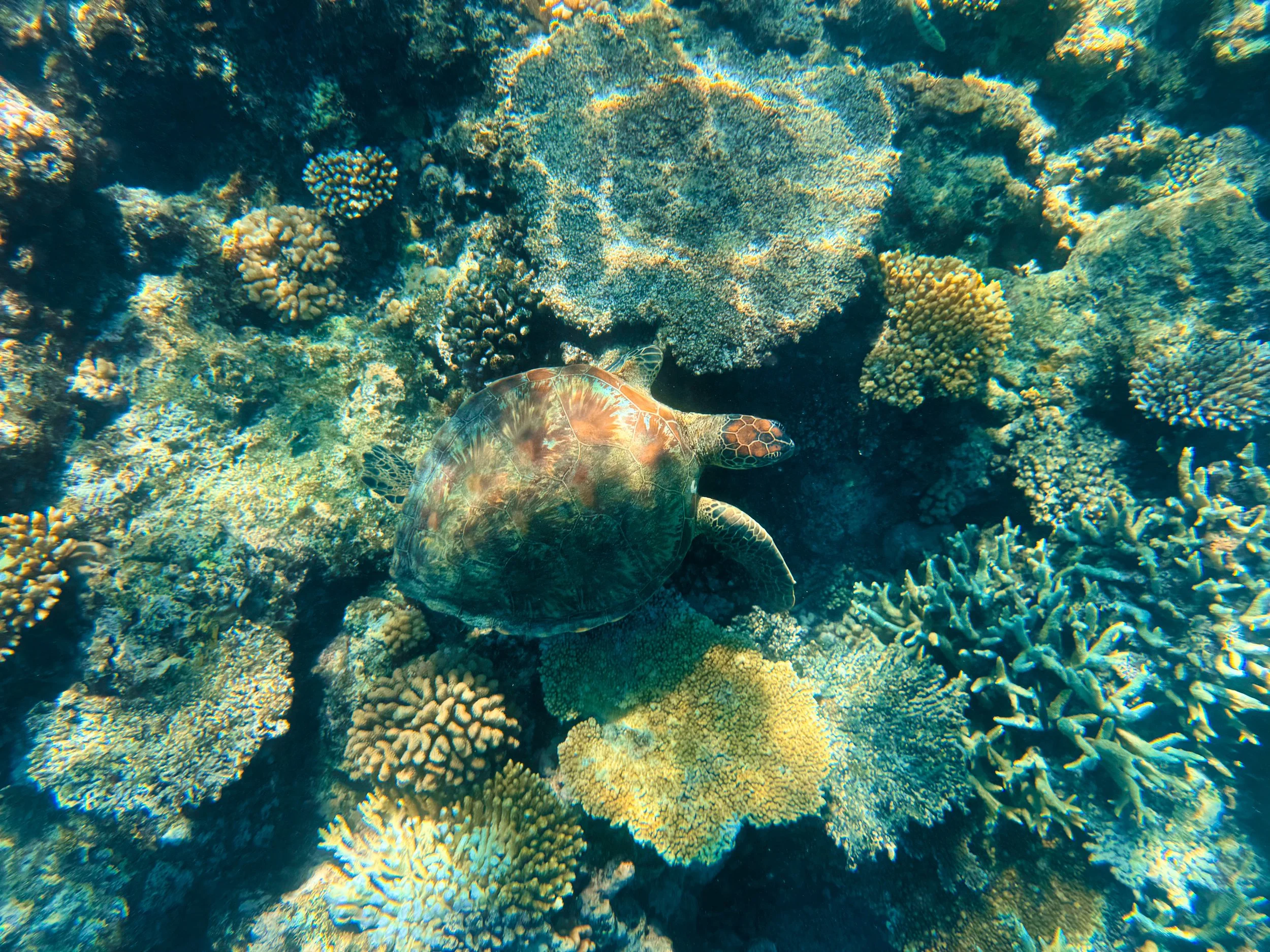
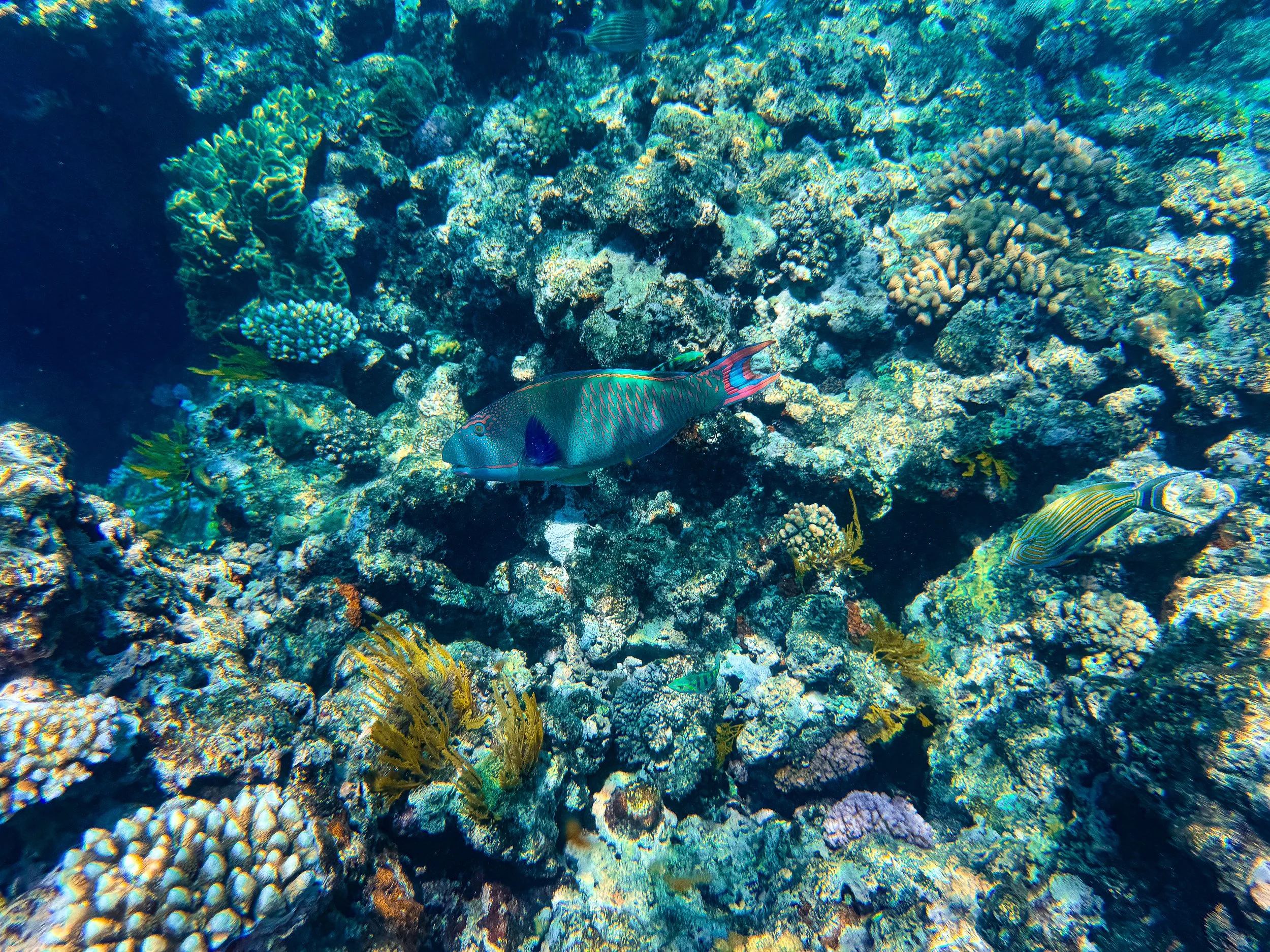
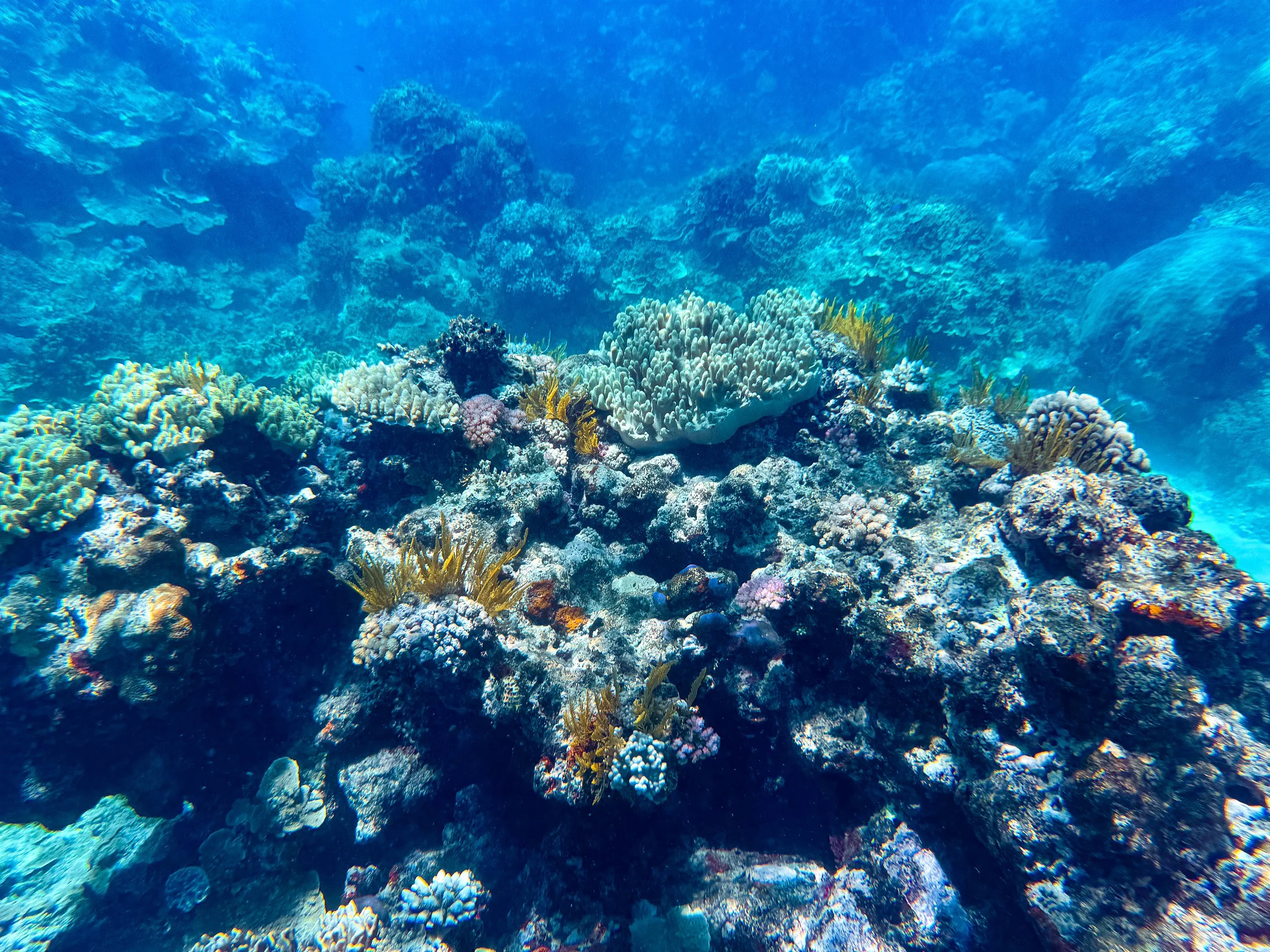
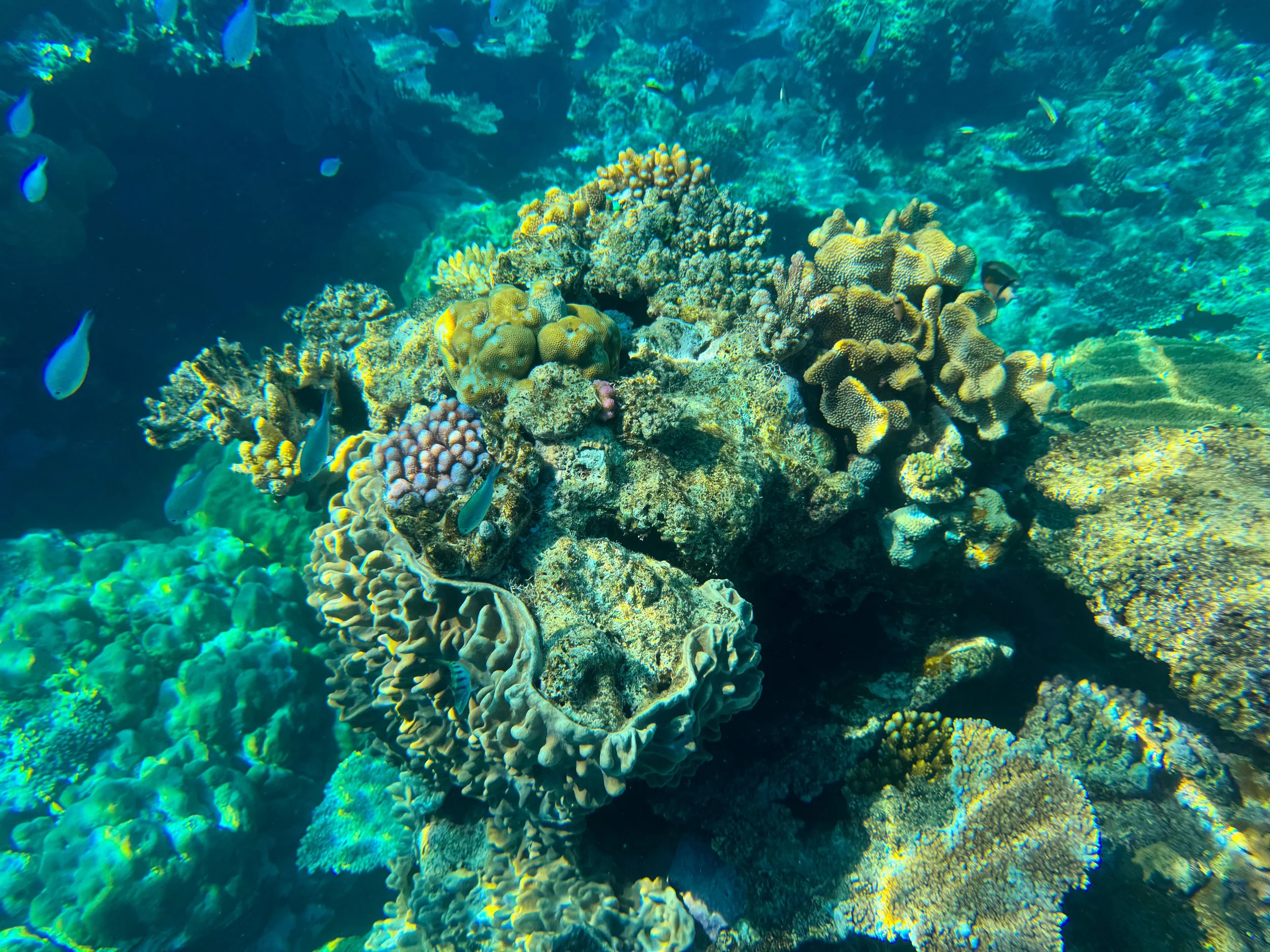
Saxon Reef features large underwater formations like coral boomies, cliffs and gardens. It’s home to wide variety of marine life including tropical fish, sea turtles, cuddle fish, rays and eels. We snorkeled at three separate sites around the reef.
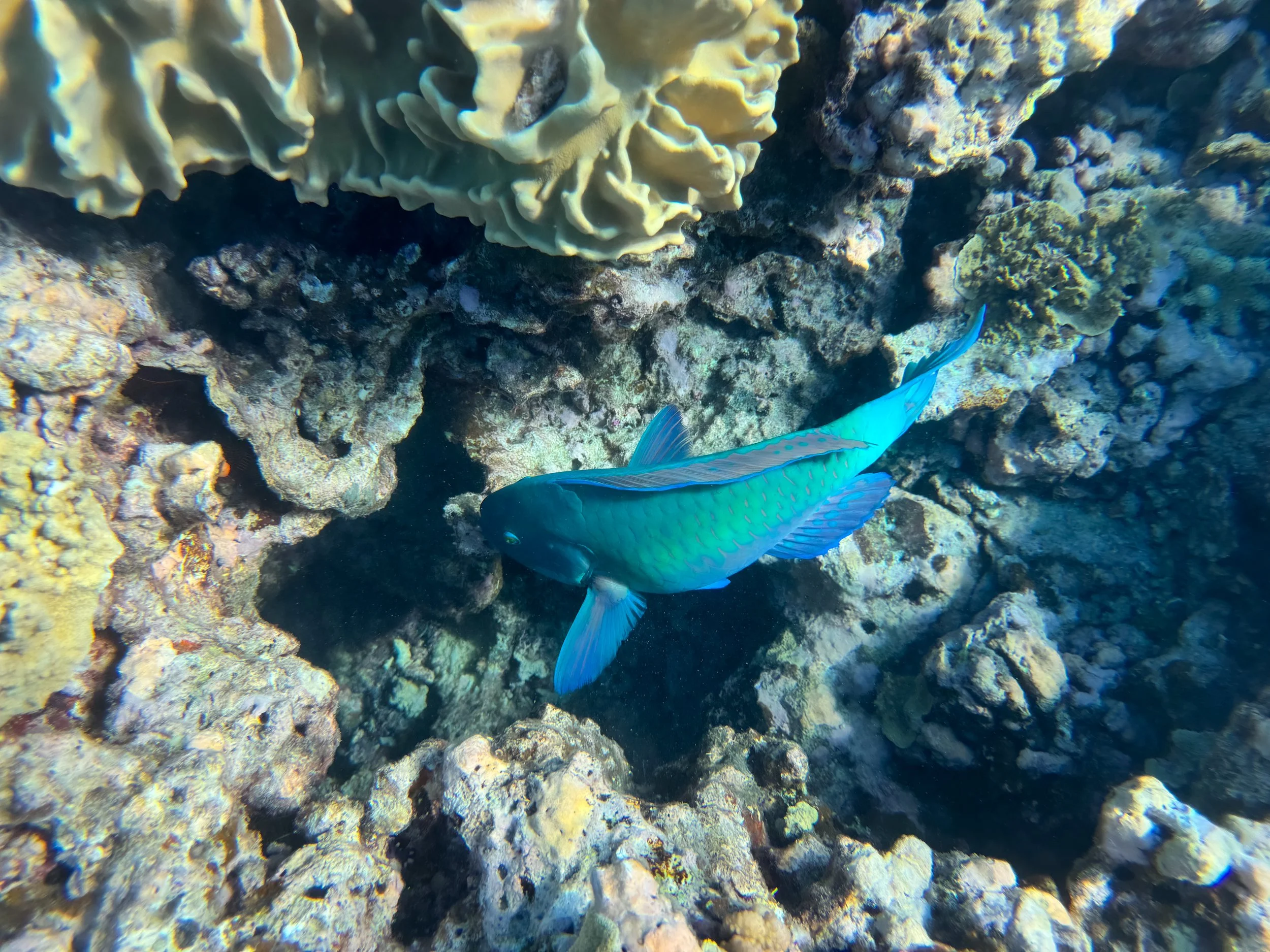
Twin Peaks Dive Site. A popular snorkel and dive site in Saxon Reef with massive coral structures and sandy ocean patches. Tropical fish flash their solid and prismatic patterned scales while green sea turtles drift by. It’s an easy location to spot clownfish, parrotfish, triggerfish, puffers, colorful wrasse, angelfish and unicorn fish.
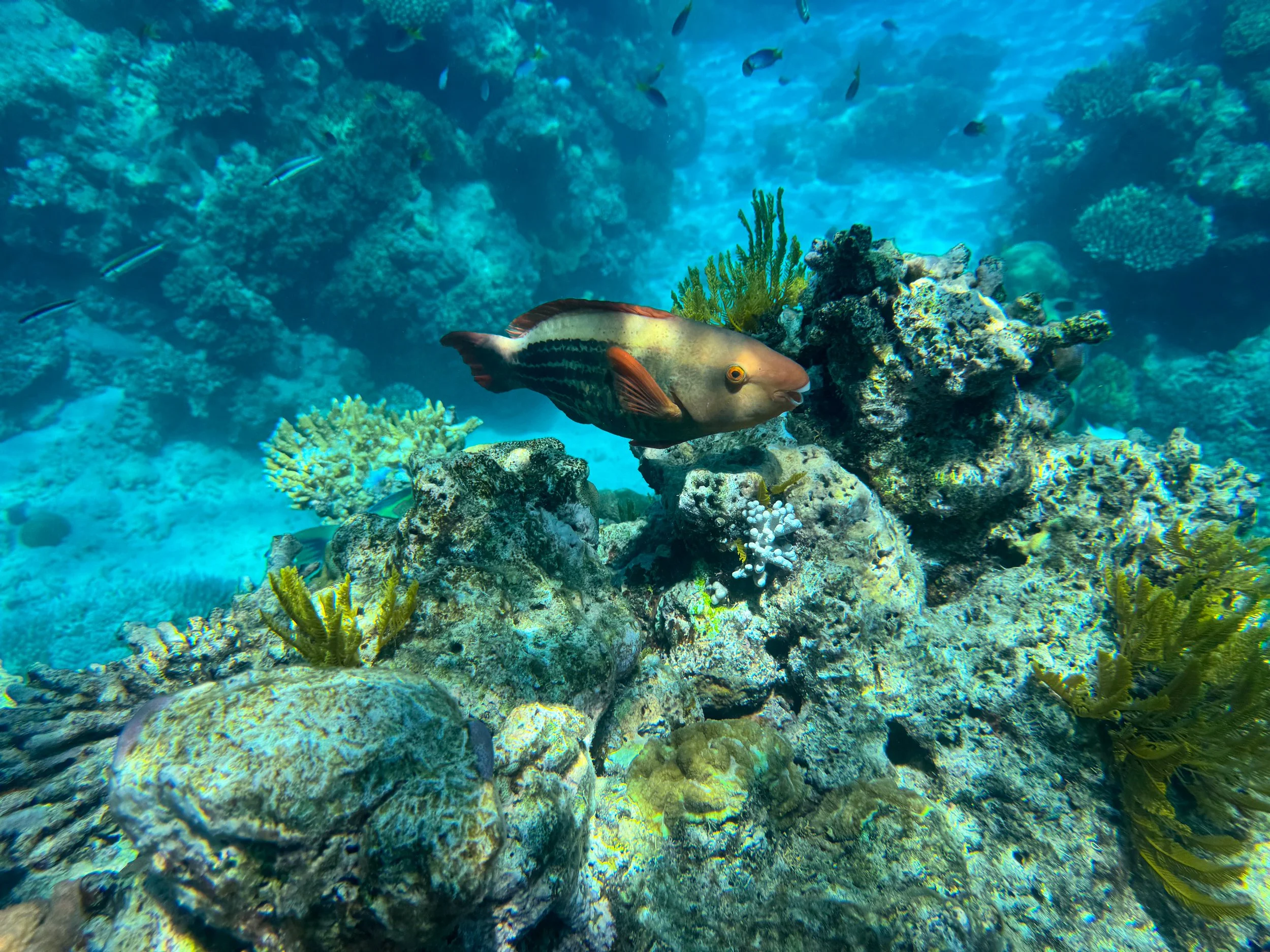
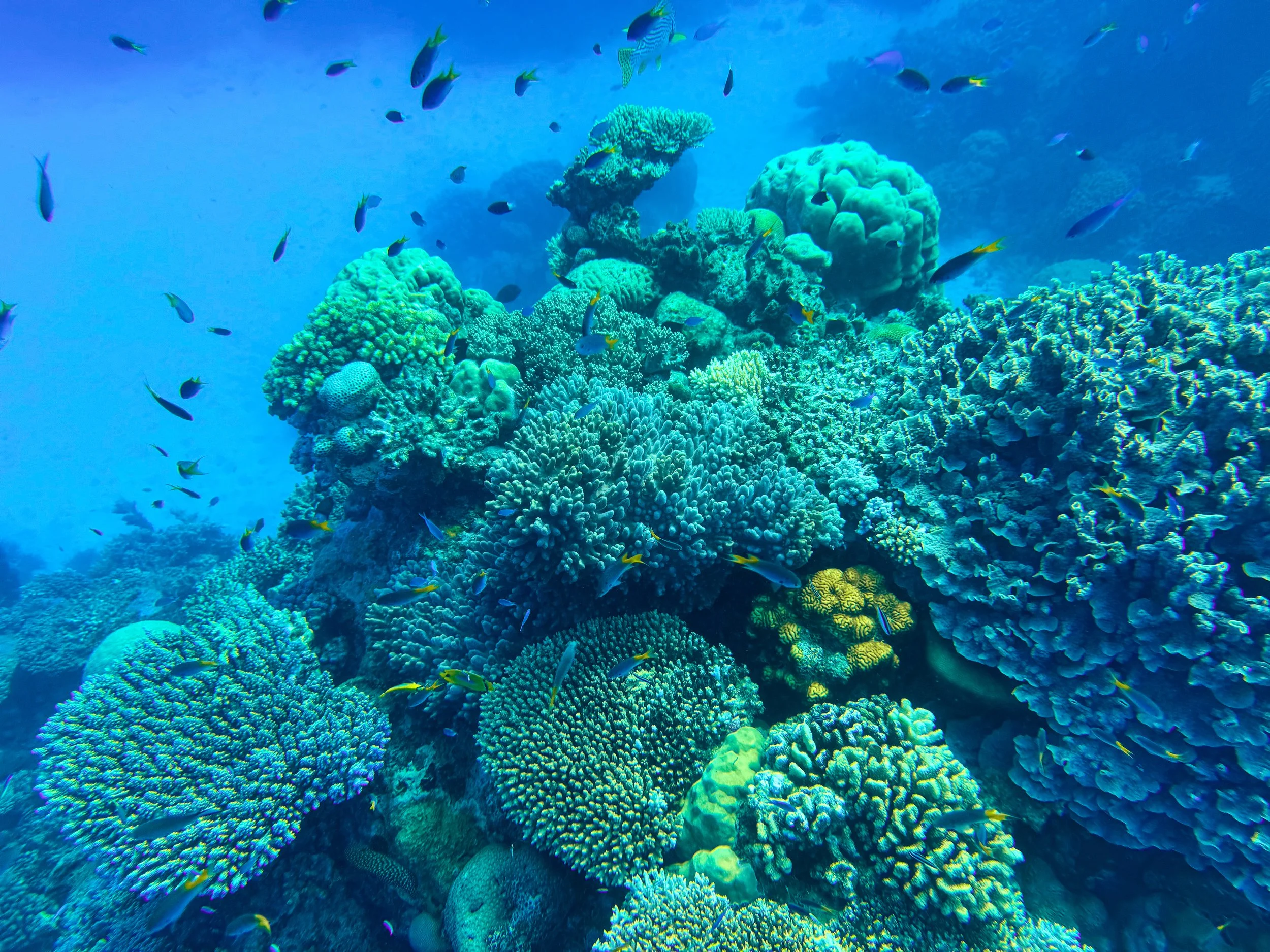
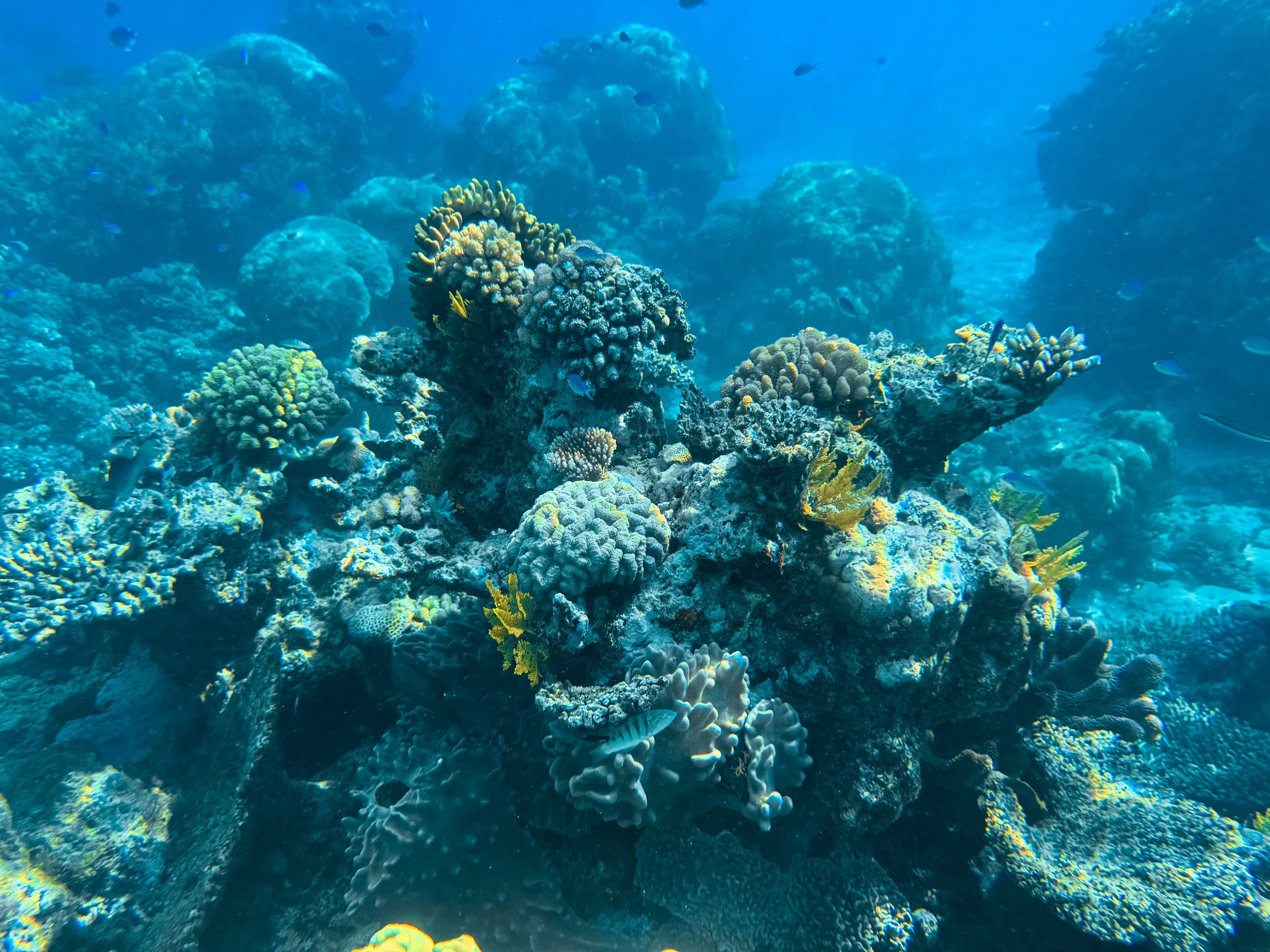
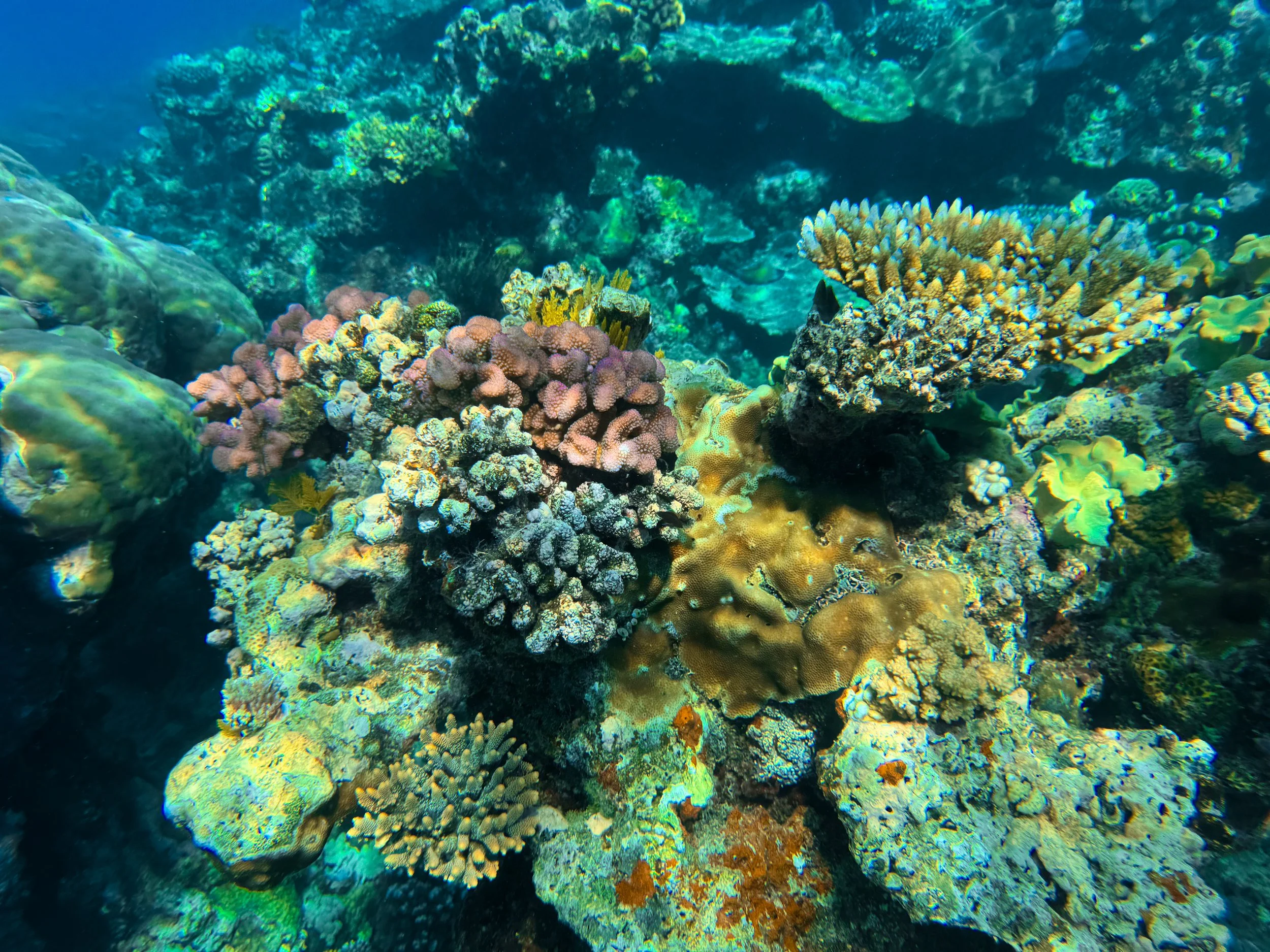
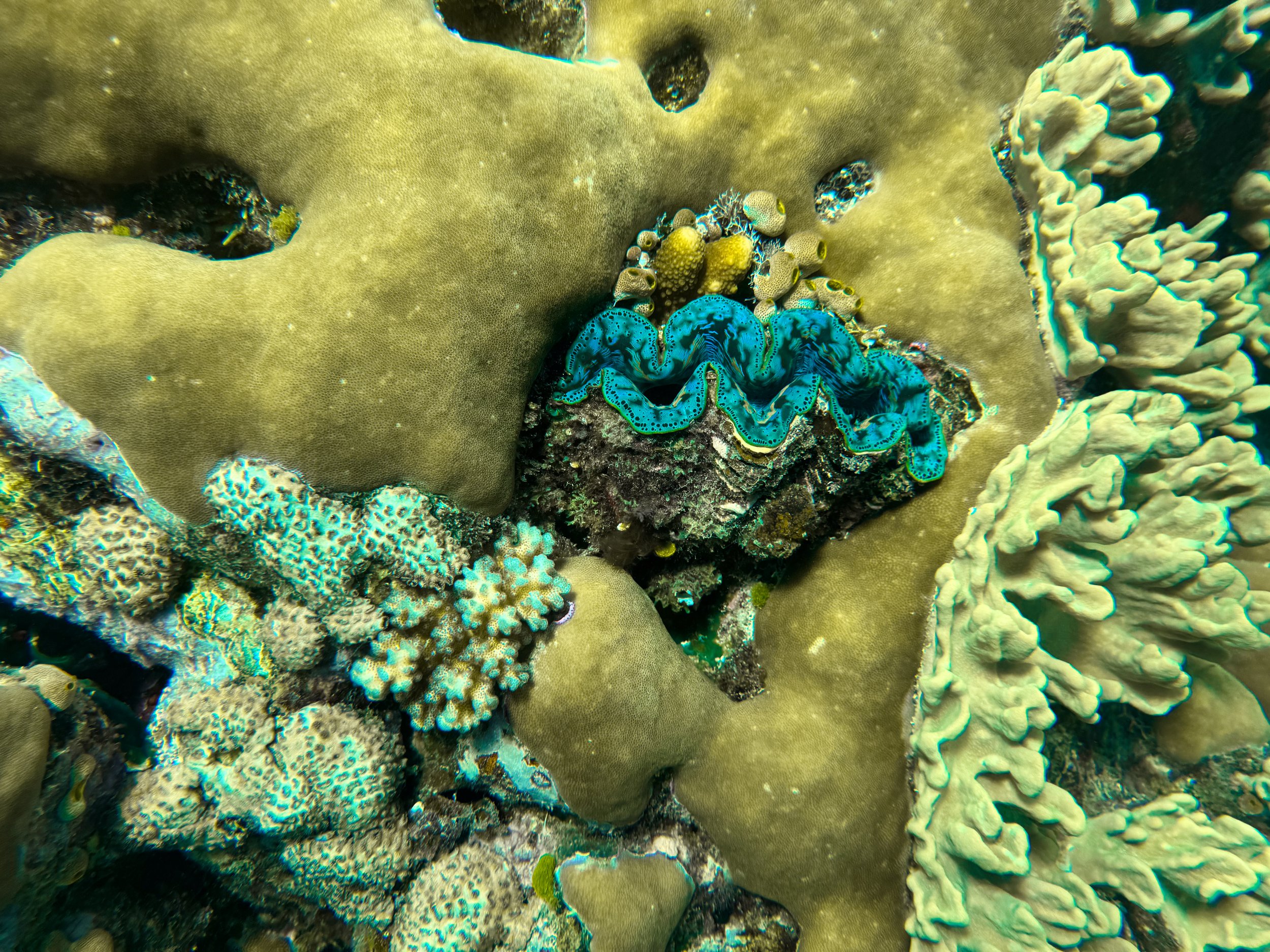
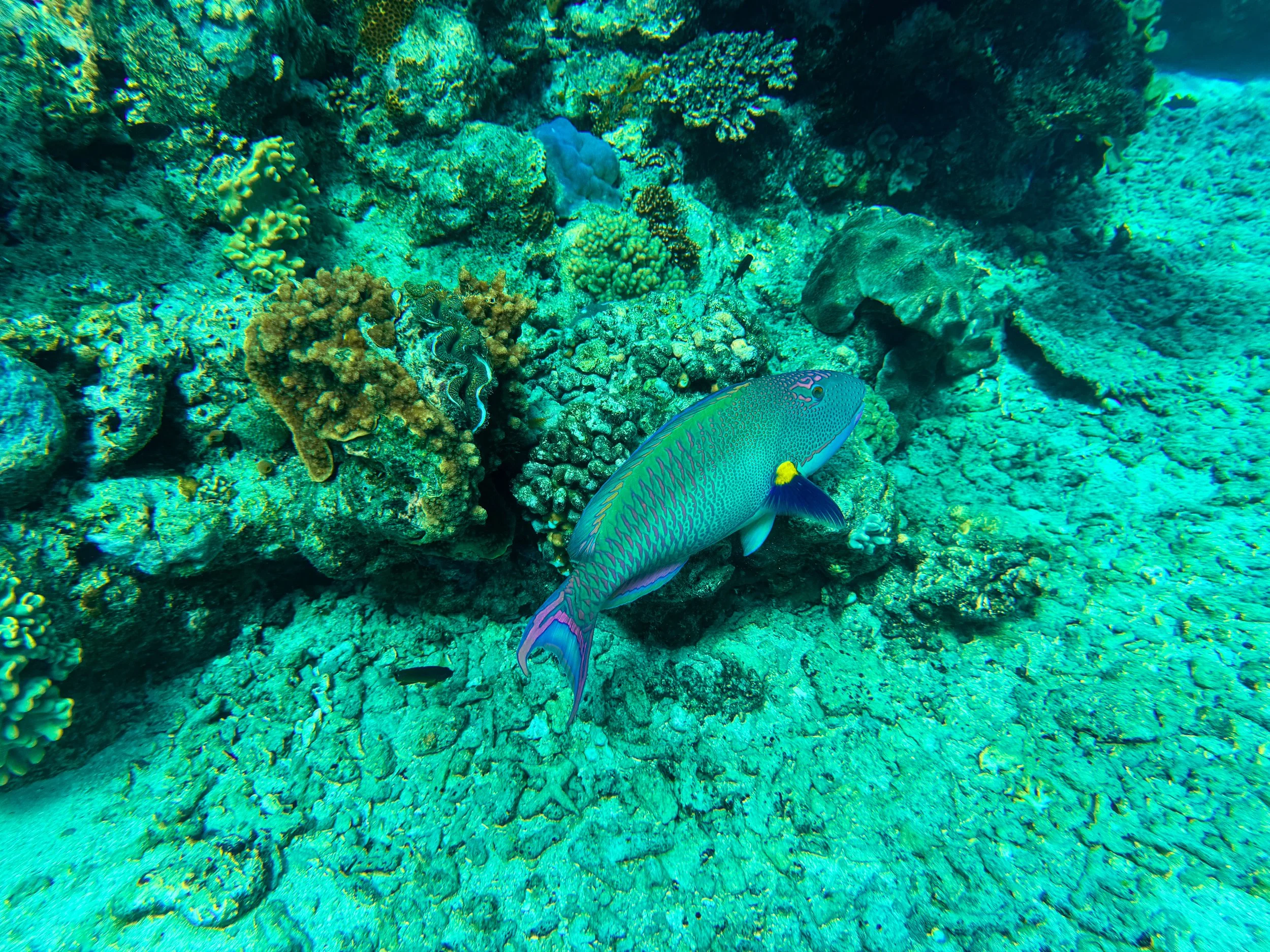
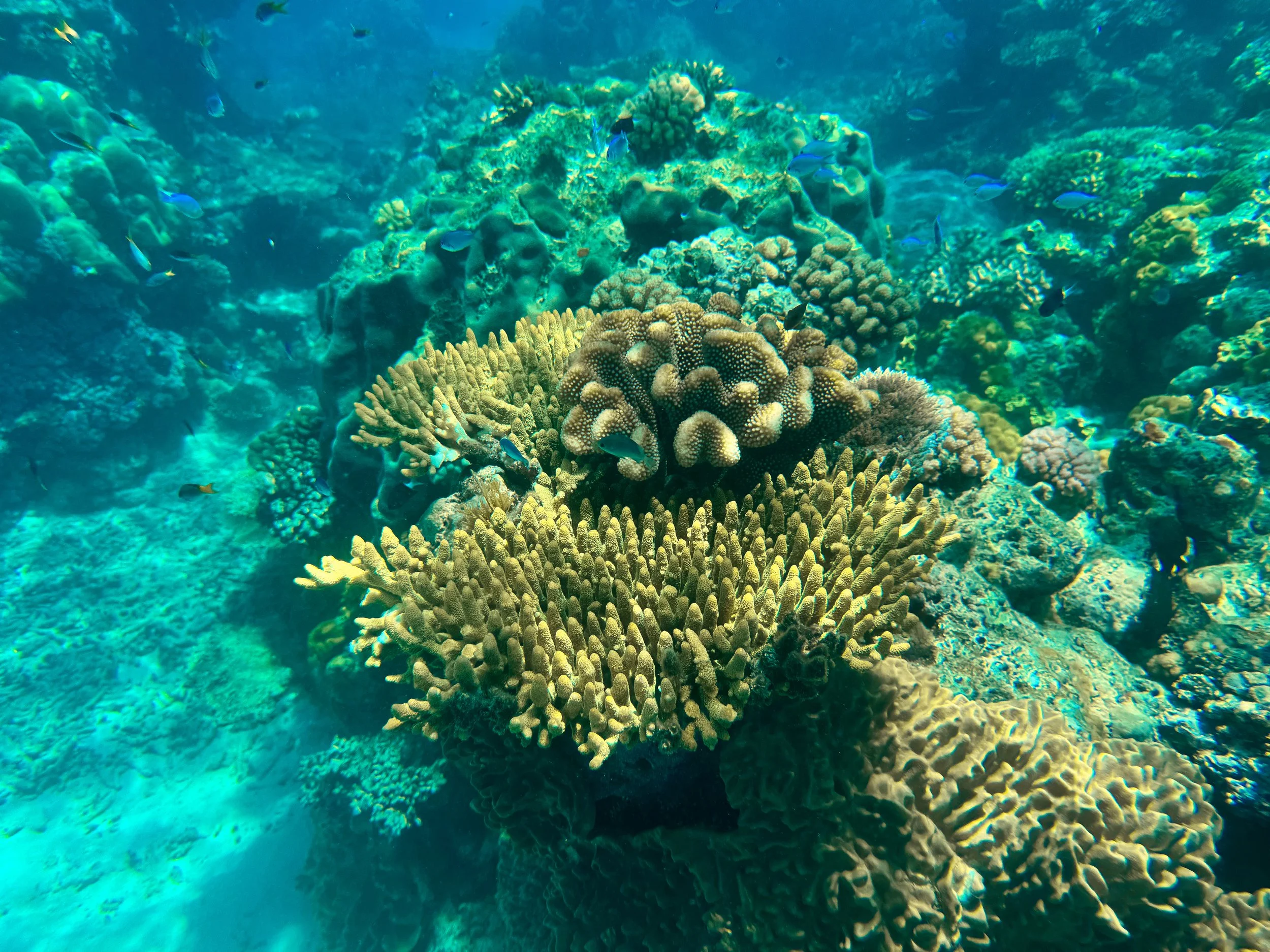
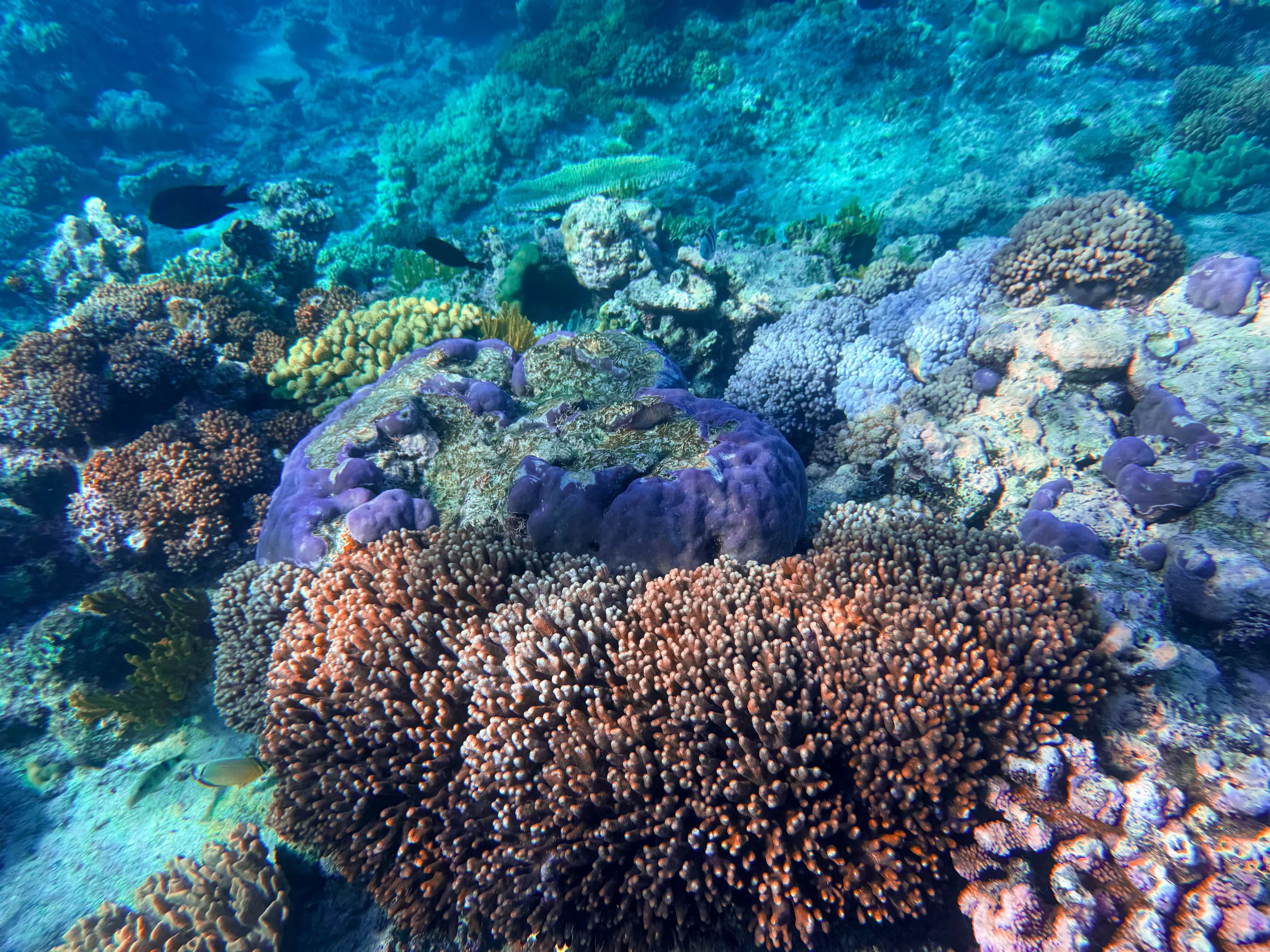
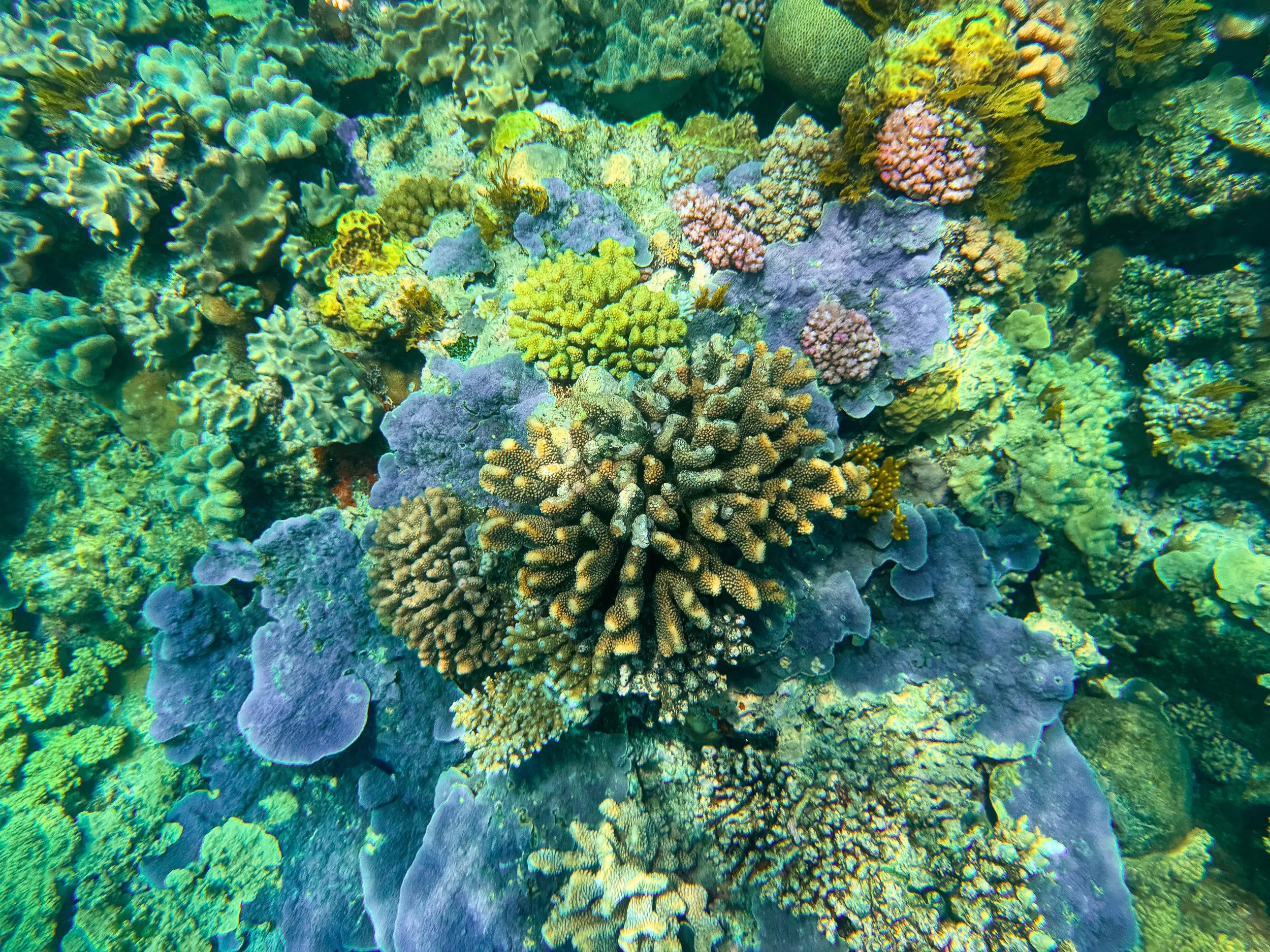
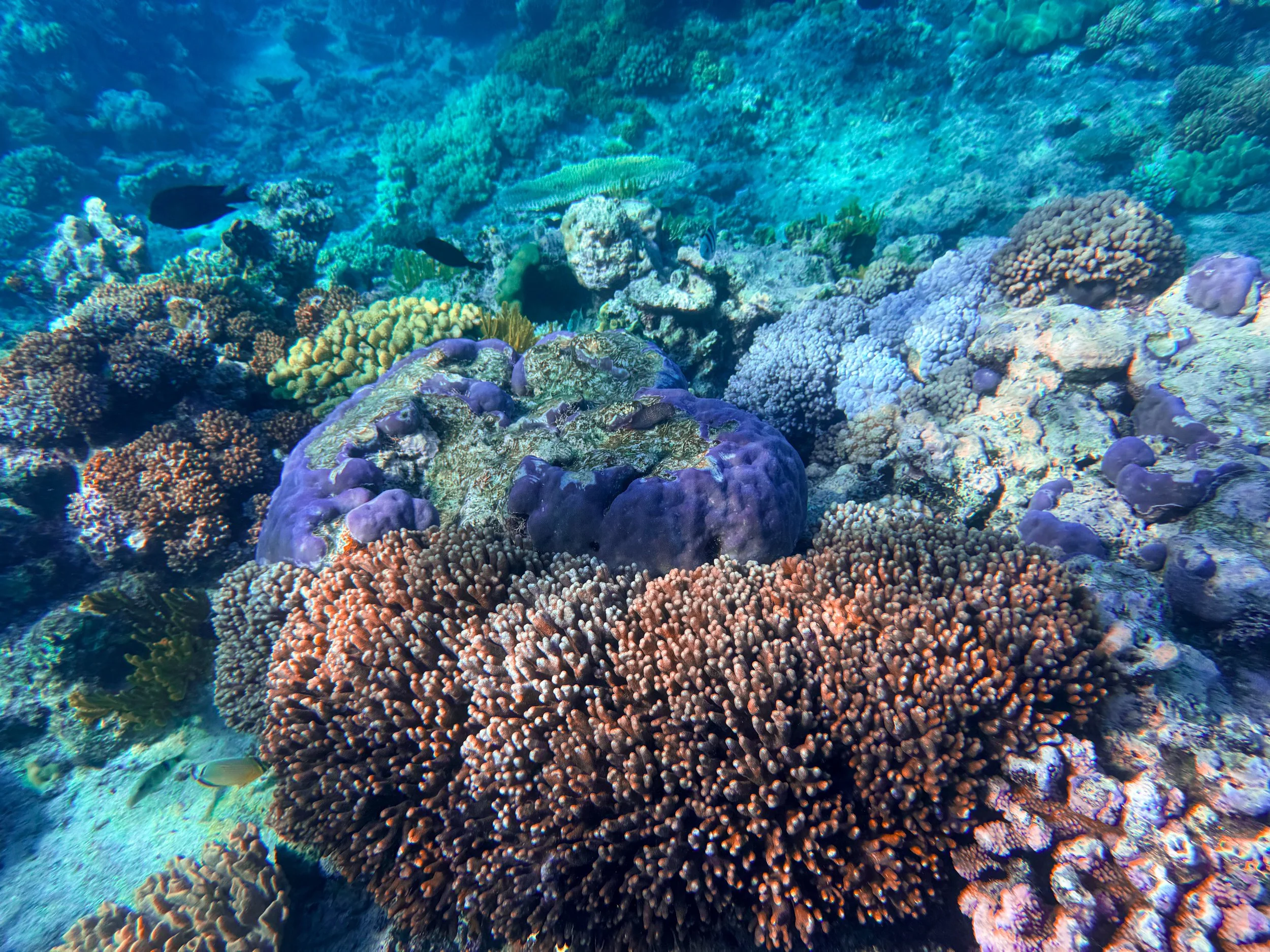
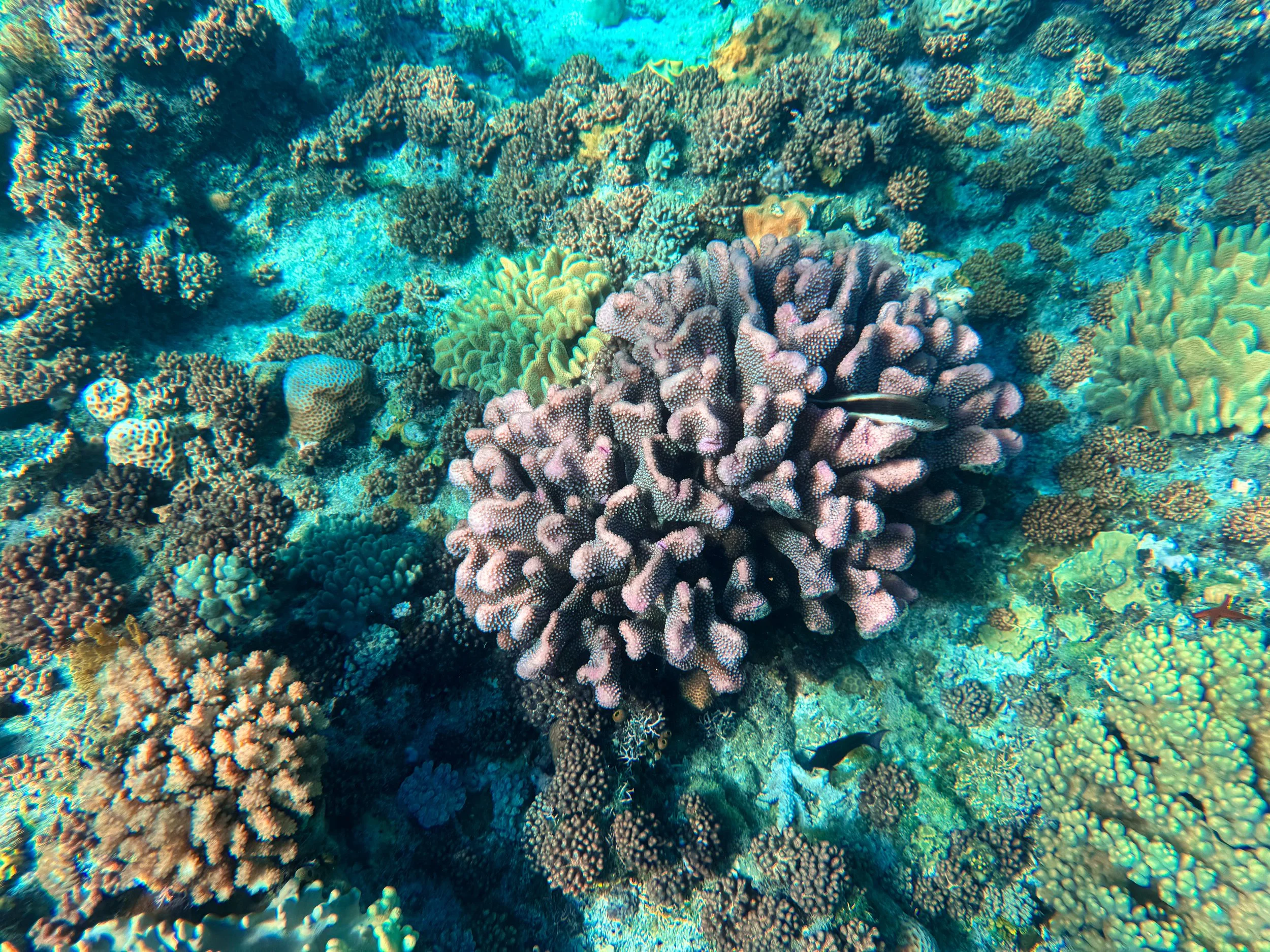
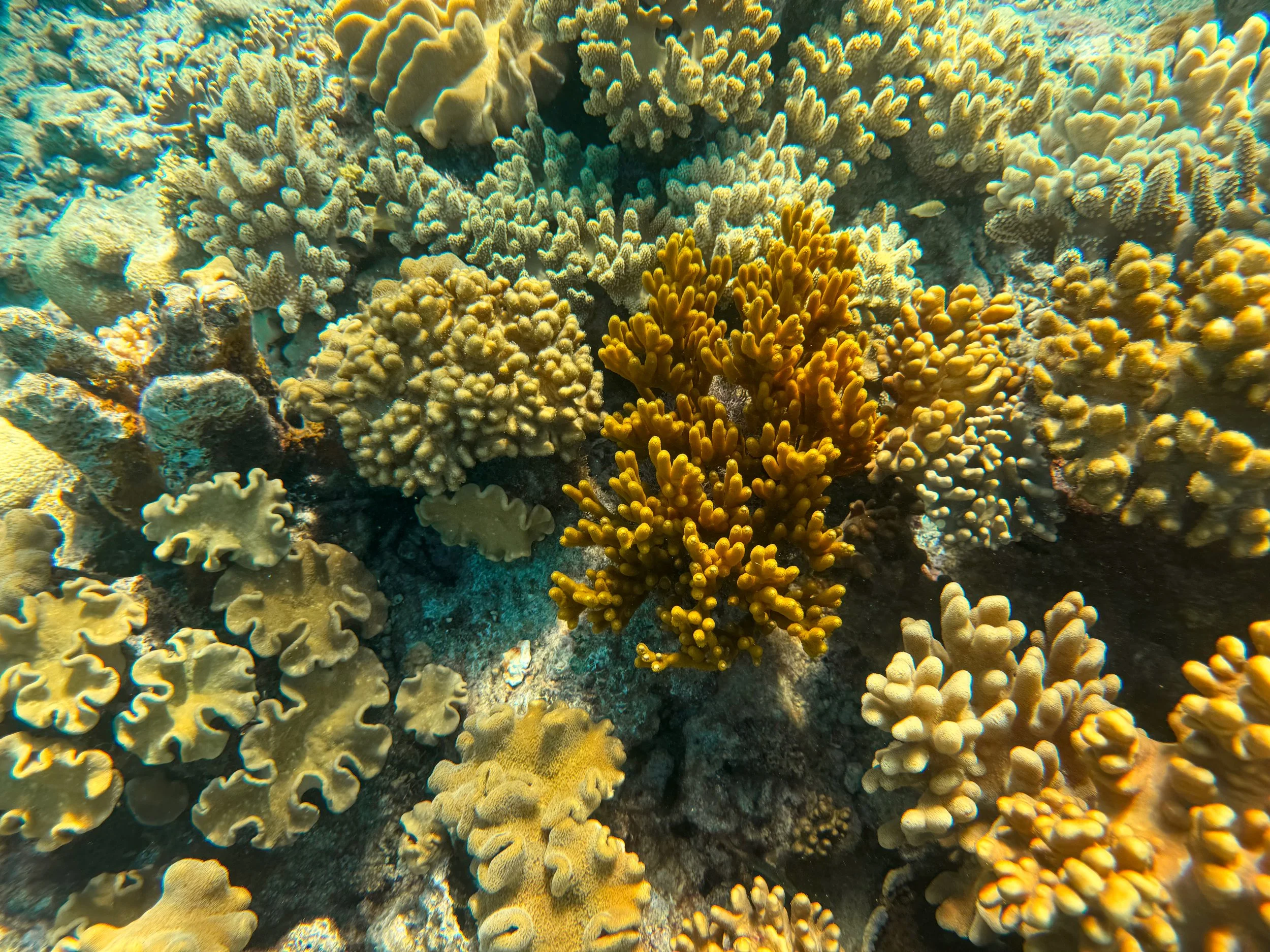
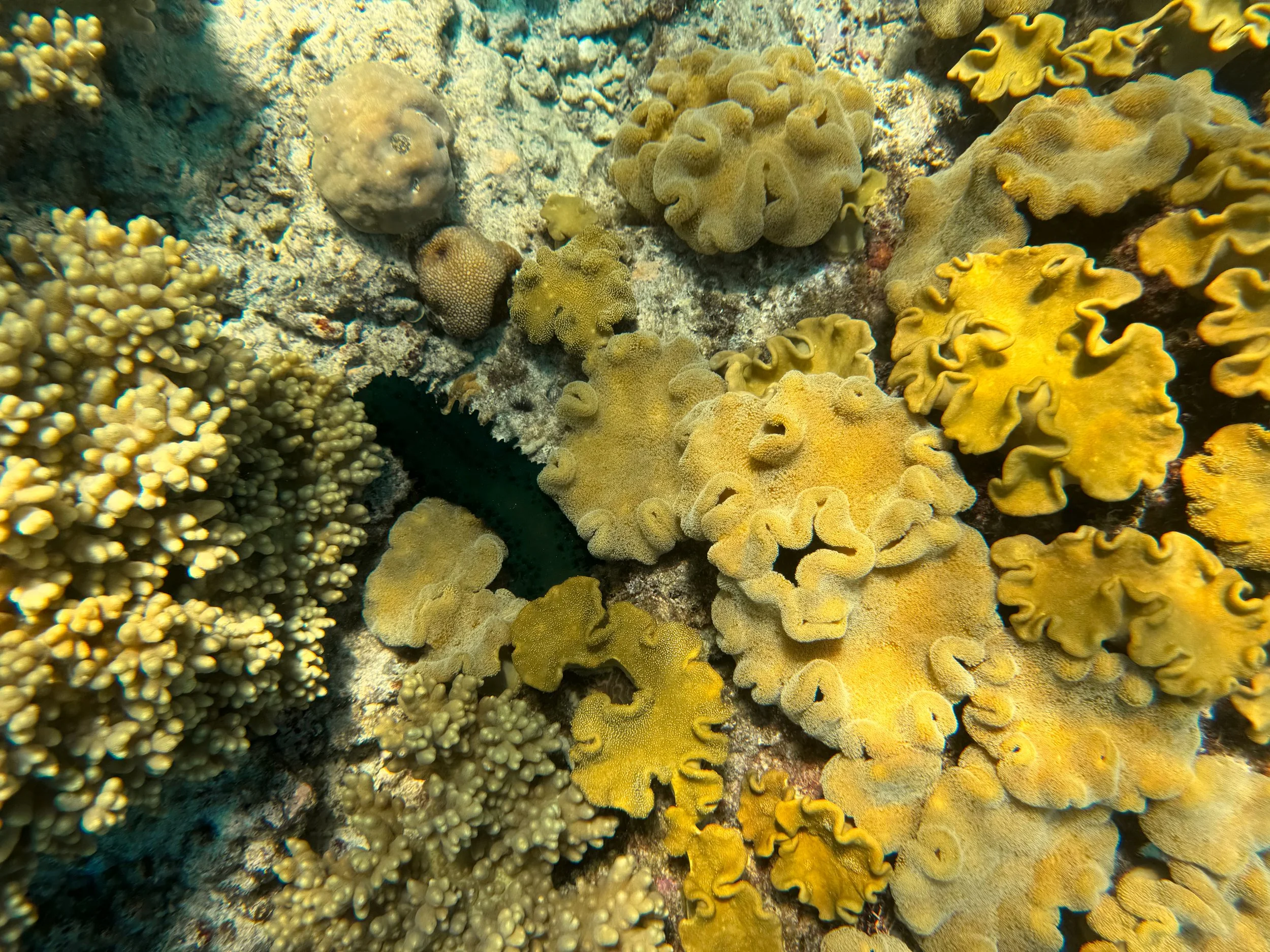
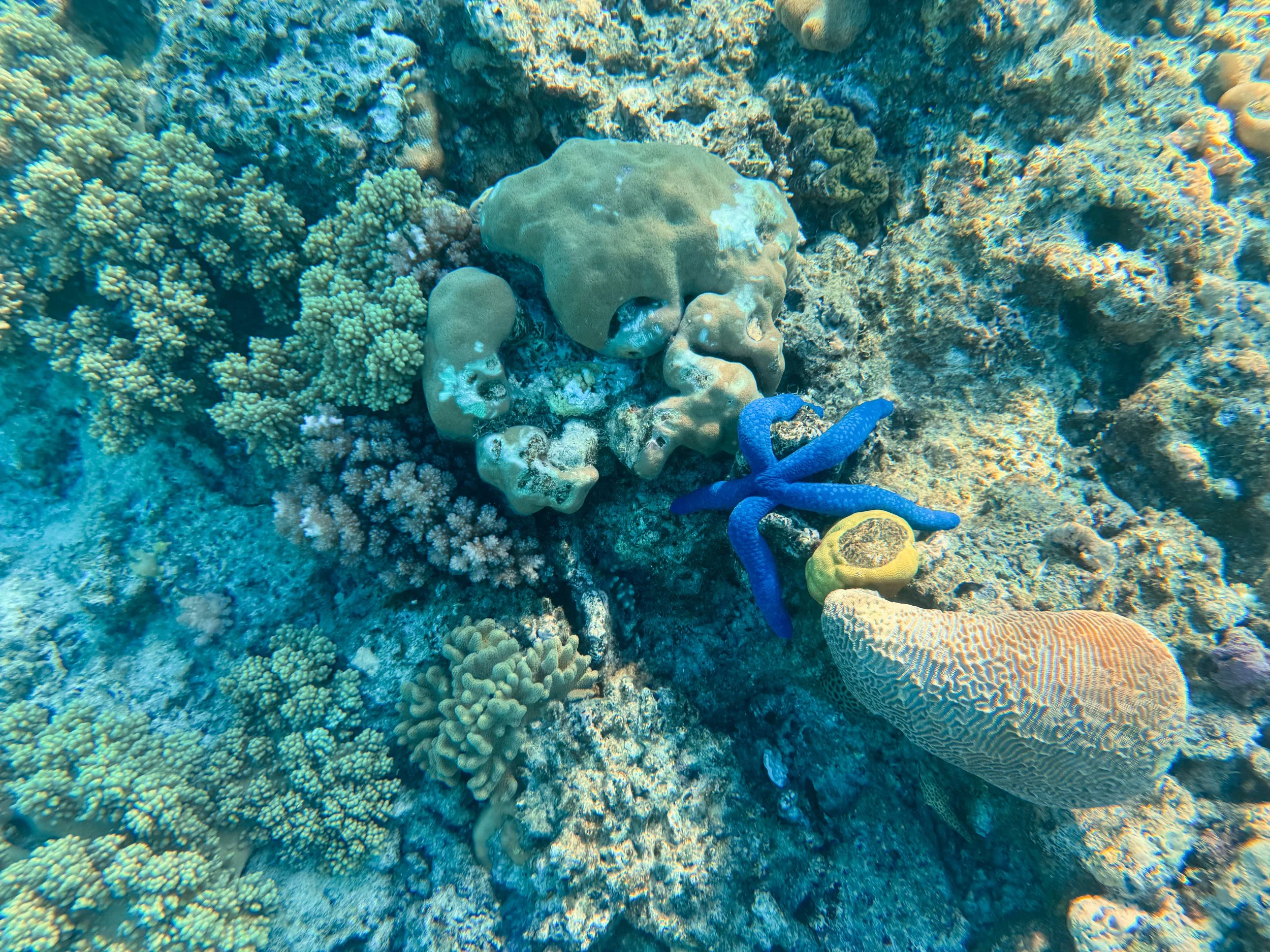
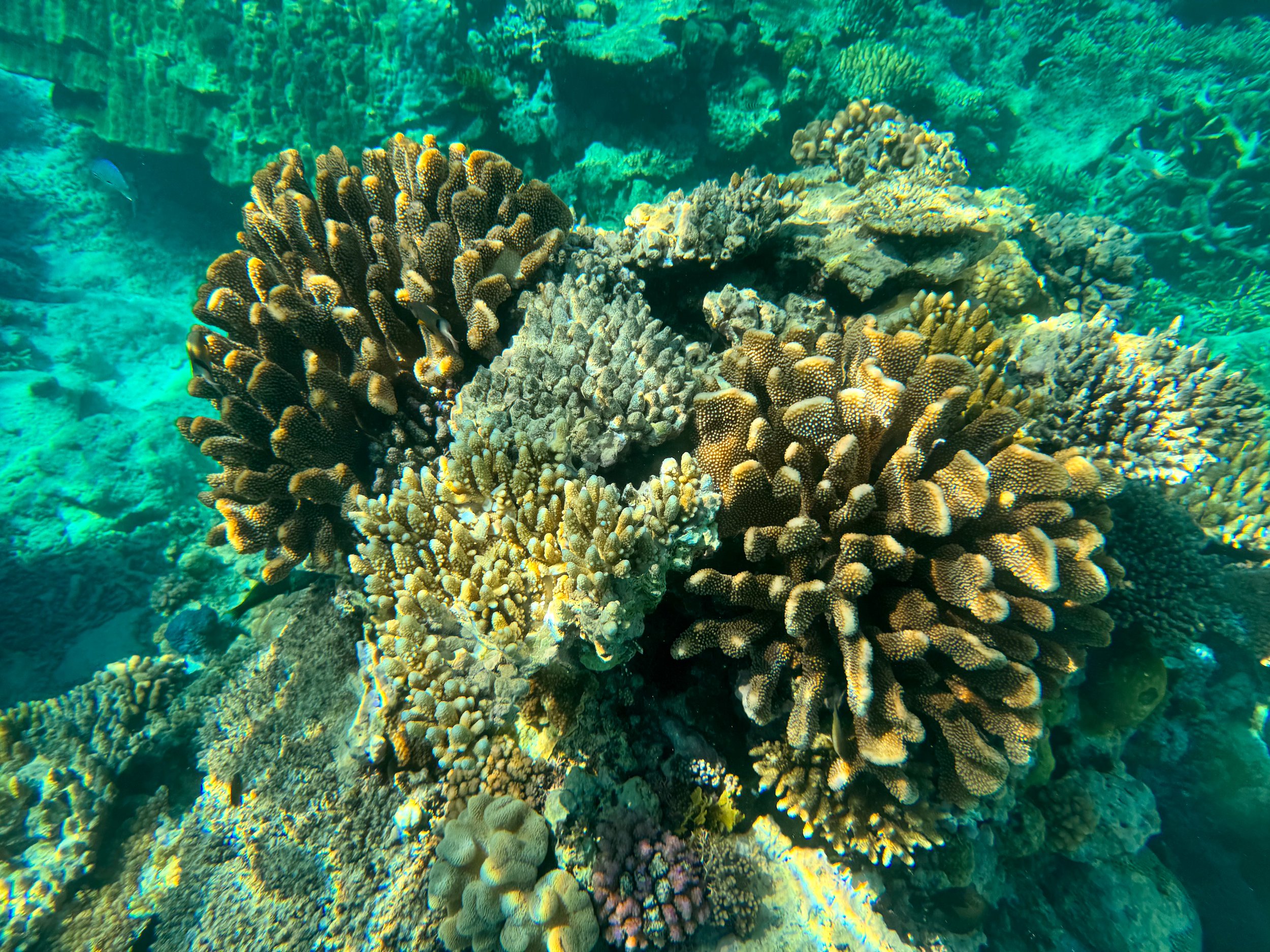
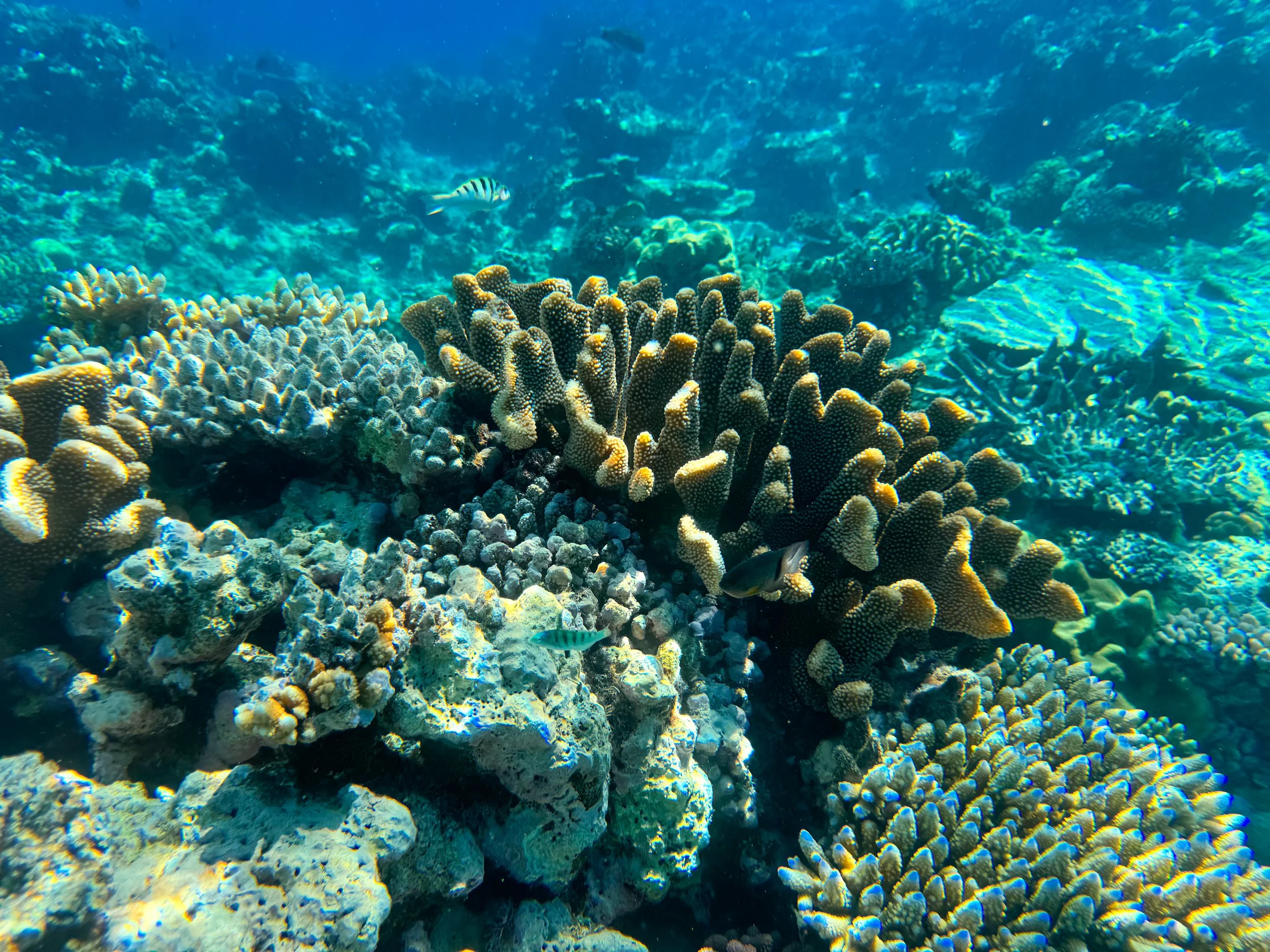
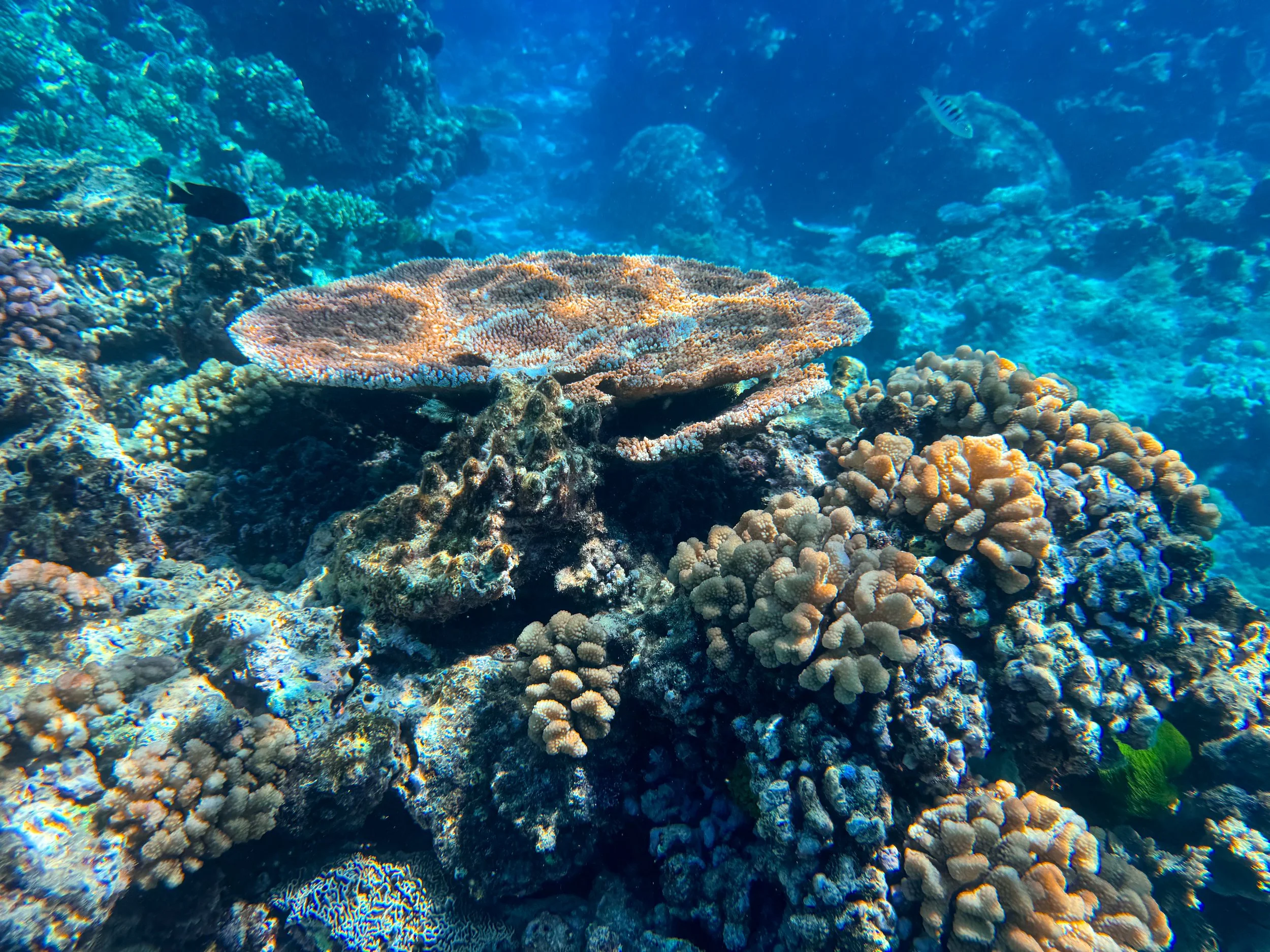
Coral Garden Dive Site. A healthy coral garden home to an array of underwater life. The reef supports all manner of strange shaped corals resembling antlers, brains, mushrooms, ruffles, tubes and flat fans. Their bright green, iridescent blue, deep purple, yellow and pink colors stand out among shades of tan, grey and mauve.
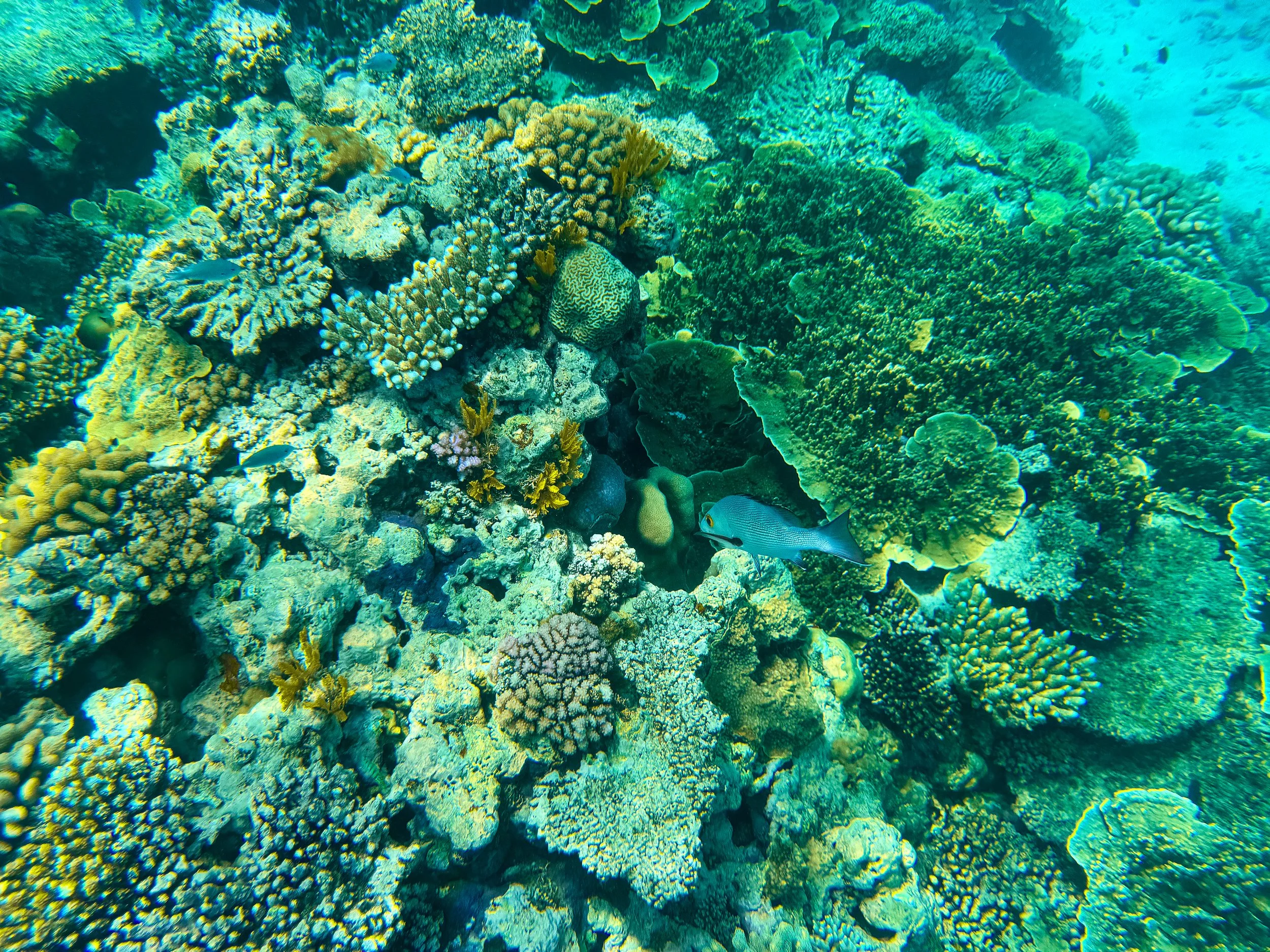
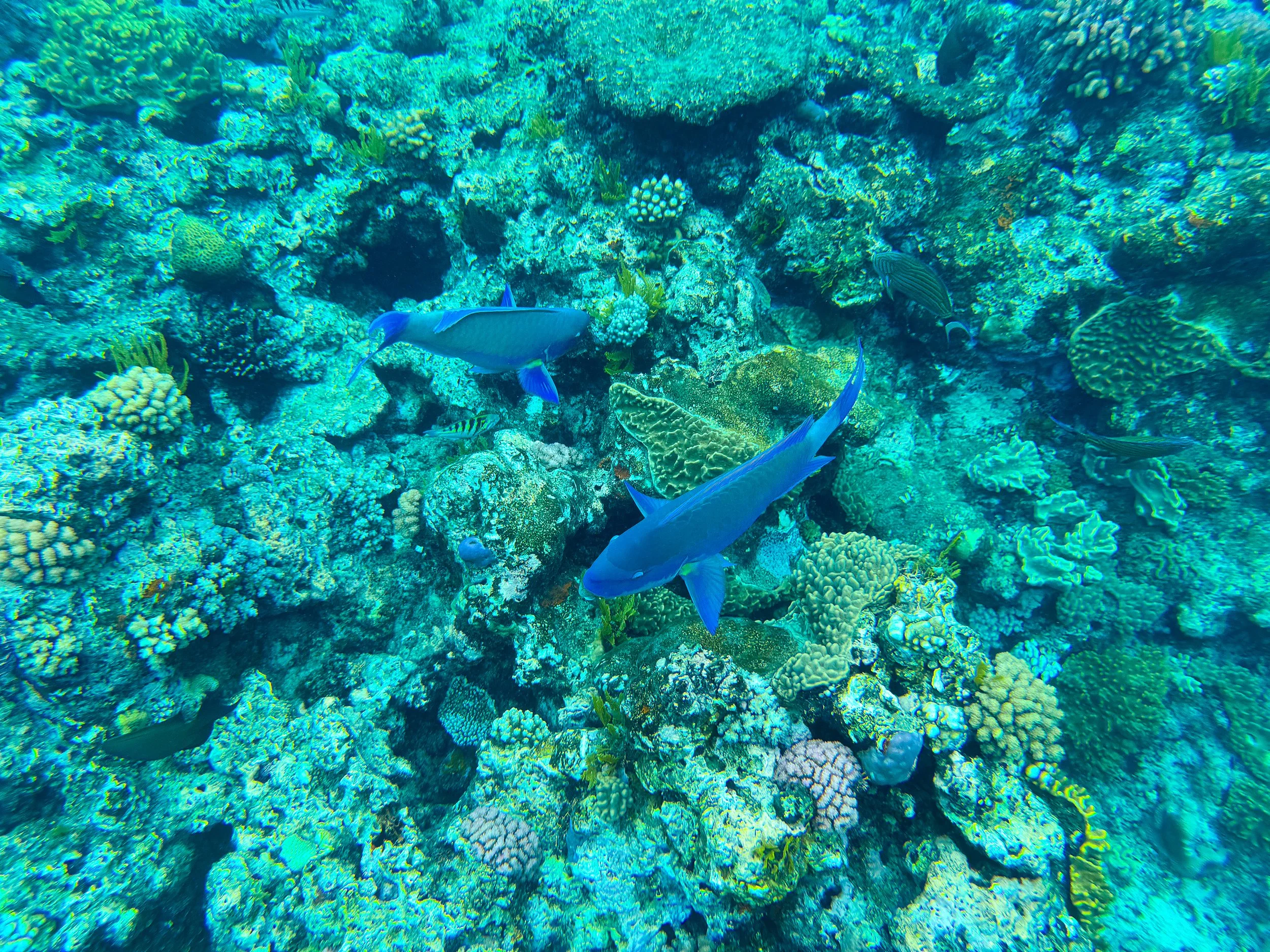
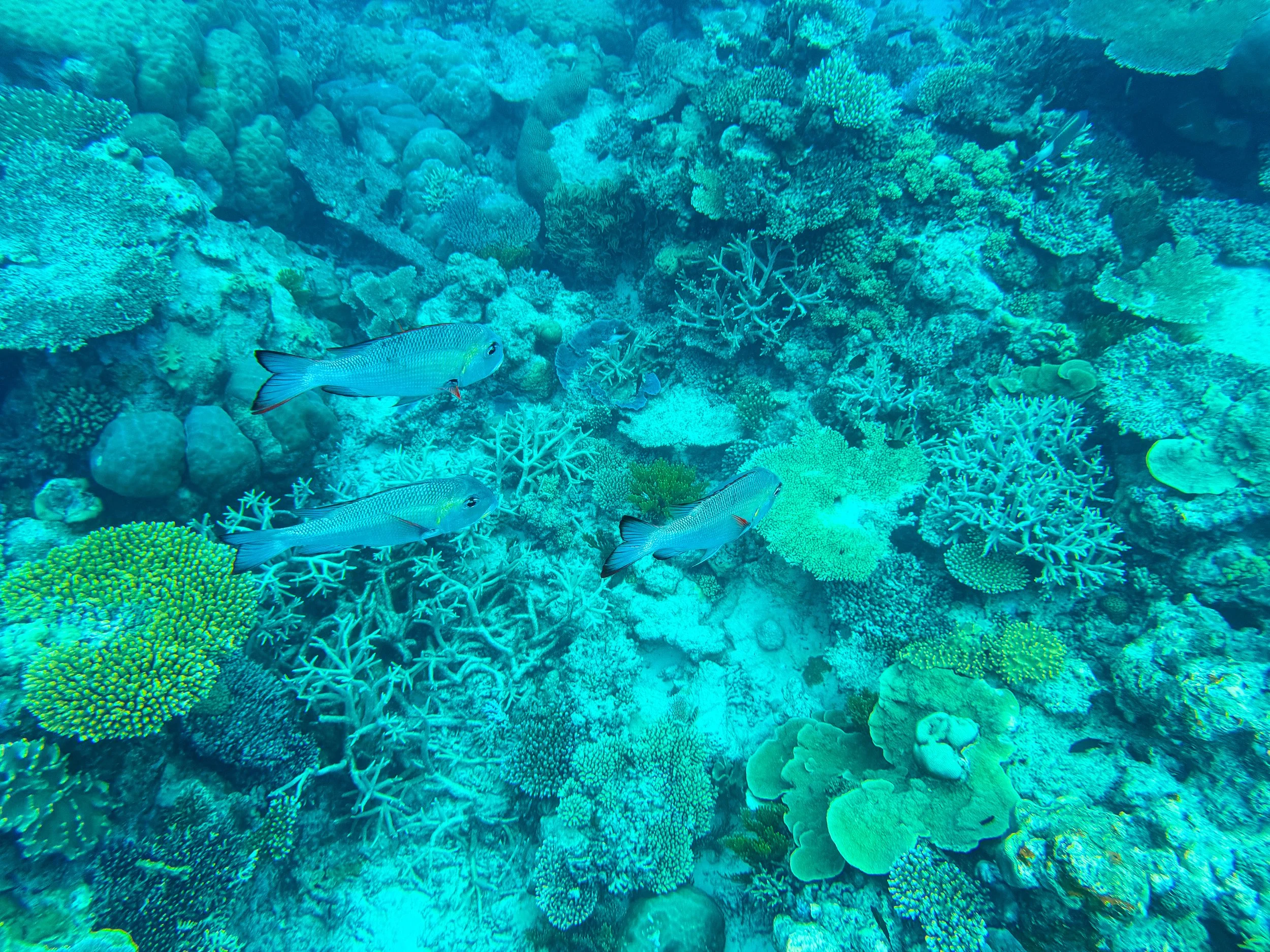
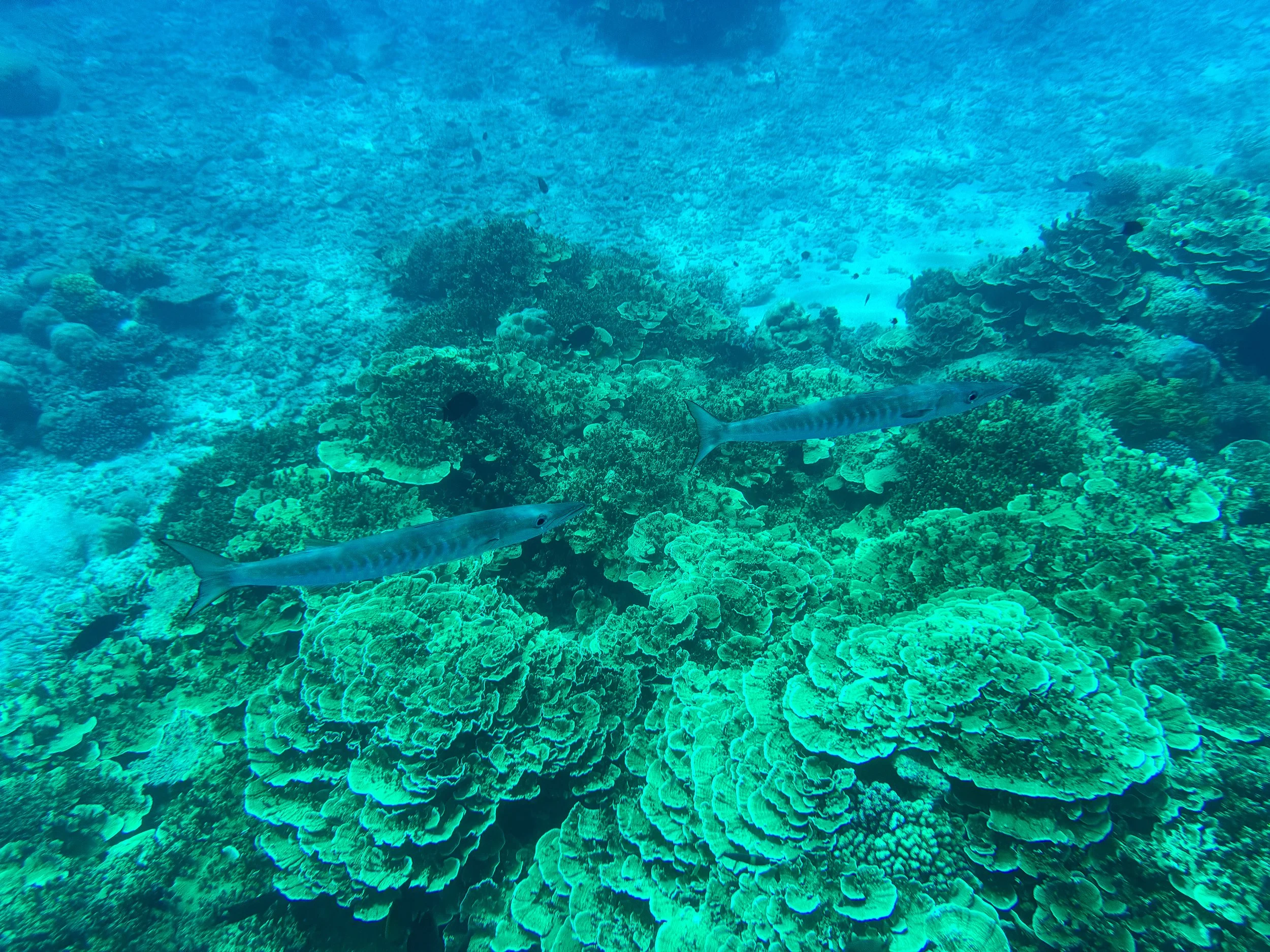
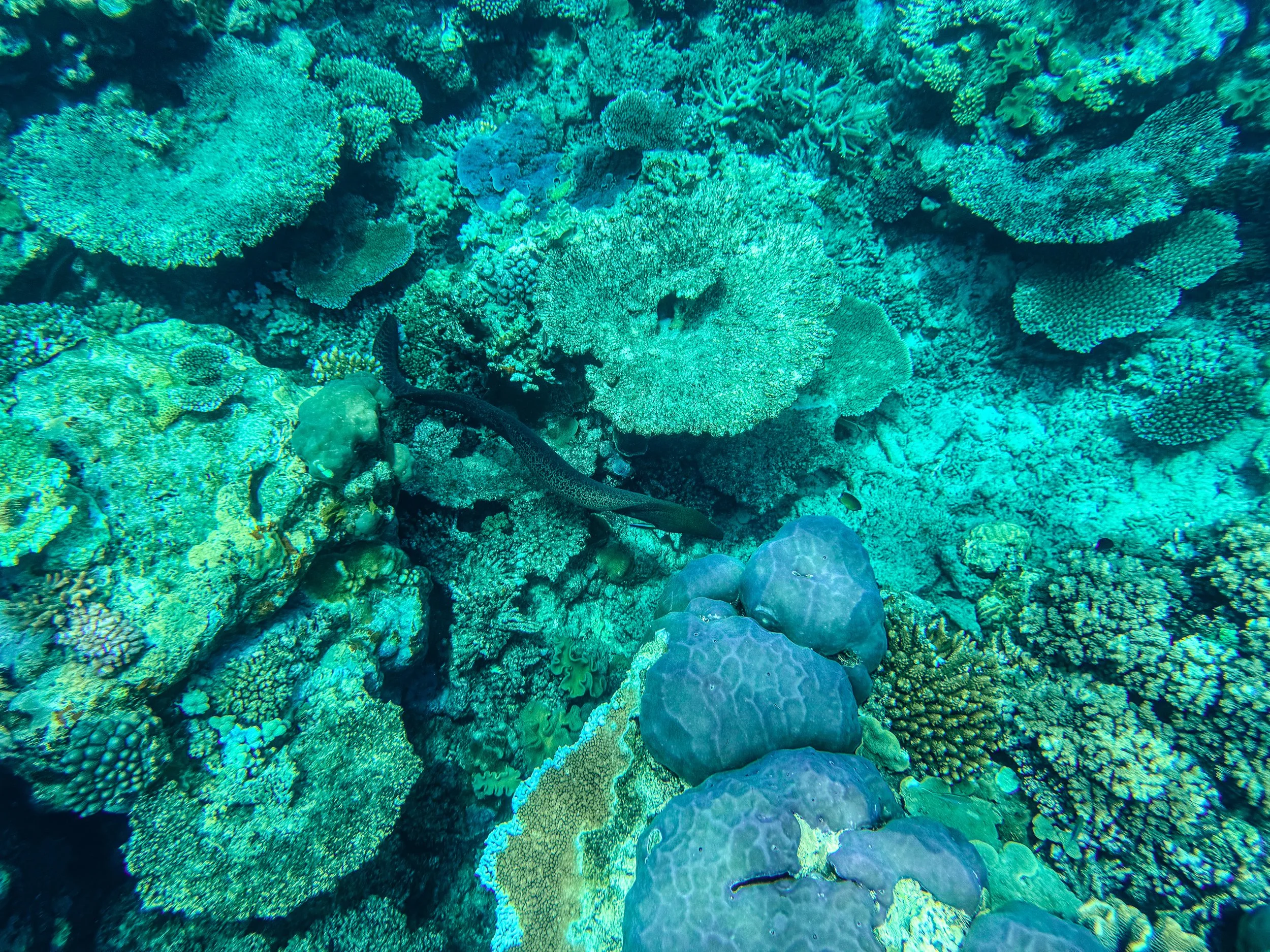
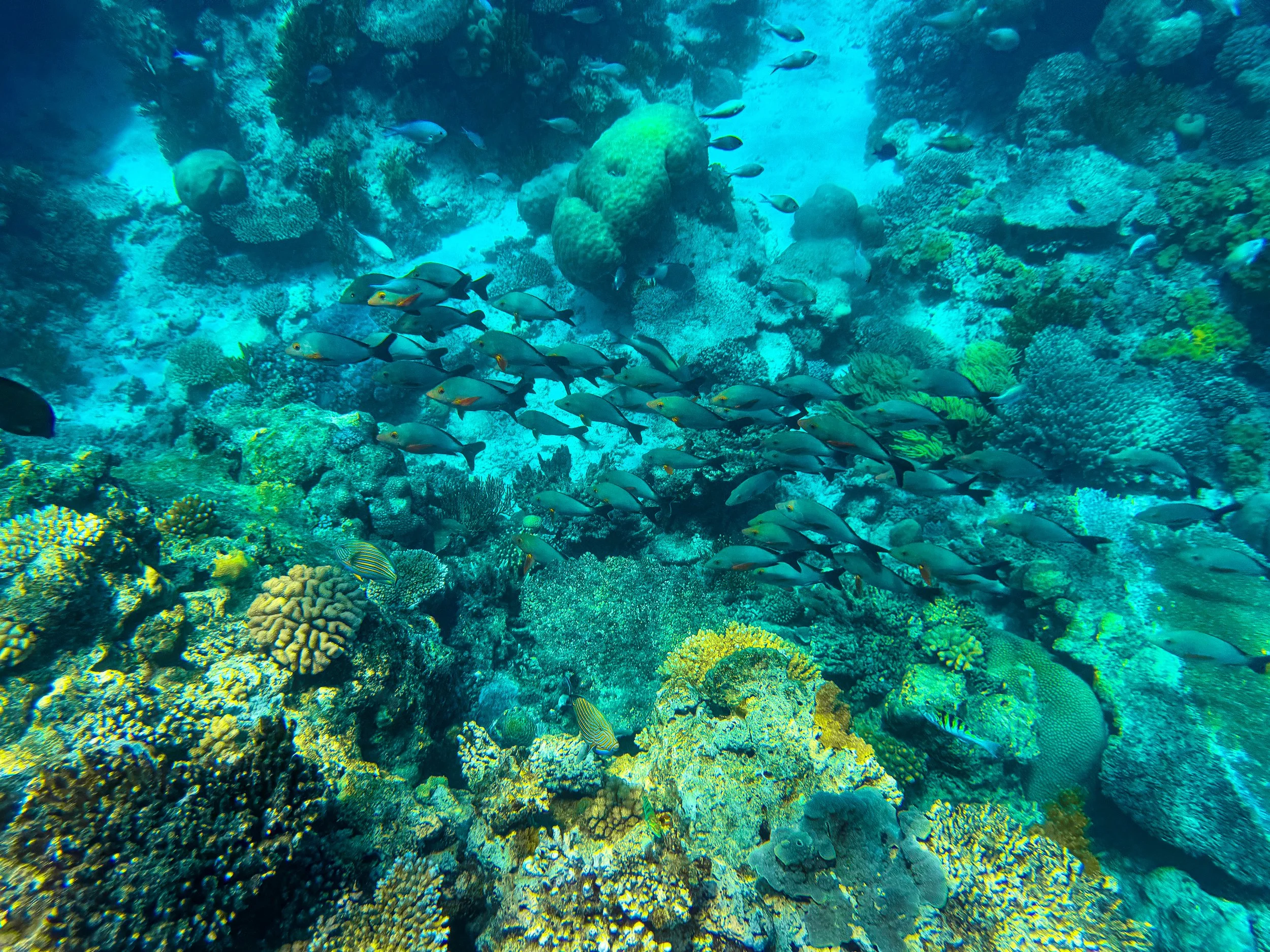
Sandra’s Dive Site. A popular scuba and snorkeling point in Saxon Reef. It’s home to all types of coral formations and marine life. Large eels weave between corals. Green sea turtles surface for air. Large barracuda swim by menacingly. Cuttlefish lurk in the depths. Stingrays rest on the sandy ocean floor. Juvenile giant clams open and close skittishly.
Hastings Reef
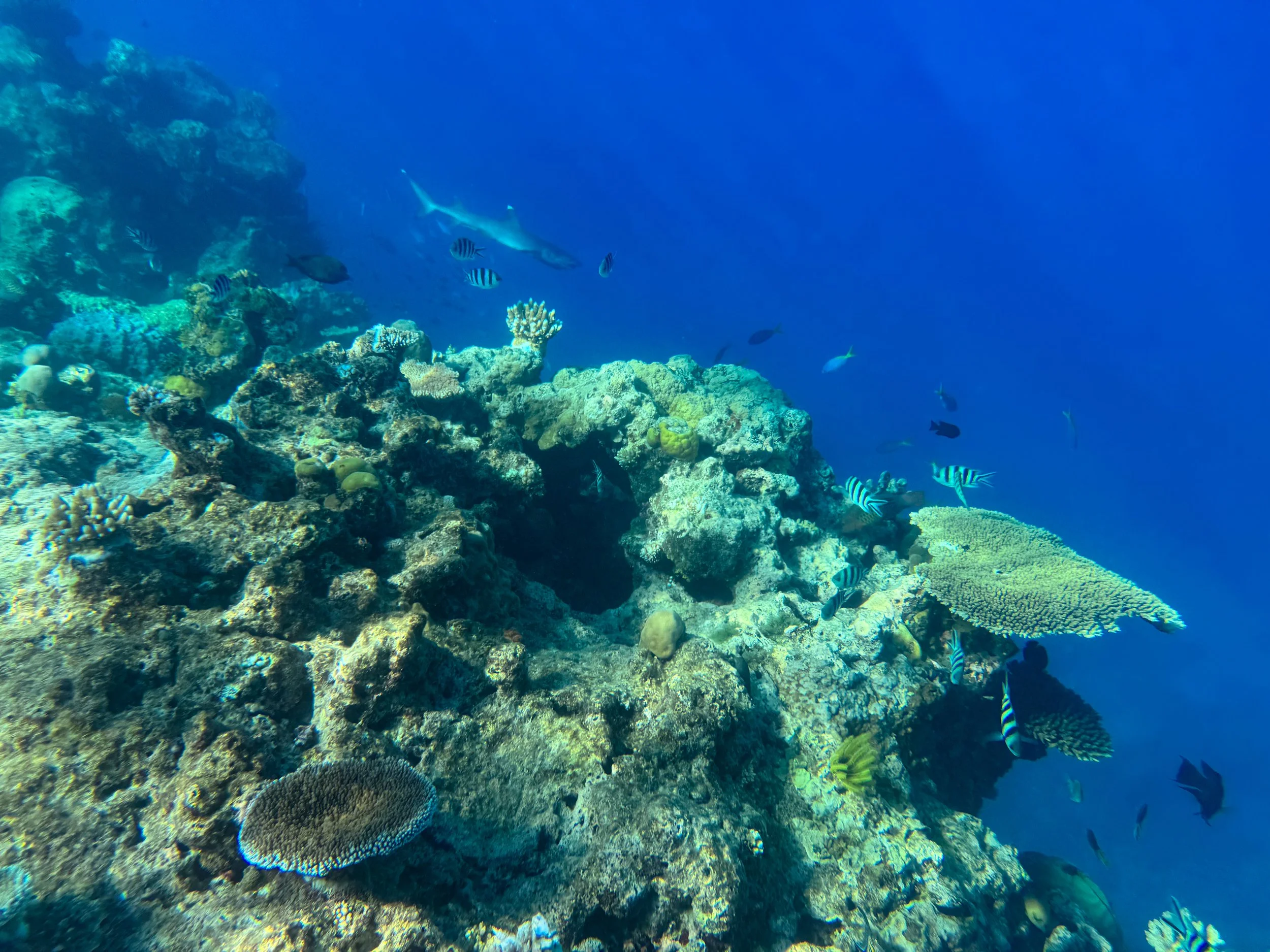
Hastings Reef is a stunning bow shaped reef with sprawling coral gardens and coral walls. It’s home to a diverse array of sea life including sharks, schools of fish, giant clams and starfish.
Sandra’s Dive Site. An expansive area of Hastings Reef with vibrant coral formations rising from the depths like an underwater mountain. White tipped reef sharks patrol the reef wall while scuba divers watch below for cephalopods. Schools of tropical fish swim in all directions and in-between the coral crevices. Giant clams rest on the seafloor with their blue shells wide open. The occasional starfish lies sprawled out across jagged corals.
Flynn Reef
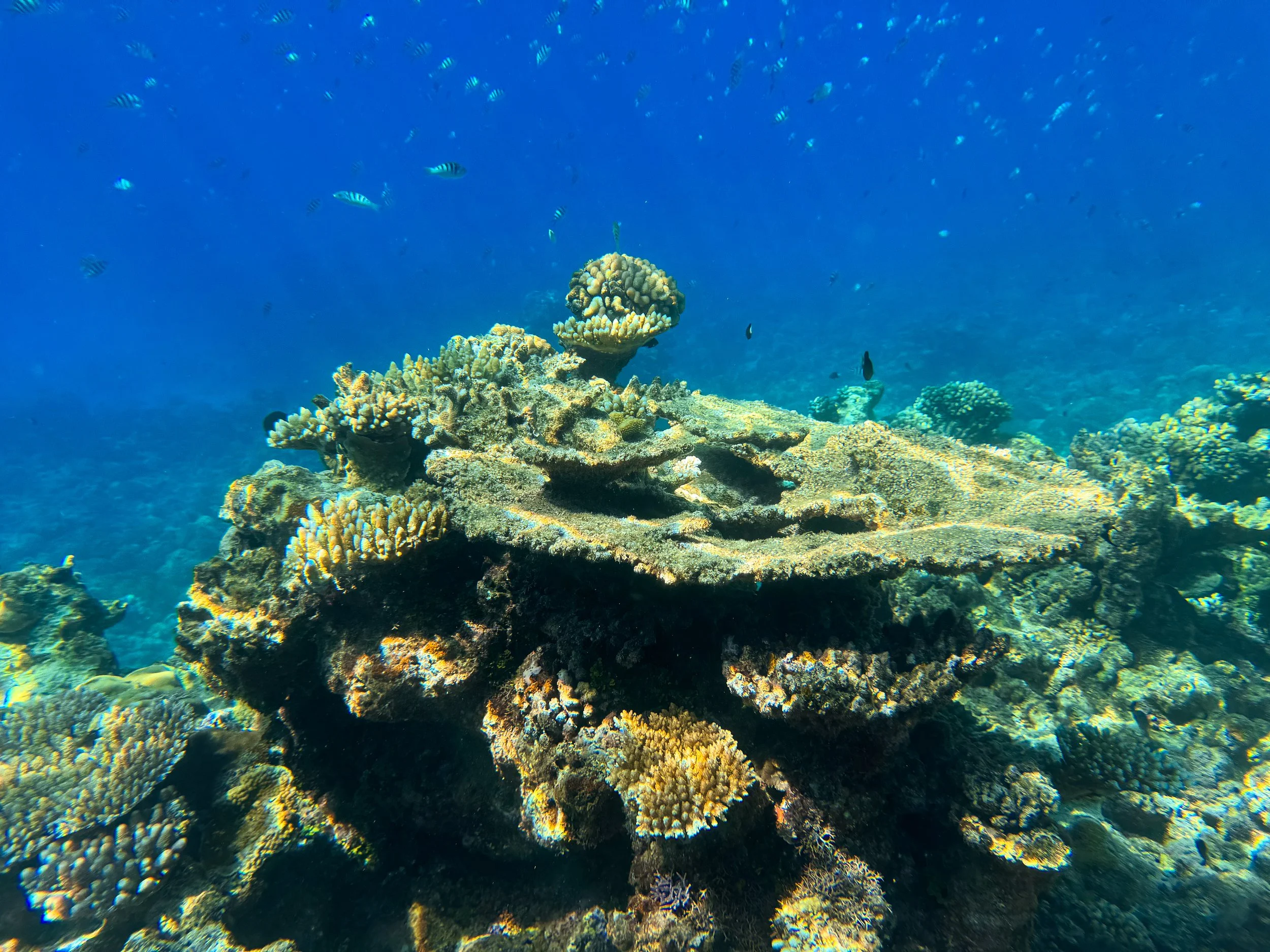
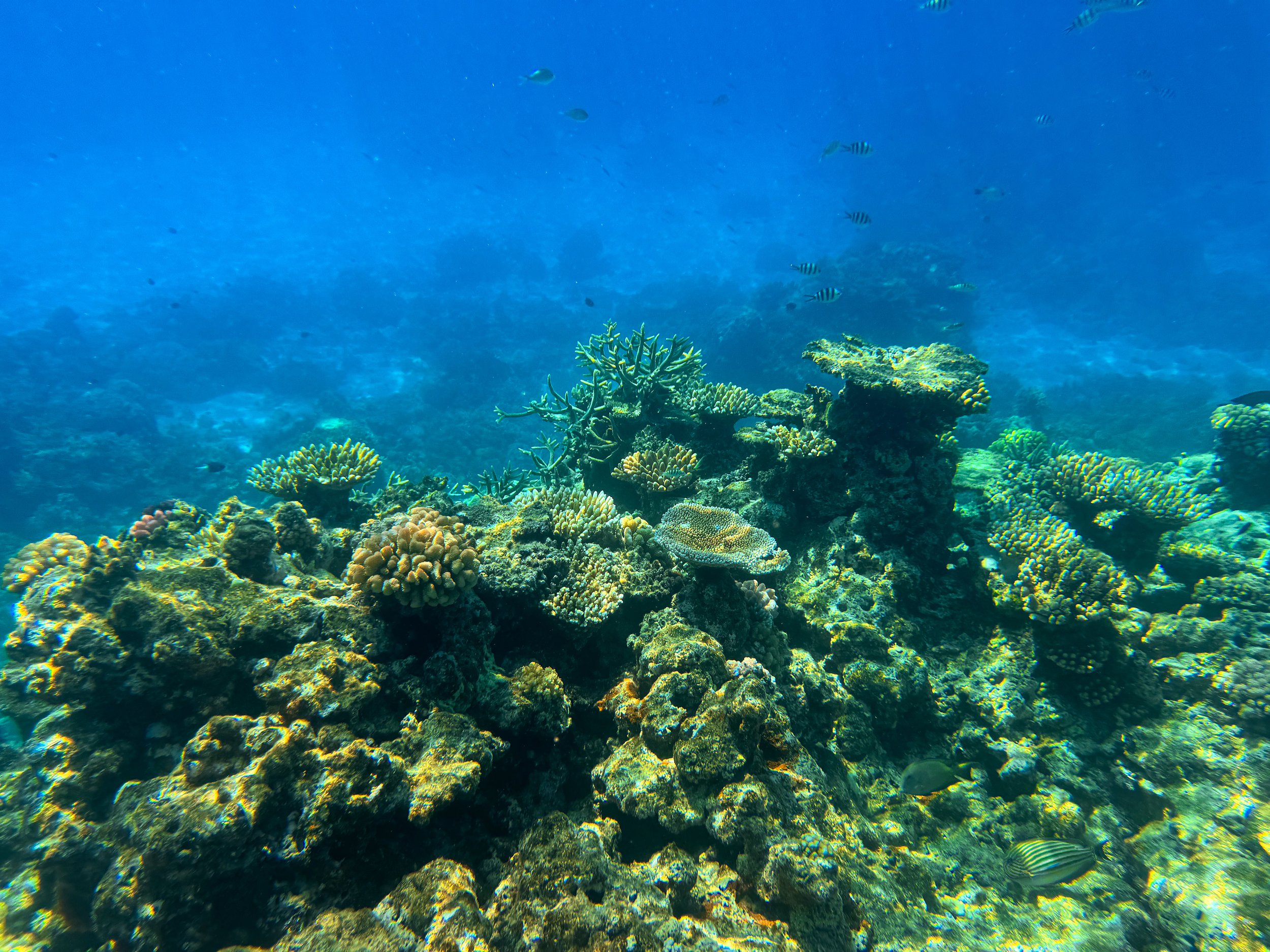
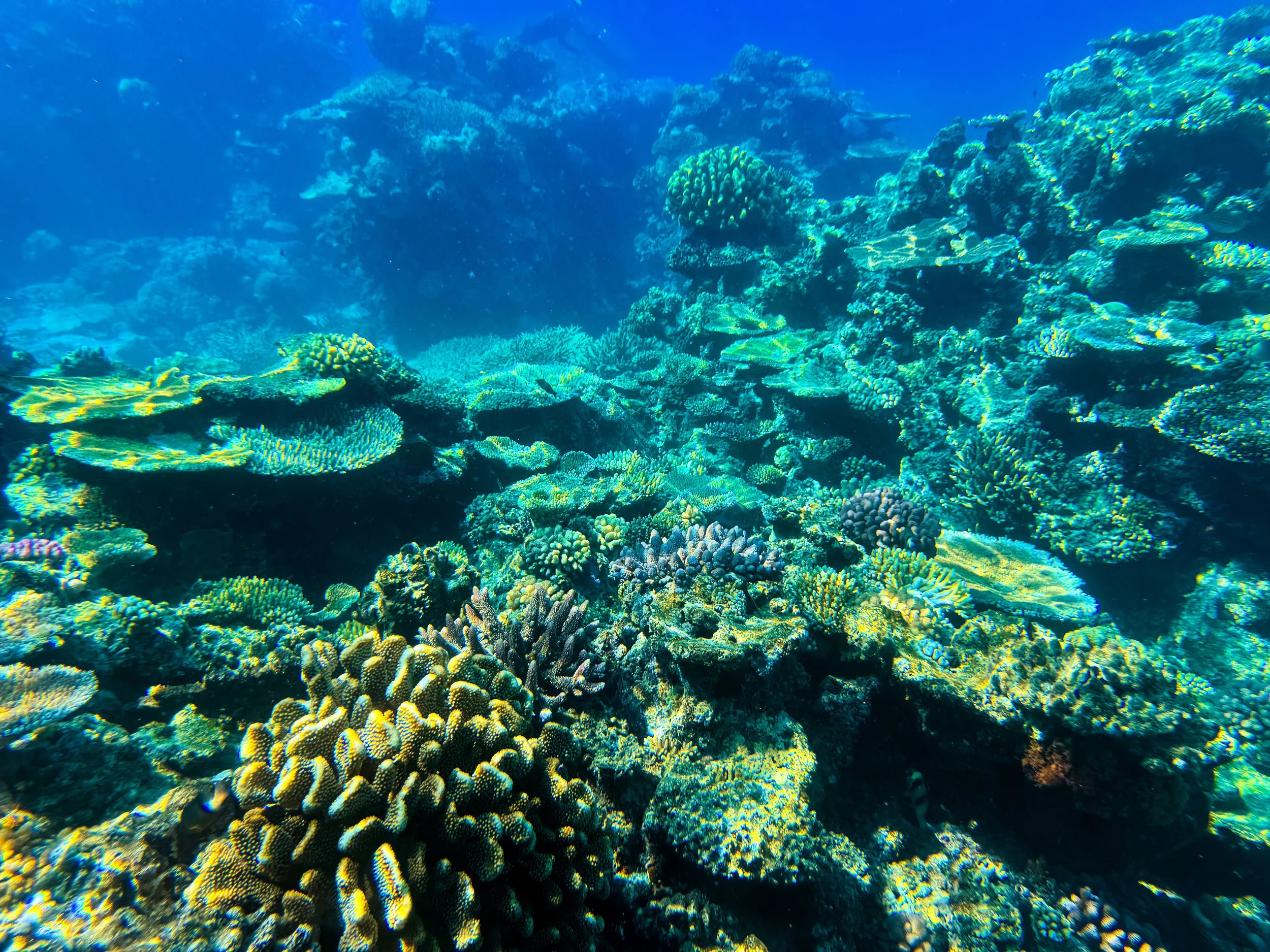
Flynn Reef is a spectacular example of the Great Barrier Reef’s biodiversity. The ever changing coral structures and array of marine life make it an idyllic site to snorkel, free dive and scuba dive. We visited three separate sites across the reef.
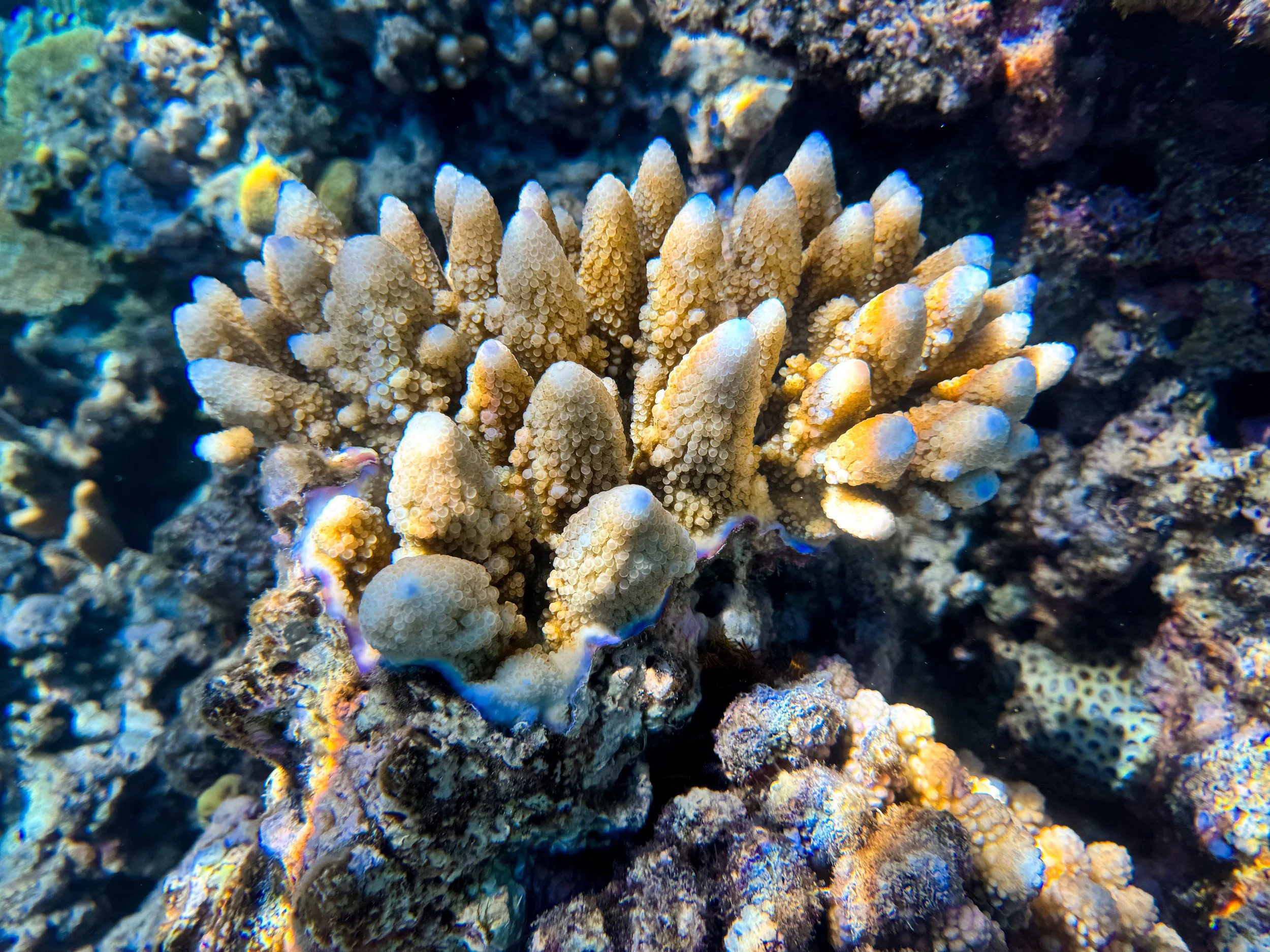
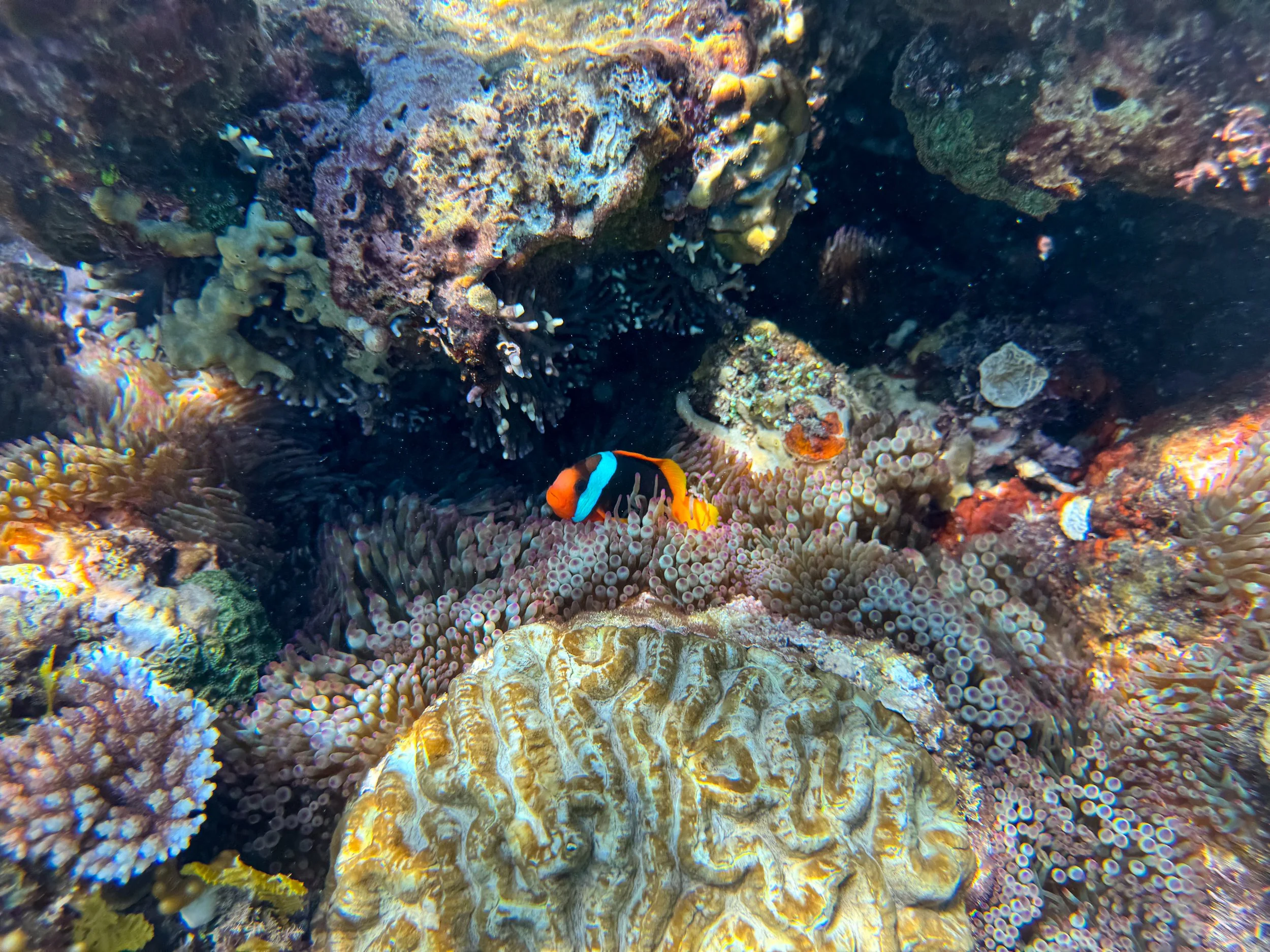
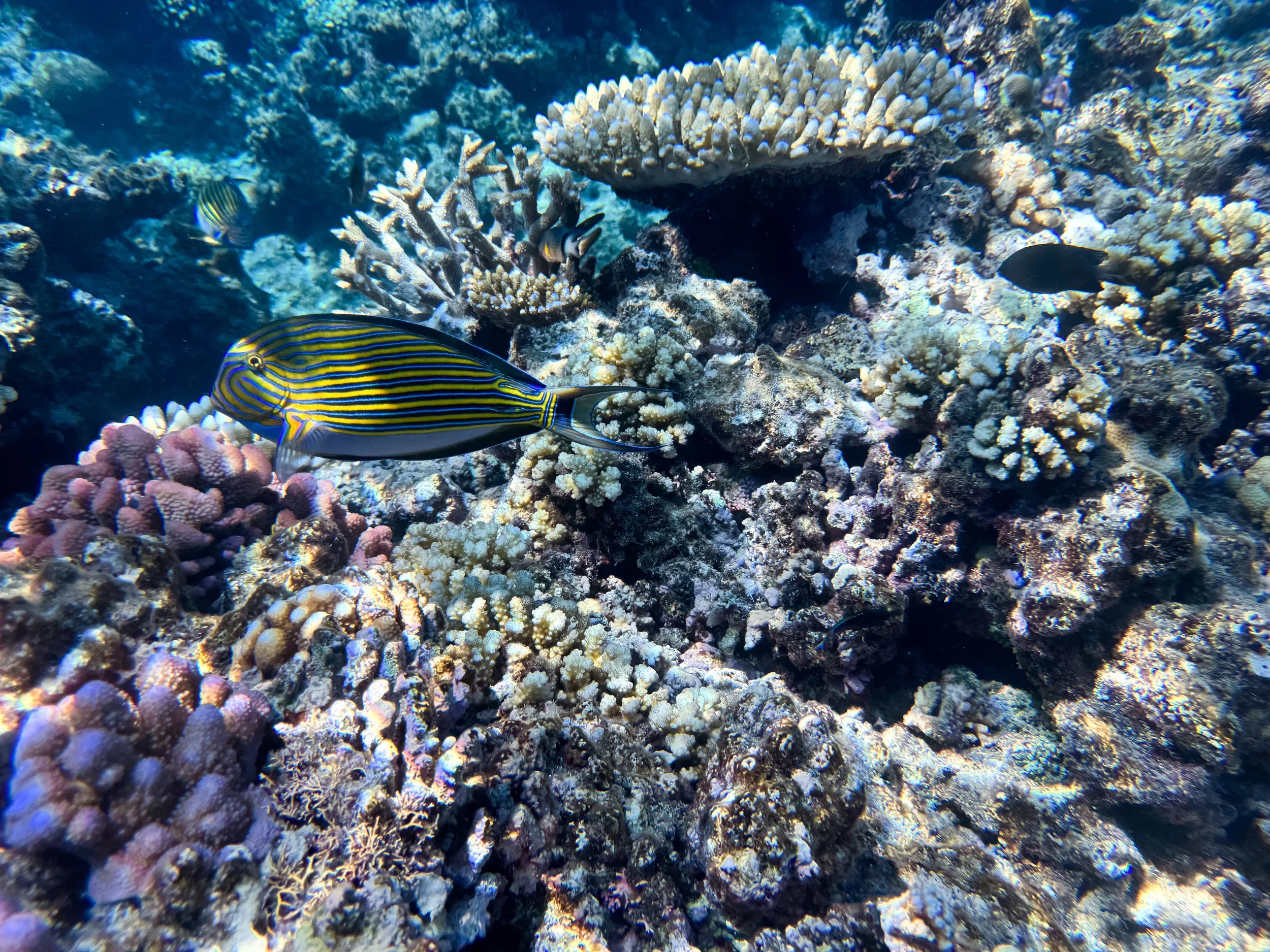
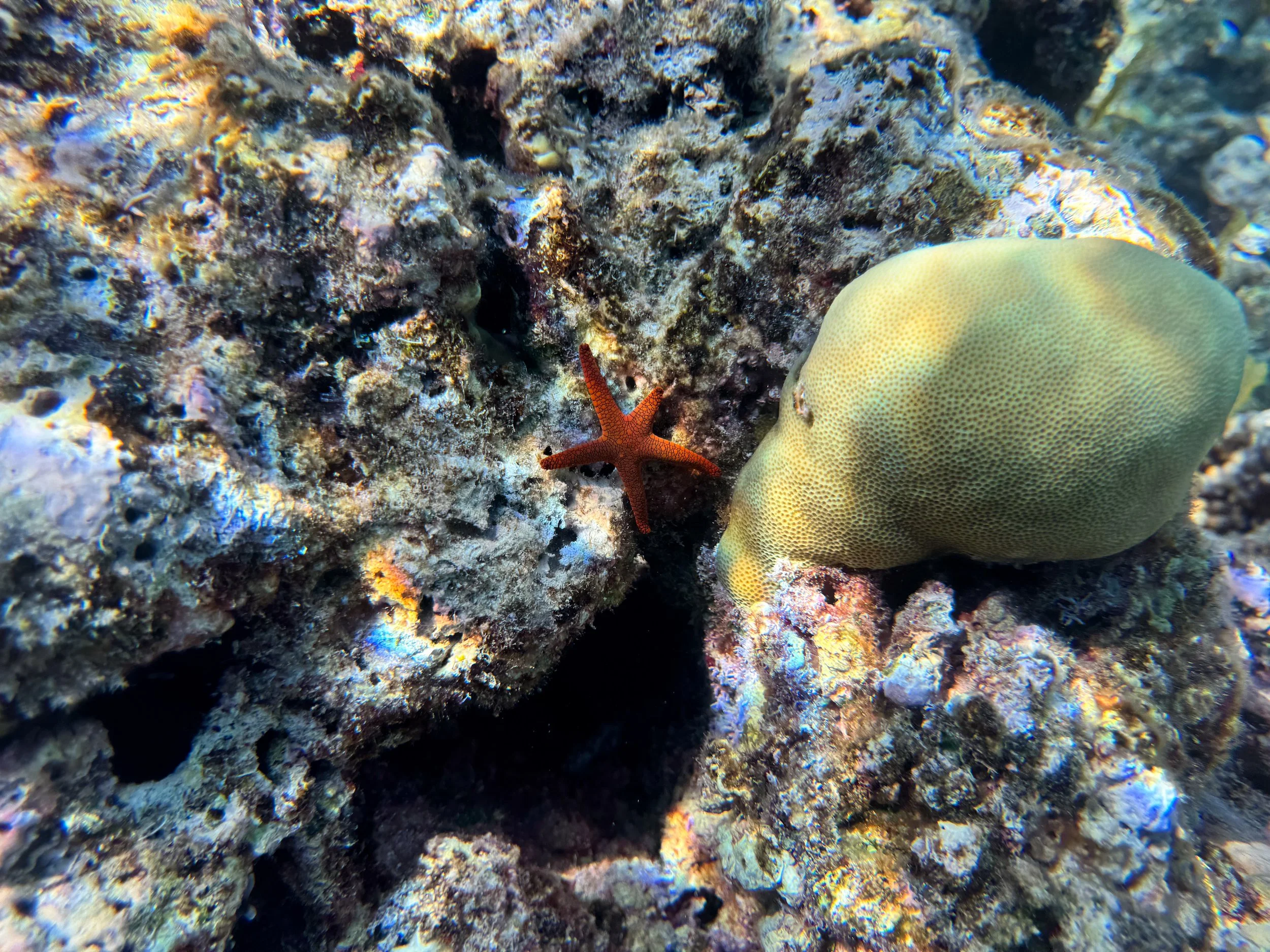
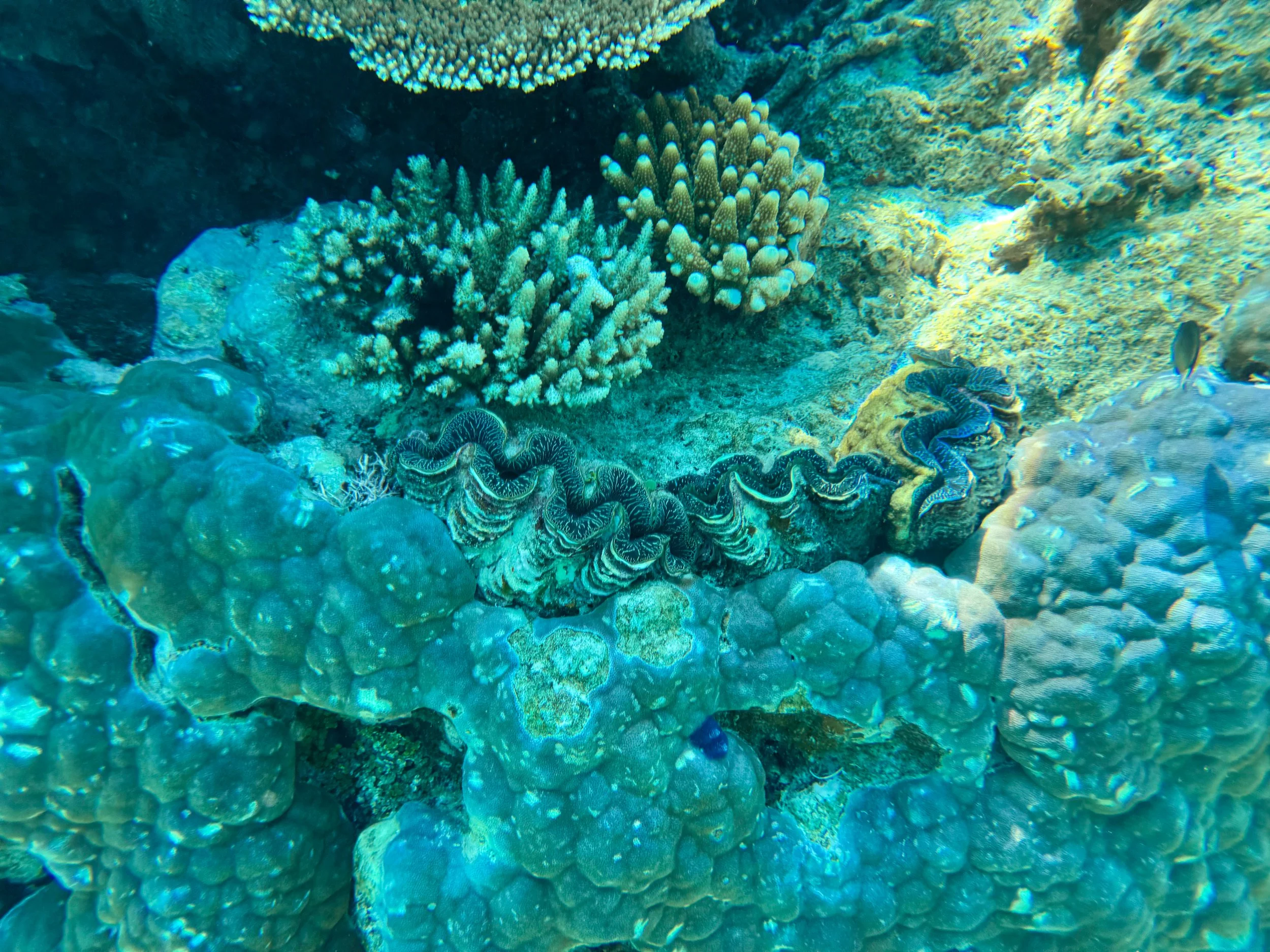
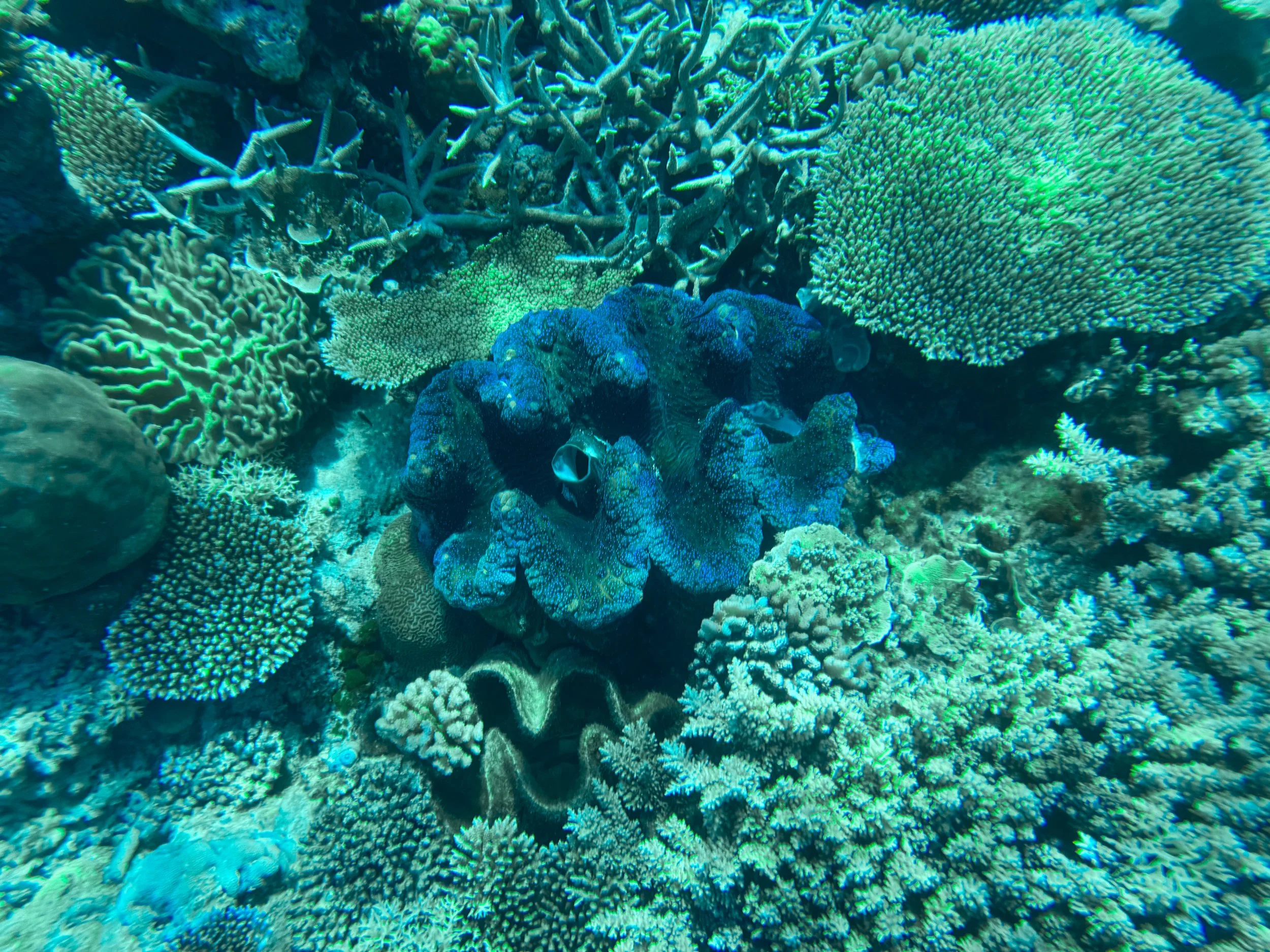
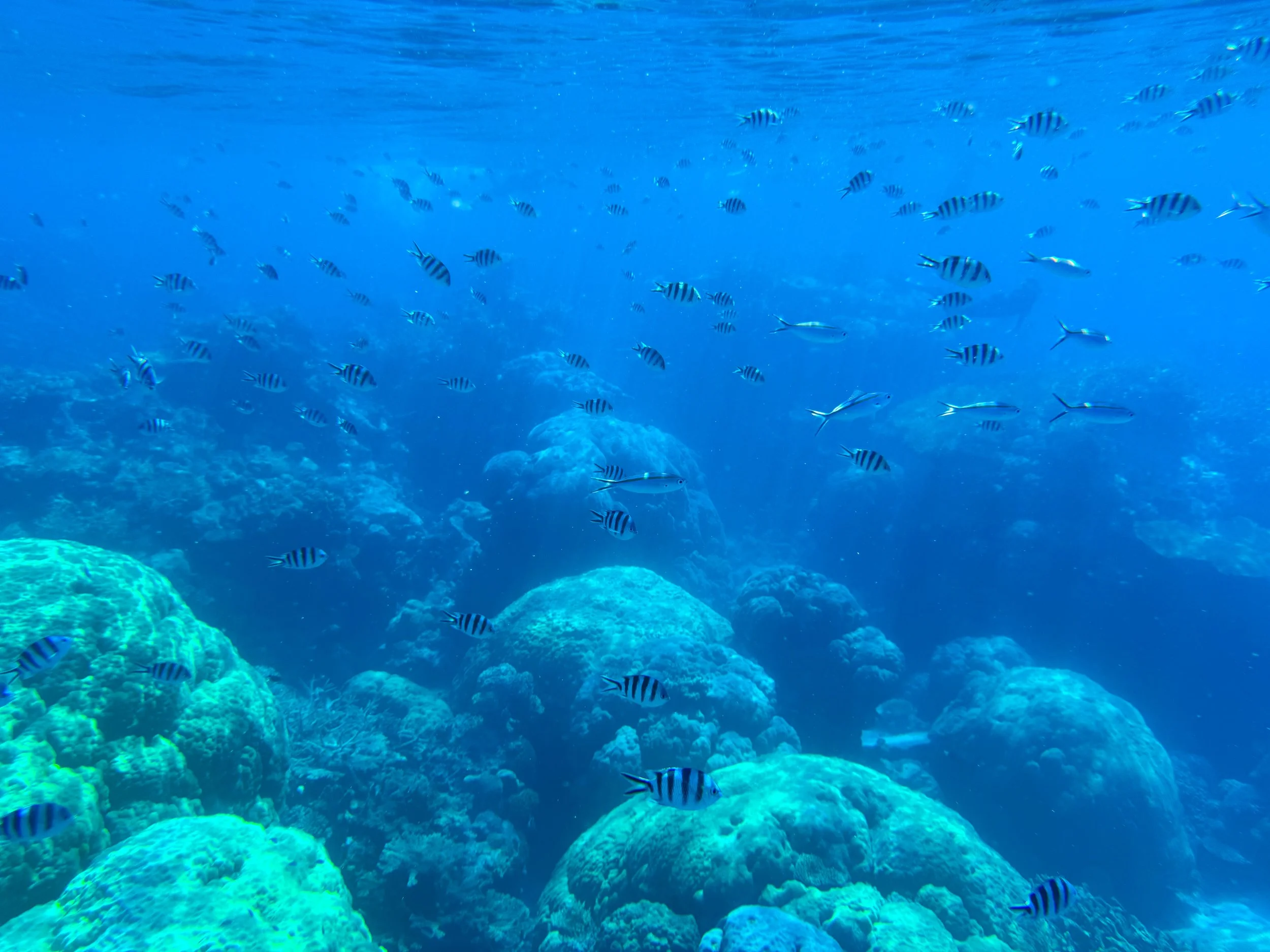
Coral Garden Dive Site. A lively section of Flynn Reef with layered meadows of corals and pockets of sandy depressions. It’s home to an aquarium of tropical fish and sea creatures. Large schools of tiny fish and small groups of large fish swim between coral structures, hide in their crevices and bite at their protruding nodules. We drifted with the ocean currents and free dived for closer views of tiny starfish, giant clams and families of clownfish brushing through anemones.
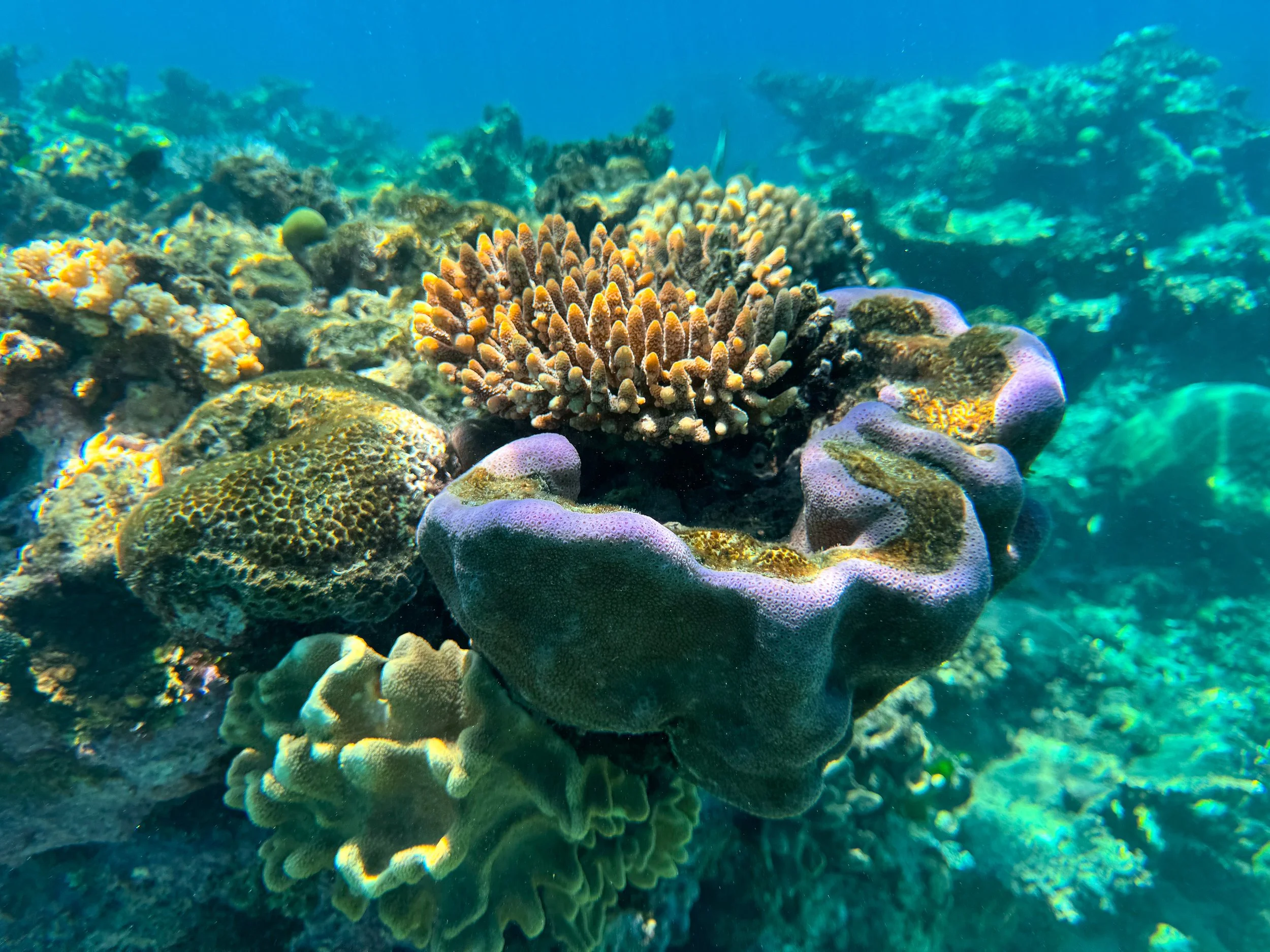
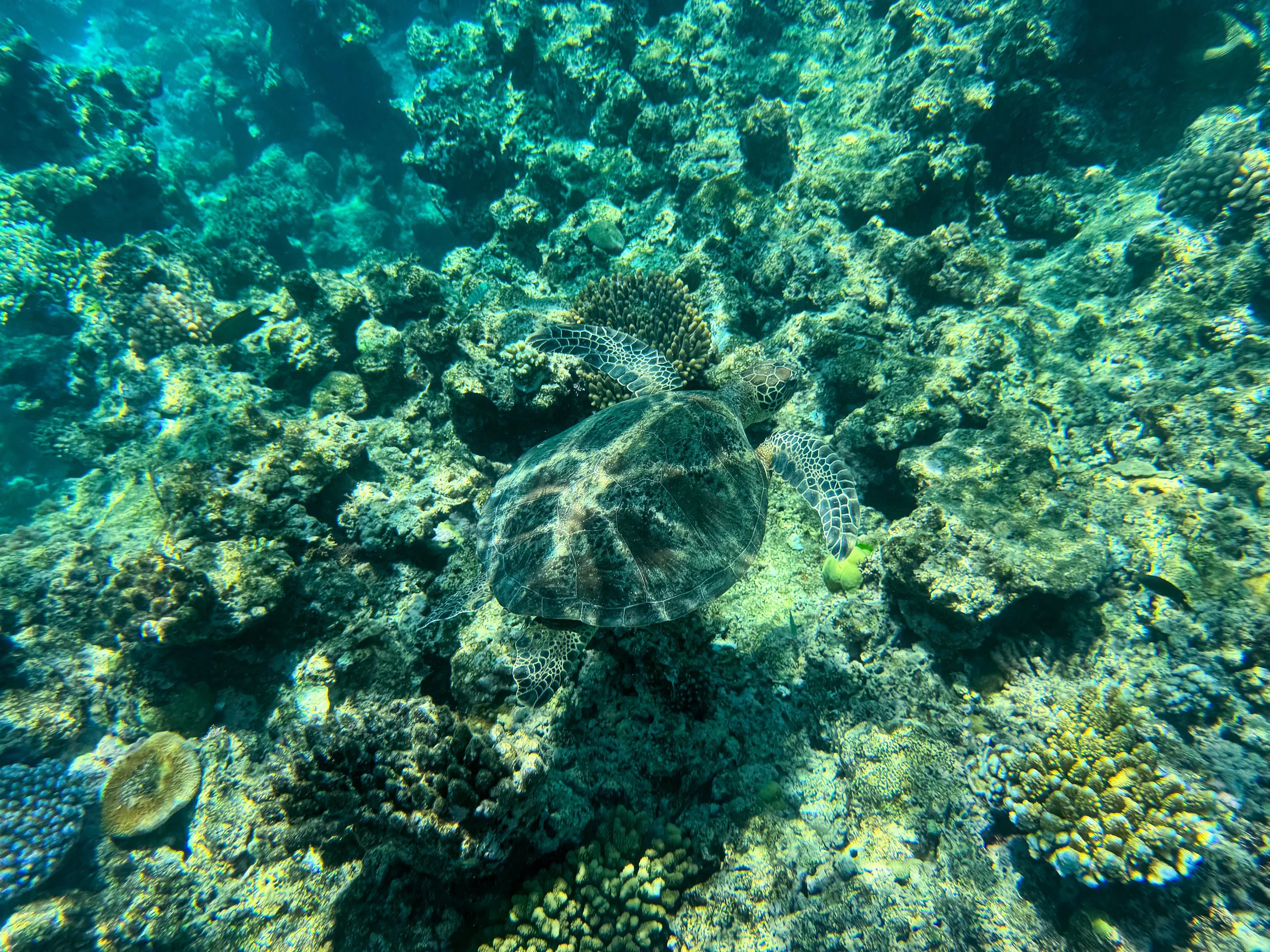
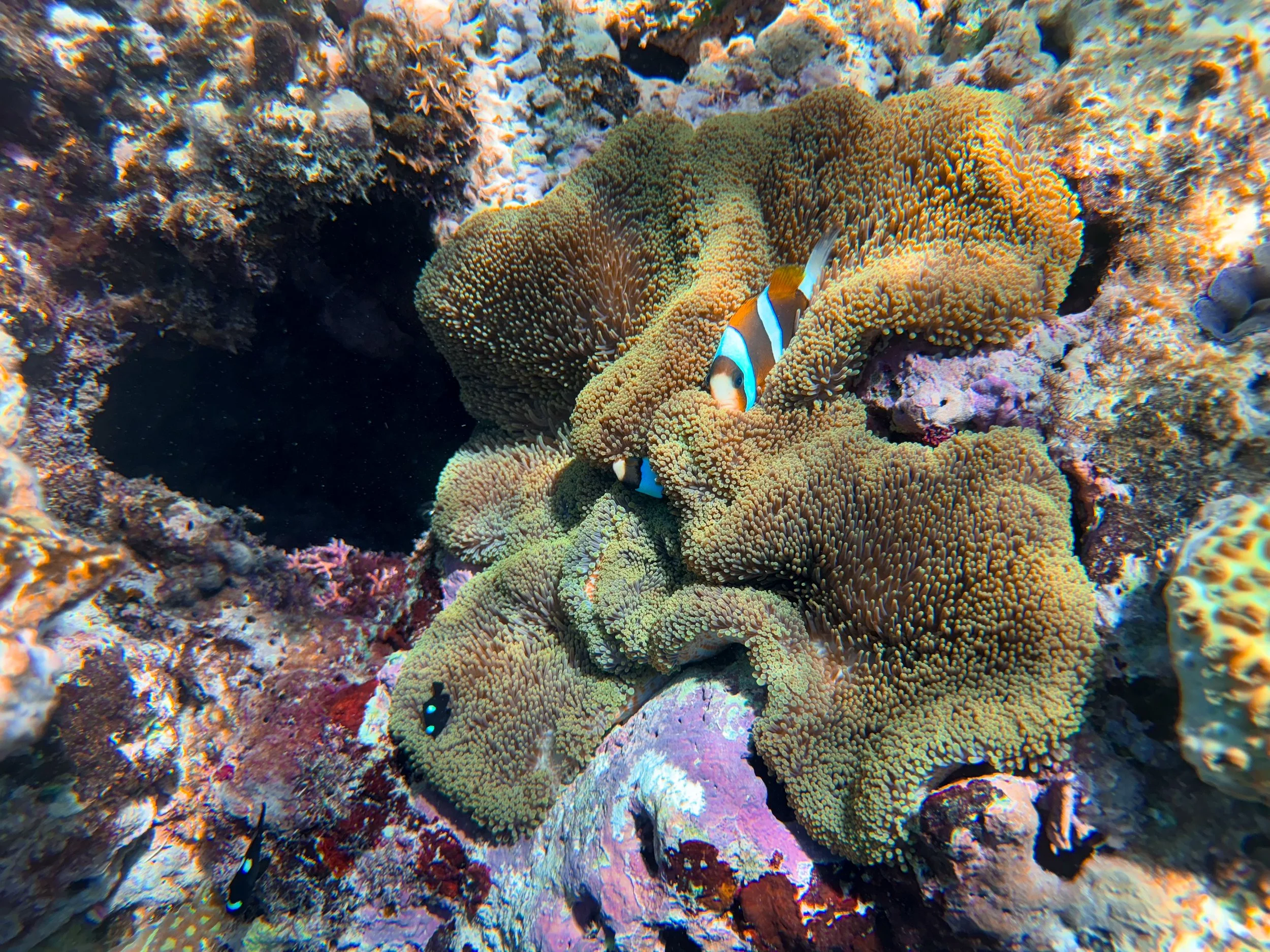
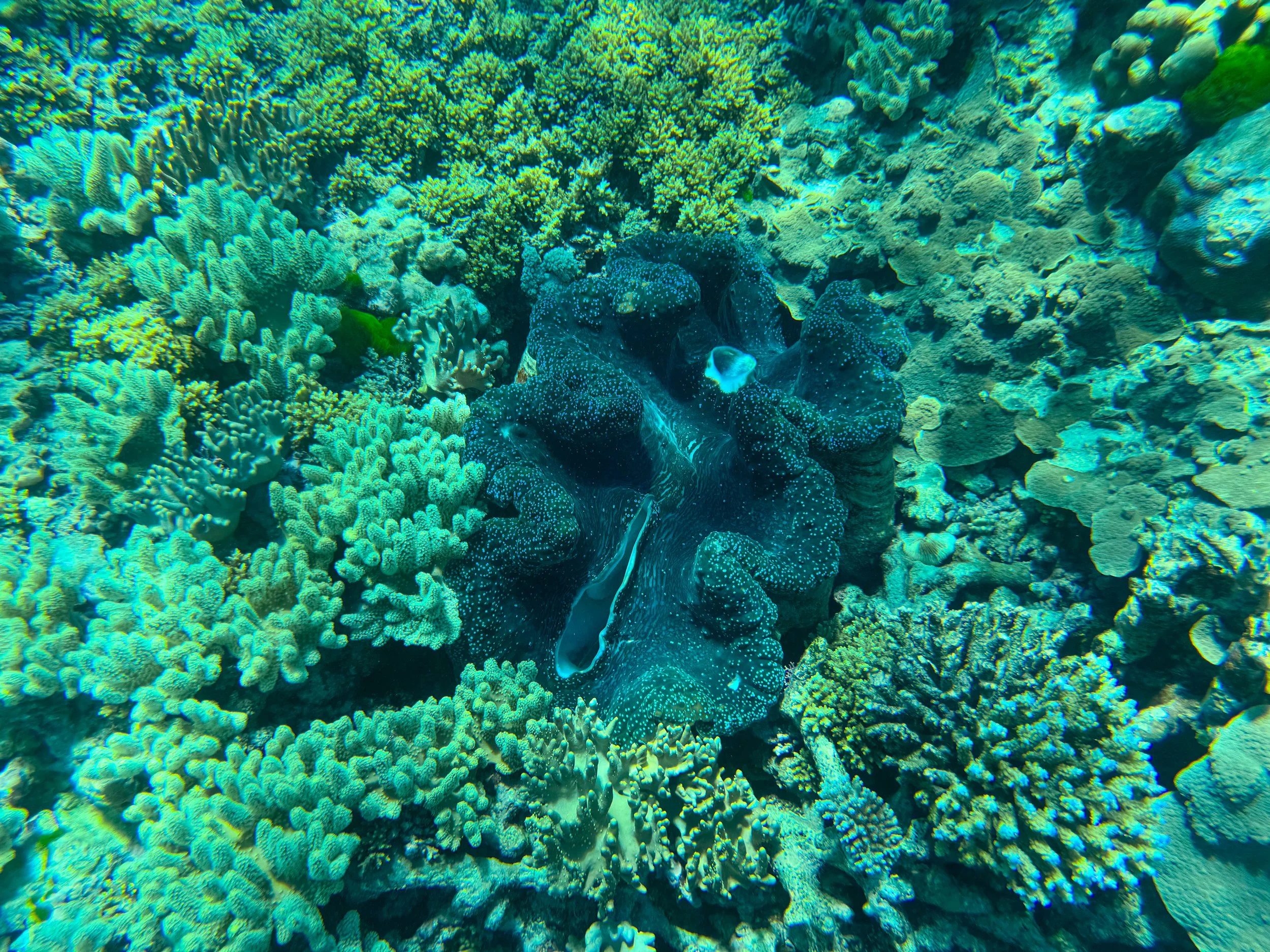
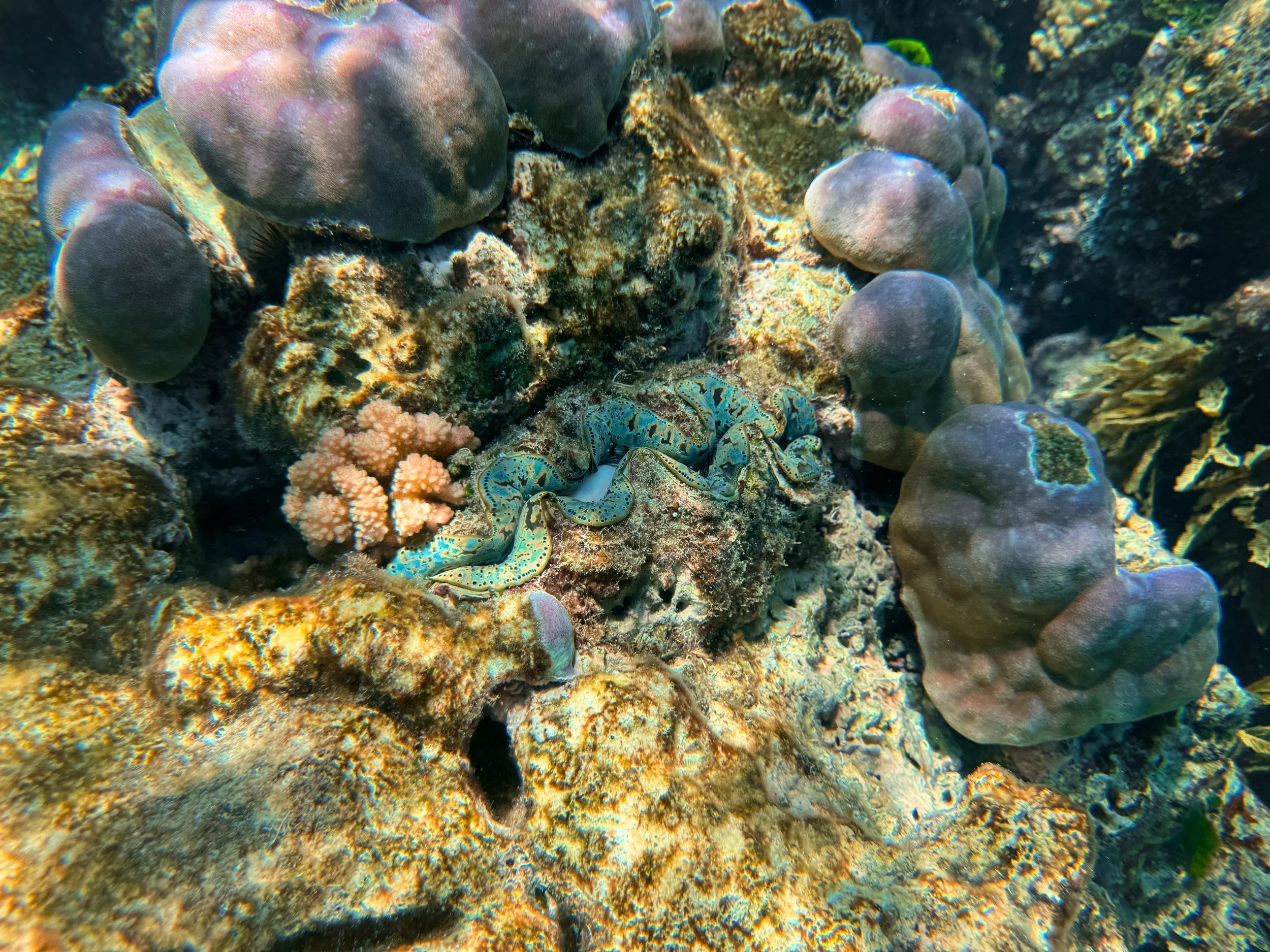
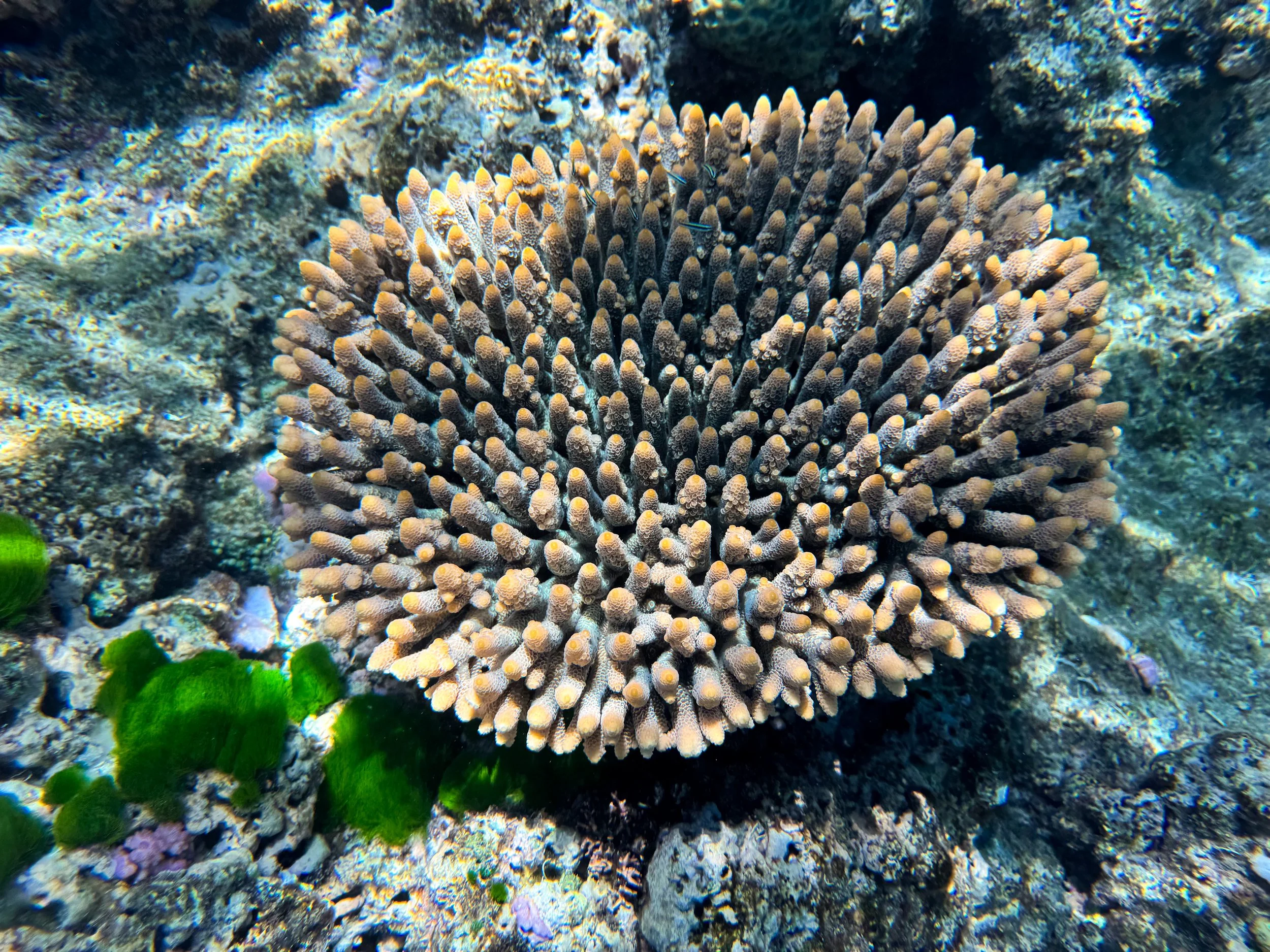
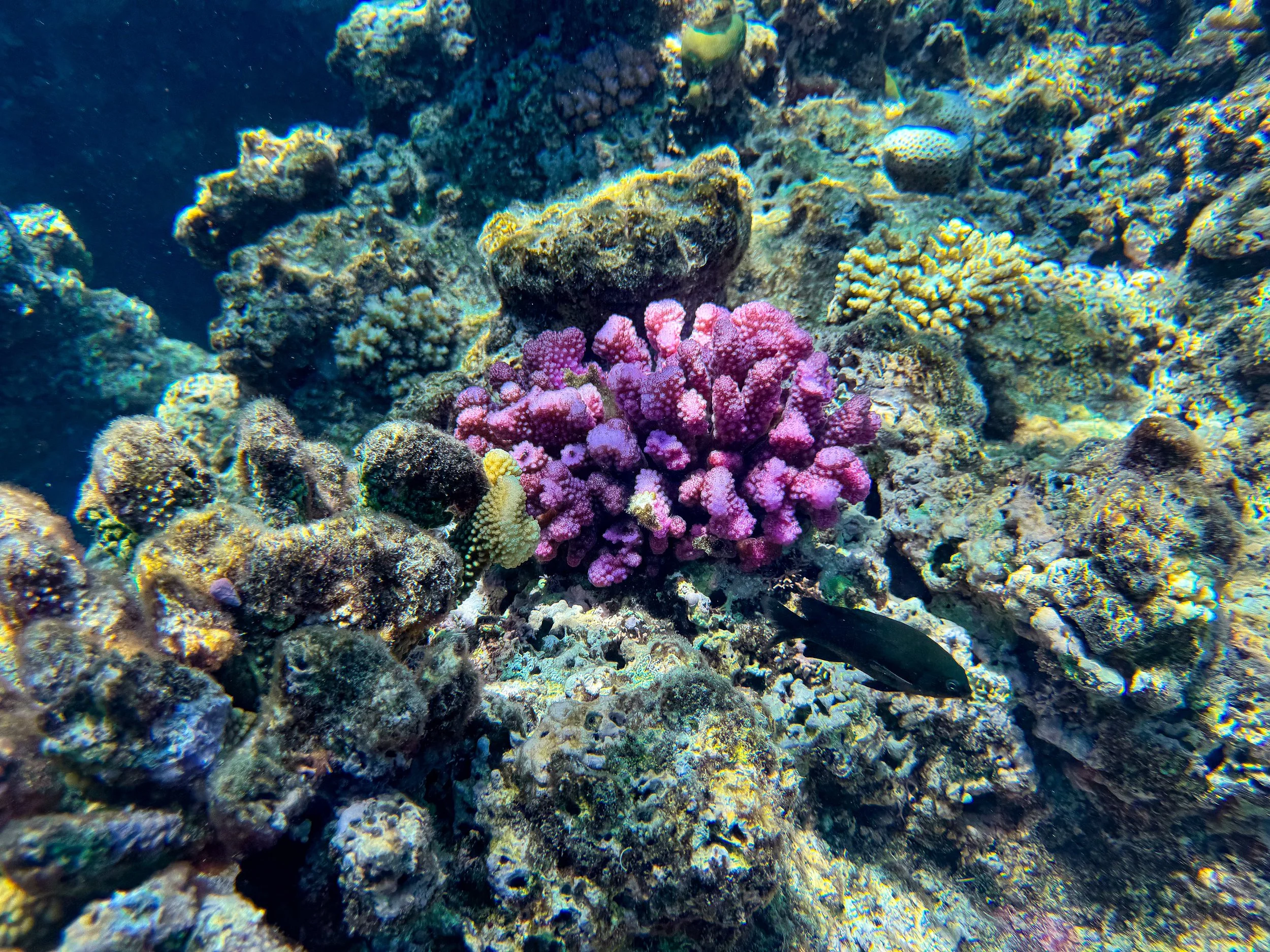
Tracy’s Bommie Dive Site. A section of Flynn Reef with narrow channels and underwater sea arches formed by coral structures. Its vibrant colored corals are home to sea turtles, conches, giant clams and multitudes of tropical fish like pufferfish, clownfish and rainbow parrotfish.
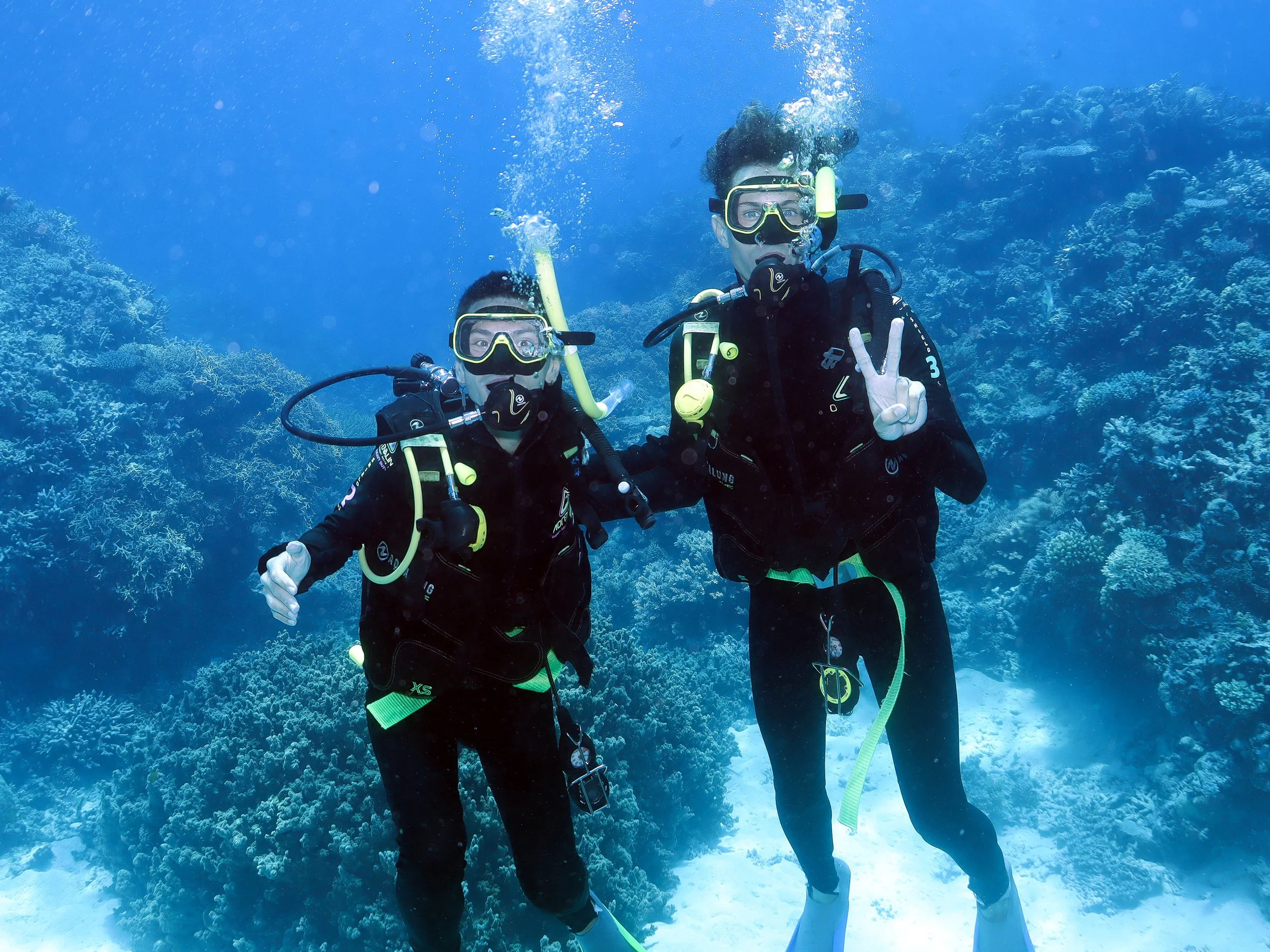
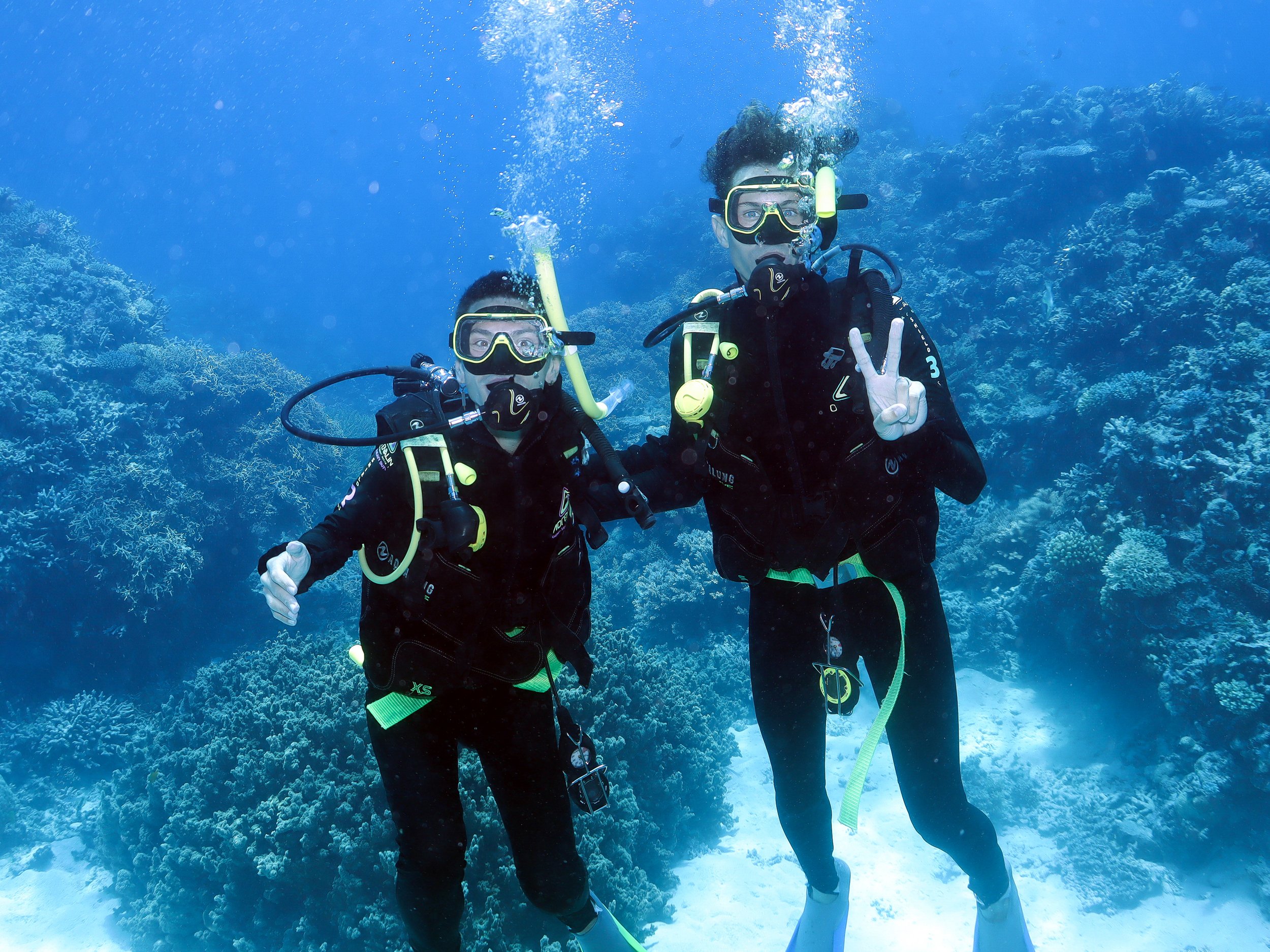
Gordon’s Dive Site. An idyllic dive site for beginners with massive coral formations, sea anemones and tropical fish. Our introductory dive brought us to shallow depths of 10-12 meters for about 30 minutes. The dive instructor led us in-between coral crevices and alongside coral walls. We were able to learn some scuba basics while navigating on our own under the close watch of the dive teacher.
Caring for the Reef
The Great Barrier Reef and all coral reefs, for that matter, are extremely fragile environments. There are a few simple things to keep in mind while visiting the reef.
Wear reef safe sun block
Don’t touch or take anything
Avoid stepping on or kicking the corals
Book reputable tours with good reviews
Don’t chase or feed the marine life
Don’t litter or leave anything behind
Dry vs Wet Season
The Great Barrier Reef can be visited at any time of year, however the dry season often offers the most favorable conditions. We chose to visit in mid October at the end of the dry season.
The Dry Season. A period lasting from May through October. It’s characterized by calm seas, clear water, little rain and cooler temperatures. Peak whale migration happens between May and September.
The Wet Season. A period lasting from November to April. It’s characterized by hot temperatures, frequent rainstorms and less visibility. It coincides with the jellyfish spawns of “stinger season.” Wear a wetsuit!
Underwater Photography
Capturing photos underwater in the Great Barrier Reef is possible with most smartphones and a specialty case. We used the Pictar Waterproof Smartphone Case available on Amazon.
Elsewhere in Australia
From the coral reefs and marine life of the Great Barrier Reef to Queensland's rainforests, Australia's surf coast, remote road trips and the Outback, continue exploring Australia through these travel guides:
Tropical North Queensland Travel Guide: Cairns, Rainforests & Wildlife. Explore Tropical North Queensland from Cairns, where ancient rainforests, cascading waterfalls and remarkable wildlife meet palm fringed beaches and vibrant coral reefs.
Brisbane Travel Guide: Neighborhoods, Riverwalks & Island Adventures. Explore Brisbane where riverside neighborhoods, scenic riverwalks and nearby island adventures embody a laidback subtropical lifestyle shaped by nature.
Byron Bay Travel Guide: Surfing, Beaches & Cape Byron. Experience Byron Bay where surf culture, white sand beaches and scenic trails to Cape Byron embody Australia's quintessential beach town lifestyle.
Western Australia Road Trip: Perth to Ningaloo & The Coral Coast. Road trip along Western Australia's Coral Coast where red desert landscapes, remote gorges, sandstone cliffs and white sand beaches create an unforgettable adventure.
Uluru Travel Guide: Kata Tjuta, Kings Canyon & Sacred Landscapes. Discover Uluru's sacred landscapes where ancient sandstone monoliths, desert hikes, canyon oases and Anangu traditions connect visitors to the Outback.
For Next Time…
The Great Barrier Reef is absolutely massive! As lovers of the underwater world, this won’t be our only time visiting it. Next time we return, we plan to base ourselves in the Whitsunday Islands.
Whitehaven Beach. A world famous white sand beach with swimmable turquoise waters and fringing coral reefs.
Whitsunday Live Aboard. Visit the island chain’s and its reefs on a multi night live aboard.
Scenic Flight over Heart Reef. An aerial view of the reef system and one shaped like a heart.
Byron Bay Travel Guide: Surfing, Beaches & Cape Byron
Experience Byron Bay where surf culture, white sand beaches and scenic trails to Cape Byron embody Australia's quintessential beach town lifestyle.
A Weekend in Byron Bay
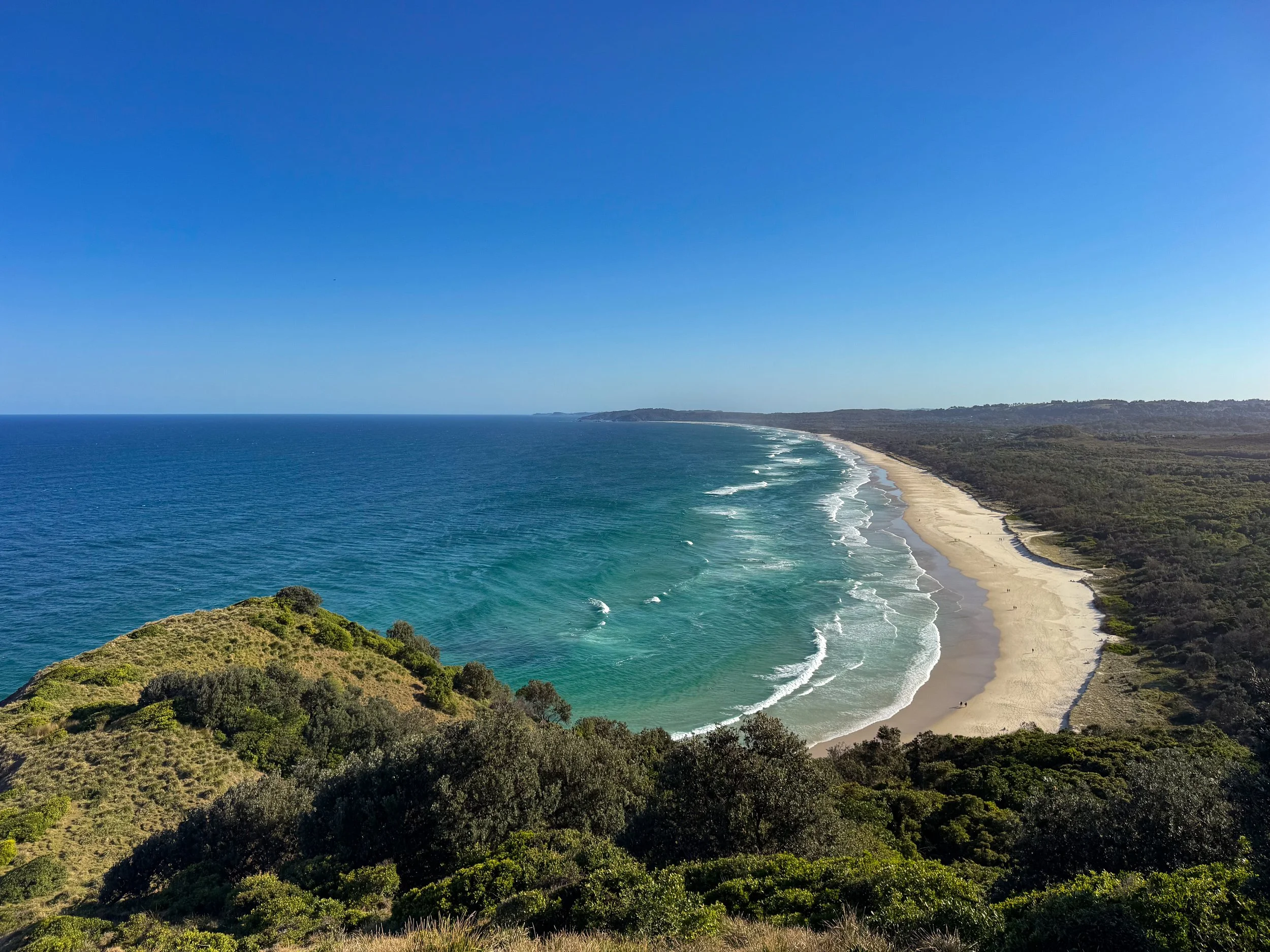
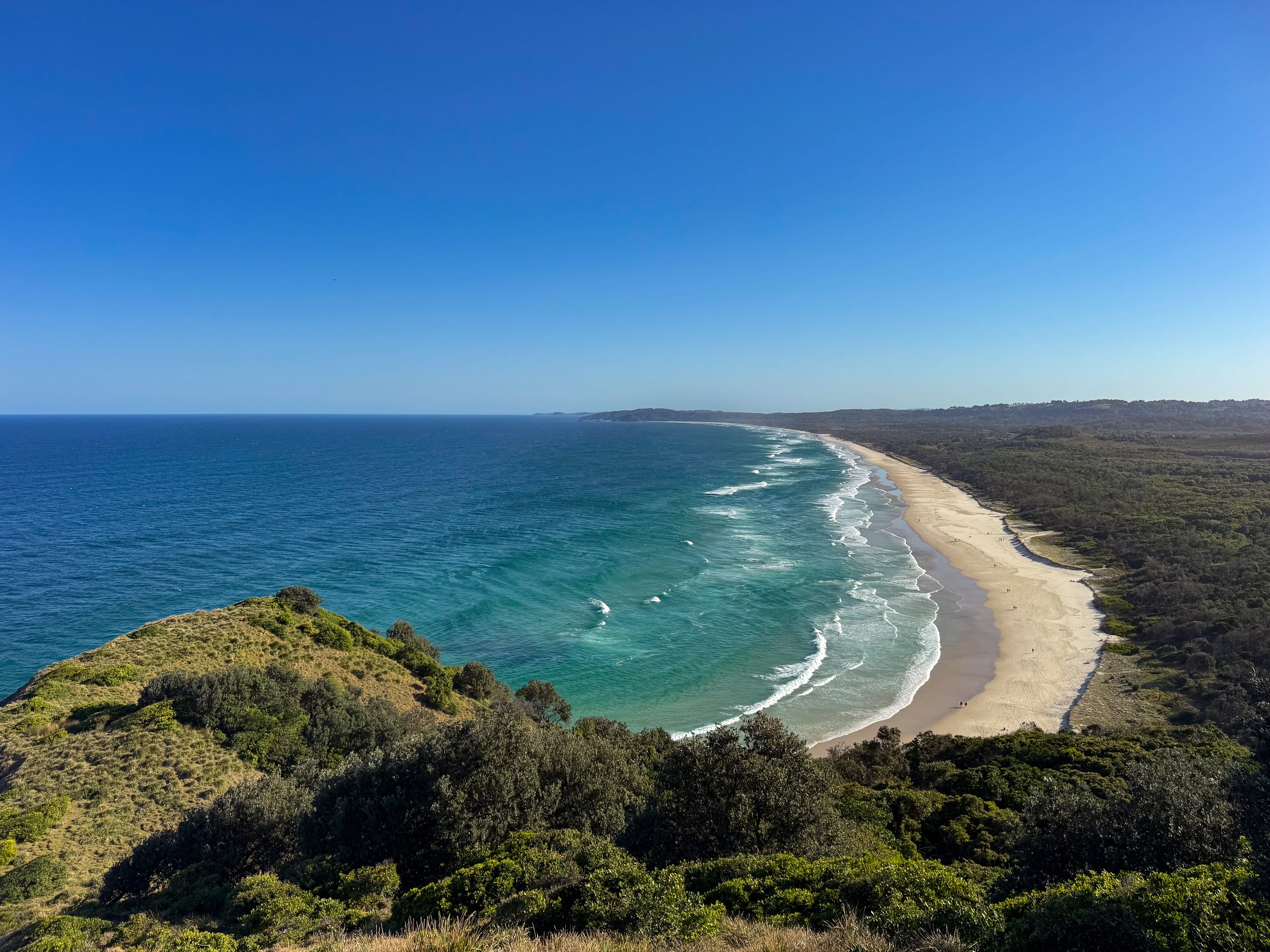
Byron Bay is a laidback beach town and surfers’ paradise on Australia’s far eastern coast. Surfers line up to catch consistent waves and offer beginner lessons. Sun kissed beachgoers relax along white sand shores and meet up at nightly happy hours. Colorful streets are flanked by vibey cafes, diverse restaurants, beachy boutiques and surf shops. We spent a weekend here surfing, sunbathing and enjoying the atmosphere of the coastal town.
Things to Do
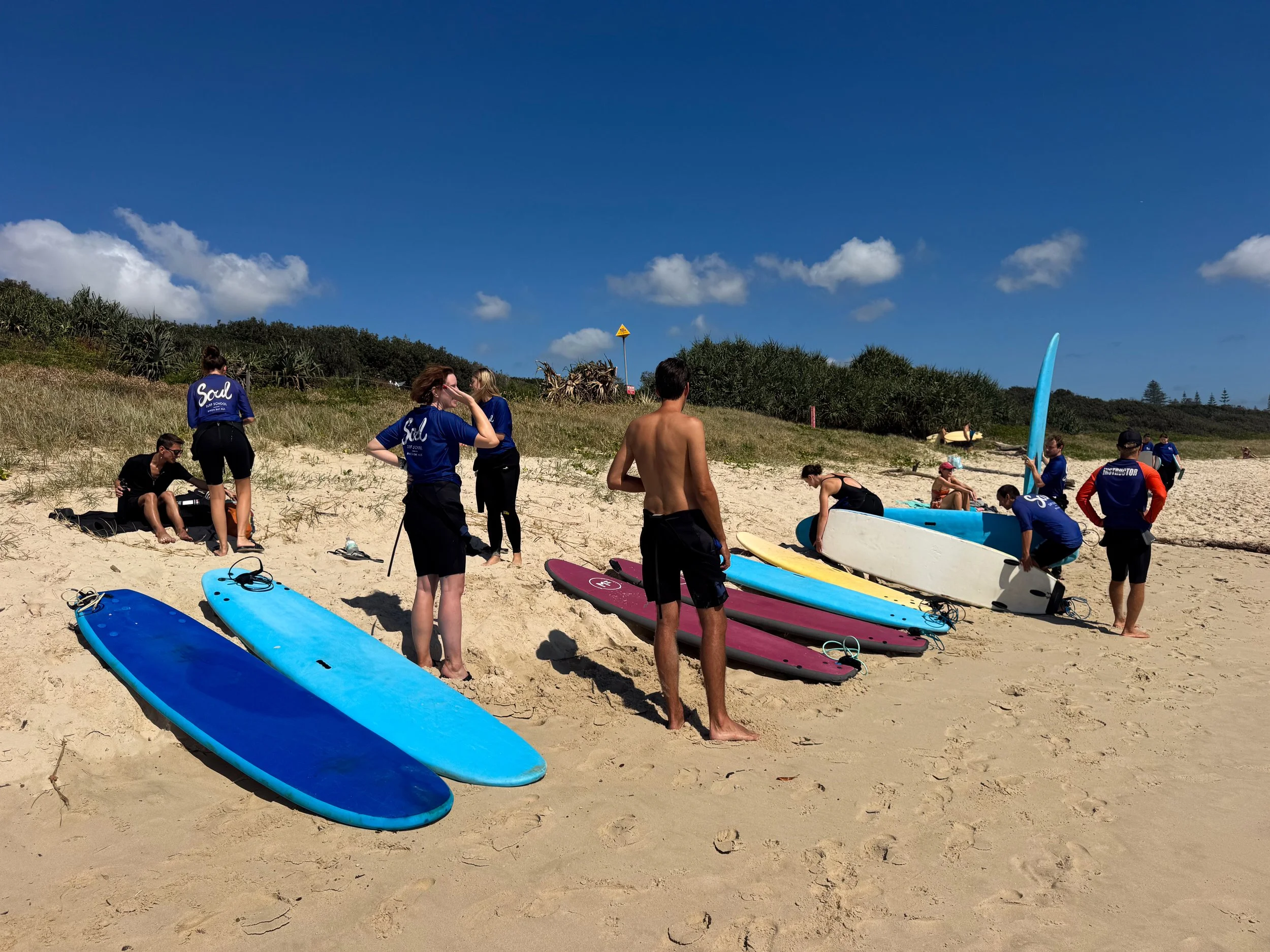
Take Surf Lessons. There are numerous surf schools in Byron Bay. We booked a two day group lesson with Soul Surf School, shuttling between Byron Bay, Seven Mile Beach and Sharps Beach for morning surf classes. Surf boards and wet suits are included.
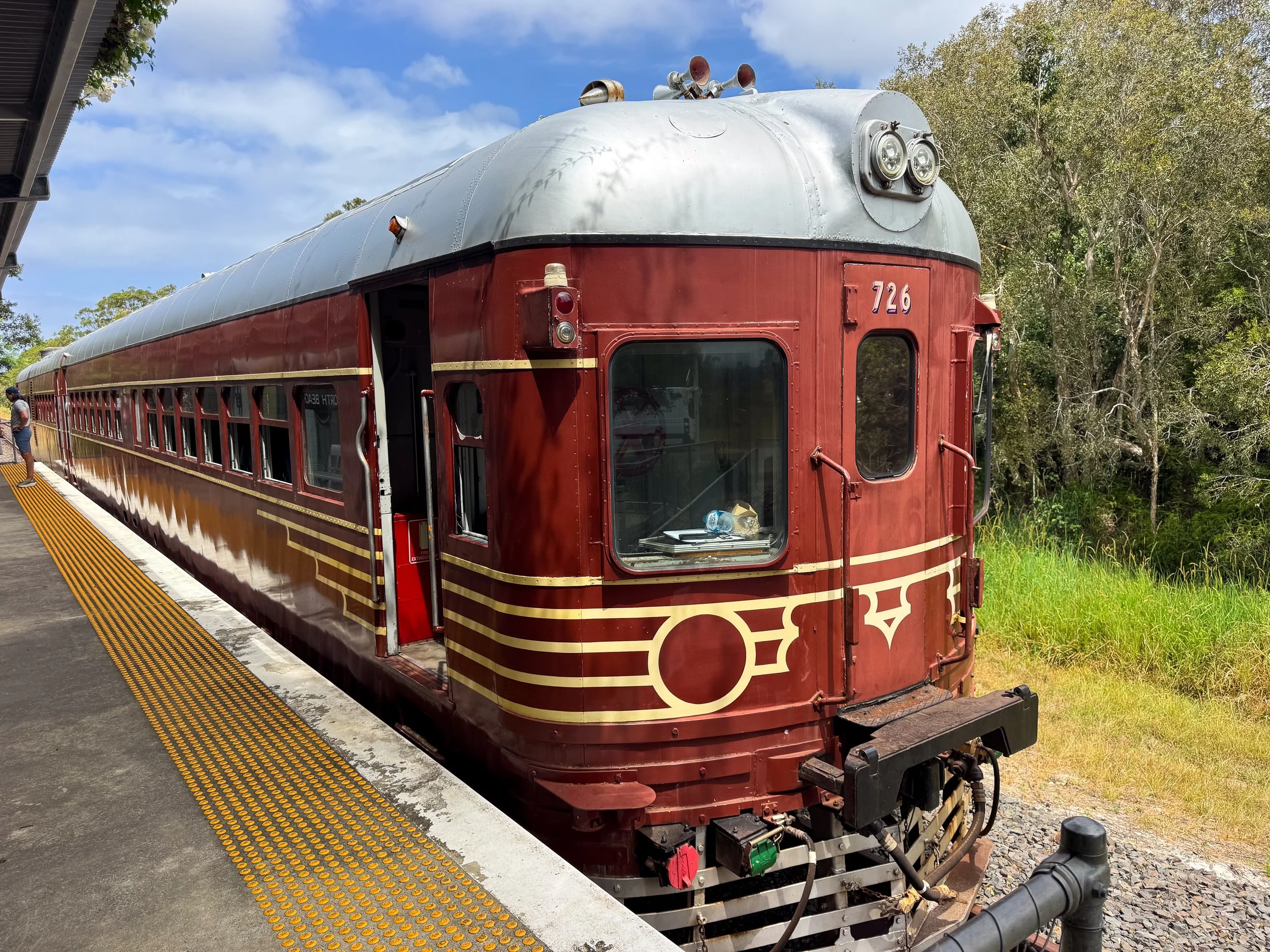
Ride the Byron Solar Train. A solar powered vintage train that travels between Byron Beach and North Beach. Rides take less than 10 minutes. It operates every hour between 10am - 5pm. Tickets can be purchased in person.
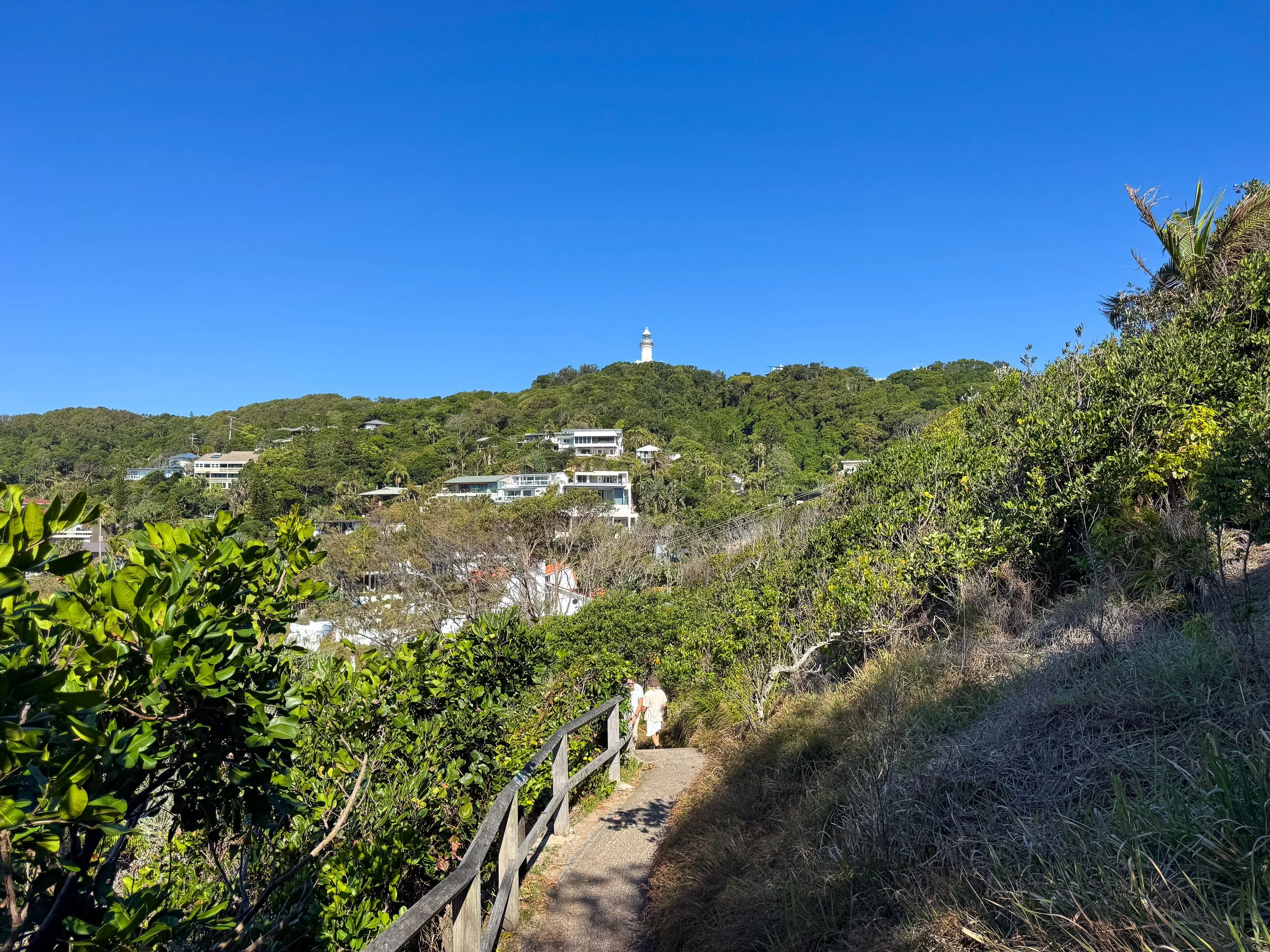
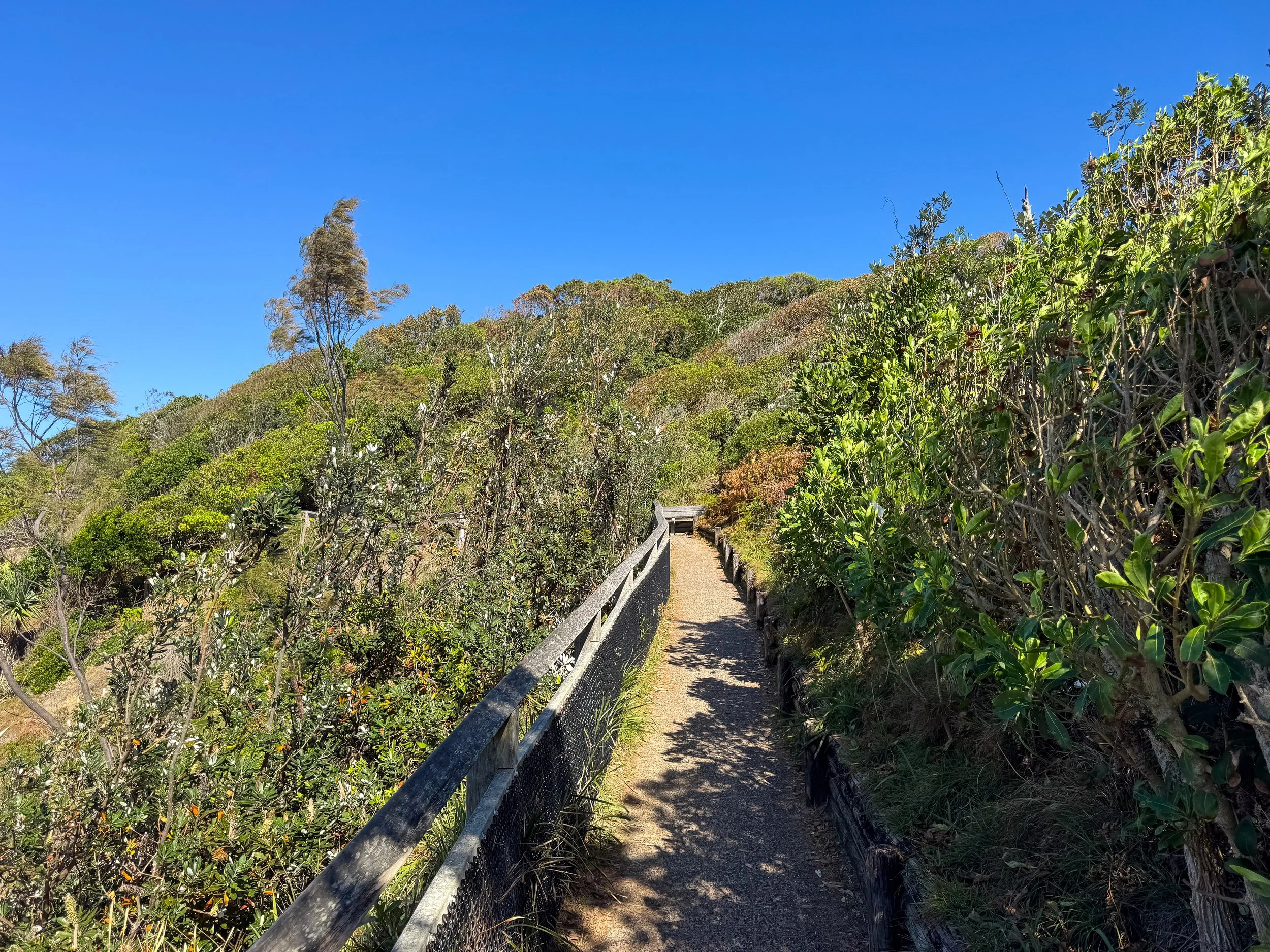
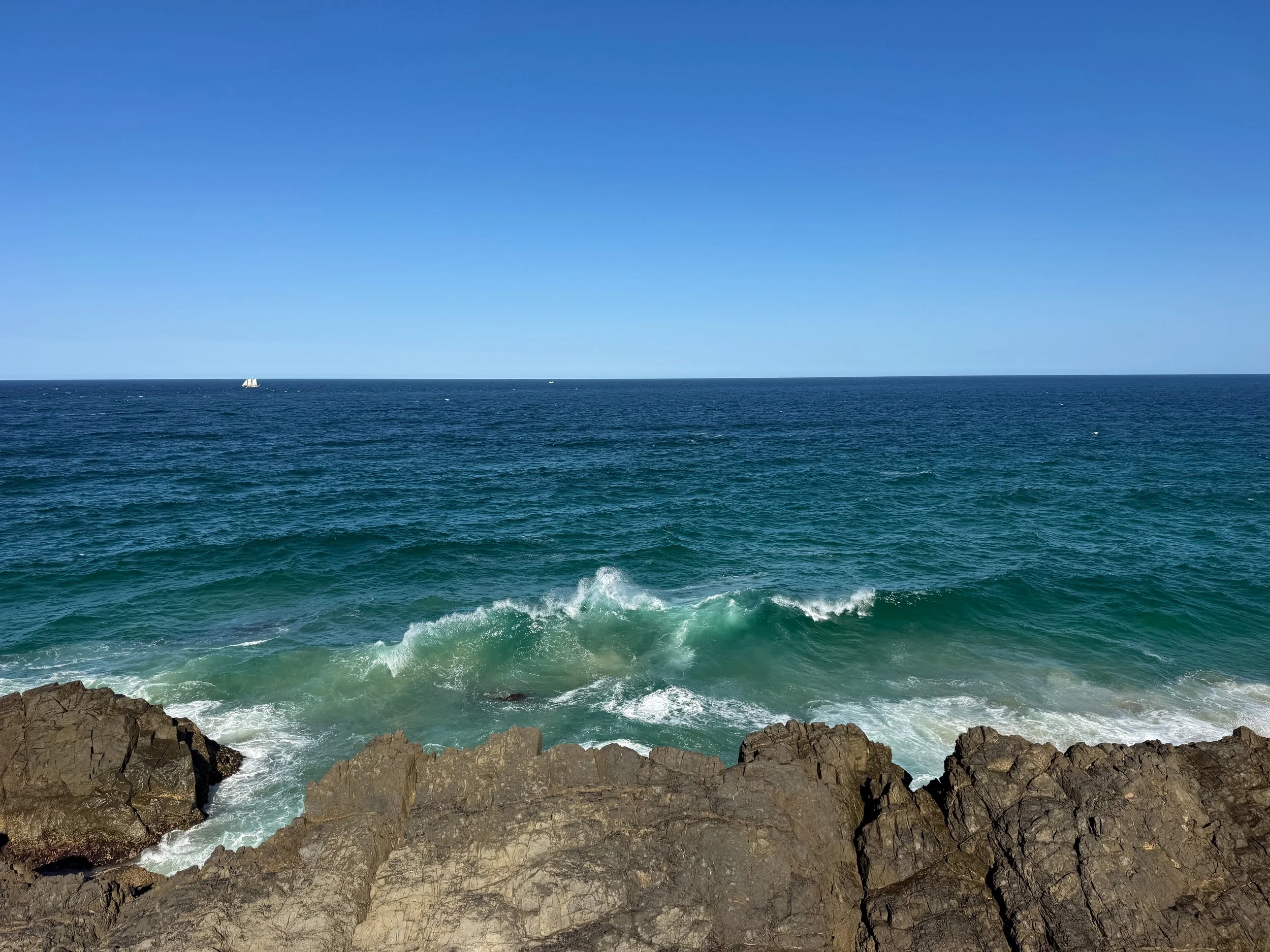
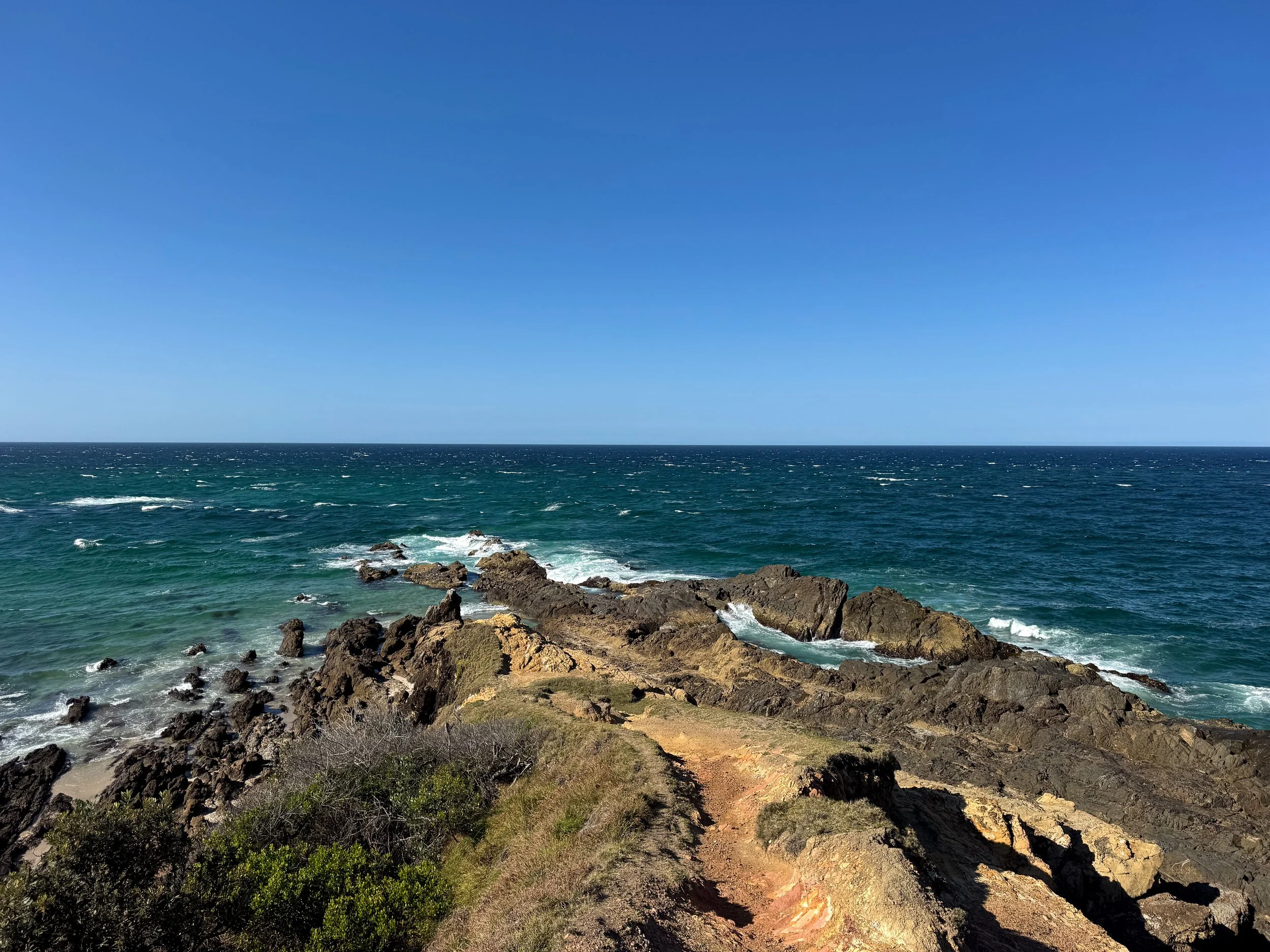
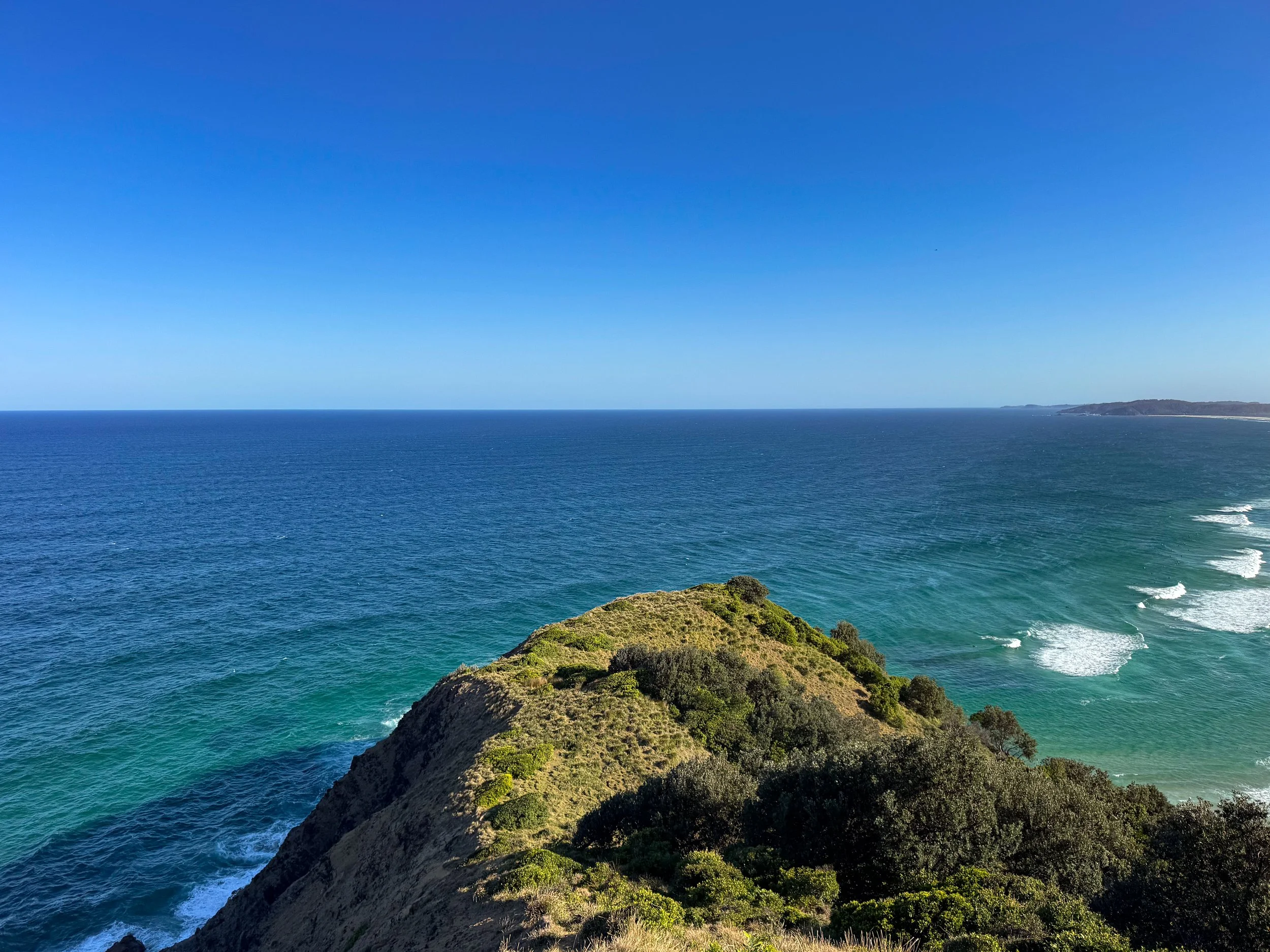
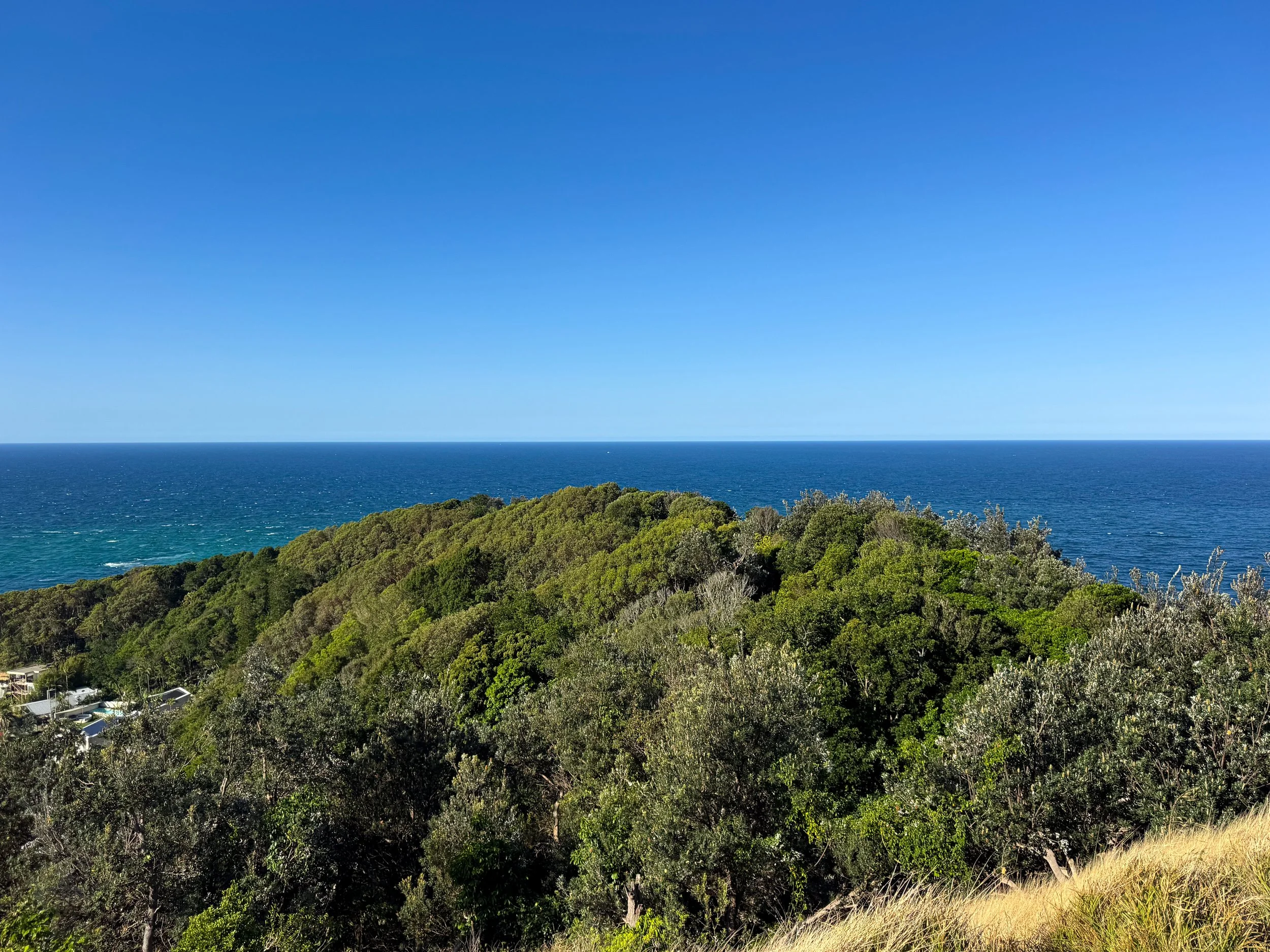
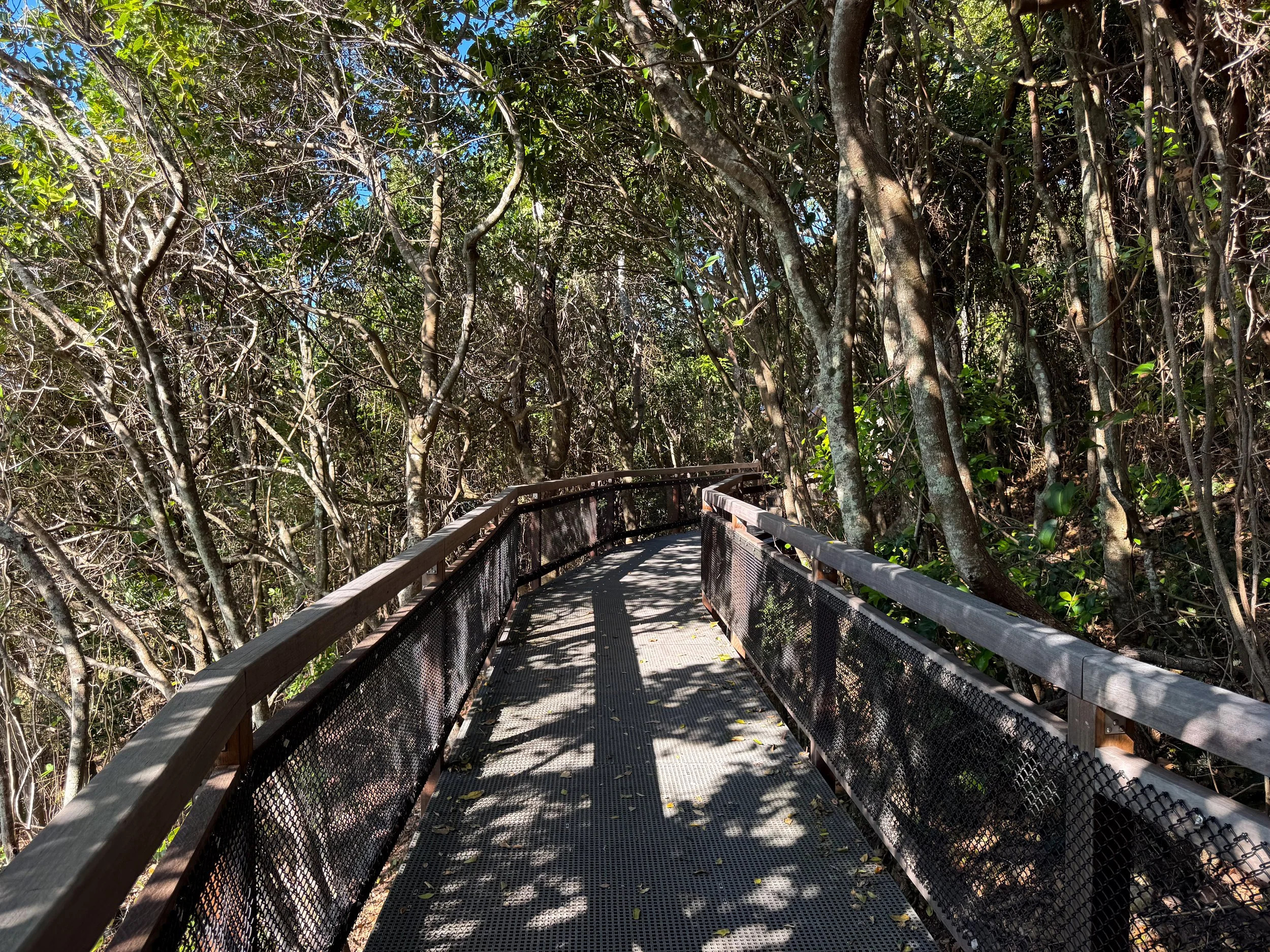
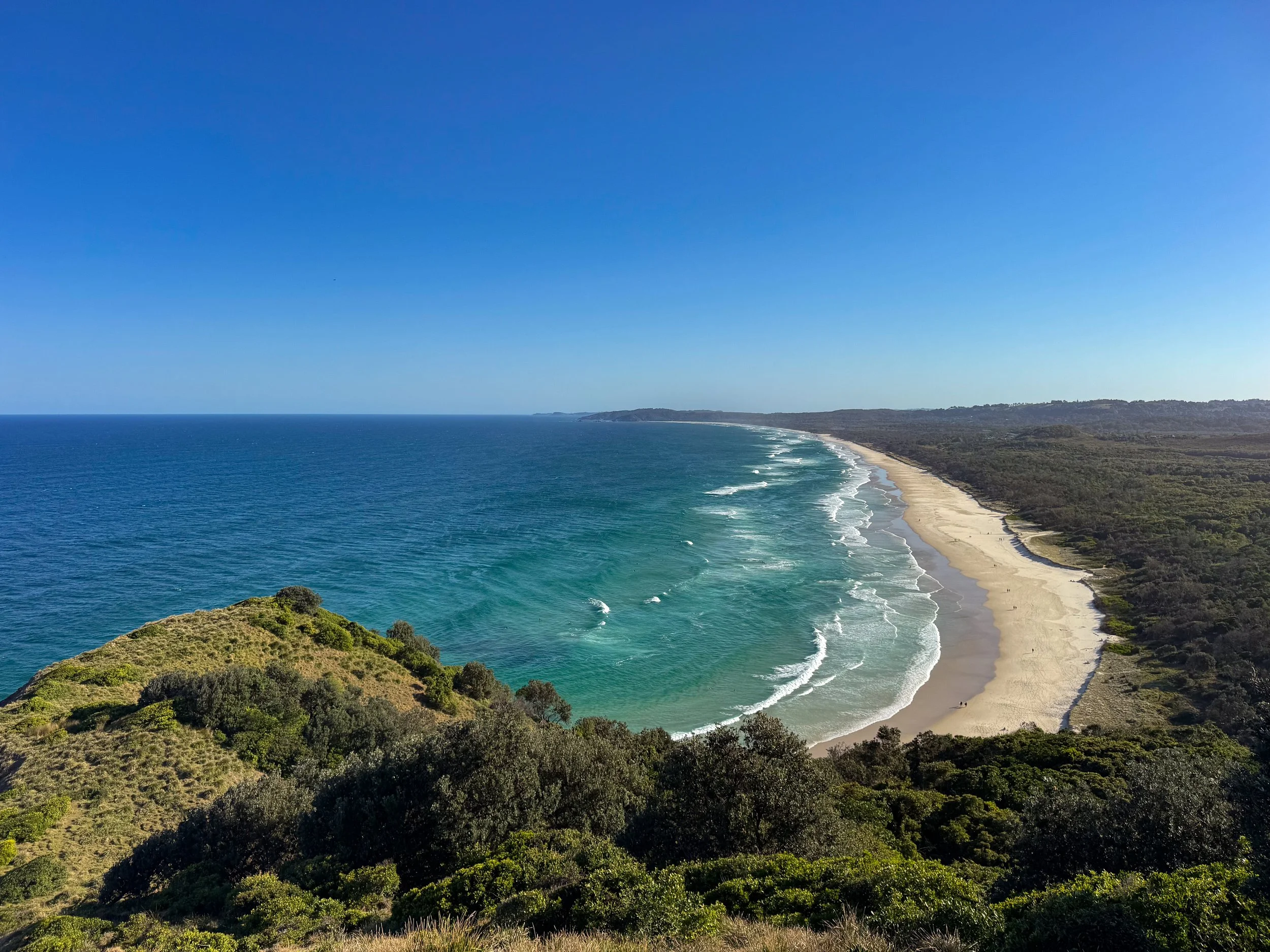
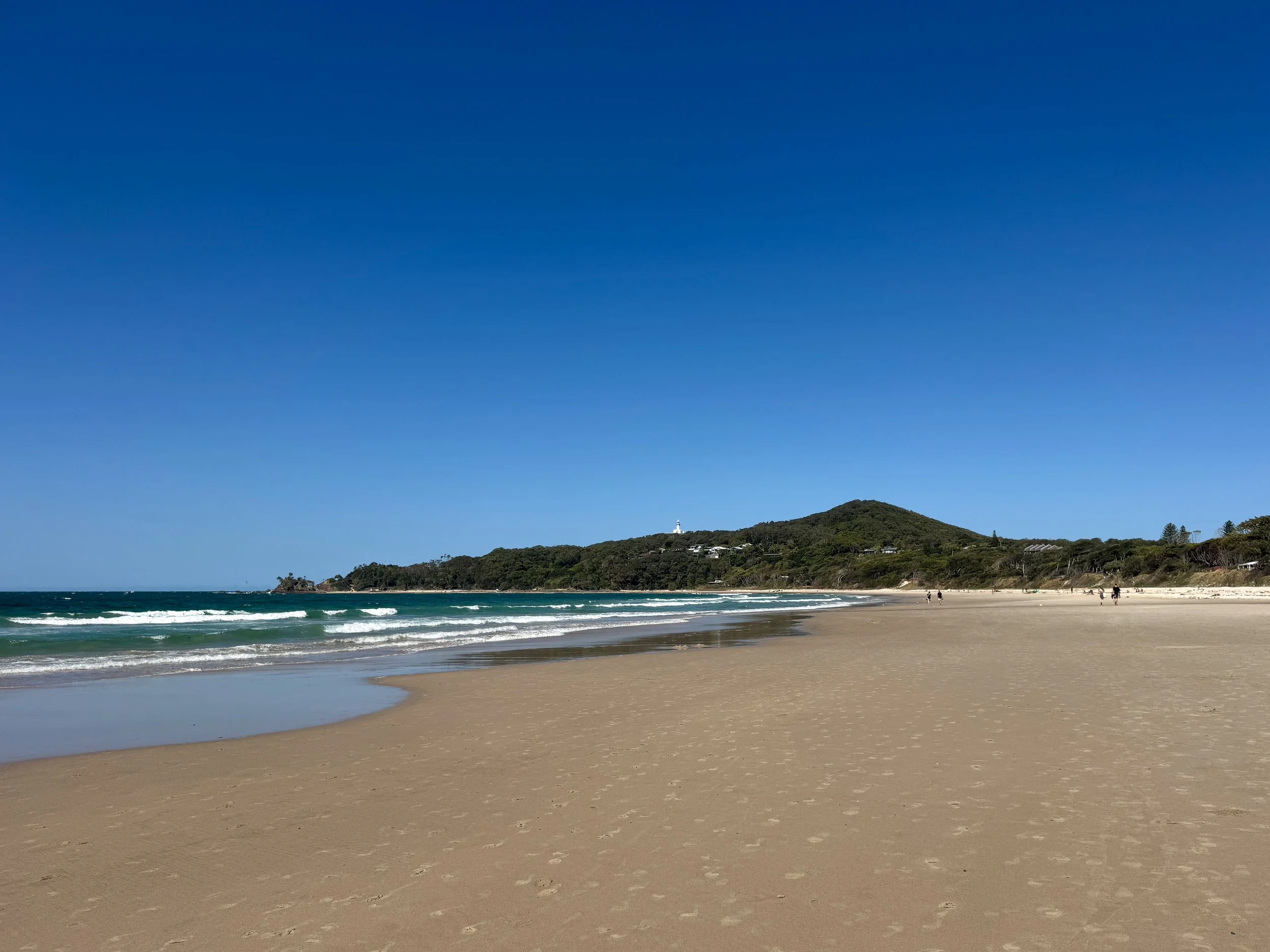
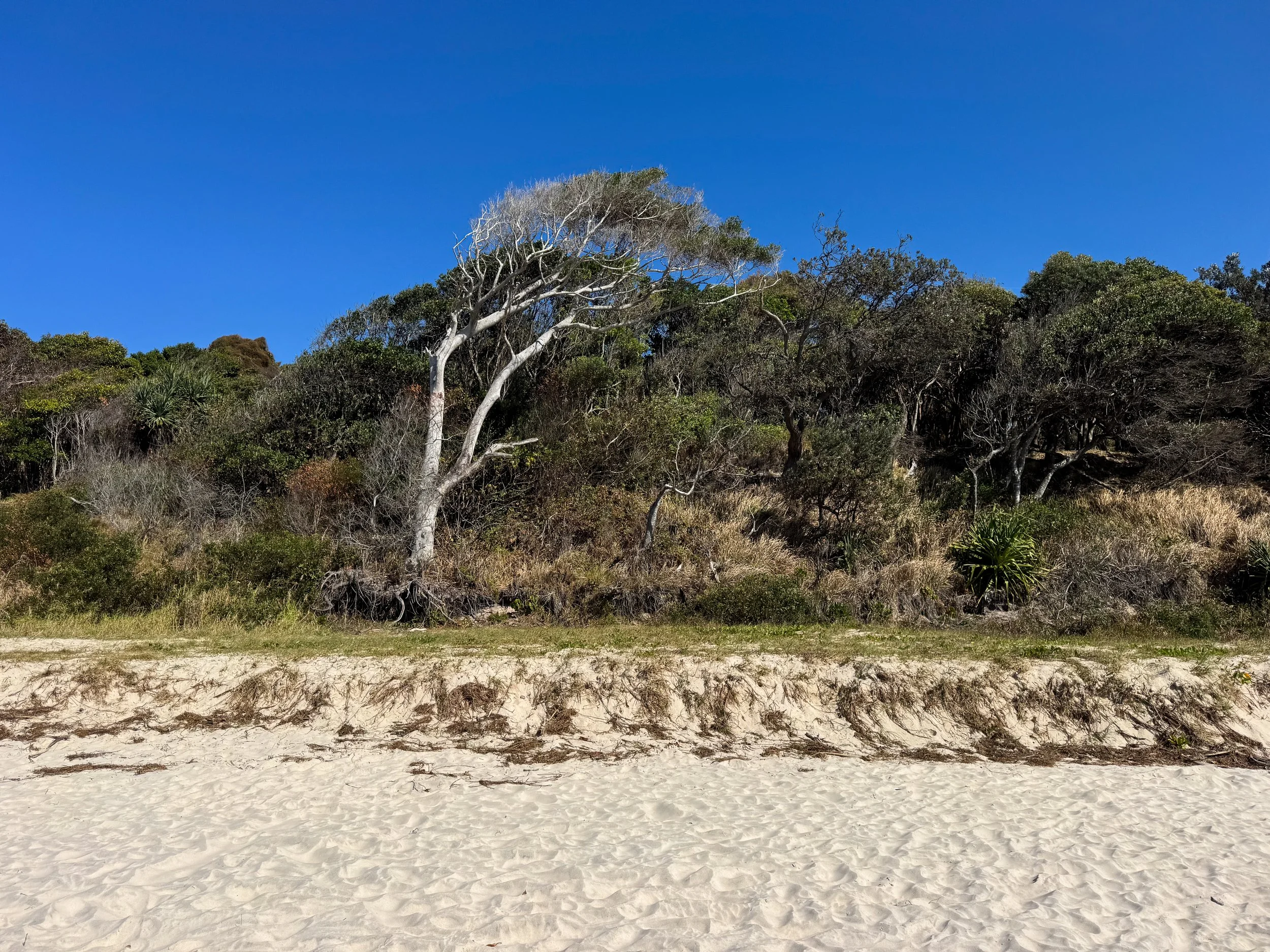
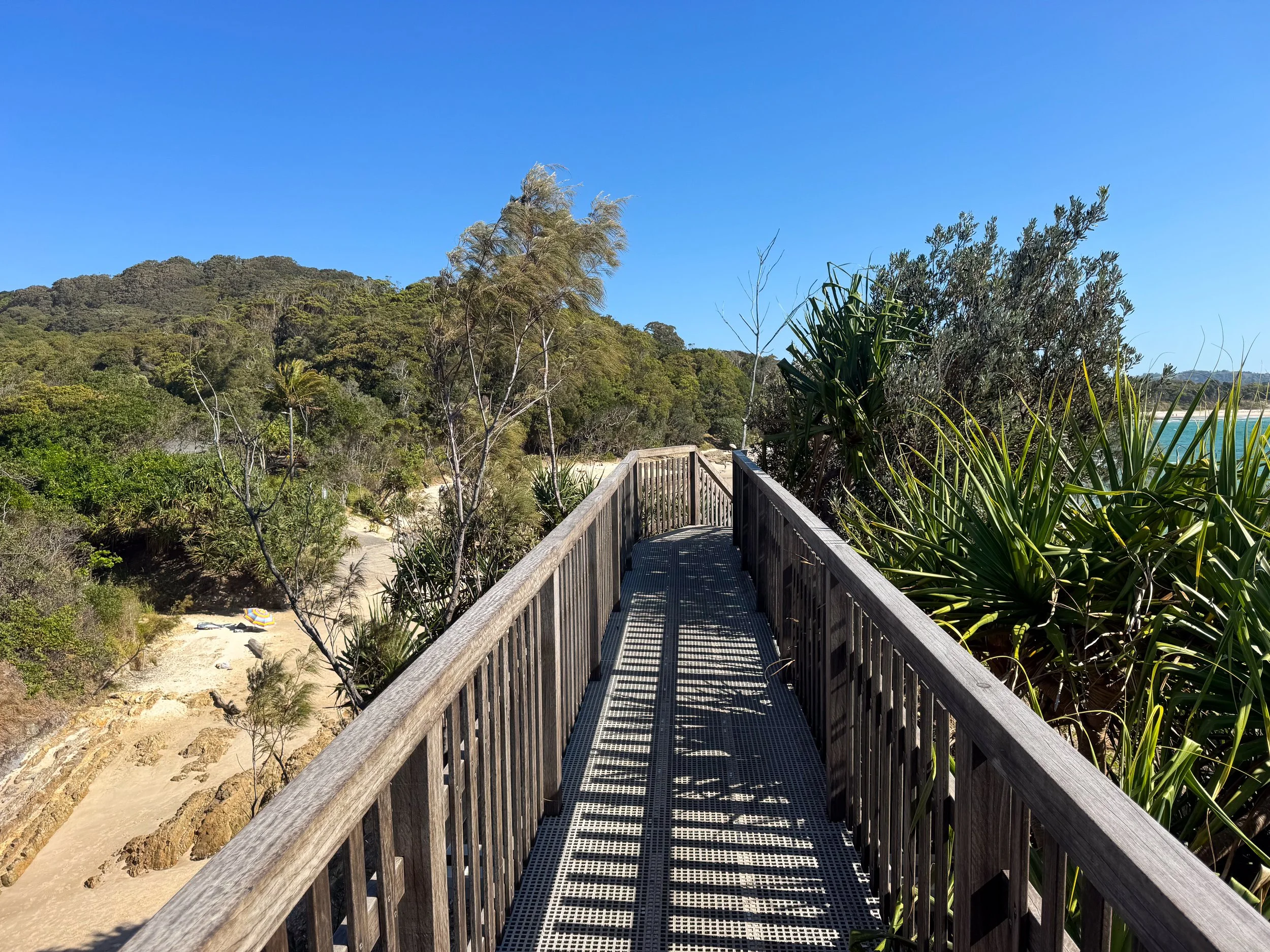
Hike The Cape Byron Walking Path. A coastal walkway with scenic overlooks, forested trails, beaches and a lighthouse. Come here to watch for marine life including whales, sea turtles and dolphins. Signage shares knowledge about the landscape and its importance to the Arakwal people. The trail loops 3.7km from The Pass Parking Lot.
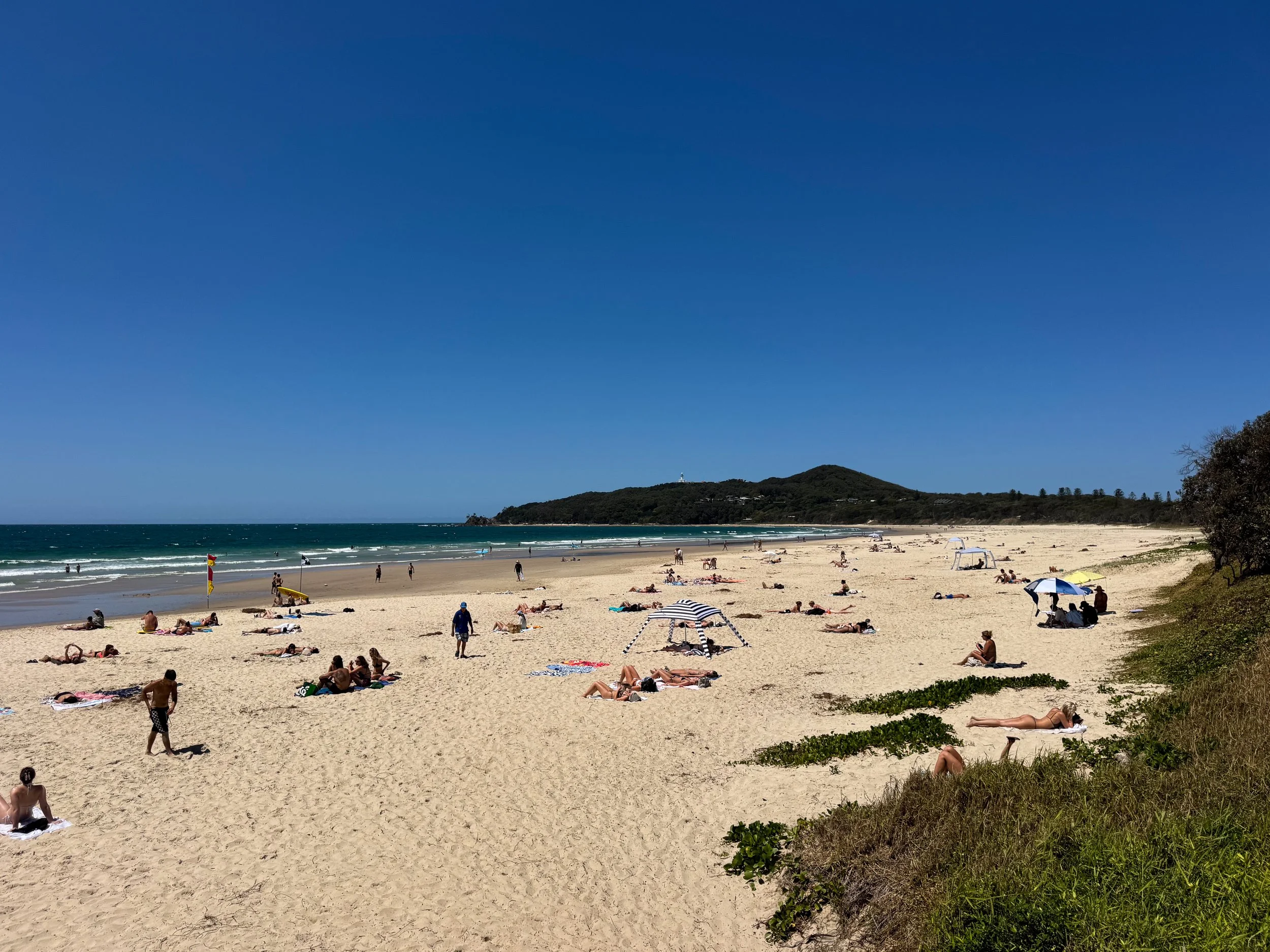
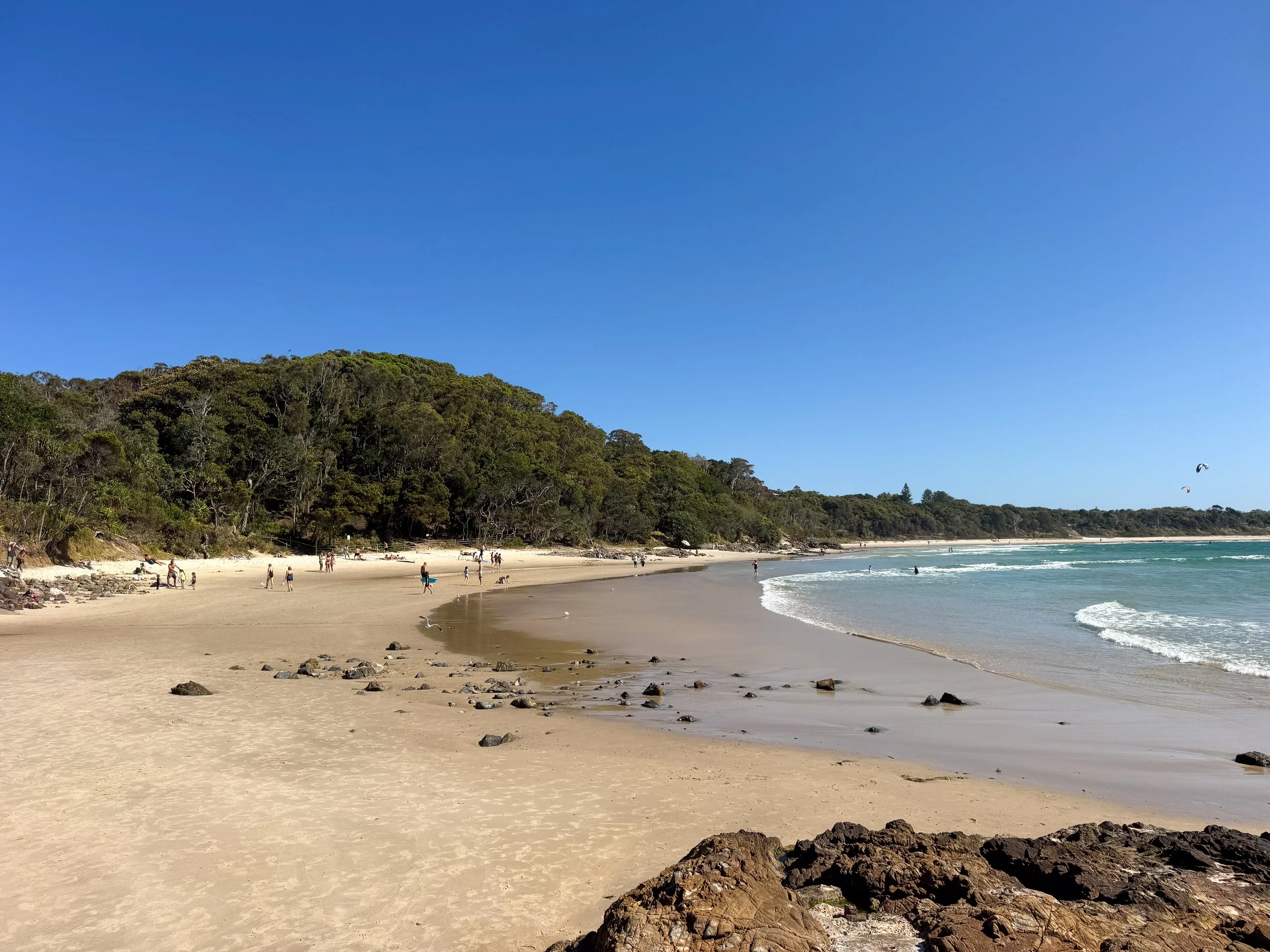
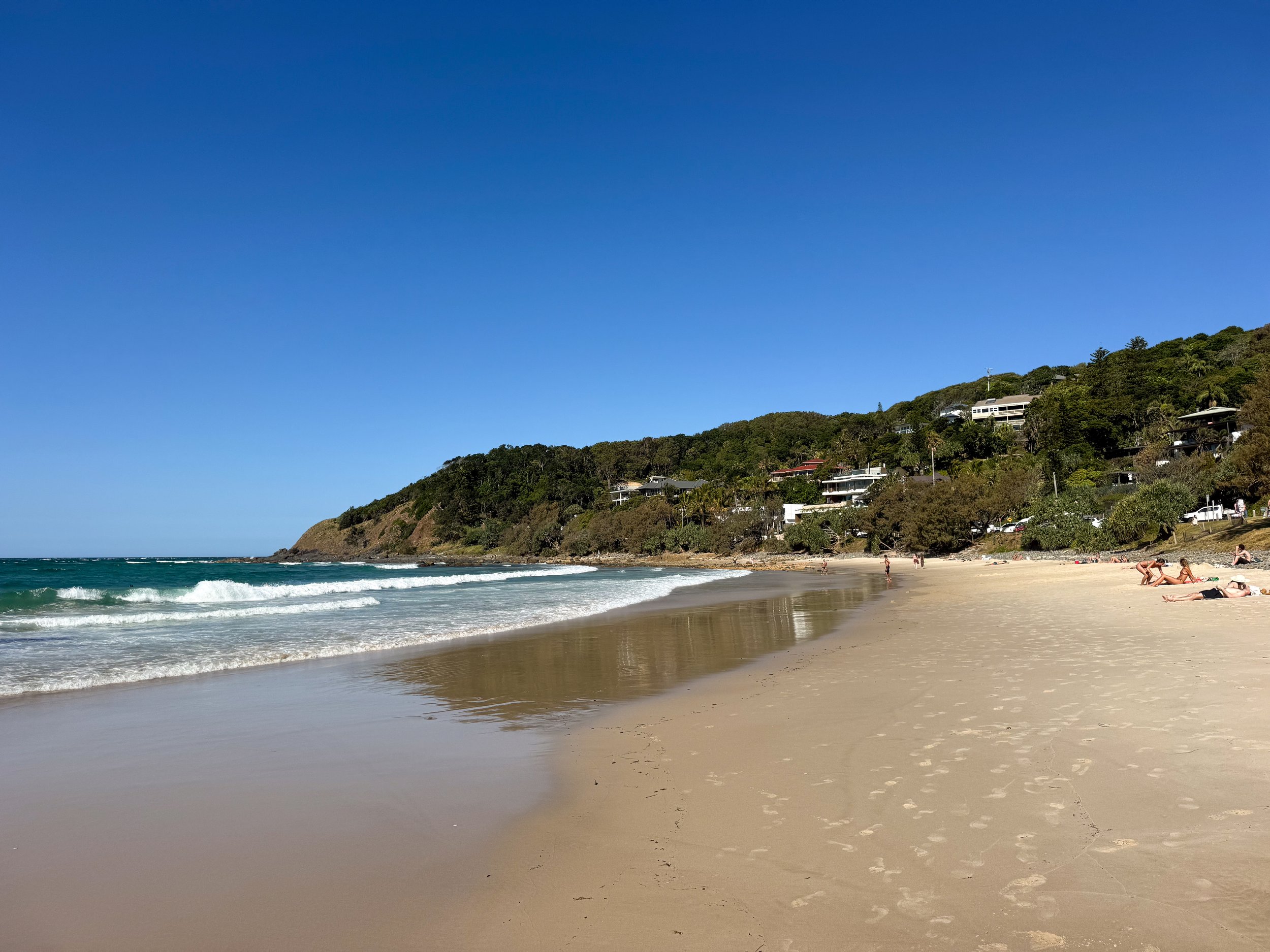
Beaches & Coastal Sights
Byron Beach. A squeaky white sand beach accessible from the center of town. It’s a popular spot to swim, sunbathe and surf. Surf schools line the town’s main street while surfers ride the gentle waves.
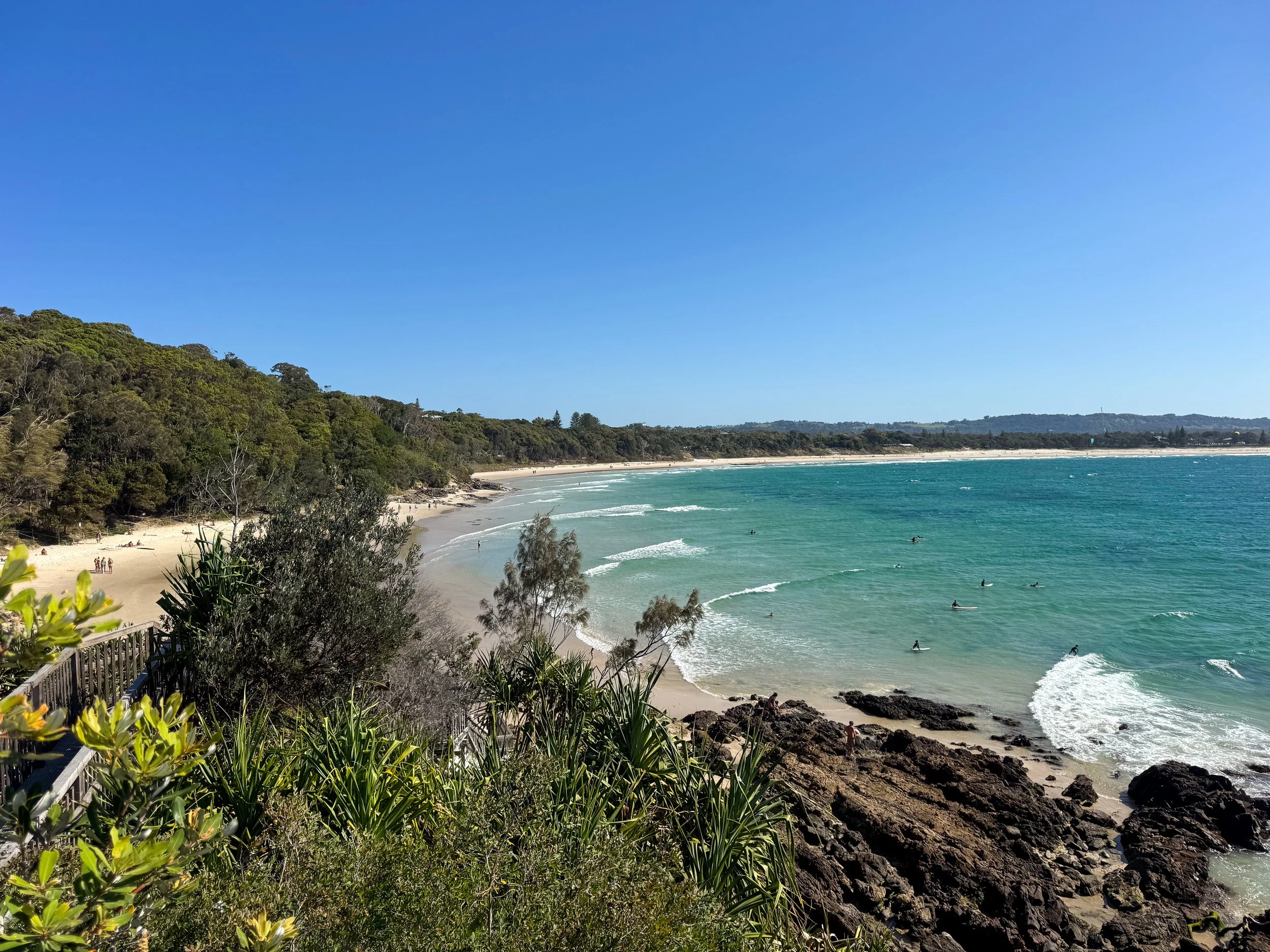
The Pass. A popular surf spot for beginner and intermediate surfers. Small and steady waves cruise into Byron Beach after breaking near Fisherman’s Lookout.
Fisherman’s Lookout. A coastal lookout point on the rocks above The Pass. It’s a beautiful spot to admire the bay and watch surfers catching waves.
Wategos Beach. A small beach nestled between two rocky points. It’s popular for sunbathing, body surfing and dolphin spotting.
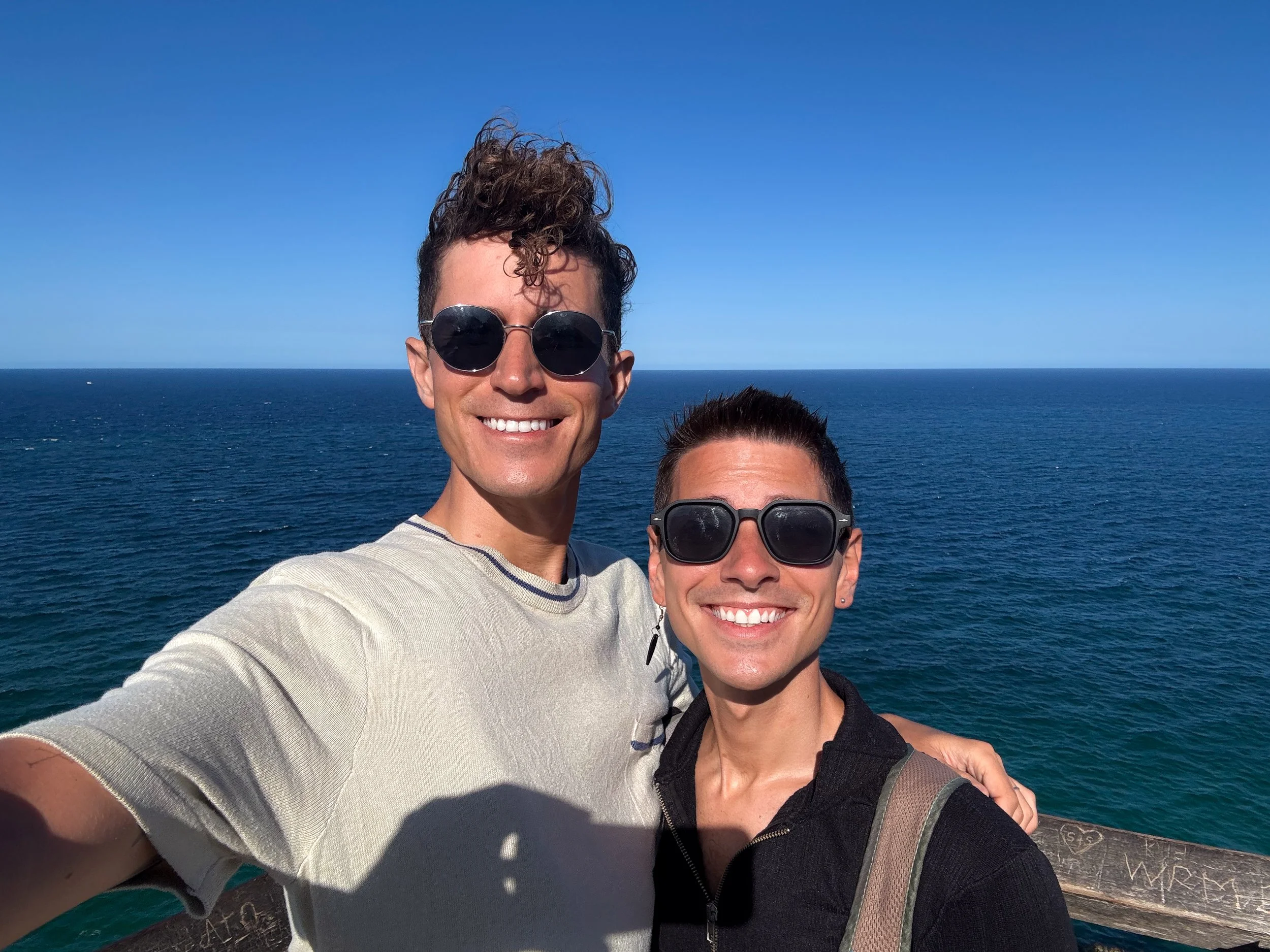
Australia’s Most Easterly Point. A viewpoint of the Pacific Ocean marking Australia’s most easterly point. Come here to spot sea turtles in the waters below the cliffs and migrating whales in the far distance.
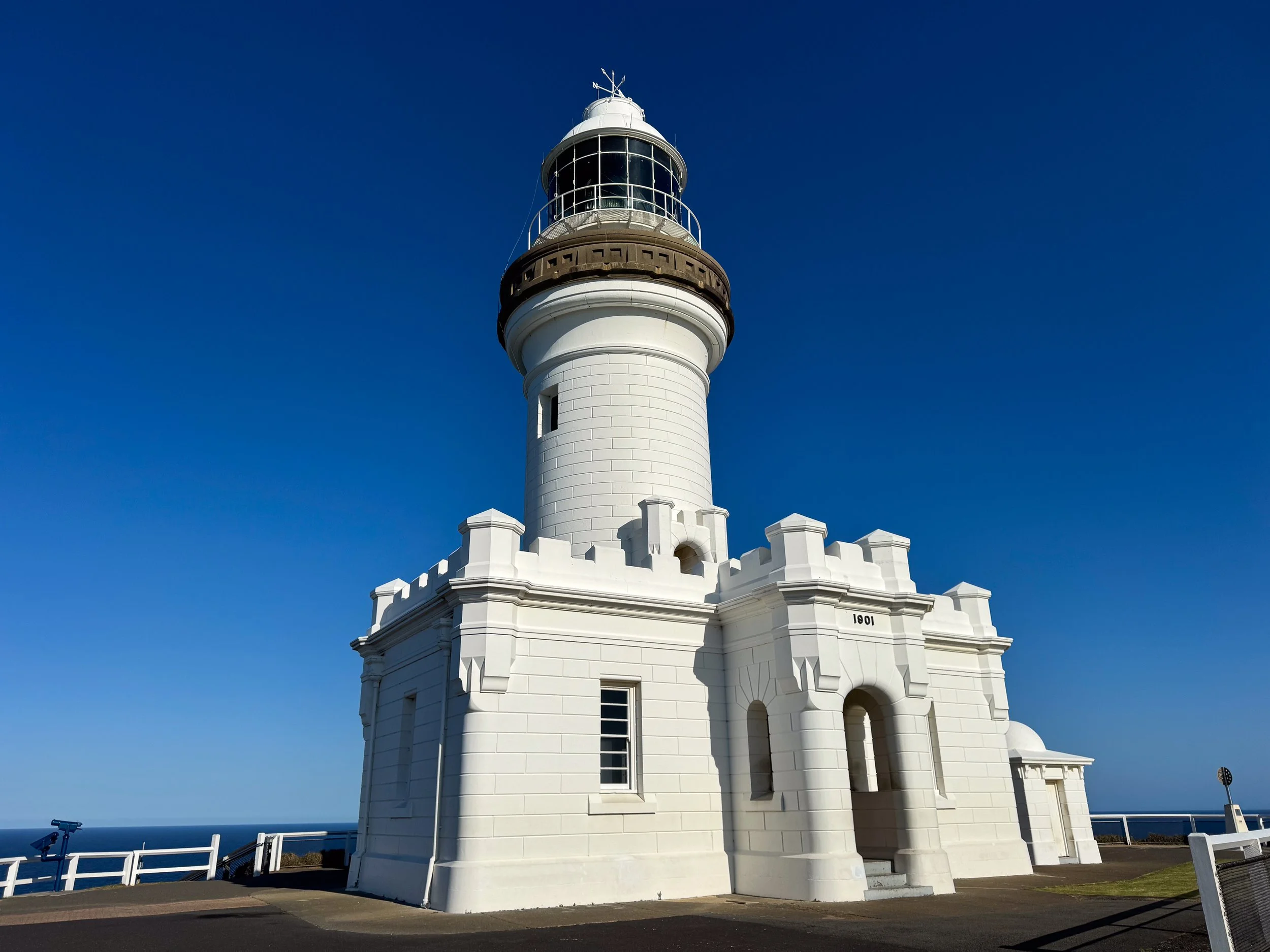
Cape Byron Lighthouse. A historic lighthouse perched on the cliffside peak of Australia’s most easterly point. It offers panoramic views of the forested woodlands, white sand beaches and Pacific Ocean.
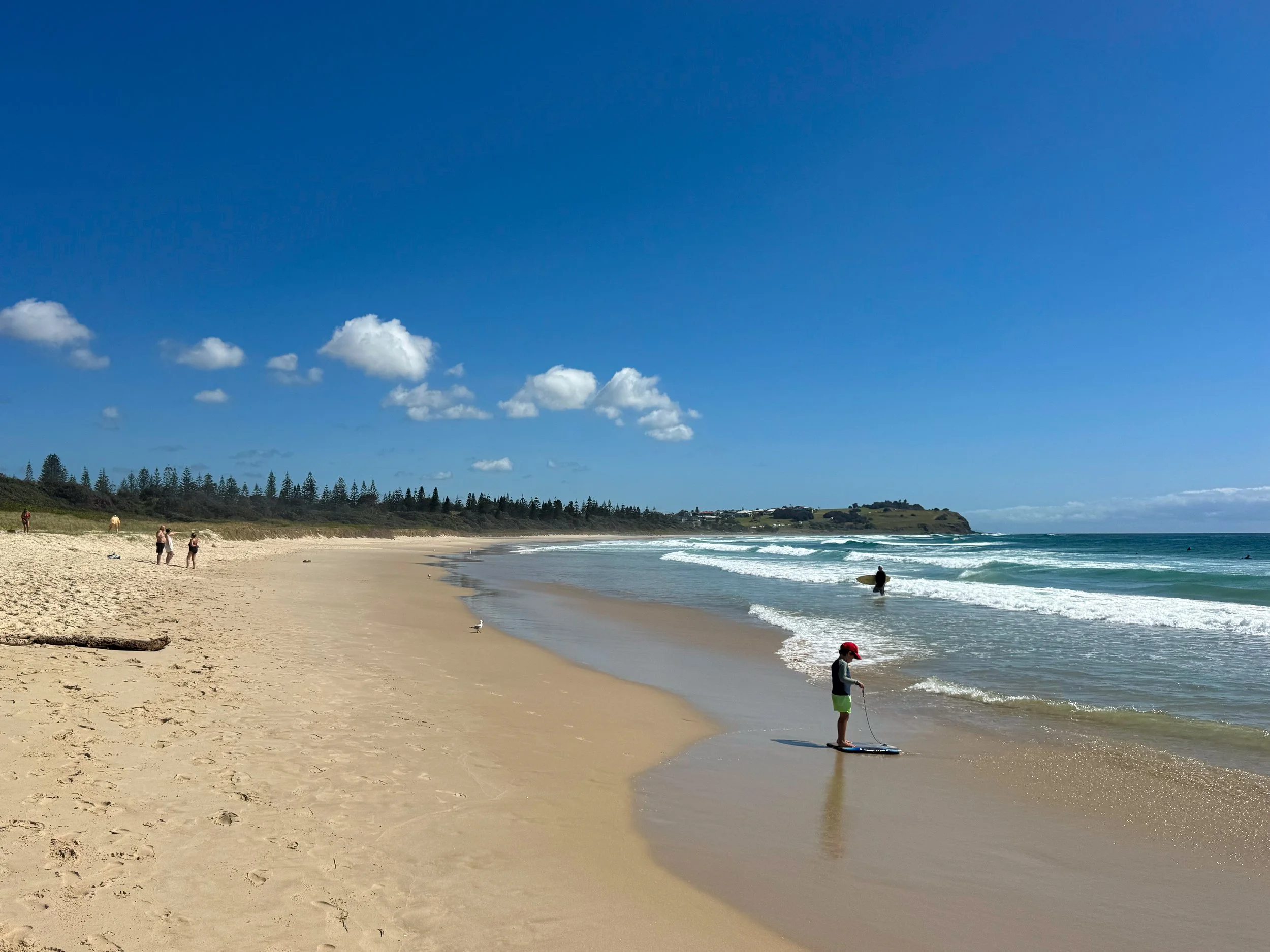
Sharps Beach. A sandy beach with a rocky point and consistent surf conditions for beginner and intermediate surfers. We came here on our second day of surf lessons.
Seven Mile Beach. A long sandy beach with beginner surf breaks and sand bars. It’s a popular spot for instructors to teach lessons and locals to have play time with their pups.
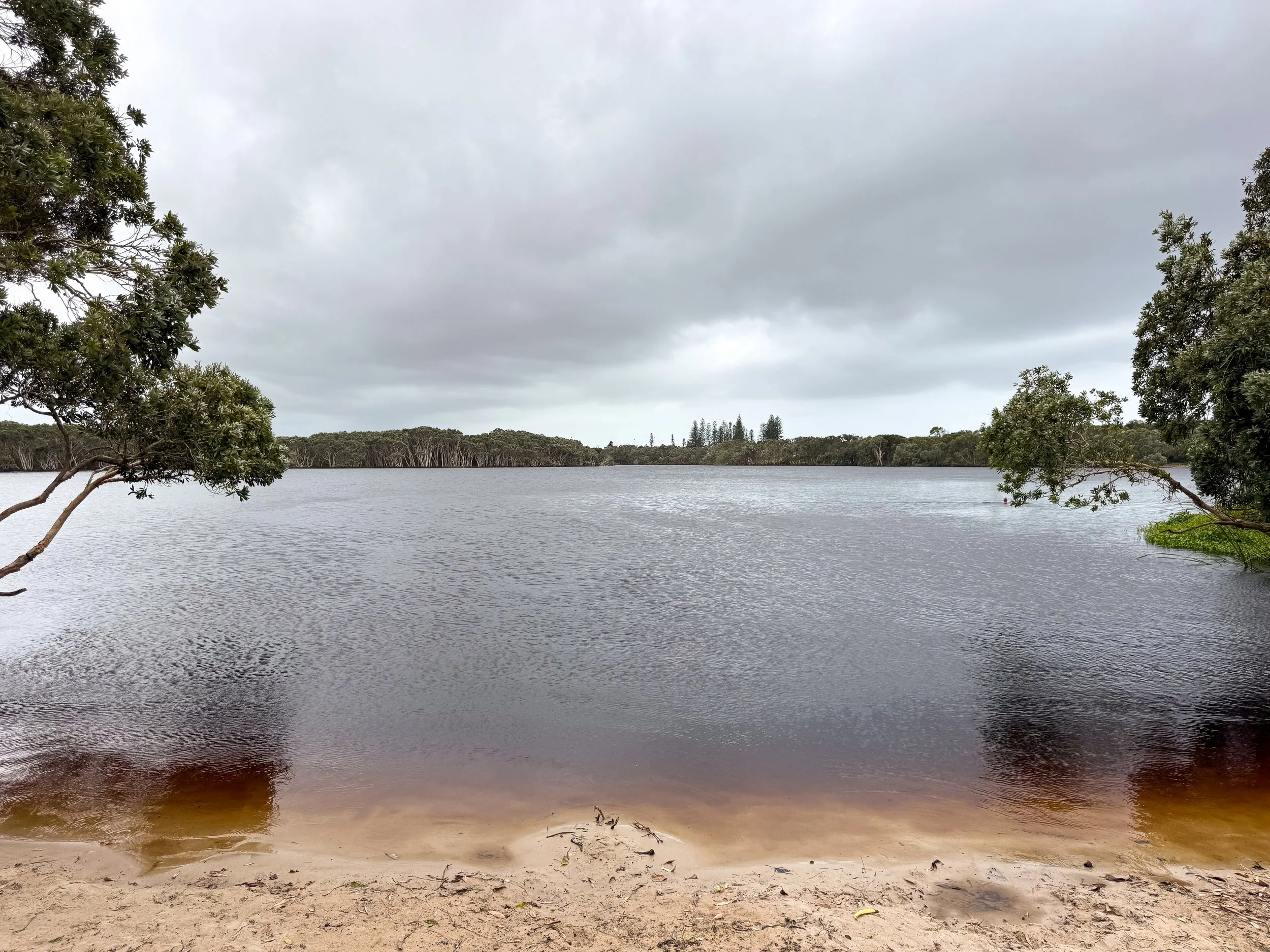
Lake Ainsworth. A coastal freshwater lagoon tinted brown by tree tea oil. Come here for a refreshing and therapeutic swim after surf lessons.
Places to Eat & Drink
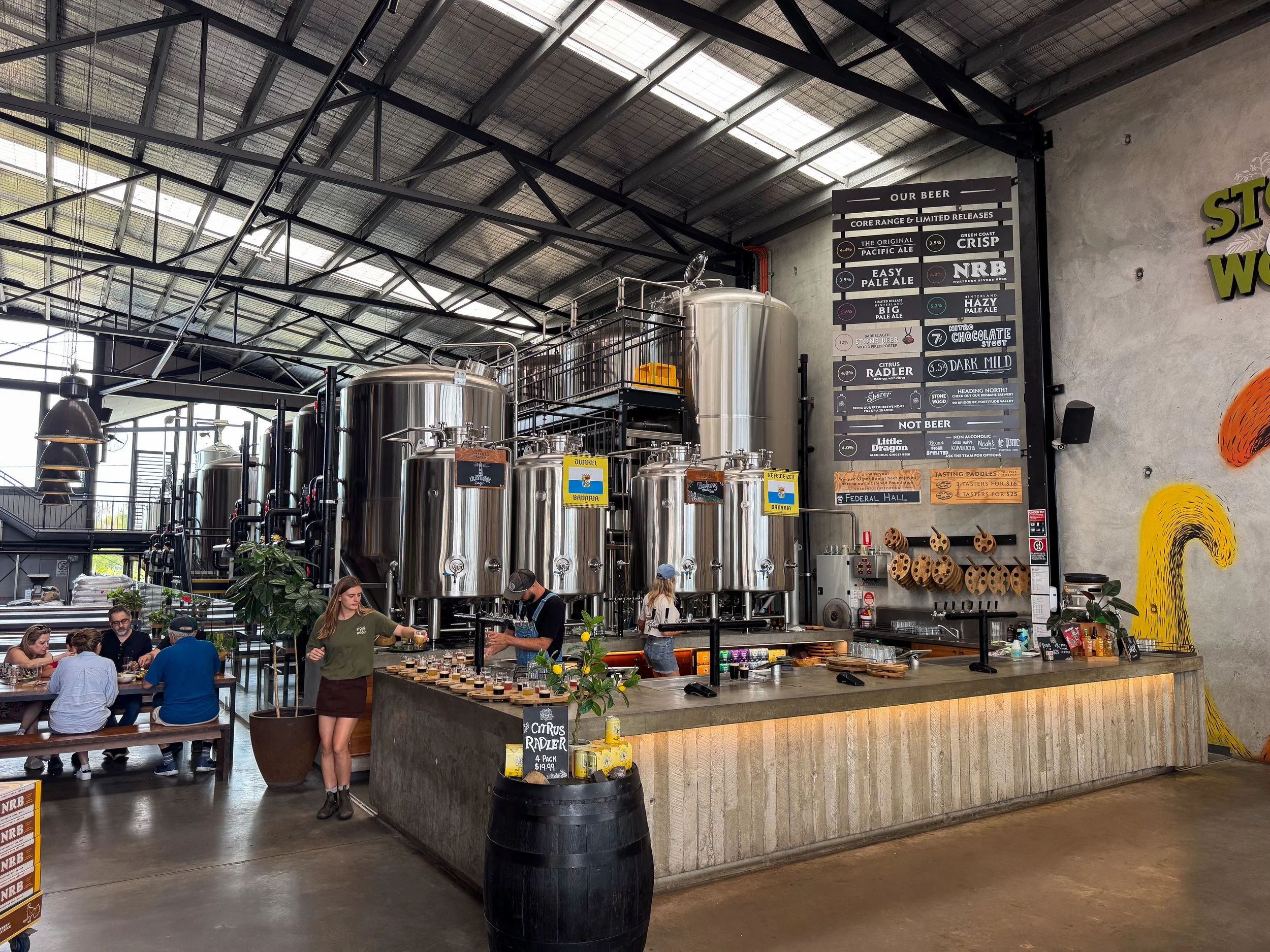
Stone & Wood Brewery Byron Bay. A large brewery in North Beach with a range of craft beers and bites. Come here for a flight to sample several seasonal brews on tap. Try the Barrel Aged Stone Beer.
Balcony Bar & Oyster Co. A seafood restaurant in the center of Byron Bay. Come here for the fresh and loaded oysters. Try the version topped with creme fraiche, horseradish and caviar.
Blue Cow Gelato. A gelato and ice cream shop with large scoops and unique flavors like pavlova, butterfly pea flower and Turkish delight.
The Hum. A waterfront cafe across the Byron Beach with coffees, smoothies, açaí bowls and a range of breakfast dishes. Come here before or after a surf lesson.
Roca. A vibey restaurant with a Spanish style tapas menu and 2 for 1 happy hour cocktails from 5-7pm.
Miss Margarita. A Mexican restaurant with tacos, quesadillas and shareable starters like chips & salsa or guacamole. Come here for the daily happy hour margaritas and mojitos from 5-6pm.
Breads Pies Cakes. A bakery selling everything in its name. Come here for the sweet and savory miniature pies like apple raspberry or spinach cheese.
Where to Stay
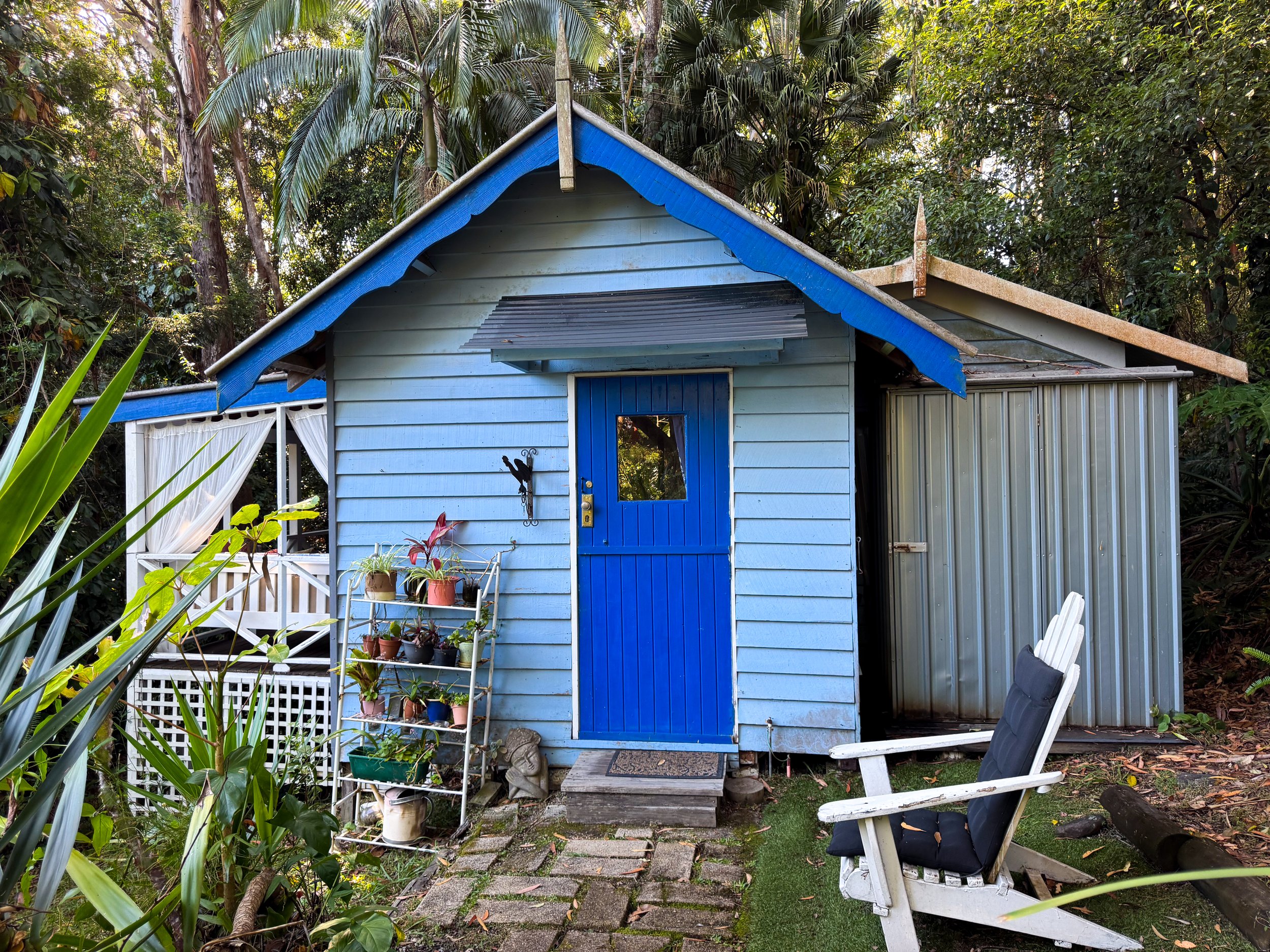
Rainforest Retreat. A cute cottage nestled in the tropical jungle outside of town. It’s surrounded by towering trees, verdant foliage and the echoing sounds of birds and insects. An outdoor patio offers the perfect place to enjoy the nature. Book on Airbnb.
Getting Here & Around
Greyhound Australia. Book tickets on the Greyhound bus to reach Byron Bay from Brisbane. The ride takes about 3 hours, passing through the Gold Coast on the way south. Book tickets online here.
On Foot. The city center and surrounding area is small and easily walkable. For further distances, take an Uber.
Location Specifics
Time Change. Depending on the time of year, Byron Bay is on a different time zone than Brisbane due to the practice of daylight savings time in New South Wales.
When to Visit. Mid October is one of the best times of year to visit Byron Bay. The southern spring weather is idyllic with warm sunny days and cool cozy nights.
Sunblock. Wear SPF 50+.The UV is significantly higher due to its location in the southern hemisphere and depleted ozone layer.
Tipping. Tipping is not generally expected due to fare and regulated wages. Best practice is to round up on bills or leave a small tip for exceptional service.
Cash vs. Card. Credit cards are widely accepted everywhere. Cash is rarely needed.
Elsewhere in Australia
From Byron Bay's surf breaks and coastal walks to Brisbane's urban culture, the Great Barrier Reef's marine life and the vast landscapes of the Australian Outback, continue your journey through Australia with these travel guides:
Tropical North Queensland Travel Guide: Cairns, Rainforests & Wildlife. Explore Tropical North Queensland from Cairns, where ancient rainforests, cascading waterfalls and remarkable wildlife meet palm fringed beaches and vibrant coral reefs.
Great Barrier Reef Travel Guide: Cairns, Coral Reefs & Marine Life. Dive into the Great Barrier Reef where vibrant coral gardens and extraordinary marine life thrive within one of Earth's most biodiverse underwater ecosystems.
Brisbane Travel Guide: Neighborhoods, Riverwalks & Island Adventures. Explore Brisbane where riverside neighborhoods, scenic riverwalks and nearby island adventures embody a laidback subtropical lifestyle shaped by nature.
Western Australia Road Trip: Perth to Ningaloo & The Coral Coast. Road trip along Western Australia's Coral Coast where red desert landscapes, remote gorges, sandstone cliffs and white sand beaches create an unforgettable adventure.
Uluru Travel Guide: Kata Tjuta, Kings Canyon & Sacred Landscapes. Discover Uluru's sacred landscapes where ancient sandstone monoliths, desert hikes, canyon oases and Anangu traditions connect visitors to the Outback.
For Next Time…
Time passes slowly yet quickly in Byron Bay. Next time we return, we plan to surf more of the nearby beaches, visit other coastal towns and explore The Hinterlands.
The Gold Coast. A beachy metropolis north of Byron Bay with golden sand beaches, beginner surf breaks, towering skyscrapers, seafood restaurants and craft breweries.
Tallow Beach. A lengthy white sand beach on the coast opposite of Byron Bay. It has a popular surf break and national park with nature trails. We were able to overlook it from the Cape Byron Lighthouse.
Tallebudgera Creek Beach. A blue and emerald hued creek with beaches along its sandy banks.
The Hinterland. A tropical rainforest with lush valleys, waterfalls, volcanic calderas, hiking trails, wine vineyards, small towns and campgrounds.
Brisbane Travel Guide: Neighborhoods, Riverwalks & Island Adventures
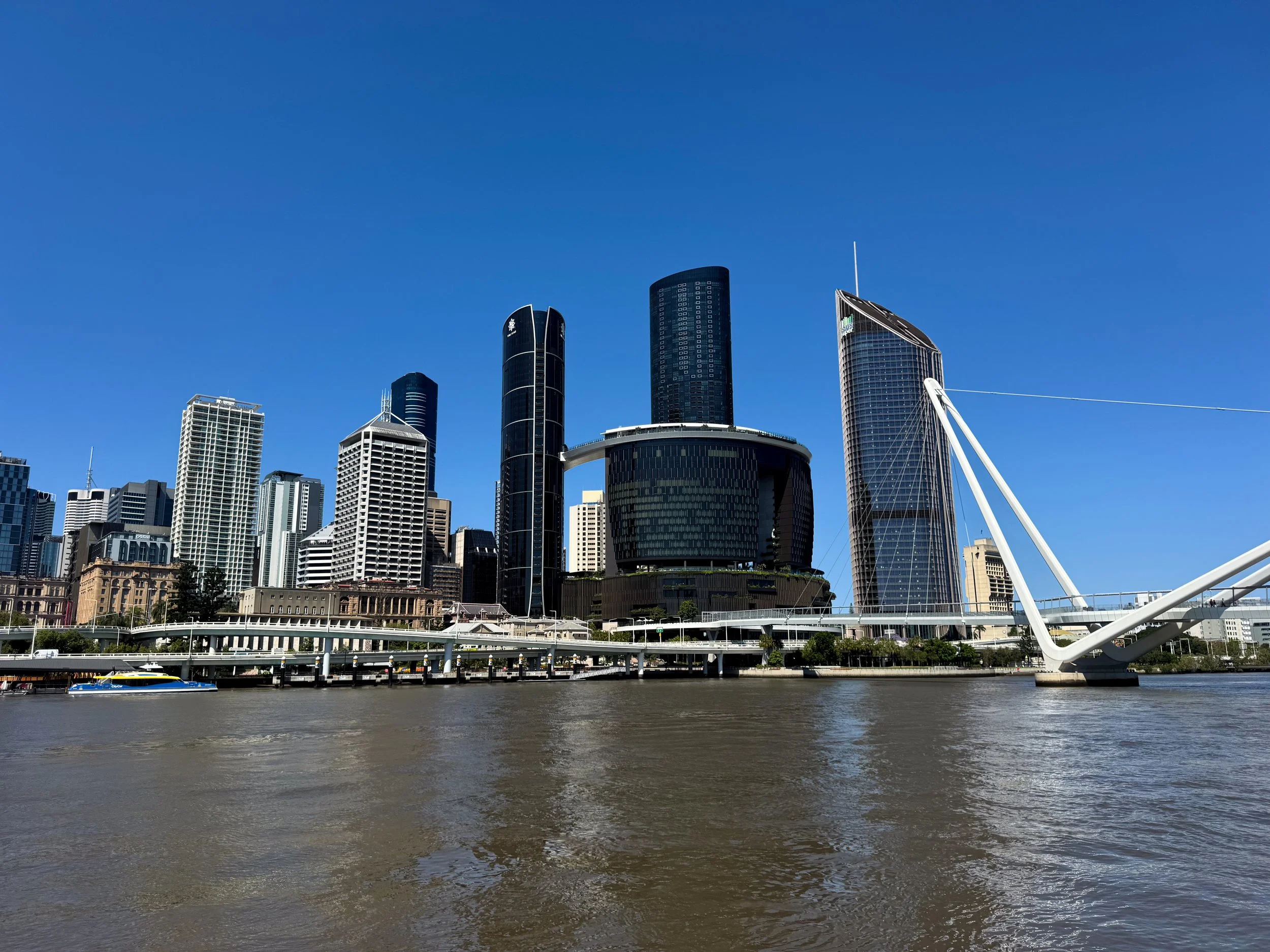
Explore Brisbane where riverside neighborhoods, scenic riverwalks and nearby island adventures embody a laidback subtropical lifestyle shaped by nature.
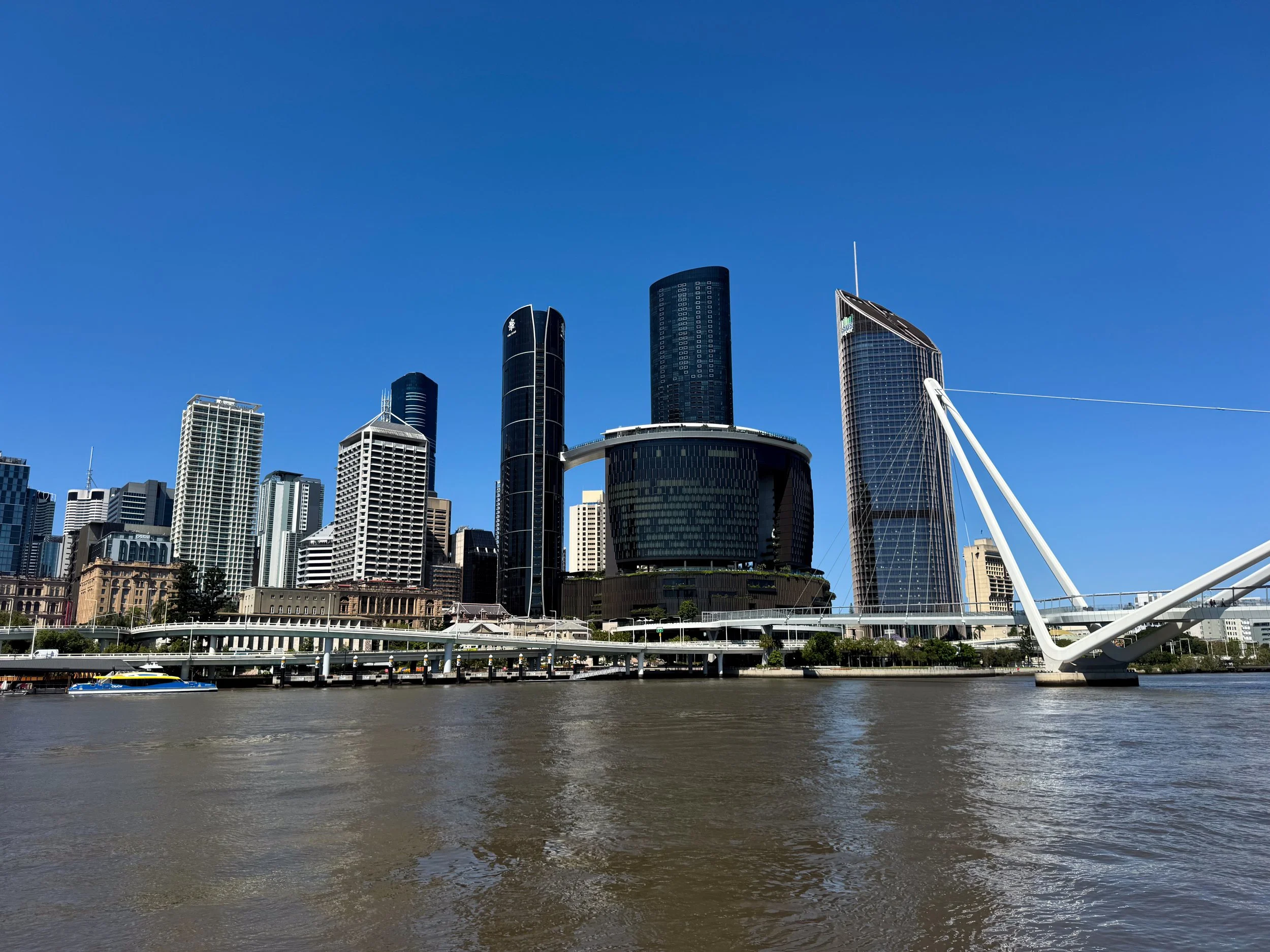
Brisbane, Queensland
Brisbane is a sunny subtropical city with trendy neighborhoods, bountiful green spaces and access to Australia’s east coast. We spent a few days here exploring the city and its offshore islands on a trip through Queensland.
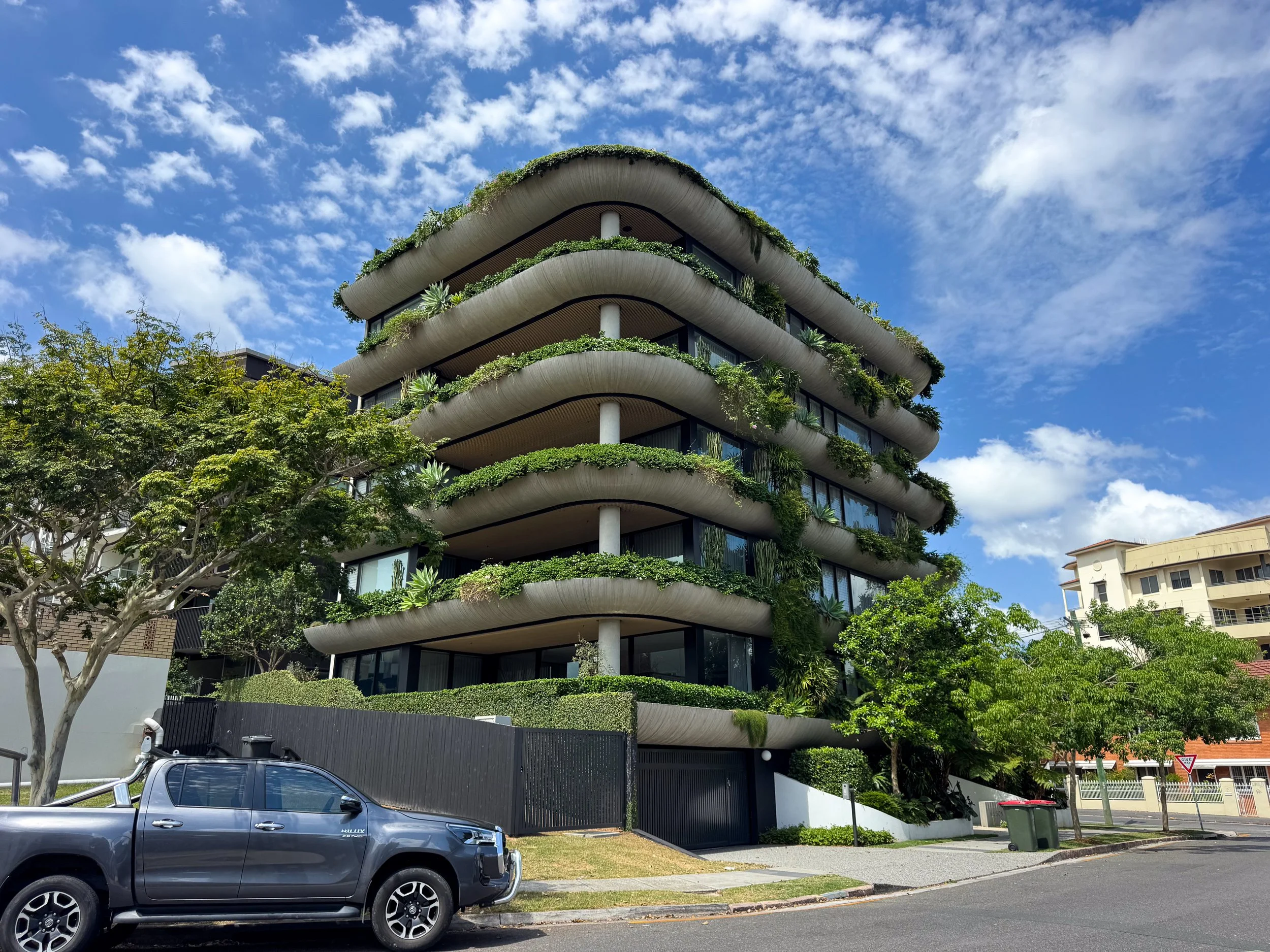
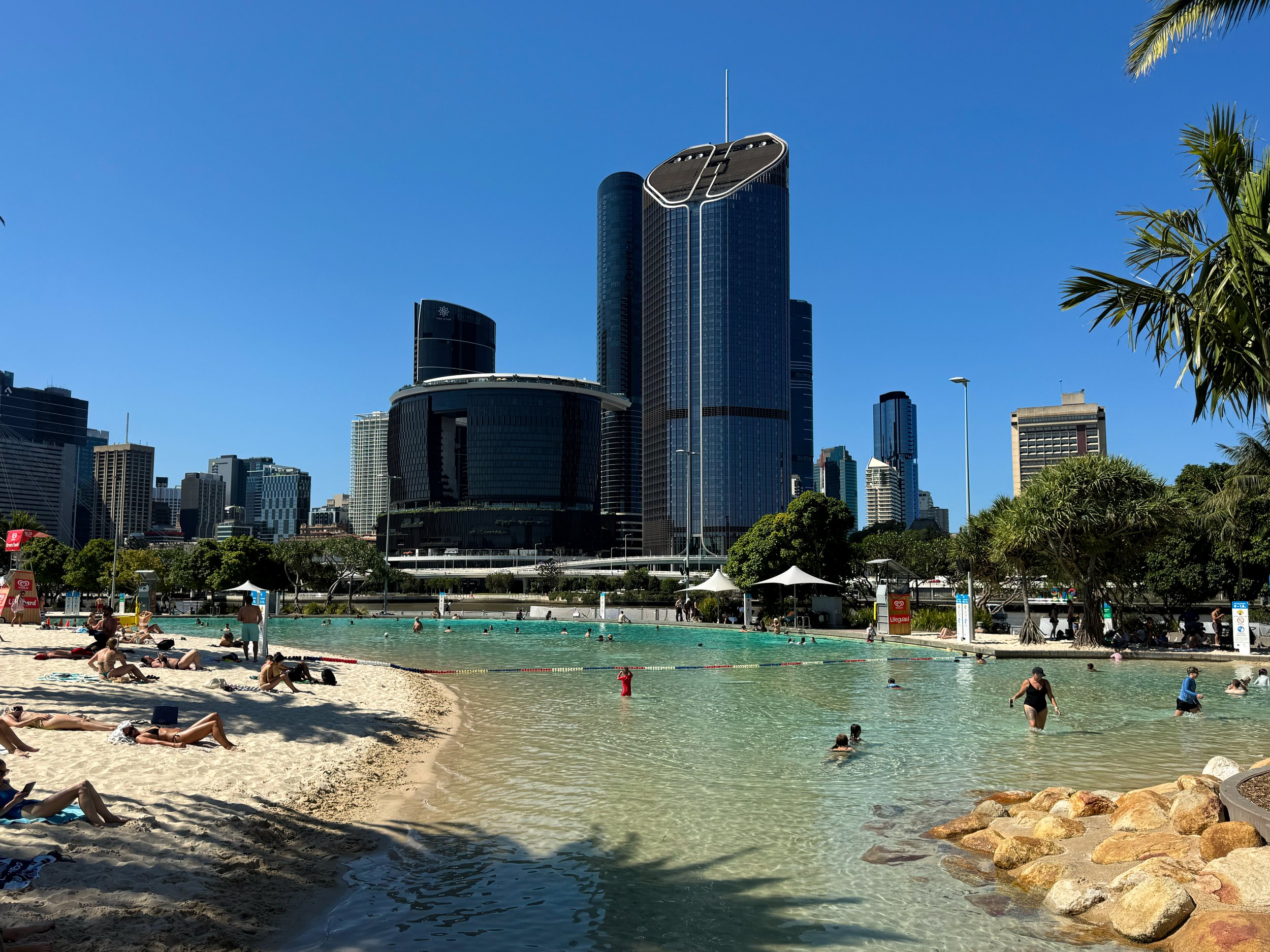
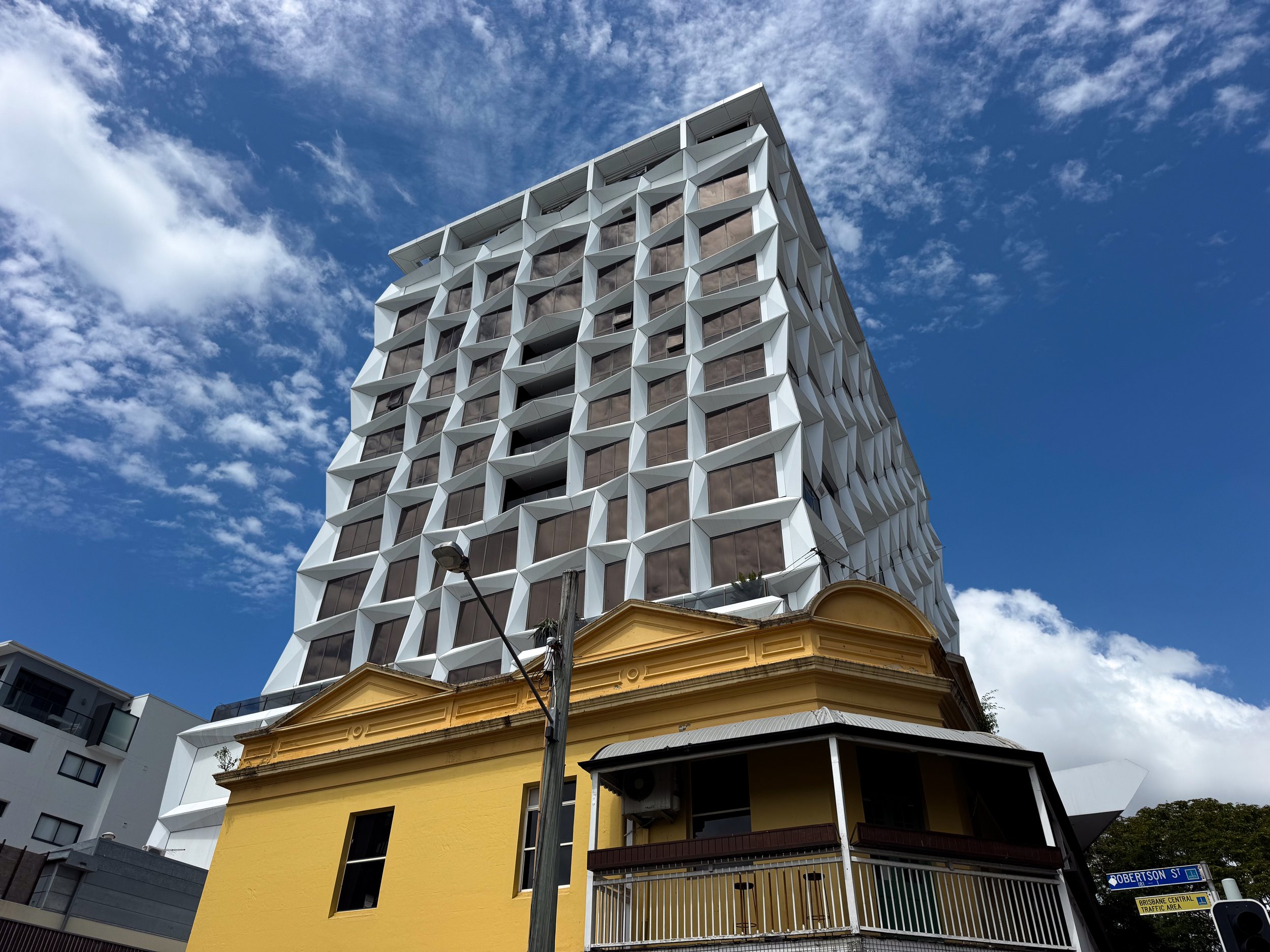
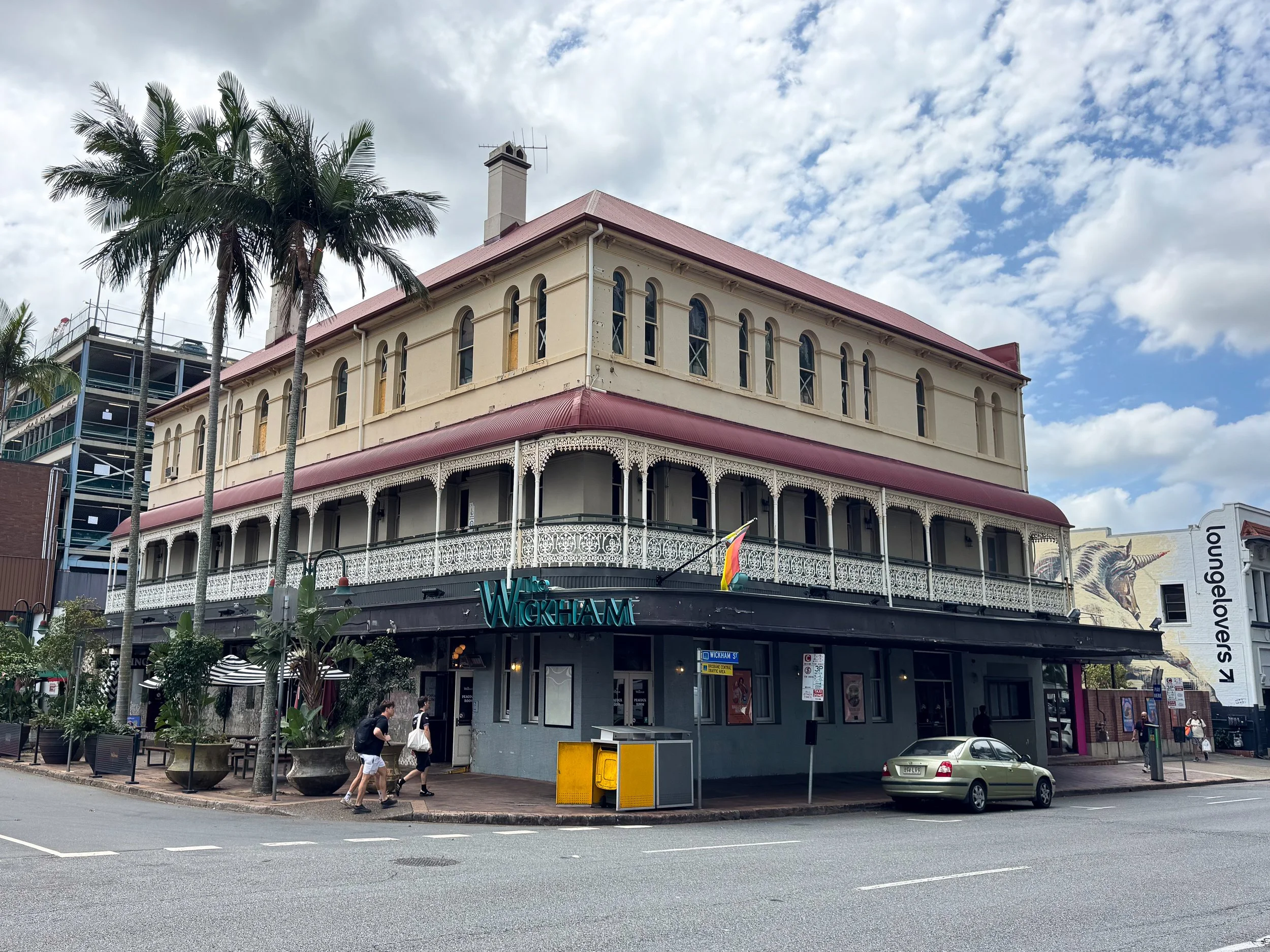
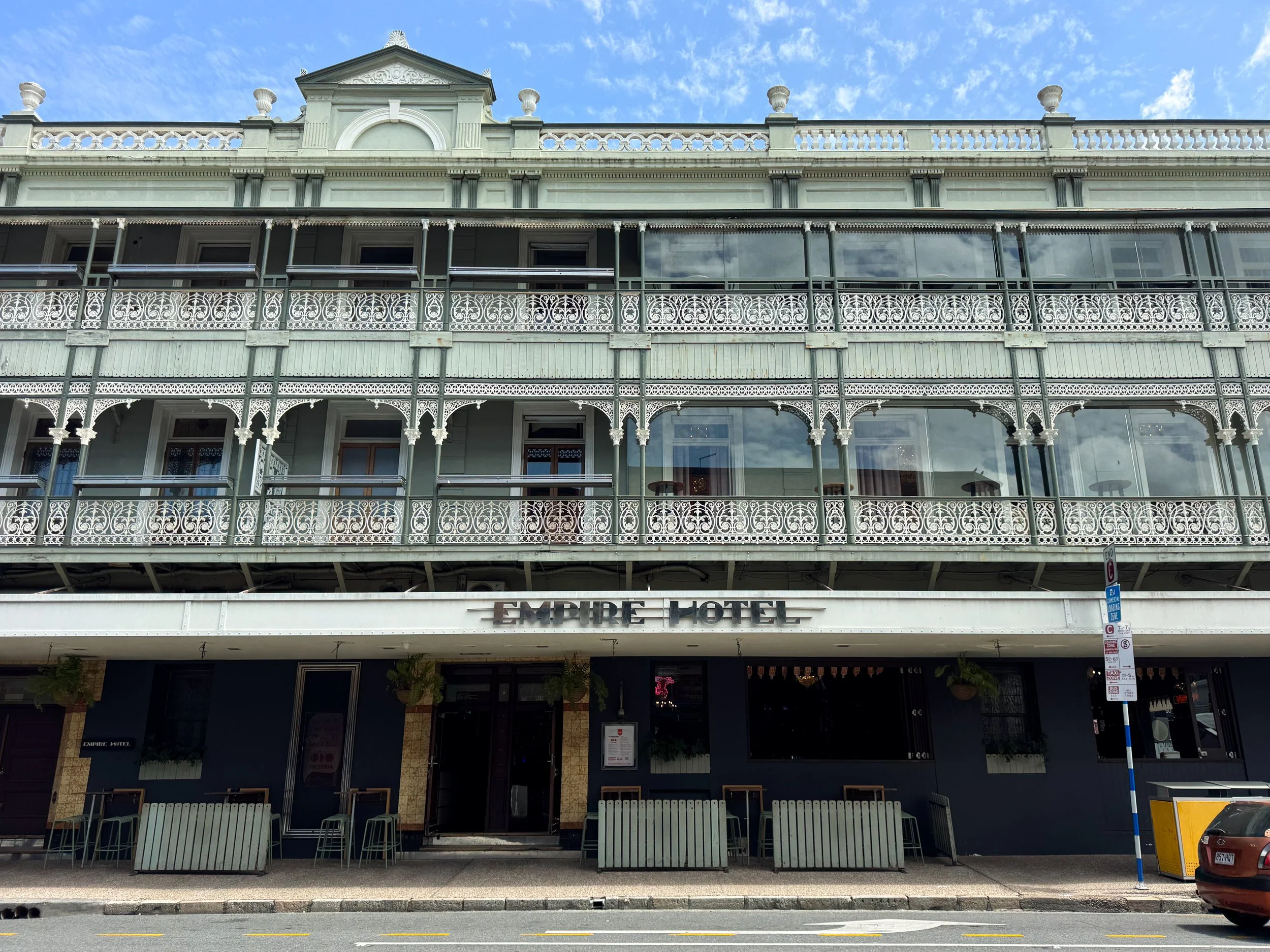
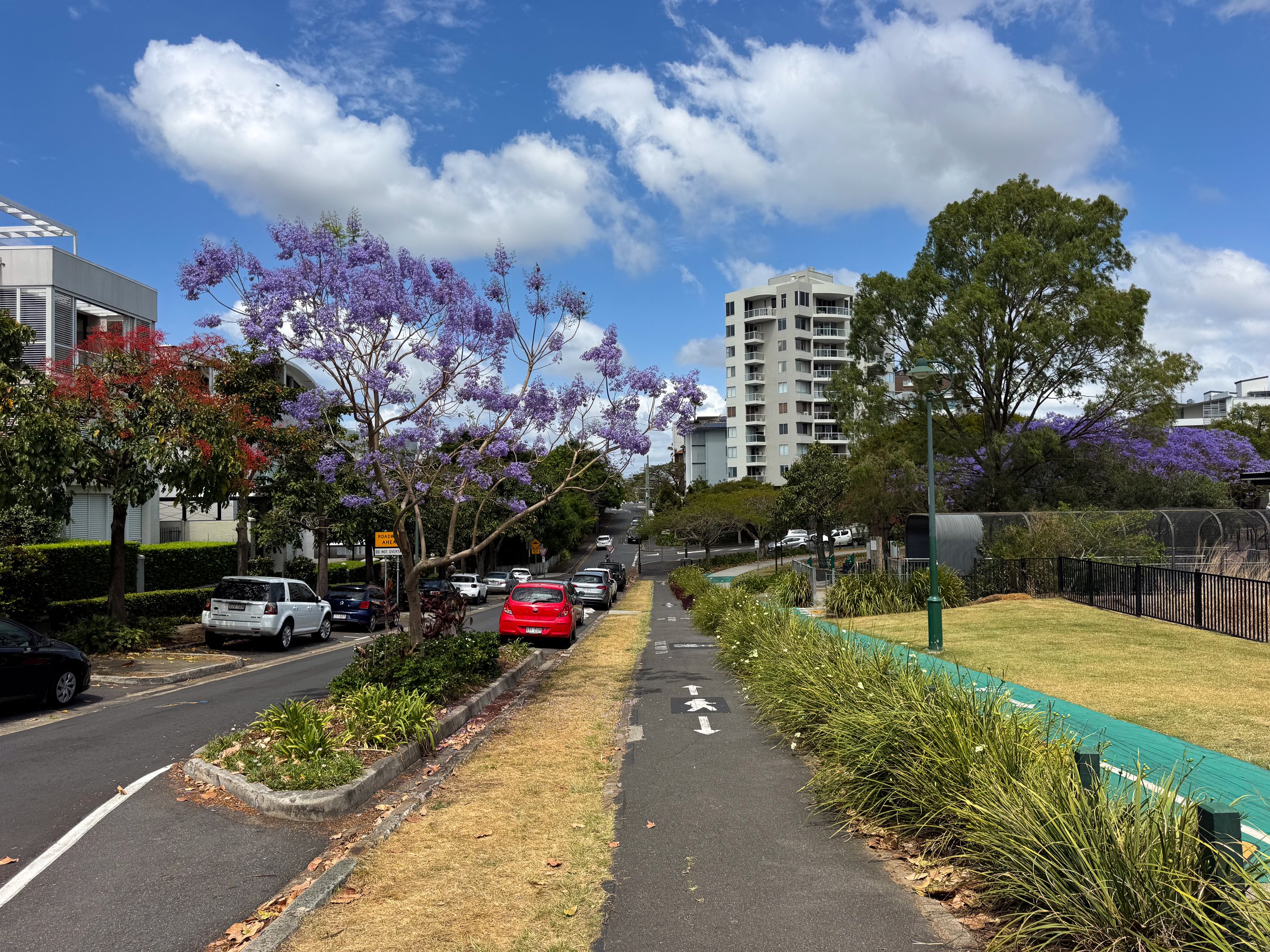
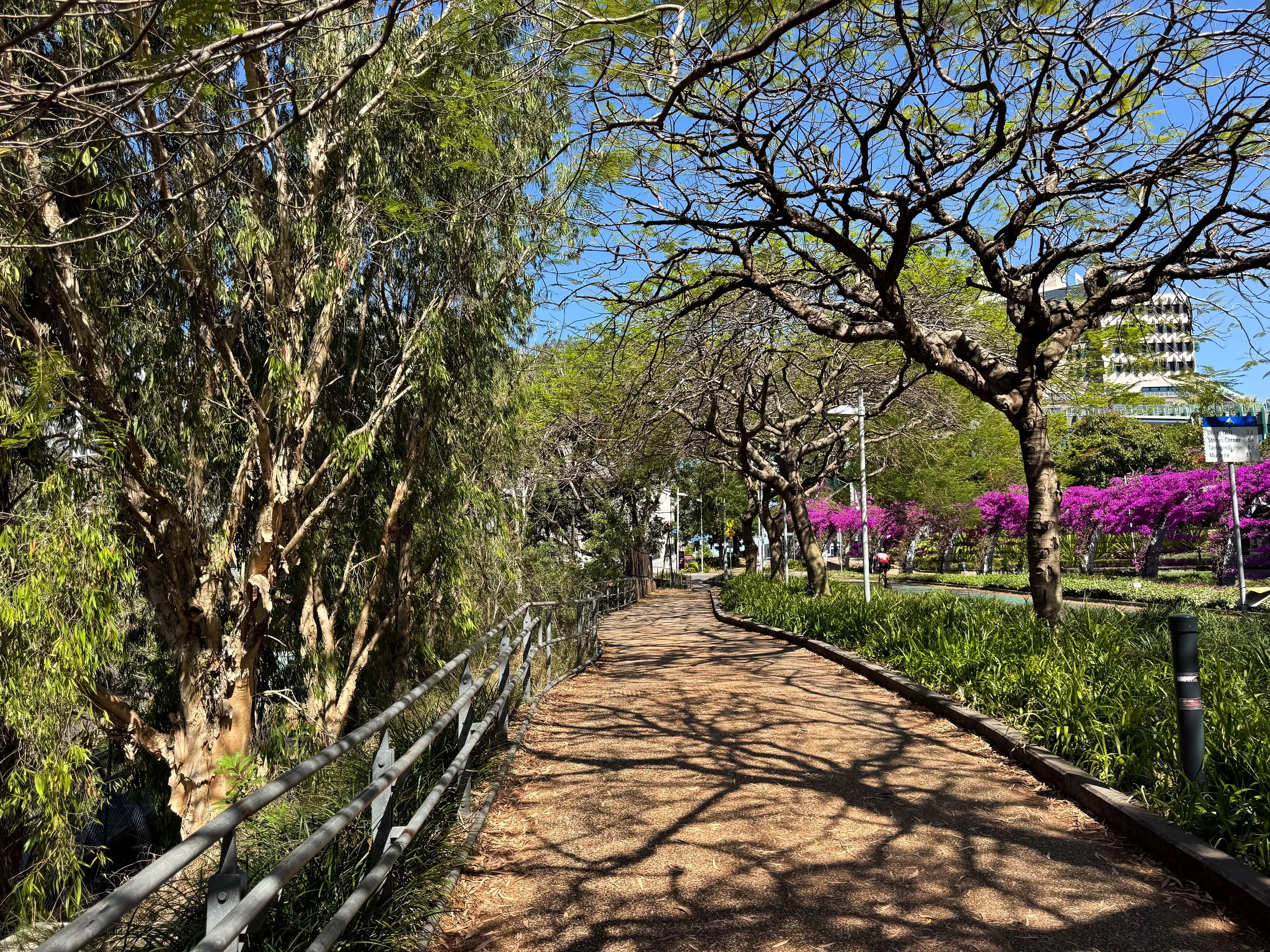
Neighborhoods & Streets
Fortitude Valley. A trendy neighborhood with brunch spots, designer boutiques and nightlife. It’s a lush and walkable area with plenty to do by day and night.
St Ann & Brunswick Streets. The nightlife streets in Fortitude Valley with music venues, gay bars and restaurants.
West End. A vibrant and grungy neighborhood with late night restaurants, cocktail bars, breweries and live music venues. It’s a popular spot with younger Australians and the queer community.
Boundary Street. The main street in West End home to many of the neighborhood’s restaurants and bars.
Howard Smiths Wharves. A lively riverfront wharf under the Story Bridge with breweries, restaurants and walking paths.
South Bank Parklands. A riverfront park with leisurely walkways, an artificial beach, ferris wheel, vibey restaurants and cafés.
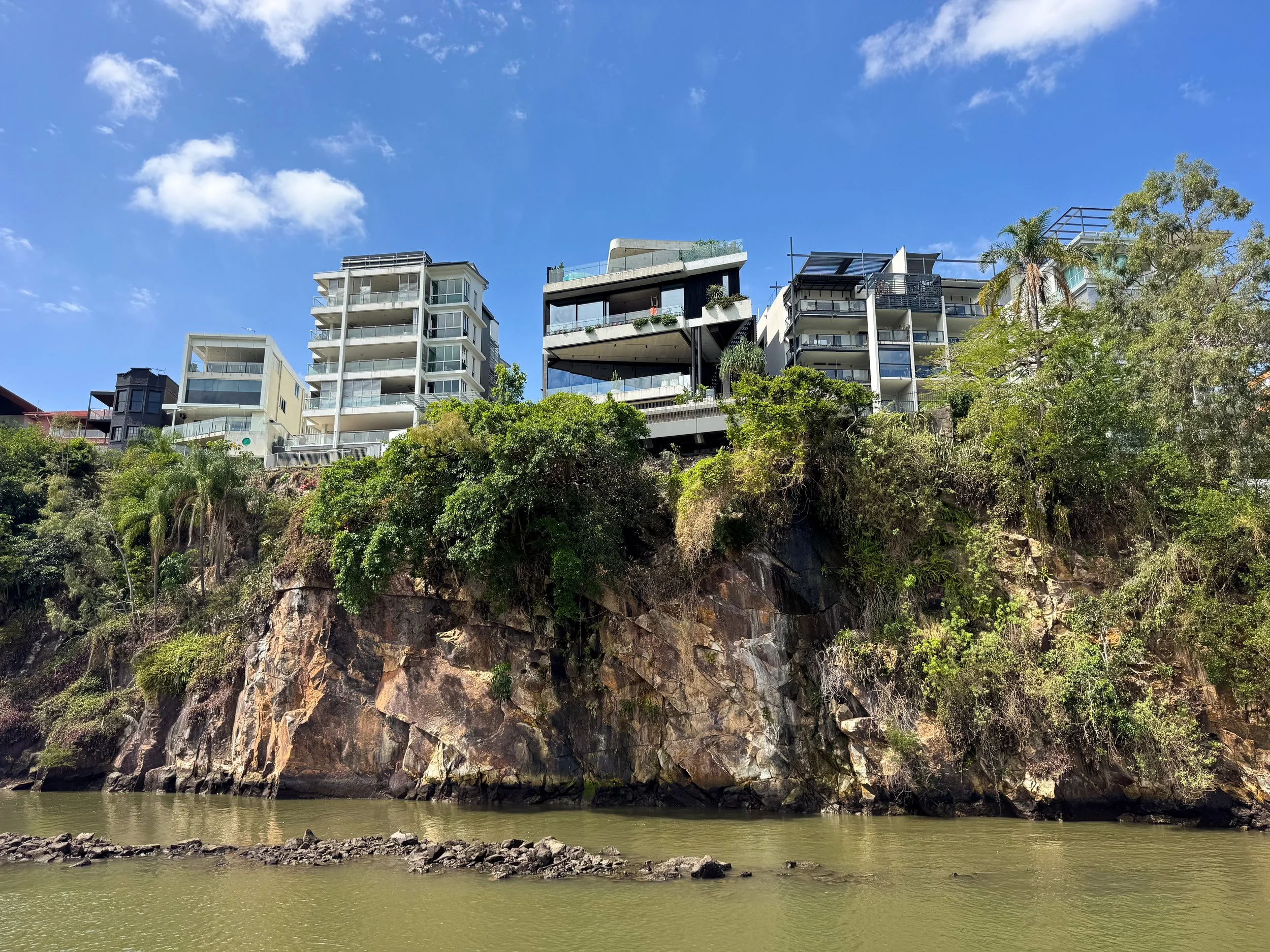
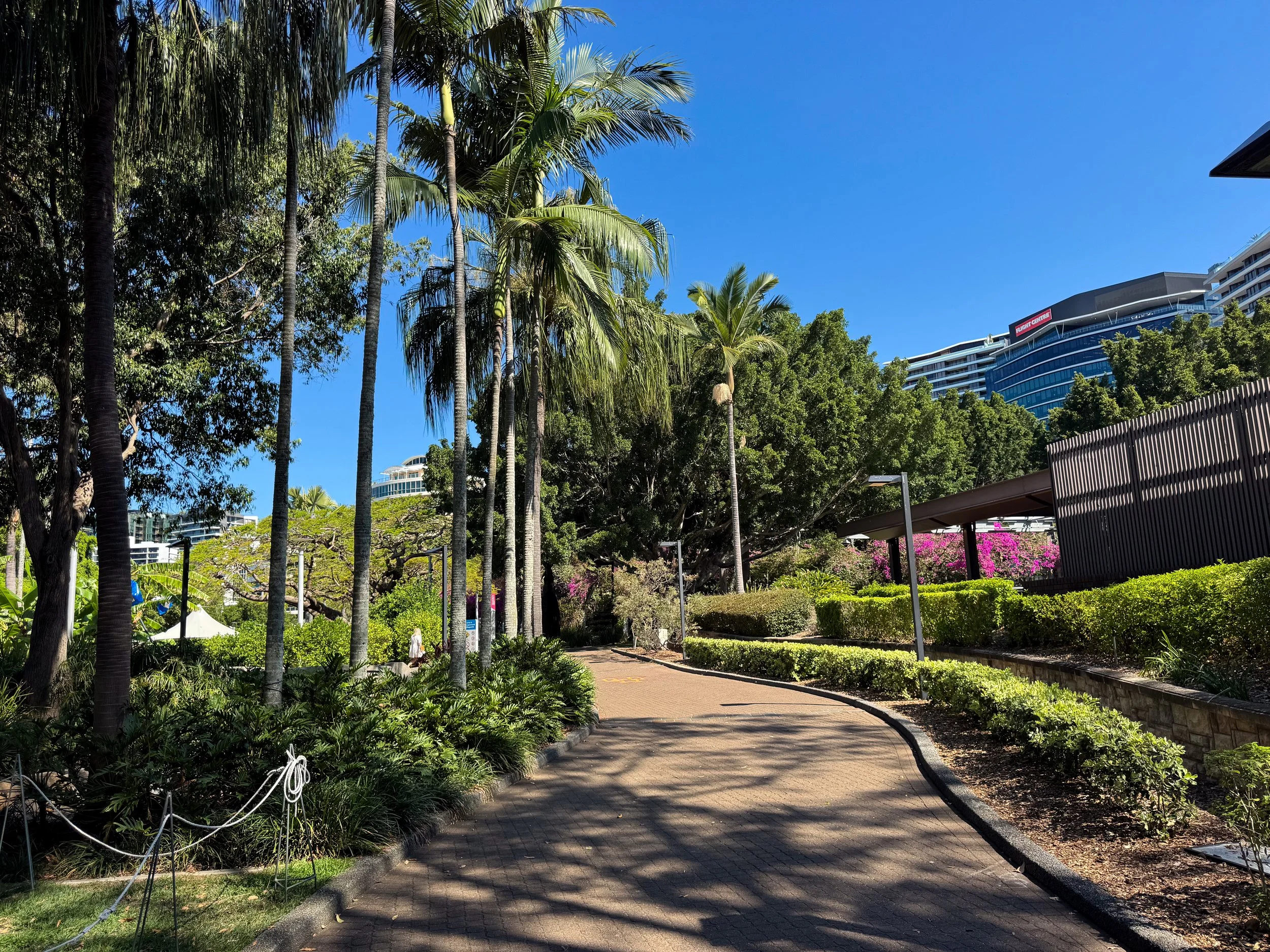
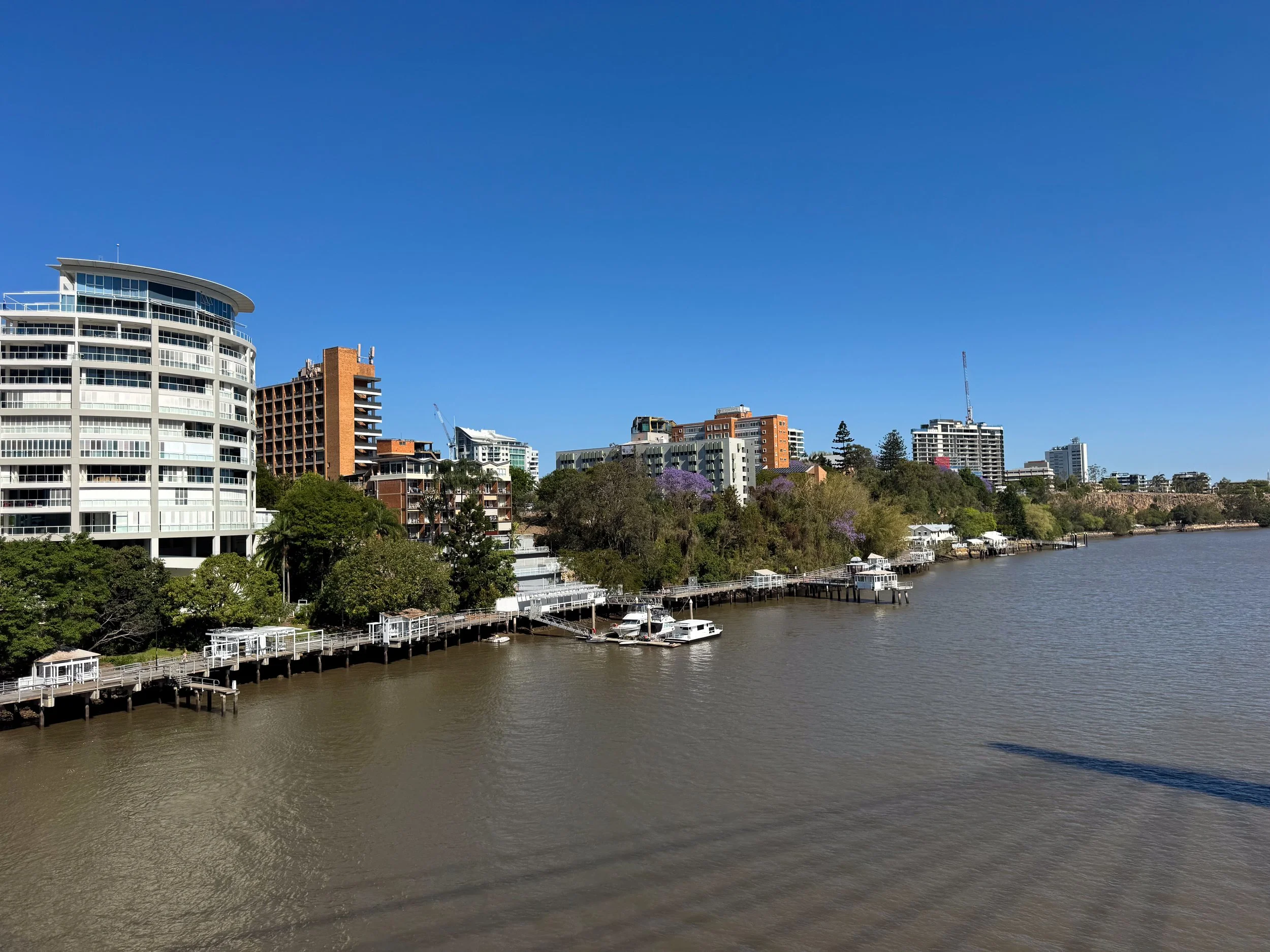
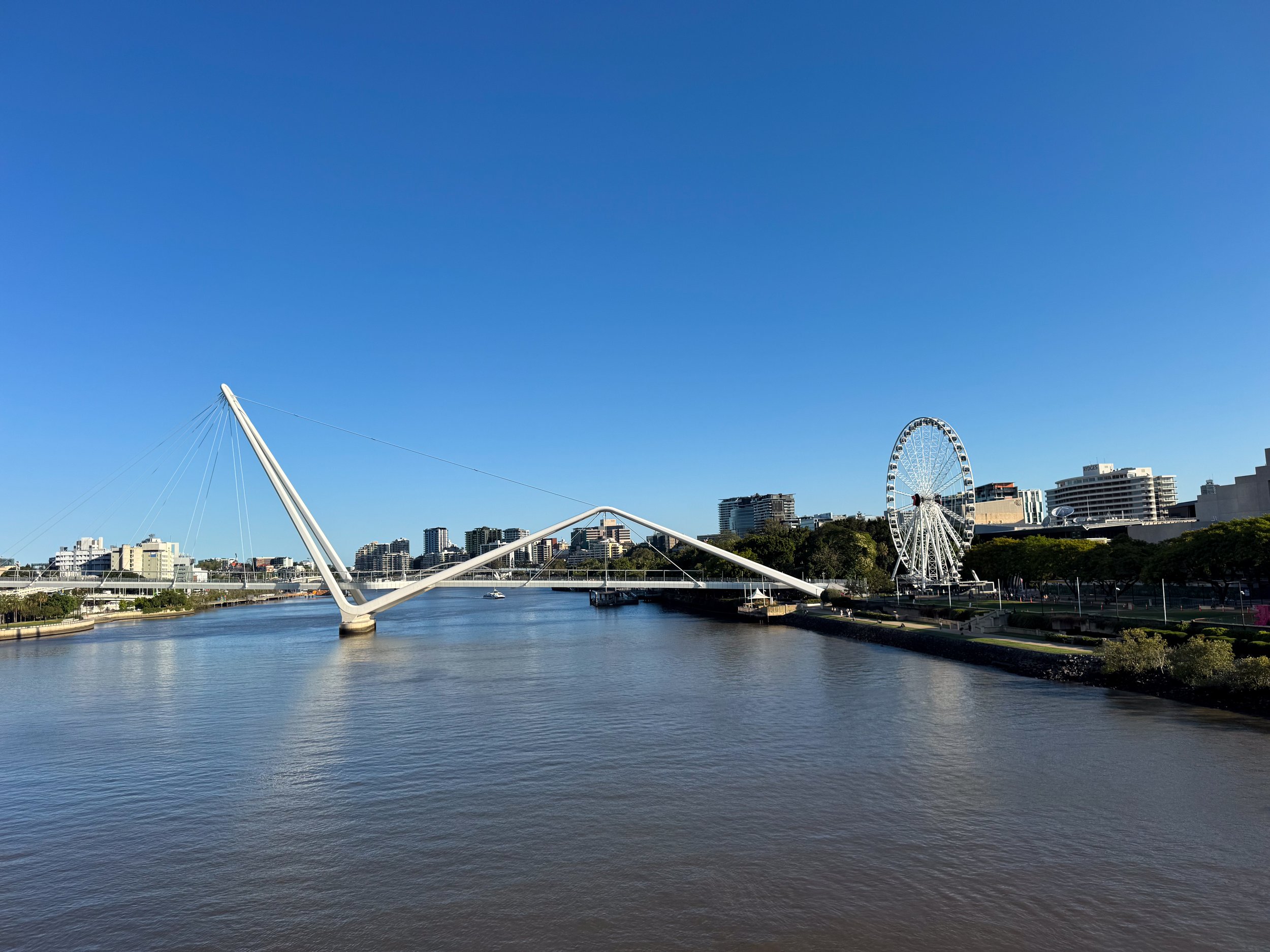
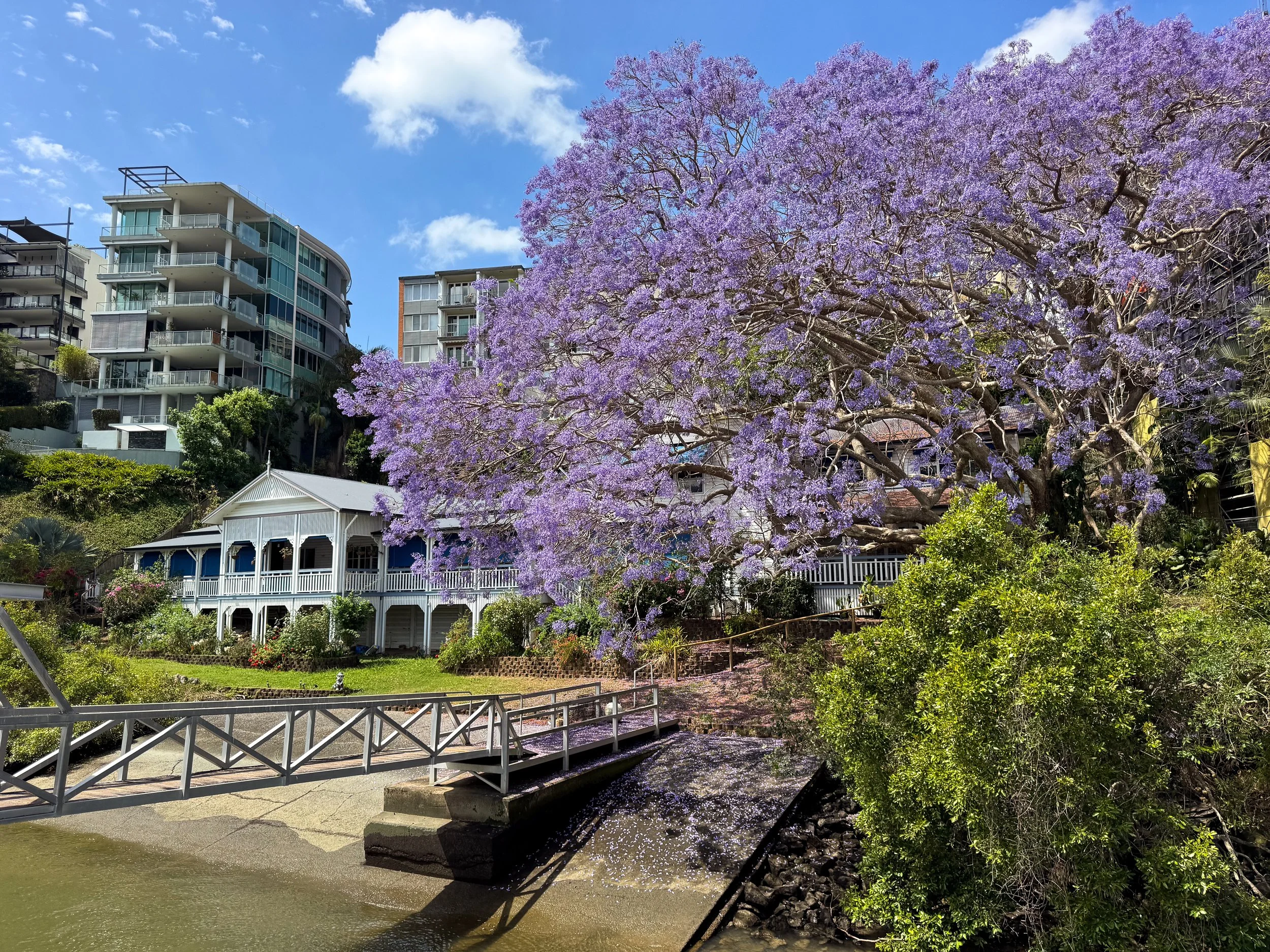
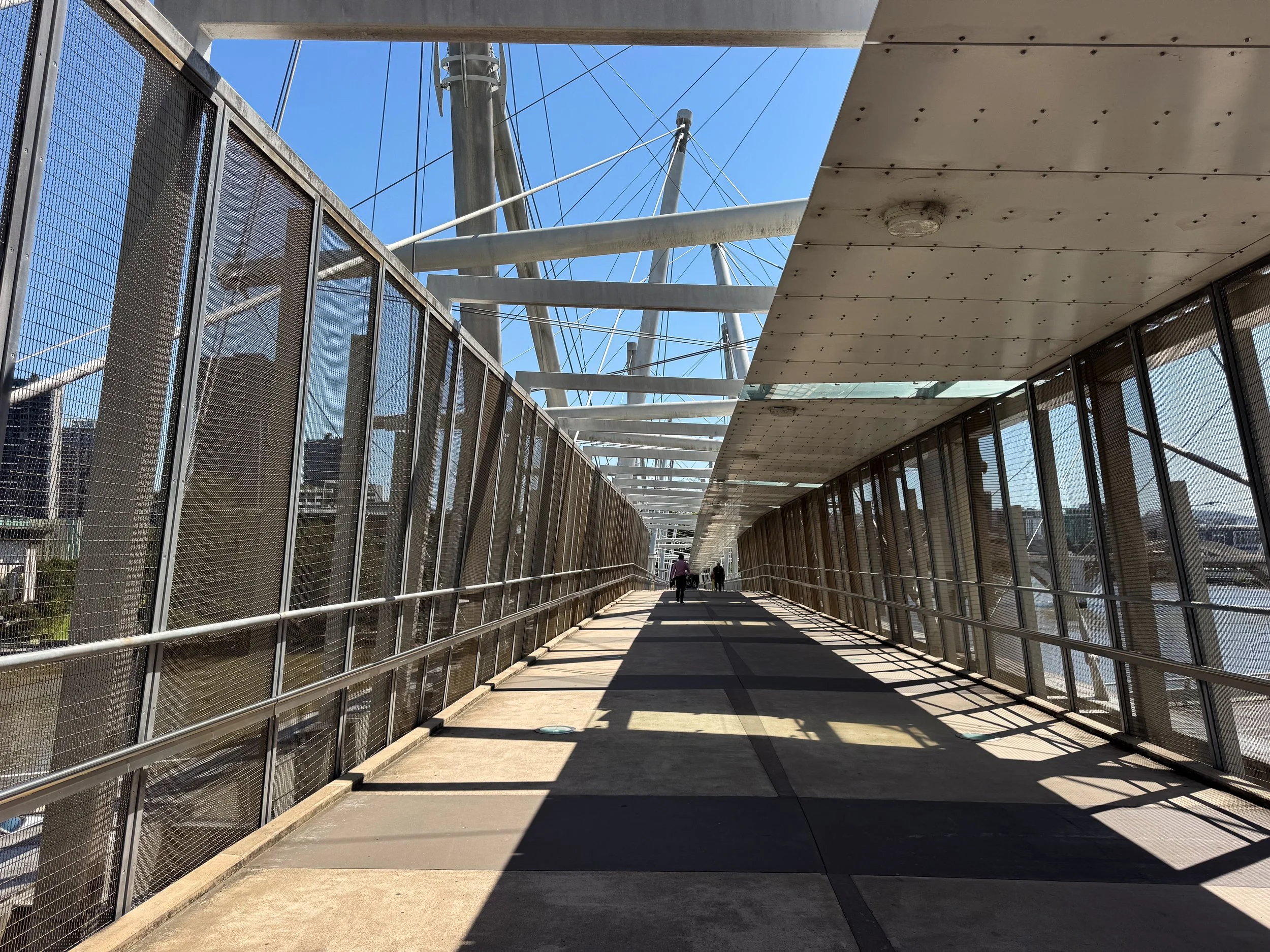
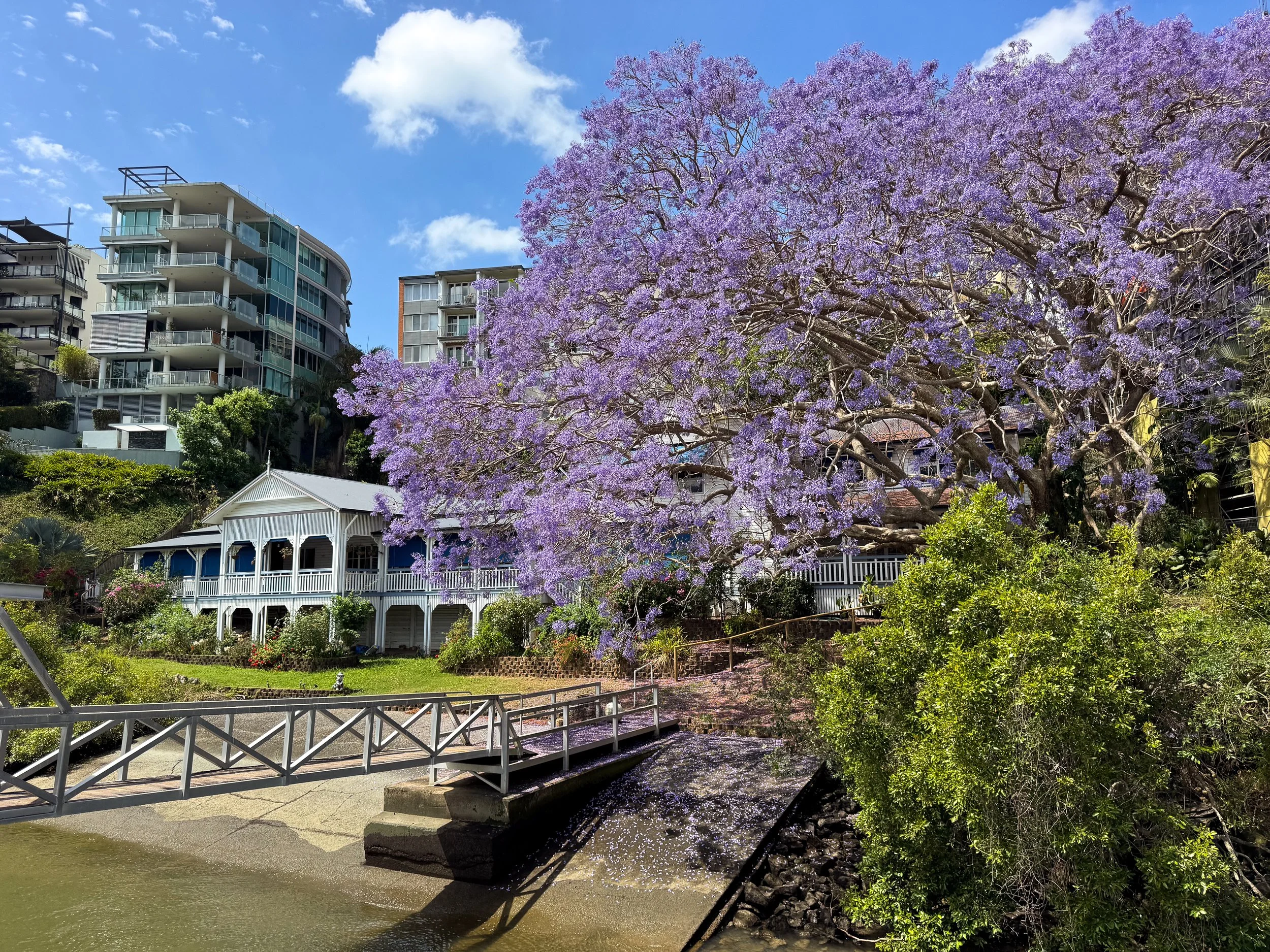
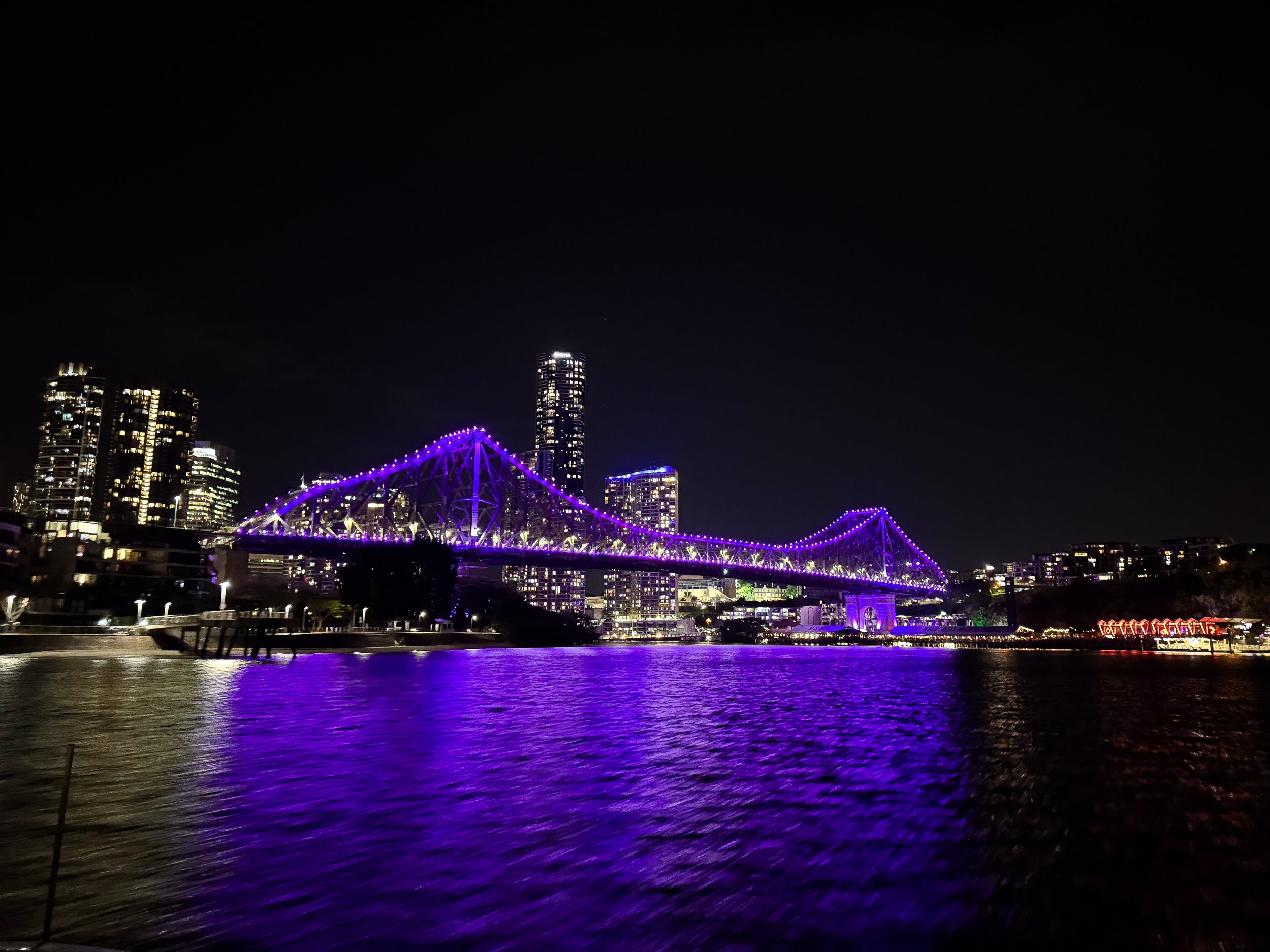
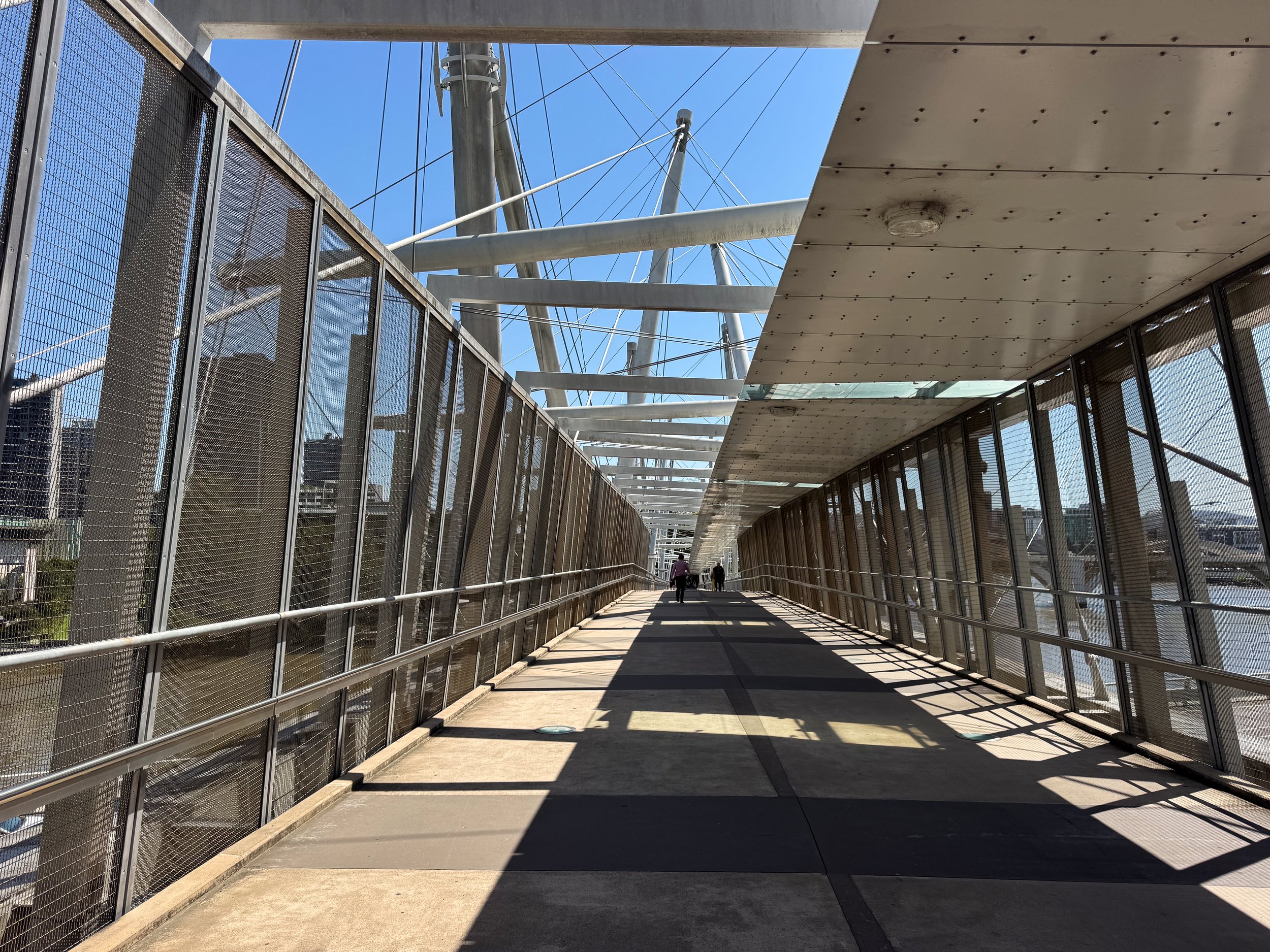
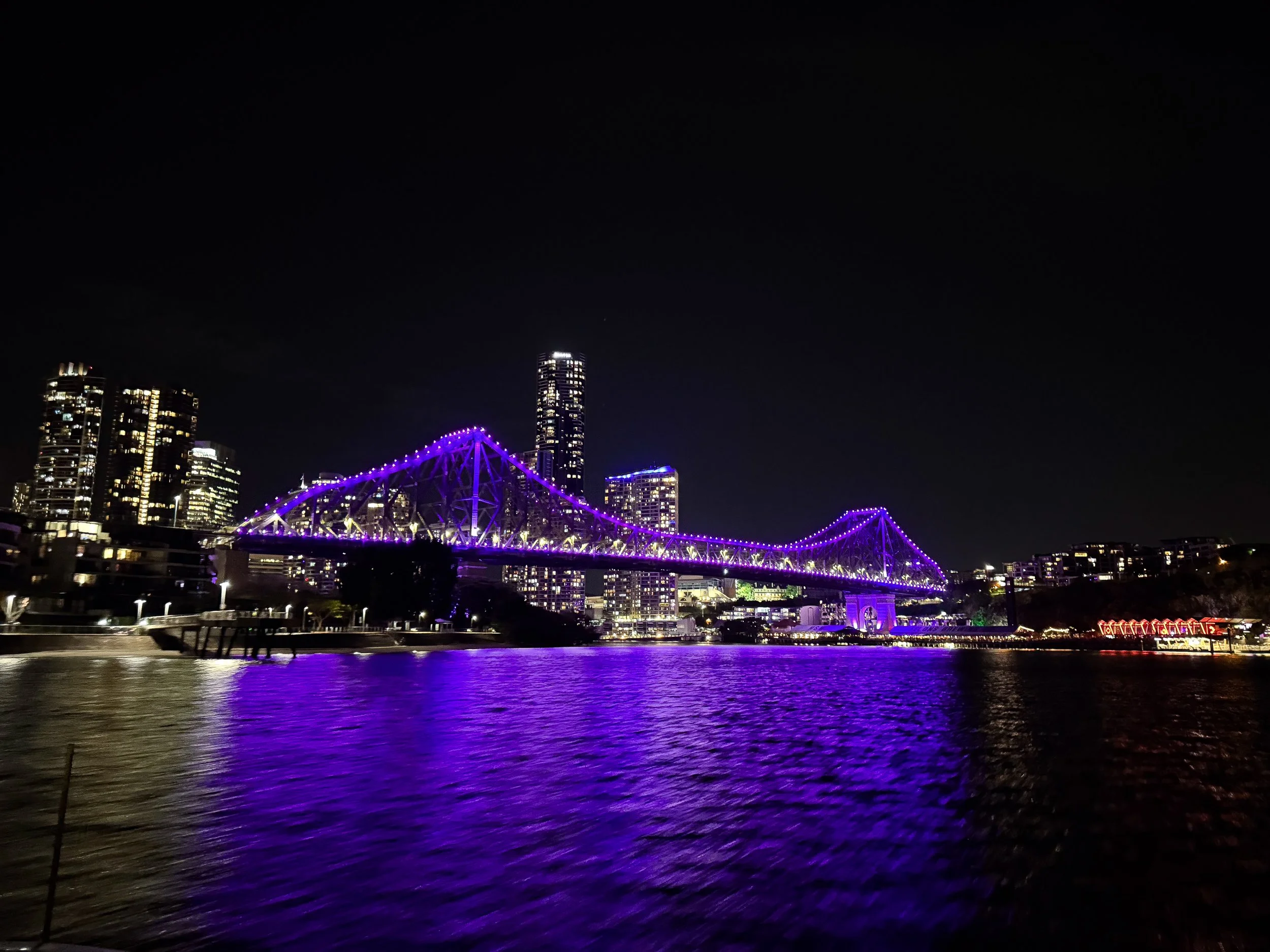
The Brisbane River
The Brisbane River meanders through the city and its many neighborhoods. It’s lined with riverside parks, clifftop viewpoints and boardwalks. Dozens of unique bridges span between its banks, coining the city’s nickname, “Bridgebane.” Plan to spend time exploring the riverside on foot and by ferry!
City Botanical Gardens. A large city park nestled between the skyscrapers of the CBD and the Brisbane River. It’s home to lush walkways, riverfront lookouts, mangroves and gardens. Exotic and flowering trees transport visitors to a tropical rainforest in the middle of the city.
New Farm Riverwalk. A geometric boardwalk over the Brisbane River. It offers scenic views of the city’s skyline, riverside homes and Story Bridge.
Wilson Outlook Reserve. A cliffside park along the Brisbane River with views of the Story Bridge and city skyline. It’s accessible from Howard Smiths Wharves.
Brisbane Riverwalk. A riverside boardwalk located between the Neville Bonner Bridge and Goodwill Bridge. Both bridges are pedestrian only bridges and offer beautiful views of the city.
Kangaroo Point Lookout & Riverwalk. A cliffside park along the Brisbane River with walking paths and views of the city’s skyline.
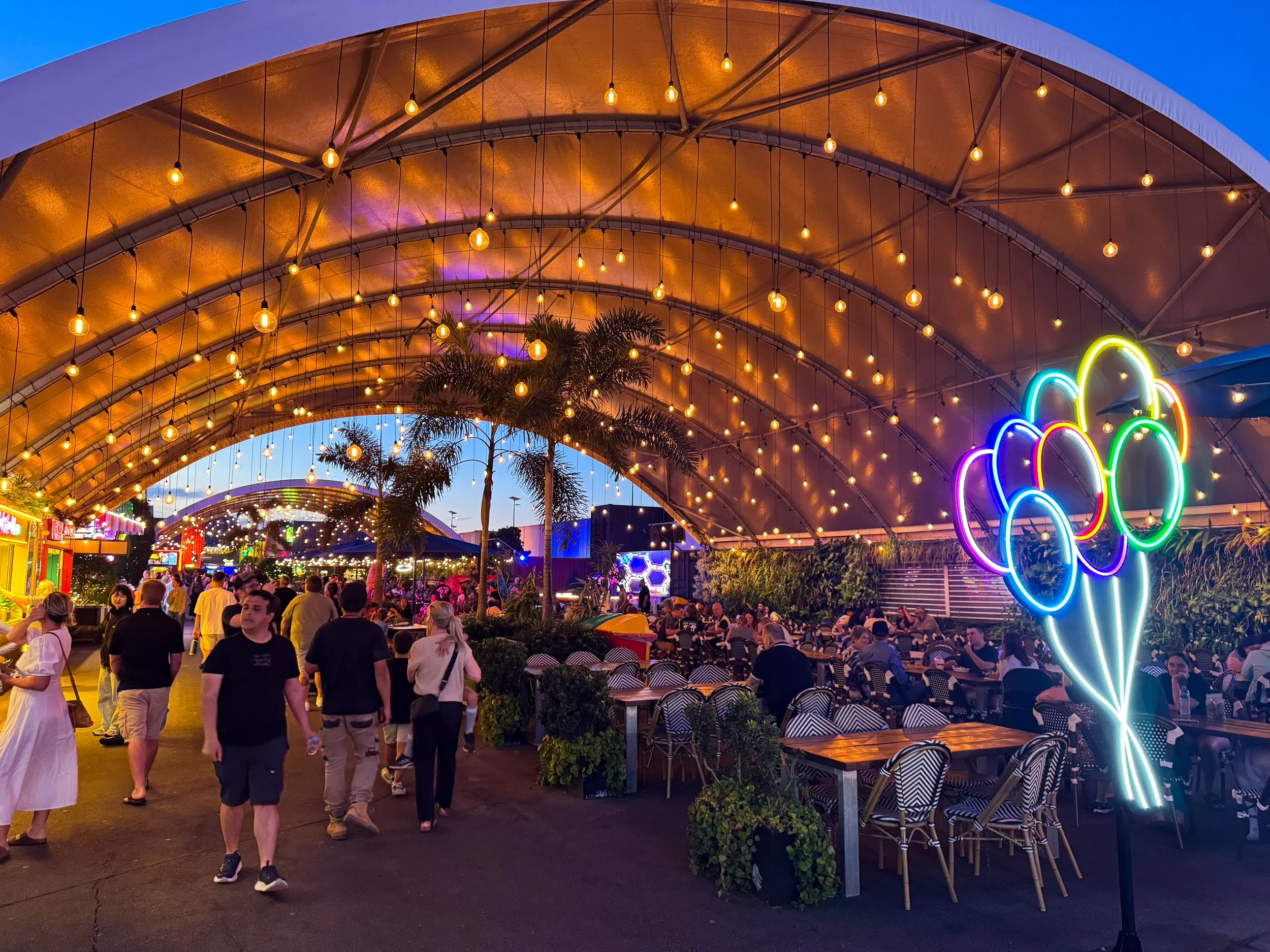

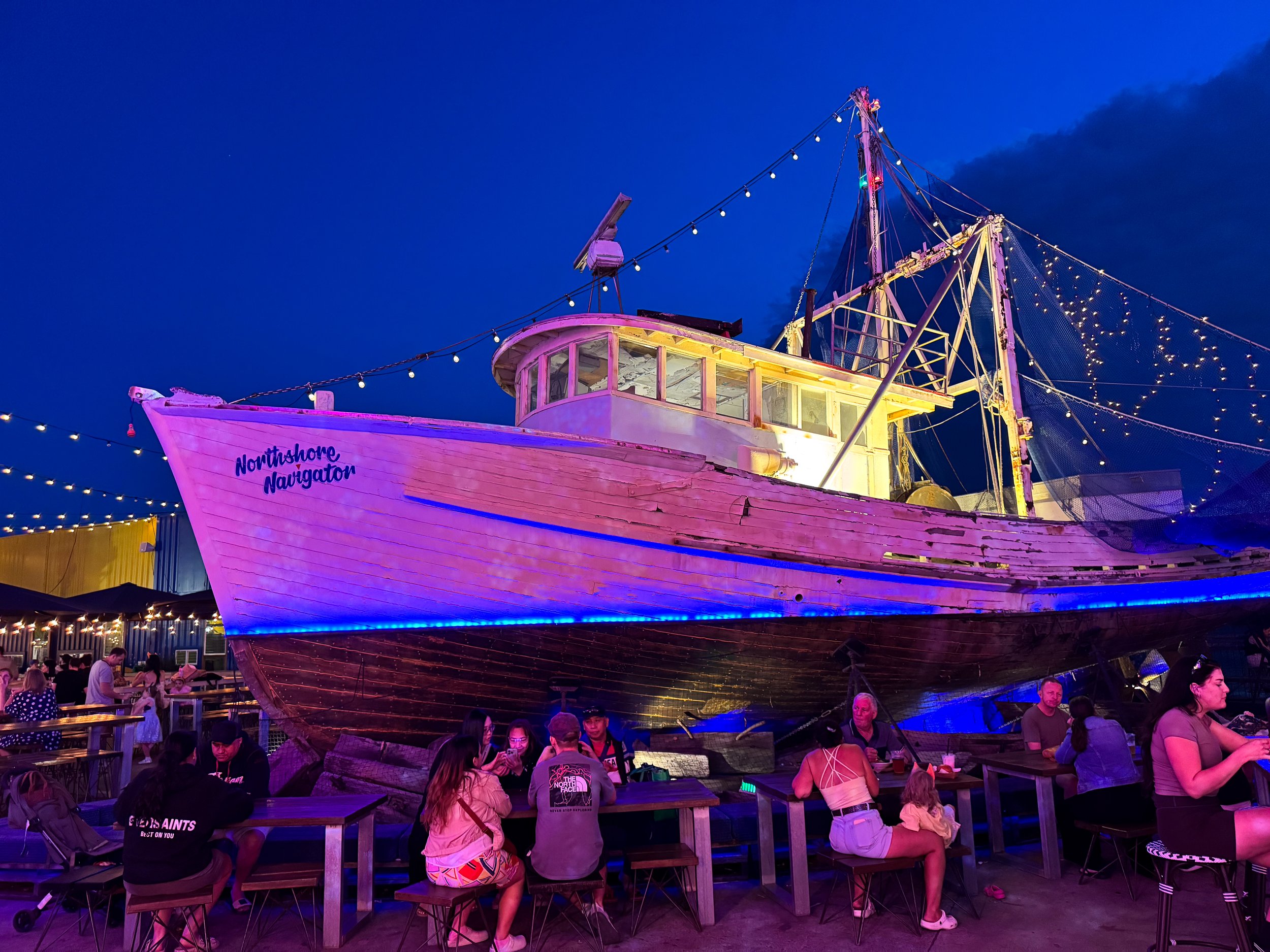
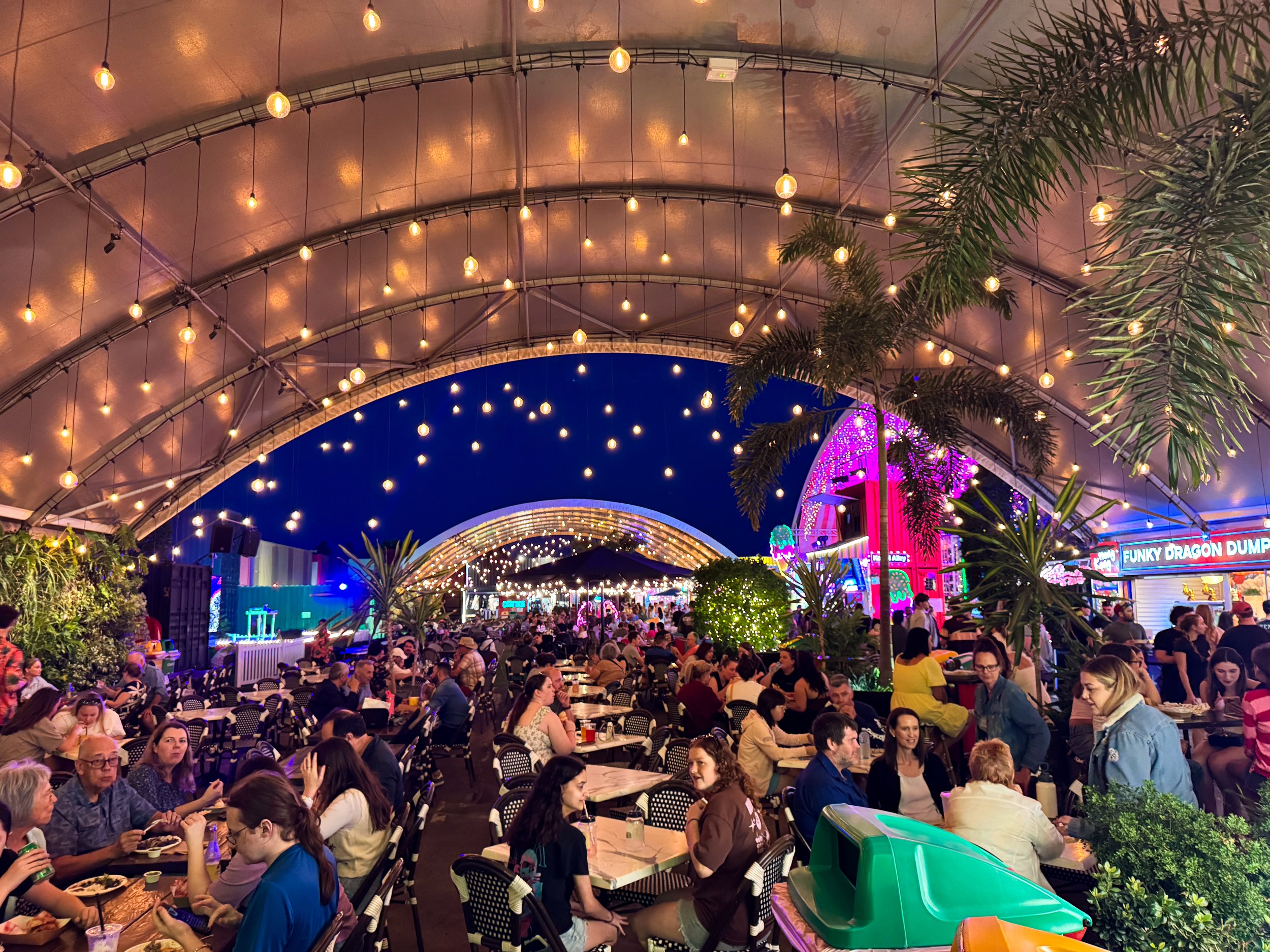
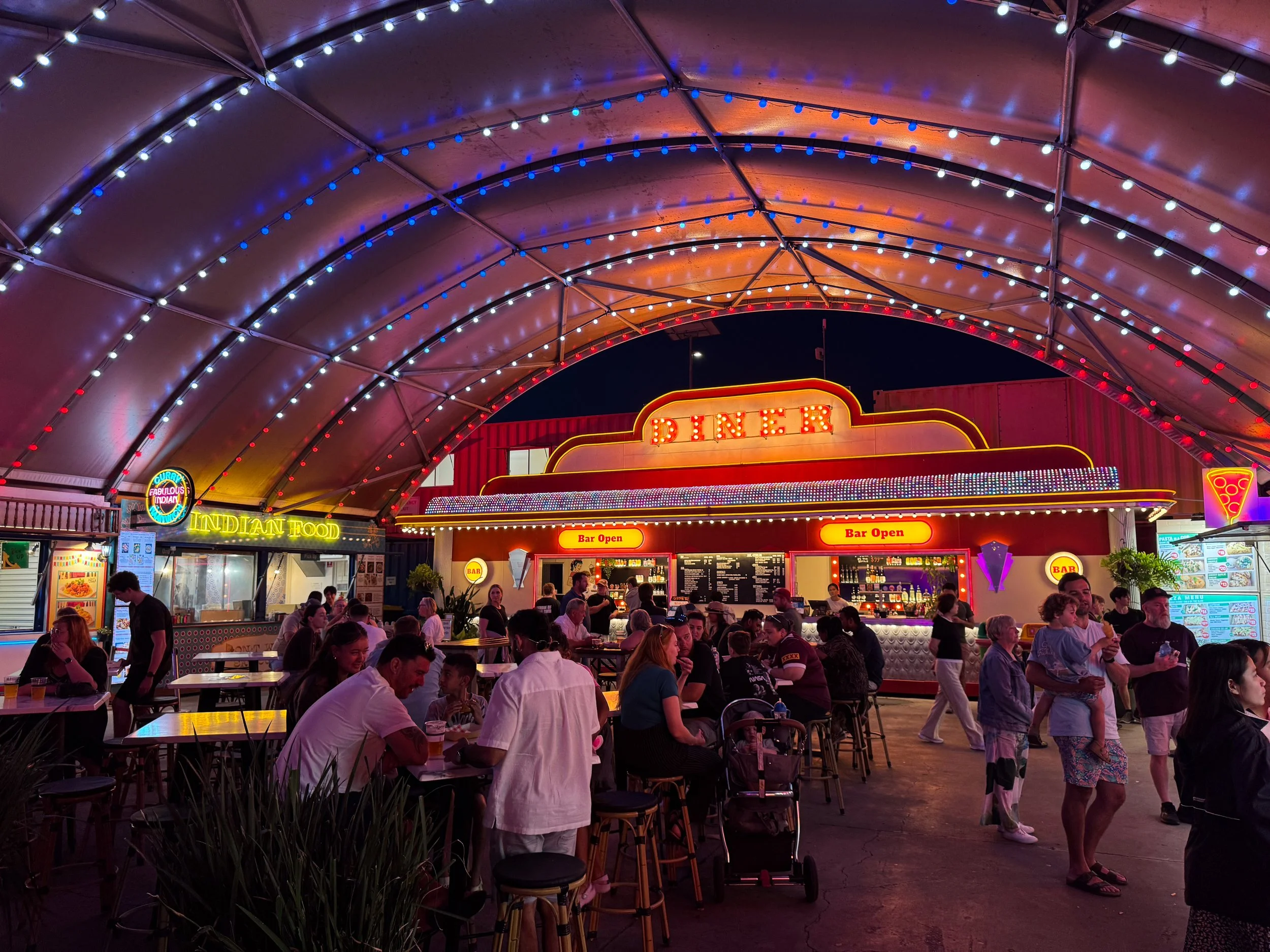
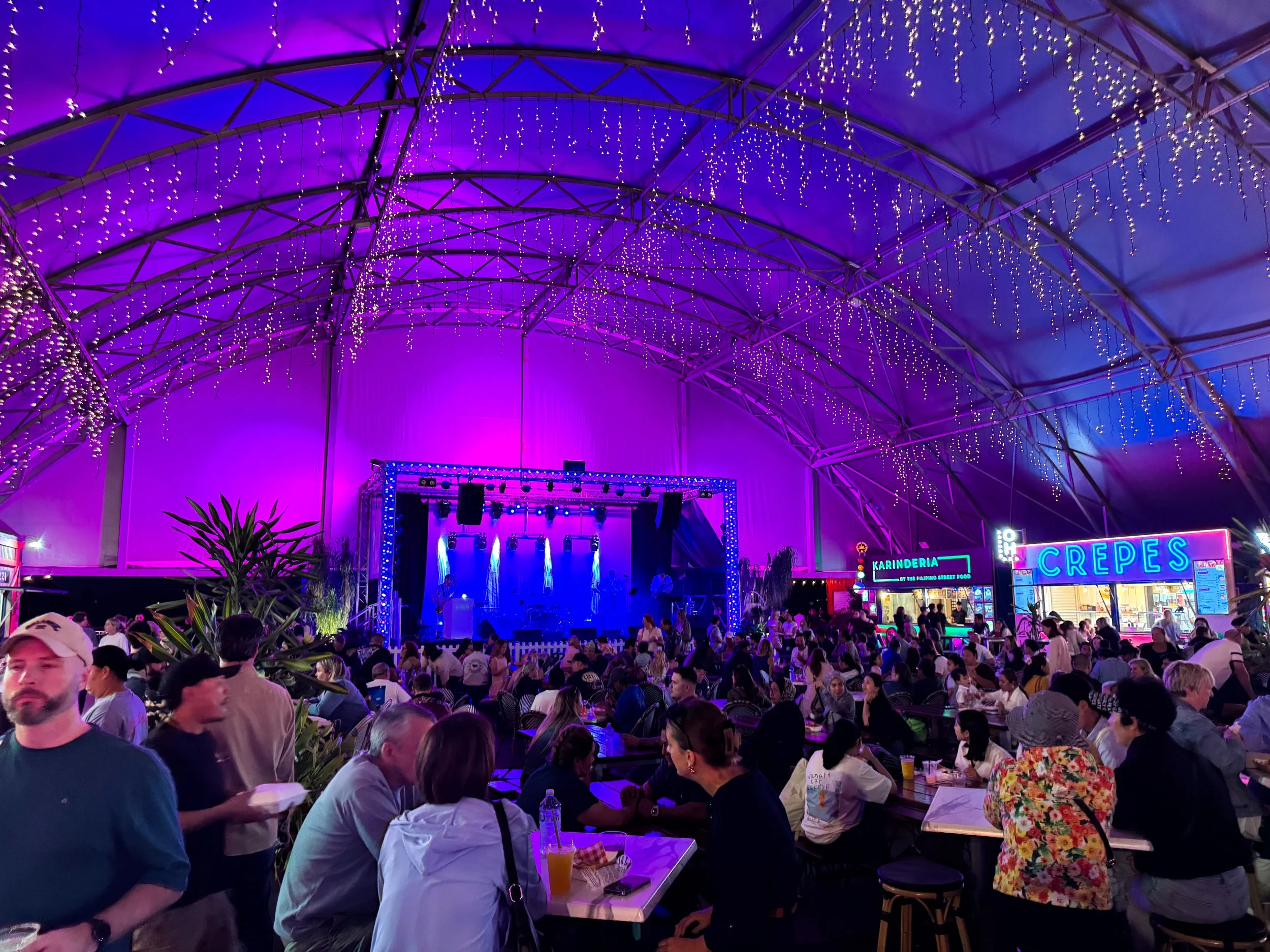

Eat Street. A vibrant weekend food market with dozens of kitchens serving street food and cuisine from all around the world. It’s built along a riverside wharf from colorful shipping containers, covered sheds and stages with live music. The market is open from Friday to Sunday from 4pm-9pm. Get here by taking the City Cat Ferry to the North Shore Hamilton Ferry Terminal.
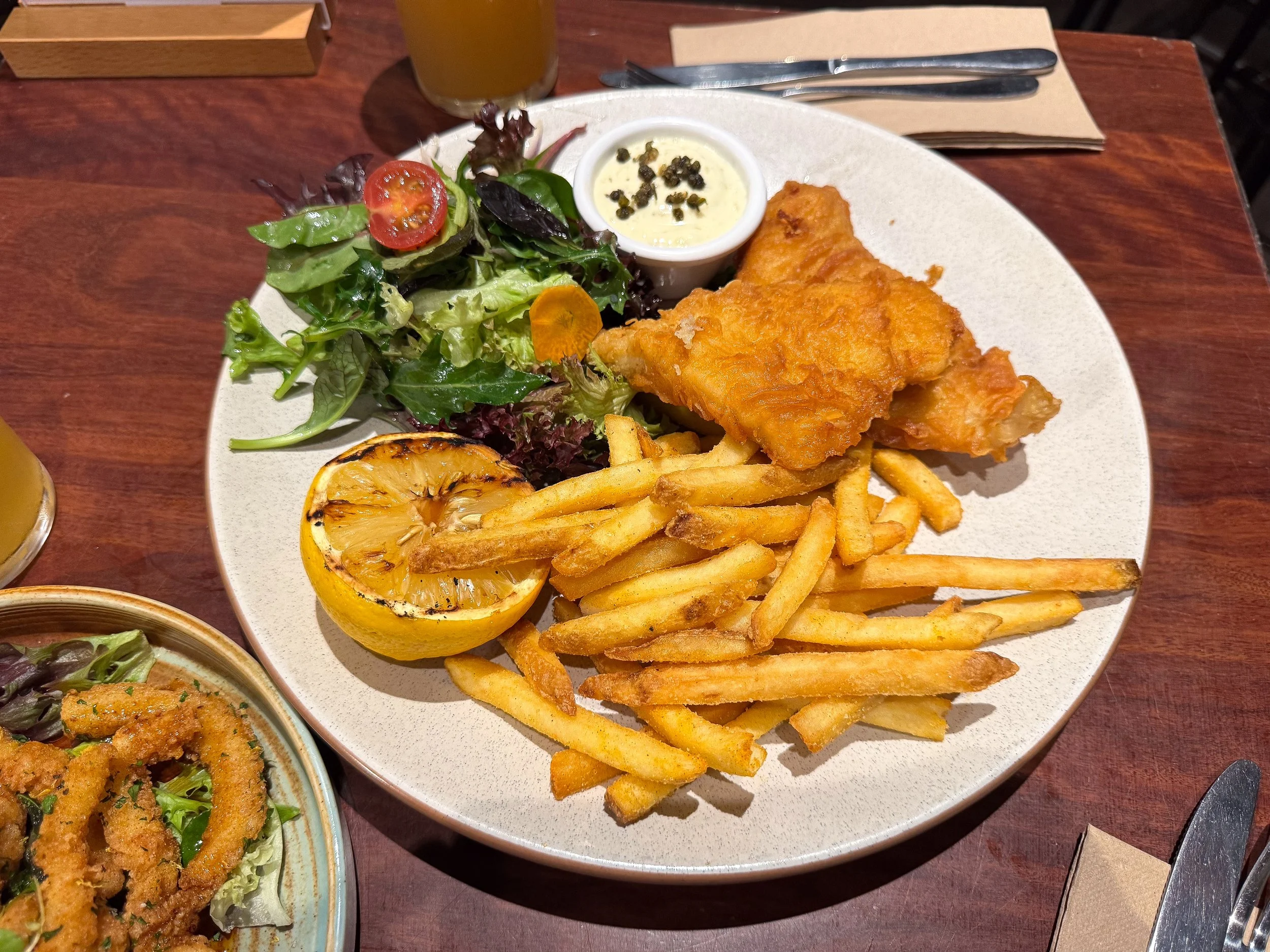
Places to Eat & Drink
The Burrow. An artsy and casual restaurant with local beers, cocktails, live music and baskets of pub food like burgers, nachos and pizzas.
The Boundary. An elevated pub and sports betting bar. Come here for the wide selection of beers on tap and international dishes with an Aussie twist. Come for the fish and chips!
Covent Garden. A bar with the world’s largest collection of Australian made gins. Come here for a gin tasting or round of craft cocktails.
Jungle Bar. A dimly lit and tropical feeling tiki bar with all the classic tiki drinks and rum cocktails like the mai tai, piña colada, painkiller and navy’s grog.
Barbossa Bar & Bottle. A rum bar and restaurant in East Banks with a wide range of cocktails, rums and island inspired tapas dishes. Try the Zombie & the Ship is Wrecked.
King Arthur Café. A brunch spot in Fortitude Valley with large fresh baked cookies and classic dishes like eggs benedict, avocado toast, açaí bowls and waffles.
Epilo. A “plant cafe” decorated with pots of verdant botanicals and terrariums. Come here for the artisan coffees and fresh baked pastries.
Felon’s Brewery. A riverfront brewery located at the base of the Story Bridge. Come here for pints of local beers, boozy cocktails and pub style food.
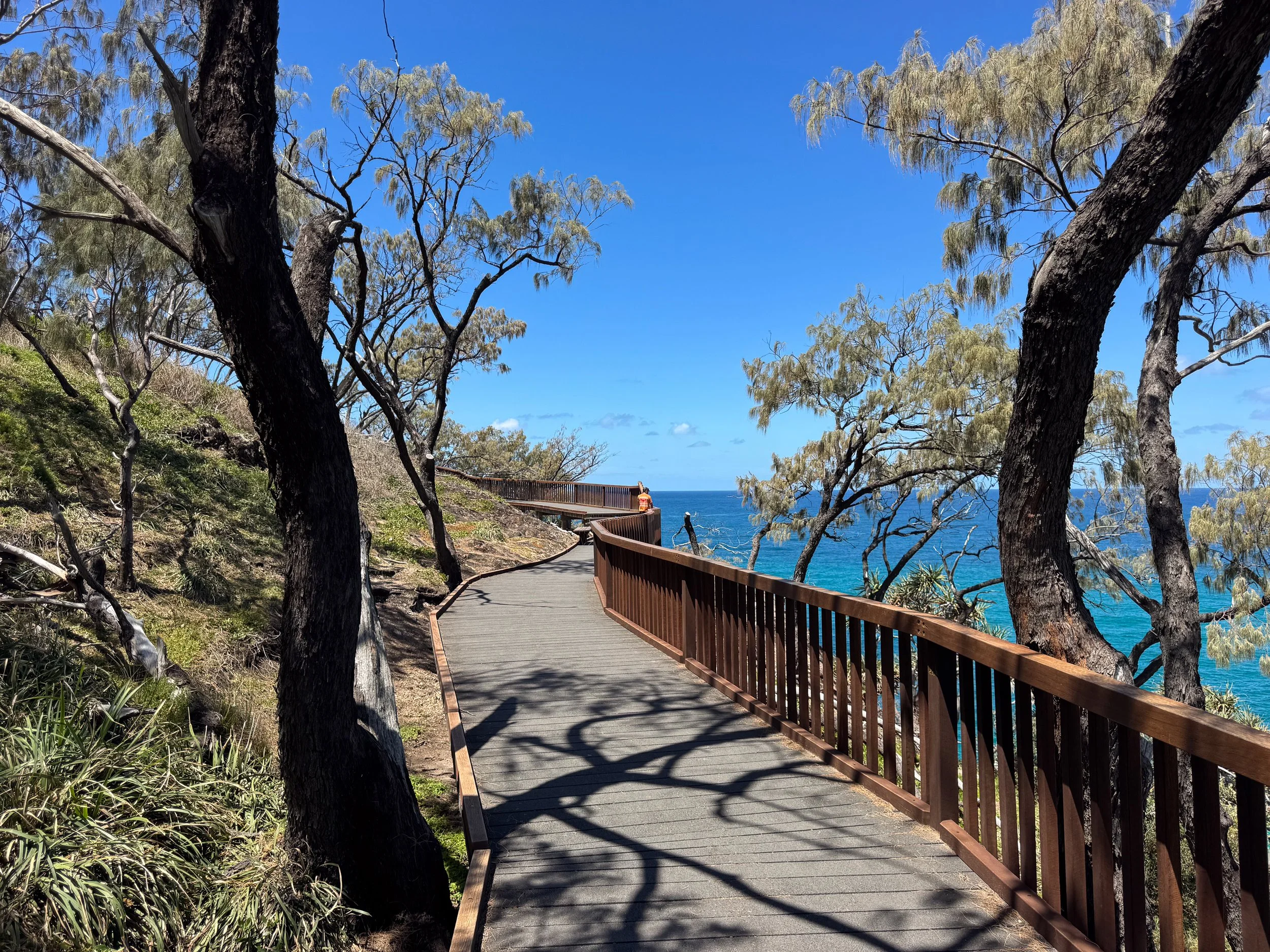
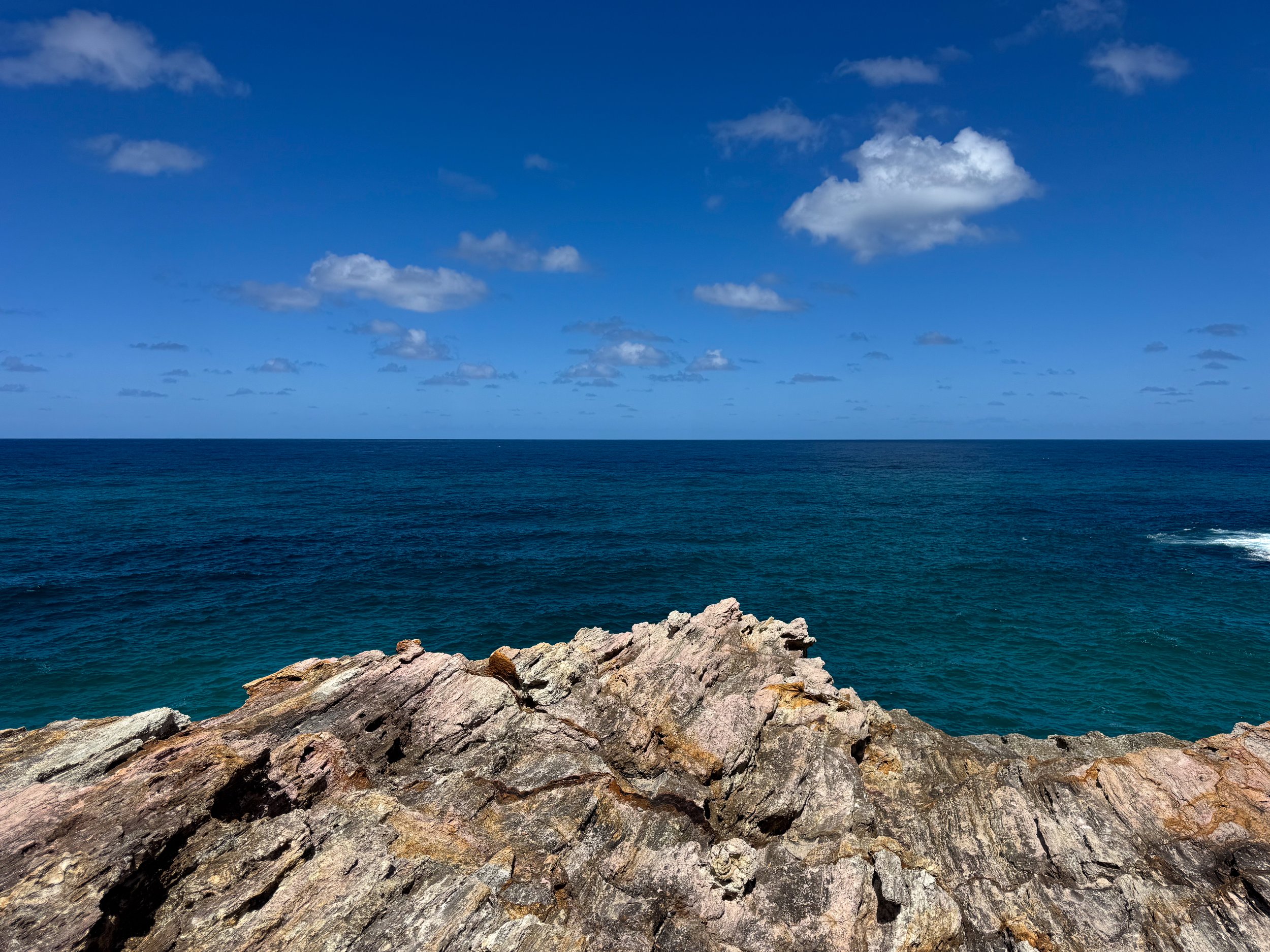
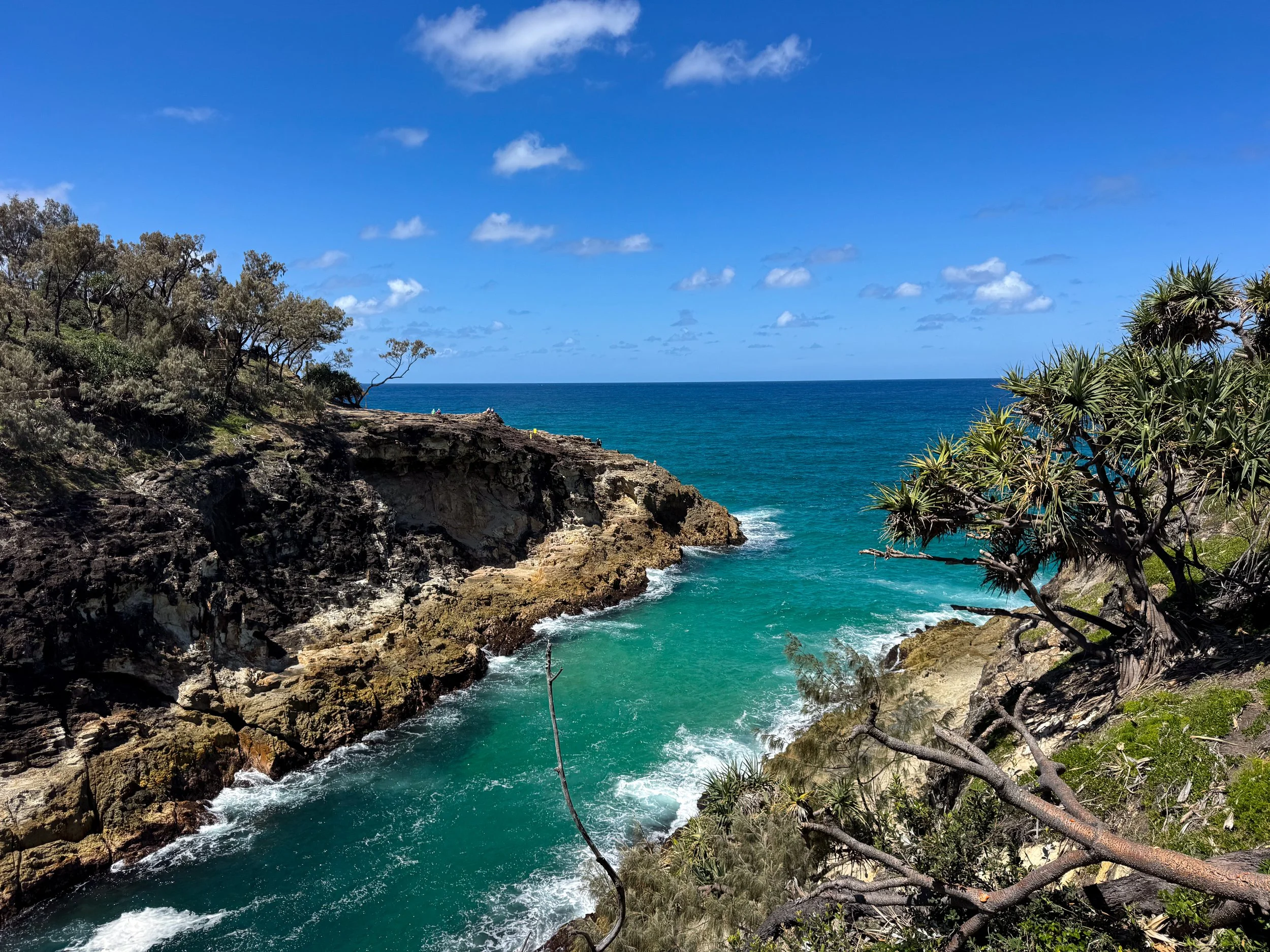
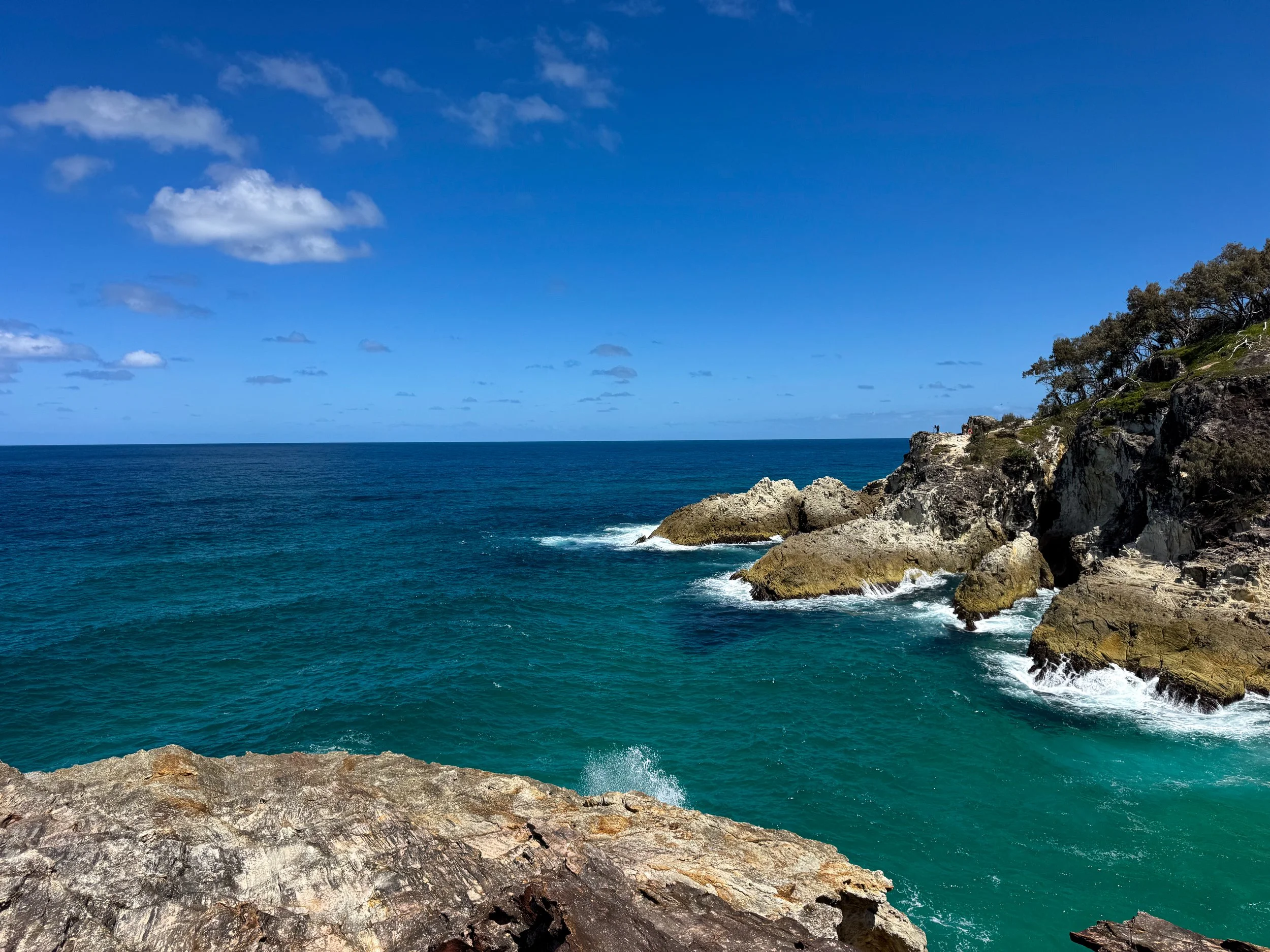
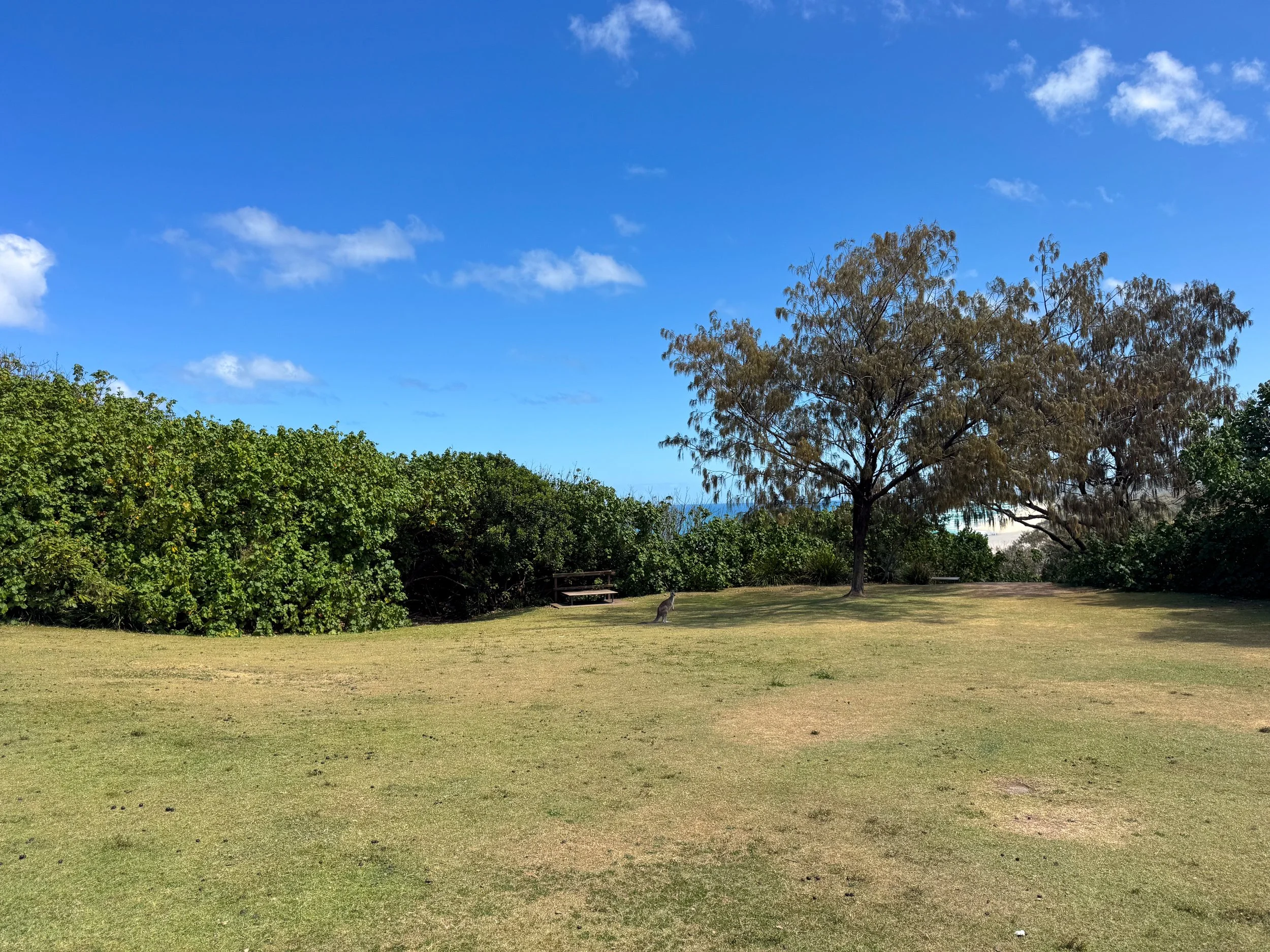
North Stradbroke Island
A protected island home to Australian wildlife like kangaroo, wallaby and koala. Its seaside cliffs and lengthy white sand beaches offer opportunities to spot marine creatures like manta rays, sea turtles, humpback whales, dolphins and sharks.
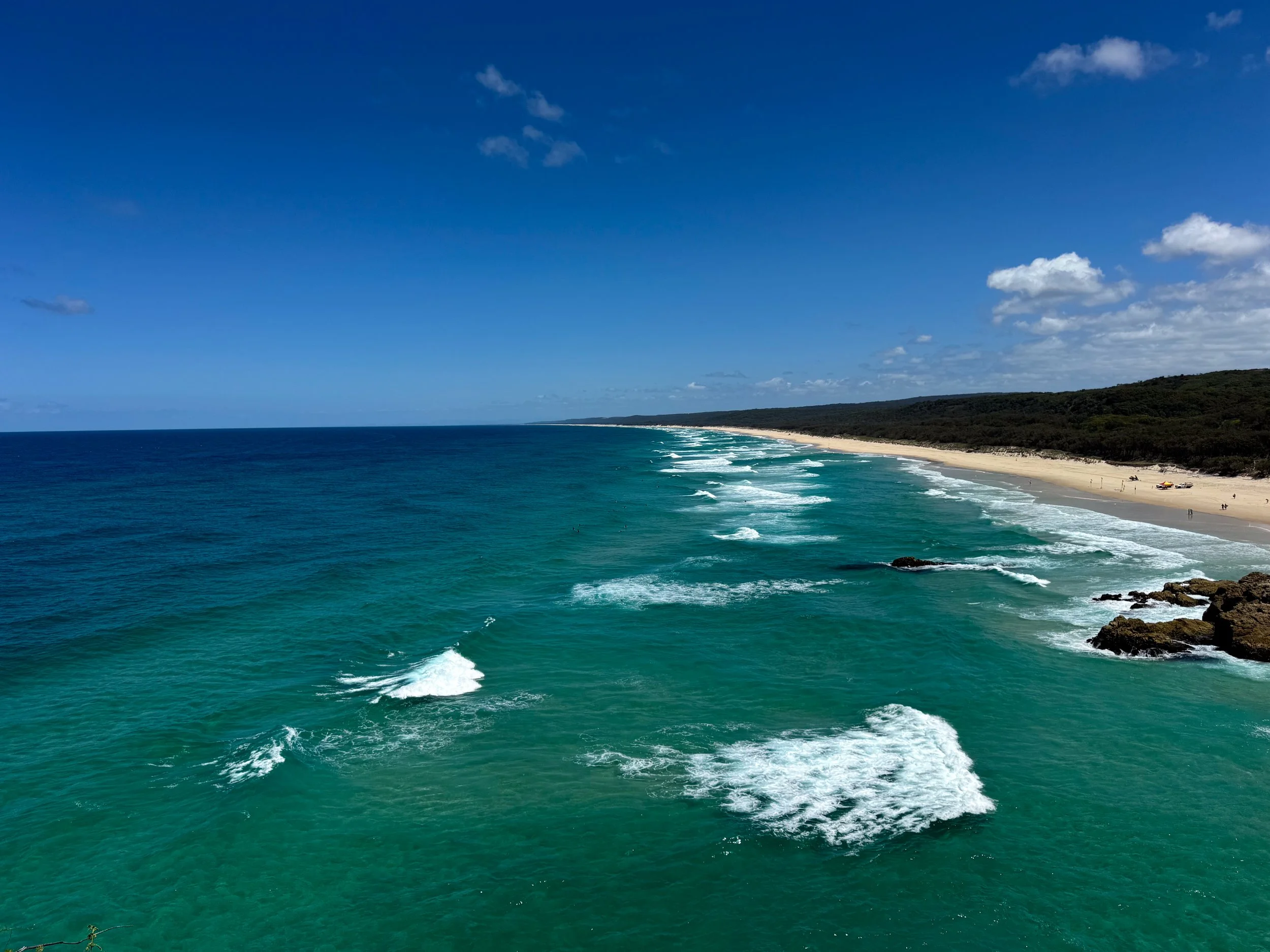
North Gorge Walk. A cliffside nature walk through forested paths with scenic views of the coast. Come here to spot all types of marine and wildlife. Kangaroos and wallabies can be spotted grazing on grass and resting in the shade. Manta rays gracefully glide underwater, sea turtles surface for breaths of air, pods of dolphins porpoise in the waves and sharks hunt for prey.
Humpback Whale Migration. Humpback whales migrate along the eastern coast of Queensland between June and November. Pods of whales spray geysers of water and continually breach the surface with a massive splash. The best views of them can be seen from the cliffside lookouts along the North Gorge Walk.
Pro Tip. Bring binoculars to watch wildlife and a camera to capture images better than the zoom on a phone.
Cook’s Seat. A hilly lawn overlooking Frenchman’s Beach. Come here for a picnic lunch or order a meal and local beer from one of the nearby cafes or restaurants.
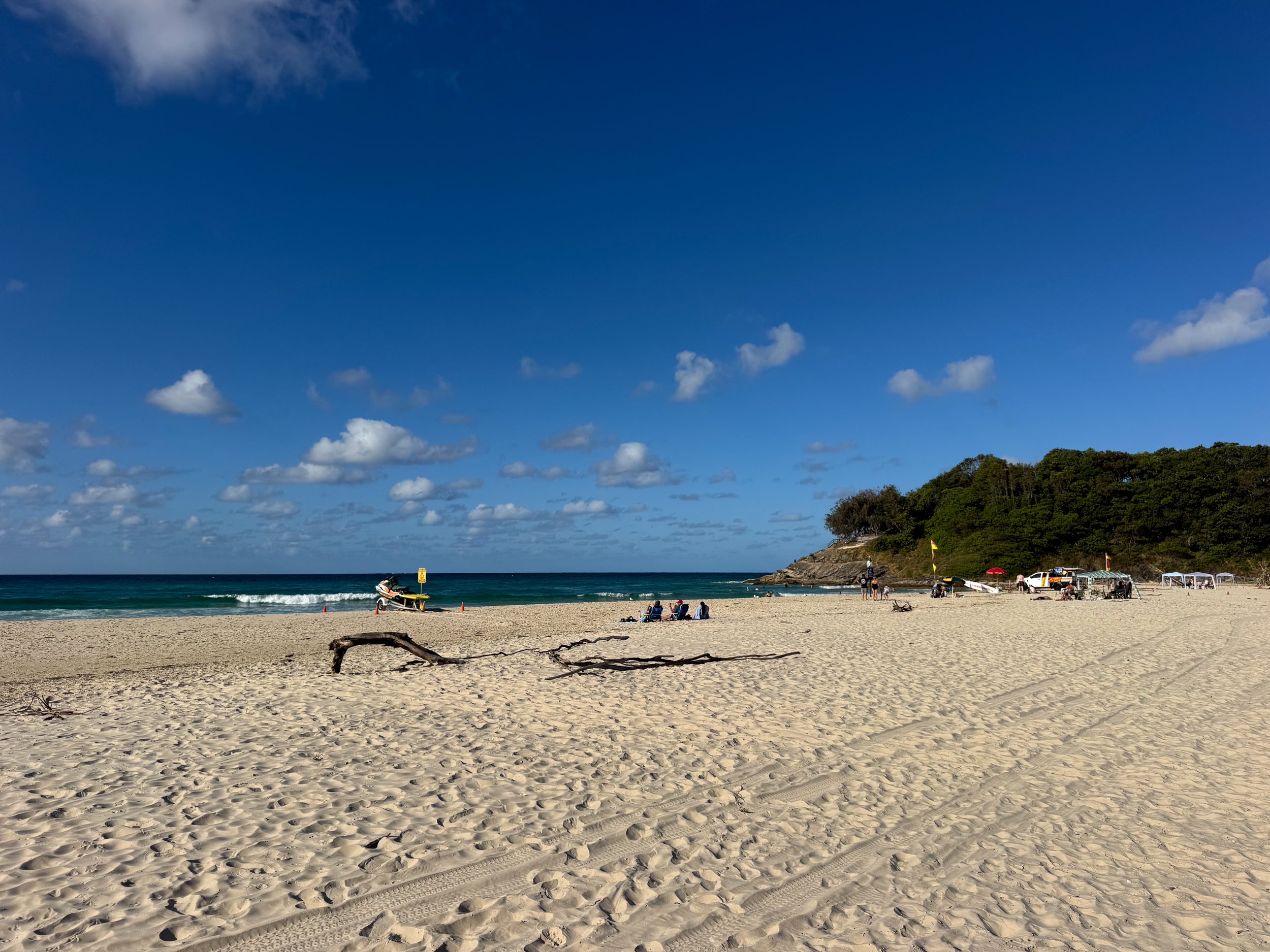
Main Beach. A lengthy white sand beach hugged by turbulent aquamarine waters. It’s popular with experienced surfers. Visit the North Gorge Walk for its best views.
Cylinder Beach. A white sand beach with a small protected swimming area, a surf school and parking lot with trunk cafes. Keep an eye out for wild kangaroos nibbling on grasses.
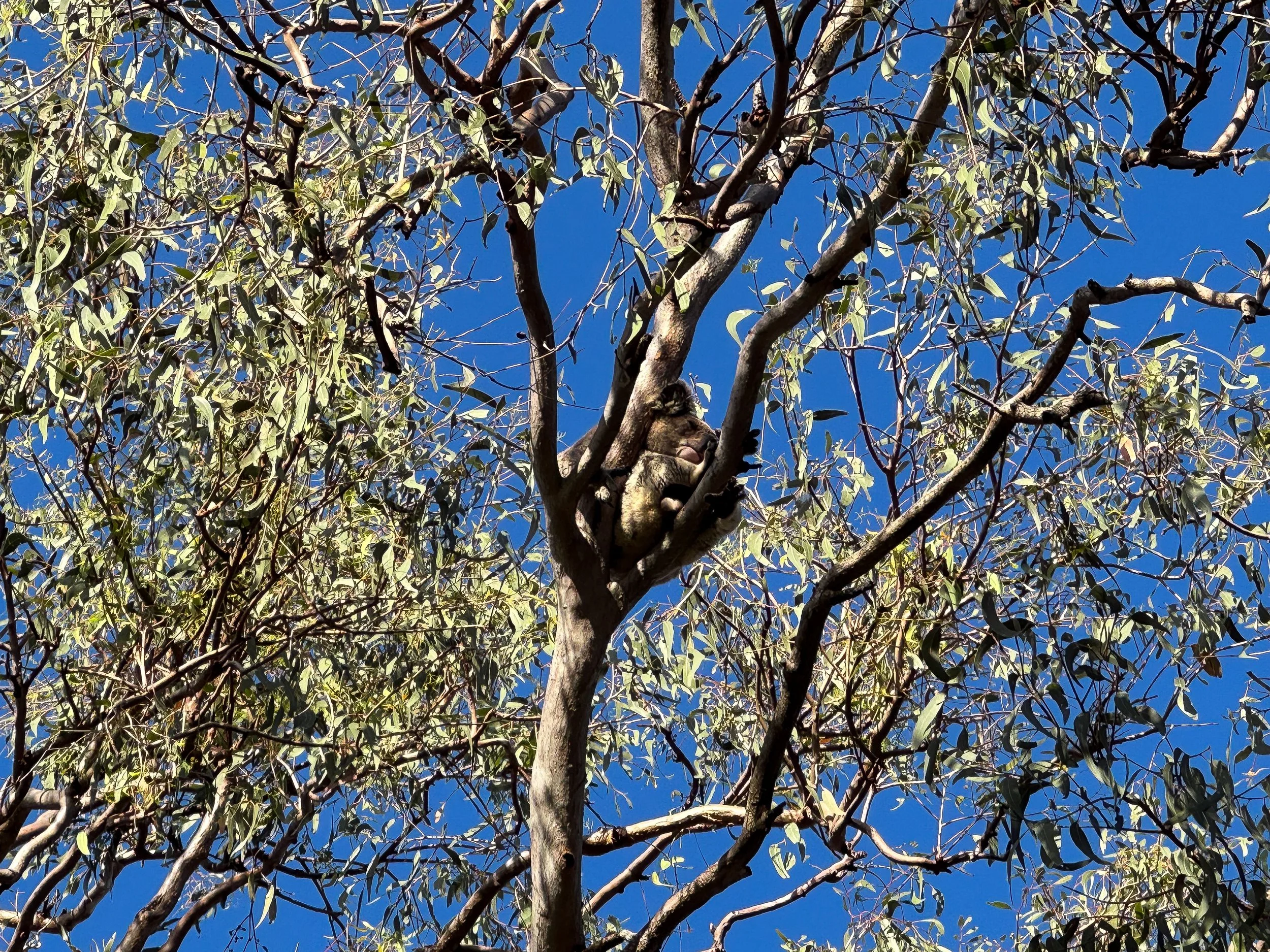
Ballow Street. A forested street with tall eucalyptus trees home to wild koalas. Walk the street towards the beach looking up for the cute and sleepy animals hugging onto the branches.
Straddie Brewing Co. A brewery with craft beers brewed on the island. They’re sold virtually everywhere. Try the dark lager and Jumpinpin IPA.
Stradbroke Island Tours. A company offering day trips to North Stradbroke Island from Brisbane. Their small group tour includes transportation, ferry tickets and wildlife spotting guides. We booked with Viator.
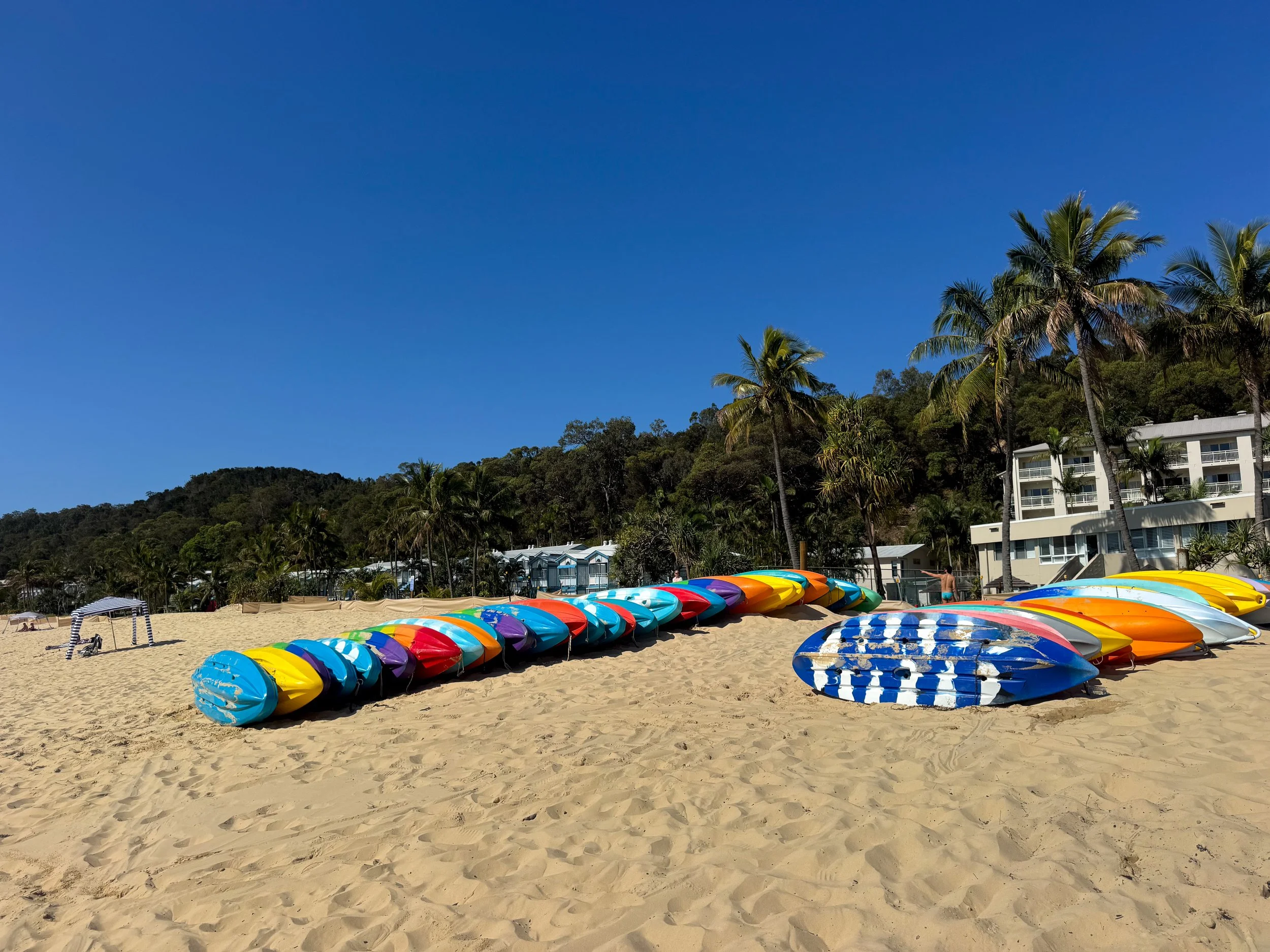
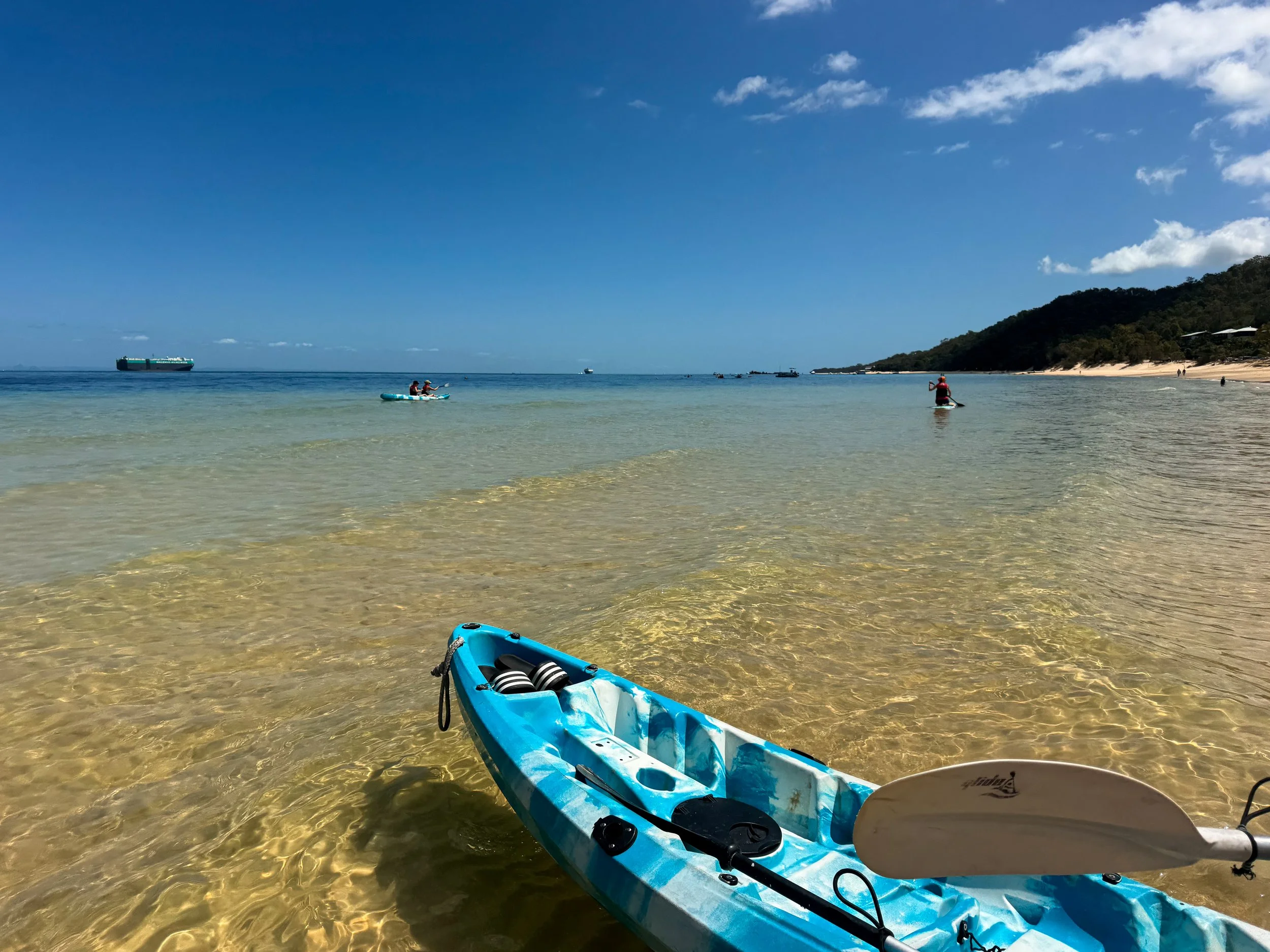
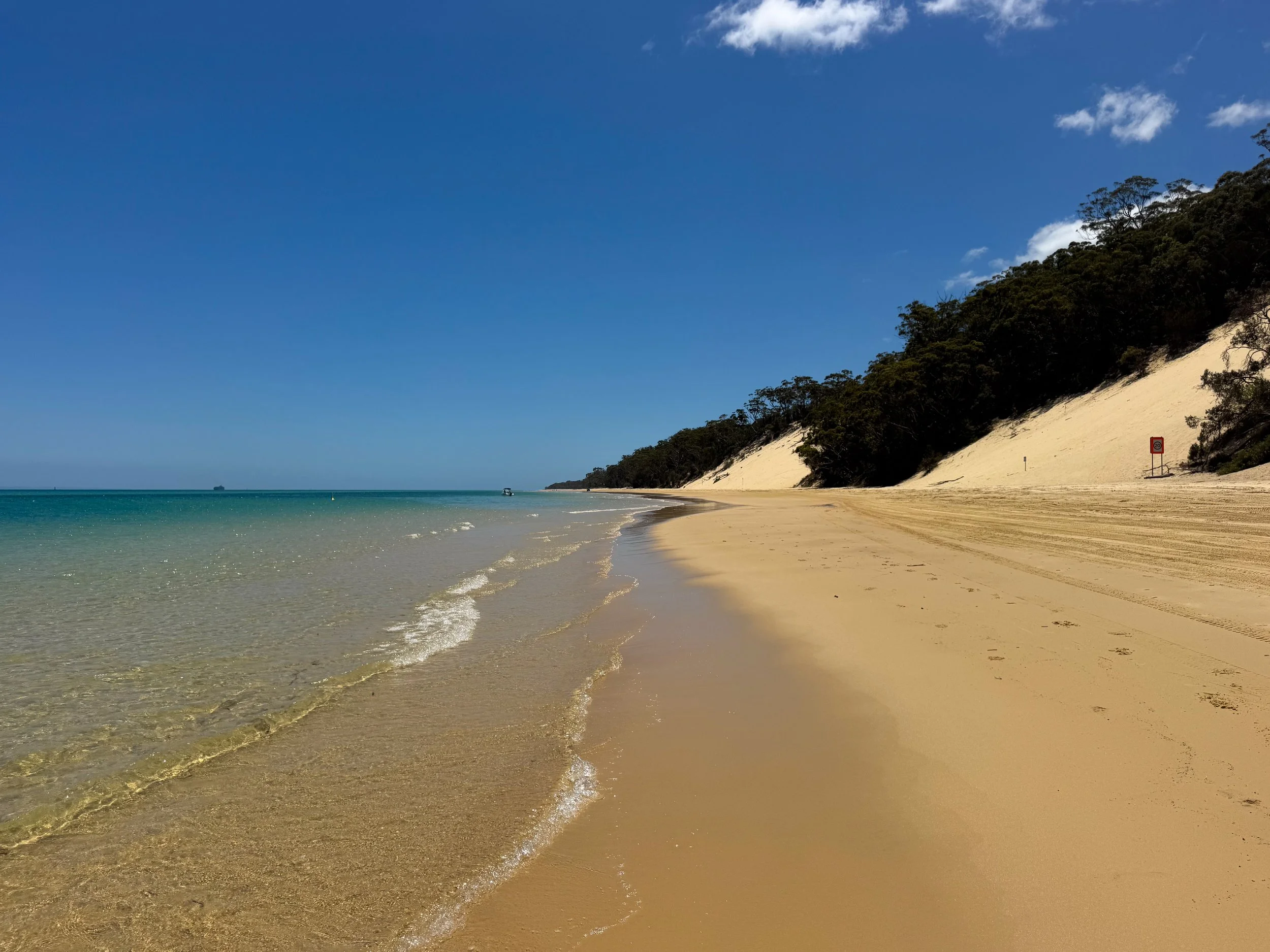
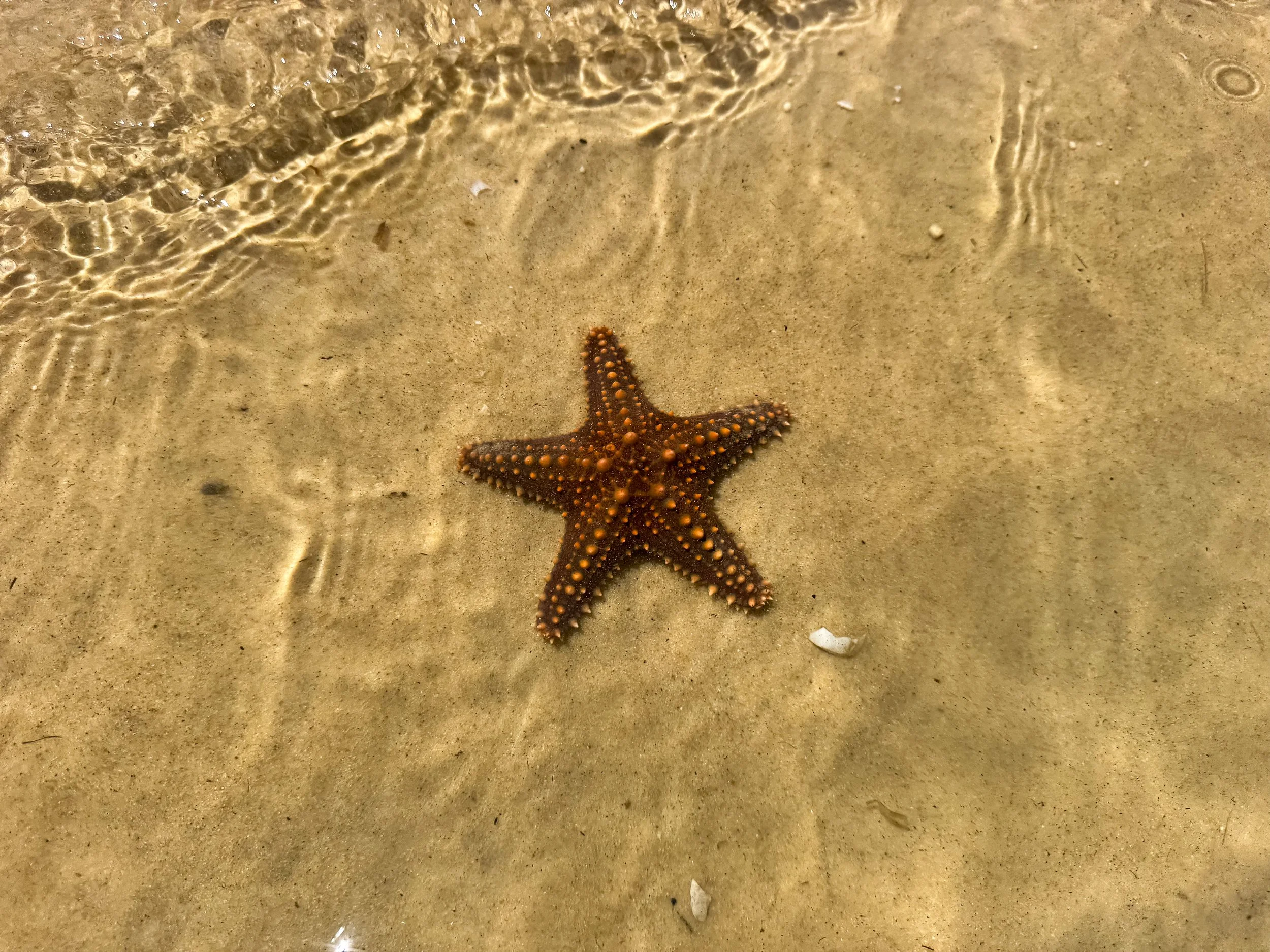
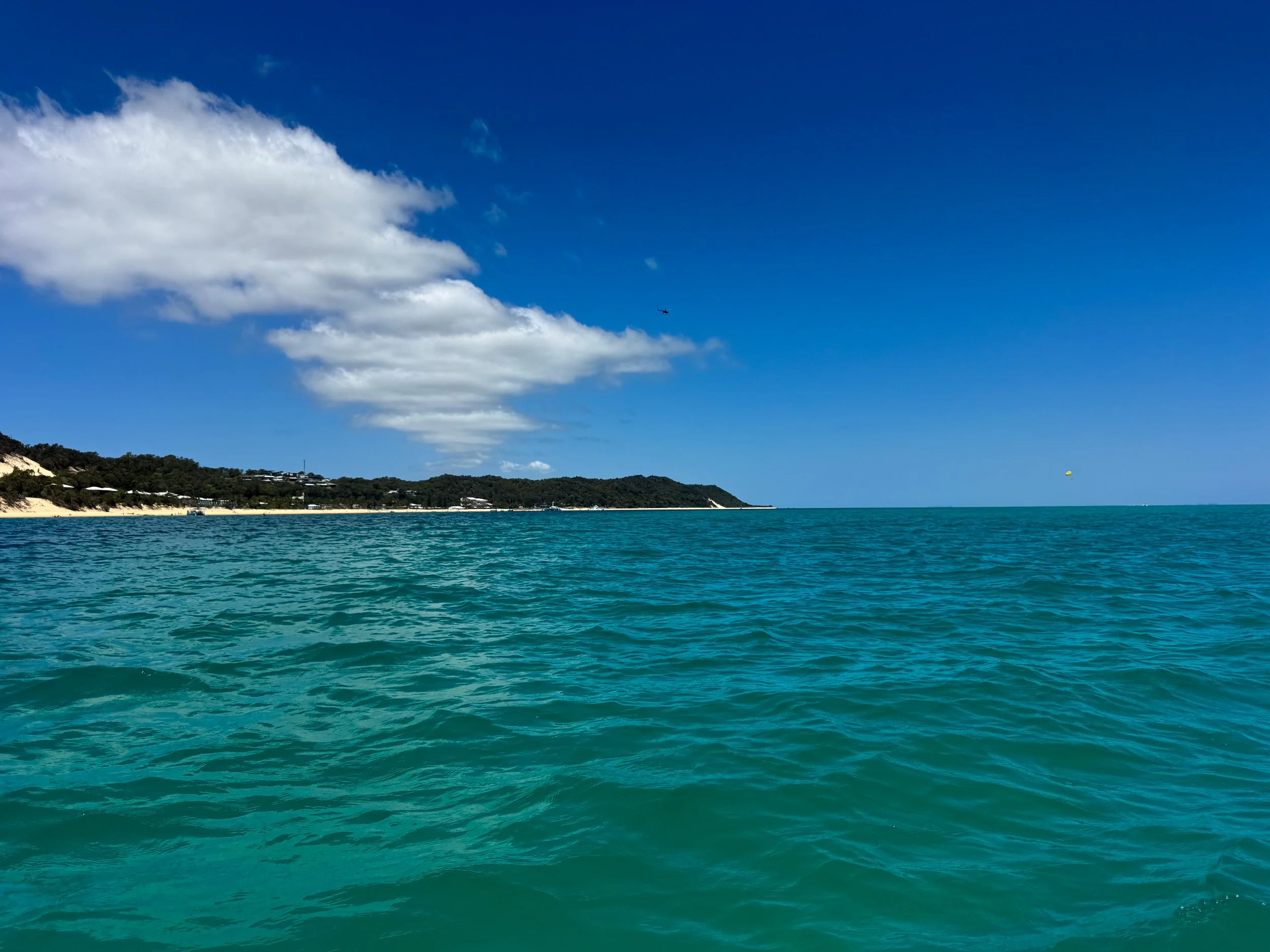
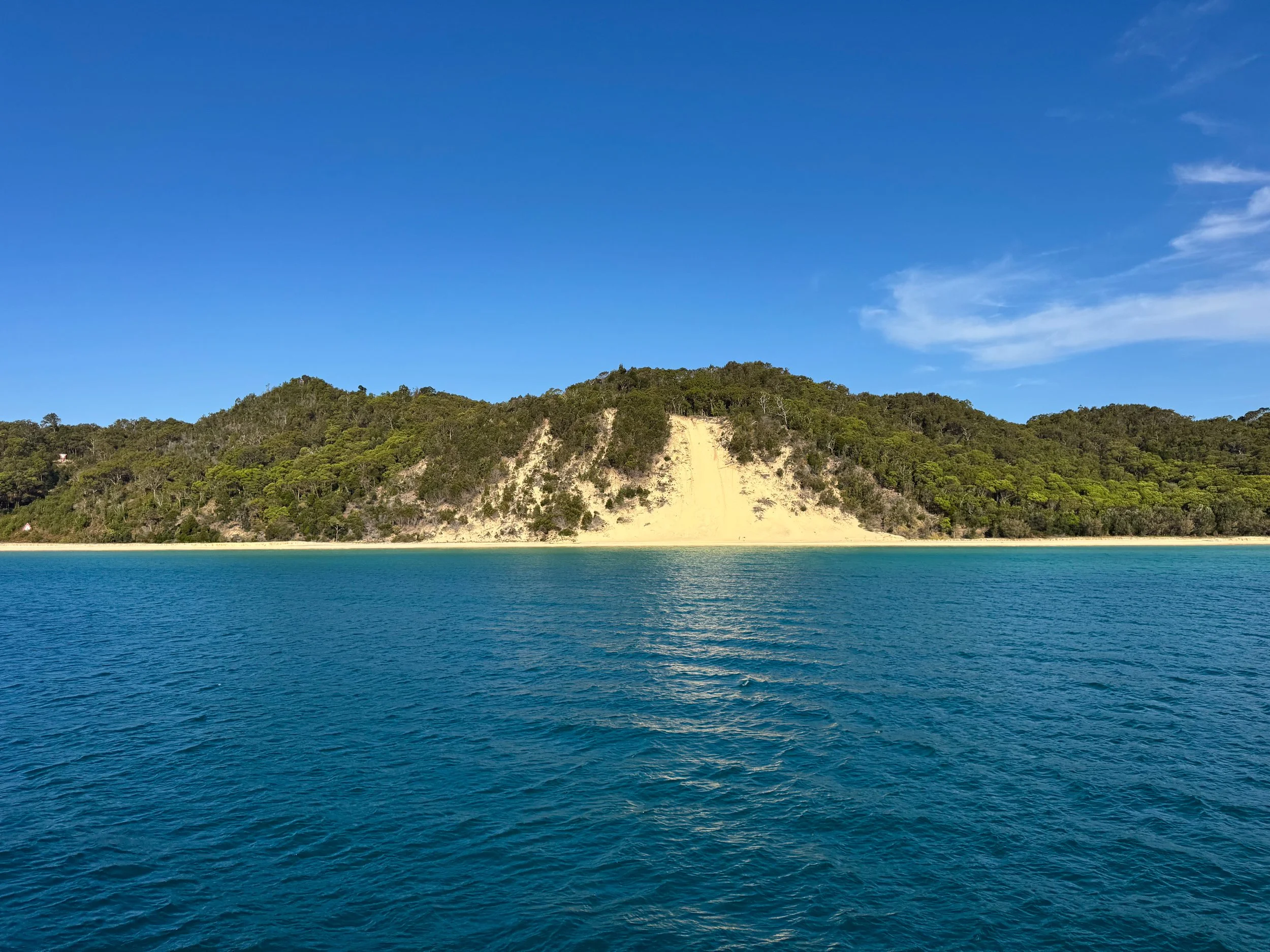
Moreton Island
Moreton Island is a massive sandbar island famed for its pristine beaches, sunken shipwrecks, desert like sand dunes and forested trails.
Tangalooma Island Resort. A beautiful beachfront resort on Moreton Island with access to its scenic nature. Take a day trip here from Brisbane to enjoy some beach time and a range of marine activities. We booked the Adventure Day Pass which included round trip ferry tickets, snorkel gear and kayak rentals.
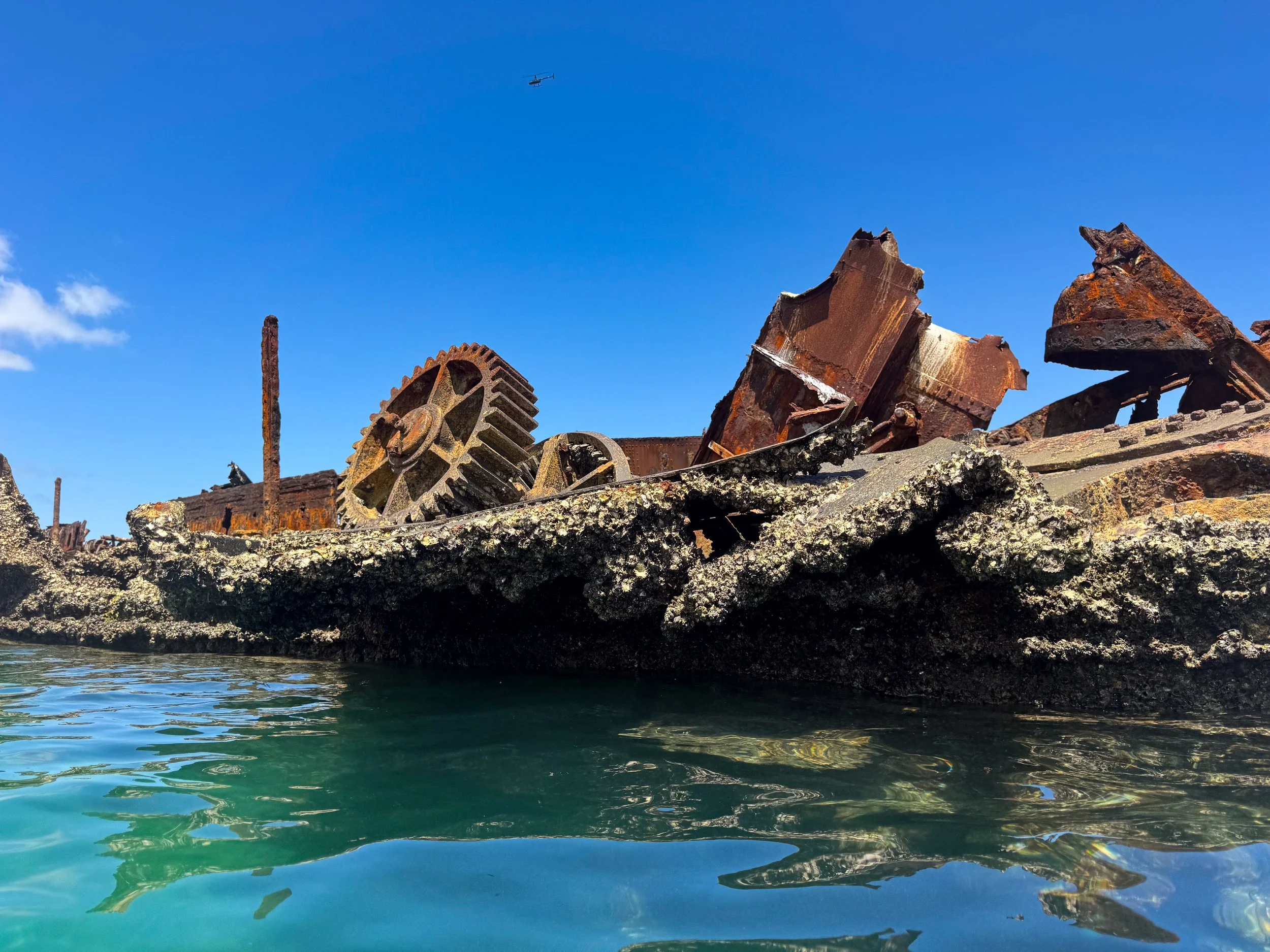
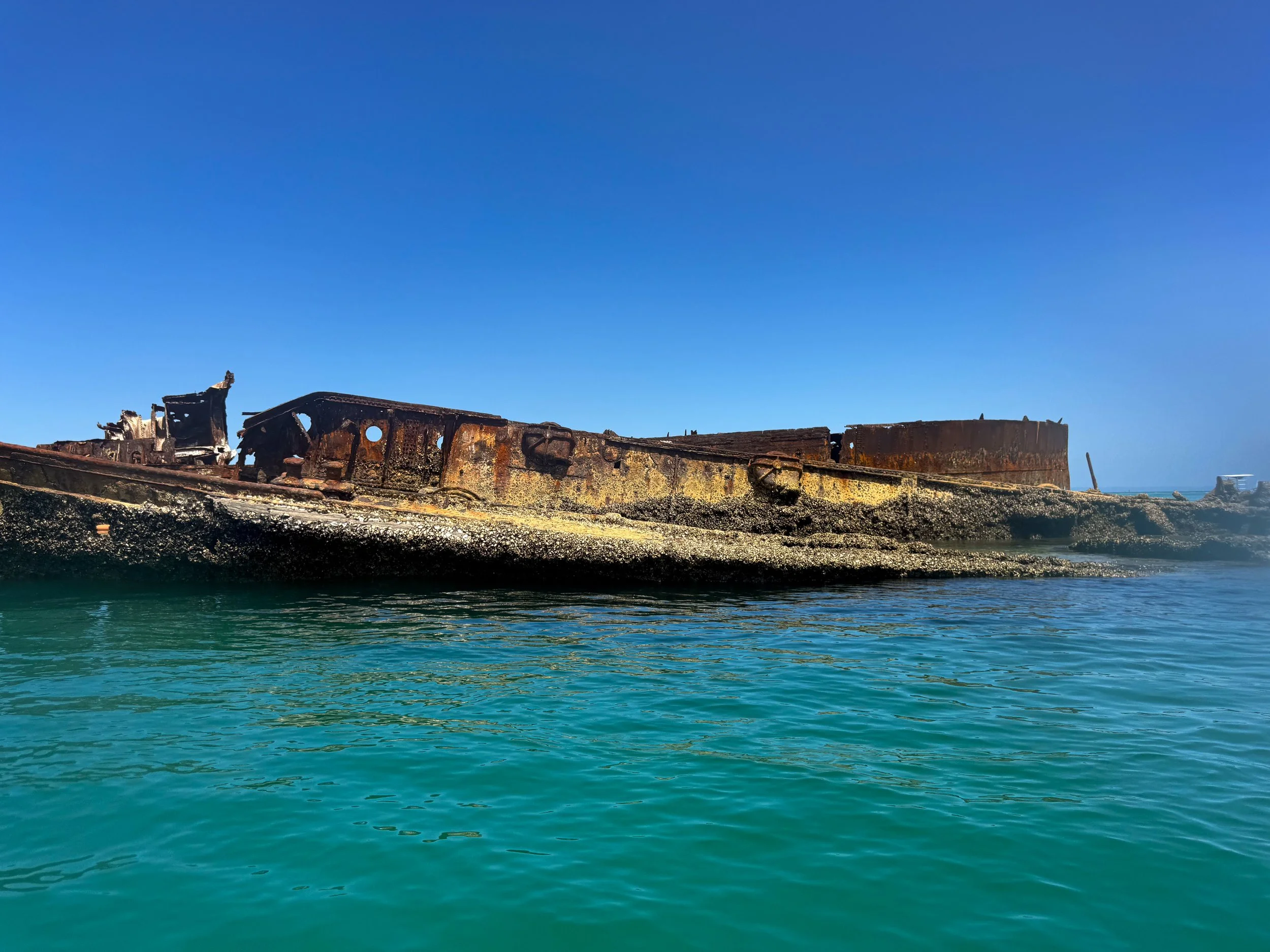
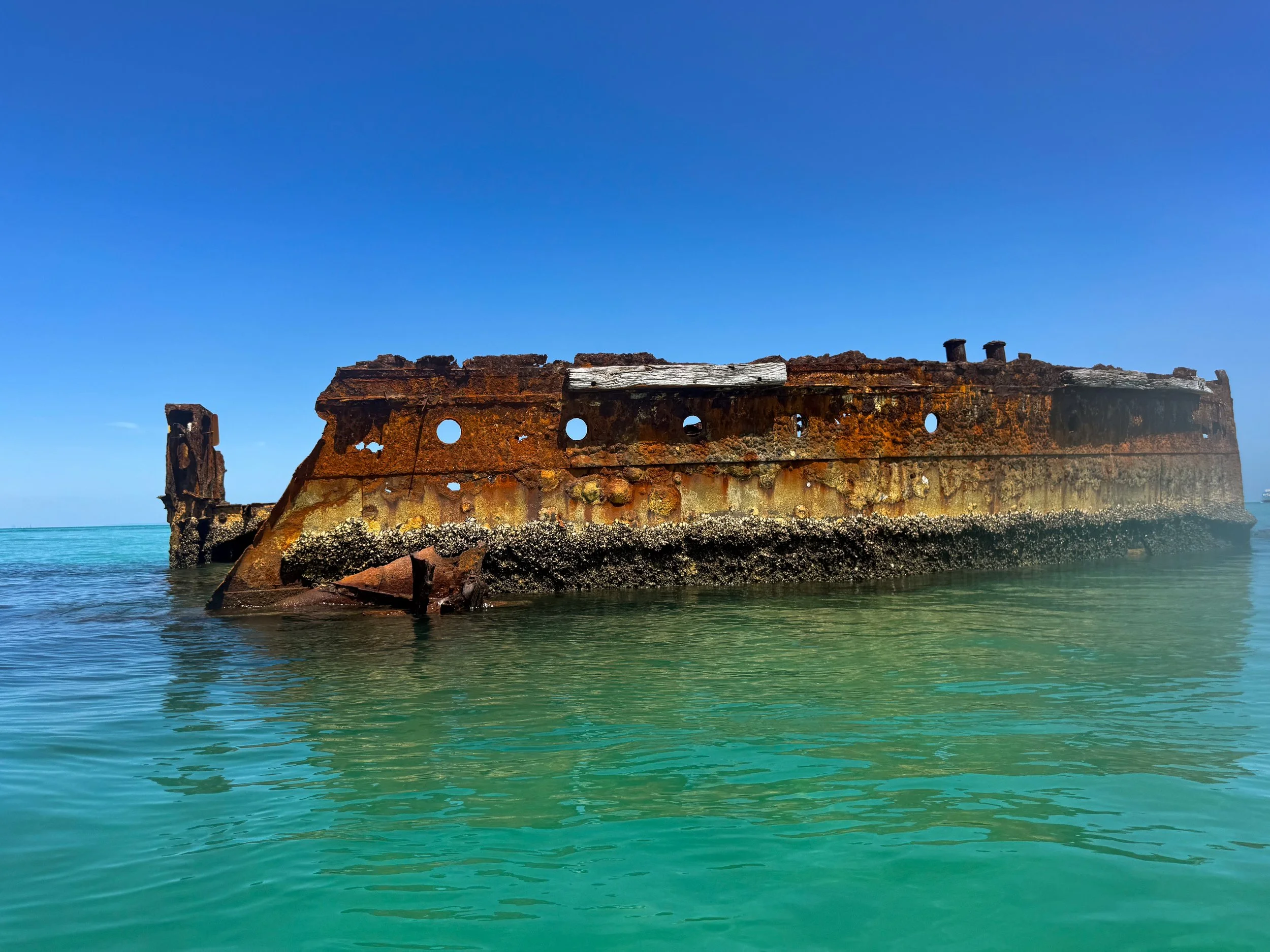
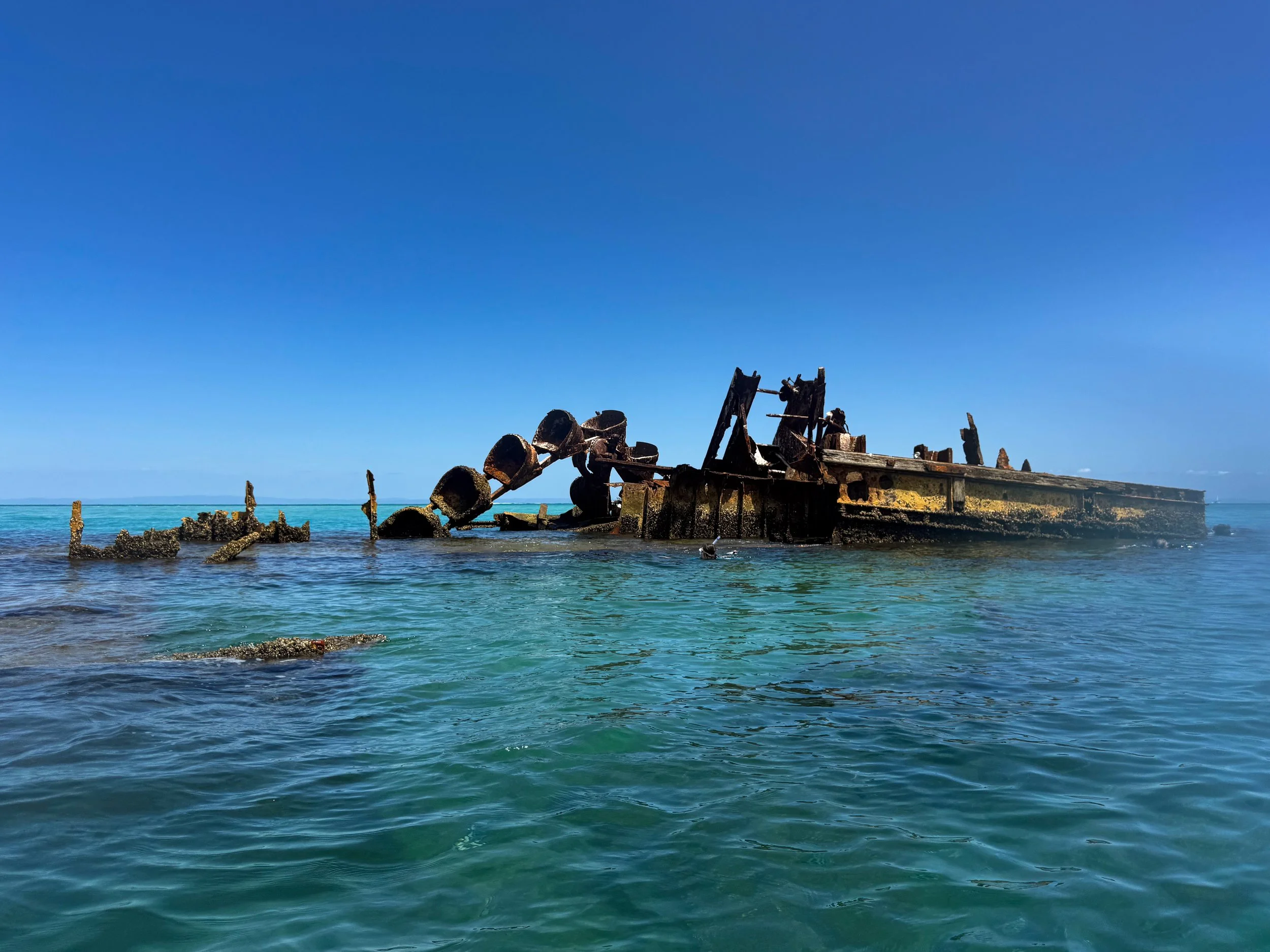
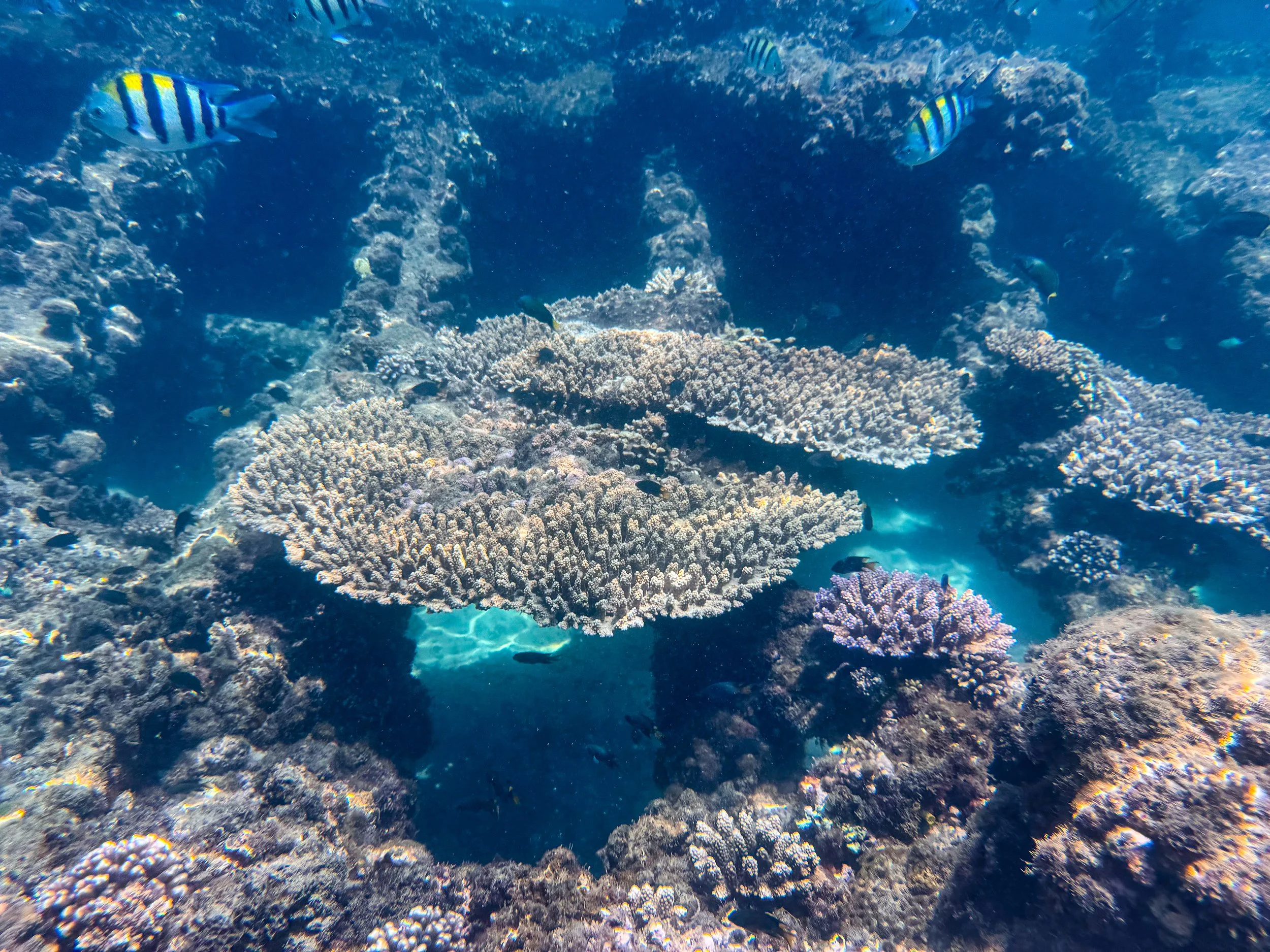
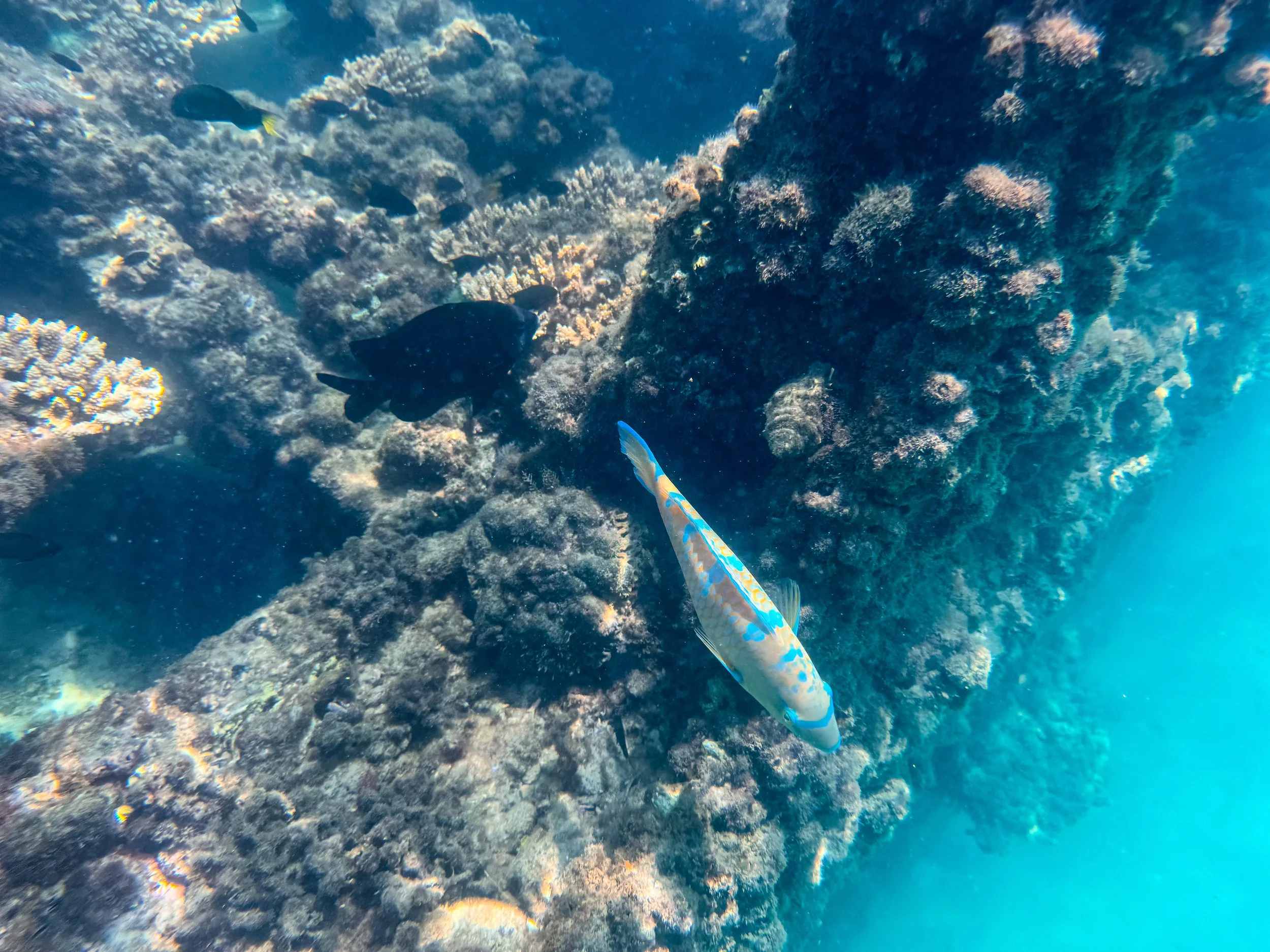
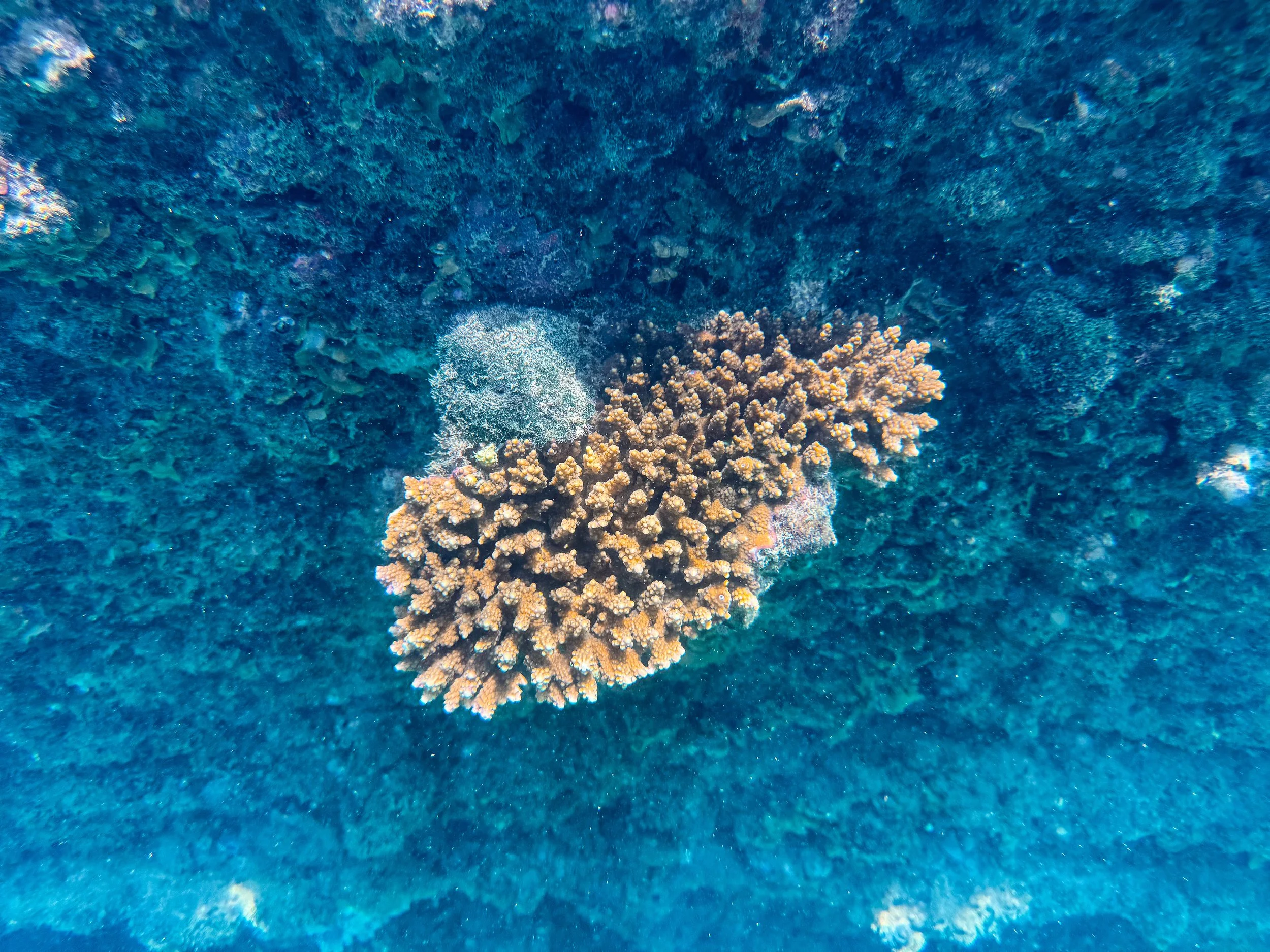
Tangalooma Wrecks. A series of sunken metal ships protruding from the bay. They are a habitat for corals and all types of colorful and tropical fish. Rent kayaks from the resort to paddle around them and snorkel gear to observe underwater marine life.
Tangalooma Beach. A beautiful white sand beach stretching the length of the Tangalooma Island Resort. It’s a popular place to spot starfish during low tide. Come here to swim, snorkel and sunbathe.
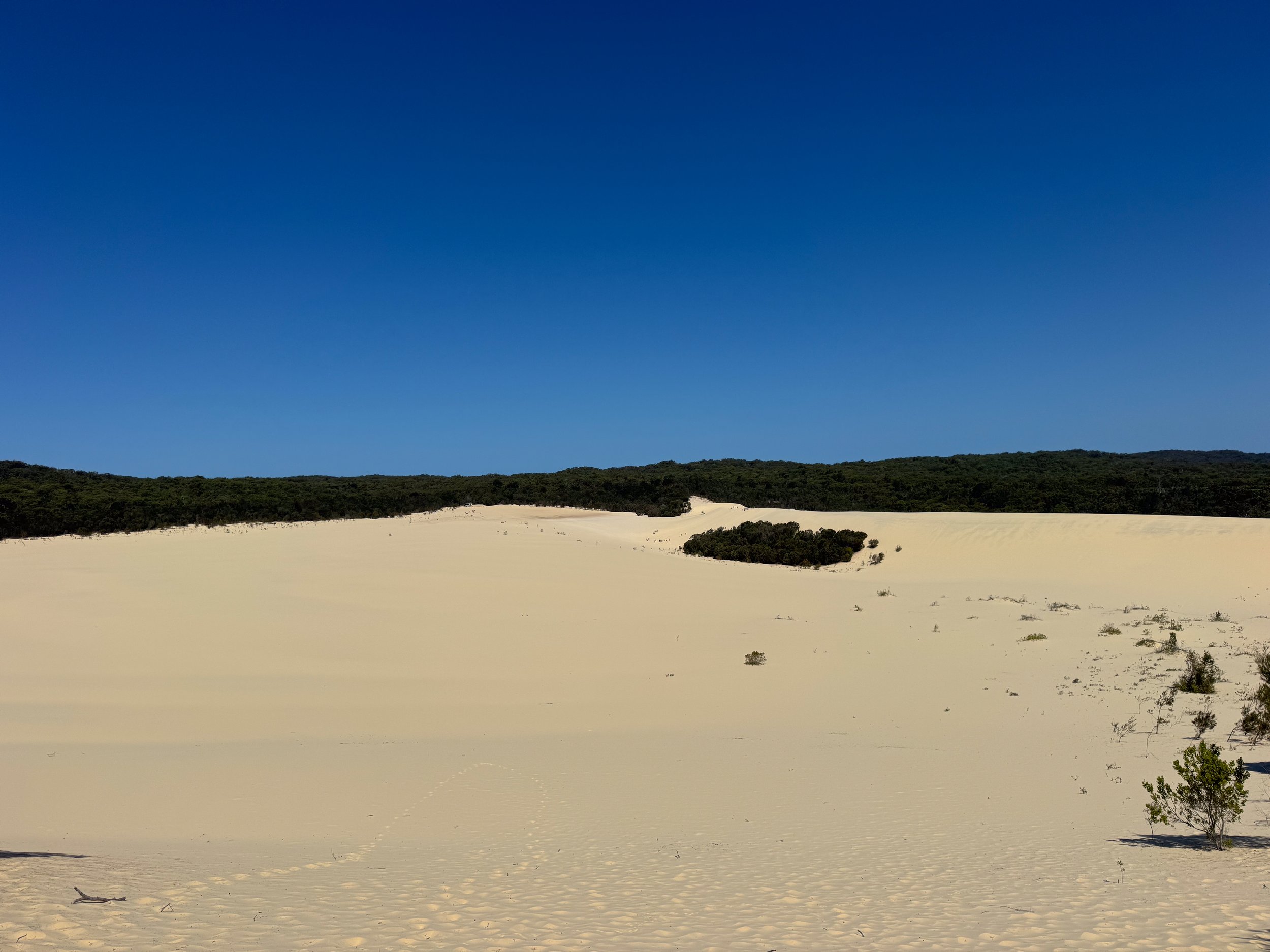
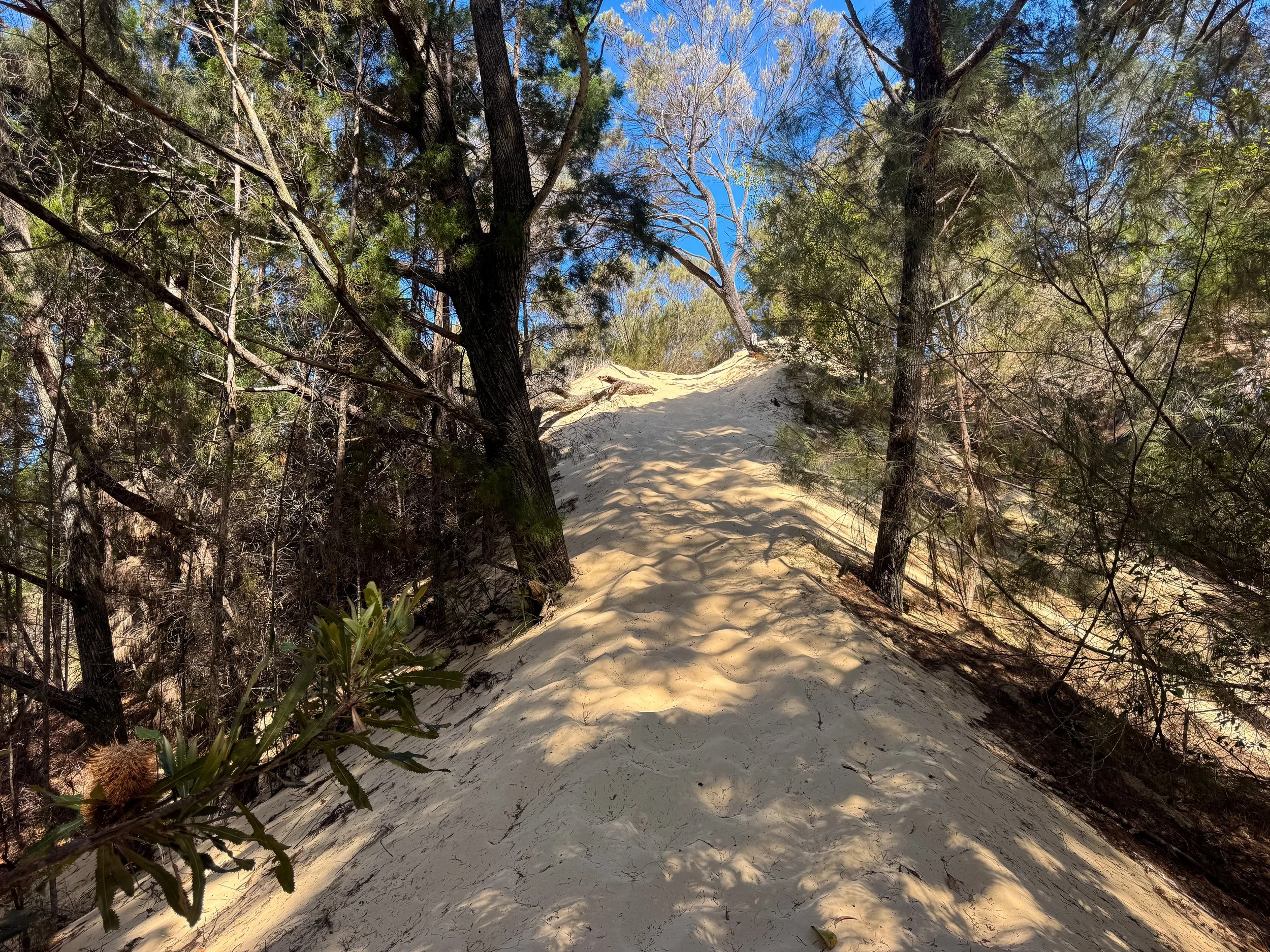
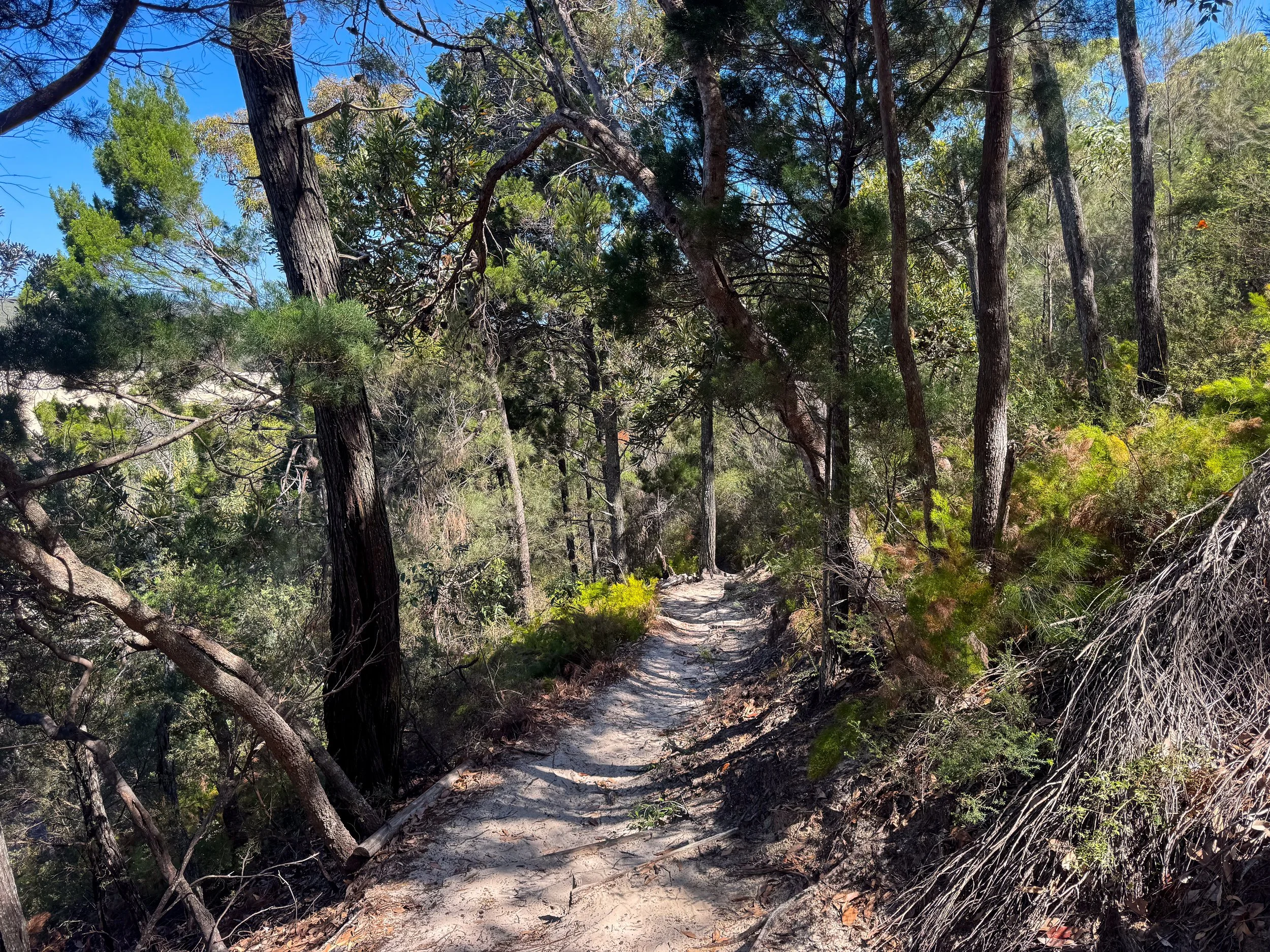
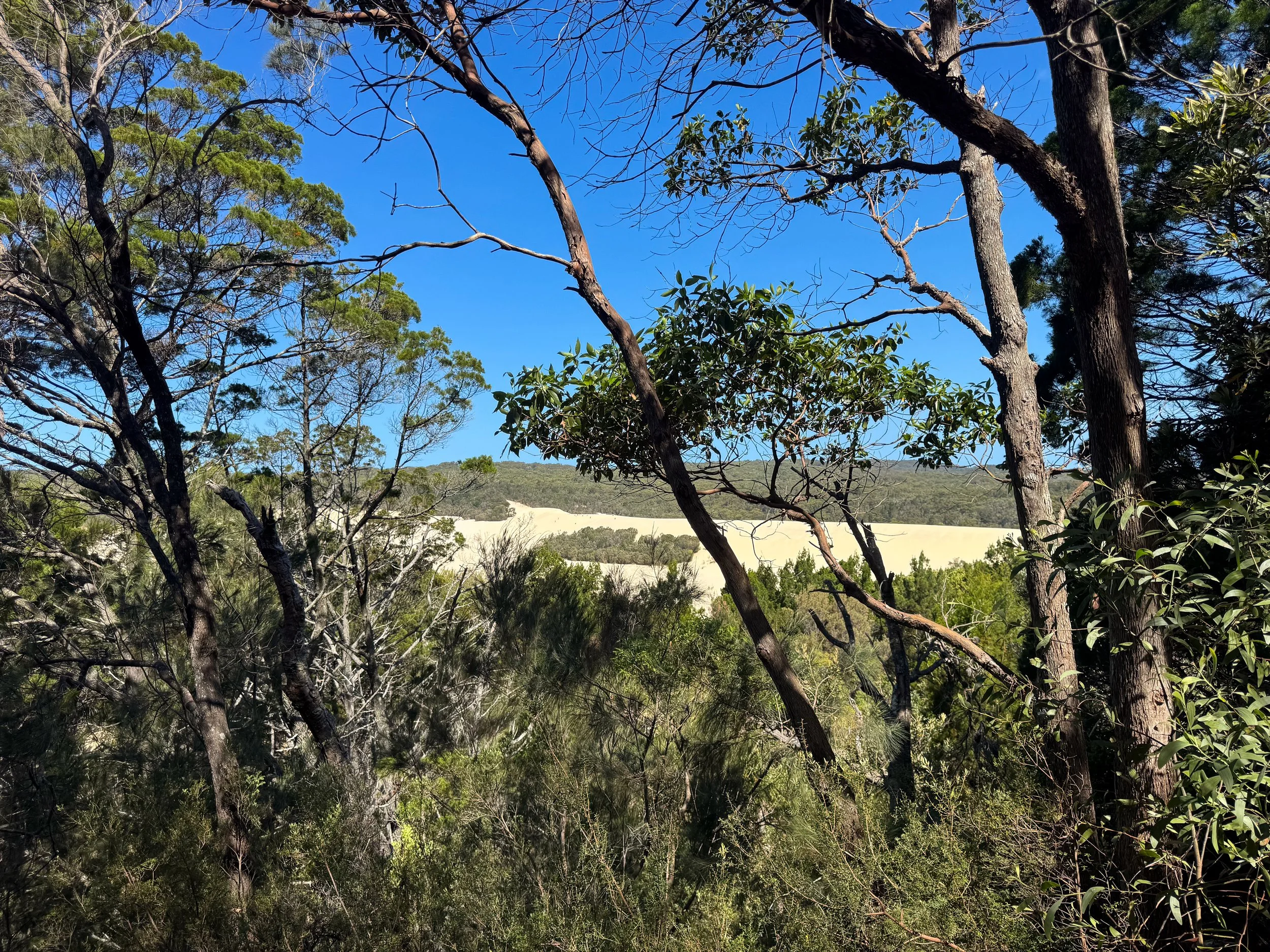

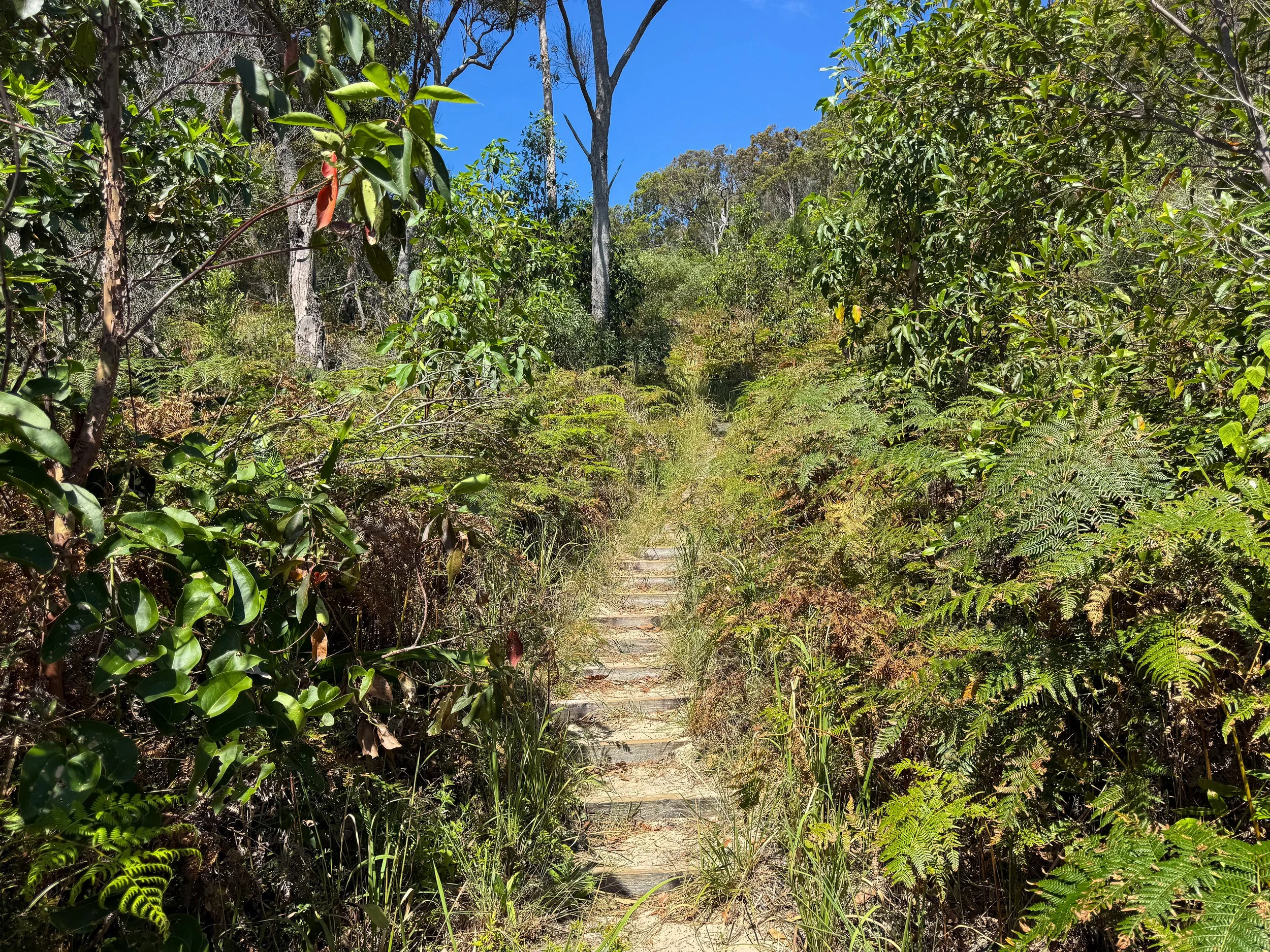
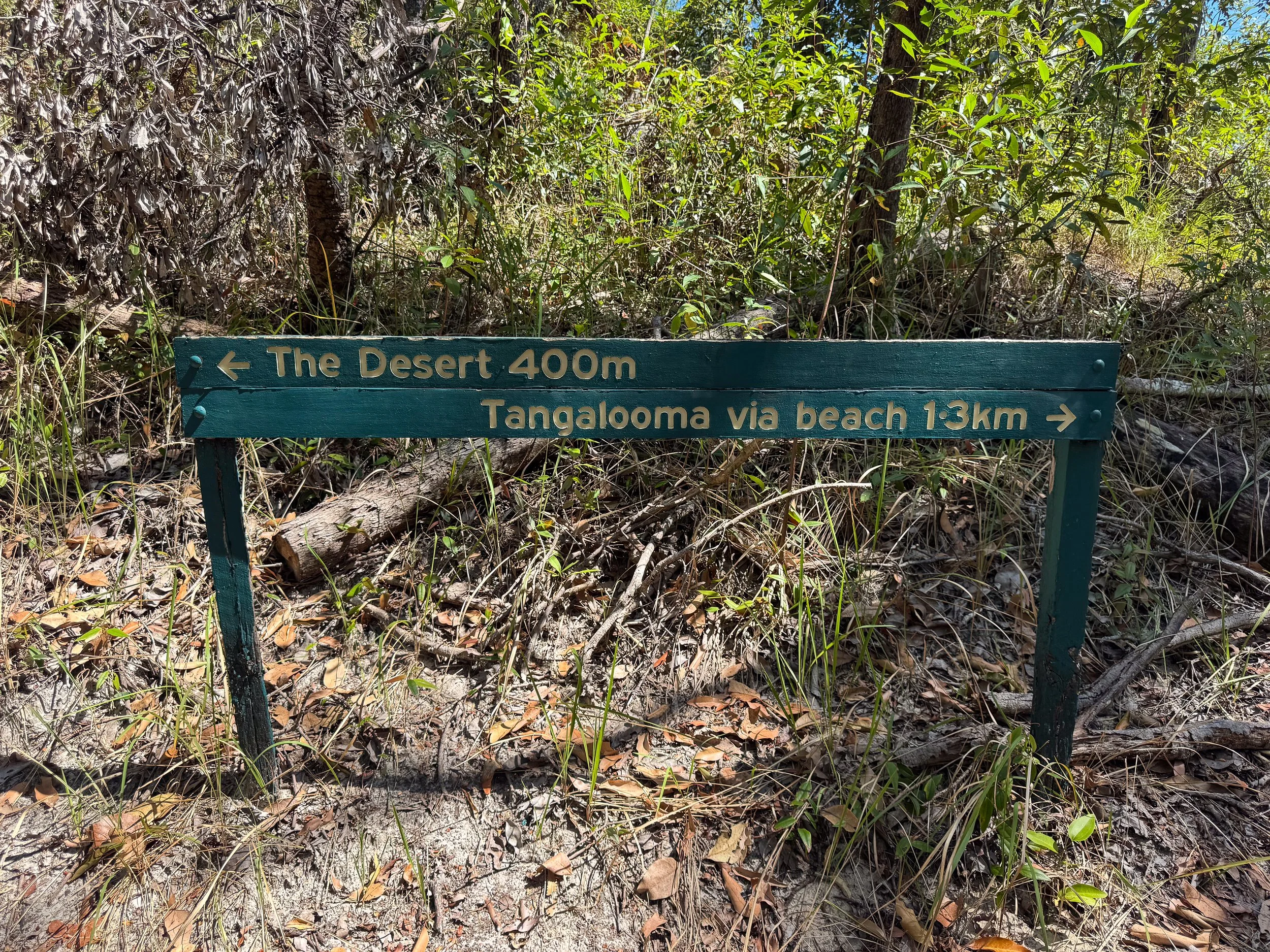
Moreton Island Desert. A white sand desert surrounded by forest. It’s a popular spot for dune walking and sand boarding. Walk along the beach from the Tangalooma Island Resort to the Desert Walking Path. The trail leads 2km uphill and through the forest to an opening overlooking the desert.
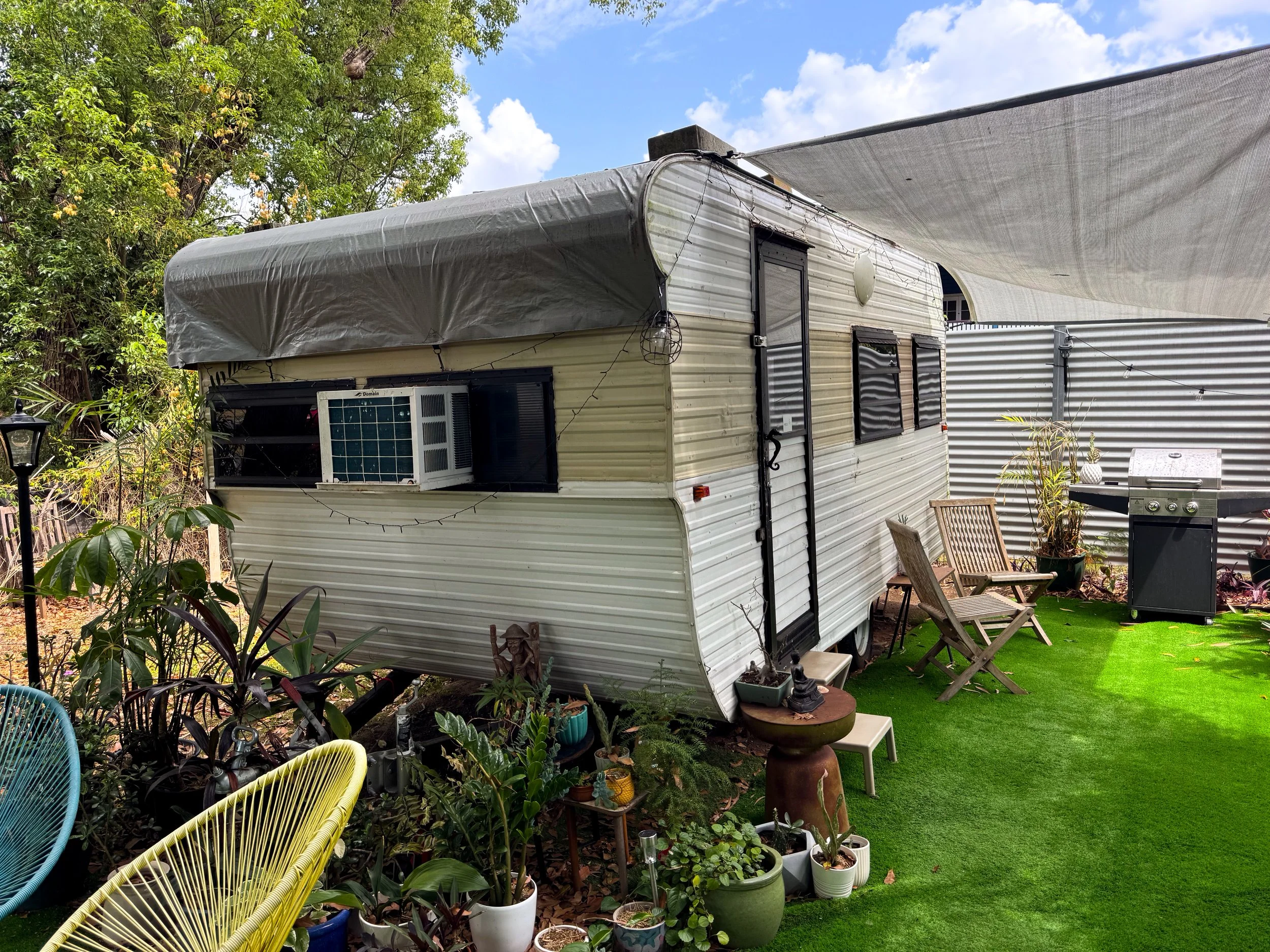
Where to Stay
East Brisbane Tiny House. A cozy and well equipped backyard caravan (aka camper). The tiny space has a comfy bed, dining area and outdoor patio with a grill. Book on Airbnb.

Getting Around
Train. The light rail is the best way of getting between neighborhoods and the airport. Tap your credit card when entering and exiting the stations.
Brisbane Airport Train. The airport train is the cheapest and most direct way of getting between the central business district and the airport. Board at the Roma Street Station or Central Station.
On Foot. Brisbane is very pedestrian friendly. Explore the city’s neighborhoods, bridges and parkways on foot.
Uber. Ubers are available across Brisbane. They can be extremely expensive. Try to avoid booking during rush hour.
By Ferry. The City Cat Ferry makes stops up and down the Brisbane River. It’s a scenic and convenient way of getting around and sightseeing. Tap your card to pay when getting on and off. Fares cost $0.50 AUD.
Location Specifics
Sunblock. Wear SPF 50+. The UV is significantly higher in Queensland due to its location in the southern hemisphere and depleted ozone layer.
Tipping. Tipping is not generally expected due to fare and regulated wages. Best practice is to round up on bills or leave a small tip for exceptional service.
Cash vs. Card. Credit cards are widely accepted everywhere. Cash is rarely needed.
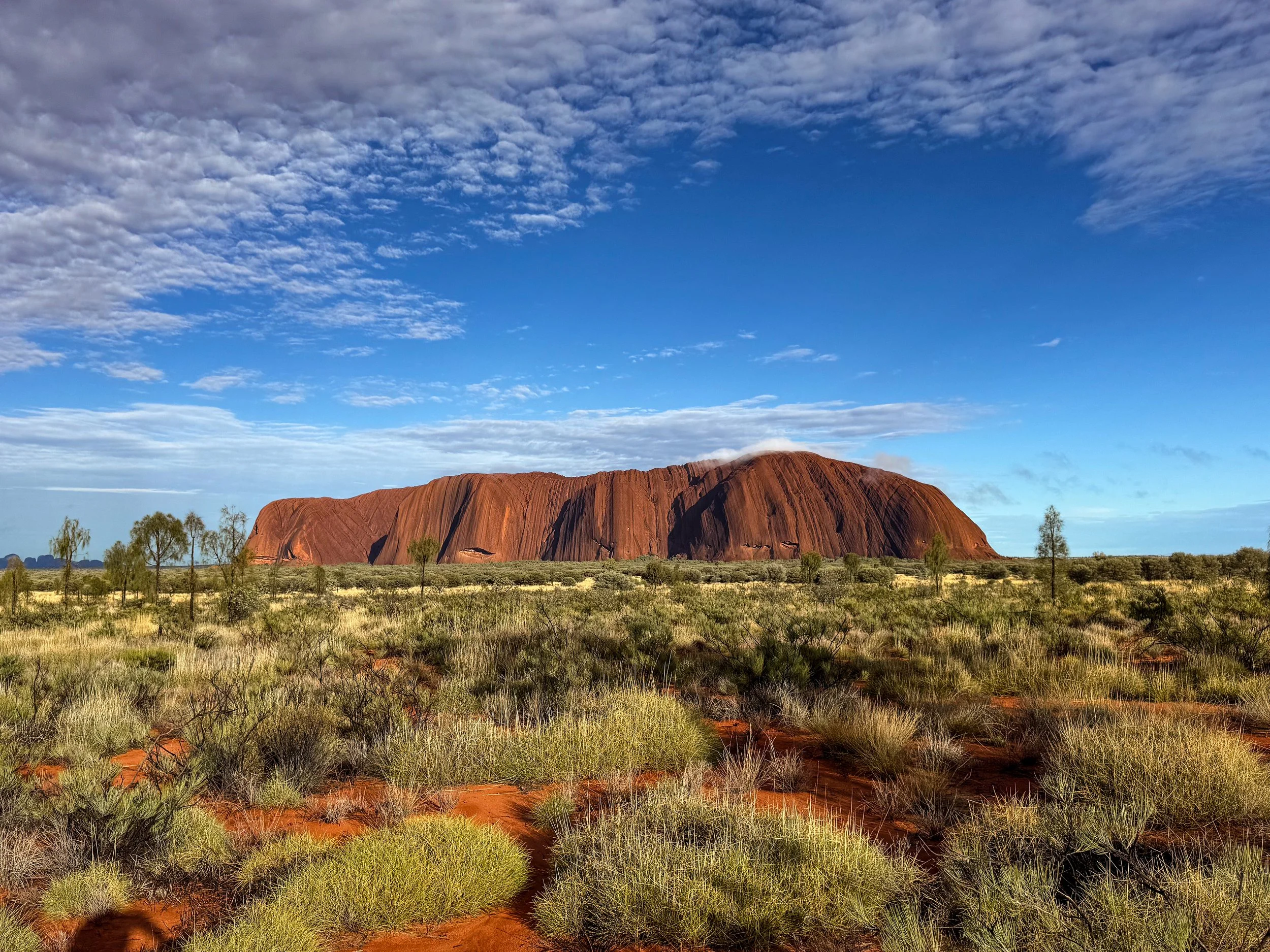
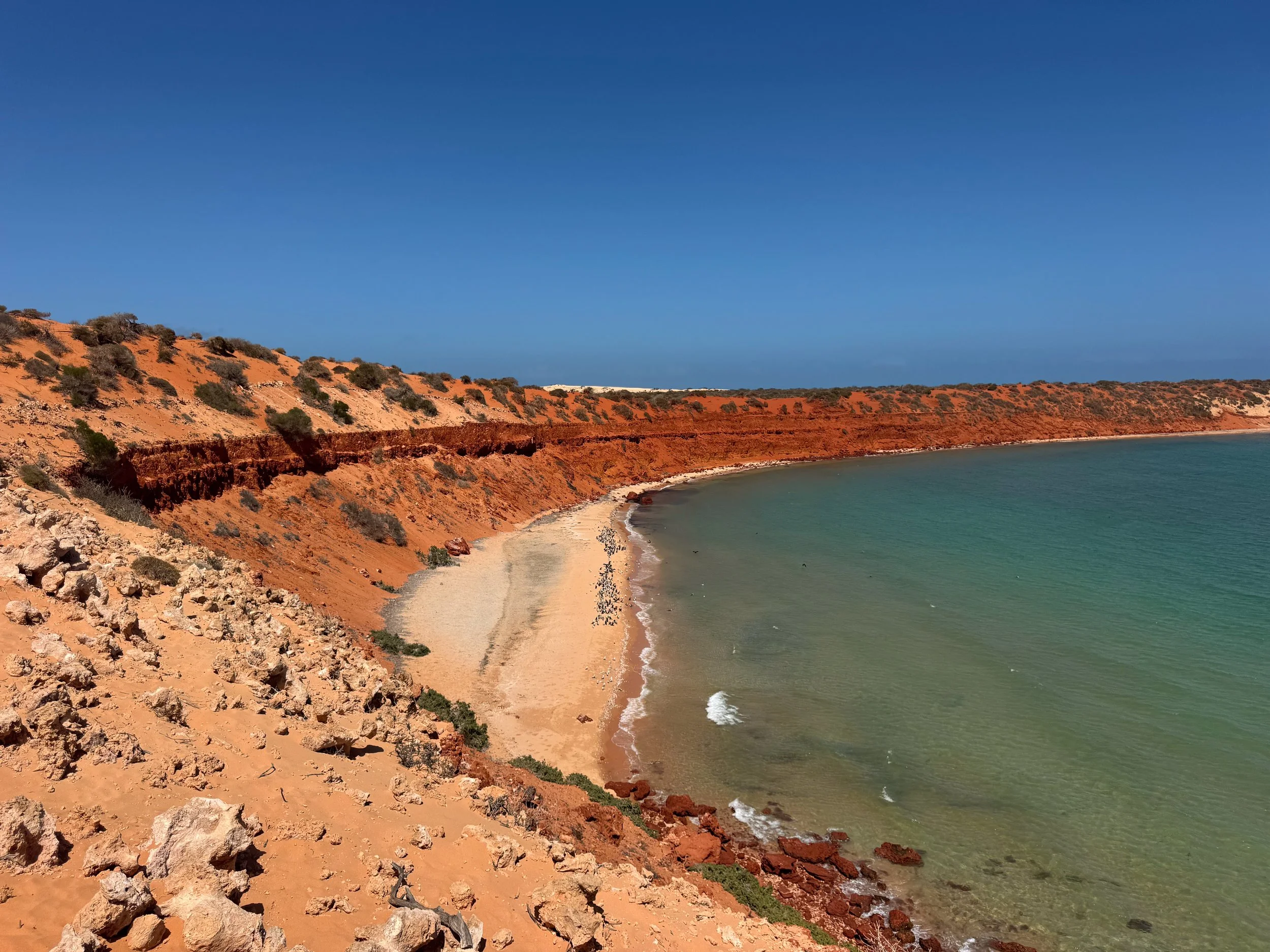
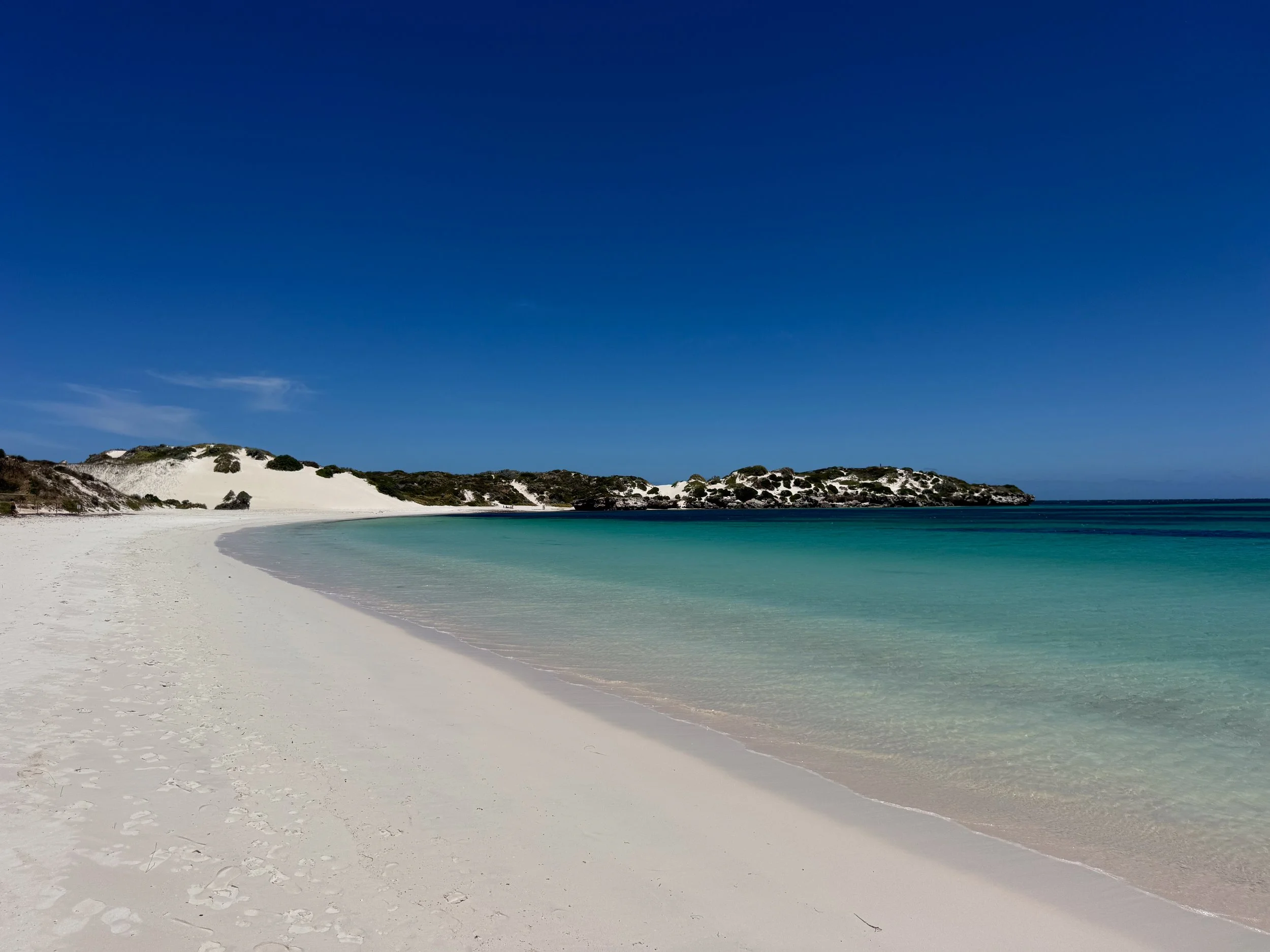
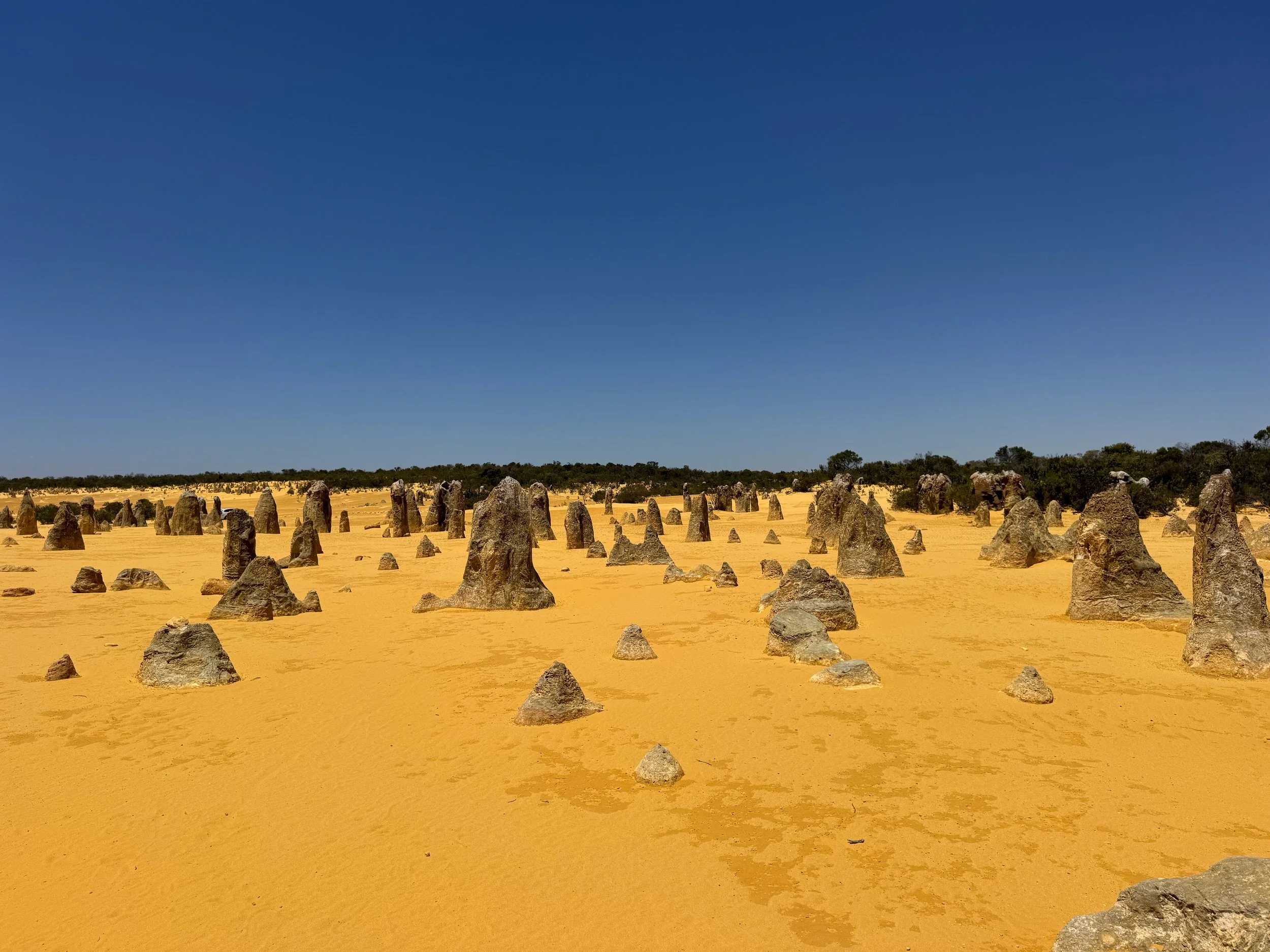
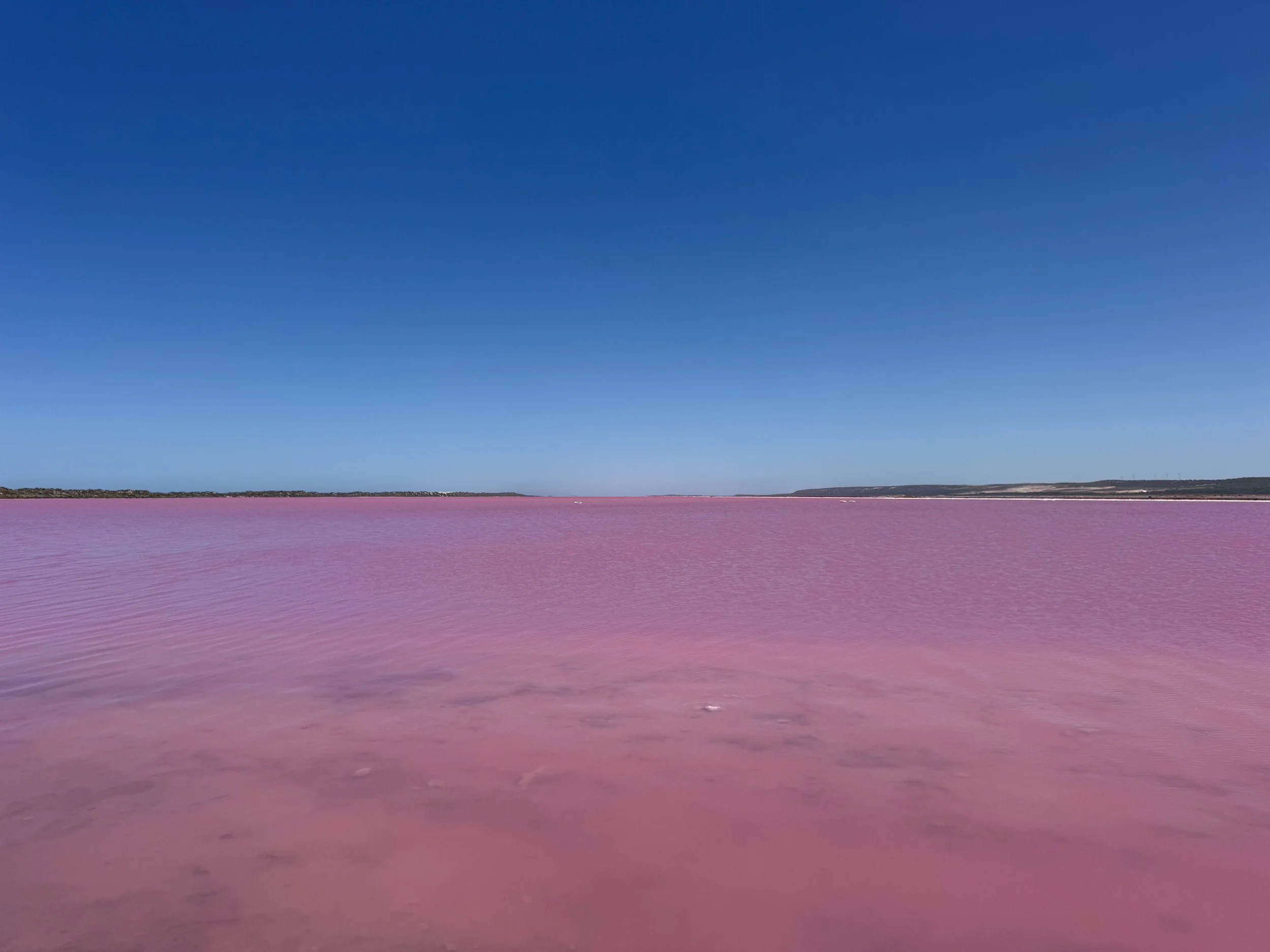
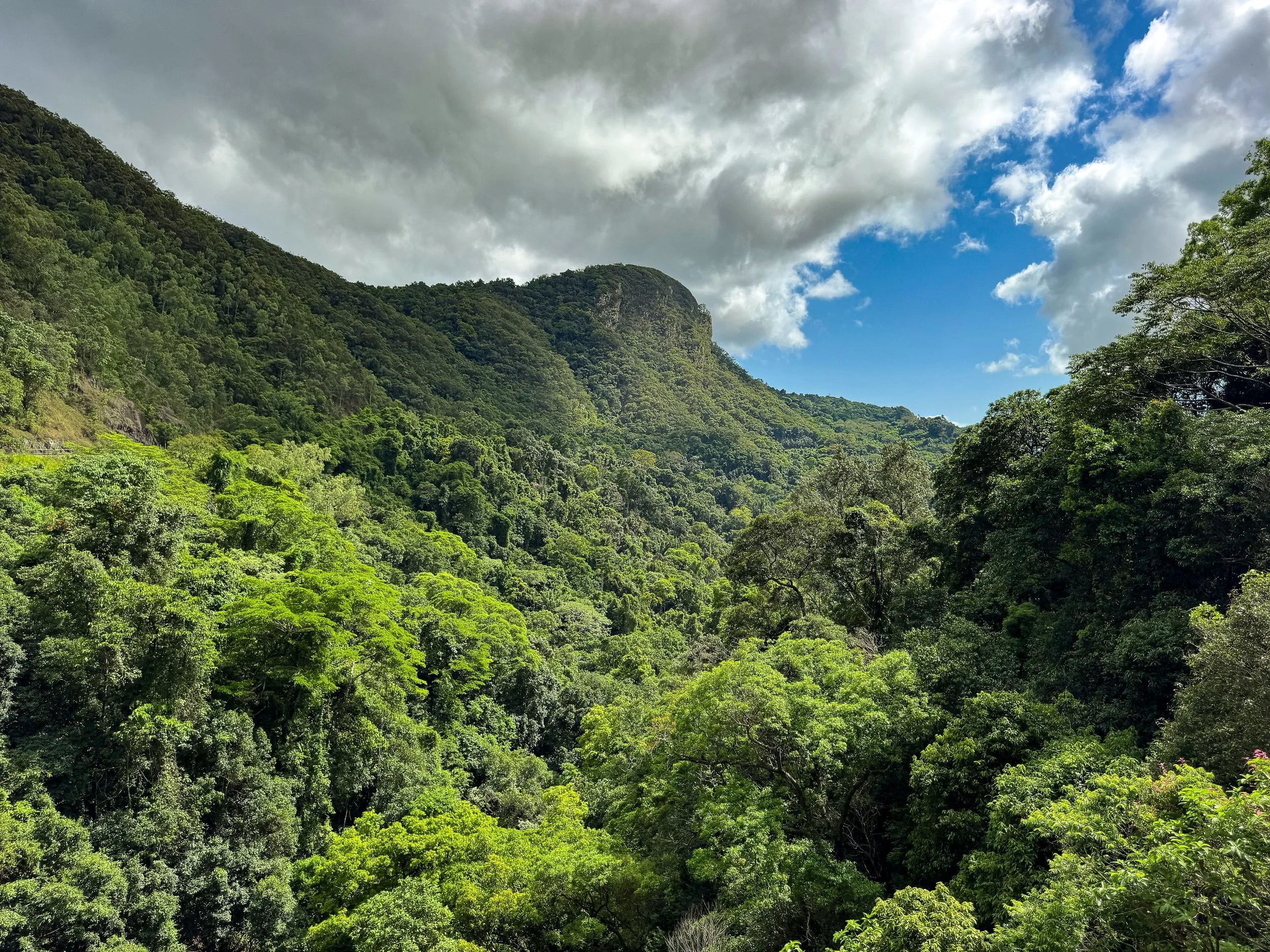
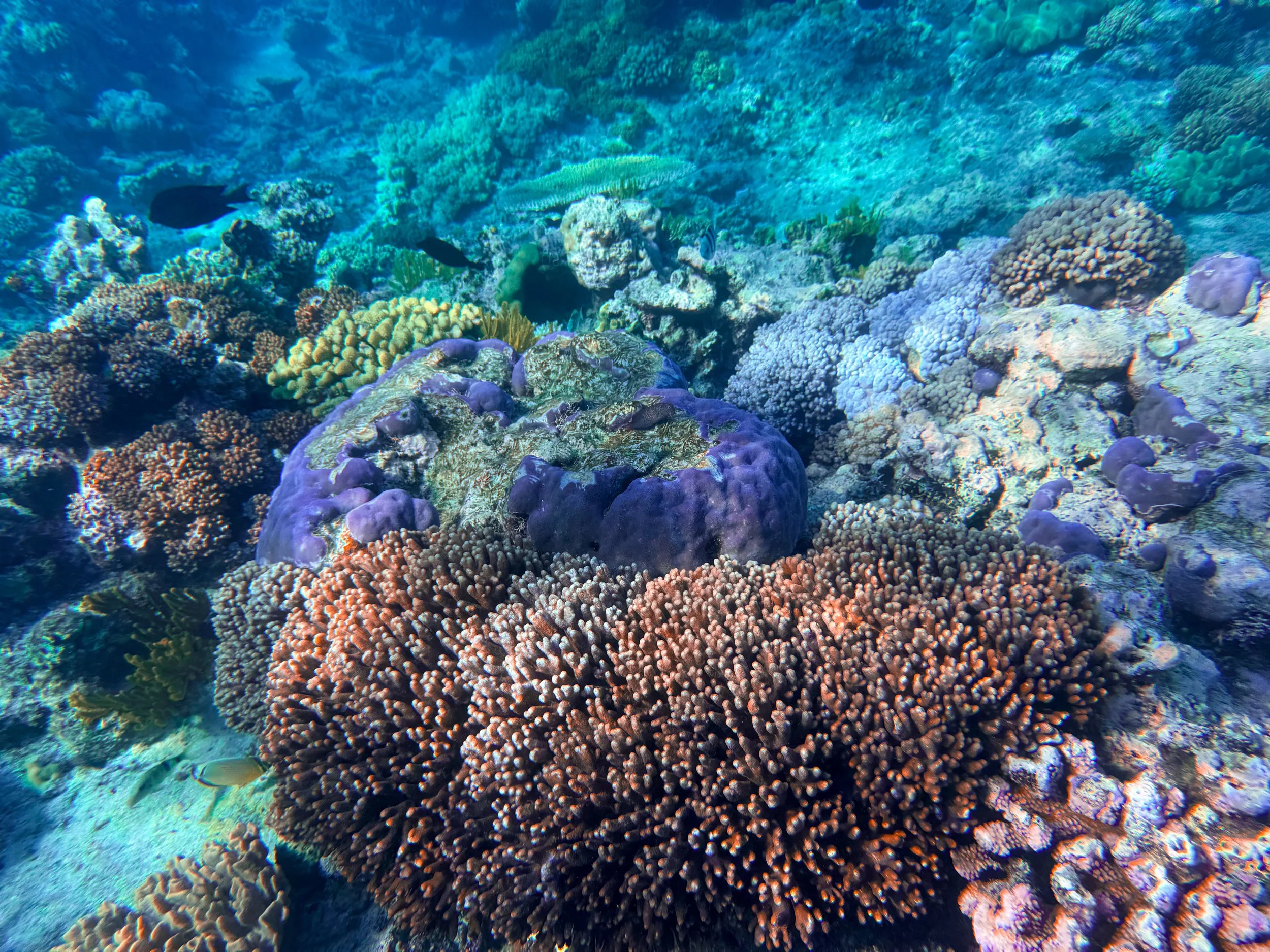
Elsewhere in Australia
From Brisbane's riverside neighborhoods and island escapes to Tropical North Queensland's rainforests, Byron Bay's beaches and Uluru's sacred landscapes, discover more of Australia through these travel guides:
Tropical North Queensland Travel Guide: Cairns, Rainforests & Wildlife. Explore Tropical North Queensland from Cairns, where ancient rainforests, cascading waterfalls and remarkable wildlife meet palm fringed beaches and vibrant coral reefs.
Great Barrier Reef Travel Guide: Cairns, Coral Reefs & Marine Life. Dive into the Great Barrier Reef where vibrant coral gardens and extraordinary marine life thrive within one of Earth's most biodiverse underwater ecosystems.
Byron Bay Travel Guide: Surfing, Beaches & Cape Byron. Experience Byron Bay where surf culture, white sand beaches and scenic trails to Cape Byron embody Australia's quintessential beach town lifestyle.
Western Australia Road Trip: Perth to Ningaloo & The Coral Coast. Road trip along Western Australia's Coral Coast where red desert landscapes, remote gorges, sandstone cliffs and white sand beaches create an unforgettable adventure.
Uluru Travel Guide: Kata Tjuta, Kings Canyon & Sacred Landscapes. Discover Uluru's sacred landscapes where ancient sandstone monoliths, desert hikes, canyon oases and Anangu traditions connect visitors to the Outback.
For Next Time…
Brisbane is a beautiful and livable city that we see ourselves returning to one day! There is so much more to experience and explore when we do. A short list of places we missed but plan to visit next time are:
Lone Pine Koala Sanctuary. A koala sanctuary with all types of native Australian animals including kangaroos, platypus, Tasmanian Devils, dingoes, wombats, emus and crocodiles.
Mt Coot-tha. A mountain park on the outskirts of Brisbane with nature trails leading through a eucalyptus forest to waterfalls, panoramic viewpoints and a botanical garden.
Mount Gravatt. A hilltop lookout just outside of the city with numerous hiking trails. Come here for the sunset views and to spot wild koalas.
The Gold Coast. A beachy metropolis south of Brisbane with golden sand beaches, beginner surf breaks, towering skyscrapers, seafood restaurants and craft breweries.