Great Barrier Reef Travel Guide: Cairns, Coral Reefs & Marine Life
The Great Barrier Reef
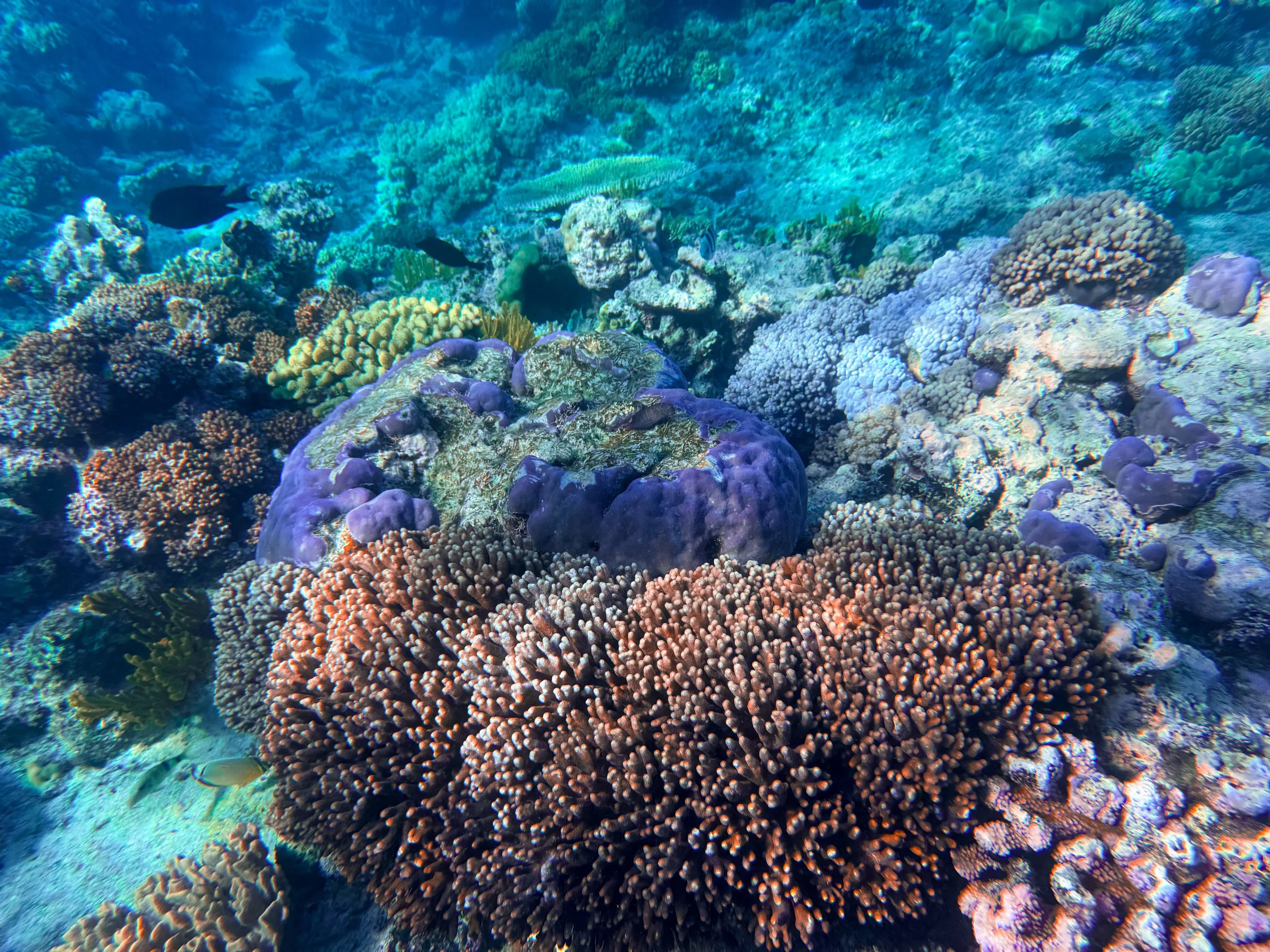
The Great Barrier Reef is the world’s largest coral reef system, stretching for hundreds of miles along the coast of Australia. It’s home to an incredible array of marine biodiversity including billions of corals, anemones, schools of tropical fish, sea turtles, sharks and rays. We snorkeled and dived in this underwater world in between relaxing on a live aboard and exploring on shore.
Cairns, Queensland
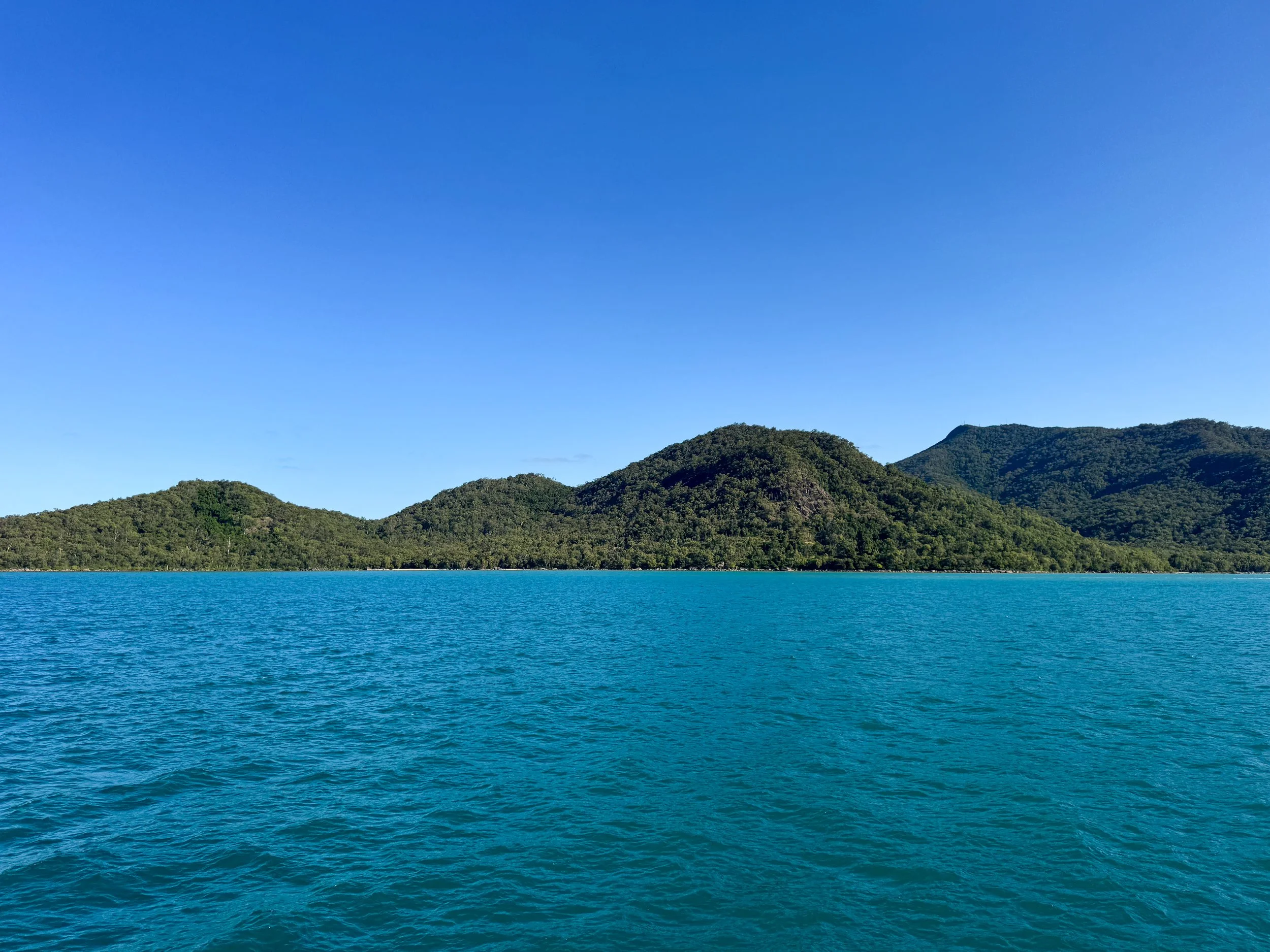
Cairns is an adventurous hub and coastal town in Tropical North Queensland, renowned for its access to the Great Barrier Reef. The town is home to restaurants, craft breweries, breakfast cafés, weekend markets and tour operators.
The Great Eight
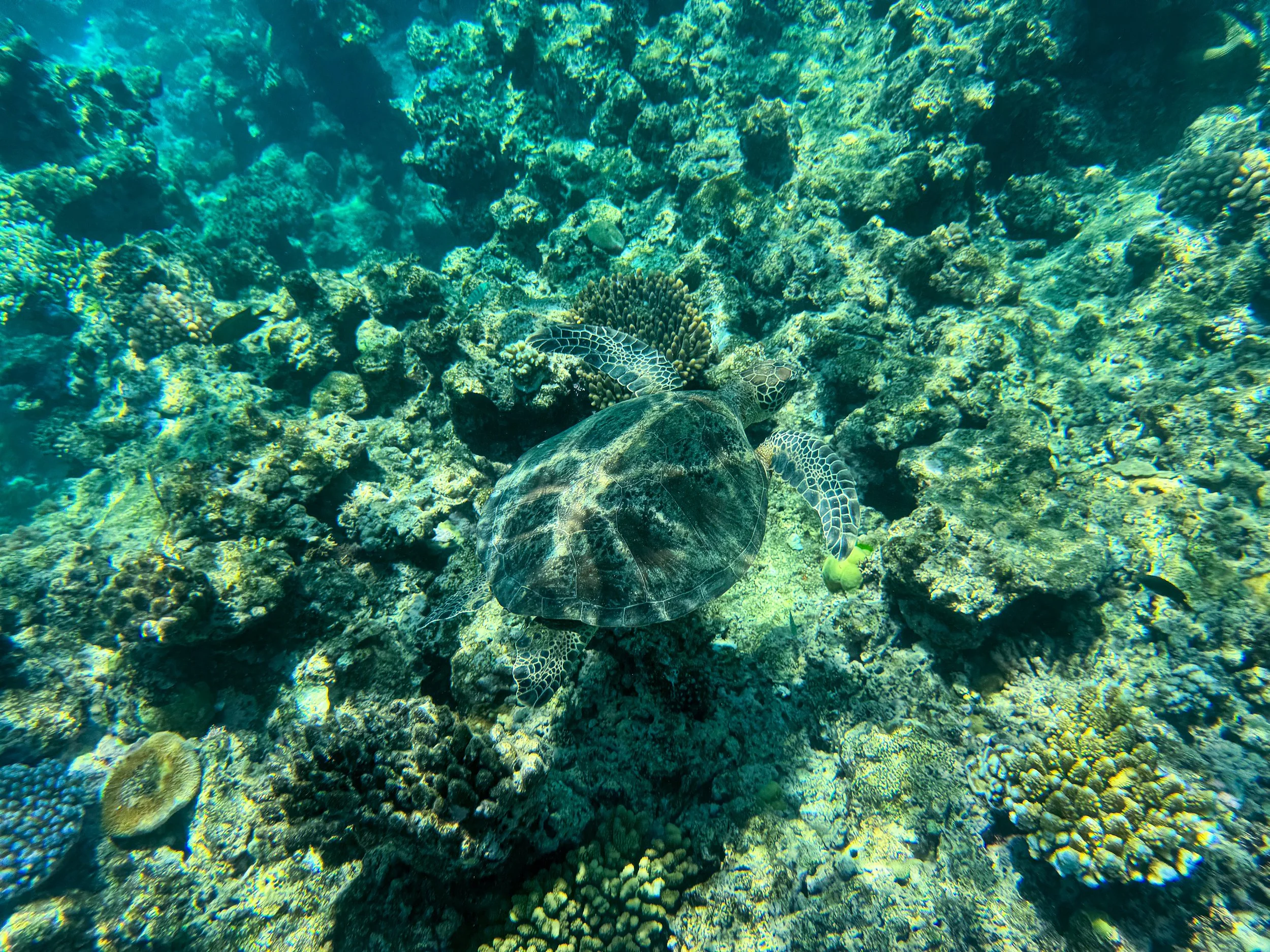
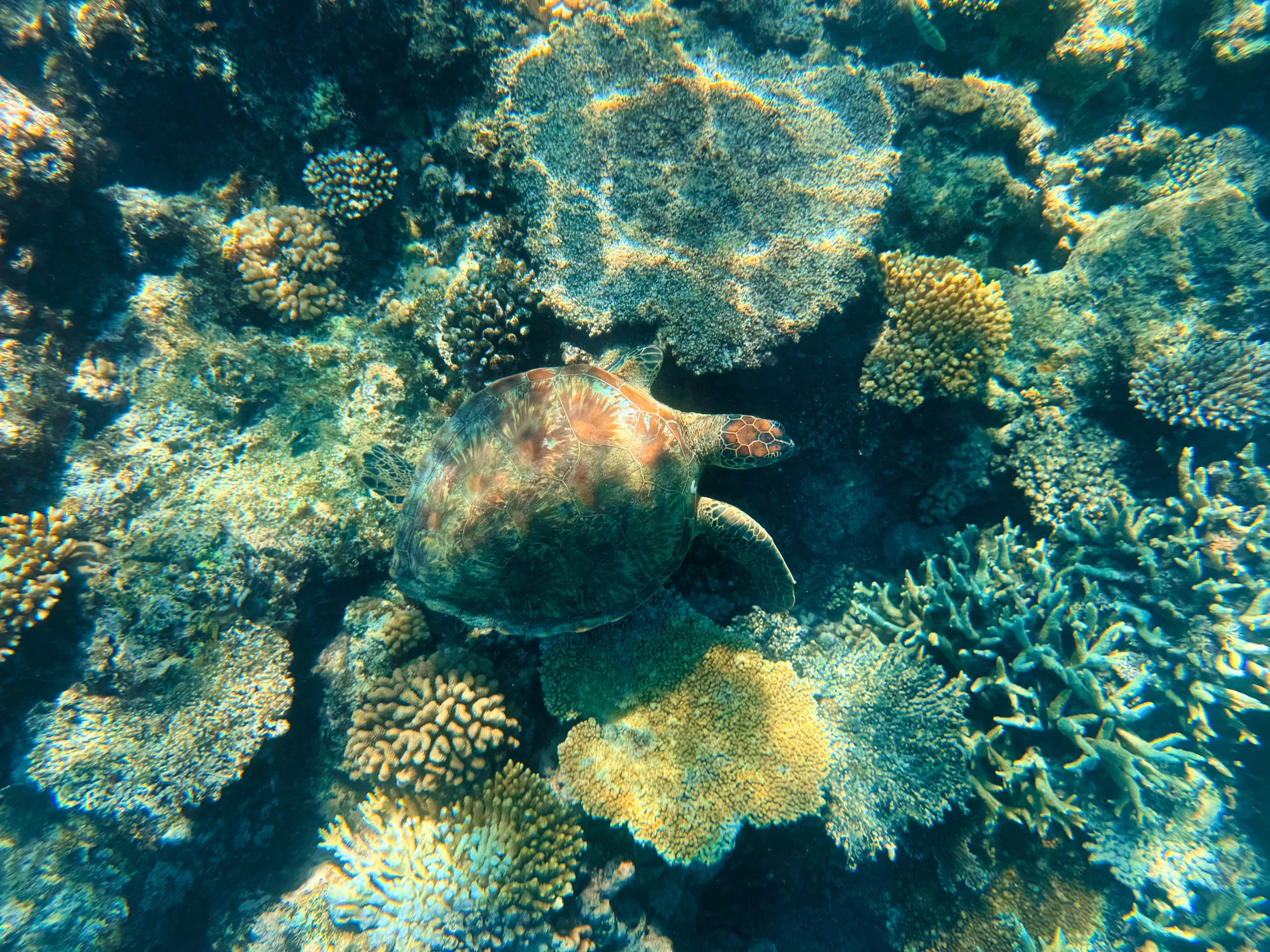
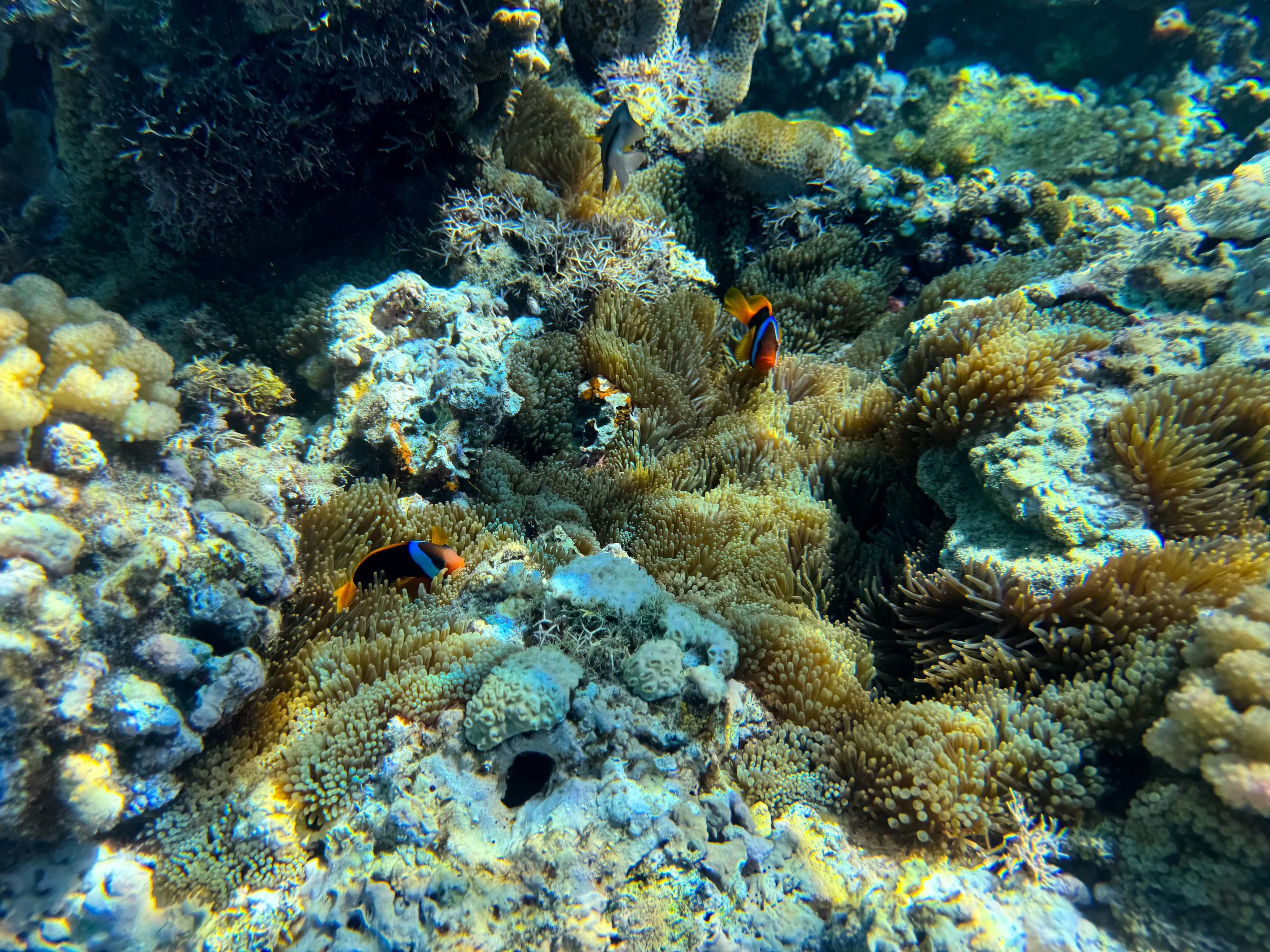
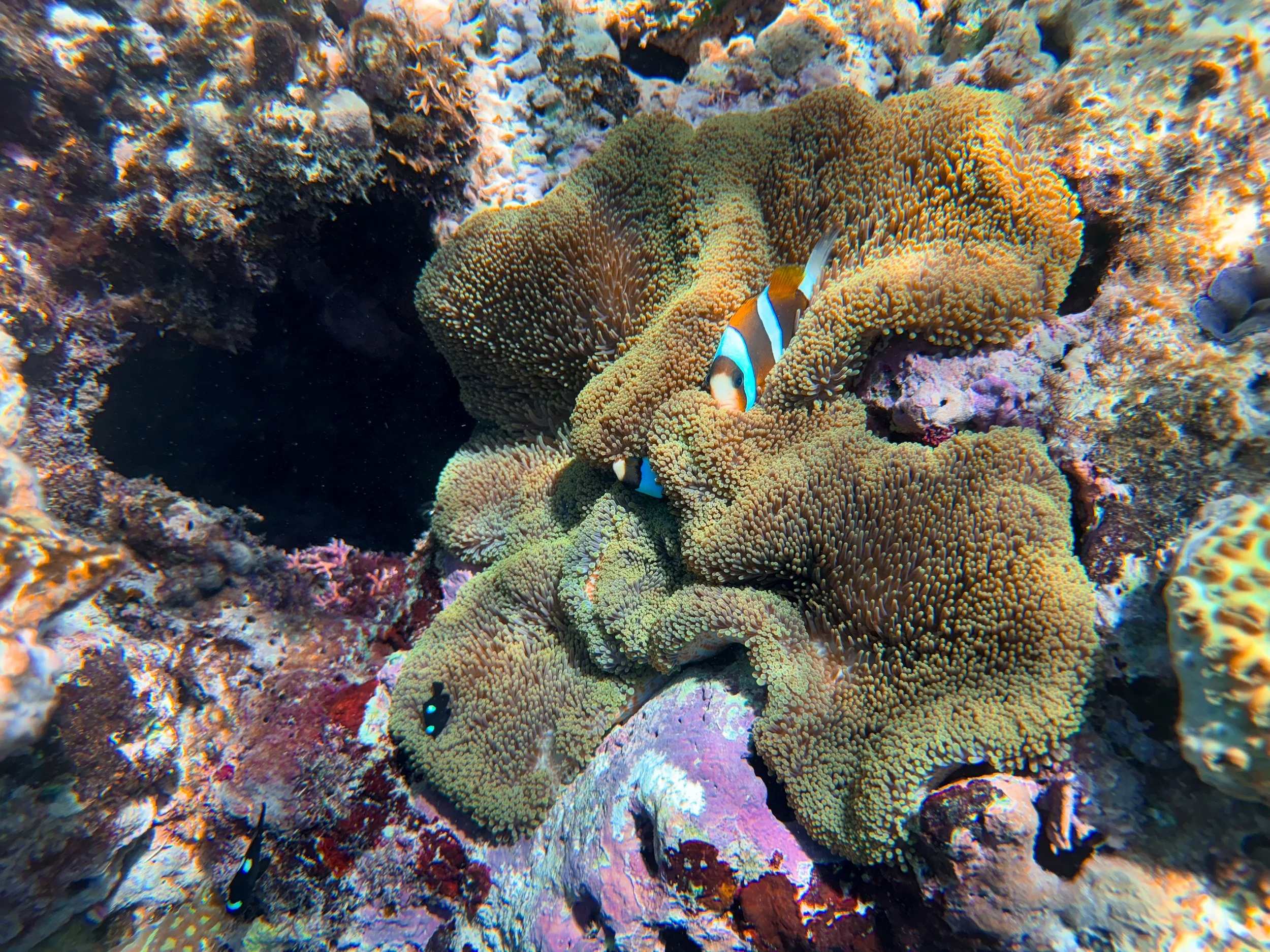
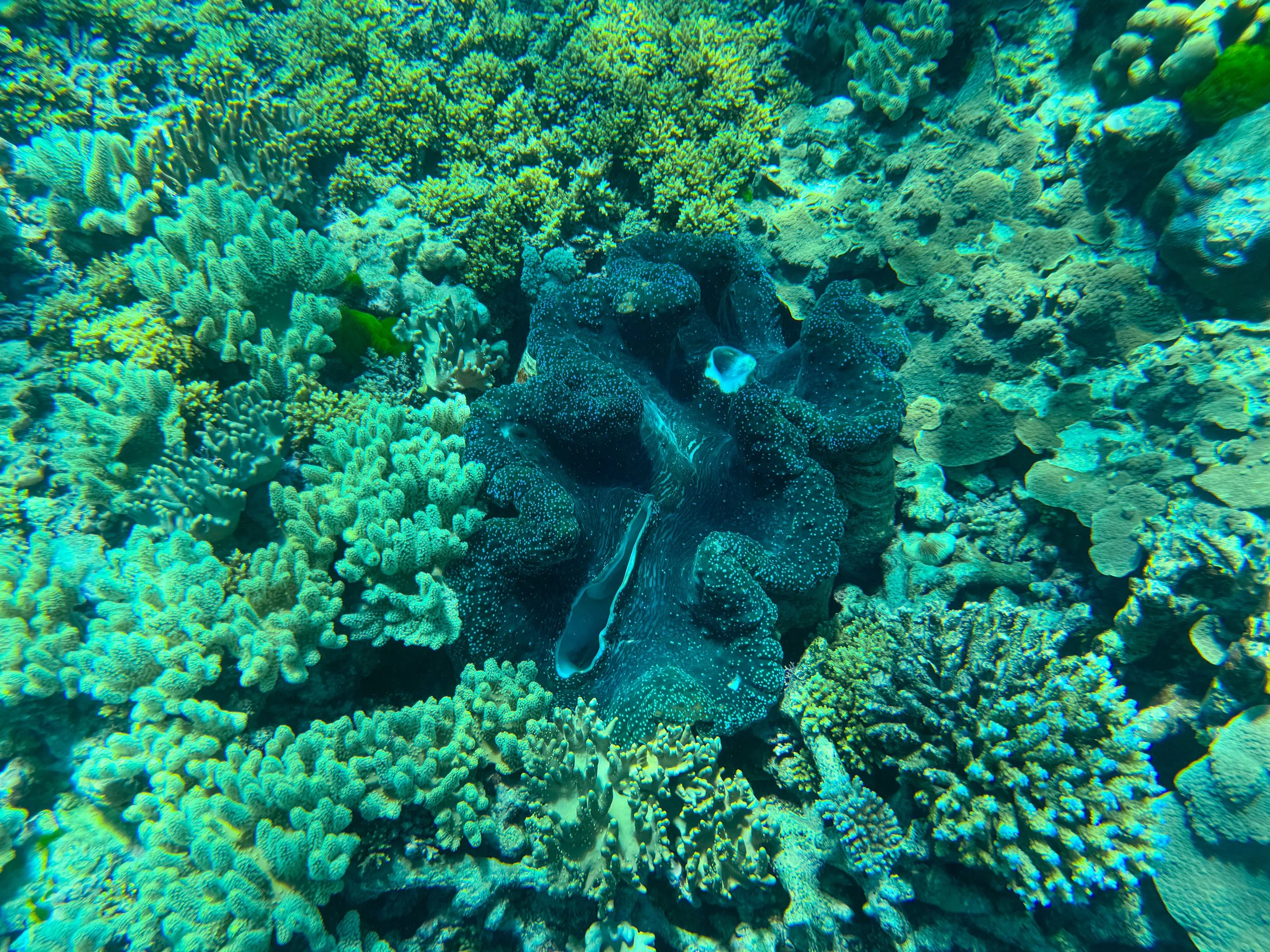
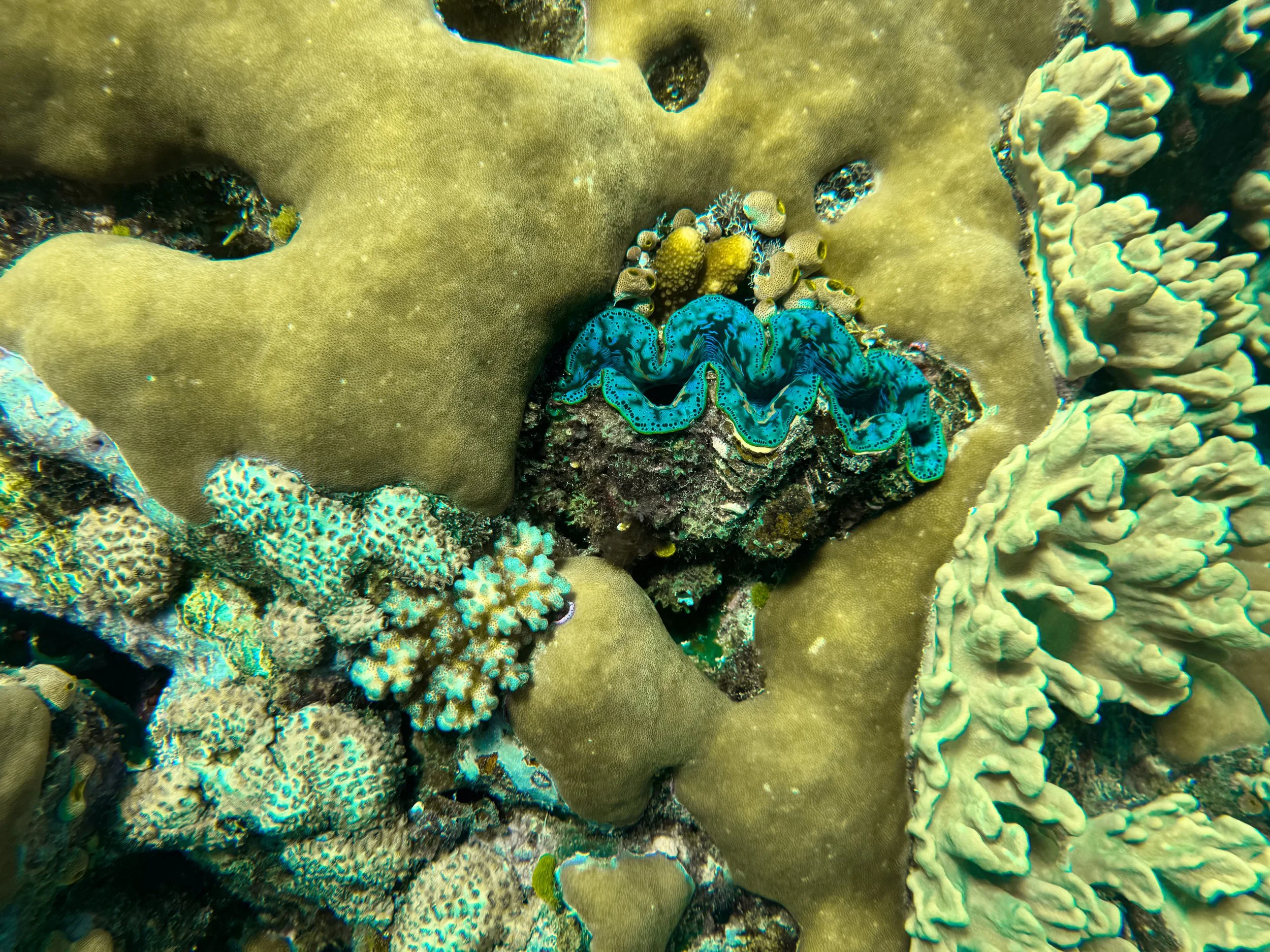
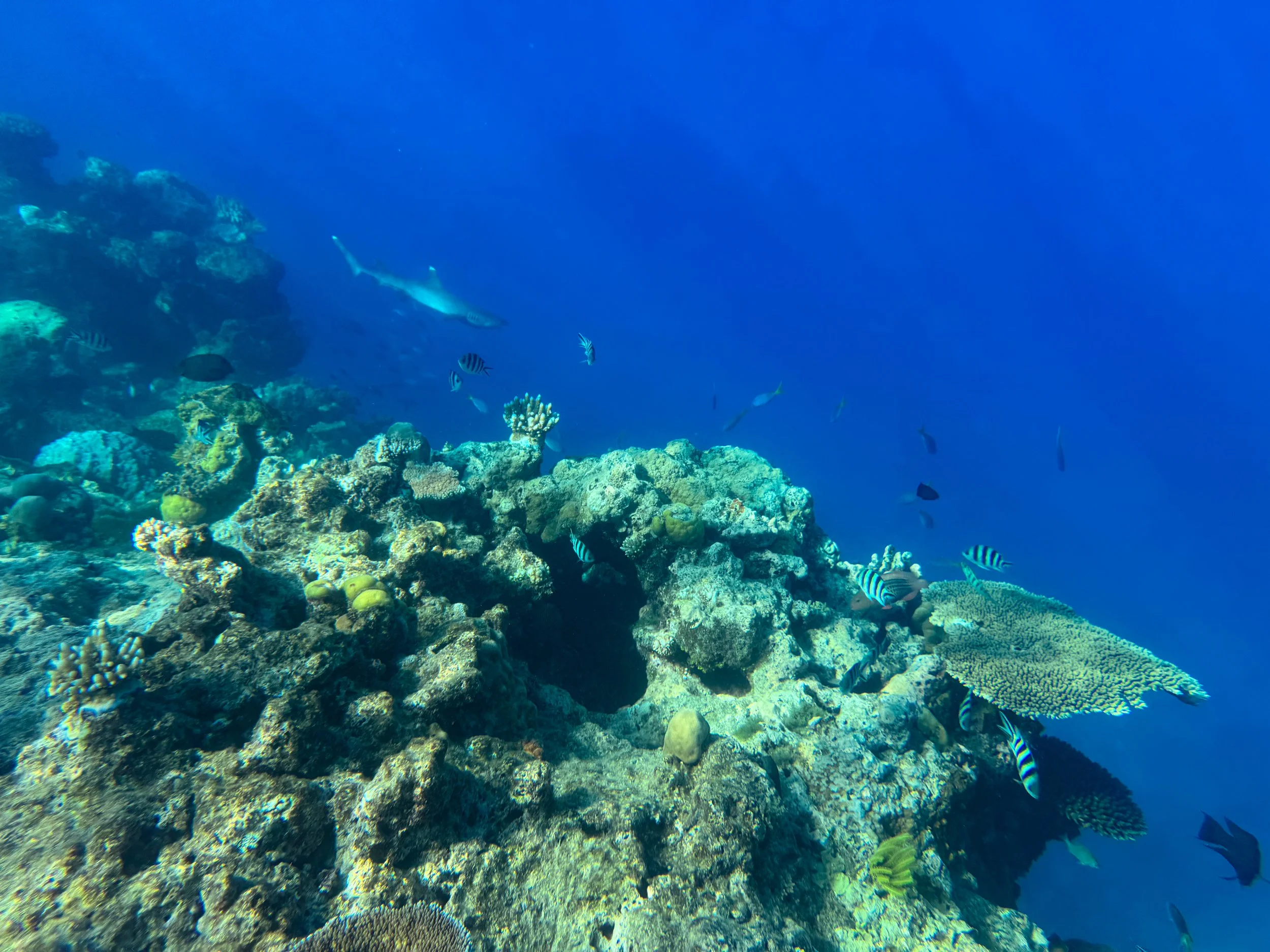
The Great Eight are the most iconic marine species that represent the Great Barrier Reef. The list includes:
Clownfish
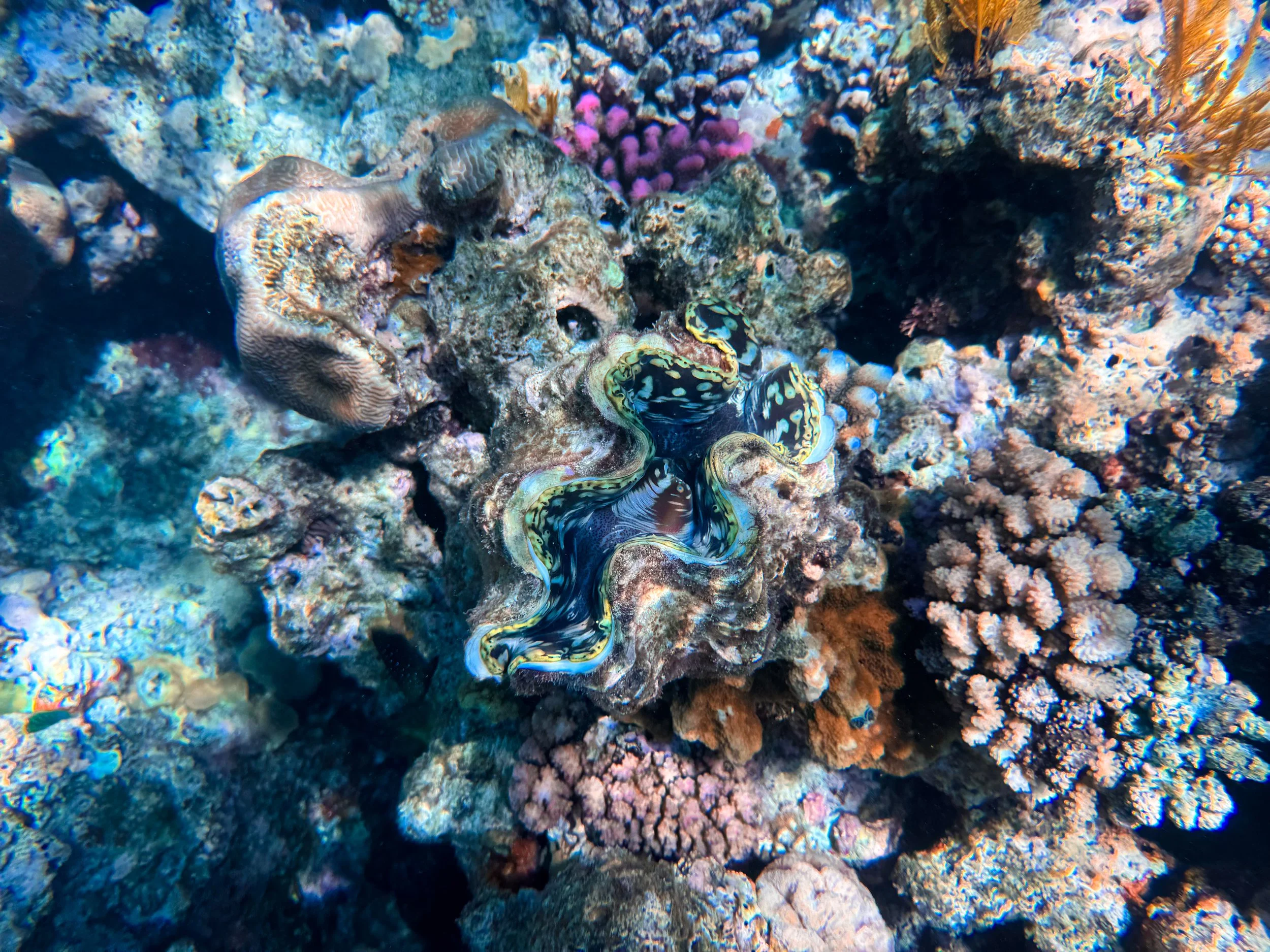
Giant Clams
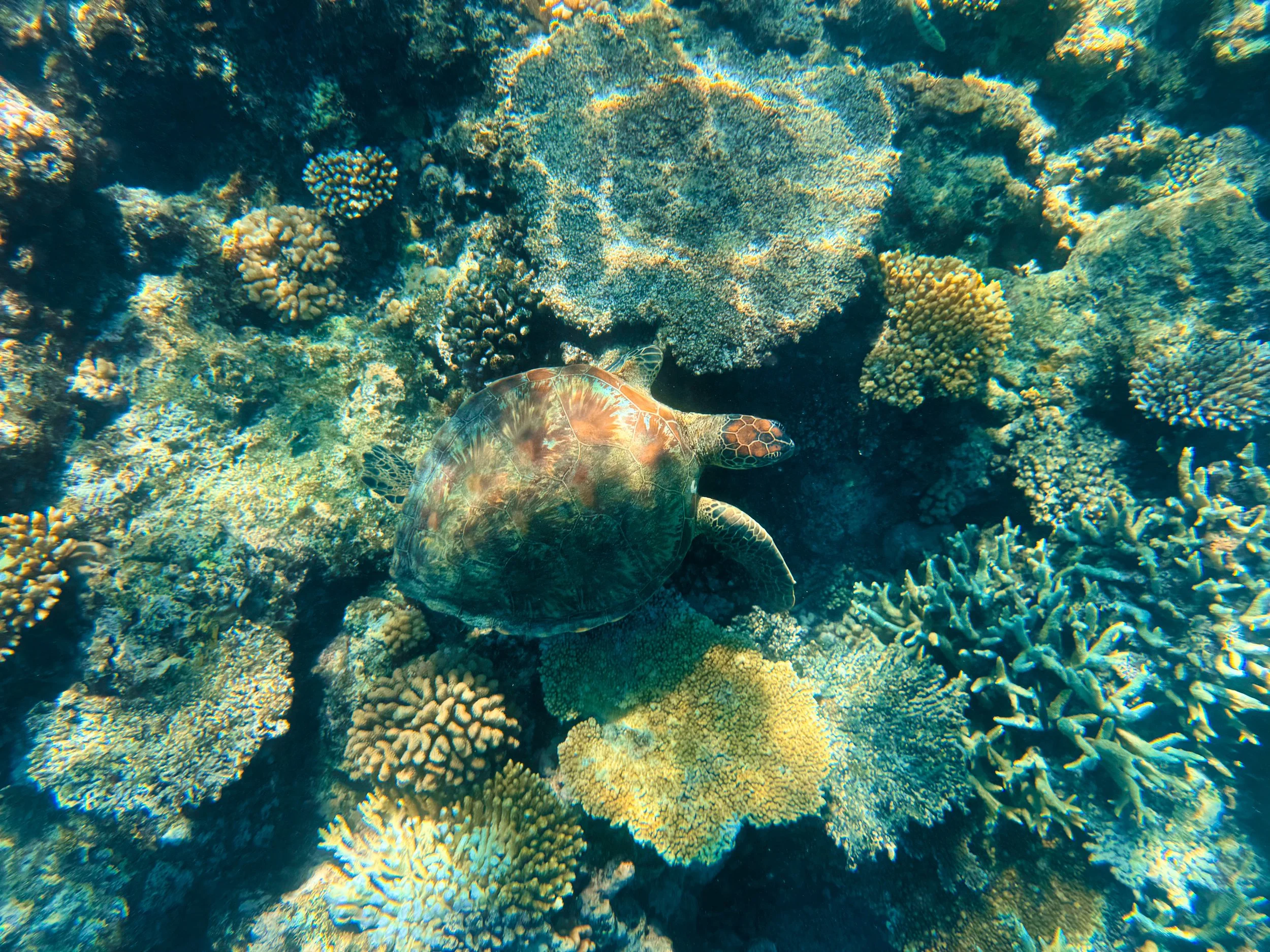
Sea Turtles
Sharks
Māori Wrasse
Potato Cod
Manta Rays
Whales
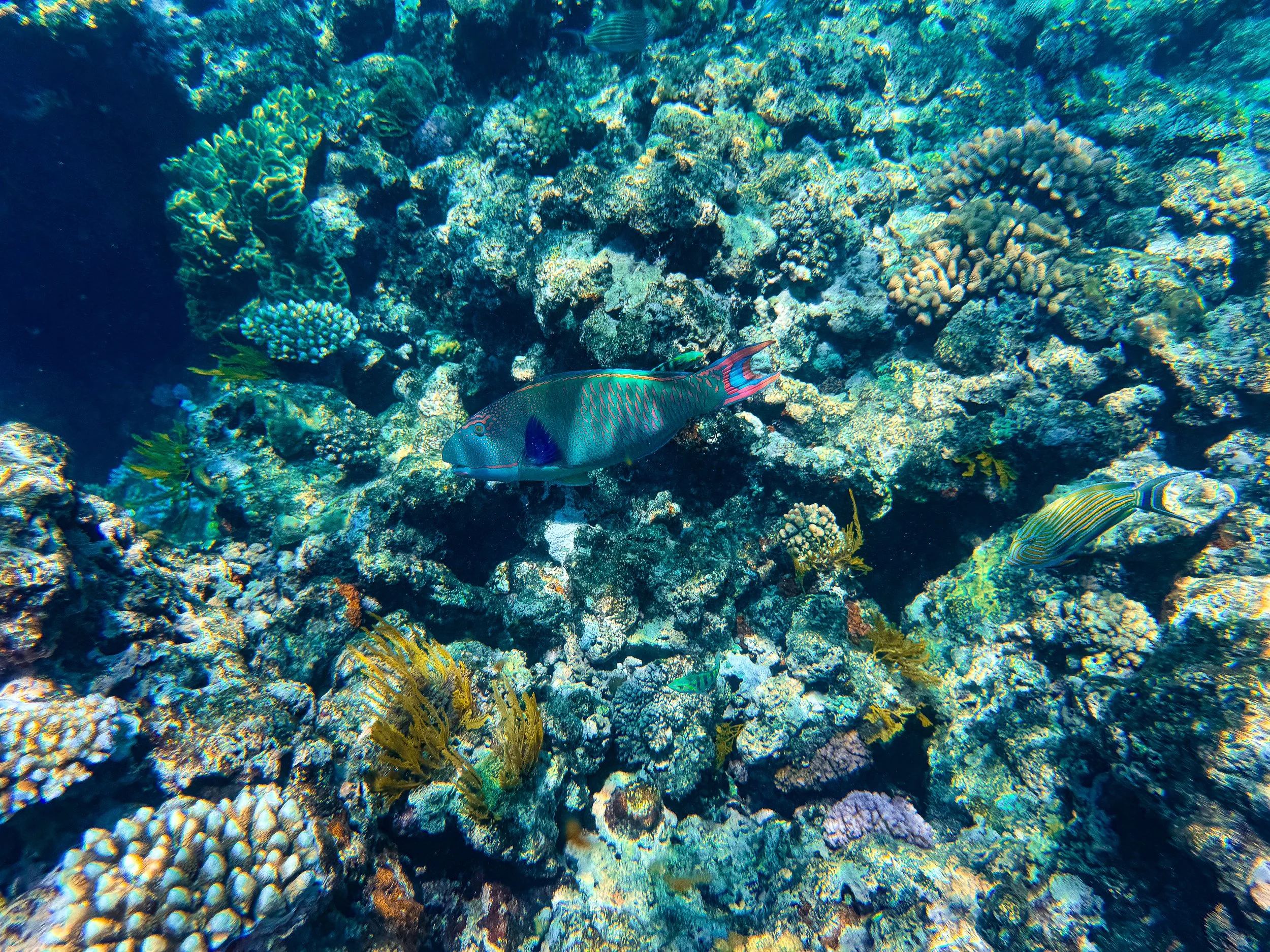
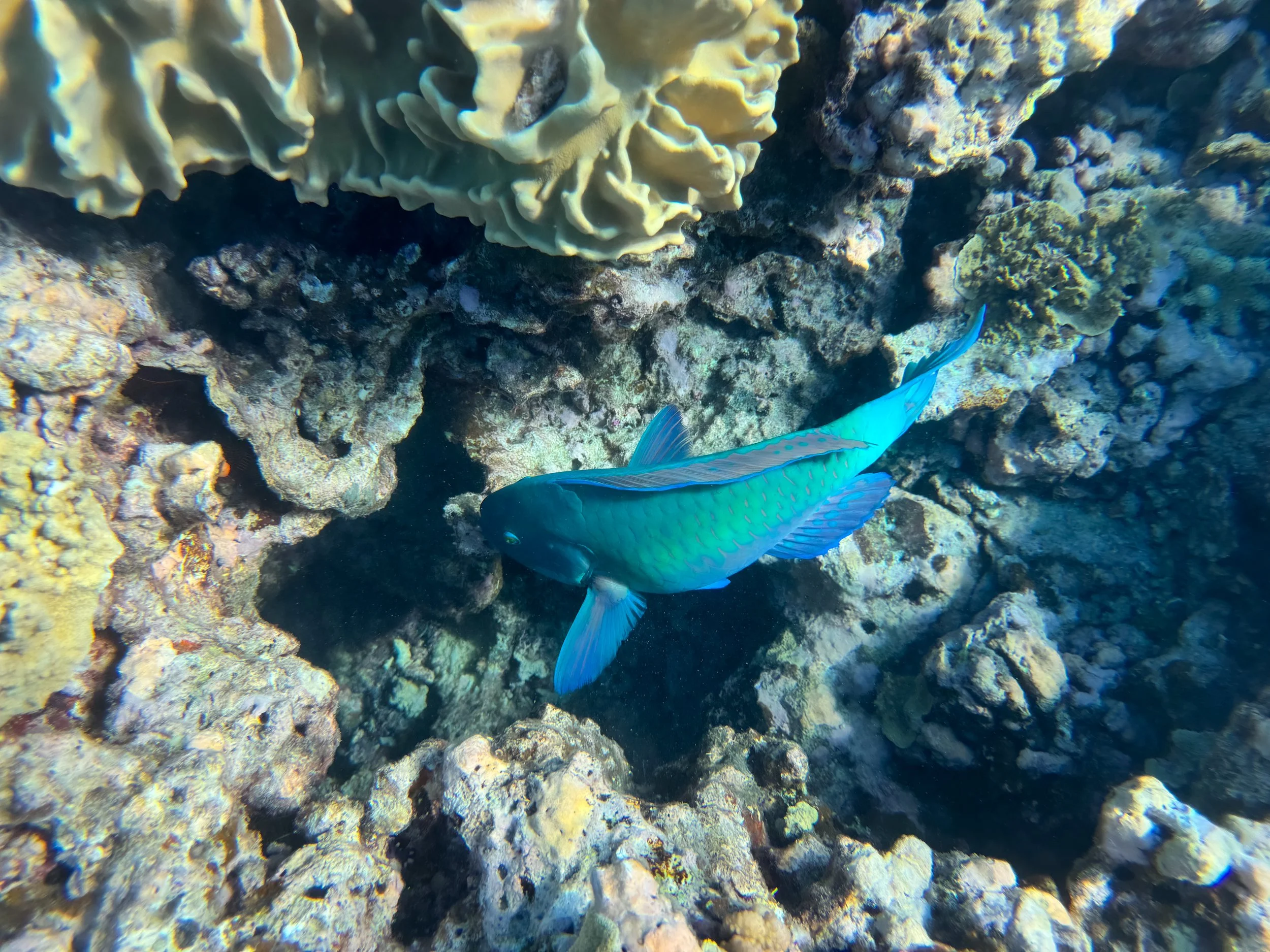
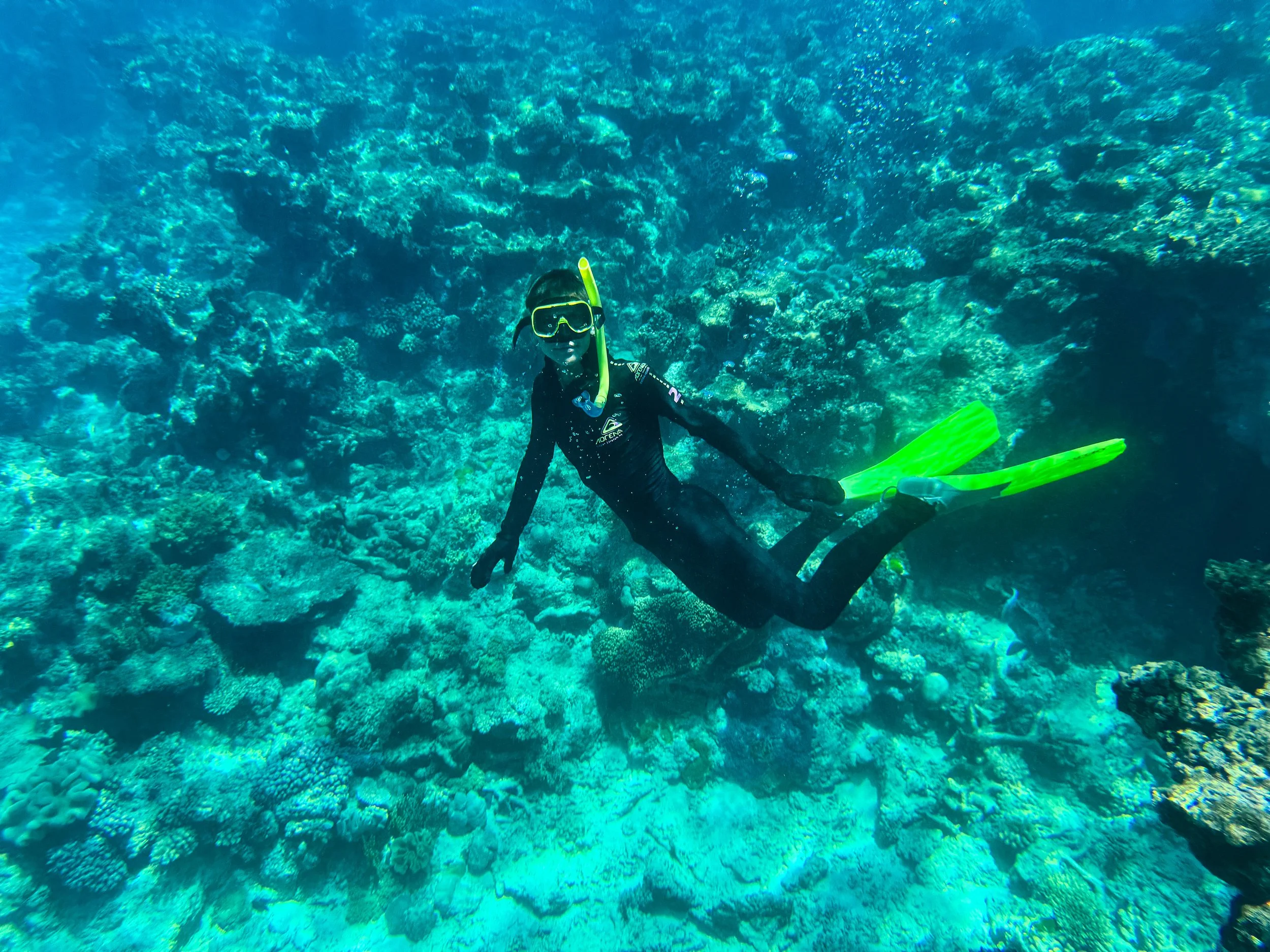
During our three days on the reef, we spotted clownfish swimming in anemones, opened giant clams, feeding green sea turtles and white tipped reef sharks. The Māori Wrasse, potato cod and manta rays proved to be elusive, however we spotted other colorful and large fish as well as stingrays.
Good to Know. To spot whales, visit during their migration season between May and September.
Tour Operators
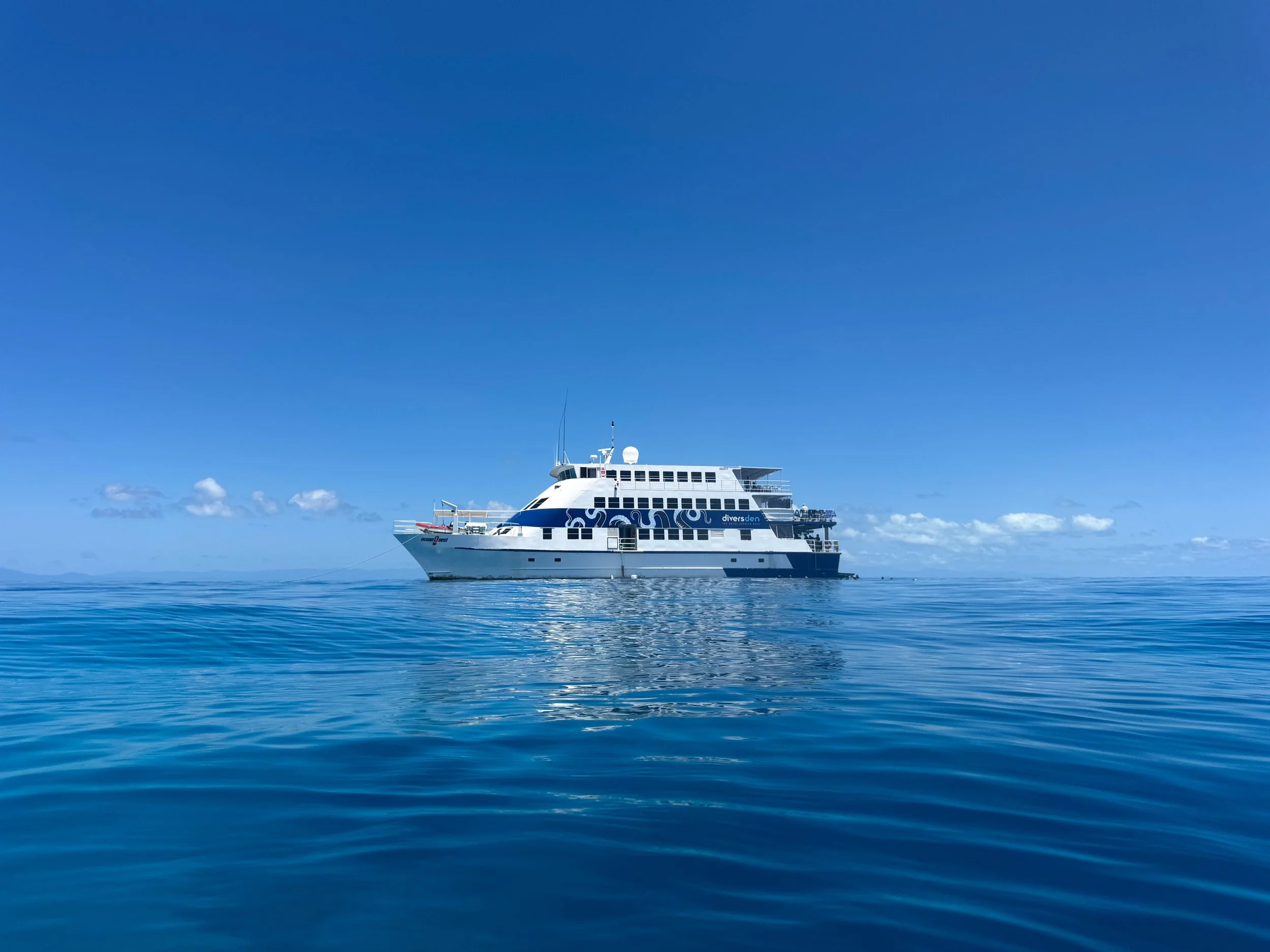
Cairns is home to many well reviewed tour operators offering single and multi-day trips to the Great Barrier Reef. Excursions often include snorkeling, scuba diving, introductory courses and all aquatic gear. We booked a two day one night live aboard with Diver’s Den on Viator and a separate day trip with Silver Swift on Get Your Guide.
Diver’s Den. A scuba and snorkel operator with single and multi day trips to sites around the Great Barrier Reef. We joined their 2 day 1 night live aboard. It included 3 guided snorkel tours per day, a private cabin and all meals. The ship, the Ocean Quest, has several public spaces including the dive deck, dining room, indoor lounge and outdoor sun deck, perfect for viewing the ocean by day and stars by night.
Silver Swift. A scuba and snorkel operator with single day trips to sites around the Great Barrier Reef. It included two free style snorkel tours, a guided introductory scuba dive and a vegetarian friendly buffet lunch.
Pro Tip. Bring a sweater! The AC on the boats is very cold, especially after getting out of the water.

Saxon Reef
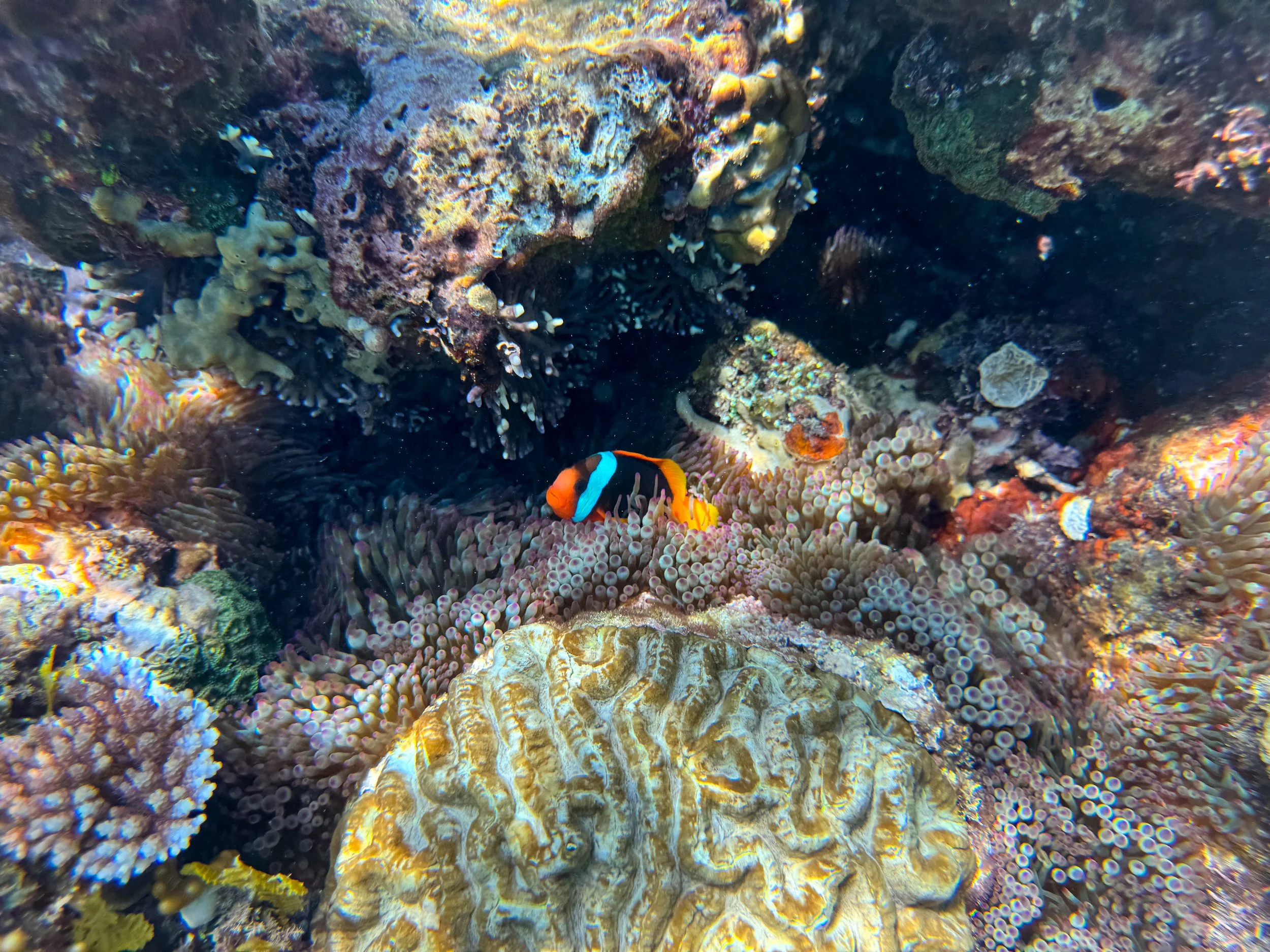
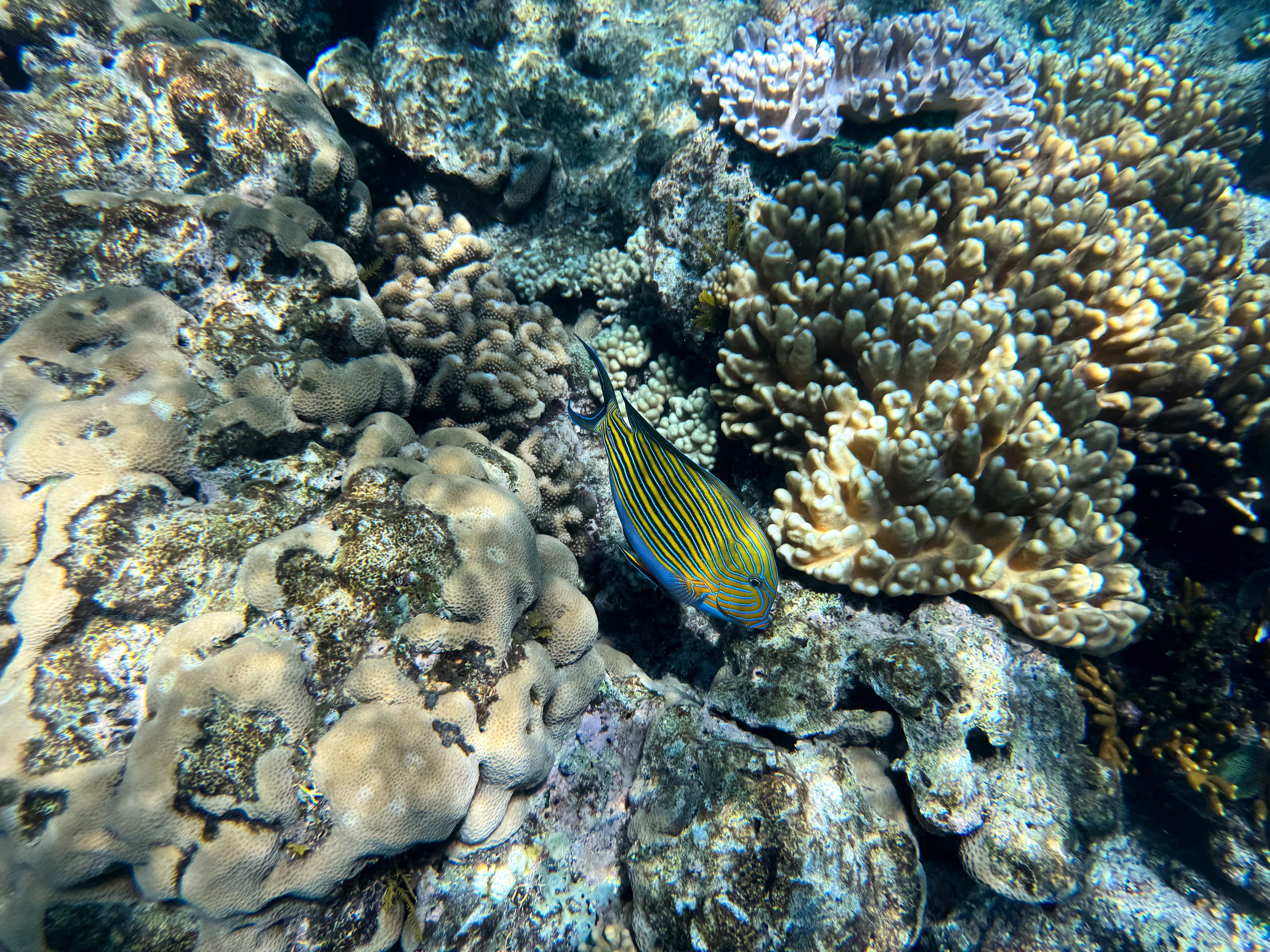
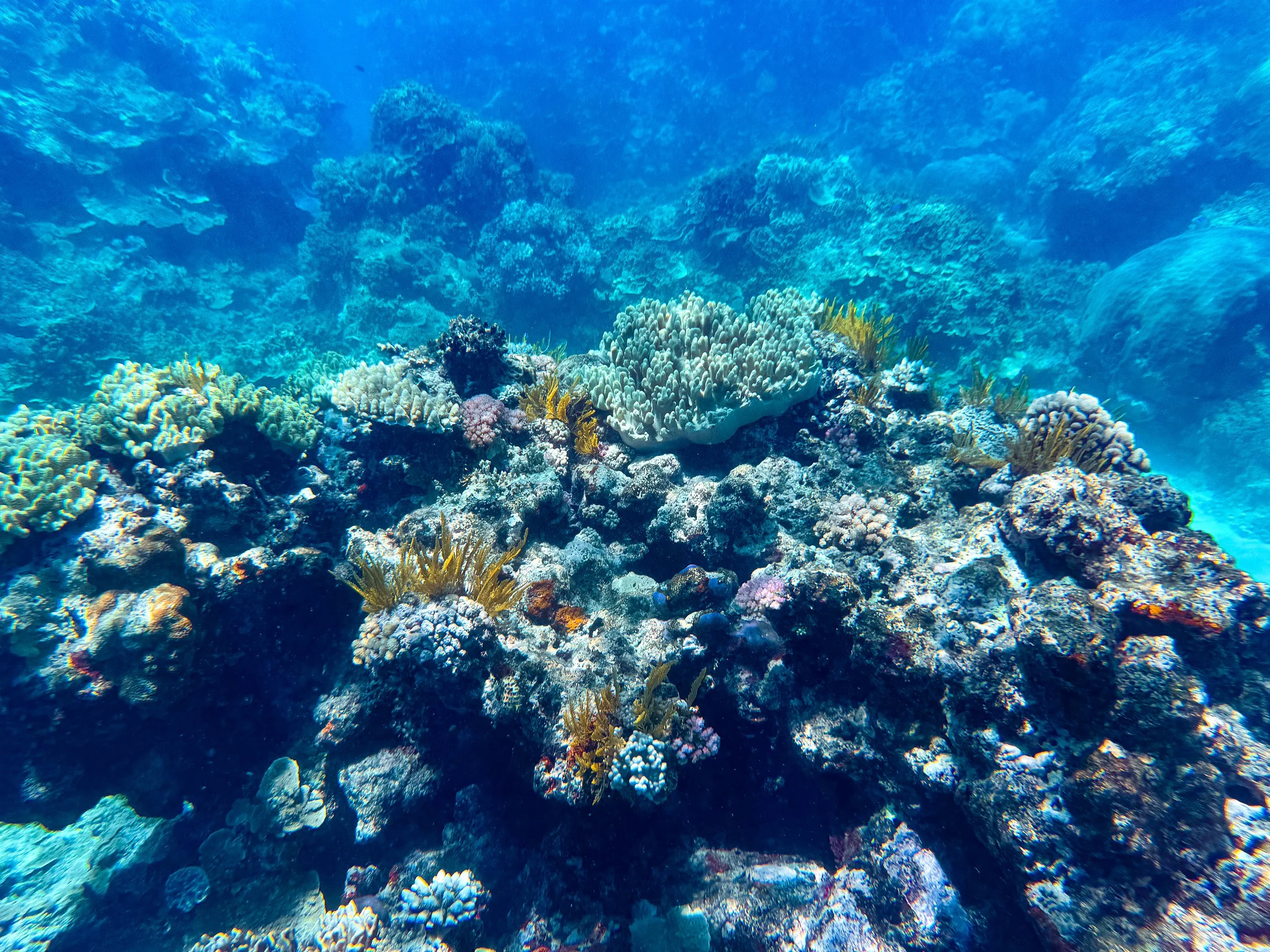
Saxon Reef features large underwater formations like coral boomies, cliffs and gardens. It’s home to wide variety of marine life including tropical fish, sea turtles, cuddle fish, rays and eels. We snorkeled at three separate sites around the reef.
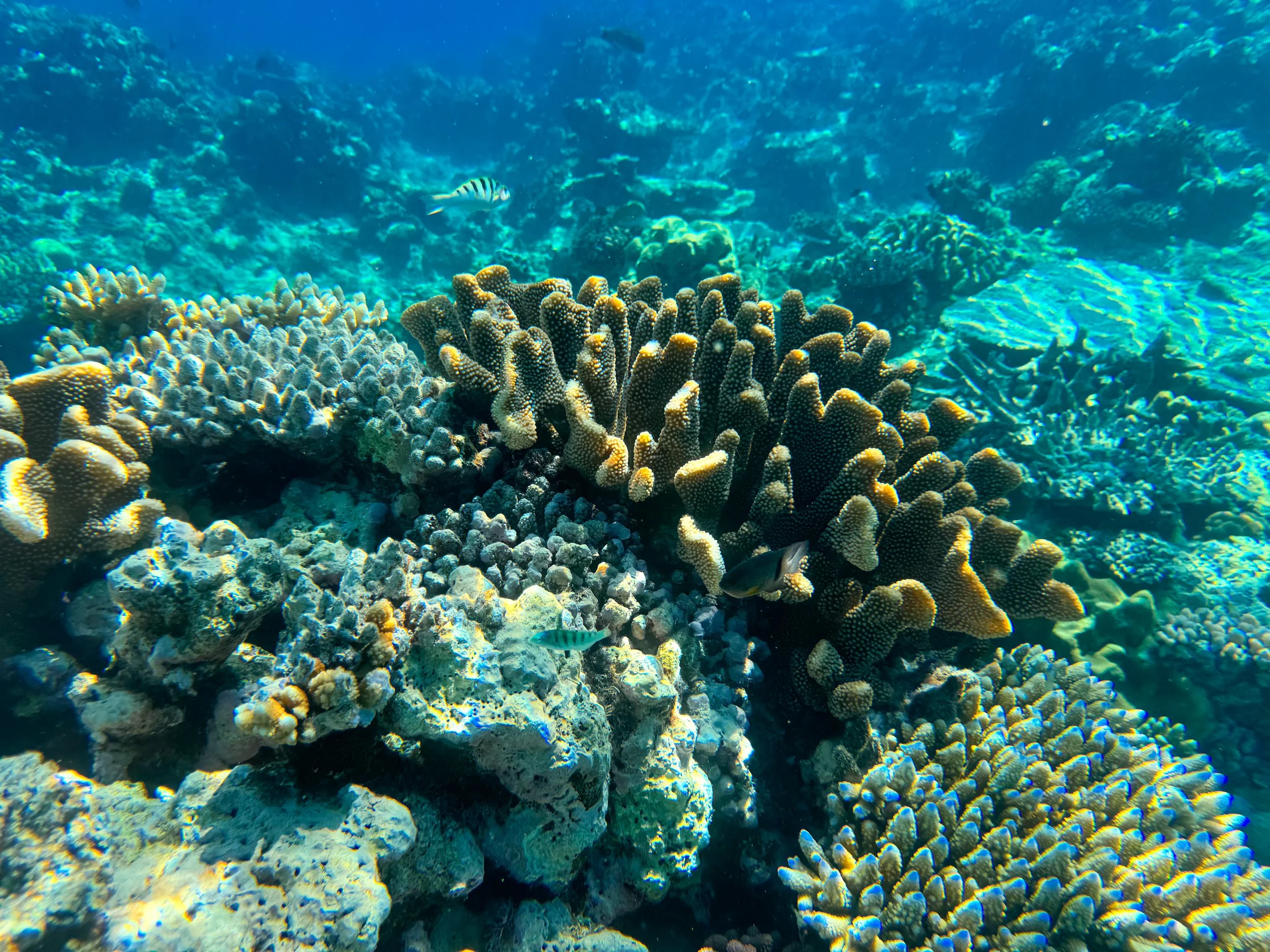
Twin Peaks Dive Site. A popular snorkel and dive site in Saxon Reef with massive coral structures and sandy ocean patches. Tropical fish flash their solid and prismatic patterned scales while green sea turtles drift by. It’s an easy location to spot clownfish, parrotfish, triggerfish, puffers, colorful wrasse, angelfish and unicorn fish.
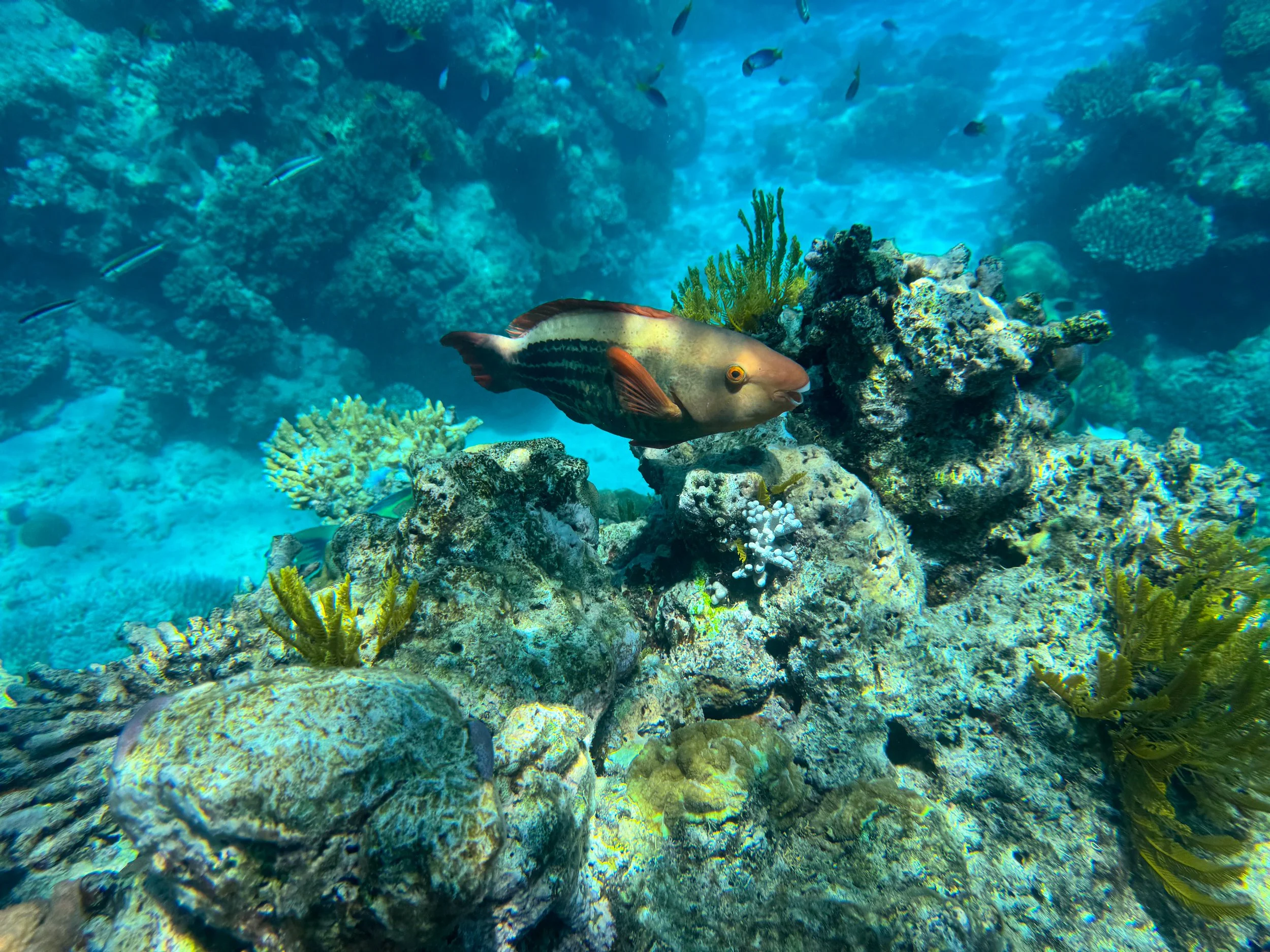
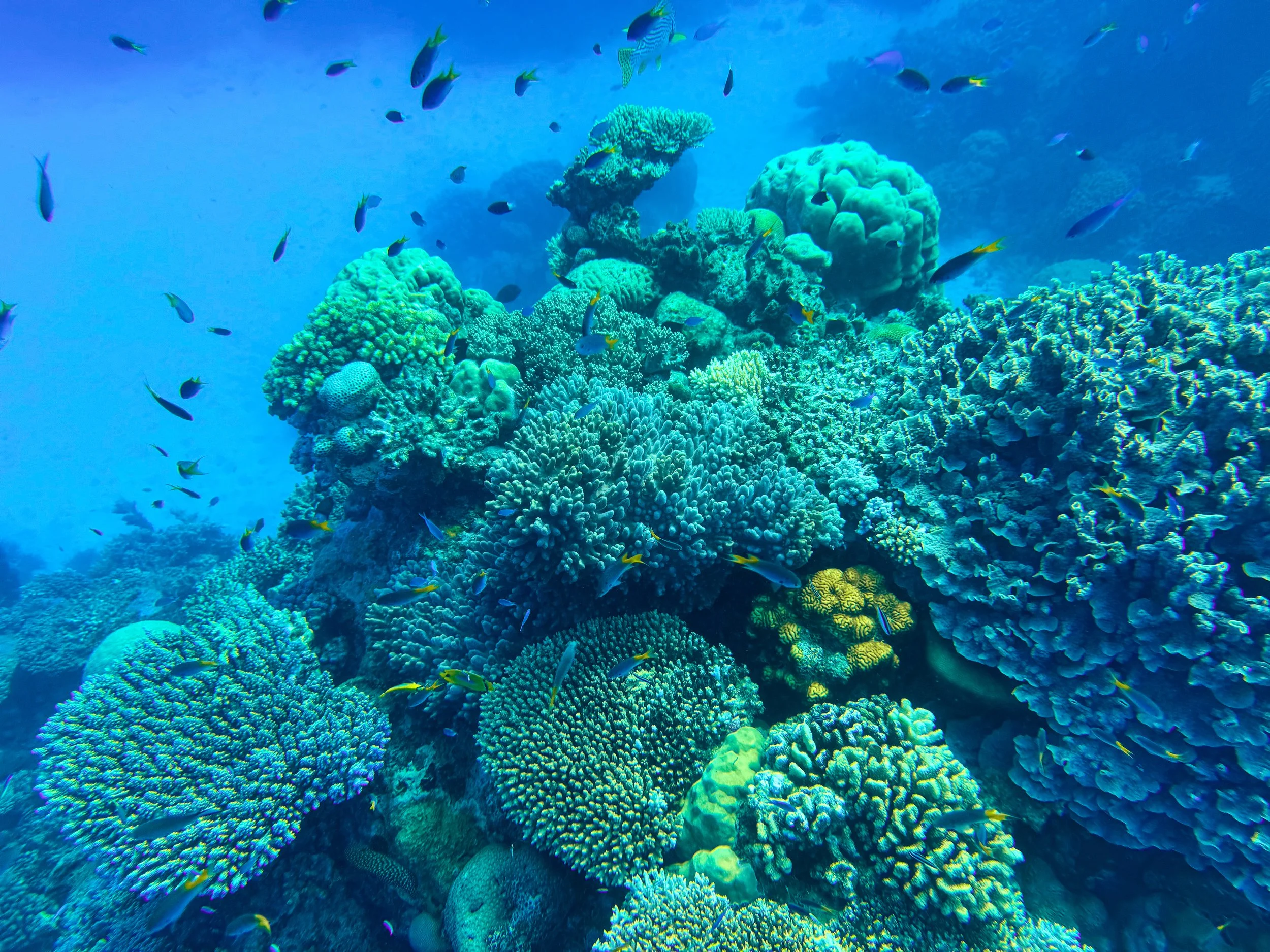
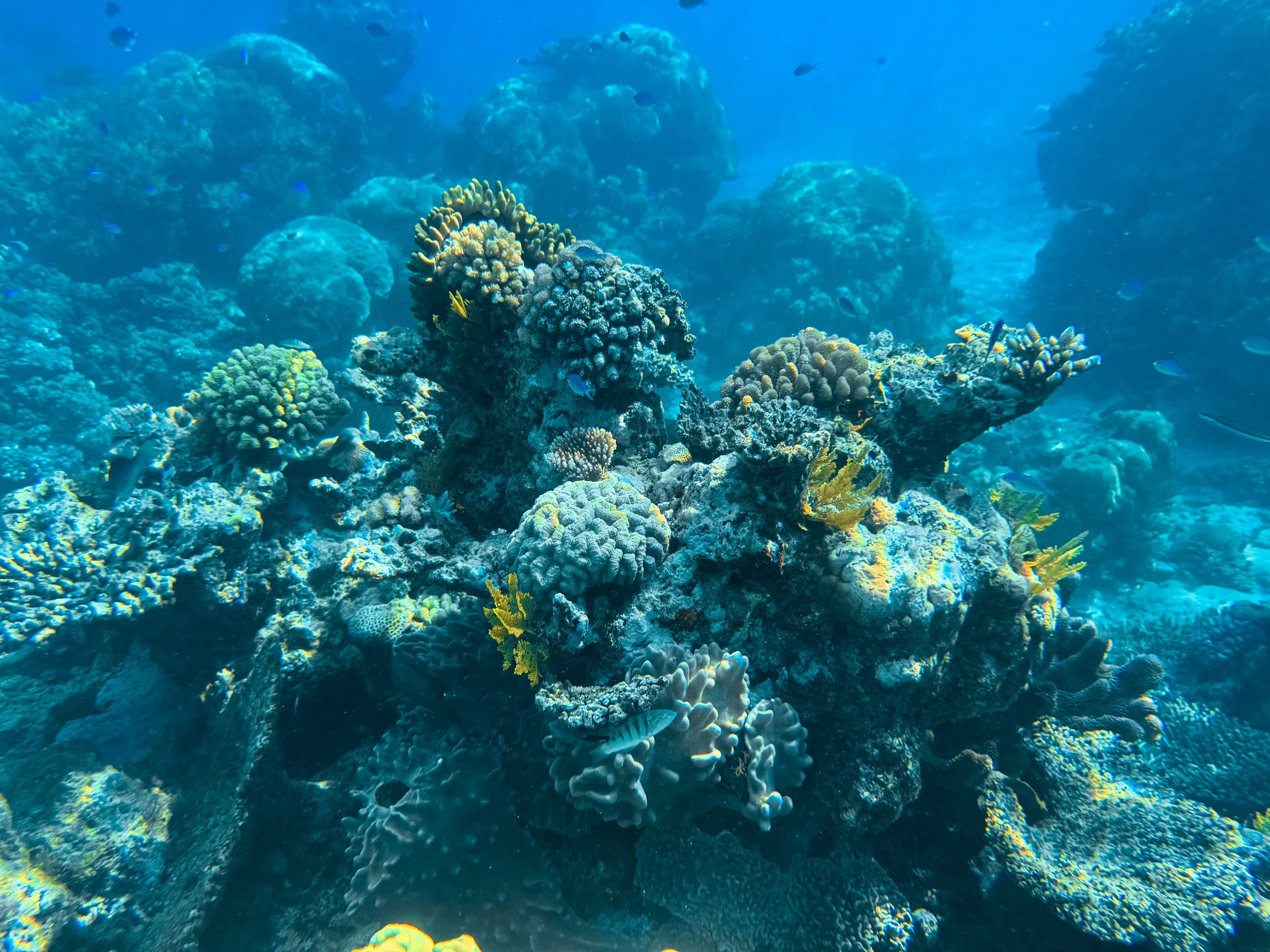
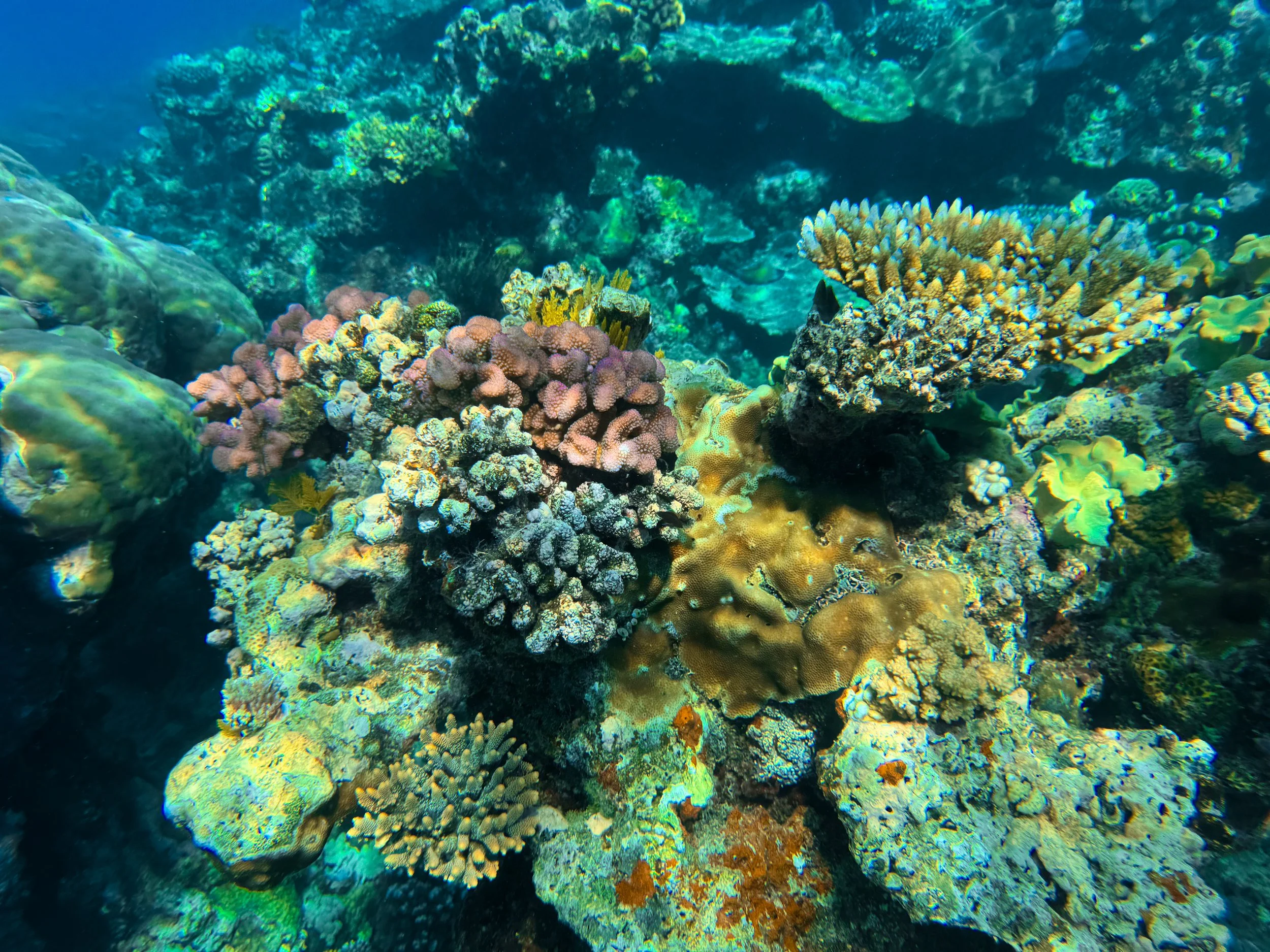
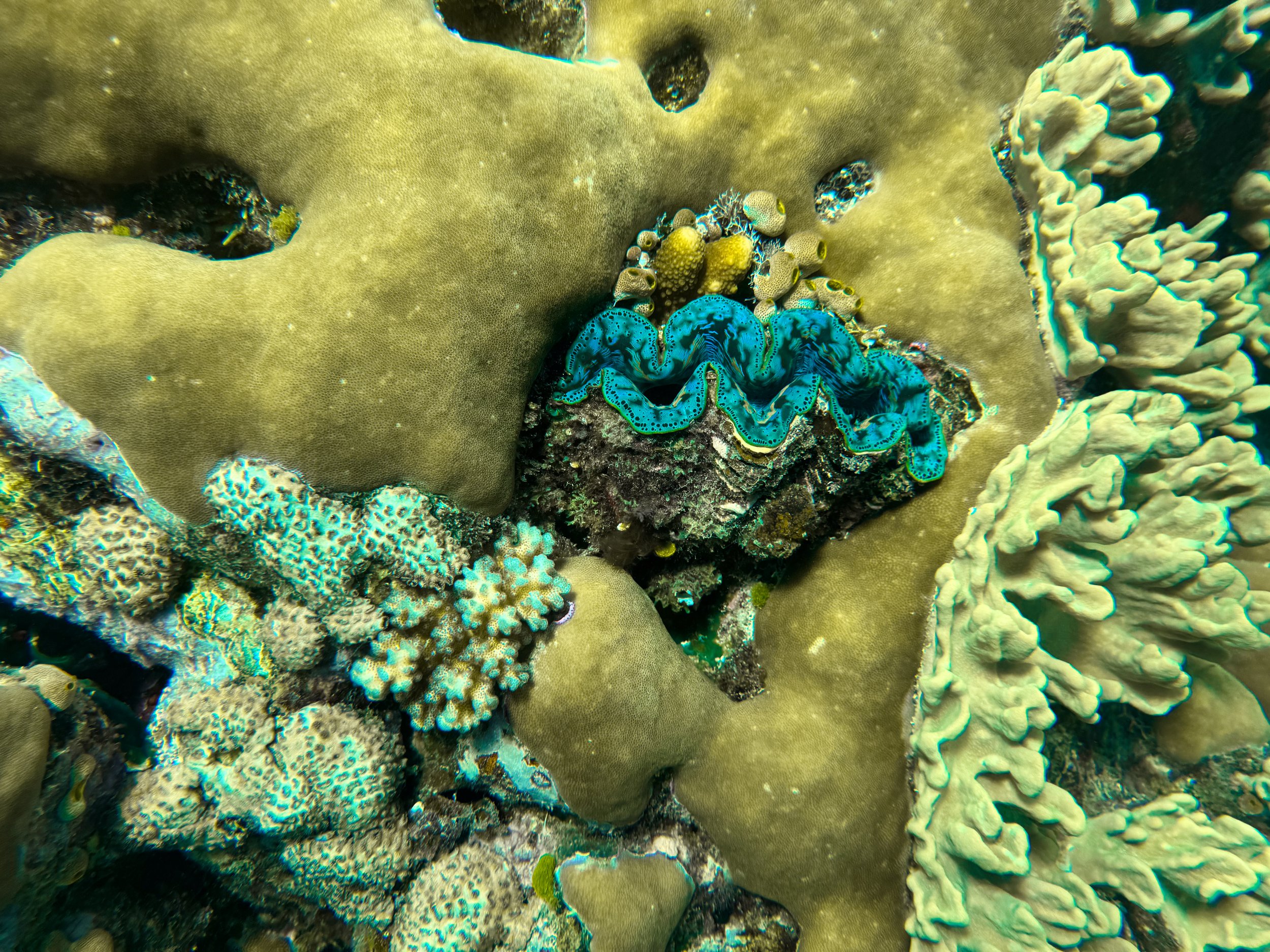
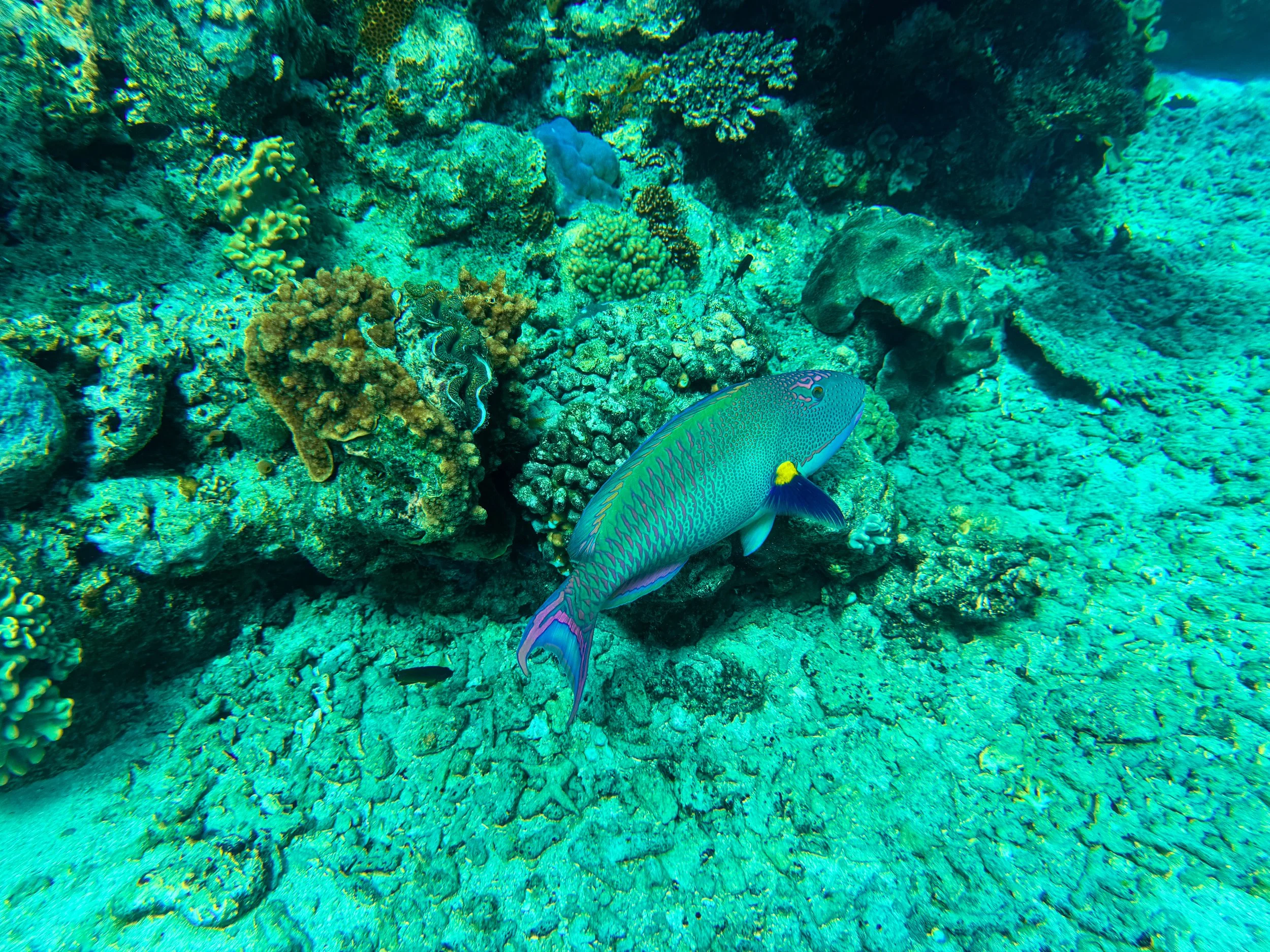
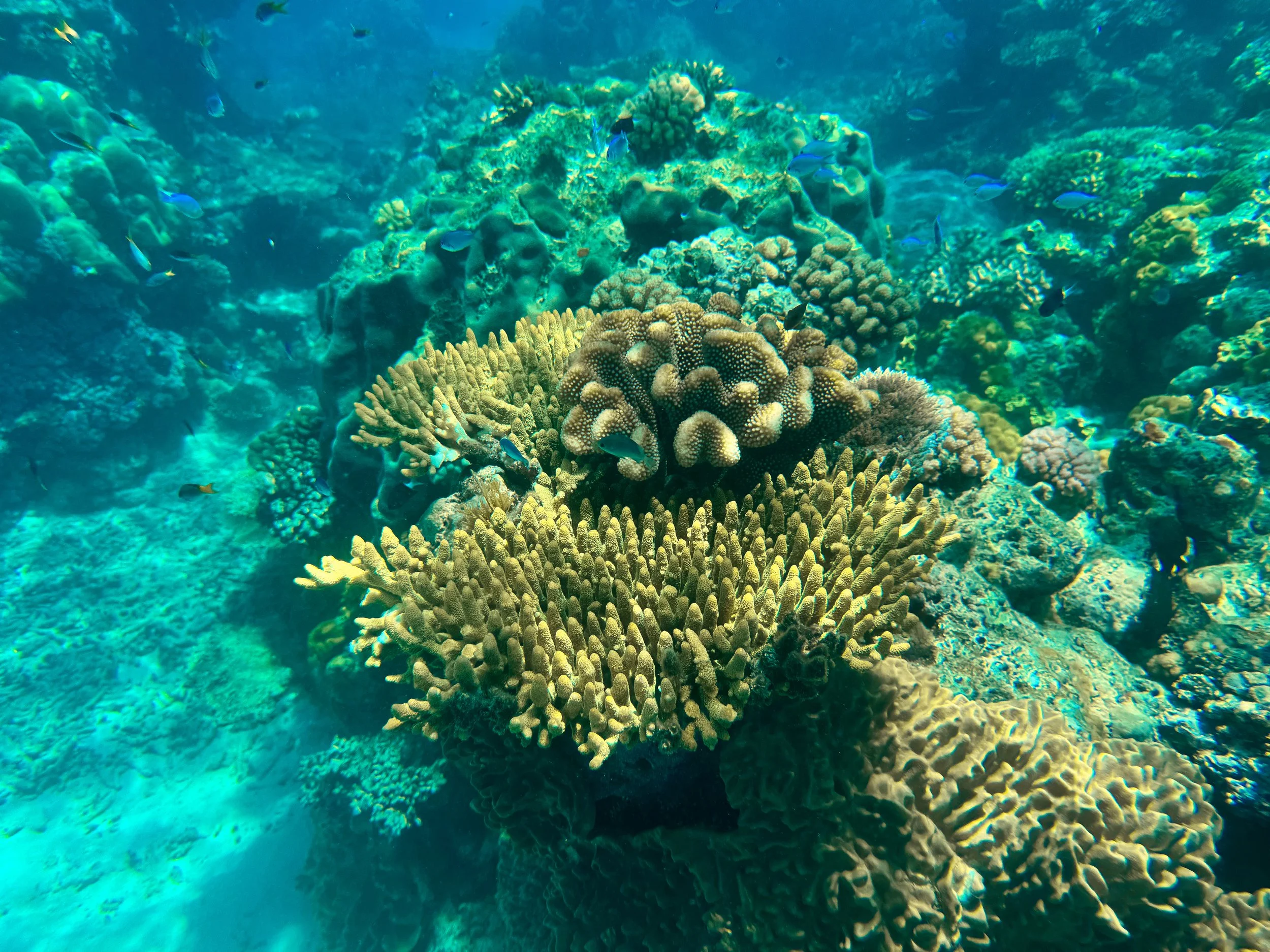
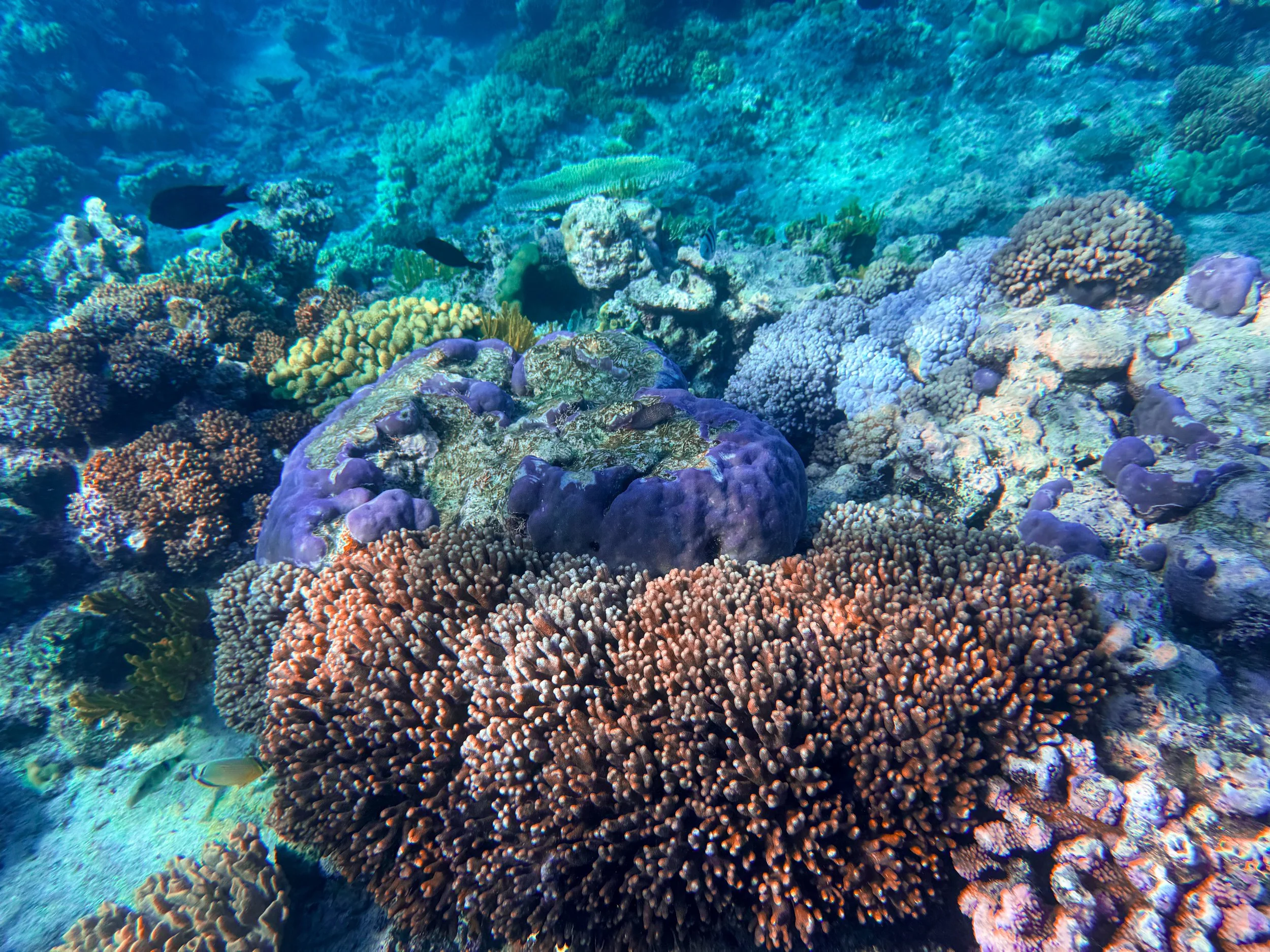
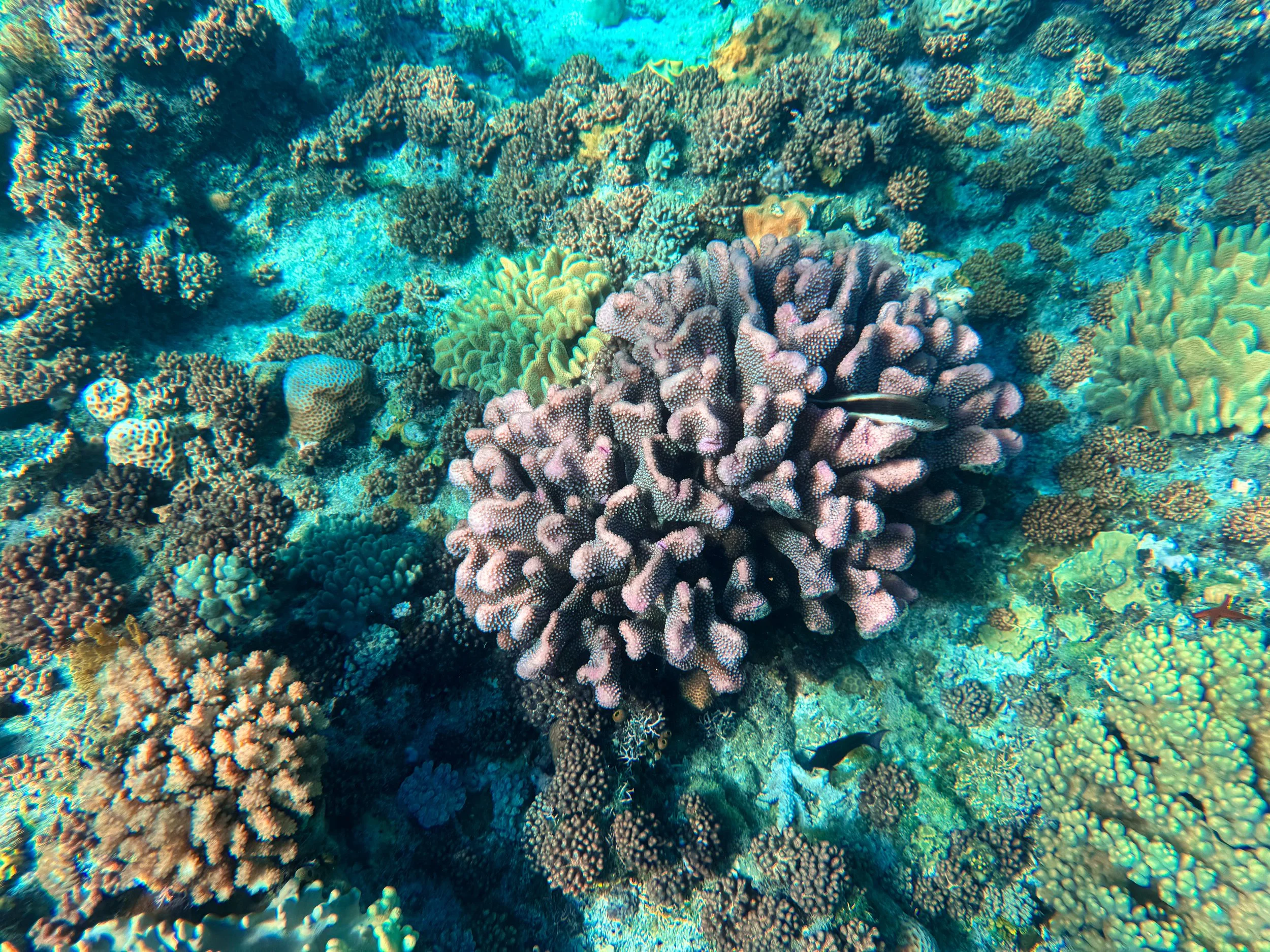
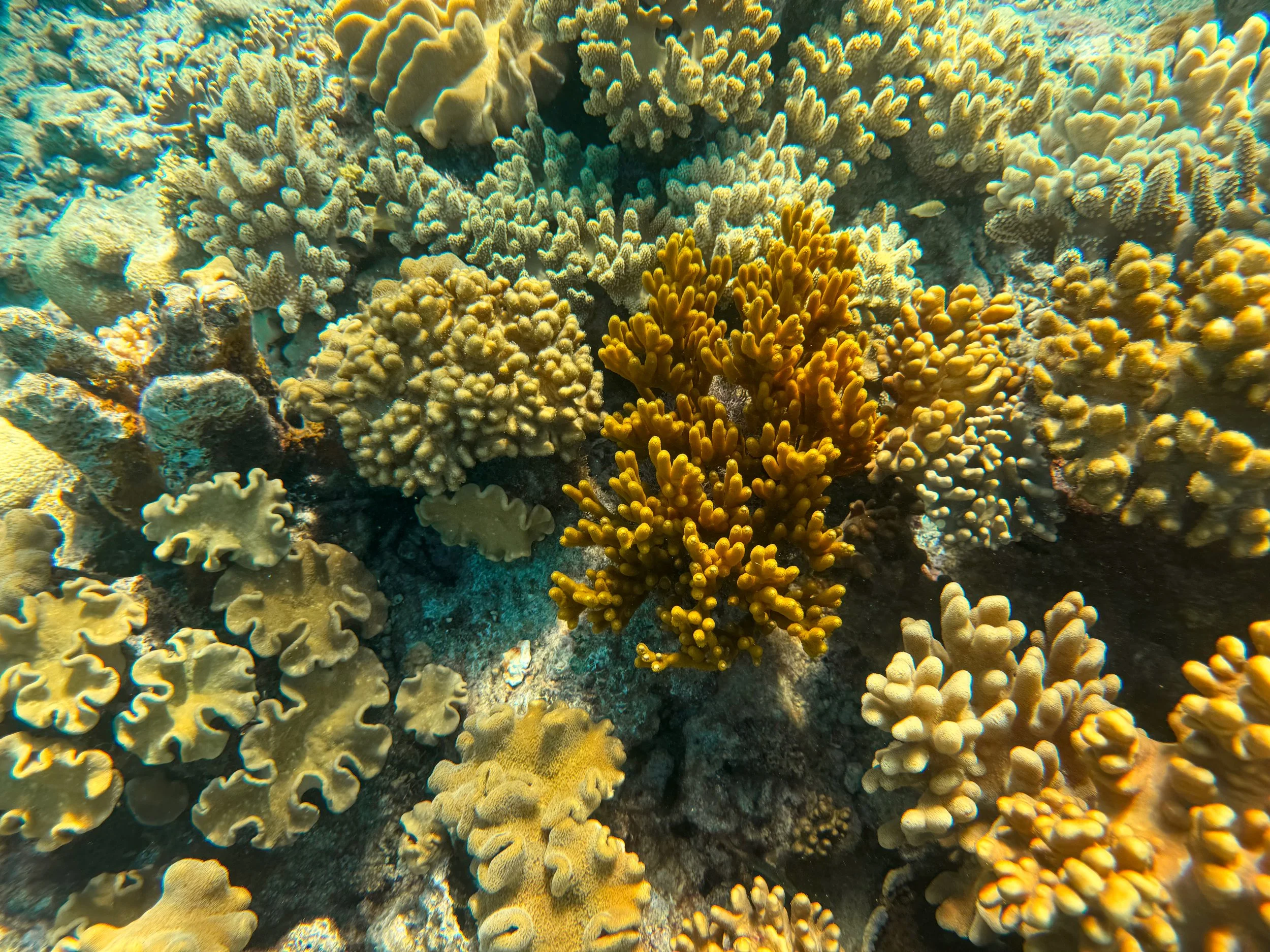
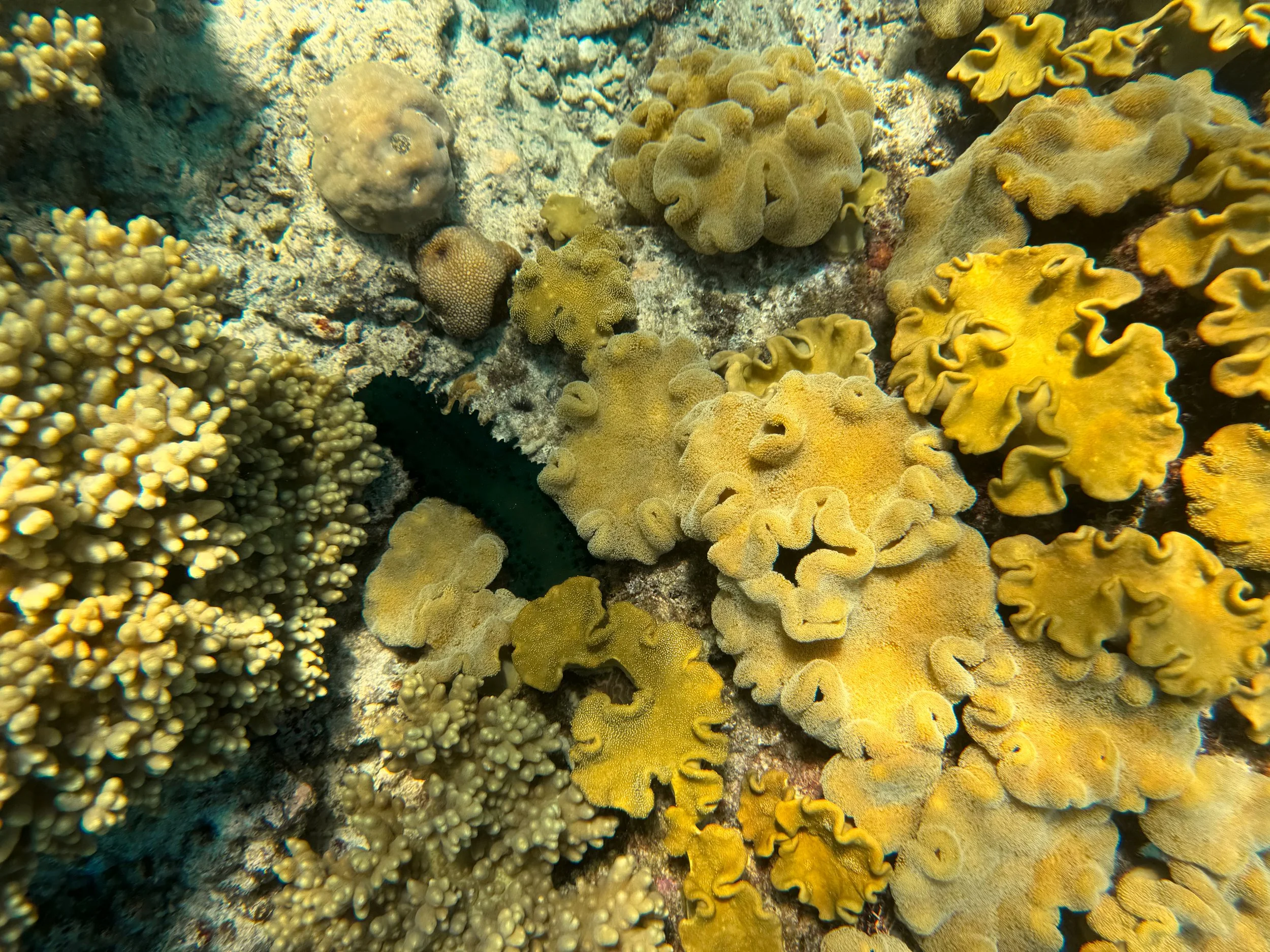
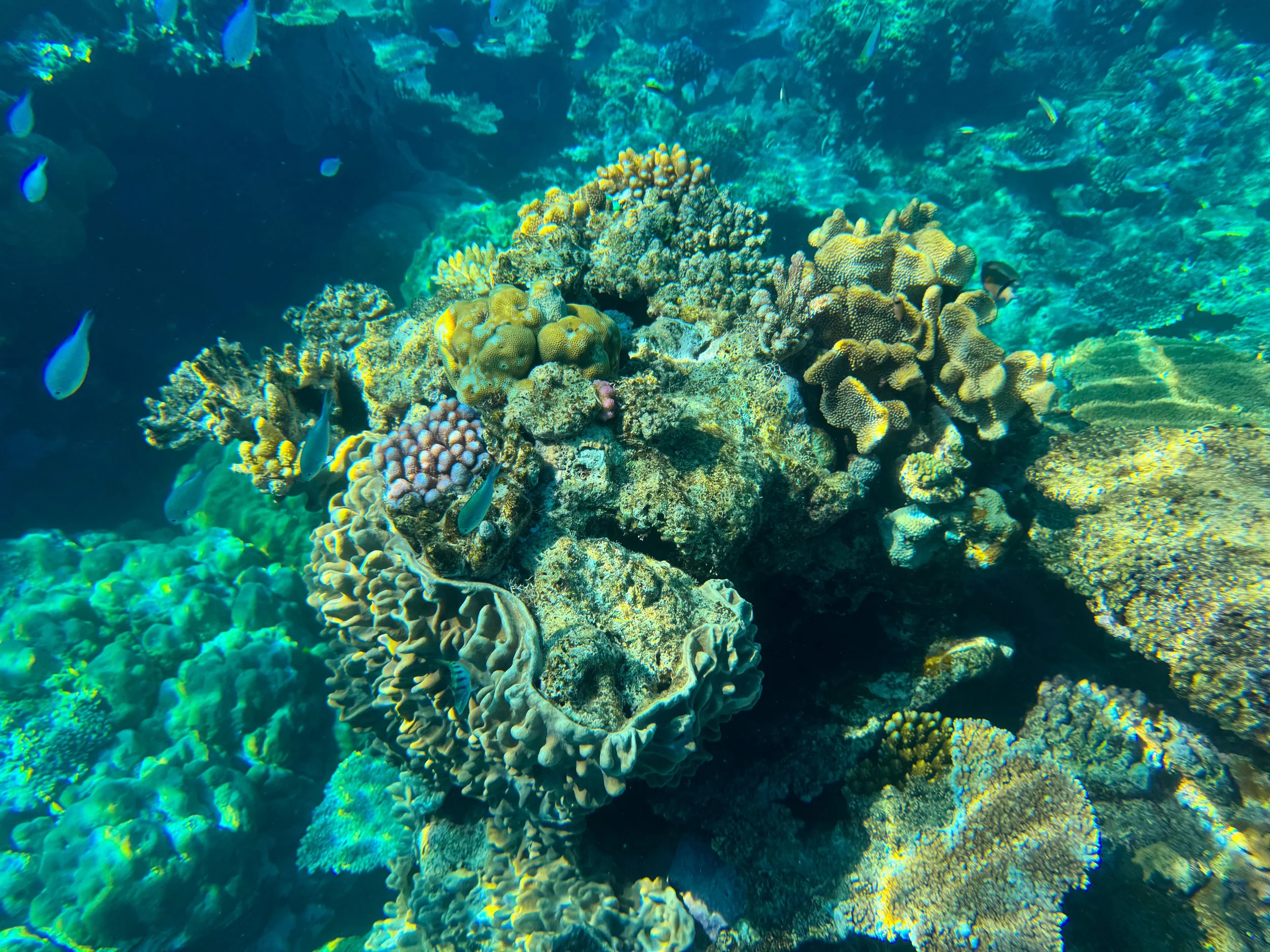
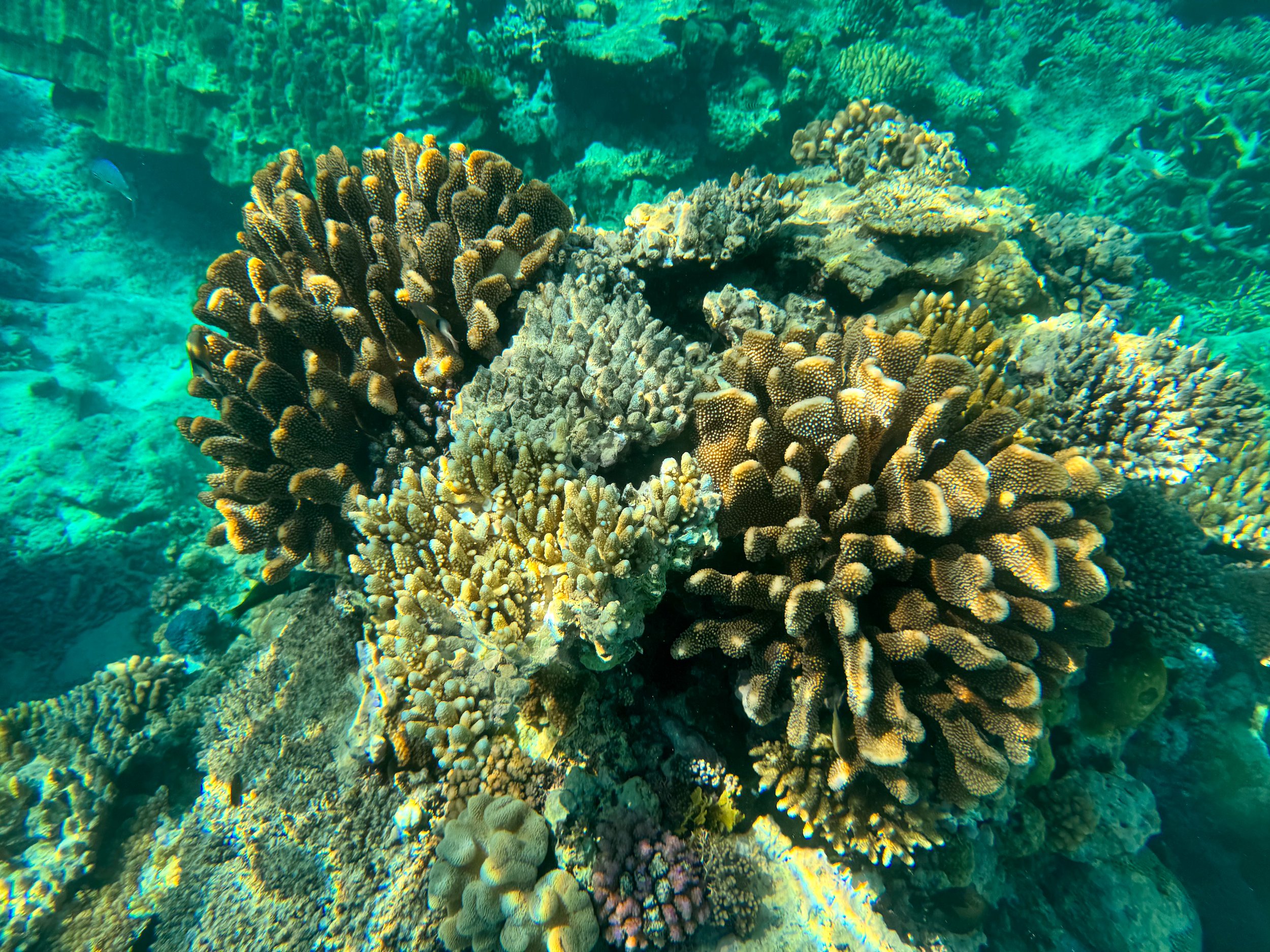
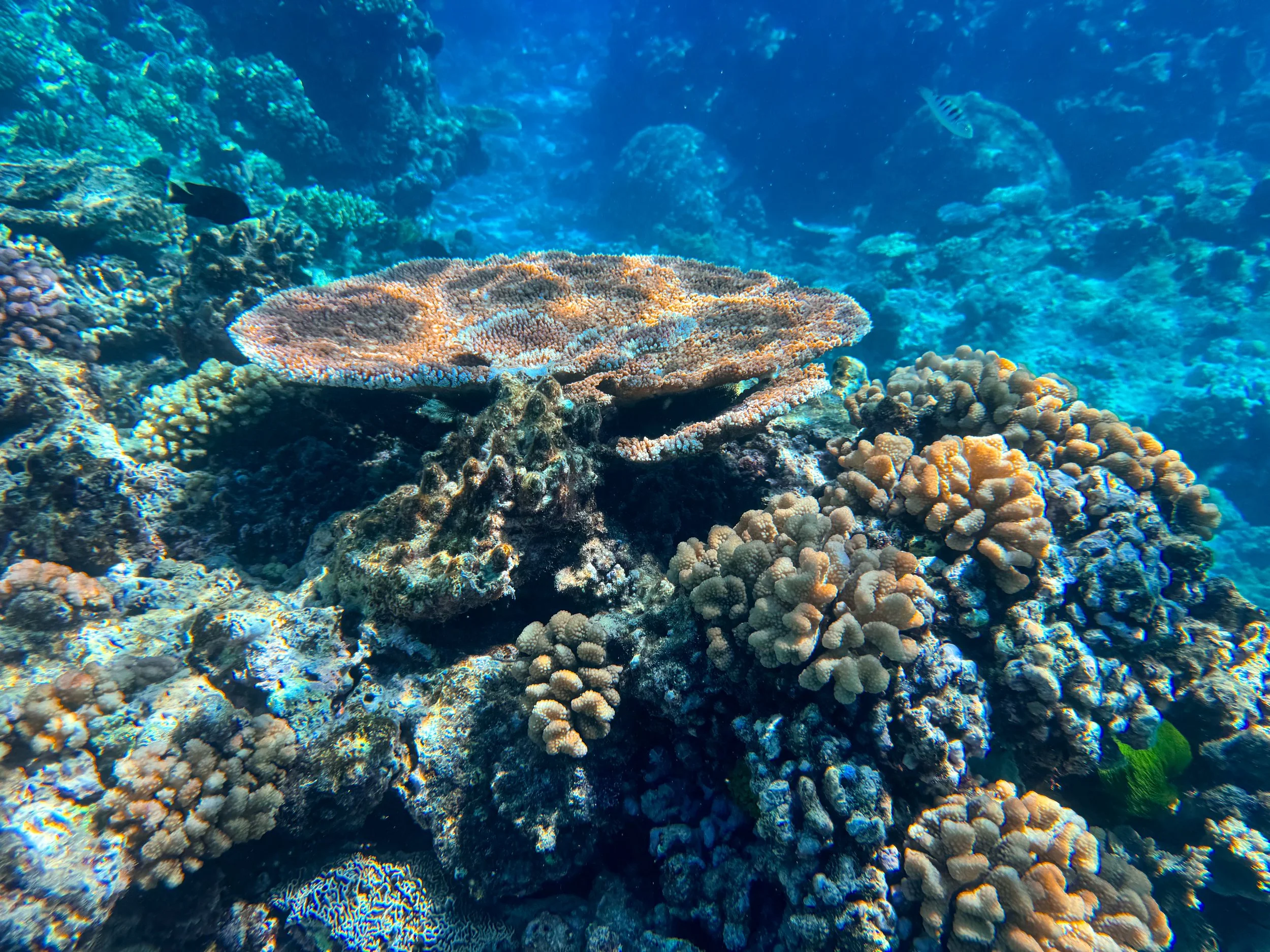
Coral Garden Dive Site. A healthy coral garden home to an array of underwater life. The reef supports all manner of strange shaped corals resembling antlers, brains, mushrooms, ruffles, tubes and flat fans. Their bright green, iridescent blue, deep purple, yellow and pink colors stand out among shades of tan, grey and mauve.
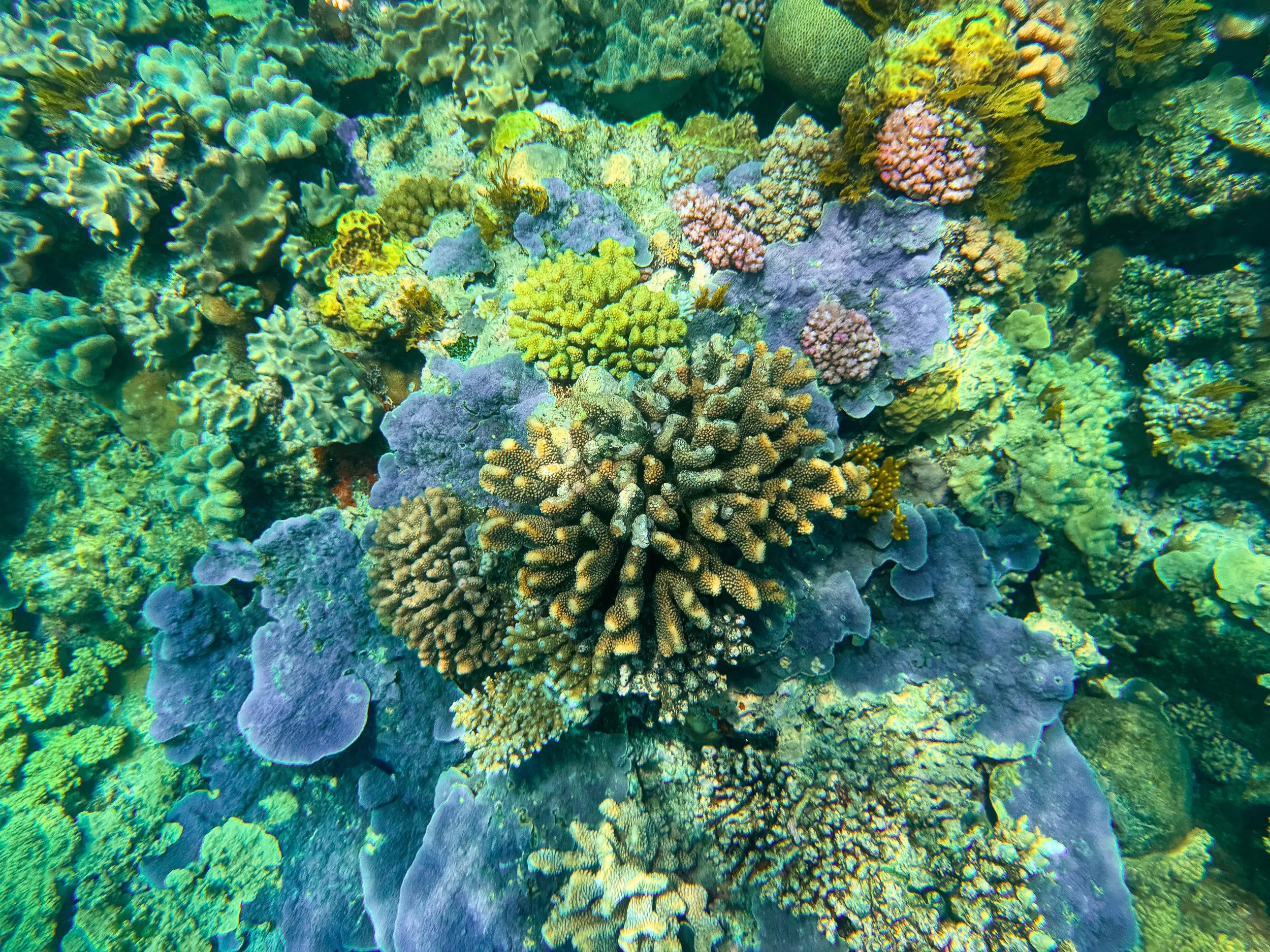
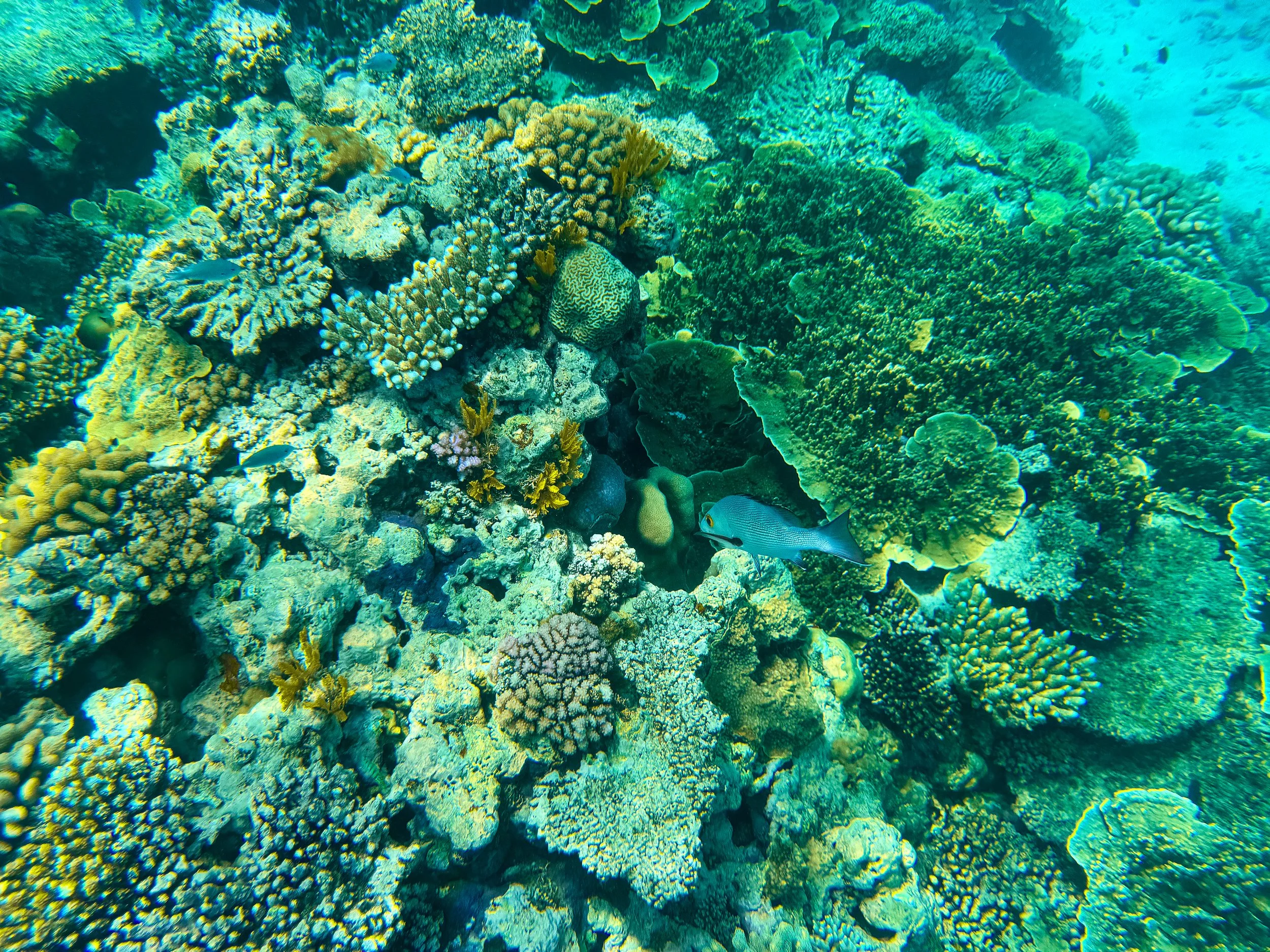
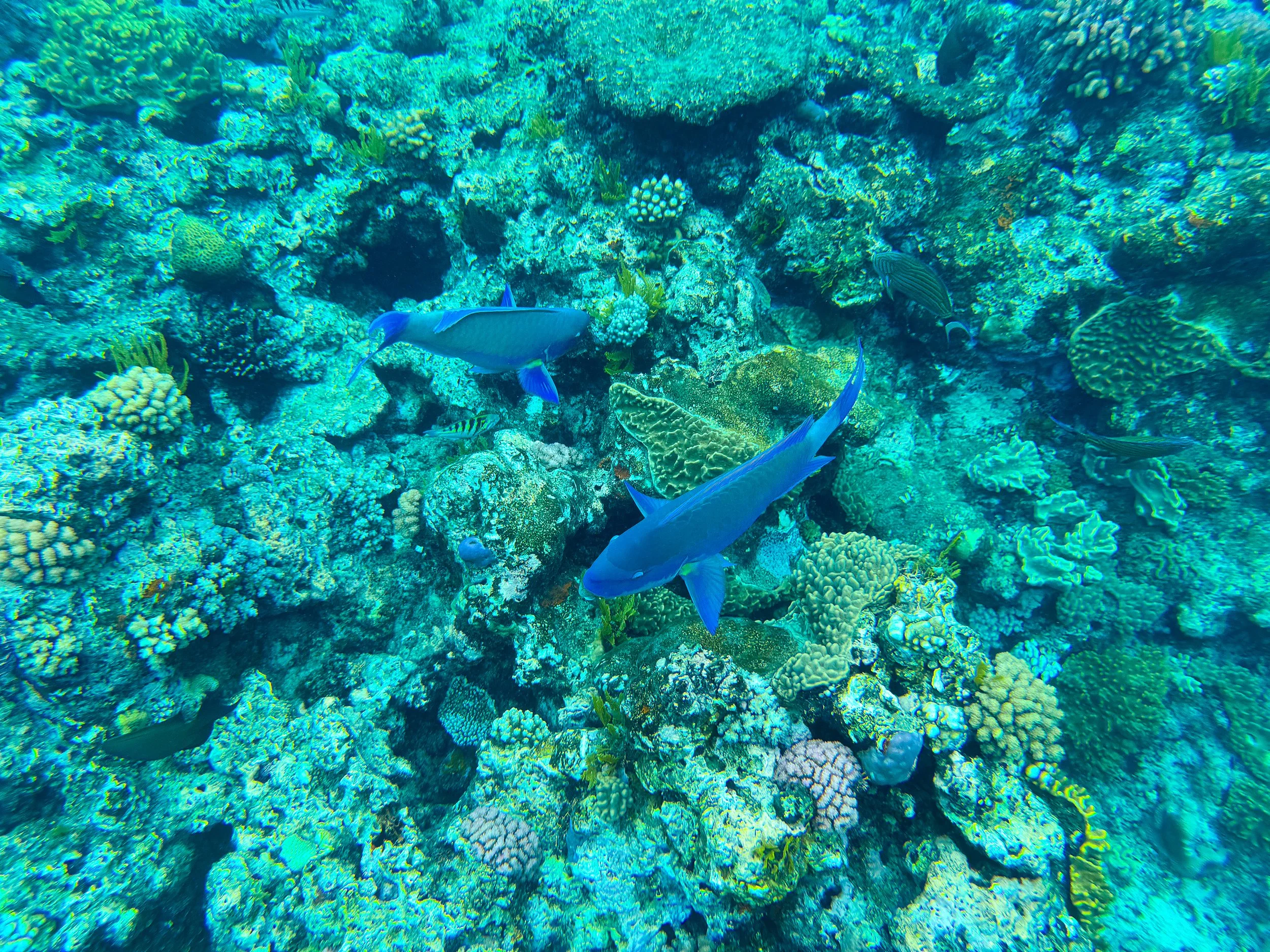
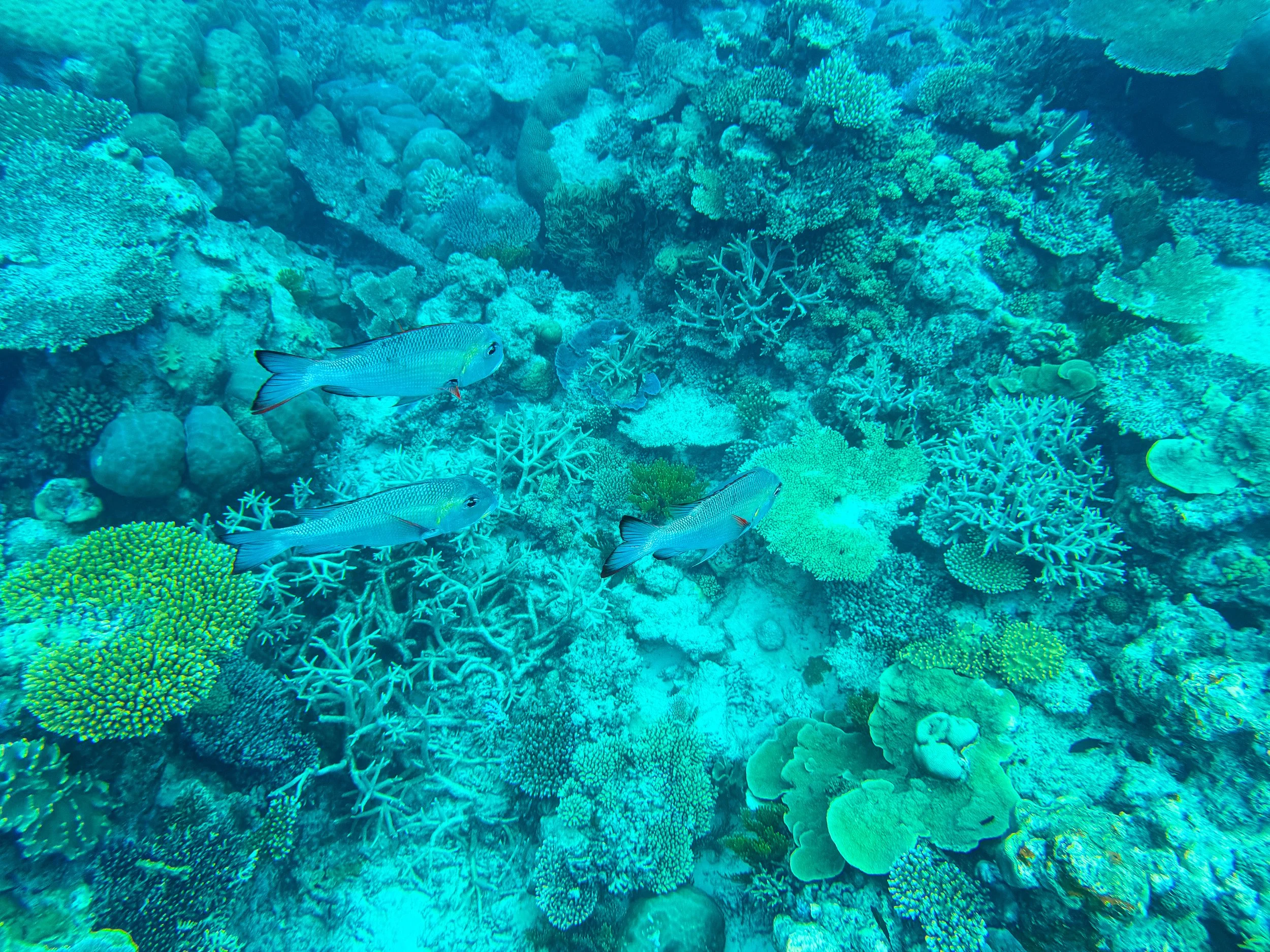
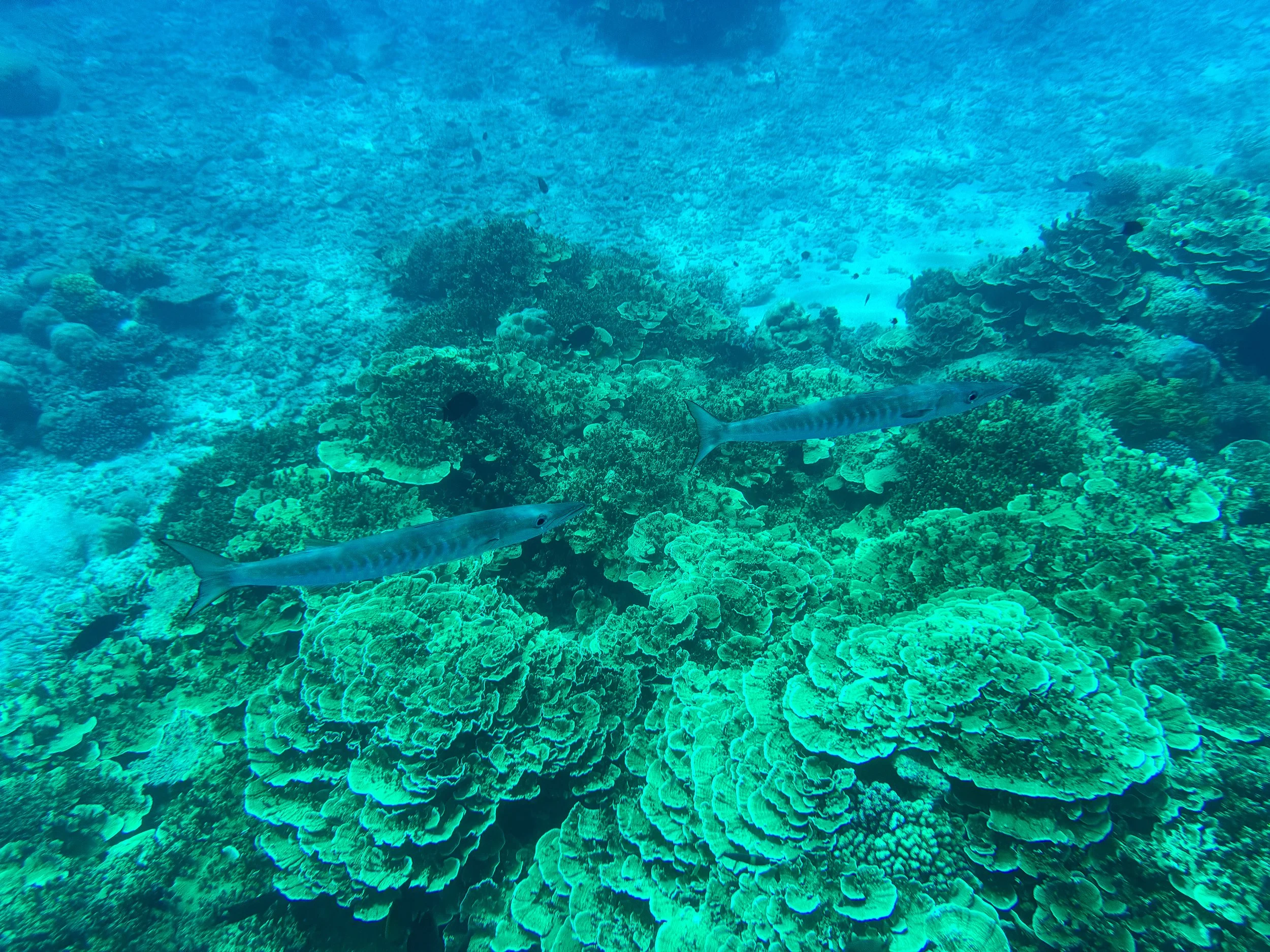
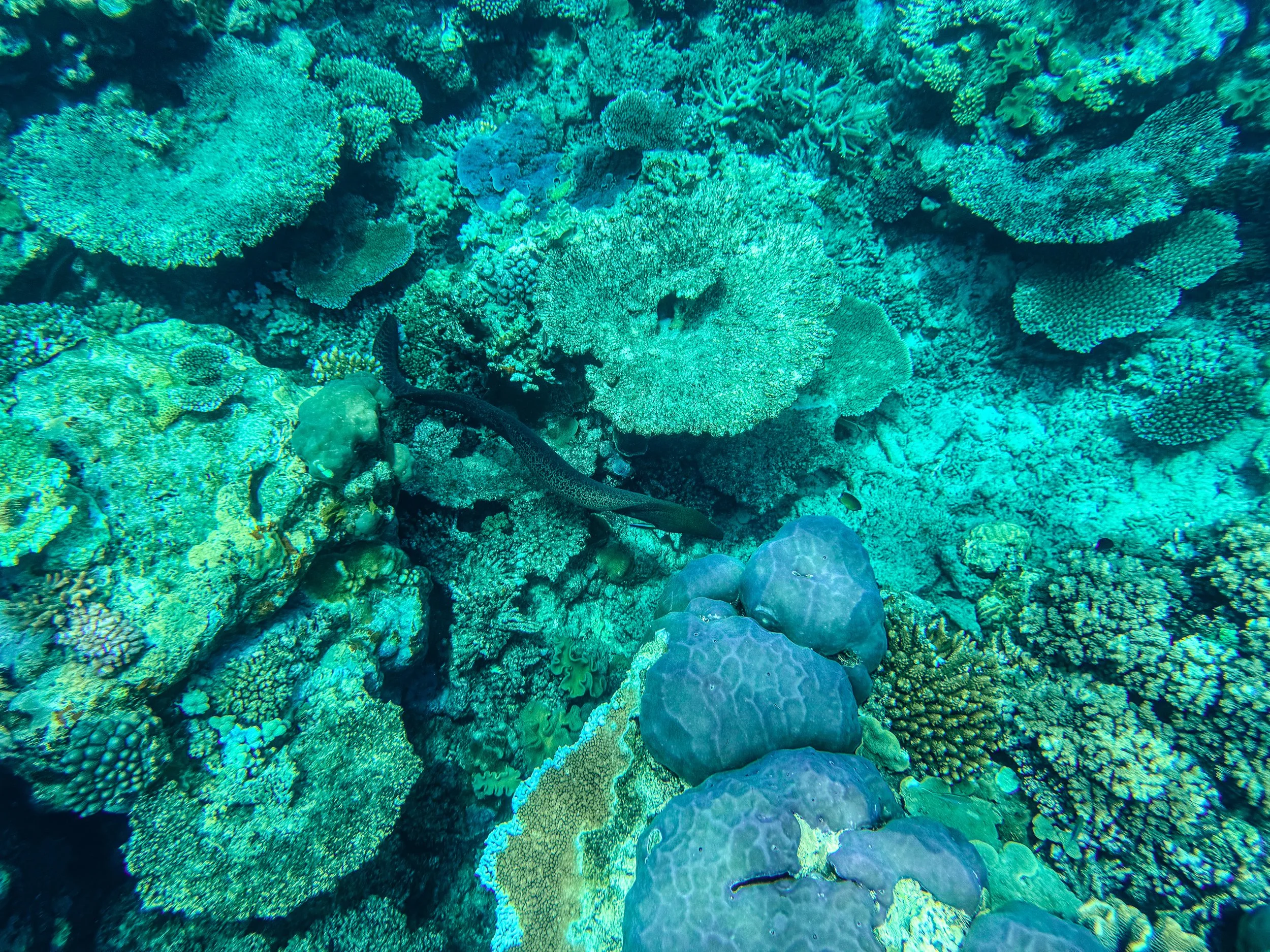
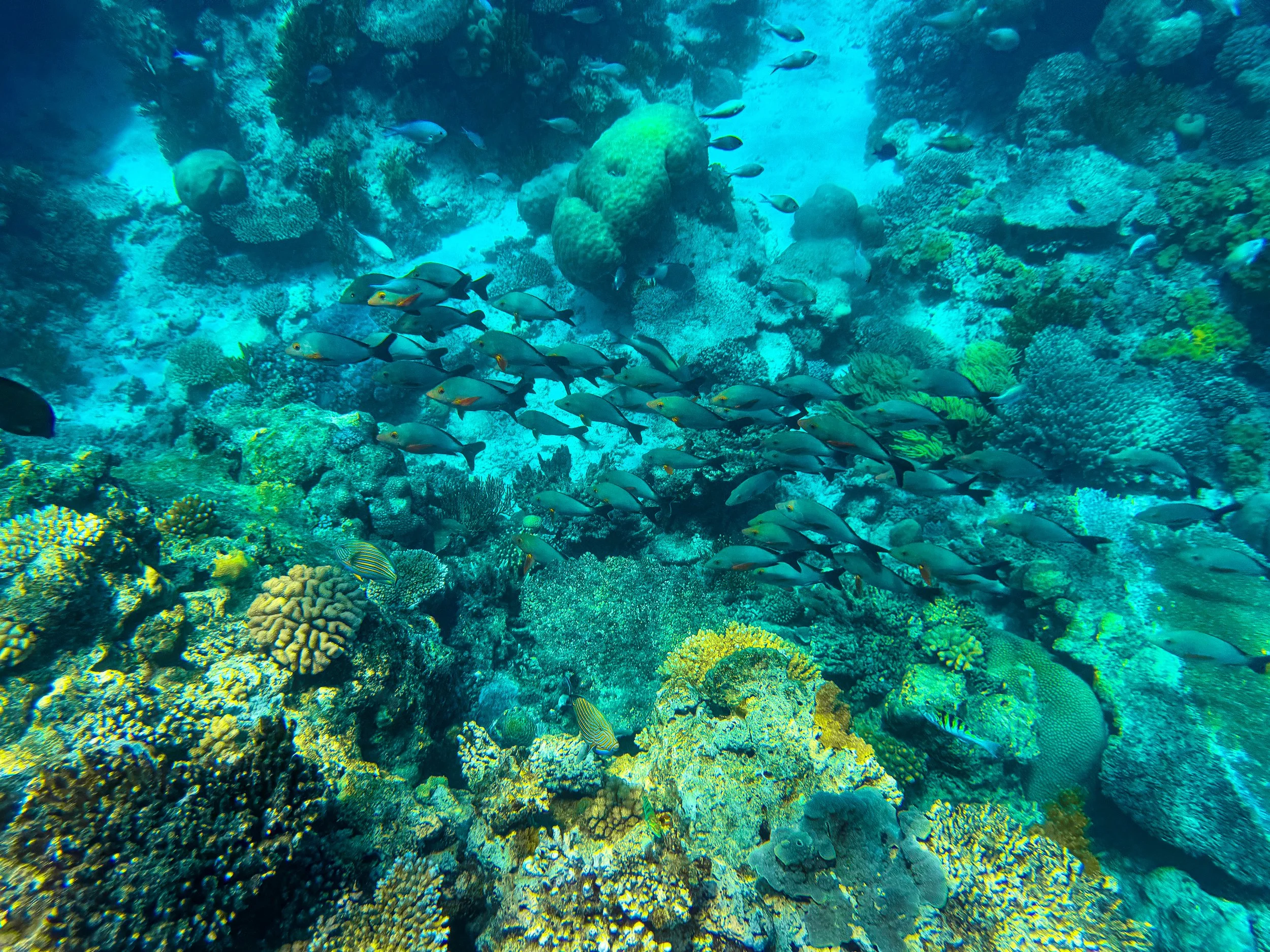
Sandra’s Dive Site. A popular scuba and snorkeling point in Saxon Reef. It’s home to all types of coral formations and marine life. Large eels weave between corals. Green sea turtles surface for air. Large barracuda swim by menacingly. Cuttlefish lurk in the depths. Stingrays rest on the sandy ocean floor. Juvenile giant clams open and close skittishly.
Hastings Reef
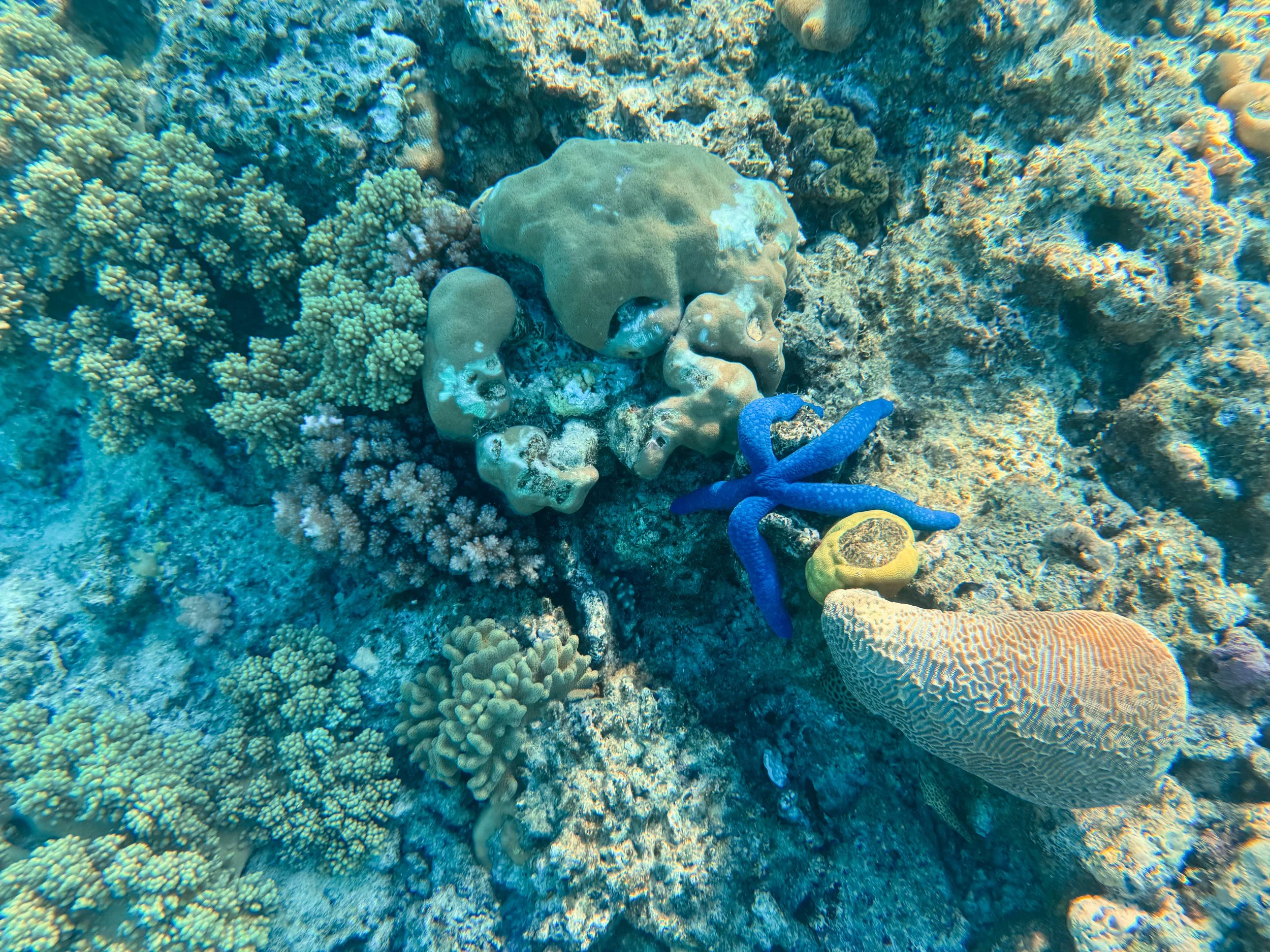
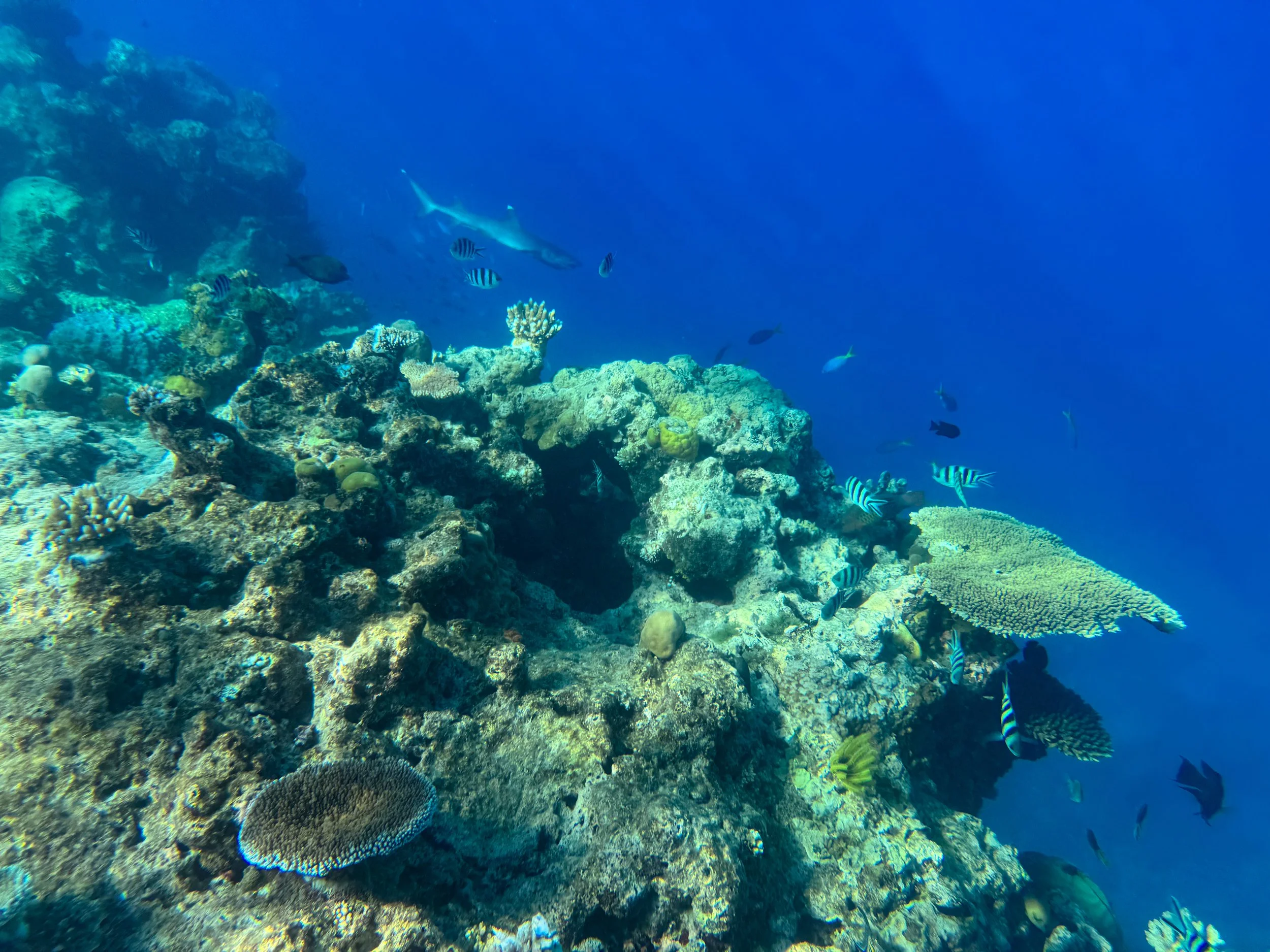
Hastings Reef is a stunning bow shaped reef with sprawling coral gardens and coral walls. It’s home to a diverse array of sea life including sharks, schools of fish, giant clams and starfish.
Sandra’s Dive Site. An expansive area of Hastings Reef with vibrant coral formations rising from the depths like an underwater mountain. White tipped reef sharks patrol the reef wall while scuba divers watch below for cephalopods. Schools of tropical fish swim in all directions and in-between the coral crevices. Giant clams rest on the seafloor with their blue shells wide open. The occasional starfish lies sprawled out across jagged corals.
Flynn Reef
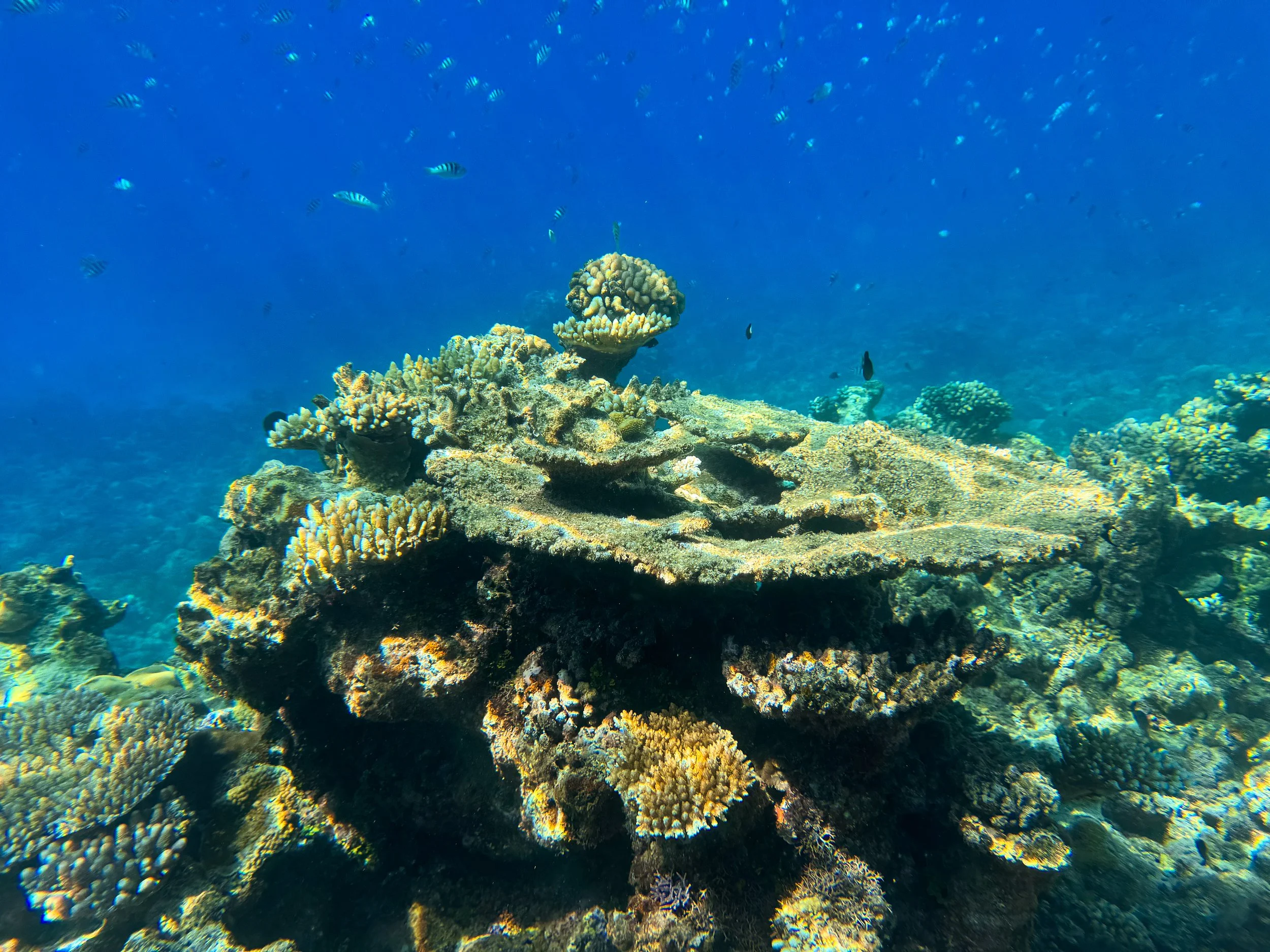
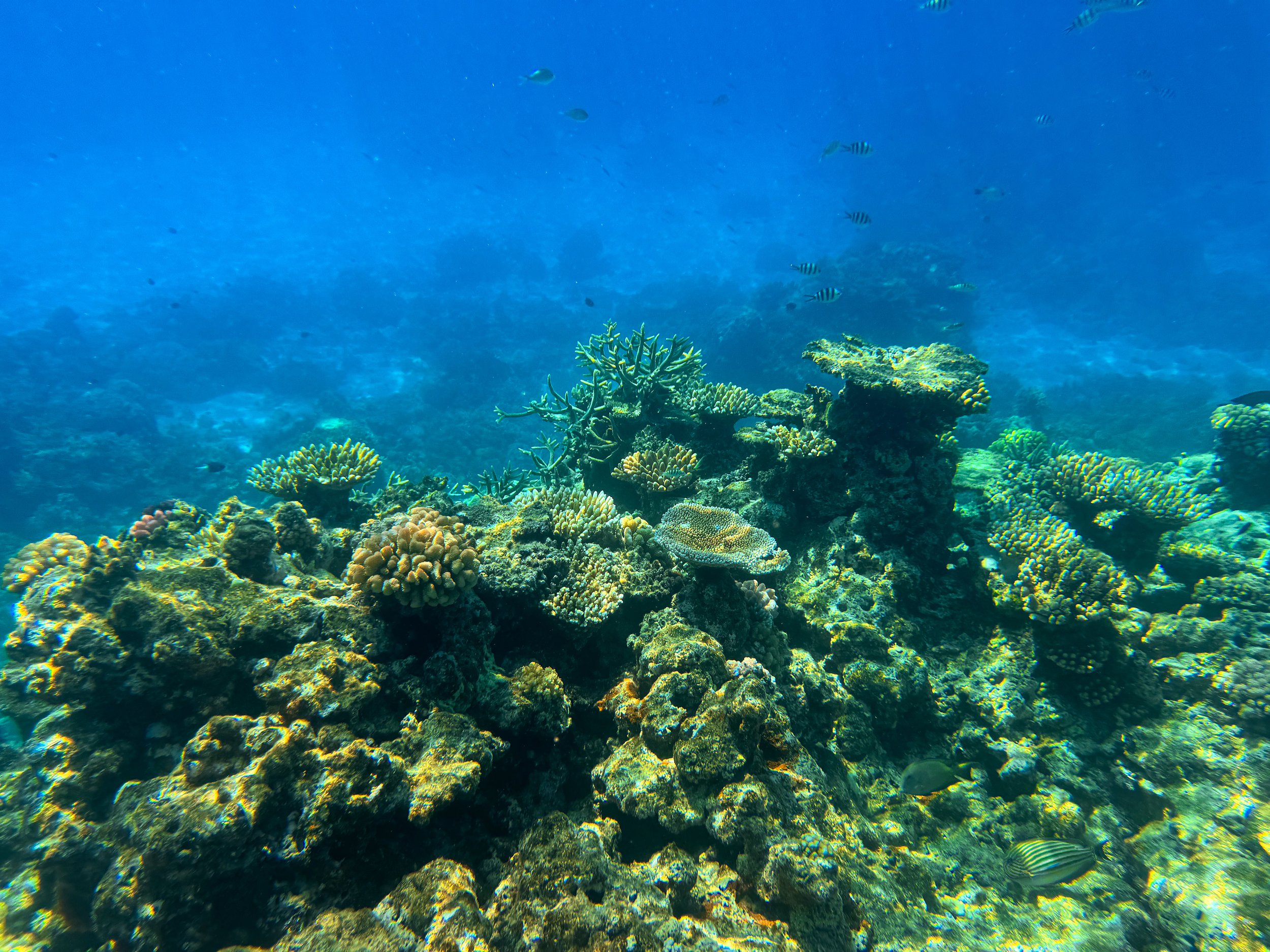
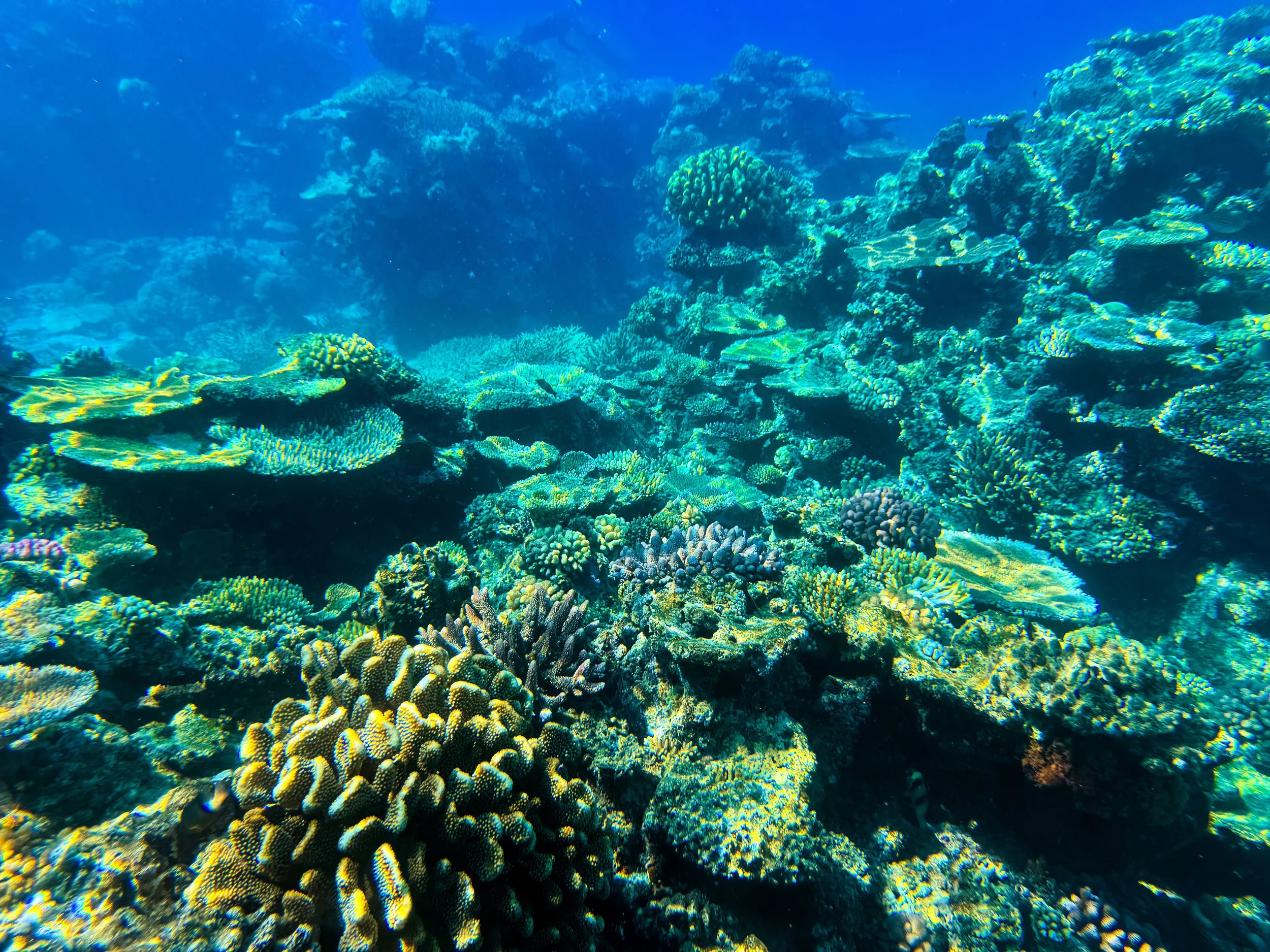
Flynn Reef is a spectacular example of the Great Barrier Reef’s biodiversity. The ever changing coral structures and array of marine life make it an idyllic site to snorkel, free dive and scuba dive. We visited three separate sites across the reef.
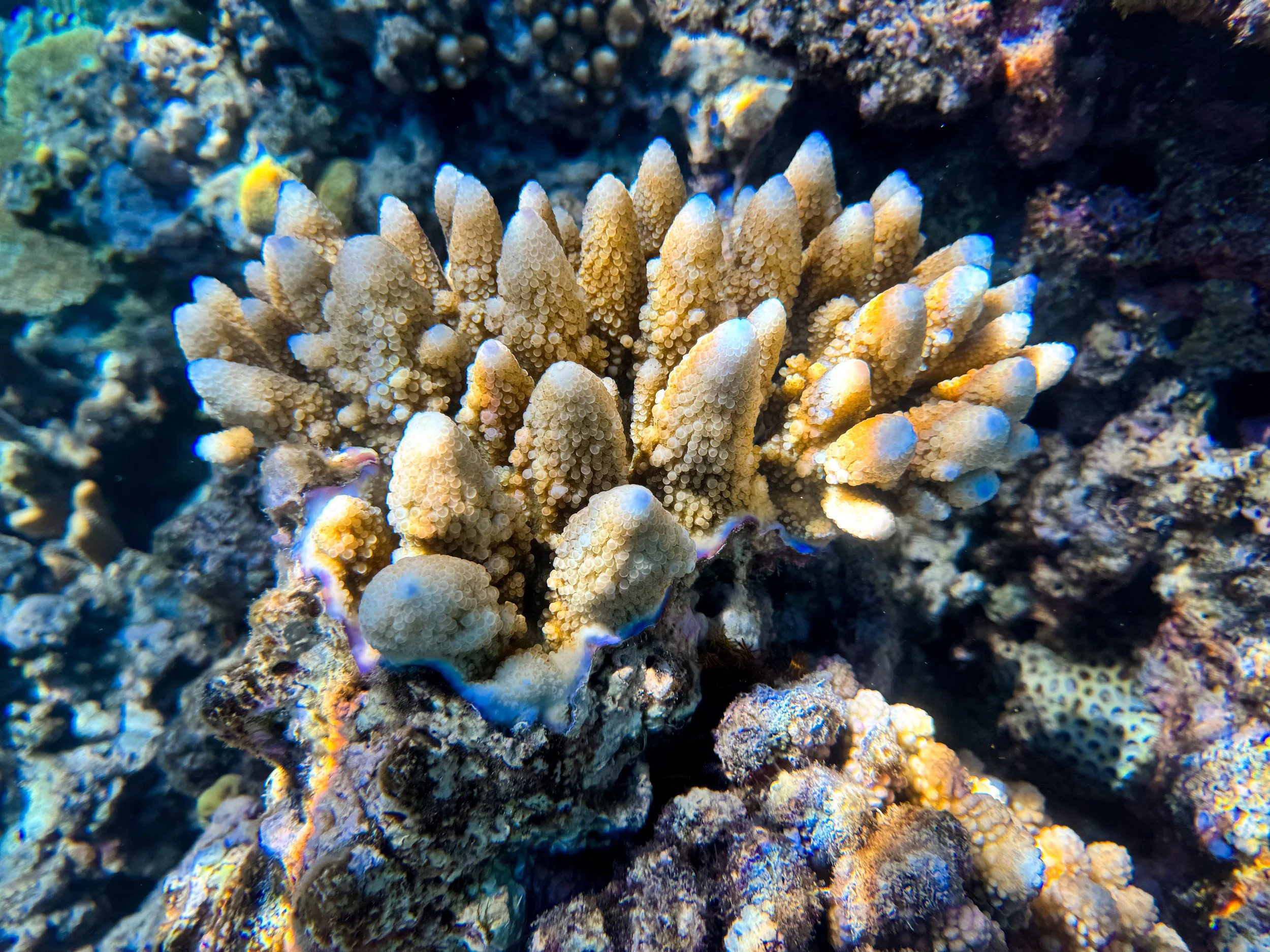
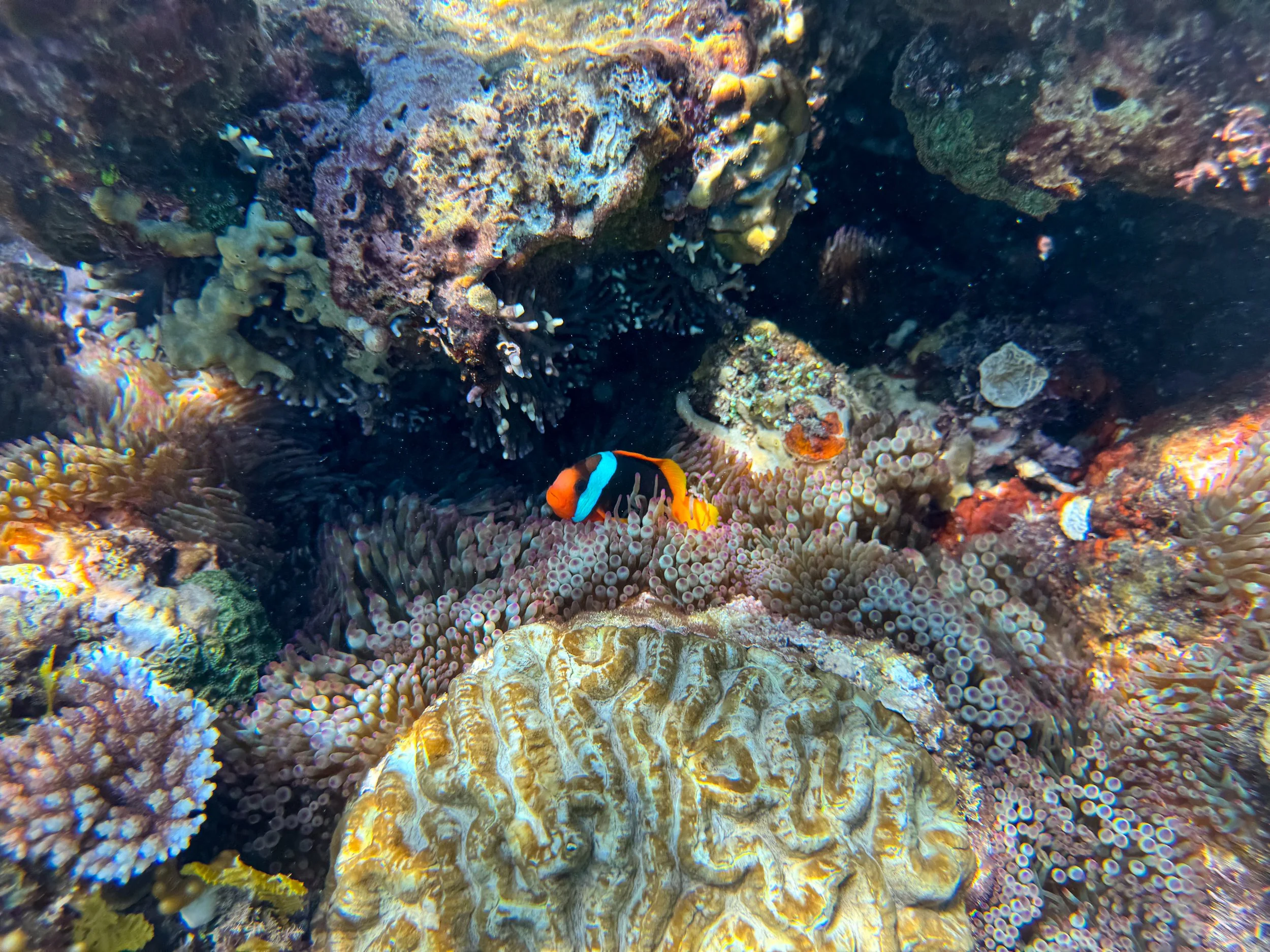
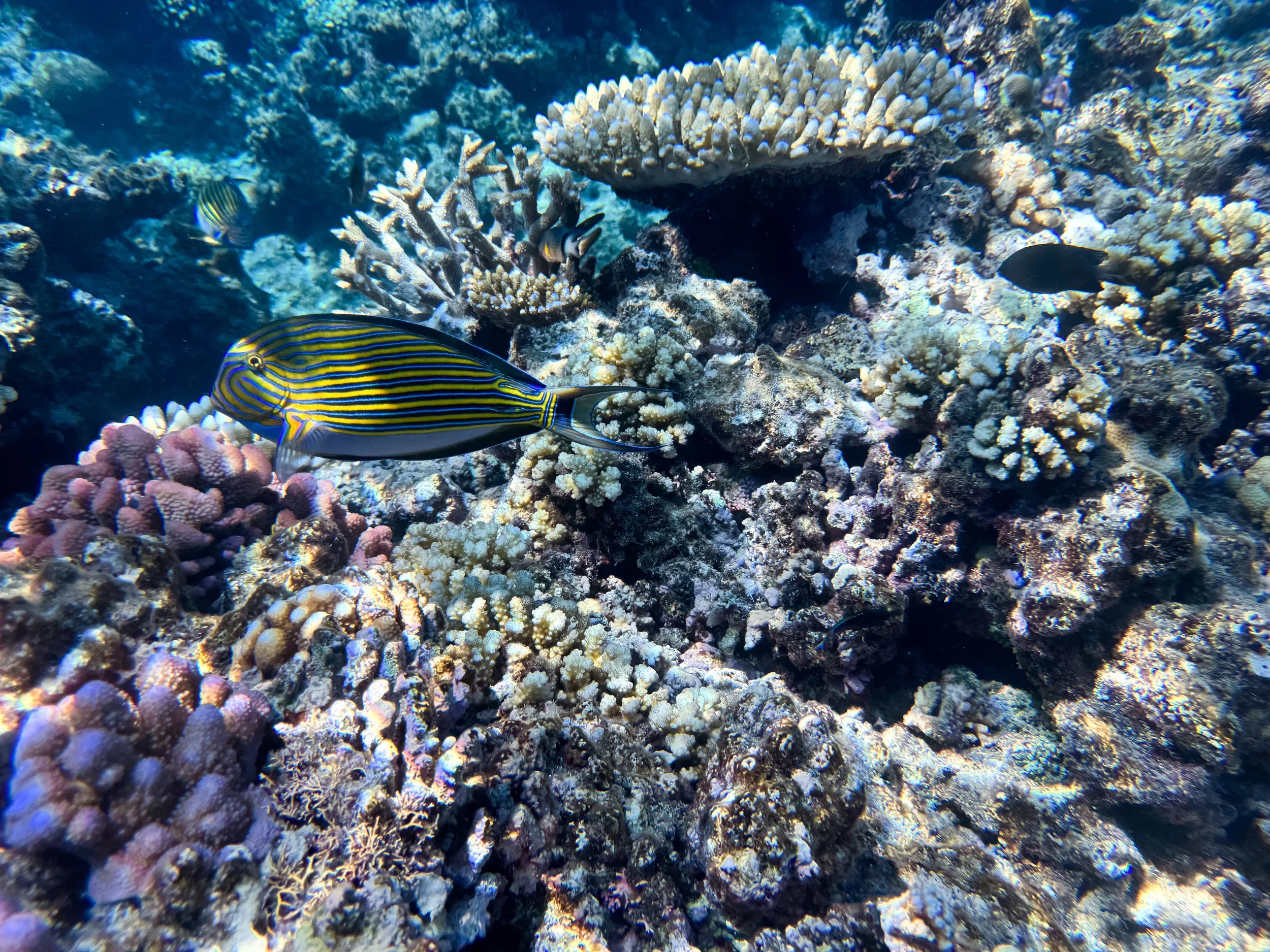
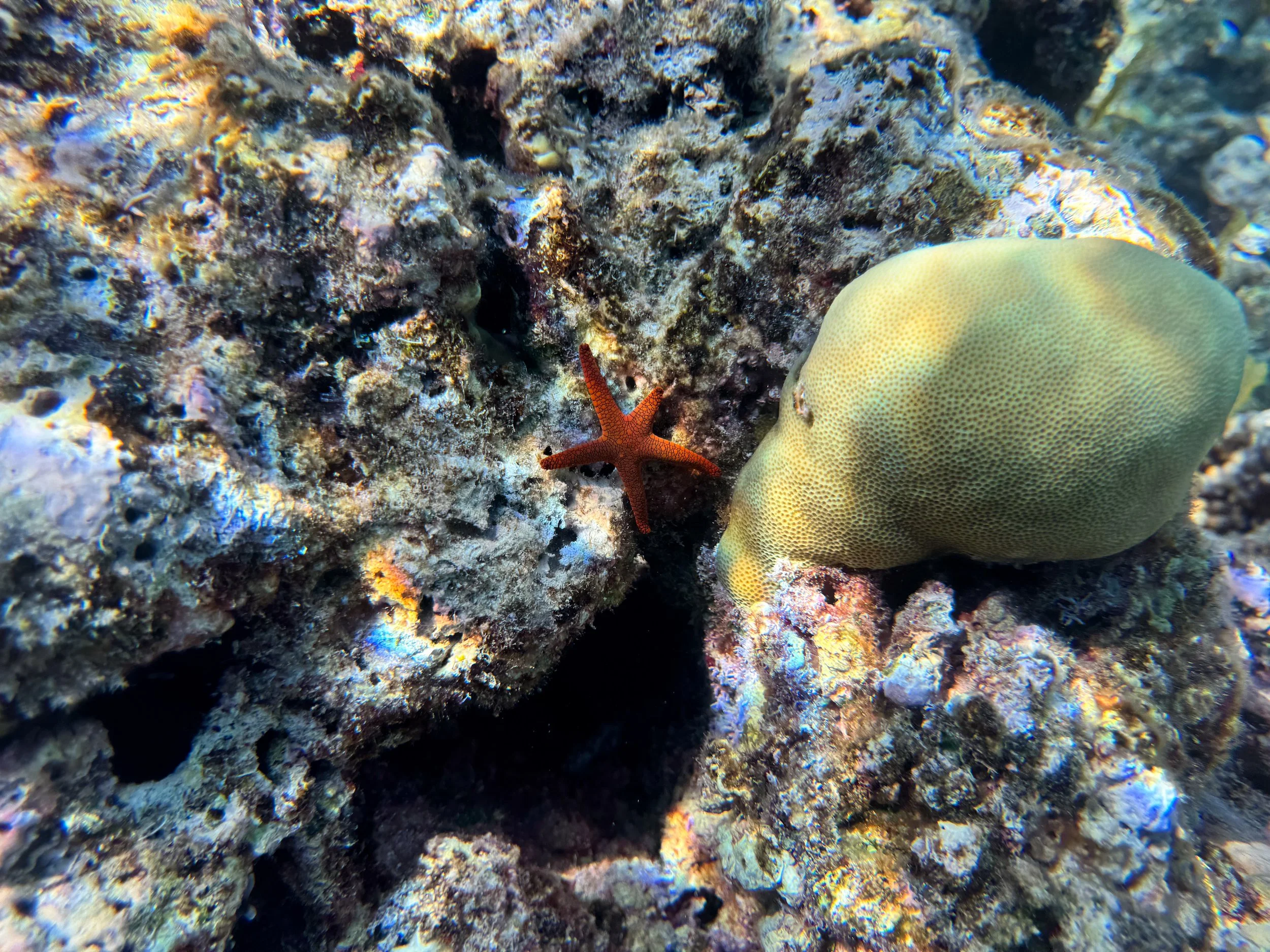
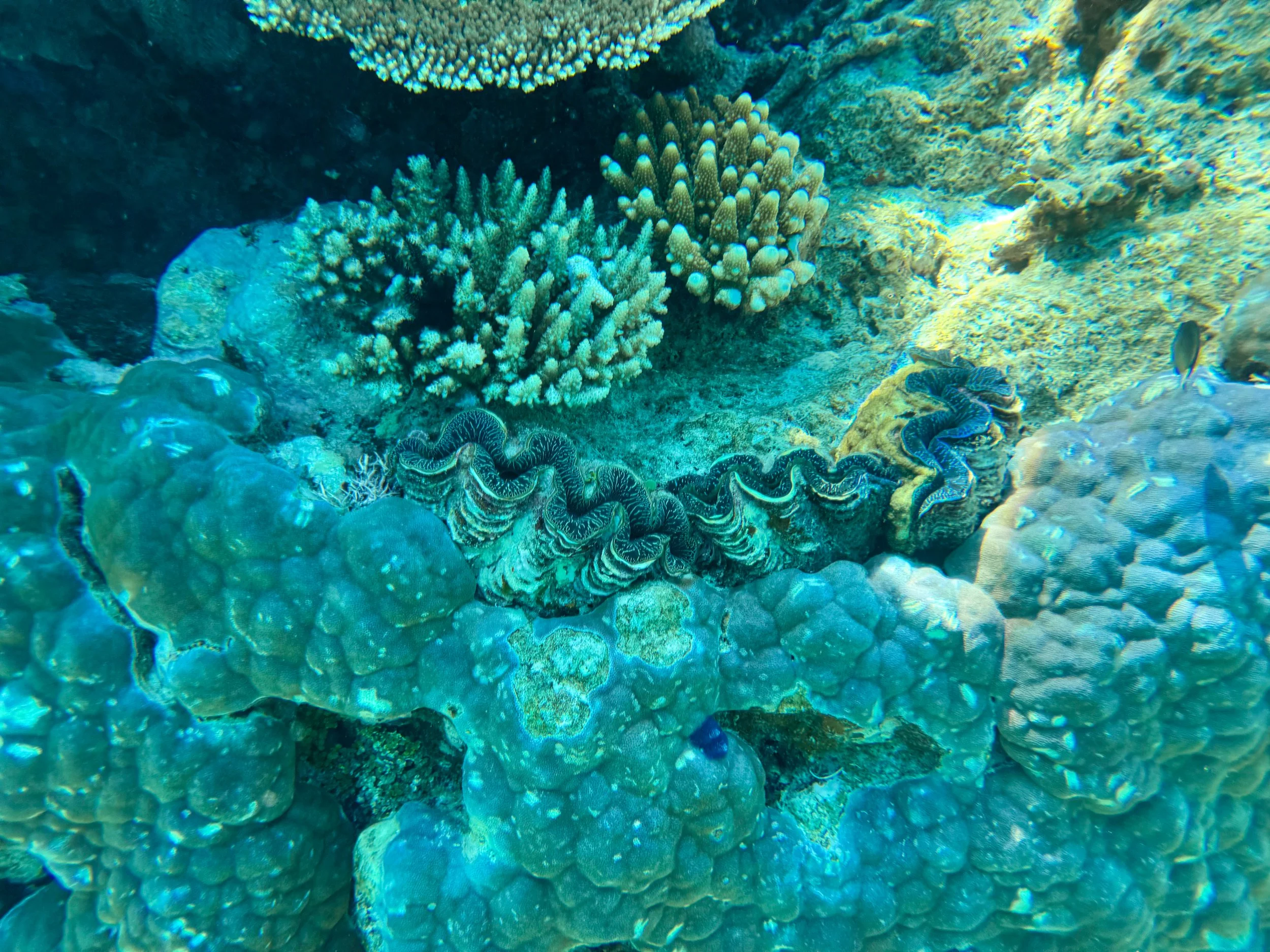
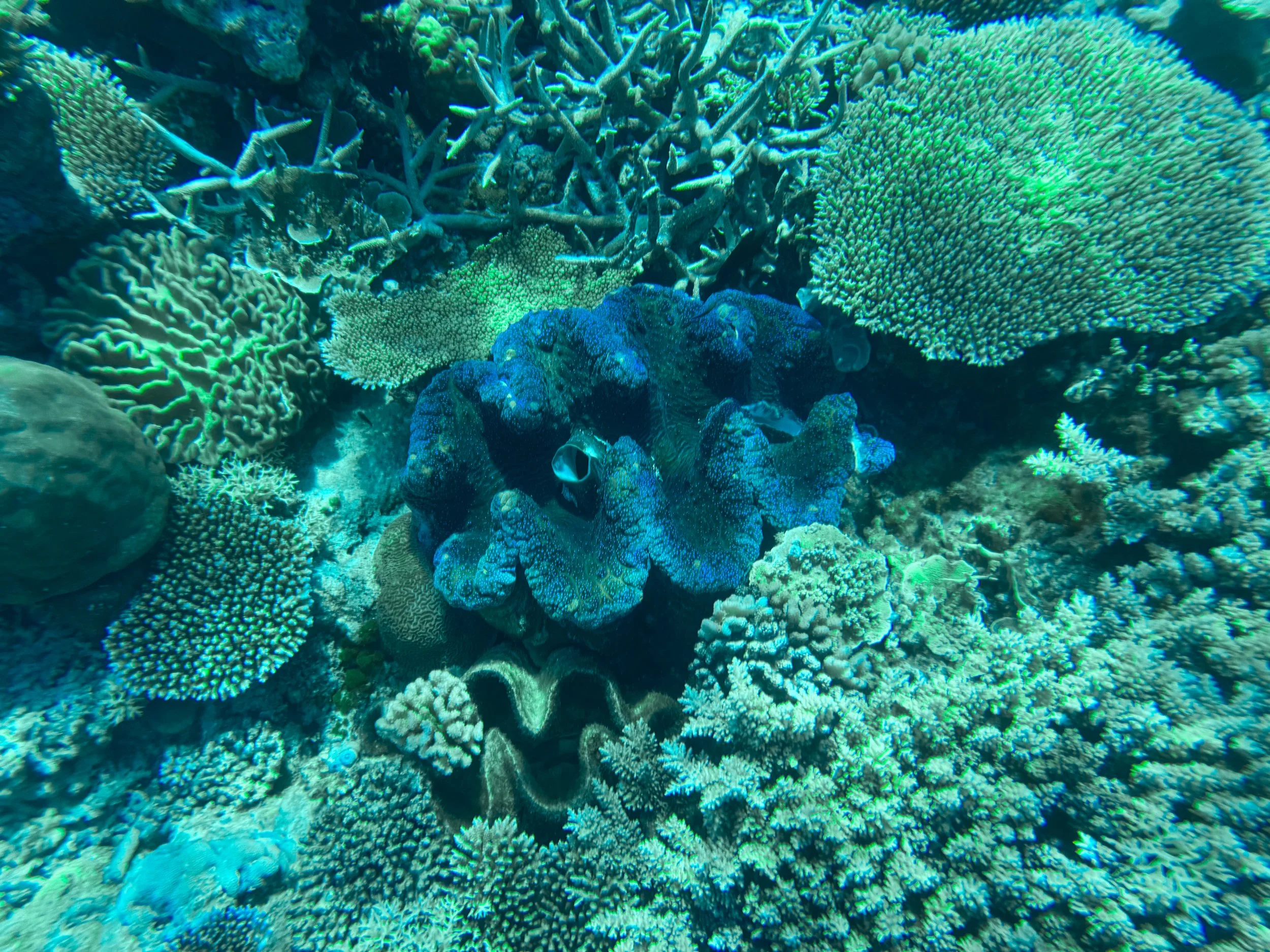
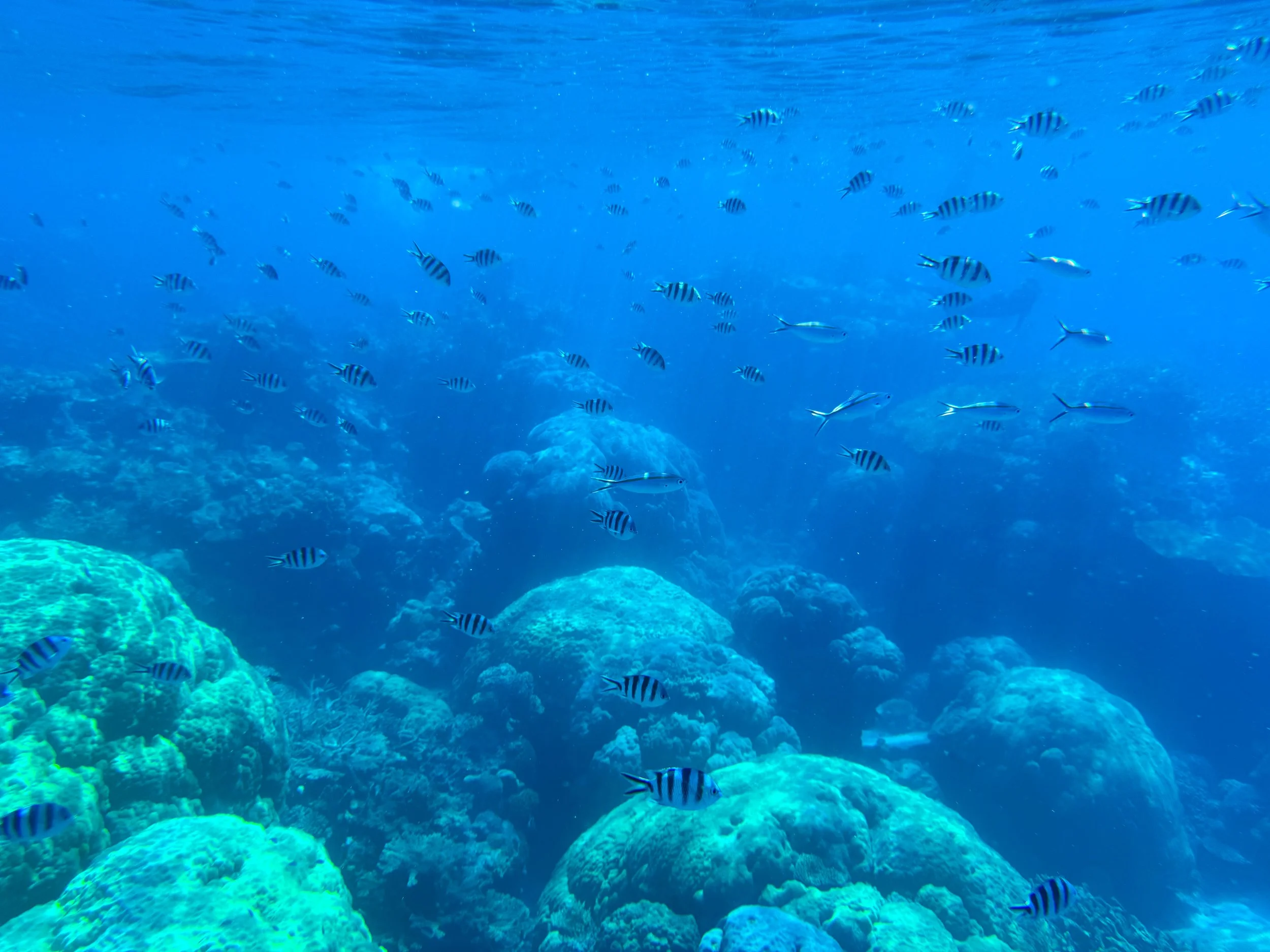
Coral Garden Dive Site. A lively section of Flynn Reef with layered meadows of corals and pockets of sandy depressions. It’s home to an aquarium of tropical fish and sea creatures. Large schools of tiny fish and small groups of large fish swim between coral structures, hide in their crevices and bite at their protruding nodules. We drifted with the ocean currents and free dived for closer views of tiny starfish, giant clams and families of clownfish brushing through anemones.
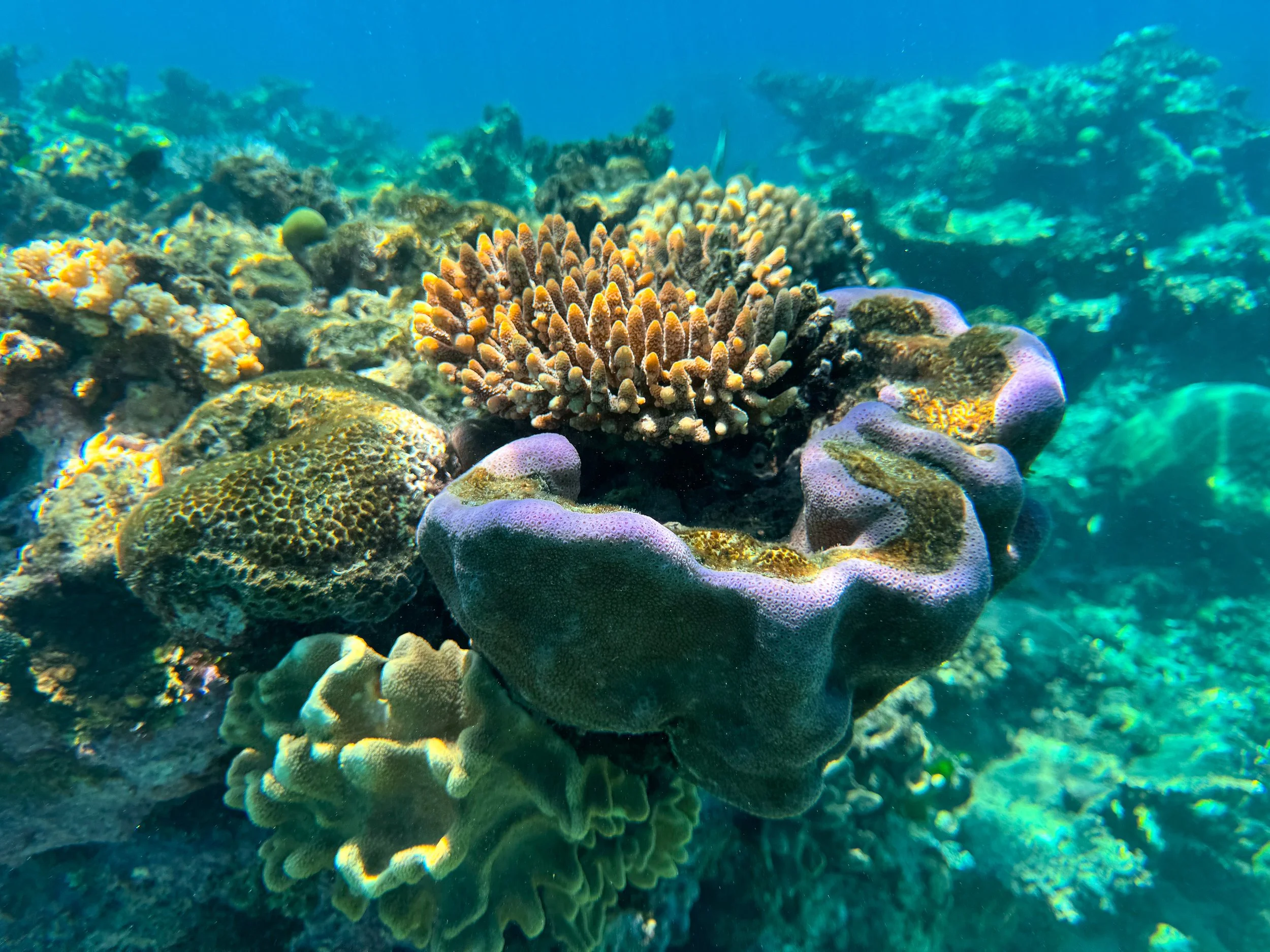
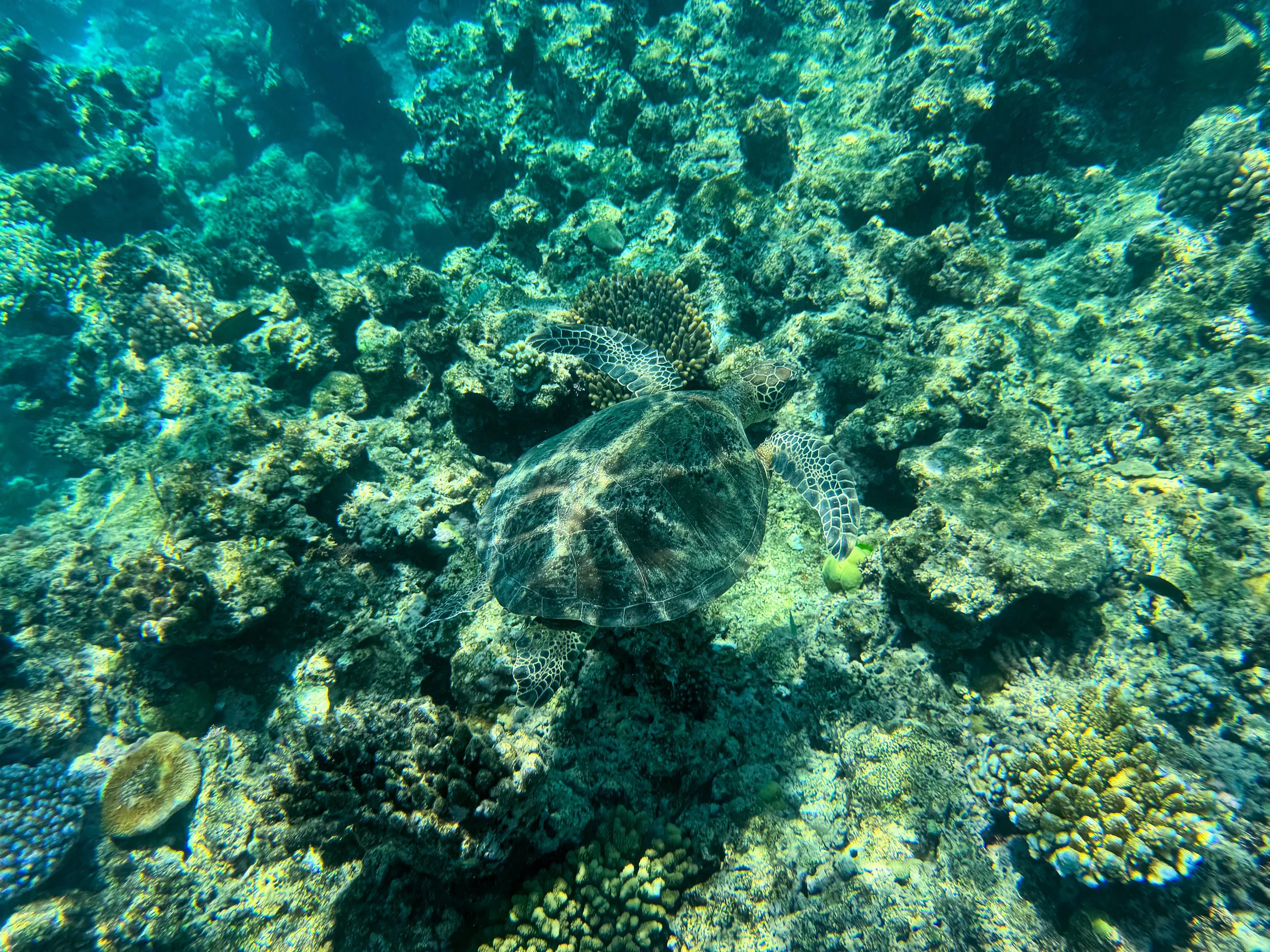
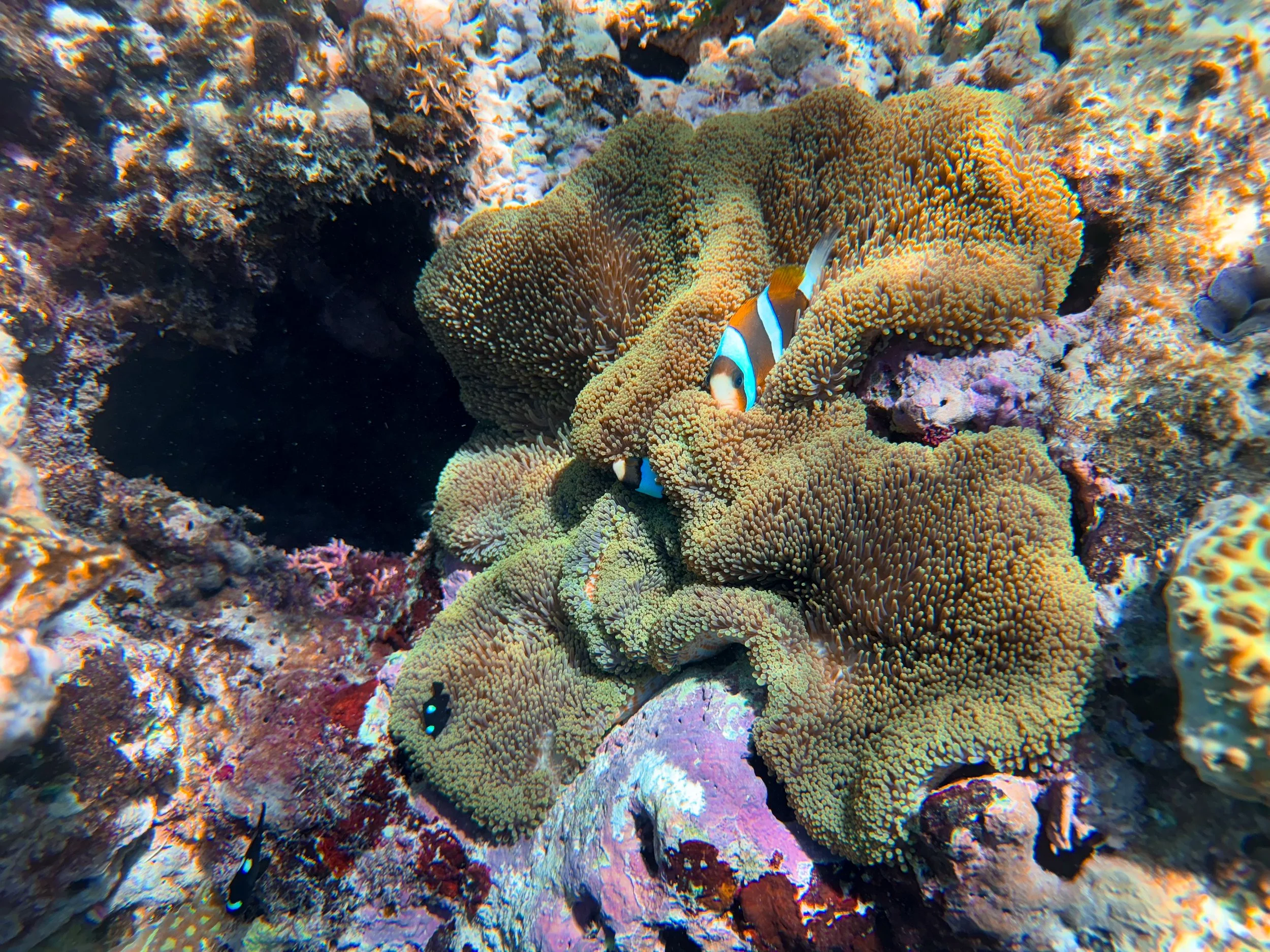
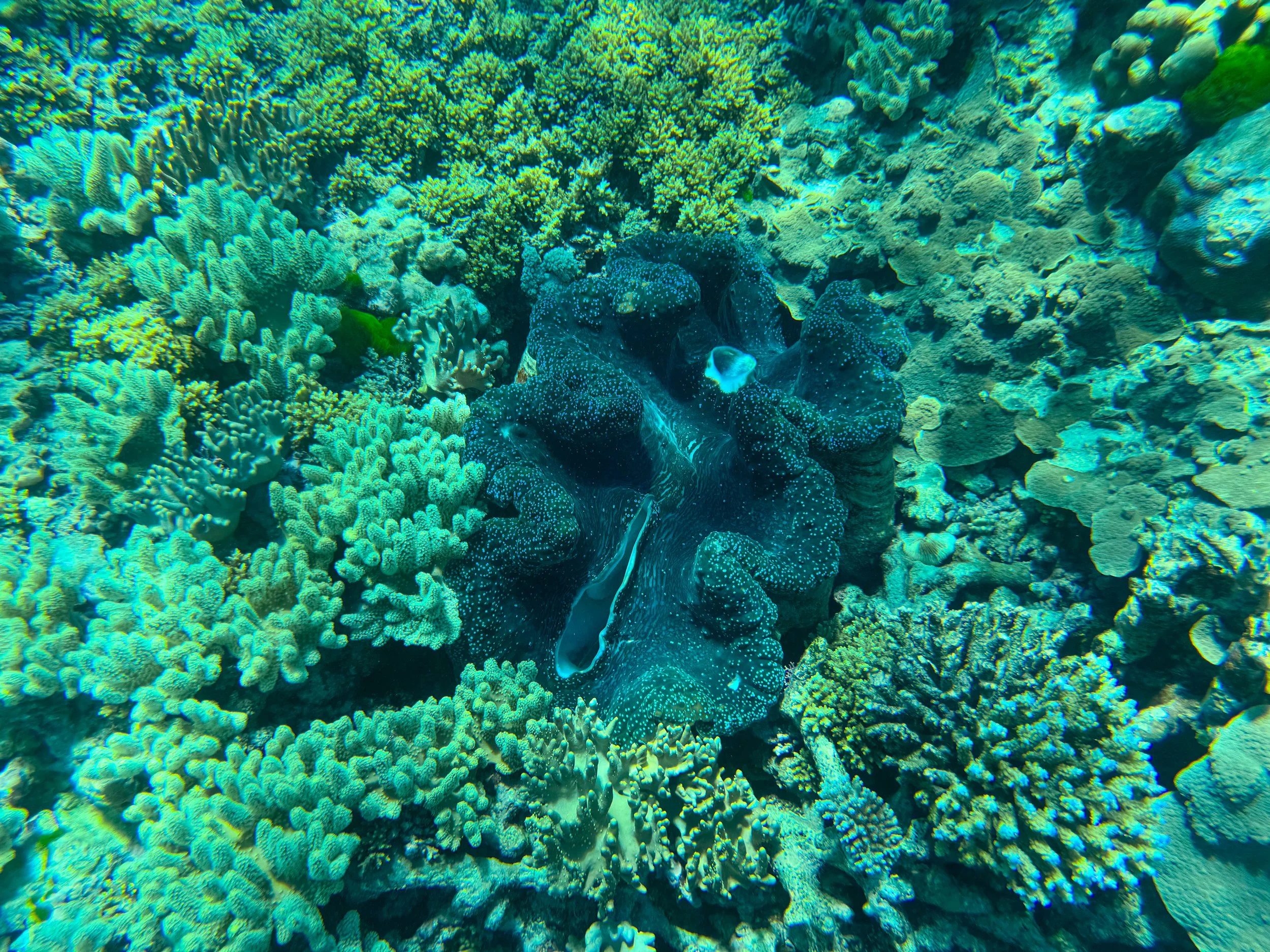
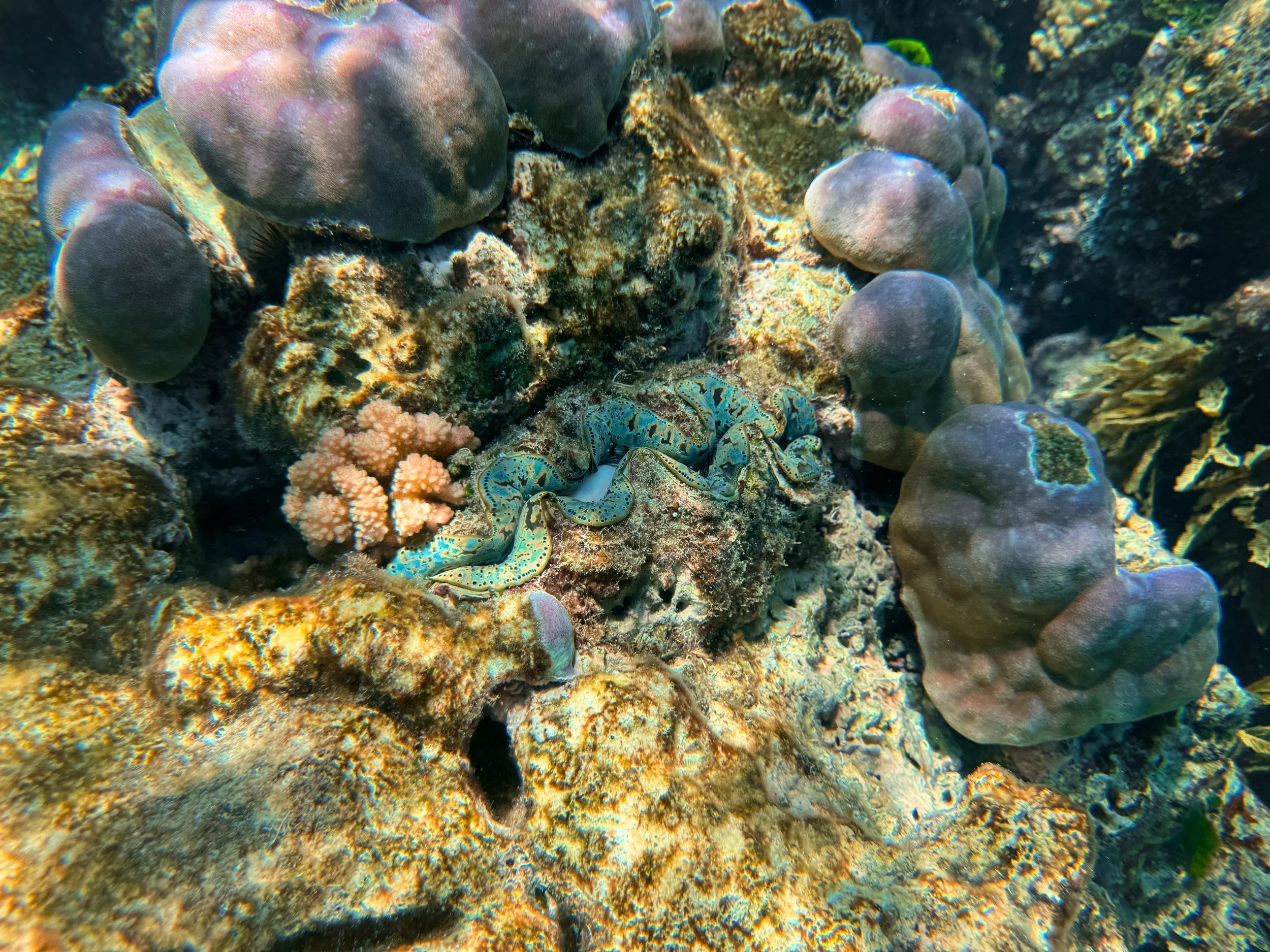
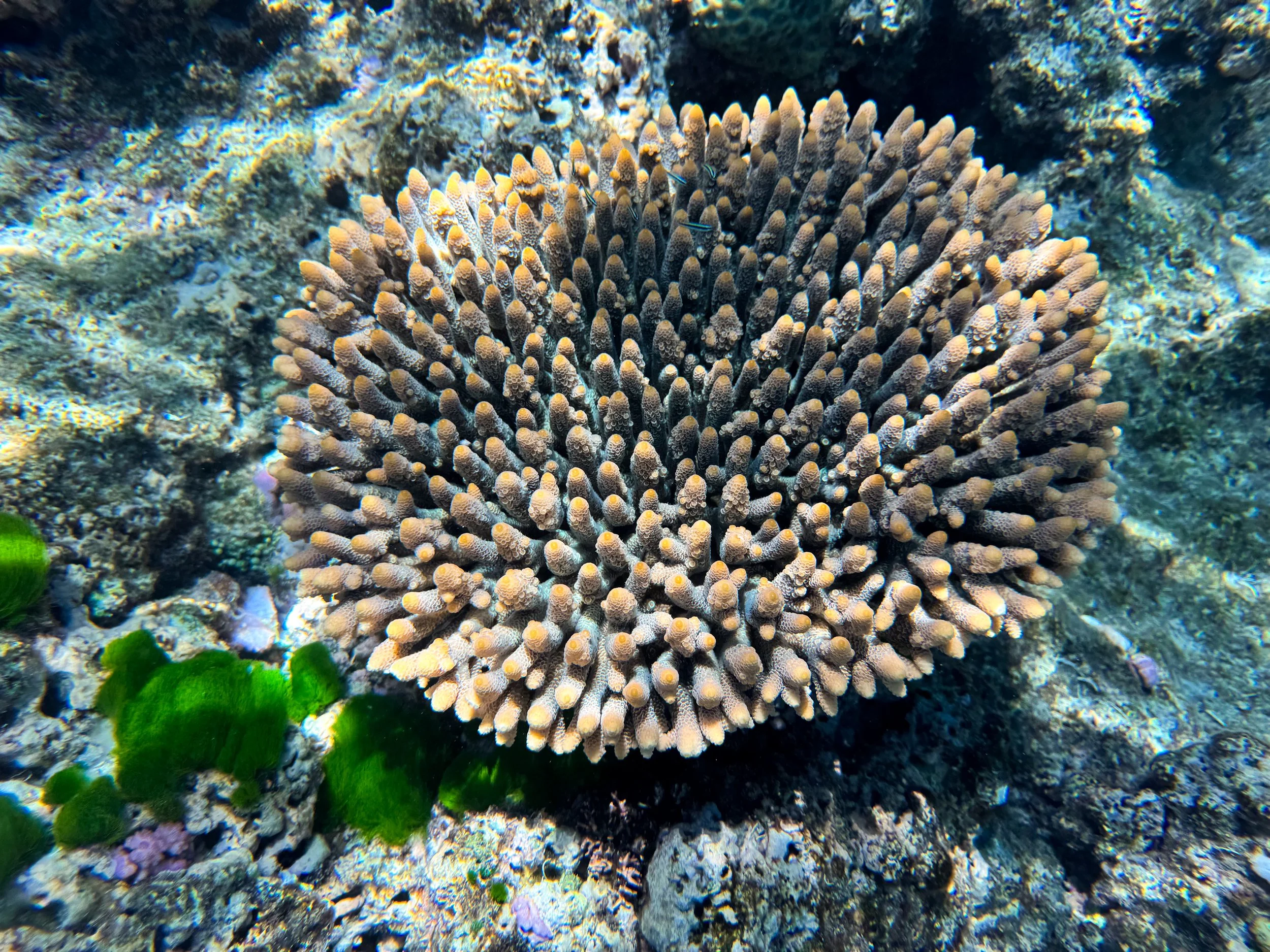
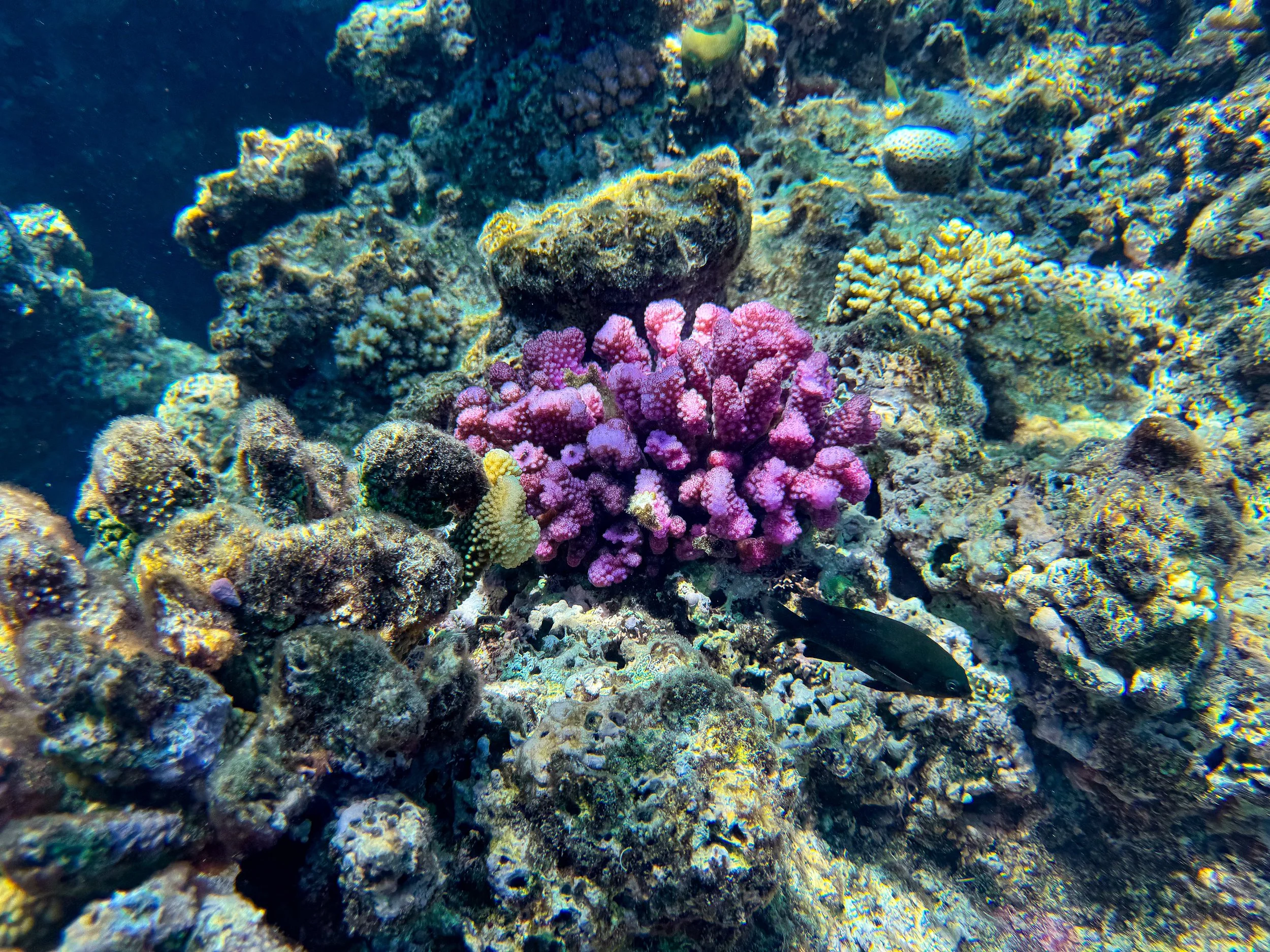
Tracy’s Bommie Dive Site. A section of Flynn Reef with narrow channels and underwater sea arches formed by coral structures. Its vibrant colored corals are home to sea turtles, conches, giant clams and multitudes of tropical fish like pufferfish, clownfish and rainbow parrotfish.
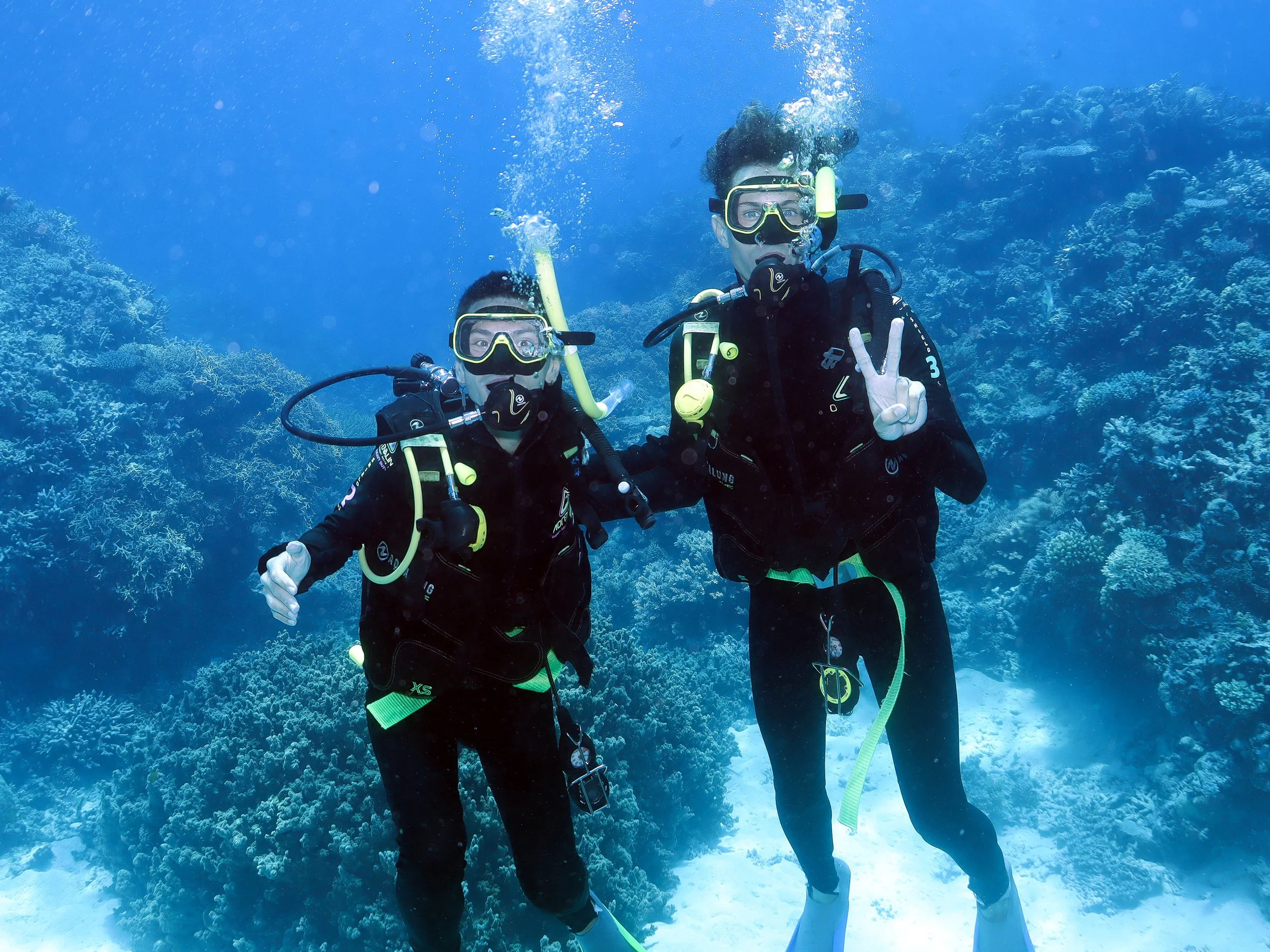
Gordon’s Dive Site. An idyllic dive site for beginners with massive coral formations, sea anemones and tropical fish. Our introductory dive brought us to shallow depths of 10-12 meters for about 30 minutes. The dive instructor led us in-between coral crevices and alongside coral walls. We were able to learn some scuba basics while navigating on our own under the close watch of the dive teacher.
Caring for the Reef
The Great Barrier Reef and all coral reefs, for that matter, are extremely fragile environments. There are a few simple things to keep in mind while visiting the reef.
Wear reef safe sun block
Don’t touch or take anything
Avoid stepping on or kicking the corals
Book reputable tours with good reviews
Don’t chase or feed the marine life
Don’t litter or leave anything behind
Dry vs Wet Season
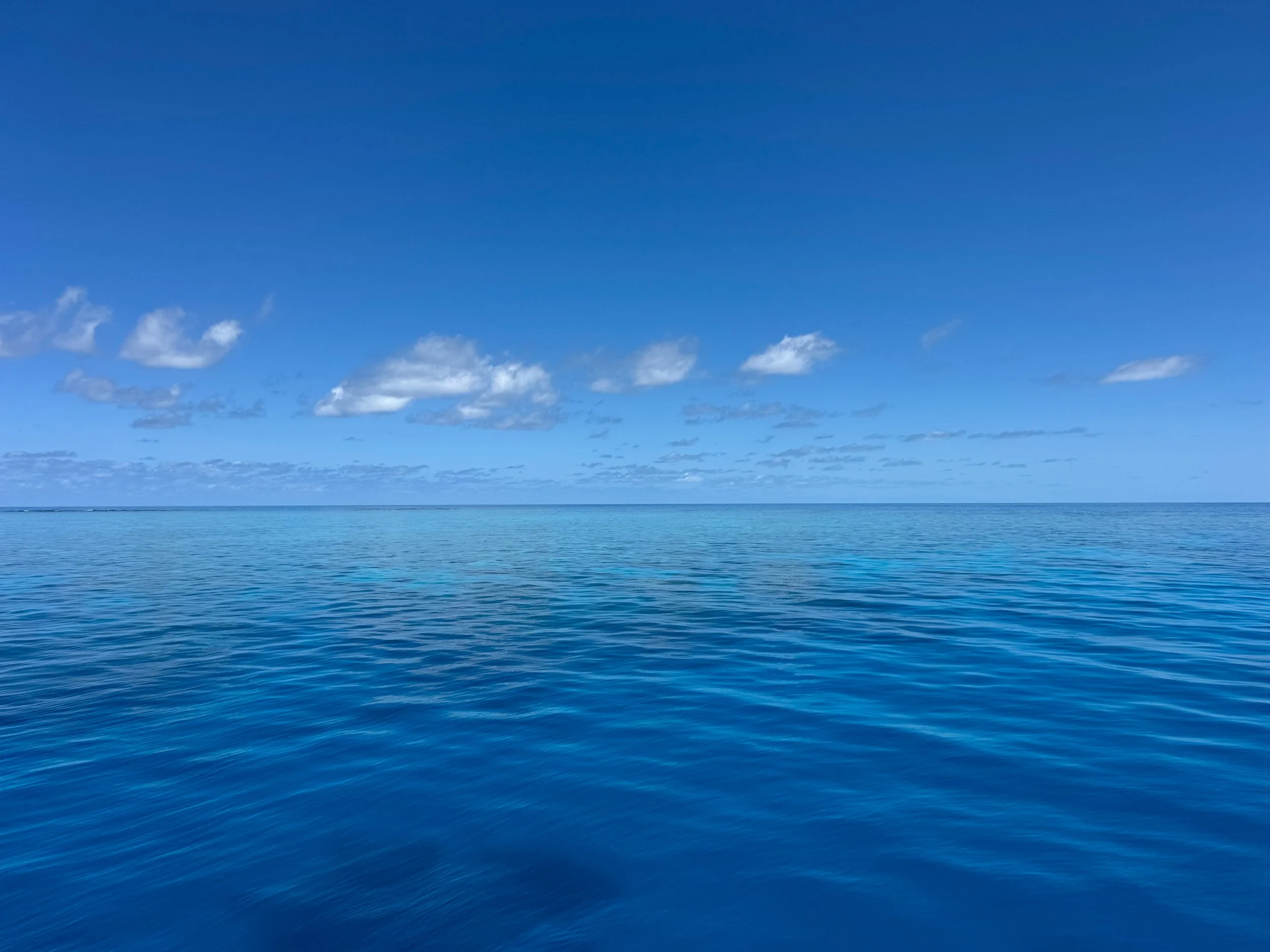
The Great Barrier Reef can be visited at any time of year, however the dry season often offers the most favorable conditions. We chose to visit in mid October at the end of the dry season.
The Dry Season. A period lasting from May through October. It’s characterized by calm seas, clear water, little rain and cooler temperatures. Peak whale migration happens between May and September.
The Wet Season. A period lasting from November to April. It’s characterized by hot temperatures, frequent rainstorms and less visibility. It coincides with the jellyfish spawns of “stinger season.” Wear a wetsuit!
Underwater Photography
Capturing photos underwater in the Great Barrier Reef is possible with most smartphones and a specialty case. We used the Pictar Waterproof Smartphone Case available on Amazon.
Elsewhere in Australia
From the coral reefs and marine life of the Great Barrier Reef to Queensland's rainforests, Australia's surf coast, remote road trips and the Outback, continue exploring Australia through these travel guides:
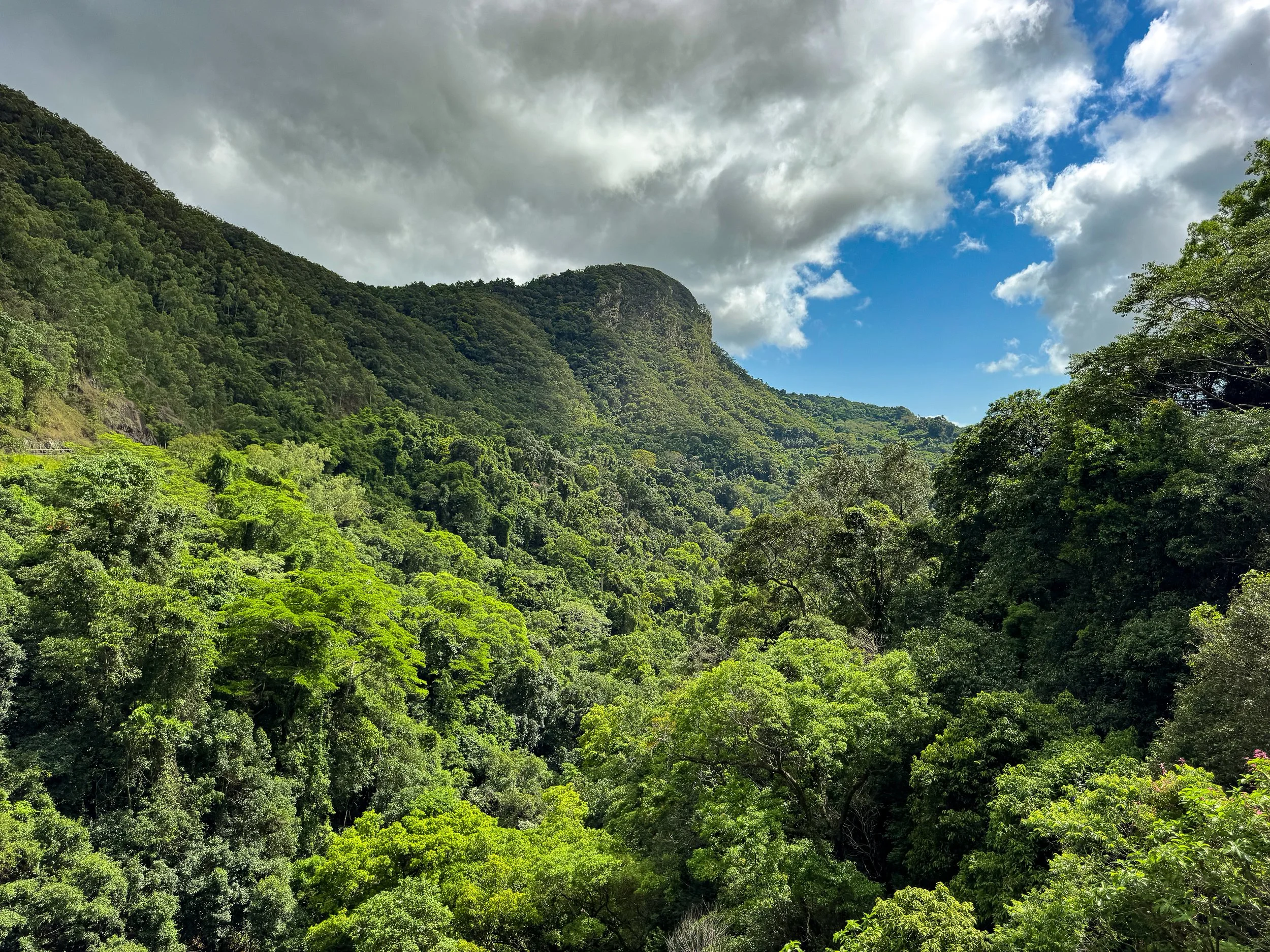
Tropical North Queensland Travel Guide: Cairns, Rainforests & Wildlife. Explore Tropical North Queensland from Cairns, where ancient rainforests, cascading waterfalls and remarkable wildlife meet palm fringed beaches and vibrant coral reefs.
Brisbane Travel Guide: Neighborhoods, Riverwalks & Island Adventures. Explore Brisbane where riverside neighborhoods, scenic riverwalks and nearby island adventures embody a laidback subtropical lifestyle shaped by nature.
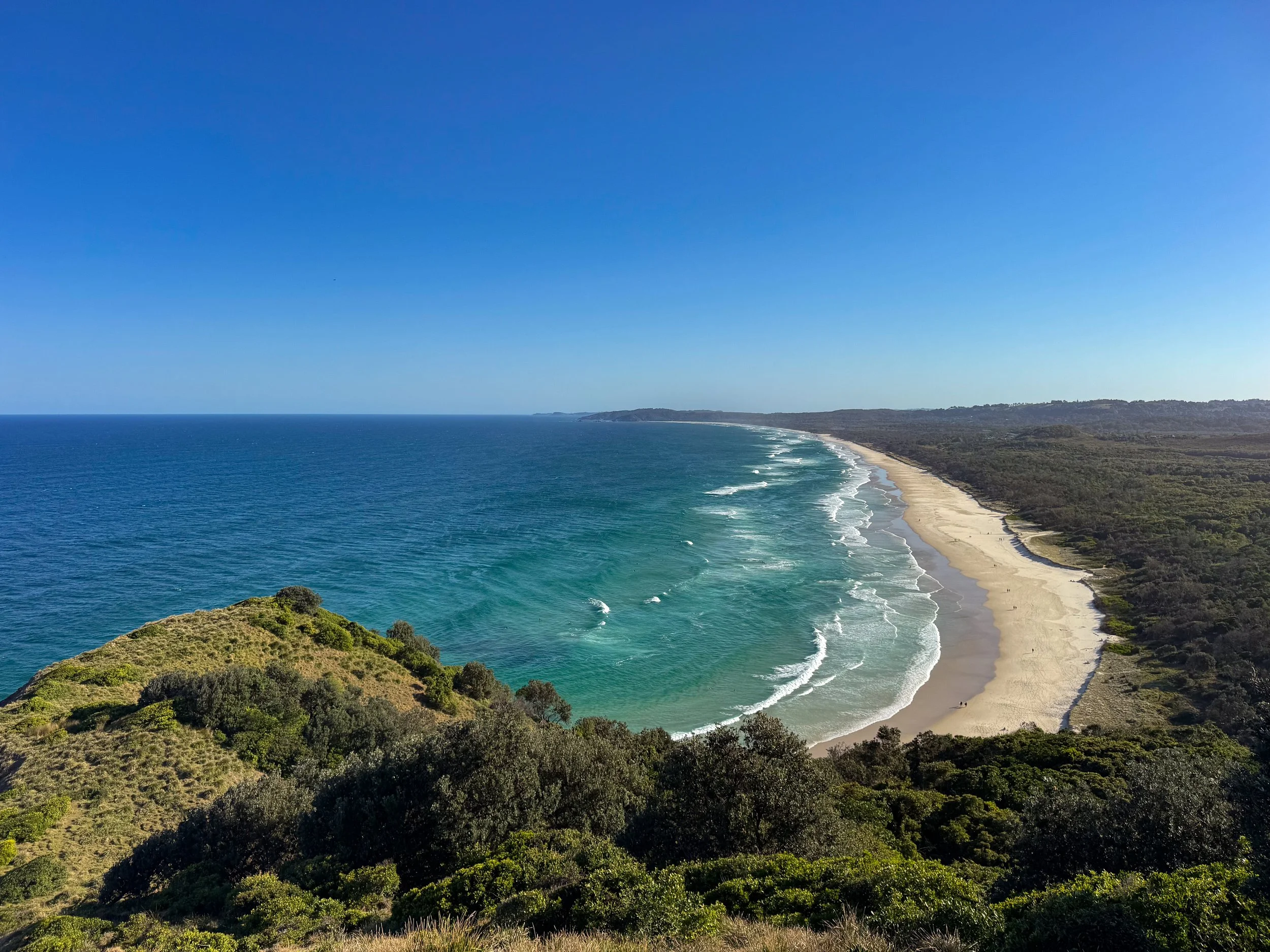
Byron Bay Travel Guide: Surfing, Beaches & Cape Byron. Experience Byron Bay where surf culture, white sand beaches and scenic trails to Cape Byron embody Australia's quintessential beach town lifestyle.
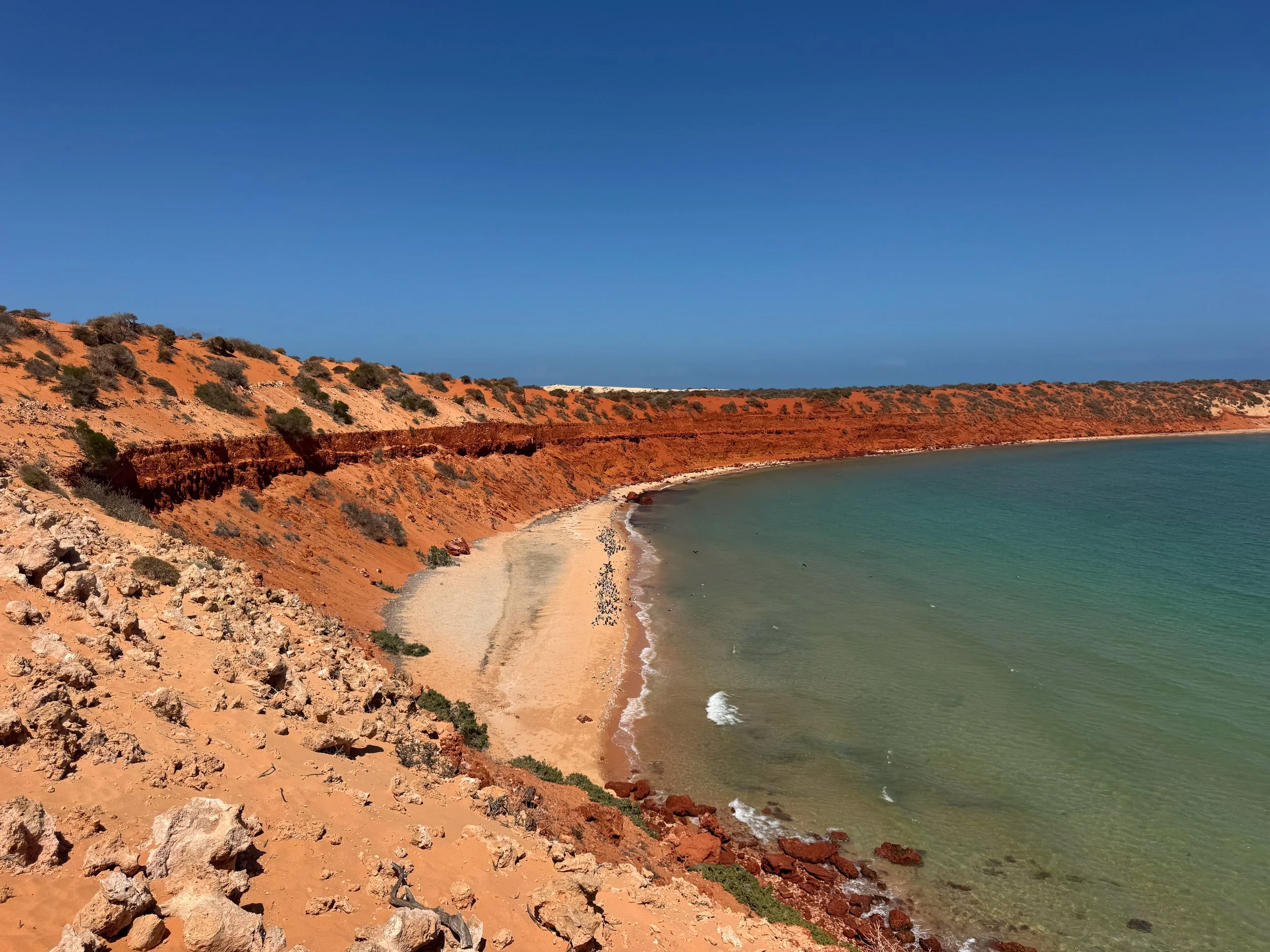
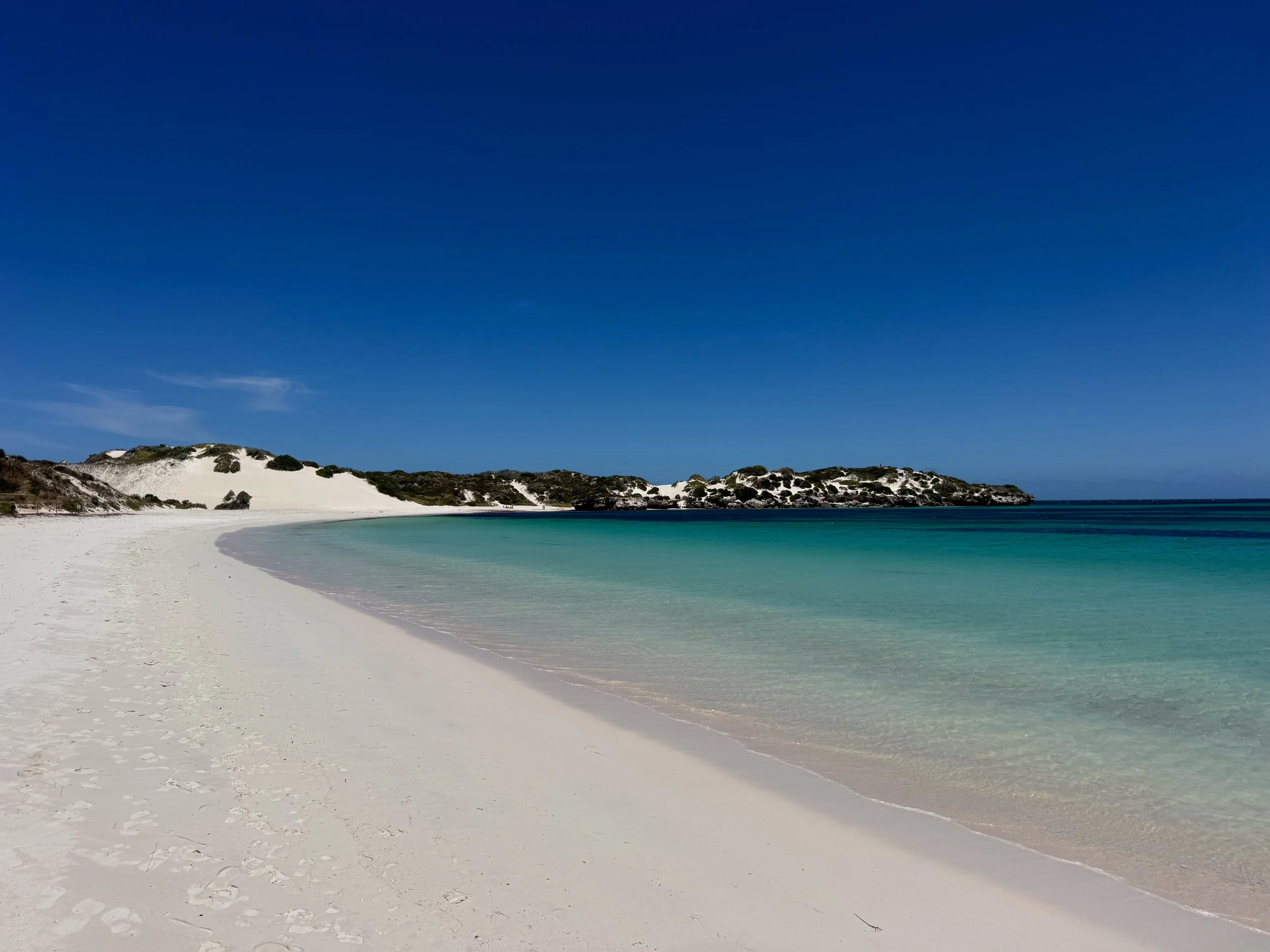
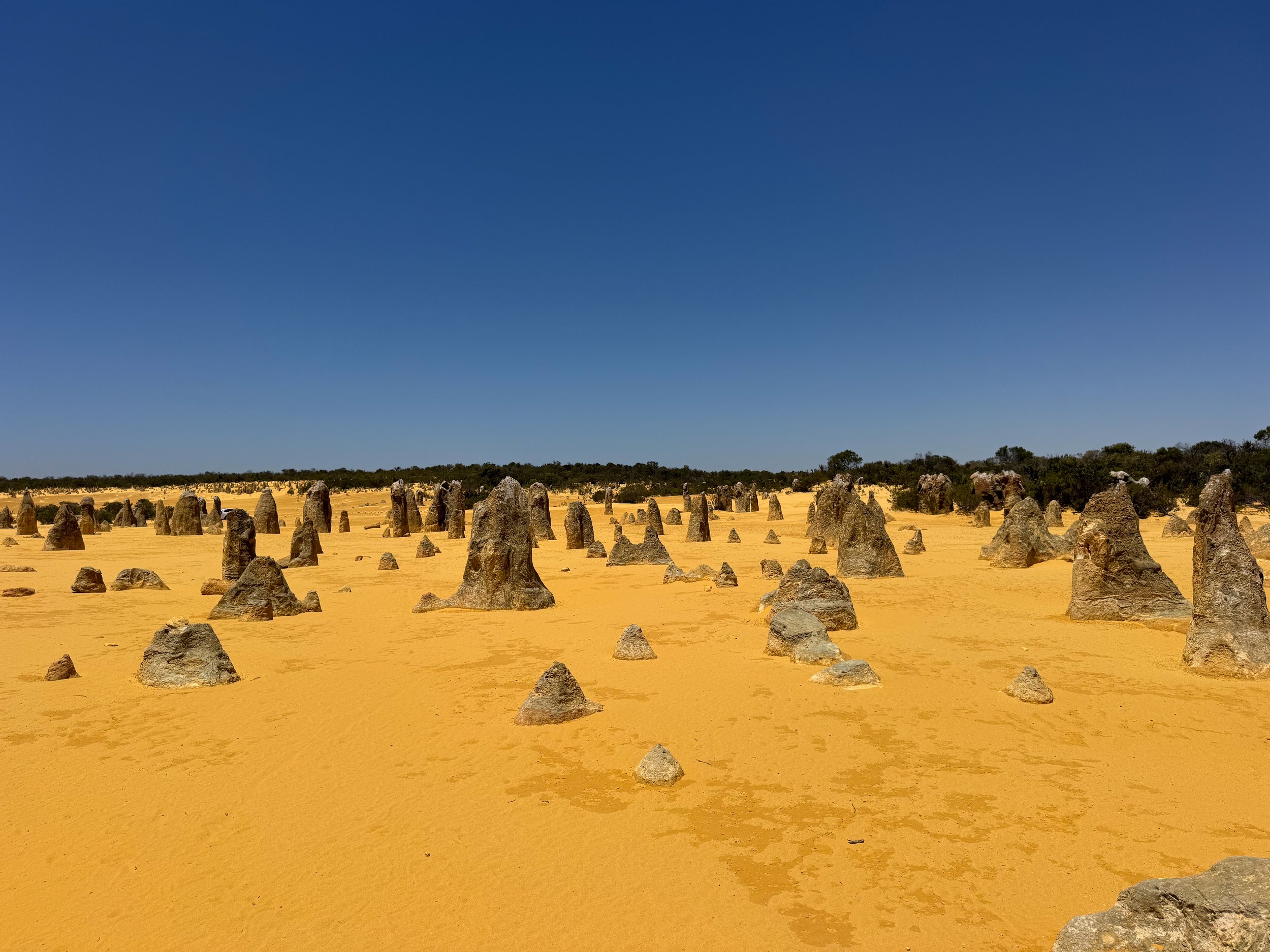
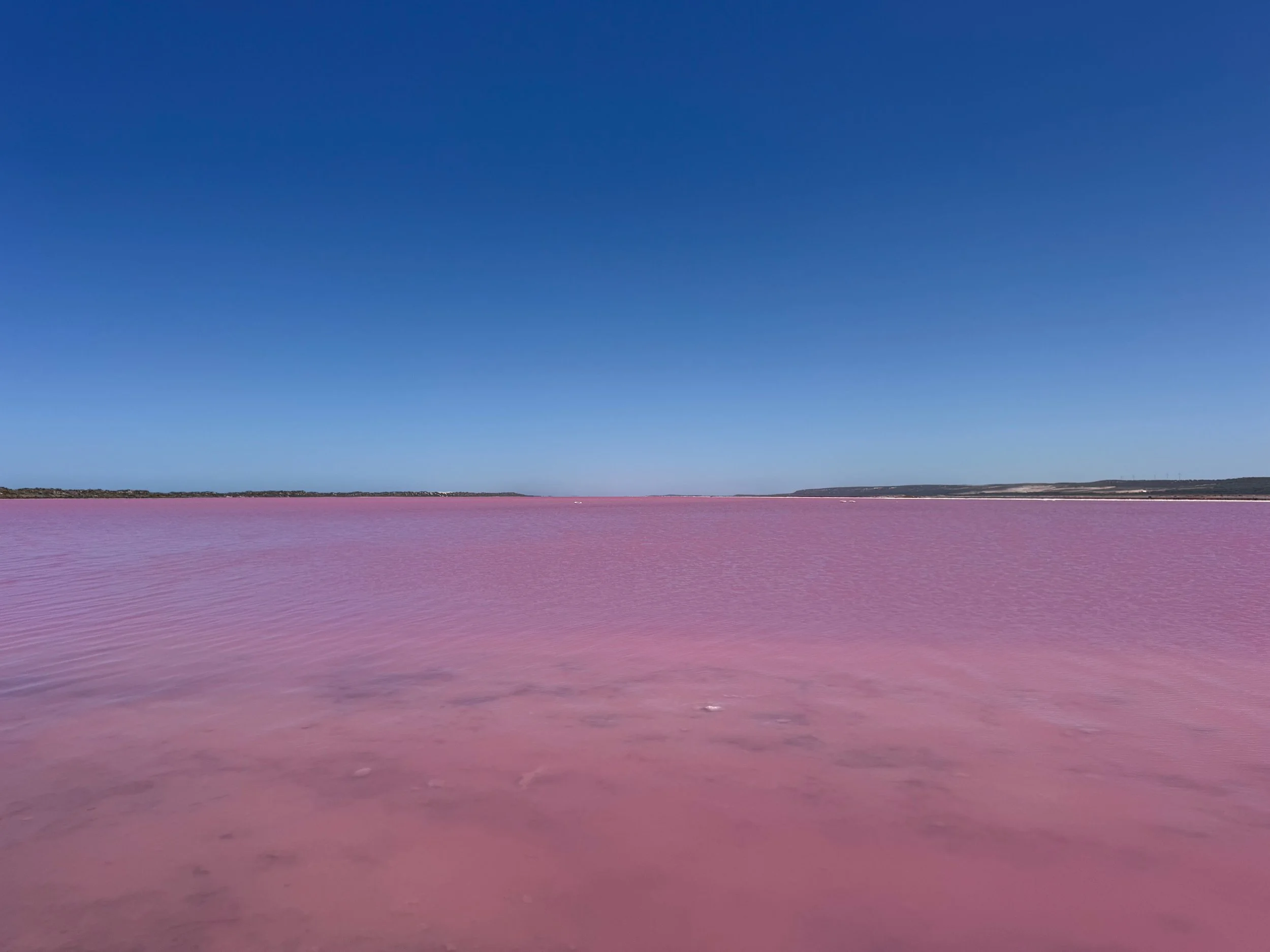
Western Australia Road Trip: Perth to Ningaloo & The Coral Coast. Road trip along Western Australia's Coral Coast where red desert landscapes, remote gorges, sandstone cliffs and white sand beaches create an unforgettable adventure.
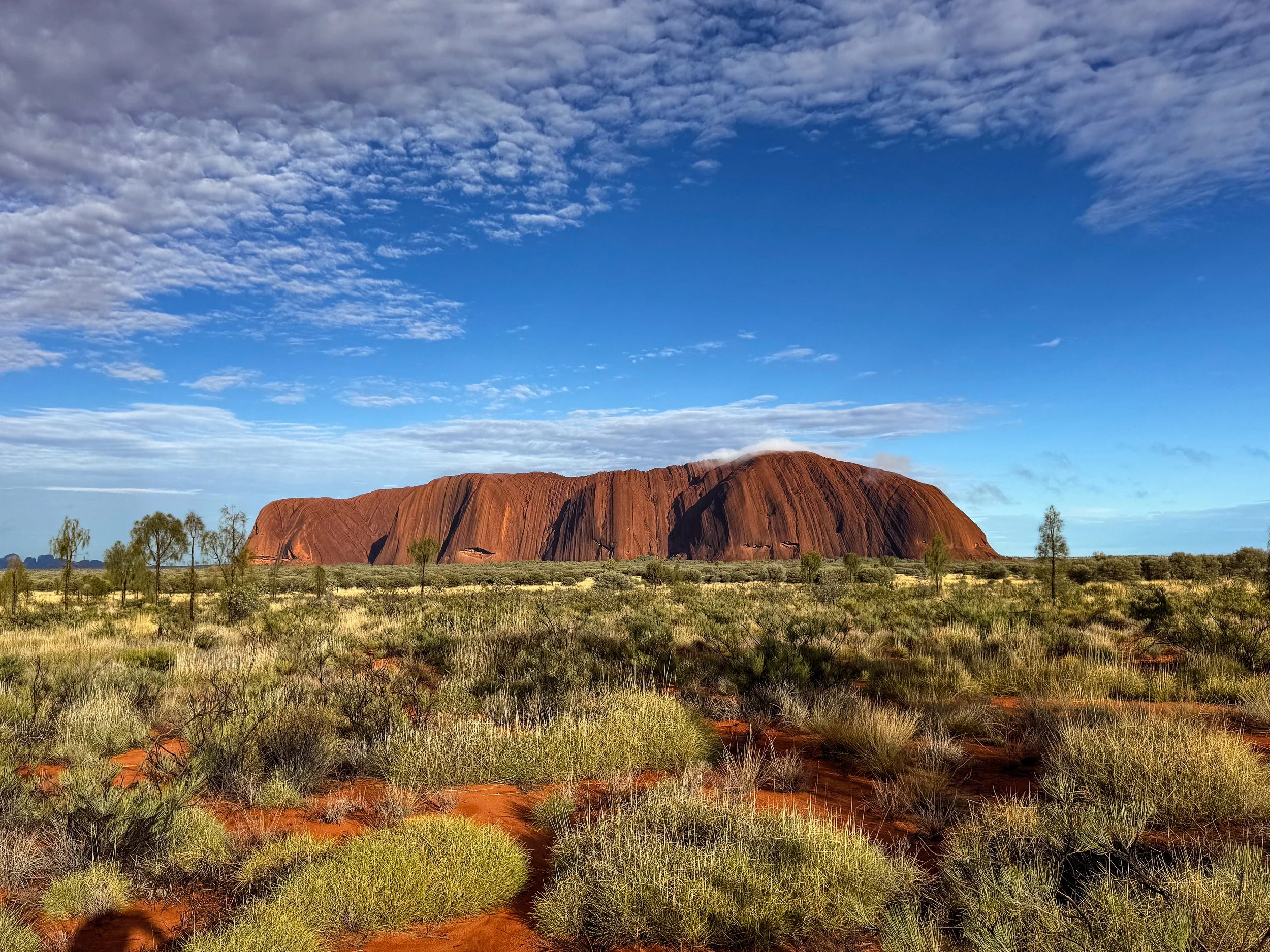
Uluru Travel Guide: Kata Tjuta, Kings Canyon & Sacred Landscapes. Discover Uluru's sacred landscapes where ancient sandstone monoliths, desert hikes, canyon oases and Anangu traditions connect visitors to the Outback.
For Next Time…
The Great Barrier Reef is absolutely massive! As lovers of the underwater world, this won’t be our only time visiting it. Next time we return, we plan to base ourselves in the Whitsunday Islands.
Whitehaven Beach. A world famous white sand beach with swimmable turquoise waters and fringing coral reefs.
Whitsunday Live Aboard. Visit the island chain’s and its reefs on a multi night live aboard.
Scenic Flight over Heart Reef. An aerial view of the reef system and one shaped like a heart.