

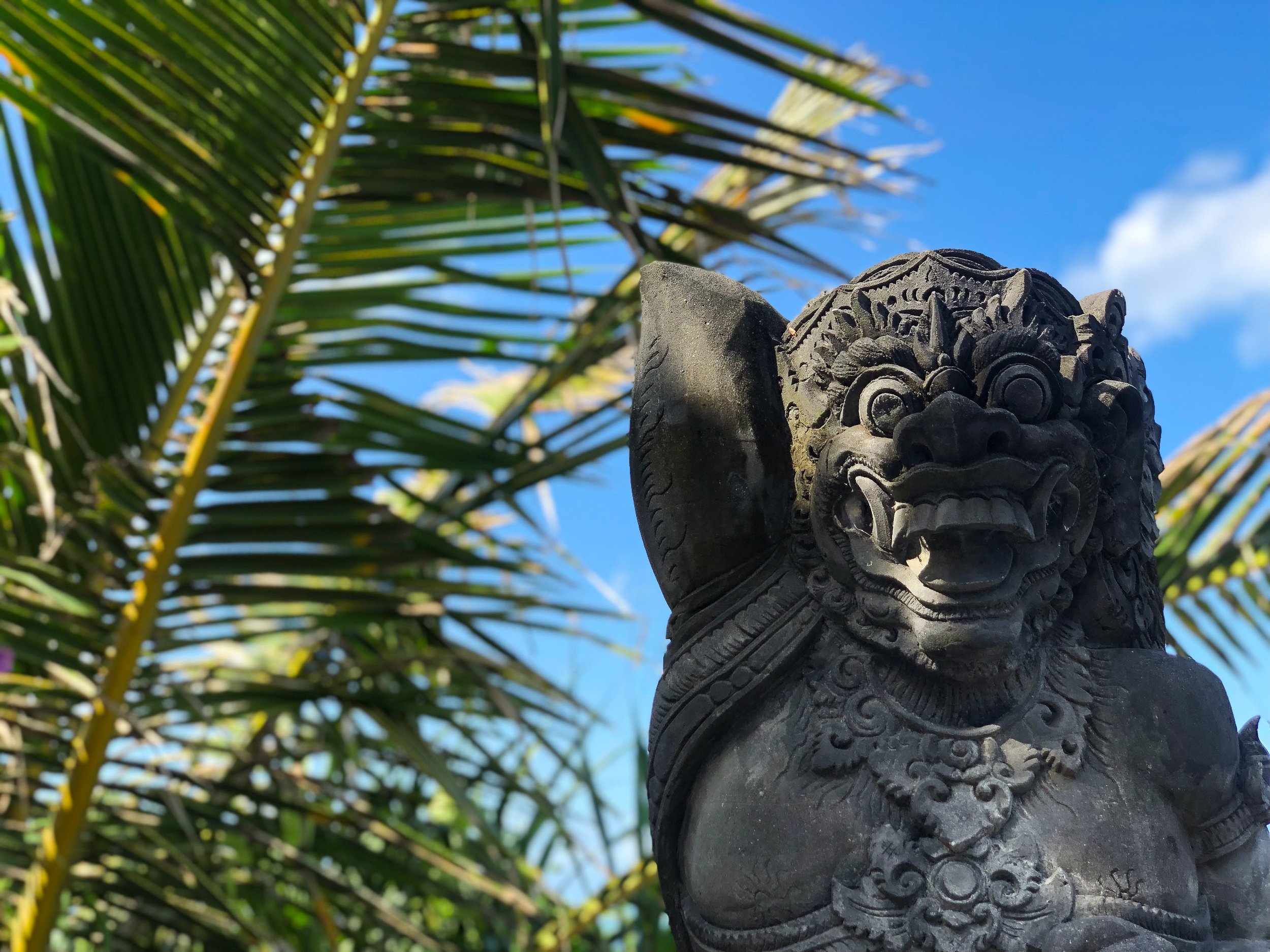
Bali Travel Guide: Canggu, Beaches & Island Adventures
Experience Bali where sacred temples, rice paddies, black sand beaches, surf breaks and vibrant beach clubs embody Balinese culture and island life.
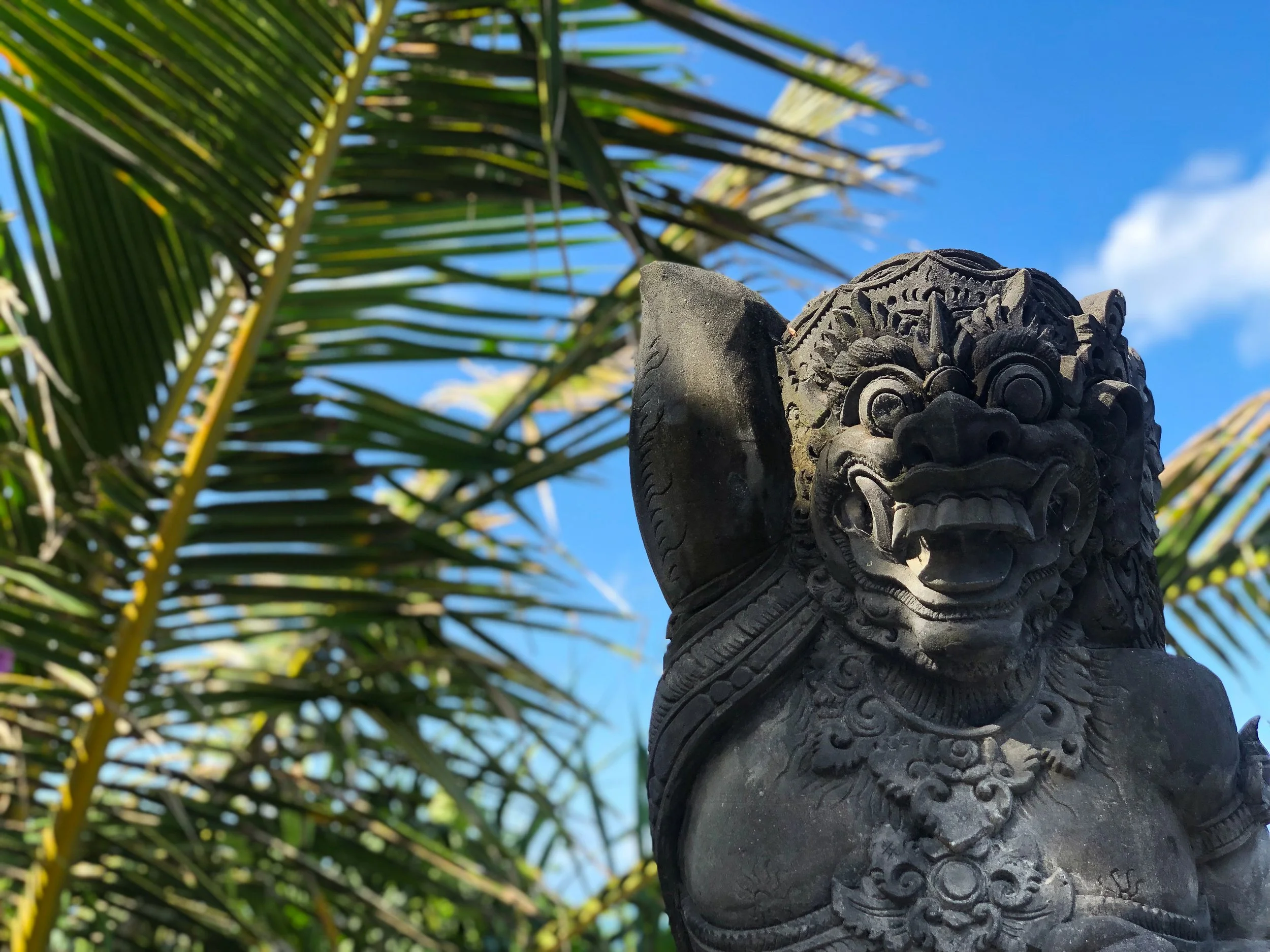
Bali, Indonesia
Bali is an Indonesian island known for its rich culture, ancient Hindu temples, volcanic landscapes, black sand beaches, surf breaks and expat communities. During our two week trip, we ventured to various areas around the island including the relaxing seaside neighborhood of Canggu, the tropical palm covered Gili Islands, the cliffside Bukit Peninsula and cultural hub of Ubud. Whether a local, expat or traveler, Bali is truly a paradise worth visiting and falling in love with.
Canggu
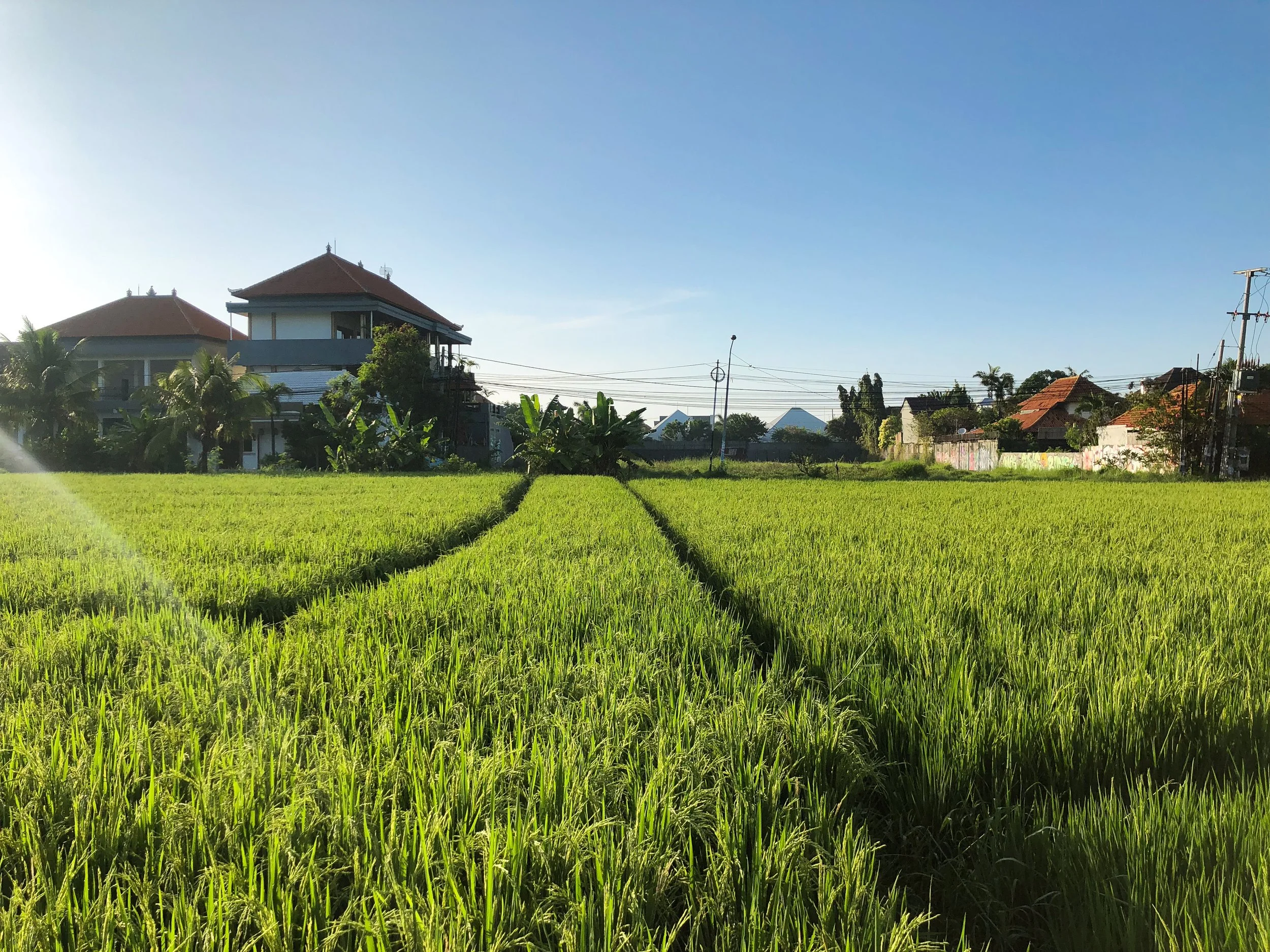
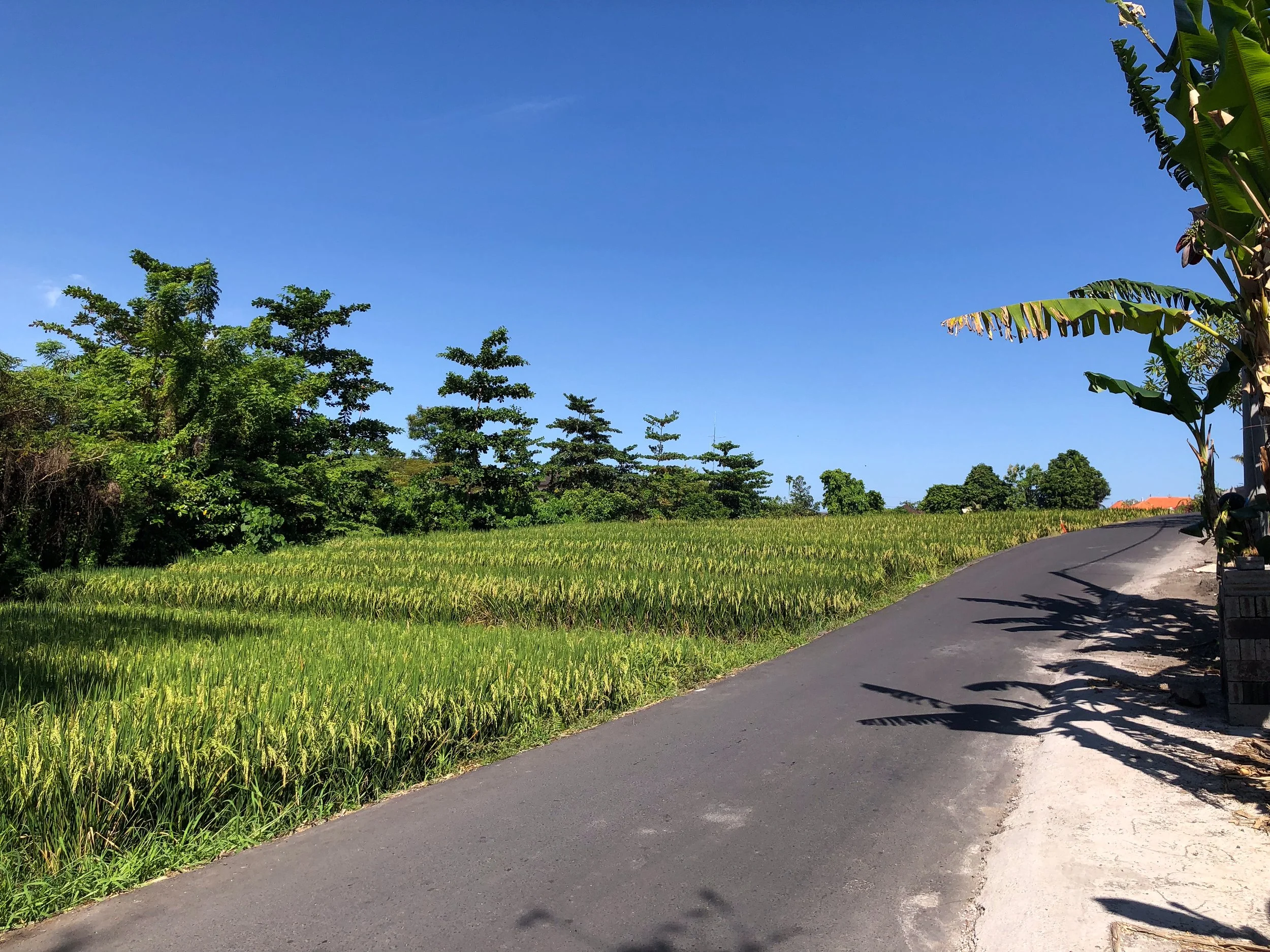
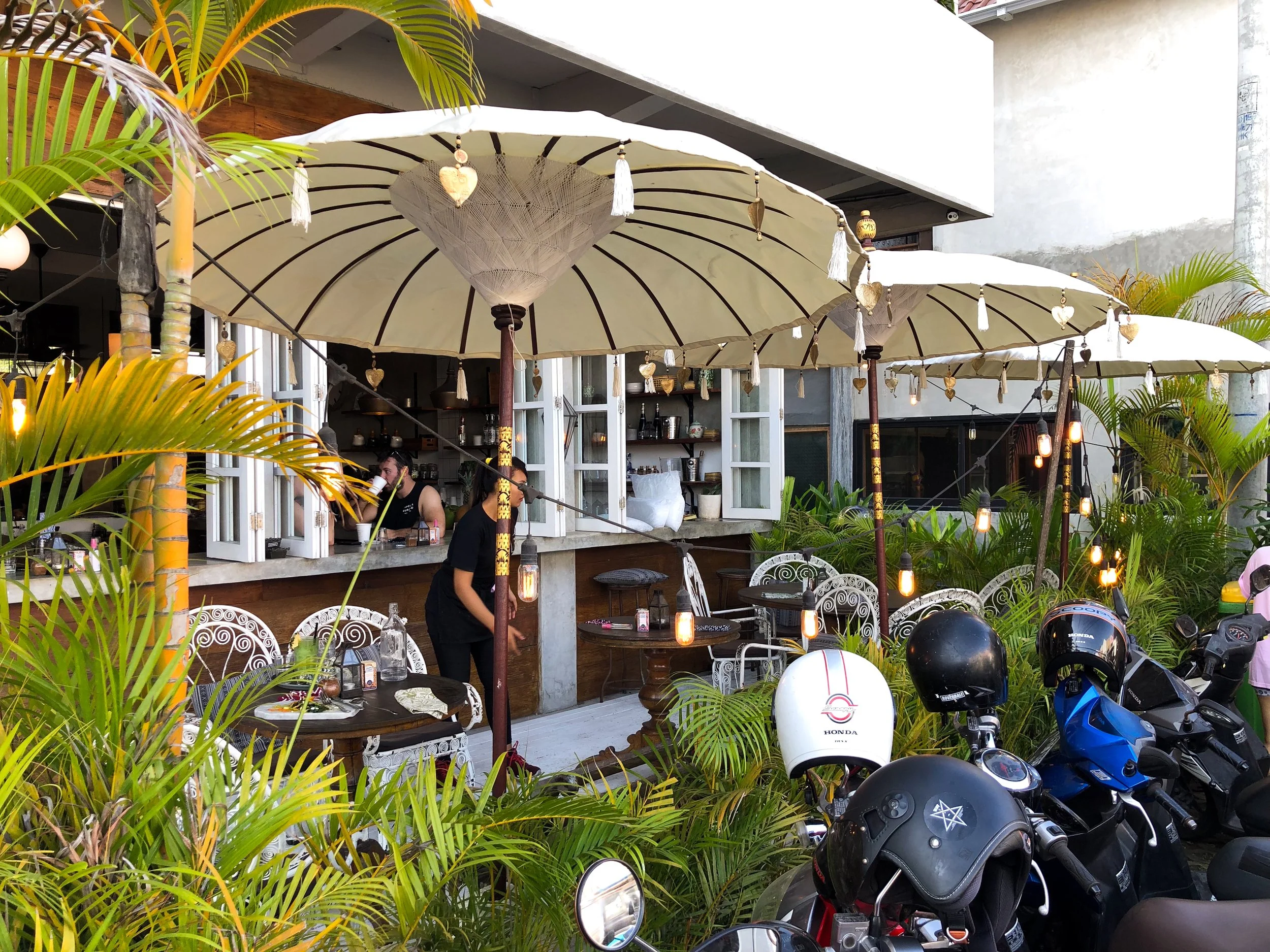
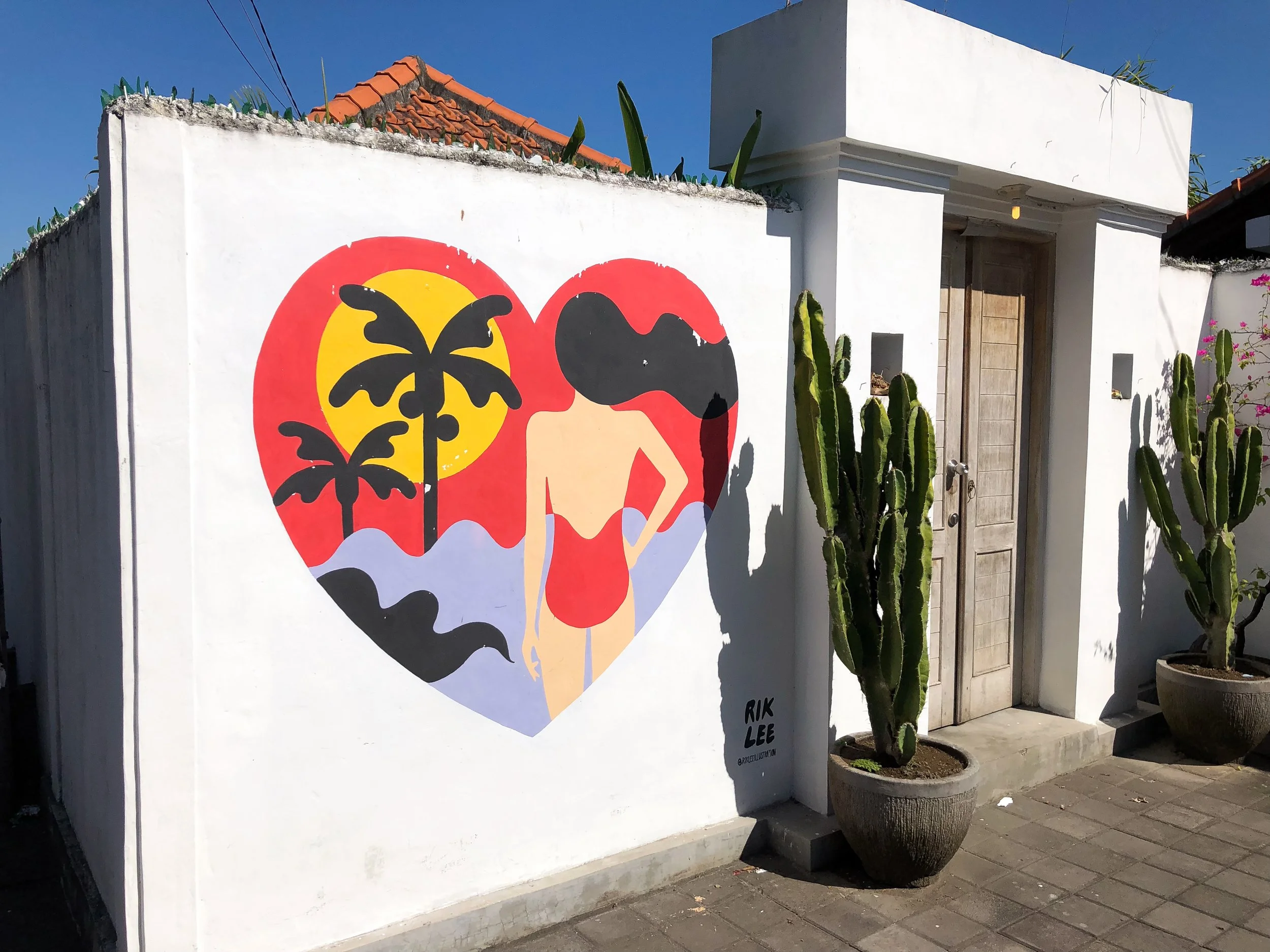
Canggu is a trendy place home to many expats, digital nomads and surf enthusiasts, making it a great place to meet other travelers. Luxury villas, cute shops and vegan cafés flank the narrow streets of the rapidly developing neighborhood. Its shoreline is hugged by black sand beaches while lush rice paddies grow alongside interior roads. Soak up tropical vibes at beach clubs, enjoy the serene atmosphere at coastal temples and dine at the neighborhood’s many restaurants and bars.
Black Sand Beaches
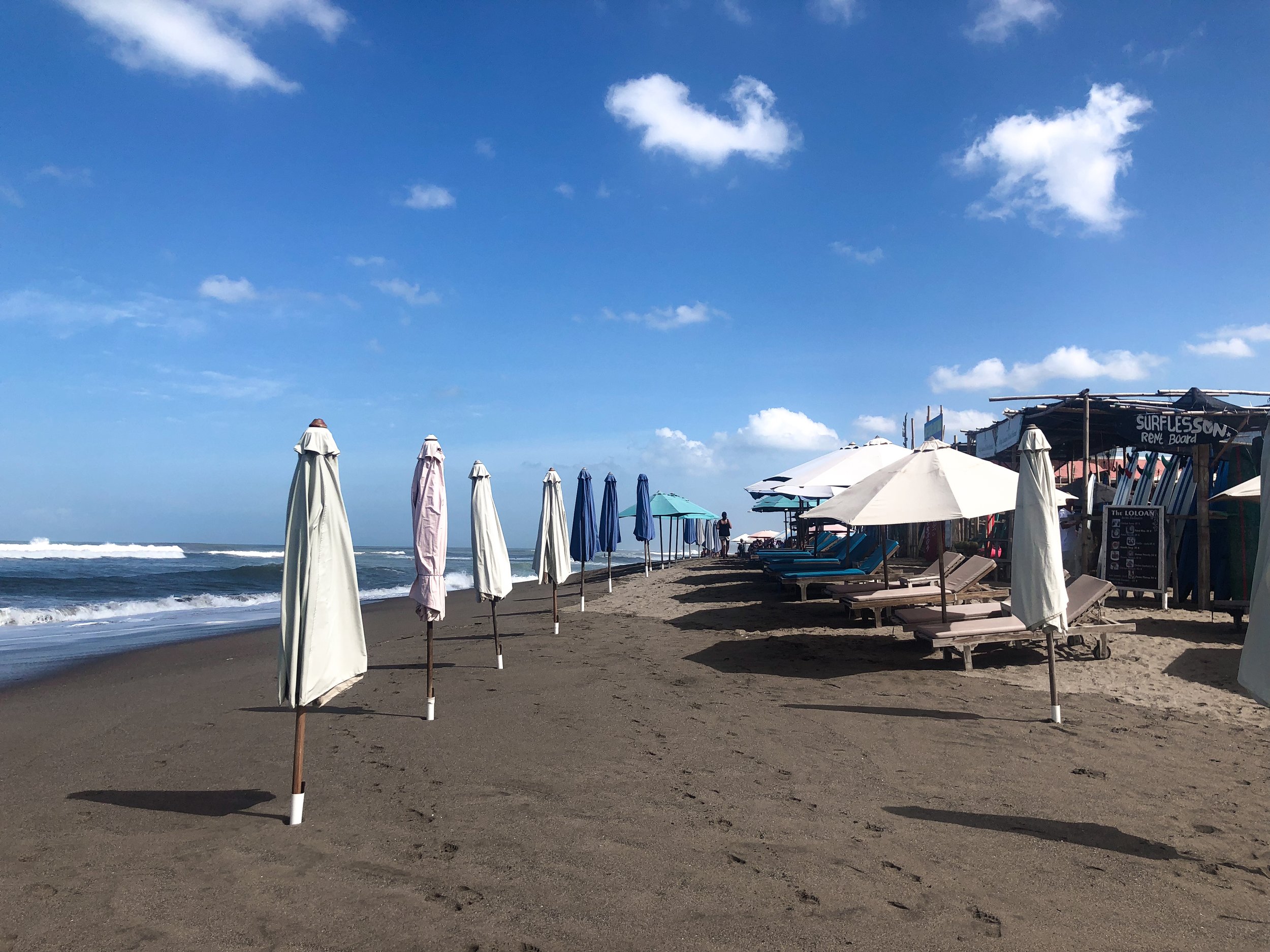
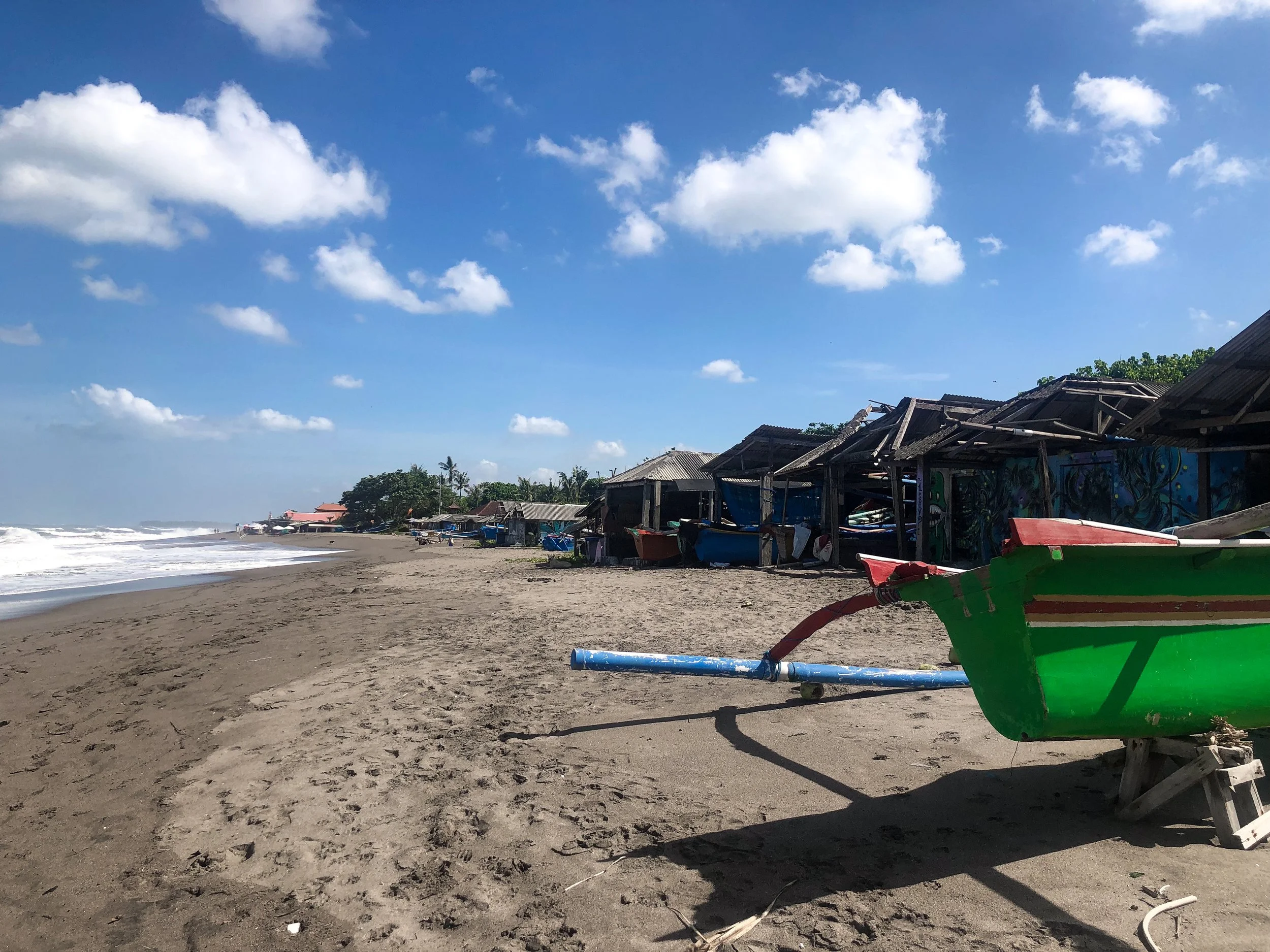
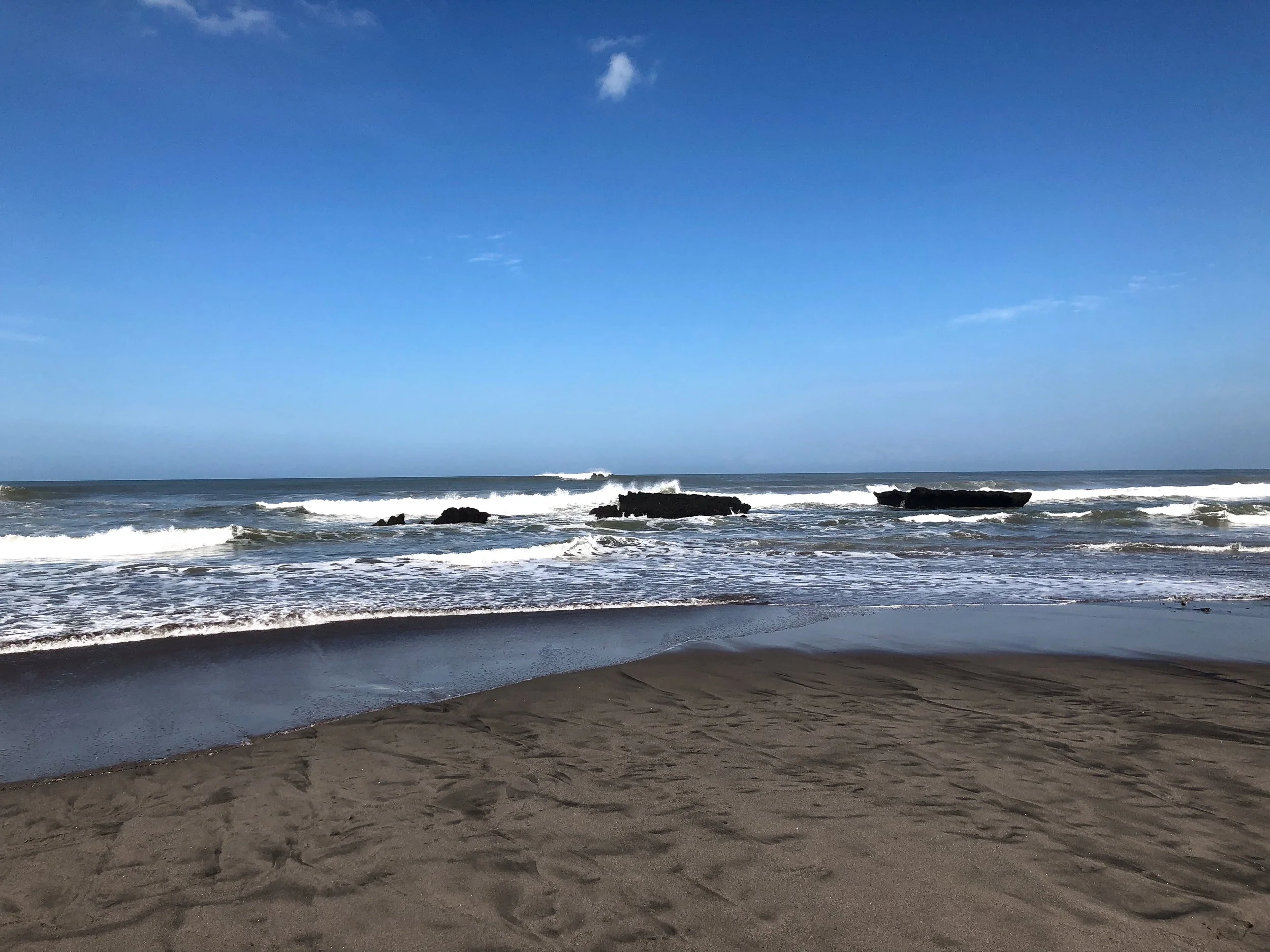
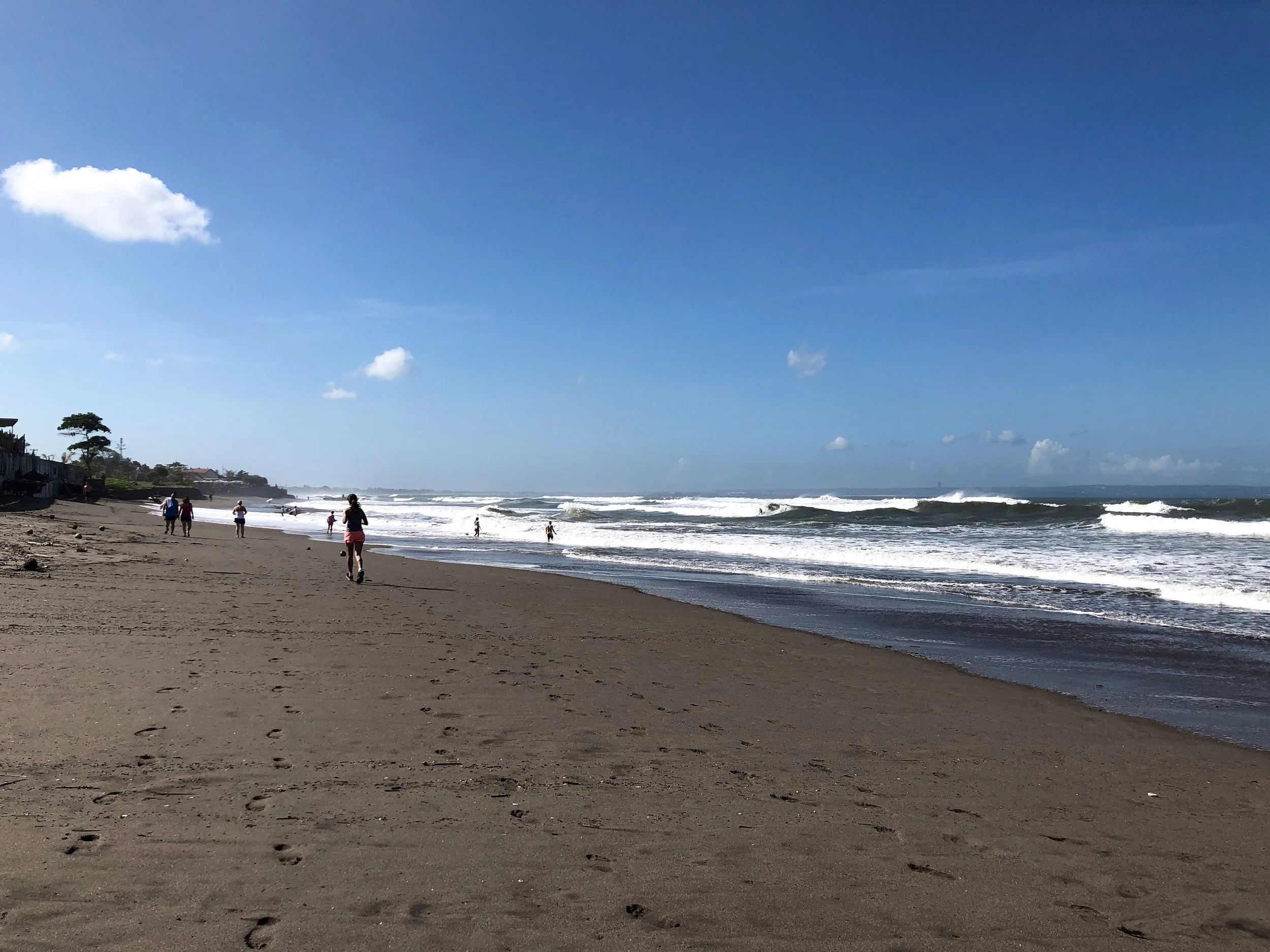
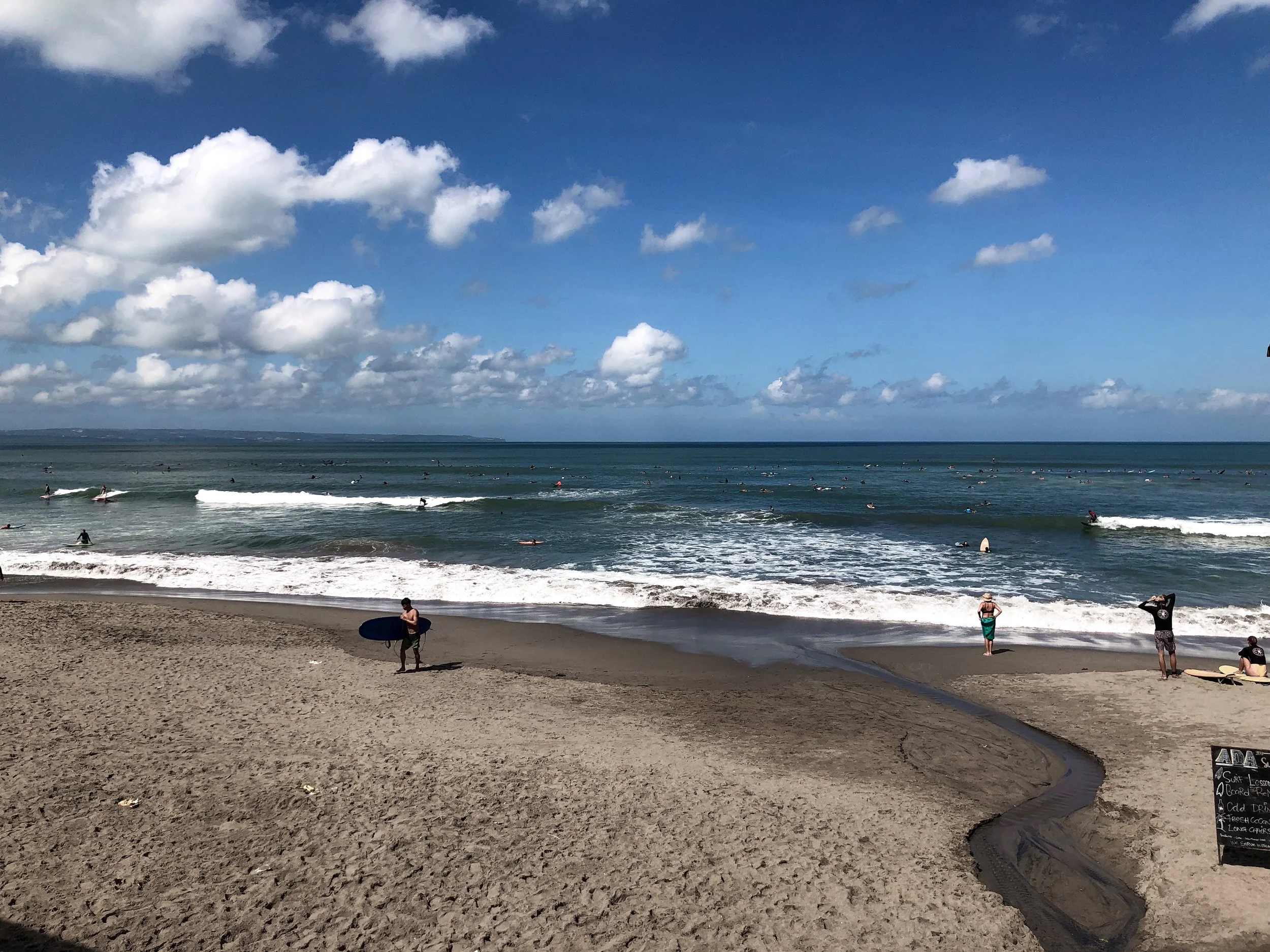
Black sand beaches stretch along Canggu’s coastline. They’re home to numerous surf shacks, restaurants with chair and umbrella rental and bustling beach clubs. Friendly stray dogs roam the beach looking for food and pets.
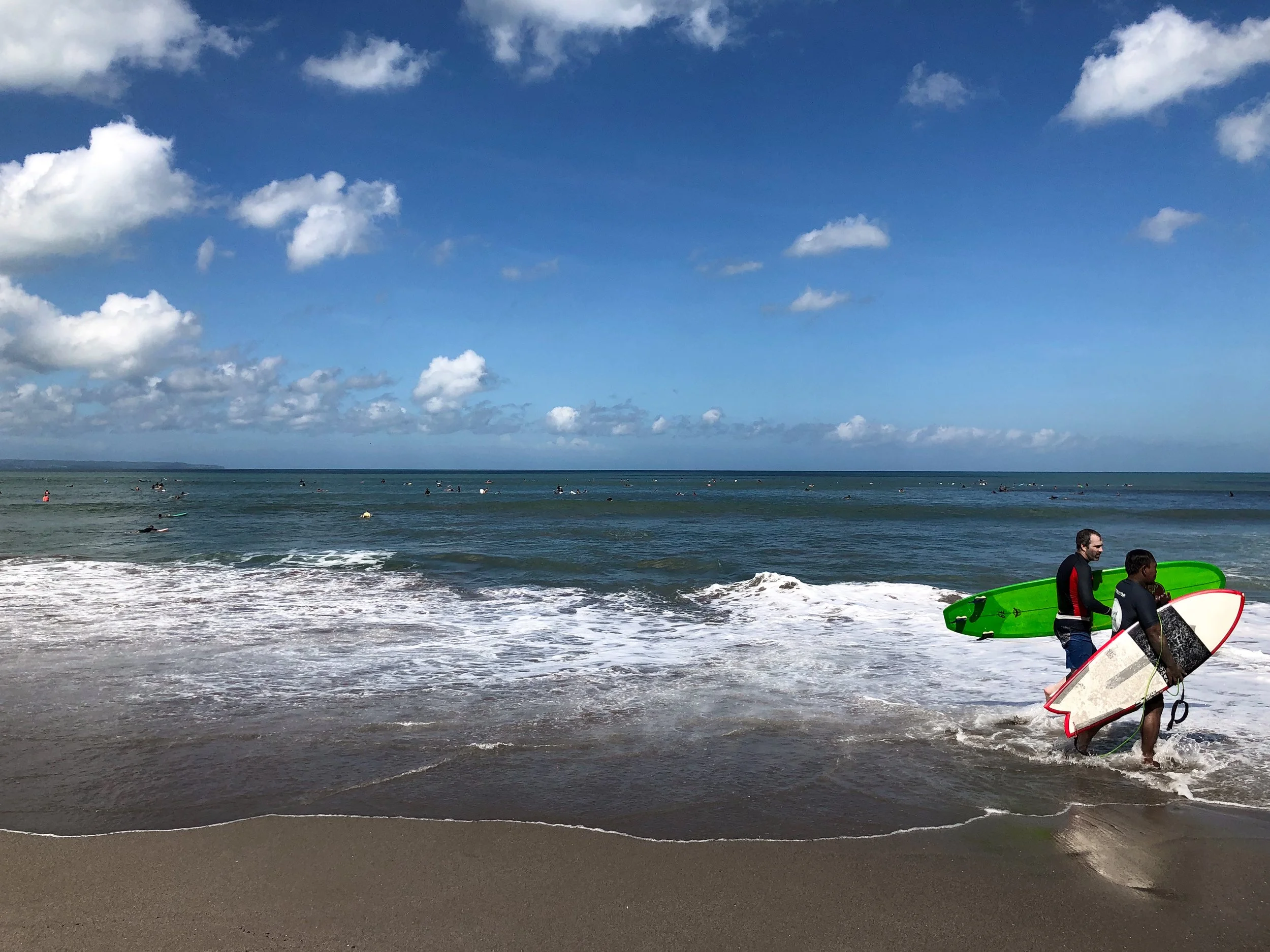
Batu Bolong & Canggu Beach. Easily the most popular and beautiful beach in Canggu. There are plenty of restaurants, bars and beach clubs to find a lounge for the afternoon, meet other travelers, stay for the sunset and enjoy the overall tropical vibes. Surfers flock to the beginner and intermediate surf breaks while kiosks rent boards and offer lessons.
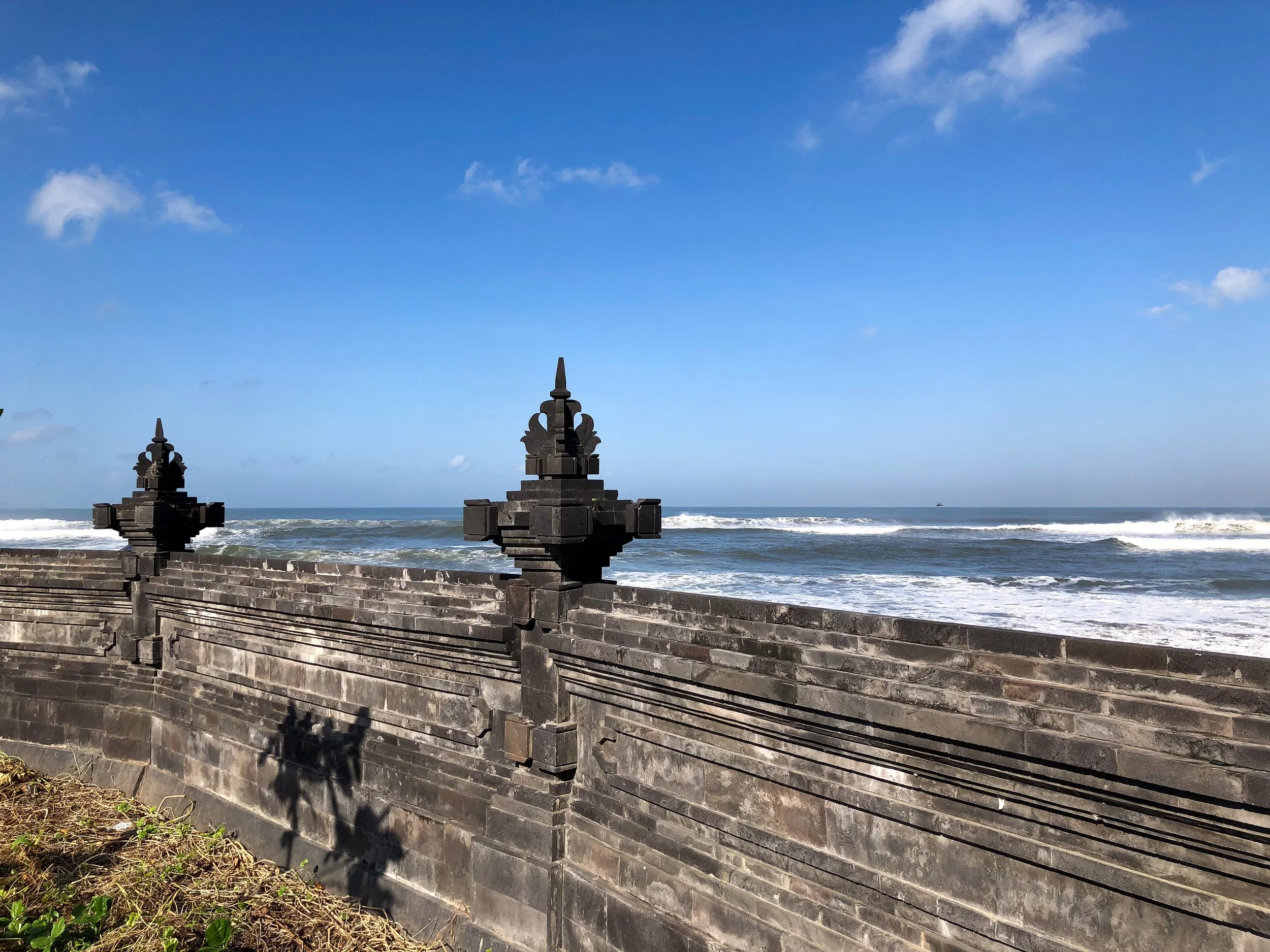
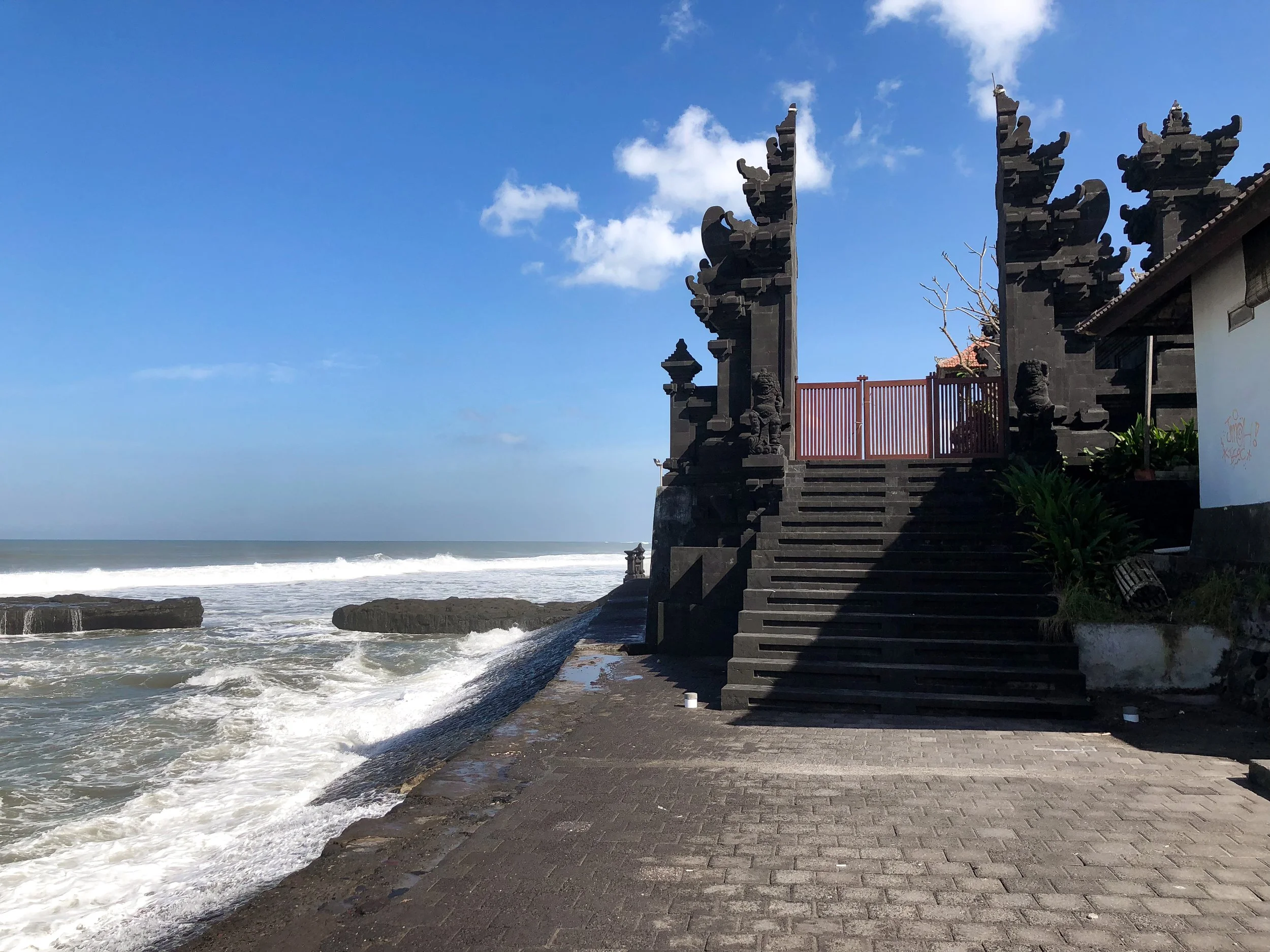
Echo Beach. A black sand beach with a seaside temple and a small cliff lined with cafés, barbecue restaurants and surf rentals. It’s a very popular spot at sunset.
Berawa Beach. A smaller and quieter beach where a river lets out into the ocean. It’s nestled away from the larger clubs and dense line of beach shacks and surf schools. Fishing boats dot the shore while vendors rent sun lounges and umbrellas.
Beach Clubs & Sunsets
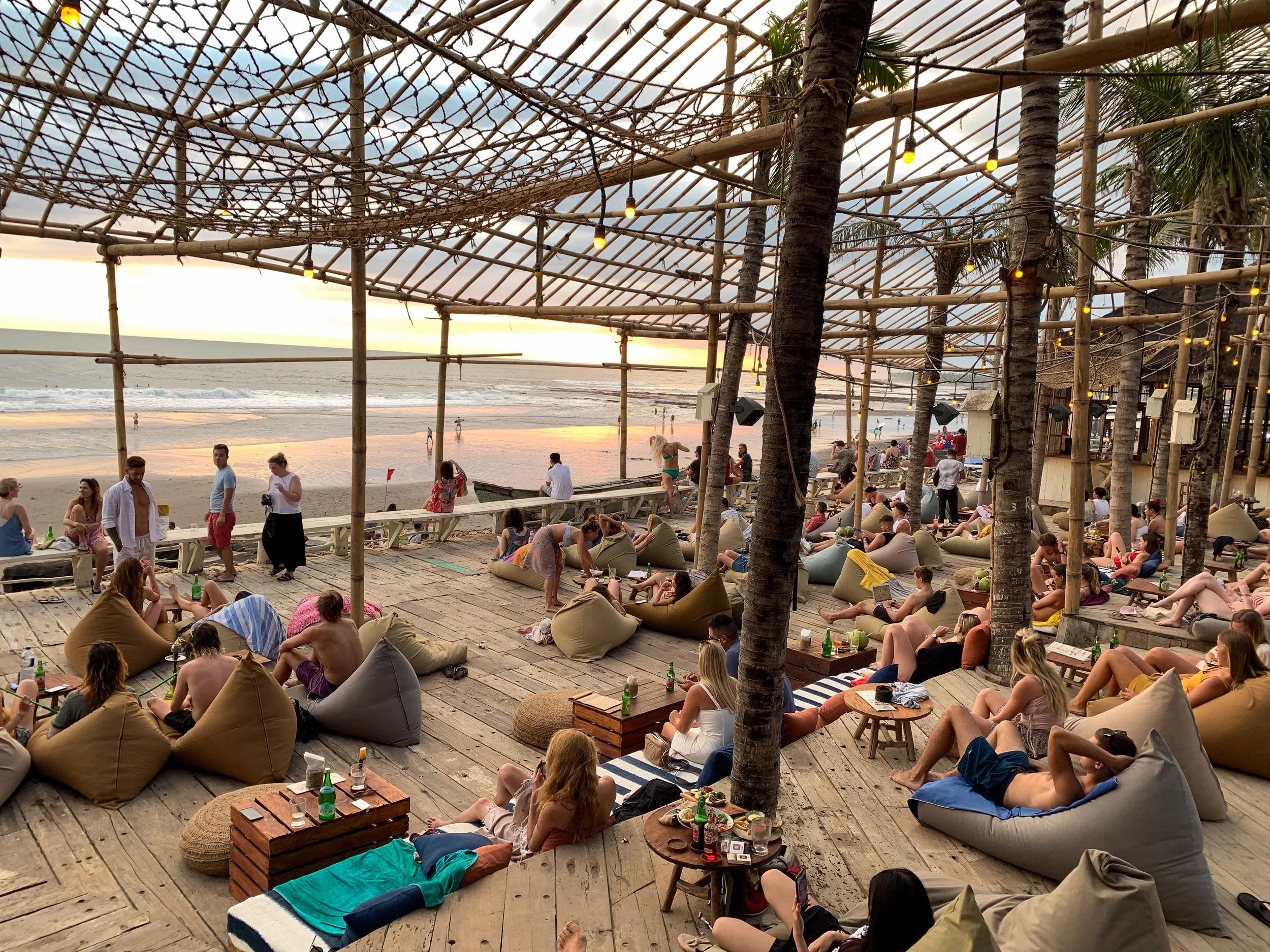
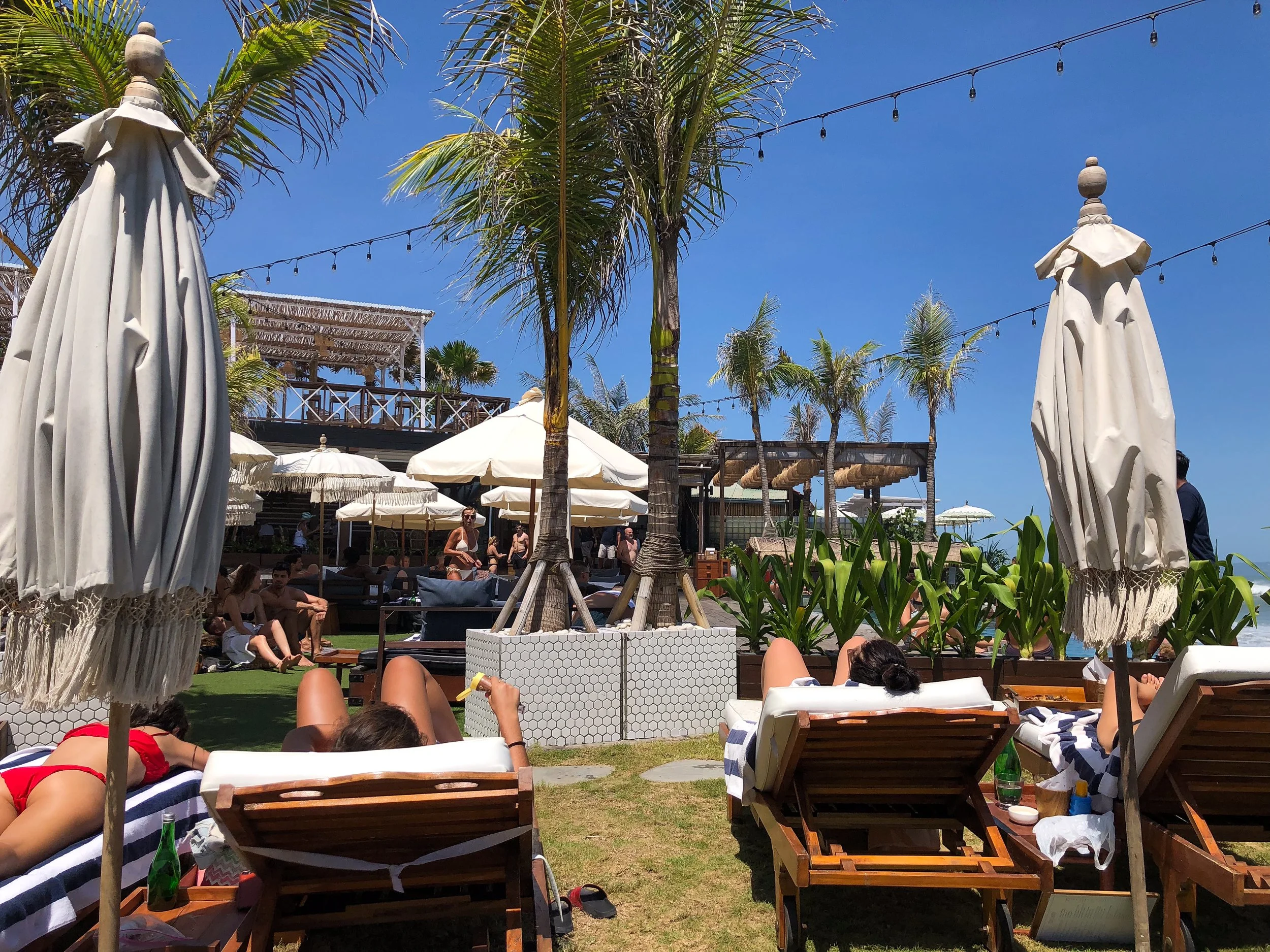
Beach clubs are a very popular way to enjoy the Balinese beaches, escape the afternoon heat and party at night. They can range from small oceanfront shacks offering lounges and drinks to large open air buildings with infinity pools, live music and several bars.
Sand Bar. A small but lively beach club at Batu Bolong Beach with colorful picnic tables and lounges, inexpensive food and ice cold Bintangs, Bali’s regional beer. It’s a great spot to enjoy the sunset and watch surfers.
The Lawn. A casual beachside restaurant known for its faux lawn, infinity pool and palm shaded beach lounges. They serve happy hour cocktails, sharable plates and healthy meals.
Finn’s Beachclub. A large, high-end and popular beach club recognized by its giant sign and thatched building. Finn’s is home to several pools, restaurants and bars often playing live music. You pay a hefty cover to get in which reserves your lounge or table and can be used towards ordering food and drinks.
Temples & Offerings
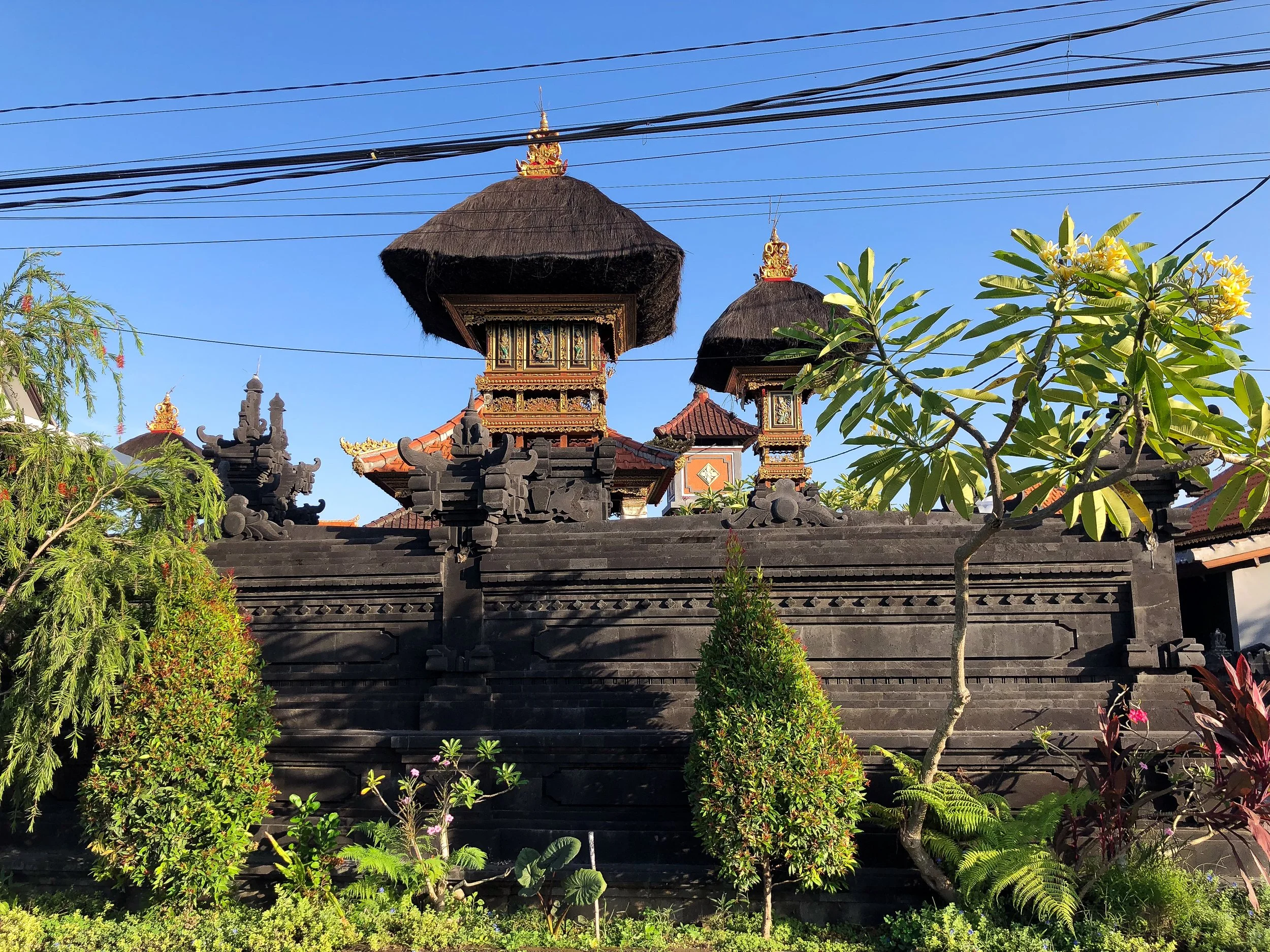
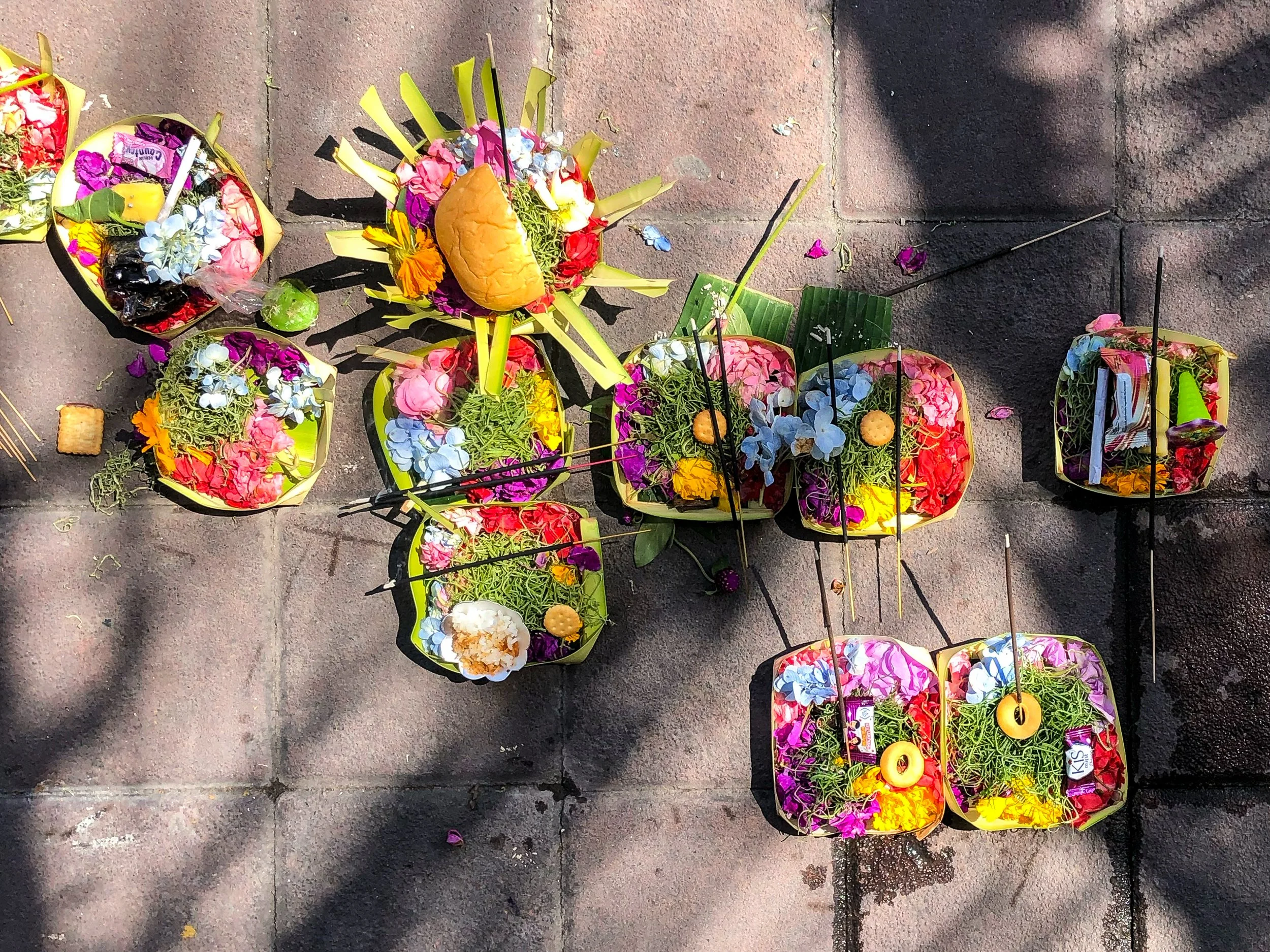
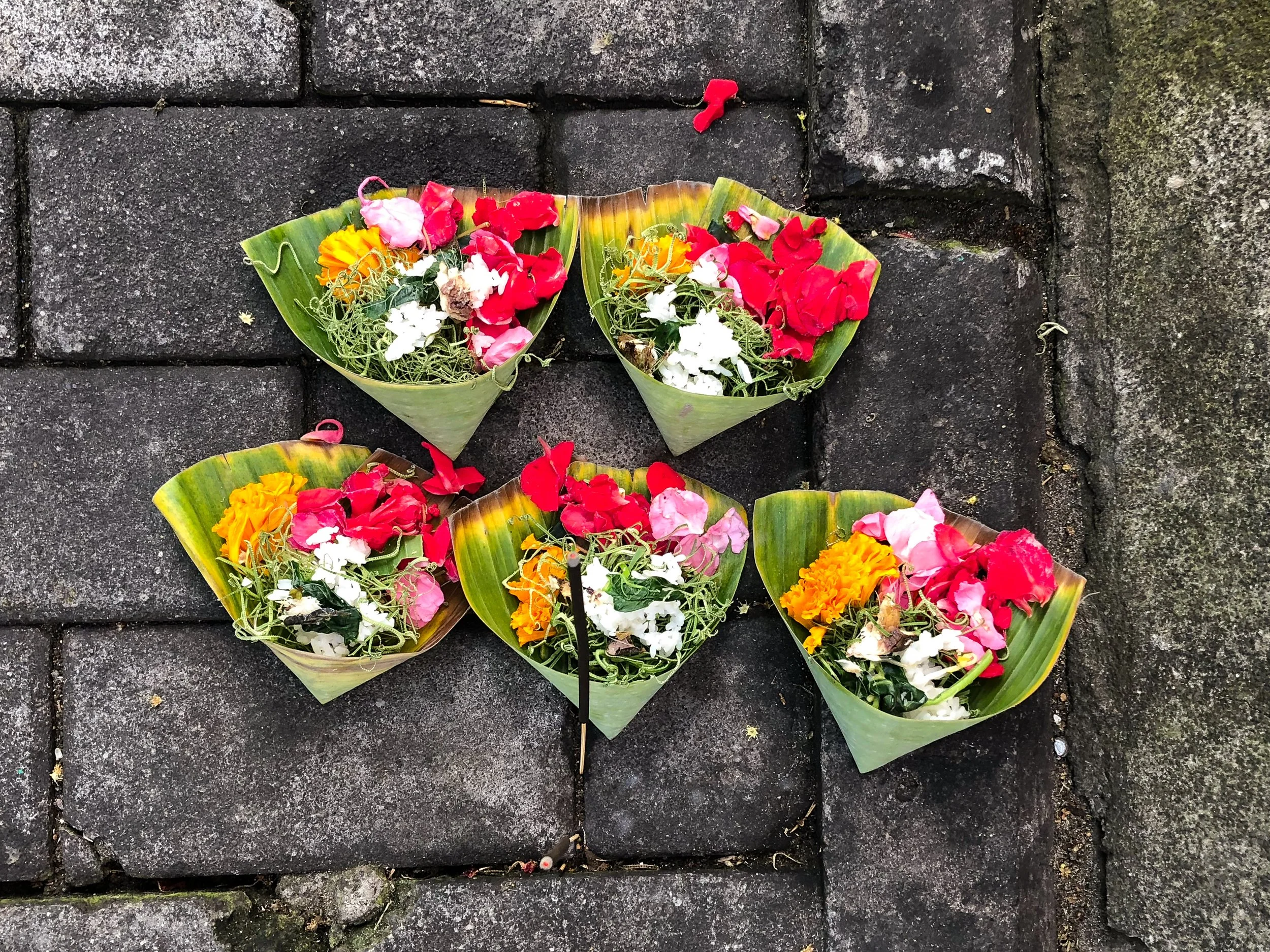
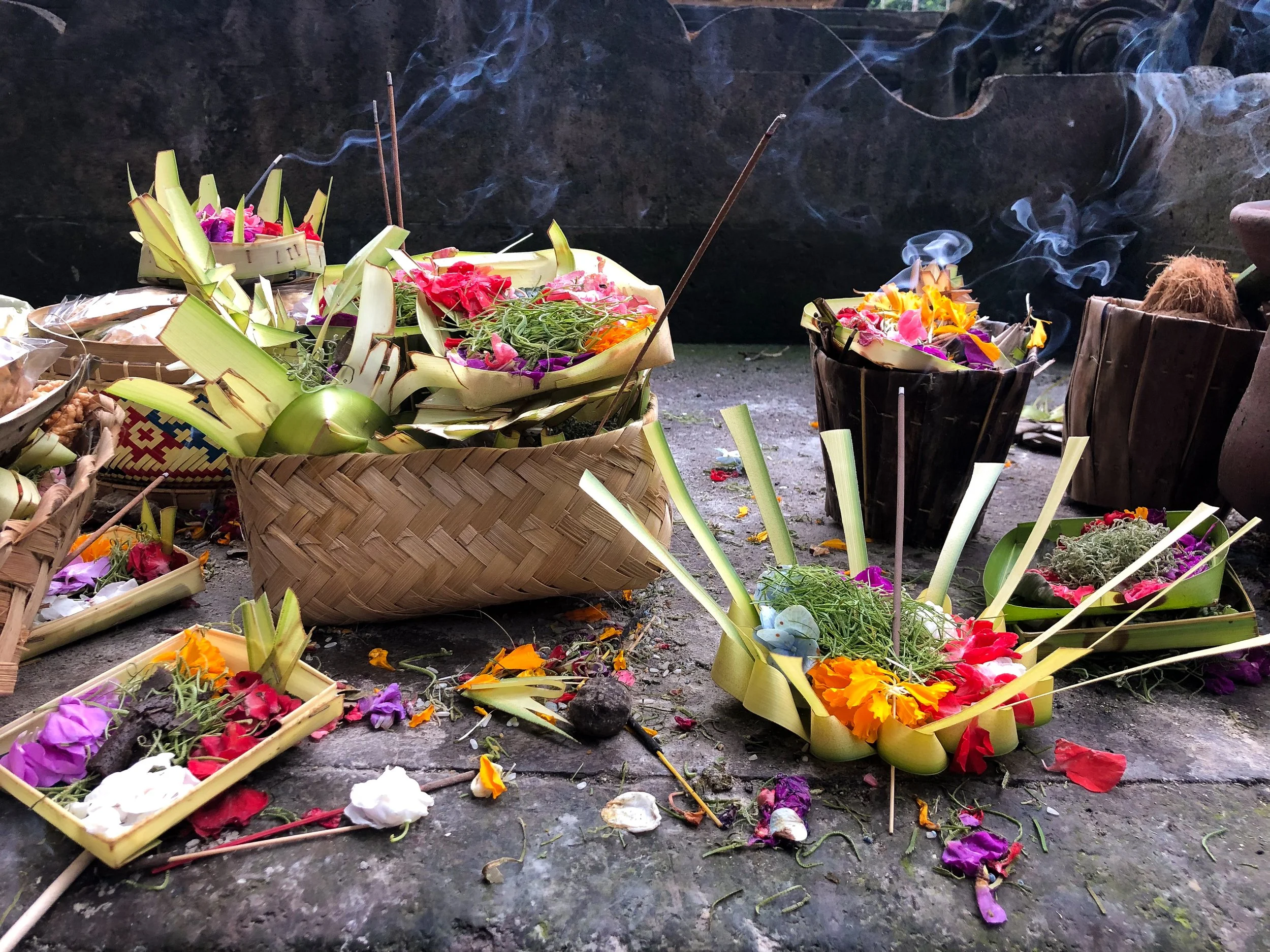
The Balinese are very spiritual people, mostly practicing Hinduism. Their island is home to thousands of temples with small altars at the entrance to their homes and businesses. Locals leave daily offerings on sidewalks made from small leaf woven baskets containing flowers, burning incense, cookies, candies and money. Out of respect, make sure not to step on them.
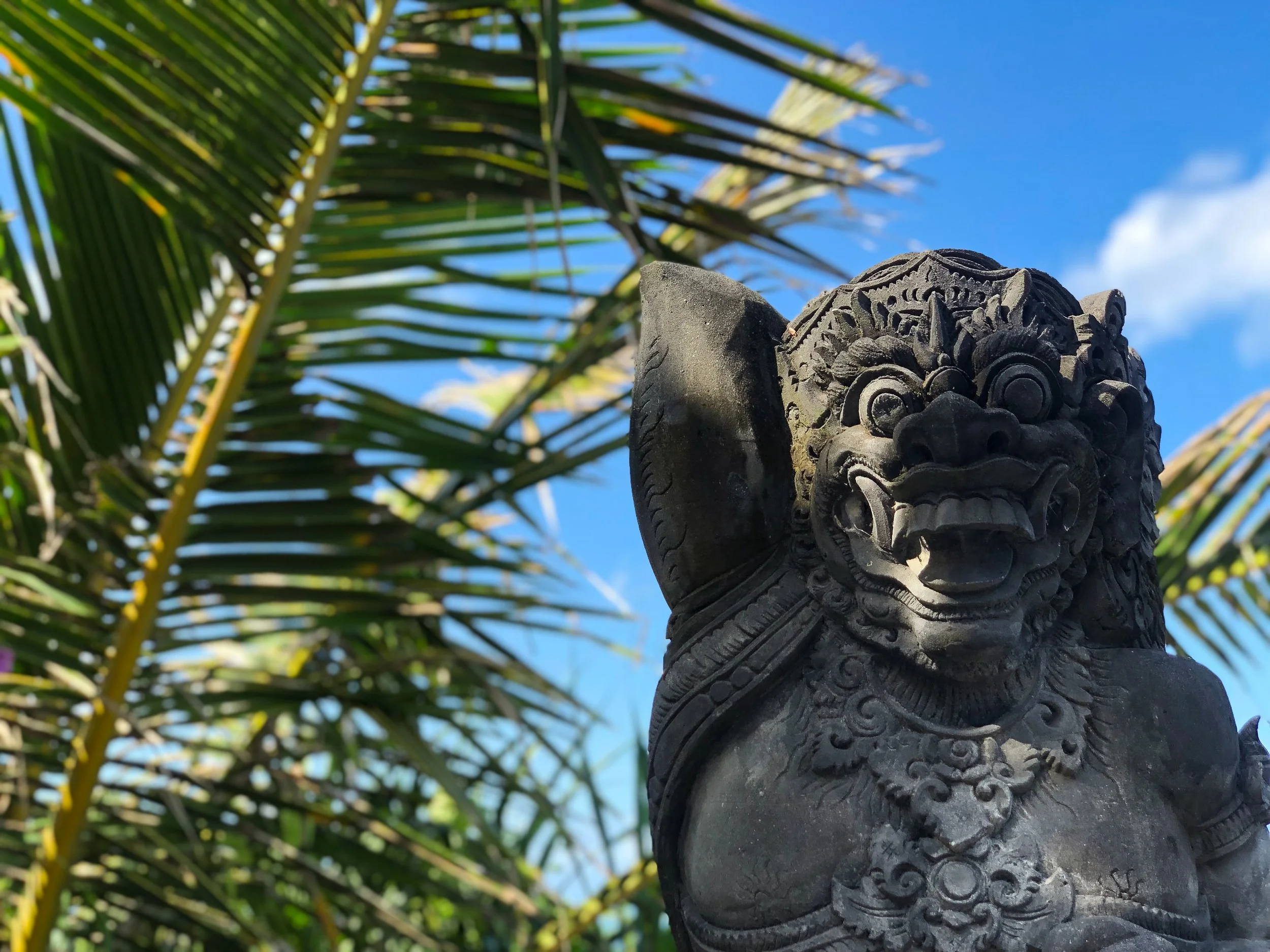
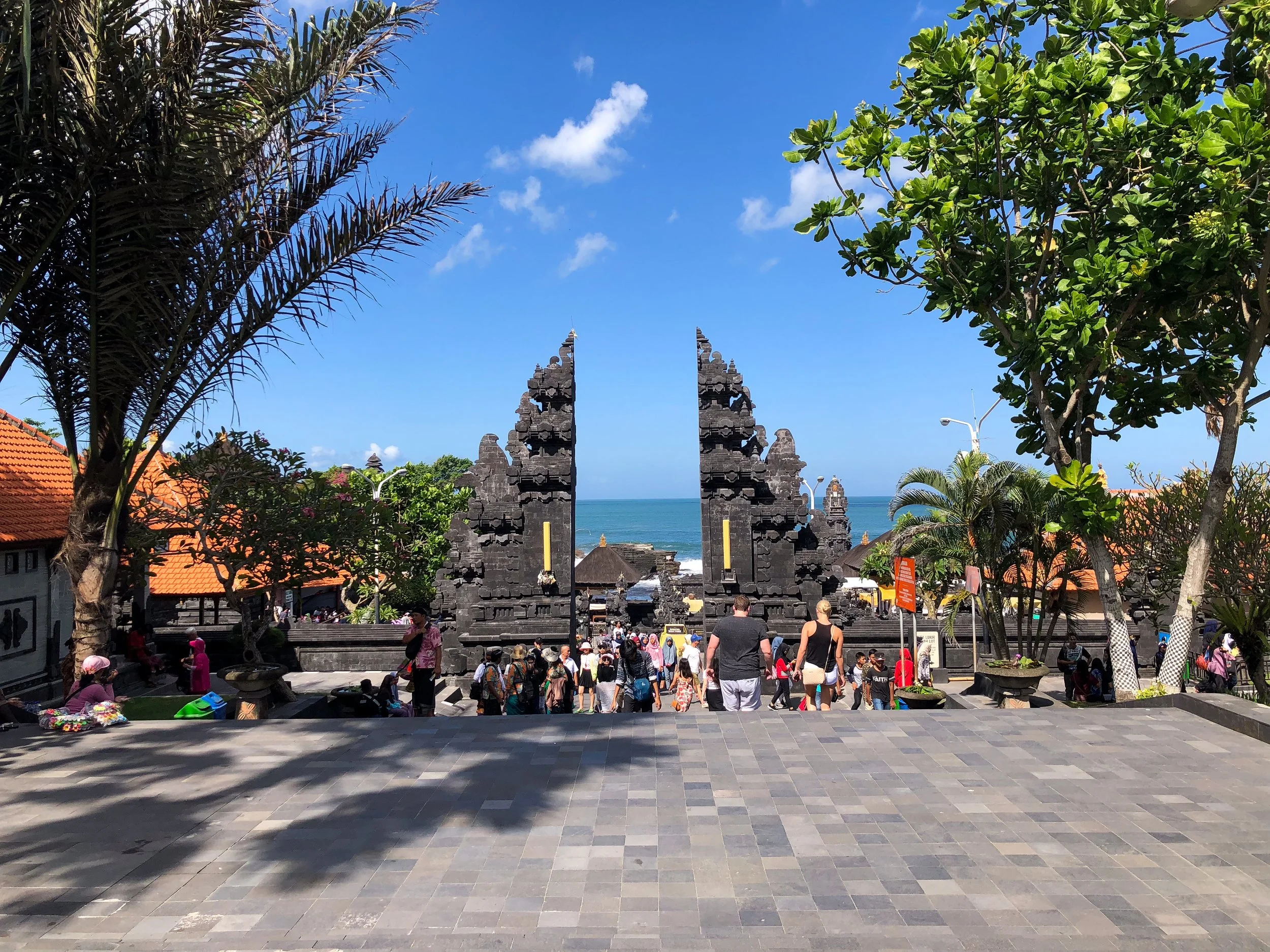
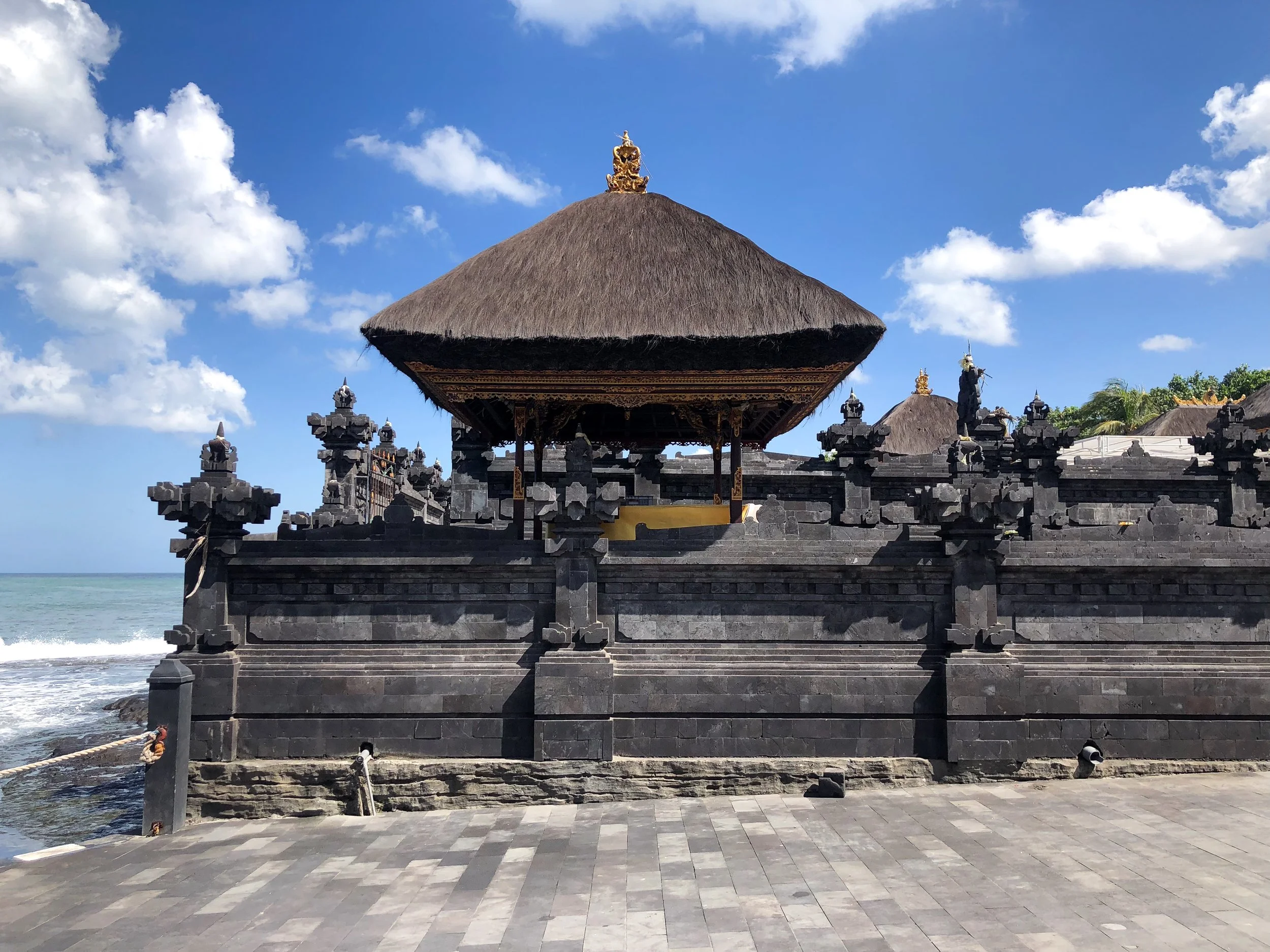
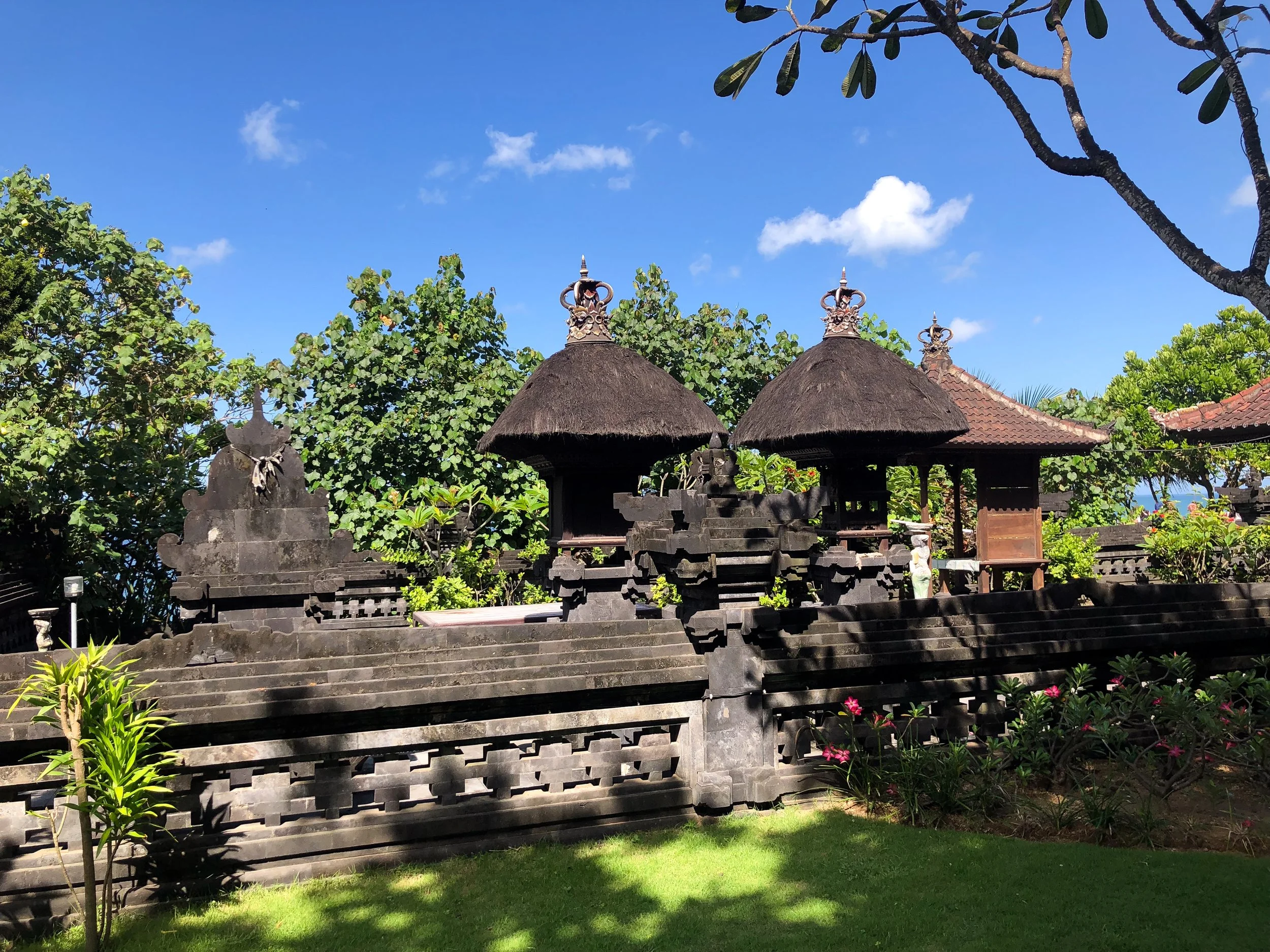
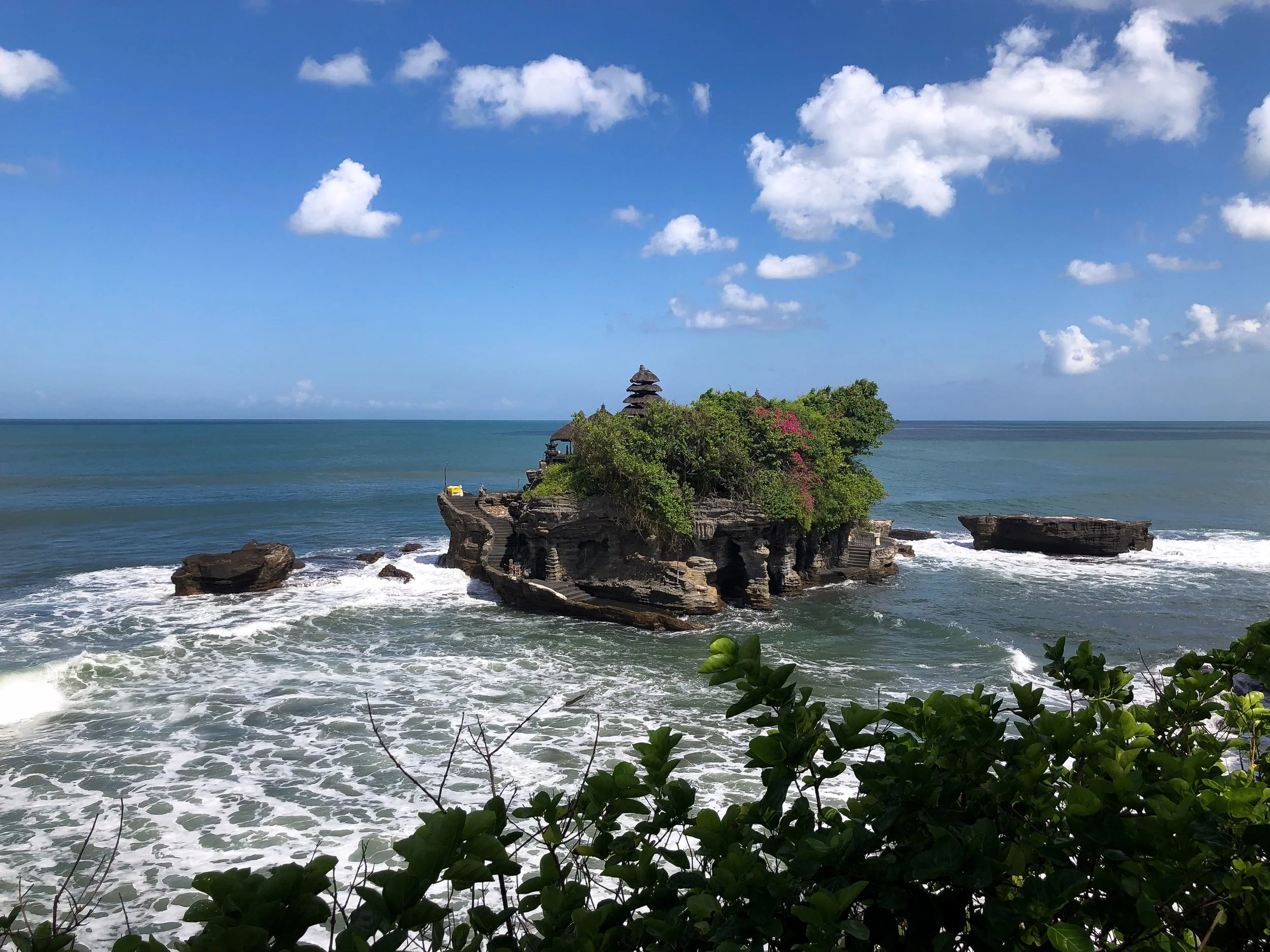
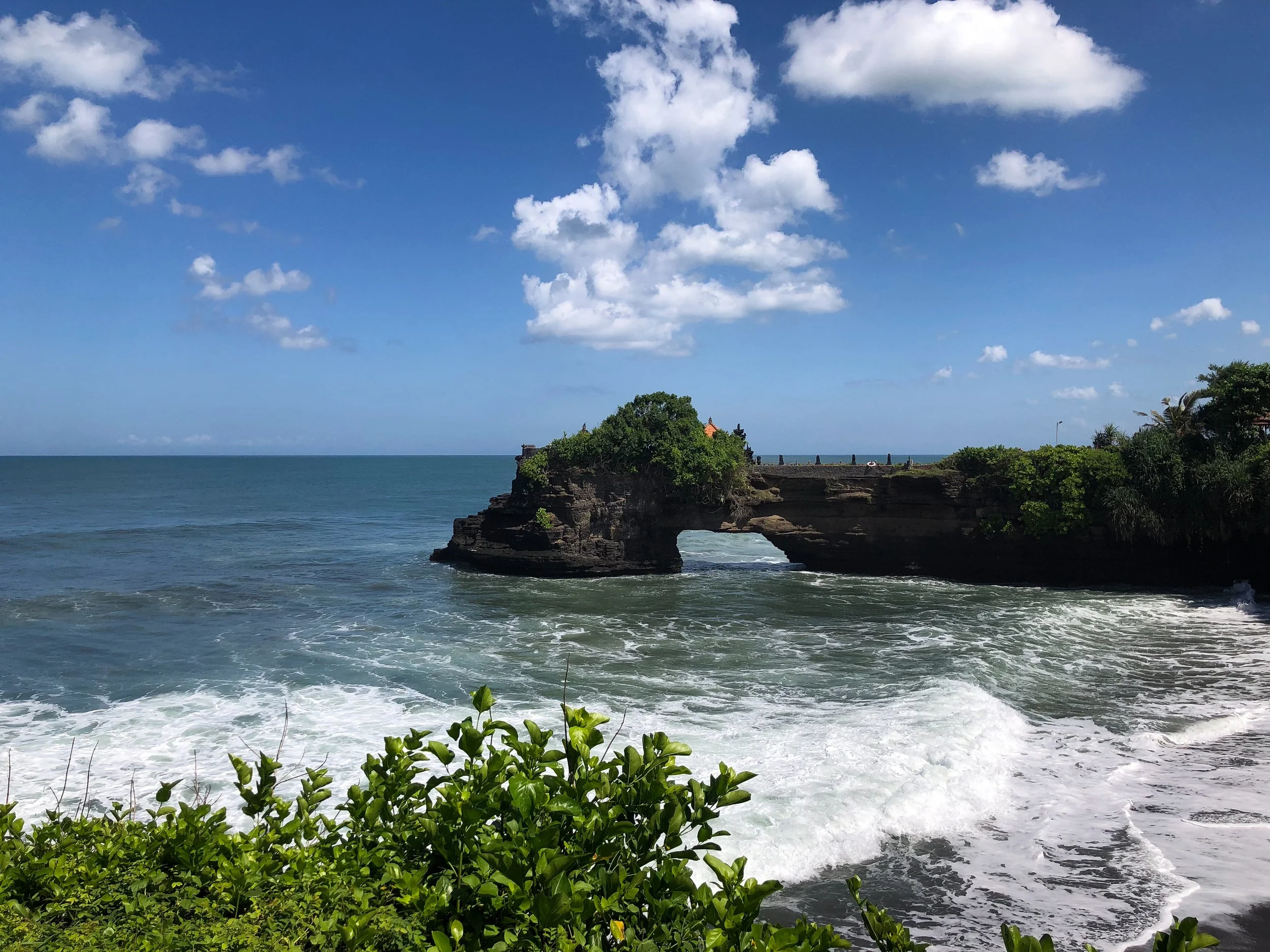
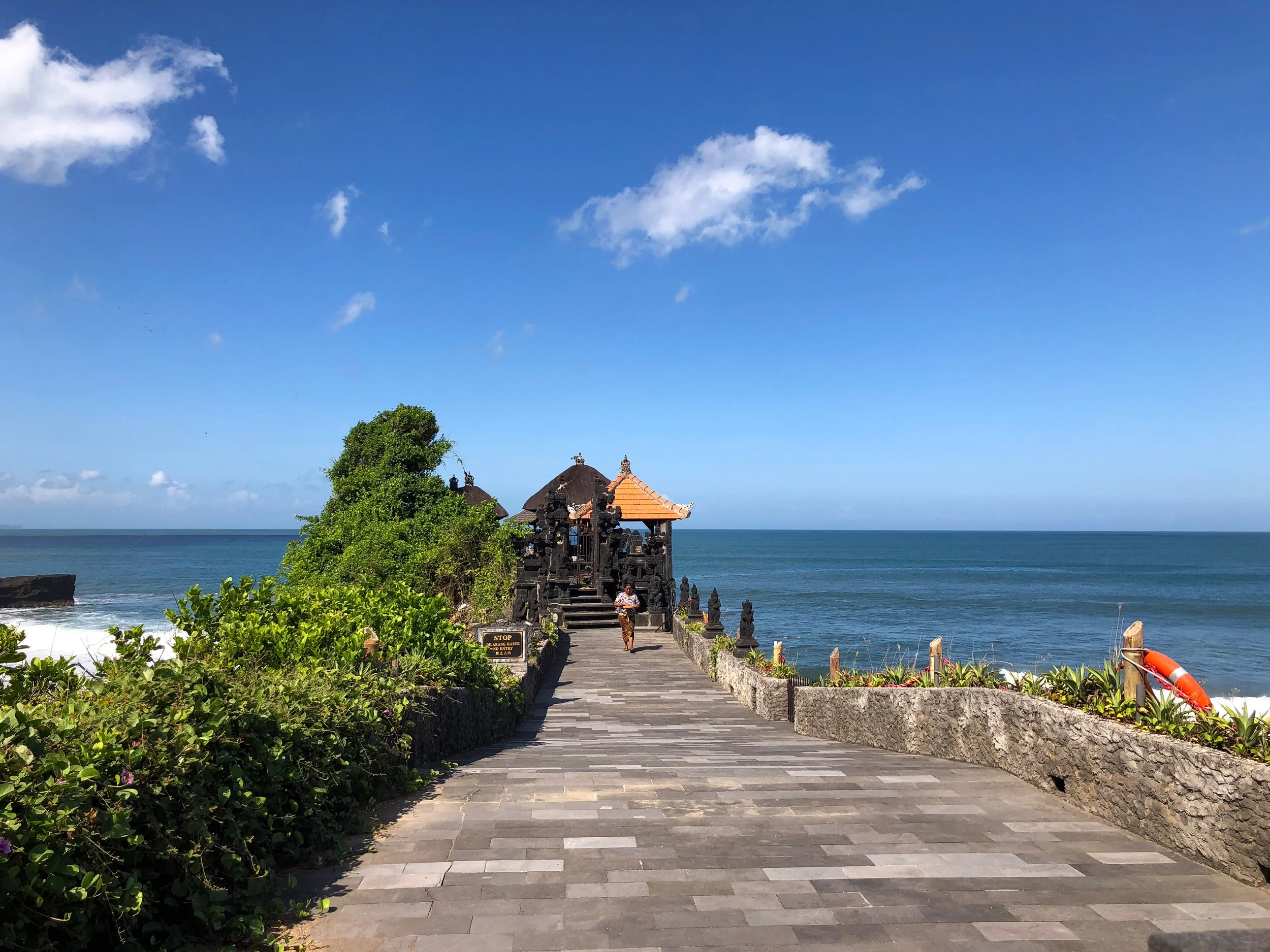
Tanah Lot Temple. One of seven ocean temples surrounding Bali. It holds special importance to the Balinese, built to protect the island from evil sea spirits. The temple is perched on a rock formation only accessible during low tide. Non-Balinese are not allowed to enter but can view from the nearby cliffs and outcrops below. Vendors line the road leading up to the temple selling young coconuts, Klepon, offerings and souvenirs.
Markets & Shops
Craft markets and boutique shops are common across Bali and especially in Canggu. A few we loved visiting for handmade goods and local souvenirs are:
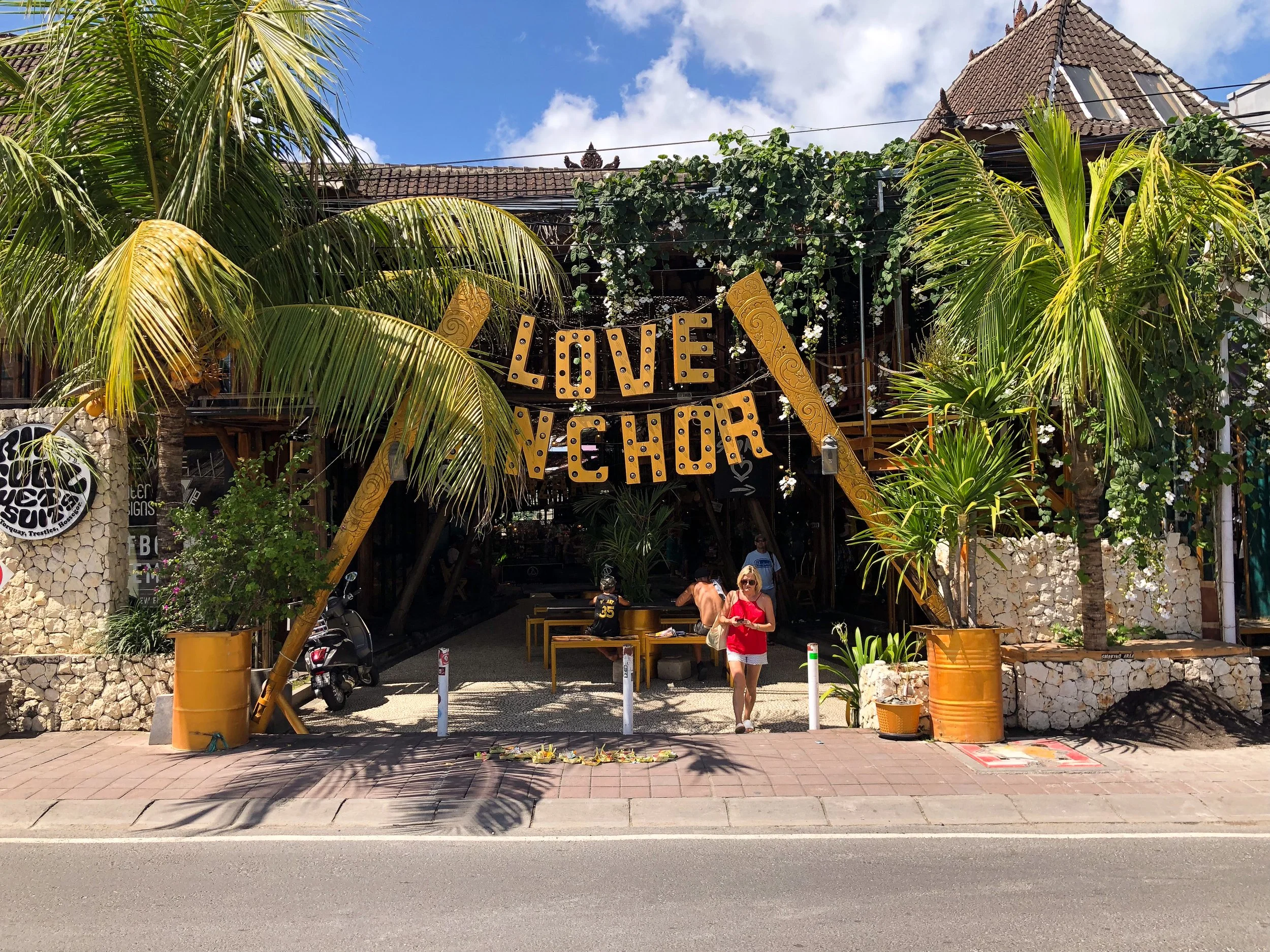
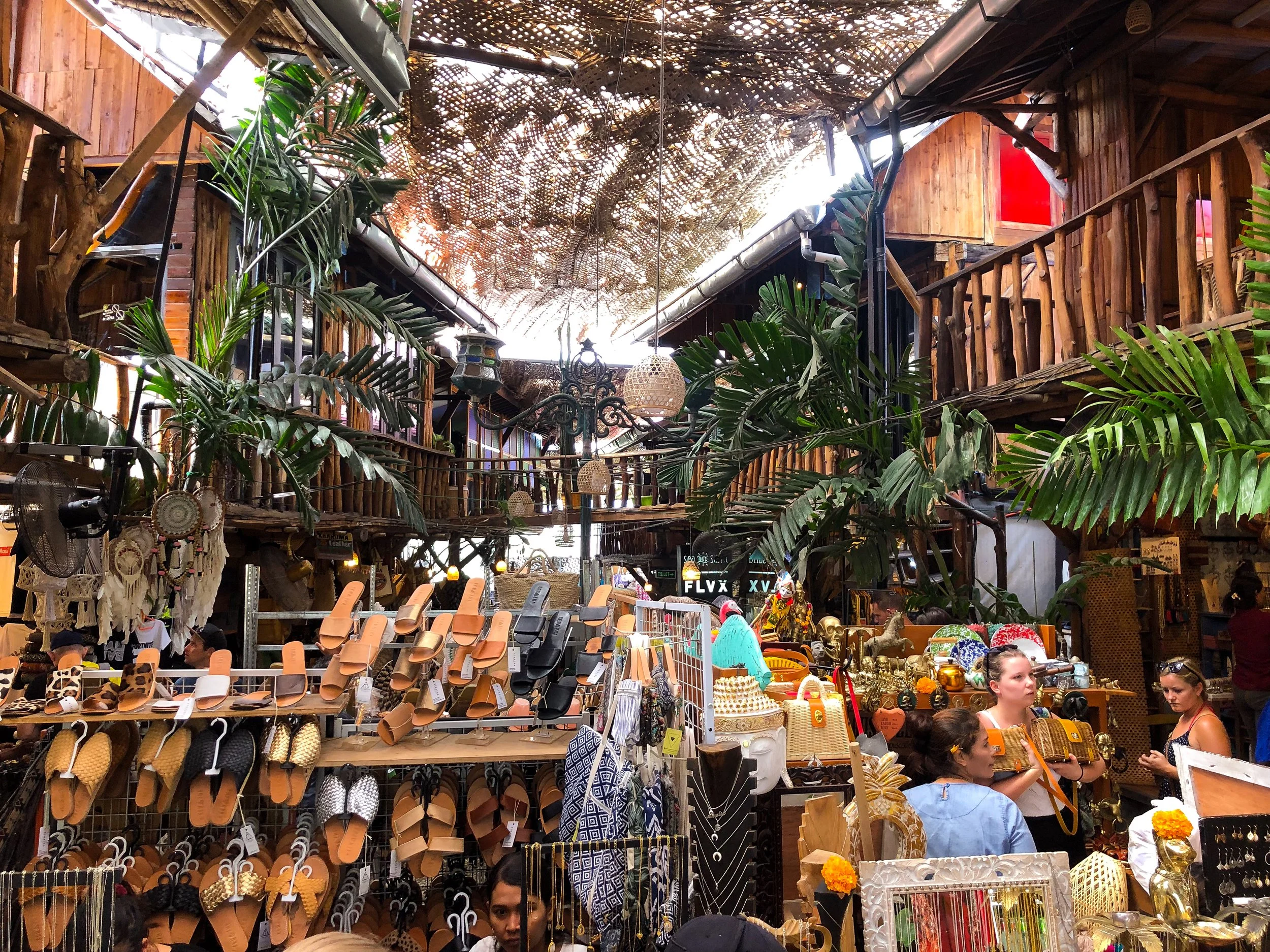
Love Anchor Canggu. An expansive indoor market with booths and vendors selling locally made home goods and crafts like macrame, shell and coconut home goods, flowy dresses and sarongs, beach jewelry and all the expected souvenirs. You’ll often be offered a “special price.” Play along, haggle and never accept the first price.
Sunday Market. A Sunday afternoon and evening market with live music, performers and vendors selling organic produce, cooked foods and handmade goods.
La Brisa Sunday Market. A small but bustling Sunday market at the La Brisa restaurant. It offers a combination of goods found at the Love Anchor and Sunday Markets.
Things to Do
Take a Surf Lesson. The best surf lessons can be found by walking any of Canggu’s beaches. Many instructors and surf shacks have signs offering board rentals and 2 hour lessons. It’s best to go early, just after sunrise, to avoid the large groups.
Join a Beach Cleanup. At times, the currents carry in tons of plastic waste floating in the ocean. Join a beach cleanup or simply do your part to pick up any plastic you see.
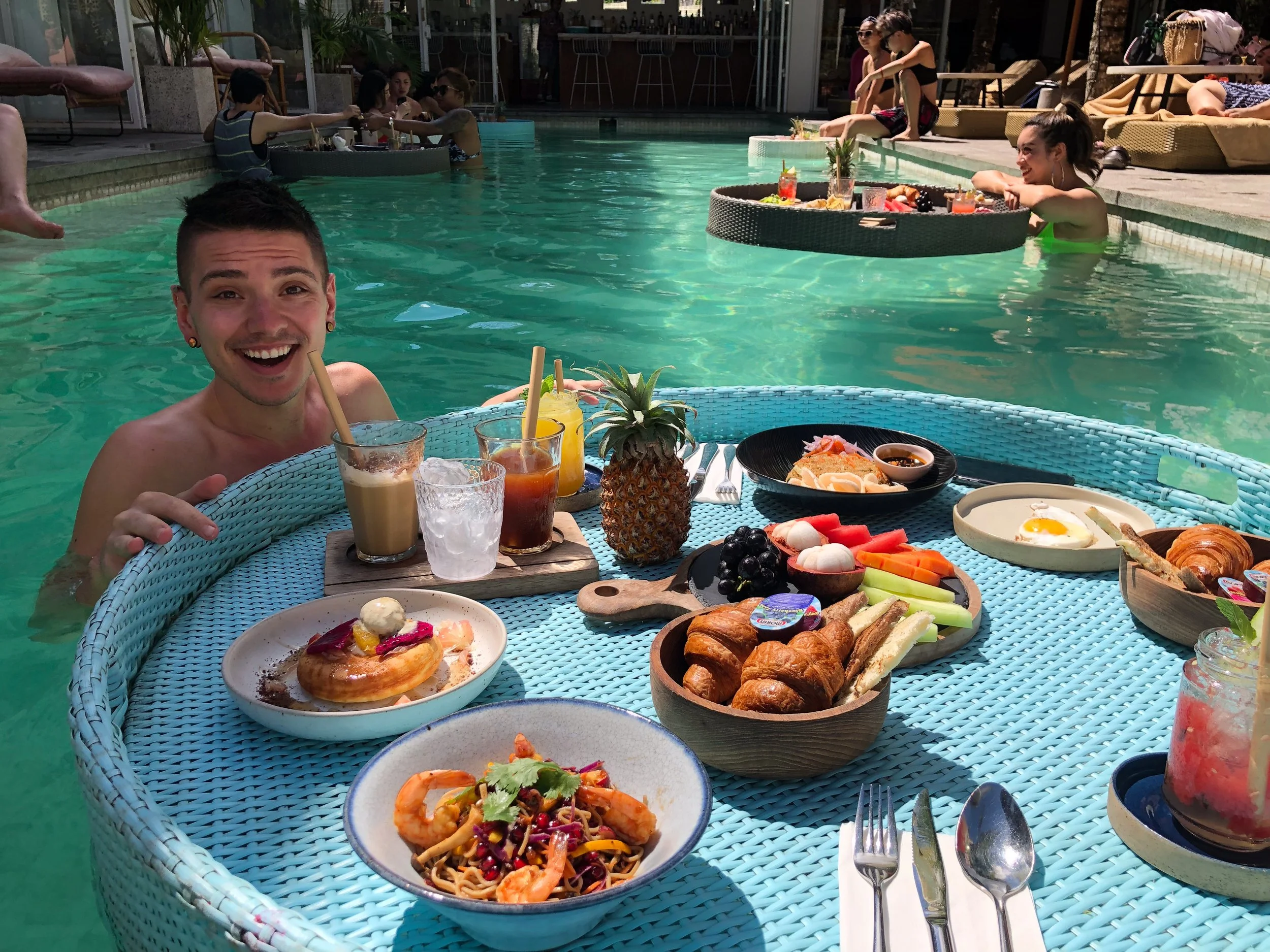
Enjoy a Floating Brunch. Making time for a floating brunch is a must do in Bali. It’s a poolside meal artfully presented in a floating basket. It typically includes fresh fruits and juices, fluffy pancakes, eggs and various Balinese bites.
Get a Massage. Various types of massages are offered throughout Canggu and Bali in general for an affordable cost. Look for signs outside of businesses offering a 60 minute or signature massage. It’s not uncommon to find one for around $10 USD.
Places to Eat & Drink
Canggu is known for its food scene. There are endless options to try traditional Balinese food, locally grown fruits, vegan meals and Australian inspired “brekkie.”
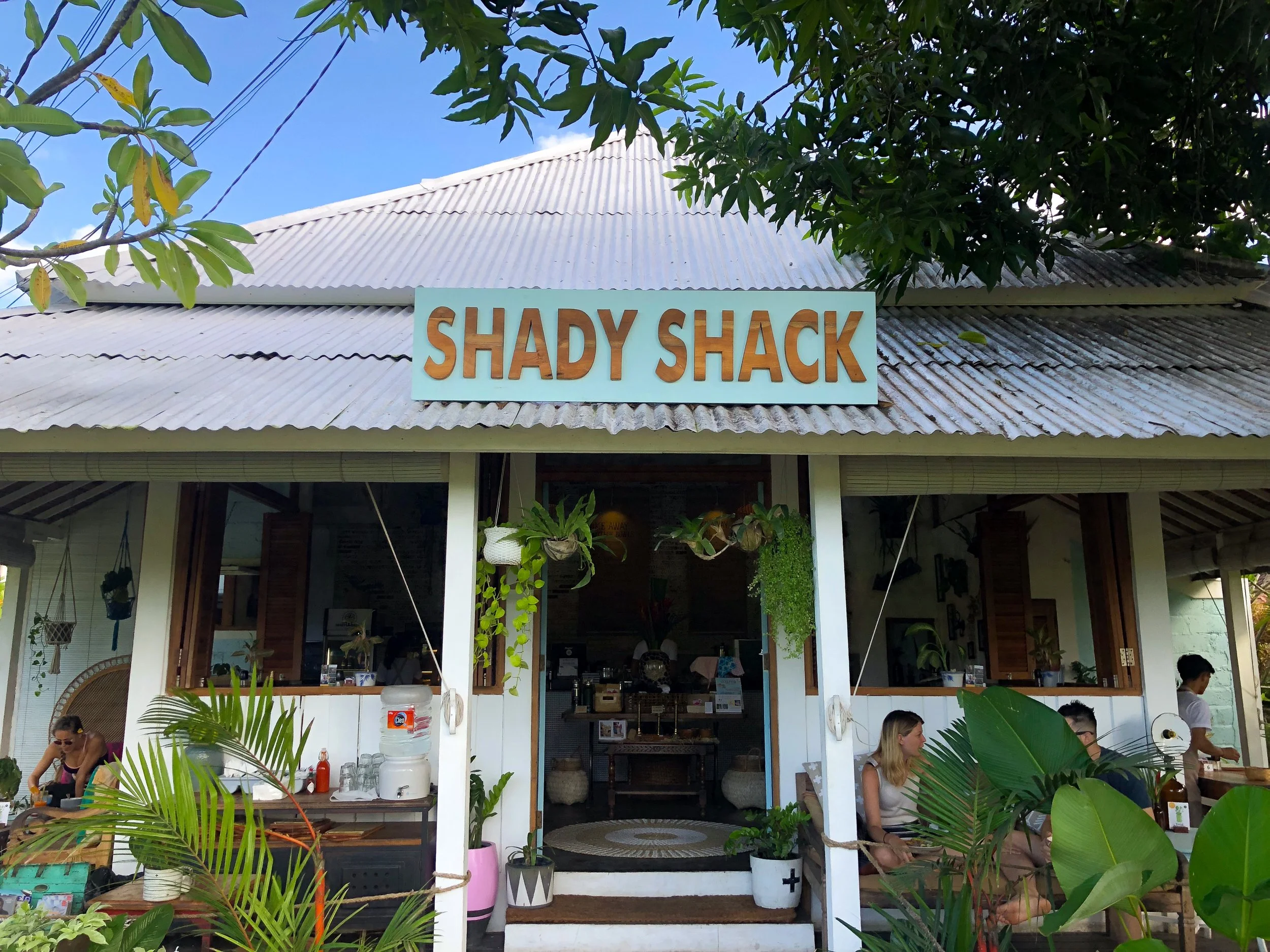
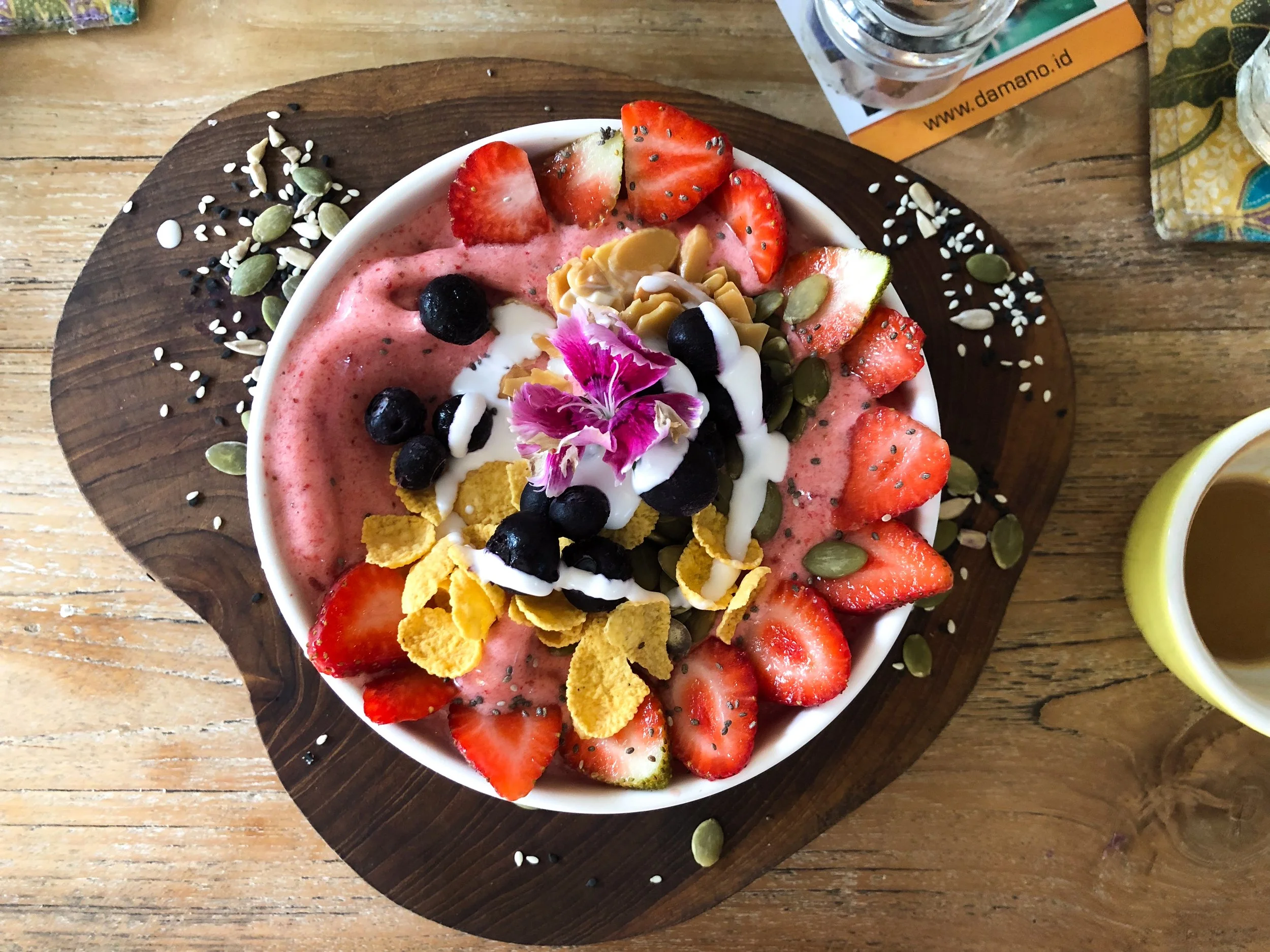
Shady Shack. Located across from a rice field in an outdoor patio covered in tropical trees and plants. The menu is full of all kinds of colorful and creative vegan dishes. This is the perfect spot to come for Bali bowls and to drink kombucha through a papaya stem straw.
La Brisa. A beachside restaurant with a large open air patio that feels more like a tropical tree house. The food and drinks here are delicious and the vibe was relaxing even during the busier hours of service. Like many places in Canggu, the sunset here was spectacular.
Monsieur Spoon. A café with French style pastries, breads and egg dishes. Their spacious outdoor patio makes it the perfect place to start the day or enjoy an afternoon coffee.
Milk & Madu. A great restaurant at any time of day but especially at breakfast for their delicious egg dishes and flavorful coffee.
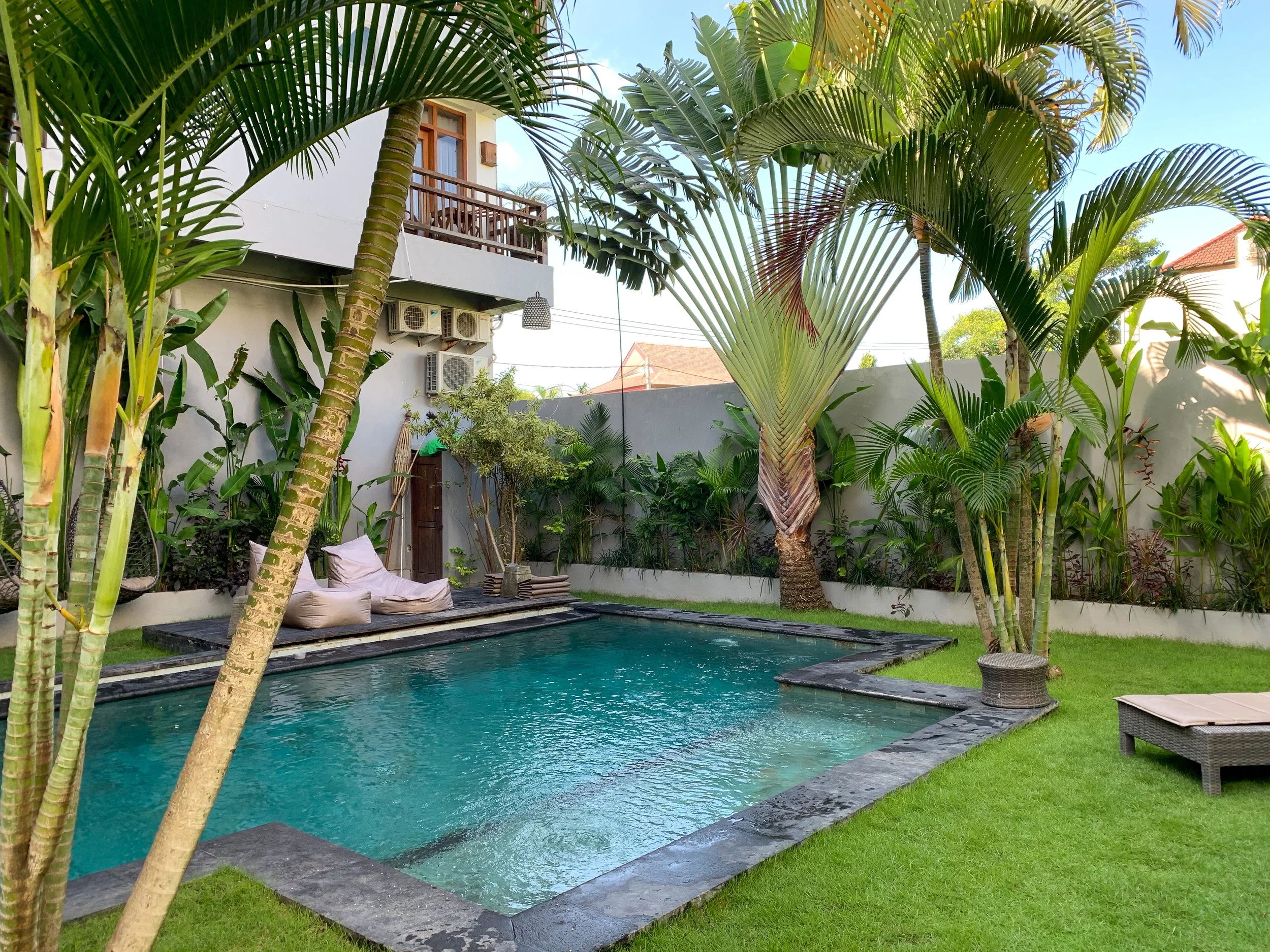
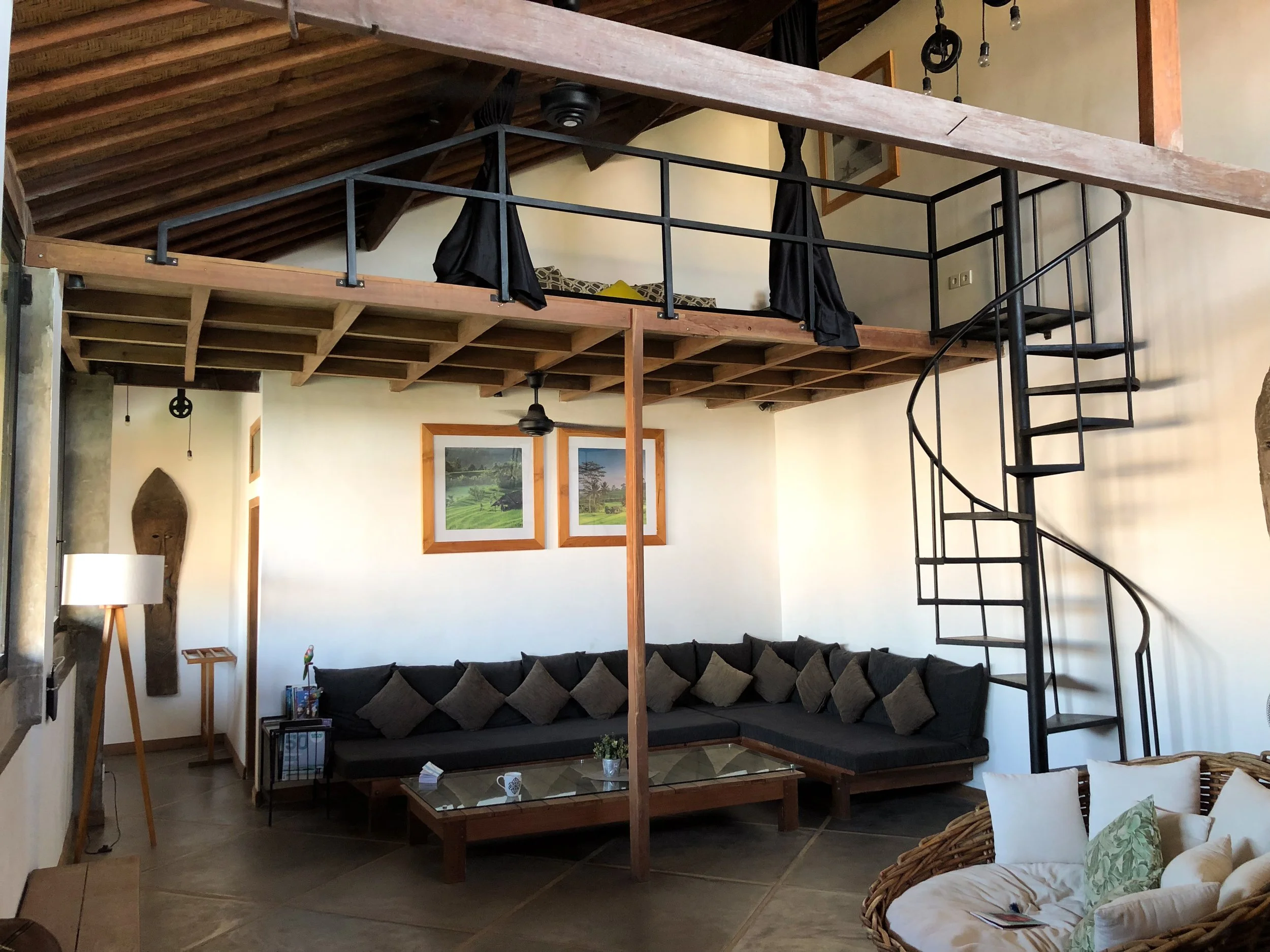
Where to Stay in Canggu
The narrow streets and rice paddies of Canggu are flanked by multitudes of villas and vacation rentals, many of which can be booked affordably. We stayed in a modern villa with private units and communal spaces like a lush patio and swimming pool. Book on Airbnb.
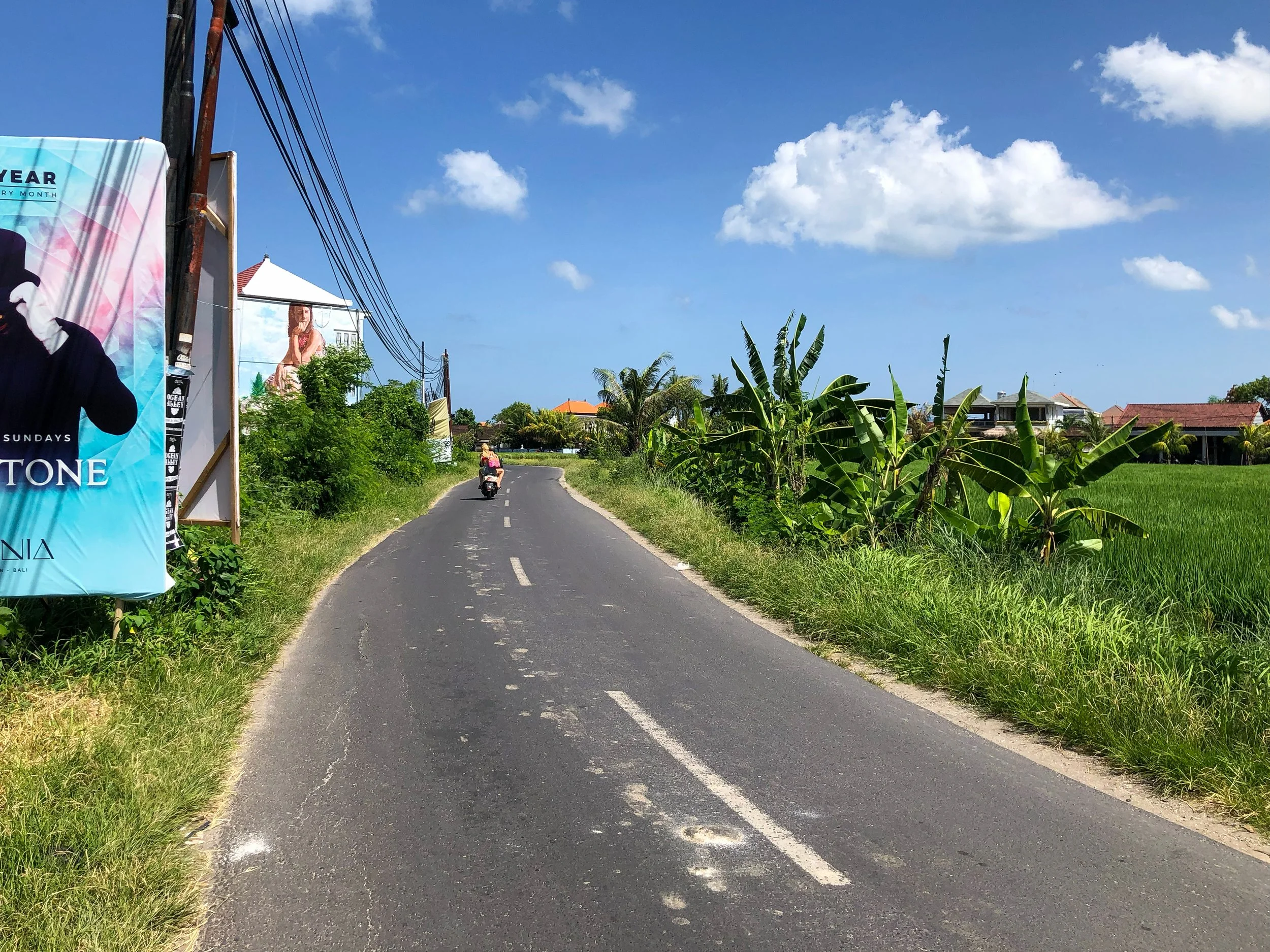
Getting Around Canggu
Scooters. The fastest way to get around Canggu is by scooter. Multiple shops rent scooters and moto bikes by the day, week and month. Prices range on average $10 per day. For safety and to avoid fines, always wear a helmet while riding and carry your ID.
On Foot. Canggu is walkable by those that enjoy exploring on foot. Be mindful of speeding scooters and cars. Carry a flashlight when walking at night.
Traffic. The narrow roads are often congested during rush hour.
Bukit Peninsula
The Bukit Peninsula is the southernmost point in Bali. It’s known for its swimmable beaches, dramatic cliffs, grilled seafood markets and high end restaurants.
Visit the Beaches
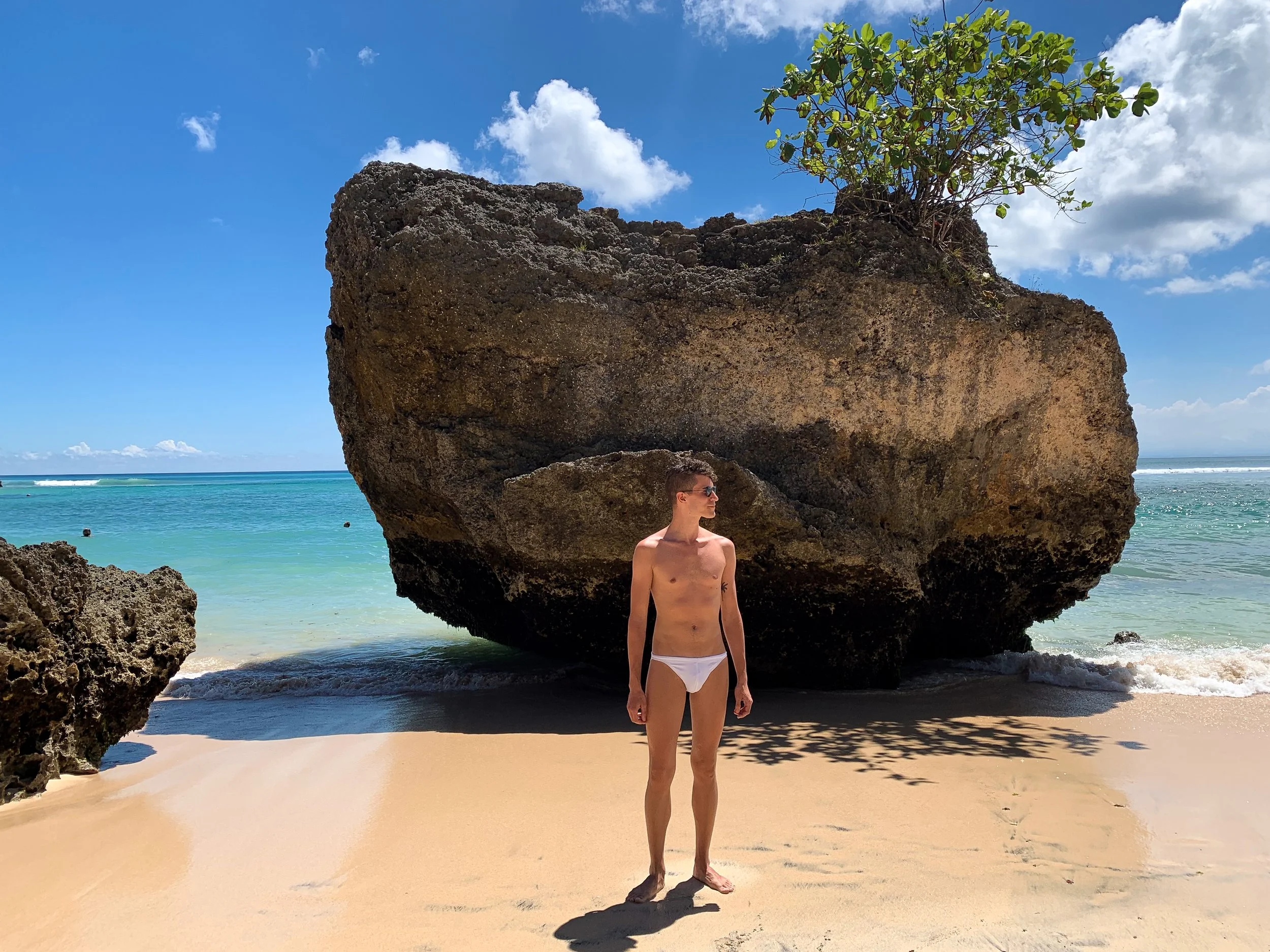
We visited a lot of beaches in Bali however the ones on the Bukit Peninsula were some of our favorite!
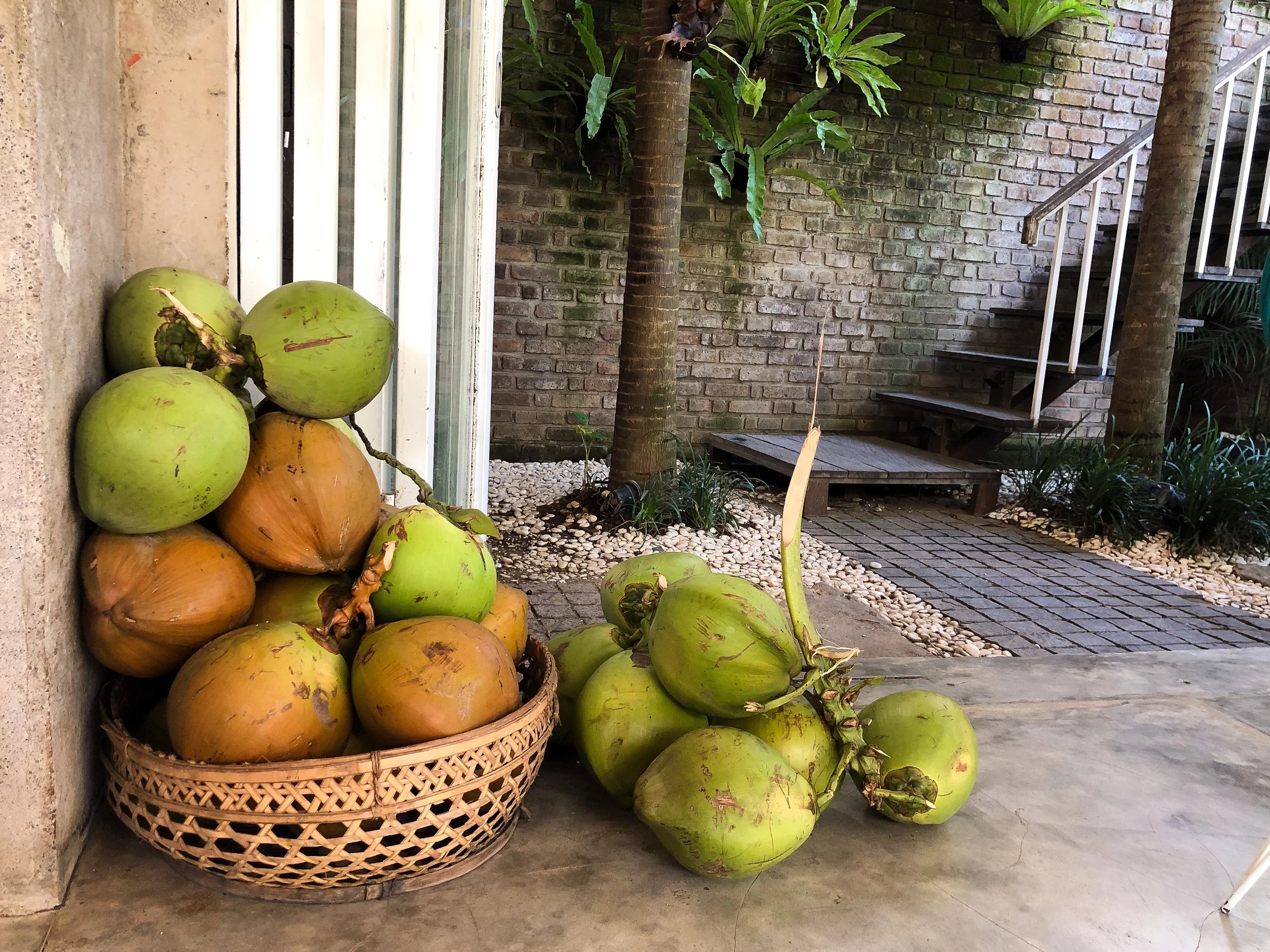
Padang Padang Beach. A small swimmable beach nestled in a protected cove. The beach is great for sunbathing with little shade, though there are umbrella and chair rentals available from vendors. Warungs offer affordable snacks, meals and fresh coconuts to drink out of and eat.
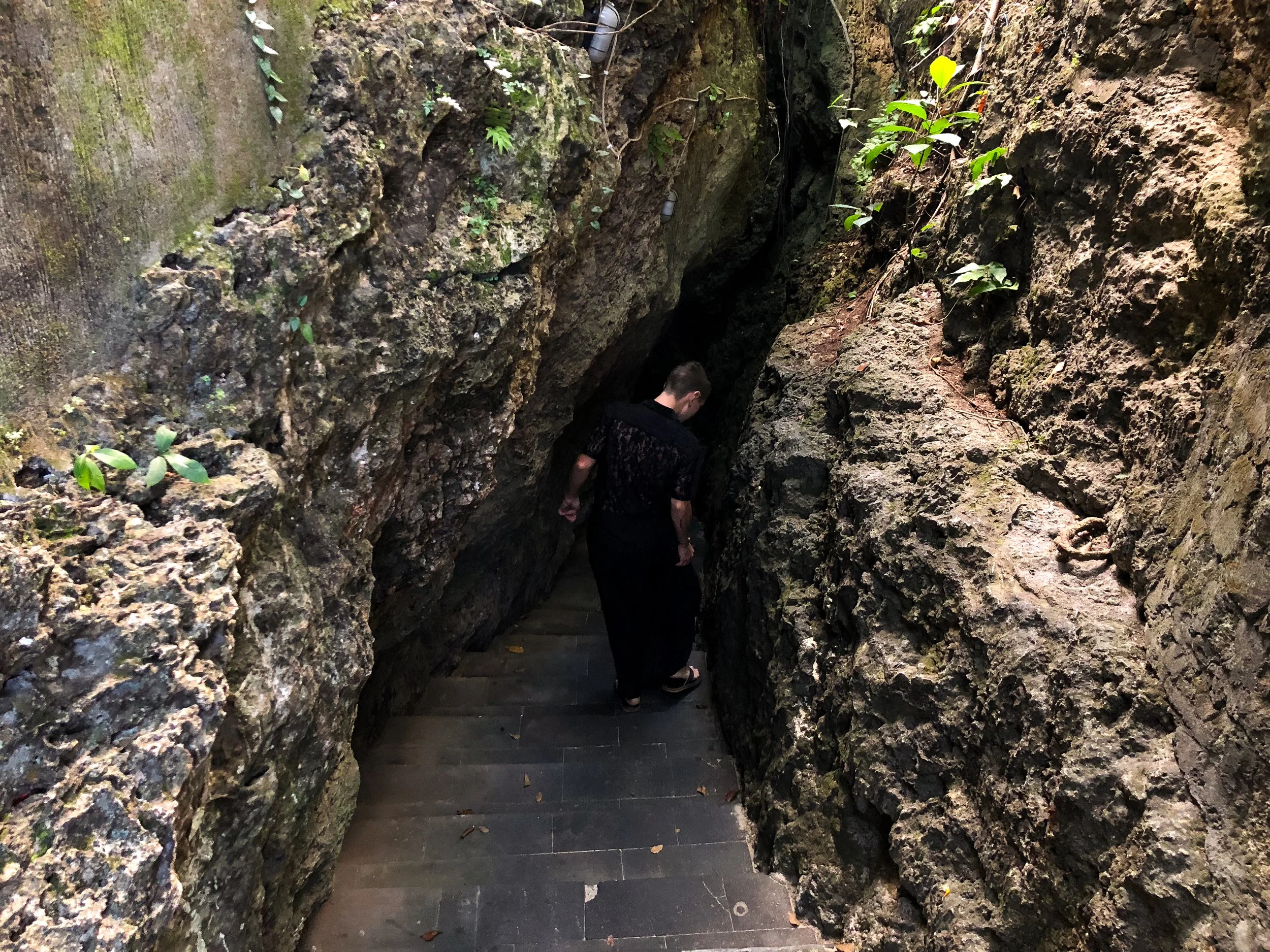
Good to Know. The beach is accessible via a set of stairs built within the crevice of the cliff above. There is a small cash only entrance fee to access the beach. Watch out for monkeys on steps and near the tree line. They’re mischievous and will try to snatch your belongings.
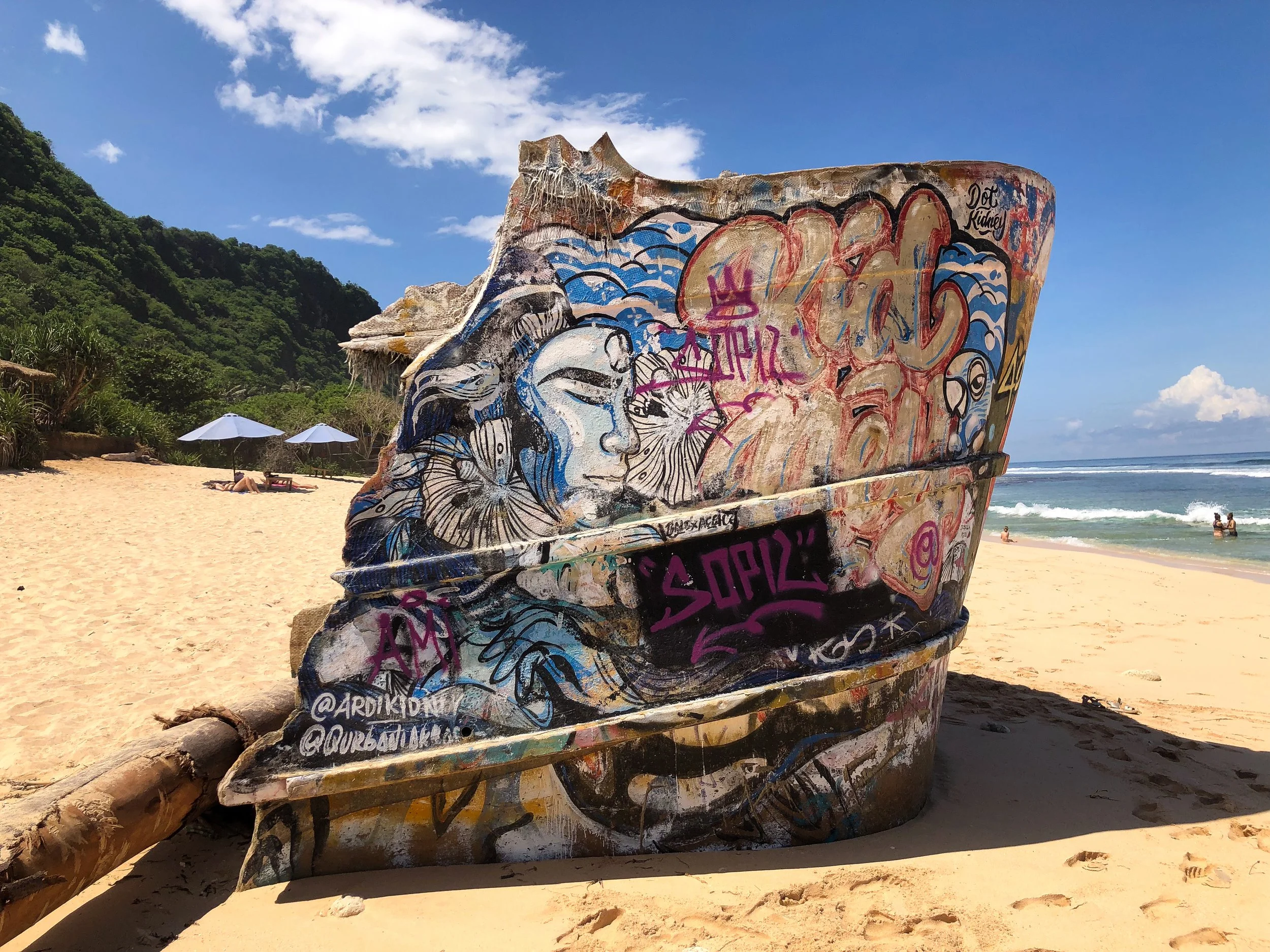
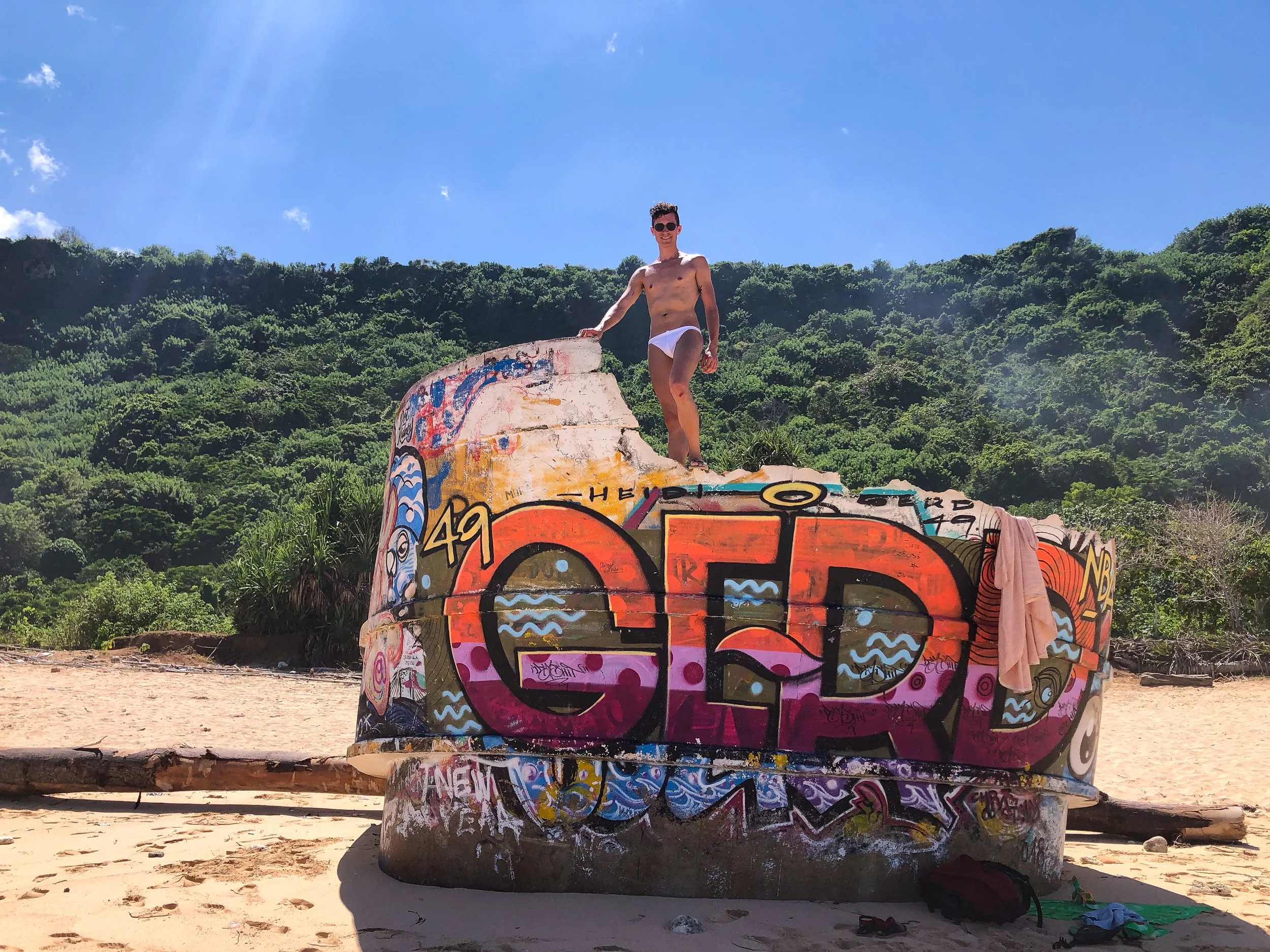
Nyang Nyang Beach East. A sandy beach with shallow waters perfect for swimming, lounging and watching paragliders take flight overhead. The most notable sight on the beach is the graffitied remains of a washed up shipwreck. There are a few small warungs along the beach and trail leading to it offering snacks and drinks.
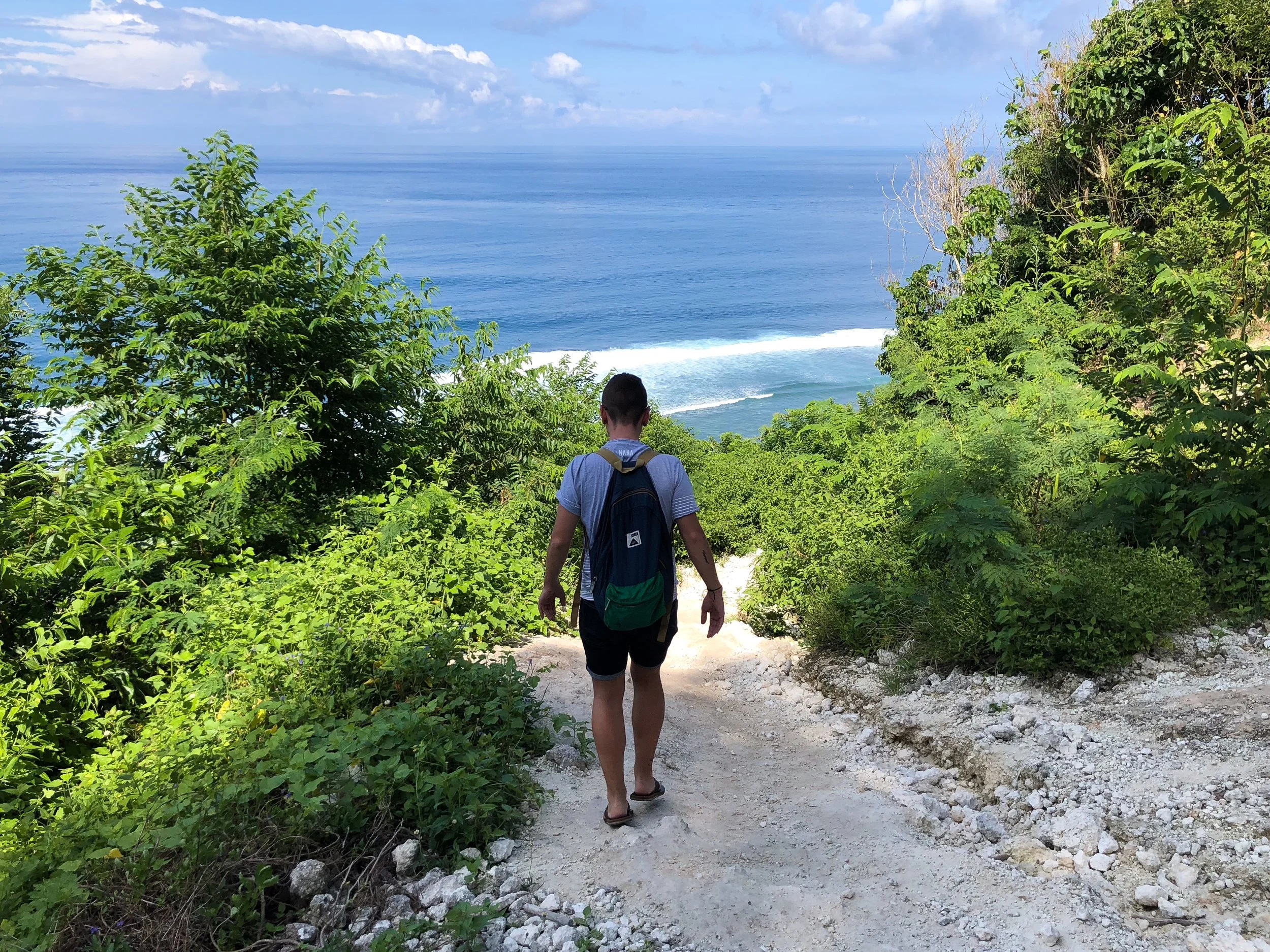
Getting Here. The beach is accessible via a lush cliffside trail behind the Villa Plenilunino. Use this Google Map Pinto locate the trailhead.
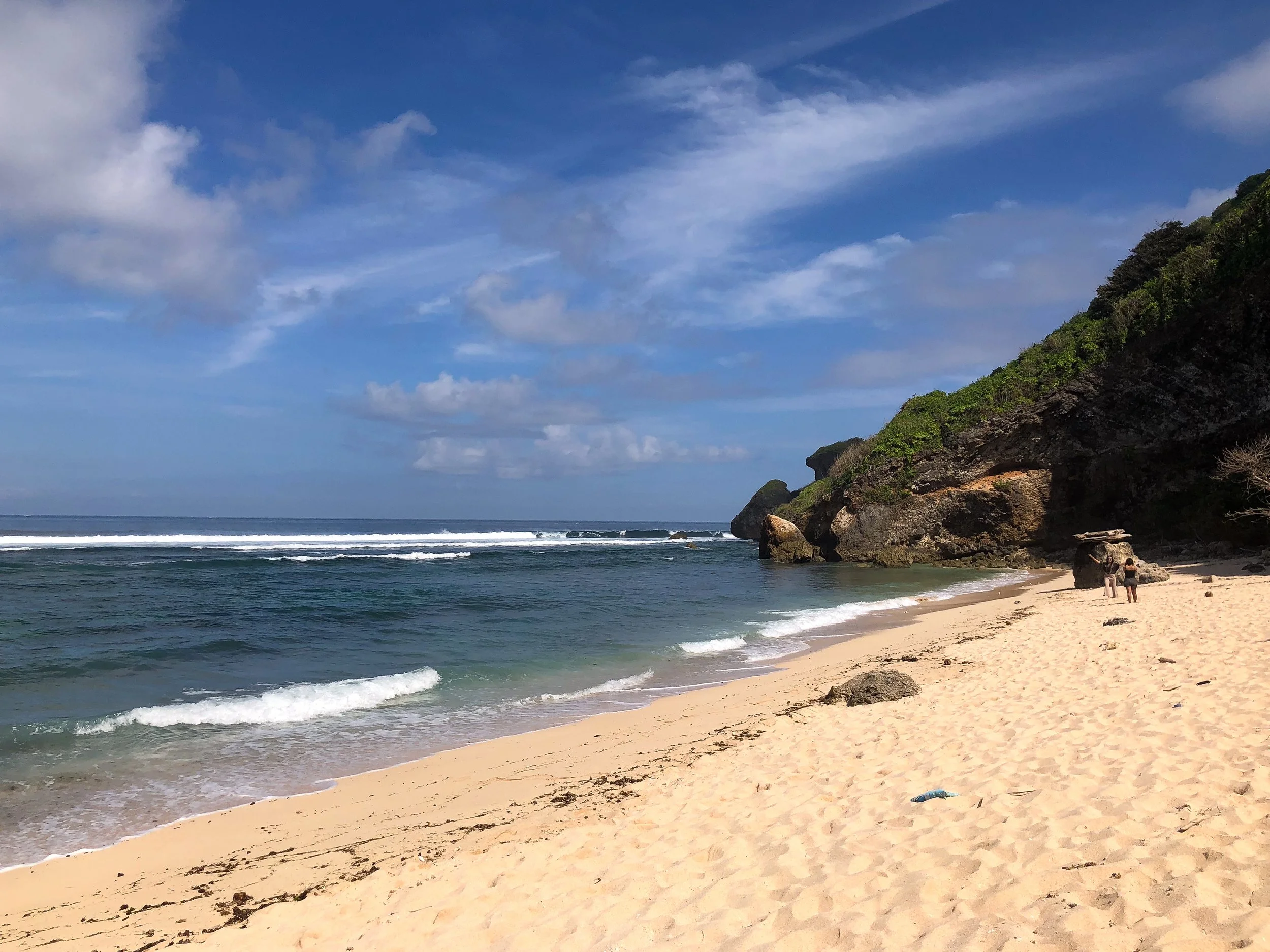
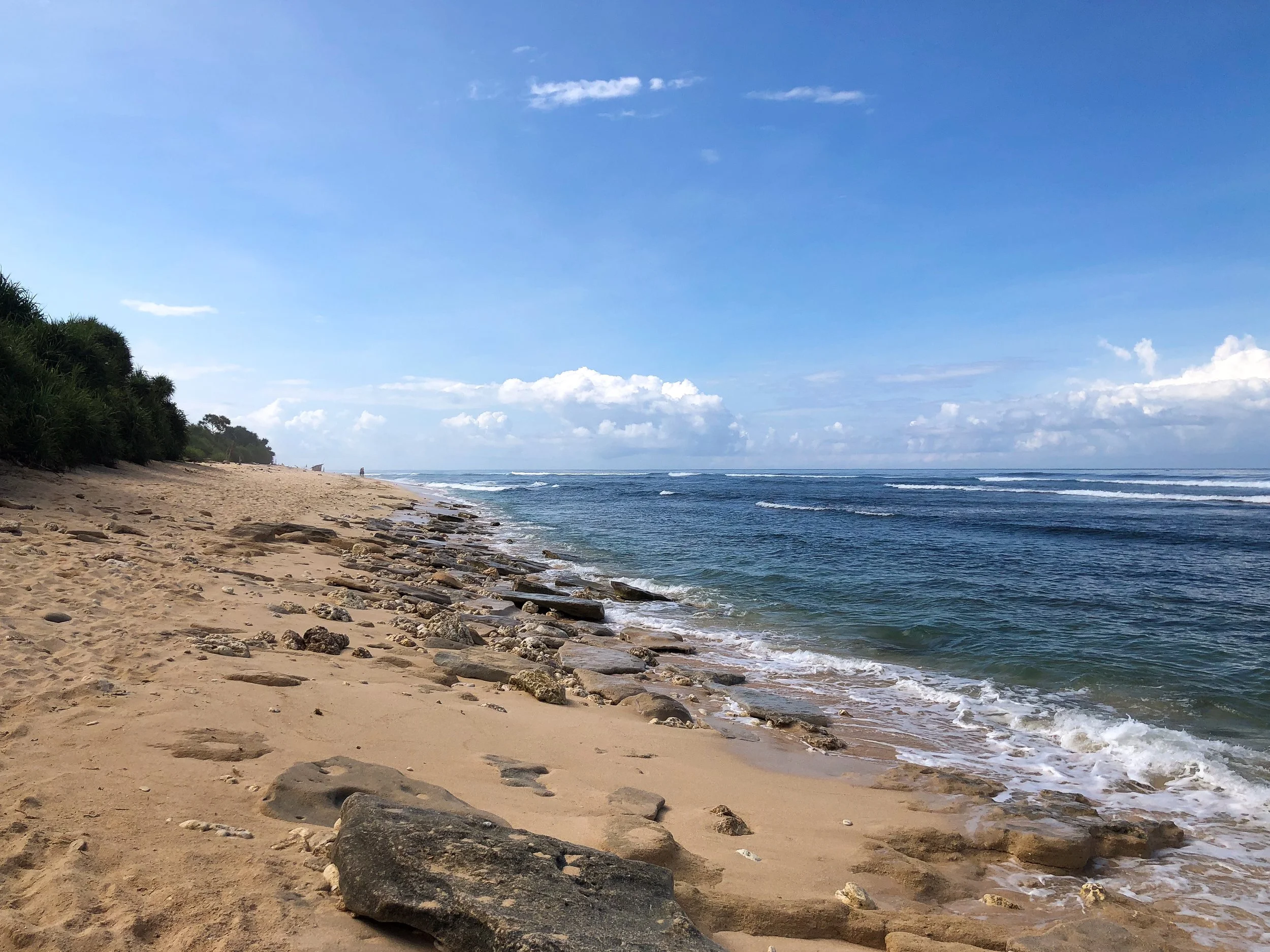
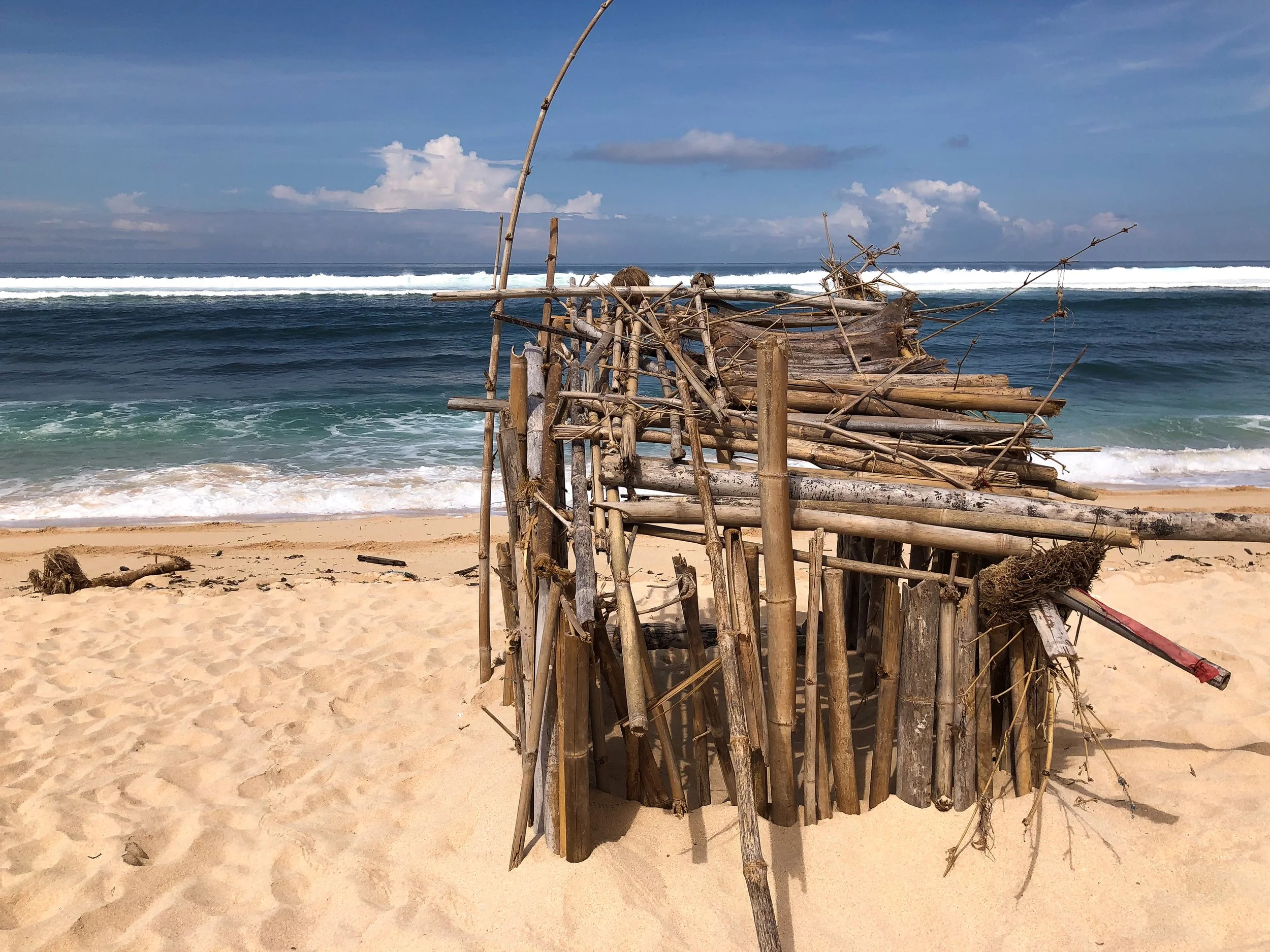
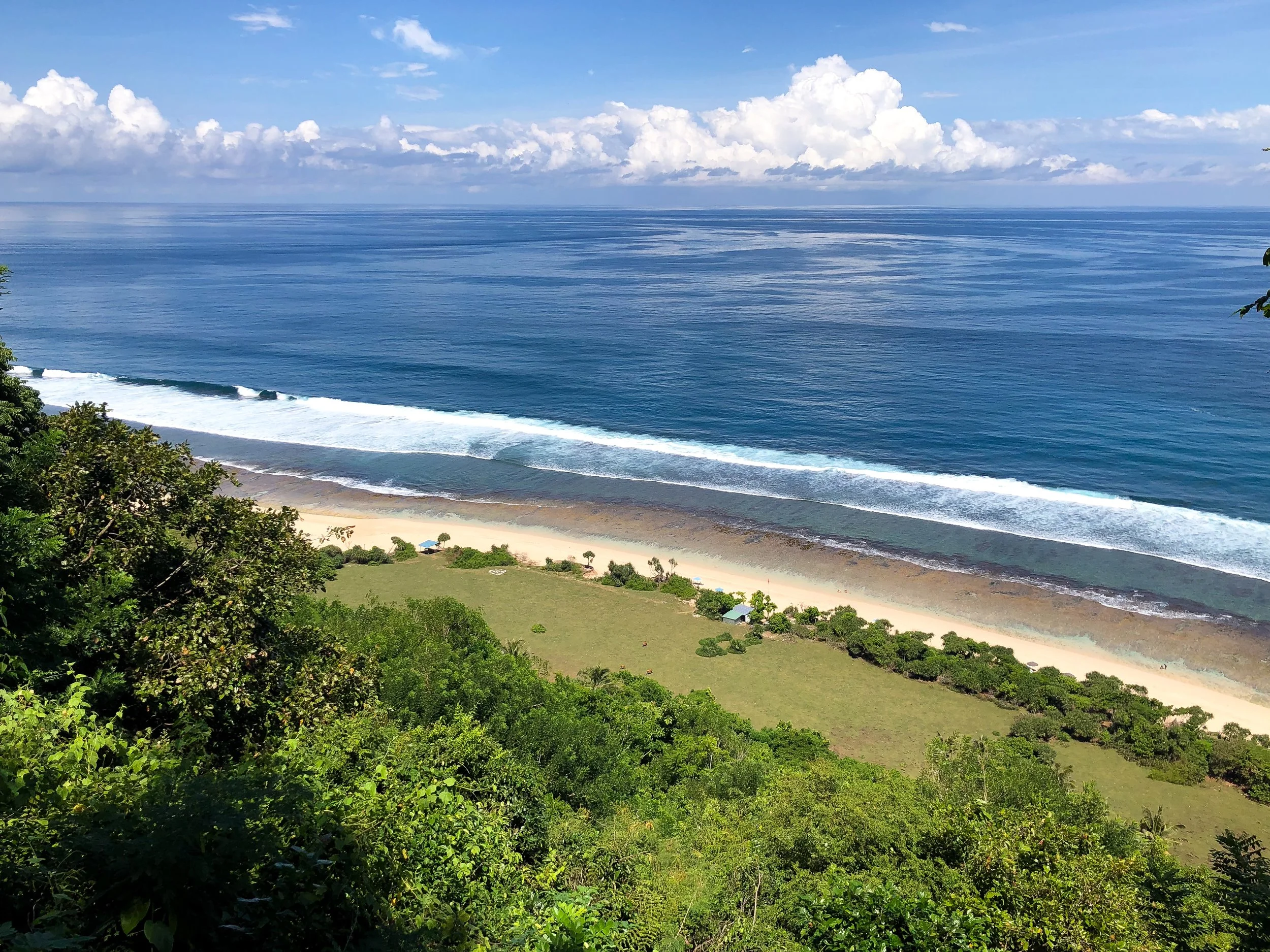
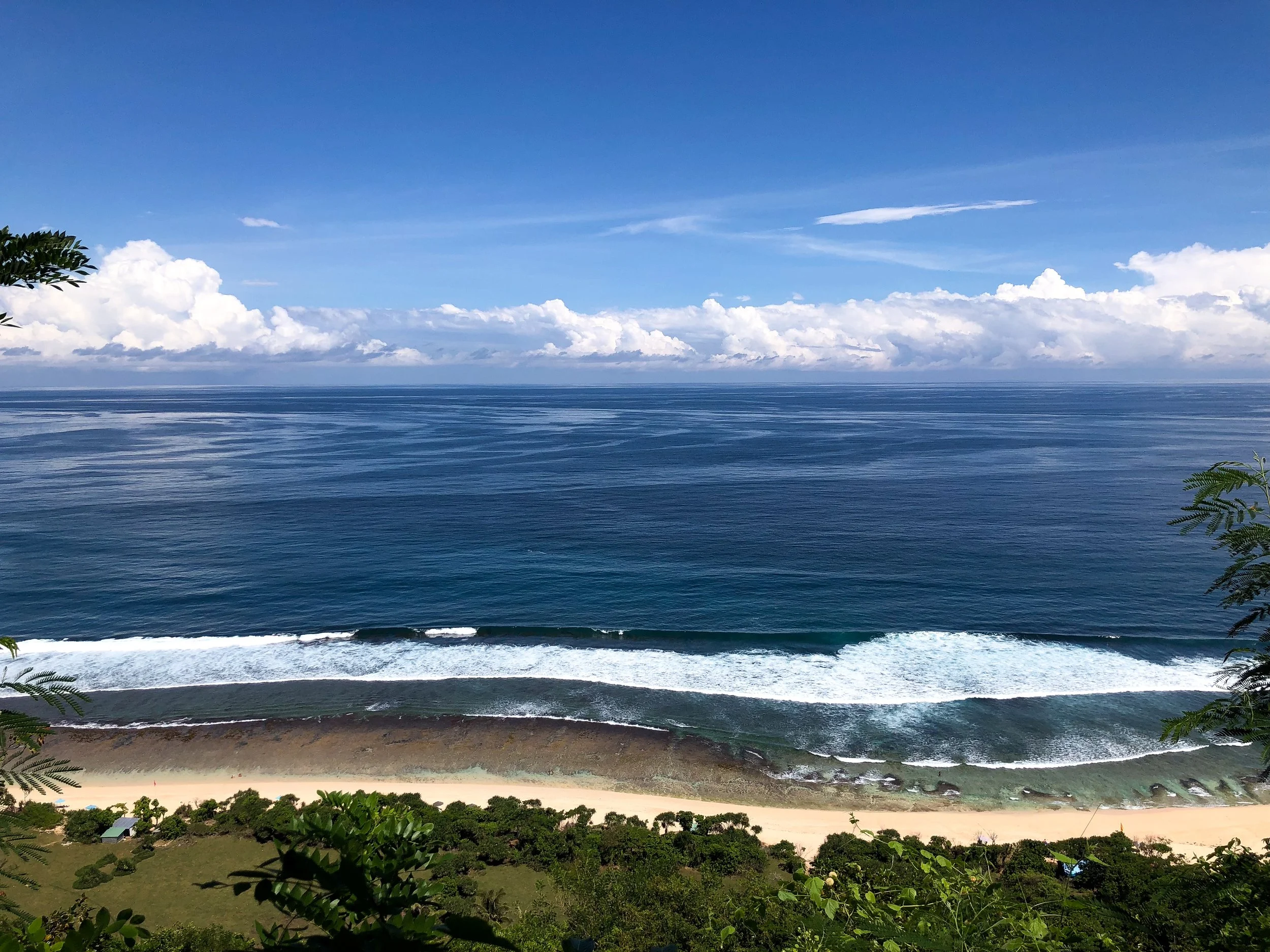
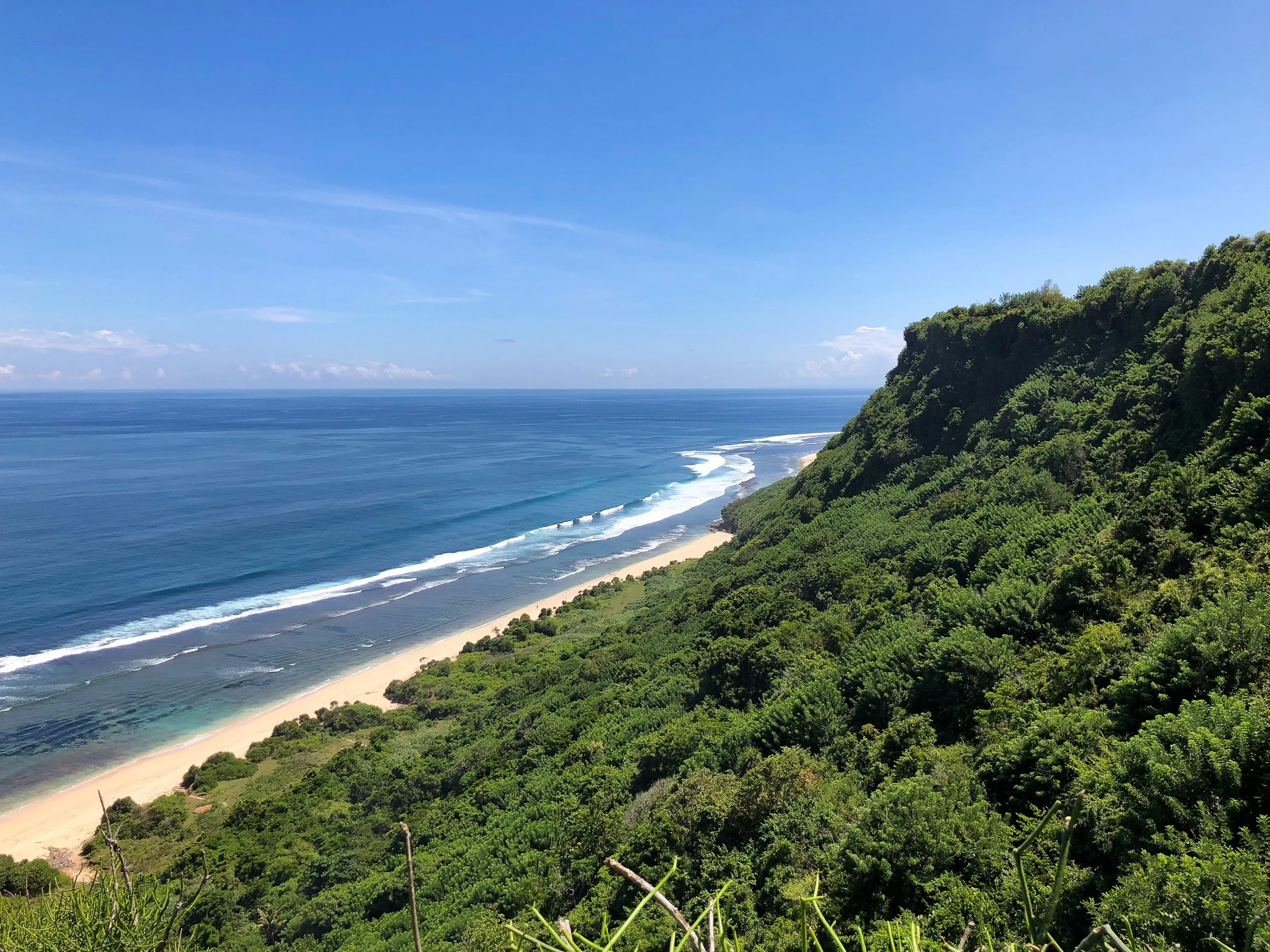
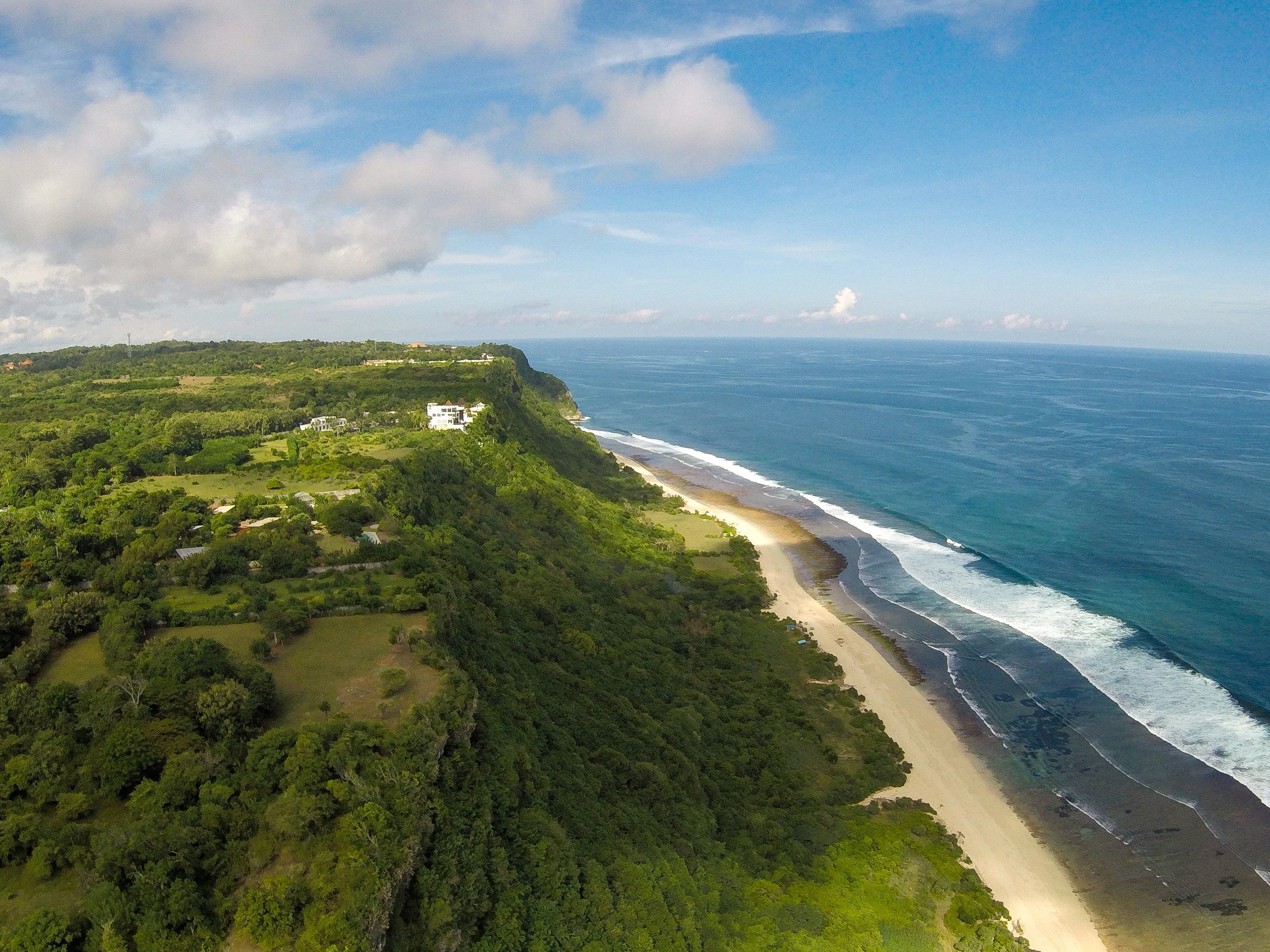
Nyang Nyang Beach. A remote and lengthy golden sand beach nestled beneath a verdant cliff overlooking the Indian Ocean. It's separated into two halves by jagged rocks.
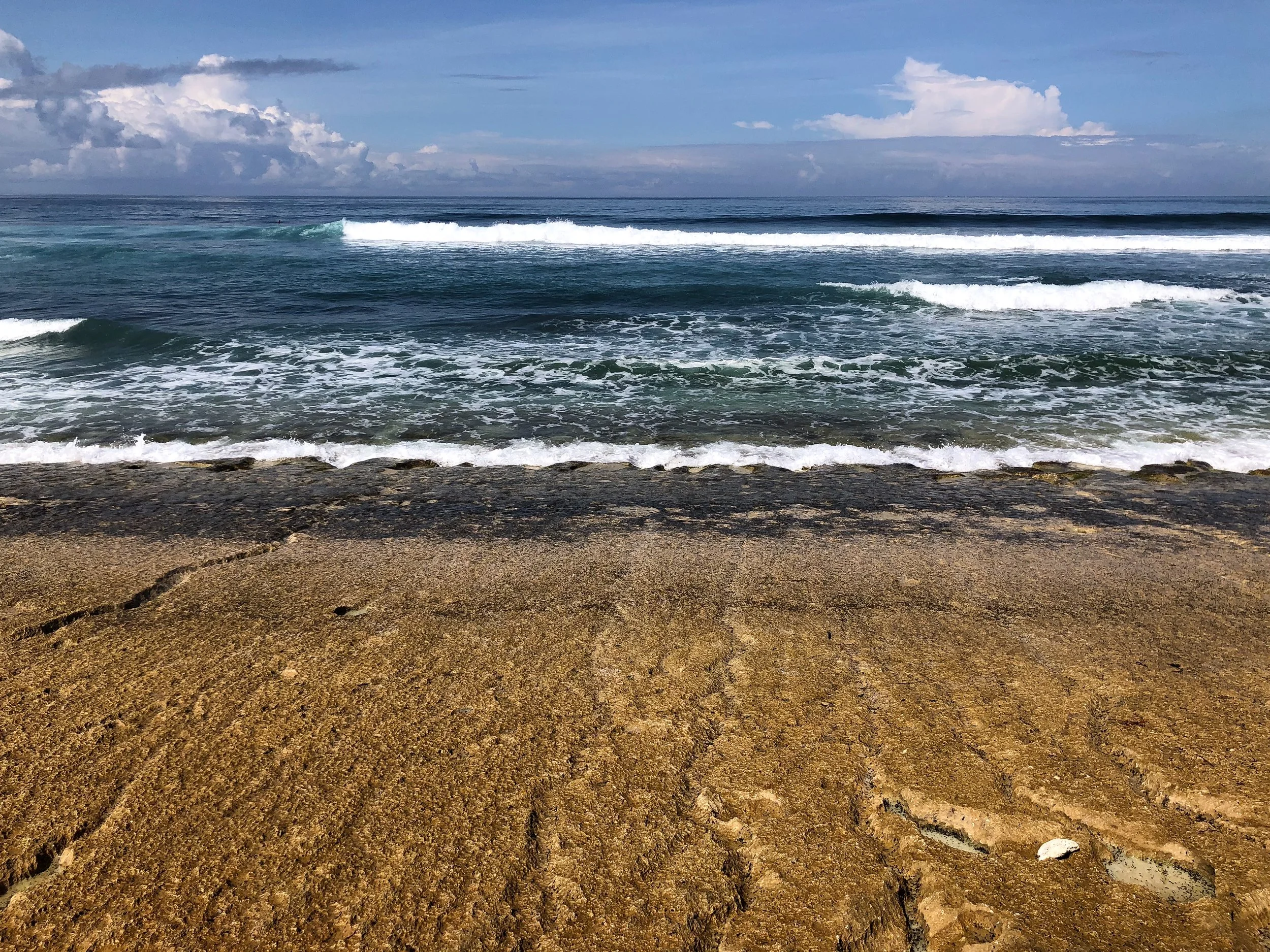
Nyang Nyang Beach West. This beach is perfect for near total seclusion. The sounds of large crashing waves make it a calming place to sunbathe but dangerous to swim. The sandy shoreline transitions into bedrock at the water with rock pools during low tide. The beach is relatively undeveloped though some warungs, bars and hotels have recently popped up selling beverages, snacks and offering a shaded retreat from the sun.
Getting Here. The beach takes some effort to reach. It’s only accessible on foot or by scooter via a steep gravel roadway just beyond the Nyang Nyang Beach Parking Lot.
Things to Do
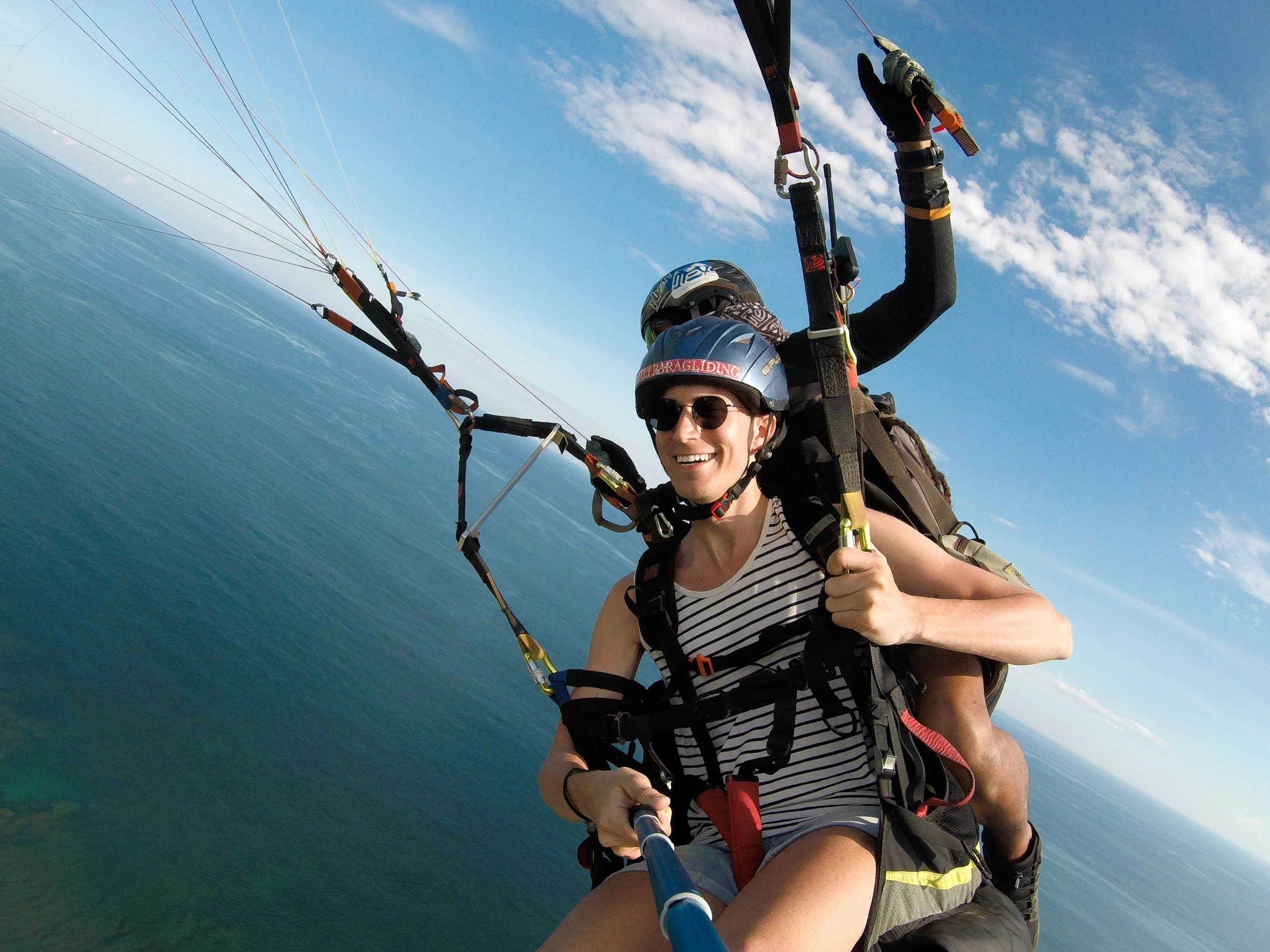
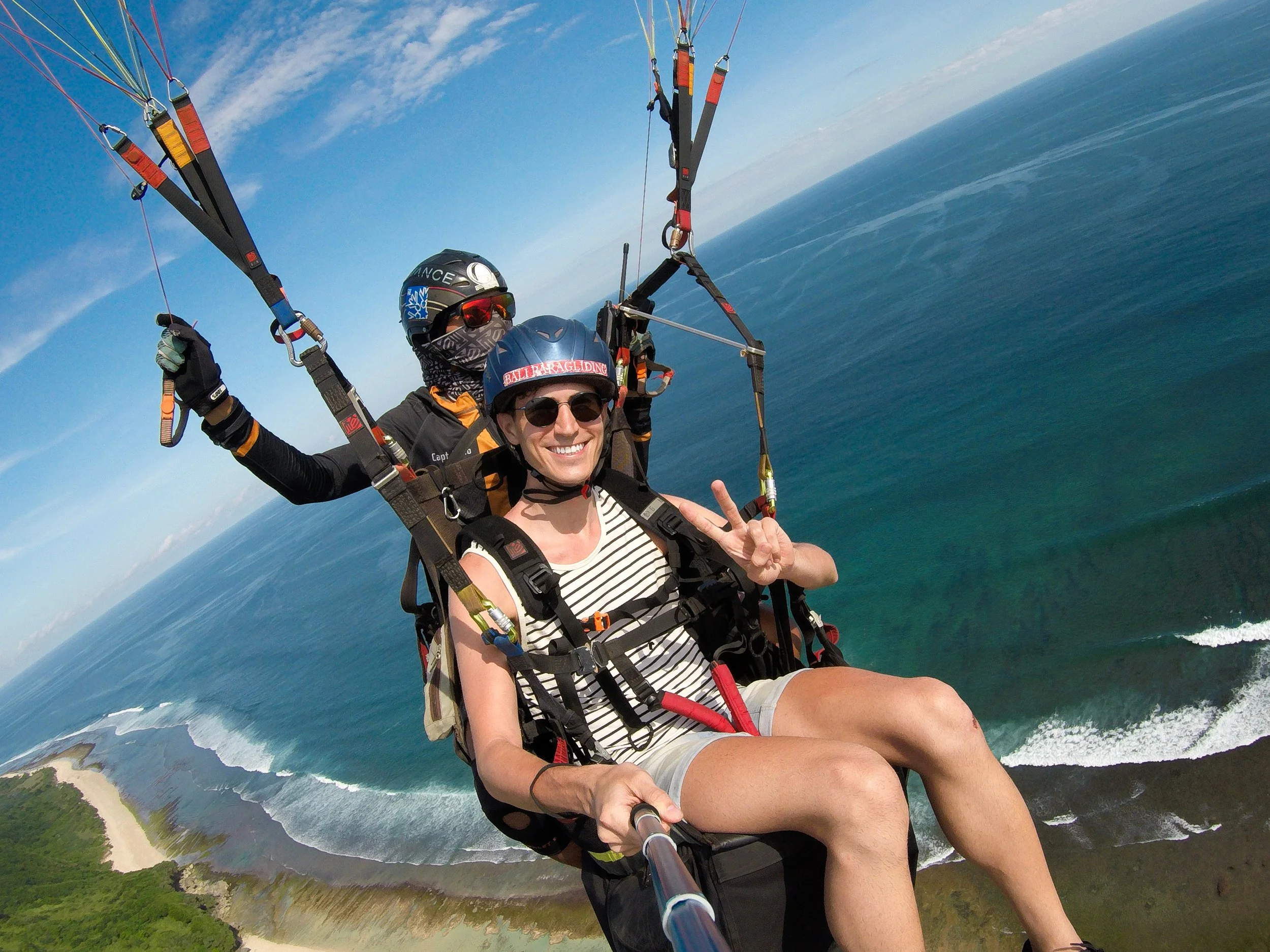
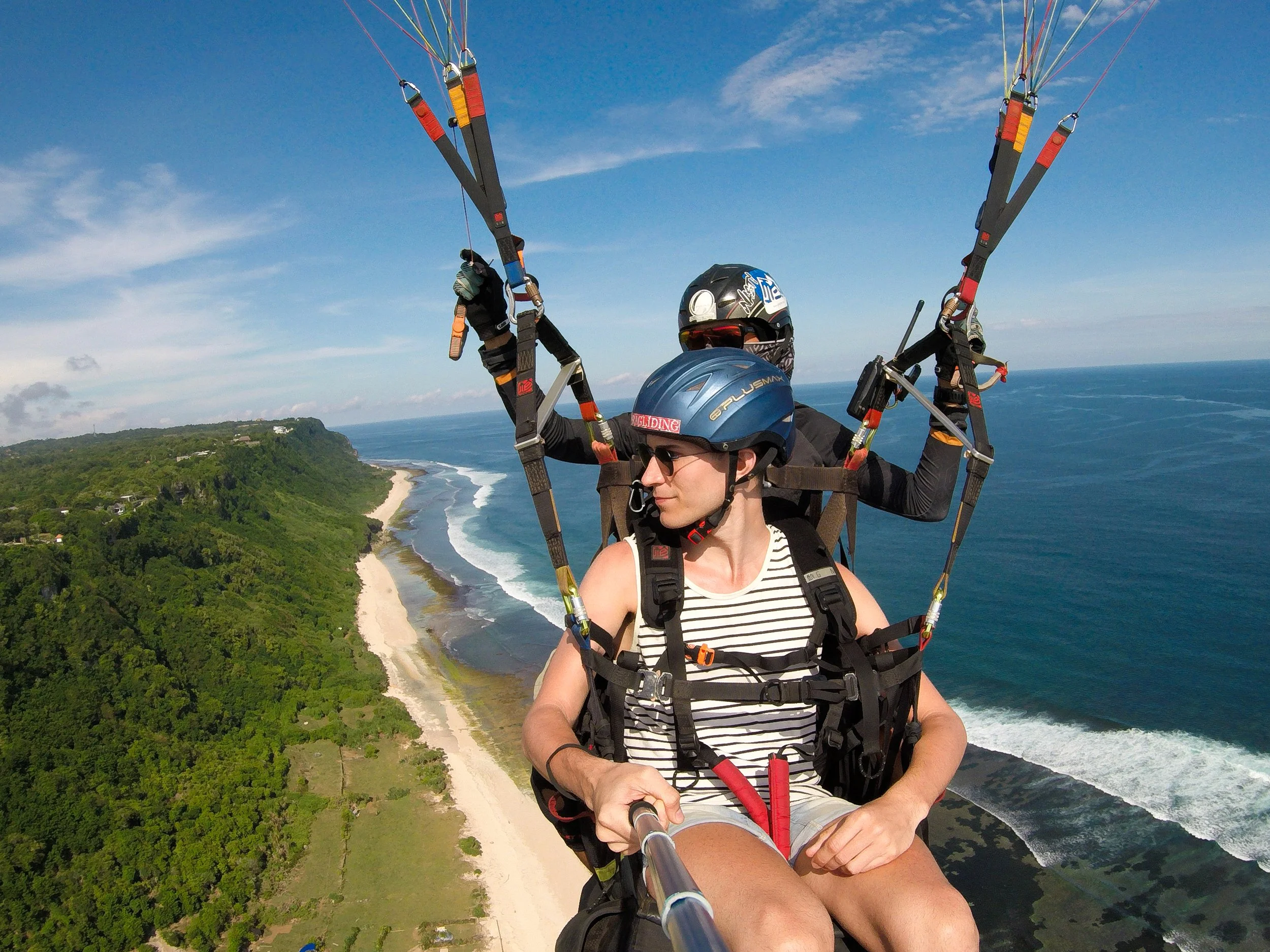
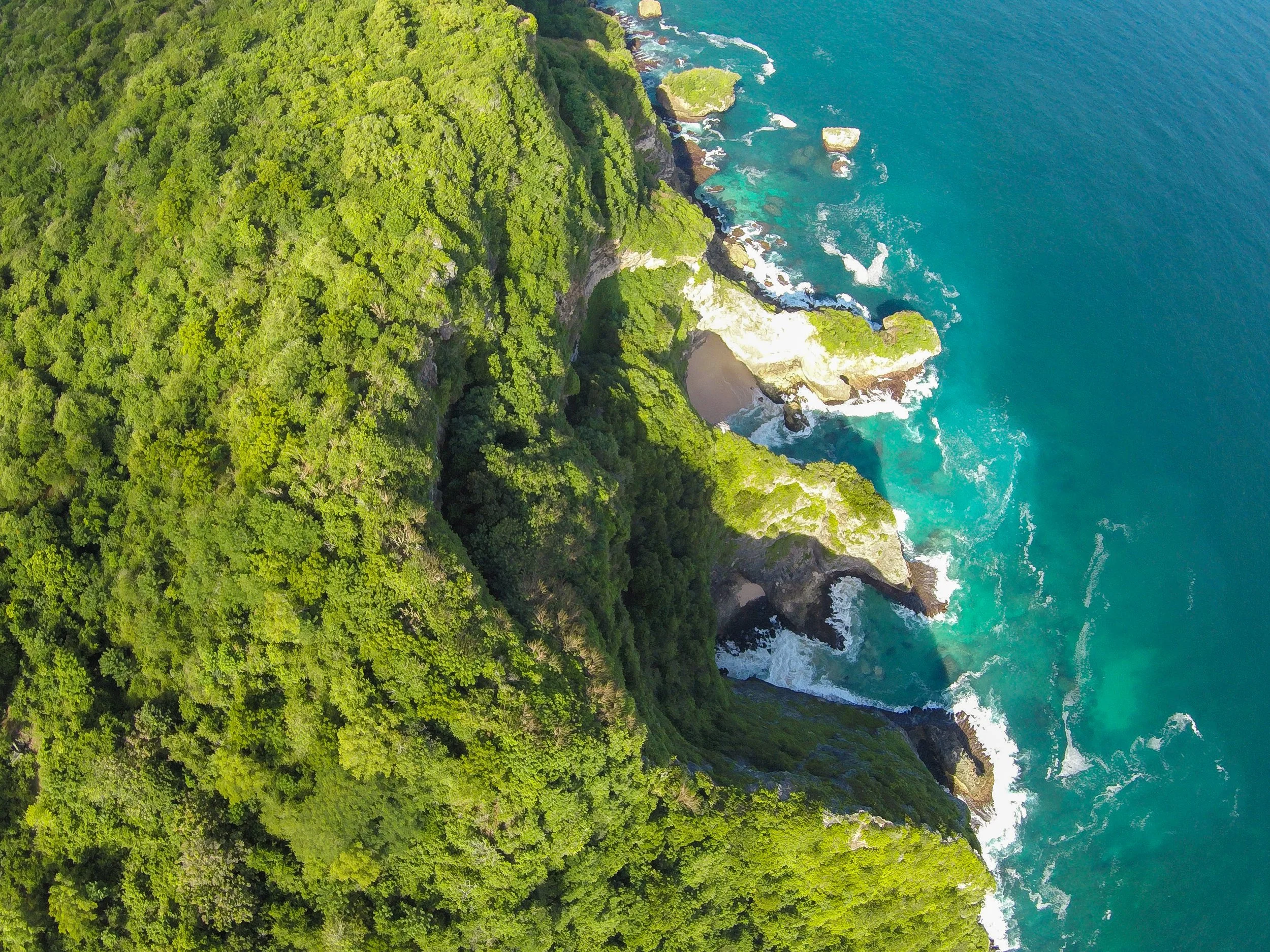
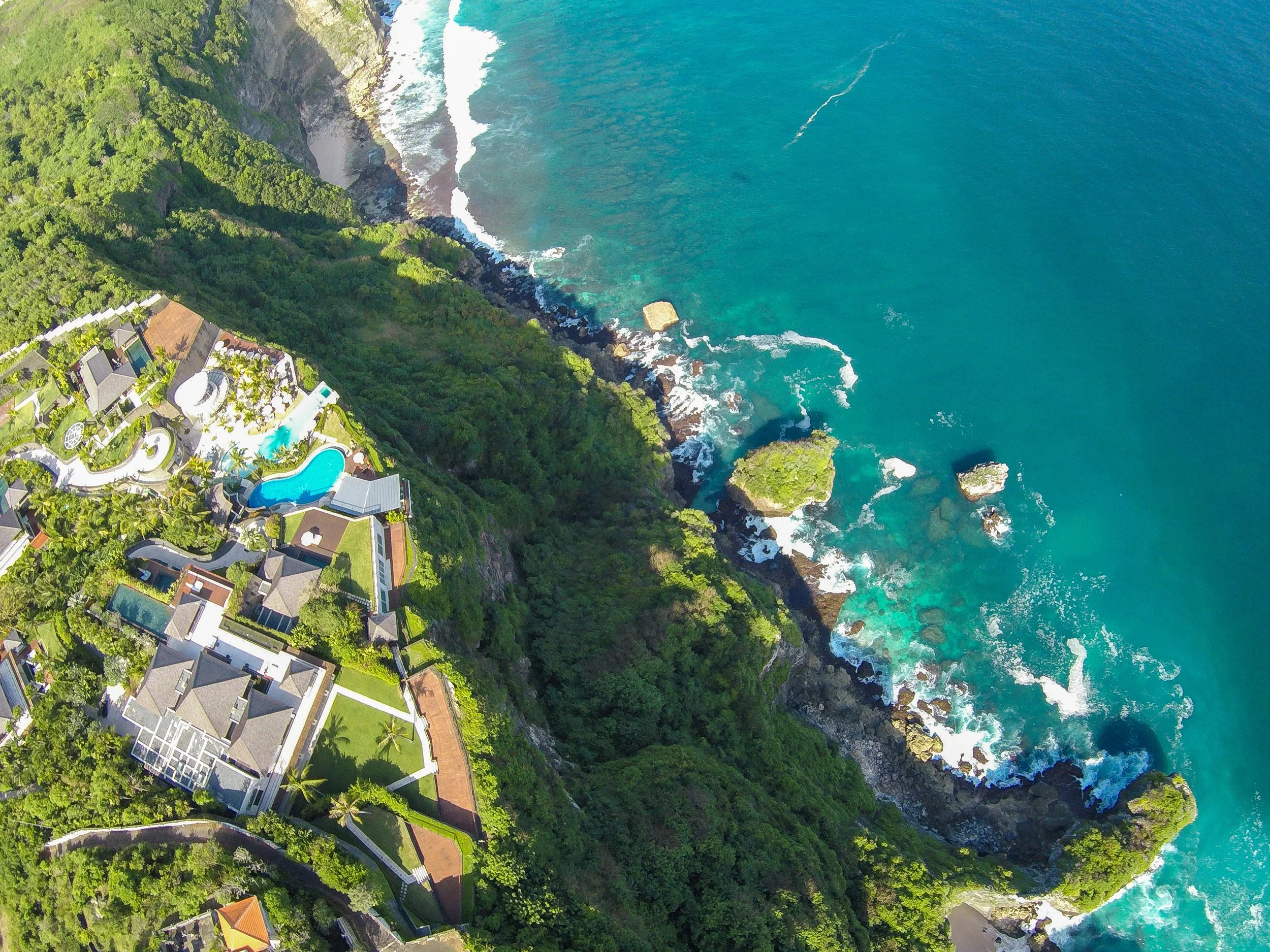
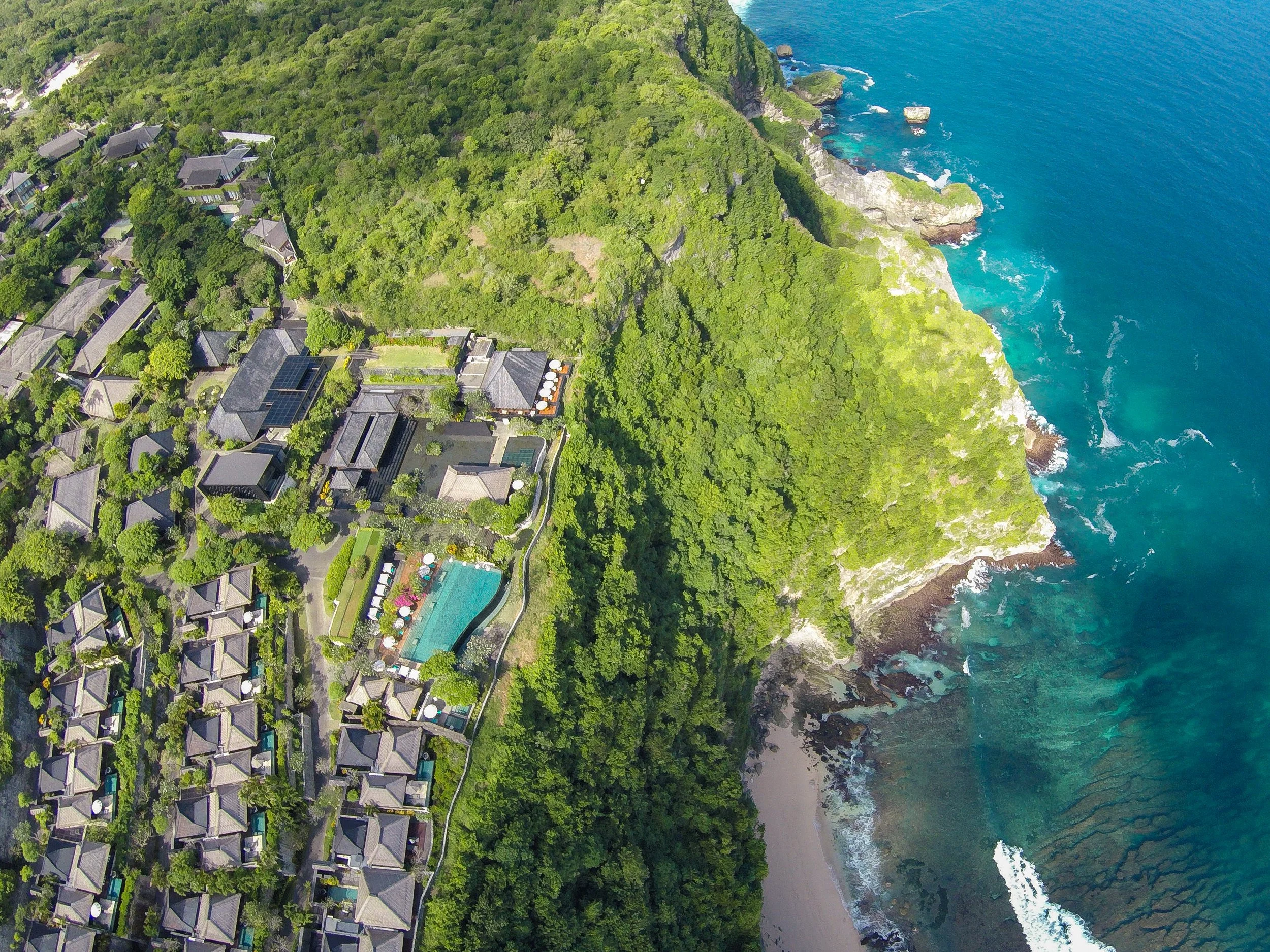
Nyang Nyang Paragliding. The southern winds hitting Nyang Nyang’s cliff make it an ideal spot for paragliding. Tandem flights soar several hundred feet above the dramatic cliffs and rugged coastline flanked by deep blue ocean. If the conditions are right, the pilot will perform some aerobatics such as spiraling and spinning the parachute. Our flight lasted 20 minutes and included a package of photos and videos. Book ahead of time with Bali Paragliding Tandem.
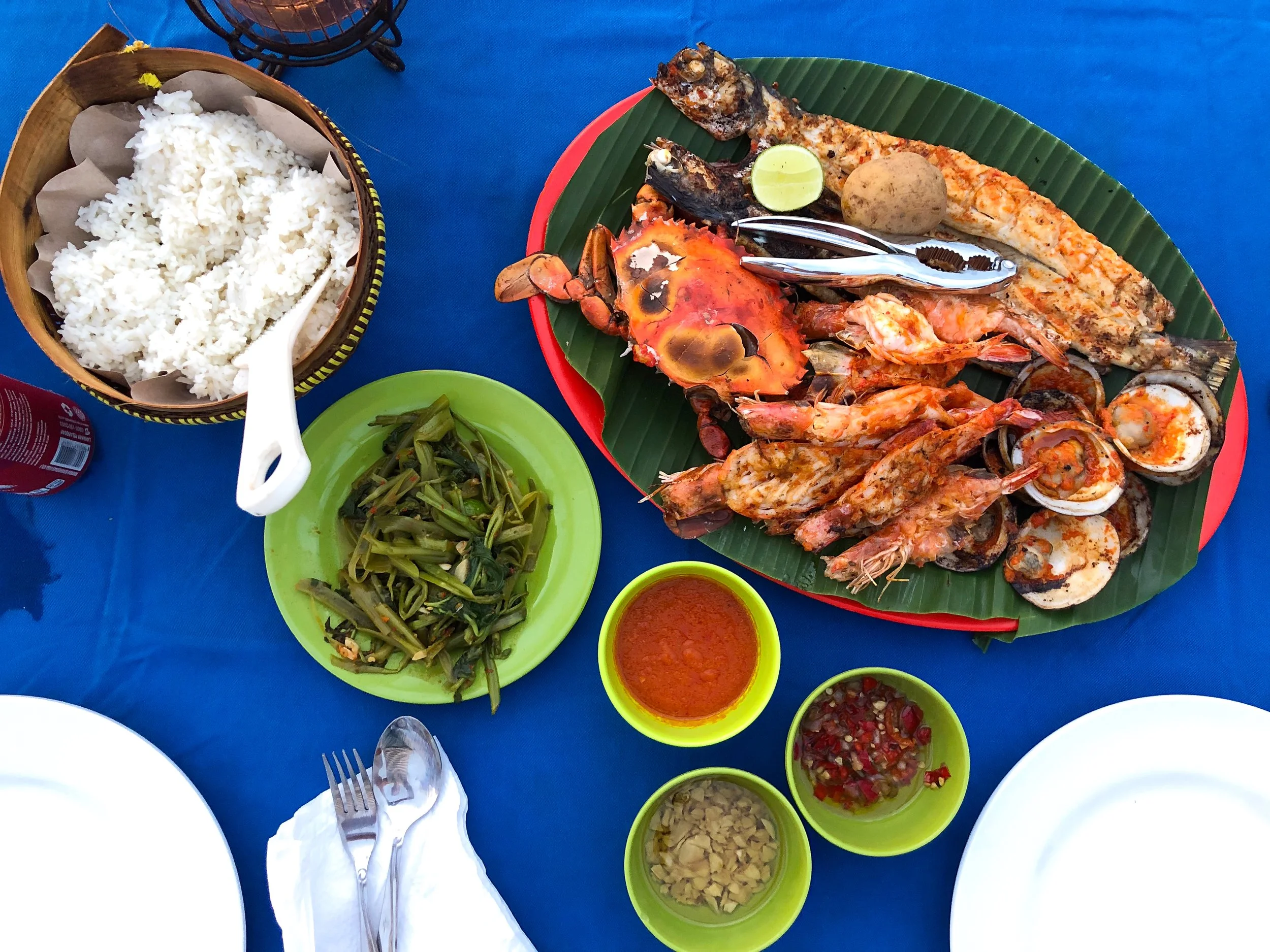
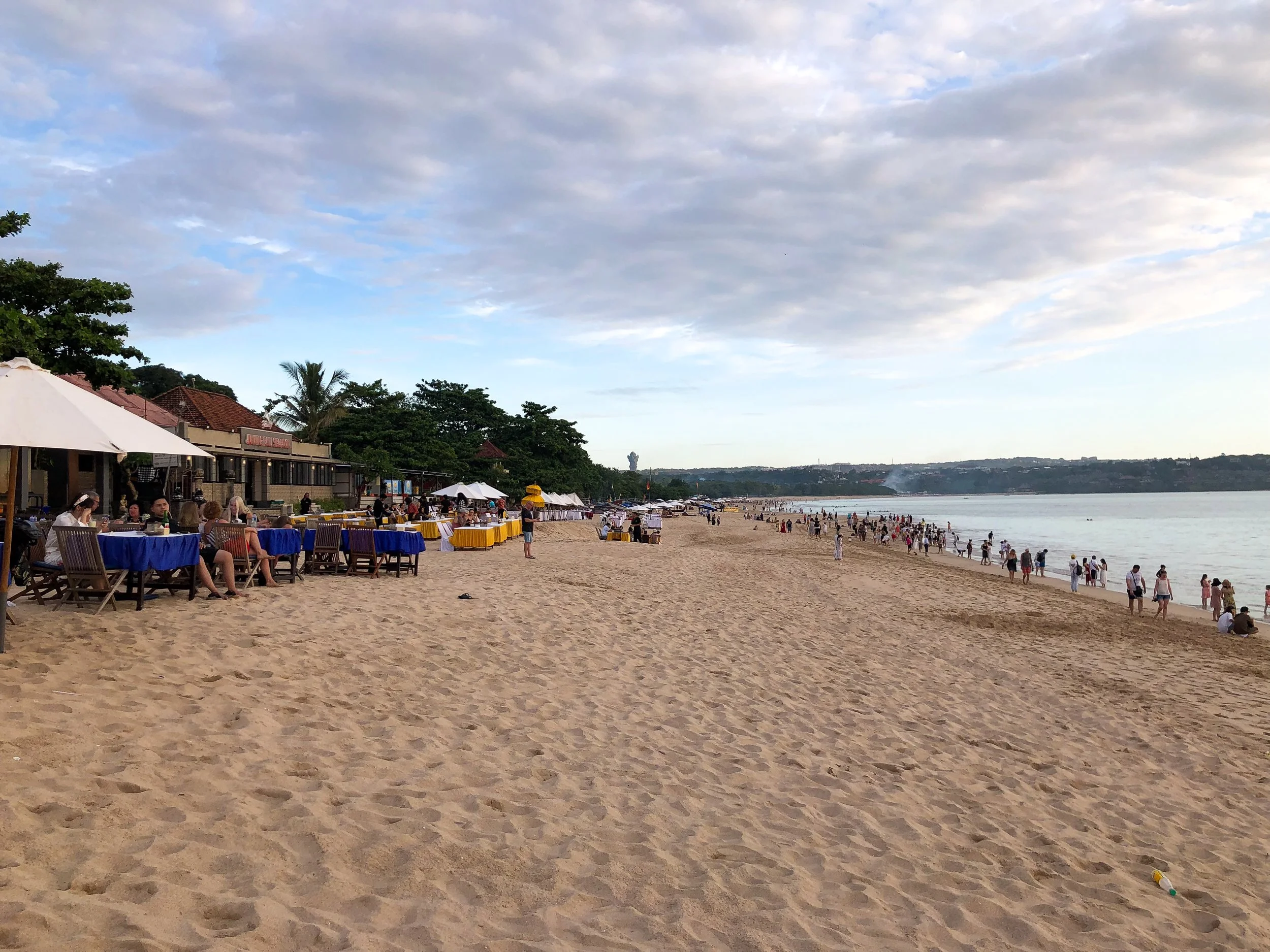
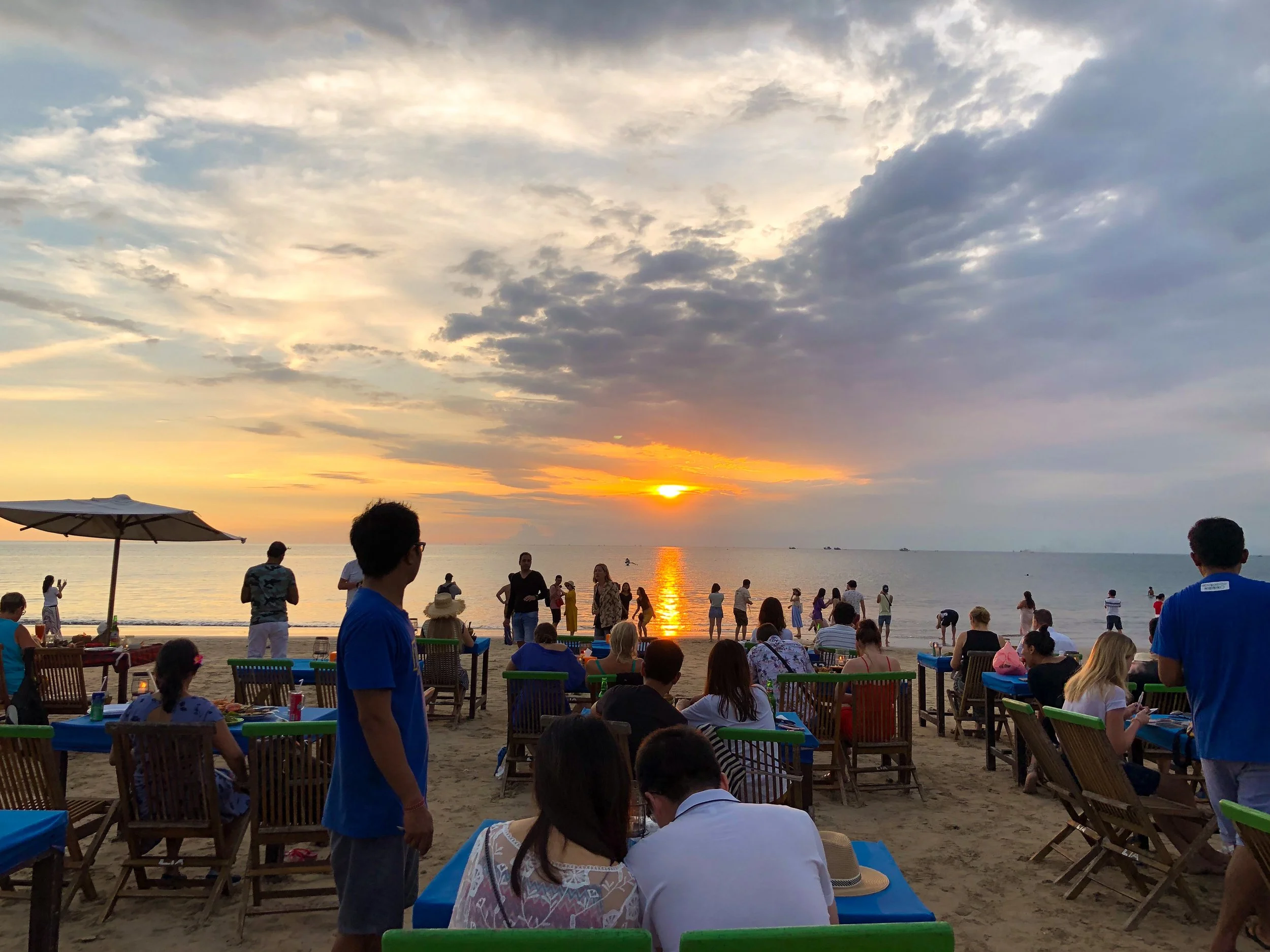
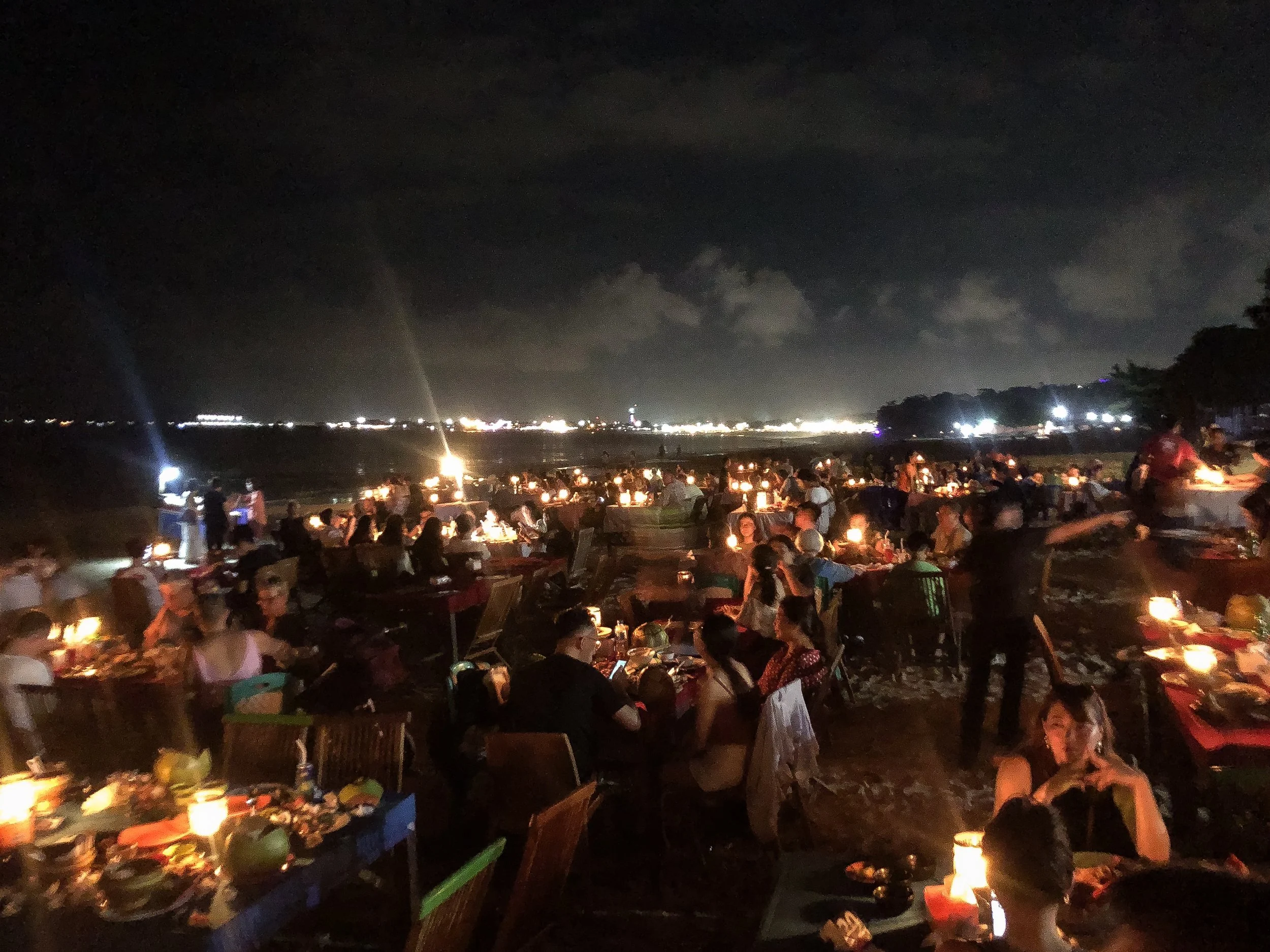
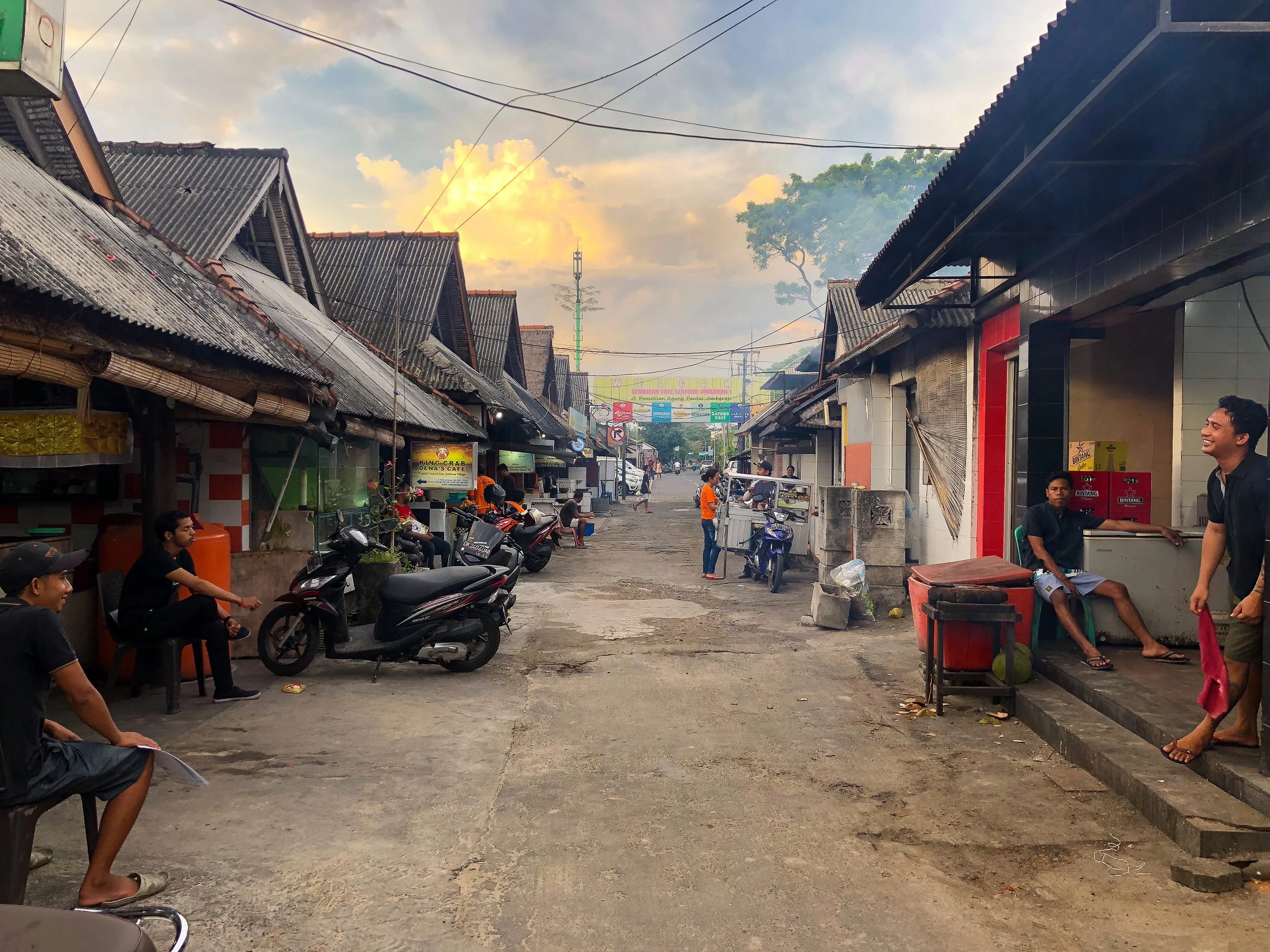
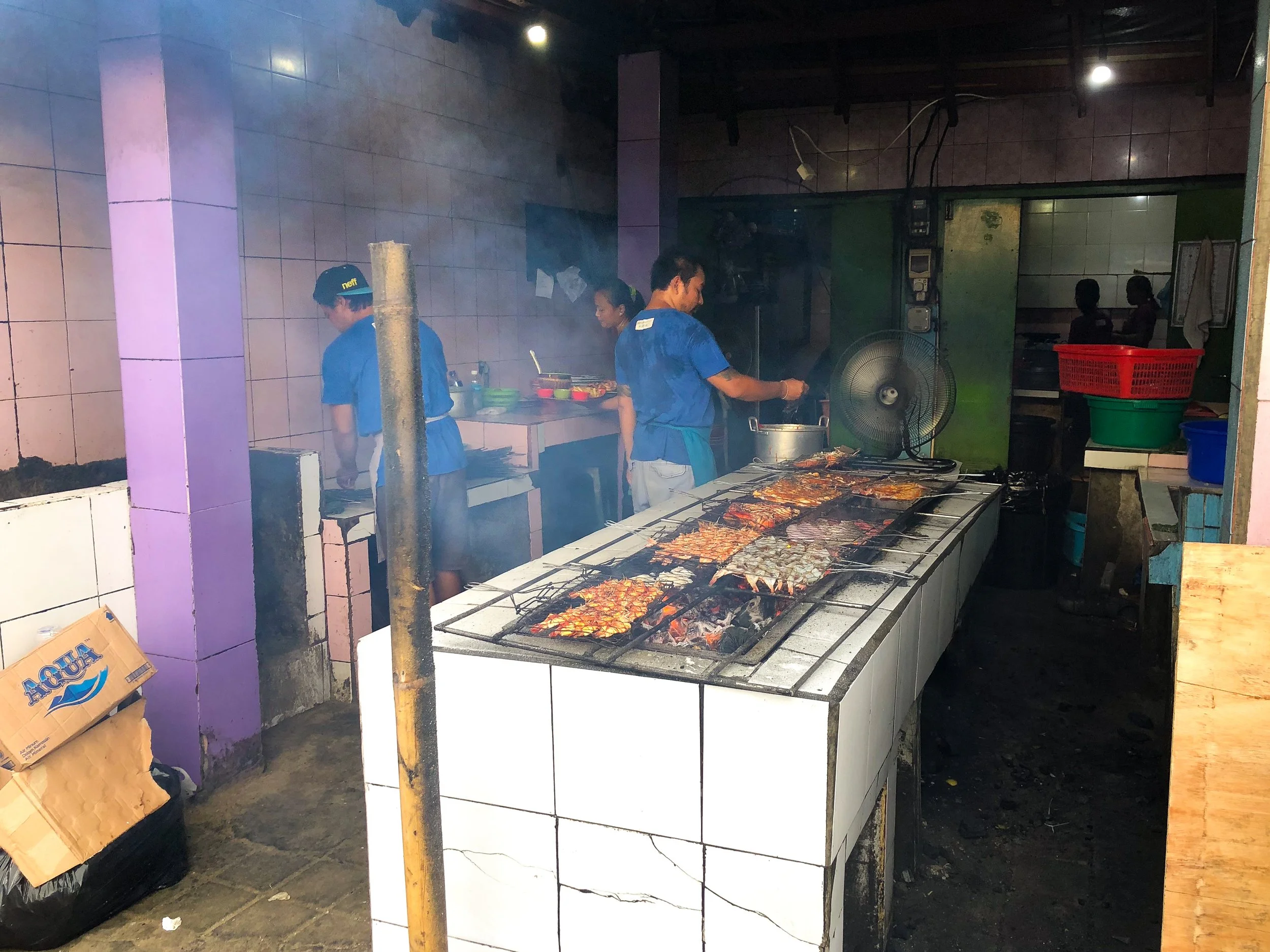
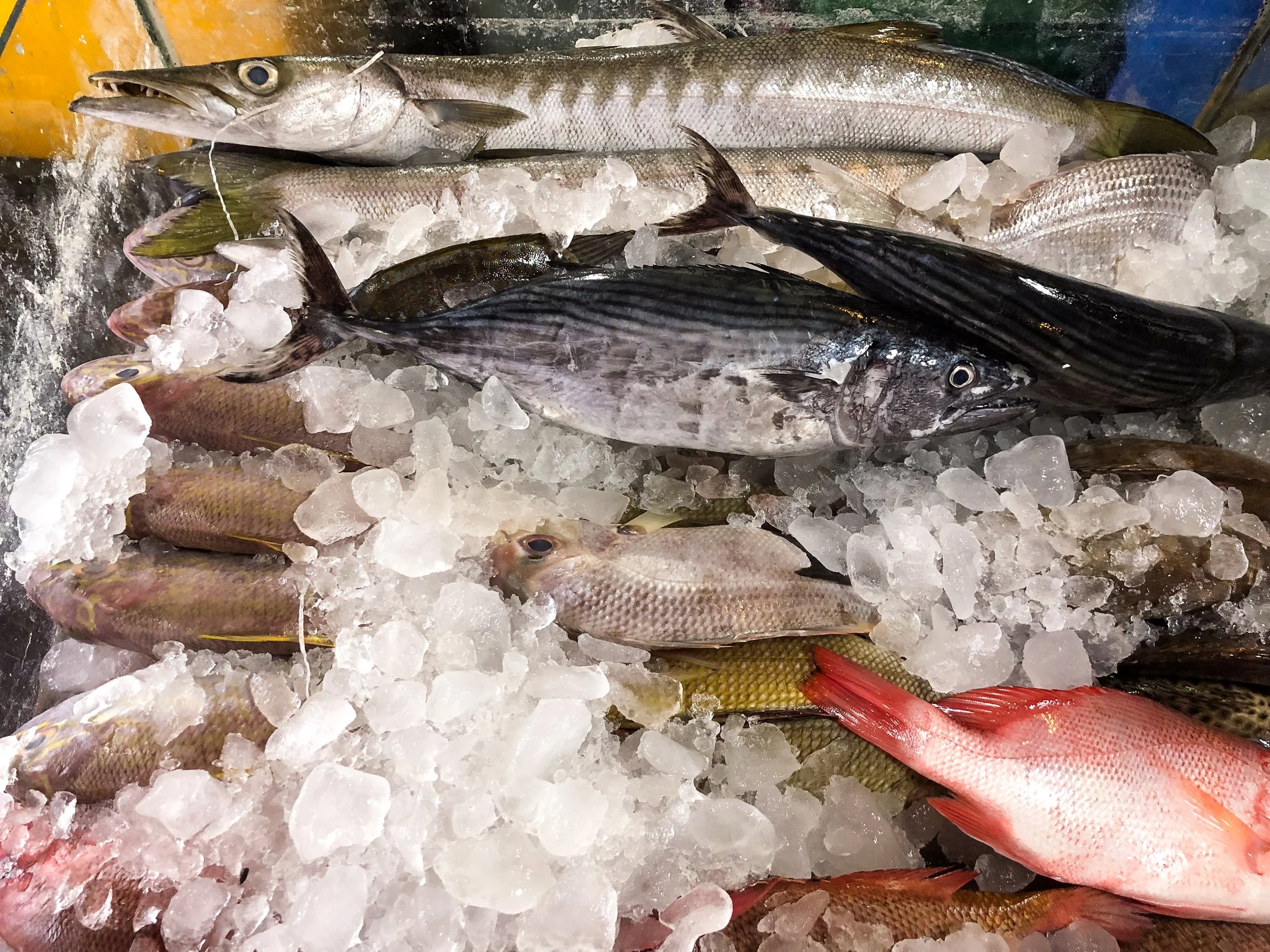
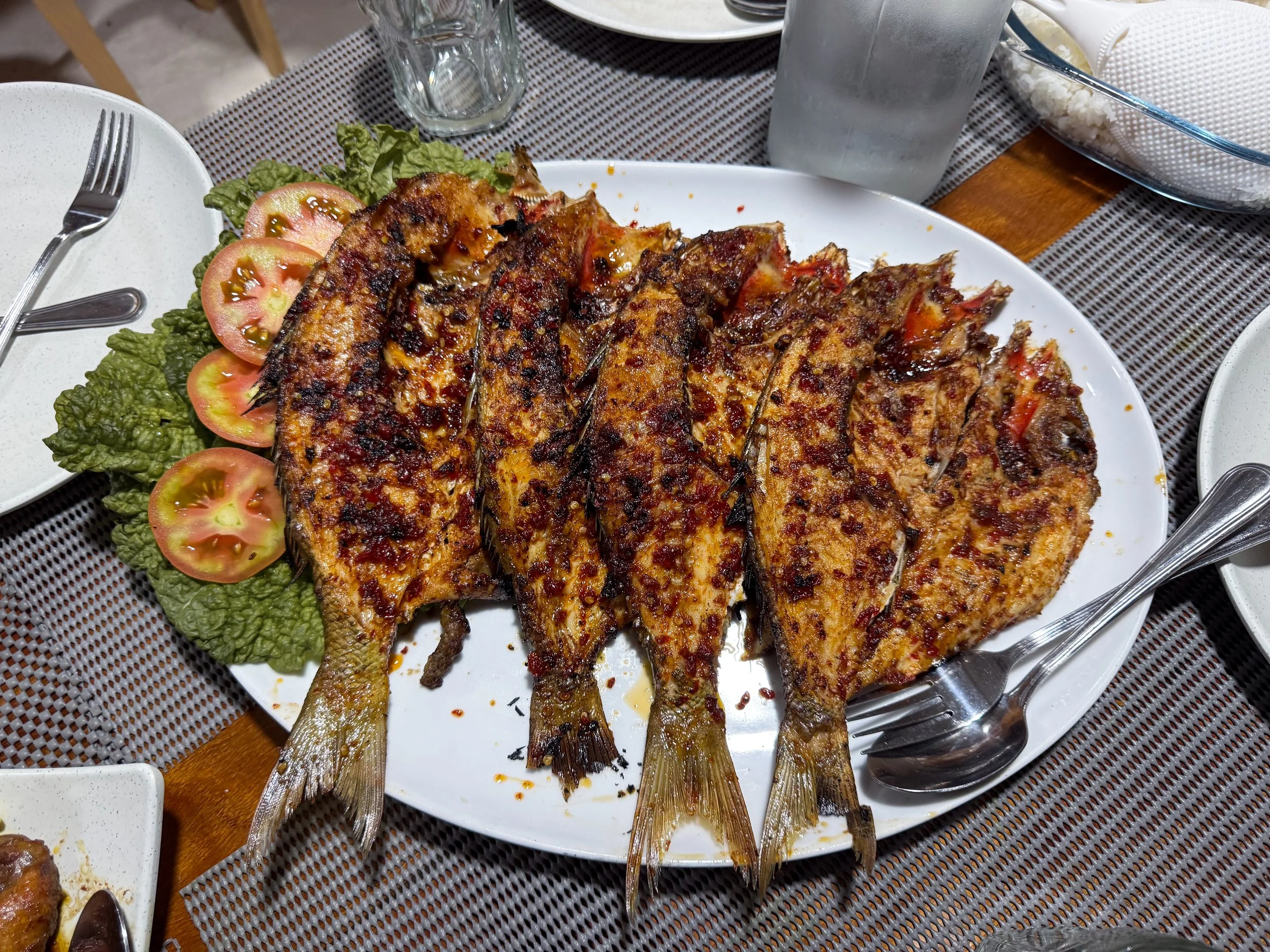
Jimbaran Seafood. Jimbaran Beach is home to a fishing village lined with restaurants, vendors and kiosks barbecuing all types of freshly caught and live seafood. Smoke wafts through the air from large grills while cooks fan smoldering coconut husks. We shared a platter with a whole crab, prawns, barracuda and oysters plated on a banana leaf.
Good to Know. The best options are located towards the south end of the beach. The seafood is cheaper, the atmosphere is more local and you can dine directly on the beach. Avoid the higher end restaurants towards the north side, they’re tourist traps.
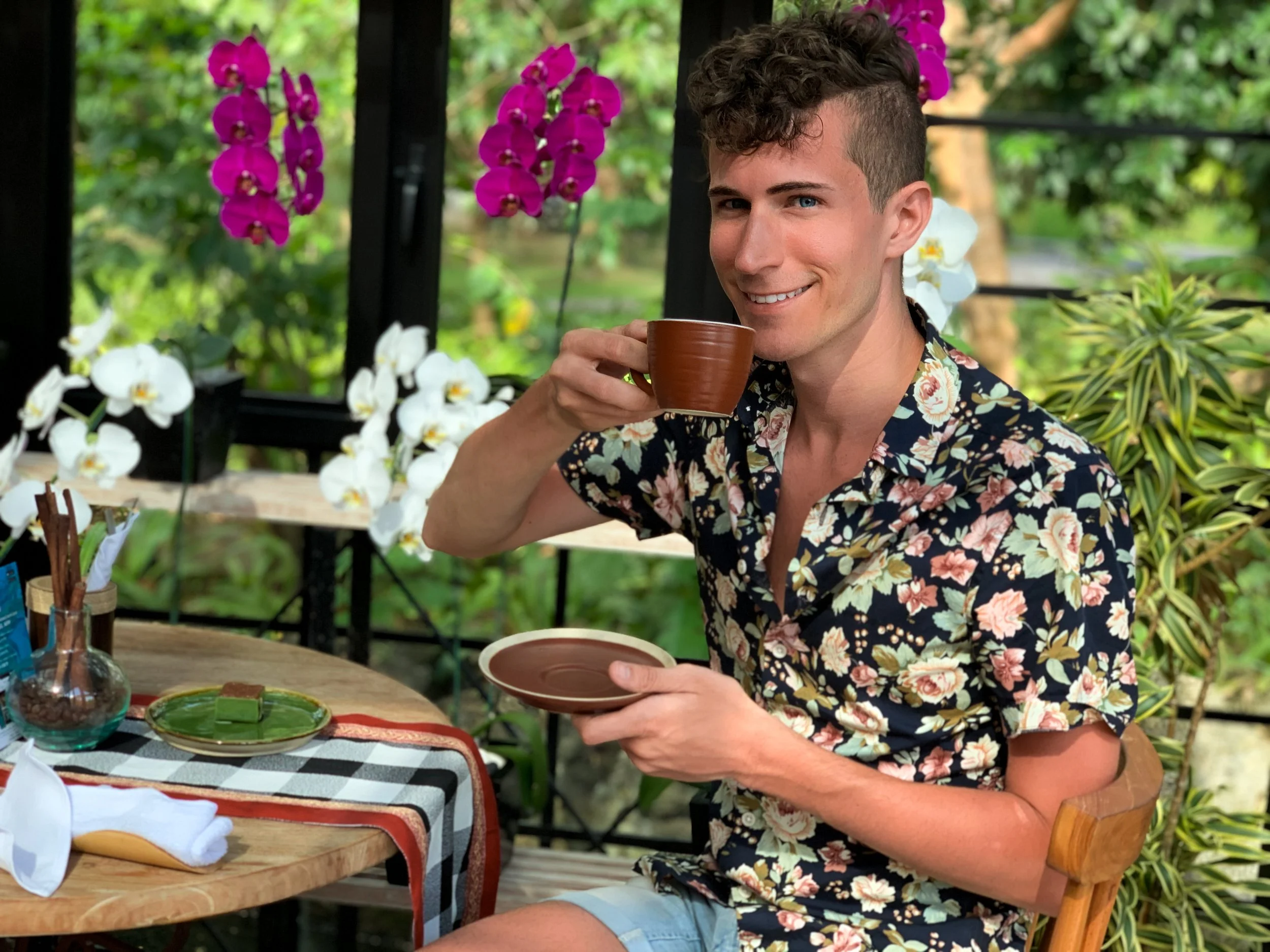
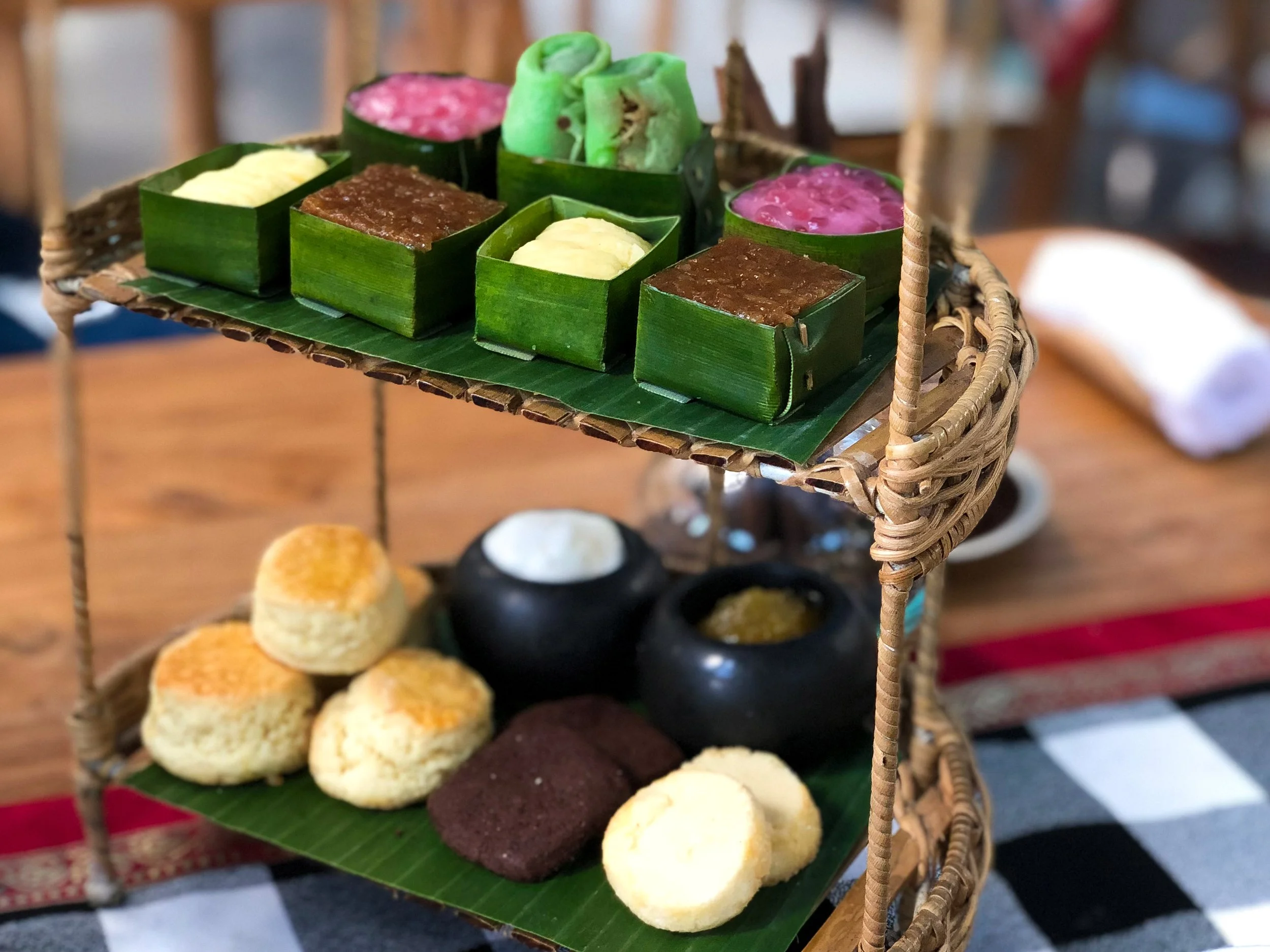
Bali High Tea. For an elevated experience, visit the Orchid Tea Lounge, a tea room in a modern greenhouse decorated with hundreds of blooming orchids. The tea service was especially cute with all the cakes, sandwiches and treats either wrapped in or served on banana leaves. Make a reservation ahead of time.
Getting Around Bukit
The Bukit Peninsula is a remote area of Bali accessible by car and scooter. Its hilly landscape and congested roads make it difficult and time consuming to get around.
By Taxi. Hire a taxi driver while exploring the peninsula. They will wait for you after drop offs and be on call to pick you up. Taxis typically cost between $30-50 USD per day. Make sure to negotiate price ahead of time.
Rent a Scooter. Like throughout the rest of Bali, you can get around on a scooter. The only difference in the peninsula is that most places charge a small parking fee between $1-2 USD.
Where to Stay in Bukit
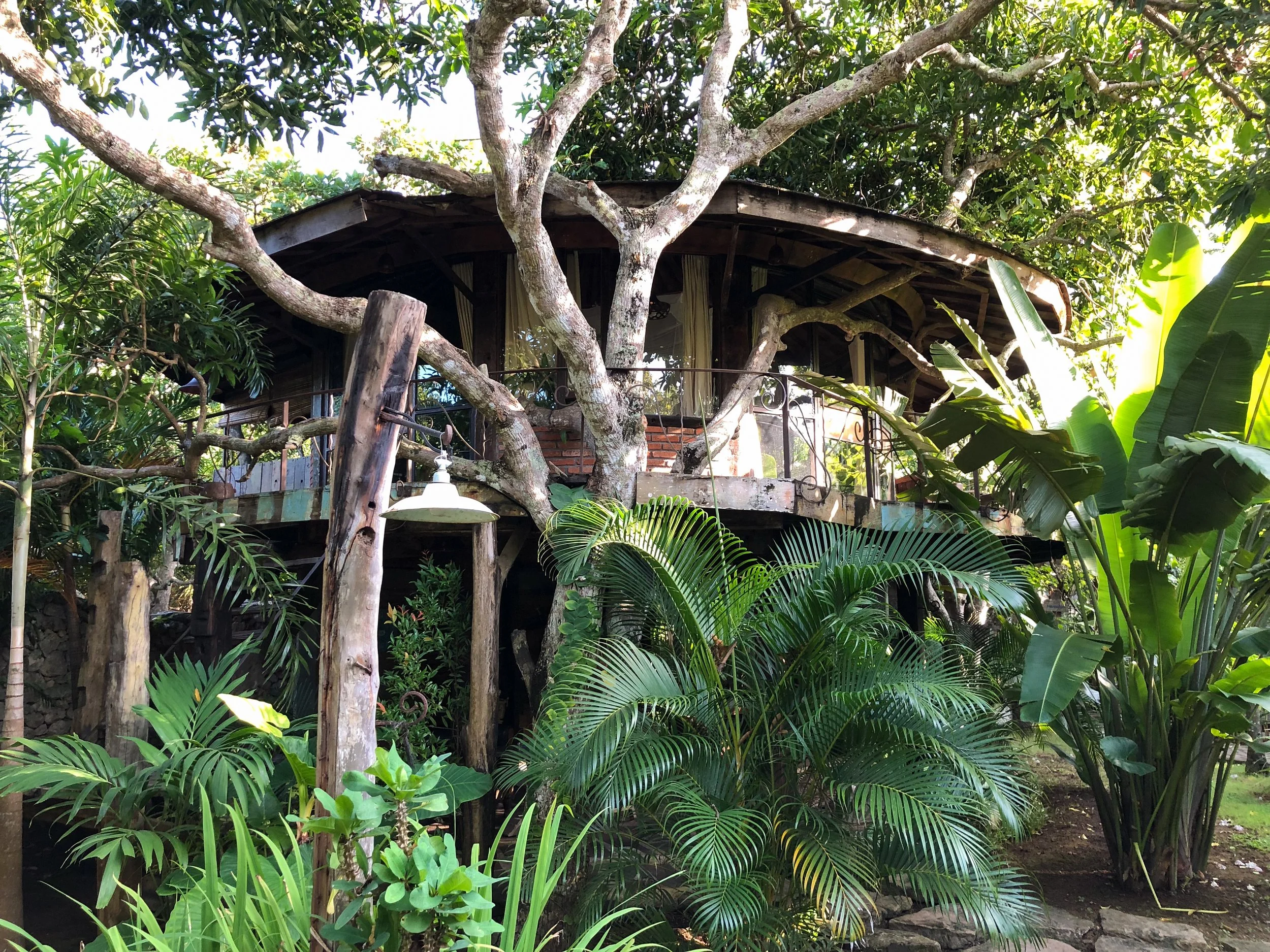
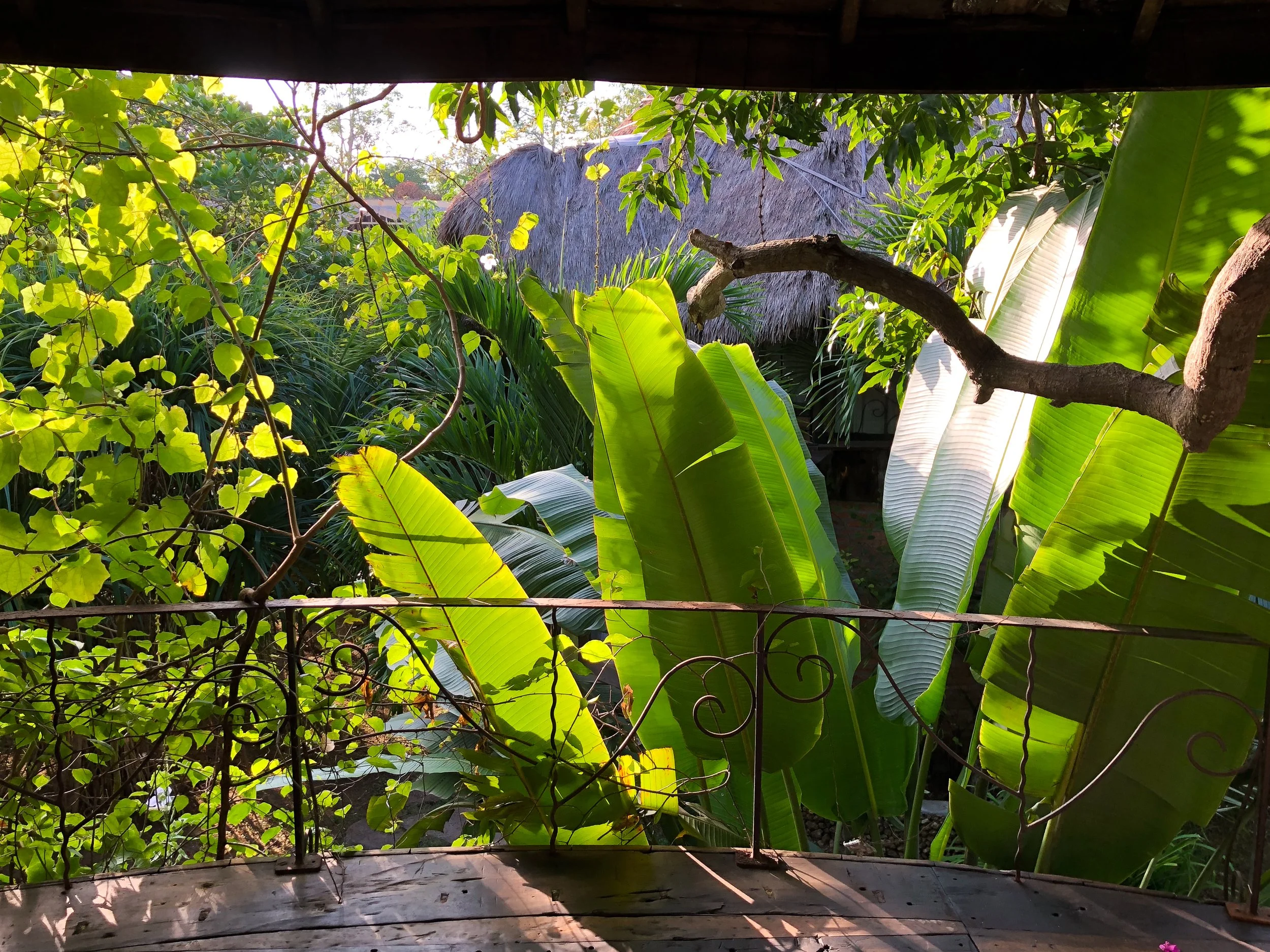
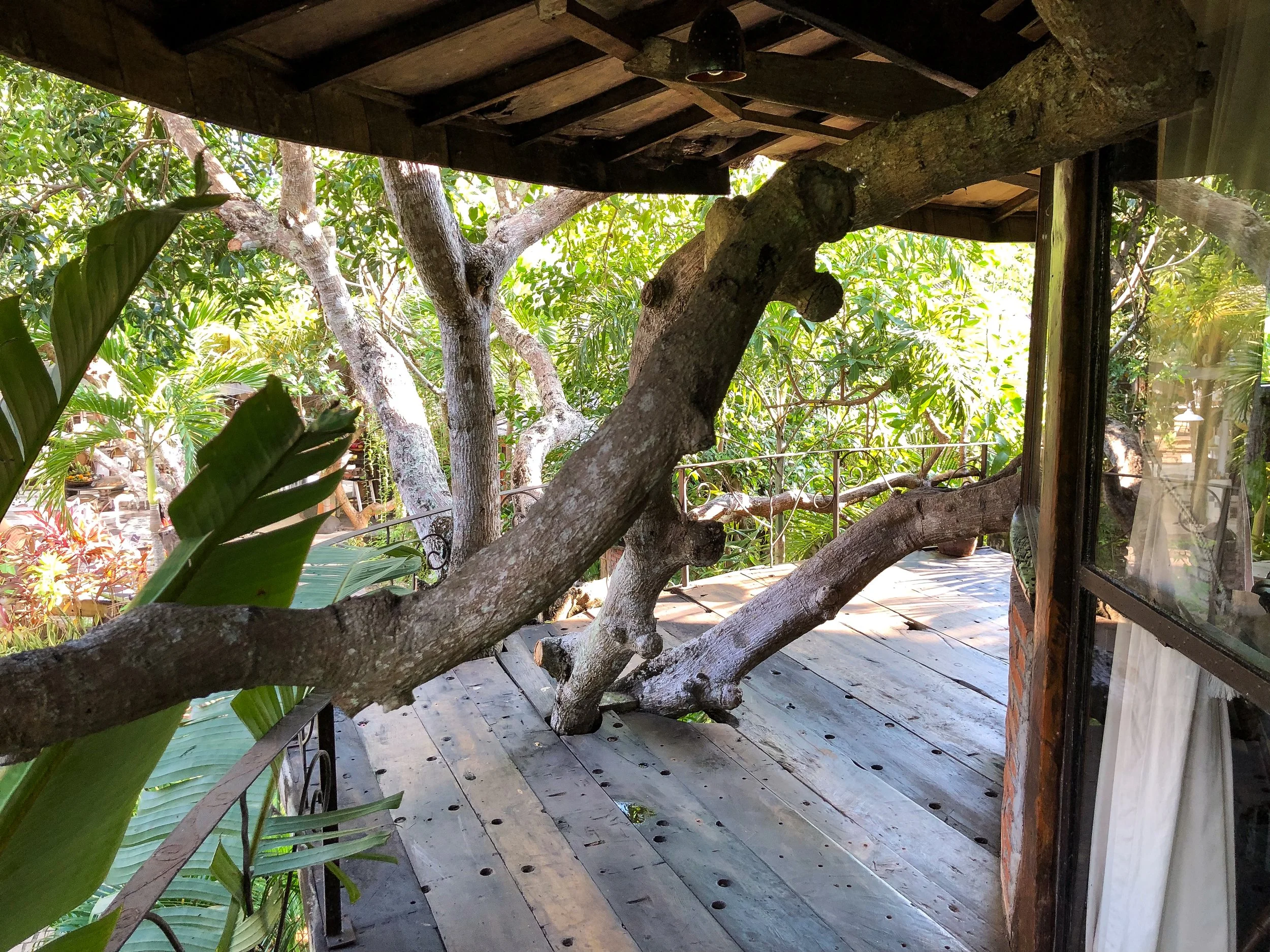
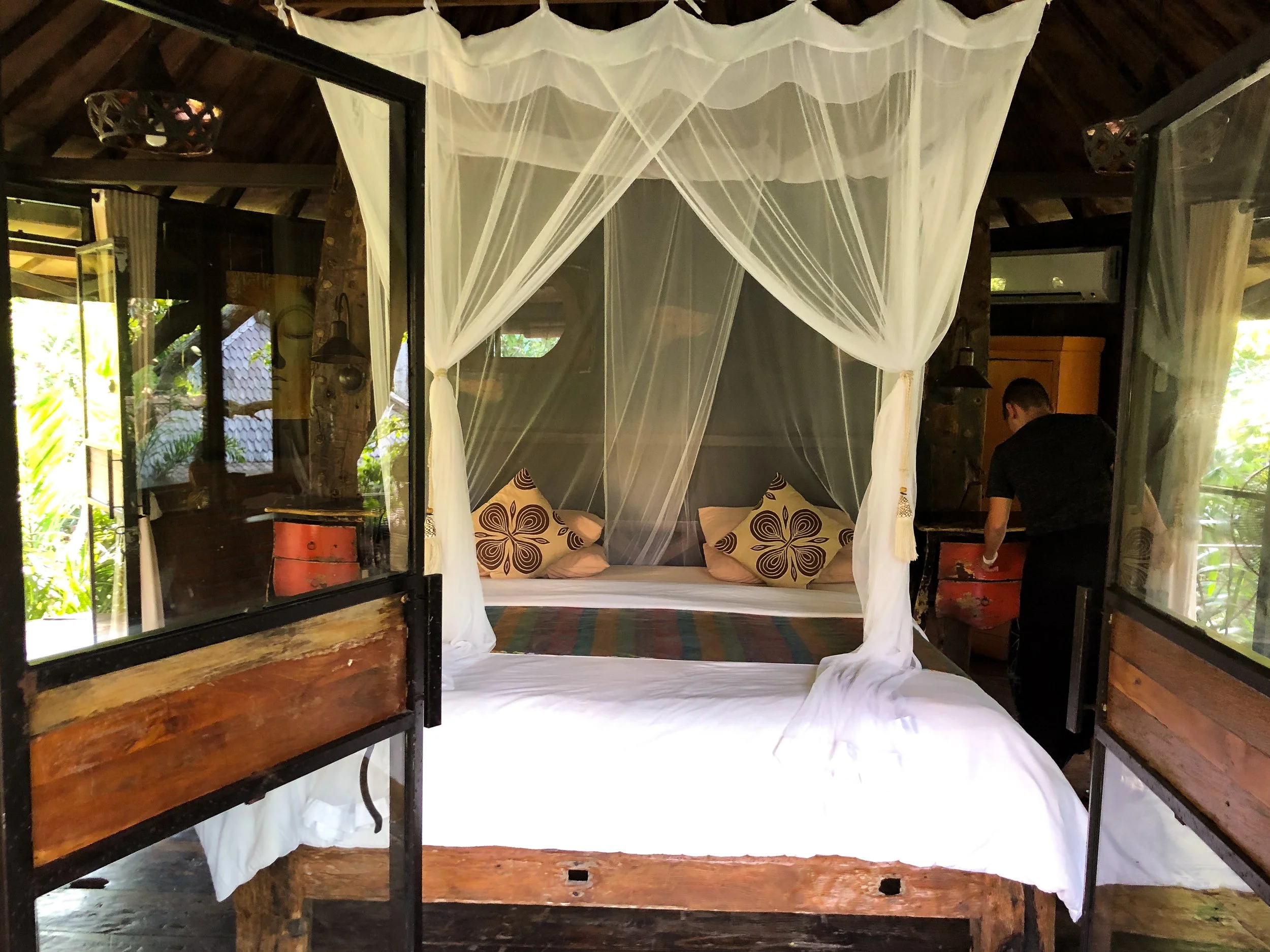
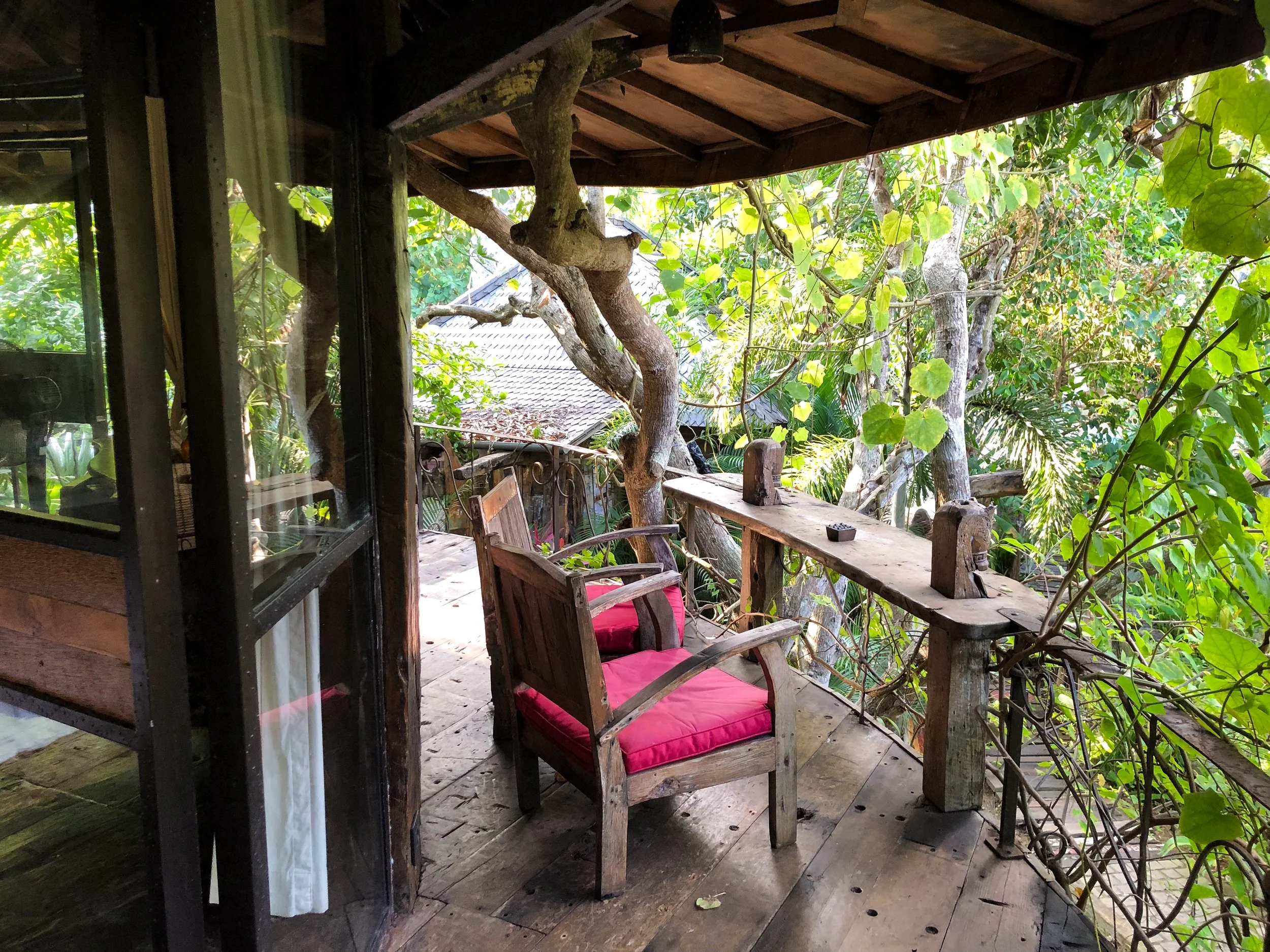
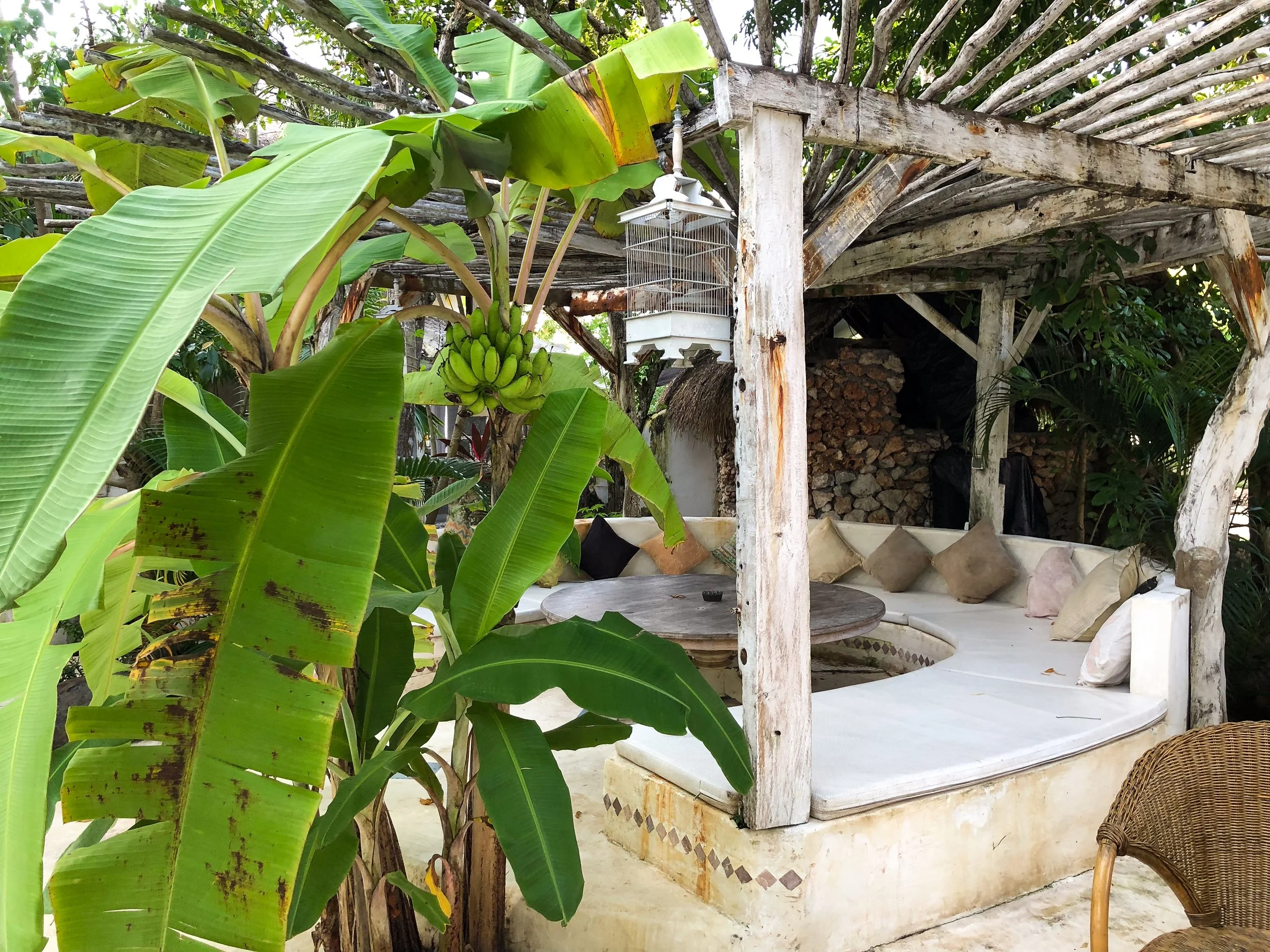
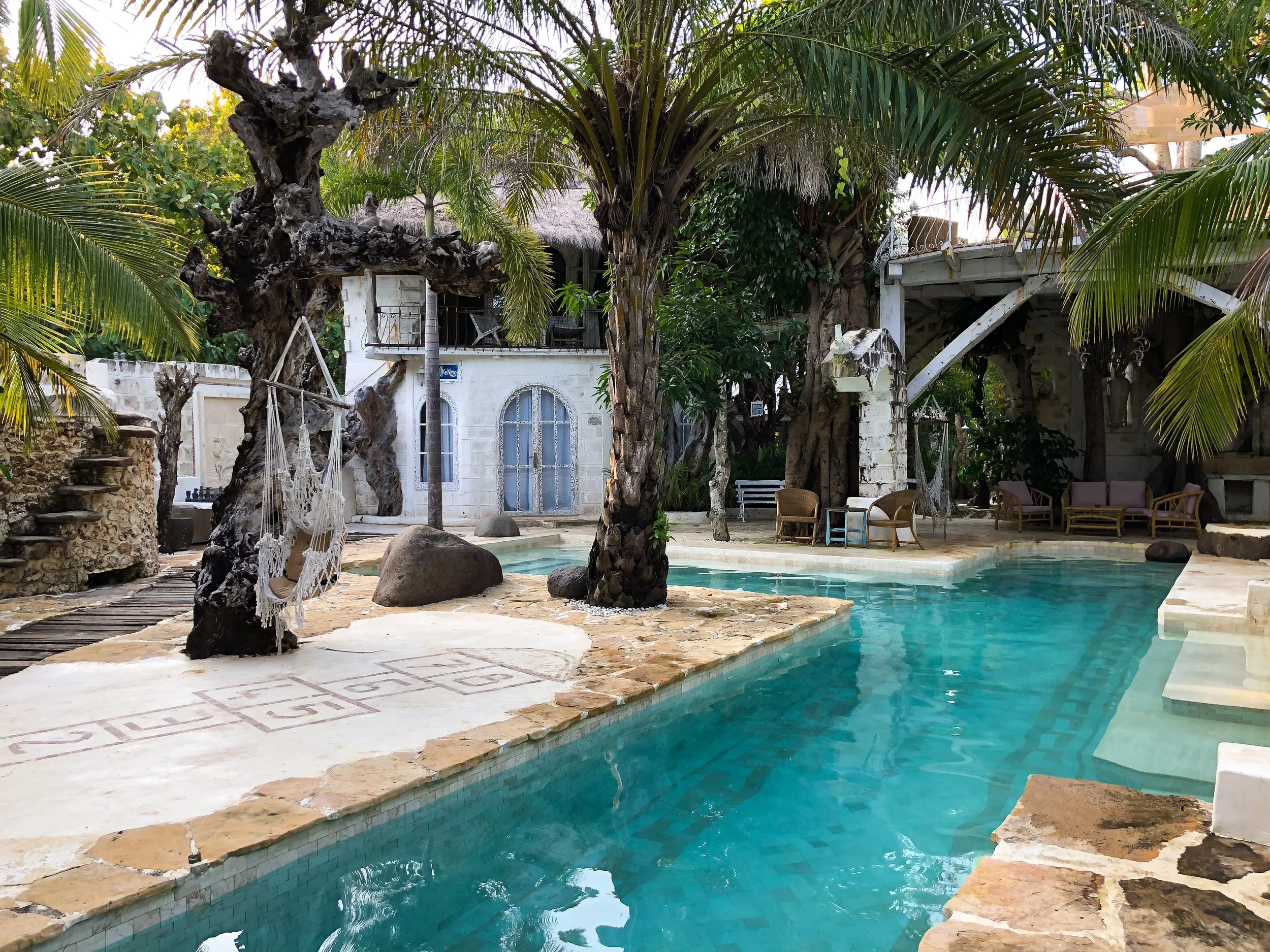
Magical Vintage Treehouse. A rustic treehouse surrounded by a massive mango tree with branches that poke through the walls, floor boards and ceiling. There is a shared pool between the treehouse and neighboring villas as well as a restaurant and bakery serving a mix of fresh fruits, traditional Balinese and French cuisine. Book on Airbnb.
The Gili Islands
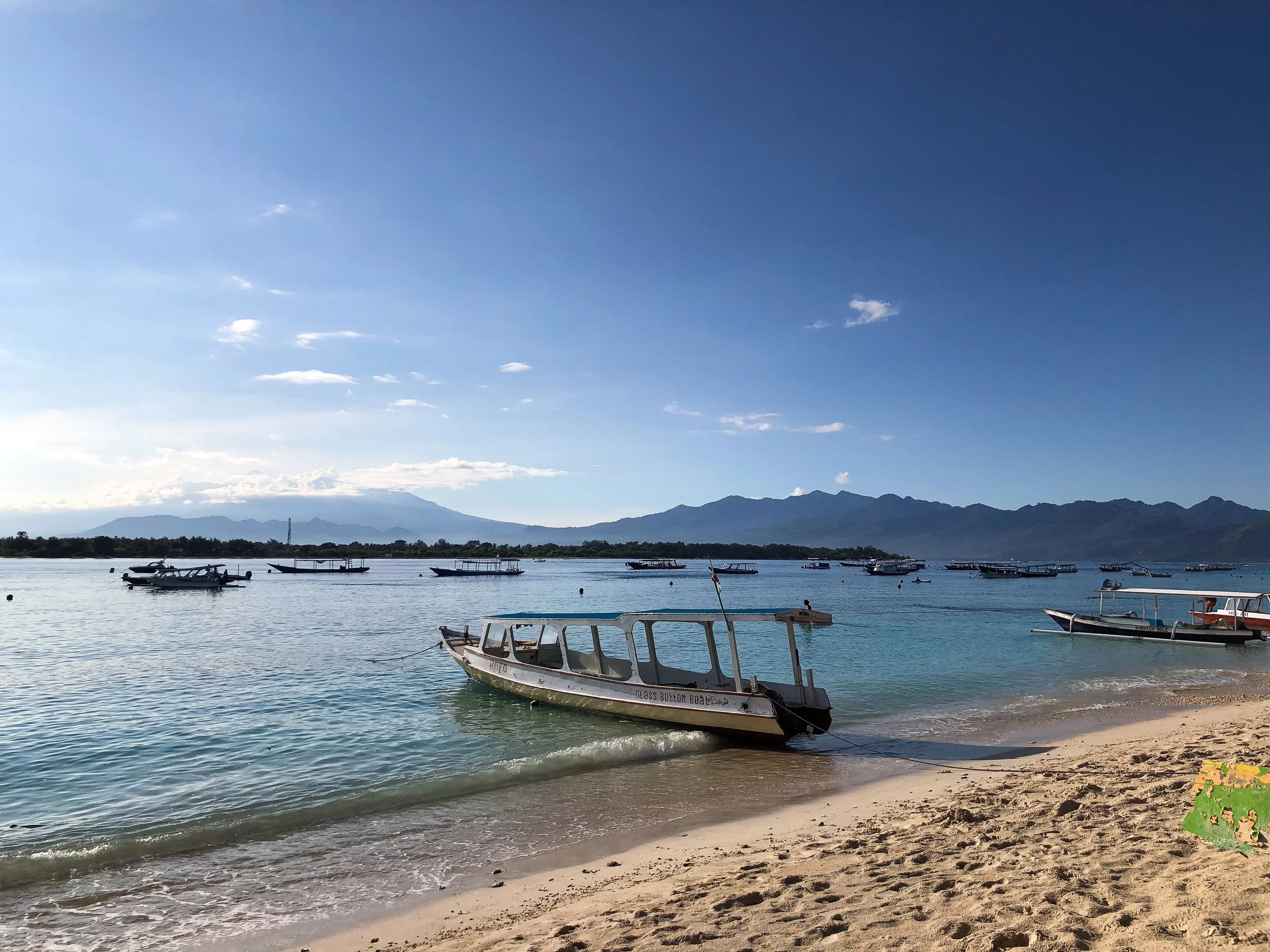
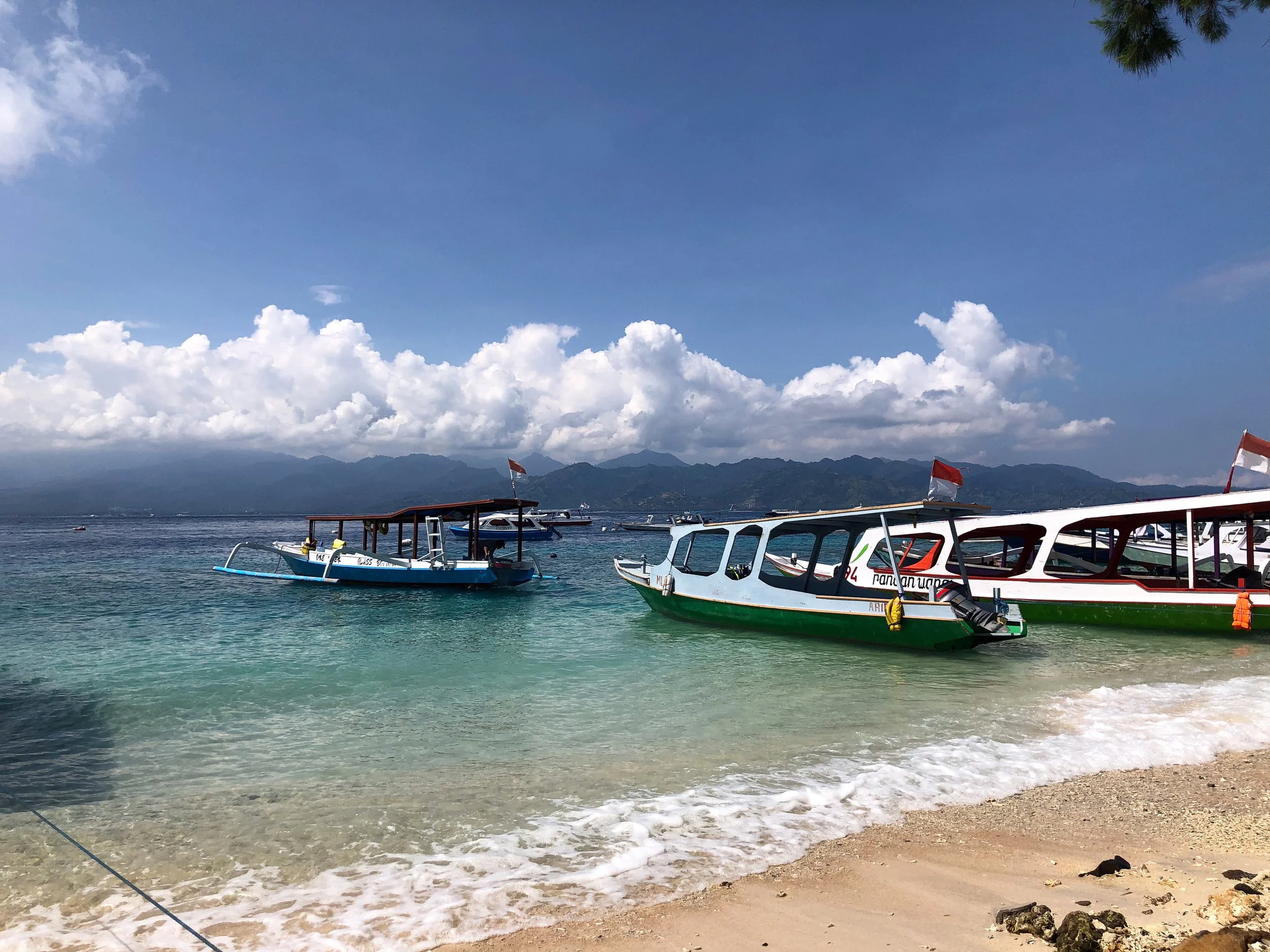
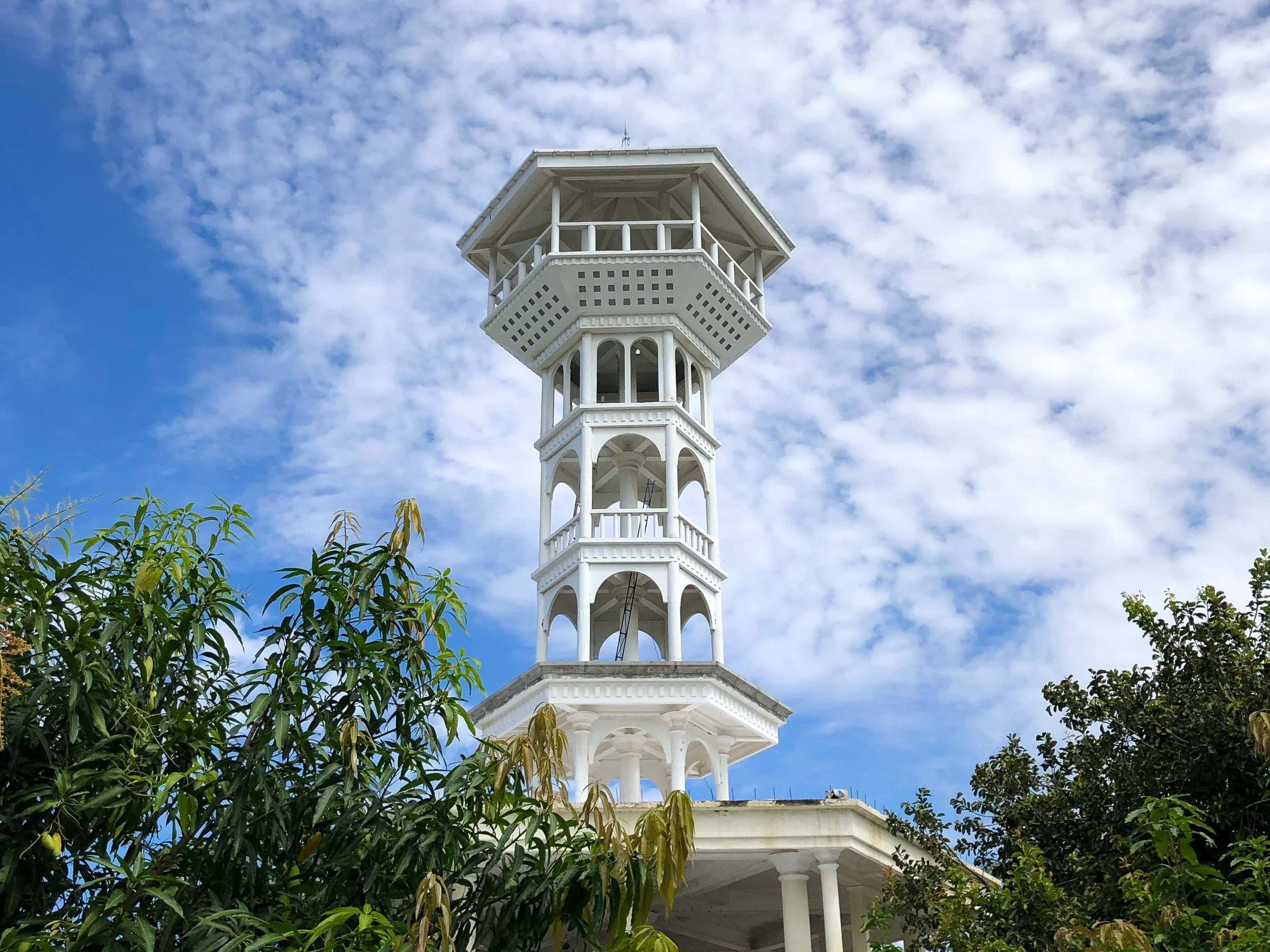
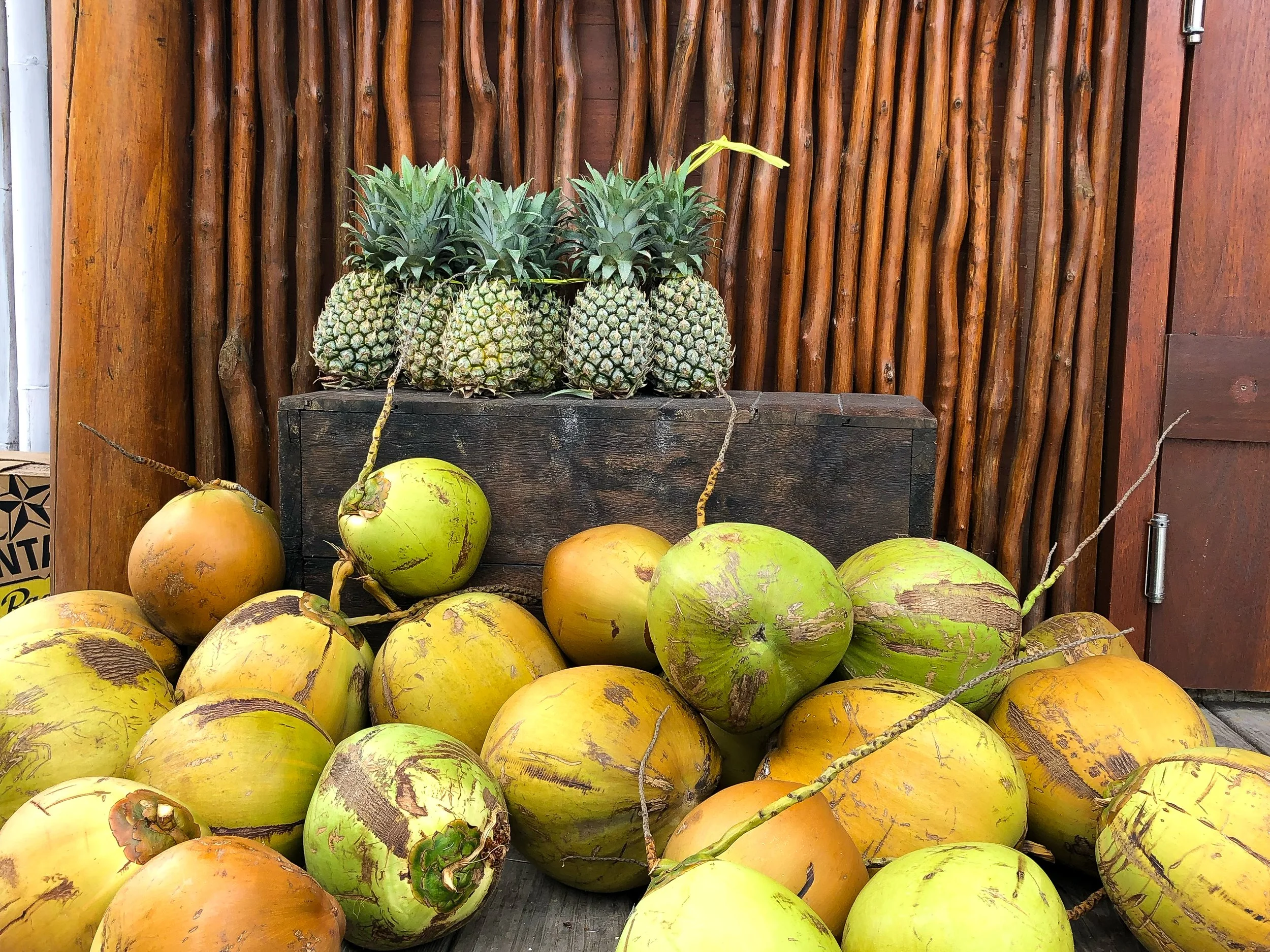
The Gili Islands, often called “The Gilis” are a series of three tiny islands off the coast of Lombok. Their sleepy atmosphere and unique vibes make them relaxing places to experience Indonesian culture and the tropical environment. We spent four days here but could have easily stayed for weeks.
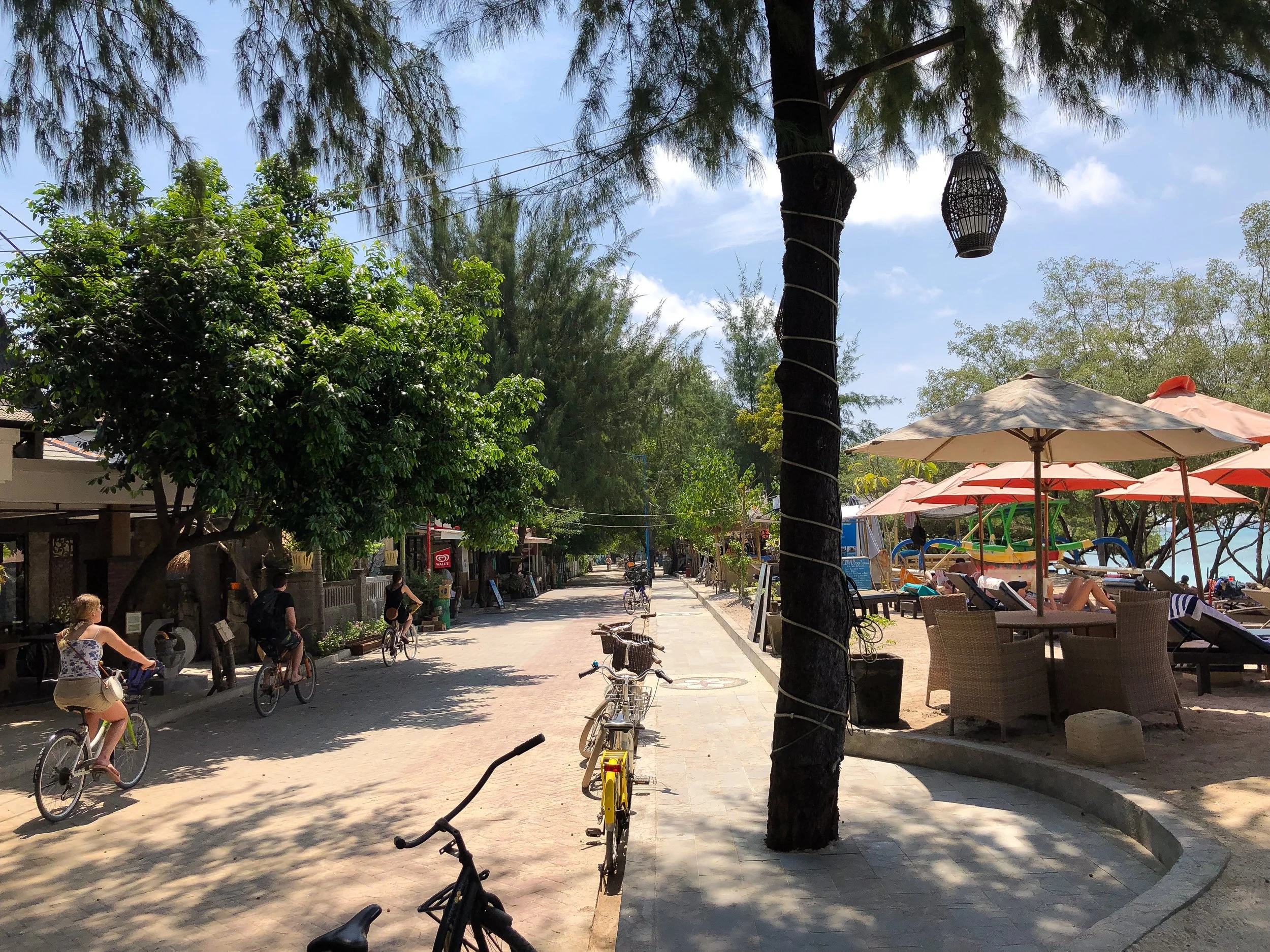
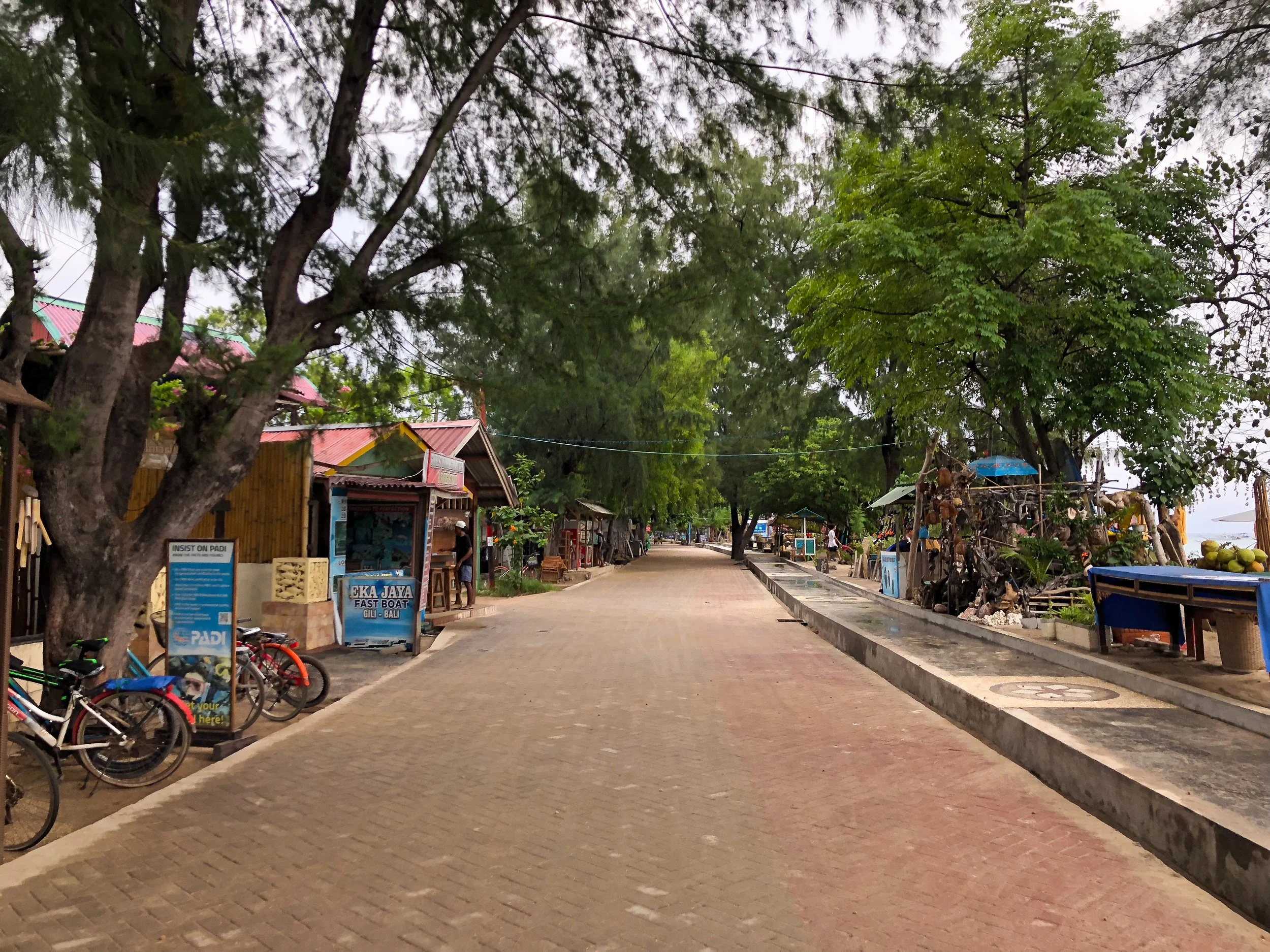
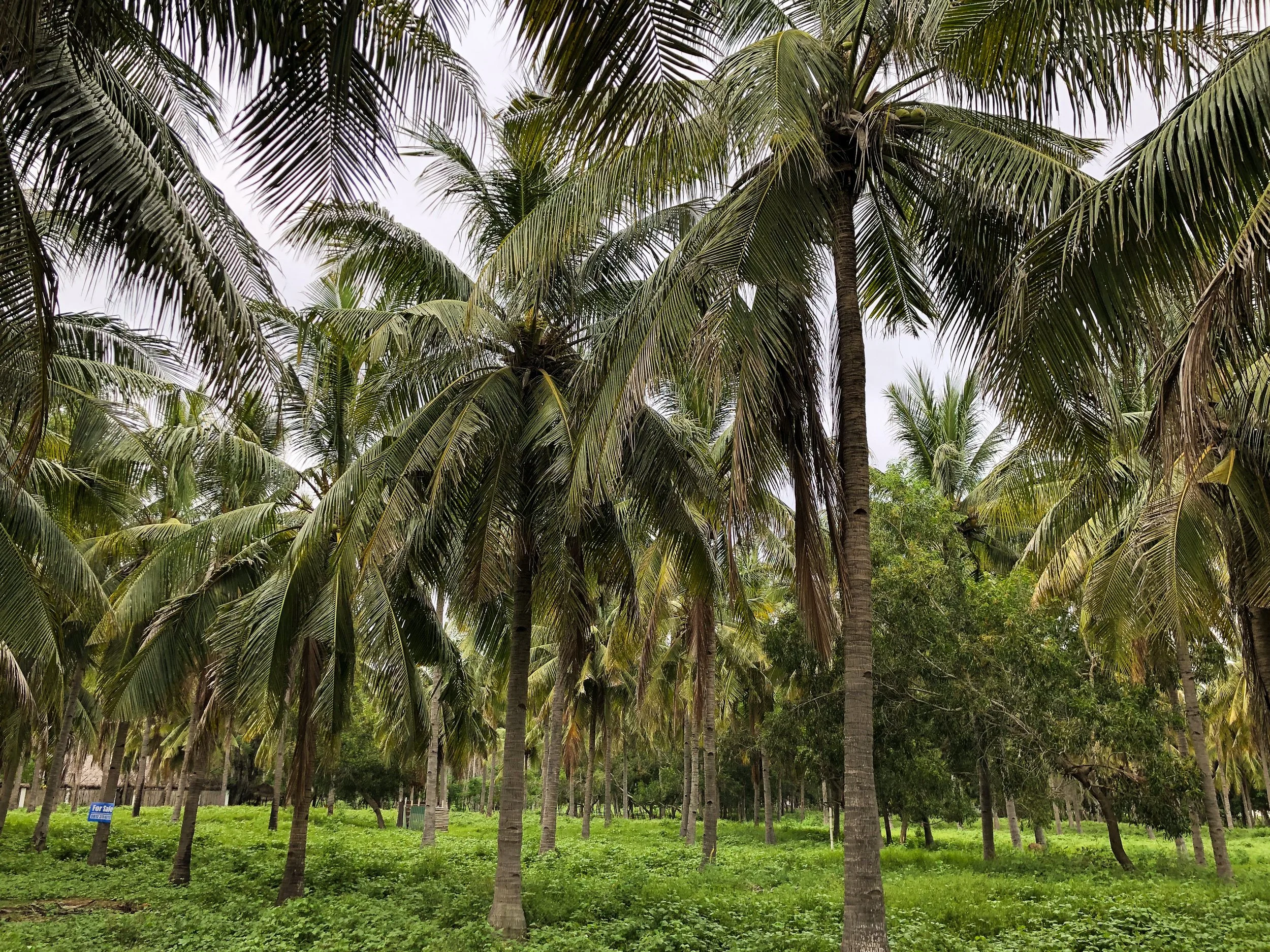
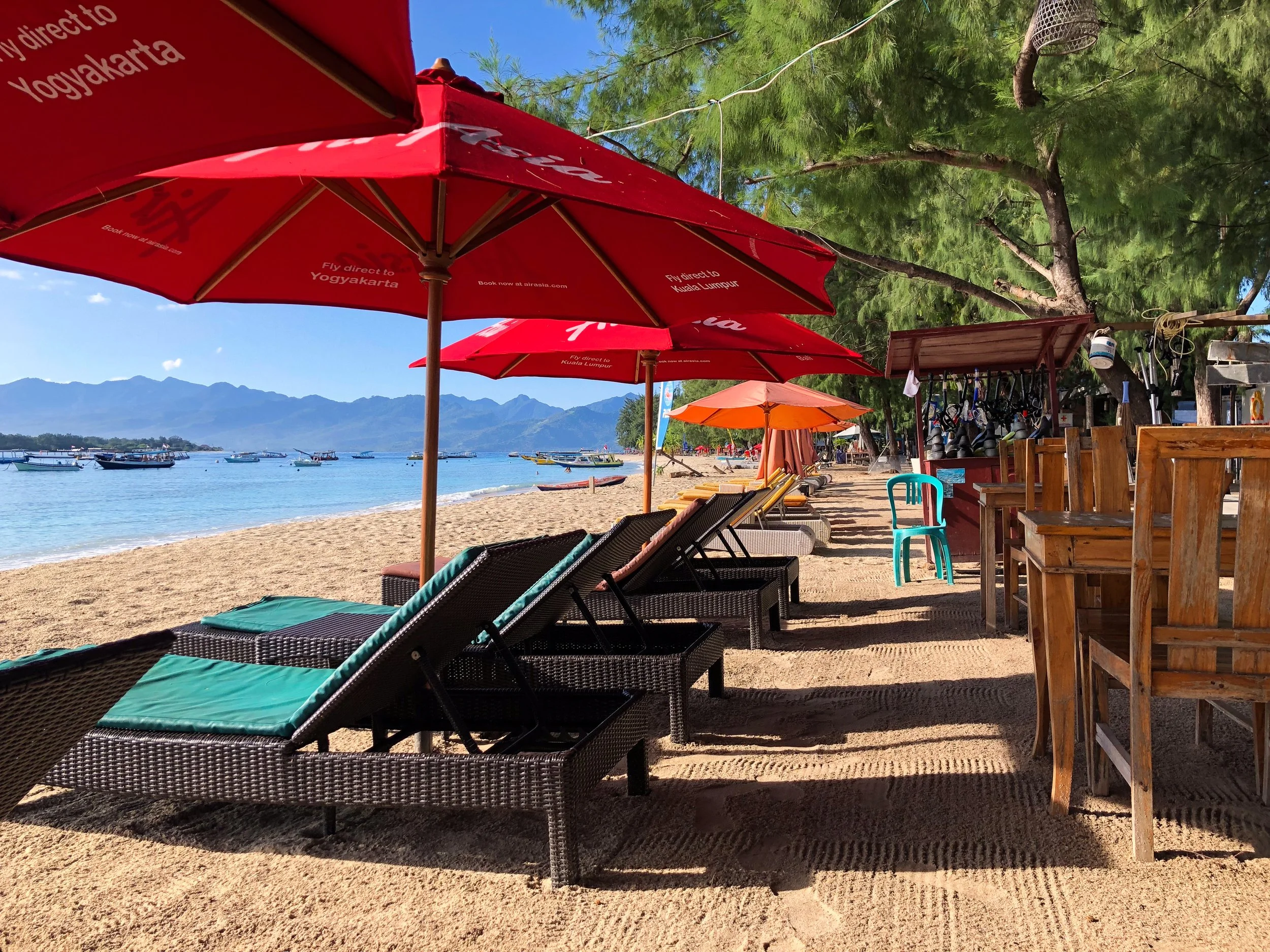
Gili Trawangan. Also known as “Gili T,” this is the largest of The Gilis. It’s the most popular place to stay with many boutique hotels, vacation rentals, seaside restaurants, outdoor cafés and beachfront bars. The main town spans across the eastern side of the island while lush palm groves cover its interior. Colorful boats and outriggers line white sand beaches wrapping around the island’s perimeter.
Gili Air. A largely developed island with numerous options for accommodations, dining, nightlife and marine activities. It’s located just across from Lombok with uninterrupted views of Mt. Rinjani.
Gili Meno. The smallest, quietest and most relaxing of The Gilis. It’s located in between Gili T and Gili Air. It's home to white sand beaches, turquoise waters, snorkeling points, palm groves, local warangs and rental villas.
Gili T Beaches
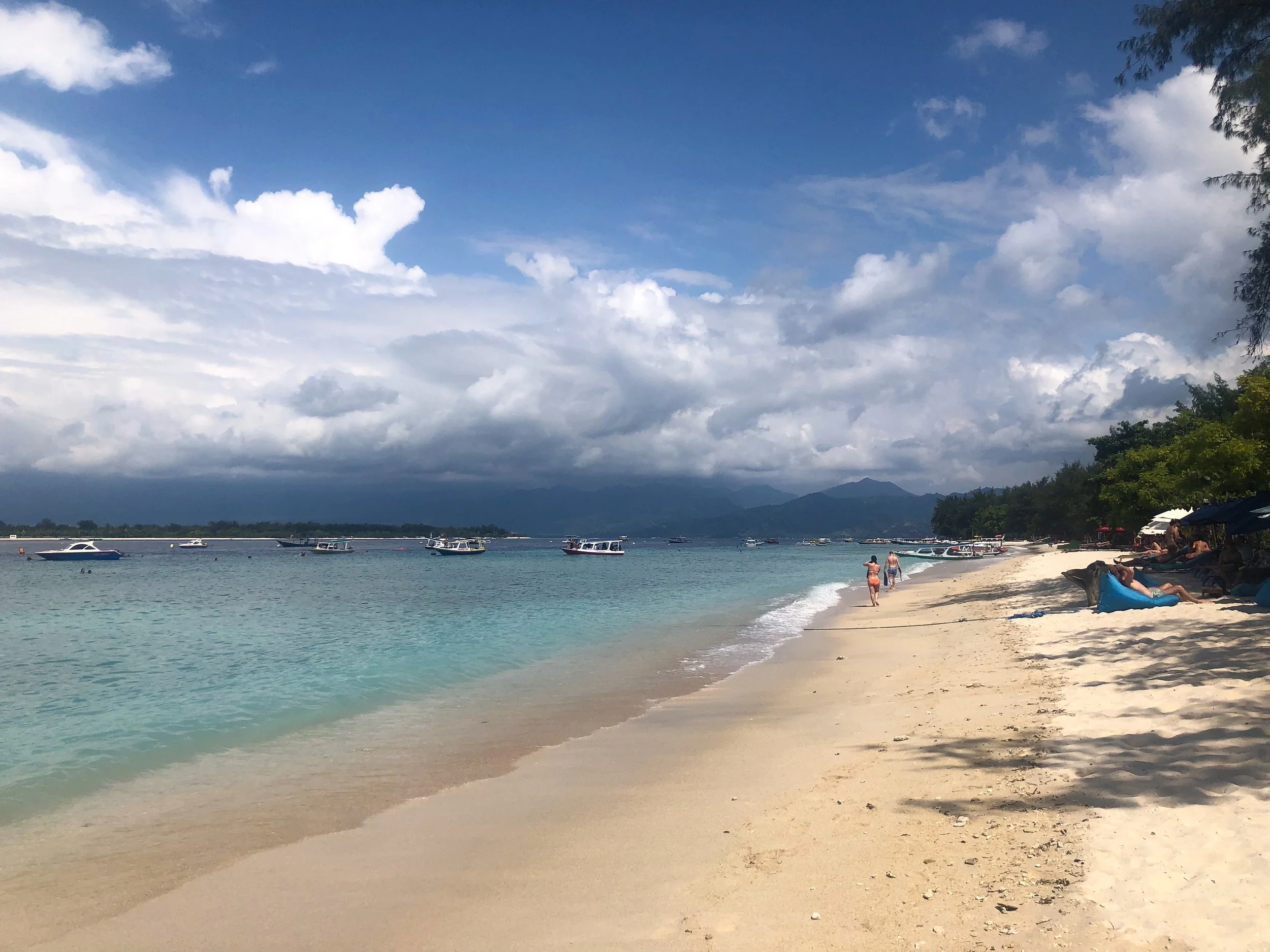
The island is essentially one giant beach paradise! Based on location, here’s our breakdown to exploring the different corners of the island.
Eastern Coast. The most commercialized coastline on the island spanning the length of the town. It's easily accessible and lined with hundreds of sun lounges, beach umbrellas and small boats. Its white sand shore is perfect for sunbathing while its shallow turquoise waters are ideal for swimming and lounging.
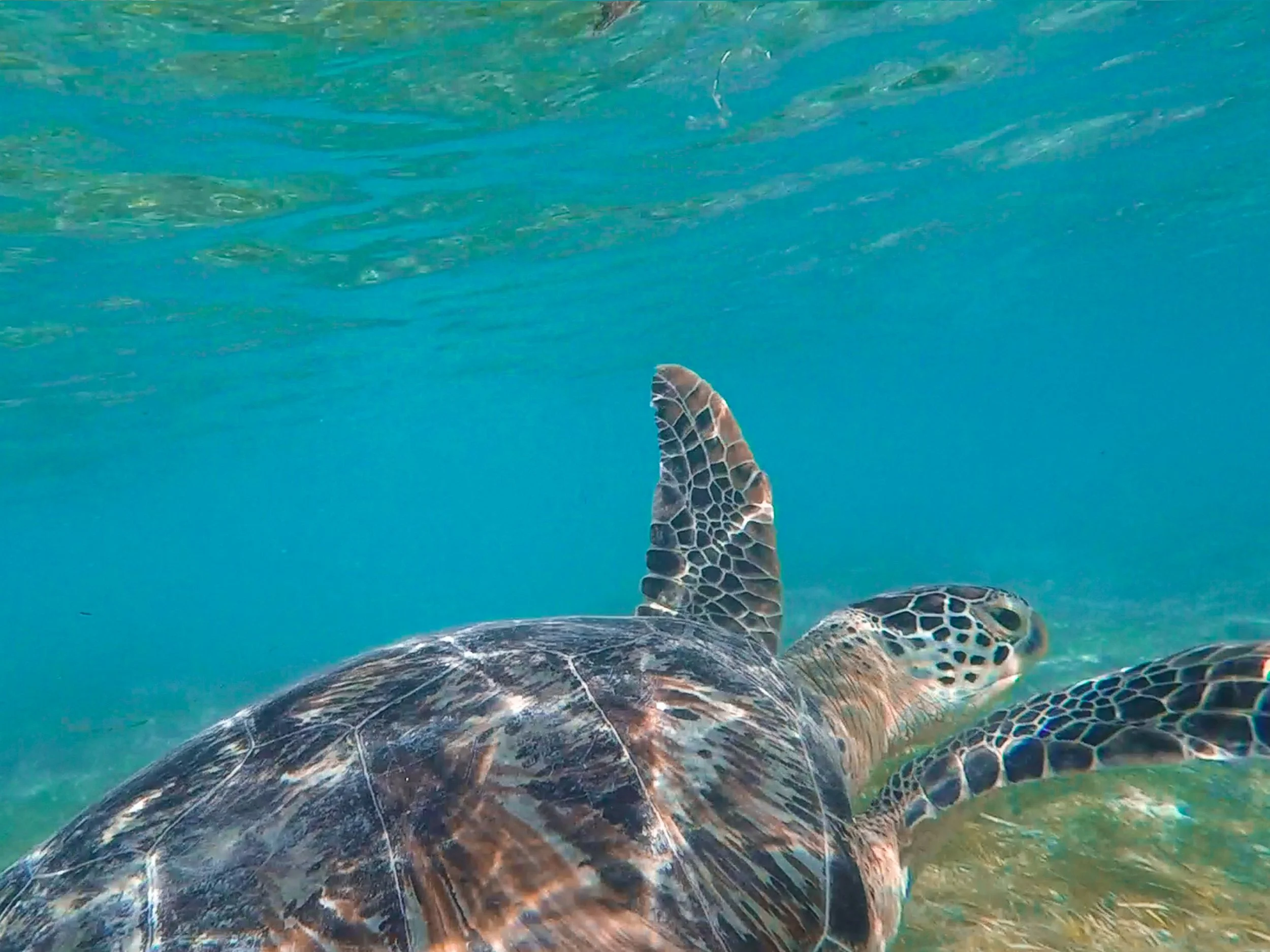
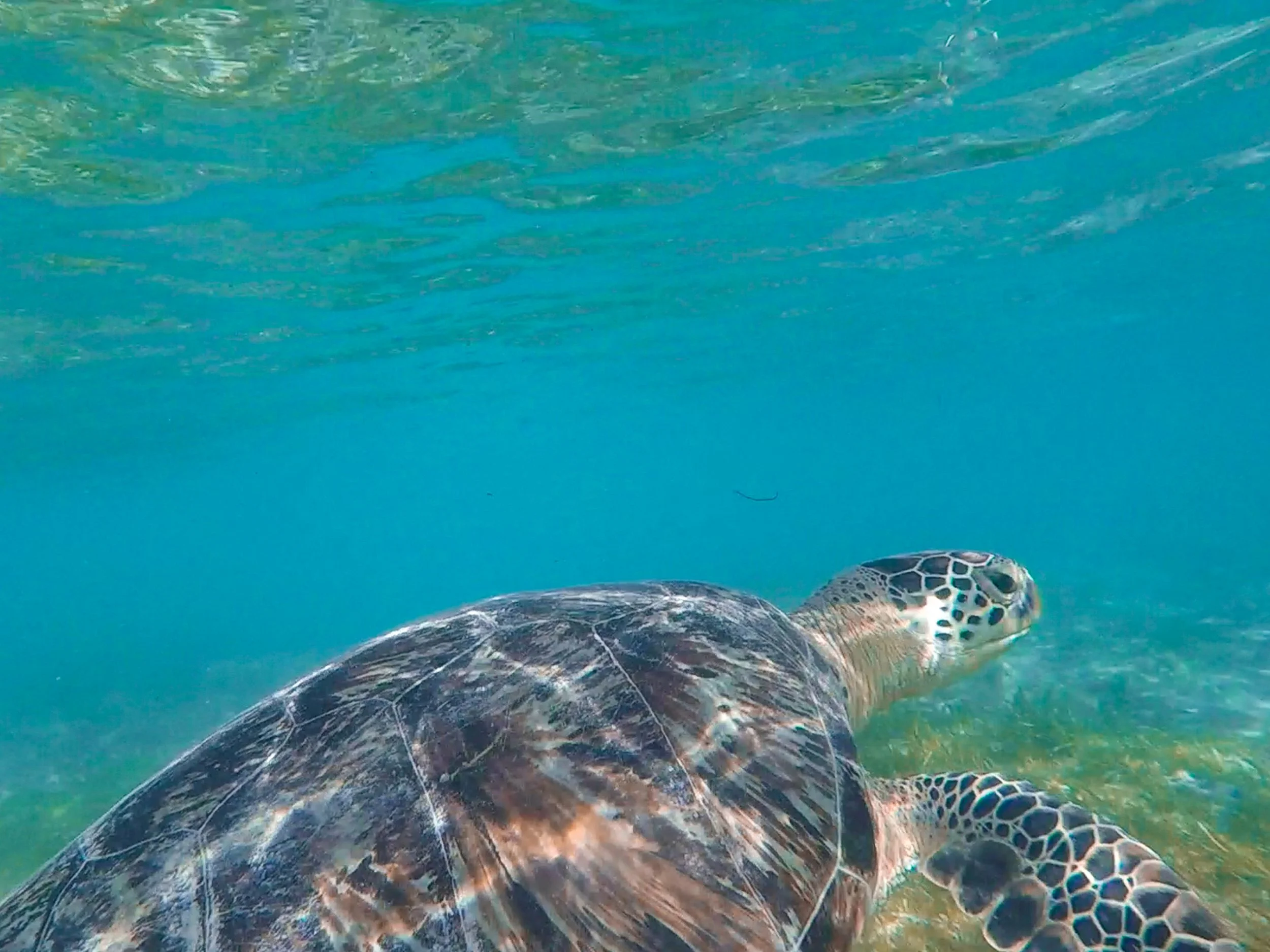
Turtle Point. Located on the northeast corner of the island, this is the best place to spot sea turtles! The shallow warm waters are home to sea grass where sea turtles feed. Rent a standup paddle or kayak and quietly wait in the water for a turtle to swim by. Arrive before 10am to avoid the large crowds and loud boats from the snorkel tours.
Northern Coast. Most beaches here are private for guests of the nearby resorts and hotels.
Northwestern Coast. Beaches here attract smaller crowds than elsewhere on the island making them a peaceful place to relax. There are numerous beachfront restaurants and bars offering places to dine and drink.
Southwestern Coast. An area with the best views of Bali’s silhouette and Indian Ocean sunsets. Many diving tours frequent the waters on this side of the island to spot manta rays and sharks.
Southern Coast. A narrow stretch of shoreline covered in piles of washed up corals.
Things to Do
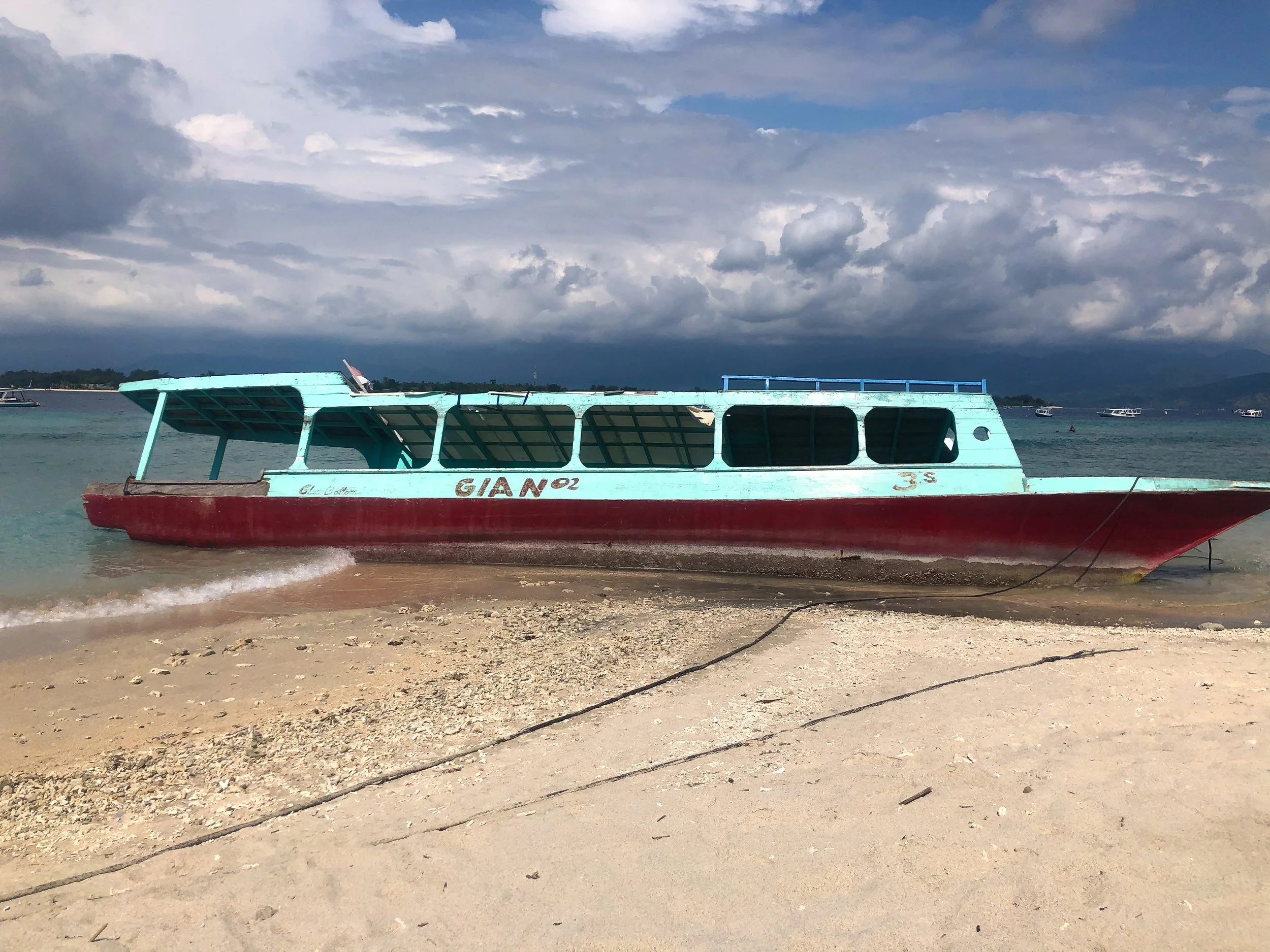
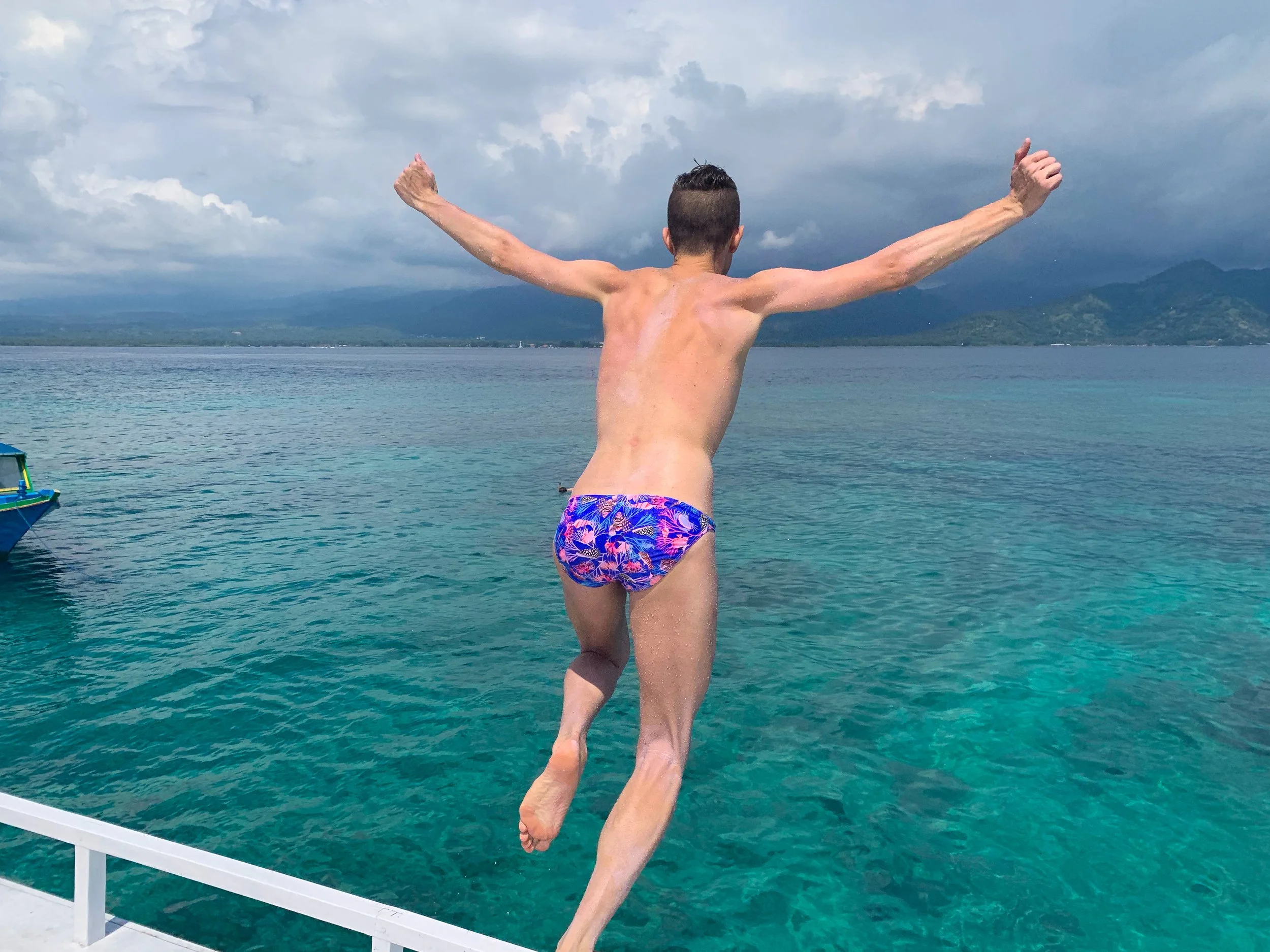
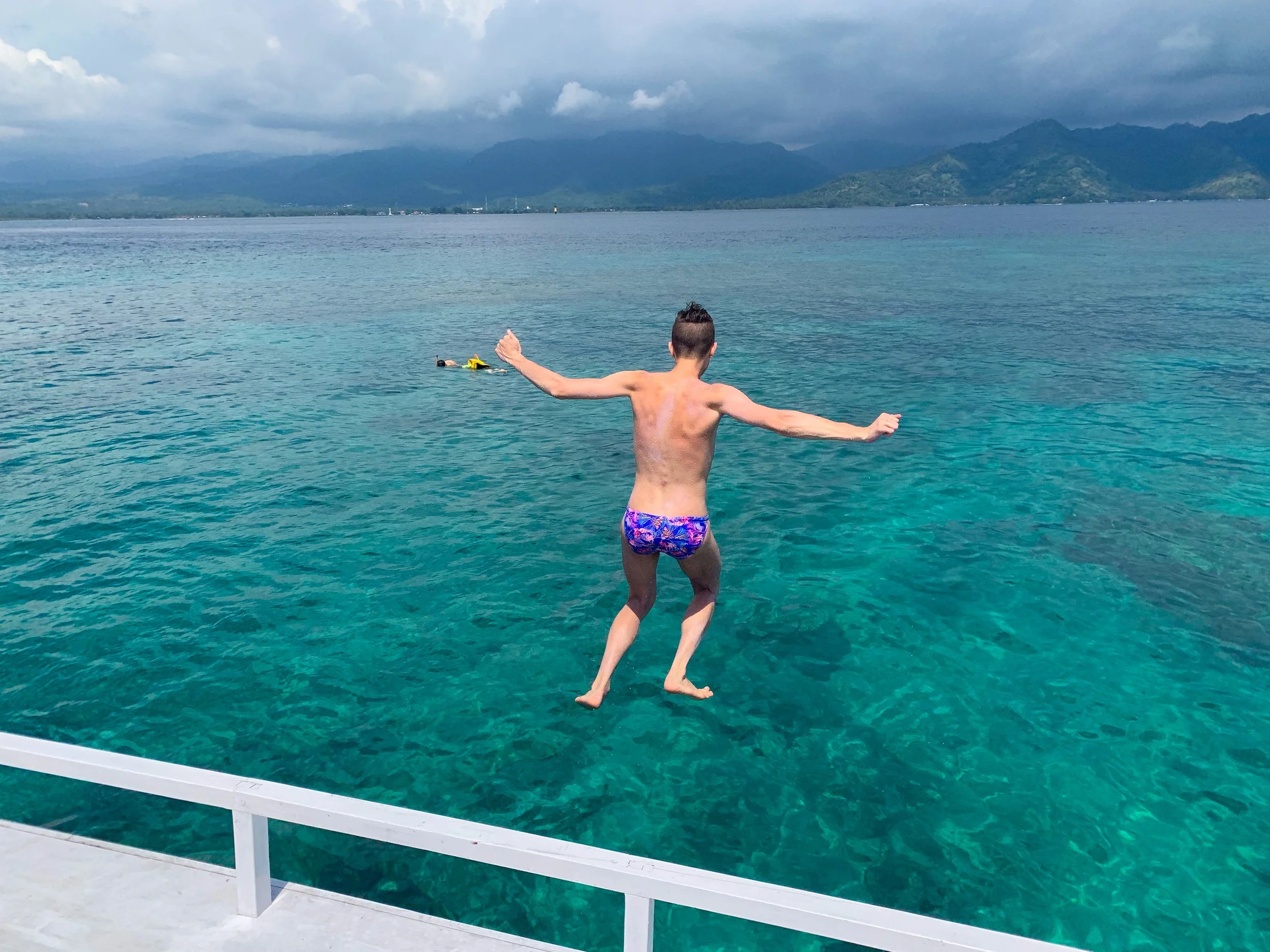
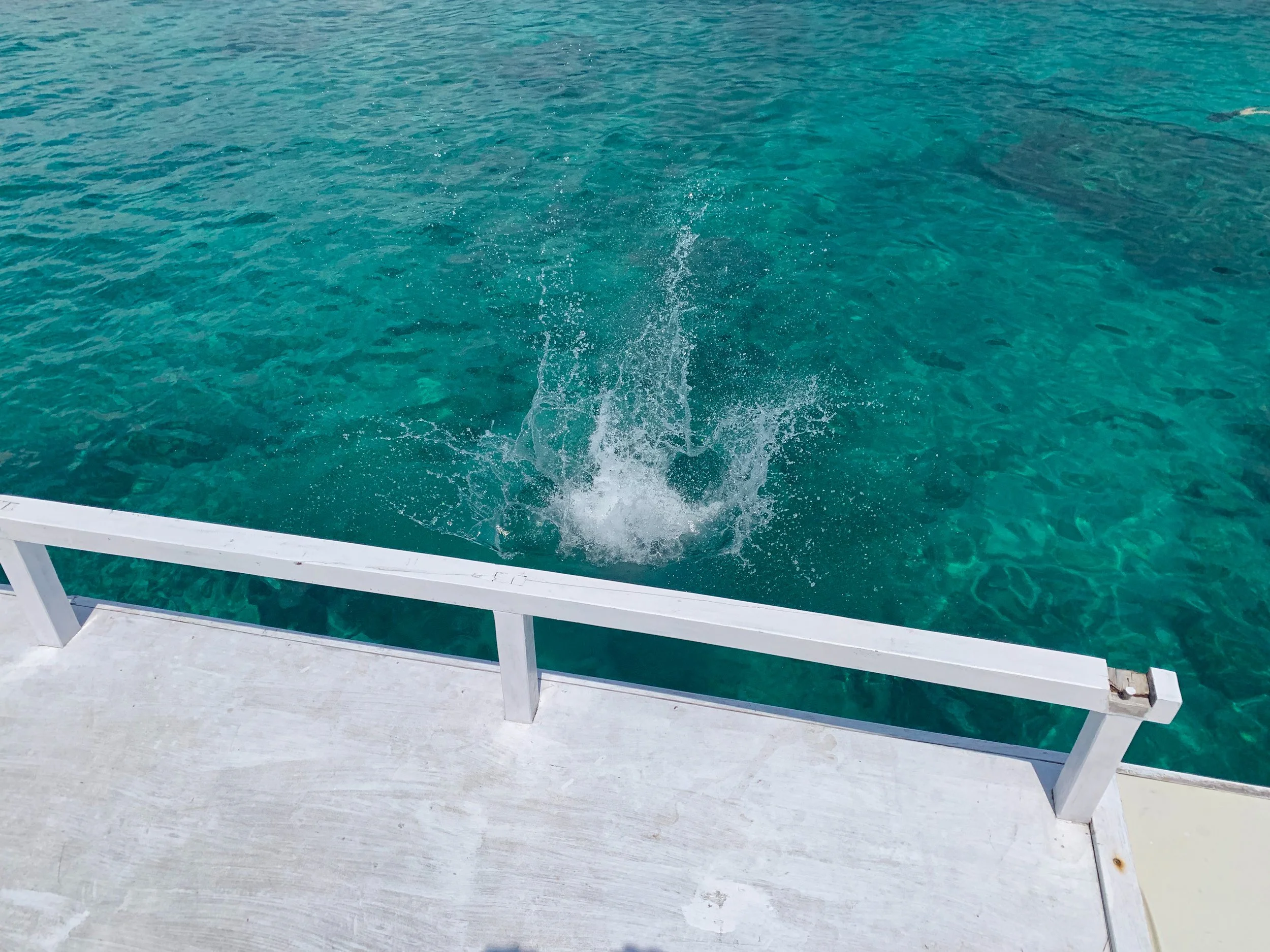
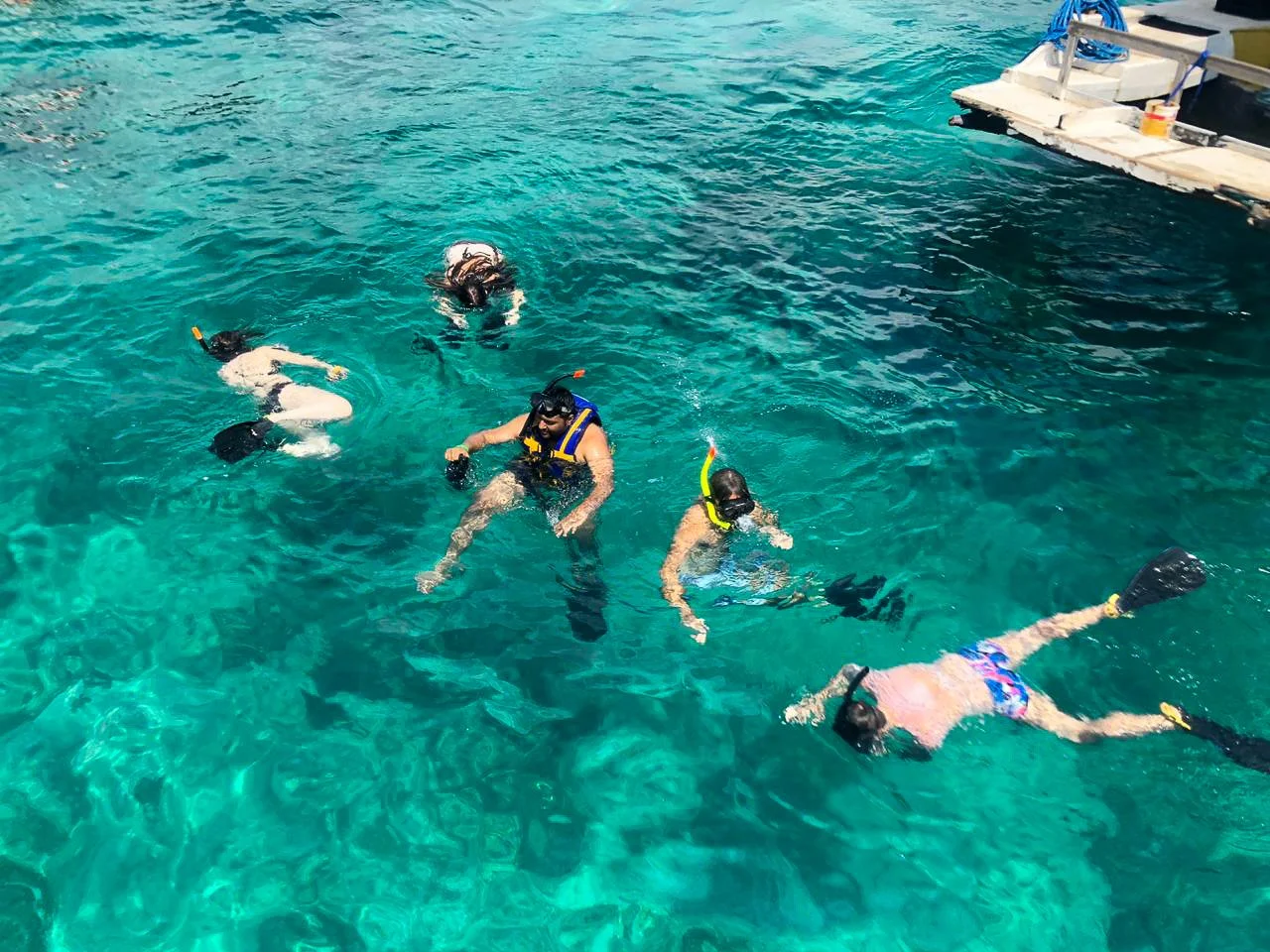
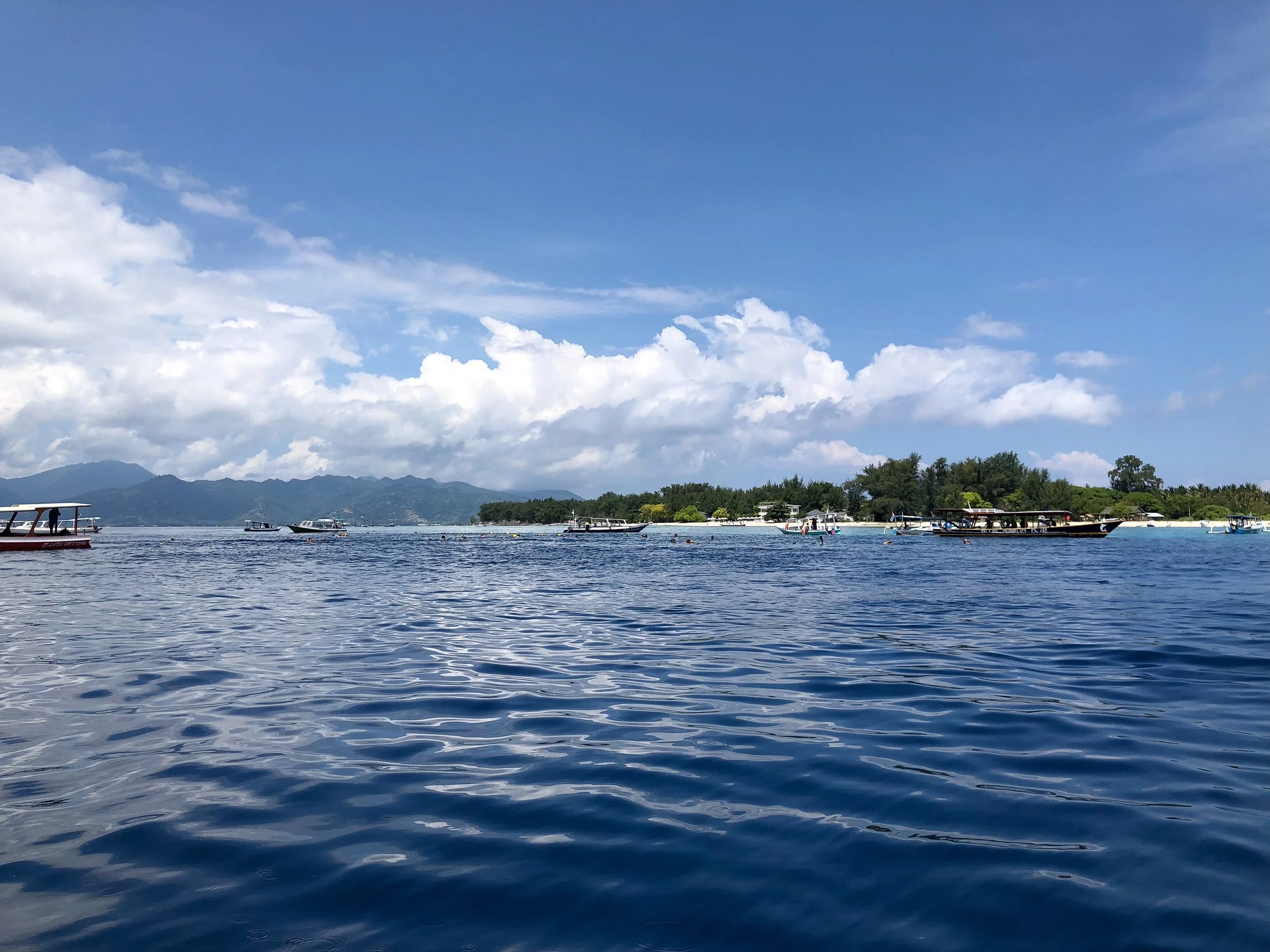
Snorkeling Tour. Many restaurants, dive schools and guides along the main street on Gili T will offer inexpensive snorkel tours around The Gilis. We snorkeled around the coast of Gili Meno where we spotted an incredible array of tropical fish, jumped from the boat’s rooftop and visited The Nest, an artificial reef comprised of human figures standing in a circle. After snorkeling, we stopped at Gili Air for a beachfront lunch.
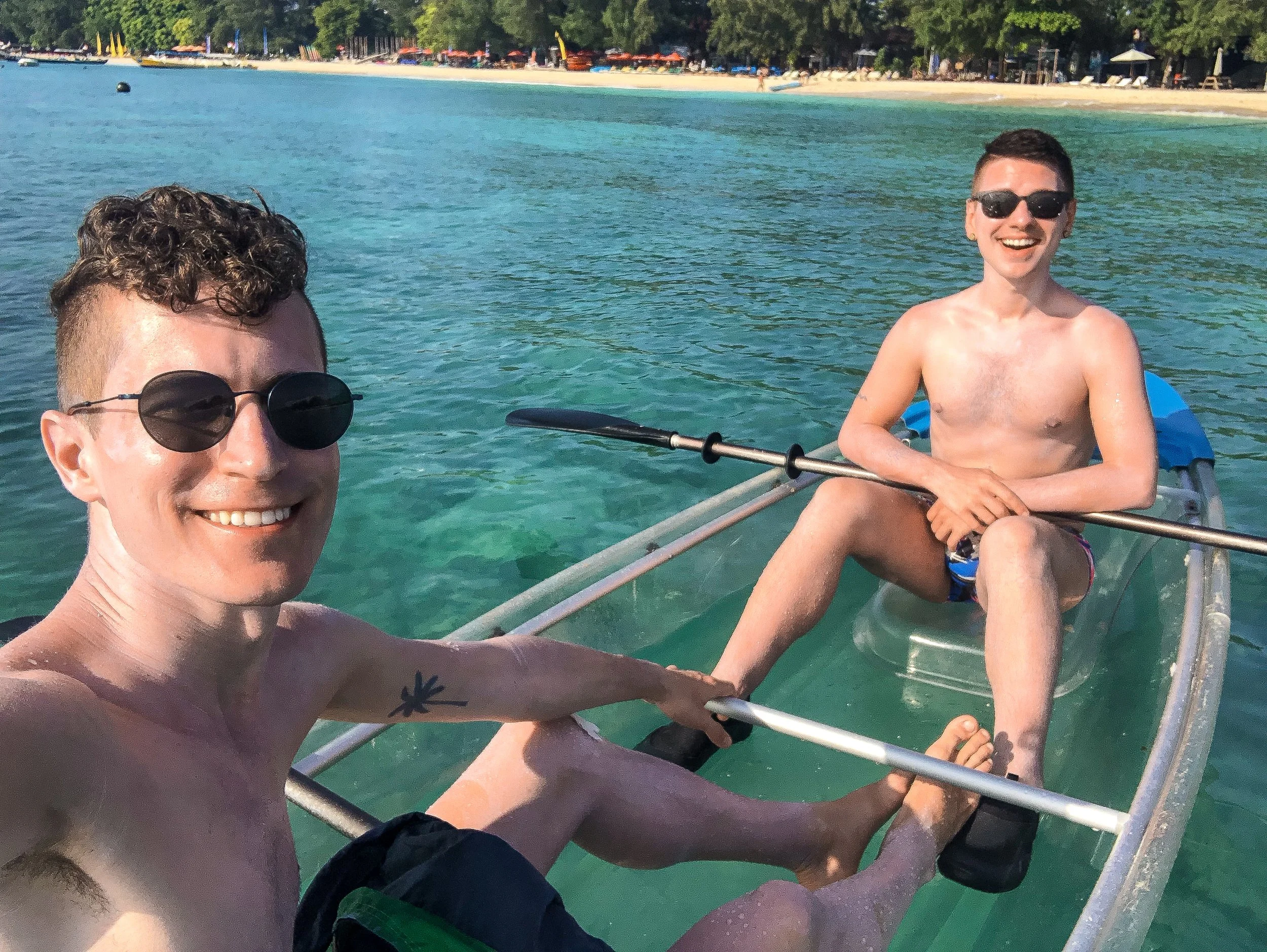

Acrylic Kayaking. Rent an acrylic kayak and paddle around Turtle Point to spot sea turtles feeding in the sea grass.
Pro Tip. Select the kayak with minimal scratches on the bottom. The more scratches, the less you’ll actually be able to see through it.
Stand Up Paddle. Rent a stand up paddle and explore the strait between Gili T and Gili M. The water is usually calm making it easy to balance. This was another fun way to spot sea turtles.
Watch the Sunset. There are a number of beach clubs, restaurants and hotels with lounges, ocean swings and patios on the west and southwest sides of the island to watch the sunset.
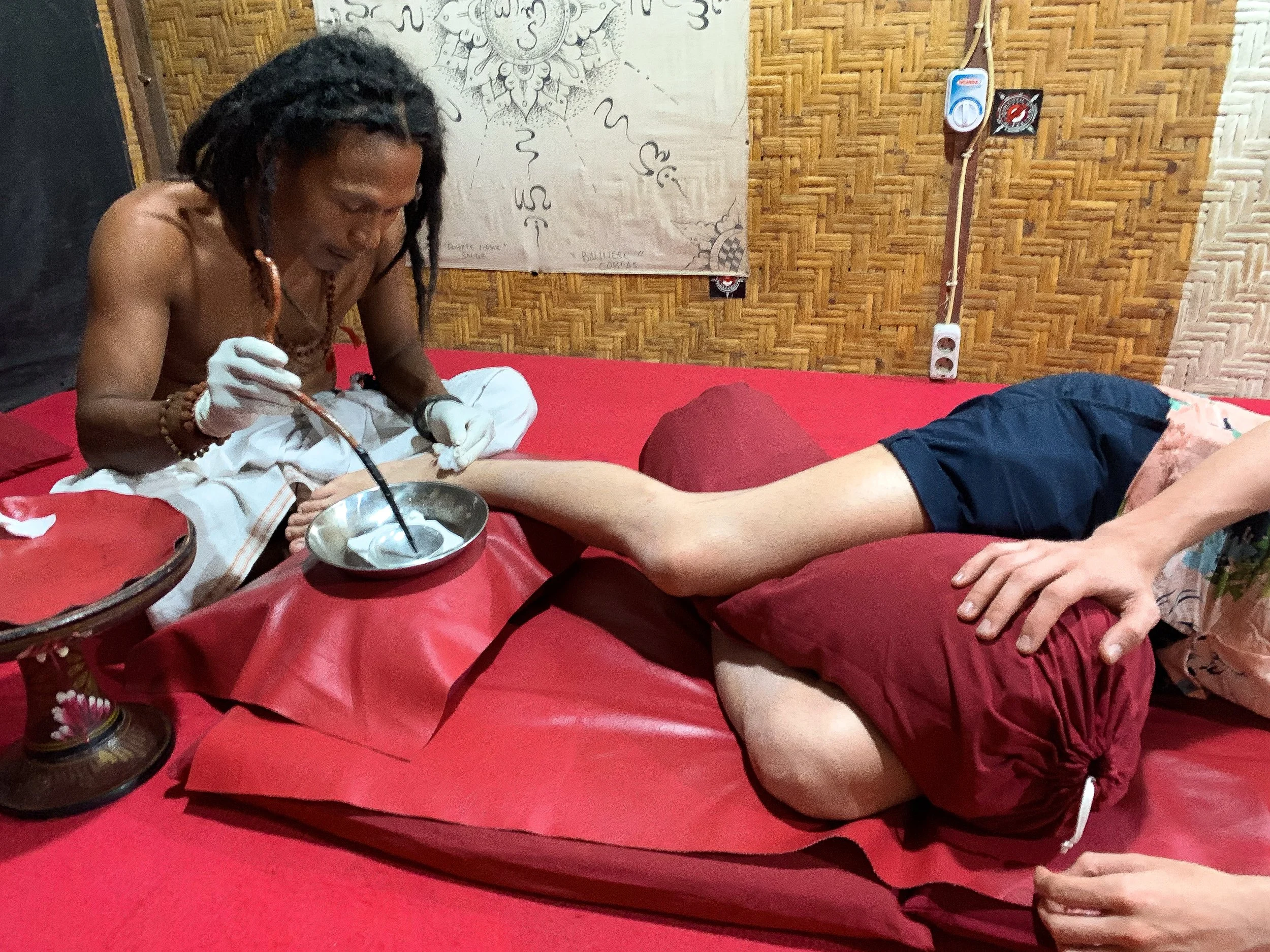
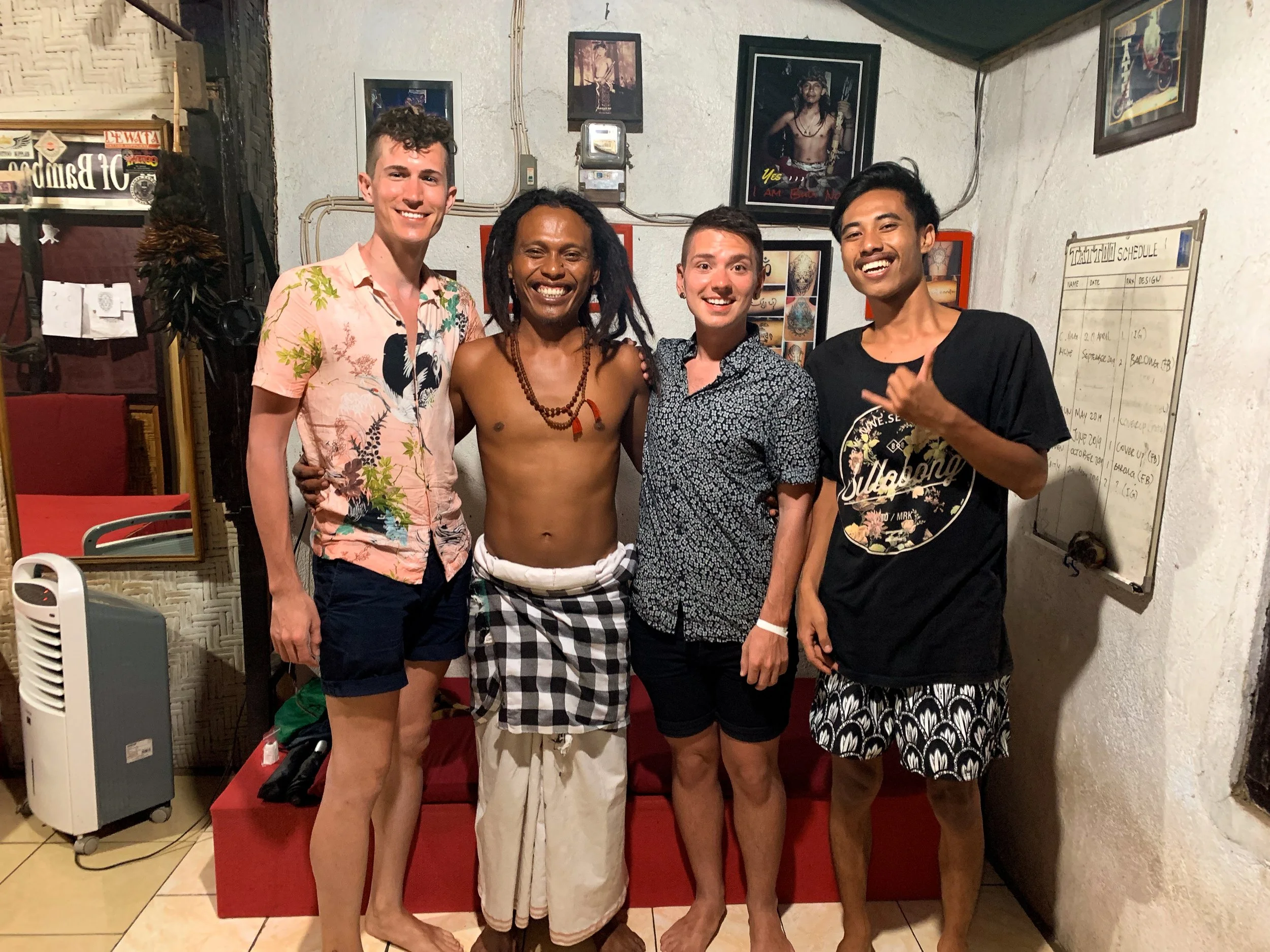
Get a Bamboo Tattoo. A bamboo tattoo is a traditional hand poked tattoo. Visit NoA The Master of the Bamboo Tattoo for some new ink. The process is sanitary and clean. We watched the artist disinfect all of his tools and present us with an unopened package containing the needles he used for our tattoos. It’s worth it for the authentic experience!
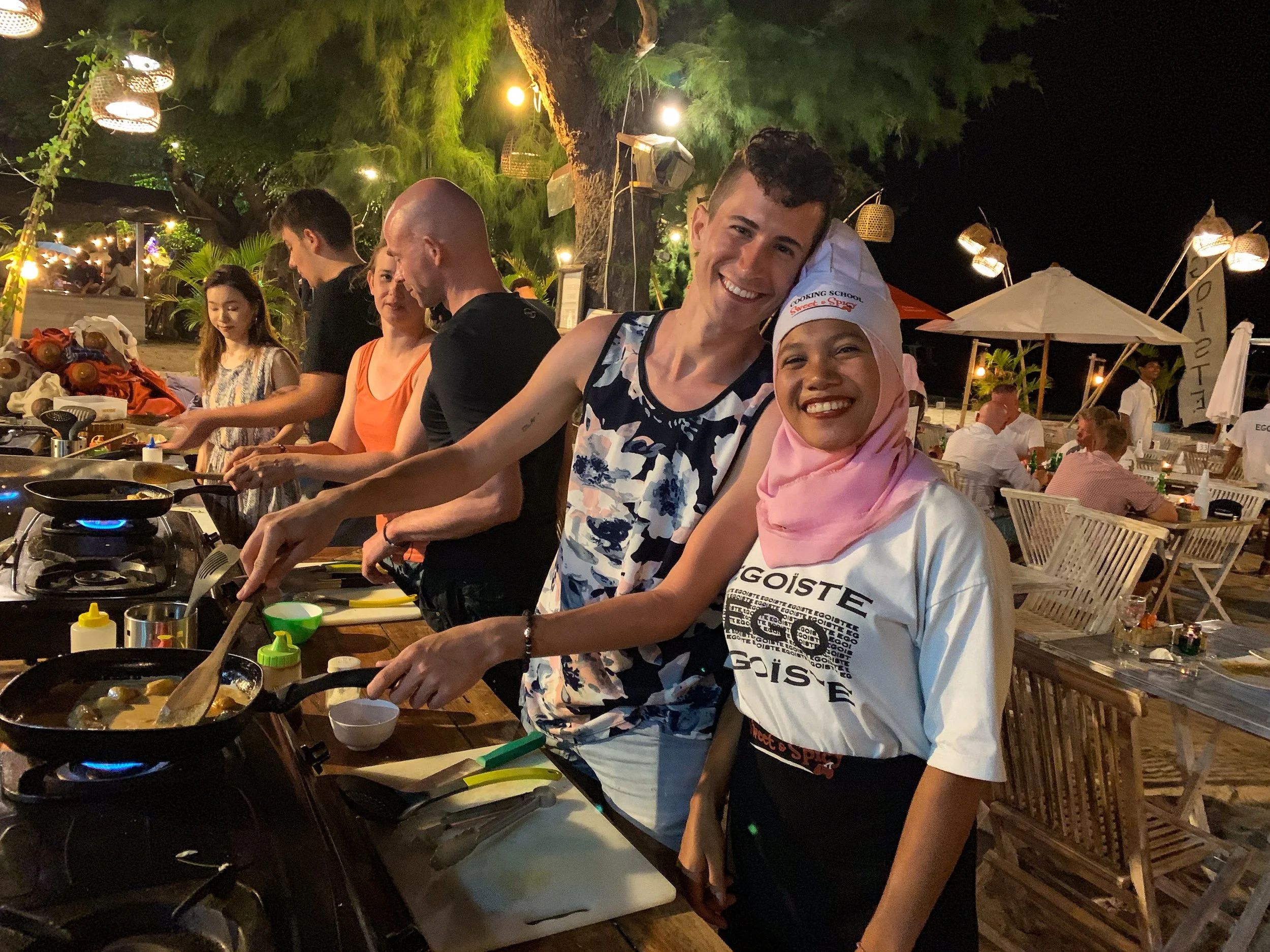
Take a Cooking Class. One of the best meals we had on Gili T was the one we cooked ourselves. Several beachfront restaurants in town offer 2 hour cooking classes to prepare multiple Indonesian staples including: Fried Tempe and Tofu, Mie Goreng, Pepes Ikan and Klepon.
Places to Eat & Drink
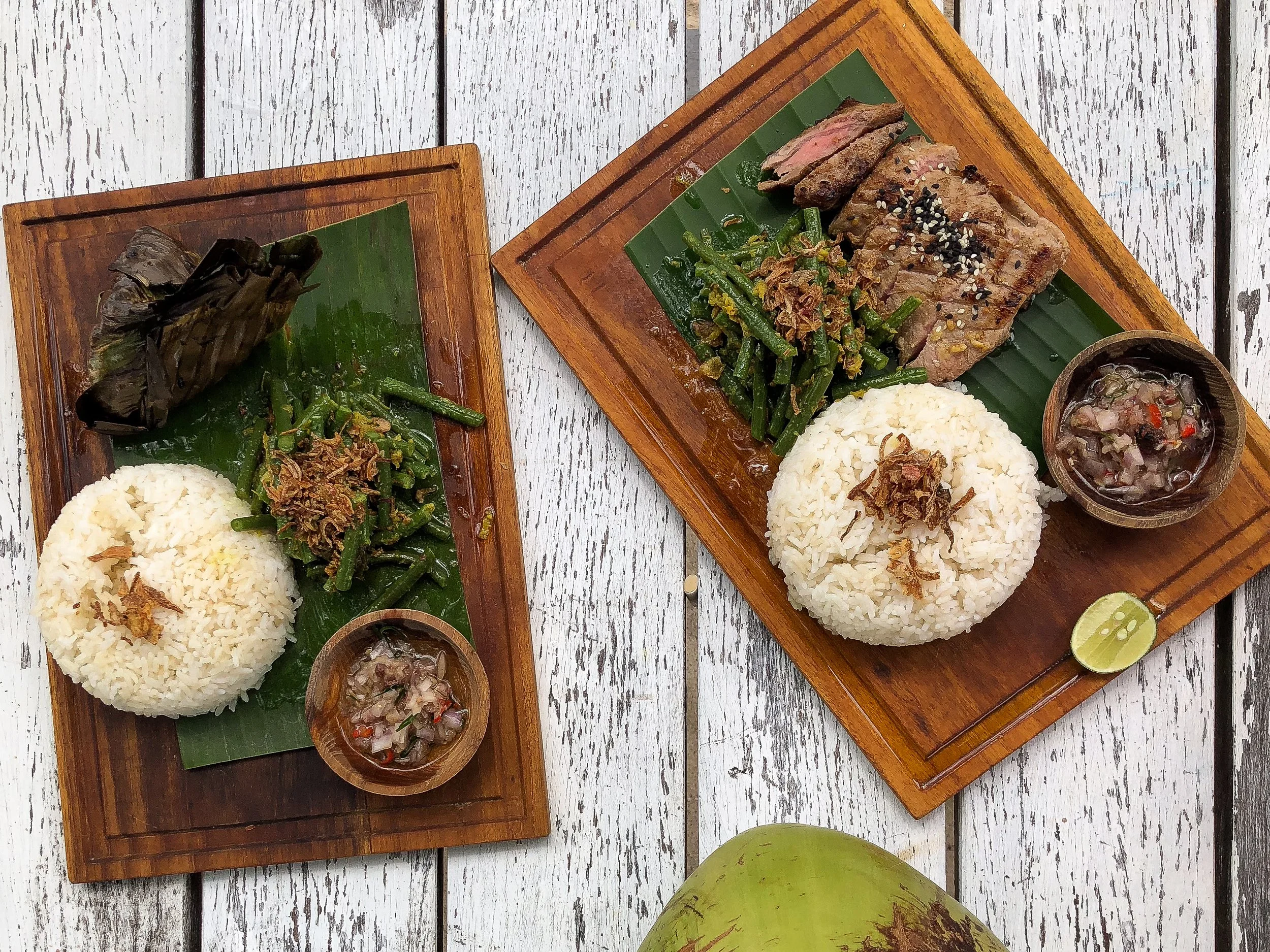
Le Pirate. A small resort on the northwest of the island with a beachfront restaurant serving Indonesian dishes and freshly harvested coconuts. Come here for lunch while biking around the island!
Tiki Grove. A tiki themed restaurant located in the palm covered interior of the island. Come for the fish tacos, live music and traditional tiki drinks.
Pink Coco. A beach club on the southwest side of the island with pink colored decor and beanbags lining the sand. It’s a popular place to watch the sunset while sipping on a Bintang or cocktail.
Where to Stay in Gili T
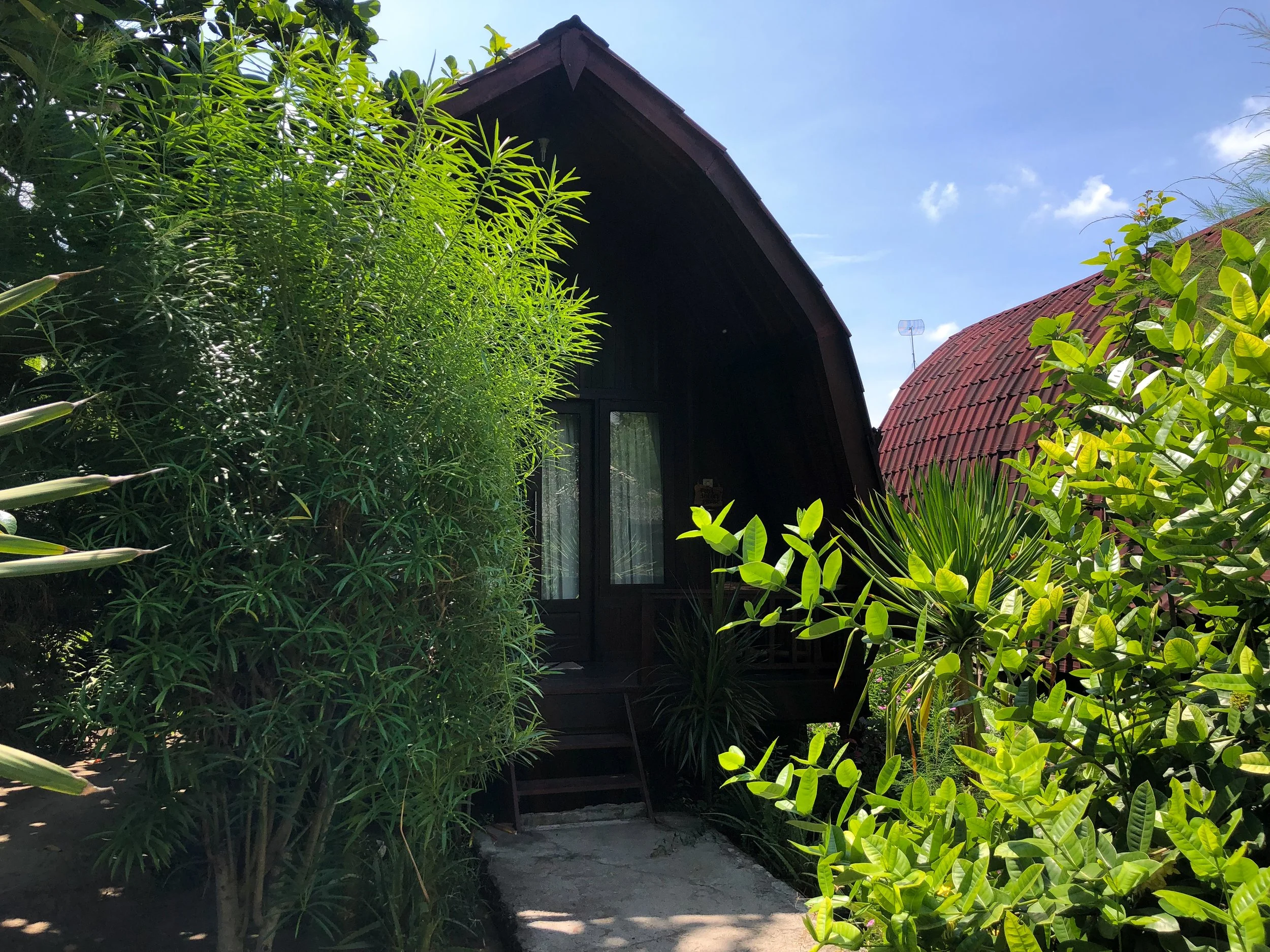
Melati Cottage. A traditional hotel with several wooden cottages located steps from the beach. The simple cottages each have a comfy bed, outdoor shower and deck front patio. The hosts offer daily bike rentals and pick up from the ferry terminal. Book on Airbnb.
Getting Around The Gilis
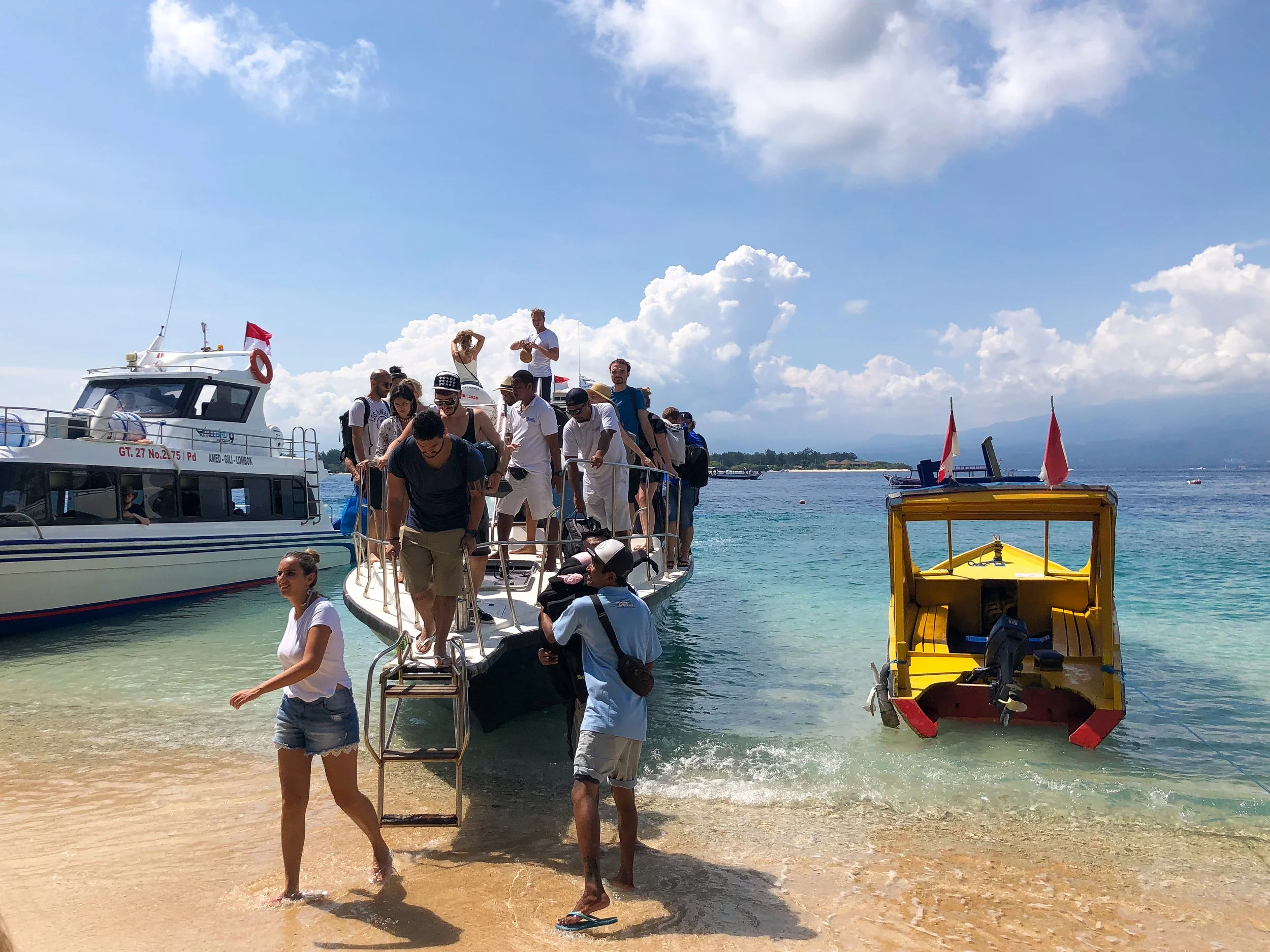
Speed Boats. Speed boats are the fastest, safest and most hassle free way to get between Bali and the Gili Islands. There are a number of companies and departure points along the East side of Bali offering transportation from anywhere on the island to The Gilis. We booked roundtrip tickets with Blue Water Express.
Island Hopping. Public boats ferry passengers between each island’s main harbors at infrequent times from 9am to 4pm. Standard Boats takes about 30 minutes and cost around $5 one way. Fast Boats take about 15 minutes and cost around $10 one way.
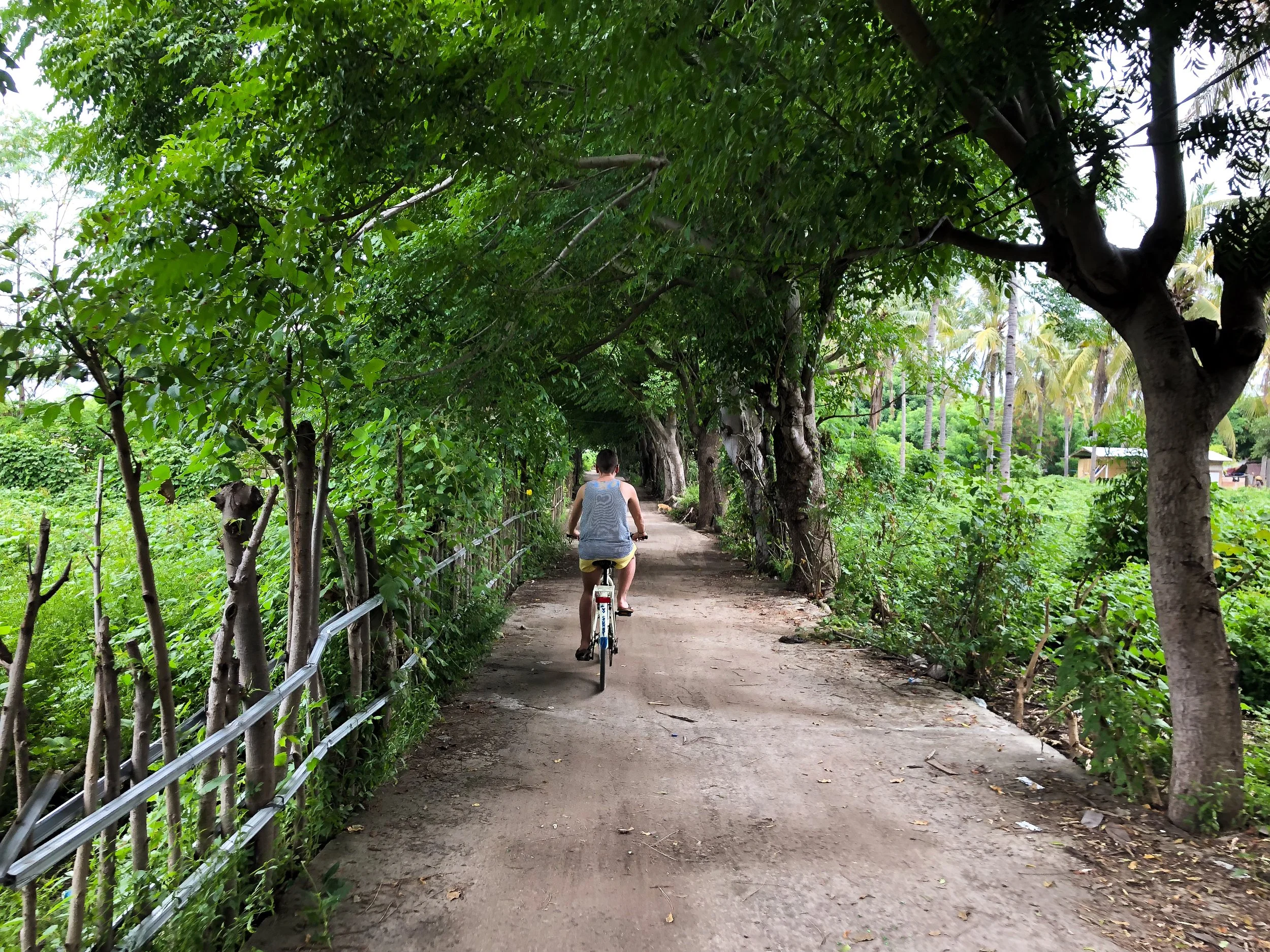
Rent a Bike. Cars are forbidden on The Gilis making bicycles the most efficient way of getting around. The largest of the islands, Gili T can be crossed in 15 minutes or circled in under an hour. Most accommodations rent bikes for around $5-10 USD per day.
Indonesian Cuisine
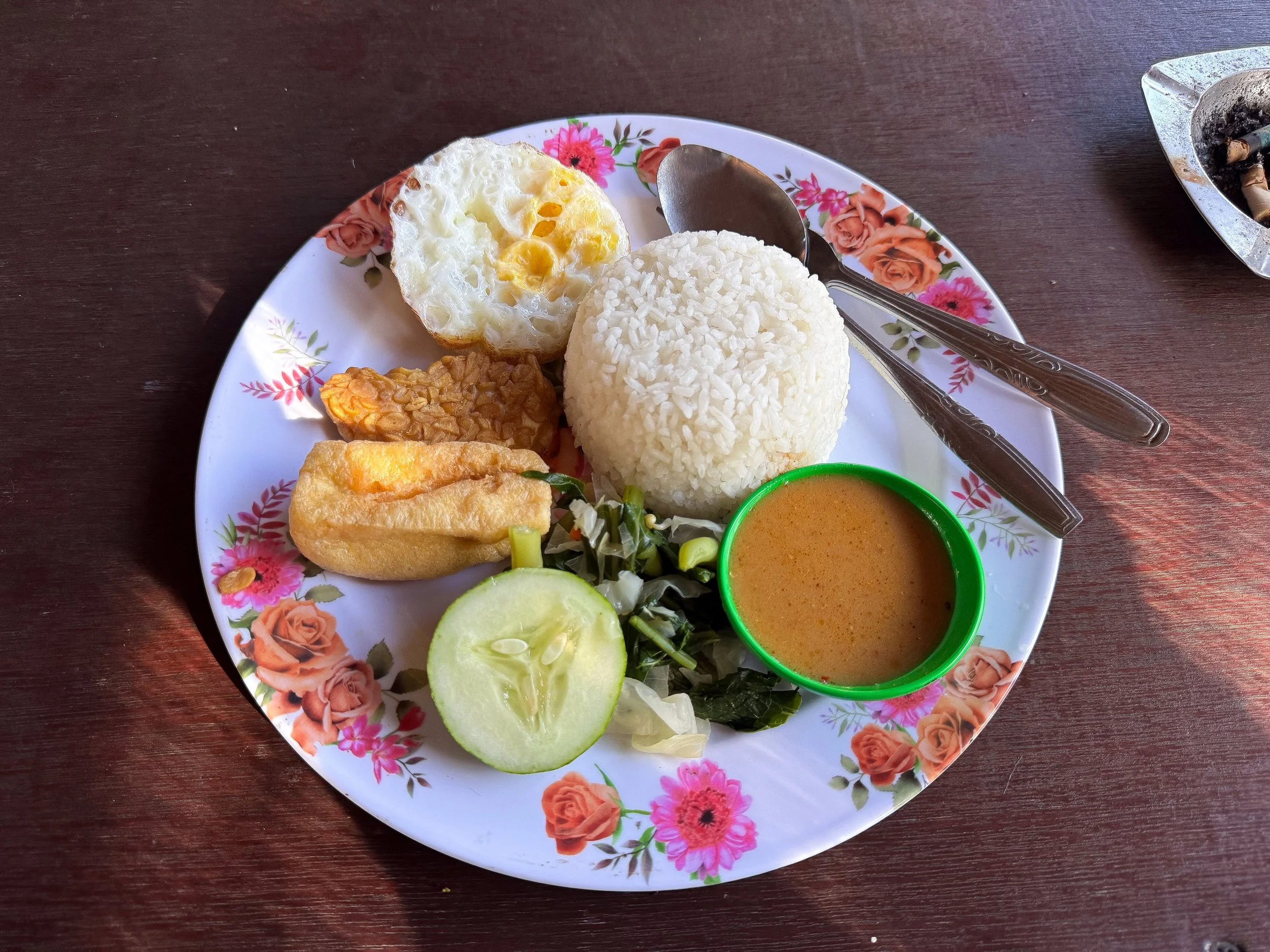
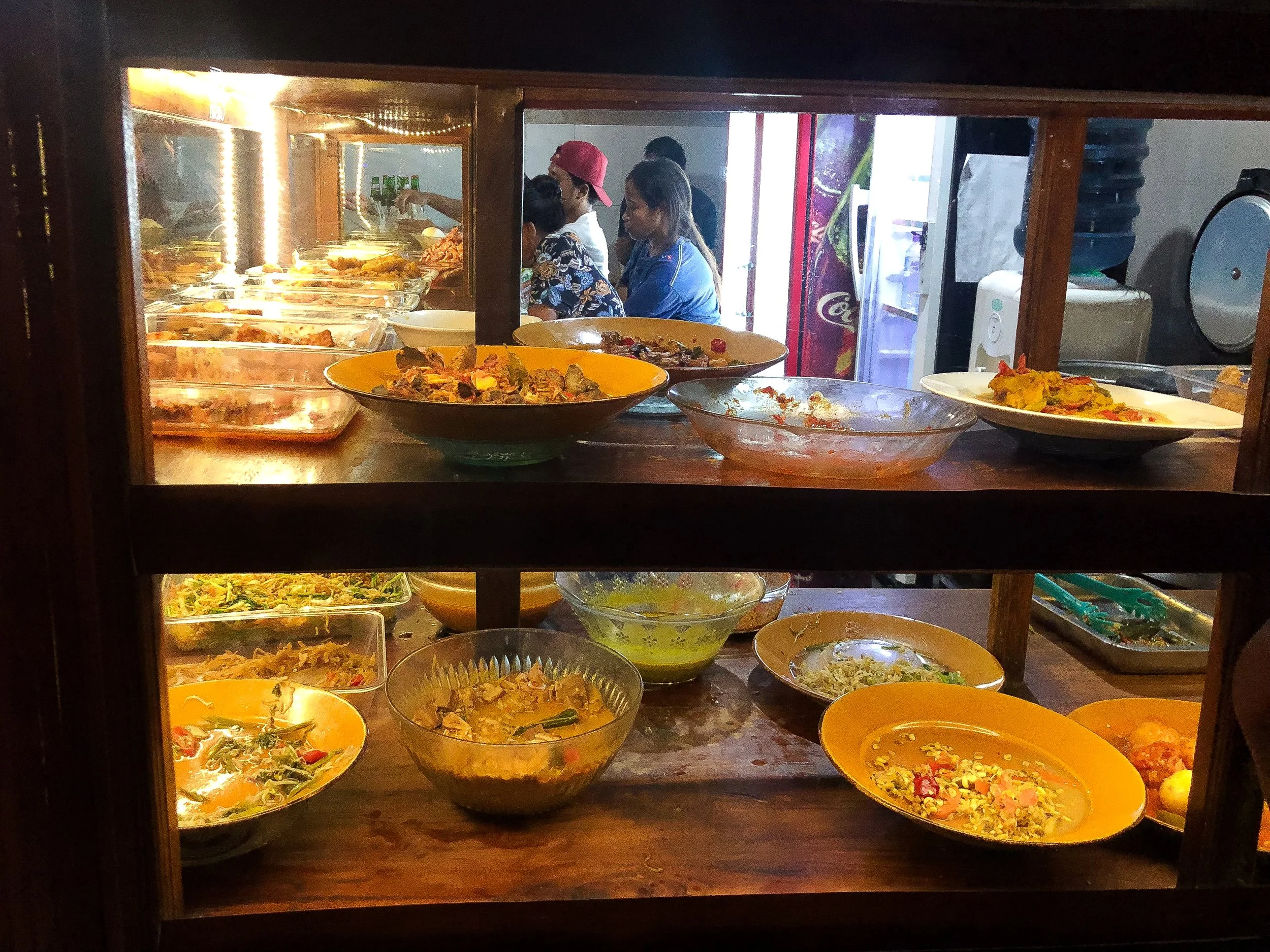
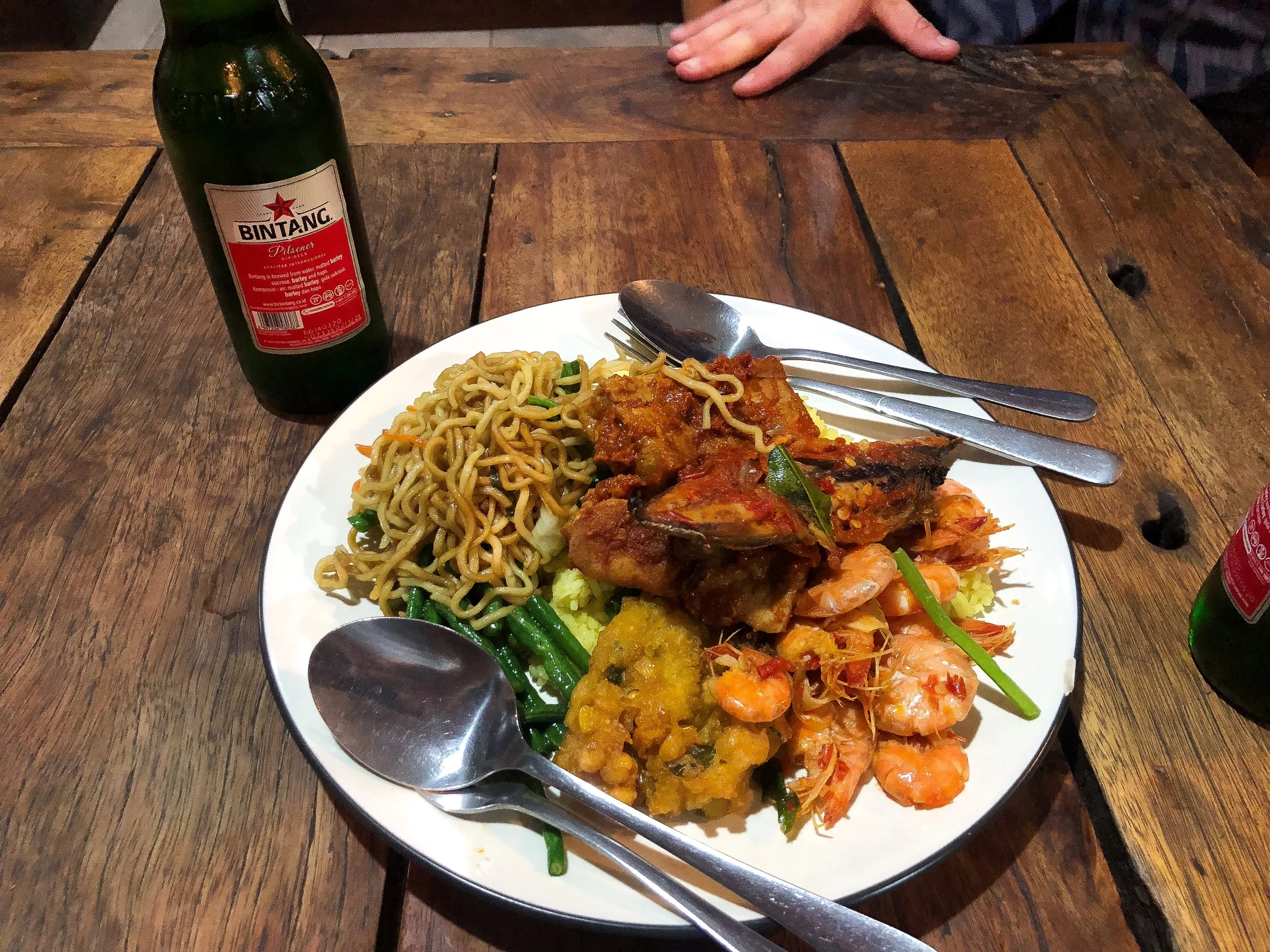
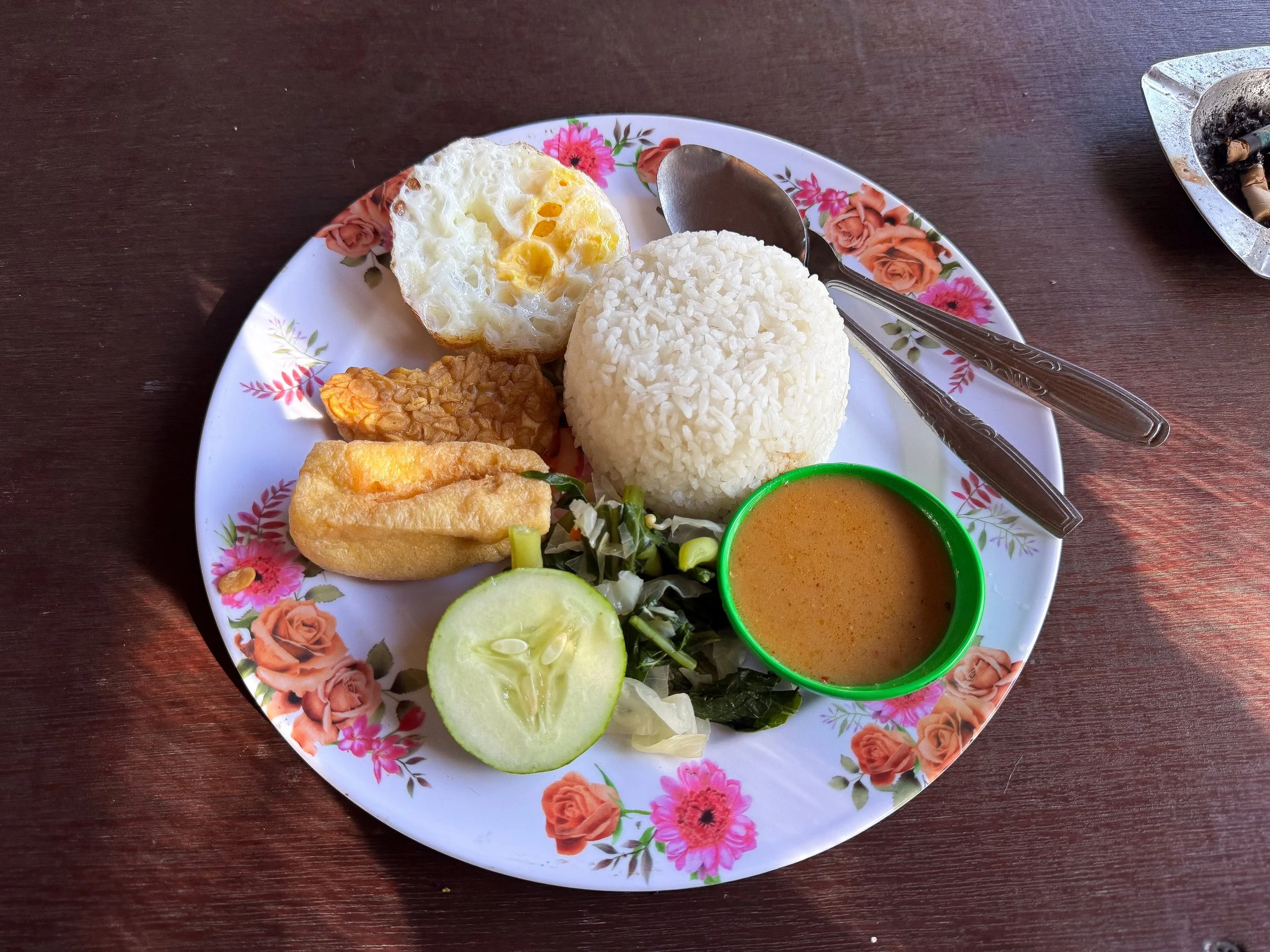
Warungs. An Indonesian style restaurant serving a buffet of dishes and prepared plates. They’re often spotted along the roadside offering inexpensive meals and traditional Balinese cuisine.
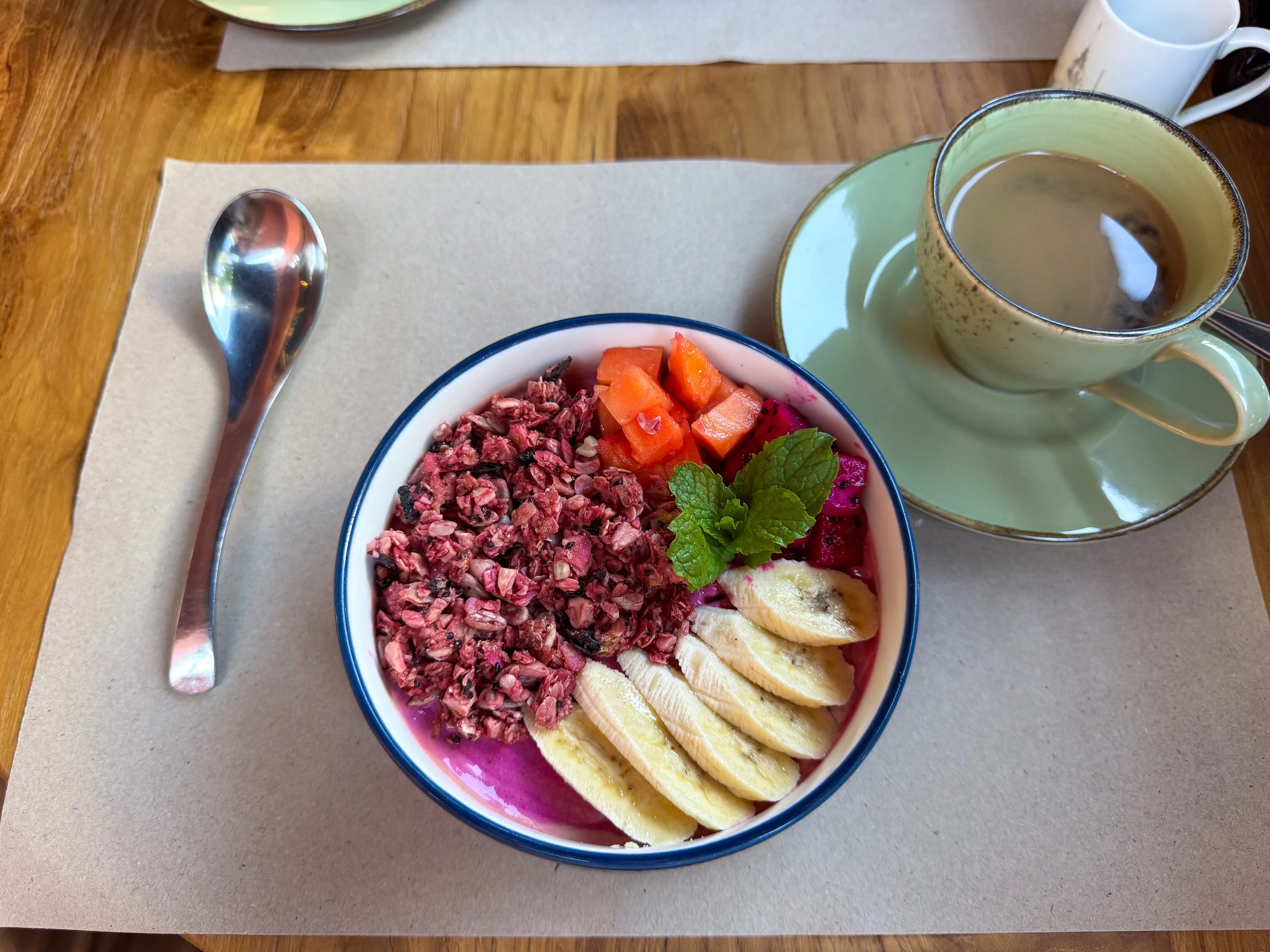
Bali Bowls. Also called smoothie bowls, they’re made from mixtures of puréed frozen fruits and often decorated in fresh fruit, grains and flowers. They’re a healthy, filling and refreshing way to start the day. Almost every café offers their own versions.
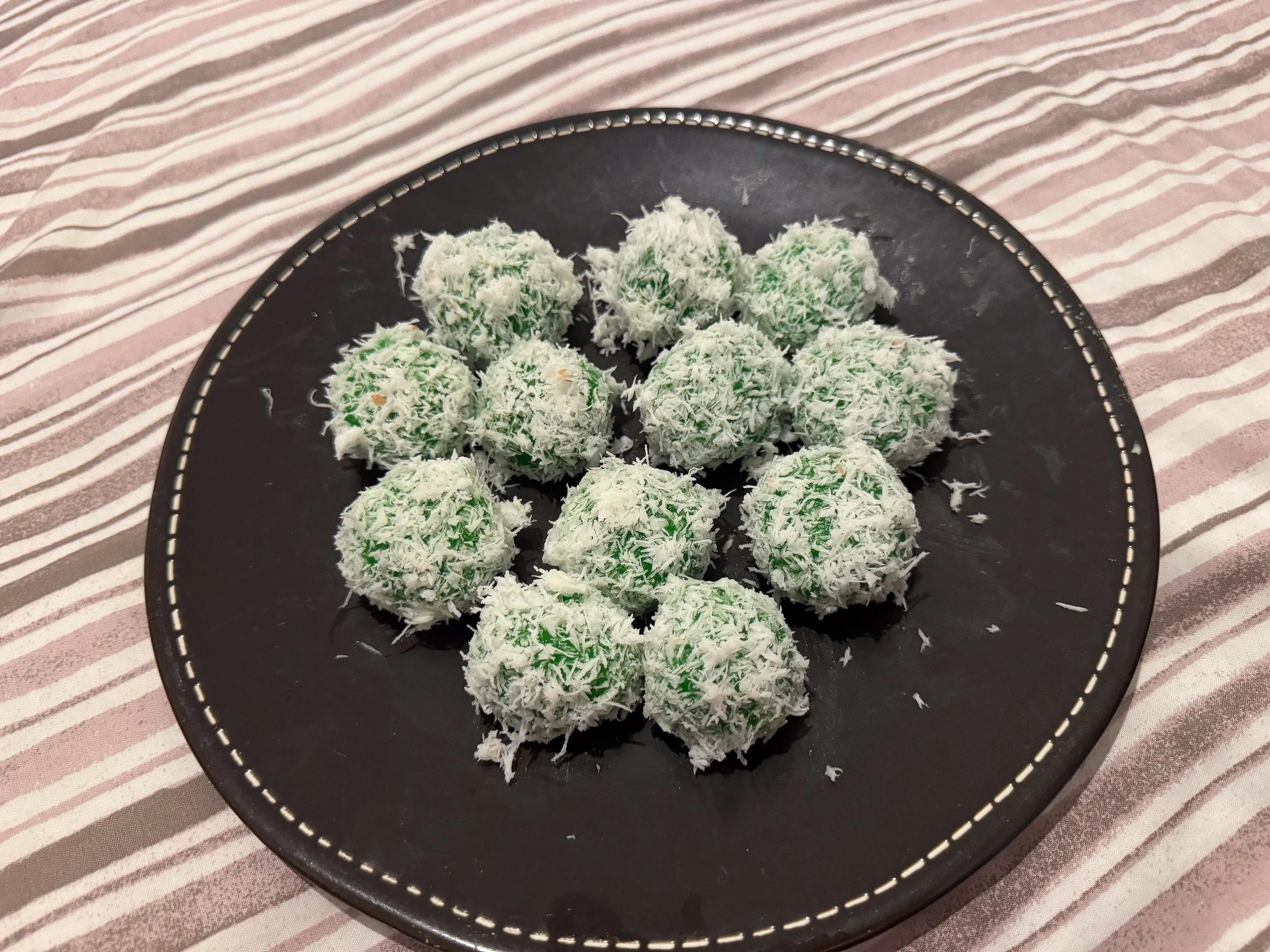
Klepon. A green gelatinous rice ball with melted palm sugar inside and a coconut shaved exterior.
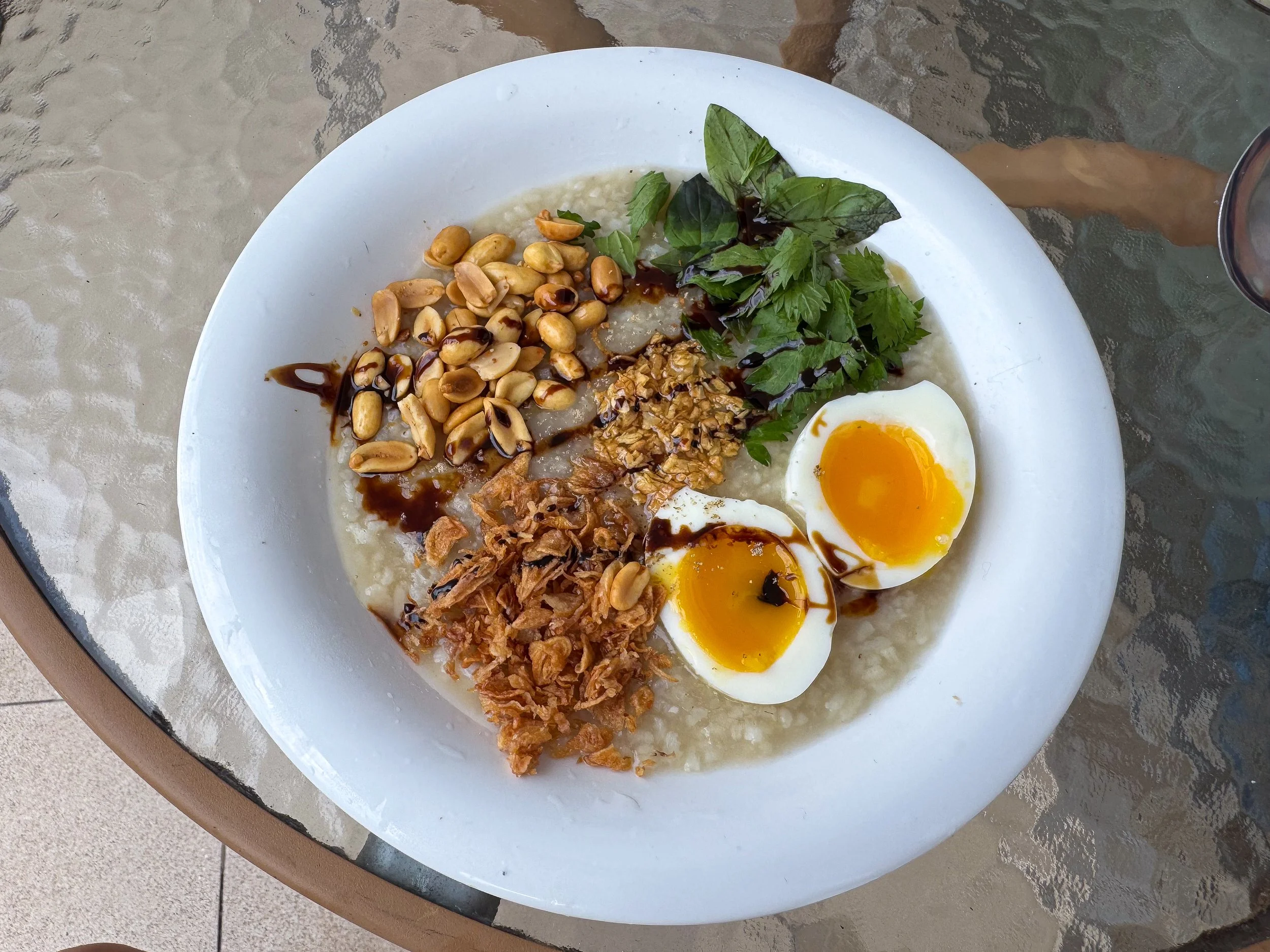
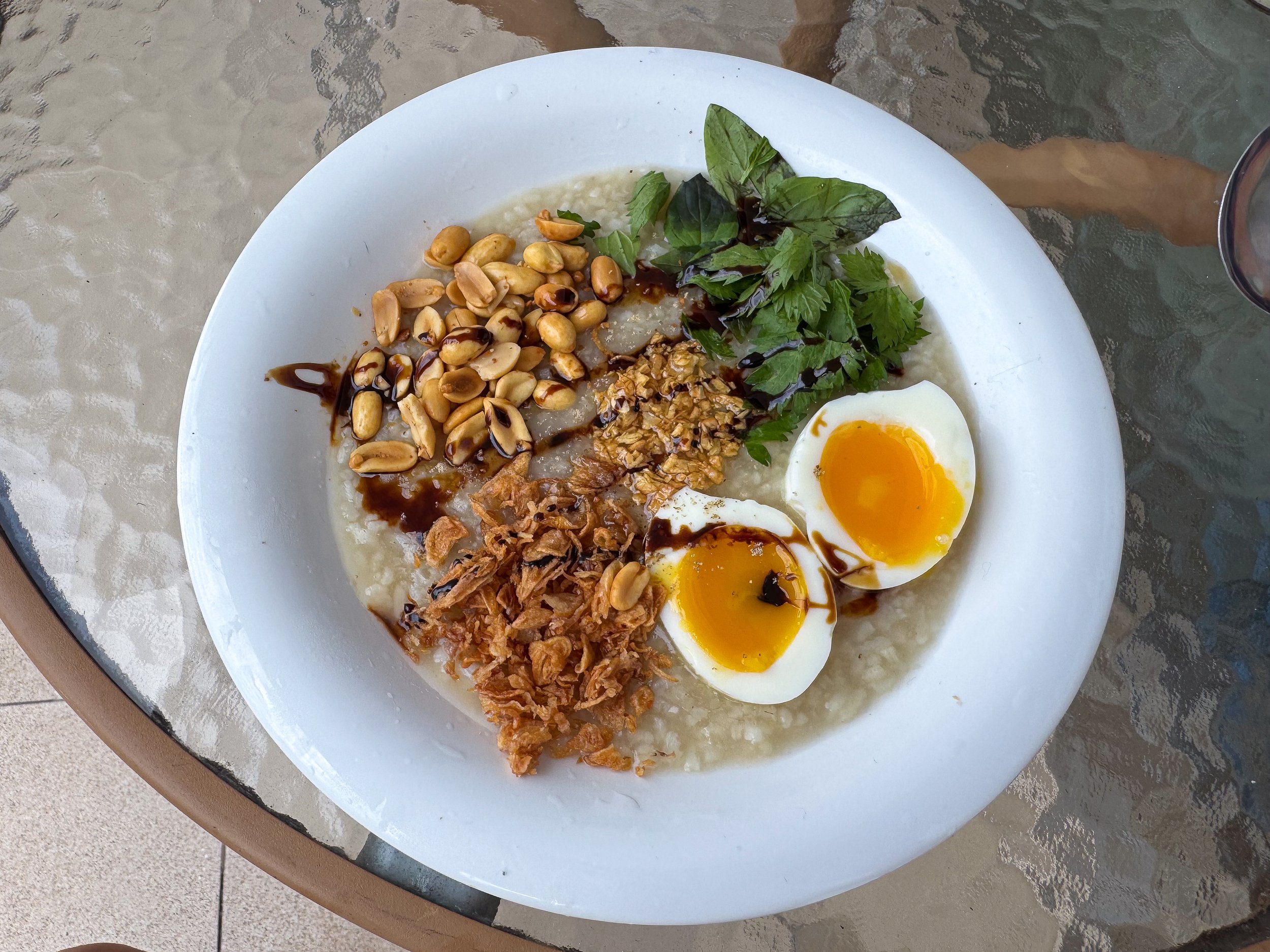
Nasi Goreng. Vegetable fried rice, an Indonesian staple commonly served on menus around the country. It’s a popular breakfast dish.
Mi Goreng. The same as nasi goreng, except made with noodles instead of rice.
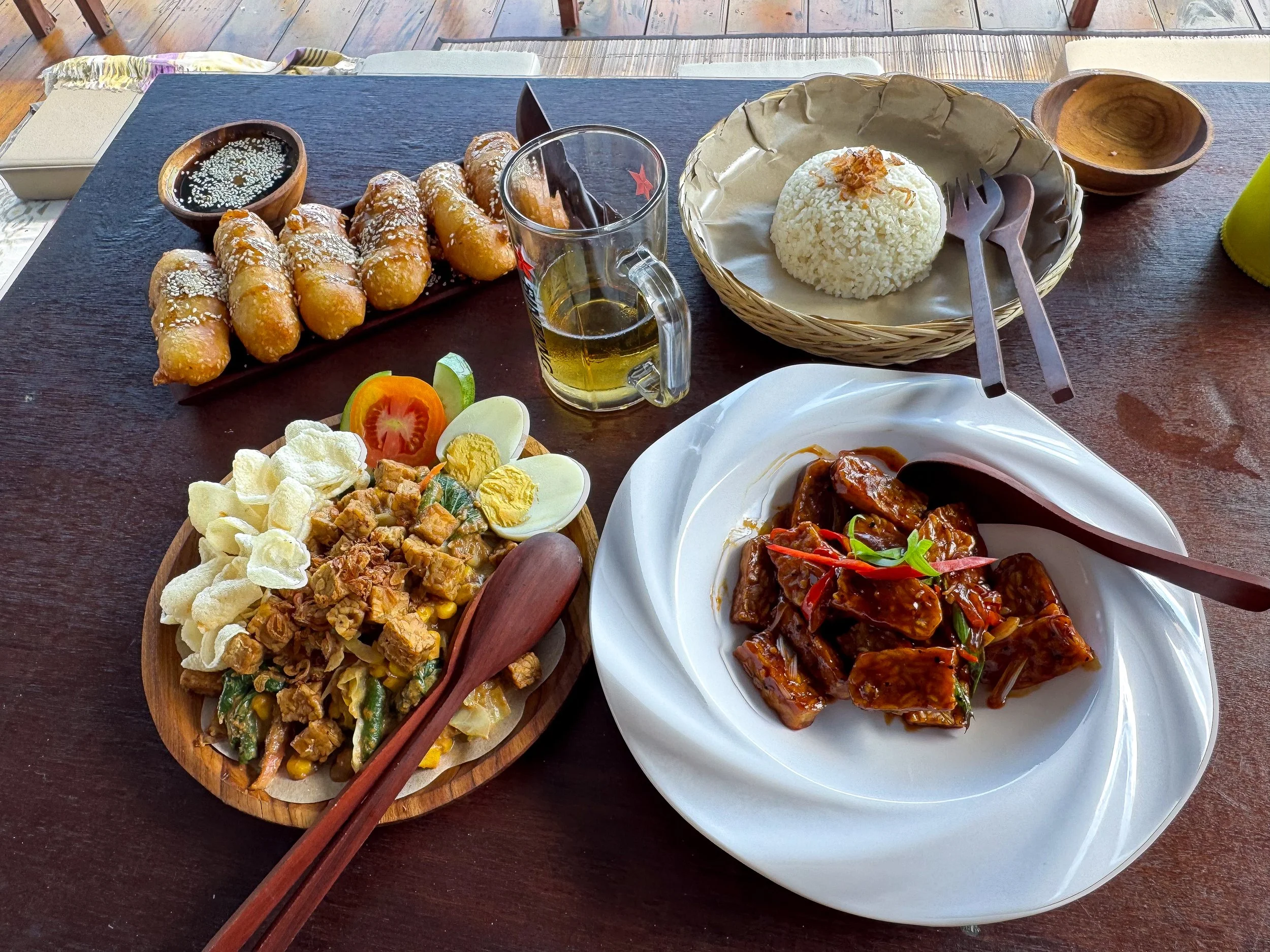
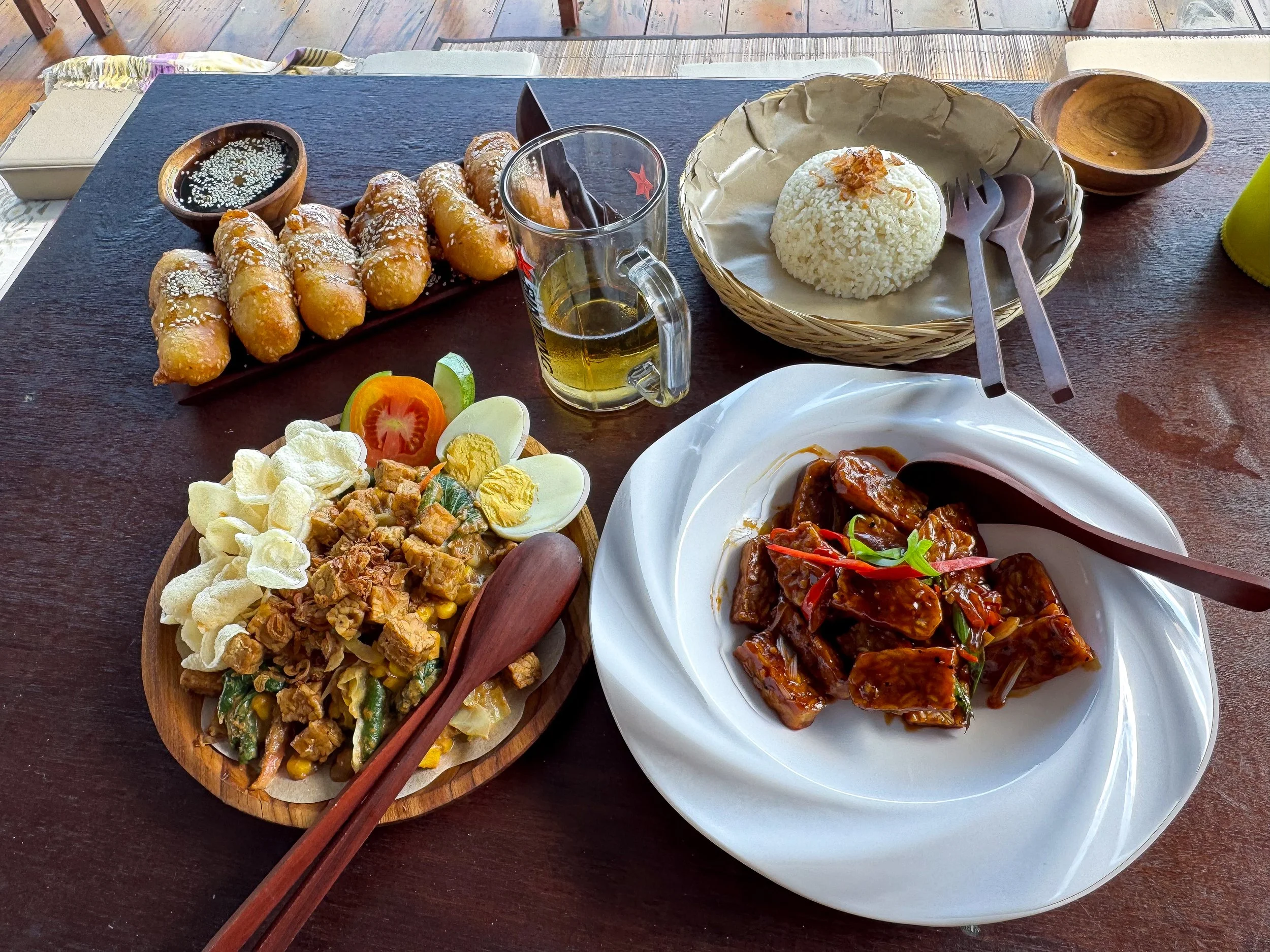
Gado Gado. Lightly steamed or boiled vegetables served with a spicy peanut sauce.
Batagor. Fried banana, tempeh or tofu stuffed with glass noodles and veggies. It’s a very common street food dish in East Java and eaten for breakfast or a midday snack.
Tempeh. Fermented and sprouted soybeans formed into a protein patty or block. A common preparation is Tempeh Lada Hitam, tempeh cooked in a black pepper sauce.
Sayur Lodeh. A spiced coconut stew cooked with tempeh, eggplant, tomatoes and green beans.
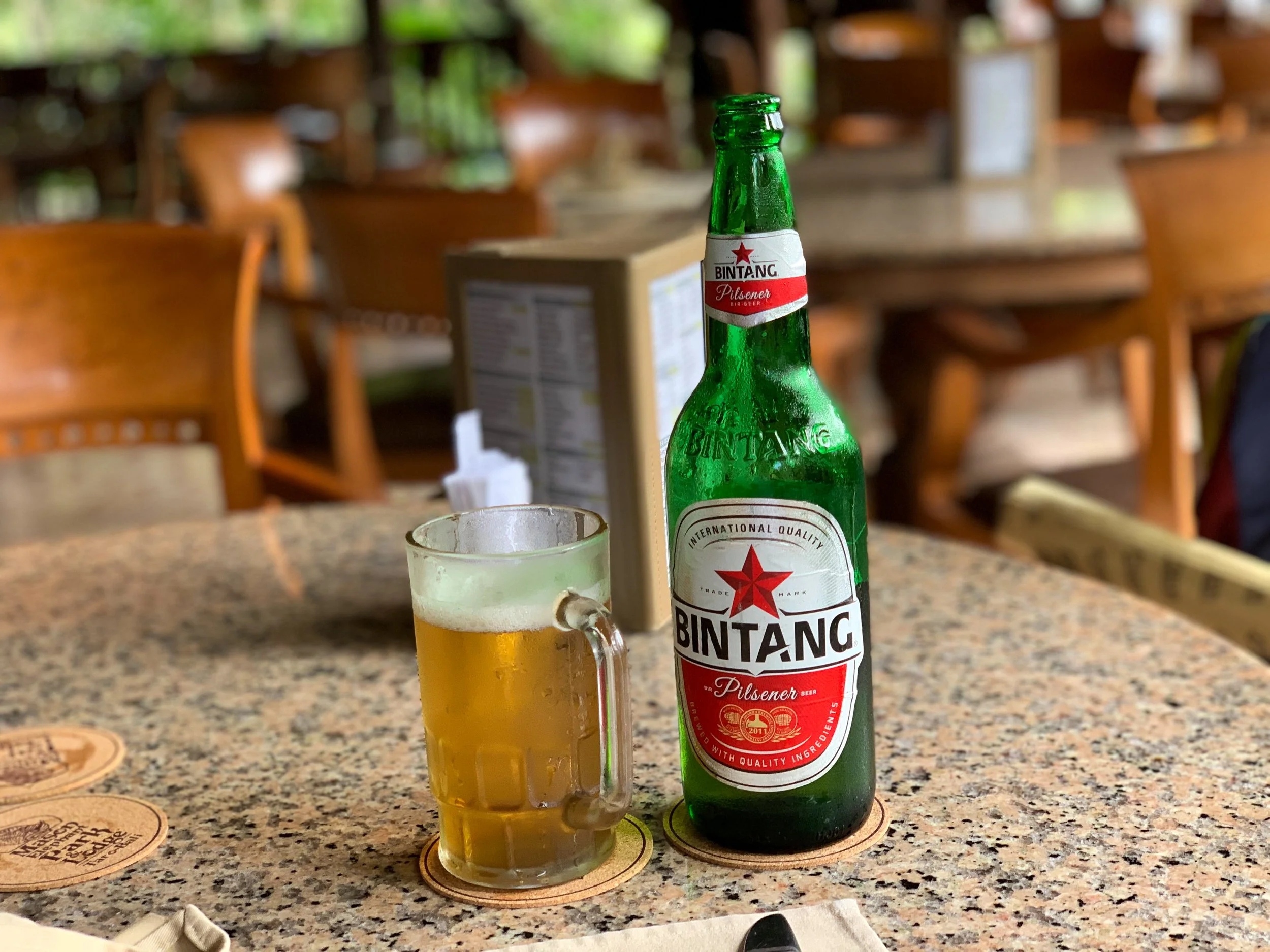
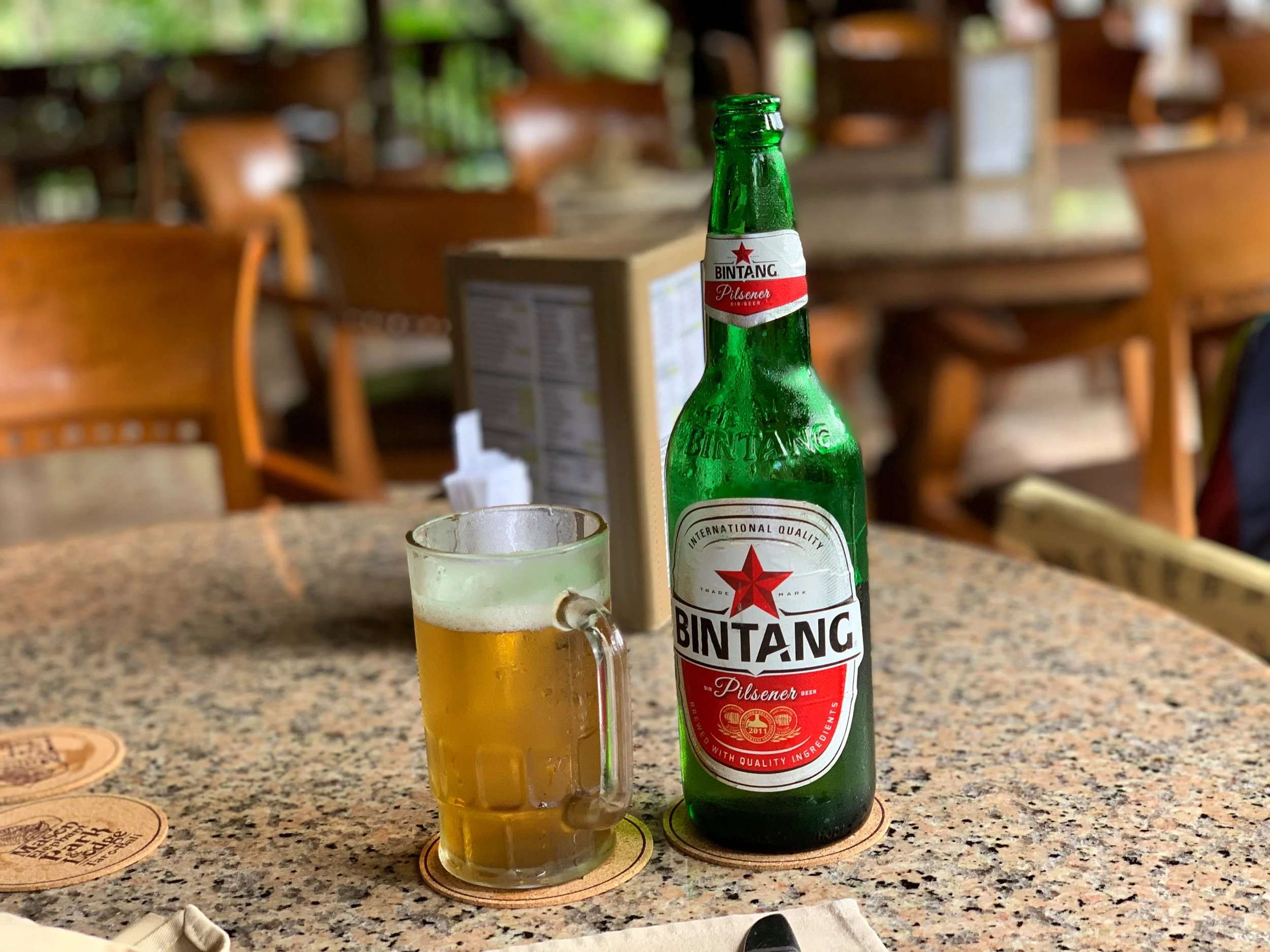
Bintang. Indonesia’s national beer. It’s a light beer perfect for the perpetually hot afternoons and evenings.
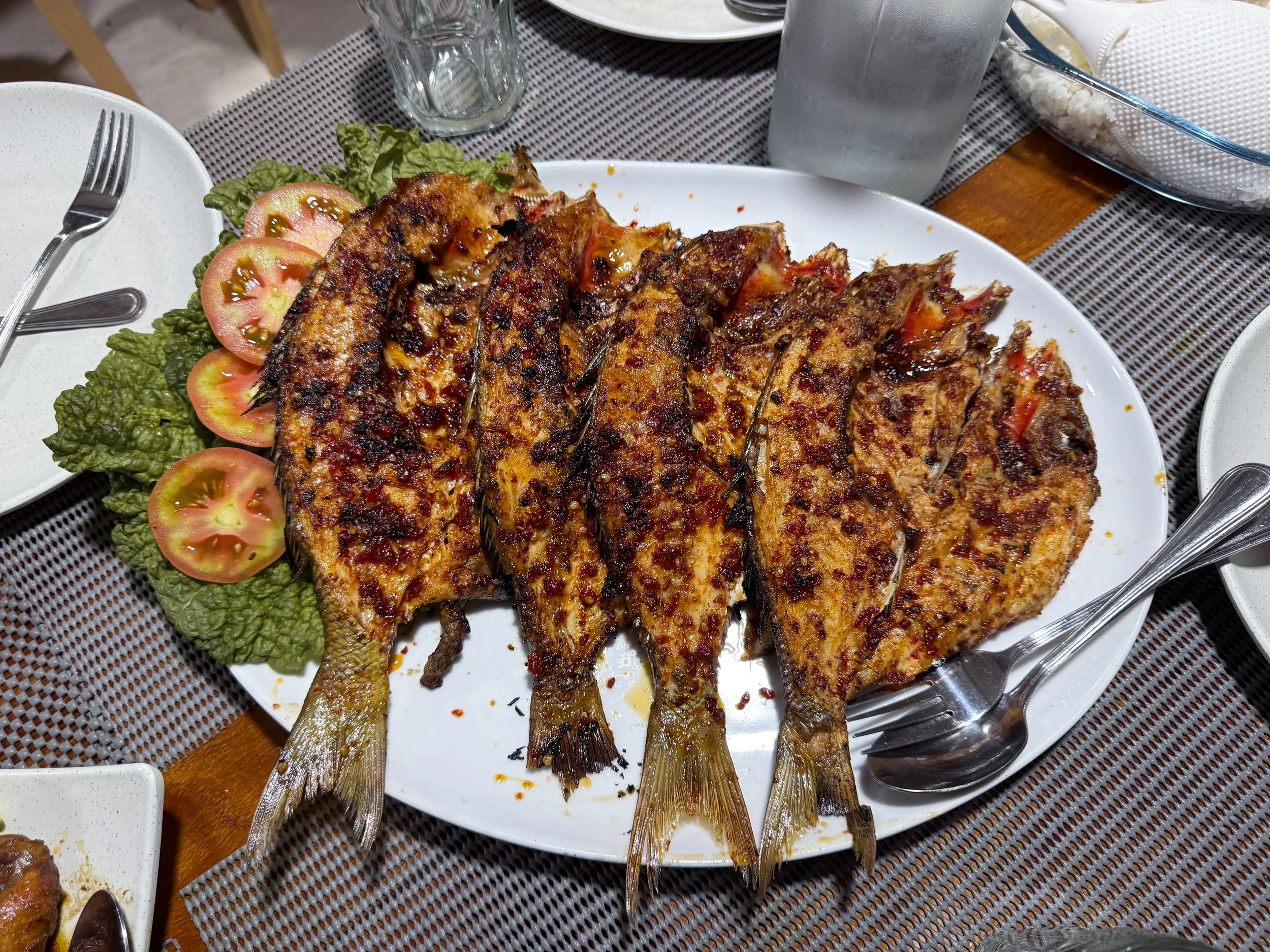
Sambal. Indonesians love spicy food. The source of the heat is often sambal, a minced mixture of Thai chili peppers, shallots and garlic.
Location Specifics
When to Visit. Visit during the dry season, from May to October. The weather is sunny and bright most days with the occasional afternoon storm.
Plastic Pollution. With few methods for waste management and recycling, plastic waste and trash often make their way into the waterways, littering beaches, the coast and ocean.
Shoes Off Indoors. Like many places in Asia, it’s proper to remove shoes before entering a home or some shops.
Use Both Hands. Whenever exchanging anything like credit cards or cash, use both hands as a sign of respect.
Currency. Indonesia uses the Indonesian Rupiah. The currency is quantified in the thousands. Many businesses will drop the zeros on a bill. For example, something costing 56,000 Rp may be written as 50.
Small Bills. Carry a lot of smaller bills (5K, 10K and 20K) for donations and small fees.
Tipping. A 10% gratuity usually included in the bill under service. Anything extra is not expected.
General Safety. Bali is generally a safe place to travel to. The biggest dangers are traffic, natural disasters and overcrowded boats.
LGBTQ+ Safety. While Bali is very friendly and welcoming to LGBTQ+ travelers, Indonesian laws and customs are not. Stay up to date with the latest laws and suggestions while traveling. Refer to our guide on LGBTQ+ Travel Safety for more advice.
Language. Bahasa Indonesia is the official language in Bali; however many people know English. It’s best to know a few local words and phrases.
Sukseme = Thank You
Sama Sama = You’re Welcome
Selamat Pagi = Good Morning
Selamat Siang = Good Afternoon
Selamat Sore = Good Evening
Elsewhere in Indonesia
From Bali's beaches and island lifestyle to Ubud's cultural heritage, East Java's volcanoes and the Komodo Islands' wild landscapes, discover more of Indonesia through these travel guides:
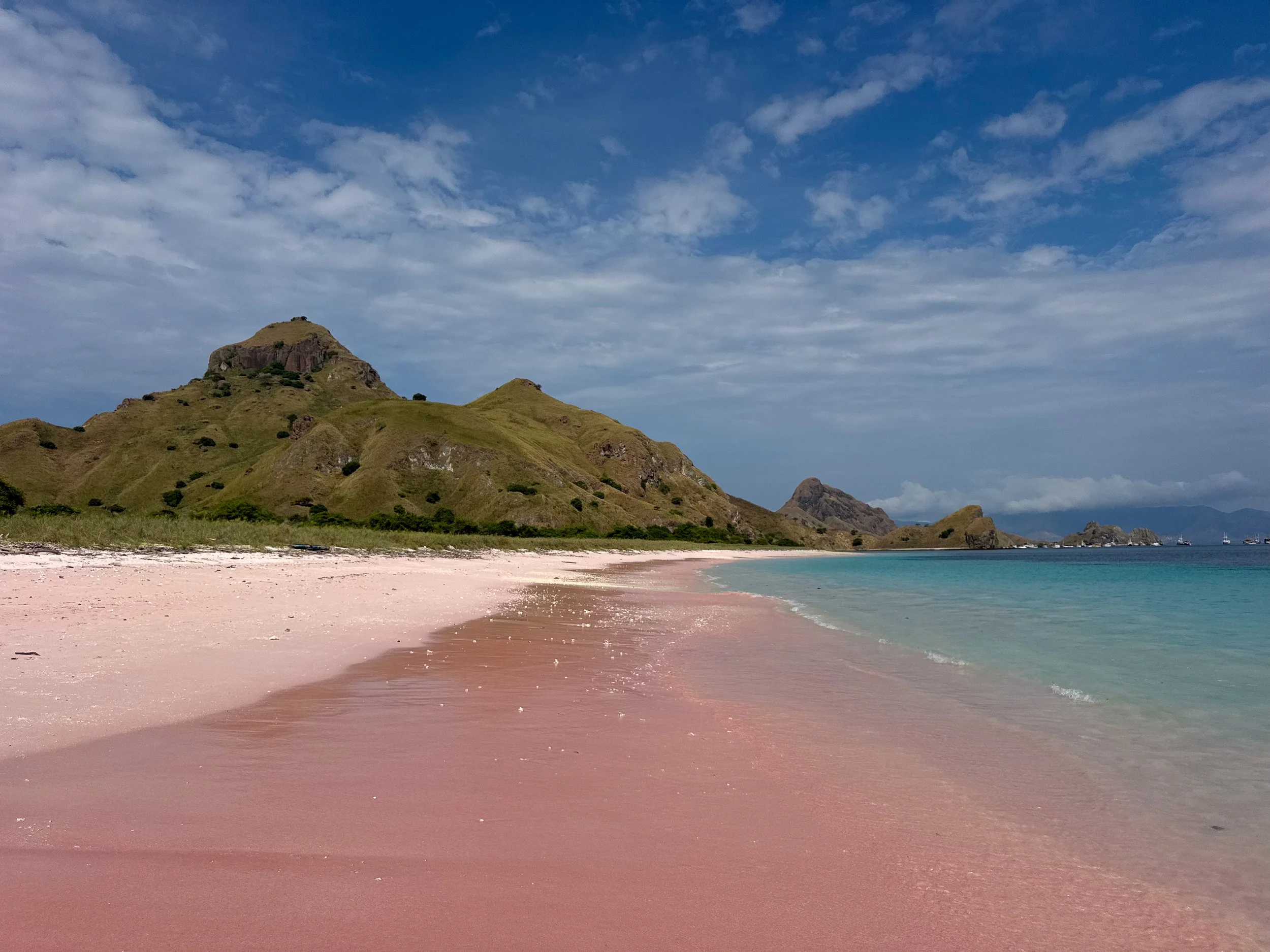
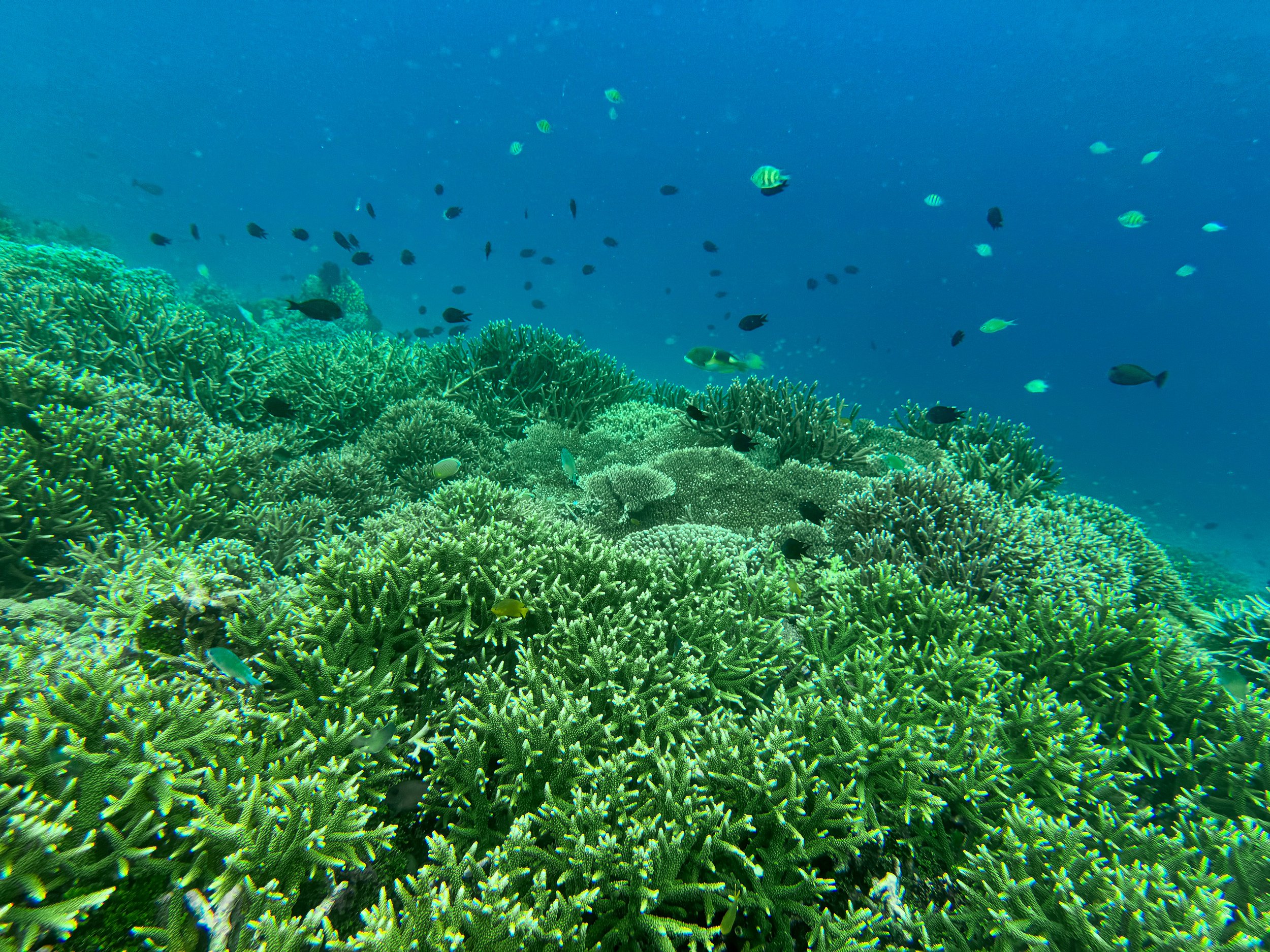
Komodo Islands Travel Guide: Komodo Dragons, Island Adventures & Marine Life. Explore the Komodo Islands where Komodo dragons, volcanic landscapes, pink sand beaches and coral reefs blend wildlife encounters with island hopping adventures.
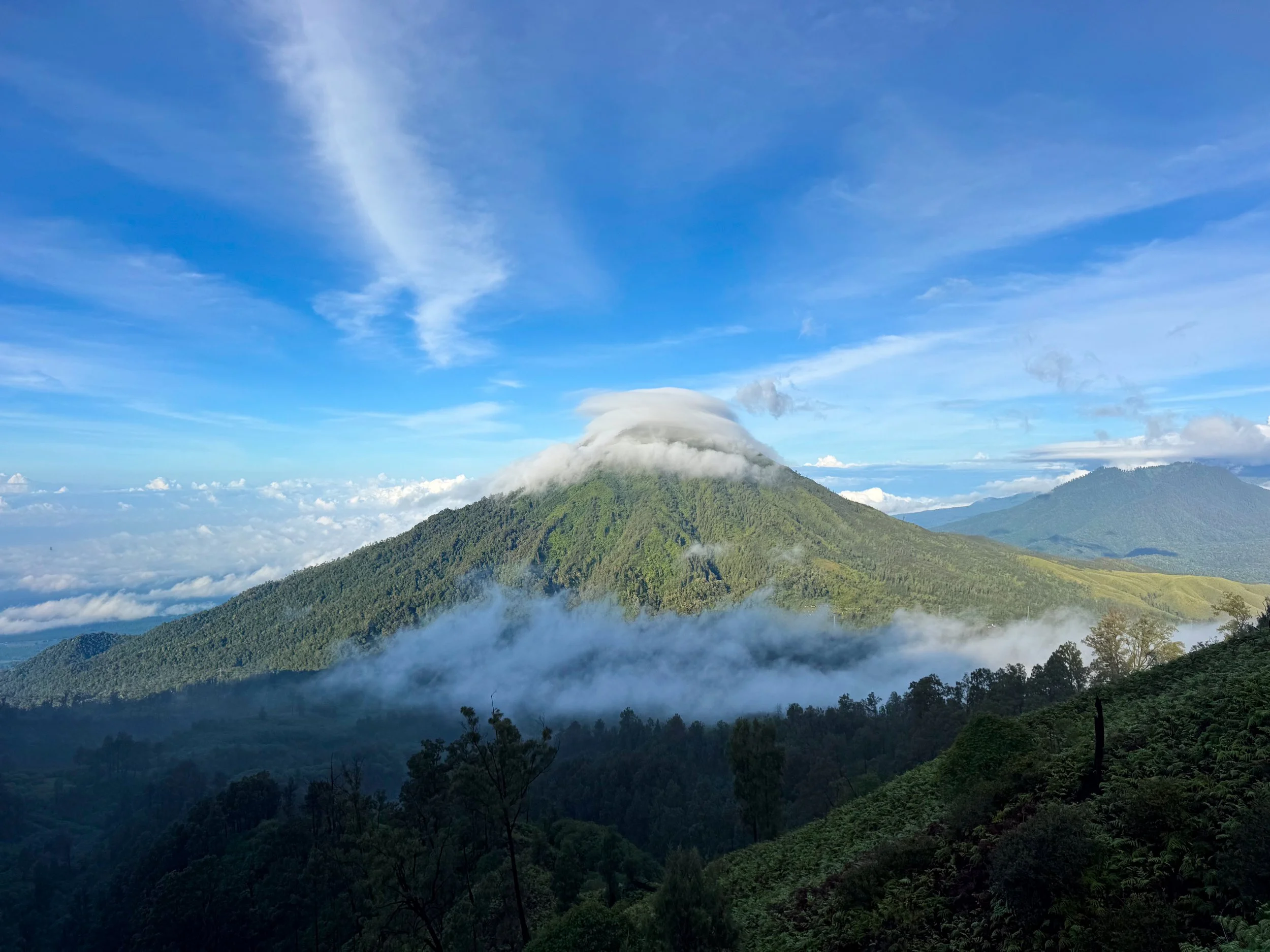
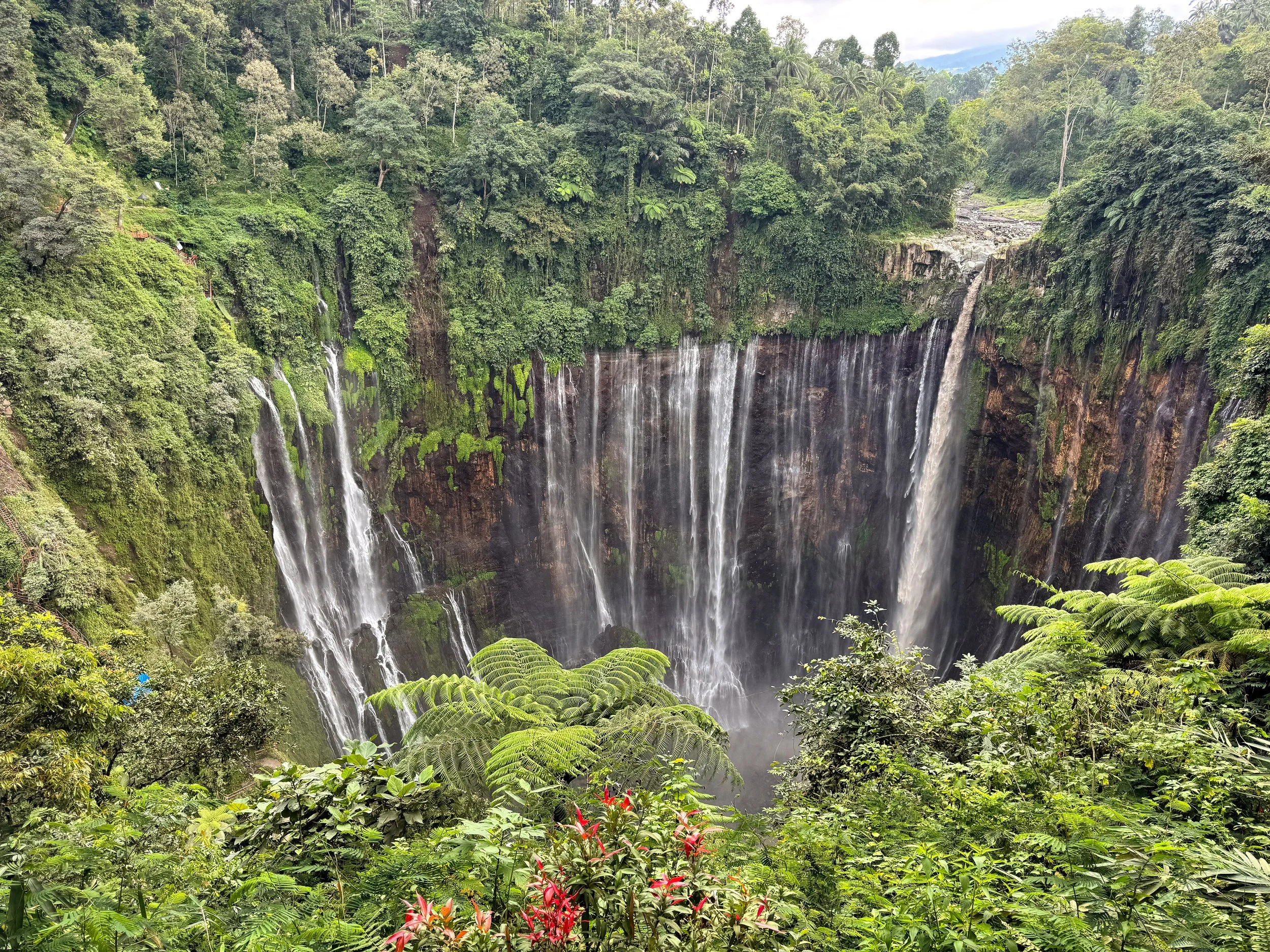
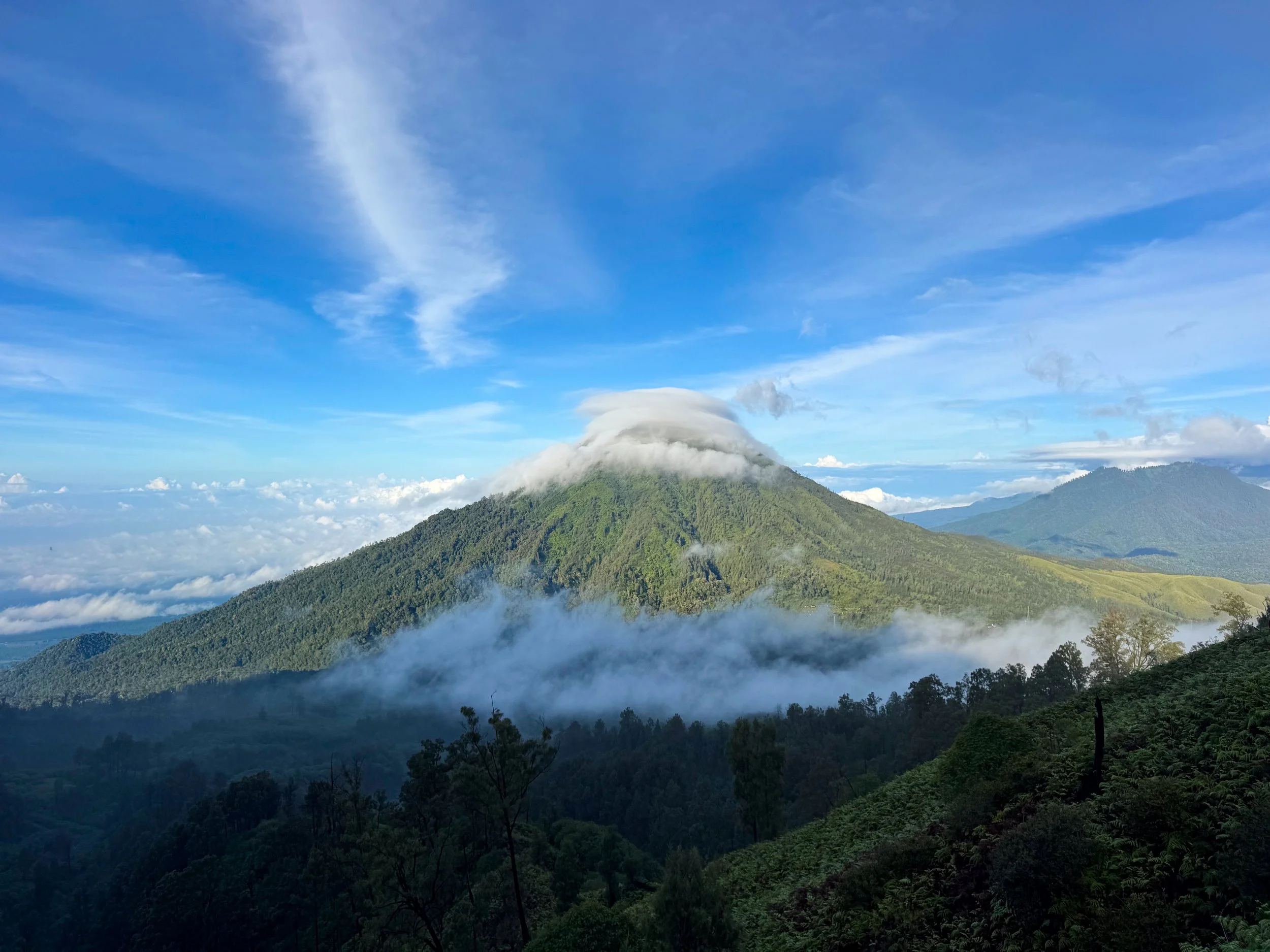
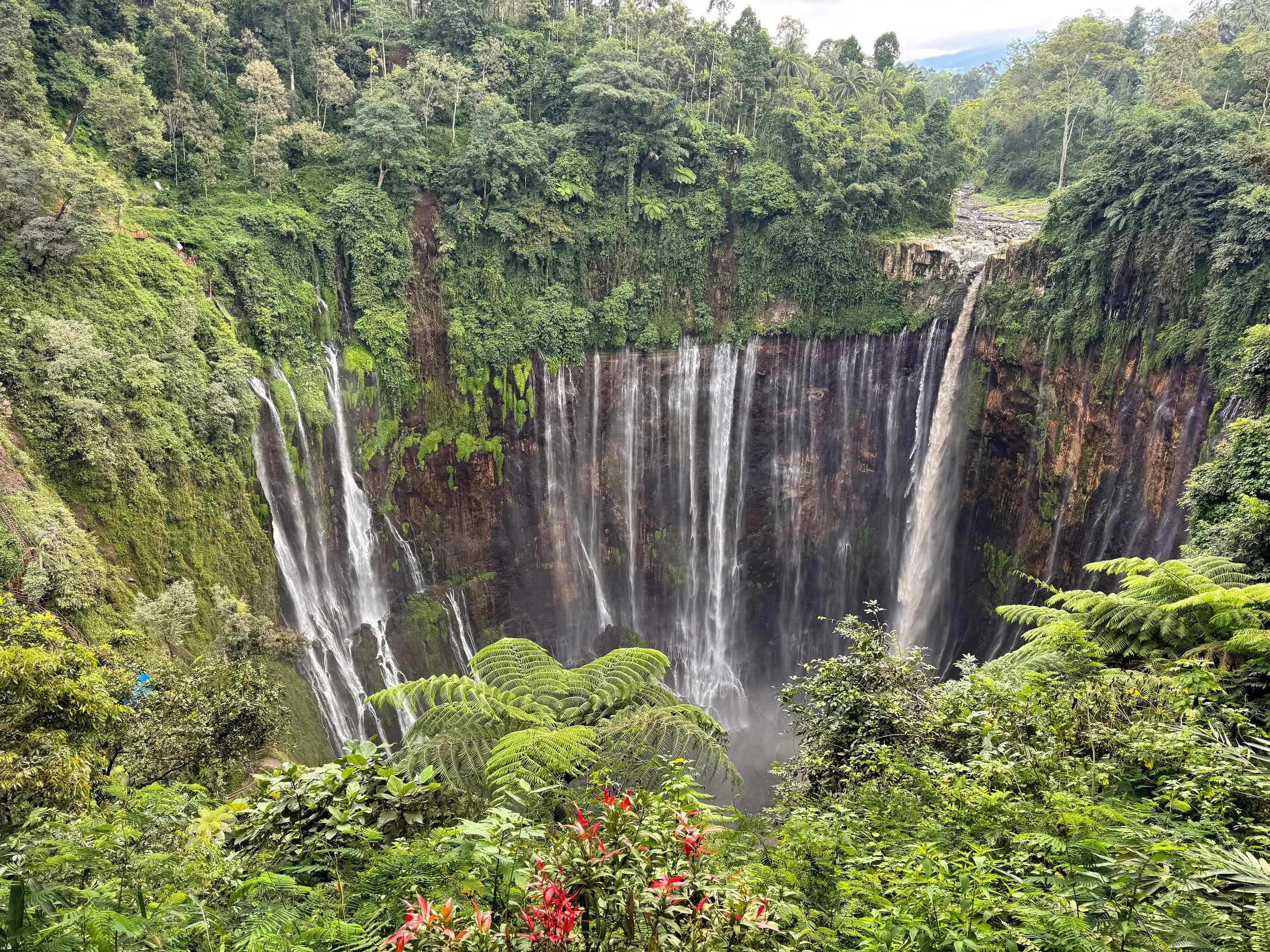
East Java Travel Guide: Mount Bromo, Ijen & Tumpak Sewu. Trek through East Java from Mount Bromo and Ijen Crater to Tumpak Sewu Waterfall, where volcanic landscapes and jungle trails reveal Indonesia's dramatic natural wonders.
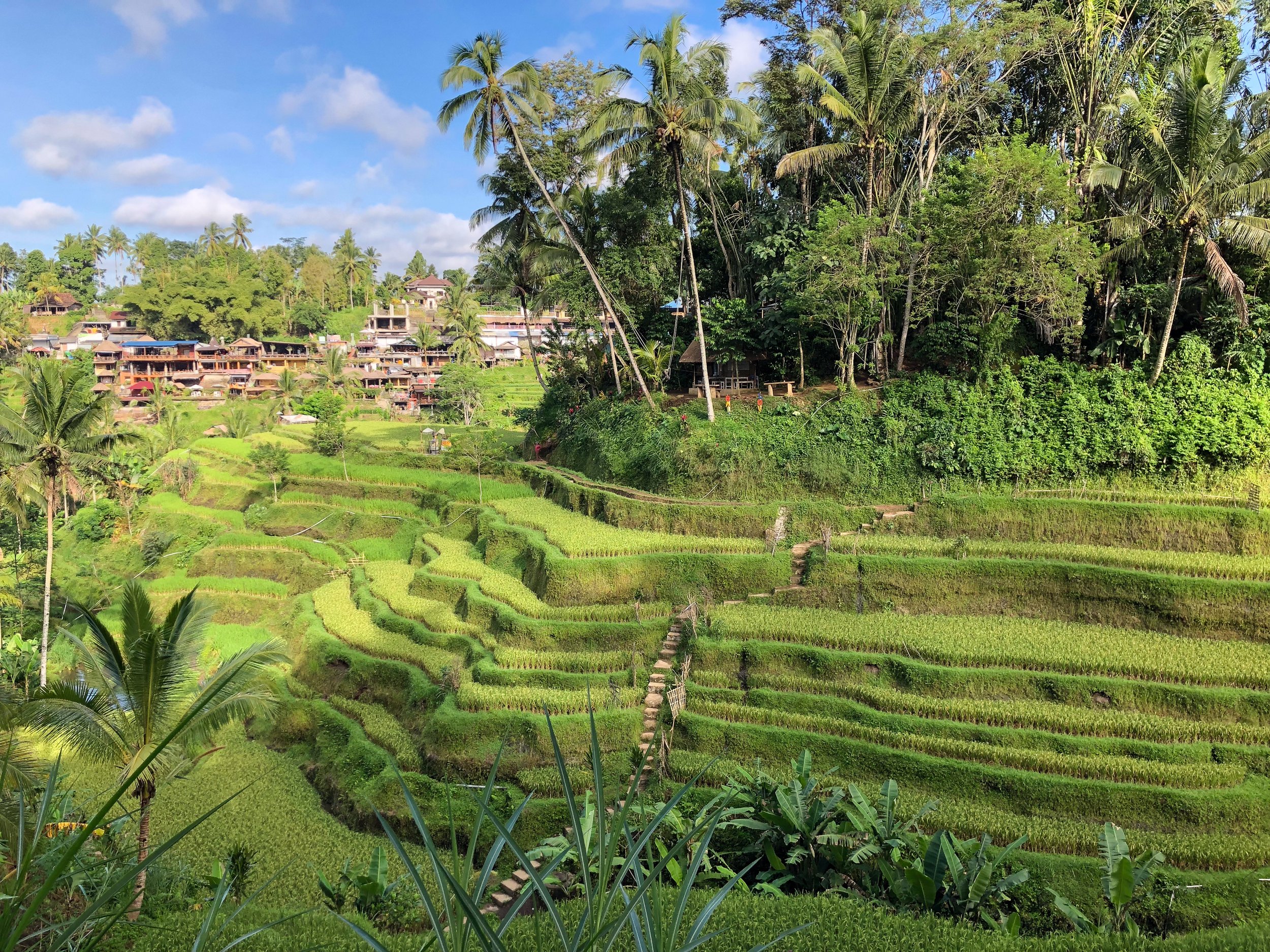
Ubud Travel Guide: Rice Terraces, Sacred Temples & Balinese Culture. Wander through Ubud where expansive rice terraces, jungle trails, volcanic hikes, Hindu temples and the Sacred Monkey Forest preserve the cultural heart of Bali.
For Next Time…
There are near endless things to do and see in Bali. Its unique culture, nature and atmosphere is a place we certainly hope to experience again. When we do, these are a number of the things we’re planning to seek out.
Nusa Islands. An archipelago of three volcanic islands in the strait between Bali and Lombok. It’s famed for its manta rays, cliff diving points and Kelingking Beach, a beach on Nusa Penida with a T-rex shaped peninsula.
The Gilis. We could have spent weeks on The Gilis. Having thoroughly explored Gili T, we would return to experience Gili Air and Gili Meno.
Uluwatu. An area of the Bukit Peninsula cliffside beaches like Suluban and Balangan and one of Bali’s most sacred sites, the Uluwatu Temple, where it’s believed that the Hindu gods, Brahma, Vishnu, and Shiva become one here.
West Bali Park. A largely untouched wildlife refuge and jungle on the western side of Bali. The route leading here is dotted with coastal towns and jungleous villages.
Ubud’s Temples. We would spend more time exploring the ancient temples in Ubud including:
Pura Ulun Danu Bratan. A series of floating water temples on Lake Bratan accessible by canoe.
Pura Taman Saraswati. A palace water temple surrounded by large lily ponds where the traditional Balinese Legong dance is performed.
Goa Gajah. A 9th century cave temple with extensive carvings and entrance through the overgrown mouth of a demon.
Ubud Travel Guide: Rice Terraces, Sacred Temples & Balinese Culture
Wander through Ubud where expansive rice terraces, jungle trails, volcanic hikes, Hindu temples and the Sacred Monkey Forest preserve the cultural heart of Bali.
Ubud, The Cultural Heart of Bali
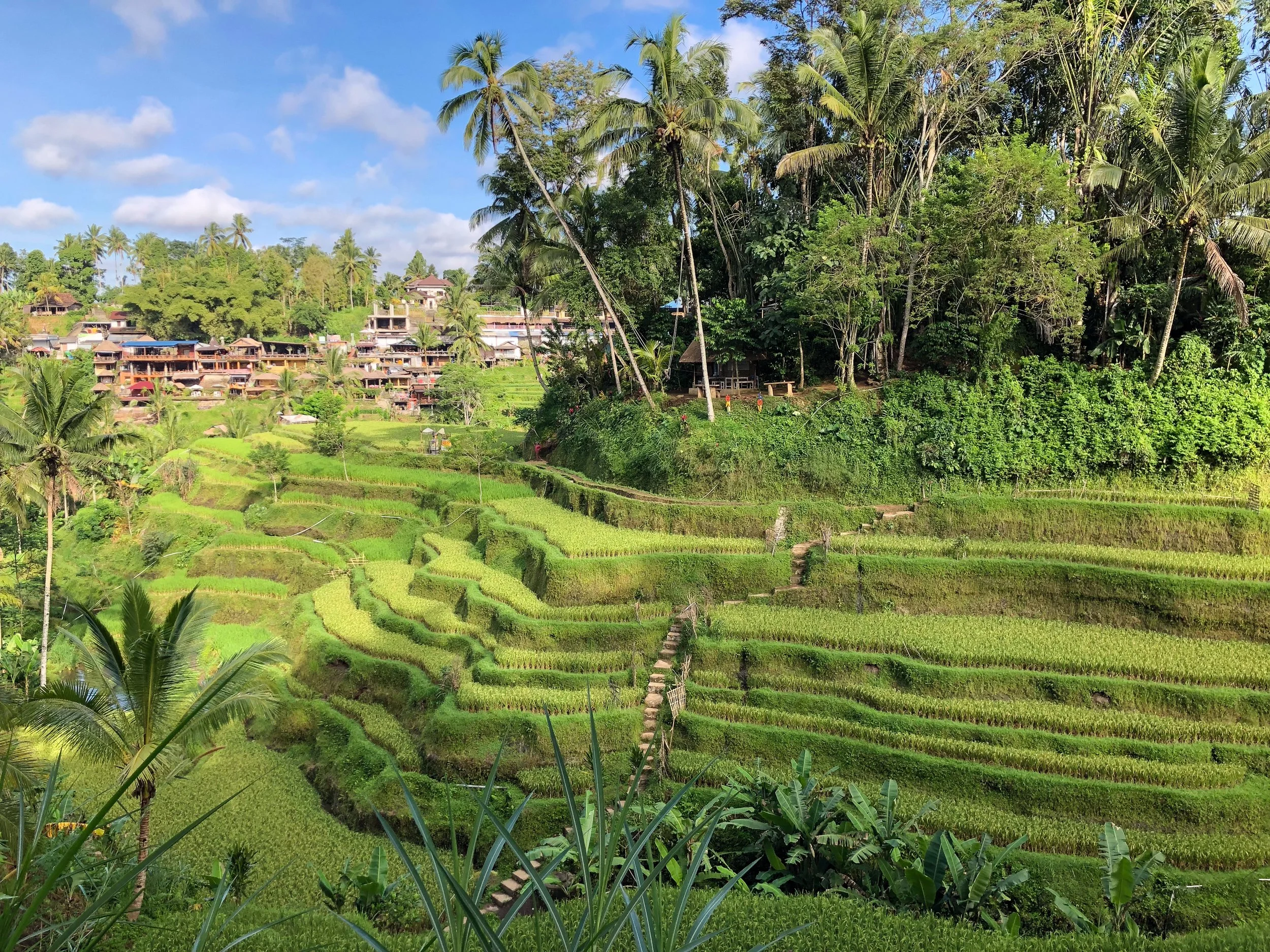
Ubud is the cultural heart and adventurous hub of Bali. The region is home to thousands of Hindu temples, ancient sites and Balinese museums where traditions, spirituality and nature merge as one. Hiking trails lead along verdant ridges and to the summits of active volcanoes. Expansive rice terraces and sprawling rice paddies sculpt the landscape and serve as a base for Indonesian cuisine. Eco hotels nestled within the verdant jungle provide one of a kind accommodations. We spent several days exploring Ubud during our two week trip to Bali, experiencing the island’s remarkable culture and nature.
Eco Tourism
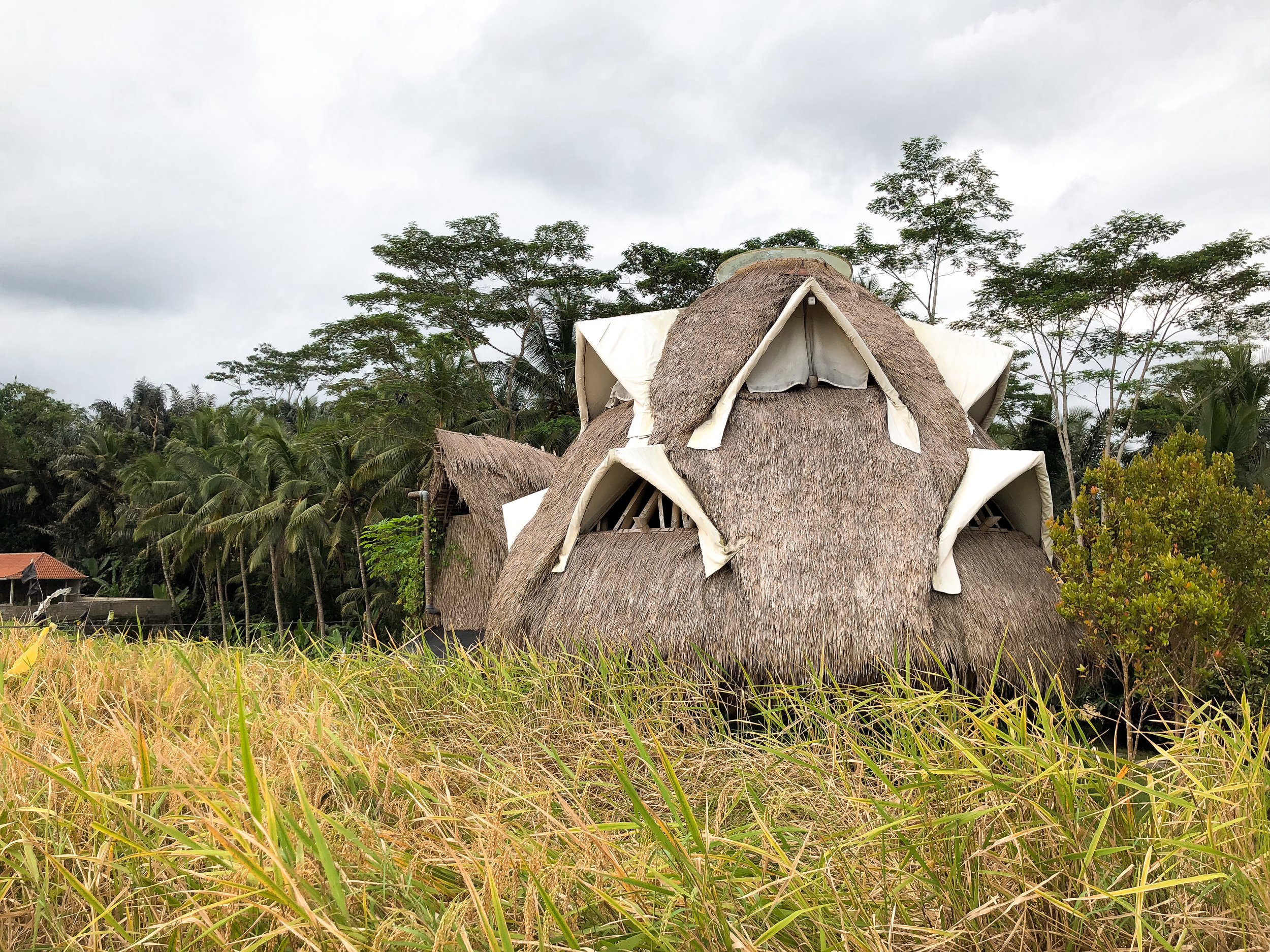
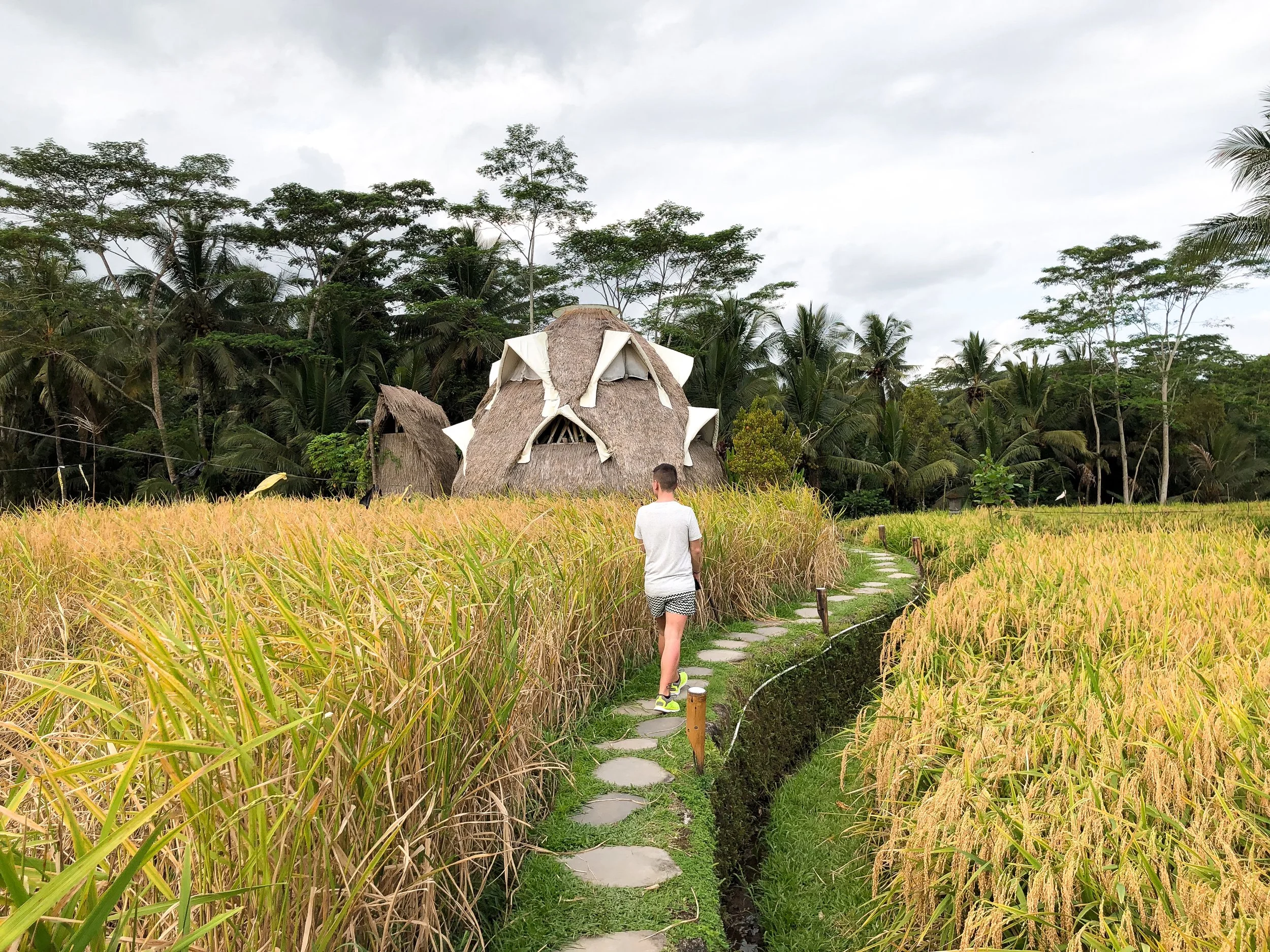
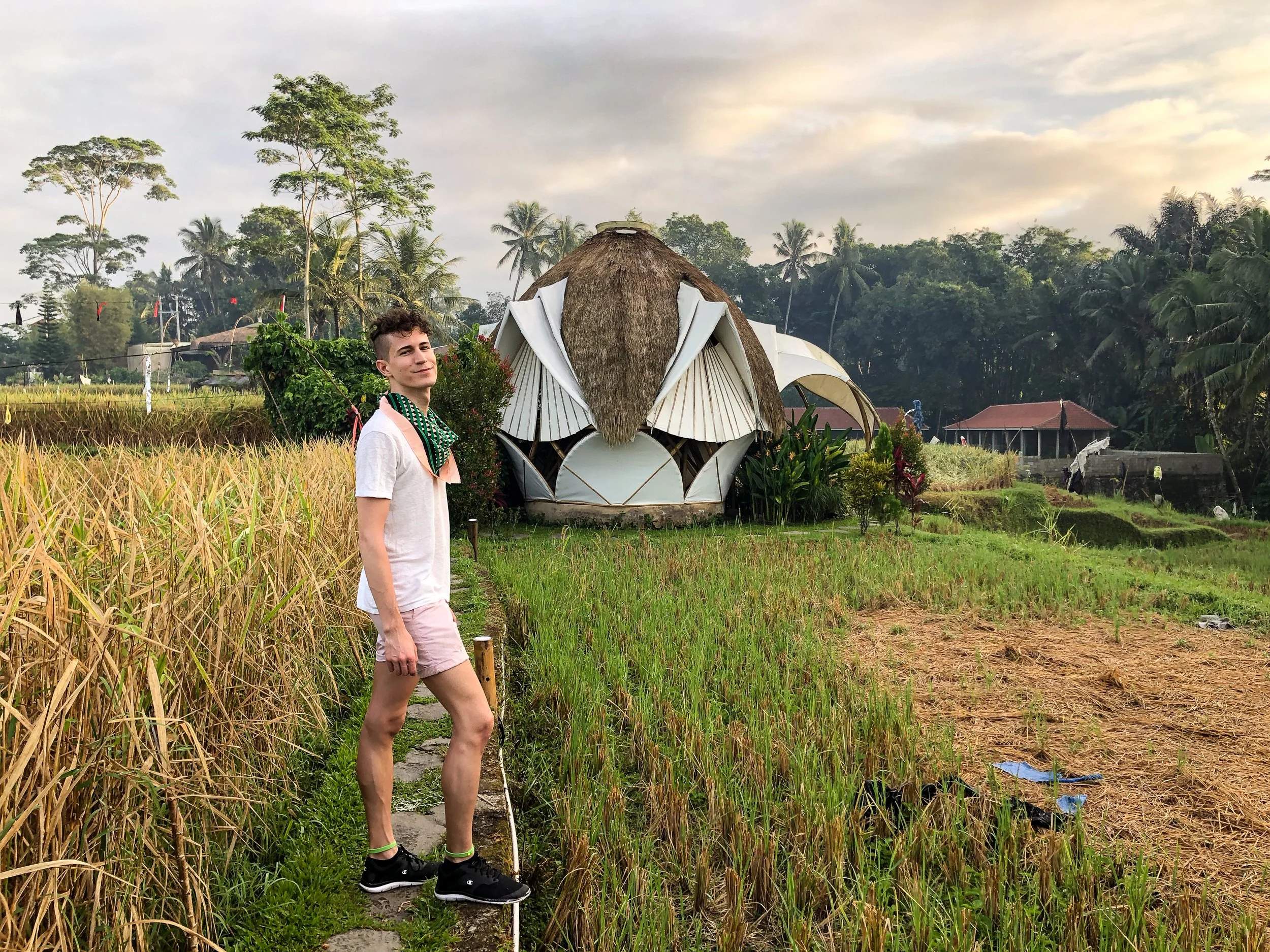
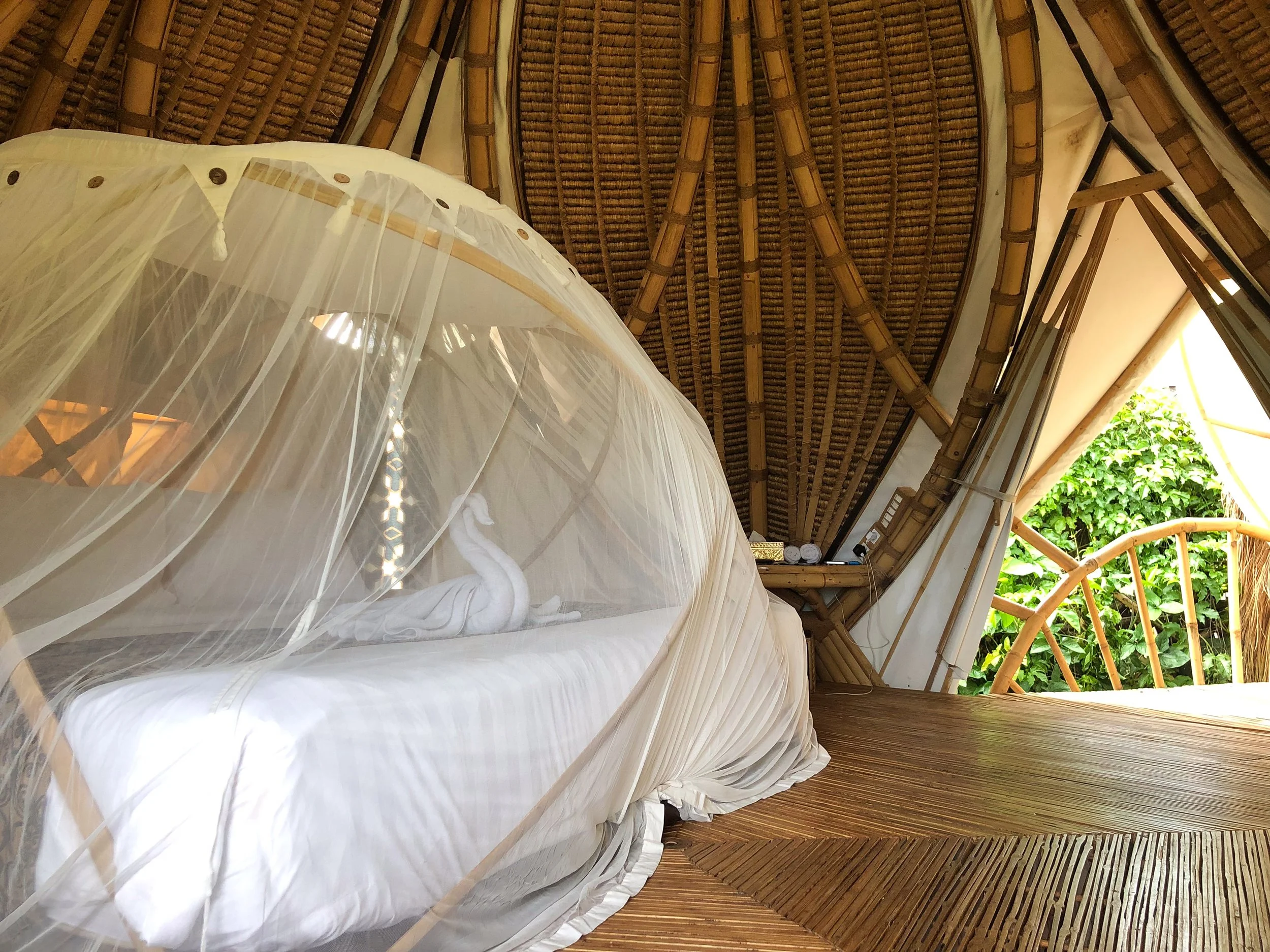
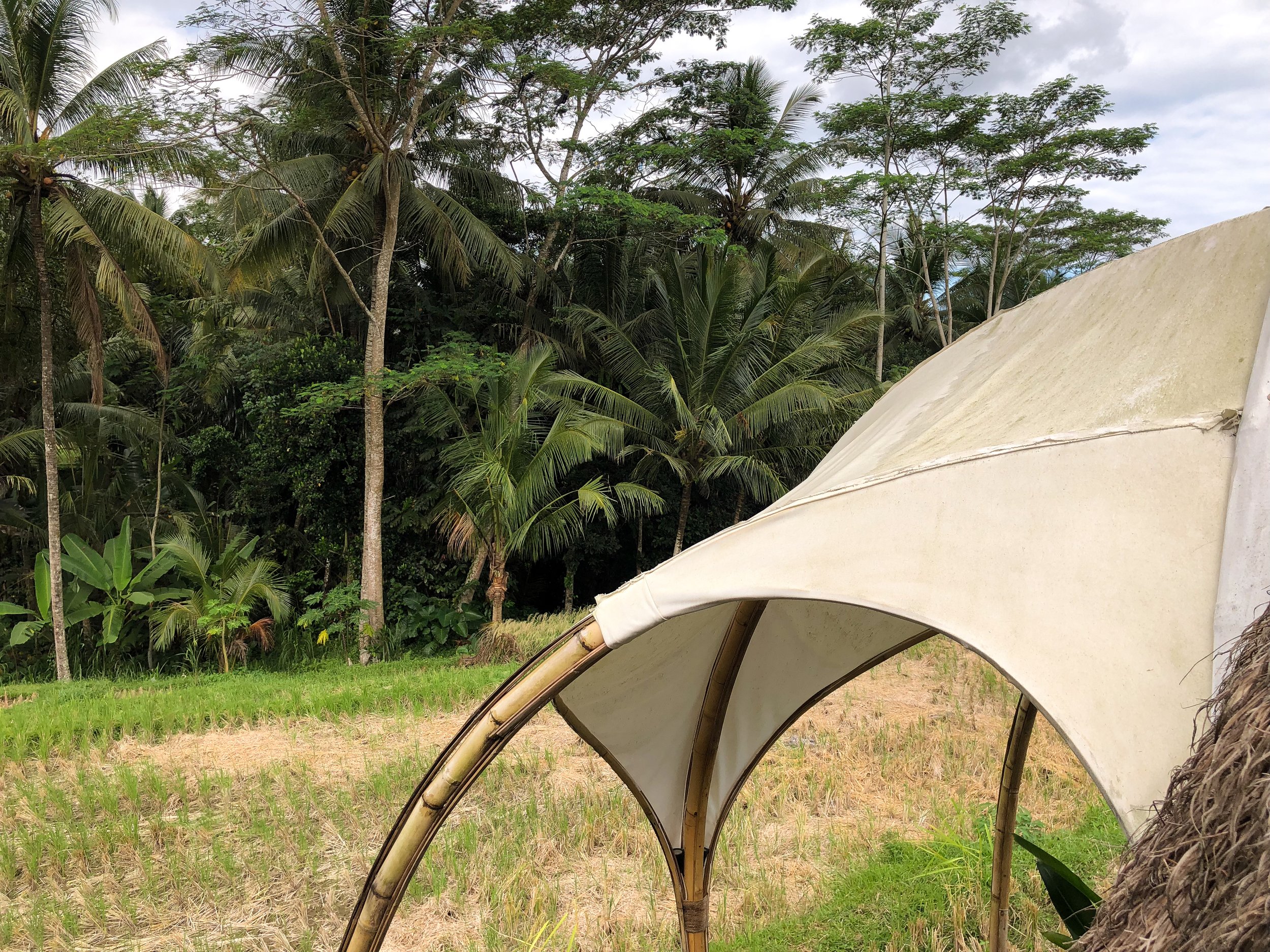
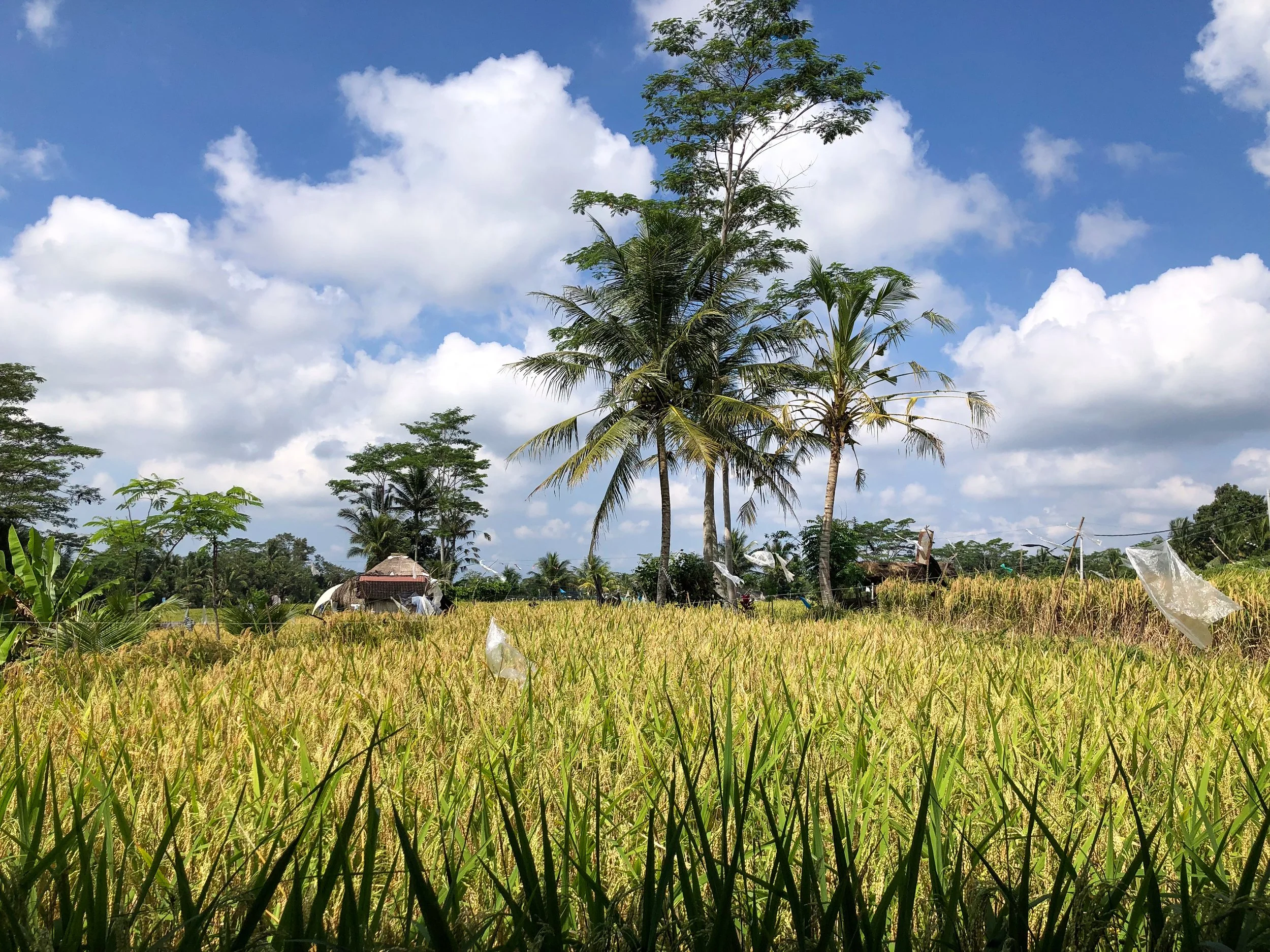
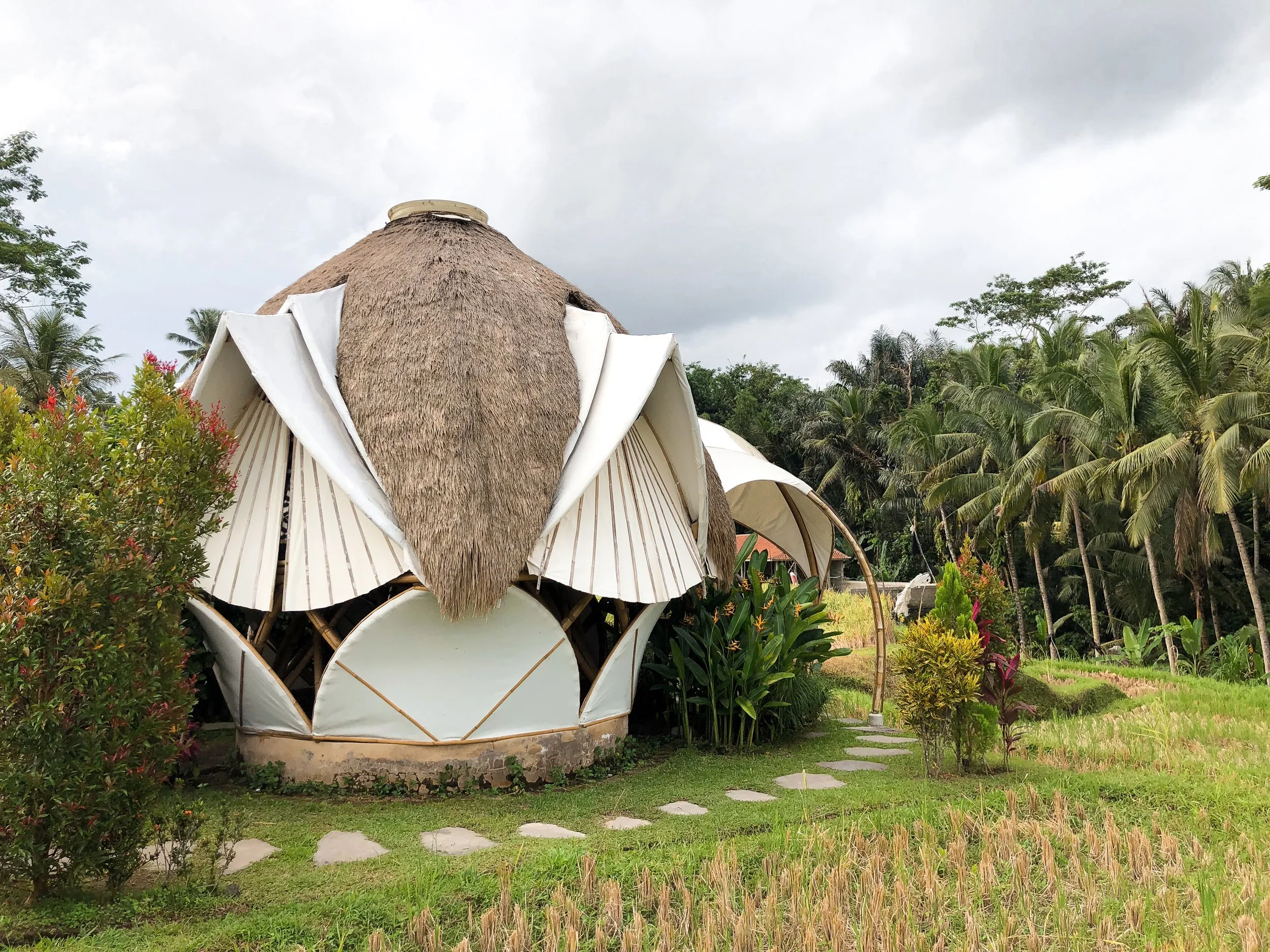
People in Ubud are physically and spiritually connected to nature. They care for their environment, eat, build and farm sustainably. This couldn’t have been any truer than at the eco hotel where we stayed, New Earth Haven. For five days, we lived in an eco-dome made from bamboo, canvas and thatched palm leaves. Separately it had an outdoor shower and composting toilet. The dome was surrounded by rice fields and elevated from the ground. During our stay, we would often wake up to the farmers harvesting rice and herding baby ducks.
From eco-domes to tree houses and villas in the rice paddies, there are plenty of unique and sustainable places to stay in Ubud. Book your stay in Moonstone Crystal Eco Dome on Airbnb.
Across the rice paddies from our dome is the Akasha Restaurant. An open air restaurant focused on sustainability and vegan cuisine with nightly events and festivals. We came here for many of our meals including smoothie bowls, jackfruit tacos and Indonesian coffee.
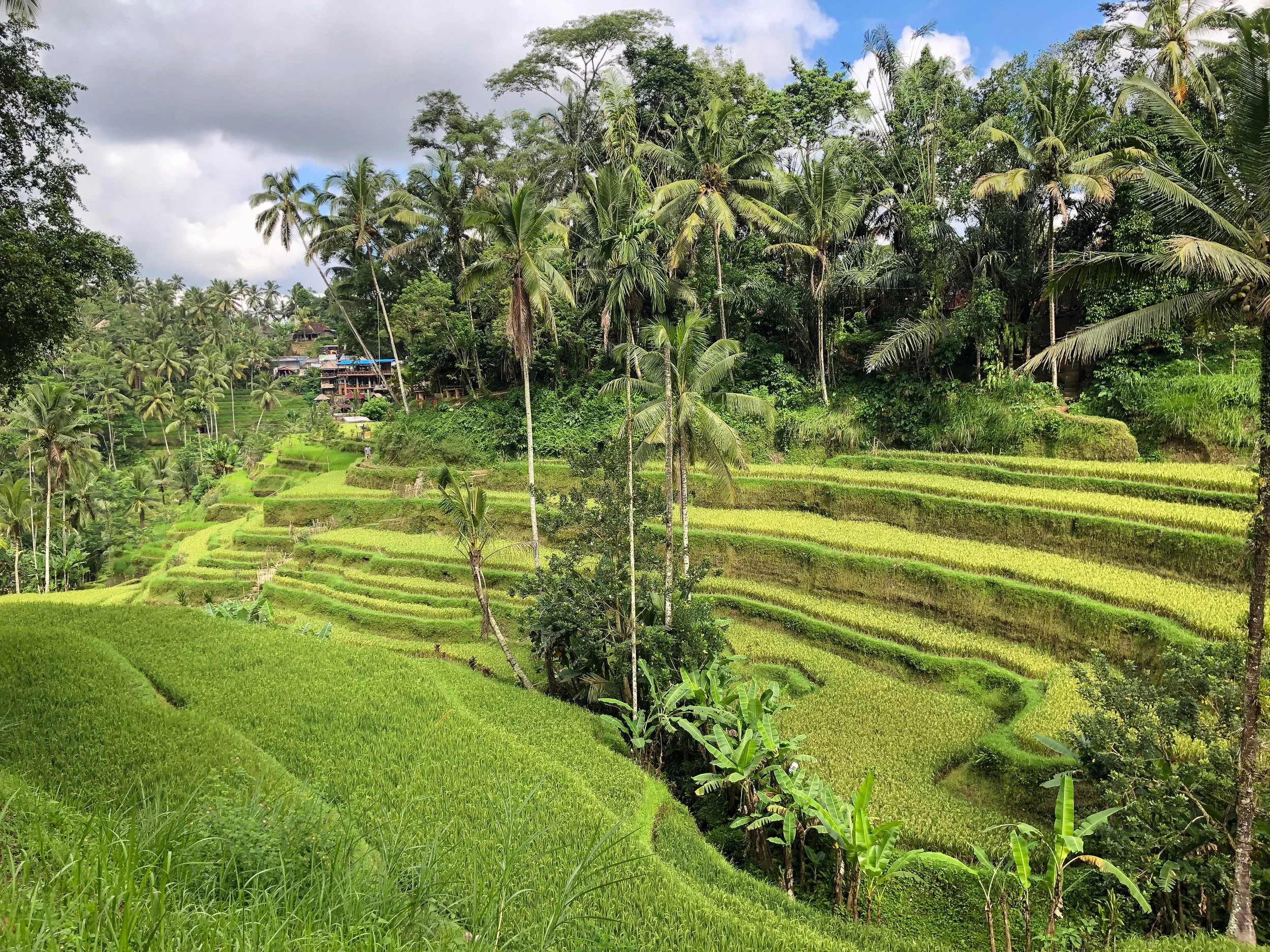
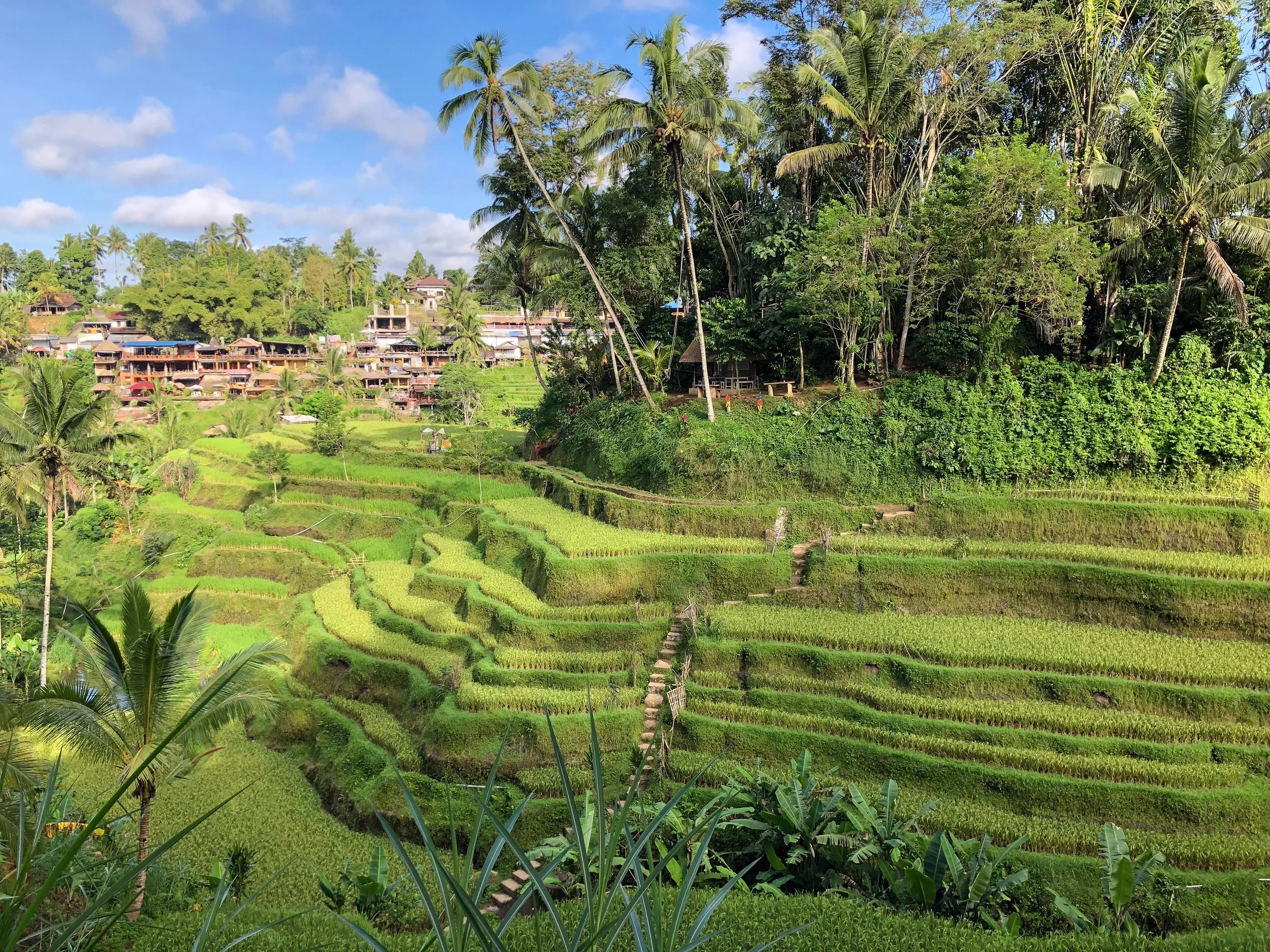
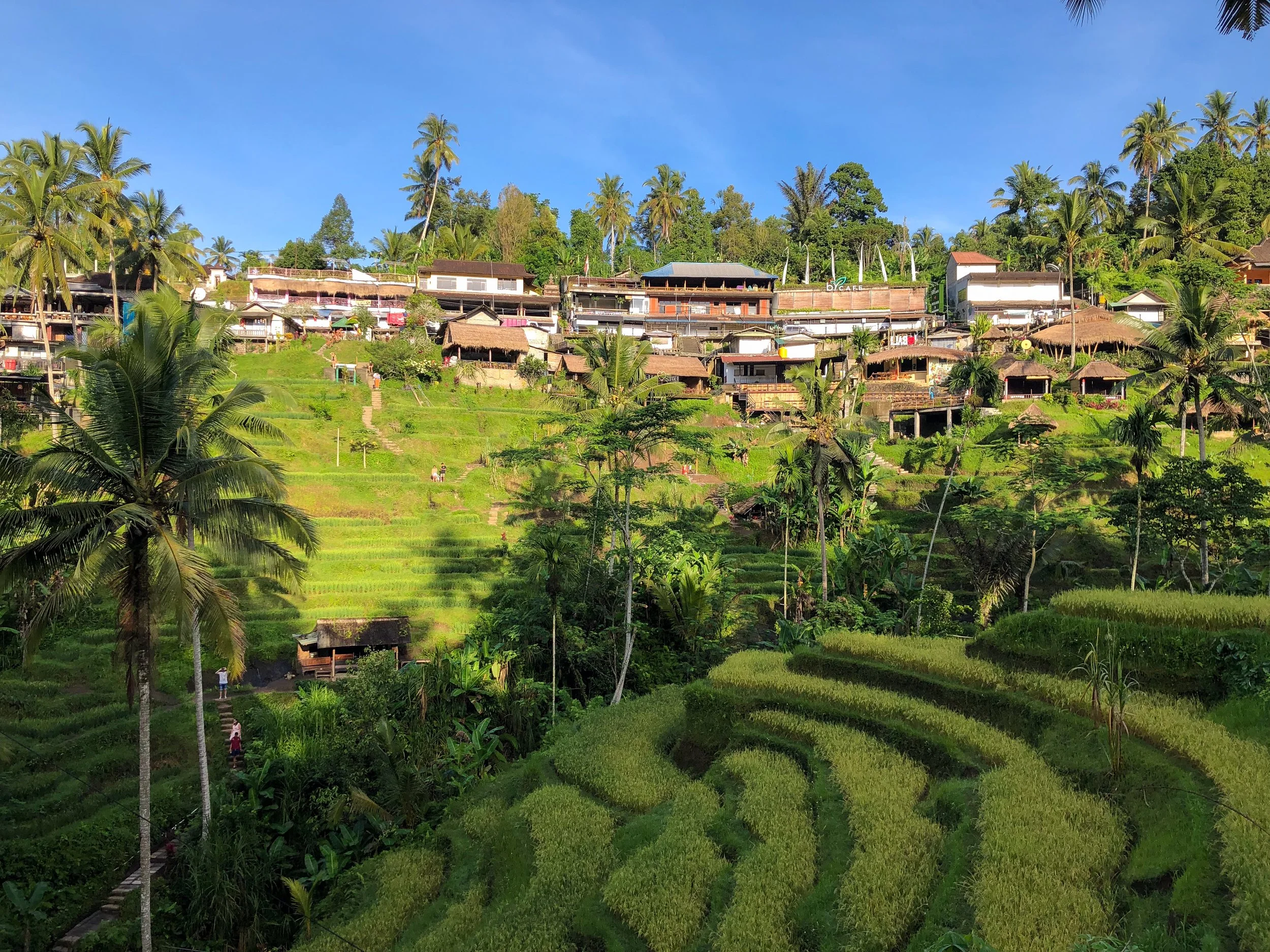
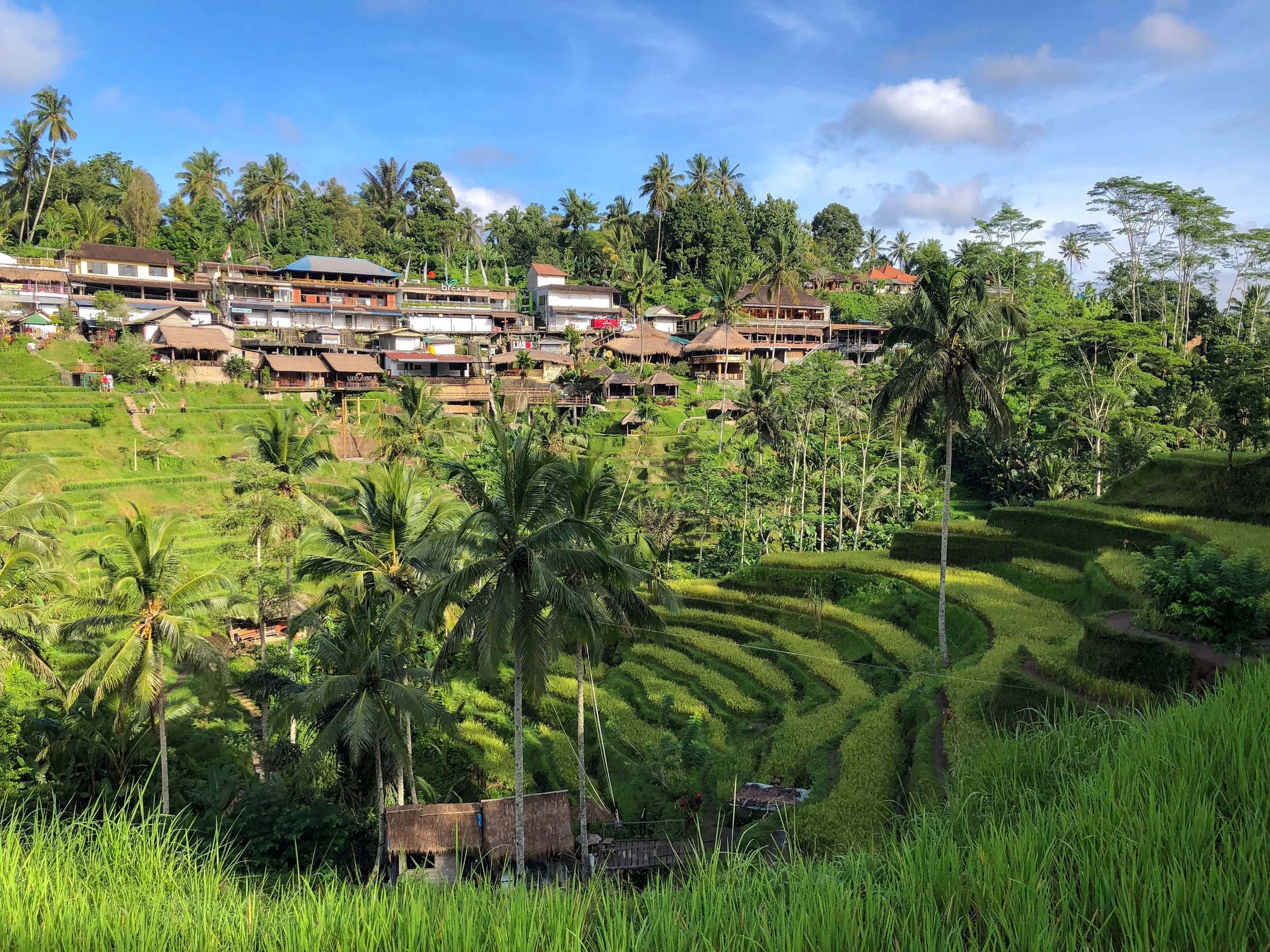
Tegalalang Rice Terraces
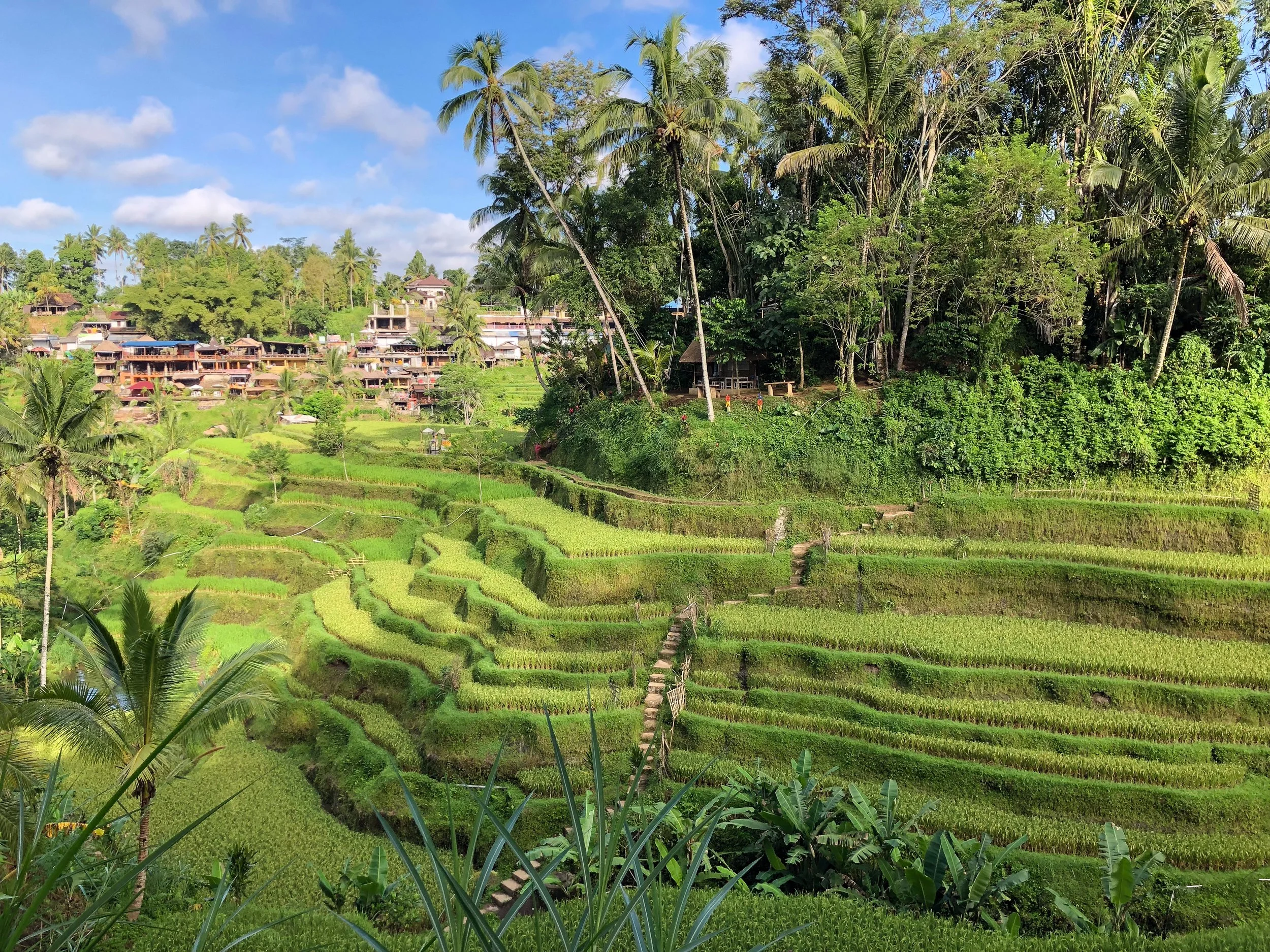
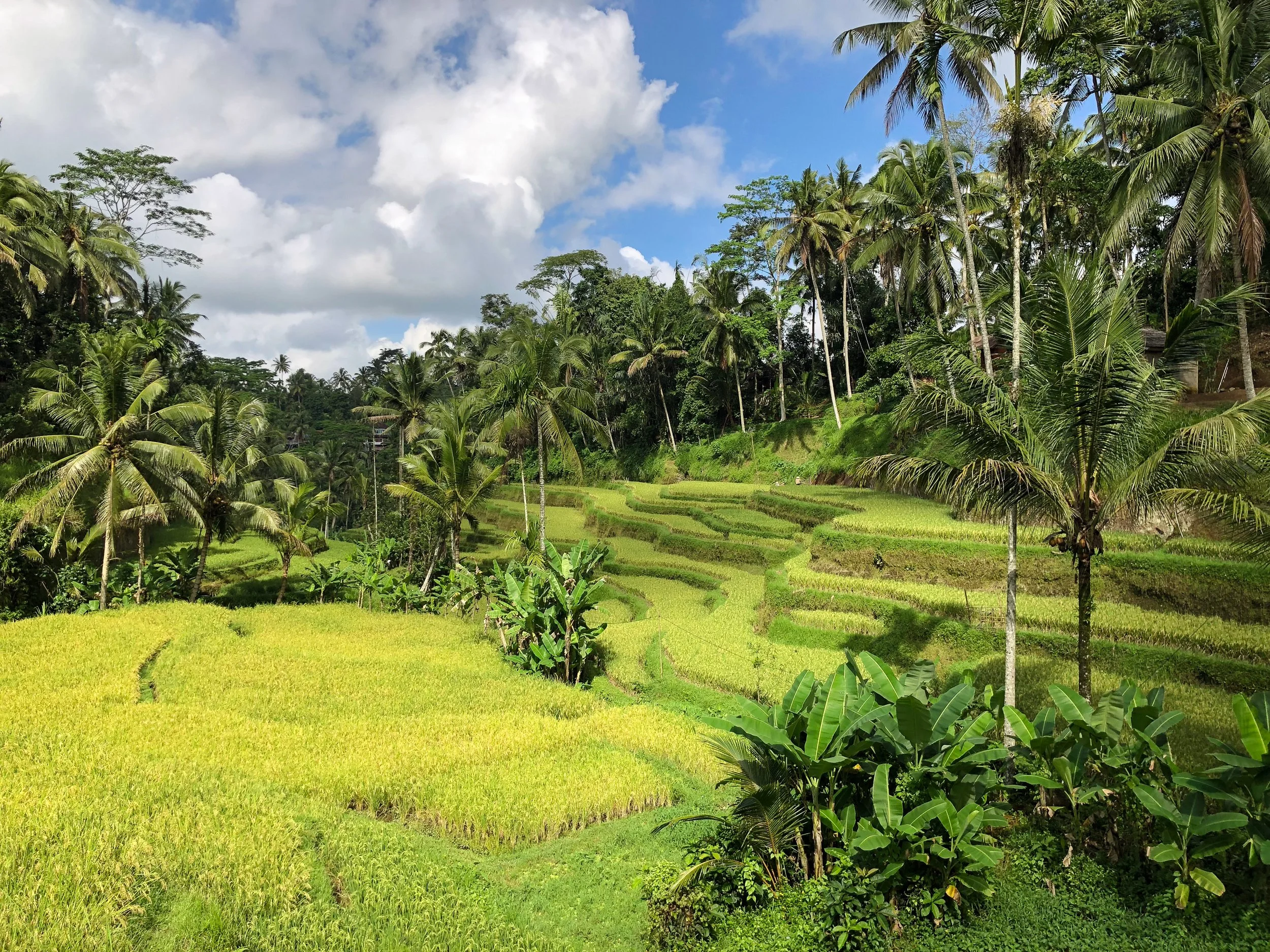
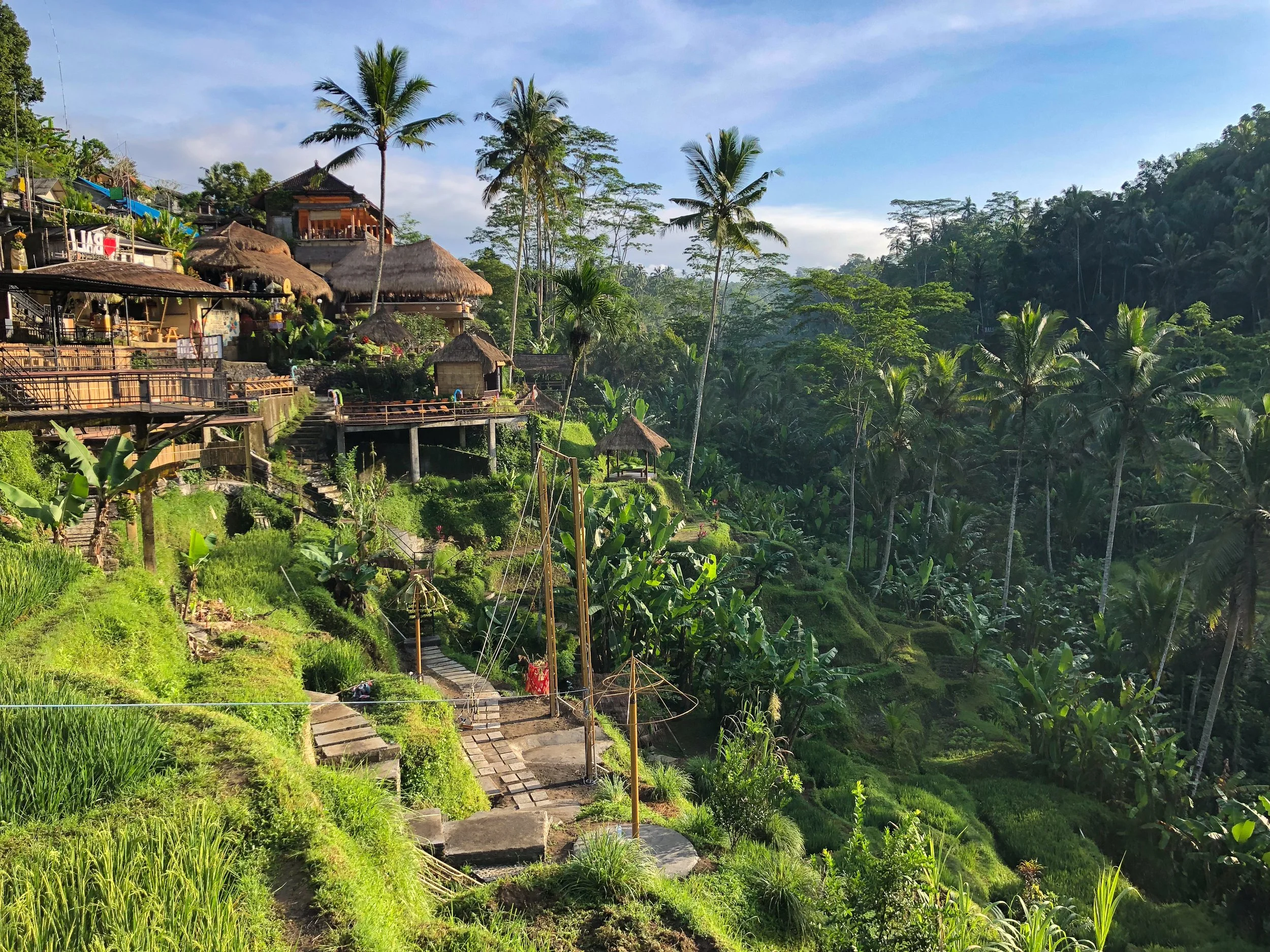
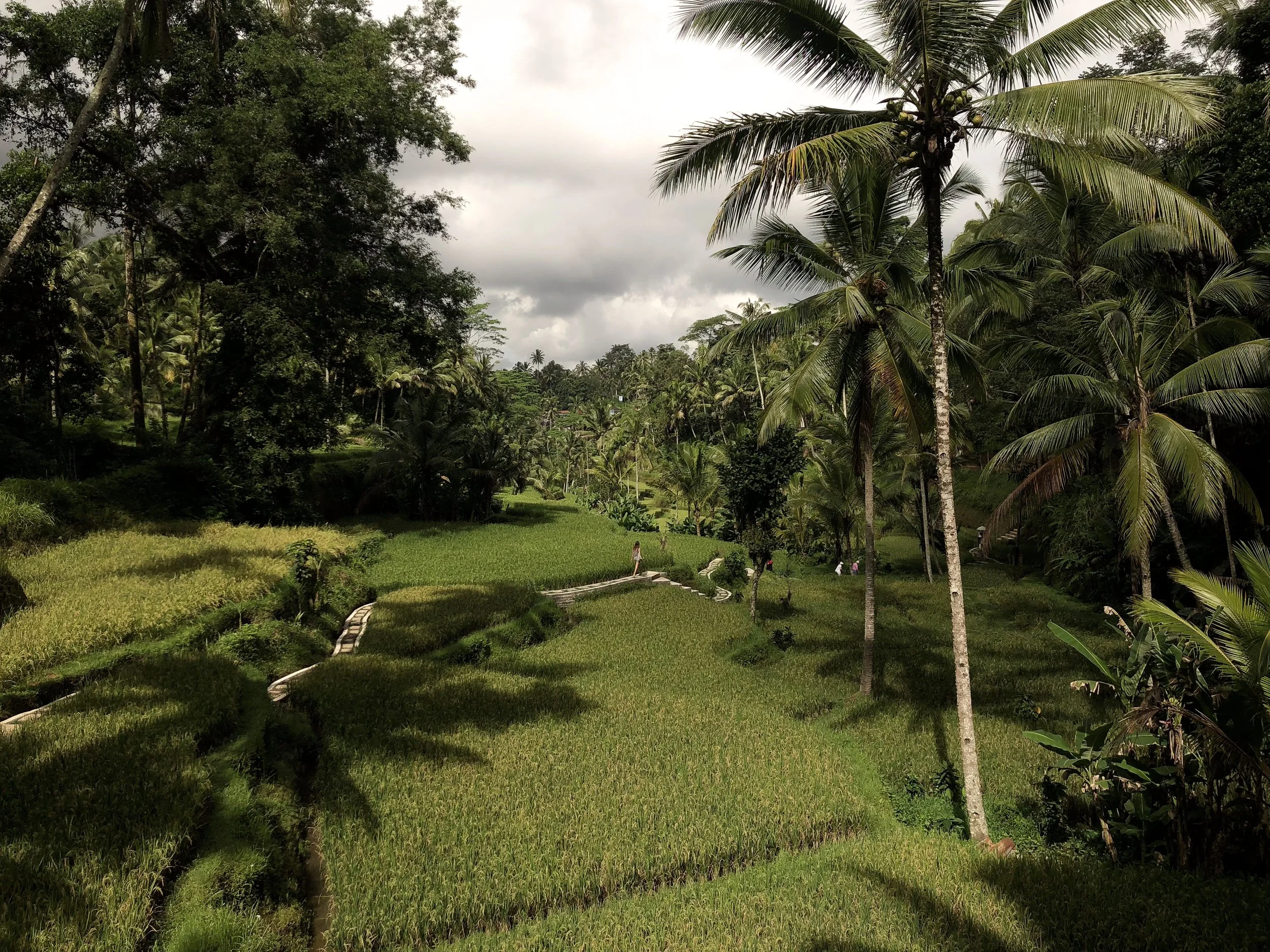
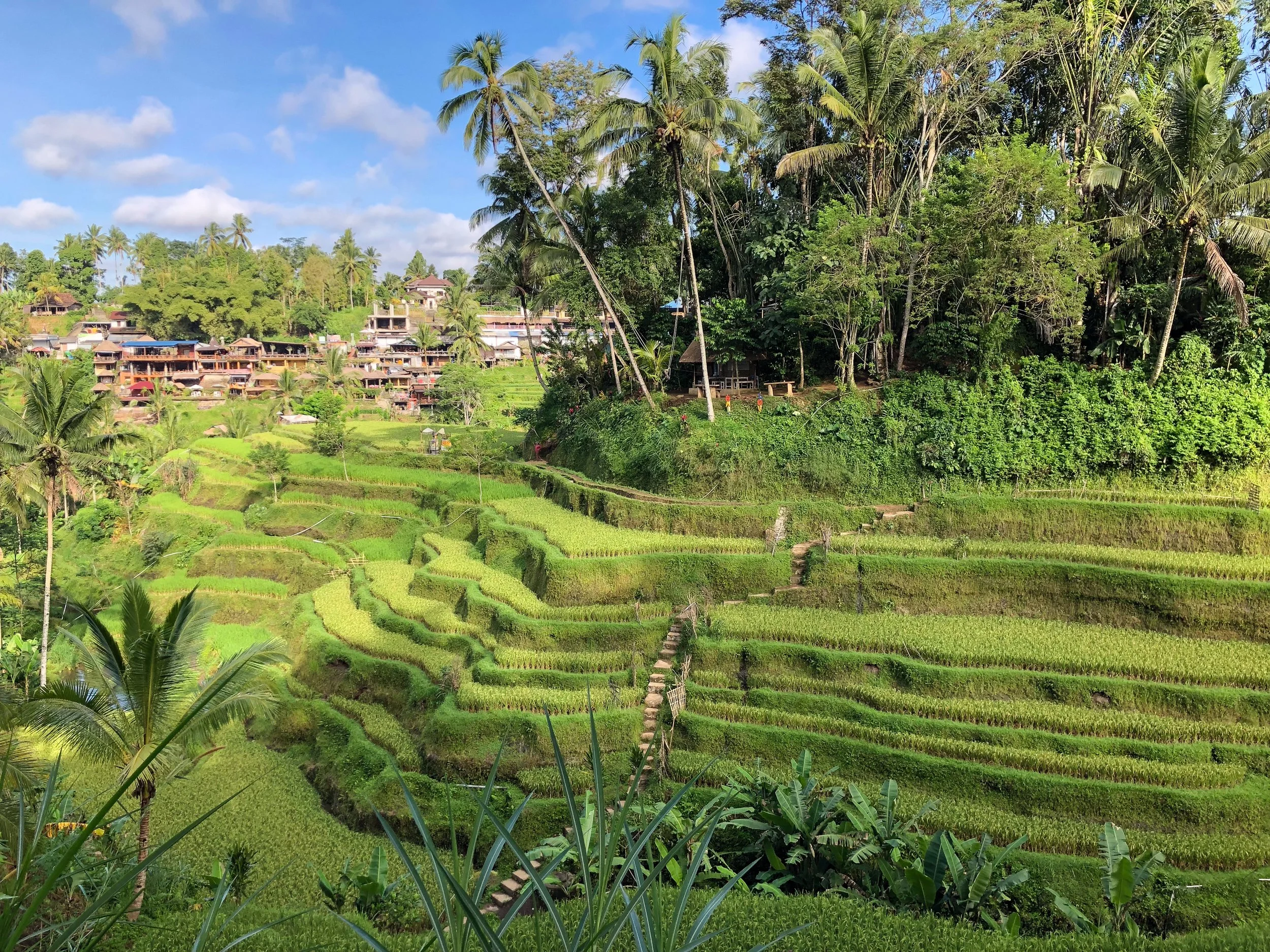
The Tegalalang Rice Terraces are an expansive series of hillside rice paddies that meander organically across the landscape. Trails and walkways weave through the terraces to lookout points, zip lines and jungle swings. We spent hours exploring the terraces and hiking to its furthest corners. At the entrance is a hillside village with restaurants, warungs, cafés and hostels overlooking the terraces. Stop here for breakfast or lunch.
Pro Tip. Arrive at the rice terraces by 7am to explore with minimal people and before the large tour groups.
Good to Know. Farmers will often ask for a small donation to help support their livelihoods and maintain the walkways. It's best to donate 5k Rp each time.
Sunrise Hike to Mt. Batur
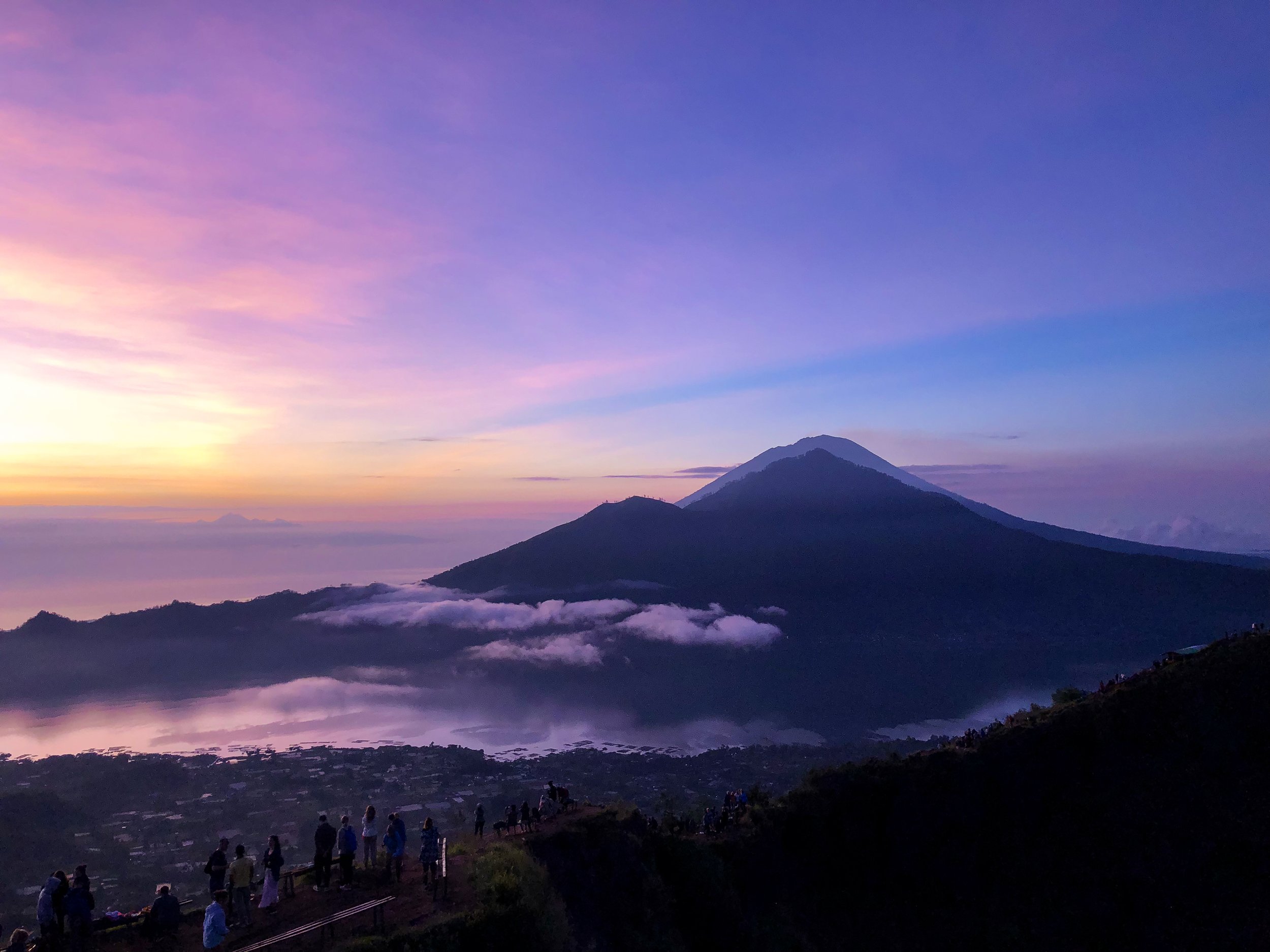
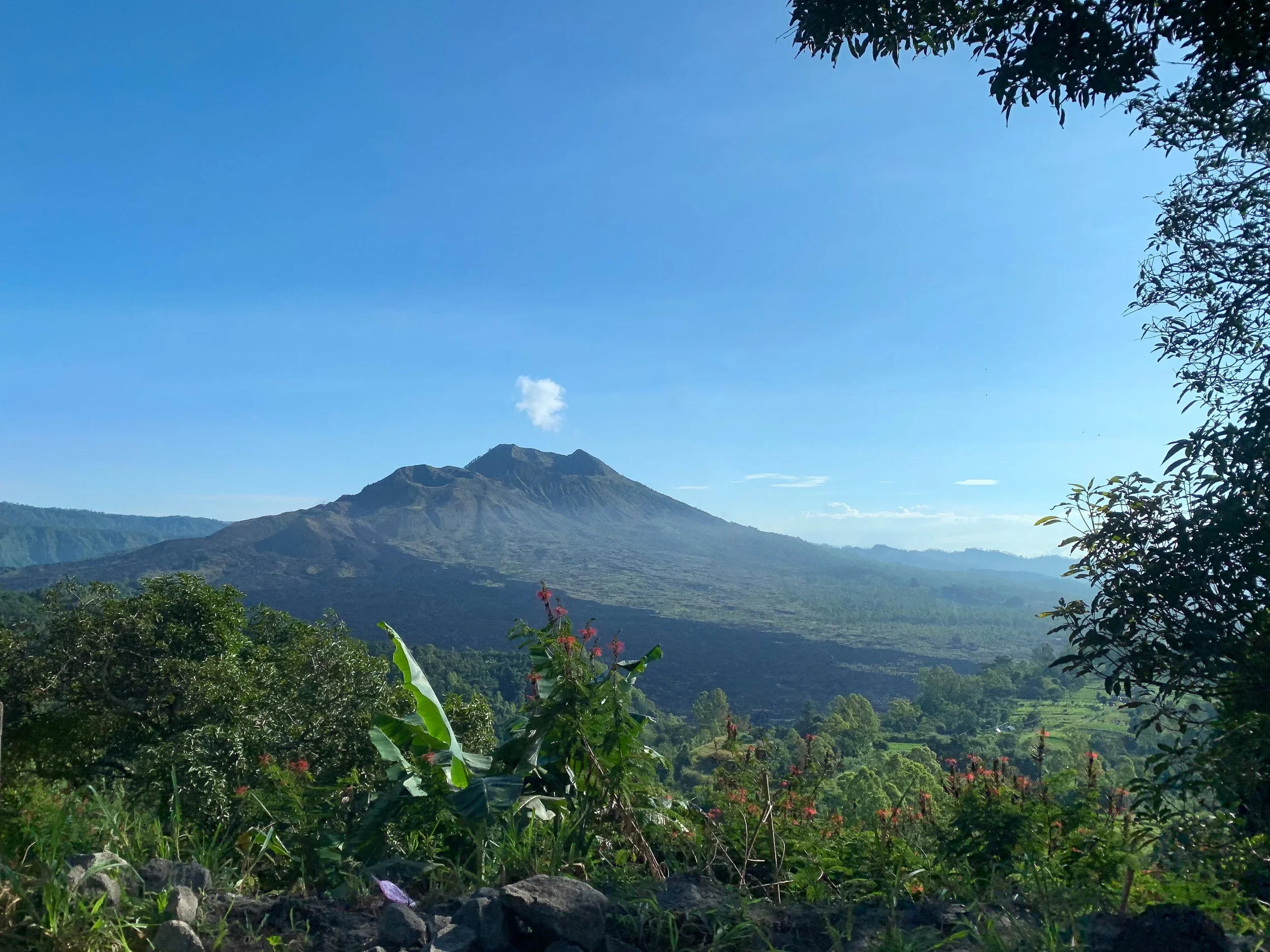
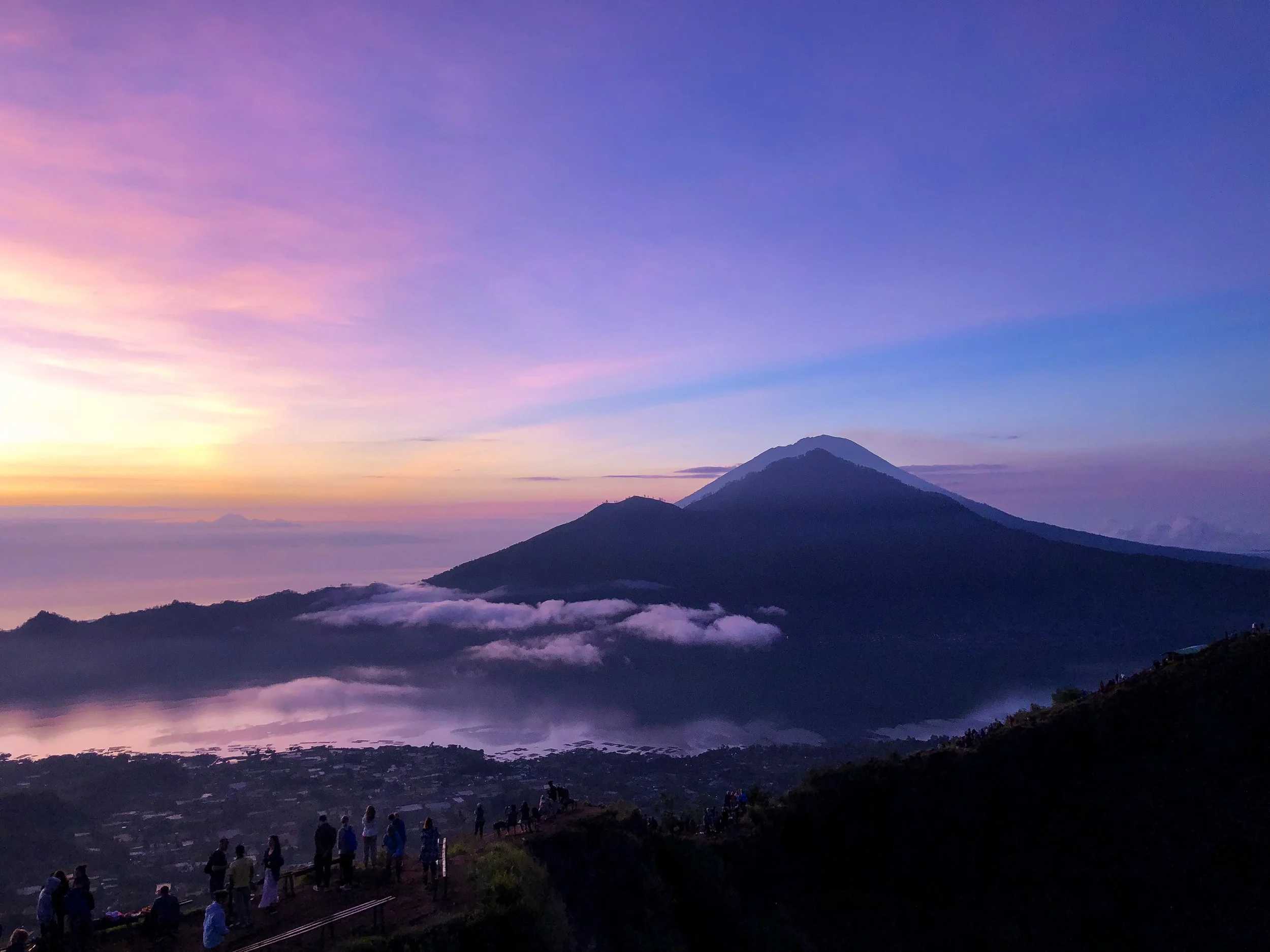
Mt. Batur is Bali’s second highest peak and still an active volcano. One of the most adventurous things you can do on the island is hike to its summit and watch the sunrise. Wake up just after midnight and drive to the basecamp at the lakeside town of Toya Bungkah. There will be hundreds of guides available for hire. Guides generally cost around 500K - 700K Rp for two people ($35-50 USD).
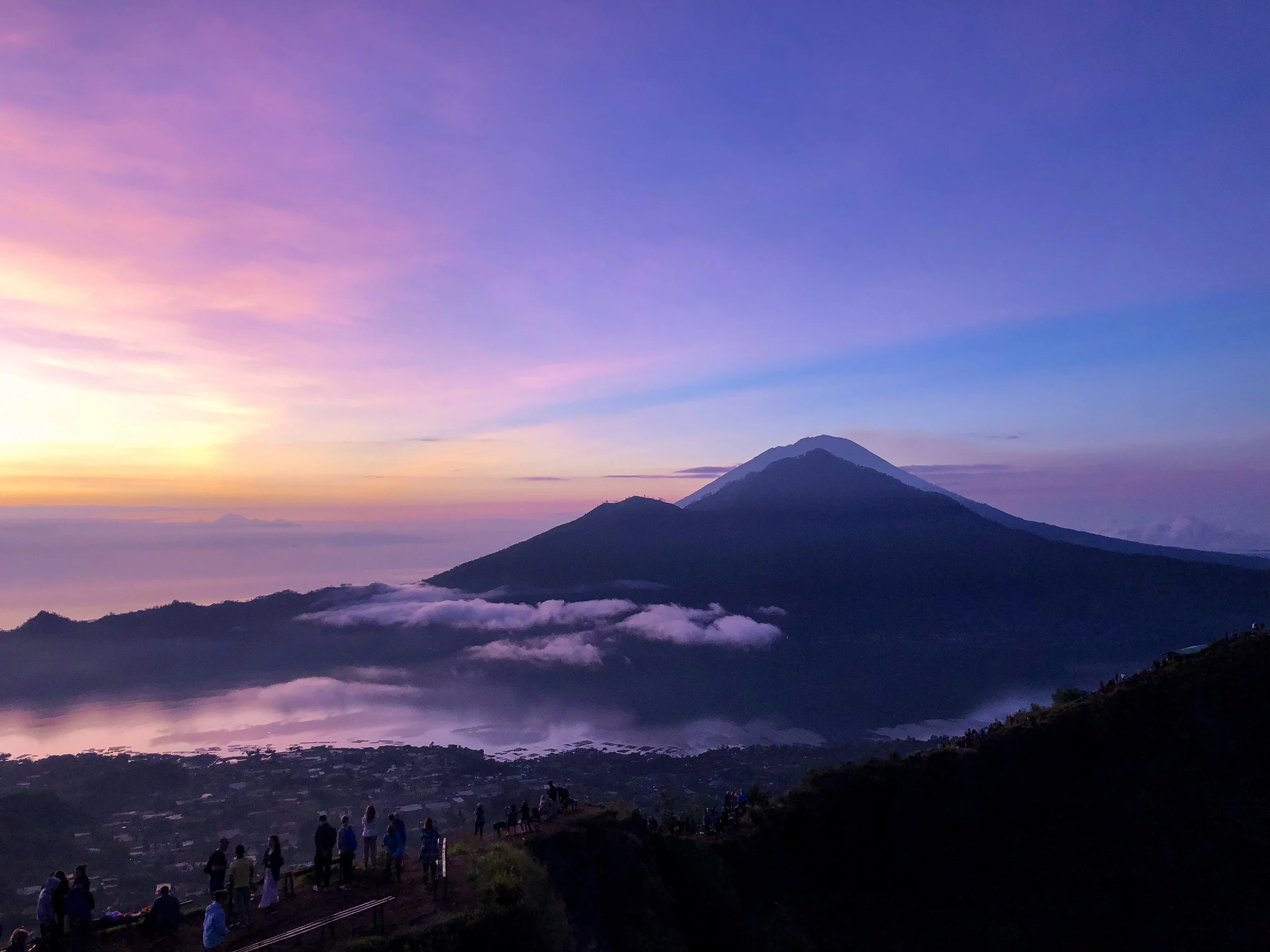
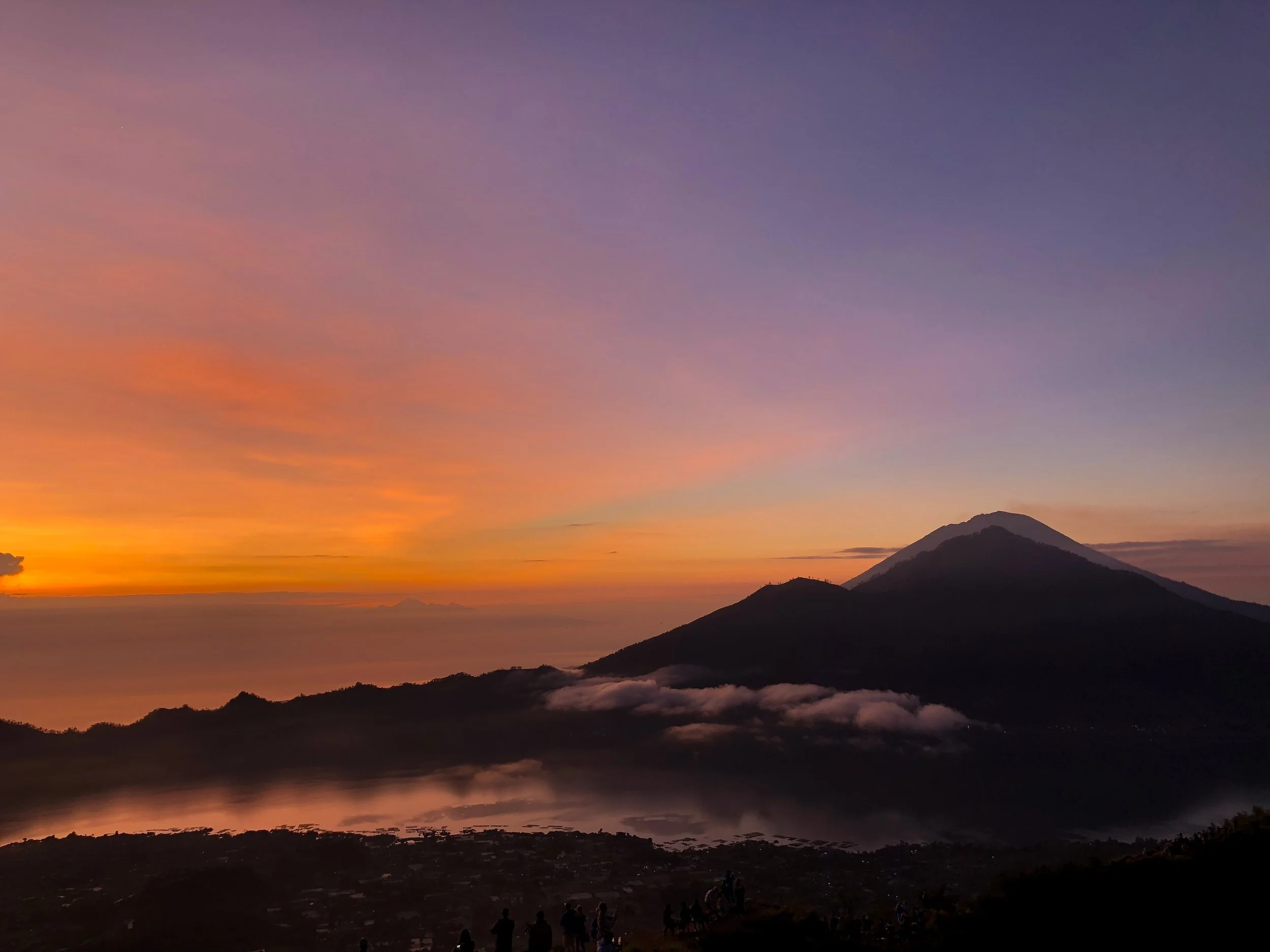
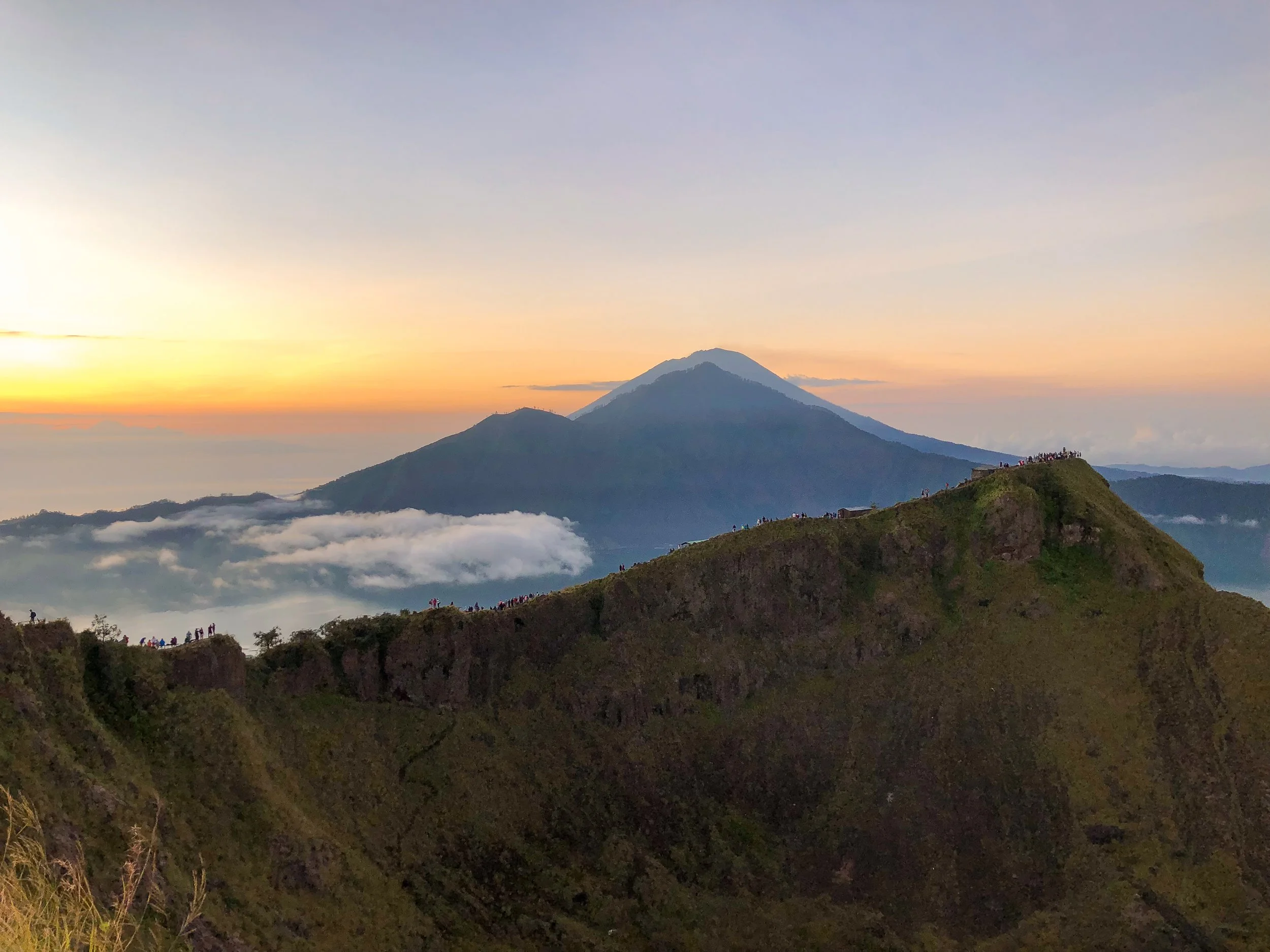
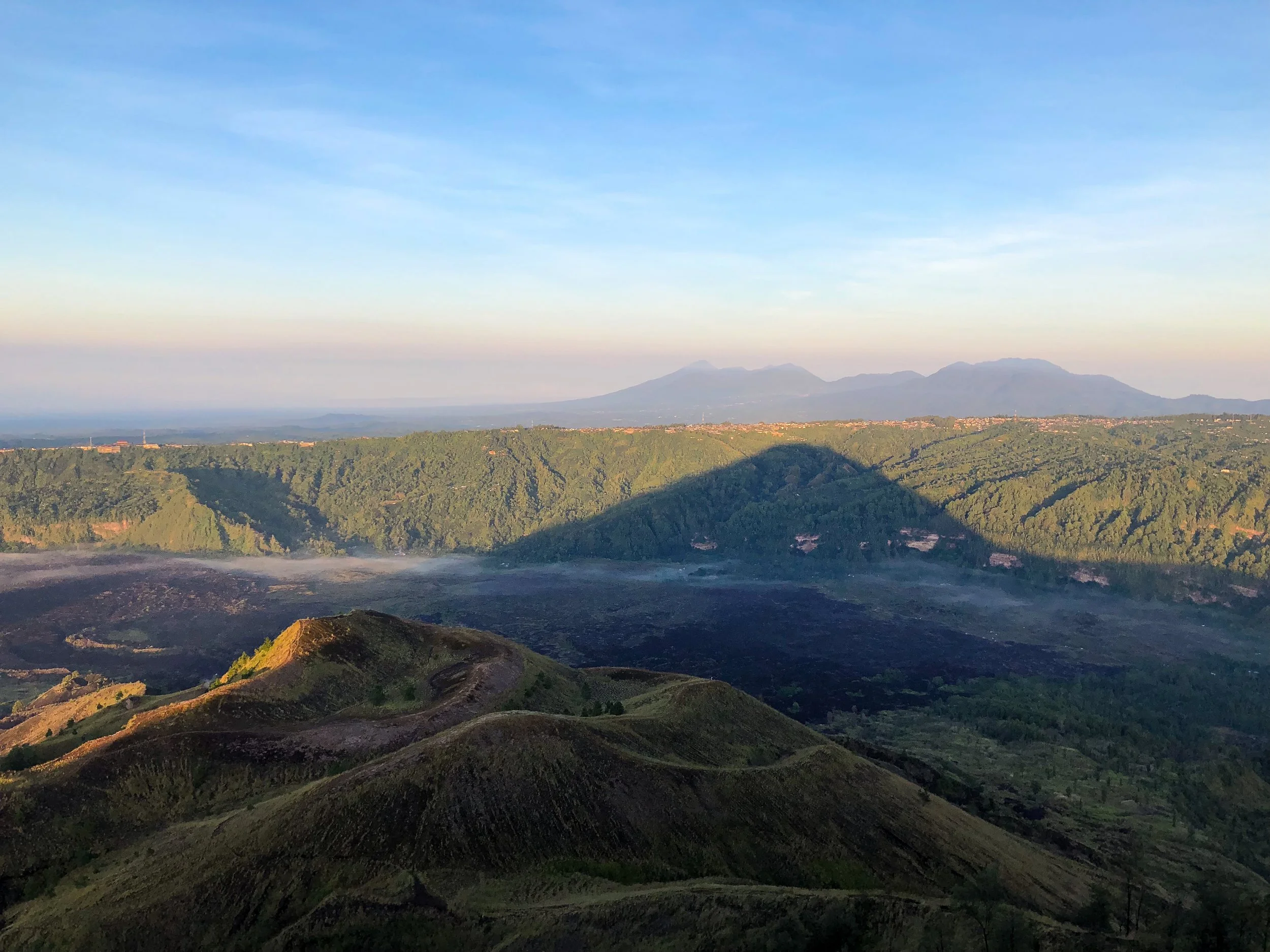
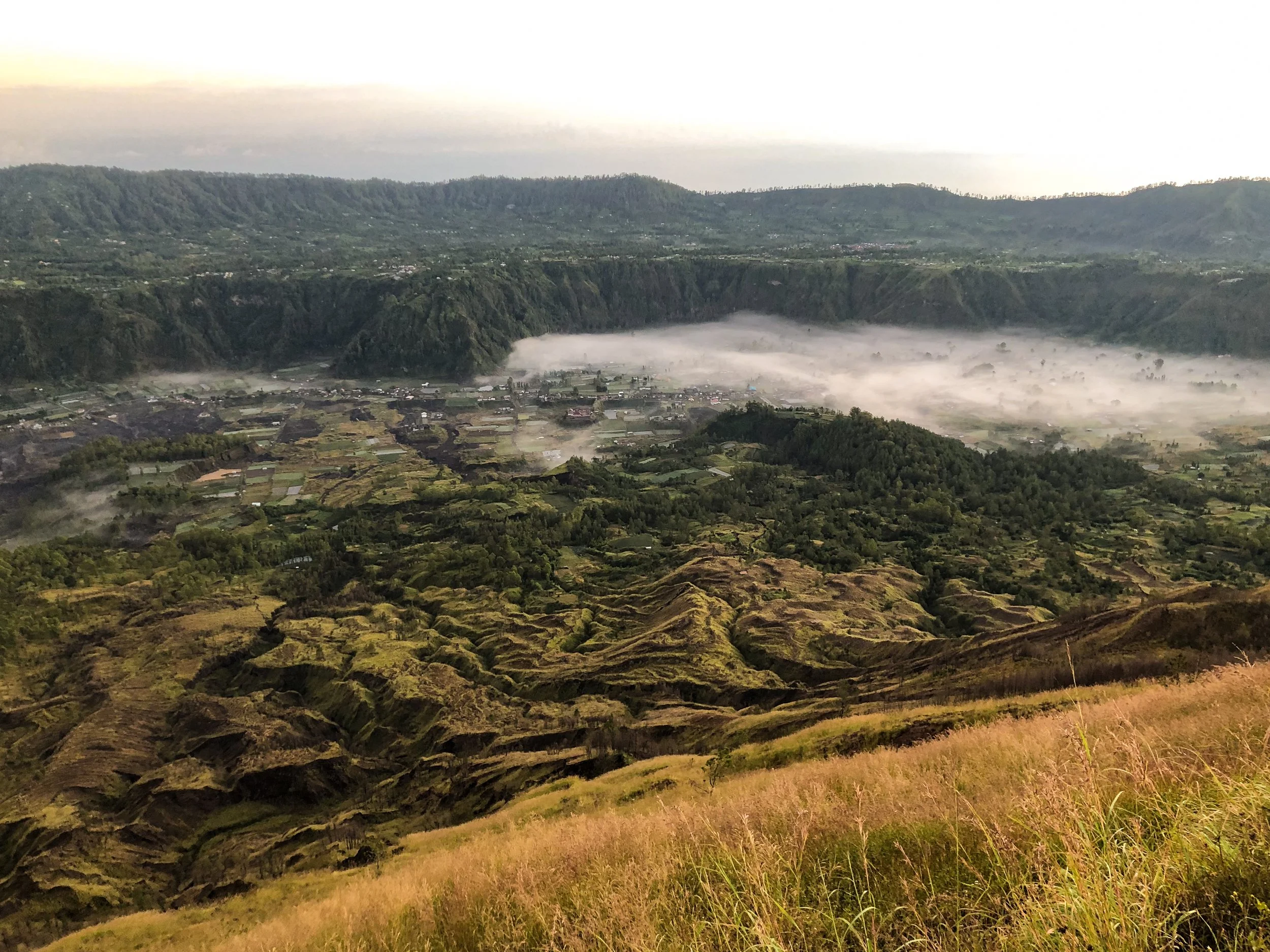
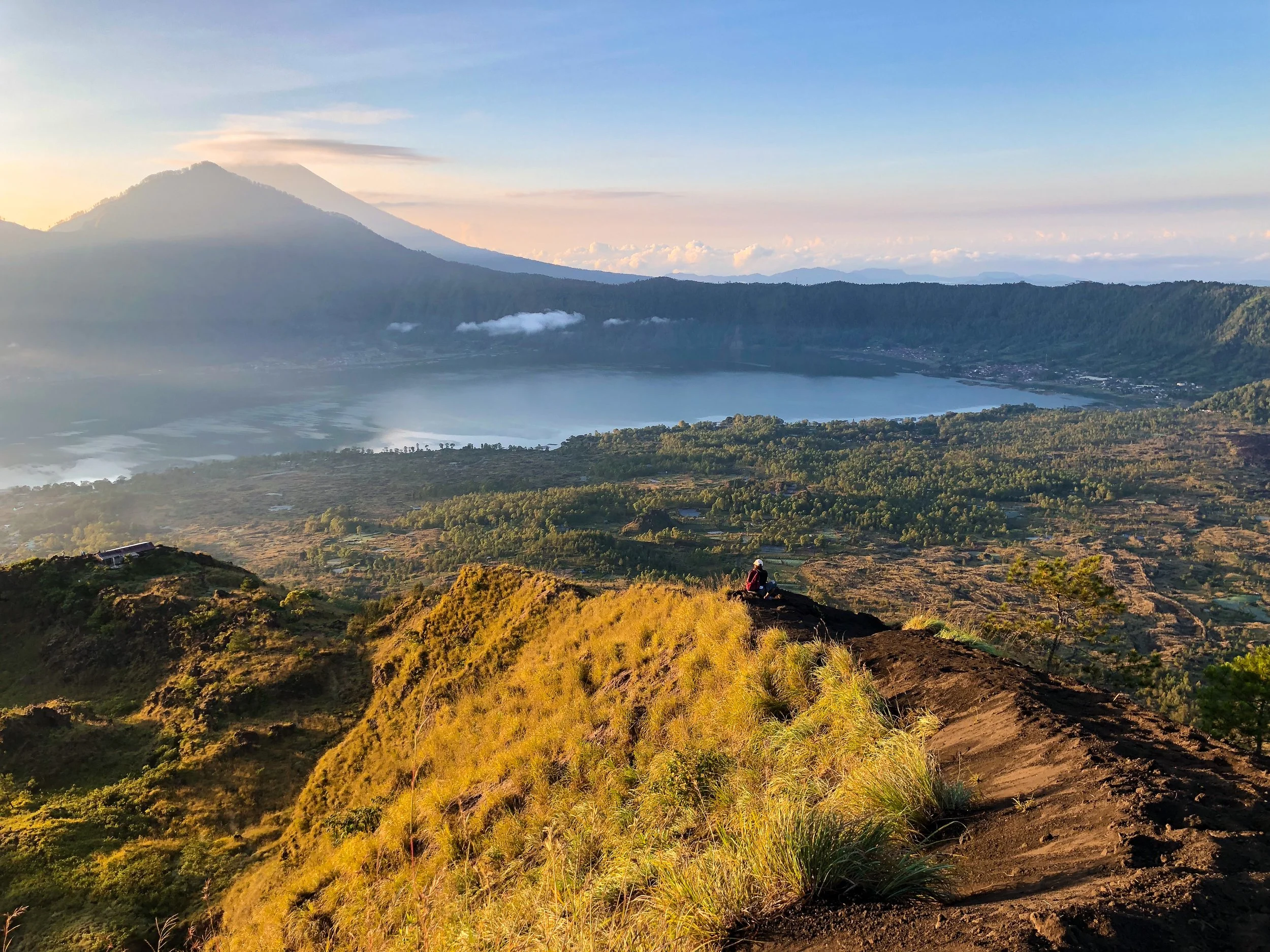
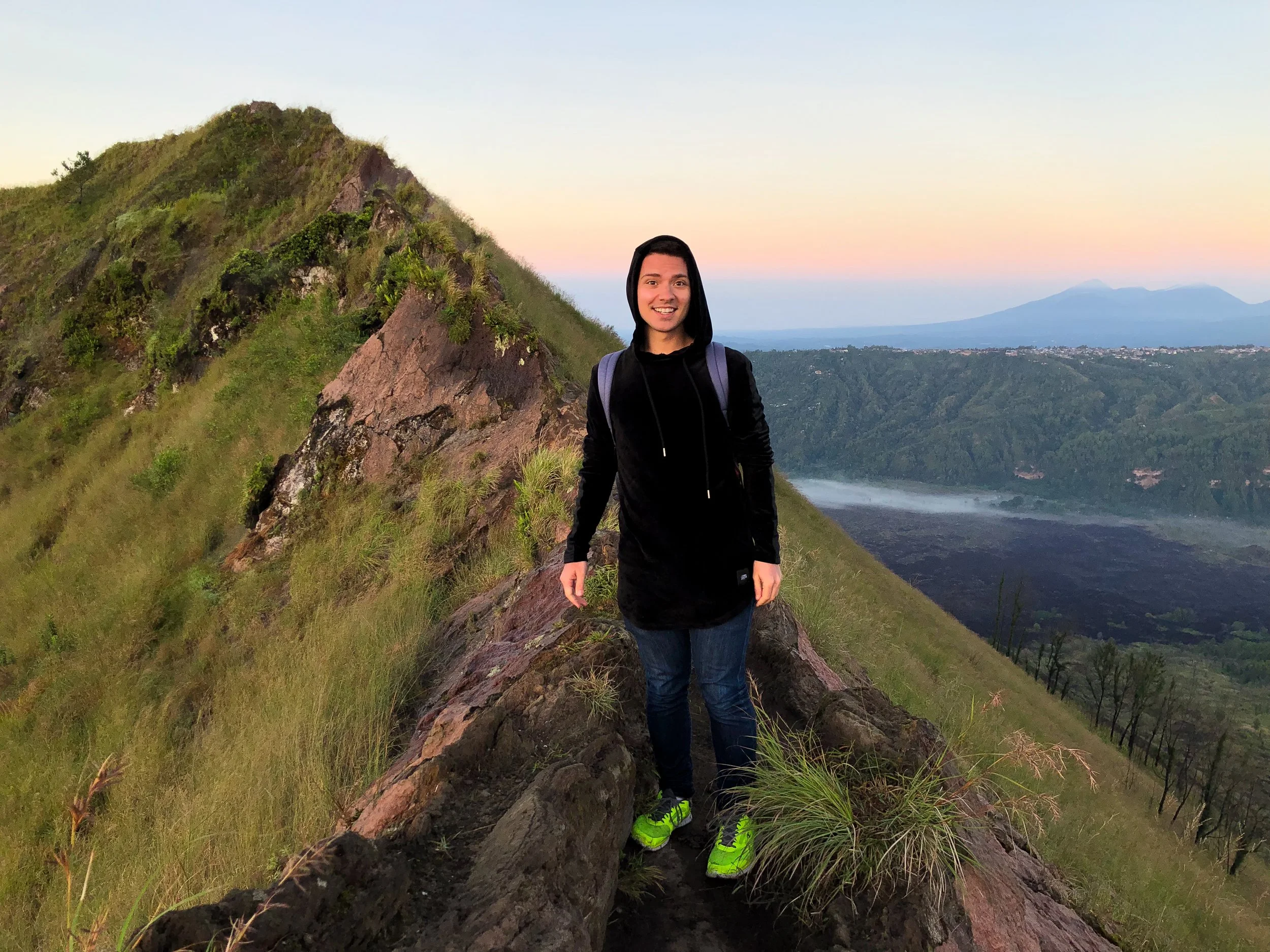
The Summit. The entire island of Bali and the nearby island of Lombok are visible from the summit on a clear morning. Hardened lava flows from past eruptions surround the volcano while steam rises from volcanic vents. Wild monkeys roam freely around the crater rim. Vendors sell hot chocolate, coffee, water and various snacks including eggs cooked in the steam vents. Try one if you can, there’s something special about food cooked by a volcano!
Packing List:
Shoes. Wear good hiking shoes for traction. The pathways are covered in loose stones and gravel.
Wear Layers. It is colder the higher you hike in elevation but easy to overheat once the sun rises.
Headlamps. Wear a headlamp to see in the darkness while hiking.
Water. Carry at least 1.5 liters of water for the hike.
Cash. Bring local currency to buy snacks or drinks at the summit.
Sacred Monkey Forest
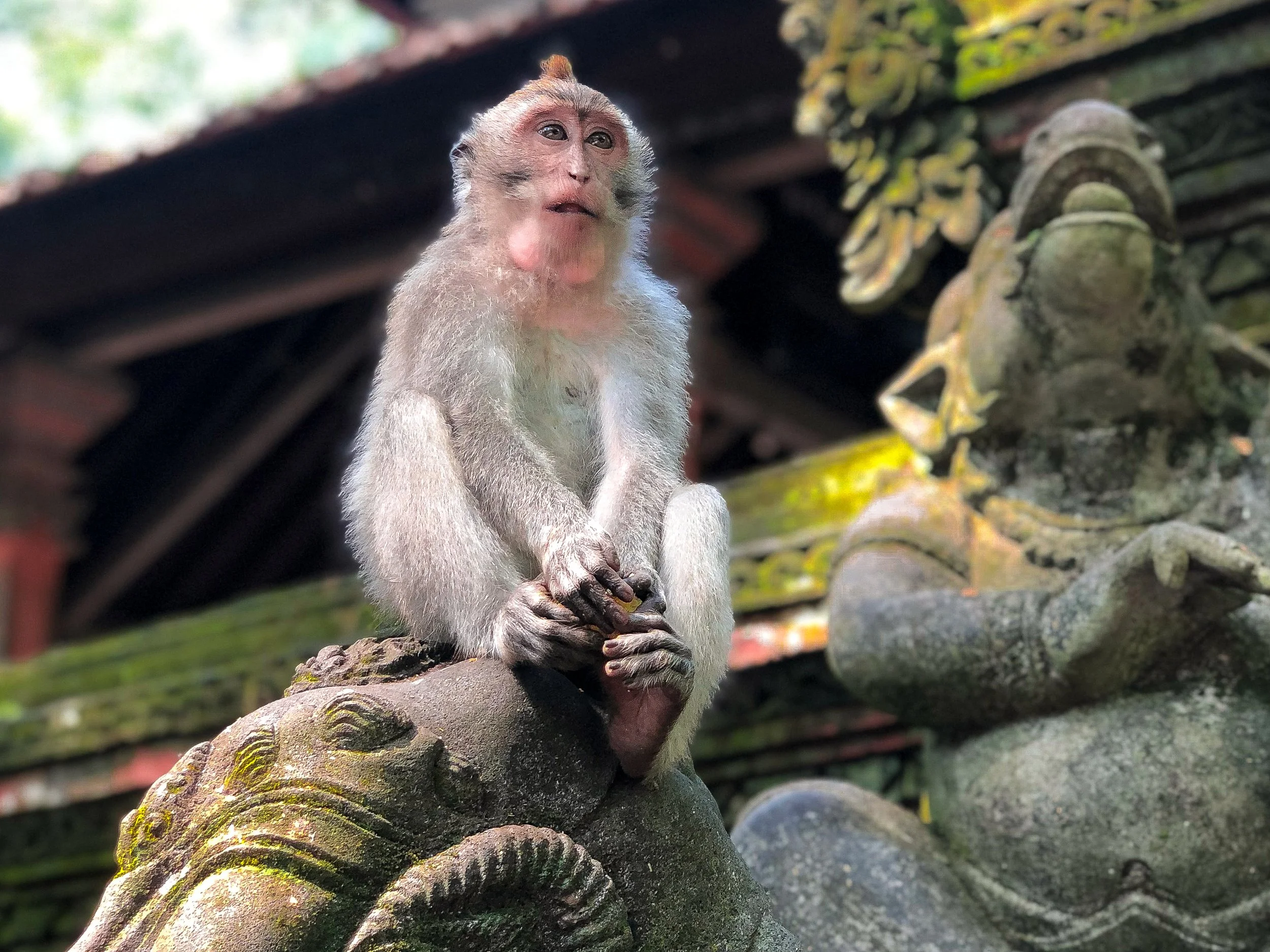
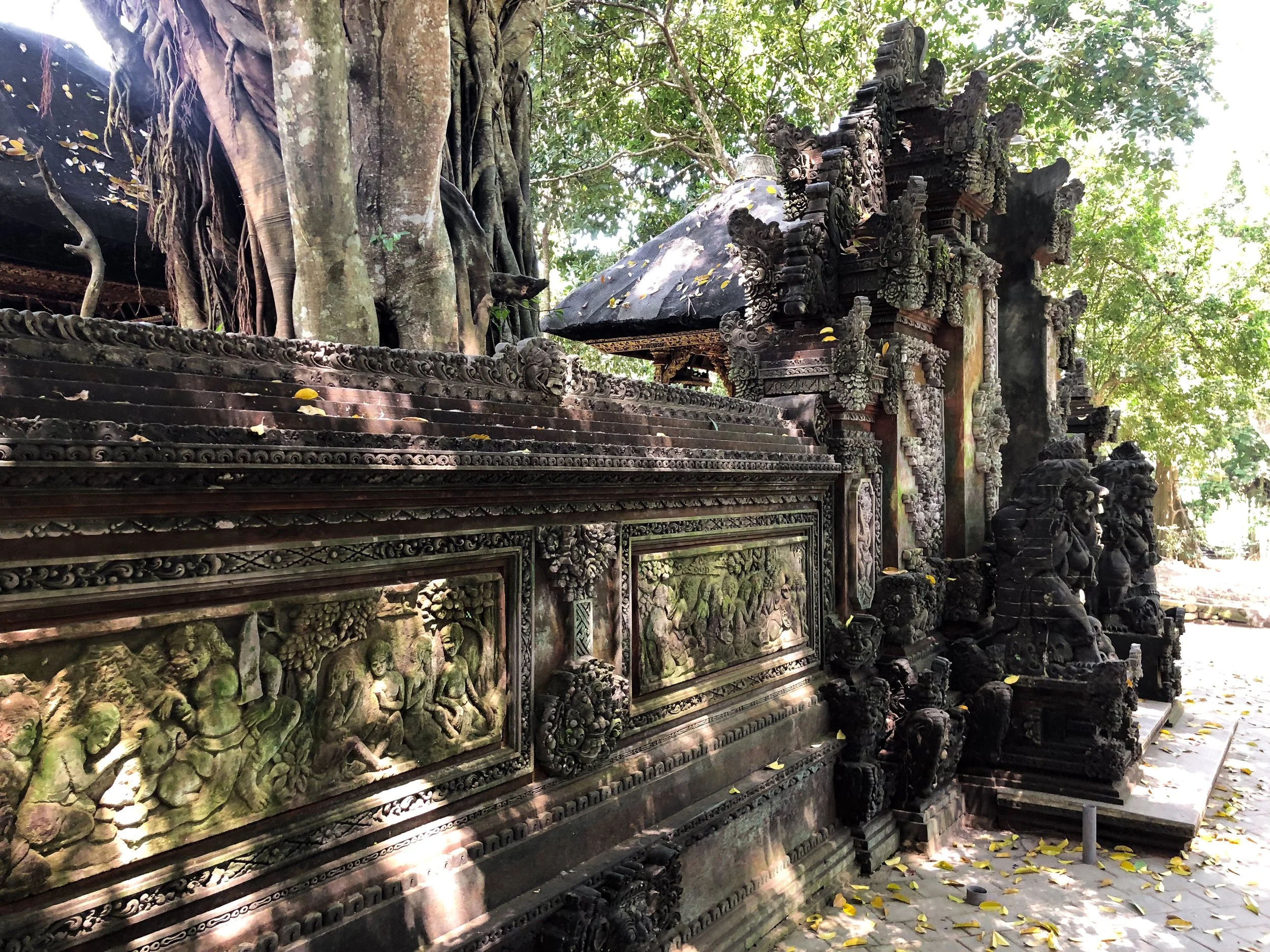
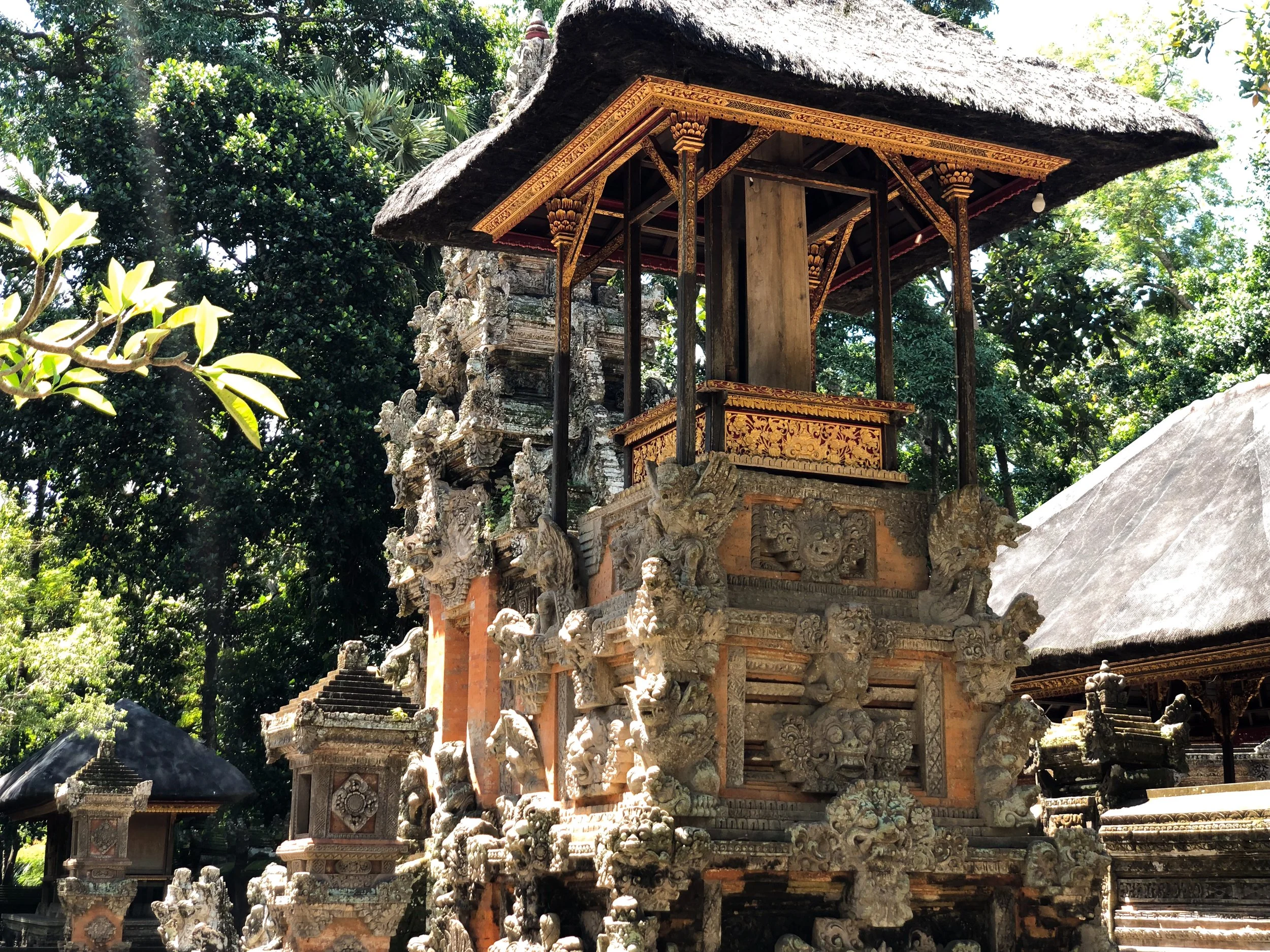
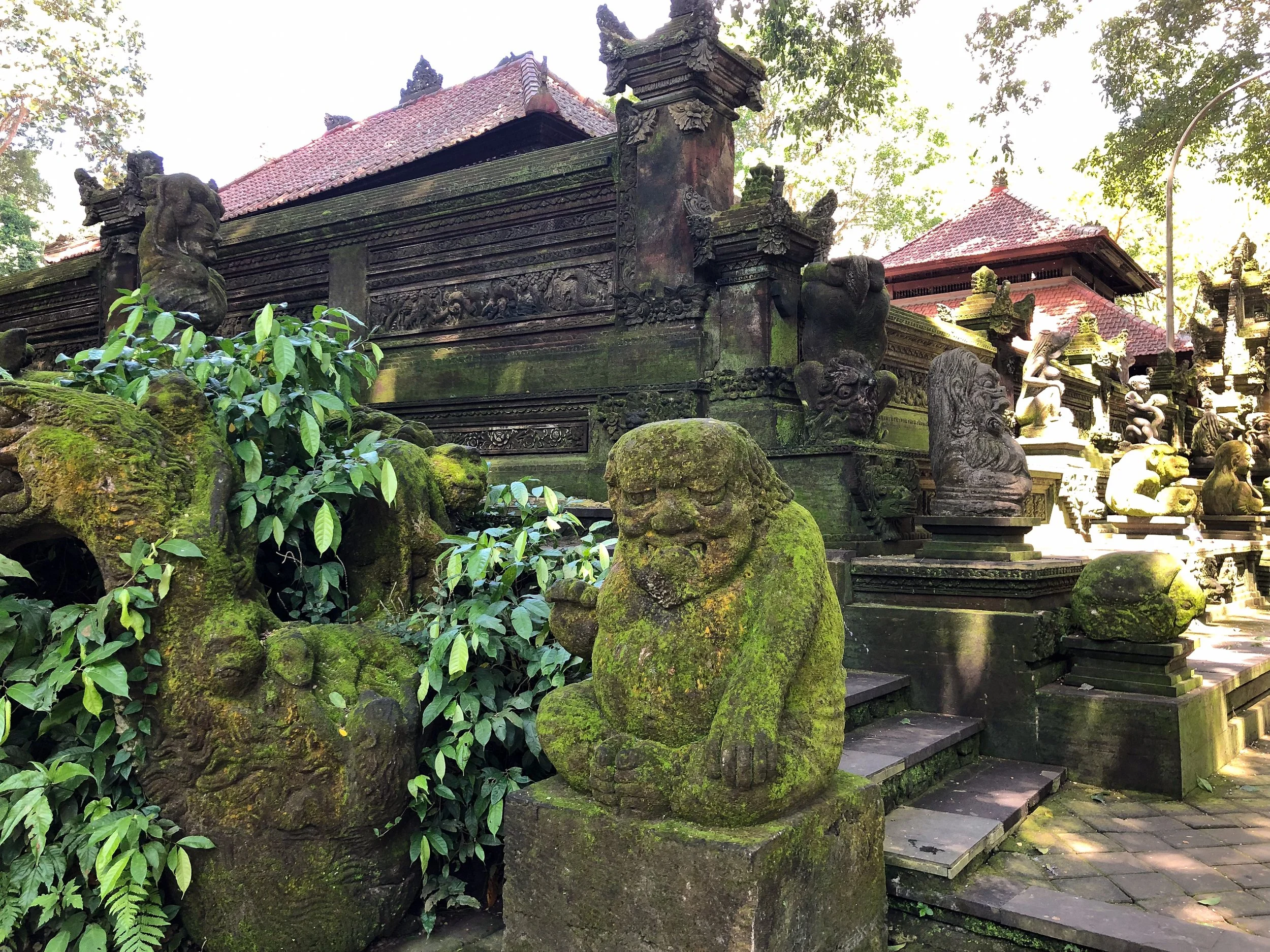
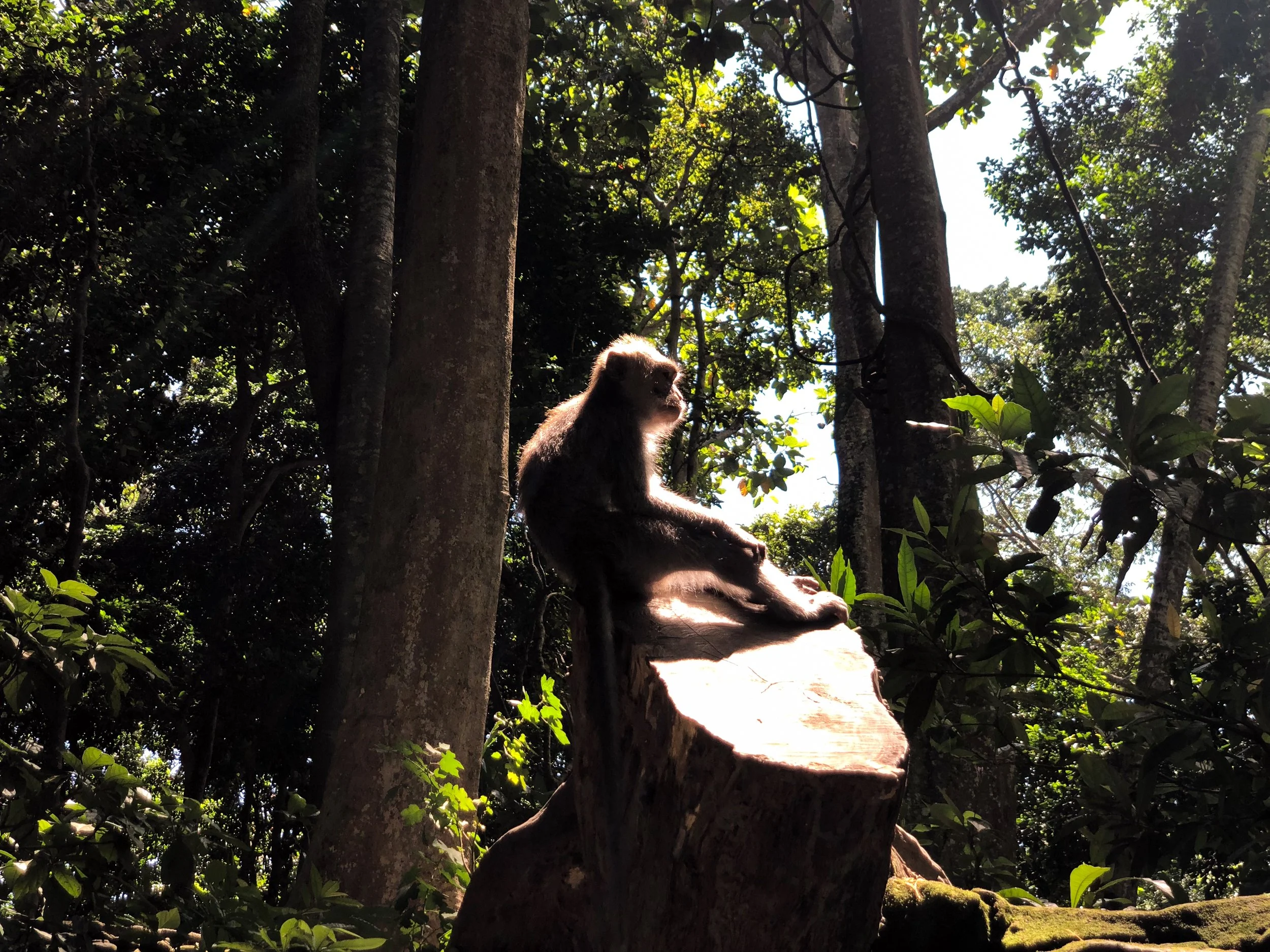
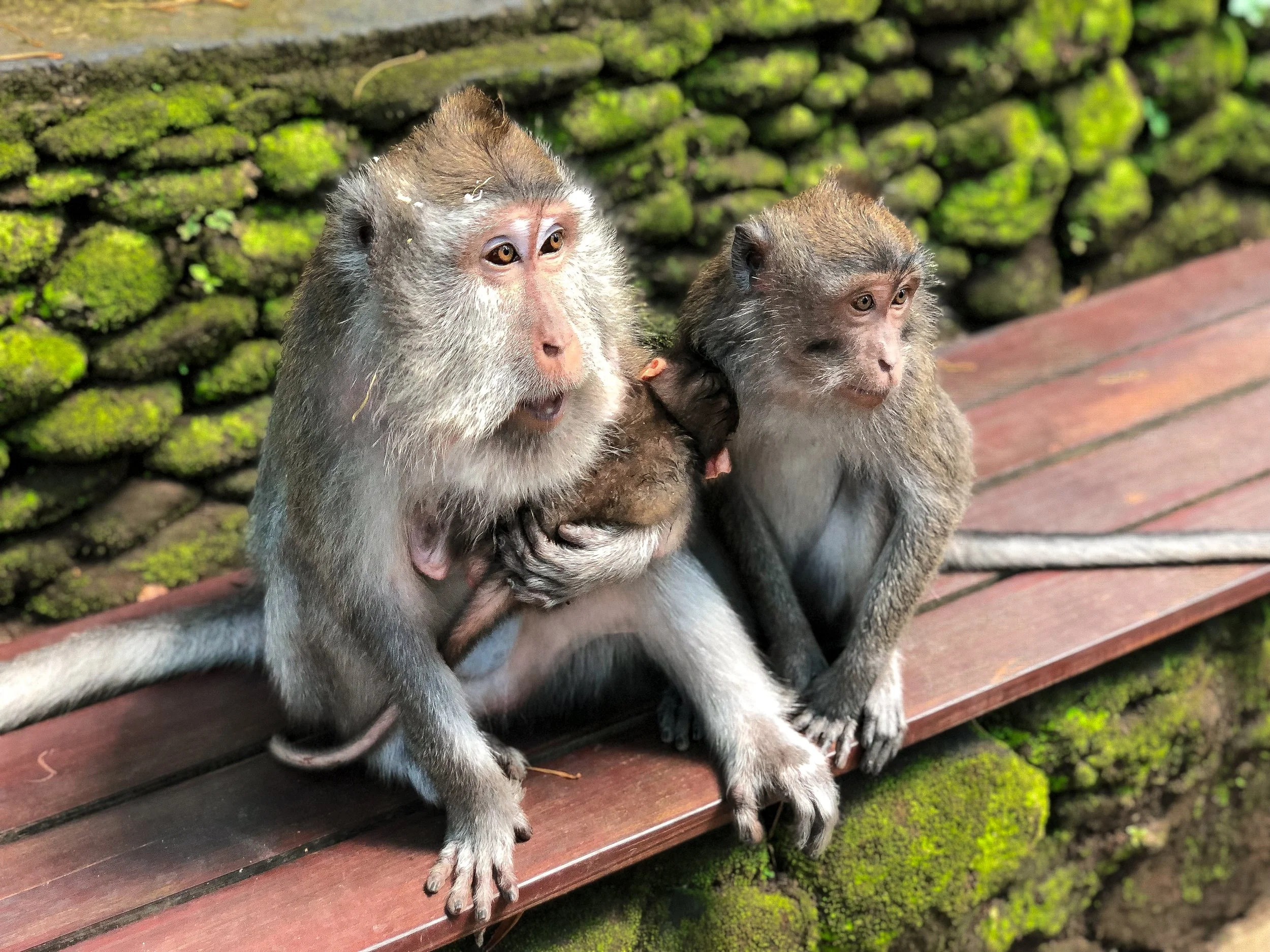
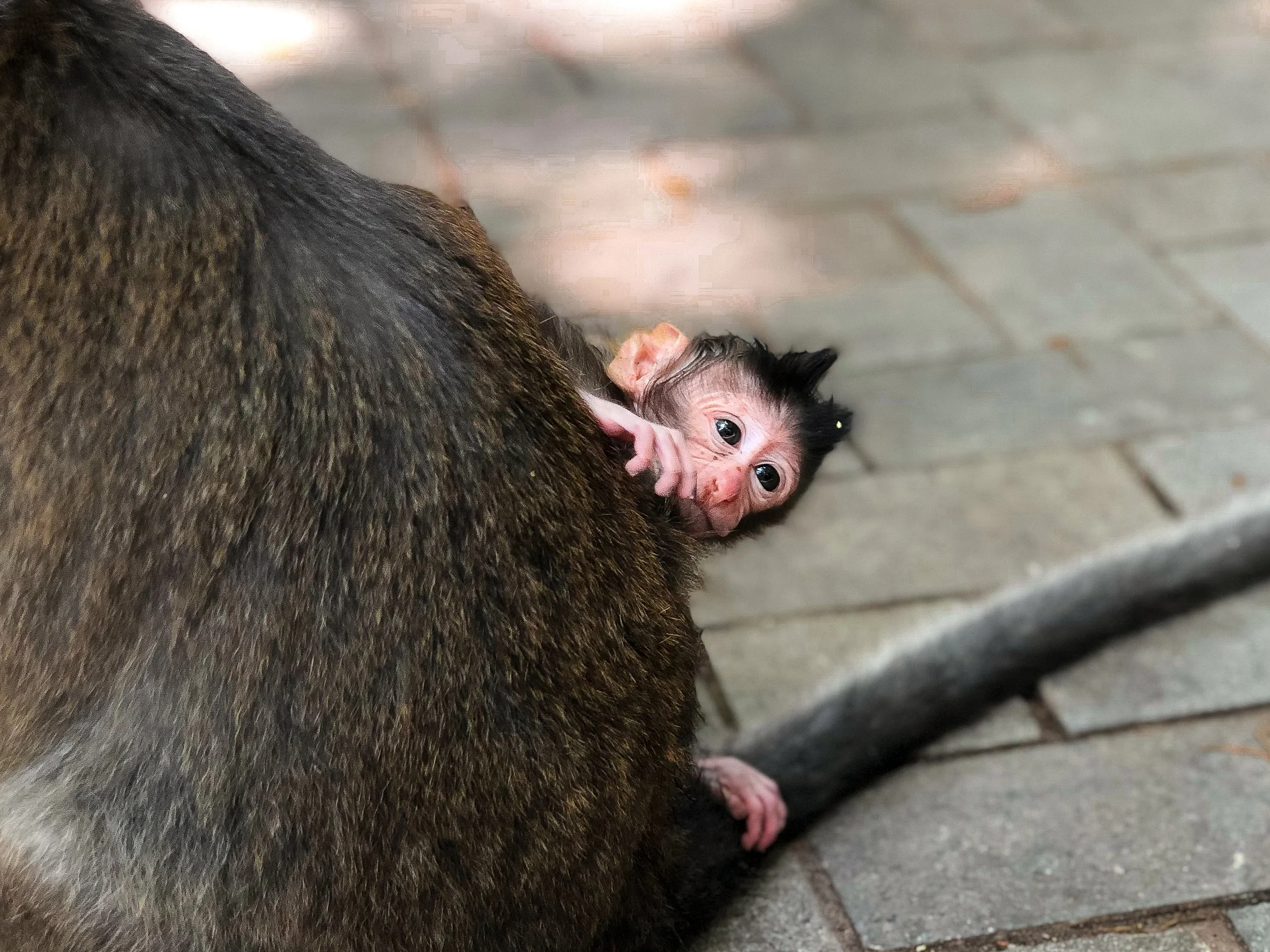
The Sacred Monkey Forest is covered in massive trees with dangling aerial roots, multiple ancient temples and acts as a sanctuary for hundreds of monkeys. The monkeys are everywhere, climbing in the trees, running across pathways, sitting on benches and making the temples their home. They are playful, mischievous and protective. If you’re not paying attention, one may try and take your phone, bag or hat.
Campuhan Ridge Walk
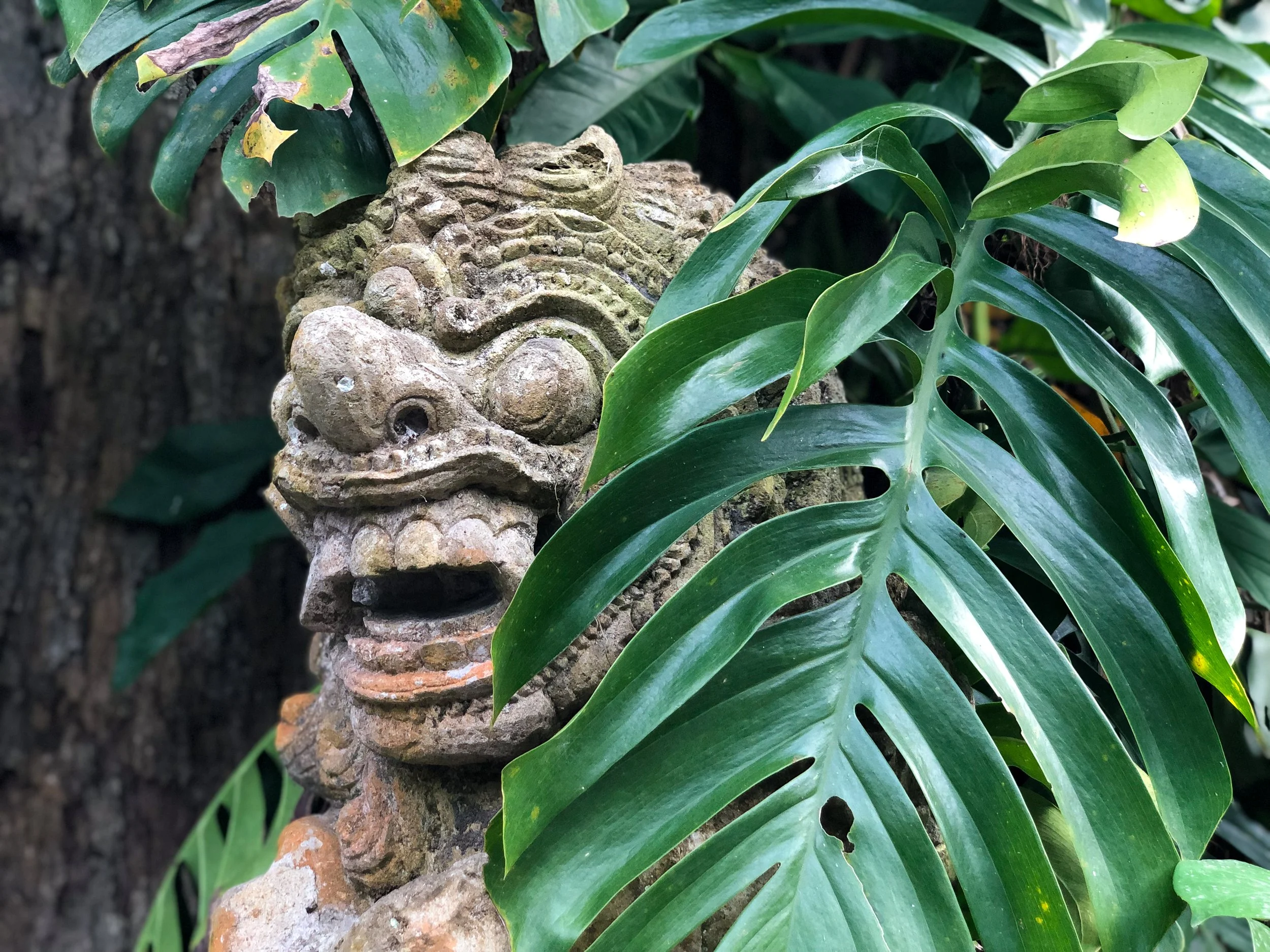
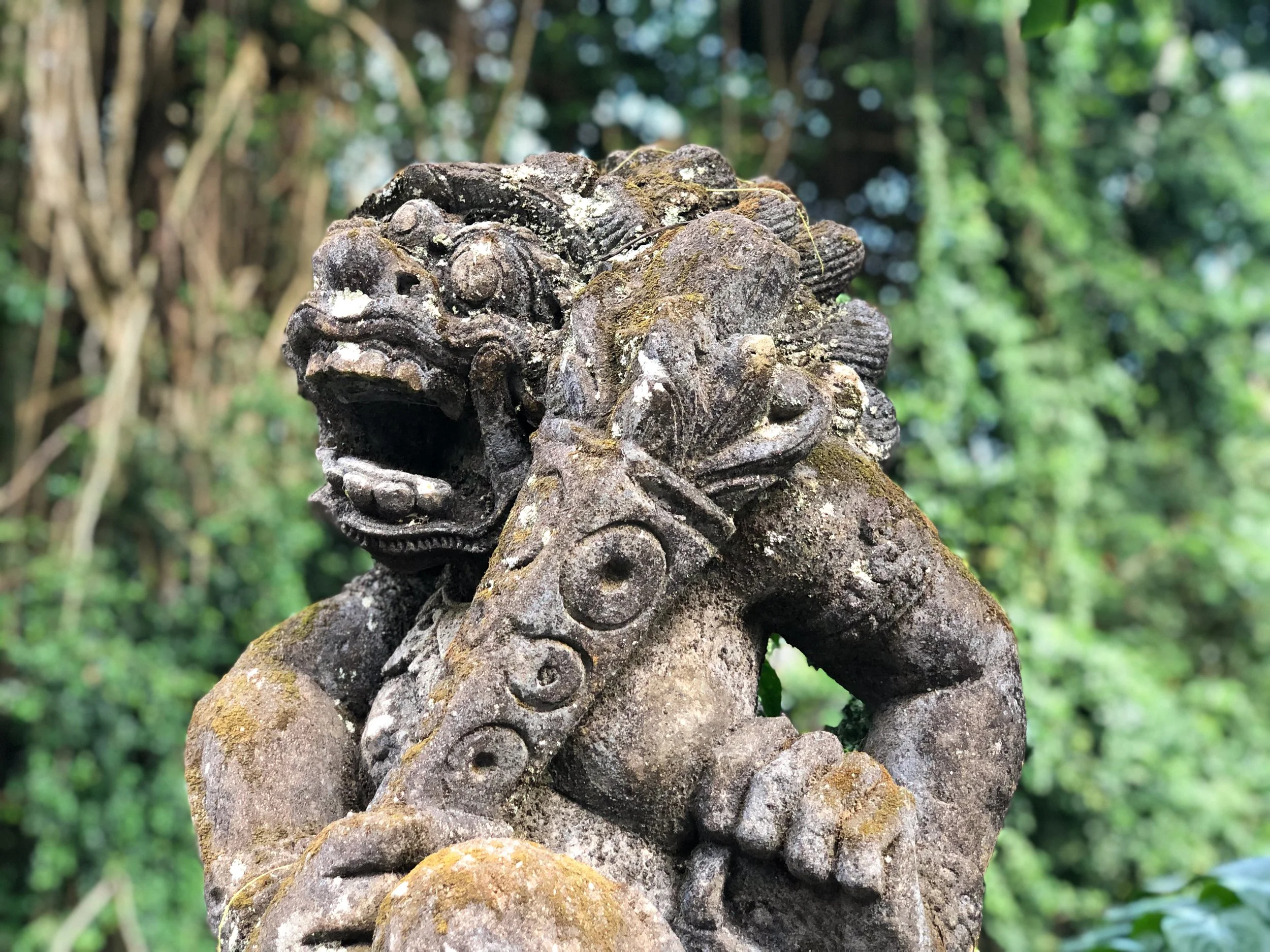
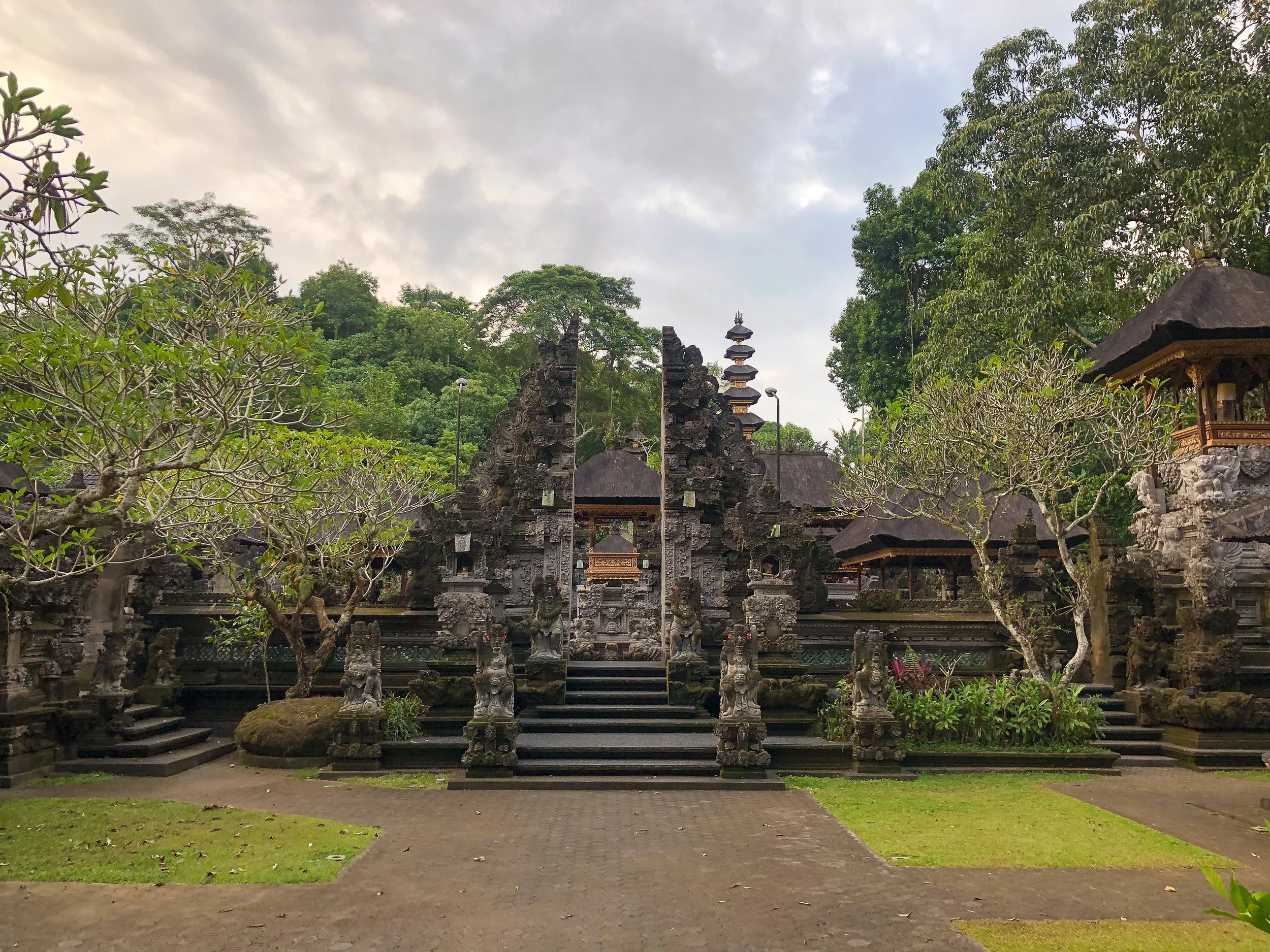
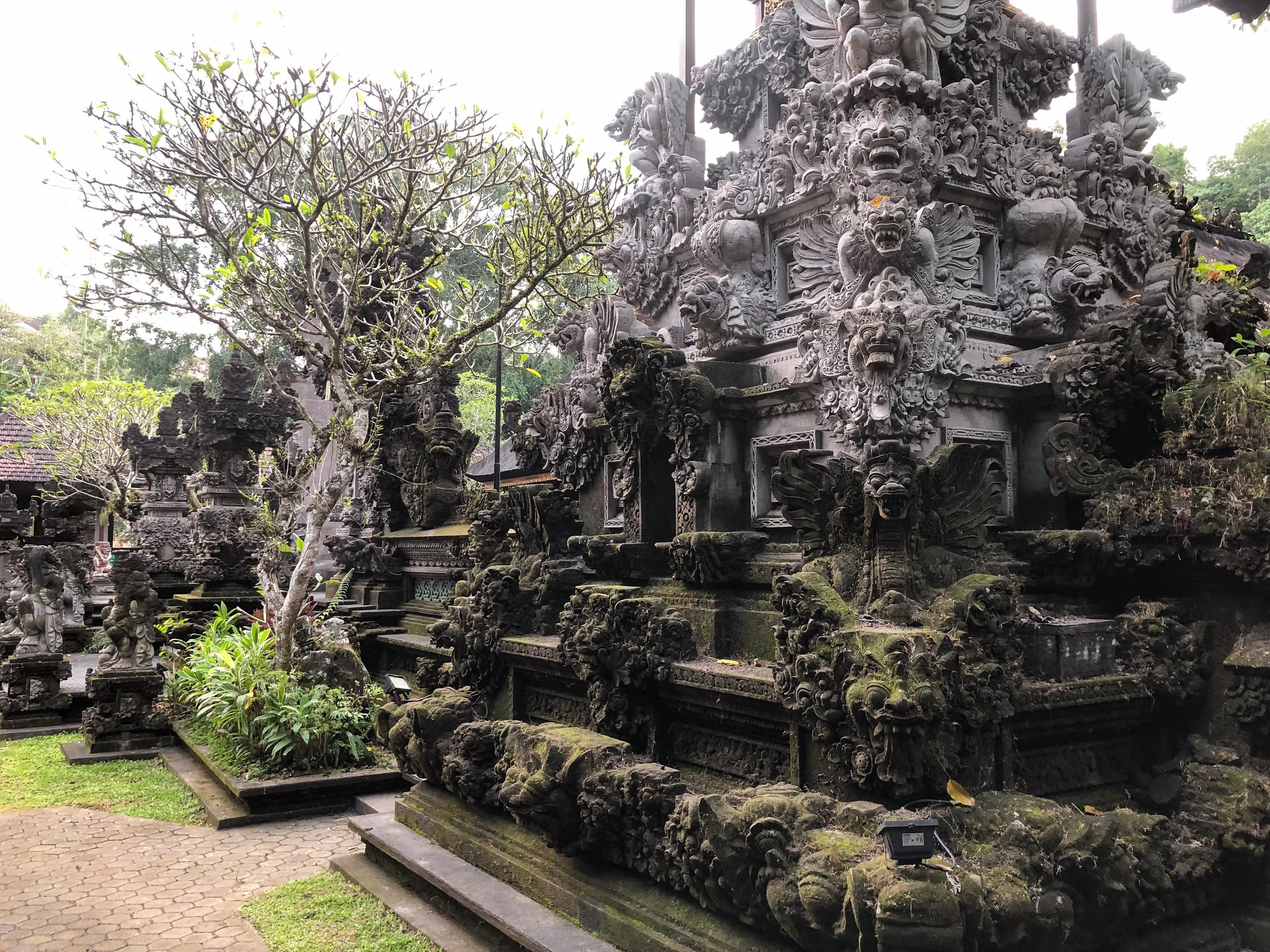
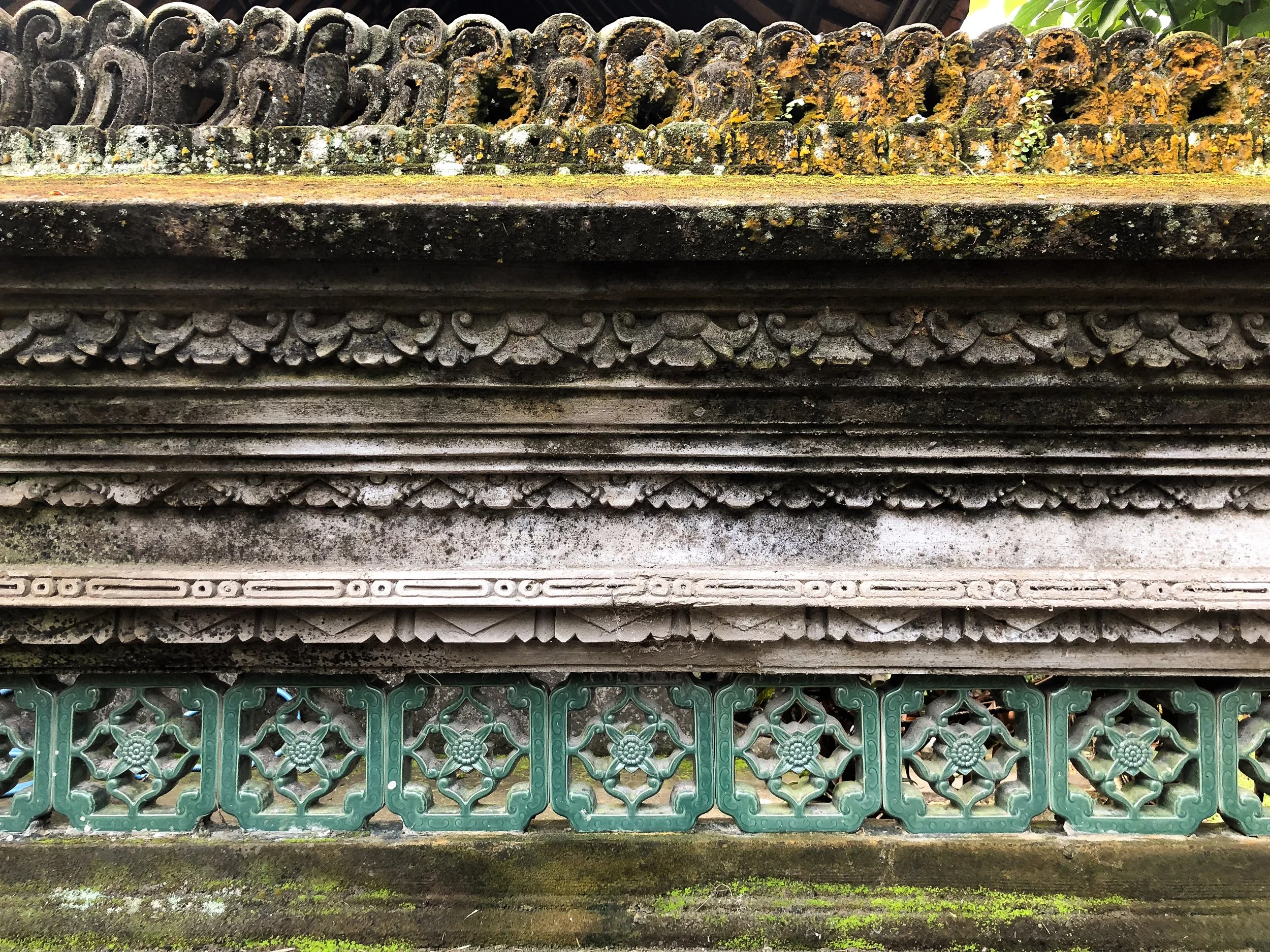
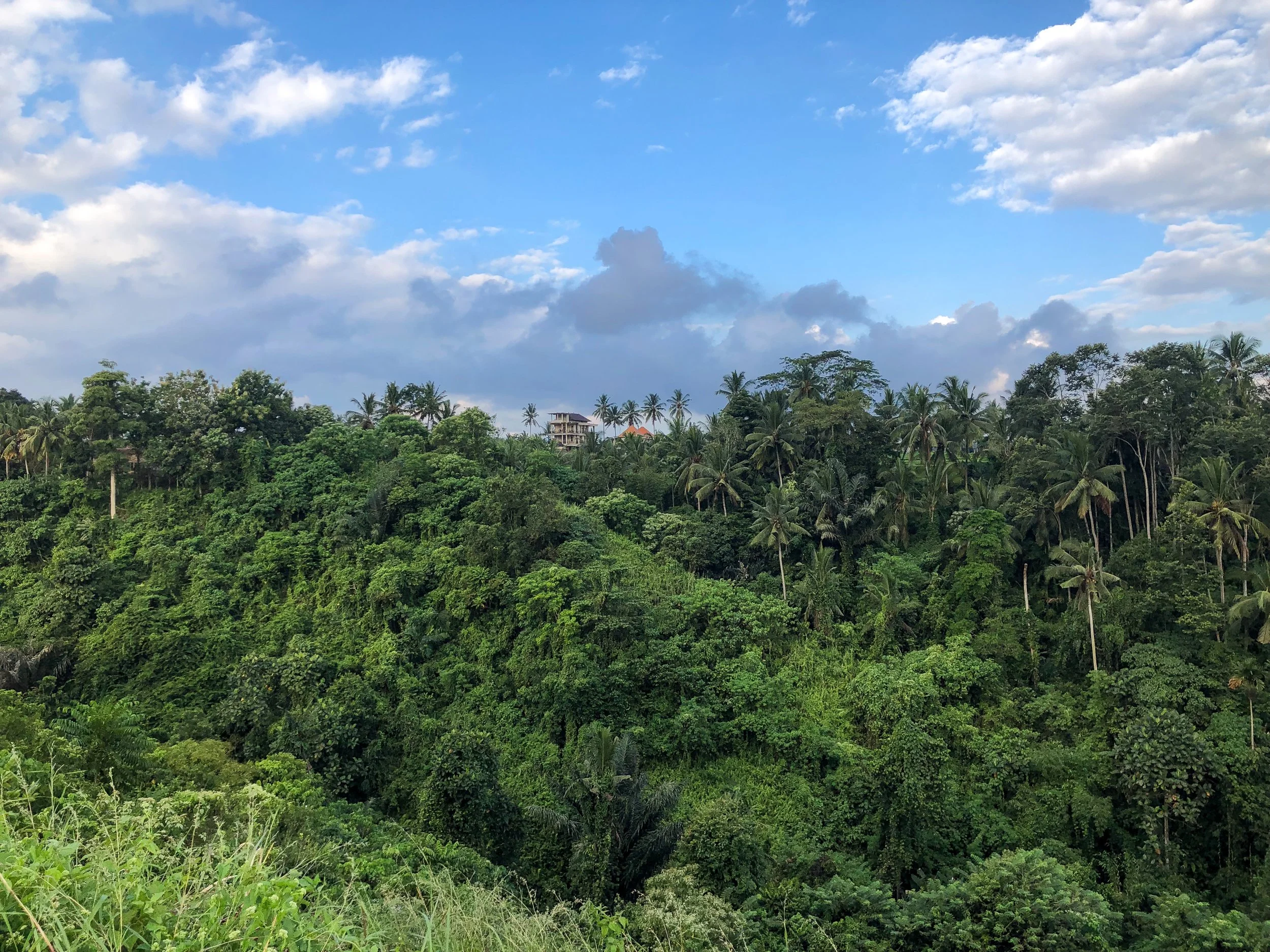
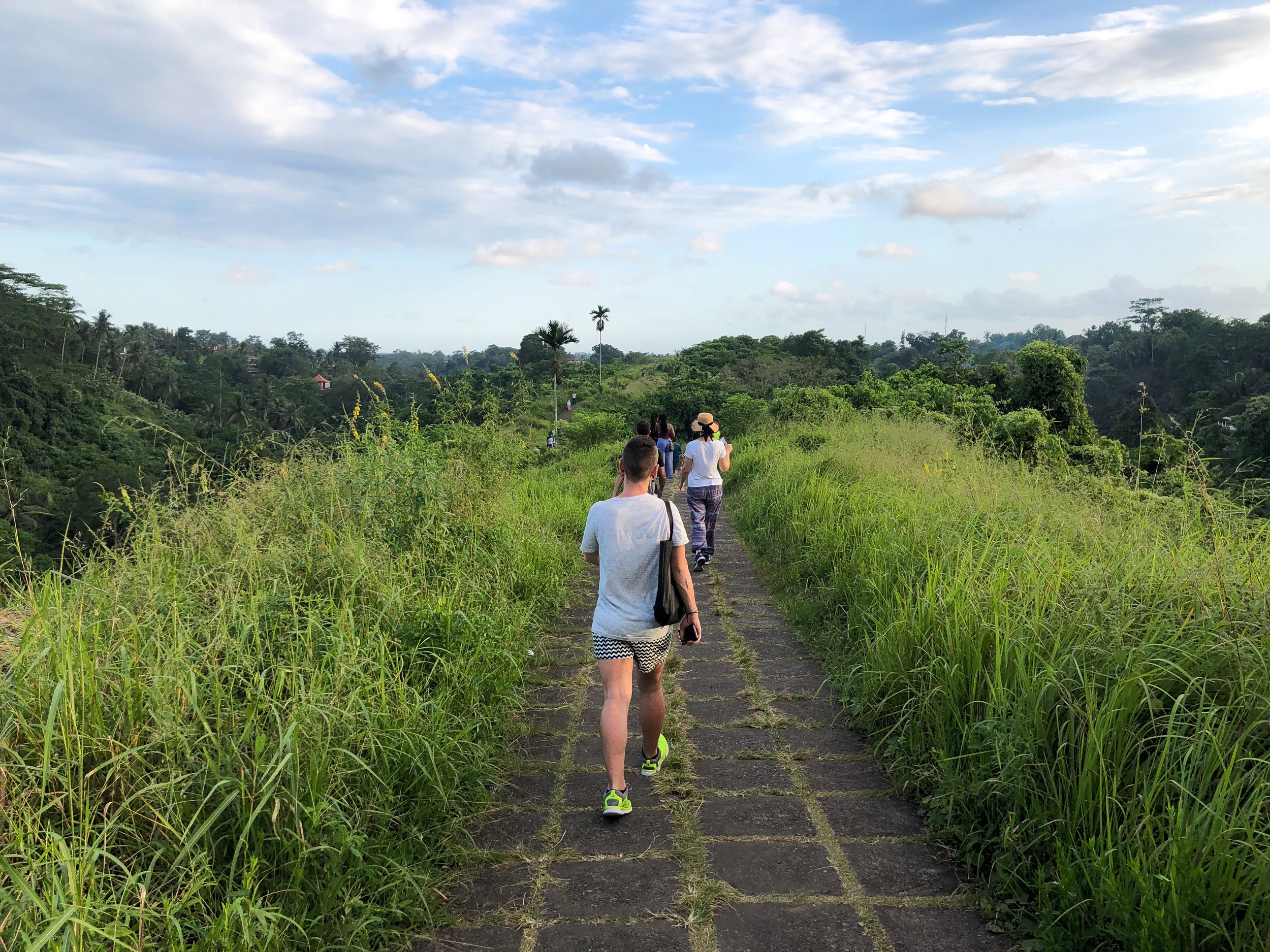
The Campuhan Ridge Walk is an easy, scenic and lush 2km pathway on top of the Campuhan Ridge. To avoid the sun, we walked the path about two hours before sunset ending during golden hour. Enter on the north side, where there are a number of businesses selling fruit, water, Bintangs and offering massages. End on the south side at the ancient Pura Gunung Lebah Temple.
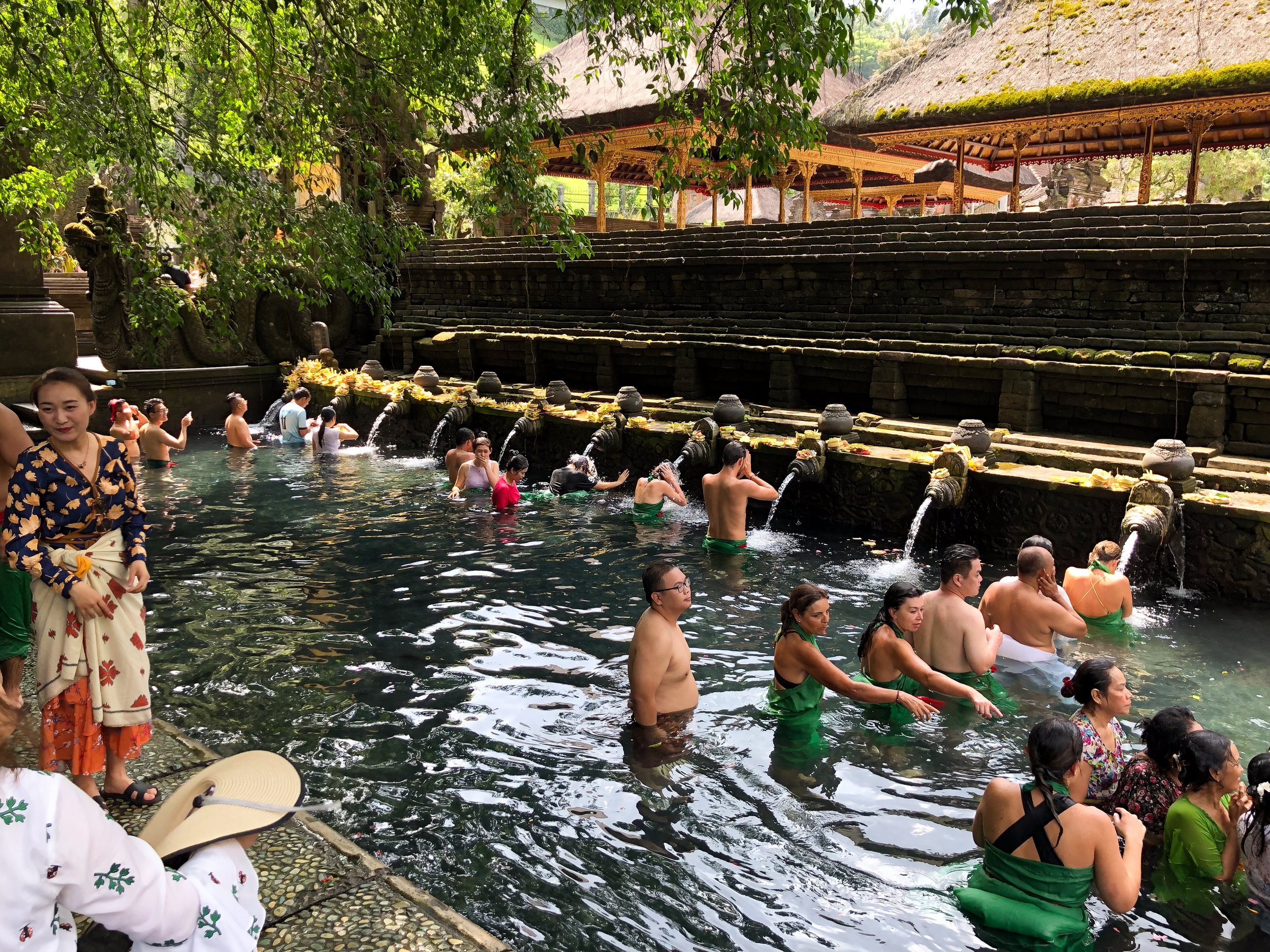
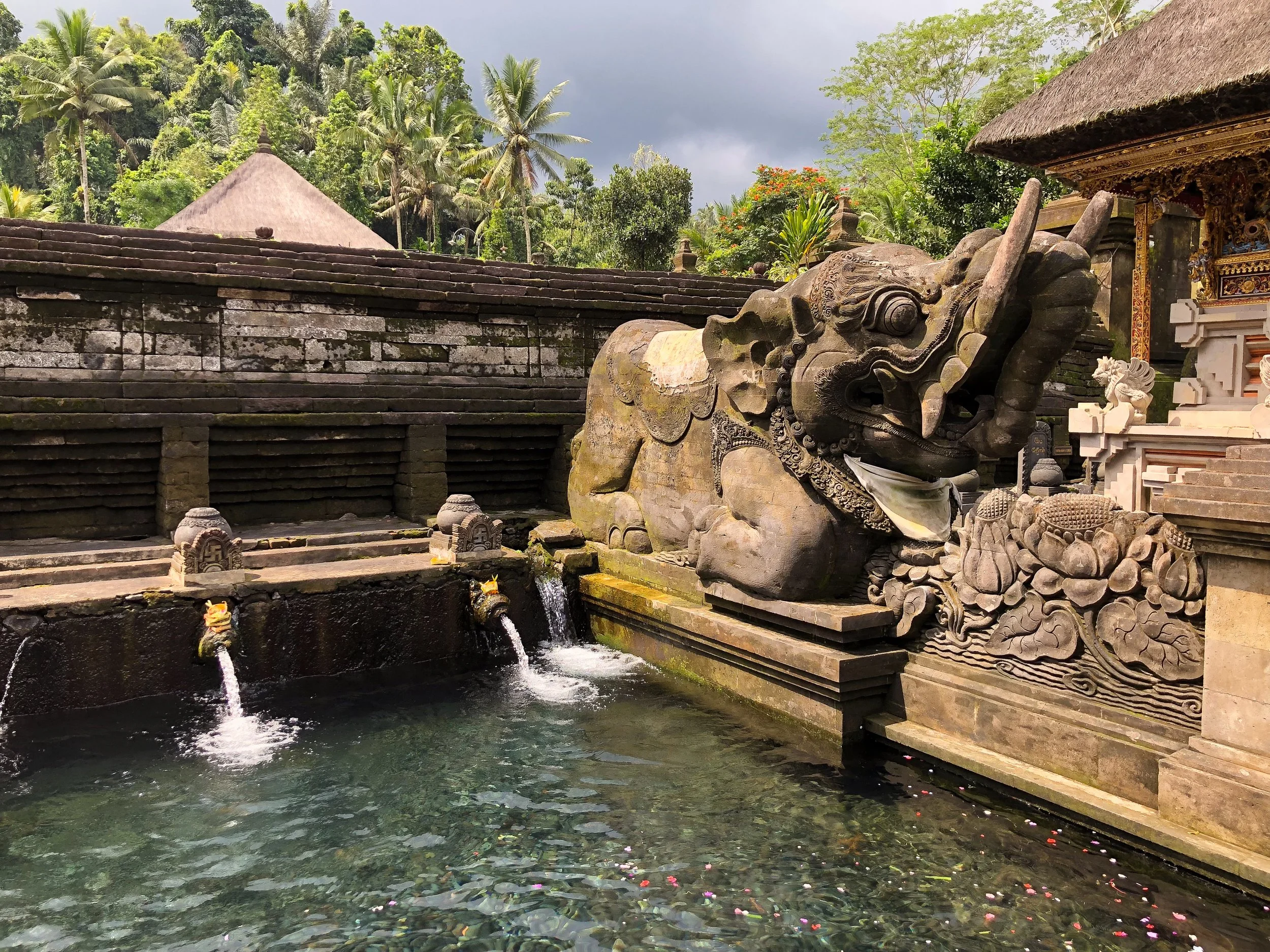
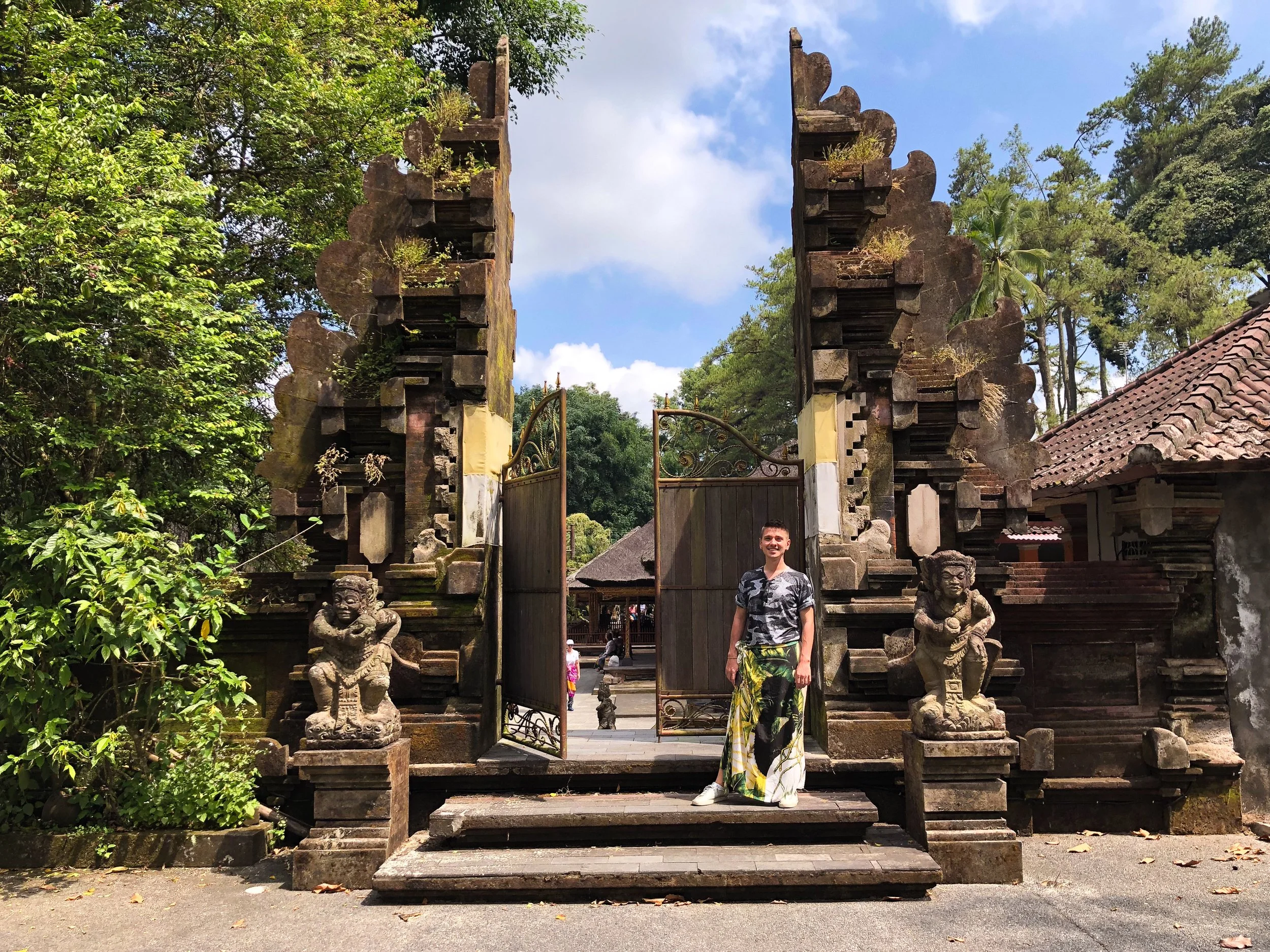
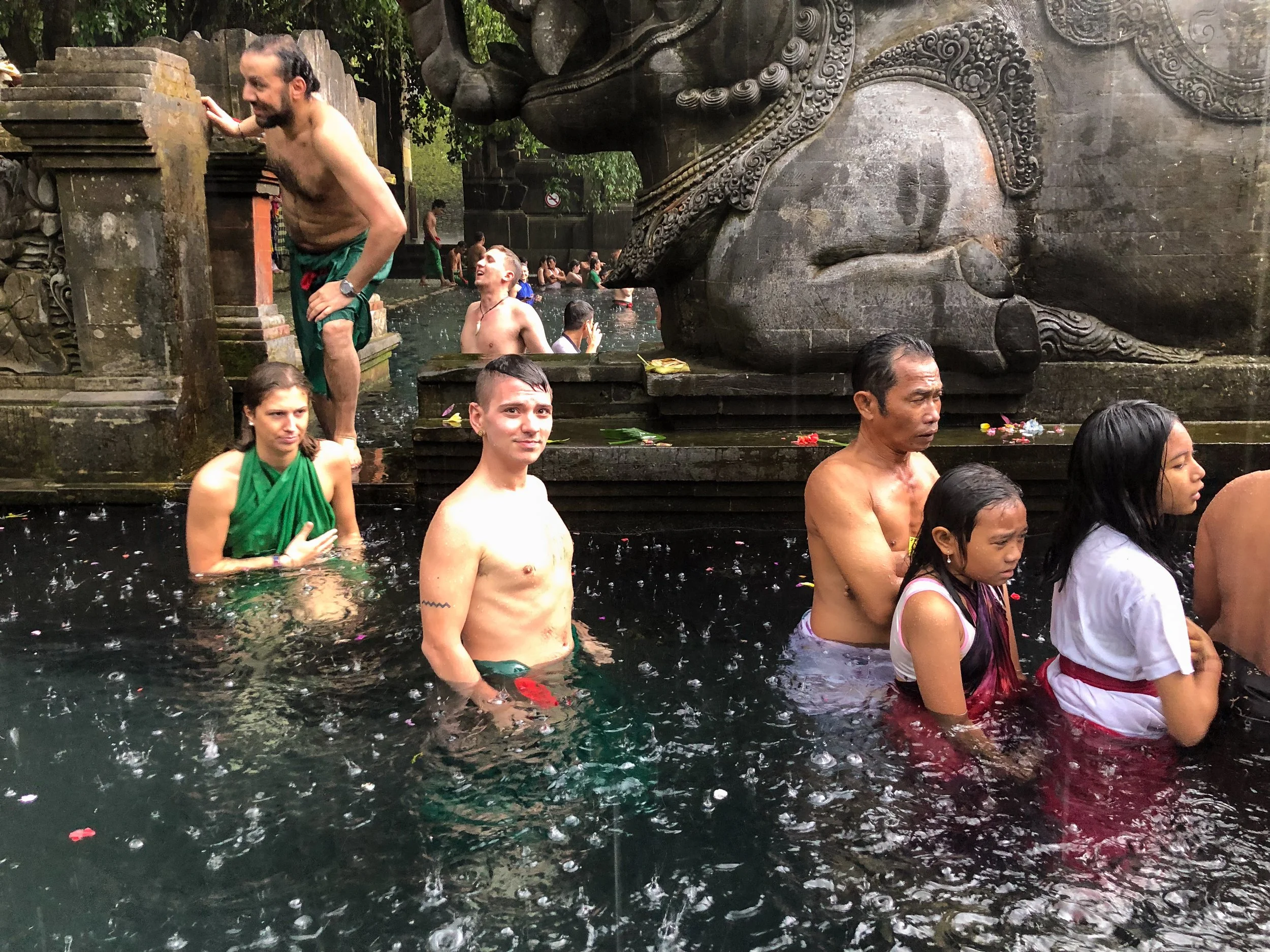
Tirta Empul Water Temple
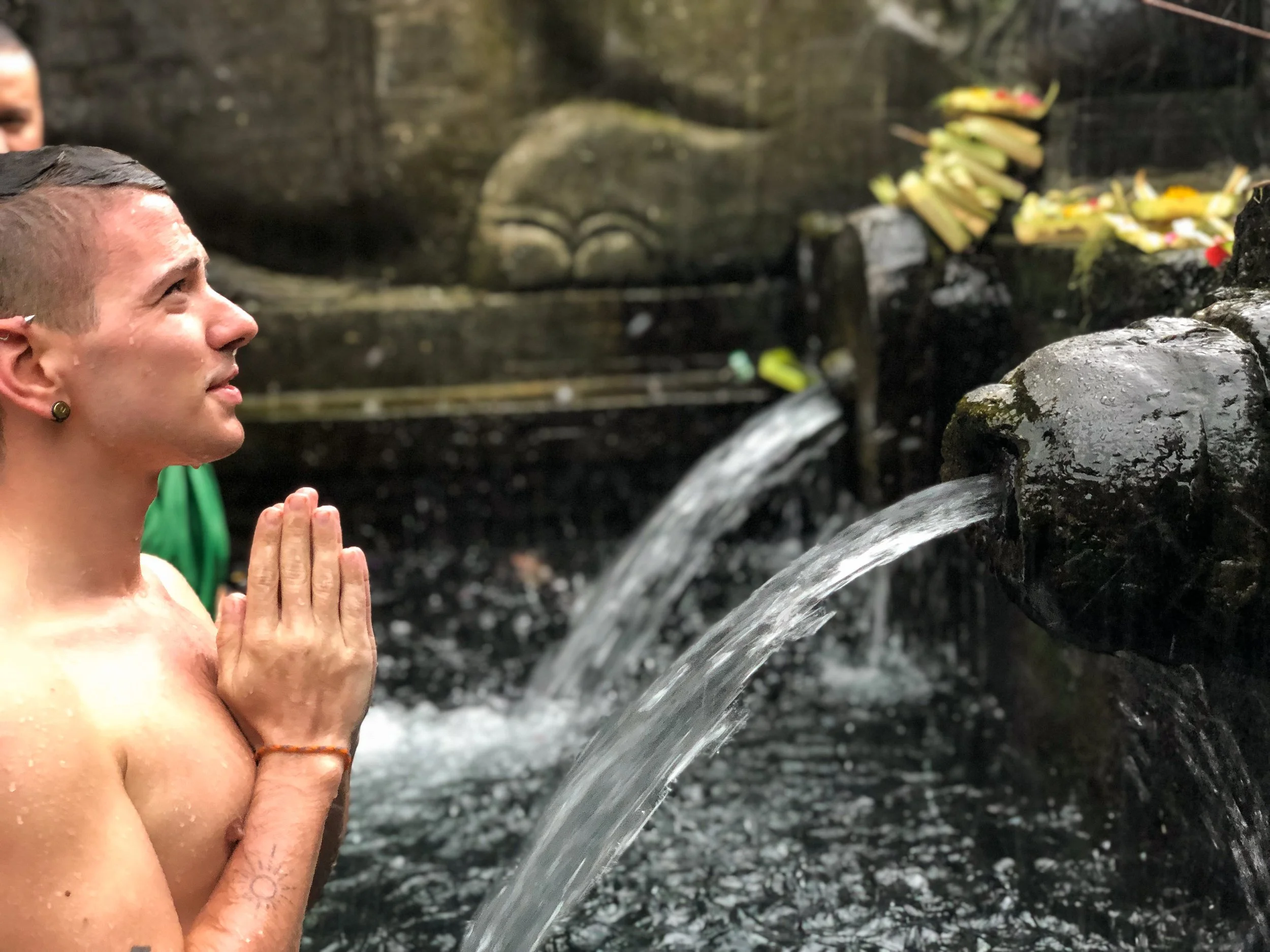
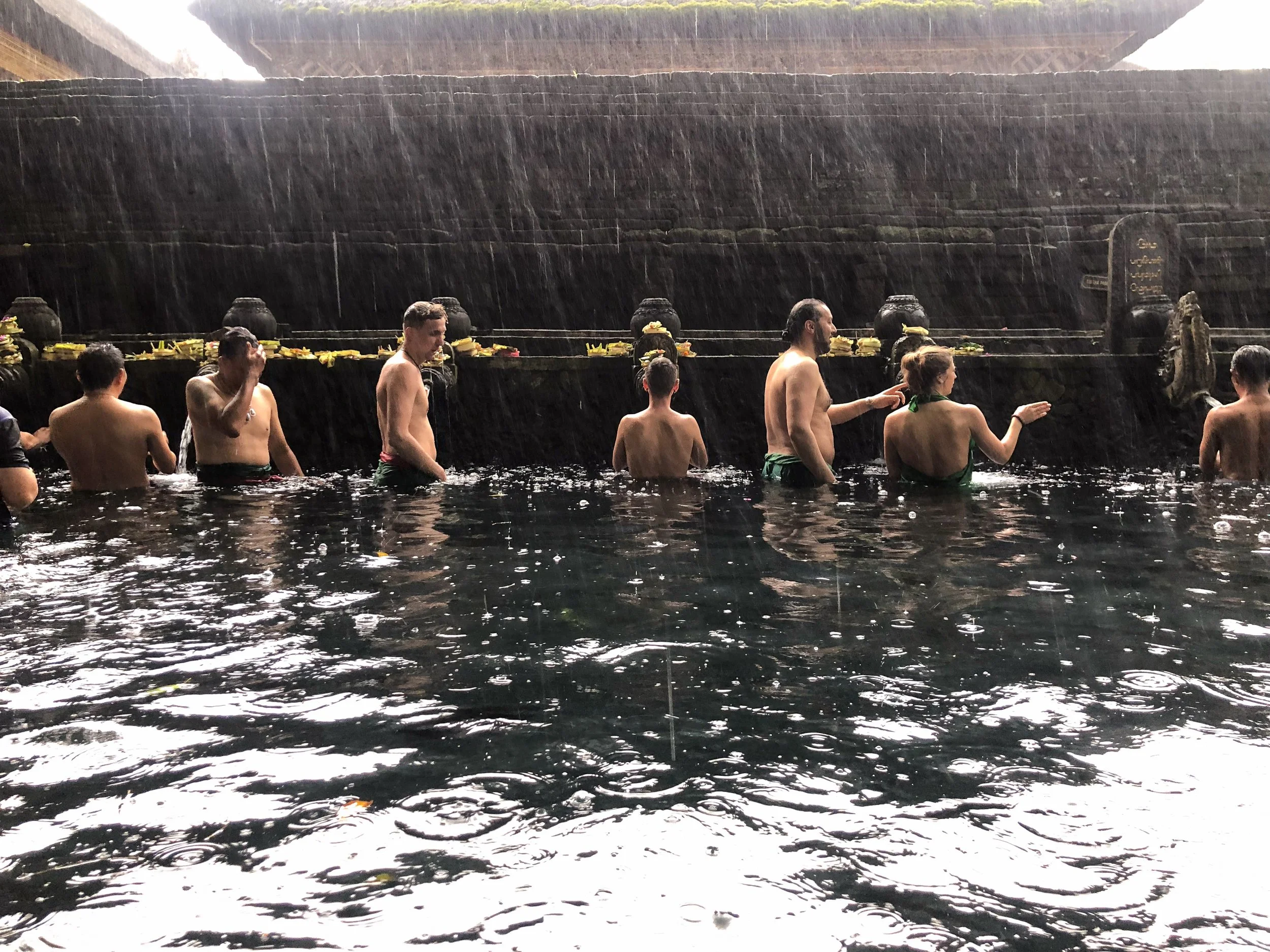
The Tirta Empul Water Temple is a 15th century temple with fountains and baths fed by a natural spring. It has a special importance to the Balinese for its purifying and healing waters. The best way to properly use them is to pay a temple guide for a handmade offering and ask them to explain the ritual process and meaning behind it. It’s well worth the experience to step out of your comfort zone, experience and reflect on whatever you’re thankful for.
Packing List:
A Sarong. Like with many temples across Bali, you need a sarong to cover up with before entering. They’re also available to rent.
A Towel. To dry off with after bathing in the cleansing waters.
A Lock. To secure your belongings in the lockers.
Visit the Museums
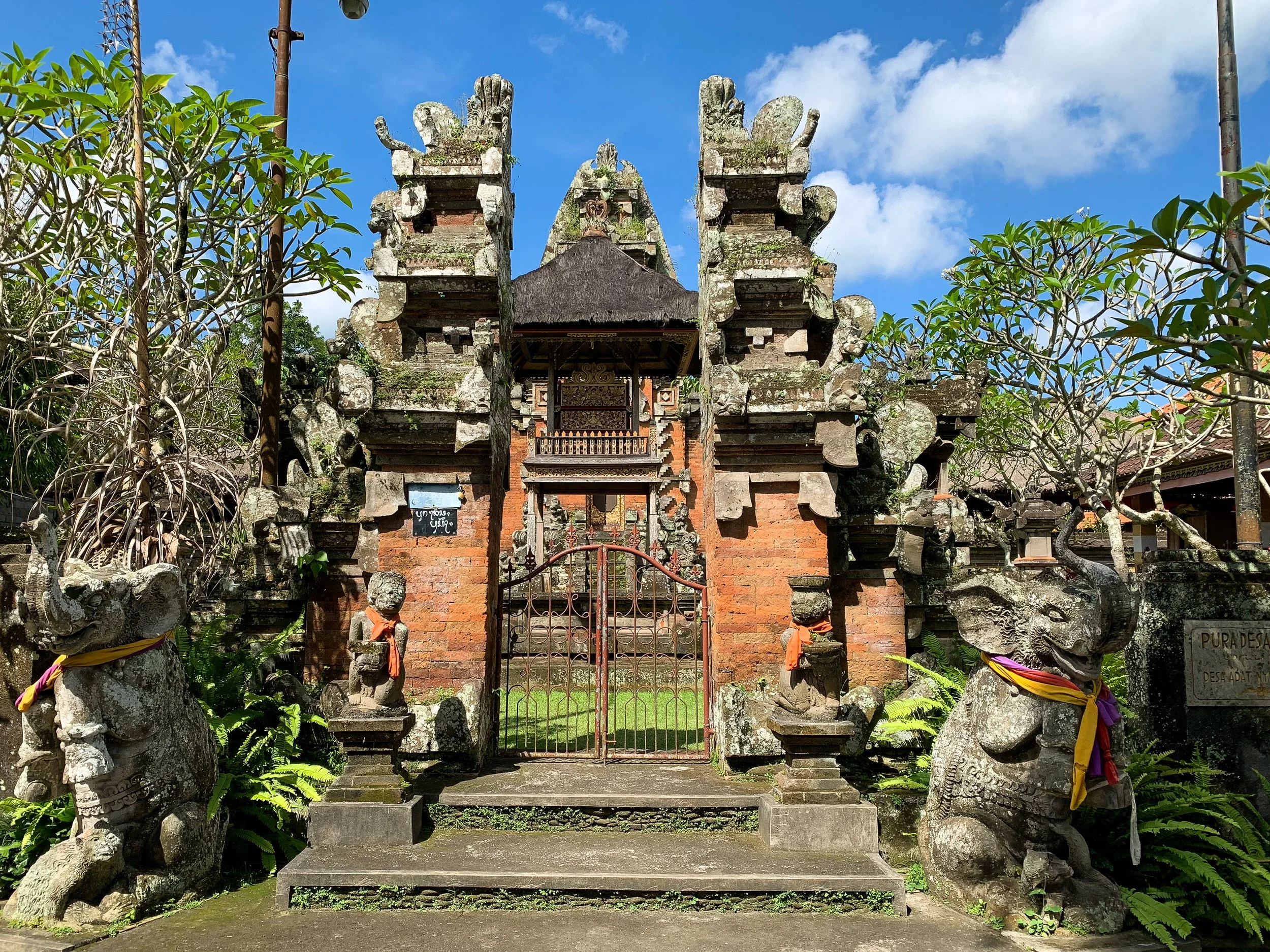
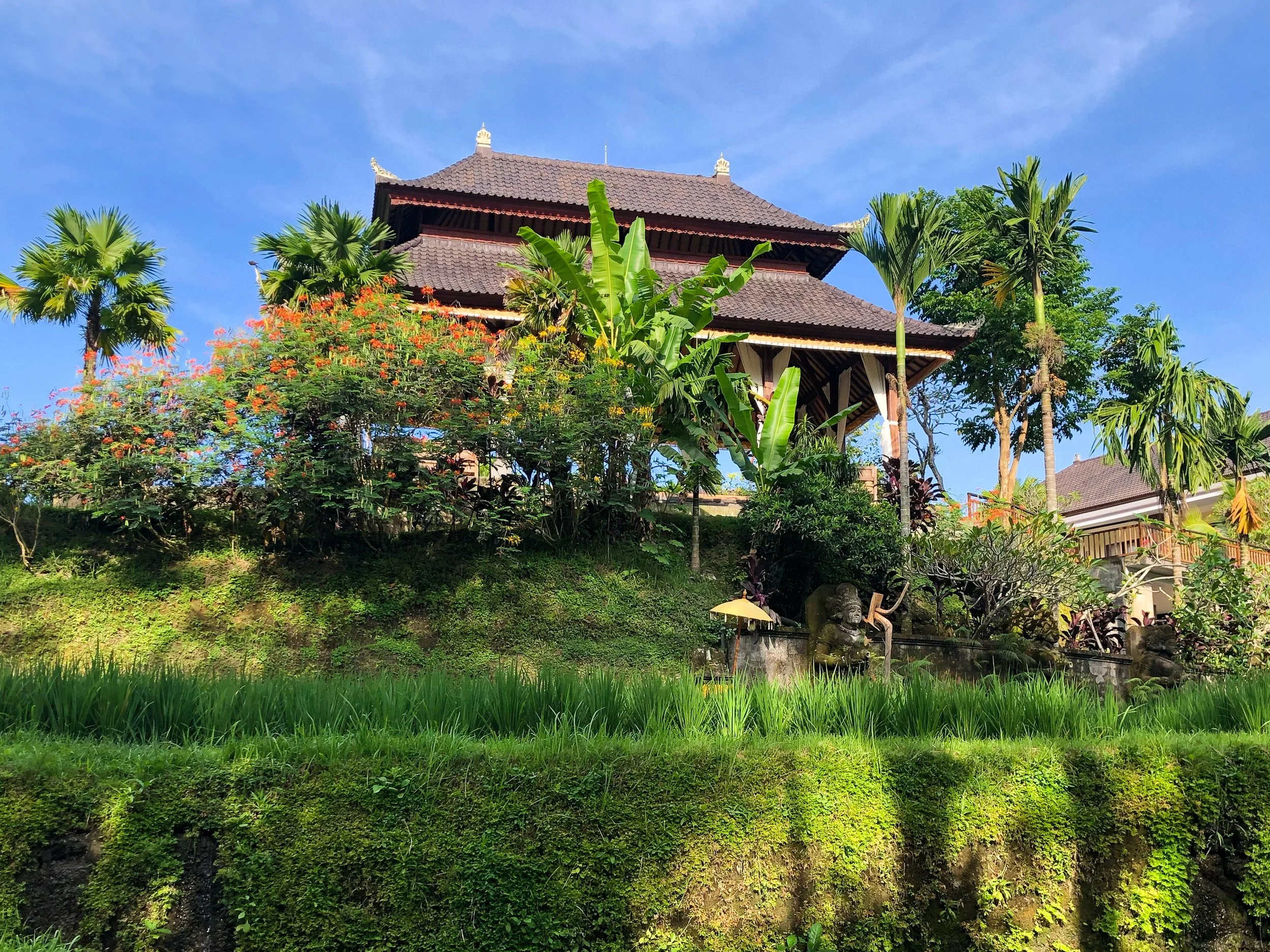
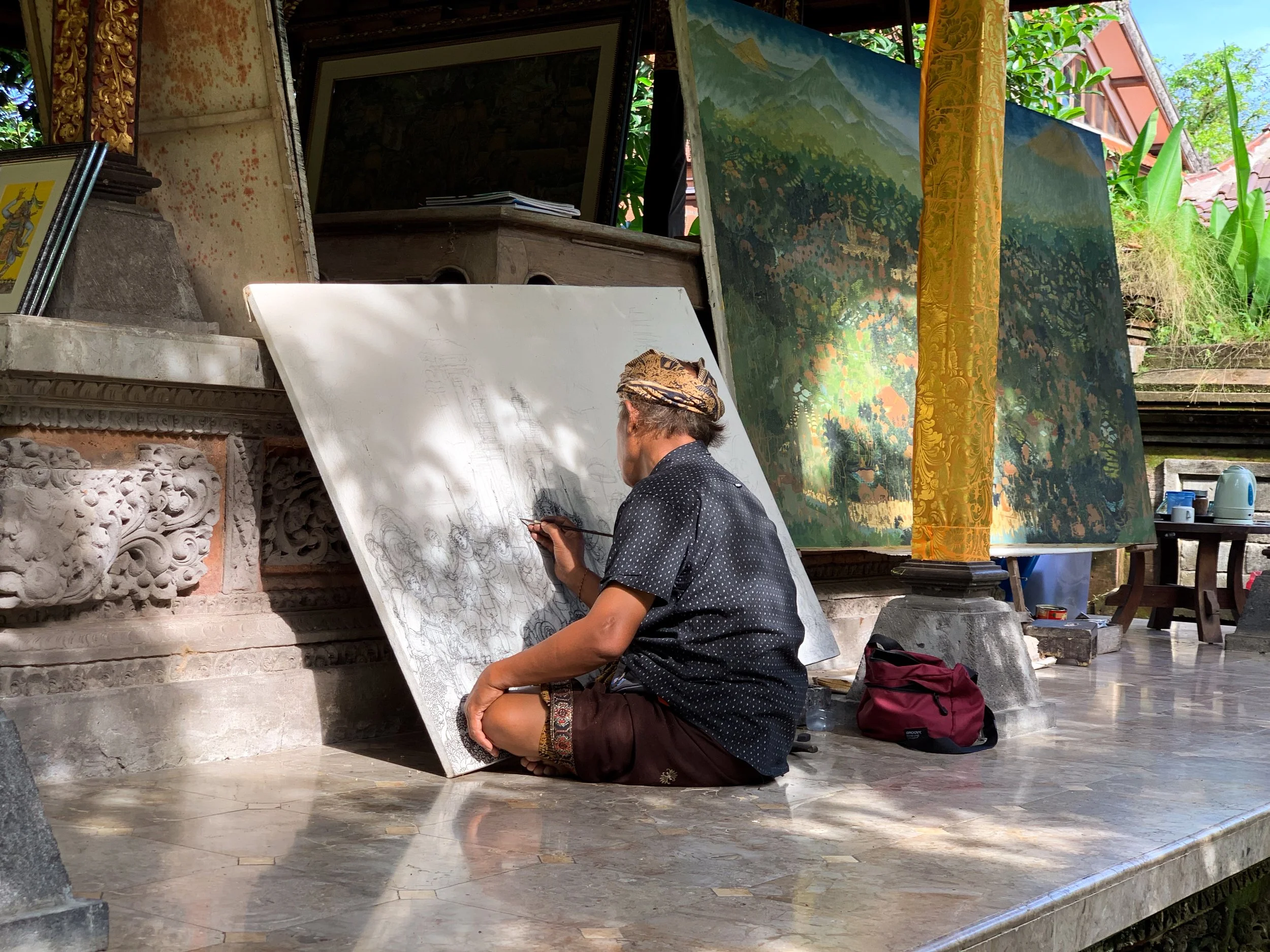
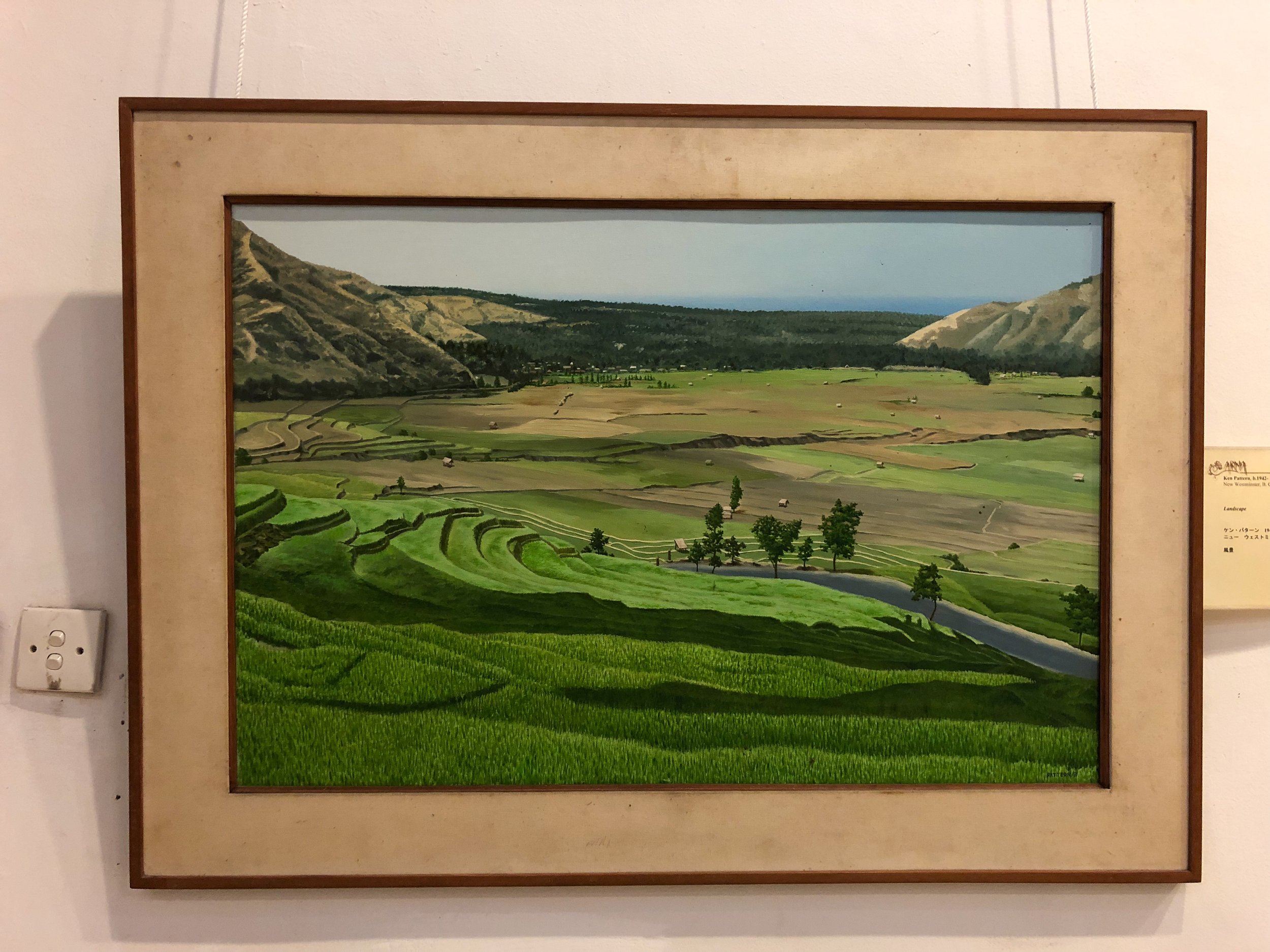
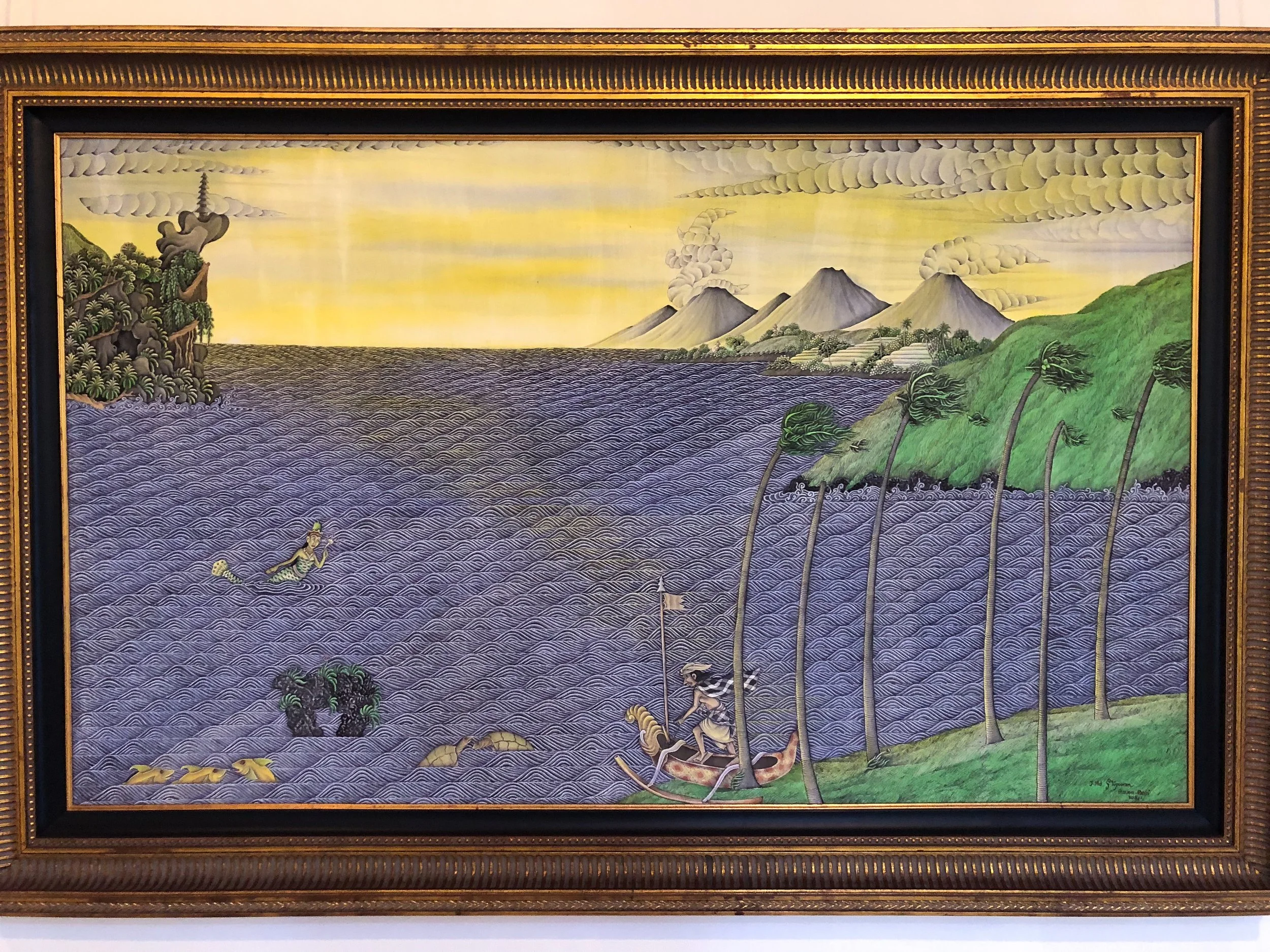
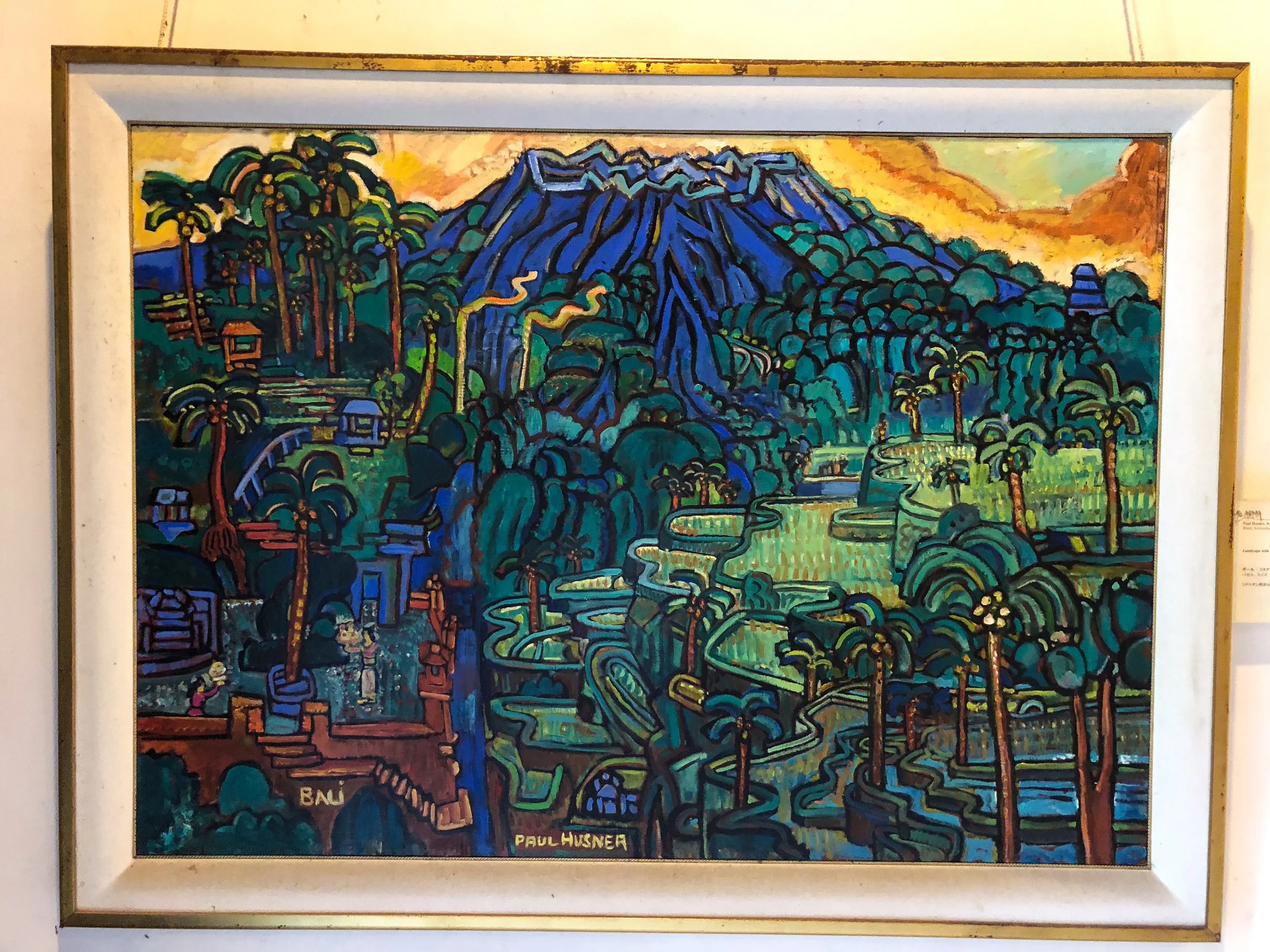
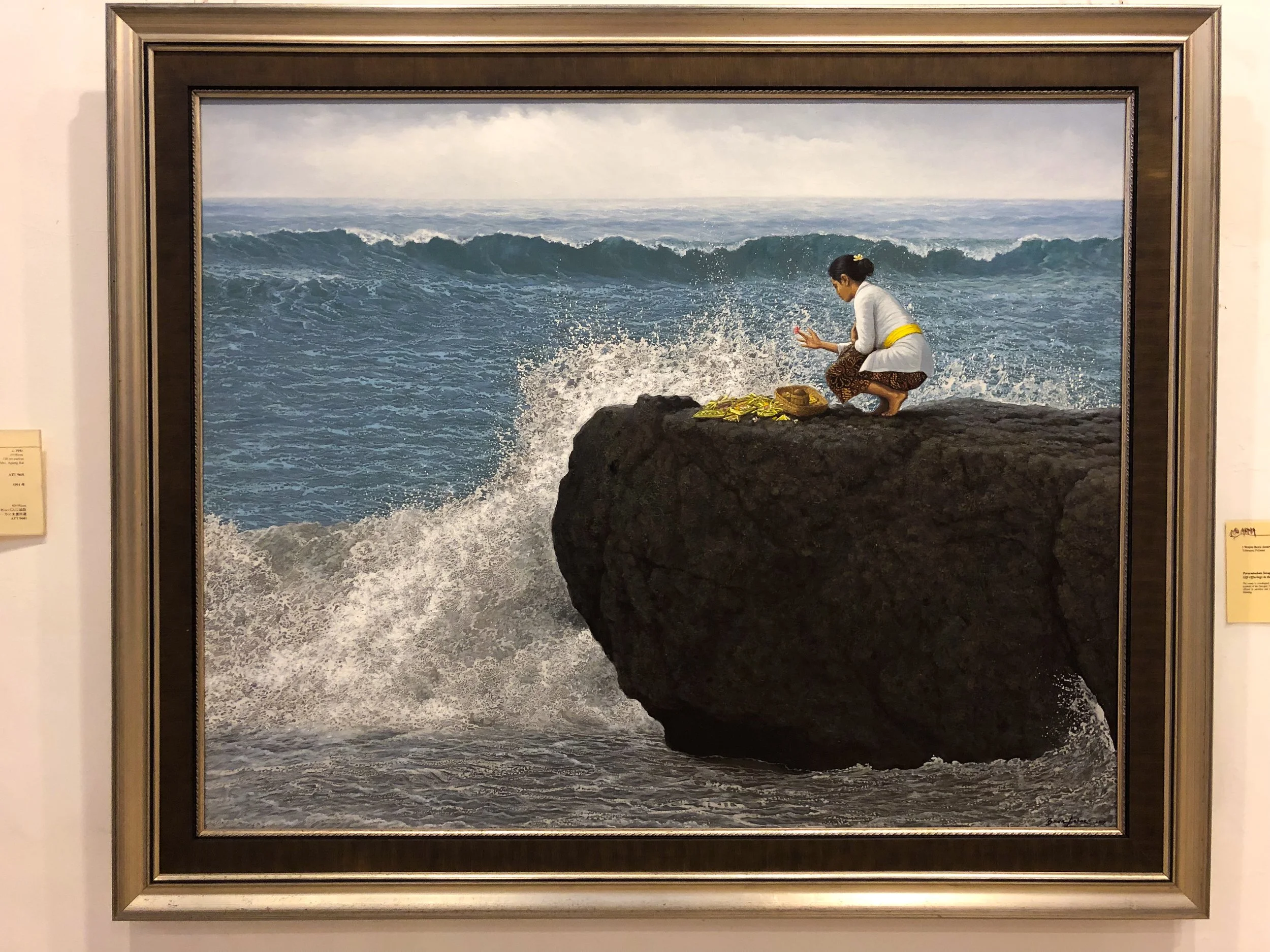
There are multiple museums showcasing Balinese art, artifacts and architecture throughout Ubud. The museums themselves are as much about the grounds and their temples as they are the artwork and artifacts within.
Agung Rai Museum of Art (ARMA). A grand museum with galleries of artwork and paintings created by Balinese artists. The gardens and grounds are lined with sculptures, temples and pavilions where we watched artists painting and carving elaborate wooden reliefs and sculptures.
Other museums include the Museum Puri Lukisan and Neka Art Museum.
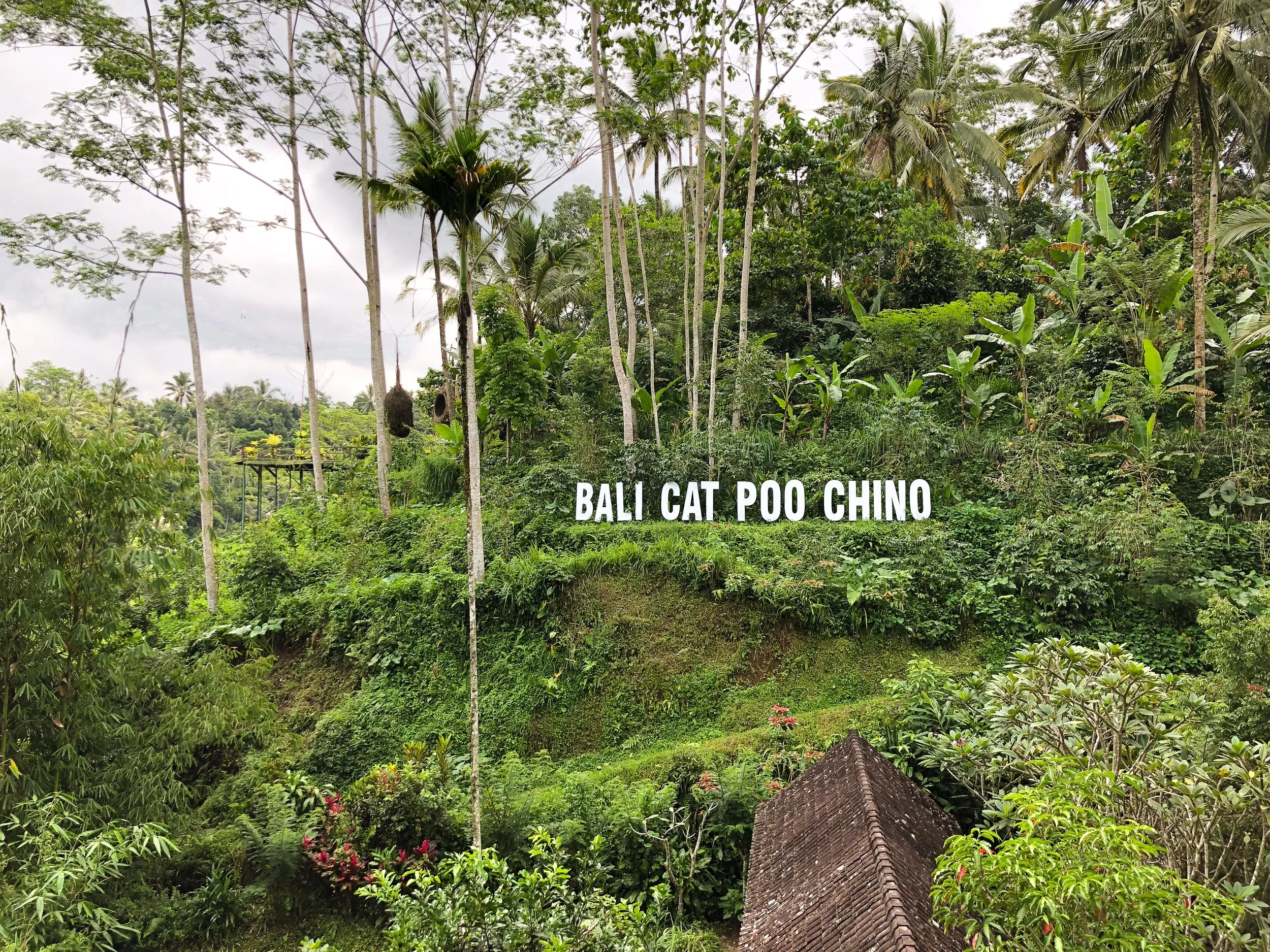
Satria Agrowisata
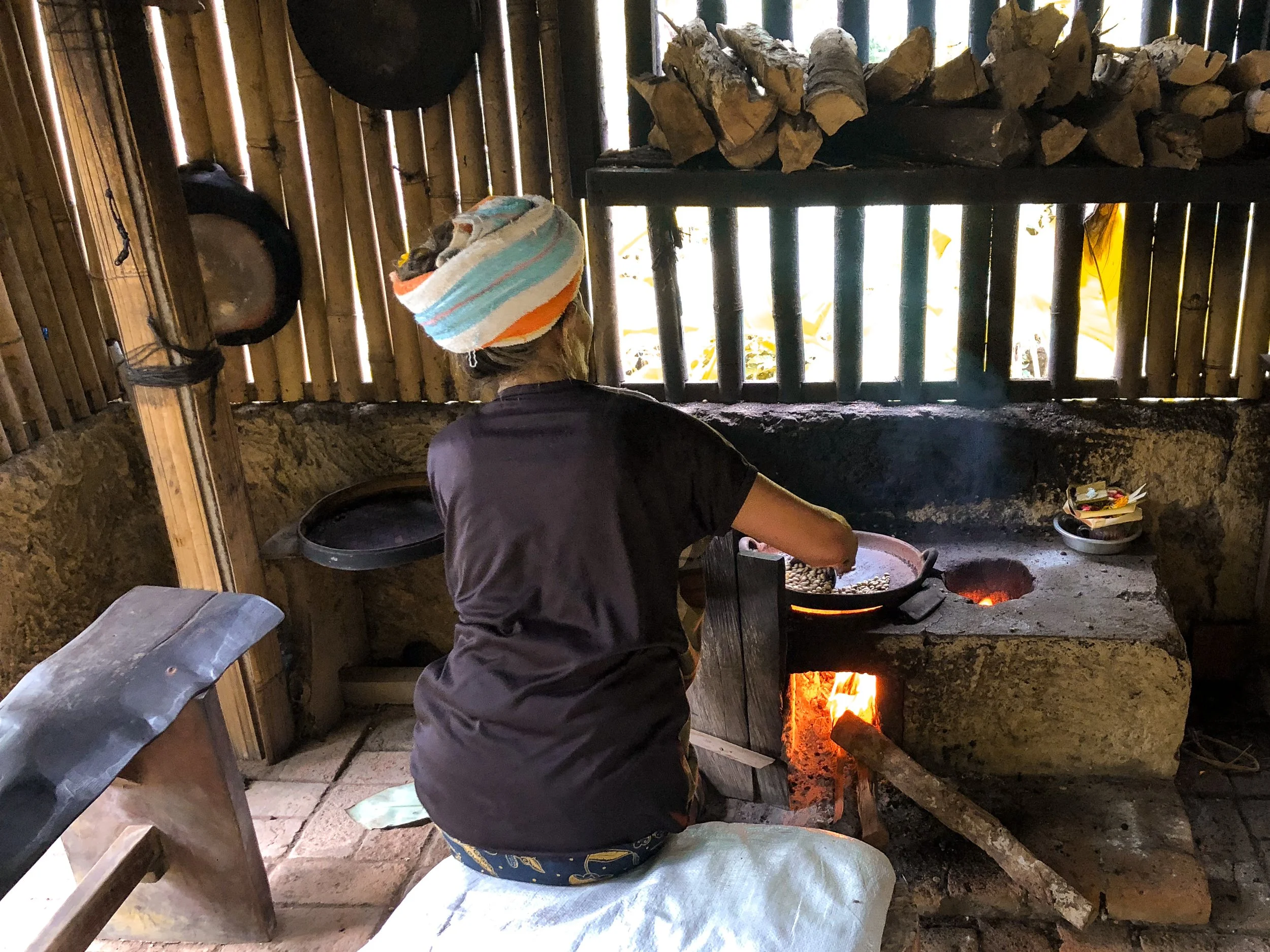
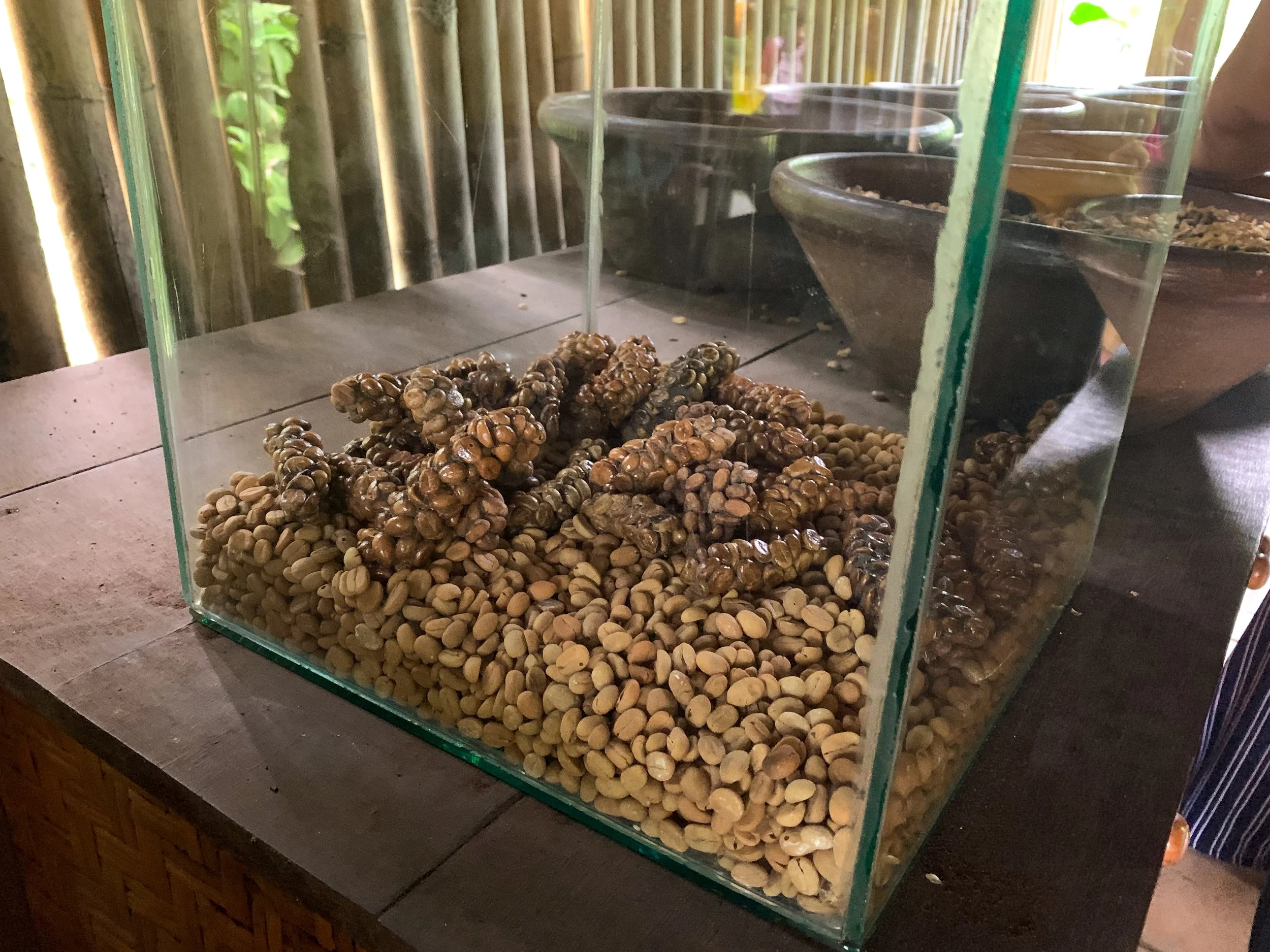
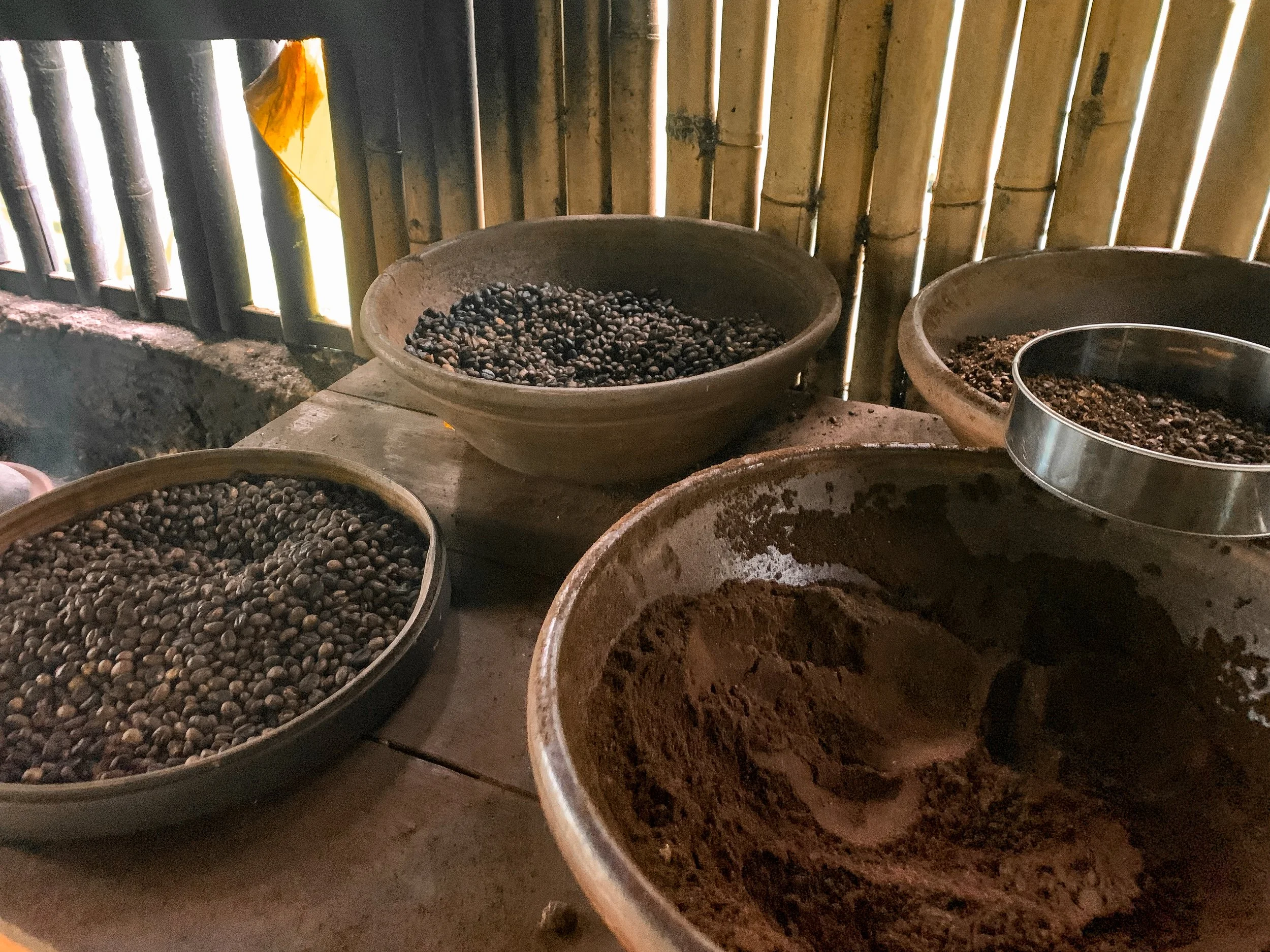
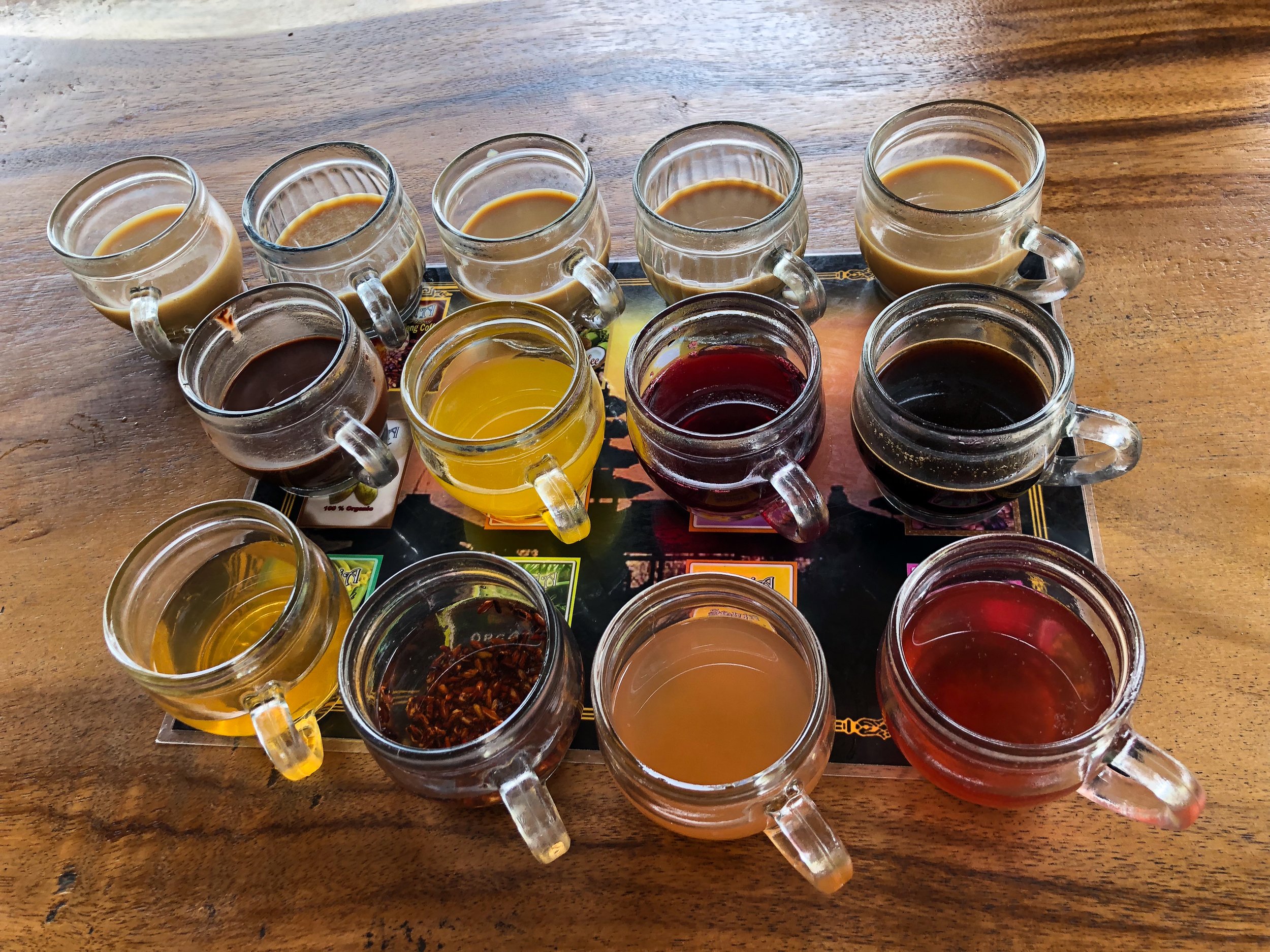
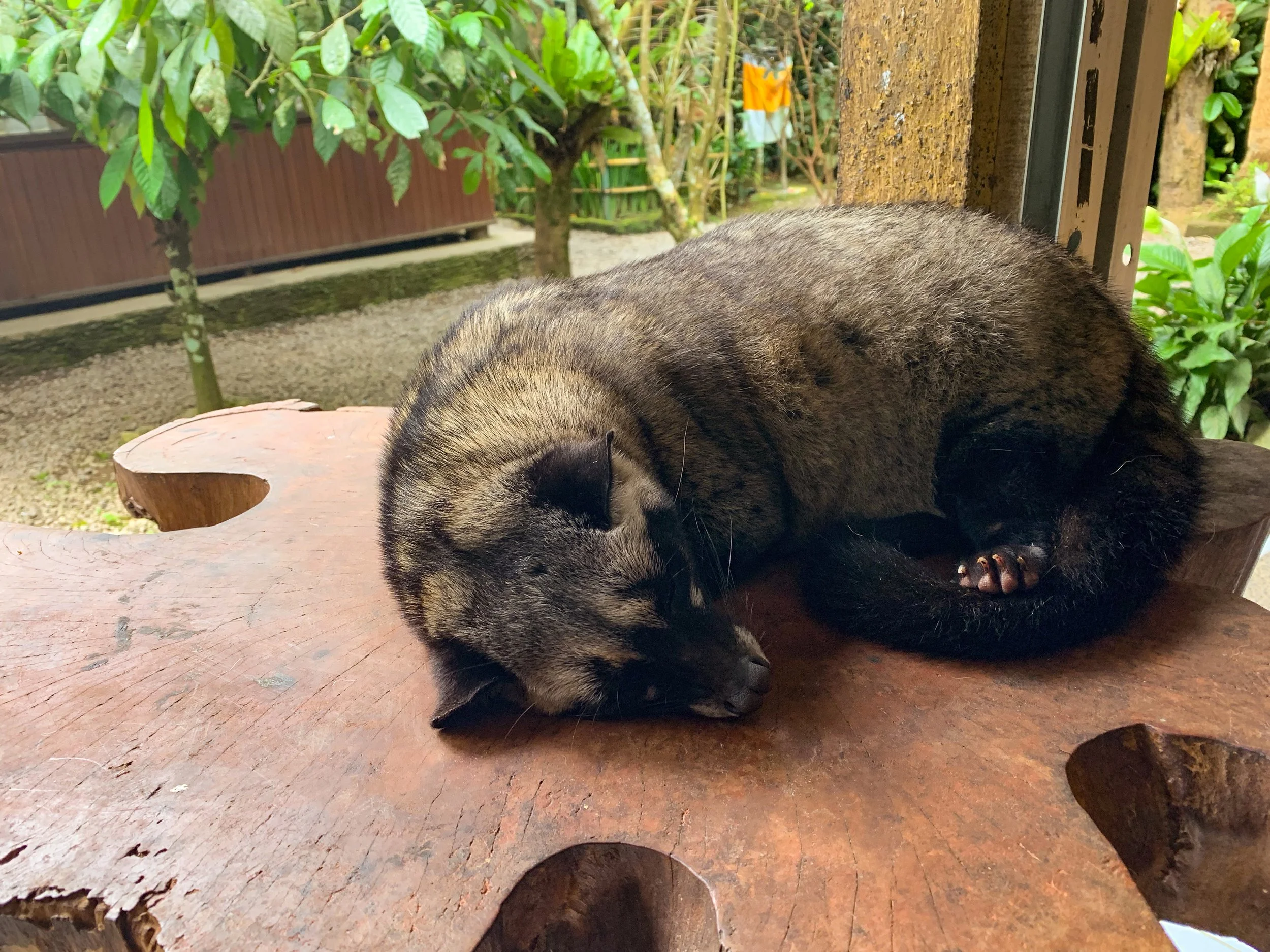
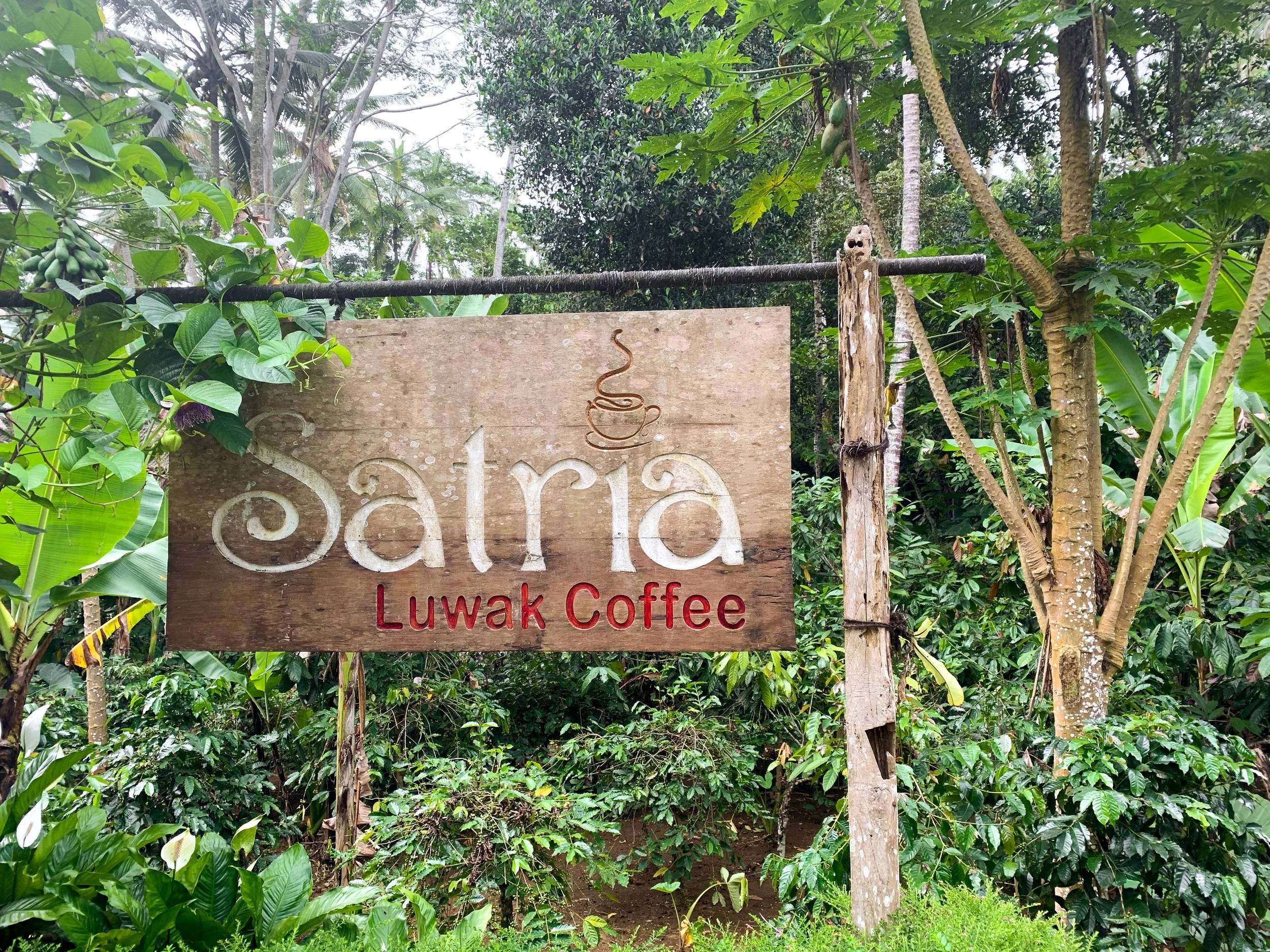
The Satria Agrowisata is famed for its Luwak Coffee. If you’re unfamiliar, the beans go through quite the process before becoming coffee. The coffee cherries are eaten by civets, a nocturnal cat-like mammal, then partially digested and pooped out. The beans are collected and roasted in small batches before being ground and turned into coffee. It’s an unappealing process but does result in a rich, mellow and flavorful brew worth trying at least once.
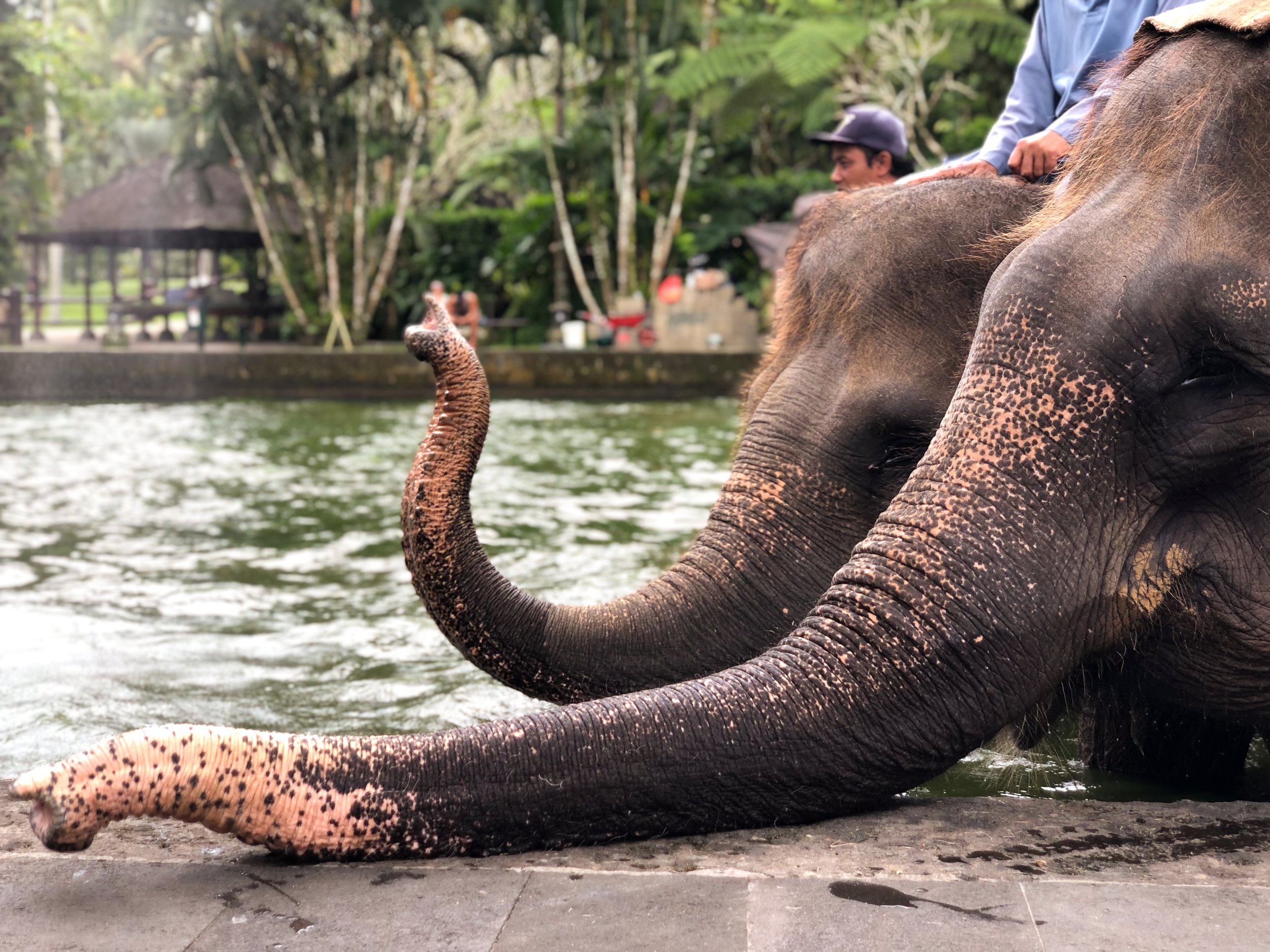
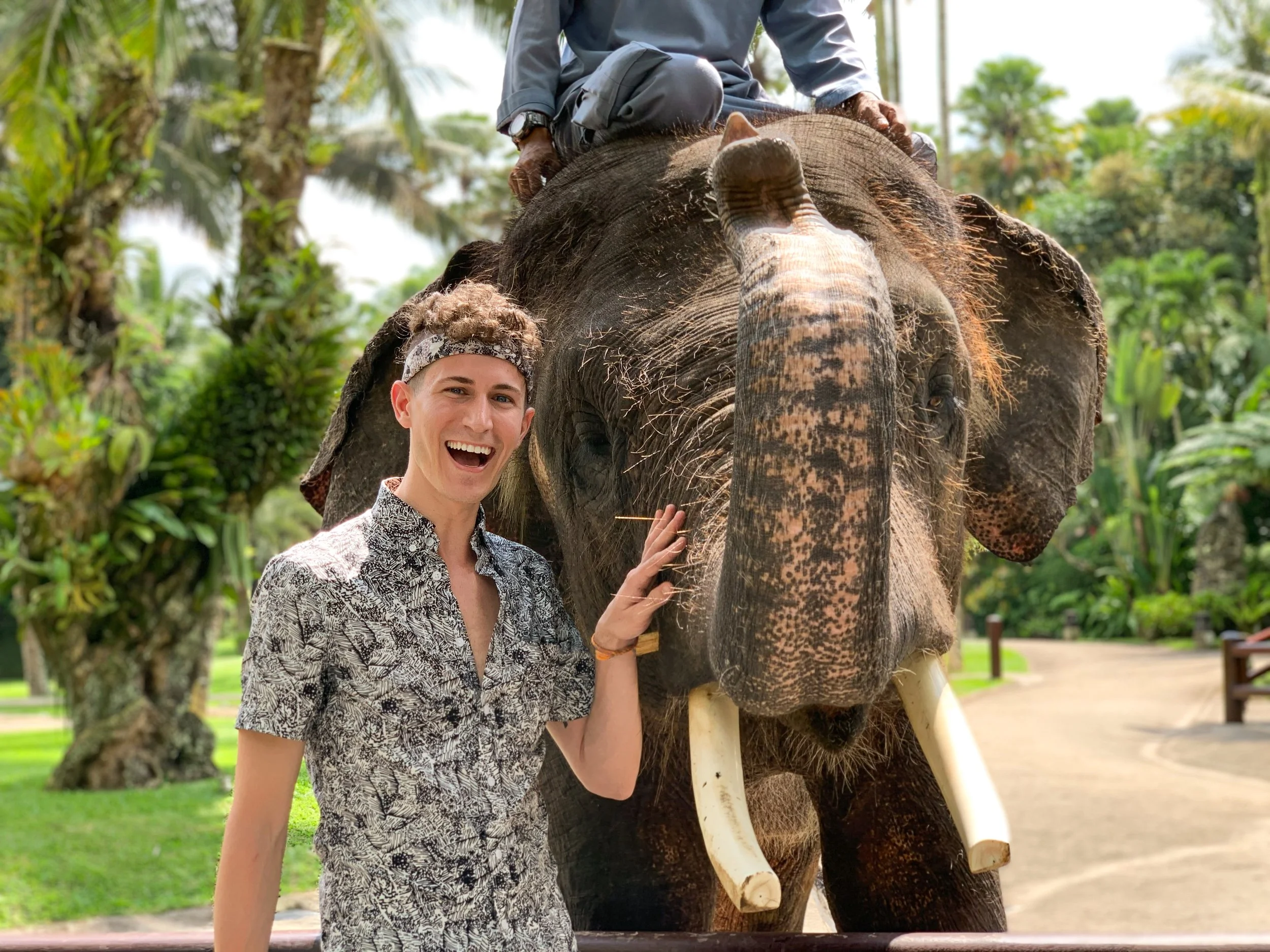
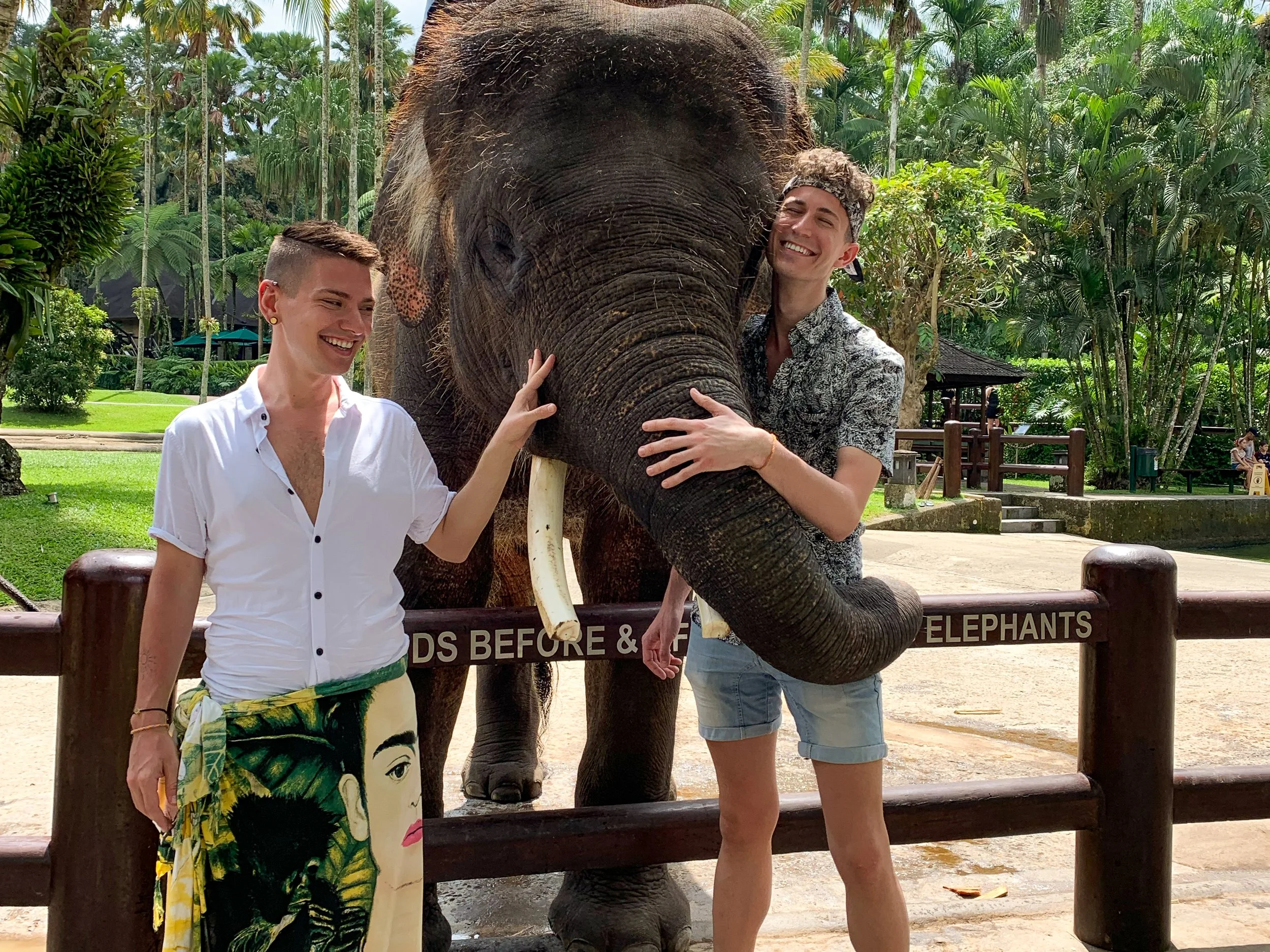
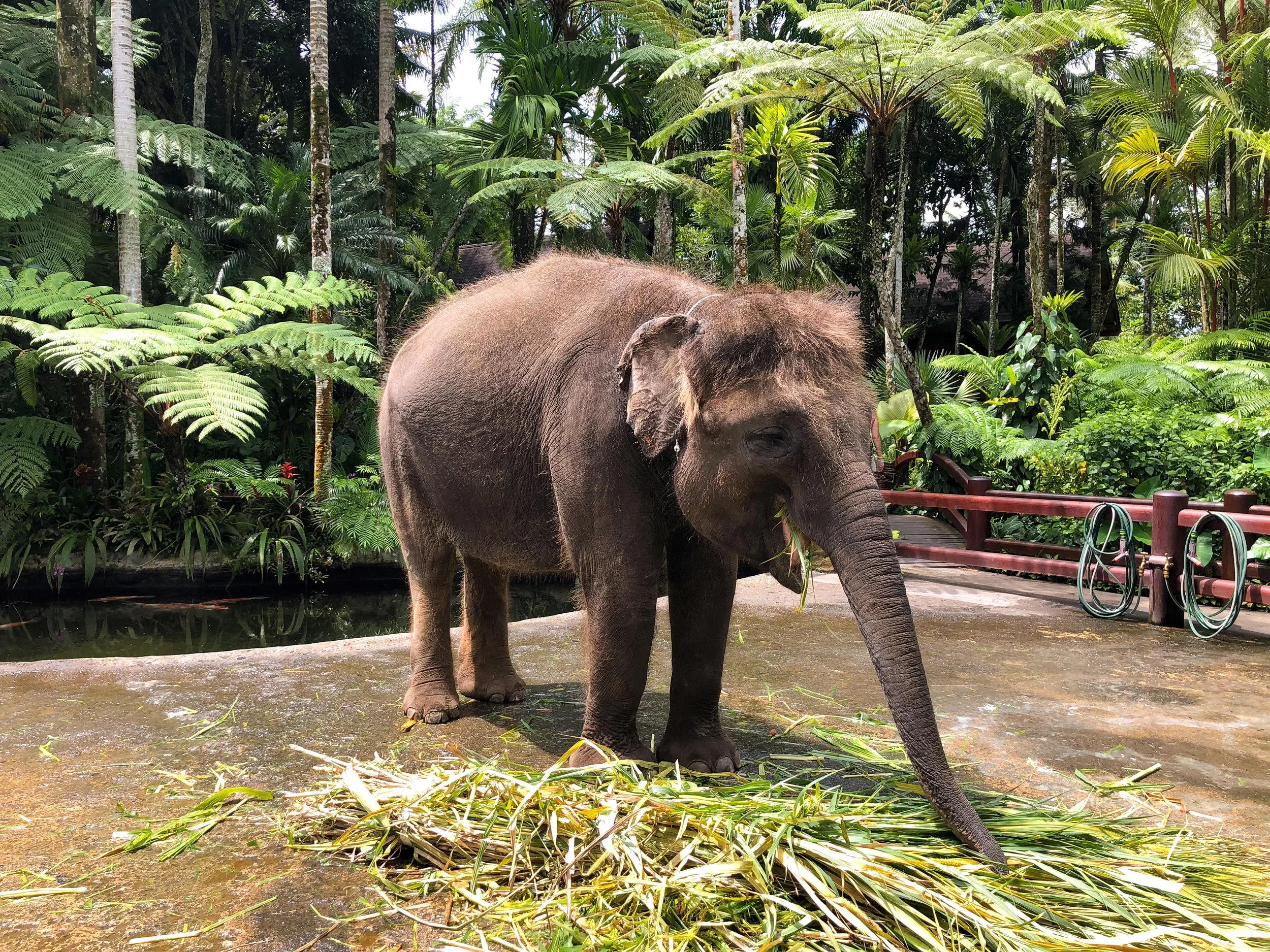
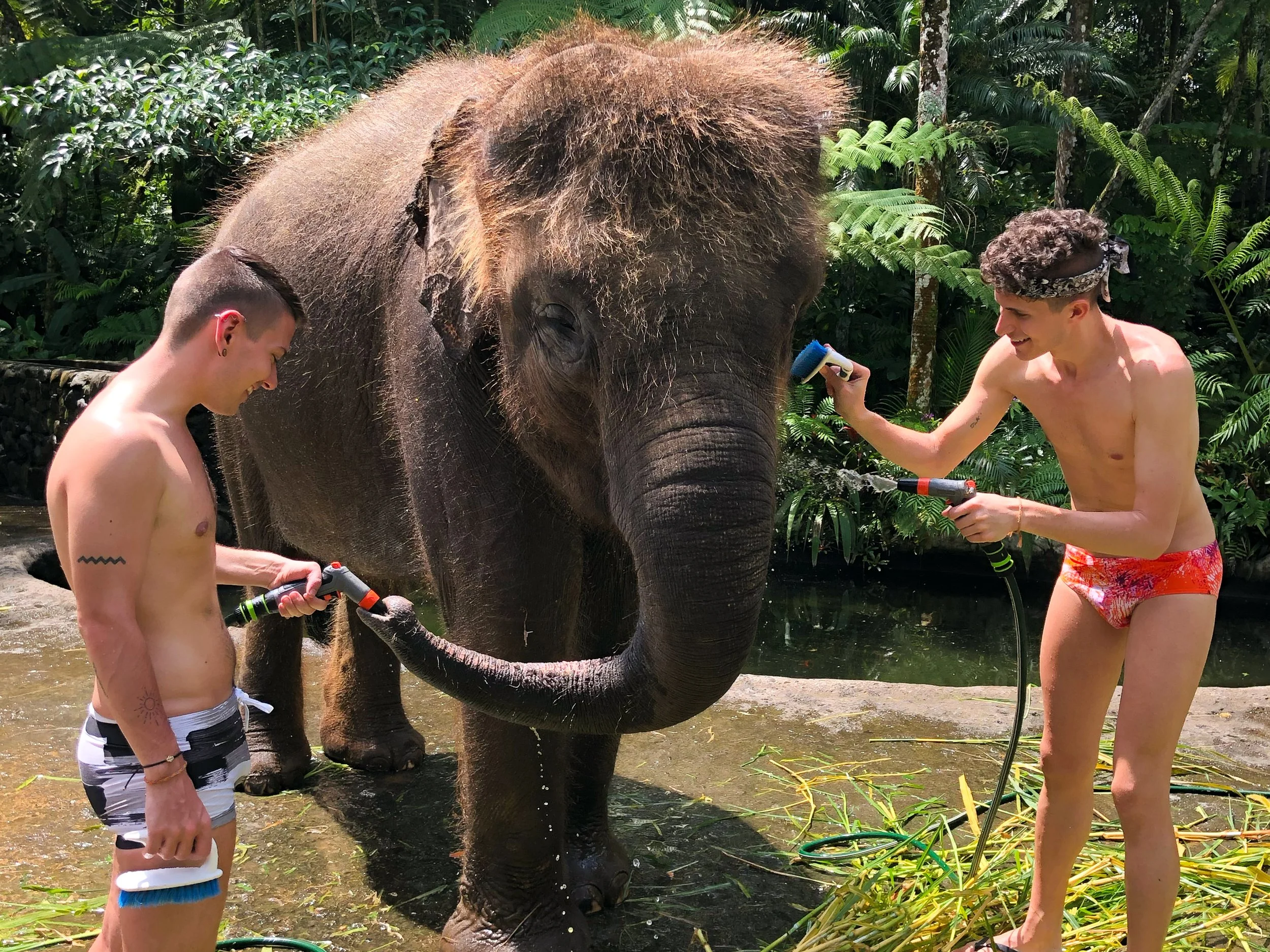
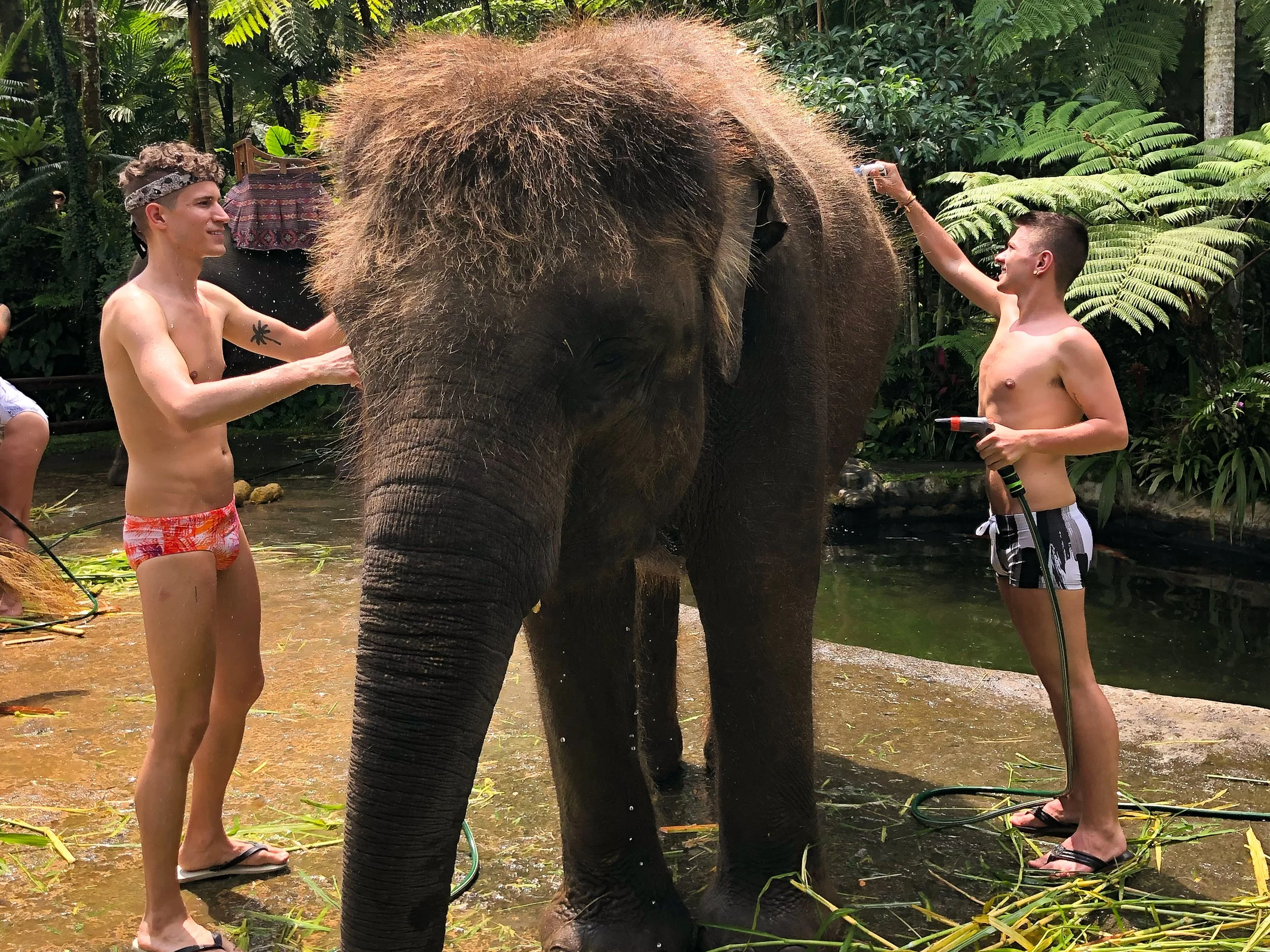
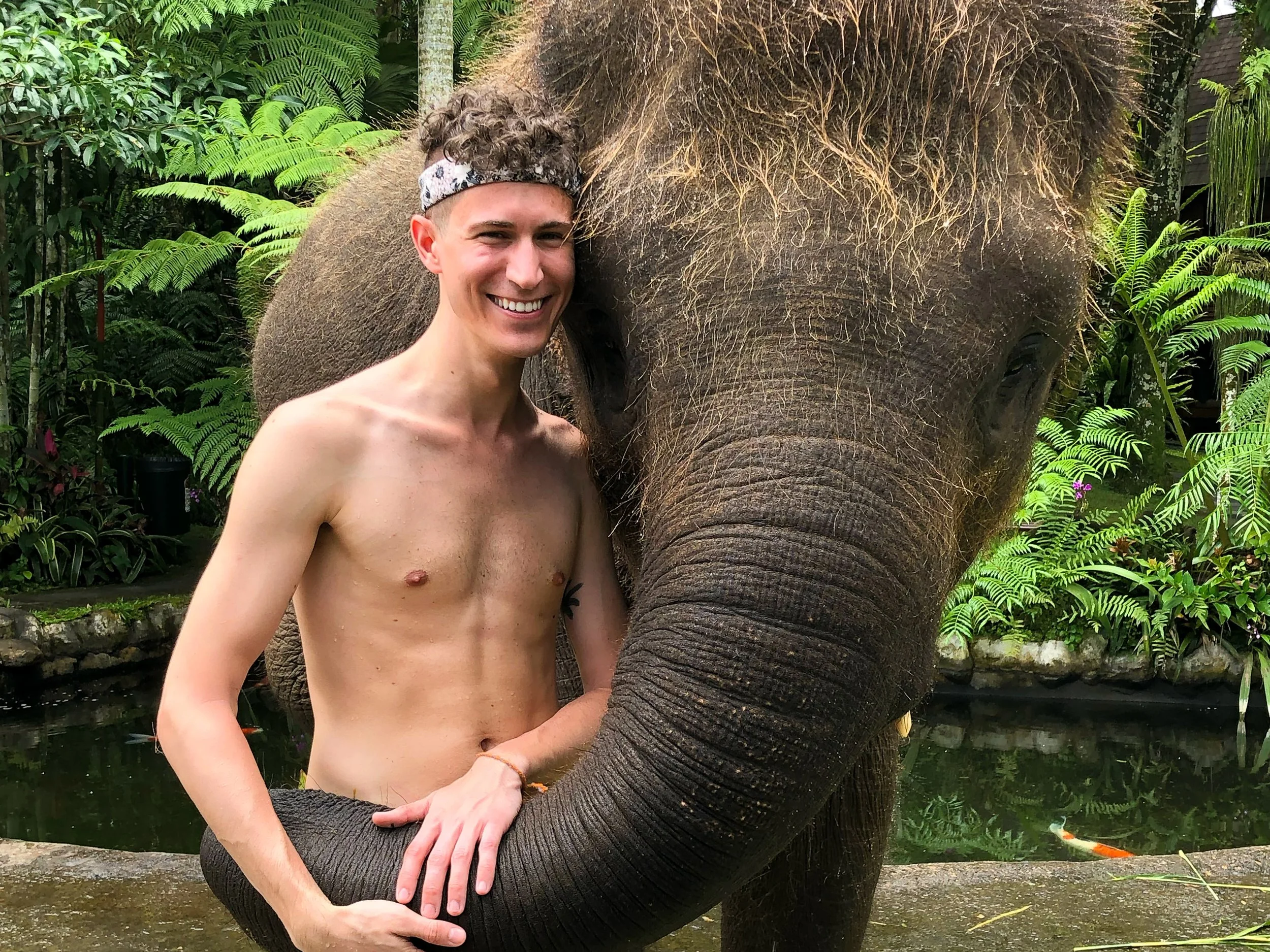
Mason Elephant Park & Lodge
Mason Elephant Park is home to a herd of rescued Sumatran elephants. We came here to meet, feed and bathe one while it snacked on bamboo.
Elephant Feeding & Bathing. After entering the park, we bought small baskets of produce to feed the elephants. It’s the cutest feeling as they use their trunks to take the food from your hands! After feeding, we met Risky, the elephant we scrubbed and bathed from trunk to tail. By the end of the experience, we felt like we had made a new friend but also needed a shower ourselves.
Avoid Elephant Riding. Many other visitors came to ride an elephant, something we didn’t ethically agree with and would discourage others from doing. Otherwise, the elephants seemed to be treated humanely, well fed and given space to roam.
Buy an Elephant Painting. Elephants are highly intelligent, creative and social animals. They can even use their trunks to paint. The park has a museum with elephant paintings on display and available for purchase. Needless to say, we now have a painting made by an adolescent elephant named Jegeg hanging in our bedroom.
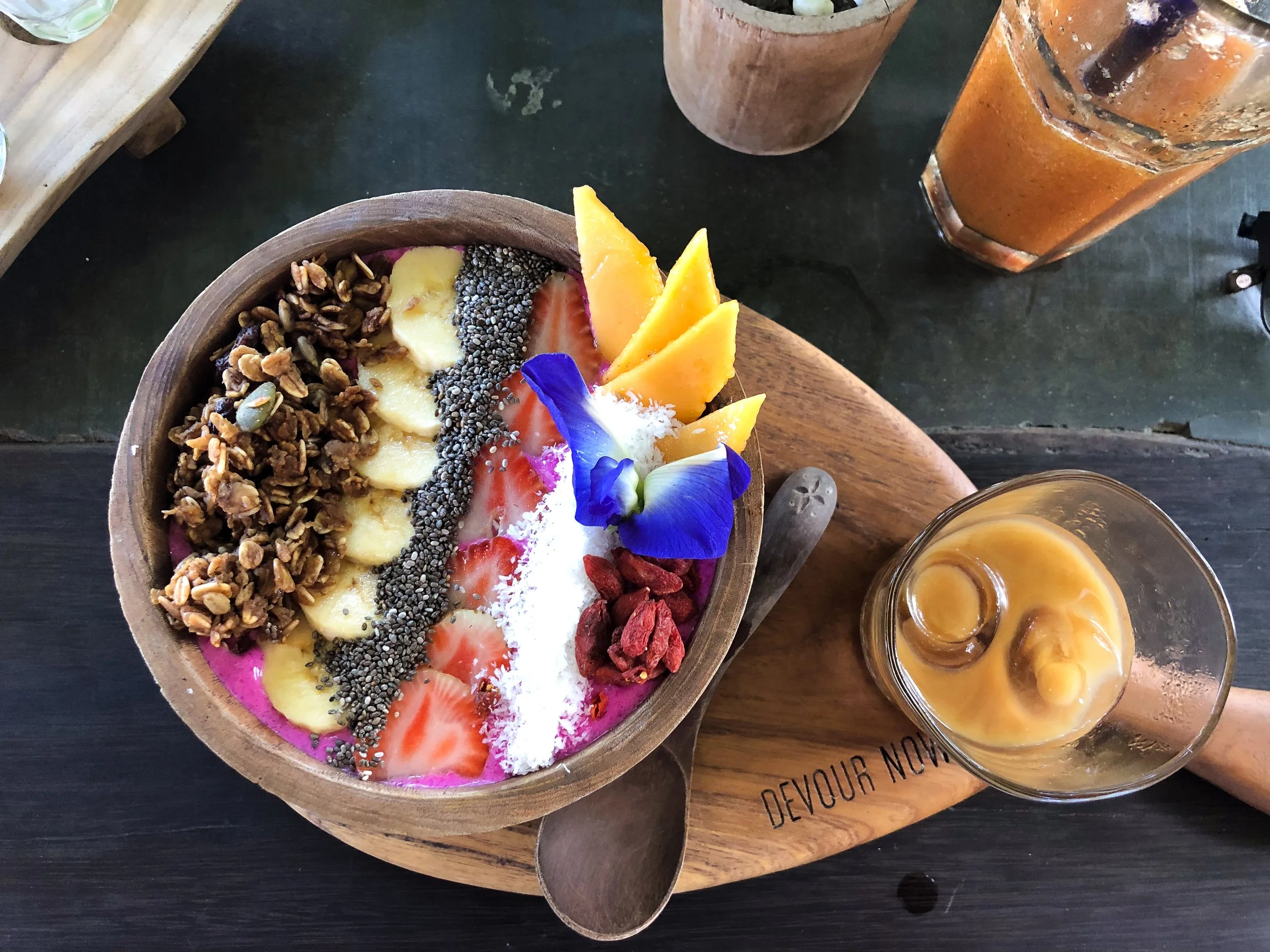
Places to Eat & Drink
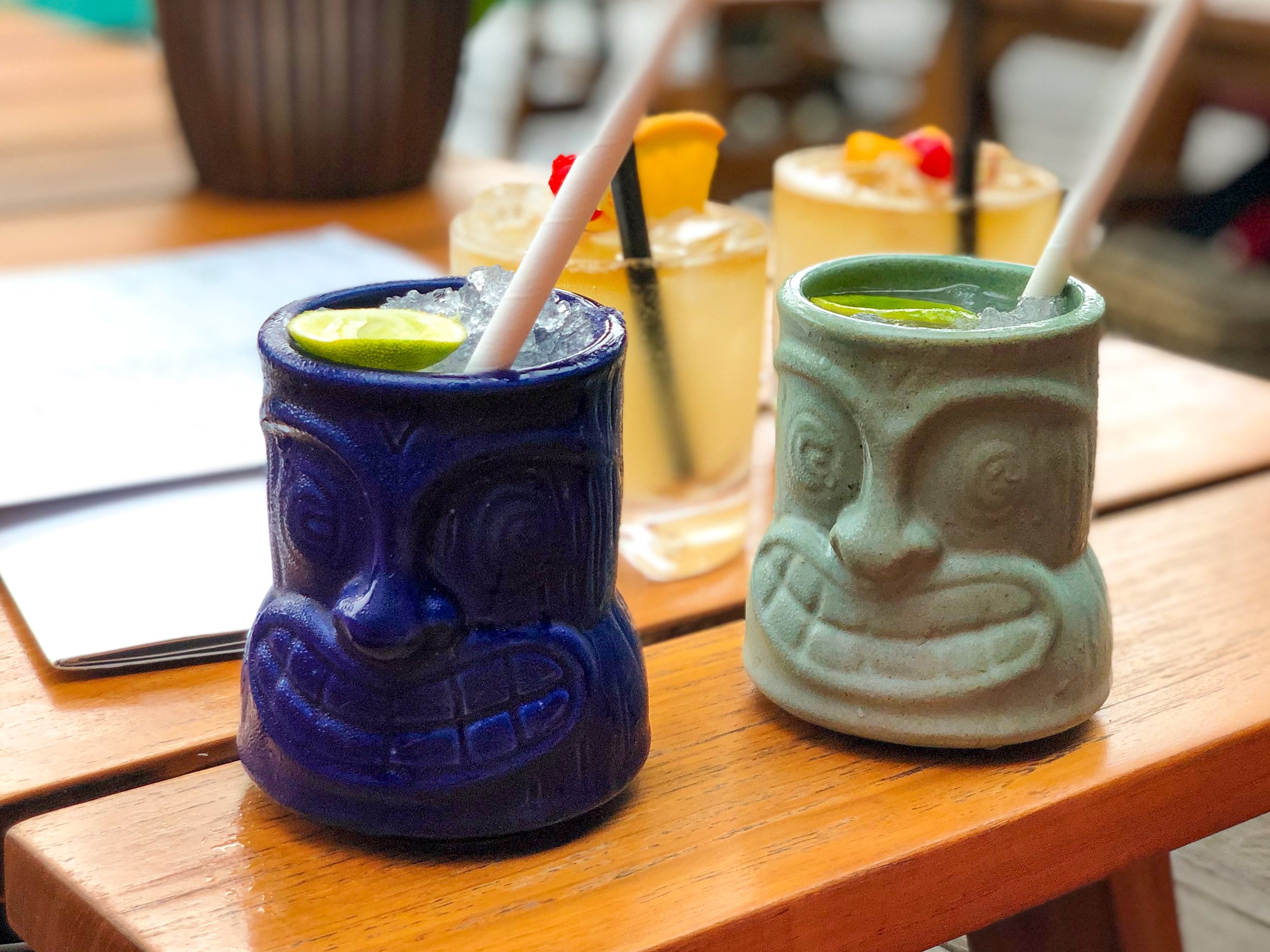
Mudra Café. A very cute café near the Monkey Forest offering the most stunning Bali style smoothie bowls and Indonesian coffee in tiki mugs.
Hujan Locale. An elevated and contemporary Indonesian restaurant serving regional cuisine, flavorful dishes and artisan cocktails. We shared a couple appetizers and a crispy fried whole fish as the main.
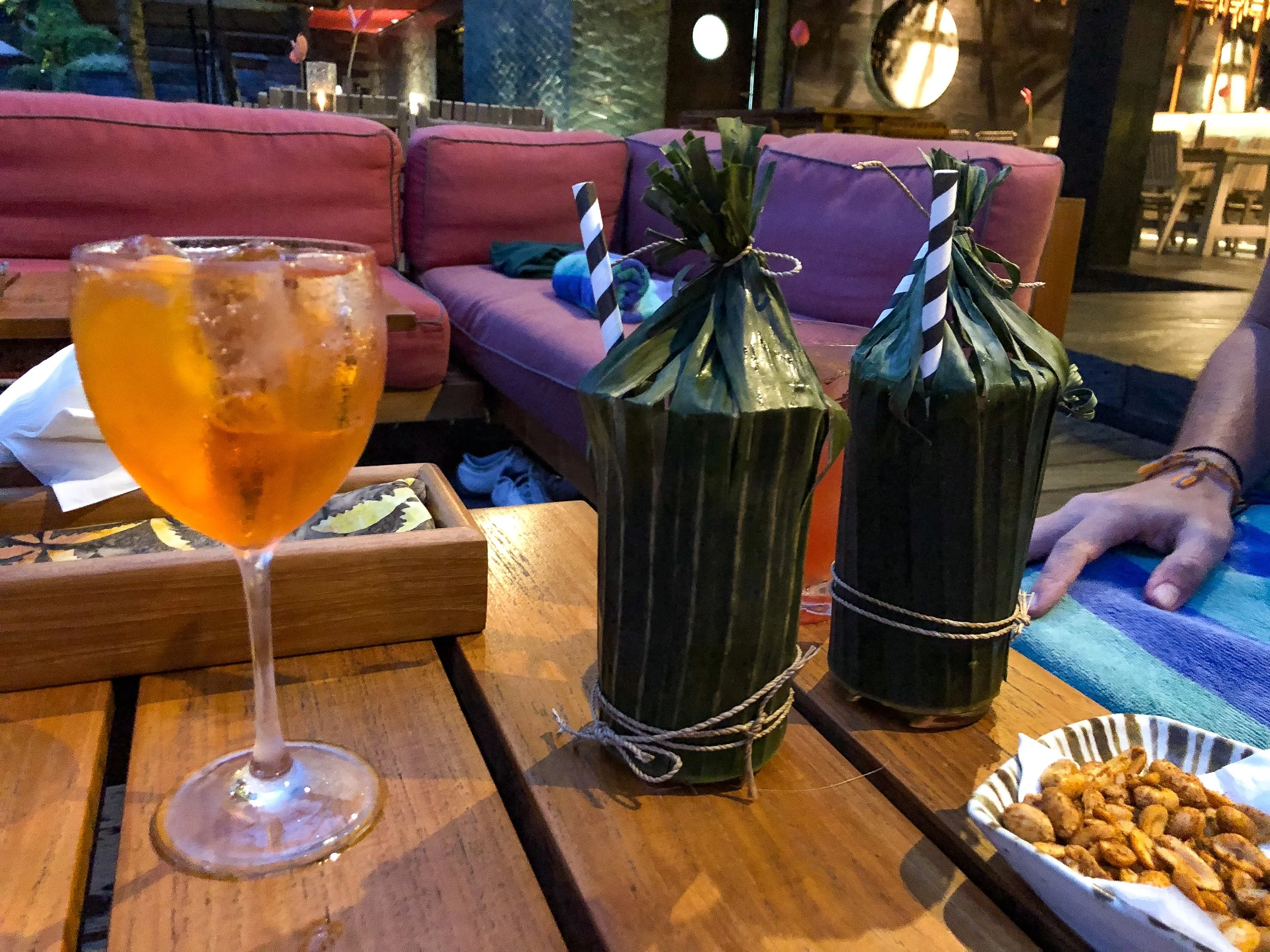

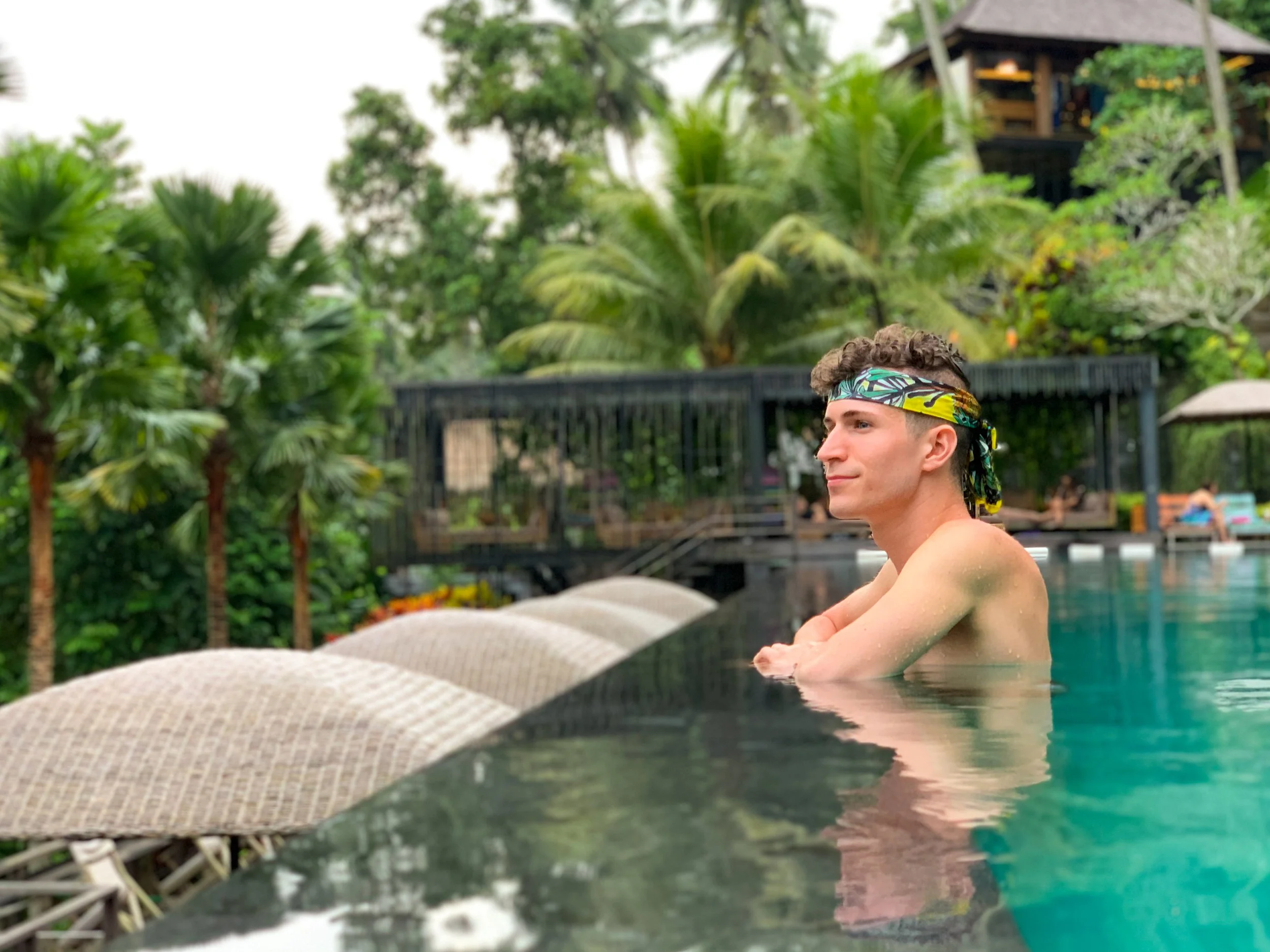
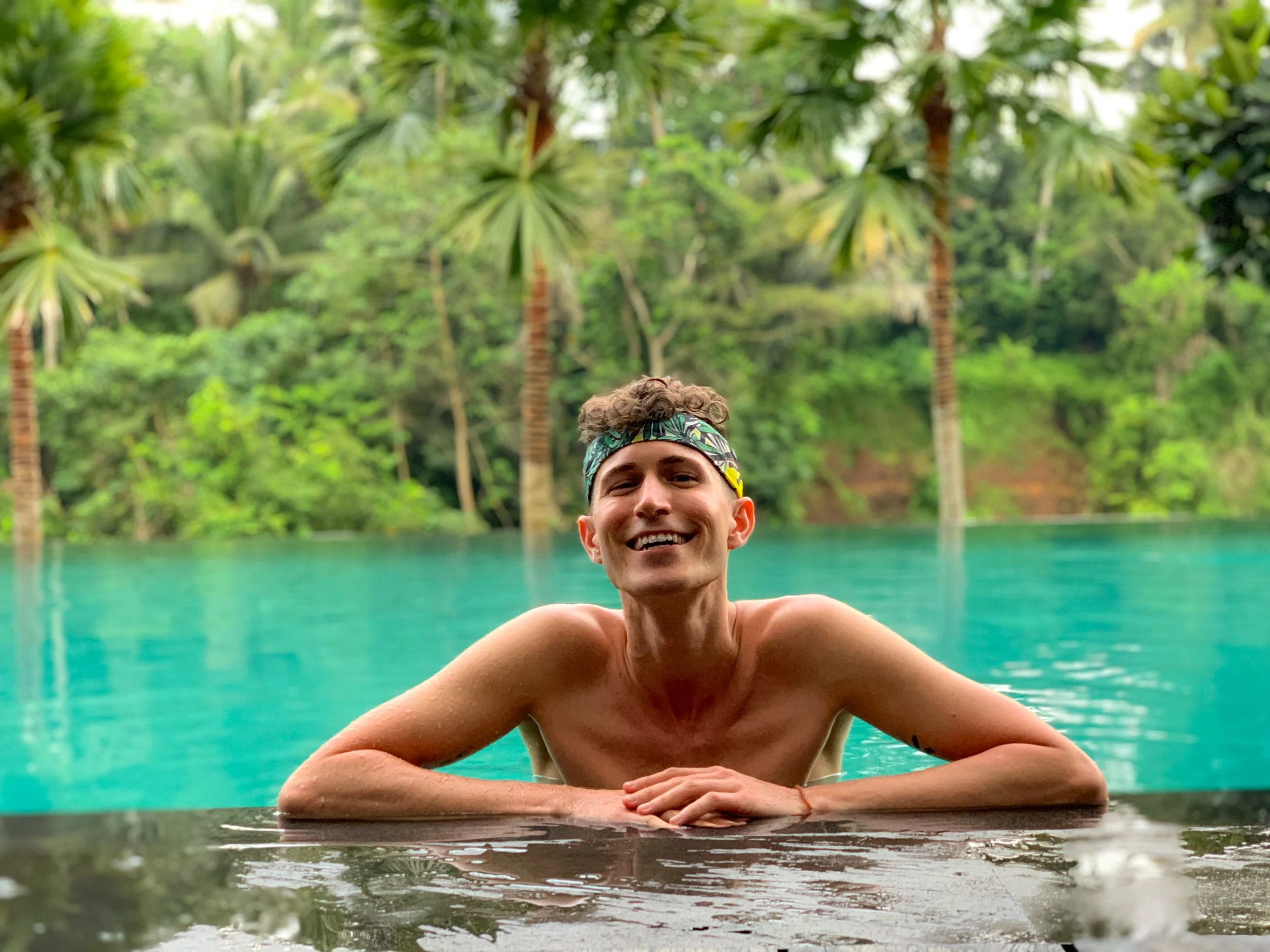
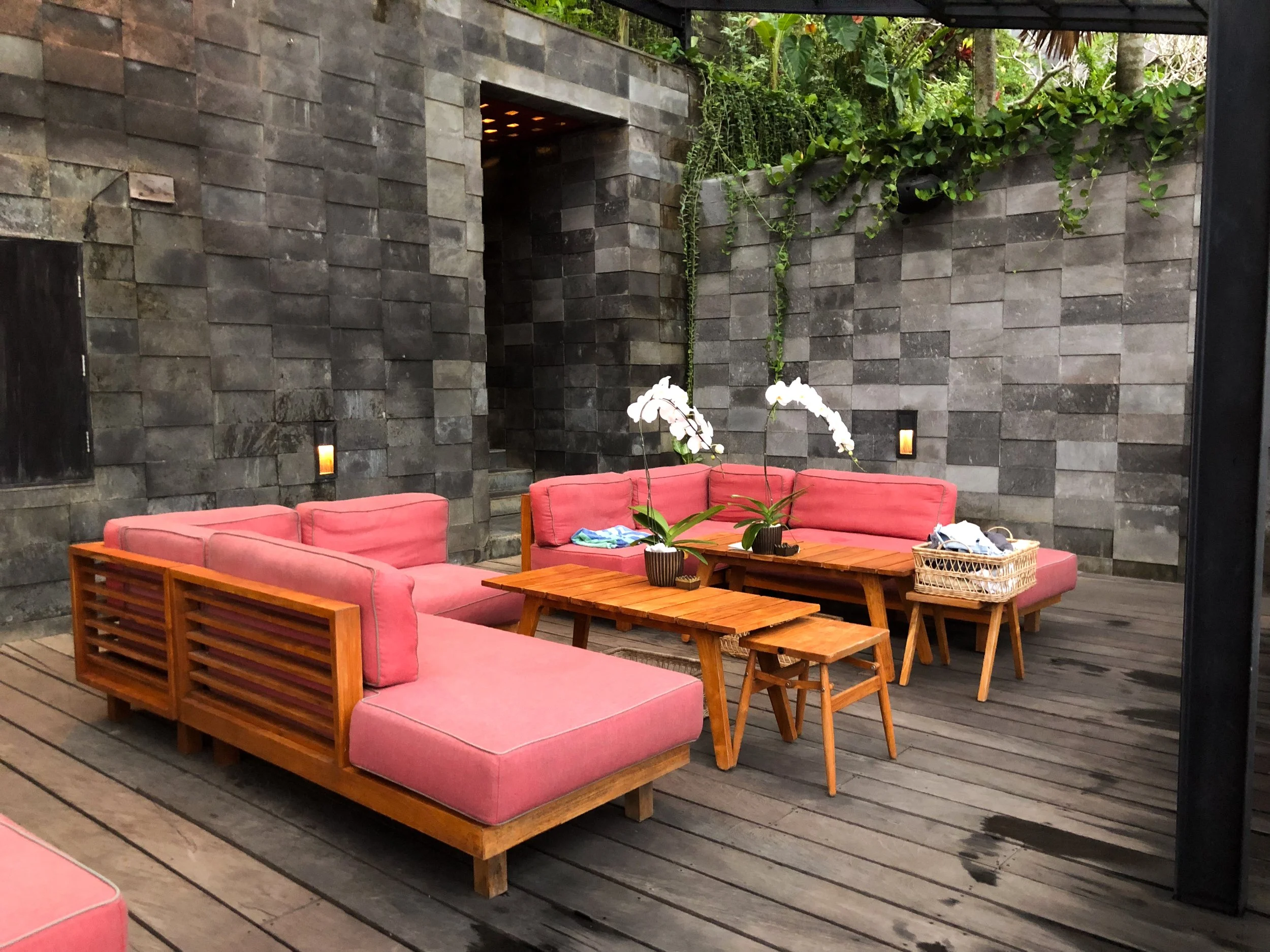
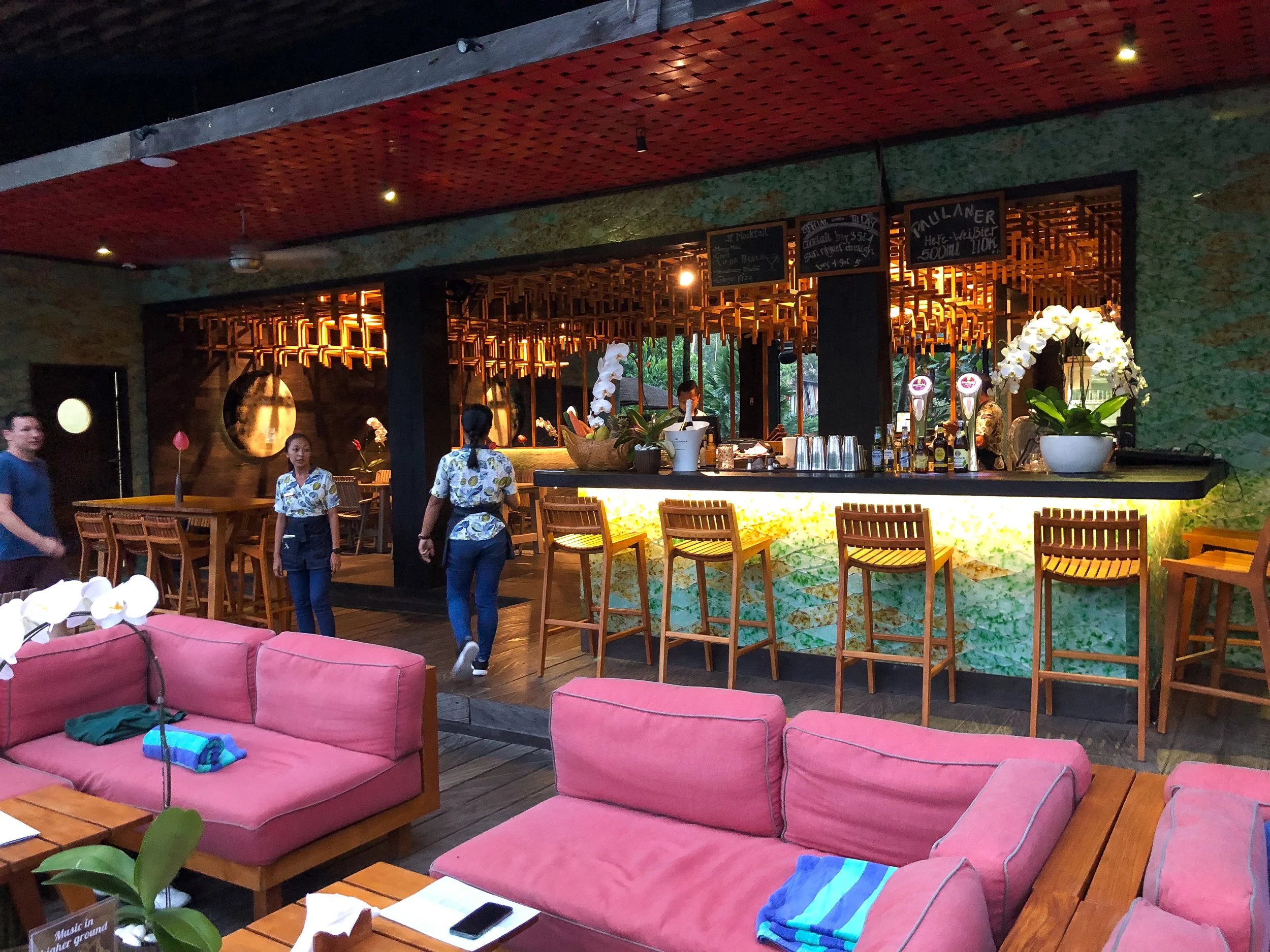
Jungle Fish. The best way to describe this place is a beach club in the middle of the jungle. The restaurant has an infinity pool overlooking the lush rainforest and multiple levels. The pool bar offers a selection of small plates and 2 for 1 drinks. We sampled every cocktail on the menu falling in love with one wrapped in banana leaves.
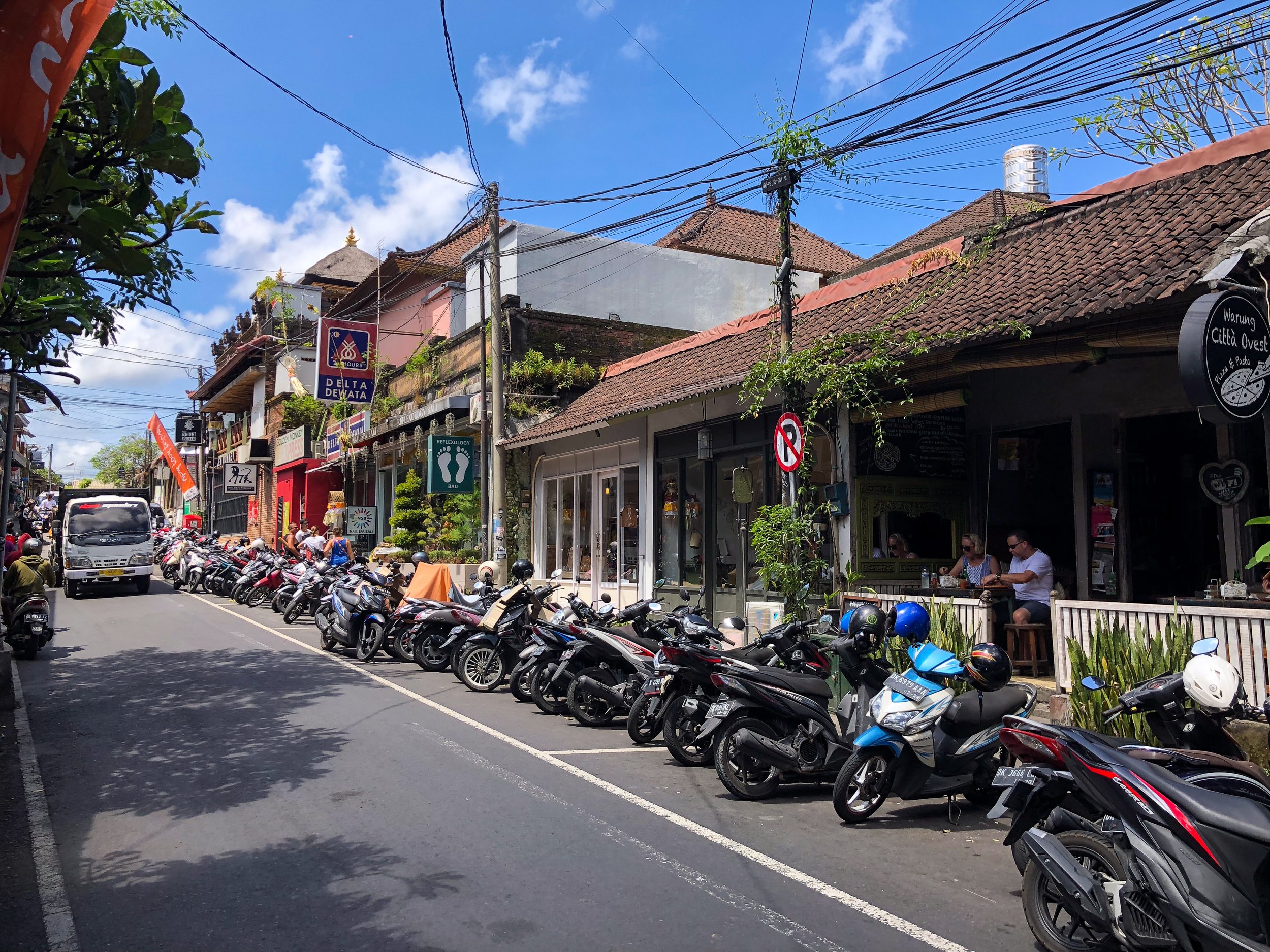
Getting Around Ubud
Many accommodations in Ubud will help arrange transportation for you, especially to and from other areas of the island. Ubud and the surrounding area is vast and hilly making scooters and taxis the easiest way to get around. We often took Bluebird Taxi, known for its metered service, flat fees and street-side taxi stands.
Indonesian Cuisine
Warungs. An Indonesian style restaurant serving a buffet of dishes and prepared plates. They’re often spotted along the roadside offering inexpensive meals and traditional Balinese cuisine.
Bali Bowls. Also called smoothie bowls, they’re made from mixtures of puréed frozen fruits and often decorated in fresh fruit, grains and flowers. They’re a healthy, filling and refreshing way to start the day. Almost every café offers their own versions.
Klepon. A green gelatinous rice ball with melted palm sugar inside and a coconut shaved exterior.
Nasi Goreng. Vegetable fried rice, an Indonesian staple commonly served on menus around the country. It’s a popular breakfast dish.
Mi Goreng. The same as nasi goreng, except made with noodles instead of rice.
Gado Gado. Lightly steamed or boiled vegetables served with a spicy peanut sauce.
Batagor. Fried banana, tempeh or tofu stuffed with glass noodles and veggies. It’s a very common street food dish in East Java and eaten for breakfast or a midday snack.
Tempeh. Fermented and sprouted soybeans formed into a protein patty or block. A common preparation is Tempeh Lada Hitam, tempeh cooked in a black pepper sauce.
Sayur Lodeh. A spiced coconut stew cooked with tempeh, eggplant, tomatoes and green beans.
Bintang. Indonesia’s national beer. It’s a light beer perfect for the perpetually hot afternoons and evenings.
Sambal. Indonesians love spicy food. The source of the heat is often sambal, a minced mixture of Thai chili peppers, shallots and garlic.
Location Specifics
When to Visit. Visit during the dry season, from May to October. The weather is sunny and bright most days with the occasional afternoon storm.
Plastic Pollution. With few methods for waste management and recycling, plastic waste and trash often make their way into the waterways, littering beaches, the coast and ocean.
Shoes Off Indoors. Like many places in Asia, it’s proper to remove shoes before entering a home or some shops.
Use Both Hands. Whenever exchanging anything like credit cards or cash, use both hands as a sign of respect.
Currency. Indonesia uses the Indonesian Rupiah. The currency is quantified in the thousands. Many businesses will drop the zeros on a bill. For example, something costing 56,000 Rp may be written as 50.
Small Bills. Carry a lot of smaller bills (5K, 10K and 20K) for donations and small fees.
Tipping. A 10% gratuity is usually included in the bill under service. Anything extra is not expected.
General Safety. Bali is generally a safe place to travel to. The biggest dangers are traffic, natural disasters and overcrowded boats.
LGBTQ+ Safety. While Bali is very friendly and welcoming to LGBTQ+ travelers, Indonesian laws and customs are not. Stay up to date with the latest laws and suggestions while traveling. Refer to our guide on LGBTQ+ Travel Safety for more advice.
Language. Bahasa Indonesia is the official language in Bali; however many people know English. It’s best to know a few local words and phrases.
Sukseme = Thank You
Sama Sama = You’re Welcome
Selamat Pagi = Good Morning
Selamat Siang = Good Afternoon
Selamat Sore = Good Evening
Elsewhere in Indonesia
From Ubud's rice terraces and Hindu temples to Bali's coastline, East Java's dramatic volcanoes and the Komodo Islands' marine adventures, continue your journey through Indonesia with these travel guides:
Komodo Islands Travel Guide: Komodo Dragons, Island Adventures & Marine Life. Explore the Komodo Islands where Komodo dragons, volcanic landscapes, pink sand beaches and coral reefs blend wildlife encounters with island hopping adventures.
East Java Travel Guide: Mount Bromo, Ijen & Tumpak Sewu. Trek through East Java from Mount Bromo and Ijen Crater to Tumpak Sewu Waterfall, where volcanic landscapes and jungle trails reveal Indonesia's dramatic natural wonders.
Bali Travel Guide: Canggu, Beaches & Island Adventures. Experience Bali where sacred temples, rice paddies, black sand beaches, surf breaks and vibrant beach clubs embody Balinese culture and island life.
For Next Time…
There are near endless things to do and see in Bali. Its unique culture, nature and atmosphere is a place we certainly hope to experience again. When we do, these are a number of the things we’re planning to seek out.
Nusa Islands. An archipelago of three volcanic islands in the strait between Bali and Lombok. It’s famed for its manta rays, cliff diving points and Kelingking Beach, a beach on Nusa Penida with a T-rex shaped peninsula.
The Gilis. We could have spent weeks on The Gilis. Having thoroughly explored Gili T, we would return to experience Gili Air and Gili Meno.
Uluwatu. An area of the Bukit Peninsula cliffside beaches like Suluban and Balangan and one of Bali’s most sacred sites, the Uluwatu Temple, where it’s believed that the Hindu gods, Brahma, Vishnu, and Shiva become one here.
West Bali Park. A largely untouched wildlife refuge and jungle on the western side of Bali. The route leading here is dotted with coastal towns and jungleous villages.
Ubud’s Temples. We would spend more time exploring the ancient temples in Ubud including:
Pura Ulun Danu Bratan. A series of floating water temples on Lake Bratan accessible by canoe.
Pura Taman Saraswati. A palace water temple surrounded by large lily ponds where the traditional Balinese Legong dance is performed.
Goa Gajah. A 9th century cave temple with extensive carvings and entrance through the overgrown mouth of a demon.