East Java Travel Guide: Mount Bromo, Ijen & Tumpak Sewu
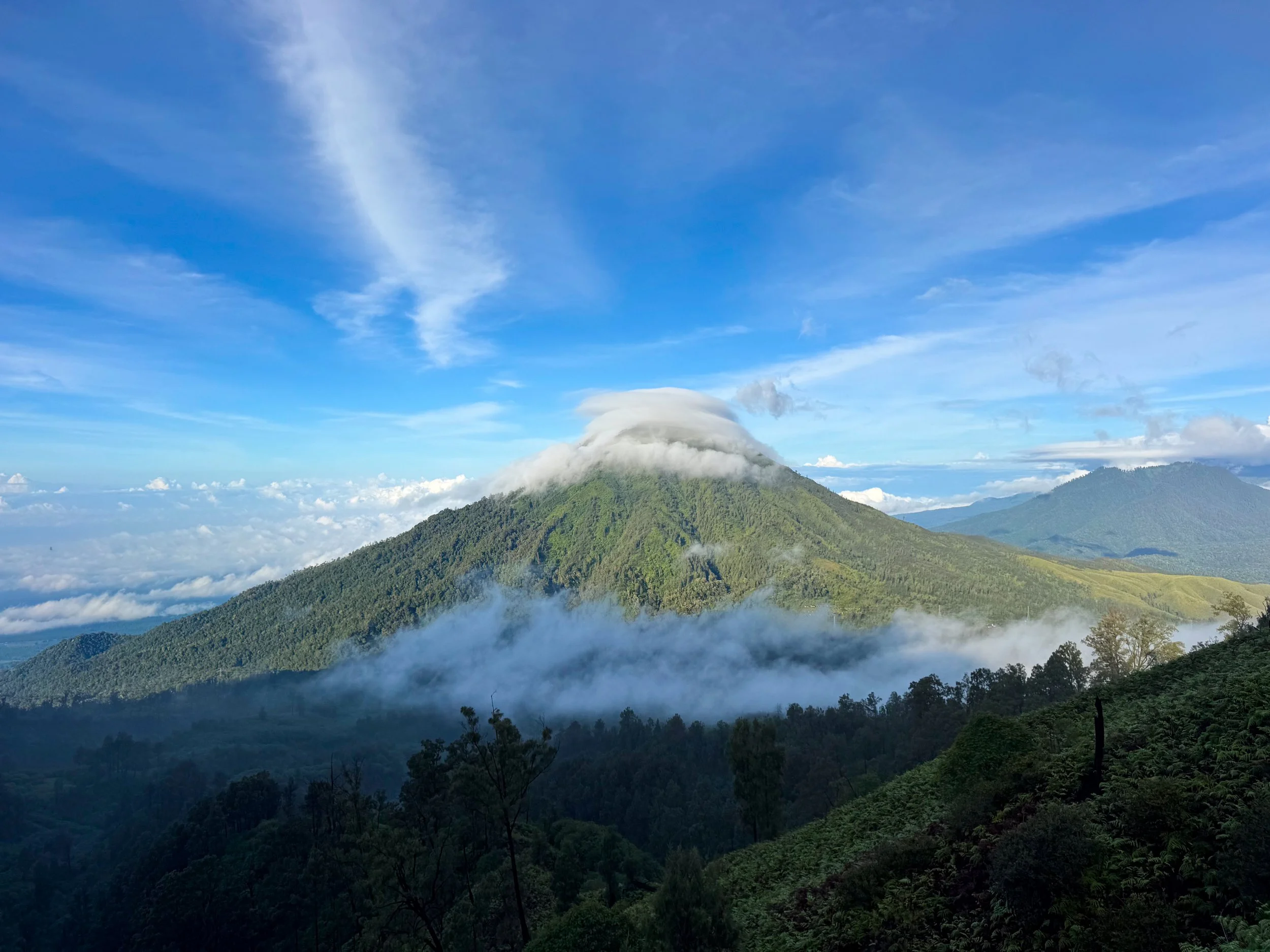
East Java, Indonesia
Situated along the Pacific Ring of Fire, East Java is the land of dramatic landscapes. Fuming volcanoes, picturesque waterfalls, verdant jungles and grassy savannas cover the region. East Java’s fertile landscape is a hub for agriculture. Farmers cultivate lush rice terraces while trucks carry loads of harvested sugarcane, cassava, bananas and coconuts. Cities and villages offer a glimpse into Indonesian culture. Chaotic scenes of moto bikes speed down two lane streets. The Islamic call to prayer echoes from domed mosques. Warungs serve affordable local bites while cafés brew Javanese coffee.
Tumpak Sewu Waterfall
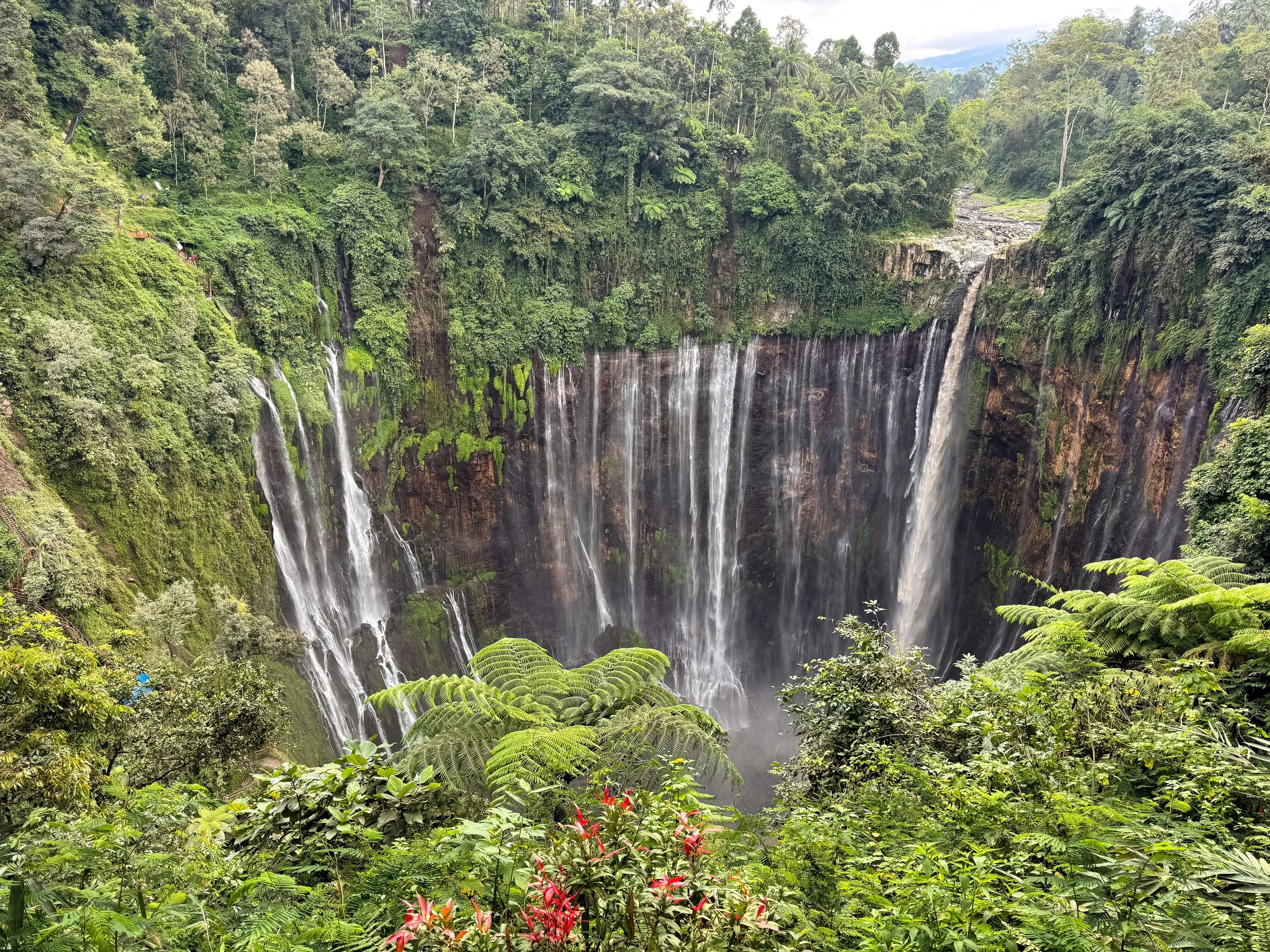
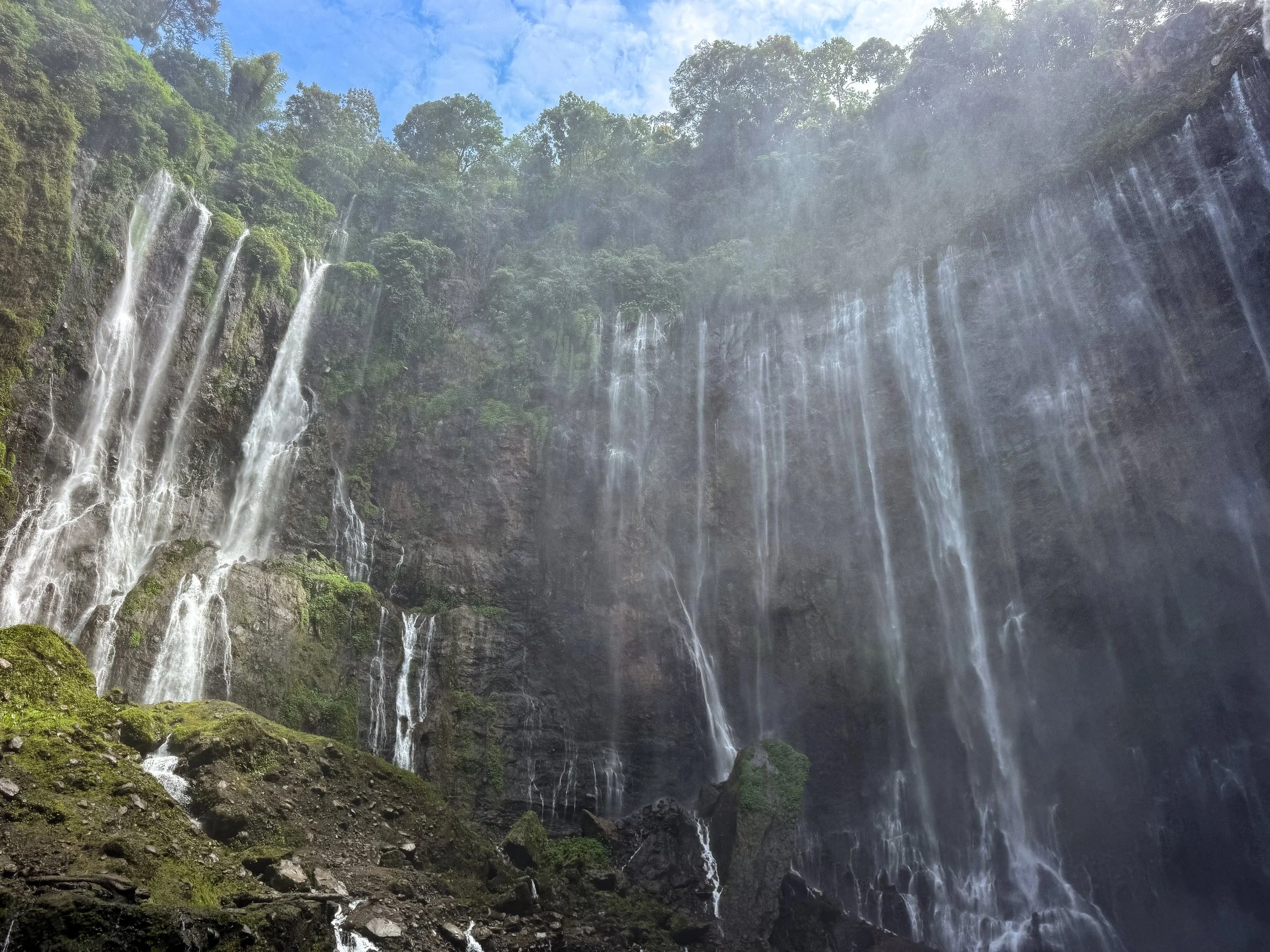
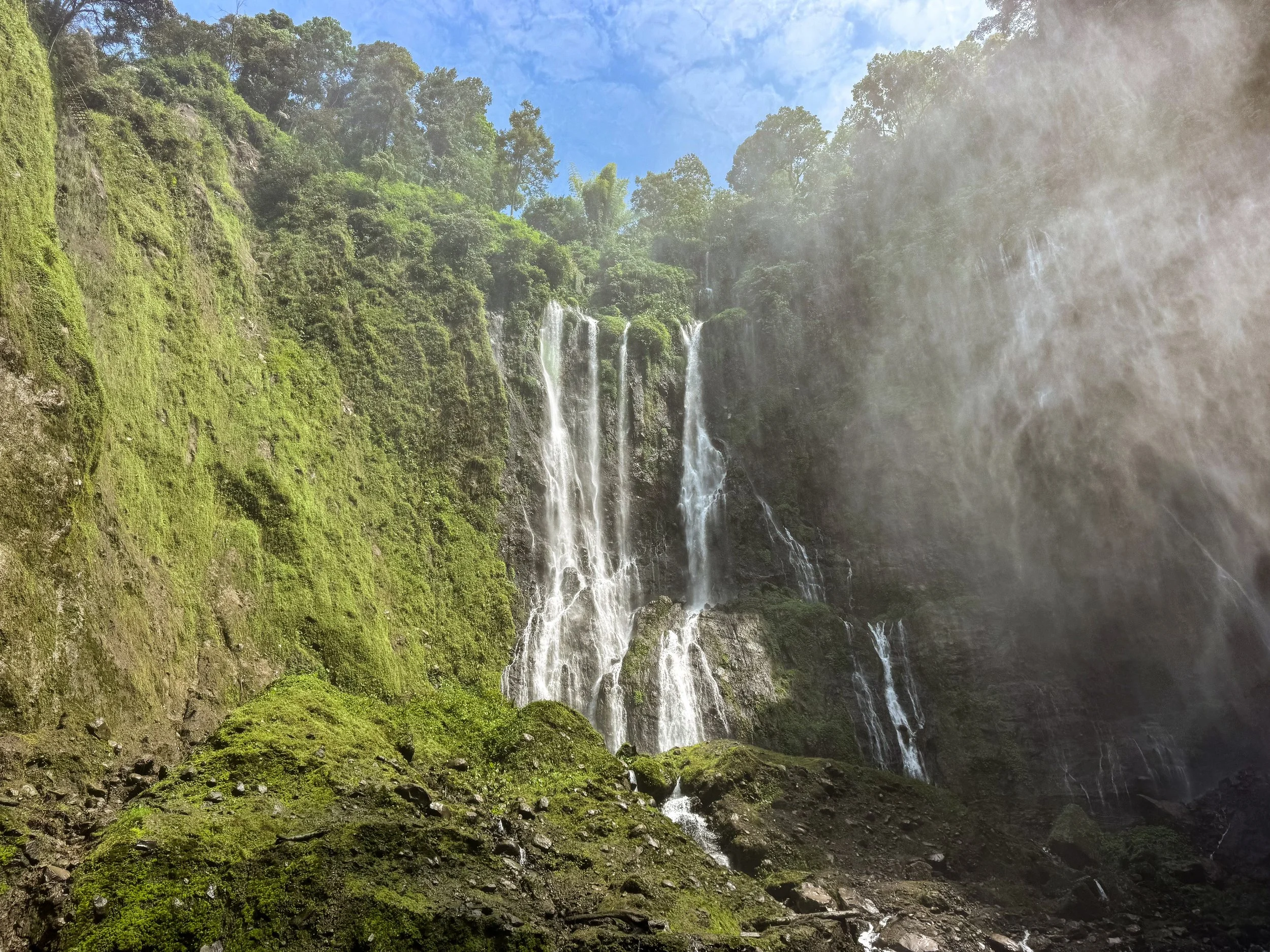
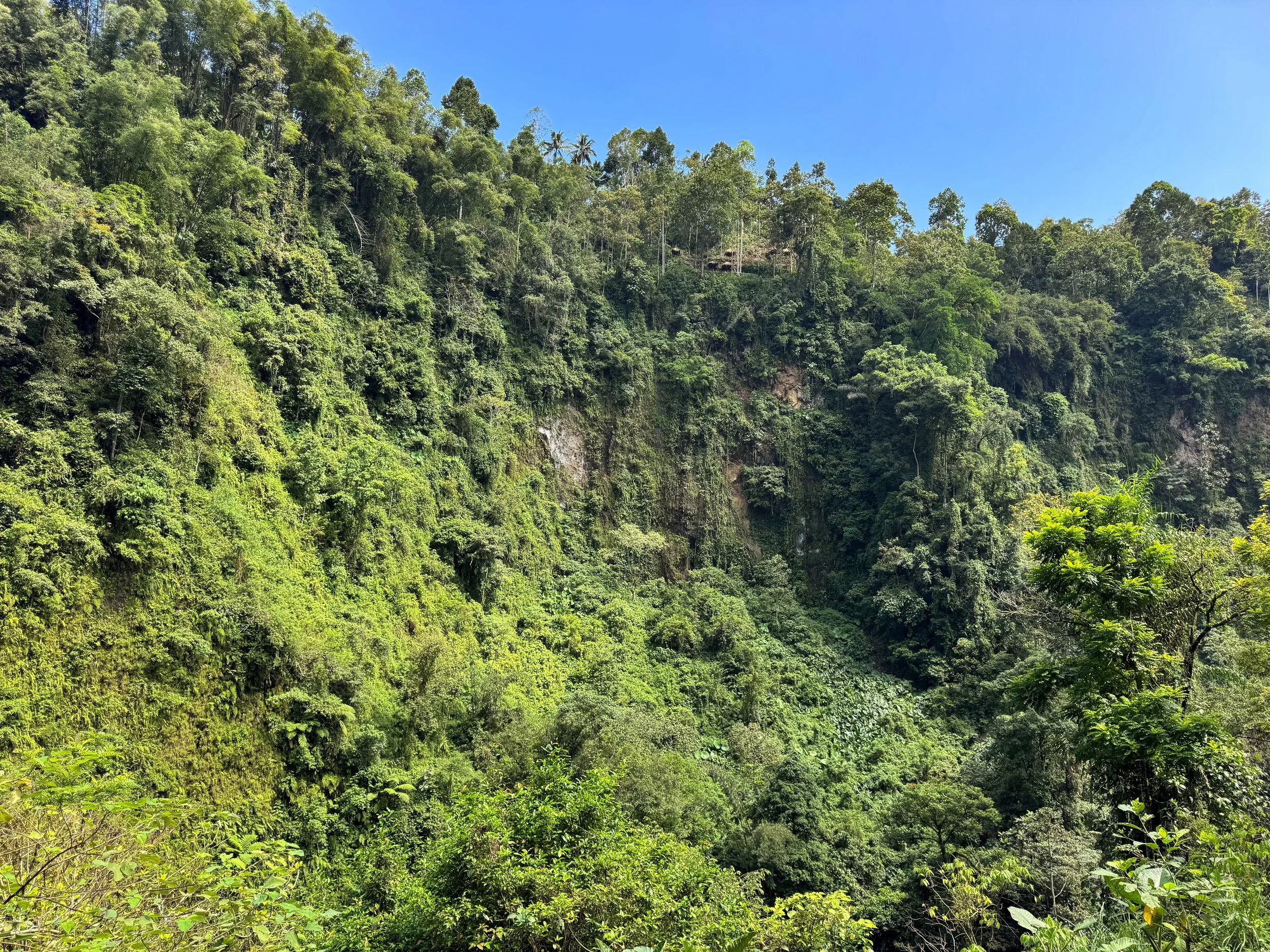
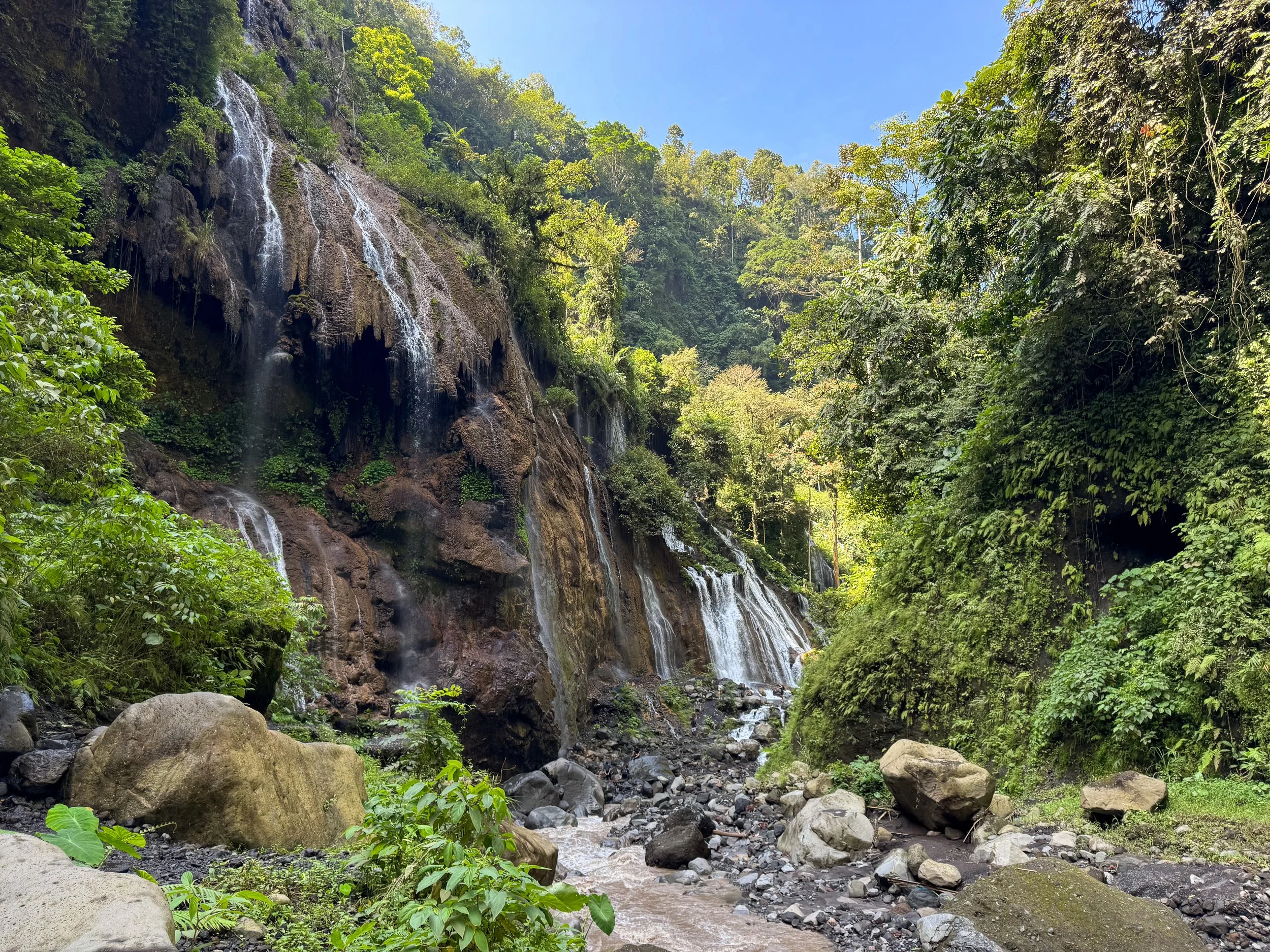
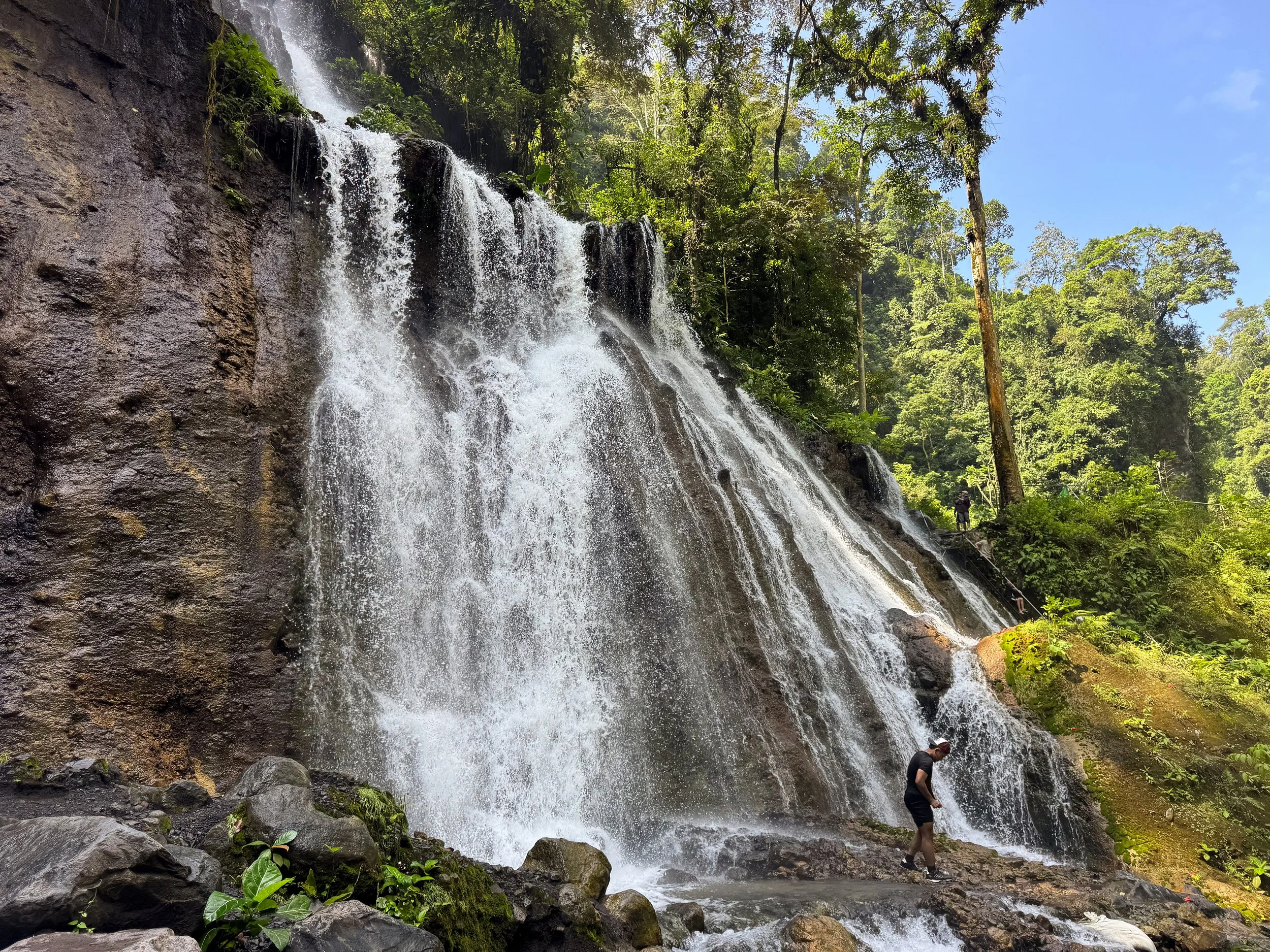
Tumpak Sewu is a massive waterfall formed by dozens of streams spilling over a crescent shaped canyon into the river below. The lush canyon is covered in moss, ferns, bamboo and palm trees. Semeru Mountain rises through the clouds in the background as mist blows in all directions. It’s Java’s largest waterfall and a true natural marvel.
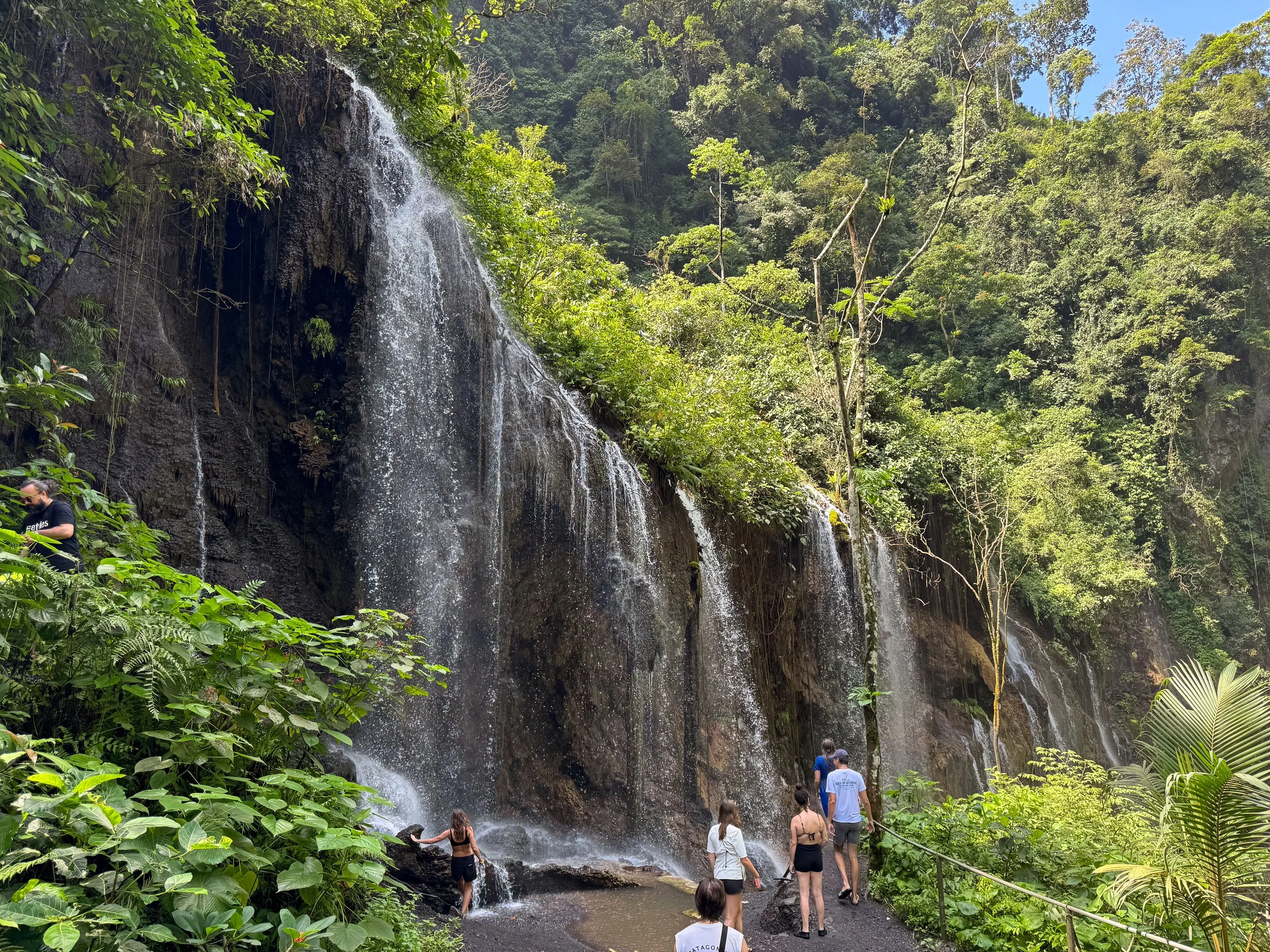
The waterfall is viewable from an observation deck at the canyon rim and from the riverbed at its base. A trail leads to the base following a series of makeshift staircases and metal ladders. They cross over flowing streams, small waterfalls and through the river. From the base, the canyon and waterfall surrounded us like a panorama as cooling mist drenched us.
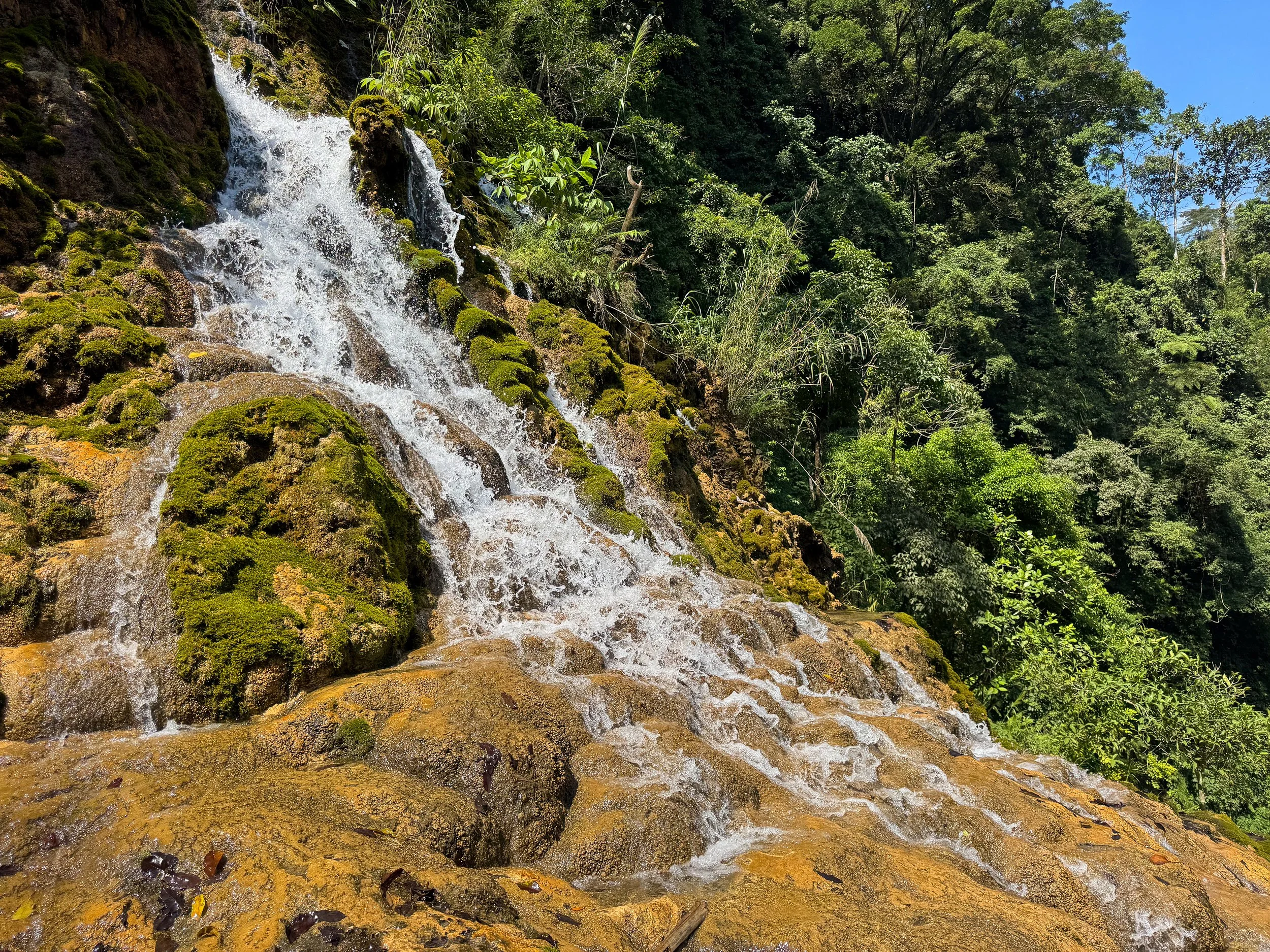
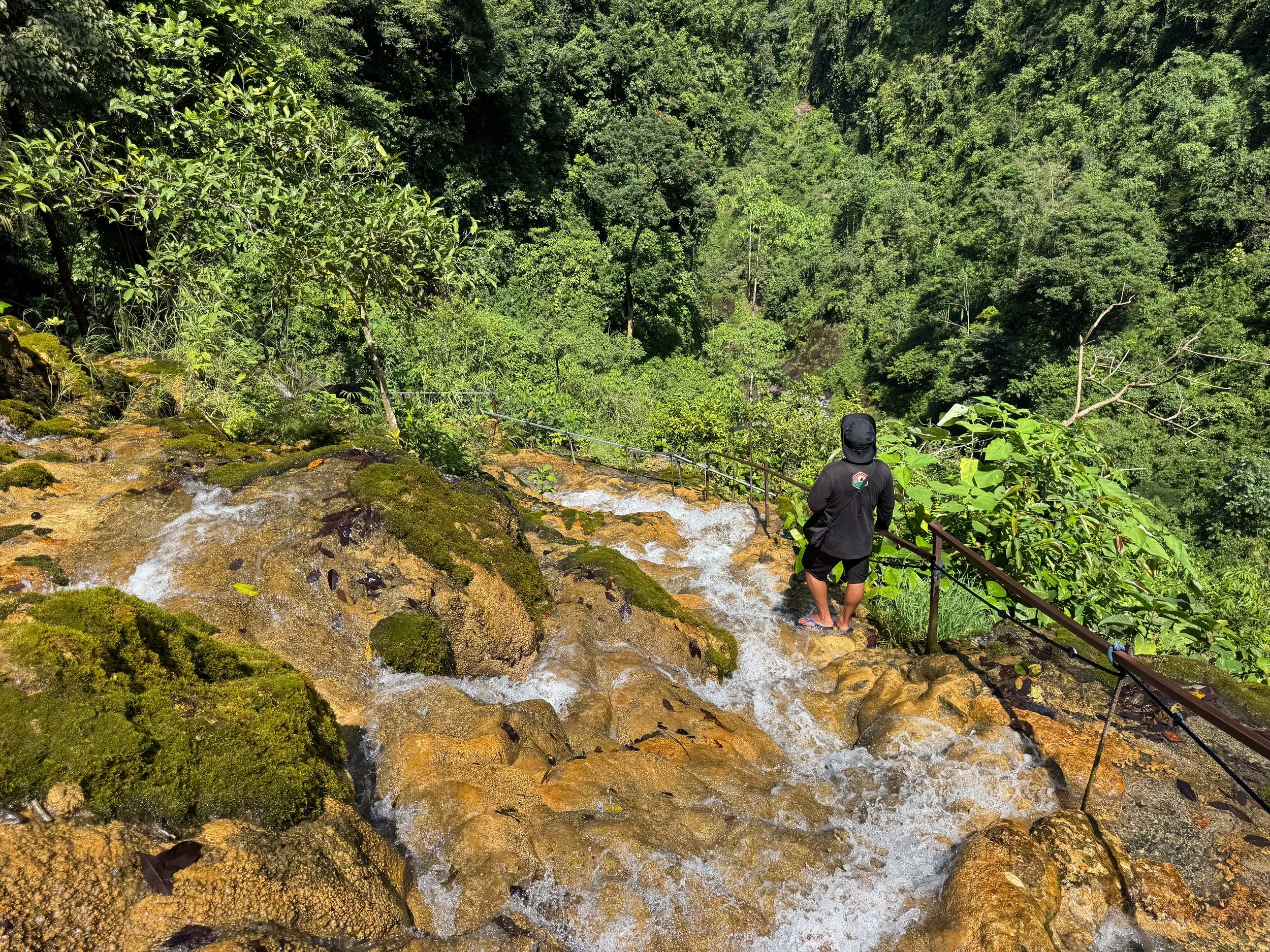
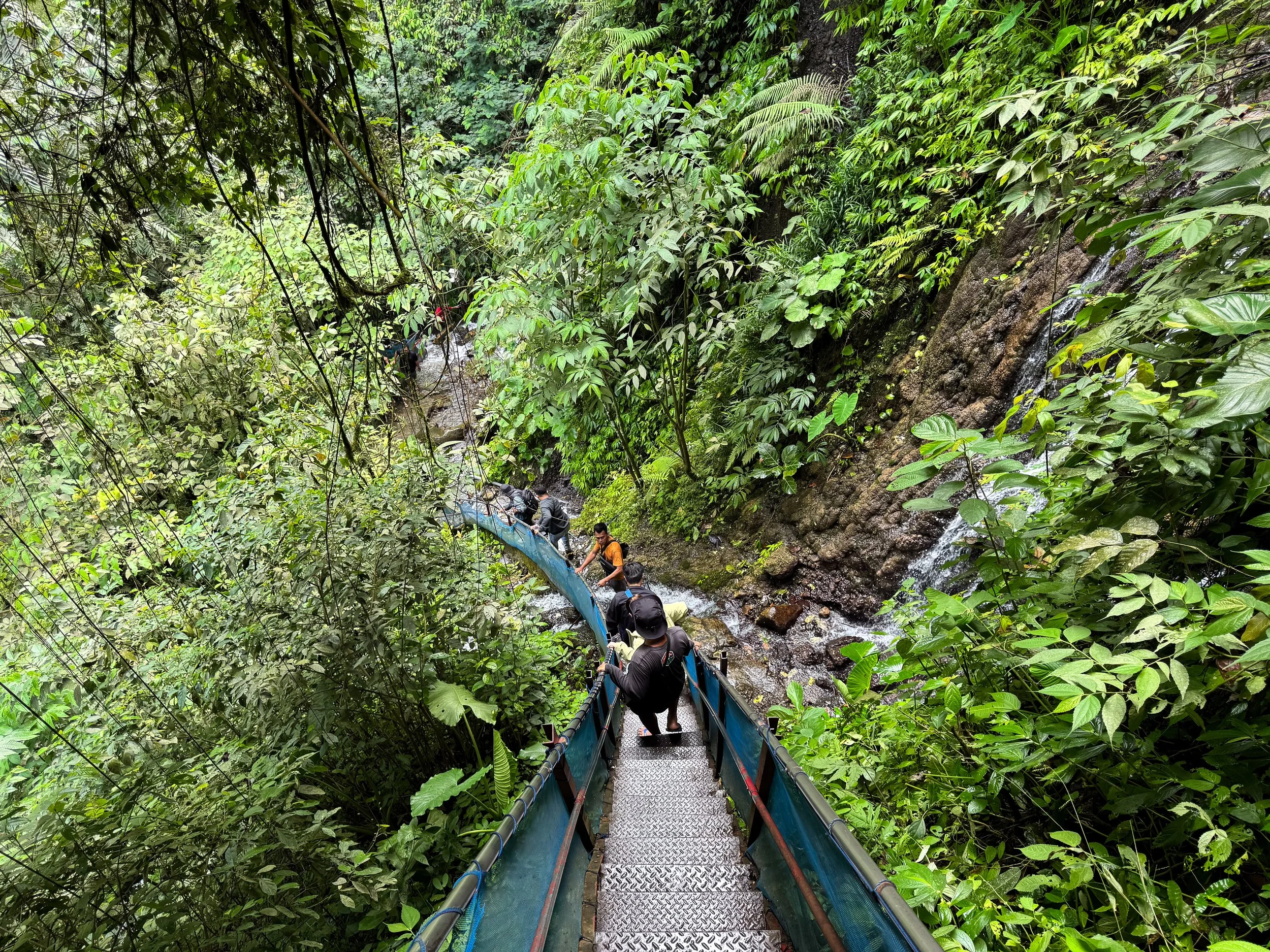
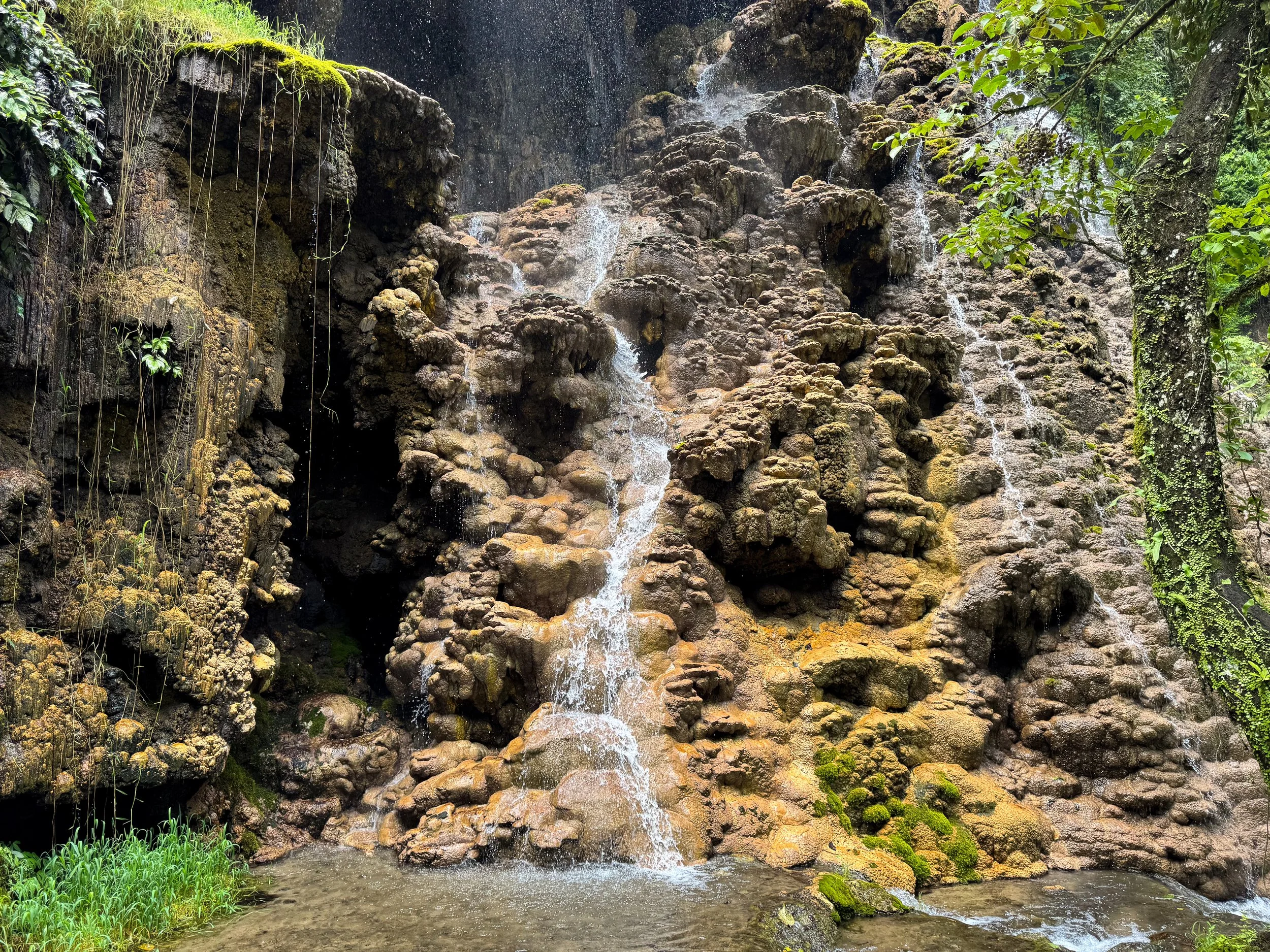
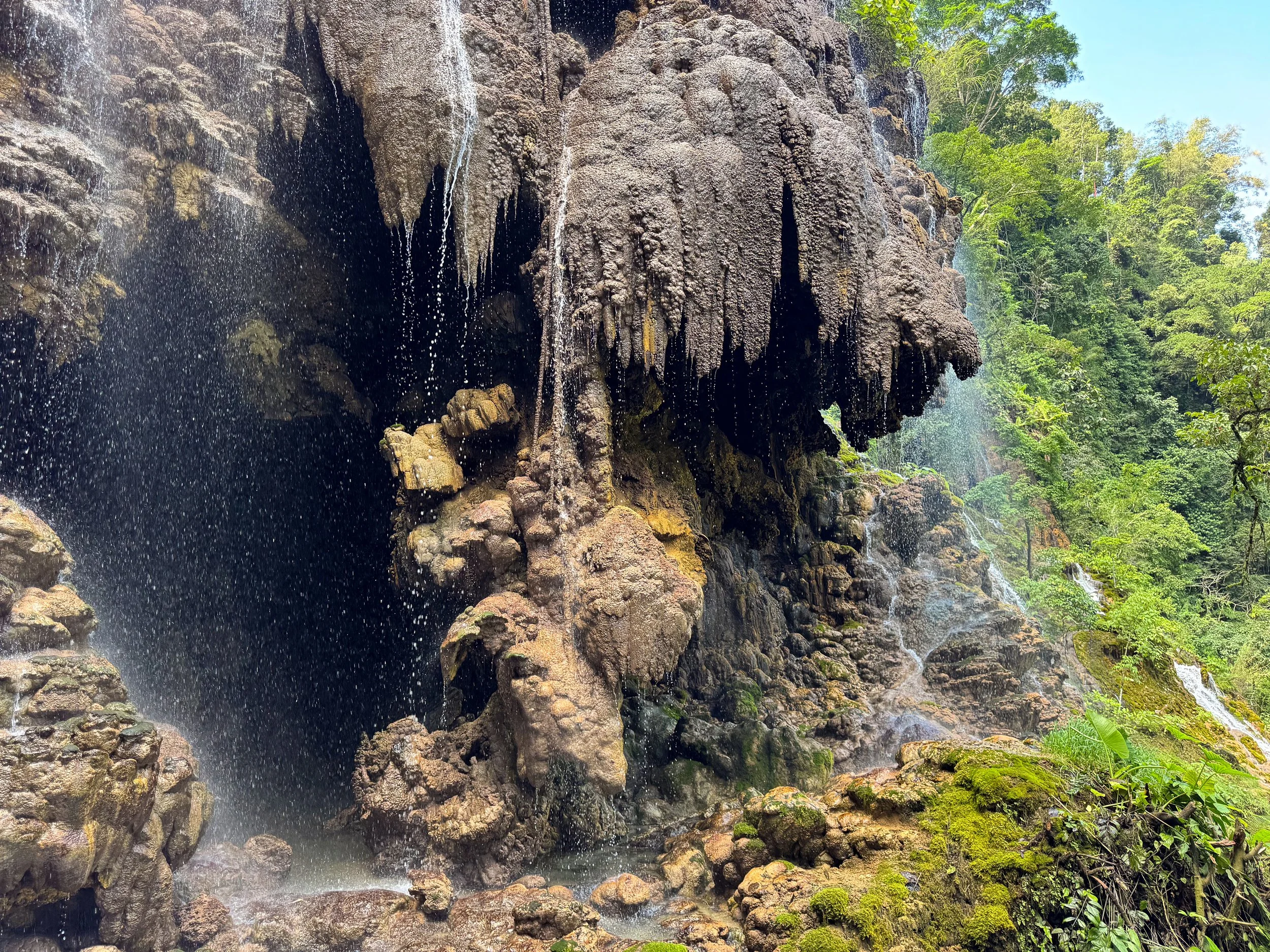
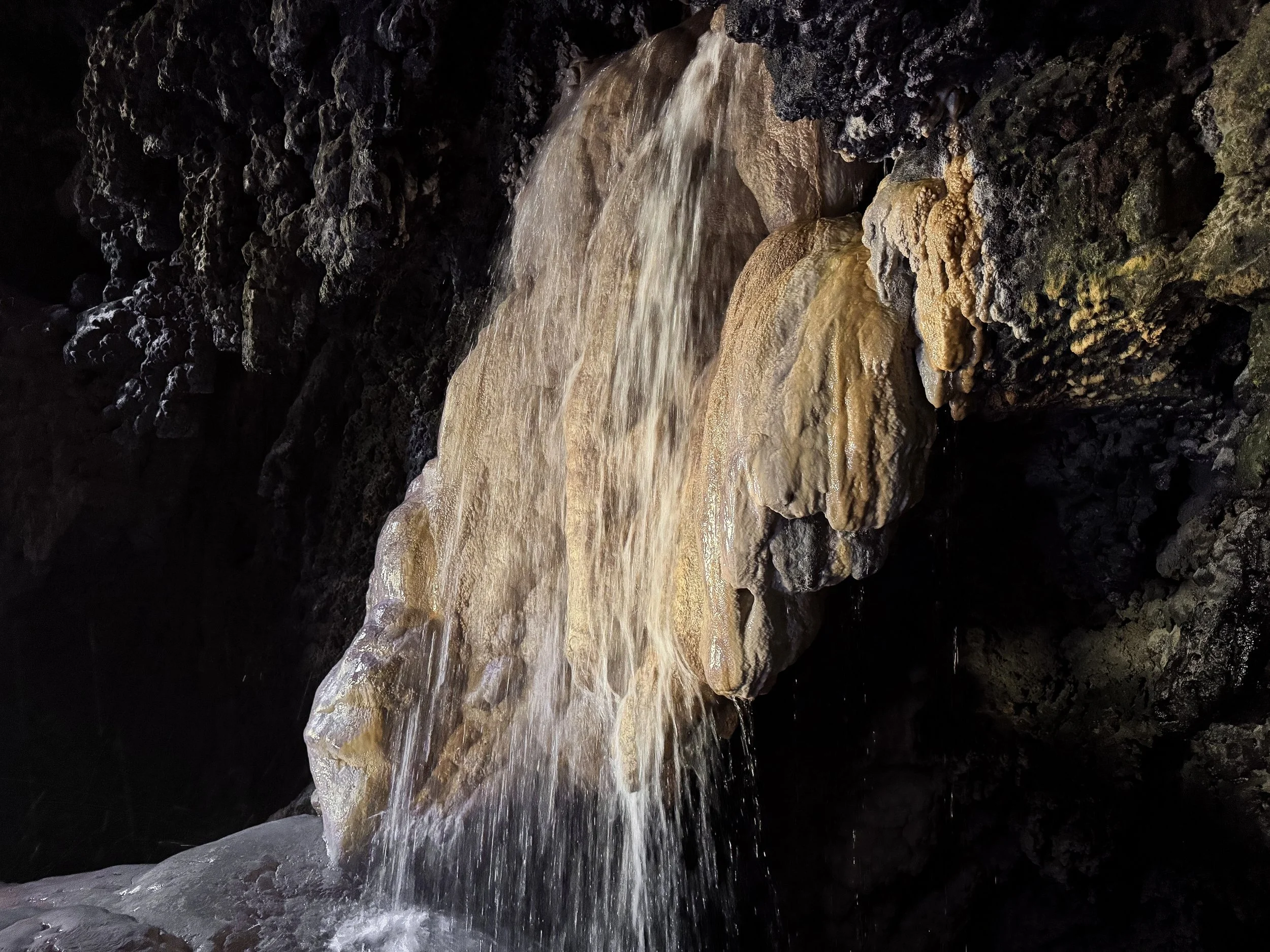
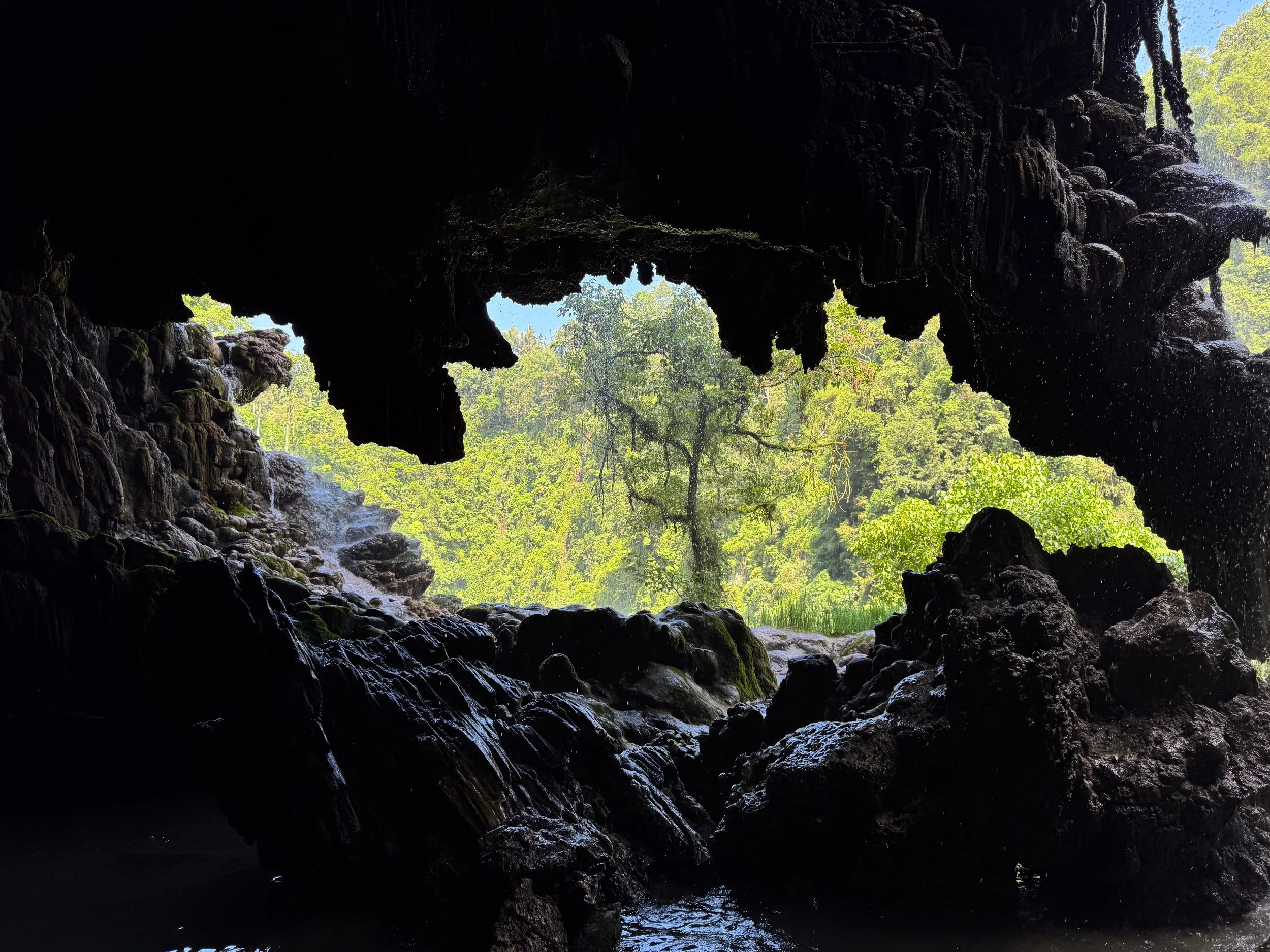
Goa Tetes Cave. A cave beyond a waterfall with dripping rock formations and a smaller waterfall within. It’s reachable by following a trail down the canyon from Tumpak Sewu Waterfall. The trail is scenic, with several small waterfalls pouring over the verdant canyon’s walls.
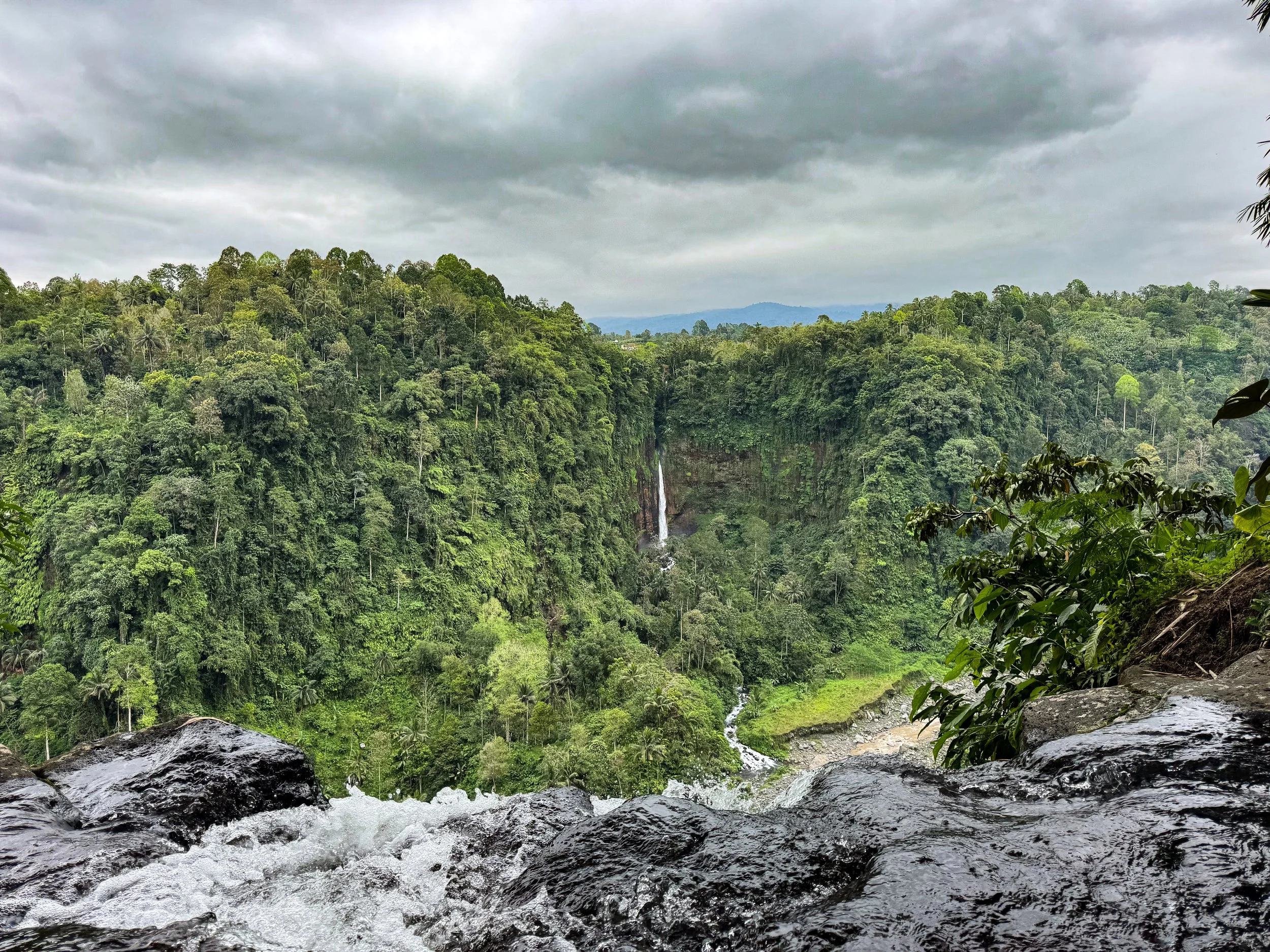
Wisata View Kapas Biru. A panoramic viewpoint from the top of a small waterfall, looking across a river canyon towards another waterfall. The opposite waterfall streams from a crevice in the crescent shaped cliff, surrounded by lush jungle on all sides.
Good to Know. Be prepared to get soaking wet! Come with a change of clothes for after the hike. Bring or rent water shoes for 20K Rp.
Getting Here. The waterfall is located 2 hours from Malang. We booked a driver and guide with Smartway Indonesia Tours on Viator to bring us here and back.
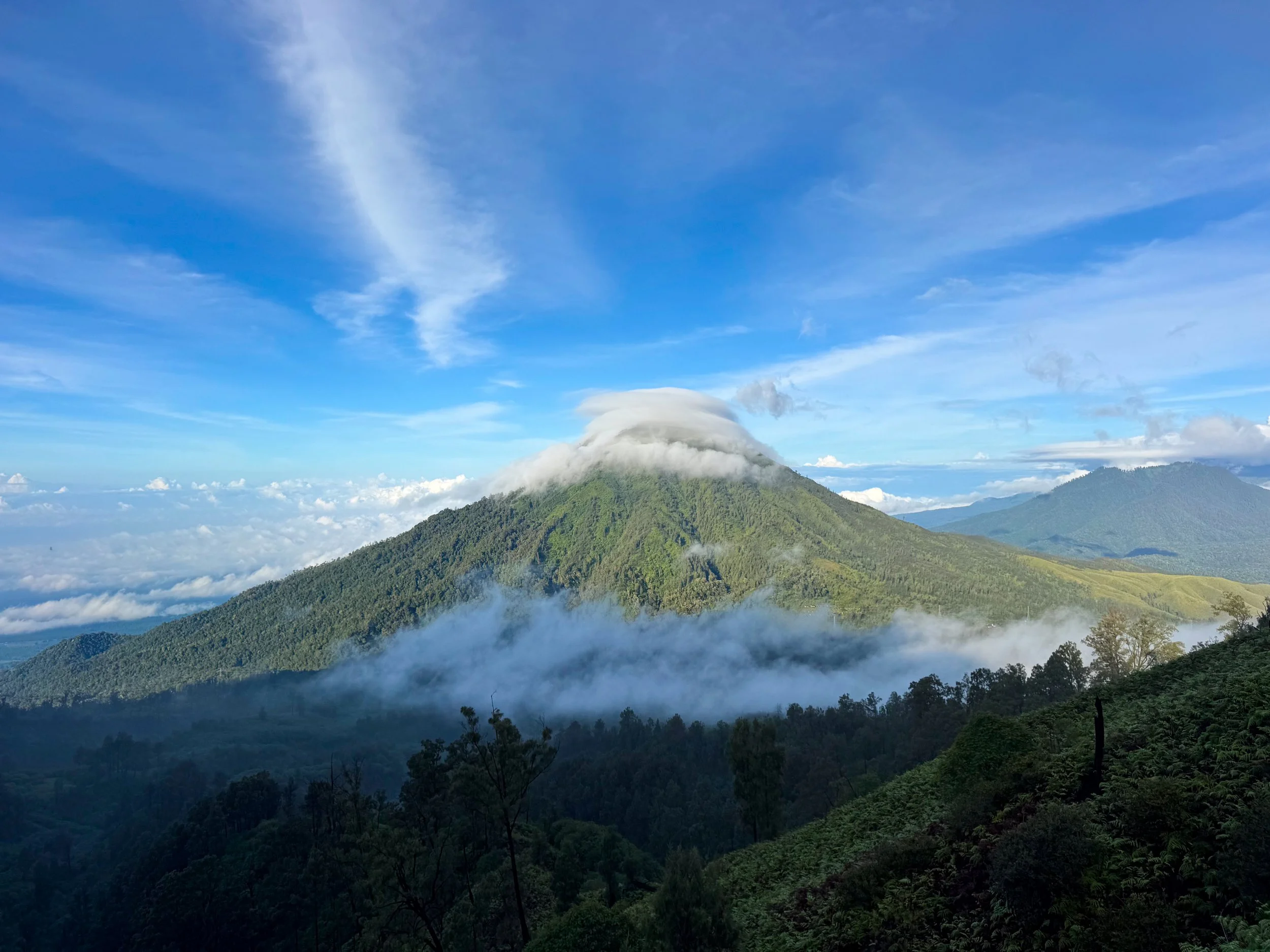
Ijen Volcano
Ijen Volcano is famed for its electric blue flames, turquoise lagoon and sulphur mines. Sunrise hikes starting in the middle of the night lead to its active crater and picturesque caldera.
Ijen Volcano Hike. The hike up the volcano’s slopes and into its crater begins at 2am when the park’s gates open. The wide trail is moderately steep but levels out just before the descent into the crater. The narrow trail into the crater meanders down rocky steps and loose gravel. The smell of sulphuric gases becomes intense without a gas mask. The trail can take 1-2 hours depending on speed and position amongst other hikers.
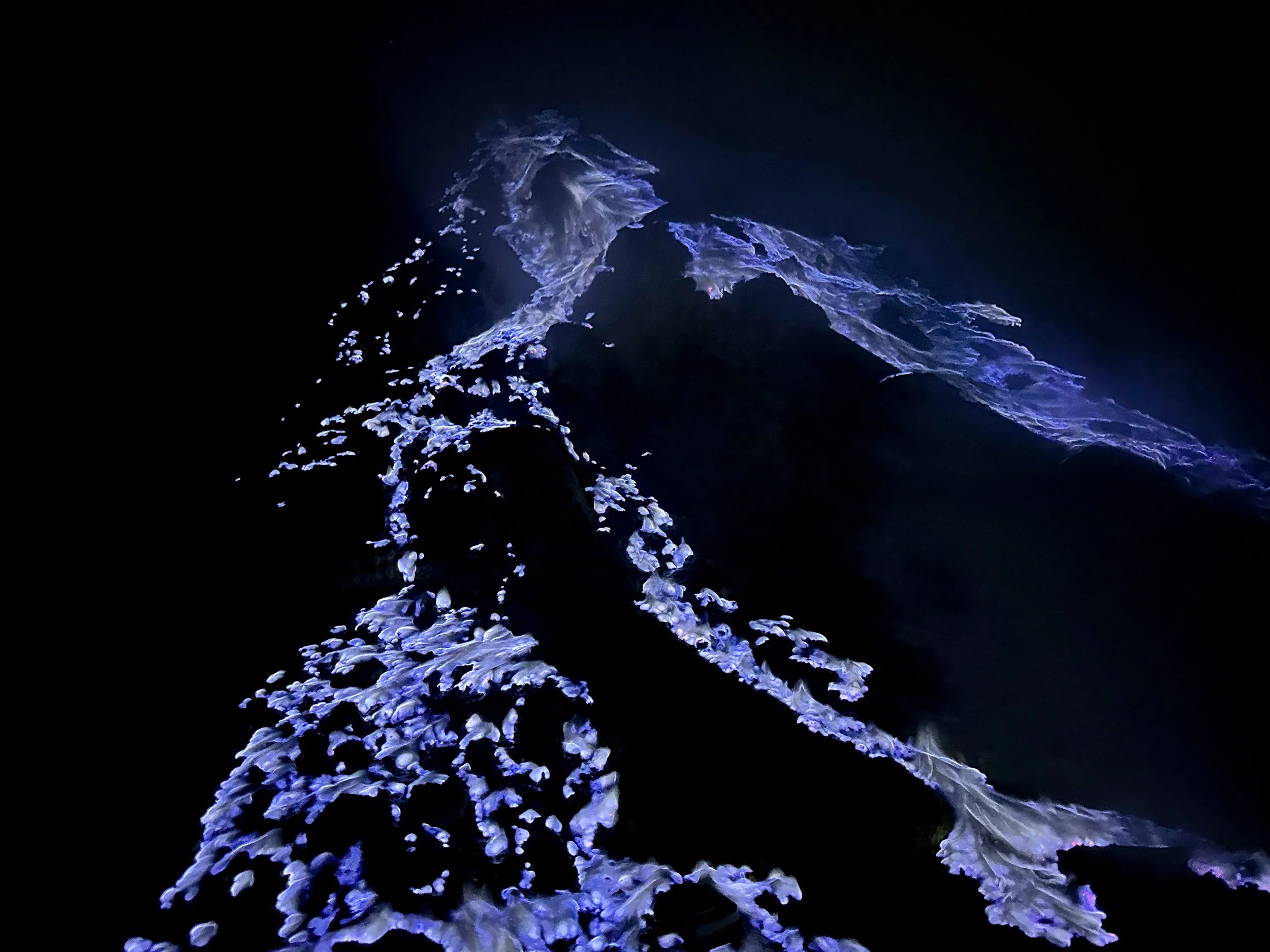
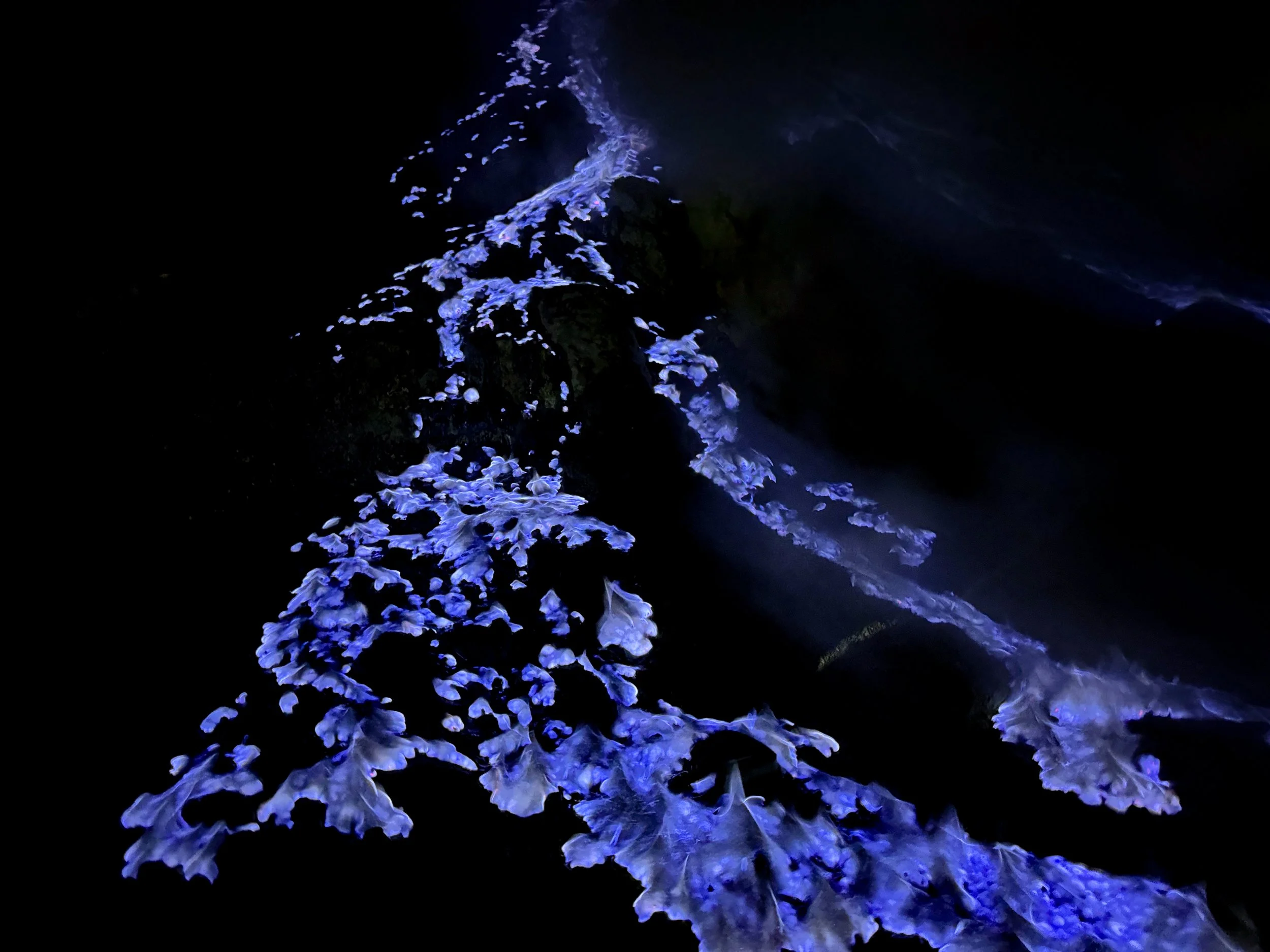
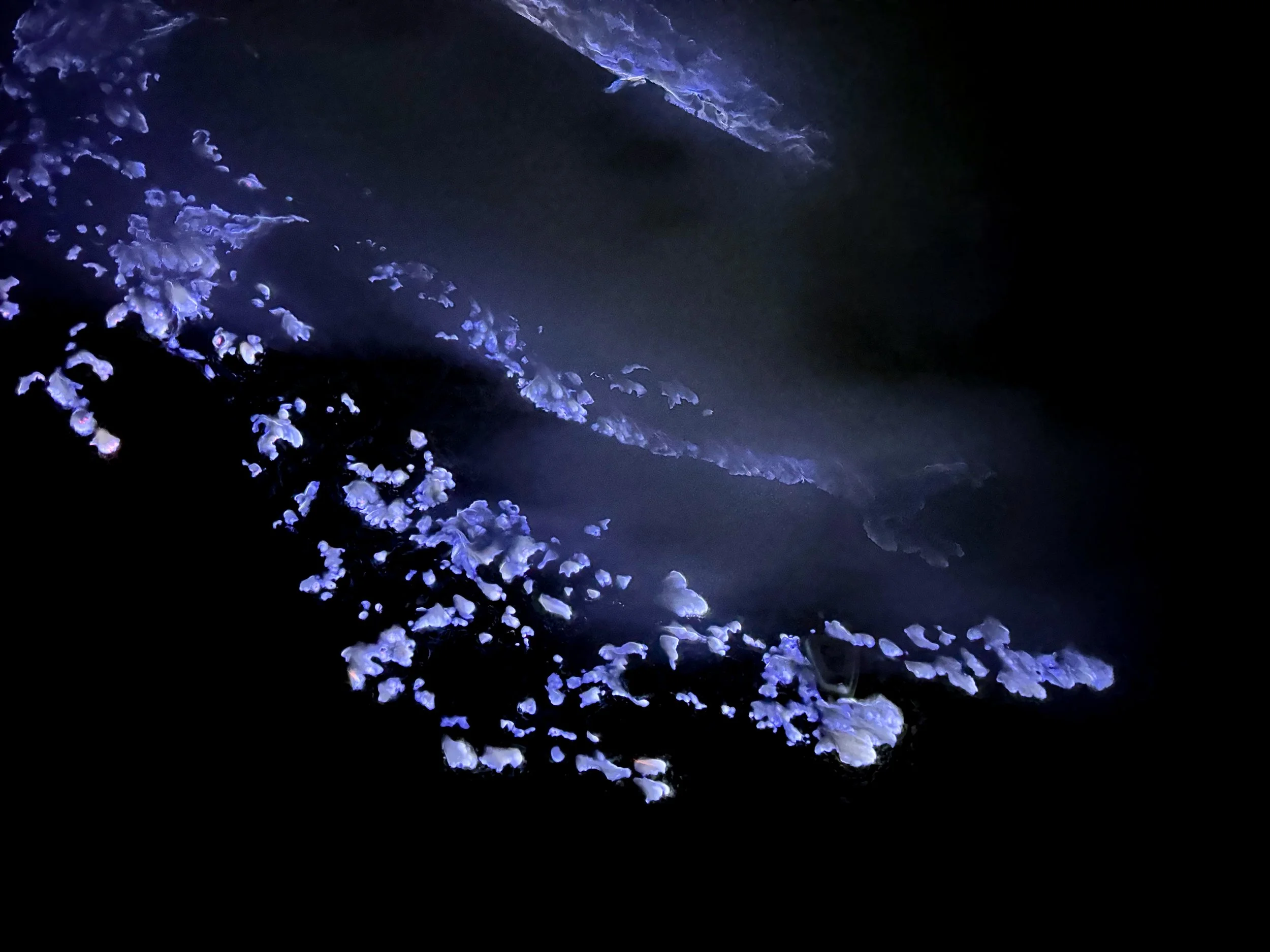
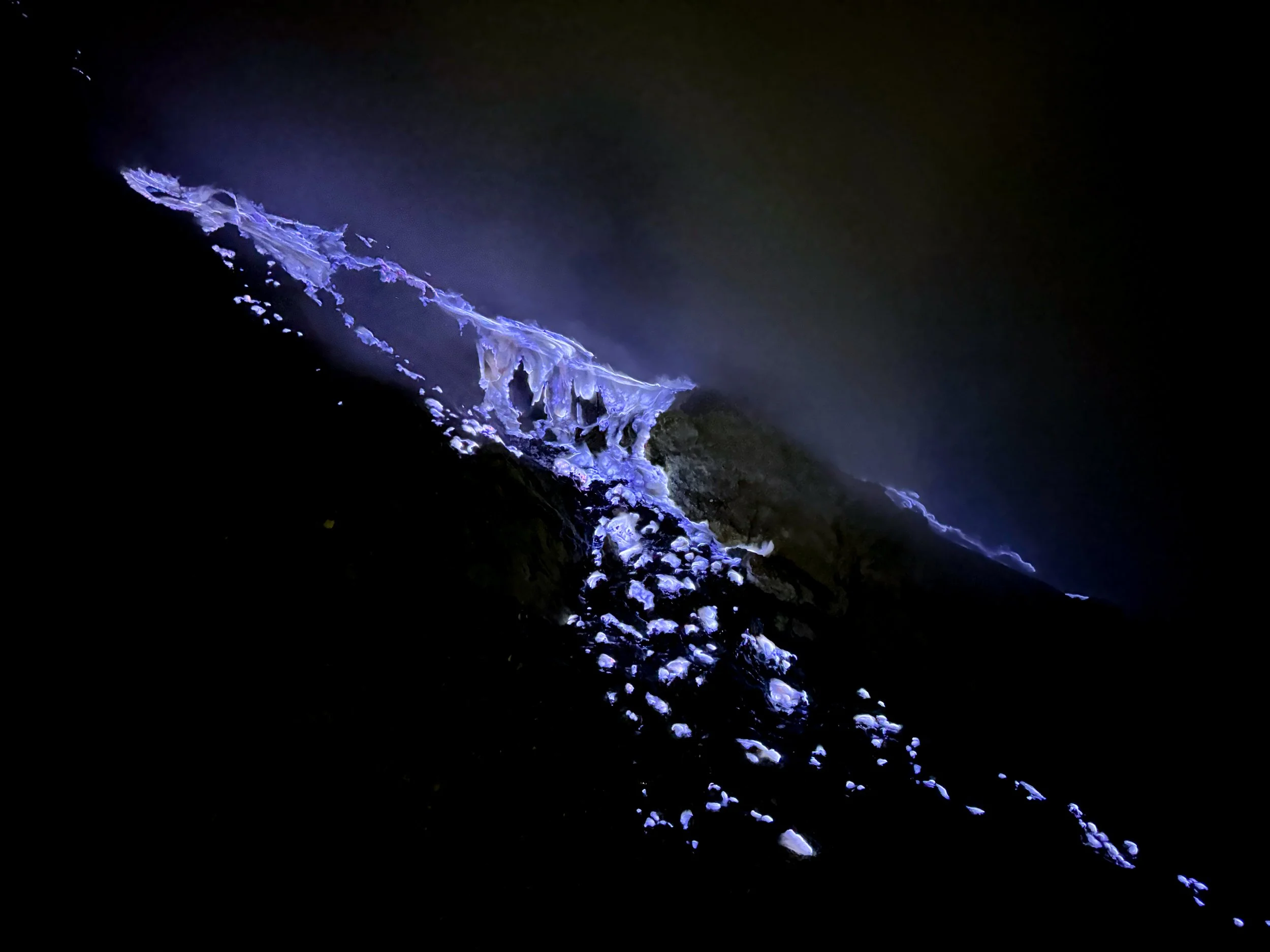
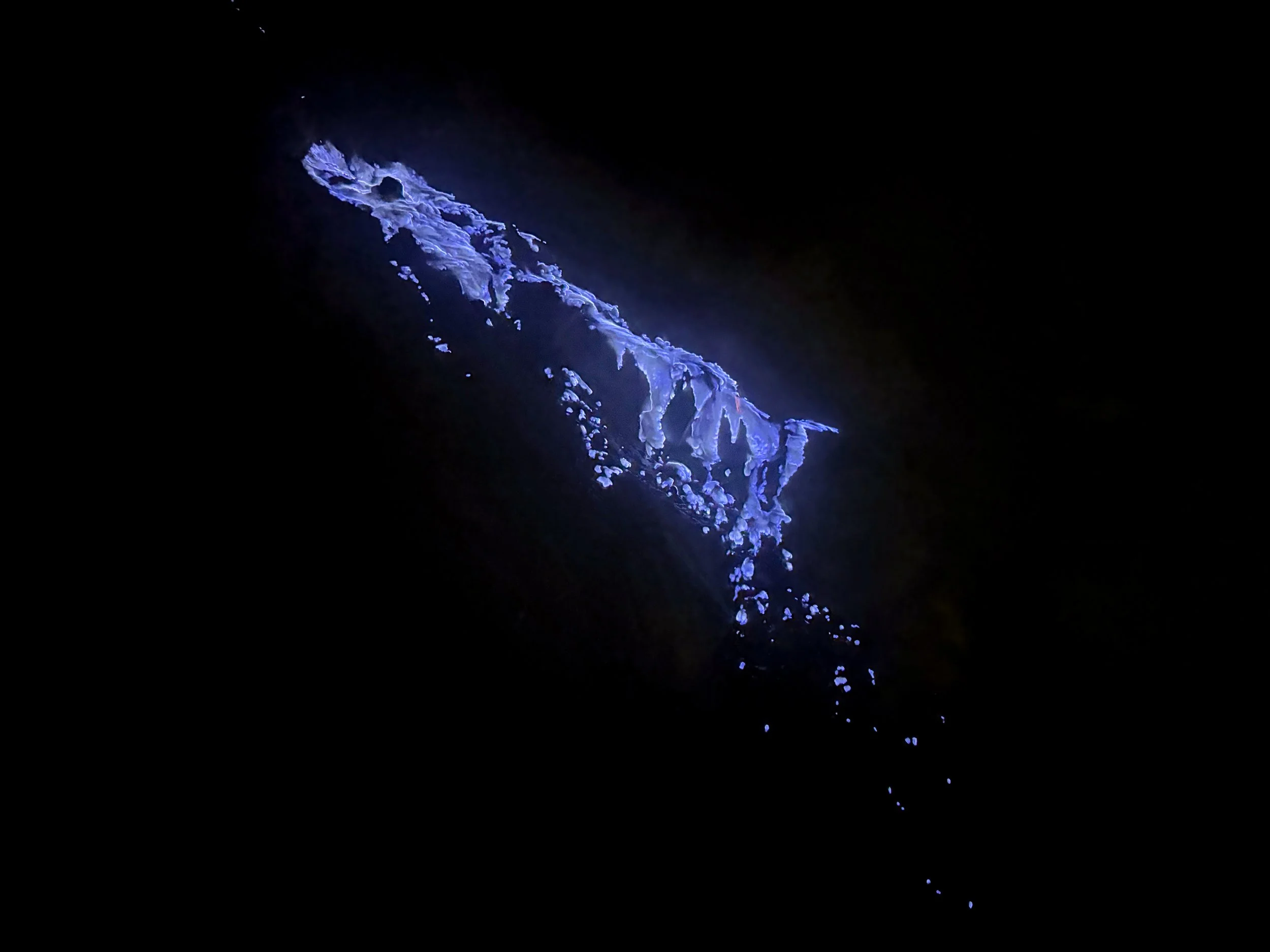
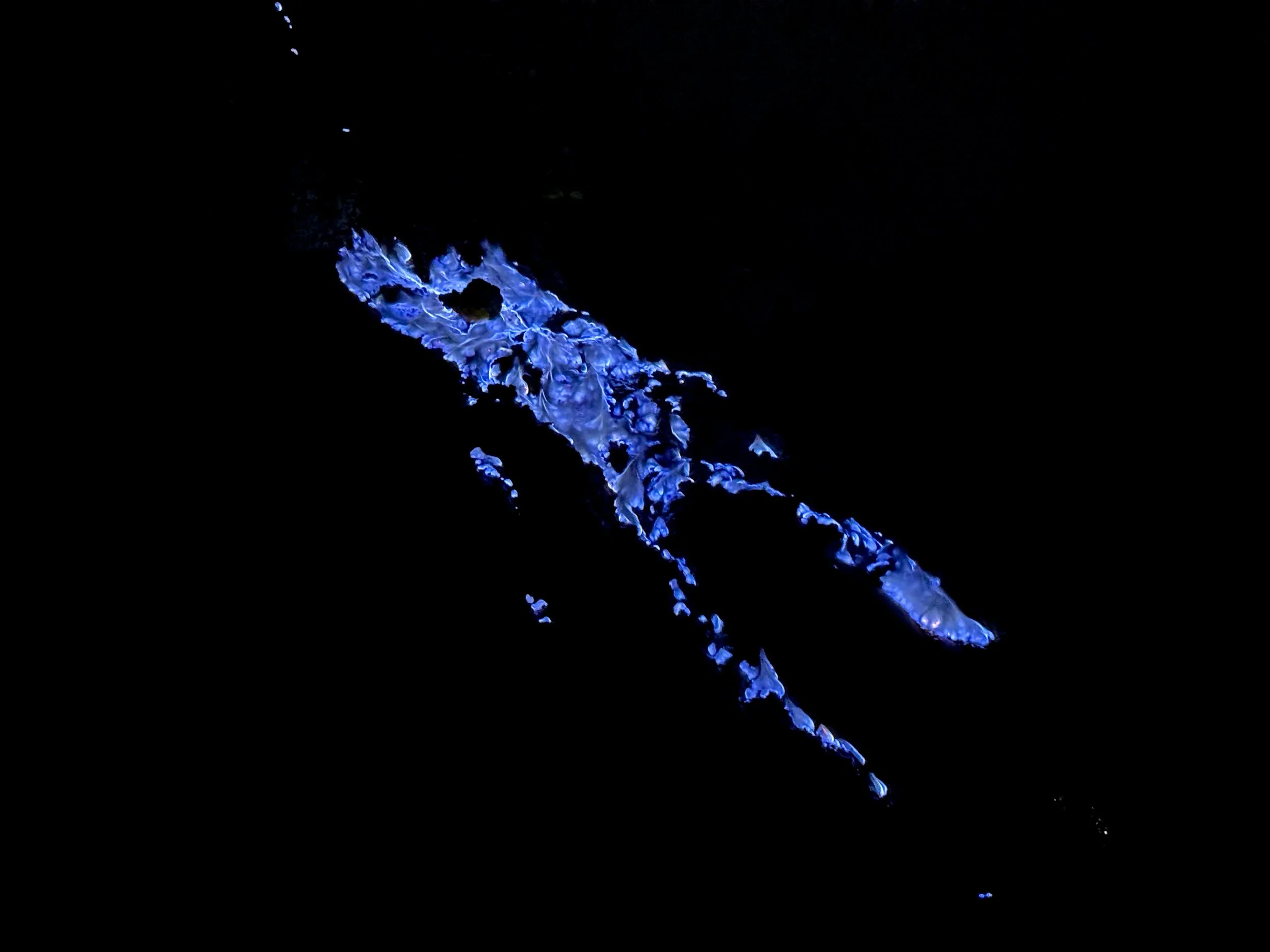
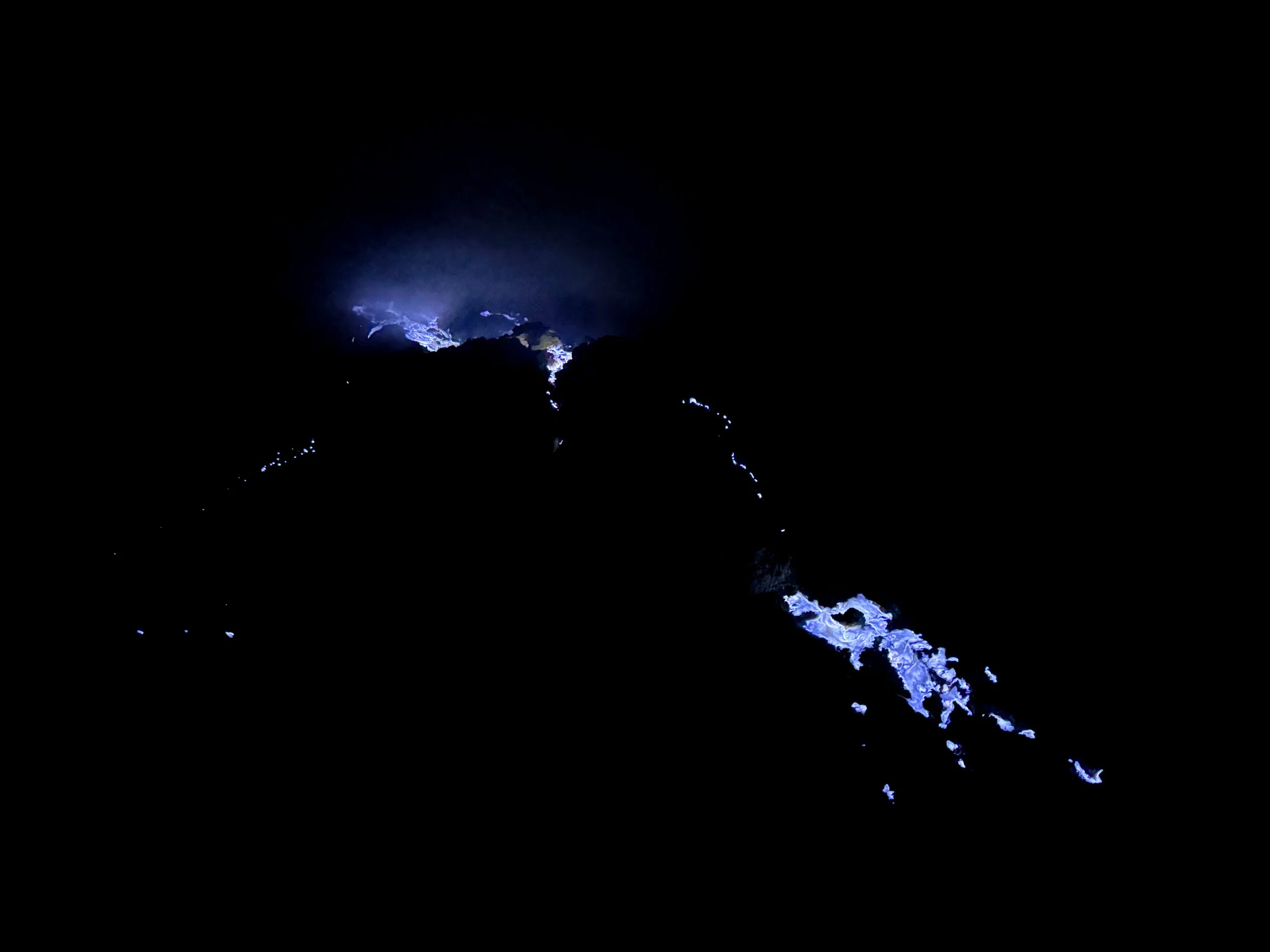
Ijen Blue Flames. At the base of the crater between plumes of sulphuric gas are the electric blue flames. A small viewing area offers close up access to them. The flames seem to flow and dance down the rocky hill, sometimes jumping along the ground. Their characteristic blue color is a result of the hot burning sulphuric gases released by the volcano.
Pro Tip. Avoid using a flashlight around the blue flames. It’s better to experience their glow without excess light. Politely ask others to do the same.
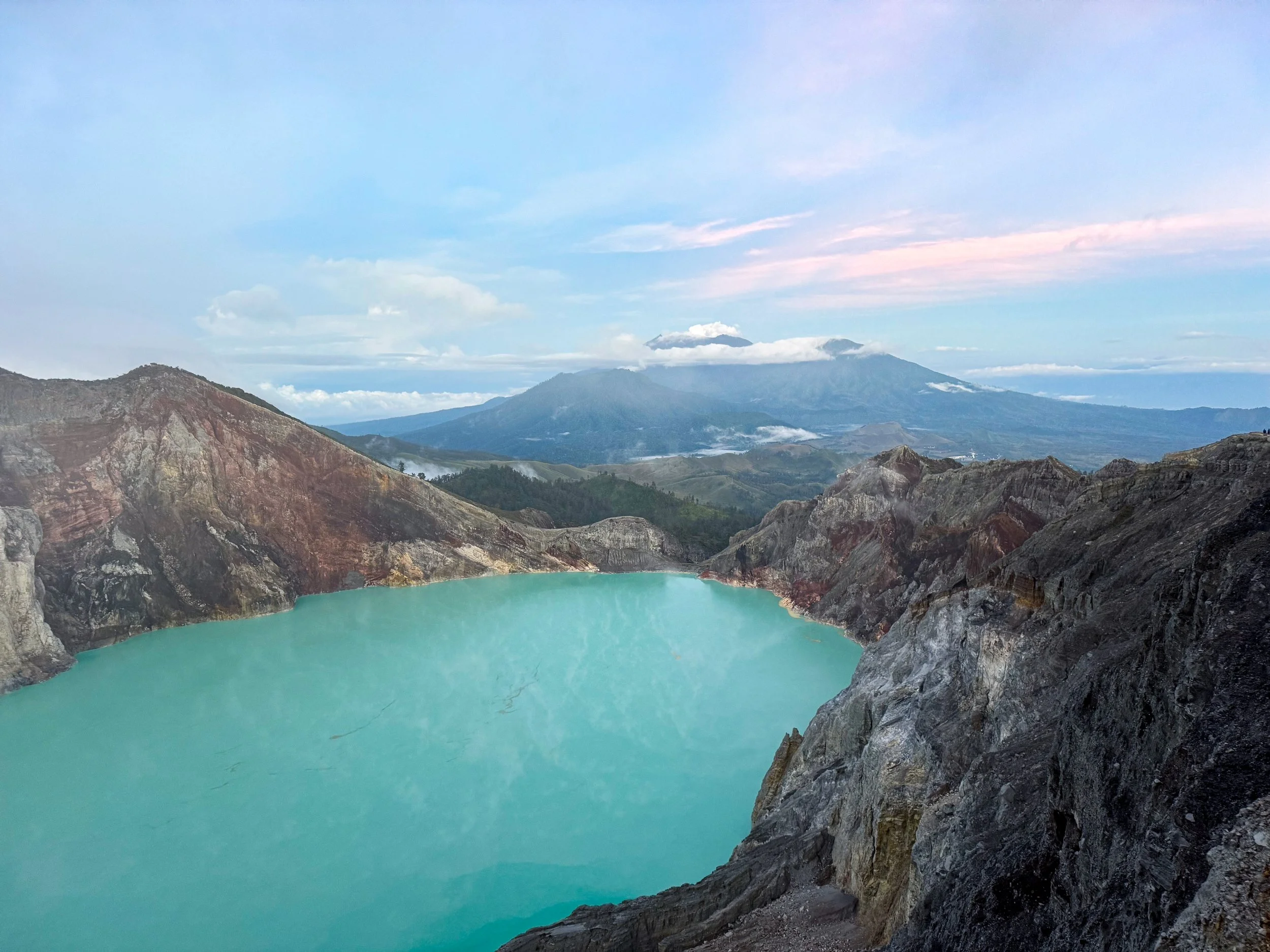
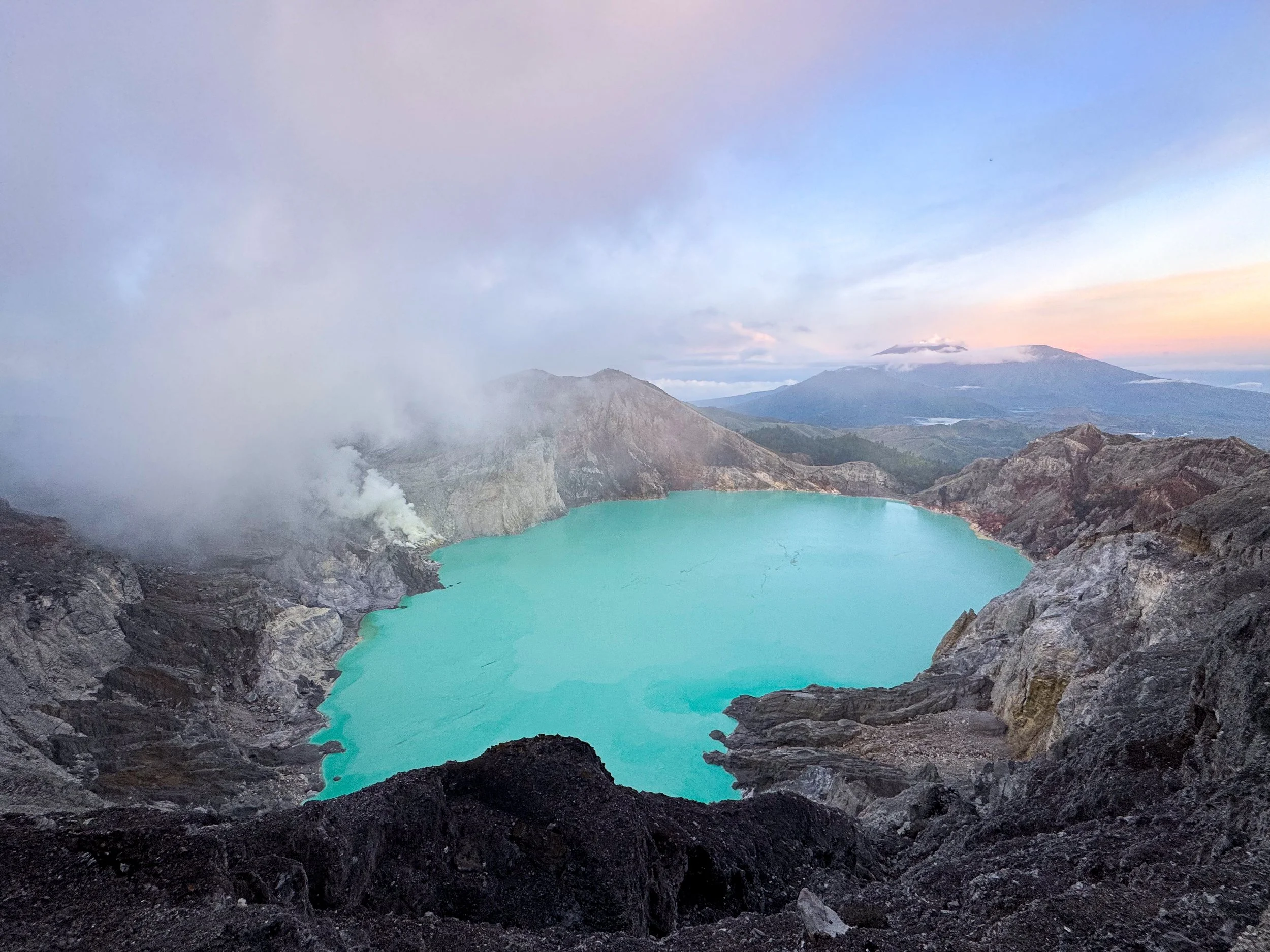
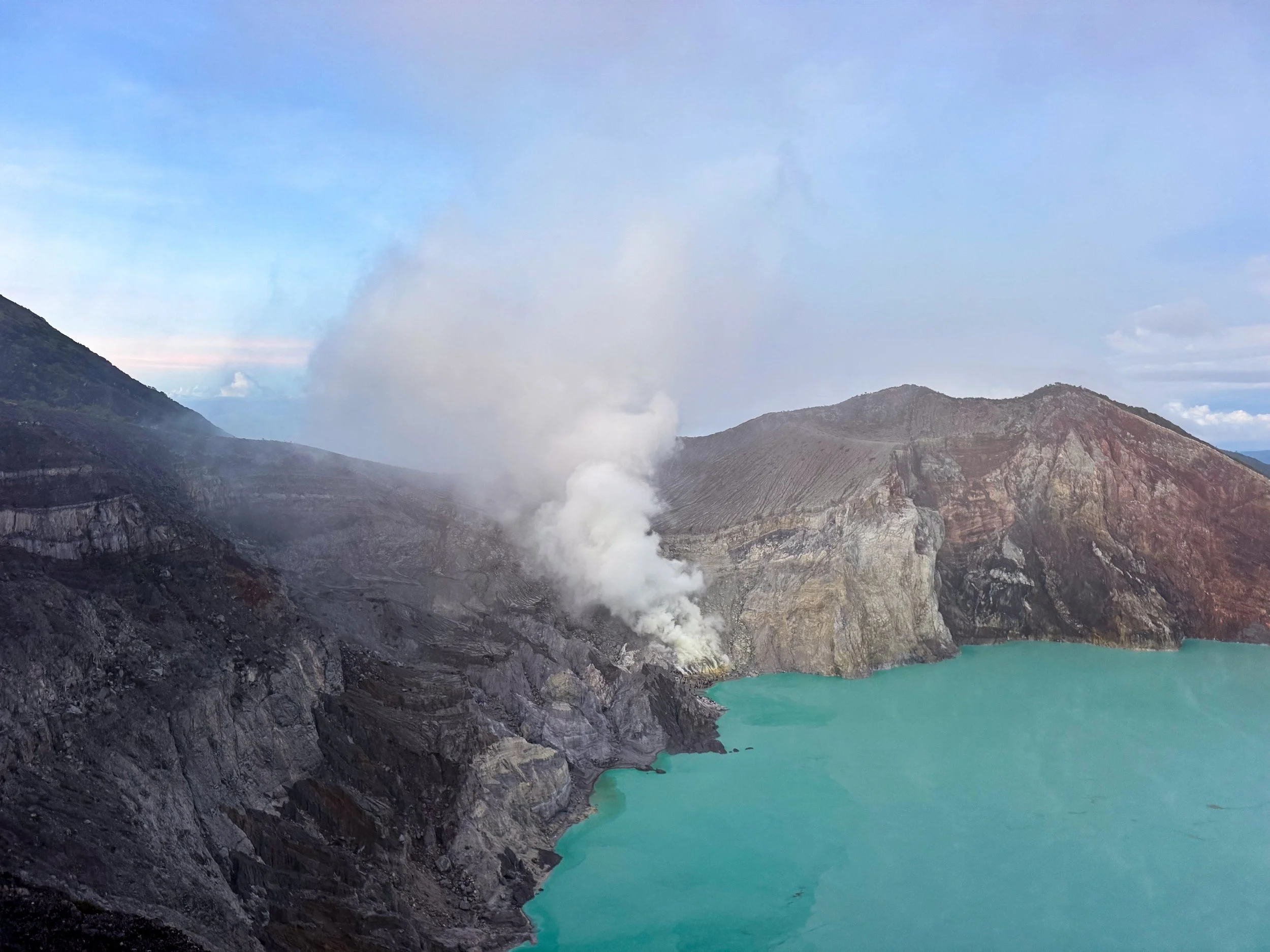
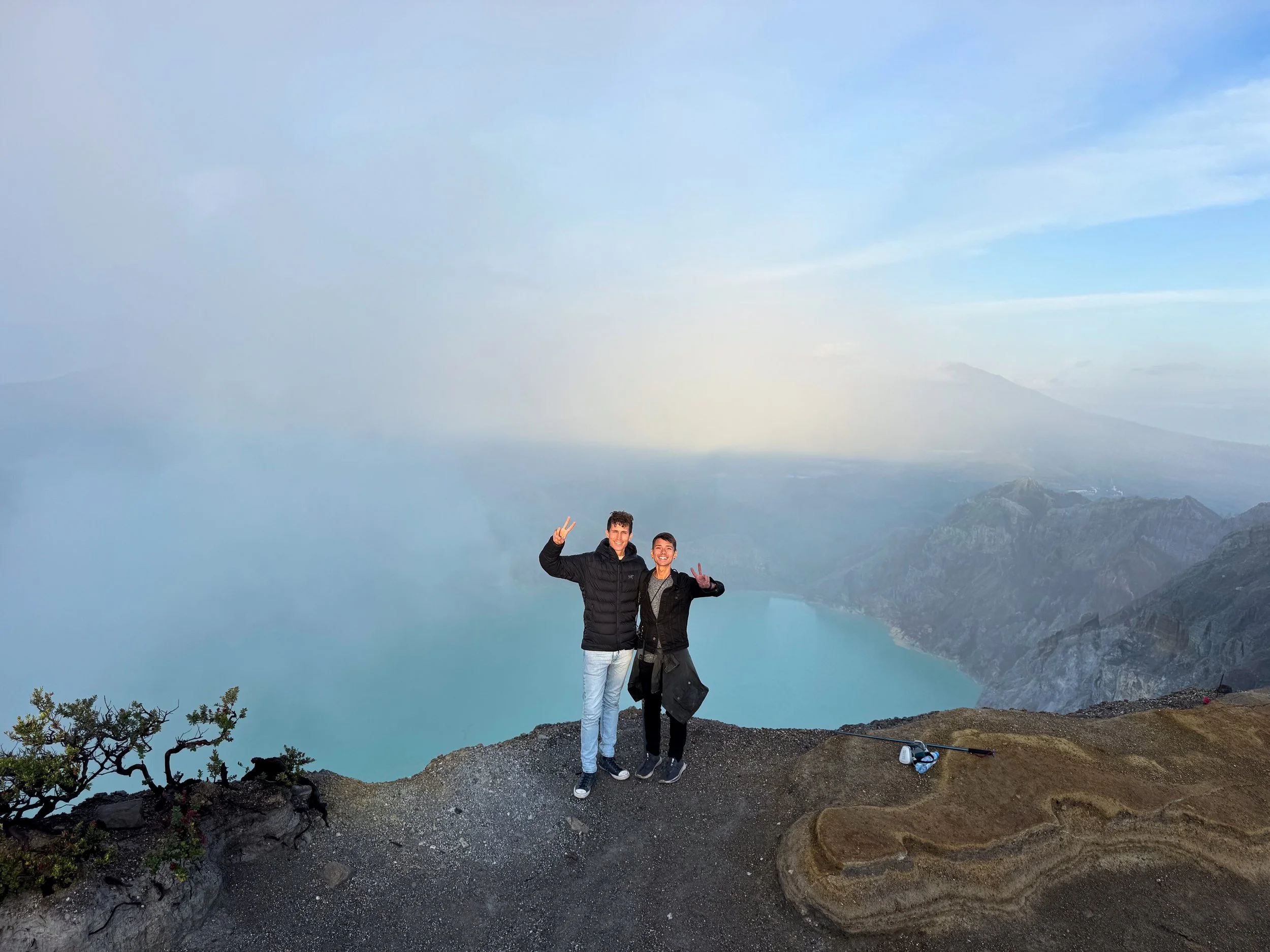
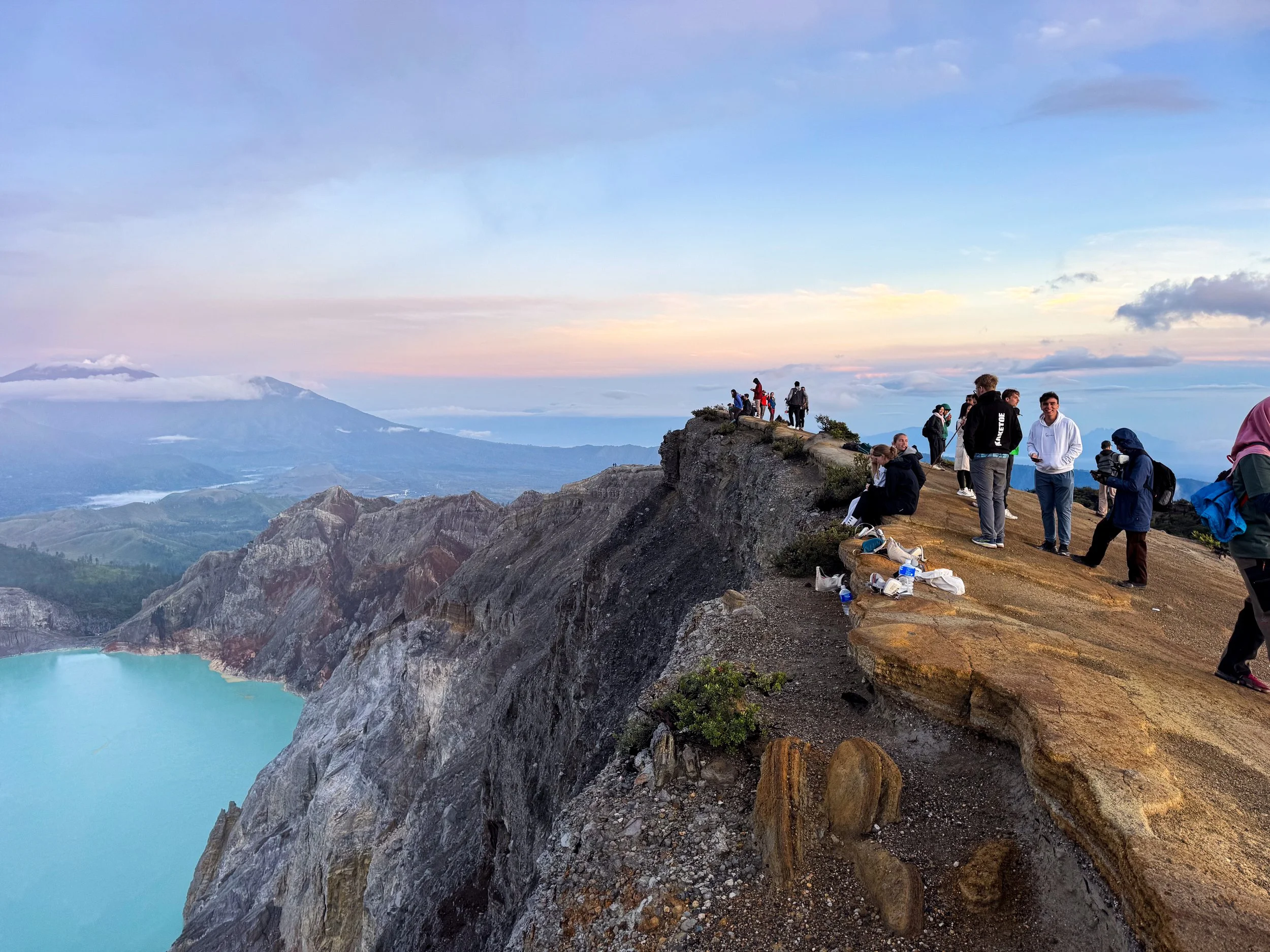
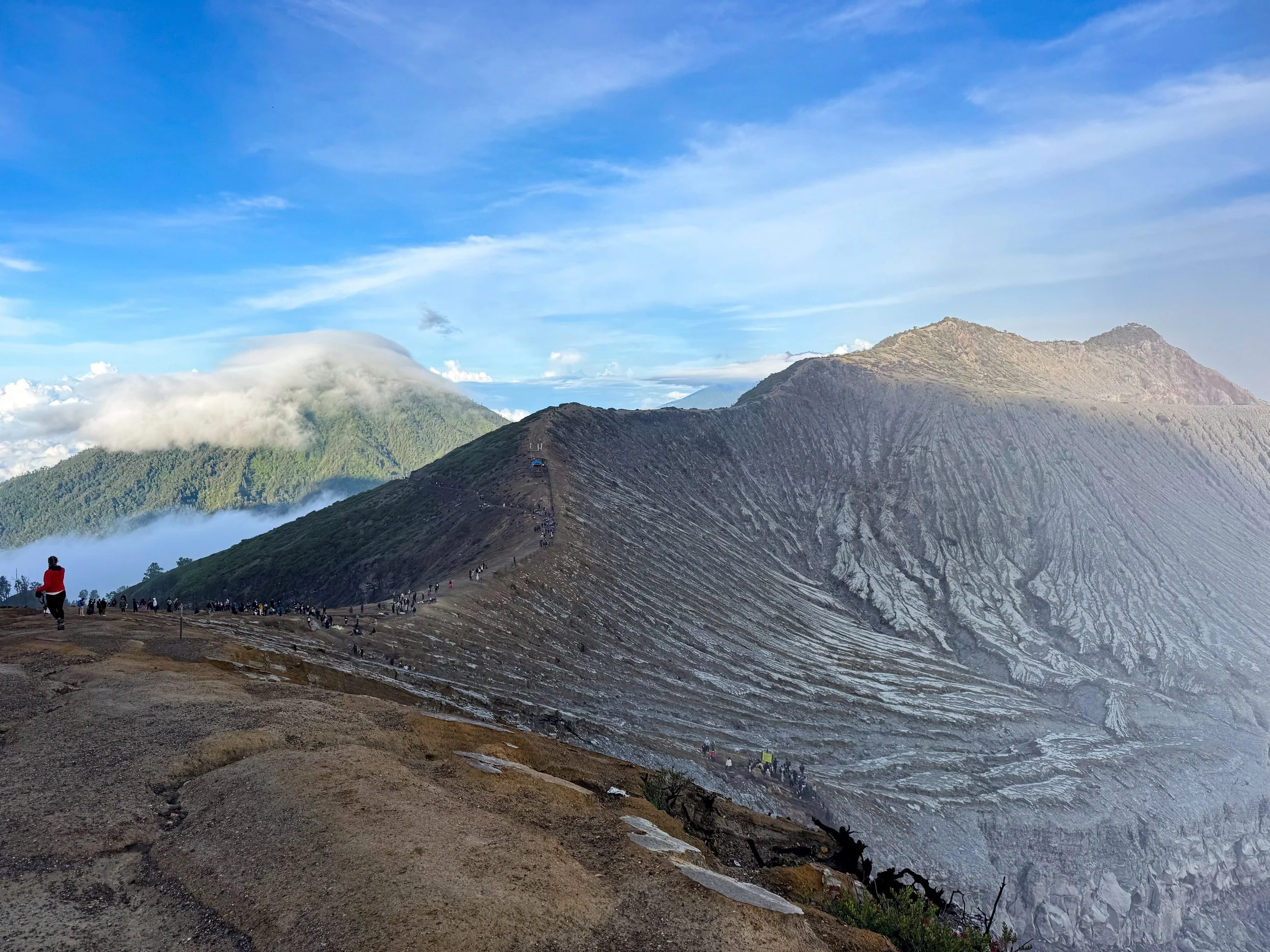
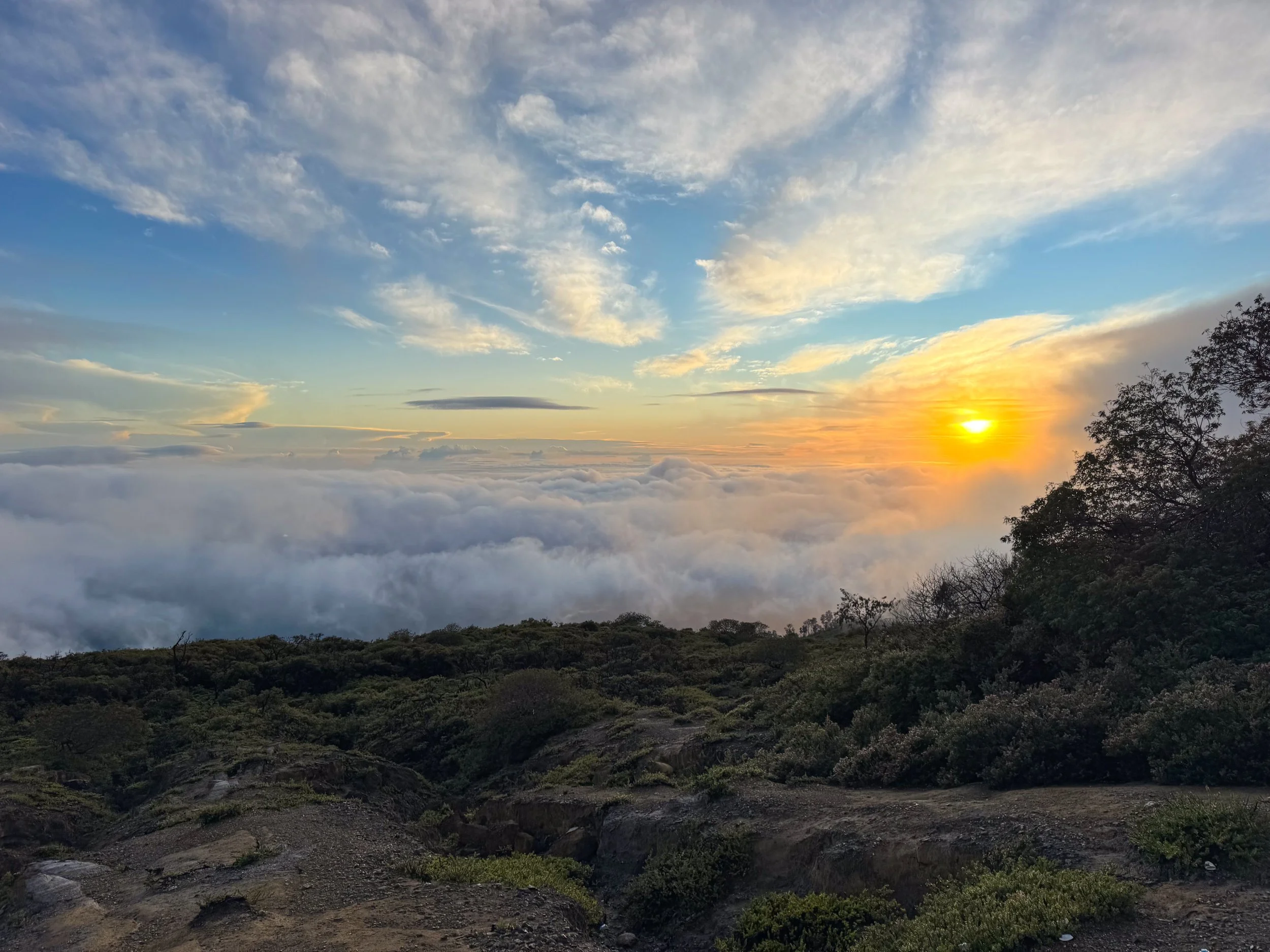
Ijen Crater Lake. The crater rim offers picturesque views of a turquoise colored lake and sunrise. The viewpoint is reachable after a 30 to 45 minute hike up from the blue flames. As daylight breaks, the bright colored lagoon at the bottom of the crater comes into view. Gases fume from the volcanic vents as clouds roll over the lush hillside. The sunlight illuminates nearby volcanoes and colors the sky in a combination of pastel tones. Alternatively, the crater lake is viewable from the sulphur mines near the blue flames. This is a good spot to stay if unable to reach the rim for sunrise in time.
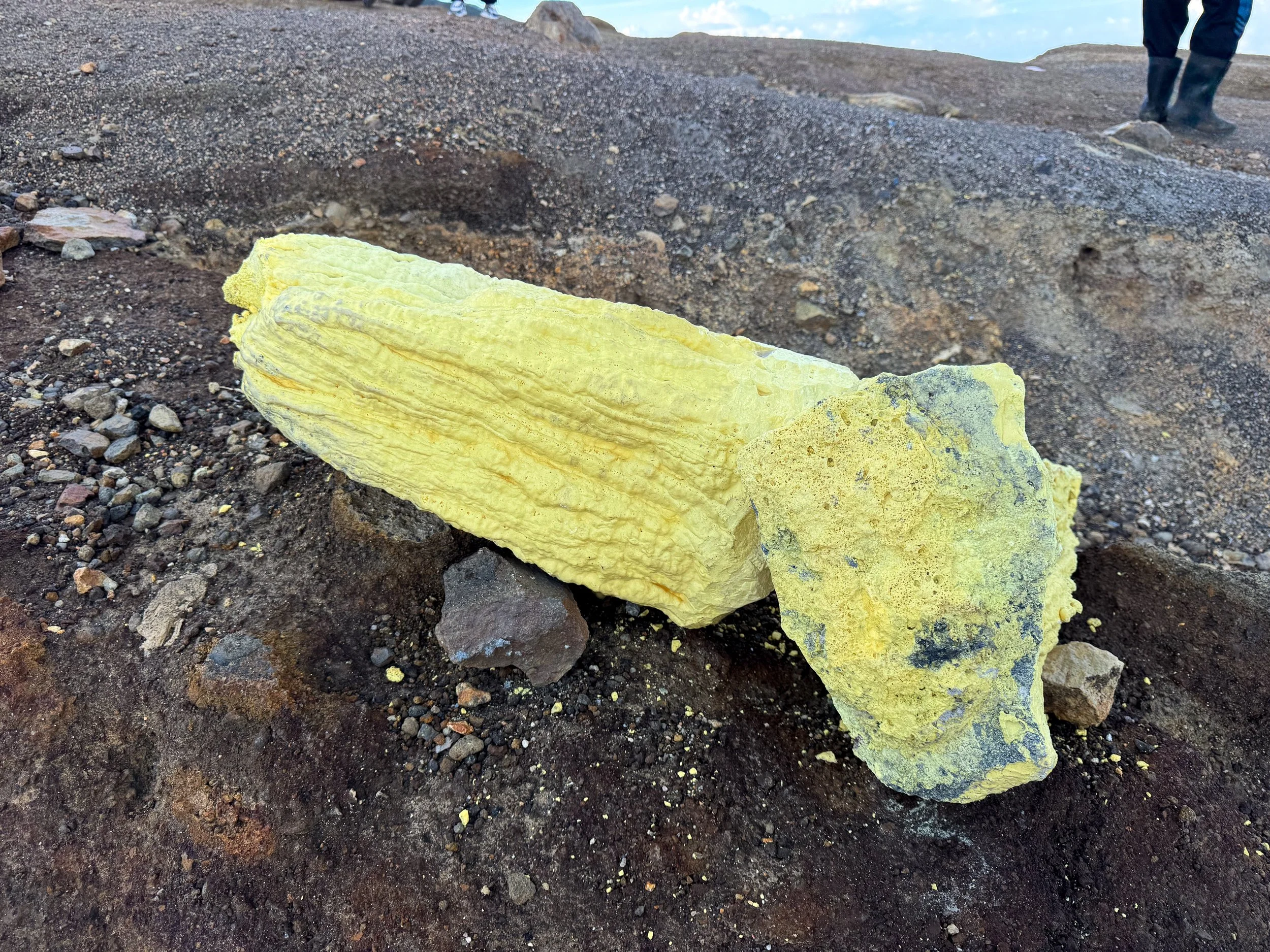
Sulphur Mines. The volcanic vents surrounding the lagoon are hand mined for sulphur. Local miners live on the volcano under hazardous conditions to harvest the mineral, referred to as “the devil’s gold.” Vibrant yellow deposits are scattered across the ground and collected in baskets lining the trail. We visited on Satu Suro, the Javanese Islamic New Year. It’s one of the few days that miners take to rest. As a result, our guide introduced us to his father, Arifin, an experienced miner and local legend. He showed us the capsule sized space he sleeps in and a brief documentary about his work. Watch on Coconuts TV.
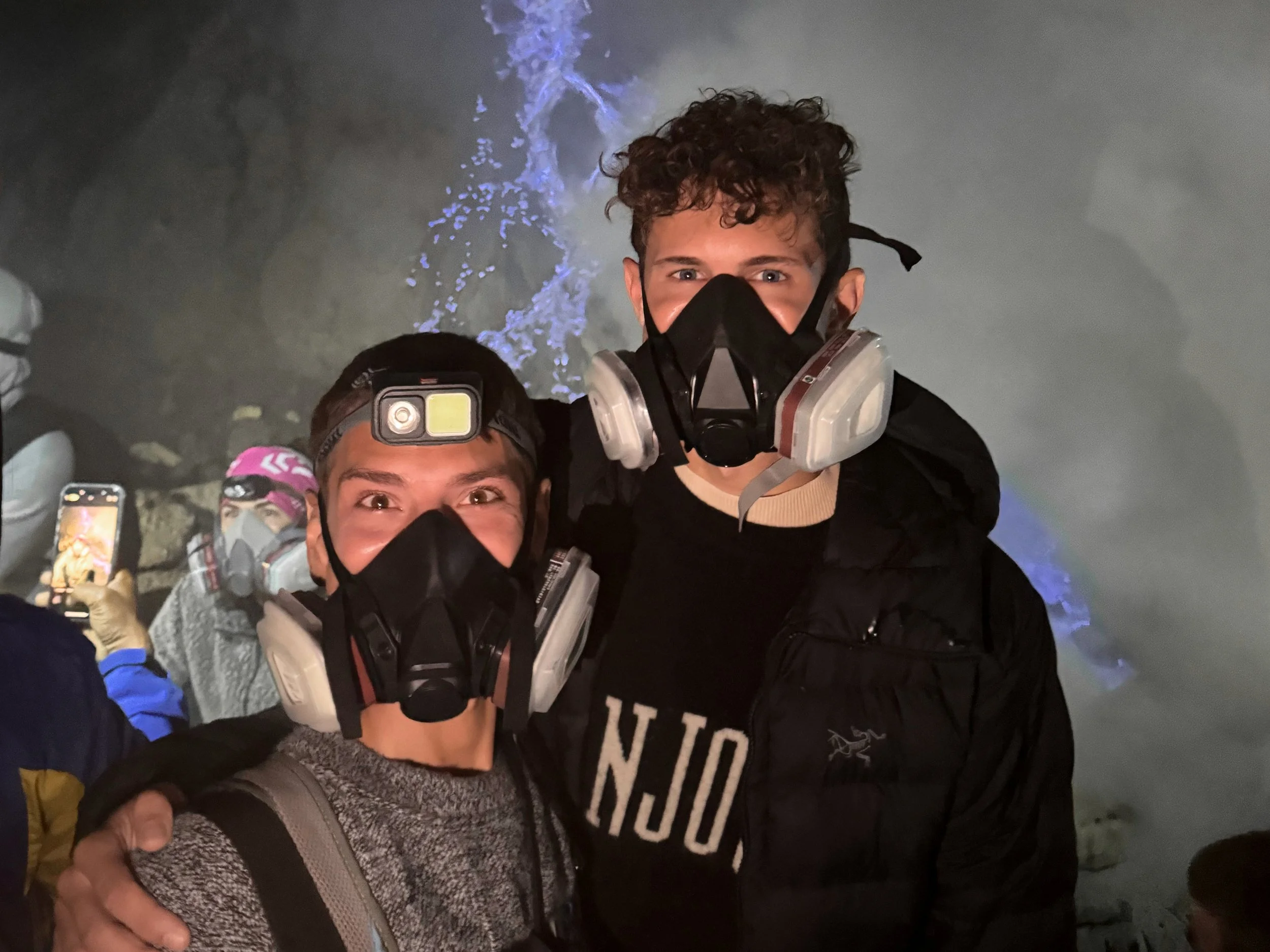
Hire A Guide. Though it’s possible to visit on your own, we visited with a guide for the additional safety and ease of coordination. We booked with East Java Paradise Travel on Viator.
Be First. 3,000 people are permitted to enter the volcano daily, often resulting in a bottleneck of hikers along the trail. Furthermore, the area around the blue flames is very small. The best way to enjoy seeing them safely and unobstructed is to wait at the gate early and hike ahead of everyone else.
Medical Check. Prior to beginning the hike, local officials require all visitors to undergo a brief medical exam, checking blood pressure, blood oxygen levels and temperature.
Gas Masks. A proper fitting gas mask is strongly recommended. Rent one or make sure it’s included with your tour. The volcanic fumes are toxic and highly concentrated around the blue flames.
Proper Gear. Wear layers for the cooler nighttime temperatures and shoes with good treads. Bring a headlamp or flashlight to see. Hiking poles are helpful but not necessary.
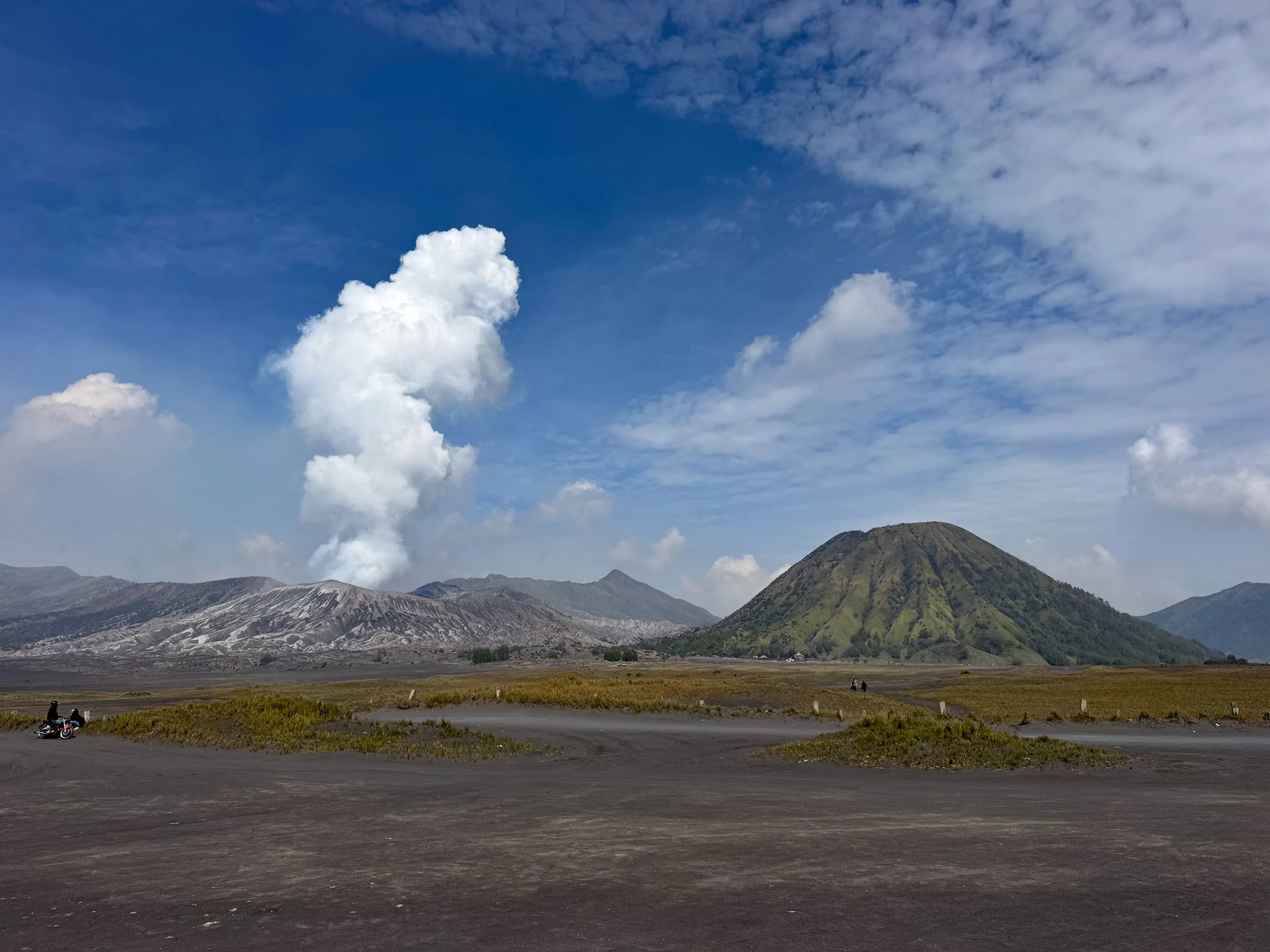
Mount Bromo
Mount Bromo is one of East Java’s most active volcanoes! Its ancient crater rim surrounds volcanic cinder cones and a billowing caldera. The island’s tallest volcano, Semeru Mountain, towers in the background erupting with frequent puffs of black ash.
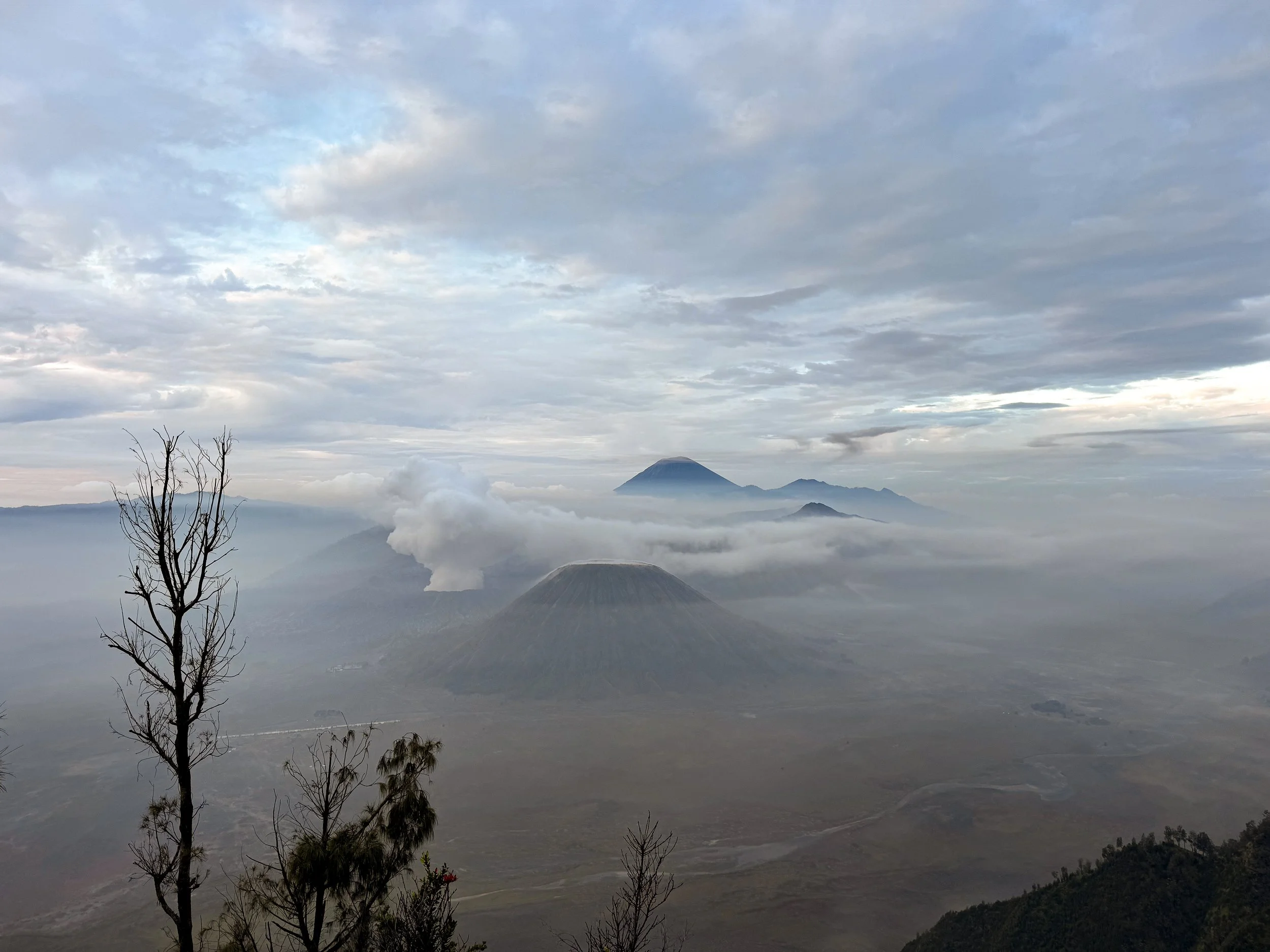
Mount Bromo Sunrise. A popular time to visit Mount Bromo is for the sunrise. Tours from Malang start around midnight. It’s followed by a 3 hour drive to the volcano village and a transfer to a 4x4 vintage Toyota Land Cruiser. The final hour leads across the sand sea and up the north crater rim to the lookout points. We sat below “King Kong Hill.” There are cafés selling coffees, noodles in cups and renting heavy coats. It wasn’t the clearest morning. The sunrise was blocked by clouds and the volcanoes were covered in a blanket of fog. Their still visible silhouettes had a mystical view. Mount Bromo constantly billowed out clouds of white smoke while Semeru Mountain erupted with puffs of black ash.
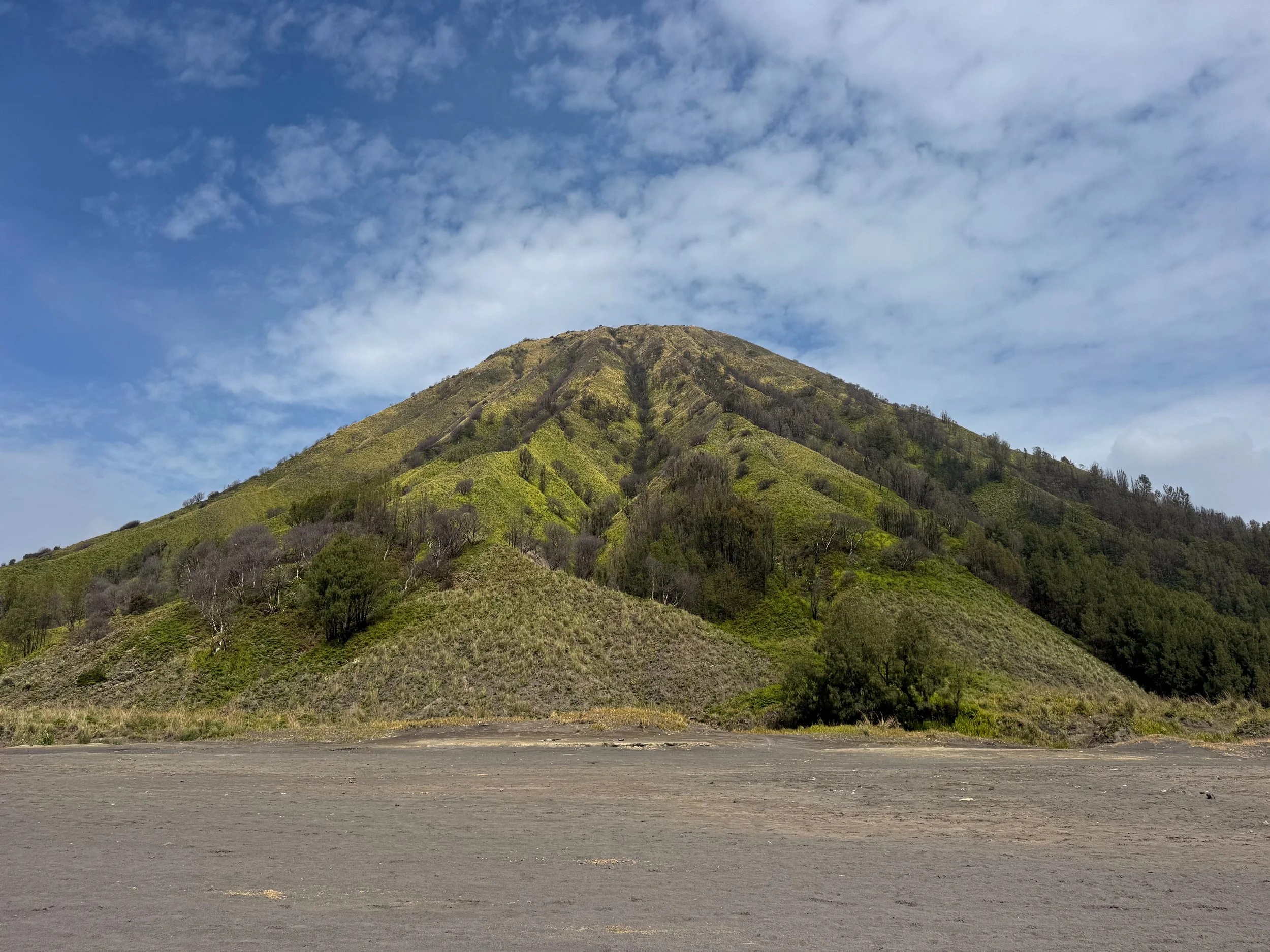
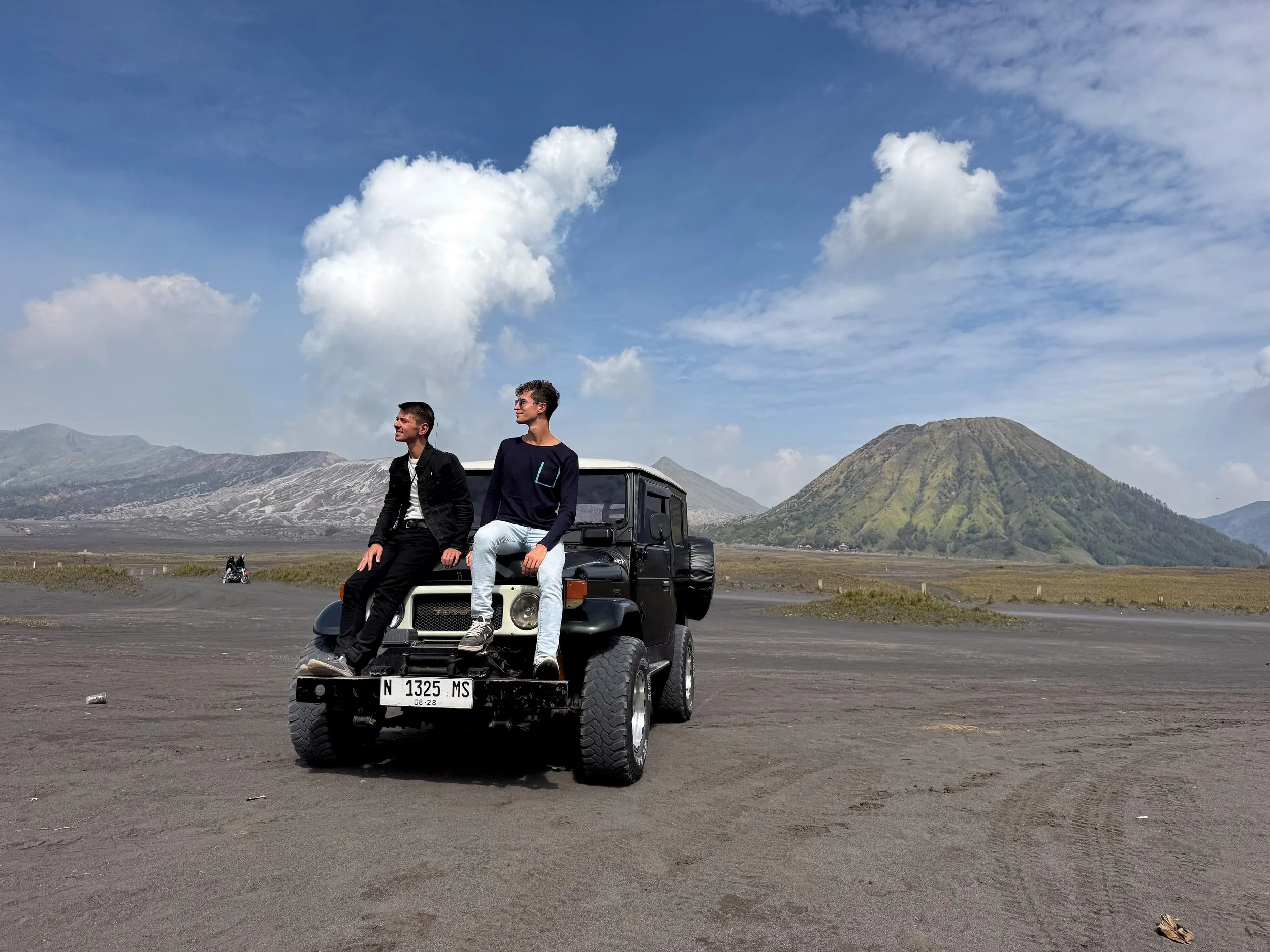
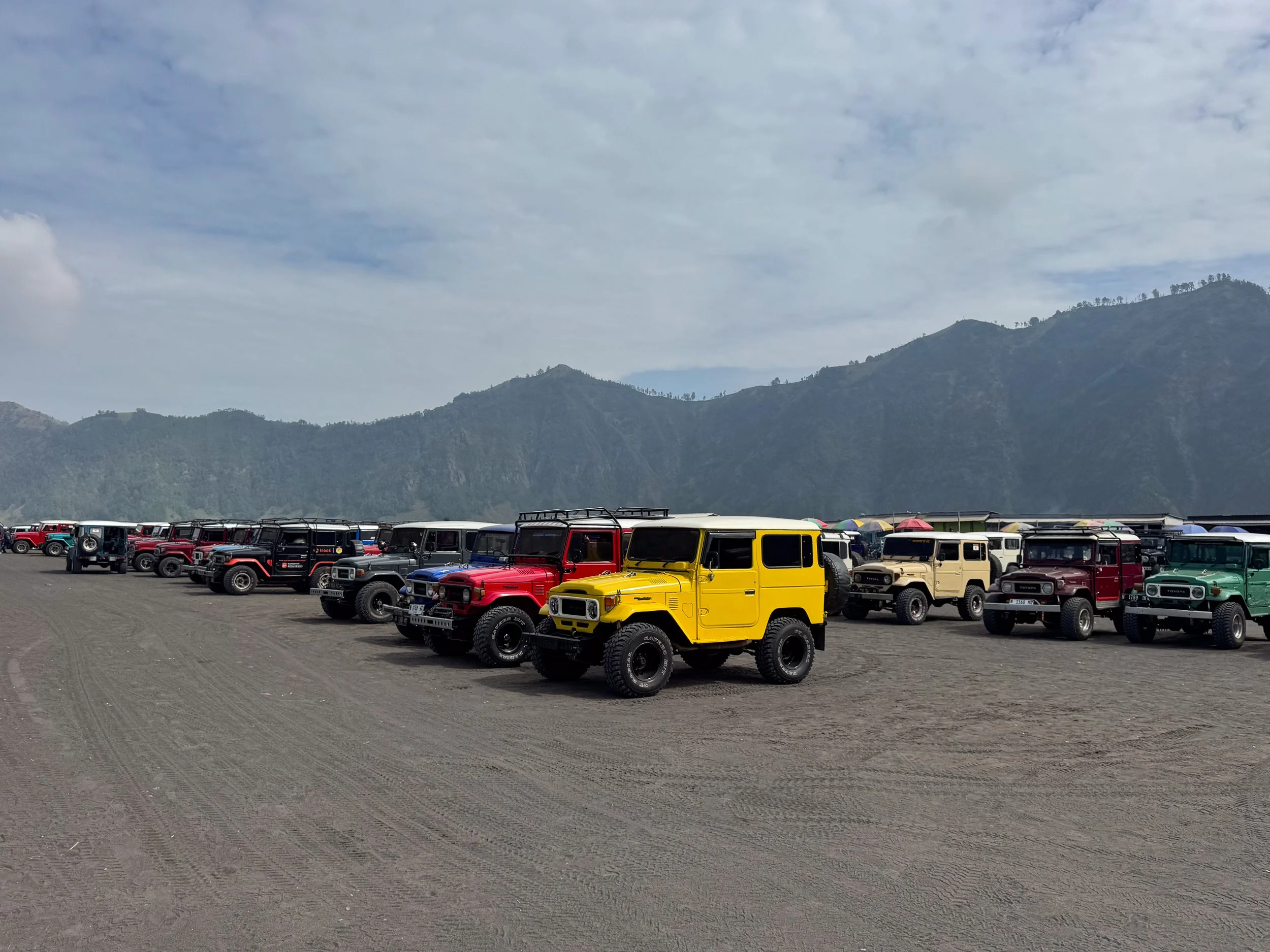
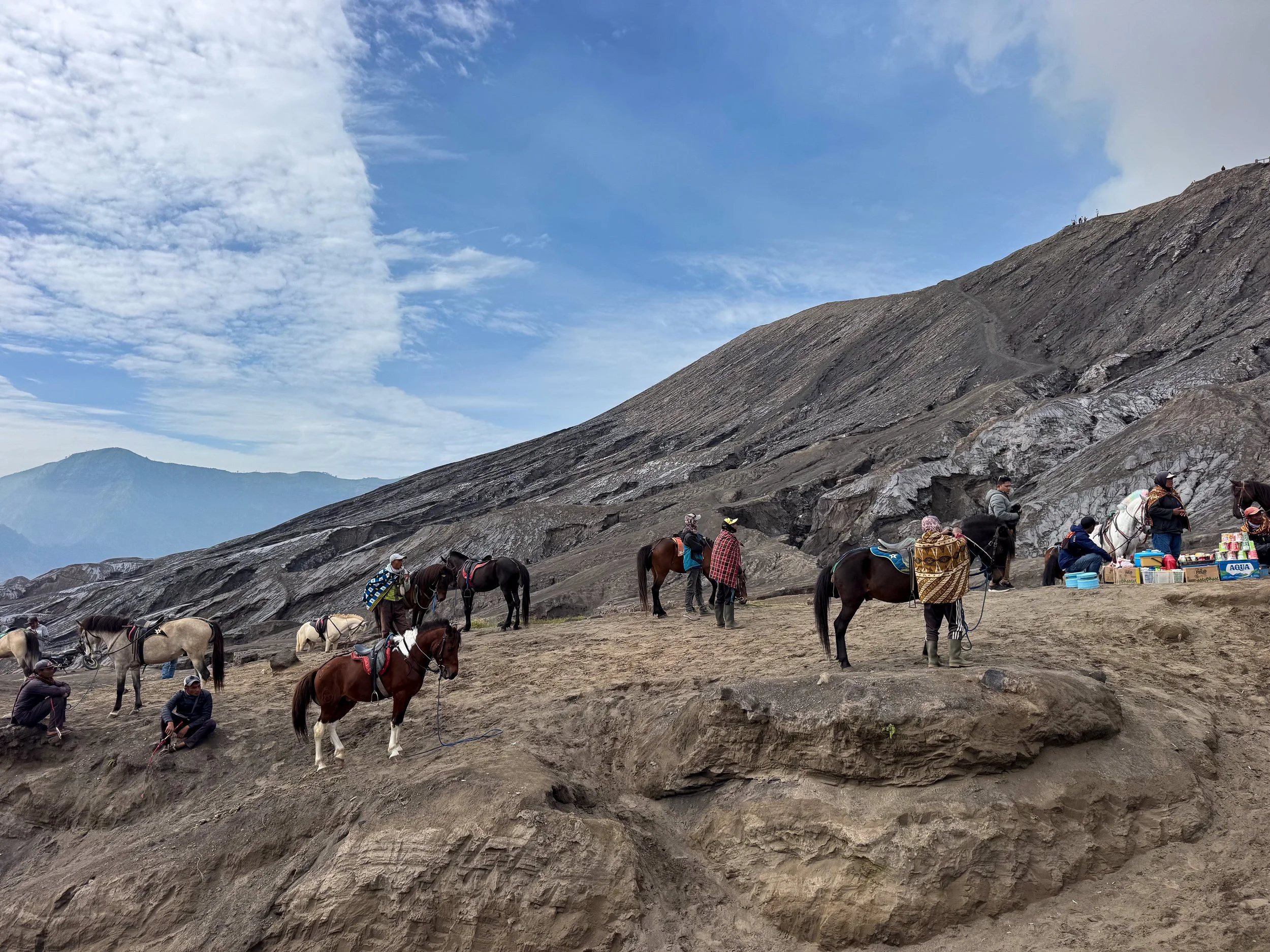
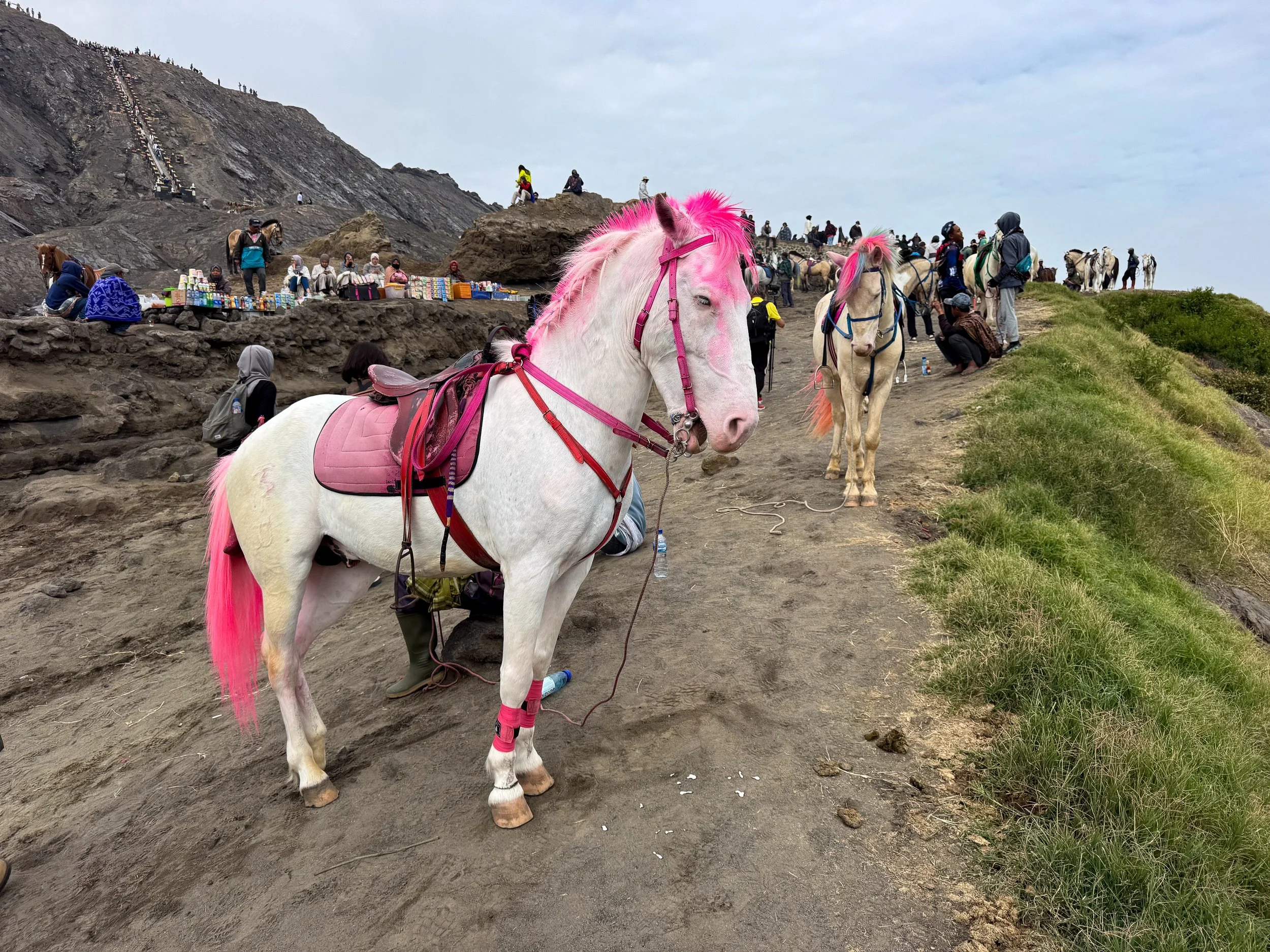
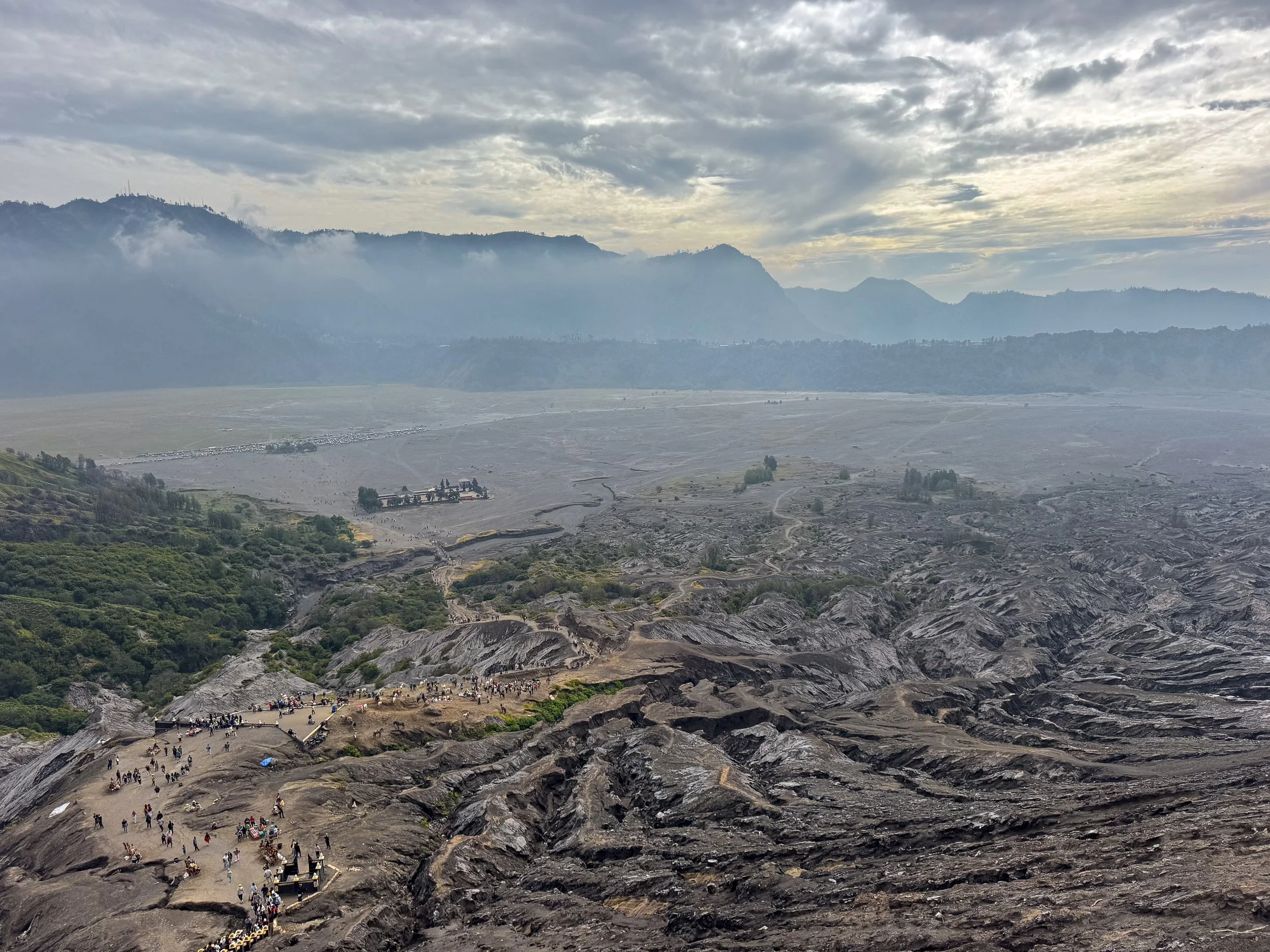
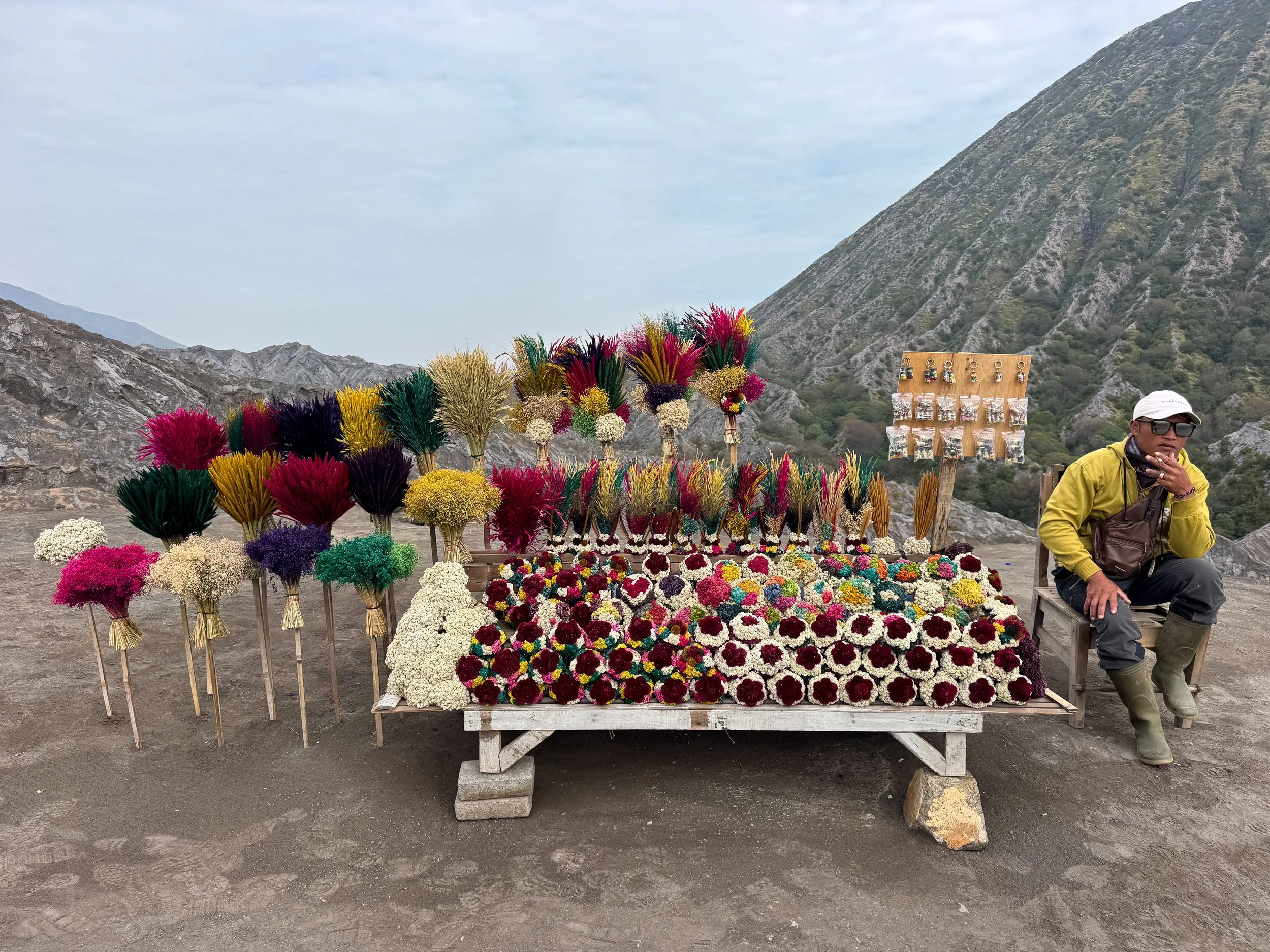
The Sand Sea. The Sand Sea is the black sand lava field surrounding the cinder cones within the ancient crater’s walls. Hundreds of colorful Land Cruisers park here while visitors walk or ride ponies across the landscape to Mt. Bromo’s smoldering crater. Passing Mount Batok, a shrub covered cinder cone, we reached the blackened base of Mount Bromo. Locals sell colorful bouquets of dried flowers, which many people leave as offerings to the volcano.
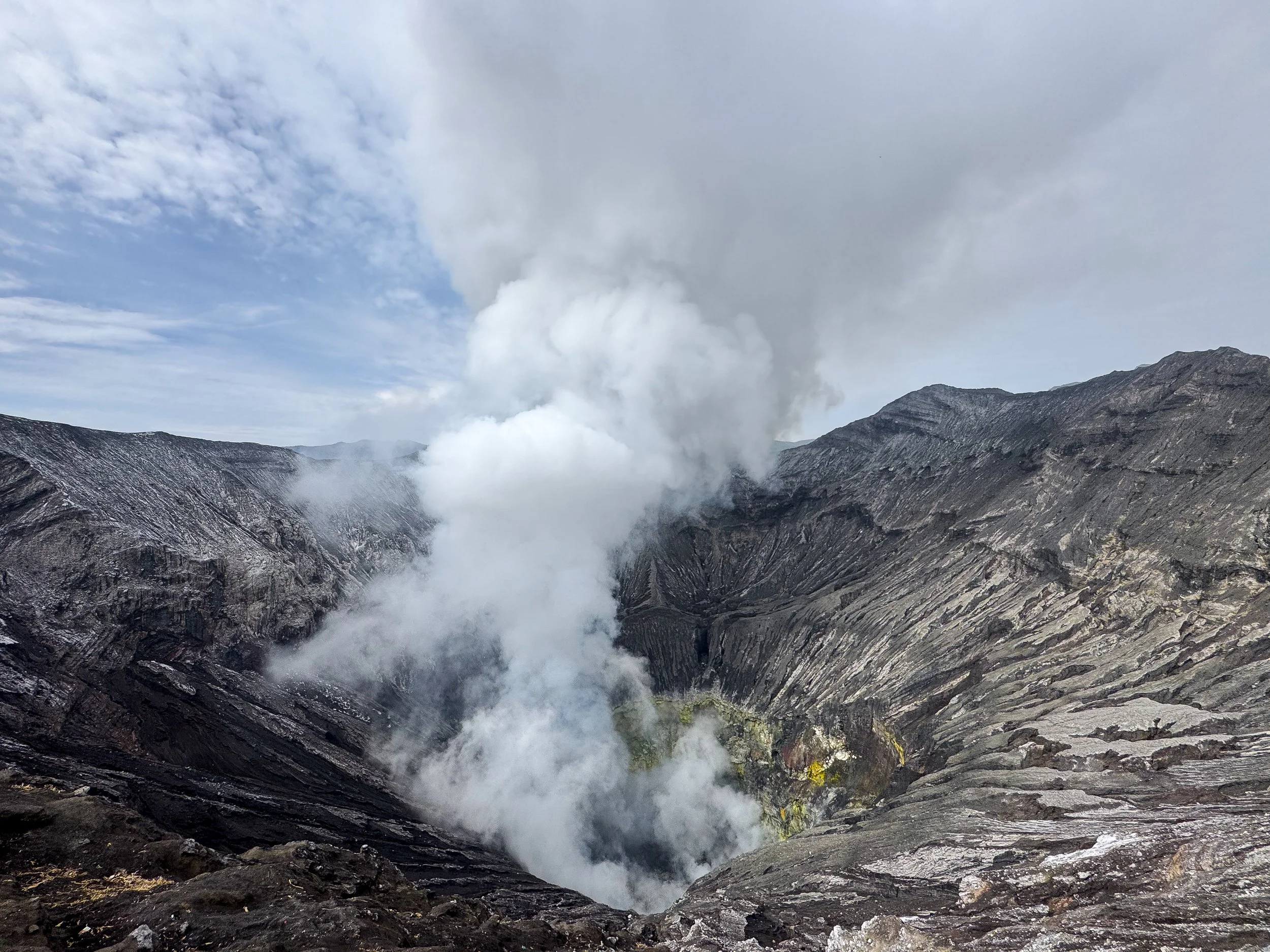
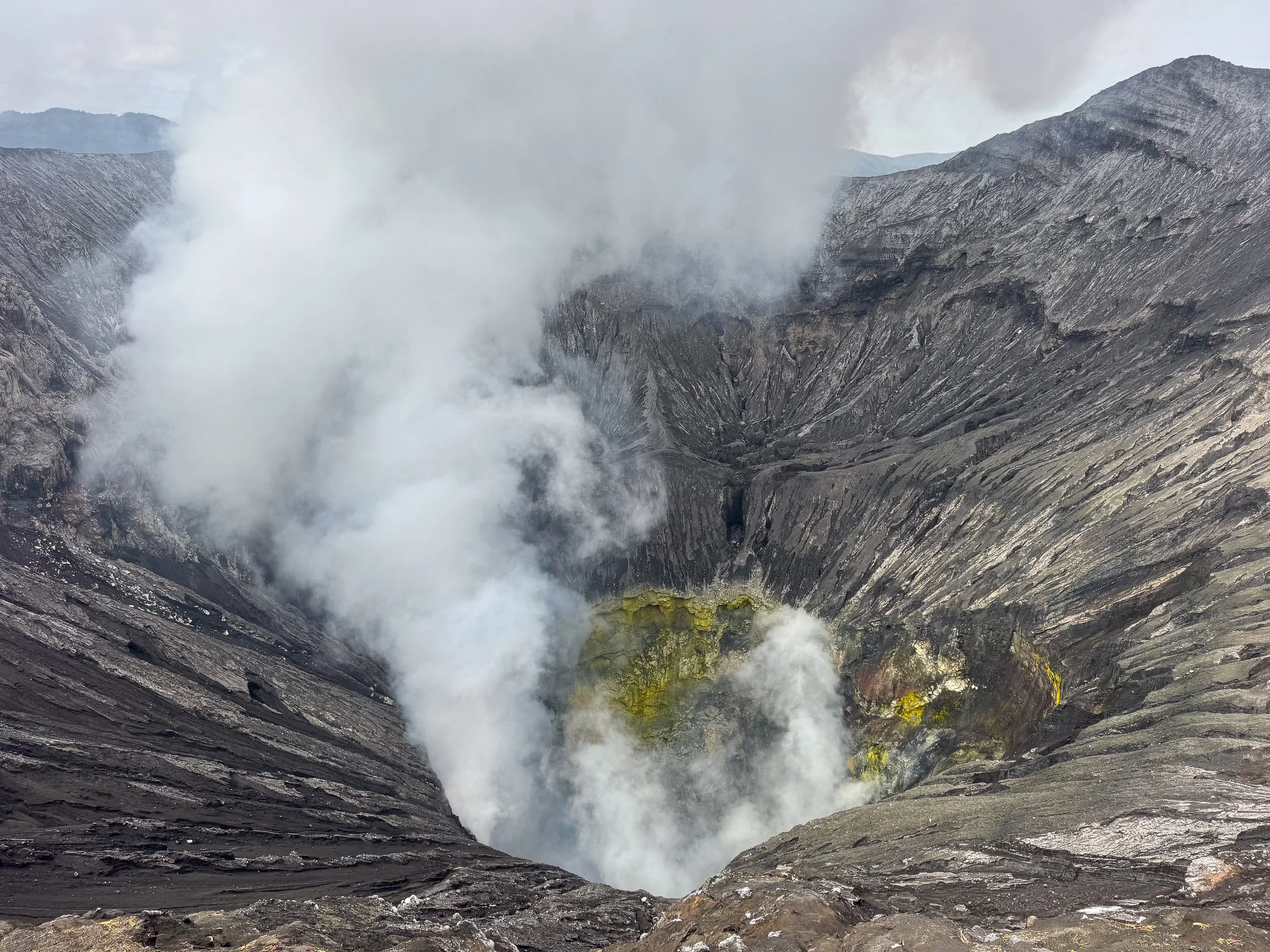
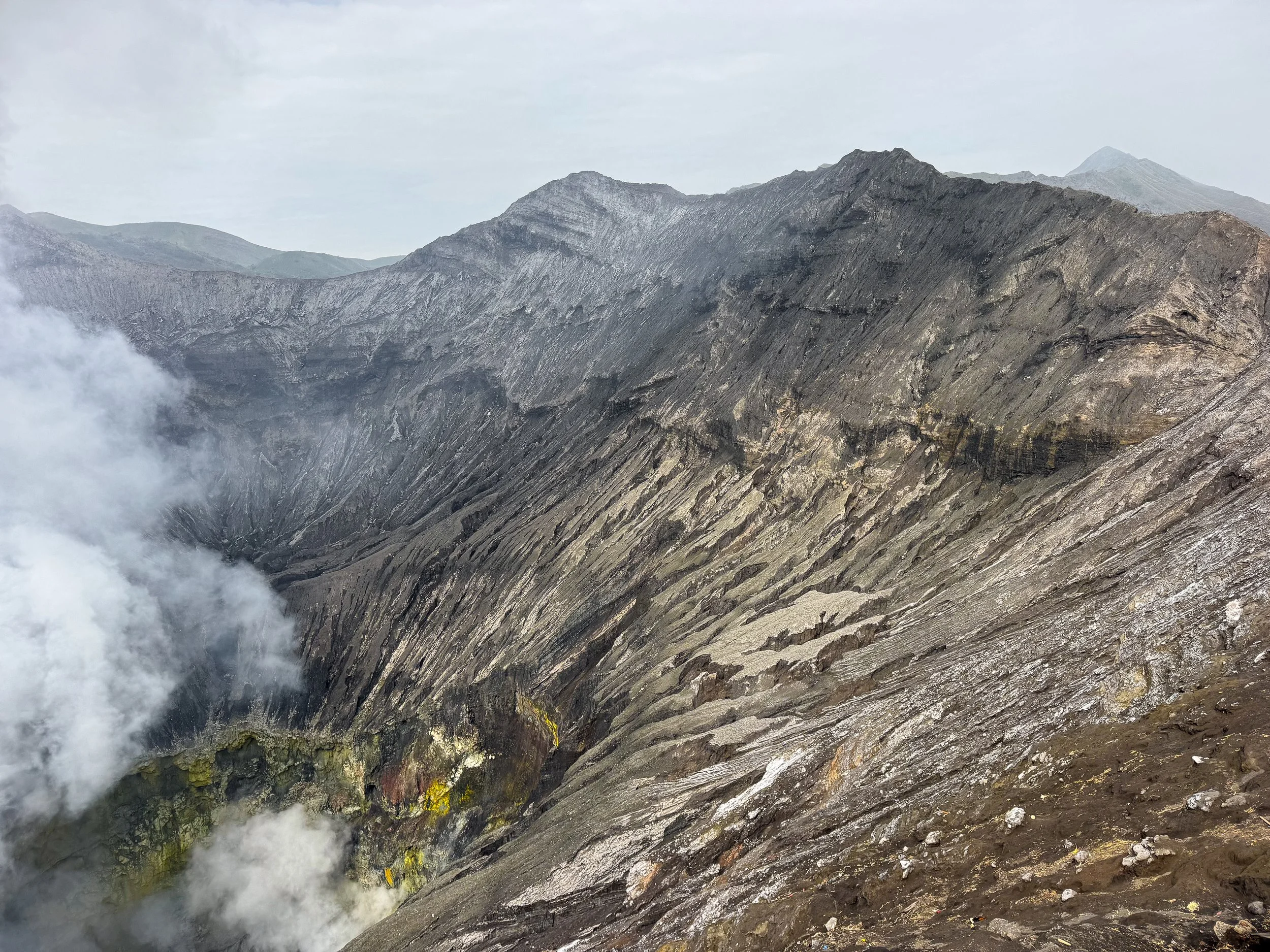
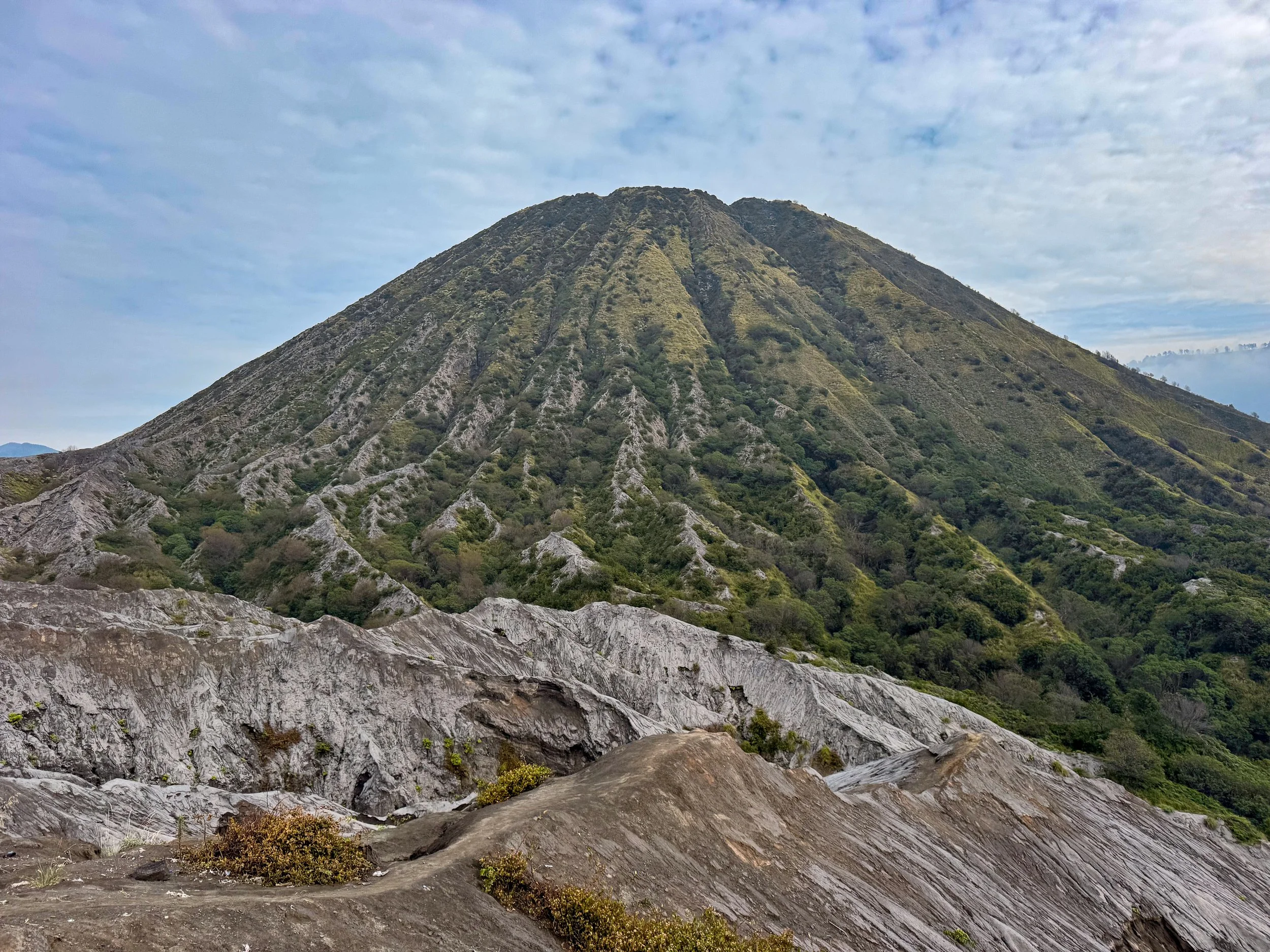
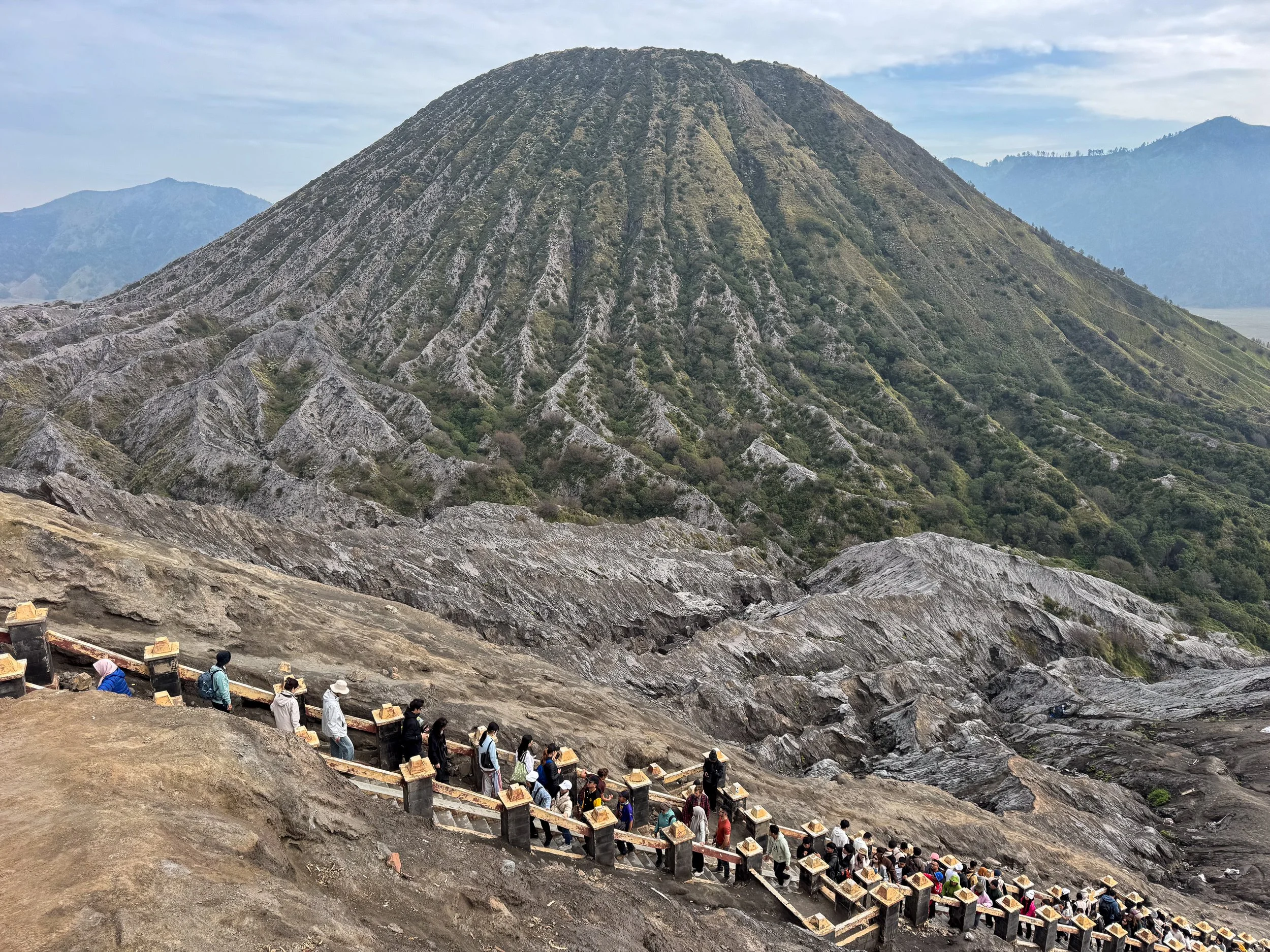
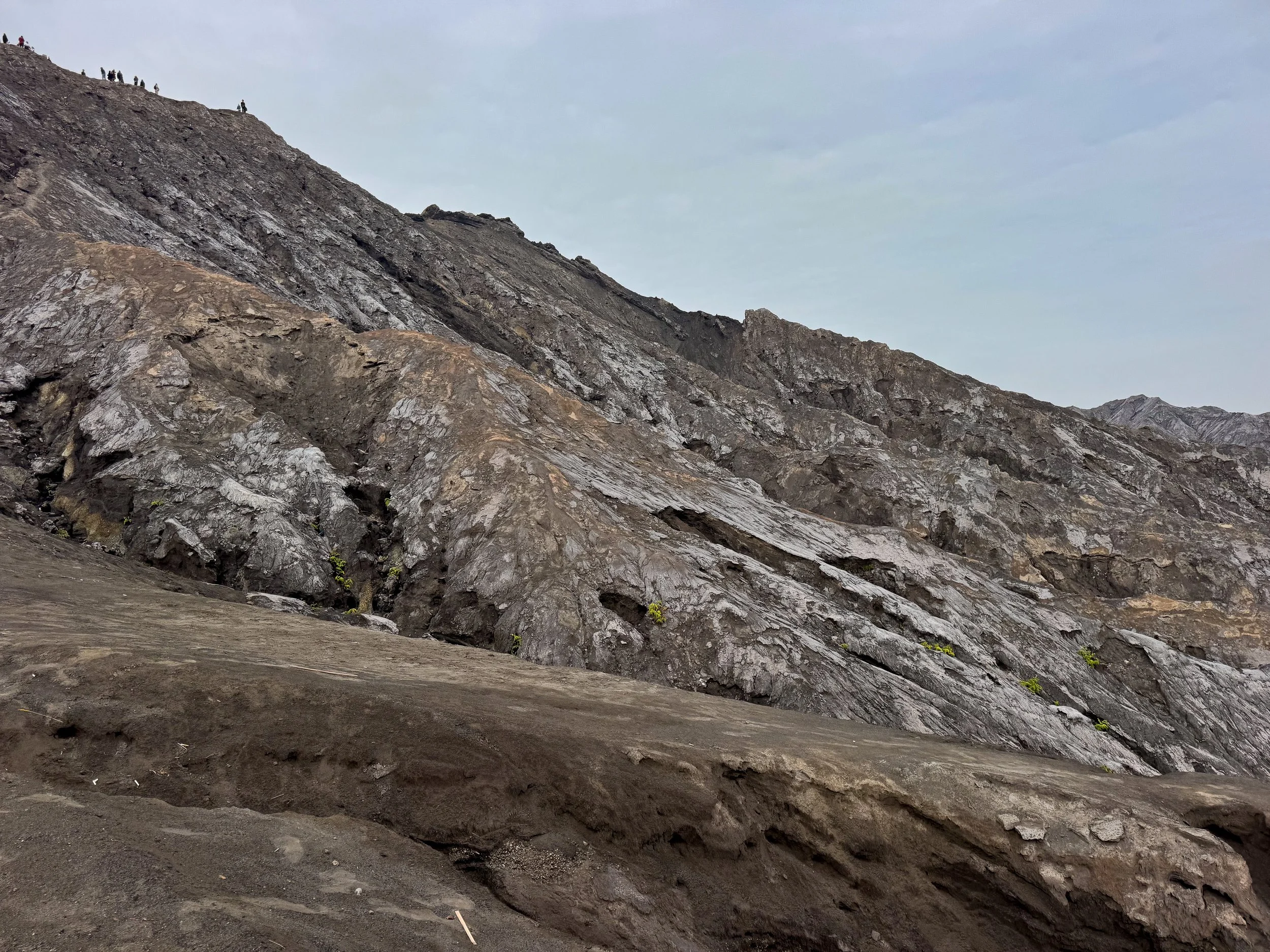
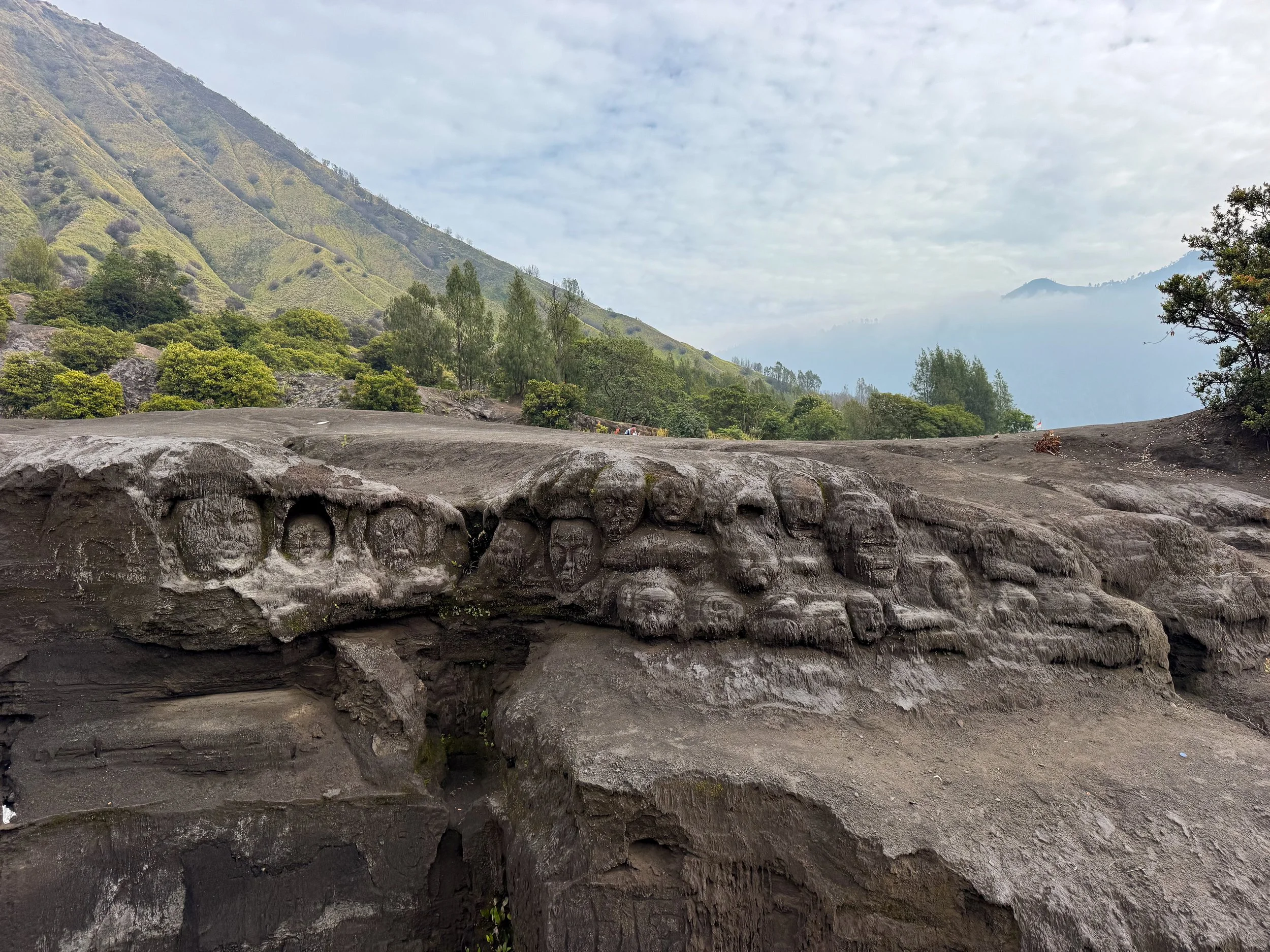
Mount Bromo Crater Rim. A 250 step staircase leads up Mount Bromo’s crater walls to the rim. The rim offers views into the fuming vent of the volcano. Hissing steam and gases roar from within the crater. Black scarred rocks and bright yellow sulphur deposits cover its steep walls. Remnants of offerings, mostly flowers and cooked rice, were visible along the steep inner slopes.
Getting Here. We hired a guide with round trip transportation from Malang. It was the easiest way to see the volcanoes. Book with Cheap Bromo on Viator.
Good to Know. Wear layers and warm clothes. The temperature is often cold in the early morning at the high elevation. Remove layers as the day warms up.
Baluran National Park
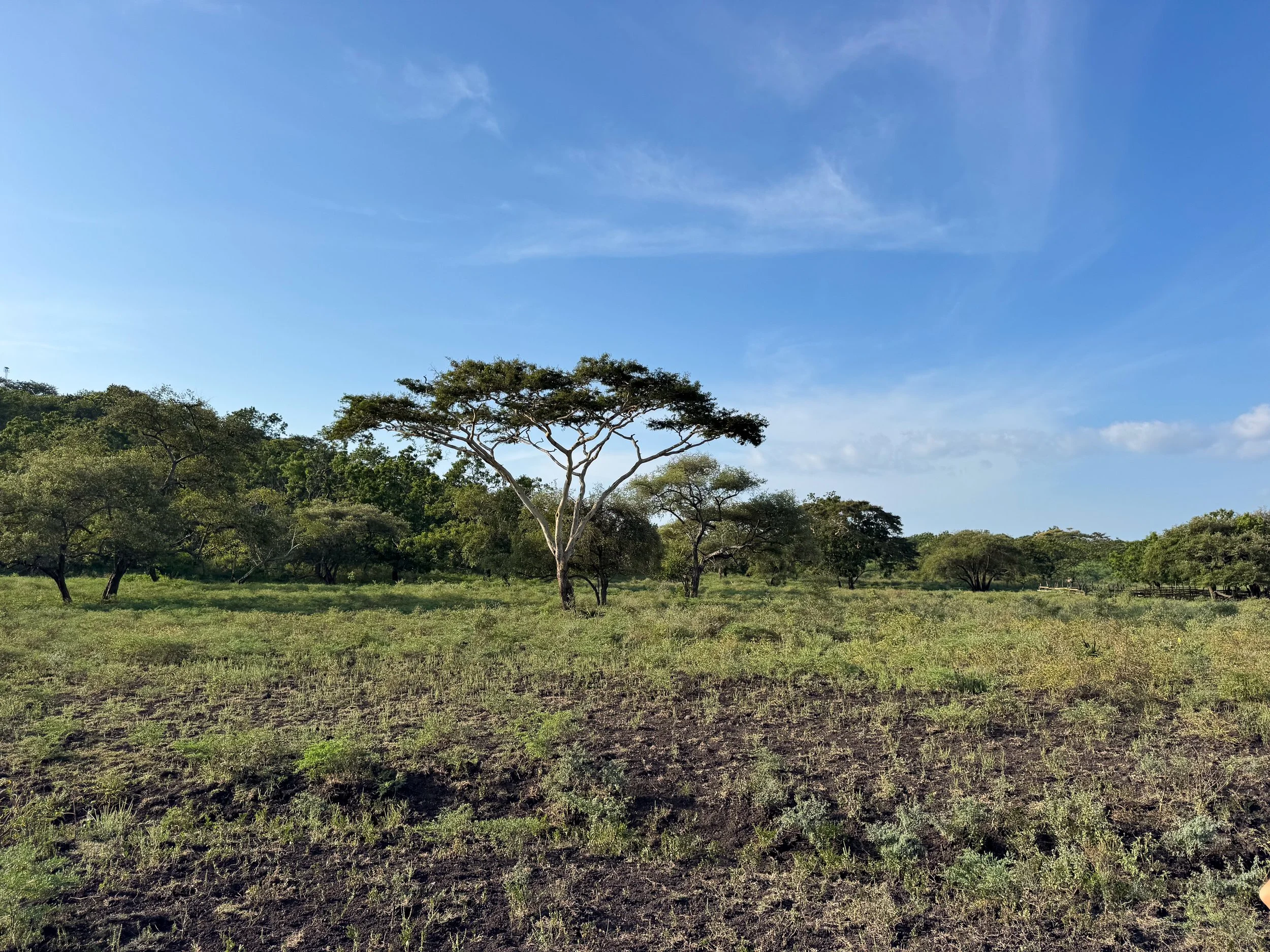
One of the lesser known natural sights in East Java is the Baluran National Park. It encompasses landscapes like volcanoes, savanna, forest, mangroves and beaches, each home to a variety of wild animals and endemic species.
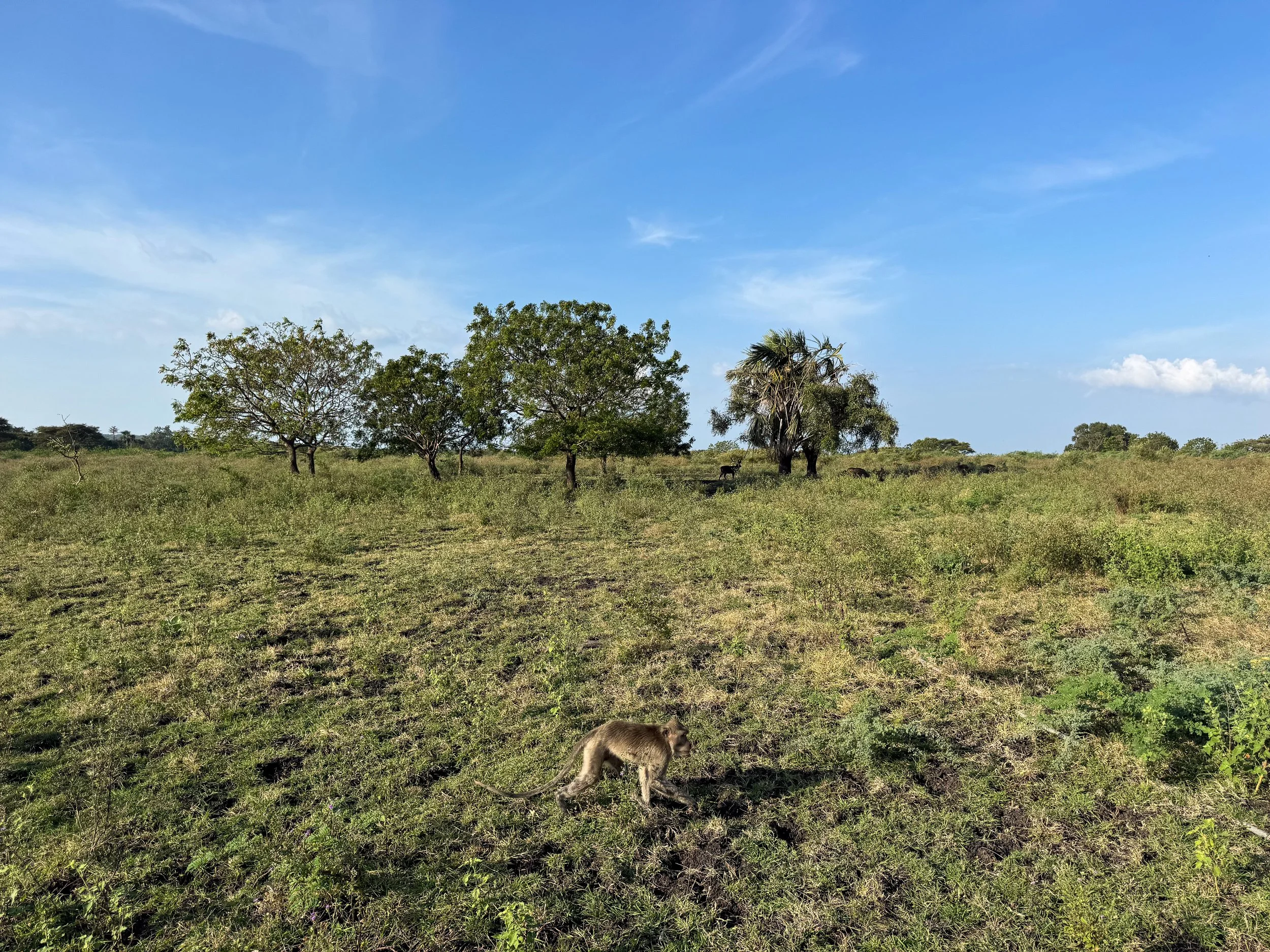
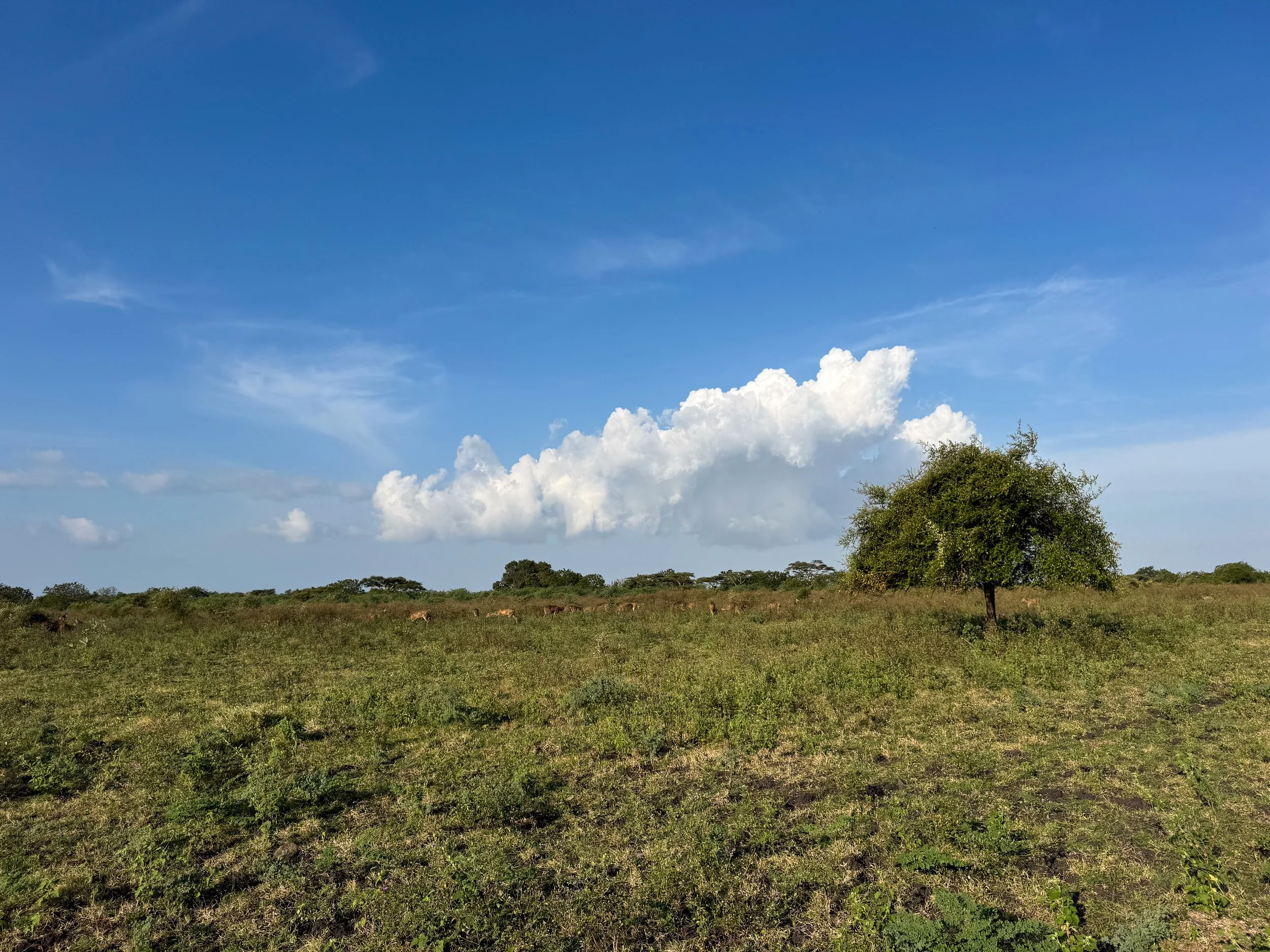
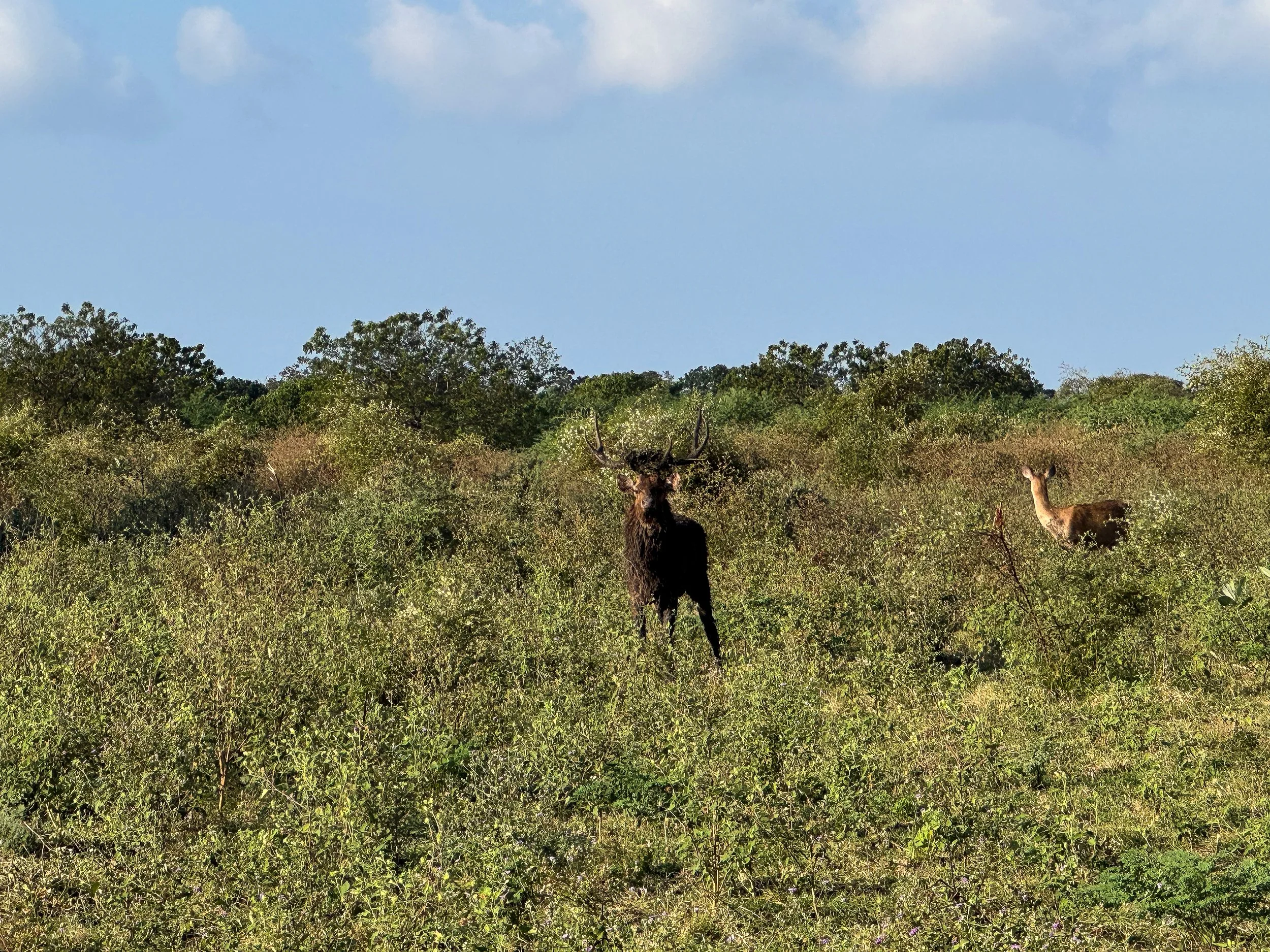
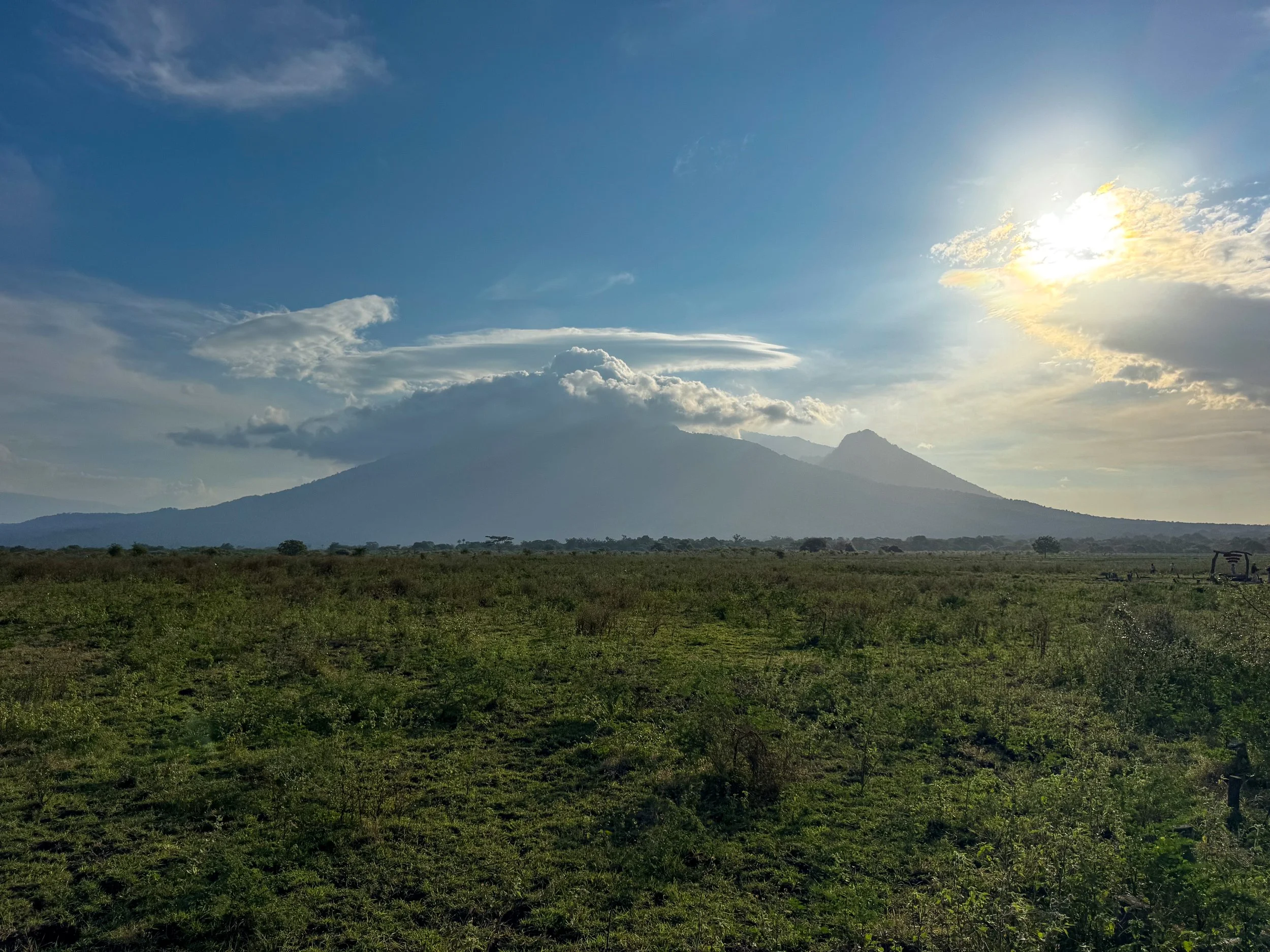
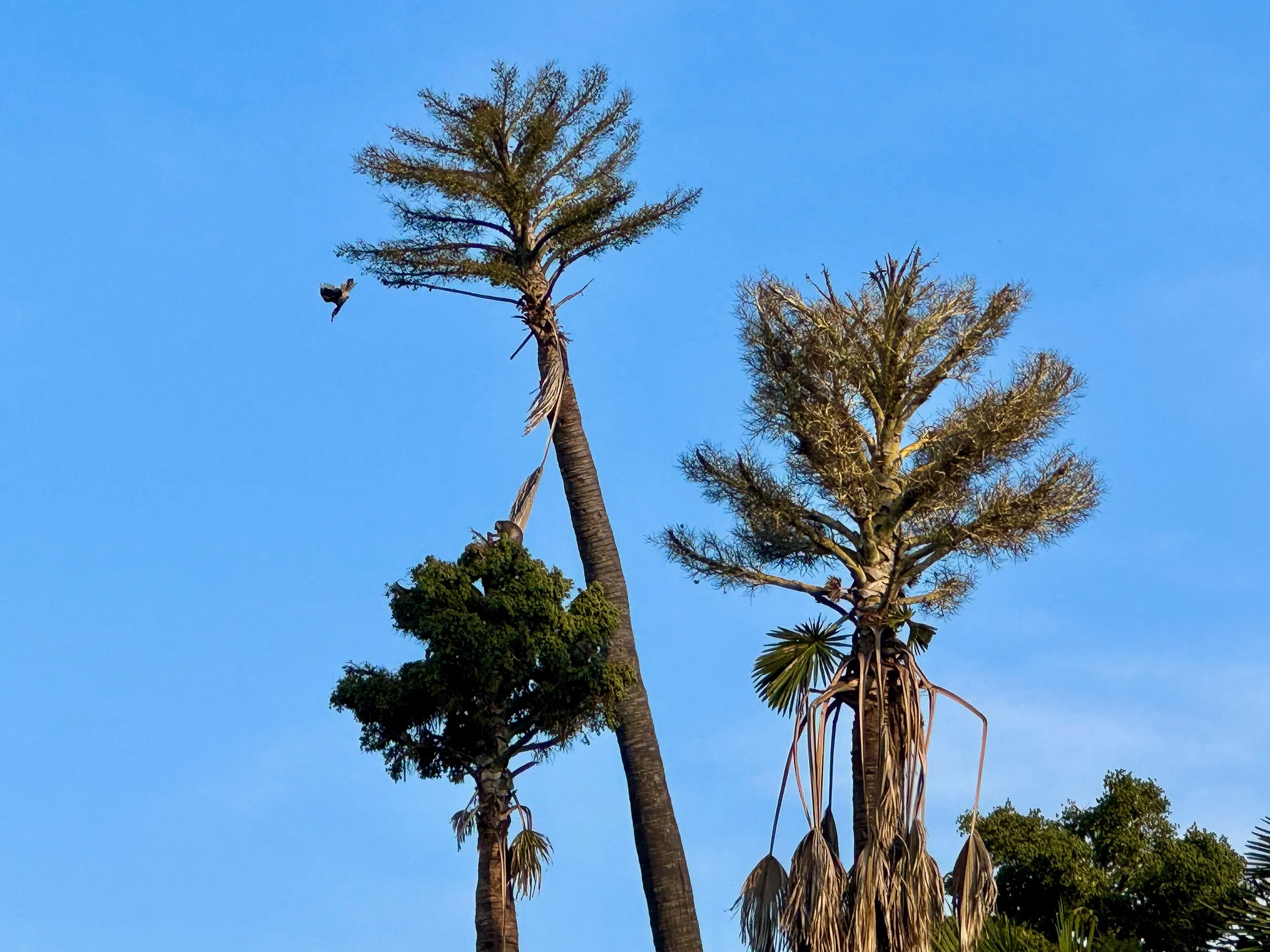
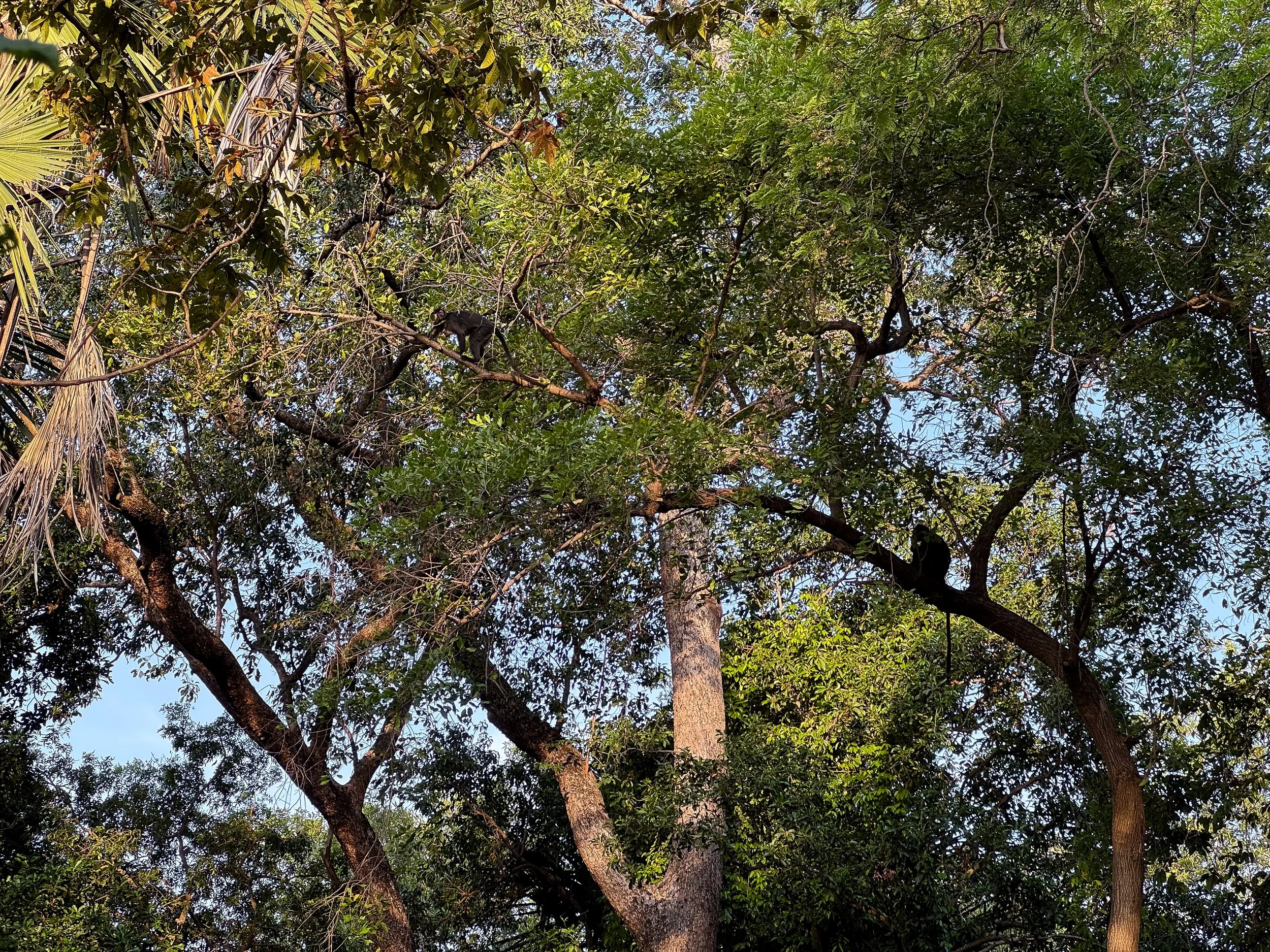
Bekol Savanna. A vast grassland with bushes and broadleaf trees home to herds of wild animals like buffalo, deer and monkeys. It sits against the towering backdrop of the Baluran and Ijen Volcanoes. With binoculars and camera in hand, we spotted wildlife. Large buffalo stood covered in mud as they grazed in the grasslands. Hundreds of deer gathered together. Fawns chased each other, stopping to breastfeed from their mothers. Bucks sparred while others feed, lifting their heads above the grass to reveal a crown of shrubs stuck in their antlers.
Evergreen Forest. A section of the park with vibrant green foliage supported by an underground river. A road leads through its dense canopy en route to the savanna.
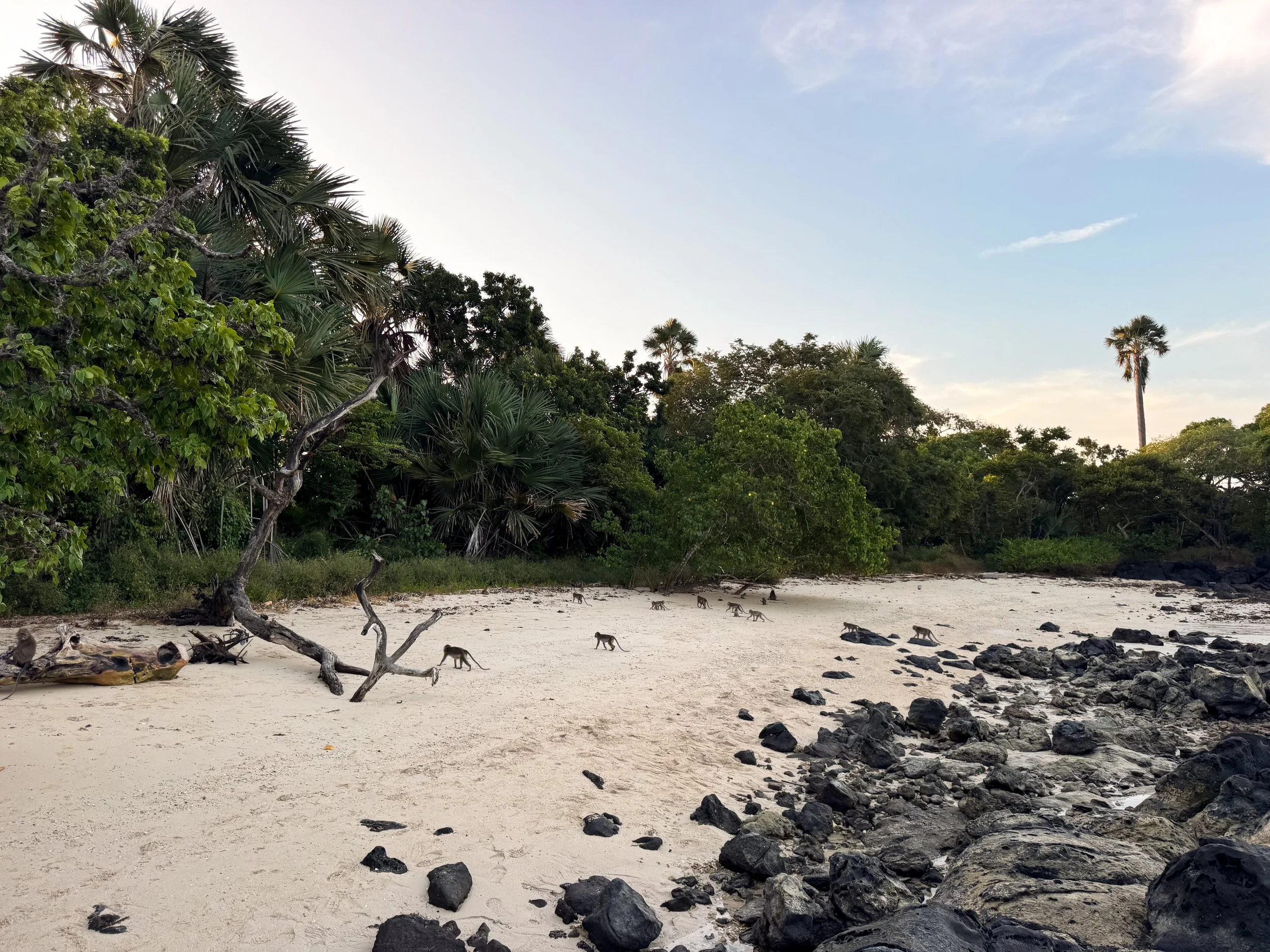
Bama Beach. A natural beach with a coral sand shore, hardened black lava flows, a mangrove forest and tide pools. Troops of wild monkeys scavenge for shellfish during low tide.
Coastal Fringe. A lush forested zone between the savanna and coast. Its trees are home to hornbill toucans, colorful peacocks and monkeys. We watched a family of Javan Lutung (ebony monkeys), including a mother with her orange haired infant, jump from tree to tree.
Book a Safari. One of the best ways to visit is on Safari Tour. We booked a half day safari with Epic Escapes Indonesia. on Get Your Guide.
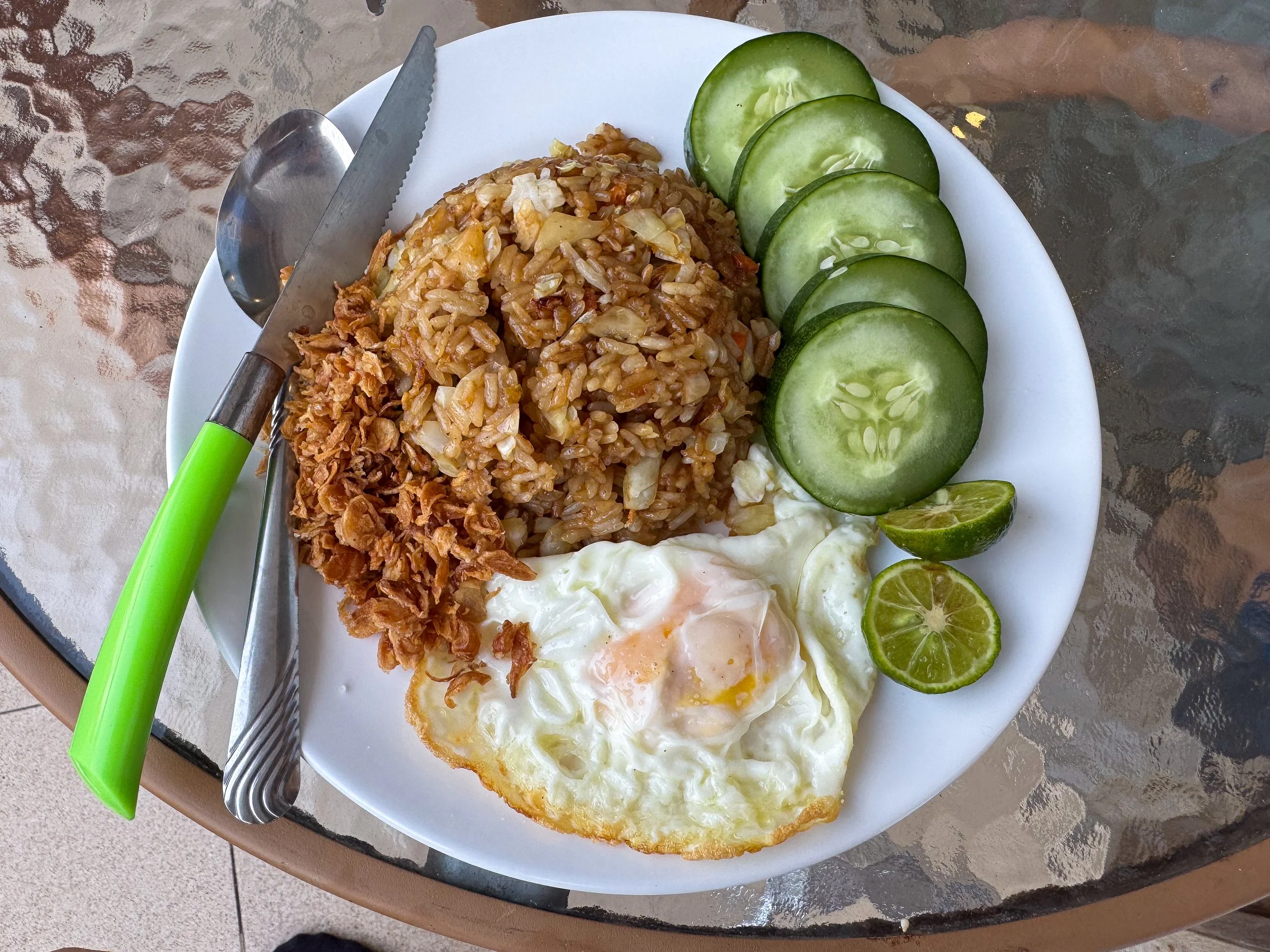
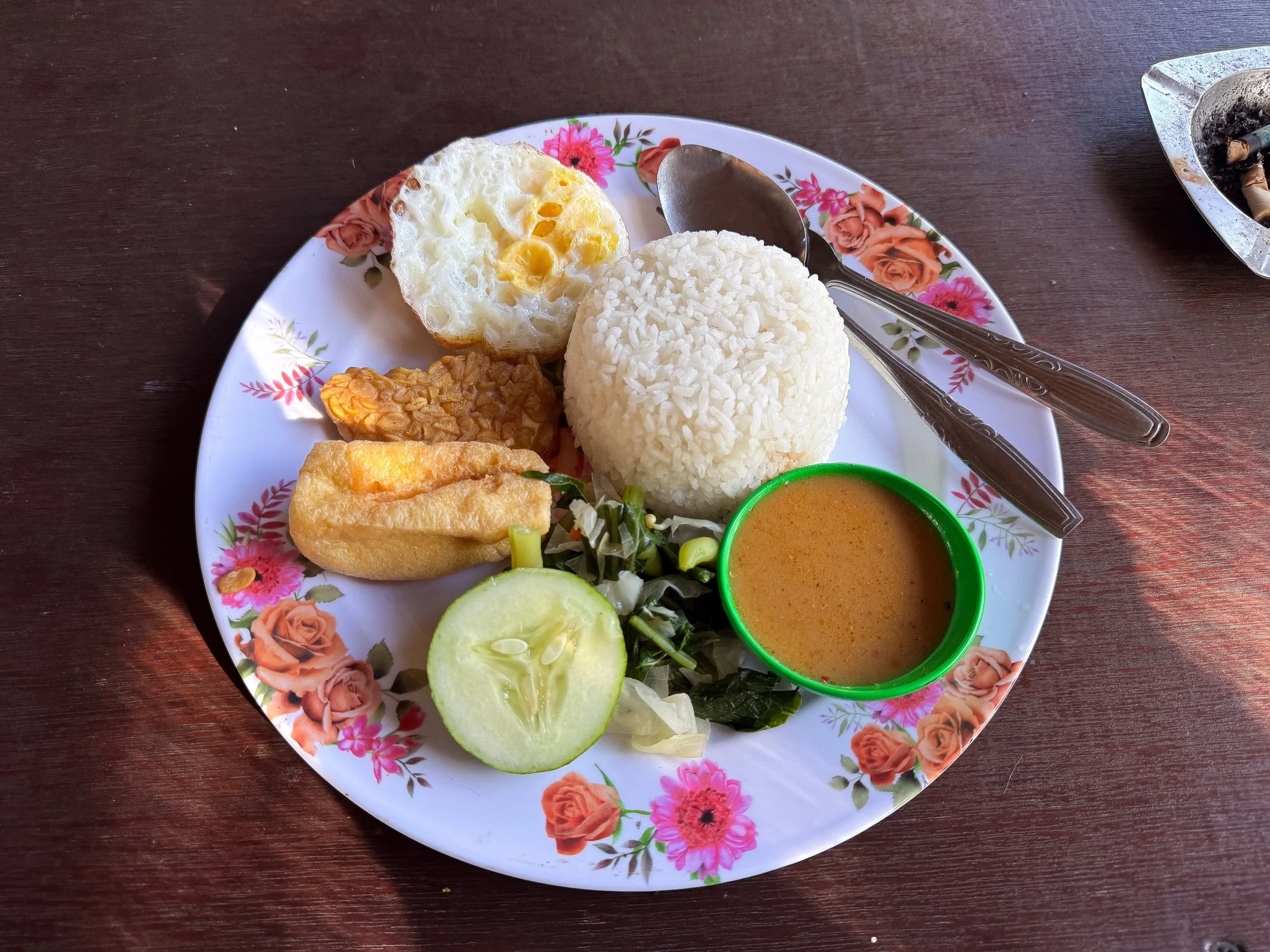
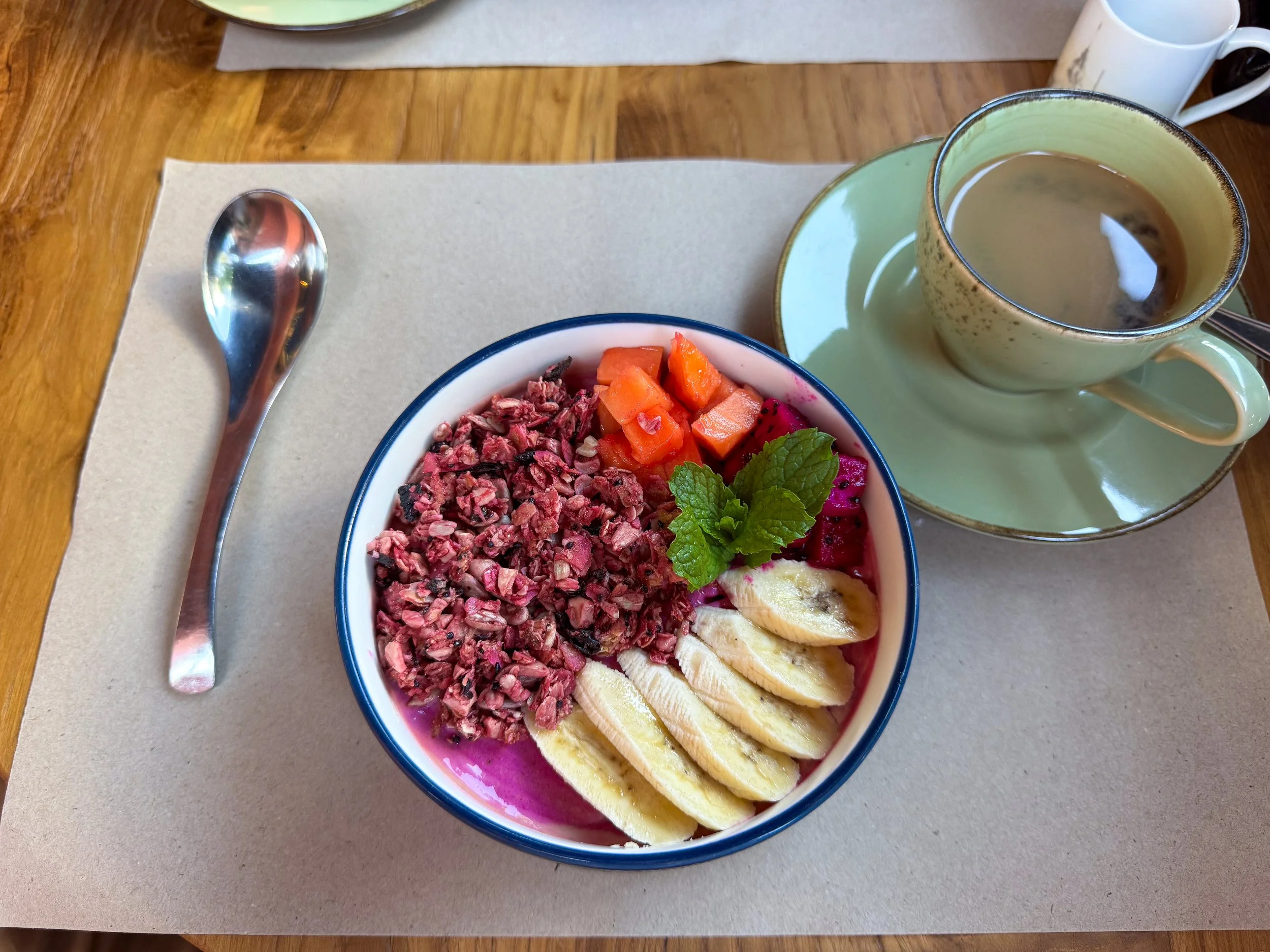
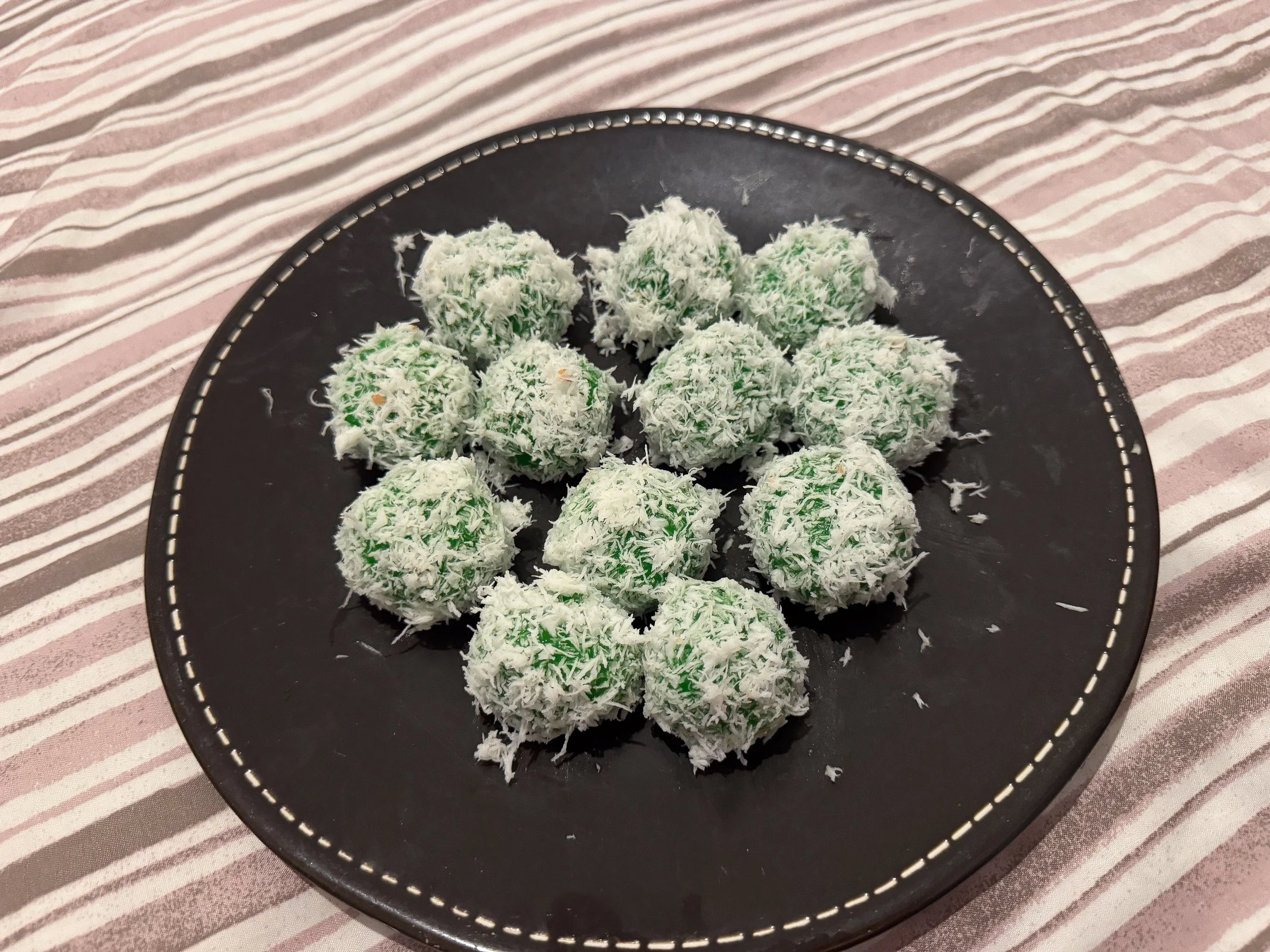
Indonesian Cuisine
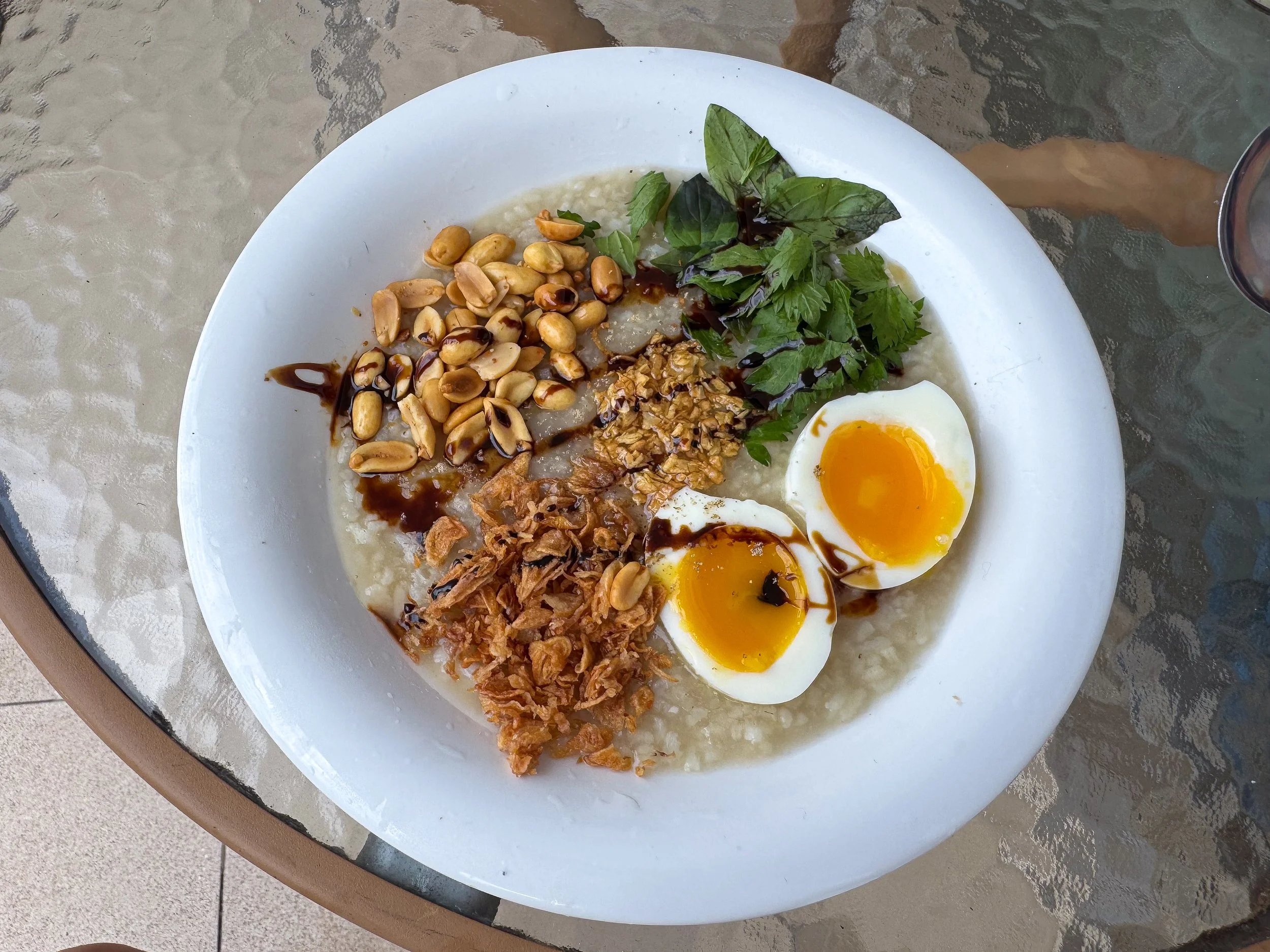
Nasi Goreng. Vegetable fried rice, an Indonesian staple commonly served on menus around the country. It’s a popular breakfast dish.
Mi Goreng. The same as nasi goreng, except made with noodles instead of rice.
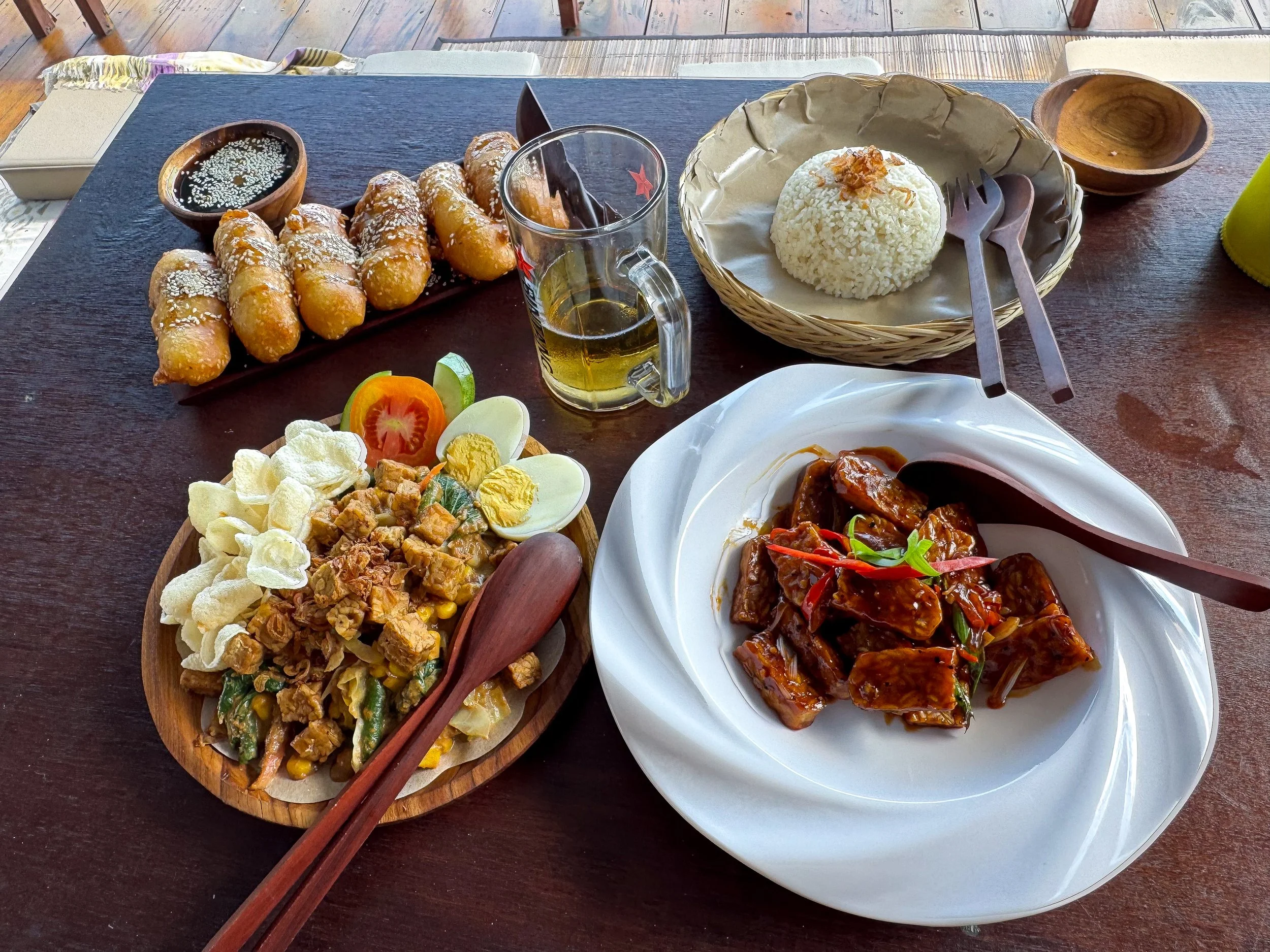
Gado Gado. Lightly steamed or boiled vegetables served with a spicy peanut sauce.
Batagor. Fried banana, tempeh or tofu stuffed with glass noodles and veggies. It’s a very common street food dish in East Java and eaten for breakfast or a midday snack.
Tempeh. Fermented and sprouted soybeans formed into a protein patty or block. A common preparation is Tempeh Lada Hitam, tempeh cooked in a black pepper sauce.
Sayur Lodeh. A spiced coconut stew cooked with tempeh, eggplant, tomatoes and green beans.
Bintang. Indonesia’s national beer. It’s a light beer perfect for the perpetually hot afternoons and evenings.
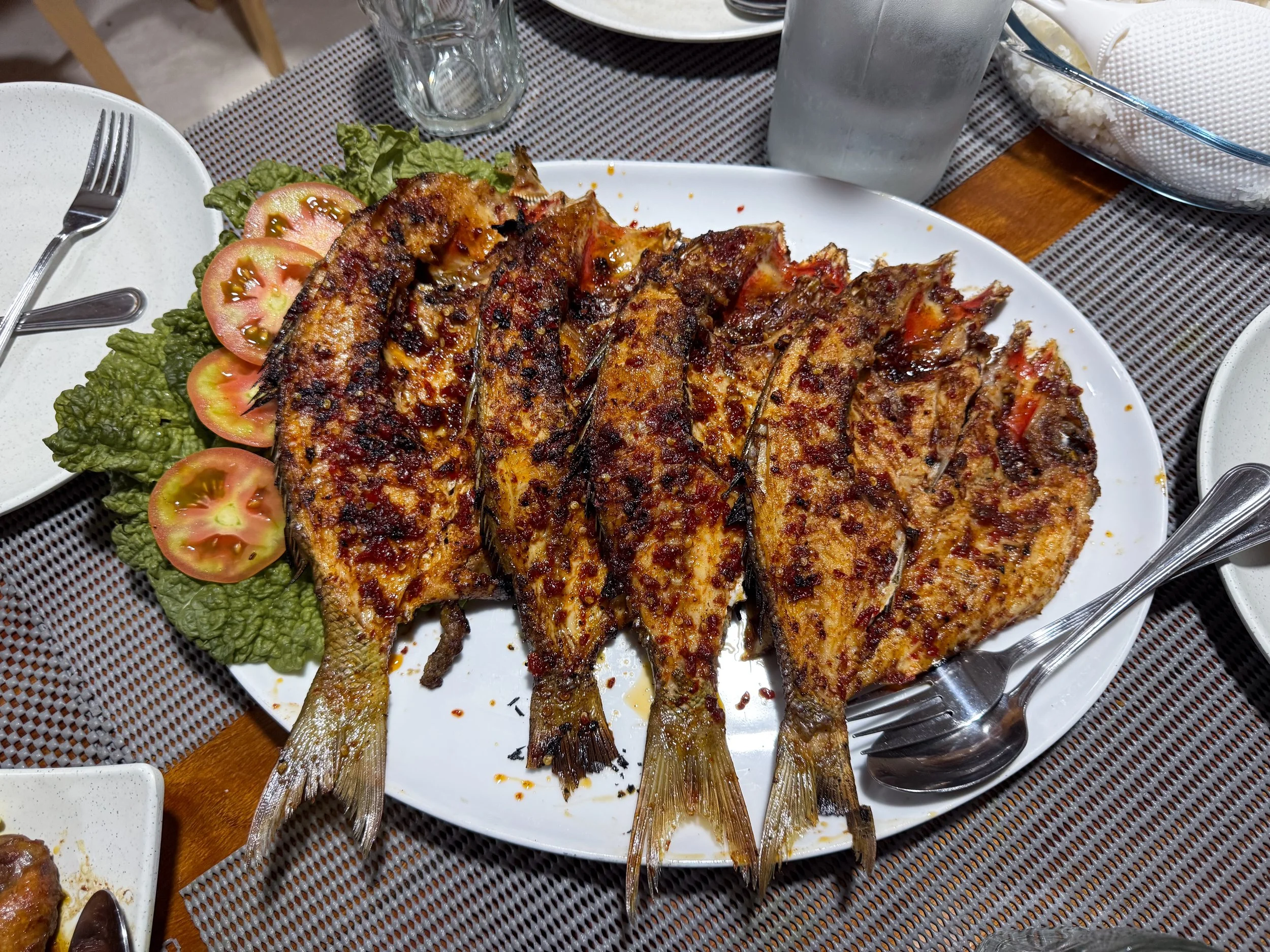
Sambal. Indonesians love spicy food. The source of the heat is often sambal, a minced mixture of Thai chili peppers, shallots and garlic.
Where to Stay
We hopped around East Java every couple of days staying in Malang, Banyuwangi and Surabaya.
Kosasih 1919. A small bed and breakfast in central Banyuwangi with spacious rooms, lush gardens and a communal kitchen. The hosts and their traditional breakfasts were the highlights! Reserve on Booking.
Malang City Point Apartments. A simple and cozy two bedroom apartment located in the Malang City Point Mall. The mall was great for grocery shopping, local bites and cafés. Book on Airbnb.
Cordia Hotel Surabaya Airport. During our travel days into and out of Surabaya, we stayed the night at an airport hotel. It’s located in terminal 1 with retro rooms and views of the runway. The hotel has its own terrace coffee bar and includes breakfast. Reserve on Booking.
Getting Around
Grab or Gojek. The two competing taxi apps are Grab and Gojek. Both offer affordable rides getting around within and between cities. Inner city rides range from $1 to $10. Longer distances, such as Surabaya to Malang, cost around $40 and take 1 hour 30 minutes.
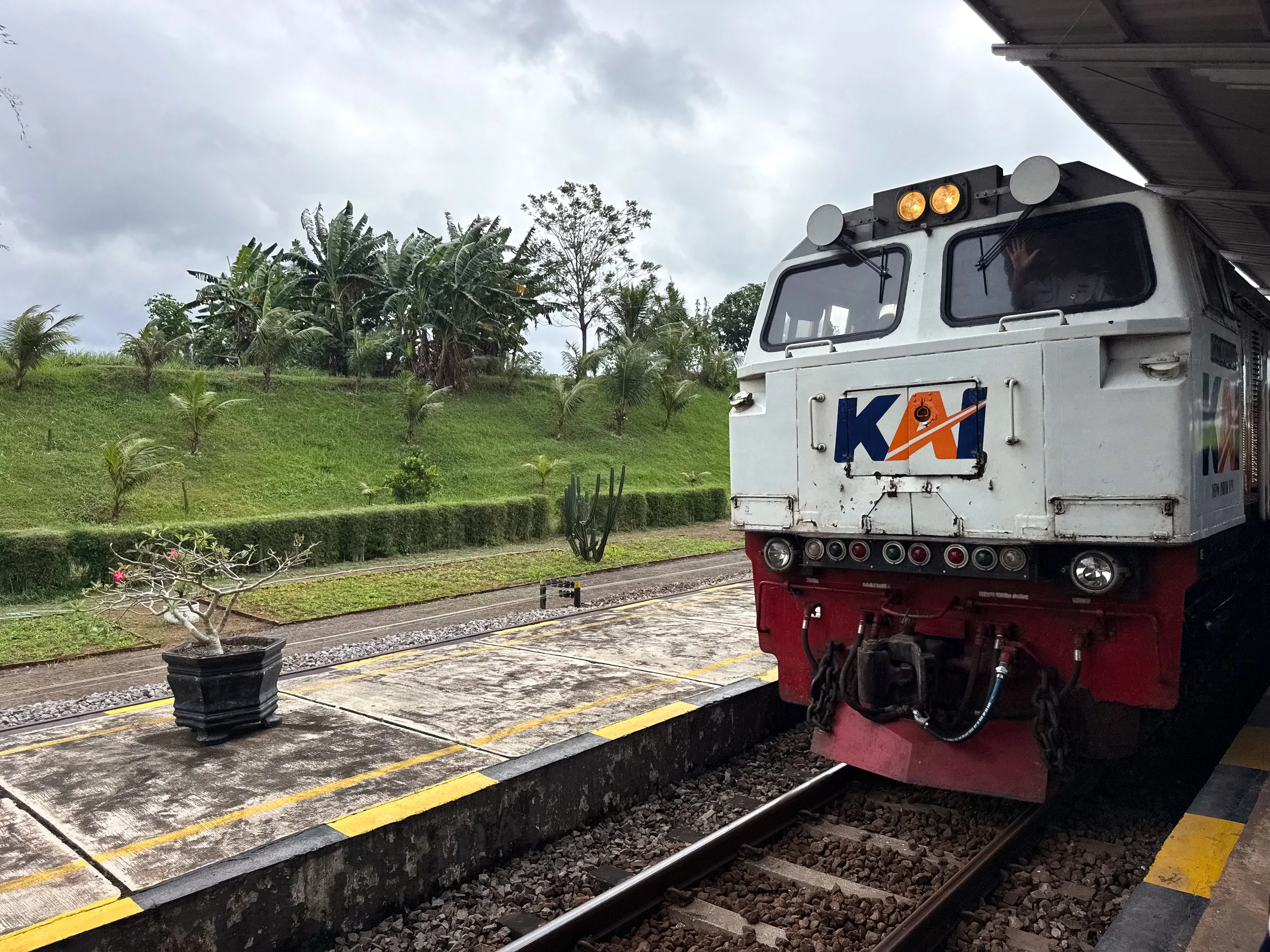
KAI Trains. East Java has an efficient and affordable train system with routes leading to destinations across the island. We booked tickets traveling between Malang, Banyuwangi and Surabaya. Tickets cost less than $5 each for Economy Class and $22 for Executive Class. Transit time takes between 6-7 hours with multiple trains leaving daily. Tickets can be reserved online with Tiket Com as far as two months in advance.
Location Specifics
When to Visit. Visit during the peak of the dry season, in mid June. The weather was sunny and bright most days with the occasional afternoon storm.
Shoes Off Indoors. Like many places in Asia, it’s proper to remove shoes before entering a home or some shops.
Islamic Customs. Indonesia is an Islamic country. The call to prayer is present in most places. Modesty and respect in all forms are the most important customs to follow.
LGBTQ+ Safety. Indonesian laws and customs are not very accepting of LGBTQ+ individuals. Stay up to date with the latest laws and suggestions while traveling. Refer to our guide on LGBTQ+ Travel Safety for more advice.
Elsewhere in Indonesia
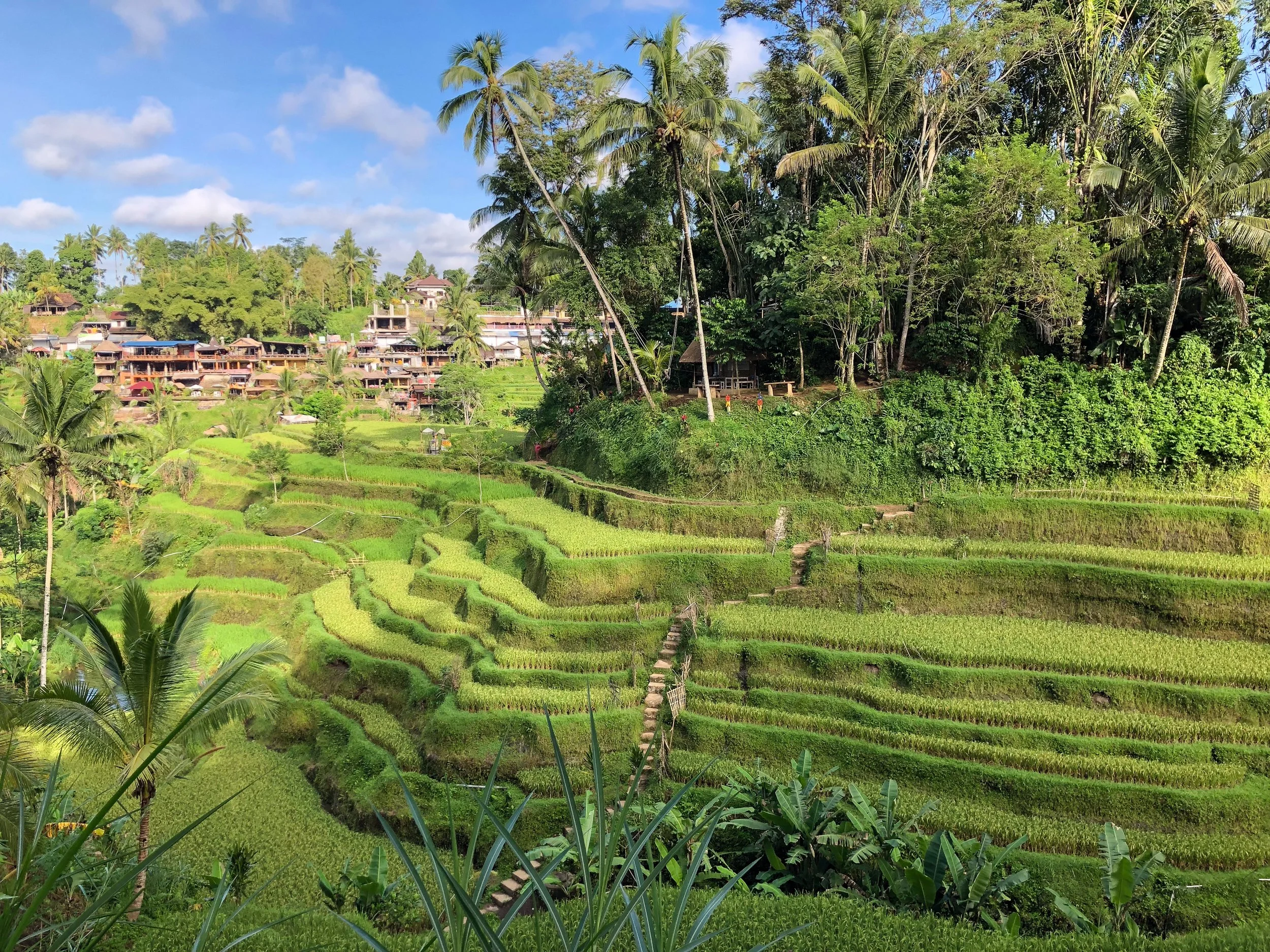
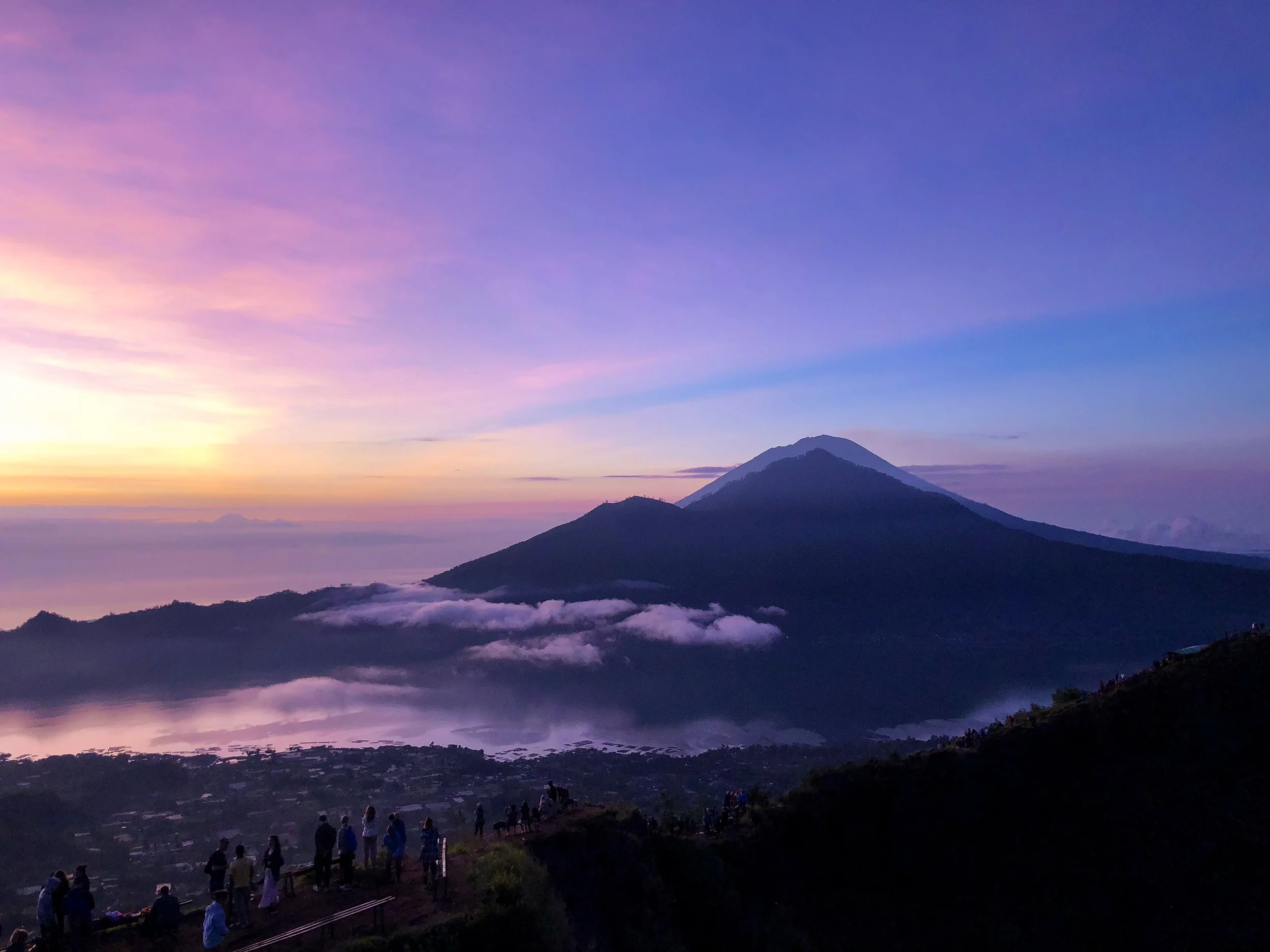
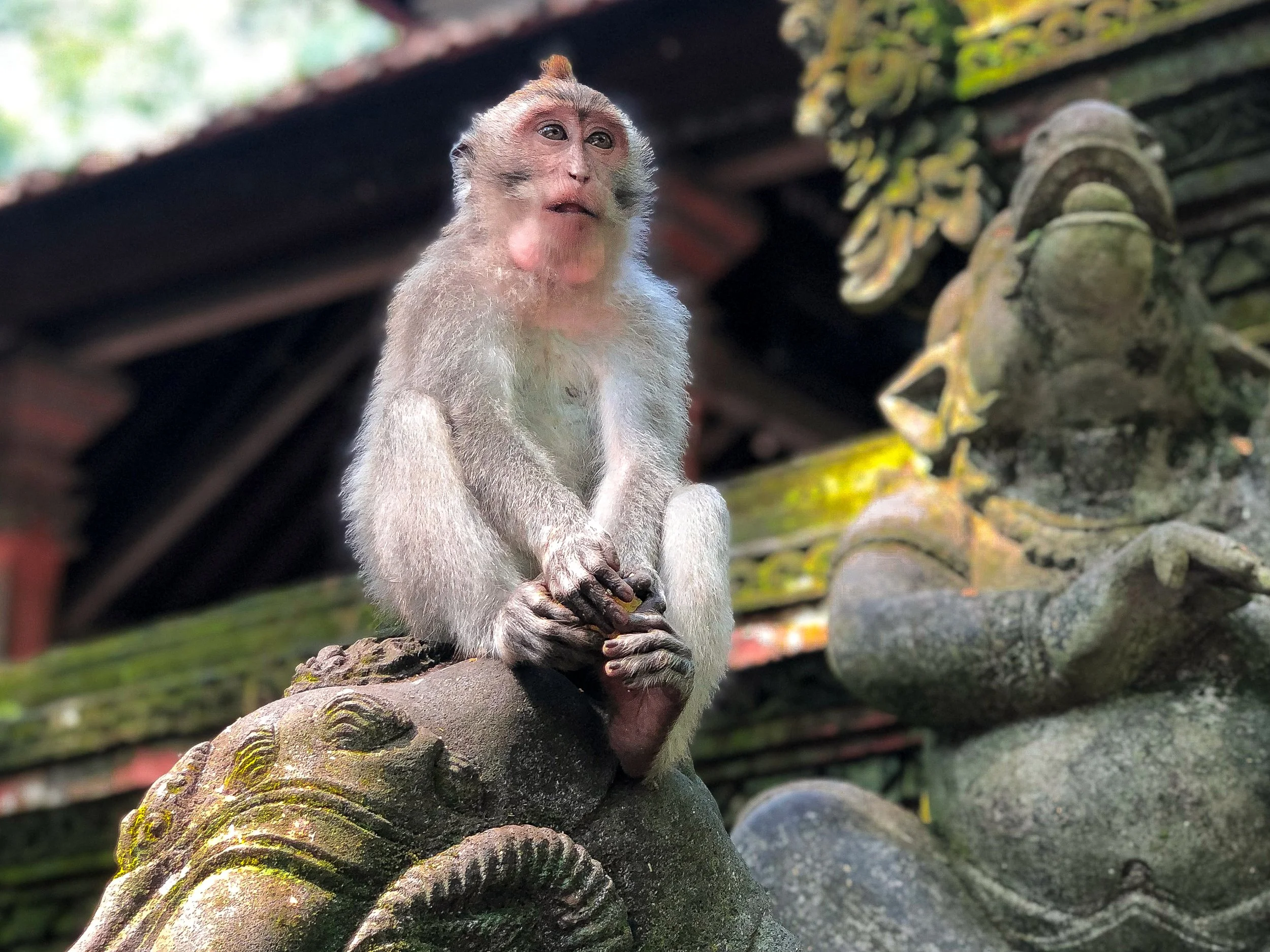
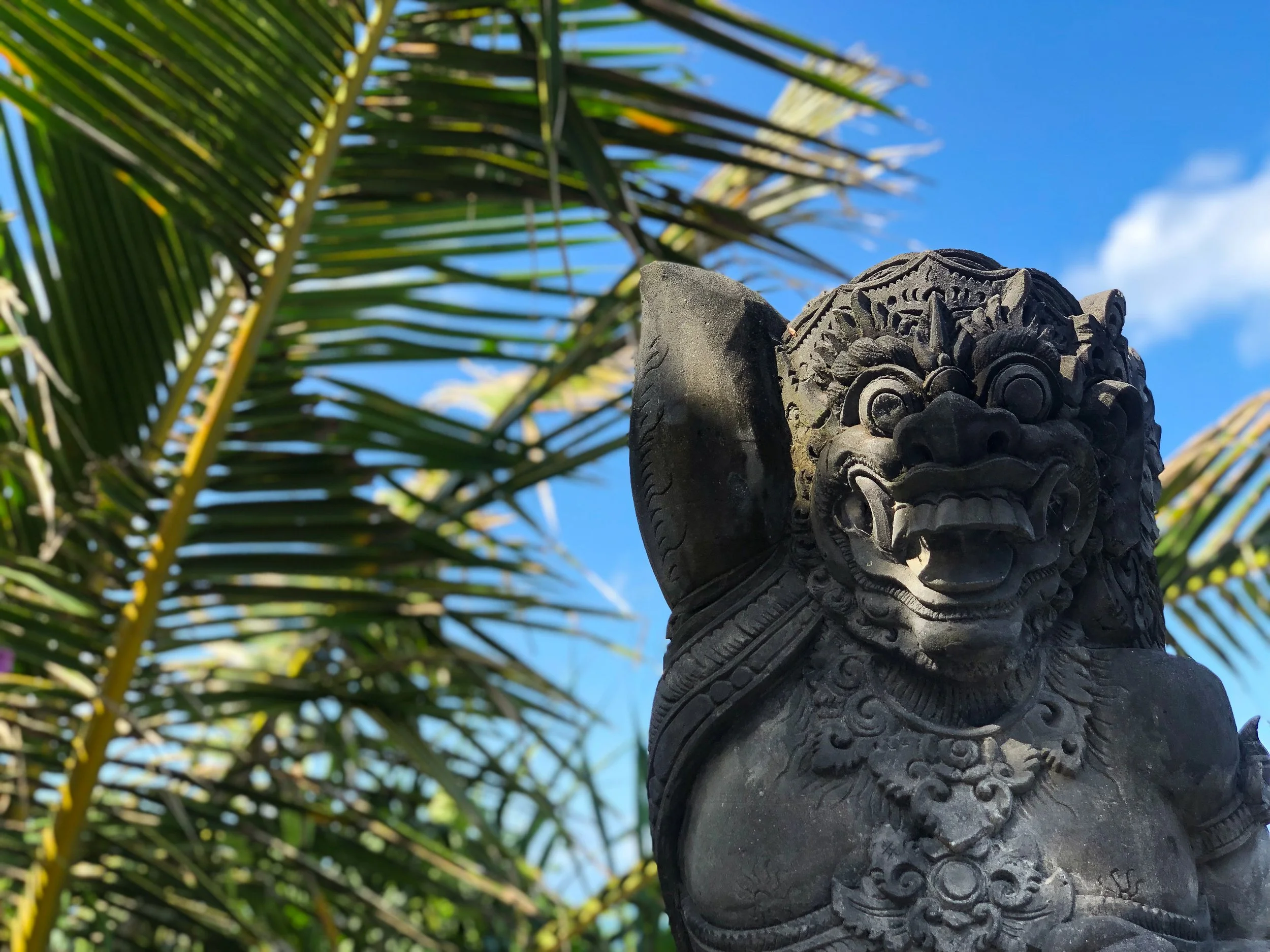
From East Java's volcanic landscapes and waterfalls to the Komodo Islands' marine life, Bali's coastal culture and Ubud's sacred temples, continue exploring Indonesia through these travel guides:
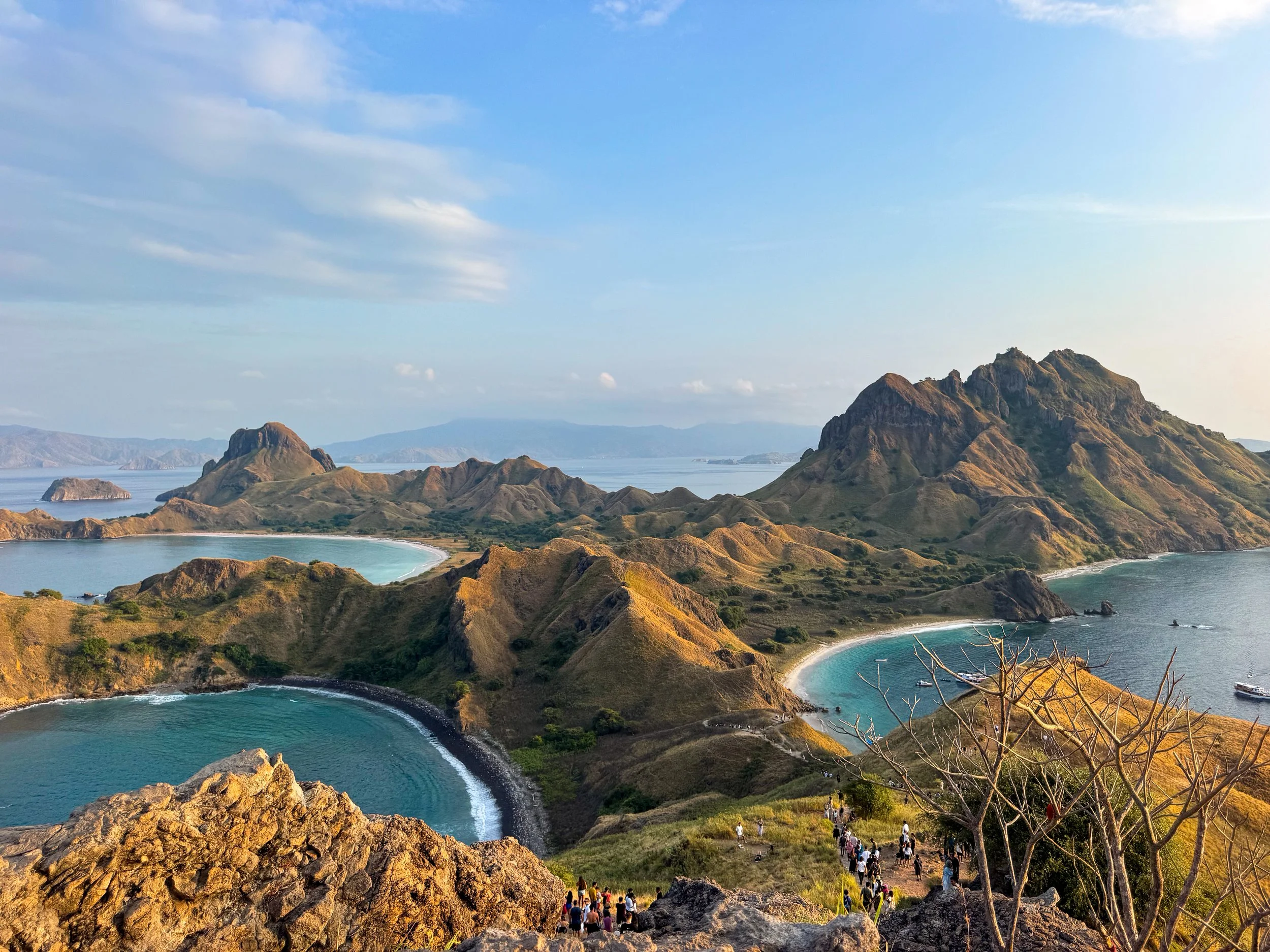
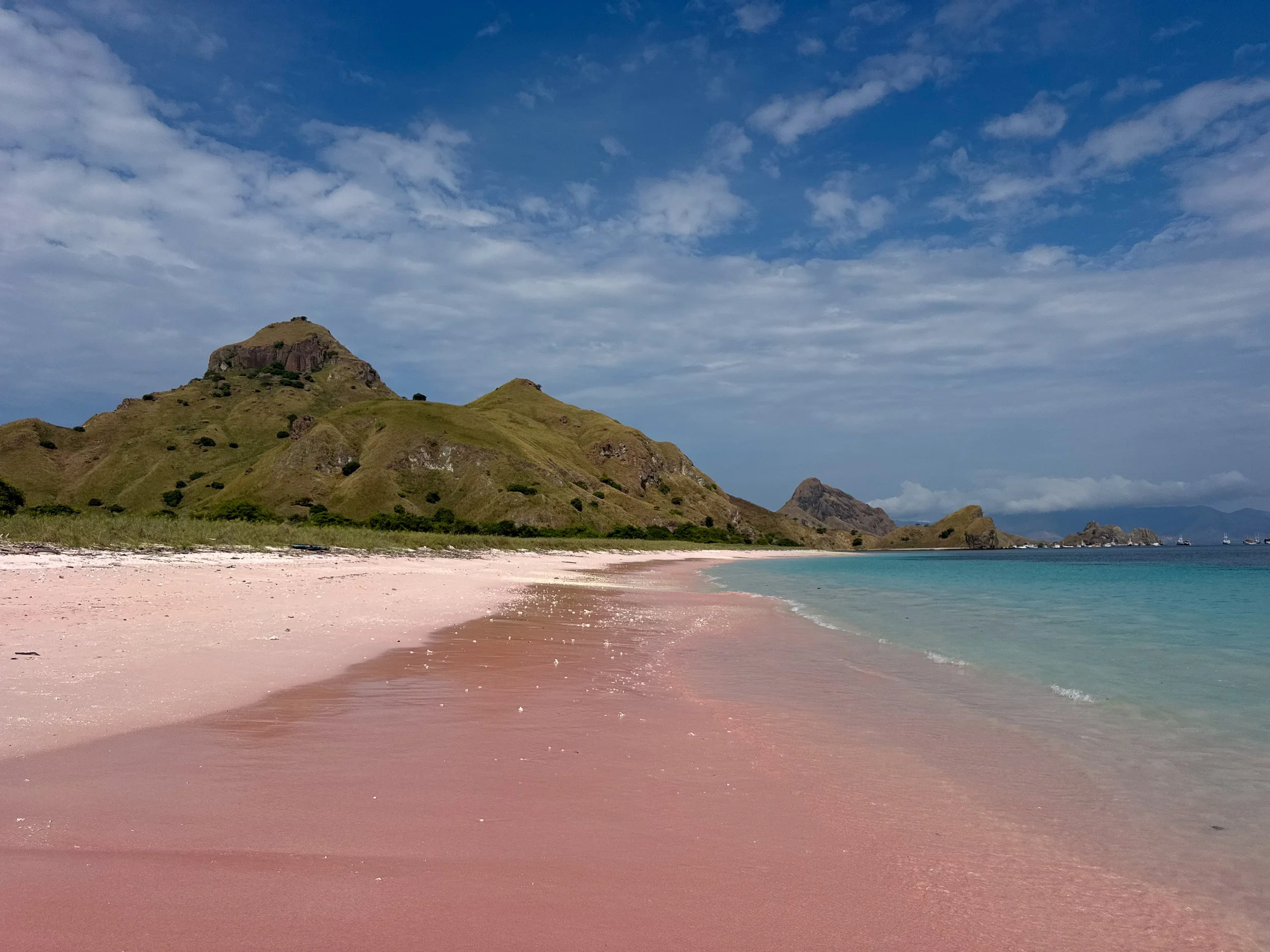
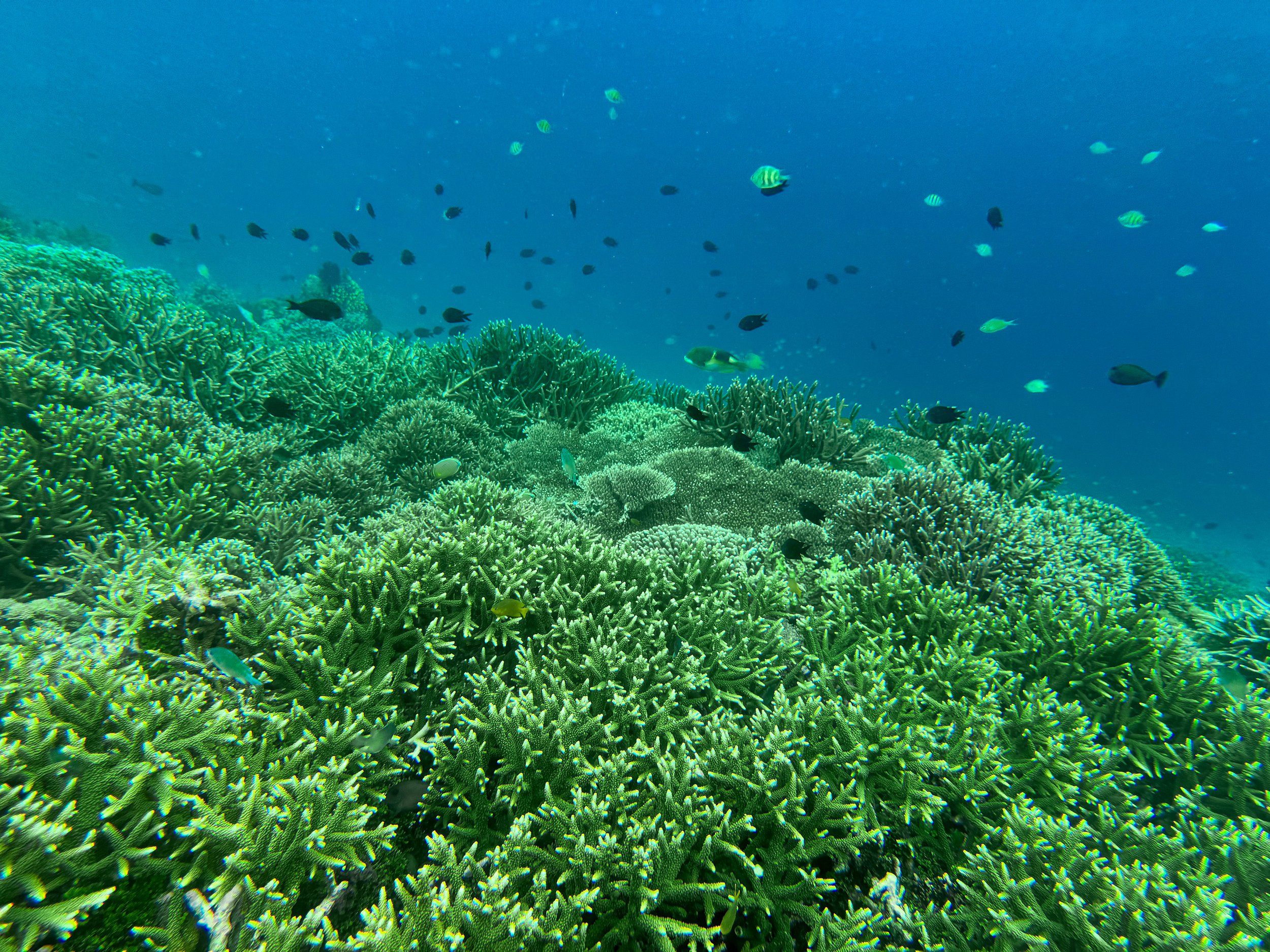
Komodo Islands Travel Guide: Komodo Dragons, Island Adventures & Marine Life. Explore the Komodo Islands where Komodo dragons, volcanic landscapes, pink sand beaches and coral reefs blend wildlife encounters with island hopping adventures.
Bali Travel Guide: Canggu, Beaches & Island Adventures. Experience Bali where sacred temples, rice paddies, black sand beaches, surf breaks and vibrant beach clubs embody Balinese culture and island life.
Ubud Travel Guide: Rice Terraces, Sacred Temples & Balinese Culture. Wander through Ubud where expansive rice terraces, jungle trails, volcanic hikes, Hindu temples and the Sacred Monkey Forest preserve the cultural heart of Bali.
For Next Time…
There is so much to see in East Java and Indonesia! We are dreaming of returning for a third time to this scenic country and have a list of sights left to experience.
Mt. Bromo. We plan to spend a few days around Mt. Bromo and its active volcanoes. Ideally, we would visit on a crystal clear day to see the landscape in full detail unobscured by fog.
Multi-Day Volcano Hike. With dozens of volcanoes to choose from. We plan to hike and camp overnight on one of Java’s volcanoes. Mt. Semeru, the largest volcano on the island has several routes and campsites to choose from.
West Bali National Park. From Banyuwangi, we would love to re-visit Bali and explore the island’s western peninsula and national park home to endemic birds, coral reefs and wild animals.
Prambanan Temple. A 9th century Hindu temple in Central Java. It’s the second largest after Angkor Wat. Its intricate structures and towers are carved from black lava rocks.