

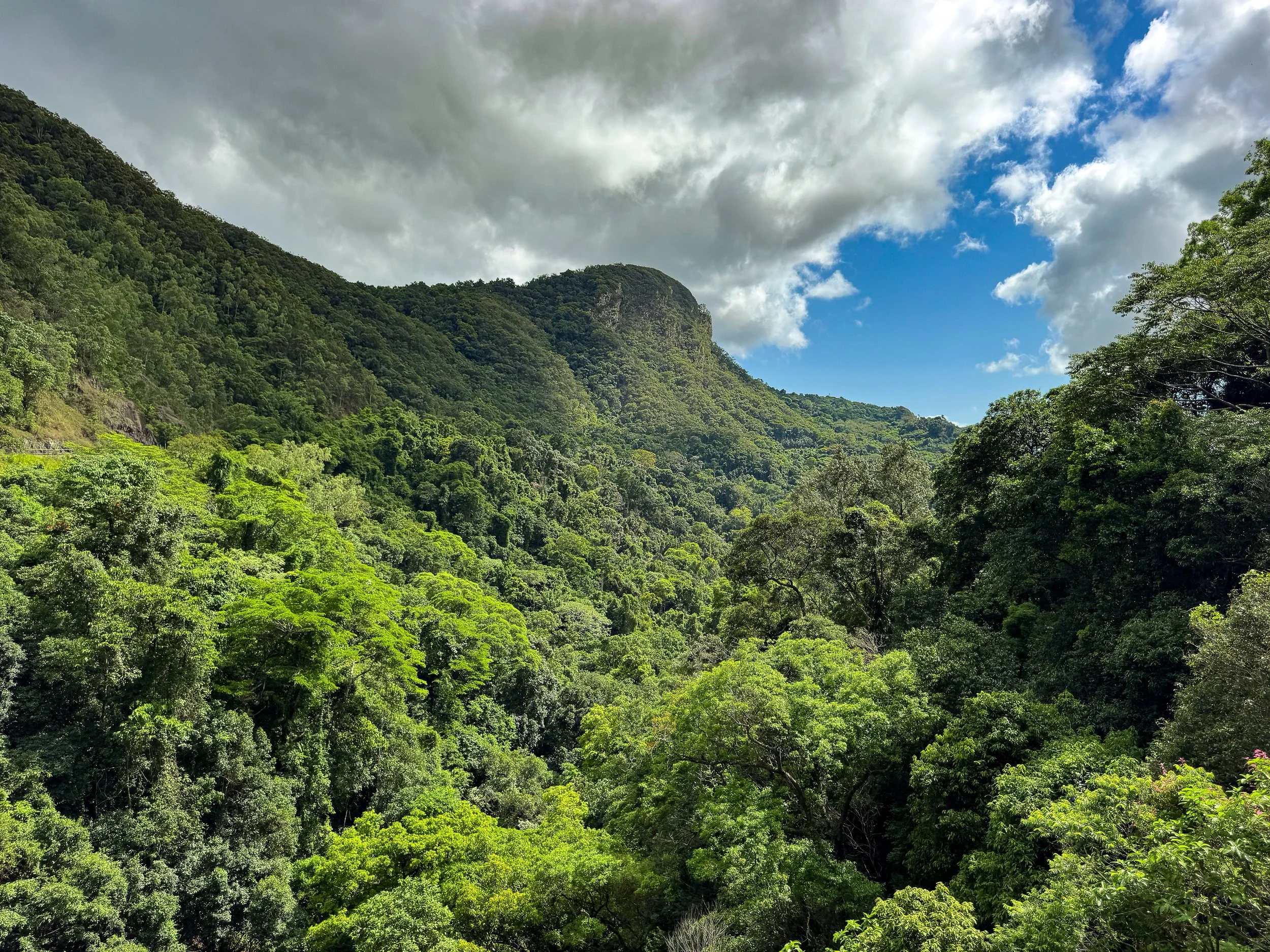
Tropical North Queensland Travel Guide: Cairns, Rainforests & Wildlife
Explore Tropical North Queensland from Cairns, where ancient rainforests, cascading waterfalls and remarkable wildlife meet palm fringed beaches and vibrant coral reefs.
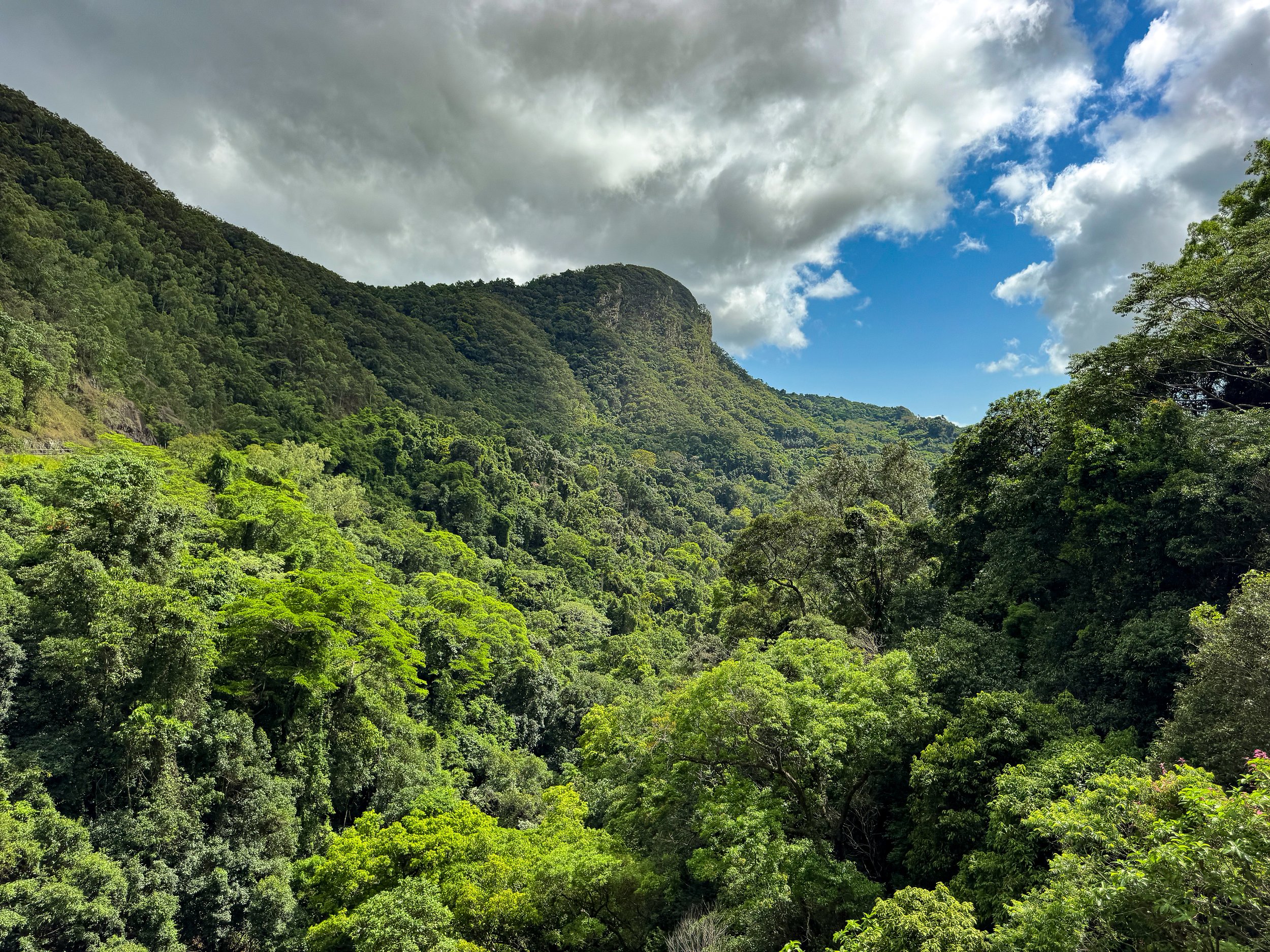
Tropical North Queensland
Tropical North Queensland is one of the most biodiverse places on the planet. It’s home to jungleous rainforests, dramatic waterfalls, vast coral reefs, palm lined beach towns, peaceful nature walks and ancient species. We spent a week in the coastal city of Cairns, branching out and exploring many of the region’s natural wonders.
Cairns, Queensland
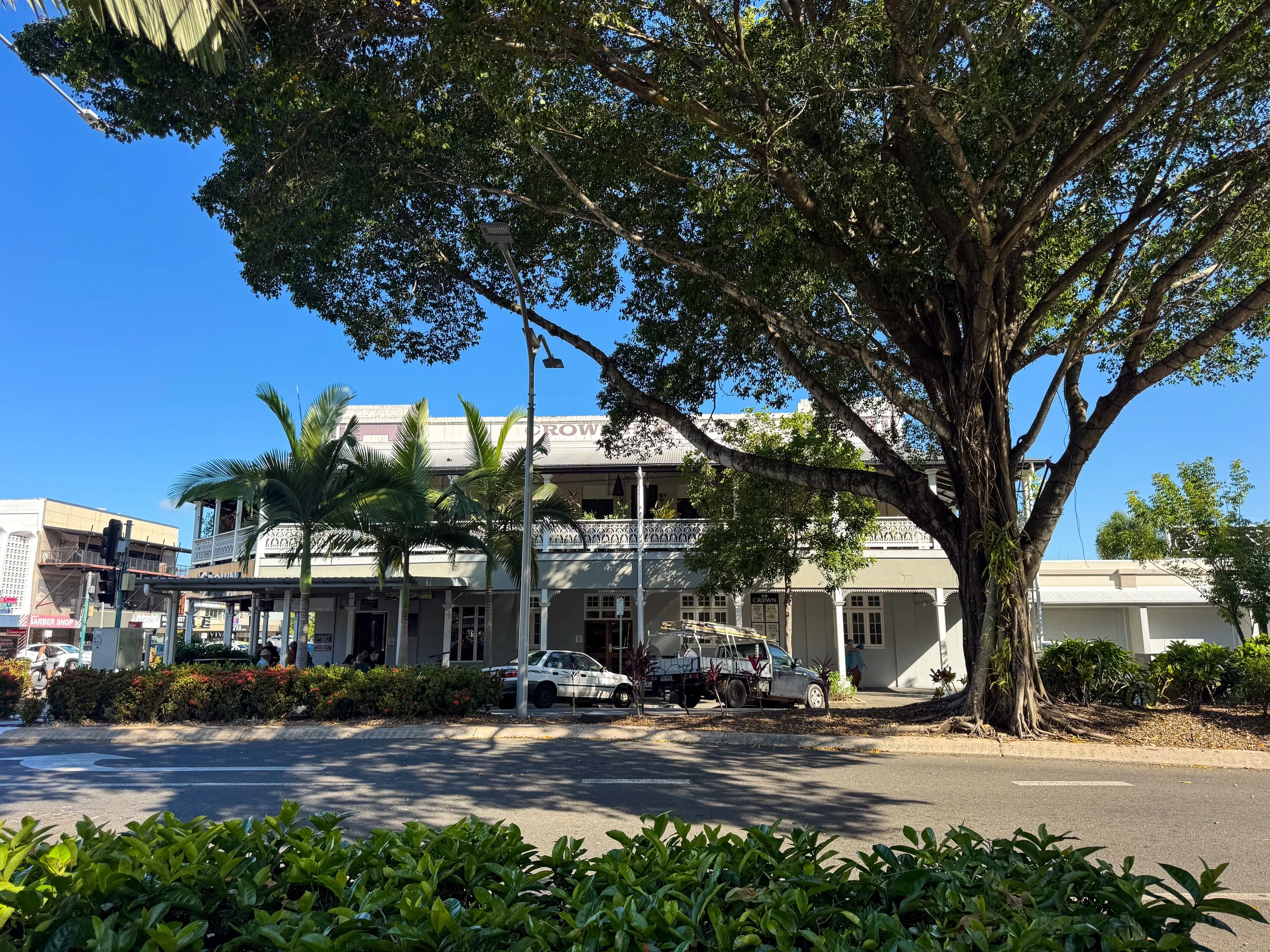
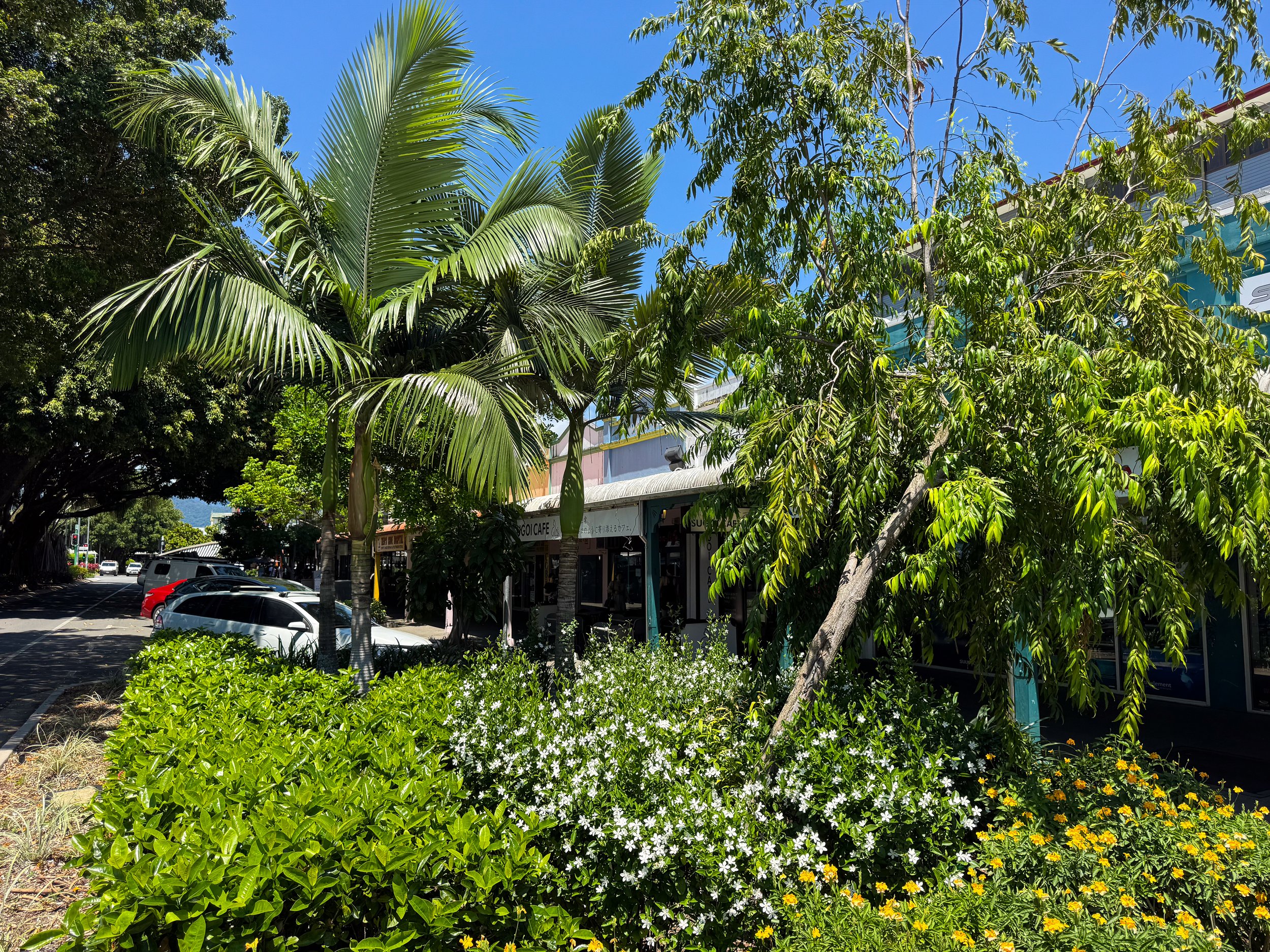
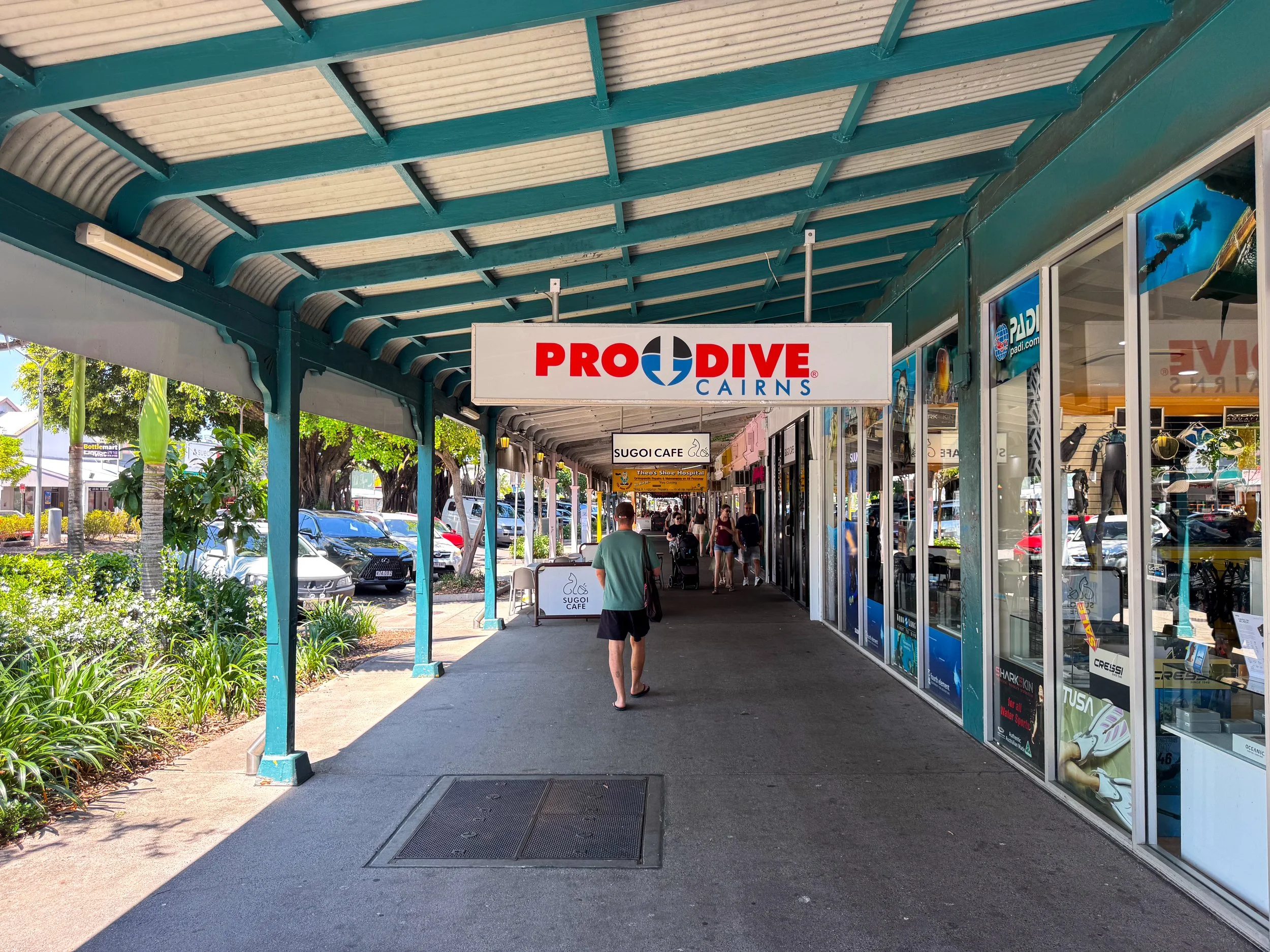
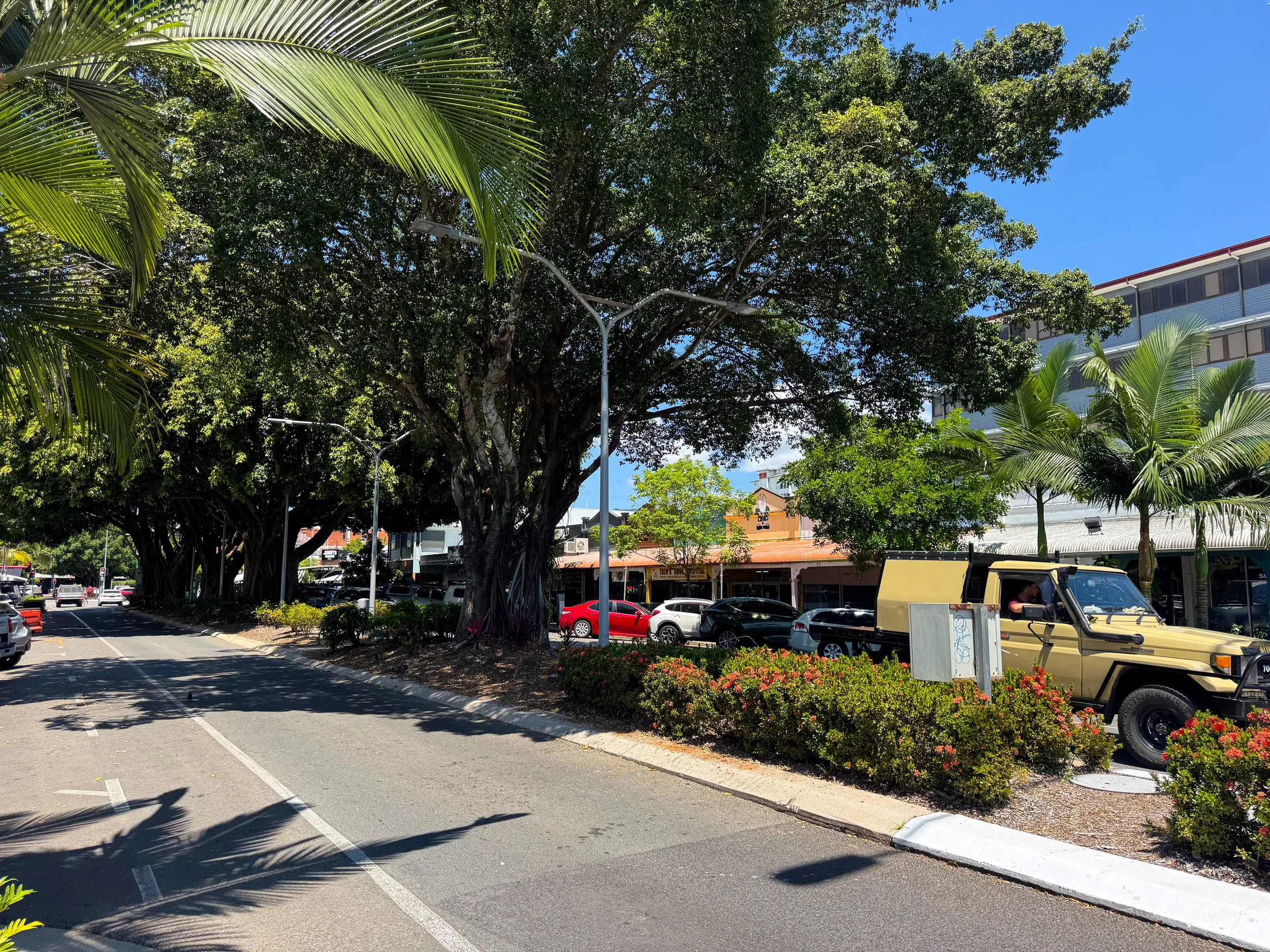
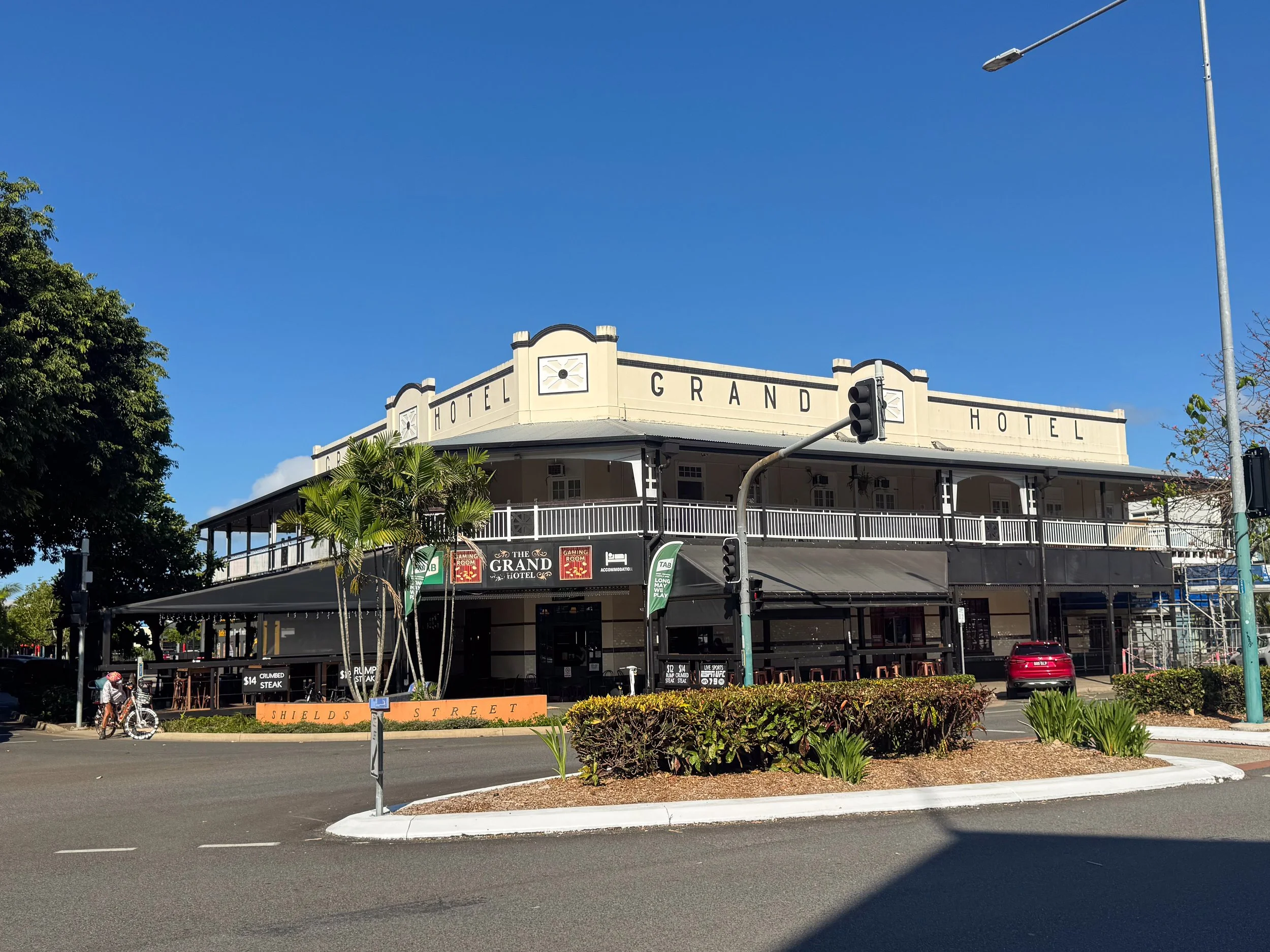
Cairns is an adventurous hub and coastal town in Tropical North Queensland, renowned for its access to the Great Barrier Reef and Daintree Rainforest. The town is home to restaurants, craft breweries, breakfast cafés, weekend markets and tour operators.
Central Business District (CBD). The CBD is the historic center of Cairns. Its shaded sidewalks and tree lined boulevards are lined with breakfast cafés, restaurants, craft breweries, tour operators and popular weekend markets.
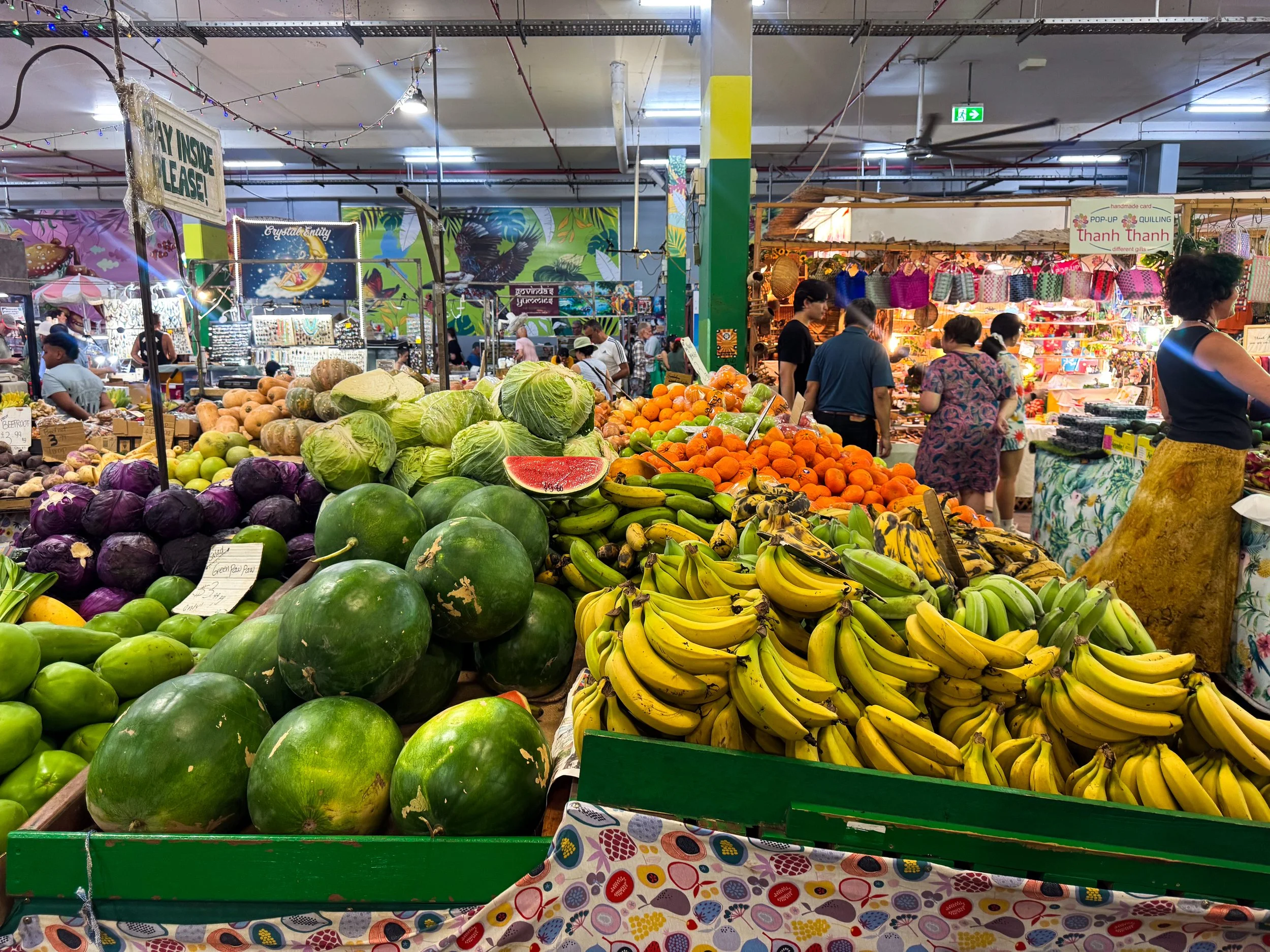
Rusty’s Market. A weekend farmers market with colorful displays of tropical fruits, vegetables, pastries, breads and juices. Artisans sell handmade crafts like beachy jewelry, shell decor, aboriginal artwork and vintage Hawaiian shirts. Thai vendors sell takeaway street food and offer massages.
Cairns Night Market. An evening market with souvenir shops, a food court, massage spas and nail salons.
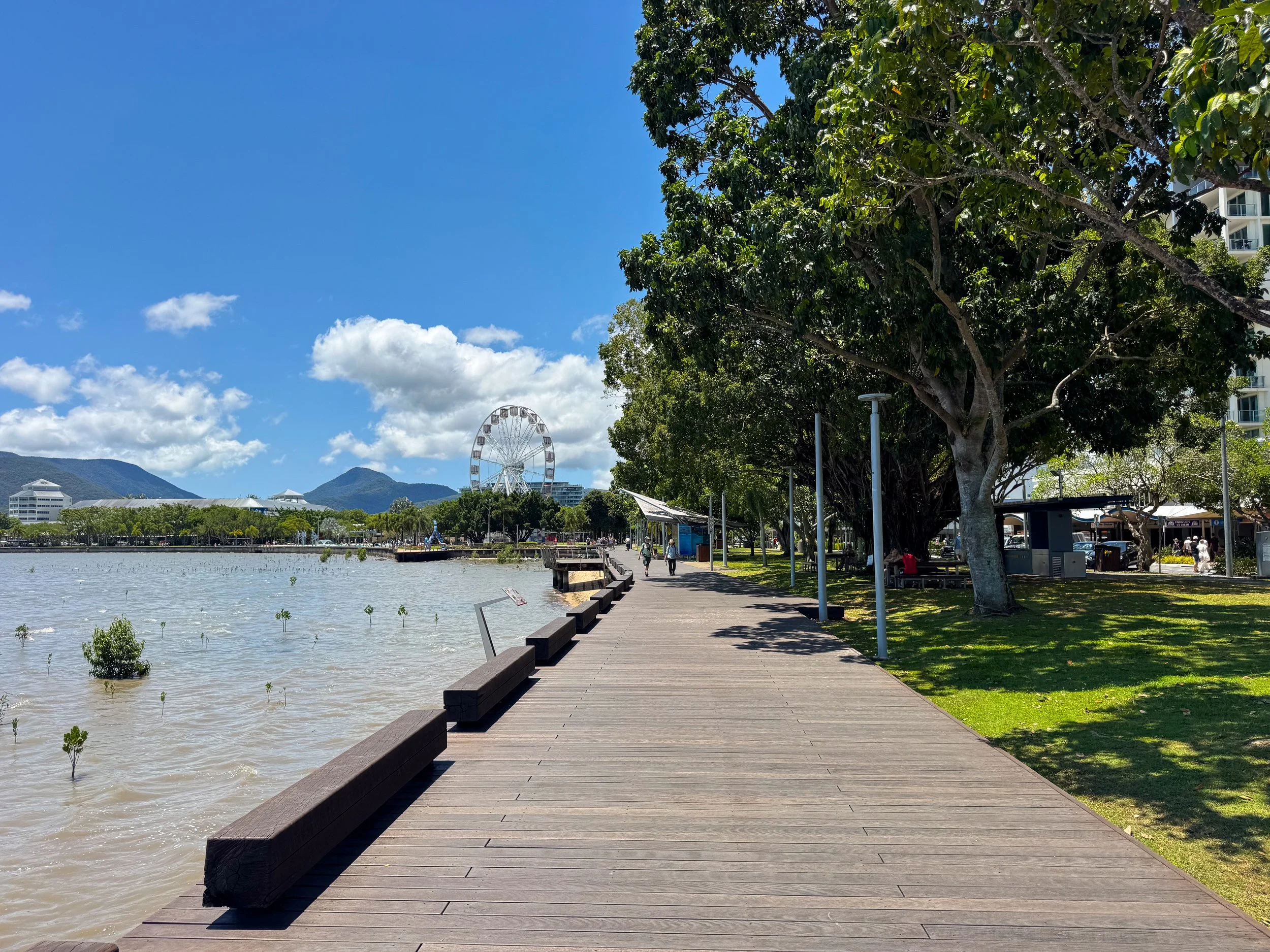
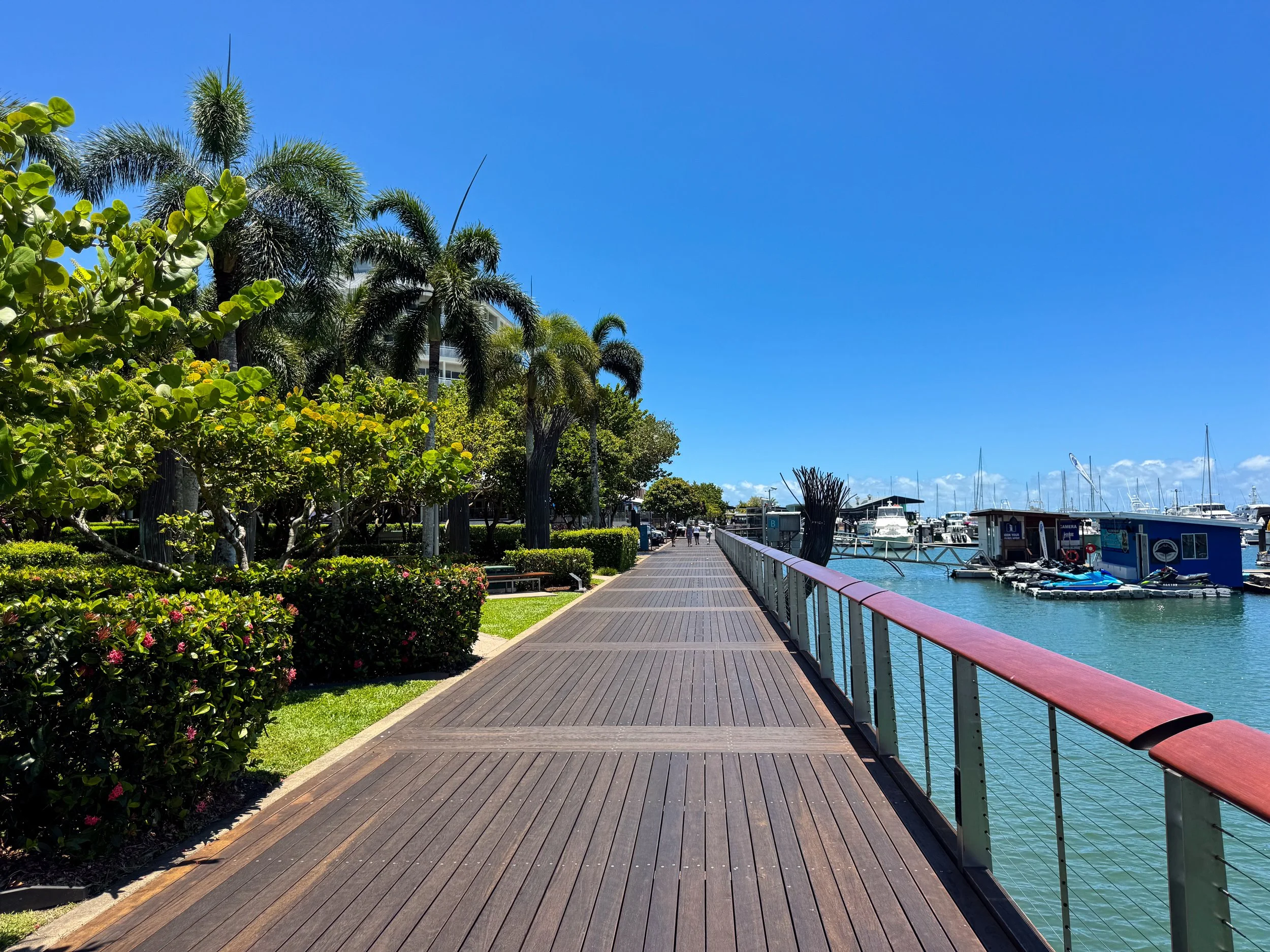
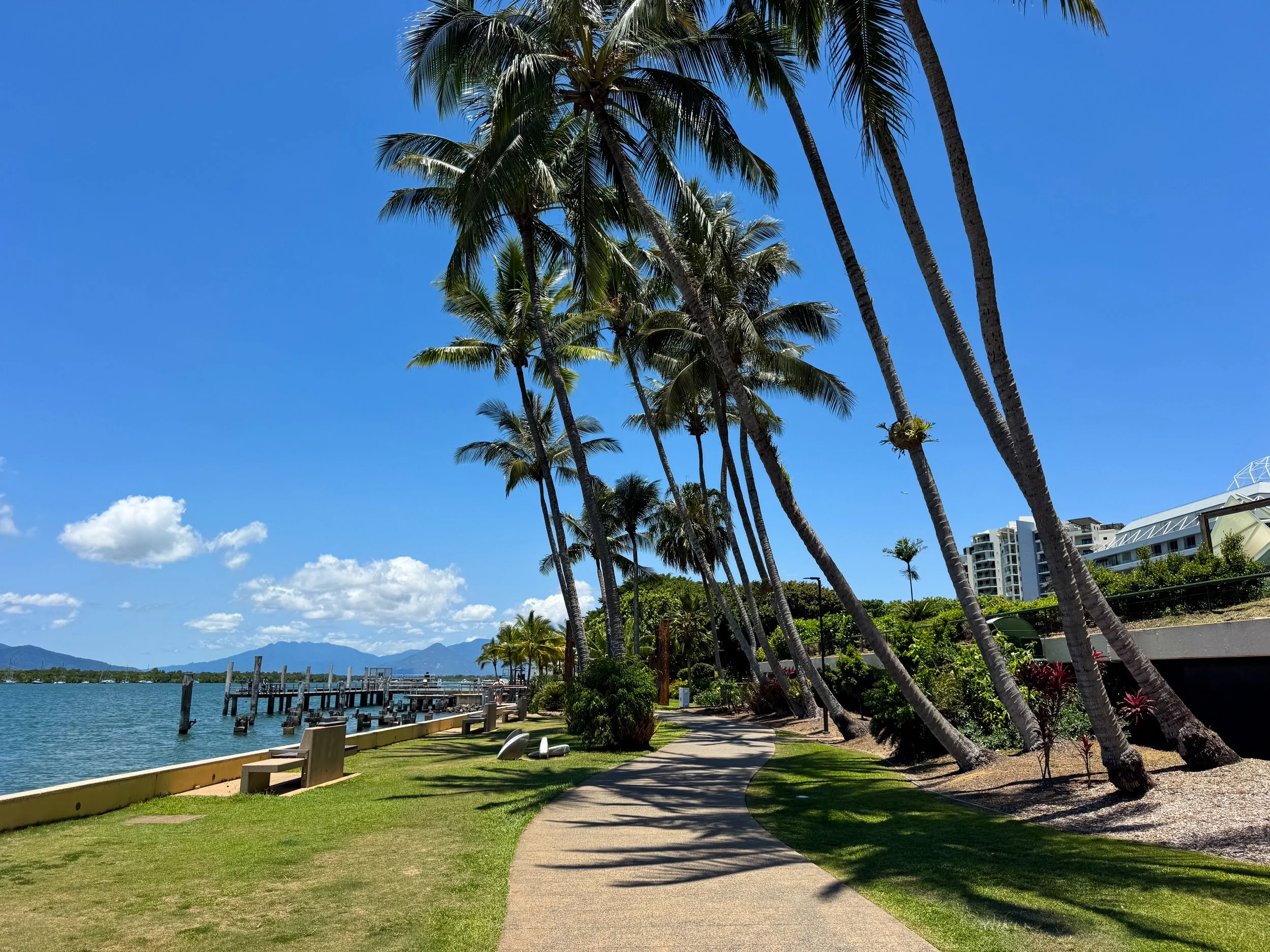
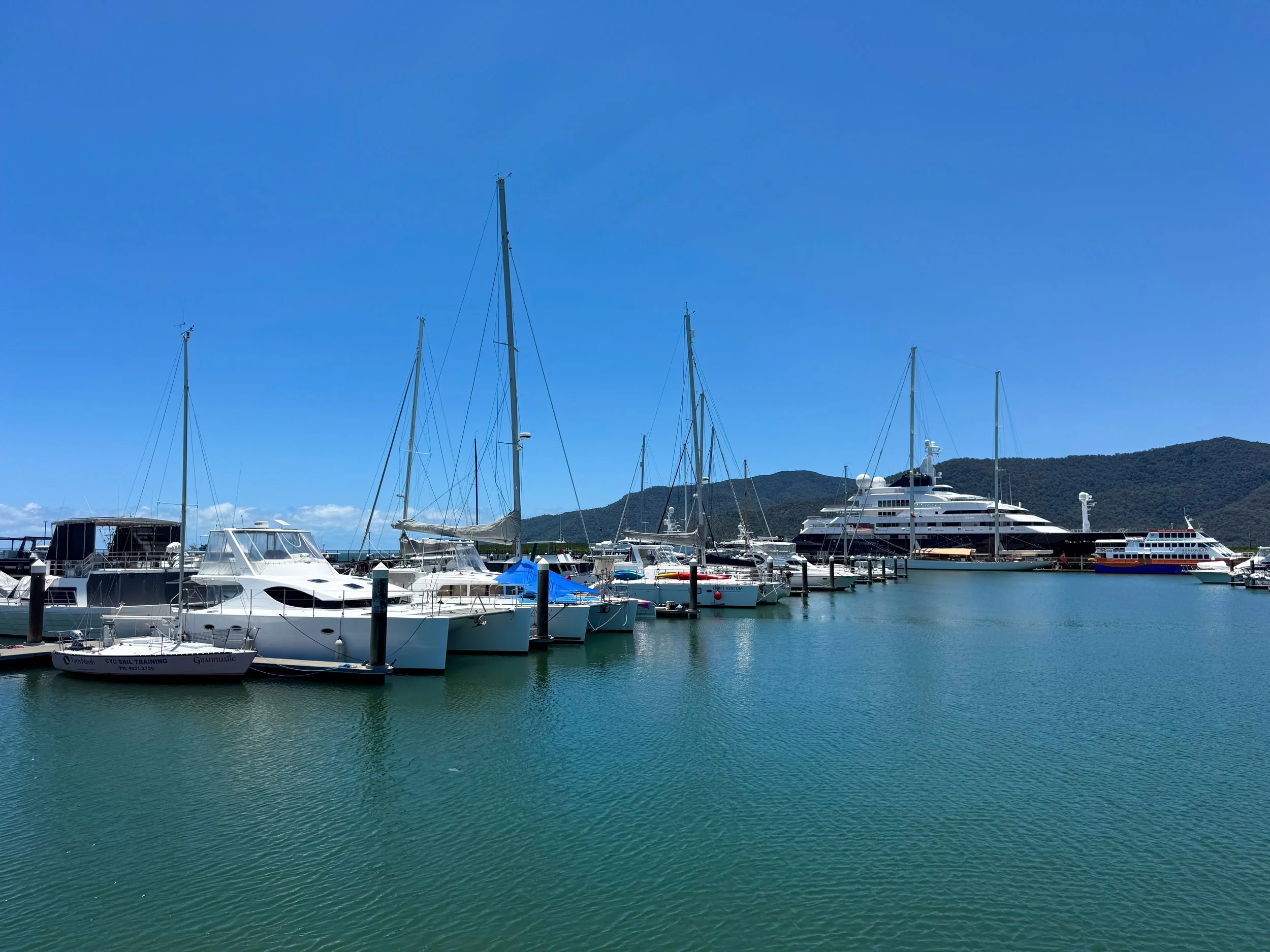
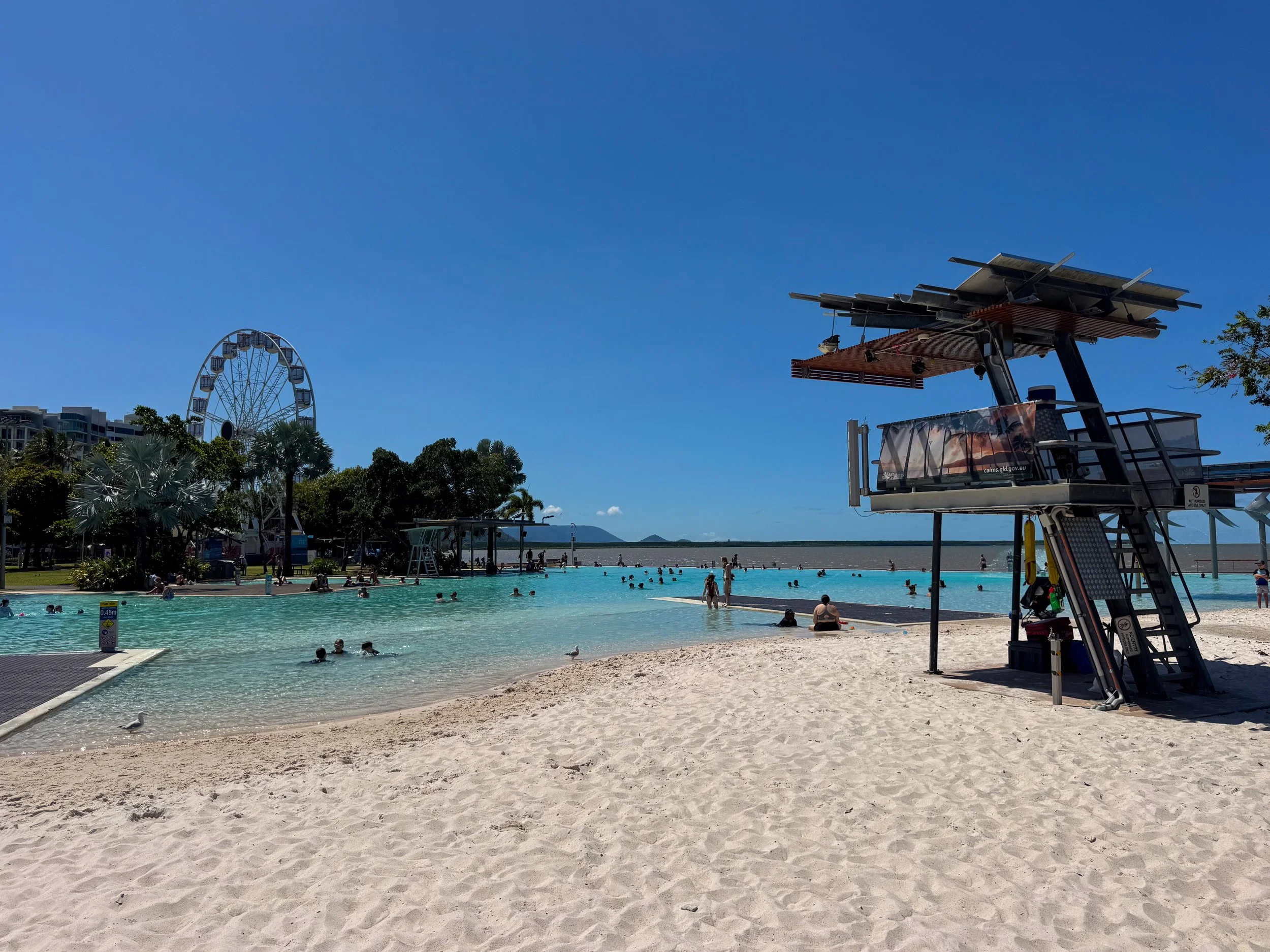
Esplanade Lagoon. An outdoor swimming pool with a small sandy beach, series of boardwalks, lush lawns and bbq pits. It’s a popular spot to safely swim and enjoy the tropical atmosphere of Cairns.
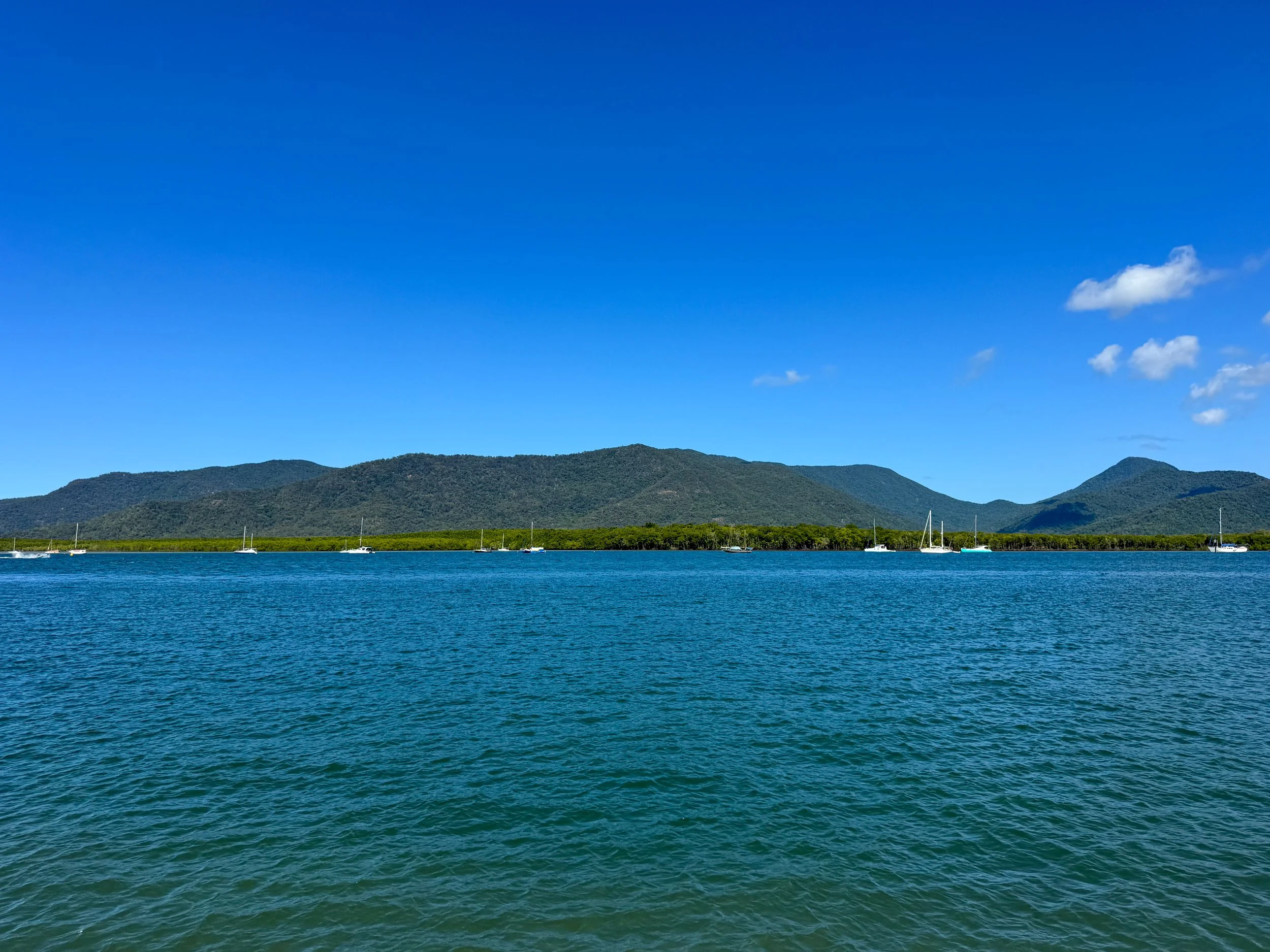
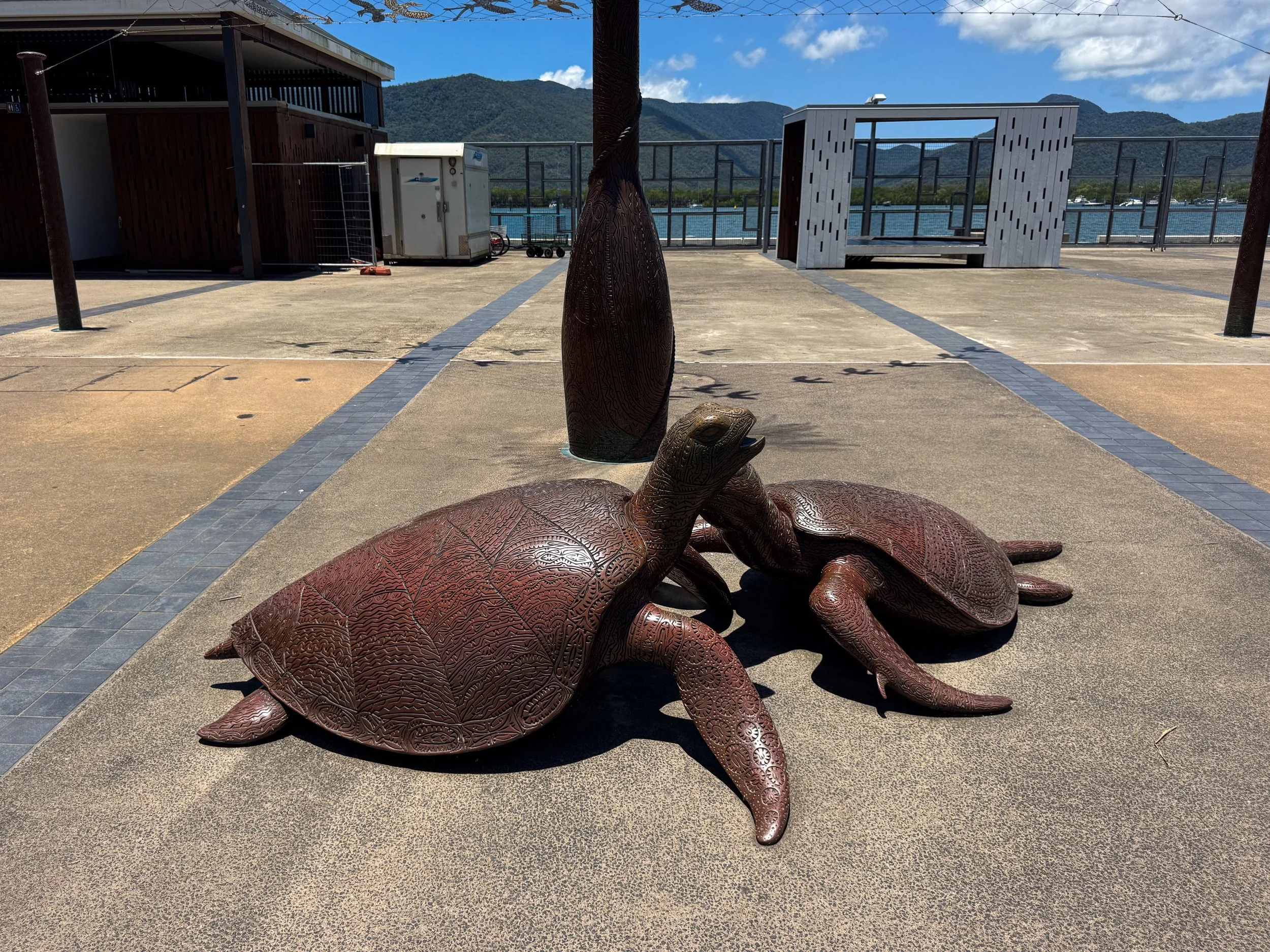
Cairns Esplanade. A waterfront promenade spanning the length of Cairns. A series of walkways and boardwalks follow the coast through lush city parks, the esplanade lagoon, marina and restaurant wharf complex.
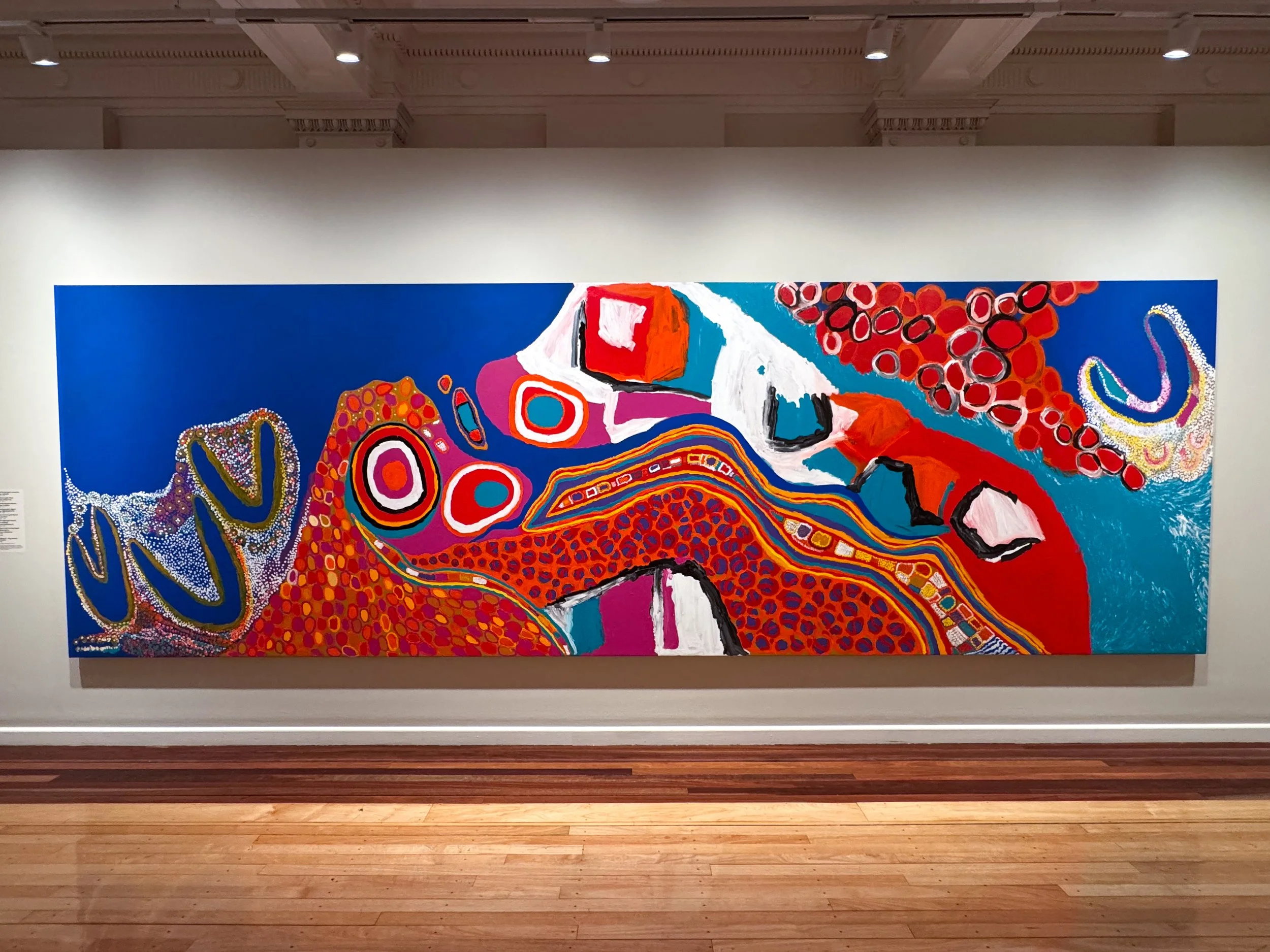
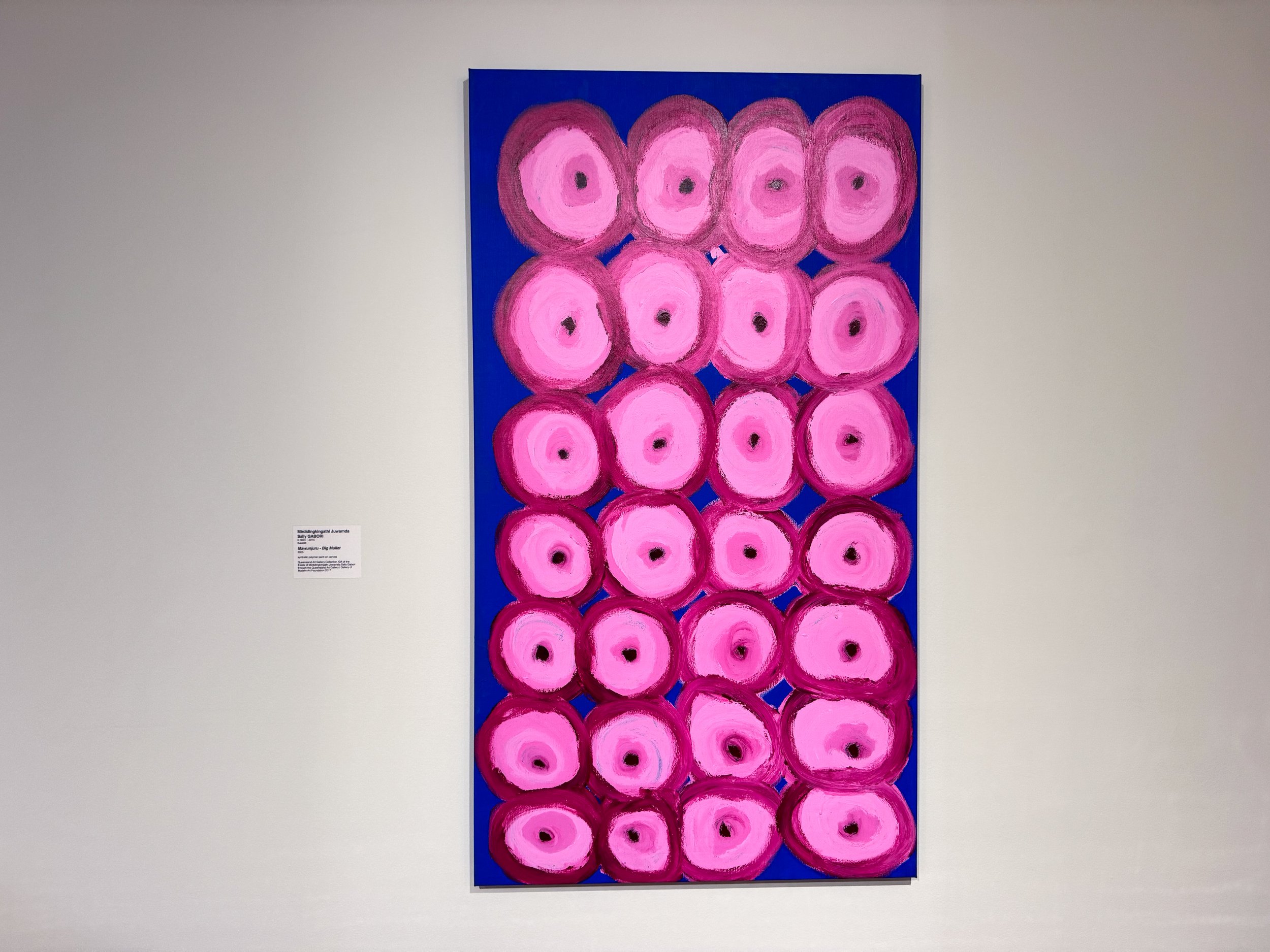
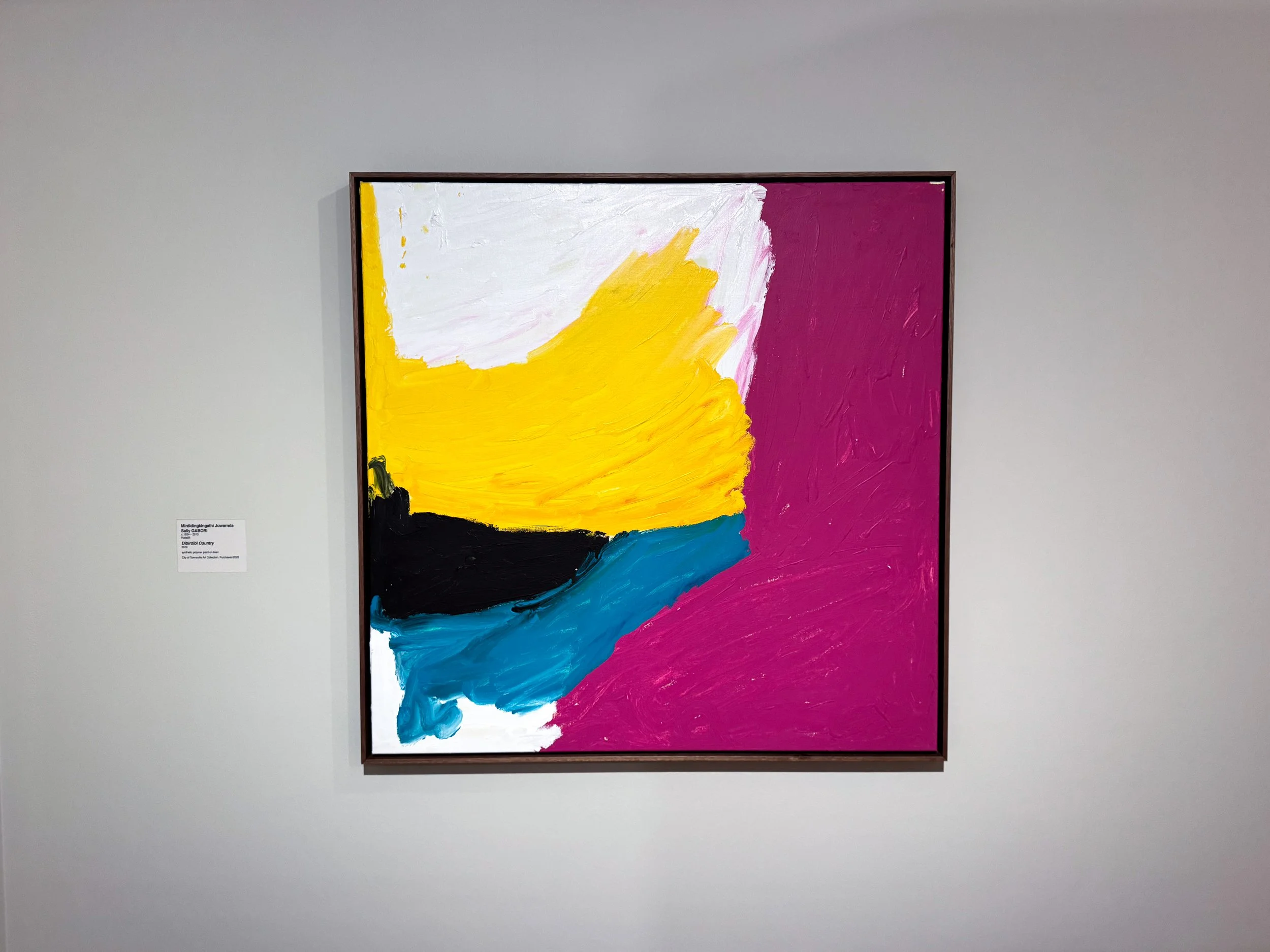
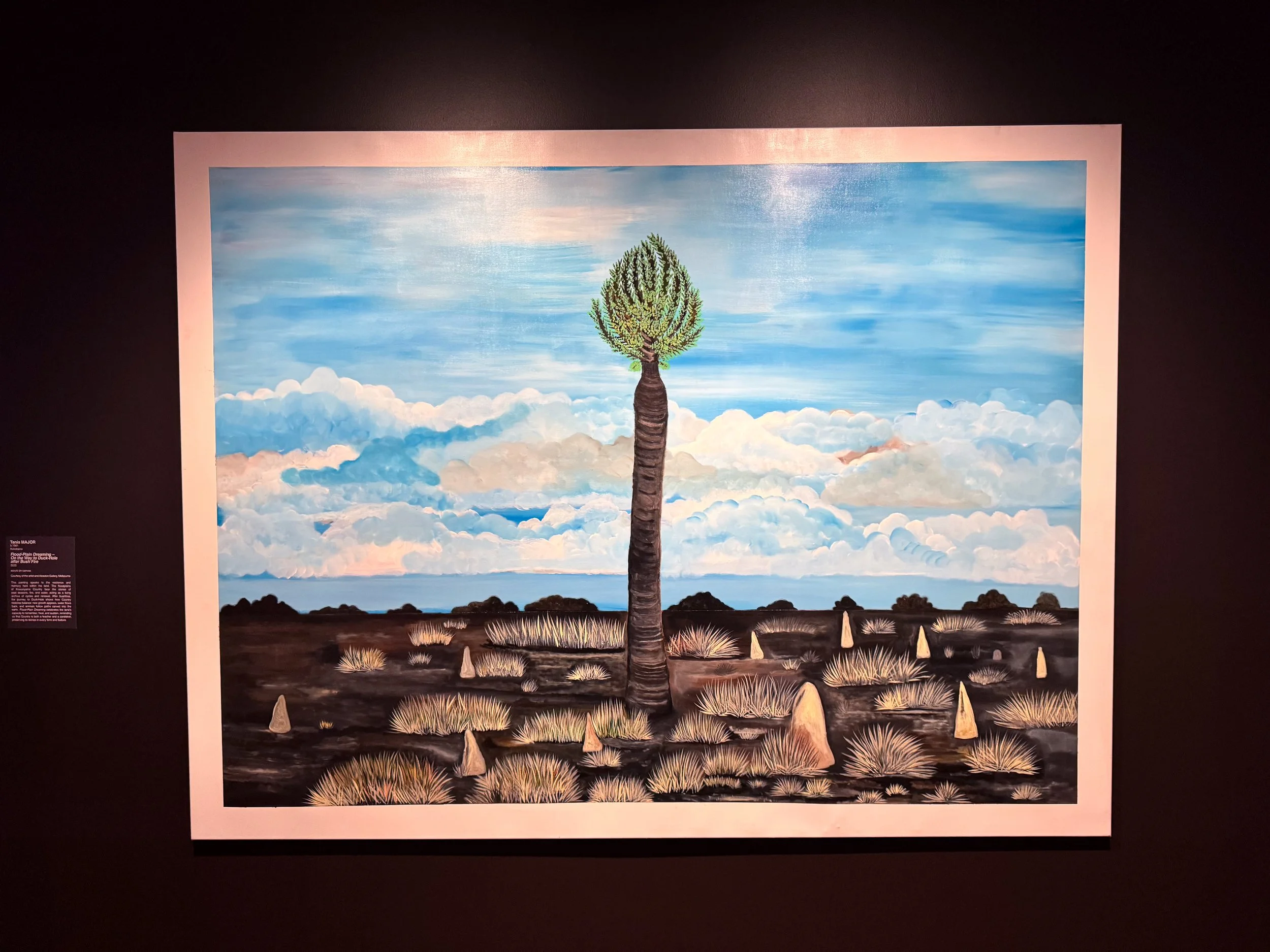
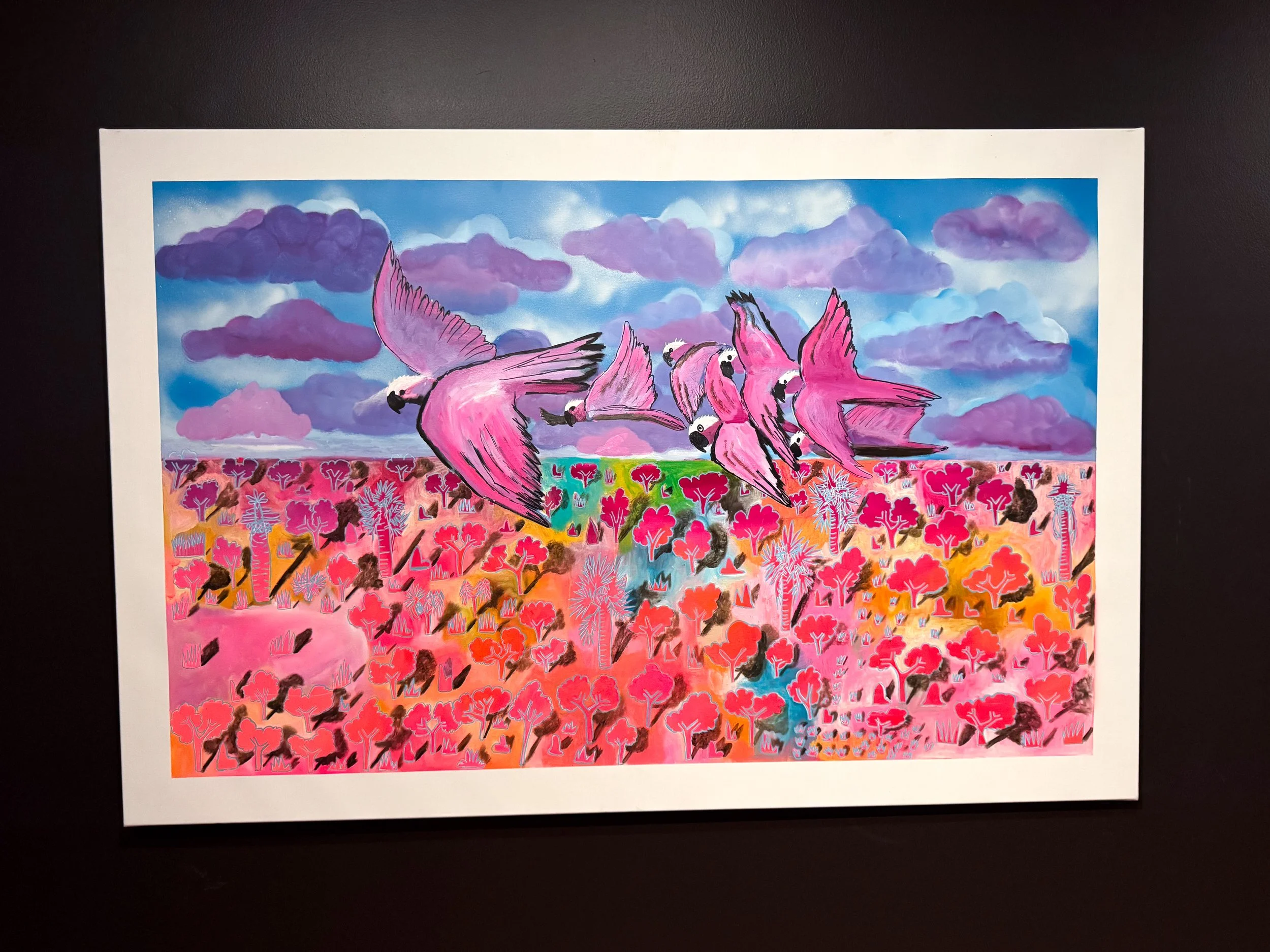
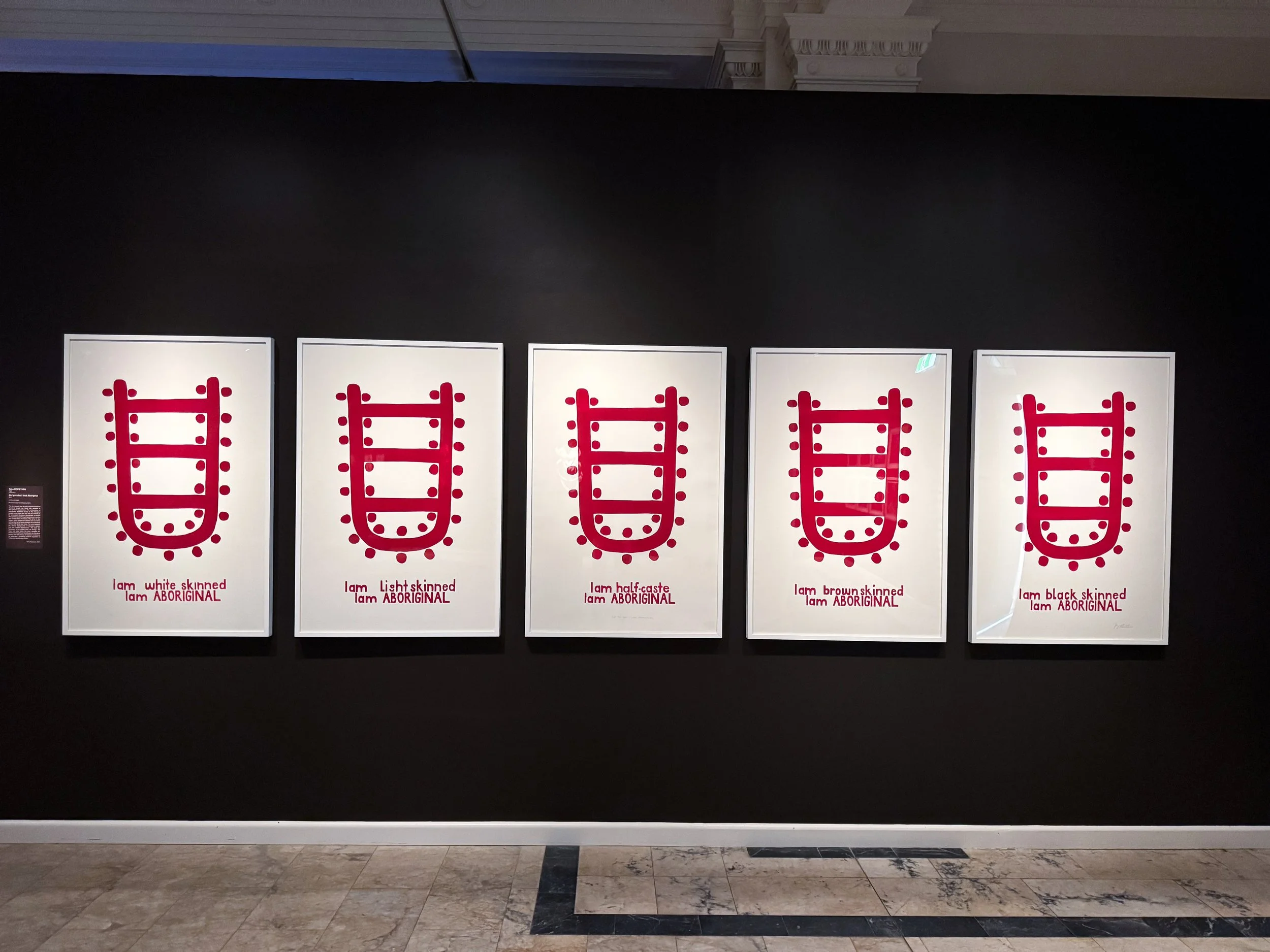
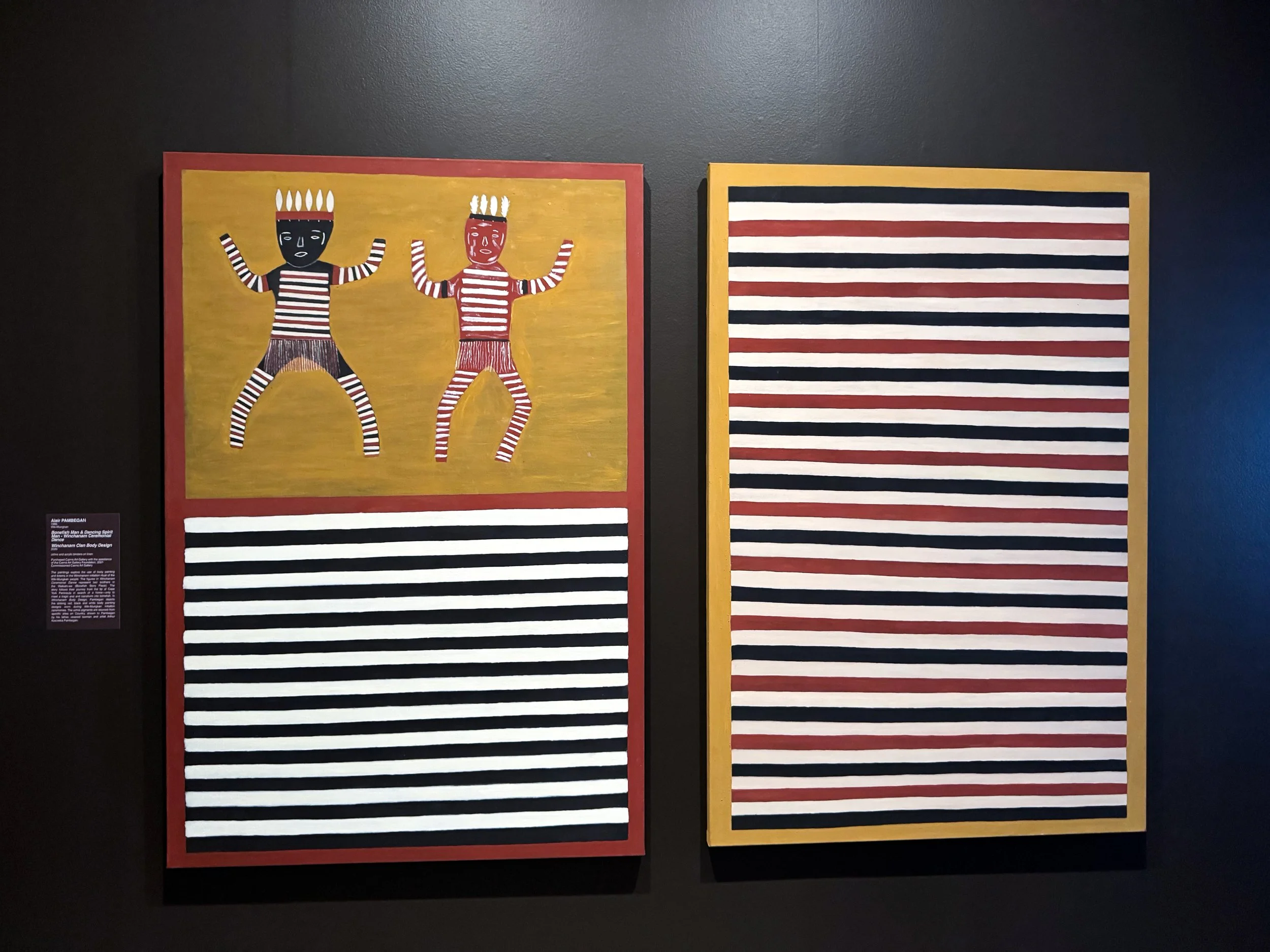
Cairns Art Gallery. An art museum with galleries displaying contemporary, indigenous and aboriginal artwork. It features works with themes of identity, ancestry, the landscape and creation stories. It’s free to visit!
The Great Barrier Reef
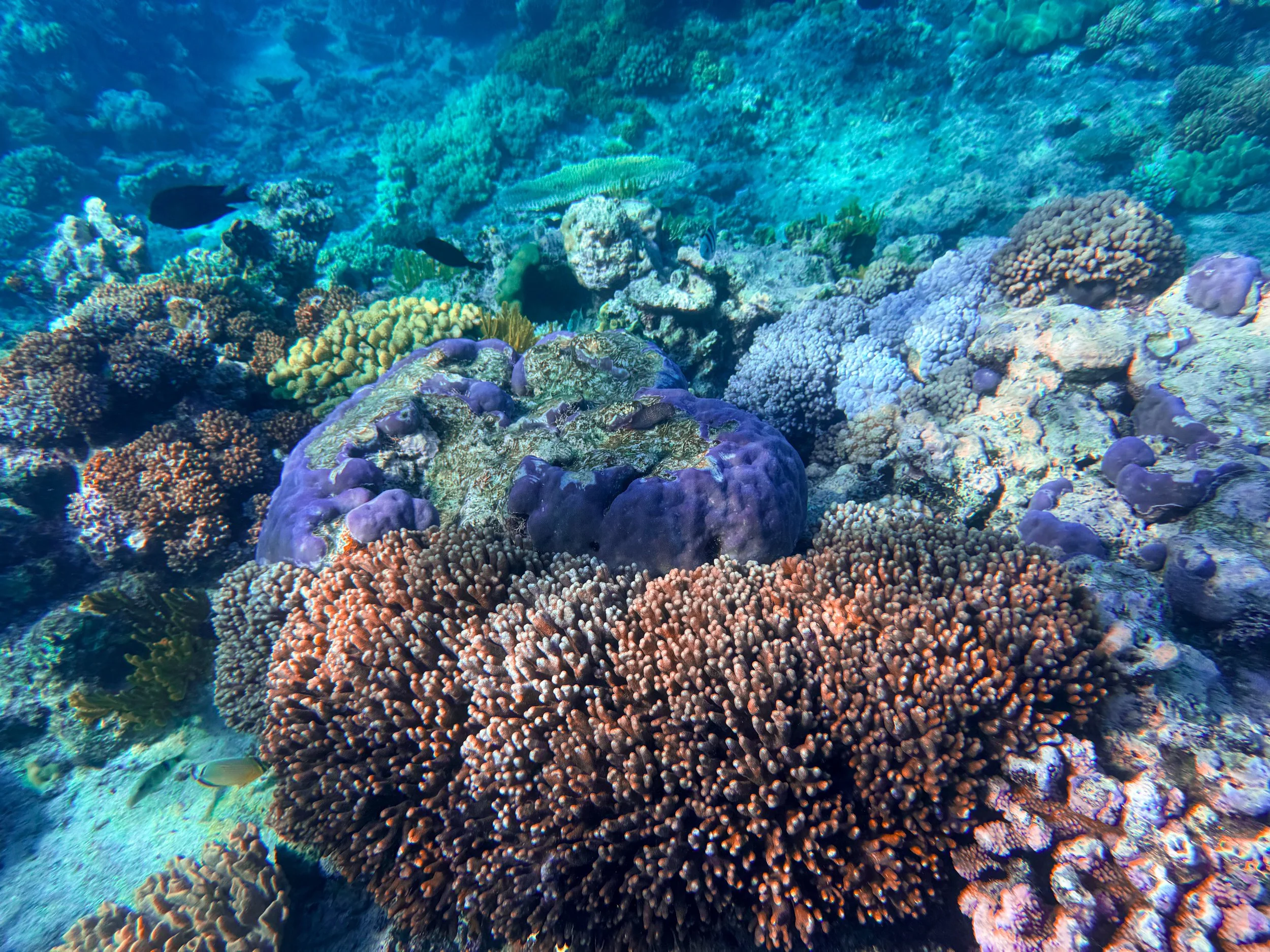
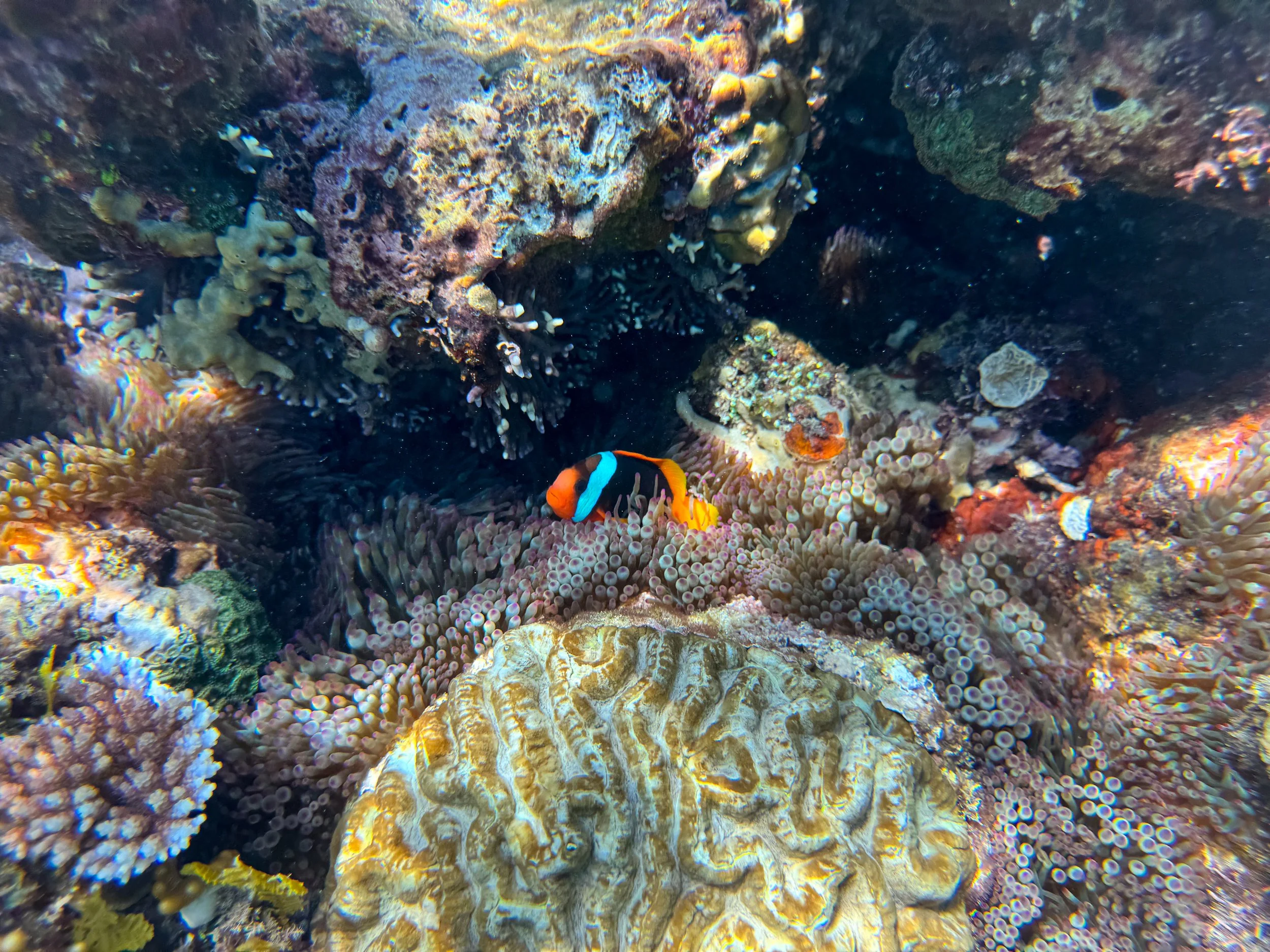
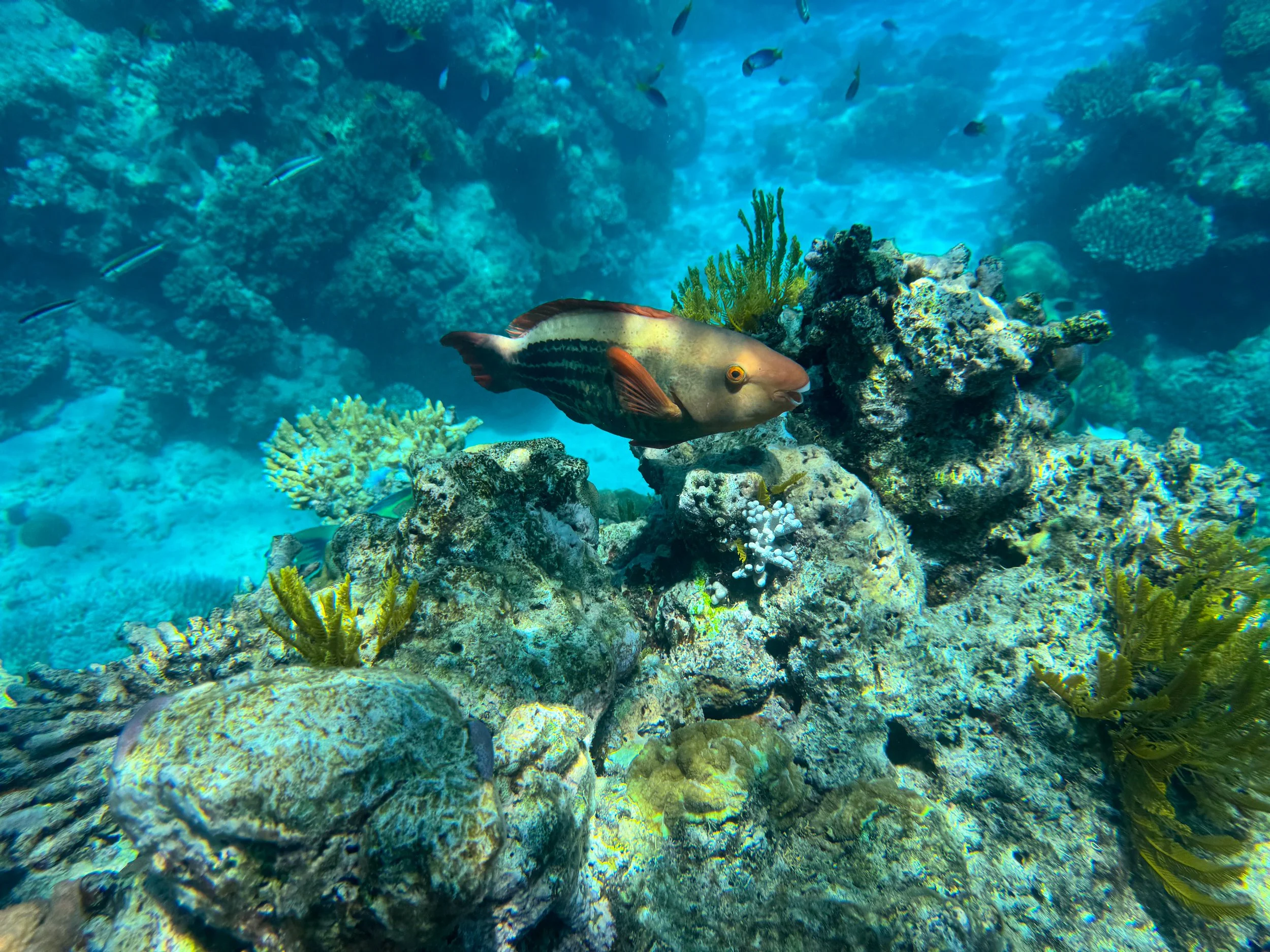
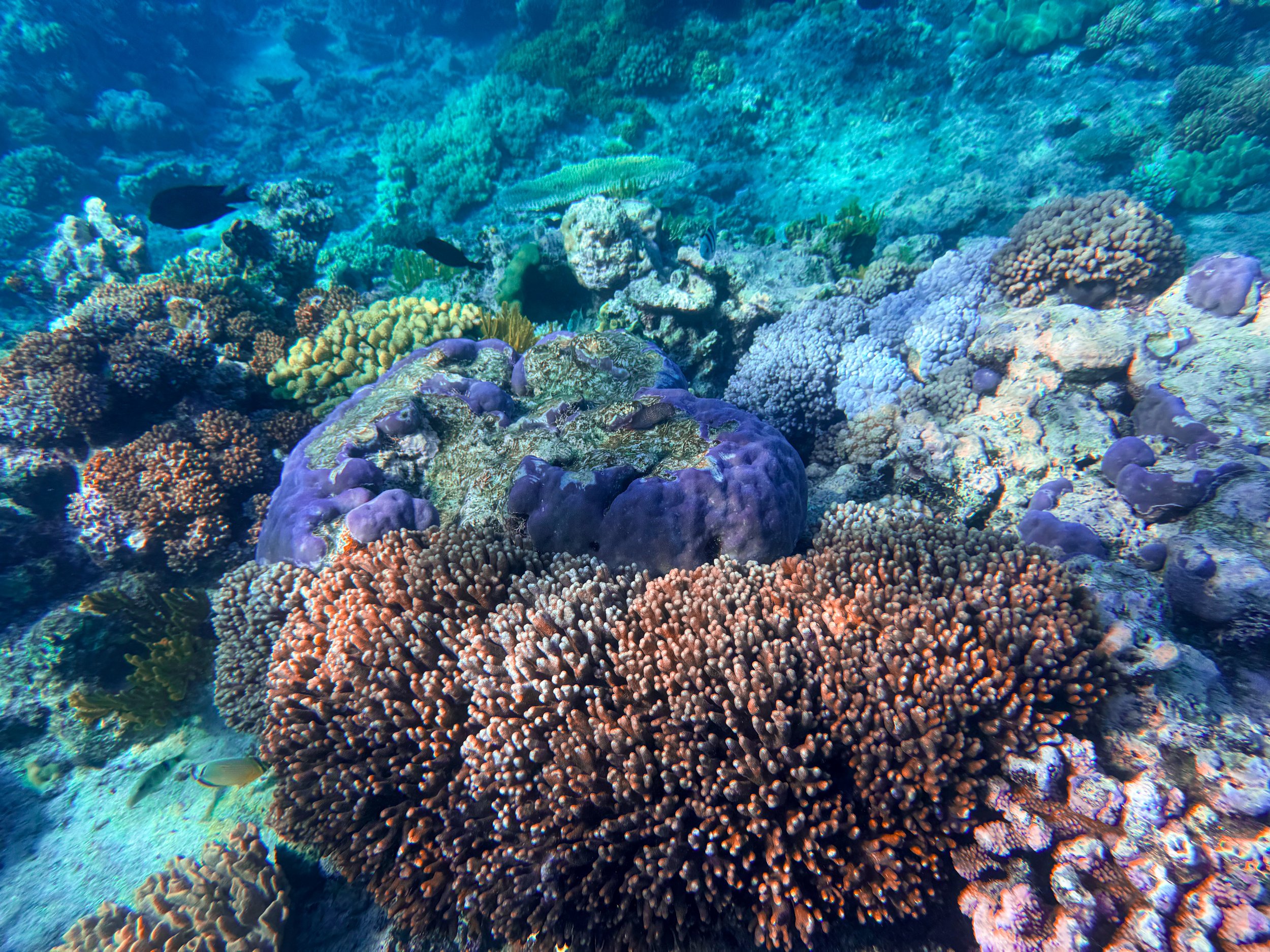
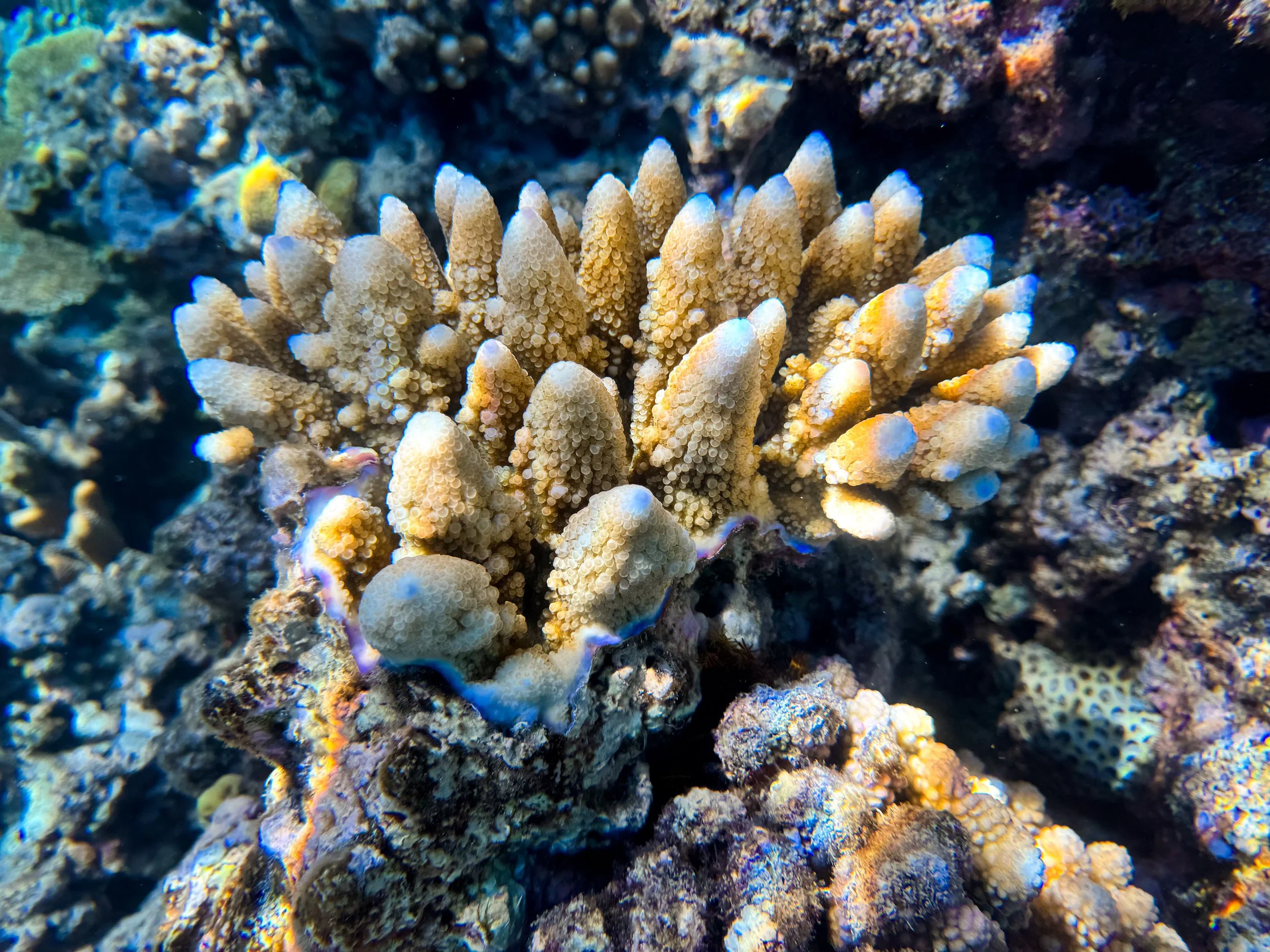
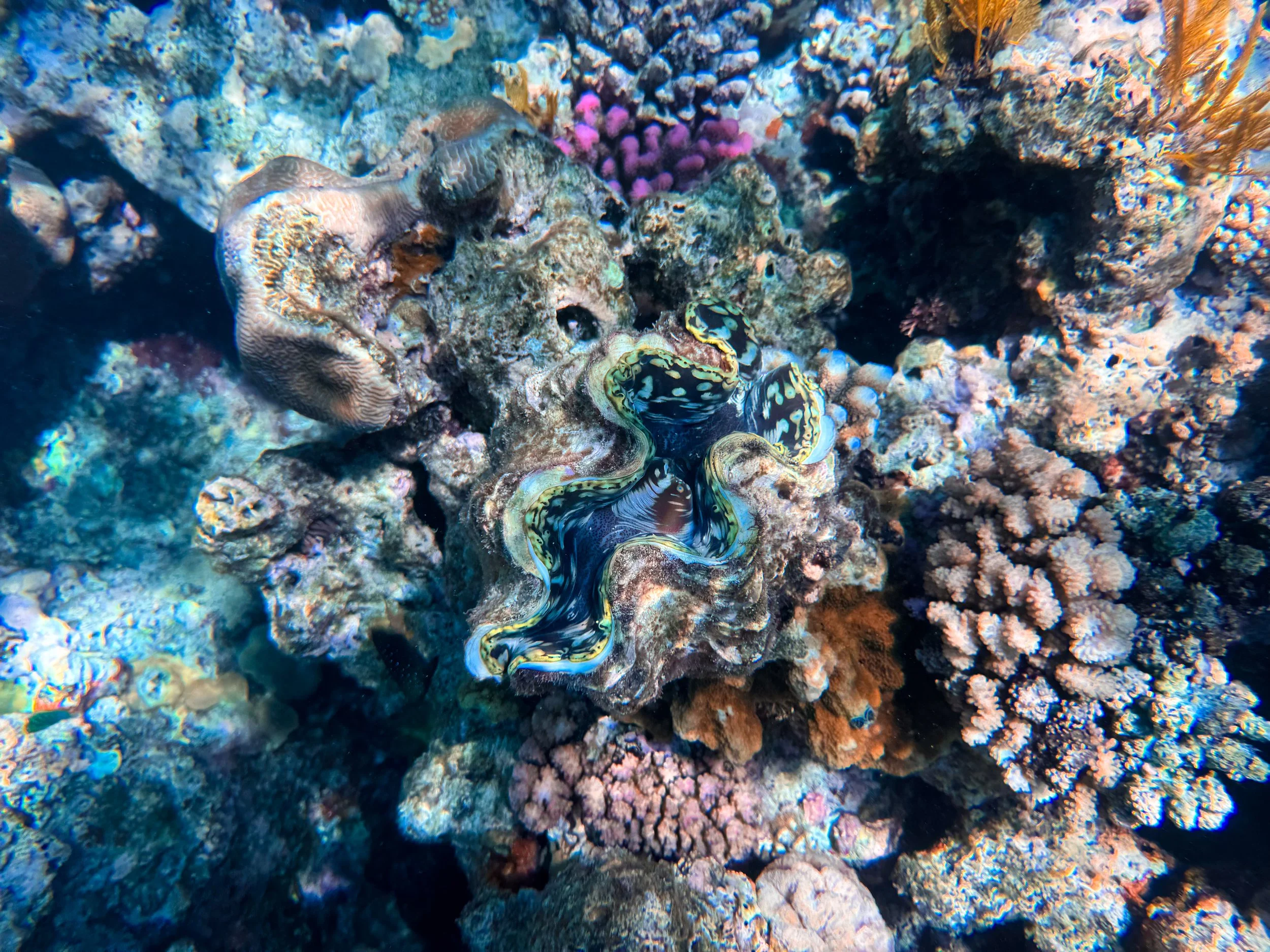
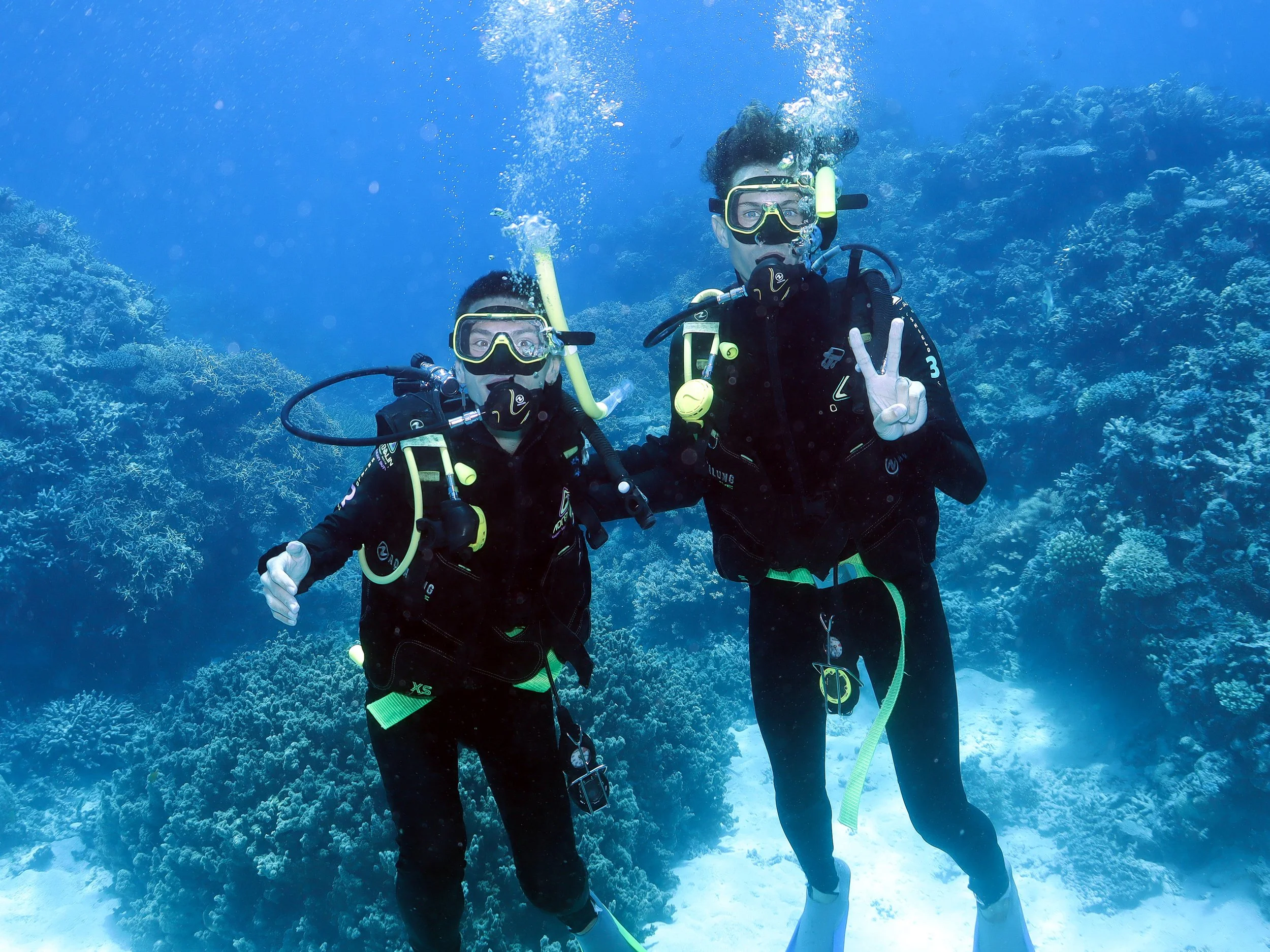
The Great Barrier Reef is the world’s largest coral reef system. It’s accessible from Cairns on day trips and overnight live aboards. We spent three days snorkeling and diving in the reef. Read our full guide here, The Great Barrier Reef.
Daintree Rainforest
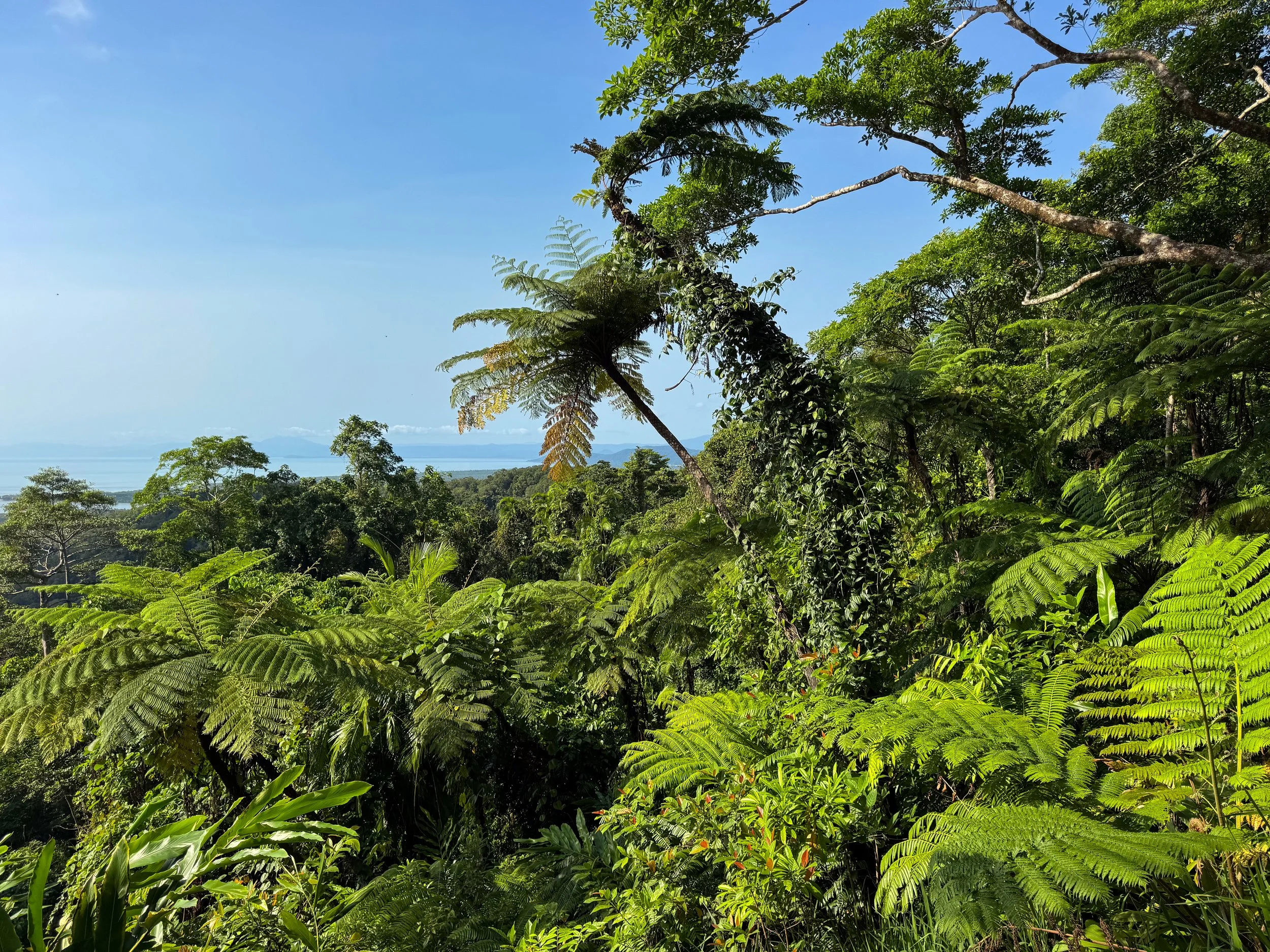
The Daintree Rainforest is the world’s oldest surviving rainforest. It dates back 180 million years to the time of dinosaurs and the supercontinent Gondwana. The rainforest is a refuge for ancient species, tropical flora and jungleous landscapes.
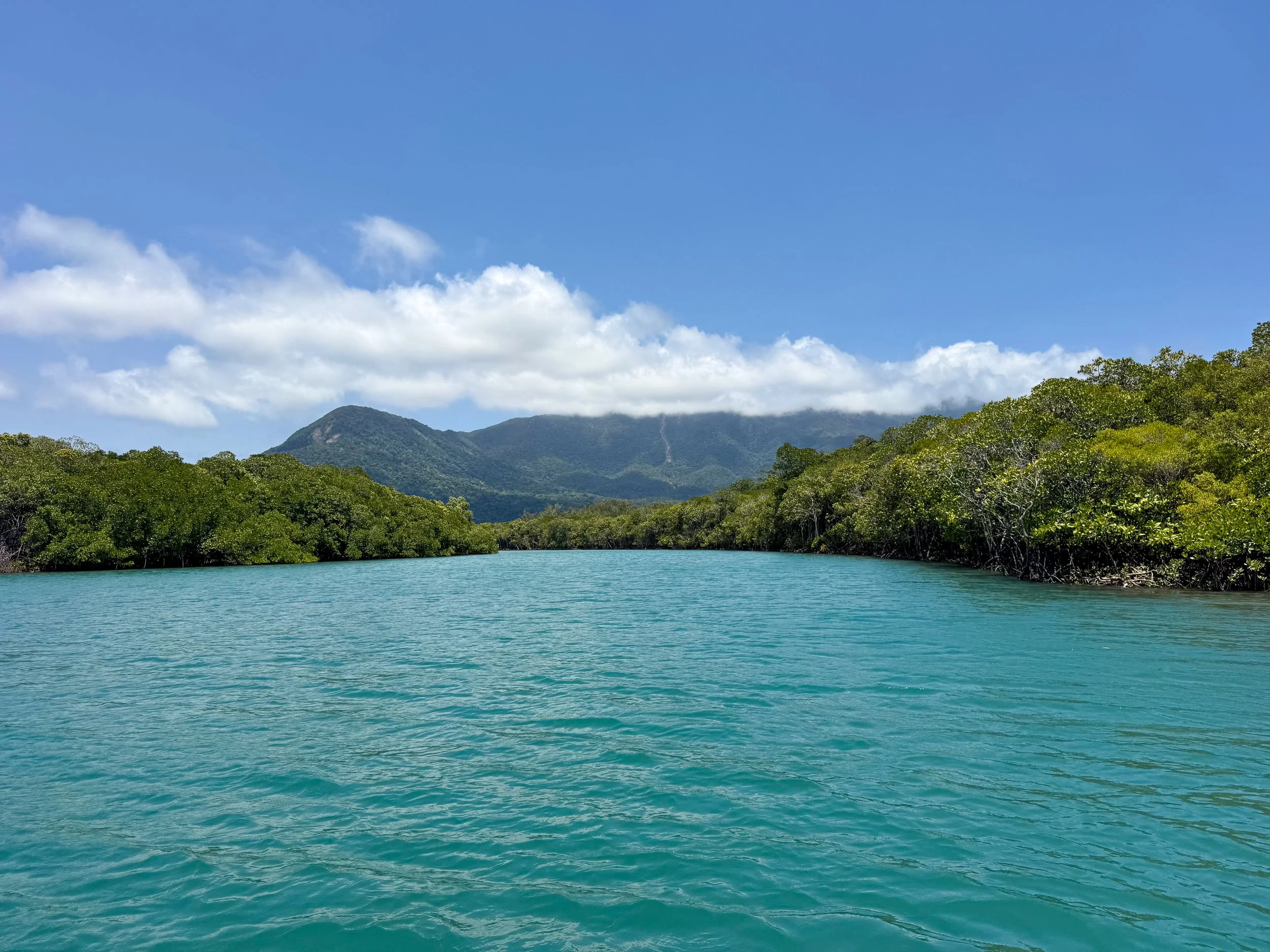
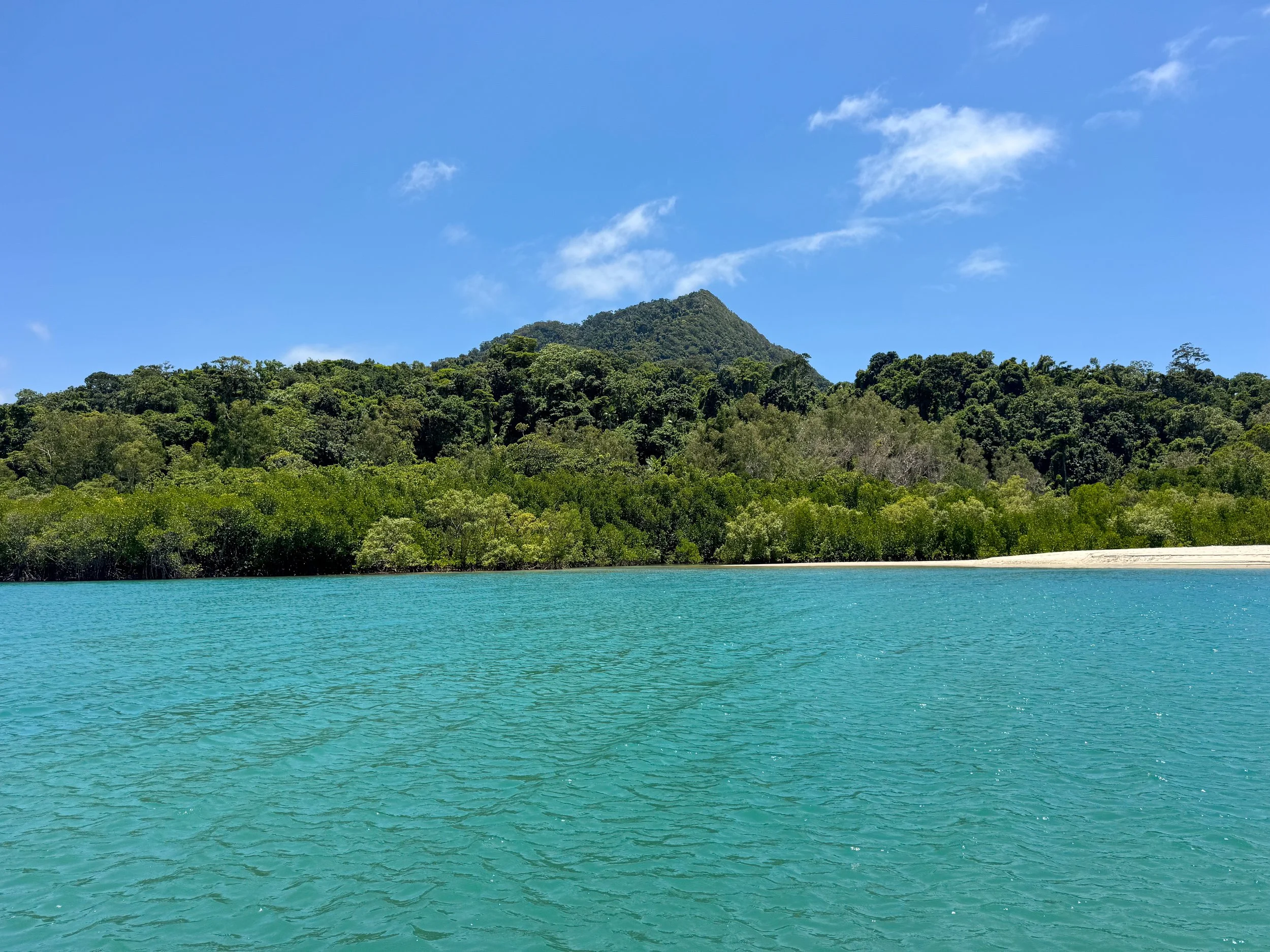
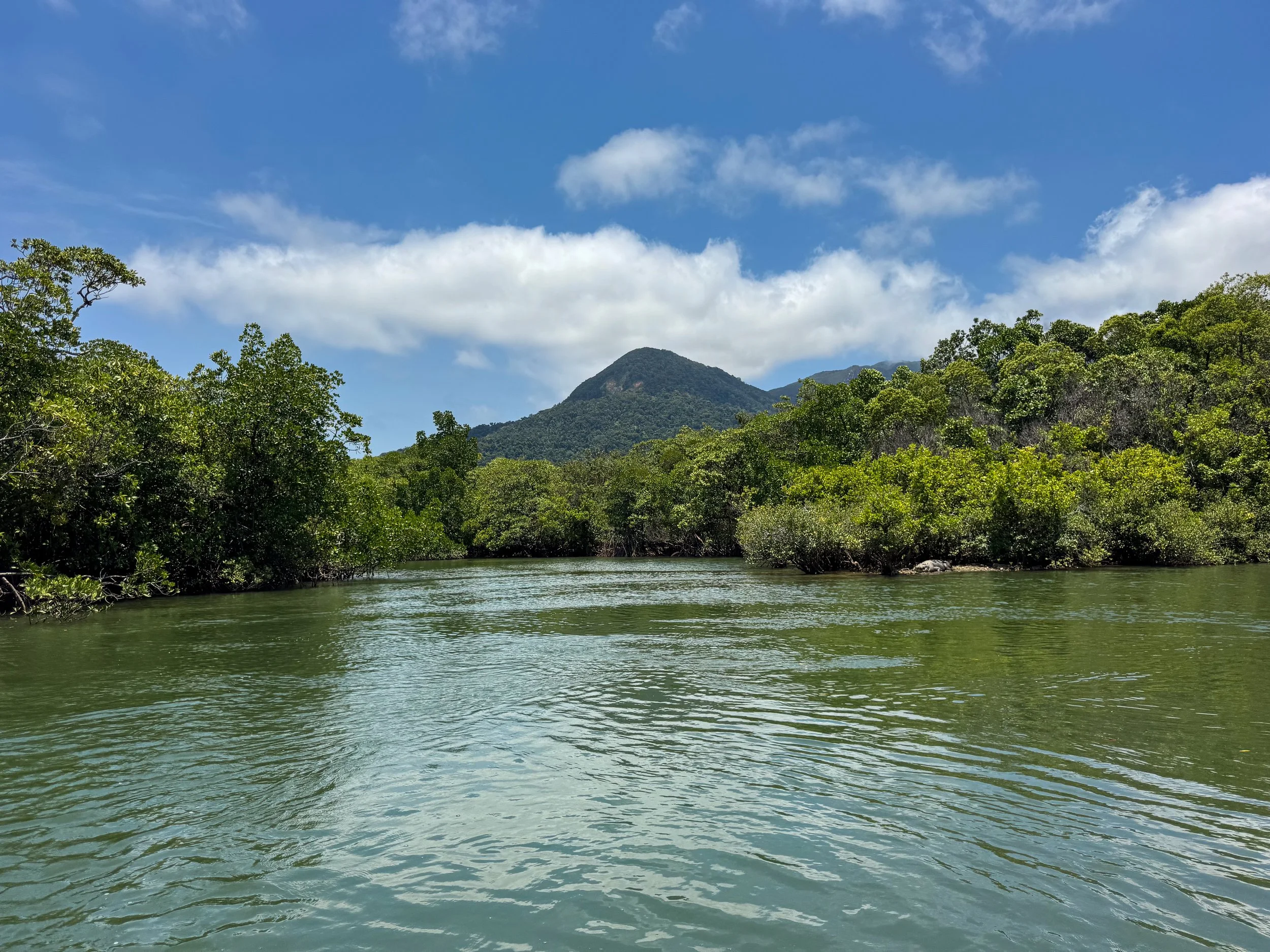
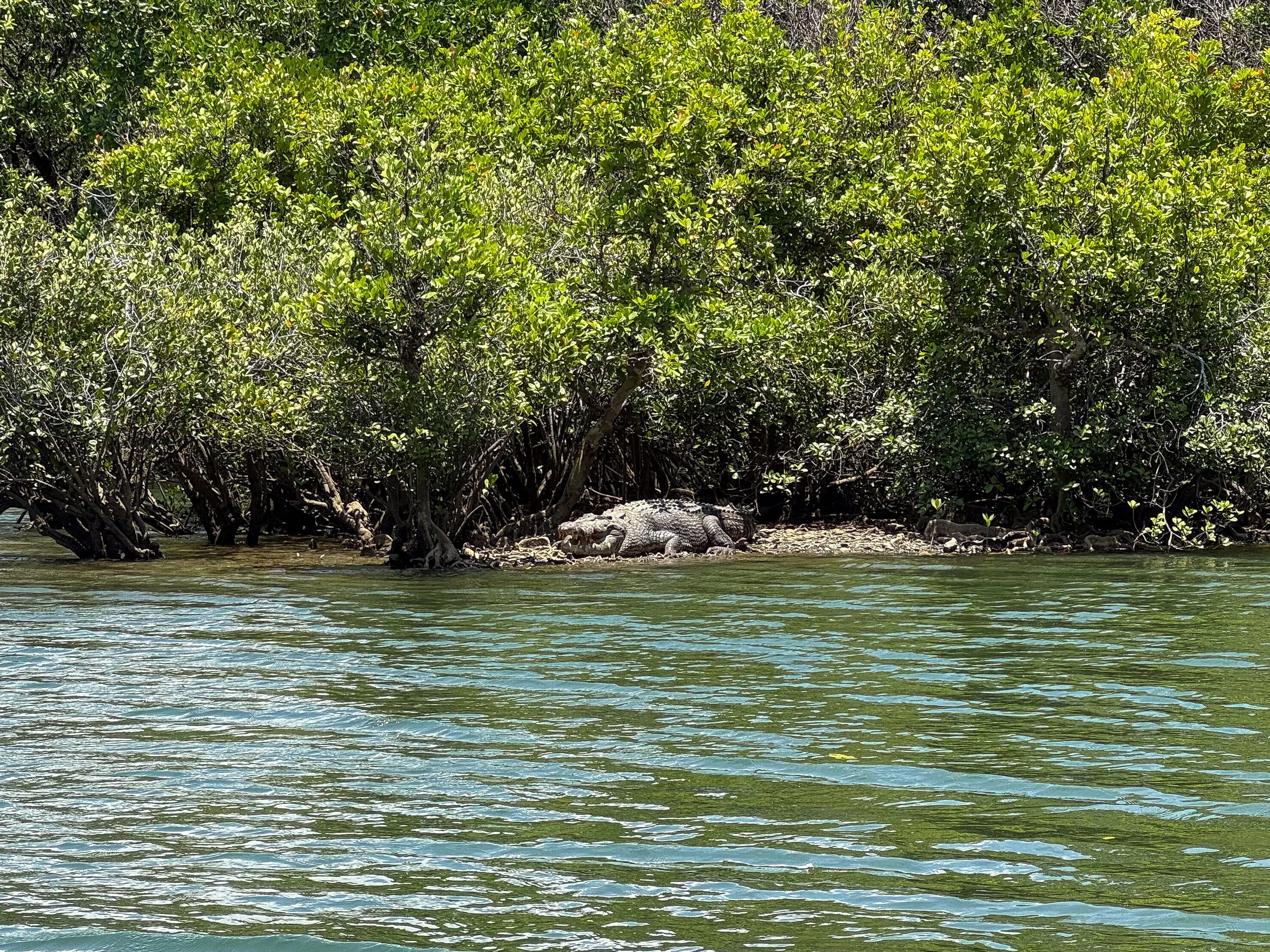
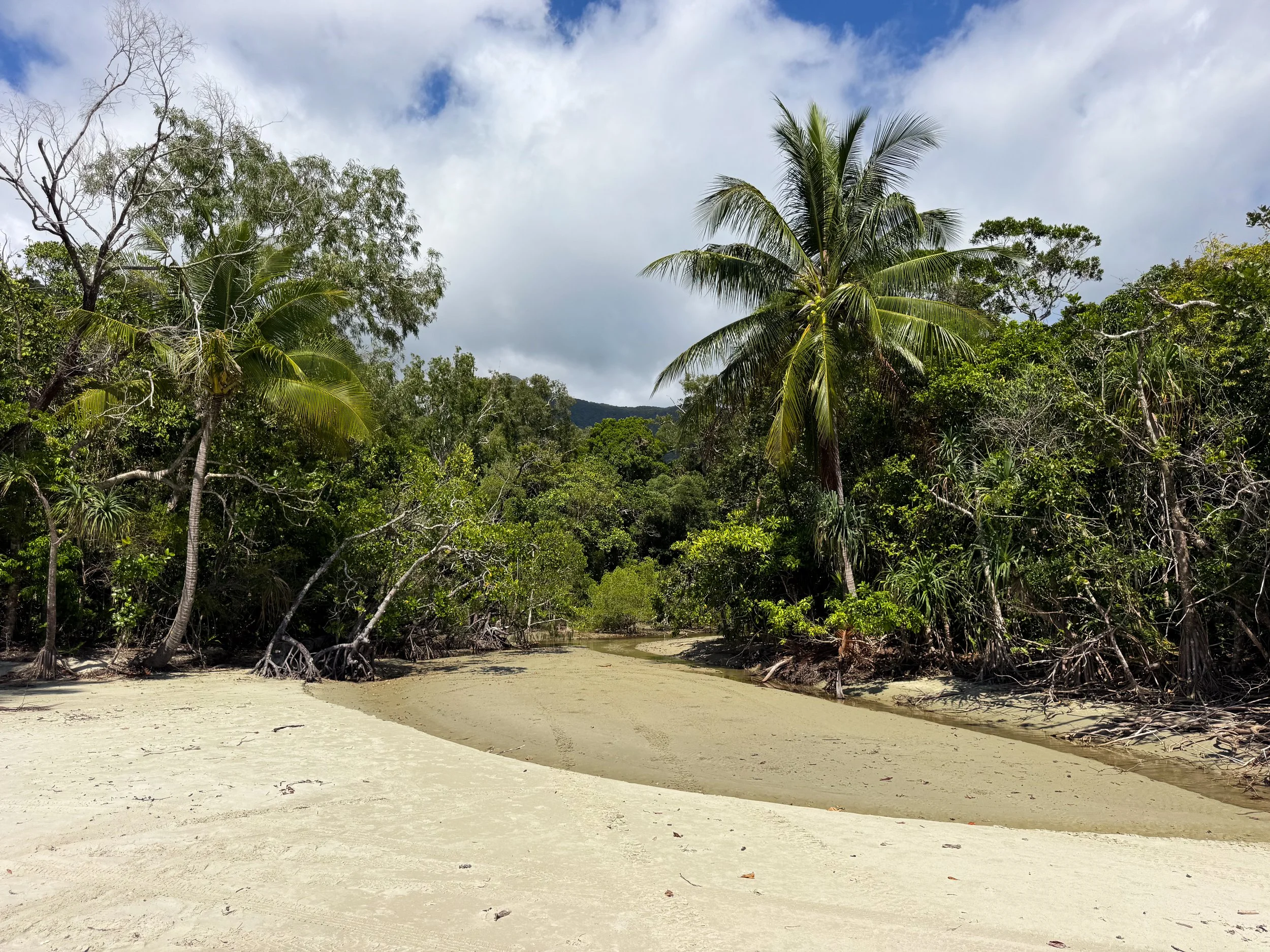
Cape Tribulation Wilderness Cruises. A boat cruise along the crocodile inhabited Copper Creek. Dense mangrove trees and mangled root structures line its banks. Verdant rainforest blankets the inland terrain. Murky river water gradually mixes with the turquoise seawater of the delta. The occasional crocodile is seen sunning on land and lurking beneath the surface of the water.
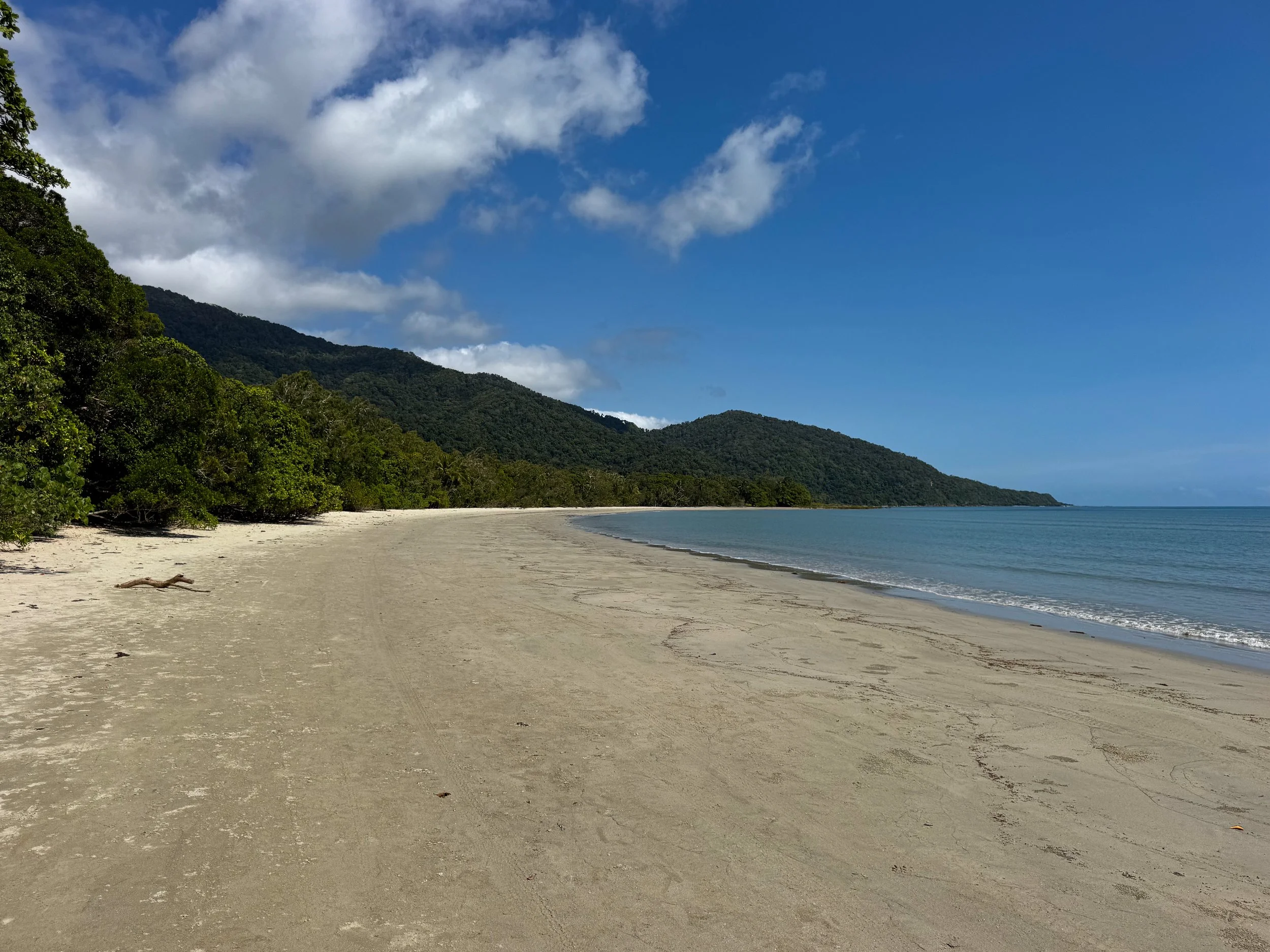
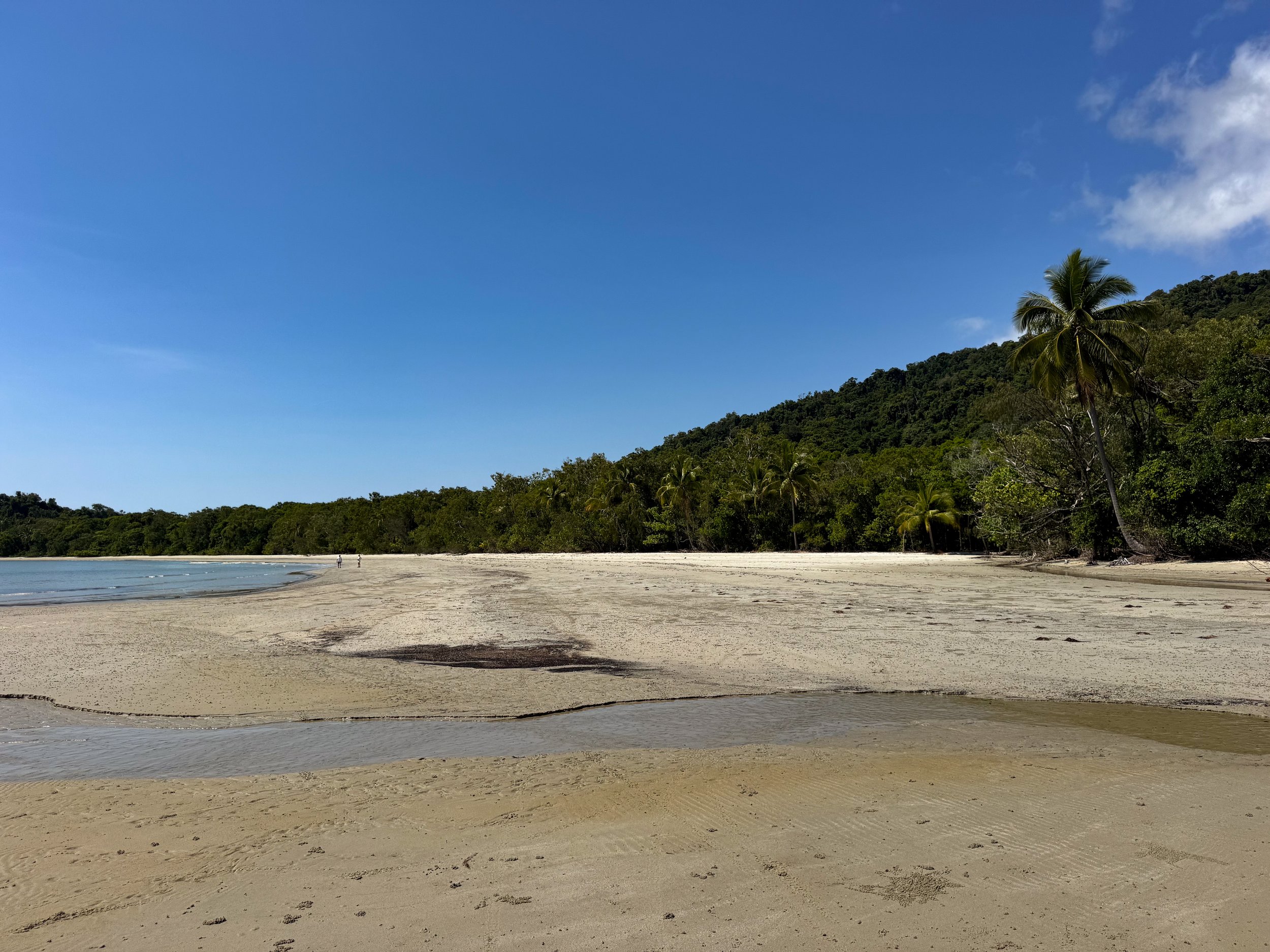
Cape Tribulation Beach. A remote place referred to as the “most dangerous beach in the world.” Its waters are inhabited by jellyfish, crocodiles and sharks. A nature trail leads through the tropical rainforest to a lookout point above the beach’s southern point. The shoreline meanders to a mangrove forest at its northern tip.
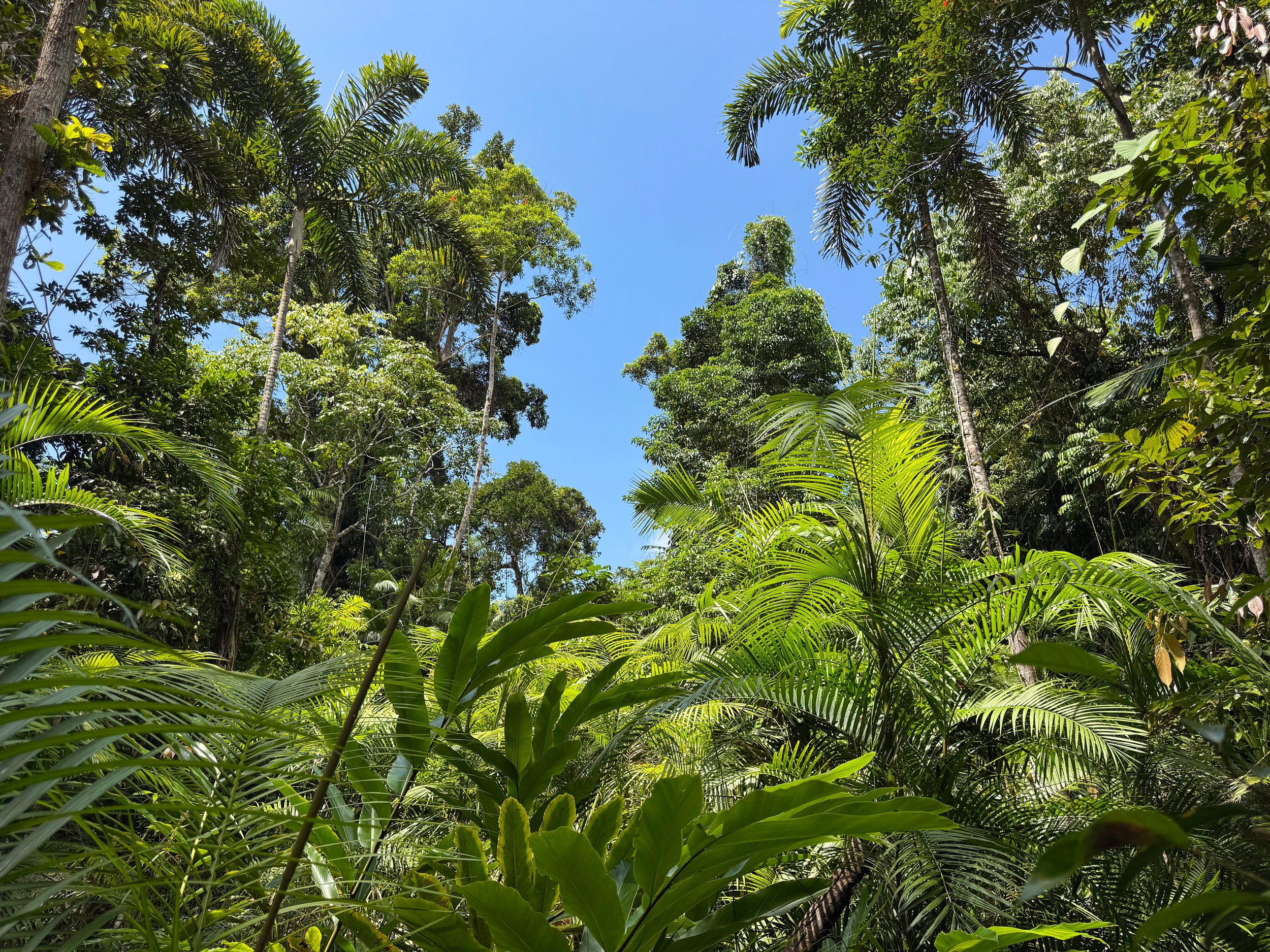
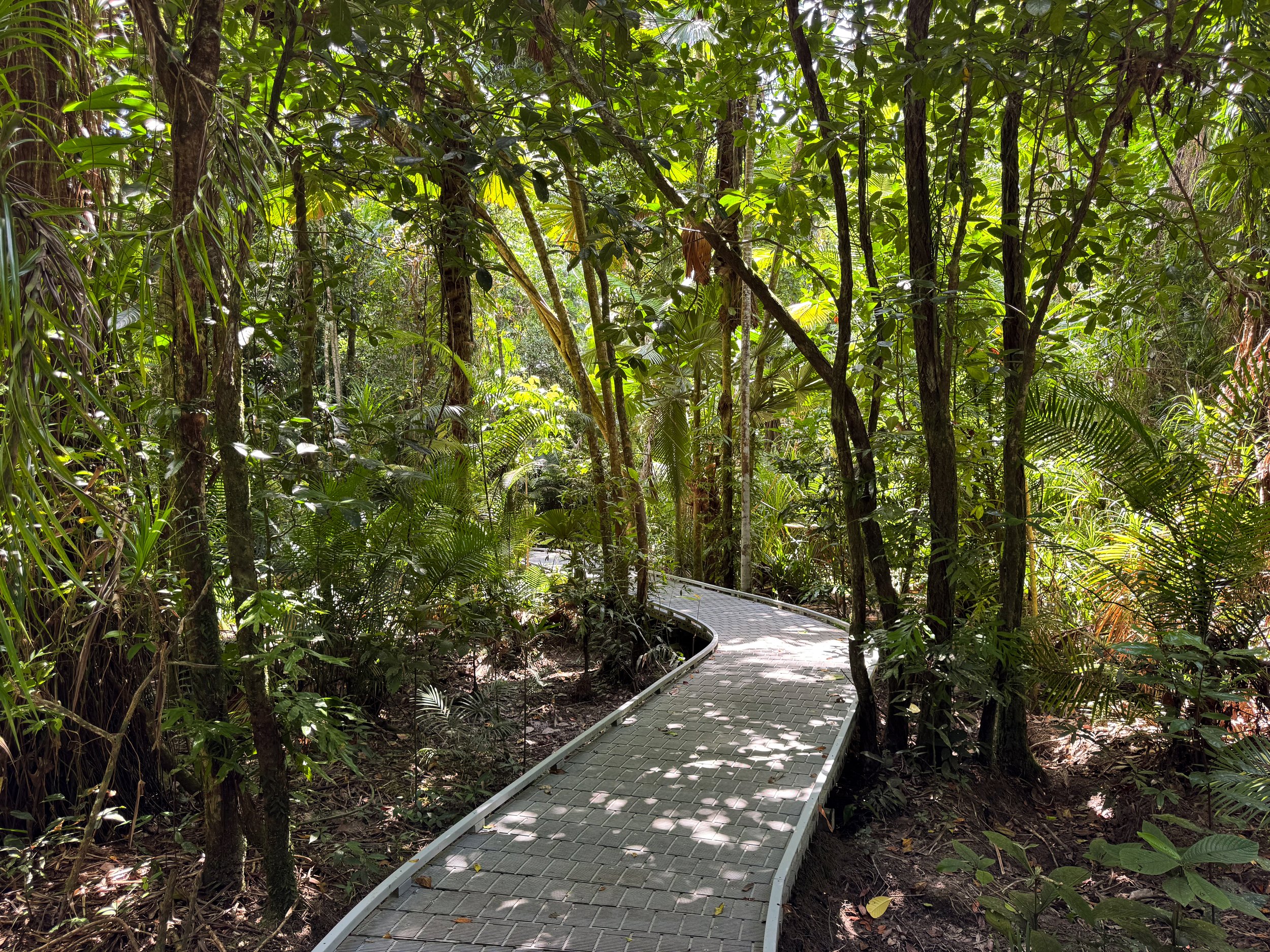
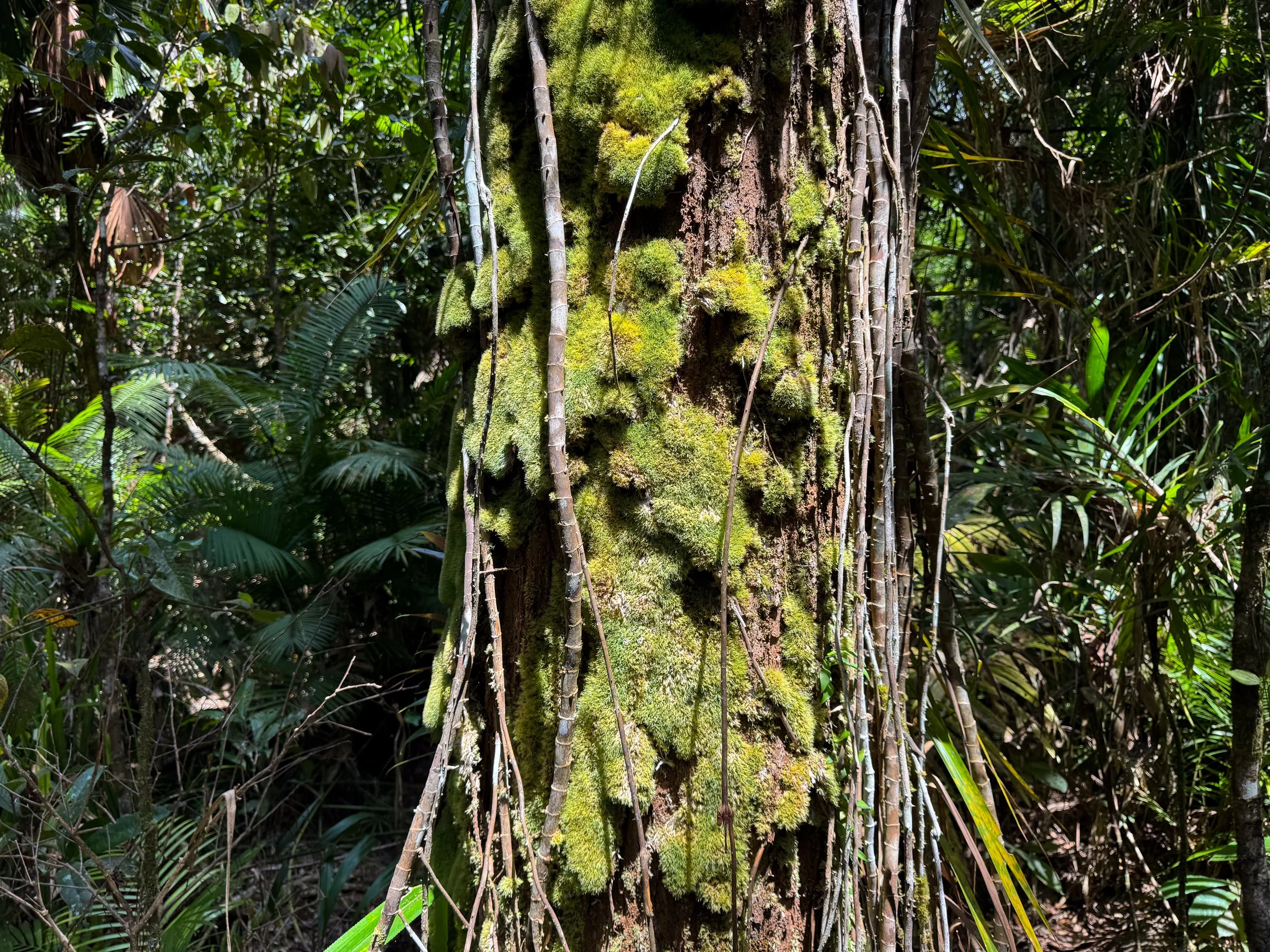
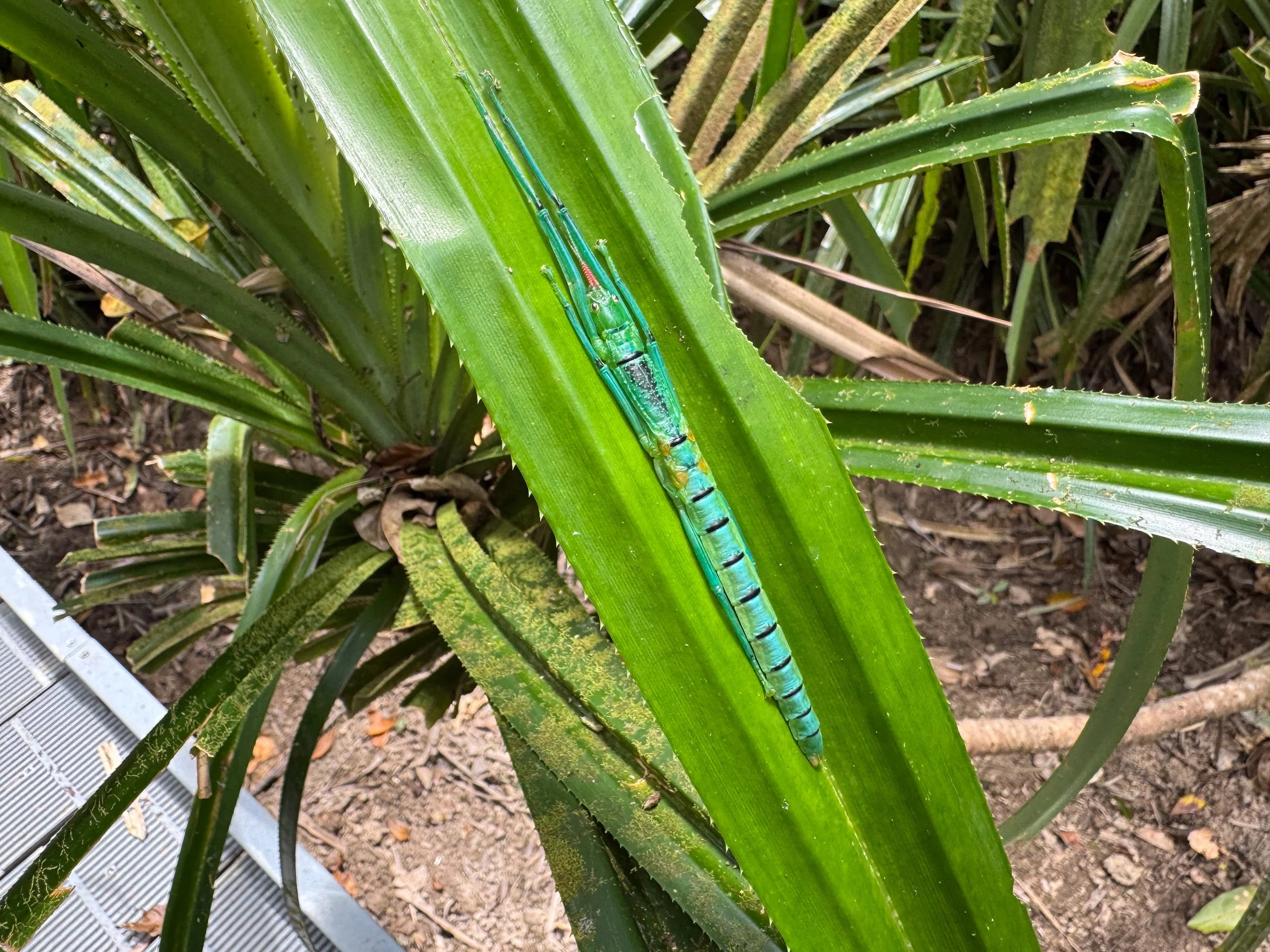
Mardja Botanical Walk. A nature walk through the wetlands of the tropical forest. The trail passes beneath a dense canopy of fan palms, giant ferns, climbing vines, spiky plants and several hundred year old trees. It continues through a muddy and flooded mangrove forest. The hum of insects and songs of birds resonate in the air.
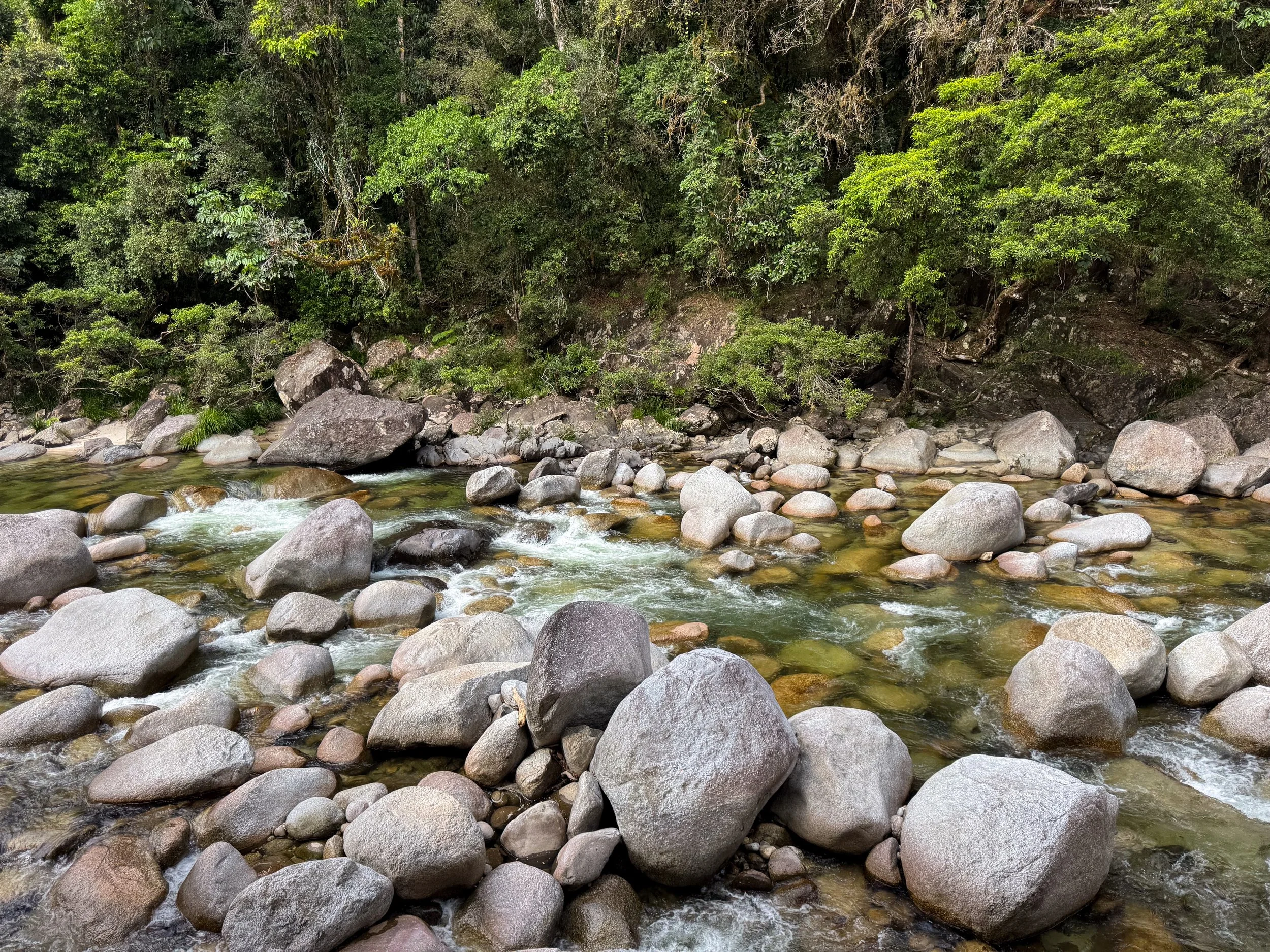
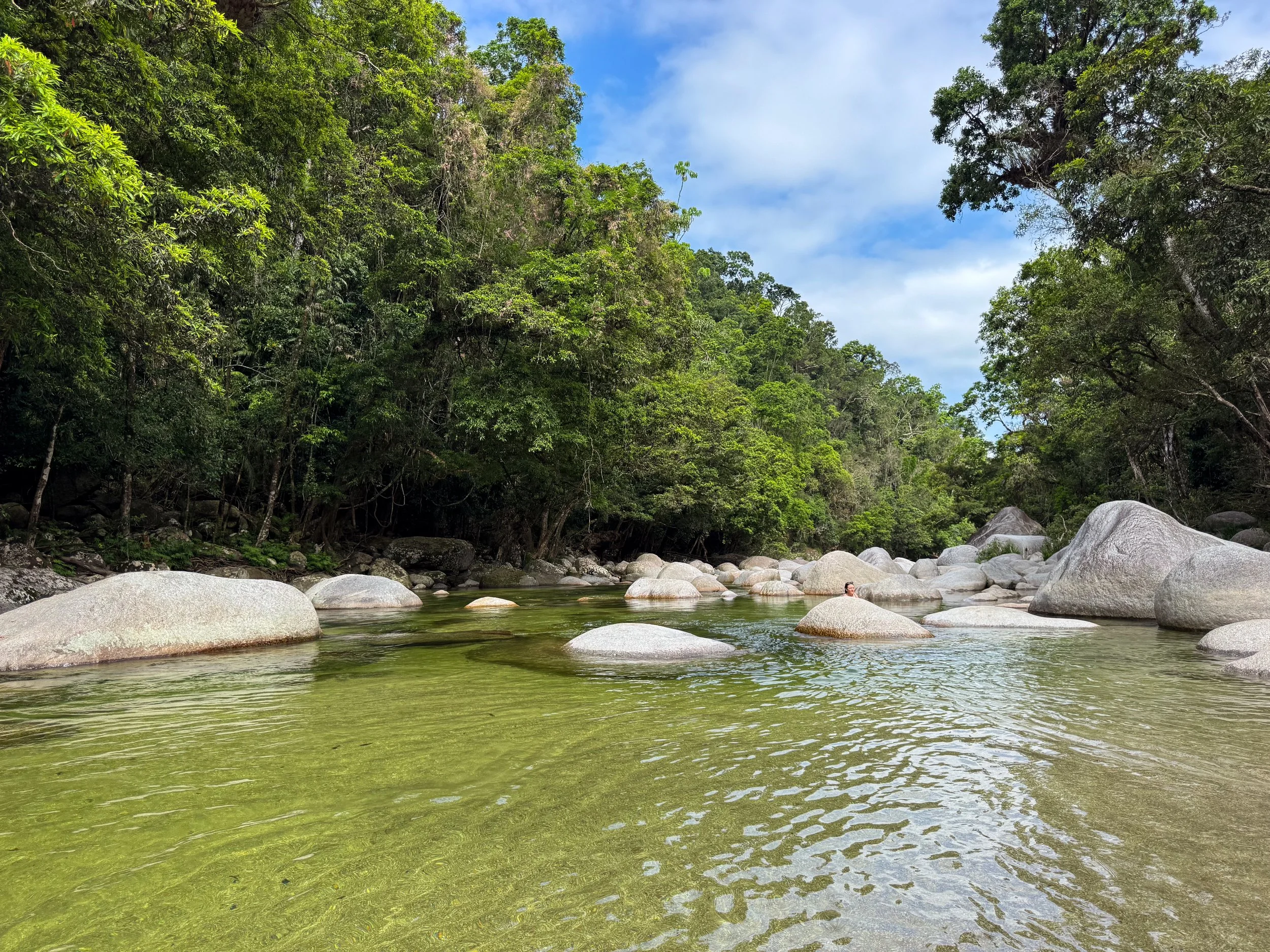
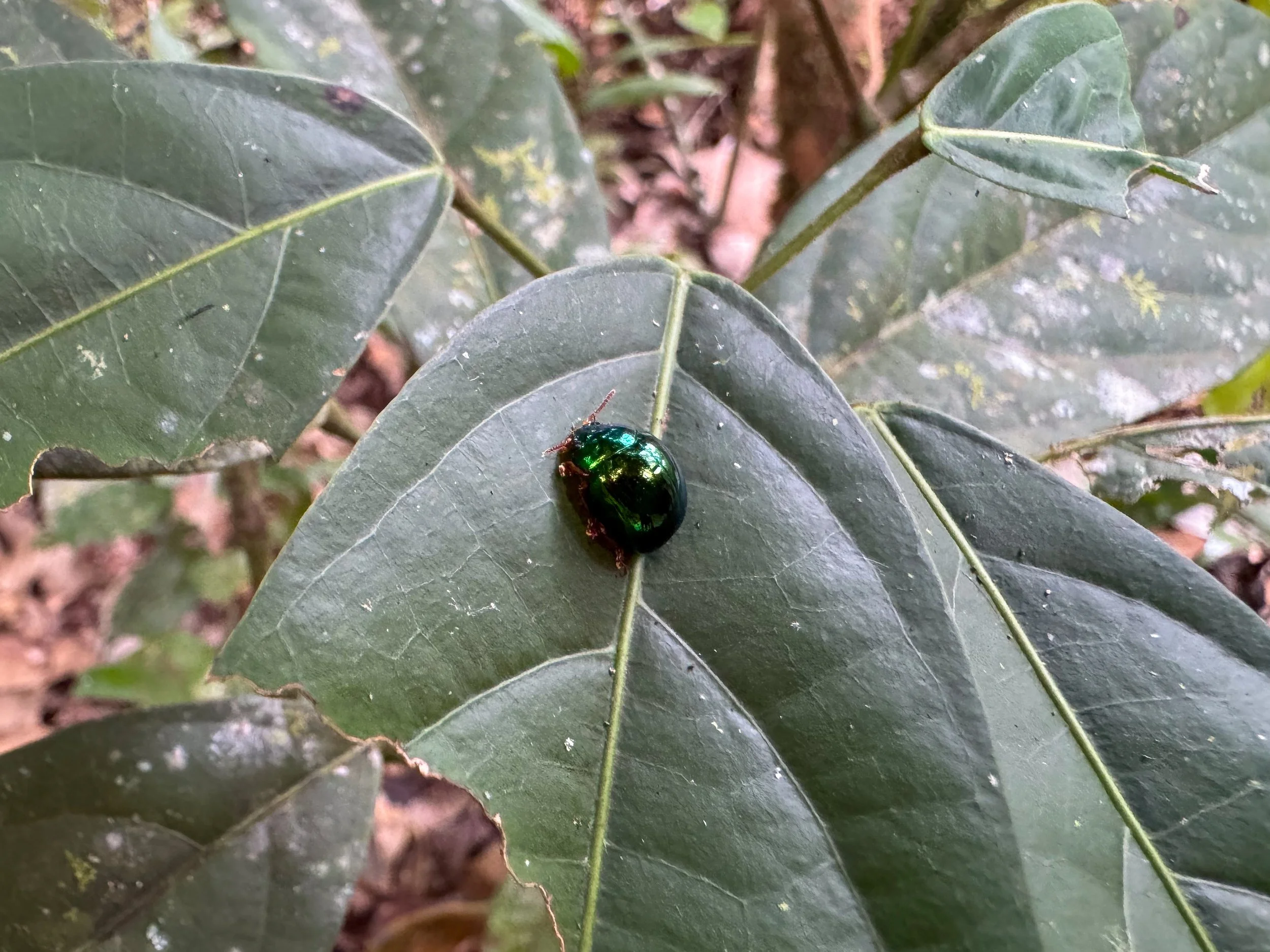
Mossman Gorge. A jungleous river gorge with nature trails, lookout points and beaches. River pools offer places to swim in the clear and cool water. Granite boulders of all sizes speckle the riverbed as verdant trees tower over its banks. Insects and birds can be spotted resting on leaves and perched in the tree top canopy.
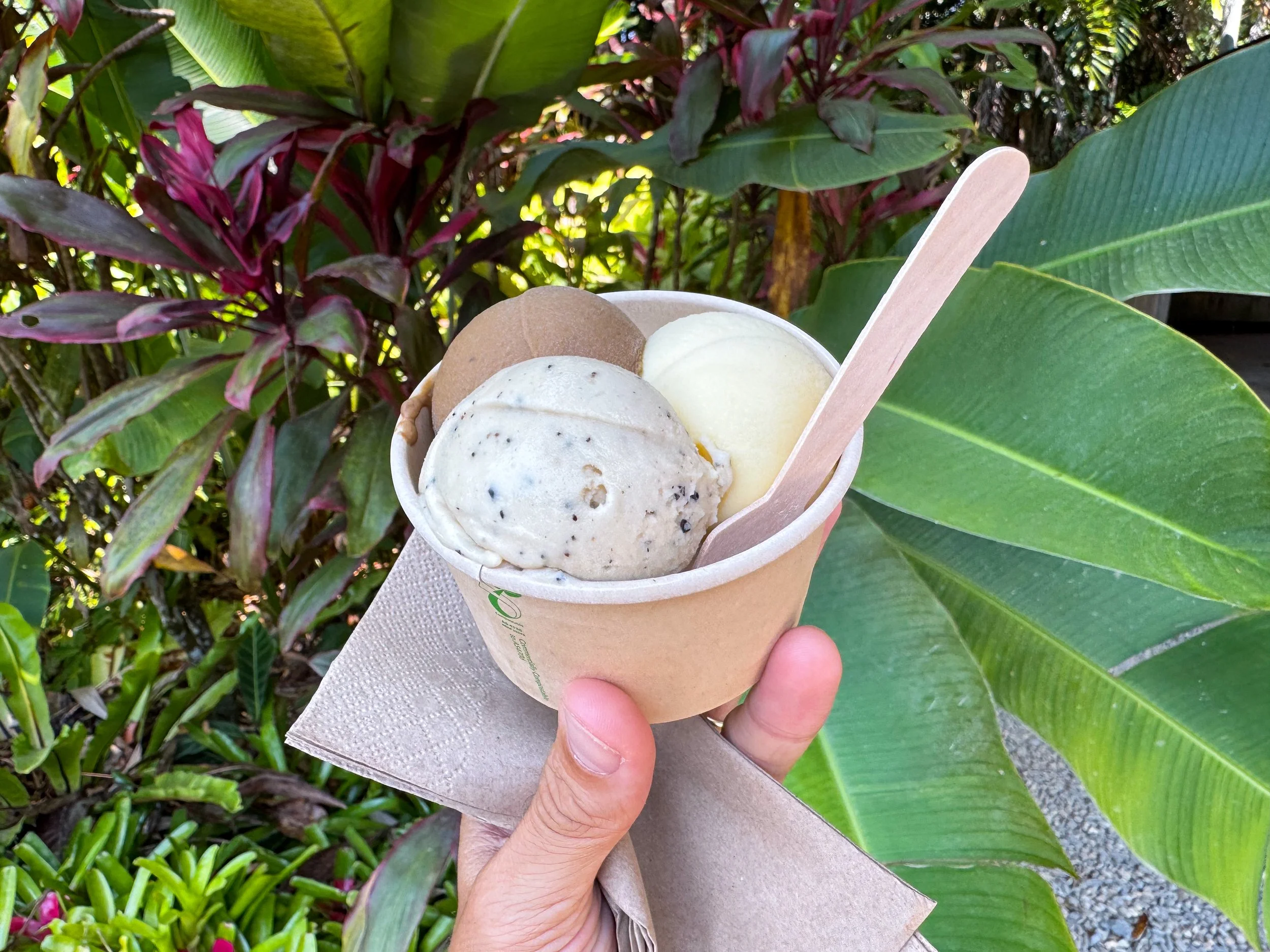
Daintree Ice Cream Company. An ice cream shop serving exotic and tropical flavors made with fruit grown on the property. Try a combination of wattleseed, black sapote, mango, coconut and soursop.
Experience Daintree. A tour operator in Port Douglas offering day trips to the Daintree Rainforest. Book on Viator.
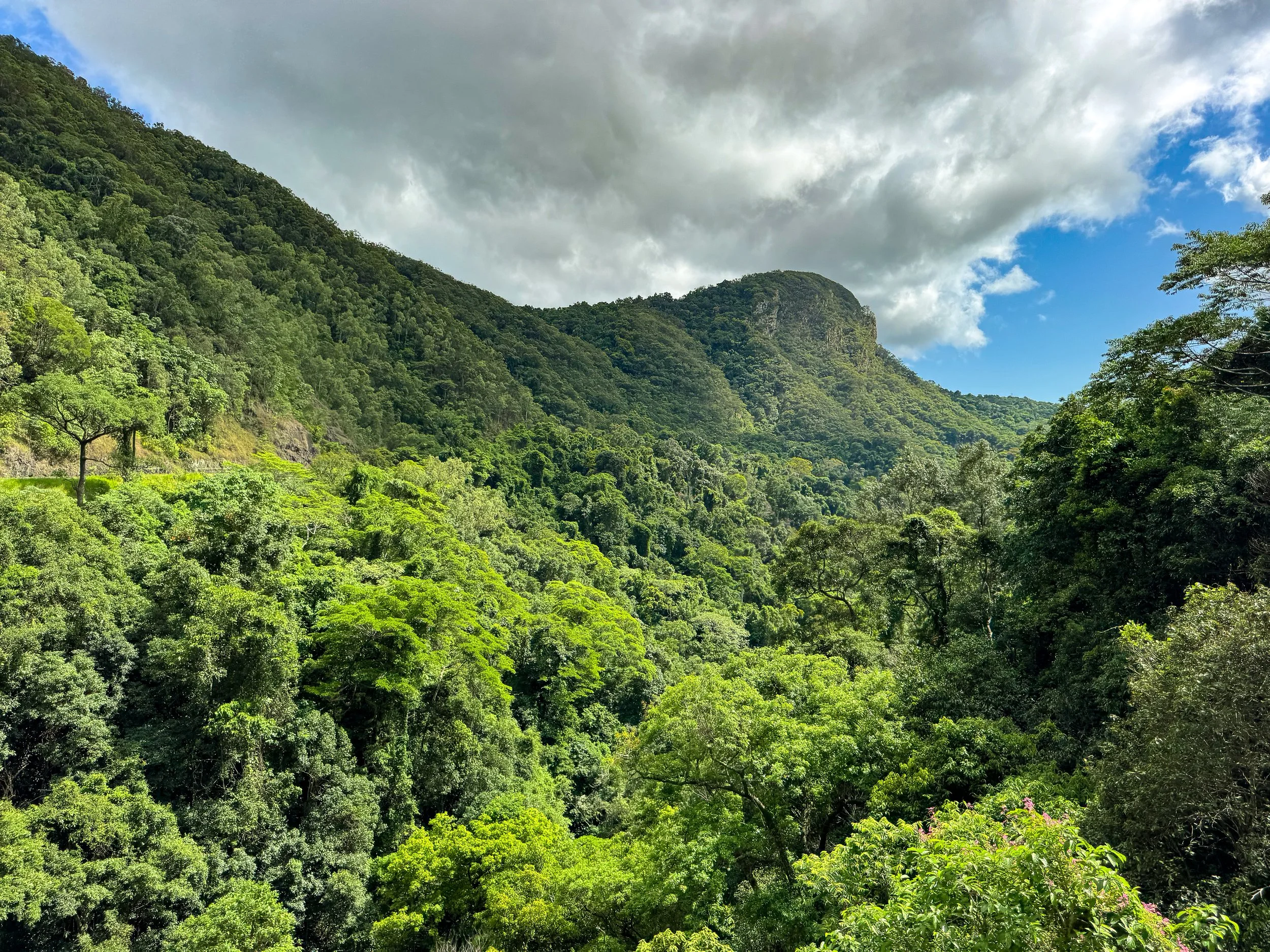
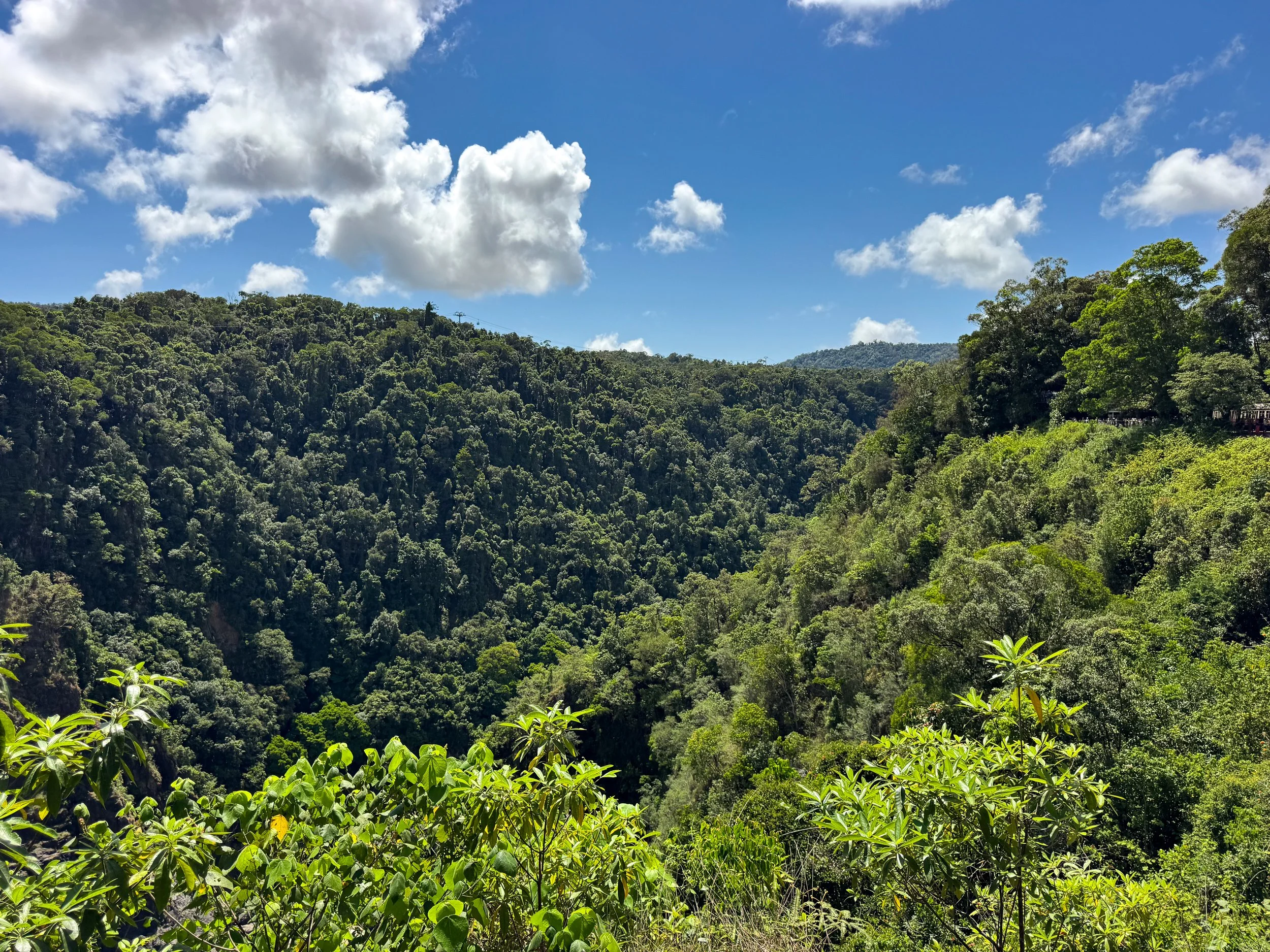
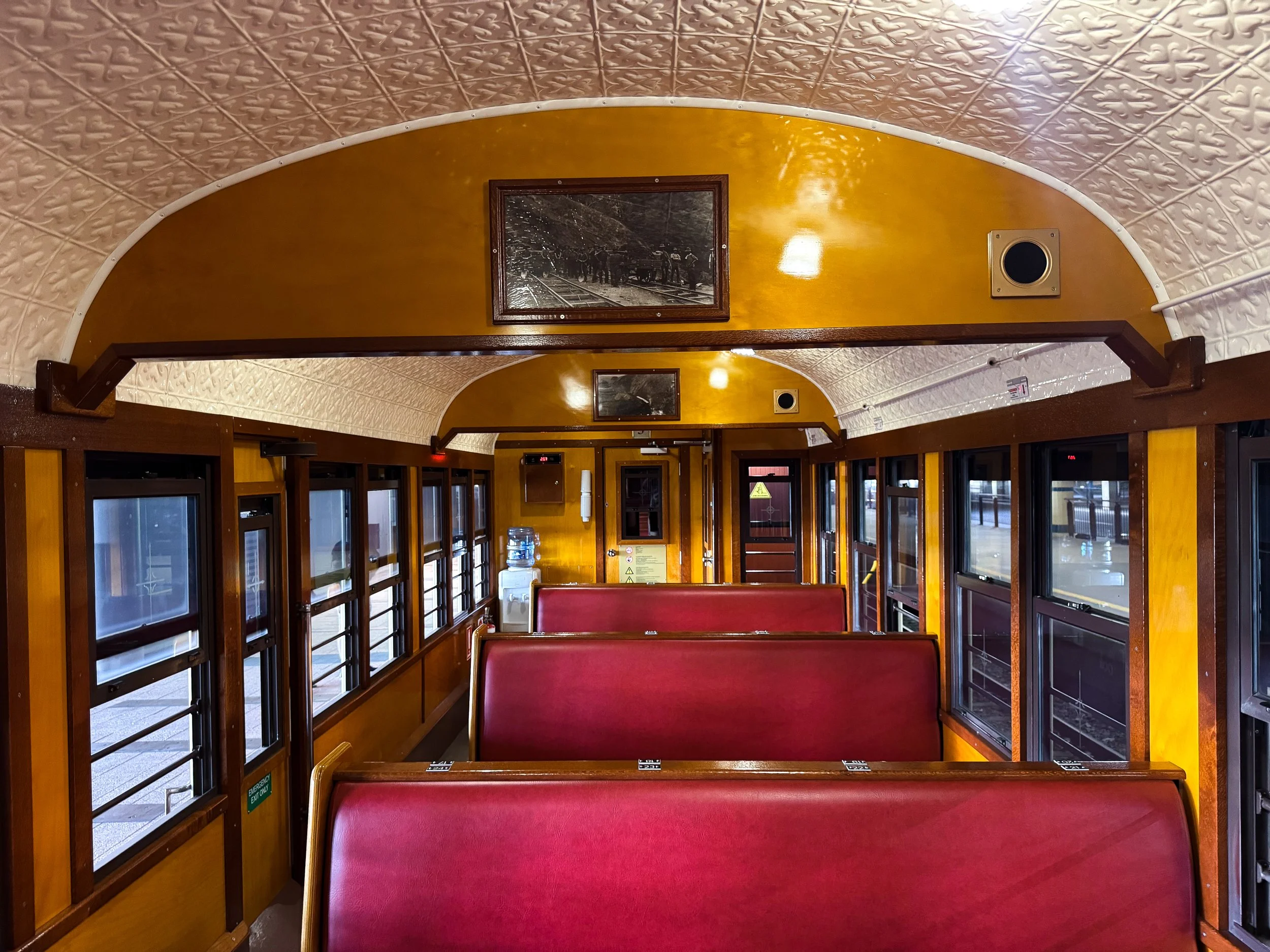
Kuranda Forest
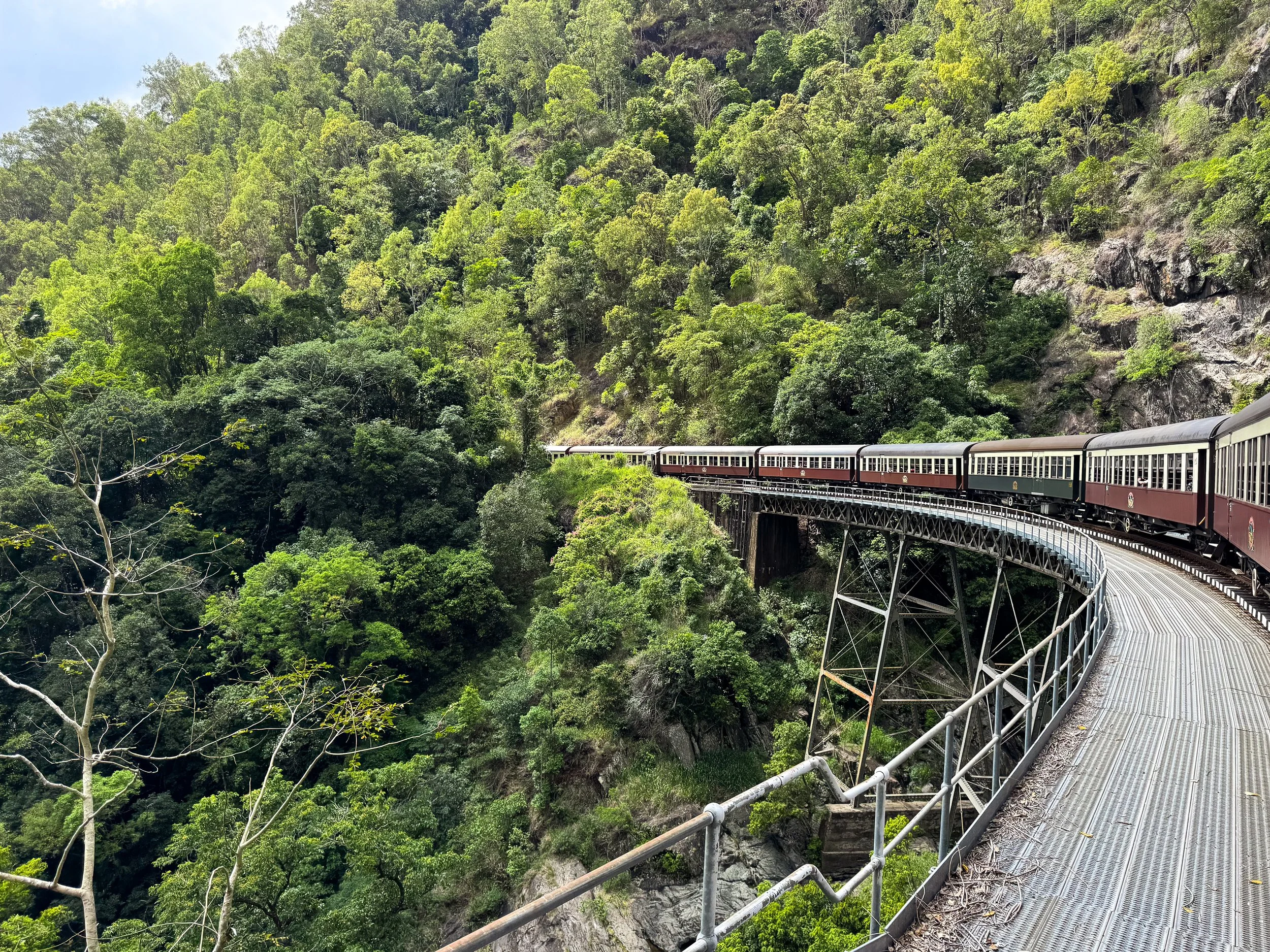
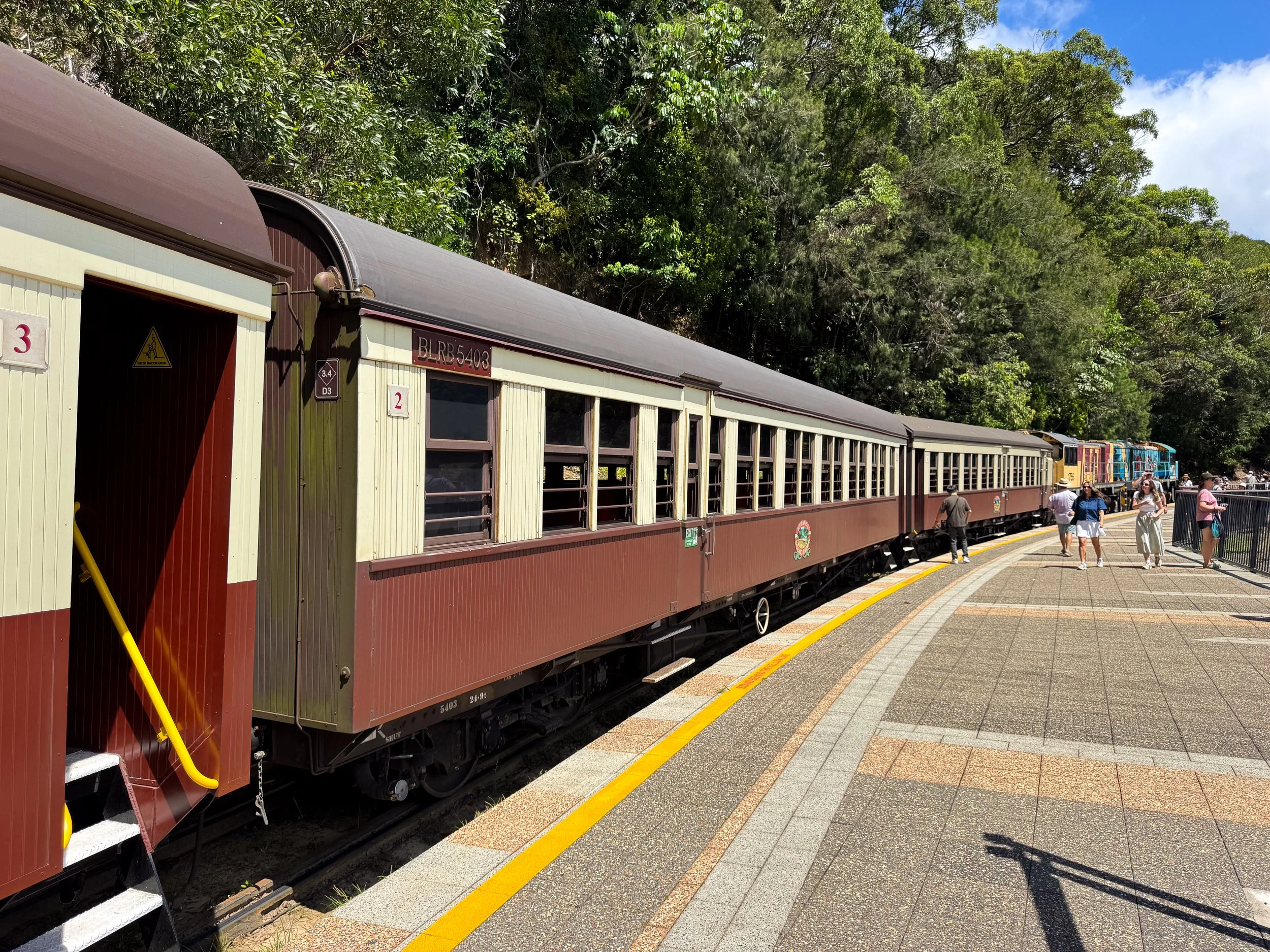
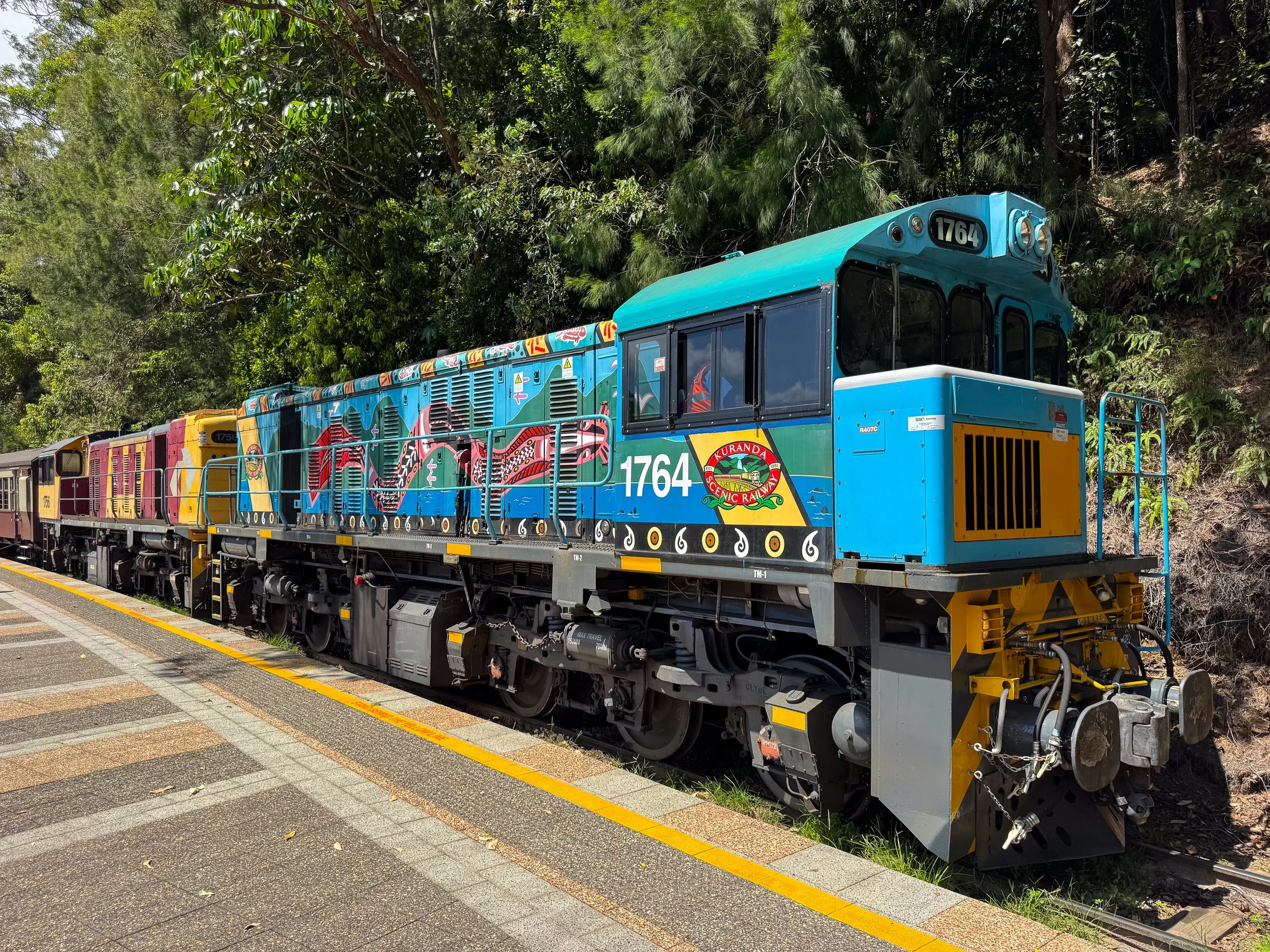
A tropical jungle with densely forested mountains, verdant landscapes and massive waterfalls. The forest is accessible from Cairns by a historic train line and scenic cable car.
Kuranda Scenic Railway. A historic railway with scenic views of the Kuranda Forest, its gorges, ridges, rivers and waterfalls. Antique carriages shuttle passengers along a series of twists, tunnels and bridges between Cairns and the Kuranda Village. The journey lasts about 2 hours including a brief stop at Barron Falls Lookout. Reserve tickets in advance here.
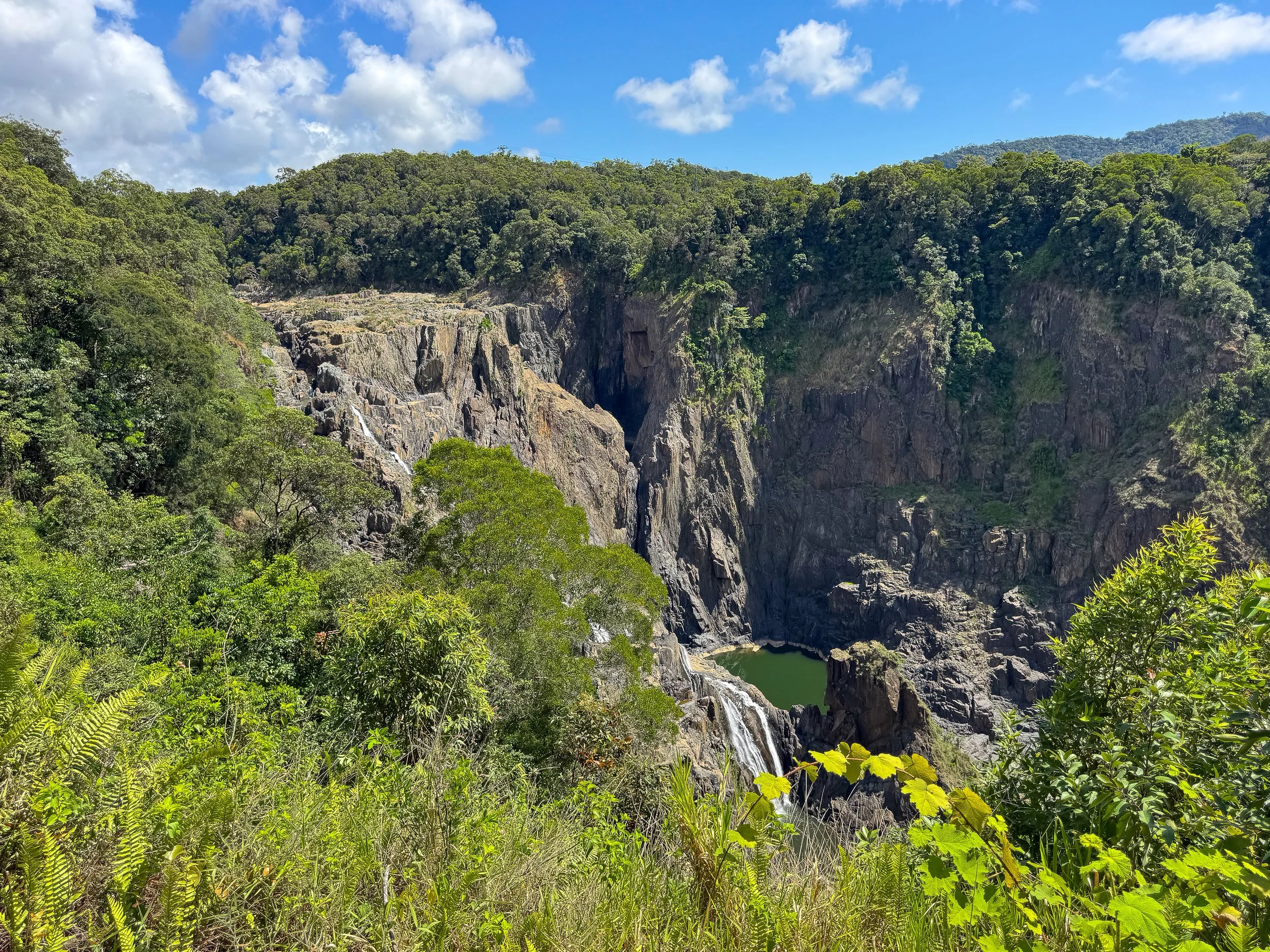
Barron Falls. A massive rainforest waterfall in the Barron Gorge. A trickling stream of water flows over the craggily black stone gorge and cliffside pools during the dry season. Its raging waters are best seen during the wet season from December to February.
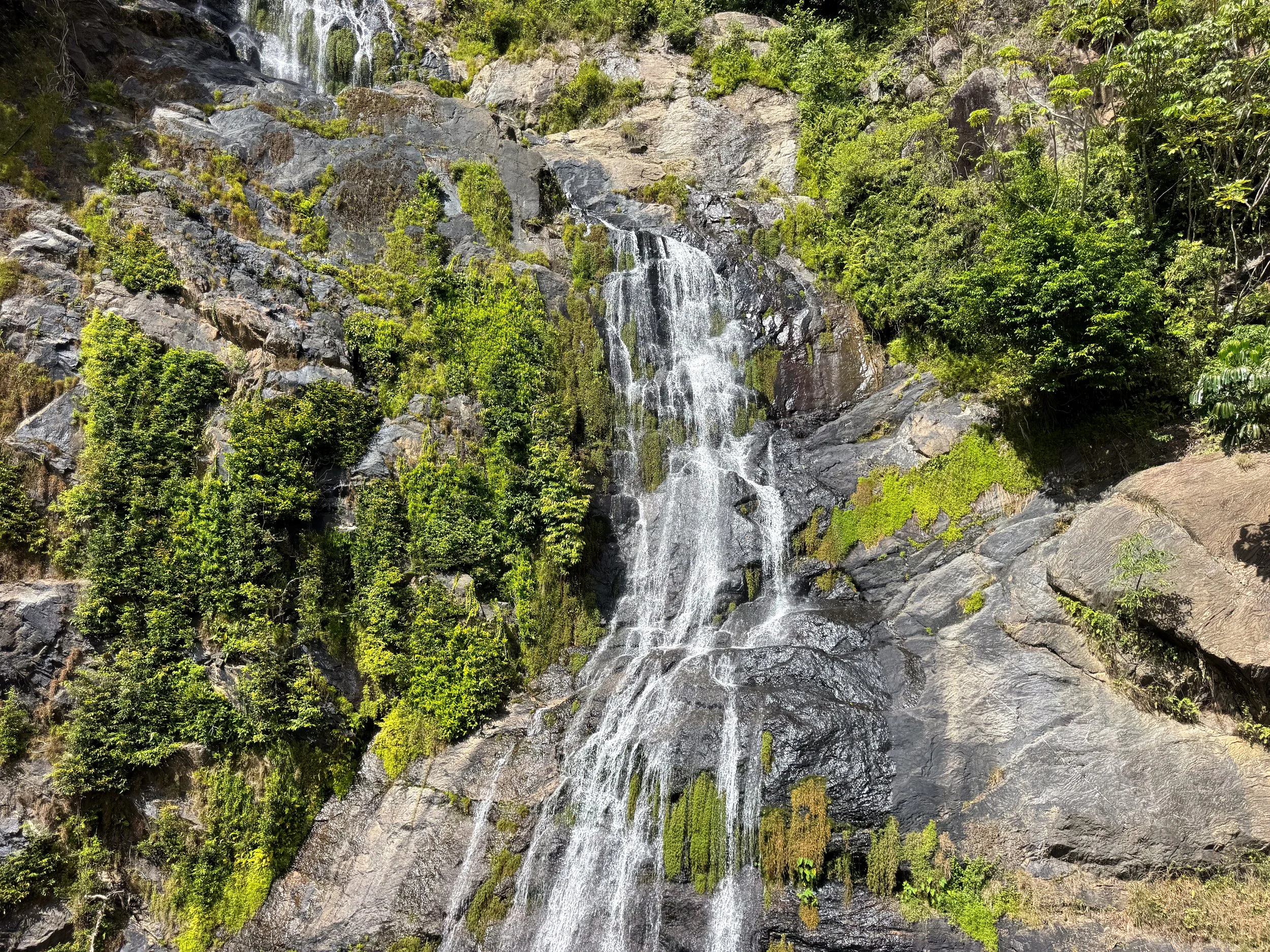
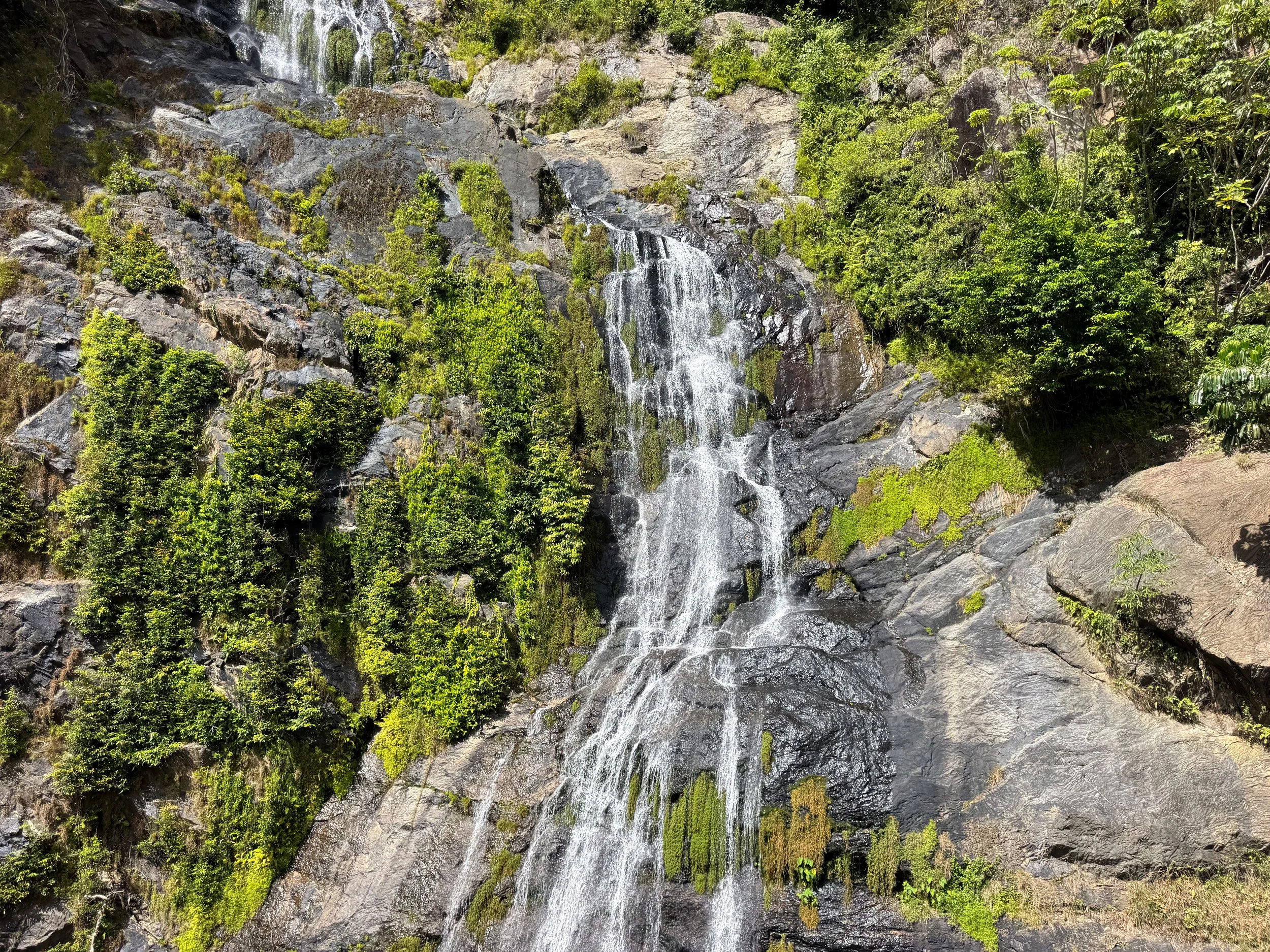
Stoney Creek Falls. A cascading waterfall flowing down the face of tall rocky cliff. It’s visible from the Scenic Railway.
Kuranda Sky Rail. A series of cable cars suspended above the lush treetop canopy of the Kuranda Forest. They offer panoramic views of the mountainous rainforest, its rivers and gorges. Stations at Barron Falls and Red Peak provide opportunities to explore nature trails surrounded by towering trees and tropical plants. Reserve tickets in advance here.
Kuranda Village. A mountain village in the middle of the Kuranda Forest. Its main street is lined with ice cream shops, souvenir stores, aboriginal art galleries and small zoos. The Scenic Railway and Sky Rail make stops here.
Pro Tip. Ride the Scenic Railway up and take the Sky Rail down.
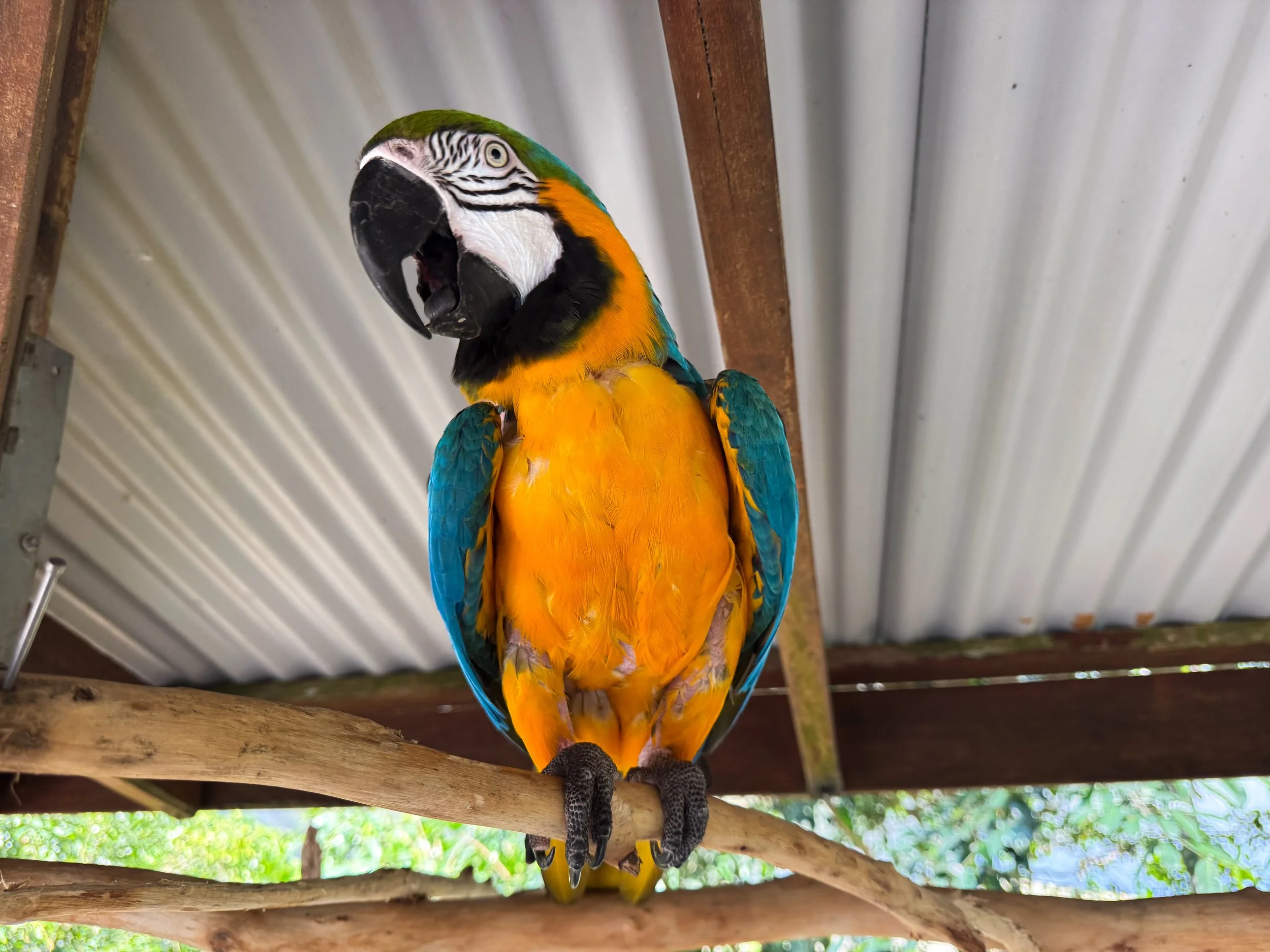
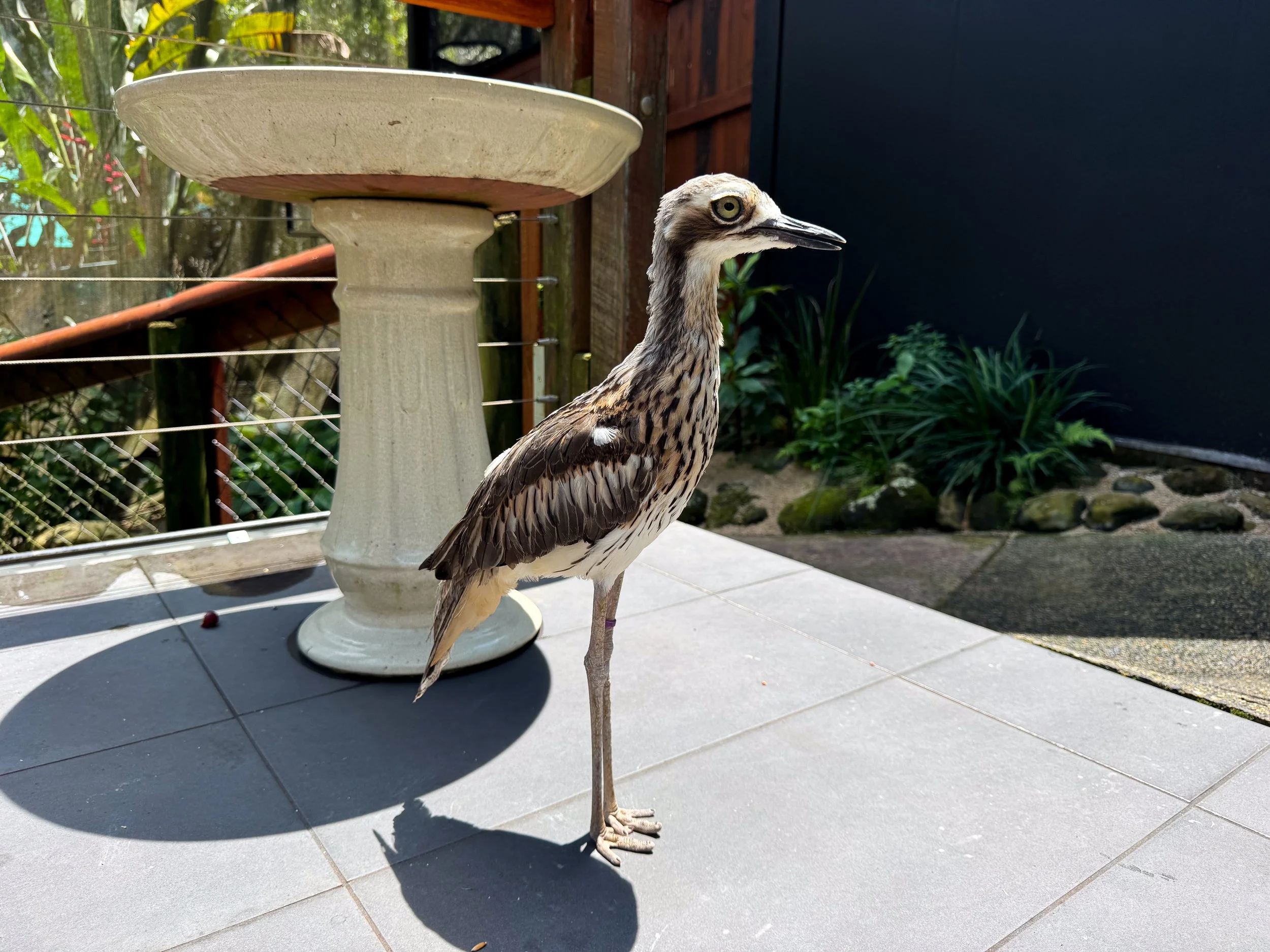
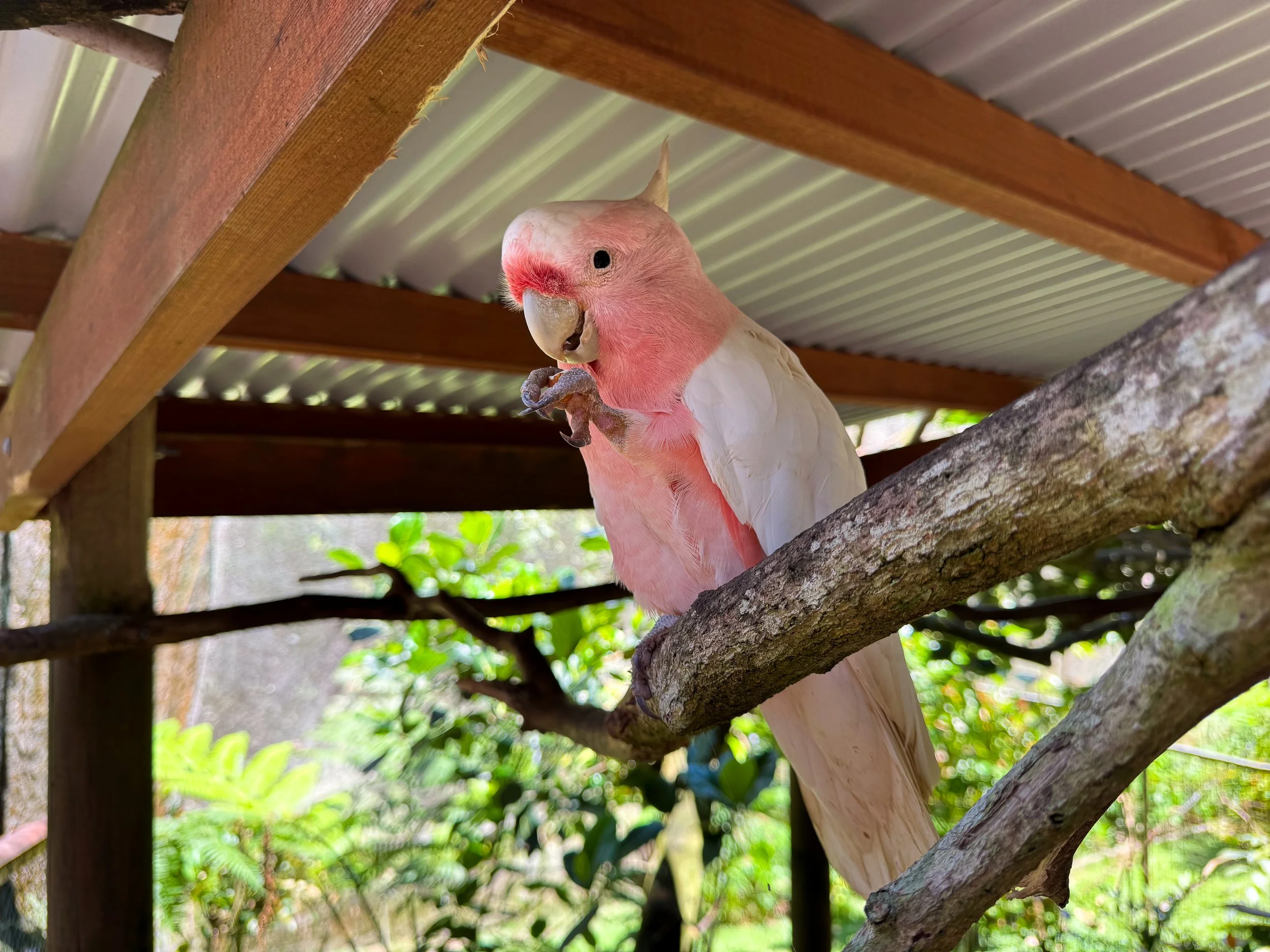
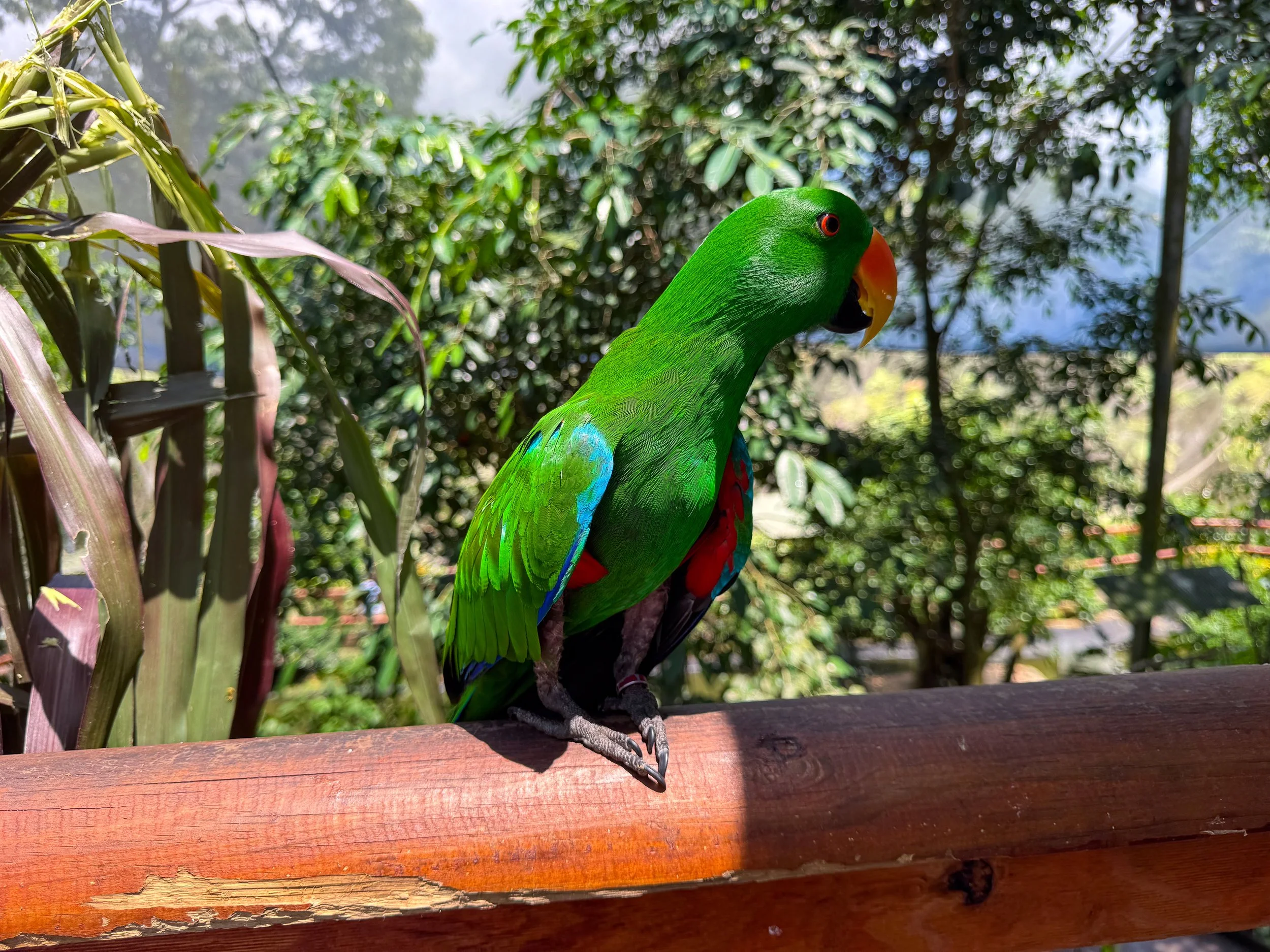
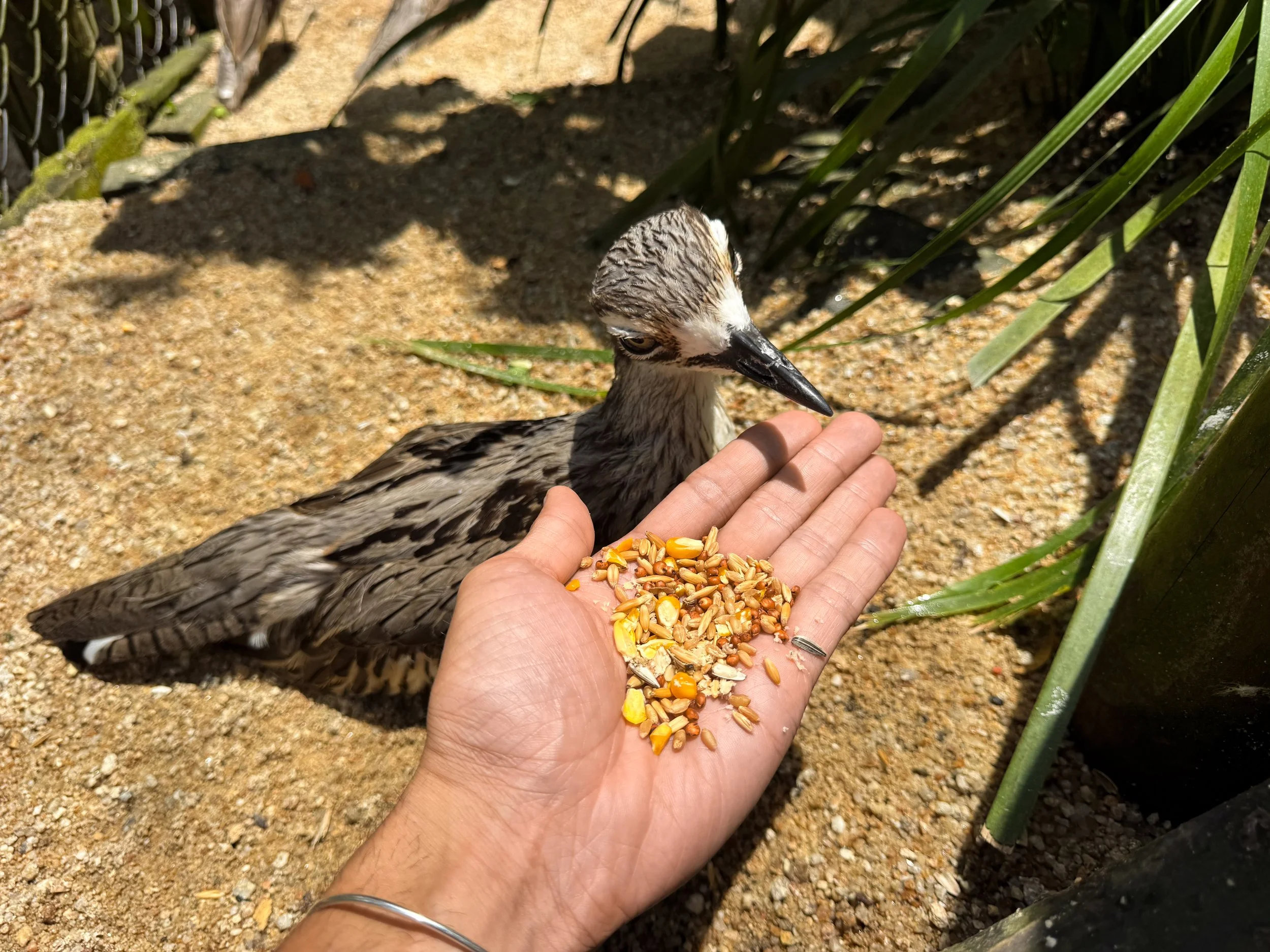
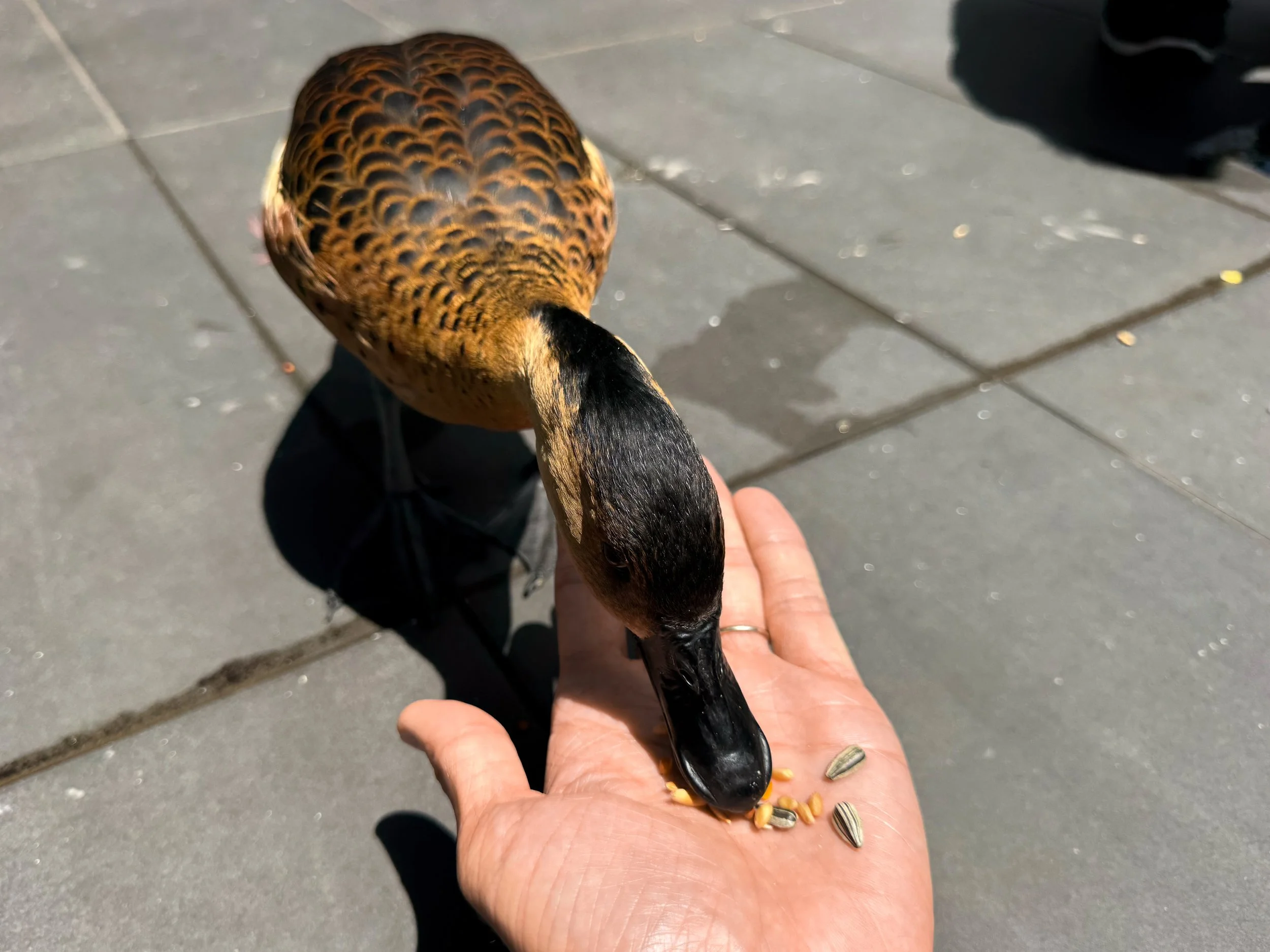
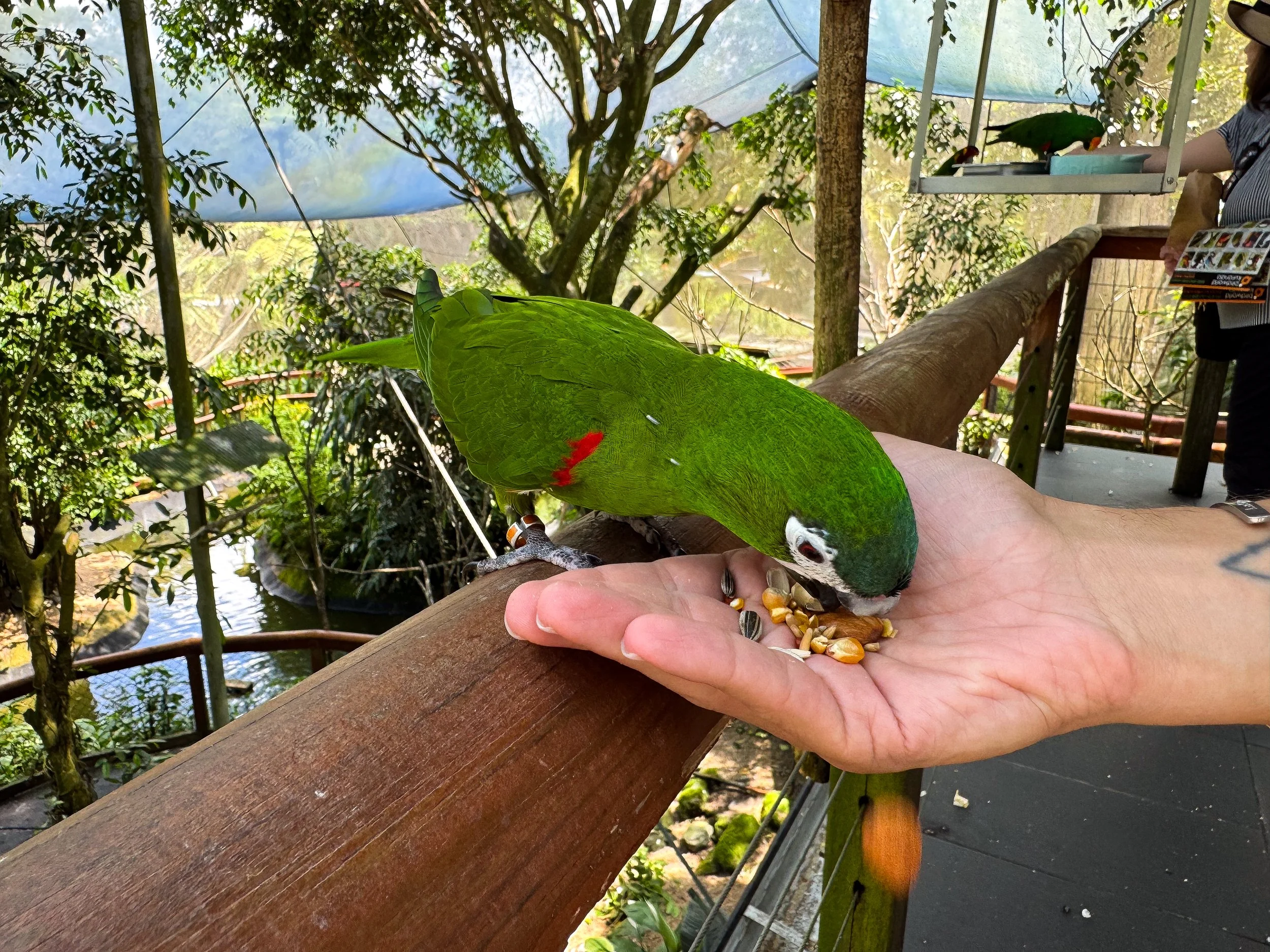
Bird World Kuranda. An avian park with “free roaming” Australian and tropical birds like macaws, parakeets, cockatoos, finches, ducks and a cassowary. Come here to feed the birds seeds, nuts, crackers and fruits by hand.
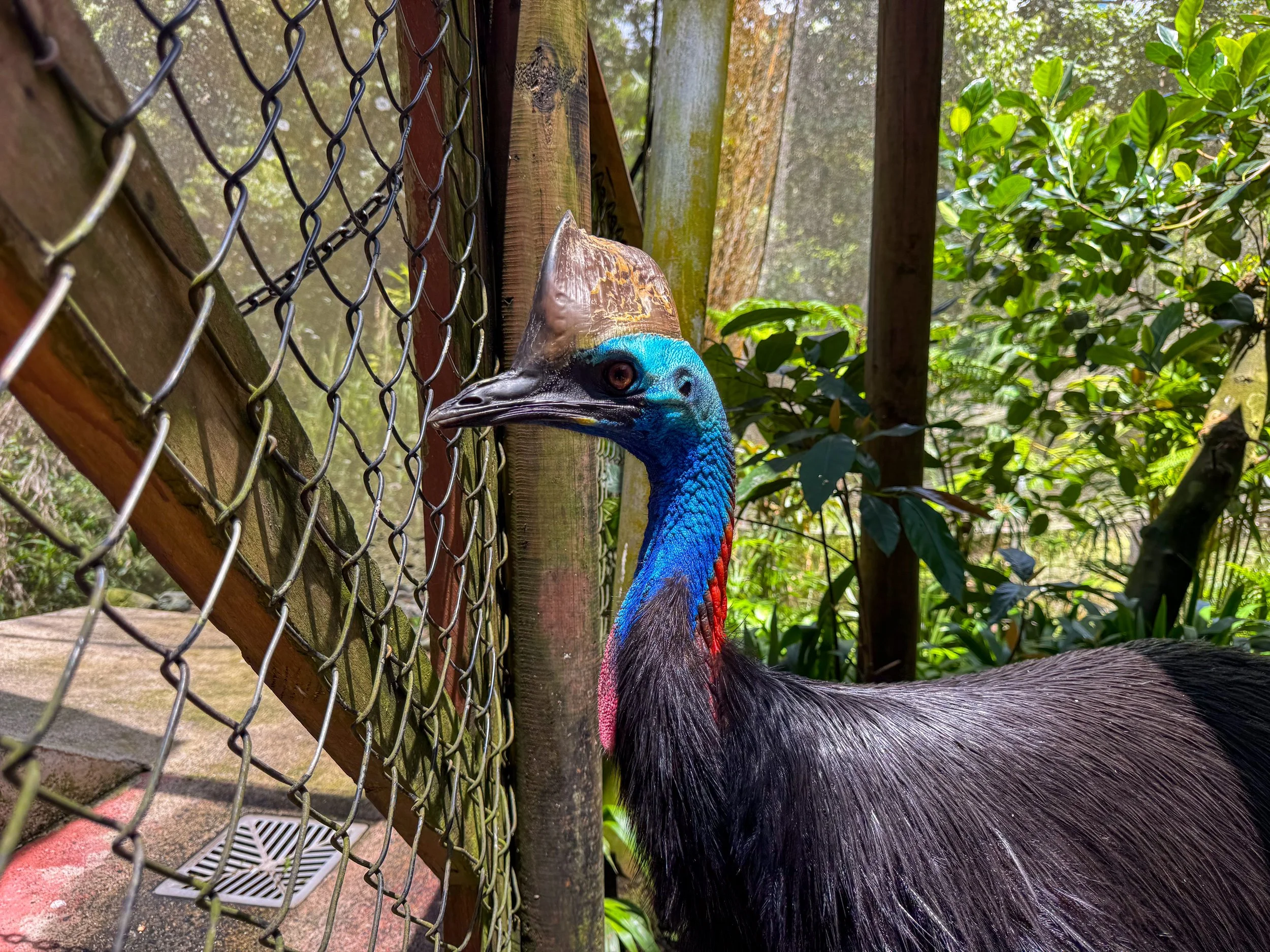
The Cassowary. An ancient and endangered bird native to Queensland’s tropical forests. It’s one of the closest living relatives to the dinosaurs and the third largest avian species. They’re recognizable by their blue and red faces, head top casque, black feathered body and three toed feet with large talons.
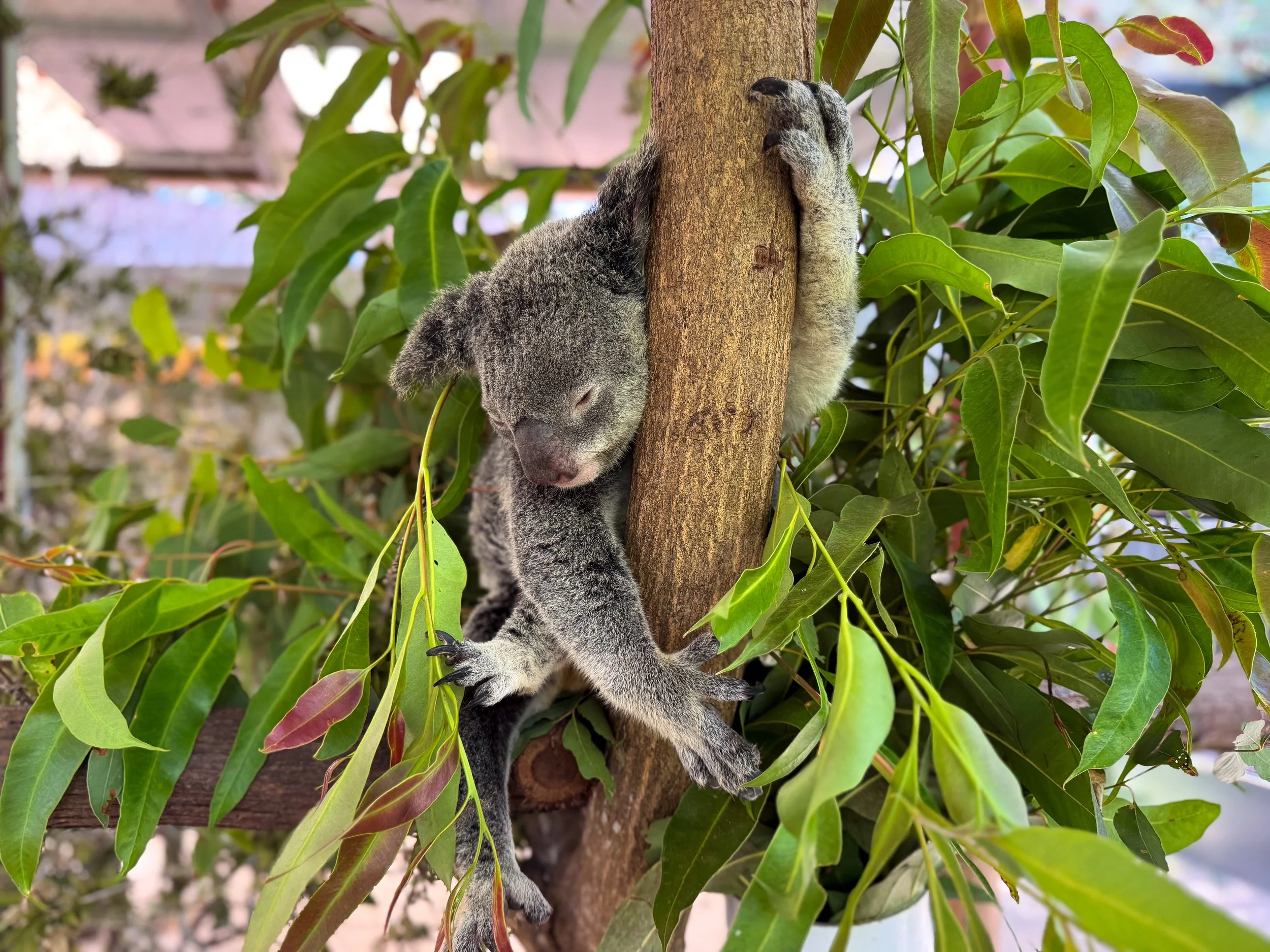
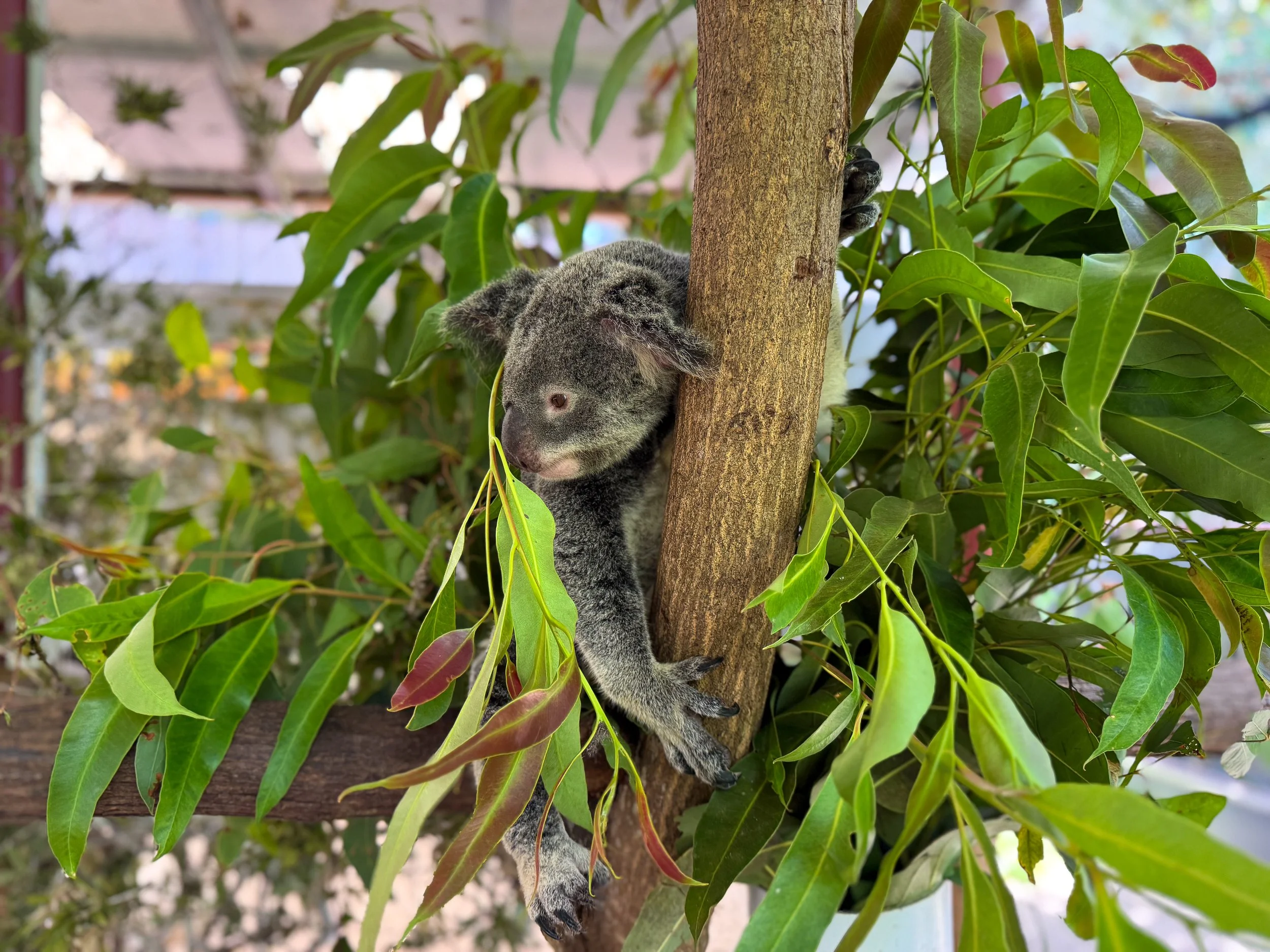
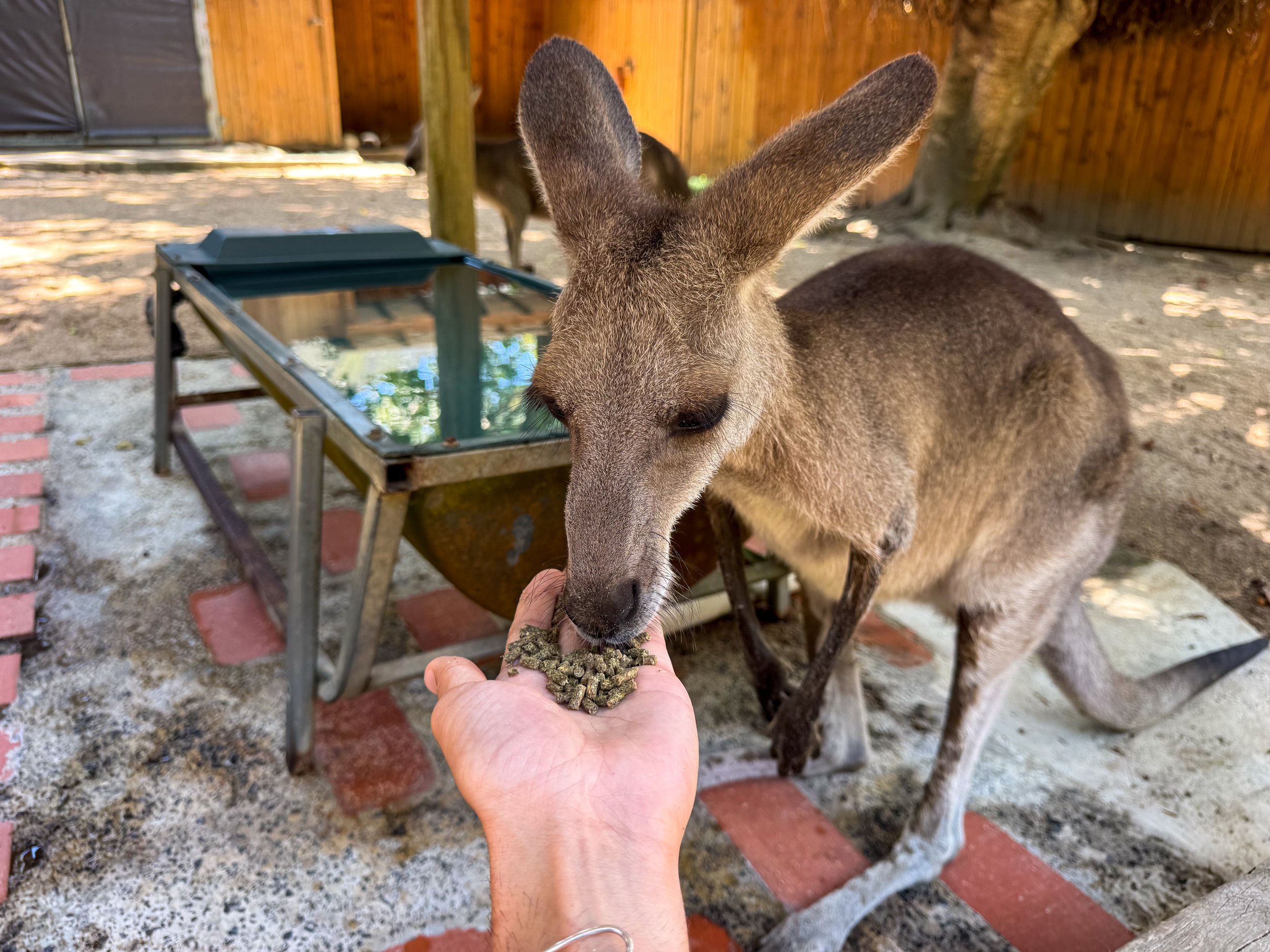
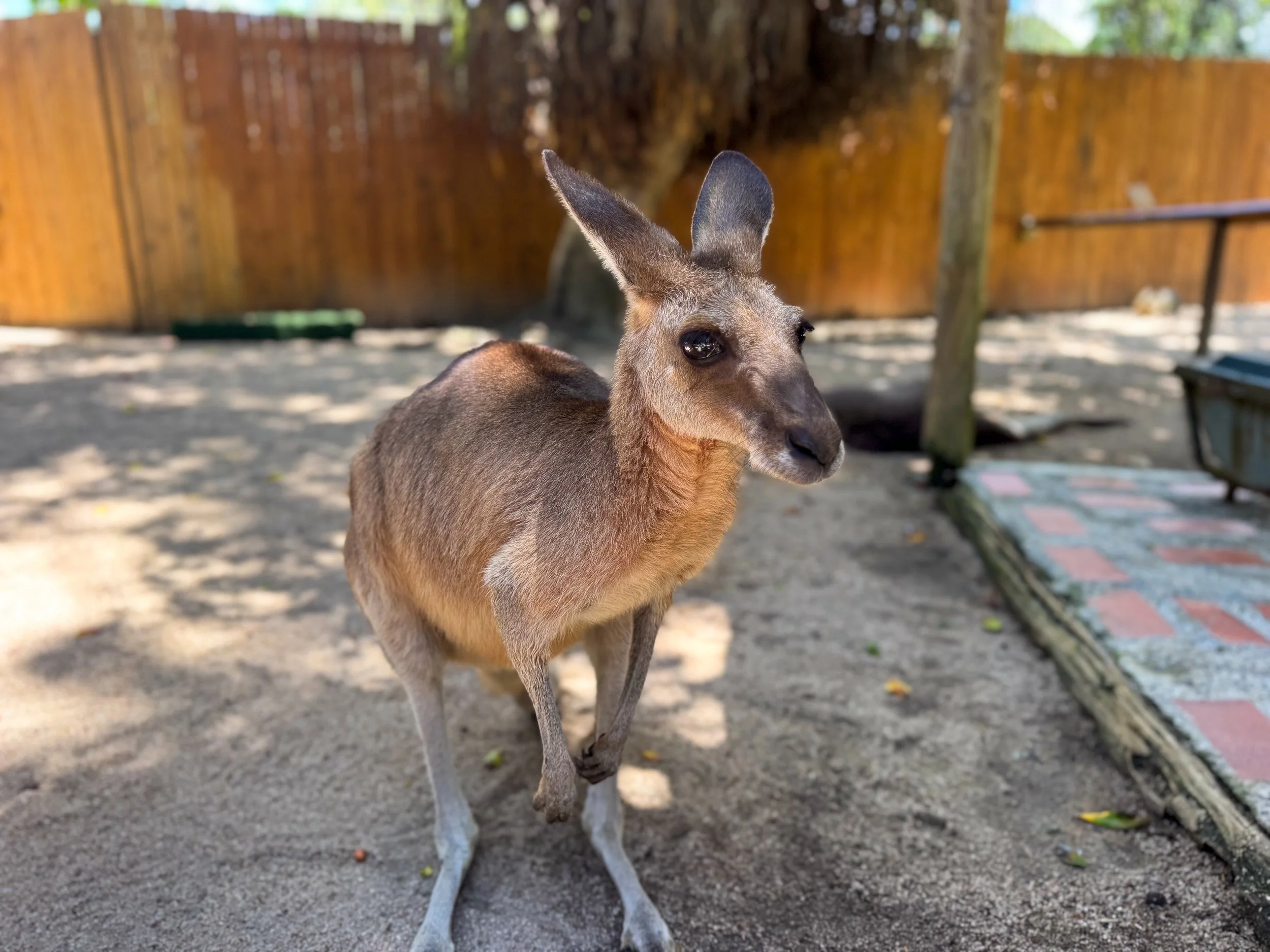
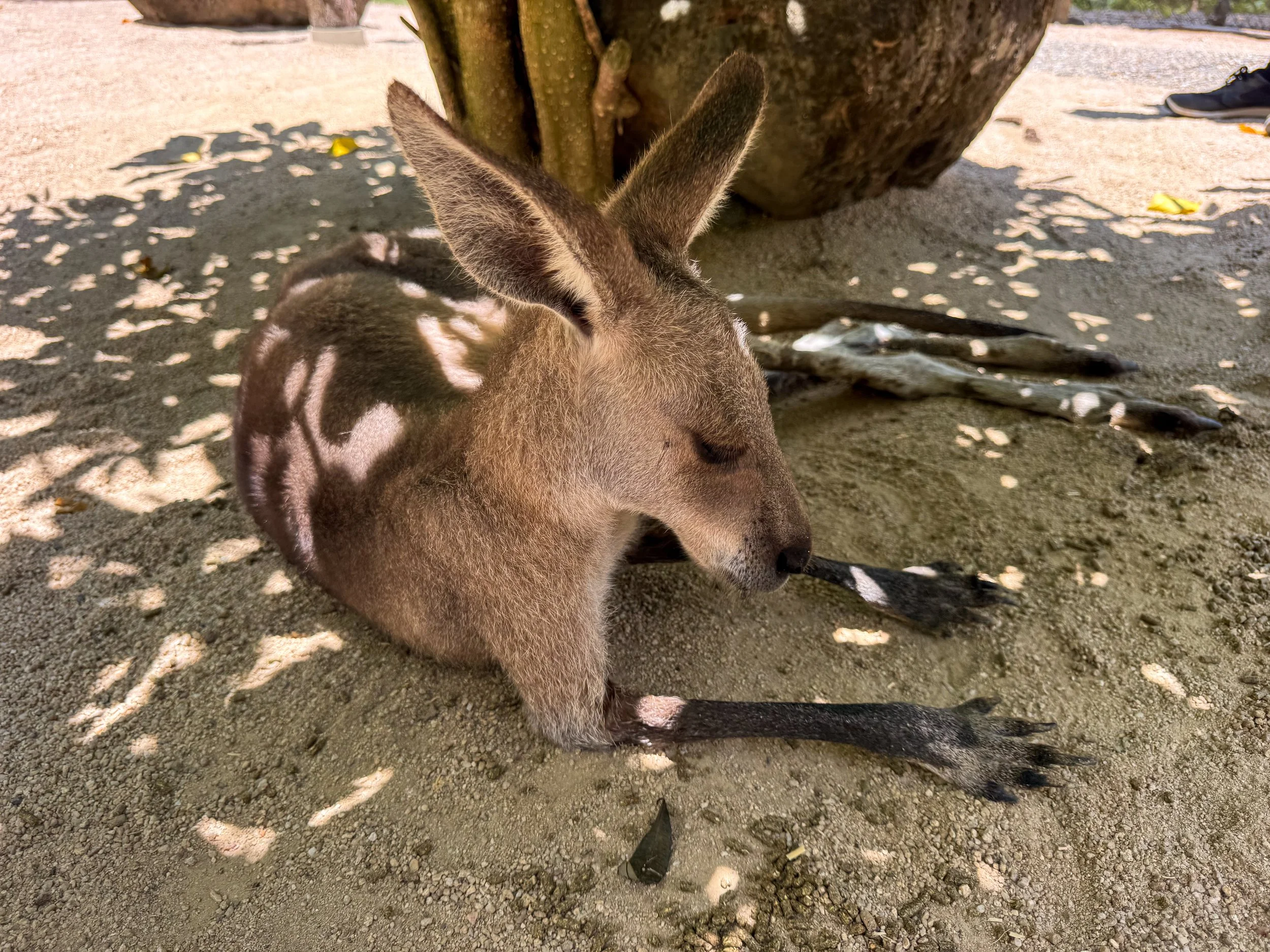
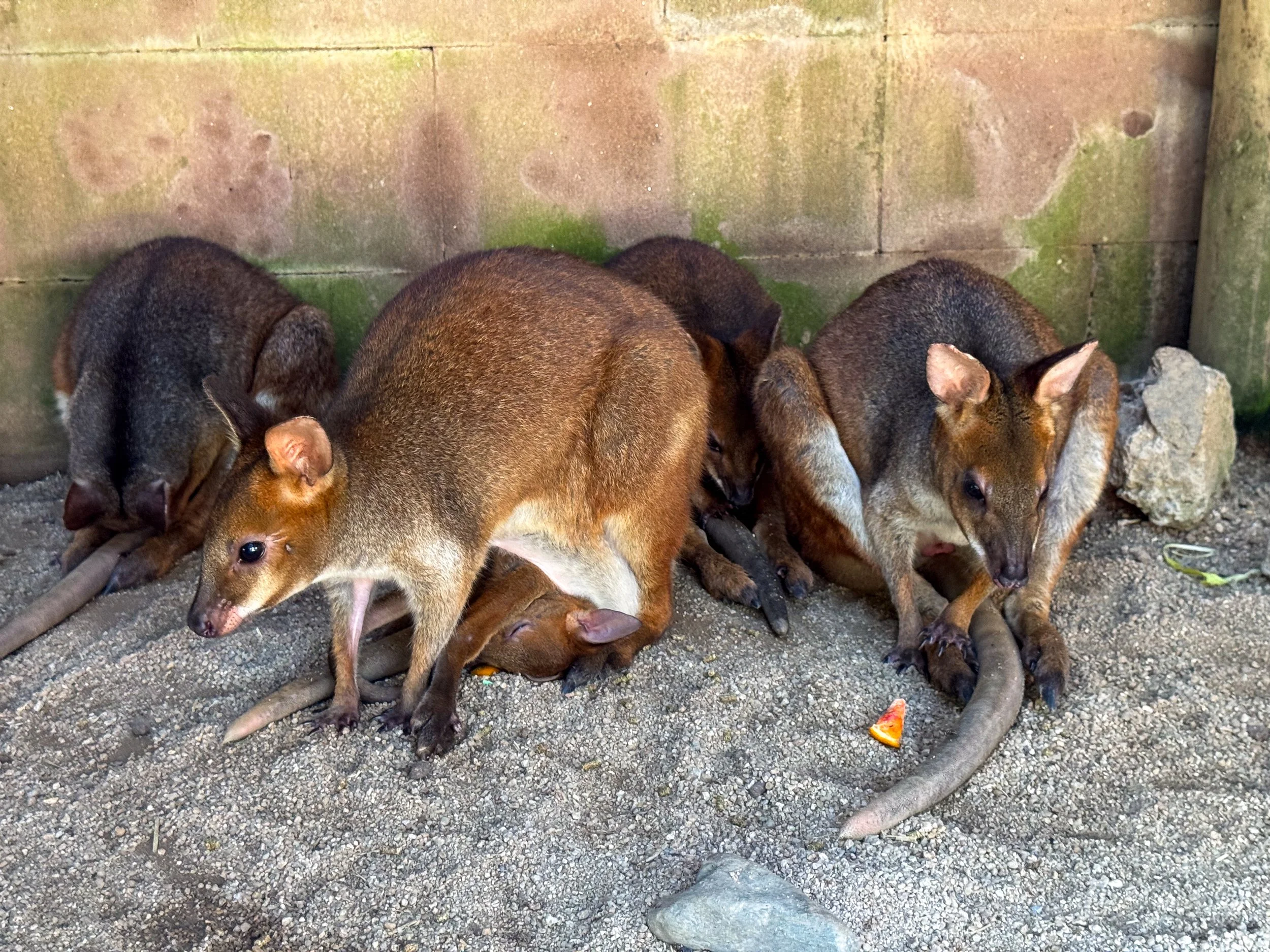
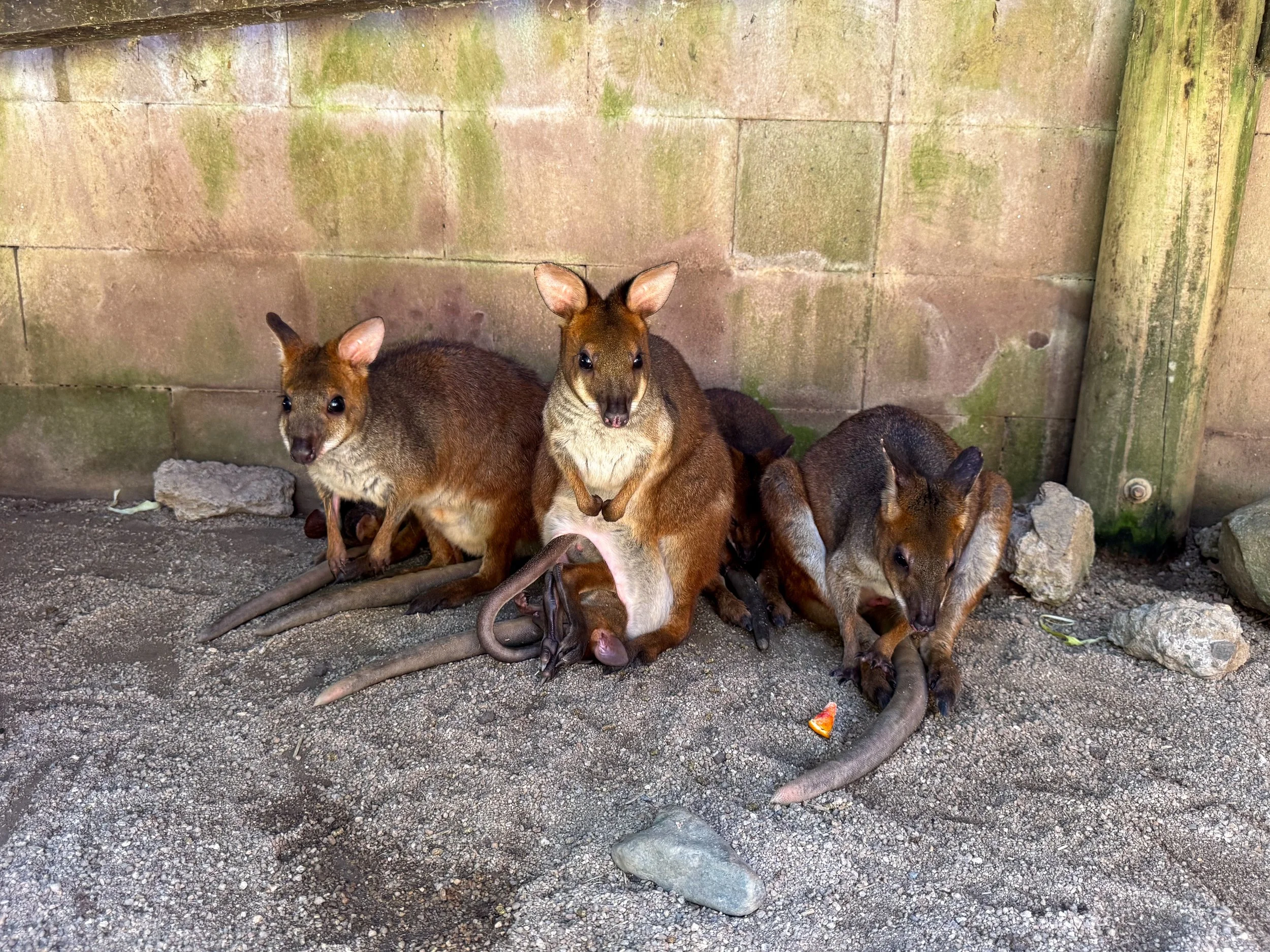
Kuranda Koala Gardens. A small zoo with endemic species of Australian animals like the koala, kangaroo, wallaby, crocodile, wombat and quokka. Come here to observe the animals closely in their open air enclosures. Walk through the kangaroo and wallaby pen to hand feed the hopping marsupials pellets of grain.
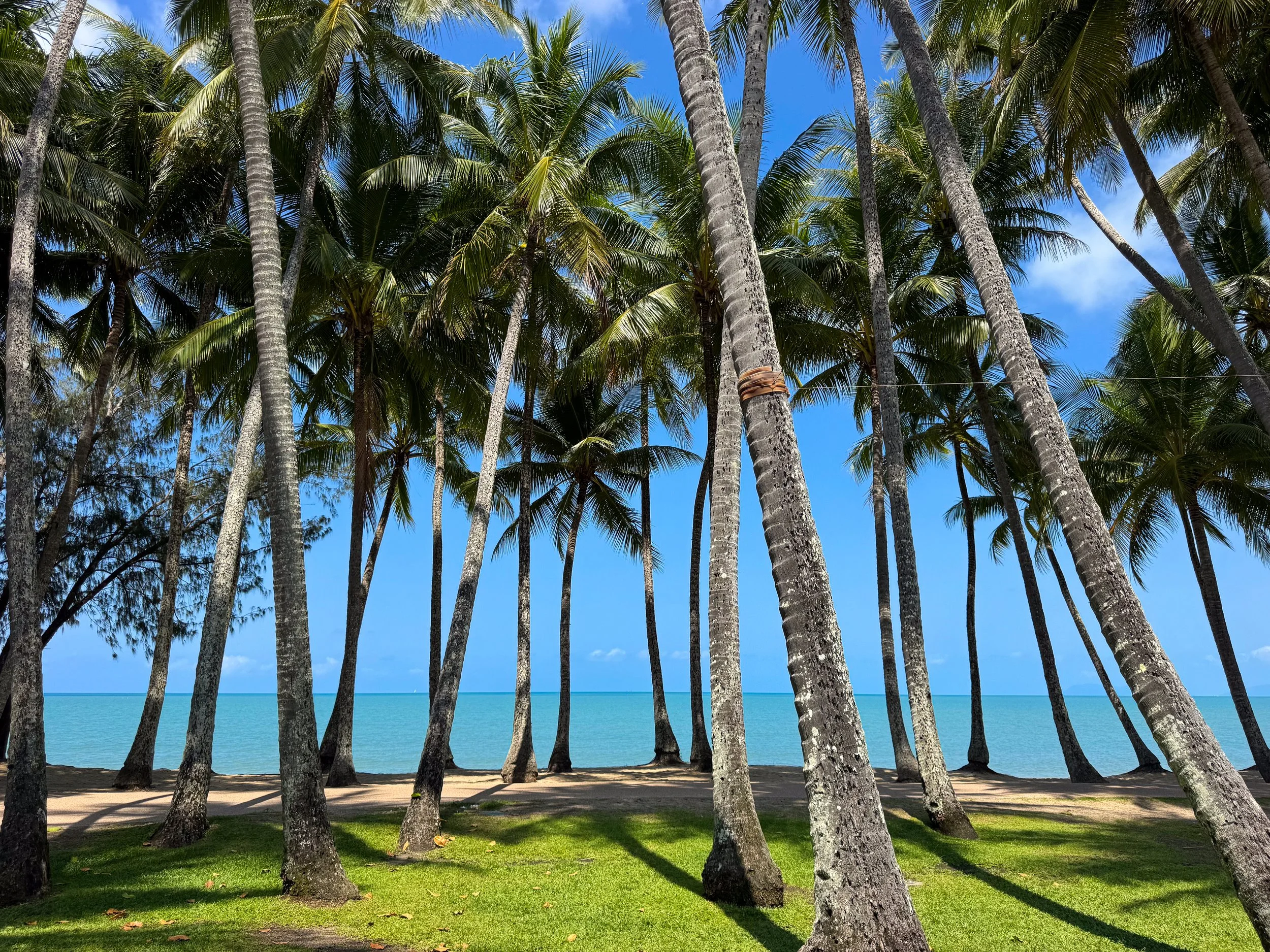
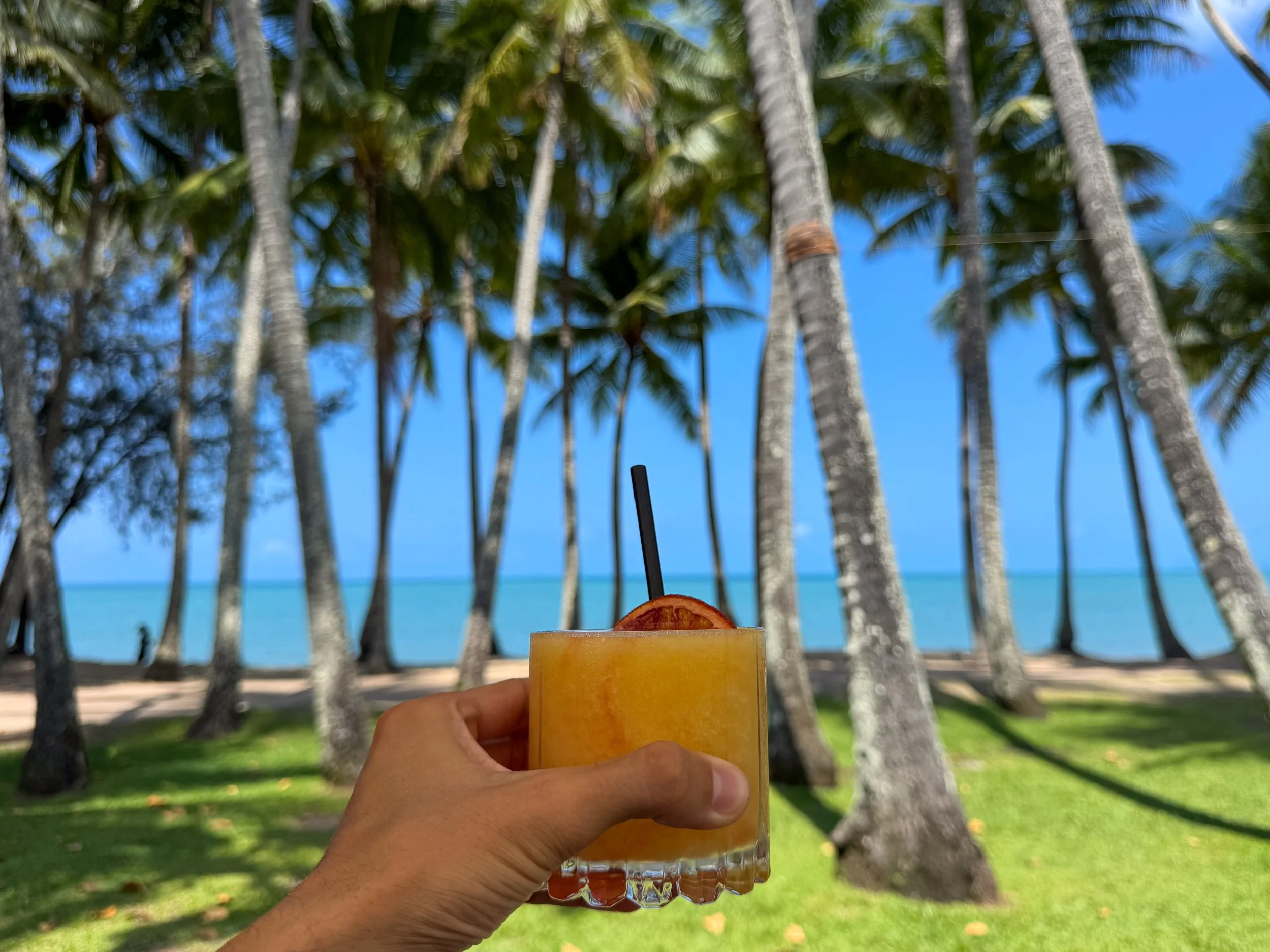
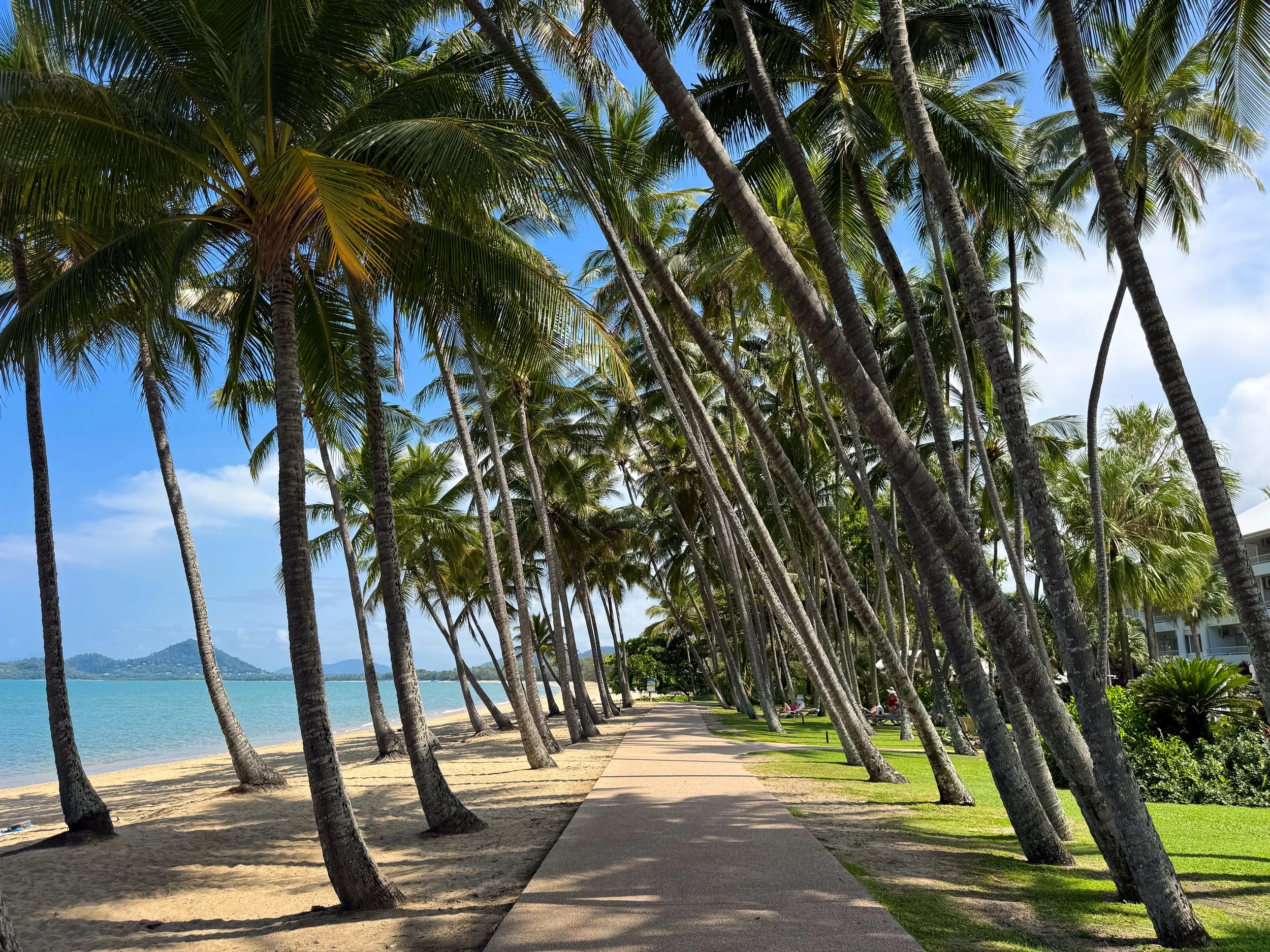
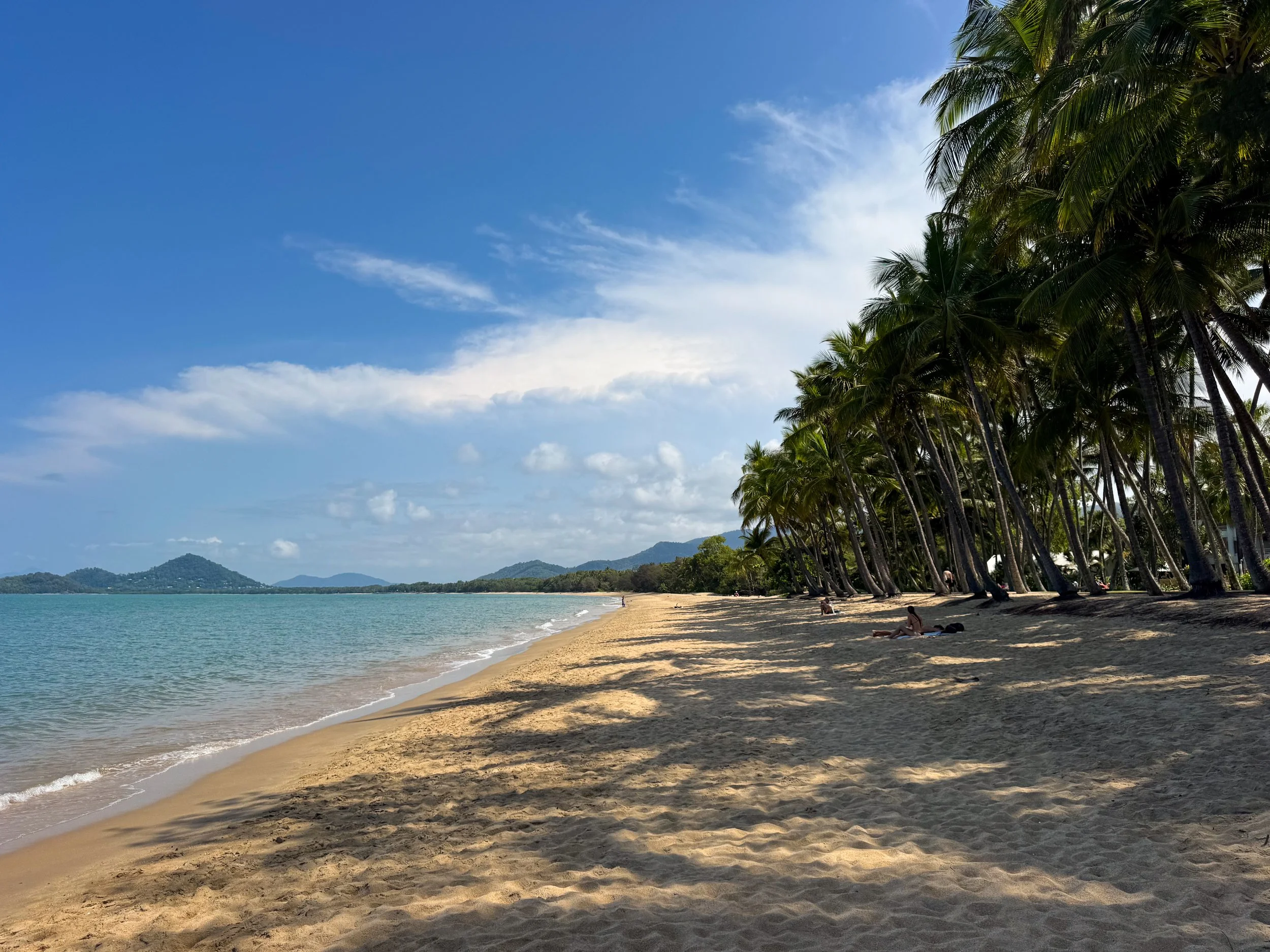
Beach Towns
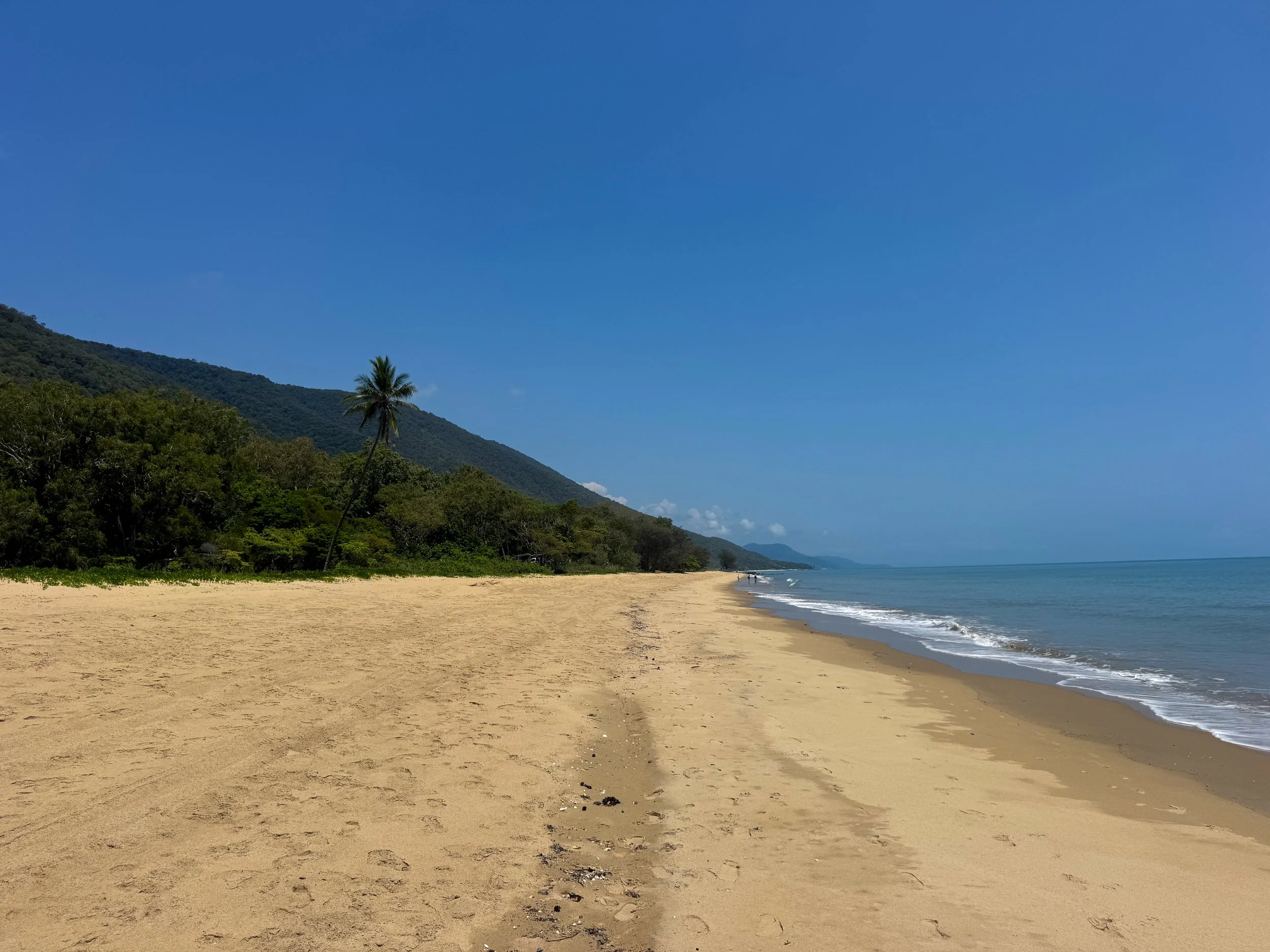
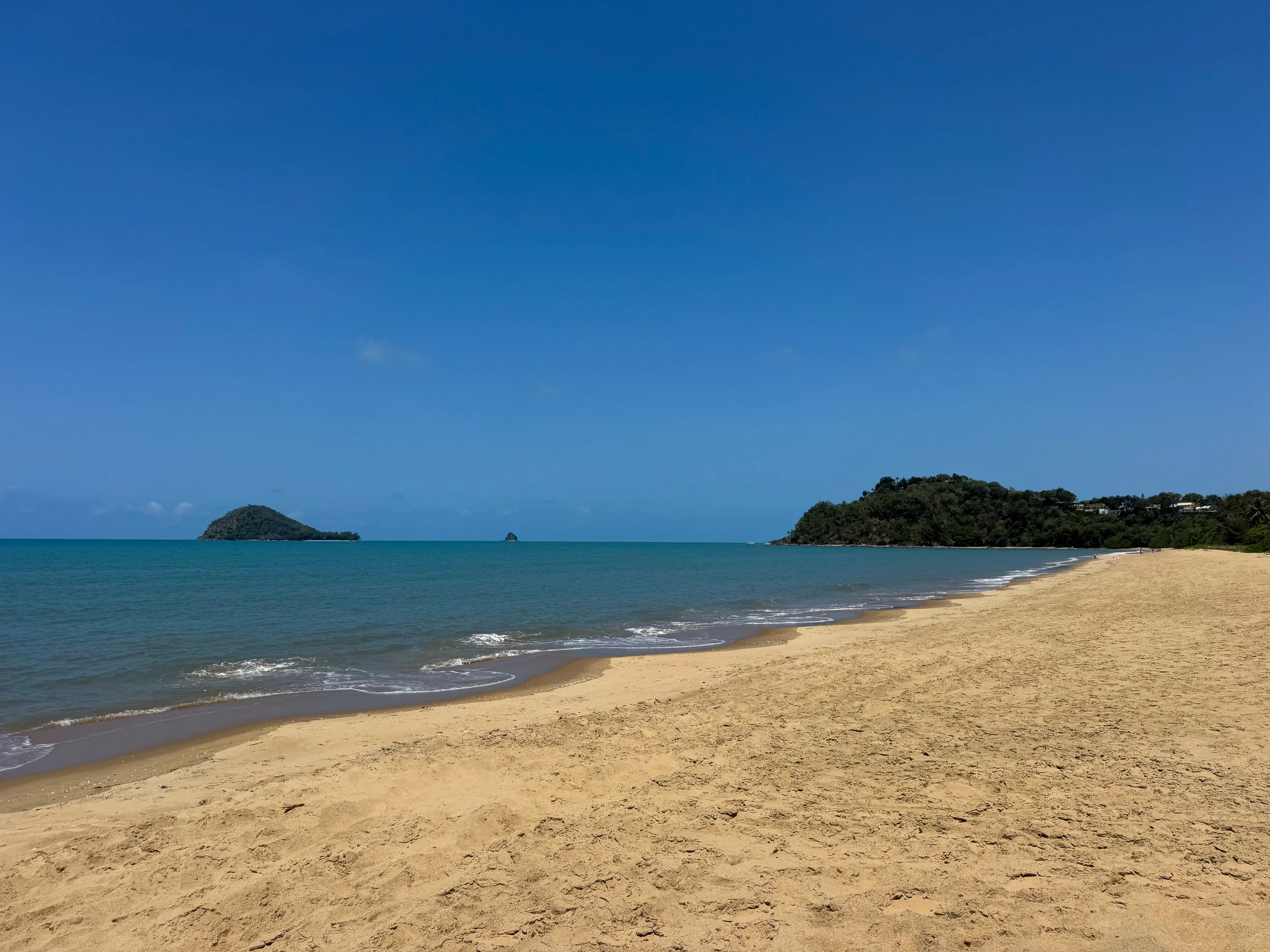
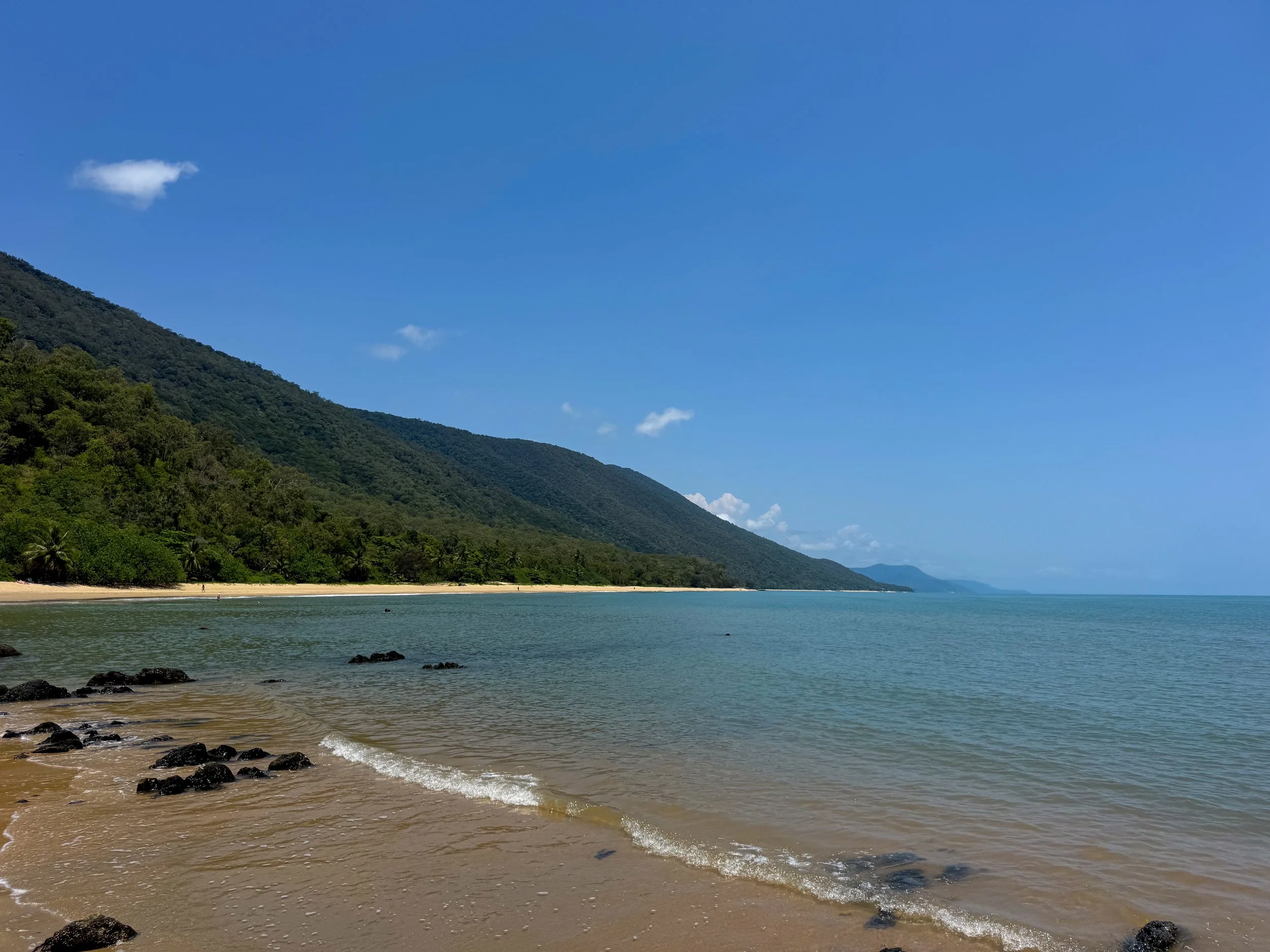
Palm Cove. A small beach town with palm covered beaches and boutique resorts. It’s located 30 minutes north of Cairns by car.
Palm Cove Beach. A white sand beach lined with tropical palm groves and turquoise blue waters. Come here to lounge on shore or at one of the many beachside restaurants, cafes or bars. There is a netted and swimmable area south of the pier.
Nu Nu Restaurant. A beachfront restaurant on Palm Cove Beach with an outdoor patio overlooking the swaying palm groves and turquoise sea. Come here for afternoon cocktails and Aussie bites.
Buchans Point. A tan sand beach with a clothing option section towards its south end. It’s a freeing spot to enjoy the coastal breeze and palm shaded shores. The beach is located just north of Palm Cove.
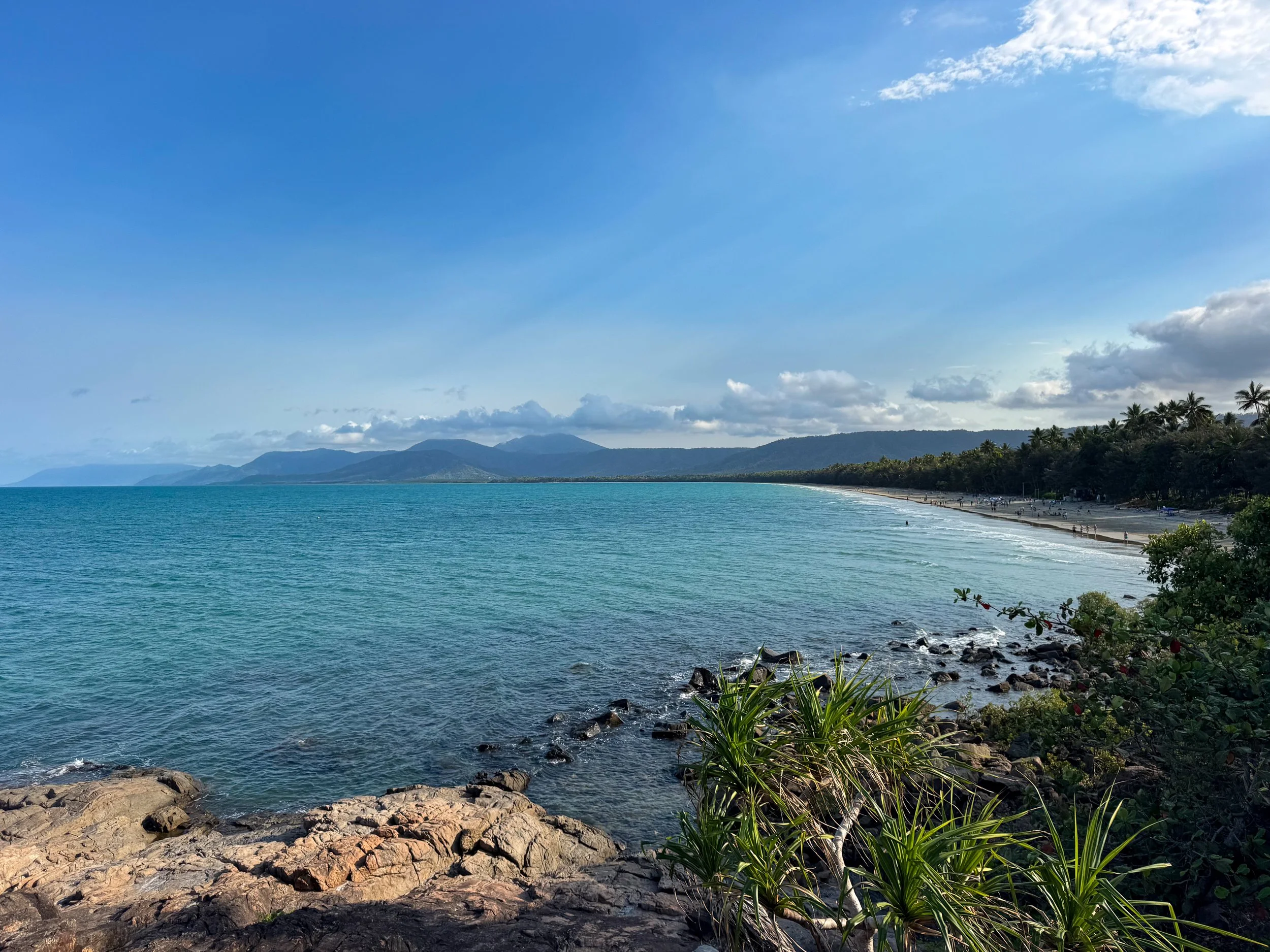
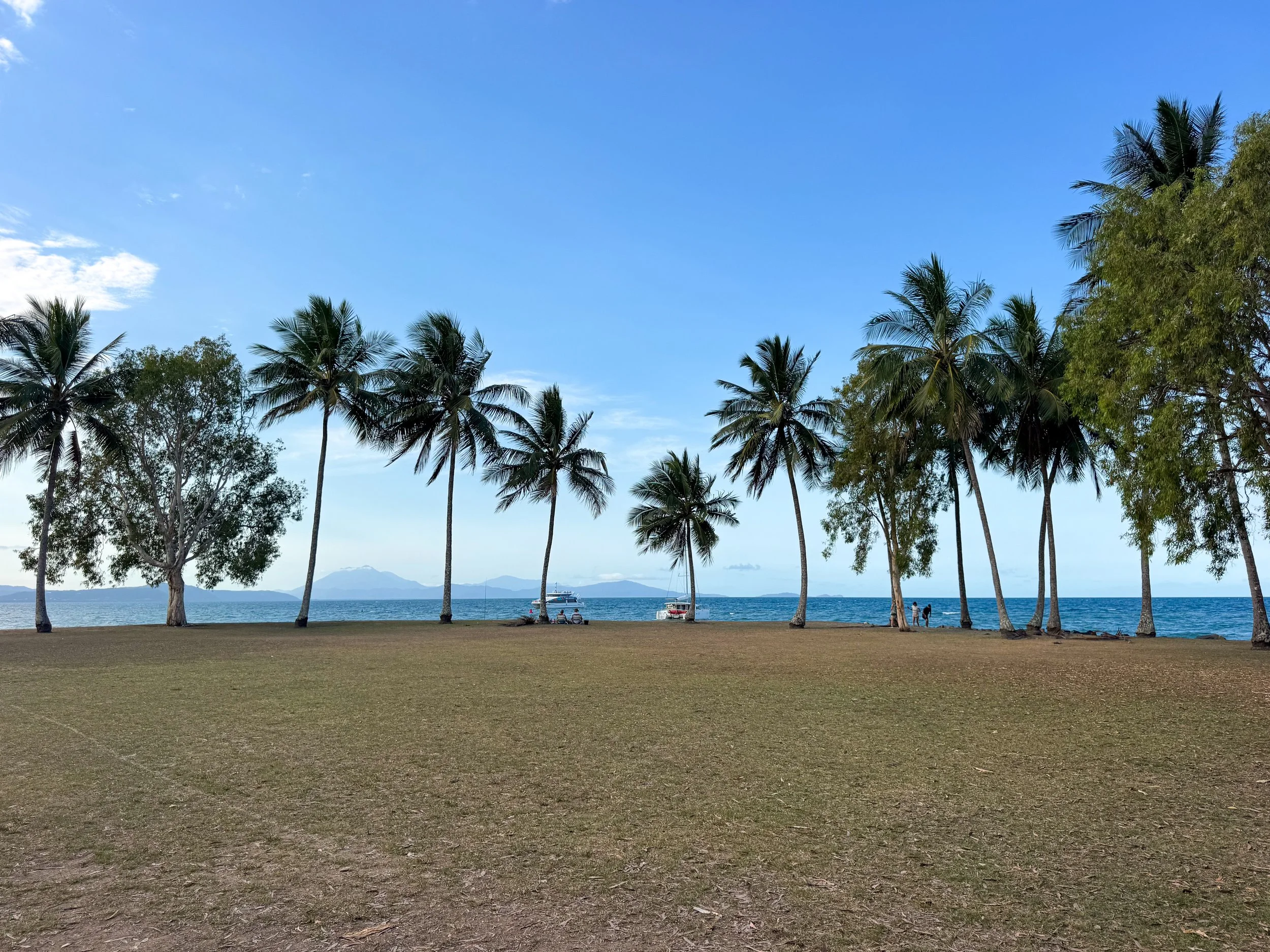

Port Douglas. A coastal town located between the Great Barrier Reef and Daintree Rainforest. It’s a popular place with access and excursions to both natural wonders.
Macrossan Street. The Main Street through Port Douglas. The jungelous boulevard is lined with vacation rentals, beachwear shops, clothing boutiques, aboriginal art galleries, sports pubs, cafés and restaurants.
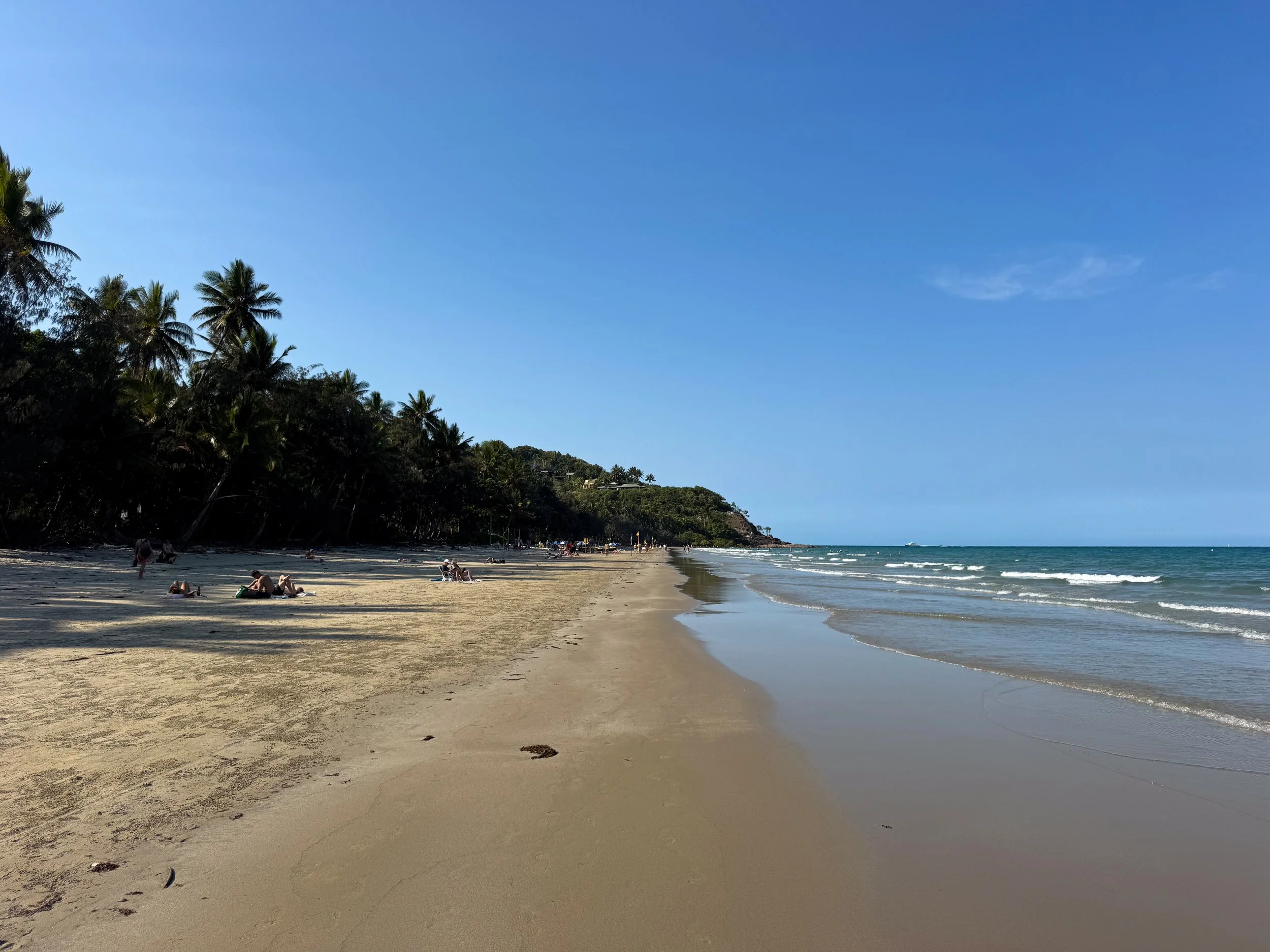
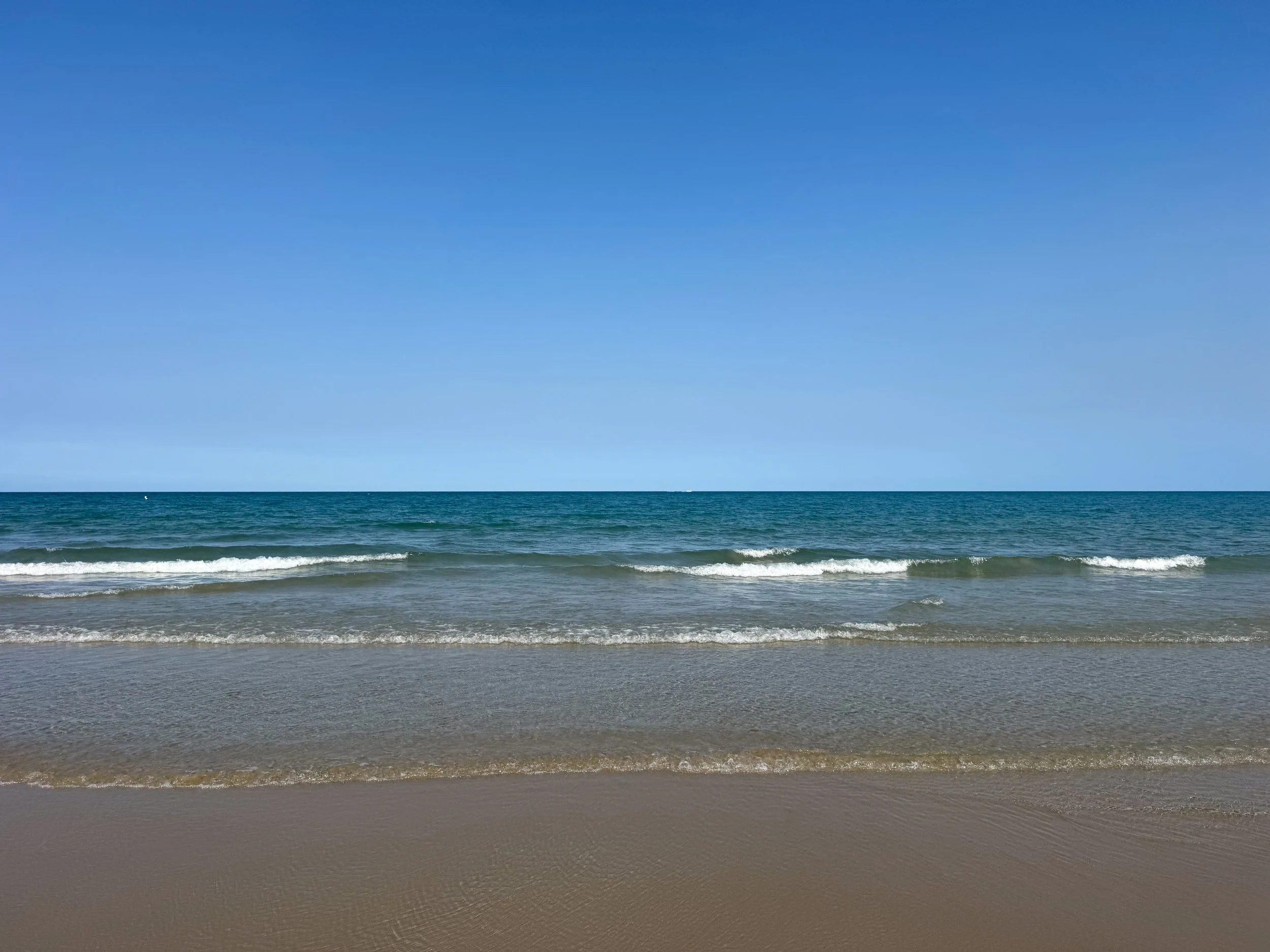
Four Mile Beach. A lengthy tan sand beach lining the shores of Port Douglas. It’s a relaxing place for beach walks, sunbathing and swimming. There is a safety netted and guarded section with near the north end.
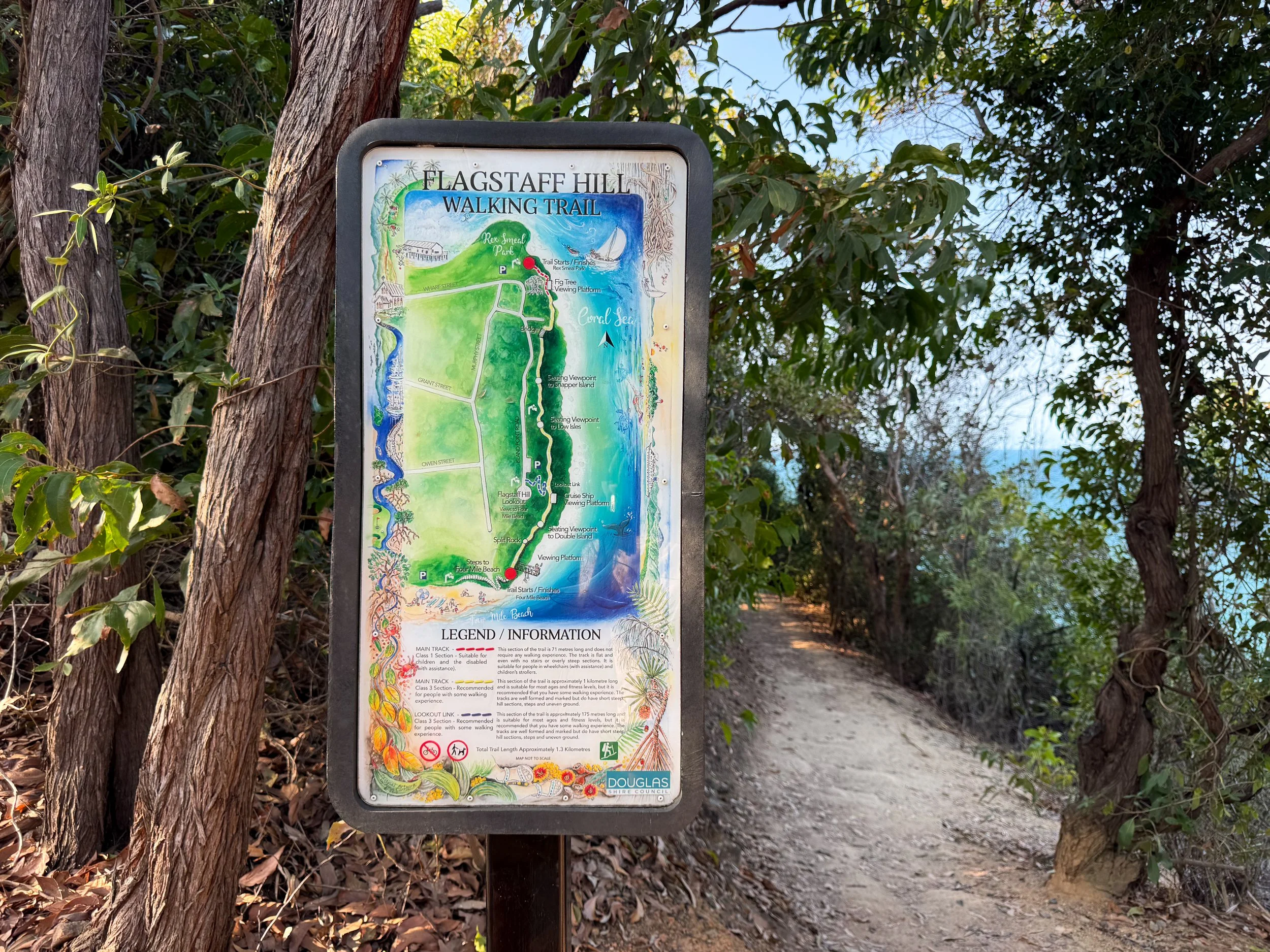
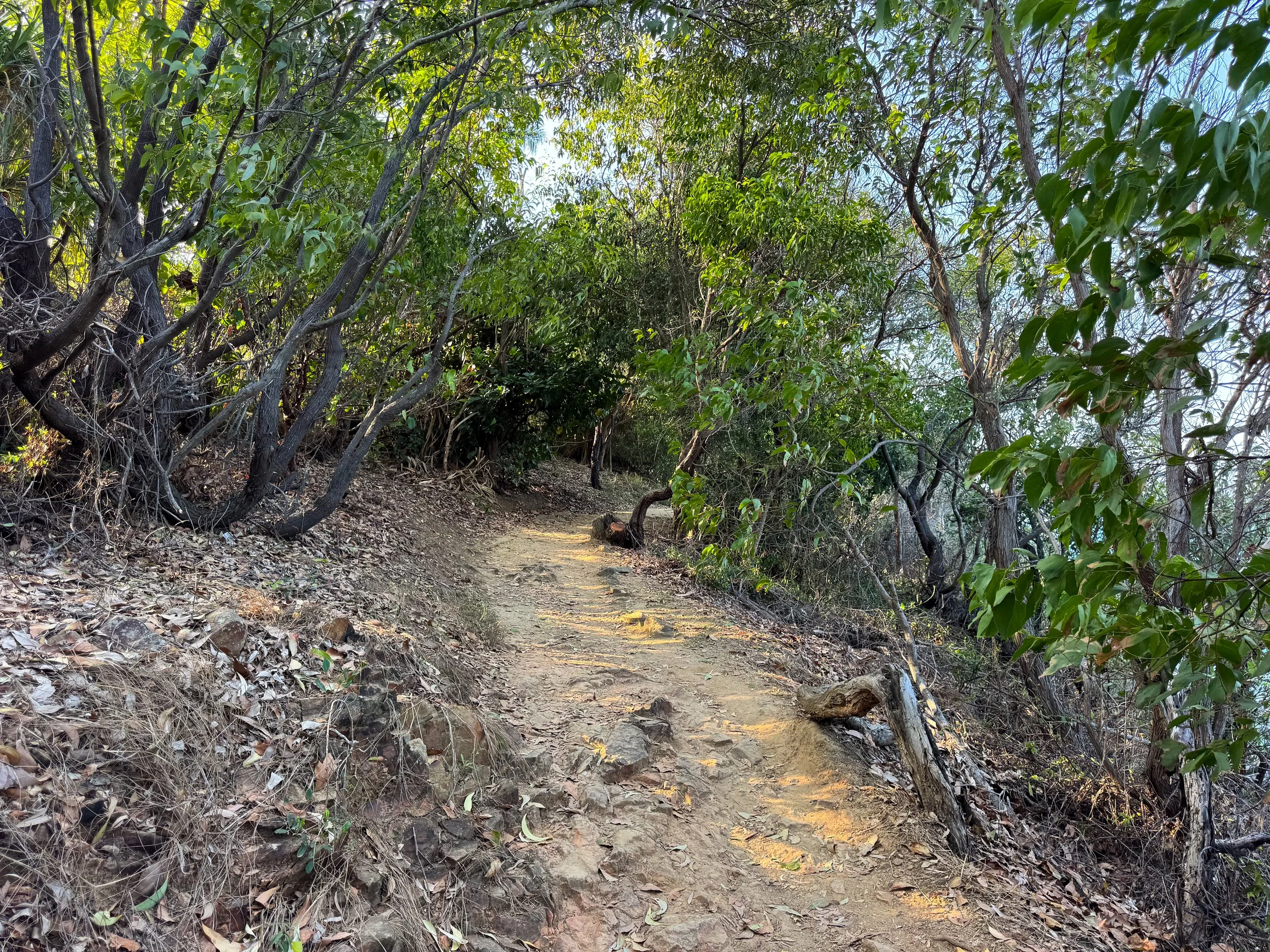
Flagstaff Hill Walking Trail. A coastal trail with hillside views of Four Mile Beach and the deep blue ocean. Hike the trail an hour before sunset to watch for tropical birds like parakeets and cockatoos.
Places to Eat & Drink
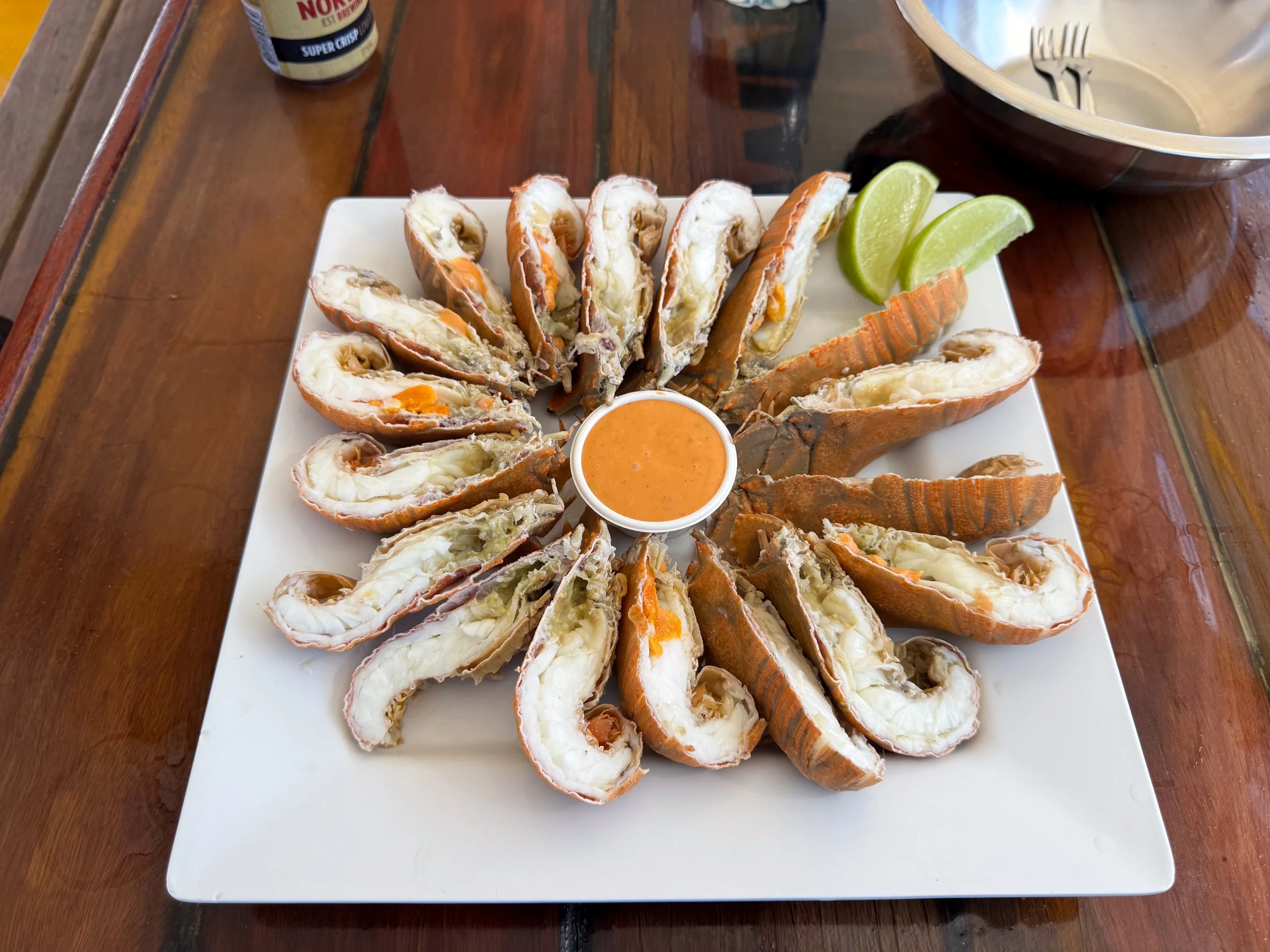
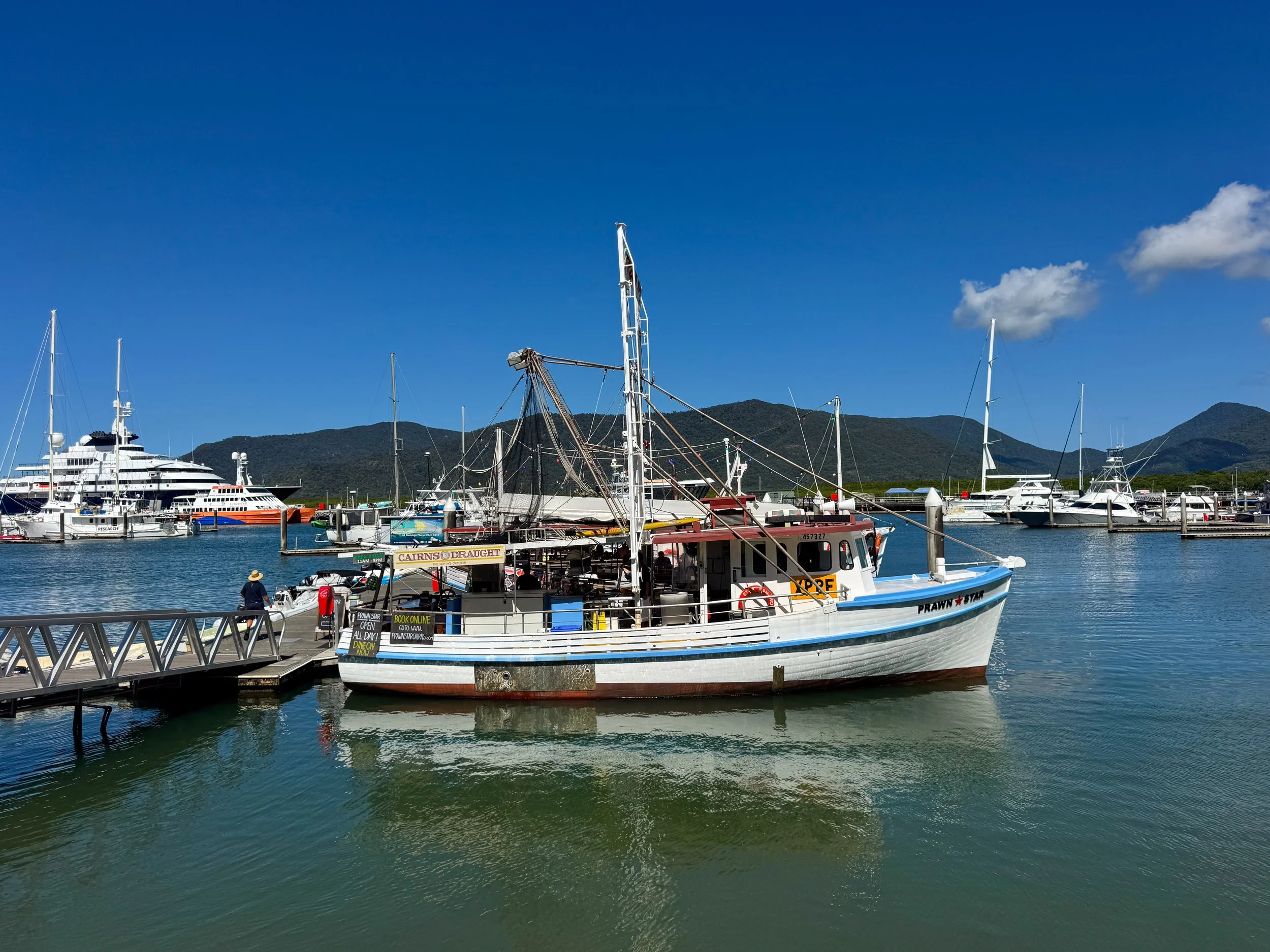
Prawn Stars. A floating seafood restaurant on a series of trawler boats in the marina. Come here for a kilo of the “Bugs,” a type of crustacean also known as slipper lobsters.
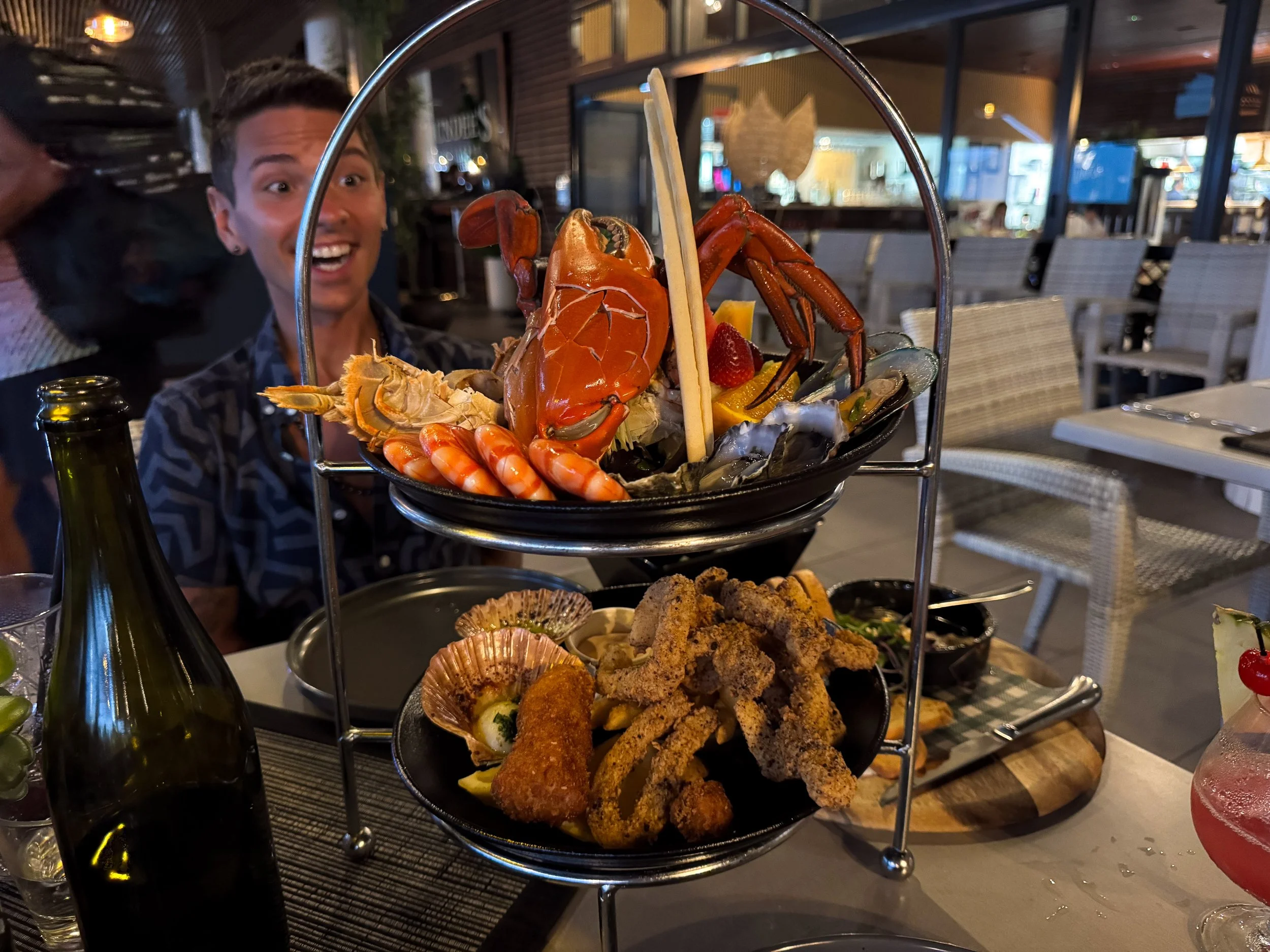
Dundees on the Waterfront. An elevated restaurant along the waterfront wharf with Australian dishes and cuisine. Come here for the seafood tower with local mud crab, bay bugs, prawns, fried calamari, barramundi oysters and mussels. Reservations are recommended!
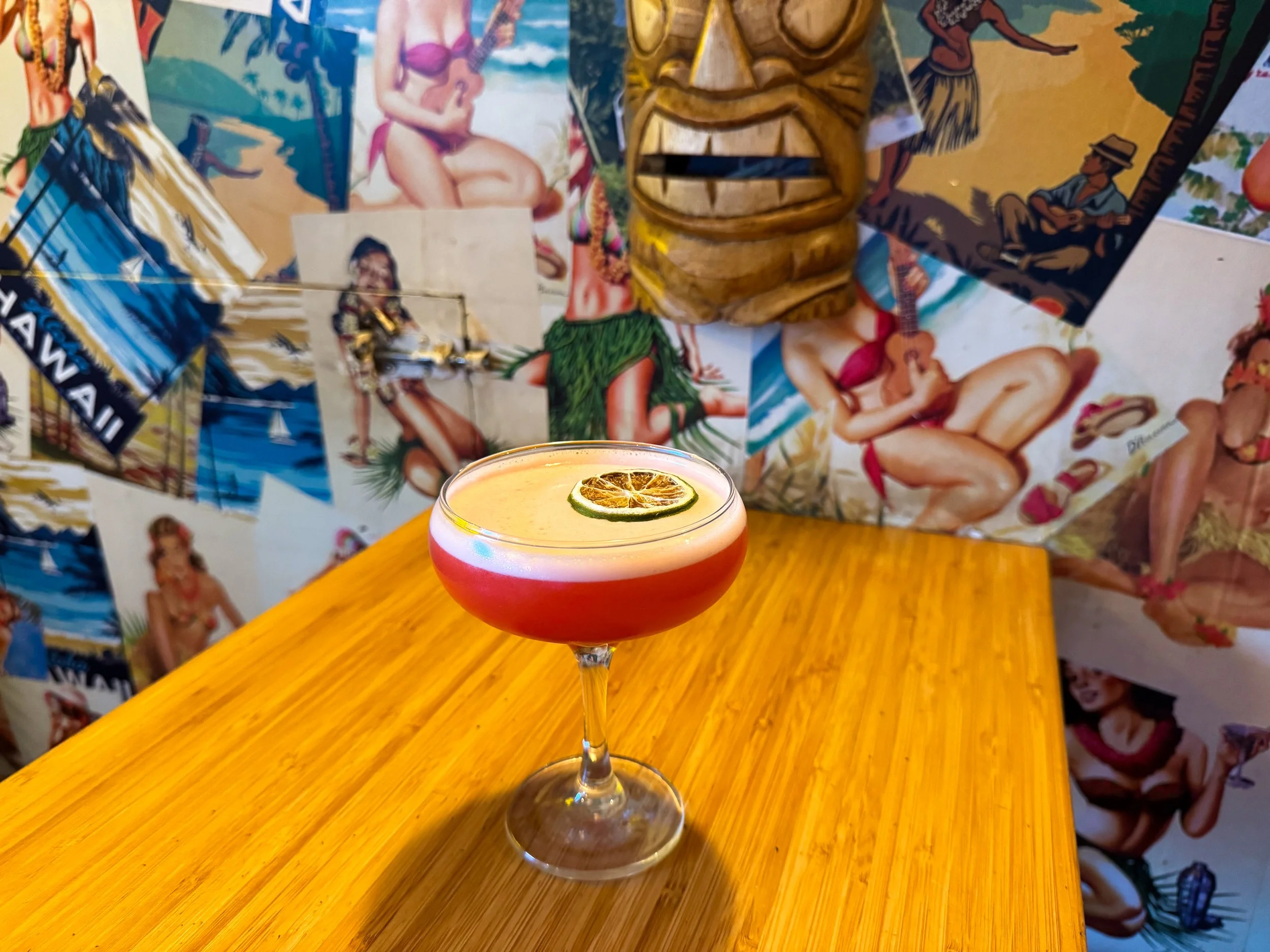
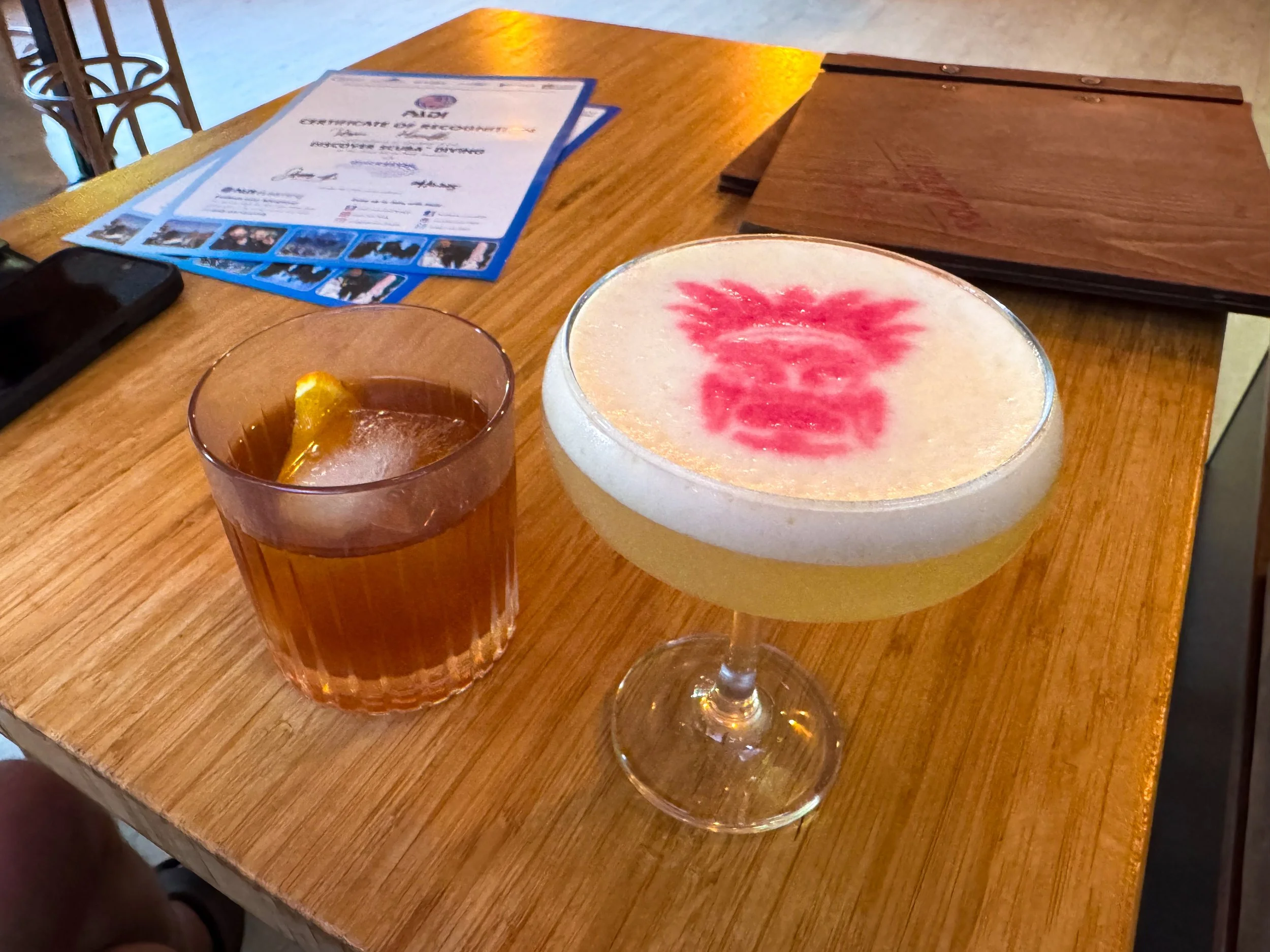
Flamingo Tiki Bar. A modern tiki bar with a vast menu of inventive cocktails and classic tiki drinks. Come here for the happy hour tiki drink of the day between 4-6pm.
Waffles on Cairns. A brunch spot specializing in everything waffles. Come for their sweet and savory waffles or waffle breakfast sandwiches.
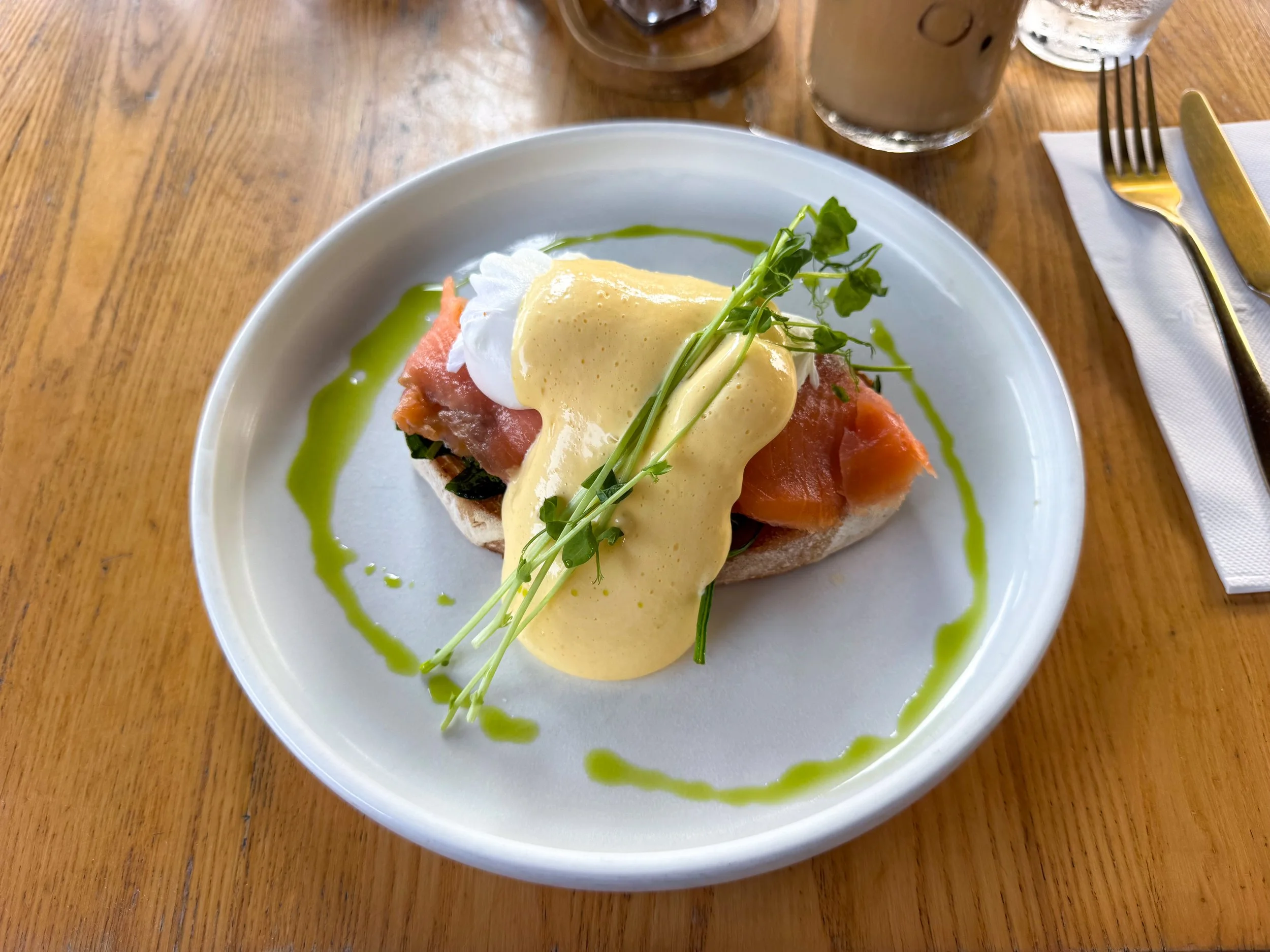
Mi Piace Espresso Bar. A breakfast place with fancified egg dishes, speciality pancakes and smooth coffees.
Sugio Café. An all day café and coffee shop with Japanese dishes and matcha lattes.
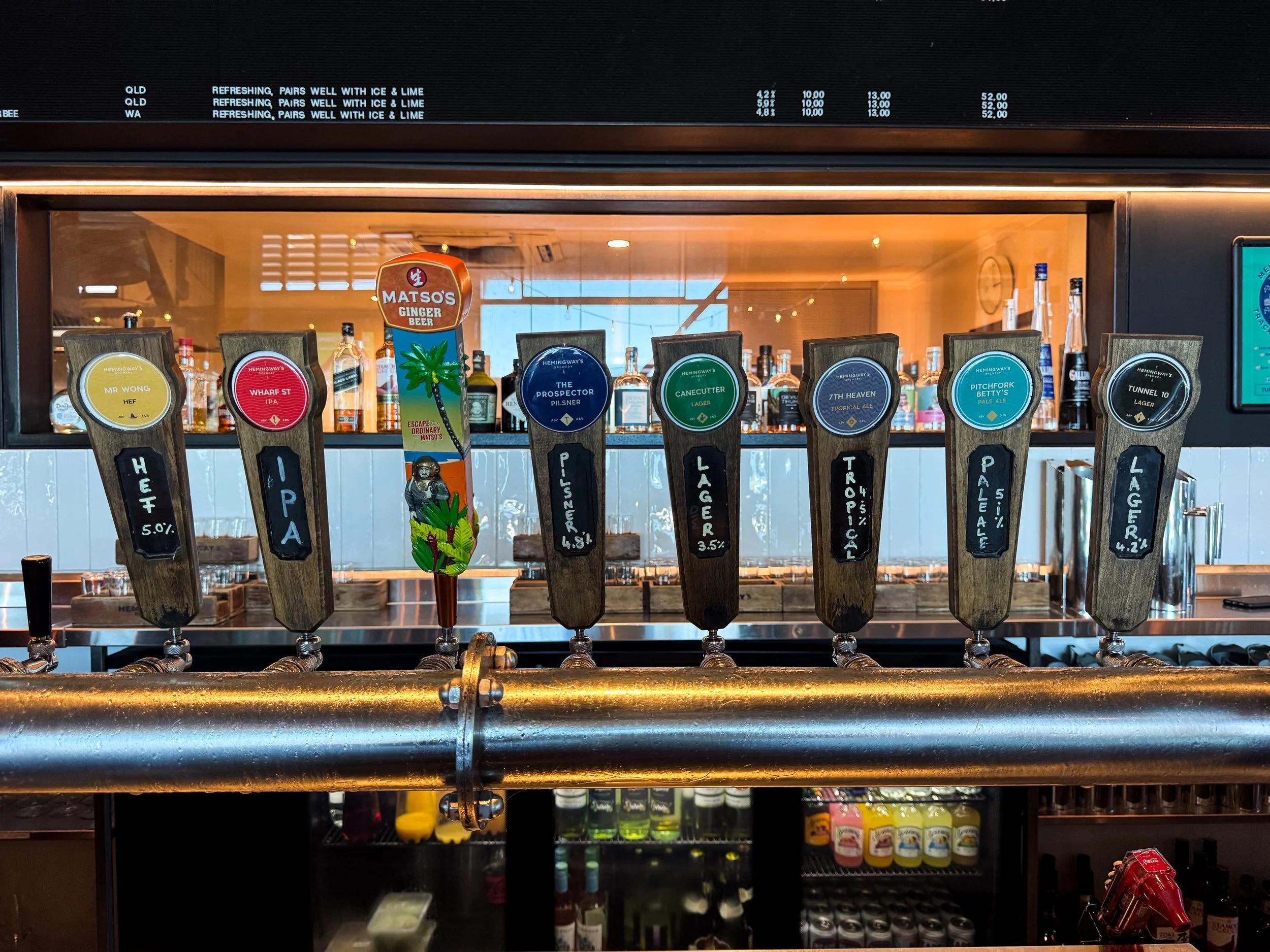
Hemingway Brewery. A waterfront brewery along The Esplanade with a series of locally brewed craft beers. Try the 7th Heaven Tropical Ale!
Australian Cuisine
Bay Bugs. A type of crustacean somewhere between a prawn and lobster with a sweet seafood flavor. They’re often served cold, cut in half.
Mud Crab. Large crabs harvested from the mangrove forests and estuaries. They’re a local delicacy served at many seafood restaurants.
Barramundi. A white fish native to North Eastern Australia. It’s commonly fried and served as fish & chips.
Meat Pies. Savory pies made with buttery crusts and meaty fillings are popular across Australia. Vegan meat and veggie options are difficult to find.
Toasties. A buttered and griddled sandwich usually with a cheesy filling and protein. It’s often served at breakfast, lunch or on the go.
Aussie Coffee. Coffee shops and cafés sell local coffee beverages like the Flat White and Long Black. The flat white is essentially a double shot latte while the long black is another name for an Americano.
Vegemite. A yeasty sandwich spread made from fermented barley. It has a savory and umami flavor to it. Try a thin spread on buttered toast or bread.
Tim Tams. Two sandwiched chocolate cookies covered in rich milk chocolate.
Pavlova. A traditional Australian dessert made from flamed meringue lathered with berry jams and fruits.
Location Specifics
Pronunciation. Cairns is pronounced as Cans with long emphasis on the “a.”
Cash vs. Card. Credit and debt cards are the most common forms of payment. Cash is rarely used but accepted.
Tipping. Tipping is not generally expected in Australia. It’s common to round up on most bills or leave 5-10% at higher end restaurants.
Beware of Crocs. Crocodiles are prevalent in the creeks and coastal waters of Cairns. Avoid entering or approaching any non-designated beaches or waterways.
Stinger Season. The time of year when poisonous jellyfish inhabit the coastal waters of tropical North Queensland. Stinger season starts in late October and lasts until May. Only swim in netted areas or with a wetsuit when in the reef.
Sun Protection. The UV is often extreme on sunny days. It is best to wear sun cream with a minimum of 50 SPF. Make sure it’s reef friendly if going in the water!
When to Visit. The end of spring in mid October is one of the best times of year to visit Tropical North Queensland. The temperature is warm, days are sunny and waters are typically calm.
Getting Around
On Foot. The streets and promenade of the CBD are easily walkable and best explored on foot.
By Uber. Getting around town outside of the CBD is best by Uber. Avoid calling an Uber during the morning and late afternoon rush hours.
By Car. The rainforest and beach towns north of Cairns are best reachable by rental car. We rented a car from Sixt at the airport for a few days of our travels here.
Where to Stay
Cairns Airbnb. An apartment rental located about 15 minutes from the CBD in a residential area of Cairns. The private space has a fully functional kitchen, comfy bed and spacious outdoor patio. Book on Airbnb.
Elsewhere in Australia
From Tropical North Queensland's rainforests and wildlife to the Great Barrier Reef, Byron Bay's surf culture, Western Australia's remote coastline and Uluru's desert landscapes, discover more of Australia through these travel guides:
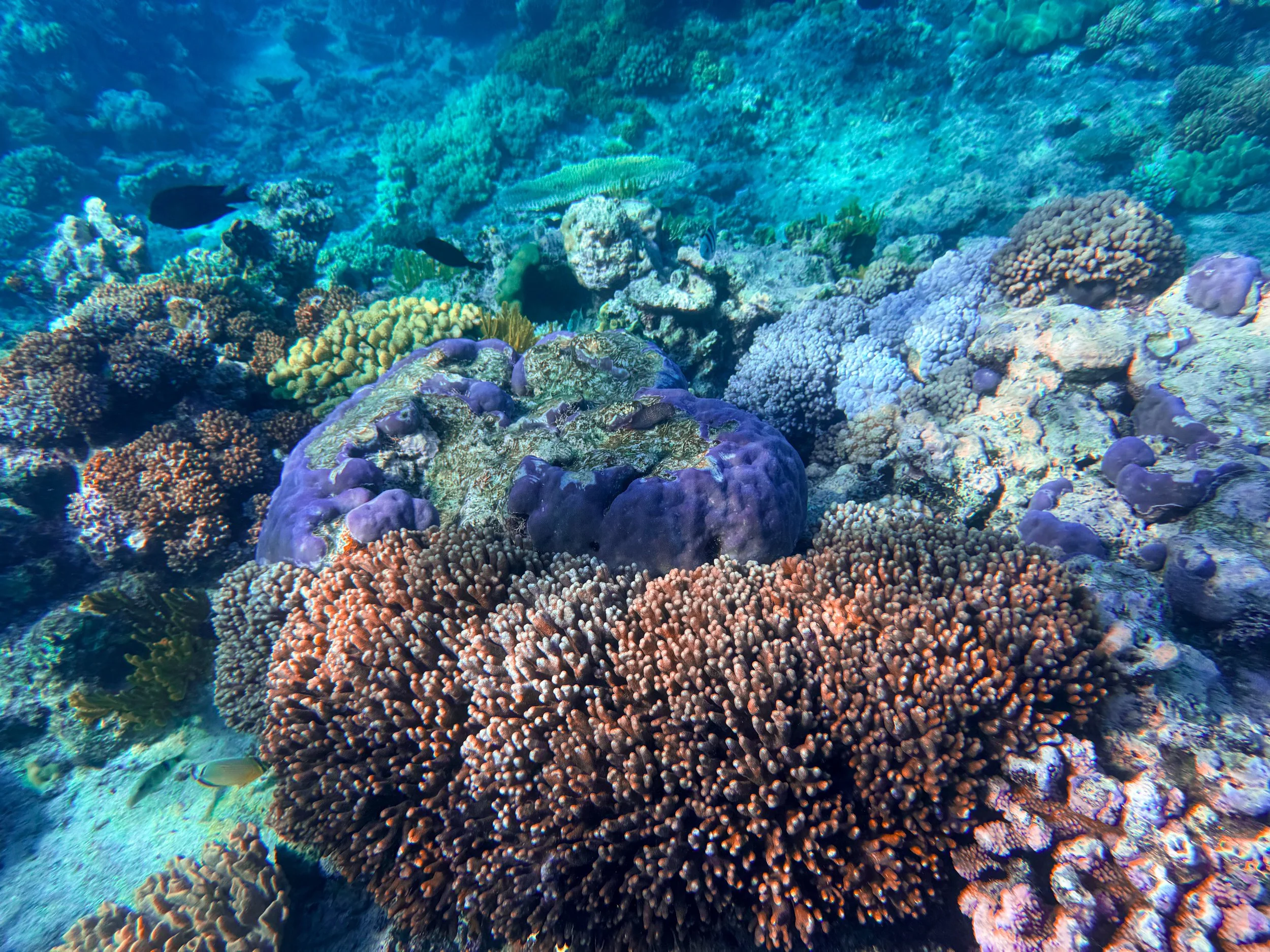
Great Barrier Reef Travel Guide: Cairns, Coral Reefs & Marine Life. Dive into the Great Barrier Reef where vibrant coral gardens and extraordinary marine life thrive within one of Earth's most biodiverse underwater ecosystems.
Brisbane Travel Guide: Neighborhoods, Riverwalks & Island Adventures. Explore Brisbane where riverside neighborhoods, scenic riverwalks and nearby island adventures embody a laidback subtropical lifestyle shaped by nature.
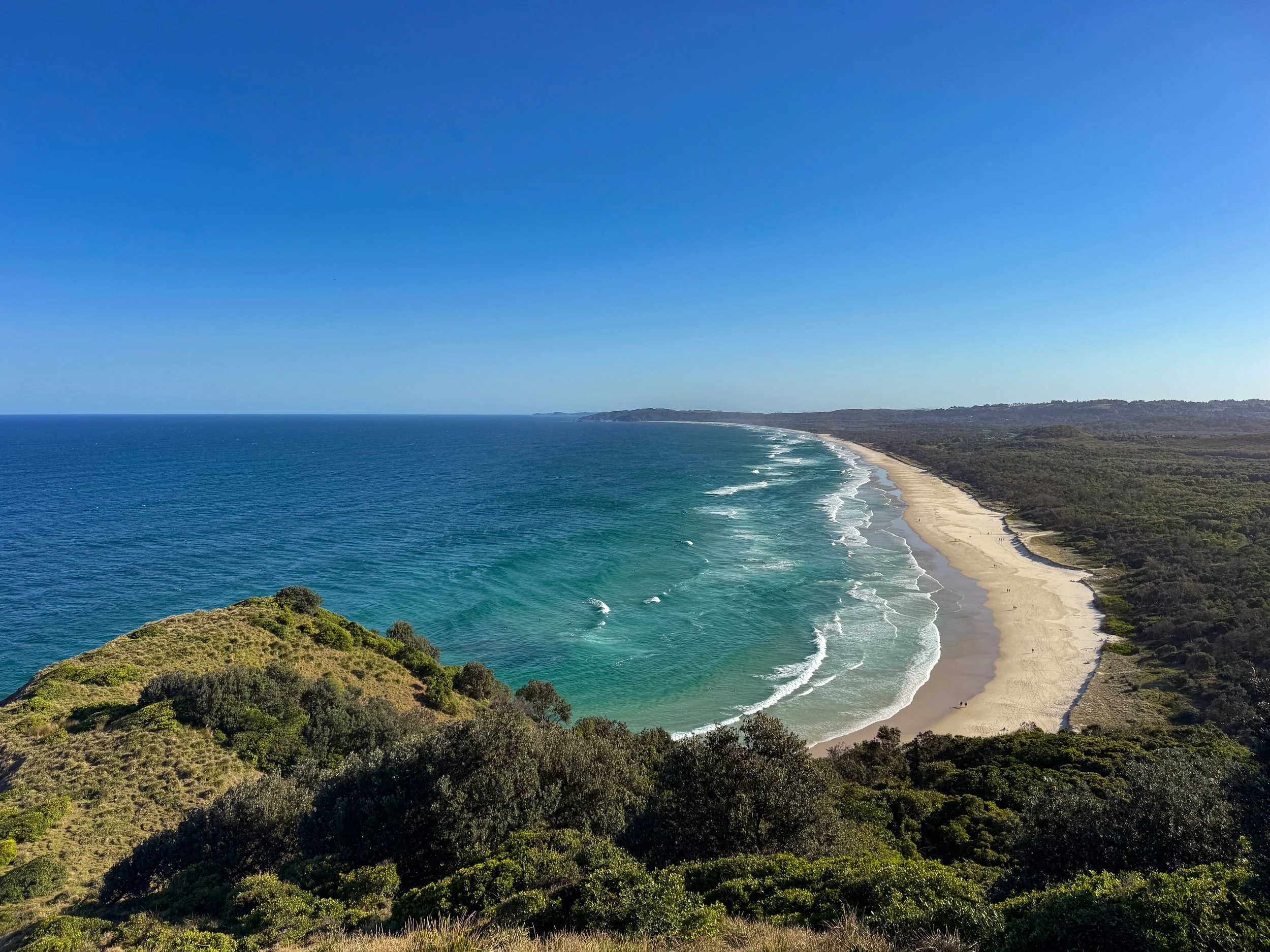
Byron Bay Travel Guide: Surfing, Beaches & Cape Byron. Experience Byron Bay where surf culture, white sand beaches and scenic trails to Cape Byron embody Australia's quintessential beach town lifestyle.
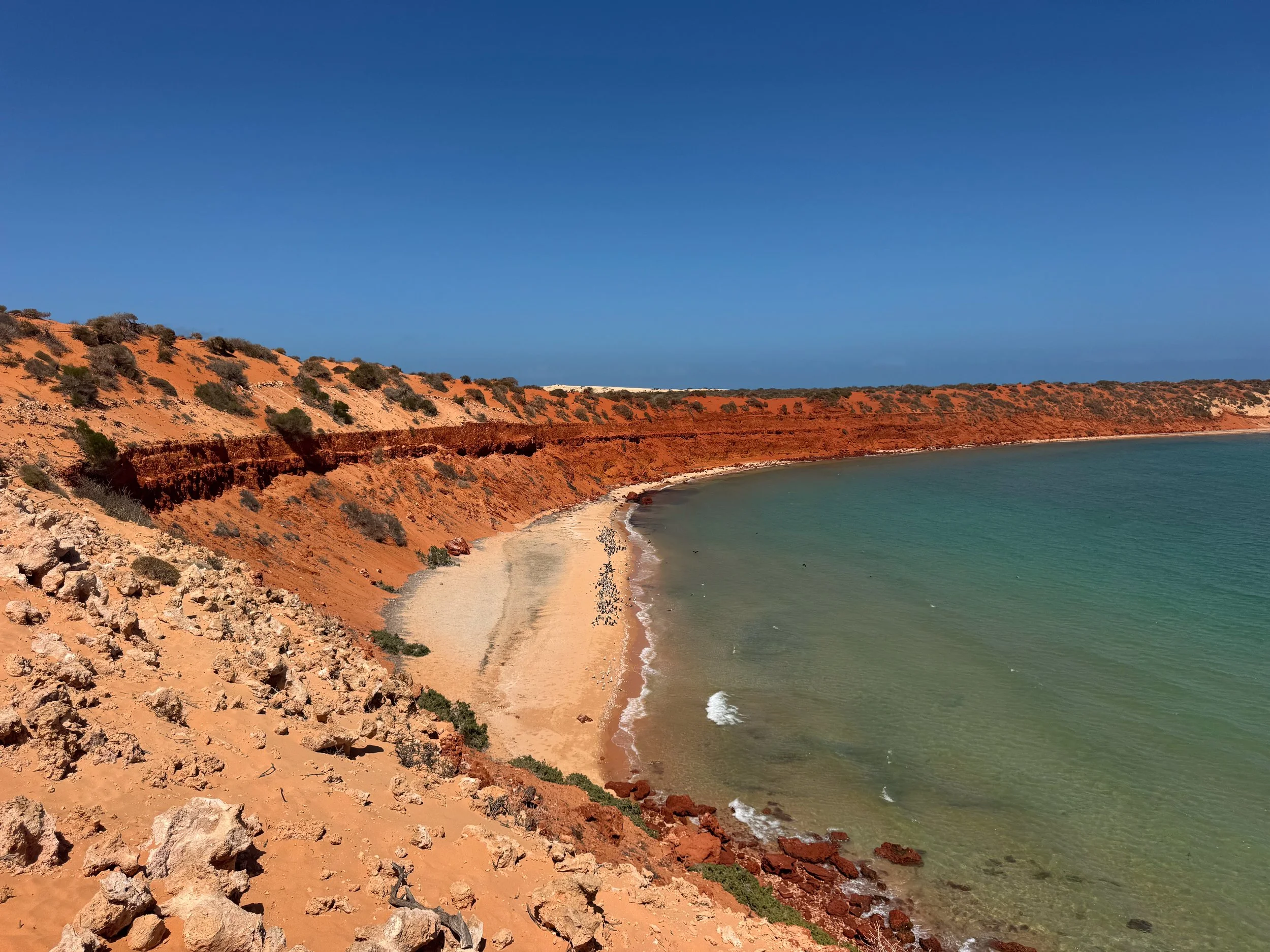
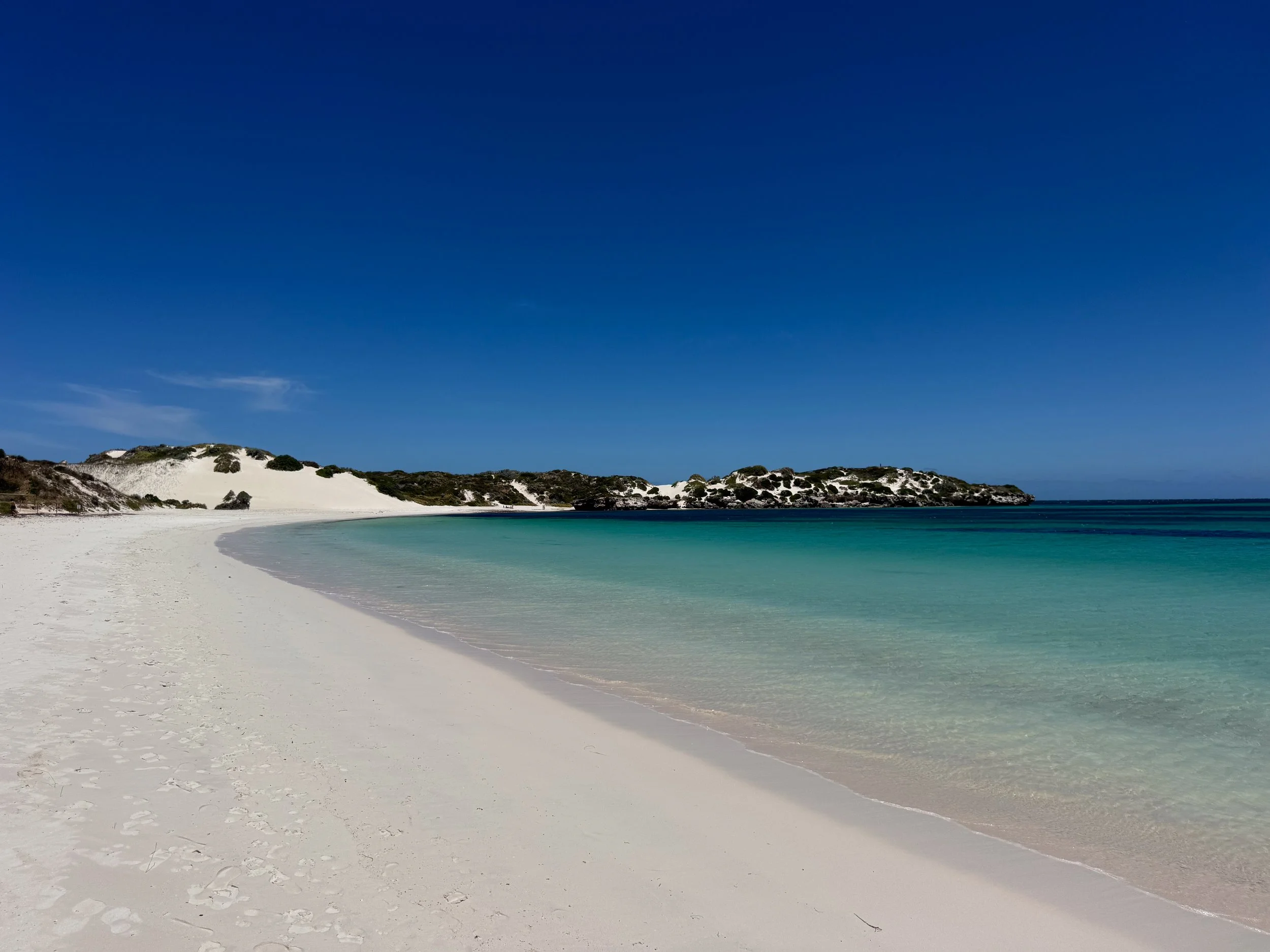
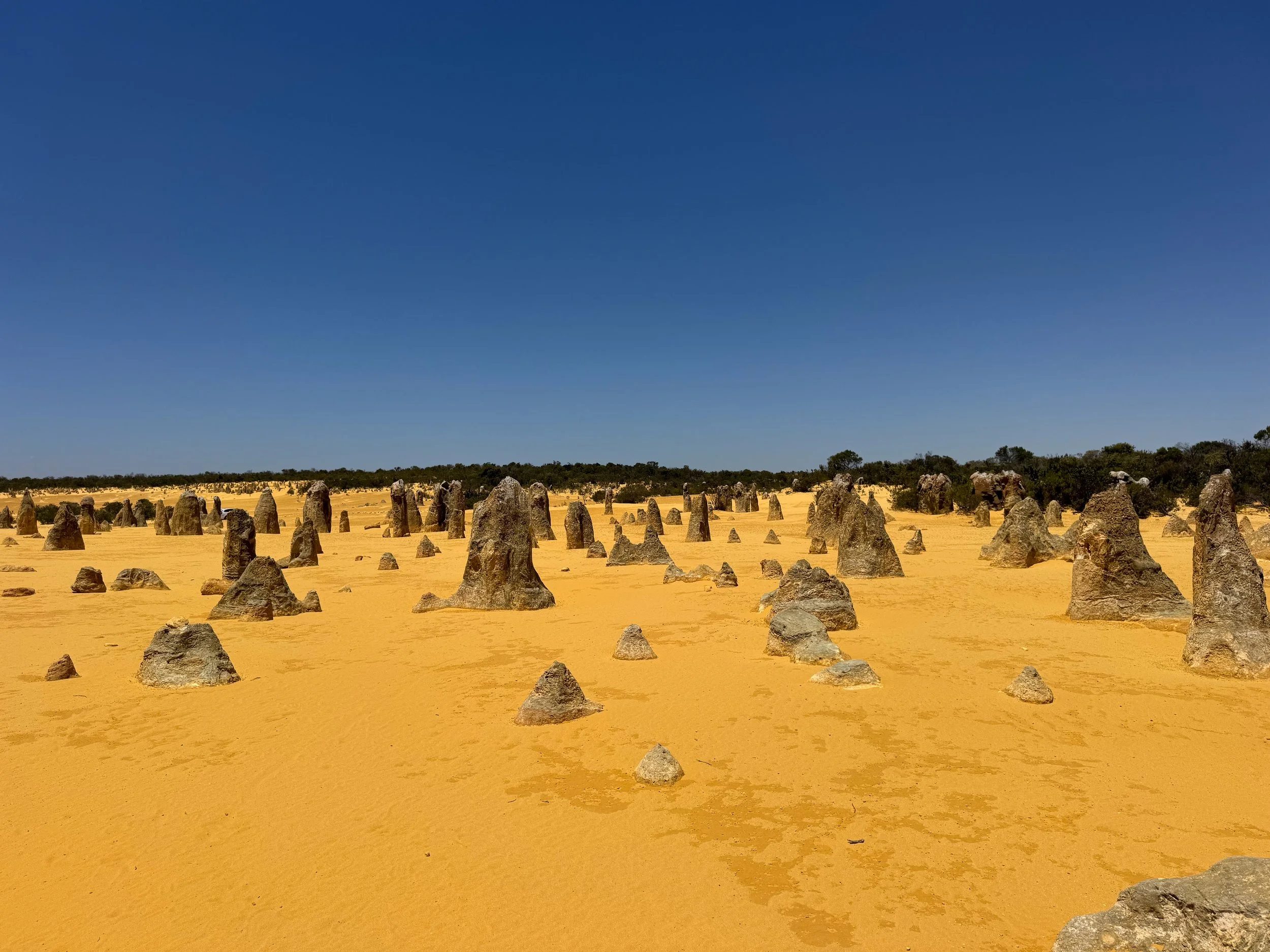
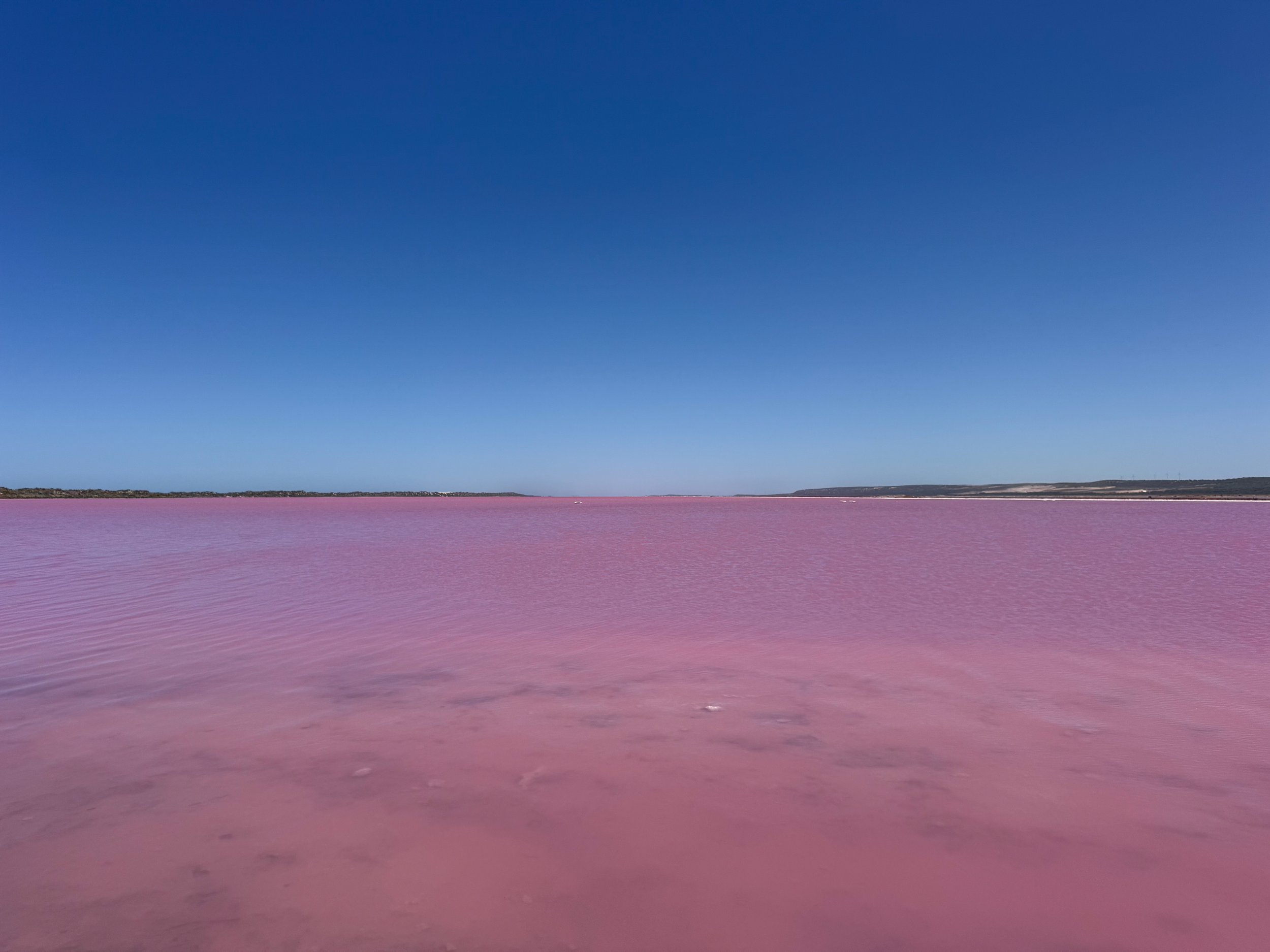
Western Australia Road Trip: Perth to Ningaloo & The Coral Coast. Road trip along Western Australia's Coral Coast where red desert landscapes, remote gorges, sandstone cliffs and white sand beaches create an unforgettable adventure.
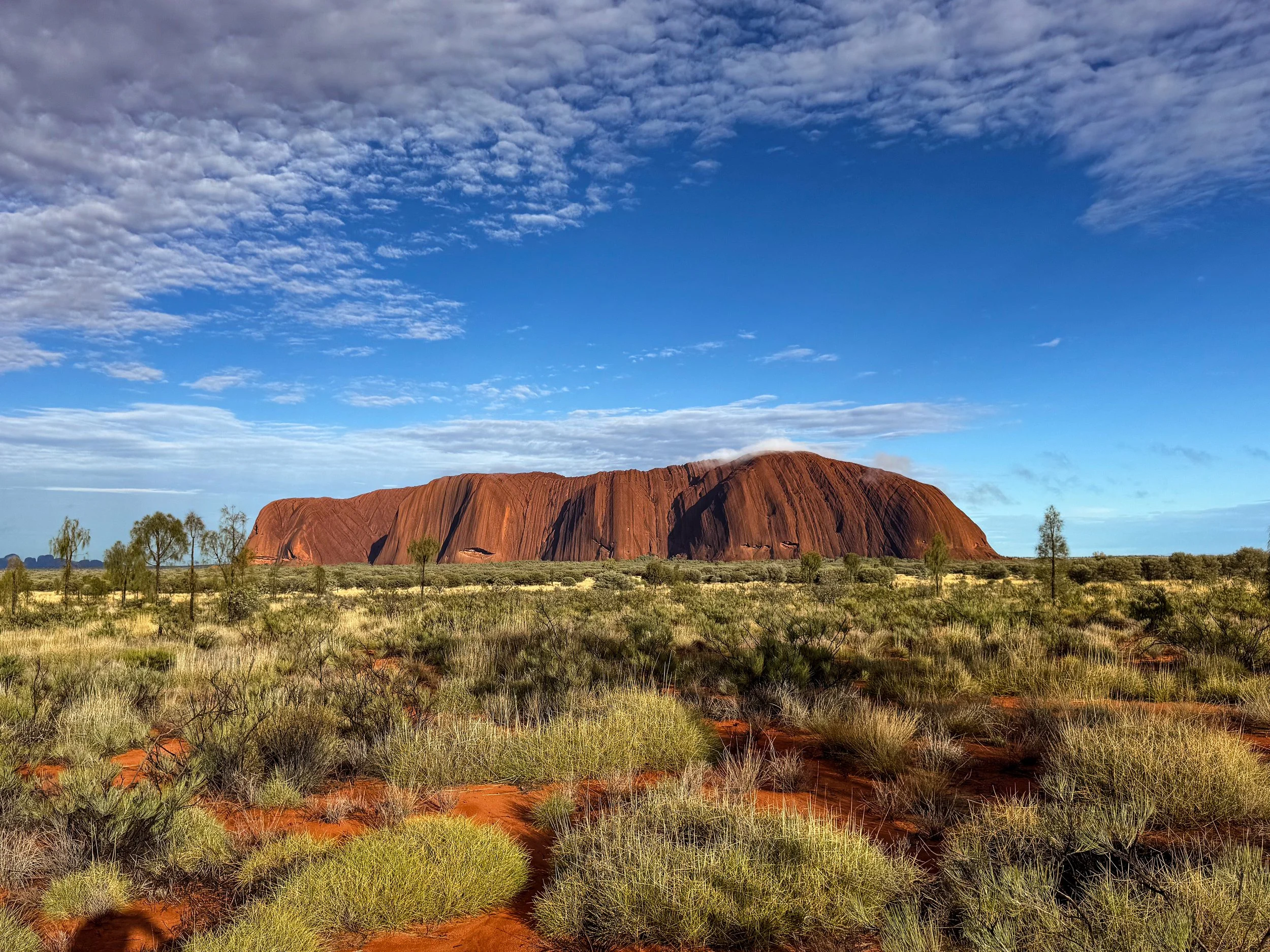
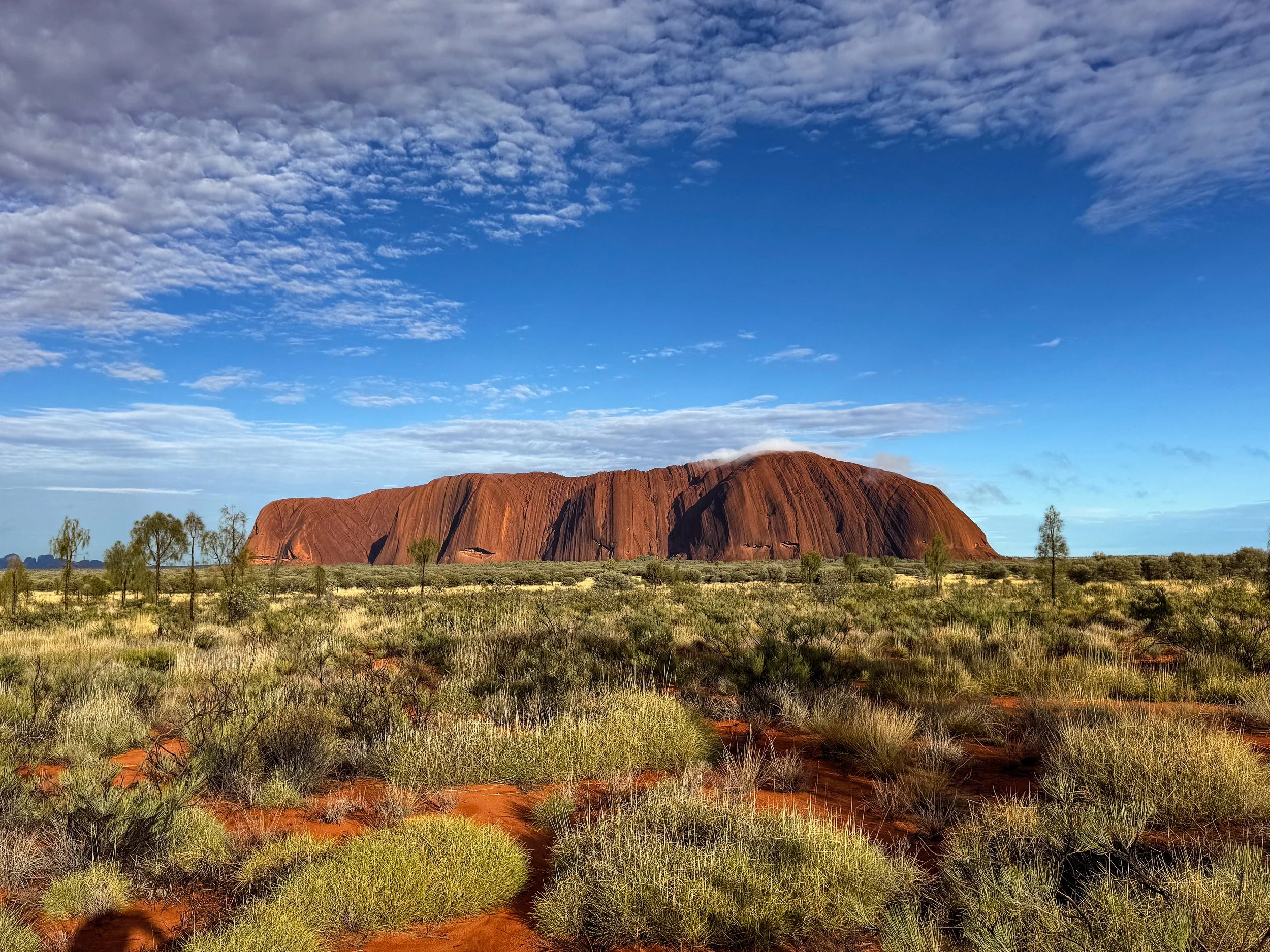
Uluru Travel Guide: Kata Tjuta, Kings Canyon & Sacred Landscapes. Discover Uluru's sacred landscapes where ancient sandstone monoliths, desert hikes, canyon oases and Anangu traditions connect visitors to the Outback.
For Next Time…
One week is barely enough time to experience Tropical North Queensland. Australia and this region of the country are high on our list to return to one day. These are just a few of the natural wonders we’ll come back to visit.
Walsh's Pyramid. A freestanding mountain, naturally shaped like a pyramid. Hiking trails lead around the mountain’s base and to its verdant summit.
Kahlpahlim Rock (Lamb's Head) Lookout. A rainforest mountain peak characterized by its large granite boulders. It’s accessible after a rigorous hike through the tropical terrain.
Whitsunday Islands National Park & Whitehaven Beach. A chain of islands famed for their powdery white sand beaches, multicolored blue waters and coral reefs.
Undara Volcanic National Park. A national park home to Australia’s largest lava tube, several volcanic craters and lush savannas.
Chillagoe-Mungana Caves National Park. A national park with large limestone formations, underground caves, hiking trails and aboriginal rock art.
Torres Strait Islands. An archipelago located between the northern tip of Queensland and the southern shores of Papua New Guinea. It’s home to an array of ecological diversity and indigenous peoples.
Great Barrier Reef Travel Guide: Cairns, Coral Reefs & Marine Life
Dive into the Great Barrier Reef where vibrant coral gardens and extraordinary marine life thrive within one of Earth's most biodiverse underwater ecosystems.
The Great Barrier Reef
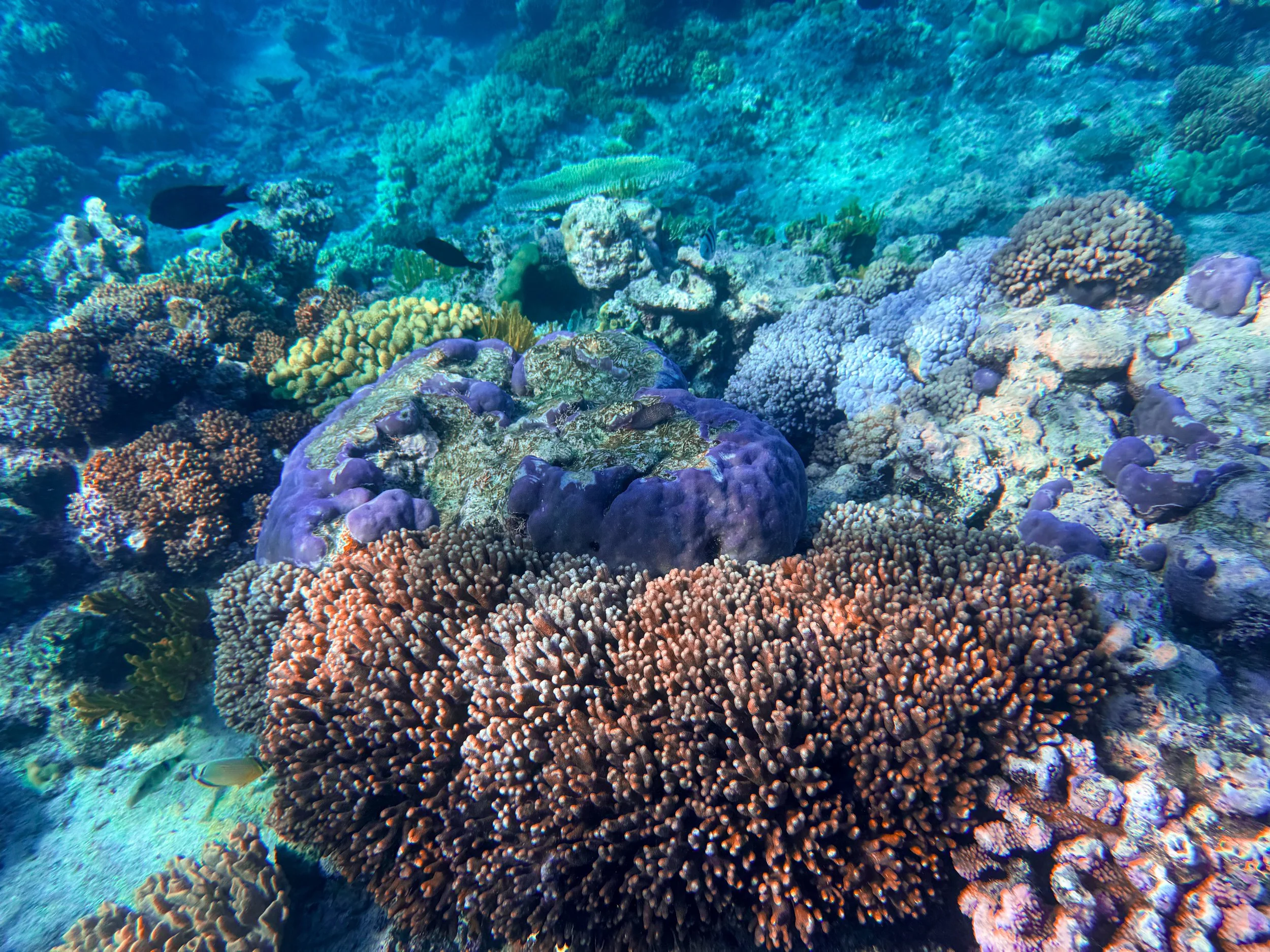
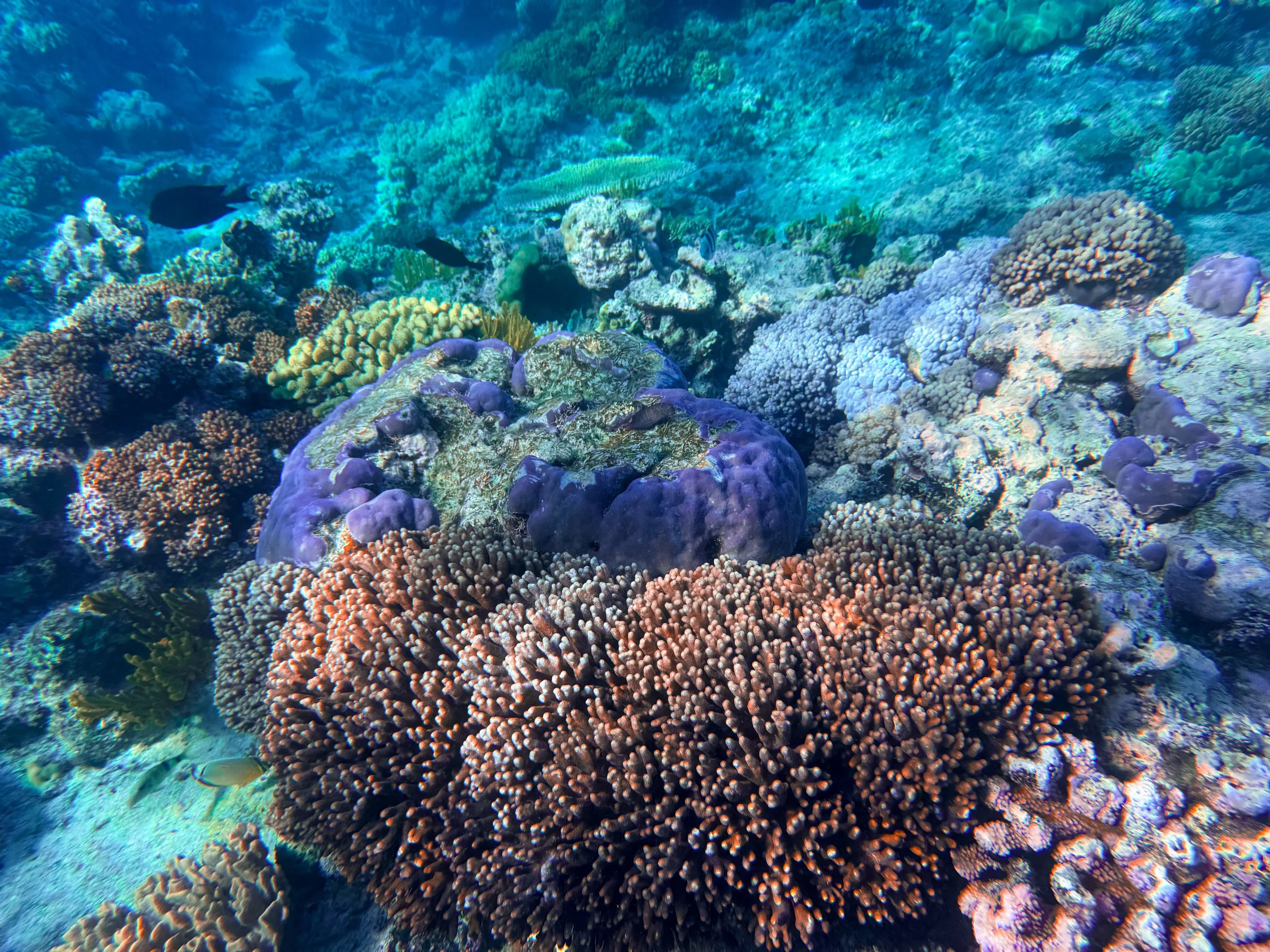
The Great Barrier Reef is the world’s largest coral reef system, stretching for hundreds of miles along the coast of Australia. It’s home to an incredible array of marine biodiversity including billions of corals, anemones, schools of tropical fish, sea turtles, sharks and rays. We snorkeled and dived in this underwater world in between relaxing on a live aboard and exploring on shore.
Cairns, Queensland
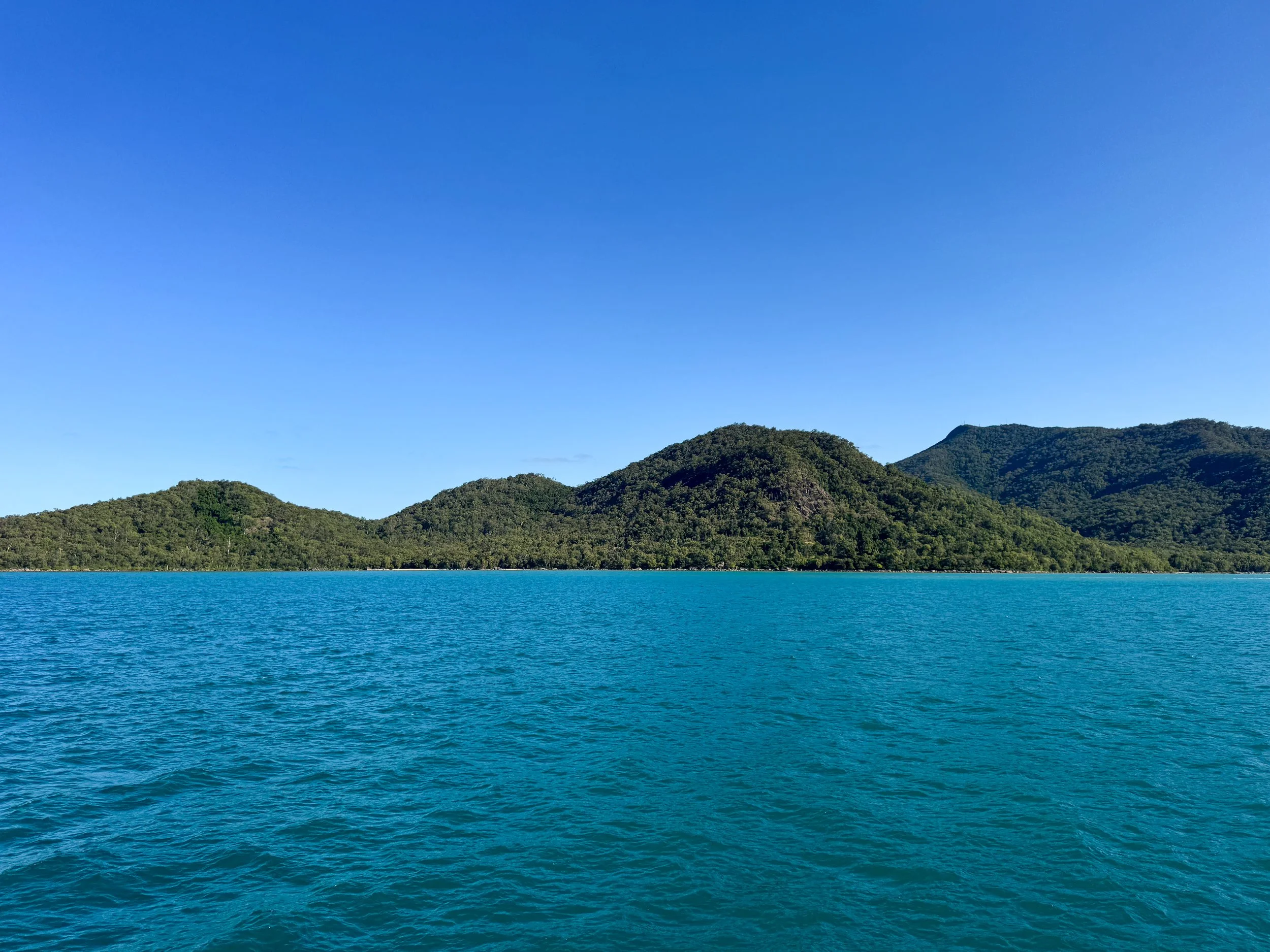
Cairns is an adventurous hub and coastal town in Tropical North Queensland, renowned for its access to the Great Barrier Reef. The town is home to restaurants, craft breweries, breakfast cafés, weekend markets and tour operators.
The Great Eight
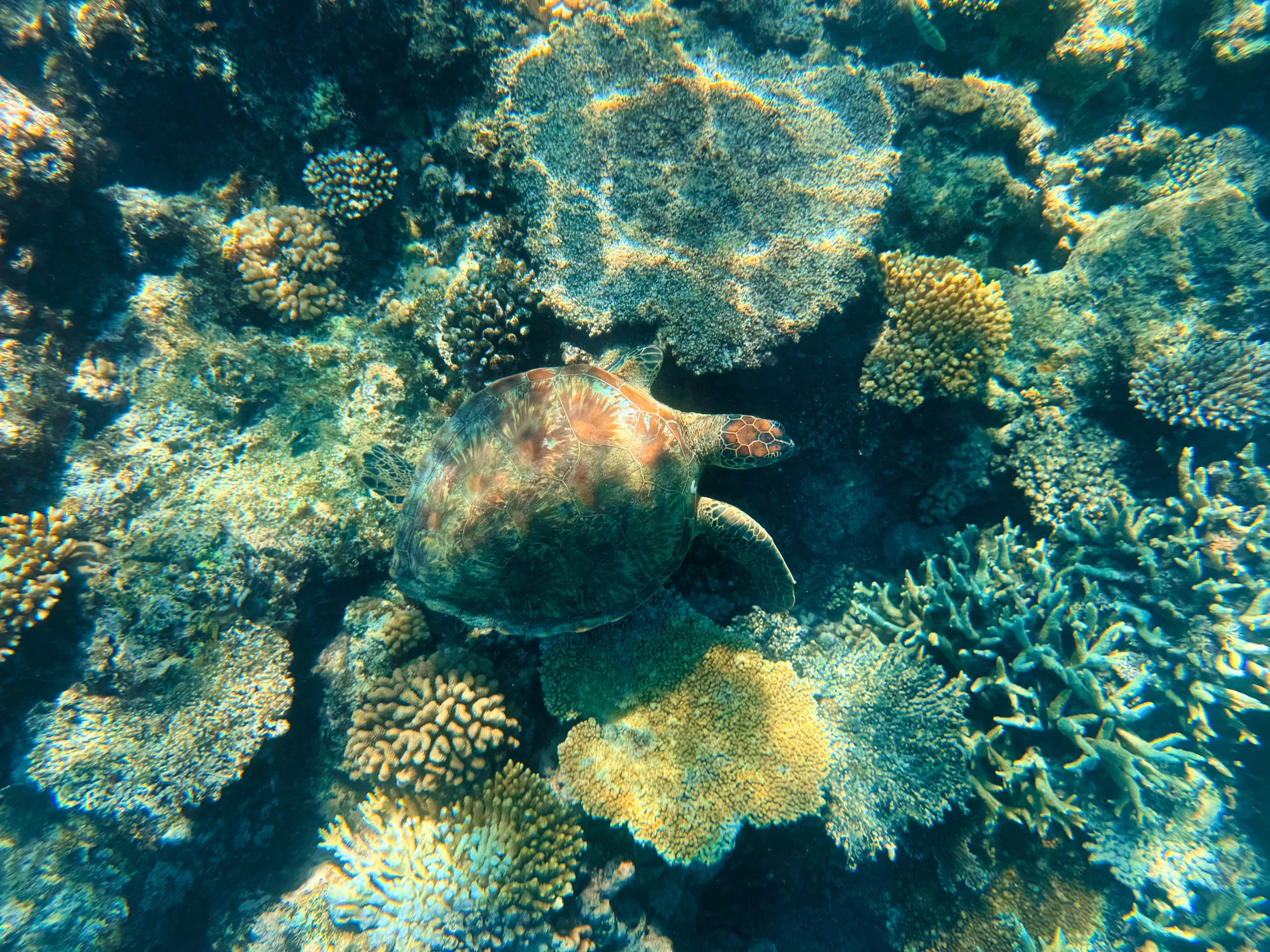
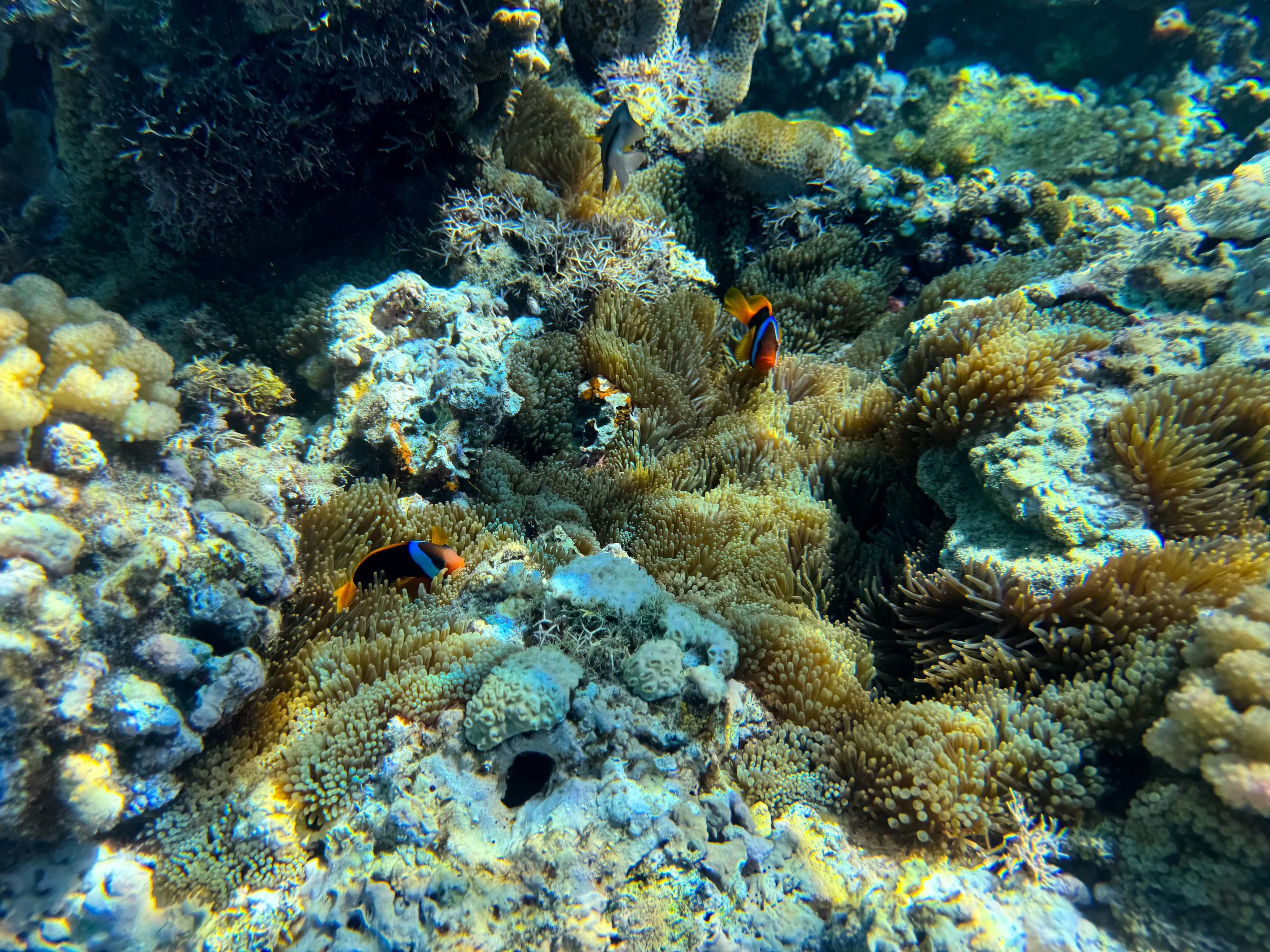
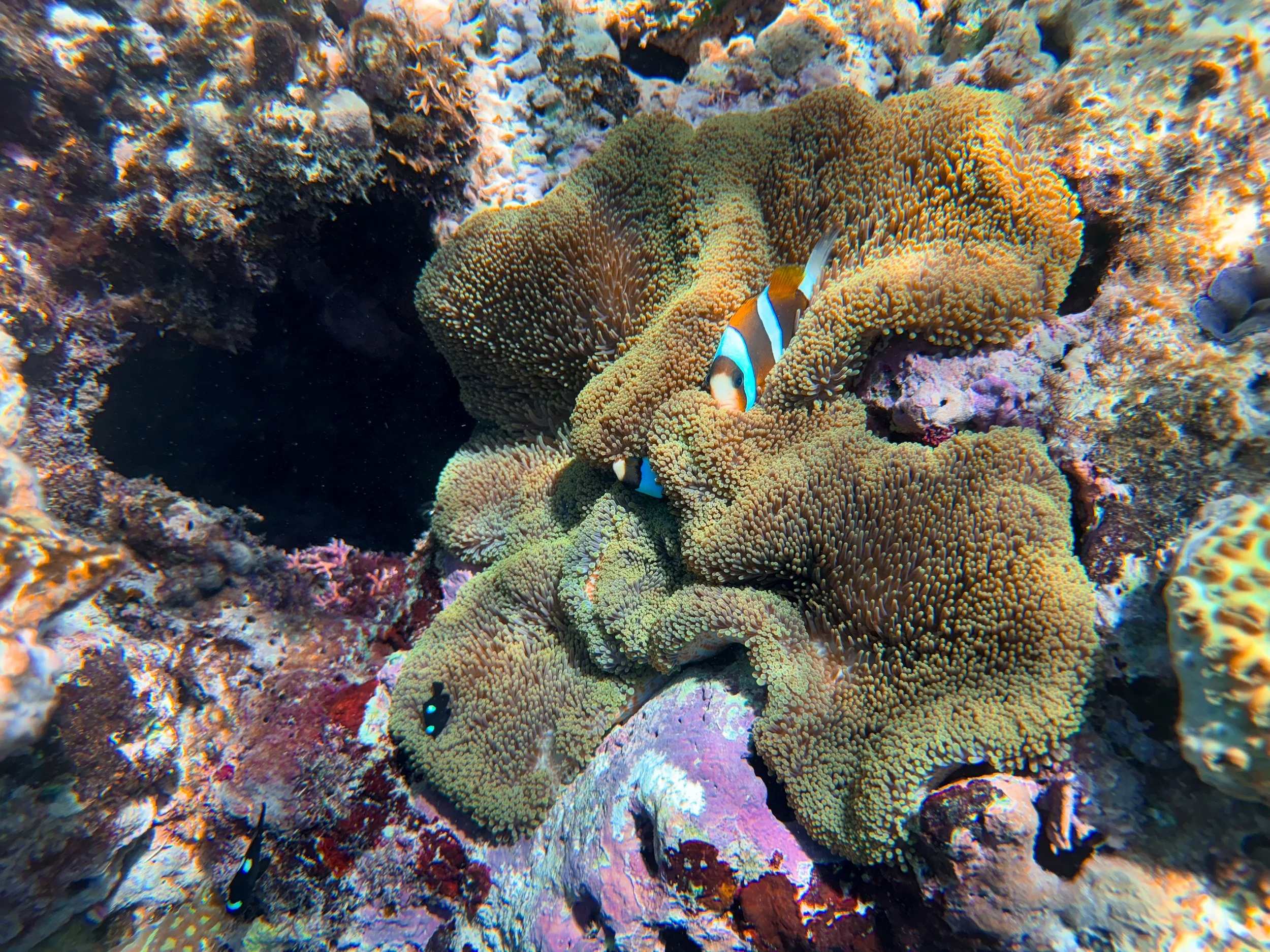
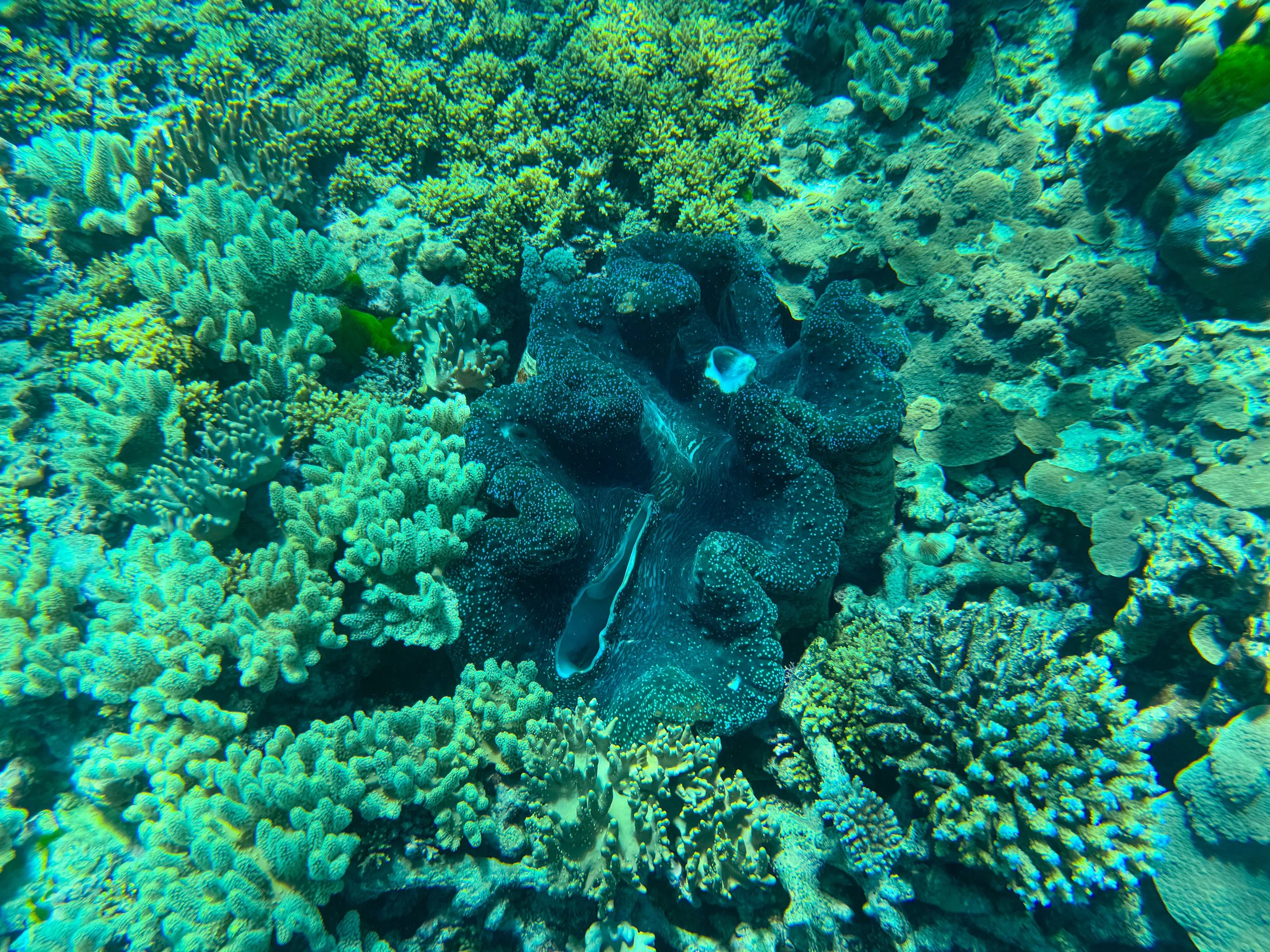
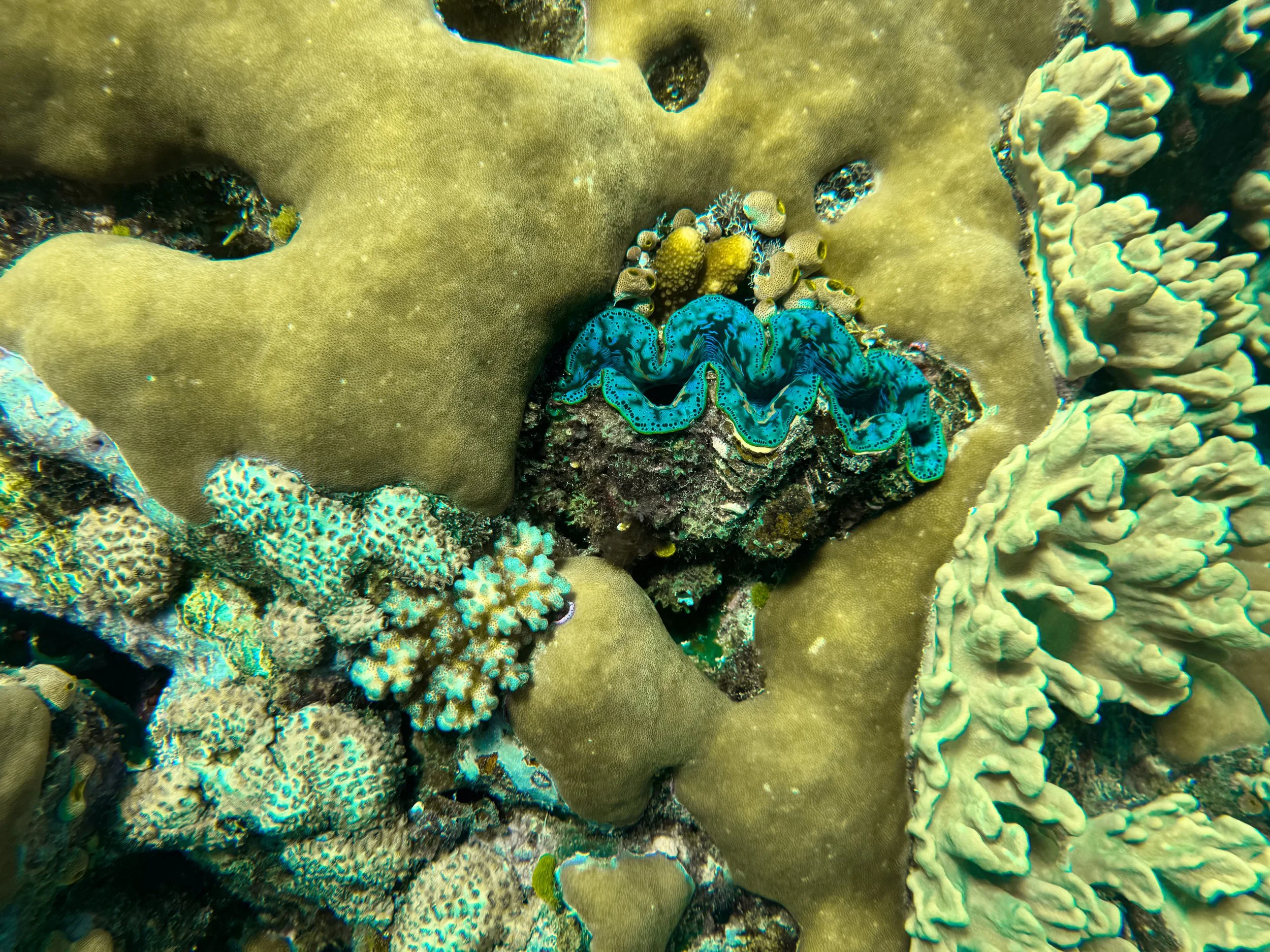
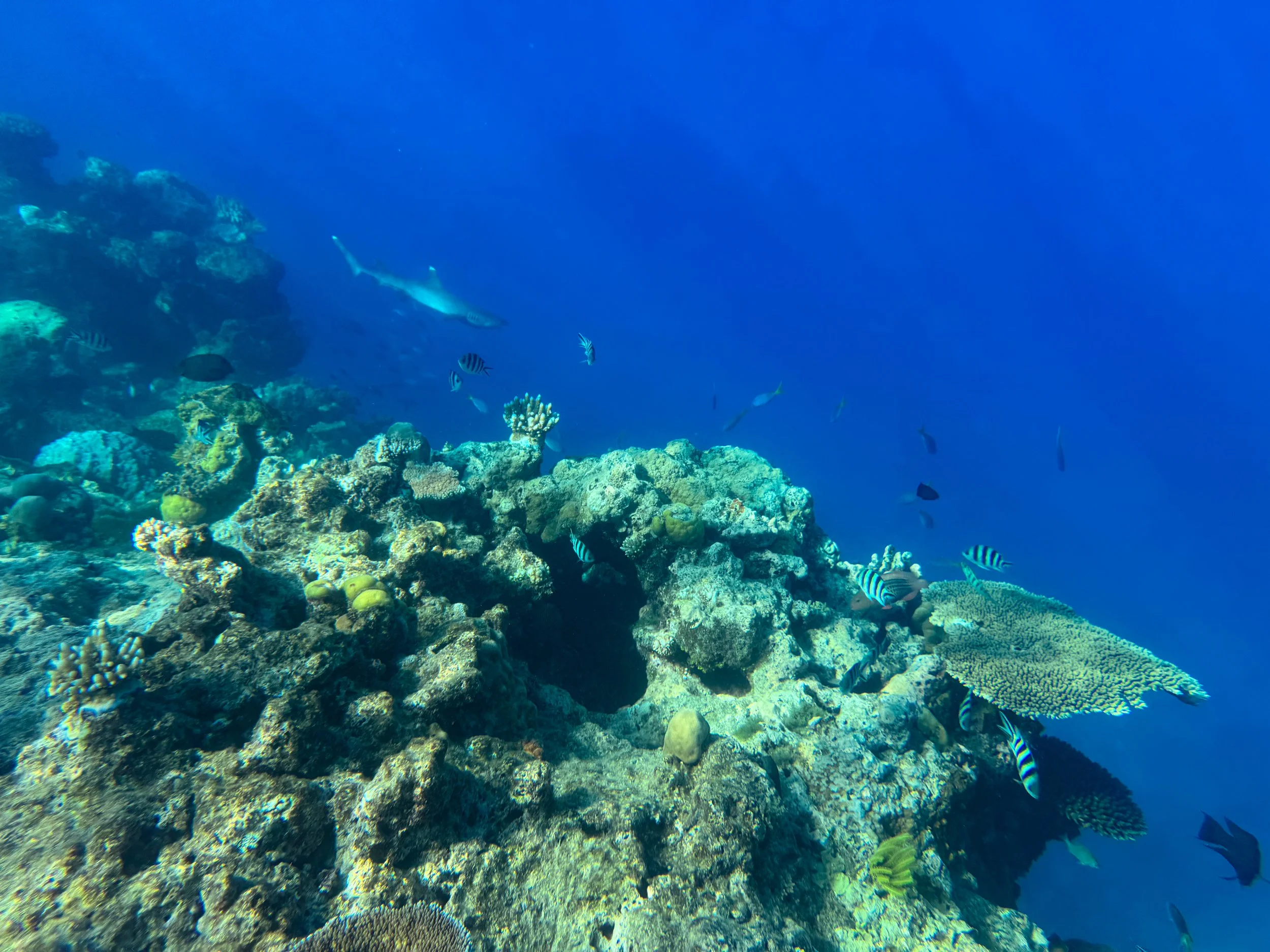
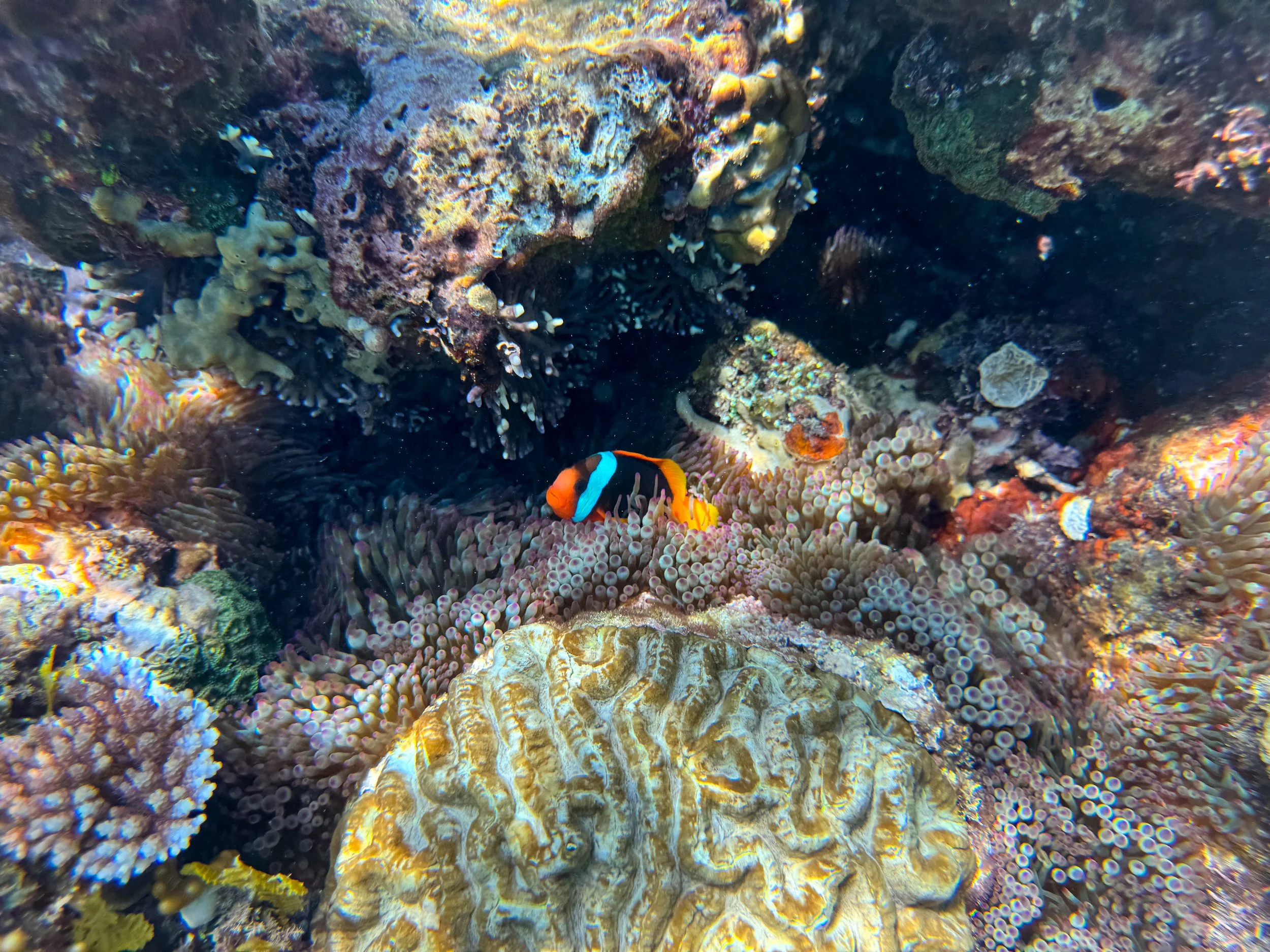
The Great Eight are the most iconic marine species that represent the Great Barrier Reef. The list includes:
Clownfish
Giant Clams
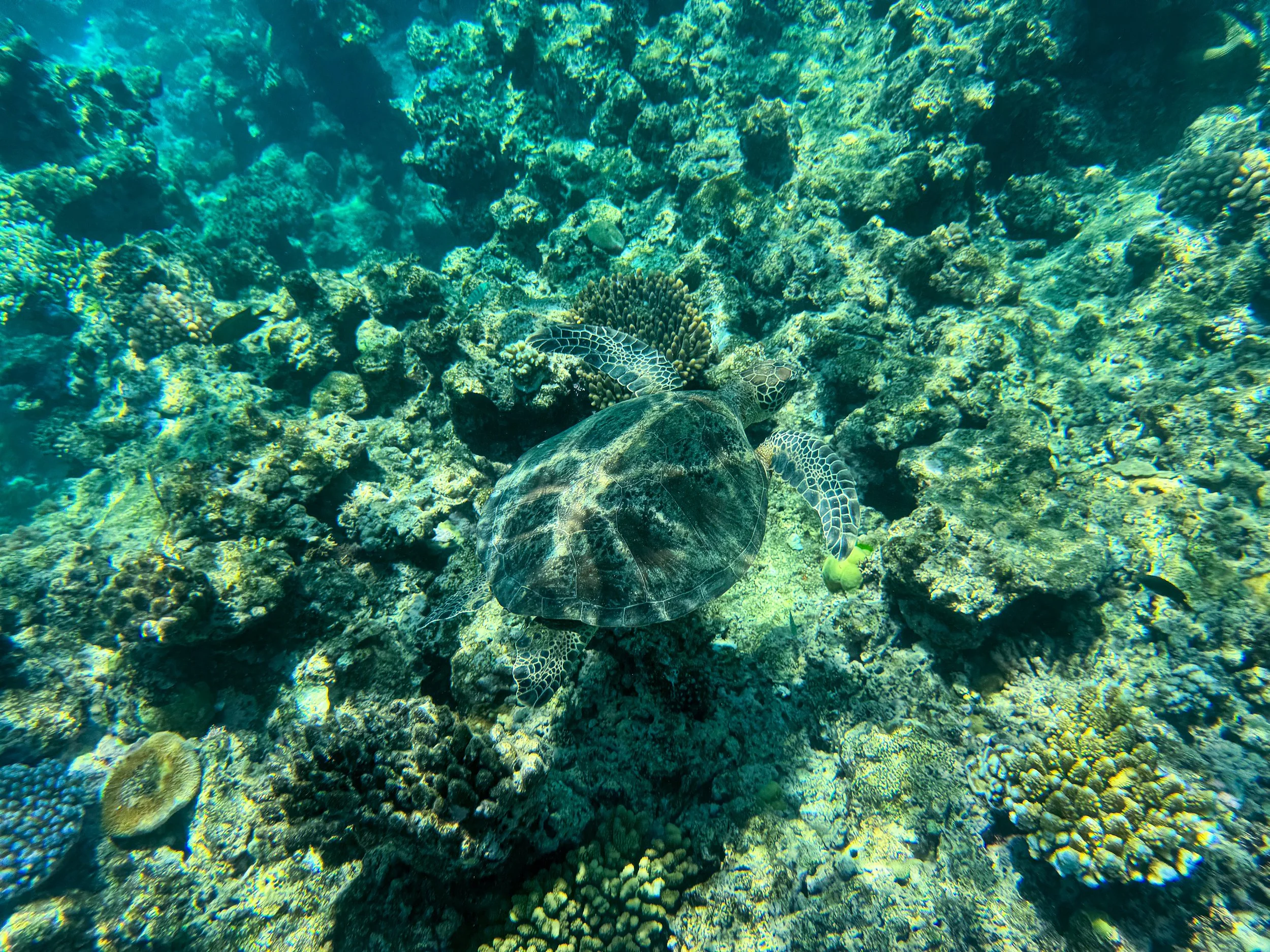
Sea Turtles
Sharks
Māori Wrasse
Potato Cod
Manta Rays
Whales
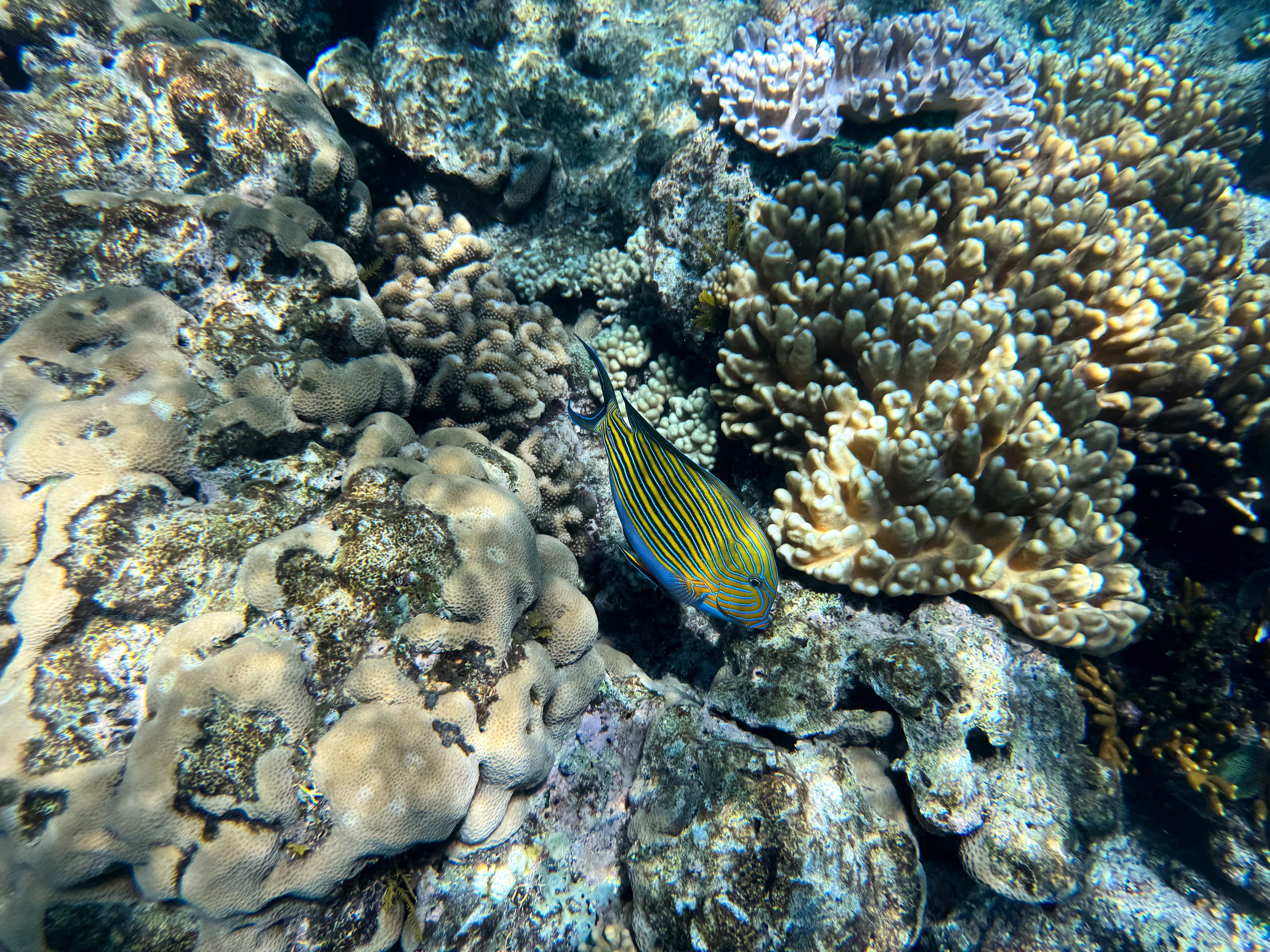
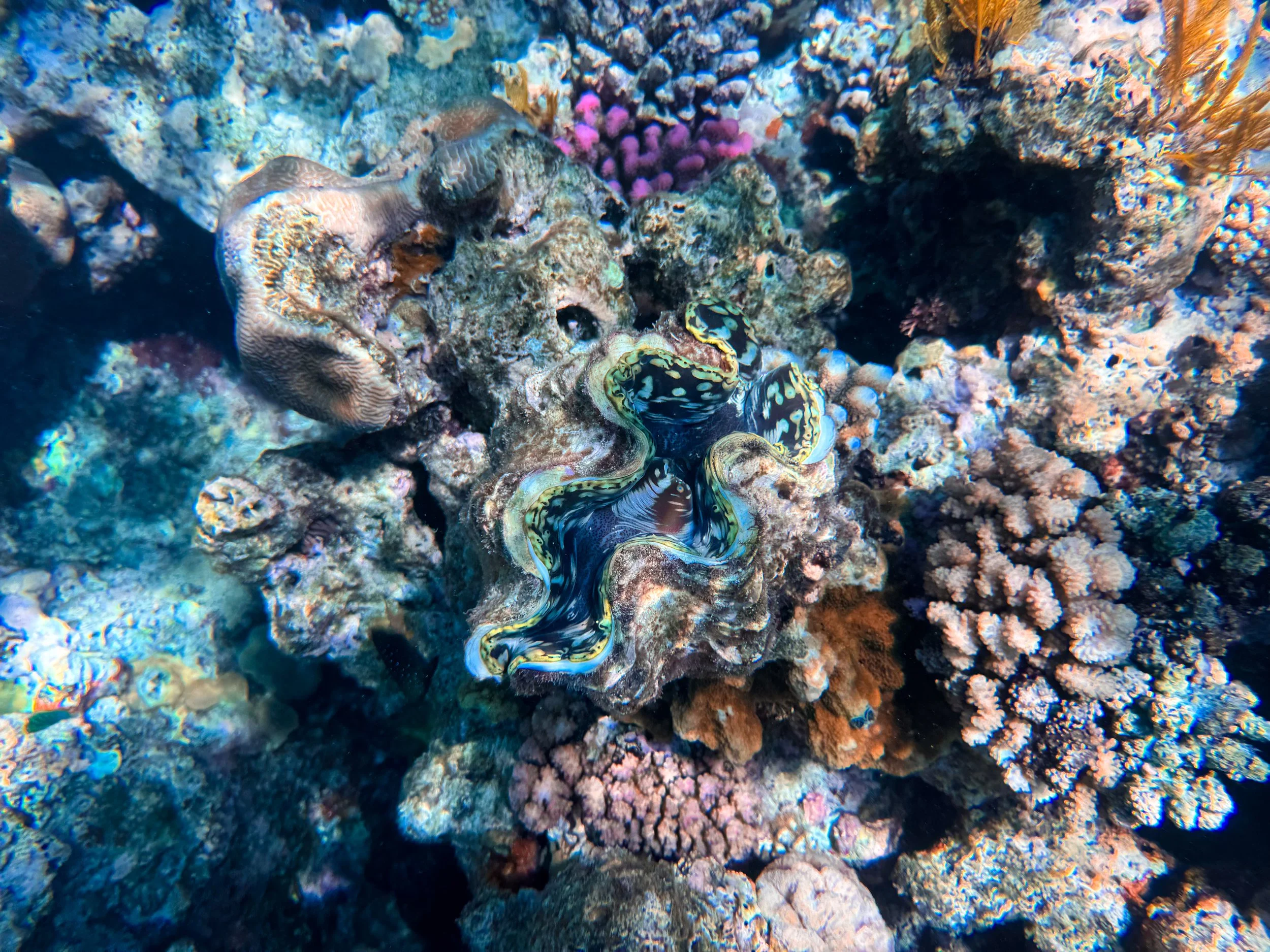
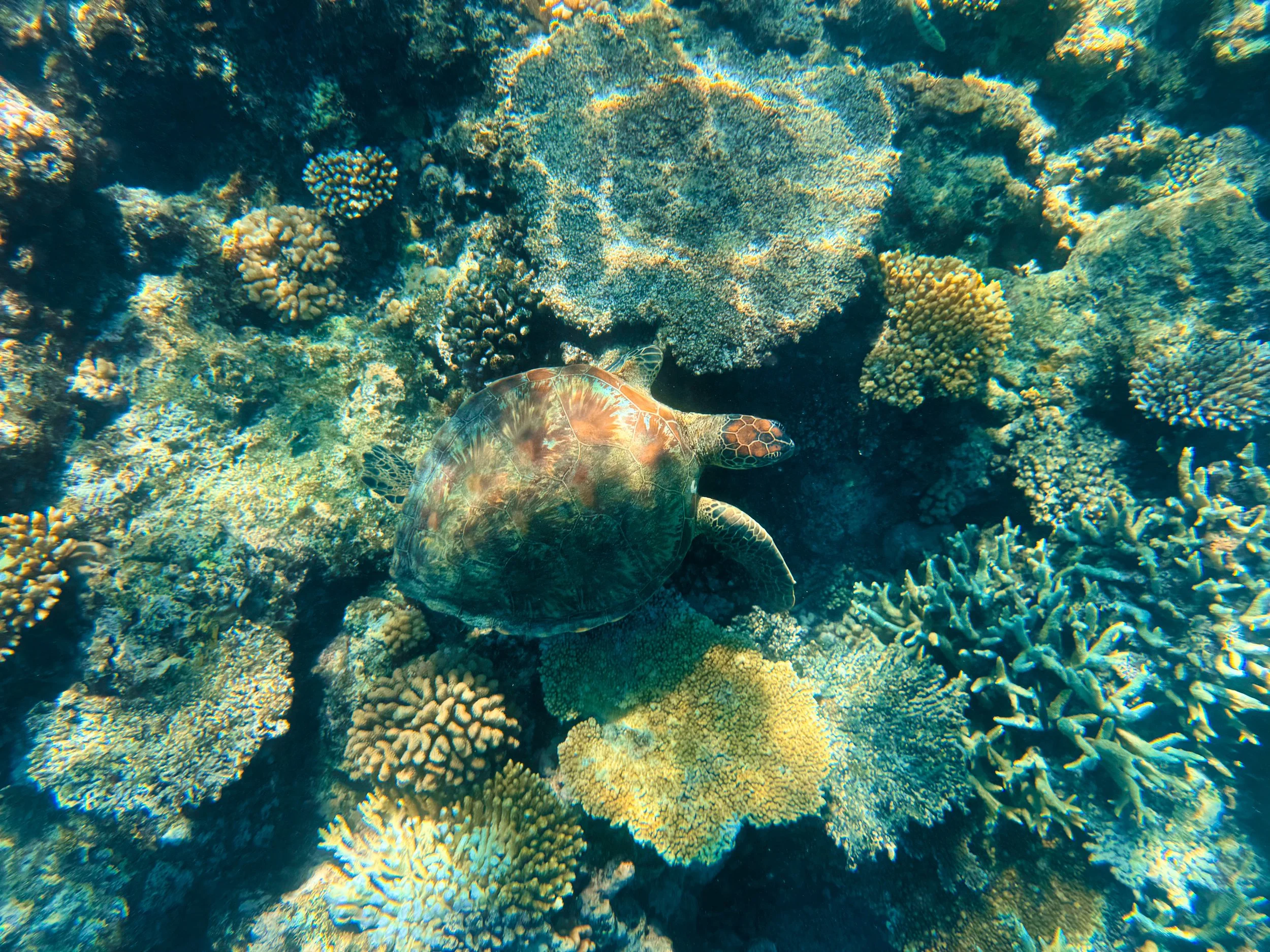
During our three days on the reef, we spotted clownfish swimming in anemones, opened giant clams, feeding green sea turtles and white tipped reef sharks. The Māori Wrasse, potato cod and manta rays proved to be elusive, however we spotted other colorful and large fish as well as stingrays.
Good to Know. To spot whales, visit during their migration season between May and September.
Tour Operators
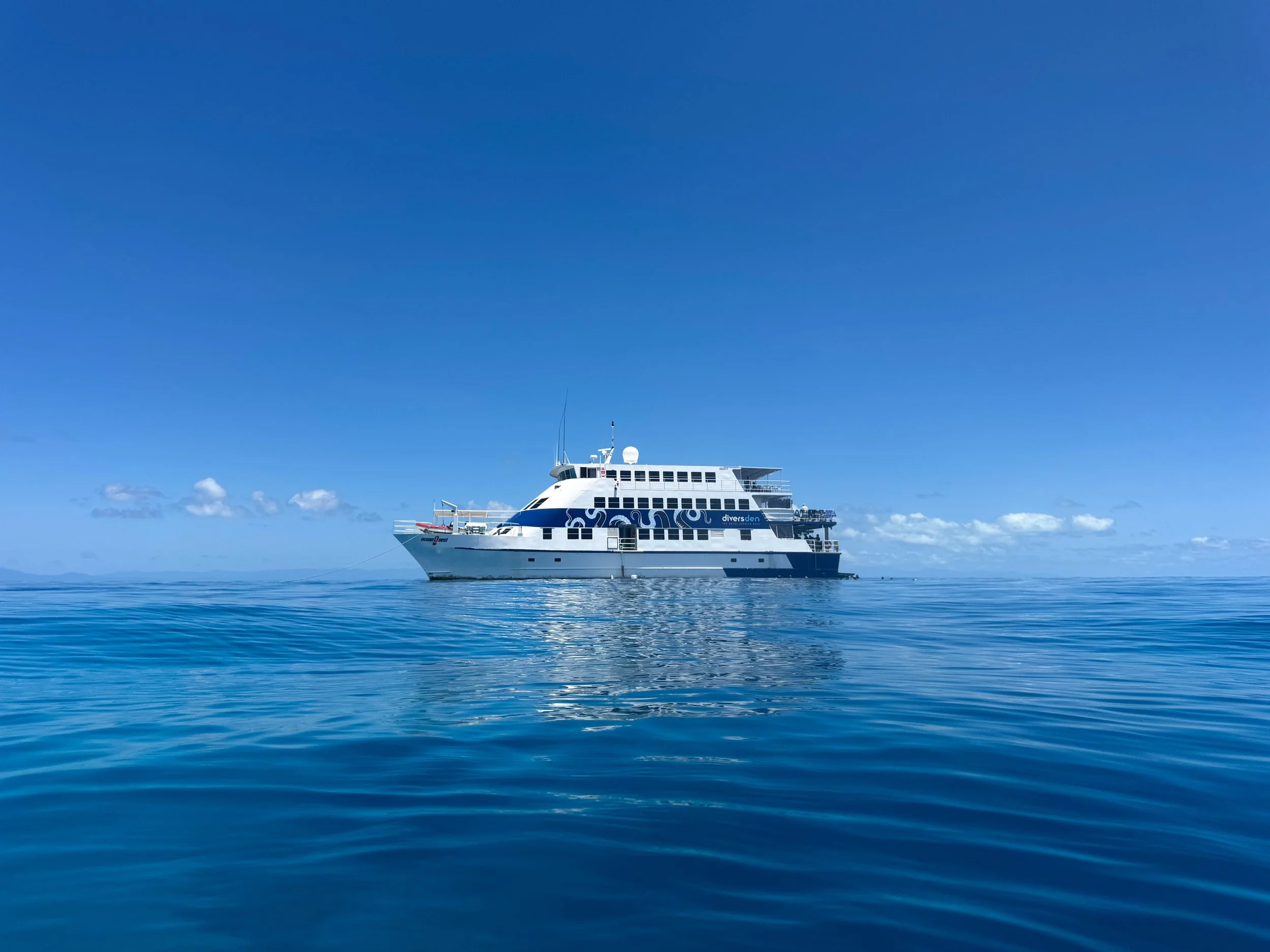
Cairns is home to many well reviewed tour operators offering single and multi-day trips to the Great Barrier Reef. Excursions often include snorkeling, scuba diving, introductory courses and all aquatic gear. We booked a two day one night live aboard with Diver’s Den on Viator and a separate day trip with Silver Swift on Get Your Guide.
Diver’s Den. A scuba and snorkel operator with single and multi day trips to sites around the Great Barrier Reef. We joined their 2 day 1 night live aboard. It included 3 guided snorkel tours per day, a private cabin and all meals. The ship, the Ocean Quest, has several public spaces including the dive deck, dining room, indoor lounge and outdoor sun deck, perfect for viewing the ocean by day and stars by night.
Silver Swift. A scuba and snorkel operator with single day trips to sites around the Great Barrier Reef. It included two free style snorkel tours, a guided introductory scuba dive and a vegetarian friendly buffet lunch.
Pro Tip. Bring a sweater! The AC on the boats is very cold, especially after getting out of the water.

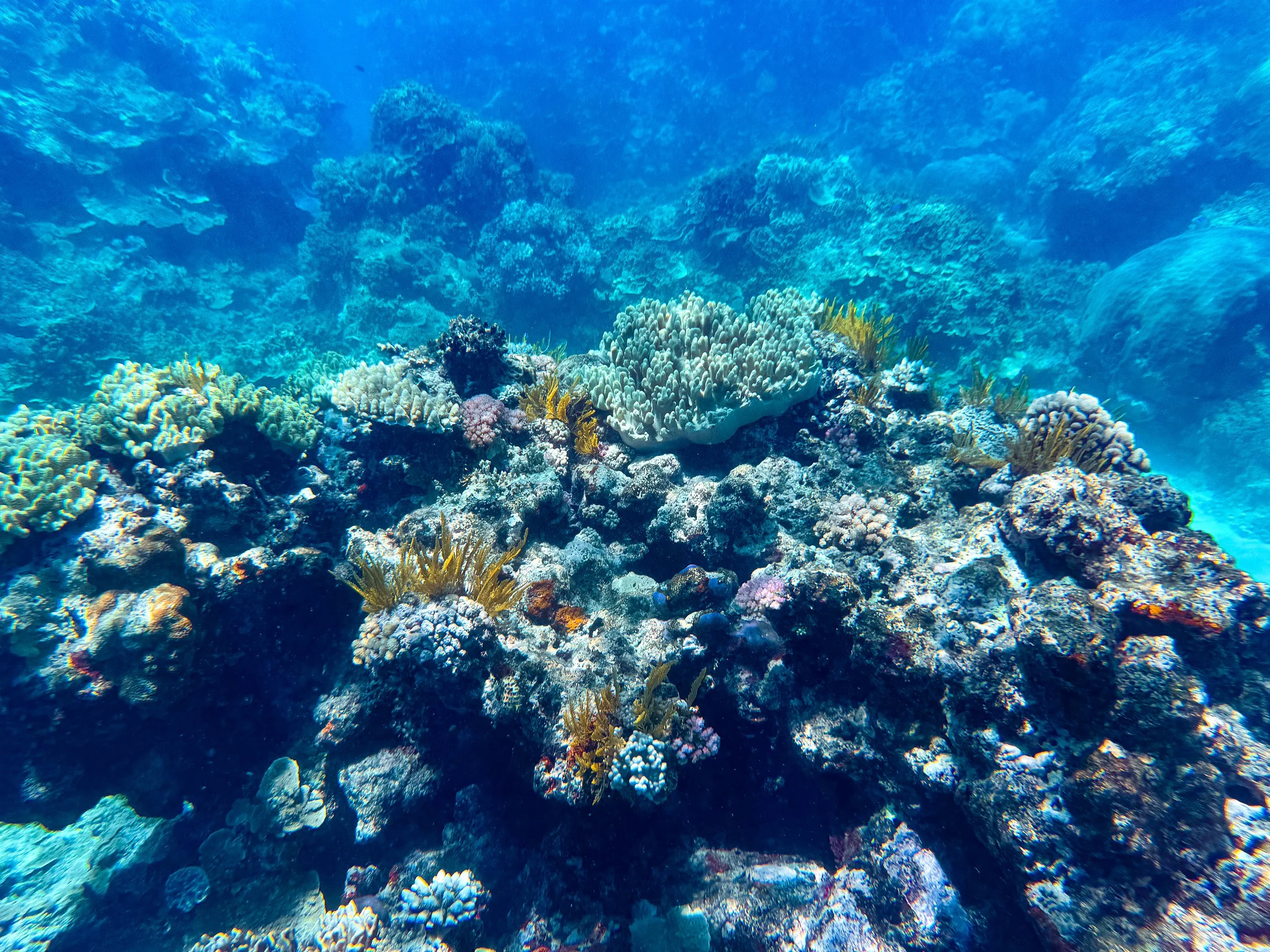
Saxon Reef
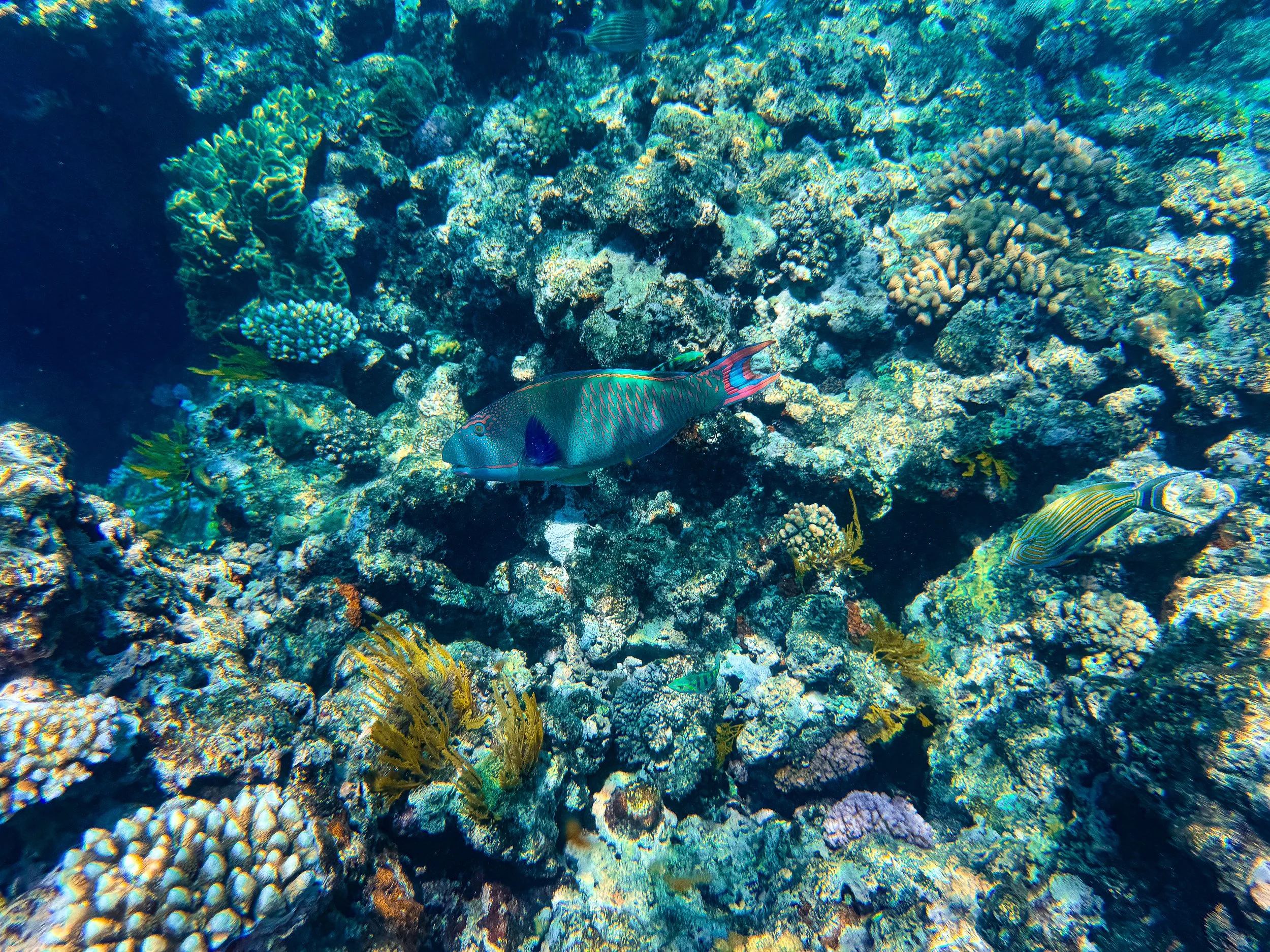
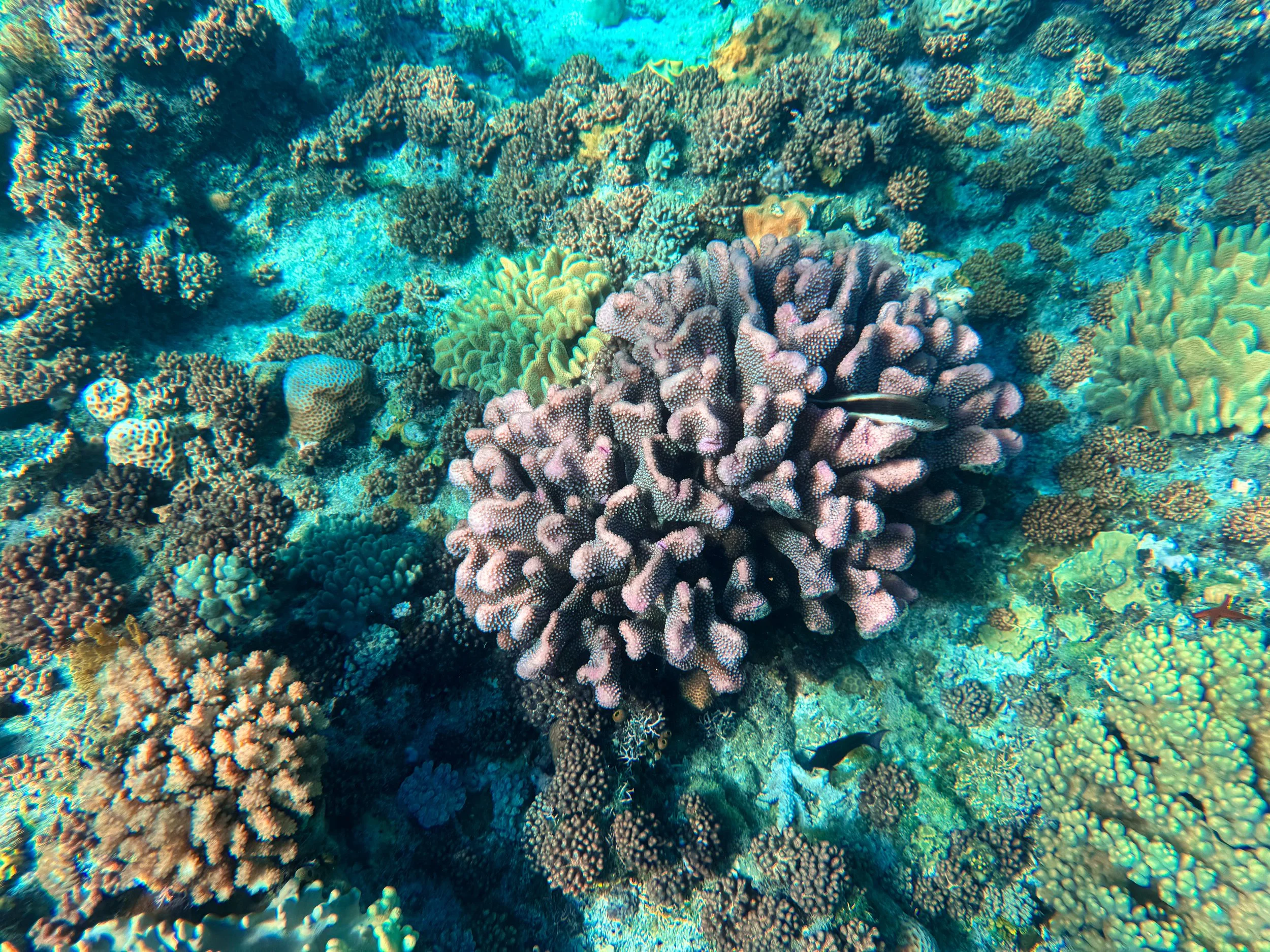
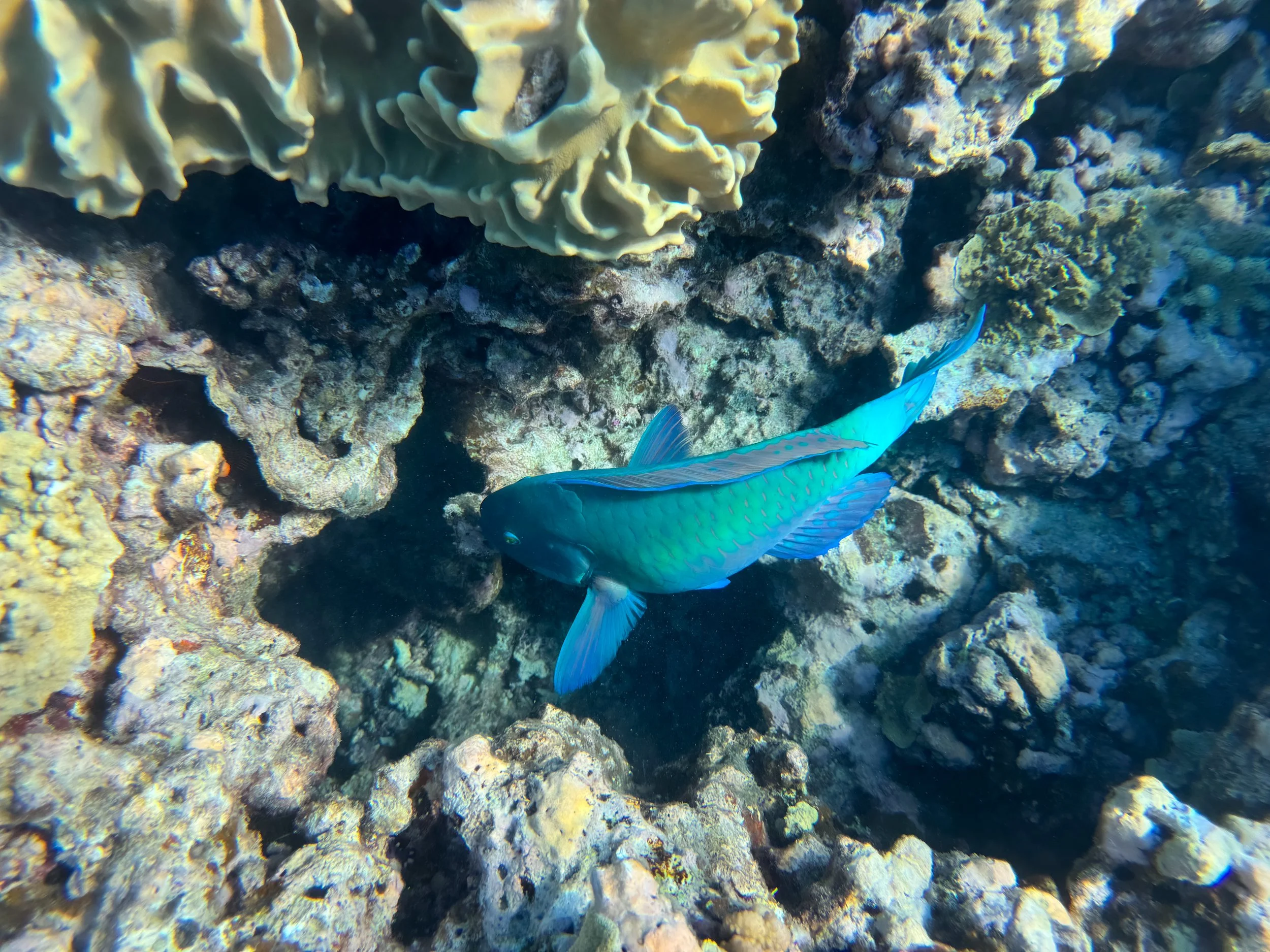
Saxon Reef features large underwater formations like coral boomies, cliffs and gardens. It’s home to wide variety of marine life including tropical fish, sea turtles, cuddle fish, rays and eels. We snorkeled at three separate sites around the reef.
Twin Peaks Dive Site. A popular snorkel and dive site in Saxon Reef with massive coral structures and sandy ocean patches. Tropical fish flash their solid and prismatic patterned scales while green sea turtles drift by. It’s an easy location to spot clownfish, parrotfish, triggerfish, puffers, colorful wrasse, angelfish and unicorn fish.
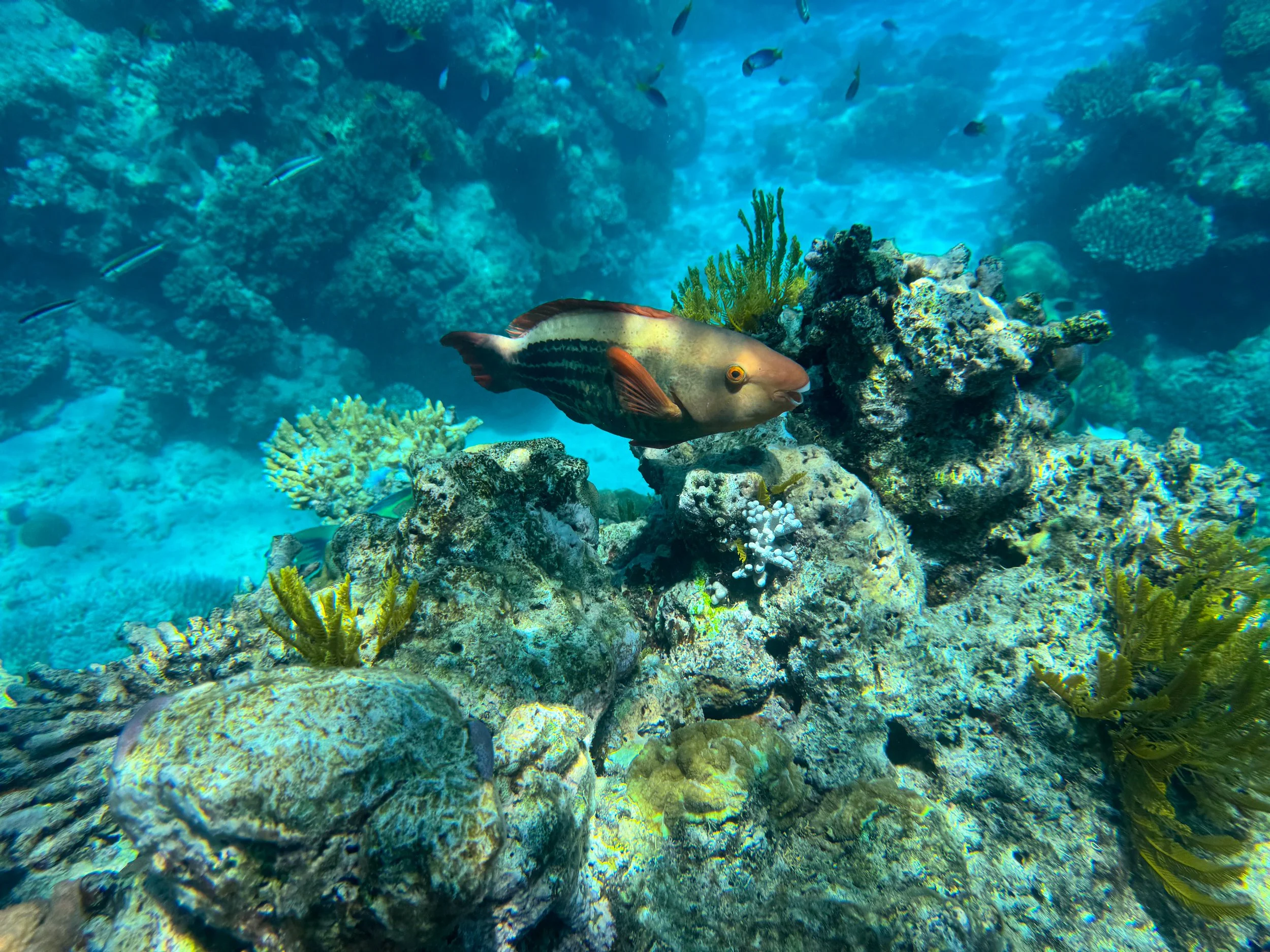
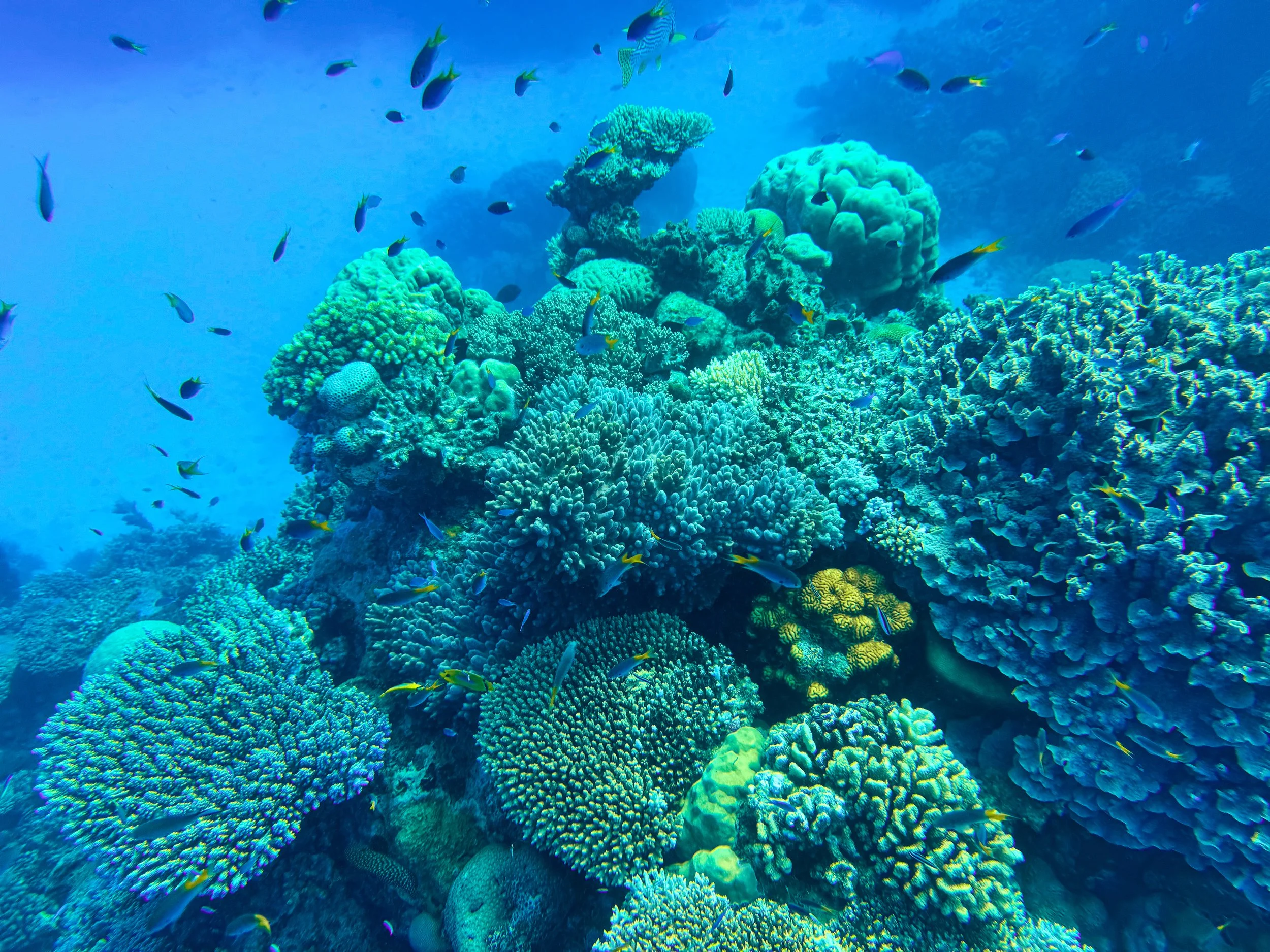
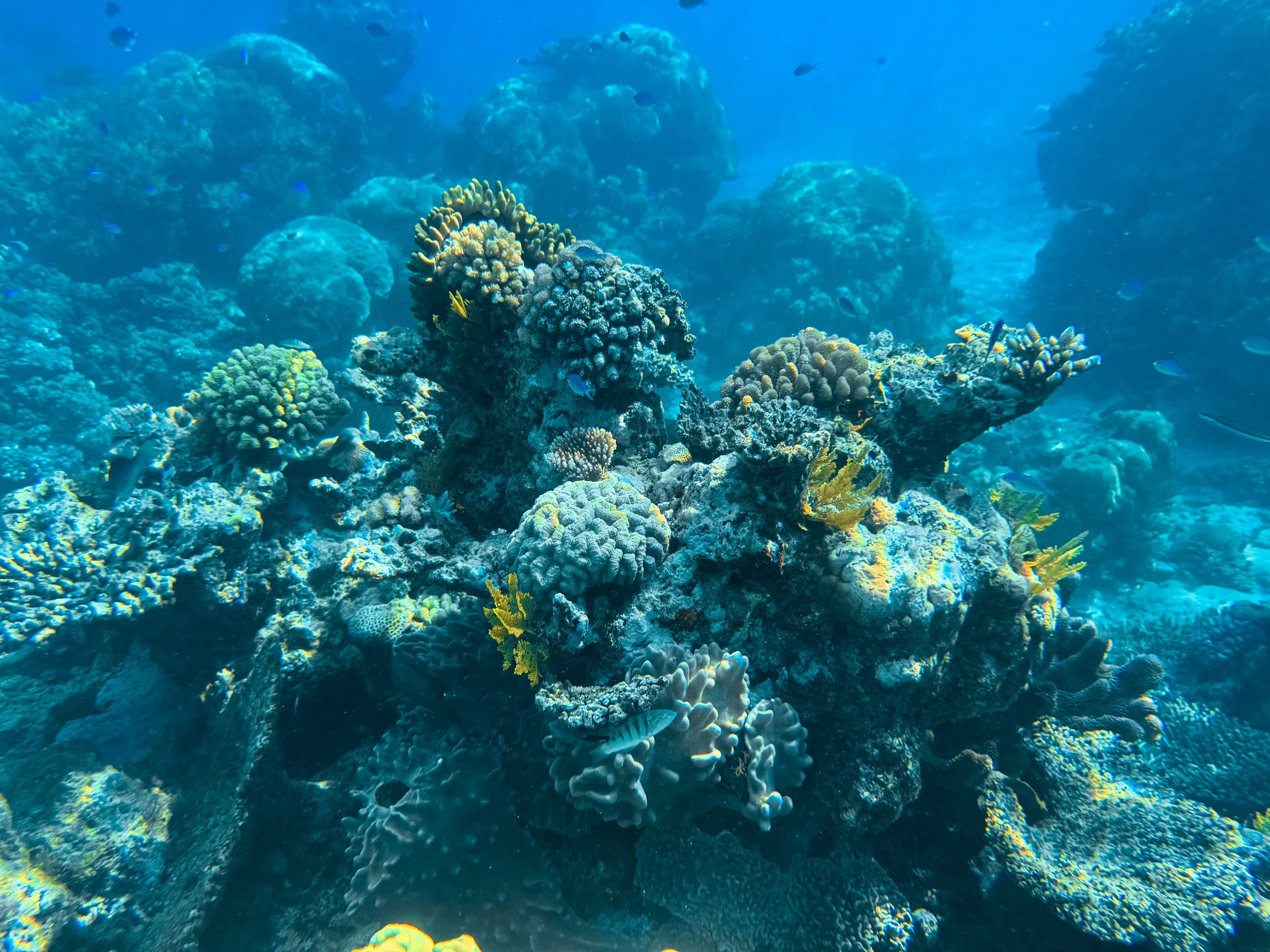
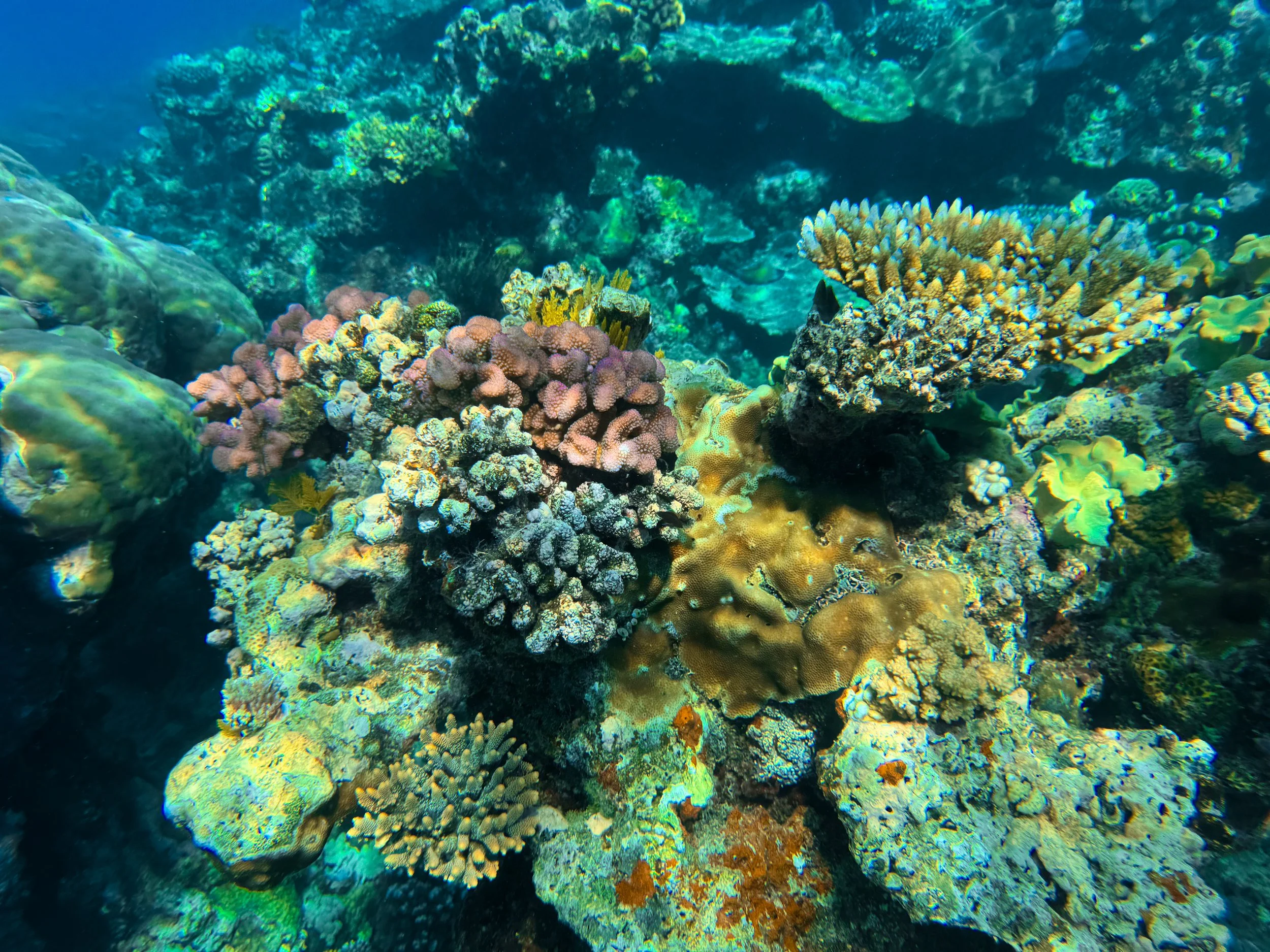
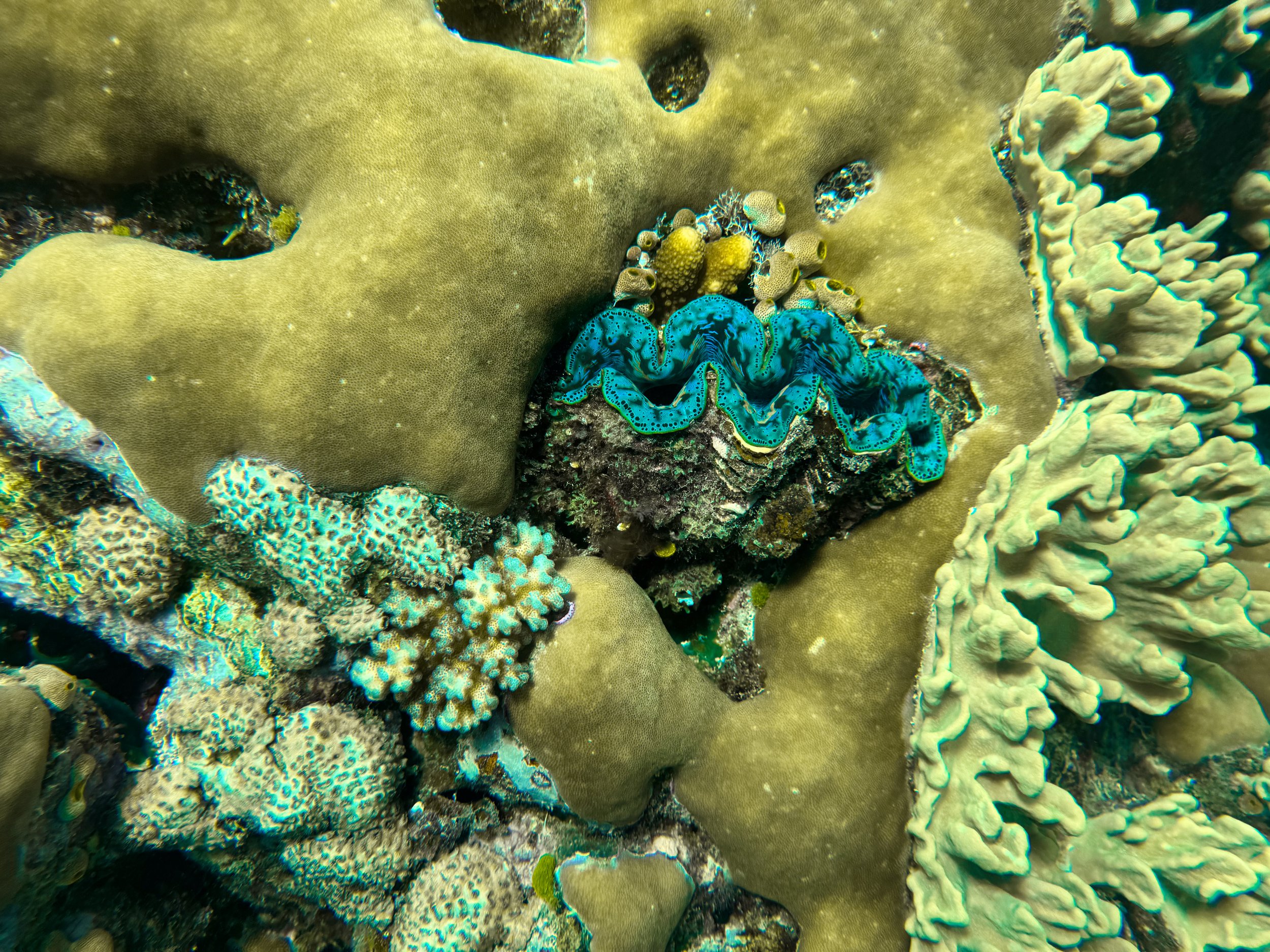
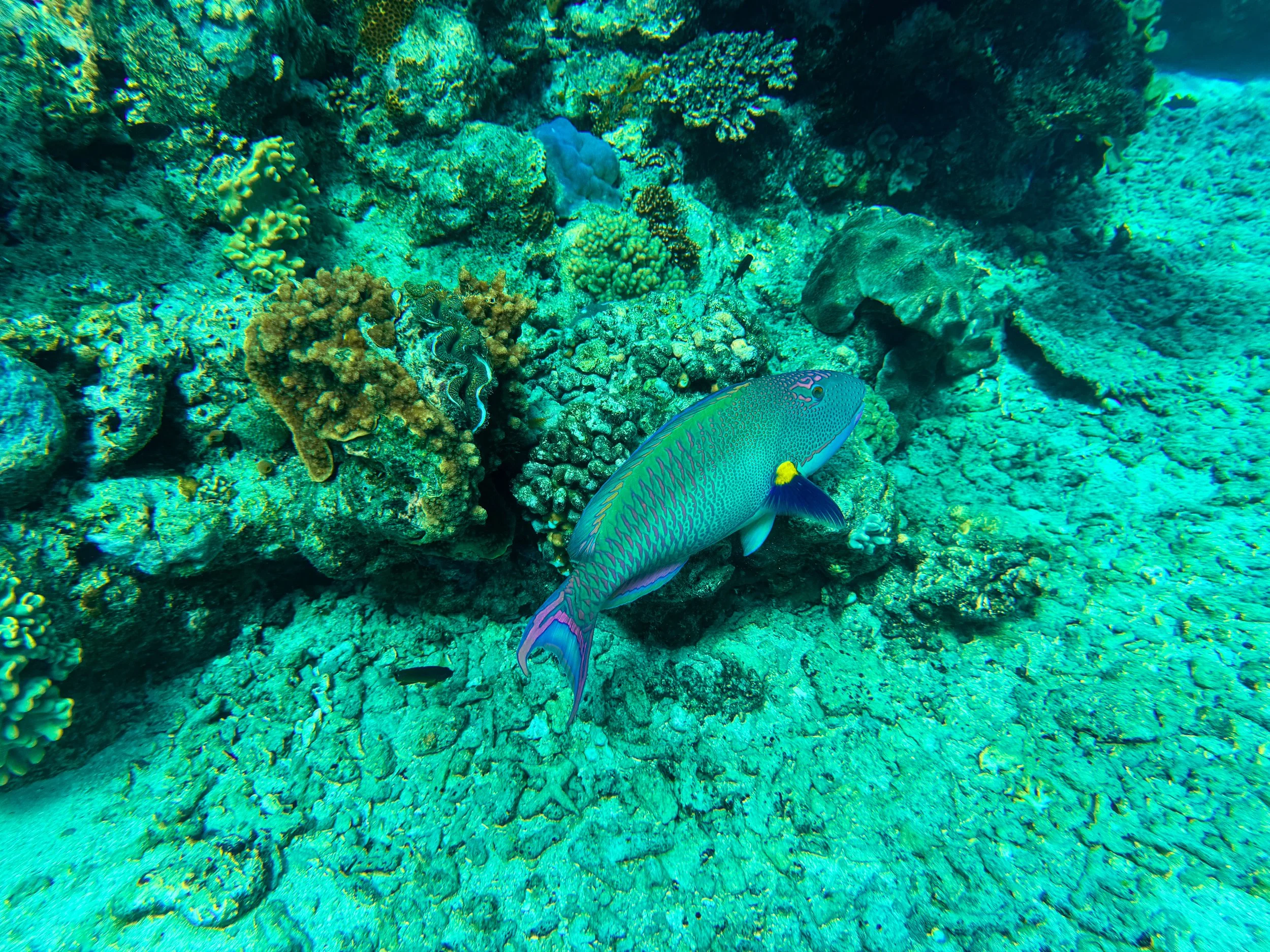
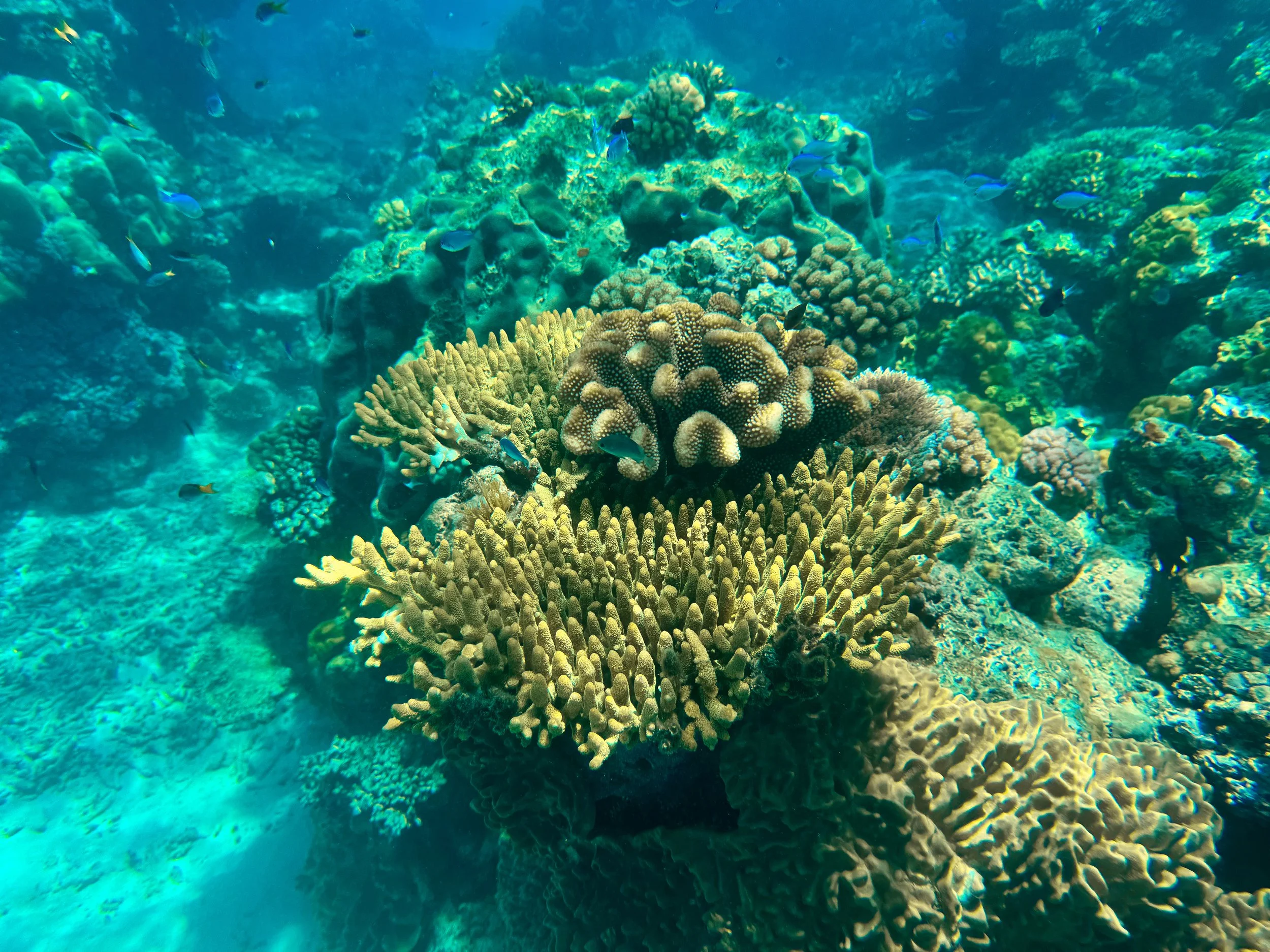
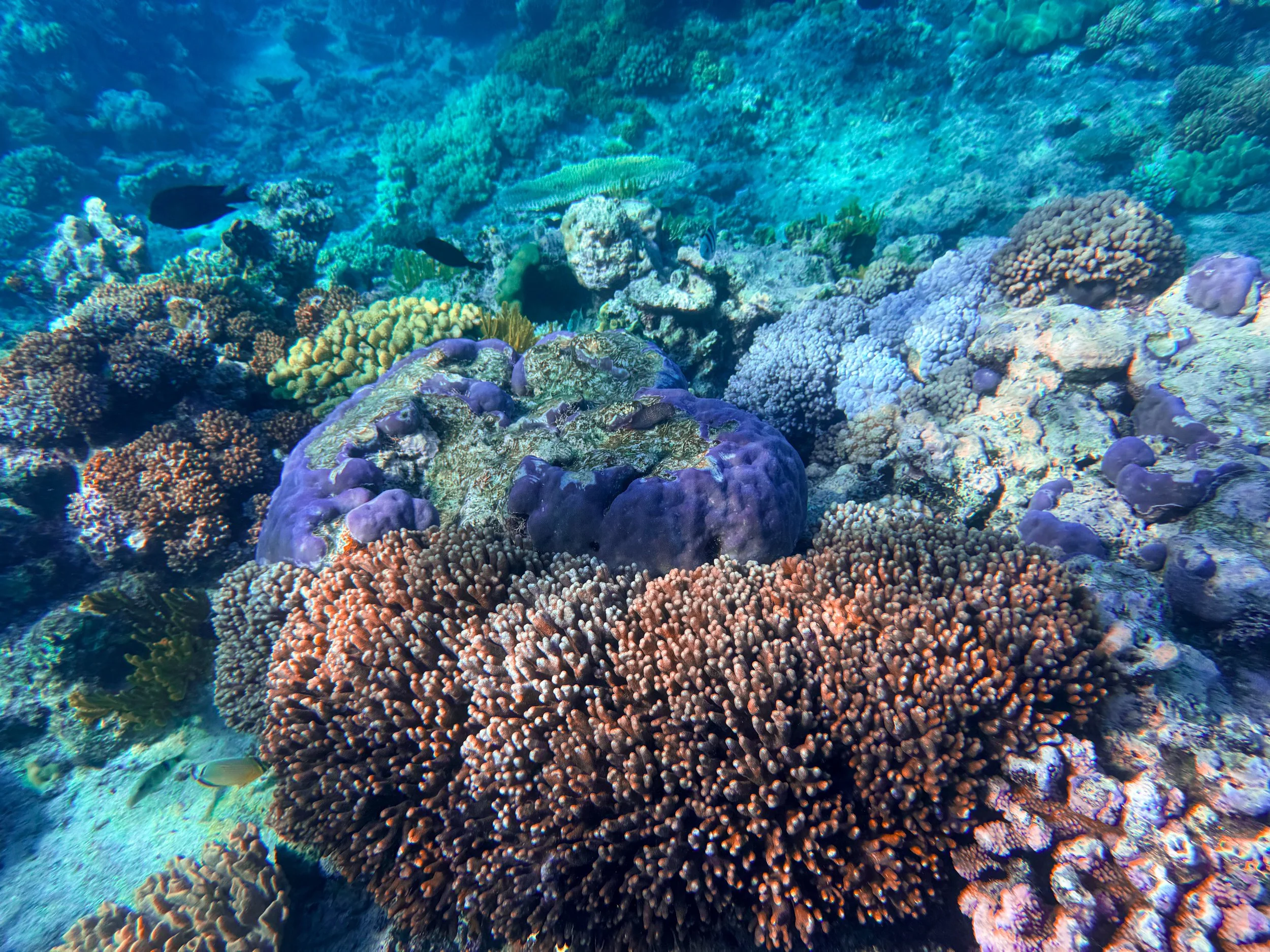
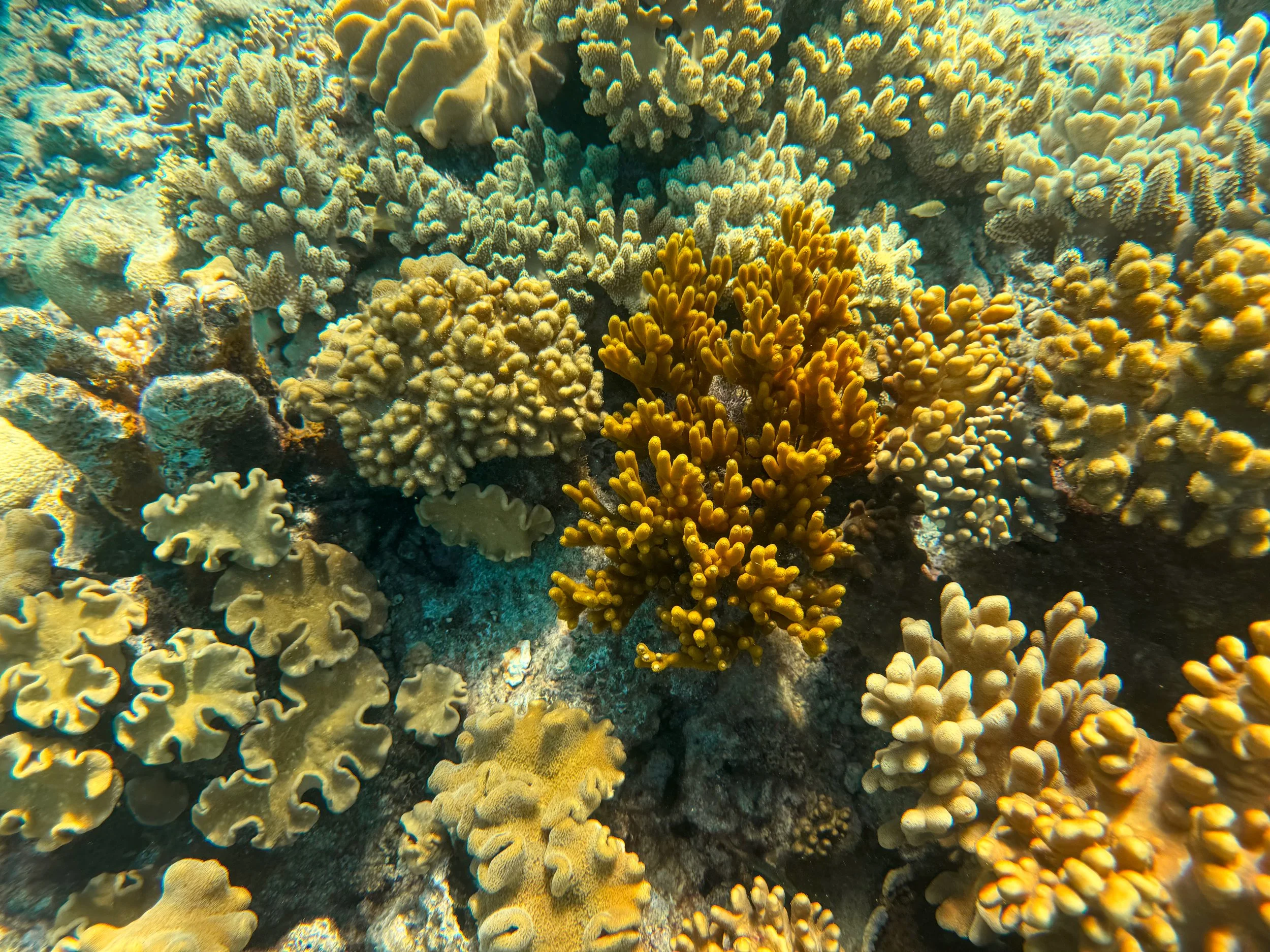
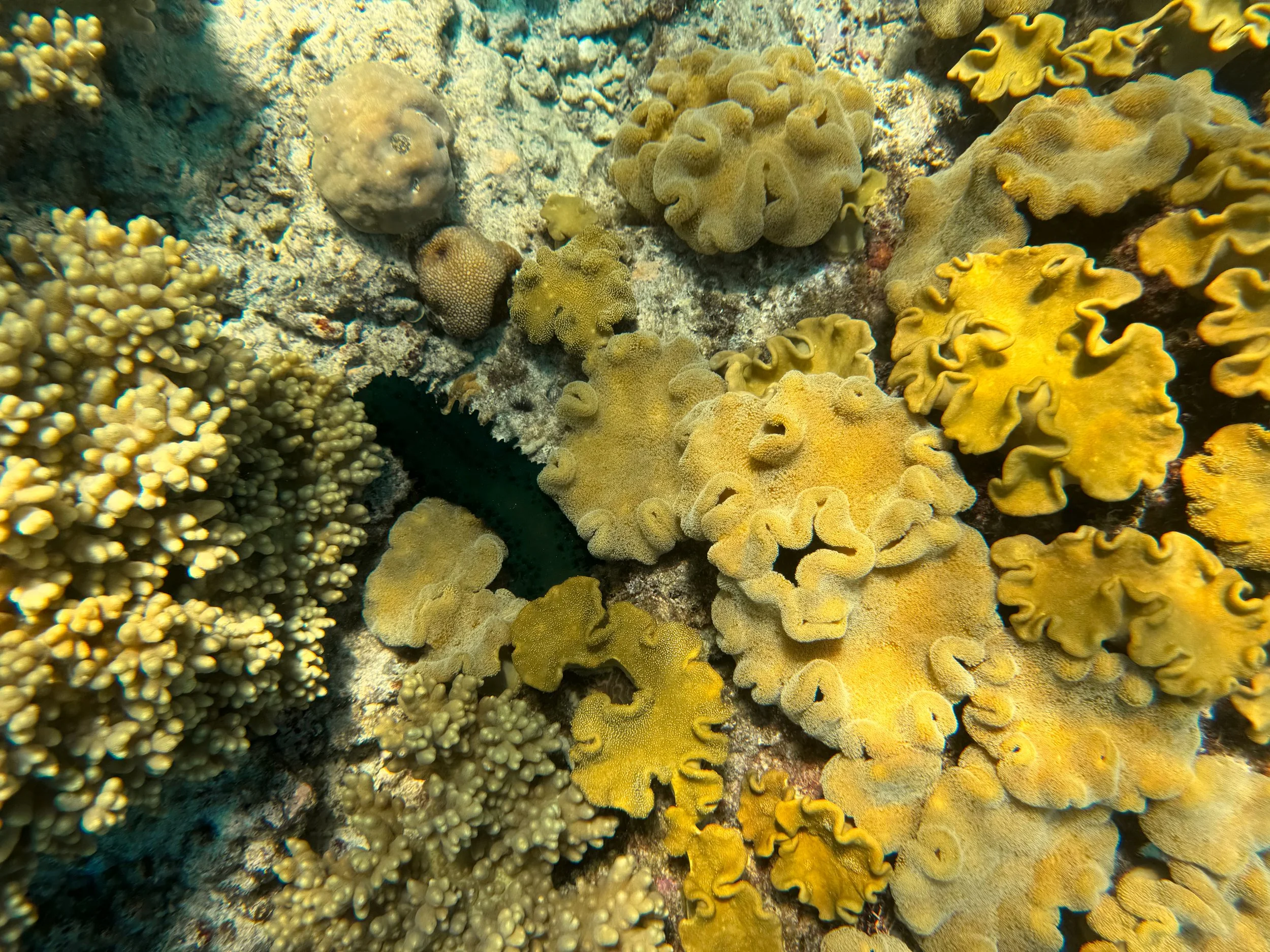
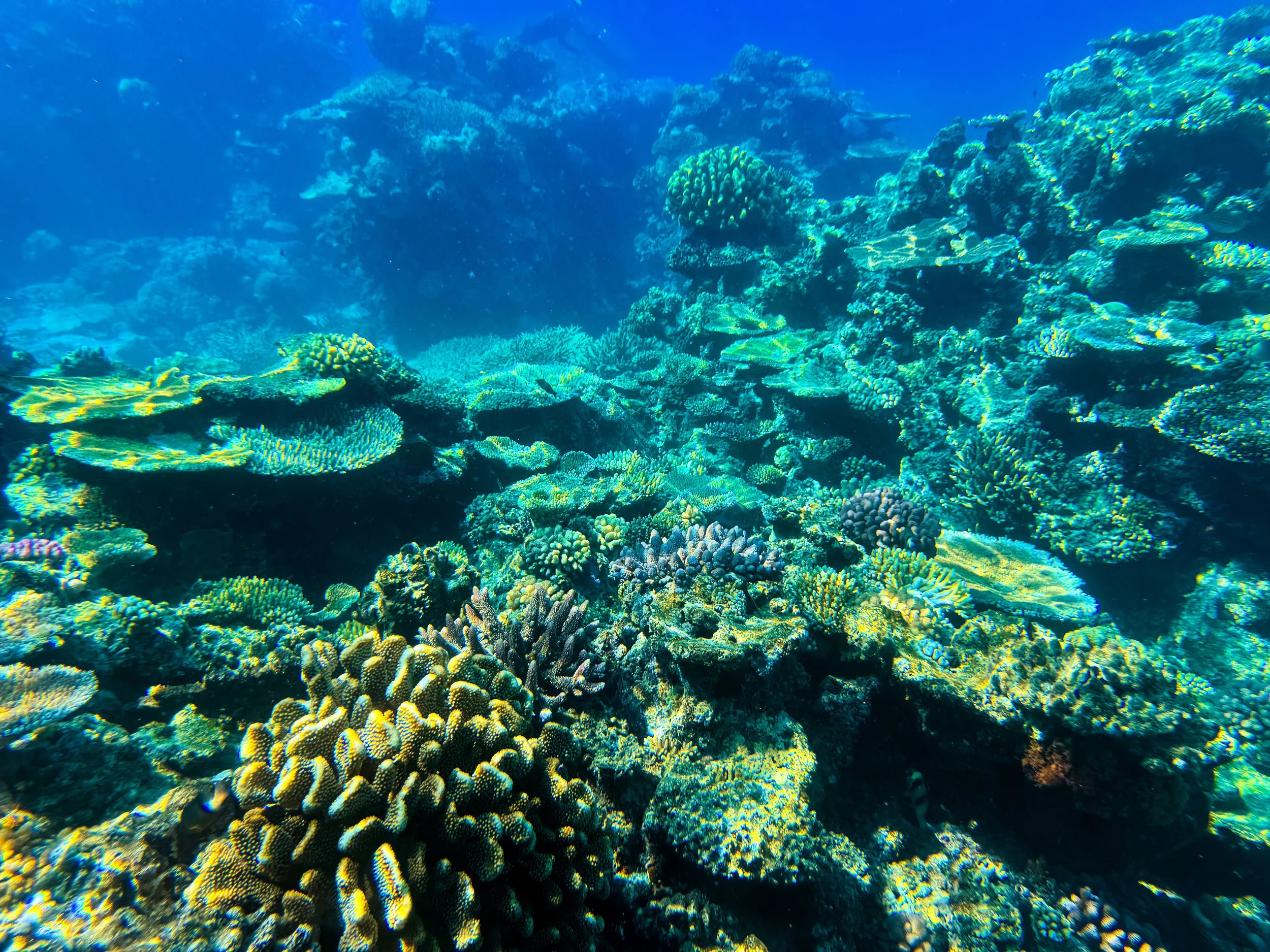
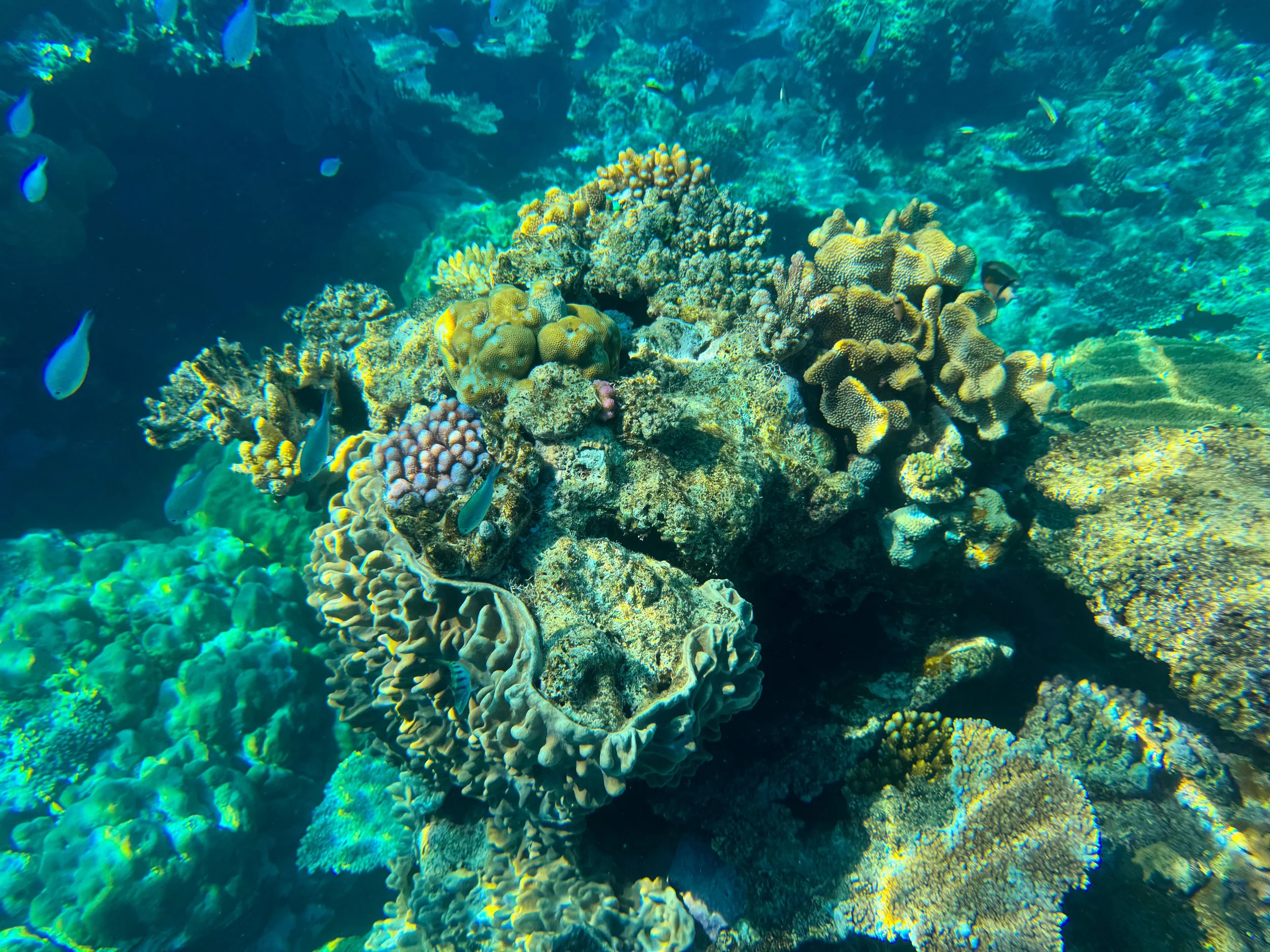
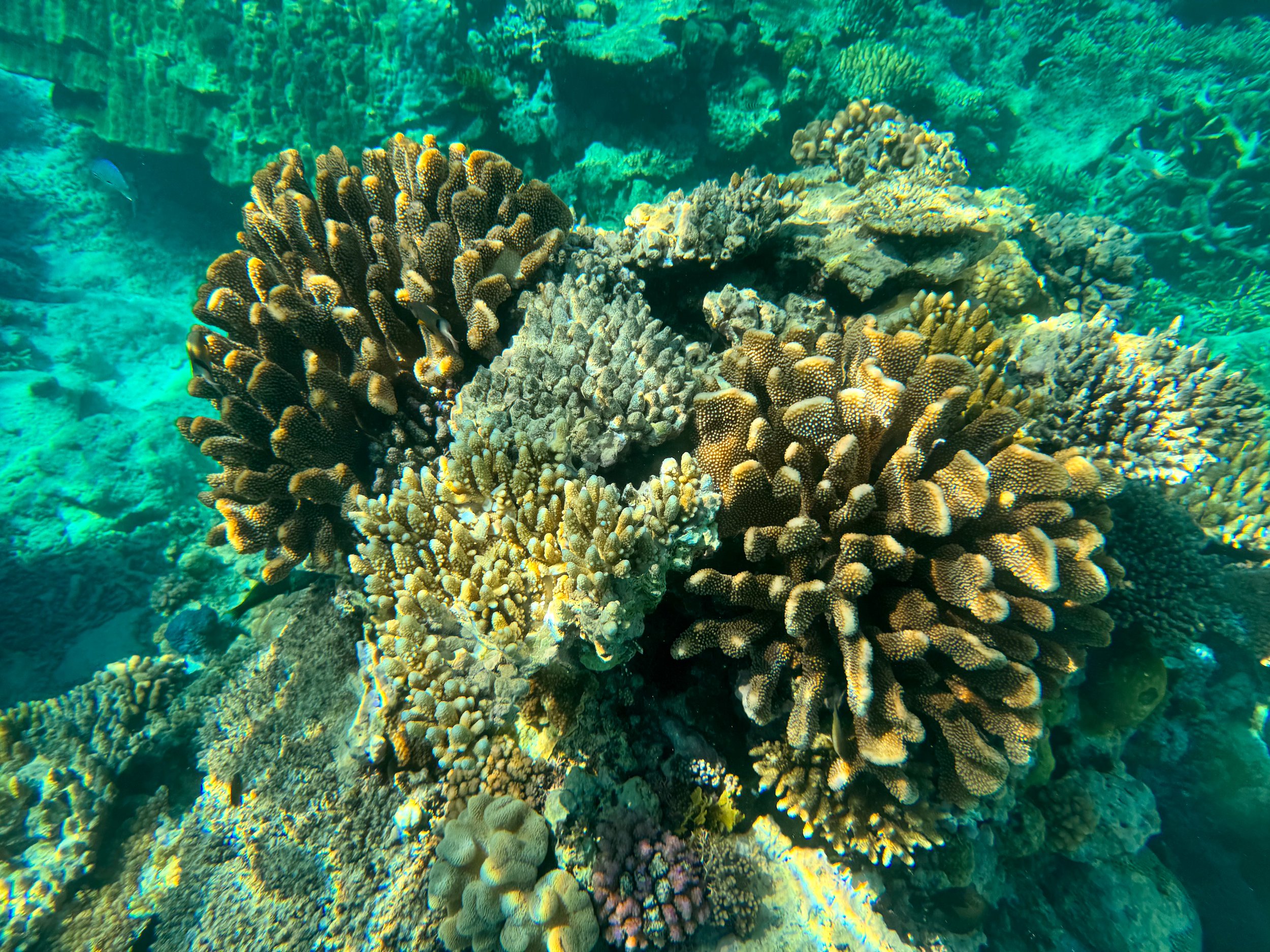
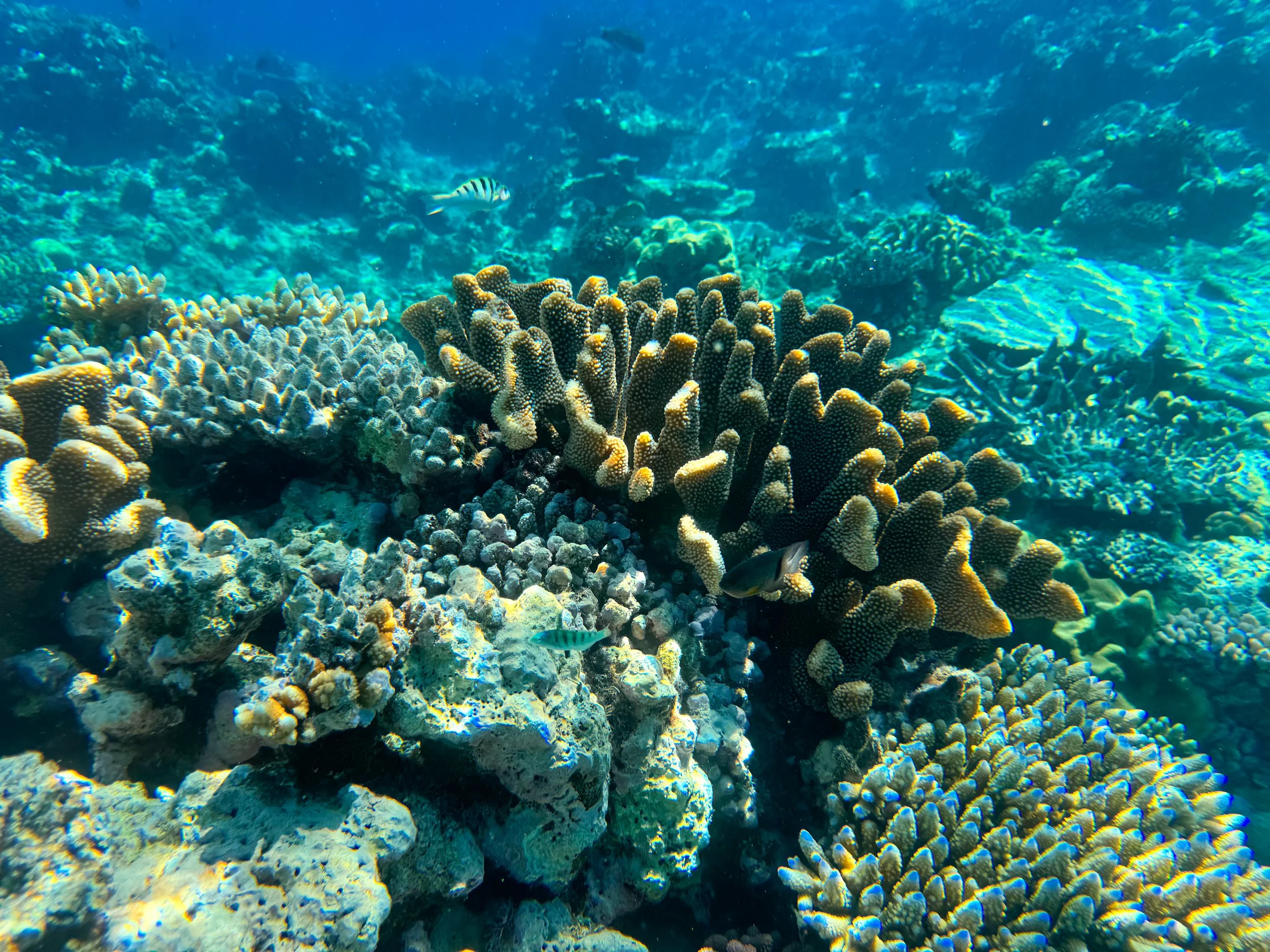
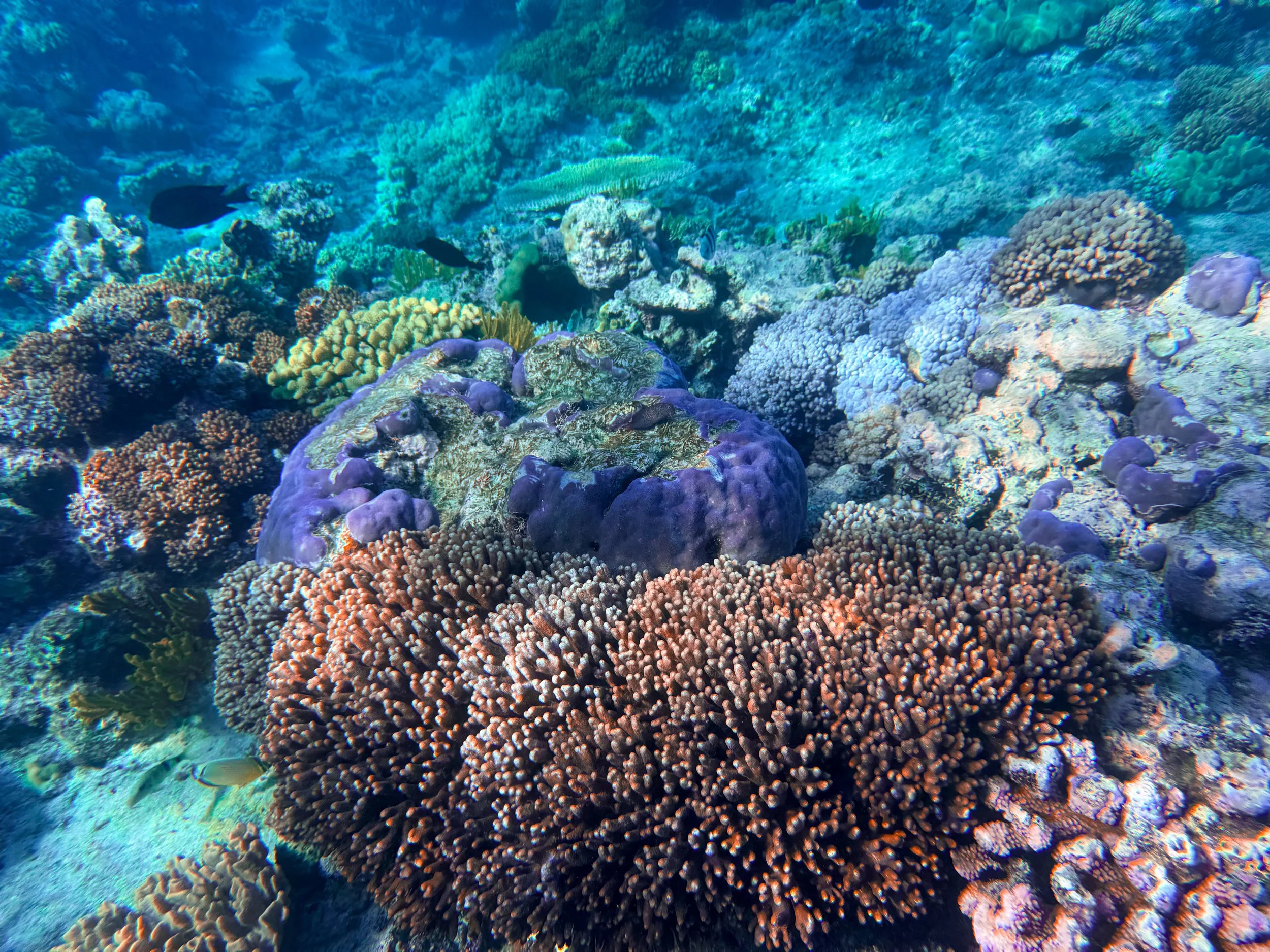
Coral Garden Dive Site. A healthy coral garden home to an array of underwater life. The reef supports all manner of strange shaped corals resembling antlers, brains, mushrooms, ruffles, tubes and flat fans. Their bright green, iridescent blue, deep purple, yellow and pink colors stand out among shades of tan, grey and mauve.
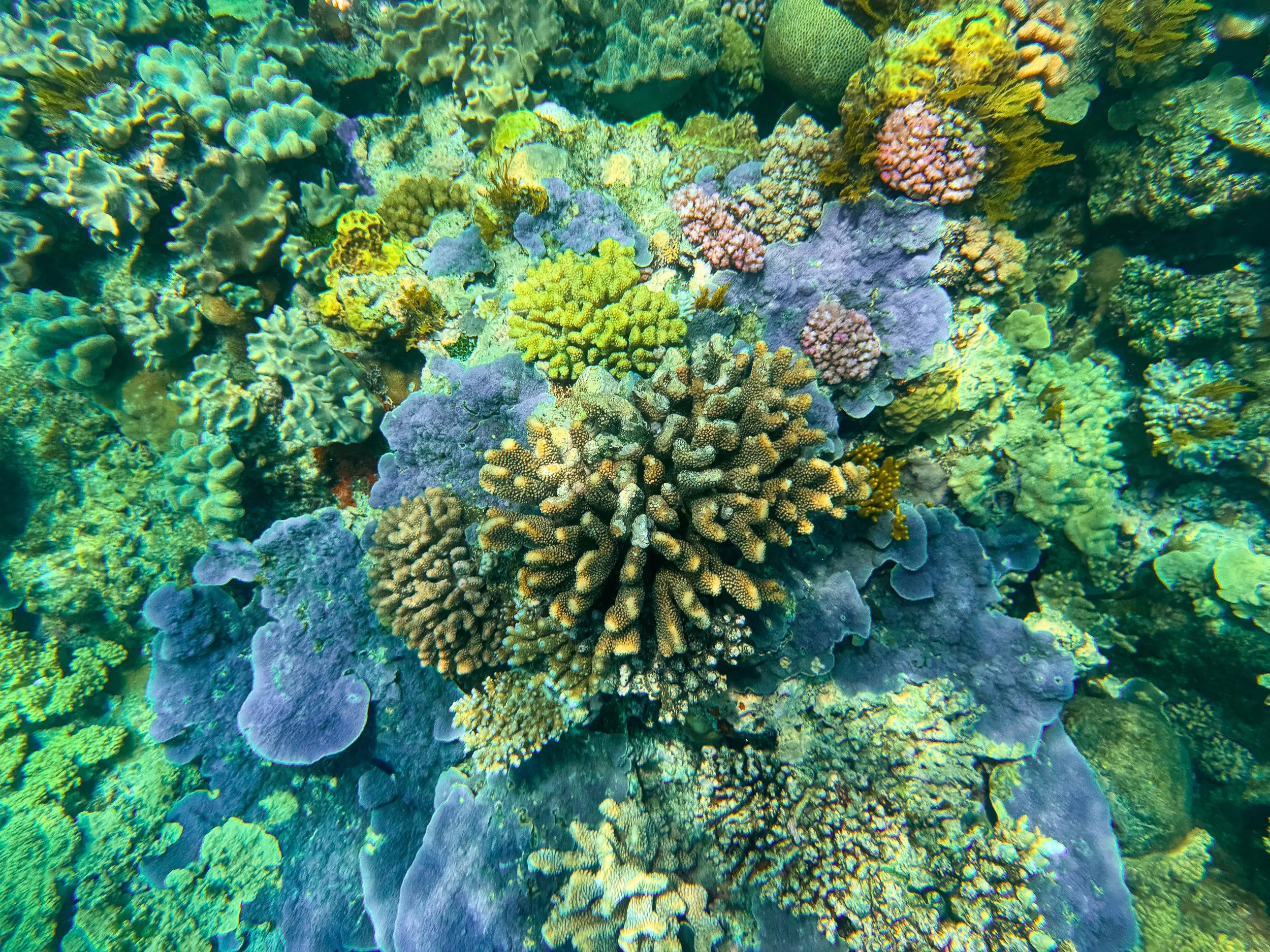
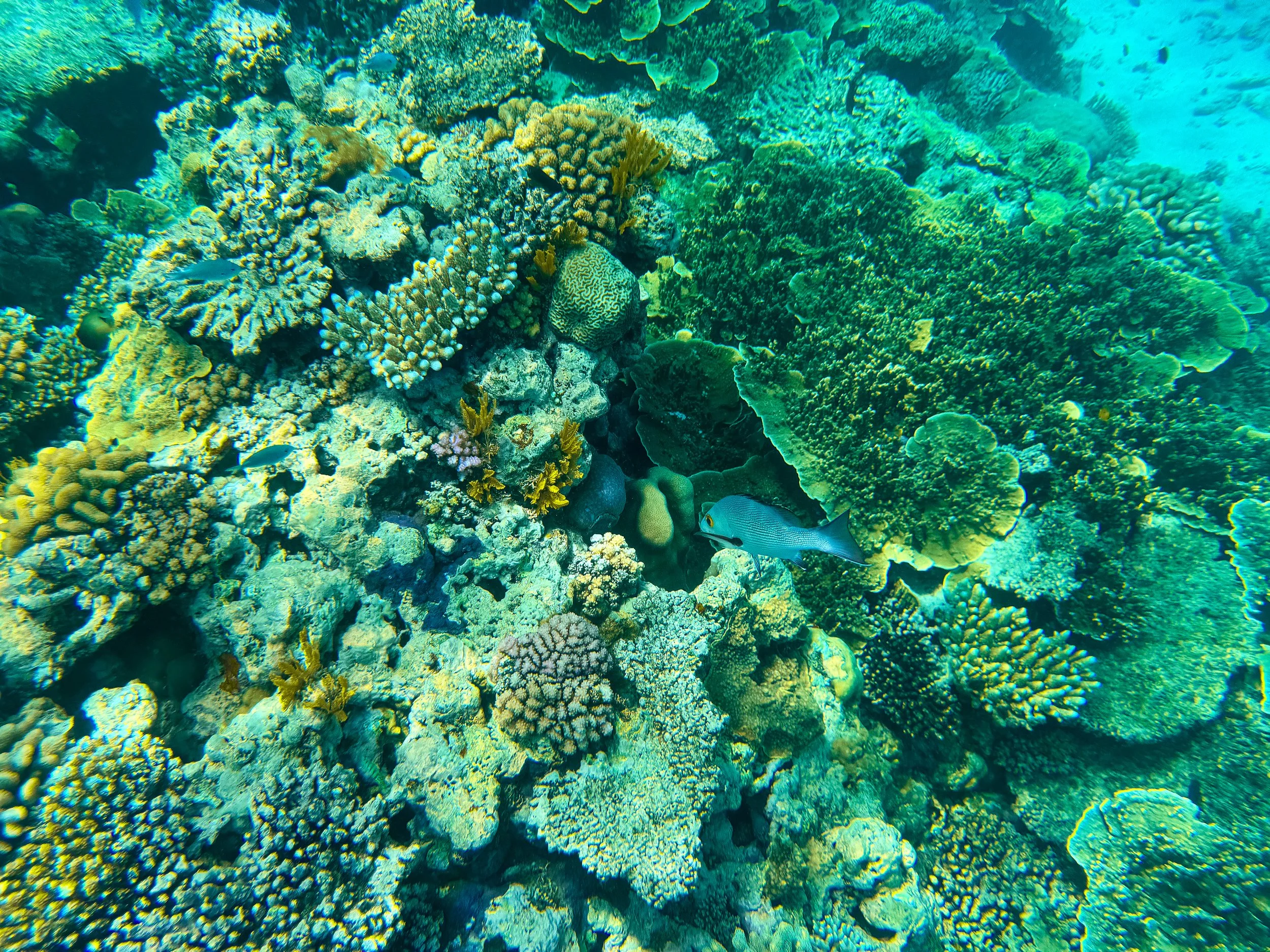
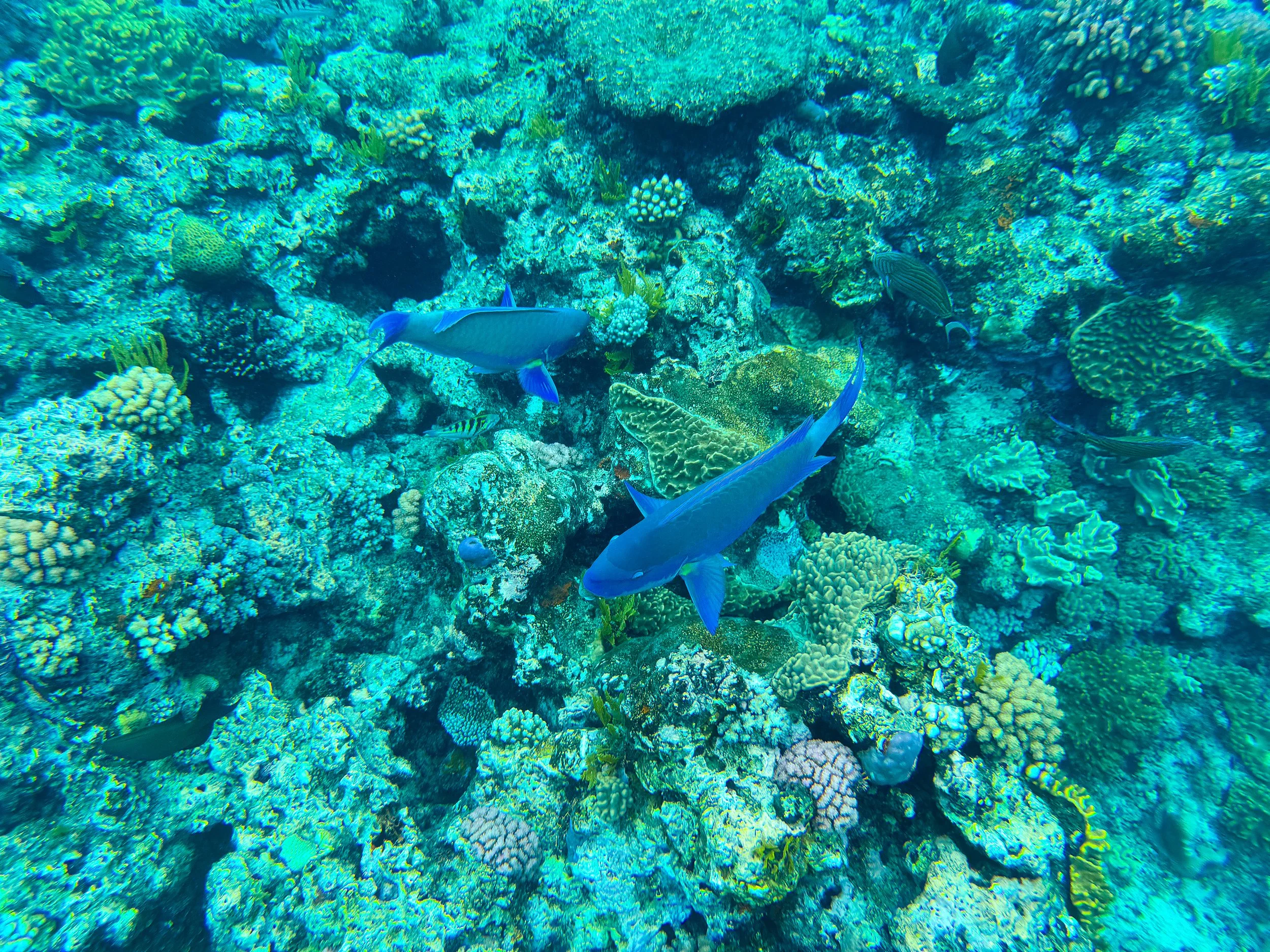
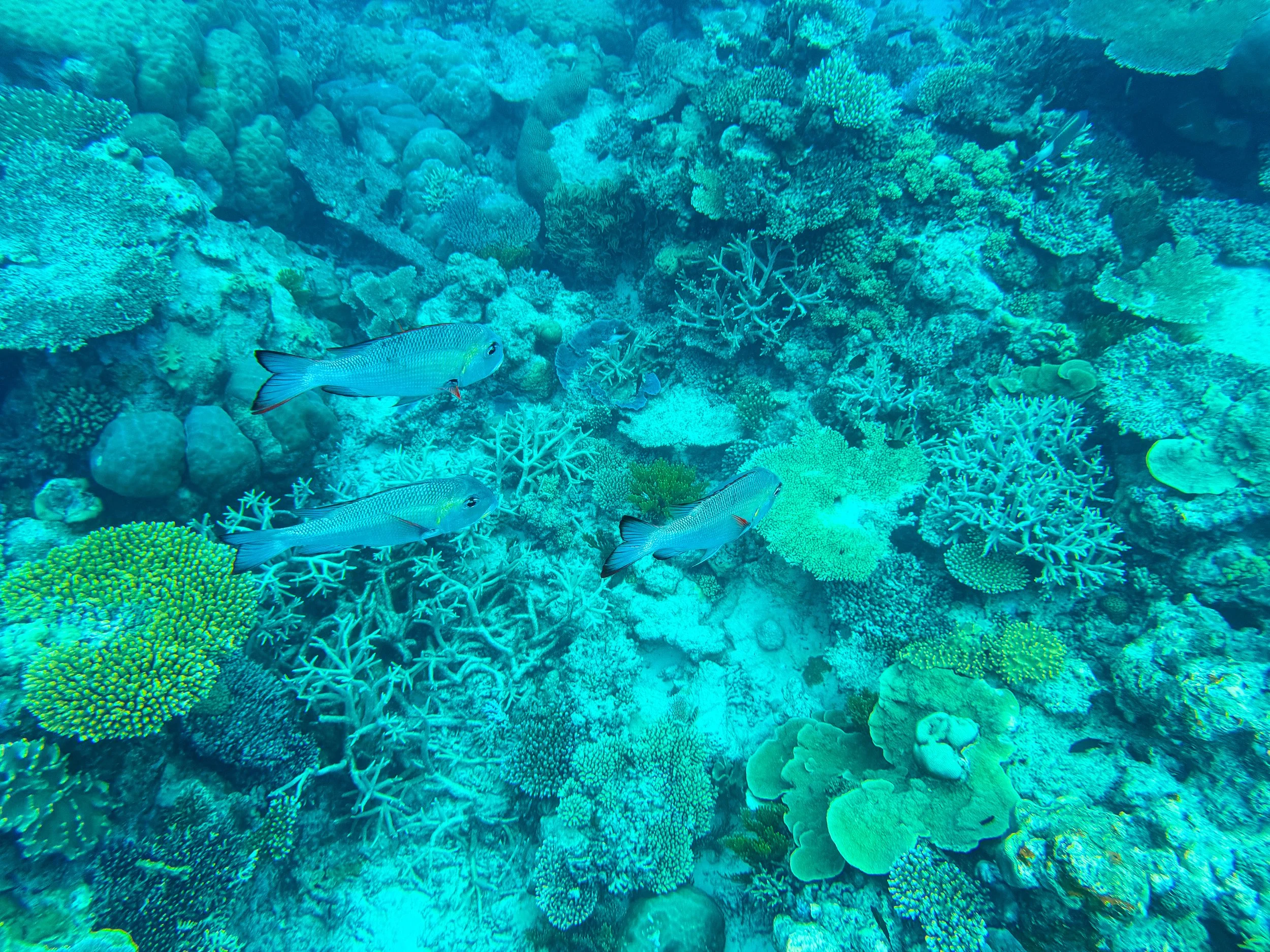
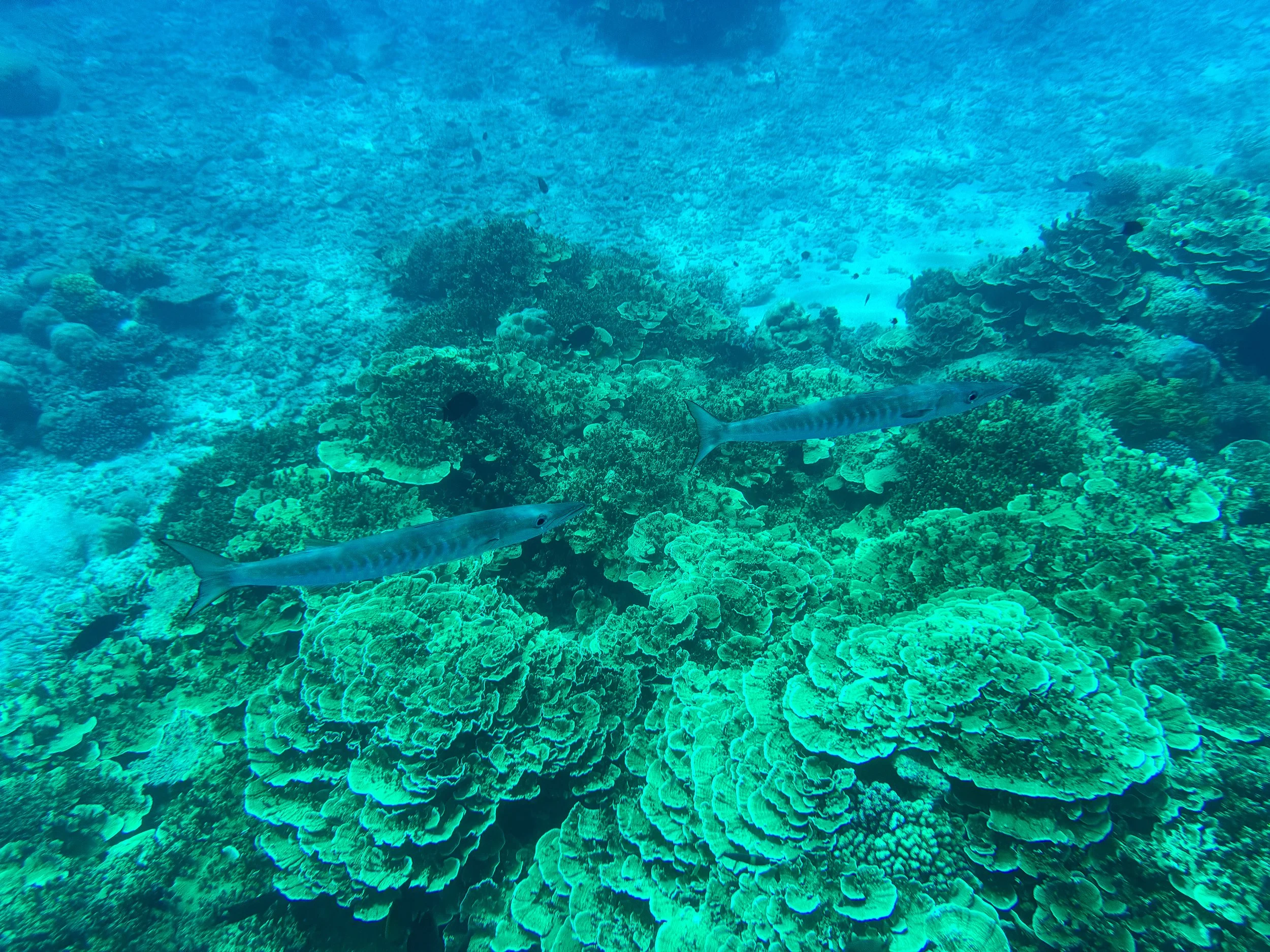
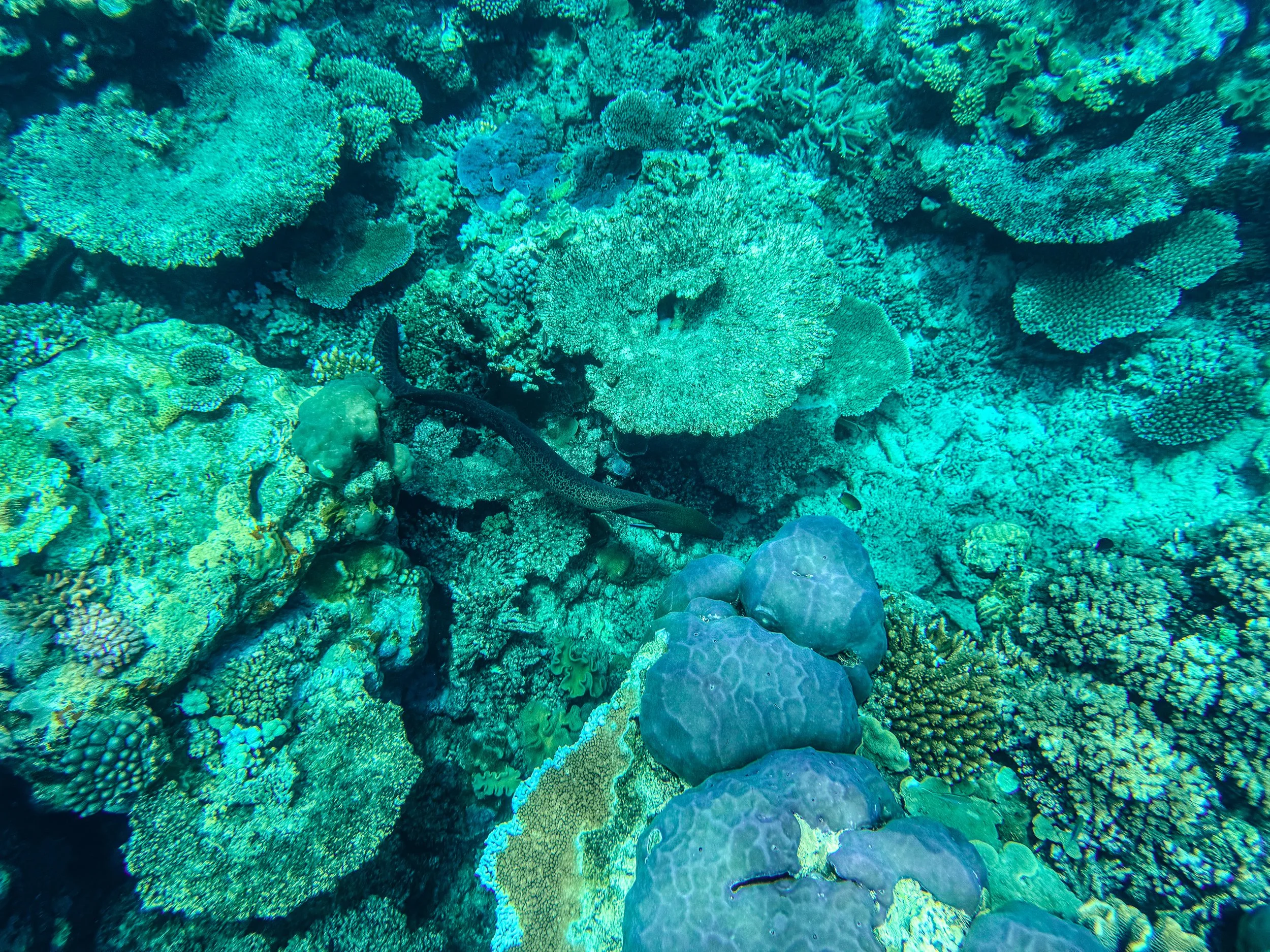
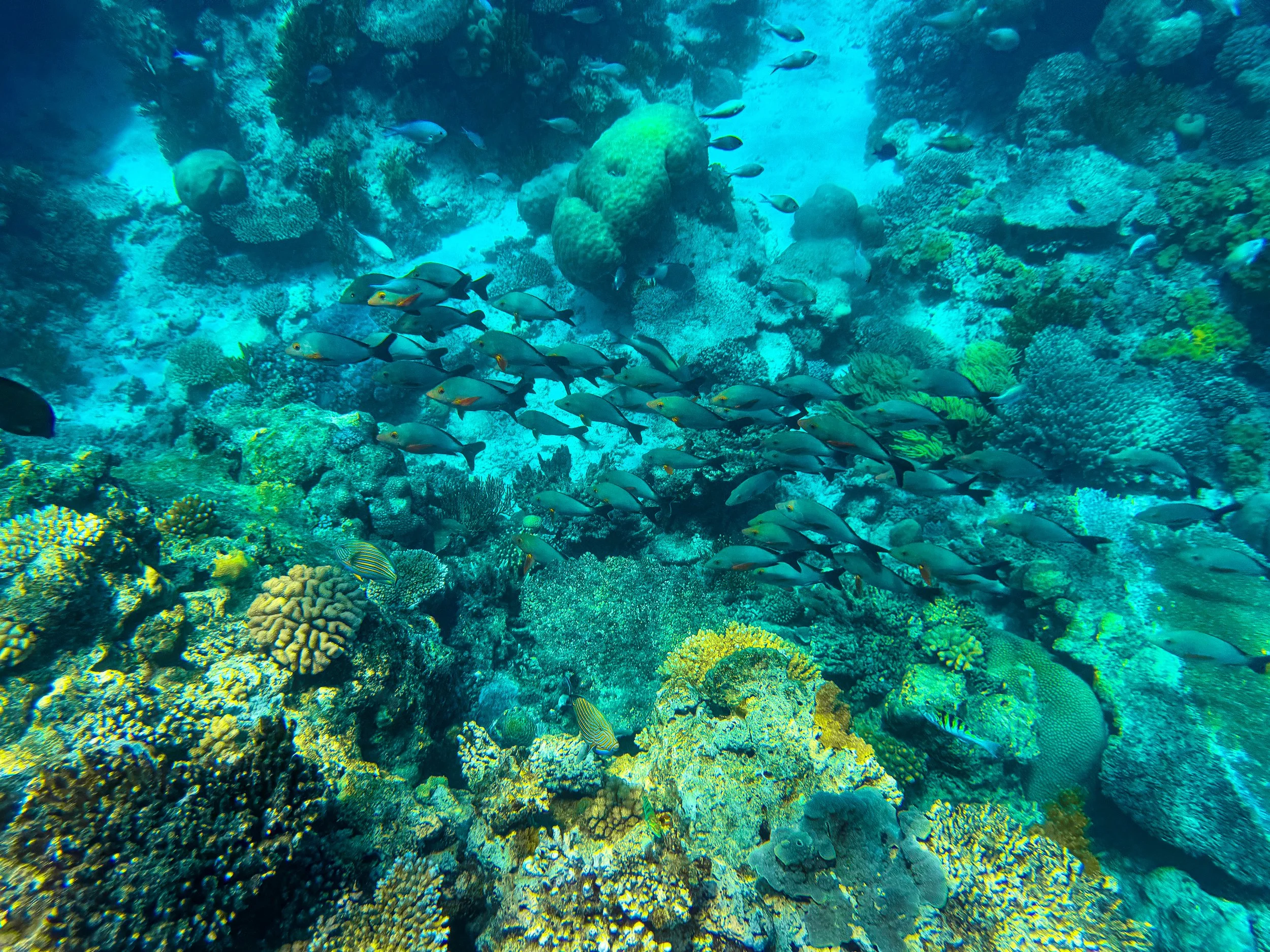
Sandra’s Dive Site. A popular scuba and snorkeling point in Saxon Reef. It’s home to all types of coral formations and marine life. Large eels weave between corals. Green sea turtles surface for air. Large barracuda swim by menacingly. Cuttlefish lurk in the depths. Stingrays rest on the sandy ocean floor. Juvenile giant clams open and close skittishly.
Hastings Reef
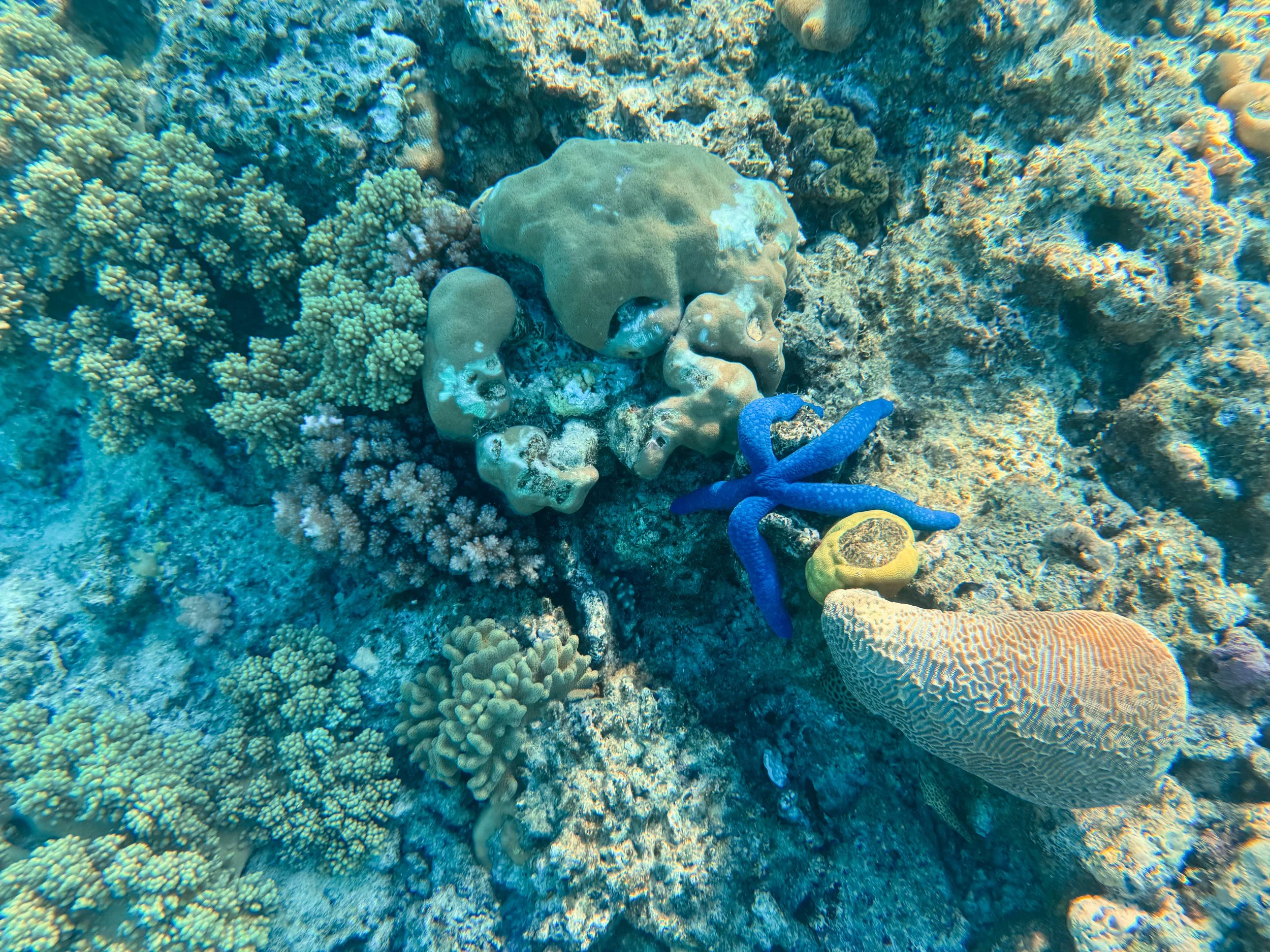
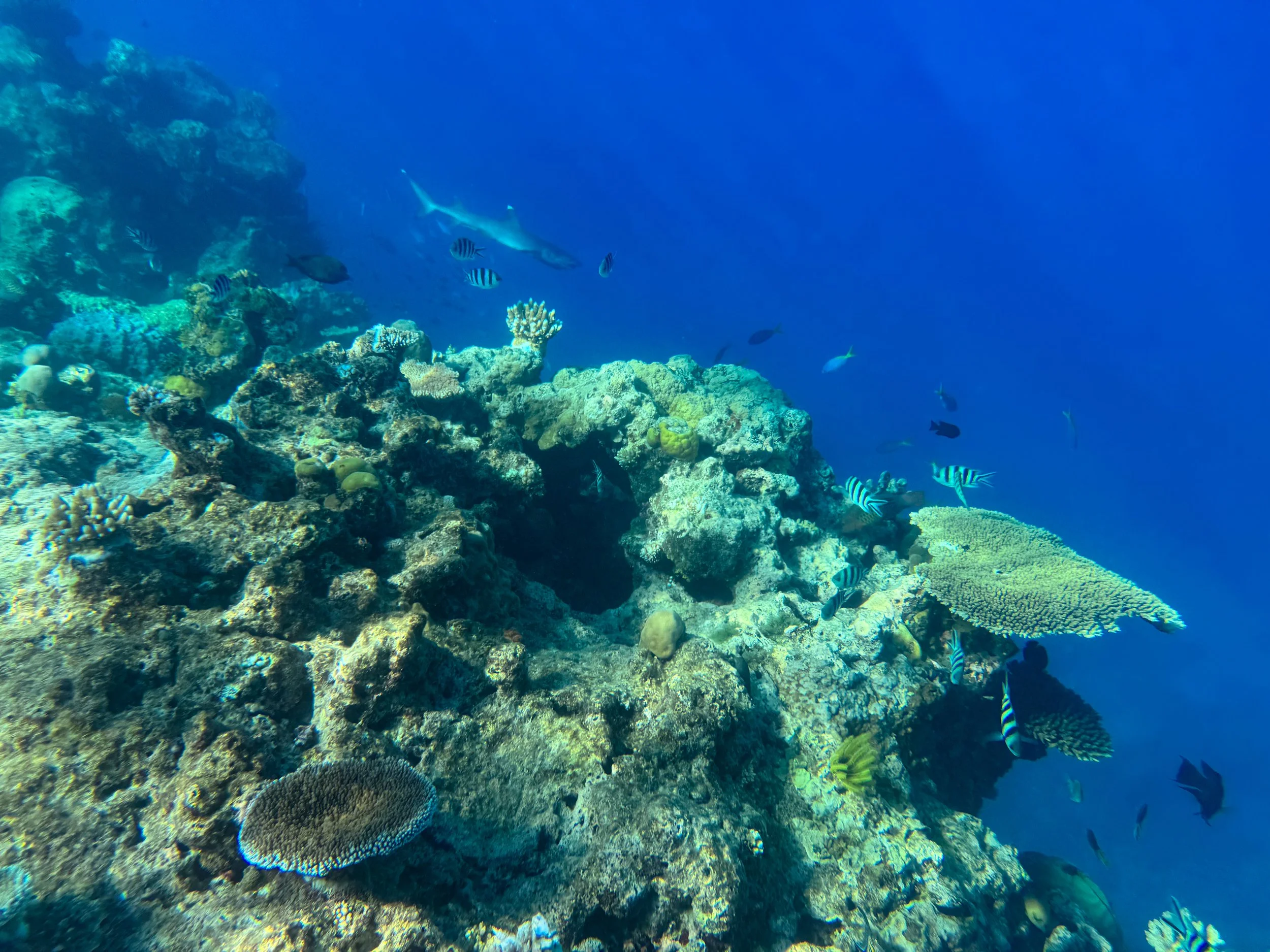
Hastings Reef is a stunning bow shaped reef with sprawling coral gardens and coral walls. It’s home to a diverse array of sea life including sharks, schools of fish, giant clams and starfish.
Sandra’s Dive Site. An expansive area of Hastings Reef with vibrant coral formations rising from the depths like an underwater mountain. White tipped reef sharks patrol the reef wall while scuba divers watch below for cephalopods. Schools of tropical fish swim in all directions and in-between the coral crevices. Giant clams rest on the seafloor with their blue shells wide open. The occasional starfish lies sprawled out across jagged corals.
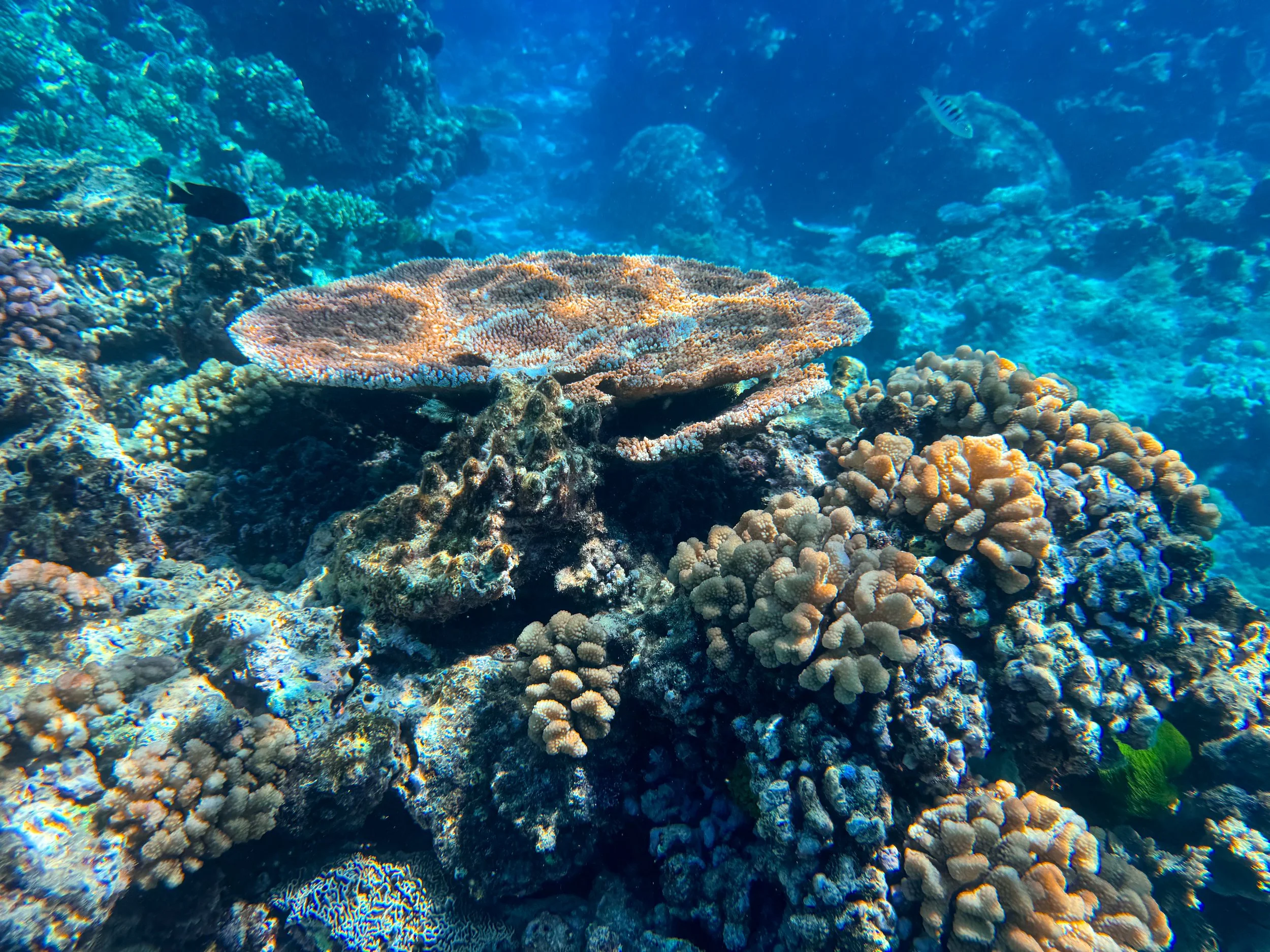
Flynn Reef
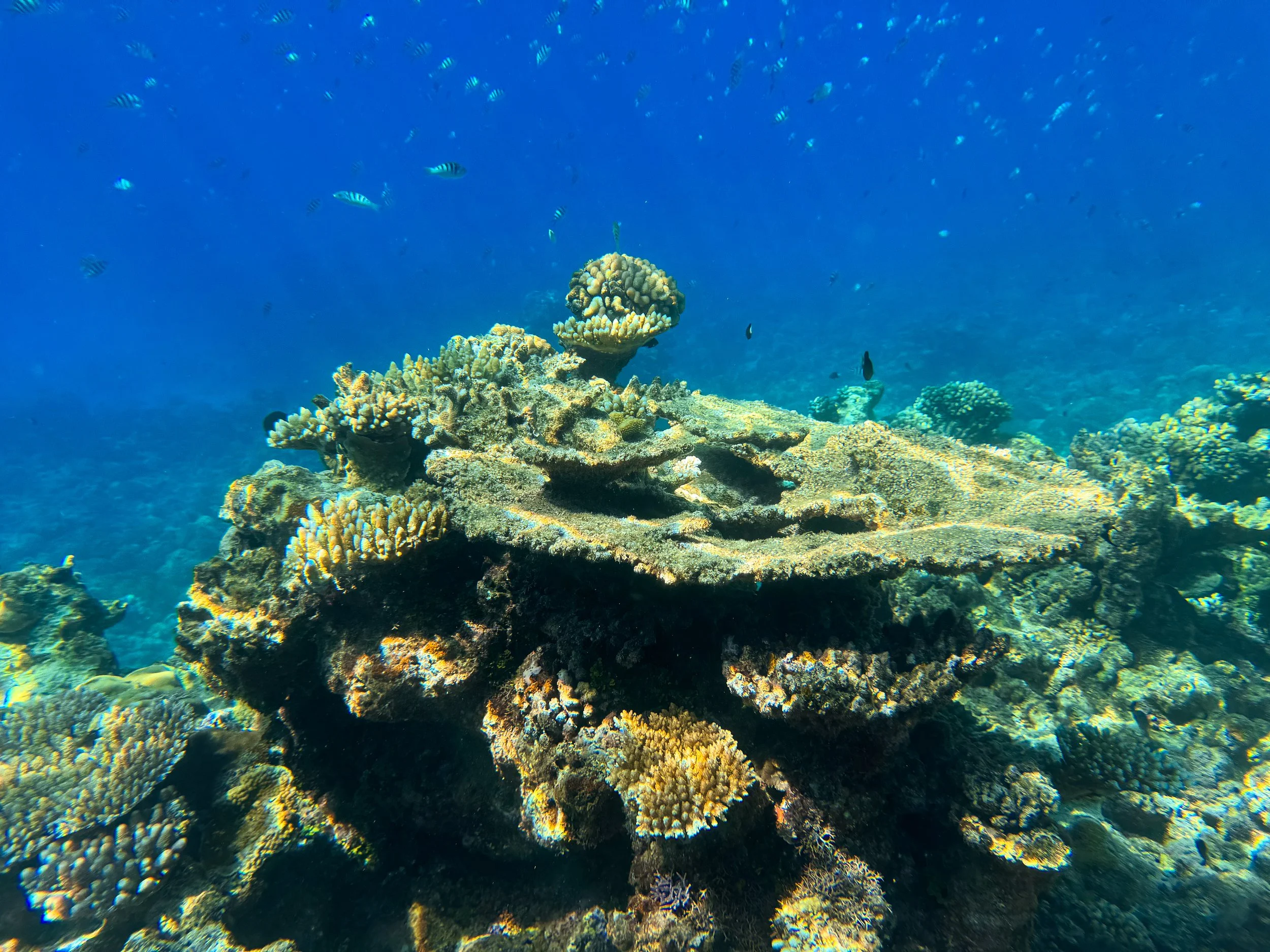
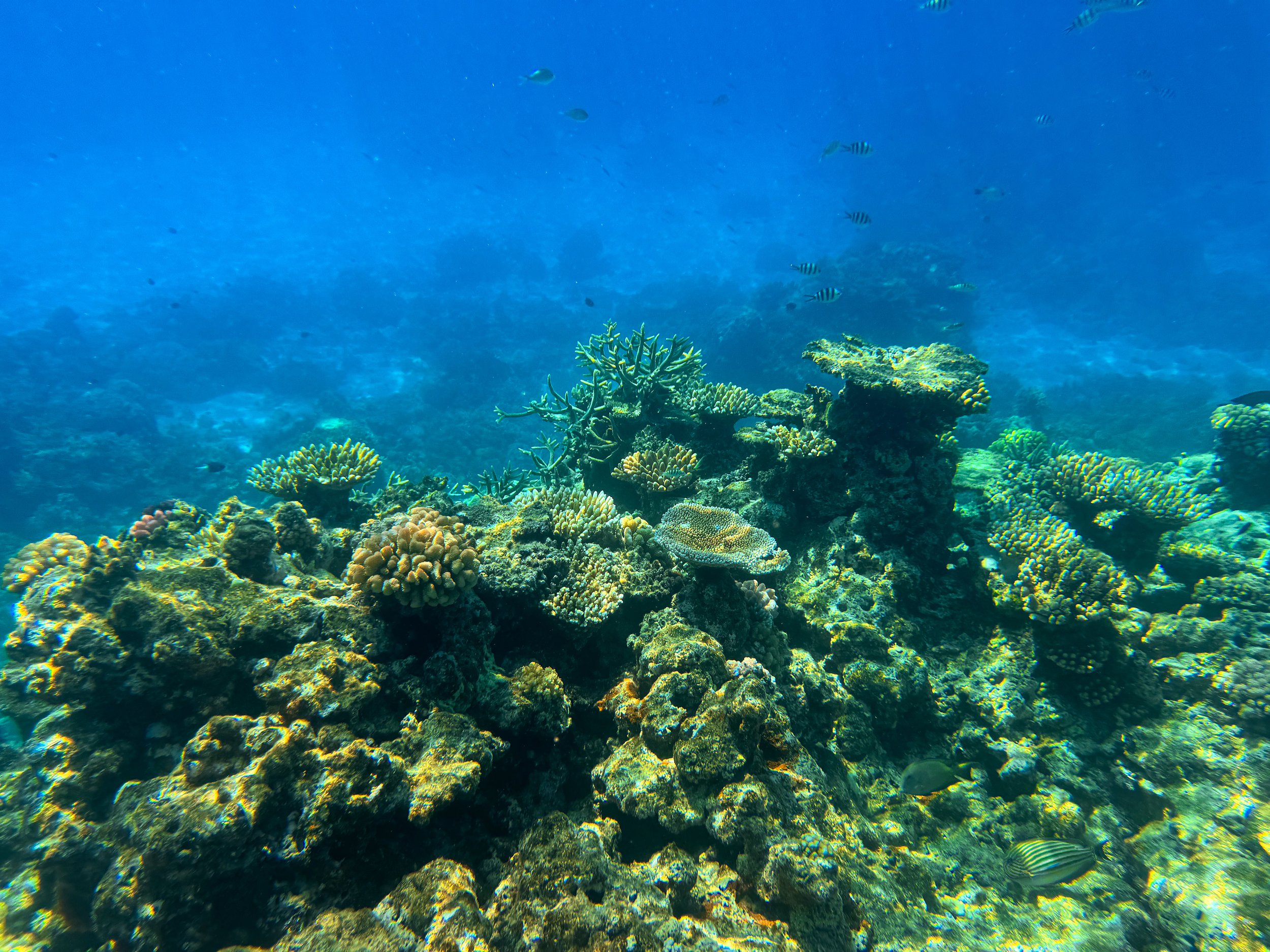
Flynn Reef is a spectacular example of the Great Barrier Reef’s biodiversity. The ever changing coral structures and array of marine life make it an idyllic site to snorkel, free dive and scuba dive. We visited three separate sites across the reef.
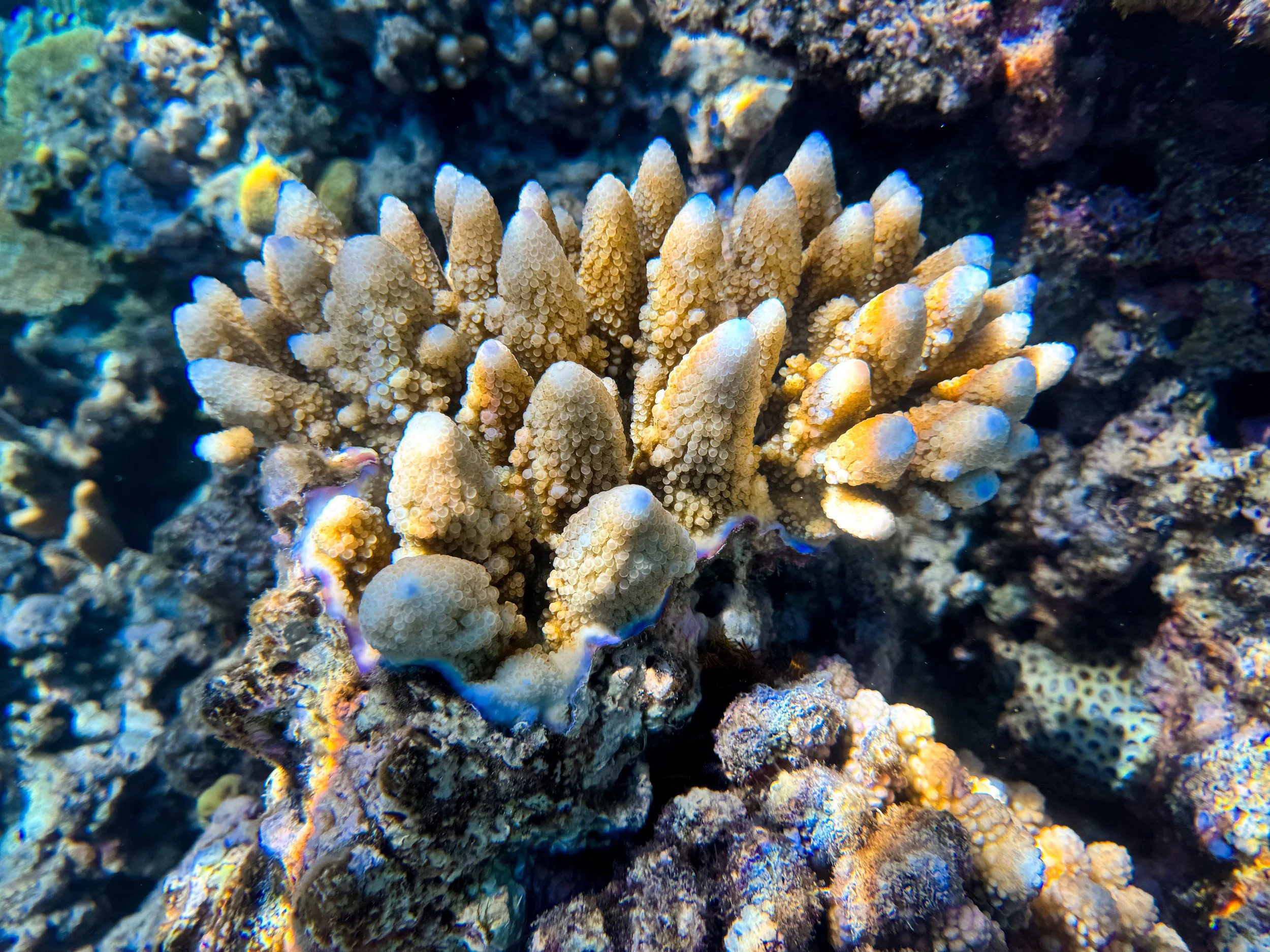
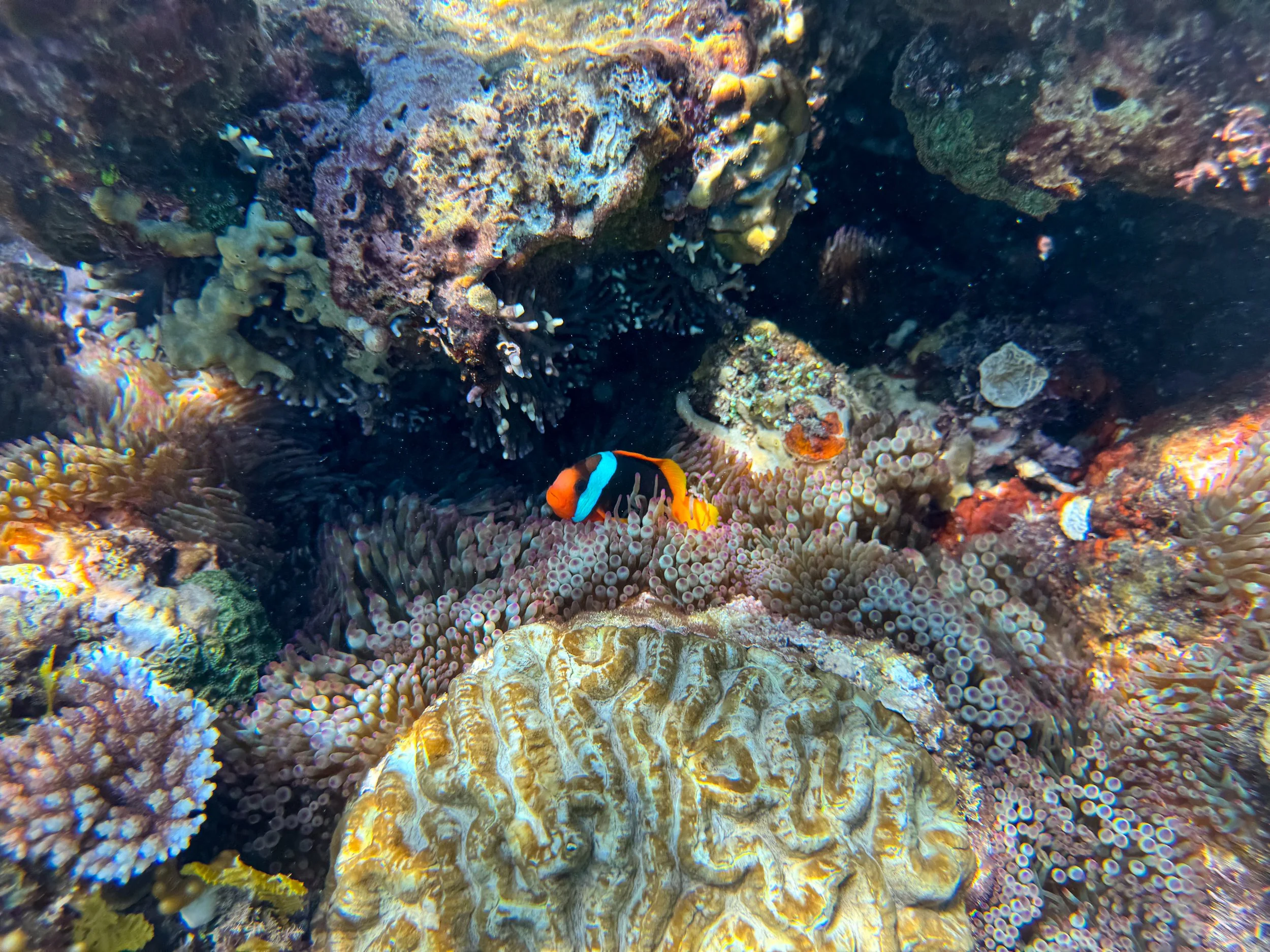
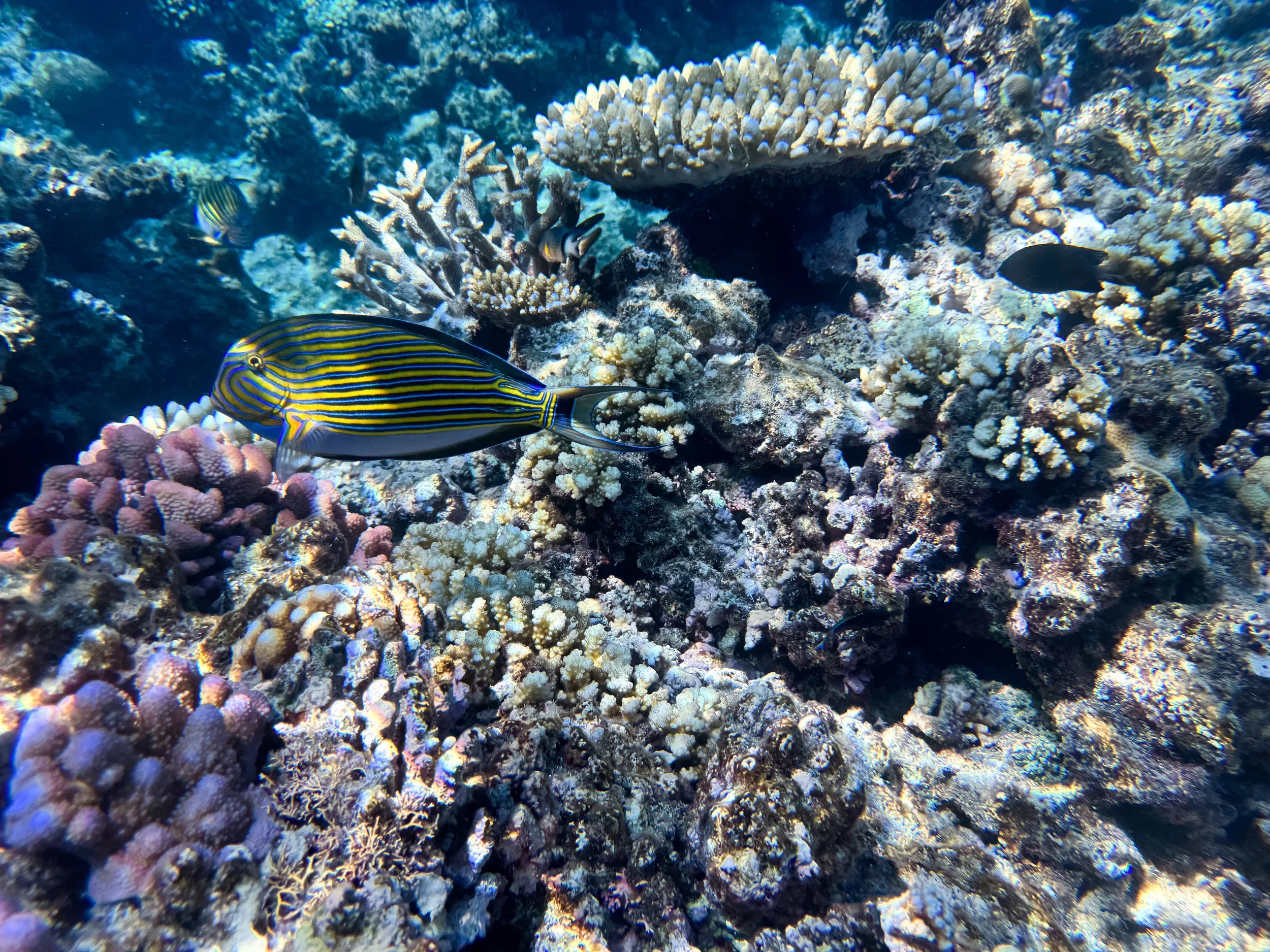
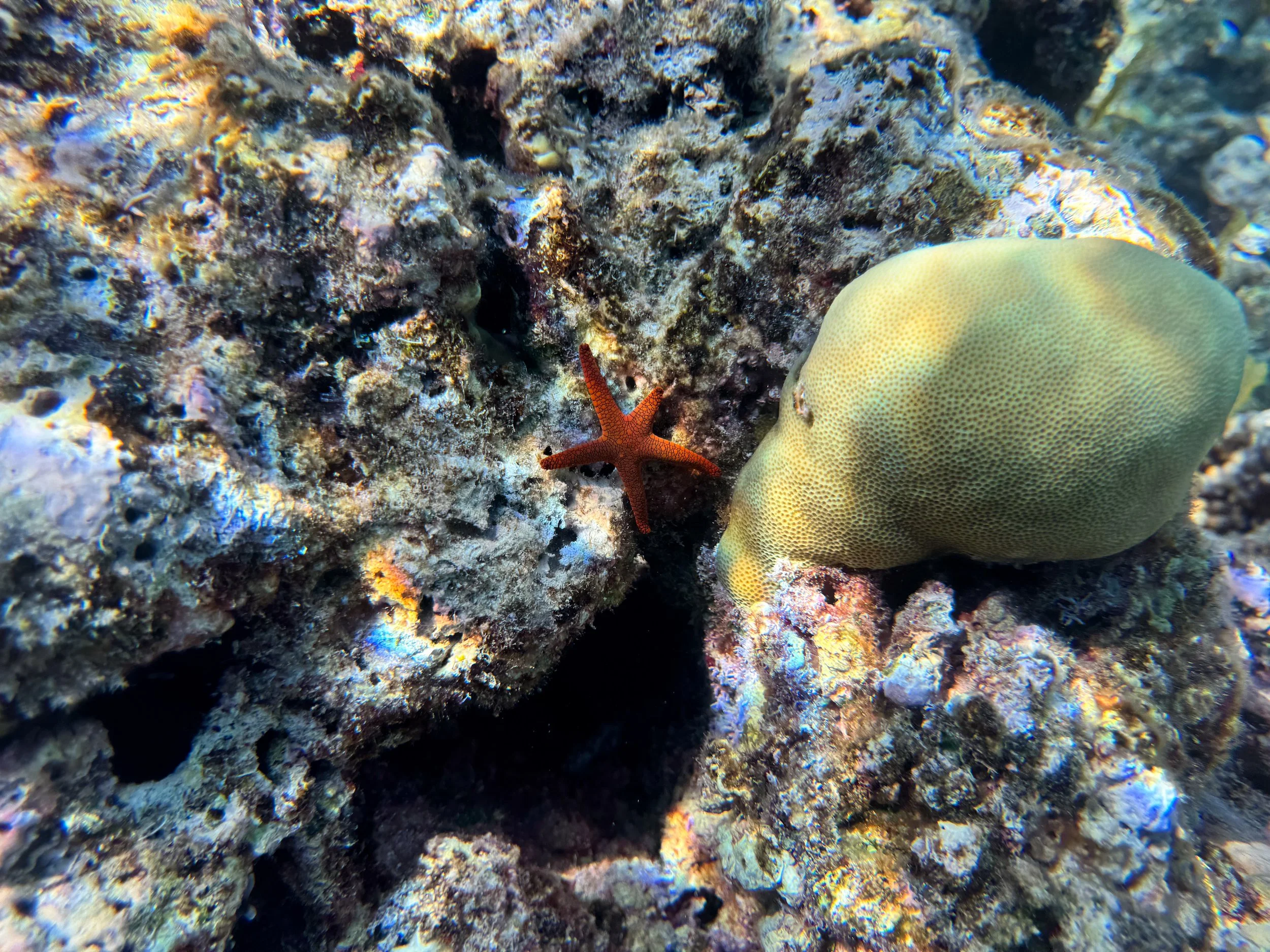
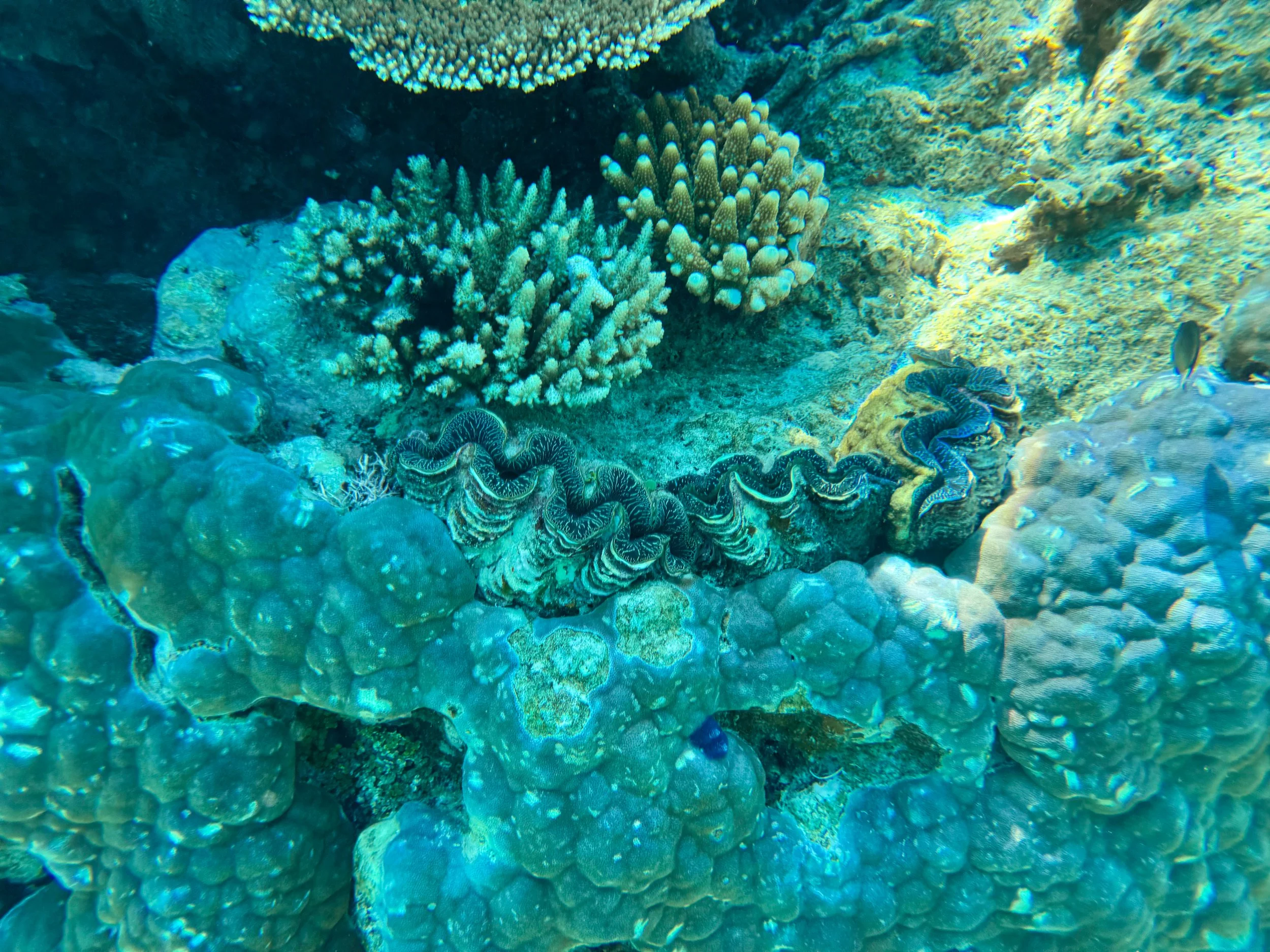
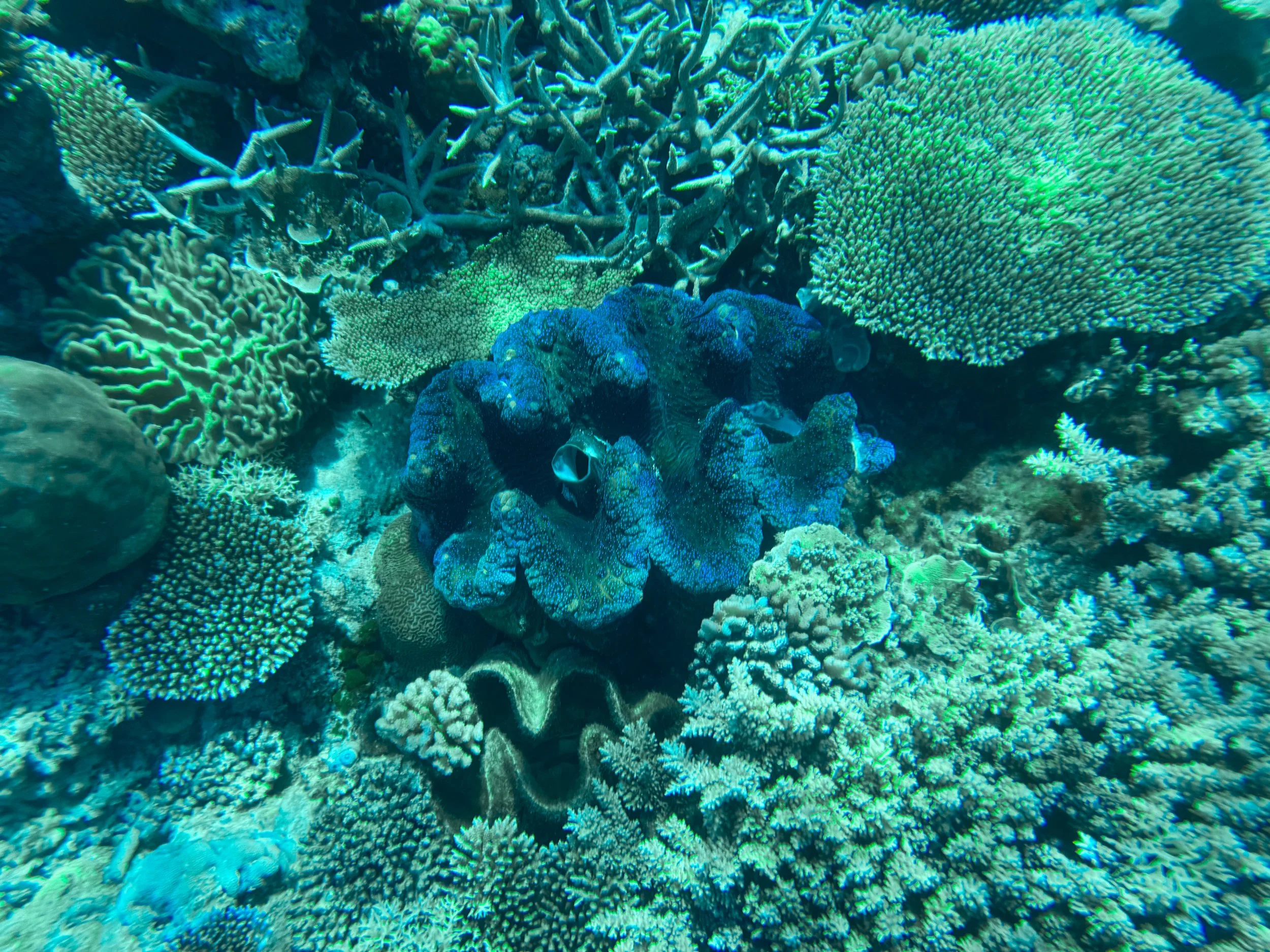
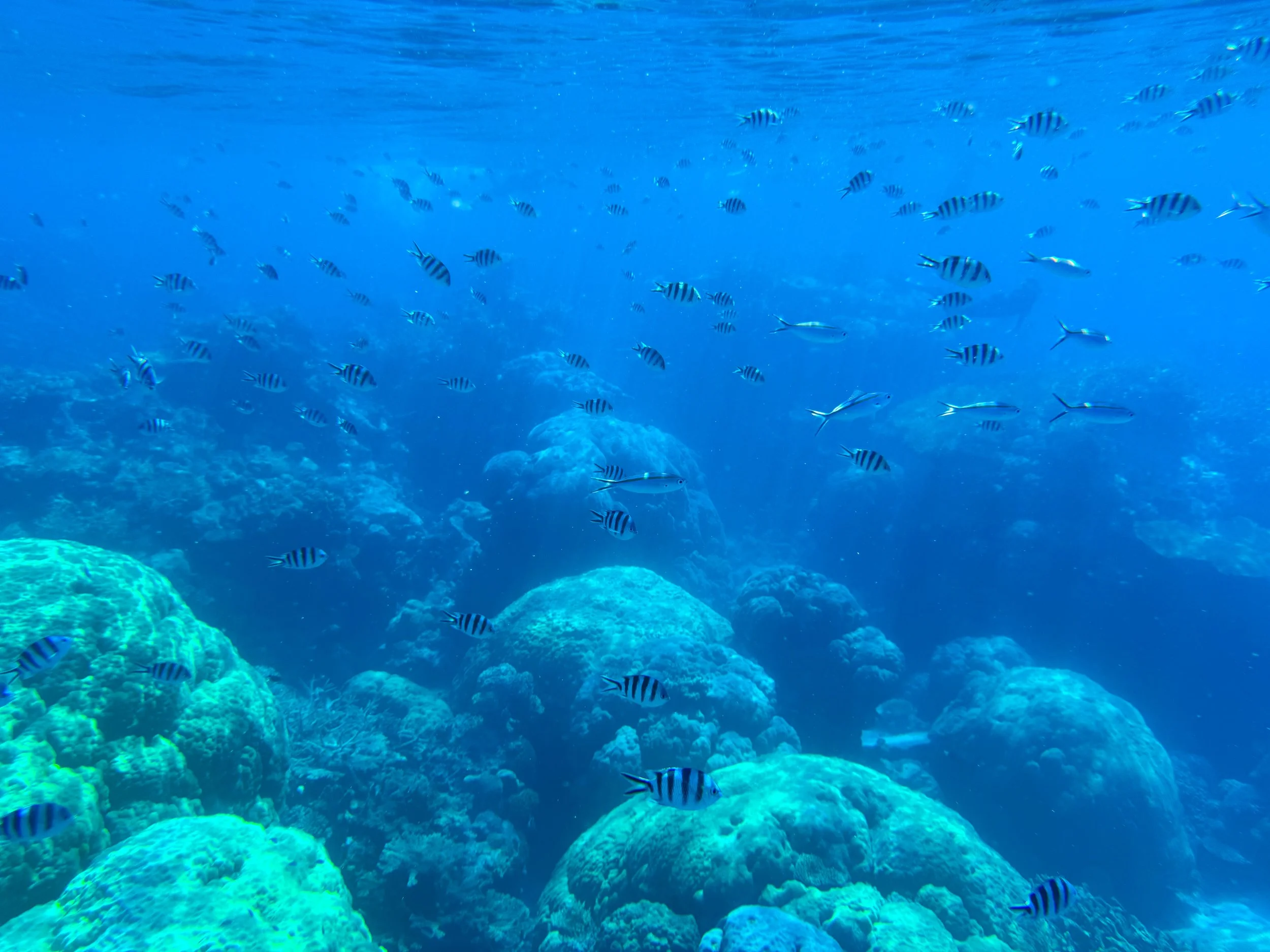
Coral Garden Dive Site. A lively section of Flynn Reef with layered meadows of corals and pockets of sandy depressions. It’s home to an aquarium of tropical fish and sea creatures. Large schools of tiny fish and small groups of large fish swim between coral structures, hide in their crevices and bite at their protruding nodules. We drifted with the ocean currents and free dived for closer views of tiny starfish, giant clams and families of clownfish brushing through anemones.
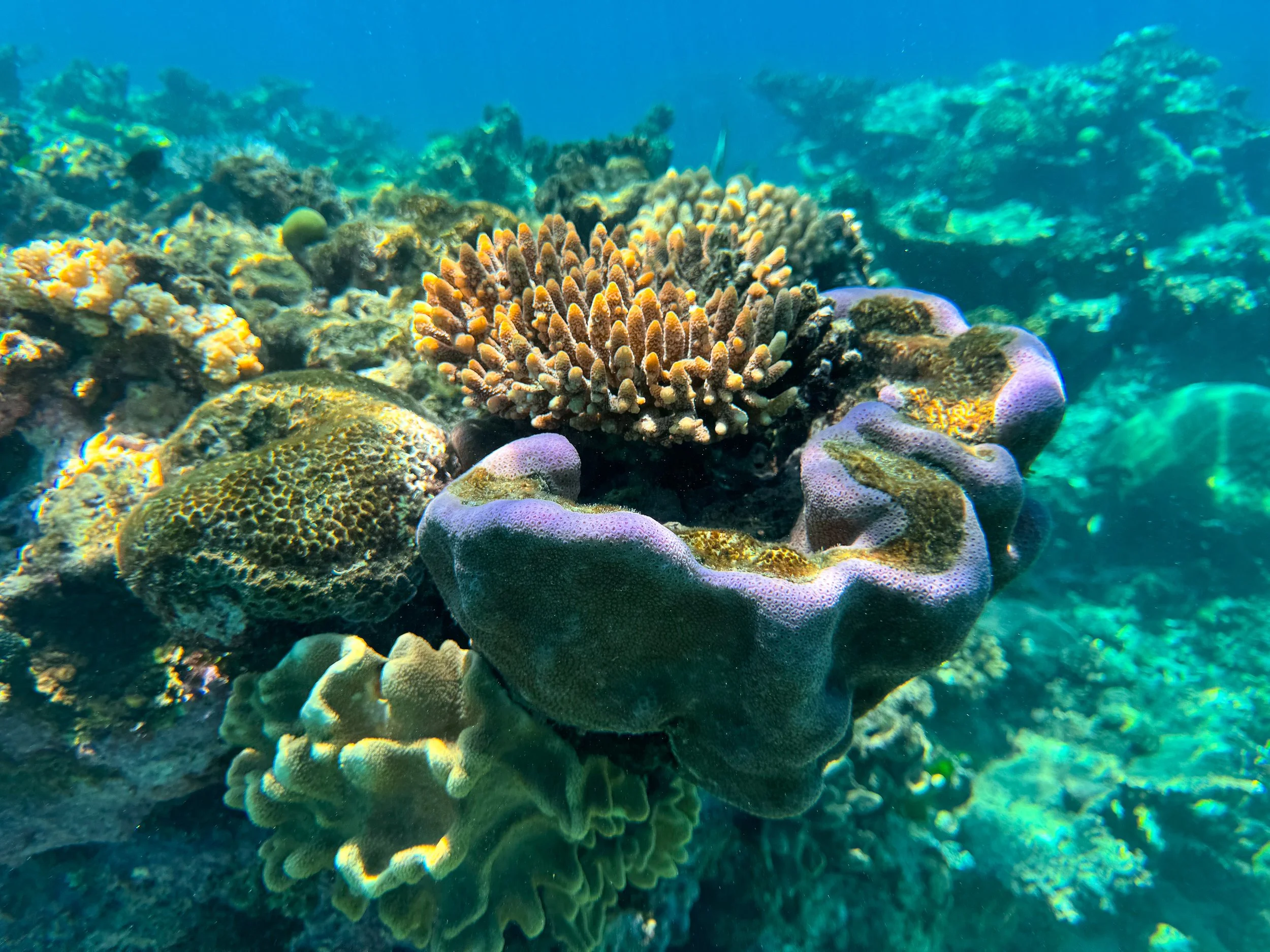
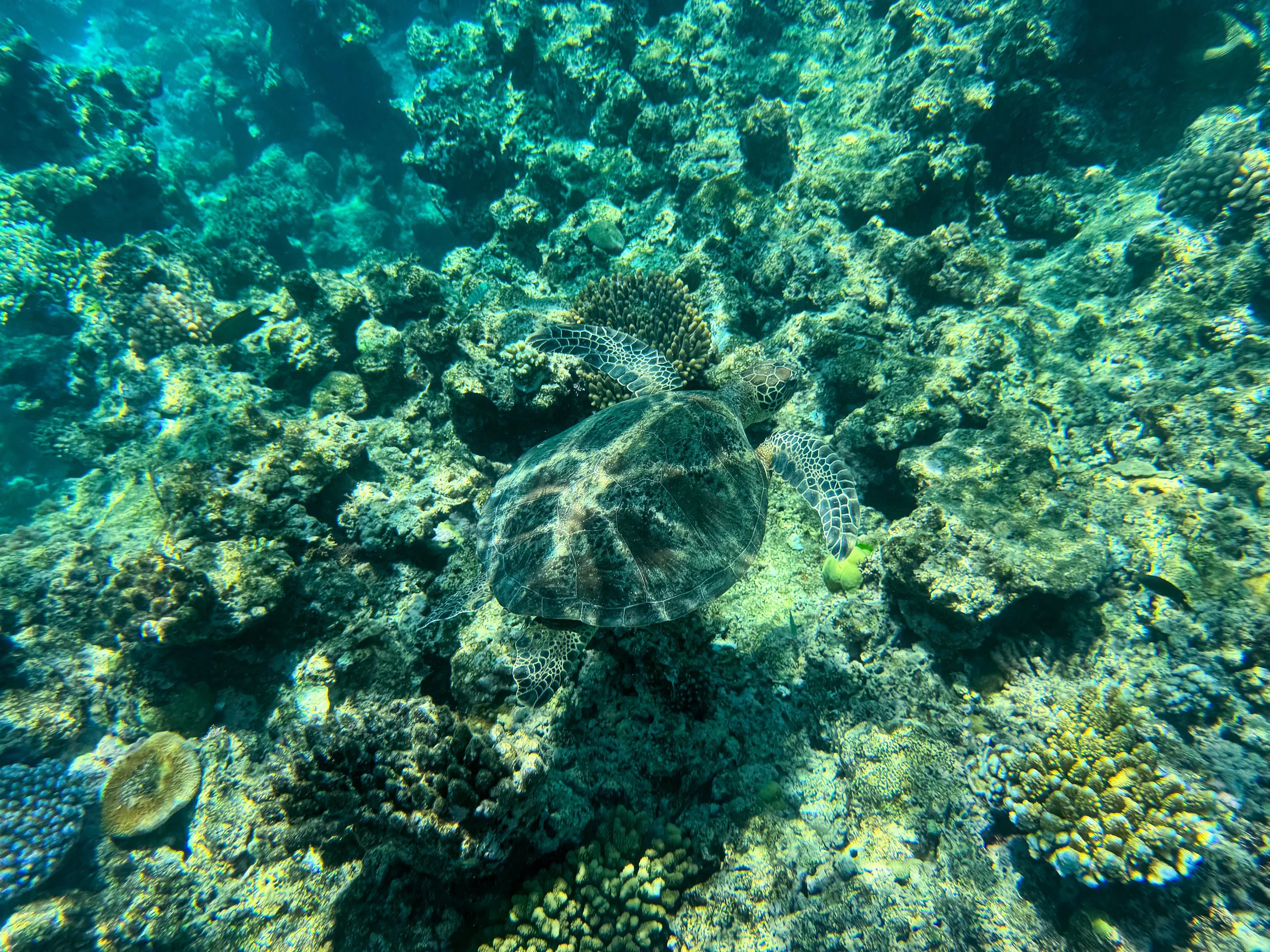
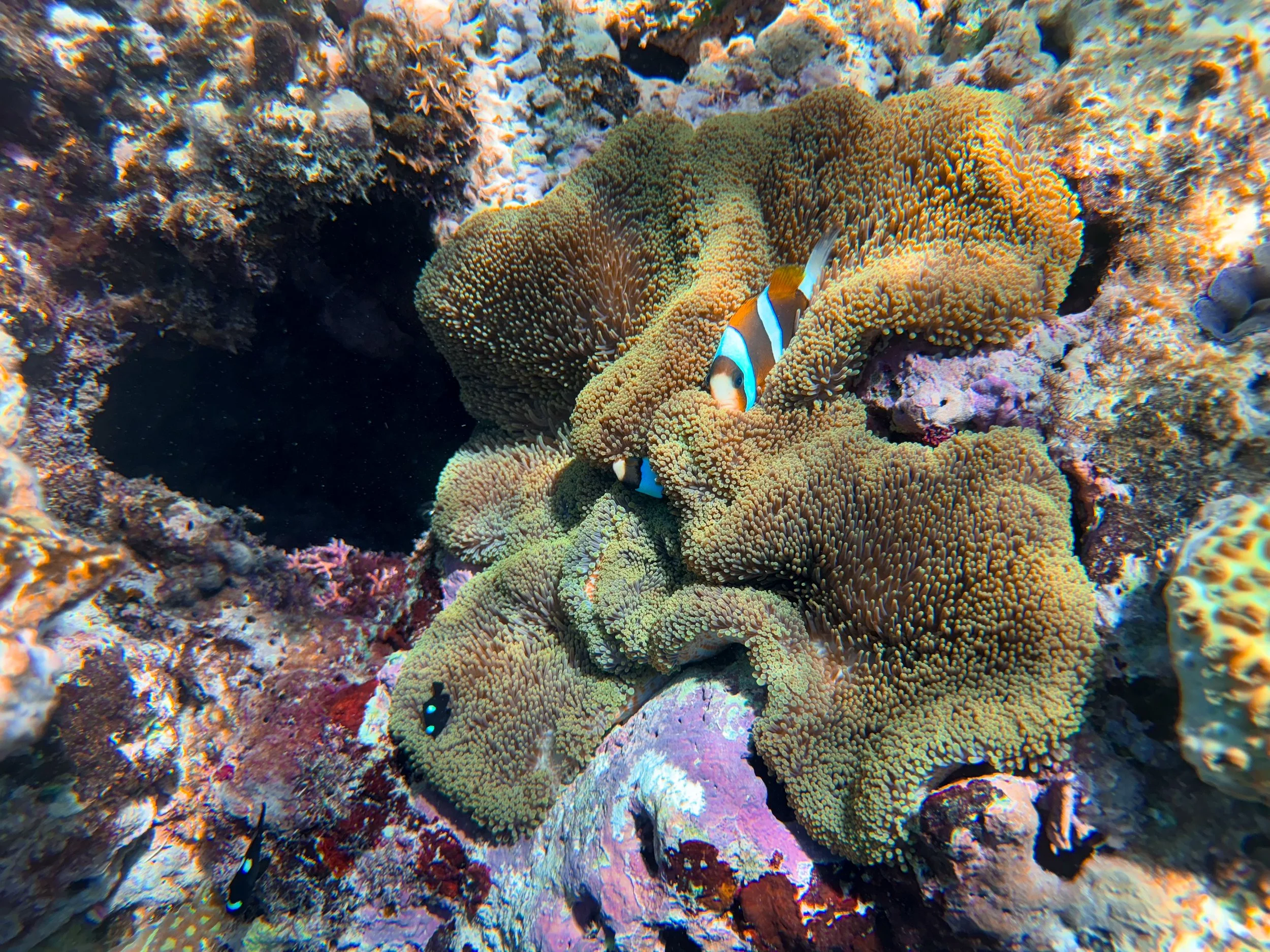
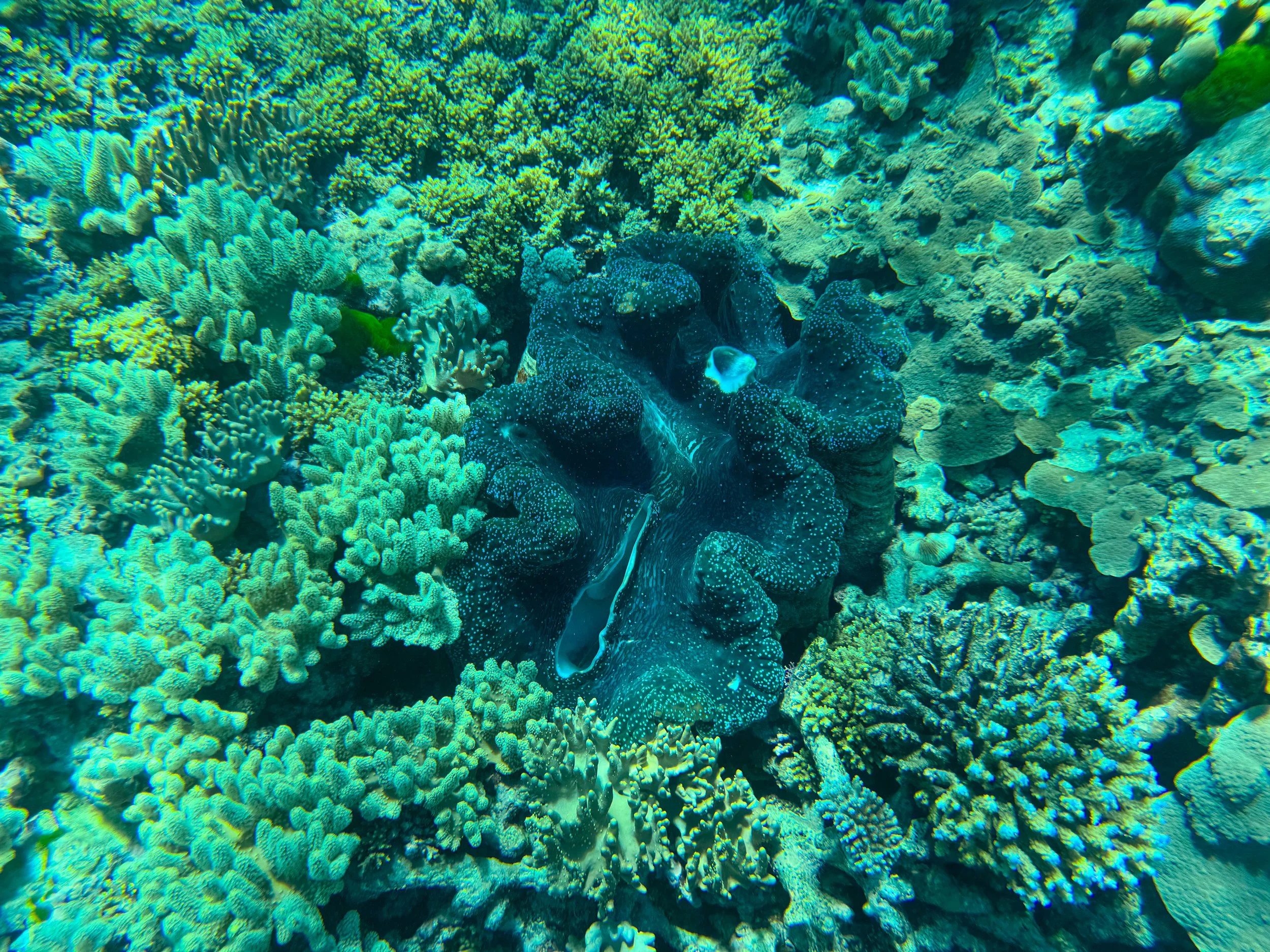
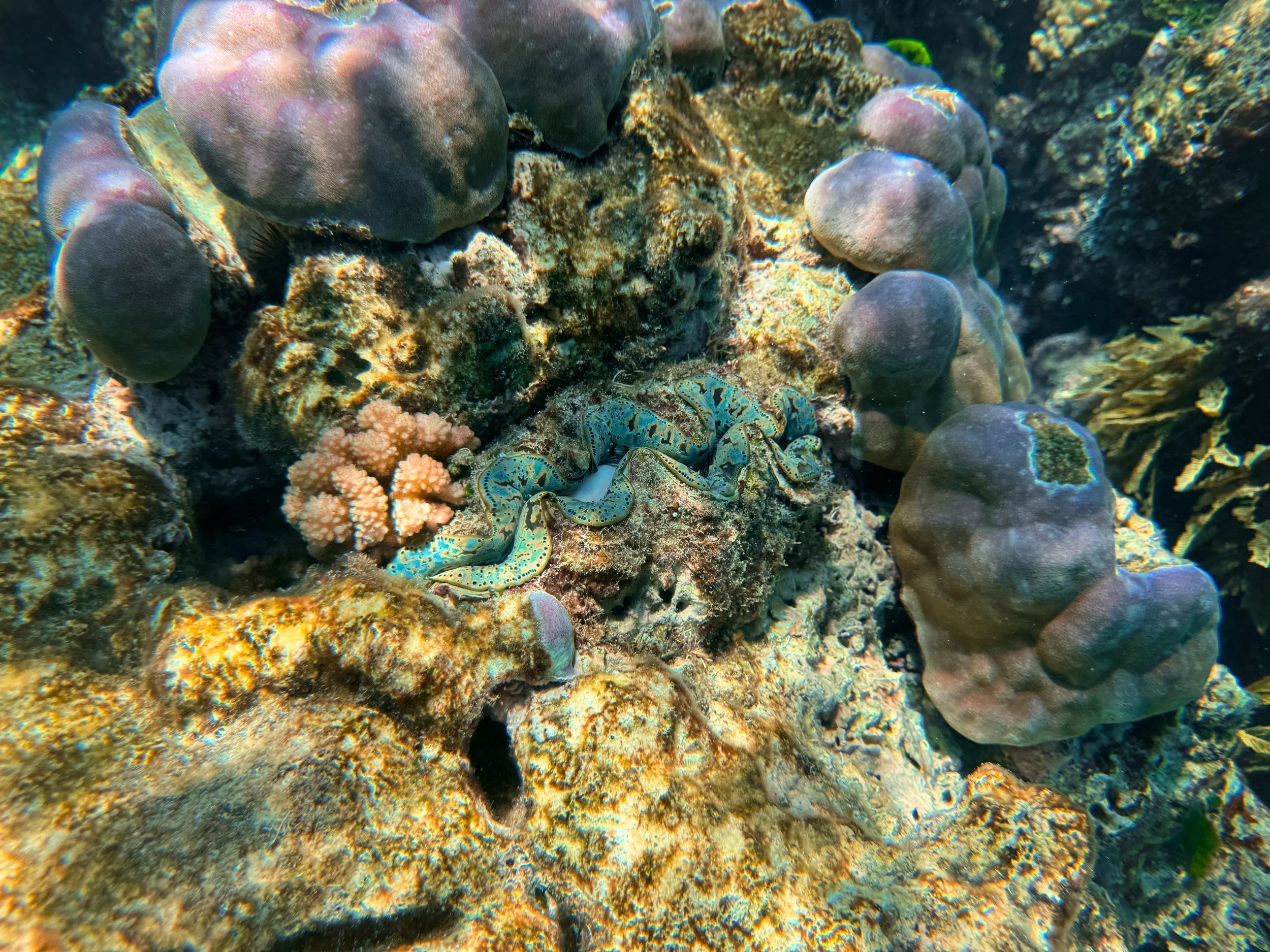
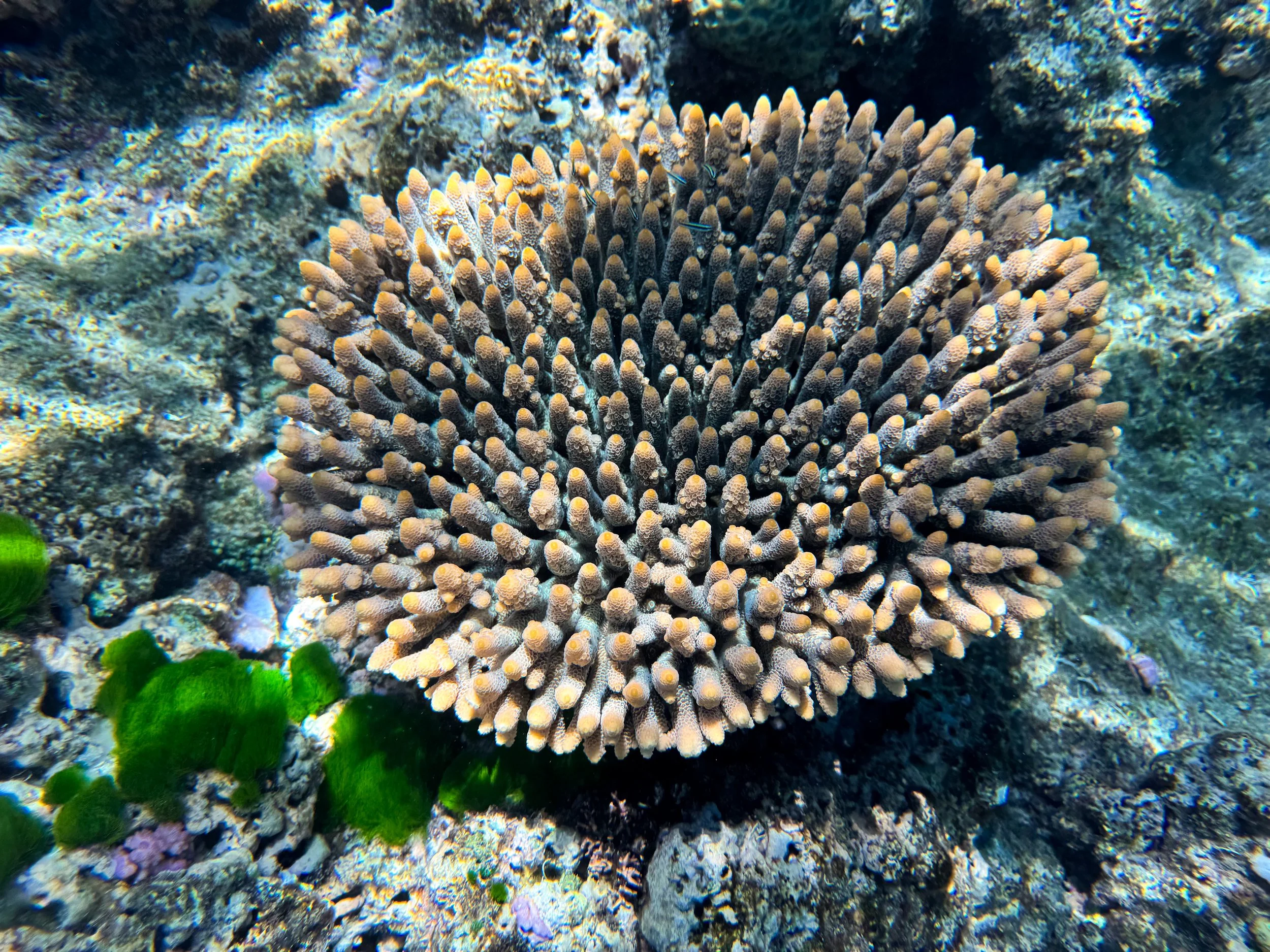
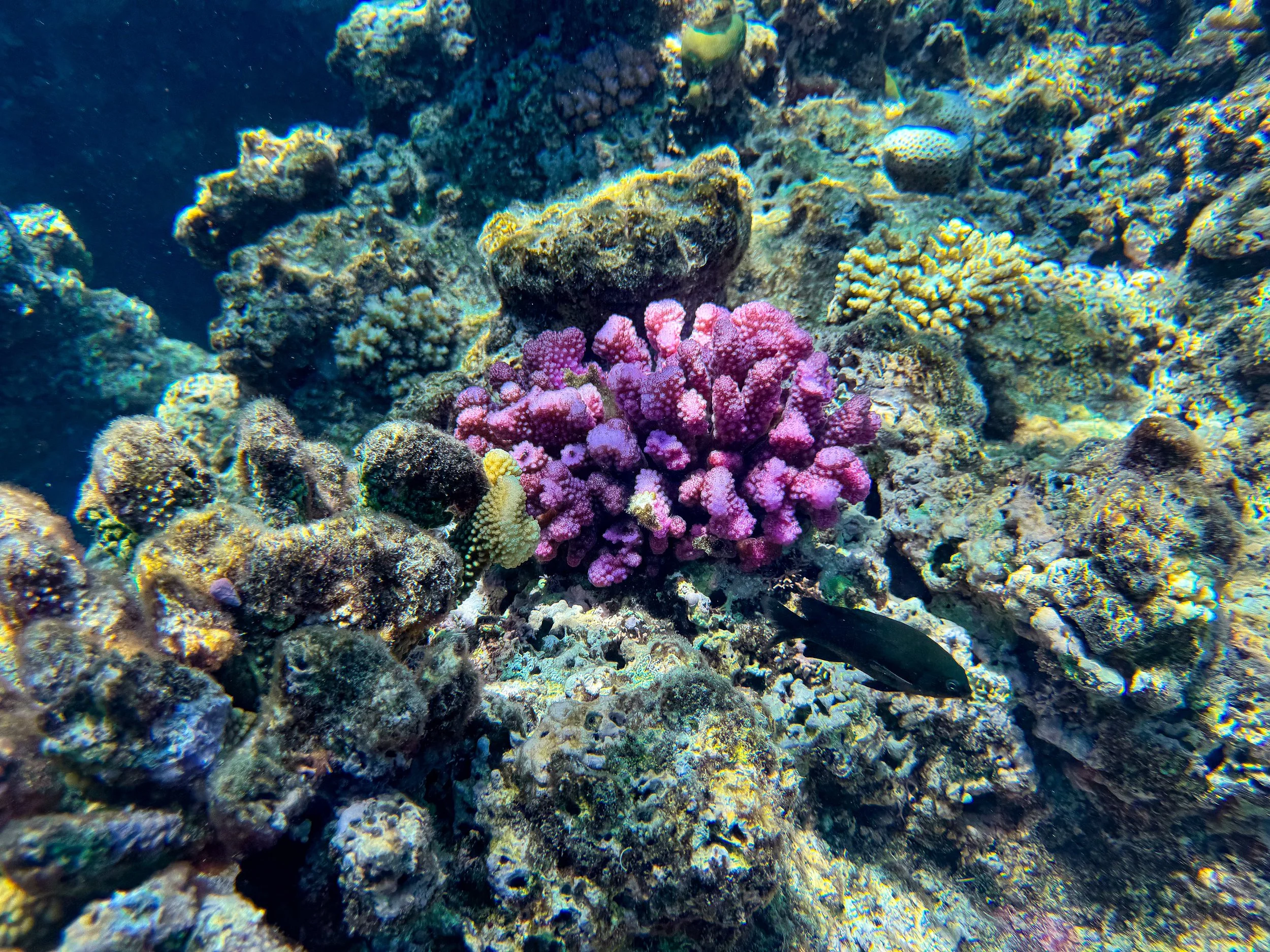
Tracy’s Bommie Dive Site. A section of Flynn Reef with narrow channels and underwater sea arches formed by coral structures. Its vibrant colored corals are home to sea turtles, conches, giant clams and multitudes of tropical fish like pufferfish, clownfish and rainbow parrotfish.
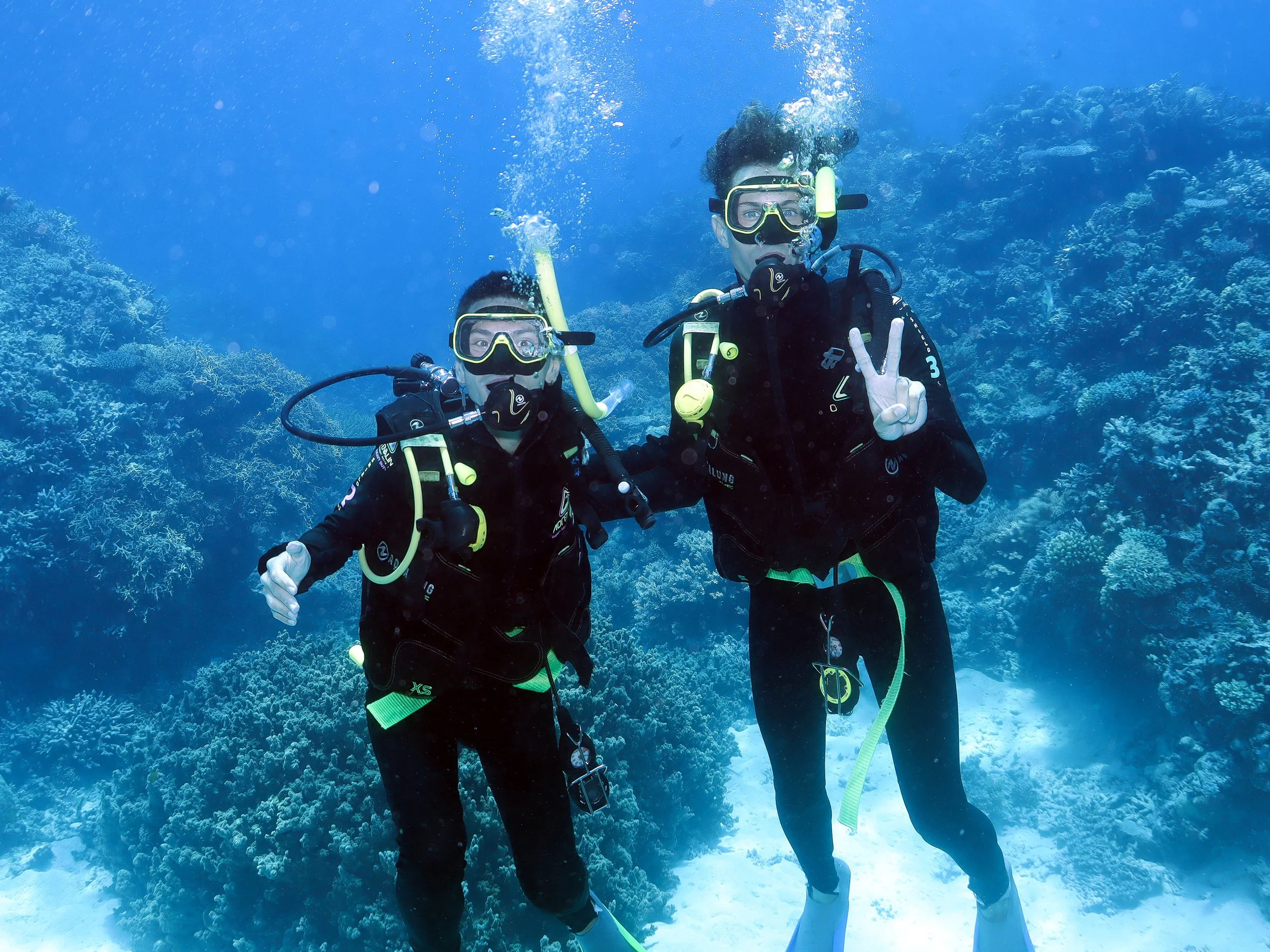
Gordon’s Dive Site. An idyllic dive site for beginners with massive coral formations, sea anemones and tropical fish. Our introductory dive brought us to shallow depths of 10-12 meters for about 30 minutes. The dive instructor led us in-between coral crevices and alongside coral walls. We were able to learn some scuba basics while navigating on our own under the close watch of the dive teacher.
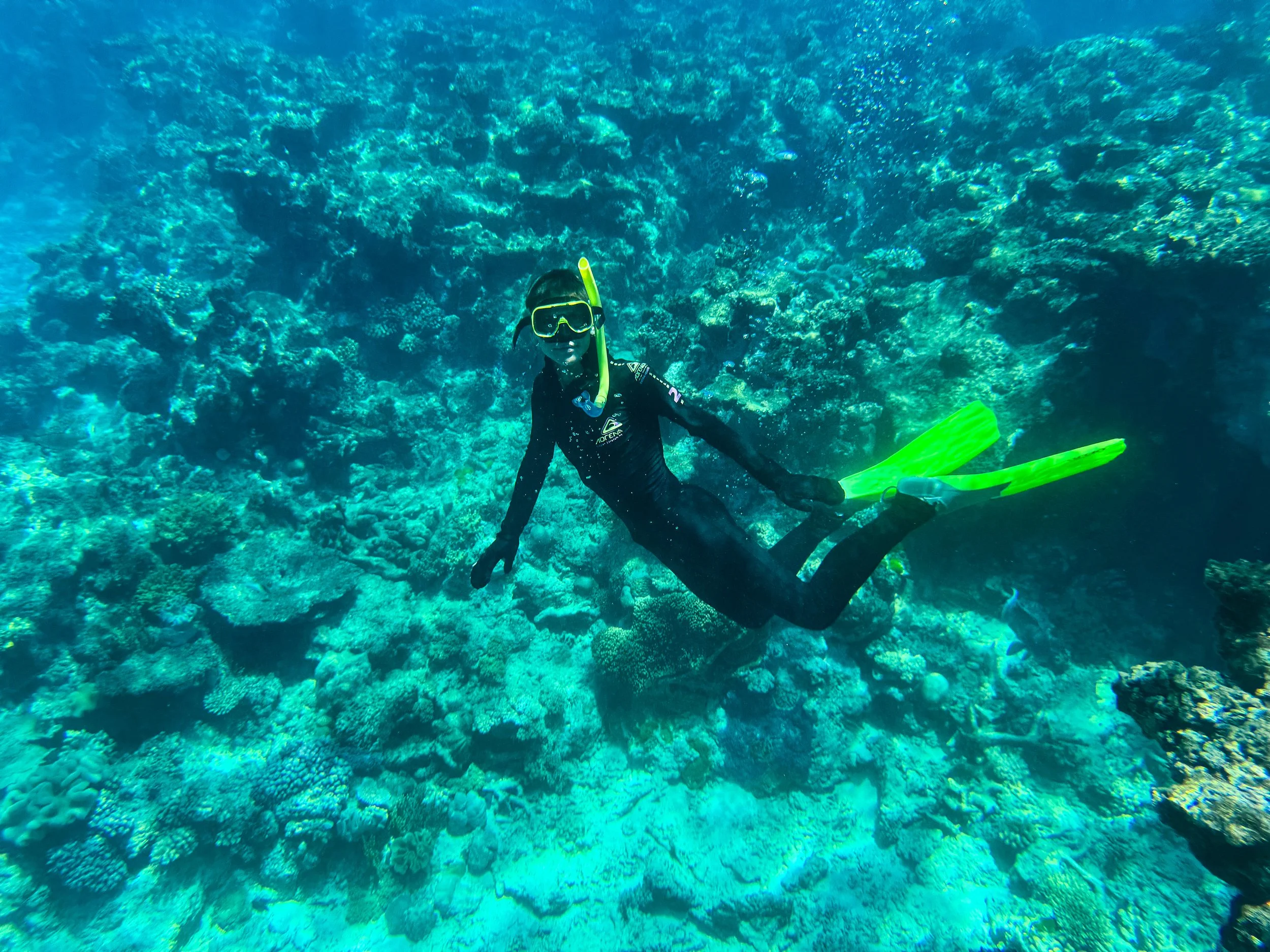
Caring for the Reef
The Great Barrier Reef and all coral reefs, for that matter, are extremely fragile environments. There are a few simple things to keep in mind while visiting the reef.
Wear reef safe sun block
Don’t touch or take anything
Avoid stepping on or kicking the corals
Book reputable tours with good reviews
Don’t chase or feed the marine life
Don’t litter or leave anything behind
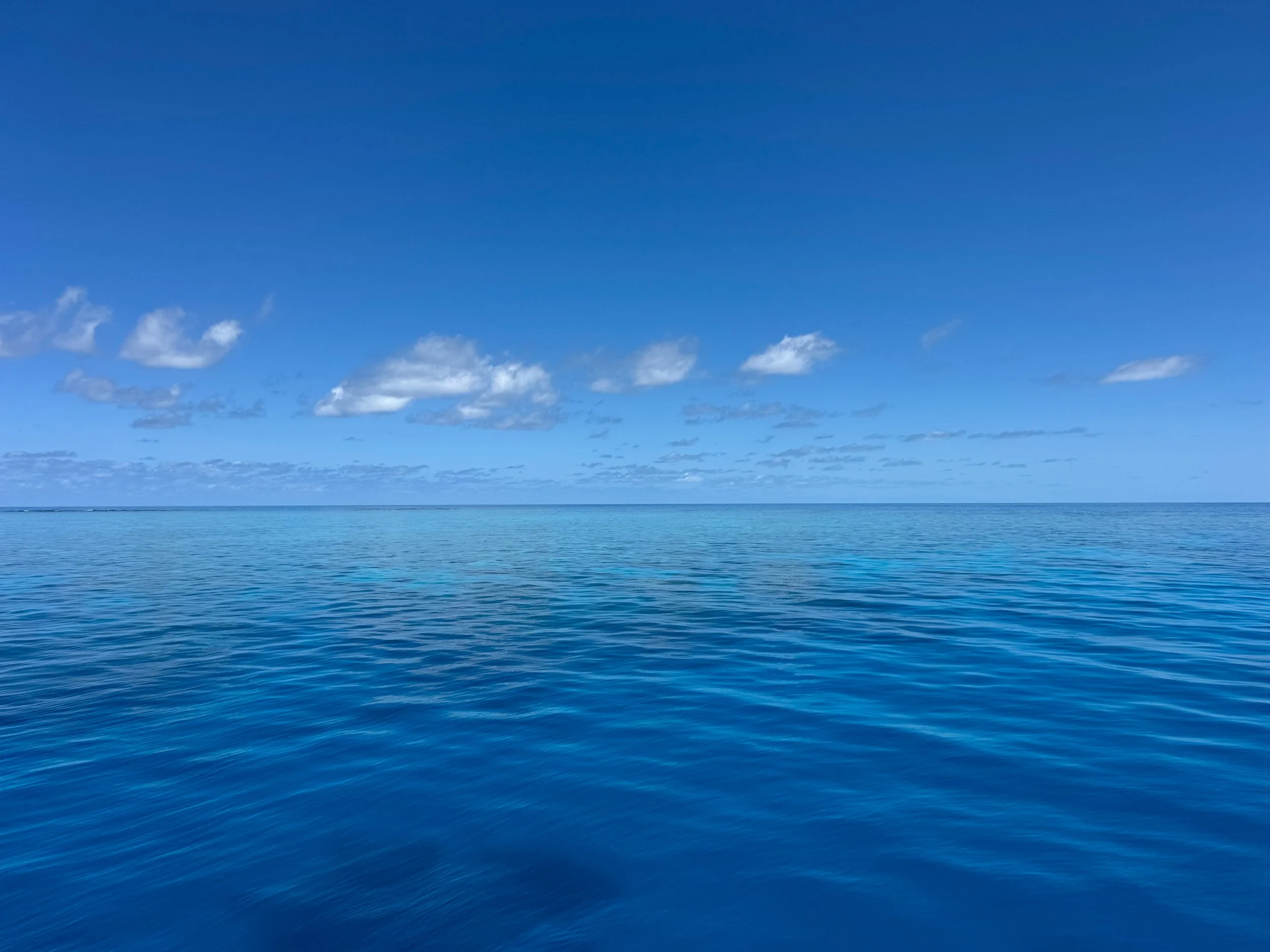
Dry vs Wet Season
The Great Barrier Reef can be visited at any time of year, however the dry season often offers the most favorable conditions. We chose to visit in mid October at the end of the dry season.
The Dry Season. A period lasting from May through October. It’s characterized by calm seas, clear water, little rain and cooler temperatures. Peak whale migration happens between May and September.
The Wet Season. A period lasting from November to April. It’s characterized by hot temperatures, frequent rainstorms and less visibility. It coincides with the jellyfish spawns of “stinger season.” Wear a wetsuit!
Underwater Photography
Capturing photos underwater in the Great Barrier Reef is possible with most smartphones and a specialty case. We used the Pictar Waterproof Smartphone Case available on Amazon.
Elsewhere in Australia
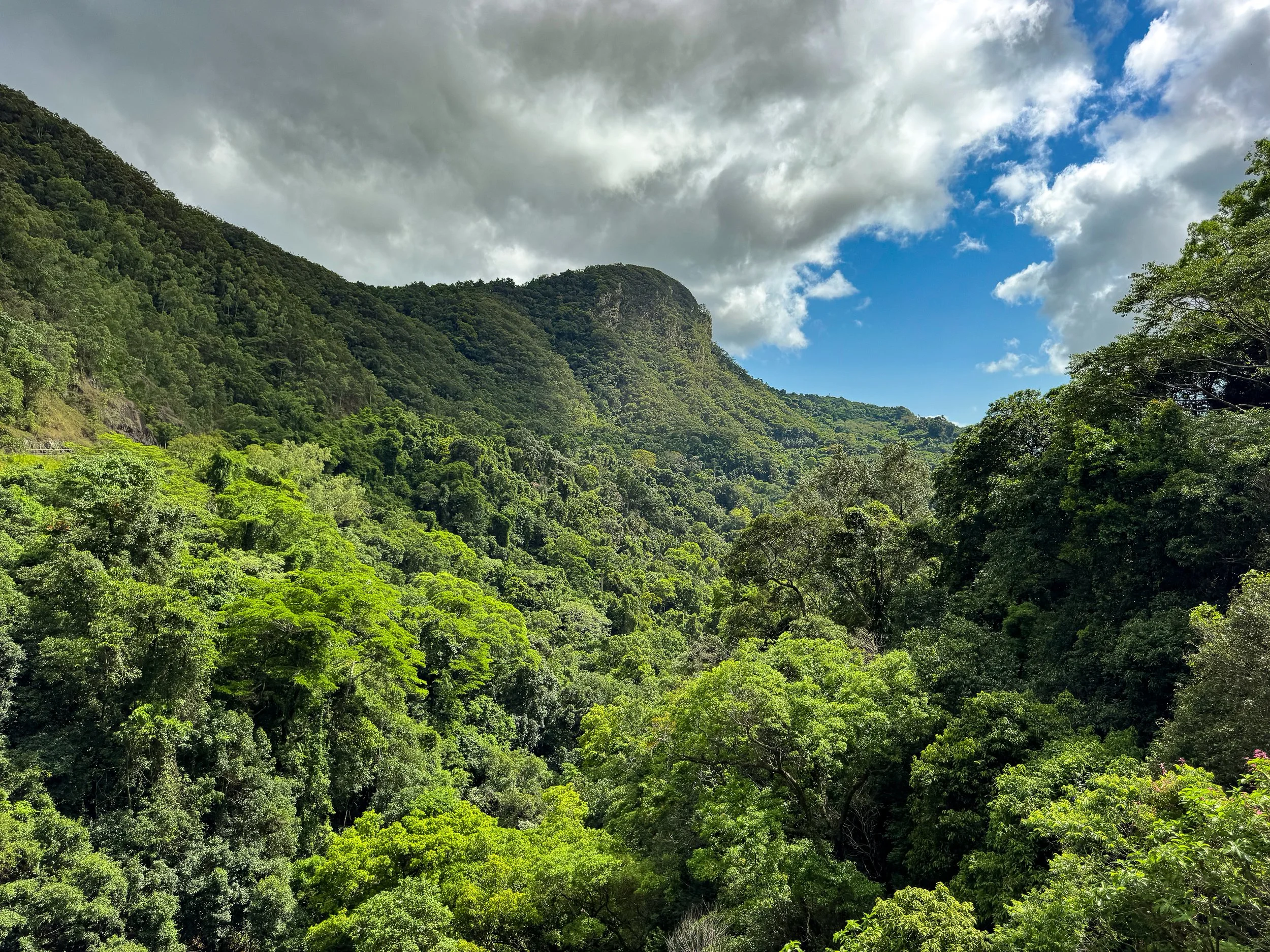
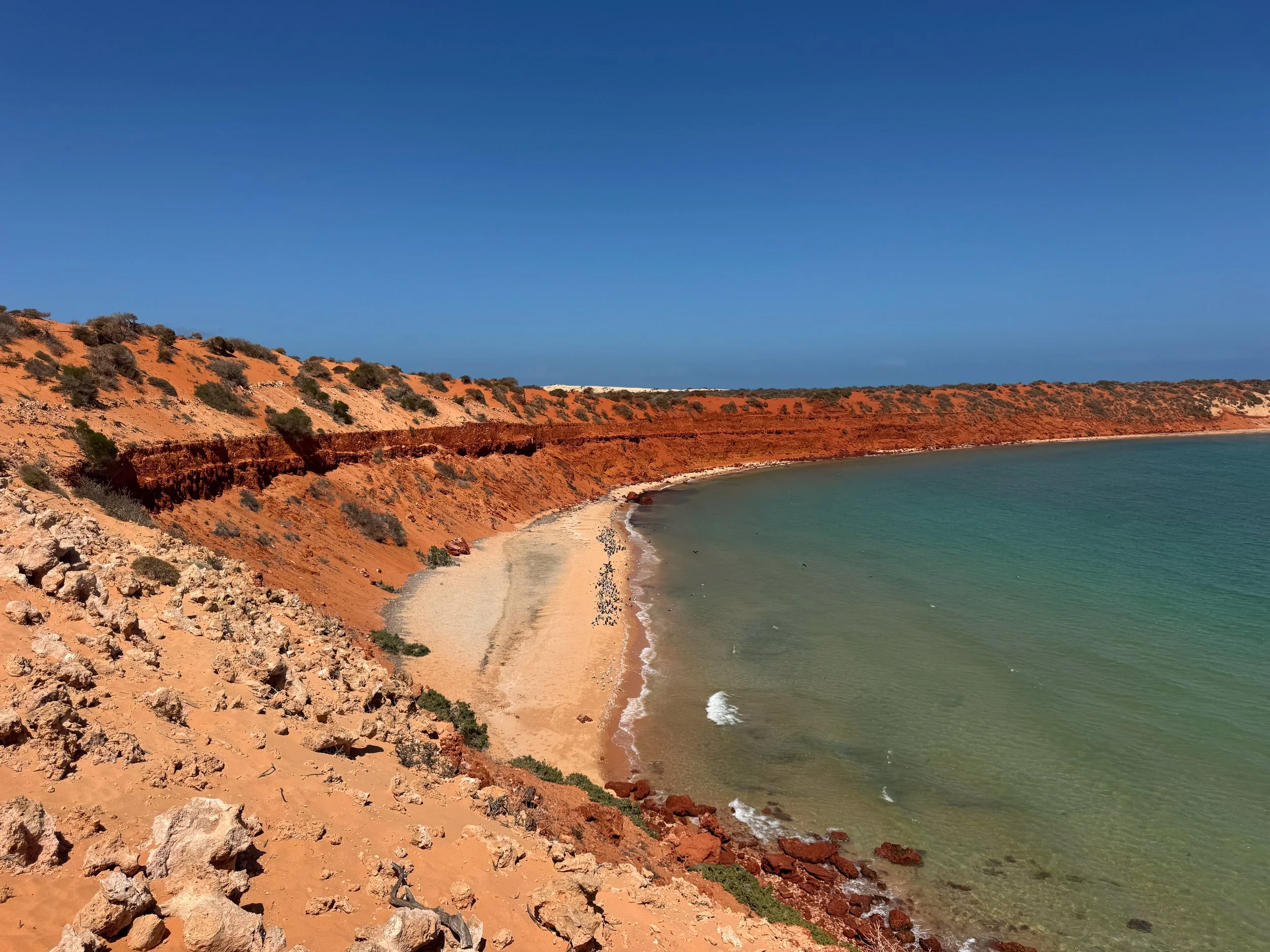
From the coral reefs and marine life of the Great Barrier Reef to Queensland's rainforests, Australia's surf coast, remote road trips and the Outback, continue exploring Australia through these travel guides:
Tropical North Queensland Travel Guide: Cairns, Rainforests & Wildlife. Explore Tropical North Queensland from Cairns, where ancient rainforests, cascading waterfalls and remarkable wildlife meet palm fringed beaches and vibrant coral reefs.
Brisbane Travel Guide: Neighborhoods, Riverwalks & Island Adventures. Explore Brisbane where riverside neighborhoods, scenic riverwalks and nearby island adventures embody a laidback subtropical lifestyle shaped by nature.
Byron Bay Travel Guide: Surfing, Beaches & Cape Byron. Experience Byron Bay where surf culture, white sand beaches and scenic trails to Cape Byron embody Australia's quintessential beach town lifestyle.
Western Australia Road Trip: Perth to Ningaloo & The Coral Coast. Road trip along Western Australia's Coral Coast where red desert landscapes, remote gorges, sandstone cliffs and white sand beaches create an unforgettable adventure.
Uluru Travel Guide: Kata Tjuta, Kings Canyon & Sacred Landscapes. Discover Uluru's sacred landscapes where ancient sandstone monoliths, desert hikes, canyon oases and Anangu traditions connect visitors to the Outback.
For Next Time…
The Great Barrier Reef is absolutely massive! As lovers of the underwater world, this won’t be our only time visiting it. Next time we return, we plan to base ourselves in the Whitsunday Islands.
Whitehaven Beach. A world famous white sand beach with swimmable turquoise waters and fringing coral reefs.
Whitsunday Live Aboard. Visit the island chain’s and its reefs on a multi night live aboard.
Scenic Flight over Heart Reef. An aerial view of the reef system and one shaped like a heart.
Brisbane Travel Guide: Neighborhoods, Riverwalks & Island Adventures
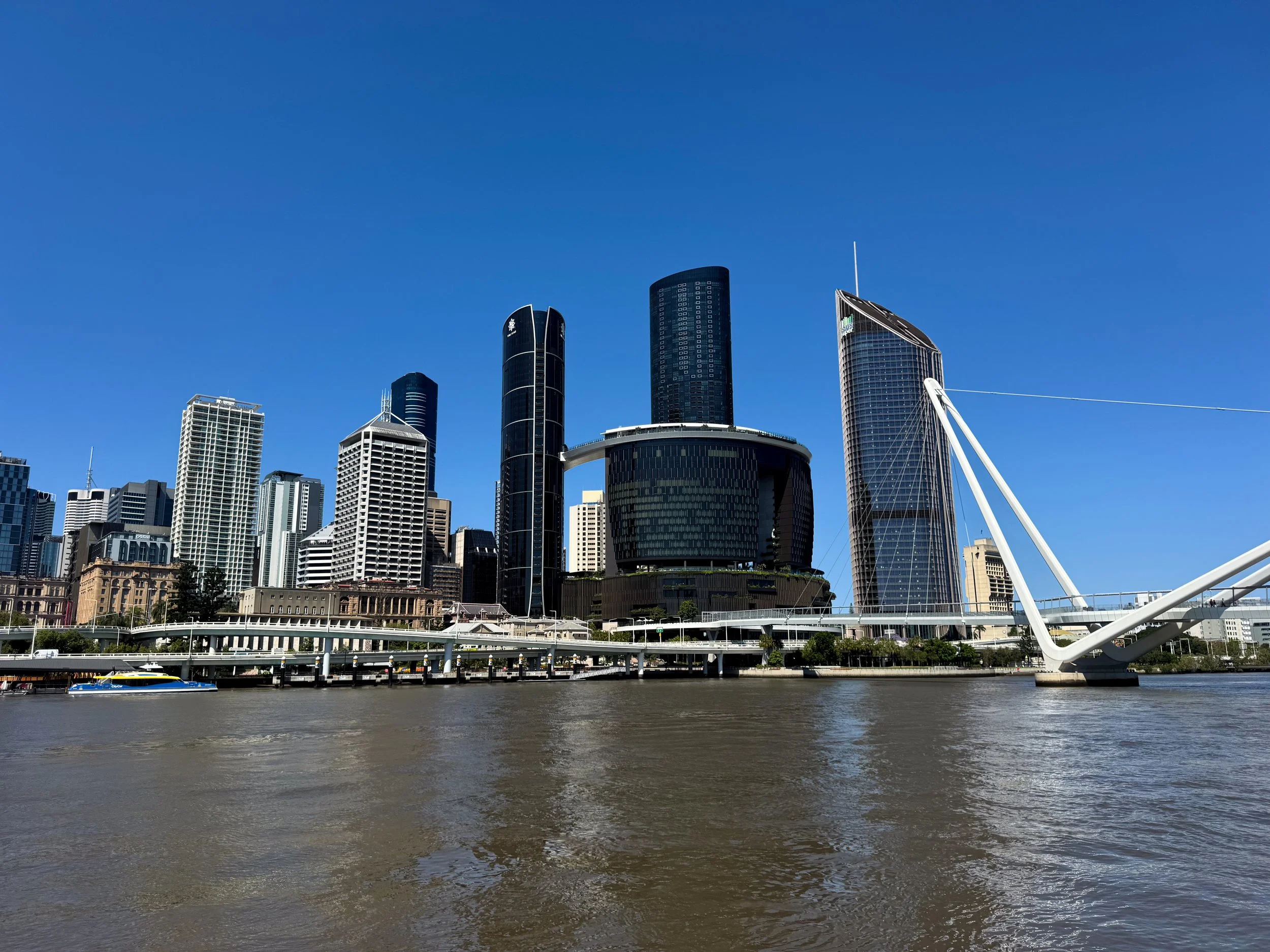
Explore Brisbane where riverside neighborhoods, scenic riverwalks and nearby island adventures embody a laidback subtropical lifestyle shaped by nature.
Brisbane, Queensland
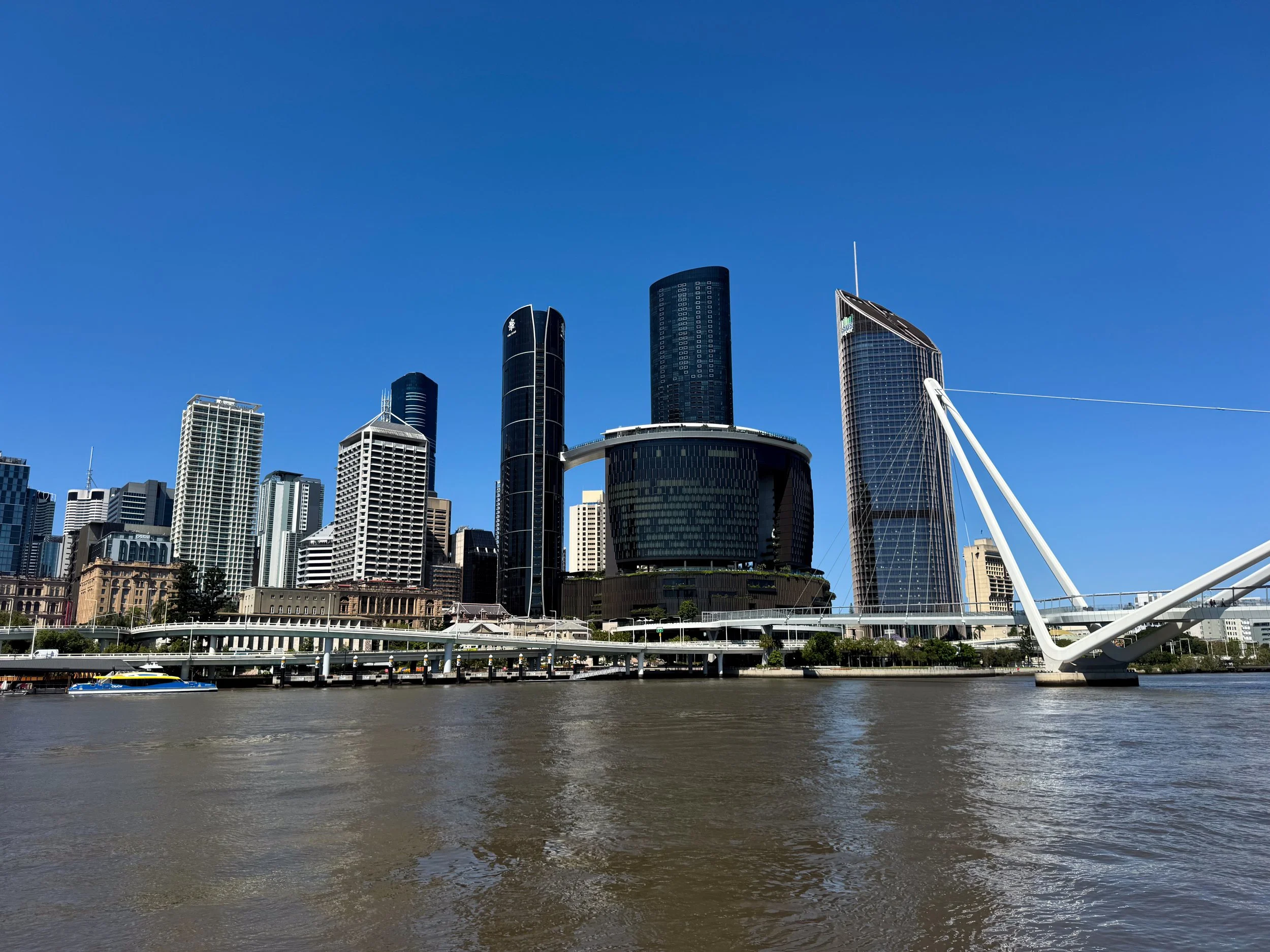
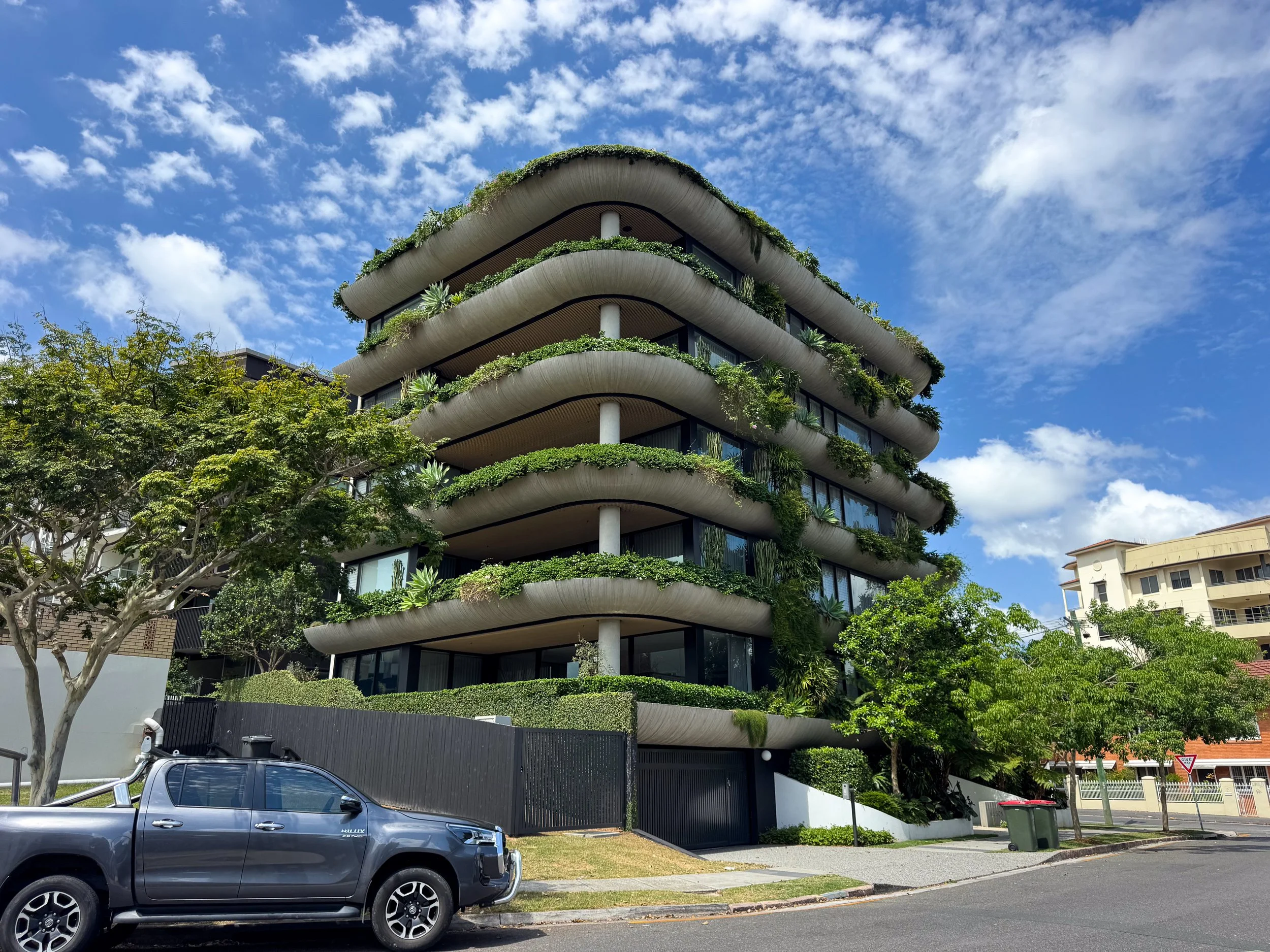
Brisbane is a sunny subtropical city with trendy neighborhoods, bountiful green spaces and access to Australia’s east coast. We spent a few days here exploring the city and its offshore islands on a trip through Queensland.
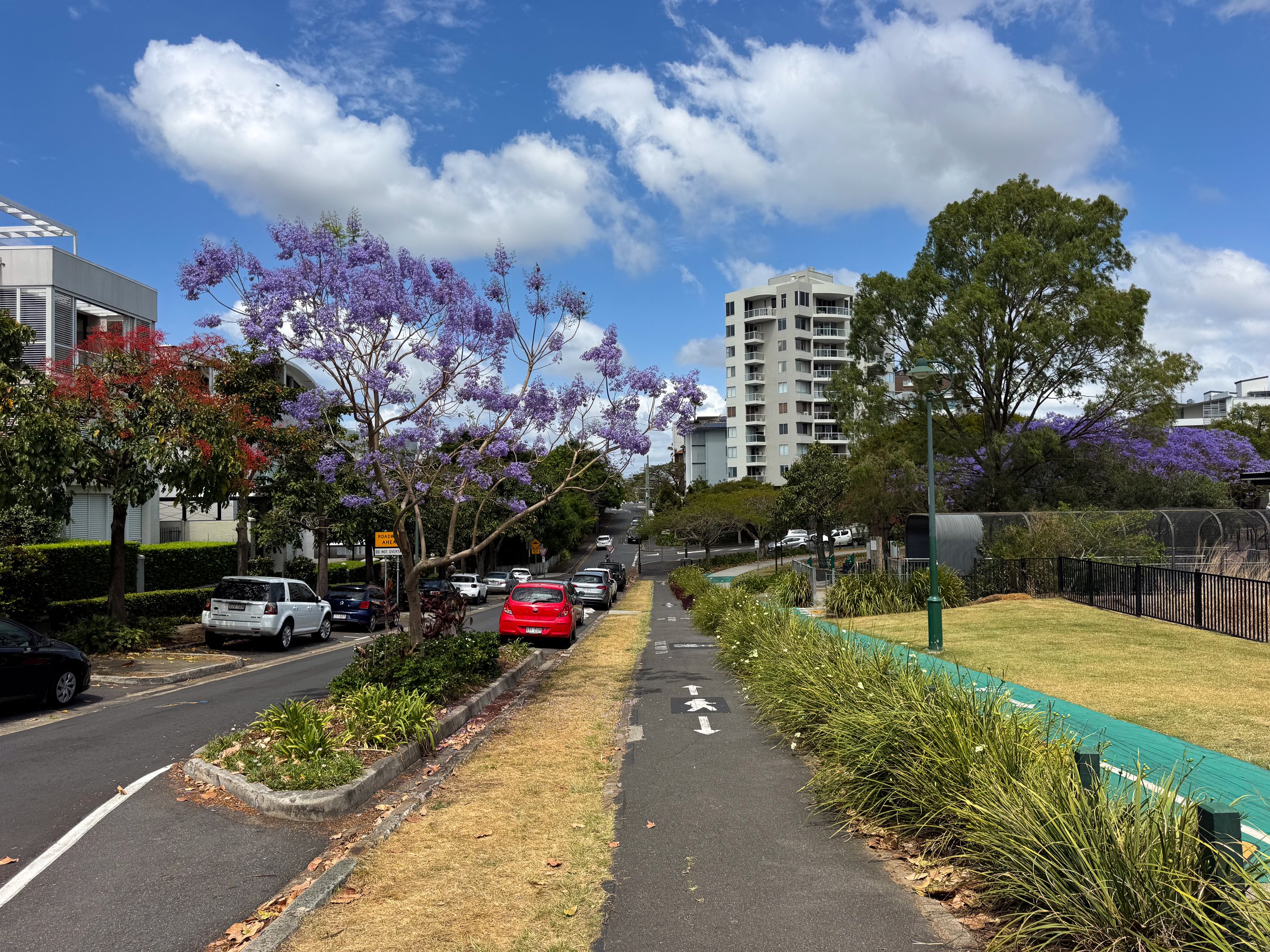
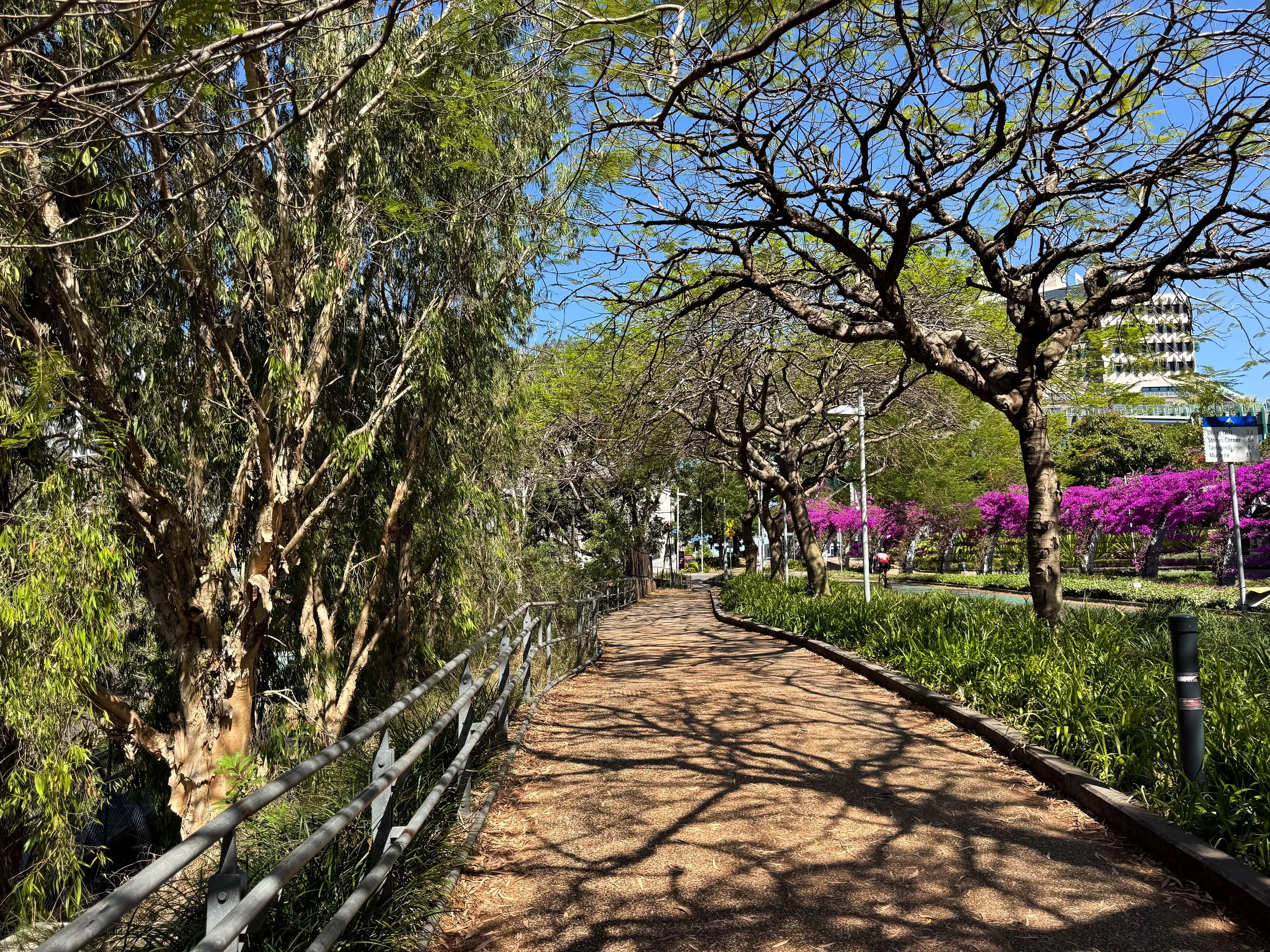
Neighborhoods & Streets
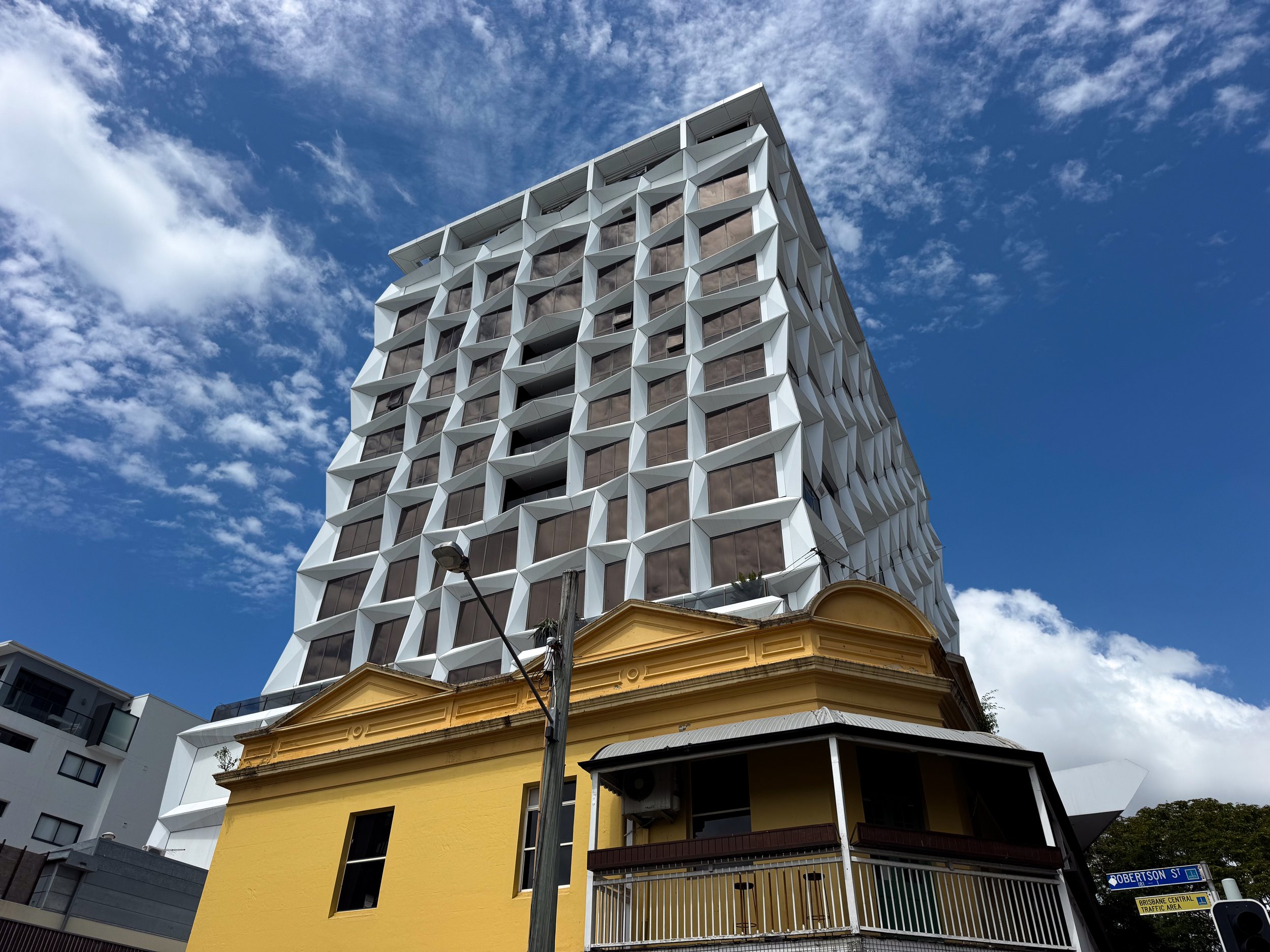
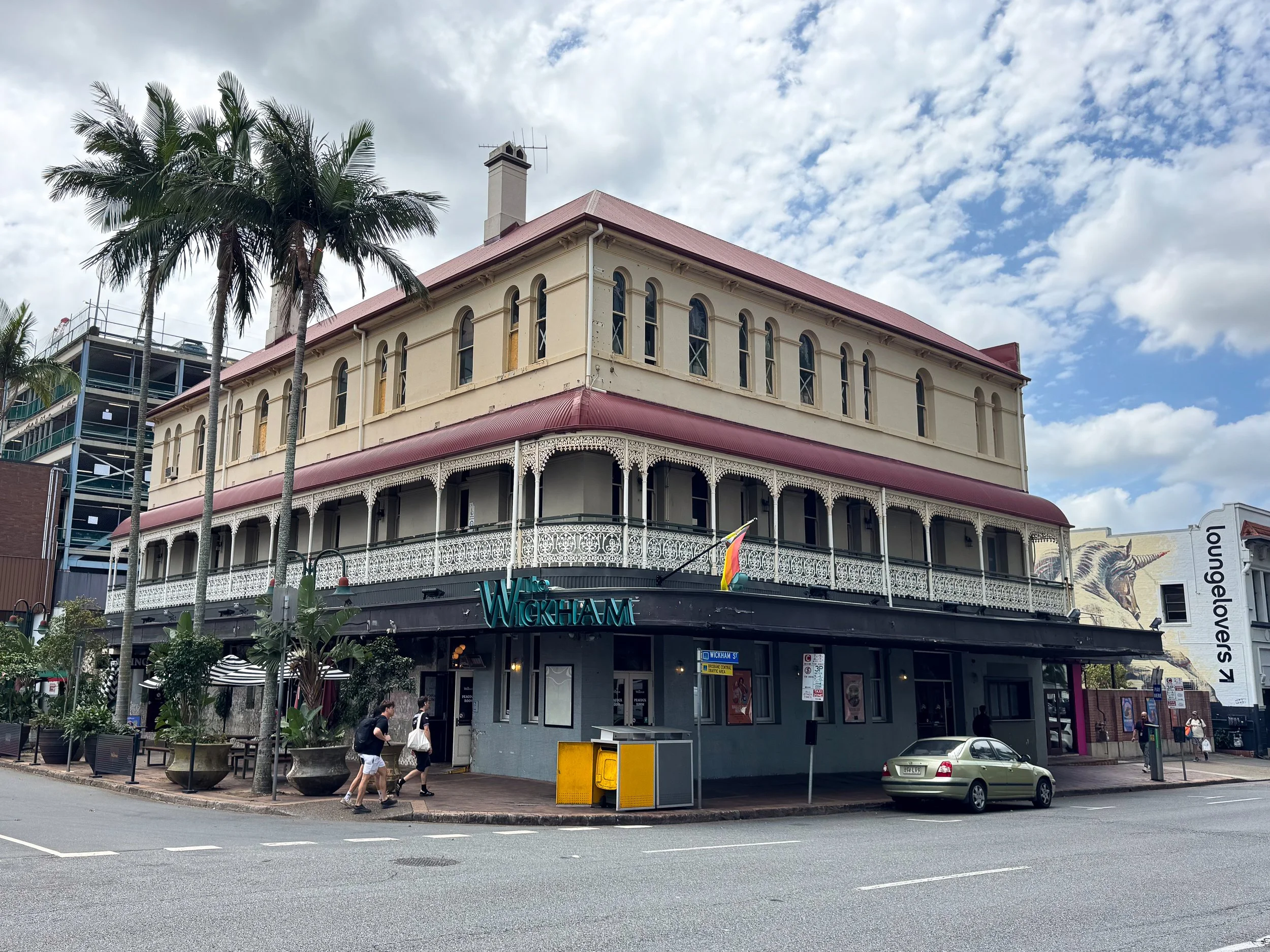
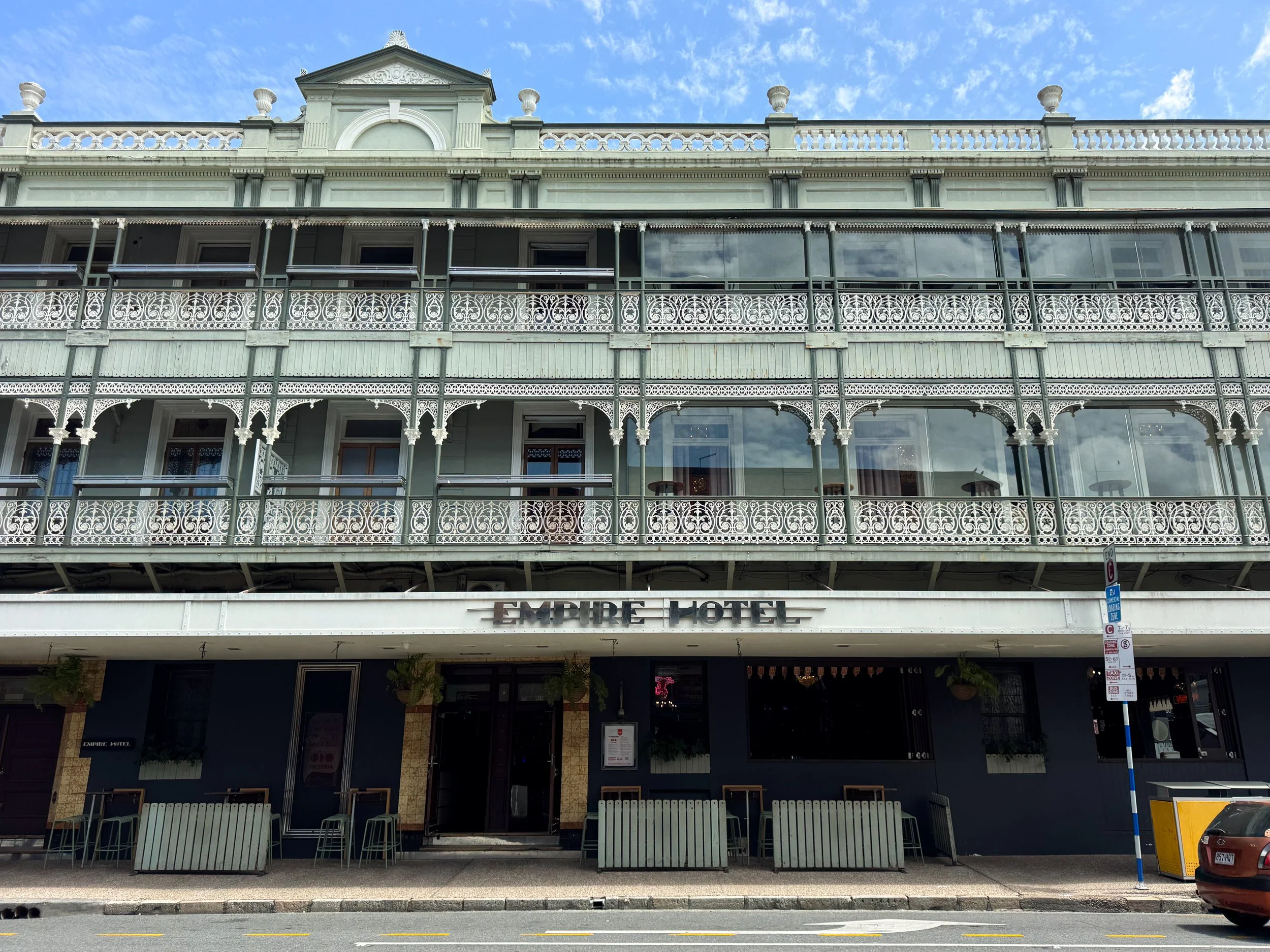
Fortitude Valley. A trendy neighborhood with brunch spots, designer boutiques and nightlife. It’s a lush and walkable area with plenty to do by day and night.
St Ann & Brunswick Streets. The nightlife streets in Fortitude Valley with music venues, gay bars and restaurants.
West End. A vibrant and grungy neighborhood with late night restaurants, cocktail bars, breweries and live music venues. It’s a popular spot with younger Australians and the queer community.
Boundary Street. The main street in West End home to many of the neighborhood’s restaurants and bars.
Howard Smiths Wharves. A lively riverfront wharf under the Story Bridge with breweries, restaurants and walking paths.
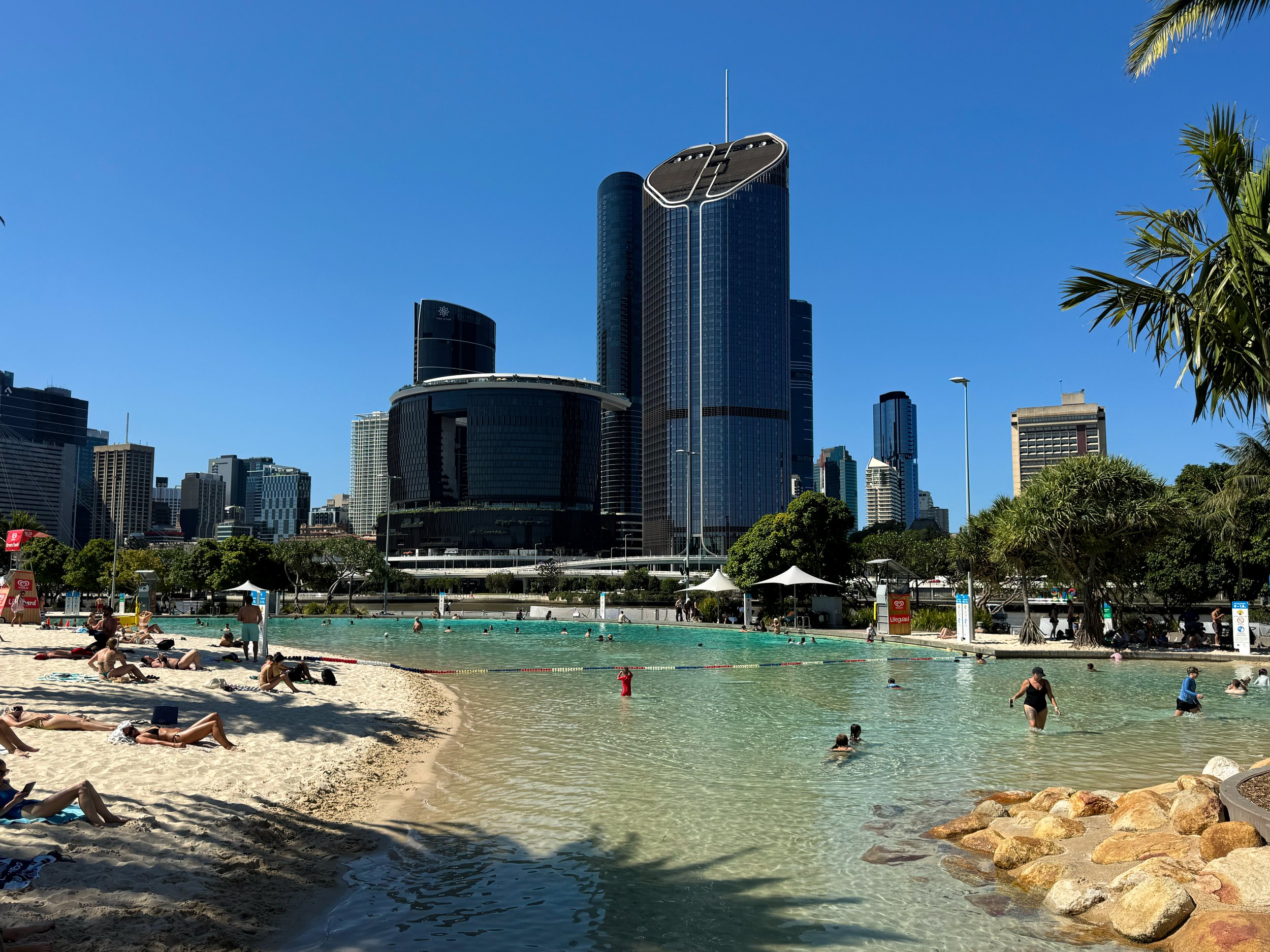
South Bank Parklands. A riverfront park with leisurely walkways, an artificial beach, ferris wheel, vibey restaurants and cafés.
The Brisbane River
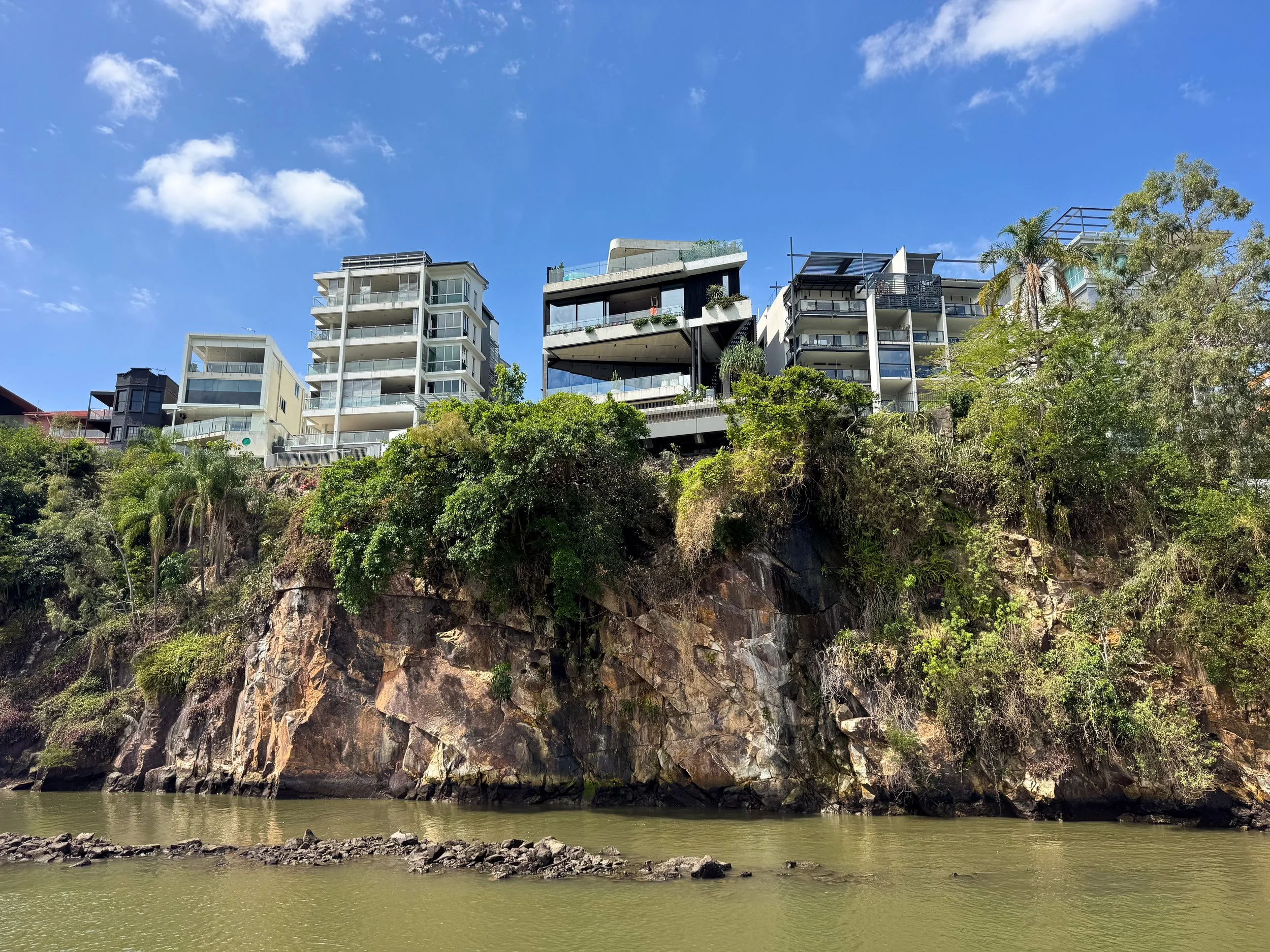
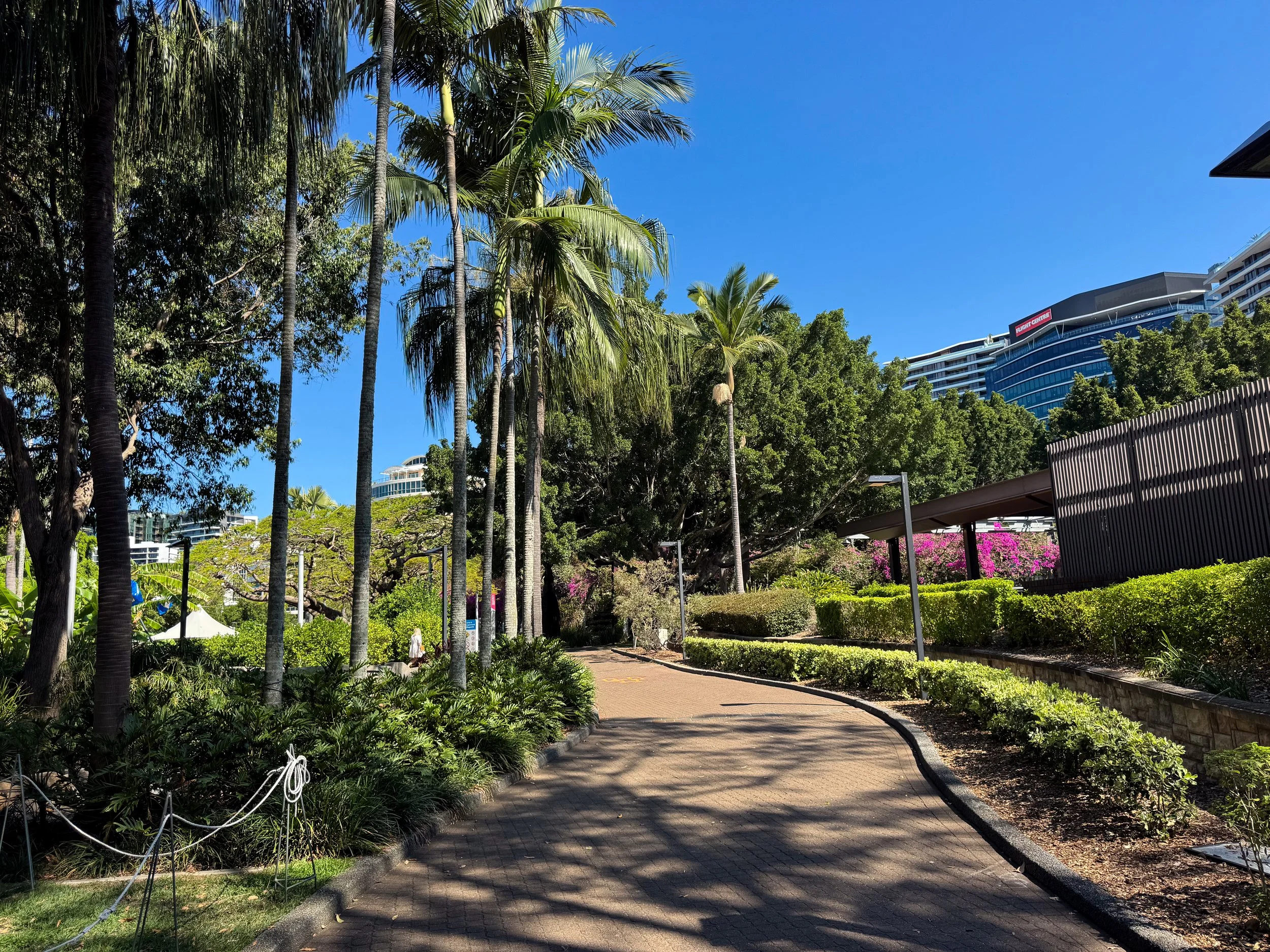
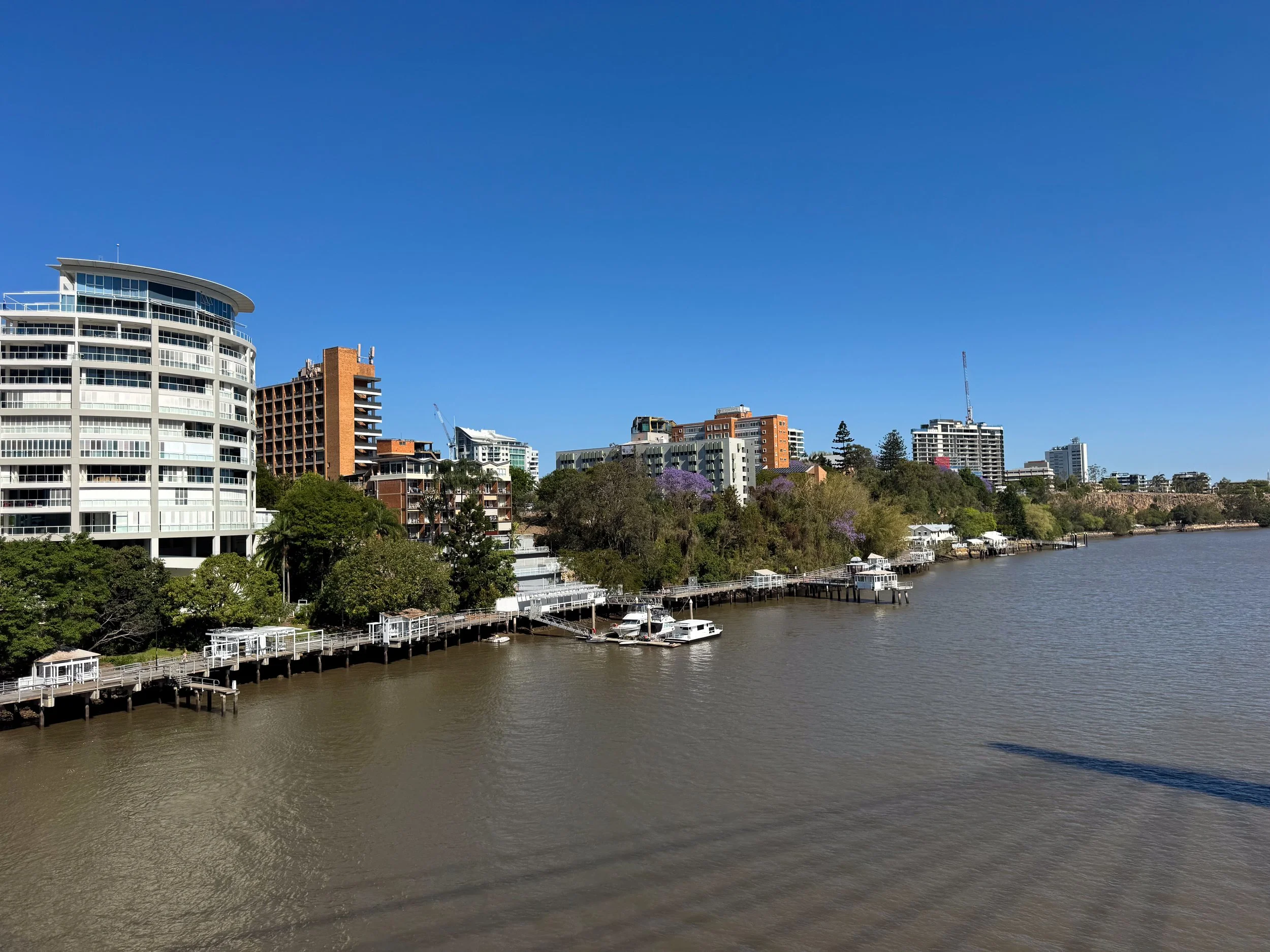
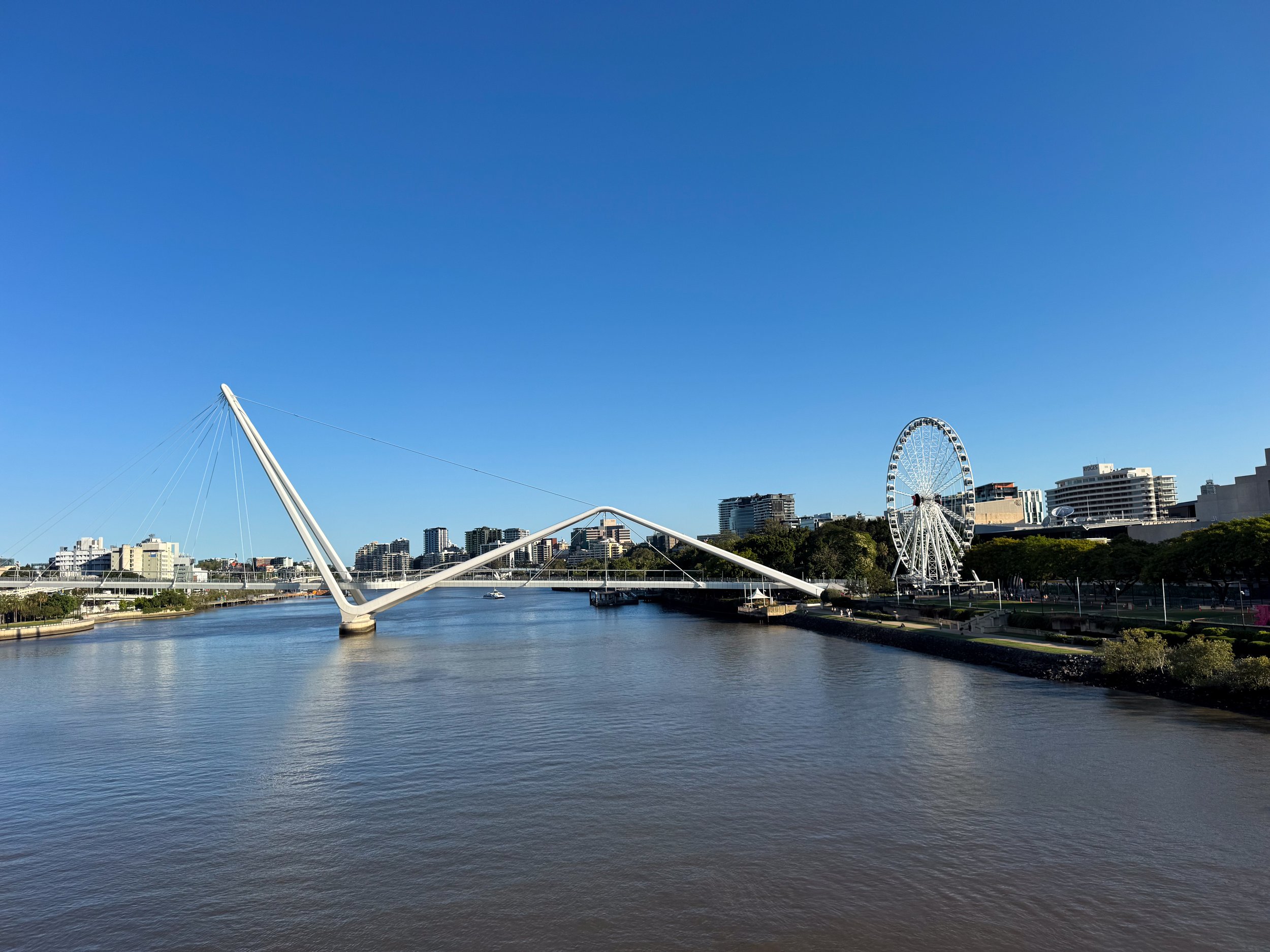
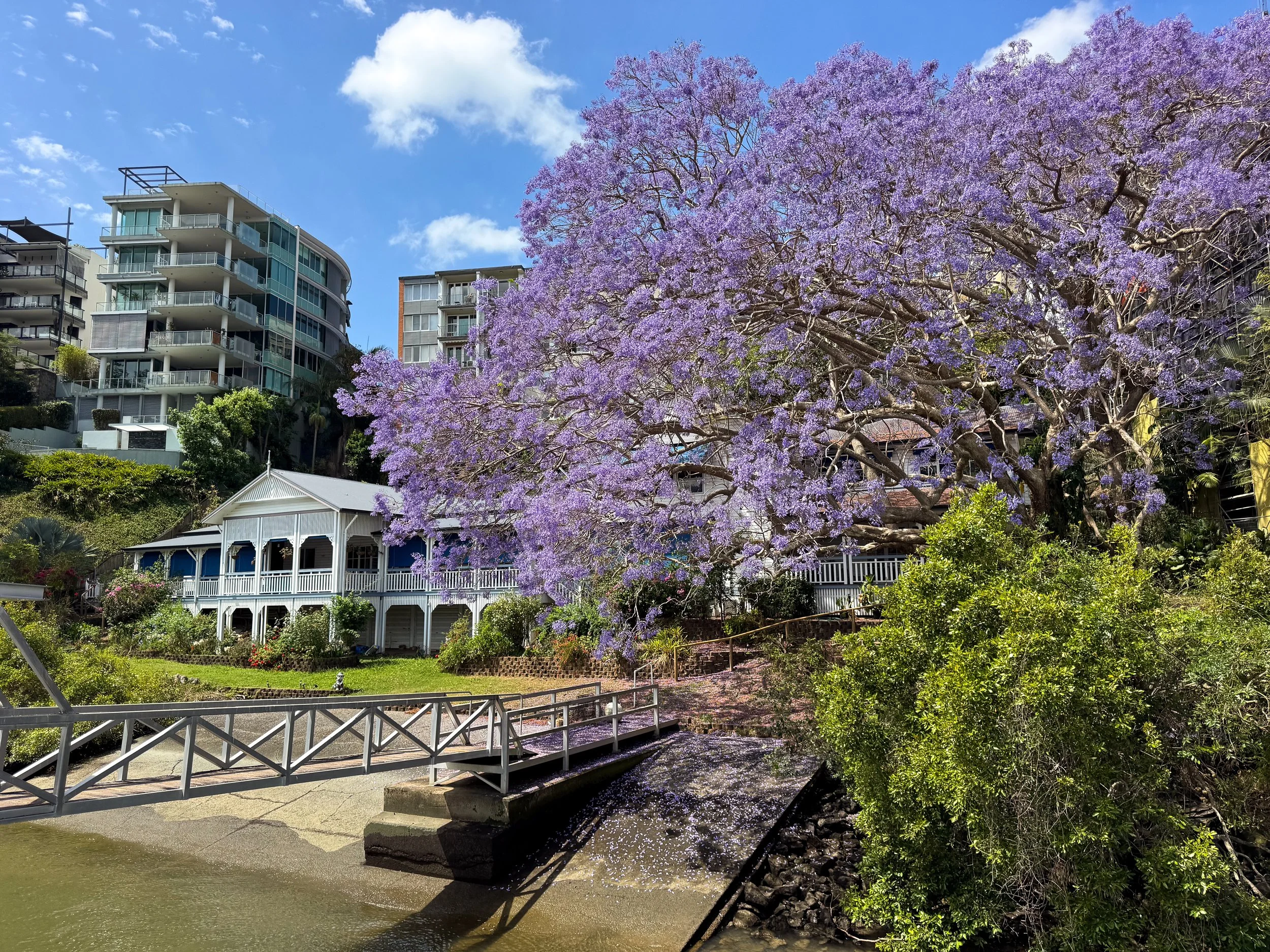
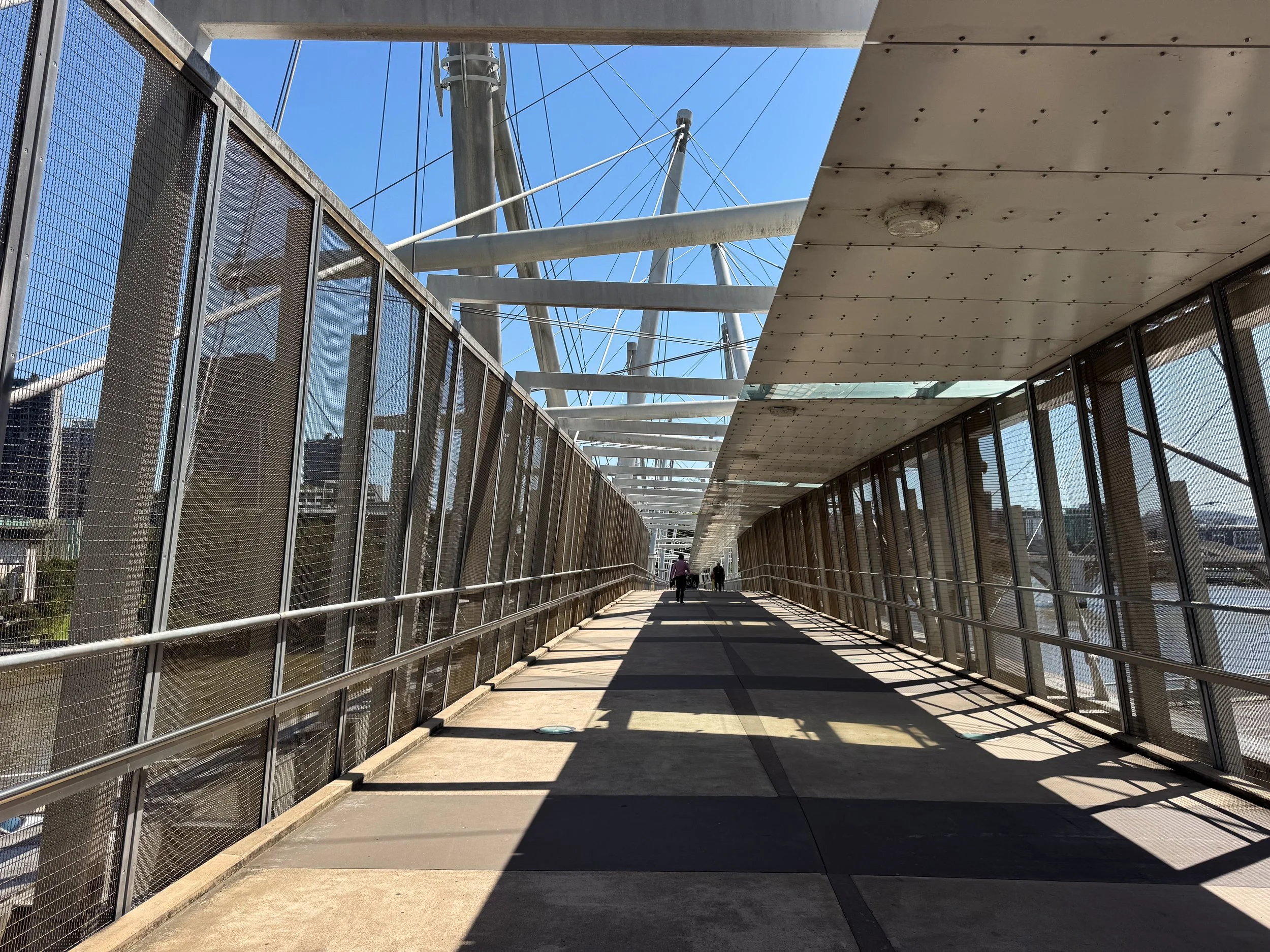
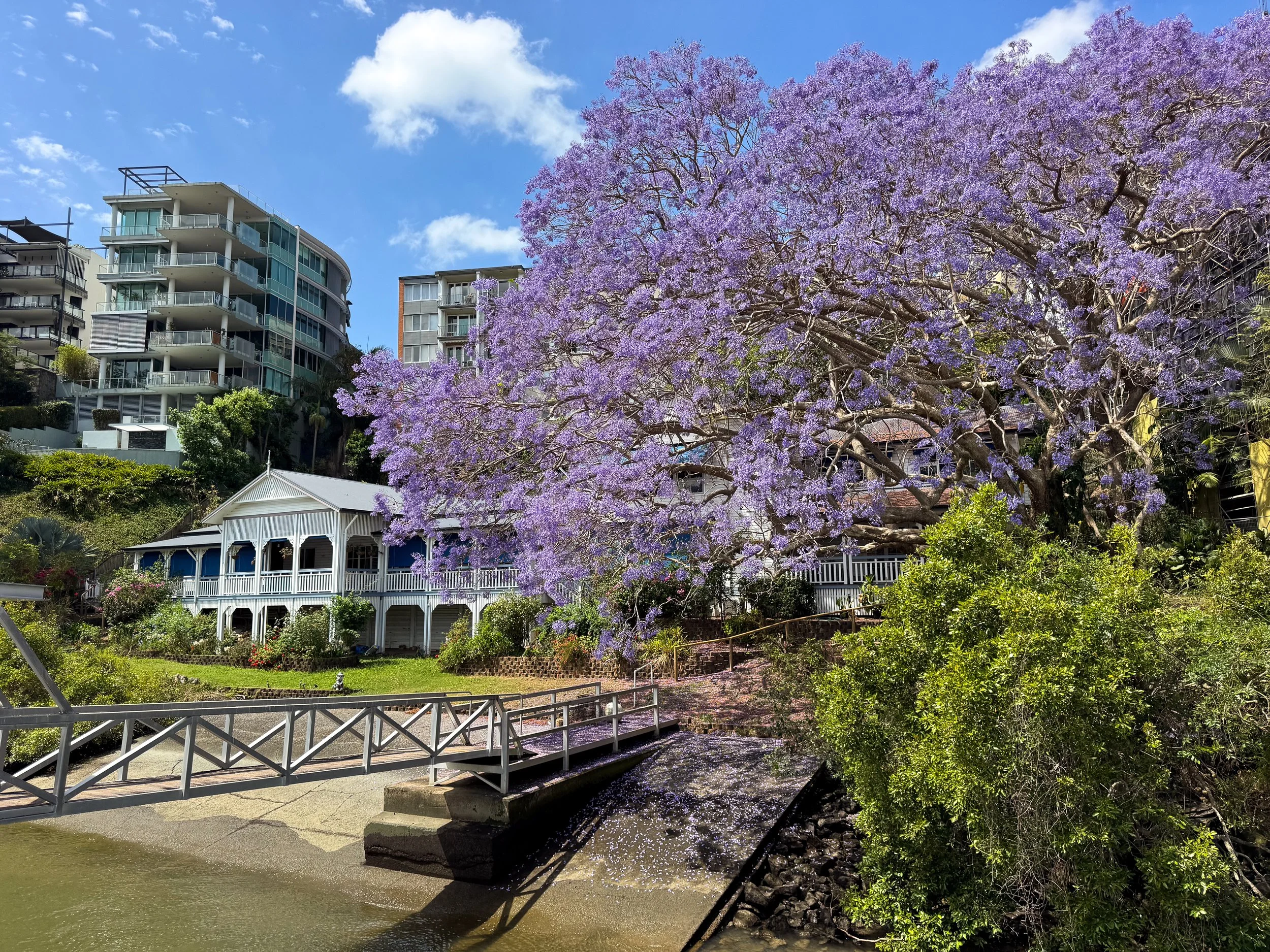
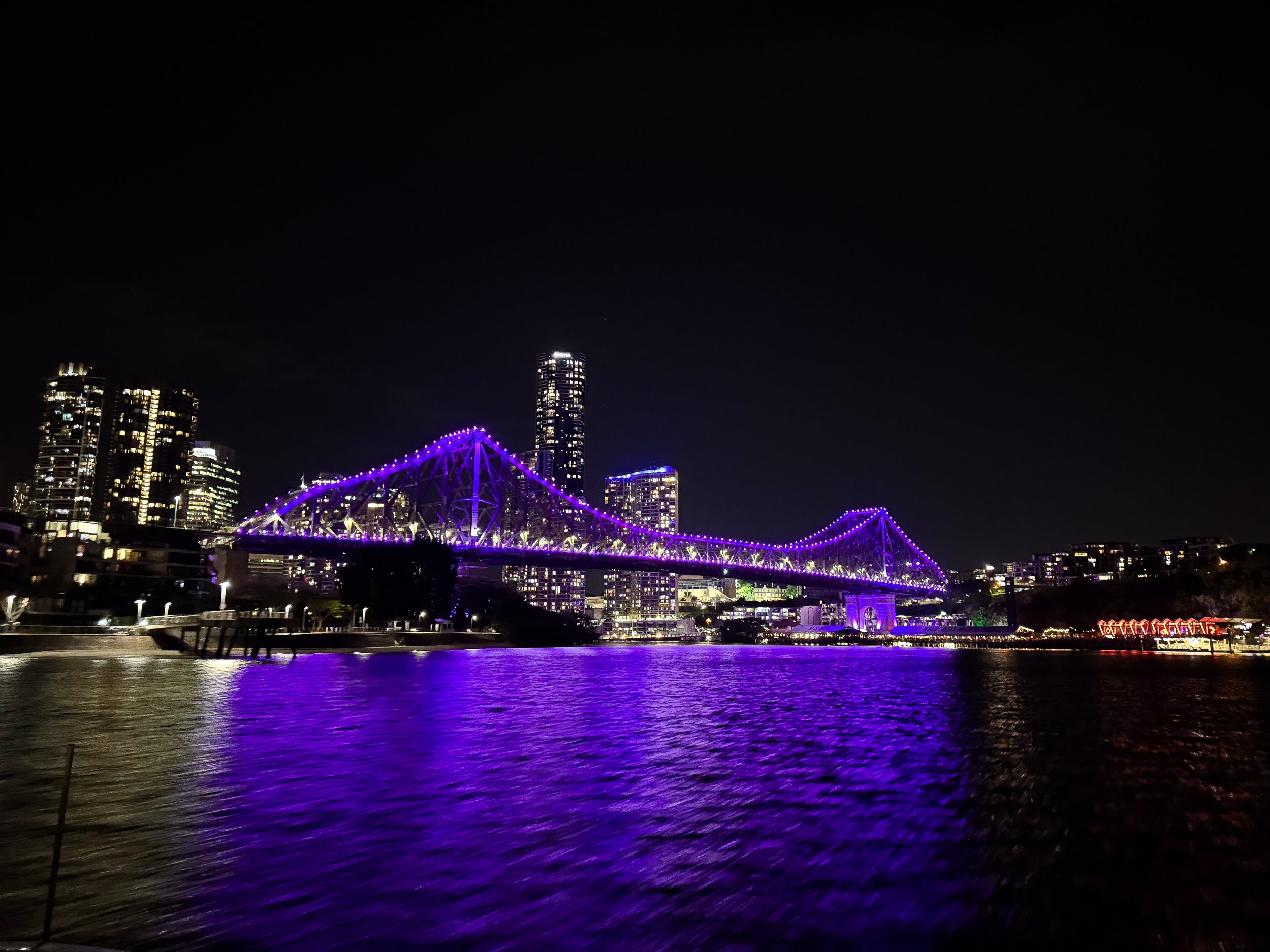
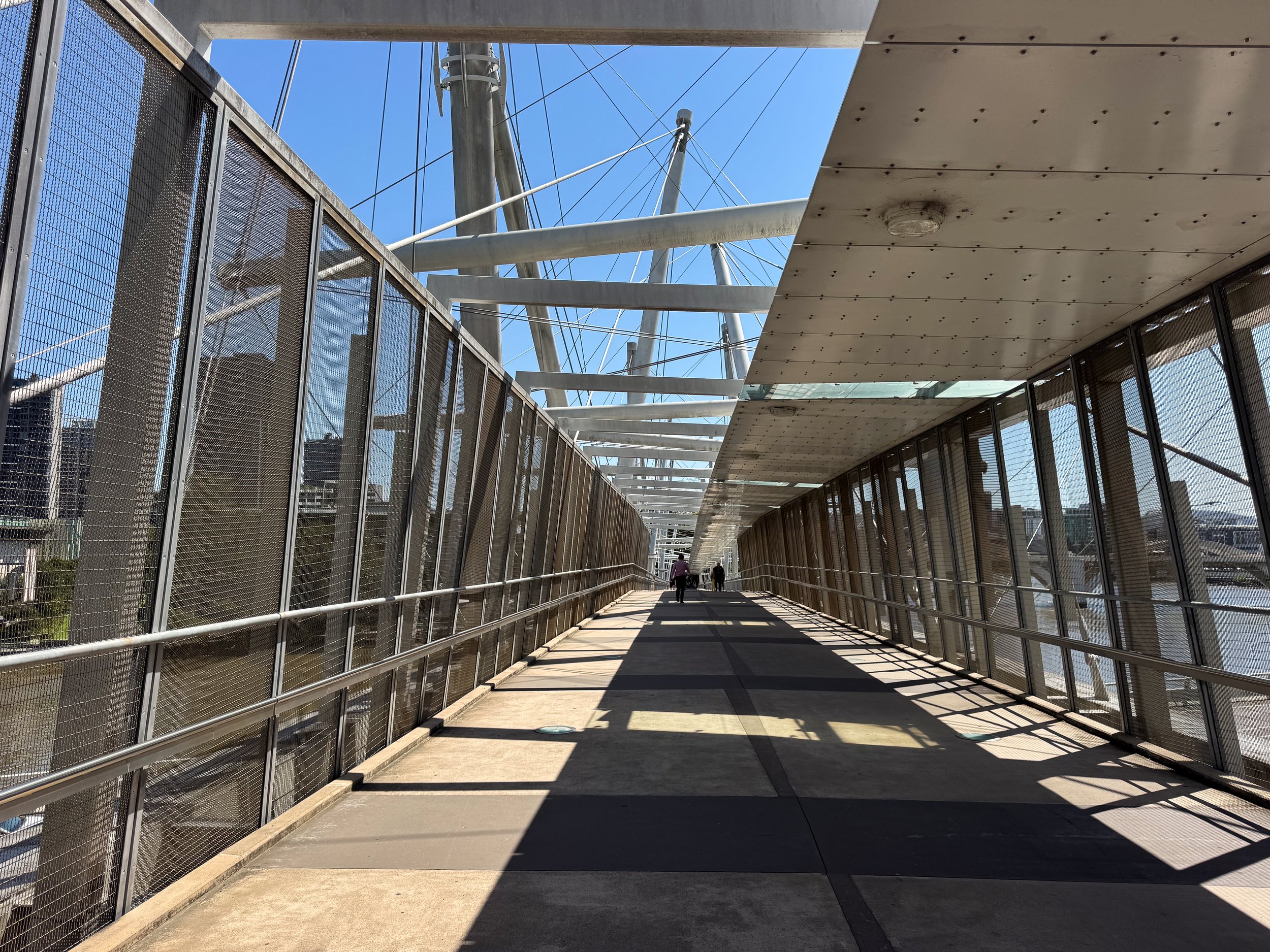
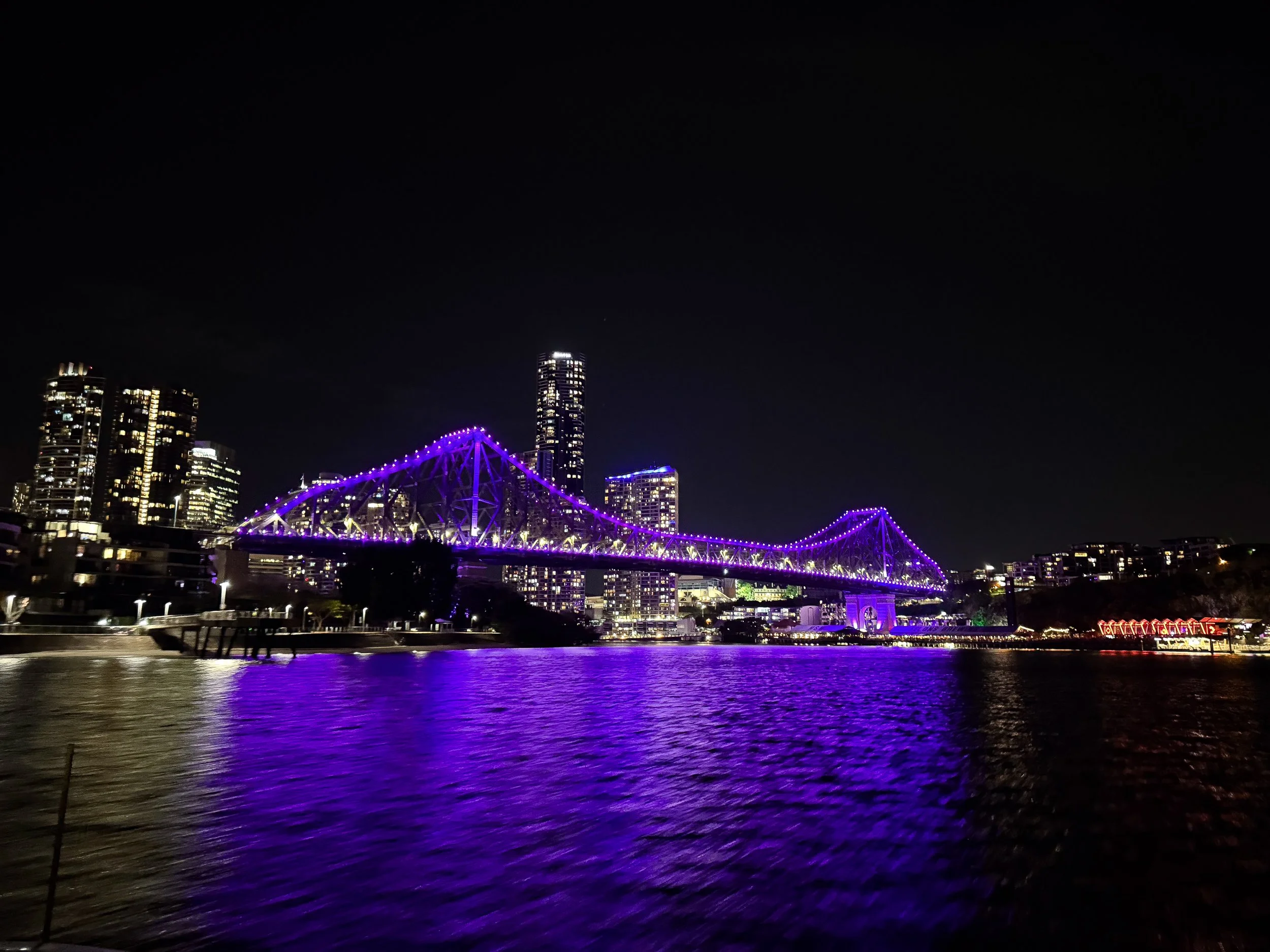
The Brisbane River meanders through the city and its many neighborhoods. It’s lined with riverside parks, clifftop viewpoints and boardwalks. Dozens of unique bridges span between its banks, coining the city’s nickname, “Bridgebane.” Plan to spend time exploring the riverside on foot and by ferry!
City Botanical Gardens. A large city park nestled between the skyscrapers of the CBD and the Brisbane River. It’s home to lush walkways, riverfront lookouts, mangroves and gardens. Exotic and flowering trees transport visitors to a tropical rainforest in the middle of the city.
New Farm Riverwalk. A geometric boardwalk over the Brisbane River. It offers scenic views of the city’s skyline, riverside homes and Story Bridge.
Wilson Outlook Reserve. A cliffside park along the Brisbane River with views of the Story Bridge and city skyline. It’s accessible from Howard Smiths Wharves.
Brisbane Riverwalk. A riverside boardwalk located between the Neville Bonner Bridge and Goodwill Bridge. Both bridges are pedestrian only bridges and offer beautiful views of the city.
Kangaroo Point Lookout & Riverwalk. A cliffside park along the Brisbane River with walking paths and views of the city’s skyline.
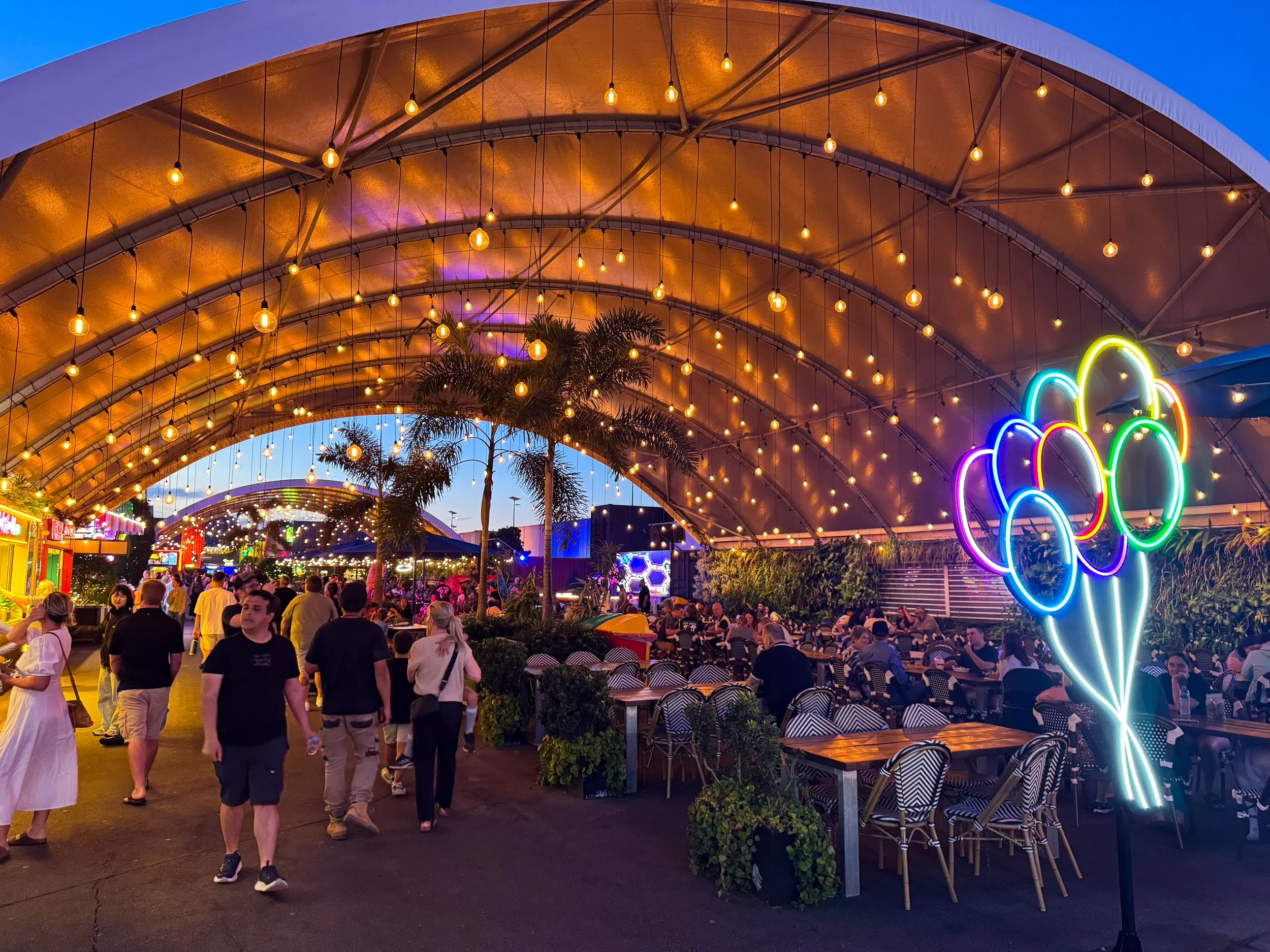

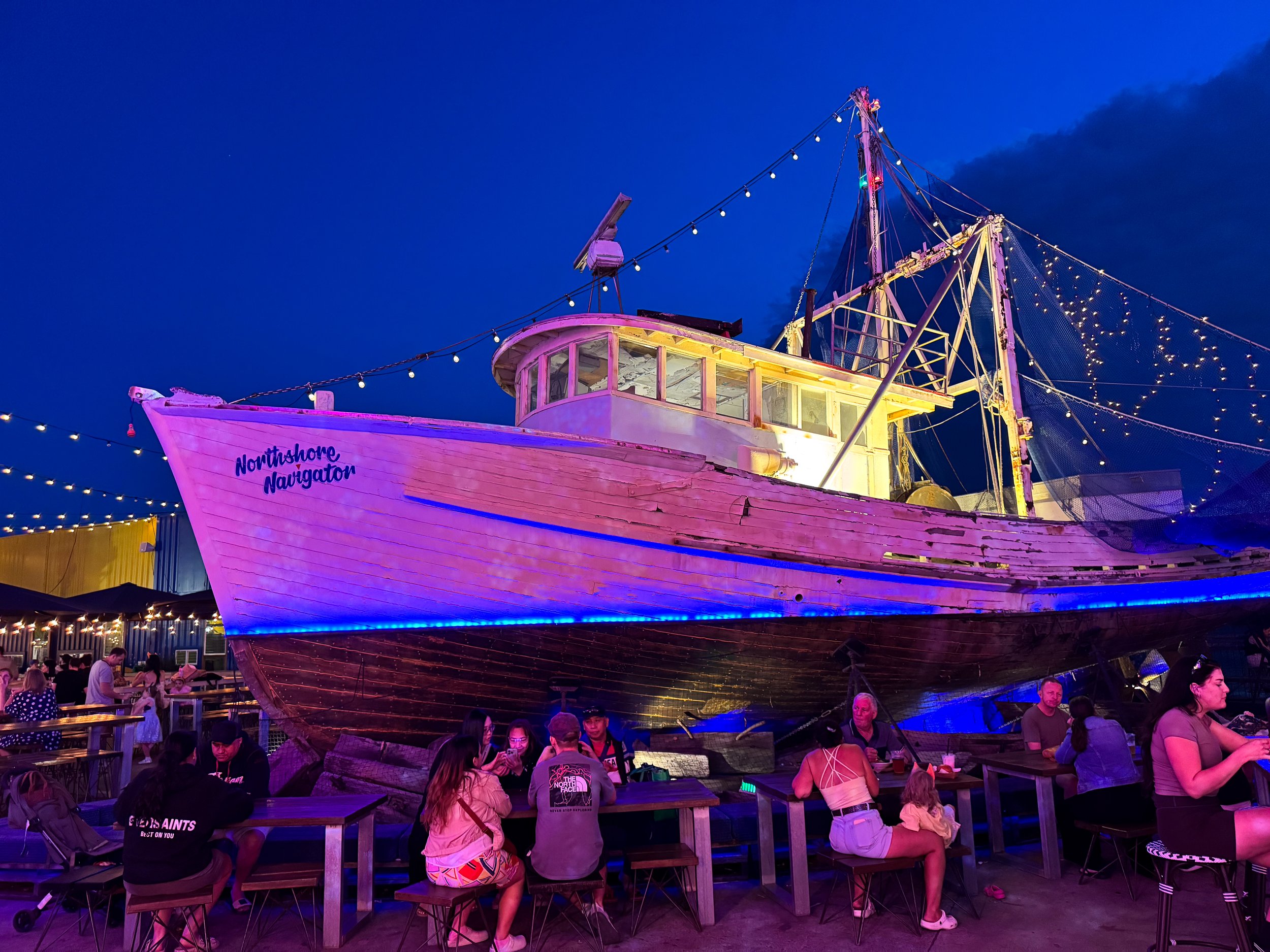
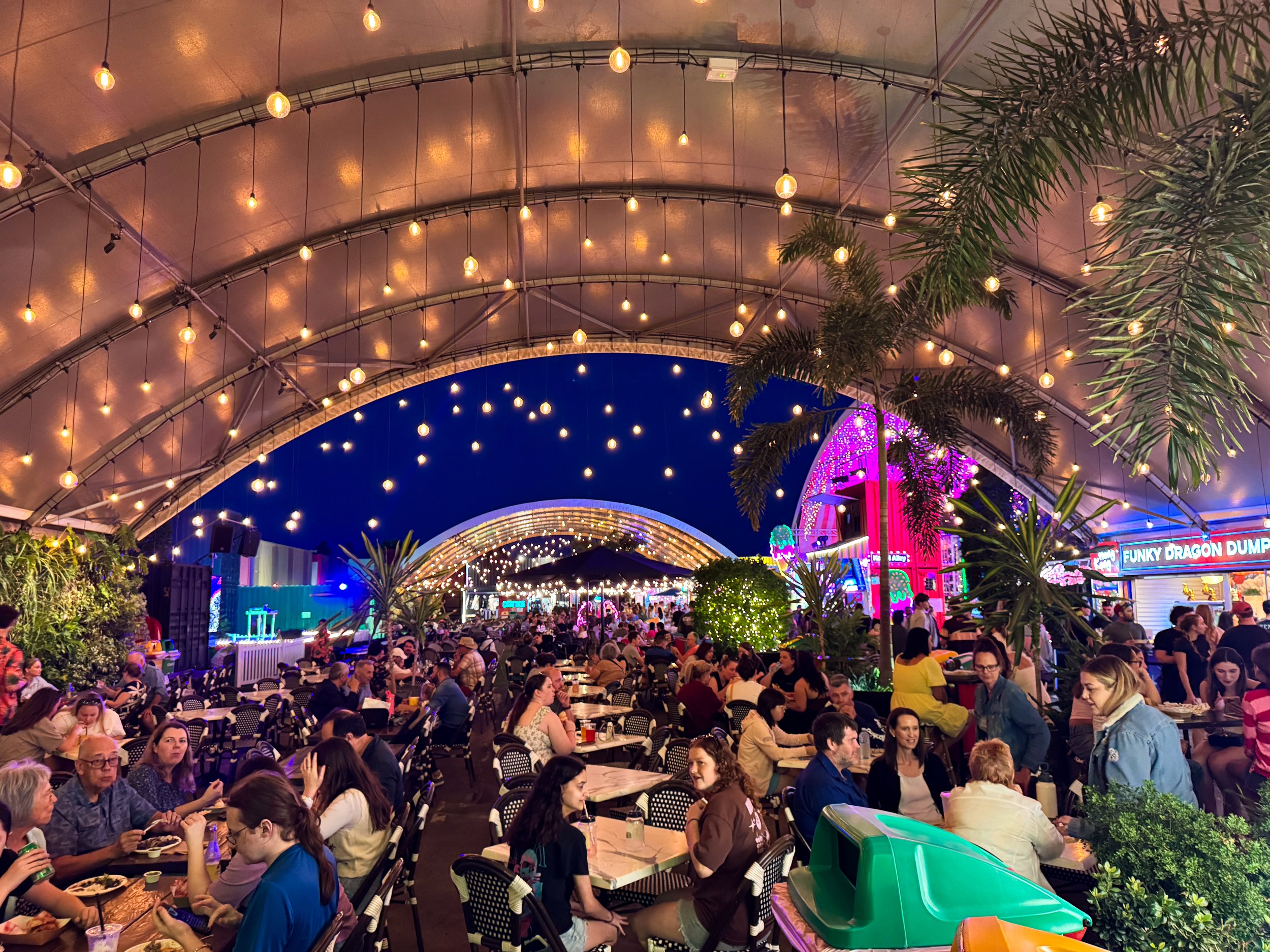
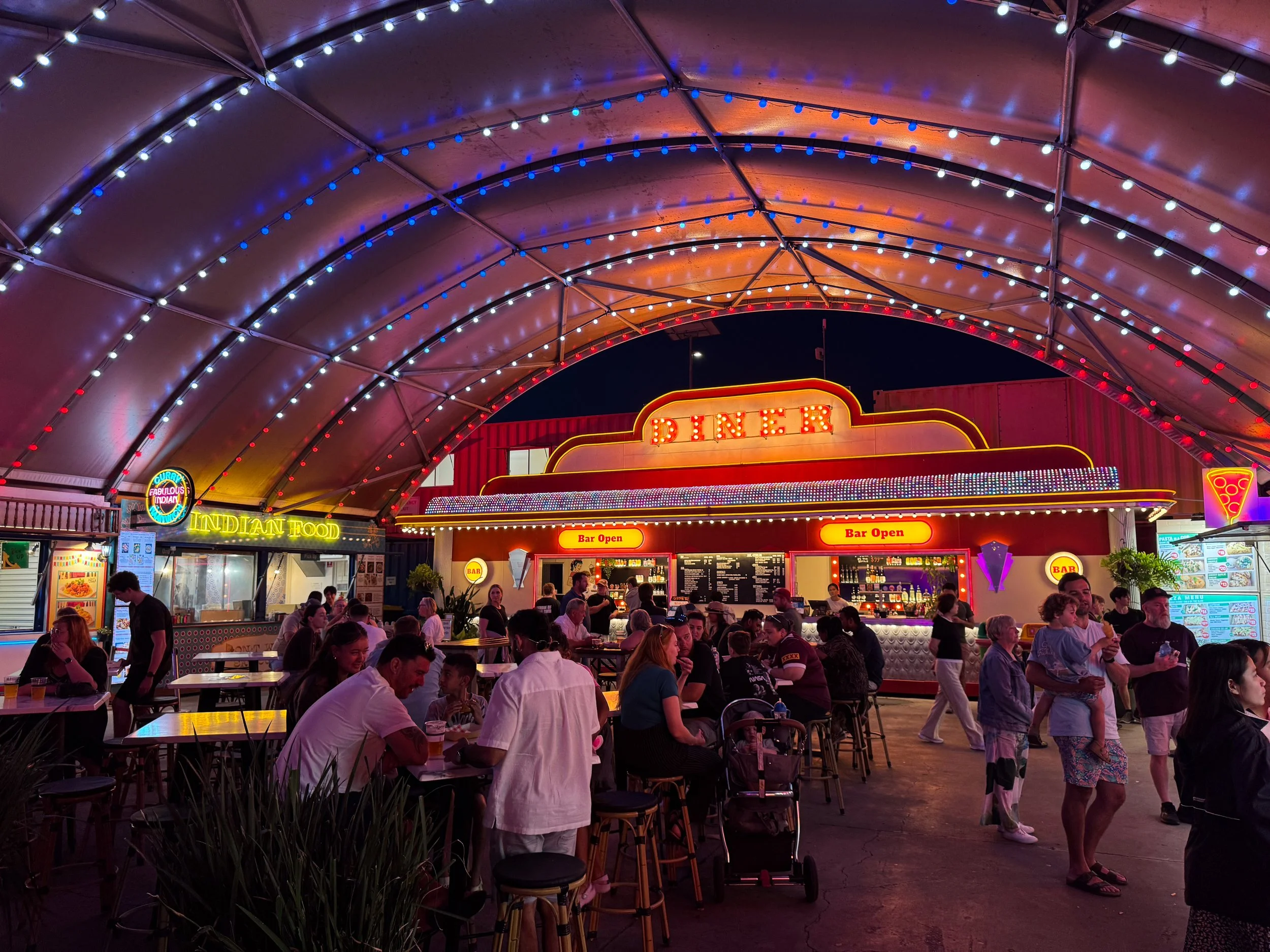
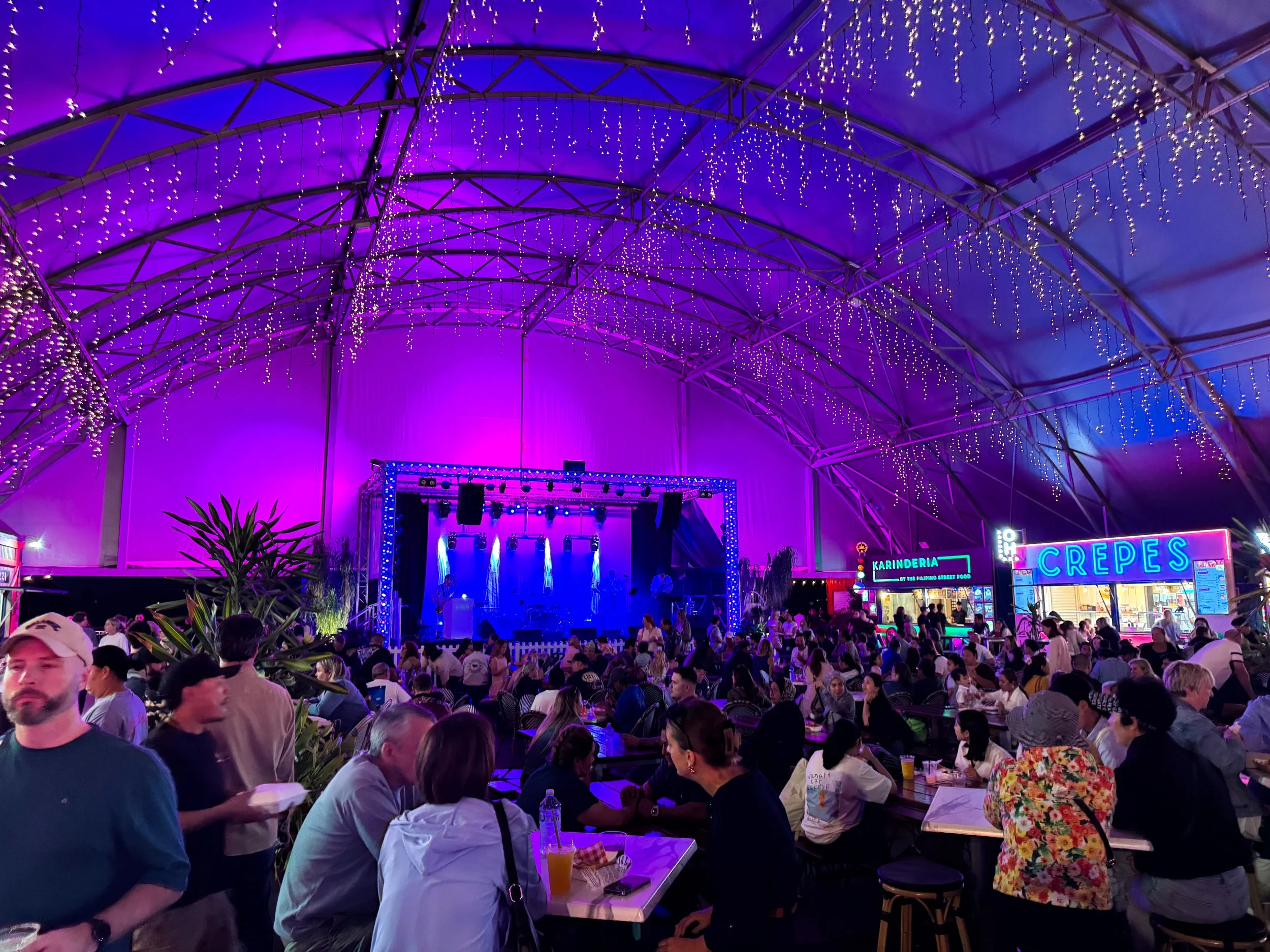
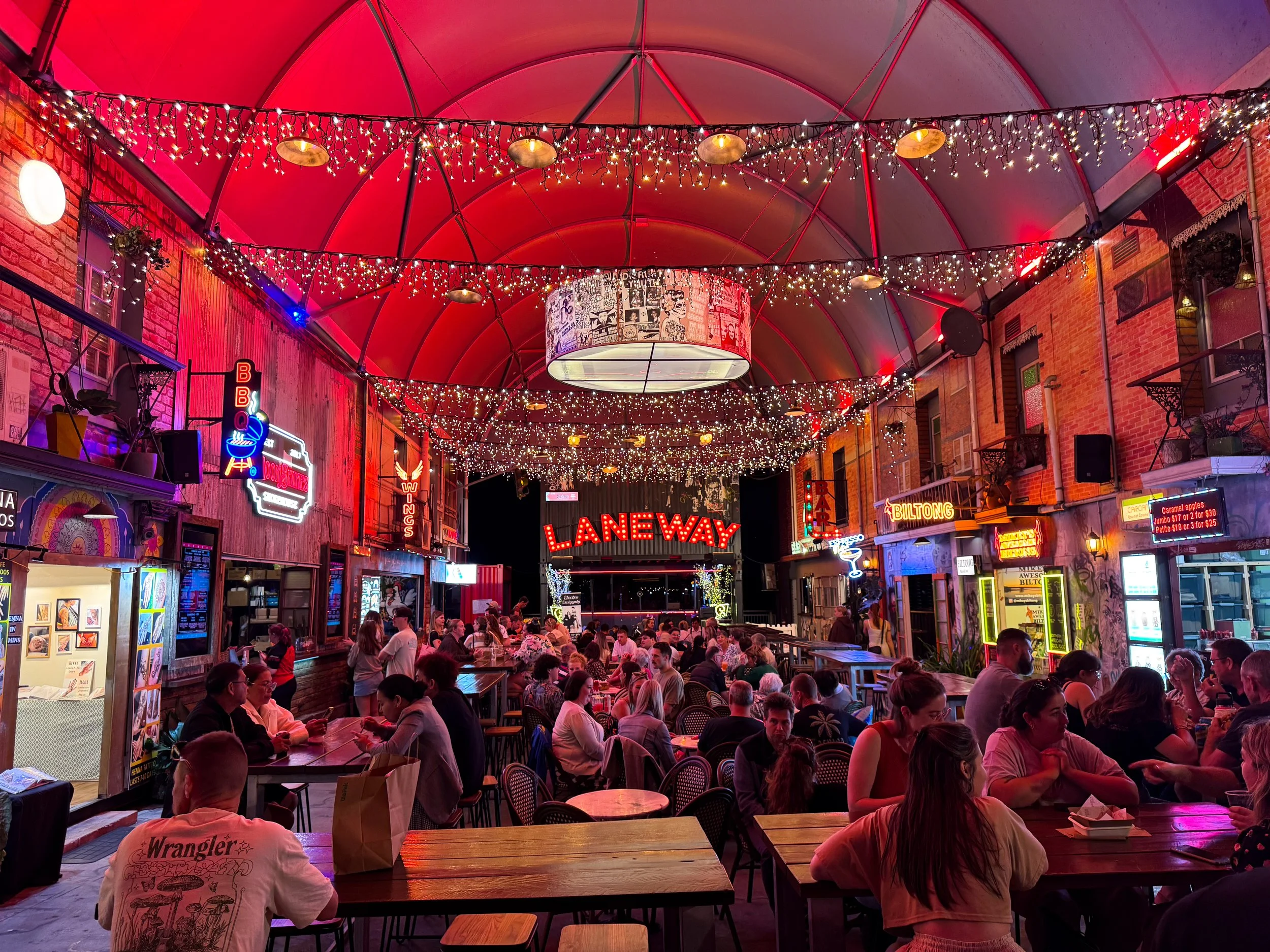
Eat Street. A vibrant weekend food market with dozens of kitchens serving street food and cuisine from all around the world. It’s built along a riverside wharf from colorful shipping containers, covered sheds and stages with live music. The market is open from Friday to Sunday from 4pm-9pm. Get here by taking the City Cat Ferry to the North Shore Hamilton Ferry Terminal.
Places to Eat & Drink
The Burrow. An artsy and casual restaurant with local beers, cocktails, live music and baskets of pub food like burgers, nachos and pizzas.
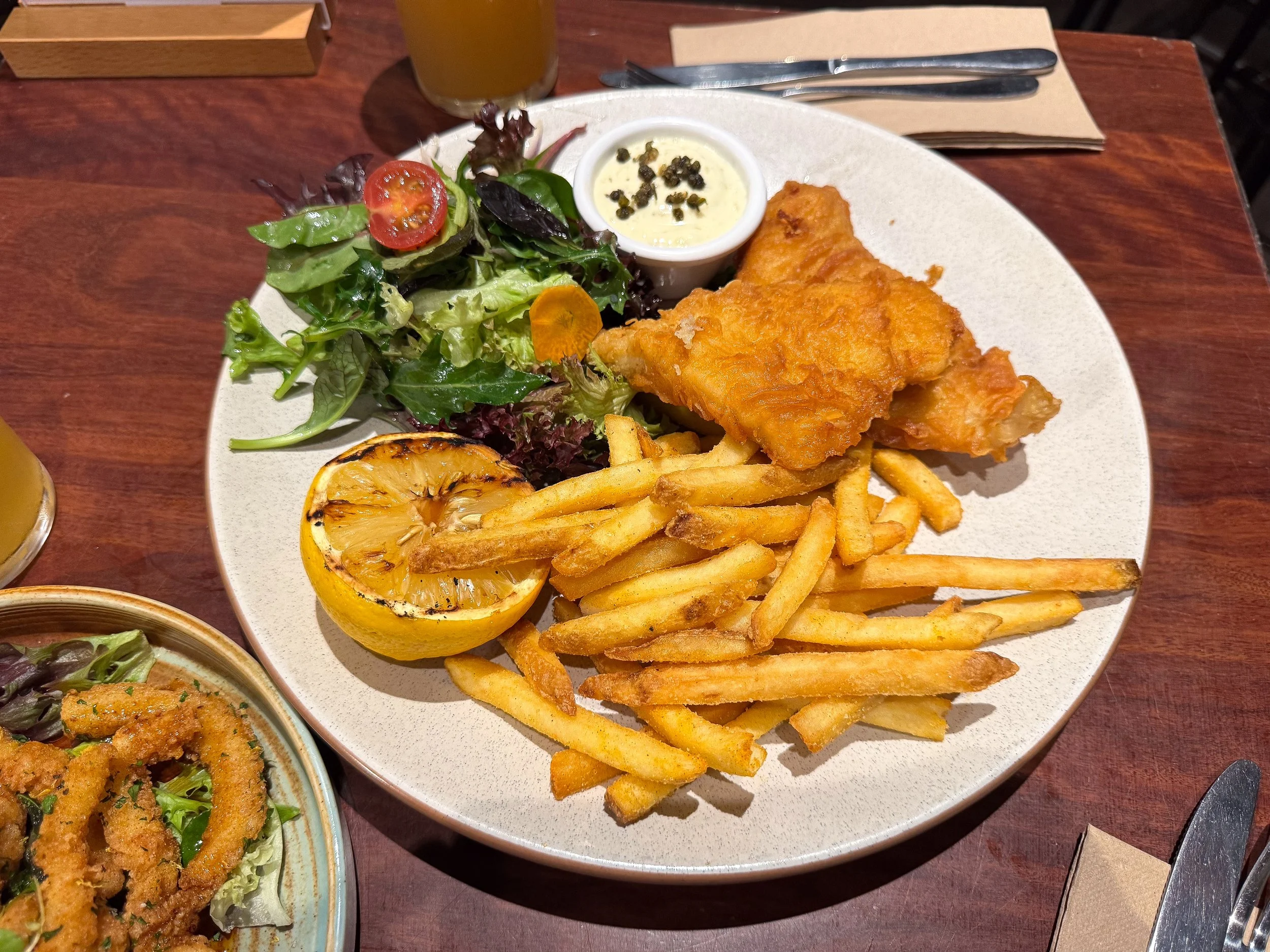
The Boundary. An elevated pub and sports betting bar. Come here for the wide selection of beers on tap and international dishes with an Aussie twist. Come for the fish and chips!
Covent Garden. A bar with the world’s largest collection of Australian made gins. Come here for a gin tasting or round of craft cocktails.
Jungle Bar. A dimly lit and tropical feeling tiki bar with all the classic tiki drinks and rum cocktails like the mai tai, piña colada, painkiller and navy’s grog.
Barbossa Bar & Bottle. A rum bar and restaurant in East Banks with a wide range of cocktails, rums and island inspired tapas dishes. Try the Zombie & the Ship is Wrecked.
King Arthur Café. A brunch spot in Fortitude Valley with large fresh baked cookies and classic dishes like eggs benedict, avocado toast, açaí bowls and waffles.
Epilo. A “plant cafe” decorated with pots of verdant botanicals and terrariums. Come here for the artisan coffees and fresh baked pastries.
Felon’s Brewery. A riverfront brewery located at the base of the Story Bridge. Come here for pints of local beers, boozy cocktails and pub style food.
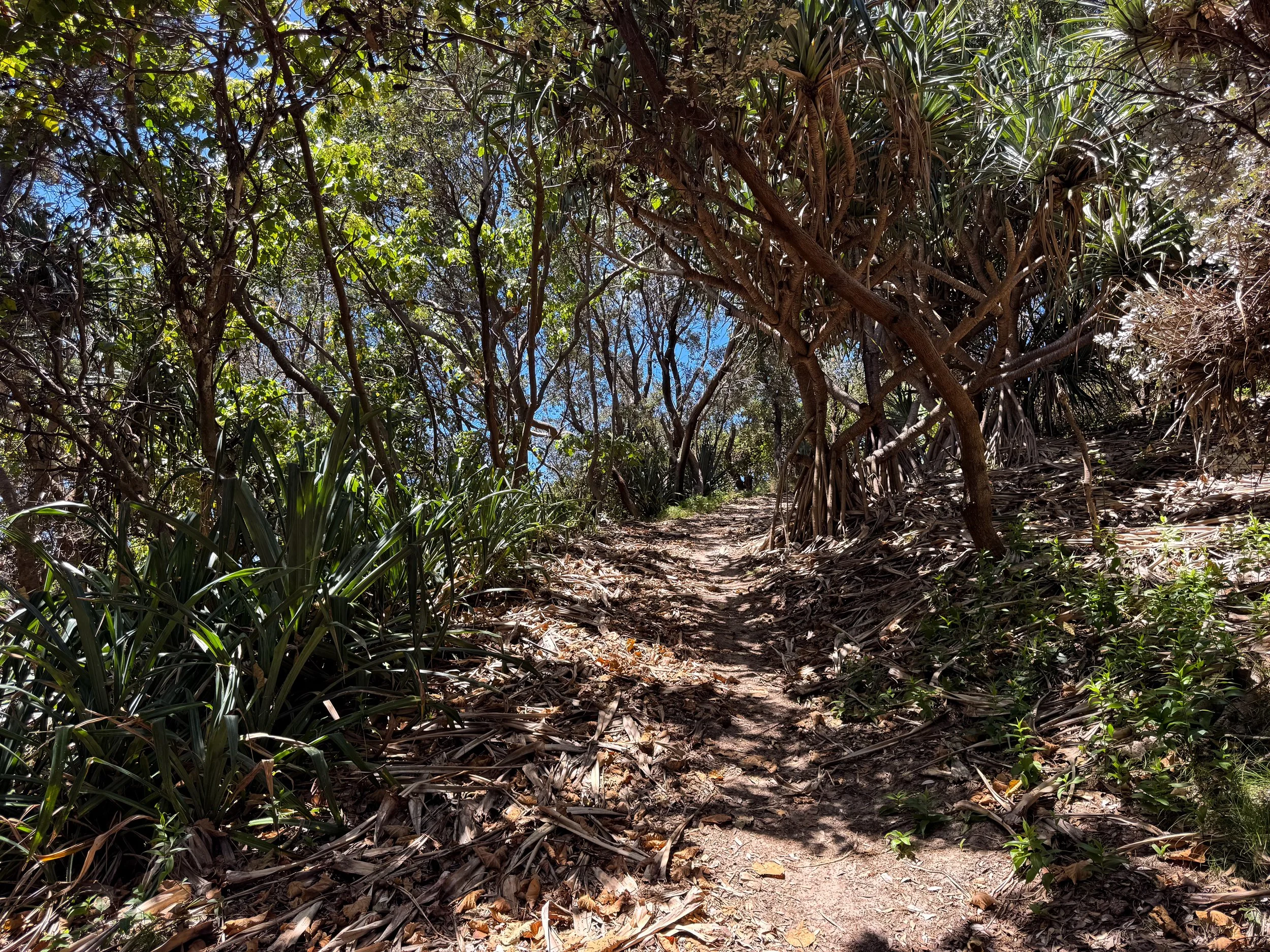
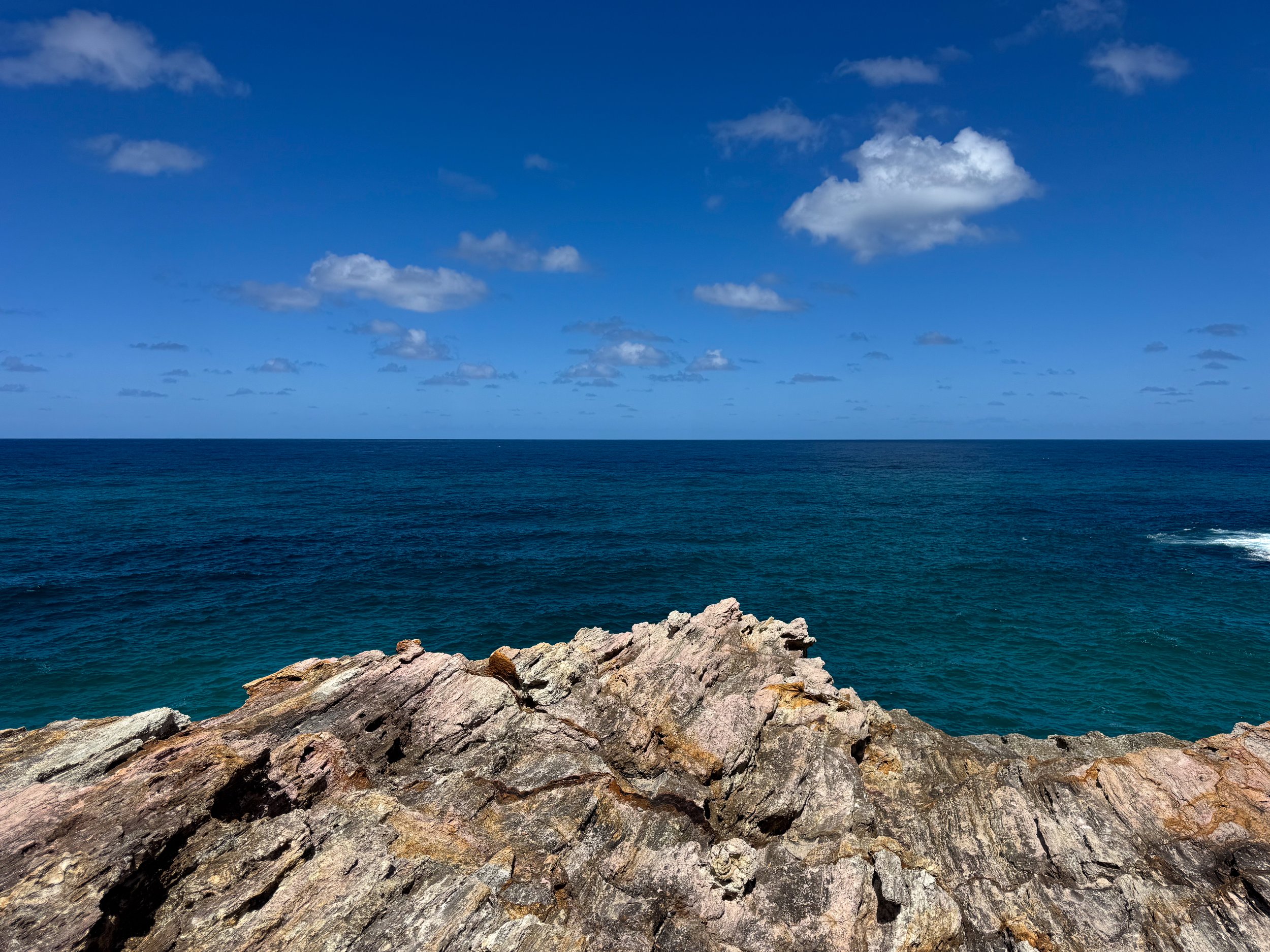
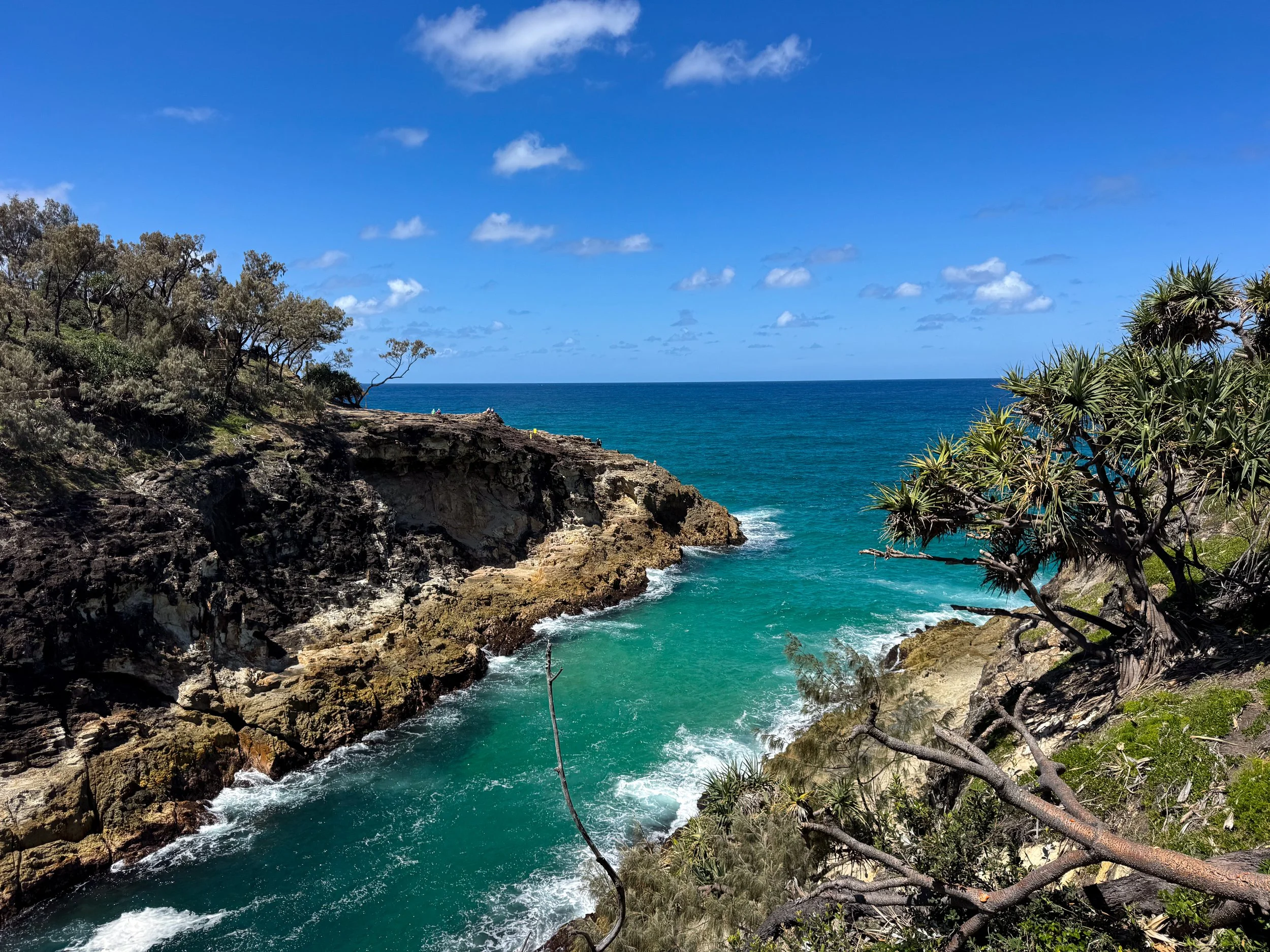
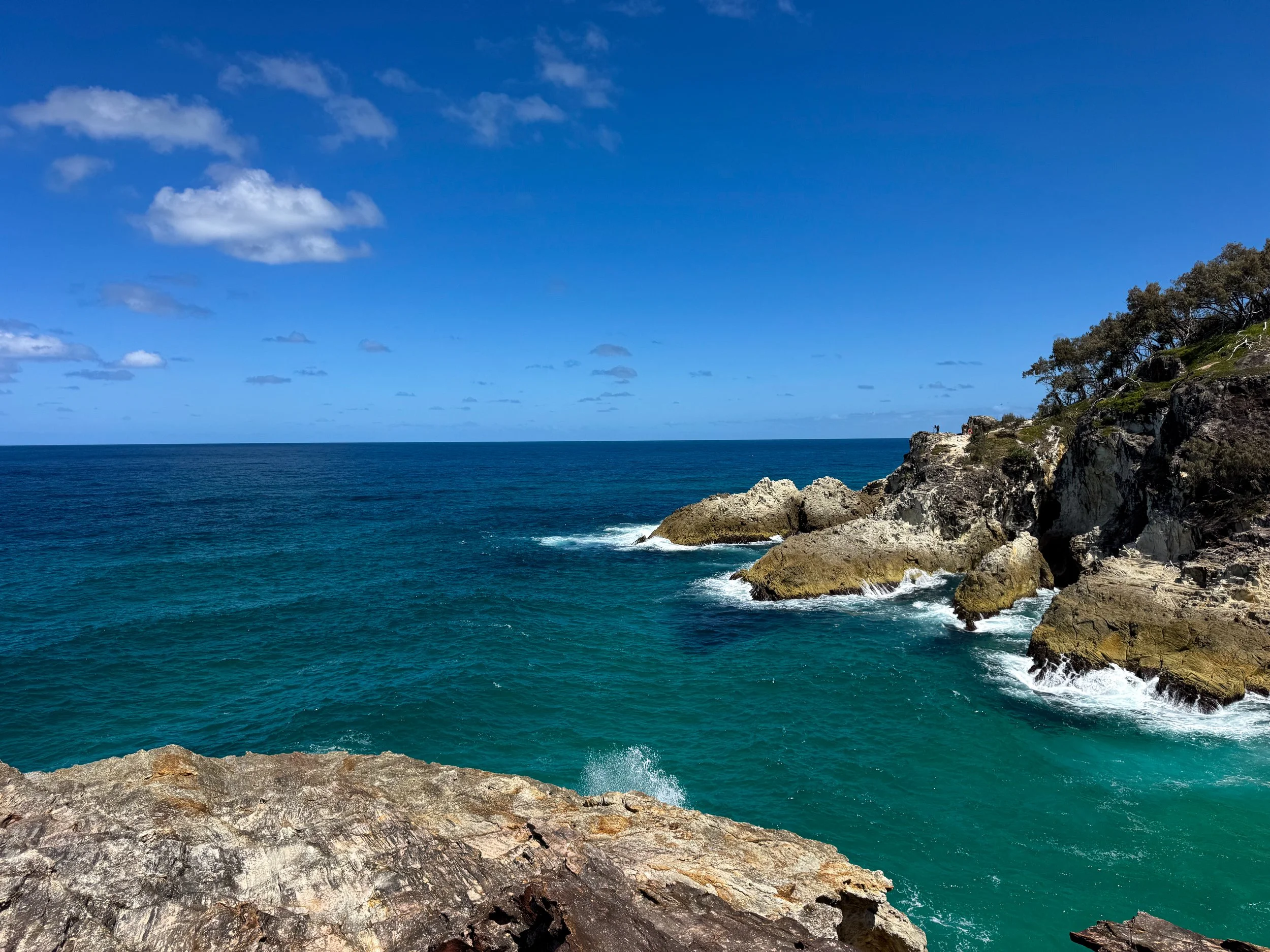
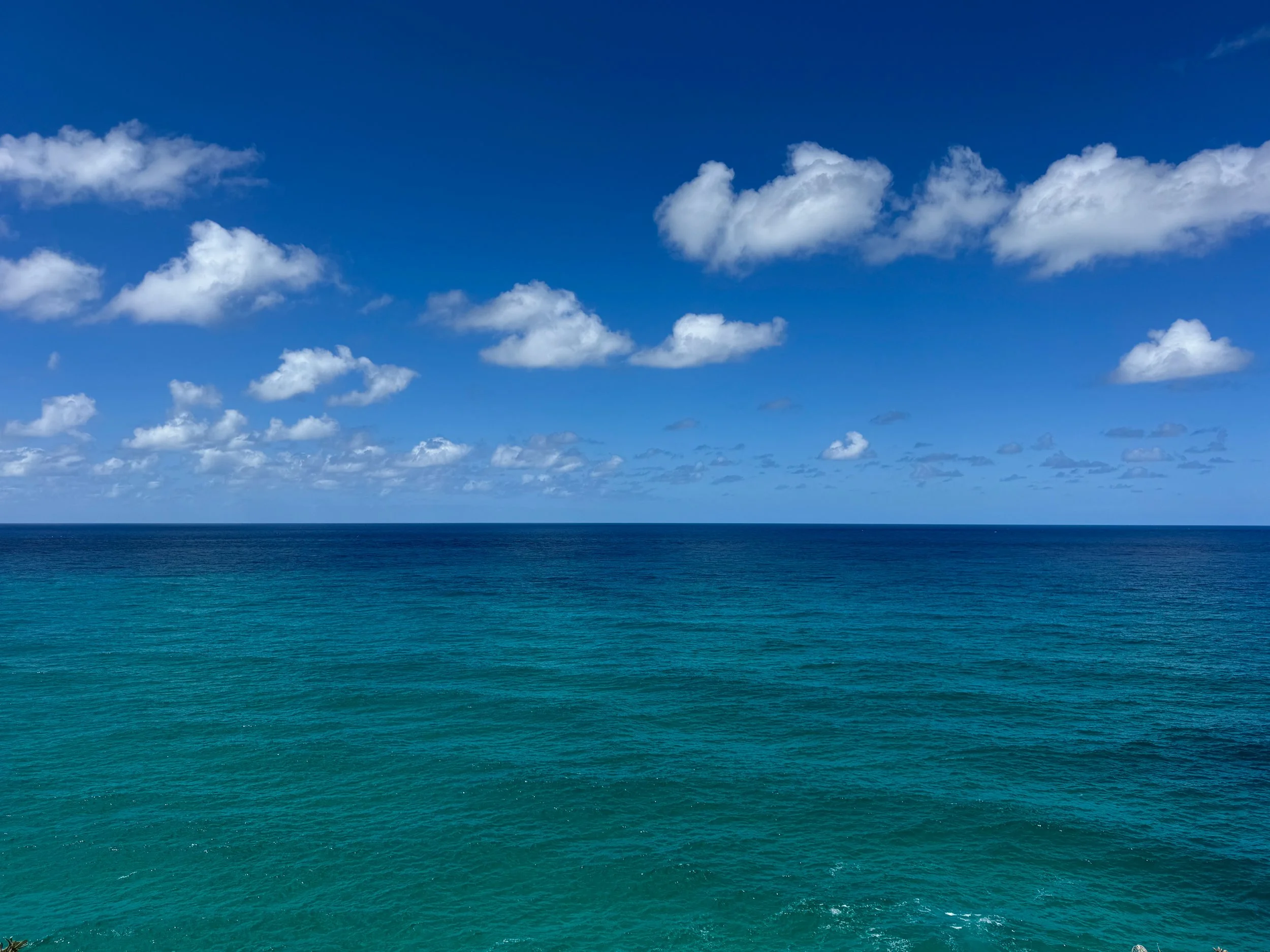
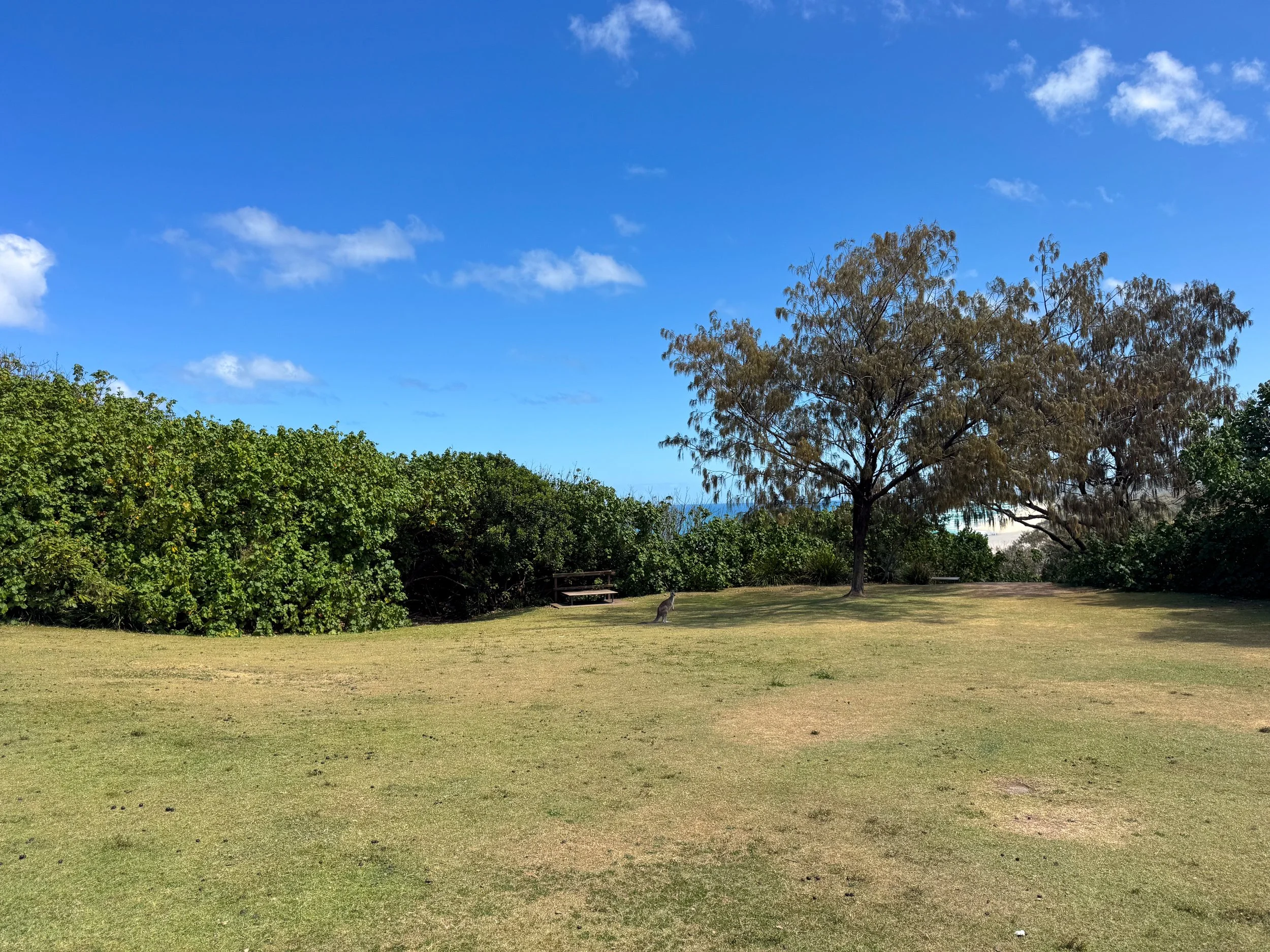
North Stradbroke Island
A protected island home to Australian wildlife like kangaroo, wallaby and koala. Its seaside cliffs and lengthy white sand beaches offer opportunities to spot marine creatures like manta rays, sea turtles, humpback whales, dolphins and sharks.
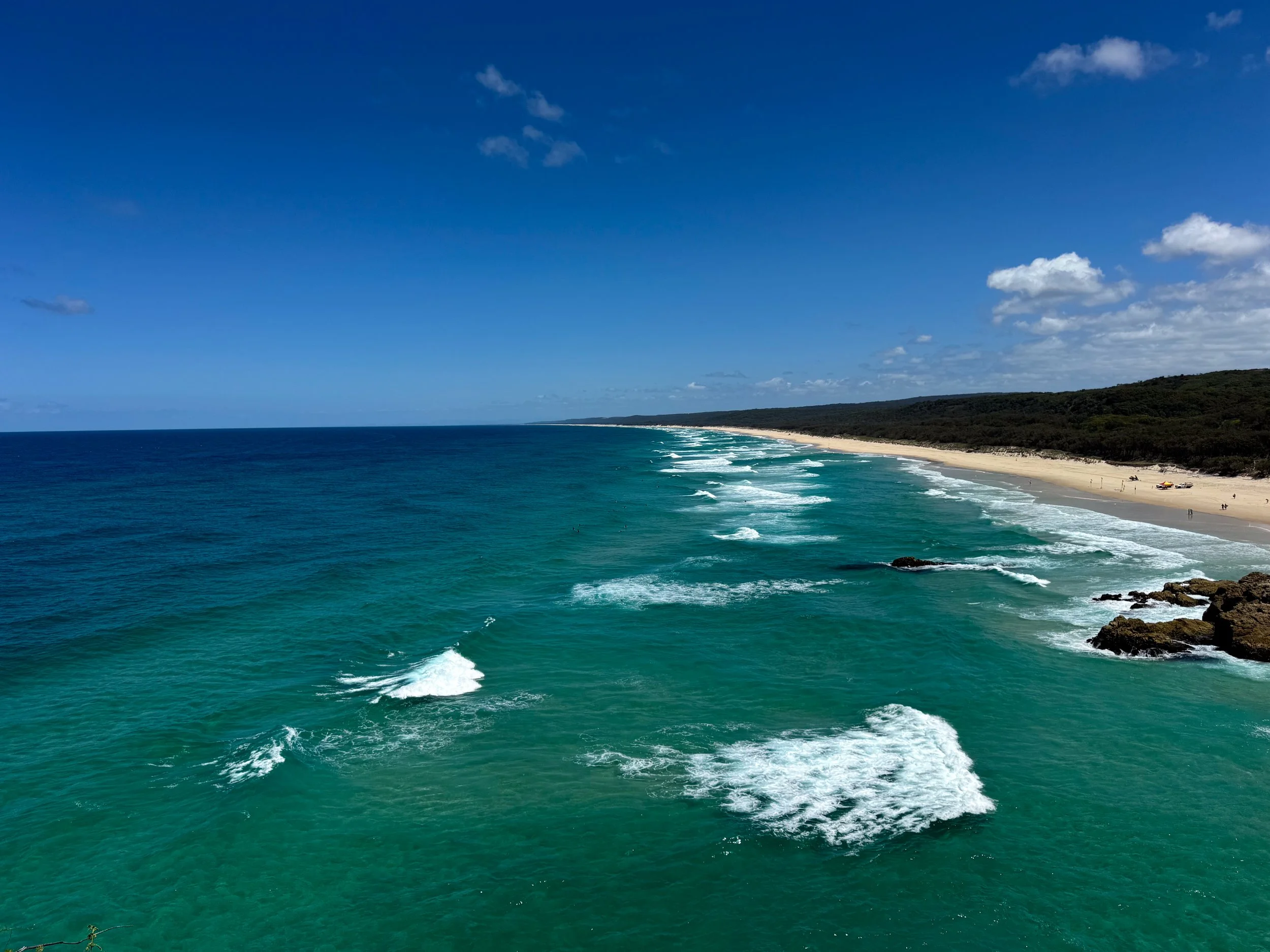
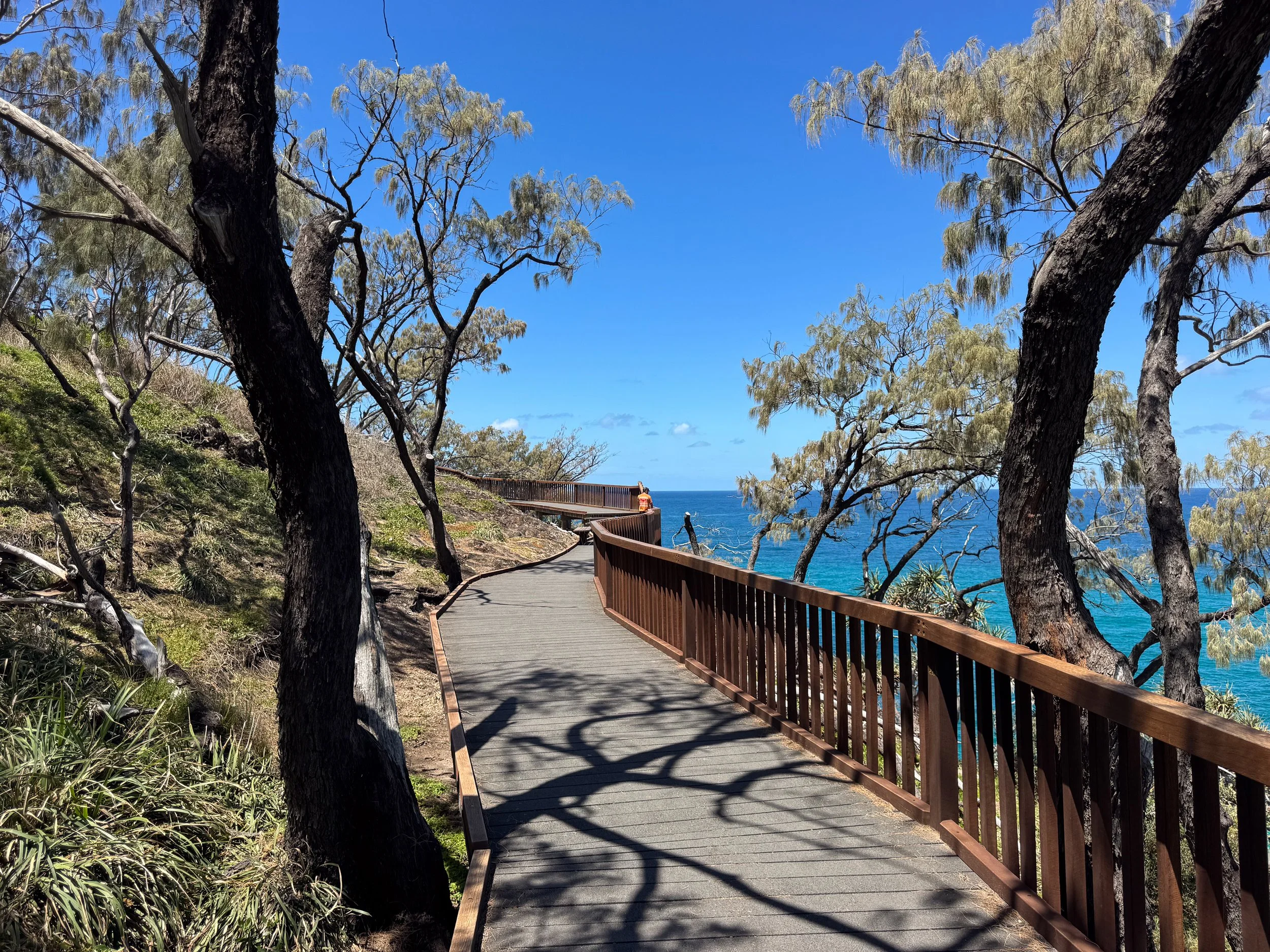
North Gorge Walk. A cliffside nature walk through forested paths with scenic views of the coast. Come here to spot all types of marine and wildlife. Kangaroos and wallabies can be spotted grazing on grass and resting in the shade. Manta rays gracefully glide underwater, sea turtles surface for breaths of air, pods of dolphins porpoise in the waves and sharks hunt for prey.
Humpback Whale Migration. Humpback whales migrate along the eastern coast of Queensland between June and November. Pods of whales spray geysers of water and continually breach the surface with a massive splash. The best views of them can be seen from the cliffside lookouts along the North Gorge Walk.
Pro Tip. Bring binoculars to watch wildlife and a camera to capture images better than the zoom on a phone.
Cook’s Seat. A hilly lawn overlooking Frenchman’s Beach. Come here for a picnic lunch or order a meal and local beer from one of the nearby cafes or restaurants.
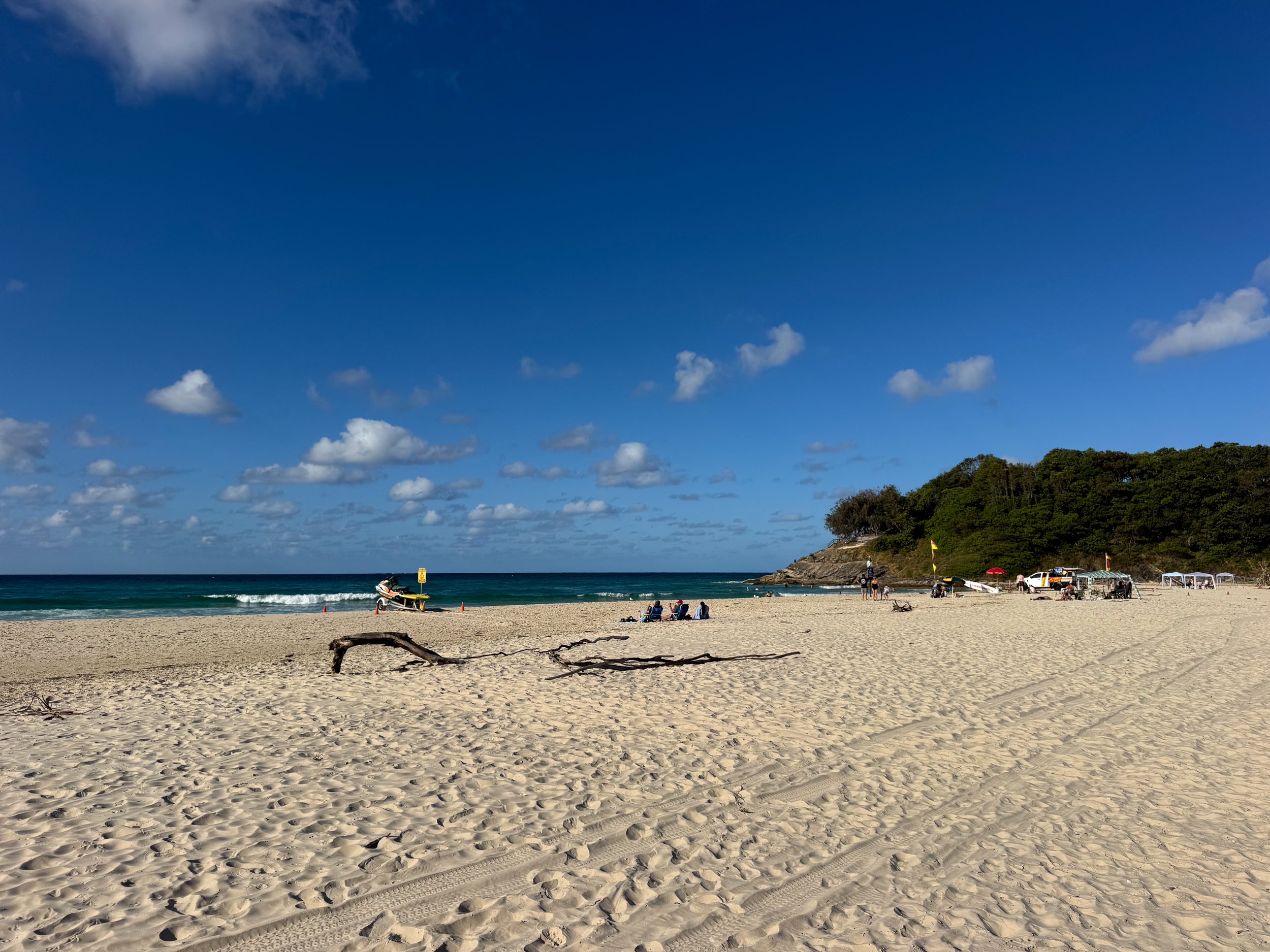
Main Beach. A lengthy white sand beach hugged by turbulent aquamarine waters. It’s popular with experienced surfers. Visit the North Gorge Walk for its best views.
Cylinder Beach. A white sand beach with a small protected swimming area, a surf school and parking lot with trunk cafes. Keep an eye out for wild kangaroos nibbling on grasses.
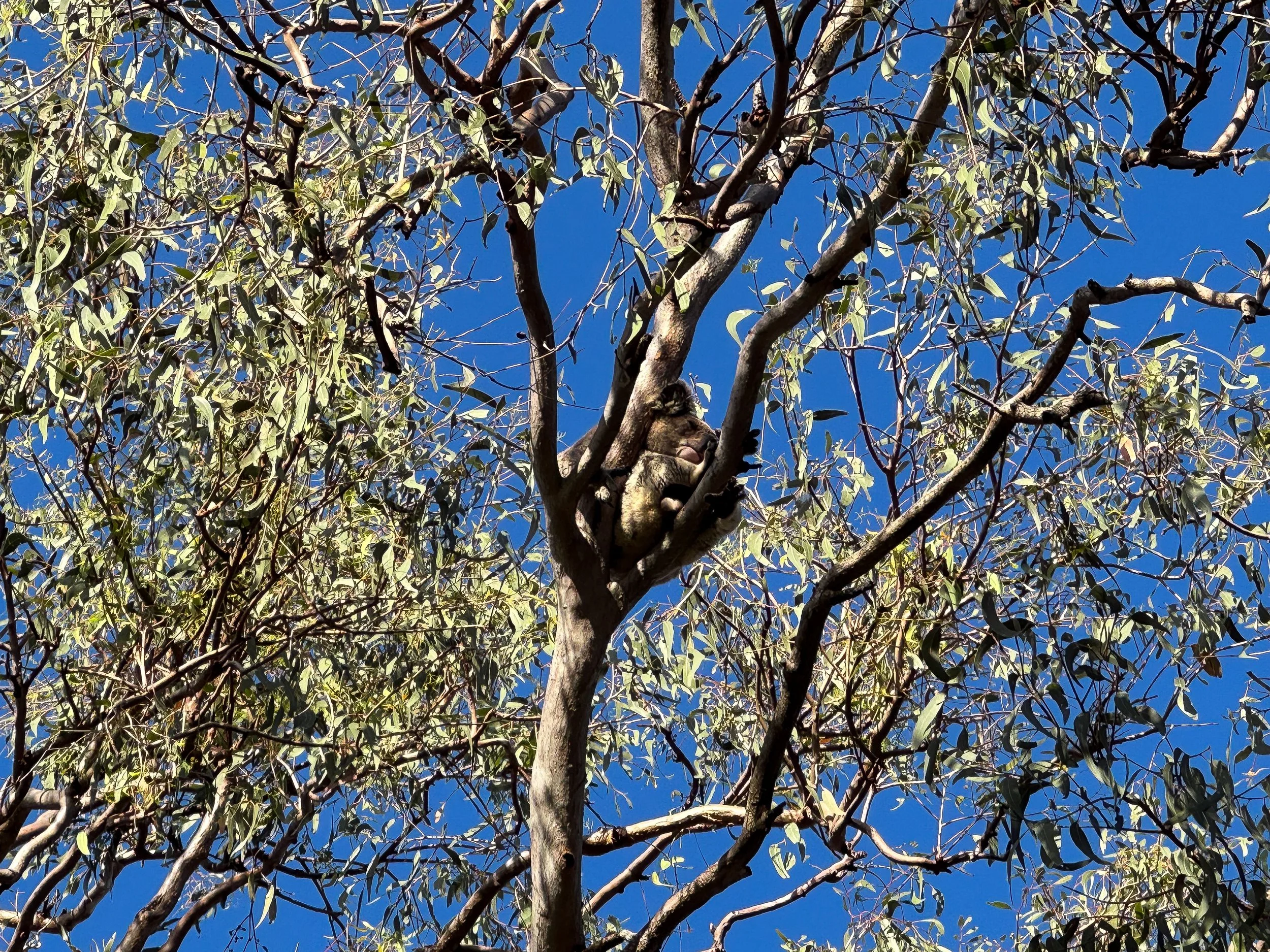
Ballow Street. A forested street with tall eucalyptus trees home to wild koalas. Walk the street towards the beach looking up for the cute and sleepy animals hugging onto the branches.
Straddie Brewing Co. A brewery with craft beers brewed on the island. They’re sold virtually everywhere. Try the dark lager and Jumpinpin IPA.
Stradbroke Island Tours. A company offering day trips to North Stradbroke Island from Brisbane. Their small group tour includes transportation, ferry tickets and wildlife spotting guides. We booked with Viator.
Moreton Island
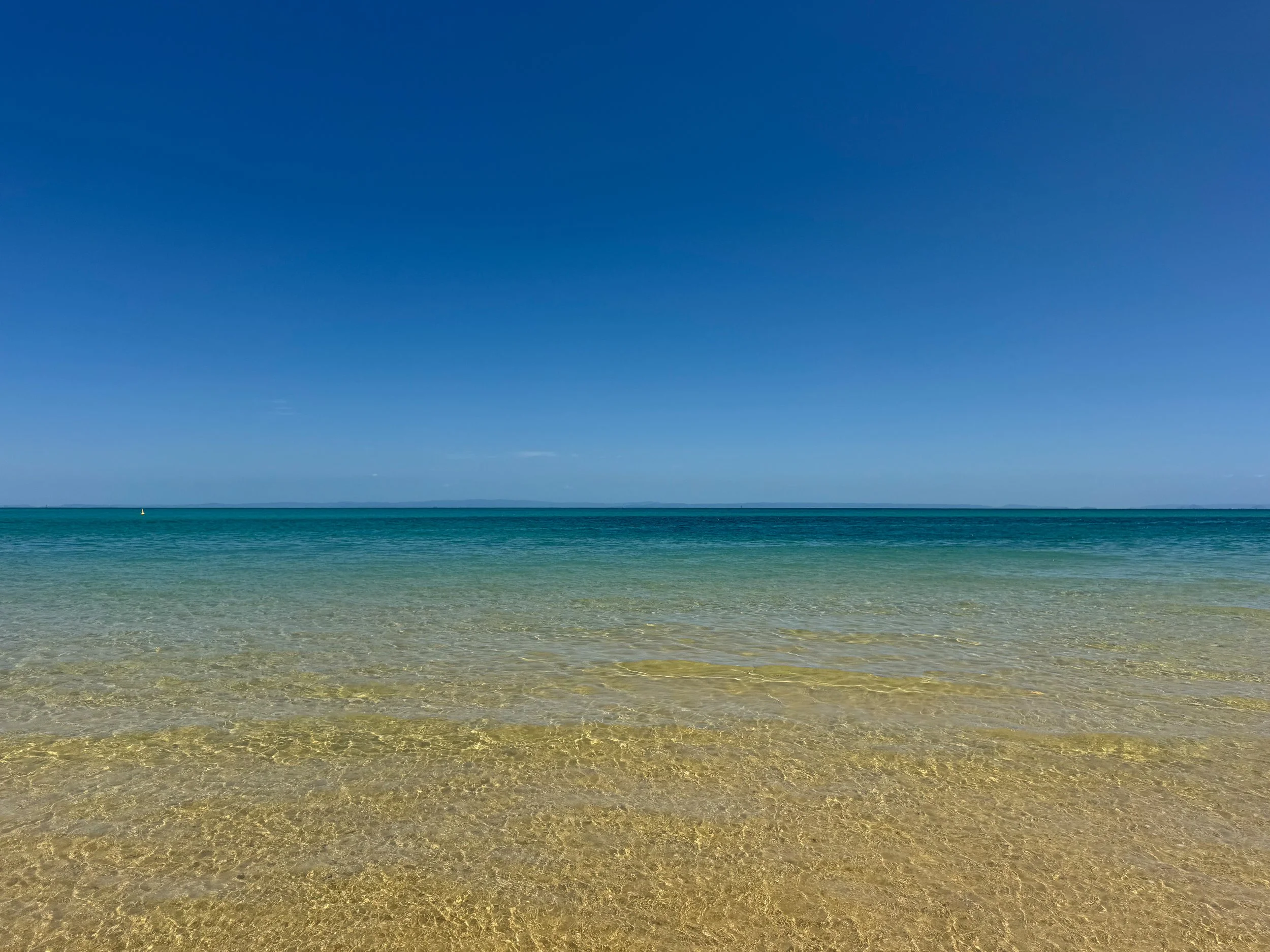
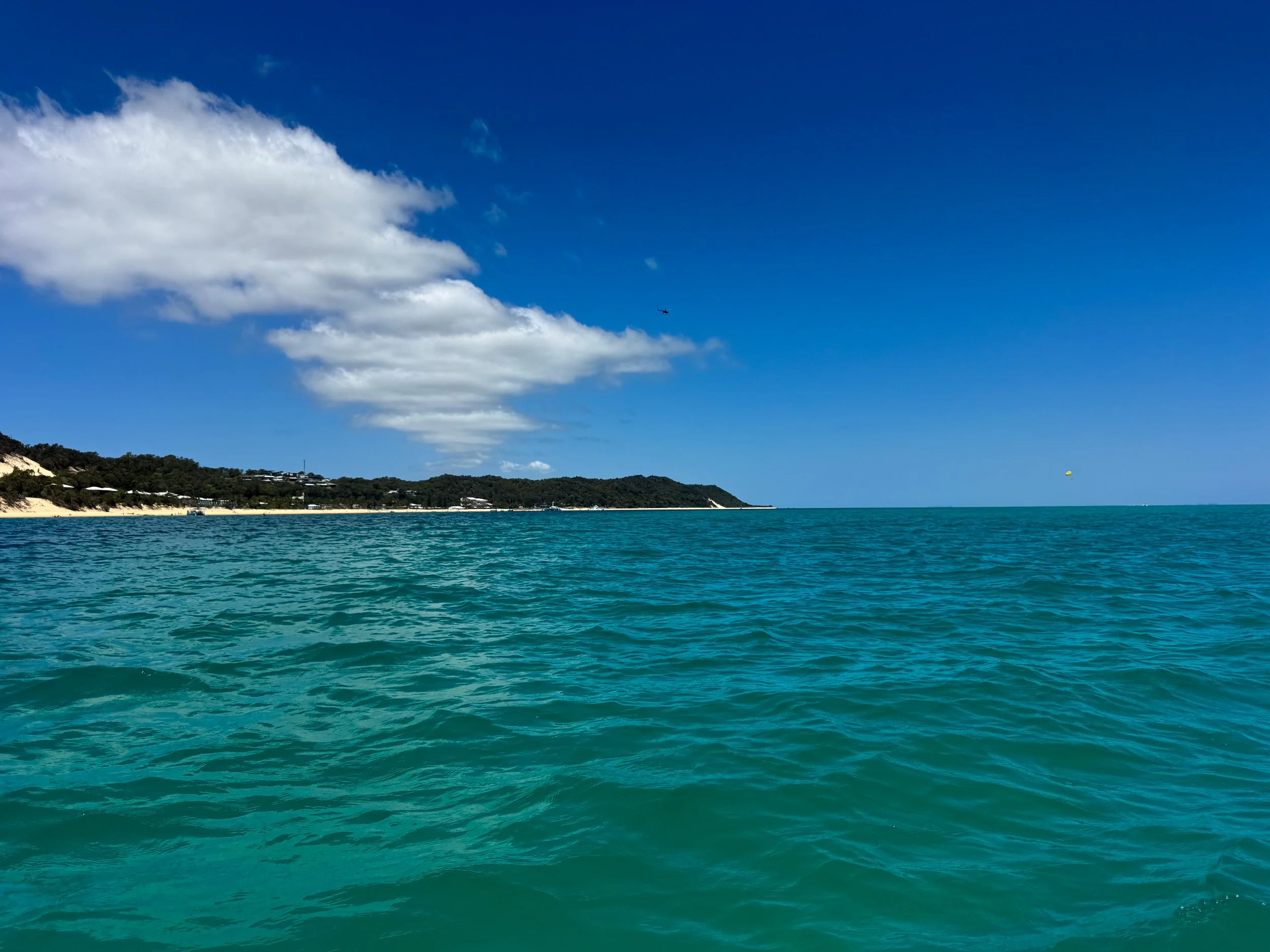
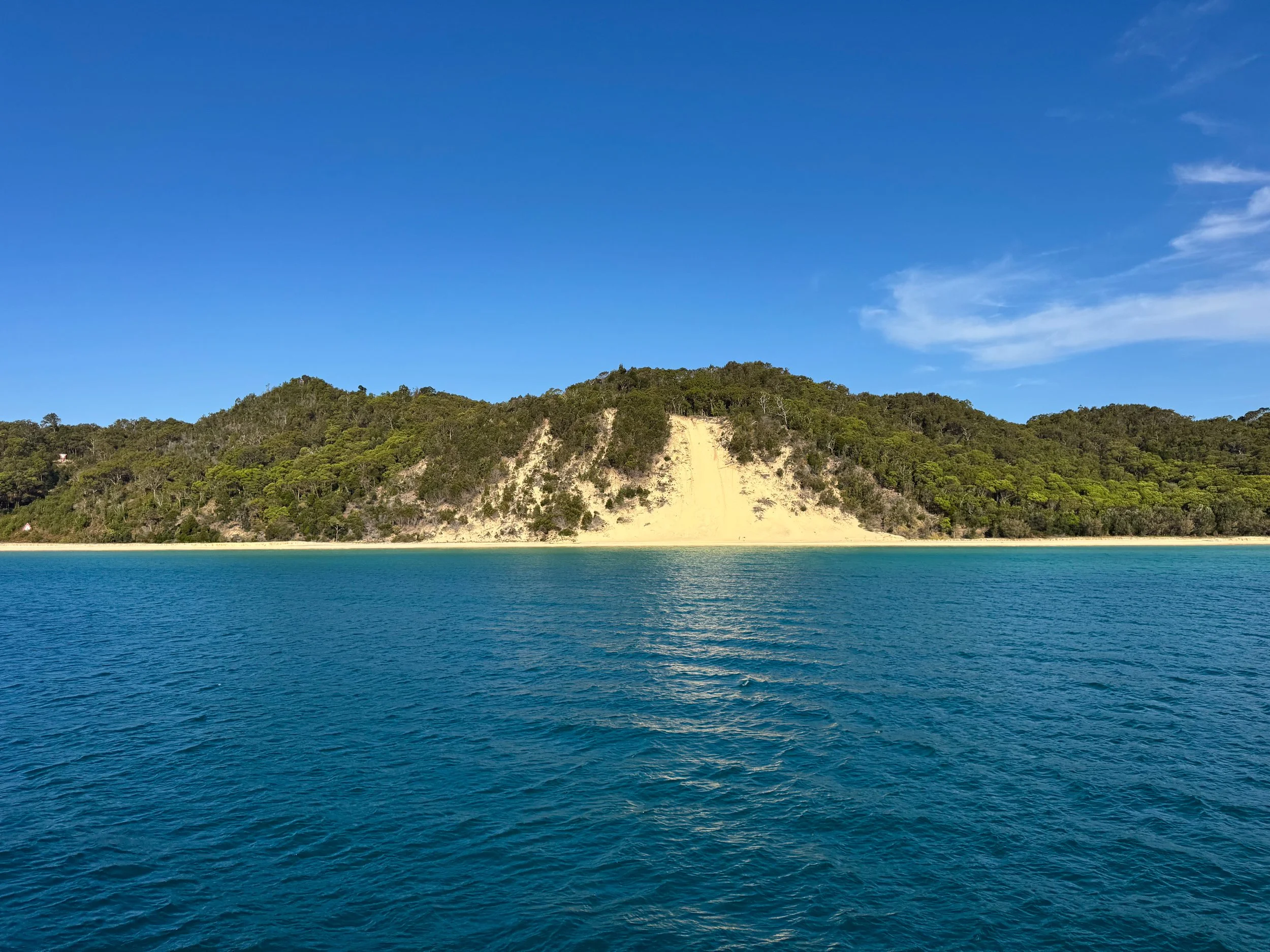
Moreton Island is a massive sandbar island famed for its pristine beaches, sunken shipwrecks, desert like sand dunes and forested trails.
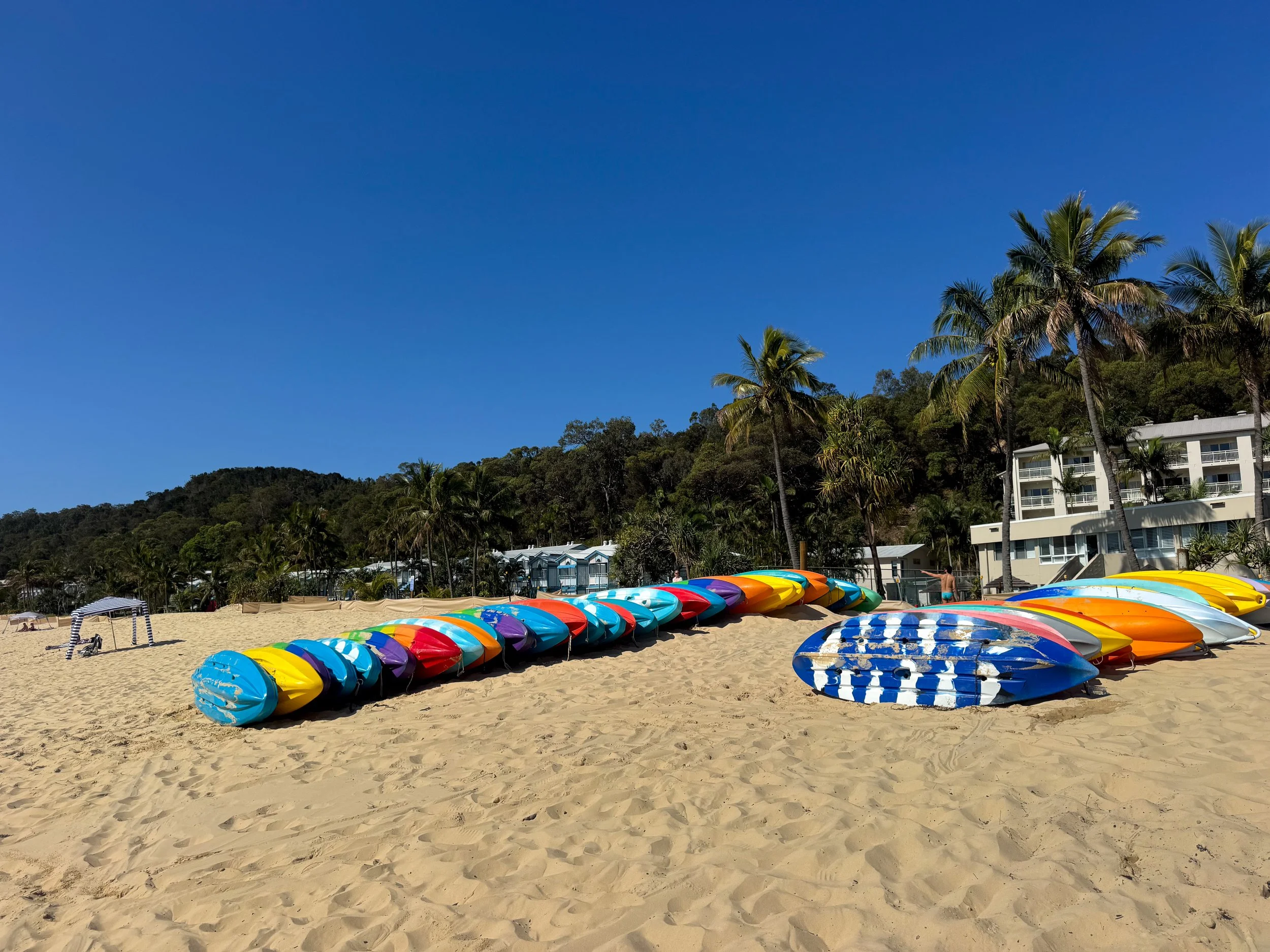
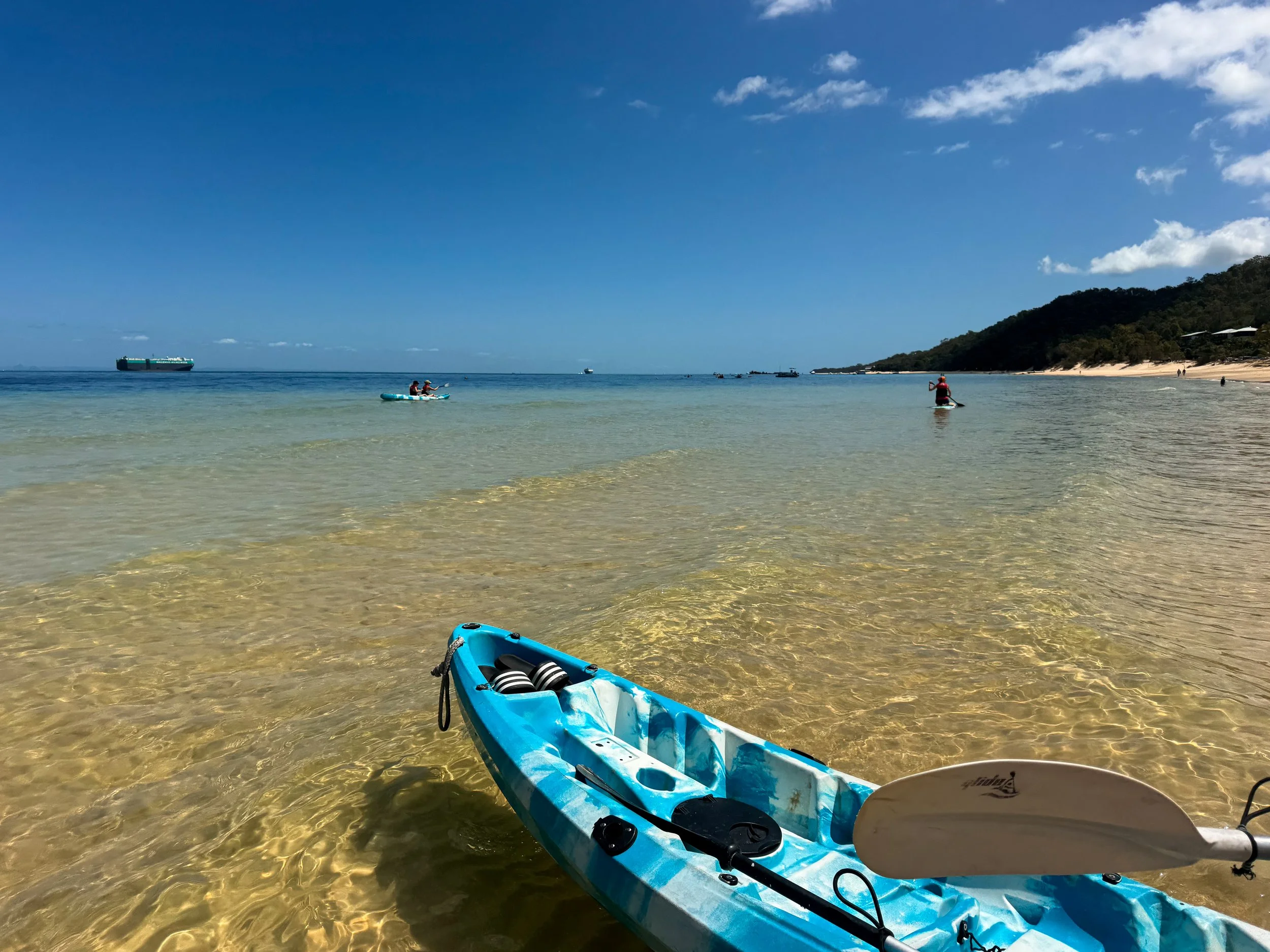
Tangalooma Island Resort. A beautiful beachfront resort on Moreton Island with access to its scenic nature. Take a day trip here from Brisbane to enjoy some beach time and a range of marine activities. We booked the Adventure Day Pass which included round trip ferry tickets, snorkel gear and kayak rentals.
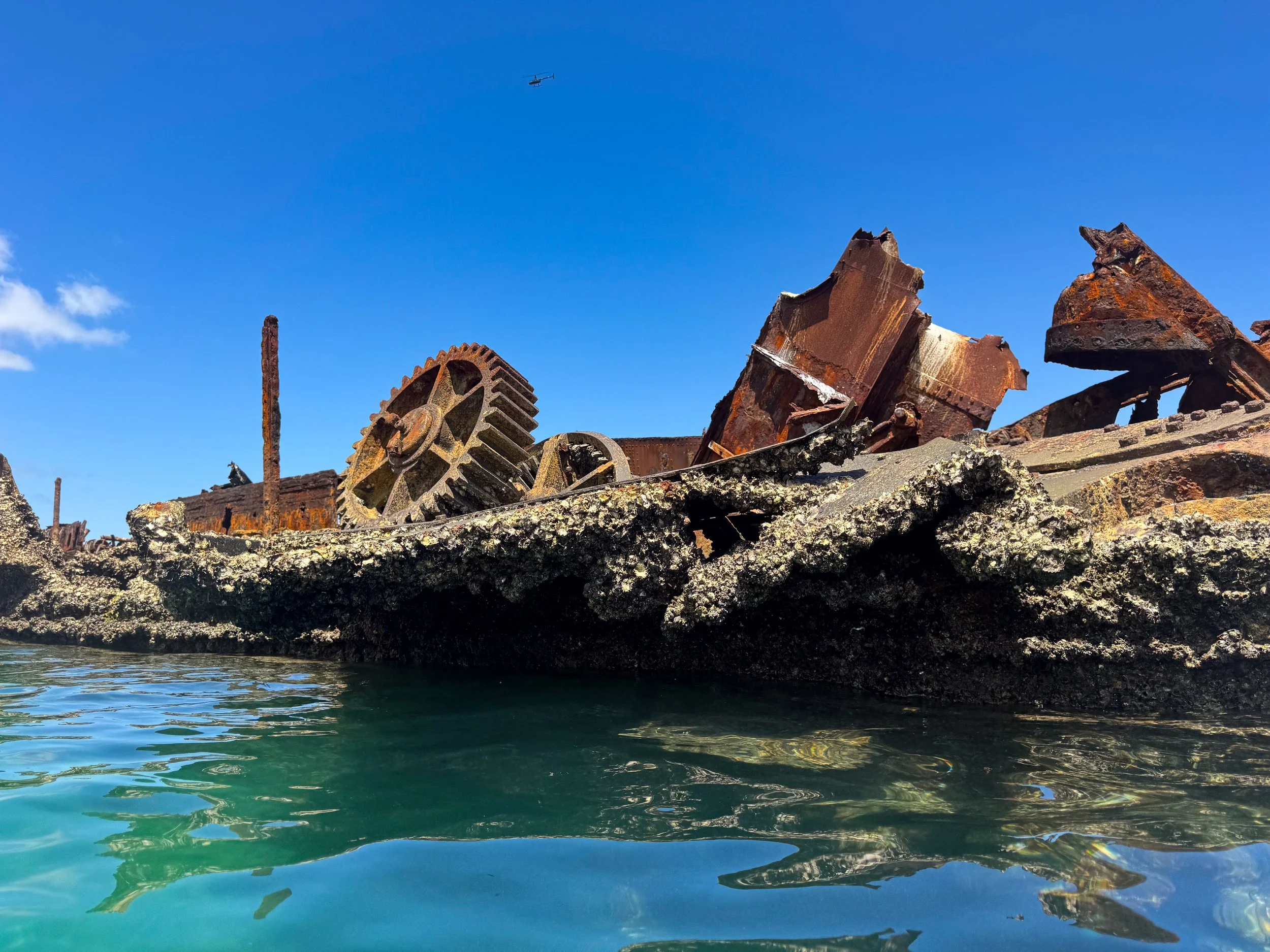
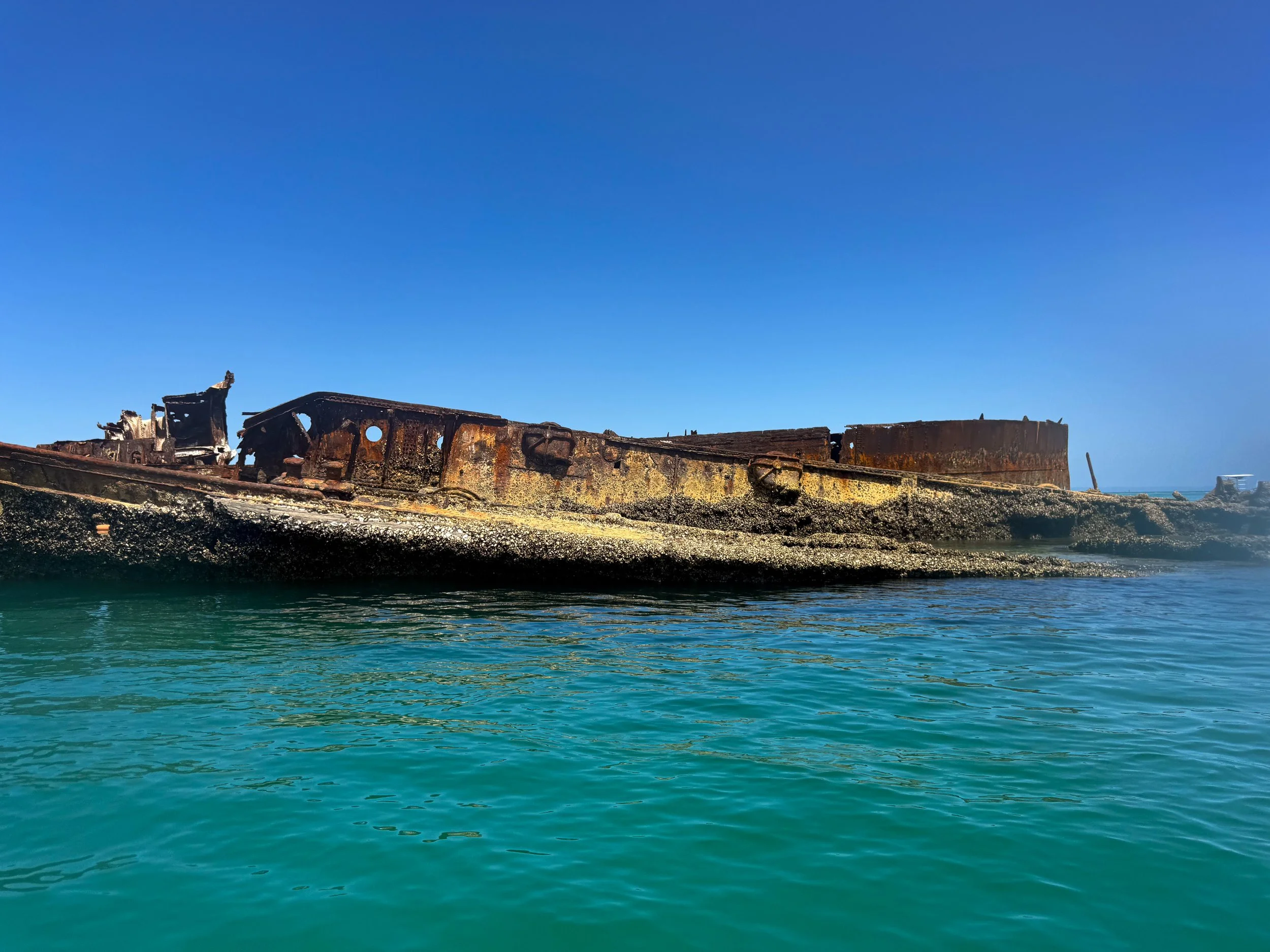
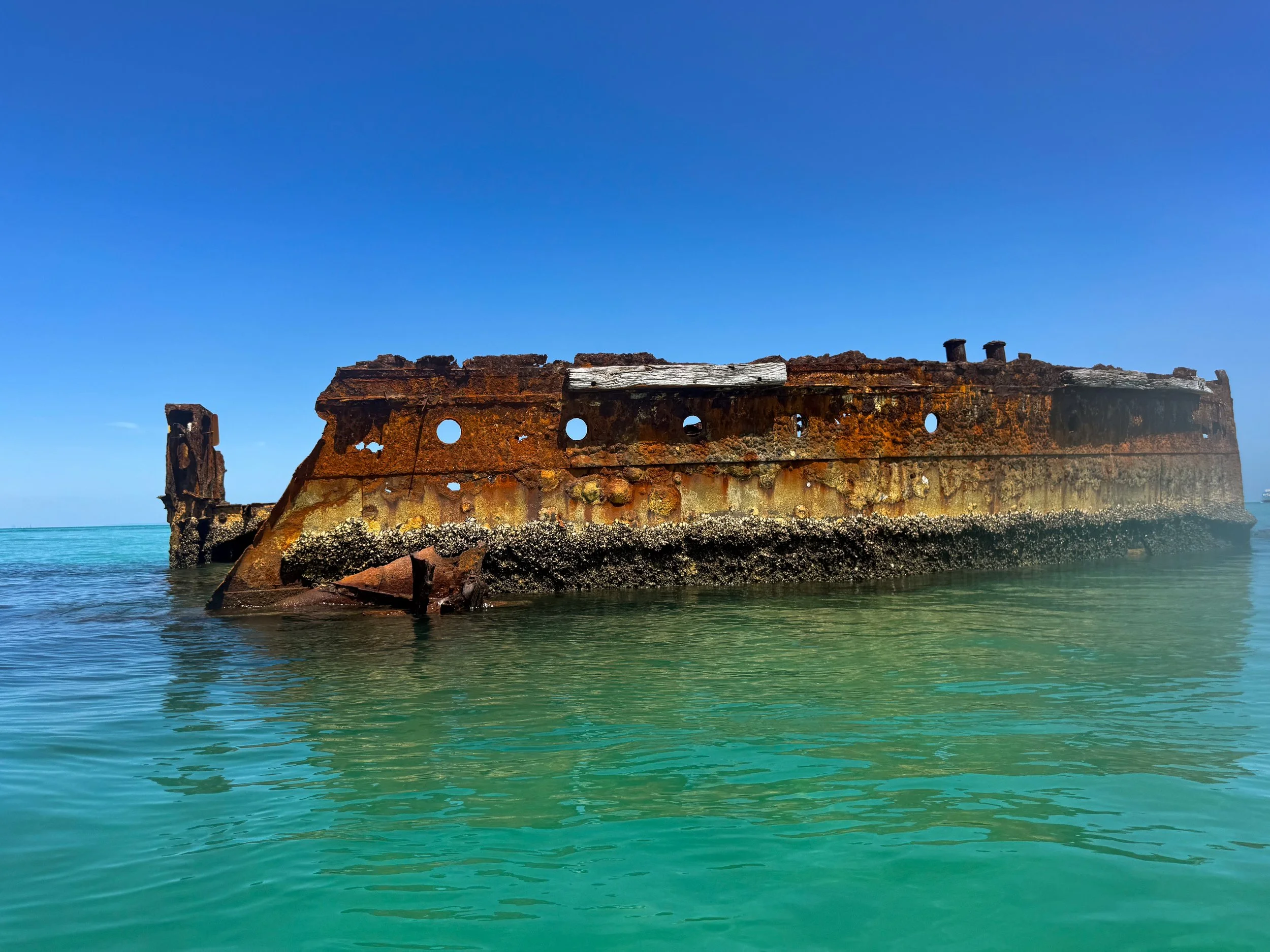
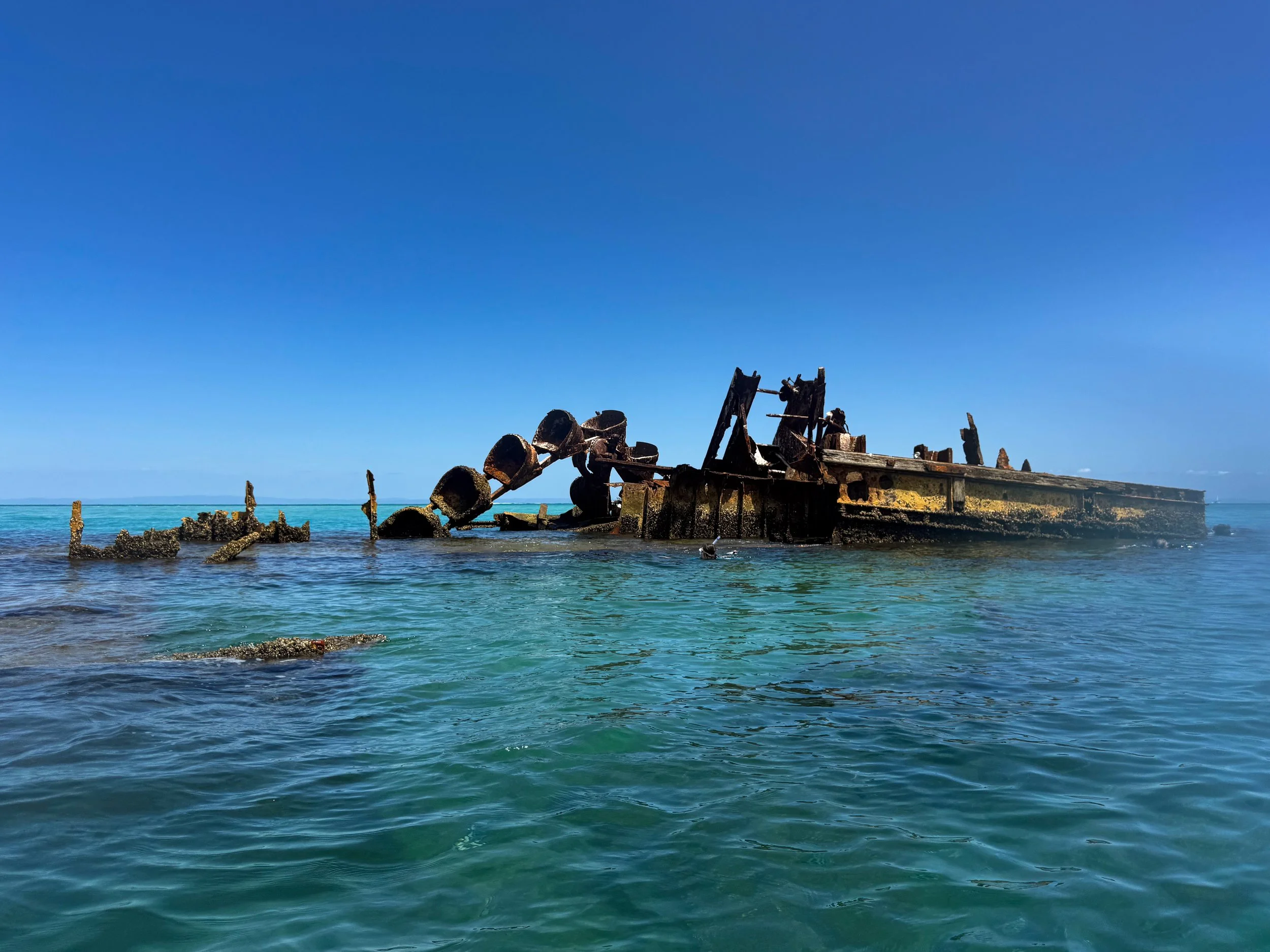
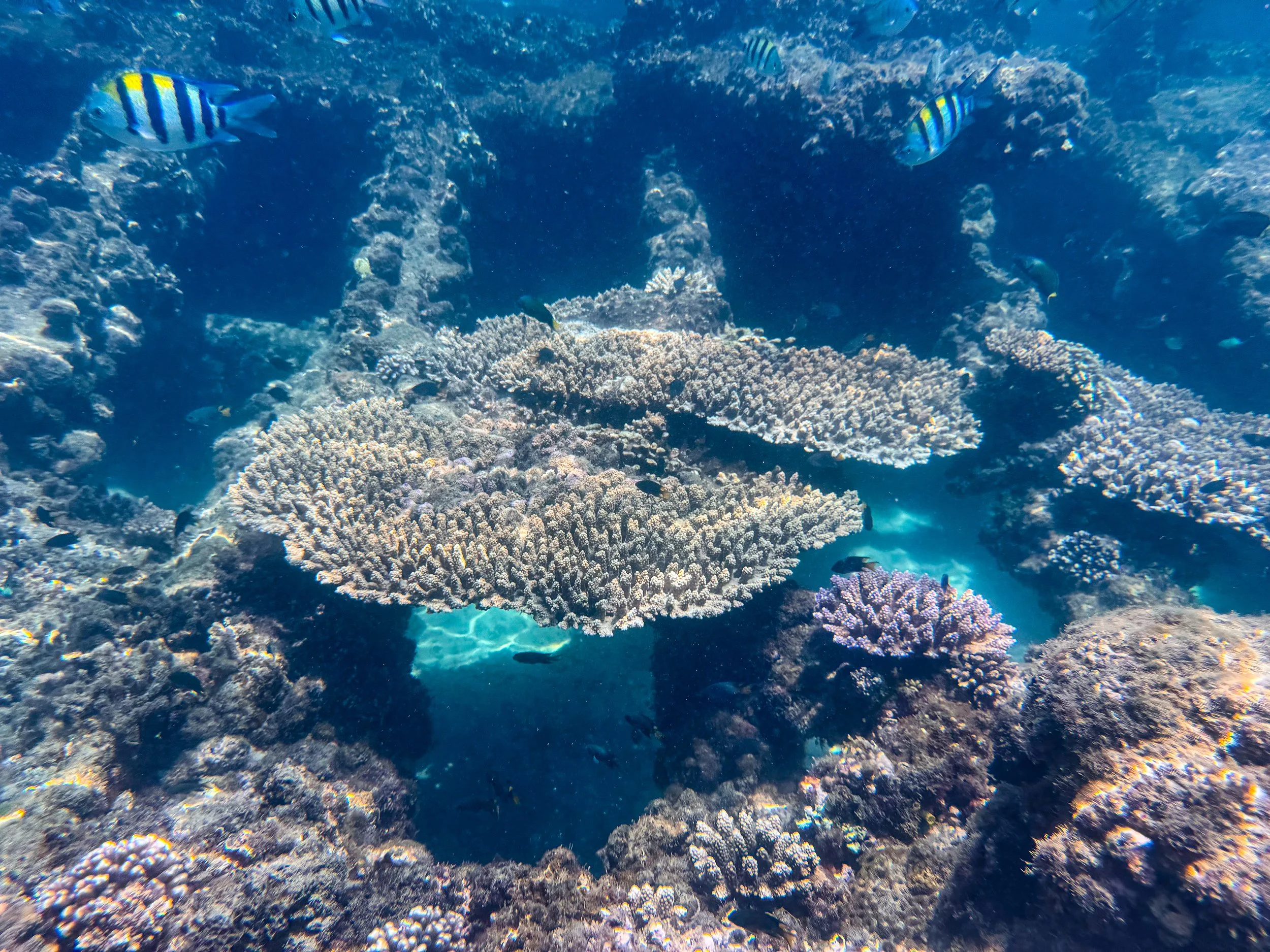
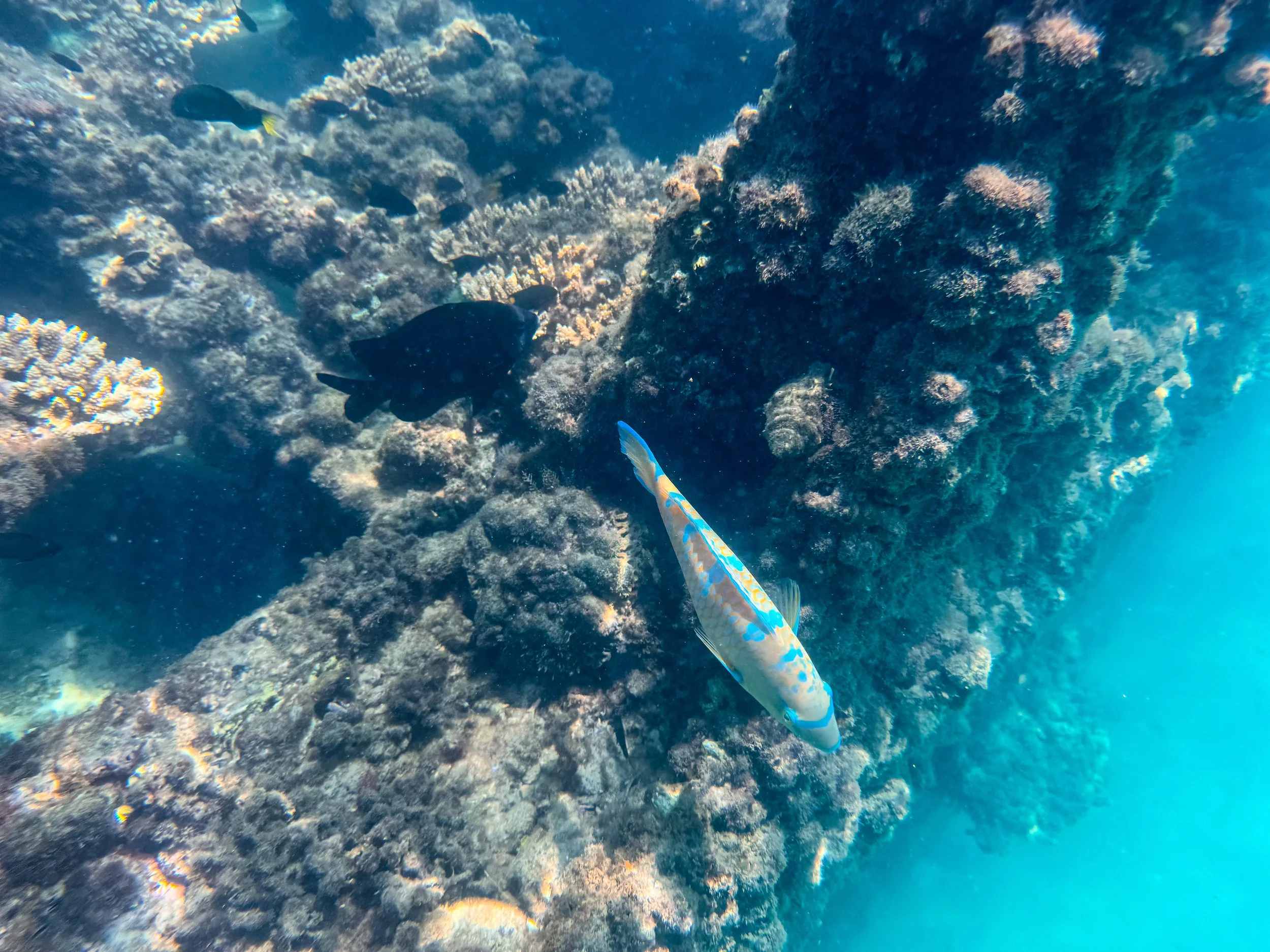
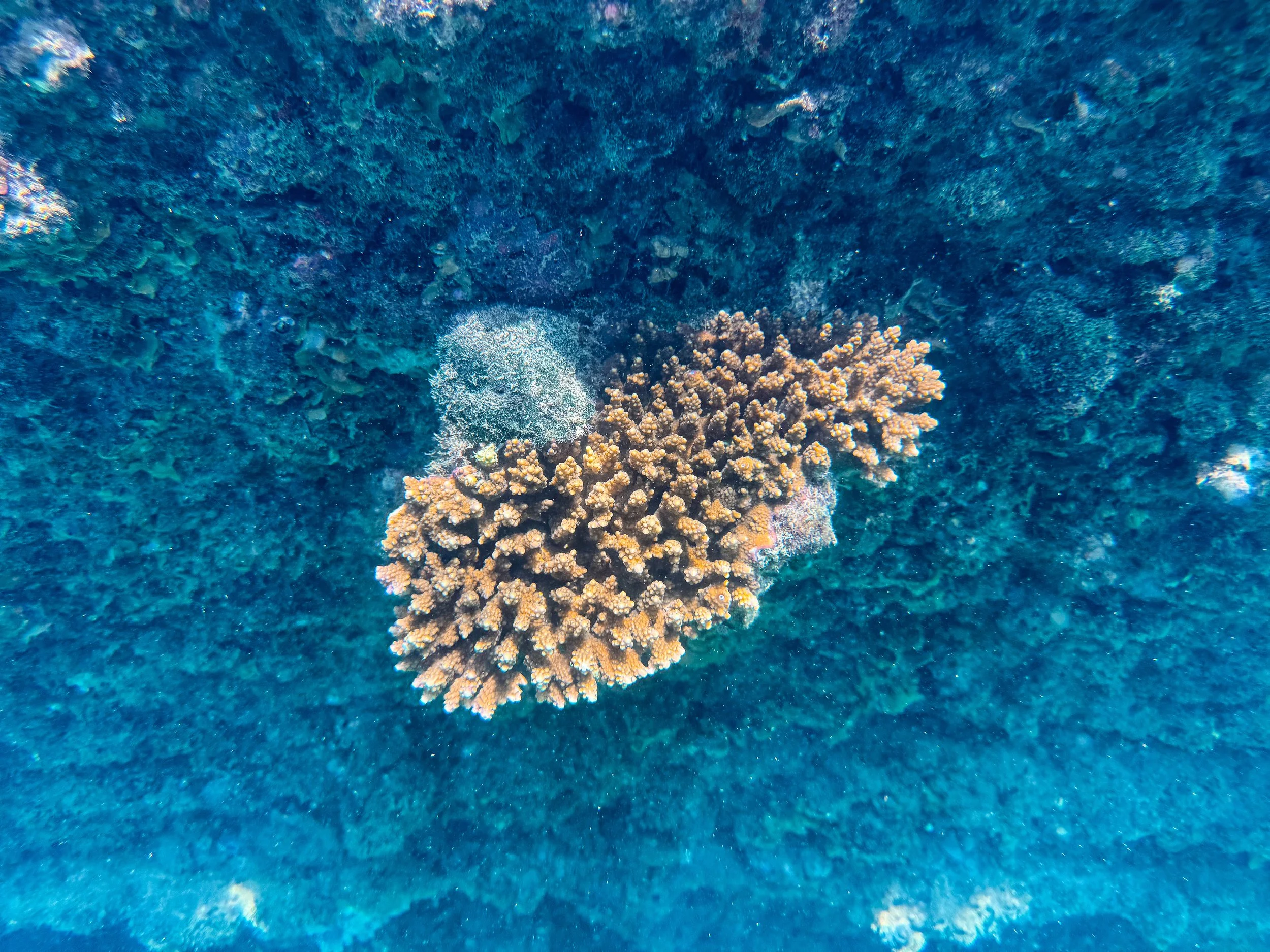
Tangalooma Wrecks. A series of sunken metal ships protruding from the bay. They are a habitat for corals and all types of colorful and tropical fish. Rent kayaks from the resort to paddle around them and snorkel gear to observe underwater marine life.
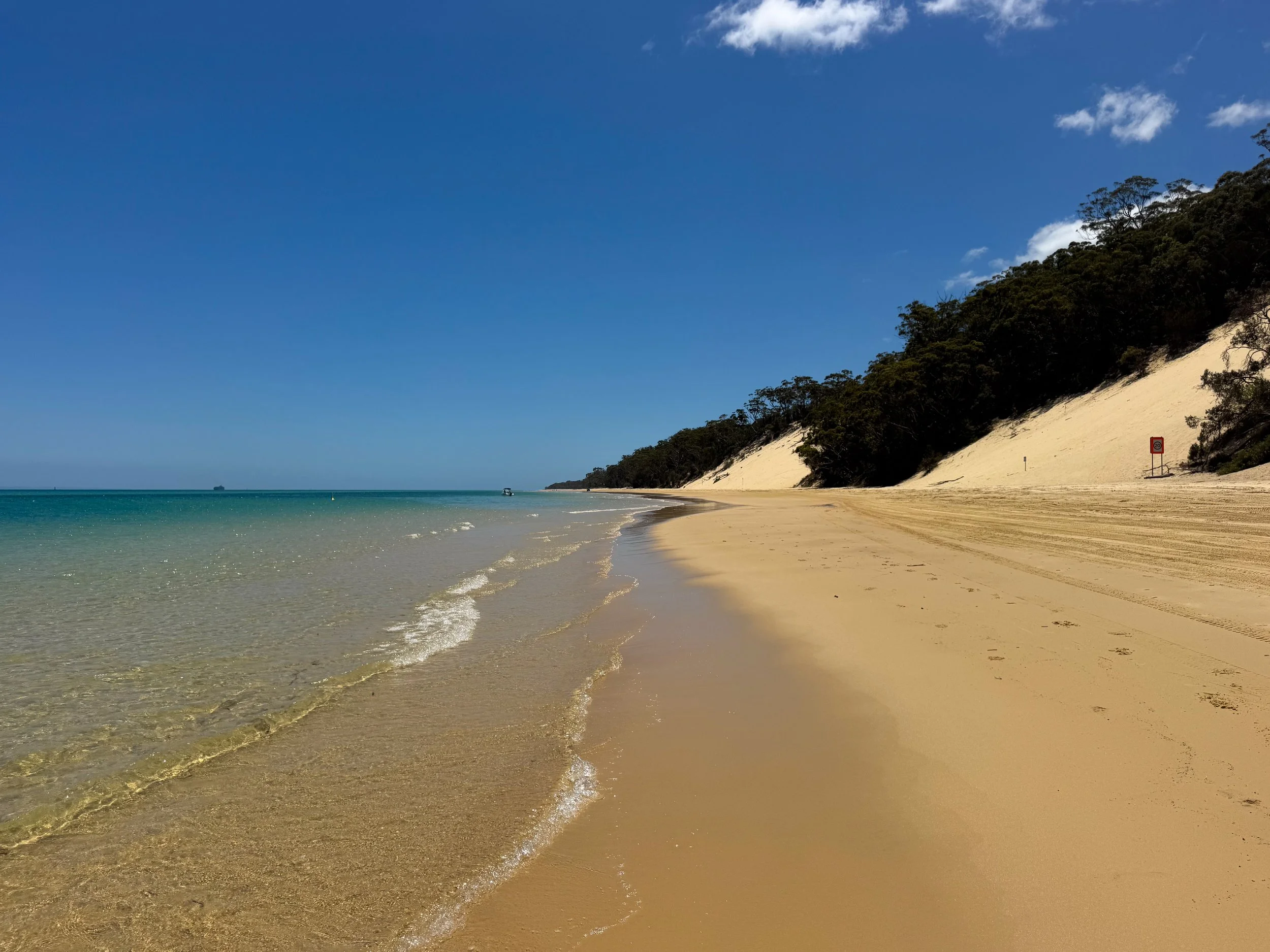
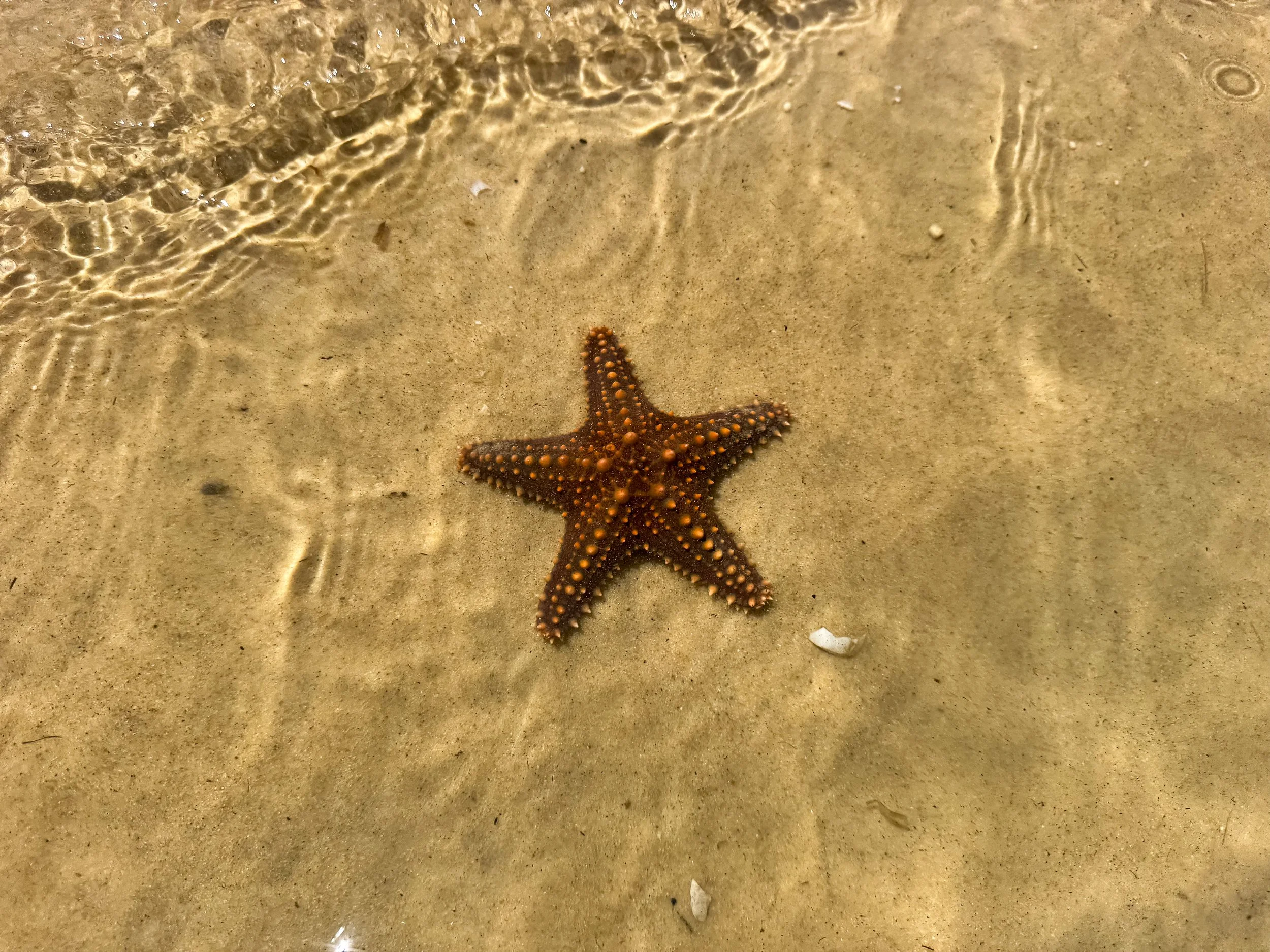
Tangalooma Beach. A beautiful white sand beach stretching the length of the Tangalooma Island Resort. It’s a popular place to spot starfish during low tide. Come here to swim, snorkel and sunbathe.
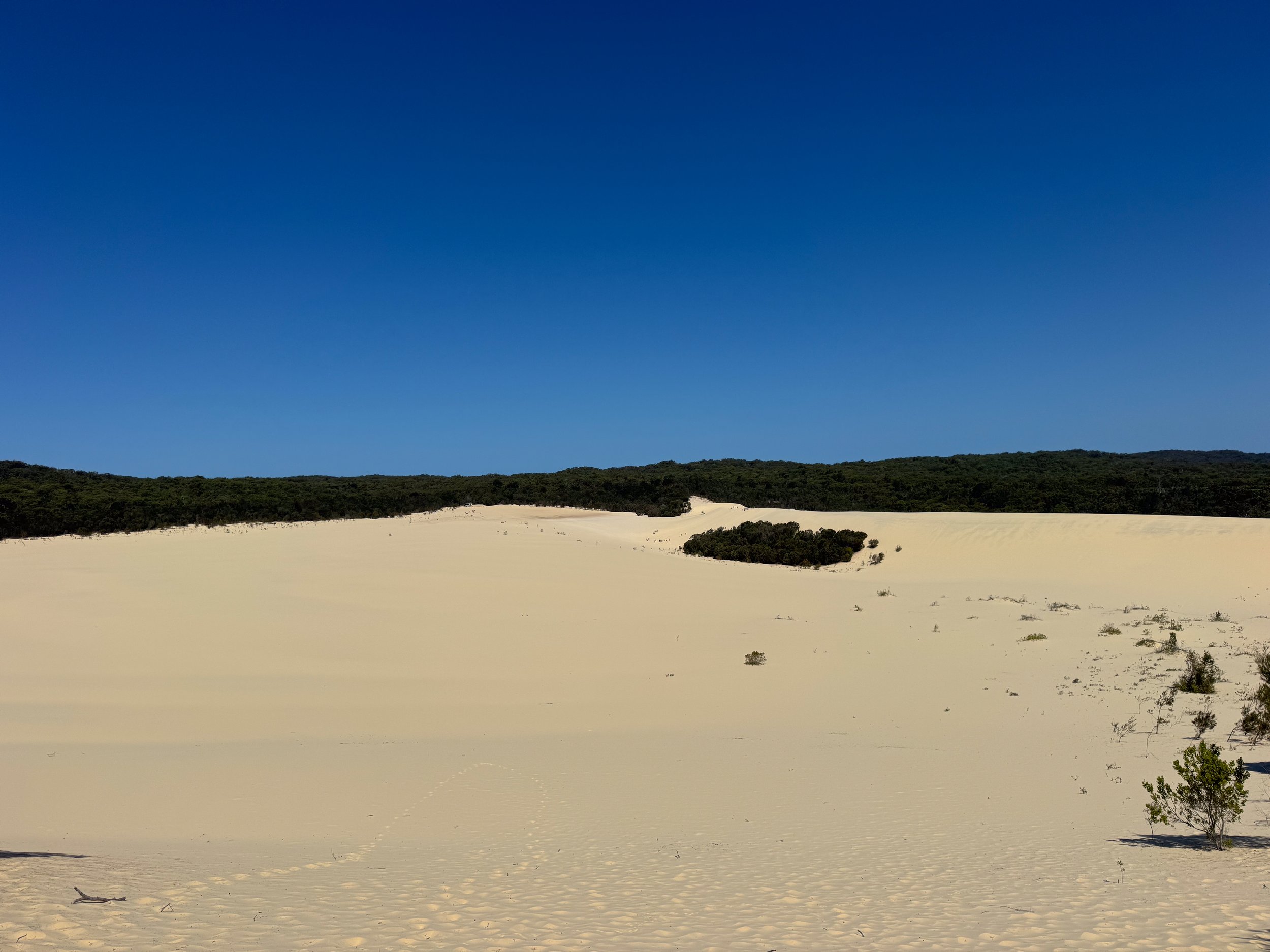
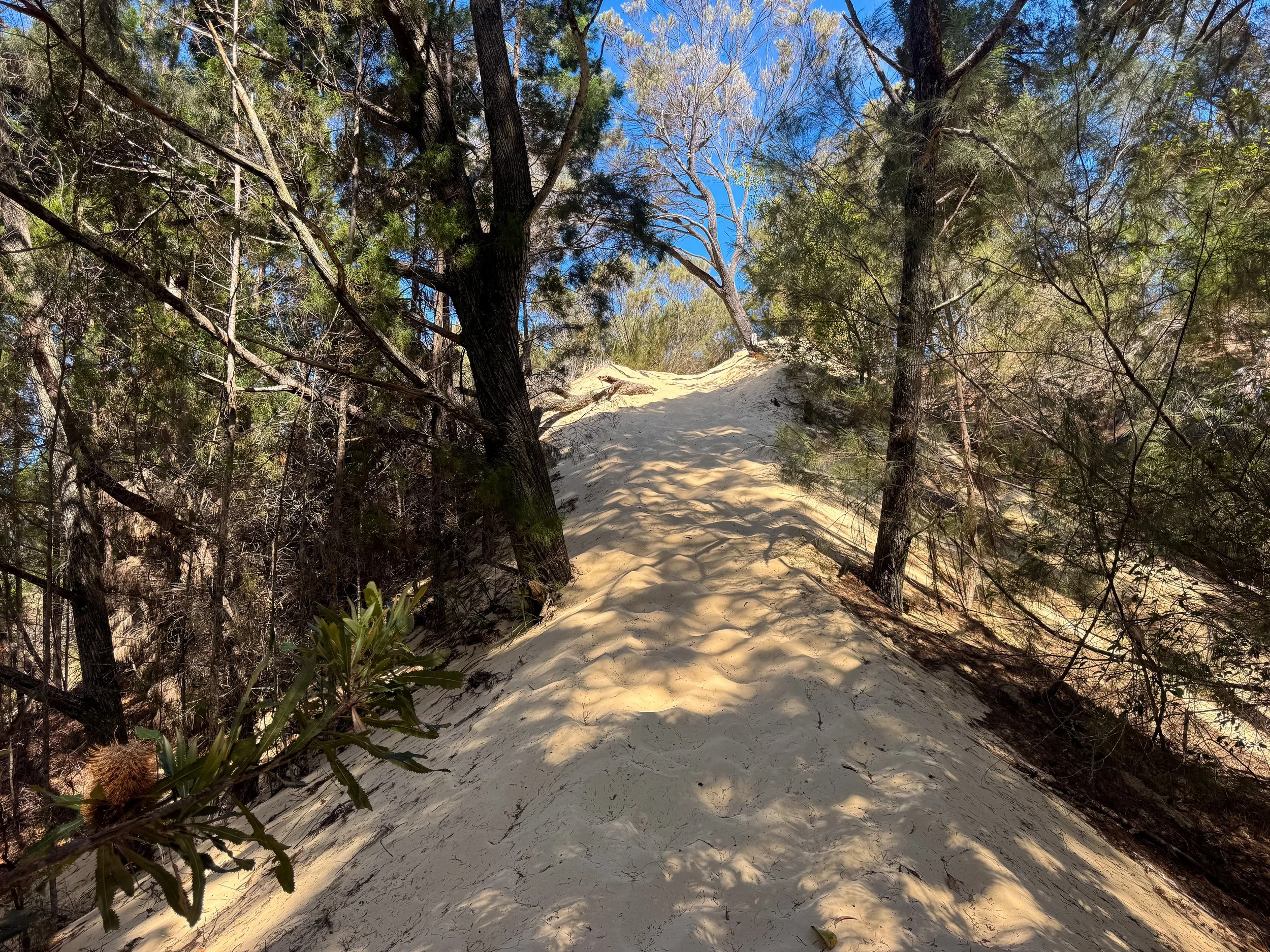
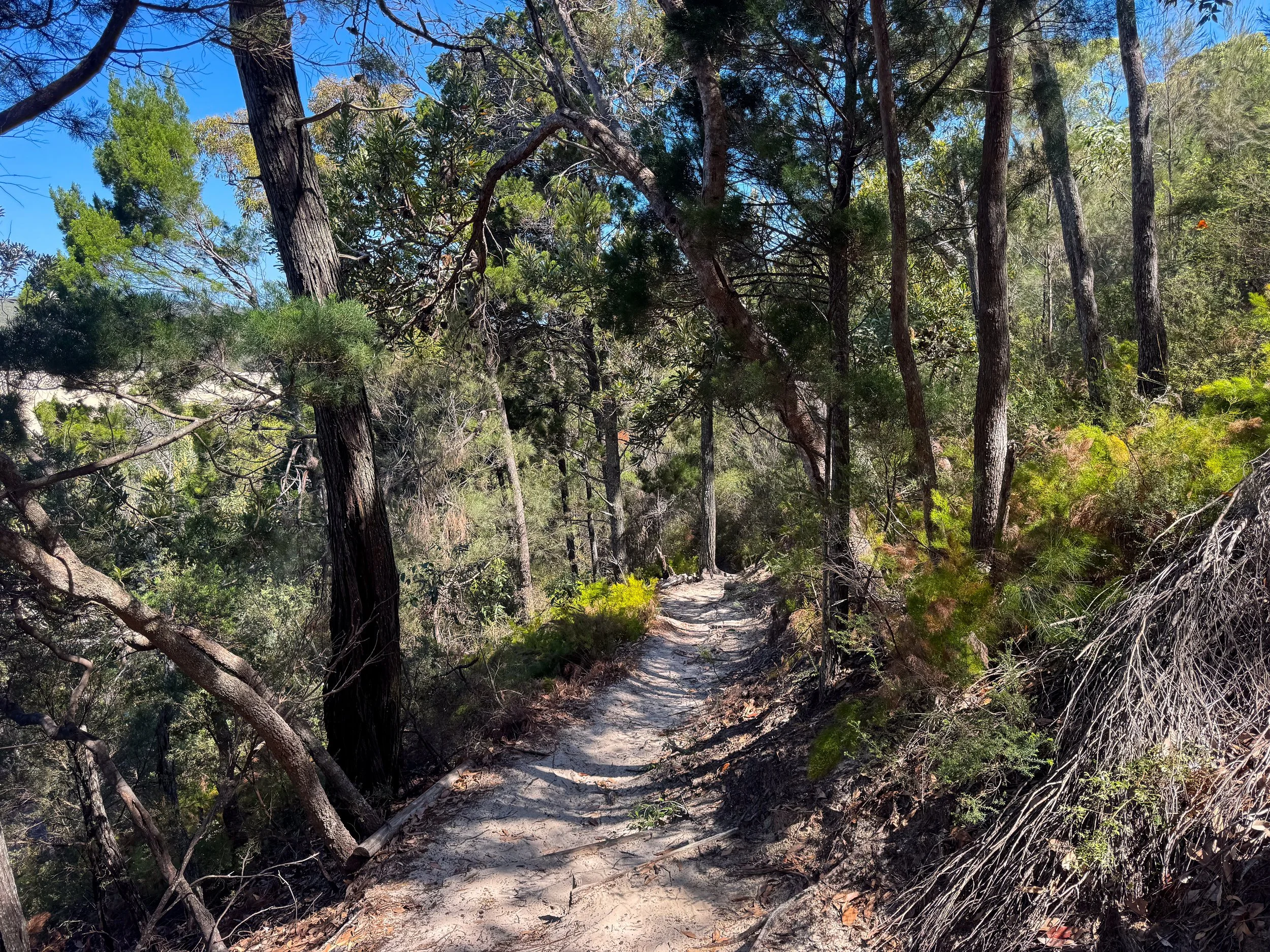
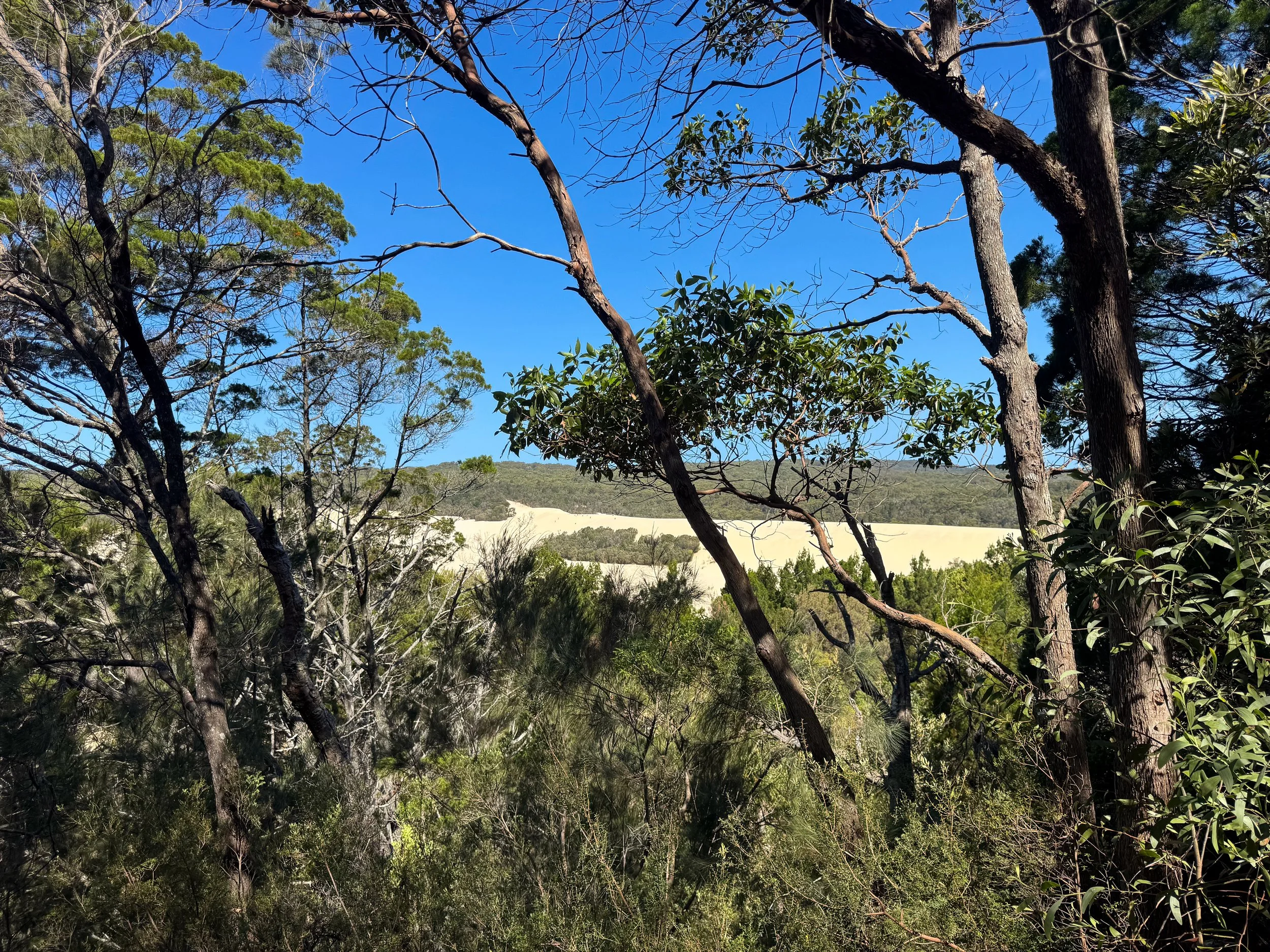

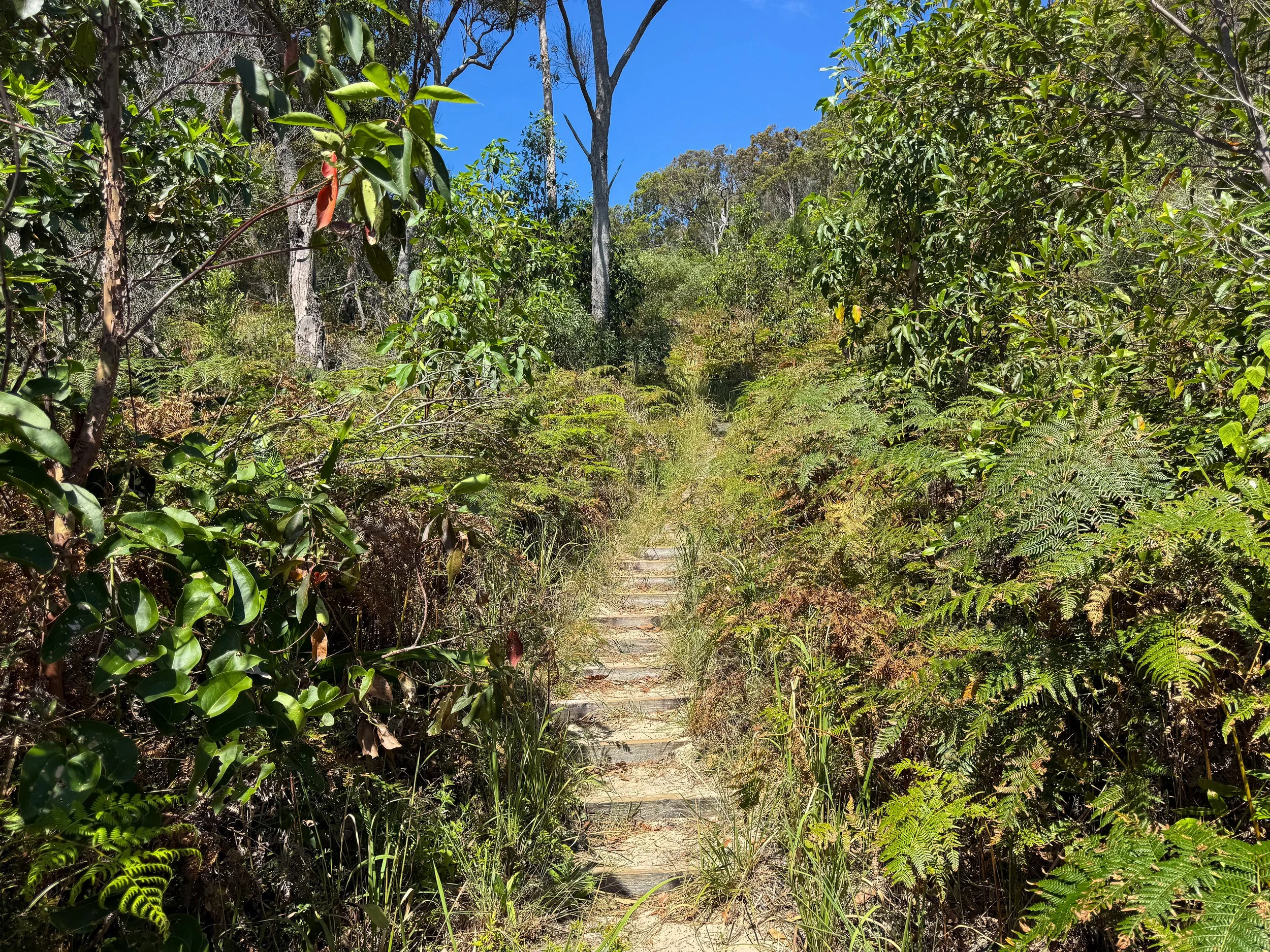
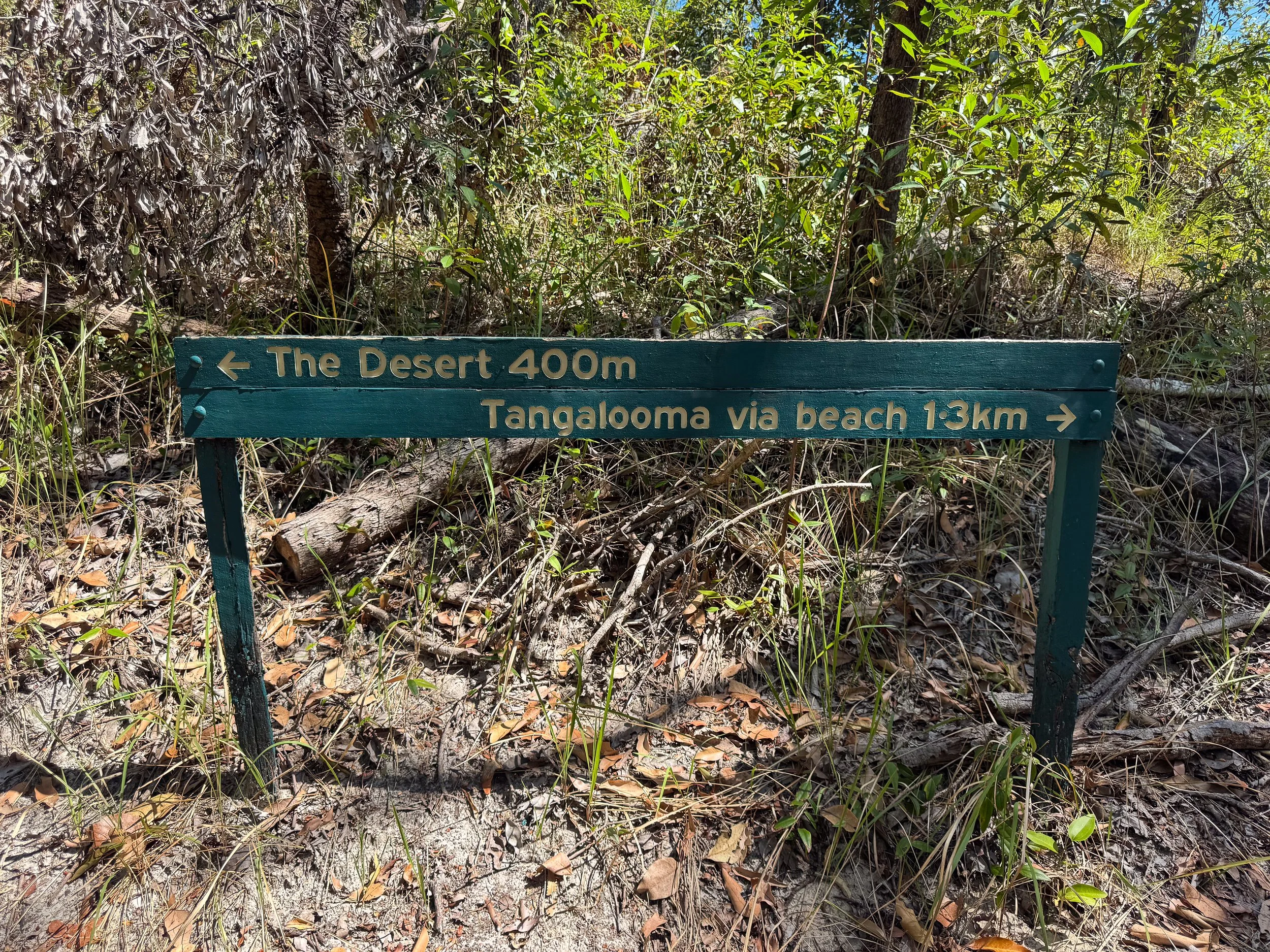
Moreton Island Desert. A white sand desert surrounded by forest. It’s a popular spot for dune walking and sand boarding. Walk along the beach from the Tangalooma Island Resort to the Desert Walking Path. The trail leads 2km uphill and through the forest to an opening overlooking the desert.
Where to Stay
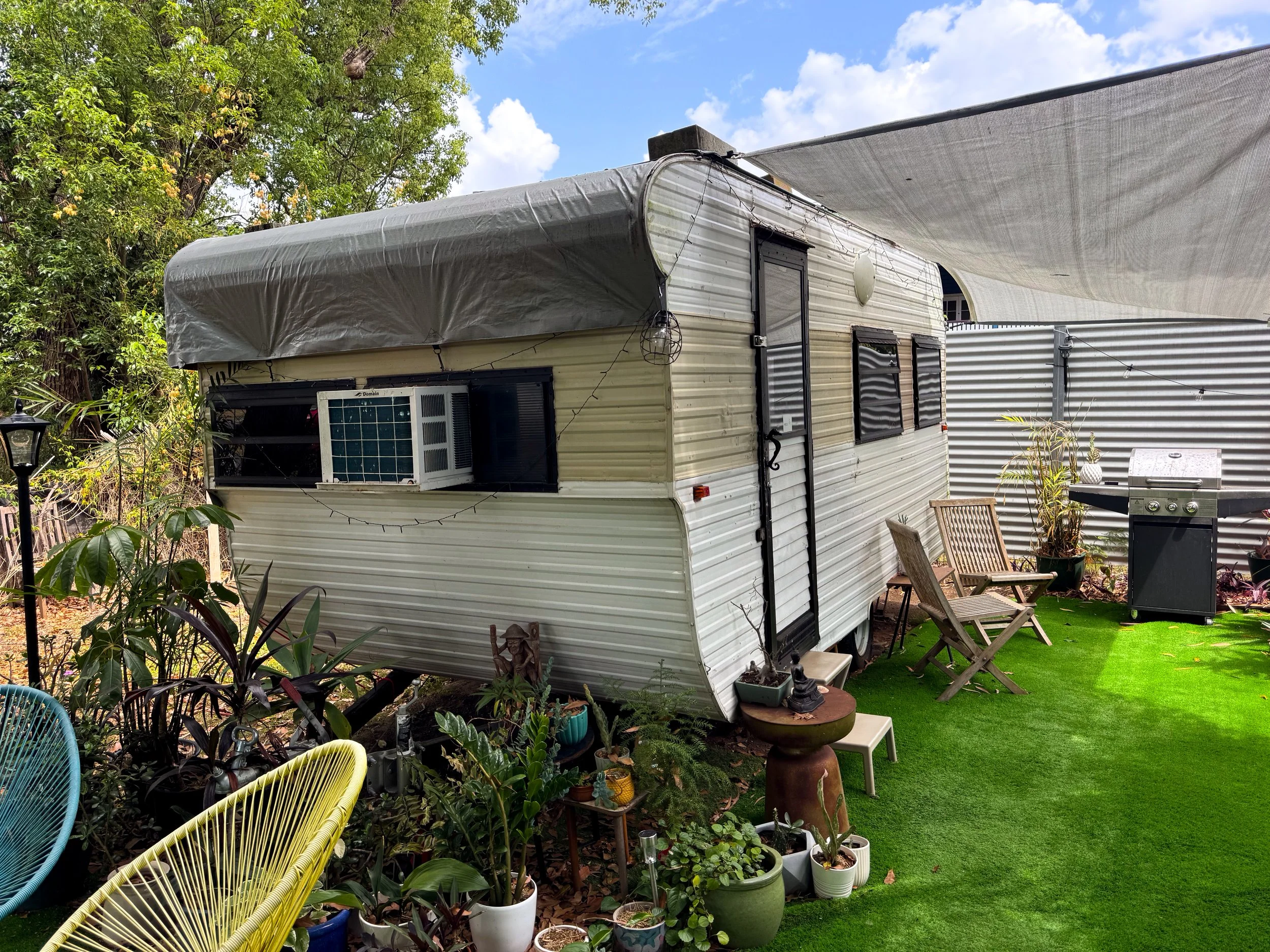
East Brisbane Tiny House. A cozy and well equipped backyard caravan (aka camper). The tiny space has a comfy bed, dining area and outdoor patio with a grill. Book on Airbnb.

Getting Around
Train. The light rail is the best way of getting between neighborhoods and the airport. Tap your credit card when entering and exiting the stations.
Brisbane Airport Train. The airport train is the cheapest and most direct way of getting between the central business district and the airport. Board at the Roma Street Station or Central Station.
On Foot. Brisbane is very pedestrian friendly. Explore the city’s neighborhoods, bridges and parkways on foot.
Uber. Ubers are available across Brisbane. They can be extremely expensive. Try to avoid booking during rush hour.
By Ferry. The City Cat Ferry makes stops up and down the Brisbane River. It’s a scenic and convenient way of getting around and sightseeing. Tap your card to pay when getting on and off. Fares cost $0.50 AUD.
Location Specifics
Sunblock. Wear SPF 50+. The UV is significantly higher in Queensland due to its location in the southern hemisphere and depleted ozone layer.
Tipping. Tipping is not generally expected due to fare and regulated wages. Best practice is to round up on bills or leave a small tip for exceptional service.
Cash vs. Card. Credit cards are widely accepted everywhere. Cash is rarely needed.
Elsewhere in Australia
From Brisbane's riverside neighborhoods and island escapes to Tropical North Queensland's rainforests, Byron Bay's beaches and Uluru's sacred landscapes, discover more of Australia through these travel guides:
Tropical North Queensland Travel Guide: Cairns, Rainforests & Wildlife. Explore Tropical North Queensland from Cairns, where ancient rainforests, cascading waterfalls and remarkable wildlife meet palm fringed beaches and vibrant coral reefs.
Great Barrier Reef Travel Guide: Cairns, Coral Reefs & Marine Life. Dive into the Great Barrier Reef where vibrant coral gardens and extraordinary marine life thrive within one of Earth's most biodiverse underwater ecosystems.
Byron Bay Travel Guide: Surfing, Beaches & Cape Byron. Experience Byron Bay where surf culture, white sand beaches and scenic trails to Cape Byron embody Australia's quintessential beach town lifestyle.
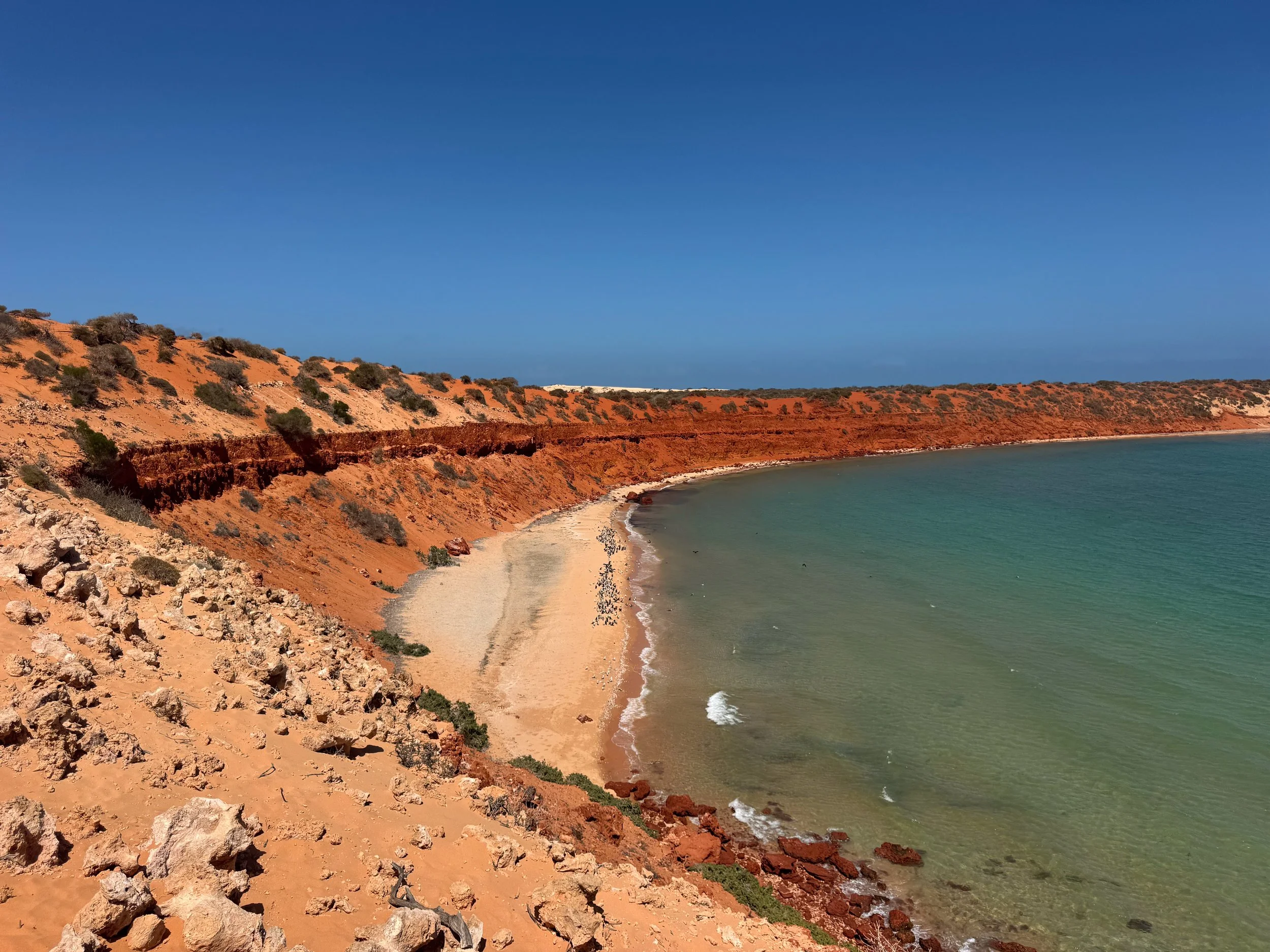
Western Australia Road Trip: Perth to Ningaloo & The Coral Coast. Road trip along Western Australia's Coral Coast where red desert landscapes, remote gorges, sandstone cliffs and white sand beaches create an unforgettable adventure.
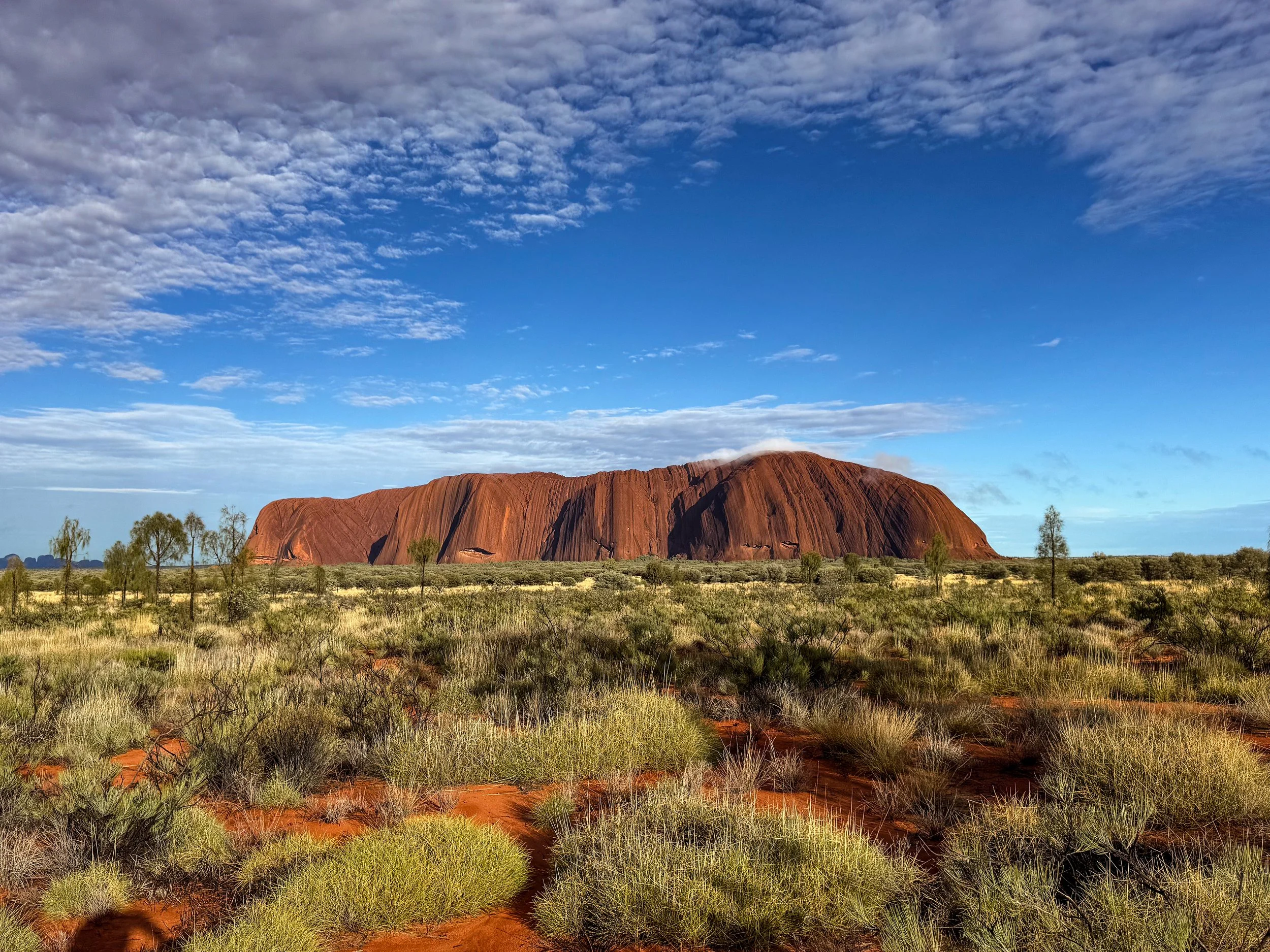
Uluru Travel Guide: Kata Tjuta, Kings Canyon & Sacred Landscapes. Discover Uluru's sacred landscapes where ancient sandstone monoliths, desert hikes, canyon oases and Anangu traditions connect visitors to the Outback.
For Next Time…
Brisbane is a beautiful and livable city that we see ourselves returning to one day! There is so much more to experience and explore when we do. A short list of places we missed but plan to visit next time are:
Lone Pine Koala Sanctuary. A koala sanctuary with all types of native Australian animals including kangaroos, platypus, Tasmanian Devils, dingoes, wombats, emus and crocodiles.
Mt Coot-tha. A mountain park on the outskirts of Brisbane with nature trails leading through a eucalyptus forest to waterfalls, panoramic viewpoints and a botanical garden.
Mount Gravatt. A hilltop lookout just outside of the city with numerous hiking trails. Come here for the sunset views and to spot wild koalas.
The Gold Coast. A beachy metropolis south of Brisbane with golden sand beaches, beginner surf breaks, towering skyscrapers, seafood restaurants and craft breweries.