

Tromsø Norway Travel Guide: Northern Lights, Arctic Fjords & Sámi Culture
Explore Tromsø's snowy streets and historic waterfront where Nordic cuisine and Sámi culture meet dramatic fjords, dancing auroras and Arctic adventures.
Tromsø, Norway
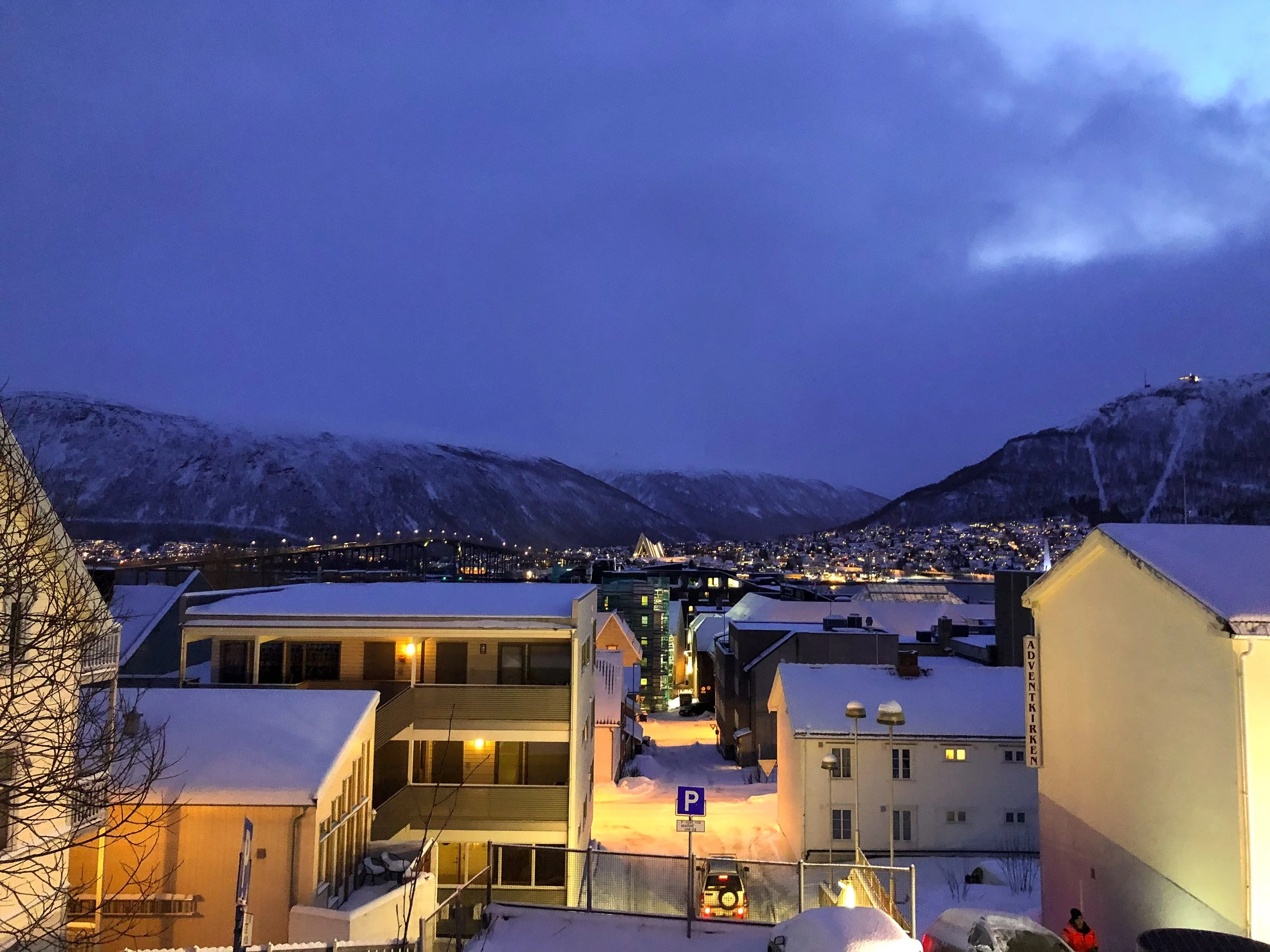
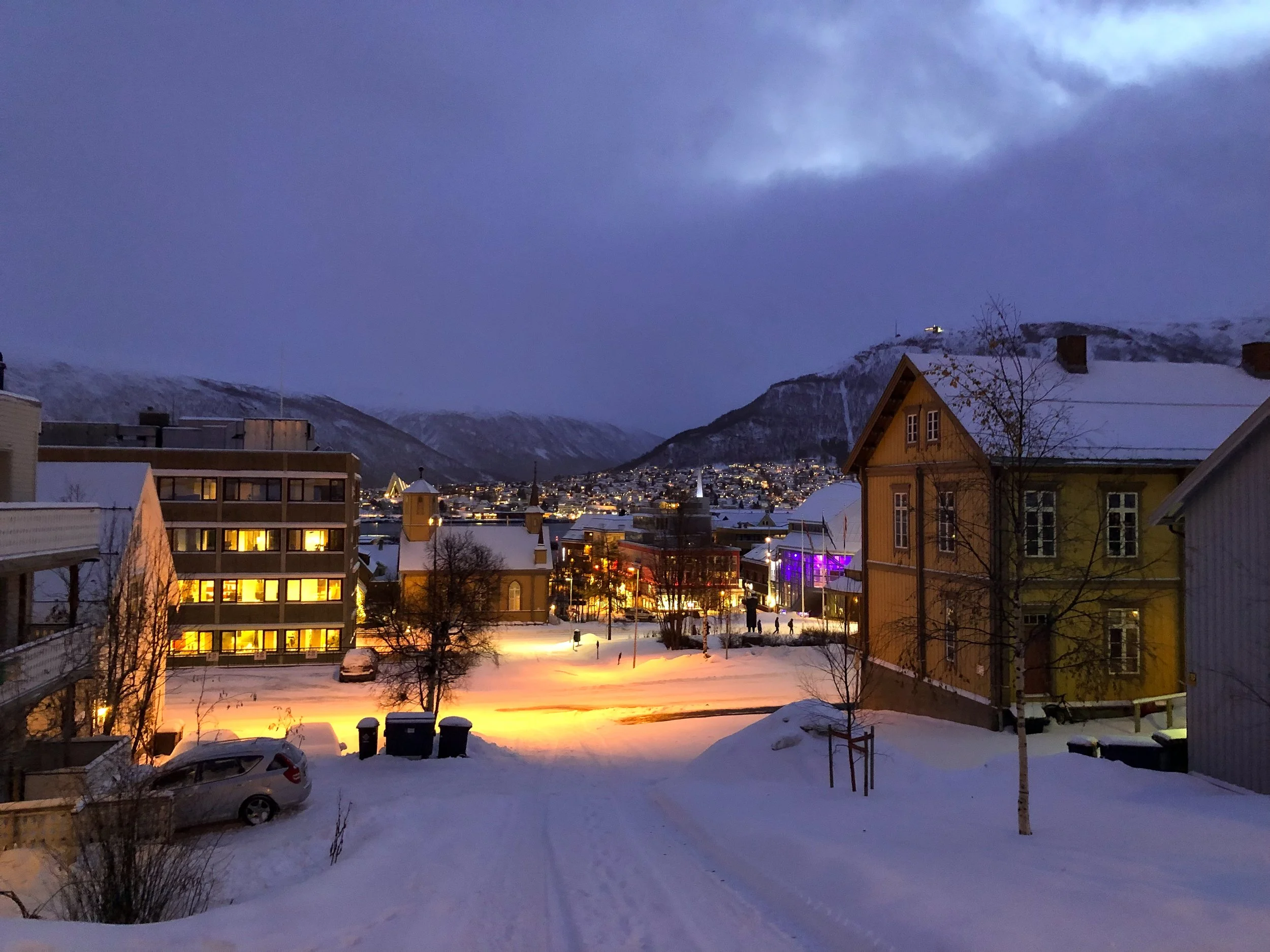
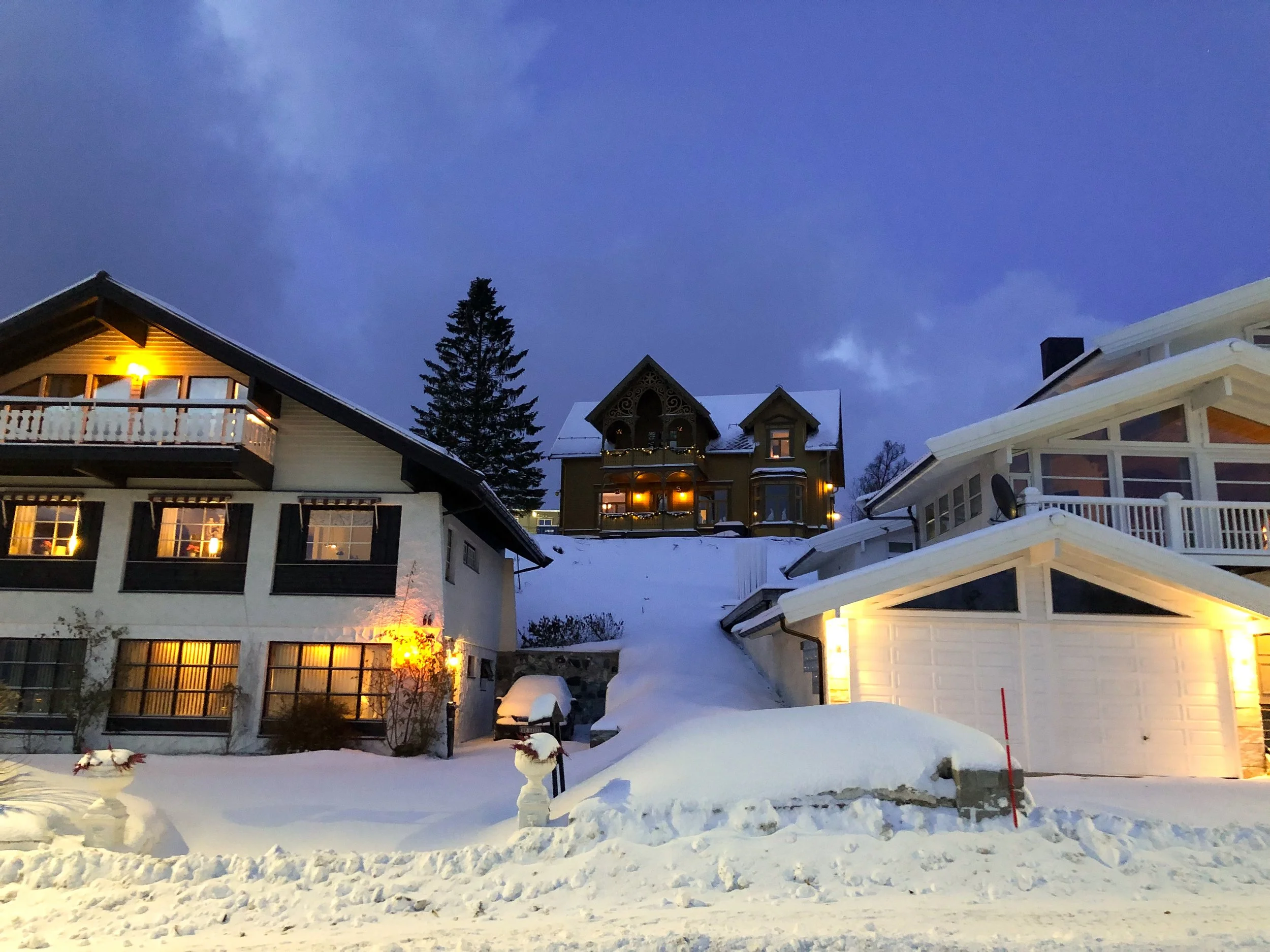
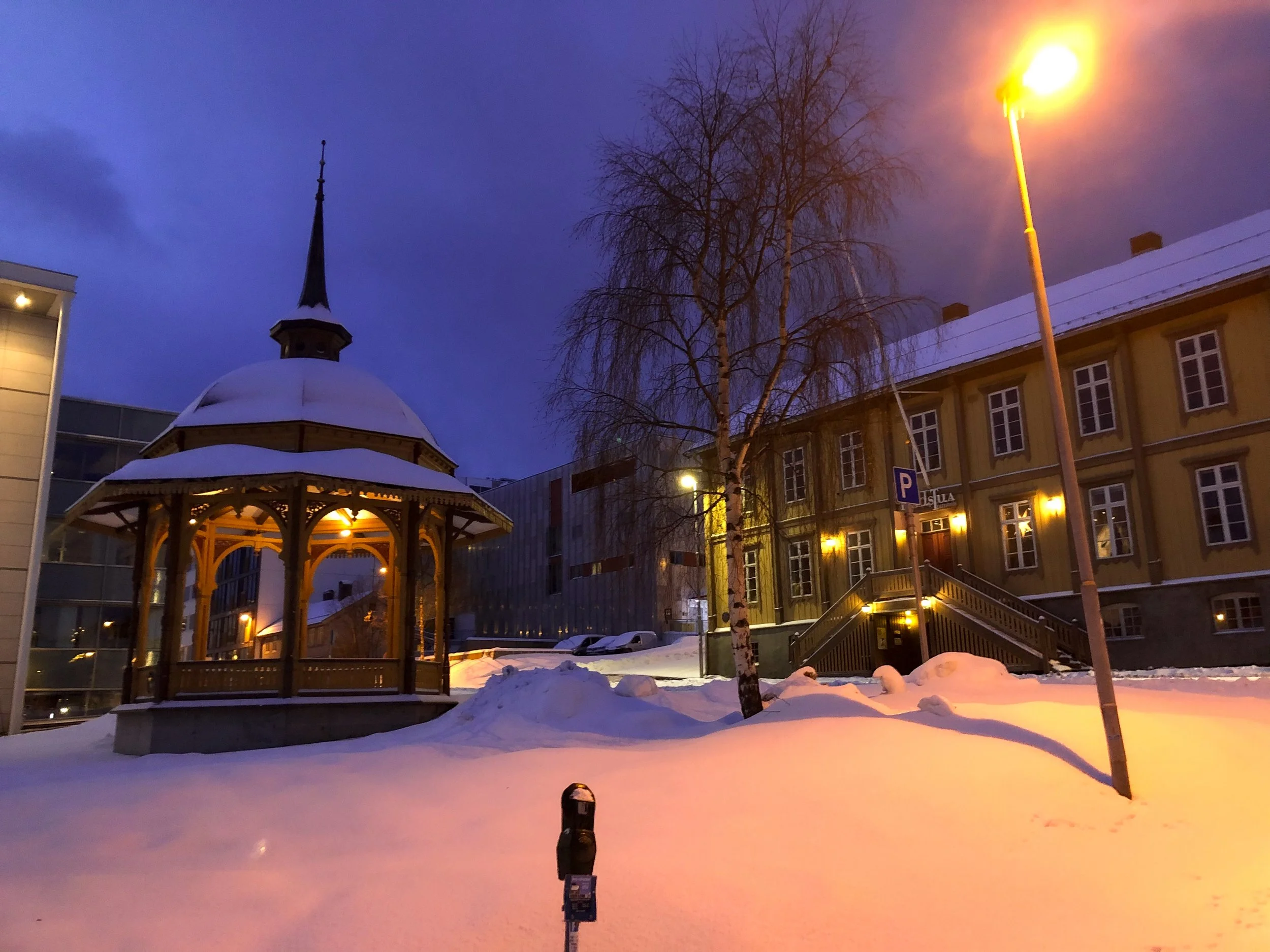
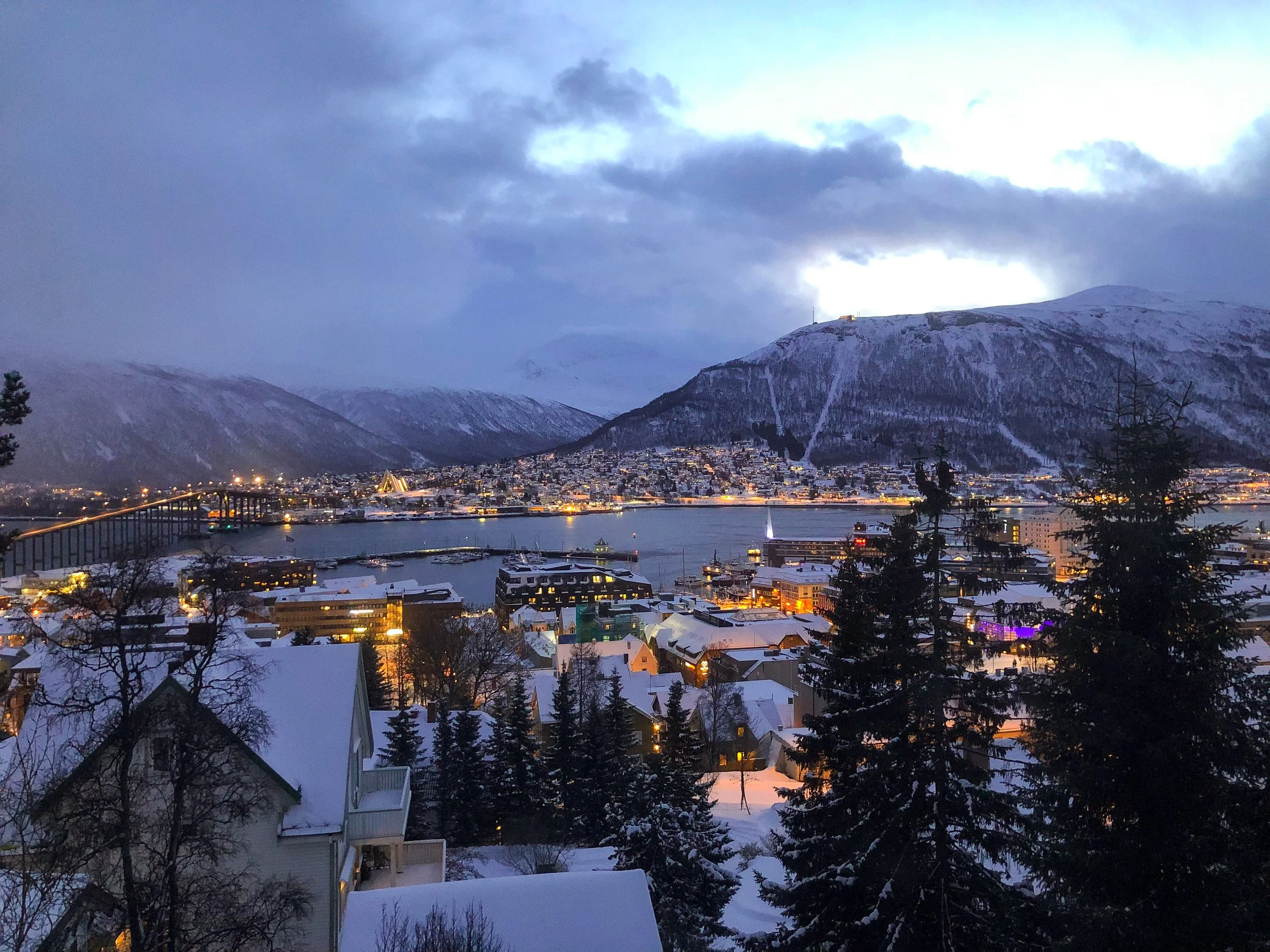
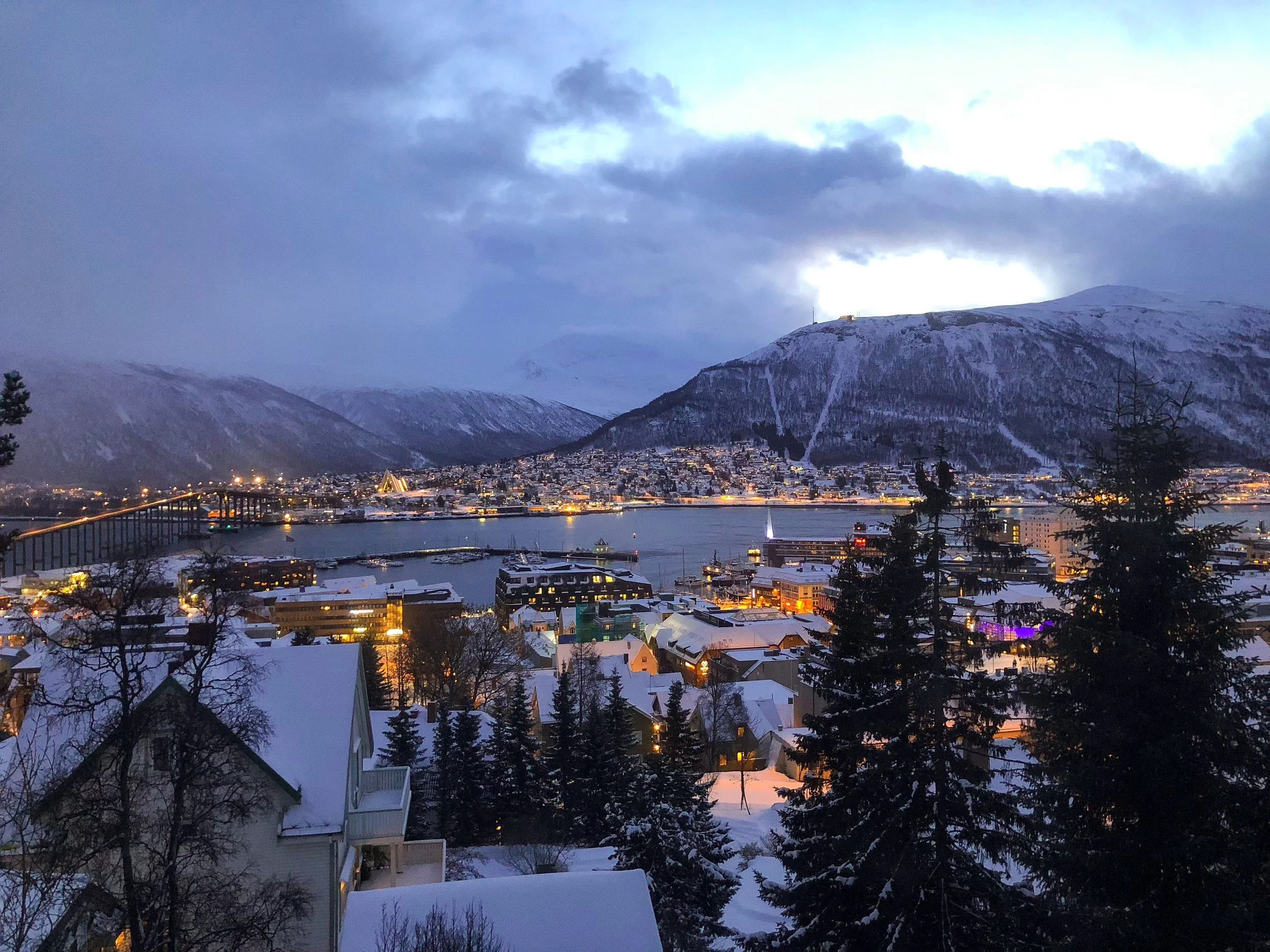
Tromsø is a breathtaking city in Northern Norway, located about 200 miles north of the Arctic Circle. Wintertime in Tromsø is like living in a snow globe. The city and surrounding nature are truly a winter wonderland that felt warm and vibrant even during the darkest and coldest time of the year. It’s a place to witness the Northern Lights, snowshoe up mountains overlooking the fjords, feed reindeer and learn about the indigenous Sámi culture.


The Gateway to the Arctic
Tromsø is considered to be the gateway to the Arctic. Its proximity to the Norwegian Sea and temperate climate for its position so far north have made it an ideal spot for Arctic explorers and expeditions throughout history. Its location under the Aurora Oval makes it a prime place to view the Northern Lights.
Polar Night & Midnight Sun
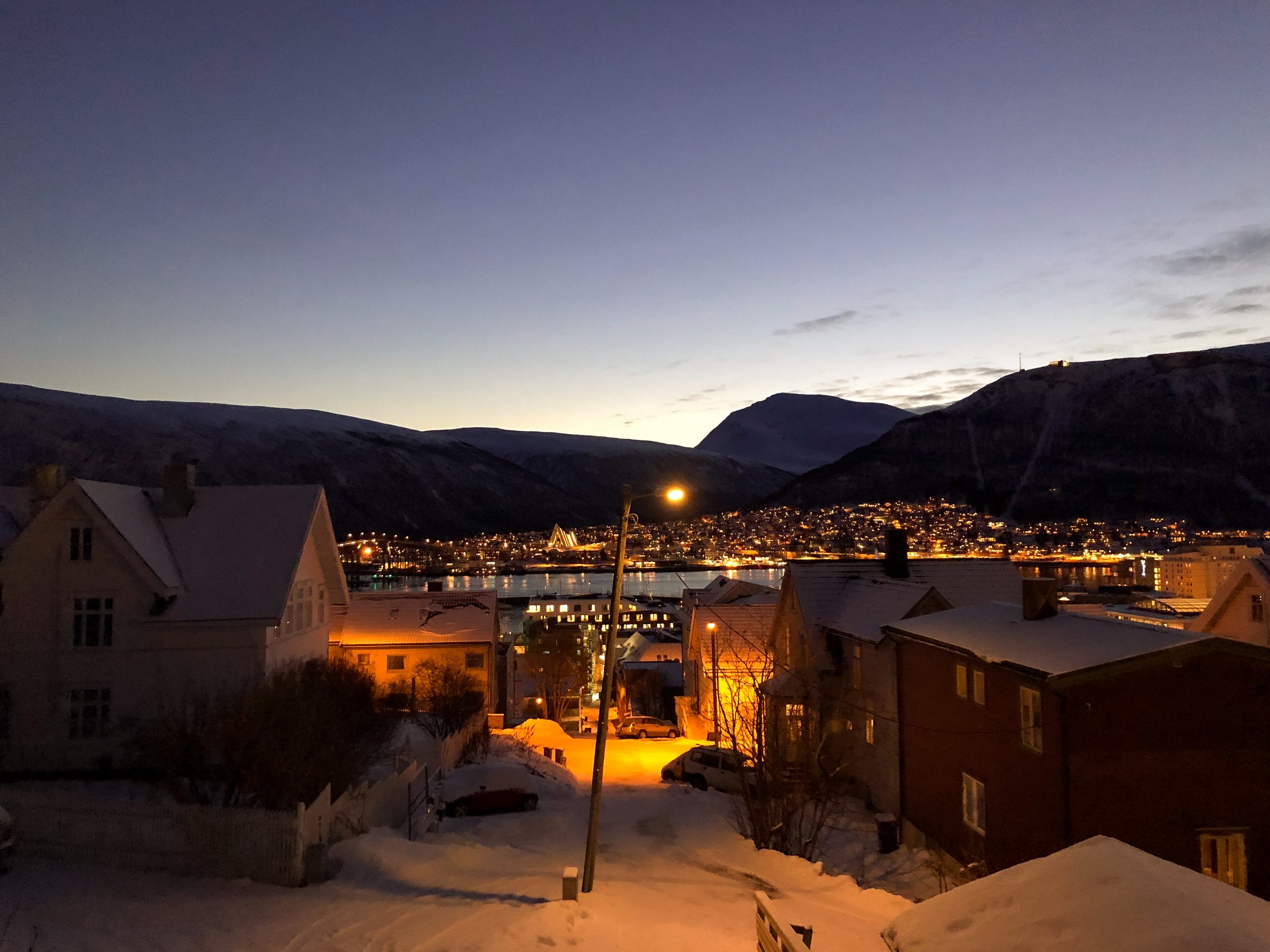
For two months, from late November through late January, the sun does not rise above the horizon. During this time of the the year, known as Polar Night, nearly all hours of the day are dark. For a few short hours during the morning, the sky brightens up enough to feel like an extended dawn. The addition of snow makes the landscape feel even brighter as it reflects more natural light.
The opposite is true from late May through late July. During this time of the year, known as the Midnight Sun, the sun never sets below the horizon. It stays bright for all hours of the day, however when the sun reaches closest to the horizon, the sky lights up with beautiful colors seen during sunset and sunrise.

The Northern Lights
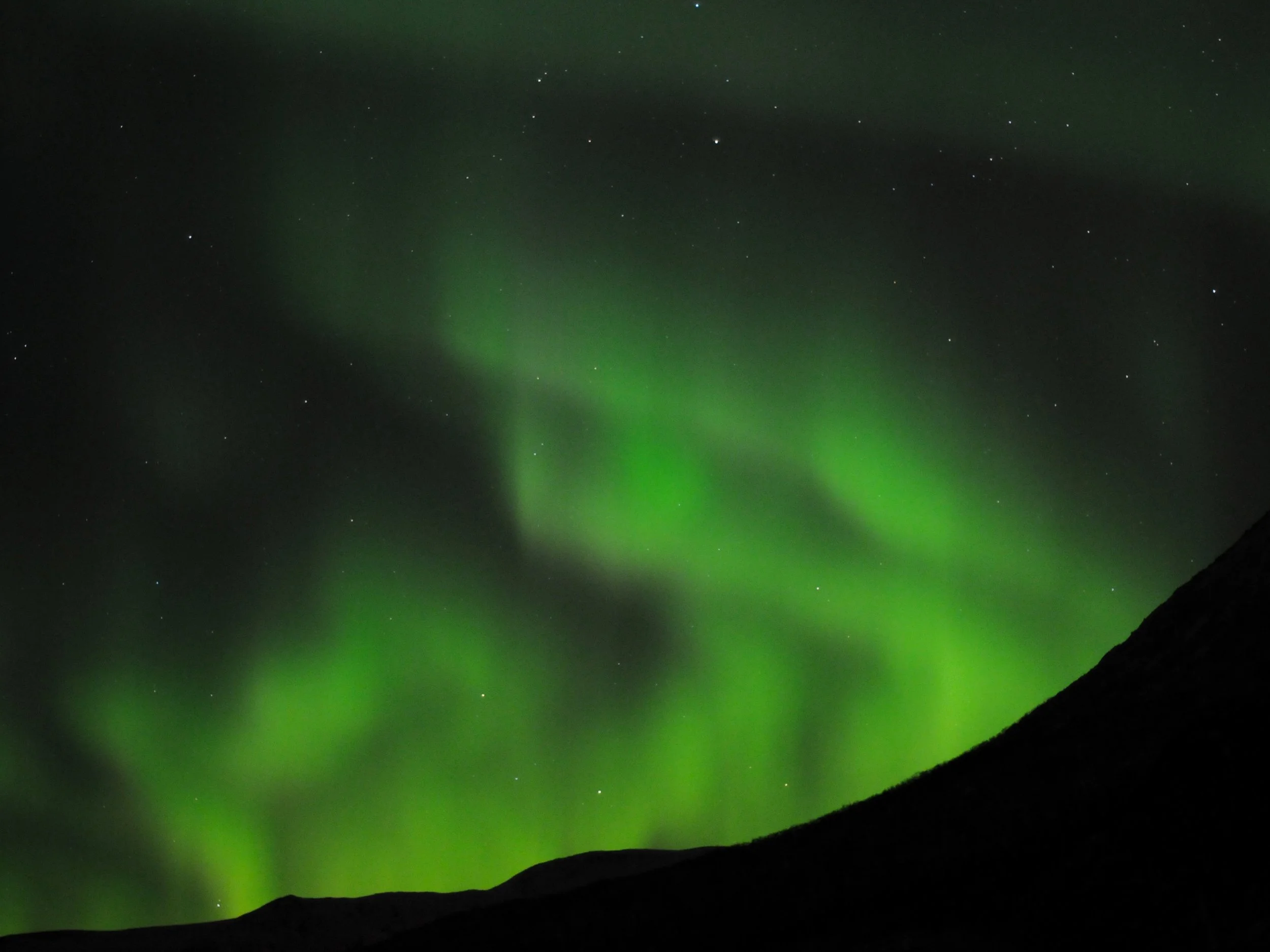
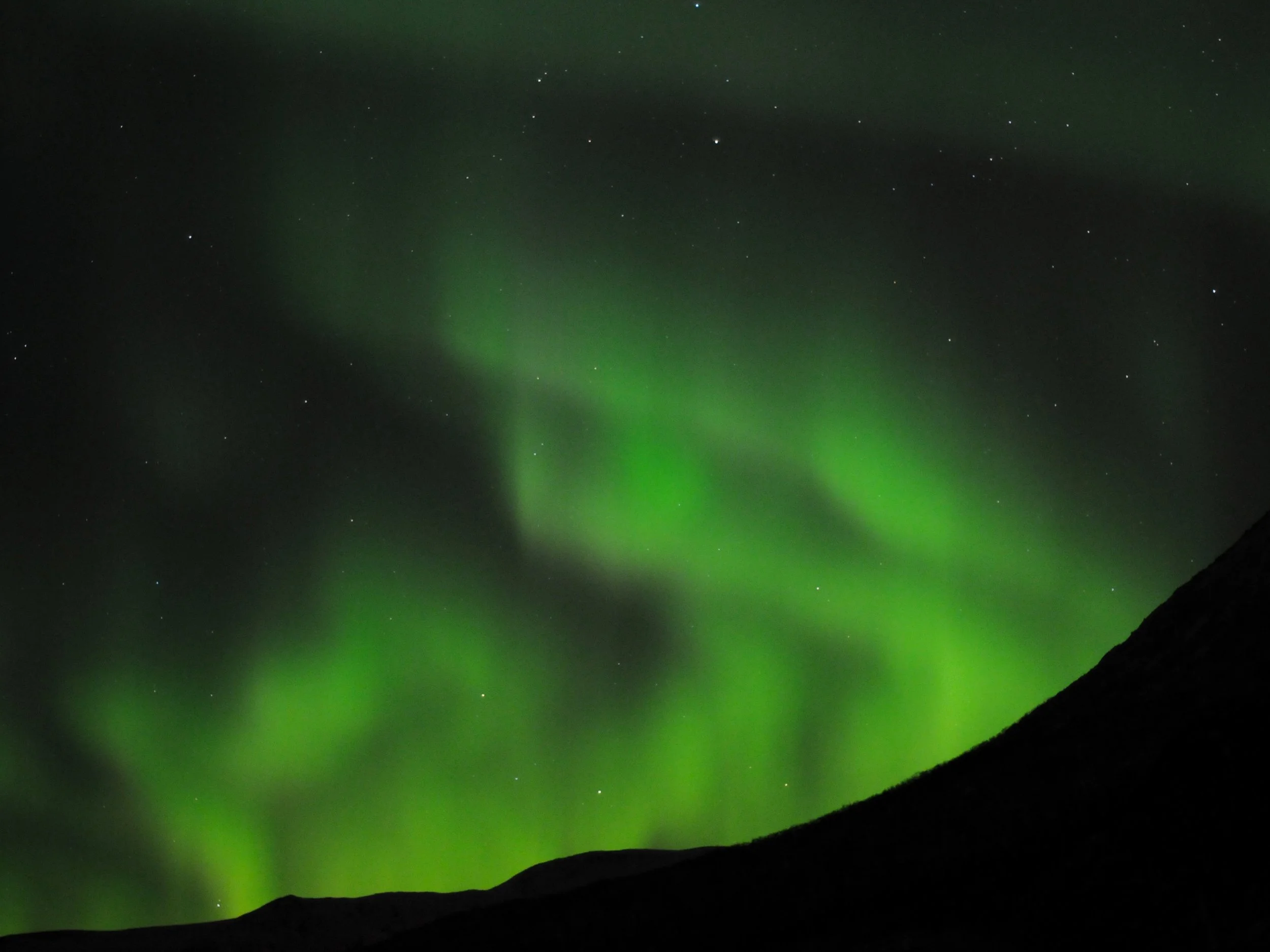
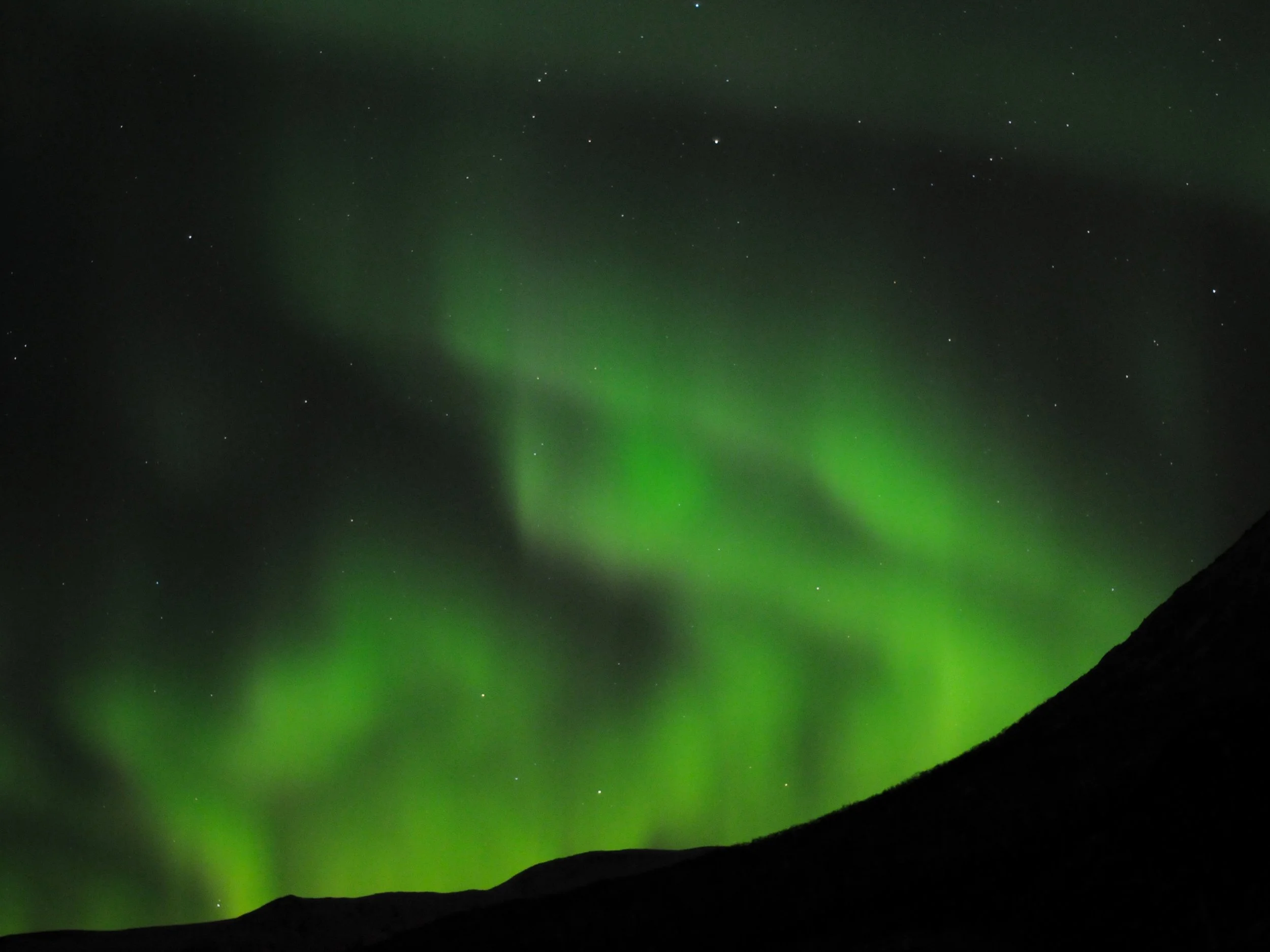
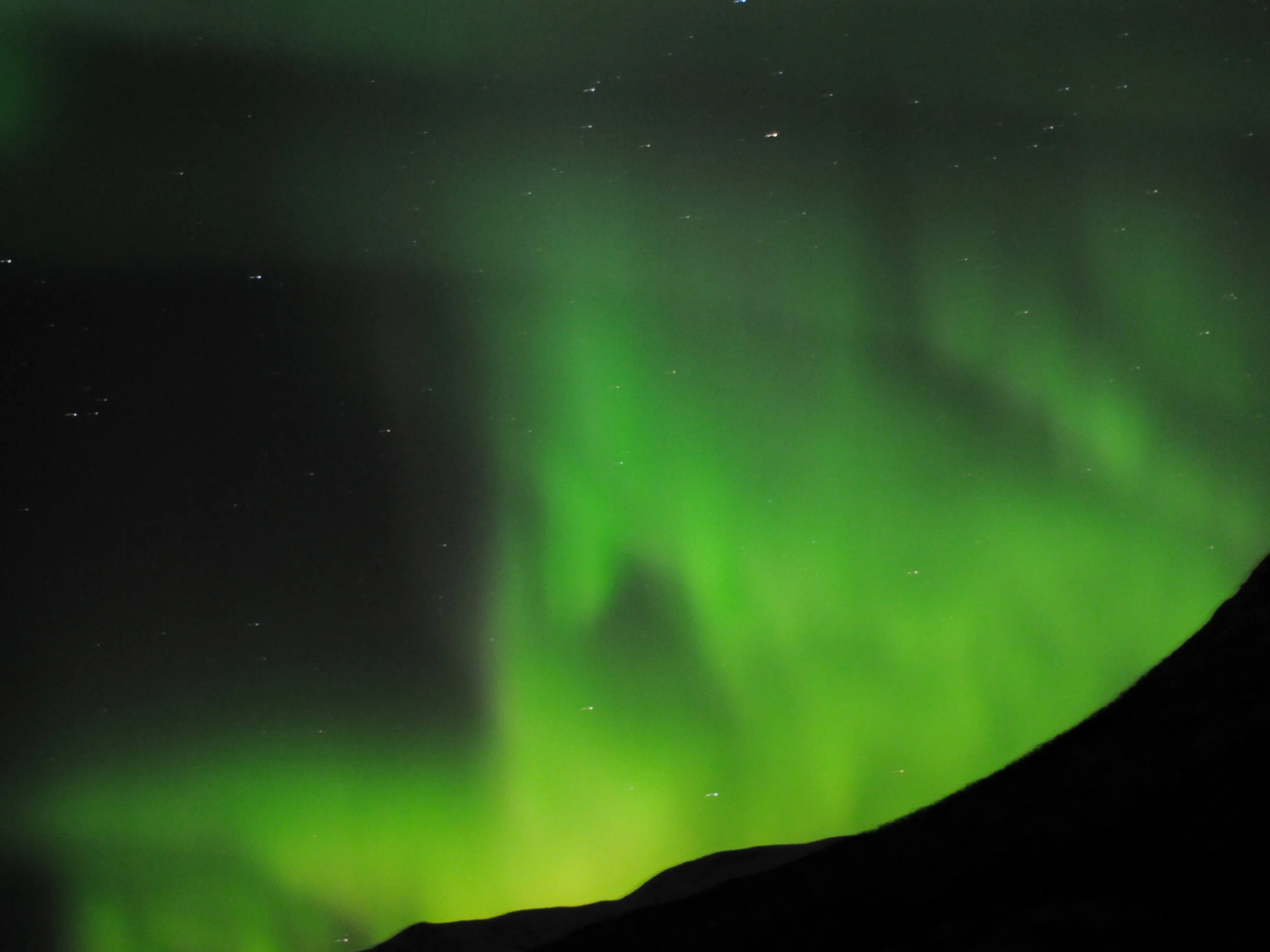
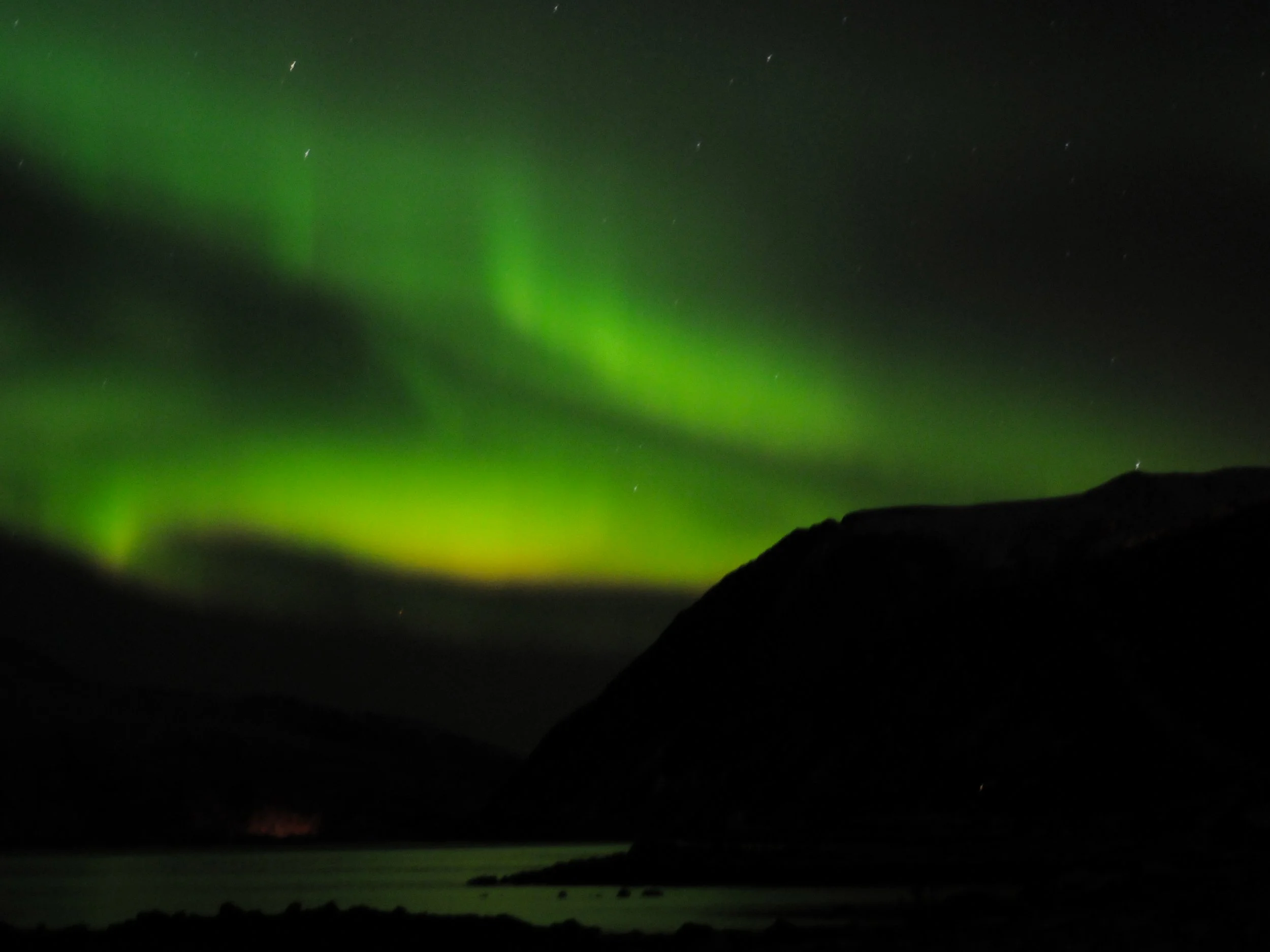
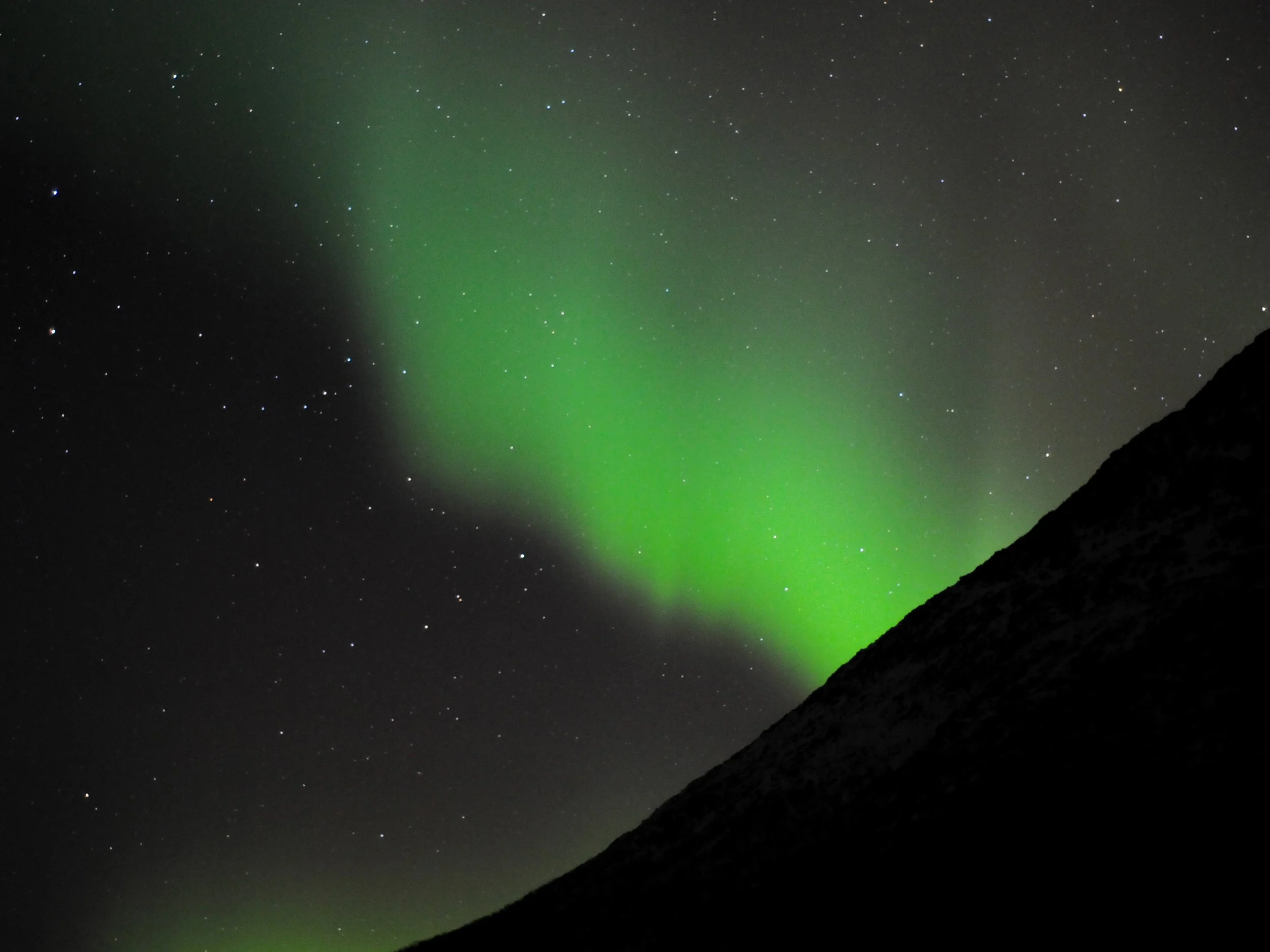
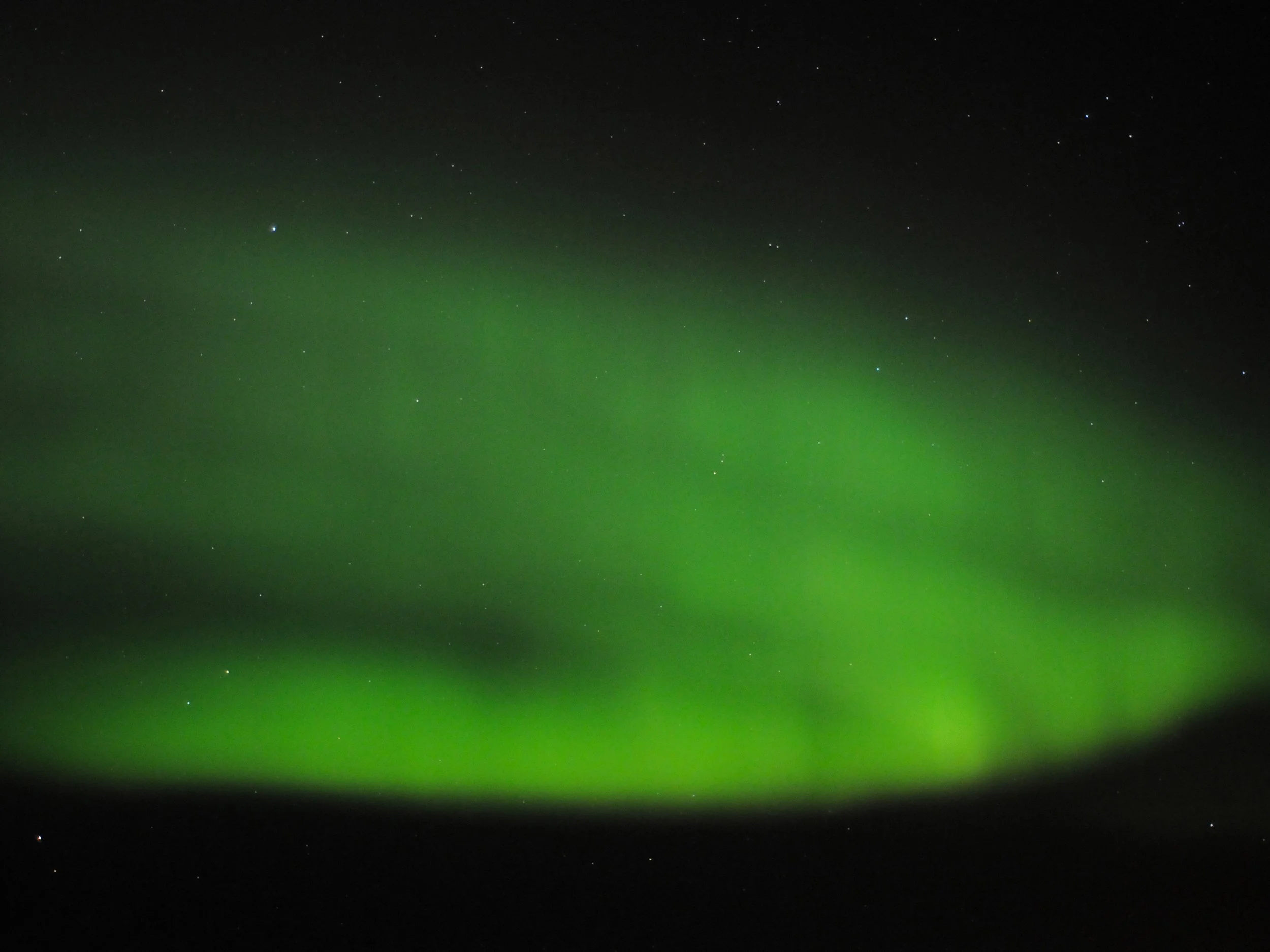
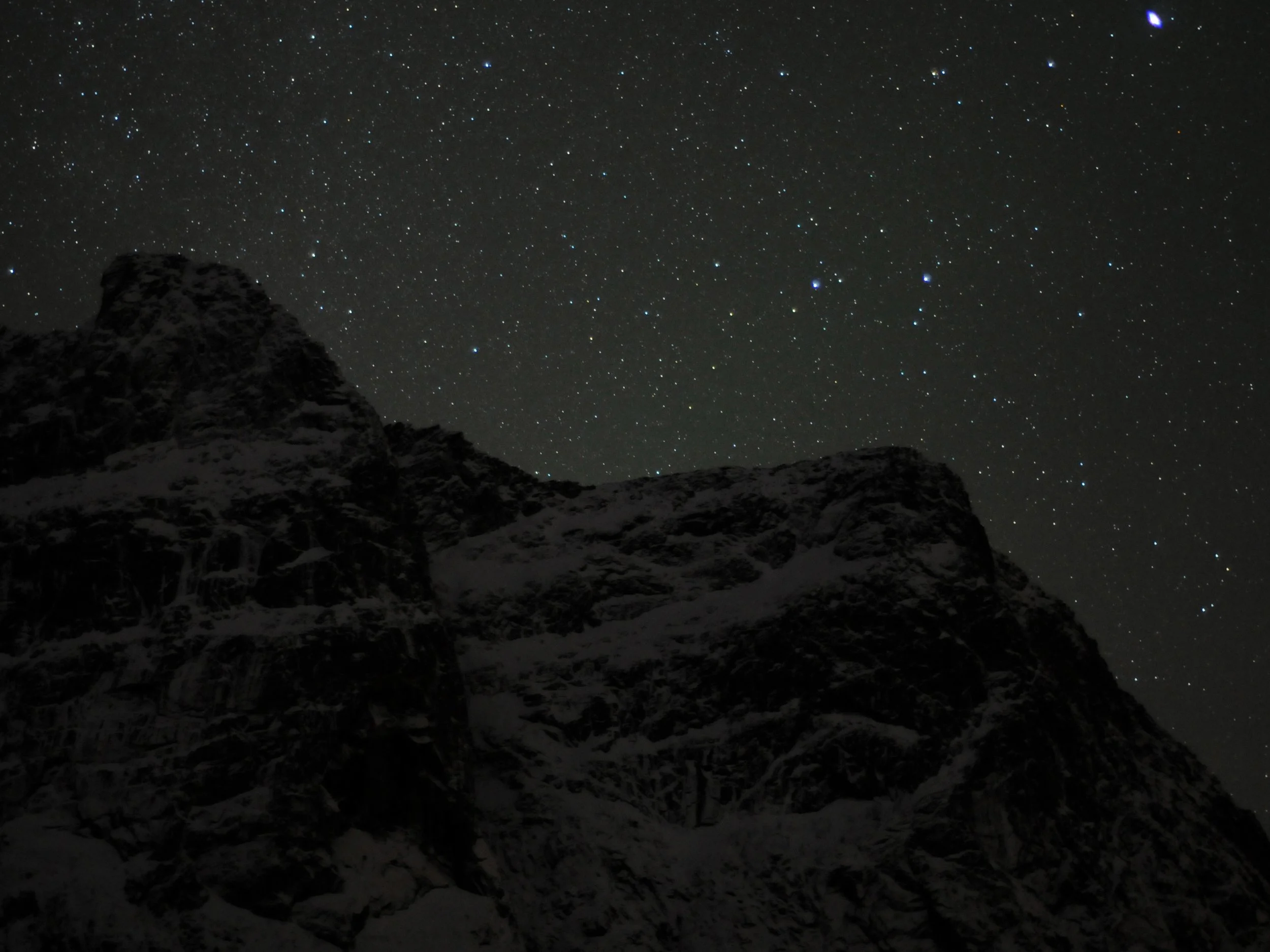
One of the most popular things to do in Tromsø is watch for the Northern Lights. The city sits directly beneath the Aurora Oval, the ovular path near Earth’s northern magnetic pole where the Northern Lights appear. If the conditions are right, the Aurora can be seen dancing and swaying above Tromsø during nighttime. The best time of the year to see the Aurora in Tromsø is from October through March. We visited from late November through early December.
Chasing the Aurora
Though the Aurora can be seen above the city, the best way to see it is by traveling outside of Tromsø to escape from the light pollution. We managed to see the lights above the city one night during our stay but truly got to experience them during a Northern Lights Safari. Local guides will take visitors outside the city to nearby fjords or as far away as Finland and Sweden to give you the best chance possible of seeing the lights. There are dozens of experienced guides and tour companies offering safaris to chase the Aurora. We booked a small group tour with Enjoy the Arctic.
We drove an hour outside of the city to Grøtfjorden where we were able to watch the Aurora dance across the sky nearly the whole evening. We even spotted a few meteors. Our guide helped us take photos, built a fire to keep us warm and provided us with warm drinks and veggie dogs to eat.
Aurora Spotting Tips
It needs to be dark and your eyes have to adjust to the dark. Keep flashlights pointed down or use red lights.
It needs to be a clear evening, preferably no clouds or haze
Spotting the Aurora isn’t always certain. Even if it’s a dark sky and clear night, there might not be the right solar activity for them to appear. Plan on having a couple nights available to watch for the lights in case your first attempt doesn’t work out.
The human eye has a difficult time taking in enough light at night to recognize the Aurora’s true colors like cameras do. With your naked eye, it will appear mostly pale green or dark purple with the occasional flair of neon. Regardless of the intensity, the Aurora is truly a sight to be seen.
With the right settings, any DSLR camera will be able to photograph the Aurora. Our DSLR settings were:
Camera (Nikon D300S)
50mm Lens
Aperture (F1.8)
ISO (1250)
Shutter Speed (2.5)
Whether using a camera or a phone to photograph the northern lights, always use a tripod. Your hands will be too shaky to take a clear image.
Night mode and 10 second exposures on most smartphones will also capture the Aurora.
Dress in warm layers! It is going to be very cold and windy.




Sámi Culture & Reindeer
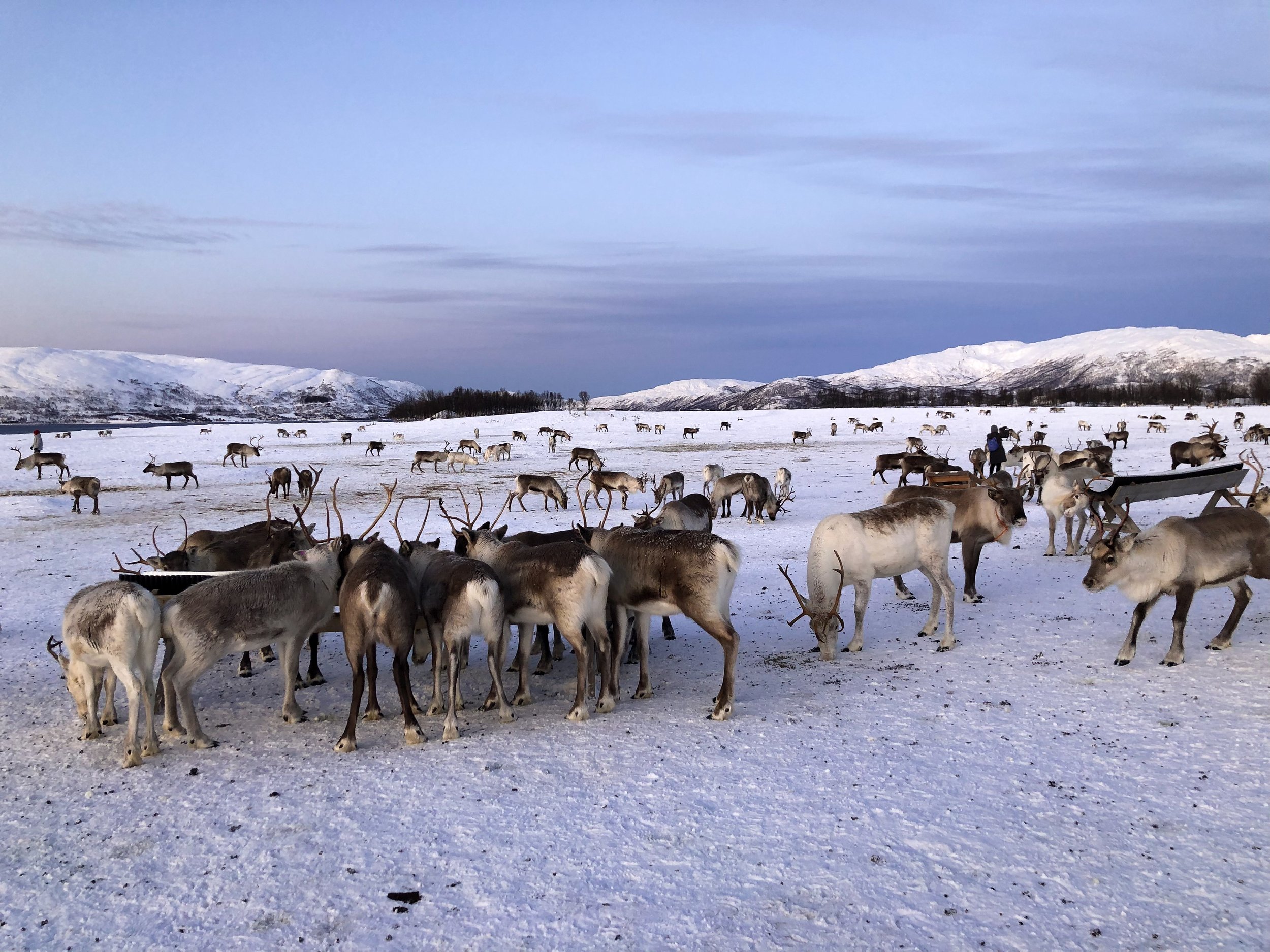
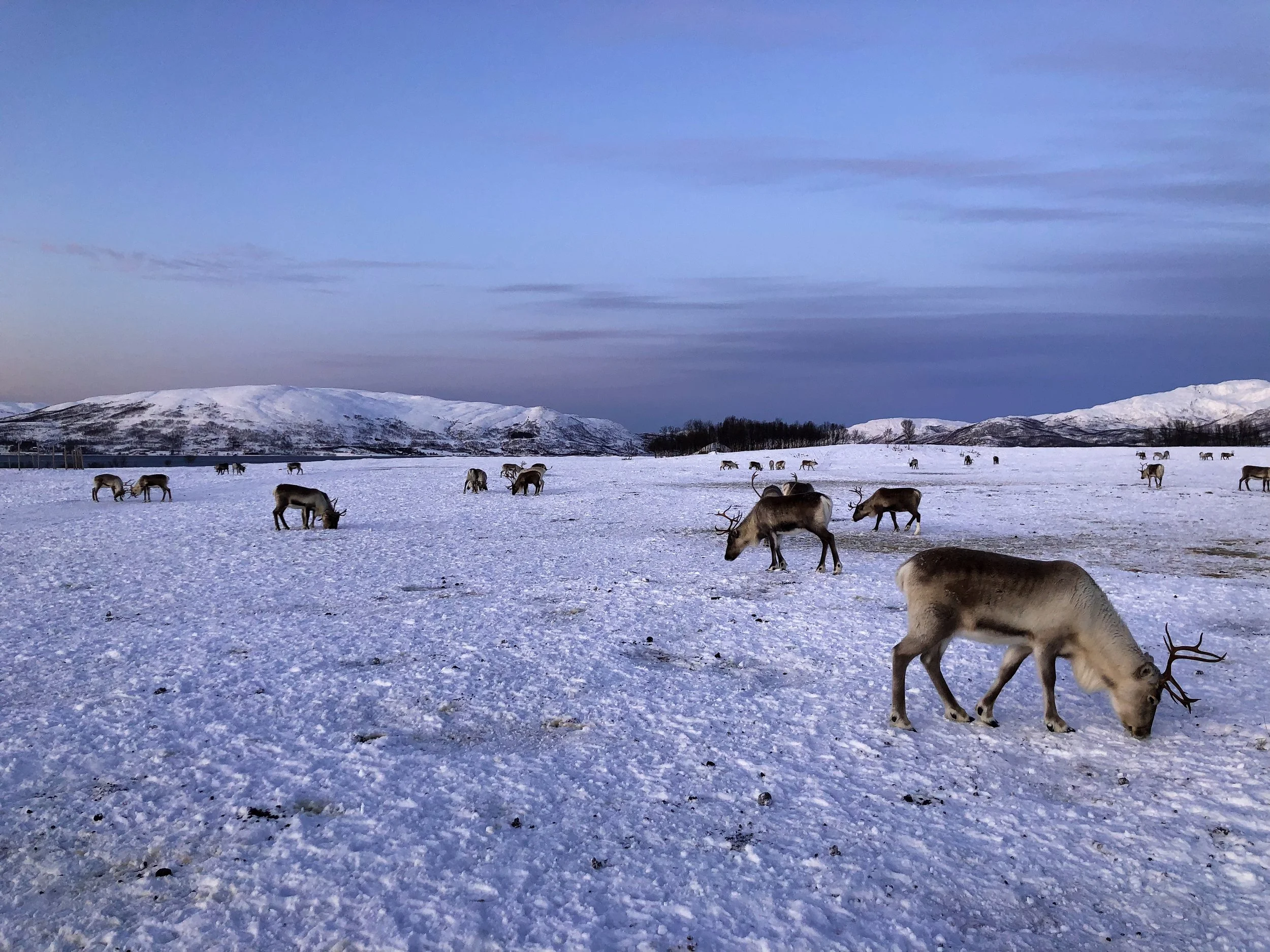
The Sámi People are a semi-nomadic nation spread throughout Scandinavia with a tradition based in reindeer herding. For thousands of years, they have established a livelihood using the reindeer for meat, fur and transportation. While in Tromsø, we booked an experience with Tromsø Arctic Reindeer, operated by a family of Sámi people to promote their culture, share their stories and offer close experiences with their herd of reindeer.
Reindeer Games
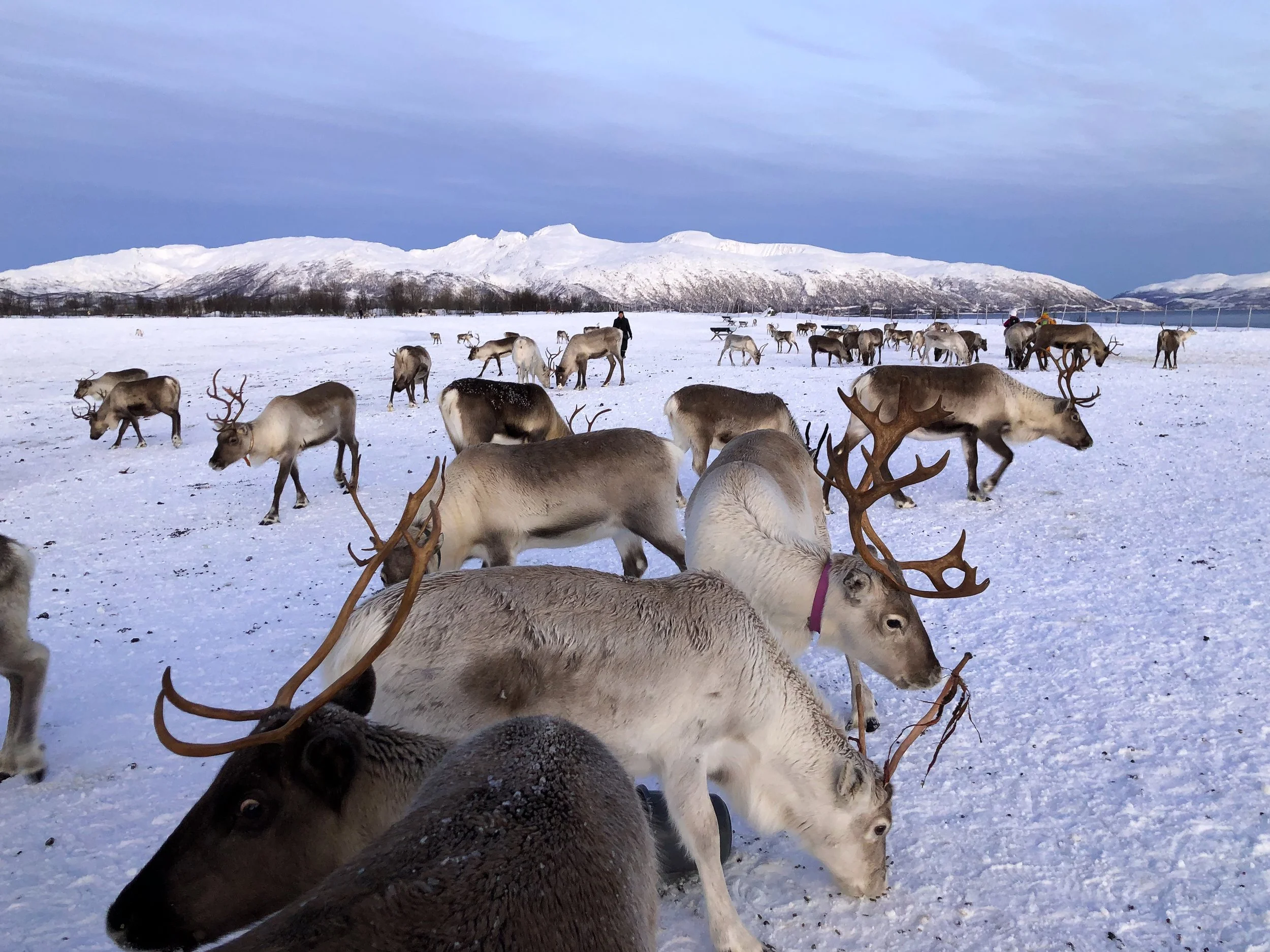
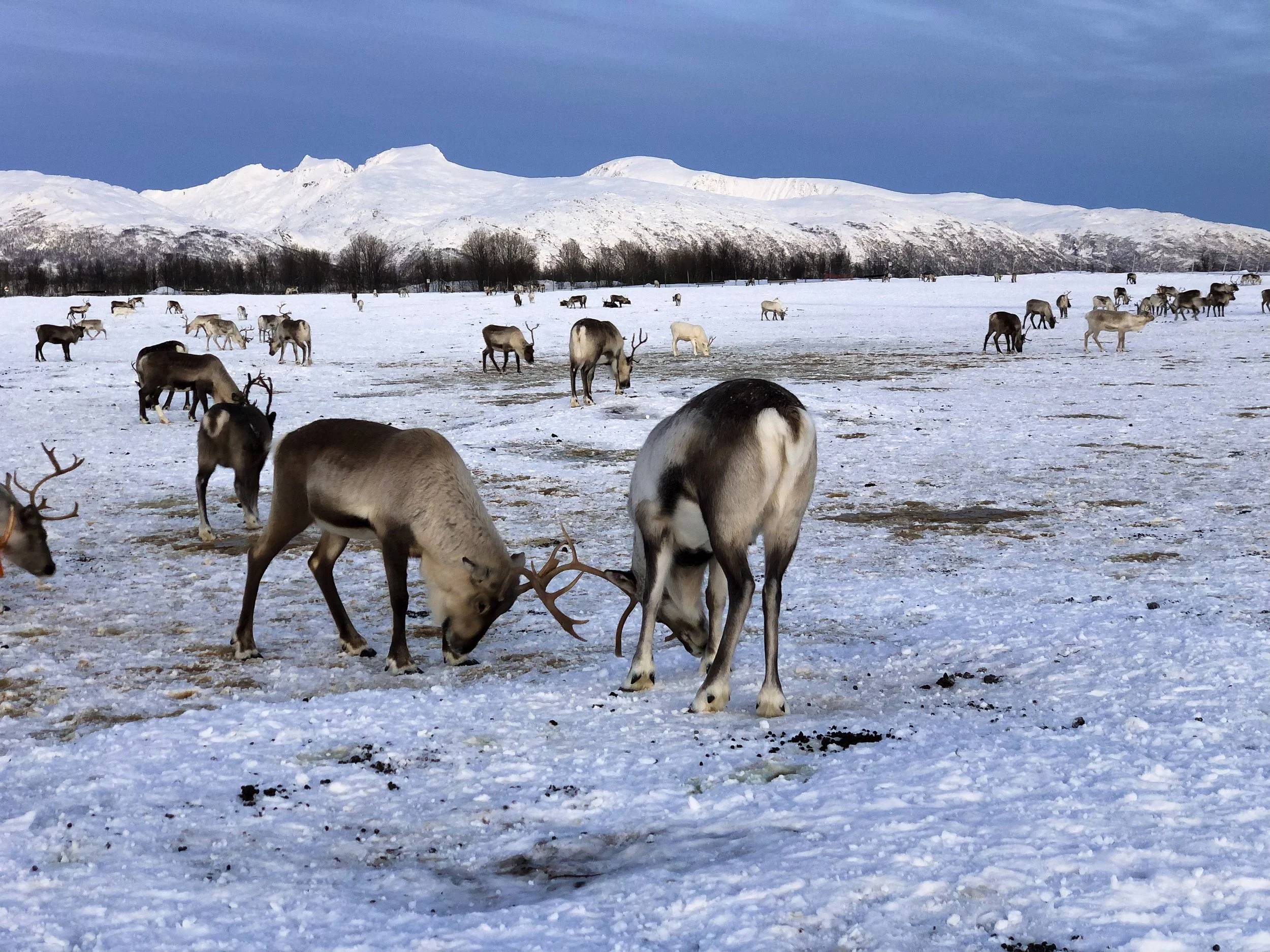
The Sami family welcomed us to their camp and introduced us to their herd of reindeer. Hundreds of the animals roamed the icy field as snow covered peaks stood in the distance. We watched as they played reindeer games, chasing each other around and sparring, like a scene from a Nordic fairy tale.




Reindeer Sledding & Feeding
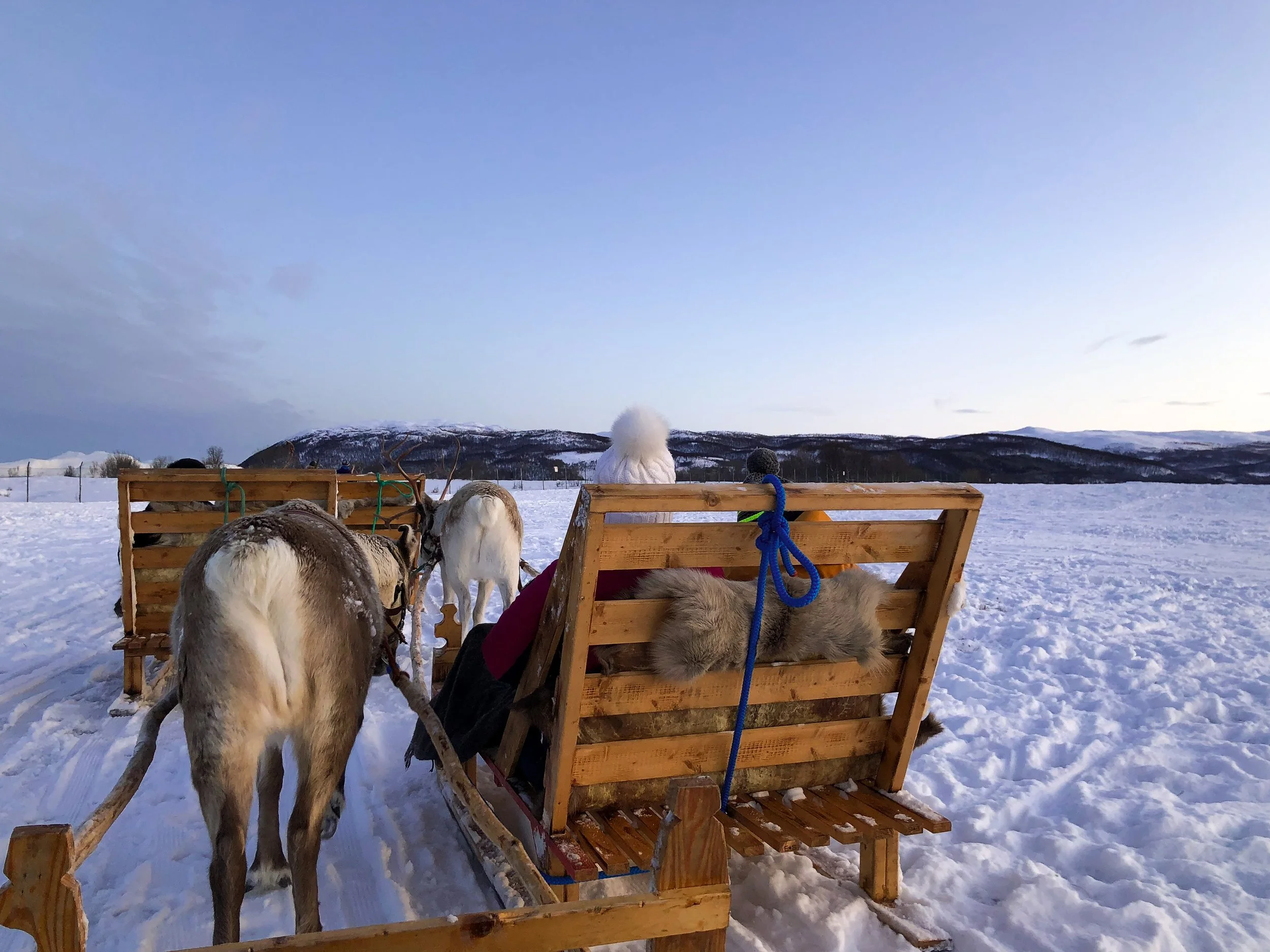
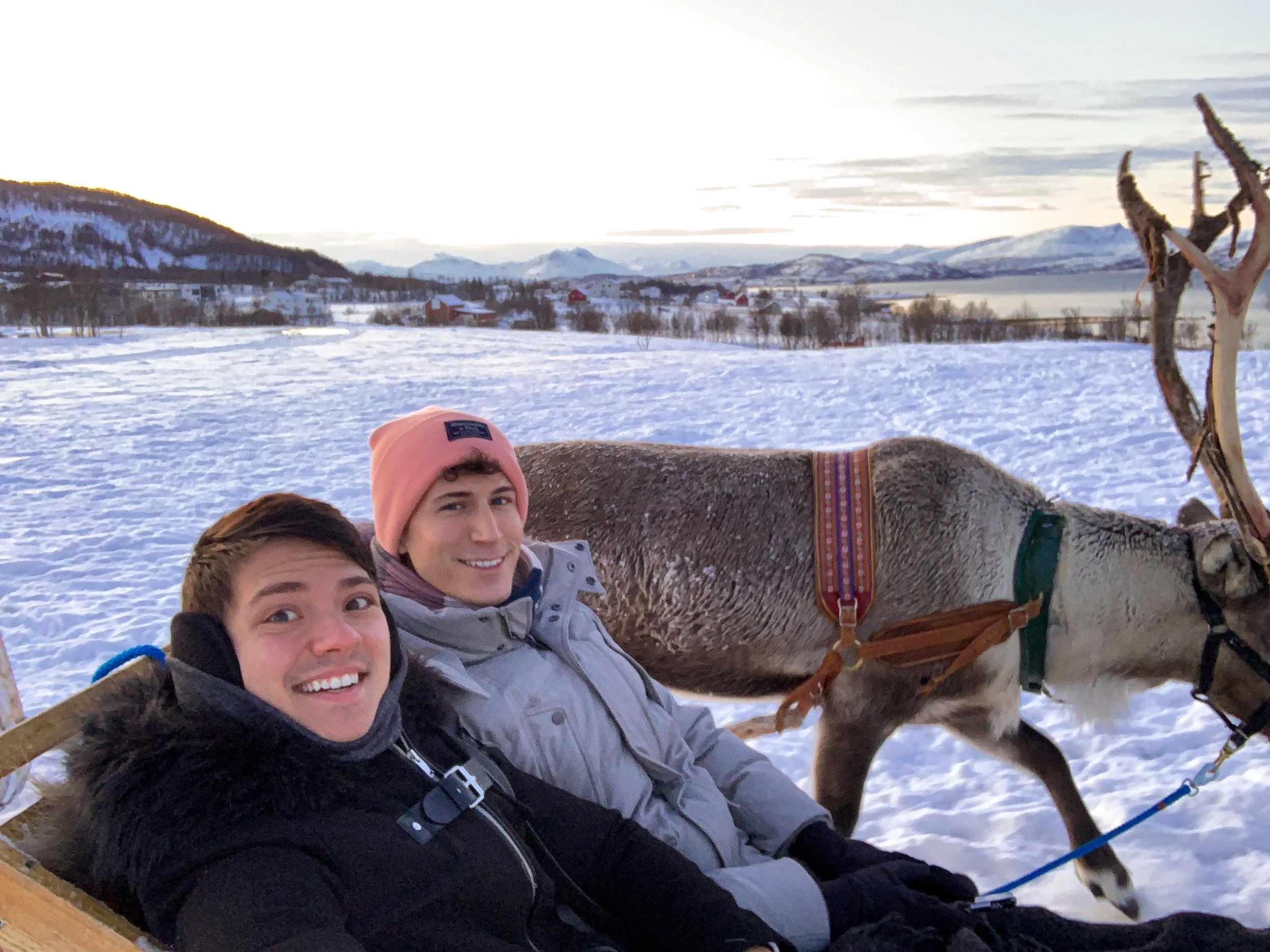
Guided by two reindeer and Sámi handlers, we were gently pulled on a sleigh ride across the wintery pasture and landscape. We thanked the reindeer with buckets of food (no, not the glitter and oats you toss outside for Santa’s reindeer) but hearty pellets of grain. They typically graze on the grass beneath the snow but once the snow is too packed down for them to break through they feed on pellets or relocate to a new field. The reindeer, still wild animals, were very excited for the food. They were gentle, however at times one would nudge you for attention then bury their face into the bucket. It was amazing getting to be so up close and personal with these animals.
Sámi Hospitality & Story Time
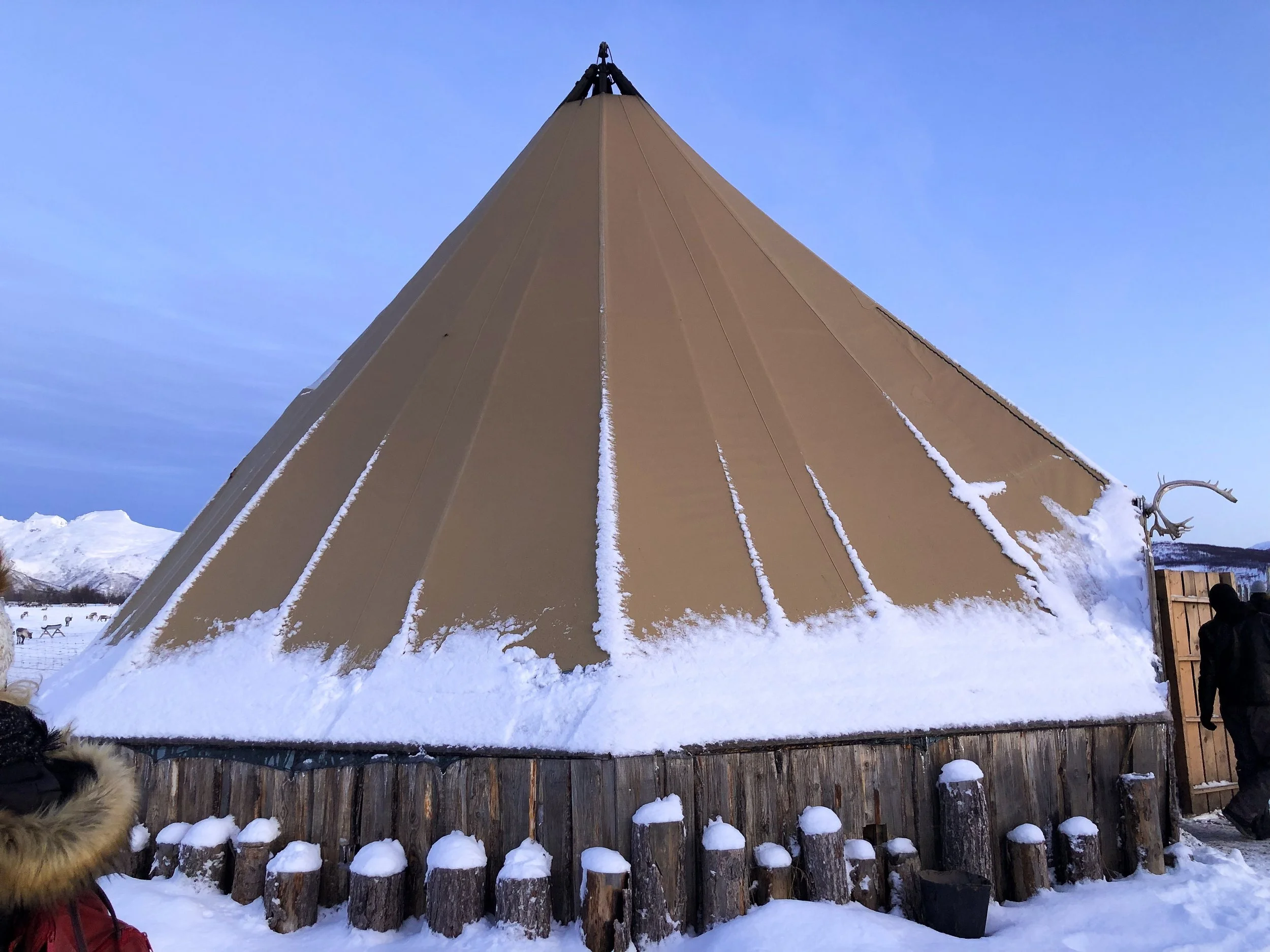
Inside the Sámi tents, the family’s matriarch greeted us with hot coffee, cookies and reindeer stew. We ate a vegetarian version and warmed up around a wood burning stove. After our meal, we moved to a different tent, called a lavvu, used for communal gatherings and ceremonies. We sat around a log fire listening to the camp leader and multiple reindeer herders talk about their life and the Sámi Culture. They explained the purpose of the traditional clothing and items they carry, many of which were handmade from reindeer. They sang songs, called a joik, which is a traditional form of music sung to someone or something of importance in their lives. The eldest herder told us how he sings for the reindeer and to scare away predators. It was truly a one of a kind experience getting to hear stories from the Sámi people and feed their herd.
Snowshoeing & Fjord Hike
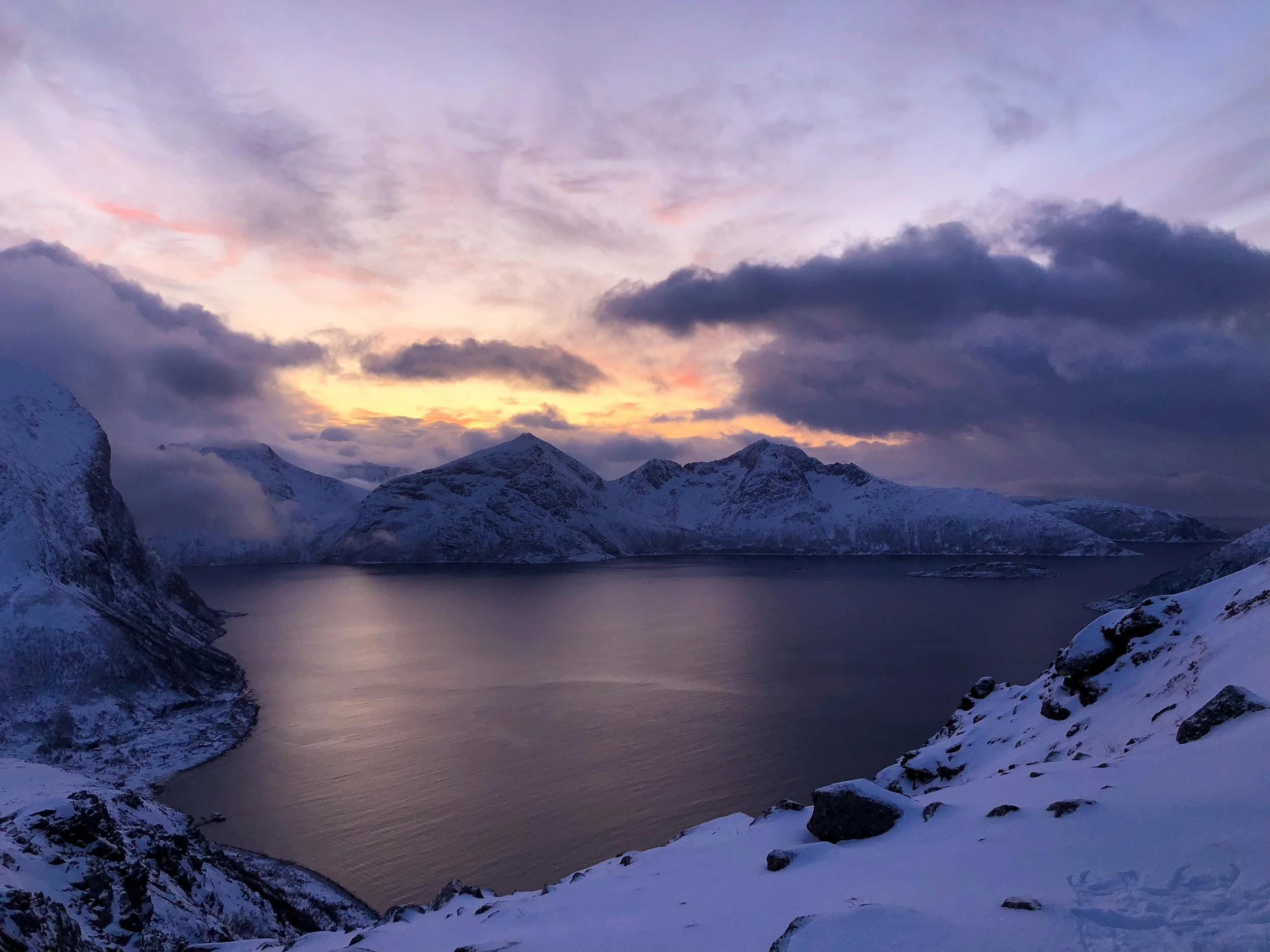
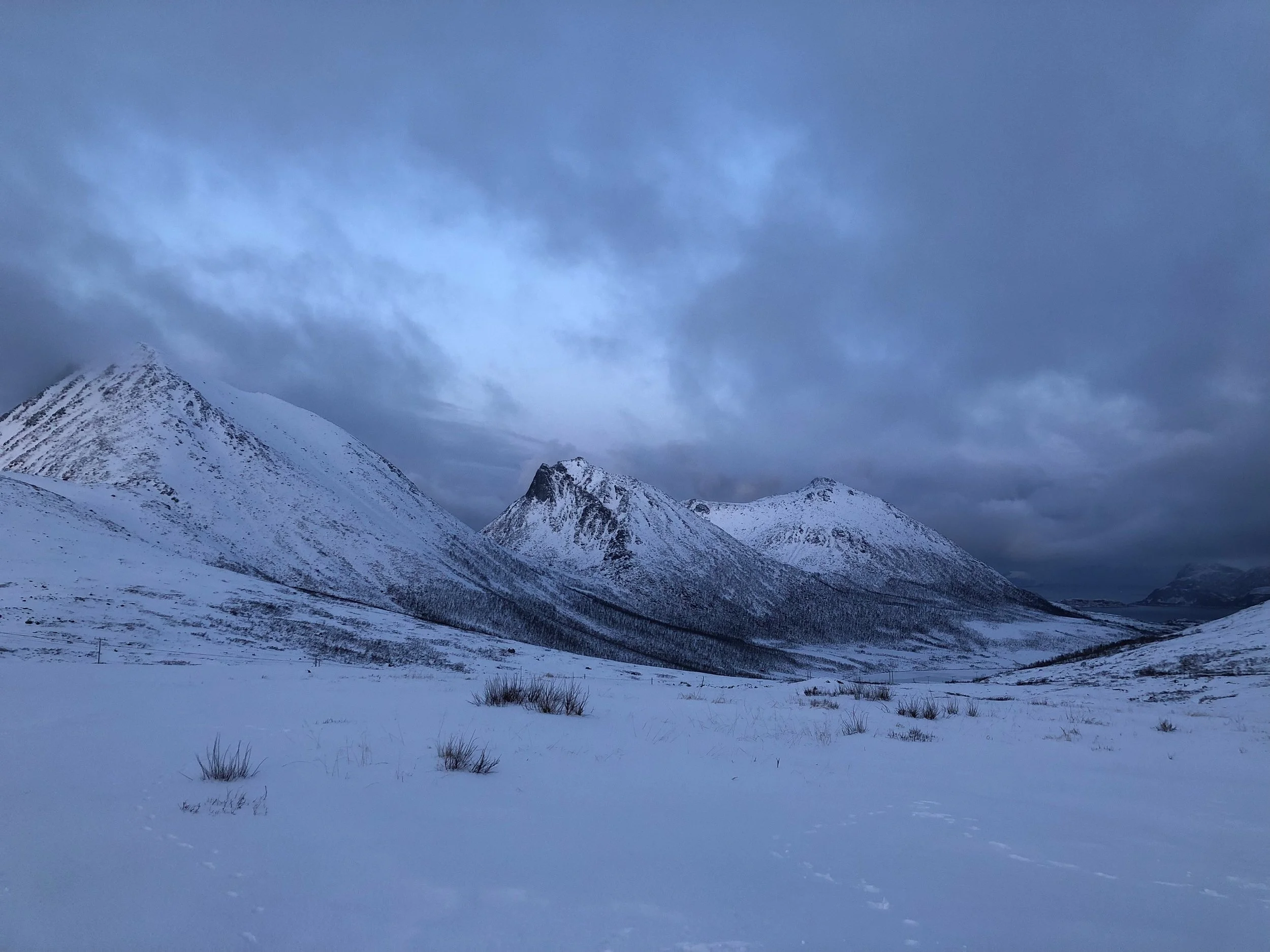
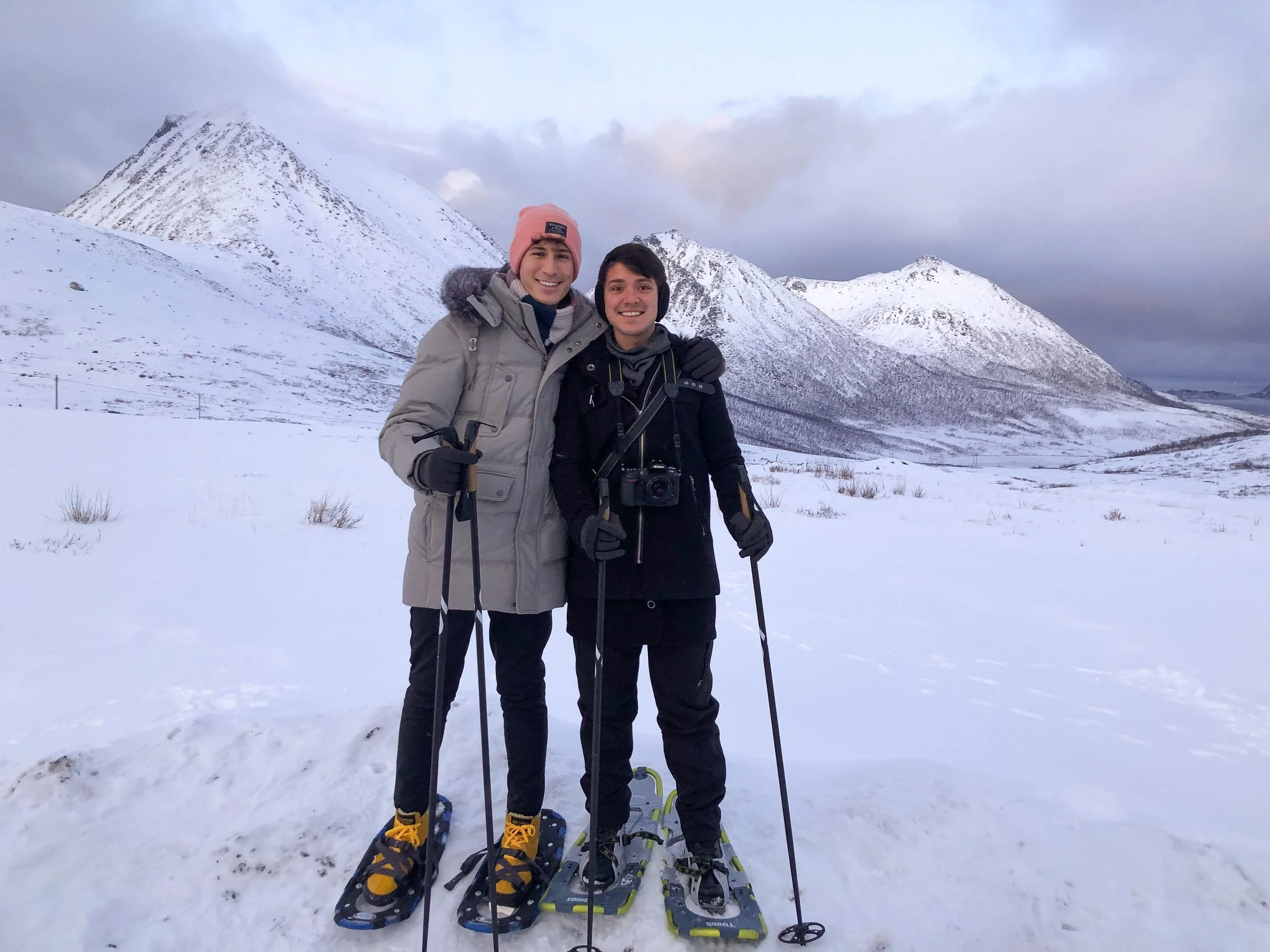
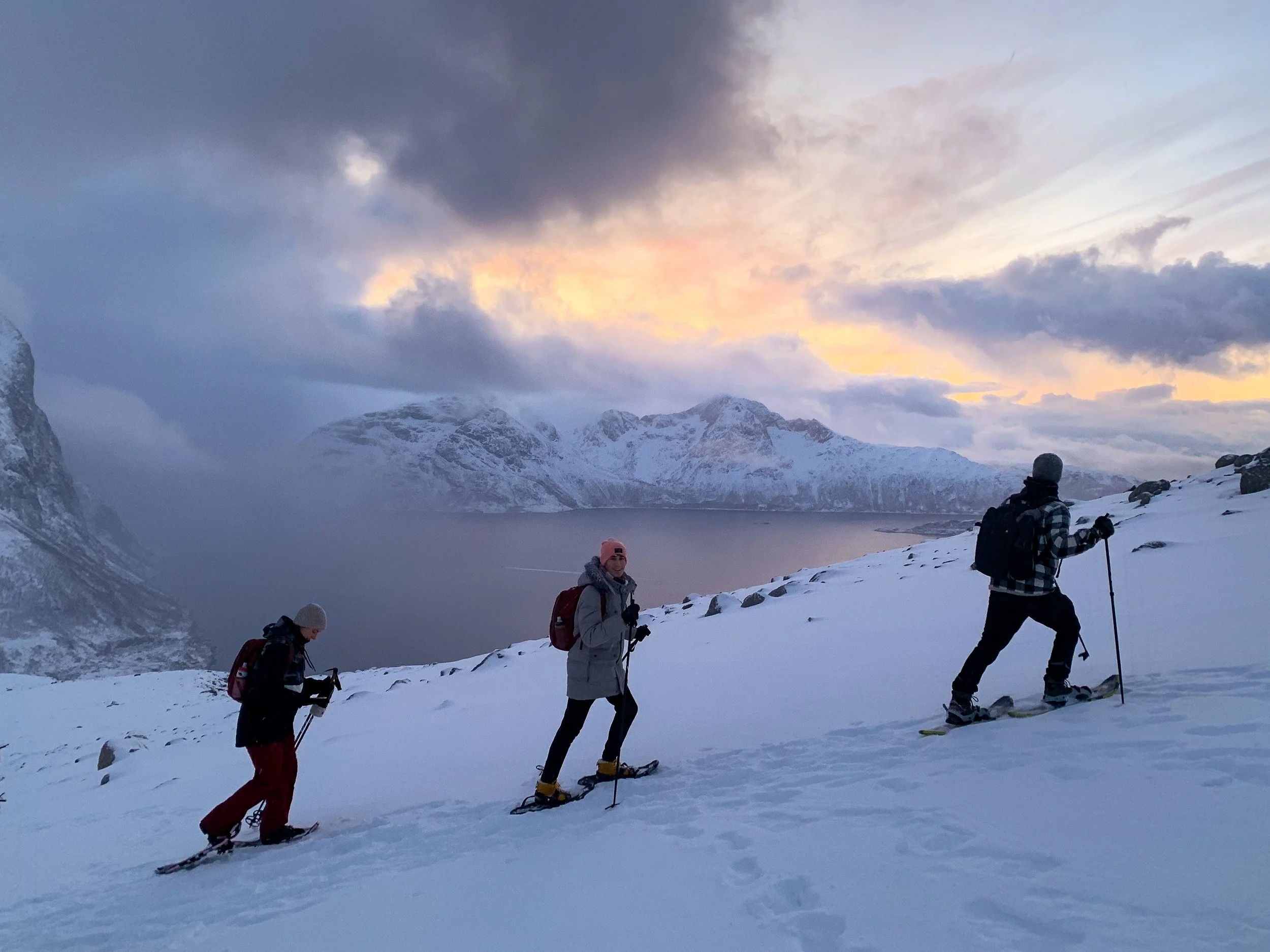
Tromsø is surrounded by snow covered mountain peaks, dramatic fjords and the idyllic landscapes of Northern Norway. We booked a guided snowshoeing excursion to experience the wintery landscape with Northern Horizon. They provided us with transportation, gear and a meal during our trip.



Ascending the Mountainside
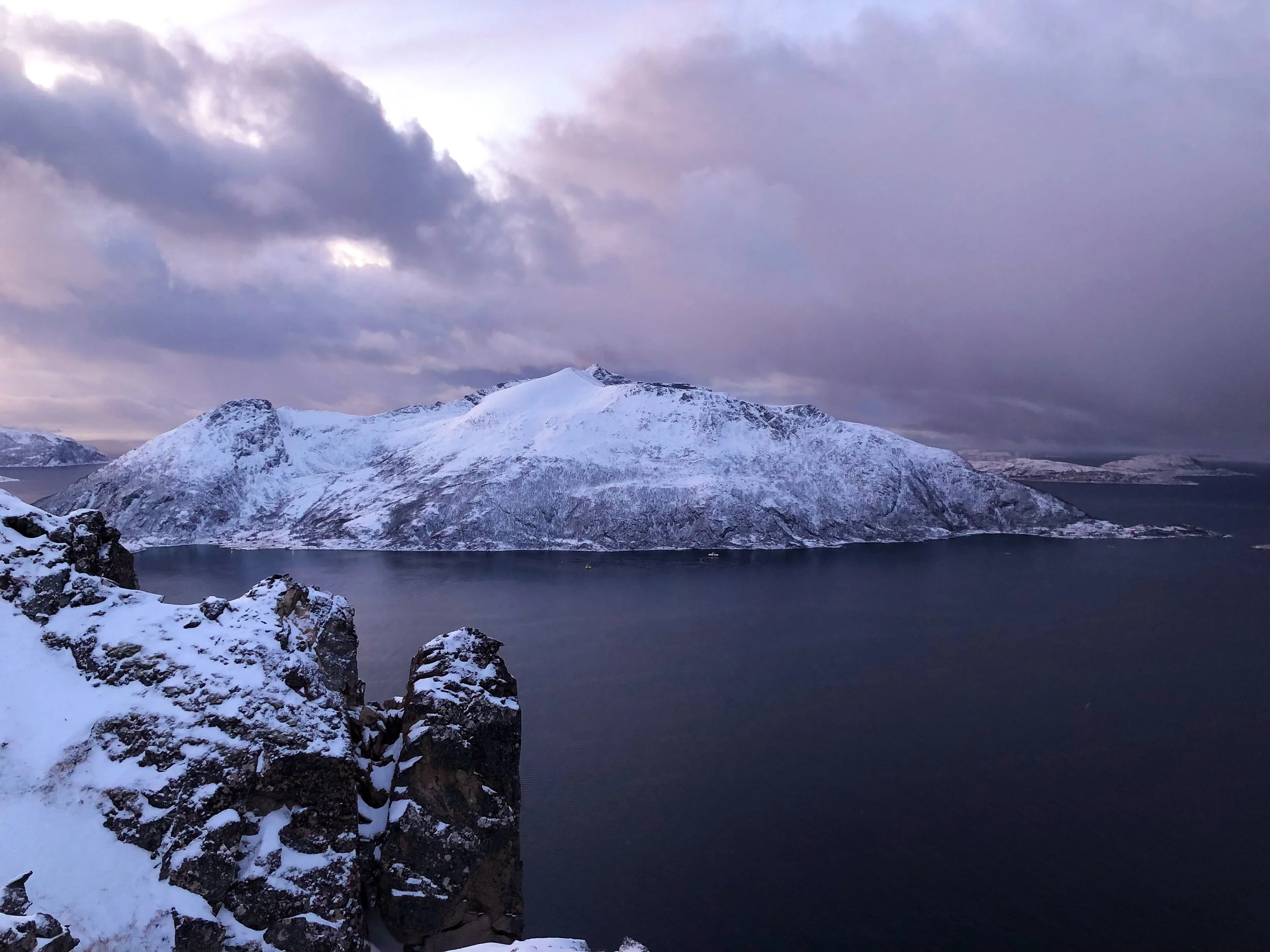
We began our ascent in the small town of Tromvik, situated along the Norwegian Sea, an hour away from Tromsø. We spent about 2 hours snowshoeing the side of the mountain during the brightest hours of the morning before reaching one of its peaks. From the peak, we could look directly across the fjord at a salmon farm and straight out towards the Norwegian Sea.

Prepare for the Weather
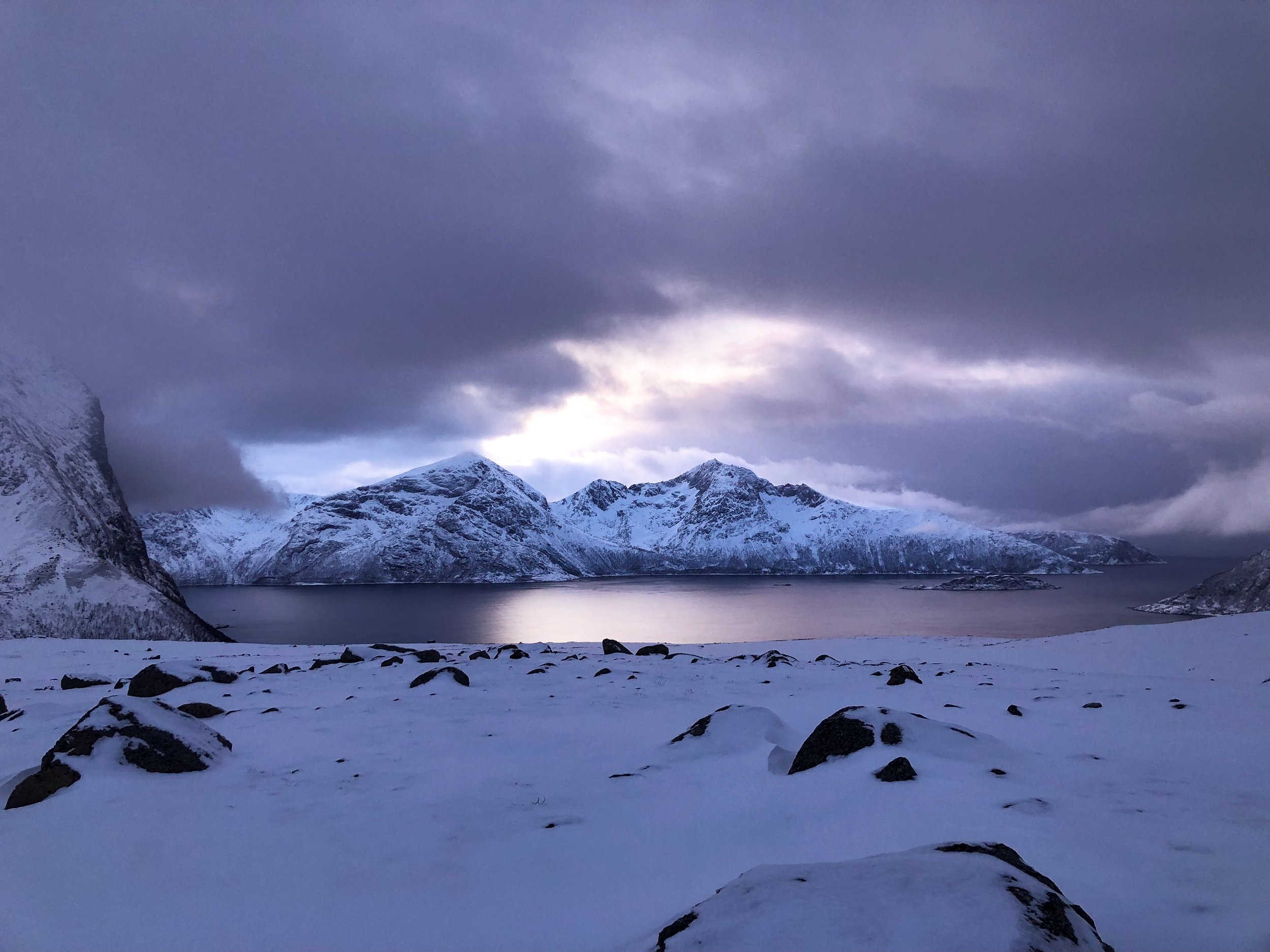
The hike wasn’t too difficult but it definitely helped having an experienced guide leading the way, watching out for icy crevices and rapidly changing weather. At times the temperature would drop several degrees or a blizzard would roll in. This was especially true, the higher we climbed in elevation. The descent down the mountainside took about 30 minutes. By the time we reached the car, it was nearly dark again.
A Scenic Drive & Tasty Rest Stop
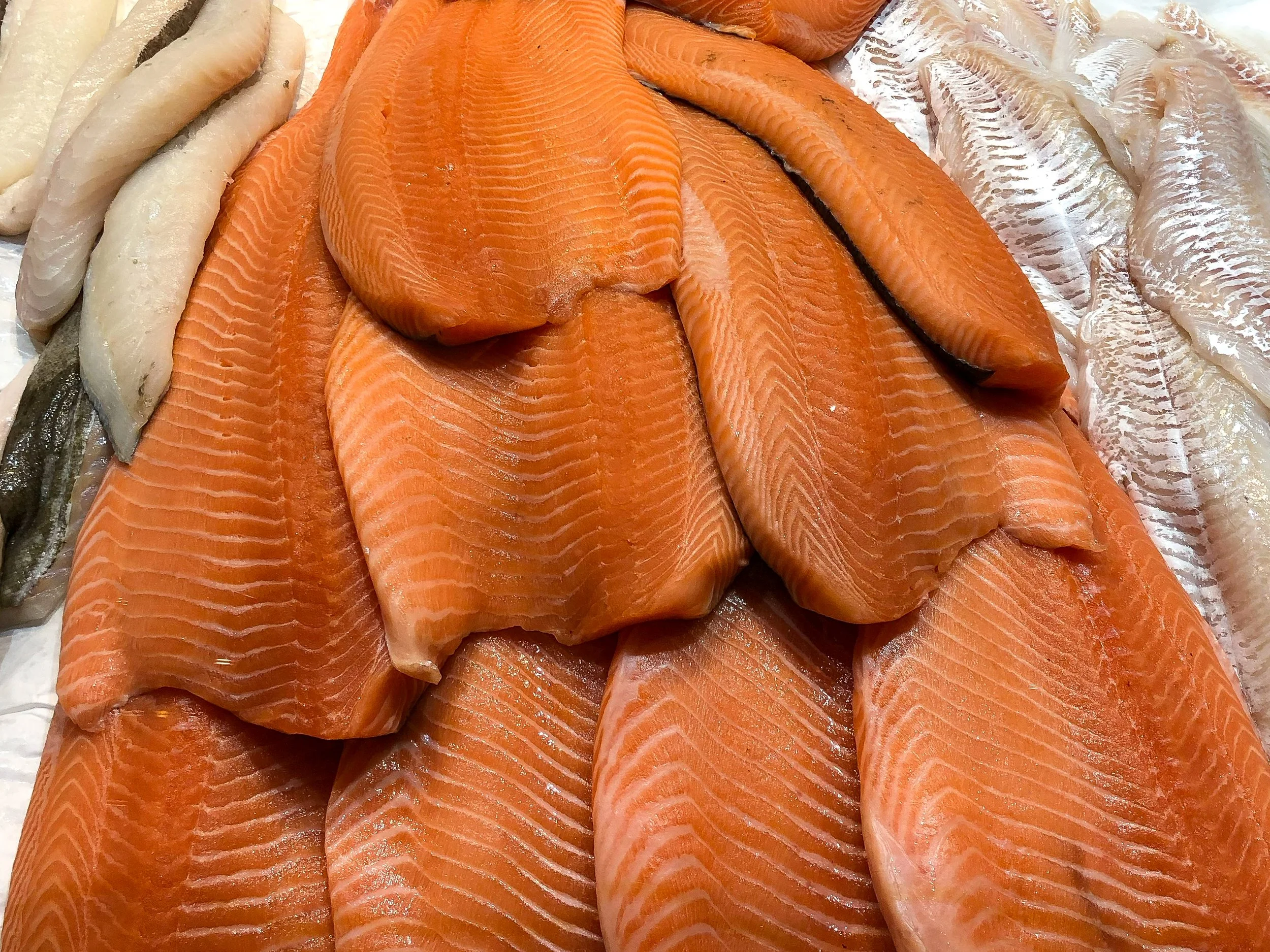
The scenic drive between Tromsø and Tromvik passed through Grøtfjorden, the same fjord we watched the Northern Lights from. We stopped in the small town of Kvaløysletta to visit Eide Handel AS, a grocery store with a deli counter displaying all types of Norwegian Salmon. They offered dozens of samples, which we tried, before buying a packaged smoked filet to bring home.




See the Sights
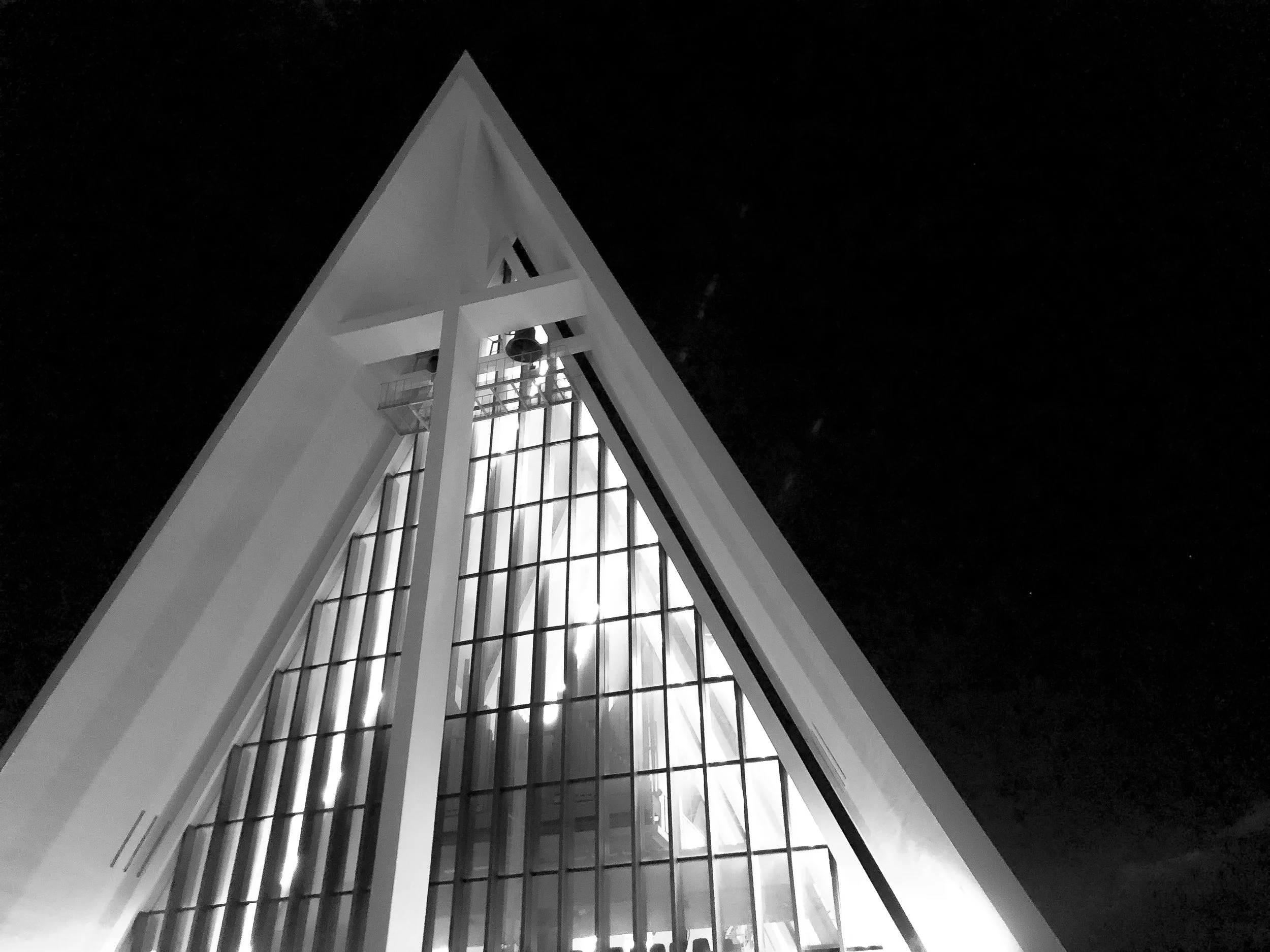
The Arctic Cathedral. Tromsø’s most recognized site is an Arctic architectural beauty. The modern cathedral, built in 1965, is inspired by the serene arctic landscape surrounding it. The 11 triangles that form its shape are reminiscent of snowy mountain peaks. The pews inside are made from local pine and cushioned in reindeer leather.
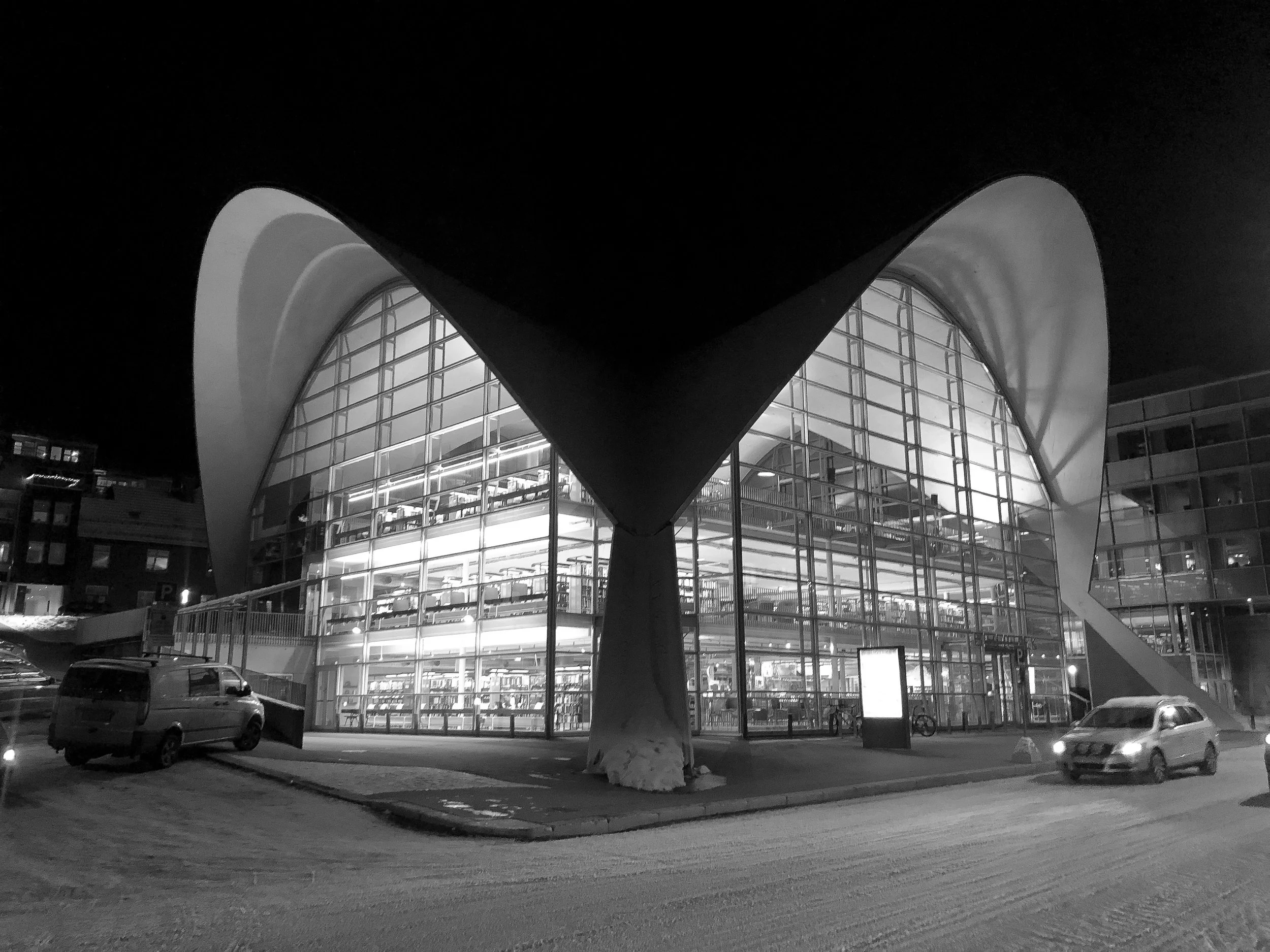
Tromsø Bibliotek. A contemporary library at the center of Tromsø with four arched and glass sides. The interior has a warm glow and aisles of books that look out over the city.
Polaria. A polar aquarium designed to evoke the fractured ice floes seen throughout the Arctic waterways. Each shard of the building is stacked up against one another forming a giant slanted mass.
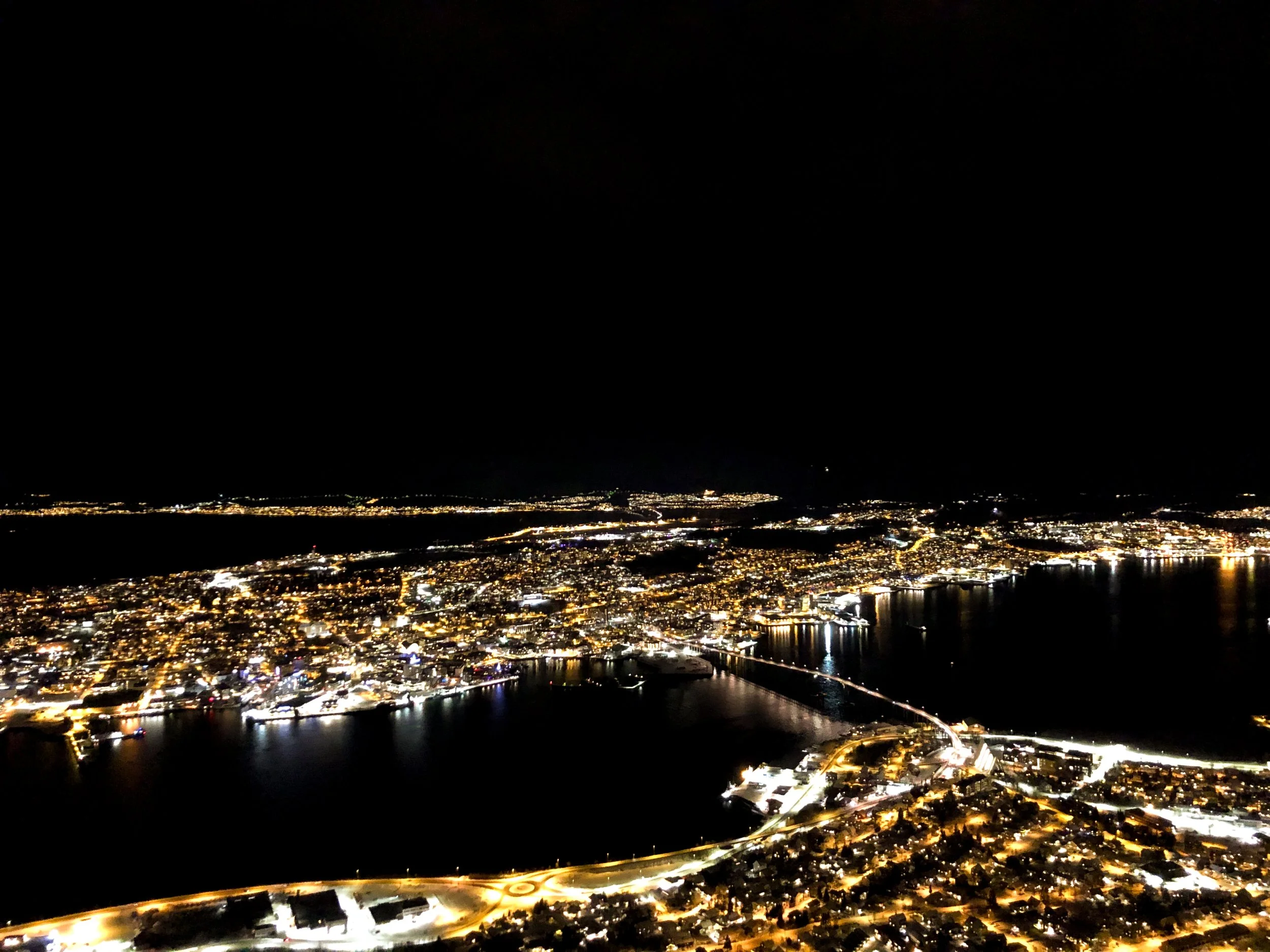
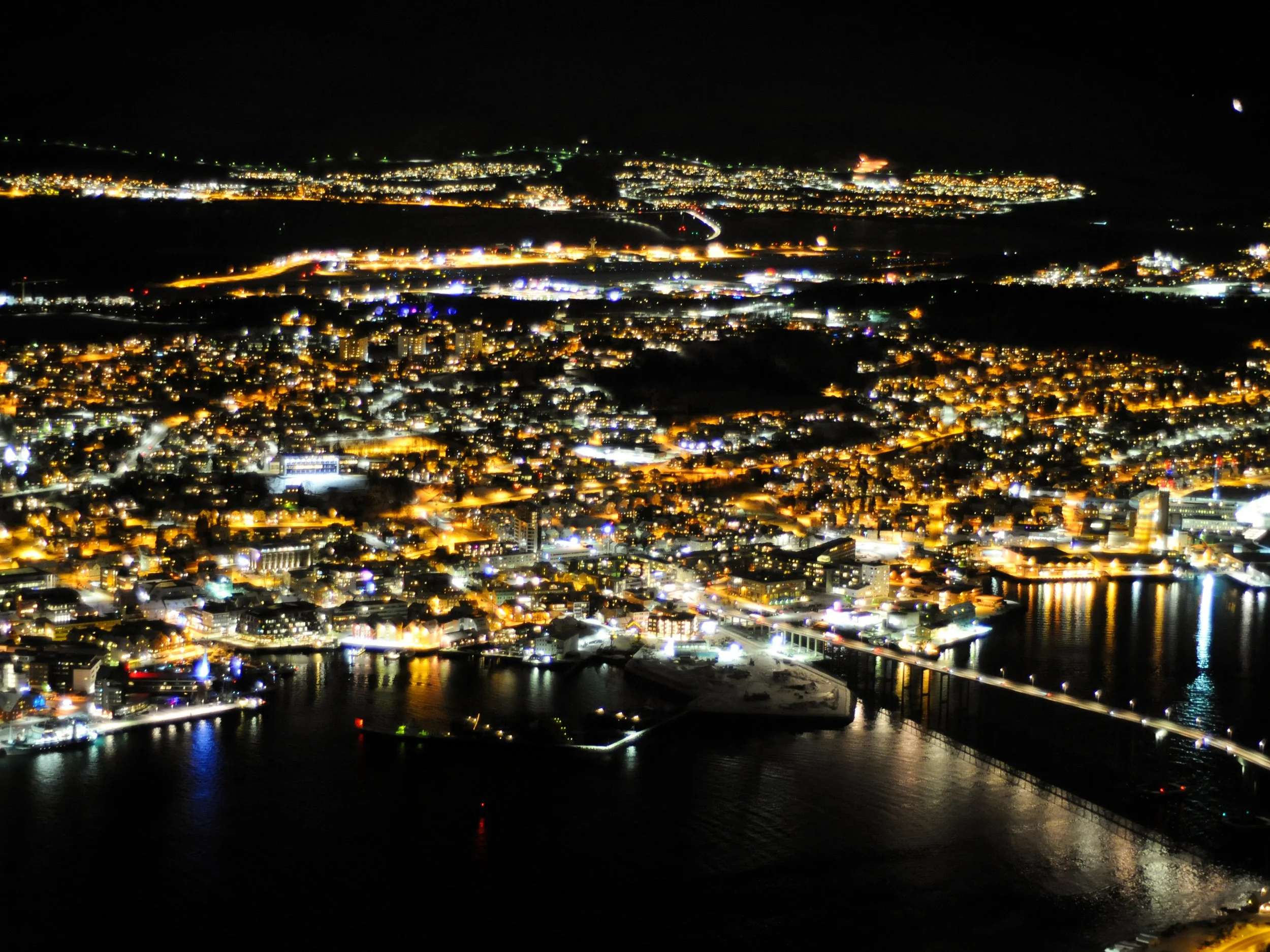
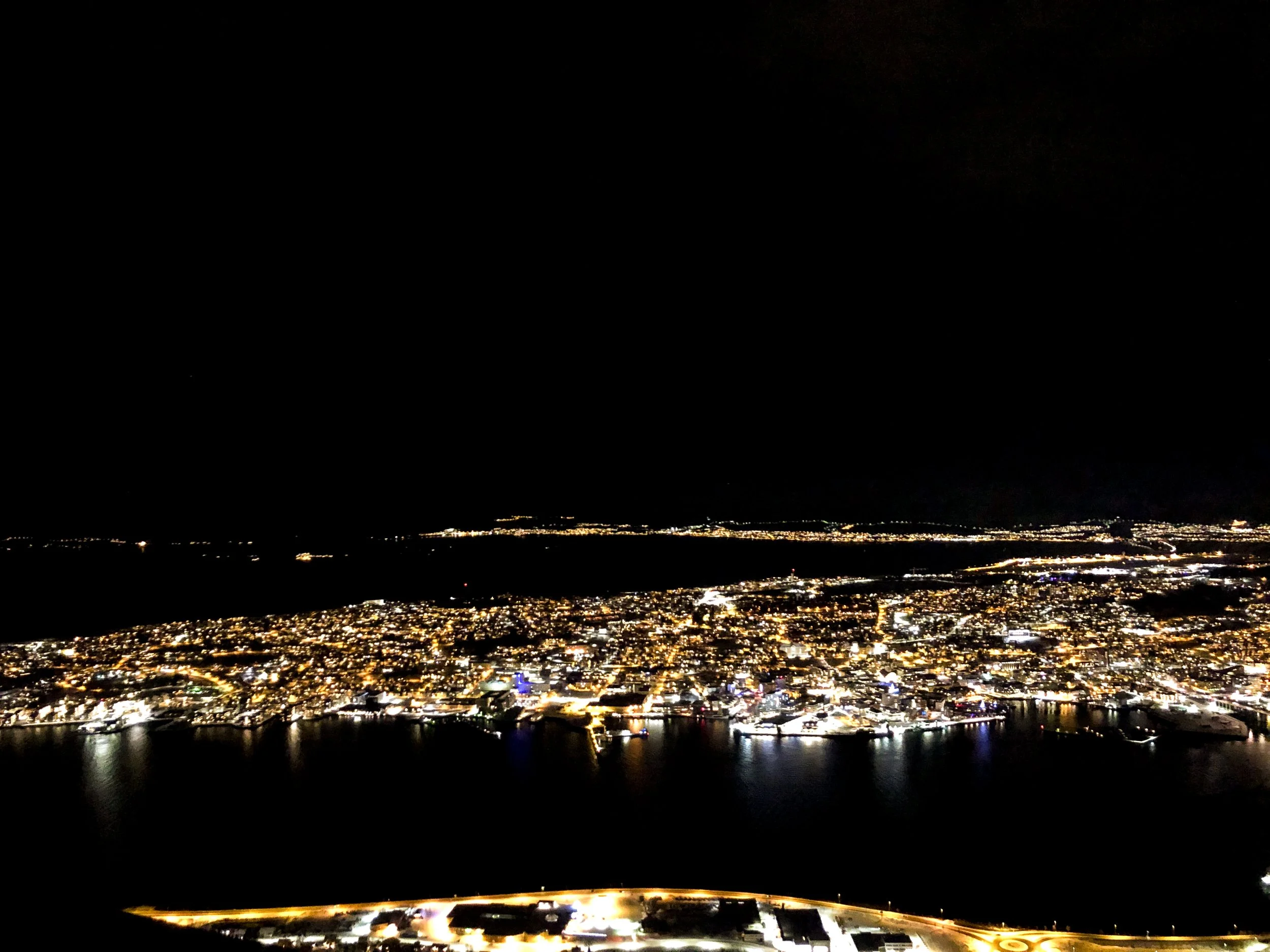

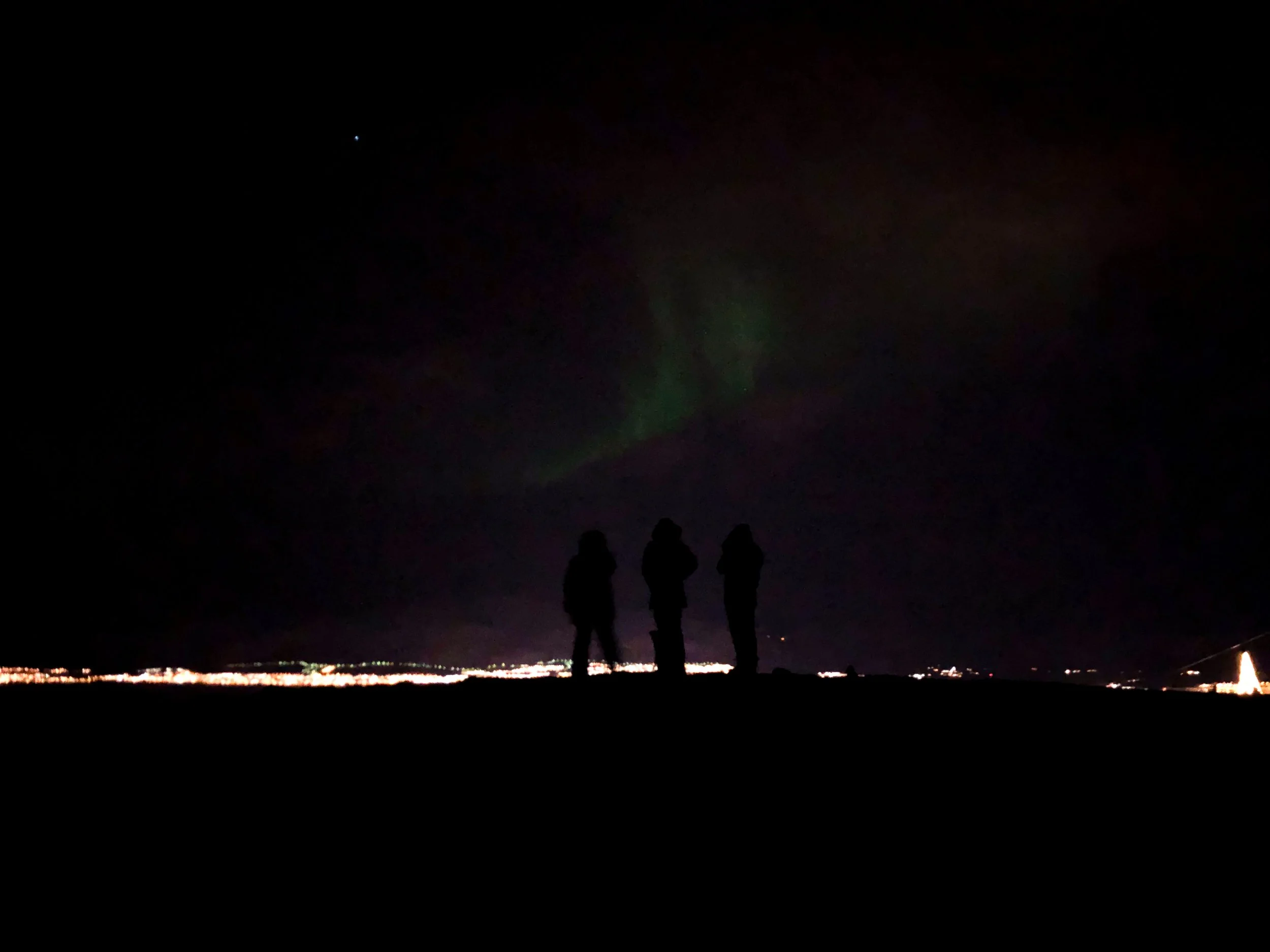

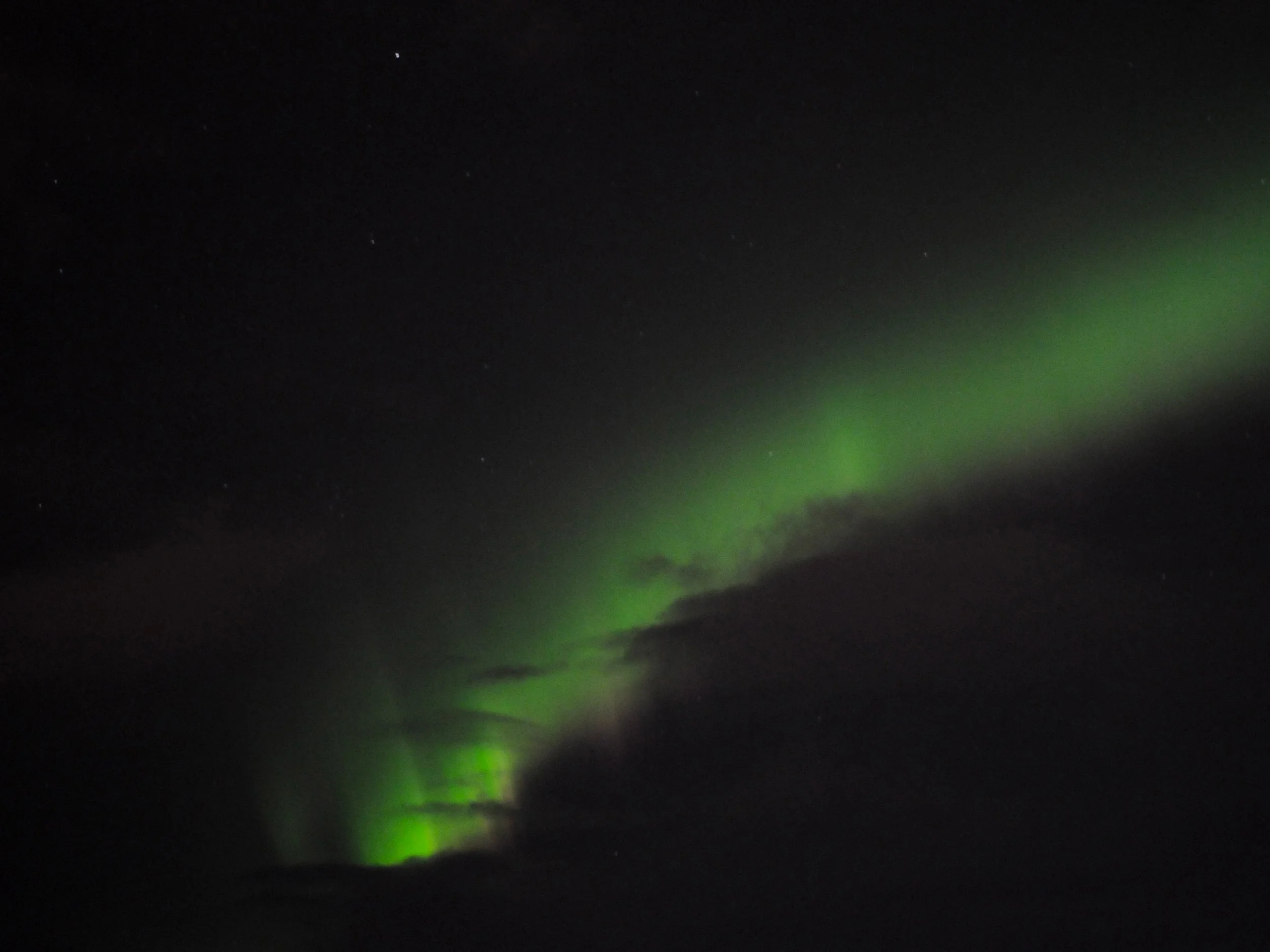
Fjellheisen (Tromsø Cable Car). Atop the mountain across from the island of Tromsøya is an incredible lookout that offers views of the entire city and beyond. This is where we saw the Aurora on our first night. The view is accessible via a cable car or a series of 1,300 mountainside stairs. We took the cable car, however if you opt for the stairs and it’s snowy, make sure to wear spikes on your boots to prevent slipping and falling.

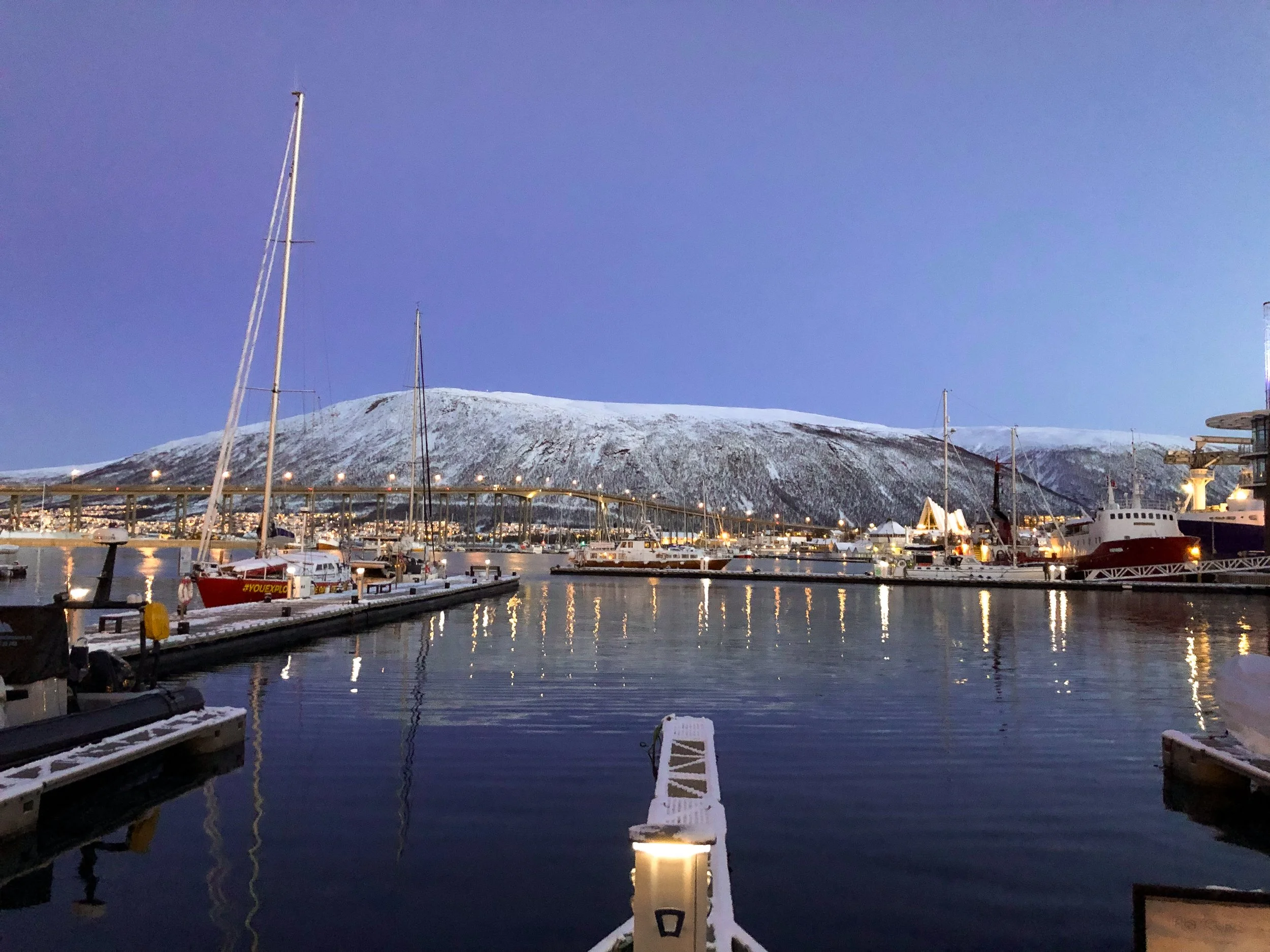
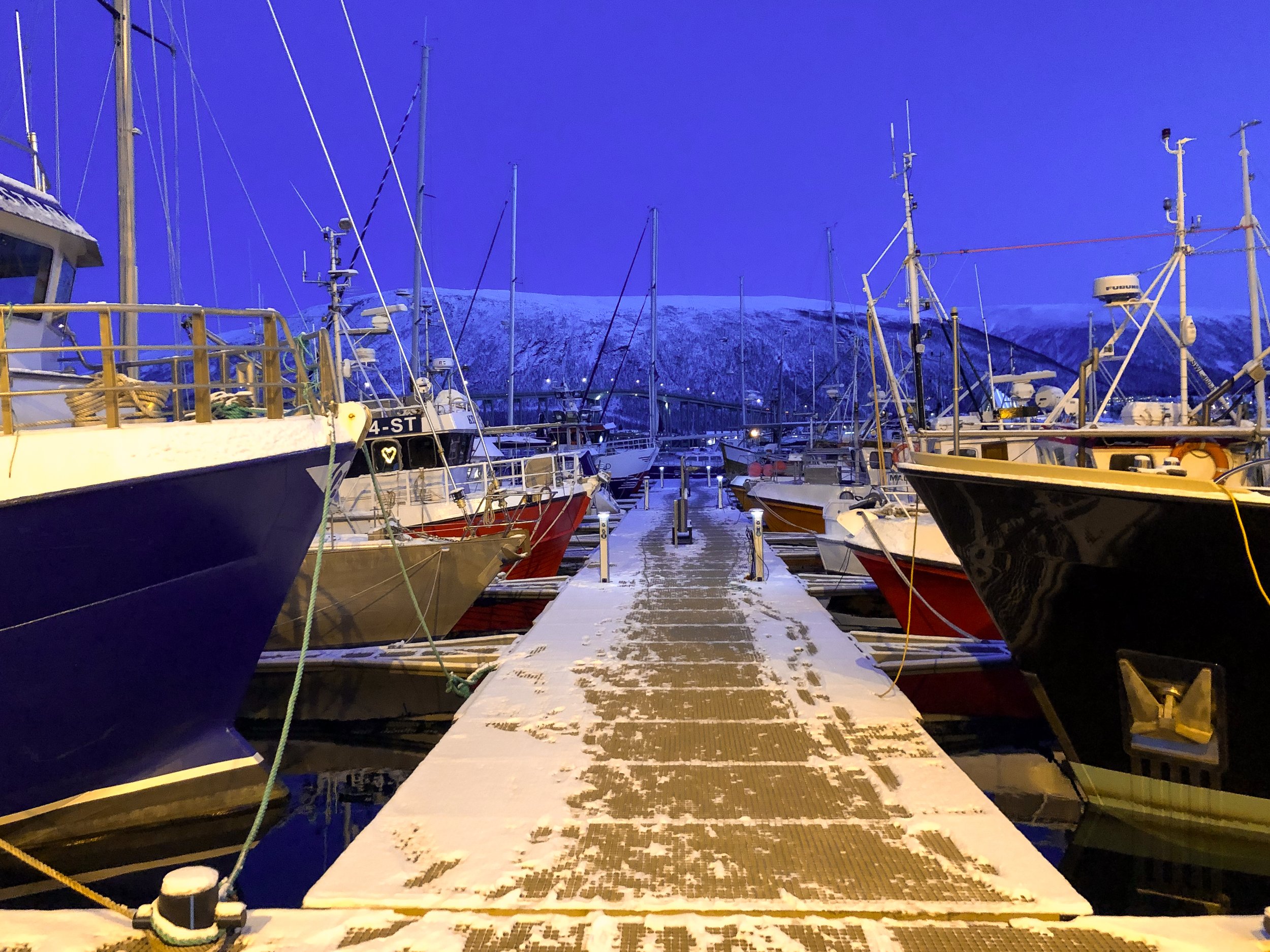


Waterfront Wharf. The city center and its harbor are surrounded by many contemporary buildings, tour ships and views of the landscape.
Tromsøbura. A 1km bridge connecting the island of Tromsøya, where most of Tromsø is located, to the adjacent island. The bridge has a pedestrian path which can be walked across in 15 minutes.
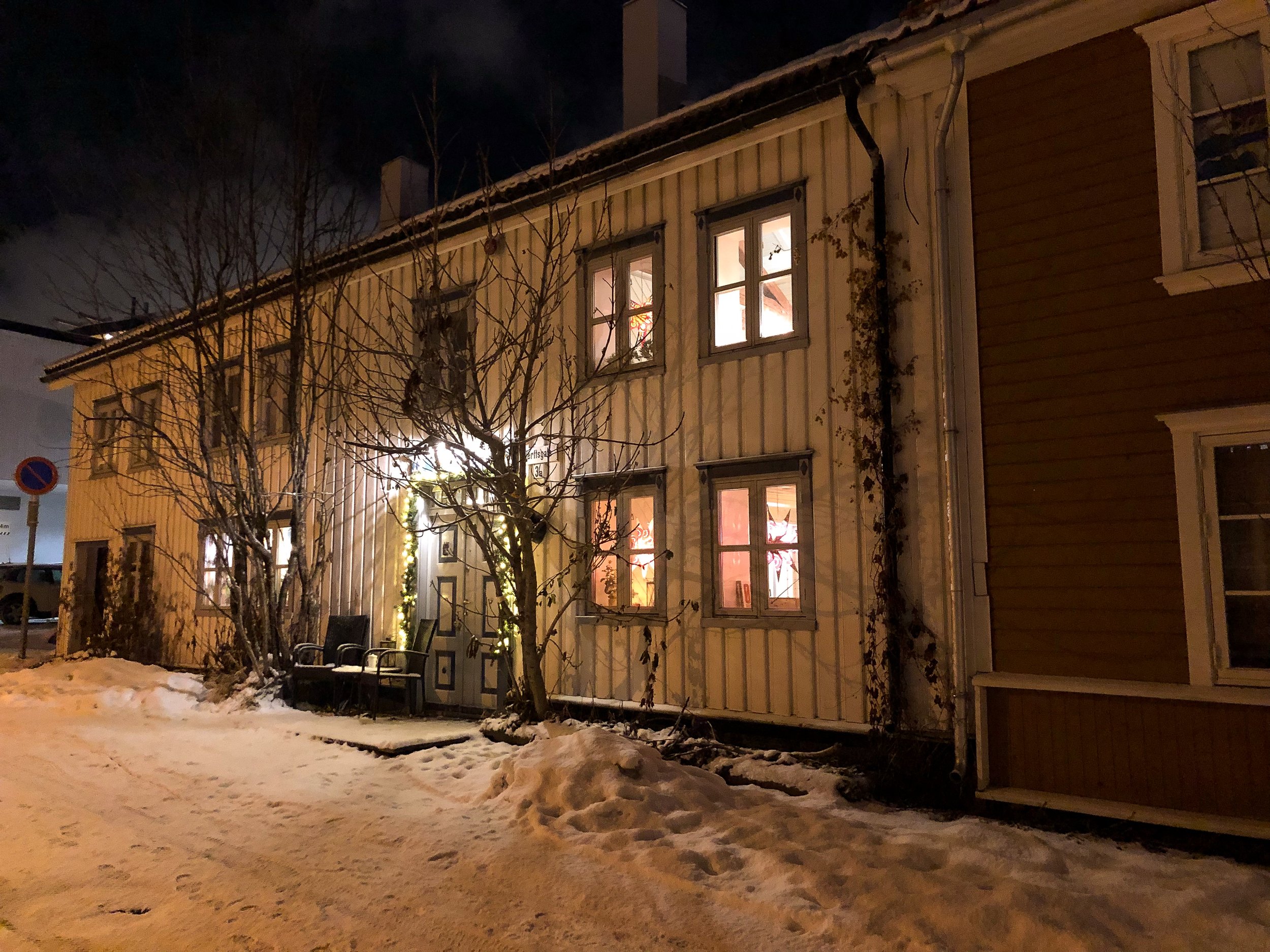
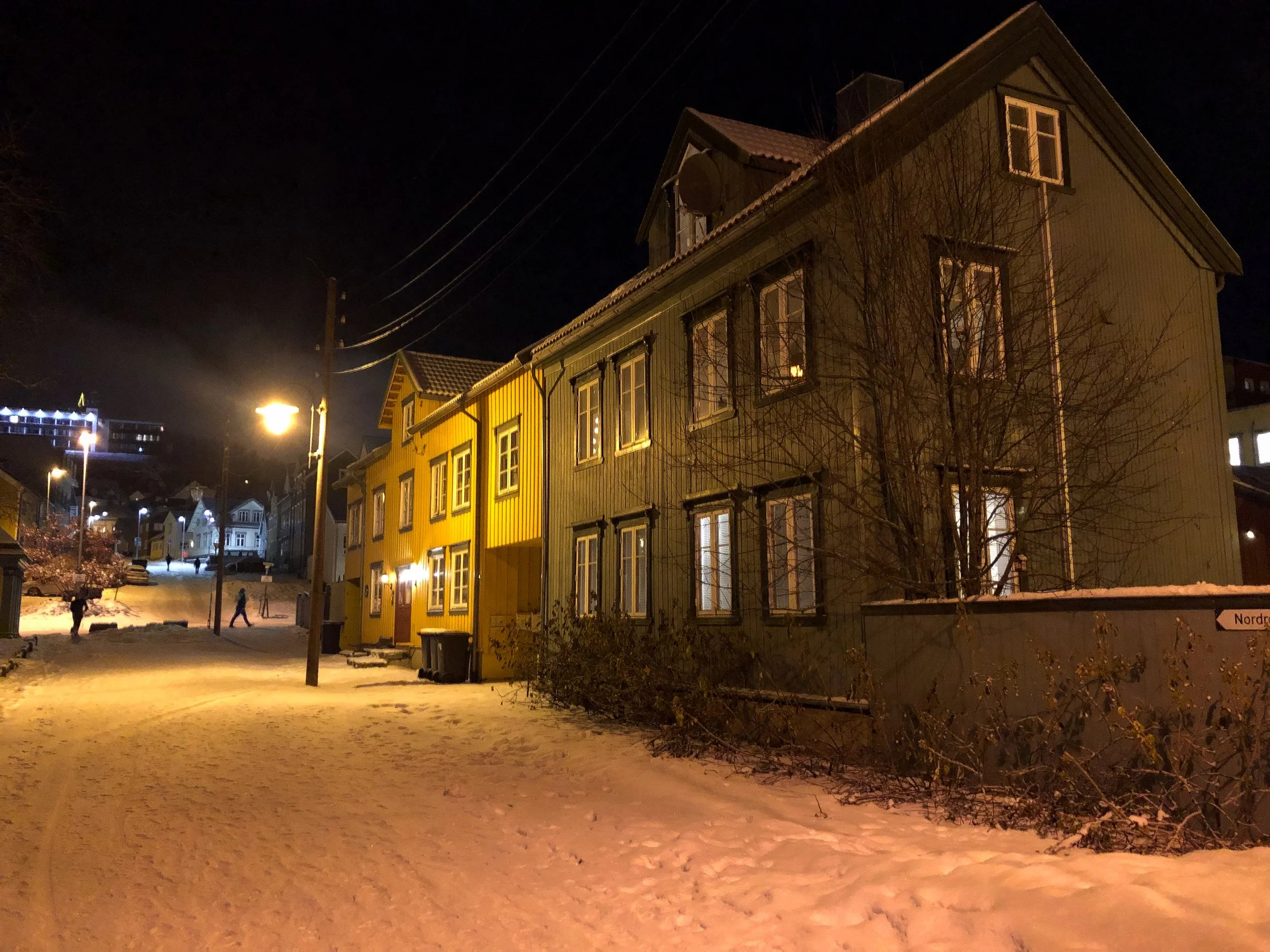
Skansen. A historic neighborhood located near Tromsøbura on Tromsøya with old painted wooden buildings from the 1850s. It’s a beautiful area to walk around both day and night.

Storgata. The downtown main street flanked by numerous restaurants, hotels, bars, cafes and shops. It’s a popular place to explore on foot with heated sidewalks.
Lake Prestvannet. Fairly central on the island, the lake is surrounded by a number of hiking and cross country skiing trails. It’s reachable on foot from town by anyone that enjoys walking and hiking.
The Science Center of Northern Norway. A planetarium with footage of the Aurora captured during a two year period. If we hadn’t seen the Northern Lights, this would have been the best alternative.
Places to Eat & Drink
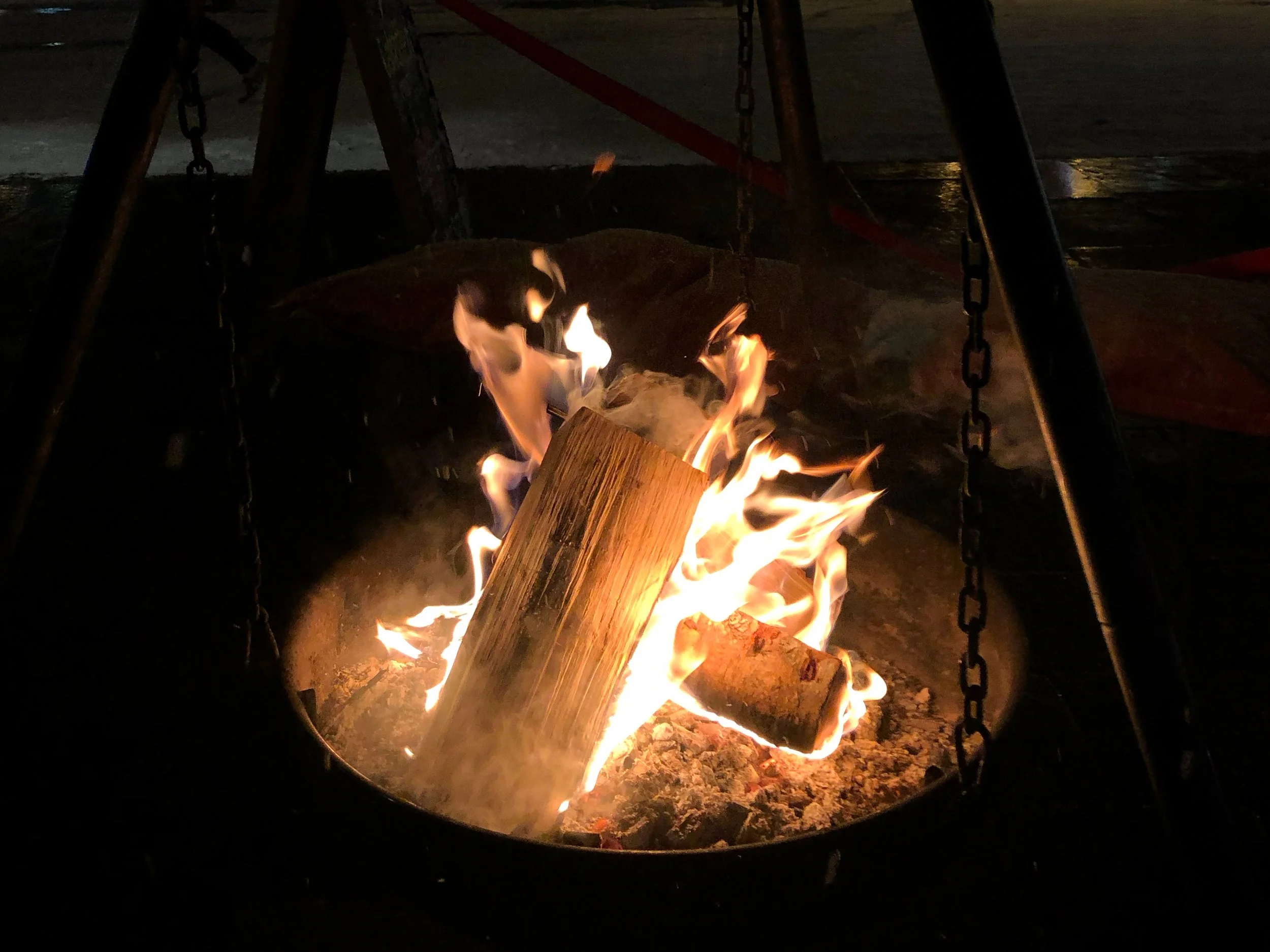
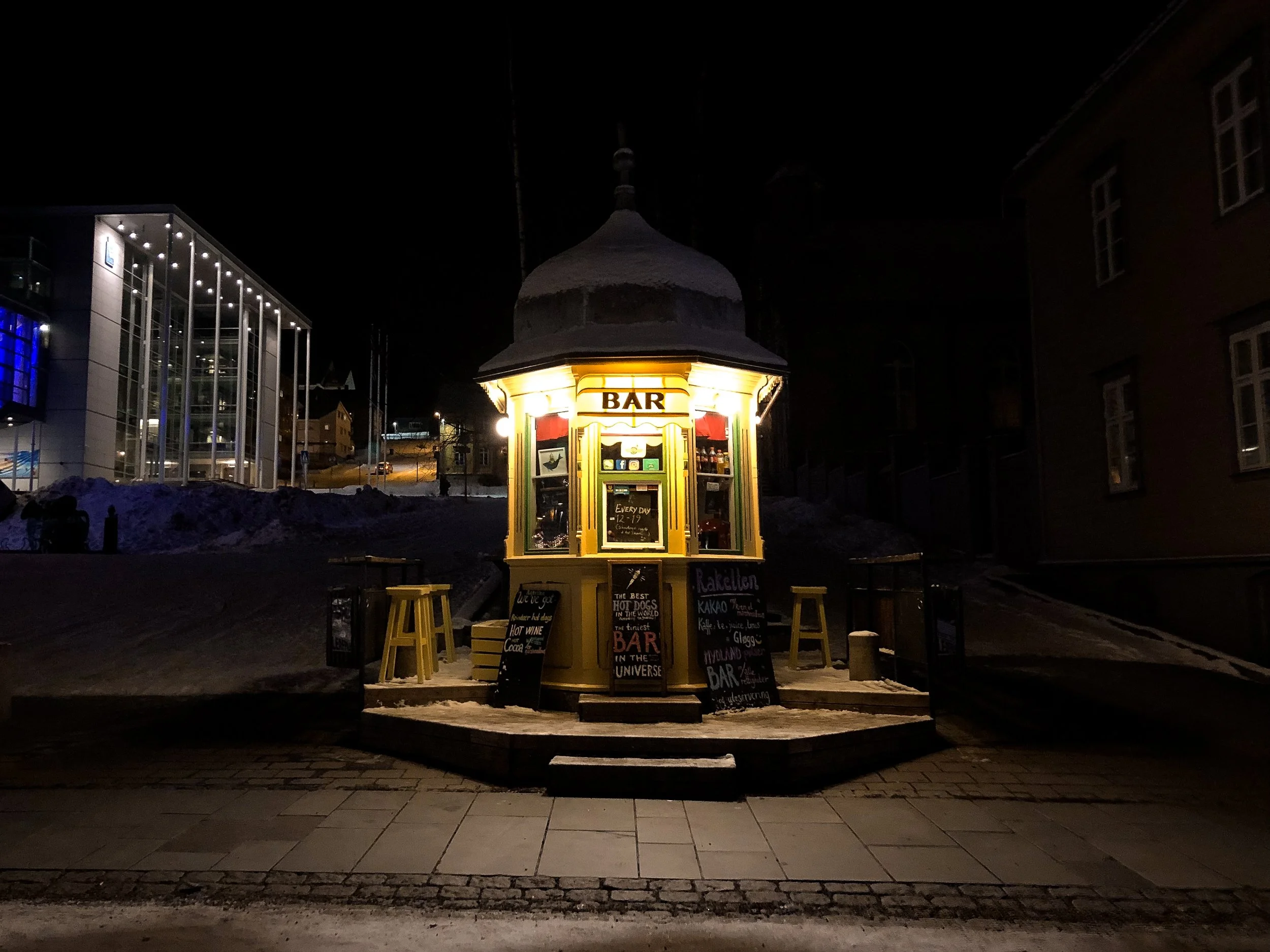
Raketten. A historic outdoor kiosk offering hot chocolate, mulled wine, reindeer and veggie sausage. Next to the kiosk is a patio with seating and a warm log fire.
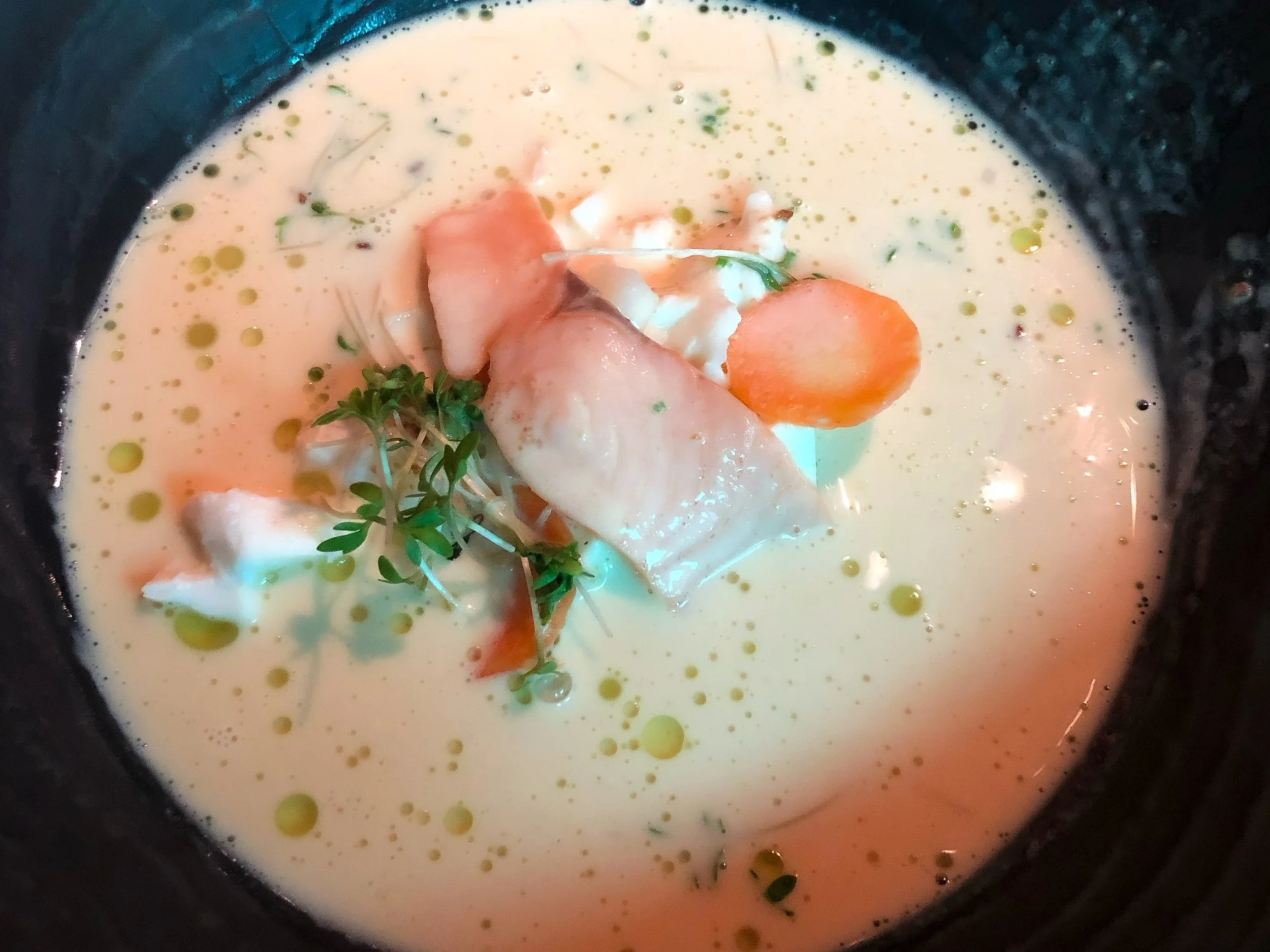
Fiskekompaniet. A higher end restaurant specializing in Norwegian seafood. Warm up with a creamy fish soup prepared table side. The bowl is served with a delicate pile of smoked salmon and white fish then enrobed in a creamy broth, poured from a kettle. For mains, order the crusted filet of cod with a side of potatoes and dill or Norwegian staple, Lutefisk.
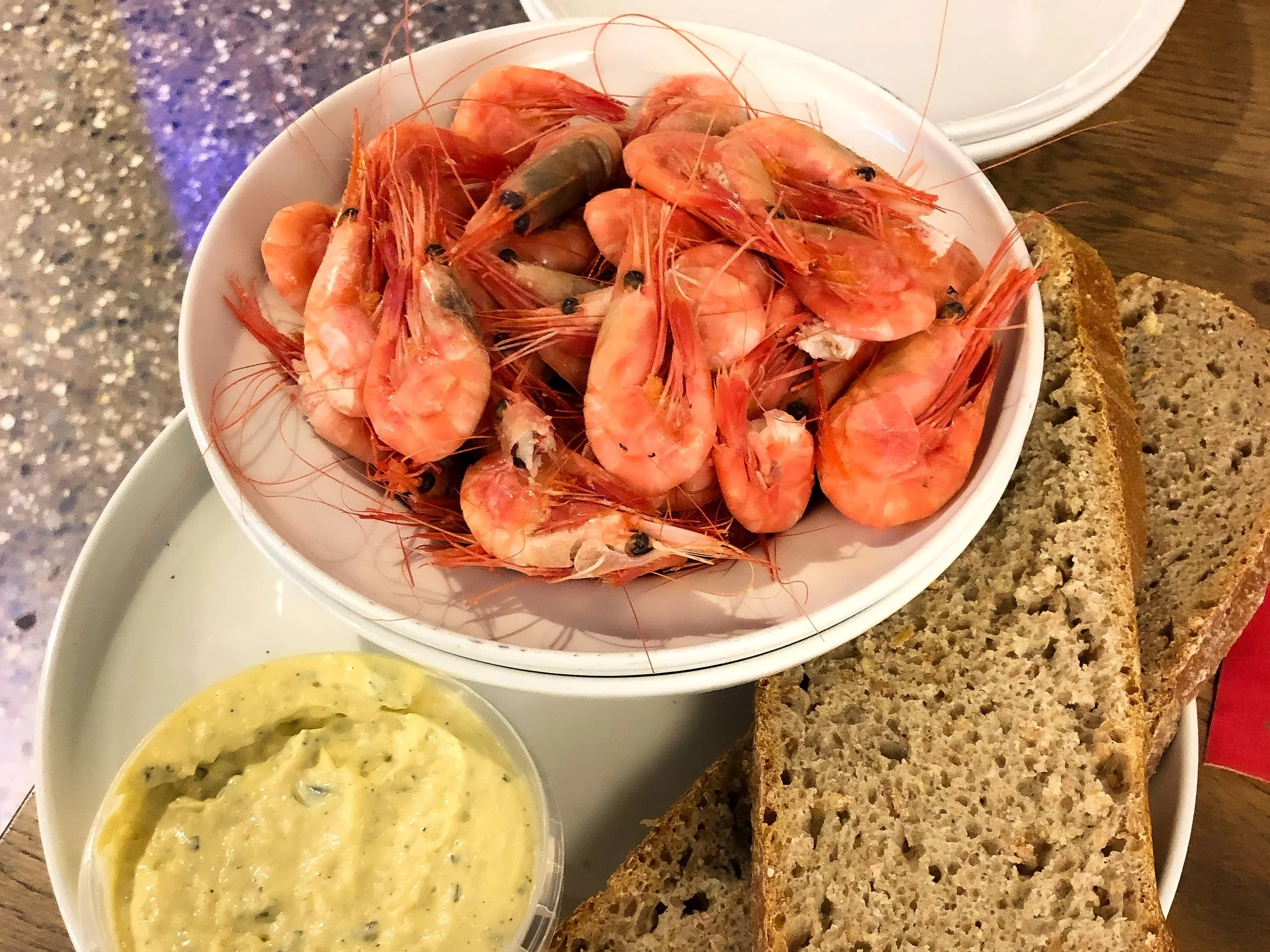
Dragoy. Located in a food hall along the waterfront wharf, this deli counter sells and serves fresh seafood. We shared cold water prawns with artisan mayonnaise on a large slice of sourdough bread. They’re also known for their fish and chips.
Olhallen. This is the city’s oldest pub and brewery with a selection of nearly 50 different craft beers and ciders.
Bardus Bistro. Located inside an old yellow wooden house, this charming restaurant offers a small menu of traditional Norwegian dishes like smoked cod, reindeer stew and root vegetable salad.
Bardus Bar. Located next door to Bardus Bistro, this bar offers the best cocktails in town. It’s a great spot to stop before or after dinner next door.
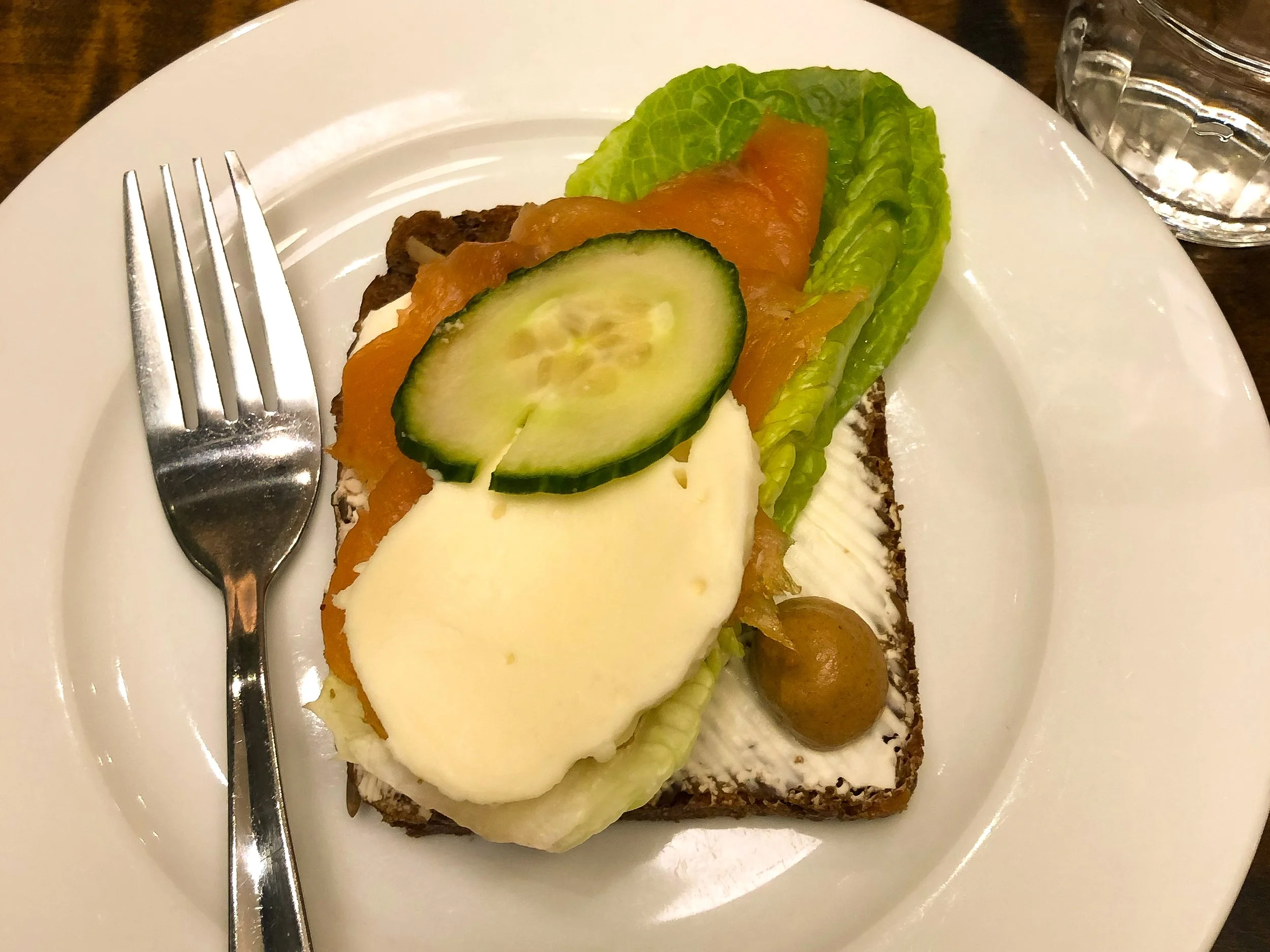
Smørtorget. A café offering pastries and open face sandwiches. It’s a great spot to have breakfast before setting out on an excursion.

Nordic Cuisine
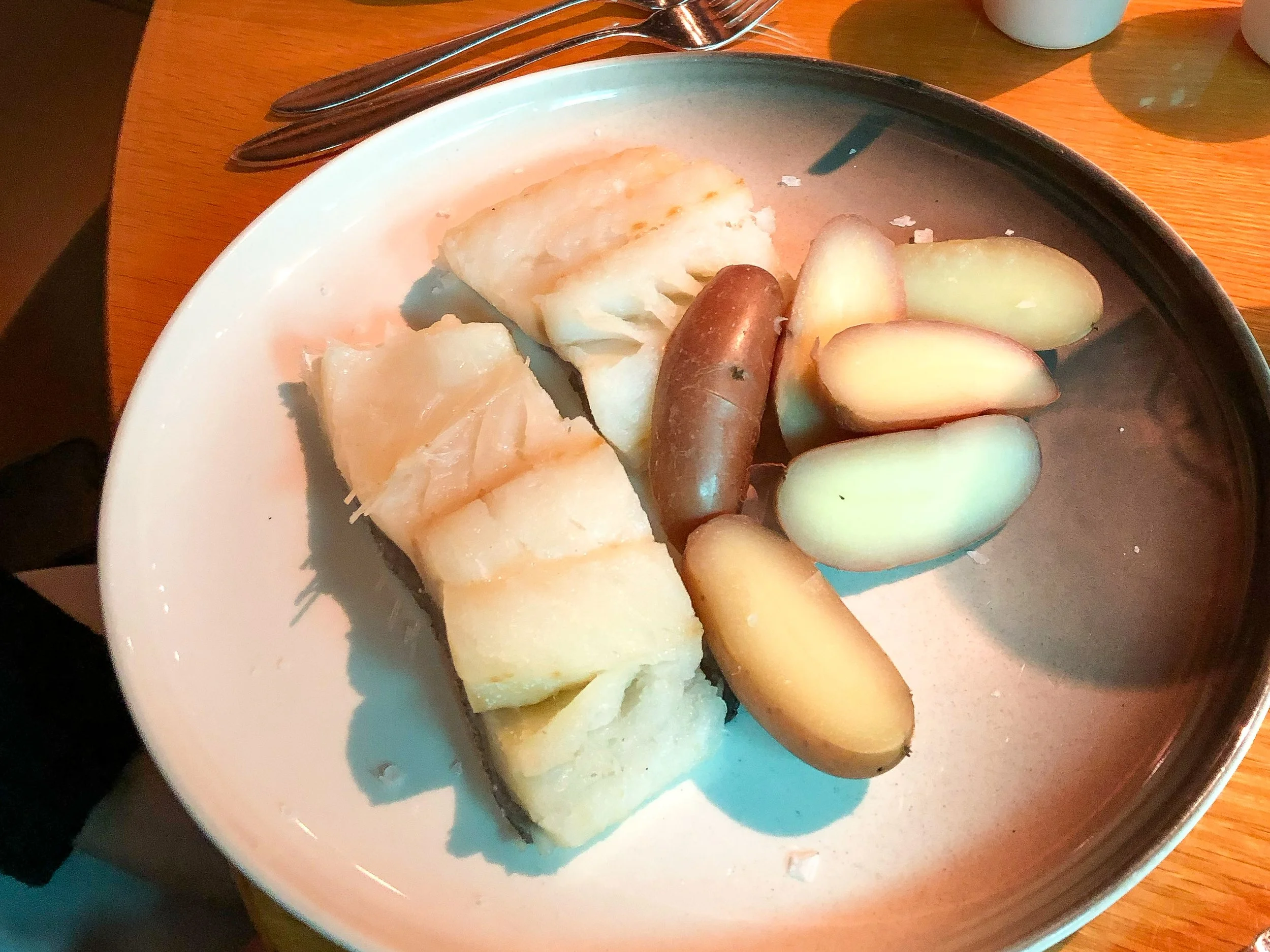
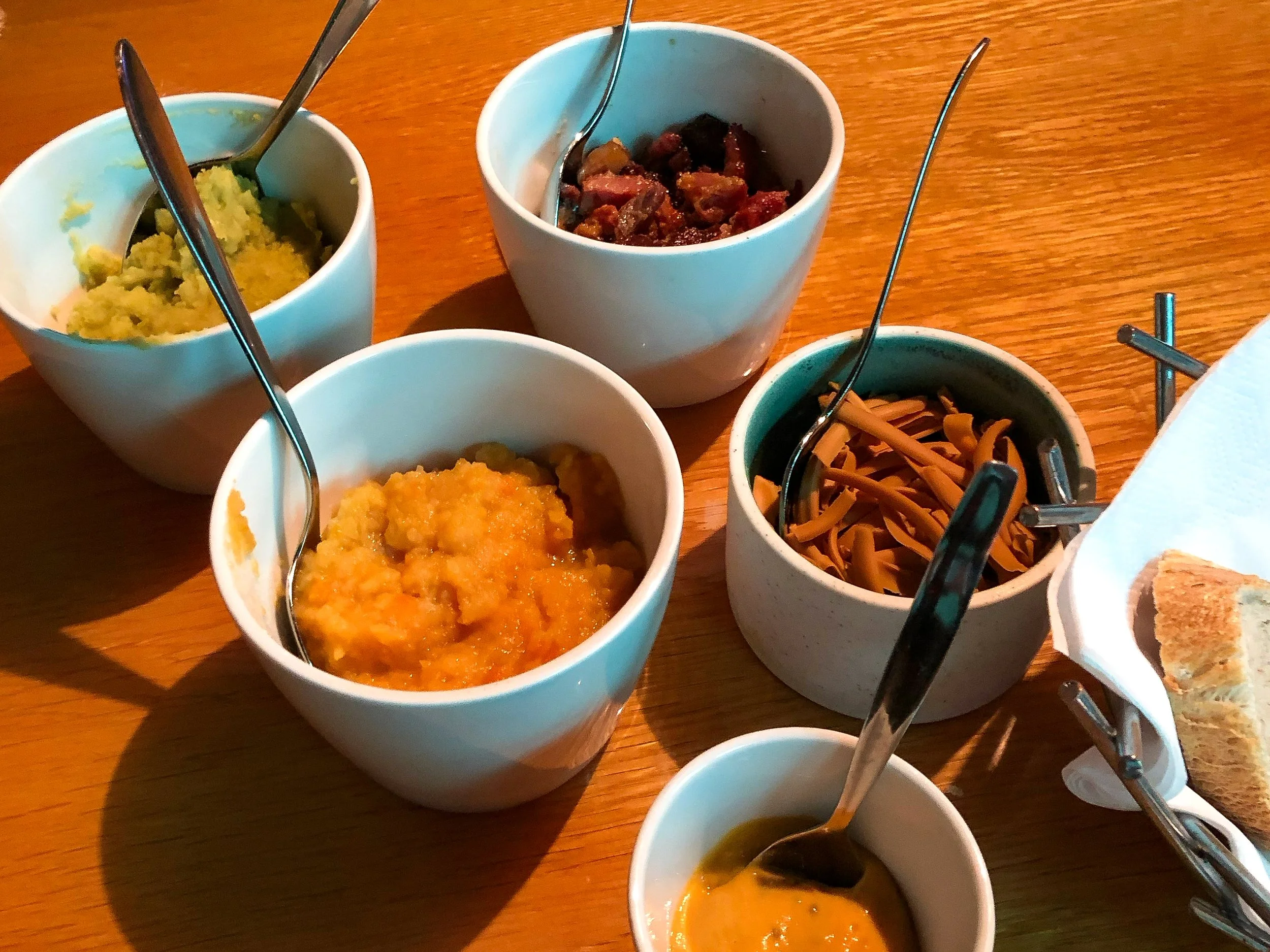
Lutefisk. Air dried white fish that undergoes several days of processing involving soaking in water and lye to rehydrate the fish. As the fish rehydrates, it loses a portion of its protein becoming slightly gelatinous. The fish is then cooked and served with potatoes and multiple condiments and sides including peas, pickled veggies, brown cheese, melted butter and mustard.
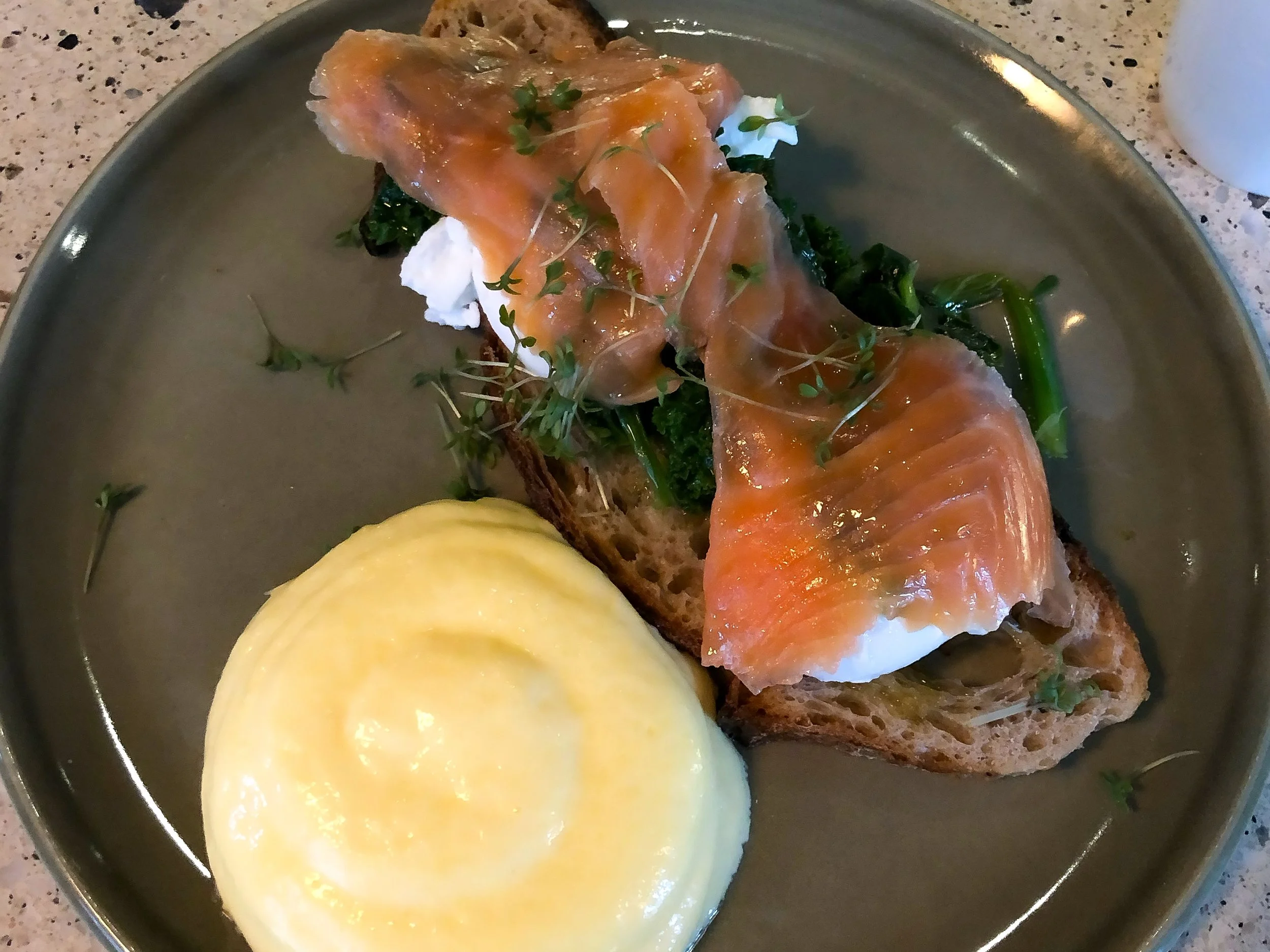
Norwegian Salmon. Caught or farmed in the fjords of Norway, salmon is prepared and served in many ways. The most common style is smoked though it is also often fried, boiled or served raw.
Pickled Veggies. Almost every meal we enjoyed was topped with pickled veggies. Carrot, fennel, beet, cucumber and onion were quite common. They added extra flavor and color to each dish.
Lefse. Traditional Norwegian flatbread made with potatoes, flour, butter, and milk.
Buns. A pastry that ranges from sweet rolls, to swirls or knots. Try them with cinnamon and cardamom.
Mulled Wine. Hot spiced wine was very popular. The Norwegian way of making it is by adding a spoonfull of chopped nuts and raisins before serving.
Getting Around
Getting to Tromsø. To fly into Tromsø, you’ll likely need to transfer in Oslo. Booking directly through Norwegian Airlines is usually the most convenient and affordable option. Tromsø is about a 2 hour flight from Oslo.
To/From Tromsø Airport. Use Flybussen, the airport express bus. It routinely travels in a loop from the airport to multiple hotels in central Tromsø. It costs roughly $20 for a round trip ticket.
Getting Around Tromsø. The city and surrounding area is walkable, though a bit hilly and icy during the winter. The main street, Storgata, has heated sidewalks that keep snow and ice from freezing. Outside of this, it’s best to be cautious while walking on the snow and ice. We had a few slips ourselves but were layered in enough clothing to keep us from bruising. We noticed that many people wore spikes on their boots for extra traction. Just remember to take them off before entering indoors. One of the cutest things we saw was mothers pushing their children in strollers with sleds instead of wheels.
By Taxi. Taxis can be pricy but are convenient when trying to get around outside the Main Street. The two main taxi companies are Tromsø Taxi and Din Taxi. Taxis are also available through Uber. This is a general breakdown of cost:
Around Town: $10 - $15 (From downtown to the cable car)
Across Town: $15 - $35 (From the airport to downtown)
Outside of Town: $35 - $60 (From Tromsø to a nearby town)
Getting Outside of Town. Renting a car is the best option to get between Tromsø and anywhere else outside the city. Nearly all excursions will include transportation.
What to Wear
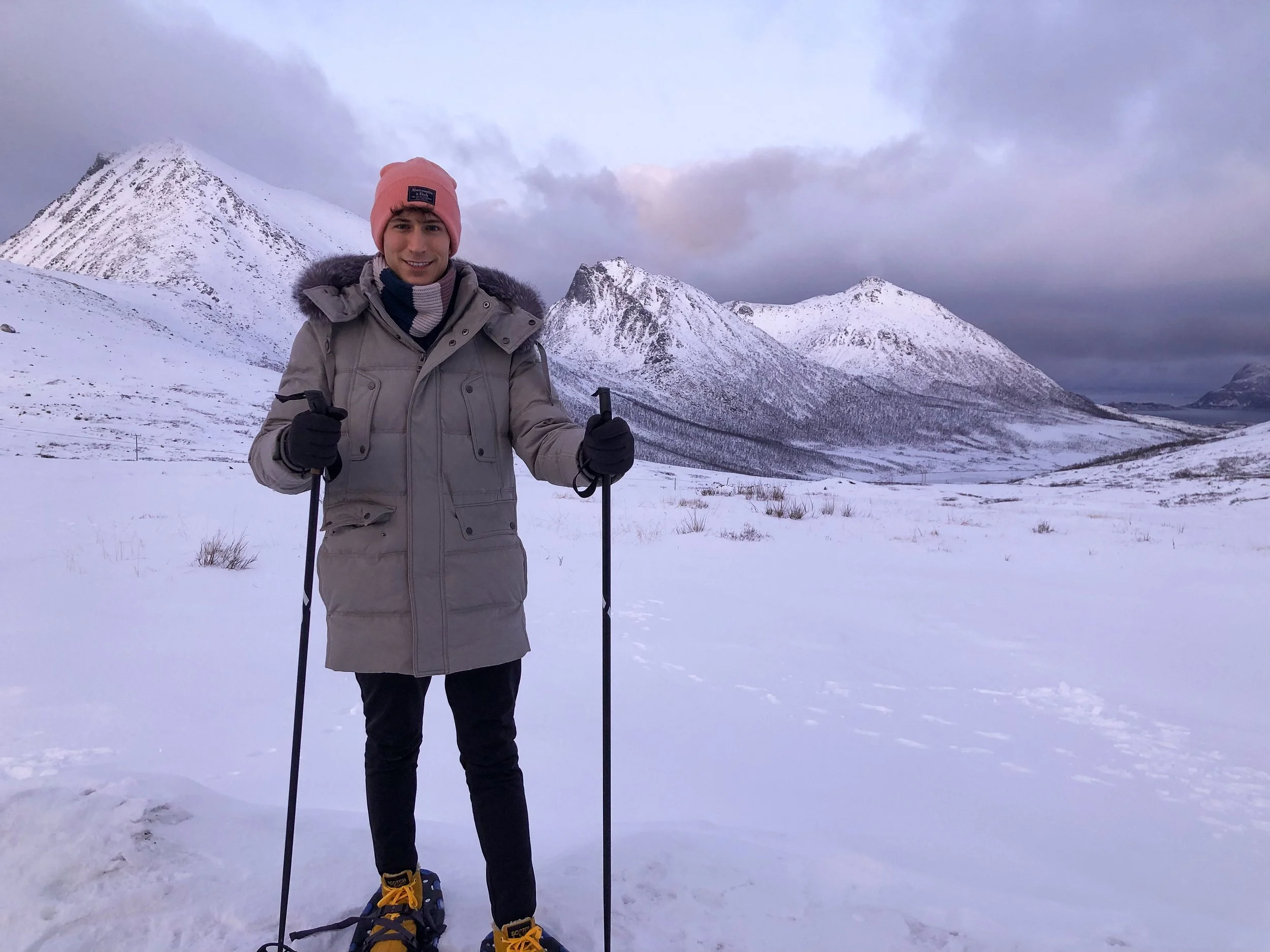
If you’re visiting in the wintertime like we did, you need to dress warm! It is the Arctic after all. You’ll need a base layer, mid layer and outer layer. Tuck your base and mid layers into each other to better hold in heat and prevent wind from getting under your clothes. In addition to layers, we also used thermal toe and hand warmers while we were snowshoeing and watching for the Northern Lights.
Base Layer
Thermal underwear
Thermal long sleeve shirt
Wool socks
Glove liners
Mid Layer
Jeans or pants
A cute Norwegian sweater (you can buy one in town)
A lightweight quilted jacket (down or down alternative)
More socks (you’ll need to double up)
Outer Layer
Snow pants (mainly for extended periods outdoors)
Winter coat (you’ll want something that will break the wind and keep you warm)
Heavy gloves
A warm scarf and hat
Boots (bring strap on spikes or cleats)
Where to Stay
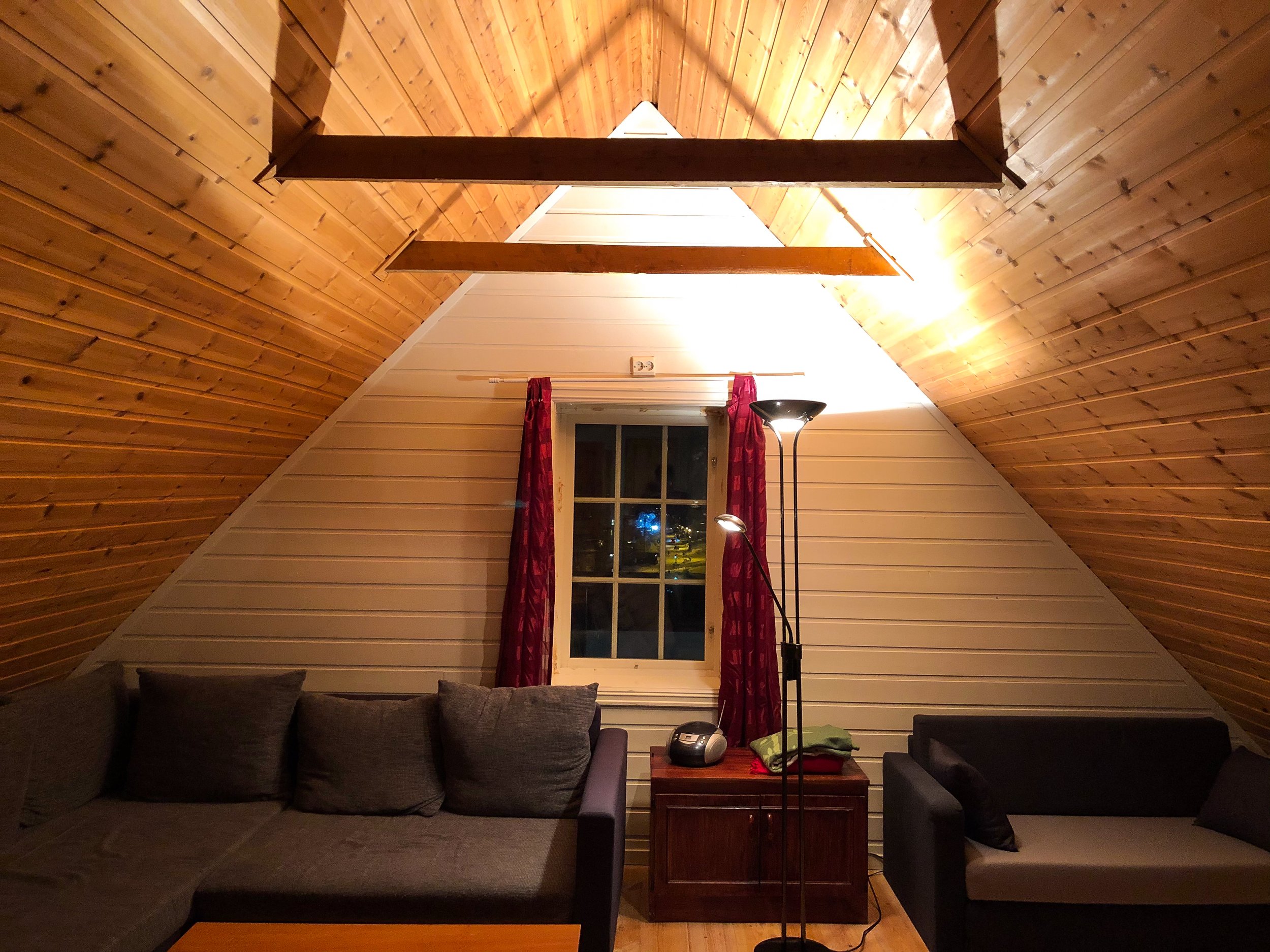
Villa 1924 Loft. An attic apartment in an A frame style space with Nordic pine wall panels, heated floors and tiny windows with views of Tromsø. It’s a cozy space to stay, minutes away from the city center on foot. Book on Airbnb.
Elsewhere in Nordic Europe
From Tromsø’s Arctic fjords and Northern Lights to Lapland’s snowy wilderness, Copenhagen’s canals and Iceland’s waterfalls and glaciers, continue your Nordic journey through these travel guides:
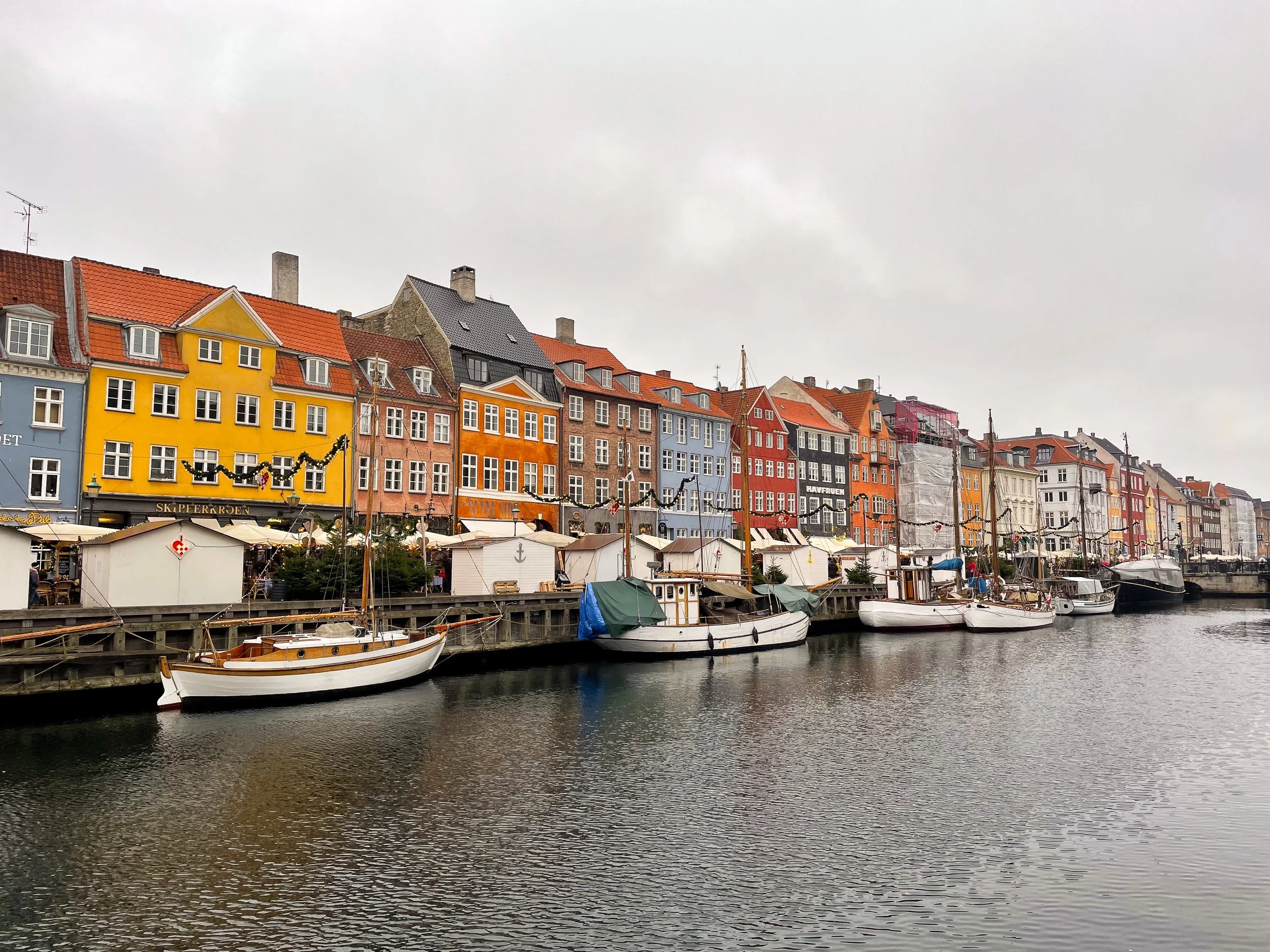
Copenhagen Travel Guide: Nyhavn, Christmas Markets & Scandinavian Cuisine. Wander along Copenhagen's colorful canals where wooden ships, historic castles and Danish culture meet Scandinavian cuisine and festive Christmas markets.
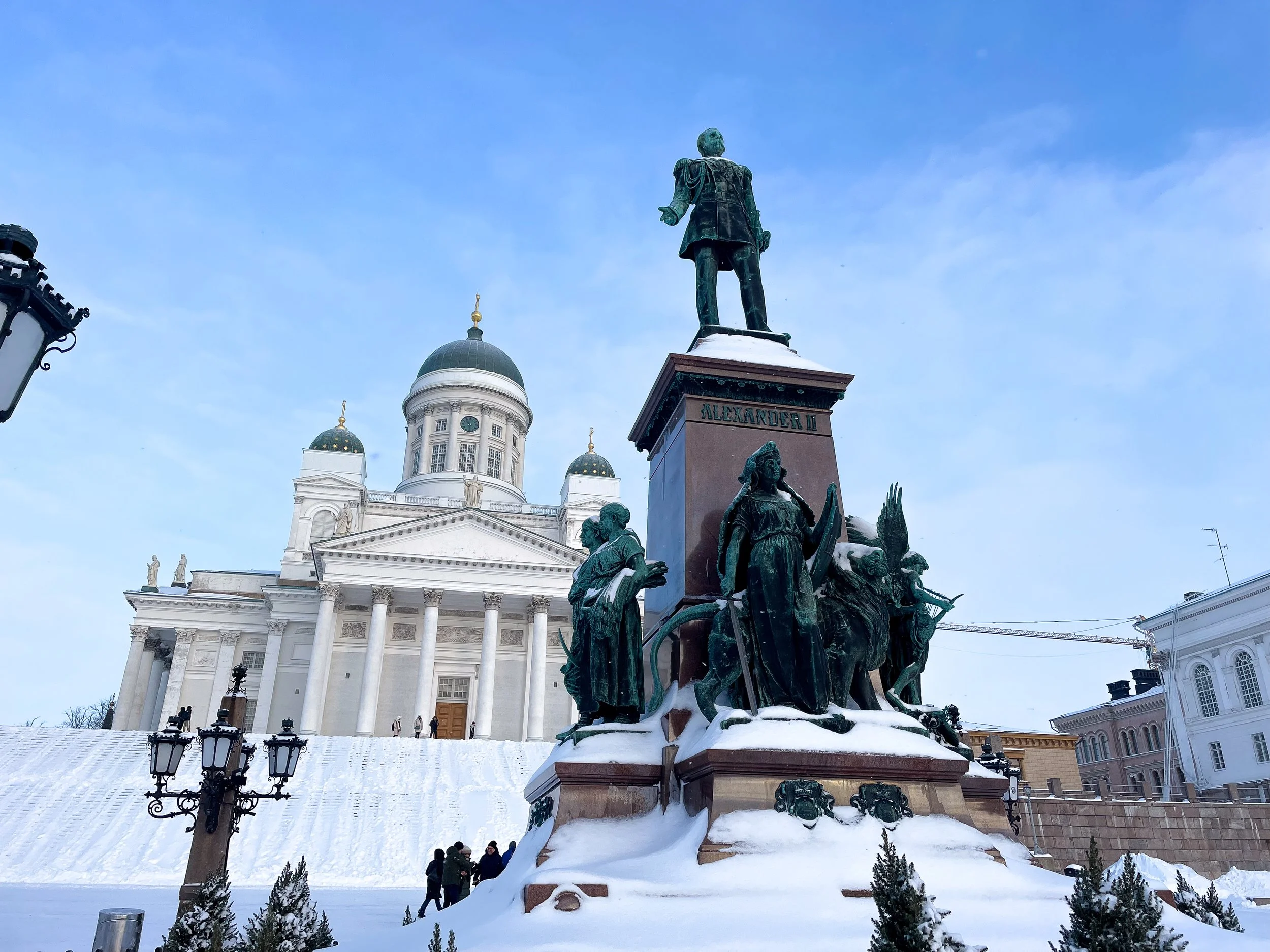
One Day in Helsinki: Finnish Sauna & Waterfront Sights. Experience a winter day exploring Helsinki's frozen waterfront where local food markets, historic architecture and steaming saunas bring Finnish culture to life.
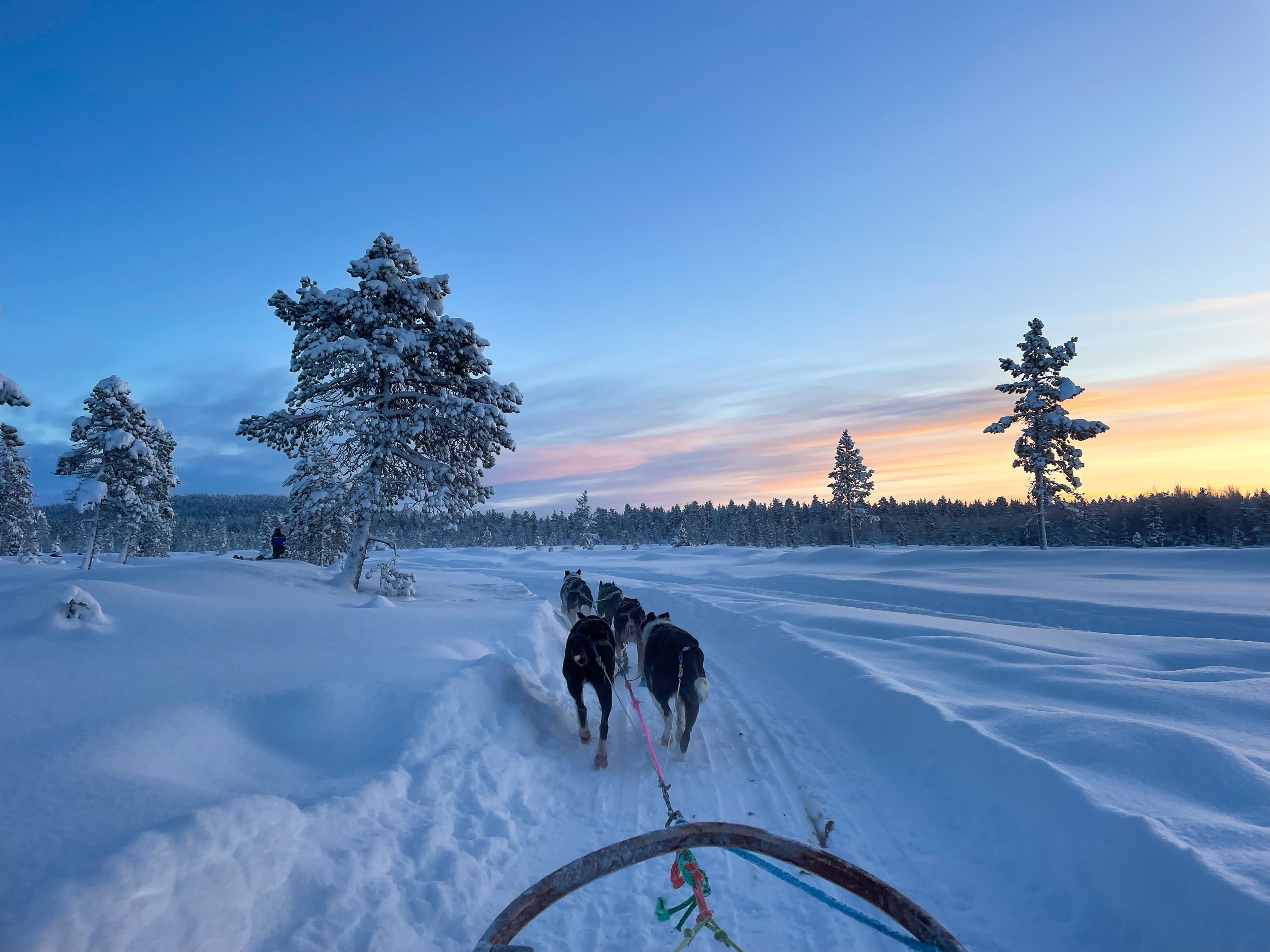
Lapland Finland Travel Guide: Northern Lights, Sámi Culture & Arctic Adventures. Journey through Lapland's Arctic wilderness and snowy landscapes to experience Sámi traditions, husky mushing, Finnish cuisine and vivid auroras during the polar night.
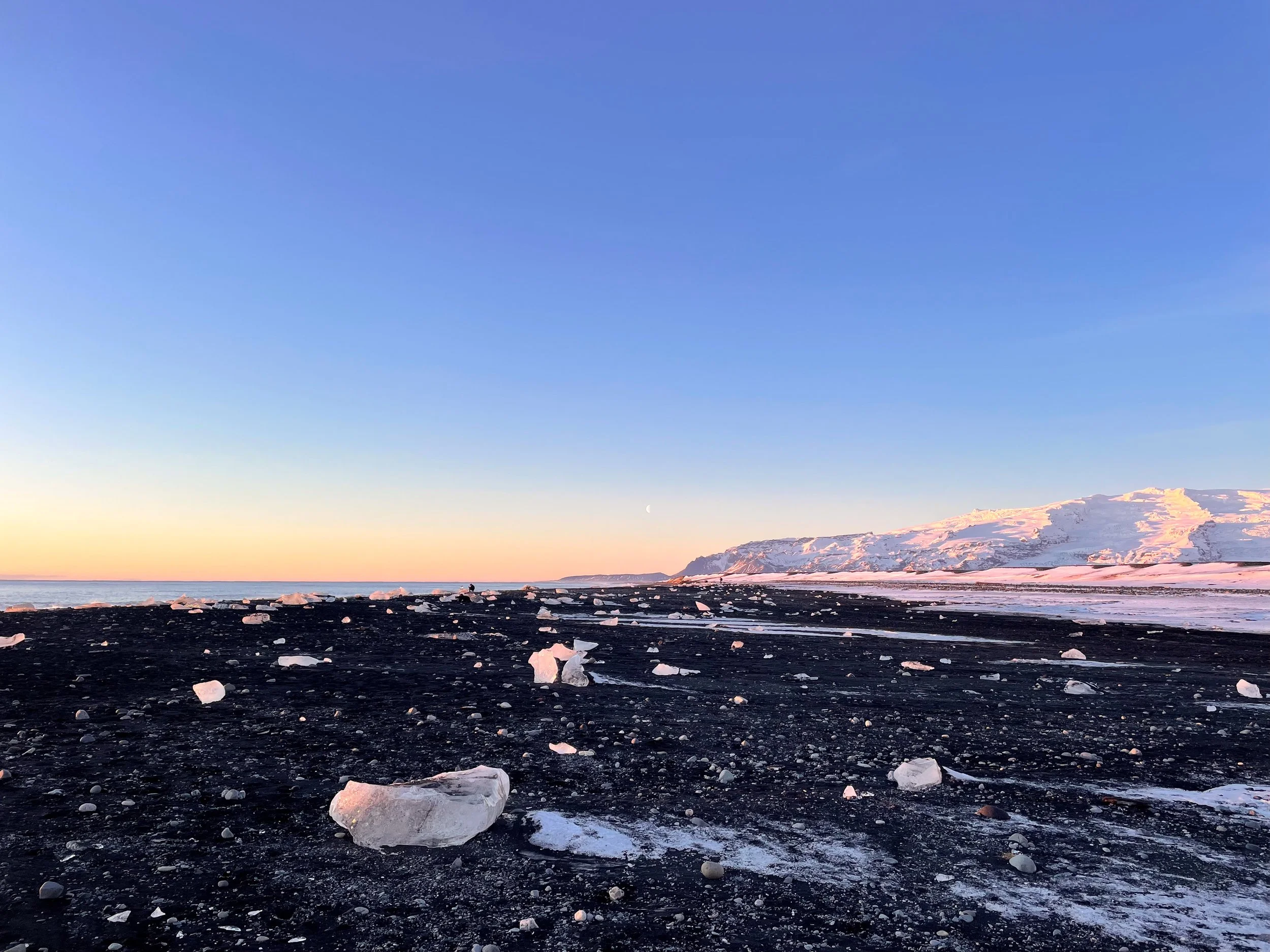
Iceland Road Trip Guide: Waterfalls, Glaciers & Black Sand Beaches. Road trip through Iceland's otherworldly landscapes where volcanoes, glaciers, waterfalls and black sand beaches create one of Earth's most dramatic journeys.
For Next Time…
Tromsø is an enchanting city that we one day hope to return to whether during the polar night of winter or midnight sun of summer! We plan to experience the city’s famed floating spas, husky excursions and whale spotting tours in the fjords.
Vulkana Spa Boat. A boat with a saltwater hot tub, sauna, steam bath and fireplace lounge. The crew provides dinner and facilitates cold water plunges in the harbor.
Husky Excursions. Multiple companies offer different types of husky excursions including husky mushing, dog sledding and cuddling with cute puppies. Experiences vary from short 30 minute trips, to hour long excursions and overnight stays watching for the Northern Lights.
Whale Spotting & Fjord Tours. Orcas and Humpbacks are frequently seen in the winter months from November to February while hunting for herring. There is a number of tour companies offering boat trips through the fjords and sometimes into the Norwegian Sea.
One Day in Helsinki: Finnish Sauna & Waterfront Sights
Experience a winter day exploring Helsinki's frozen waterfront where local food markets, historic architecture and steaming saunas bring Finnish culture to life.
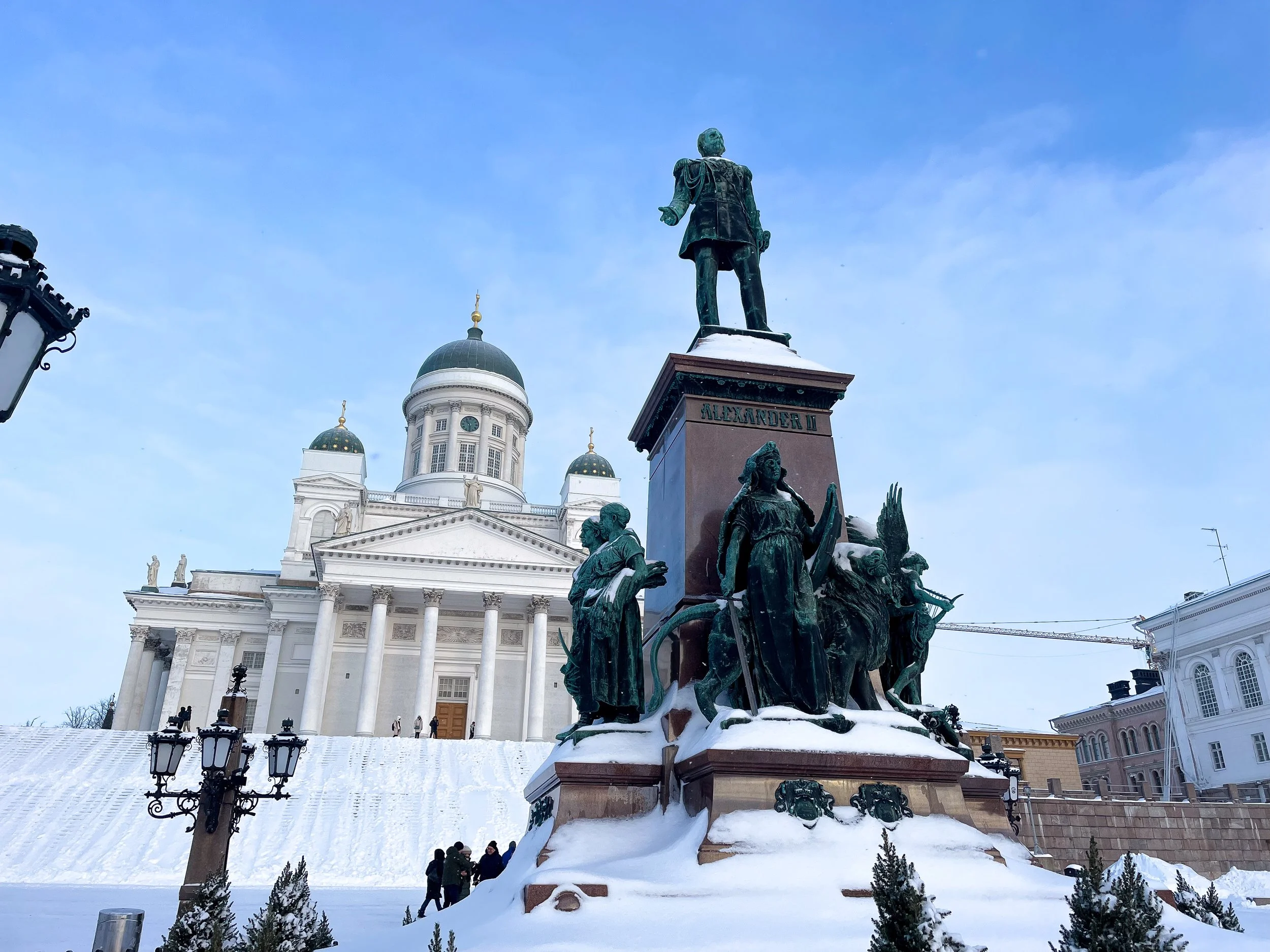
Helsinki, Finland
Helsinki, the capital city of Finland, is known for its architecture, design, Scandinavian cuisine and Baltic saunas. We explored the city for one day while in transit from Finland to Estonia.
See the Sights
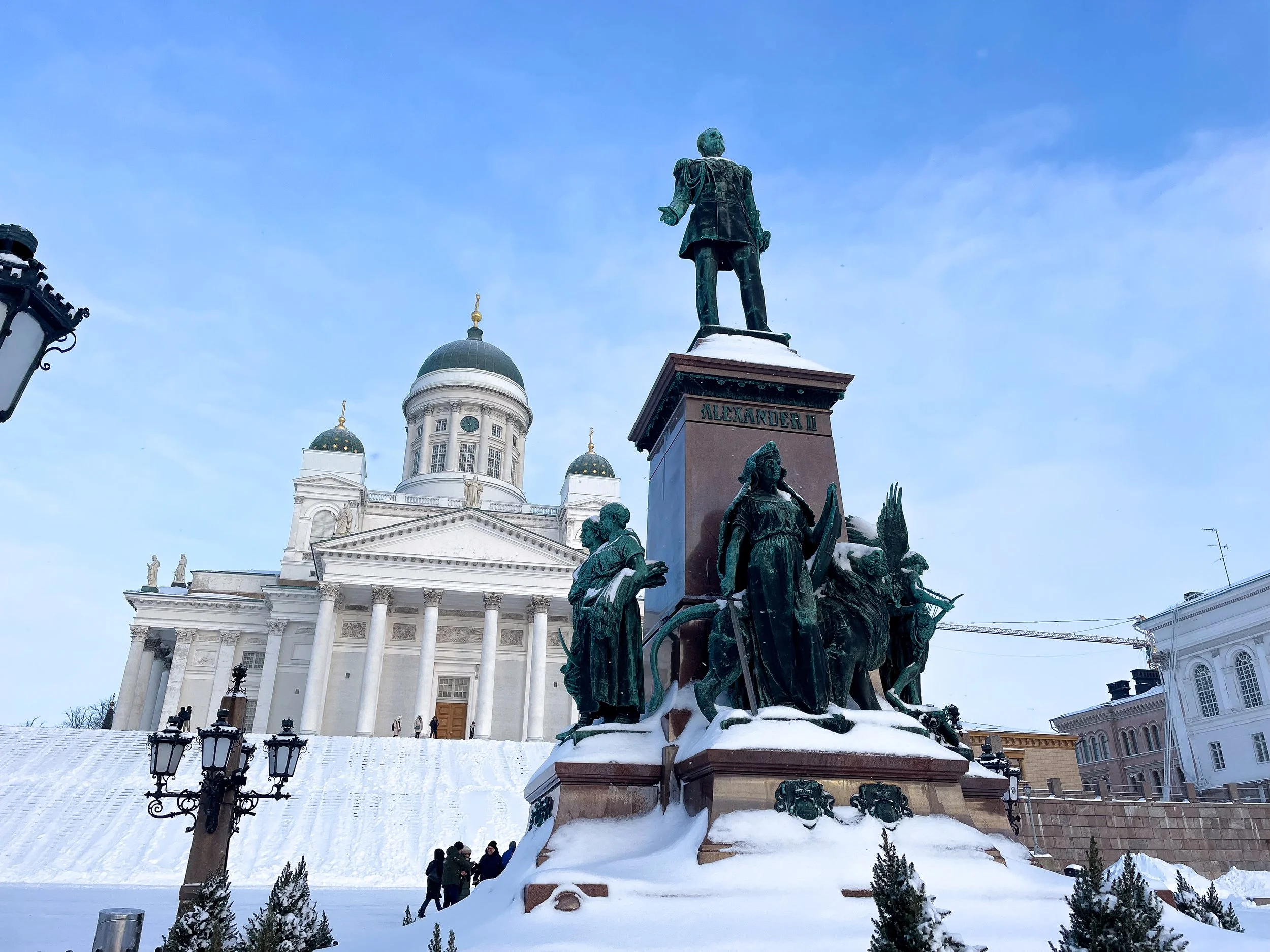
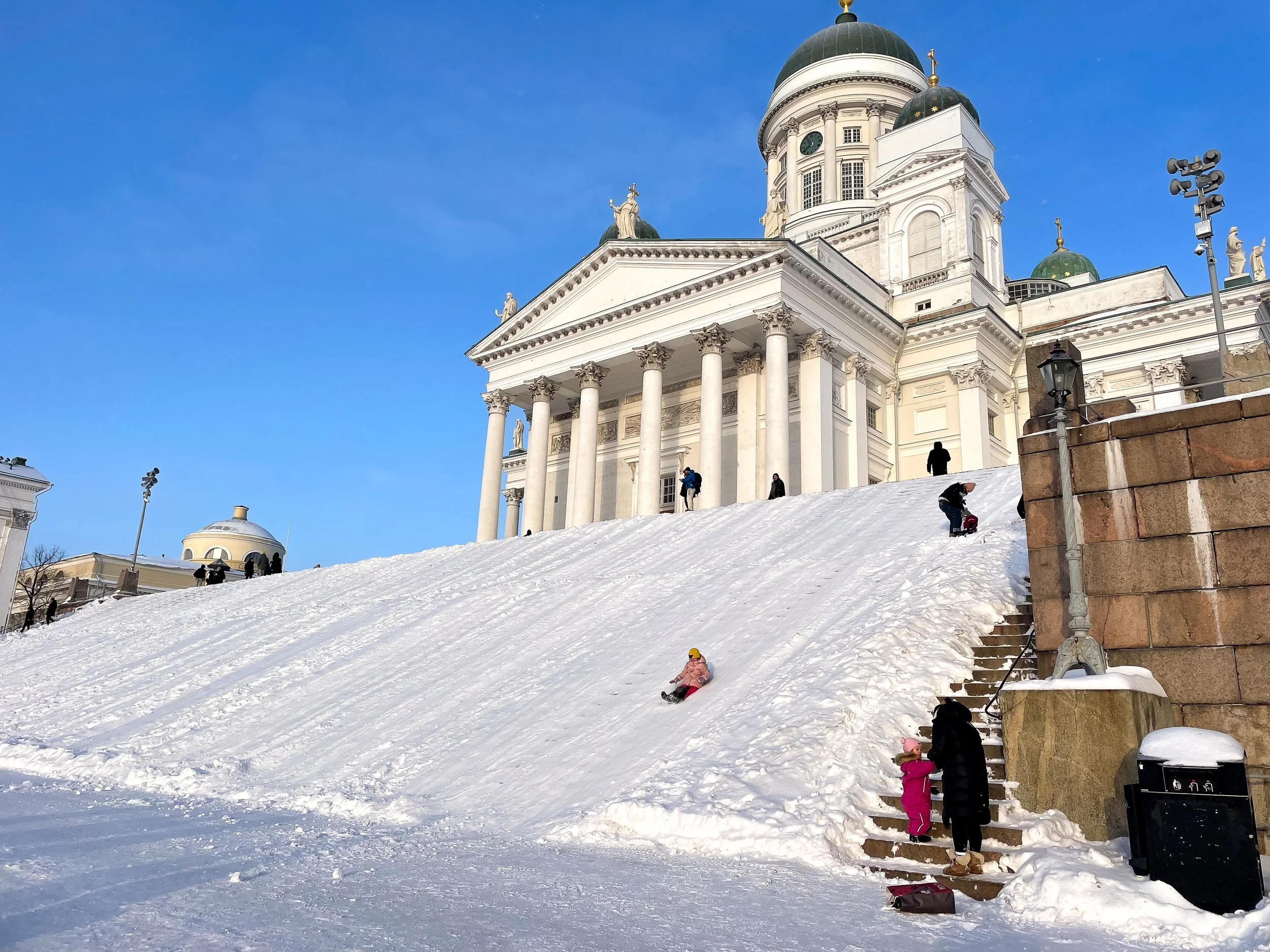
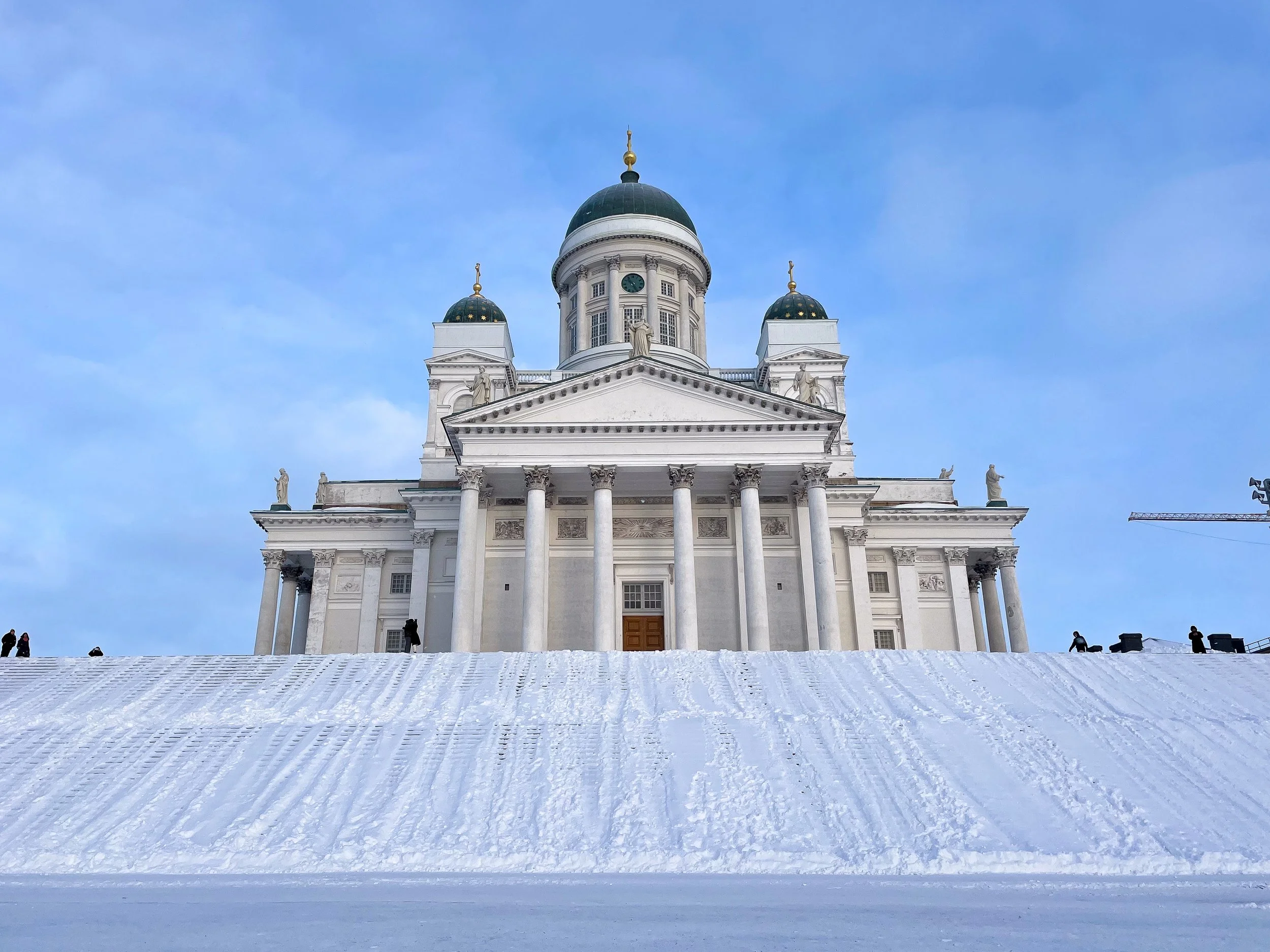
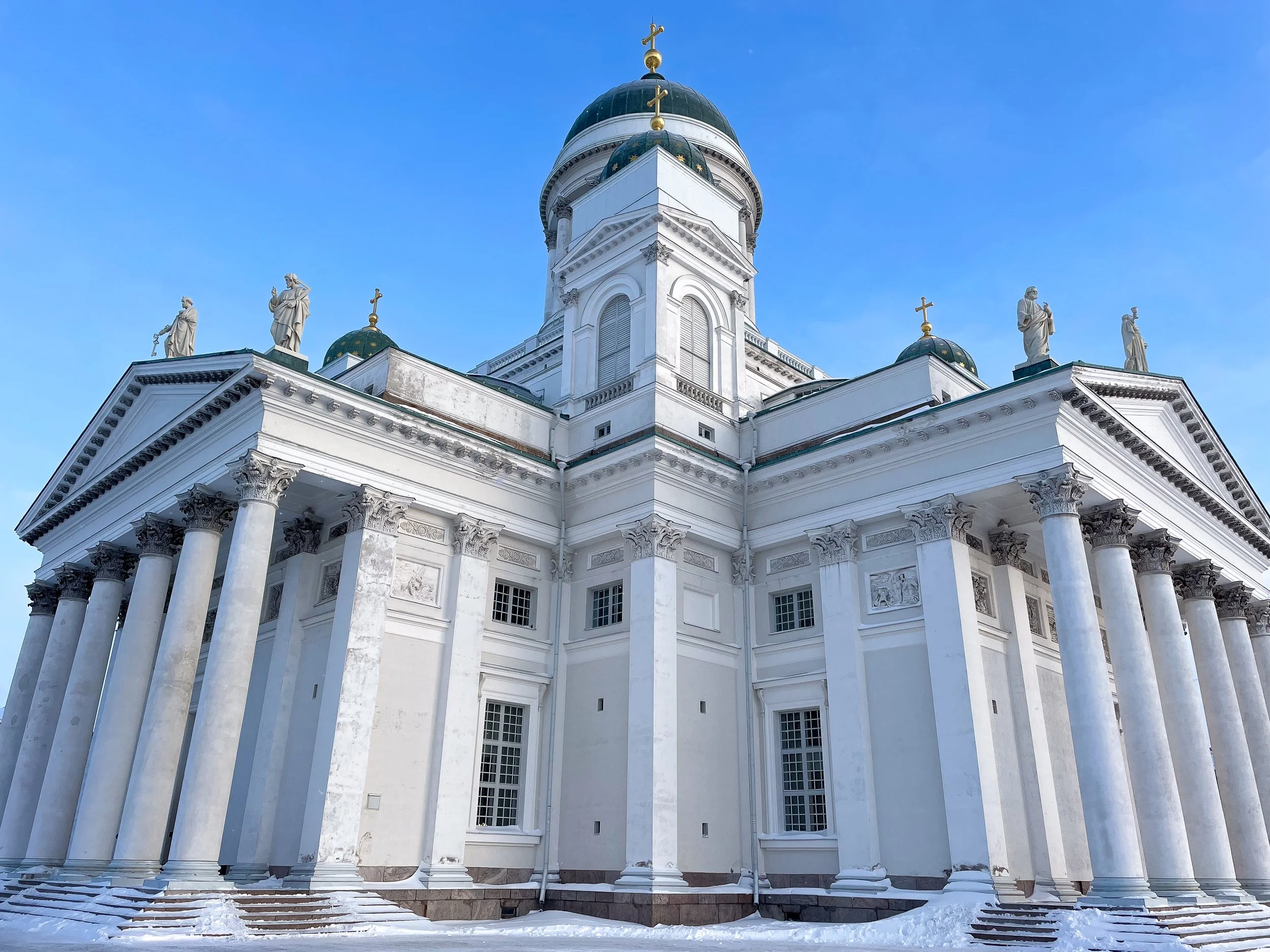
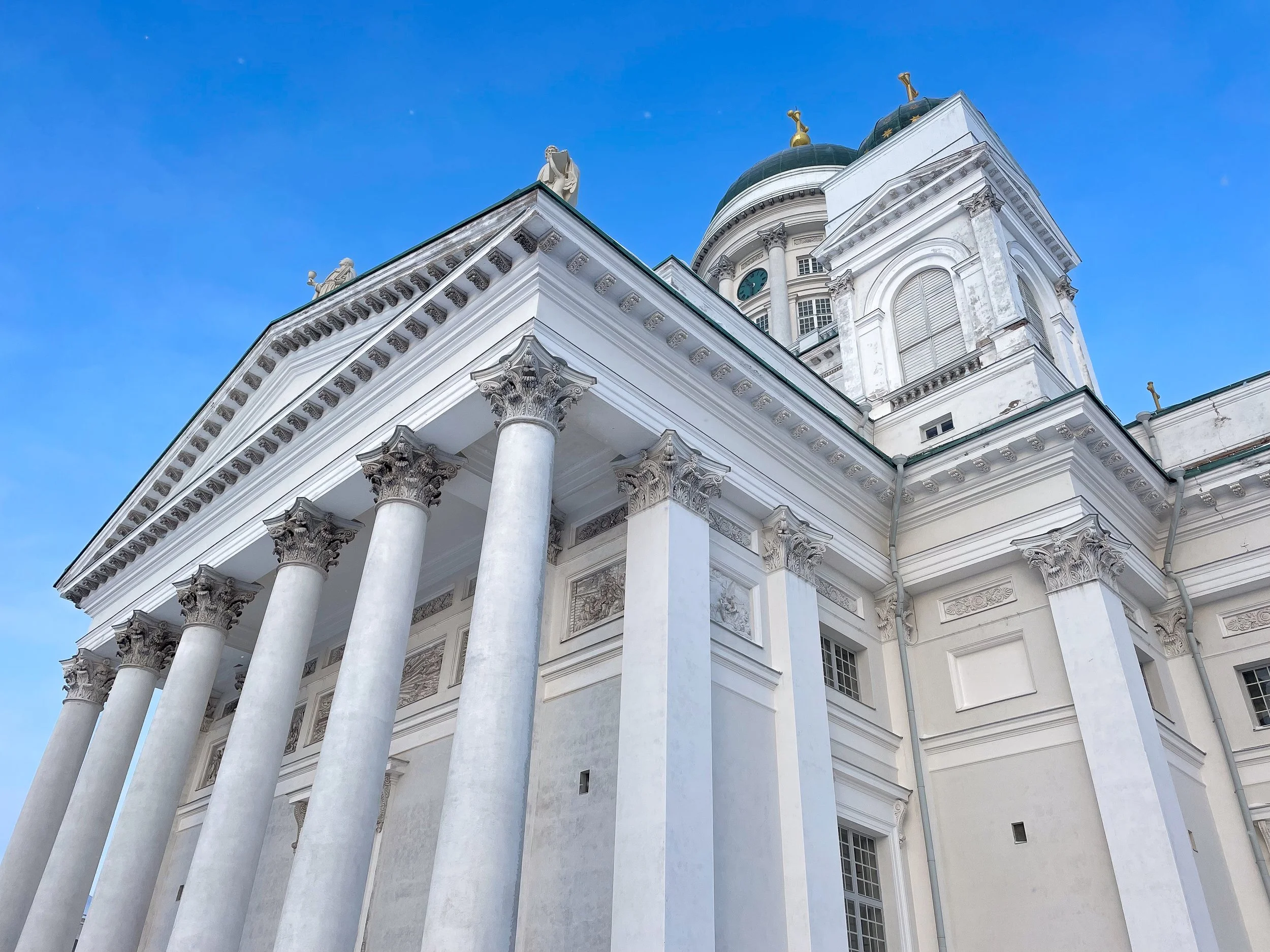
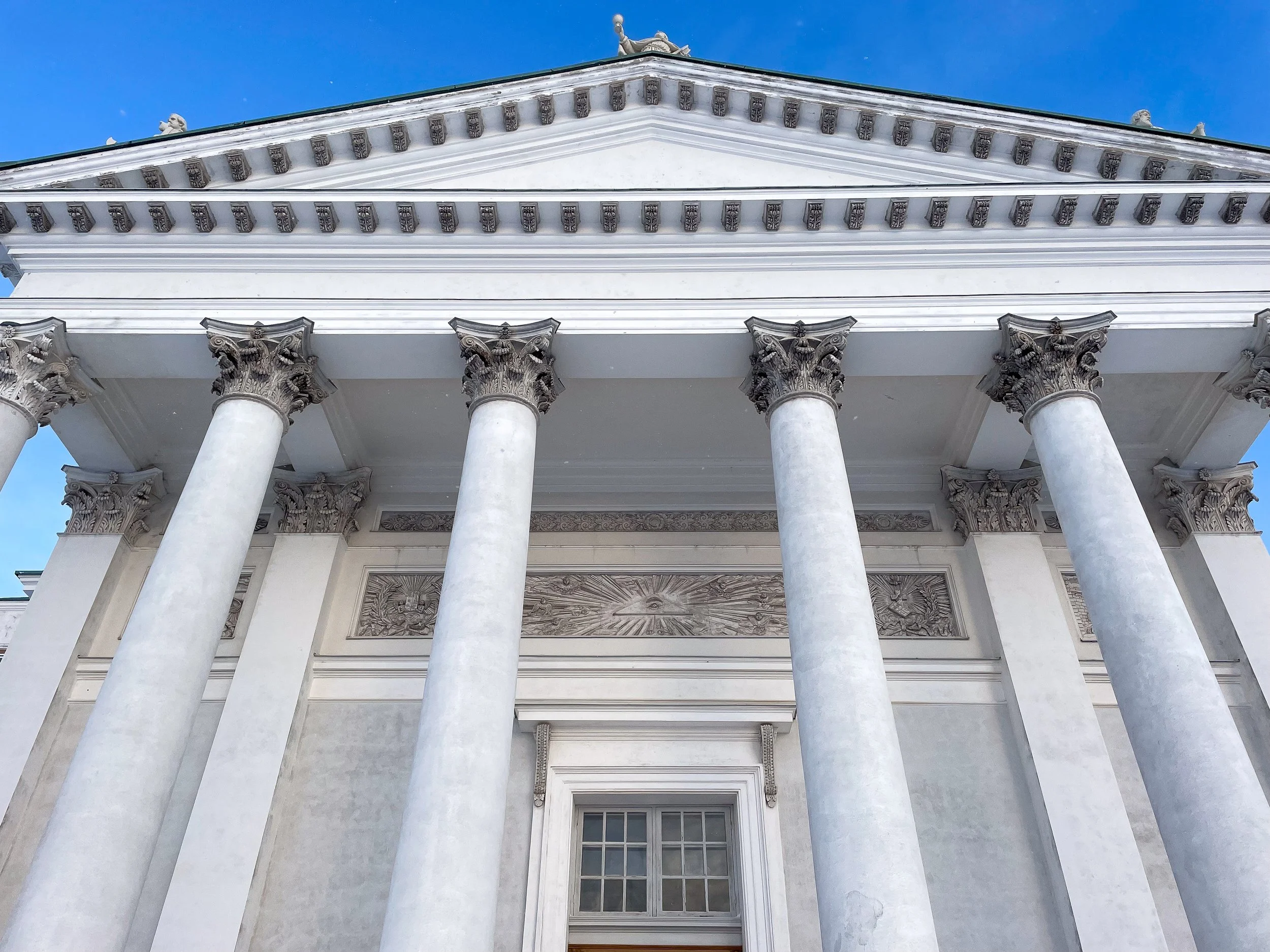
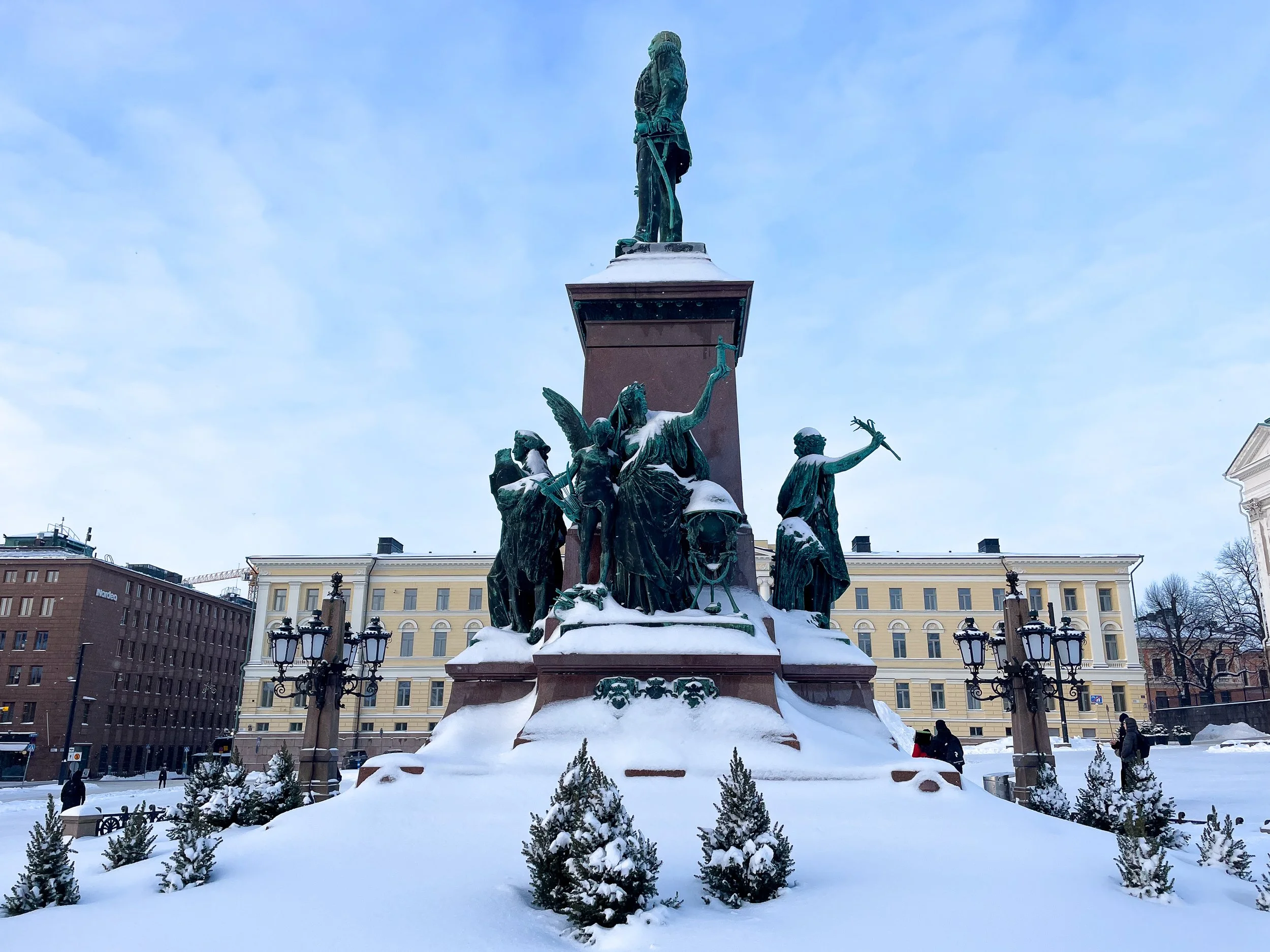
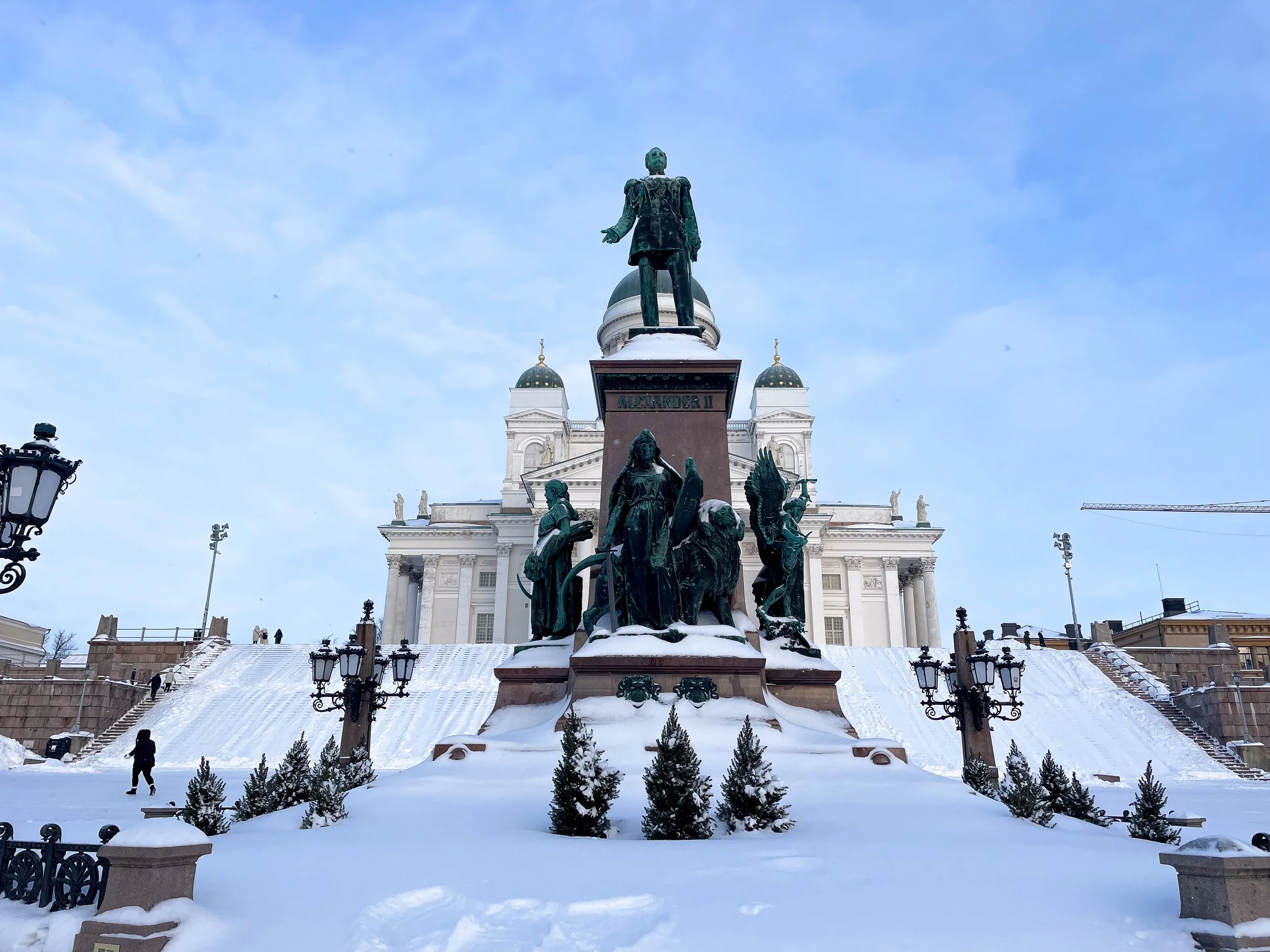
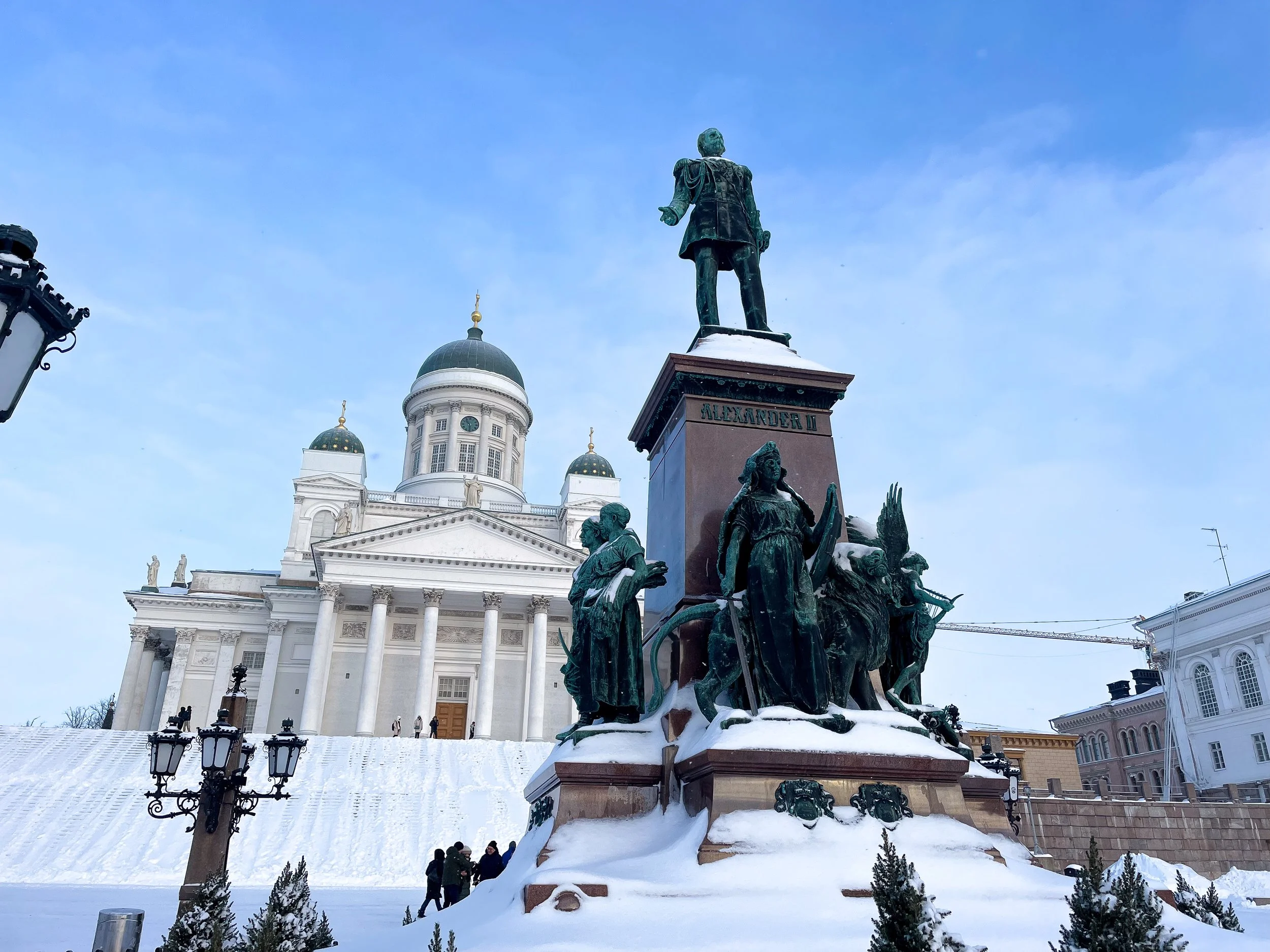
Helsinki Cathedral. A white neo-classical cathedral with 5 green copper domes located in Senate Square. During wintertime, the steps are covered in snow and become a sledding hill for children.
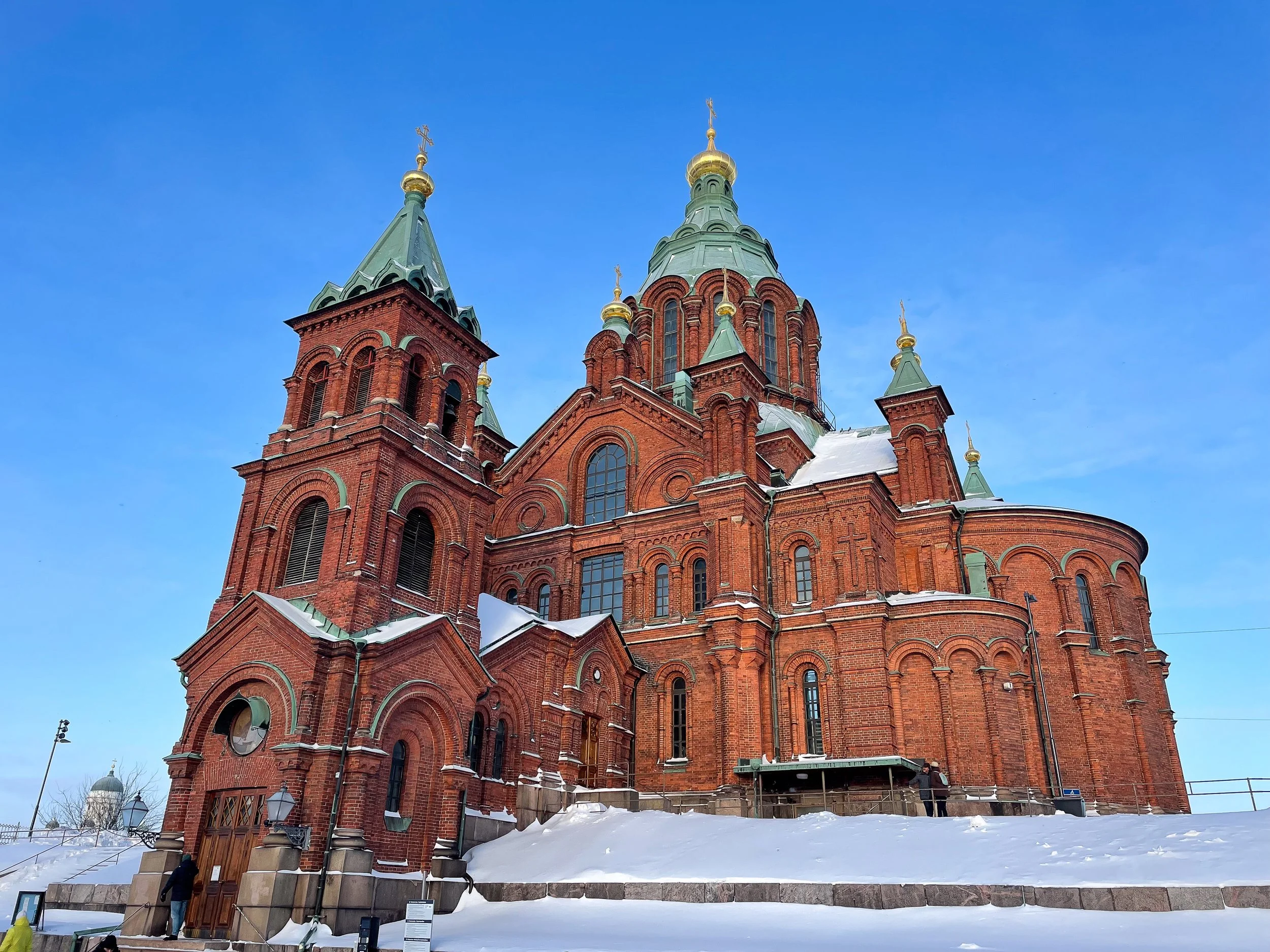
Uspenski Cathedral. A red brick Orthodox cathedral with copper steeples and golden onion domes. Its lavish interior is decorated in finely painted patterned and gold leafed imagery of Christian symbols.
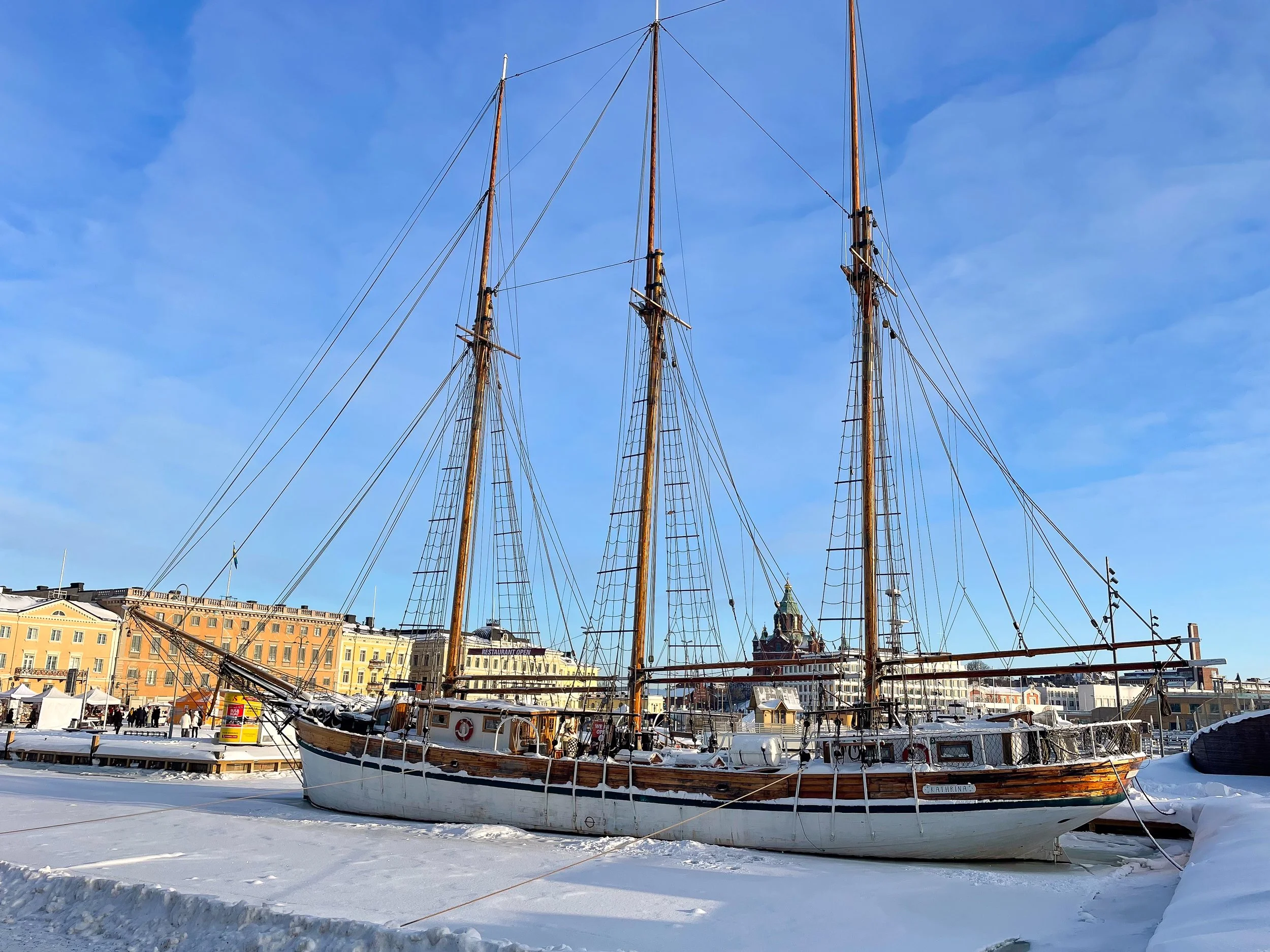
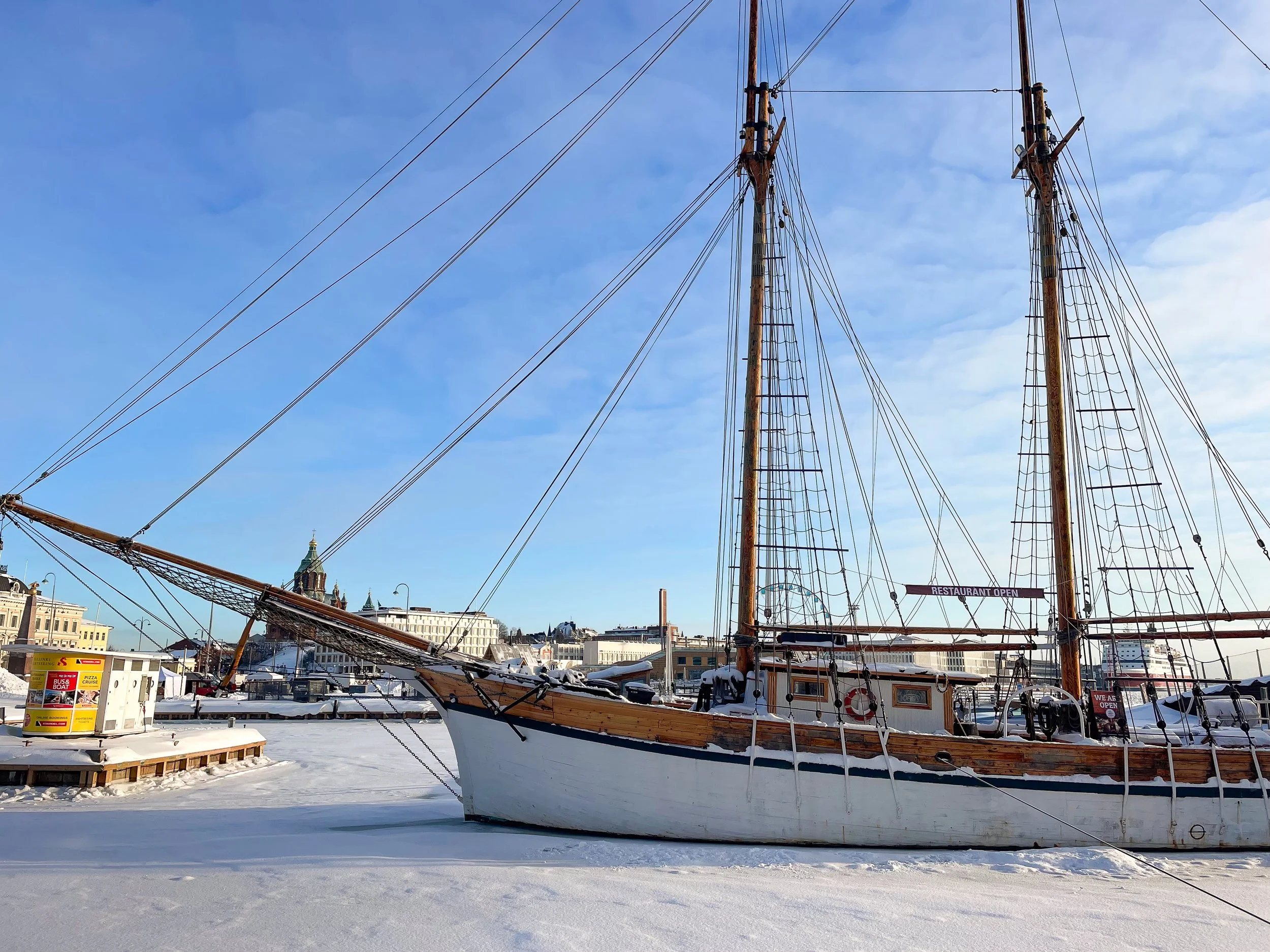
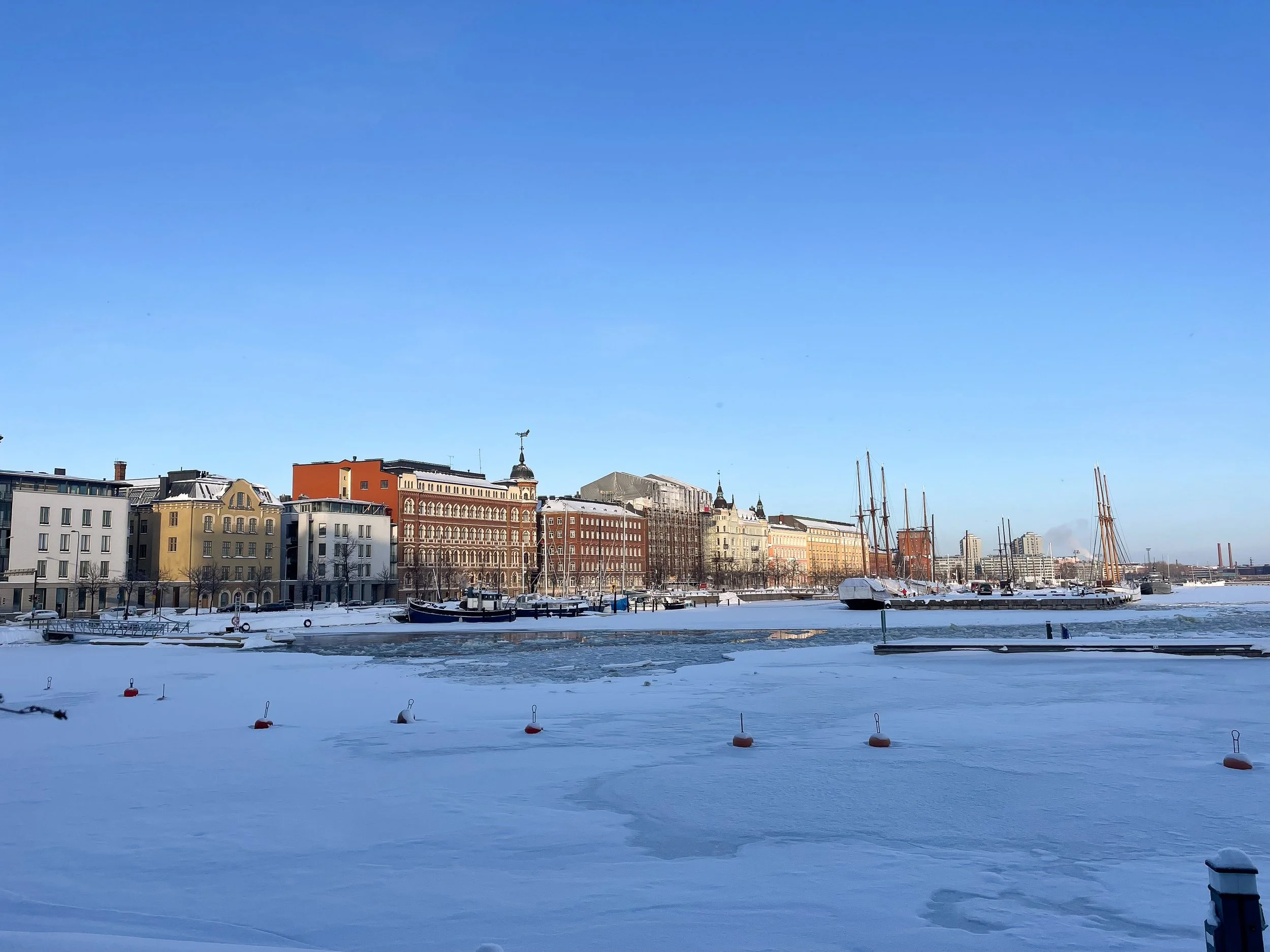
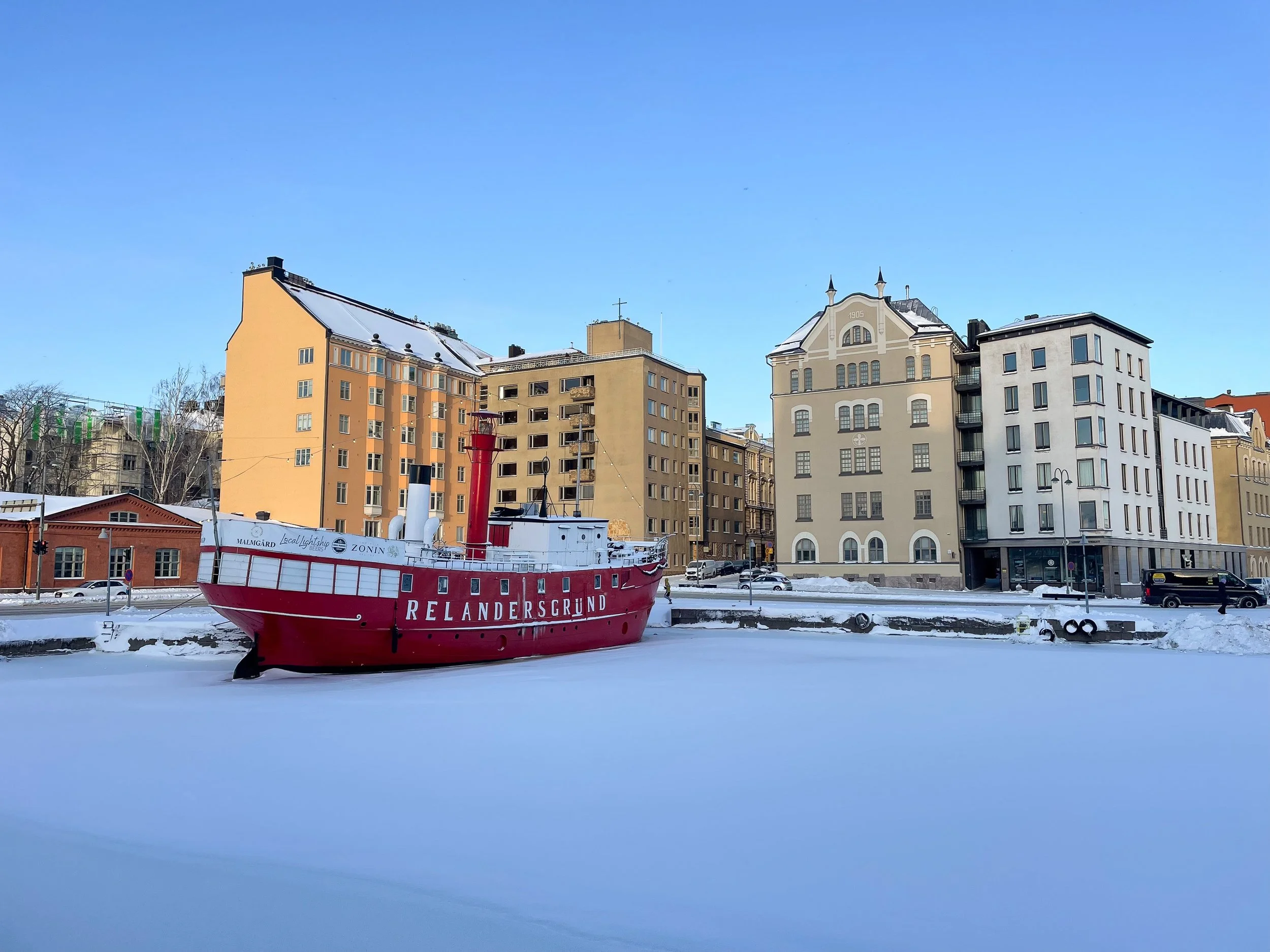
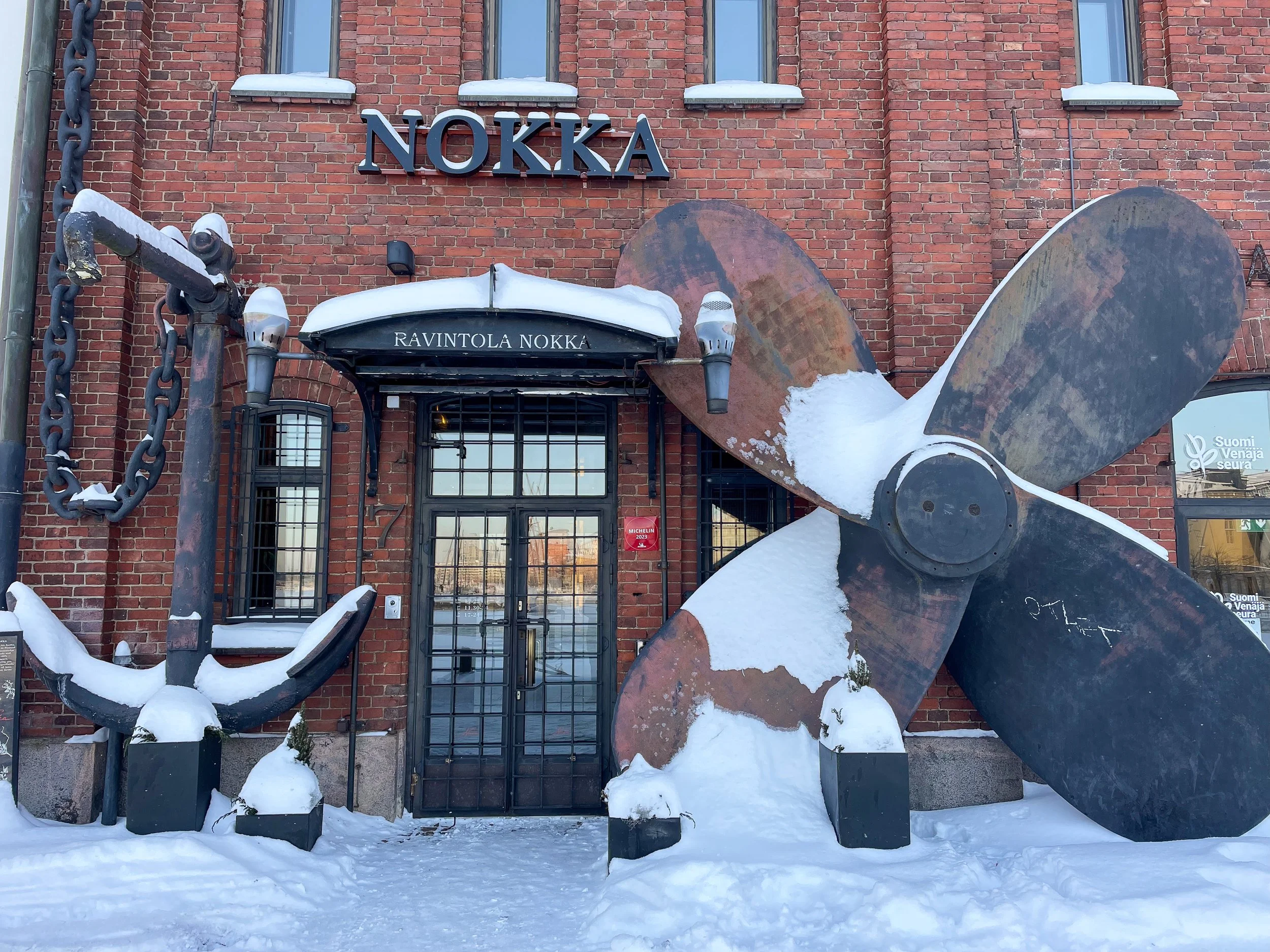
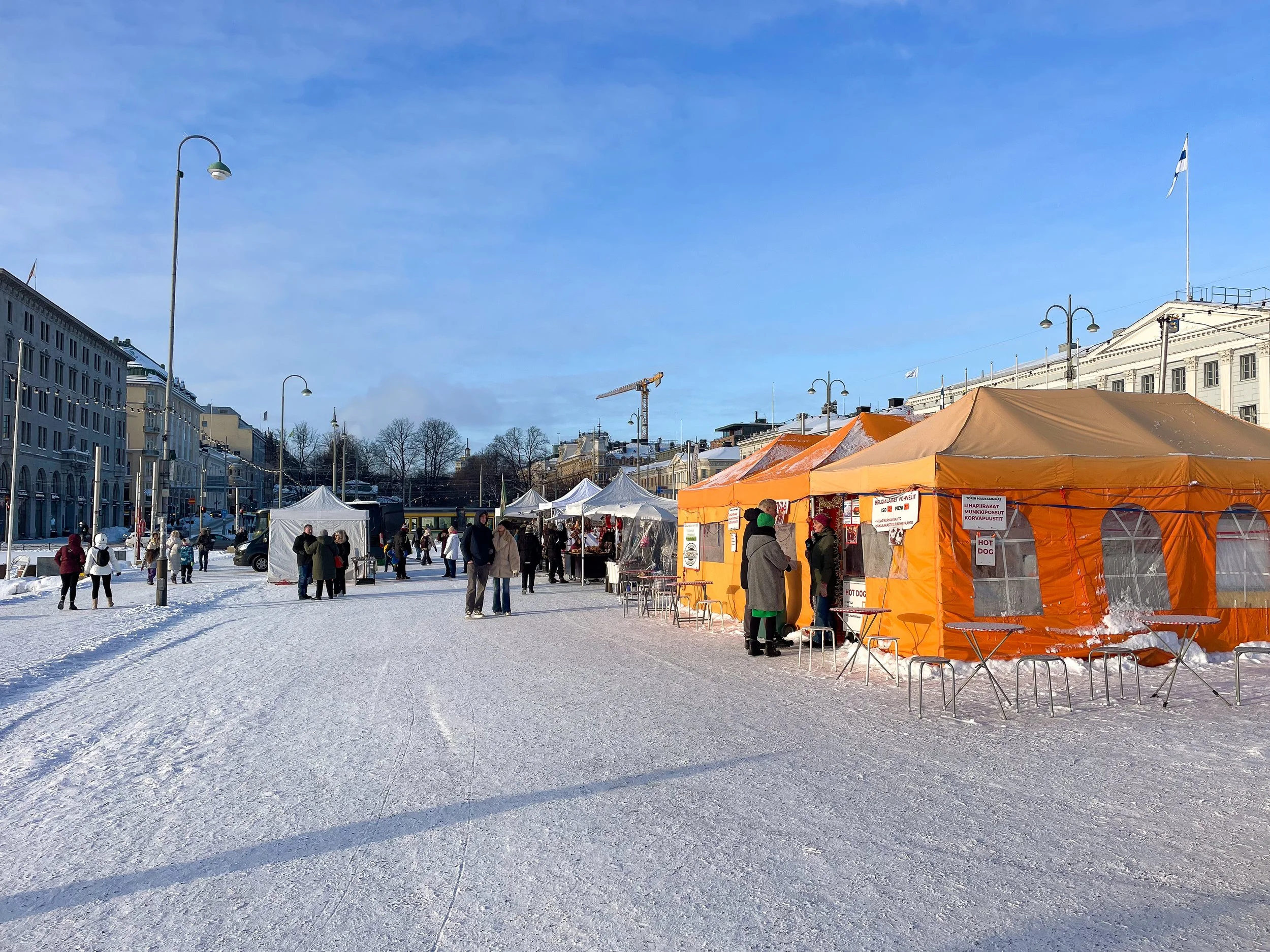
Helsinki Harbor. The city’s historic harbor is docked with wooden ships and icebreakers. It’s home to seaside saunas, food markets and government buildings including the presidential palace and city hall.
Market Square. A market with vendors selling Finnish foods, Sami handicrafts and souvenirs on the Helsinki Harbor across from City Hall. We tried the Lohikeitto (salmon soup) and Glögi (mulled wine).
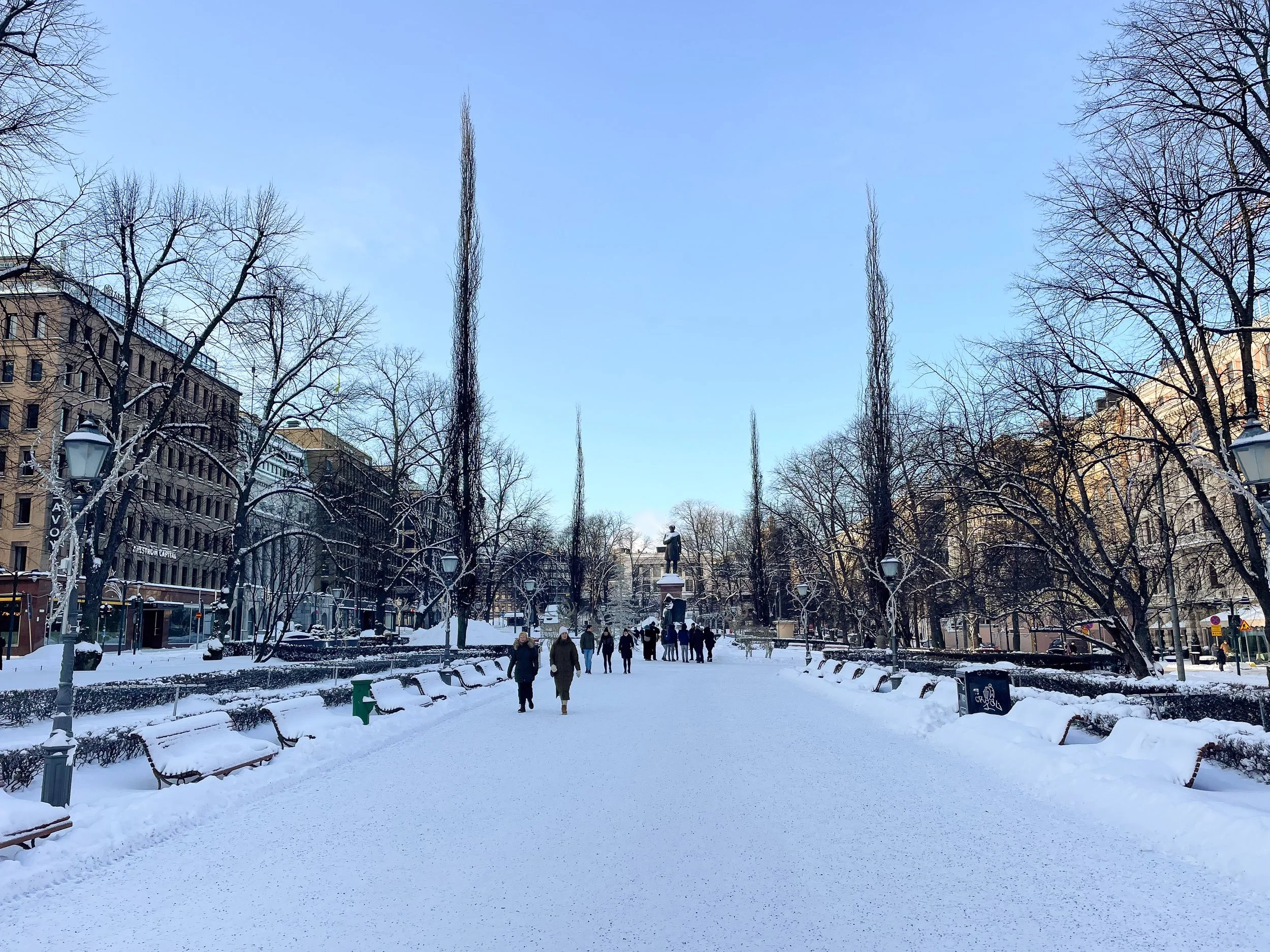
Esplanadi Park. A large city park leading from Market Square into the center of downtown Helsinki. It’s lined with walkways, trees, benches and bronze statues.
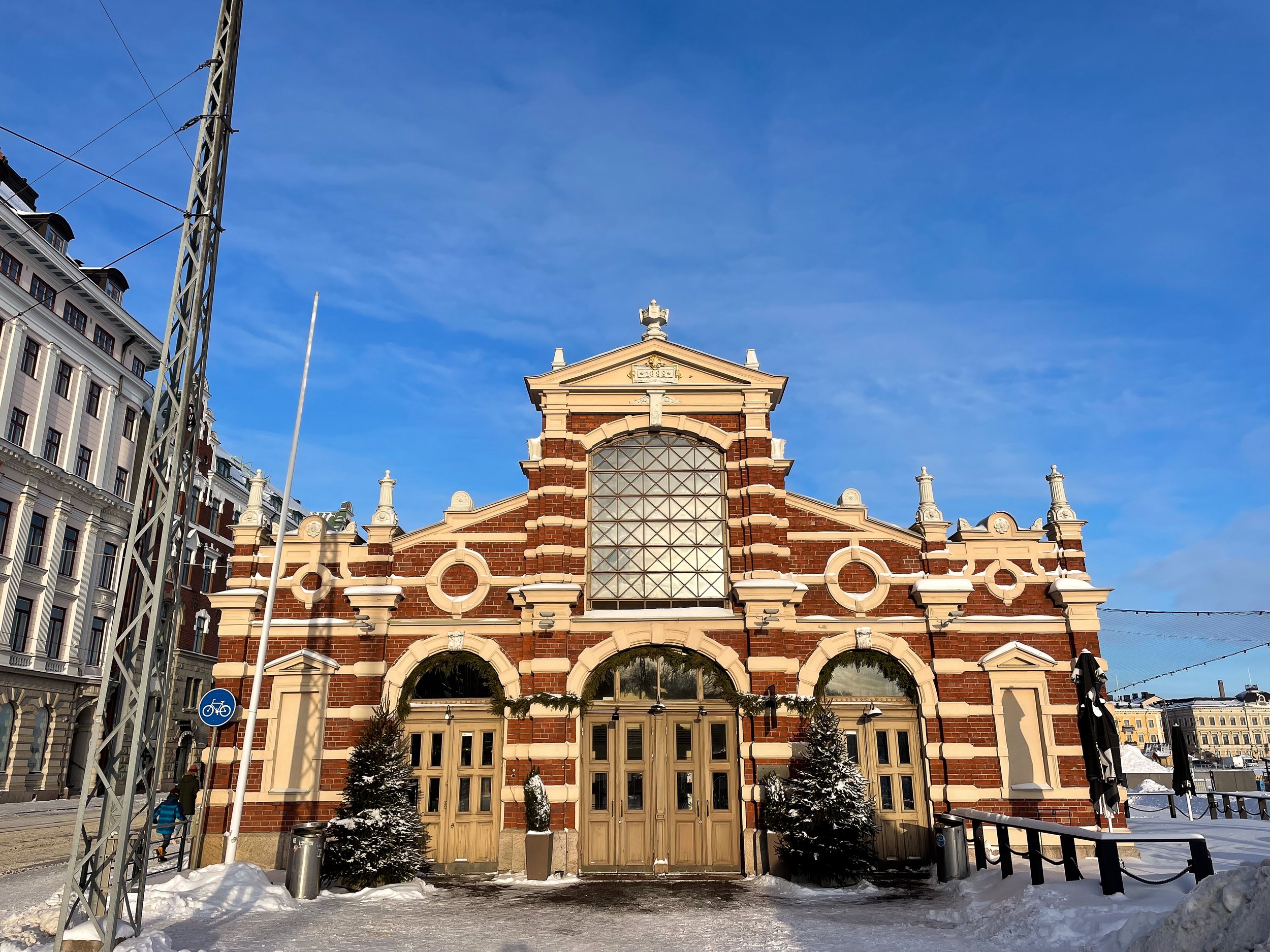
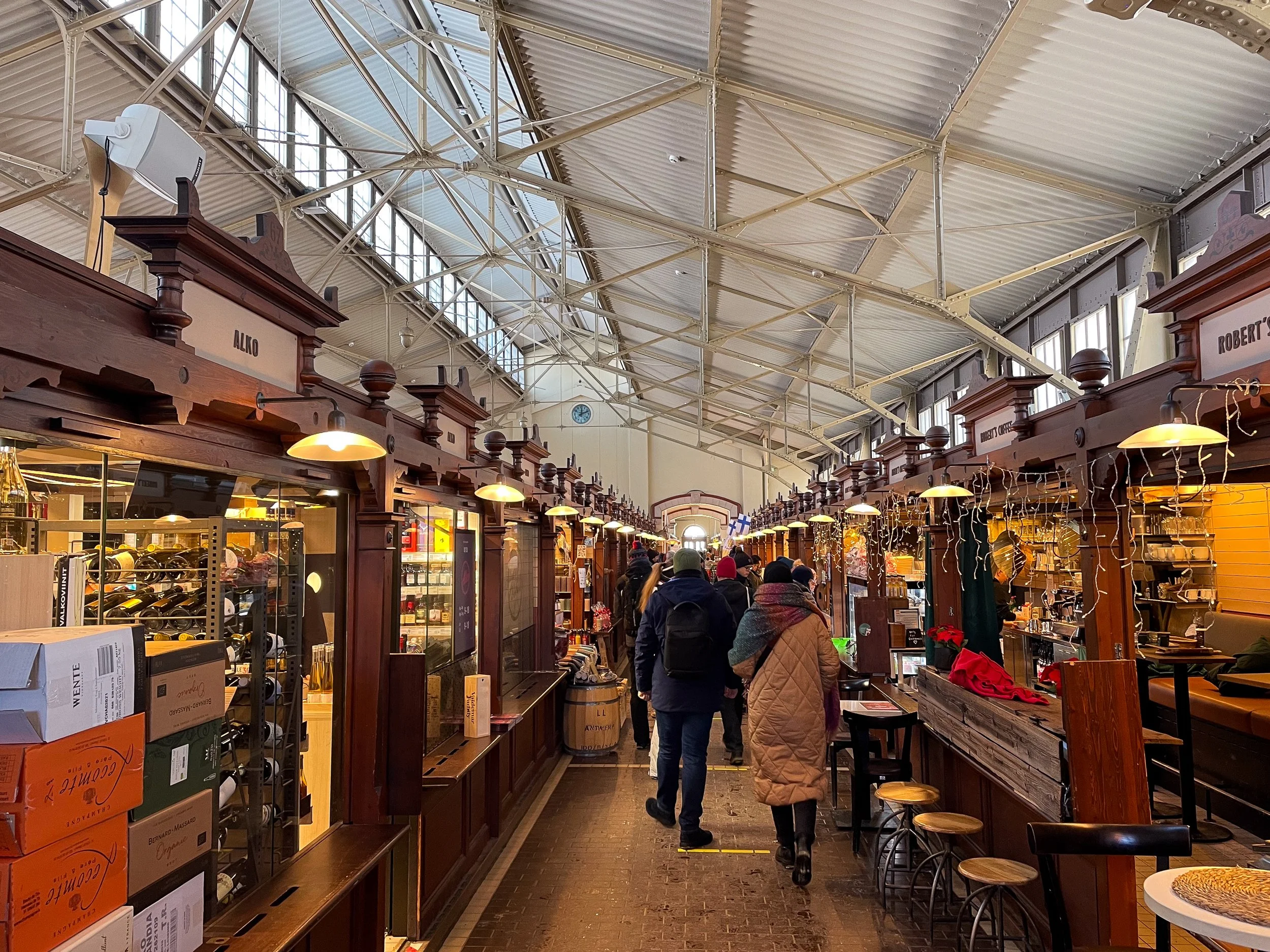
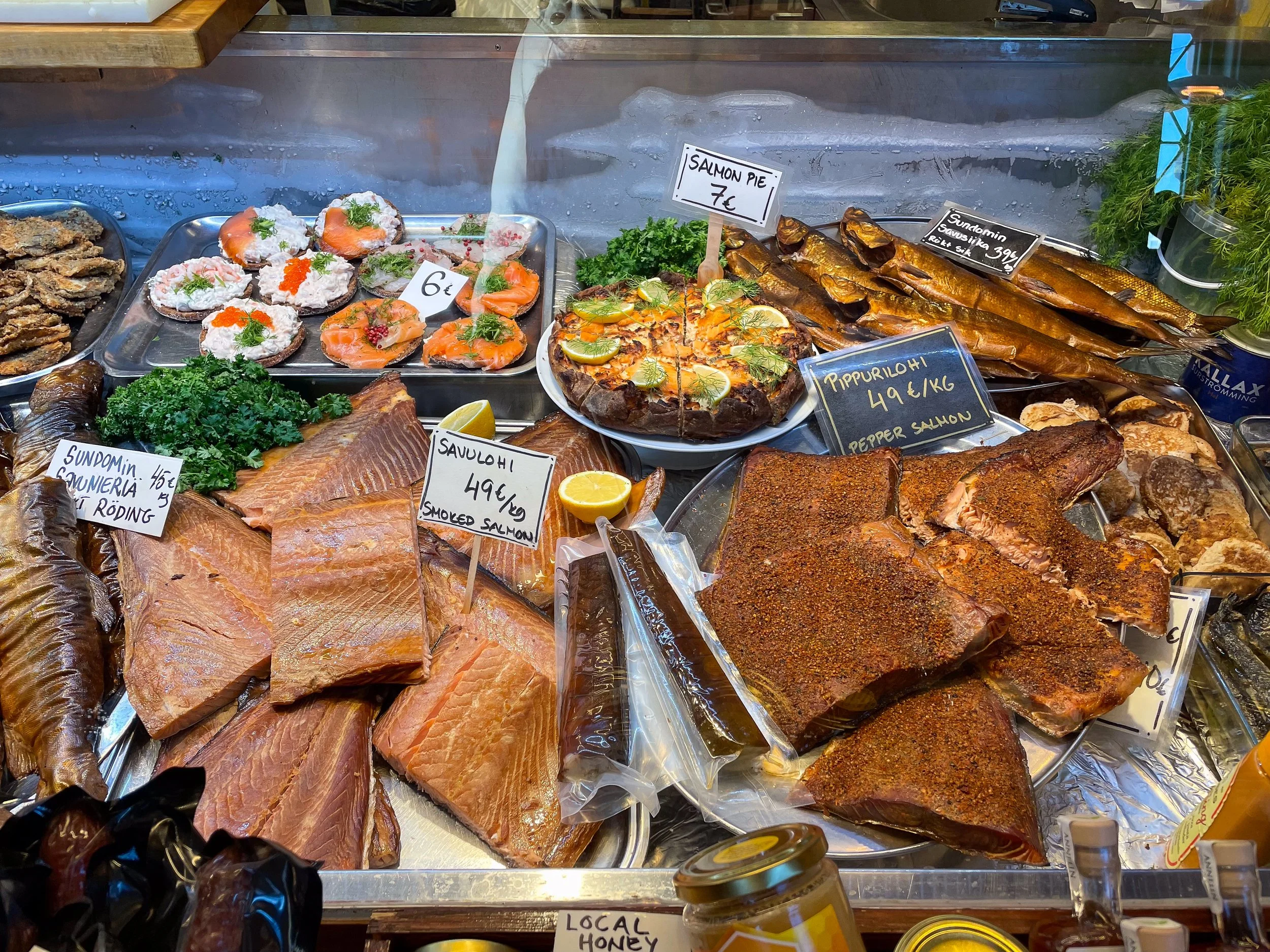
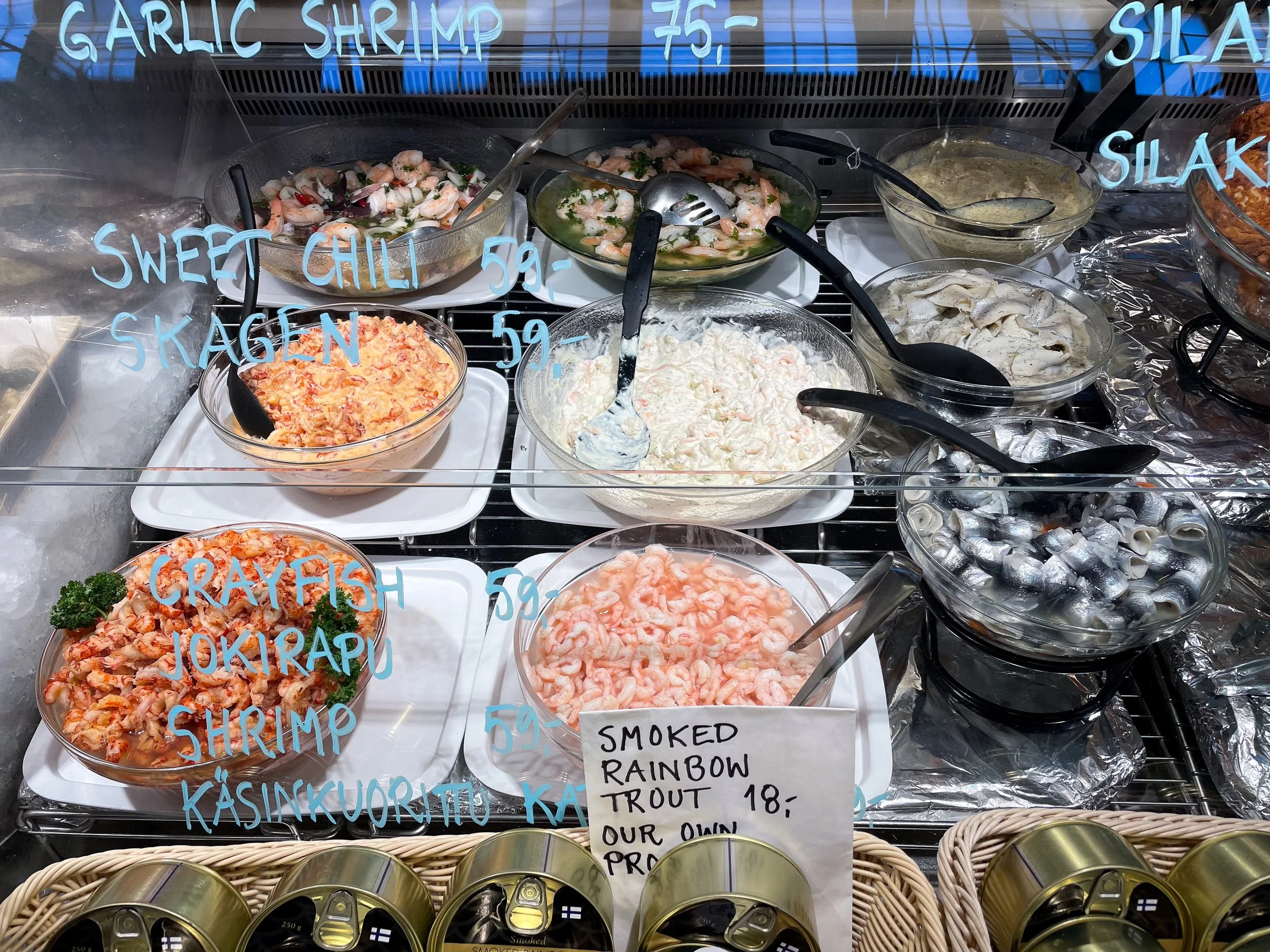
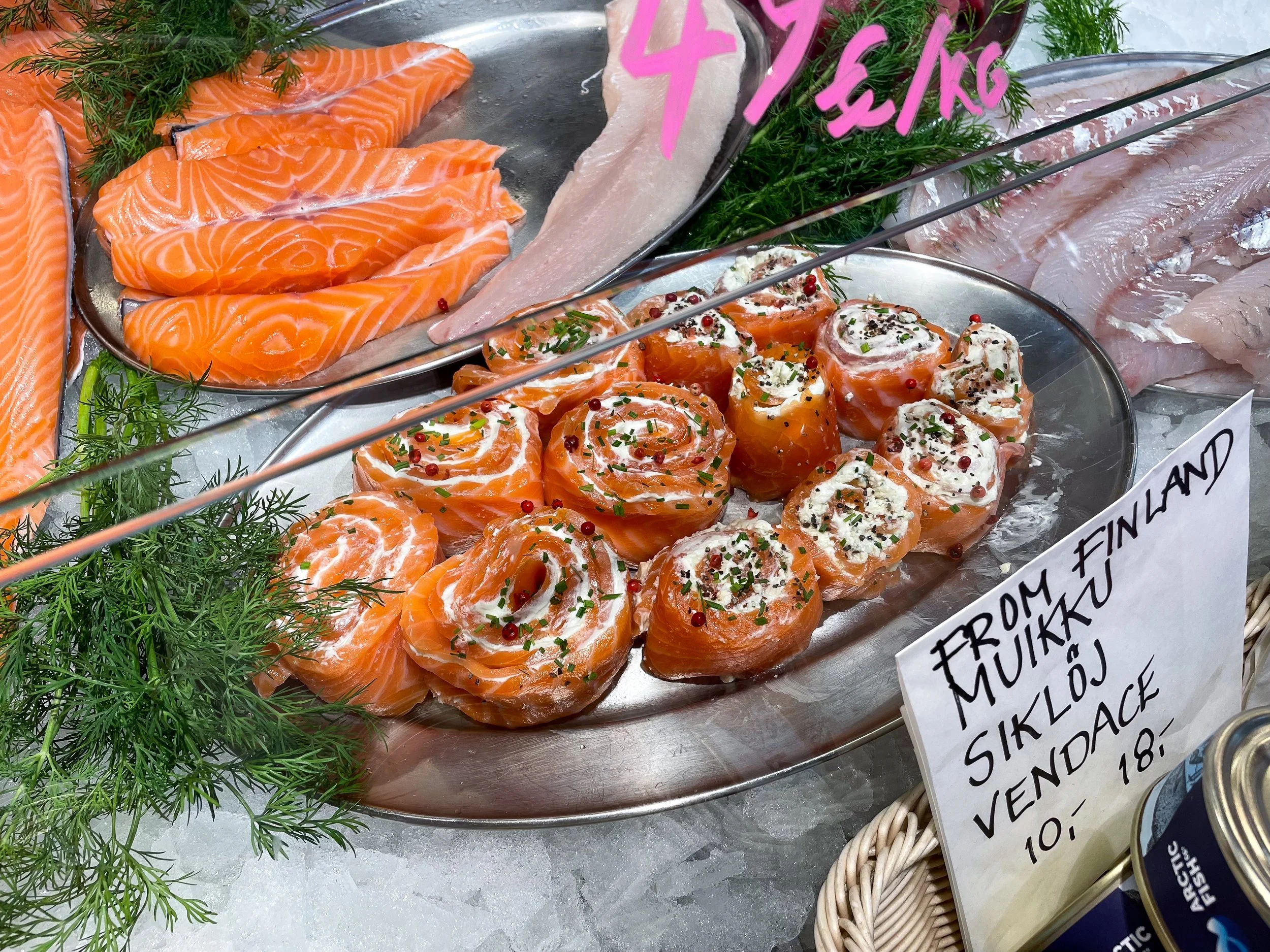
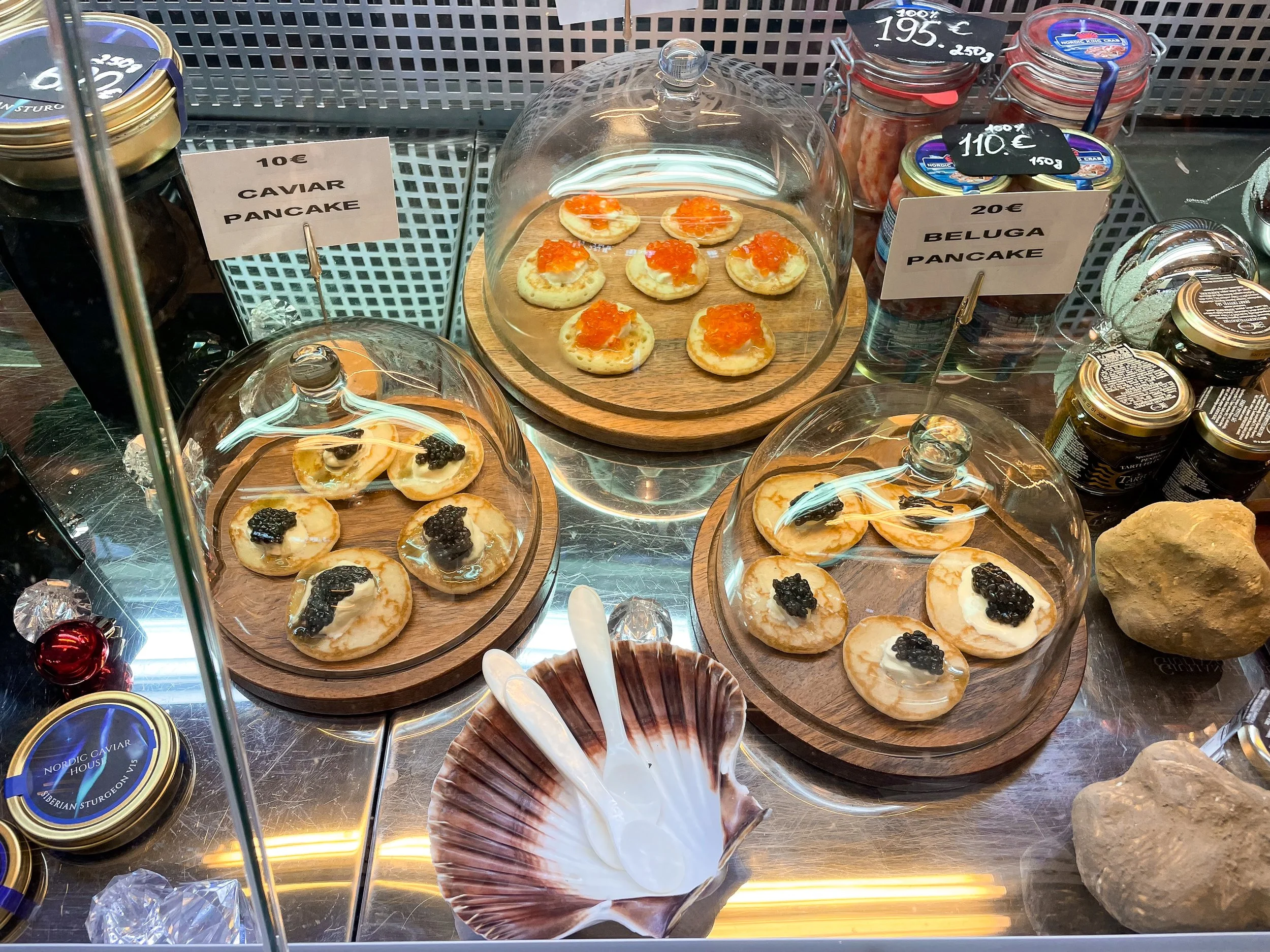
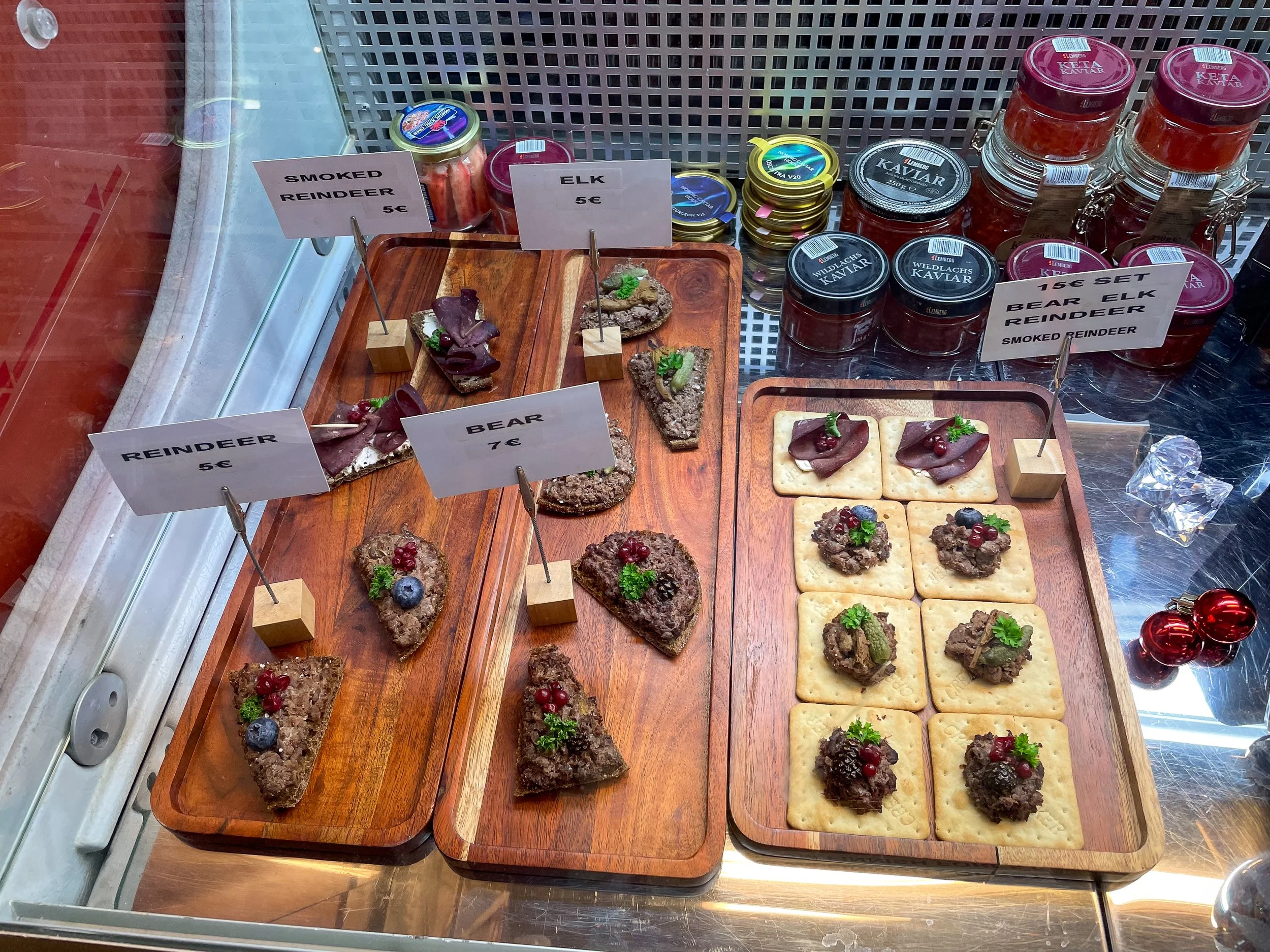
Old Market Hall. Helsinki’s oldest food market focused on Finnish cuisine with vendors selling and serving traditional dishes, pastries, seafood, meats and beer. Butchers sell sausage, smoked, canned and fresh meats like reindeer, elk, and bear. Seafood vendors serve salmon soup, smoked fish, pickled herring, cold water prawns and caviar. Cafés offer lingonberry pastries, Runeberg tortes and Korvapuustit. We came here for lunch and enjoyed a Finnish feast. We tasted a blini with beluga caviar, deep fried sprats, pickled herring in mustard sauce on rye toast, skagen and a Runeberg torte.
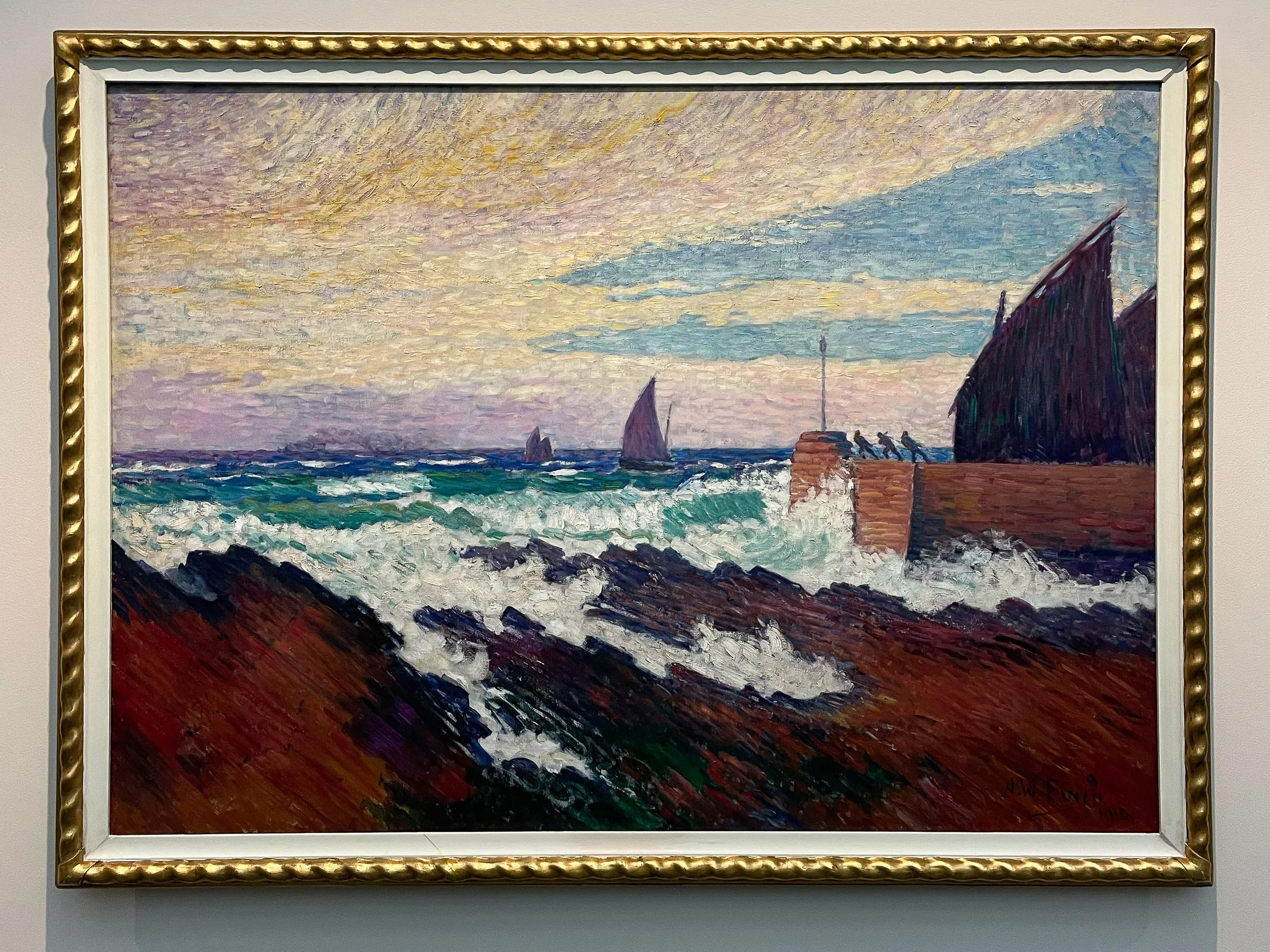
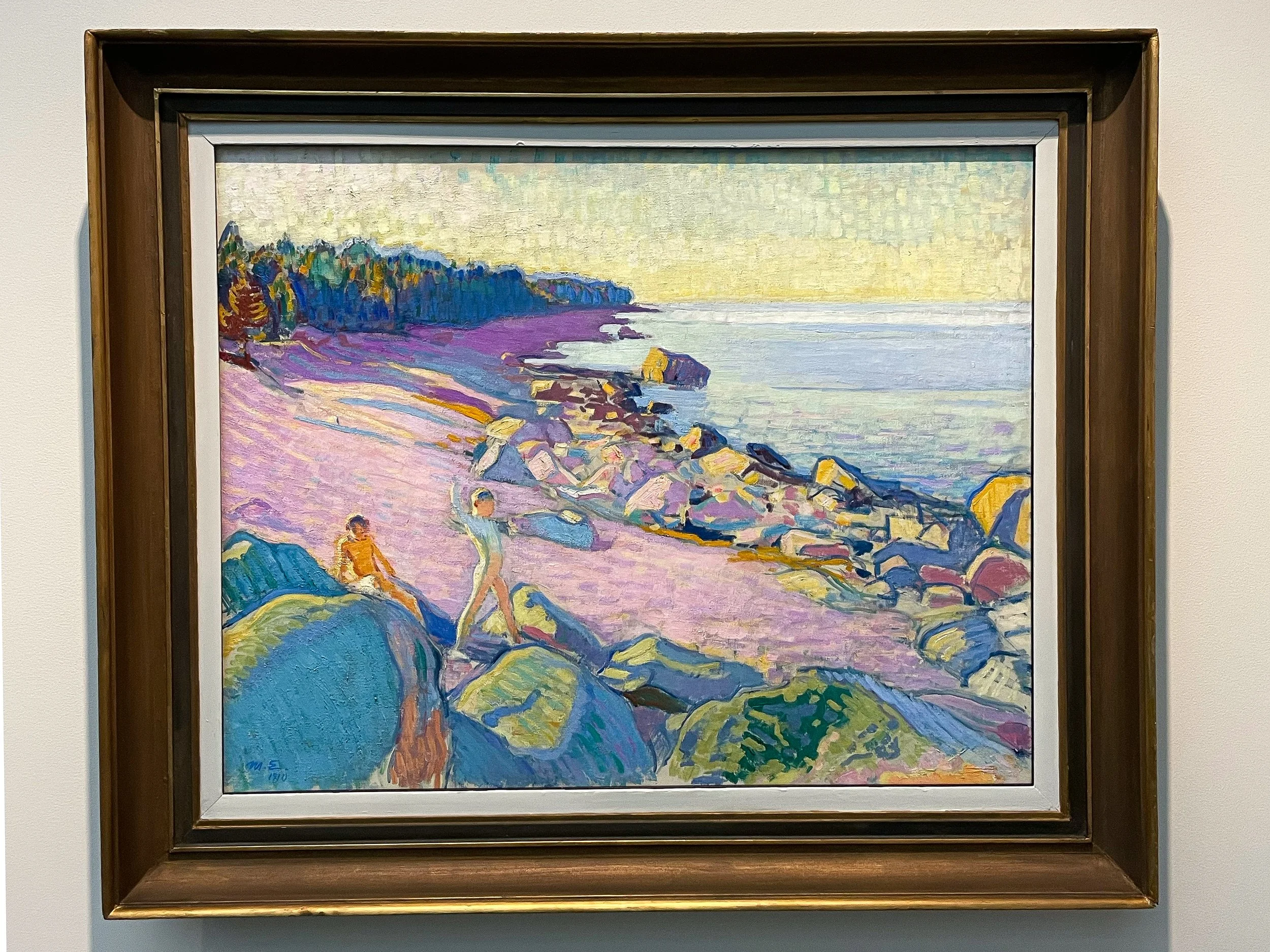
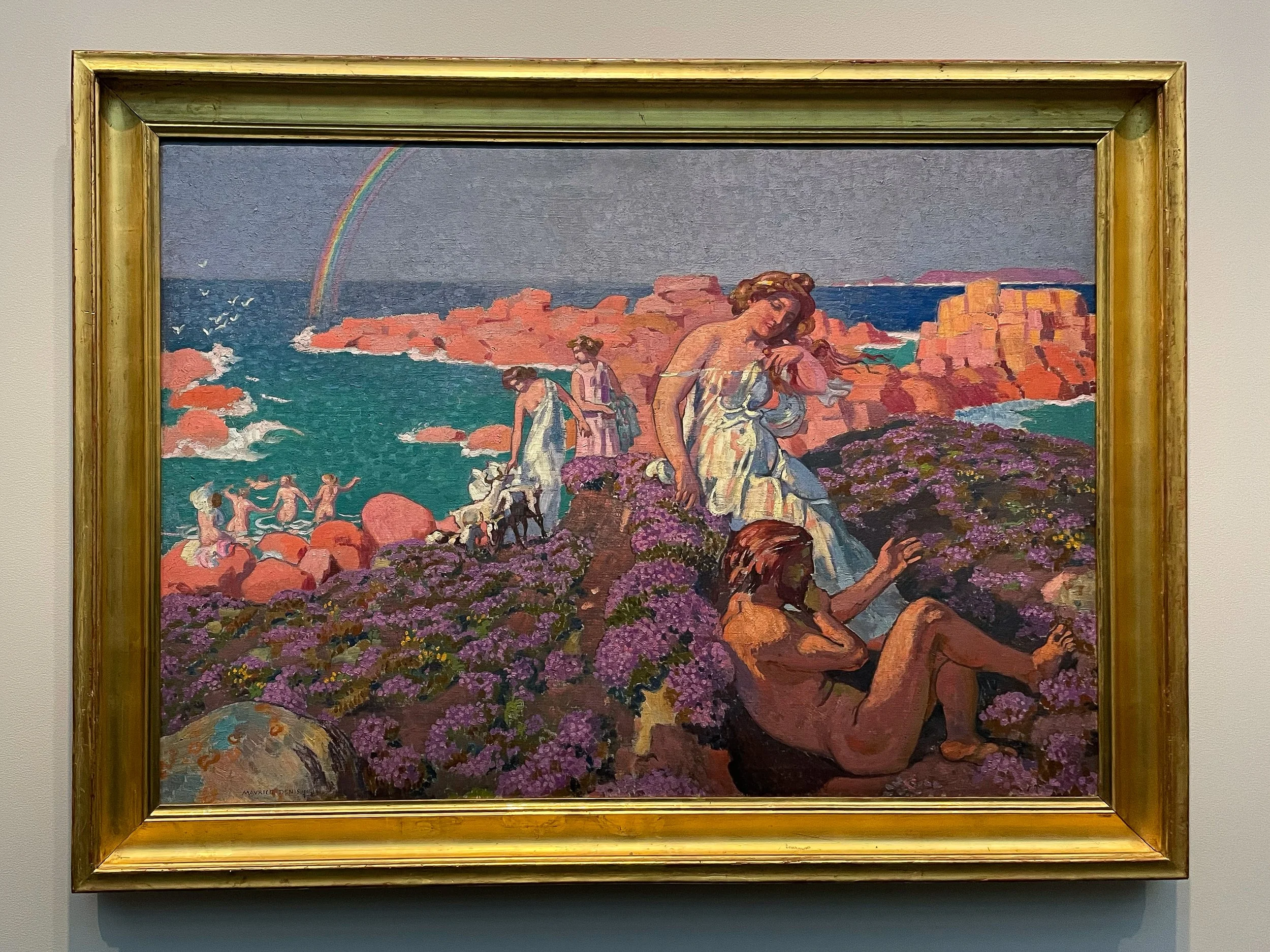
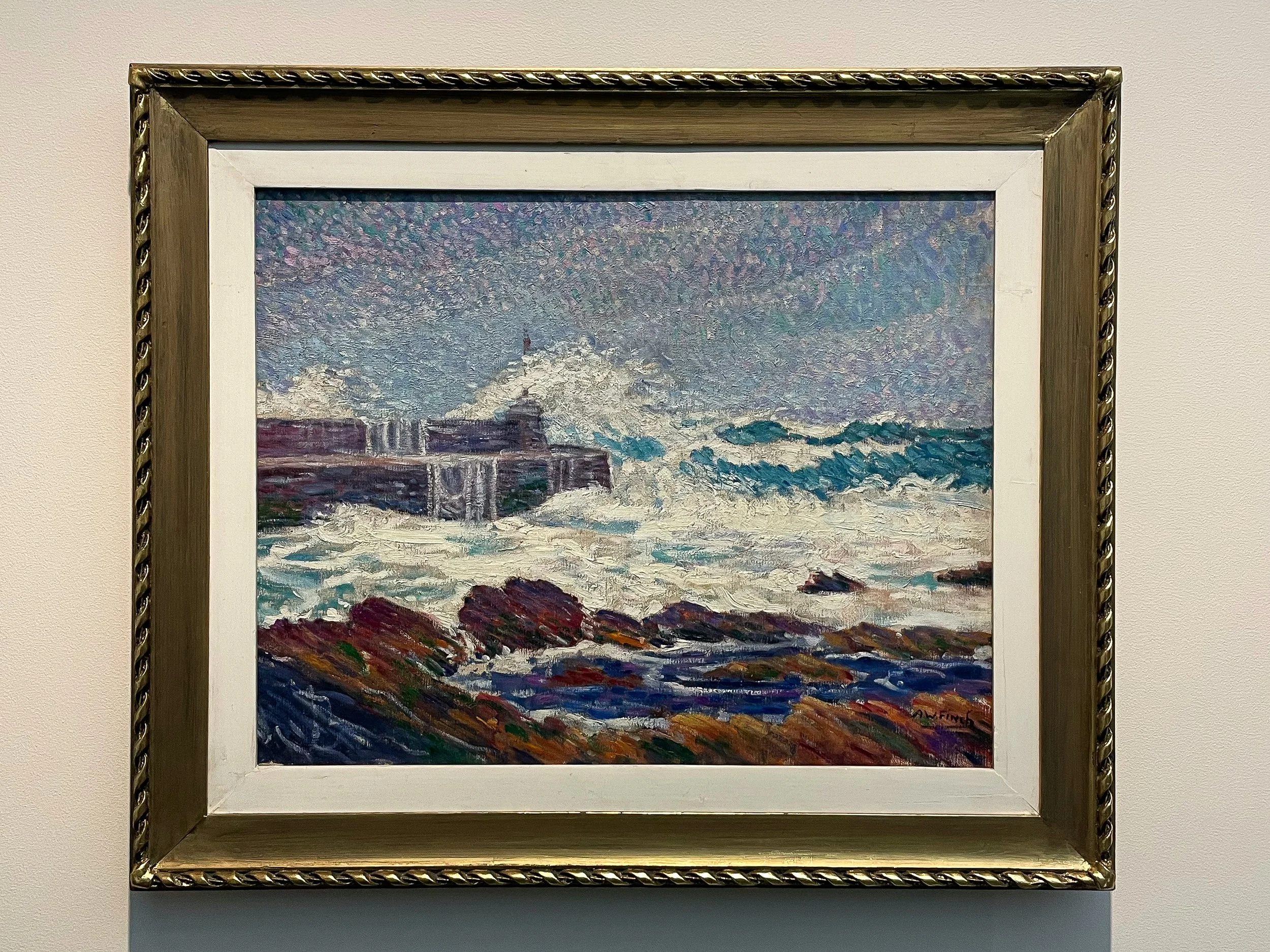
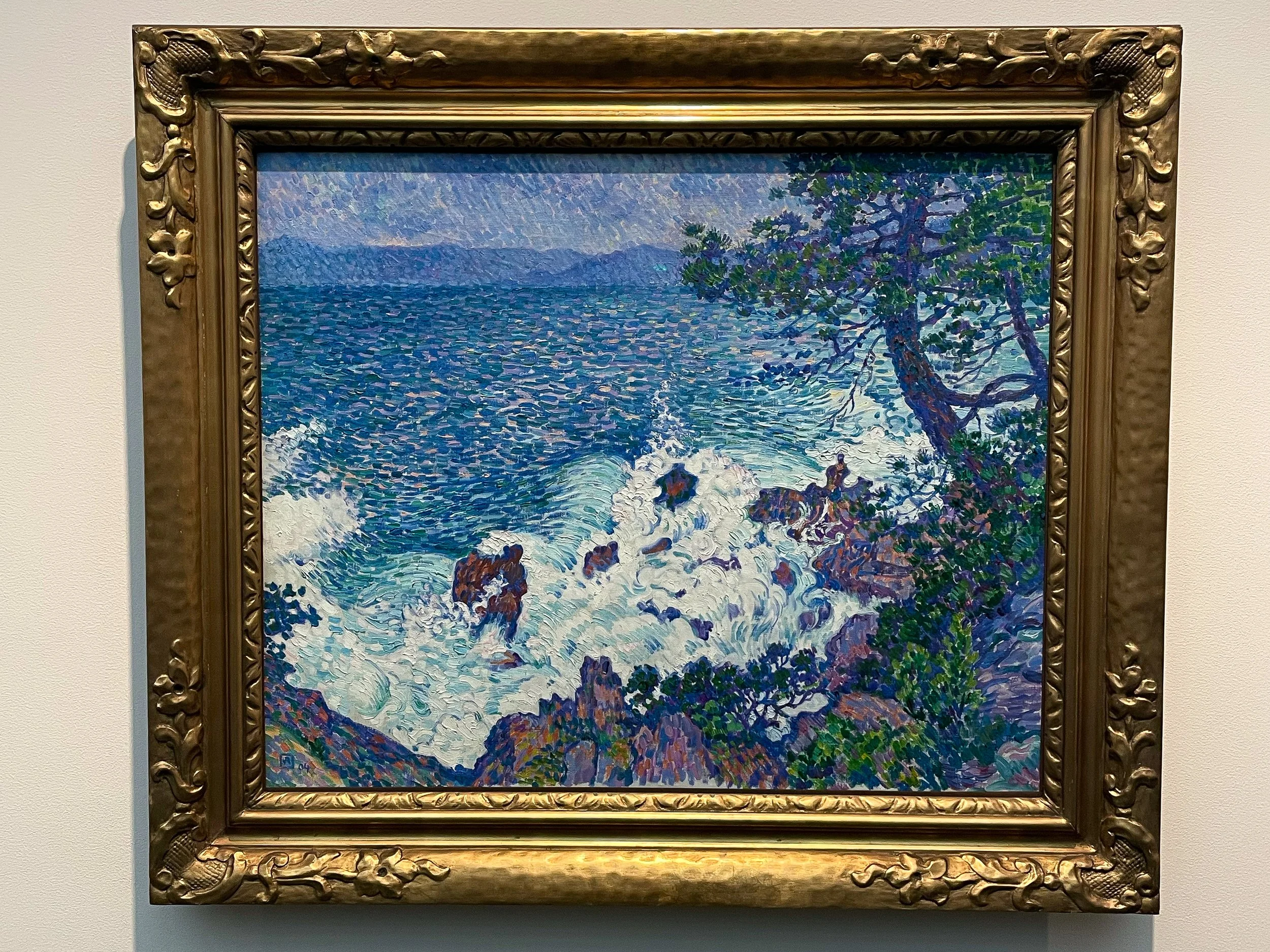
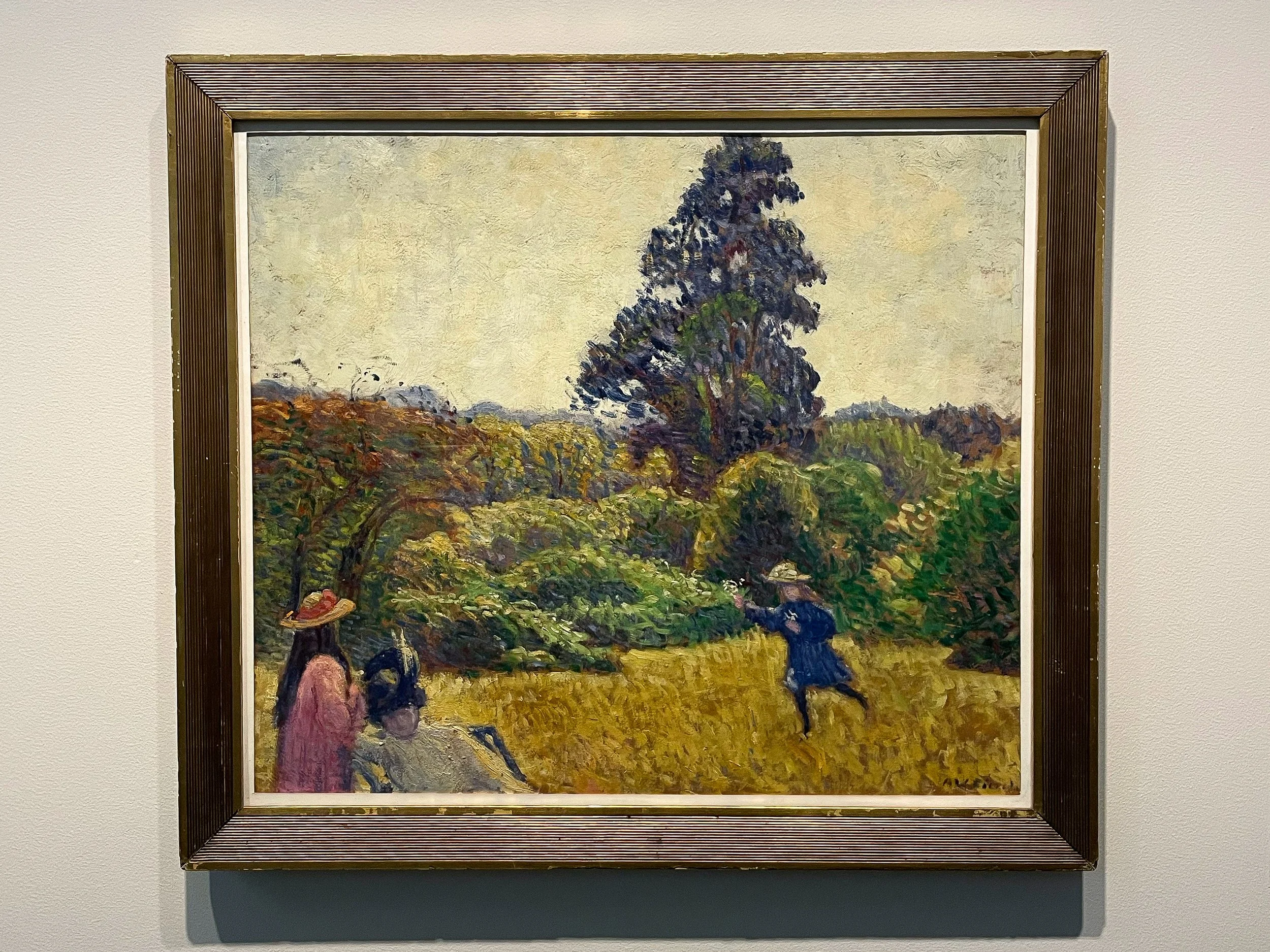
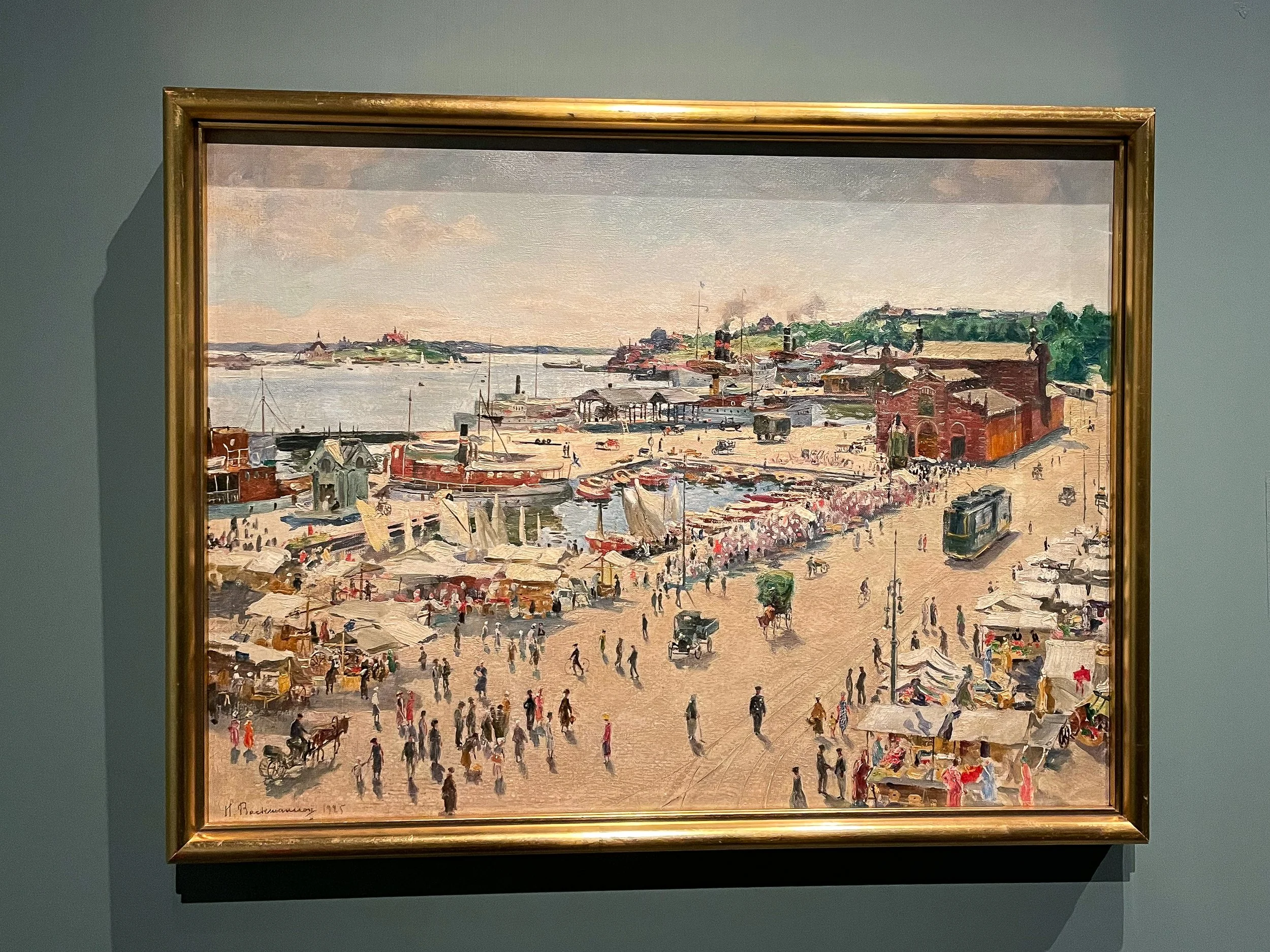
Ateneum. Finland’s largest art museum with a collection of Finnish and European artwork. We visited during an Impressionist exhibit featuring works by Finnish impressionists Ellen Thesleff, Tyko Sallinen, Magnus Enckell and other European artists like Monet, Pissarro and Finch.
Finnish Saunas
Saunas are a popular aspect of Finnish culture dating back hundreds of years. They’re built into homes, hotels and public pools.
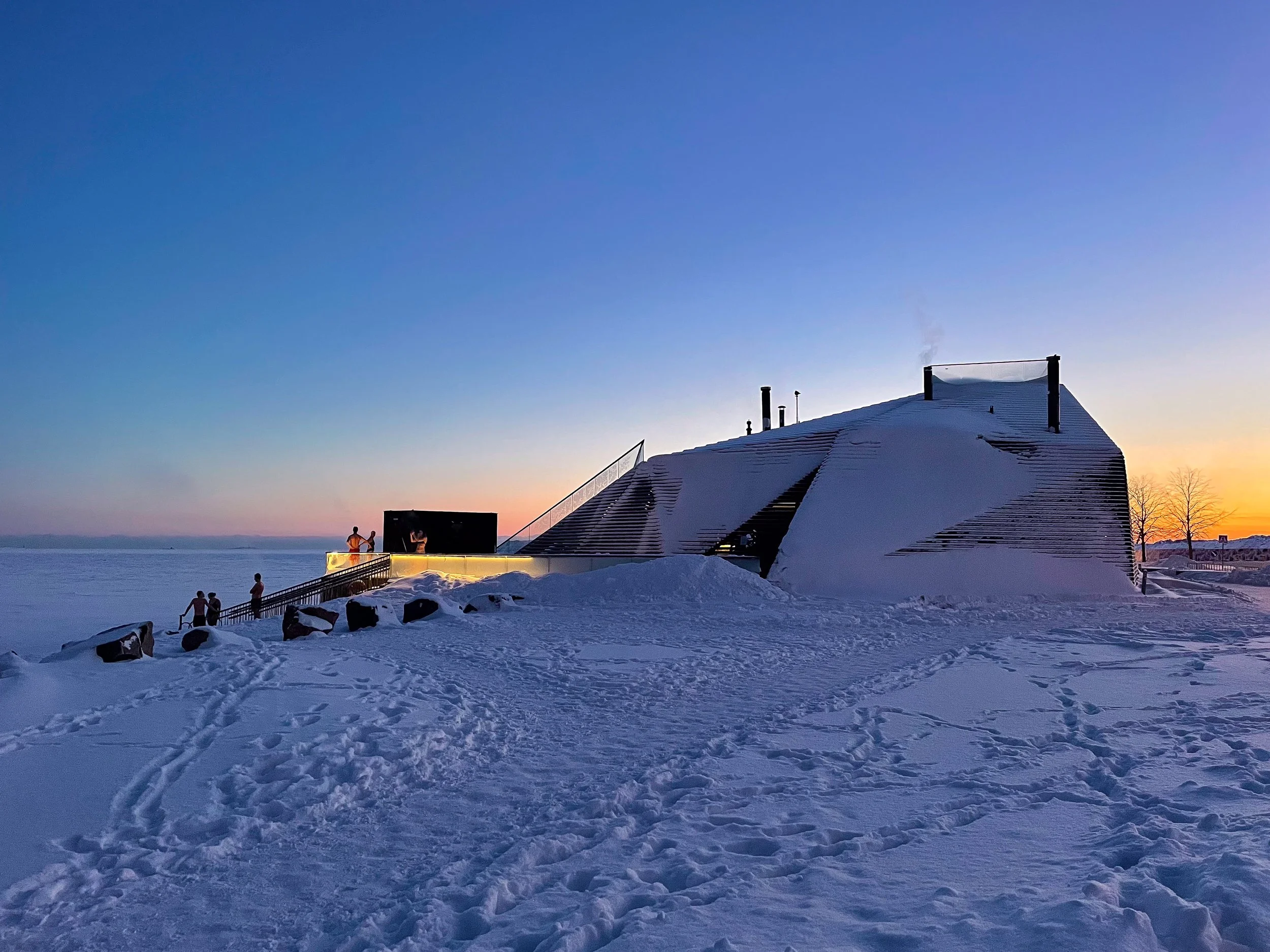
Löyly Sauna. A geometric wooden sauna overlooking the Gulf of Finland with 4 steam rooms including 1 traditional wood burning one and 3 electric ones. Outside is a large deck and cold plunge area in the frozen harbor. Inside is a fireplace lounge, restaurant and bar. We tried all 4 saunas, they were hot, steamy and scented with wood. The wood burning one was our favorite with a pleasant smell of smoke. In between steamings, we relaxed by the fireplace with a beer and plunged into the icy harbor during freezing temperatures. Book a reservation in advance and bring flip flops and a swimsuit. Lockers and towels are included.
Places to Eat & Drink
Restaurant Nolla. A contemporary Finnish restaurant with dishes made from seasonal and locally sourced ingredients. We tried the grilled burbot (a subarctic freshwater fish), fried mushrooms, braised cabbage and celeriac confit with caramelized pearl onions.
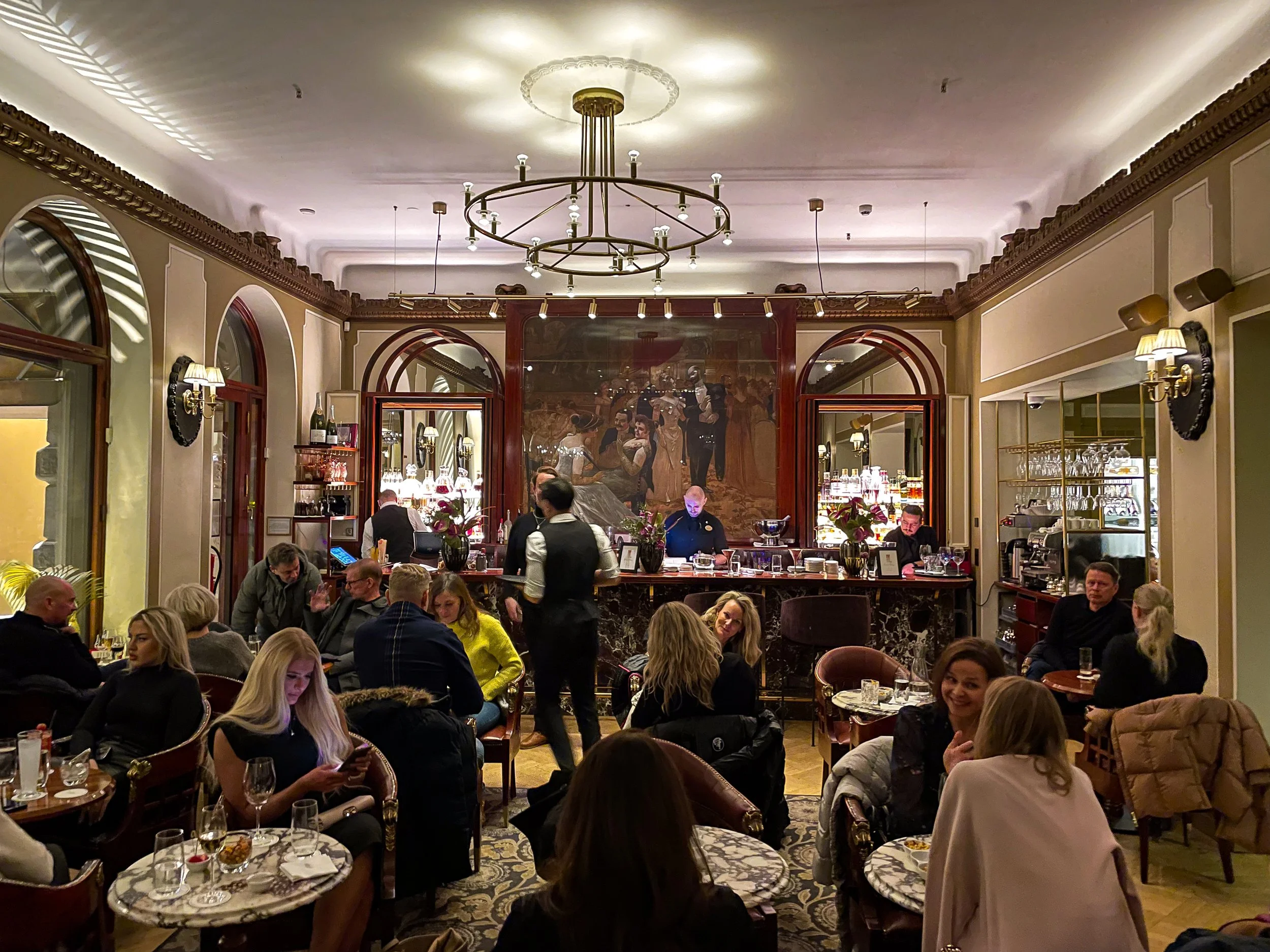
Hotel Kamp Bar. A luxury hotel lobby bar in a warmly lit and historic setting dating back to 1887. Come here for classic cocktails.
Café Eliel. A well designed Finnish café and bar in the Central Station. We came here for breakfast on our way to the airport. Try the salmon and dill lihapiirakka.
Where to Stay
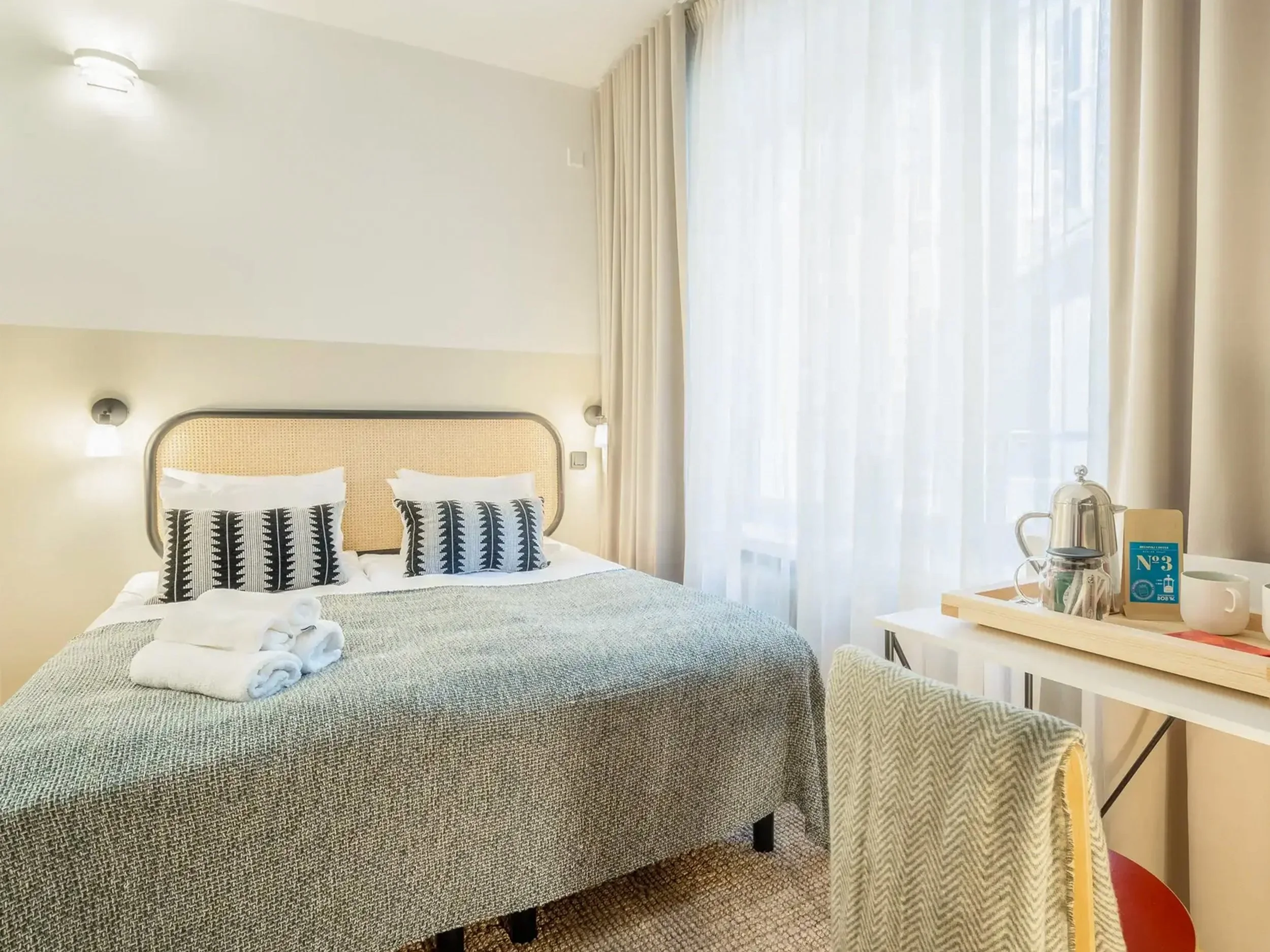
For our one night in Helsinki, we stayed at Bob W, a well designed and comfortable hostel in the city center with private rooms, a communal kitchen, public gym and luggage storage room.
Location Specifics
Language. Finnish, Swedish and English are the most commonly spoken languages.
Sami Culture. Show respect to the Sami people, culture and traditions.
Costs. Finland, like much of Scandinavia, is an expensive destination.
Cash vs. Card. Cash is rarely used across the country. Use credit or debit cards for most transactions.
Tipping. Tipping is not expected or required. Tip 10% for exceptional service.
Temperature. Helsinki gets very cold during the winter. The temperature dropped to -10C (14F) before windchill. Dress in warm layers and cover all exposed skin while outdoors for long periods of time.
Elsewhere in Nordic Europe
From Helsinki’s waterfront saunas and minimalist architecture to Copenhagen’s canals, Arctic Lapland and Iceland’s dramatic road trip routes, discover more of Nordic Europe through these travel guides:
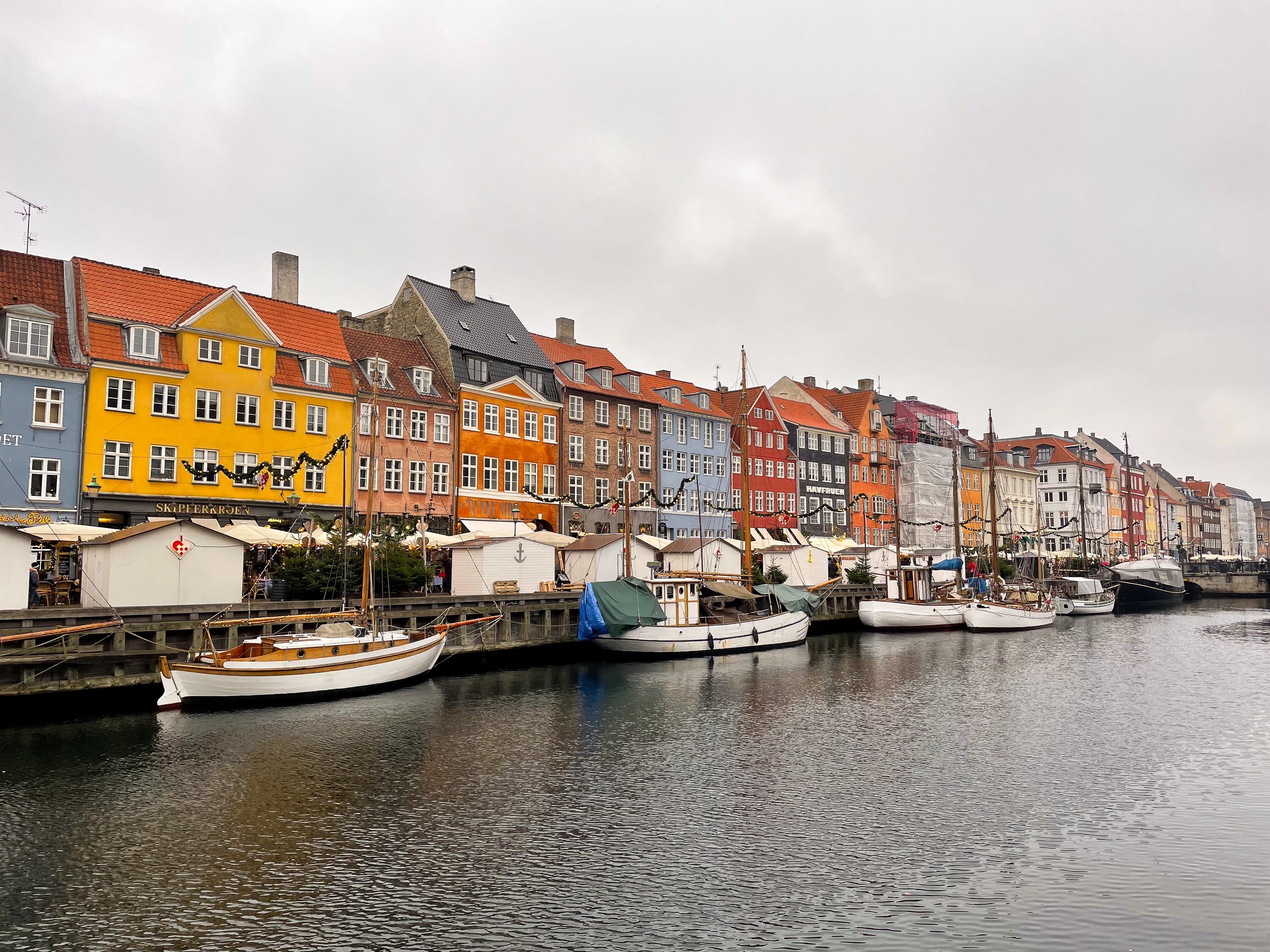
Copenhagen Travel Guide: Nyhavn, Christmas Markets & Scandinavian Cuisine. Wander along Copenhagen's colorful canals where wooden ships, historic castles and Danish culture meet Scandinavian cuisine and festive Christmas markets.
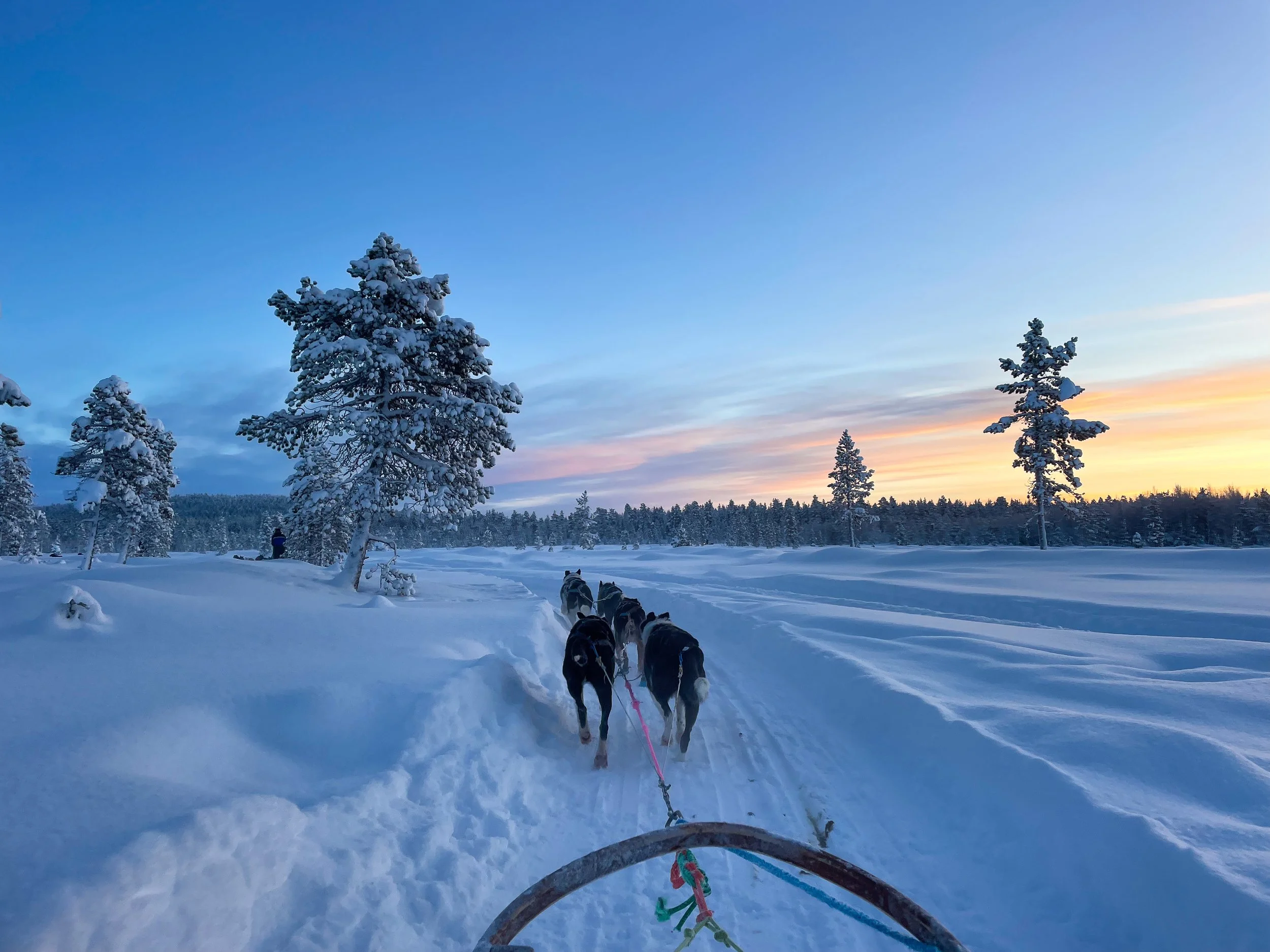
Lapland Finland Travel Guide: Northern Lights, Sámi Culture & Arctic Adventures. Journey through Lapland's Arctic wilderness and snowy landscapes to experience Sámi traditions, husky mushing, Finnish cuisine and vivid auroras during the polar night.
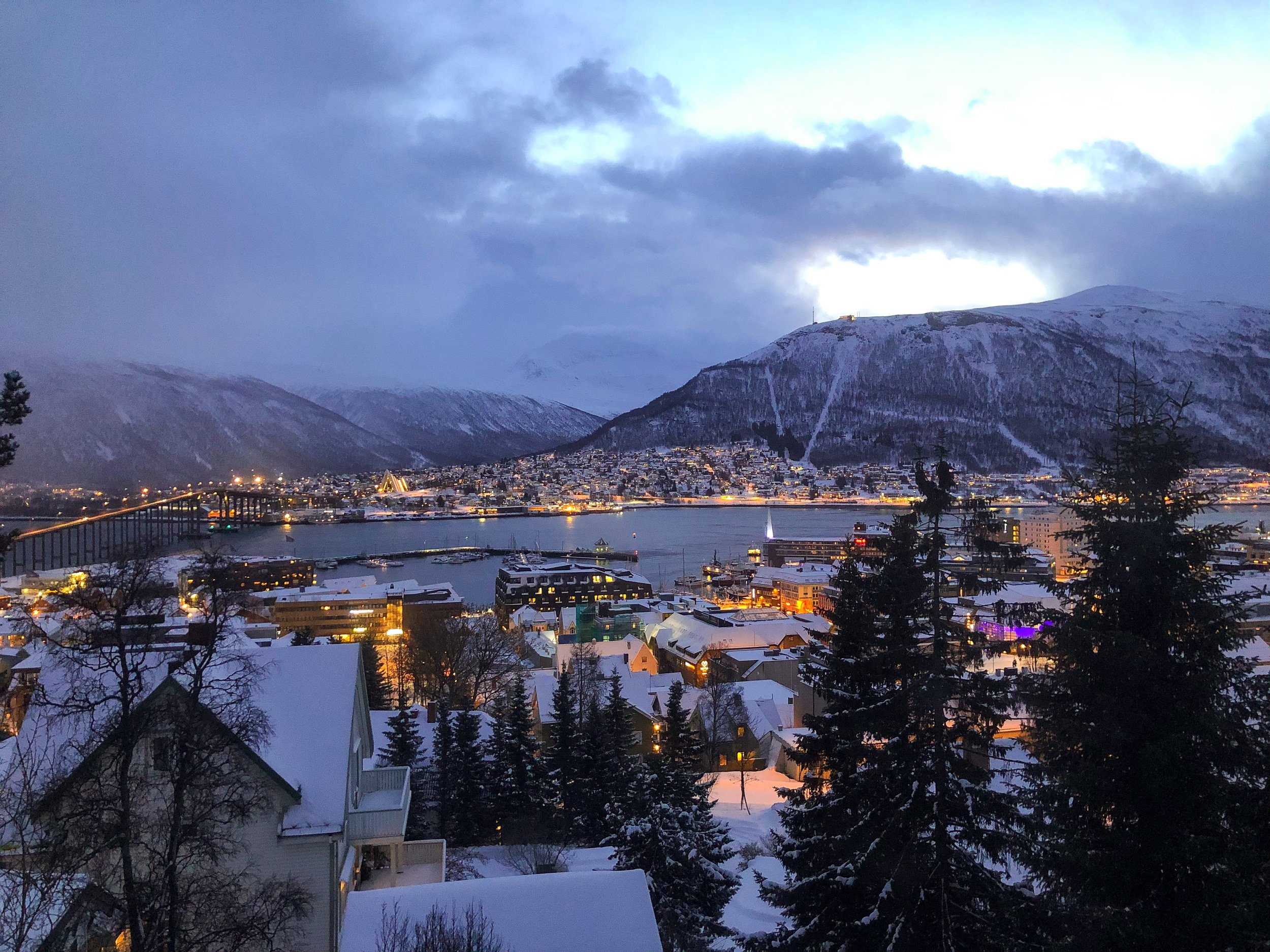
Tromsø Norway Travel Guide: Northern Lights, Arctic Fjords & Sámi Culture. Explore Tromsø's snowy streets and historic waterfront where Nordic cuisine and Sámi culture meet dramatic fjords, dancing auroras and Arctic adventures.
Iceland Road Trip Guide: Waterfalls, Glaciers & Black Sand Beaches. Road trip through Iceland's otherworldly landscapes where volcanoes, glaciers, waterfalls and black sand beaches create one of Earth's most dramatic journeys.
For Next Time…
24 hours only gave us a taste of Helsinki. We plan to return to this Scandinavian city for longer on our next trip! When we do, we have a few places we plan to experience.
Kallio and Harju. Two indie neighborhoods located in the northeast of Helsinki. They’re home to a mix of vintage shops, numerous Finnish cafés and a large food hall.
Suomenlinna Sea Fortress. An 18th century maritime fortress linked across 6 islands in the harbor of Helsinki. The islands are home to parks, museums, restored ships and a small number of cafés, restaurants and bars.
Seurasaari Open-Air Museum. An outdoor museum comprised of historic and restored Finnish buildings relocated from around the country.
Nuuksio National Park. A vast park just outside of Helsinki with access to primary forests and waterways. It’s a popular place to hike, canoe and camp, especially during the warmer months.
Porvoo. A picturesque and historic village with an old town comprised of painted wooden houses, cobblestone streets and a medieval cathedral. It’s located about an hour east of Helsinki.
Lapland Finland Travel Guide: Northern Lights, Sámi Culture & Arctic Adventures
Journey through Lapland's Arctic wilderness and snowy landscapes to experience Sámi traditions, husky mushing, Finnish cuisine and vivid auroras during the polar night.
Lapland & The Arctic Circle
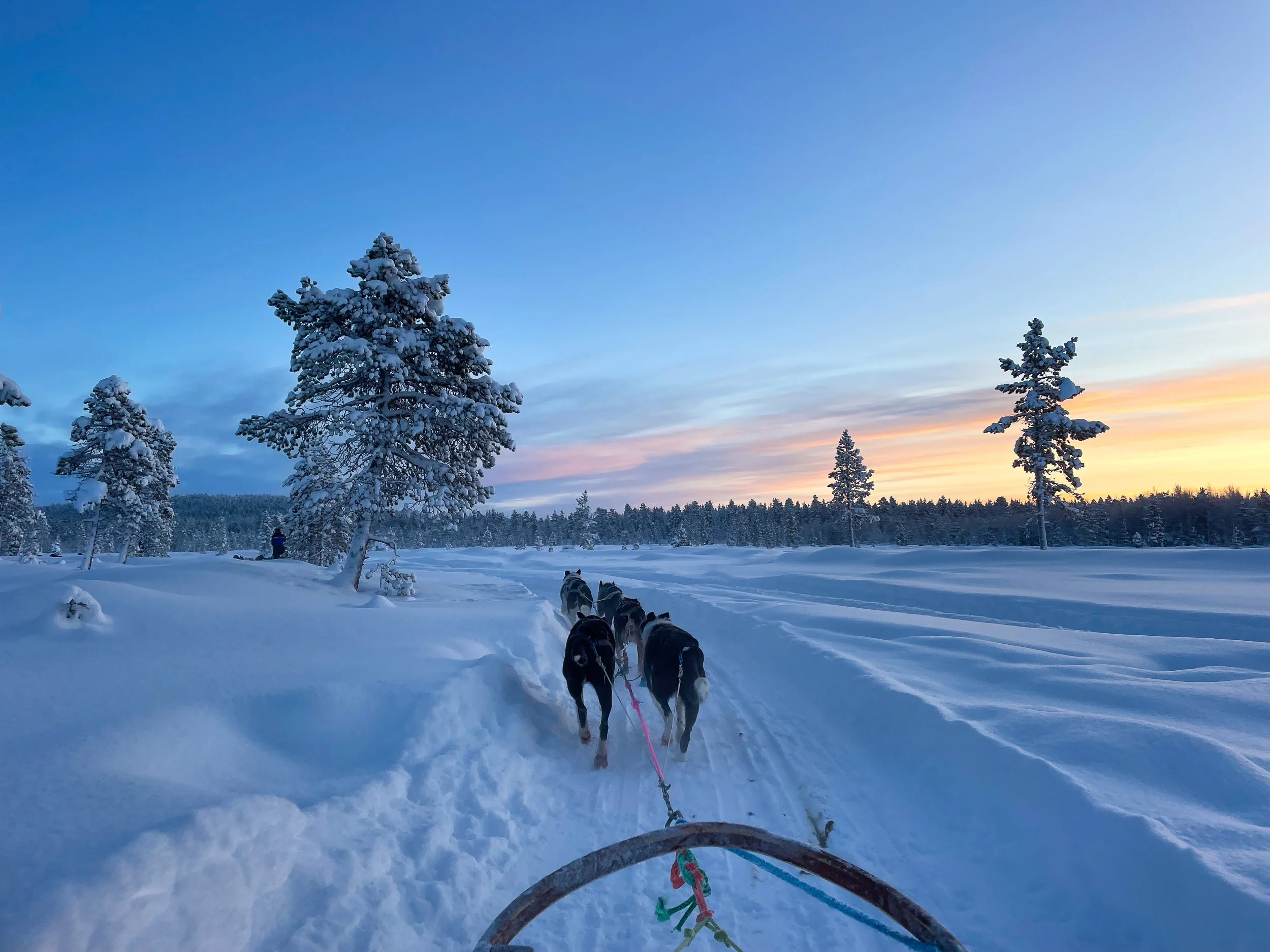
Lapland is the northernmost region of Finland located within the Arctic Circle and Boreal Forest. It’s defined by its frozen landscapes, snow covered forests and the northern lights. It’s a hub for winter sports, steamy saunas, Lappish cuisine and Sámi culture. We visited in mid January, towards the end of Polar Night, a time when daylight is limited to a few hours and the sun never rises above the horizon.
Inari, Lapland
Inari is a small village on the remote shores of Lake Inari in Lapland. It’s a hub for winter activities like dog sledding, snowmobiling and cross country skiing. Several hotels, restaurants and tour operators are based in the town. Inari is a culturally important place to the indigenous Sámi people, home to their parliament, museums and sacred sites.
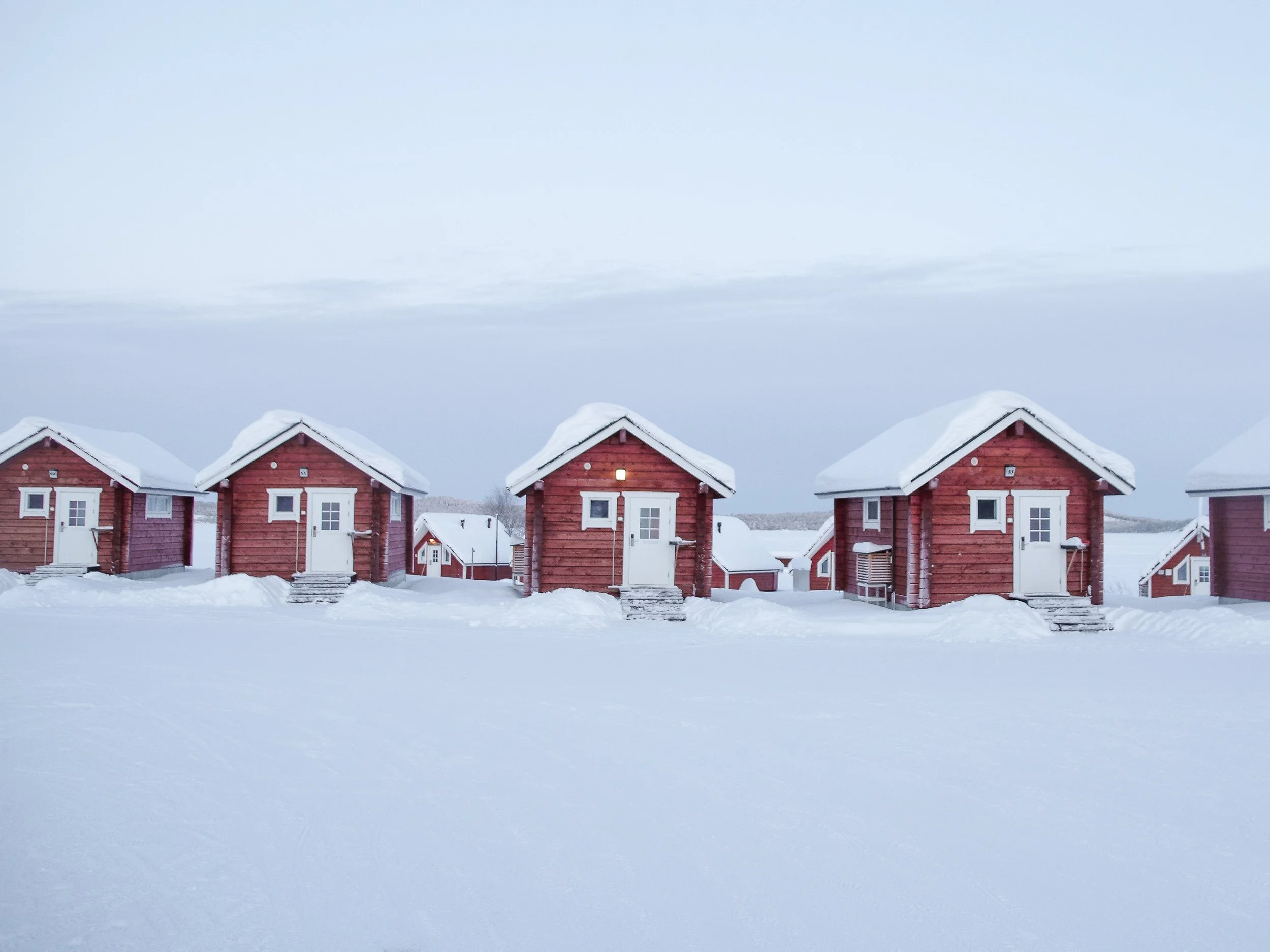
Holiday Village Inari. A hotel on Lake Inari with red painted cabins, pine paneled interiors and a sauna. The cozy cabins overlook Lake Inari and the night sky. It’s the perfect place to spot the Aurora on a clear winter evening.
See the Sights
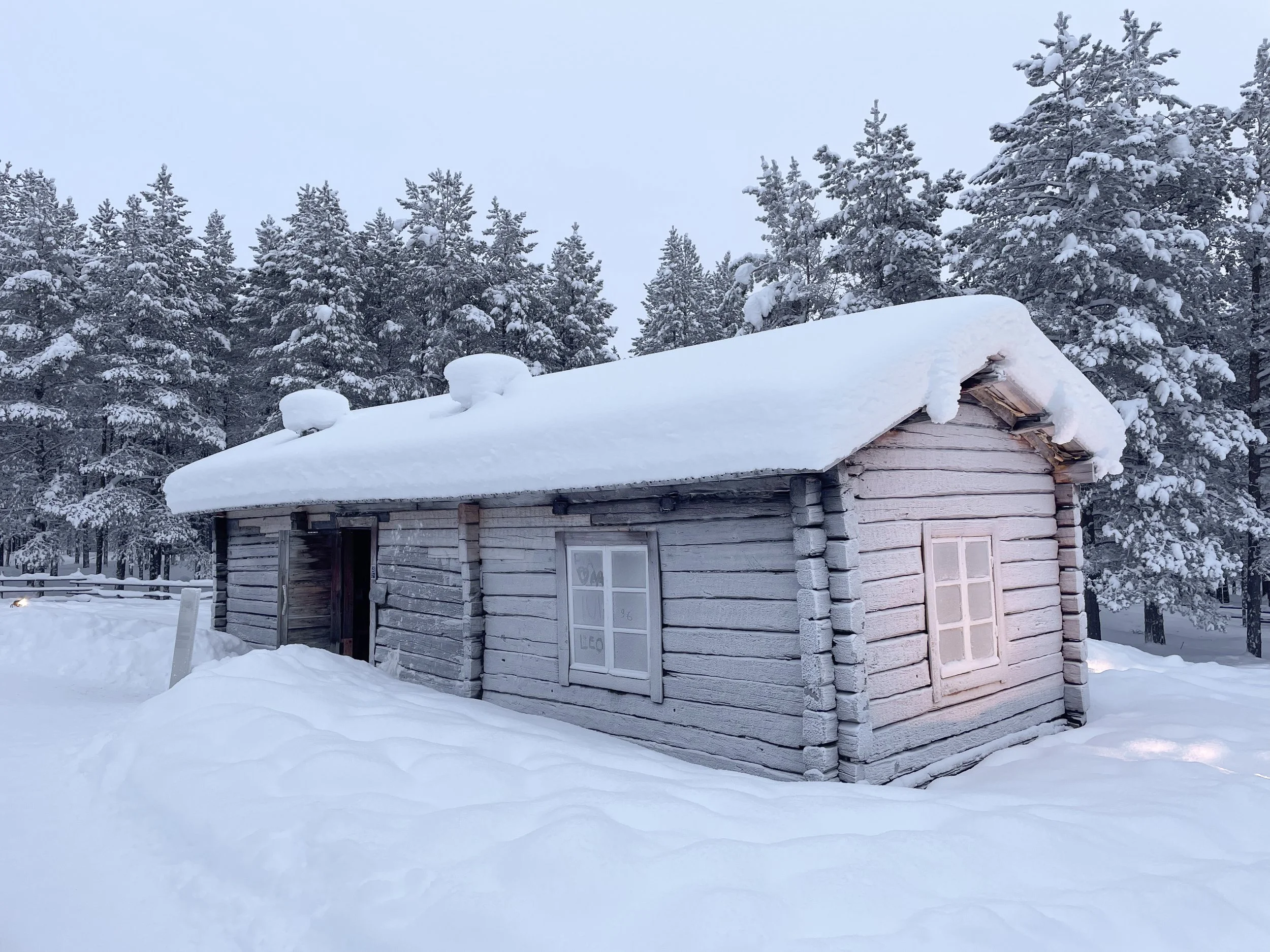
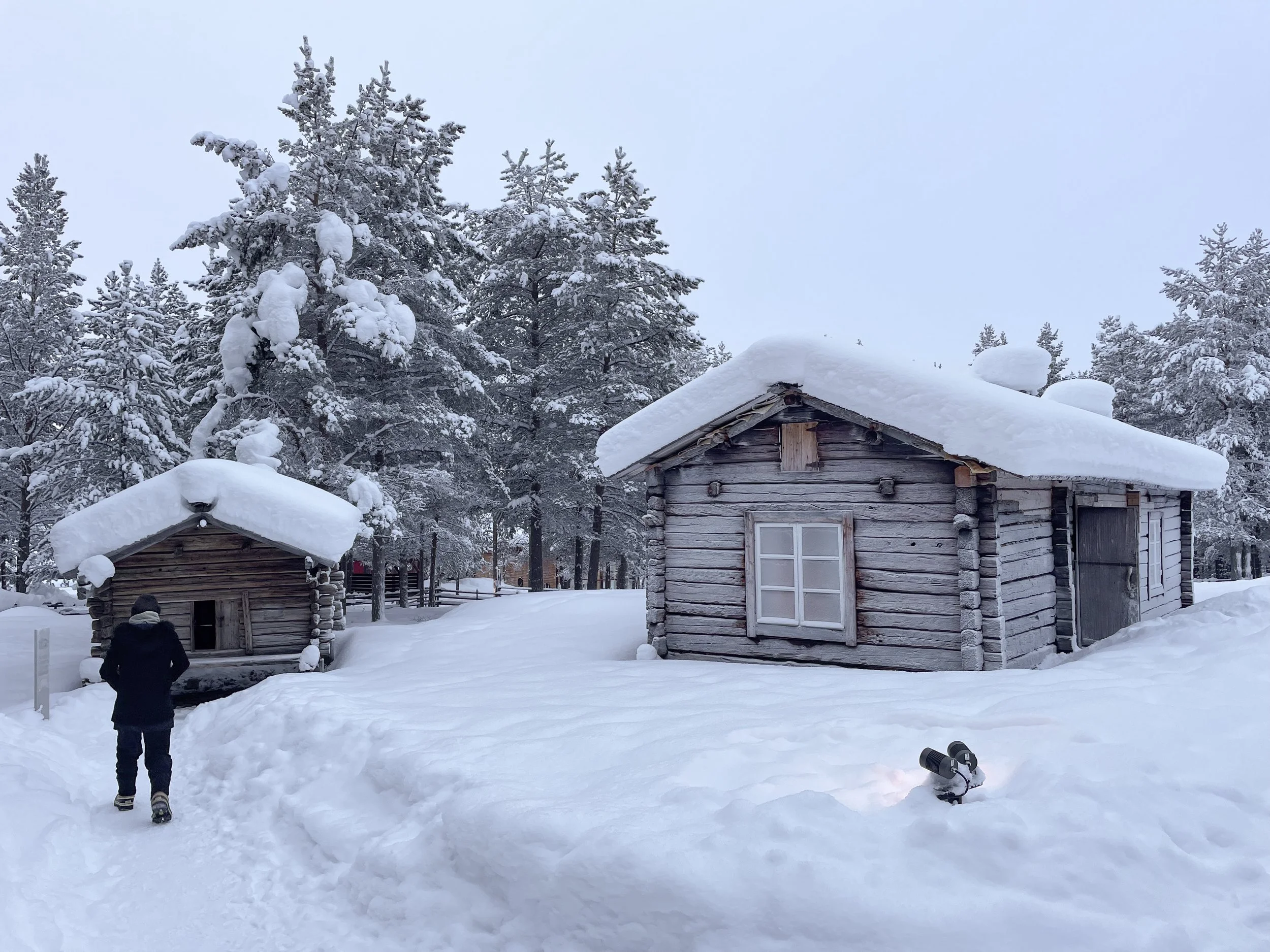
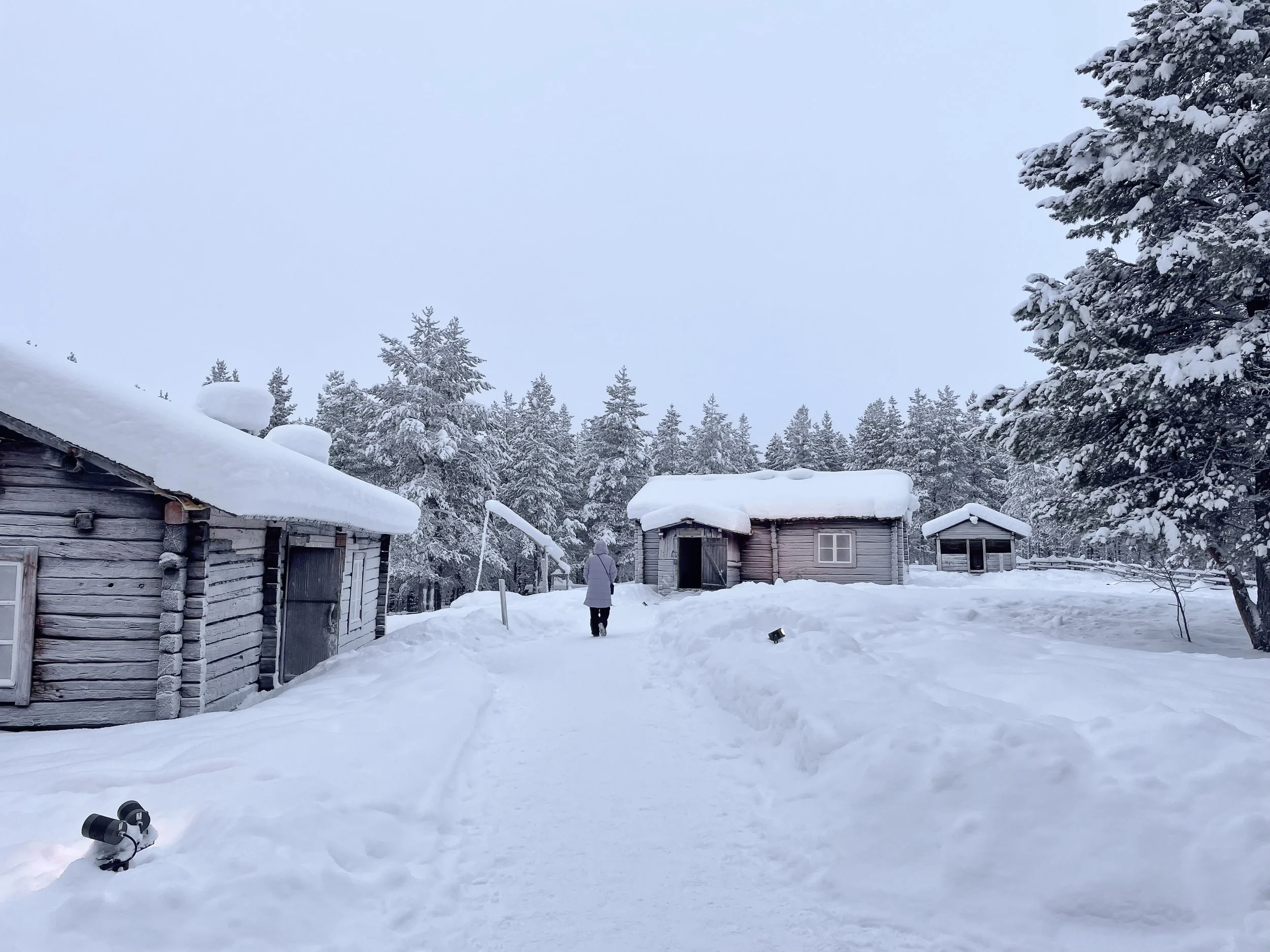
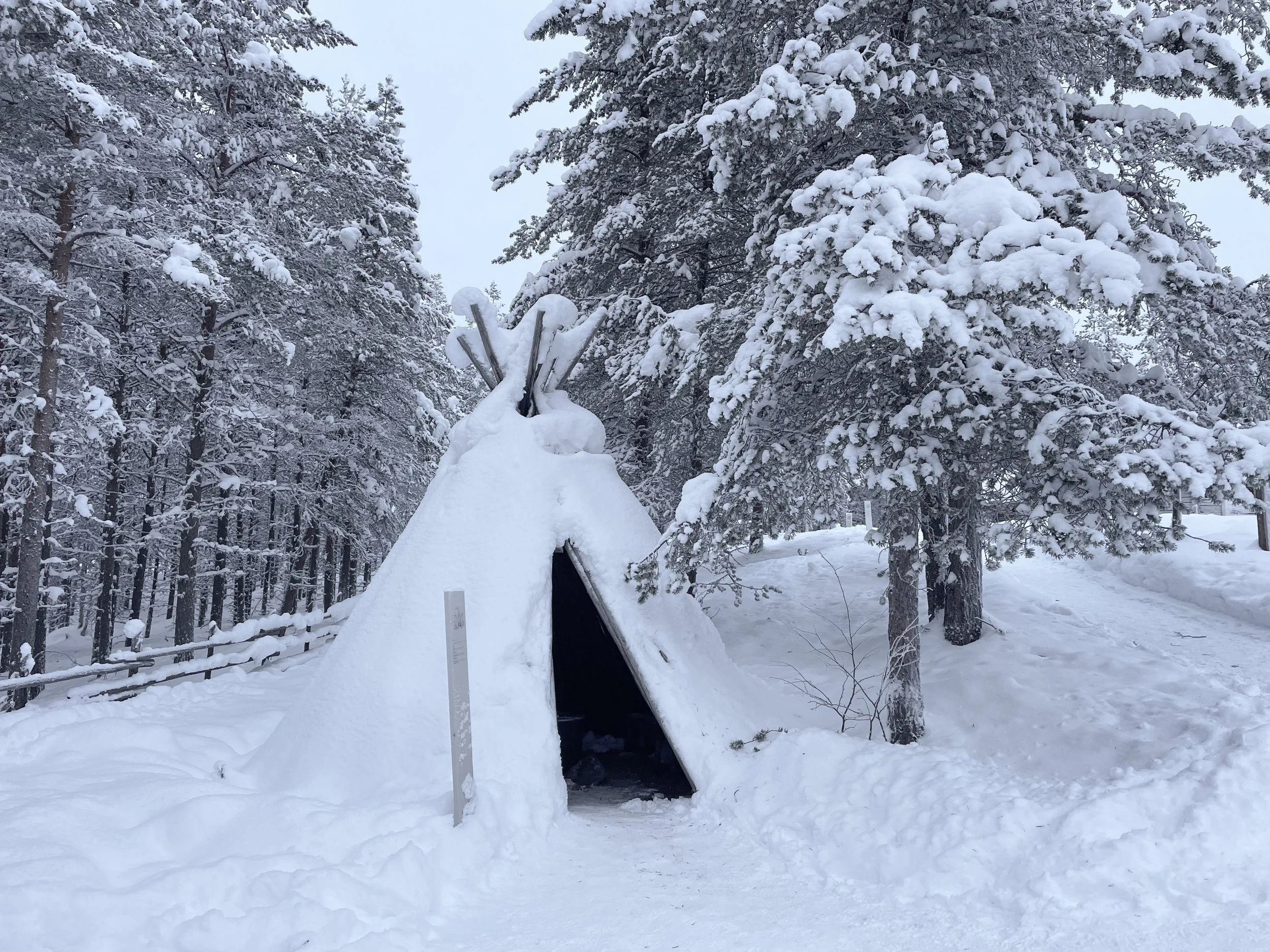
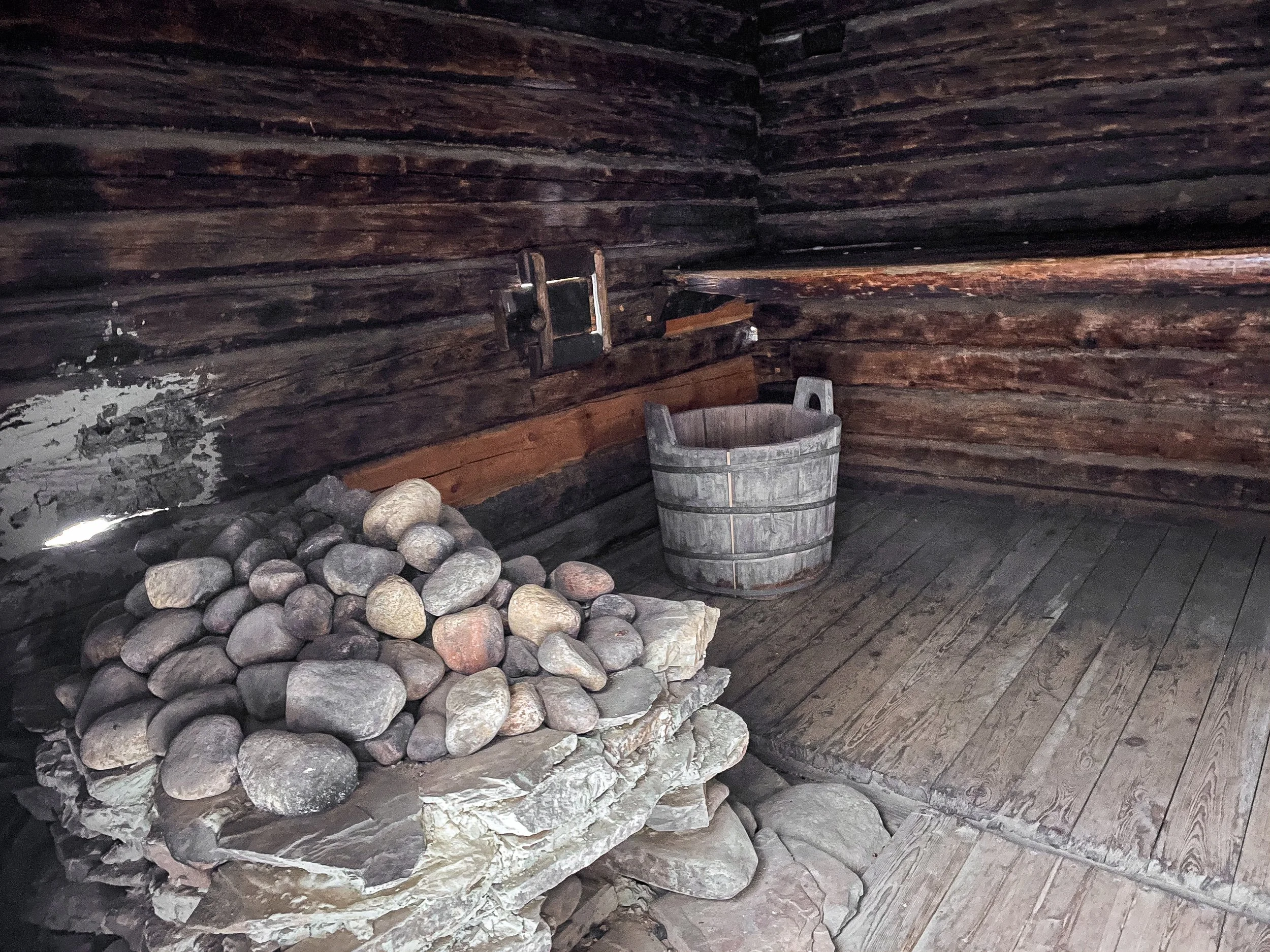
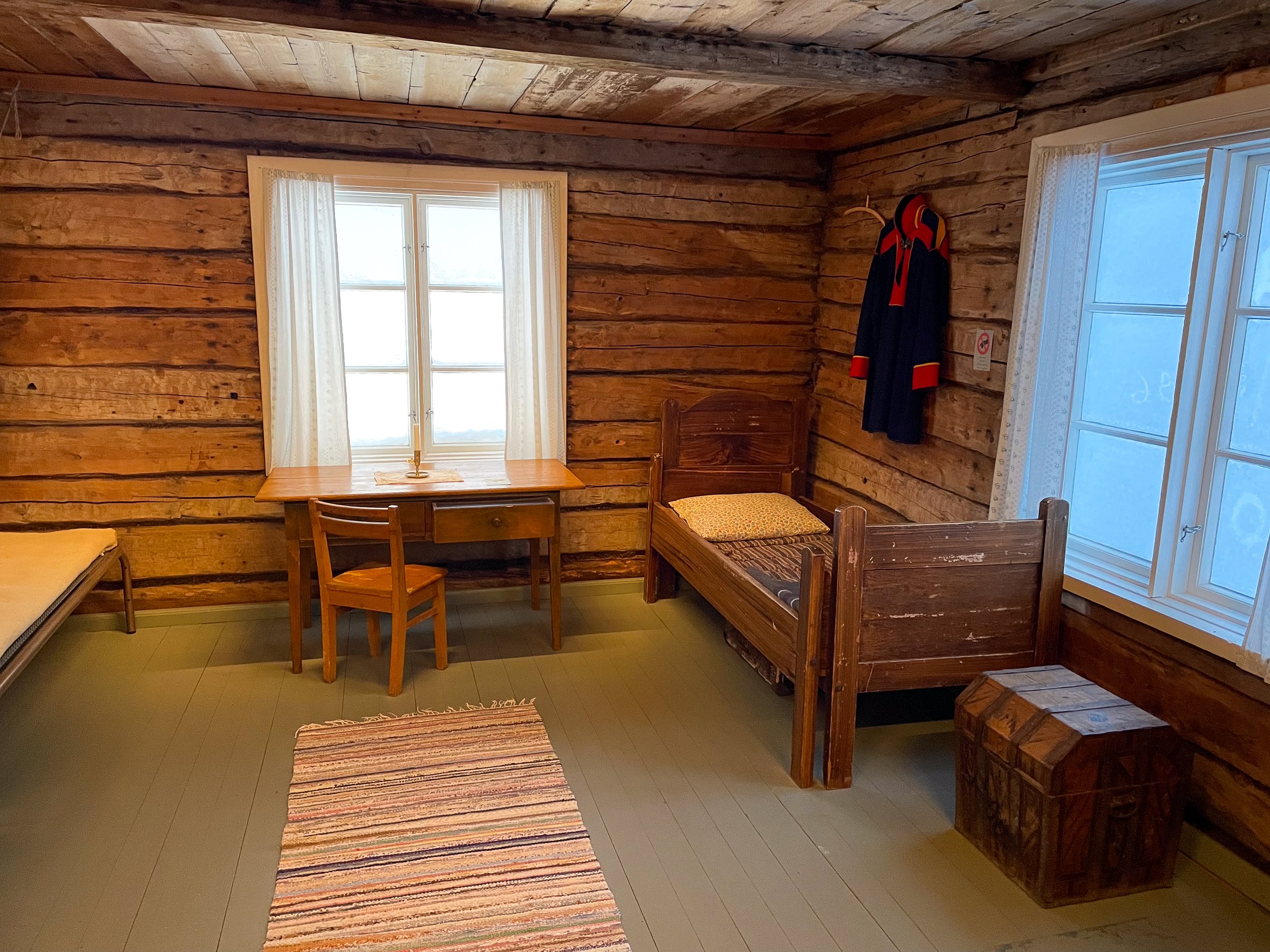
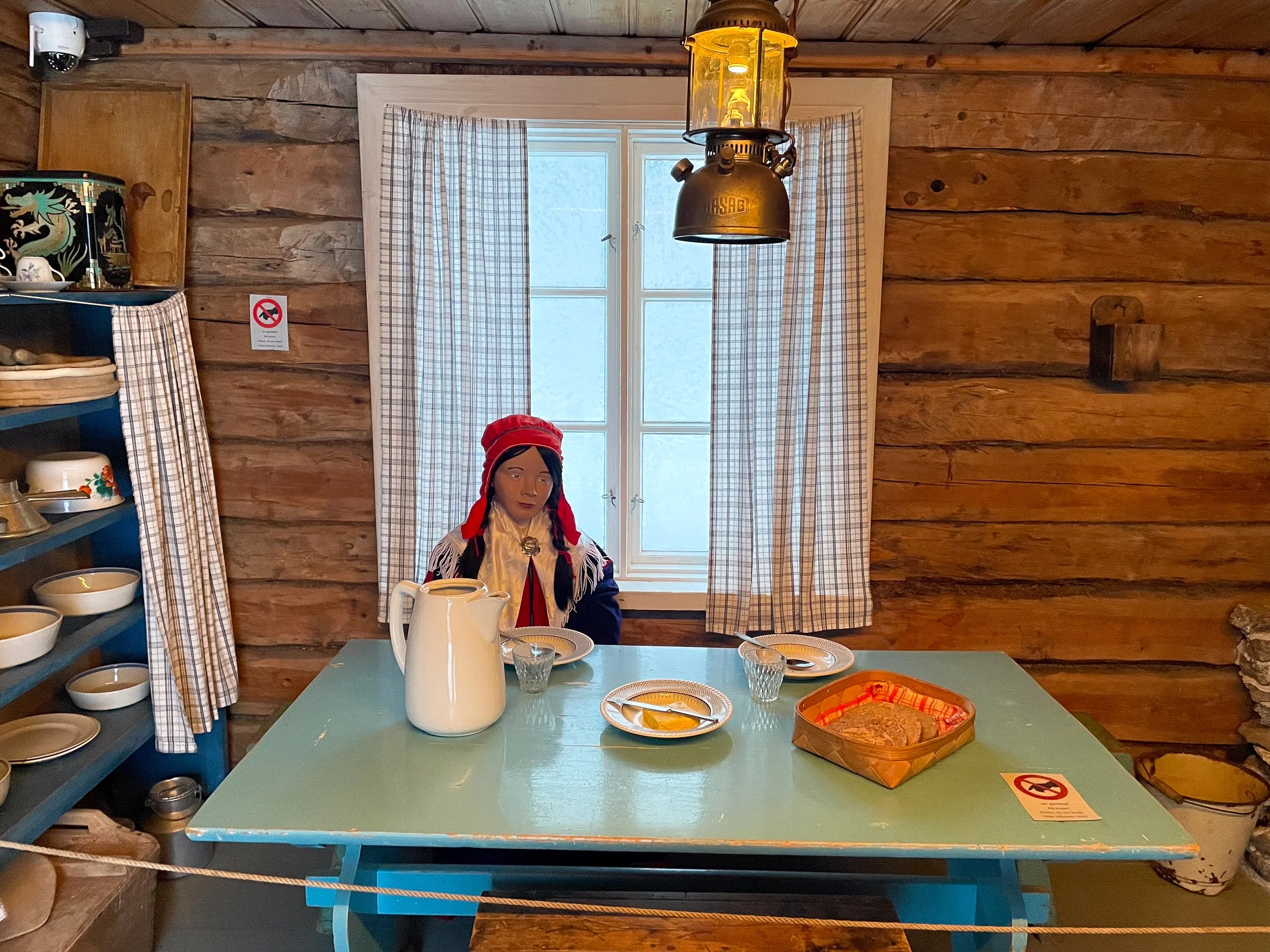
Siida. A museum dedicated to the Sámi people and nature of Lapland. Exhibits document the Arctic seasons, animals and landscapes through the guise of the ice ages and climate change as well as include artifacts and historical context of the Sámi People. There is an open air museum within the forest behind the museum with wooden homes, saunas, and storage buildings.
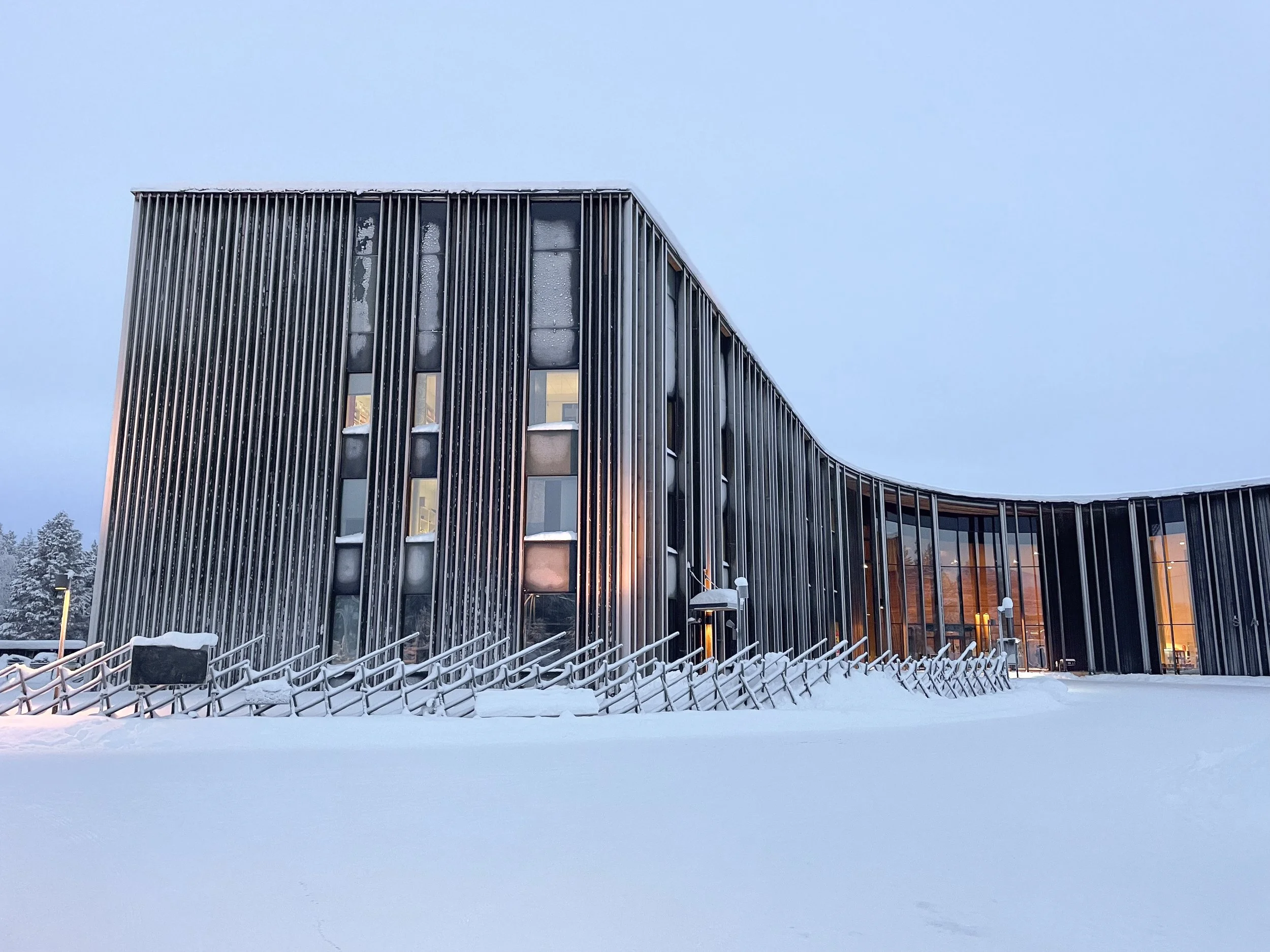
Sajos. A contemporary wooden building home to the Sámi Parliament and Council. It acts as a cultural center with Sami artifacts, library, auditorium, materials shop and a café.
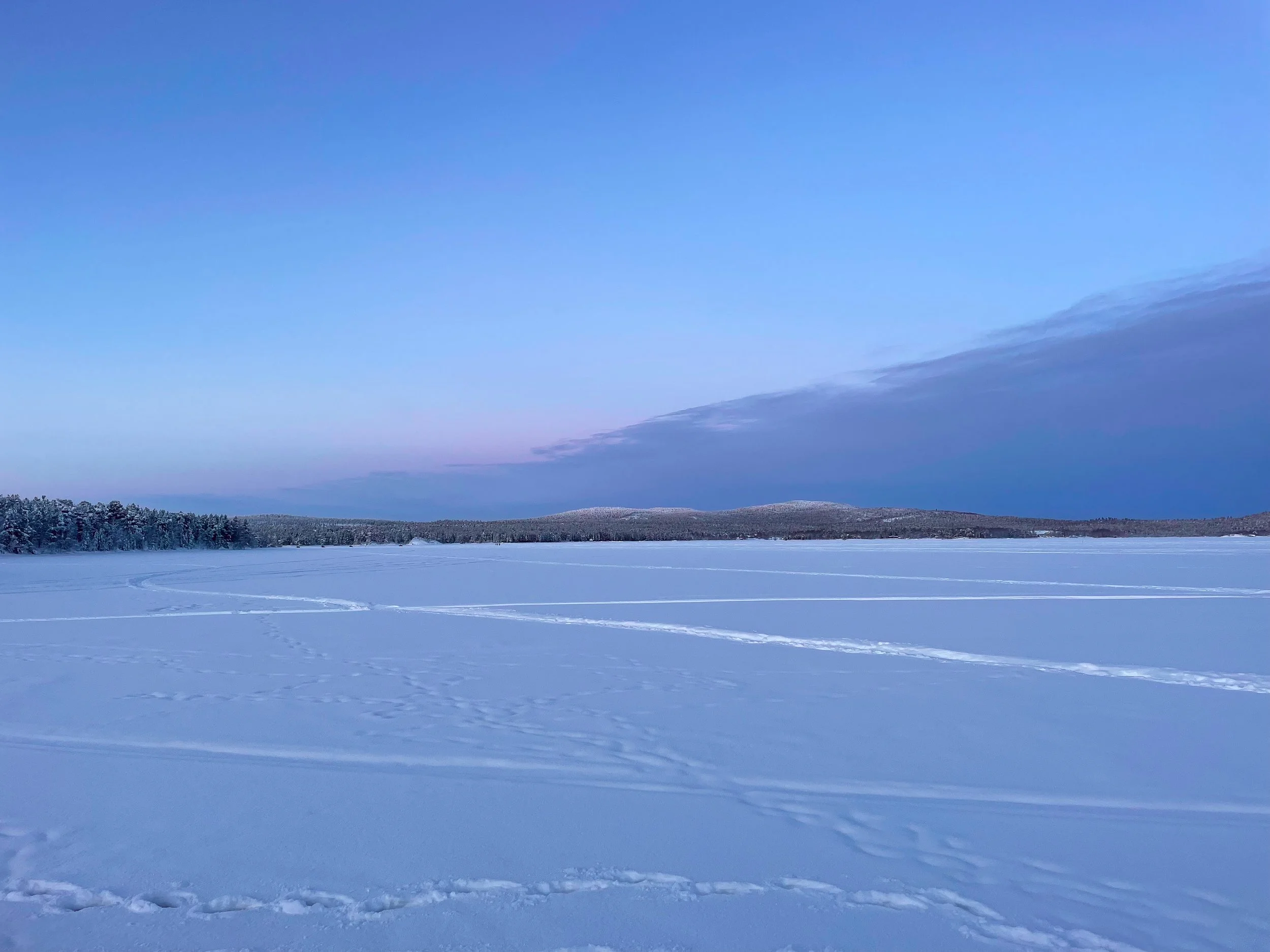
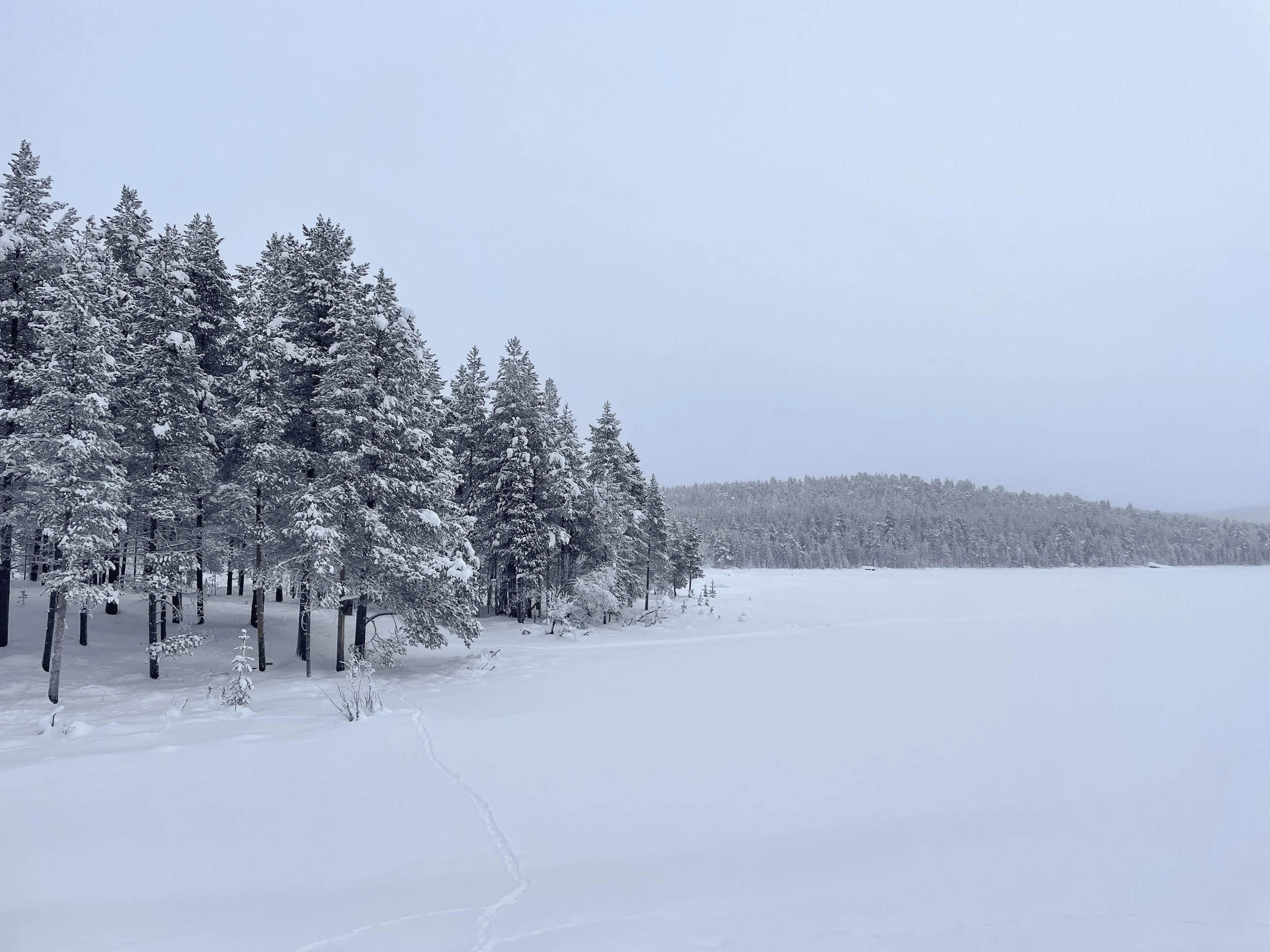
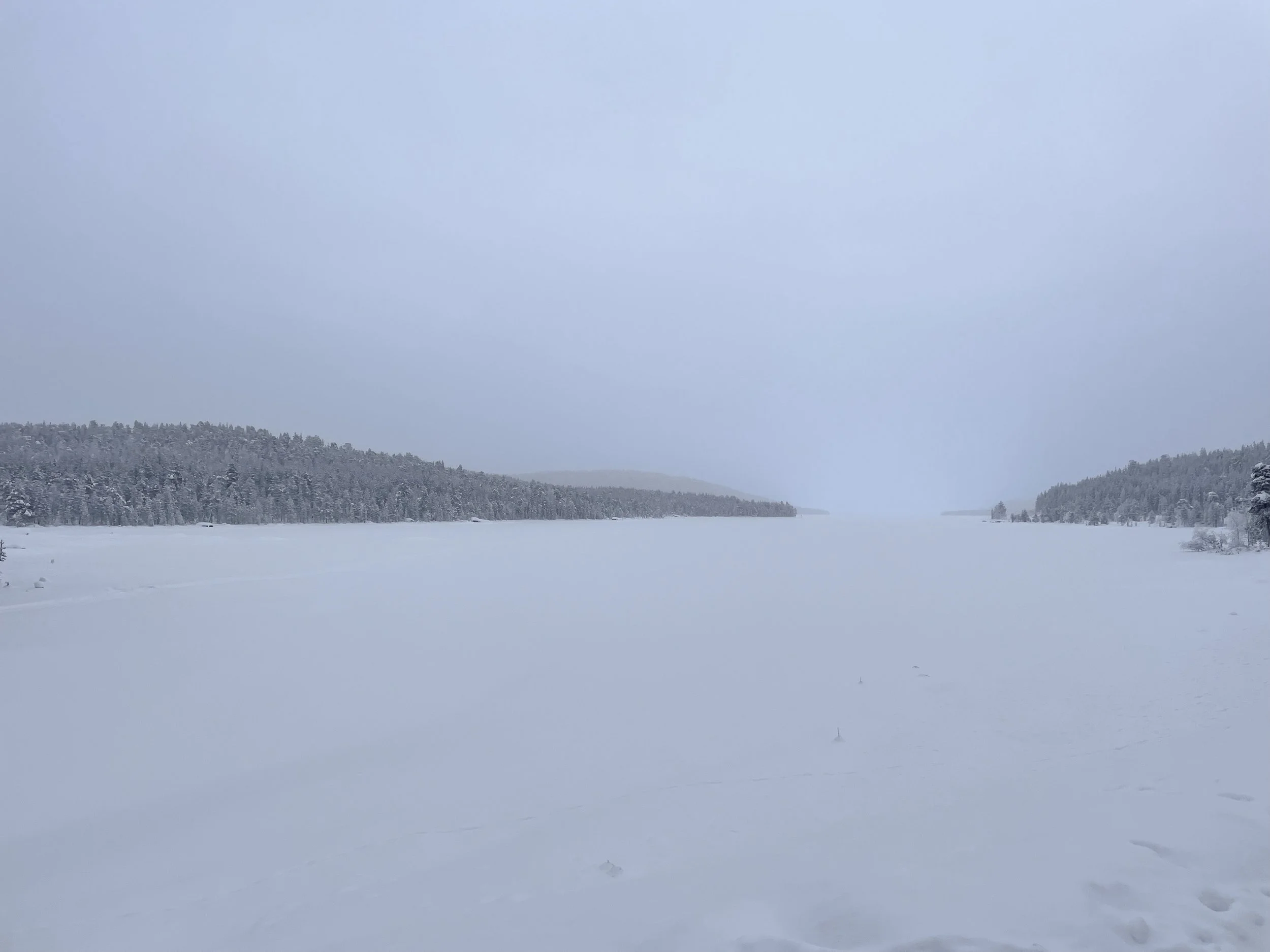
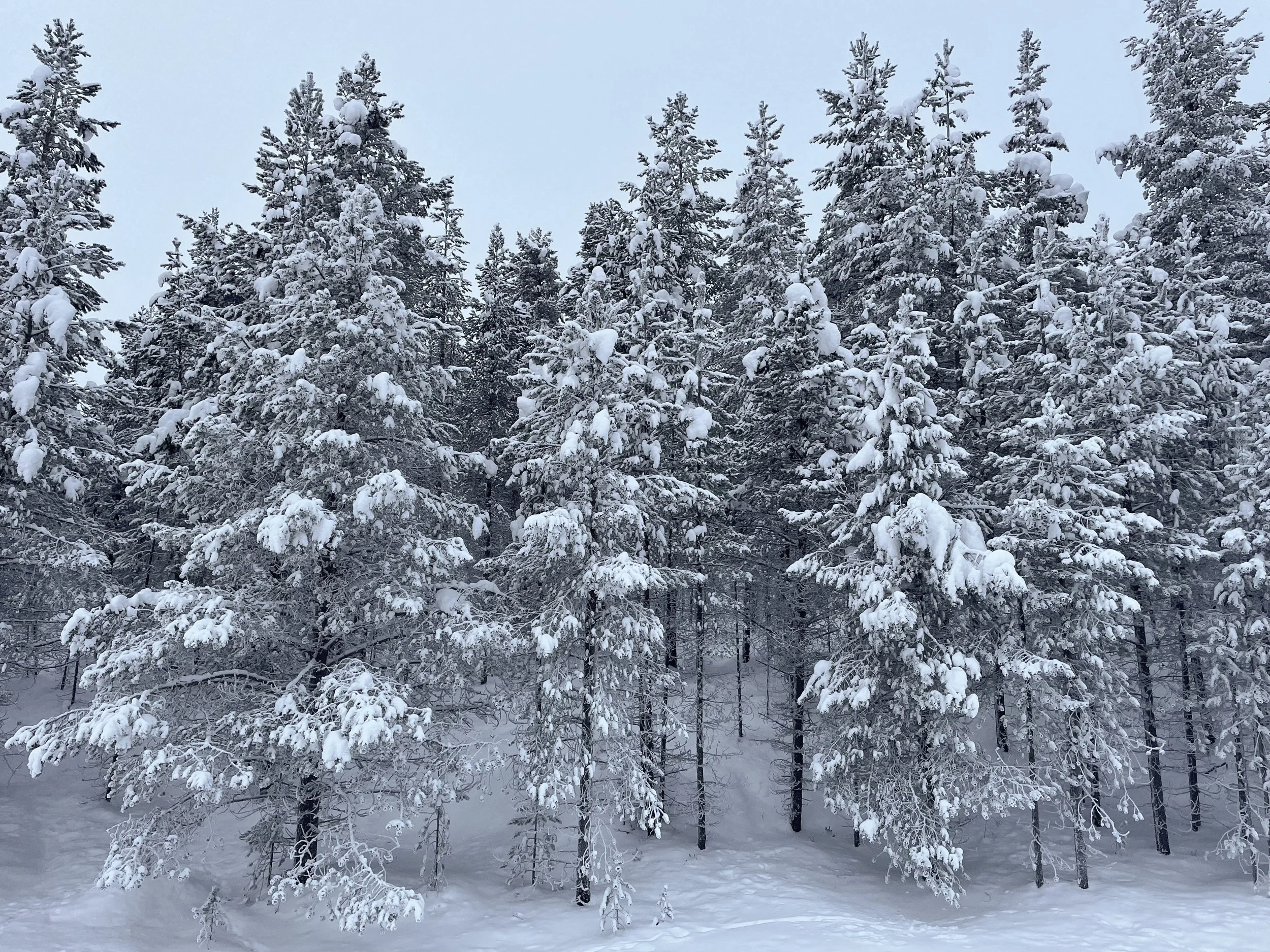
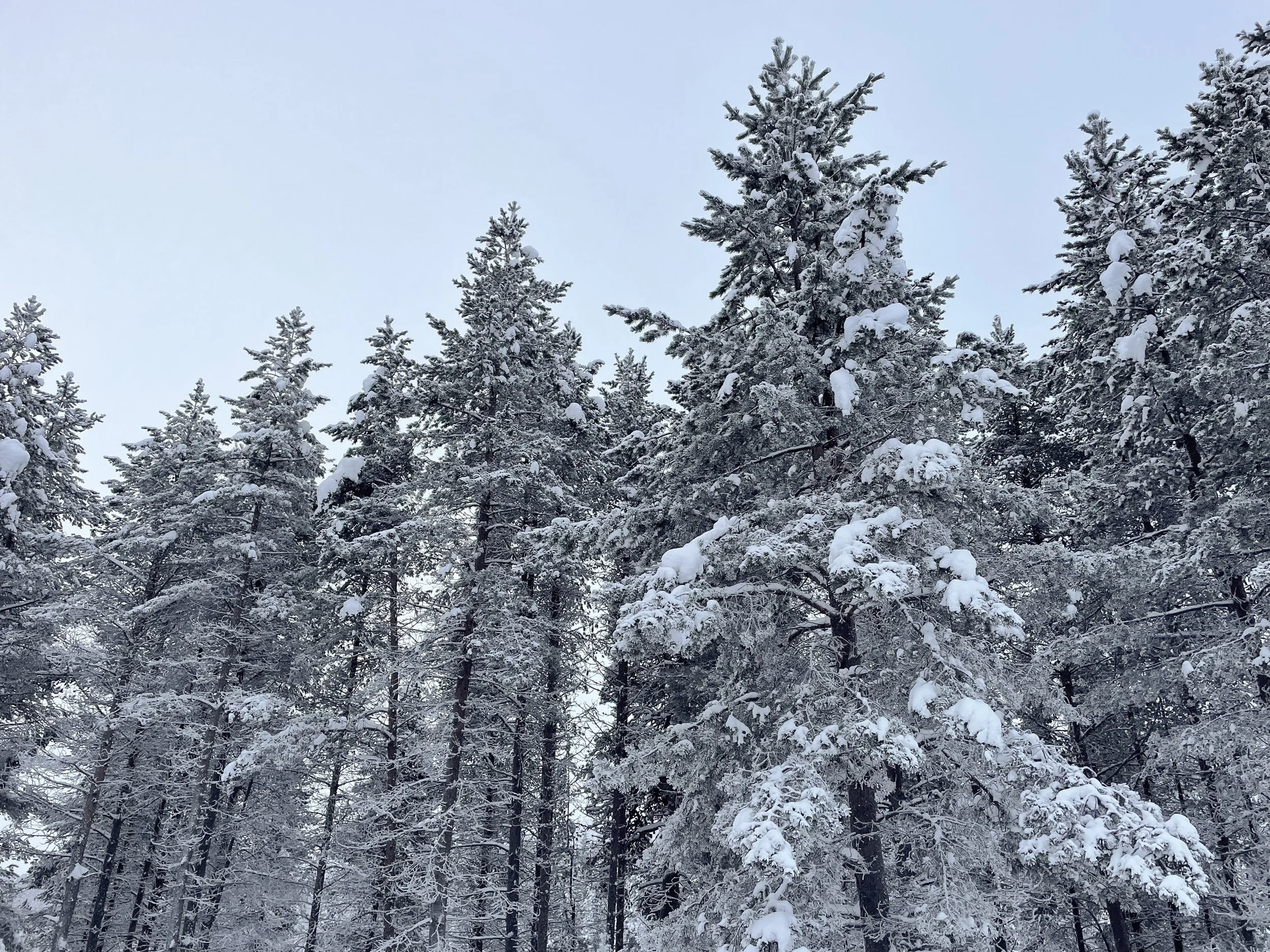
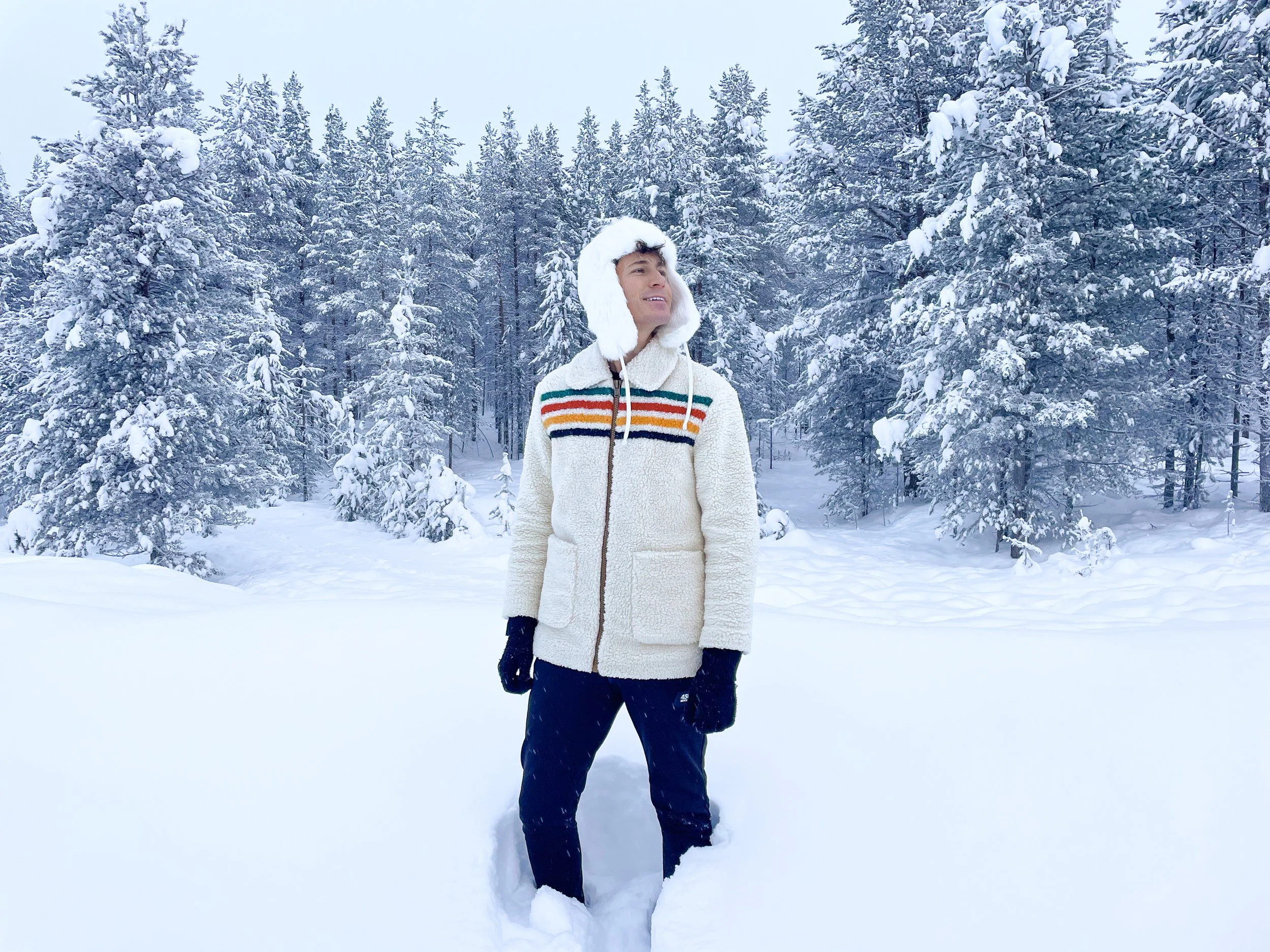
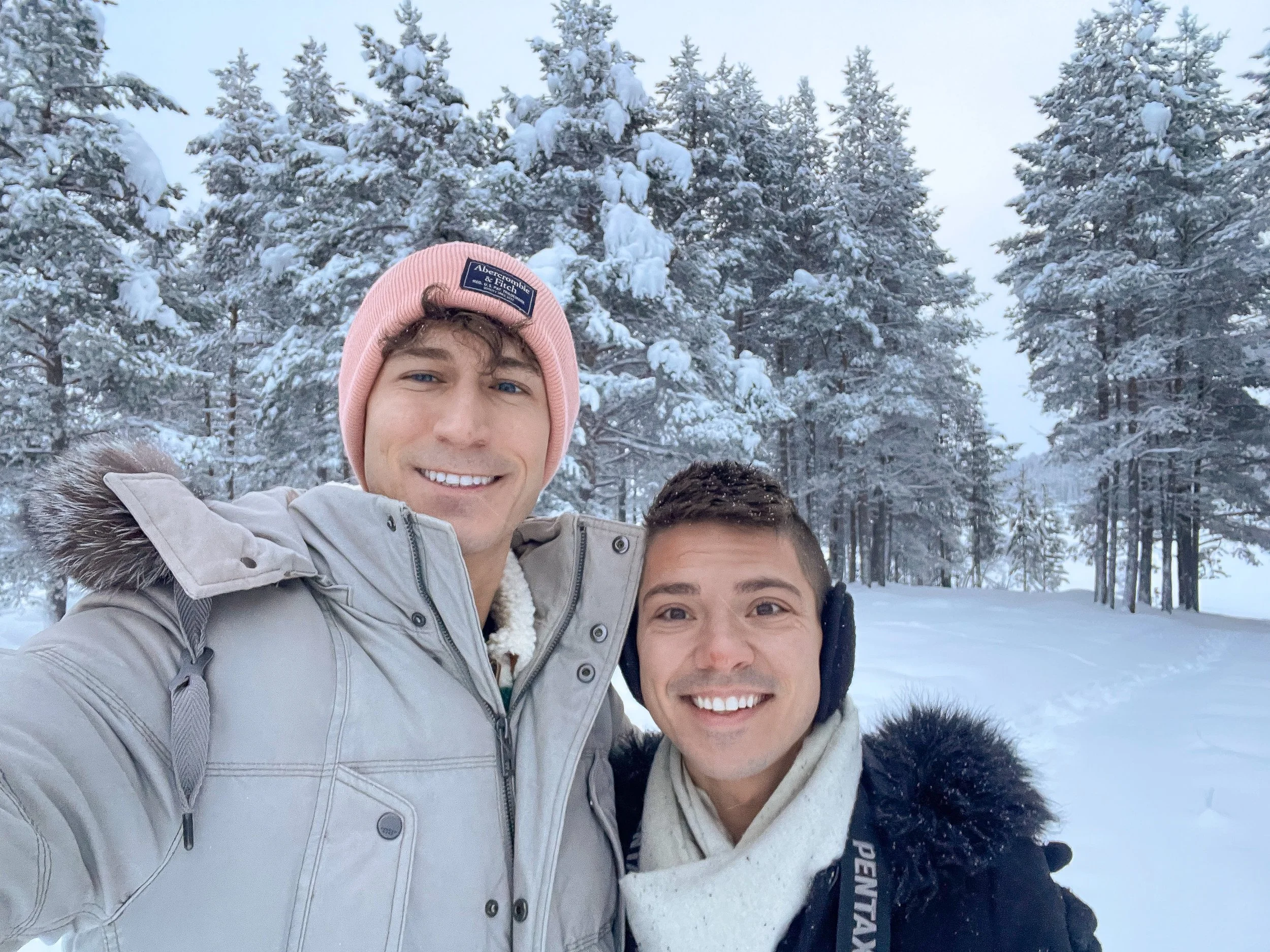
Lake Inari. A large freshwater lake with thousands of tiny islands. It’s referred to as the Sámi Sea for its importance to the Sami People. It acts as a fishing resource for trout, salmon, Arctic char, white fish and perch. Many winter activities take place on the ice including ice fishing, snowmobiling and Aurora spotting.
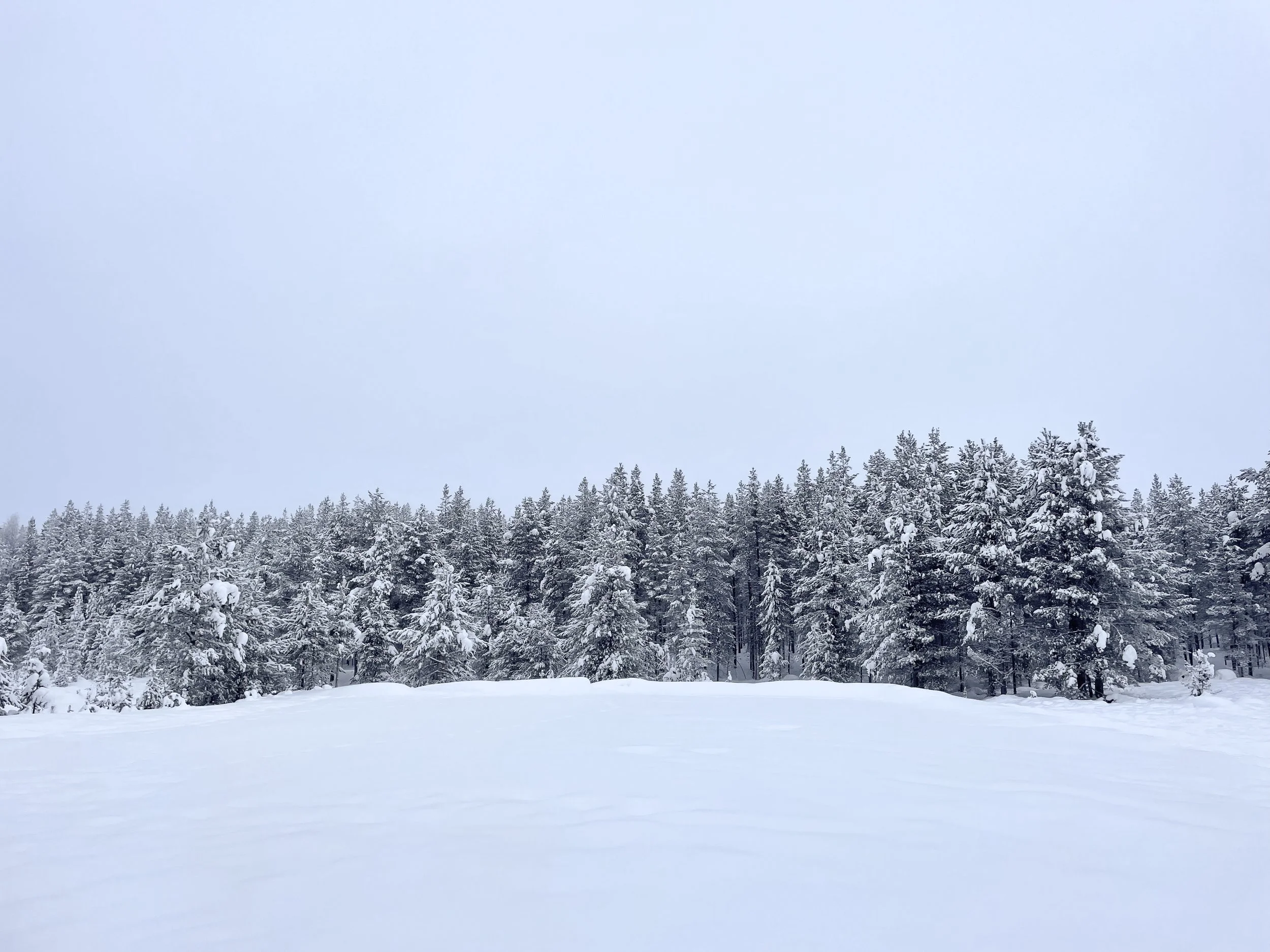
Boreal Forest. A vast pine and birch forest covering most of the Arctic. In Finland, it’s home to wildlife like reindeer, arctic rabbits and snow foxes.
Juutua River. The river flowing from Lake Inari through Inari. There’s a short trail along its southern bank behind Sajos. Watch for arctic hares running through the snow.
Visit Inari Tours
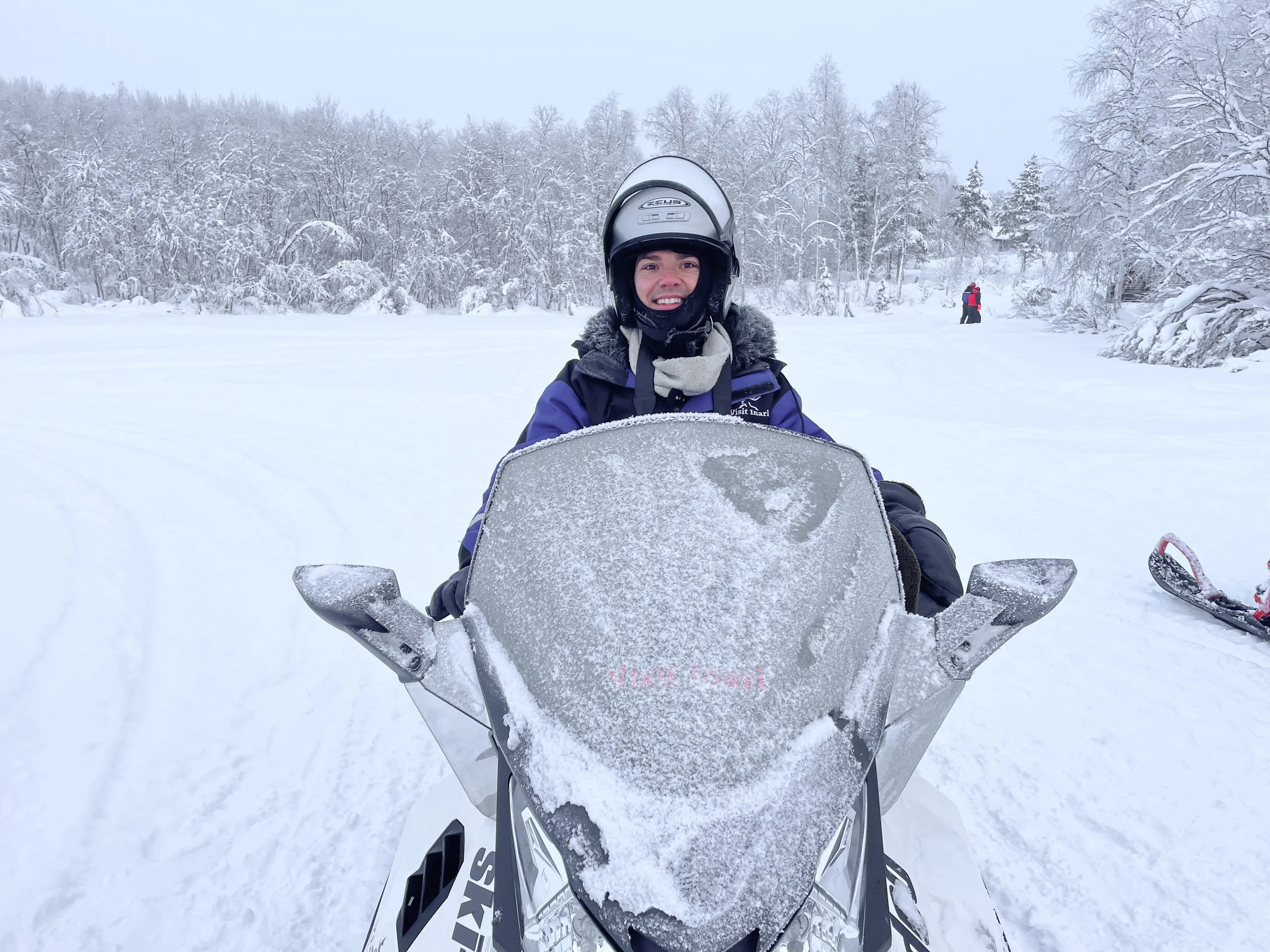
We booked multiple winter activities with Visit Inari Tours, including snowmobiling, husky mushing and cross country skiing. They also arrange ice fishing, reindeer feeding, snow shoeing and Aurora safaris. All winter tours include gear like boots, balaclavas, mittens, helmets and thermal overalls.
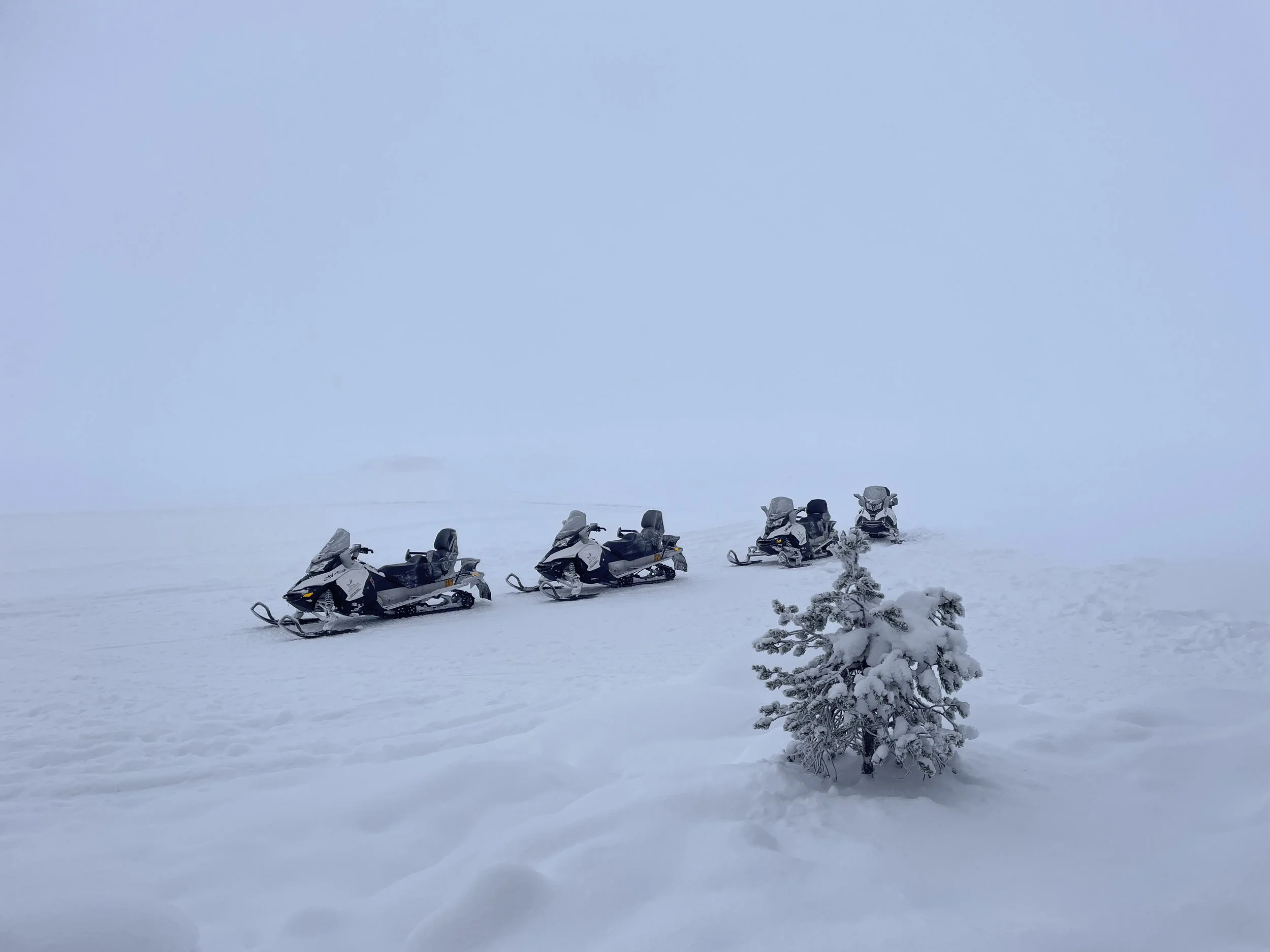
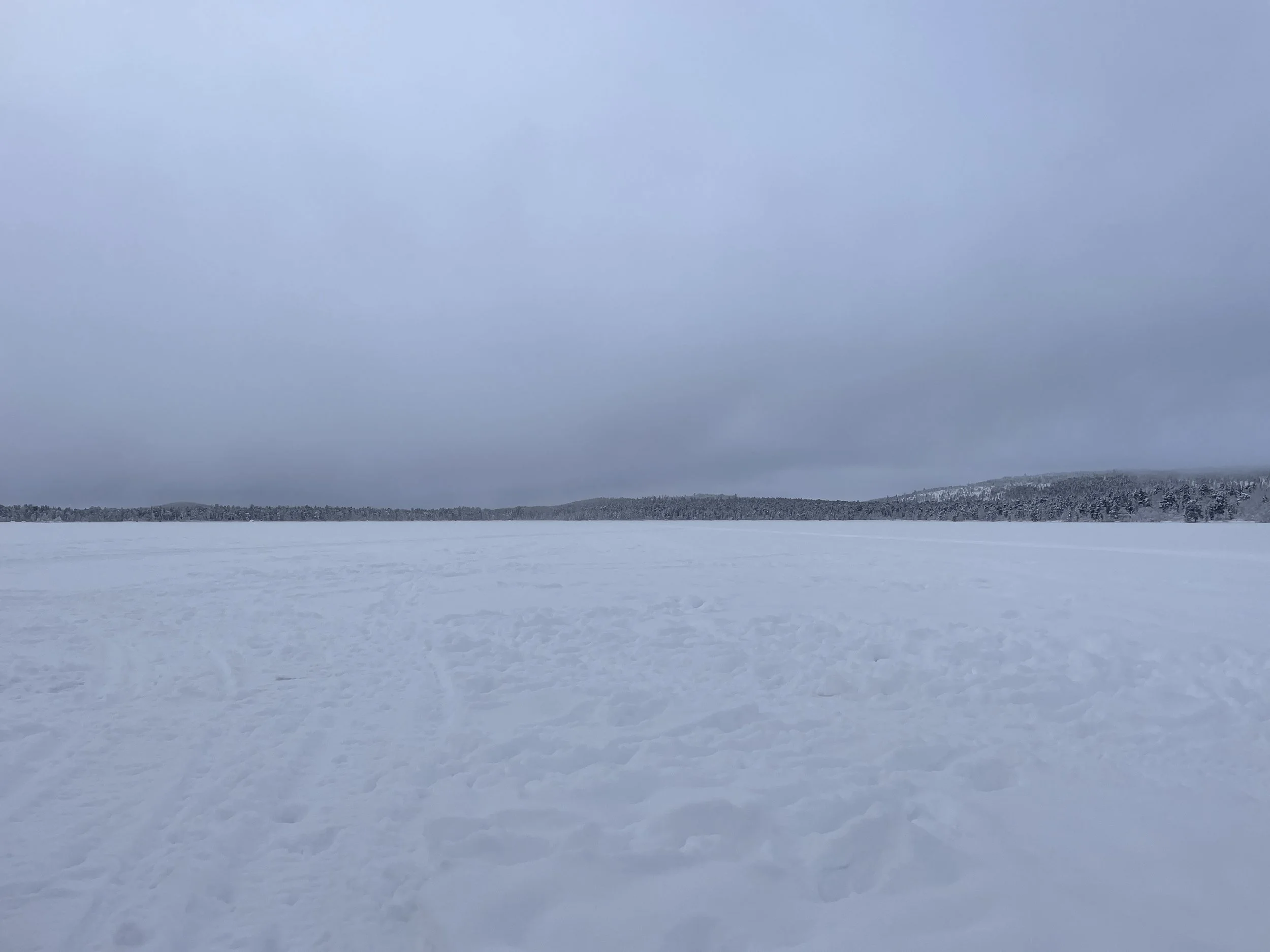
Sámi Snowmobile Safari
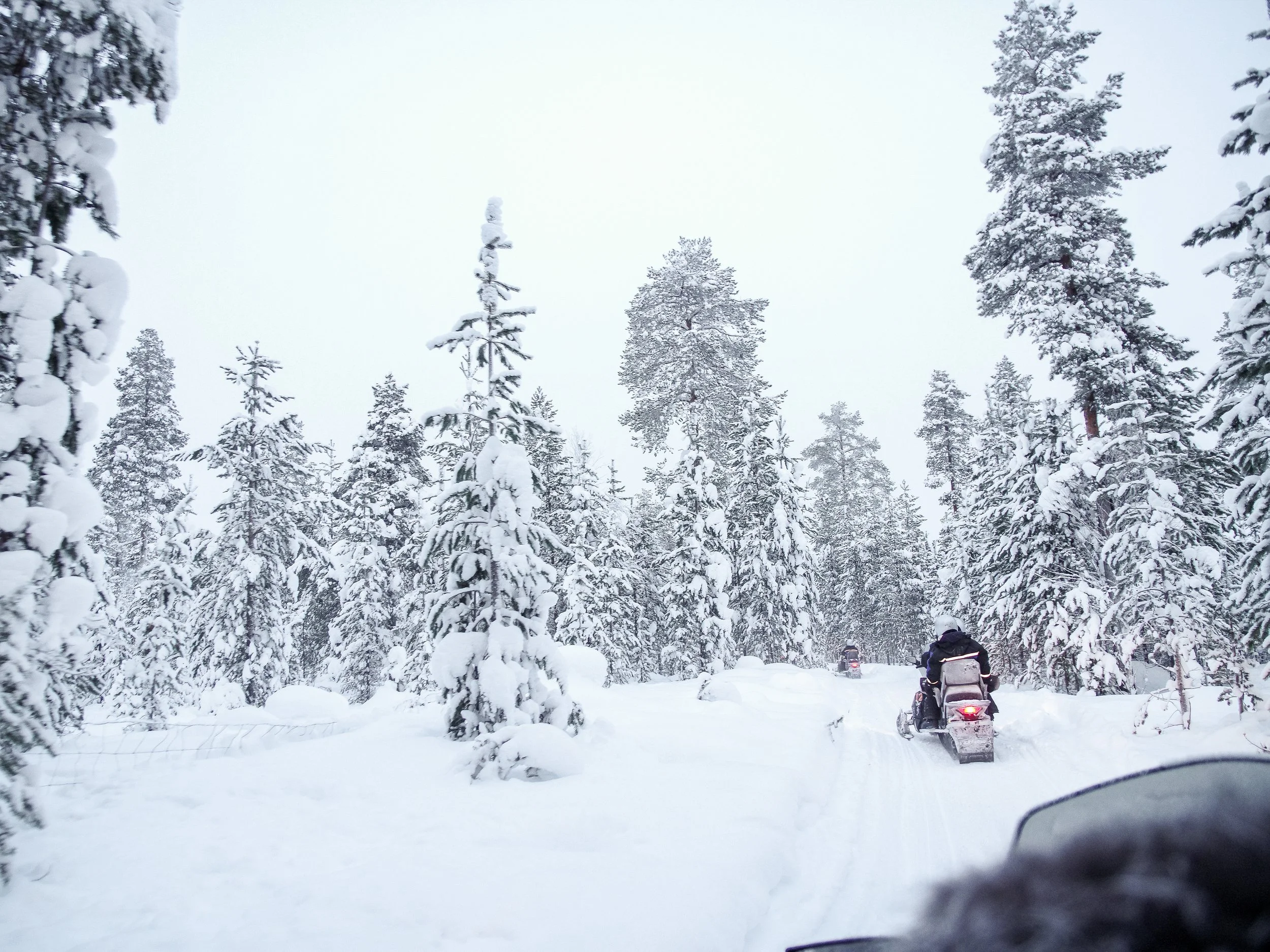
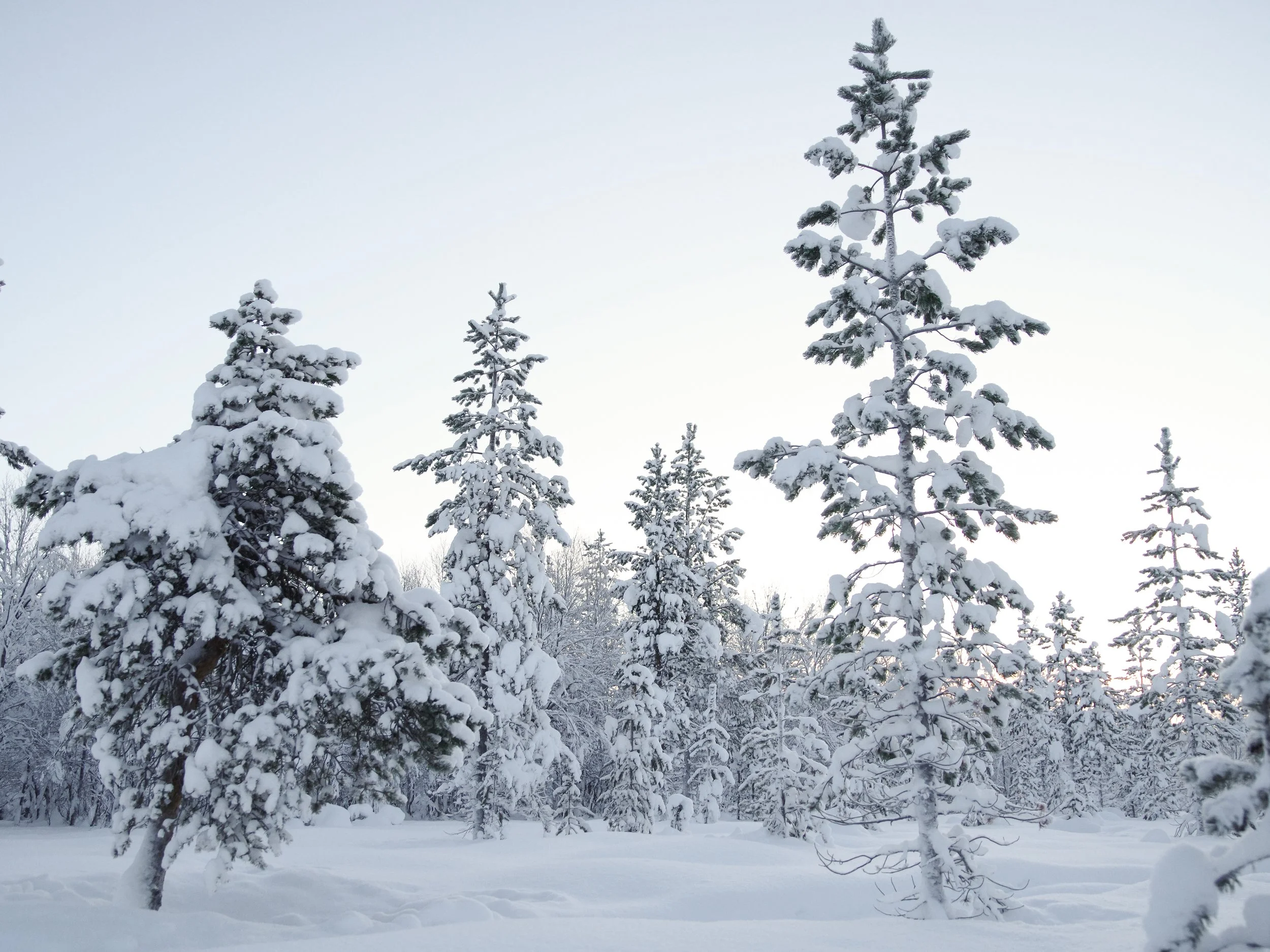
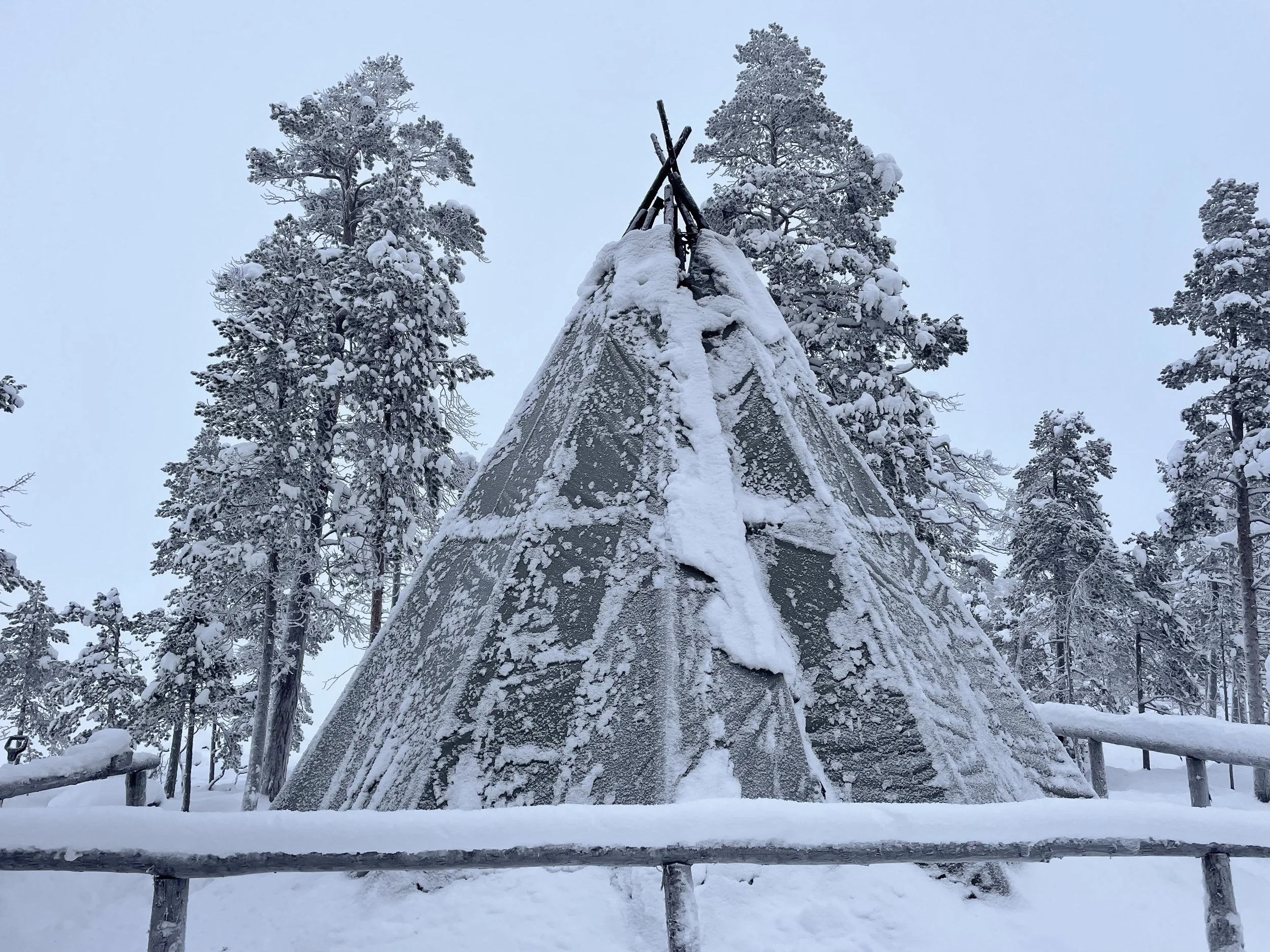
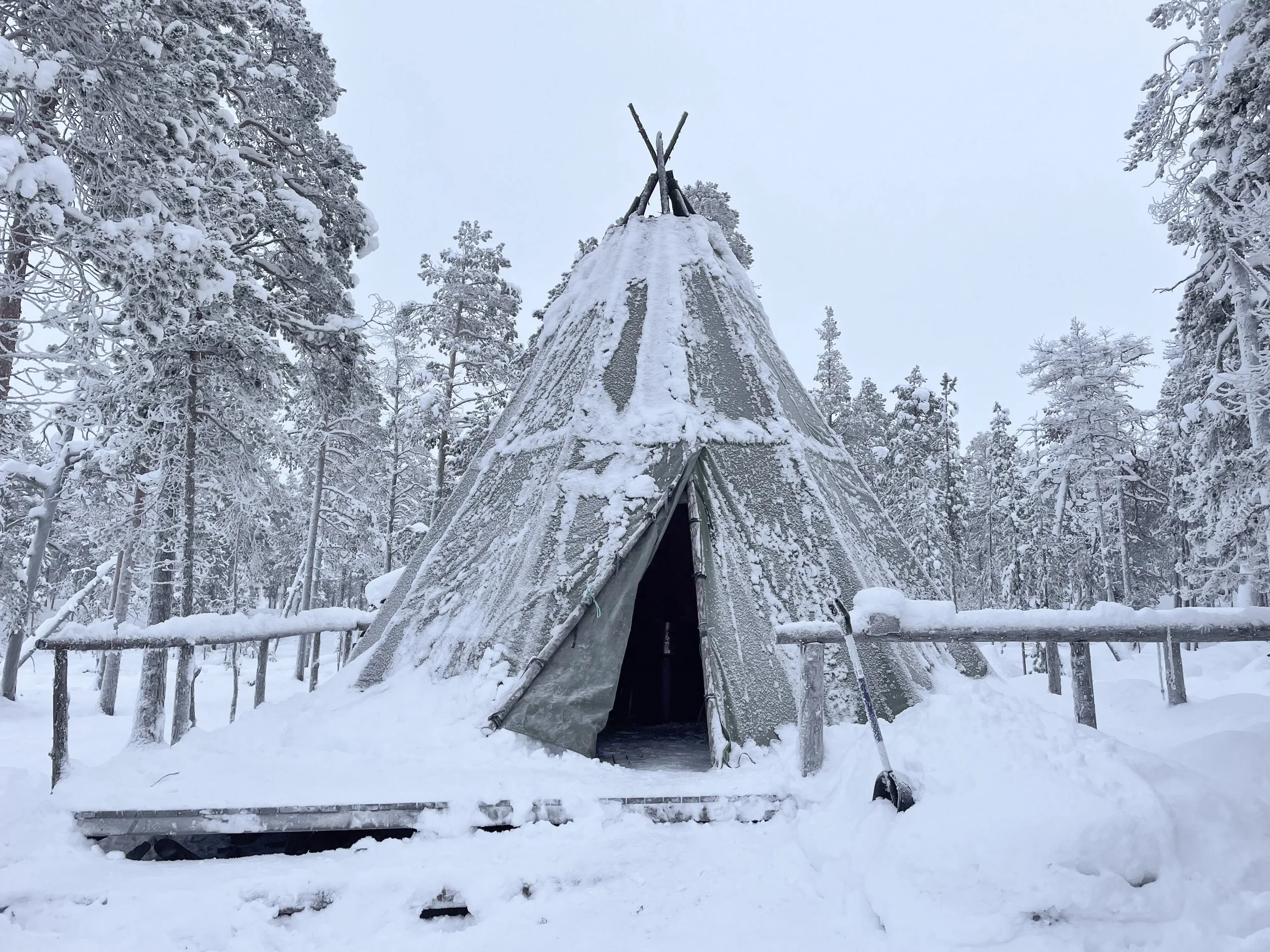
Suited up in a polar onesie, we mounted our snowmobile and sped off onto the frozen Lake Inari. Our guide led us between islands where we spotted groups of reindeer crossing the icy lake. We rode through wilderness trails and past pine trees drooping under the weight of fresh snow. Along the 34km route, we made stops to visit the Wilderness Church and sacred Sámi islands including Ukko and Vanha Hautuumaasaari. After a few hours, we stopped at a small island with a Sámi style conical hut. Within it, we ate a warm lunch of vegetable soup, rye bread and hot cider around a cozy fire.
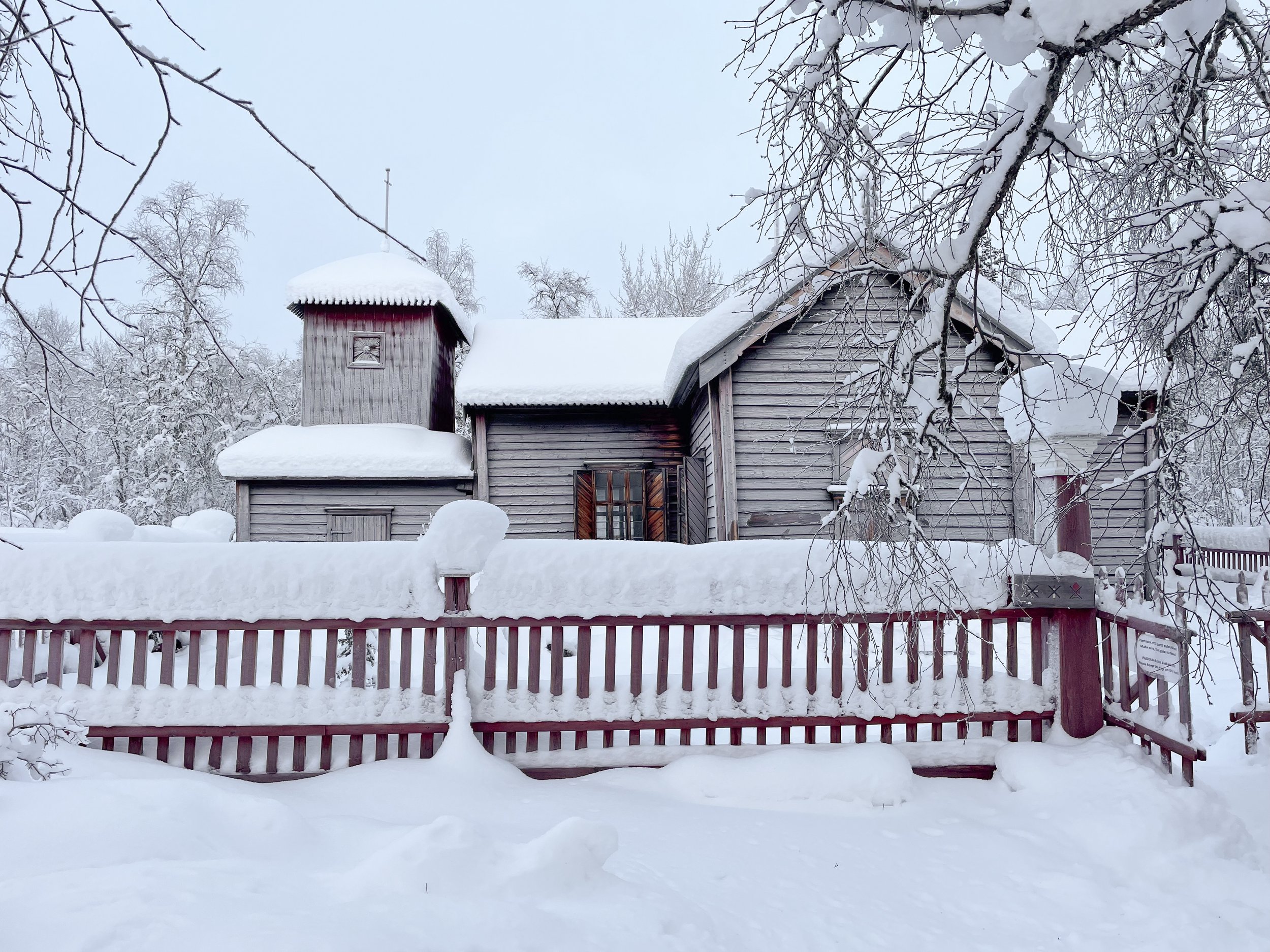
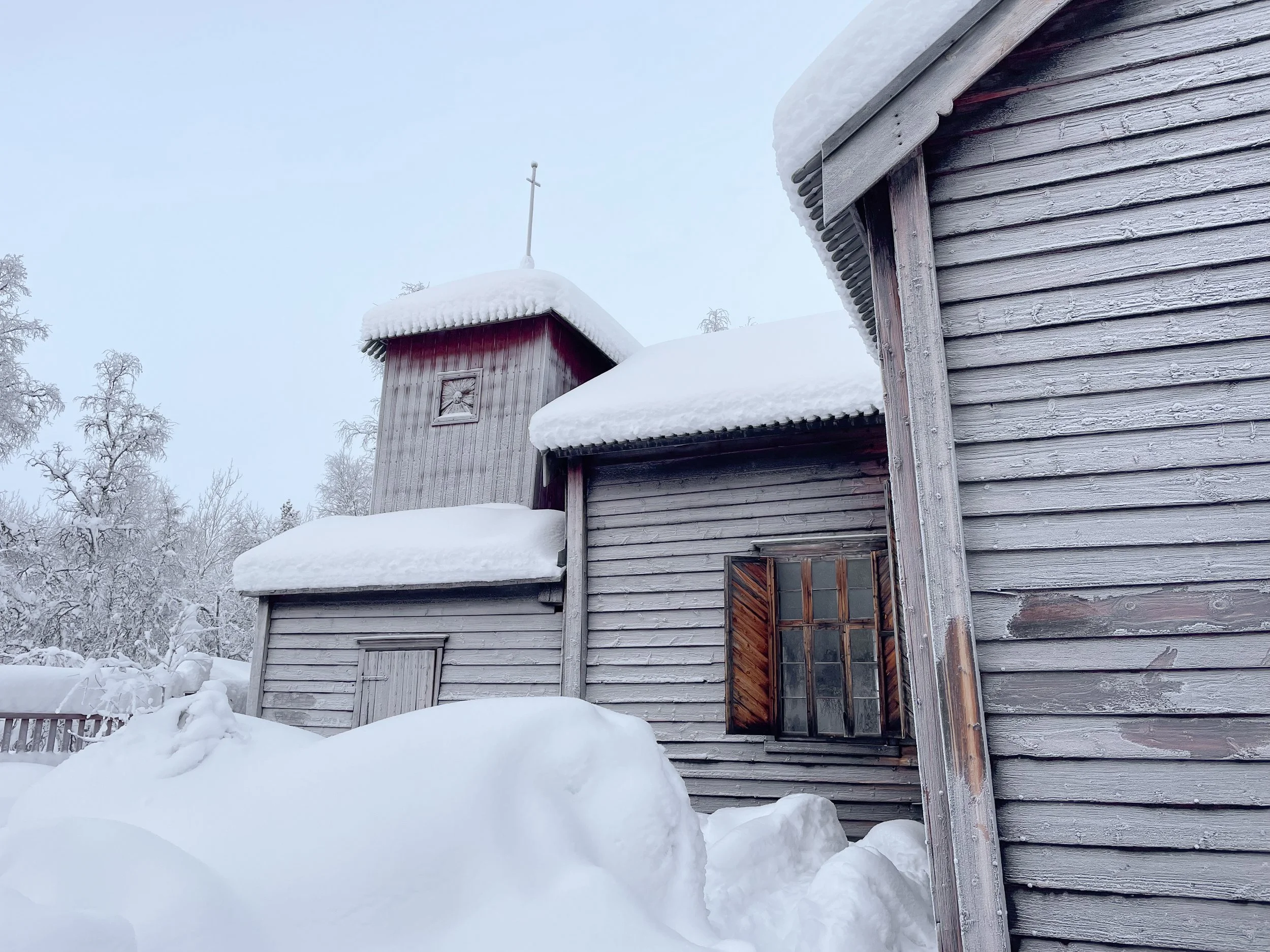
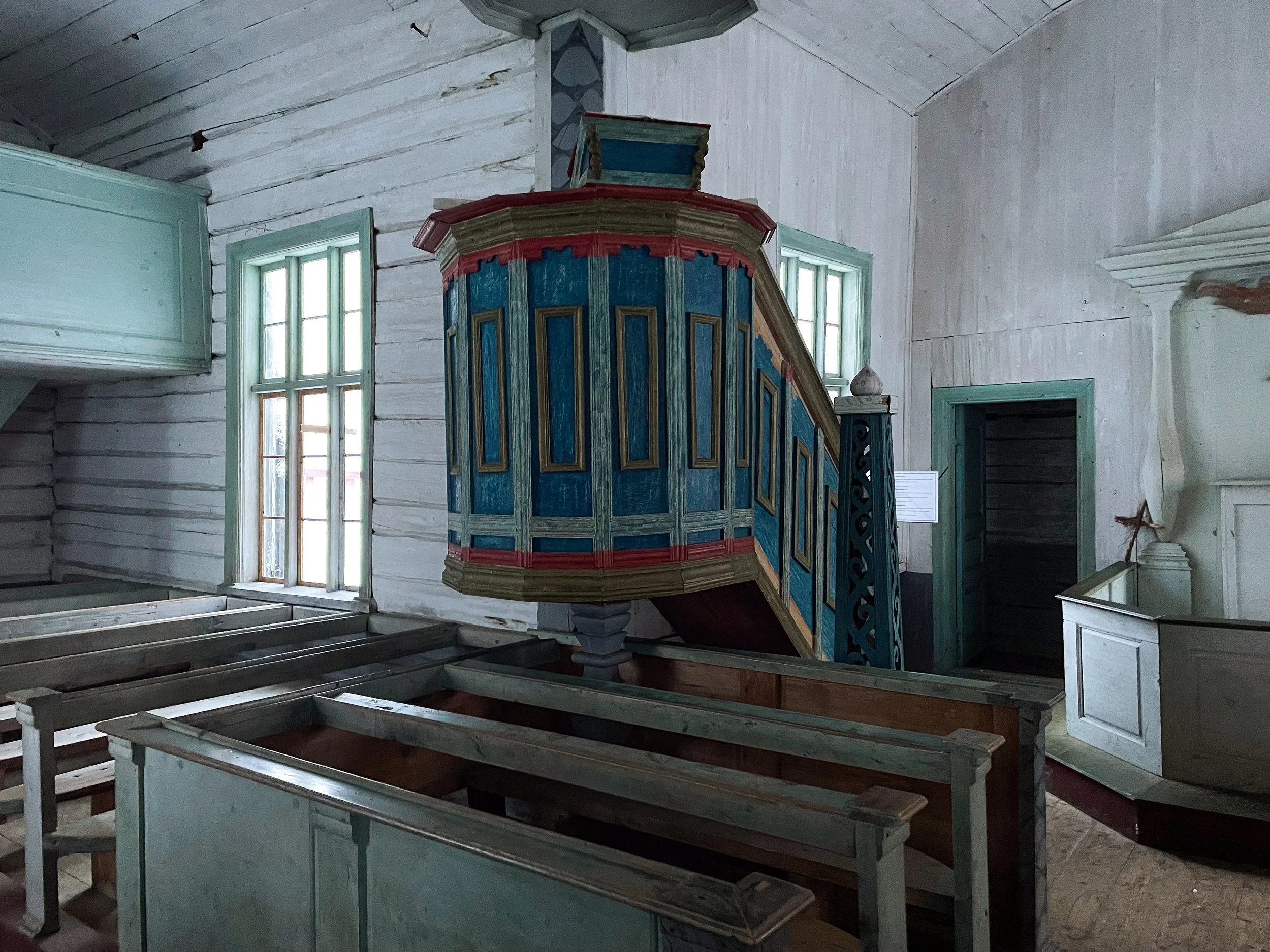
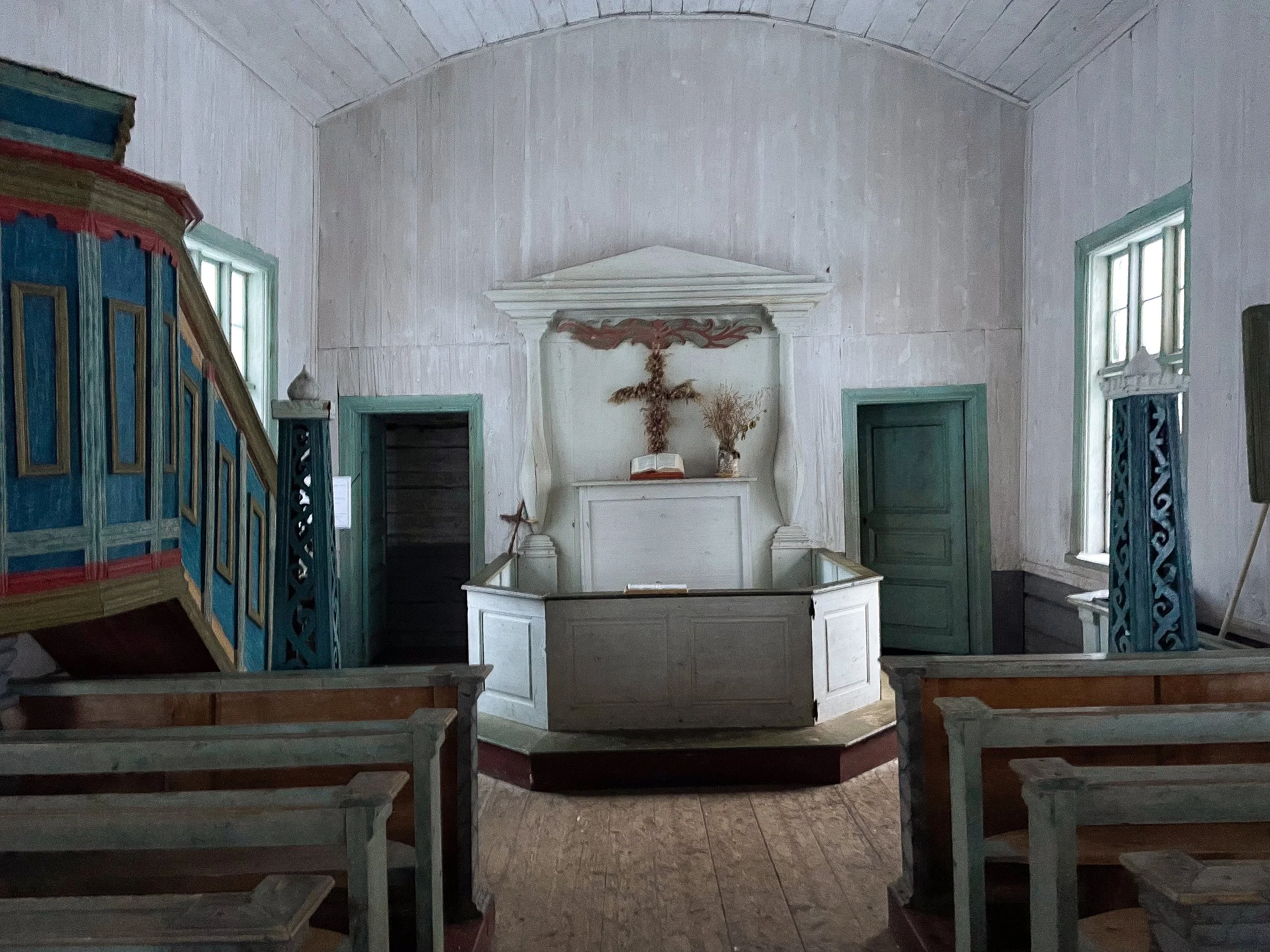
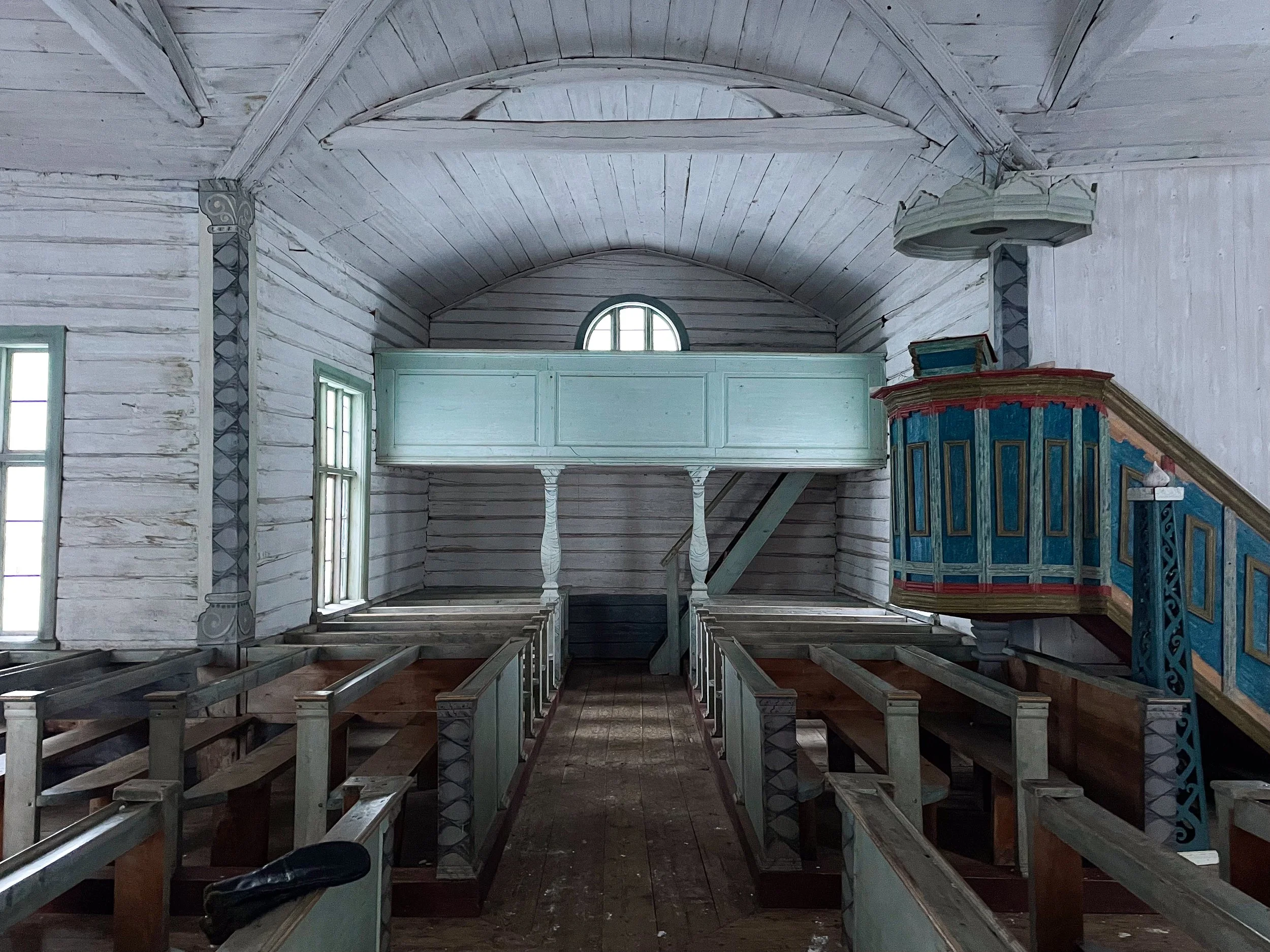
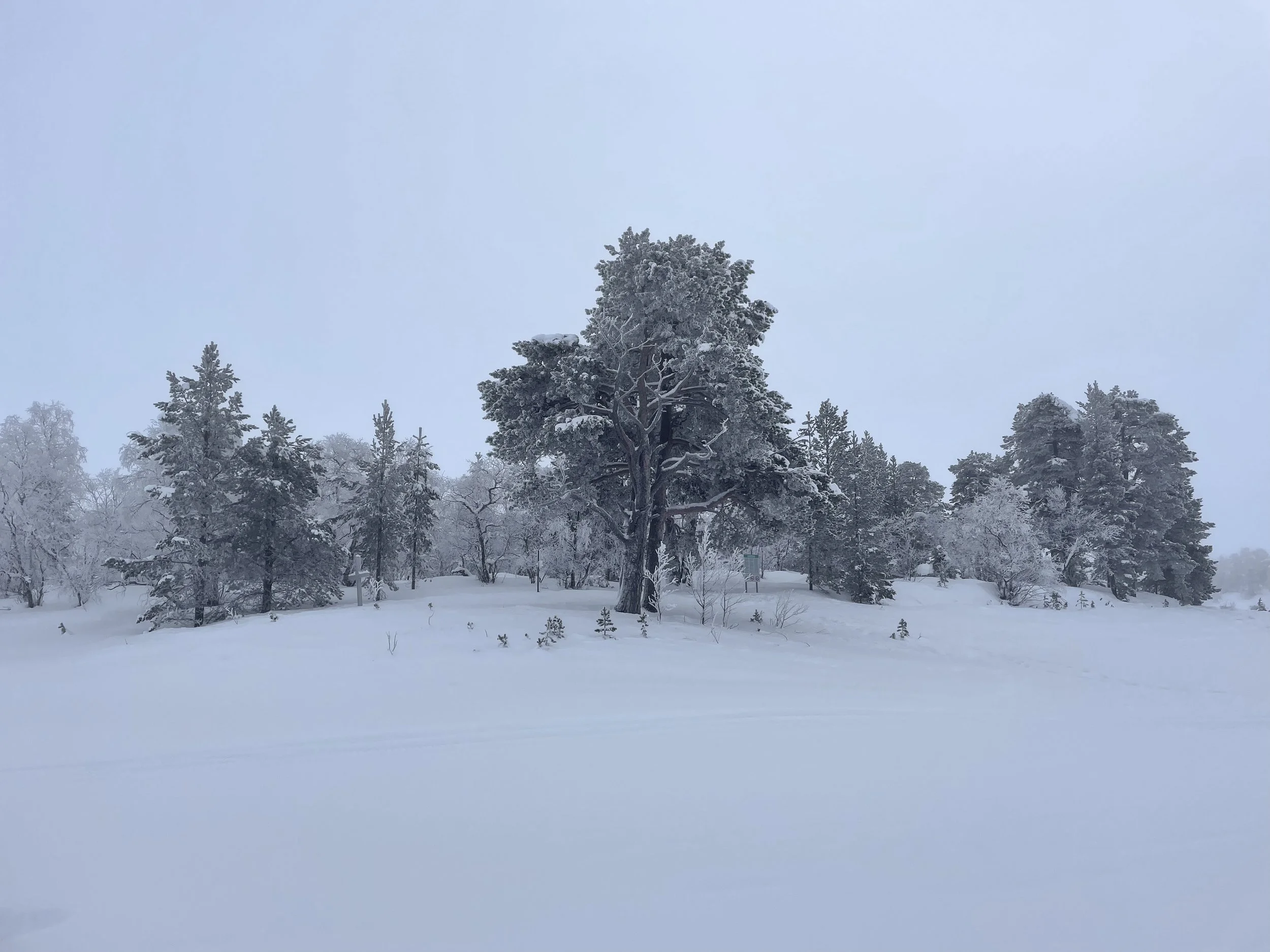
Wilderness Church. A remote wooden church in the forest along the shore of Lake Inari. It’s the oldest building in Northern Finland, dating back to 1760.
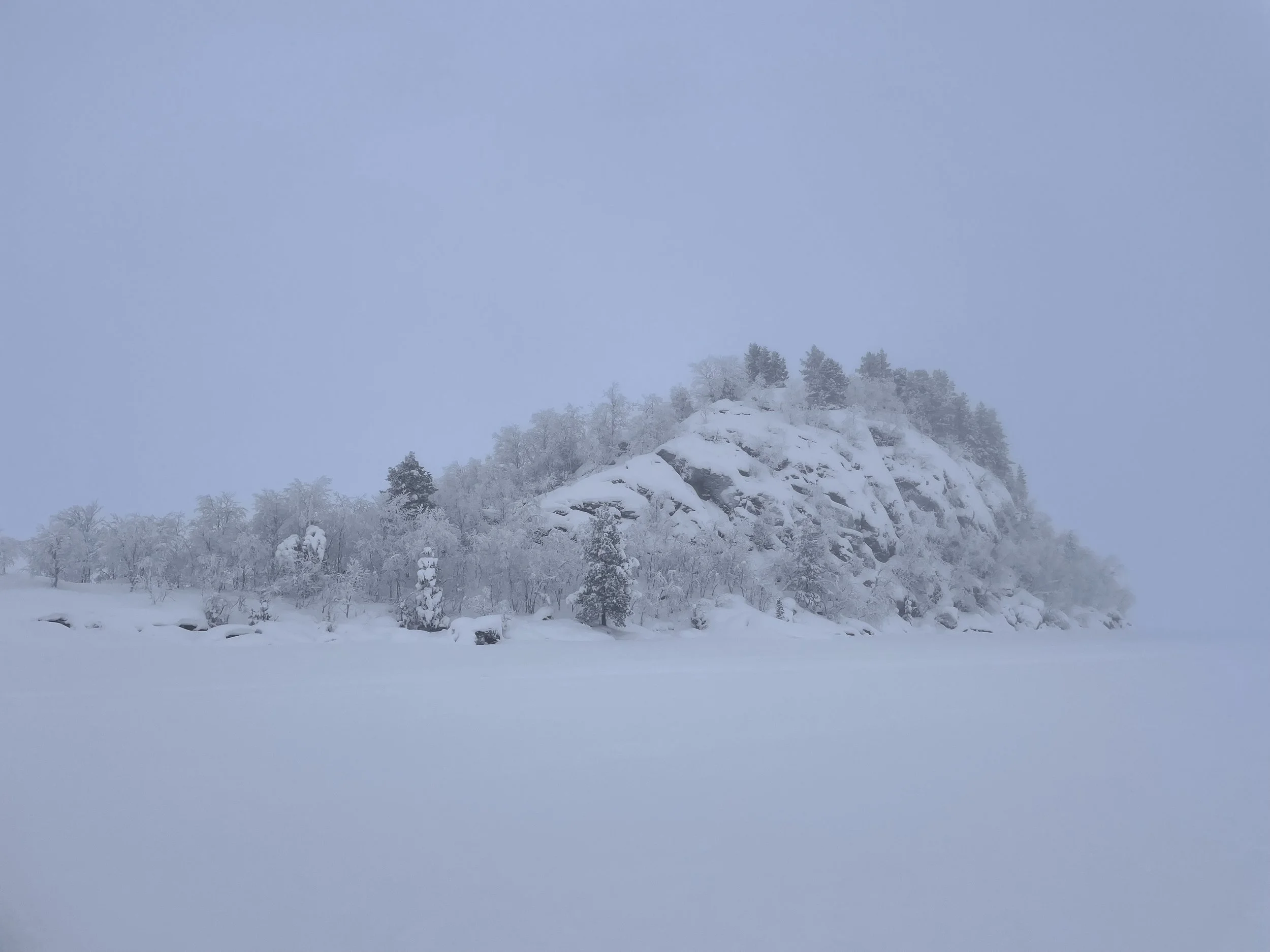
Ukko Island. An island on Lake Inari with a tall rocky point sacred to the Sámi People. Offerings are made here to Ukko, the “God of Thunder.”
Vanha Hautuumaasaari. A sacred island on Lake Inari and burial ground for the Sámi People.
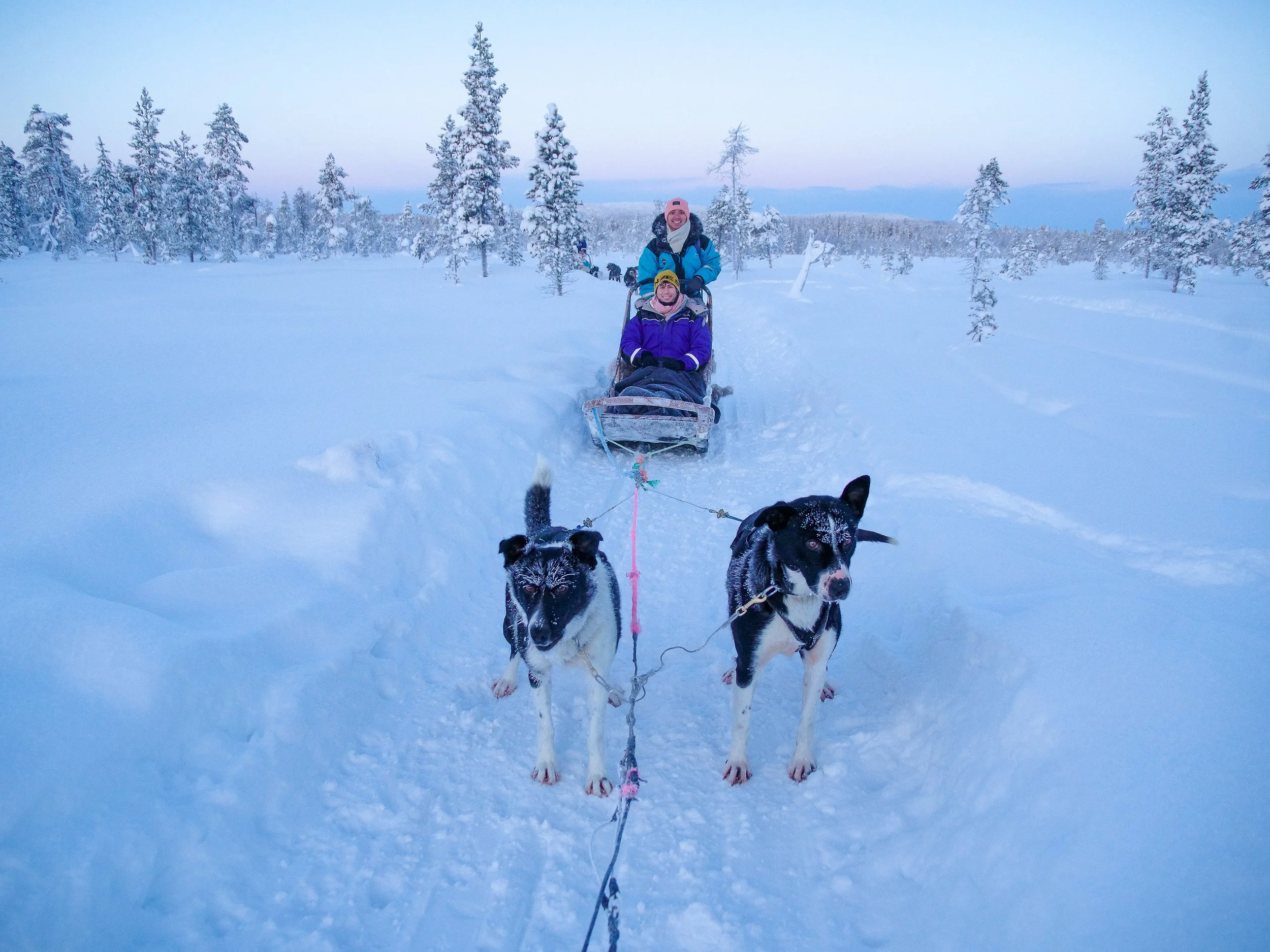
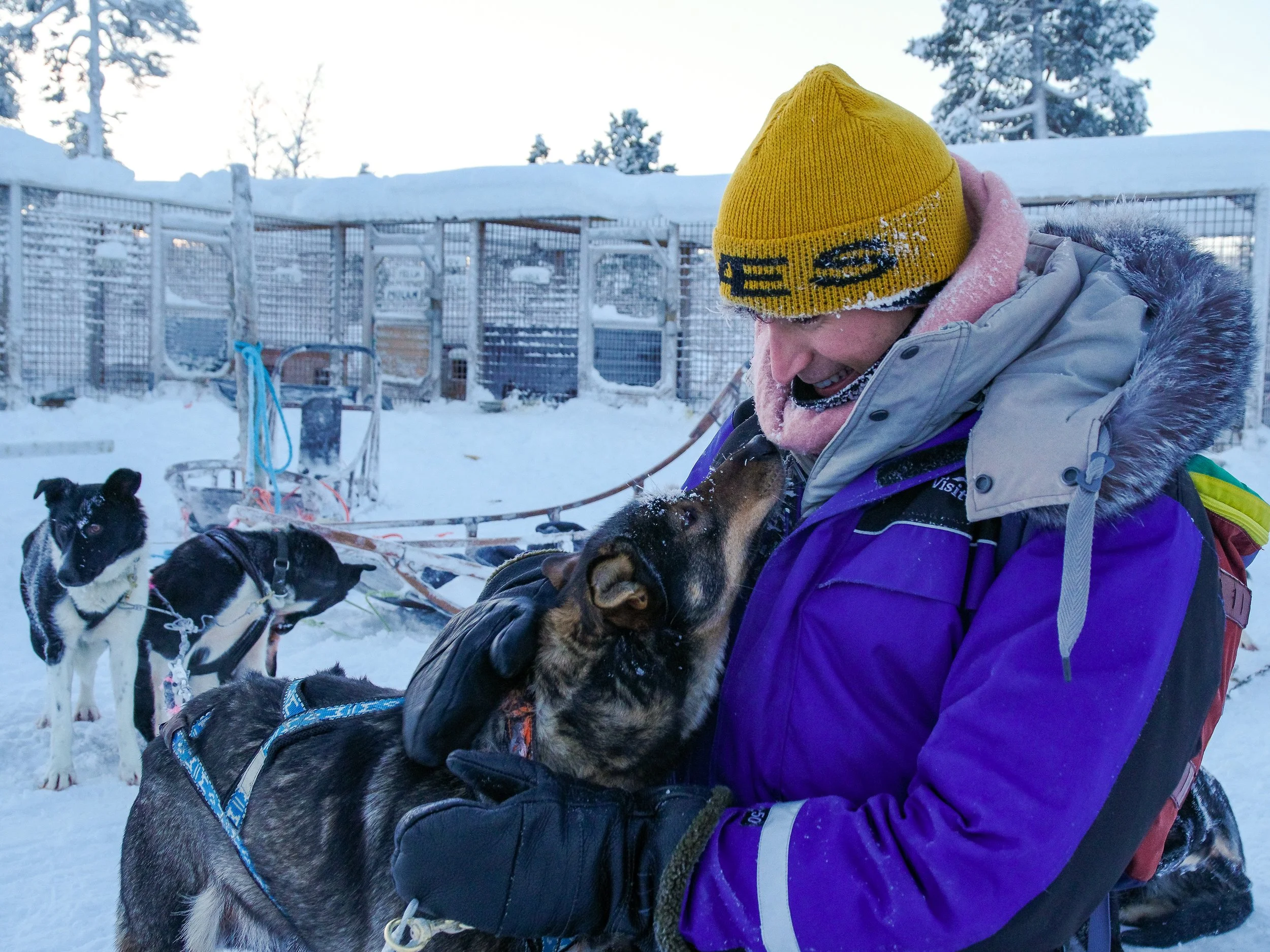
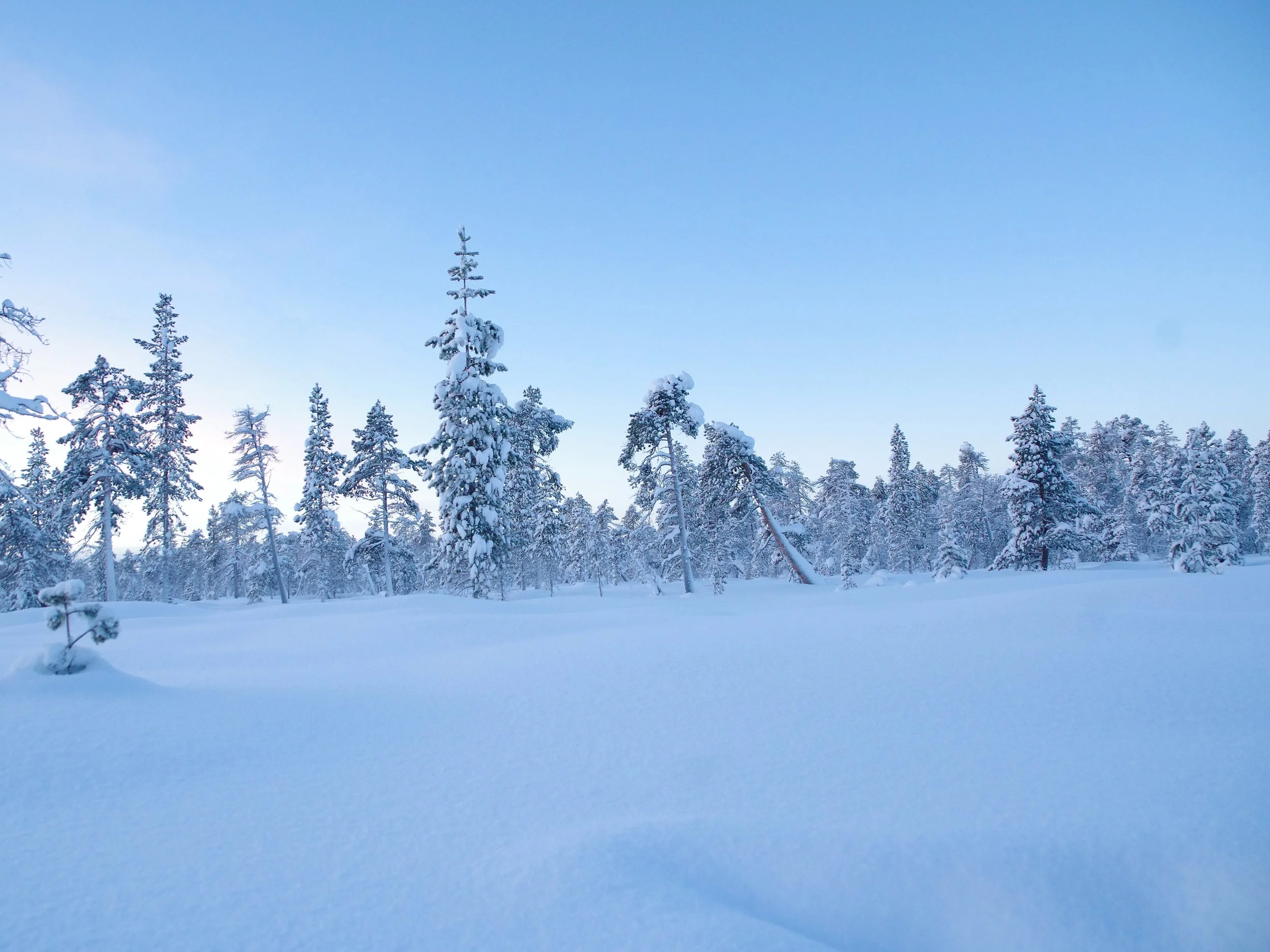
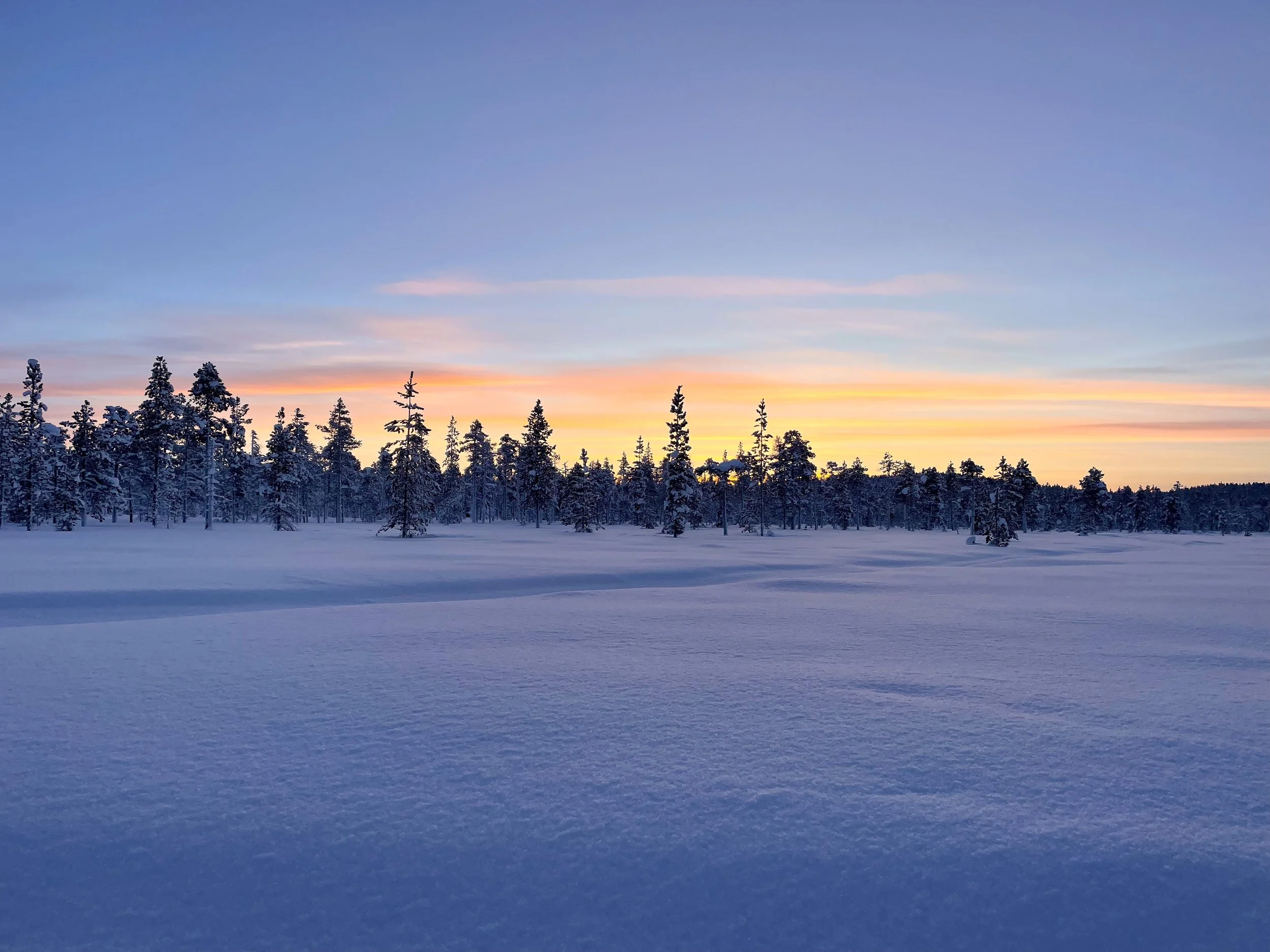
Husky Mushing
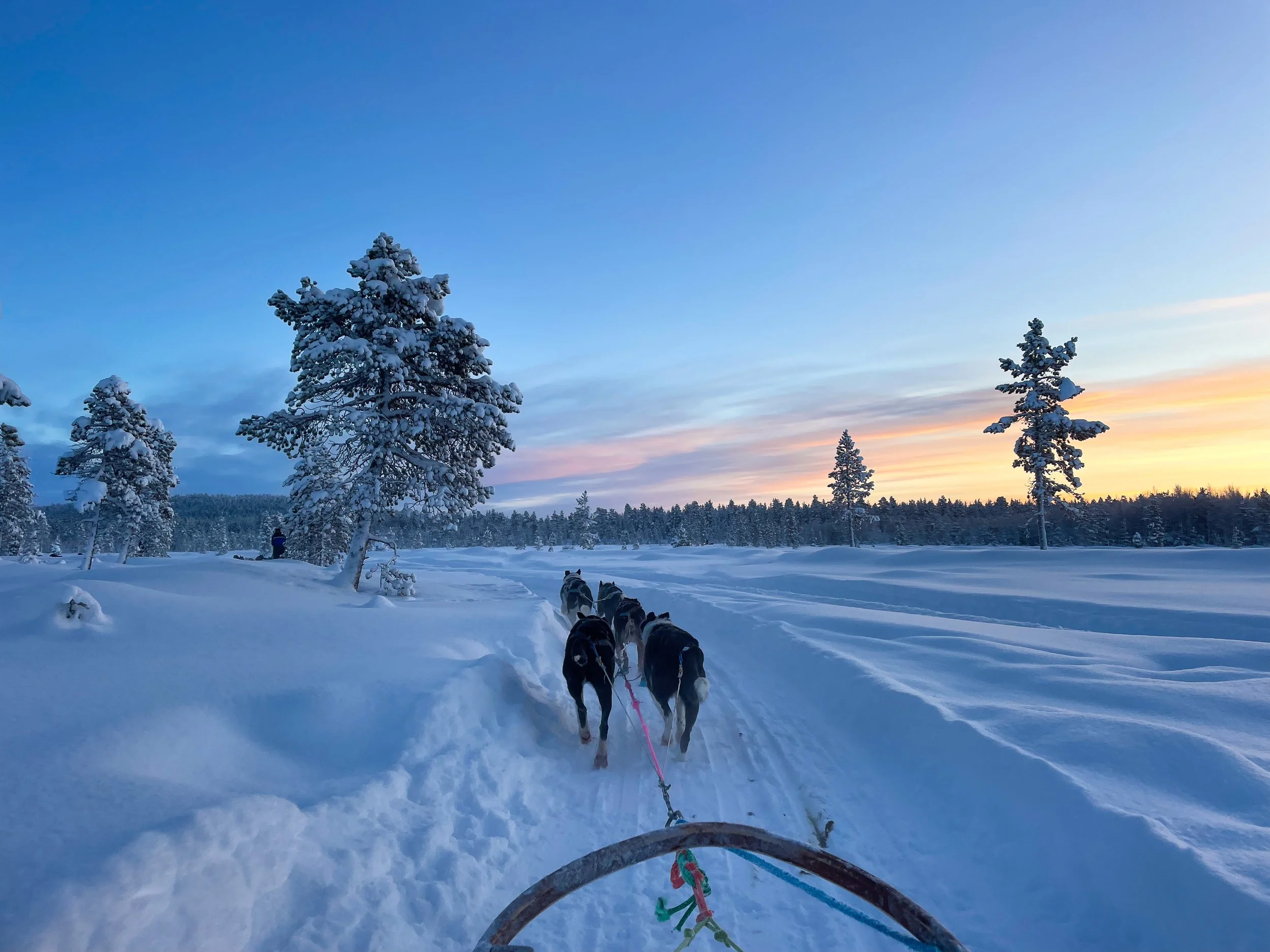
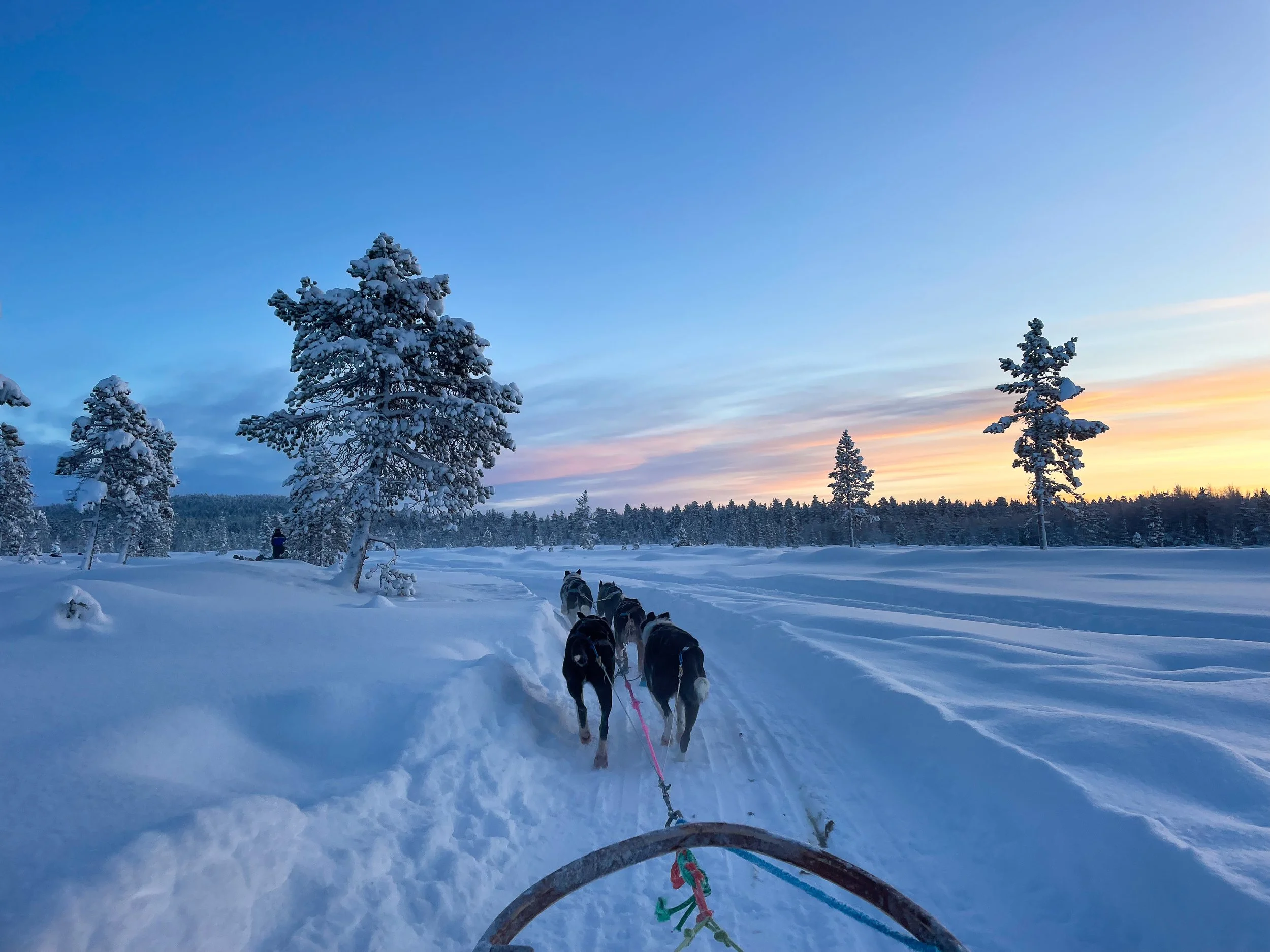
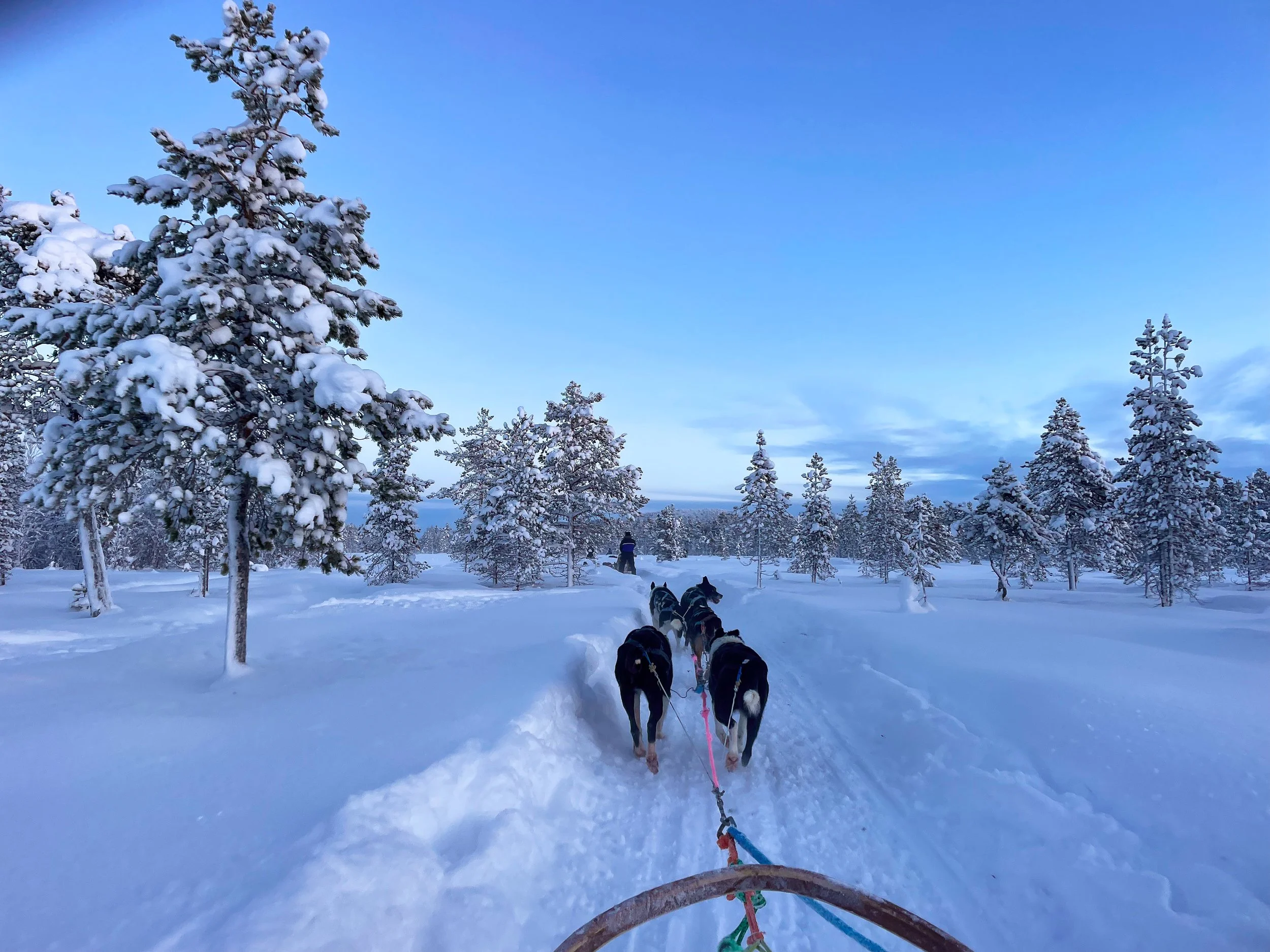
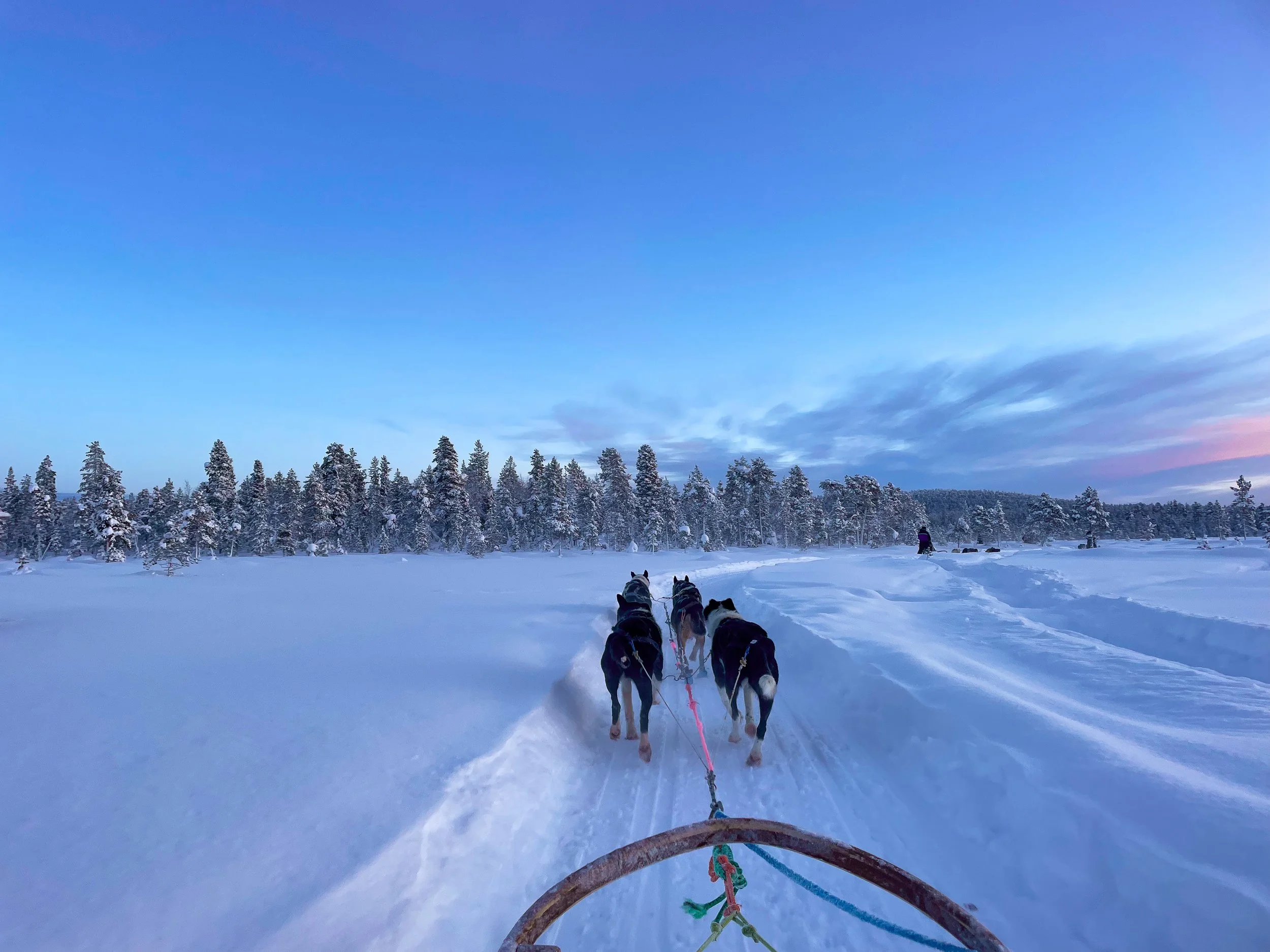
Ever since our first trip to the Arctic, we’ve dreamt of going husky mushing. Lapland was the perfect place to make that dream come true. After suiting up in a polar onesie and listening to a brief lesson, we were paired with a sled of Siberian and Alaskan huskies. The pack of dogs were excited to run; howling, barking and jumping around before bolting off in unison with us behind them. We mushed our way through the Lappish countryside, past snow covered trees and fields of white along the twisting 10km trail. As we sledded across the frozen landscape, ice formed on our eyelashes and hair in the subzero temperature. Halfway through, we traded places, each getting a chance to drive. At the end, we got to cuddle and pet the huskies, before warming up by the fire.
Cross Country Skiing
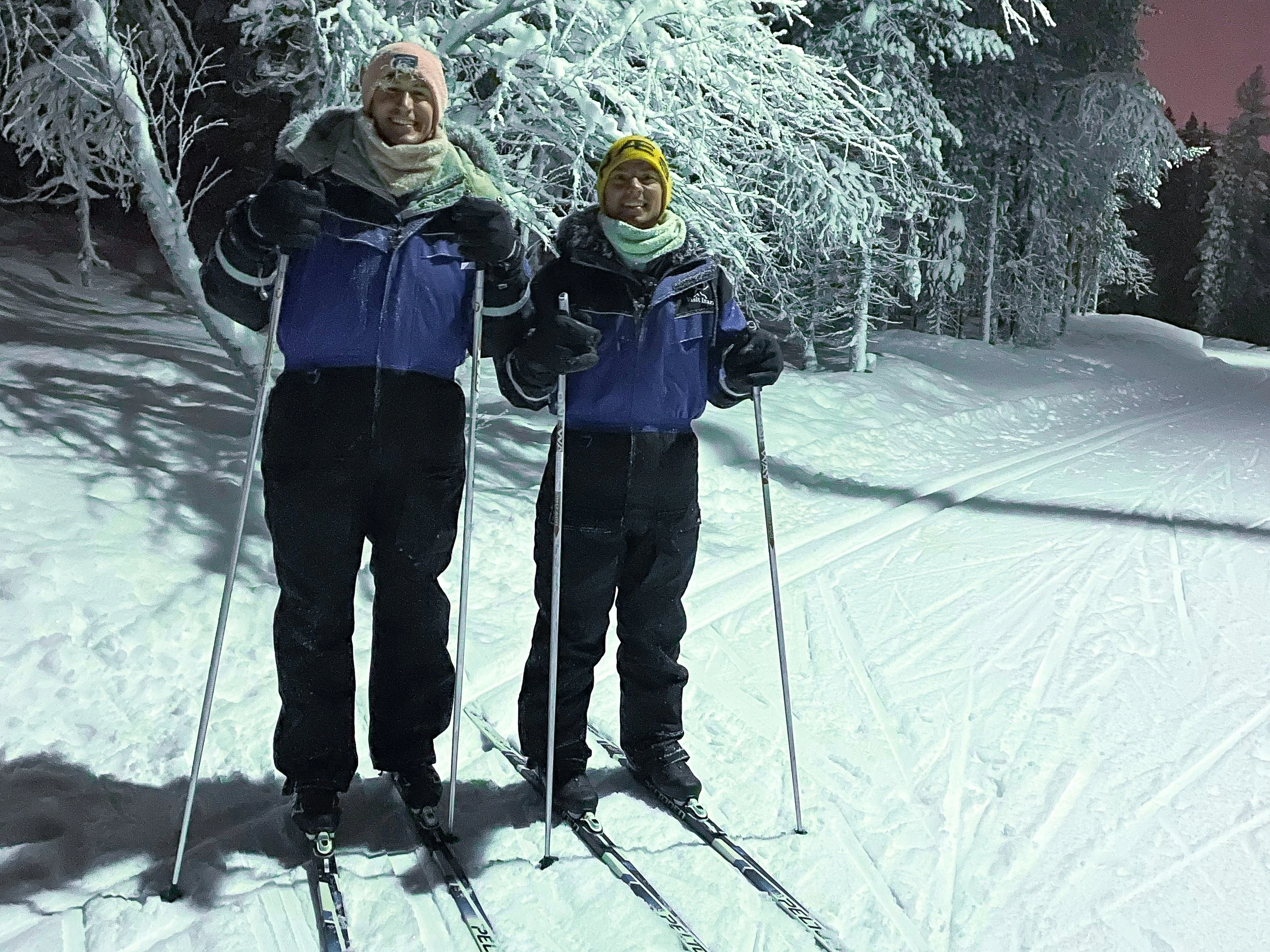
Cross country skiing is a Finnish pastime and national sport. We booked a 2 hour lesson and learned the basics on a groomed track in an arena. Following the tracks, we skied uphill into the wooded trails and continued to improve our form. After a couple of kilometers, we returned downhill, intermittently picking up speed and gliding along the tracks with ease.
The Northern Lights
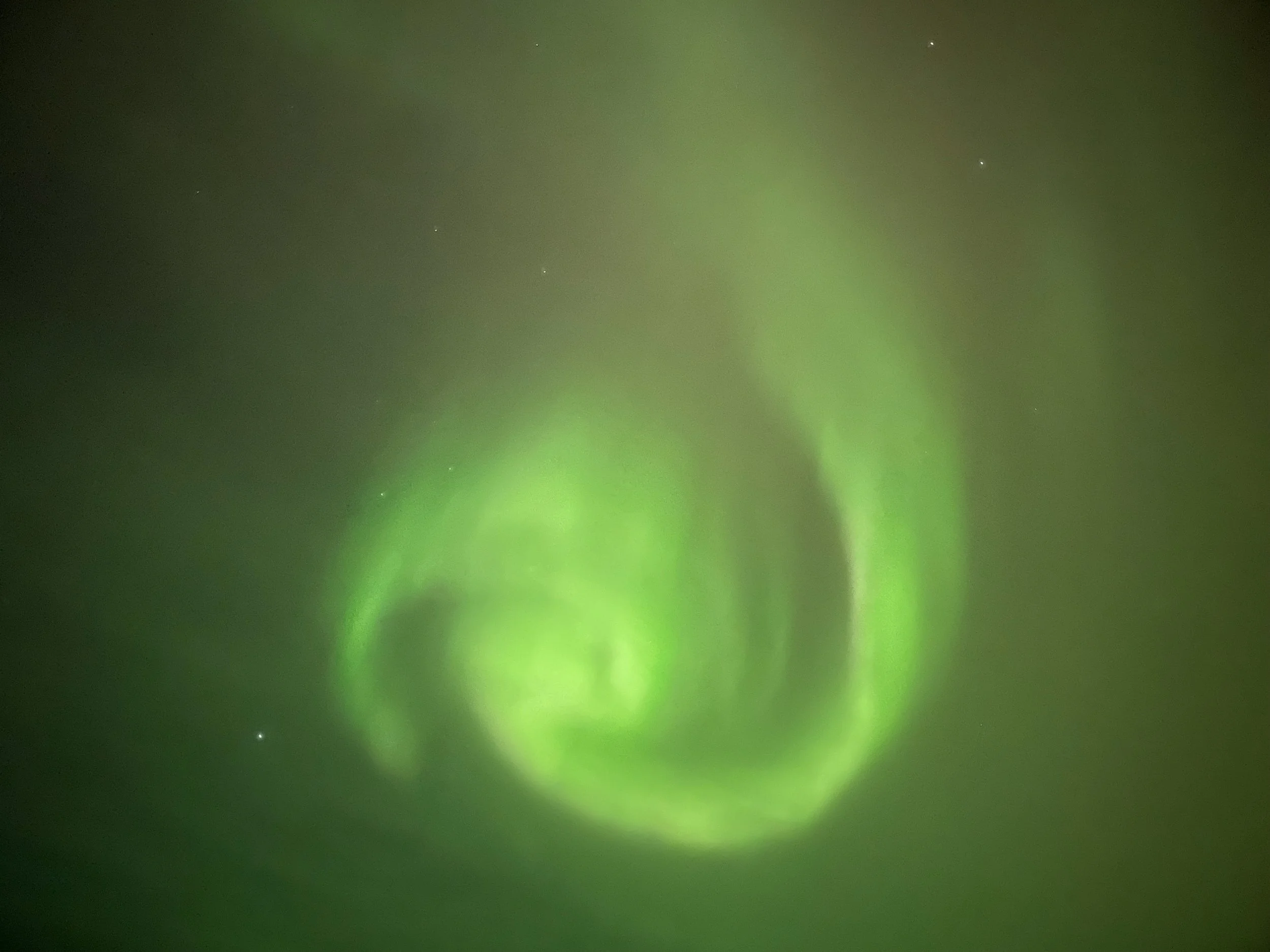
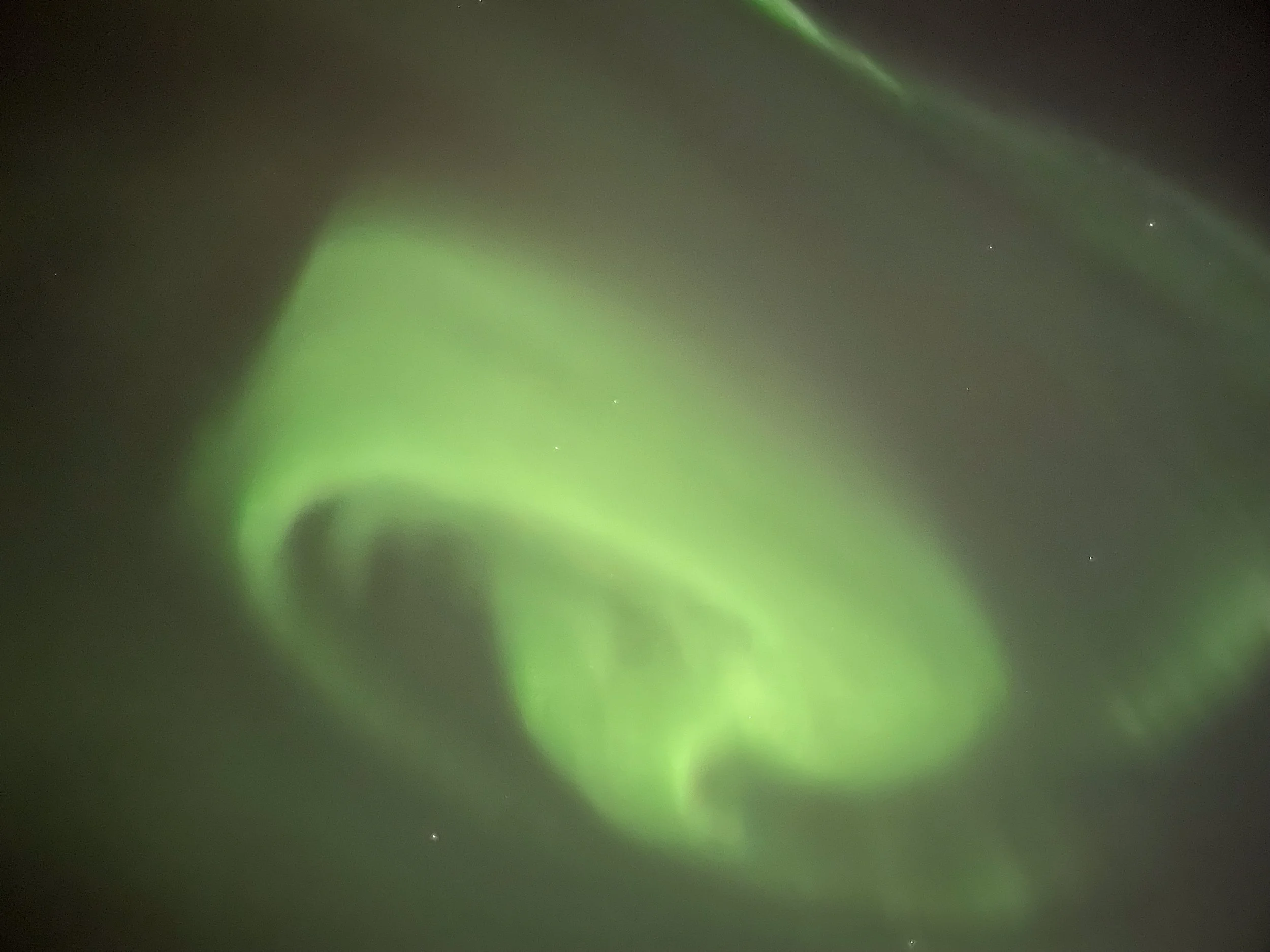
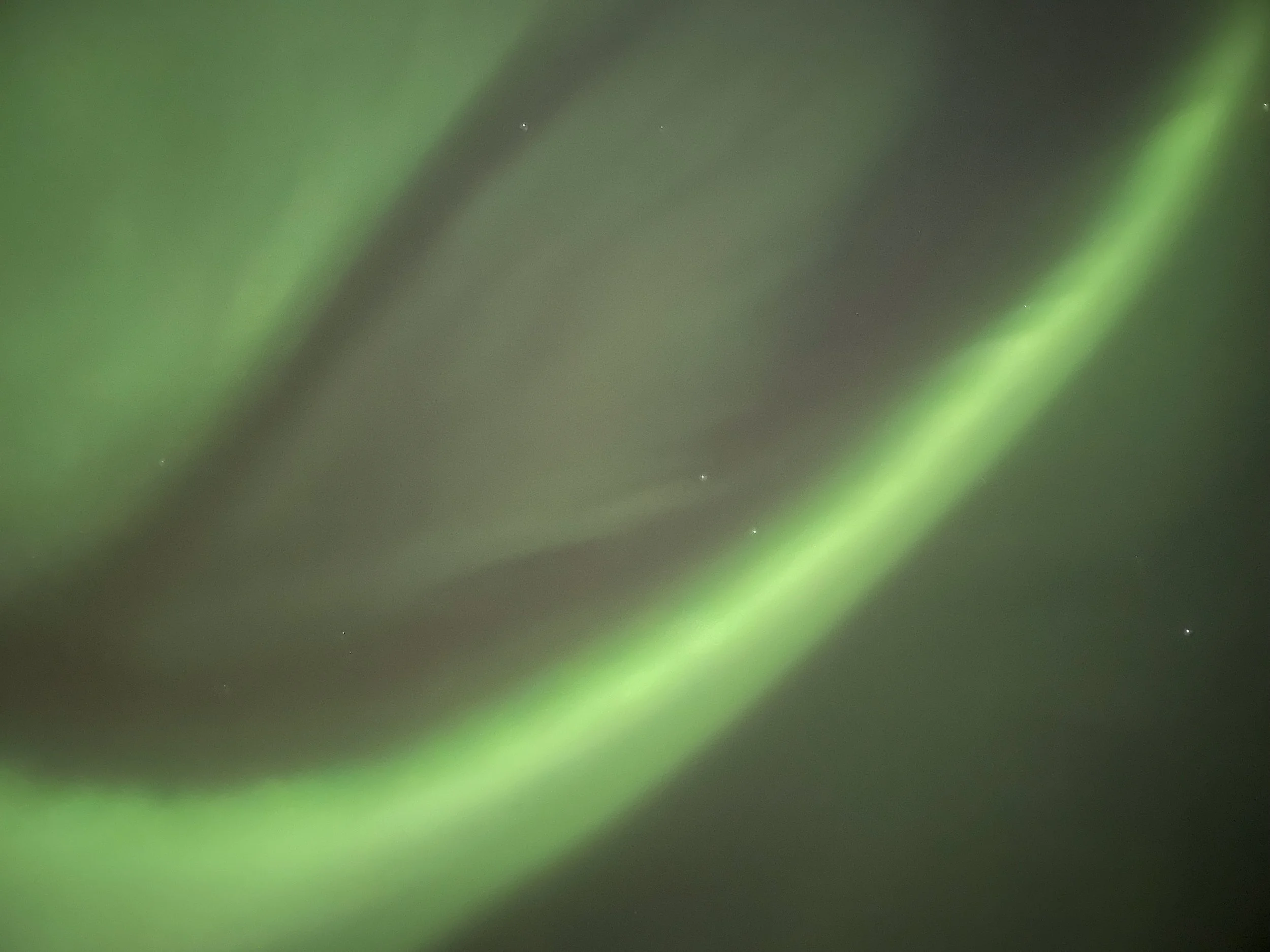
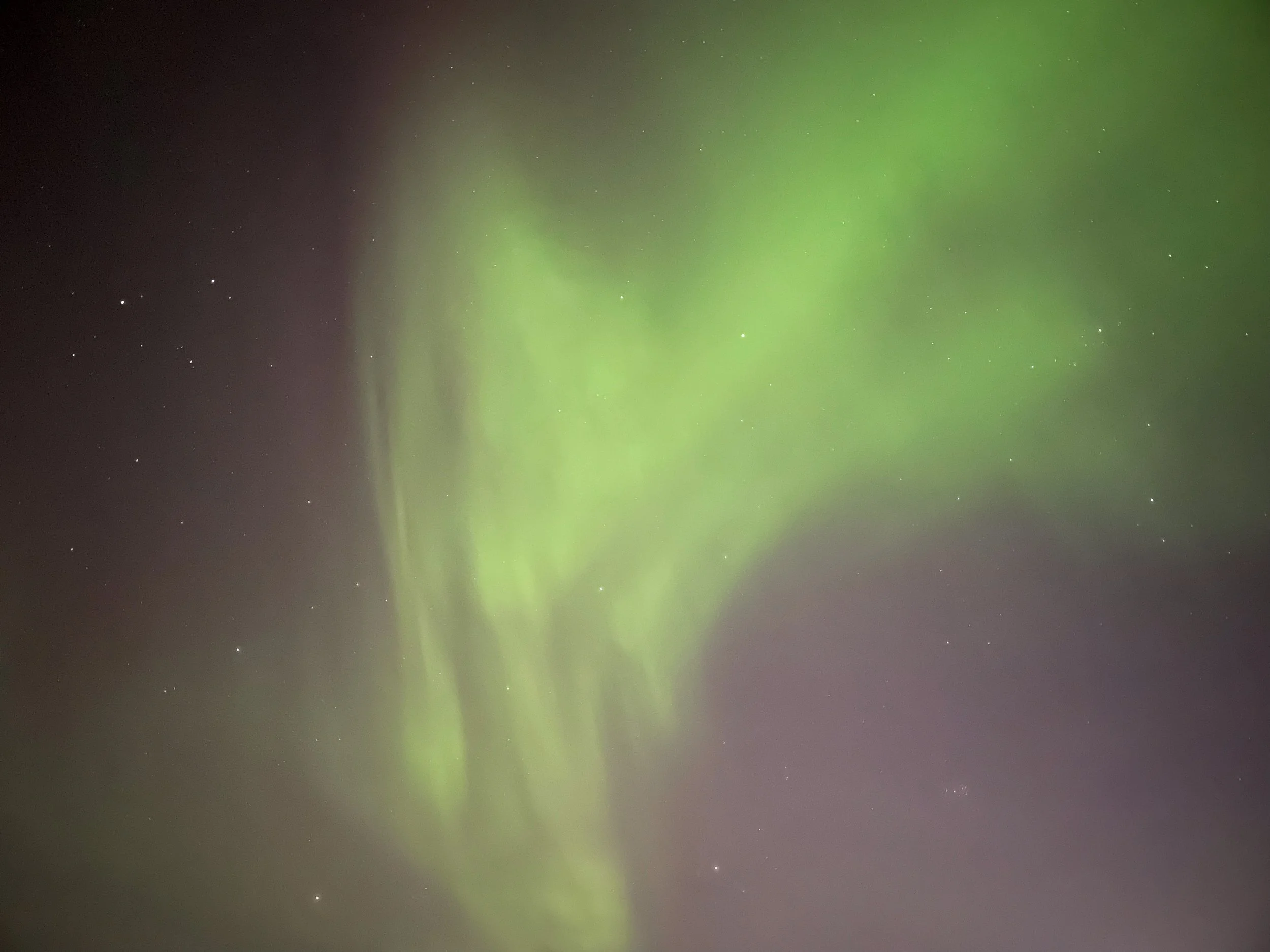
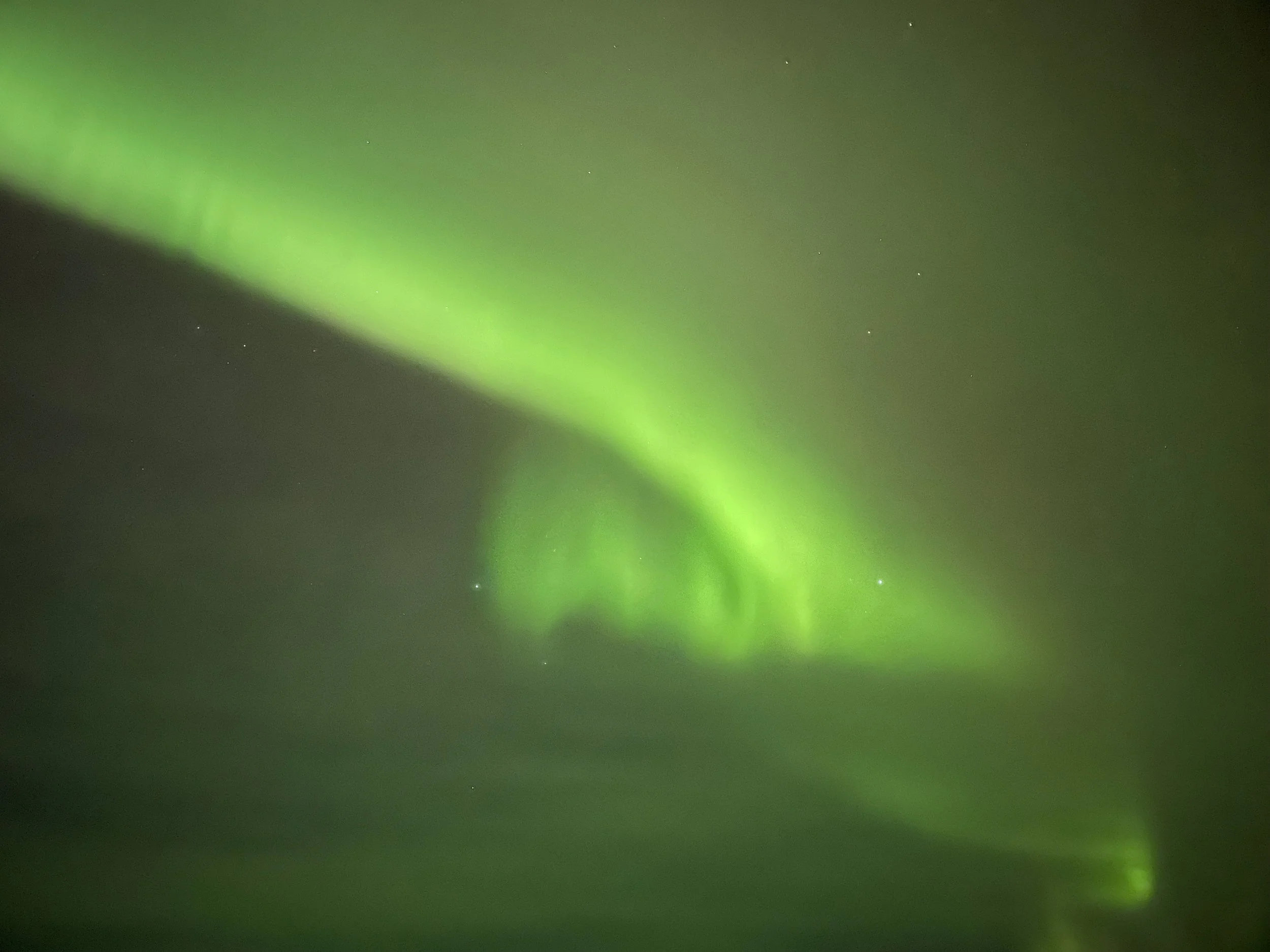
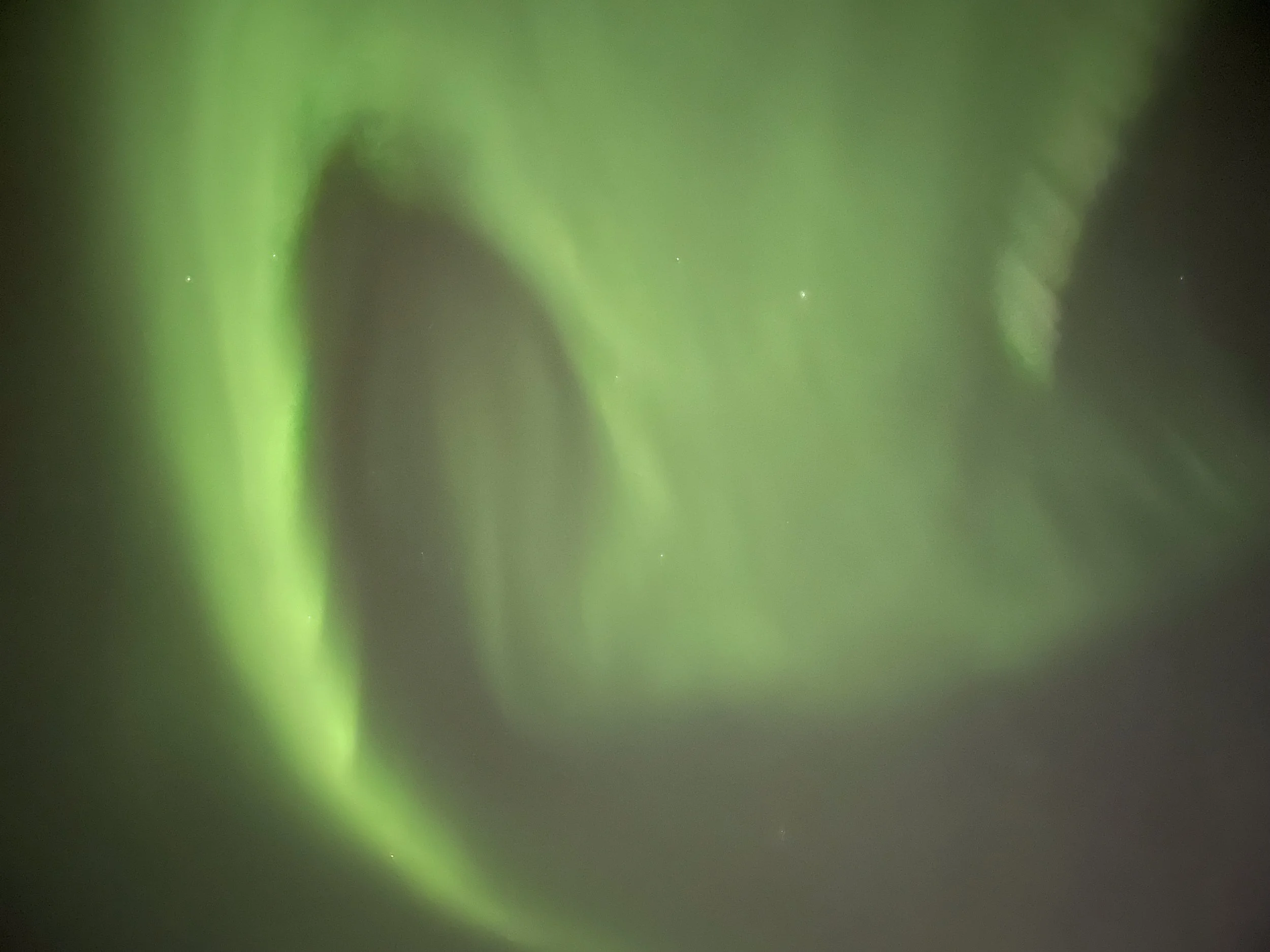
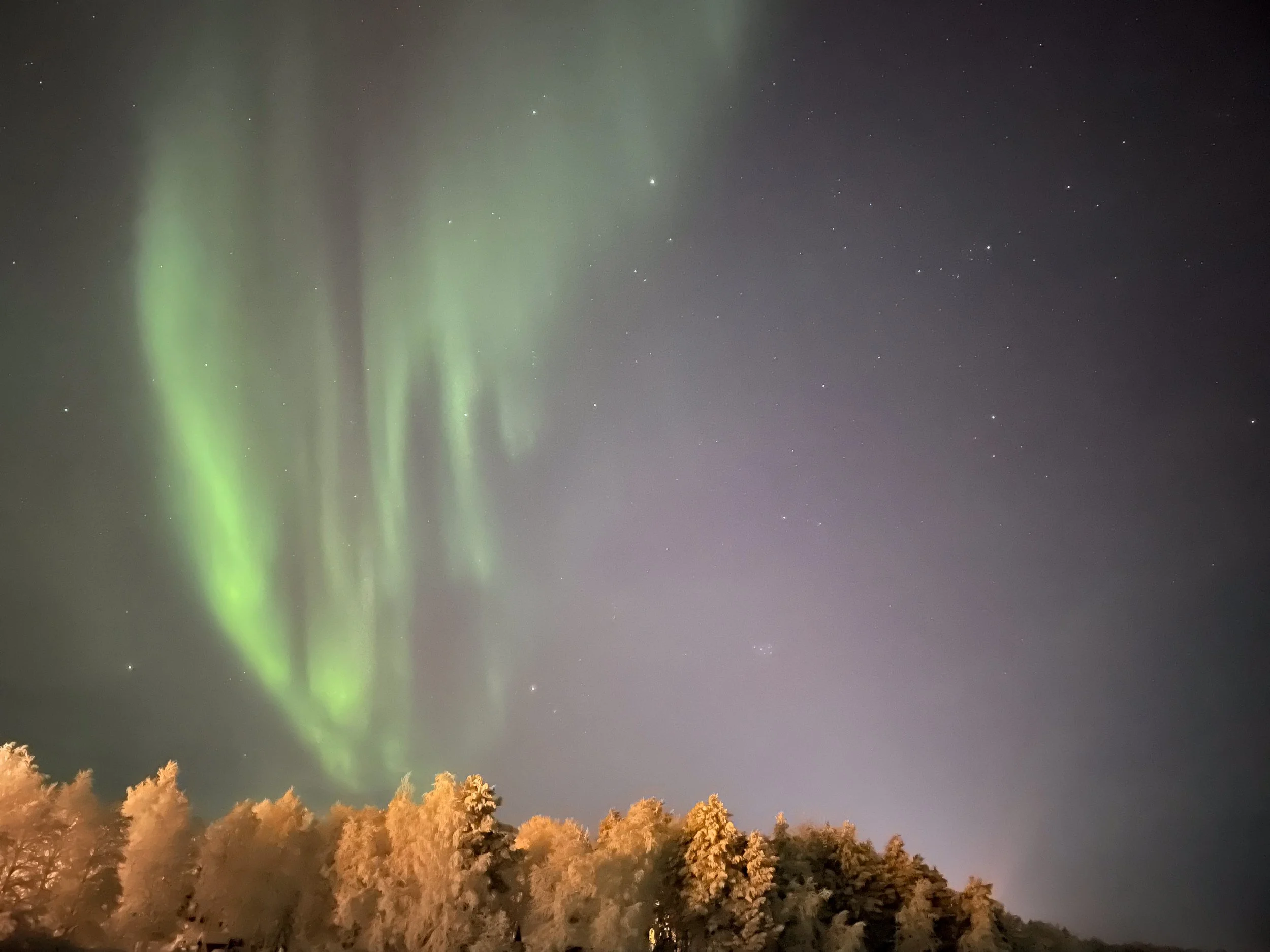
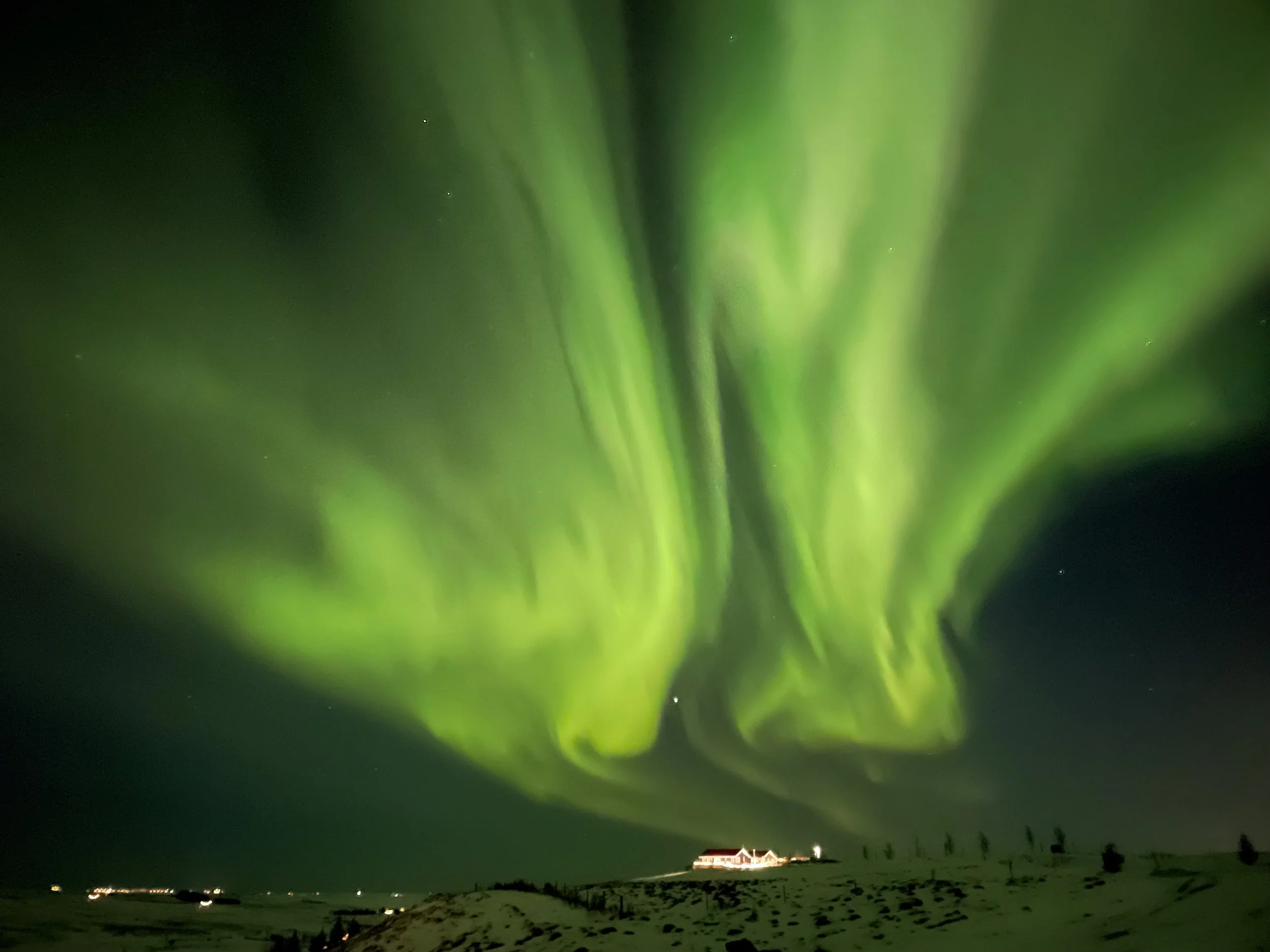
On night three, still overcoming jet lag, we woke up at 3am and spotted the Aurora putting on a show above our cabin. We layered up, went outside and walked towards Lake Inari, distancing ourselves from the hotel lights. It took half an hour for our eyes to adjust to the darkness. We stared upwards as ribbons of green stretched across the starry night sky, swirling and waving in brilliant formations. The Aurora would vary in strength, fading away then reappearing as fast moving bands that danced and shimmered overhead.
Pro Tips. It’s easier to observe the Aurora in total darkness, away from bright lights and cities. The Aurora is always fainter and less vibrant in person than in photos.
Places to Eat
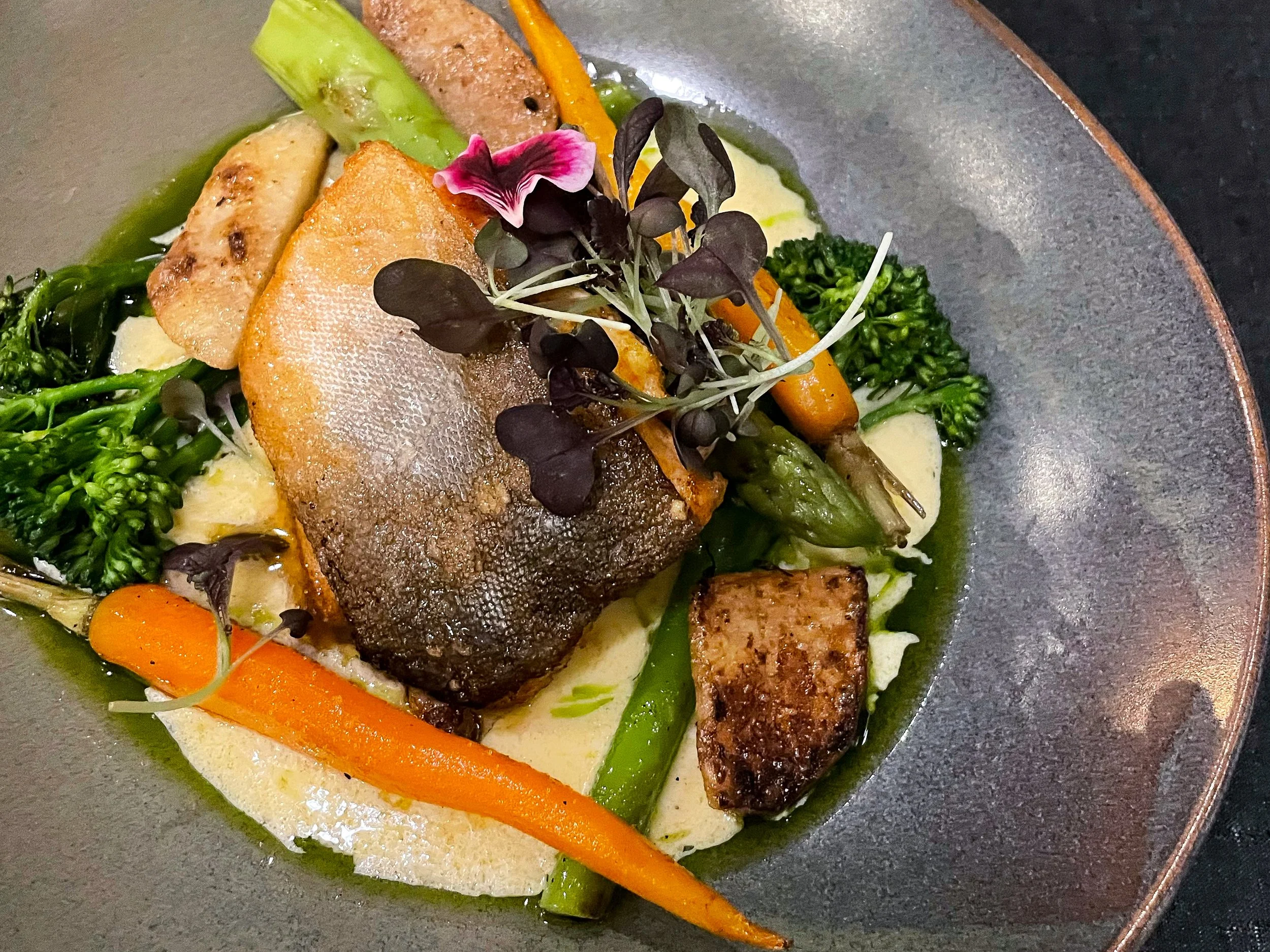
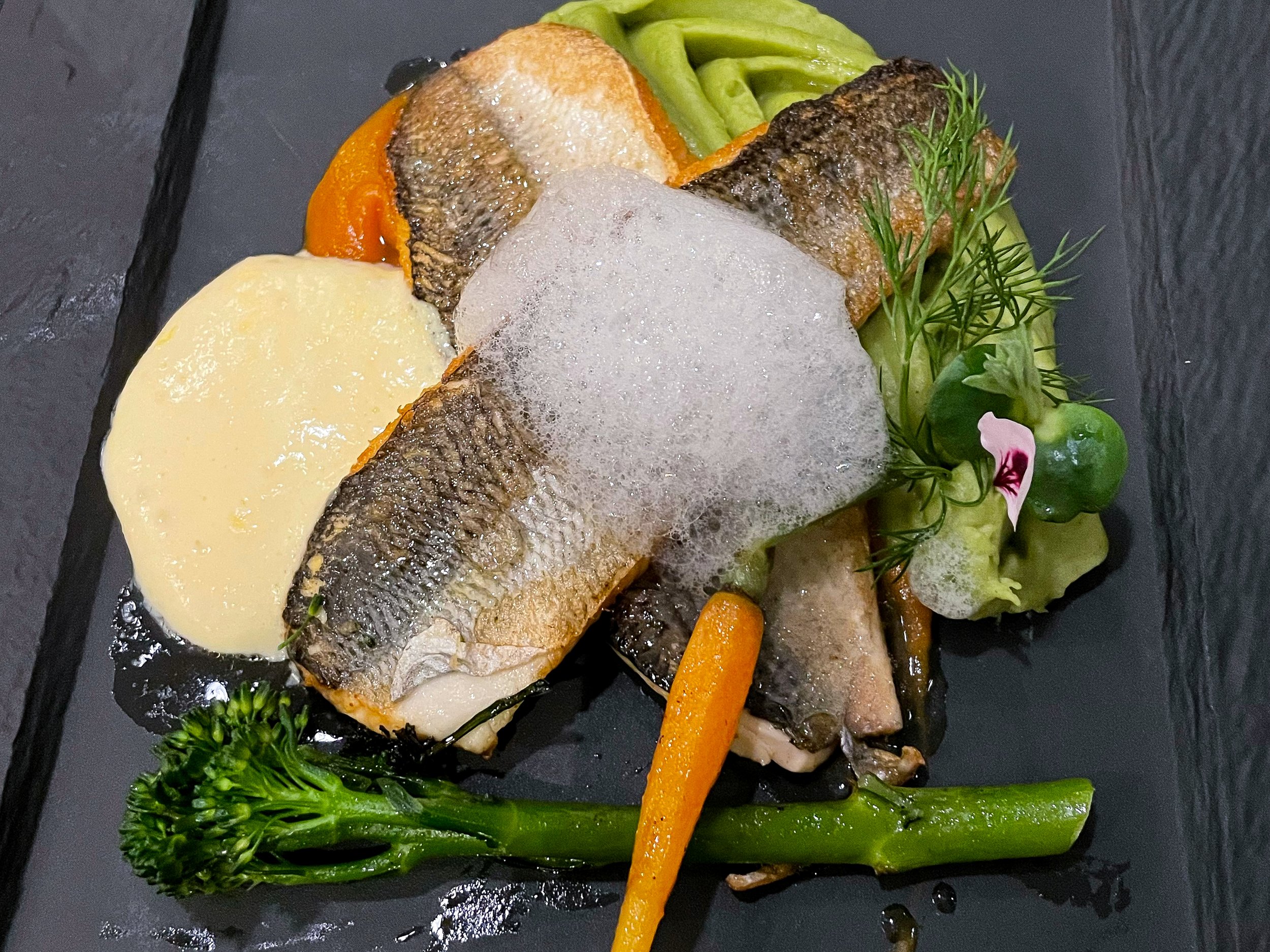
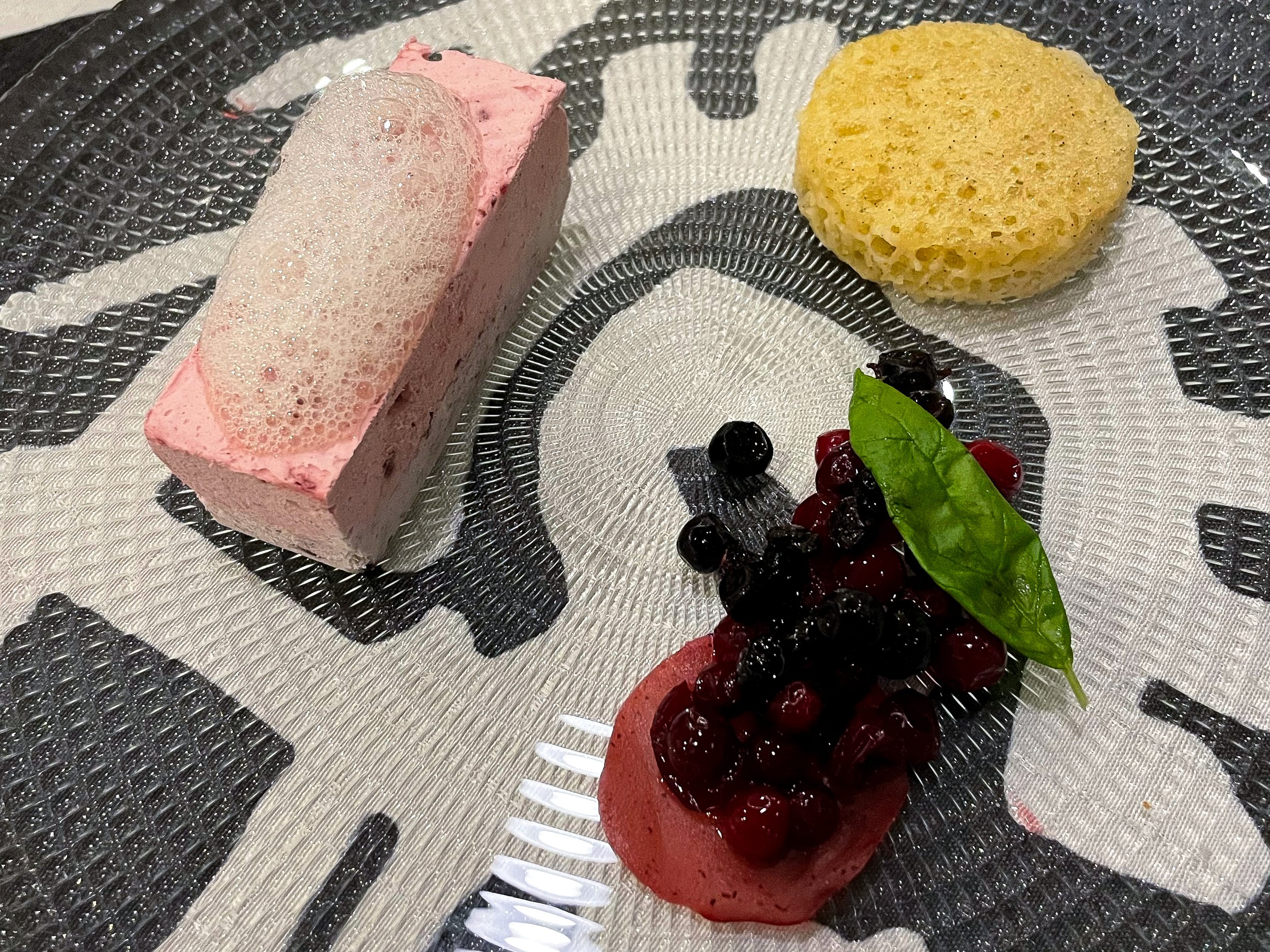
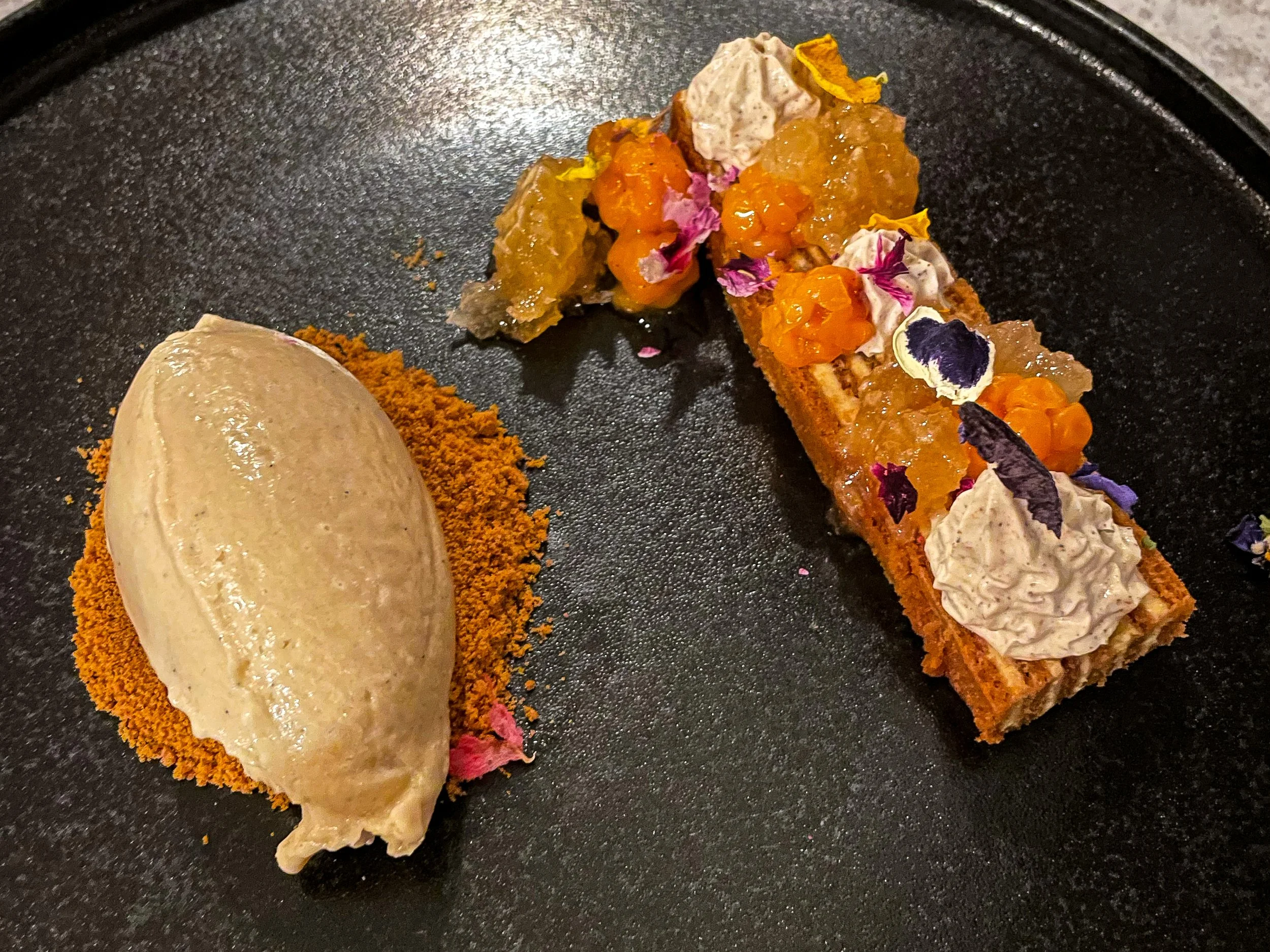
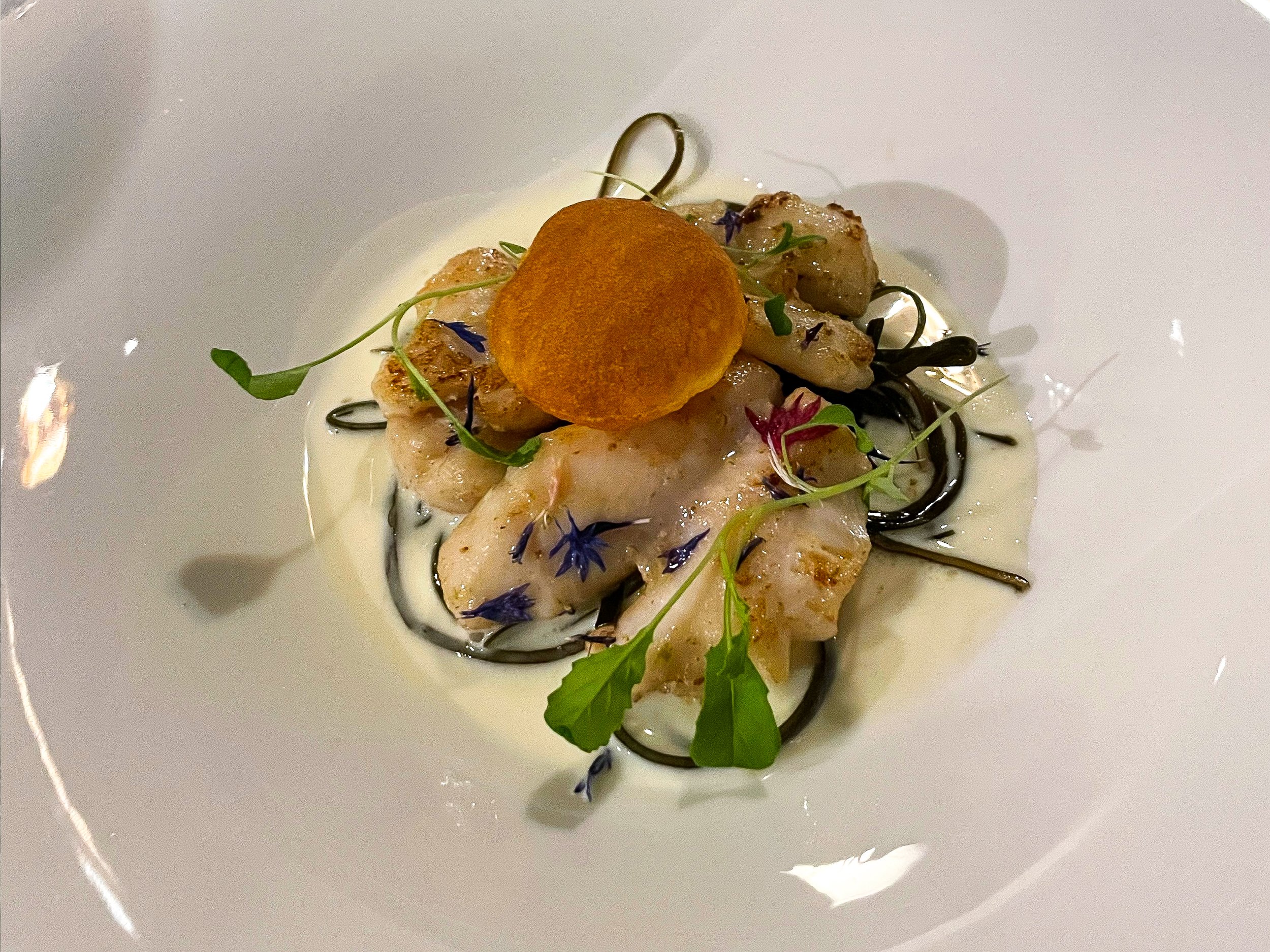
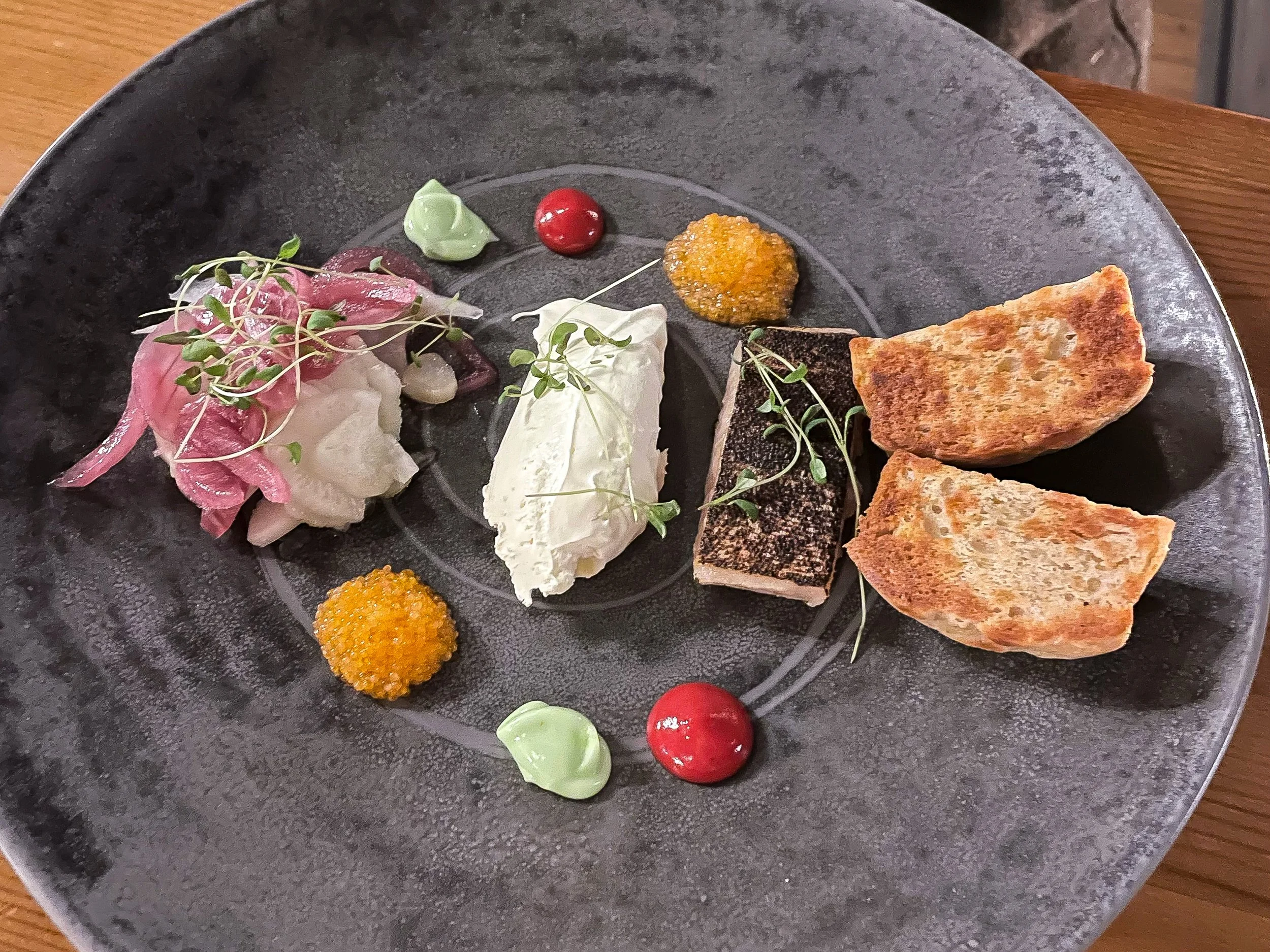
Restaurant Aanaar. A fine dining restaurant at the Hotel Juutua. The contemporary menu is made with locally sourced ingredients true to Sámi and Finnish cuisine. The dining room has a warmly lit interior overlooking the Juutuanjoki River. Order a mix of dishes like the roasted parsley roots, smoked beets, pickled white fish, fried cod tongue, charred cod cheek and cloudberry honey cake. The table next to us ordered smoked reindeer heart.
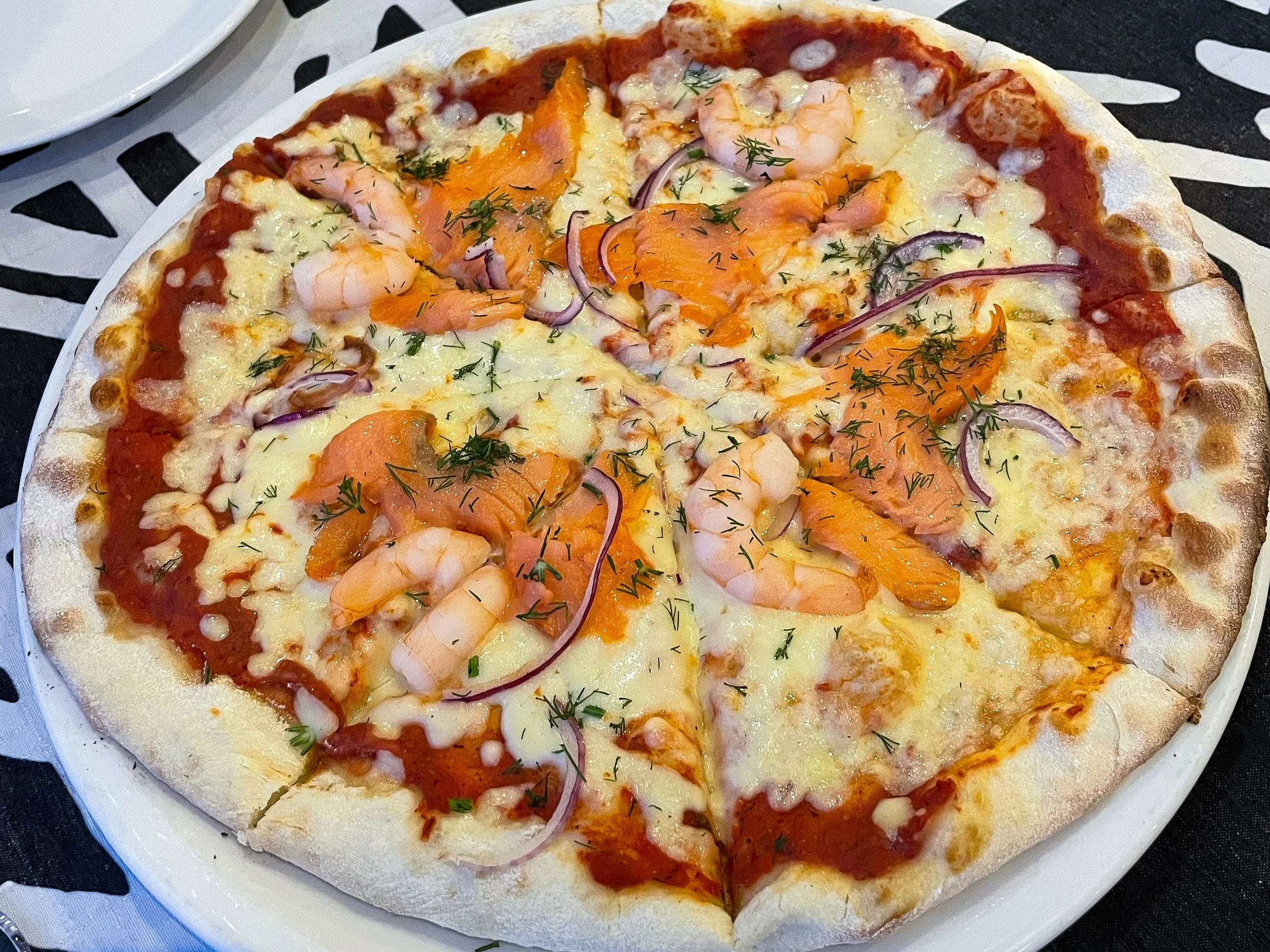
Restaurant Aurora. A contemporary restaurant at the Visit Inari Hotel with Lappish dishes. The dining room overlooks Lake Inari and is decorated in Sámi art. For dinner, try the Lake Inari white fish with dill potato purée, bourbon glazed Arctic char, lingonberry and blueberry parfait. For lunch, the Arctic pizza with cured salmon, shrimp and dill toppings.
Restaurant Ukko. A restaurant at the Inari Wilderness Hotel with views of Lake Inari. The dining room is decorated with timber beams, wooden furniture and reindeer antler chandeliers. For dinner, try the celeriac soup with pickled apples, cloudberry cocktail, cured Arctic char and gratinated lake perch.
Saariselkä, Lapland
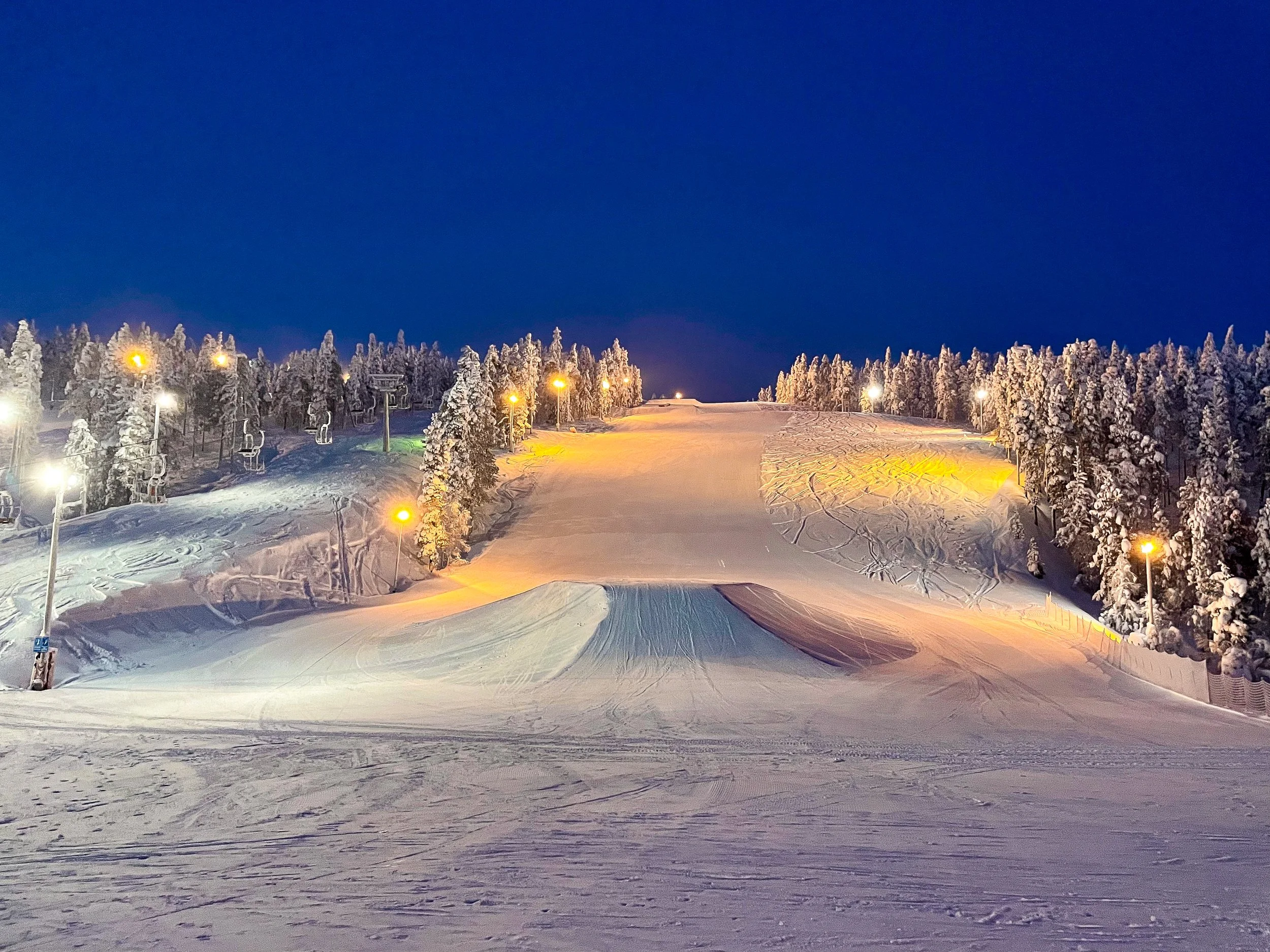
Saariselkä is a winter resort village blanketed in snow, its slopes and back country trails traversed by skiers, snowboarders and tobogganers. The town is located 1 hour southeast of Inari, making it the perfect place to enjoy nearby winter activities.
Saariselkä Ski & Sport Resort. The most northern winter resort in Europe with two fells (Finnish mountains) and slopes for skiing, snowboarding & tobogganing. It’s known for its 1,200 meter Toboggan Run, the longest in Finland.
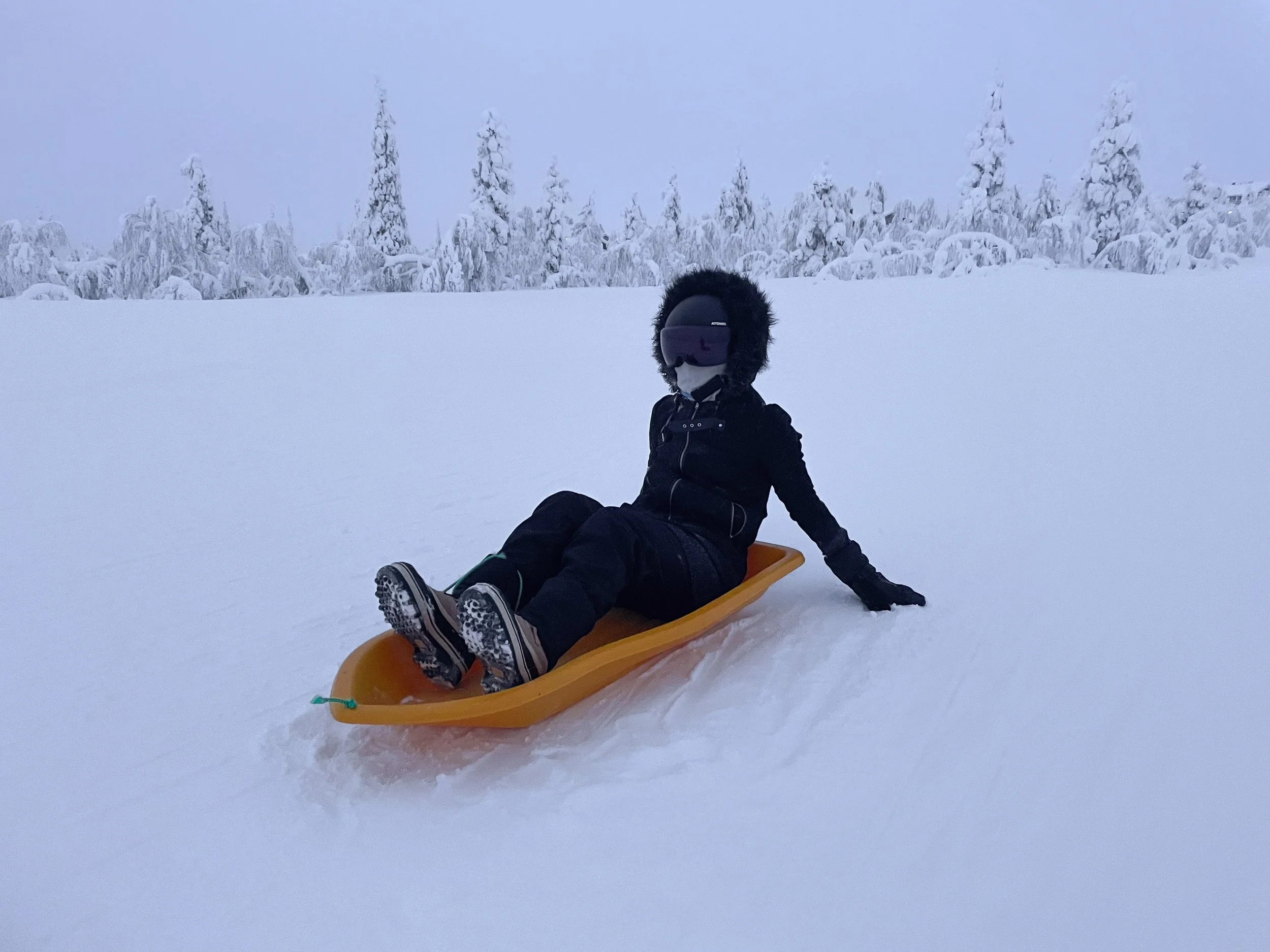
Toboggan Run. We visited Saariselkä specifically for the toboggan run. After taking a lift to the top of the fell, we reached the run. We sat in our sleds and pushed off, quickly picking up speed as we sledded straight downhill. Halfway down, the run flattened out before becoming steeper with twists and turns. It was exhilarating as we picked up speed, controlling direction of the sled by hand and slowing down by foot. Once reaching the bottom, we ran back to the lift with sled in hand ready to ride again.
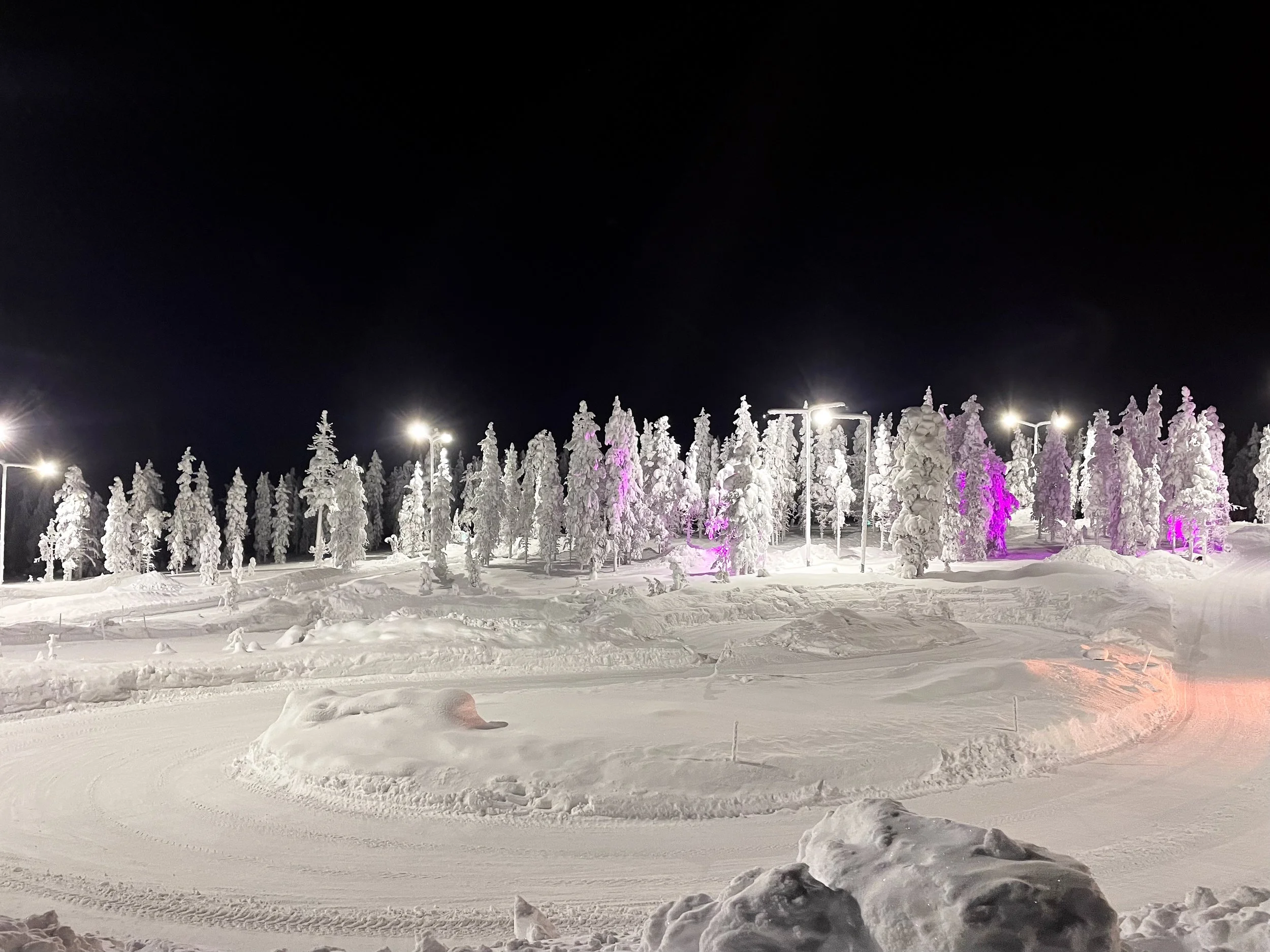
Frozen Ring Ice Karting. Exactly as it sounds, go-karting on an outdoor snow and ice track. Late in the day and with the track to ourselves, we raced each other, drifting around corners and spinning into snowbanks. In just over 15 minutes, we were able to complete 8 laps before sliding across the finish line. It cost €65 each. Though expensive, it was a one of a kind experience and well worth it. Book here!
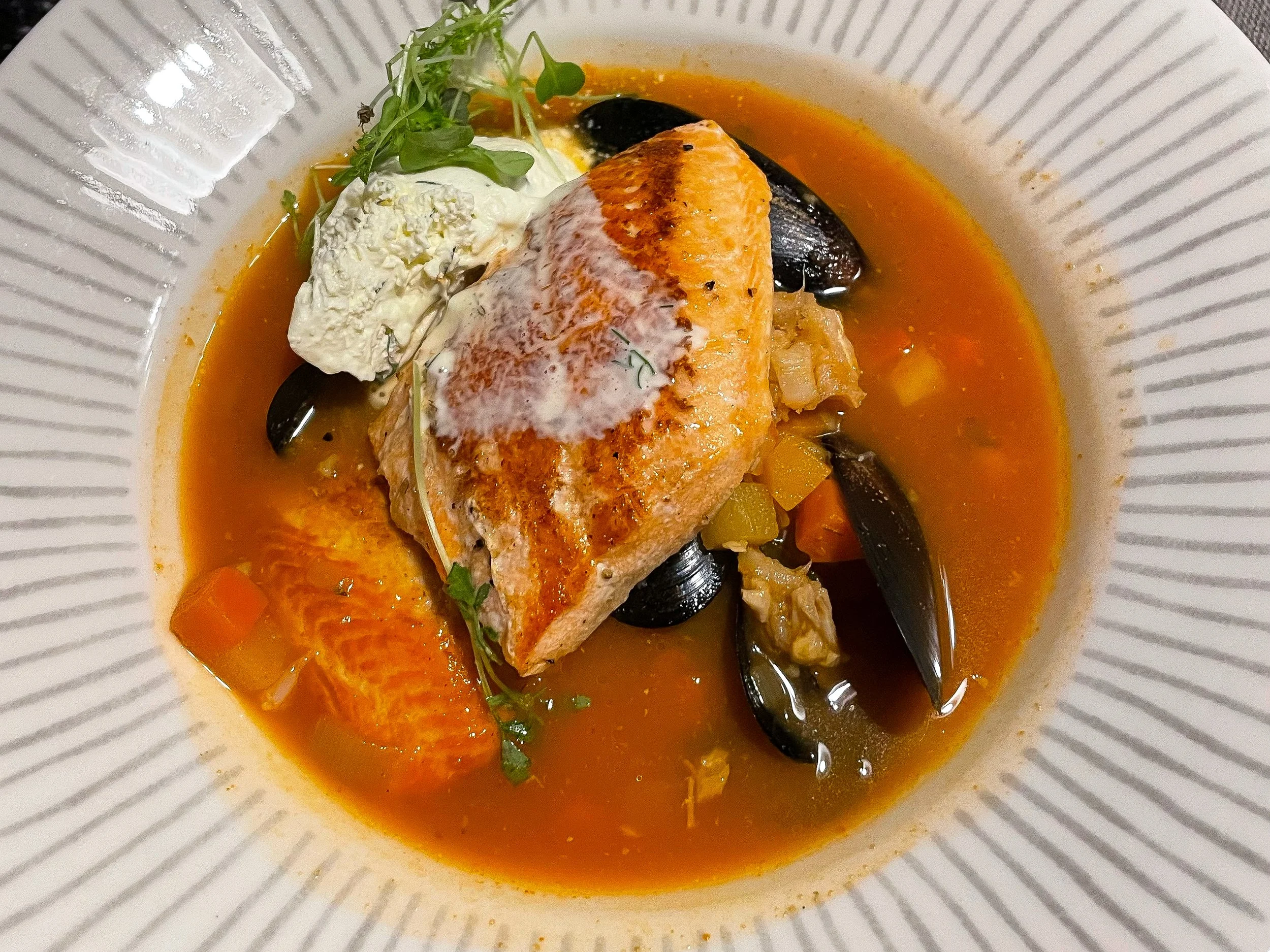
Restaurant Pirkon Pirtti. Come for the arctic bouillabaisse made from shrimp, arctic char, cod, mussels, sour cream and dill. We also tried the Arctic seafood platter with roasted Arctic char, pan fried Inari white fish and smoked salmon. For dessert, the cloudberry parfait with “Aurora sauce.” It has a wooden interior with a stone fireplace.
Pub Panimo. A pub with a selection of Finnish and foreign beers in a cozy beer hall with wooden tables, a stone fireplace and musician stage.
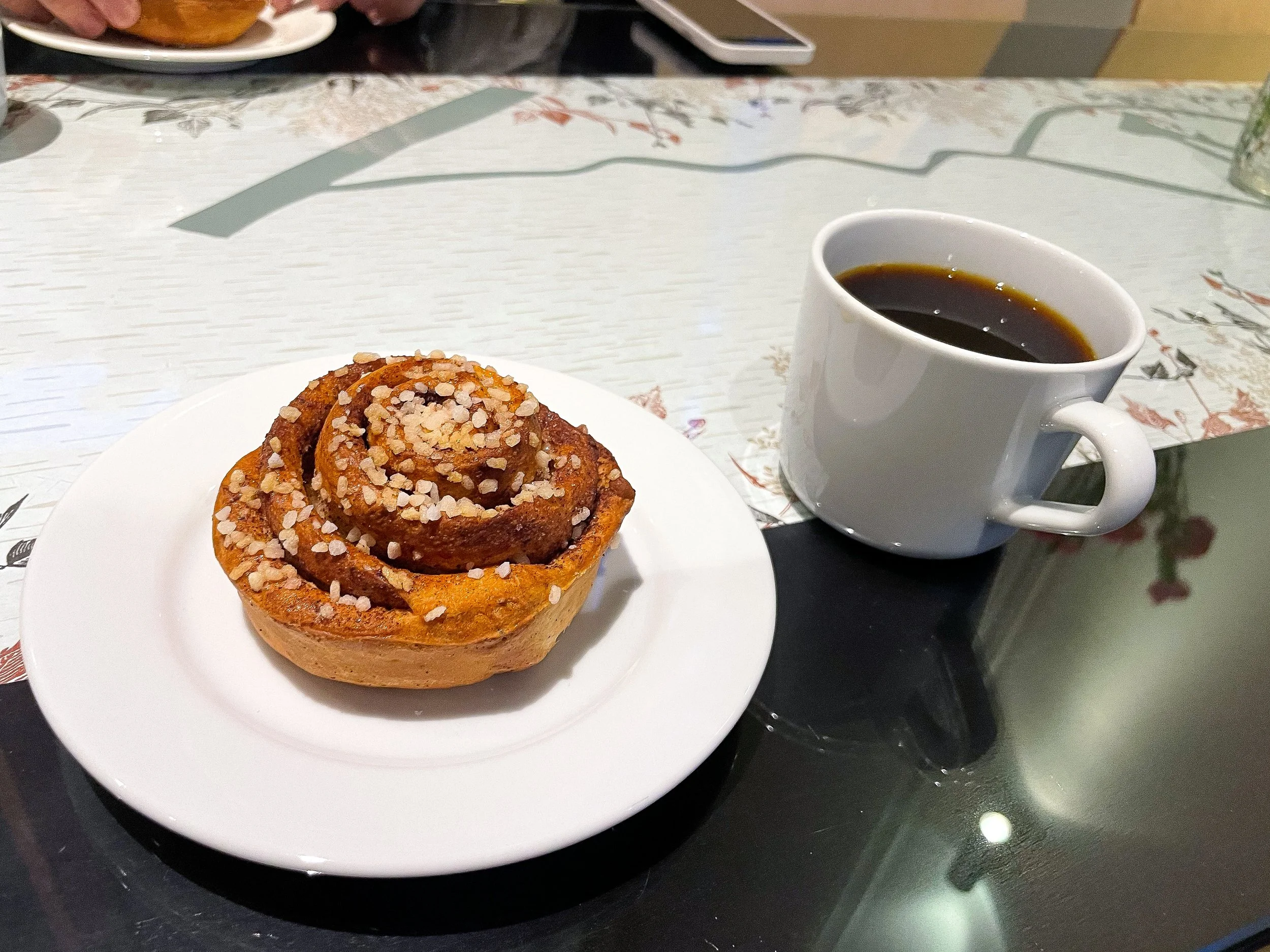
Lappish Cuisine
Cuisine in Lapland is heavily based off of local, wild and foraged ingredients. Food is one of the best ways to experience Lapland.
Root Vegetables. Celeriac, parsley root, beets, potatoes and carrots are commonly used in Lappish cuisine, often served roasted, pickled, puréed or in soups.
Berries. Popular throughout Lapland. Berries are often foraged. Try them fresh or jammed.
Cloudberries. Orange berries of clustered round nodules that resemble clouds. Their taste is entirely unique but has notes of peach and nectarine.
Lingonberries. Little red berries that have a sweet and tart taste, similar to a cross between cranberry and pomegranate.
Blueberries. Smaller and sweeter than US blueberries.
Wild Mushrooms. Foraged and prepared in various dishes, sauces or pickled. Trumpet Chanterelle is one of the most common.
Freshwater Fish. Whitefish, salmon, arctic char and perch are commonly caught in Lake Inari. They’re often served grilled, smoked or pickled and served with dill.
Reindeer. Though we didn’t try it, reindeer is regularly served in various forms at restaurants and sold at markets across the country.
Skagen. Cold water prawn salad. It consists of prawn mixed with mayo, sour cream or mustard and garnished with dill and fish roe often served on rye bread.
Lihapiirakka. A traditional Finnish pie typically made with savory ingredients like meat, rice, onion and herbs wrapped in puffy pie dough.
Rye Bread. Flat round discs of rye bread. They’re common at breakfast with butter and cheese or as a base for open faced sandwiches.
Korvapuustit. A pastry made from sweet dough rolled with cinnamon and cardamom.
Karelian Pie. An open-faced, oval-shaped rye crust pie with crimped edges, filled with porridge. Try it with jam or yogurt.
Runeberg Torte. A small cylindrical almond and rum cake with a raspberry jam and icing ring topping. It’s named after a Finnish writer and often served in January.
Beers. Lagers and pale ales are very popular in Lapland.
Lapin Kulta, A light beer made in Lapland also called Lapin Gold.
Saana, A Lapland brewed pale ale.
Karhu, A lager with a bear logo.
Karjala, A slightly hoppy lager.
Glögi. Spiced hot wine.
Location Specifics
Language. Finnish, Swedish and English are the most commonly spoken languages.
Sámi Culture. Show respect to the Sámi people, culture and traditions.
Costs. Finland, like much of Scandinavia, is an expensive destination.
Cash vs. Card. Cash is rarely used across the country. Use credit or debit cards for most transactions.
Tipping. Tipping is not expected or required. Tip 10% for exceptional service.
Temperature. Lapland gets very cold during the winter. The temperature dropped to -28C (-18F) before windchill one night. Dress in several warm layers, cover all exposed skin, and use hand and toe warmers.
Driving. Driving is easy during the winter. The roads are regularly plowed. All rental cars are equipped with snow tires. Rent a car at the Ivalo airport from Green Motion.
Elsewhere in Nordic Europe
From Lapland’s Northern Lights and Arctic wilderness to Tromsø’s fjords, Copenhagen’s urban design culture and Iceland’s volcanic landscapes, explore more of Nordic Europe through these travel guides:
Copenhagen Travel Guide: Nyhavn, Christmas Markets & Scandinavian Cuisine. Wander along Copenhagen's colorful canals where wooden ships, historic castles and Danish culture meet Scandinavian cuisine and festive Christmas markets.
One Day in Helsinki: Finnish Sauna & Waterfront Sights. Experience a winter day exploring Helsinki's frozen waterfront where local food markets, historic architecture and steaming saunas bring Finnish culture to life.
Tromsø Norway Travel Guide: Northern Lights, Arctic Fjords & Sámi Culture. Explore Tromsø's snowy streets and historic waterfront where Nordic cuisine and Sámi culture meet dramatic fjords, dancing auroras and Arctic adventures.
Iceland Road Trip Guide: Waterfalls, Glaciers & Black Sand Beaches. Road trip through Iceland's otherworldly landscapes where volcanoes, glaciers, waterfalls and black sand beaches create one of Earth's most dramatic journeys.
For Next Time…
We’ve developed a love of Scandinavia and hope to return to Finland one day! When we do, we plan to visit the village of Rovaniemi during Christmas and return to Lapland during the late summer when the berries bloom and the sun doesn’t set.
Copenhagen Travel Guide: Nyhavn, Christmas Markets & Scandinavian Cuisine
Wander along Copenhagen's colorful canals where wooden ships, historic castles and Danish culture meet Scandinavian cuisine and festive Christmas markets.
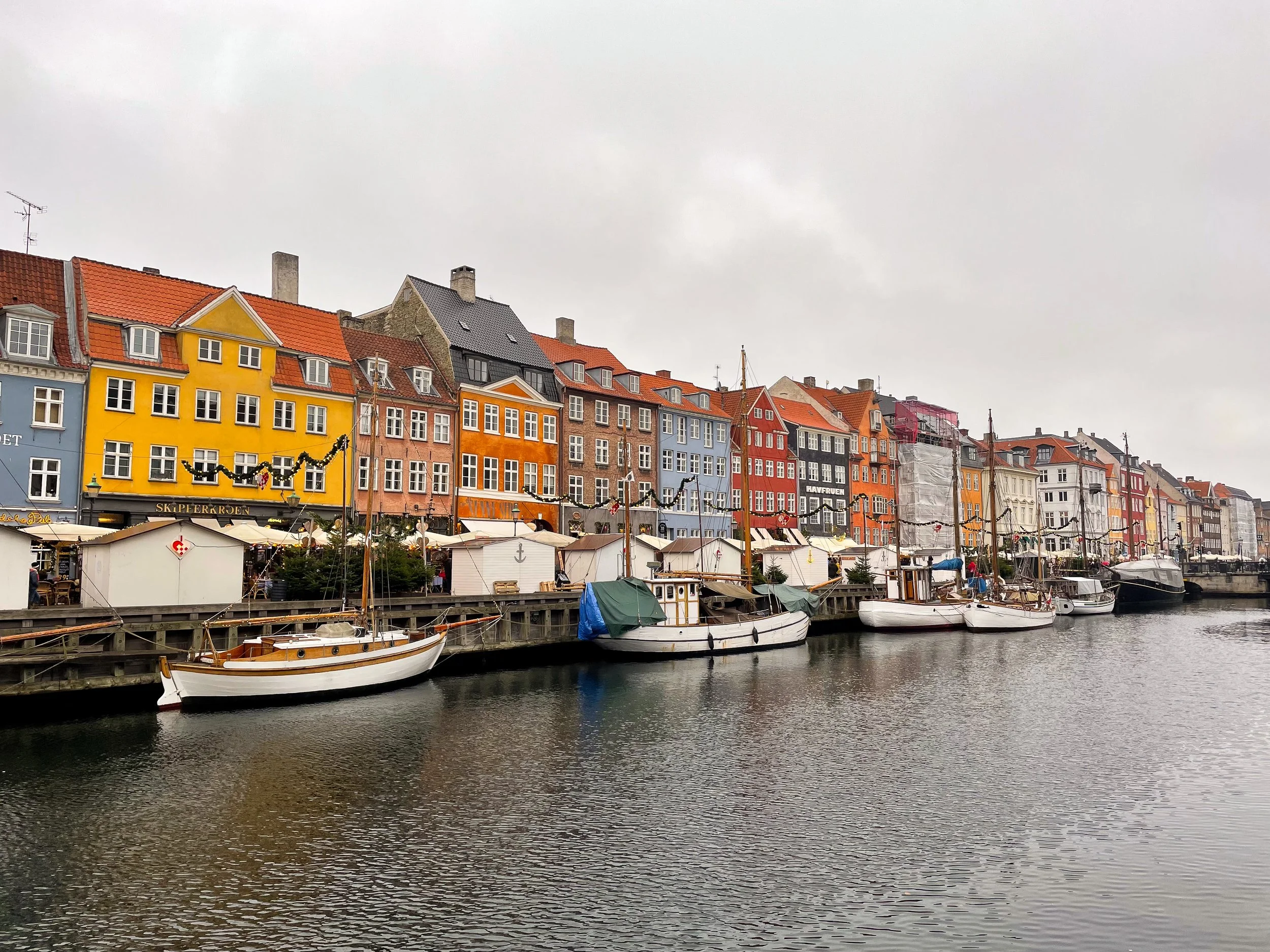
Copenhagen, A Scandinavian City
Copenhagen is consistently ranked as one of the happiest places in the world. The Scandinavian city is home to boat lined canals, cobblestone streets and colorful buildings, centuries old castles and seat of the Danish monarchy. It’s a hub for design, contemporary European cuisine and seasonal Christmas markets. The city tells a rich history through its many museums, historic architecture and canals.
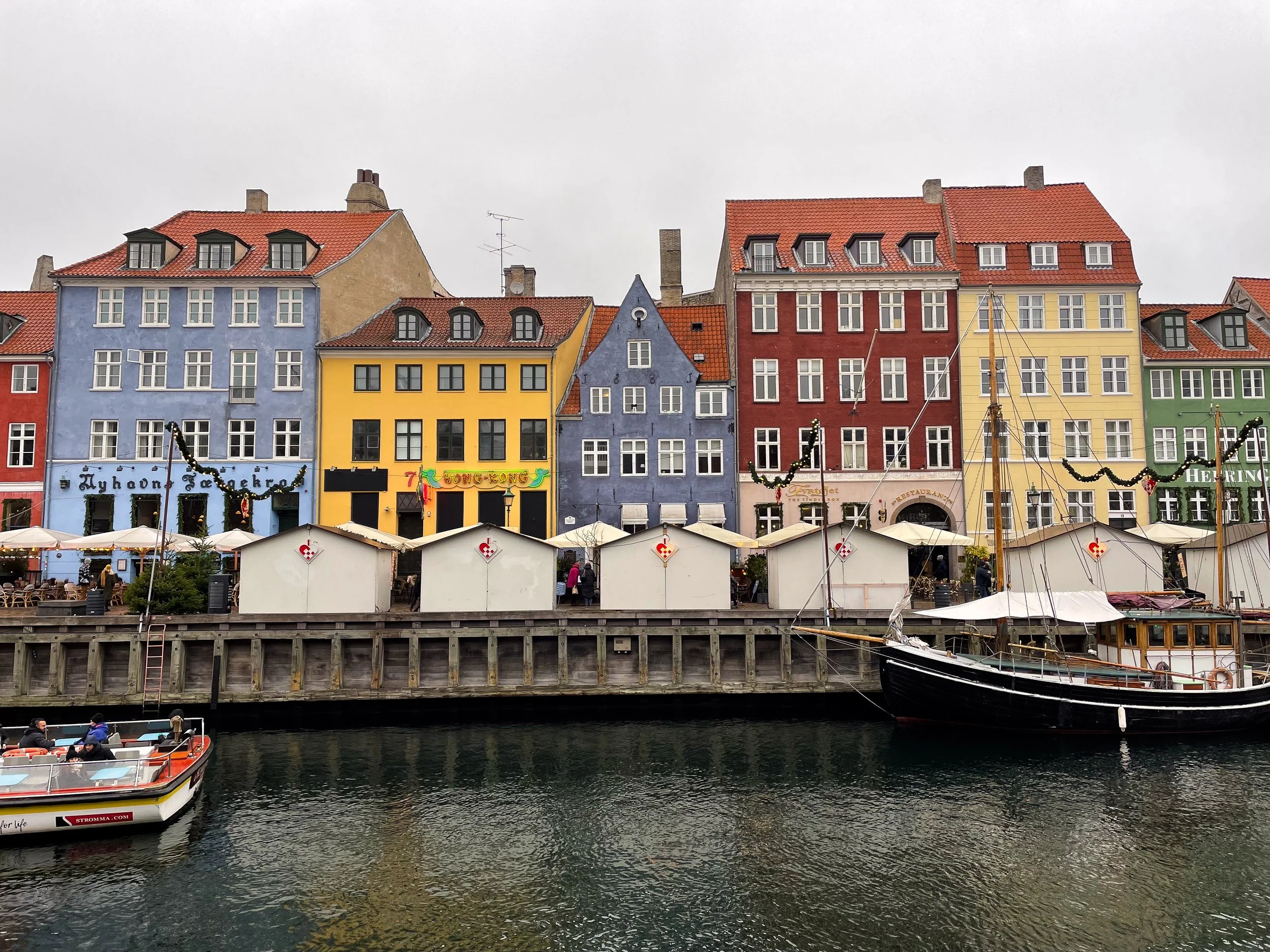
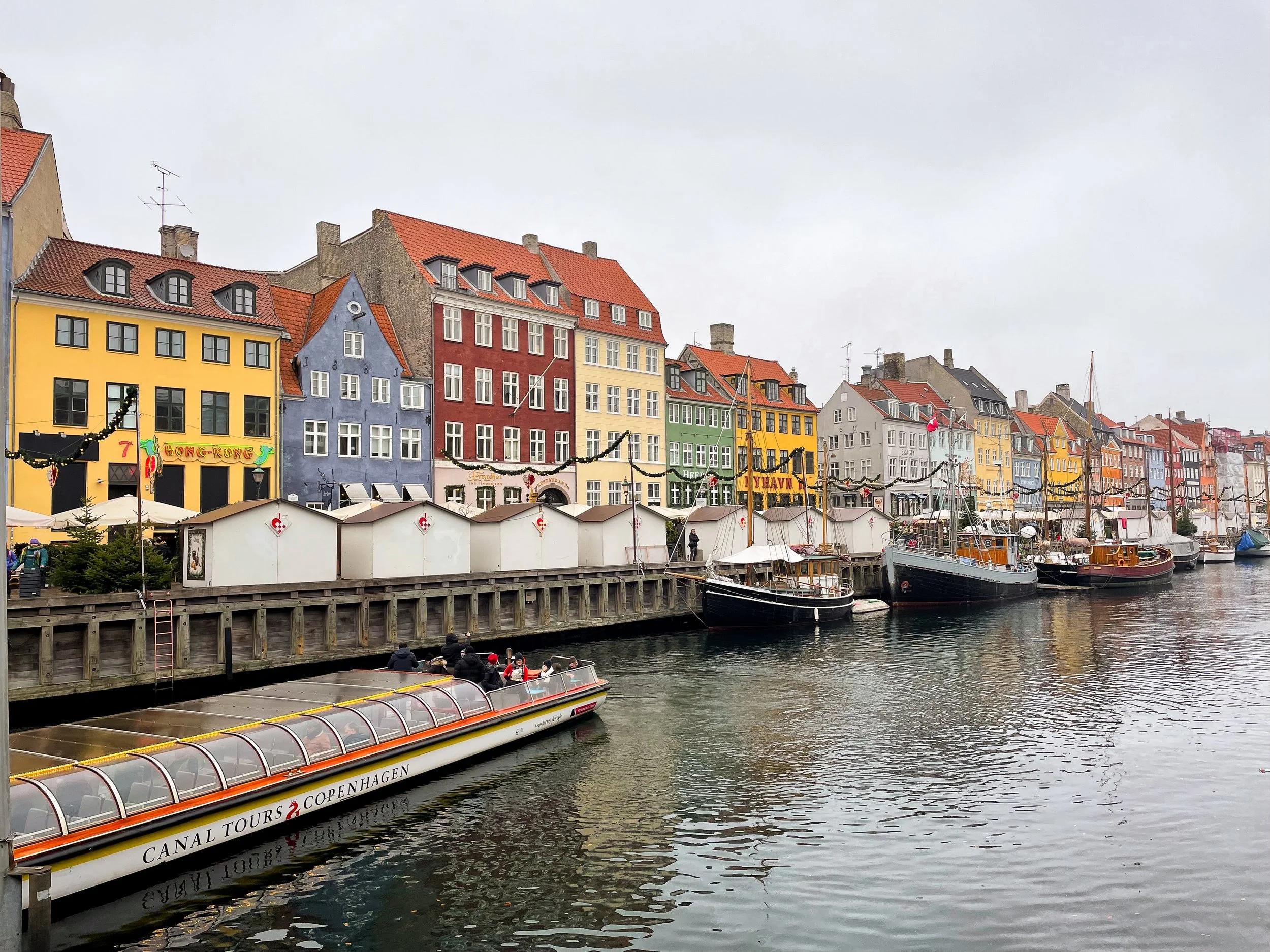
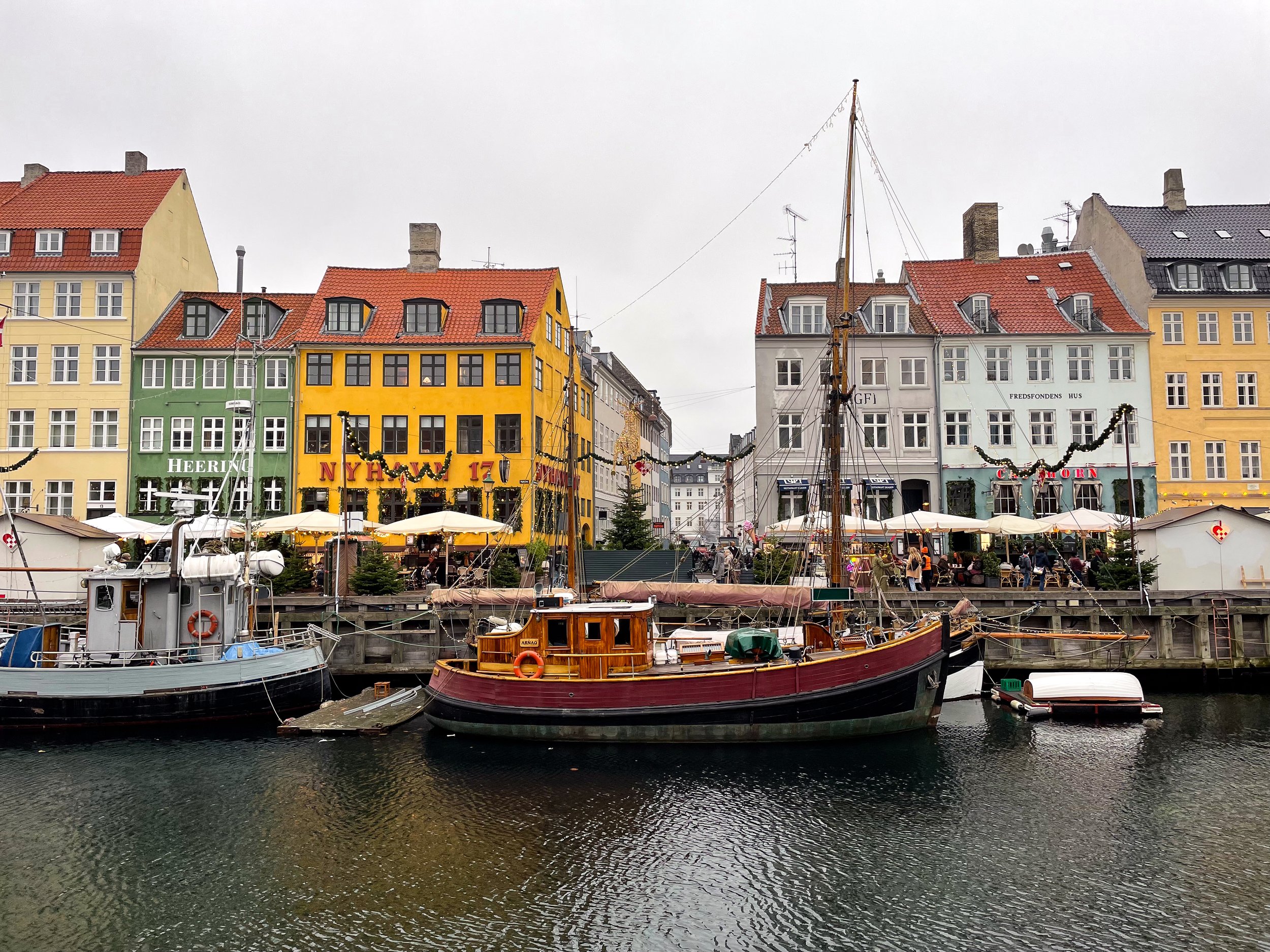
Copenhagen’s Canals & Neighborhoods
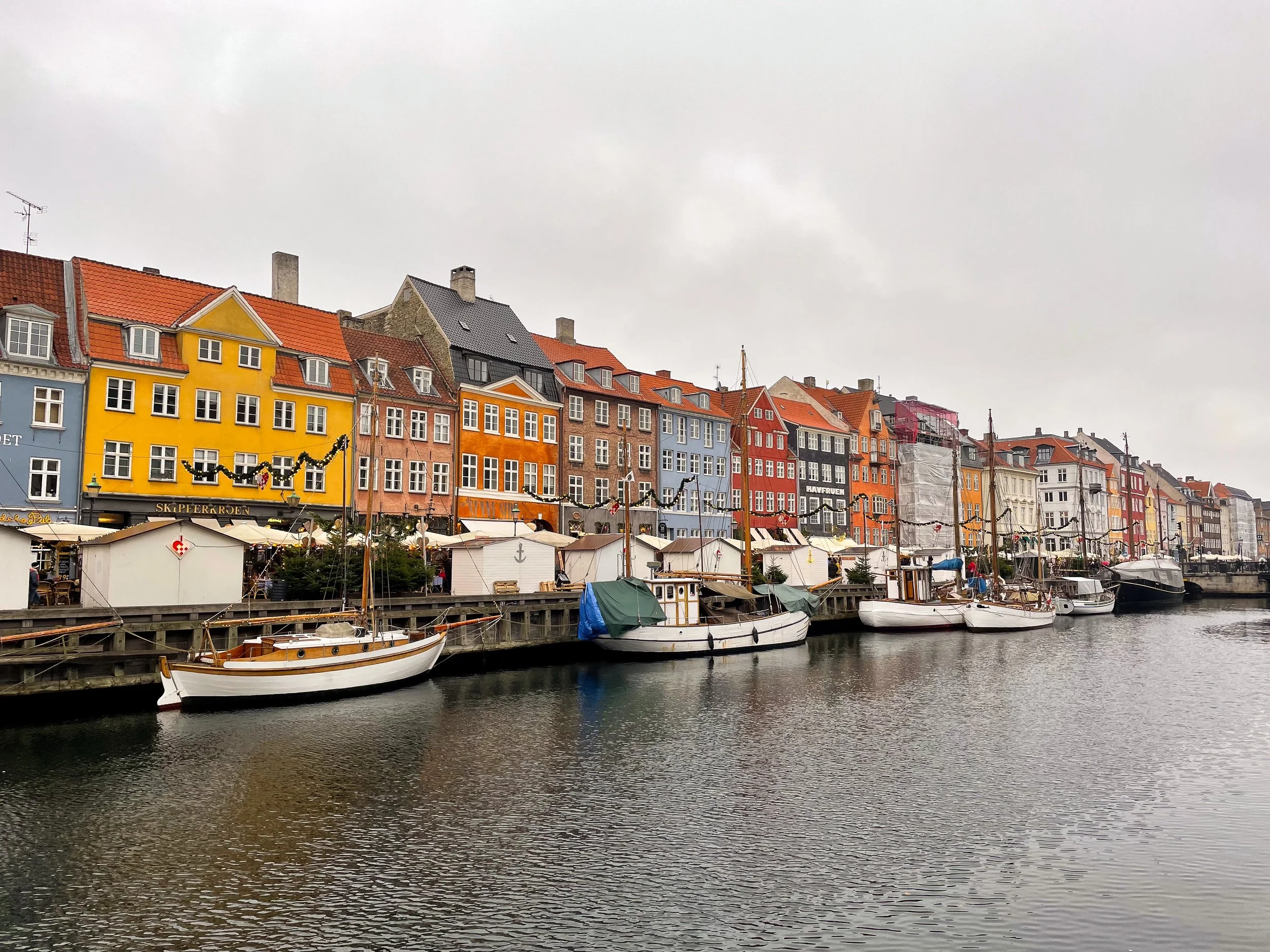
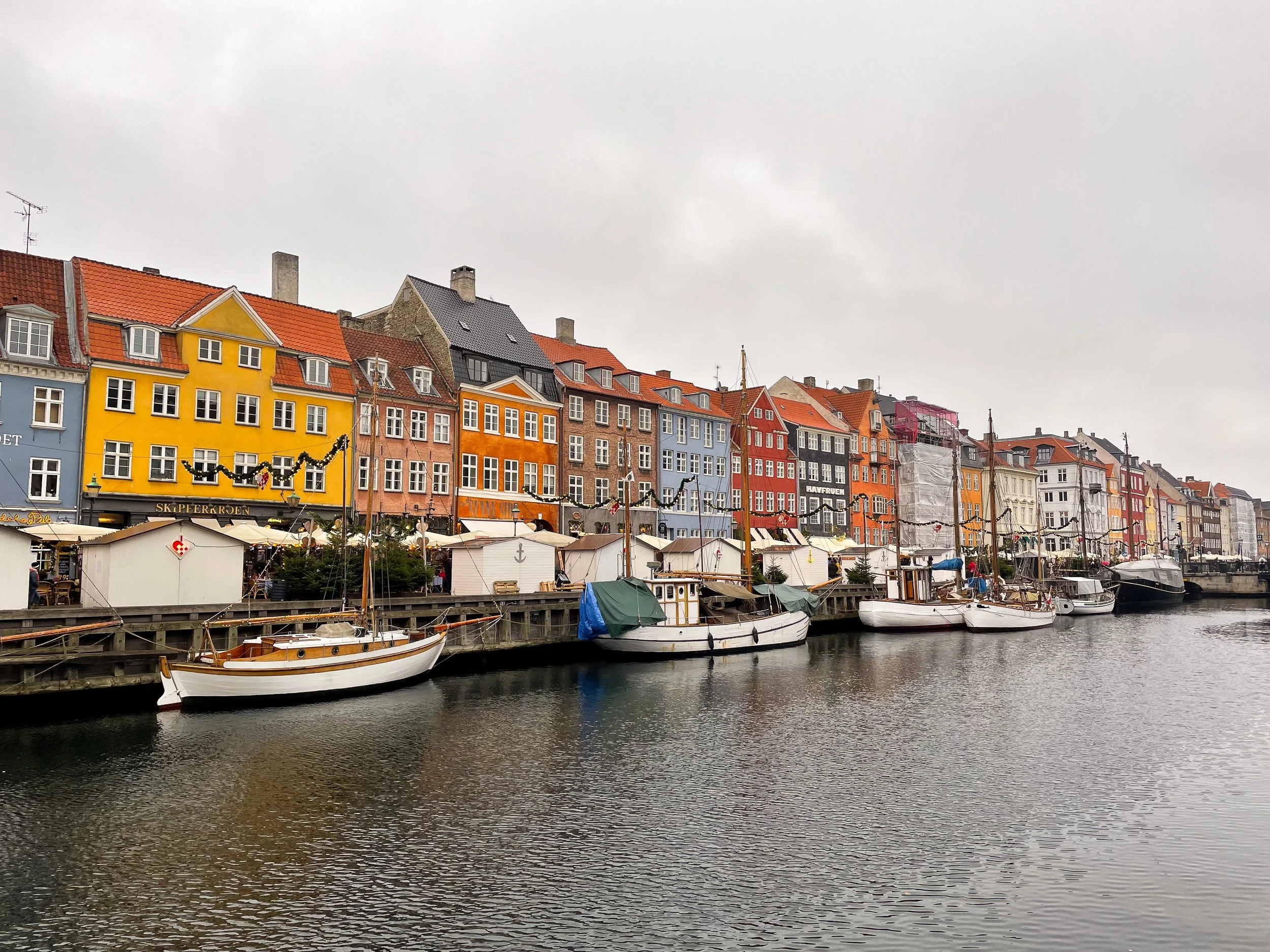
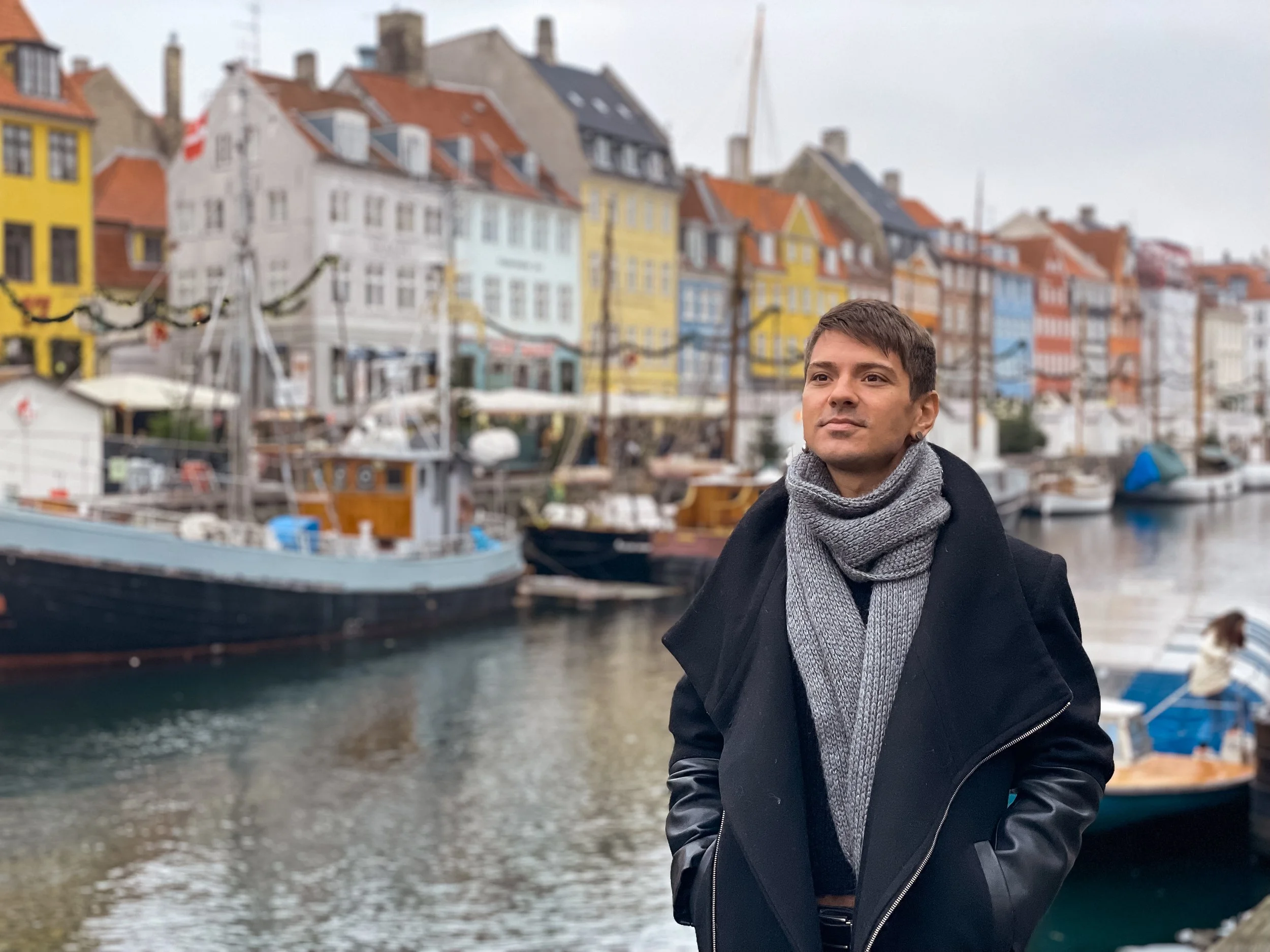
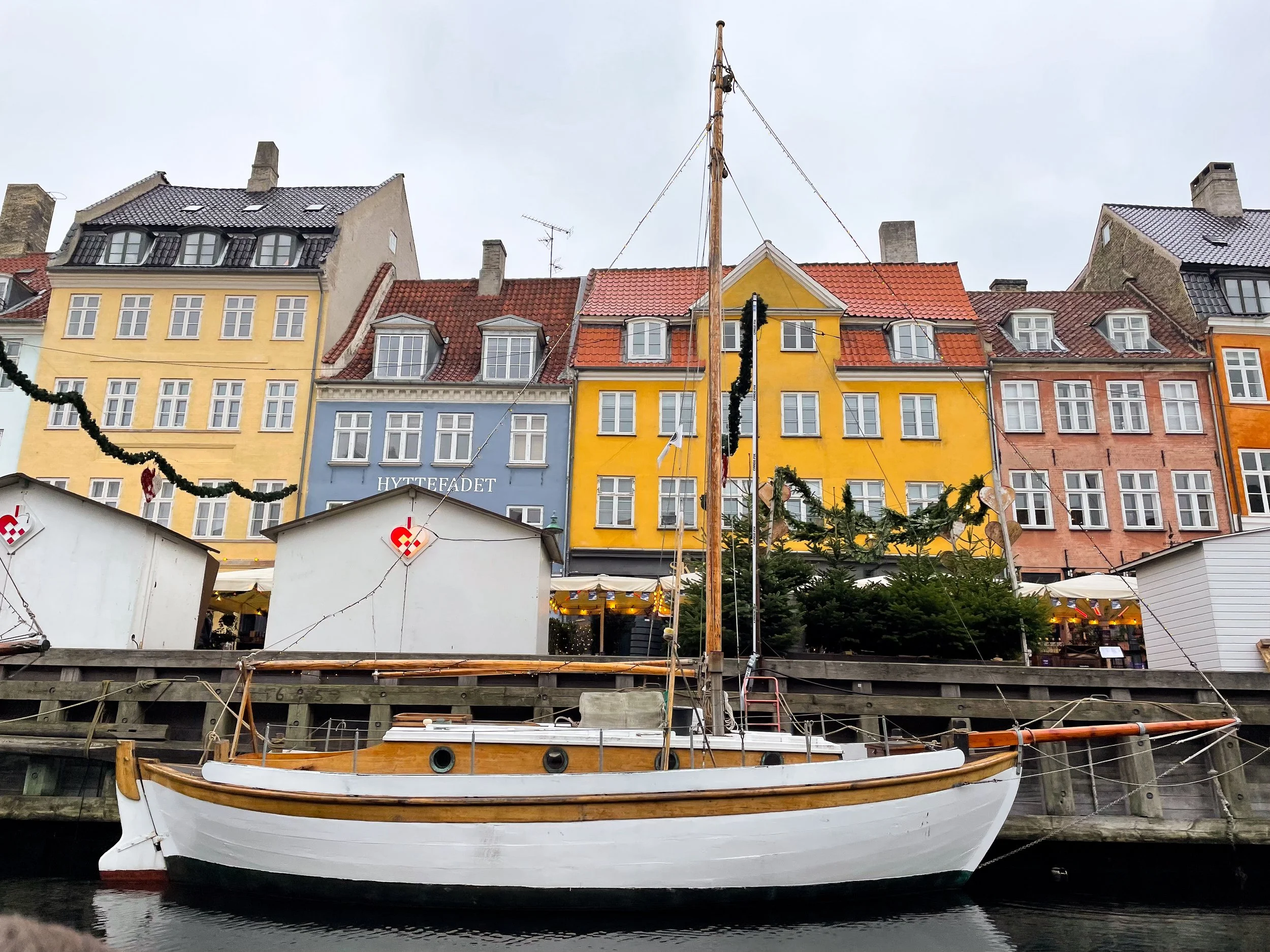
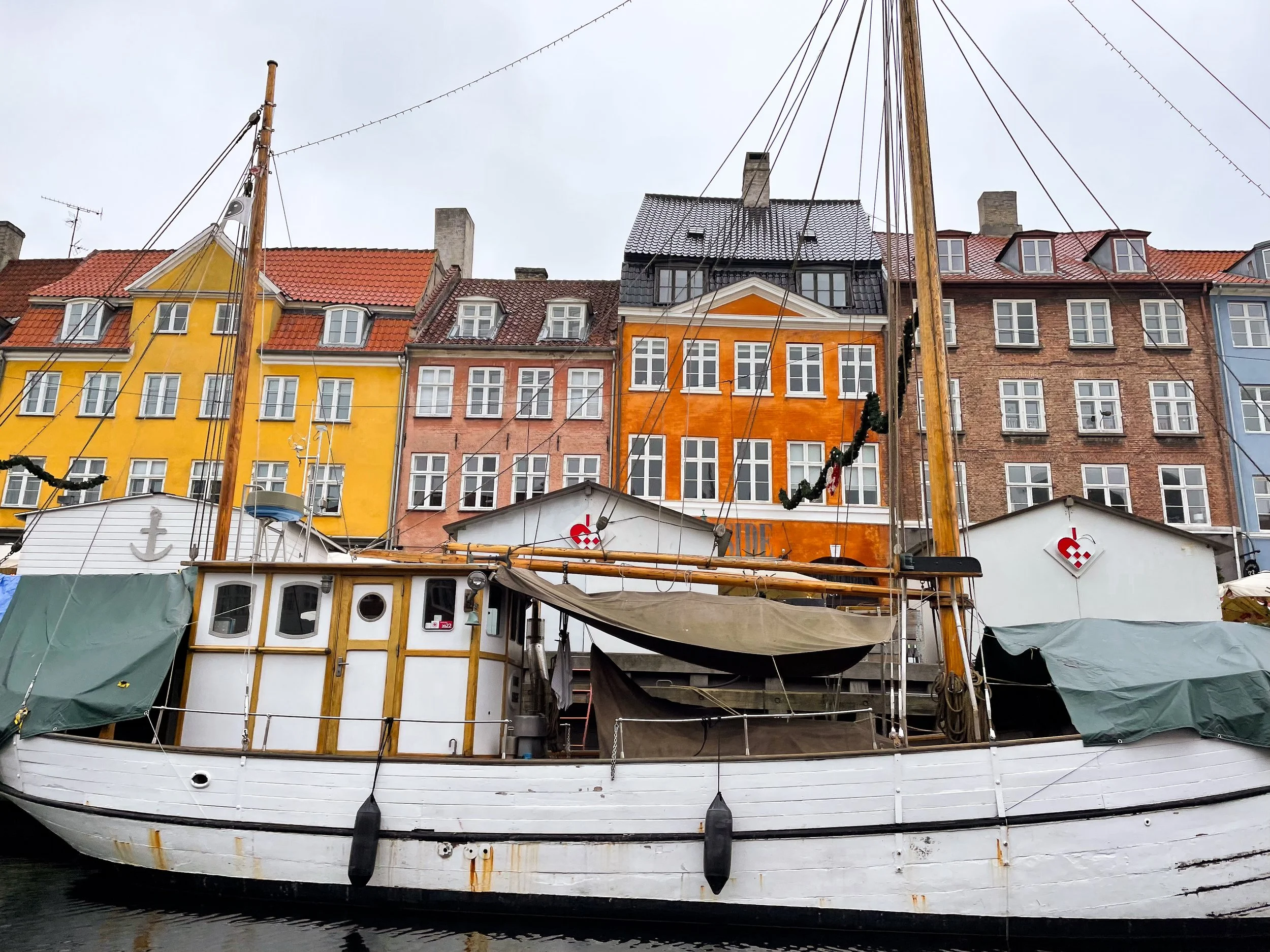
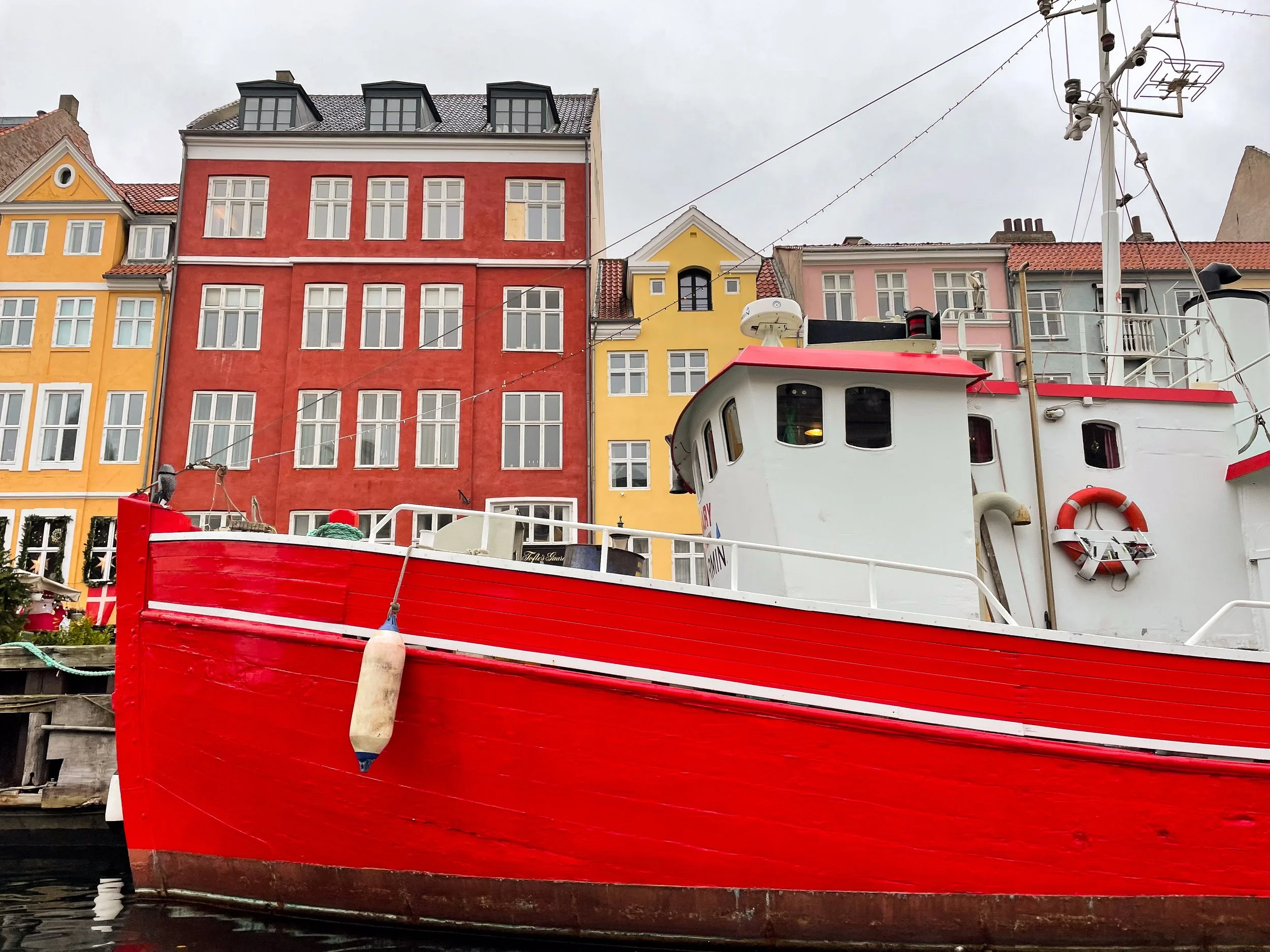
The Nyhavn Canal. A picturesque 17th century canal with historic colorful buildings, old wooden ships, cafes, bars and restaurants, some of which are located on the old wooden ships. Strømma Canal Tours depart from here every hour, leading past many bridges and sights along Copenhagen’s Grand Canal, The Christianshavns Canal and Frederiksholms Canals.
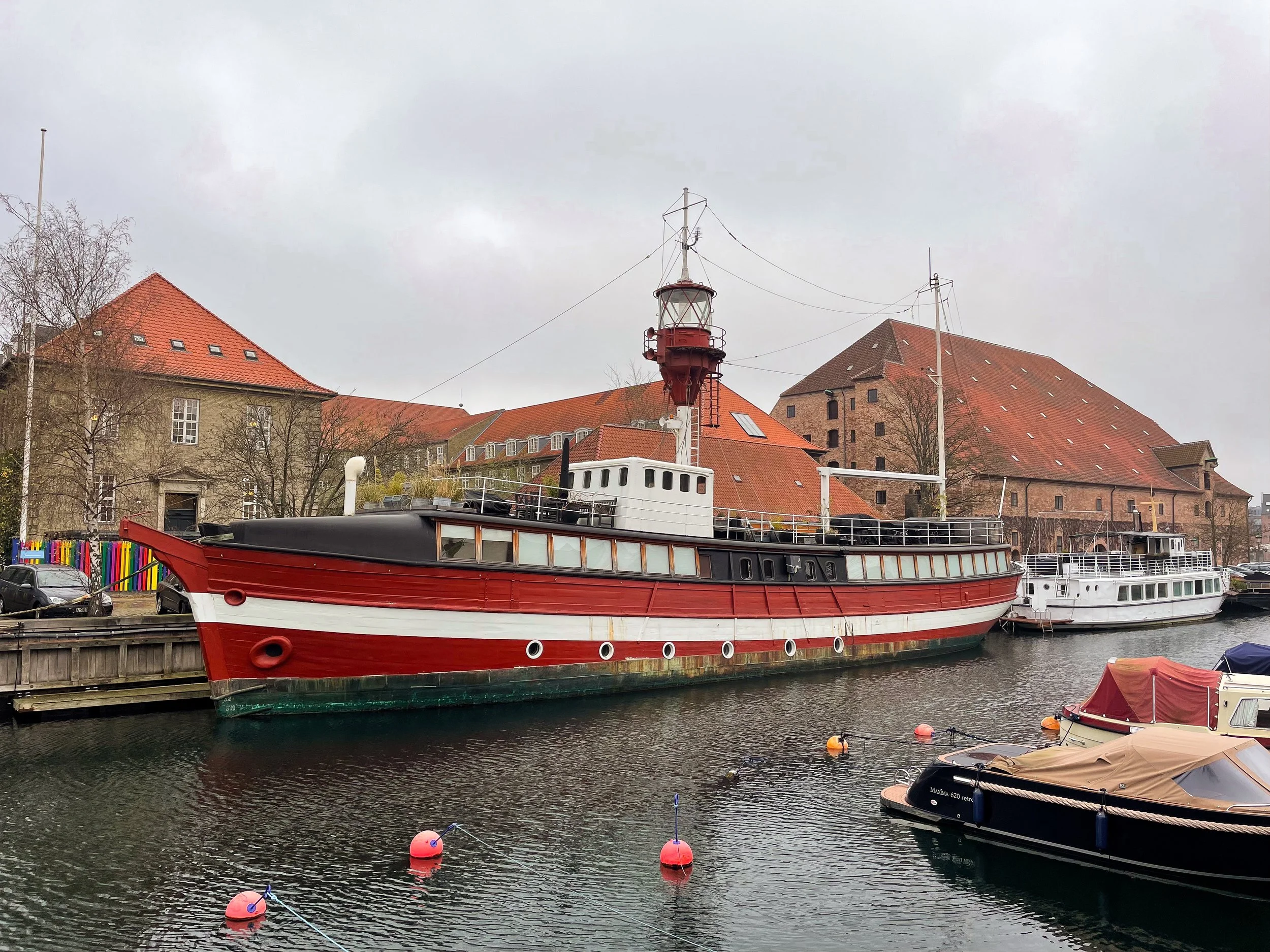
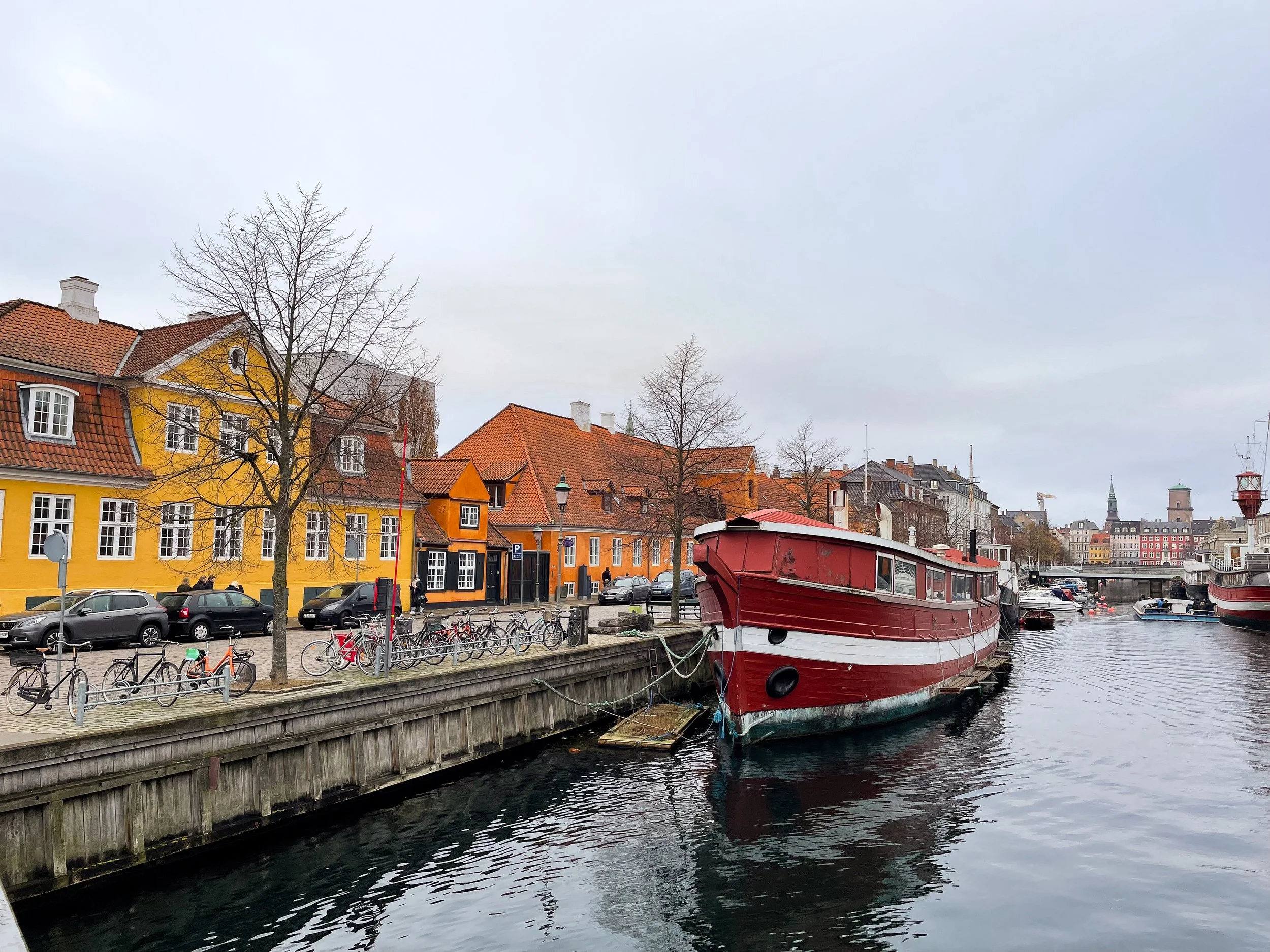
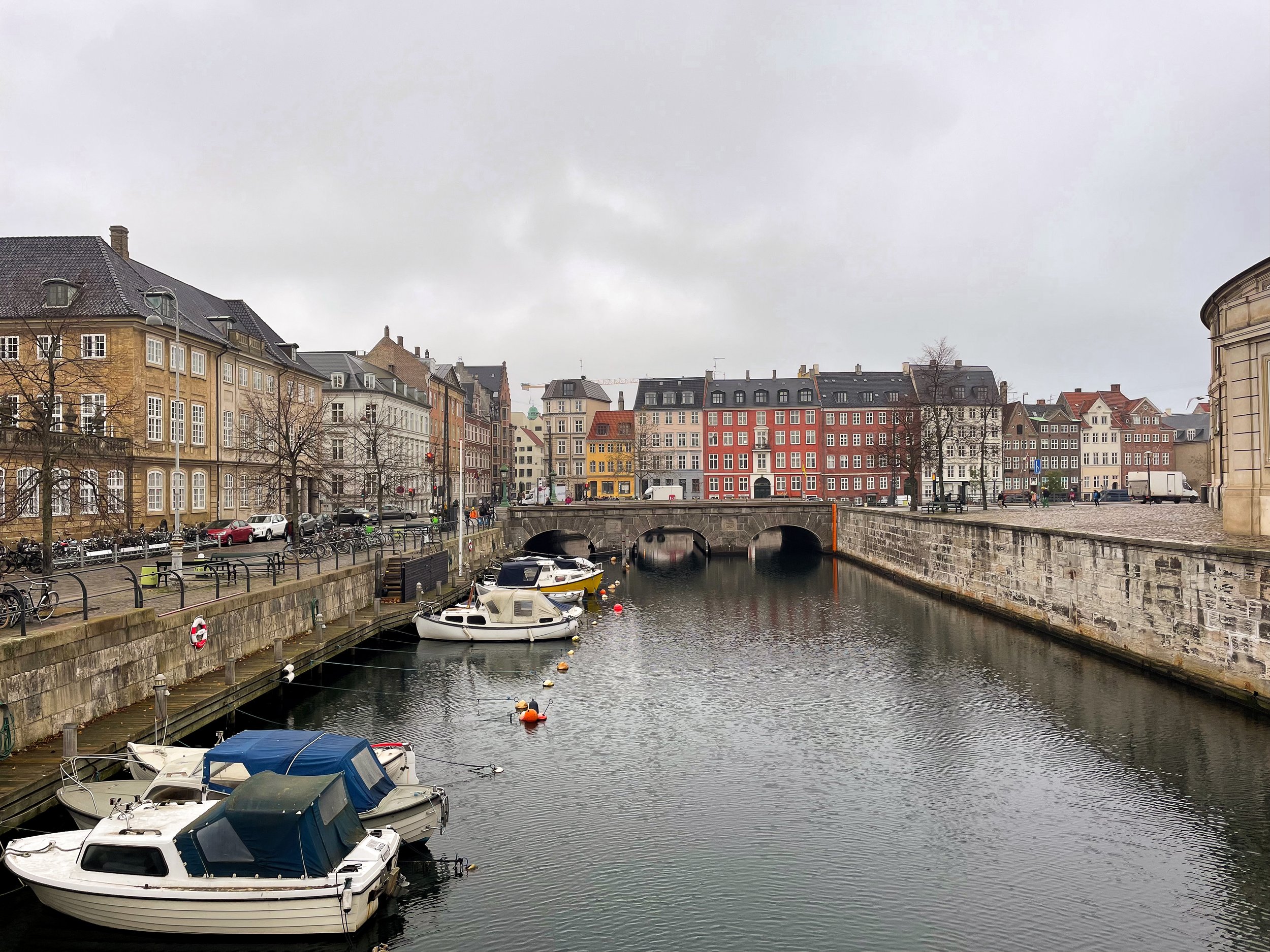
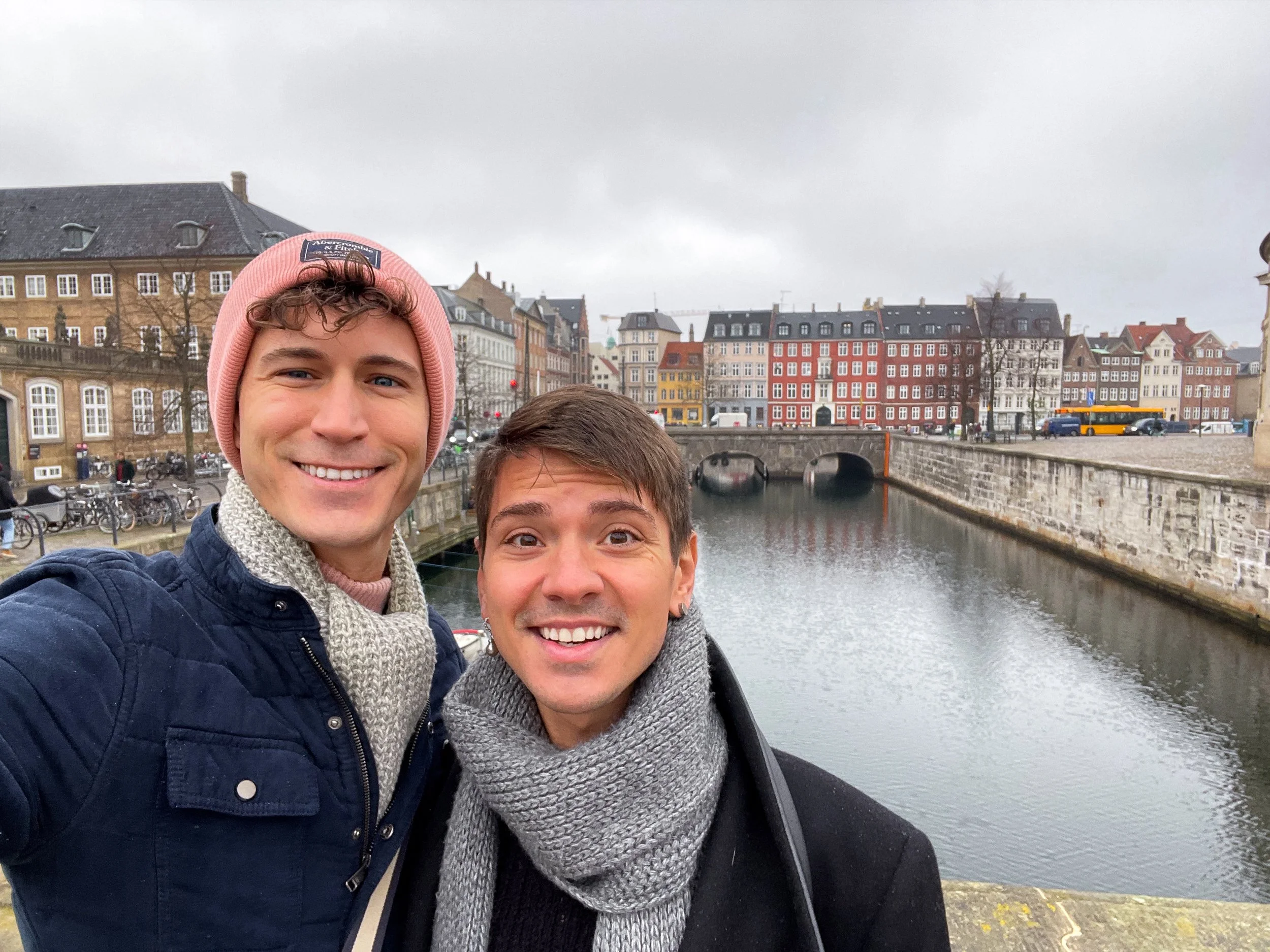
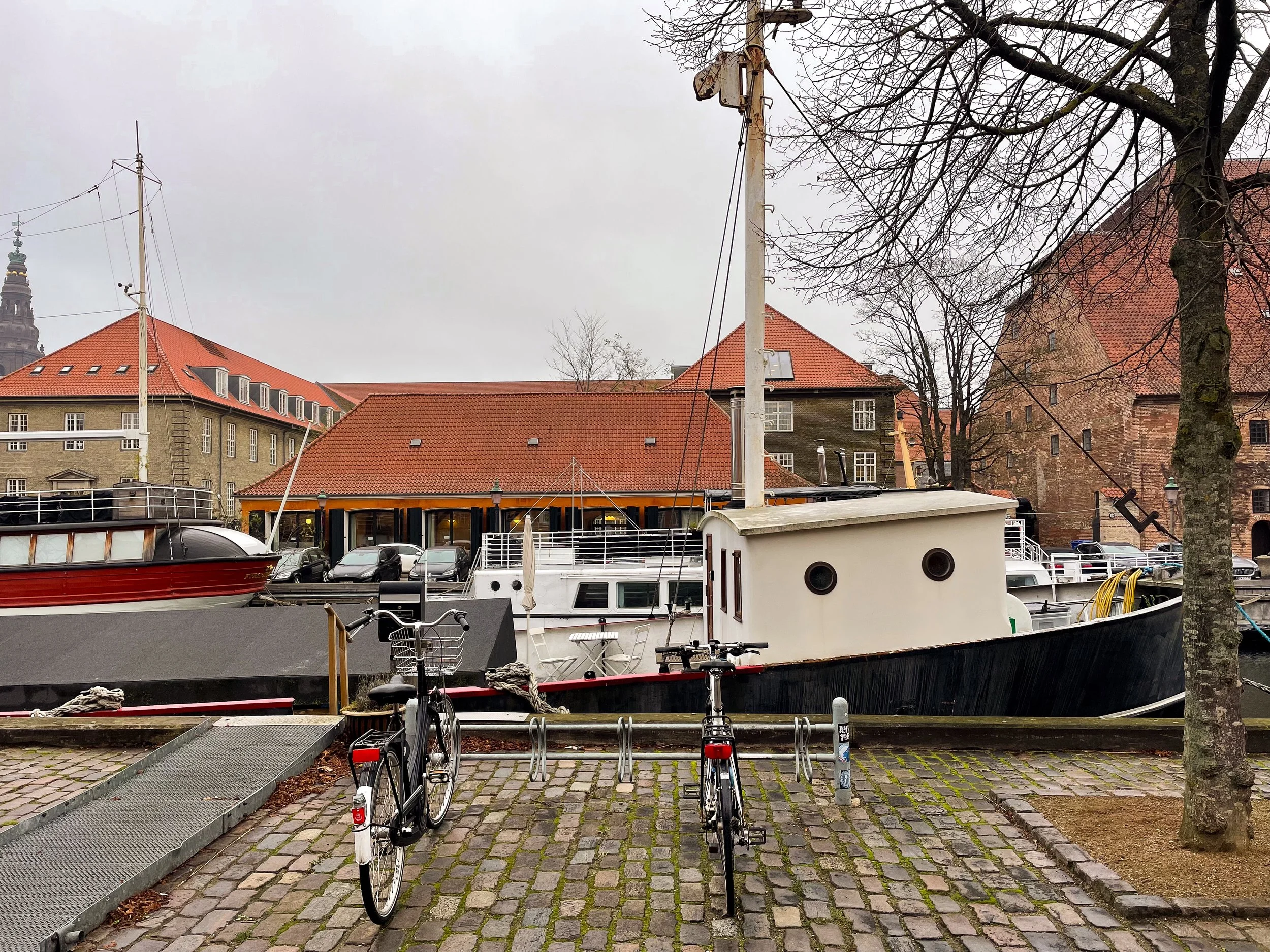
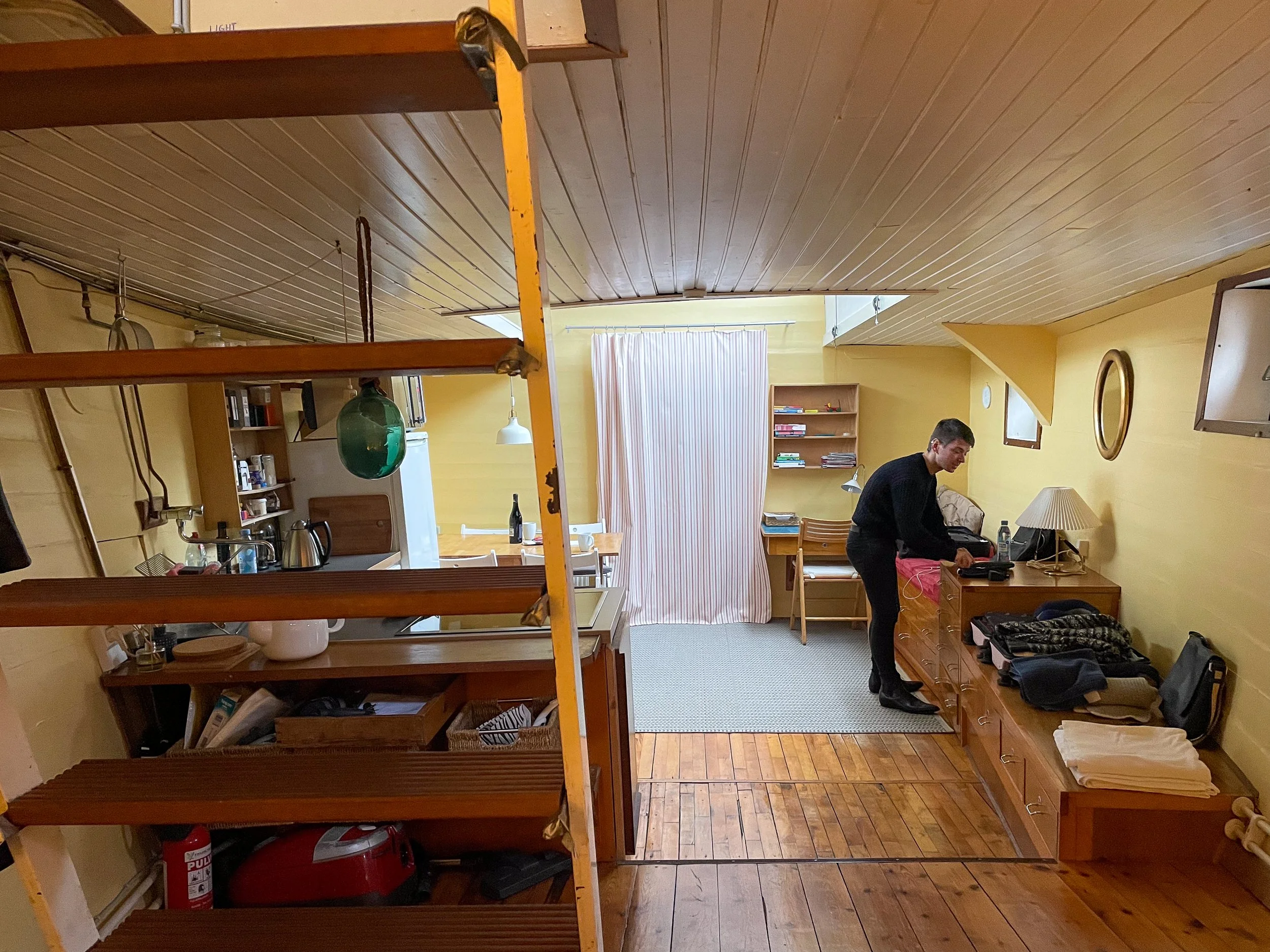
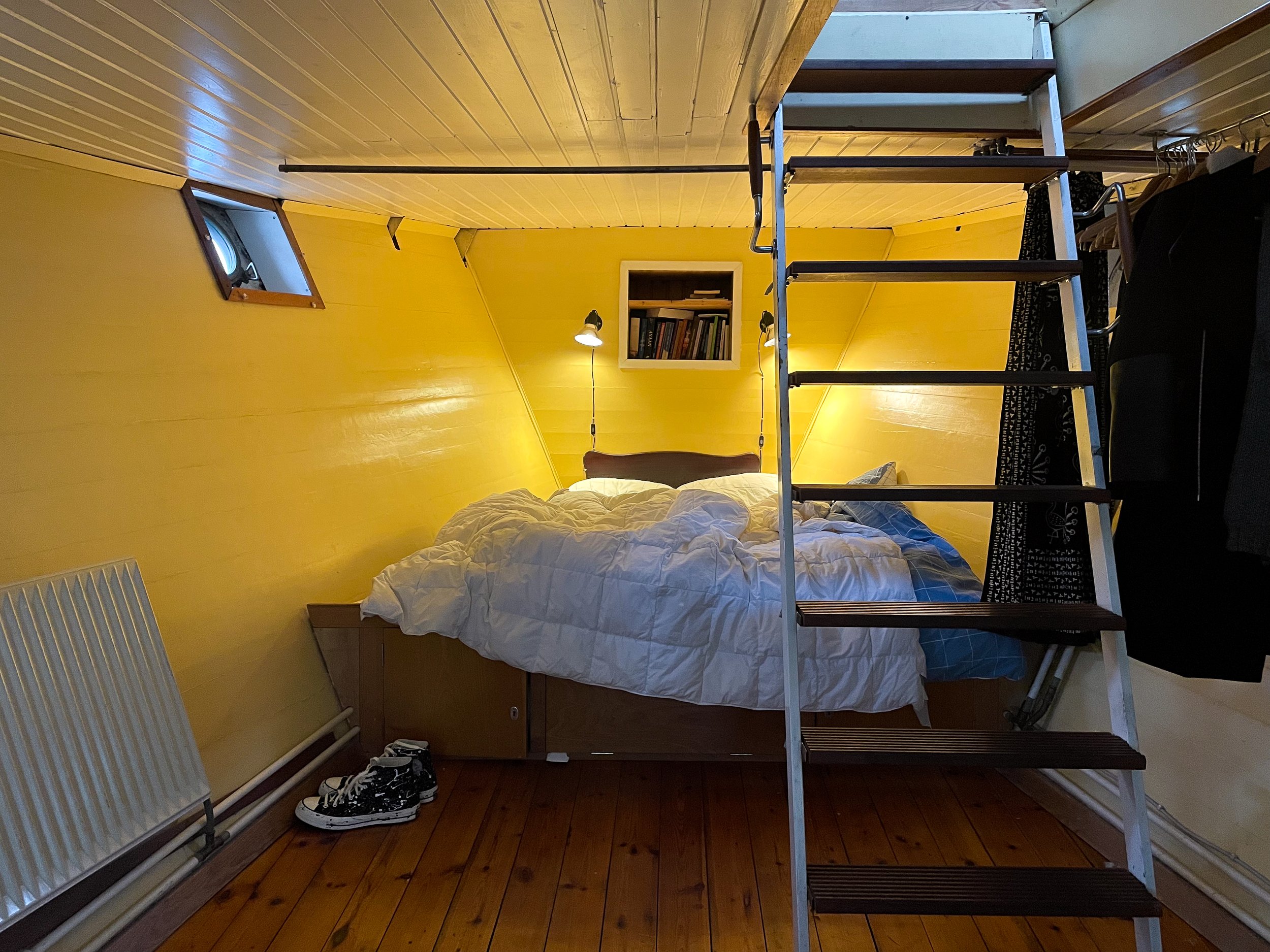
The Frederiksholms Canal. A canal lined with all types of vessels including fishing boats, floating restaurants, a lighthouse ship and multitudes of house boats. We spent our stay in Copenhagen, docked along the canal in a cozy wooden ship. The cabin included a bed at the bow of the boat, open kitchen and living area with portholes overlooking the water. Book on Airbnb.
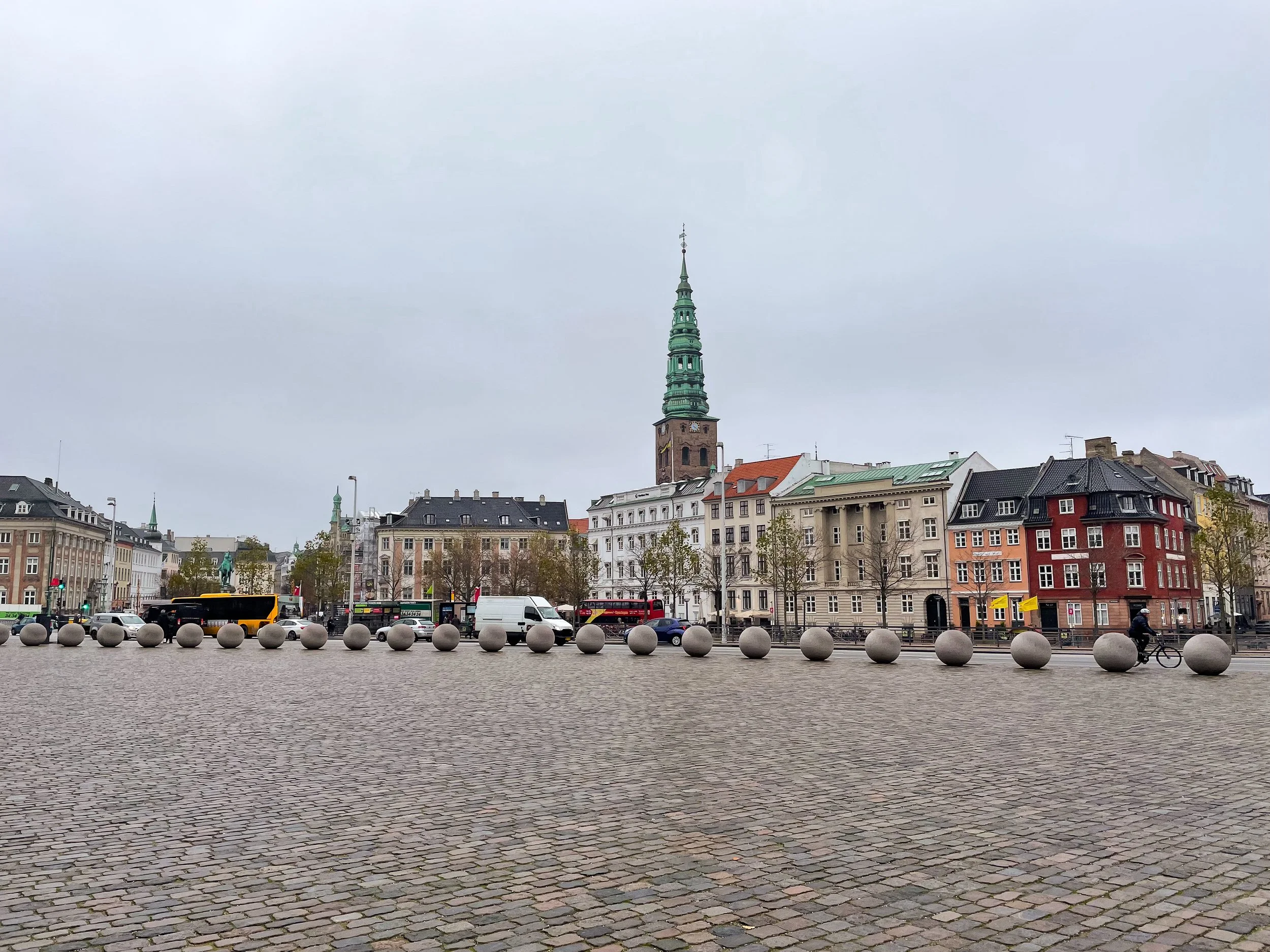
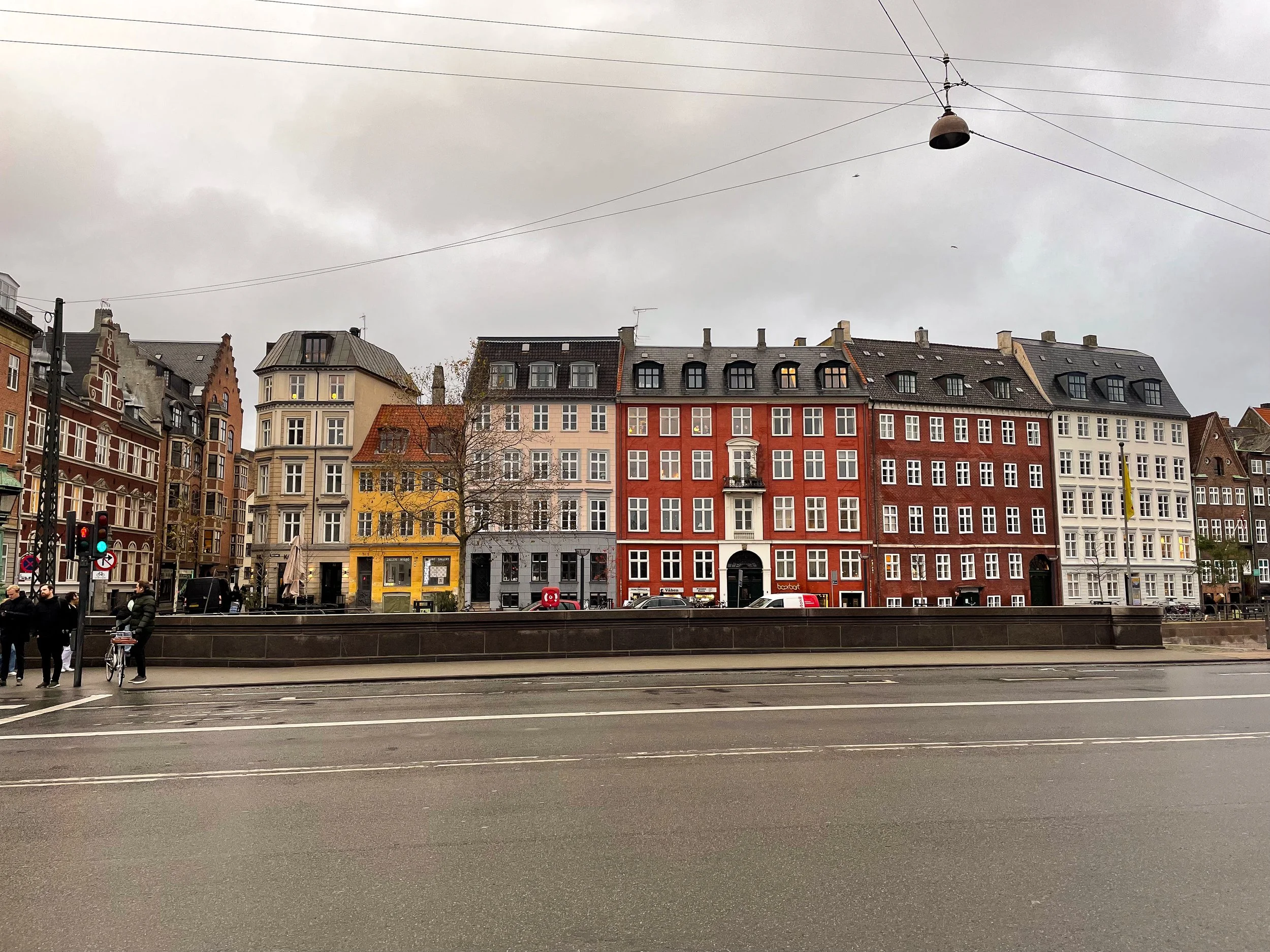
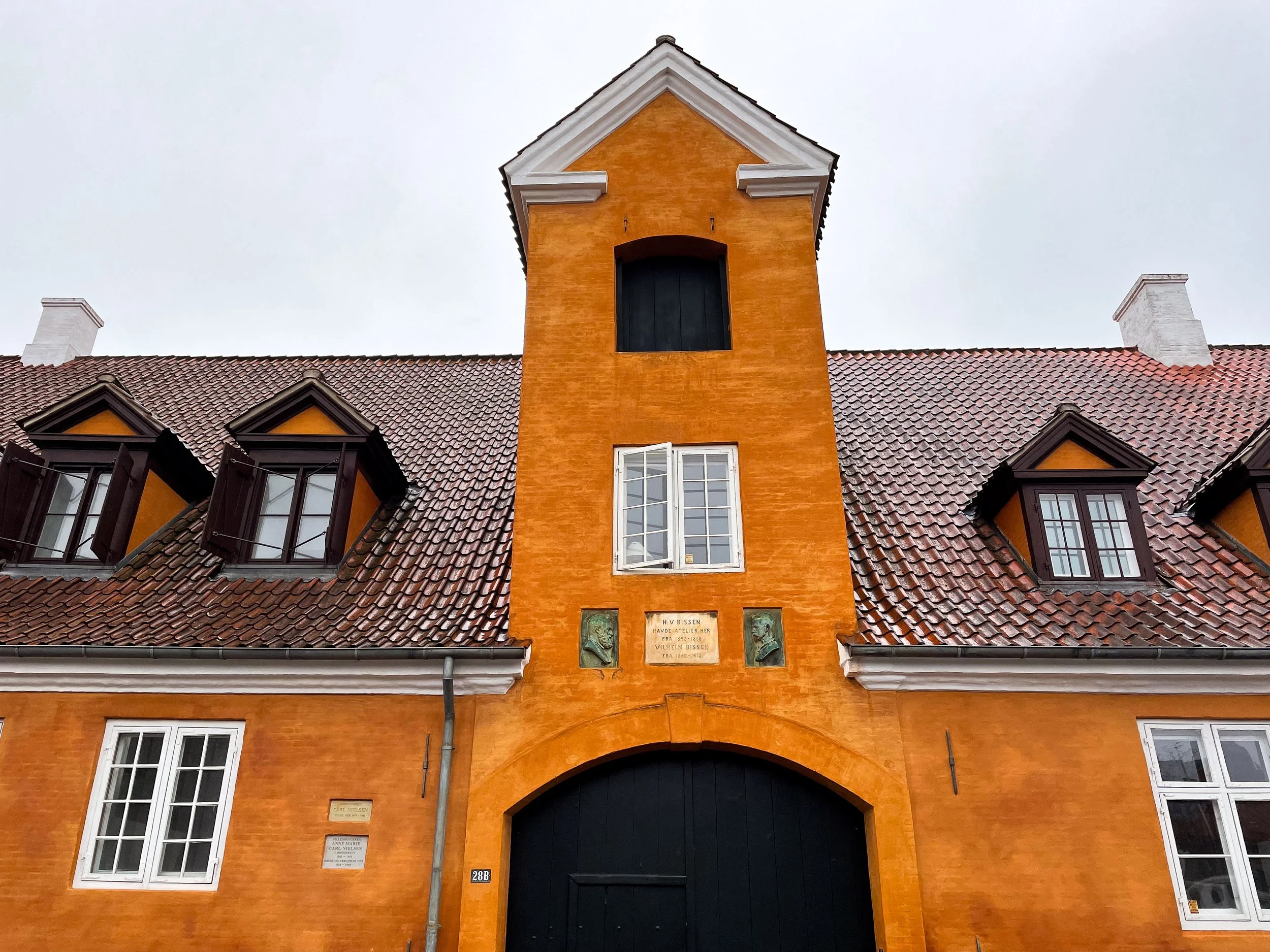
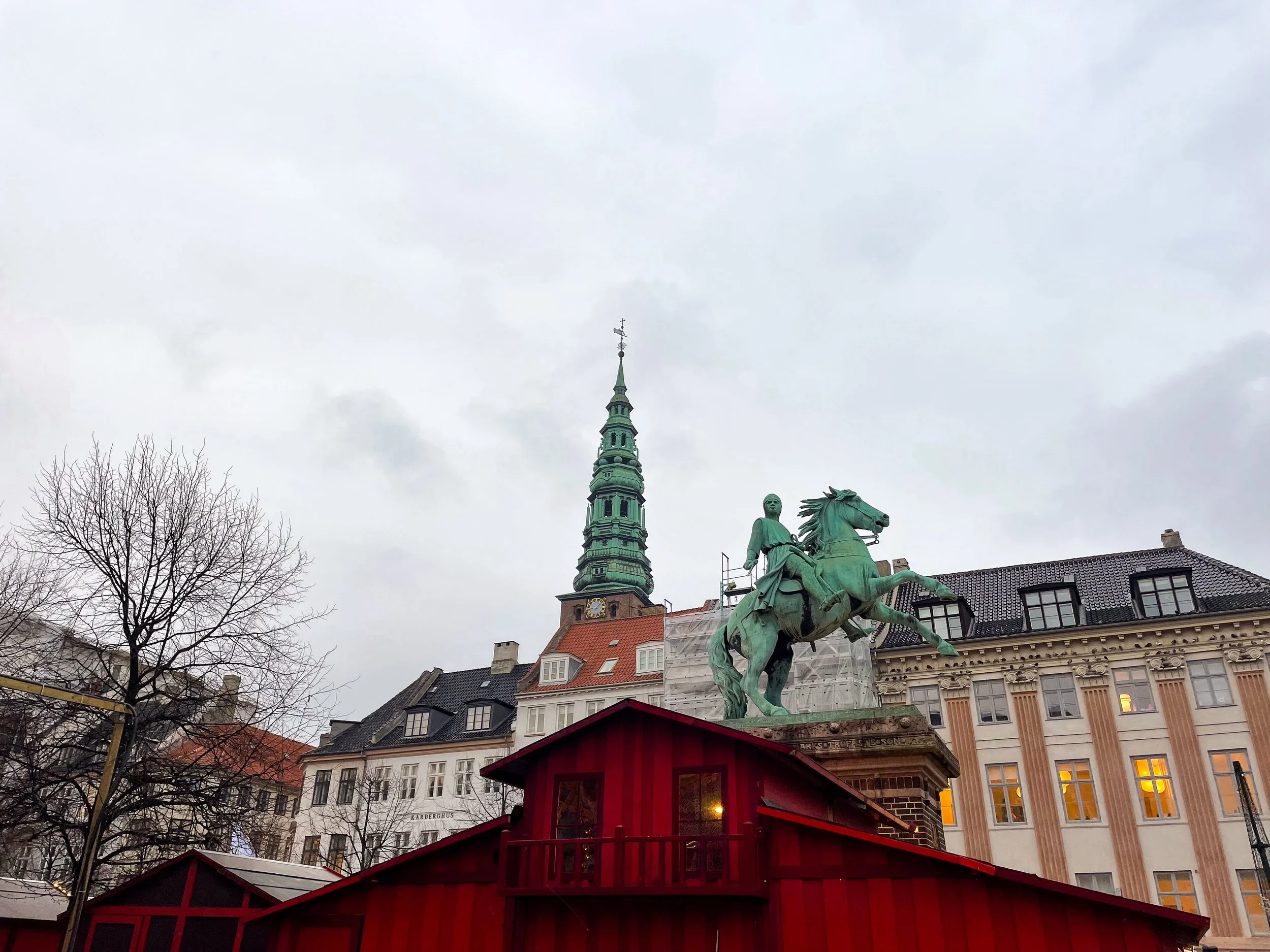
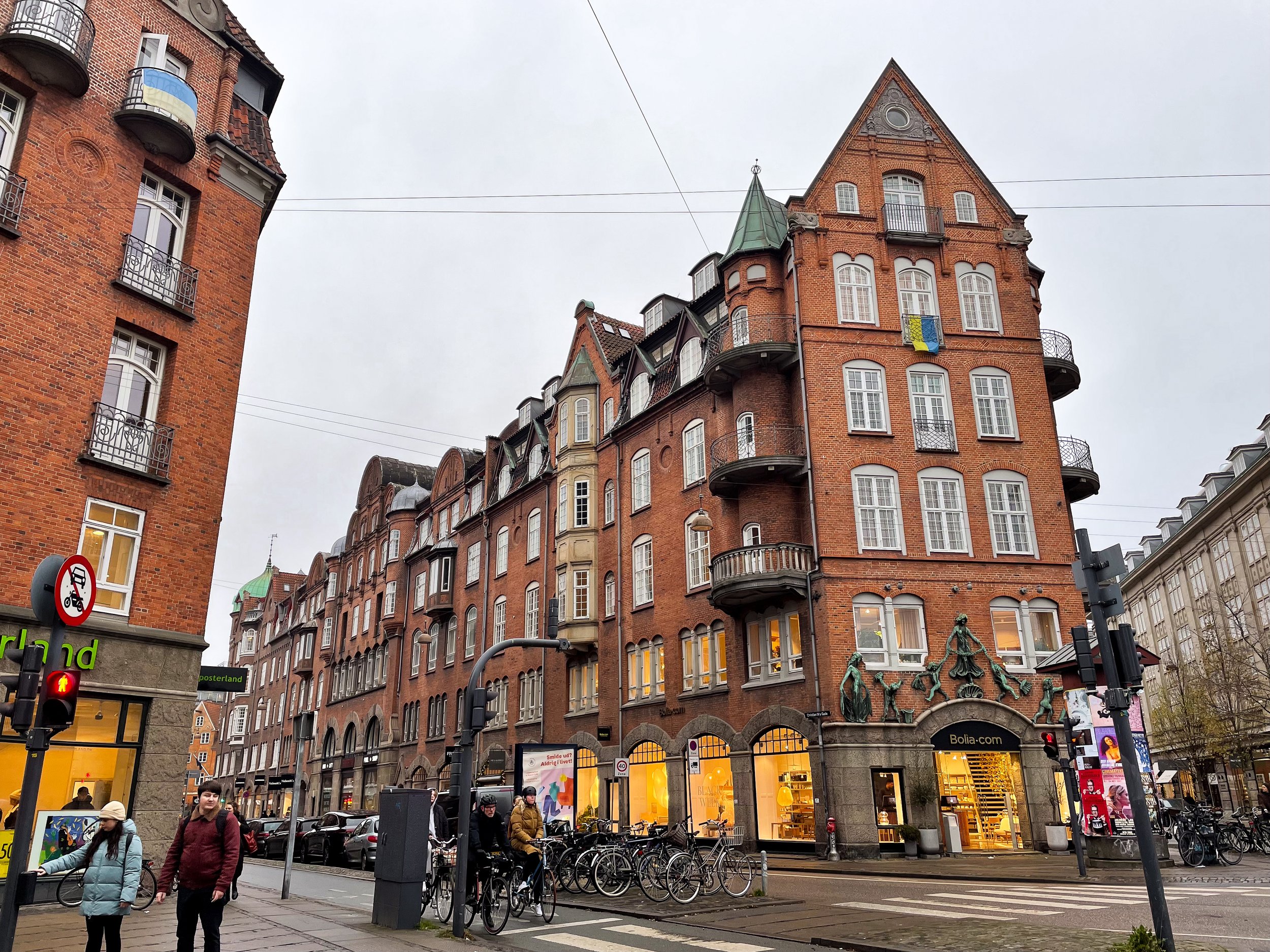
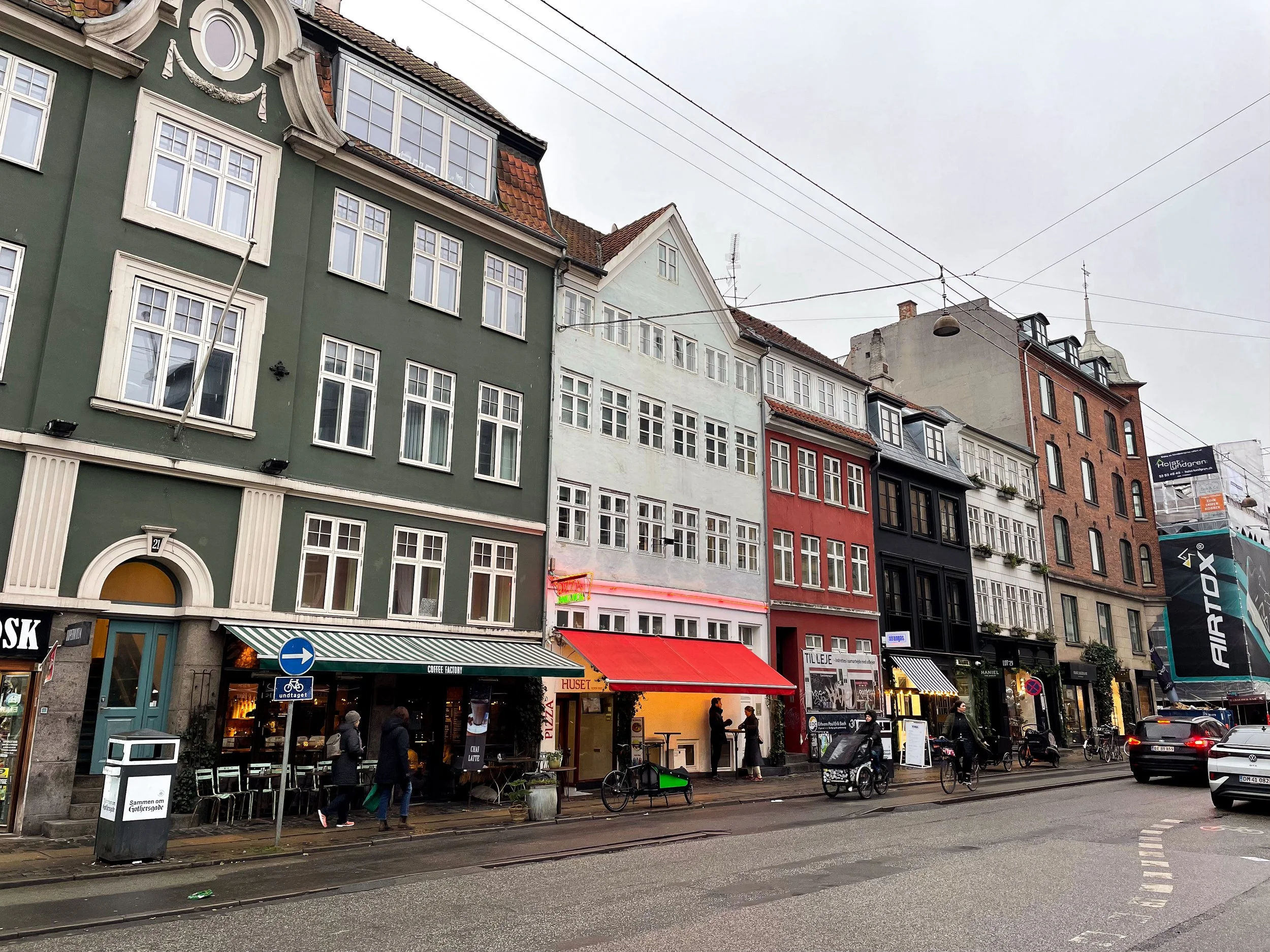
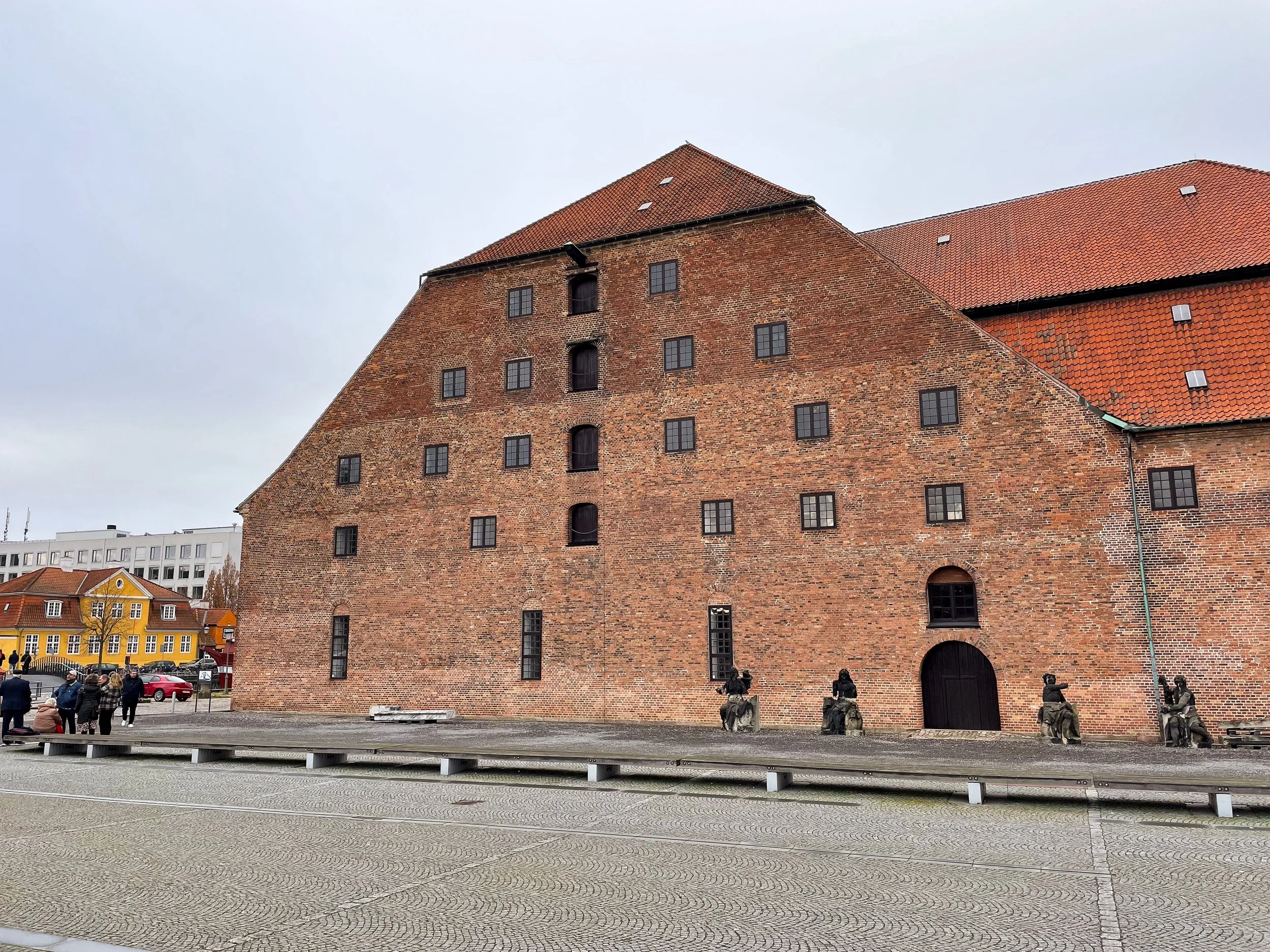
Indre By. A large neighborhood at Copenhagen’s city center with canals and roads lined with historic buildings, national monuments, plazas and shopping streets.
Slotsholmen. An island neighborhood surrounded by the Frederiksholms Canal. The island was once the seat of the Danish monarchy and is the present home of parliament, the prime minister’s office, multiple museums, public squares and stately buildings.
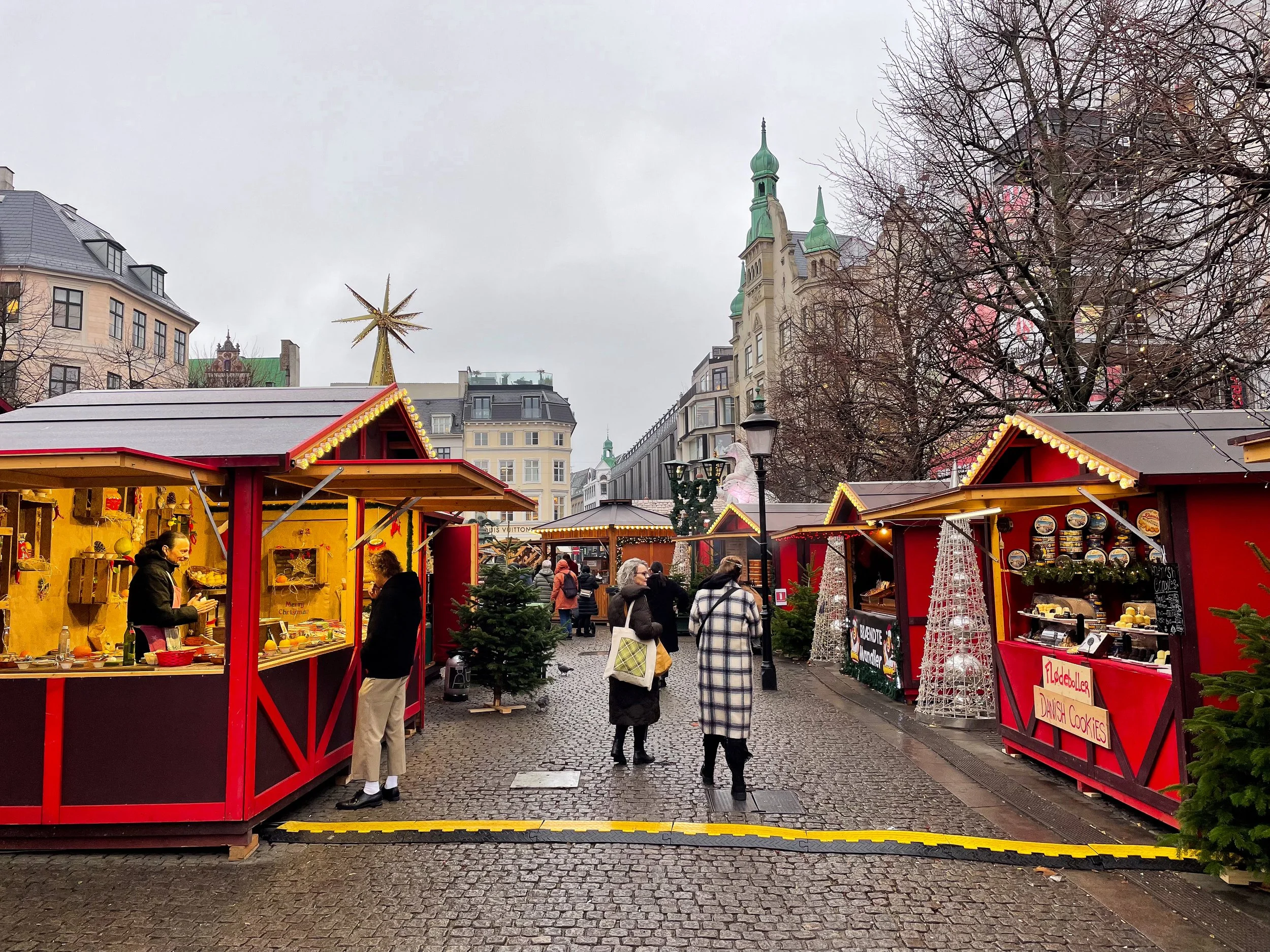
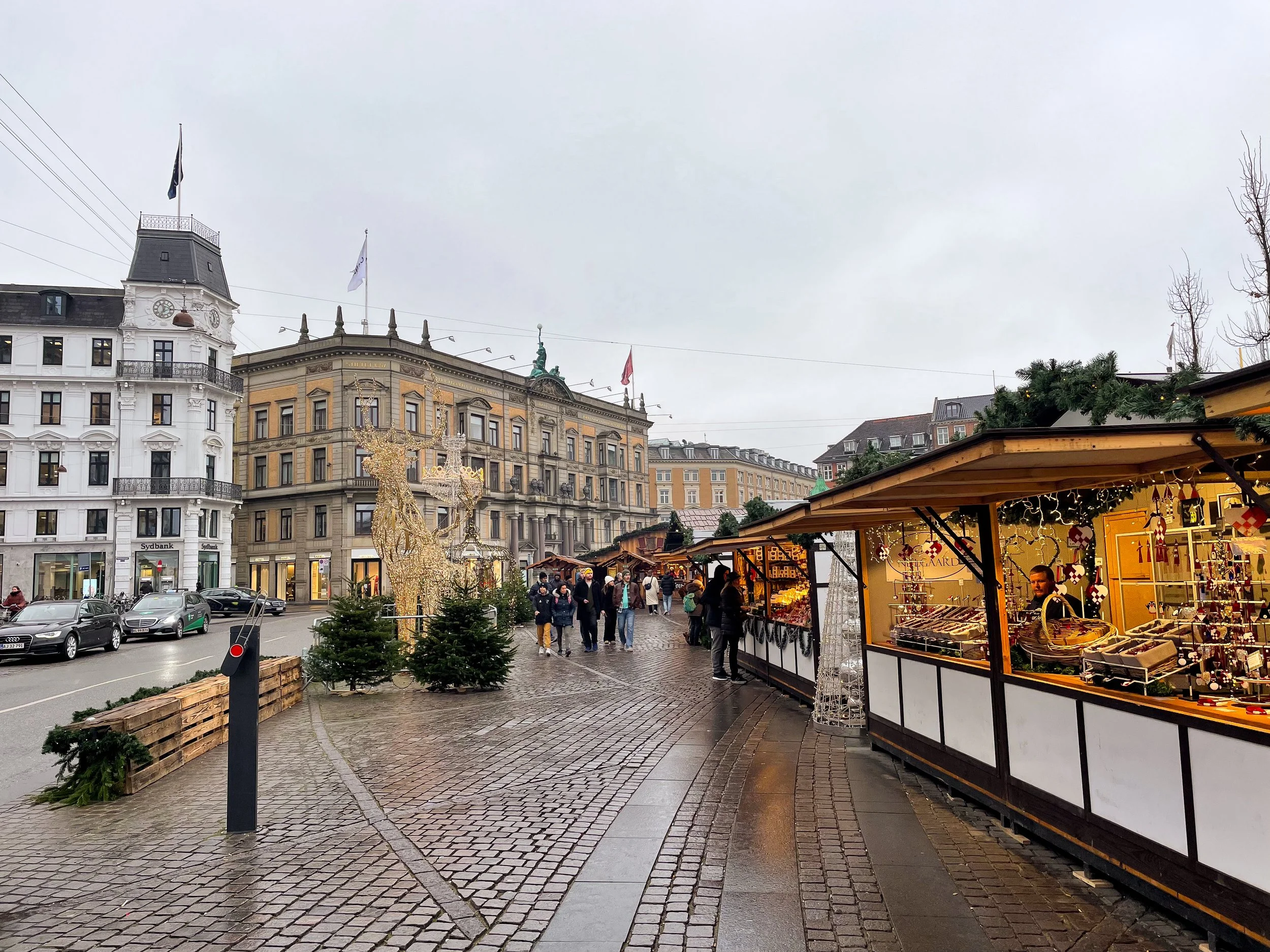
Christmas in Copenhagen
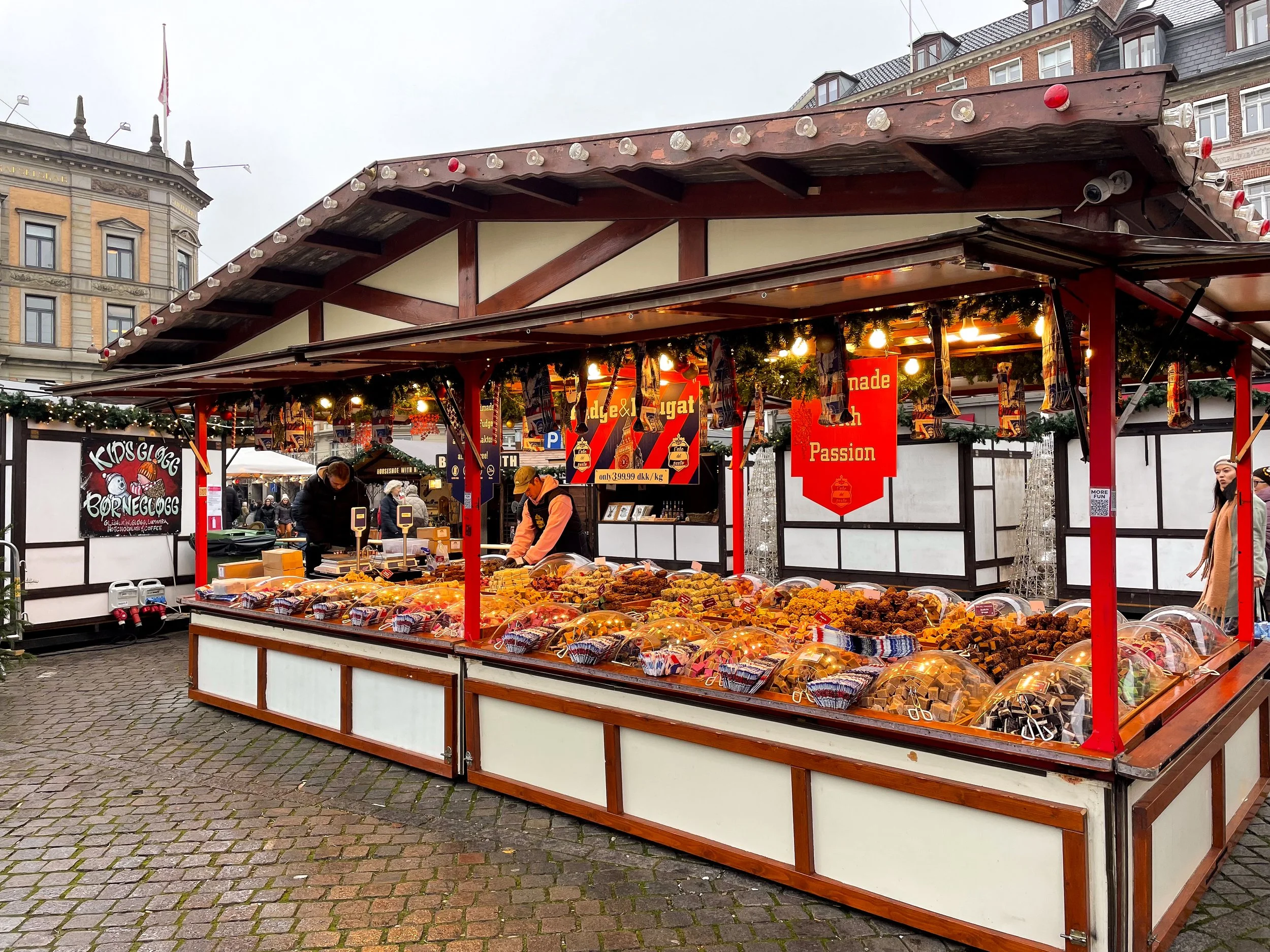
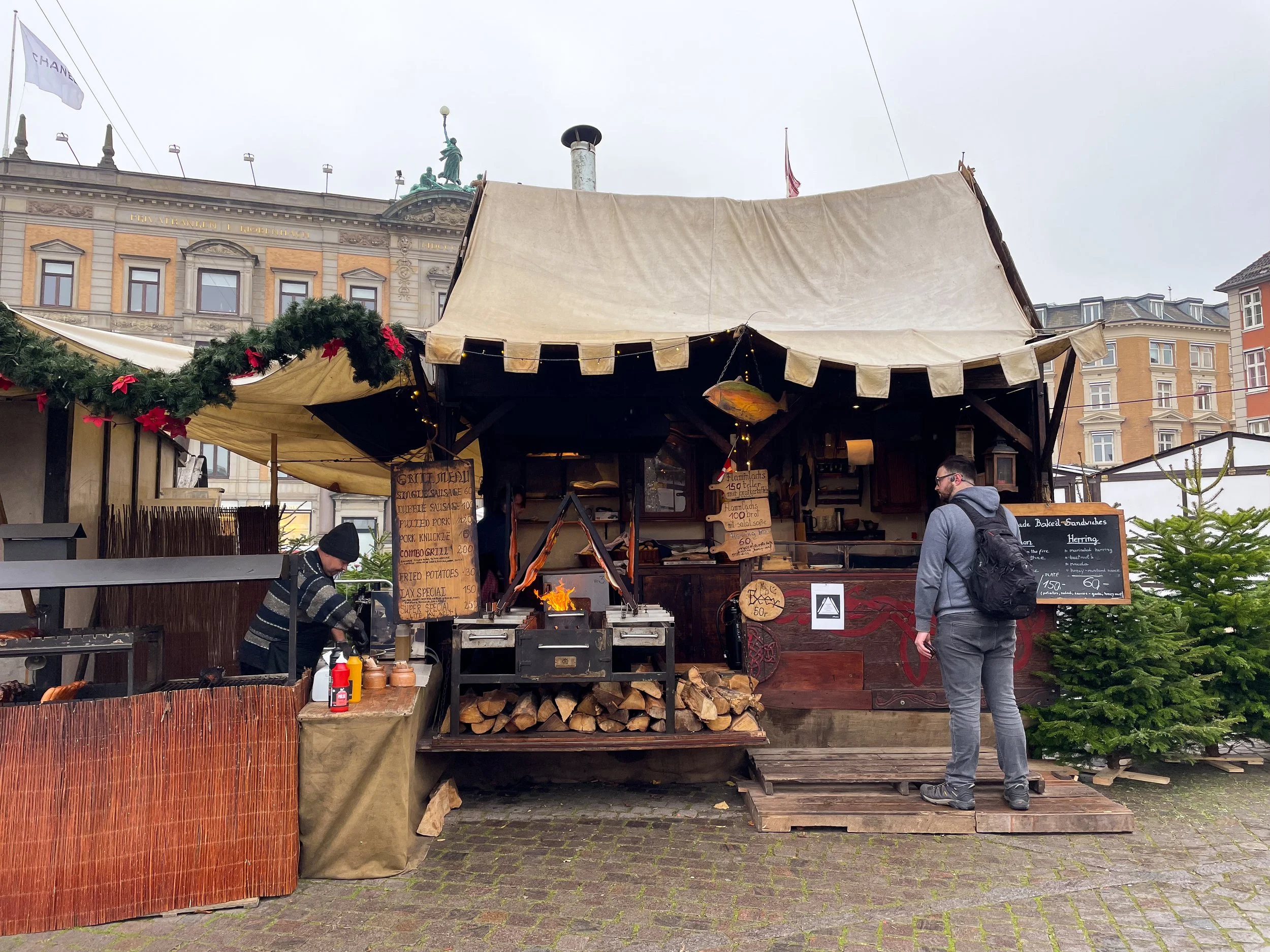
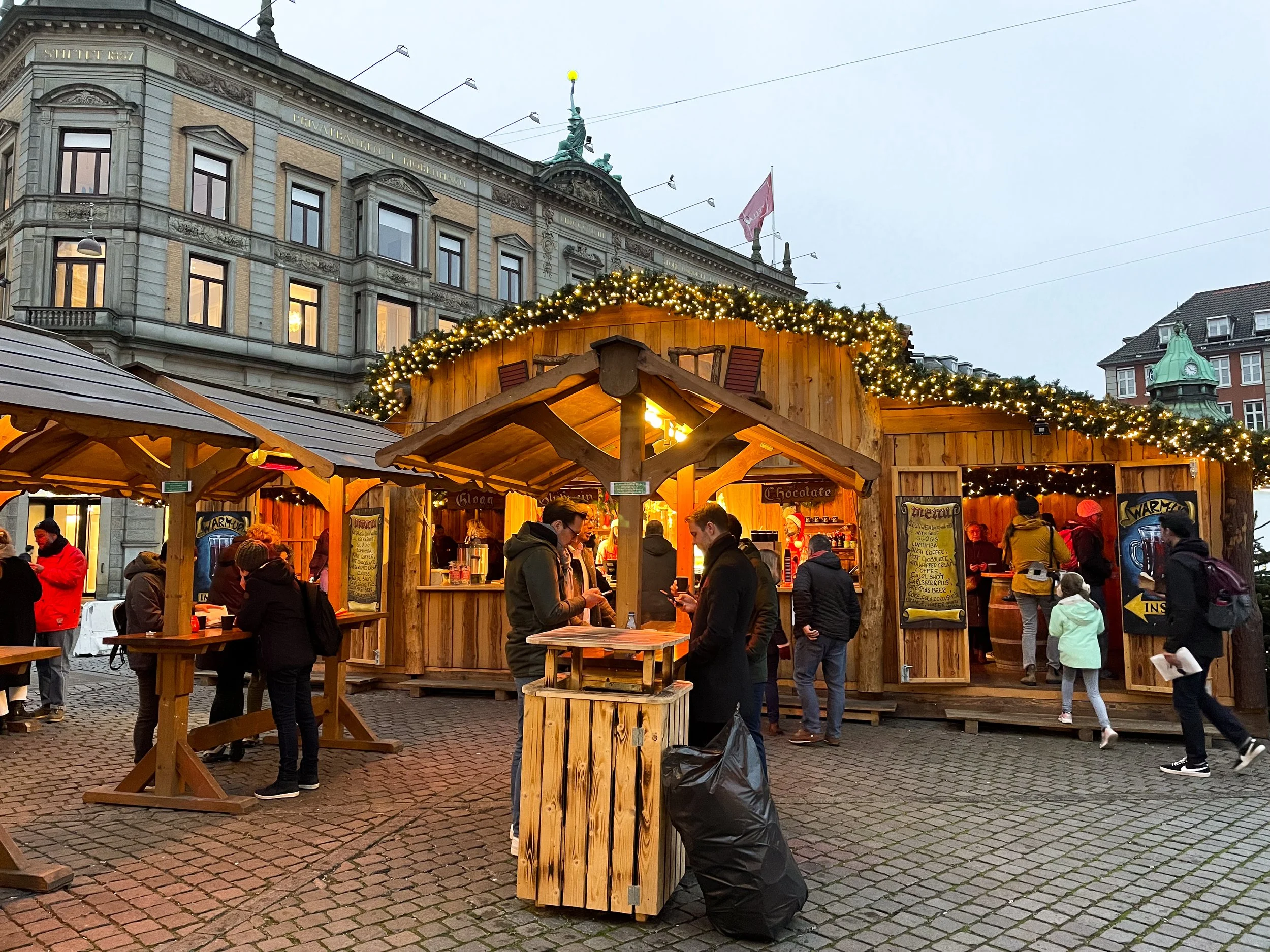
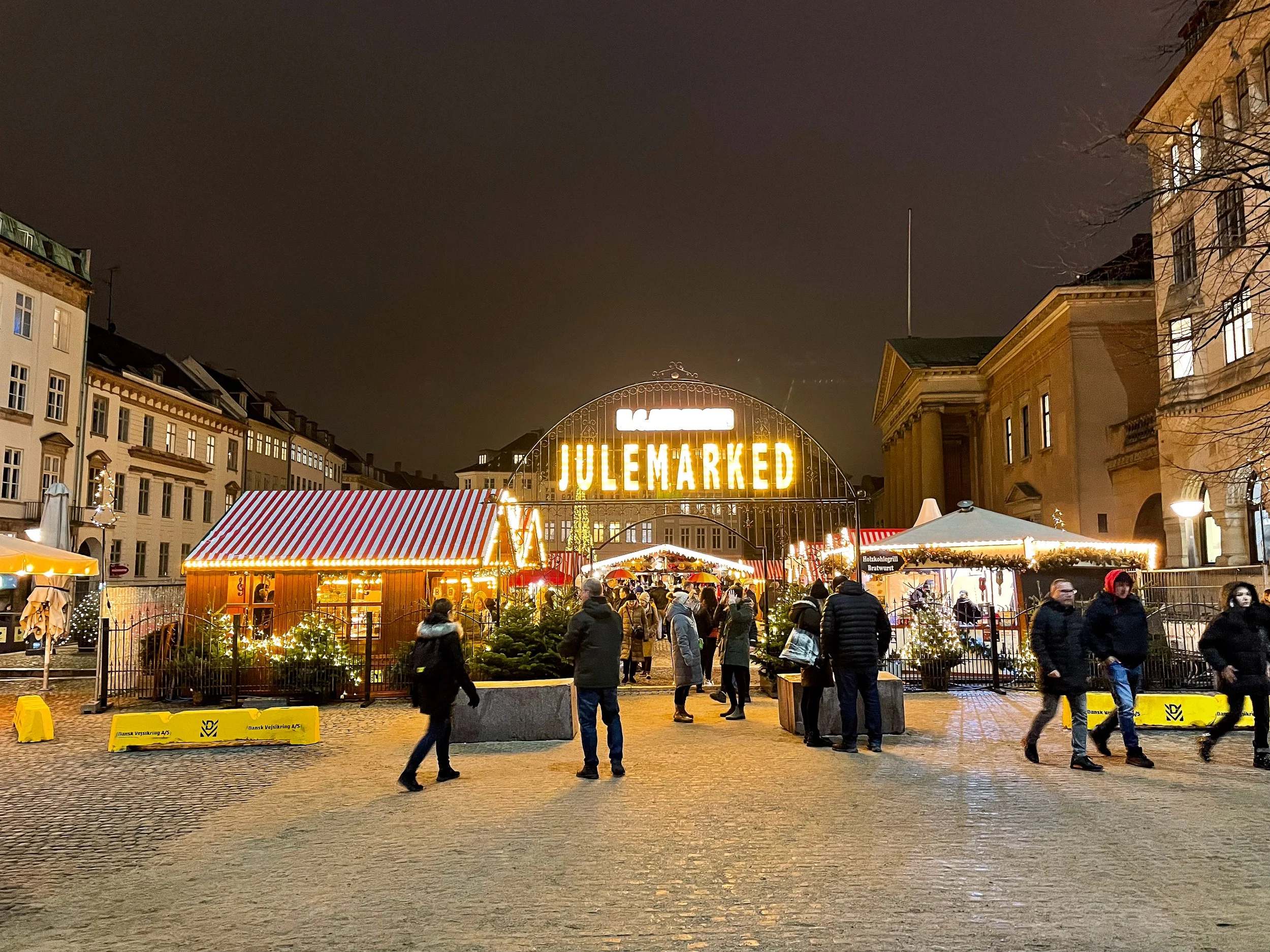
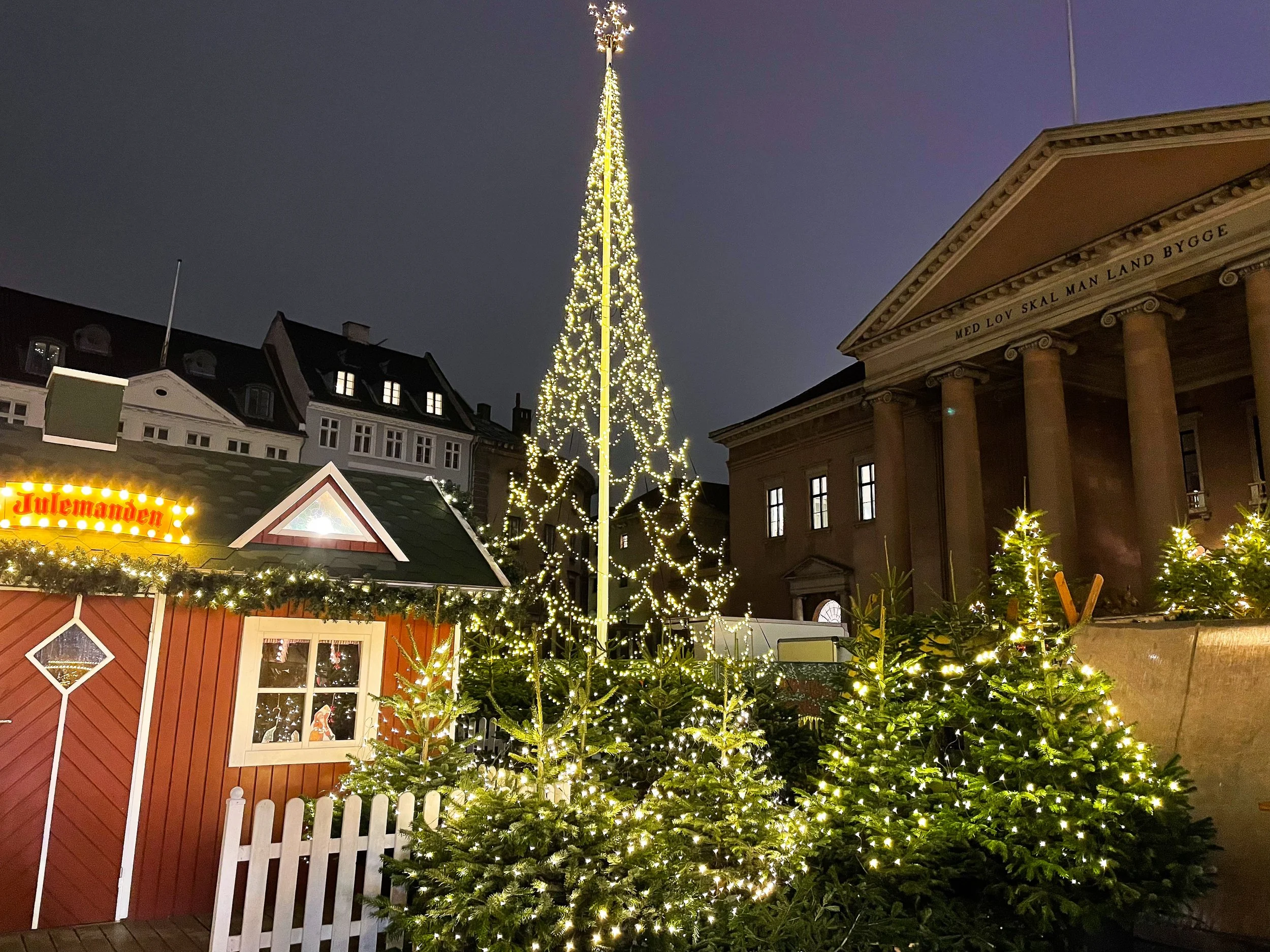
Copenhagen’s Christmas festivities are in full swing by late November! The city is illuminated in twinkle lights, pine trees stand tall in public plazas, buildings are decorated with garland and Christmas markets lure people in with their holiday cheer.
Christmas Markets
The city center is home to at least three Christmas Markets. Each one is very similar in style with decorated wooden stalls selling gifts and traditional Christmas market food and beverages.
Julemarked Kongens Nytorv. The largest Christmas market lining the perimeter of King’s New Square and stretching towards the beginning of the Nyhavn Canal.
Julemarked Højbro Plads. The second largest Christmas market located in High Bridge Square between the Frederiksholms Canal and Strøget.
Julemarked HC Andersen. The smallest Christmas market located in Nytorv Square.
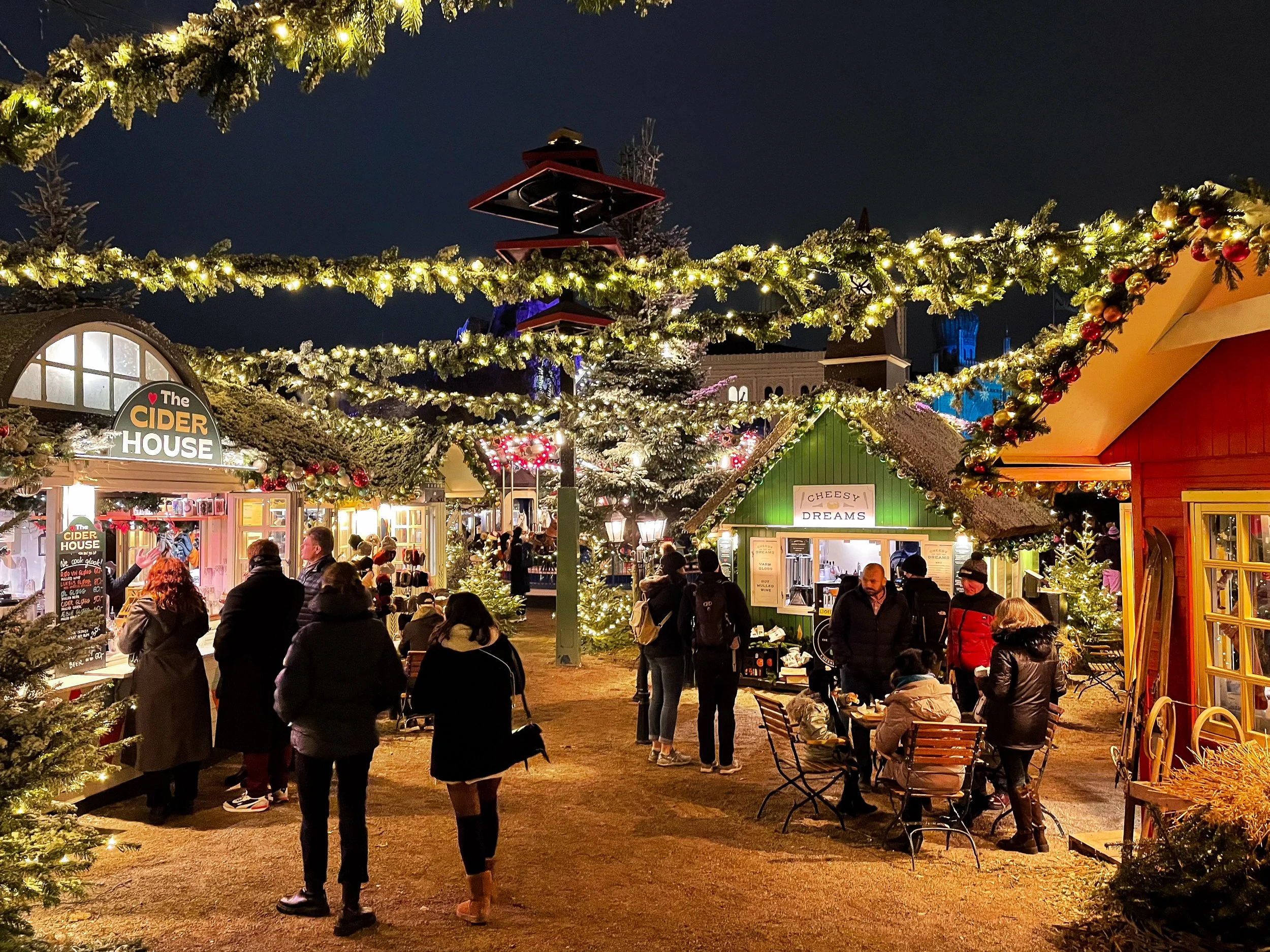
Christmas Market Food
Some of the classic Christmas Market food and beverages are:
Gløgg. Hot wine mulled with spices, raisins and toasted almonds.
Lumumba. Hot chocolate with rum or amaretto and marshmallow or whipped cream on top.
Æbleskiver. Fried fluffy balls of dough with jam and powdered sugar.
Brændte Mandler. Roasted candied almonds. Their irresistible scent fills the air.
Pølser. Long thin sausages cooked over a bed of coals, placed between two halves of a bun and garnished with sauces, onions and pickles.
Fish & Chips. Deep fried cod with French fries.
Roasted Chestnuts. Warm, buttery, soft and starchy nuts.
Visit Tivoli Gardens
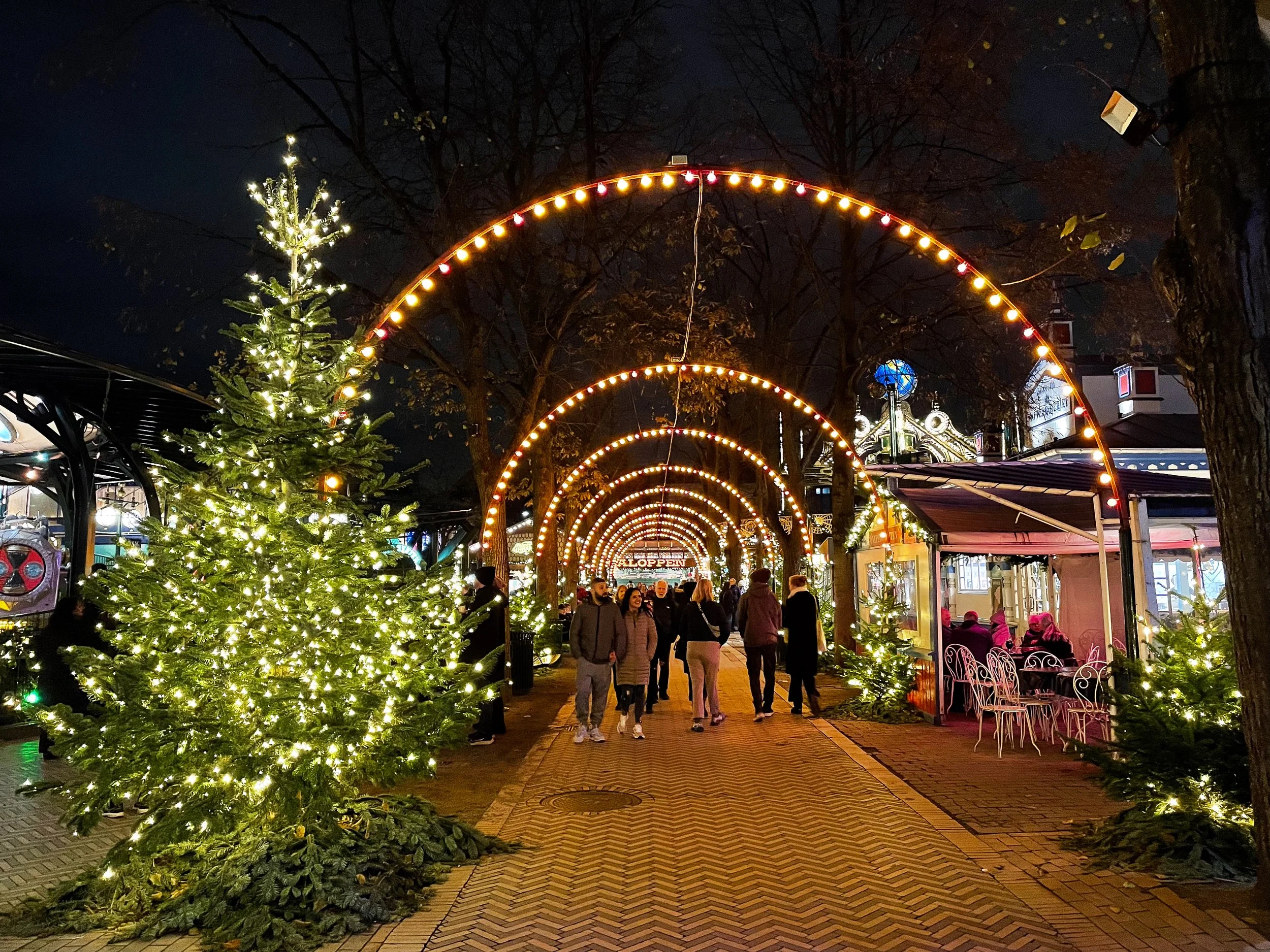
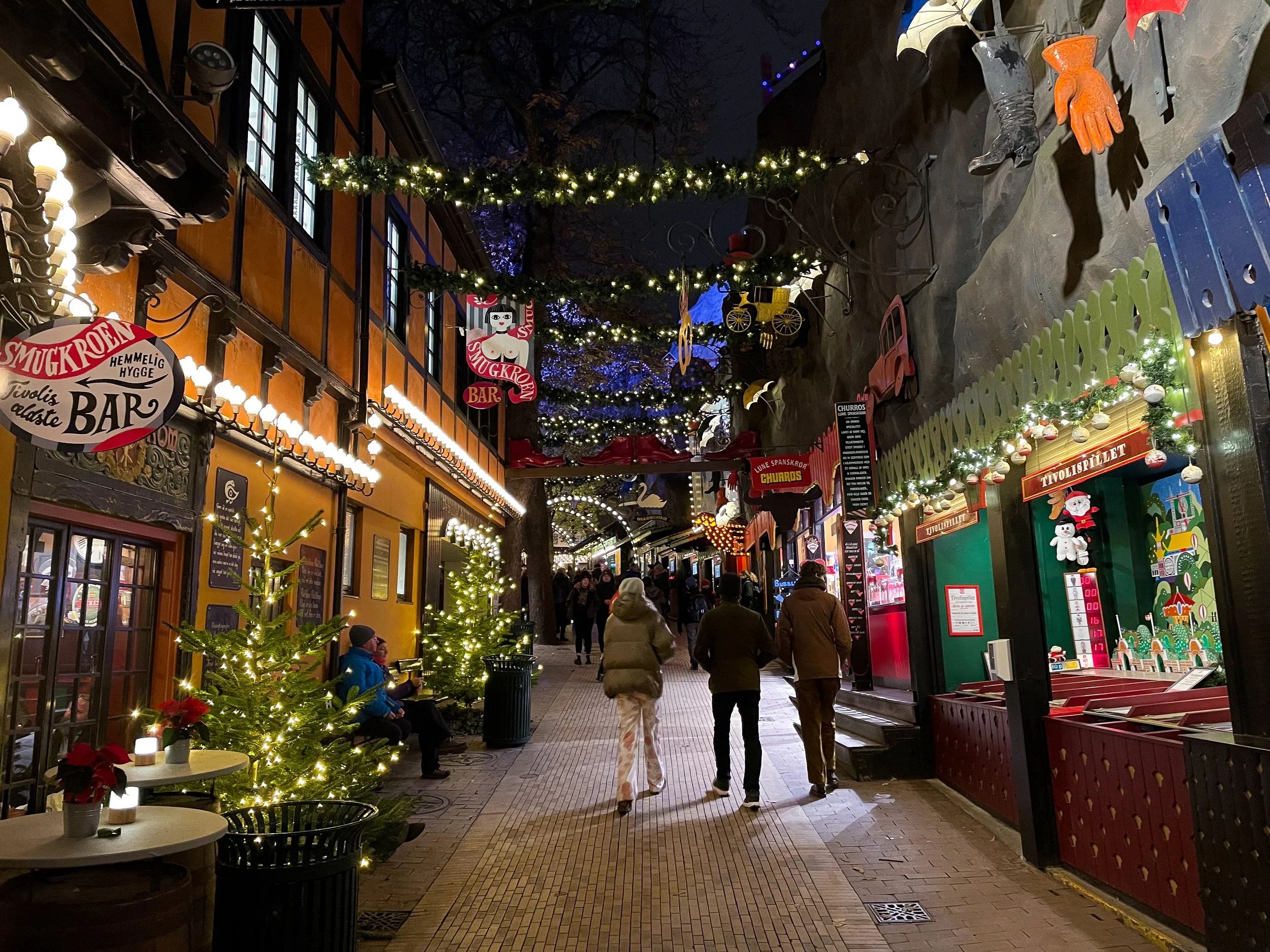
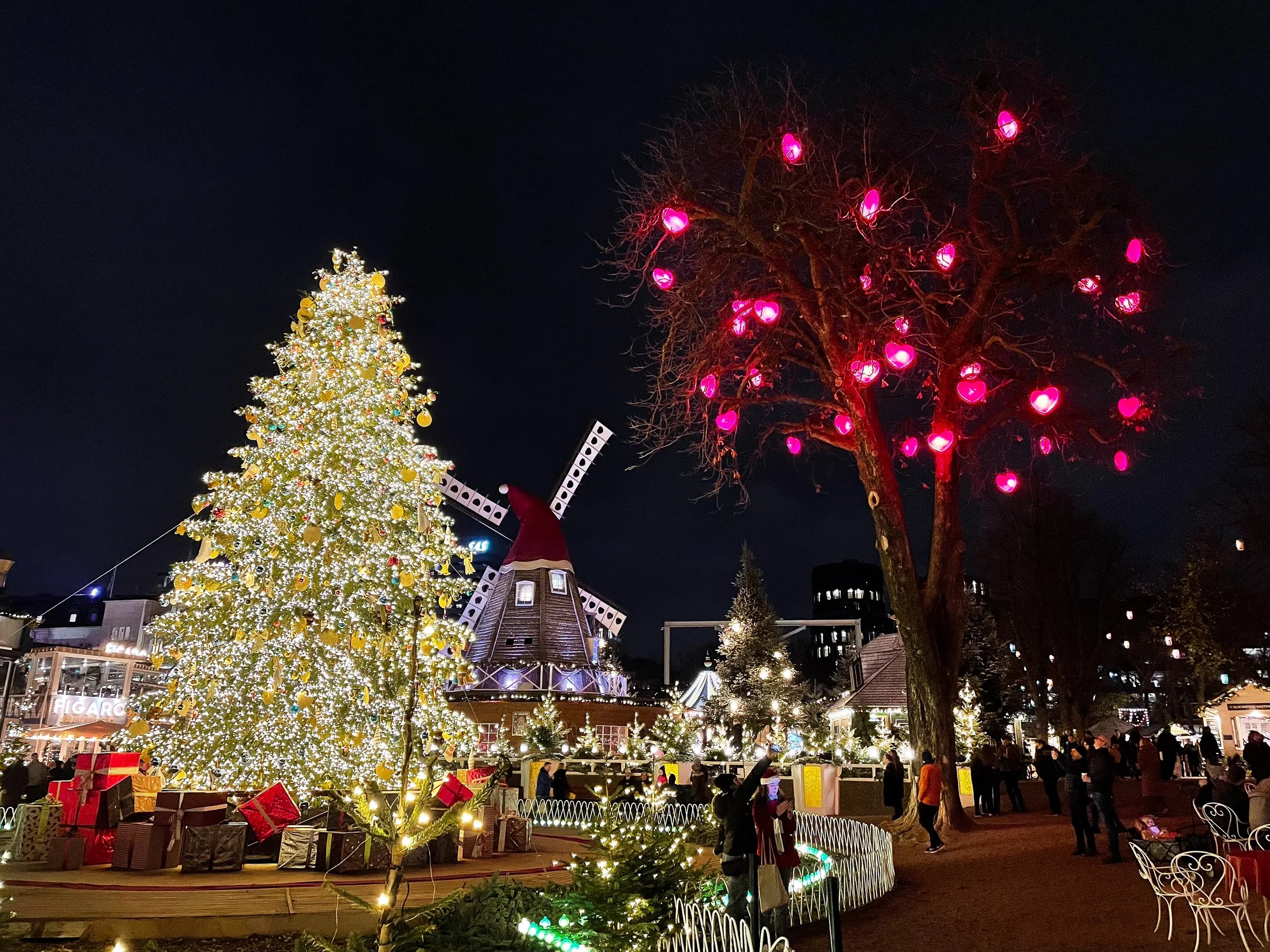
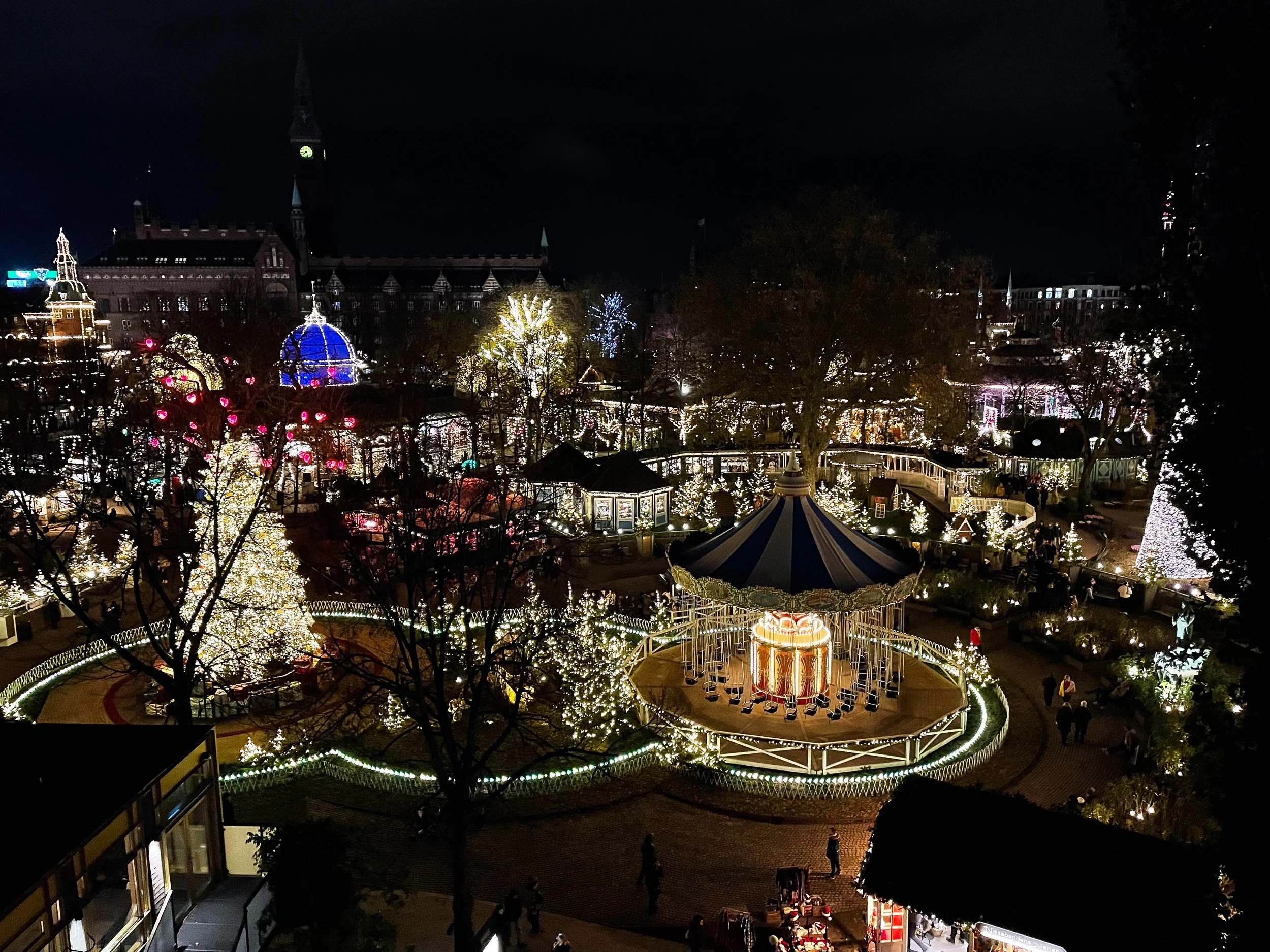
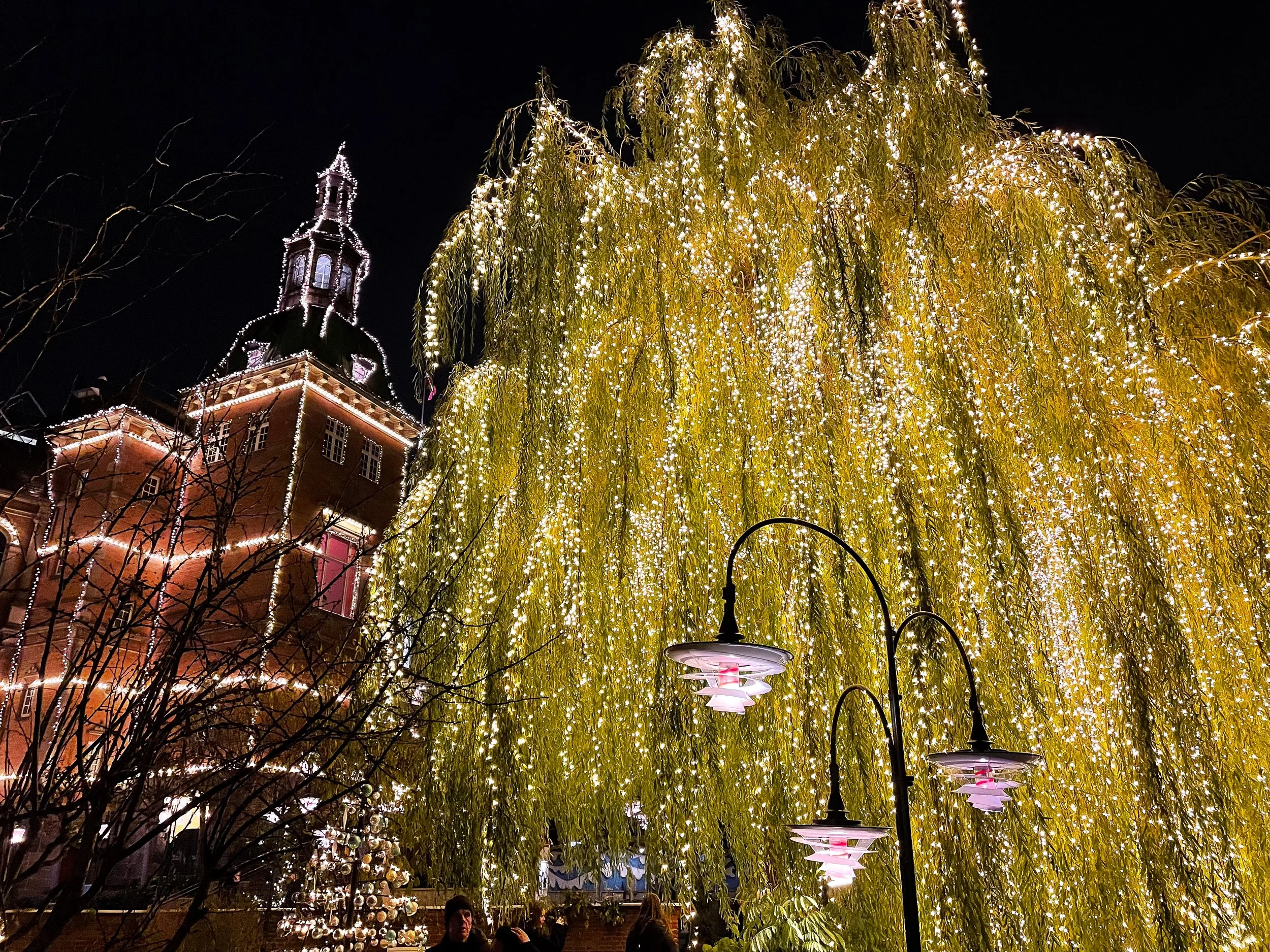
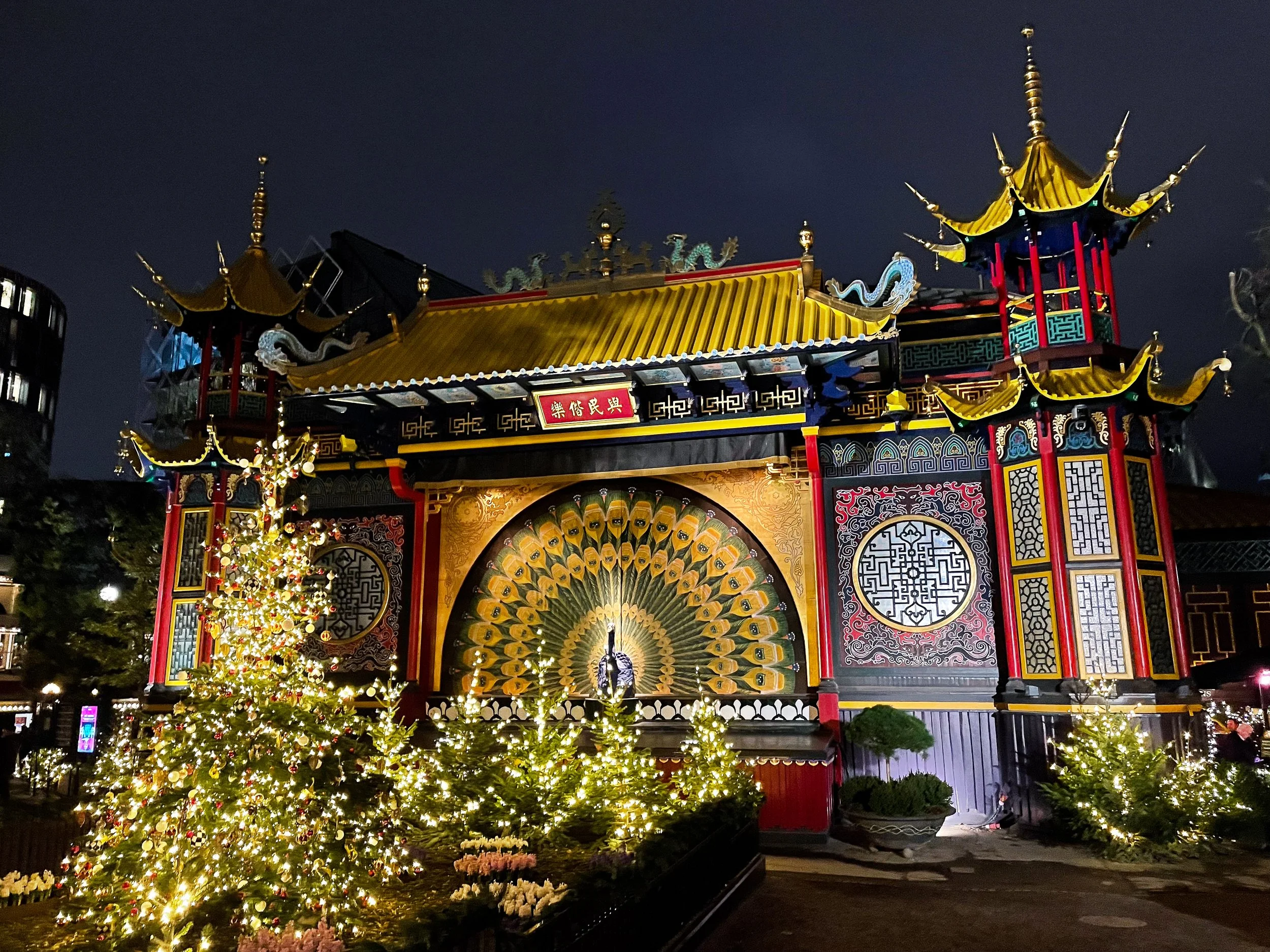
A romantic 19th century theme park with rides, restaurants and gardens. The park has classic rides like a ferris wheel and carousel, two small but nonetheless thrilling roller coasters and a wide range of other rides and games. There is no shortage of places to eat with sit down style restaurants, a food hall and stands along the park’s paths. Within the center of the park is a pond with walkways, paddle boats and a pirate ship. The park is said to have inspired Disney World with sections themed to look and feel like China, Morocco and India. Each section is decorated in architectural elements and monuments representative of each culture. Being here during the holidays, the park was transformed into a Christmas wonderland with decorated trees, twinkle lights, Christmas music and all the elements of any good Christmas market.
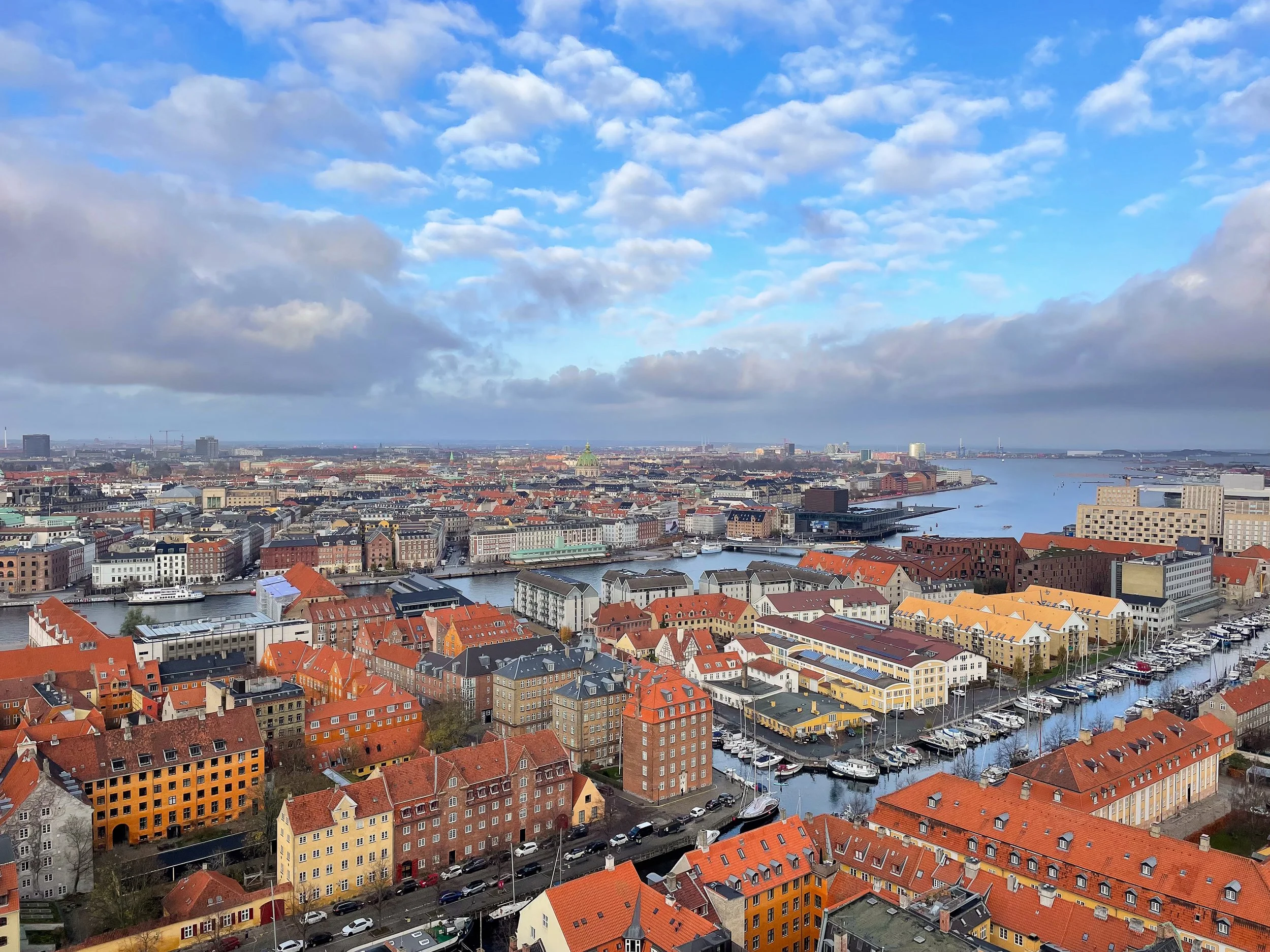
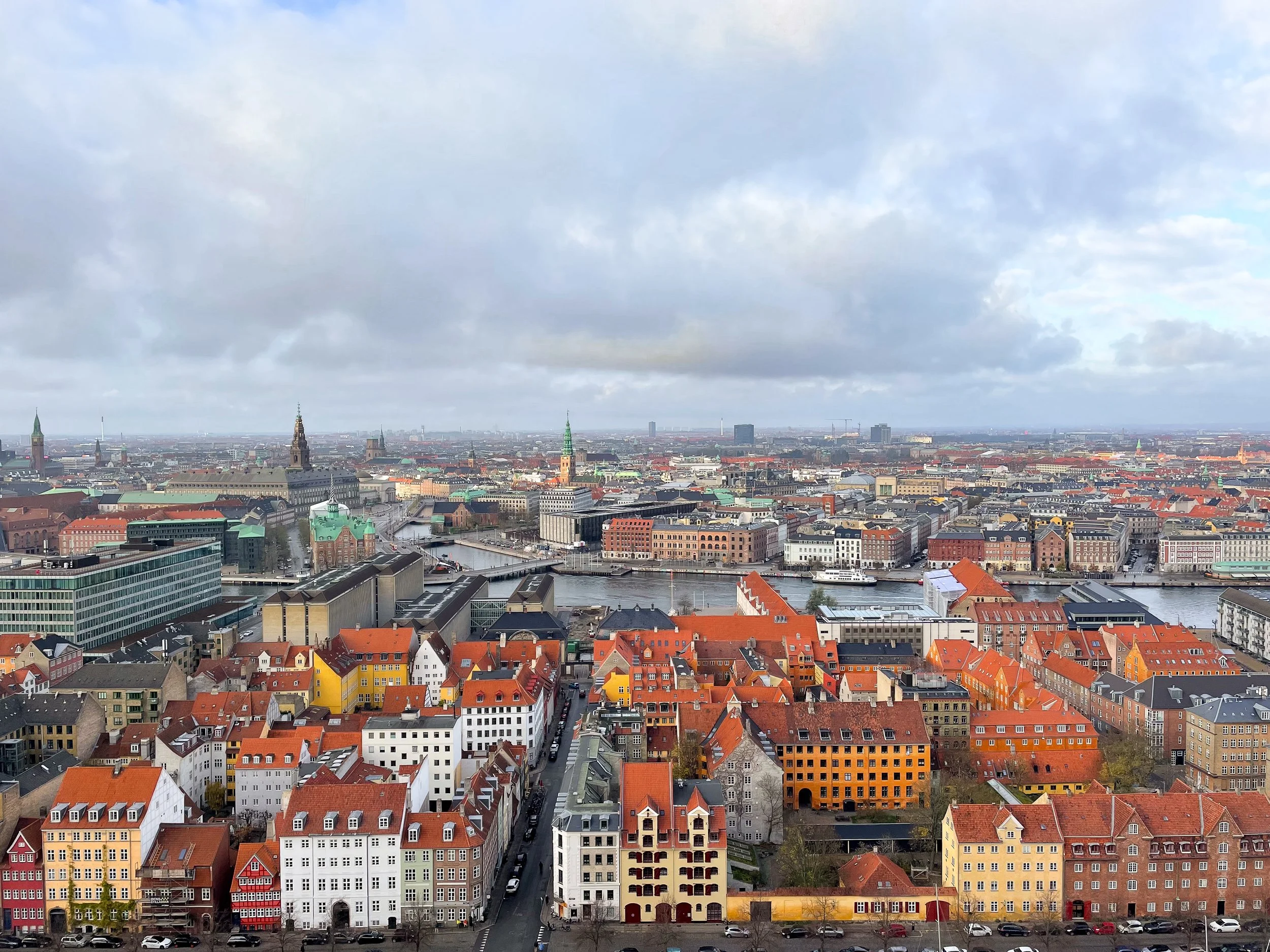
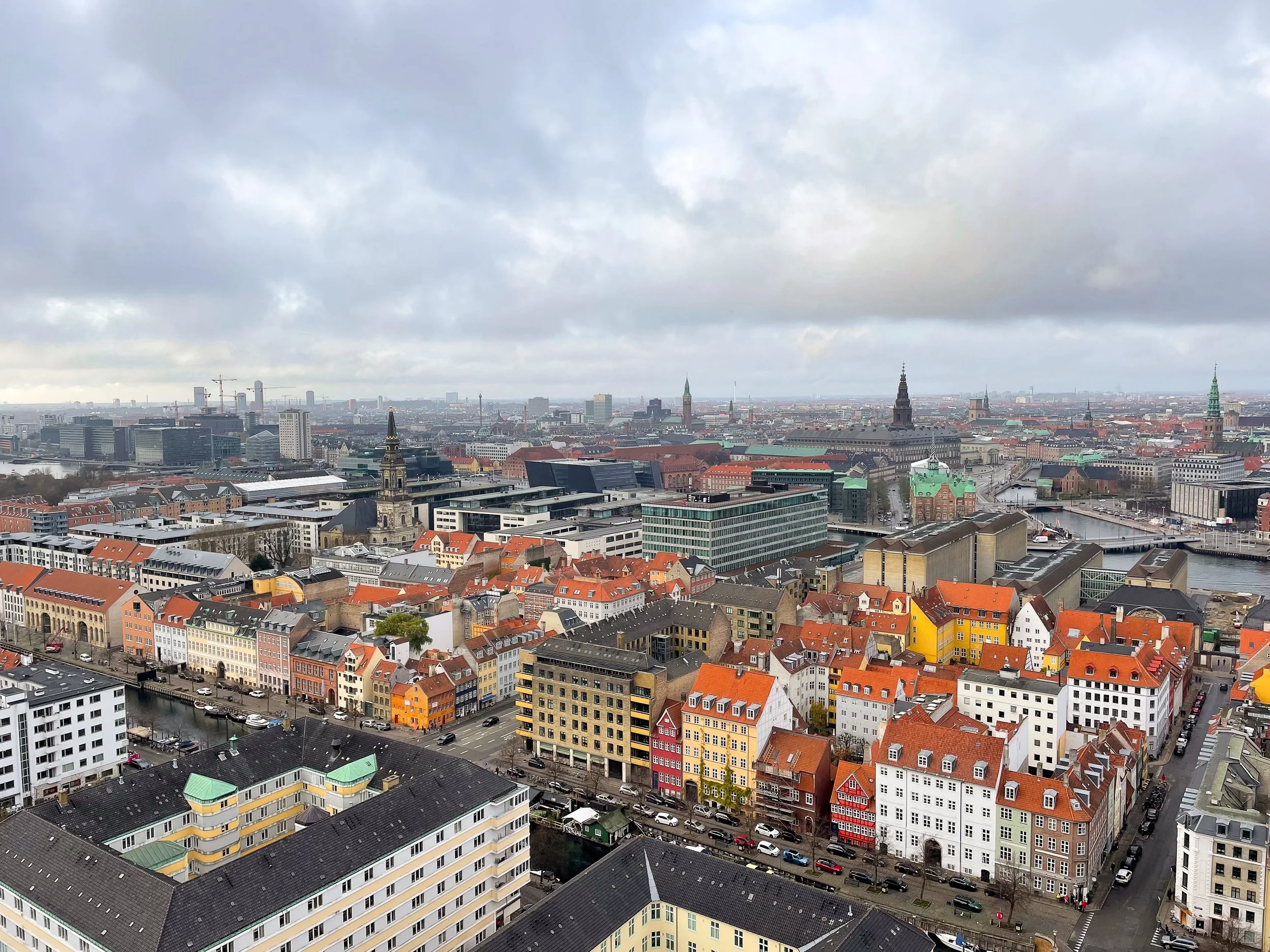
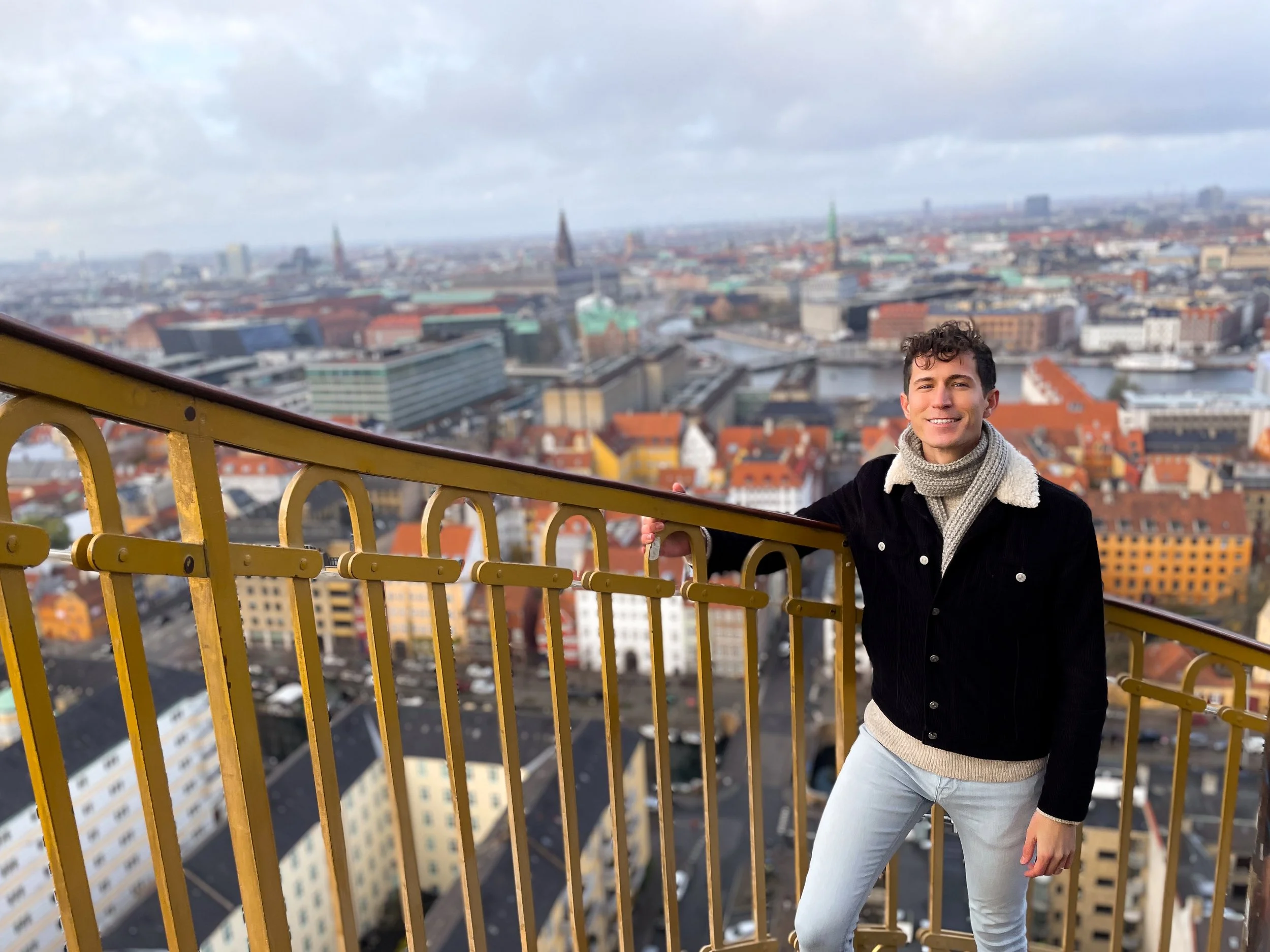
See the Sights
Copenhagen is a beautiful city lined with canals, cobblestone squares, historic buildings, castles, towers, palaces and churches. We toured several sights as we explored the city.
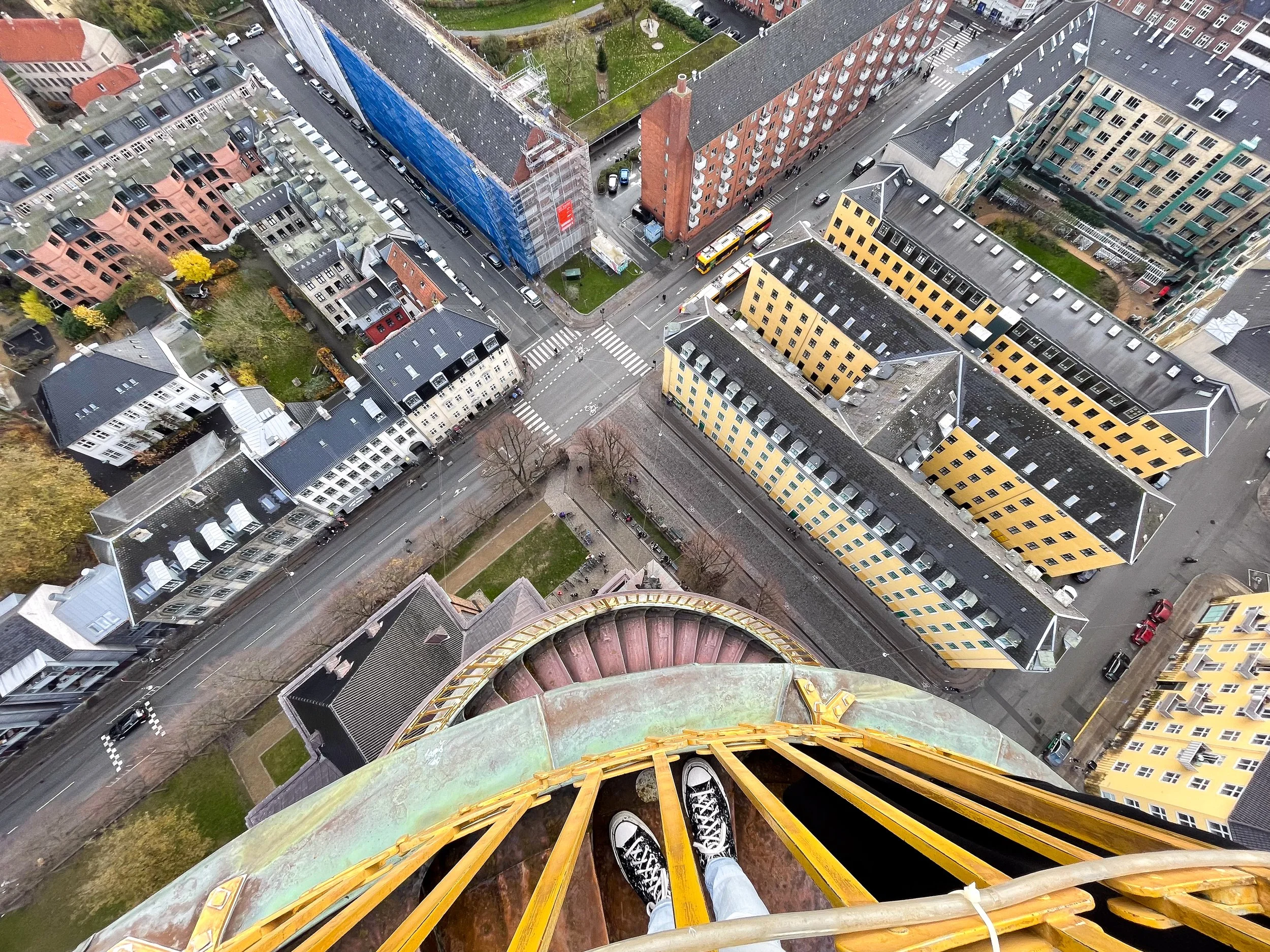
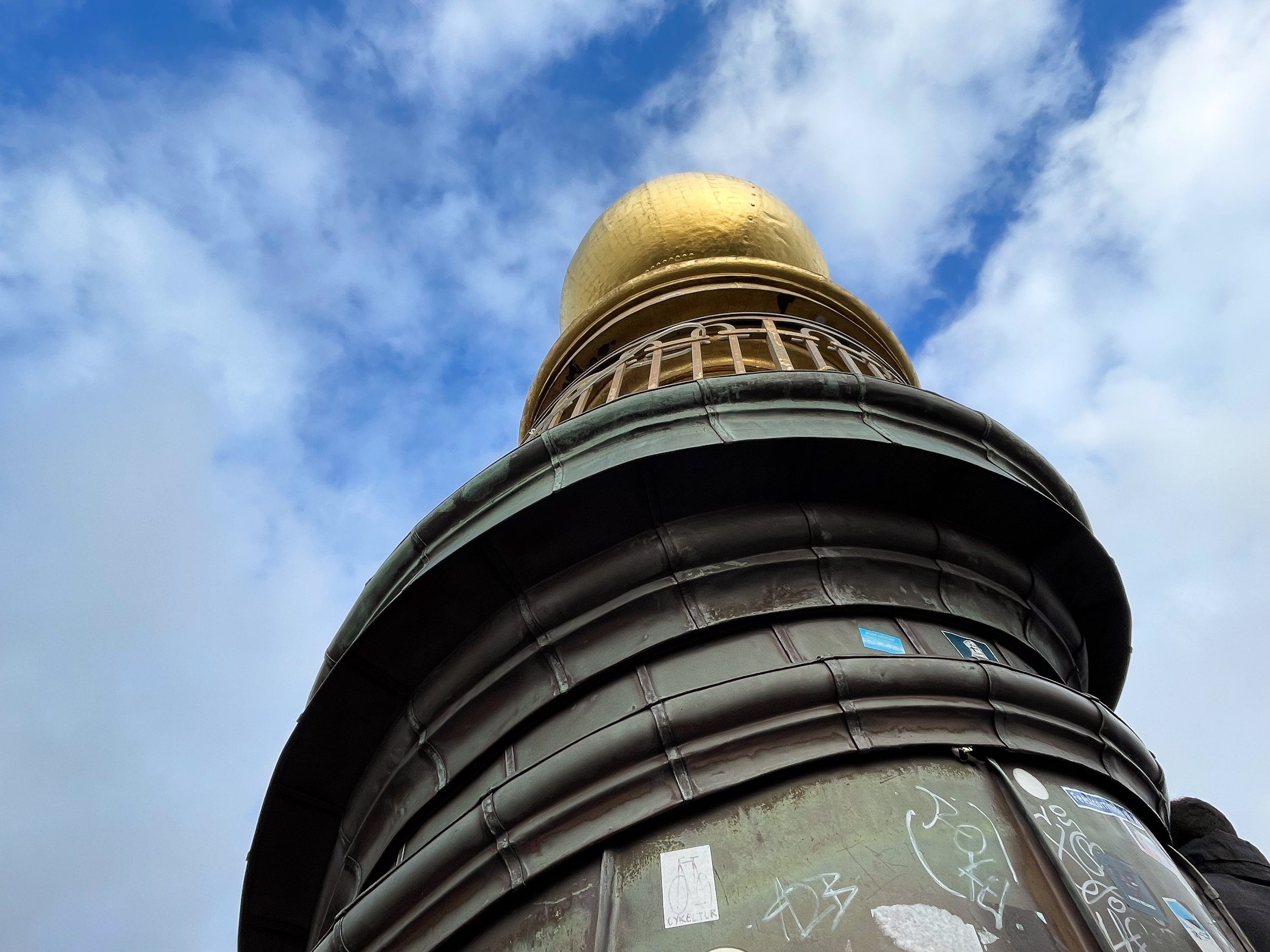
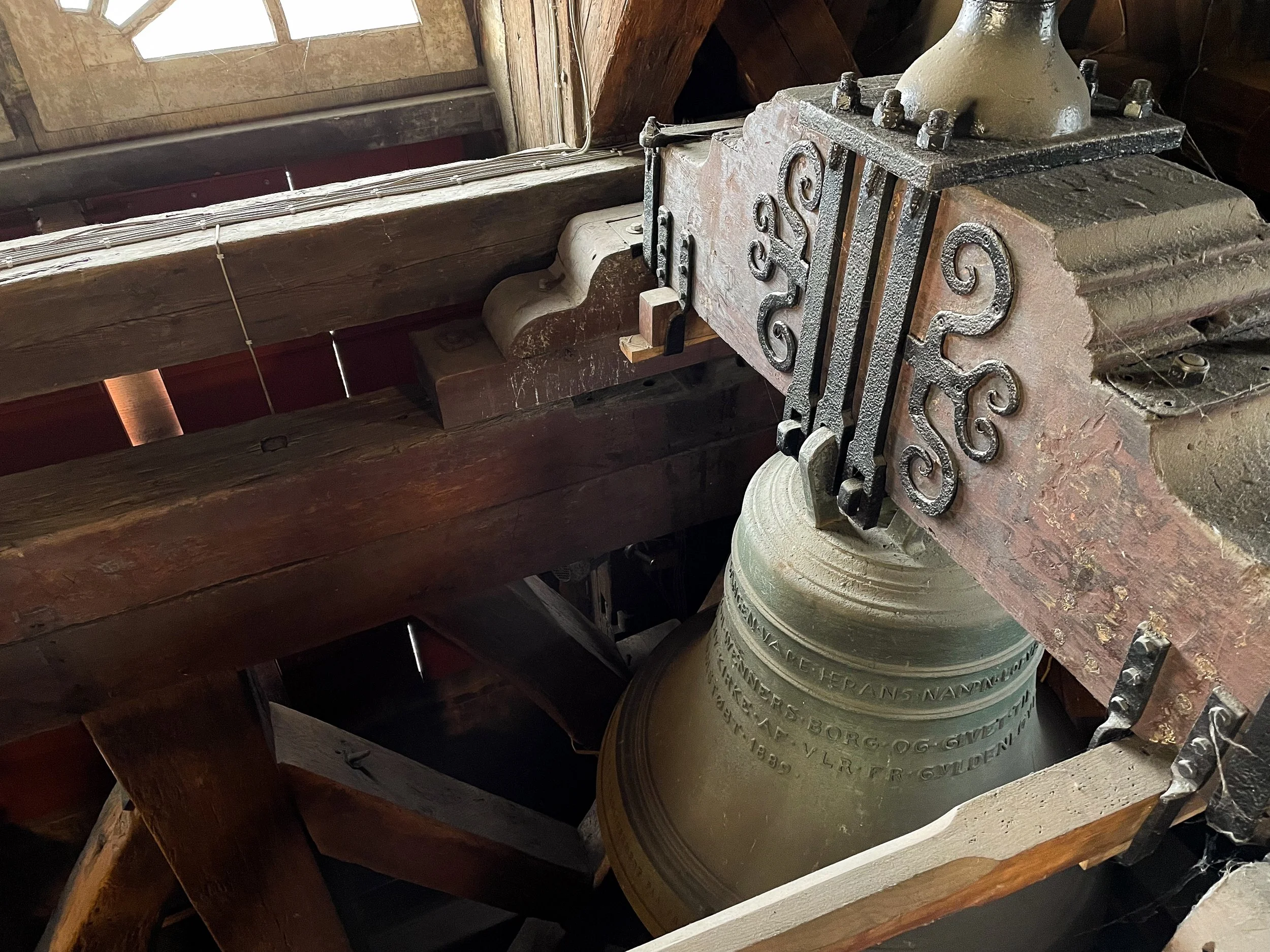
Church of Our Savior Spire. A 17th century church with a tall spiral spire and lookout. The interior and lower portion of the spire zigzags upwards through stairs and narrow passageways within the tower passing church bells and broken statues. The upper portion is located outside of the spire and winds up its exterior via a spiral staircase with the most stunning 360 views of Copenhagen.
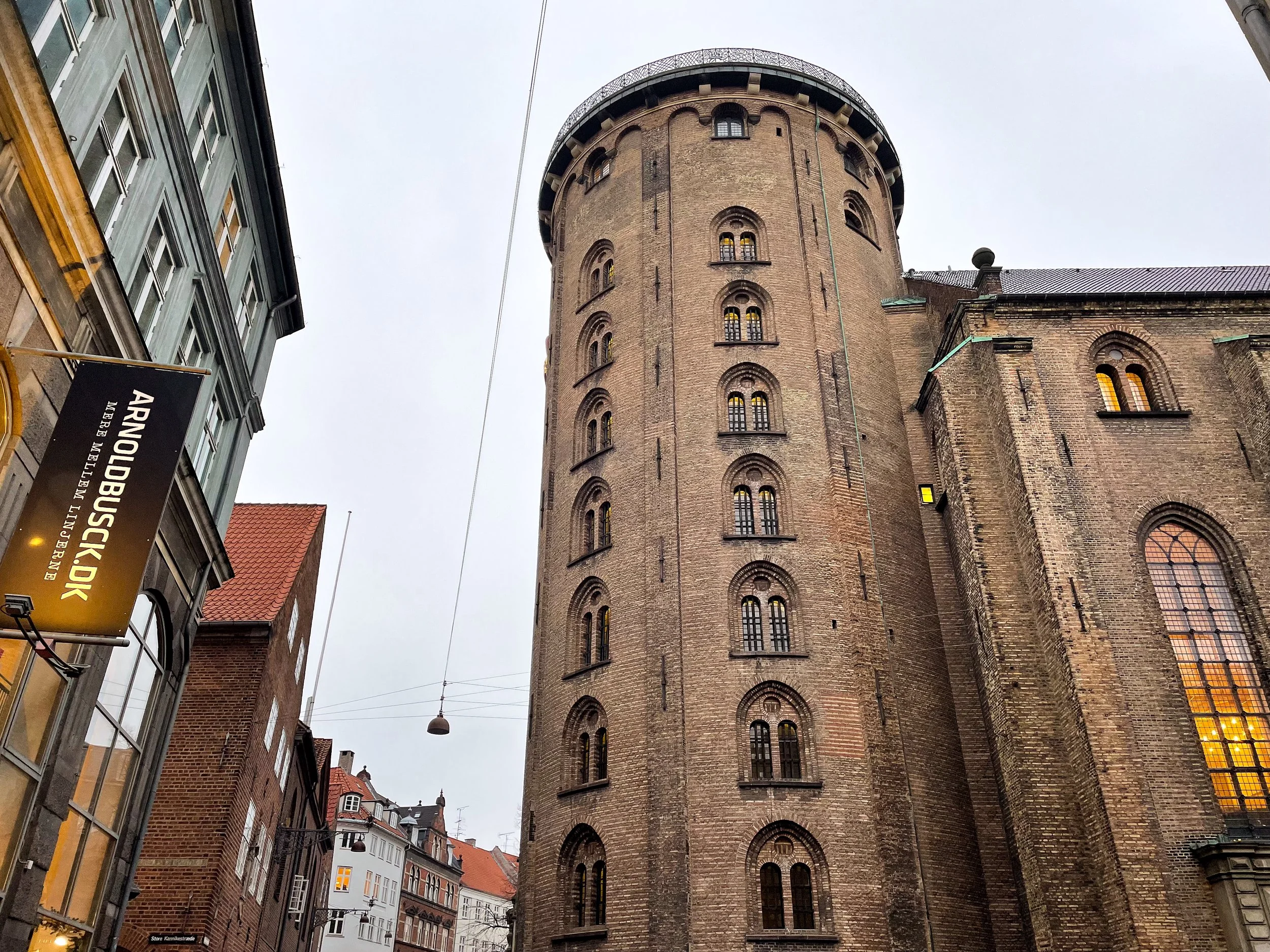
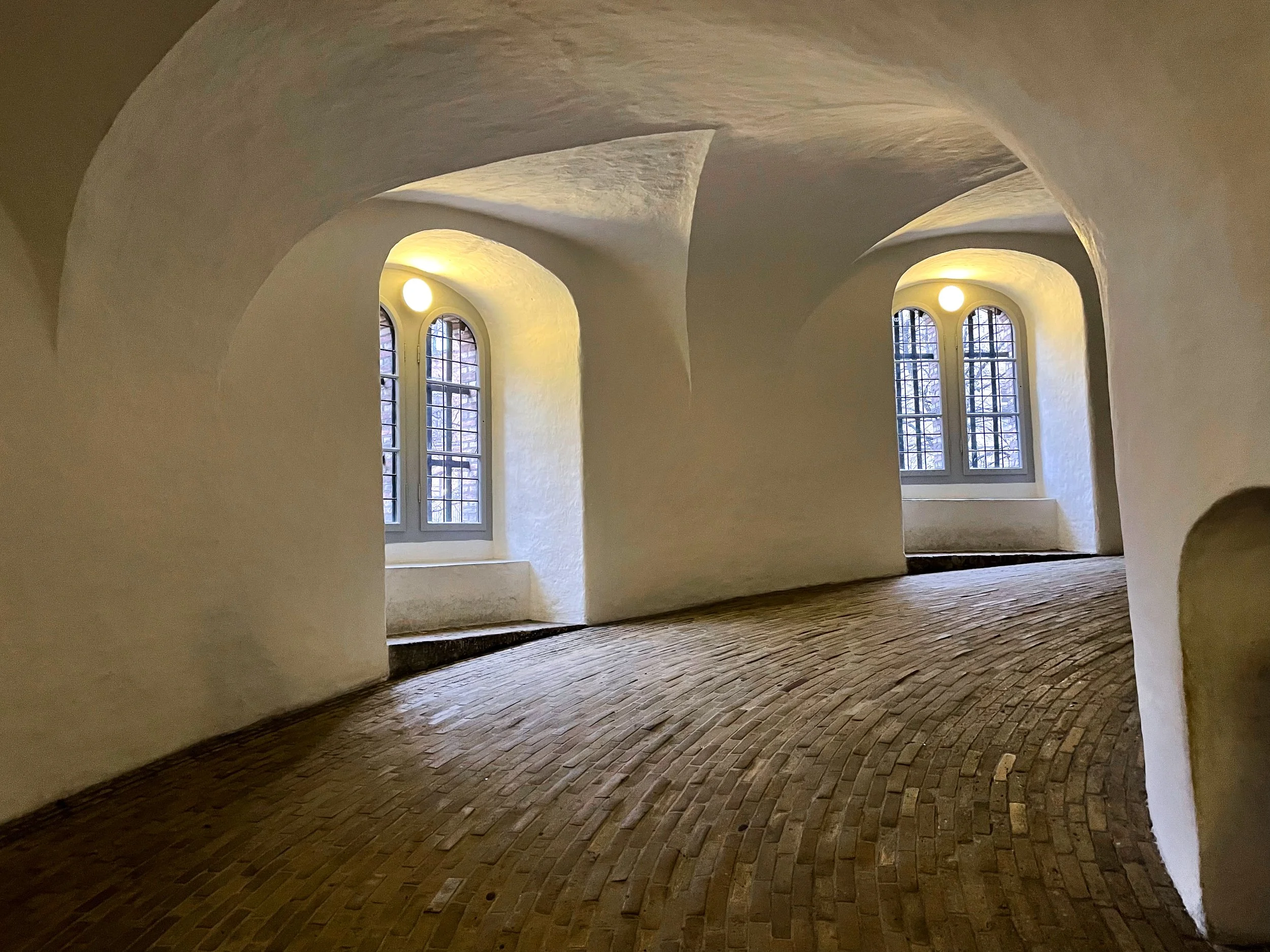
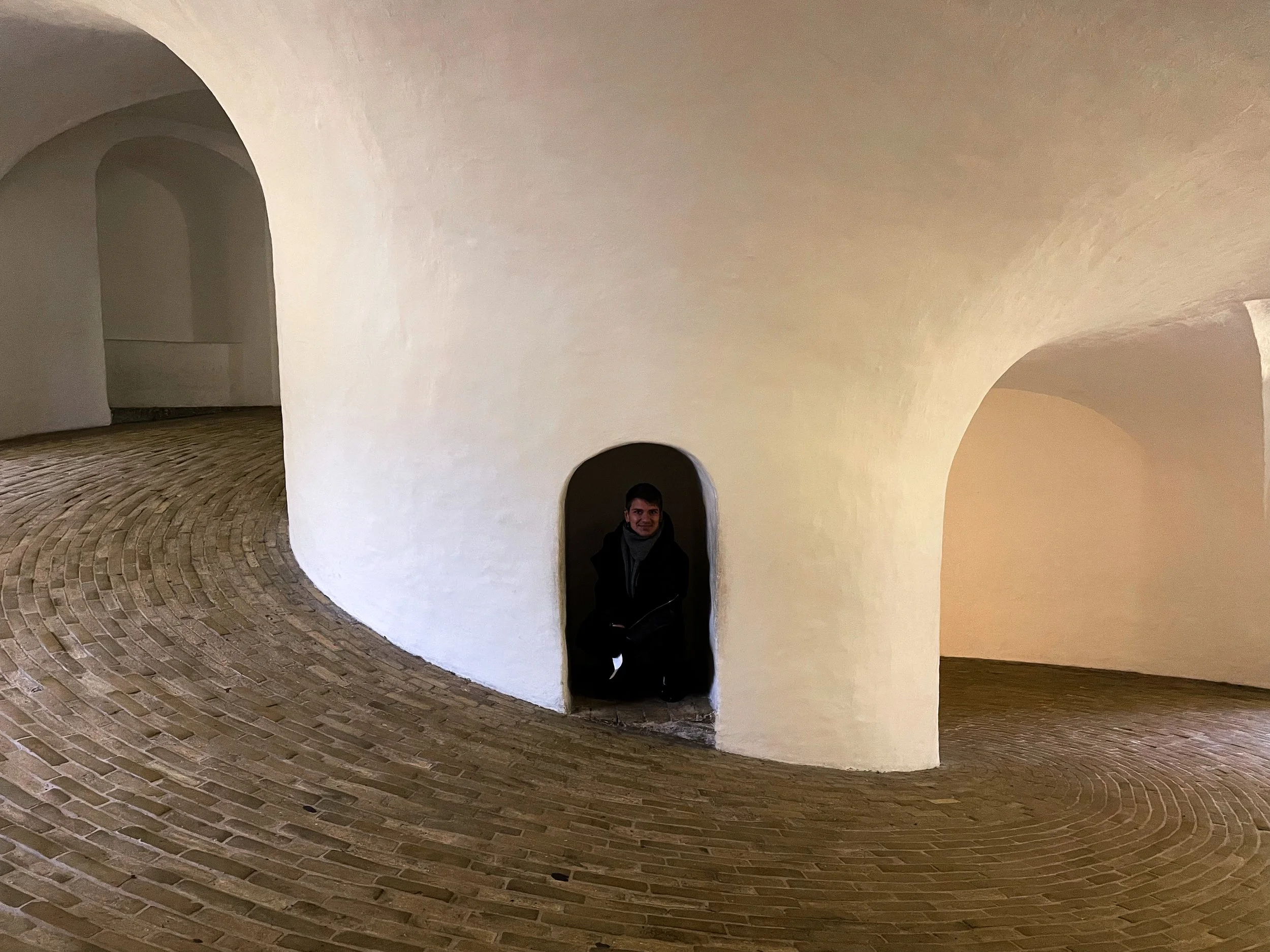
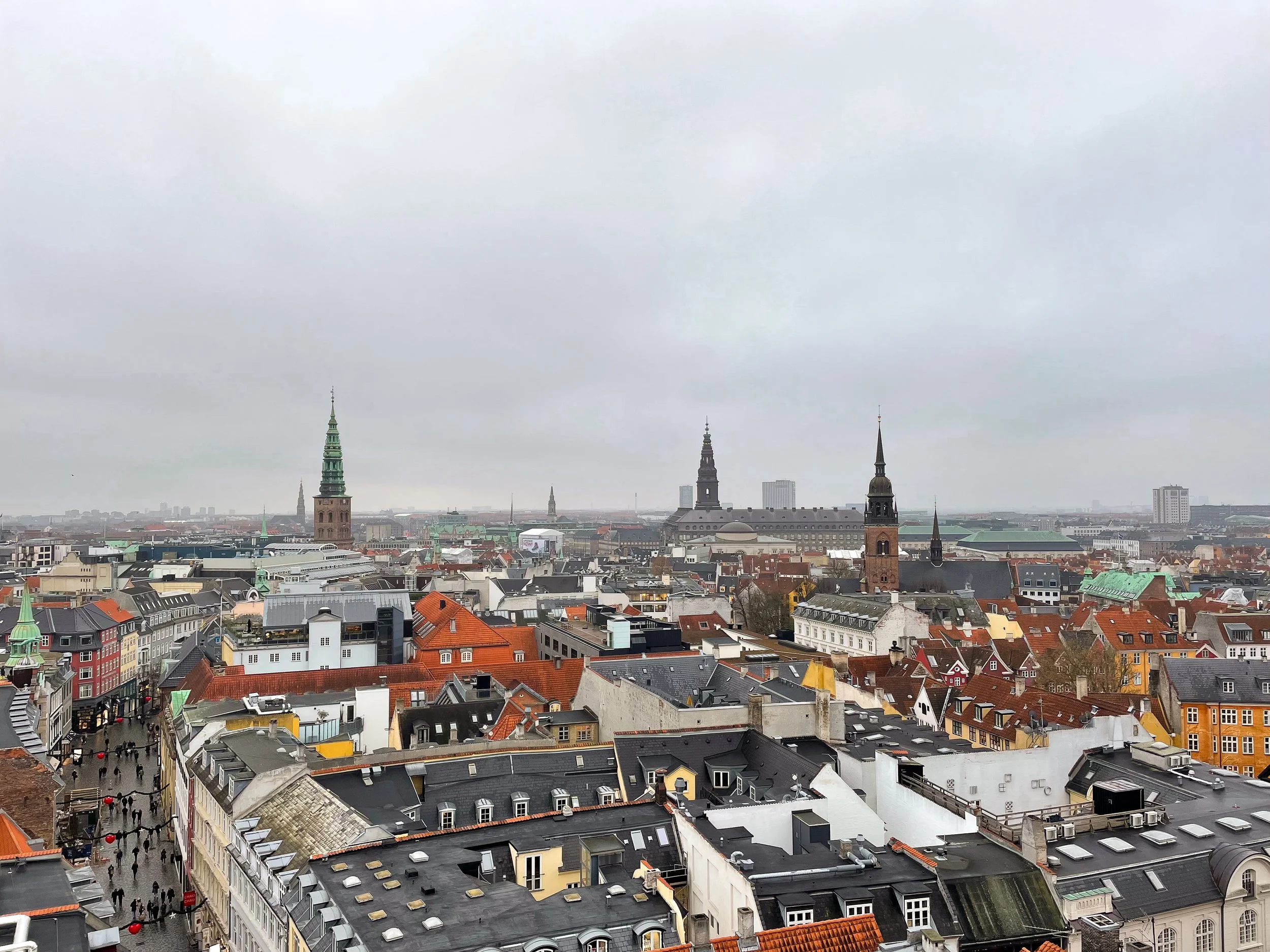
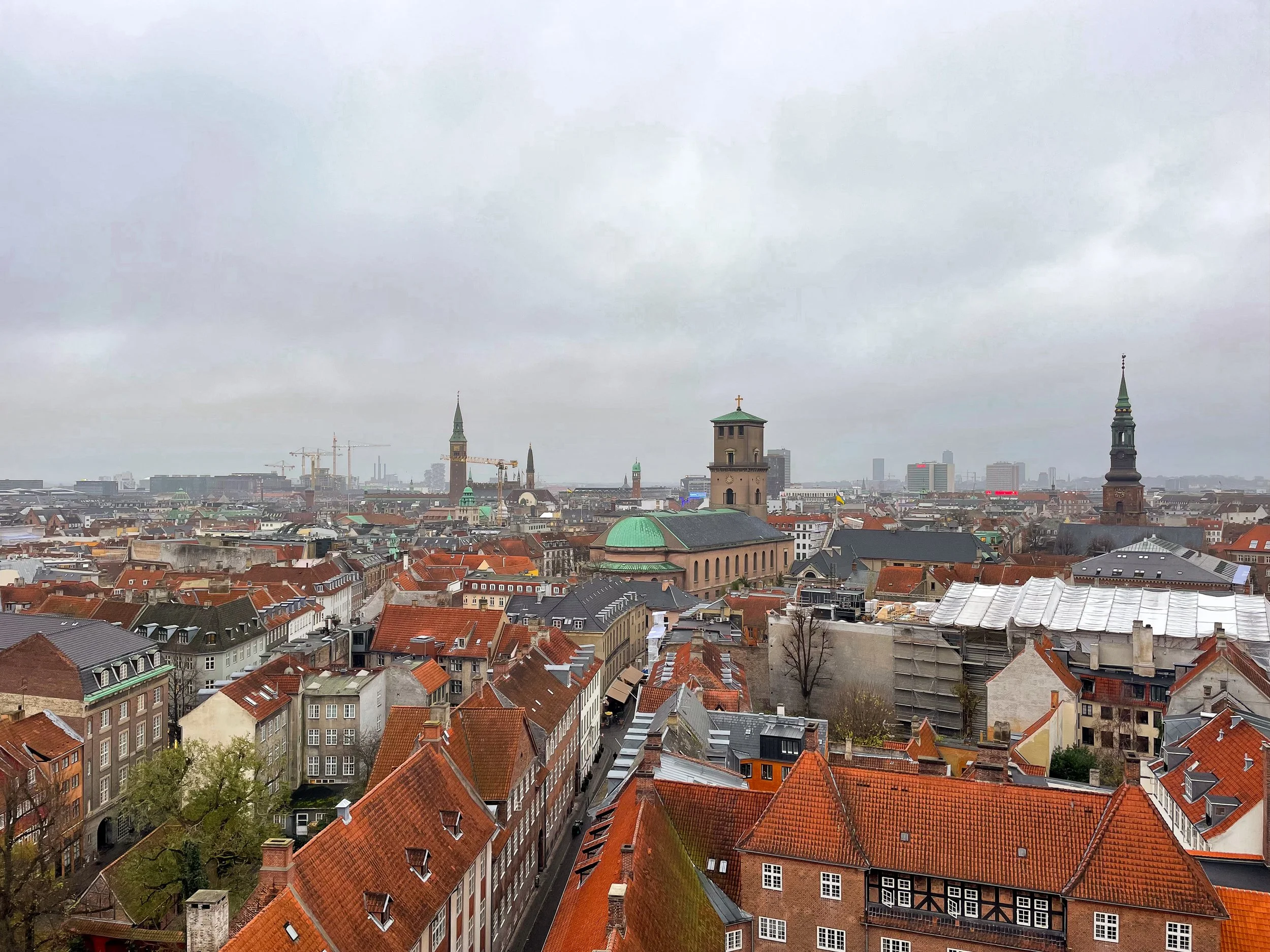
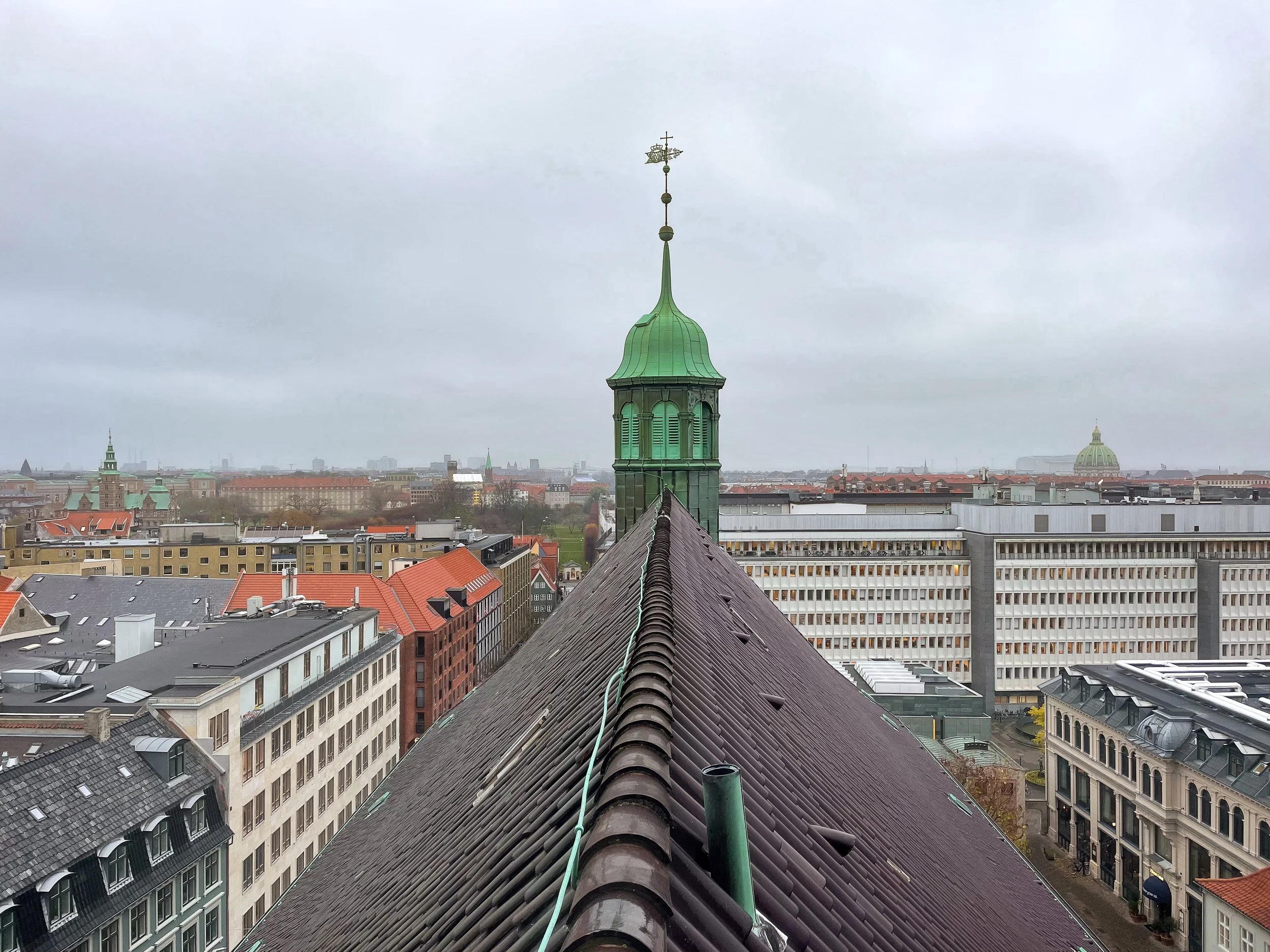
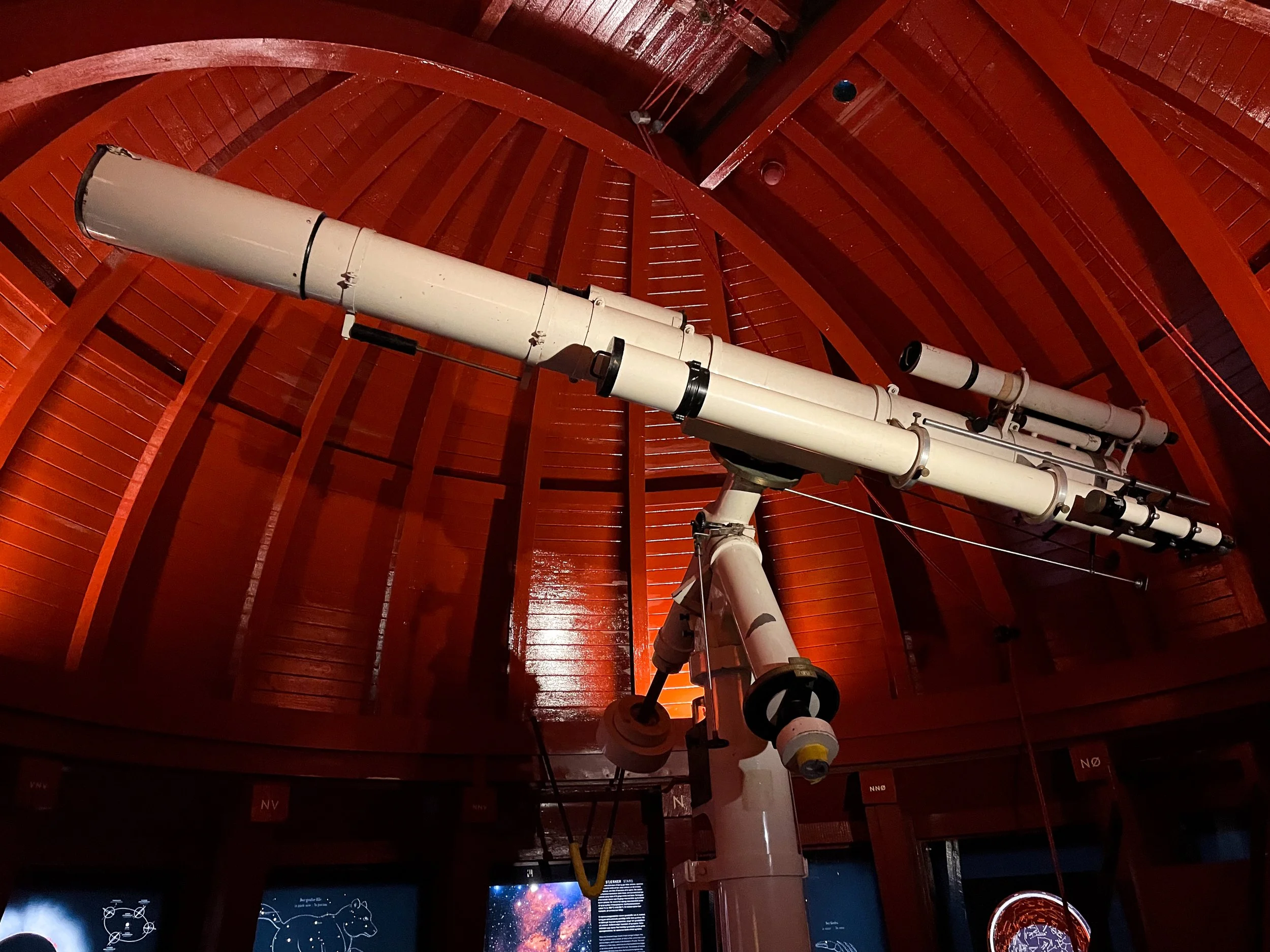
Rundetaarn (The Round Tower). A 16th century tower in the center of Copenhagen with rooftop views of the city. It was built for use as an observatory and still functions as one today. The wide spiral ramp leading to its top was designed so that horses and carriages could climb to the top.
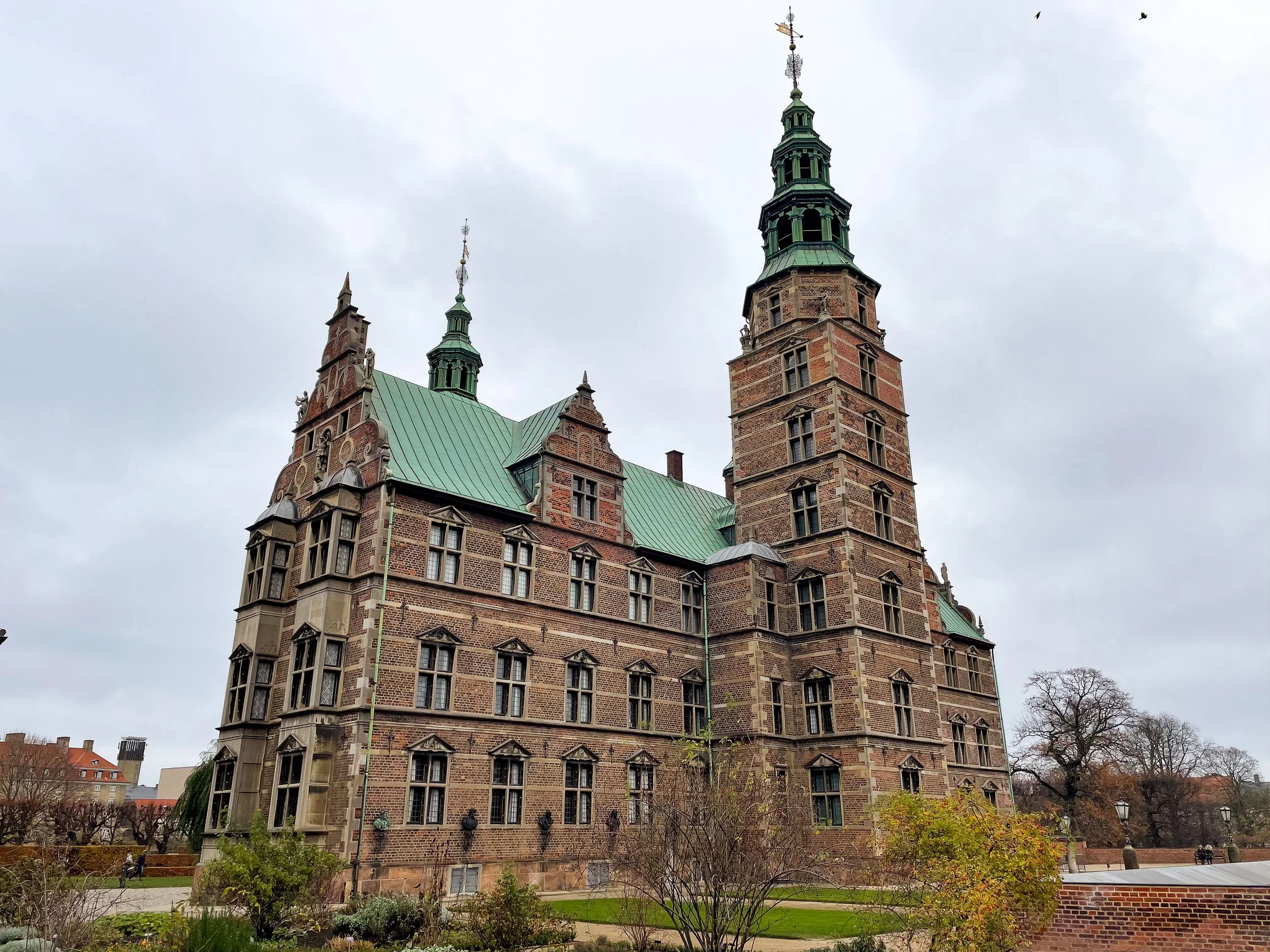
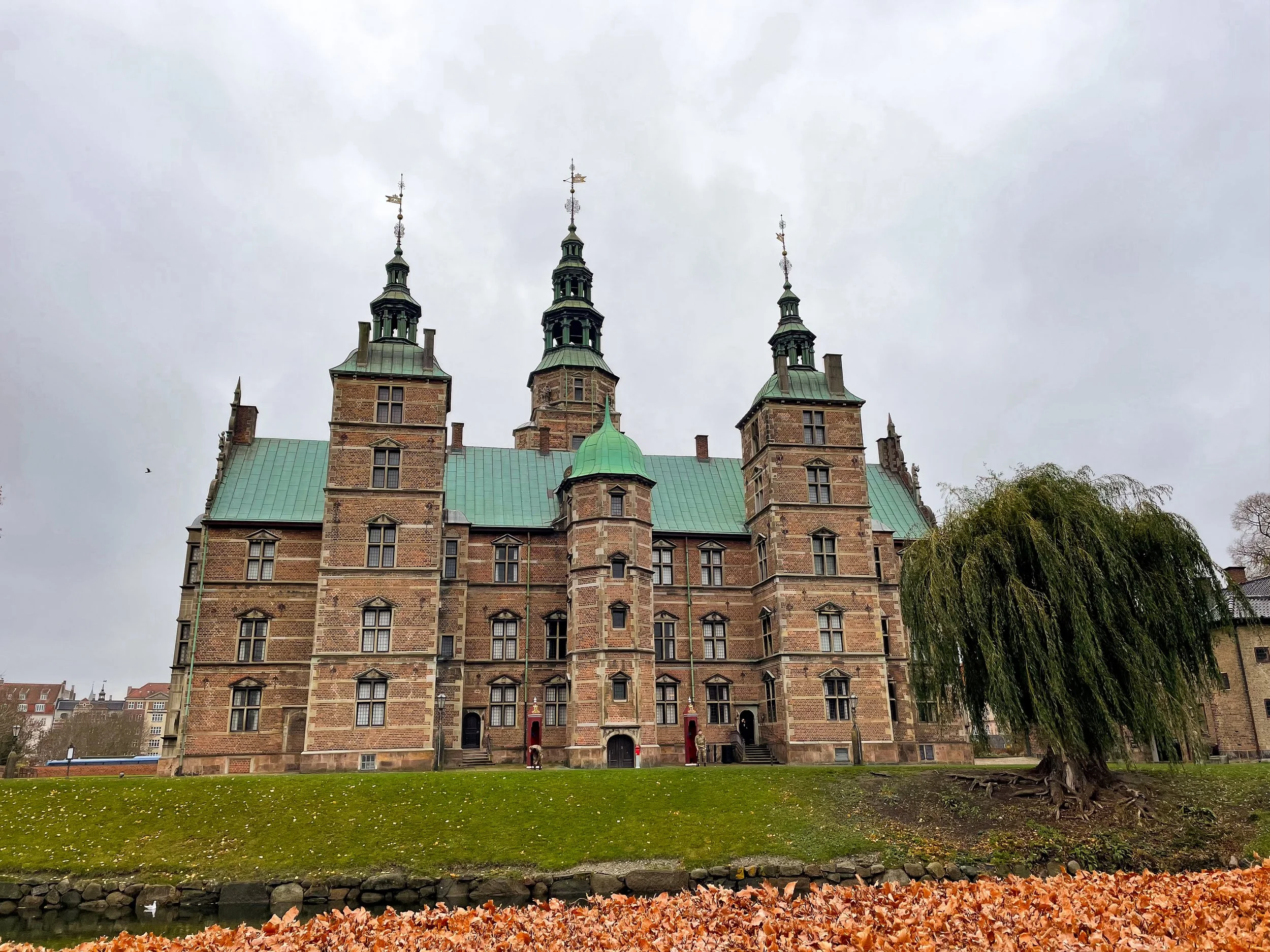
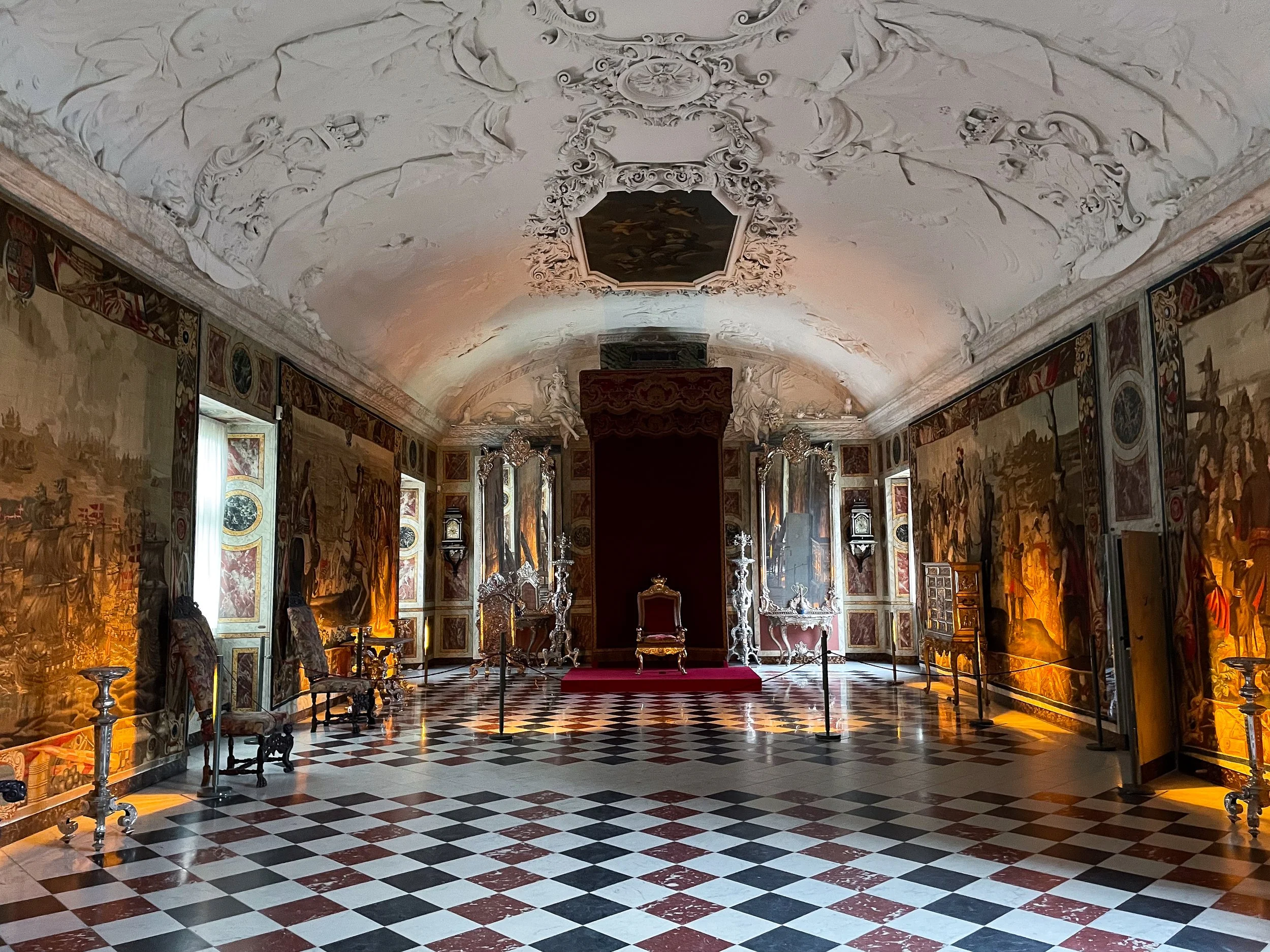
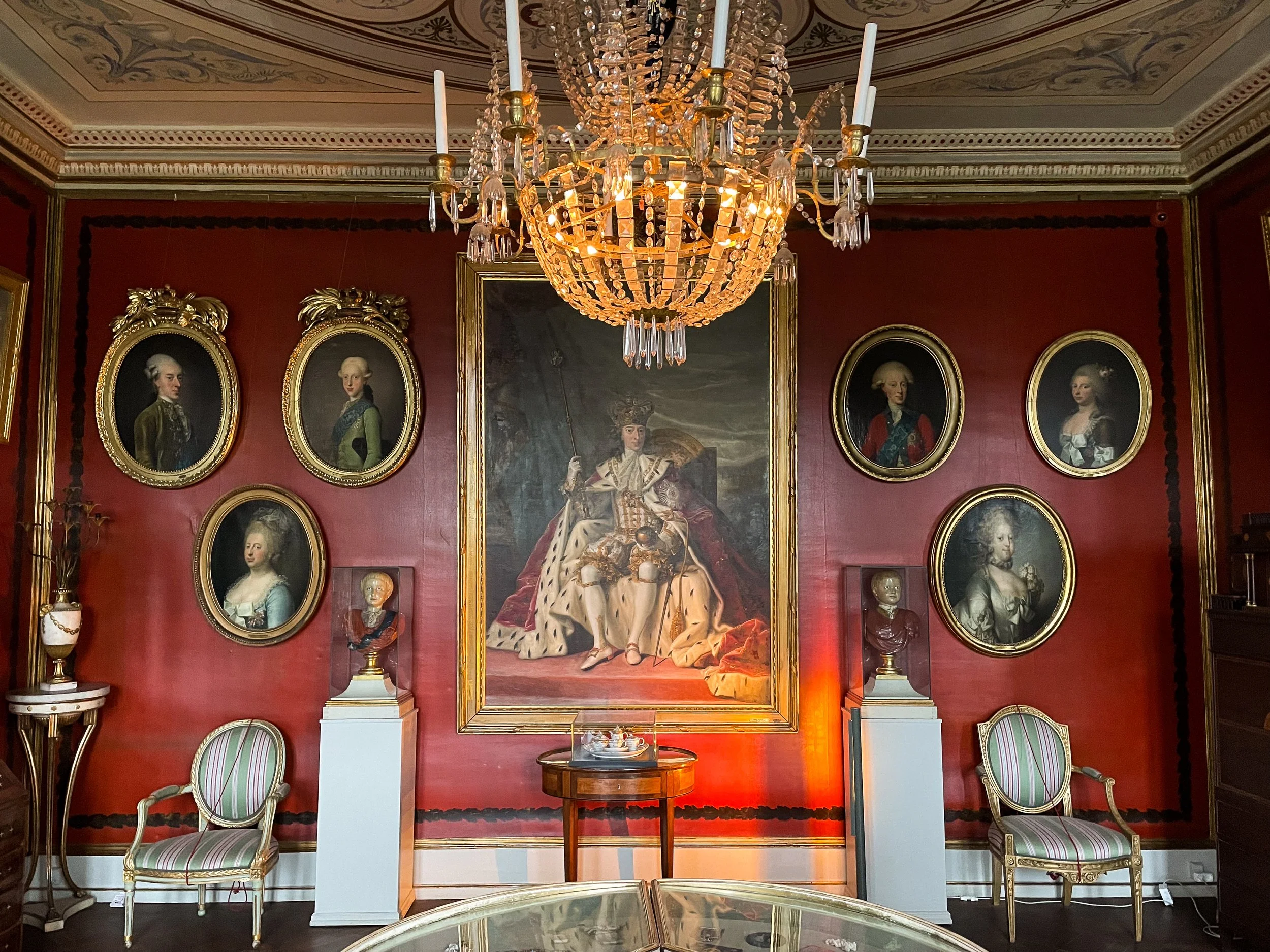
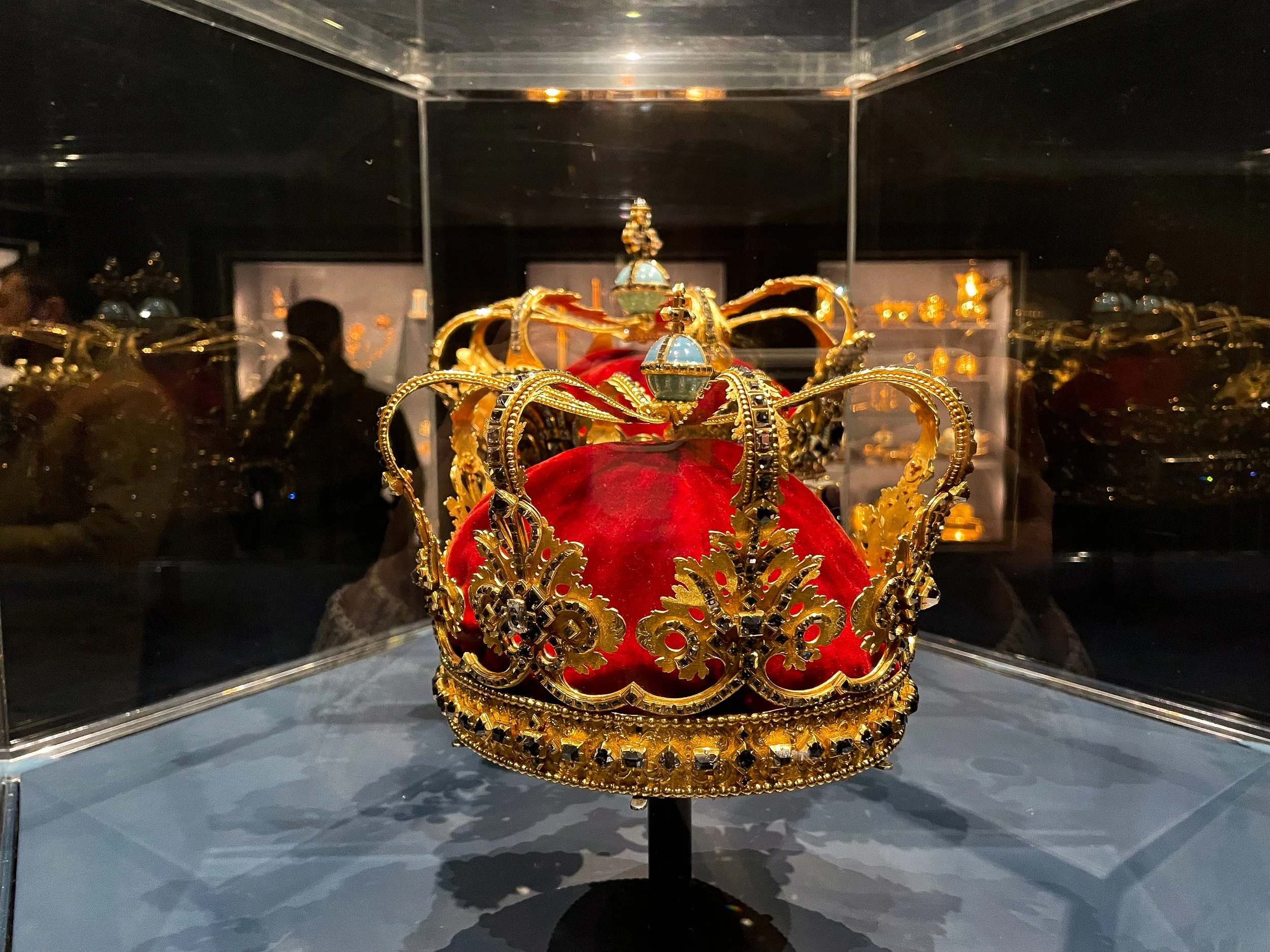
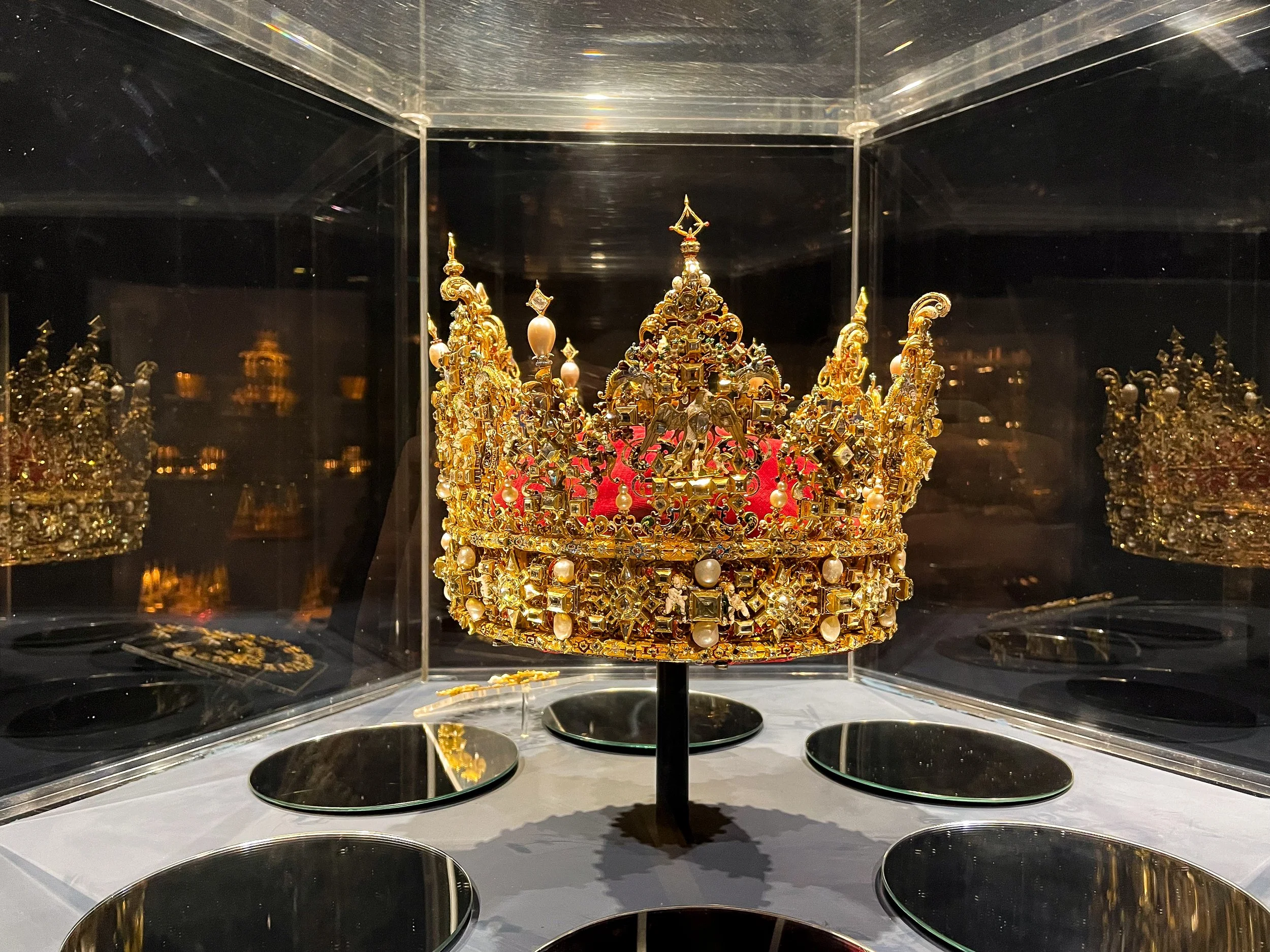
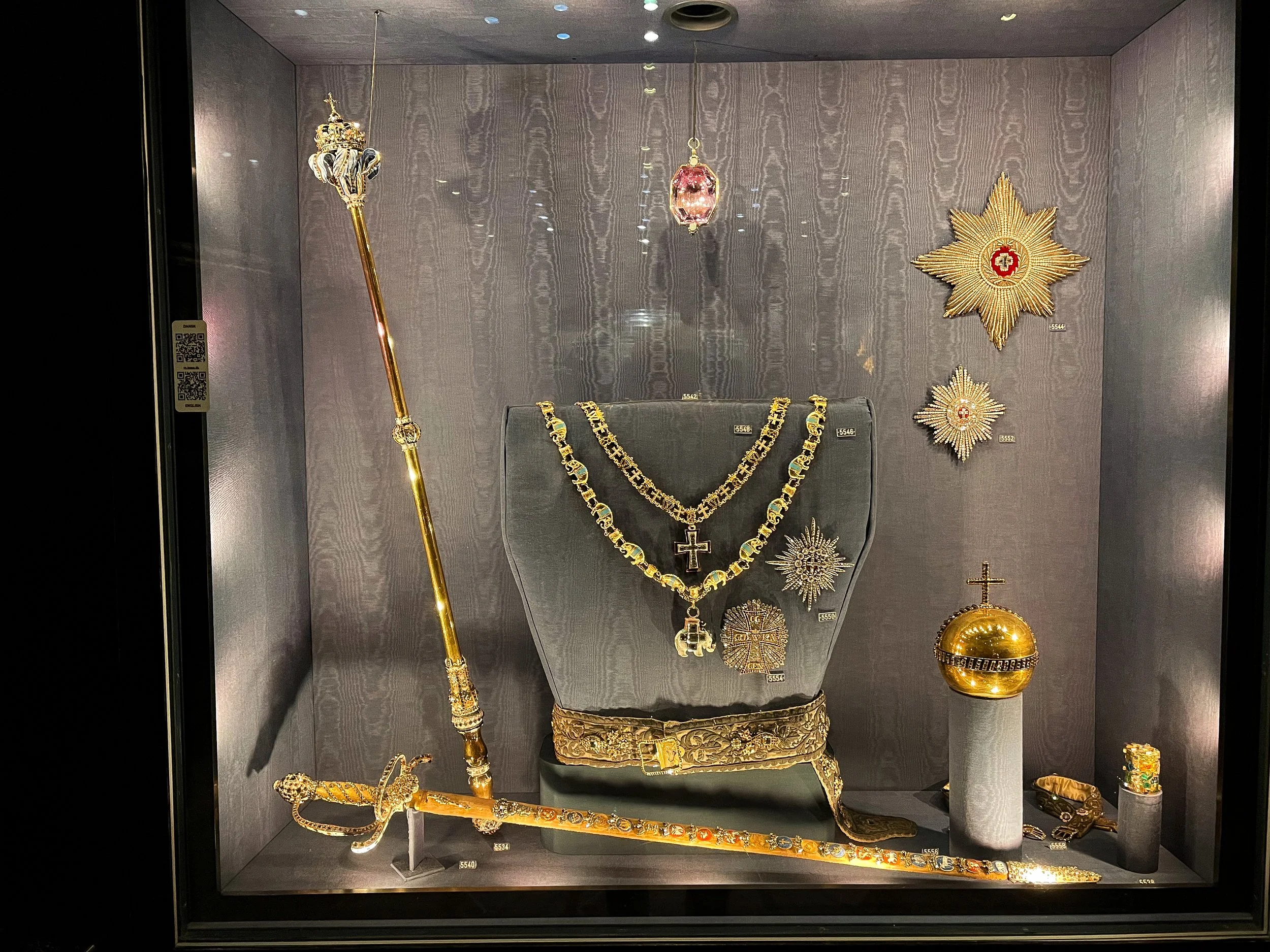
Rosenborg Castle. A 15th century castle previously home to Denmark’s monarchy. The castle is now a museum with preserved lavish rooms, hidden chambers, portraits of the monarchs, antique furniture, tapestries and artifacts. It’s home to the Crown Jewels watched over by royal guards. The Crown Jewels include multiple jewel encrusted gold crowns, elaborate sets of jewelry, the coronation scepter and a large pink diamond. The estate is surrounded by the King’s Garden with sculptures, paths and fountains.
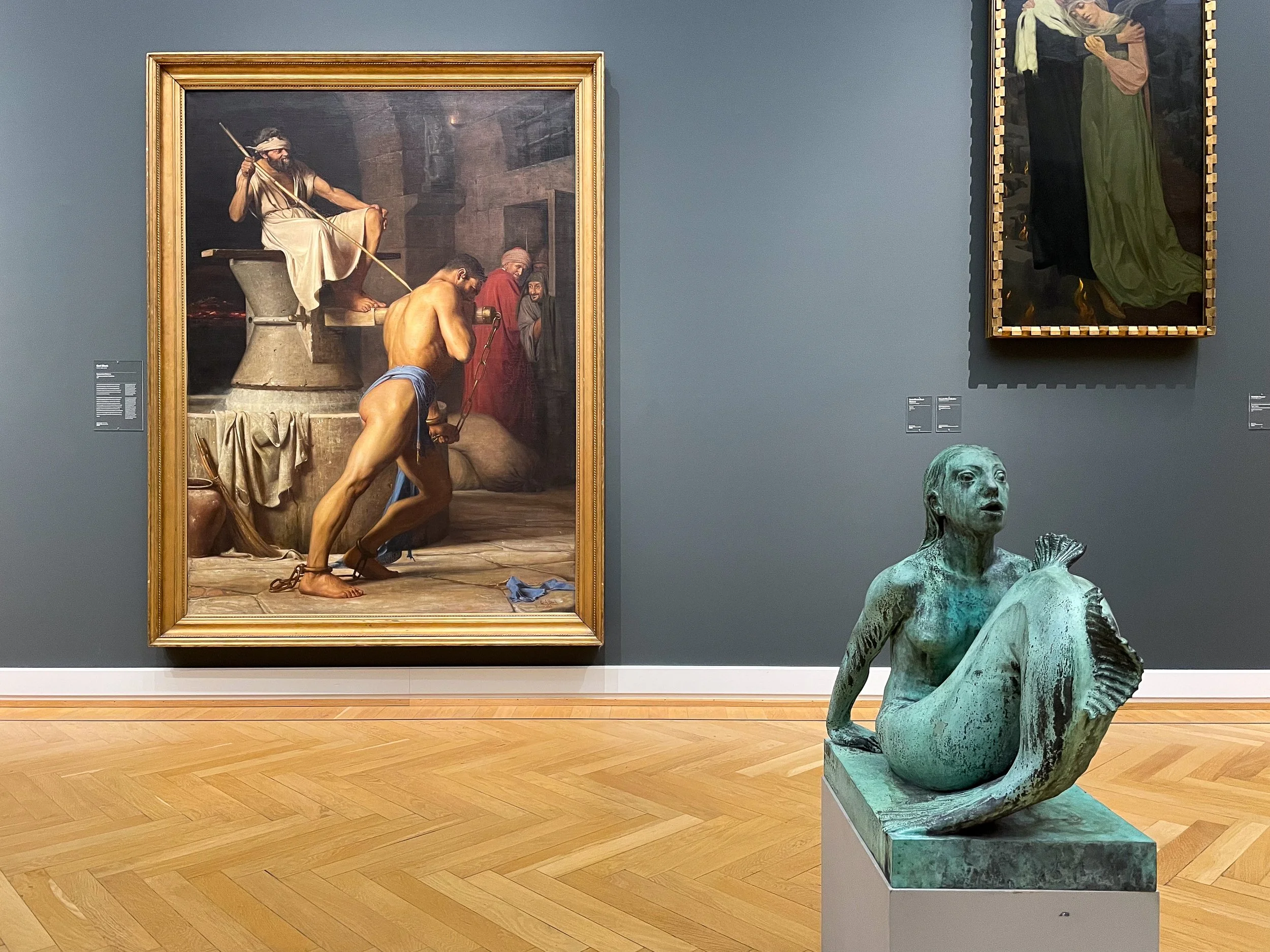
Kunst Museum. Denmark’s largest art museum with Danish and European art ranging from the 15th century to present day. We visited when Matisse’s “Red Room” was on display with several other pieces depicted in it for the first time since he painted the work.
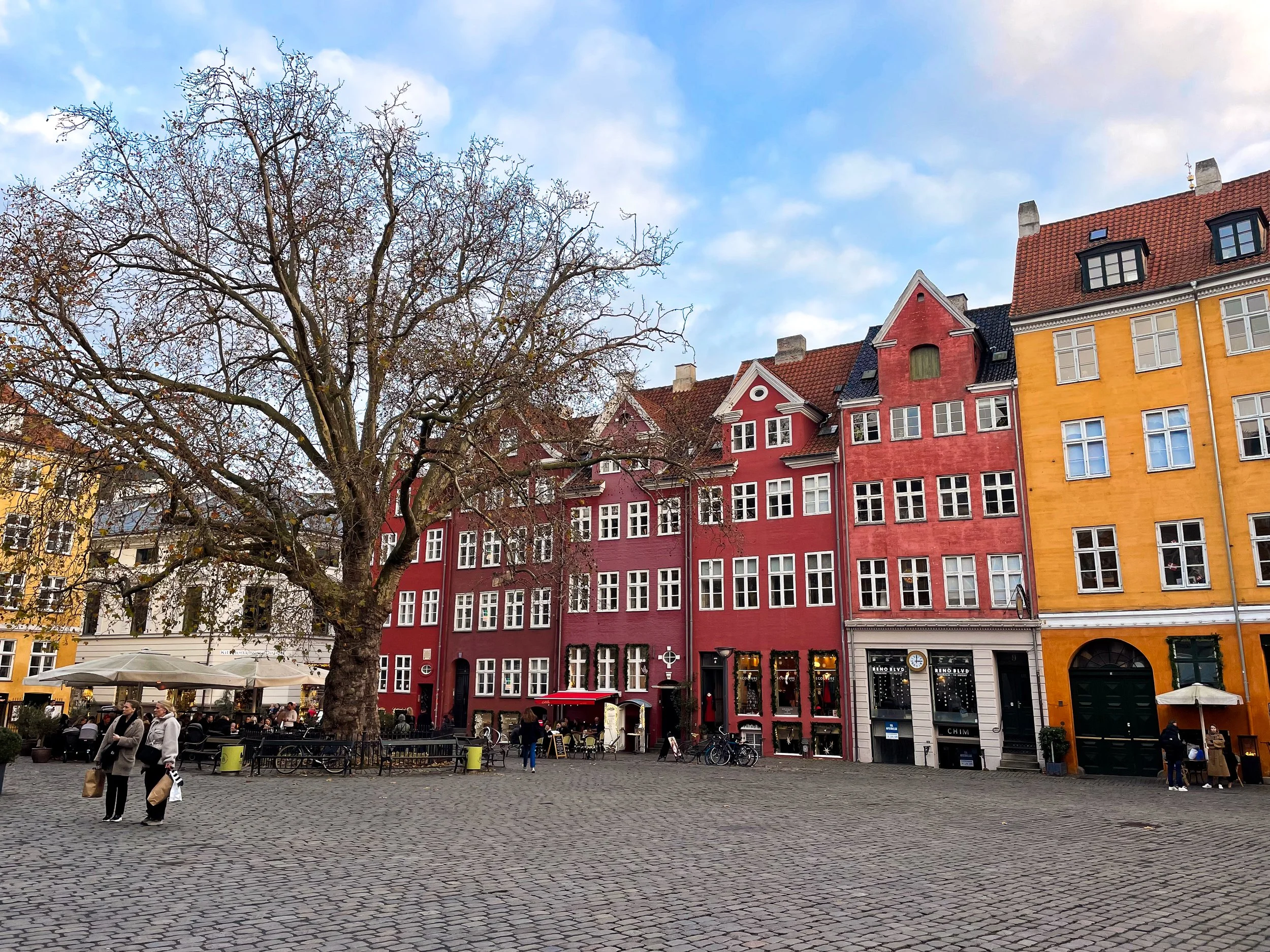
Gråbrødretorv Square. A cobblestone square with colorful historic buildings, restaurants that spill out into the square and cocktail bars including Strøm Bar and Peder Oxe’s Kaelder. It was one of our favorite places to visit and felt like a hidden gem in the city center.
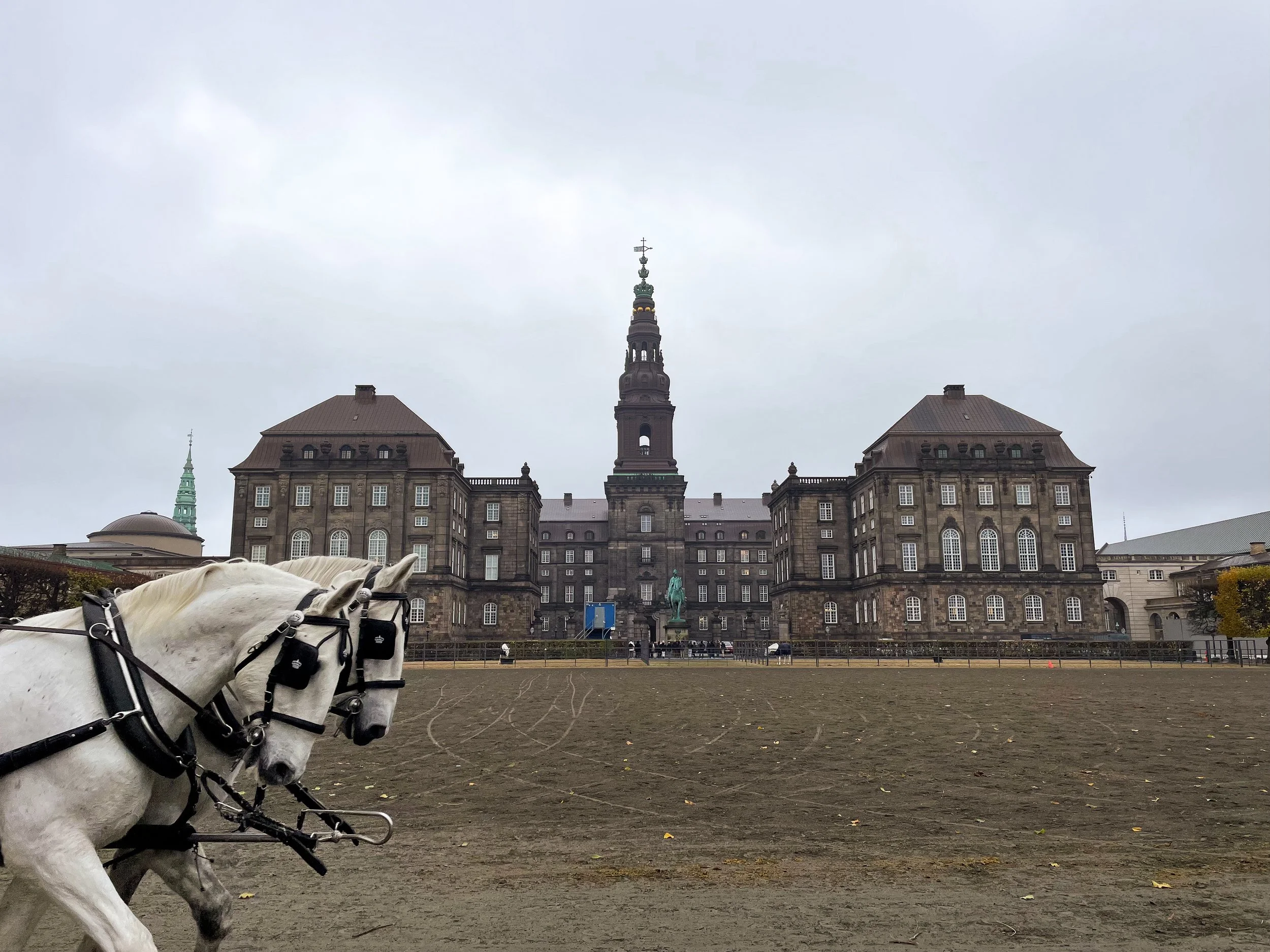
Christiansborg Palace. The seat of the Danish prime minister, supreme court and parliament. It has a tall tower with views of the city and equestrian lawn.
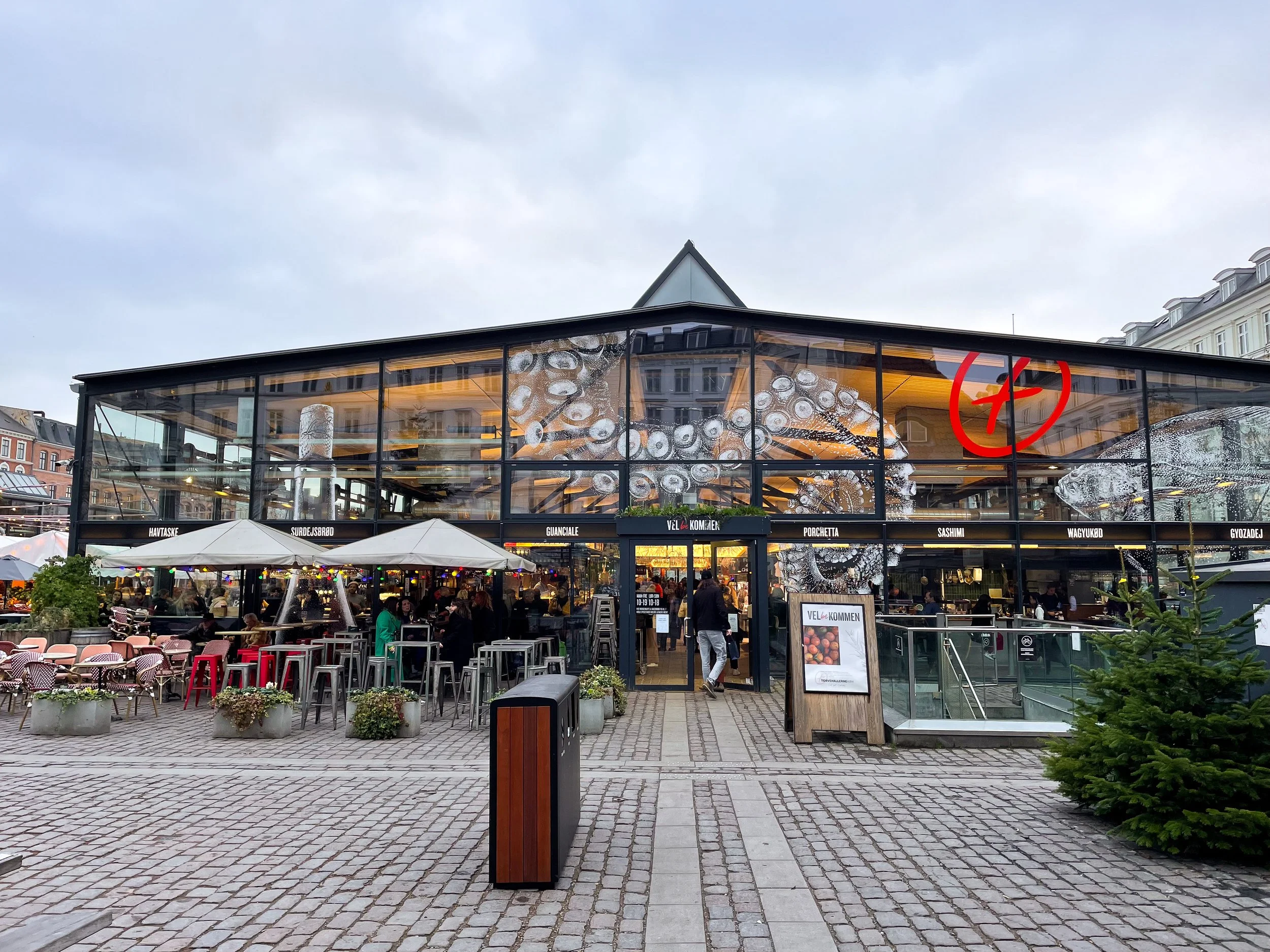
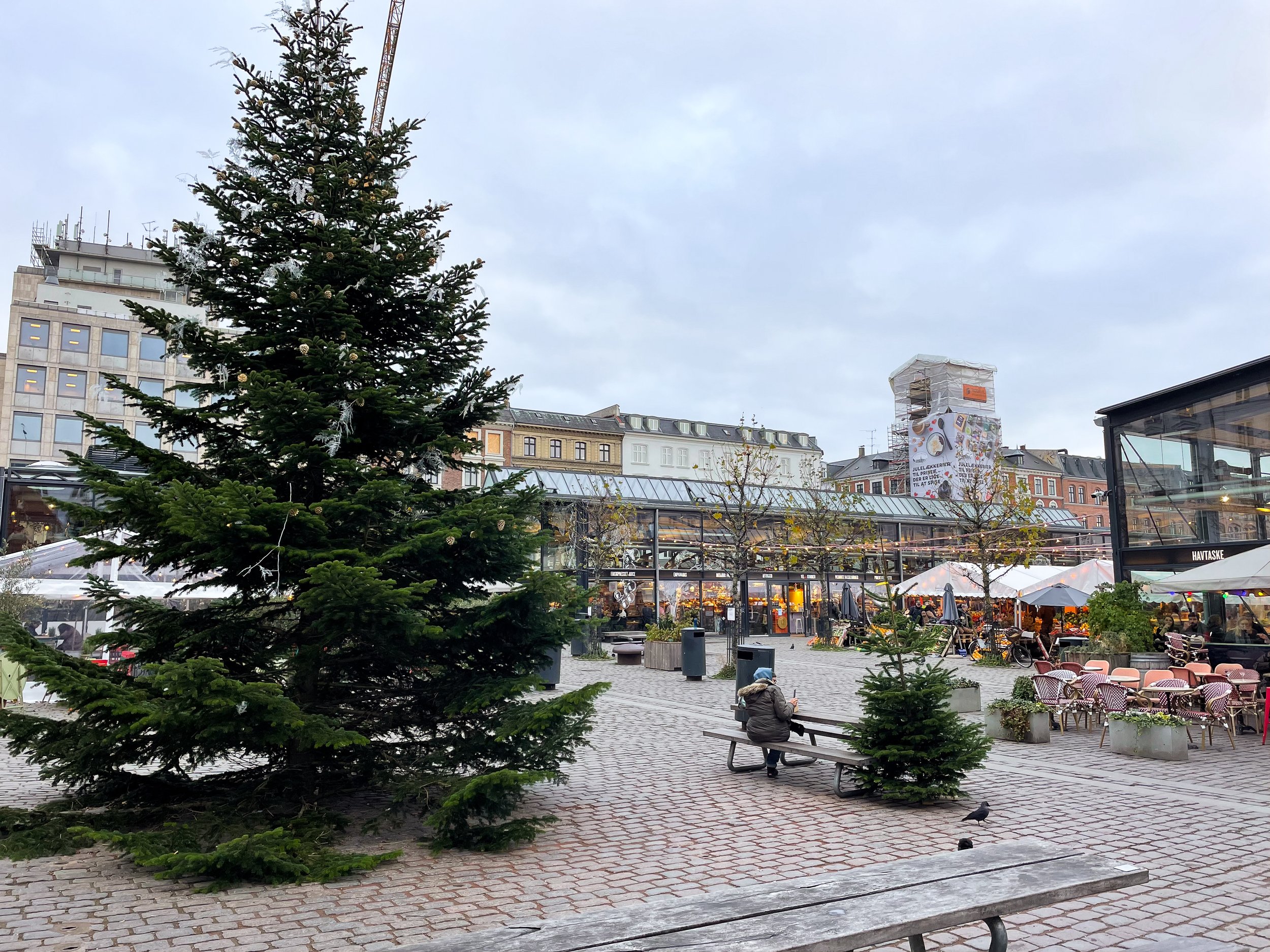
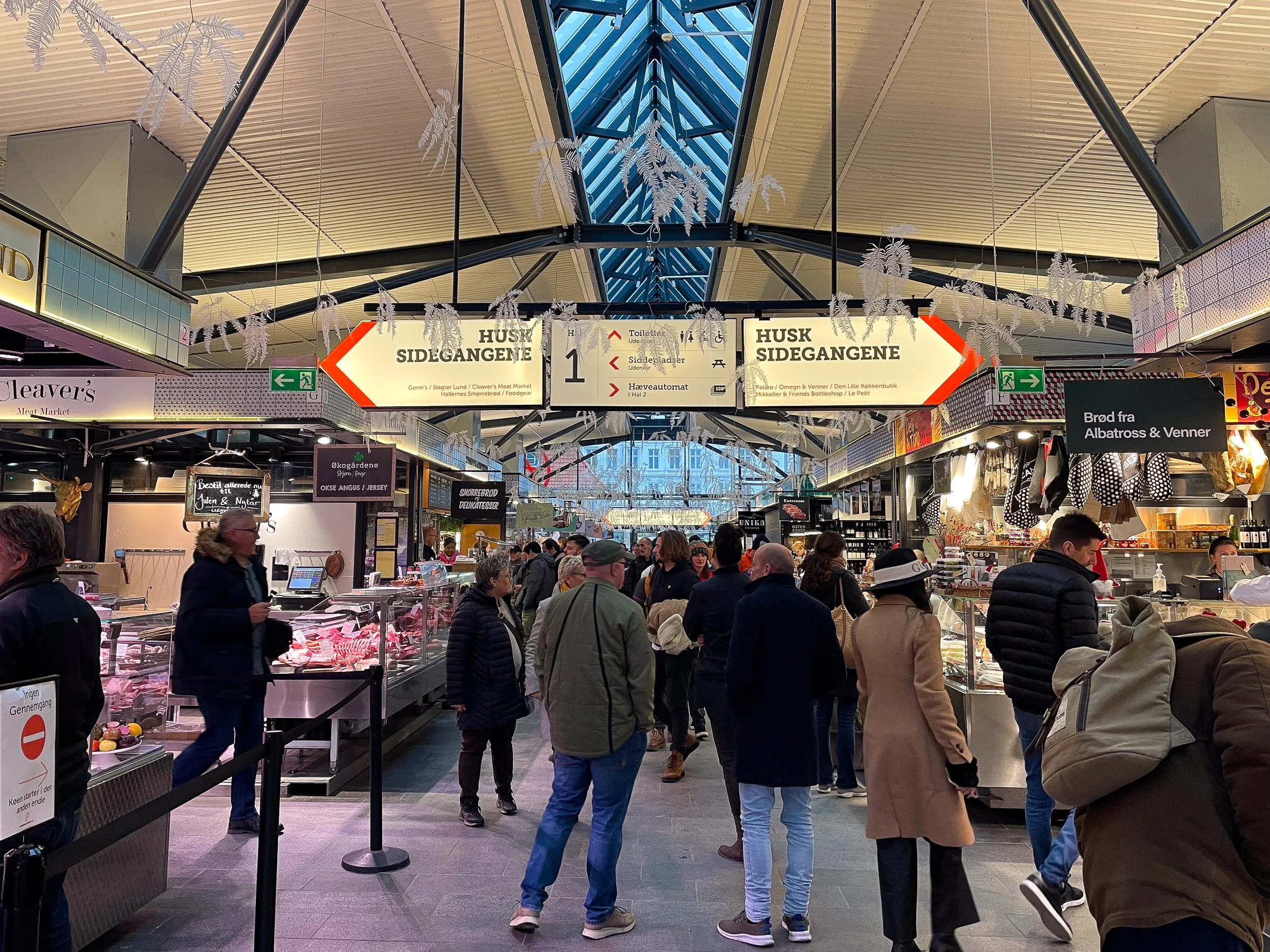
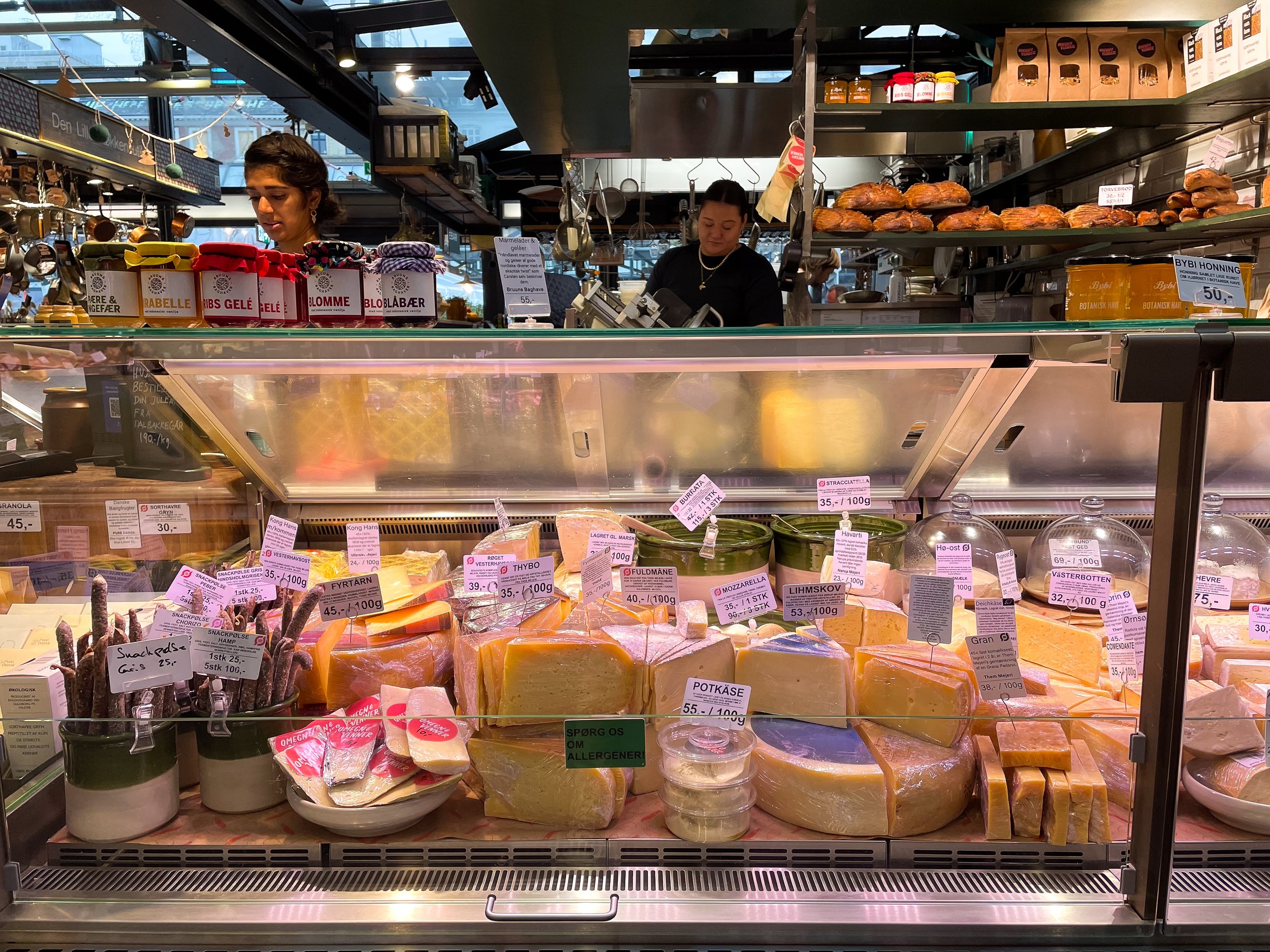
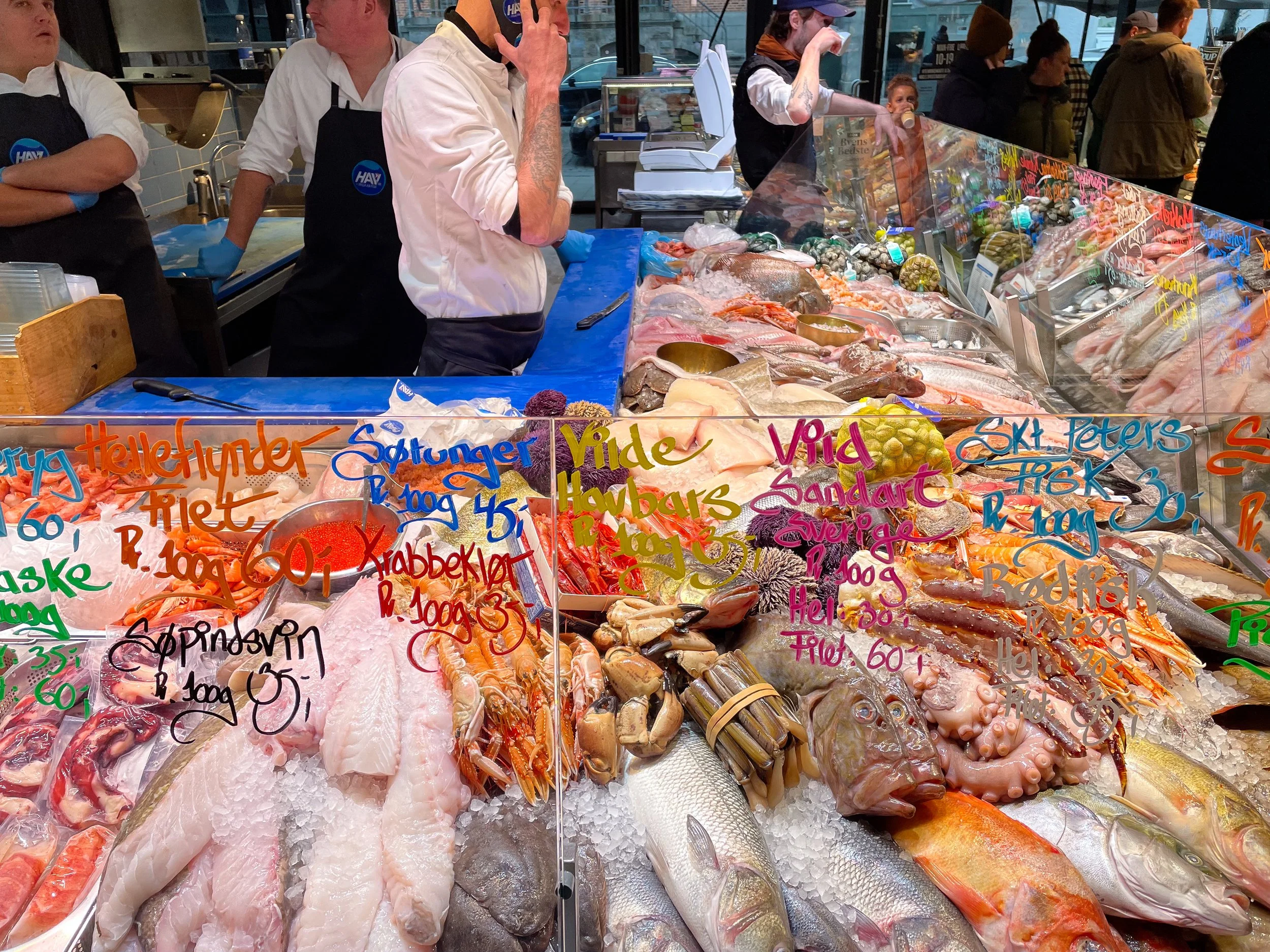
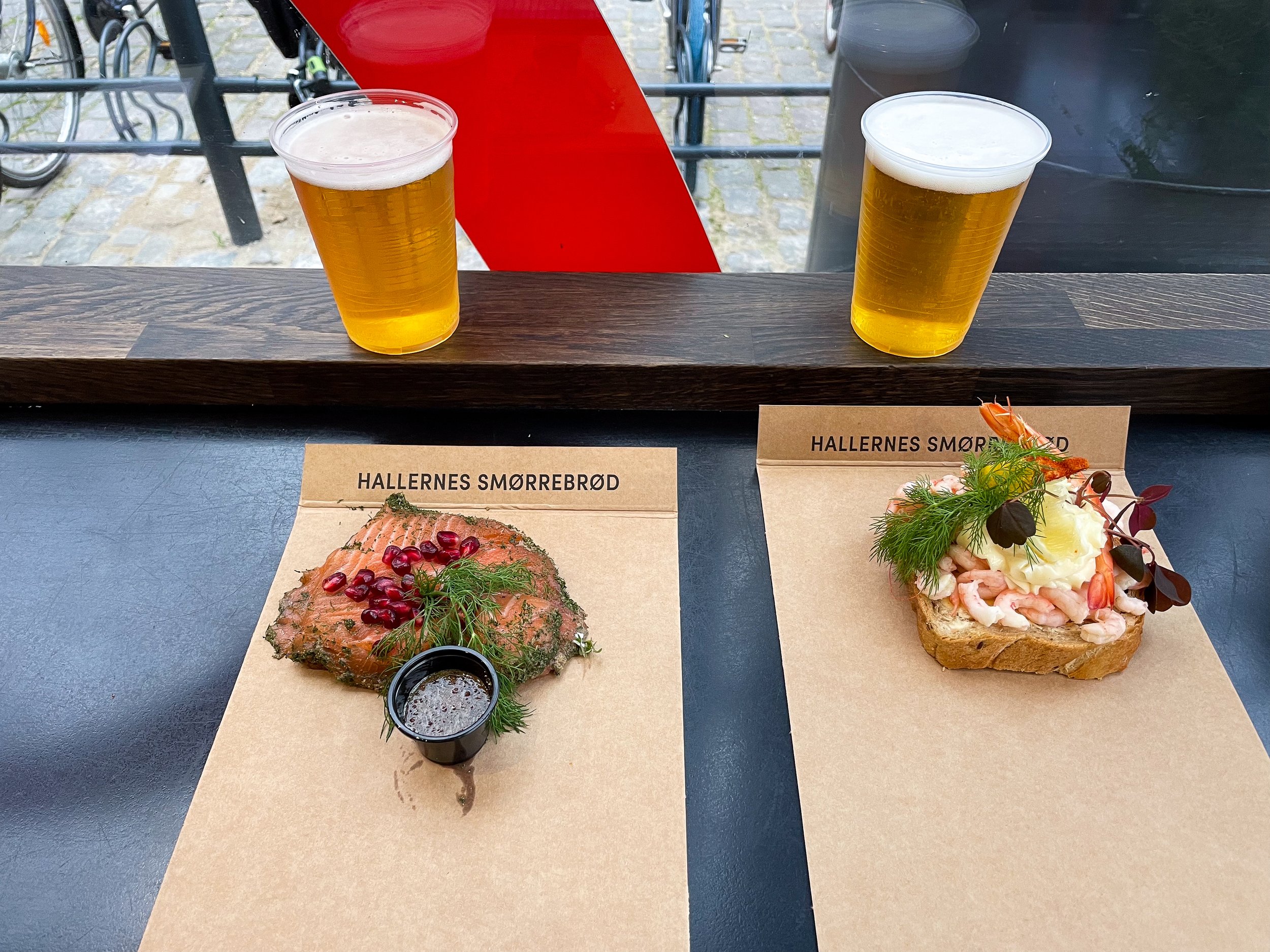
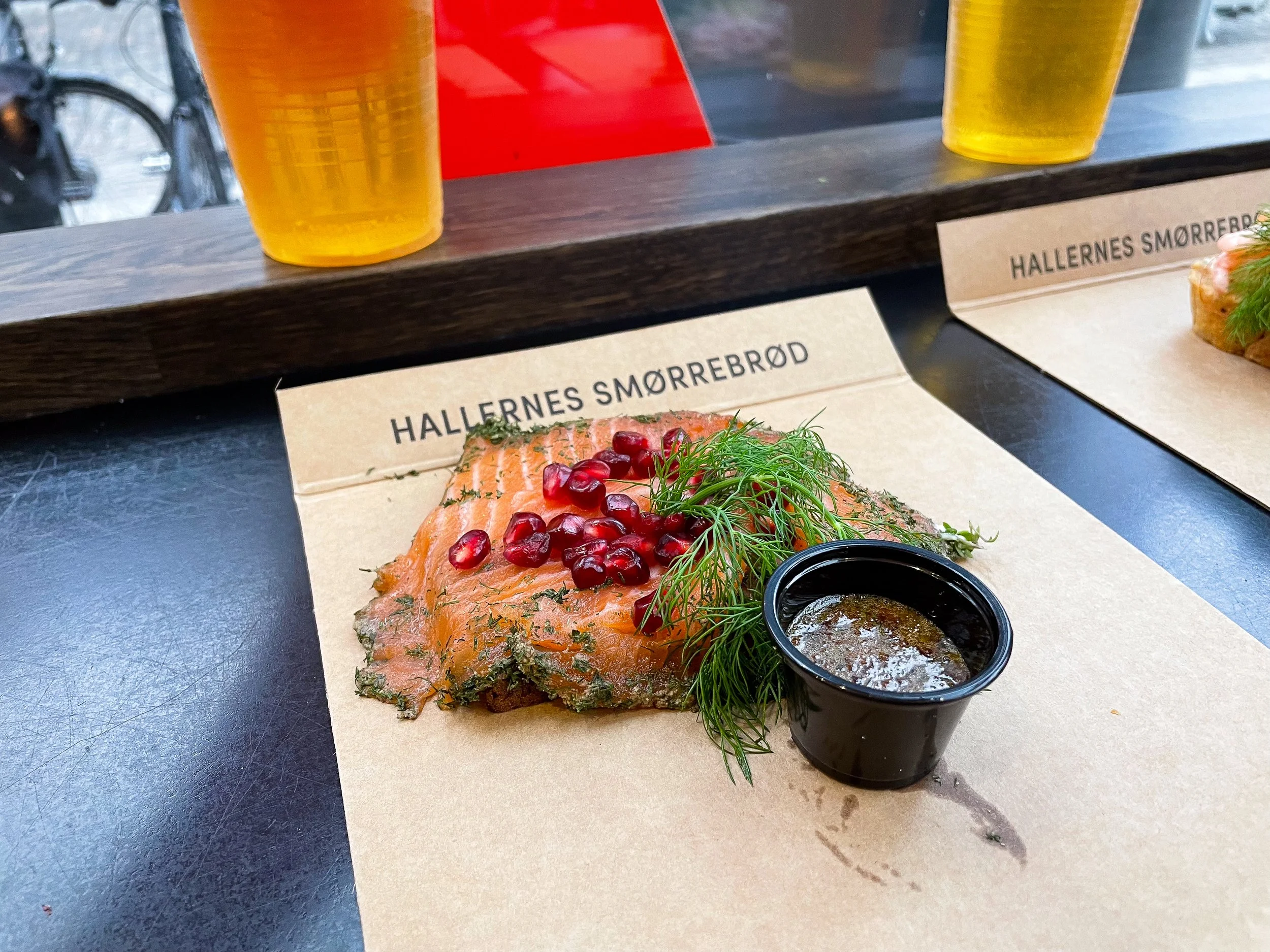
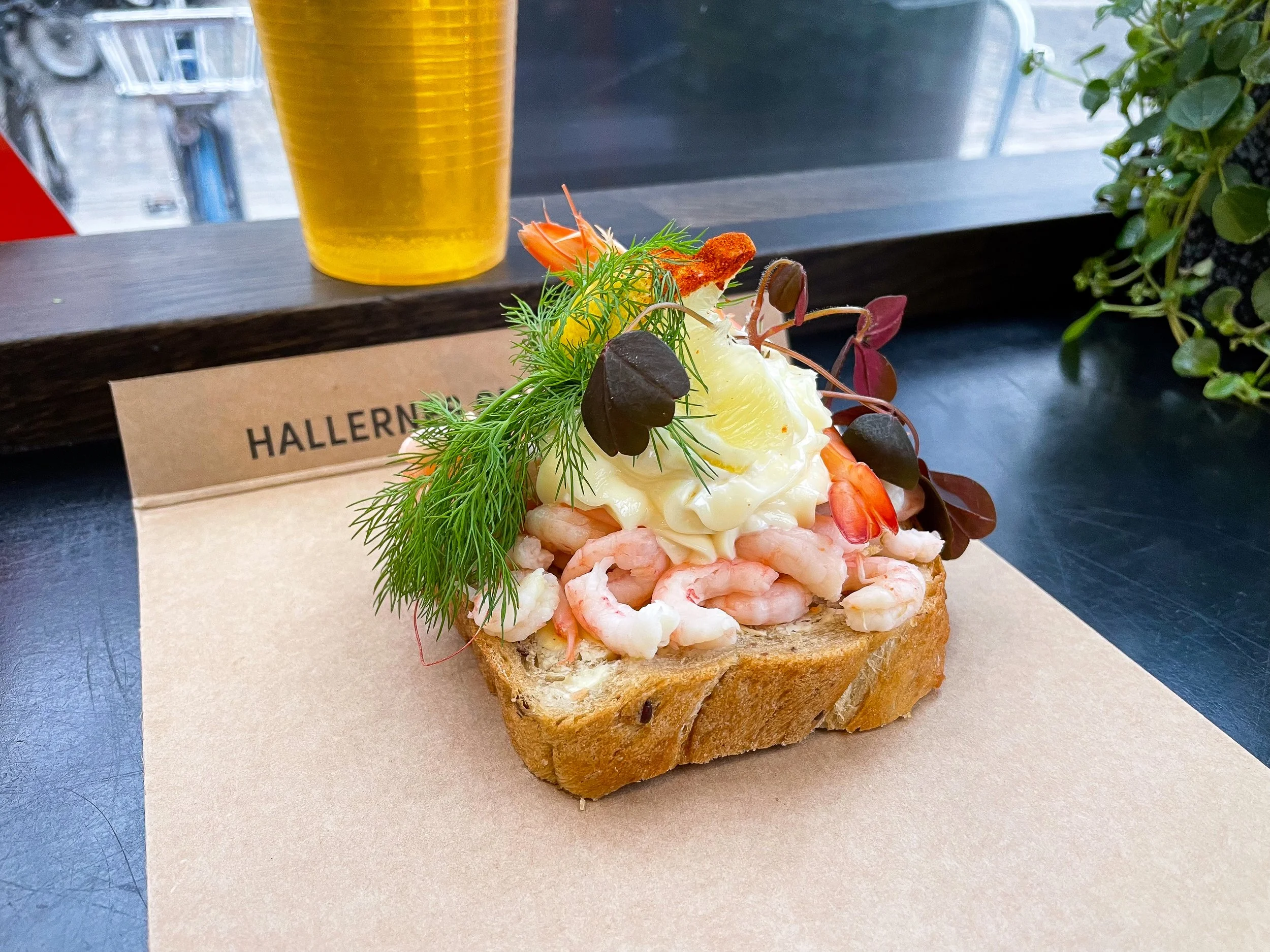
Torvehallerne. A food hall and market with over 60 restaurants and stalls selling baked goods, seafood, meats, cheese, wine, snaps, spices, produce and kitchenware. It’s a great place to try some of the traditional Danish dishes. Try Hallernes Smørrebrød for smørrebrød, Bageri for vienerbrød and Boutique Fisk for fiskfrikideler.
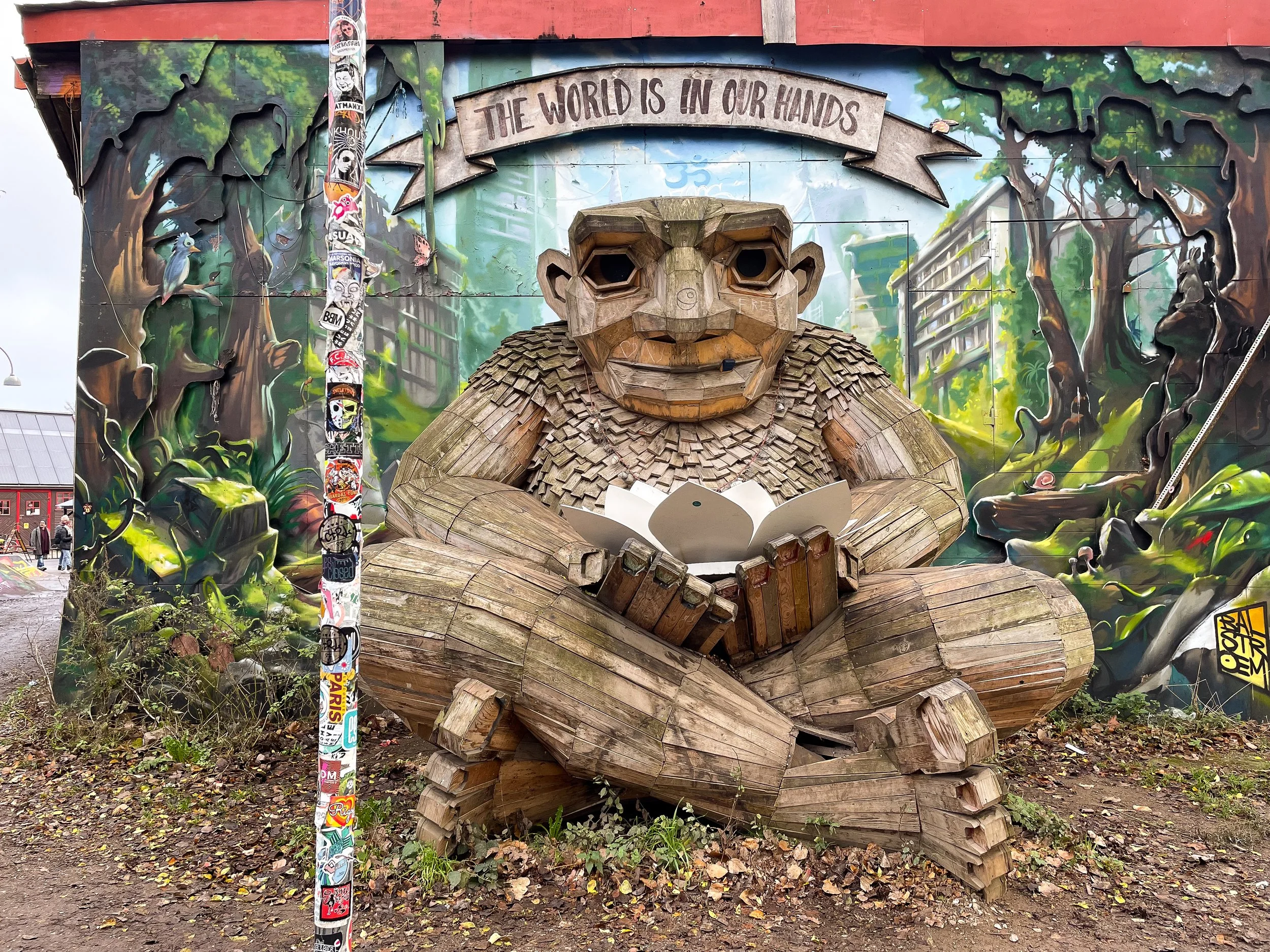
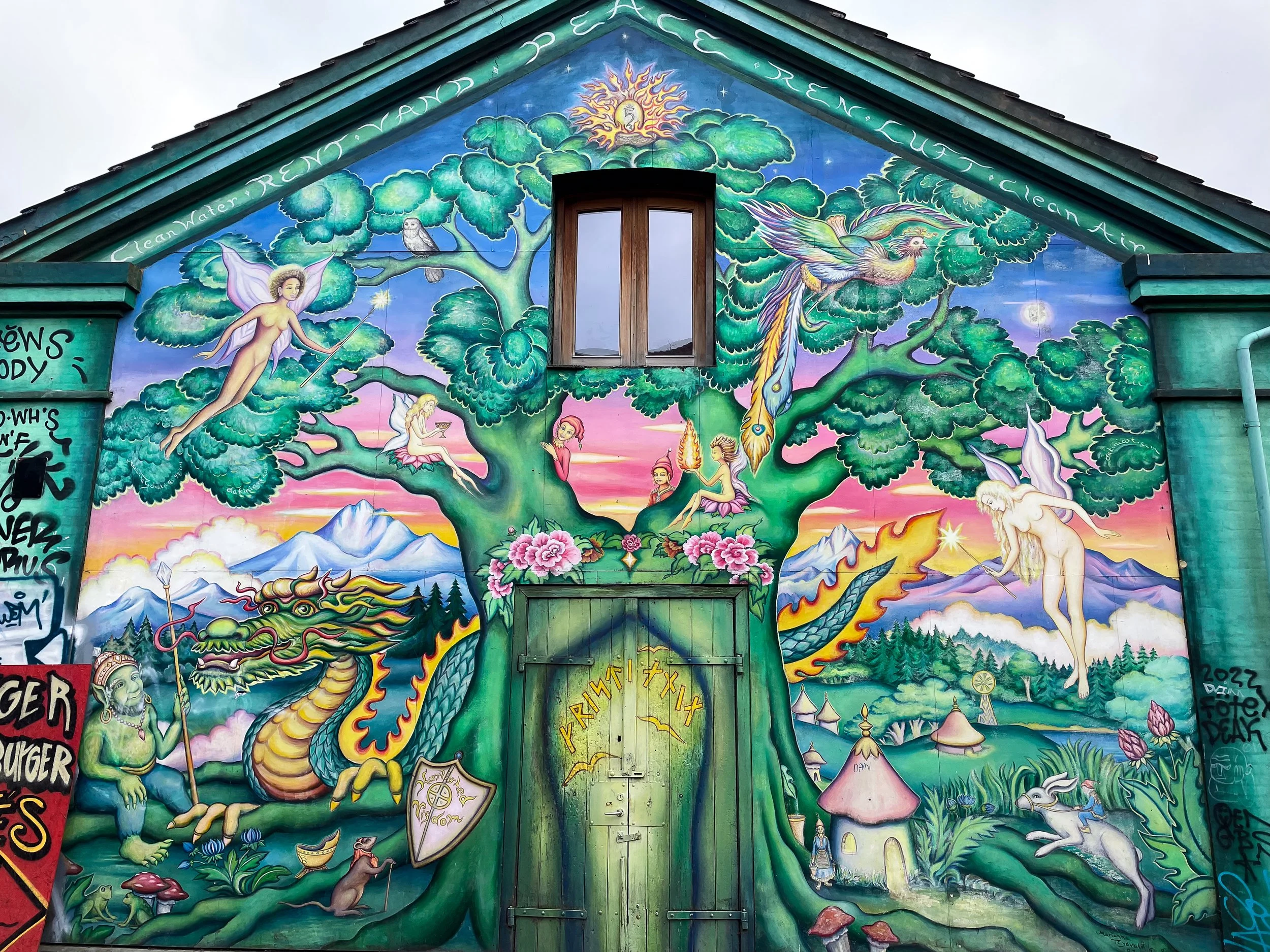
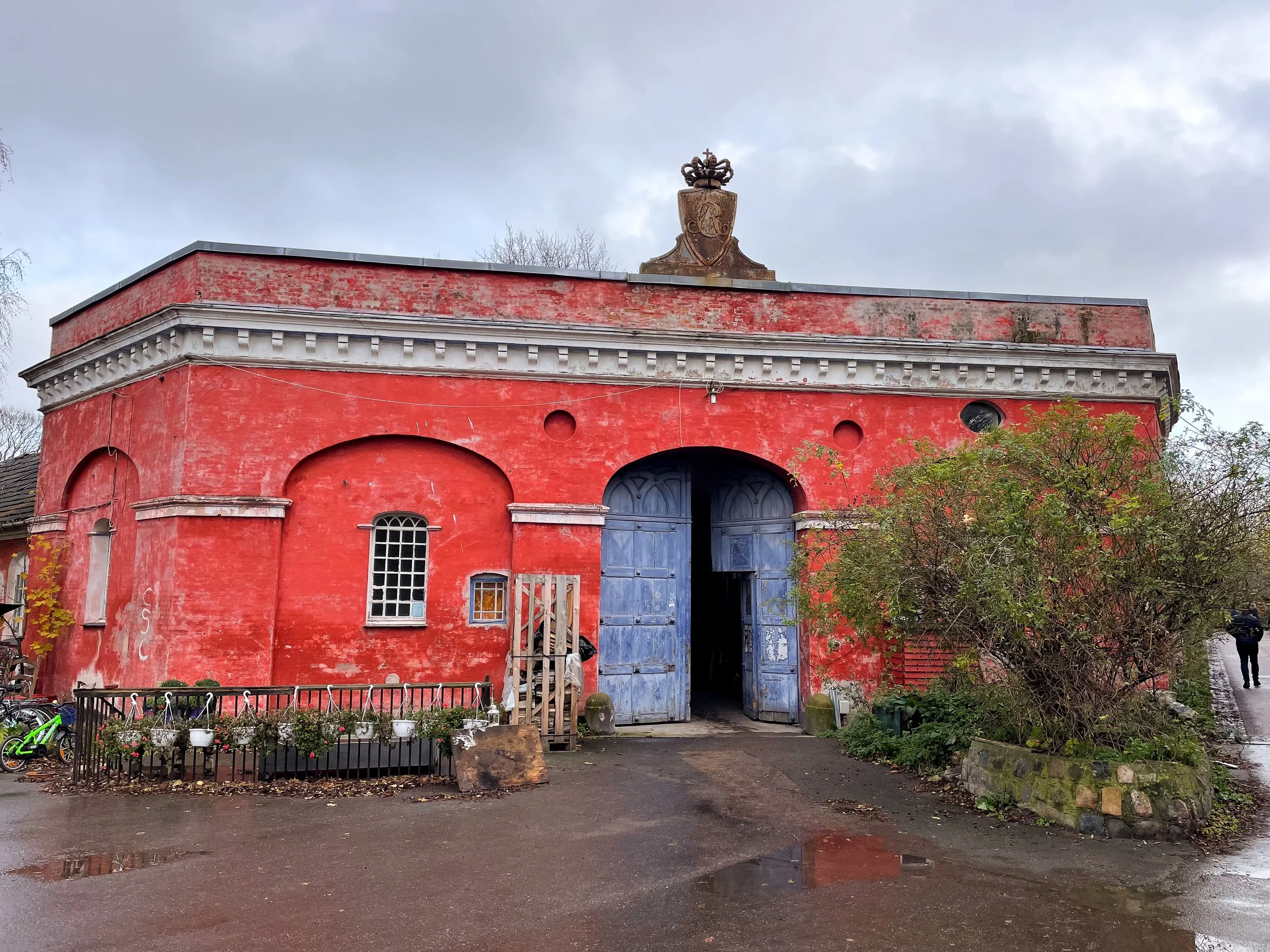
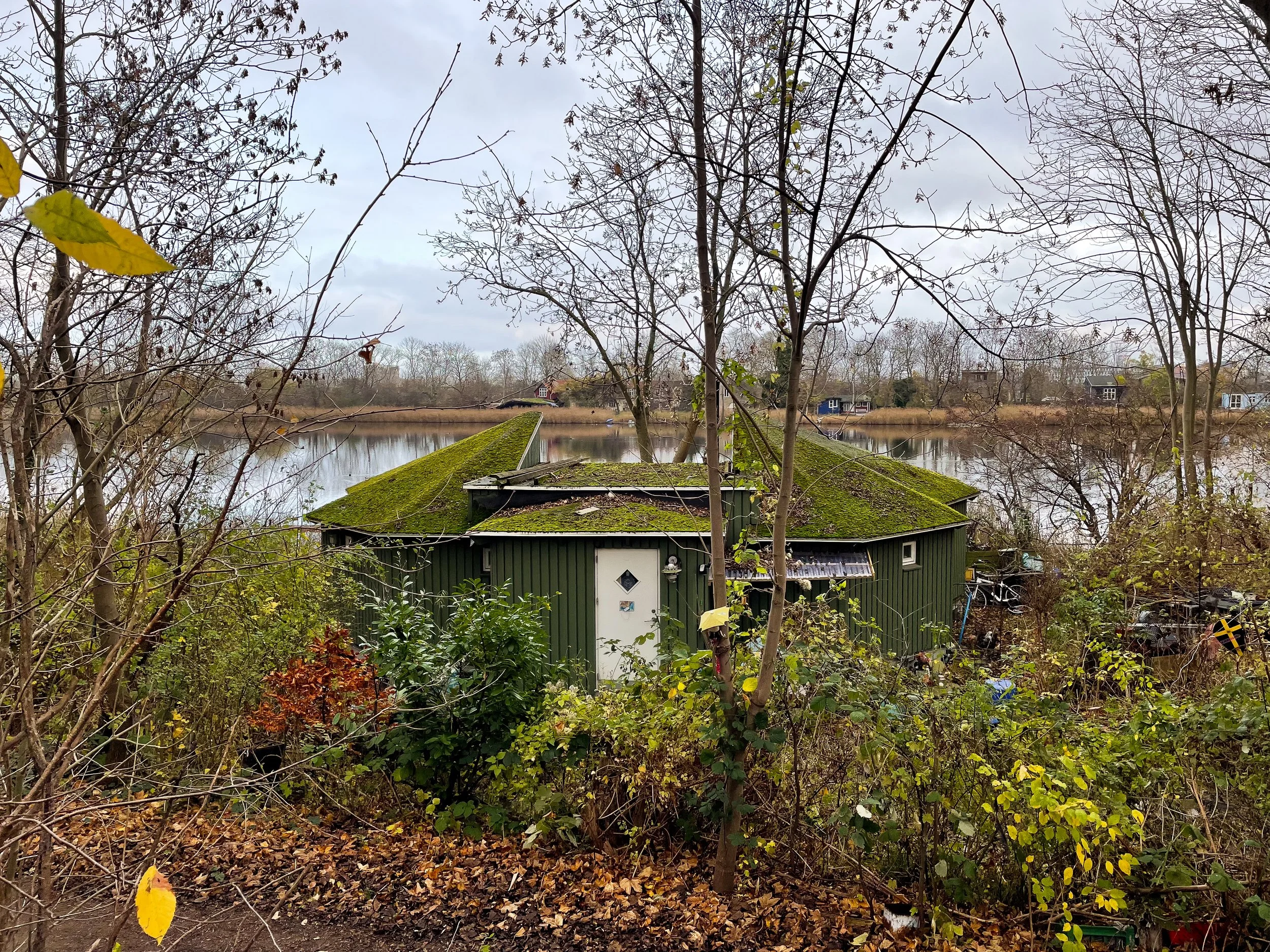
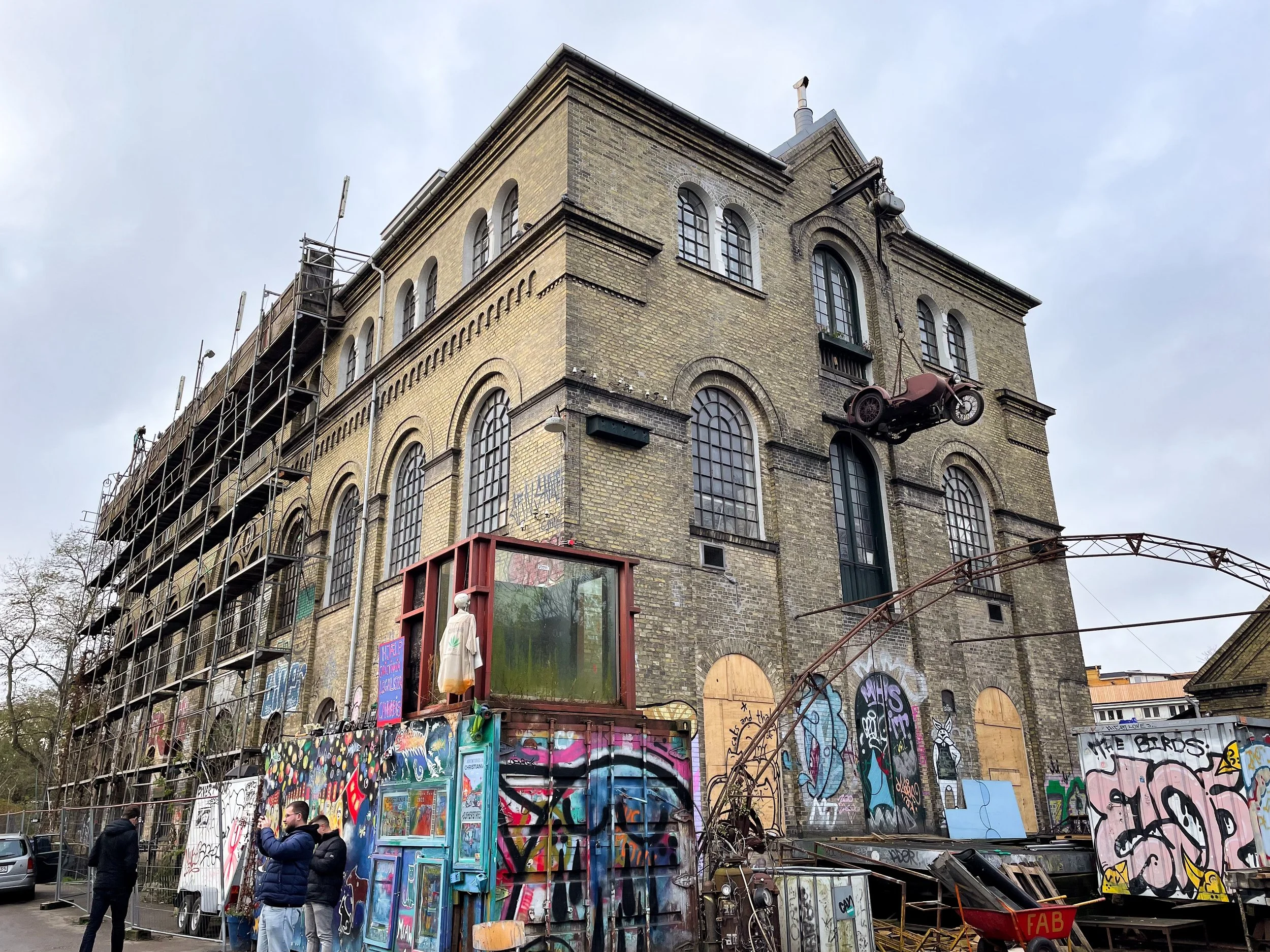
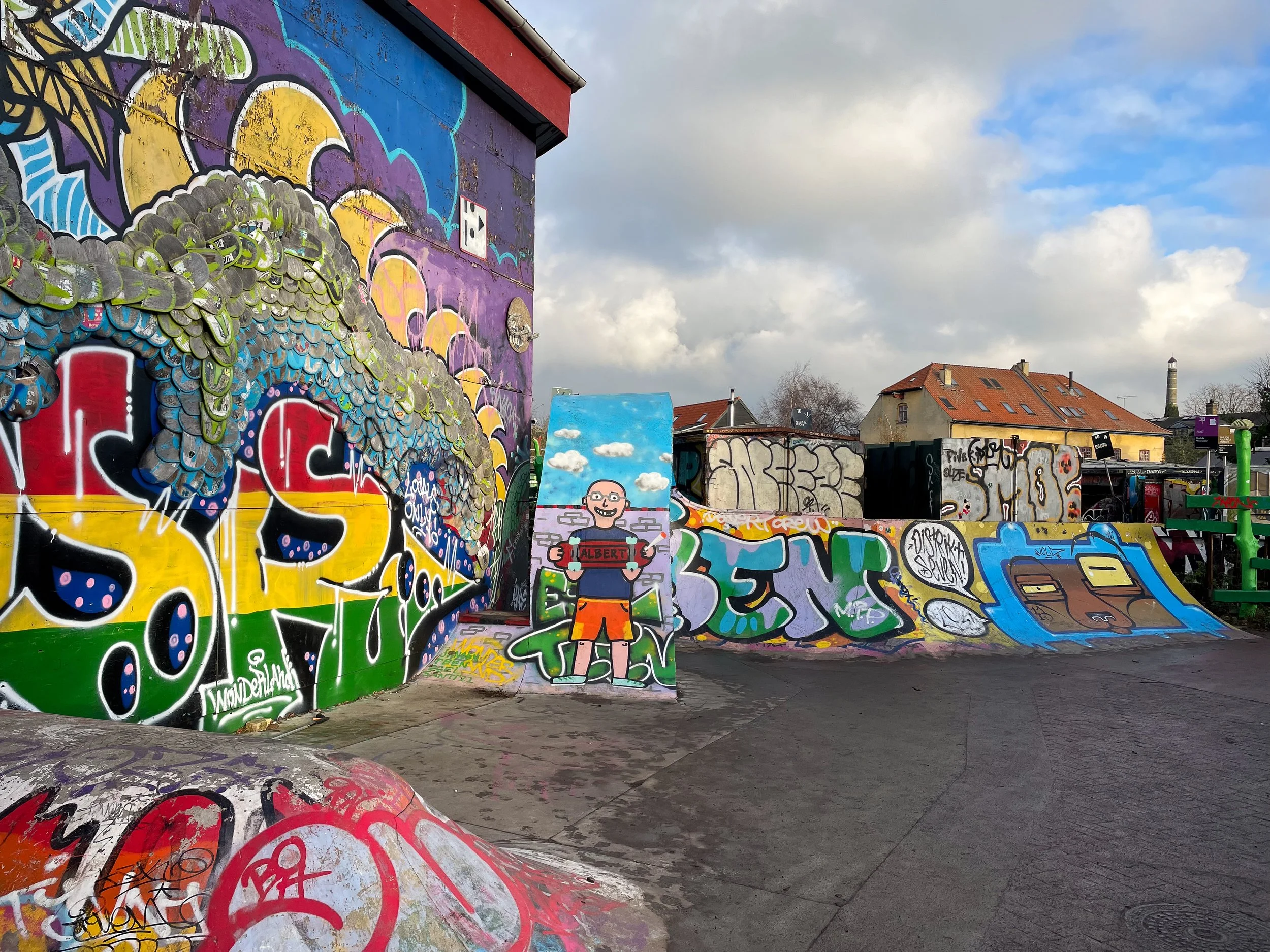
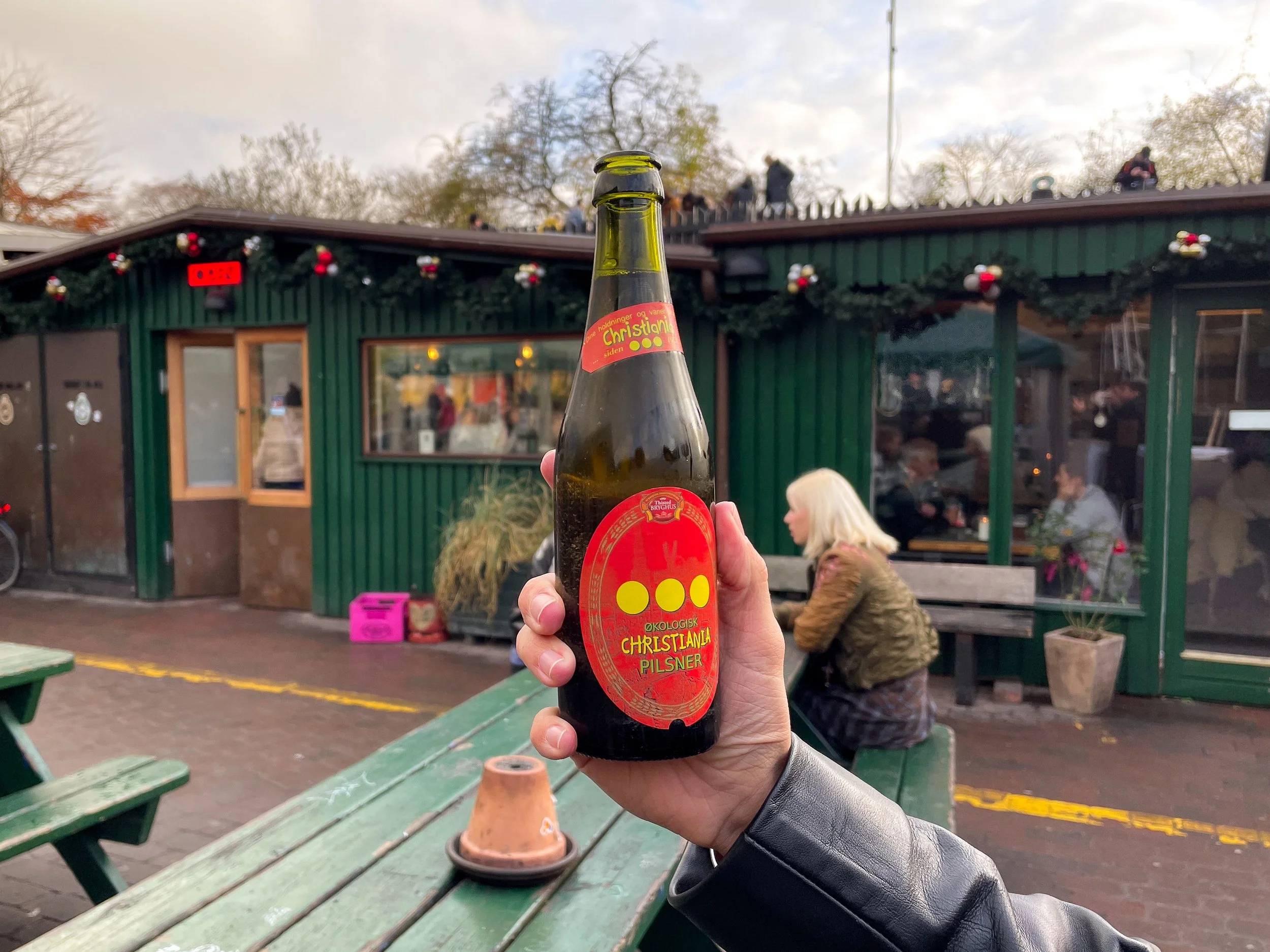
Free Town Christiania. An abandoned military base turned into a self governing community. Its former warehouses, bunkers and barracks that have been converted into homes, art studios, music venues, shops, restaurants and a brewery. Much of the neighborhood is decorated with street art and graffiti while buildings are retrofitted with larger windows, balconies and rooftop enclosures. The neighborhood is also a green space with lush nature and bike trails along the canal and where nature has begun to take over. Though it remains illegal, Free Town Christiania is the only place in Denmark where vendors openly sell cannabis and related products.
Good to Know. Avoid directly photographing anything “drug” related. Mind the “no photo” signs where posted.
Danish Cuisine
There are two types of Danish cuisine, traditional and contemporary. Traditional Danish cuisine is defined by a few main types of food like Smørrebrød, Fiskfrikideler and Vienerbrød. Contemporary Danish cuisine focuses on locally sourced, seasonal, foraged and pickled ingredients.
Smørrebrød. An open-face sandwich decoratively topped with colorful ingredients on a thin slice of heavily seeded bread. It’s often seafood based with cured salmon, cold water prawns, fried cod or pickled herring. It’s a common lunch meal and possibly Denmark’s most popular dish.
Snaps. A herbal, bitter and high proof alcoholic beverage often drunk as shots with Smørrebrød.
Fiskfrikideler. A deep fried ball of dough, onion and cod, sometimes mixed or garnished with dill.
Vienerbrød. Commonly referred to as the Danish, this is any style of flaky pastry with a custard or jam center. The most traditional of which has a light drizzle of chocolate on the top of it. Other common pastries include cinnamon rolls and cardamom croissants.
Buns. A hearty bread roll served with butter, jam and cheese. It’s a common breakfast.
Places to Eat & Drink
We toured Copenhagen on foot and by taste! These were several of the restaurants, cafes, bars and food stands that we visited.
Restaurants
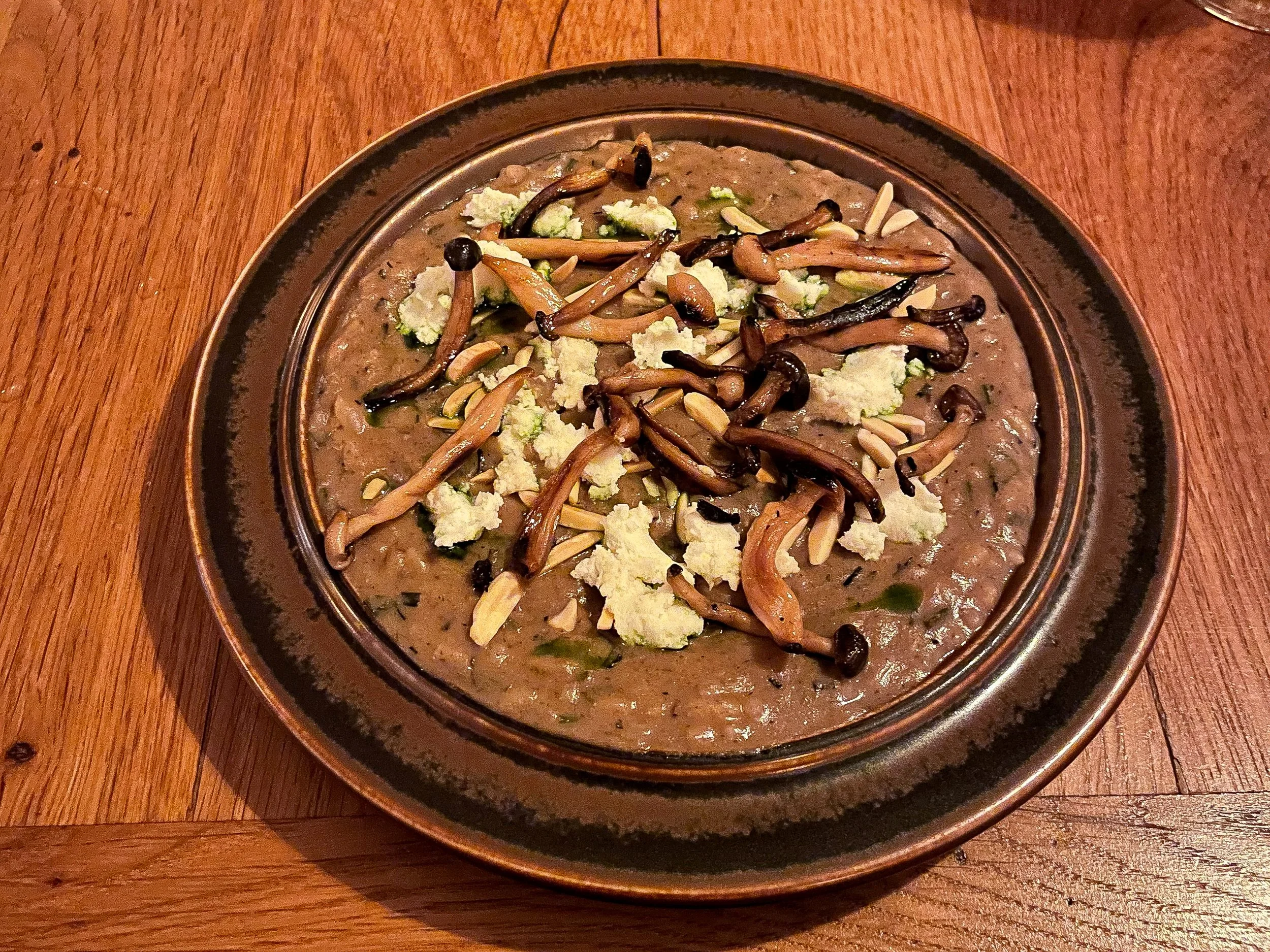
Bistro Lupa. A vegan restaurant specializing in contemporary Danish cuisine with a 5 course tasting menu and wine paring. The restaurant focuses on zero waste so everything is seasonal, locally sourced, foraged and pickled.
Oysters & Grill. A rustic seafood and wine bar with a 12 course tasting menu for 2. It came with a range of shellfish served different ways including raw oysters, fried oysters, scallop ceviche, grilled scallops on the shell, fried shrimp, pick and peel shrimp, moules marinière, fried calamari, veggie crudités, salad, French fries, bread and dessert.
Hanegal. A food cart serving pølser out front of the Round Tower. This one offers multiple types of sausage including a vegan sausage.
Nyhavn 17. A yellow building along the Nyhavn Canal with a dimly lit and wooden interior. The restaurant serves traditional Danish cuisine like smørrebrød. We had fried cod and pickled herring smørrebrød with snaps and gløgg.
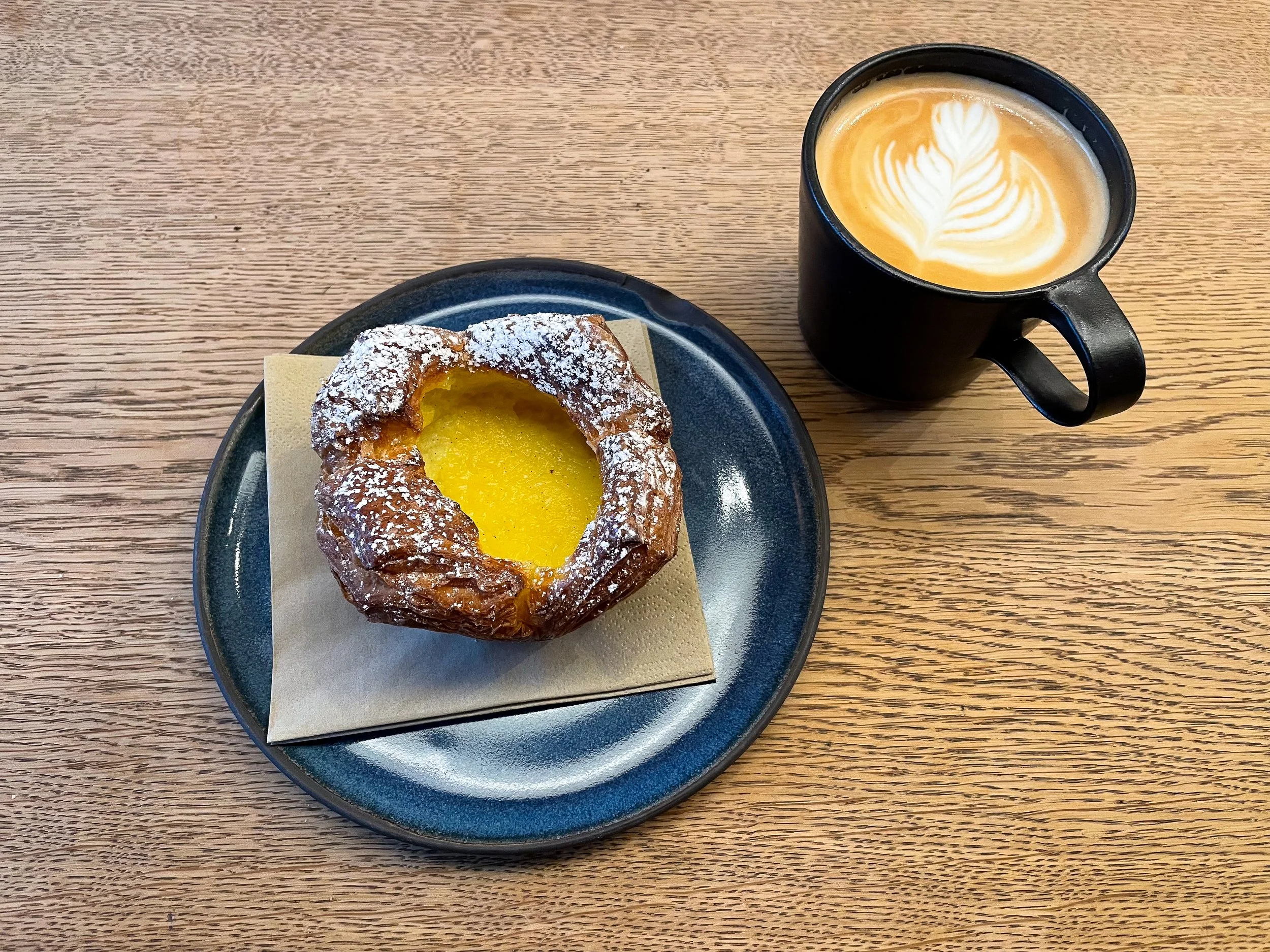
Coffee Shops & Cafes
From hidden cafes, to cute coffee shops and local chains, there is no shortage of places to find a pastry and morning coffee.
Hart Brød+Bar. A waterfront café with pastries, coffee, breads and wine. Try the spandauer pastries (traditional Danishes) and cardamom croissants.
GRØD. A chain restaurant specializing in stovetop porridge and overnight oats.
Lille Petra. A cafe hidden within a courtyard of a building servings Danish breakfast buns.
Original Coffee. A popular coffee shop chain located throughout the city.
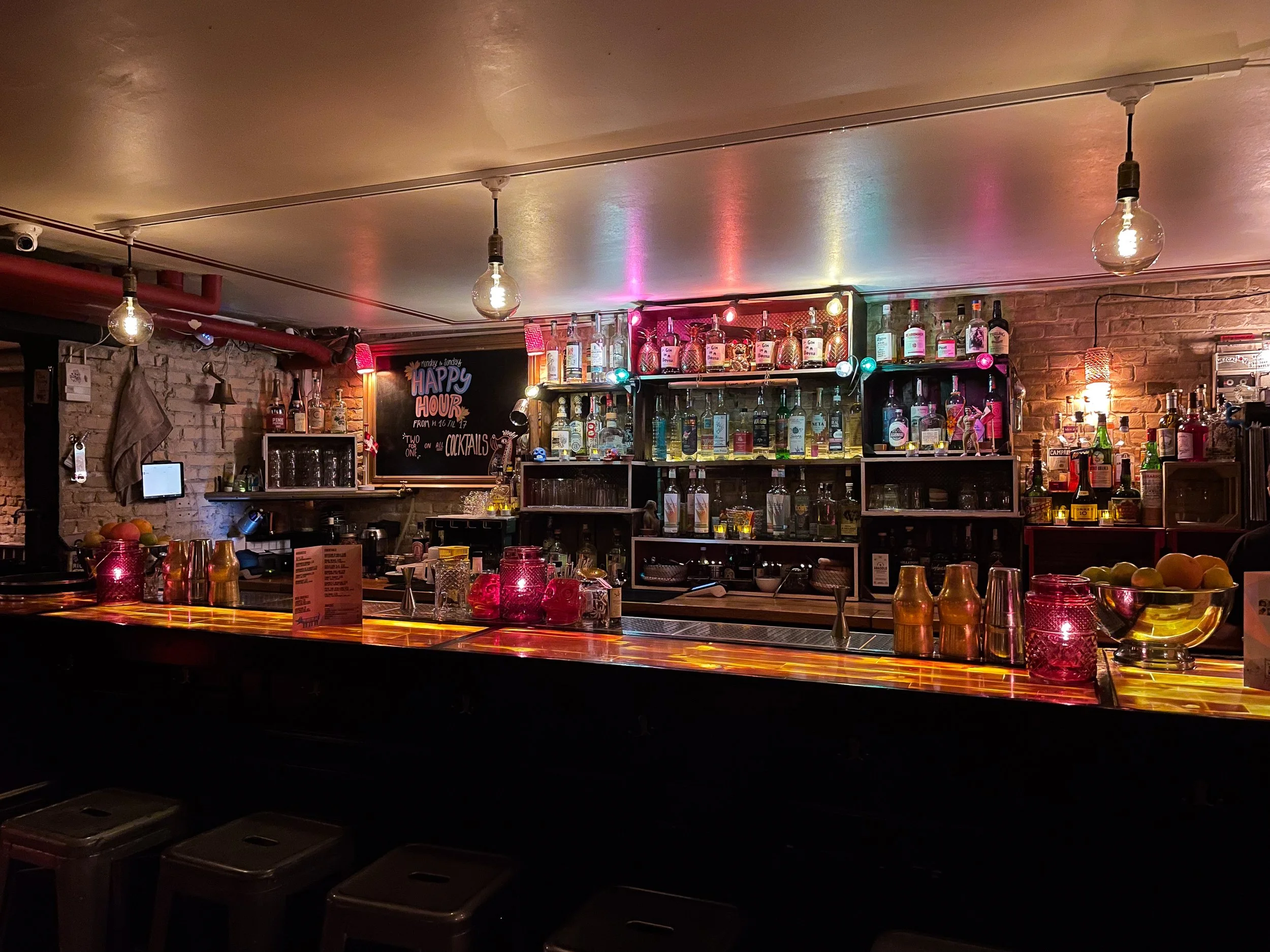
Bars & Pubs
Across the city are a range of cocktail bars, speakeasies, traditional pubs and breweries.
Strøm Bar. An Art Deco and tropically decorated cocktail bar with cozy seating and a small shuffleboard.
1105. A late night bar hidden in an alley and behind a velvet curtain serving speciality cocktails.
The Barking Dog. A tequila and mezcal focused cocktail bar in a cozy basement apartment style setting.
Pulp. A cocktail bar with a creative pop culture themed menu in a warm Danish designed interior.
Peder Oxe’s Kaelder. A cocktail bar and restaurant in a catacomb style tunnel and chambers of an old church.
Nyhavnskroen. Located on the Nyhavn Canal, this is a late night pub serving liters of beer and classic cocktails.
Nemo’s. Located in Christiania, this is a popular brunch spot in front of an outdoor music venue. Having recently eaten, we stopped in for a locally brewed beer.
Location Specifics
Hygge. The Danish concept of coziness and surrounding yourself with things that make life good, especially during the dark cold winters. This can be friendship, laughter, warmth, food or drinks. It’s pronounced hoo-gah.
Walking. Copenhagen is a very pedestrian friendly and walkable city. We spent most of our visit walking between neighborhoods and destinations. Be careful not to walk into a bike lane.
Reservations. Reservations are typically needed at restaurants and bars to guarantee a seat.
Cash vs. Card. Cash is rarely needed as most places, including food carts, accept credit cards.
Language. Danish is the national language, though English is widely spoken as a second language throughout Copenhagen.
Public Restrooms. There are public restrooms throughout the city, most commonly in squares and plazas.
Elsewhere in Nordic Europe
From Copenhagen’s canals, design districts and cuisine scene to Arctic fjords in Norway, Lapland’s Northern Lights and Iceland’s volcanic landscapes, continue exploring Nordic Europe through these travel guides:
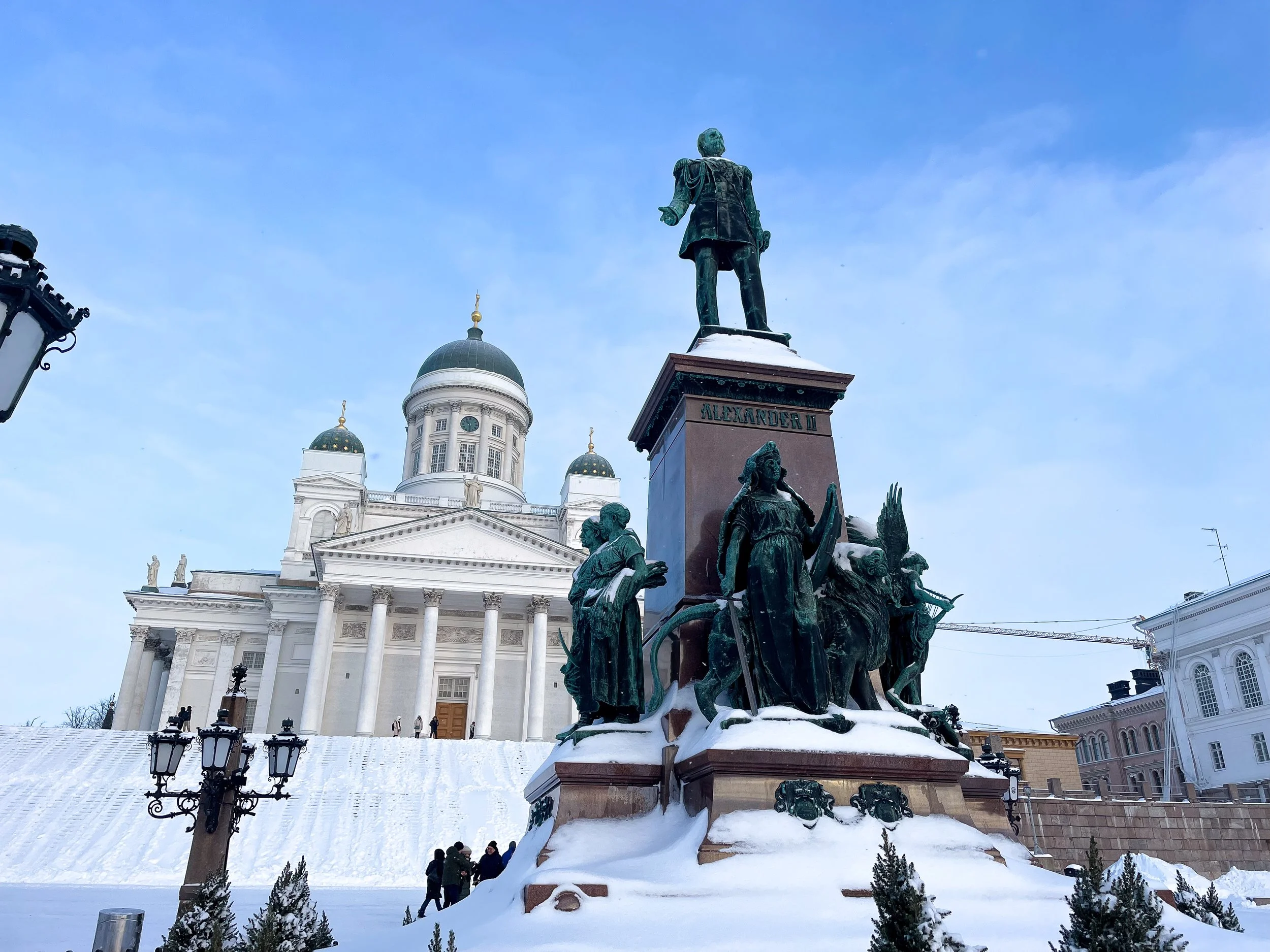
One Day in Helsinki: Finnish Sauna & Waterfront Sights. Experience a winter day exploring Helsinki's frozen waterfront where local food markets, historic architecture and steaming saunas bring Finnish culture to life.
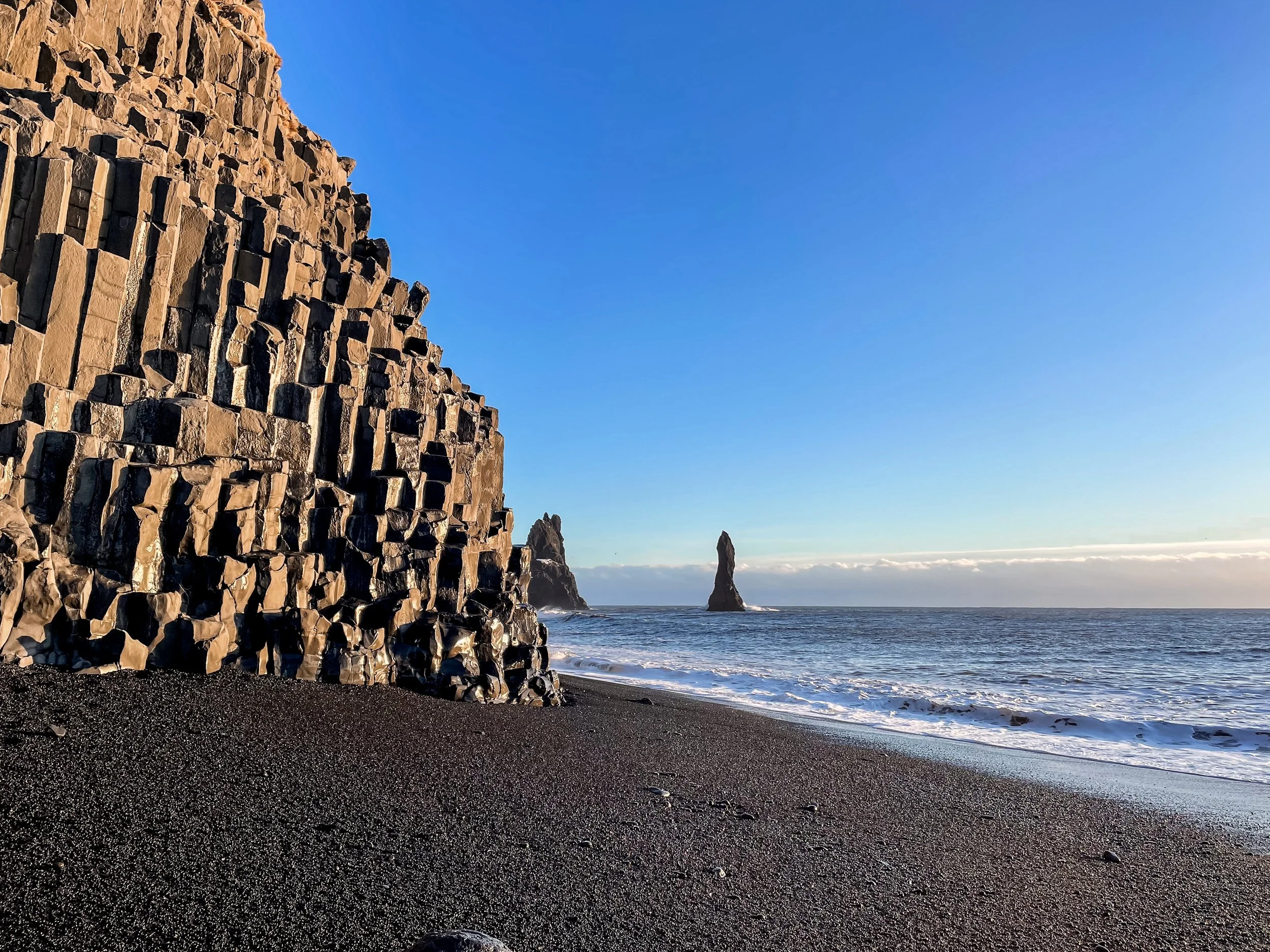
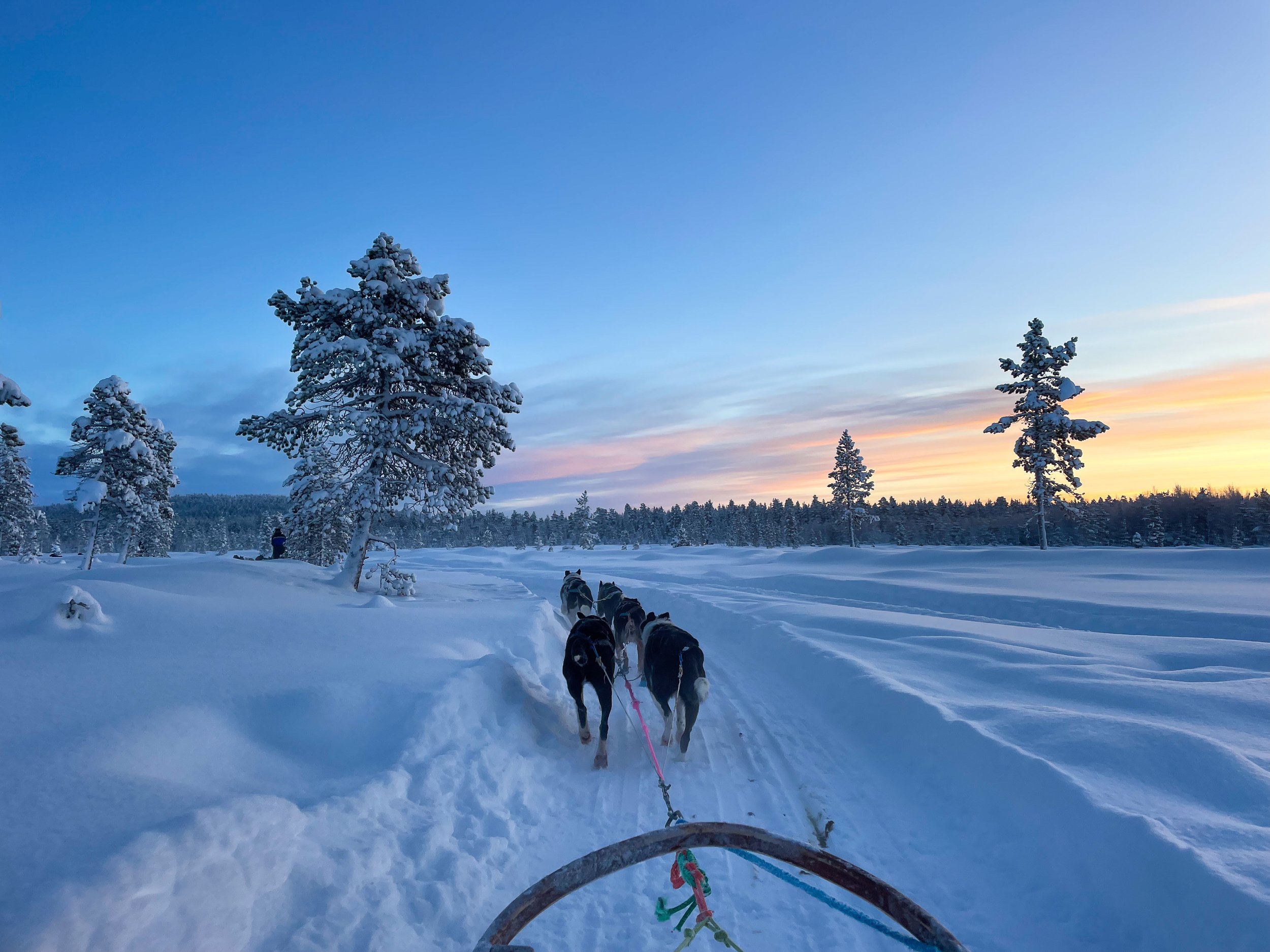
Lapland Finland Travel Guide: Northern Lights, Sámi Culture & Arctic Adventures. Journey through Lapland's Arctic wilderness and snowy landscapes to experience Sámi traditions, husky mushing, Finnish cuisine and vivid auroras during the polar night.
Tromsø Norway Travel Guide: Northern Lights, Arctic Fjords & Sámi Culture. Explore Tromsø's snowy streets and historic waterfront where Nordic cuisine and Sámi culture meet dramatic fjords, dancing auroras and Arctic adventures.
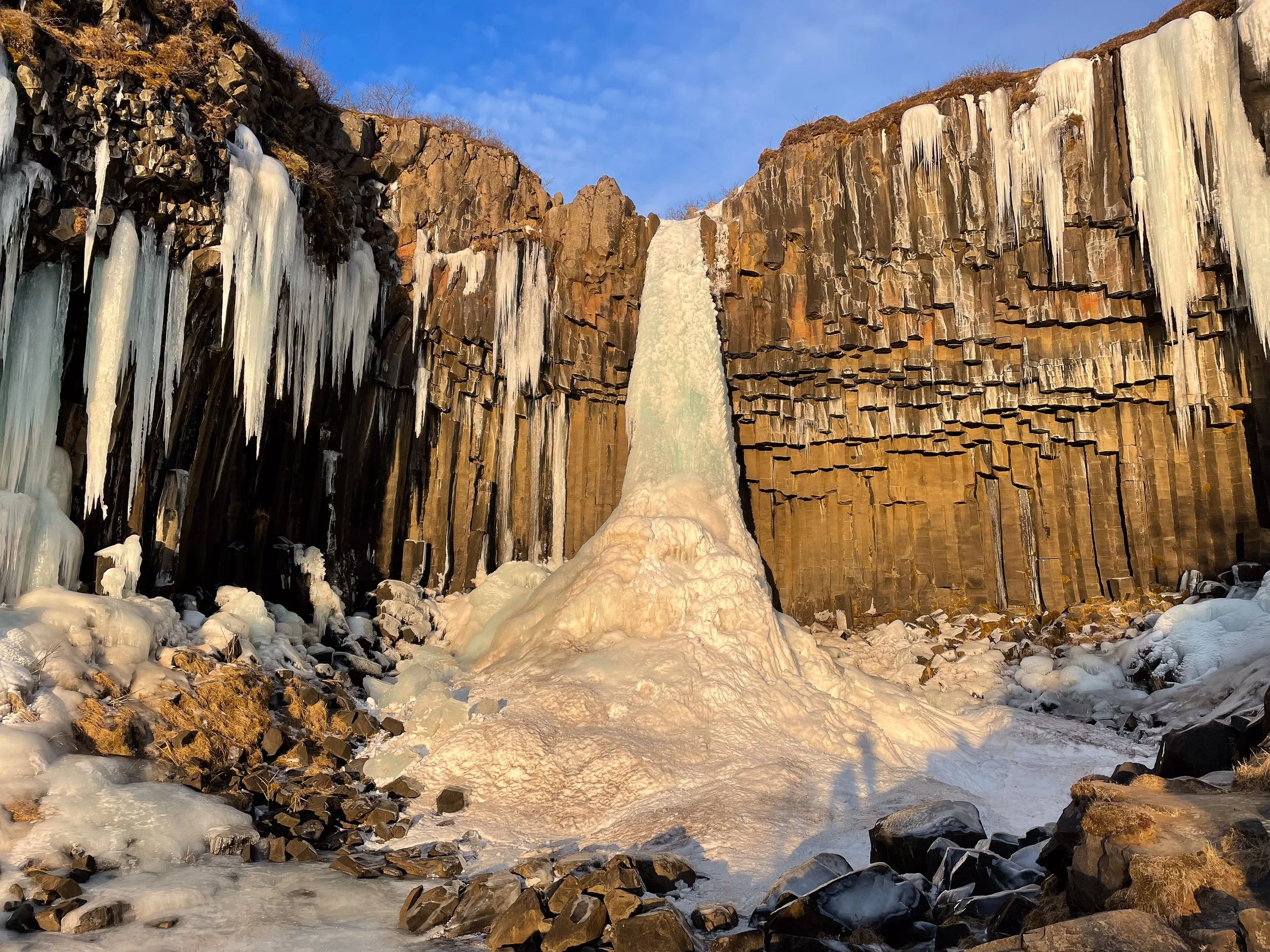
Iceland Road Trip Guide: Waterfalls, Glaciers & Black Sand Beaches. Road trip through Iceland's otherworldly landscapes where volcanoes, glaciers, waterfalls and black sand beaches create one of Earth's most dramatic journeys.
For Next Time…
Next time we’re in Copenhagen we plan to venture into the countryside and across the harbor to Sweden.
Visit Skovtårnet (The Forest Tower). A contemporary wooden structure in the middle of the Danish forest about an hour south of Copenhagen.
Frederiksborg Castle & Gardens. A Danish Royal castle and grounds on a lake in the countryside about 30 minutes north of Copenhagen.
Malmö. The Swedish city across the harbor from Copenhagen. It’s known for the Turning Torso, Scandinavia’s tallest skyscraper.