Taipei Travel Guide: Taiwanese Culture, Night Markets & Jiufen
Taipei, Taiwan’s Capital City
Taipei is a sprawling metropolis and the capital city of Taiwan. The country has a historic past rooted deeply in culture, cuisine and political rivalry. Taipei’s streets are built up with modern skyscrapers displayed with vertical signs written in Mandarin characters. The neighborhoods are home to night markets, tea houses, spice shops, dumpling restaurants and spiritual temples. The silhouettes of mountains surround the city as highland towns and nature trails speckle their slopes. We spent a week here meeting up with two couples who showed us around the city they frequently visit and call home.
Neighborhoods & Streets
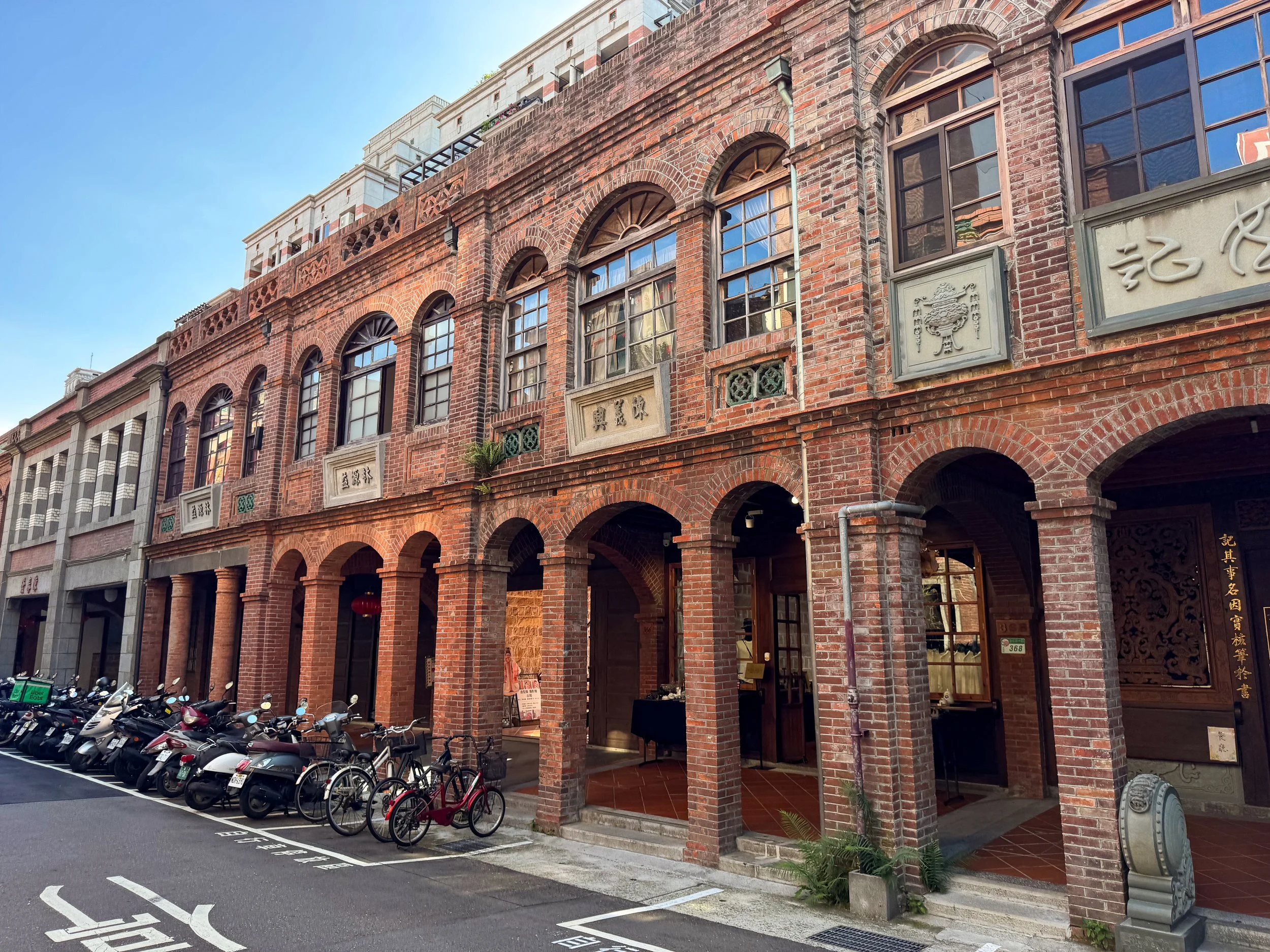
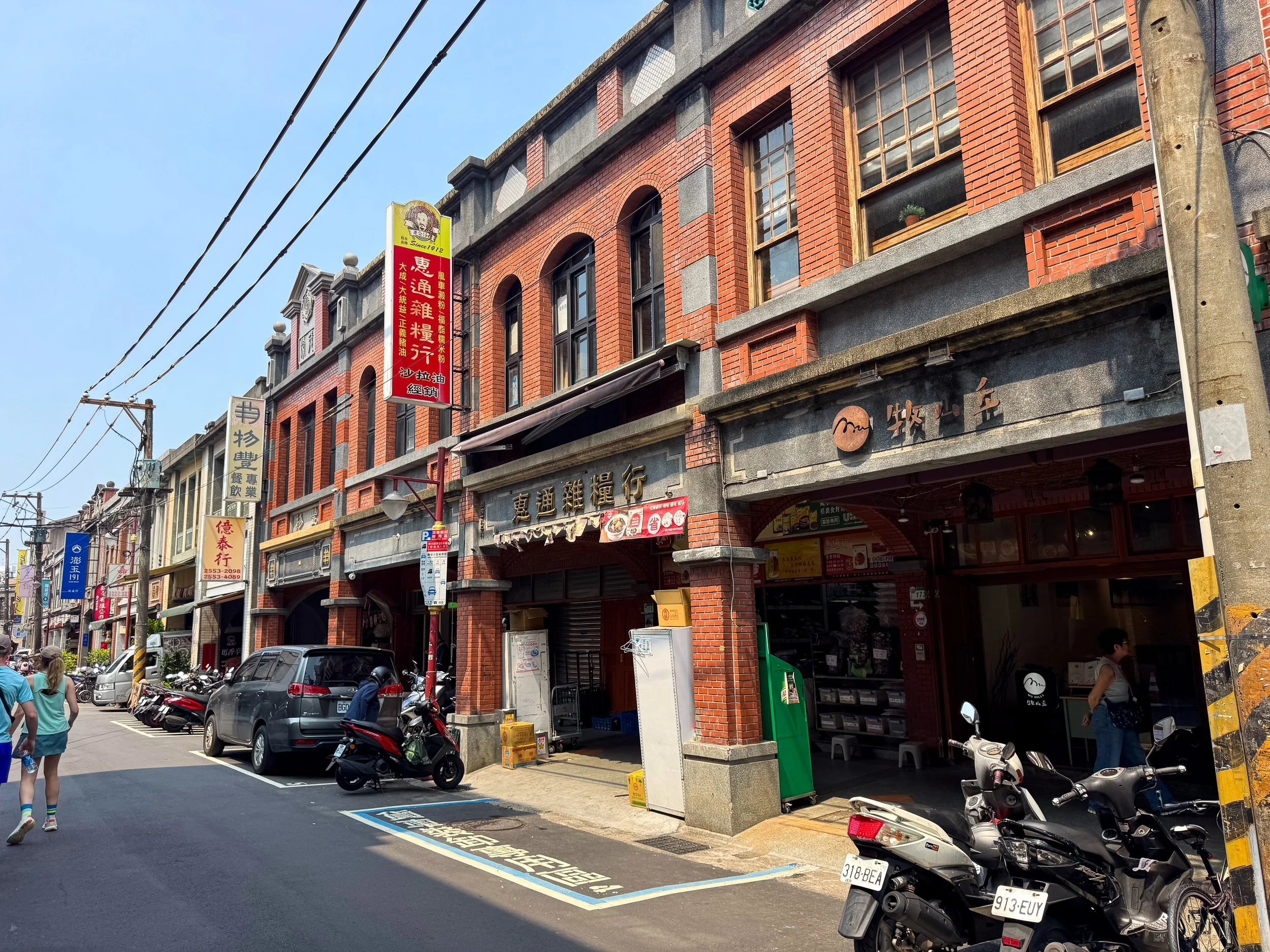
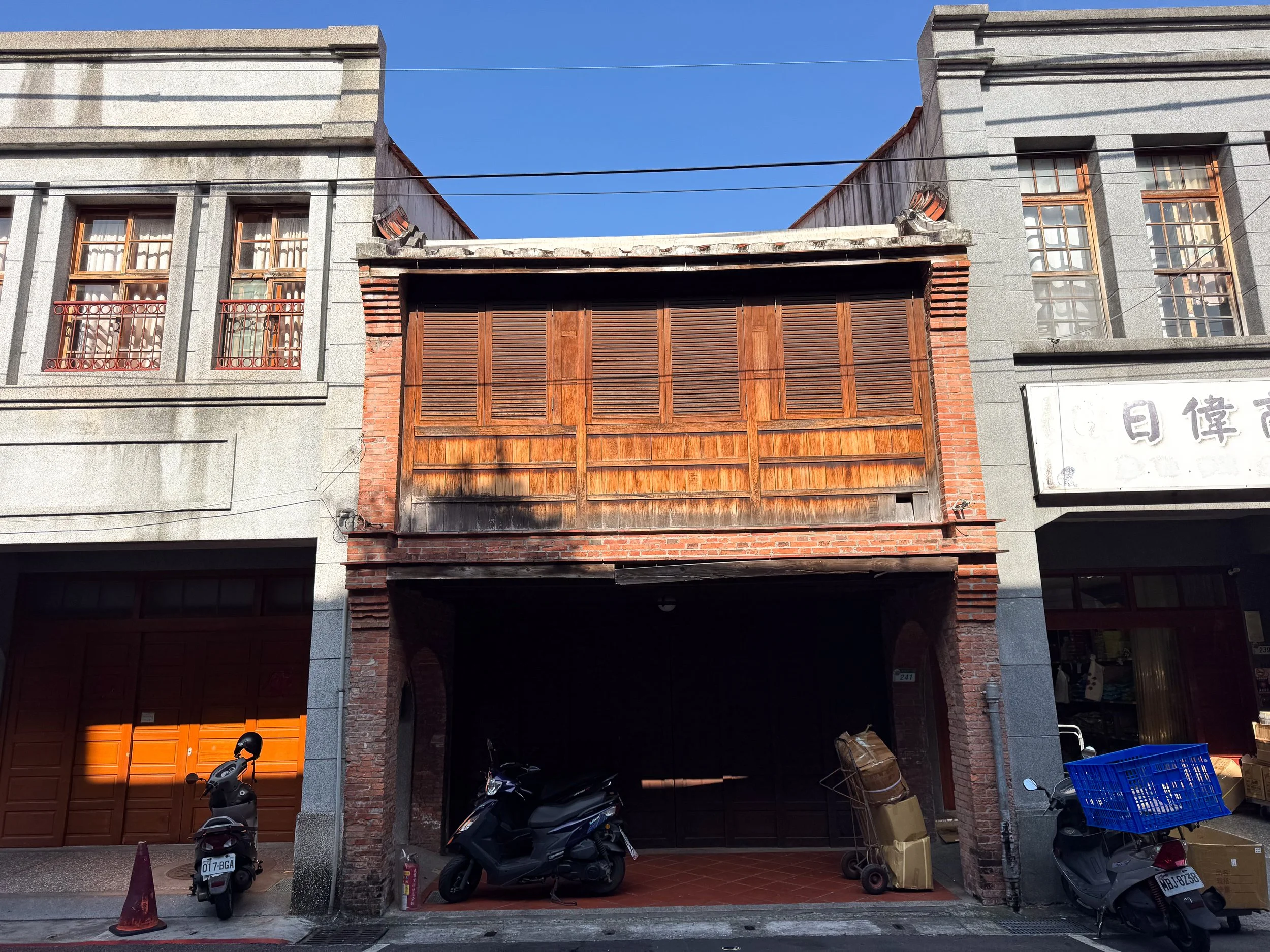
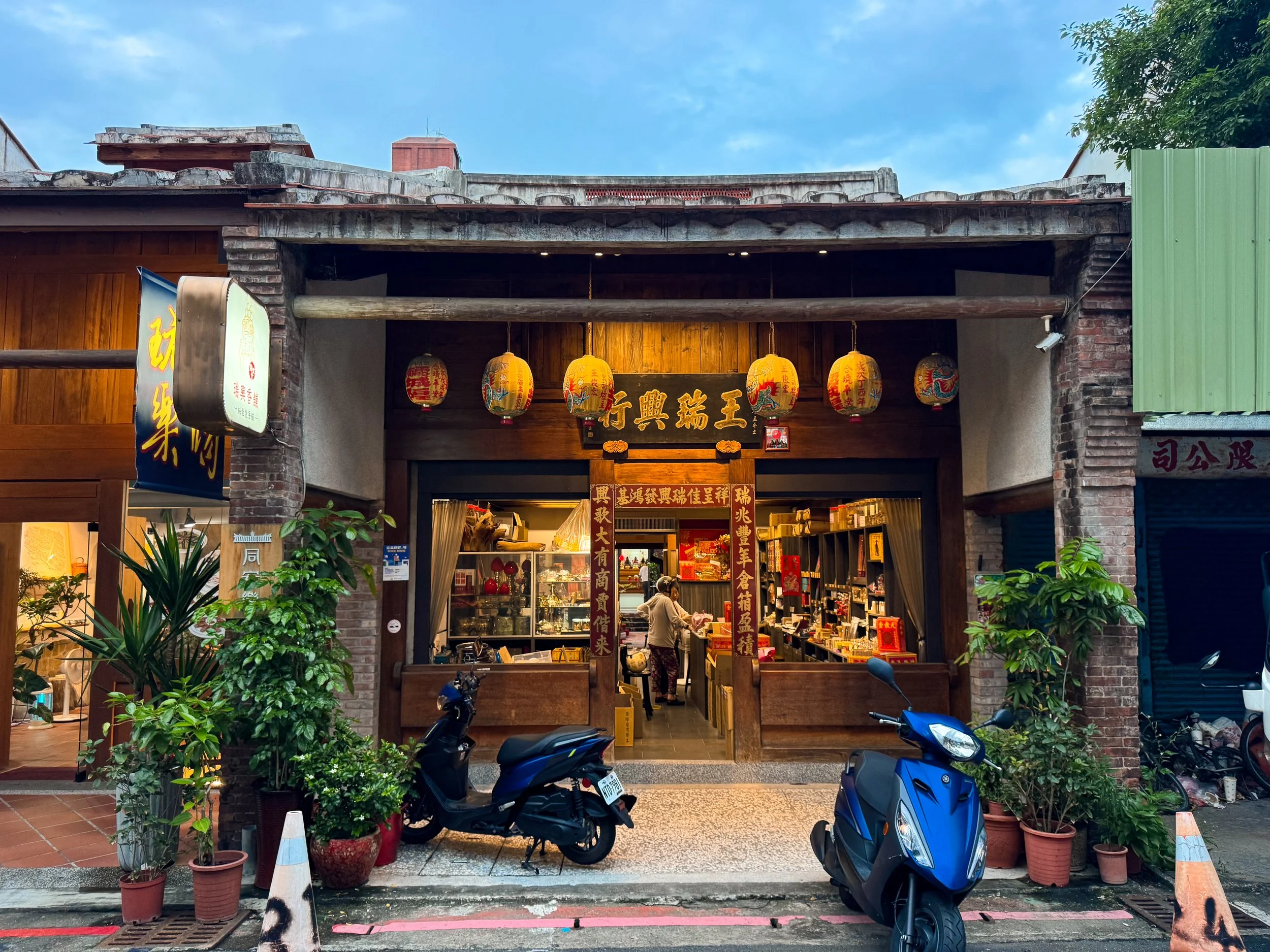
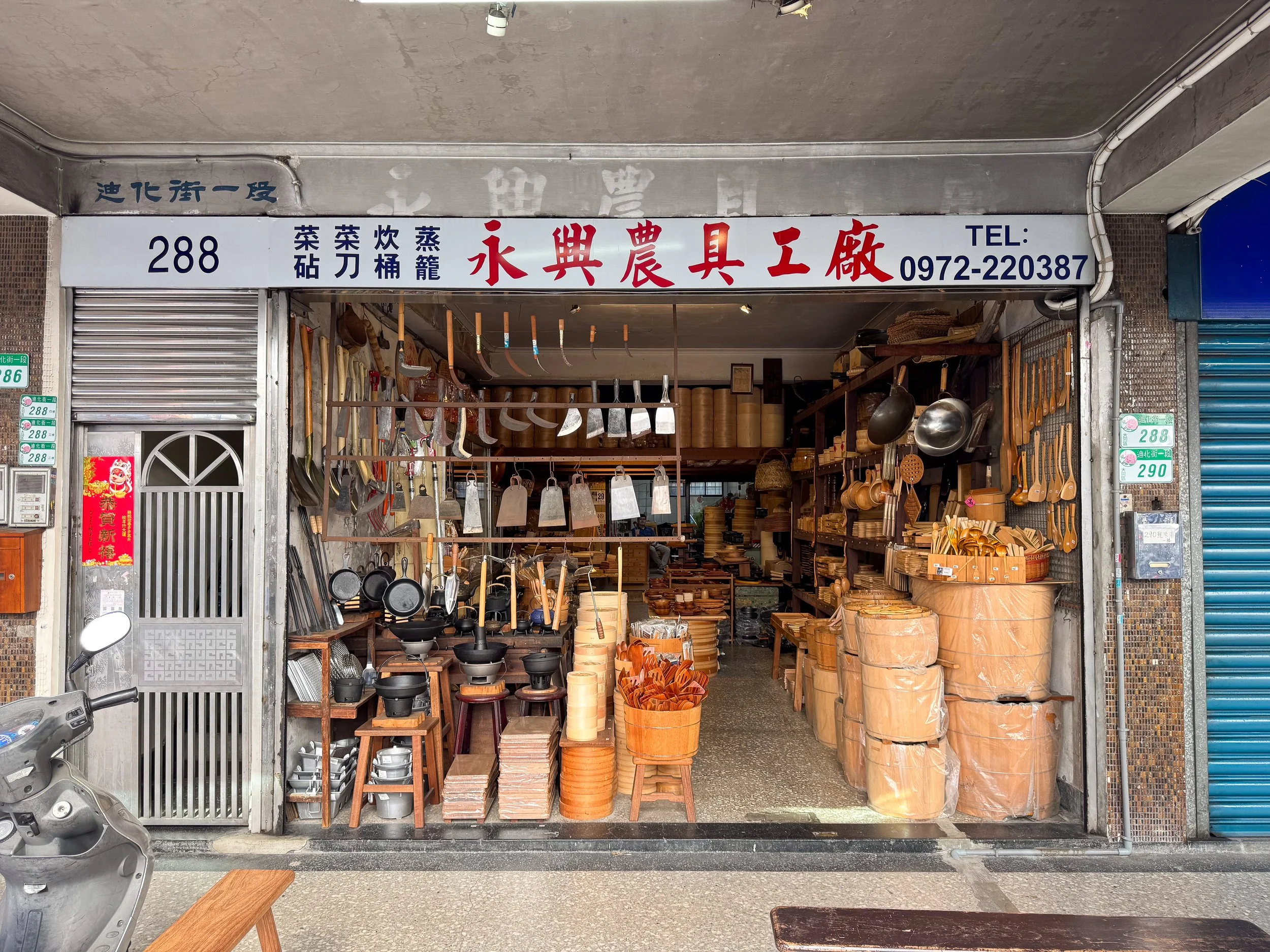
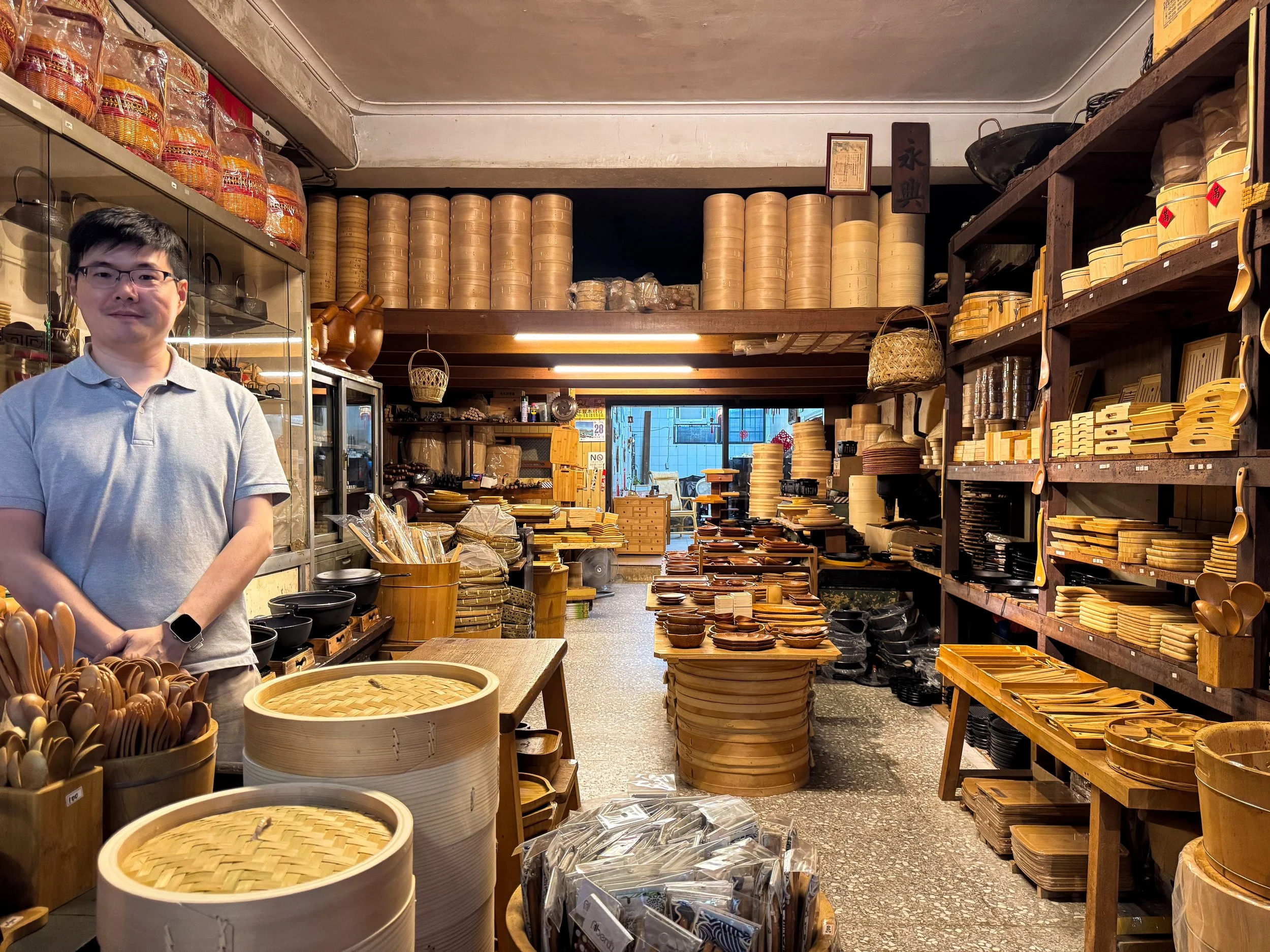
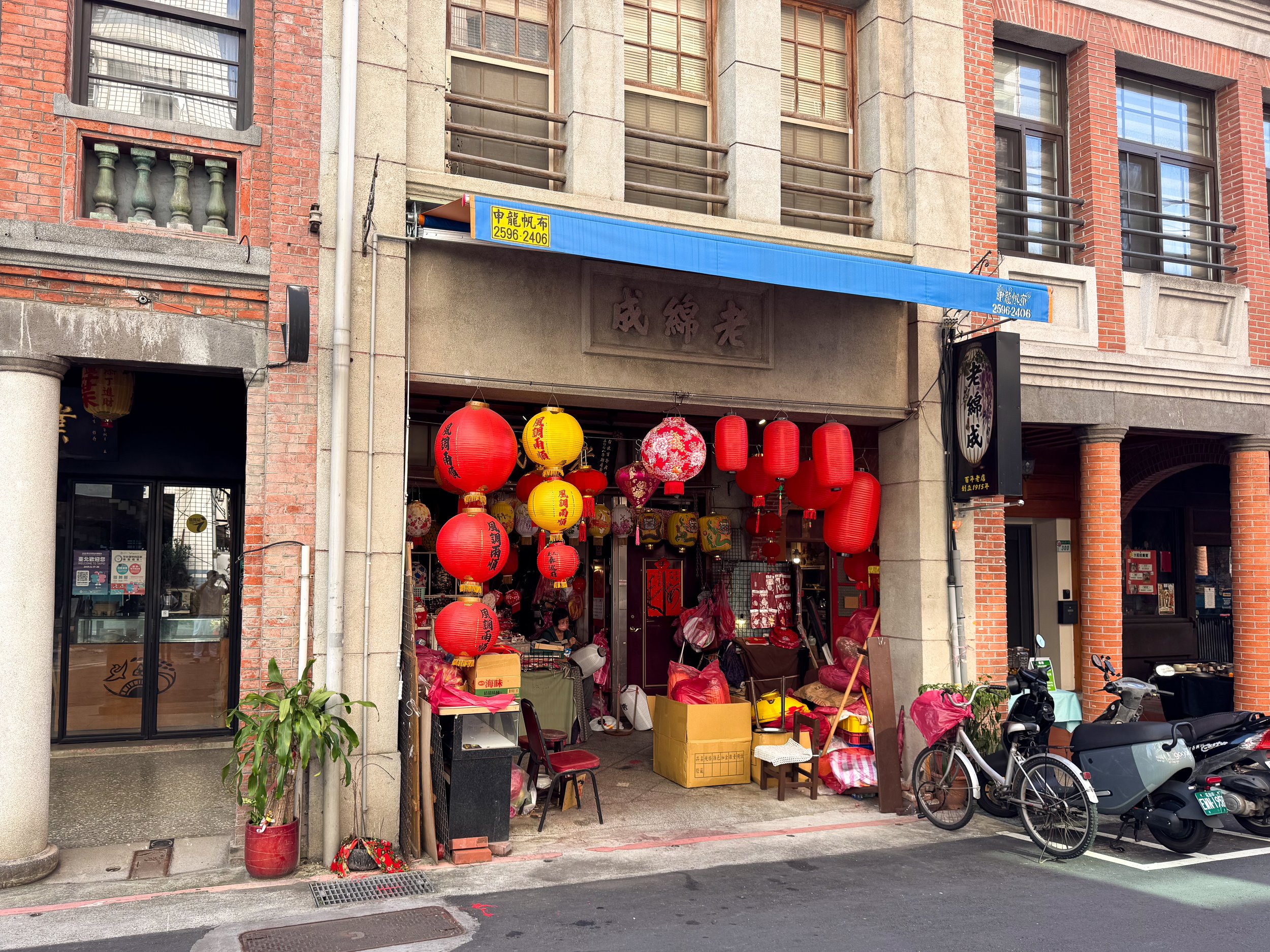
Dihua Street. A historic street in the Datong District, one of the oldest areas of Taipei. The street is lined with traditional red brick and stone buildings. Within the buildings and along the street are bakeries, tea houses, pottery studios, book stores, cafés and various provisions shops selling dried goods. Merchants sell fermented soy sauces, candied goods, nuts, paper lanterns, spices, woven baskets and bags.
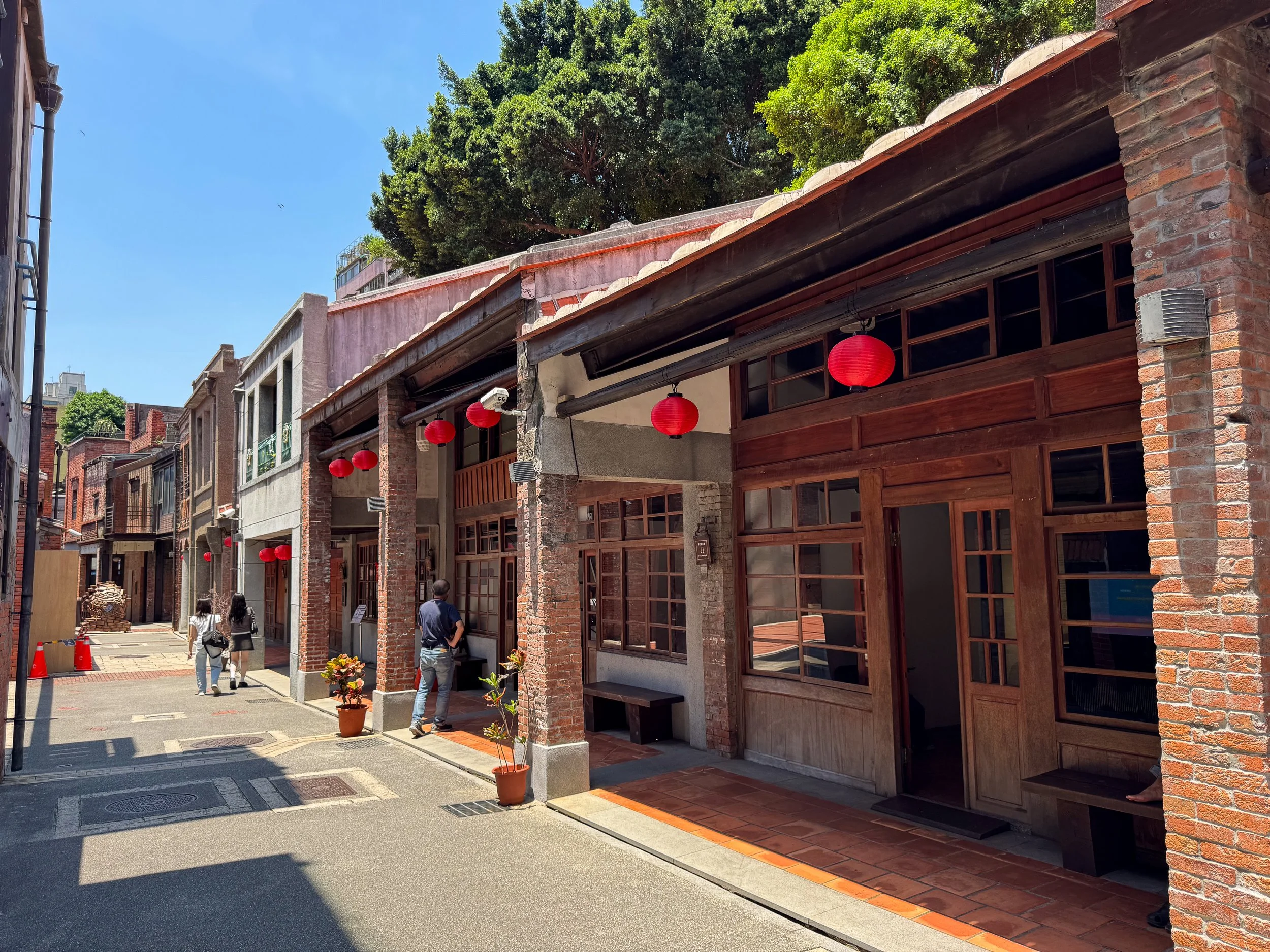
Bopiliao Historic District. A historic district with traditional merchant houses. The old brick buildings have wooden facades and inset arched walkways decorated in red paper lanterns. Many of the houses have been restored and converted into museums and cultural studios.
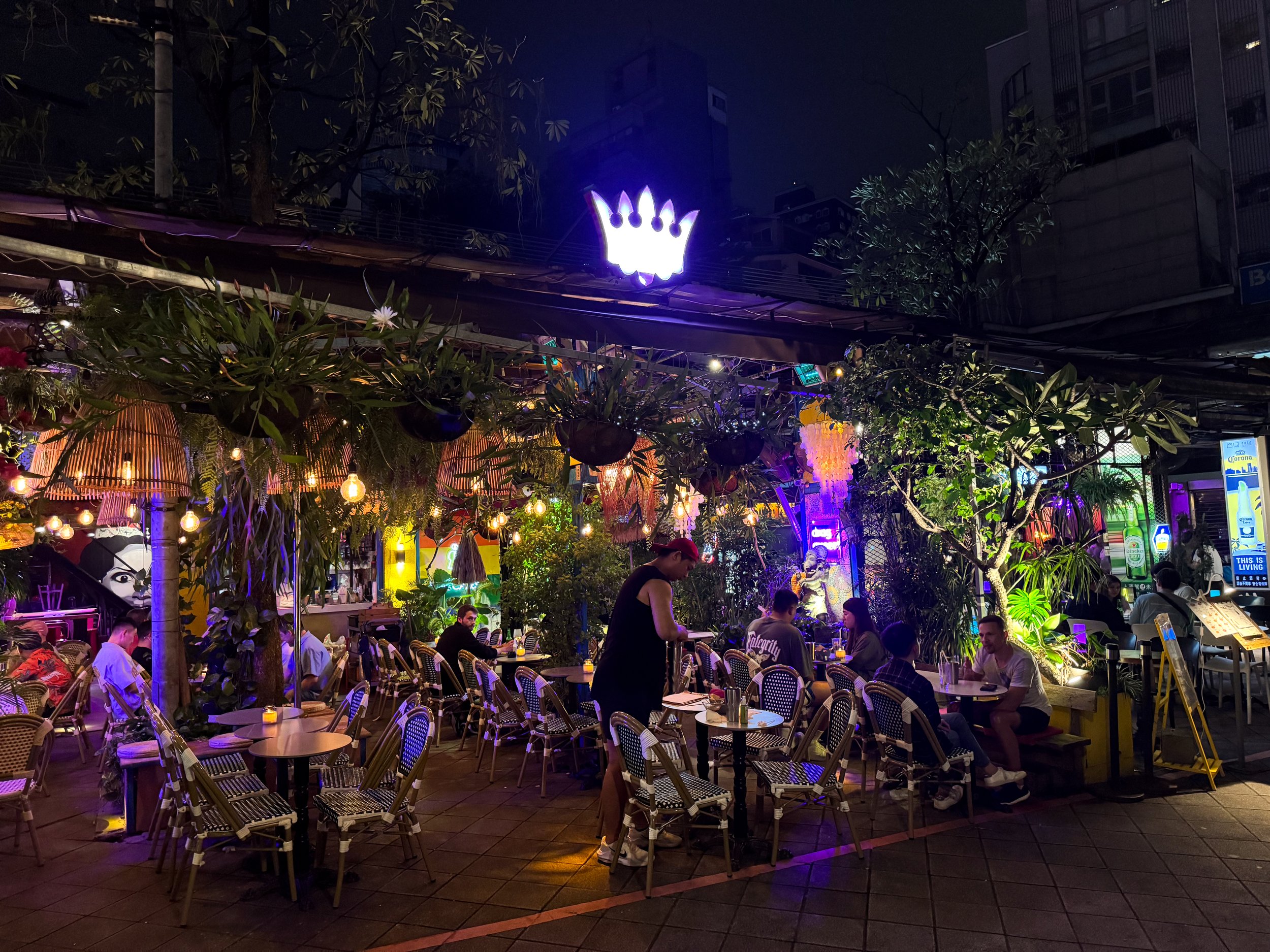
Ximending. The “Gayborhood” of Taipei. It’s centered around a historic brick theater with numerous gay bars, drag shows and happy hour specials. It’s a vibrant and fun spot to visit any night of the week. We met up with friends at Café Dalida for cocktails and light bites.
See the Temples & Sights
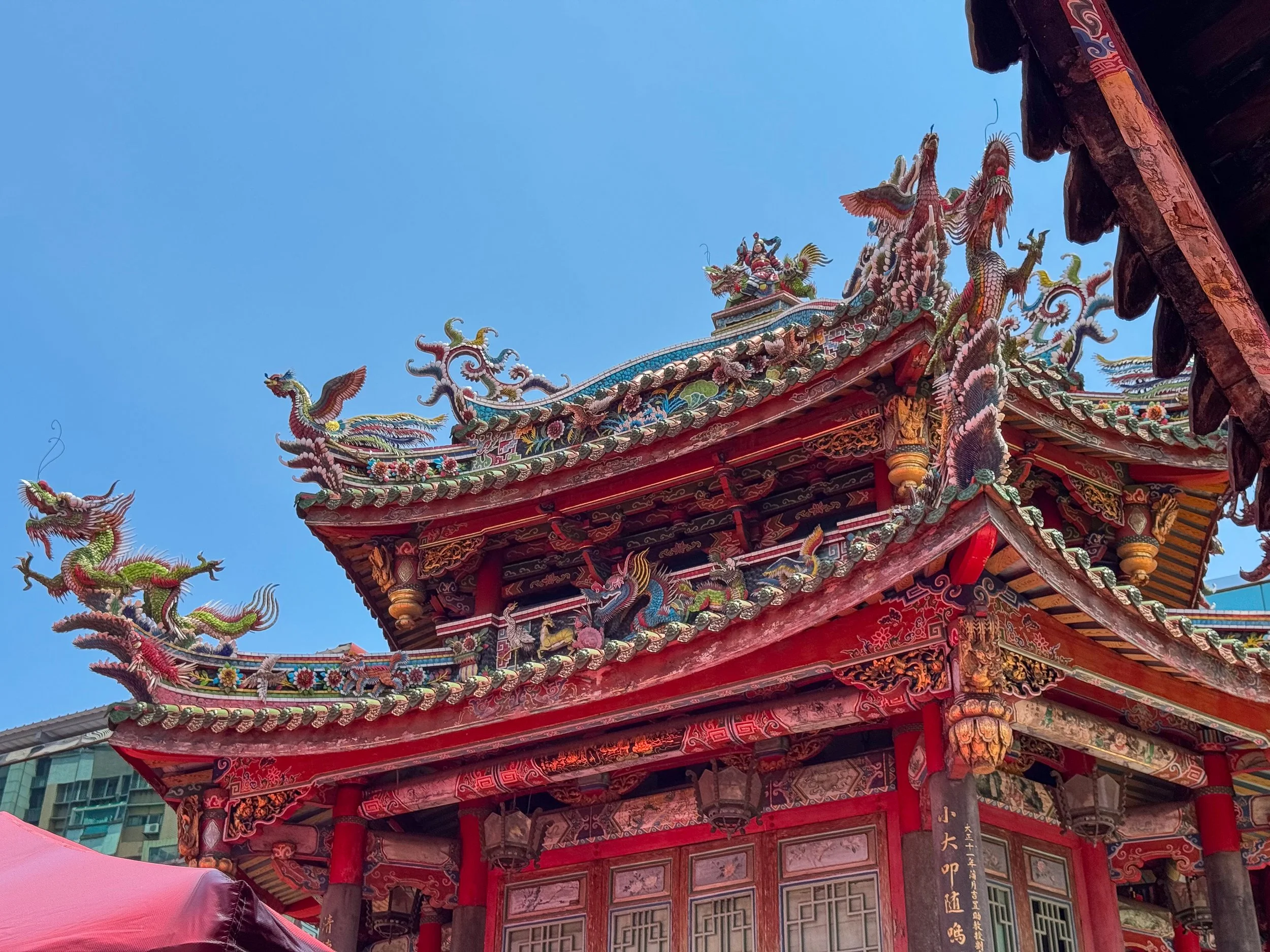
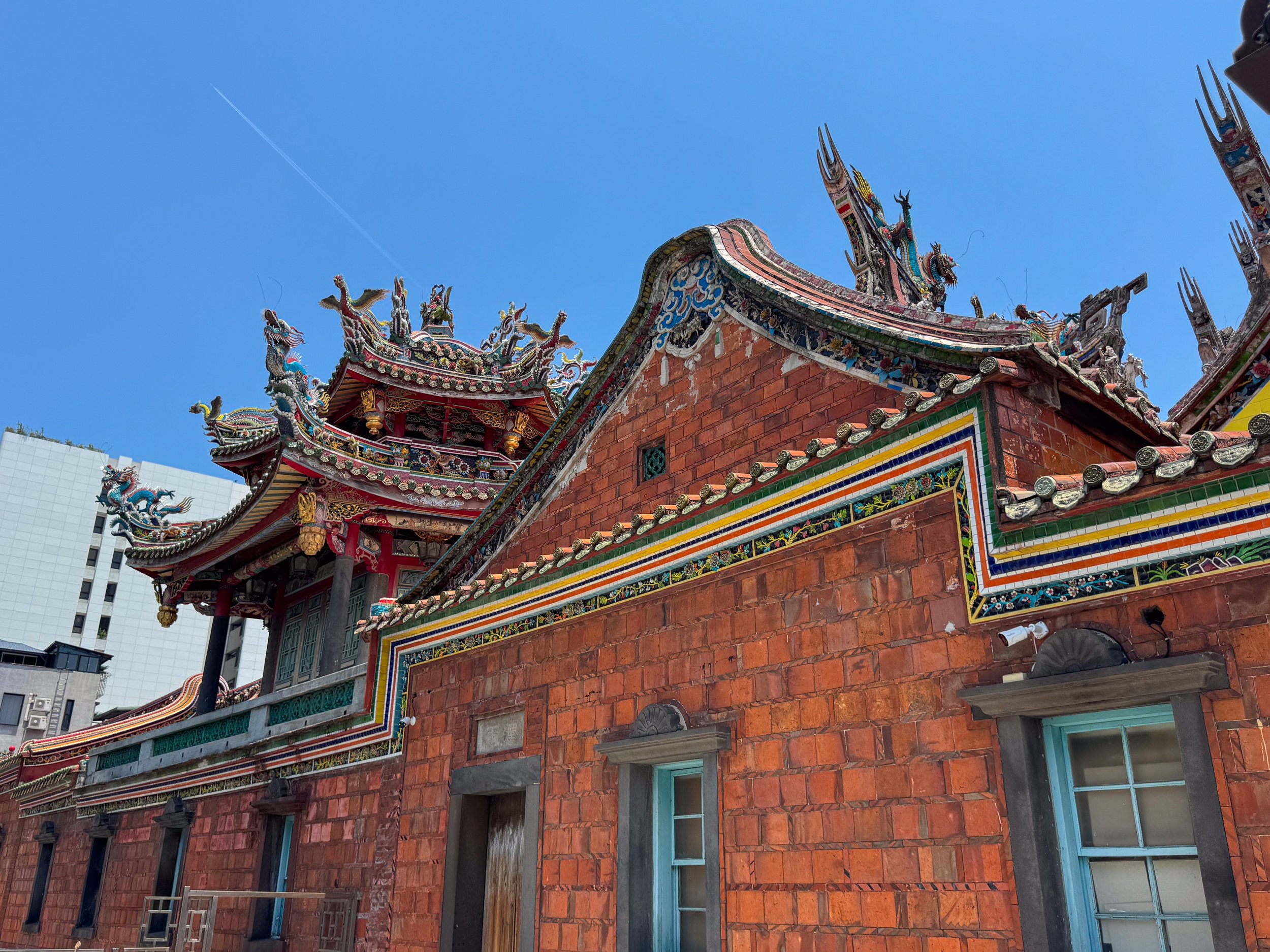
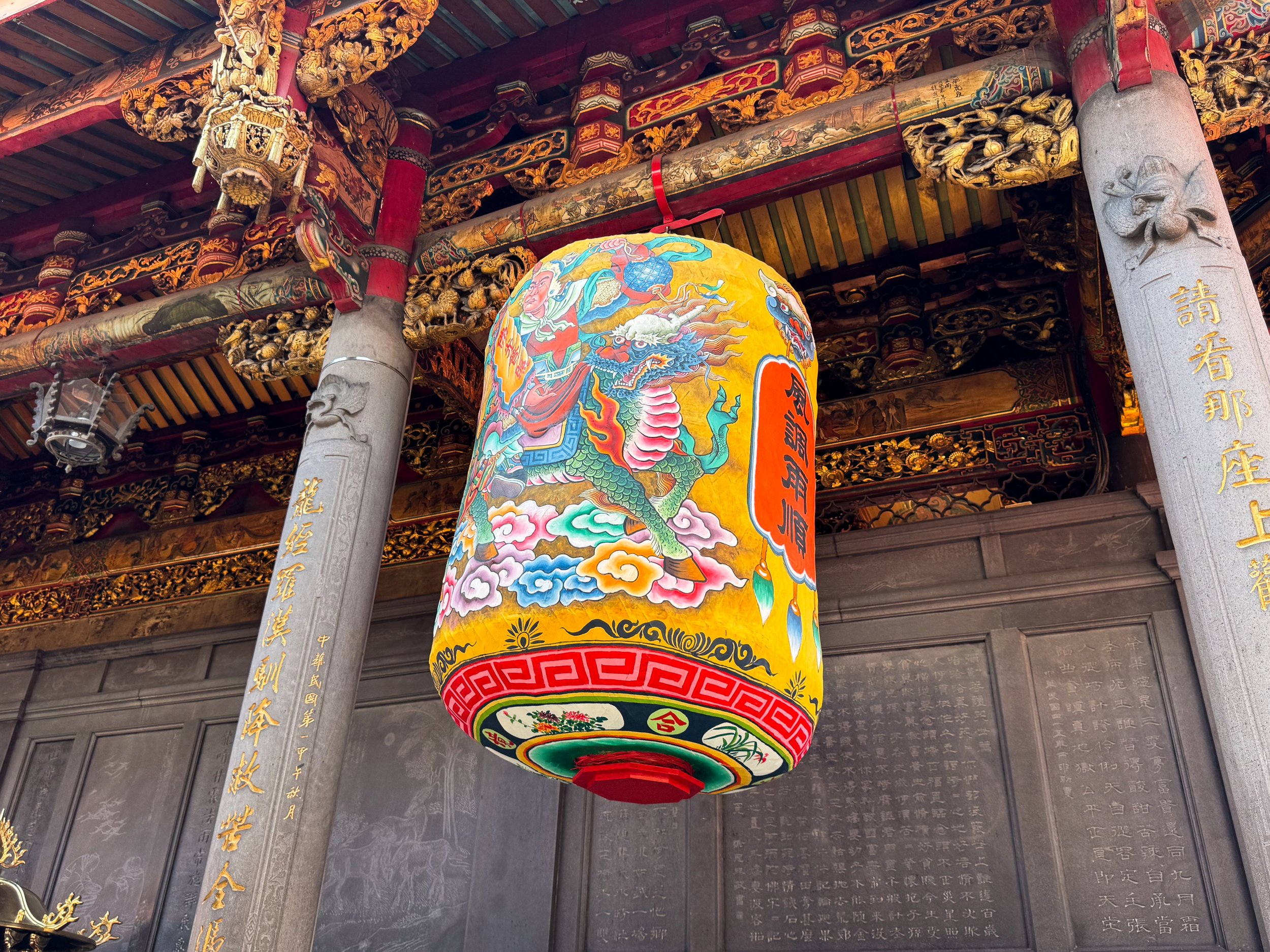
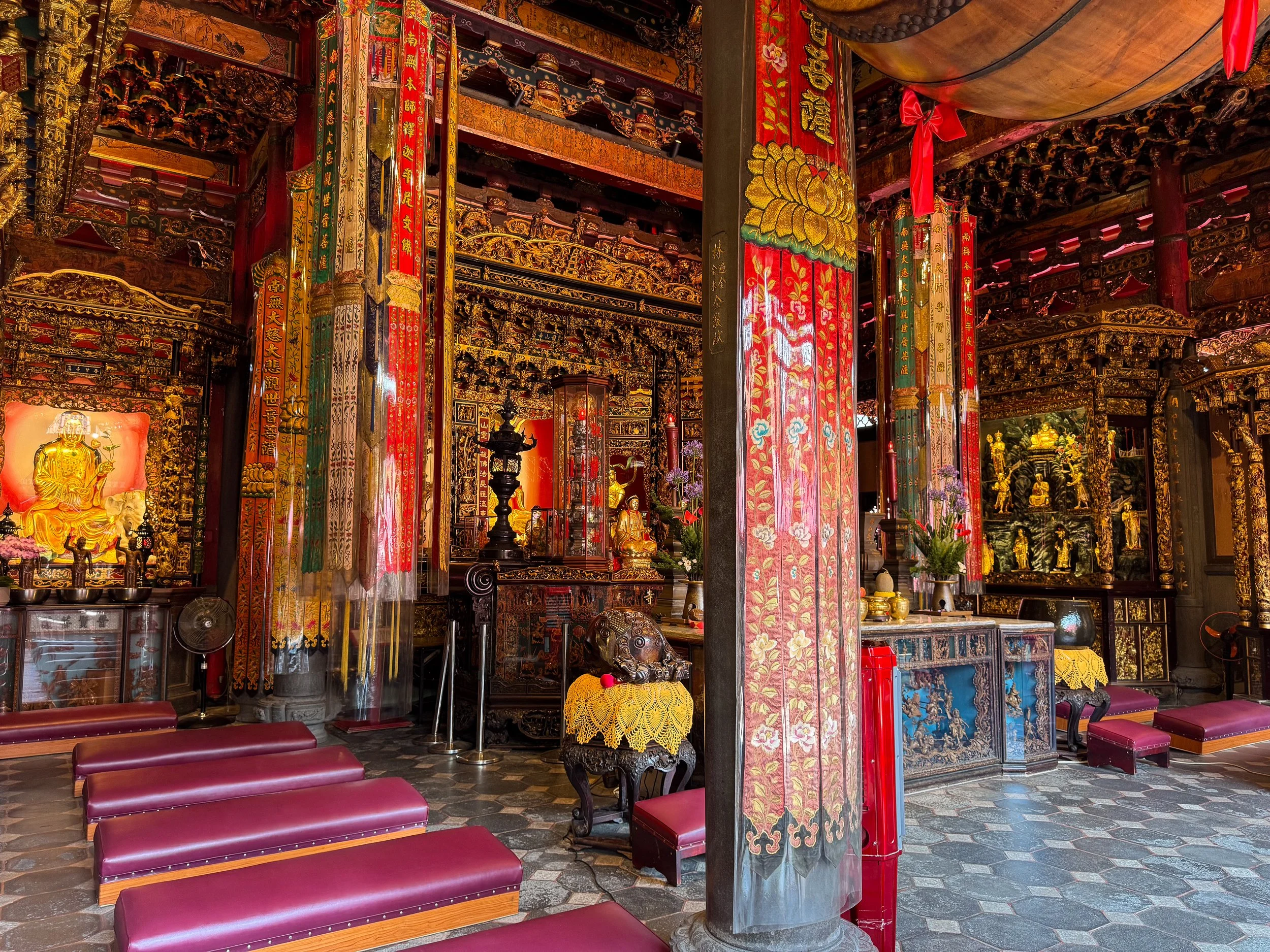
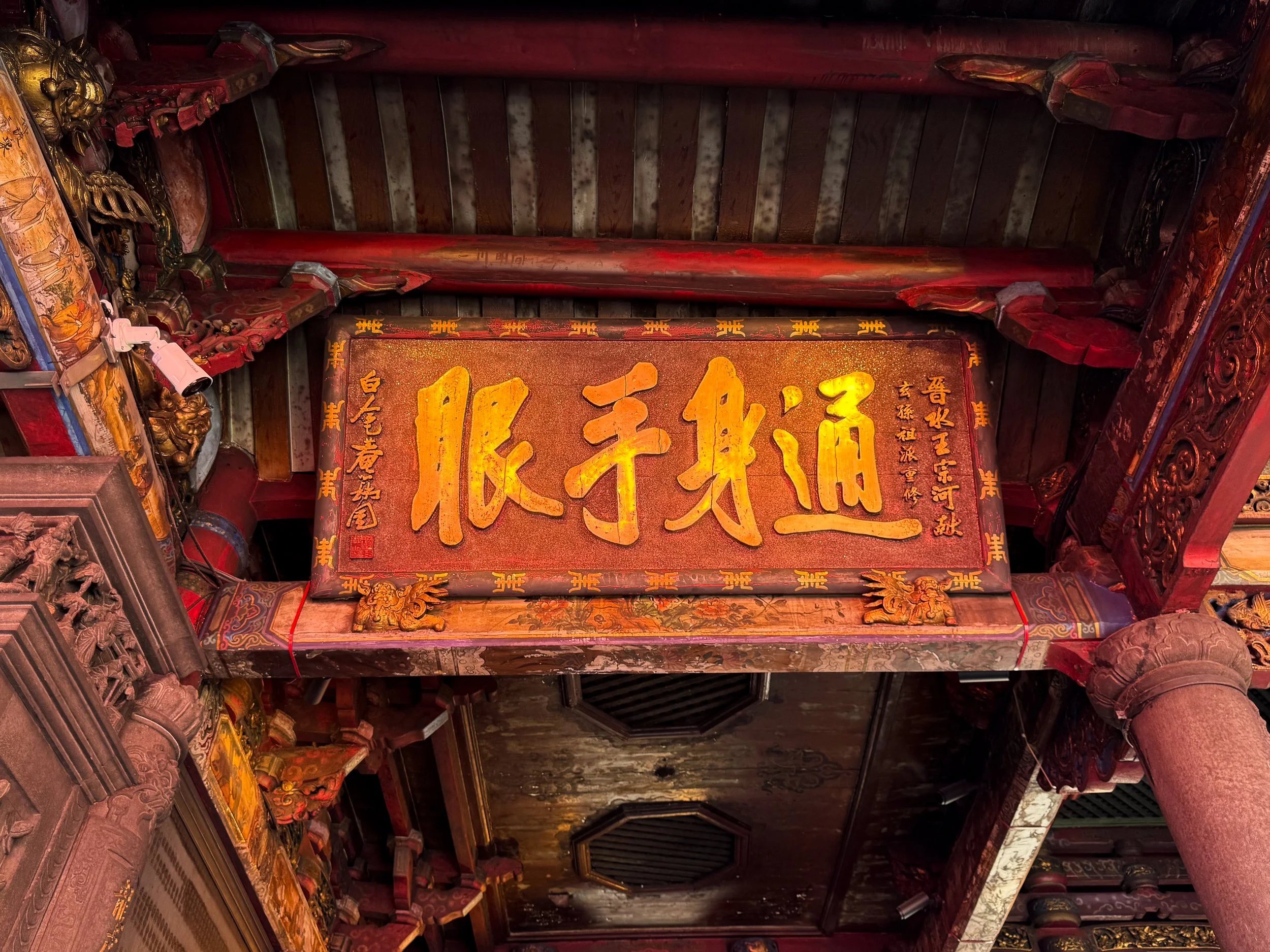
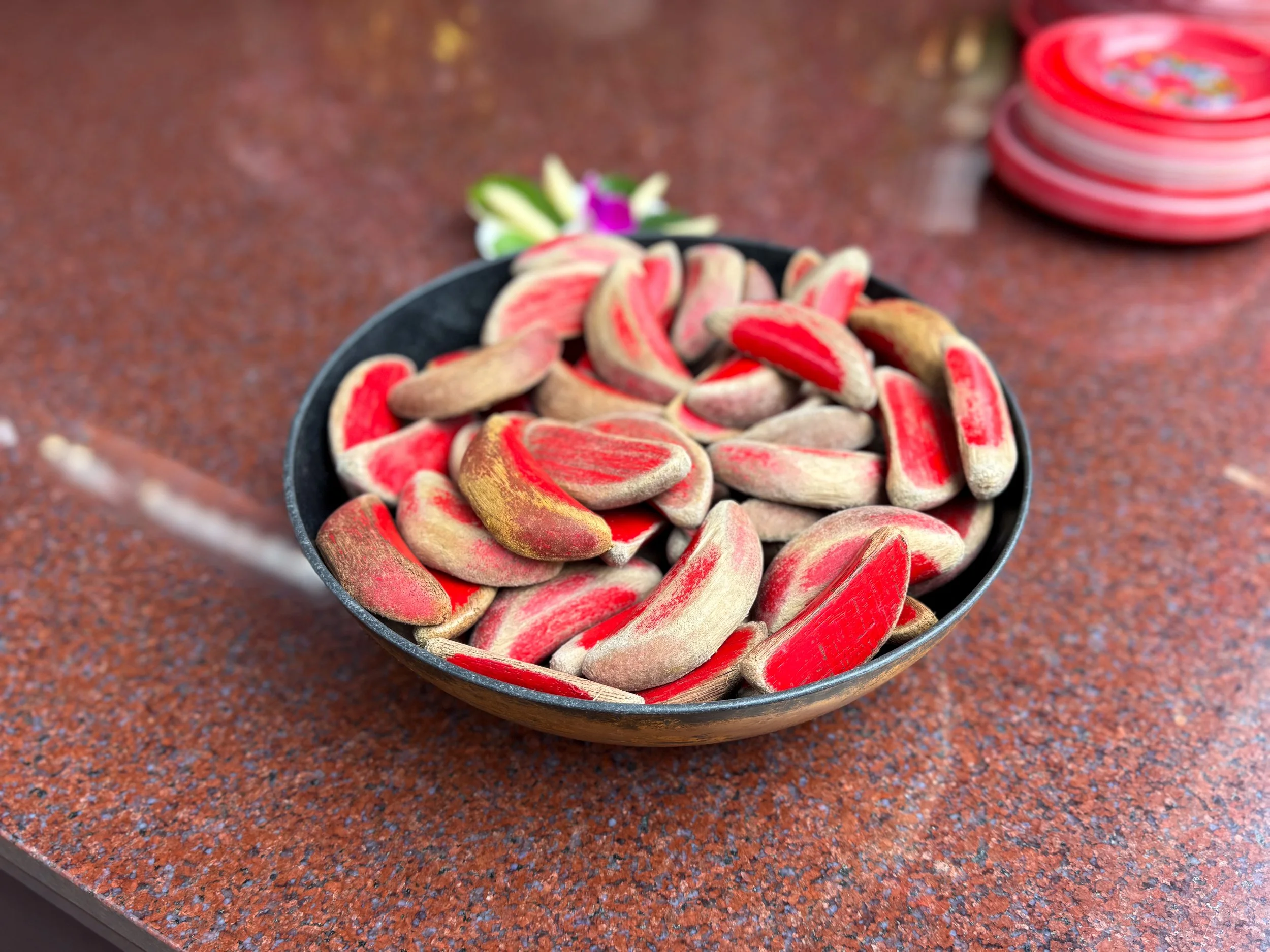
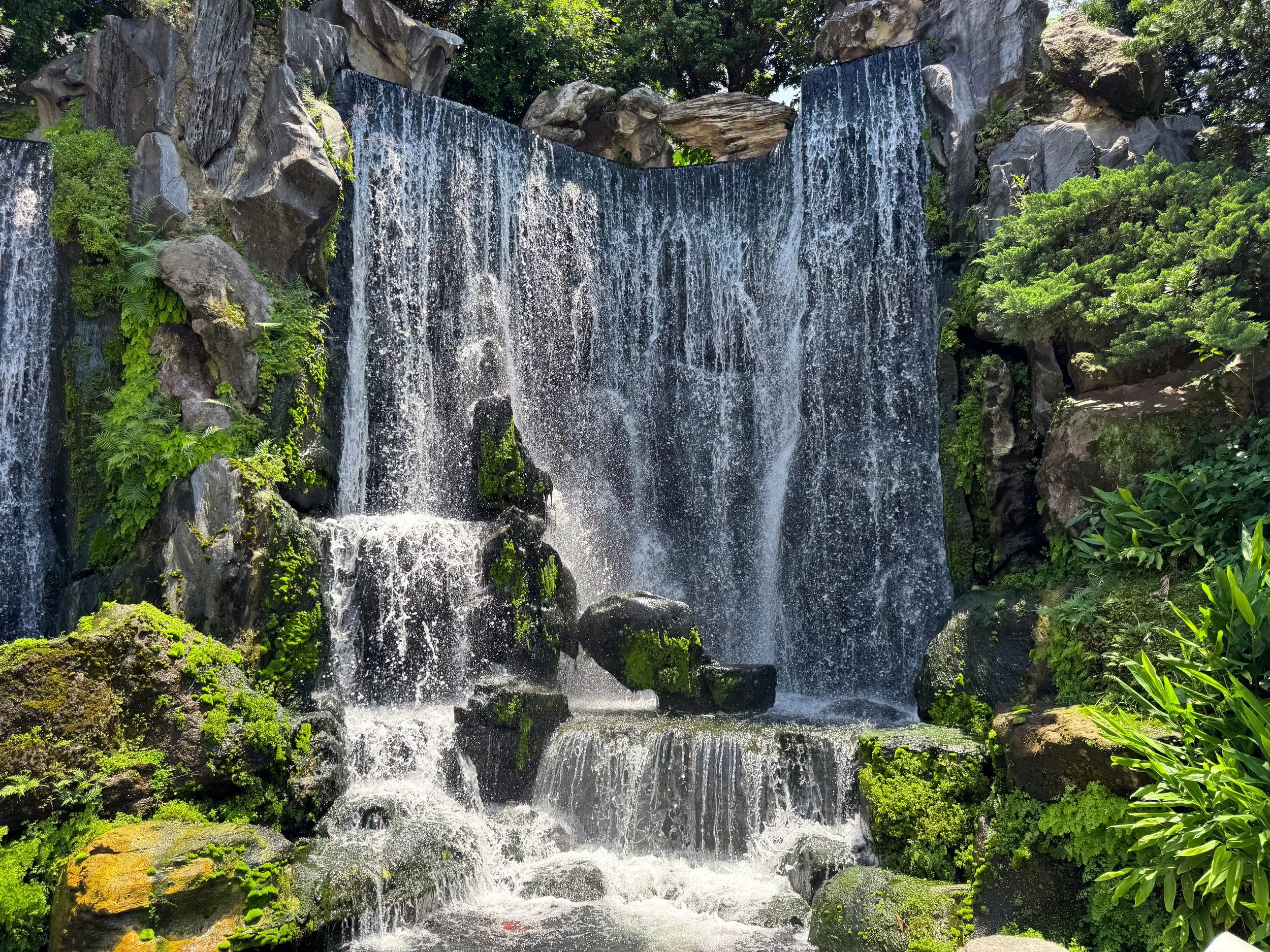
Lungshan Temple. A historic temple with highly stylized halls dedicated to three eastern religions of Buddhism, Confucianism and Taoism. The temple is decorated with elaborate dragon statues and large paper lanterns. Ornately carved stone columns line the halls while detailed painted doors and beams recount legends and stories. The front courtyard is flanked by water features, a koi pond with a variety of the beautiful fish and a waterfall. Locals can be seen here praying and asking the gods questions using red wood blocks shaped like orange slices.
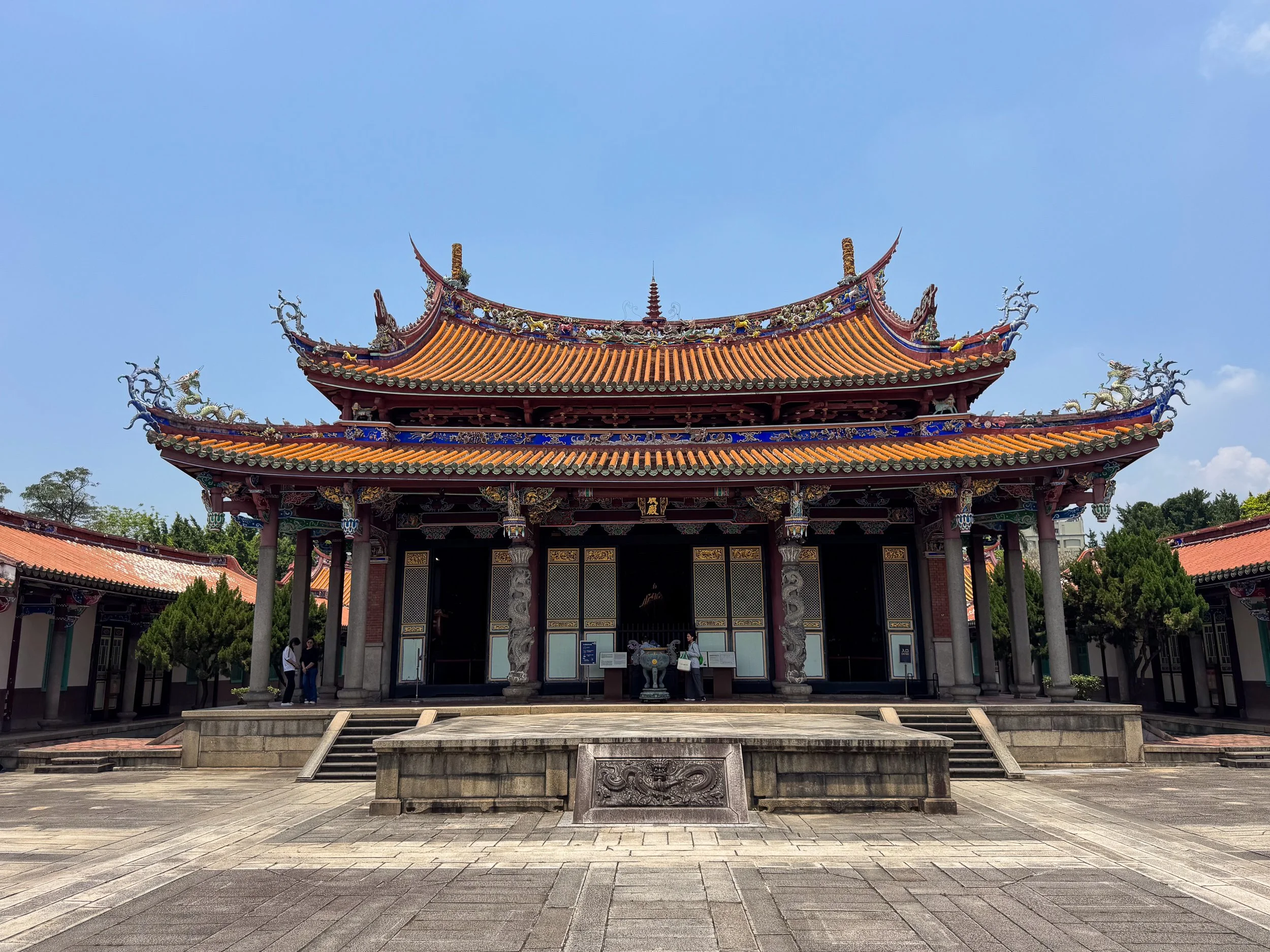
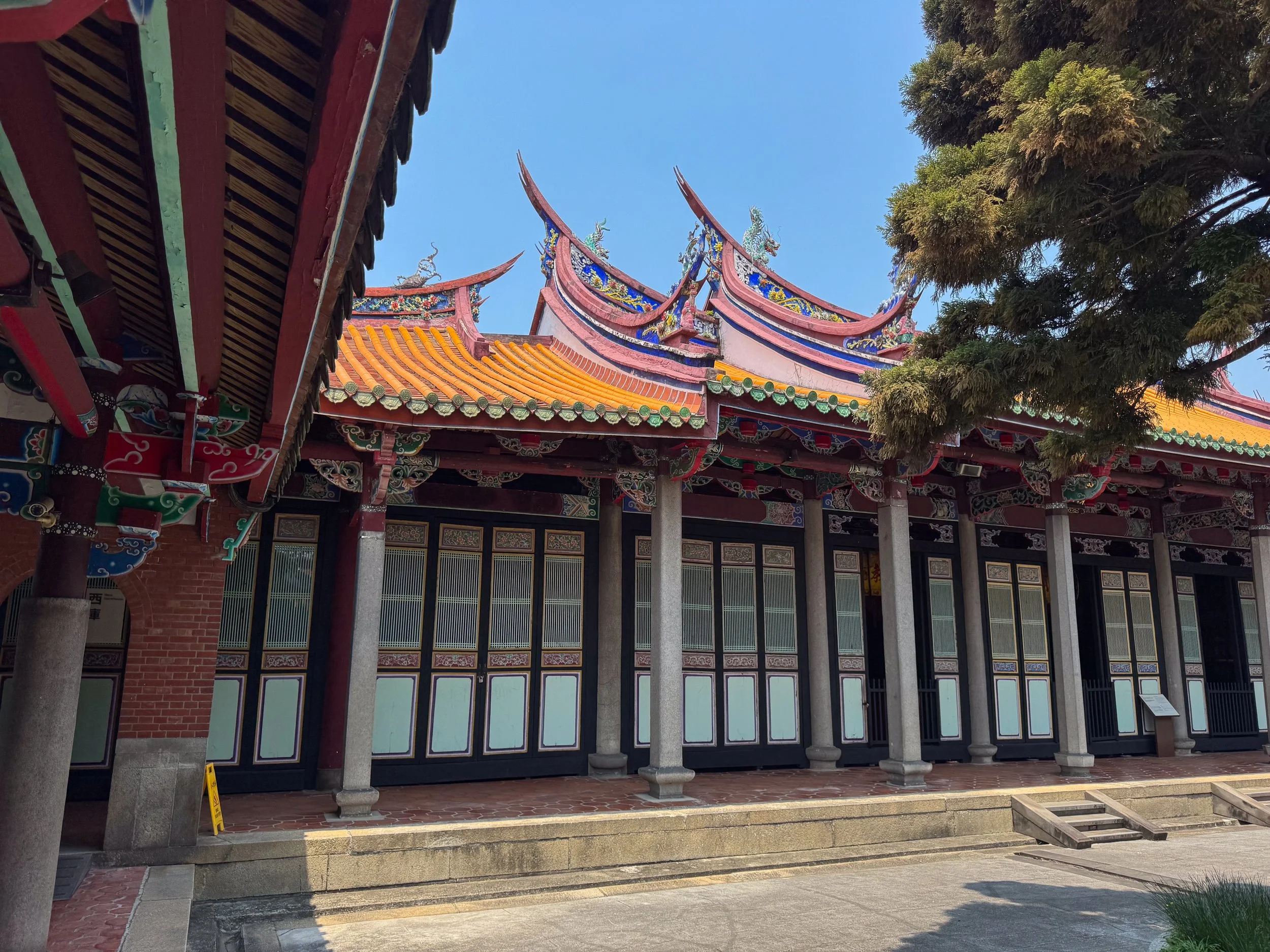
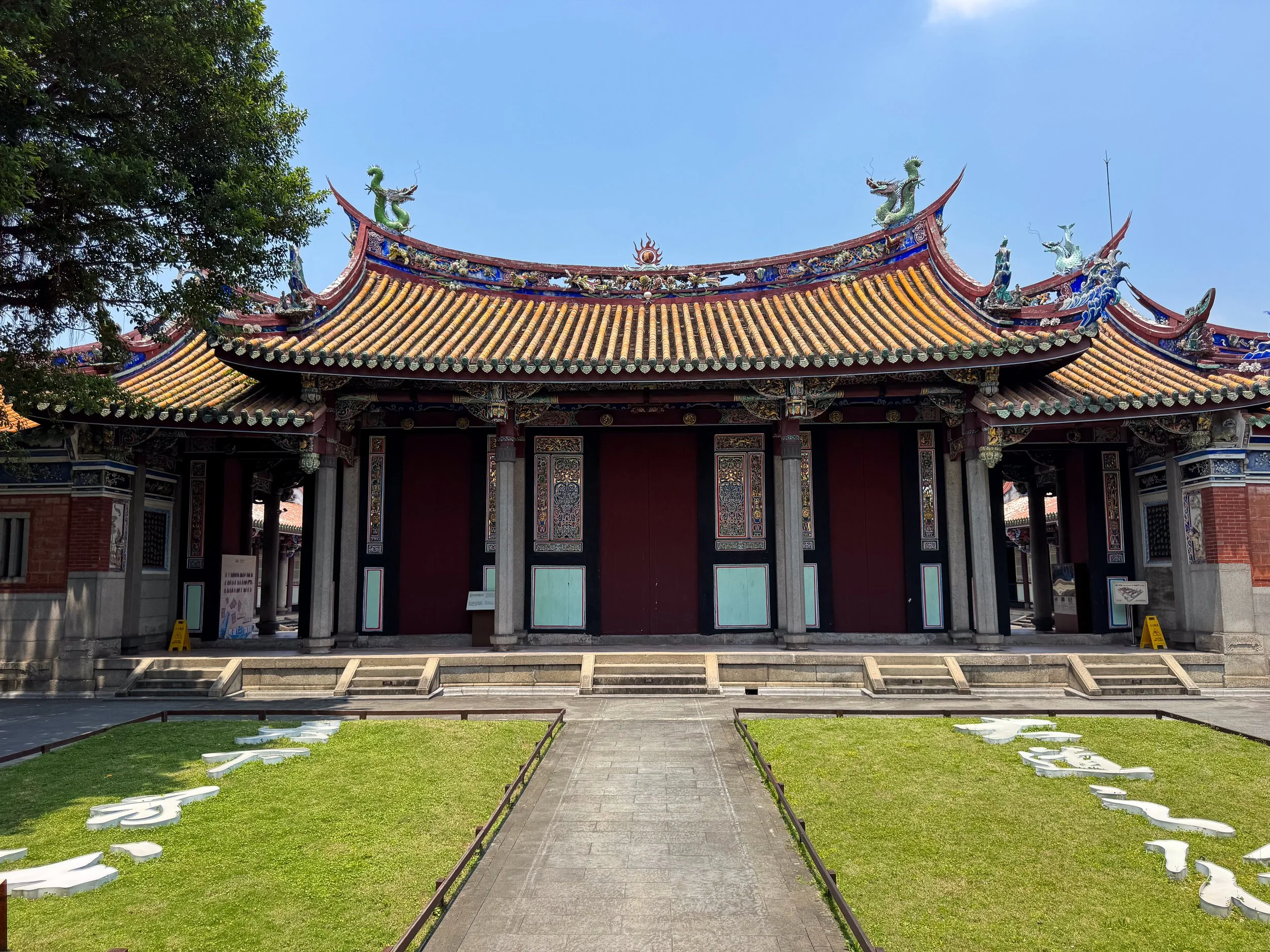
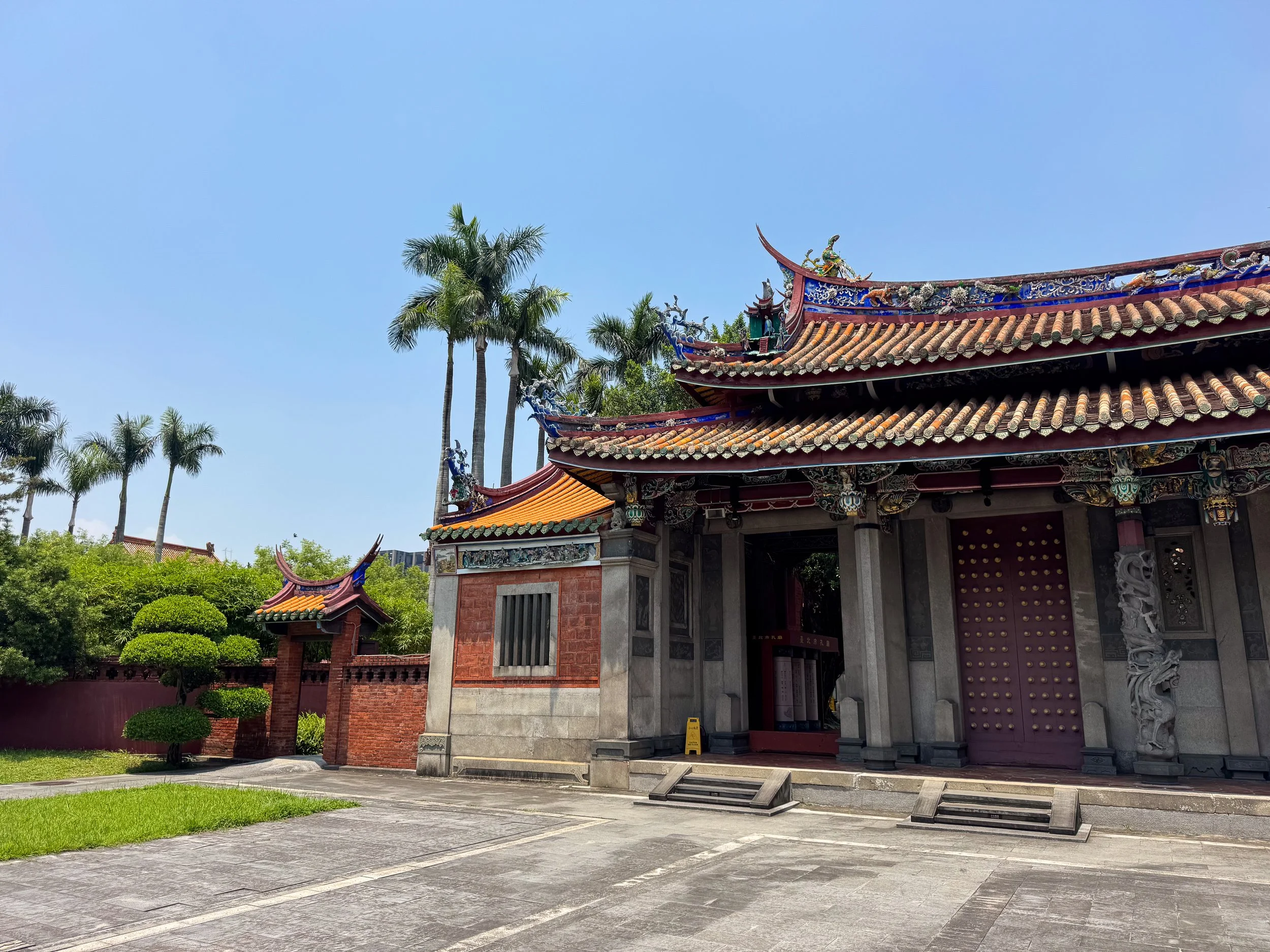
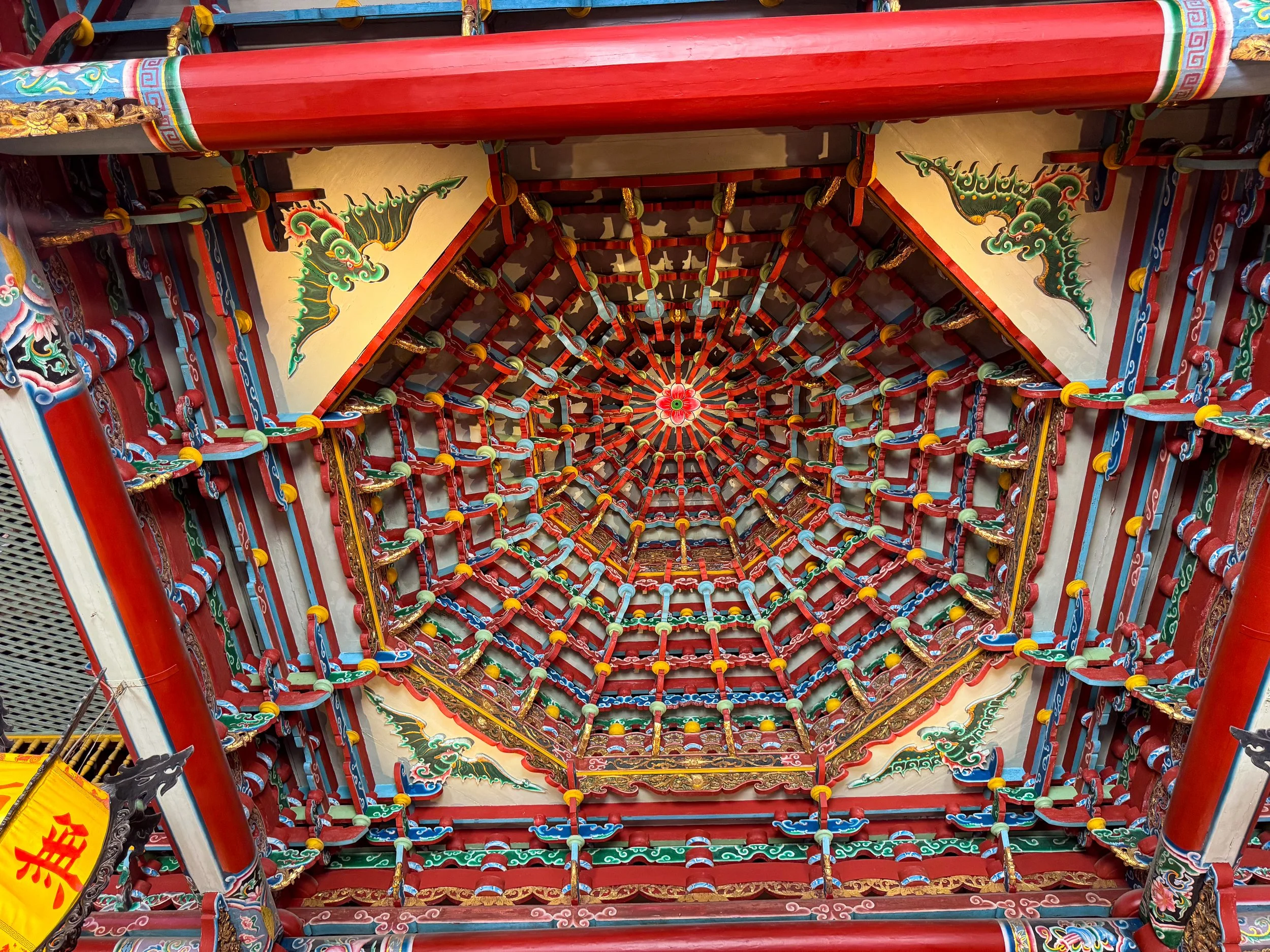
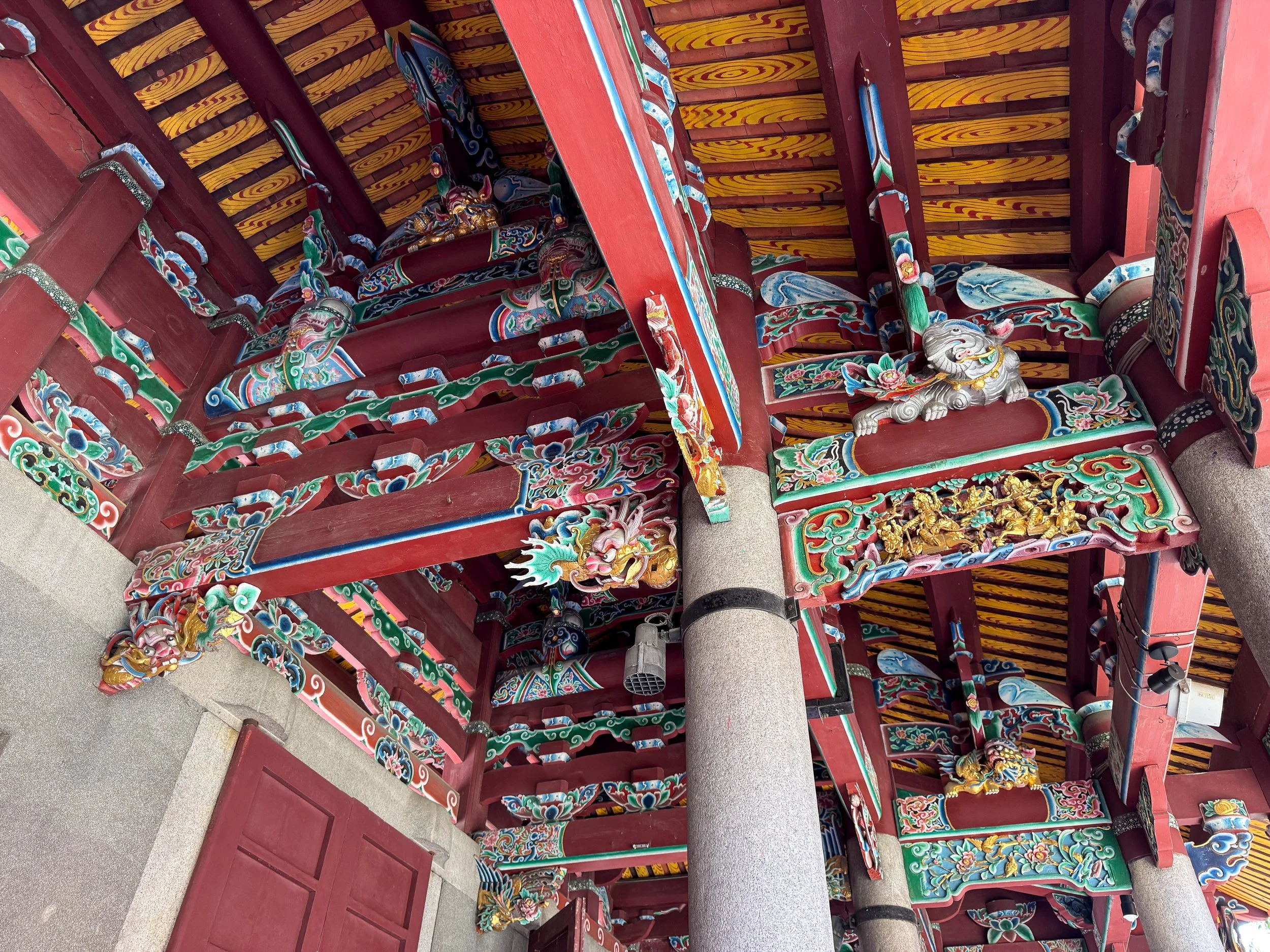
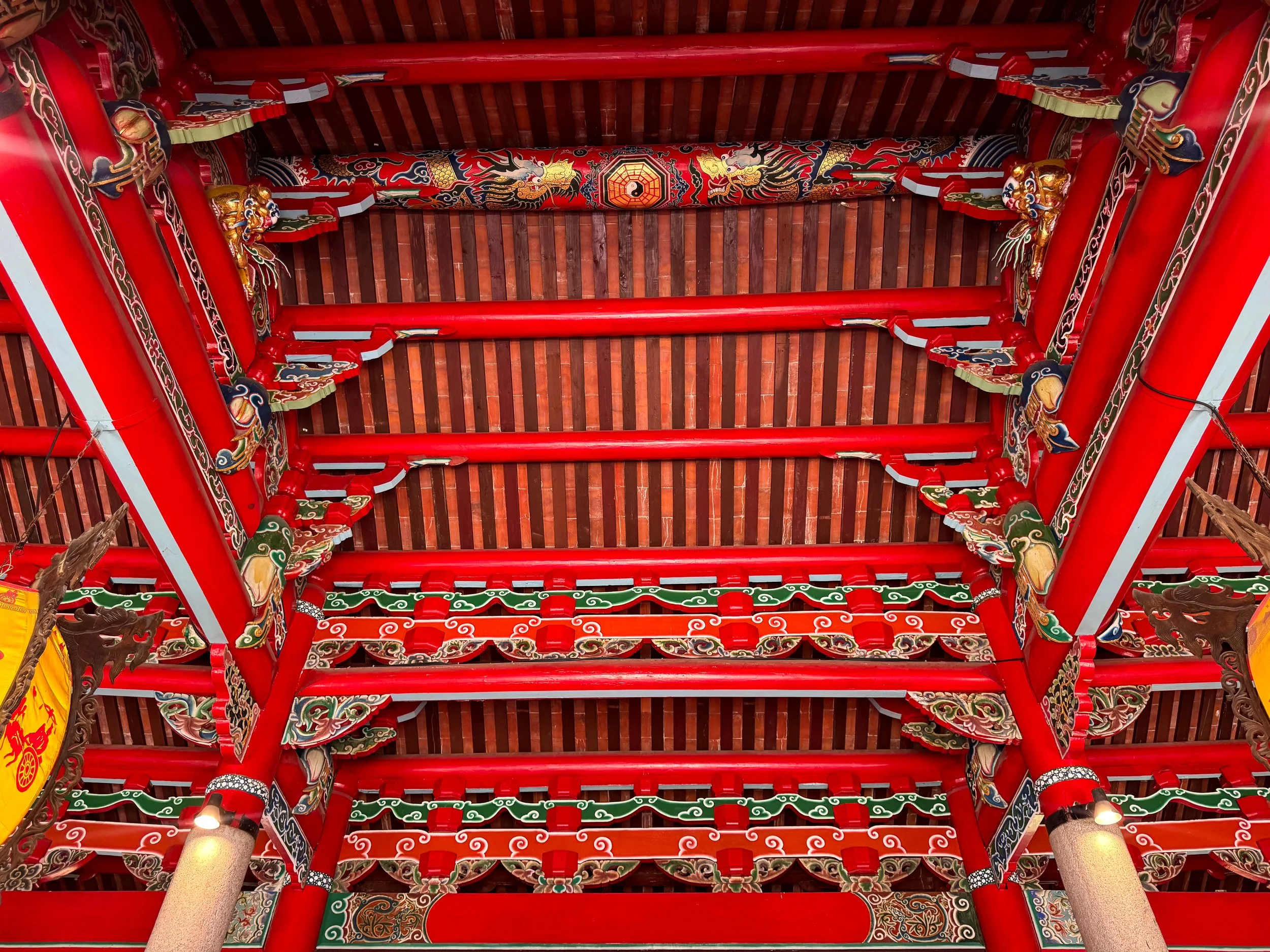
Taipei Confucius Temple. A temple dedicated to Confucius. The central meditation hall is surrounded by corridors with tablets honoring past Confucius scholars. It has multi colored painted details and ornaments.
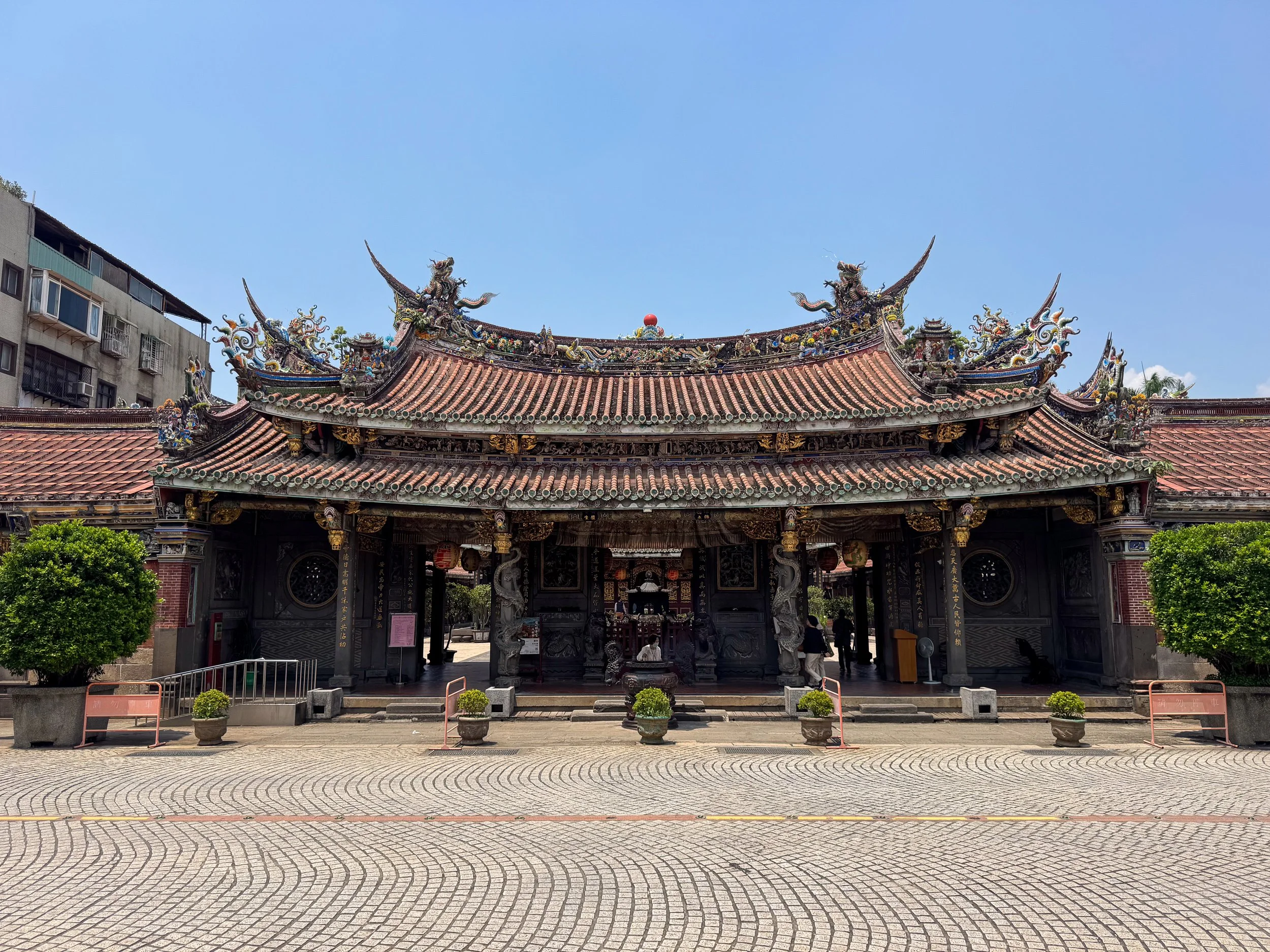
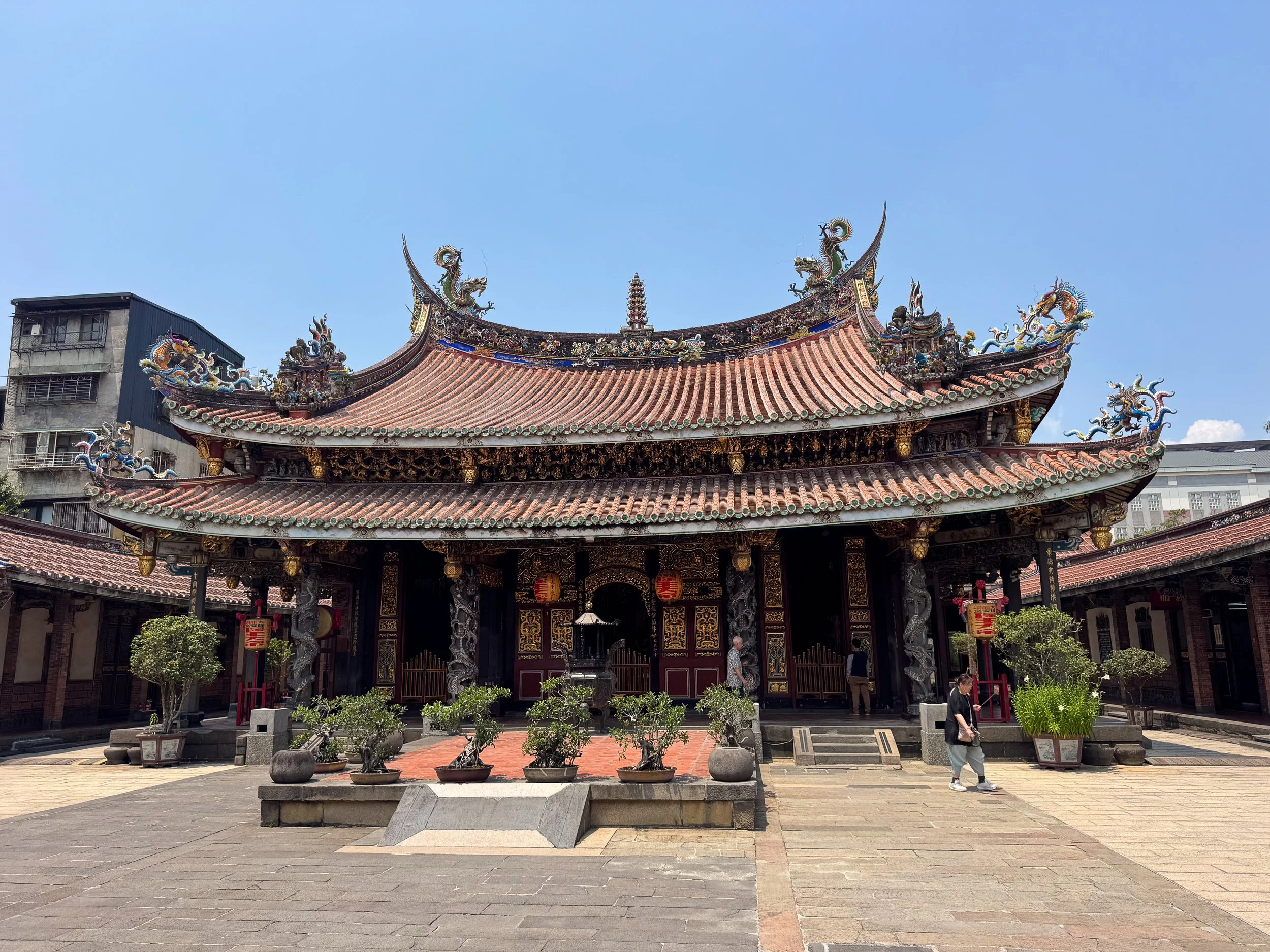
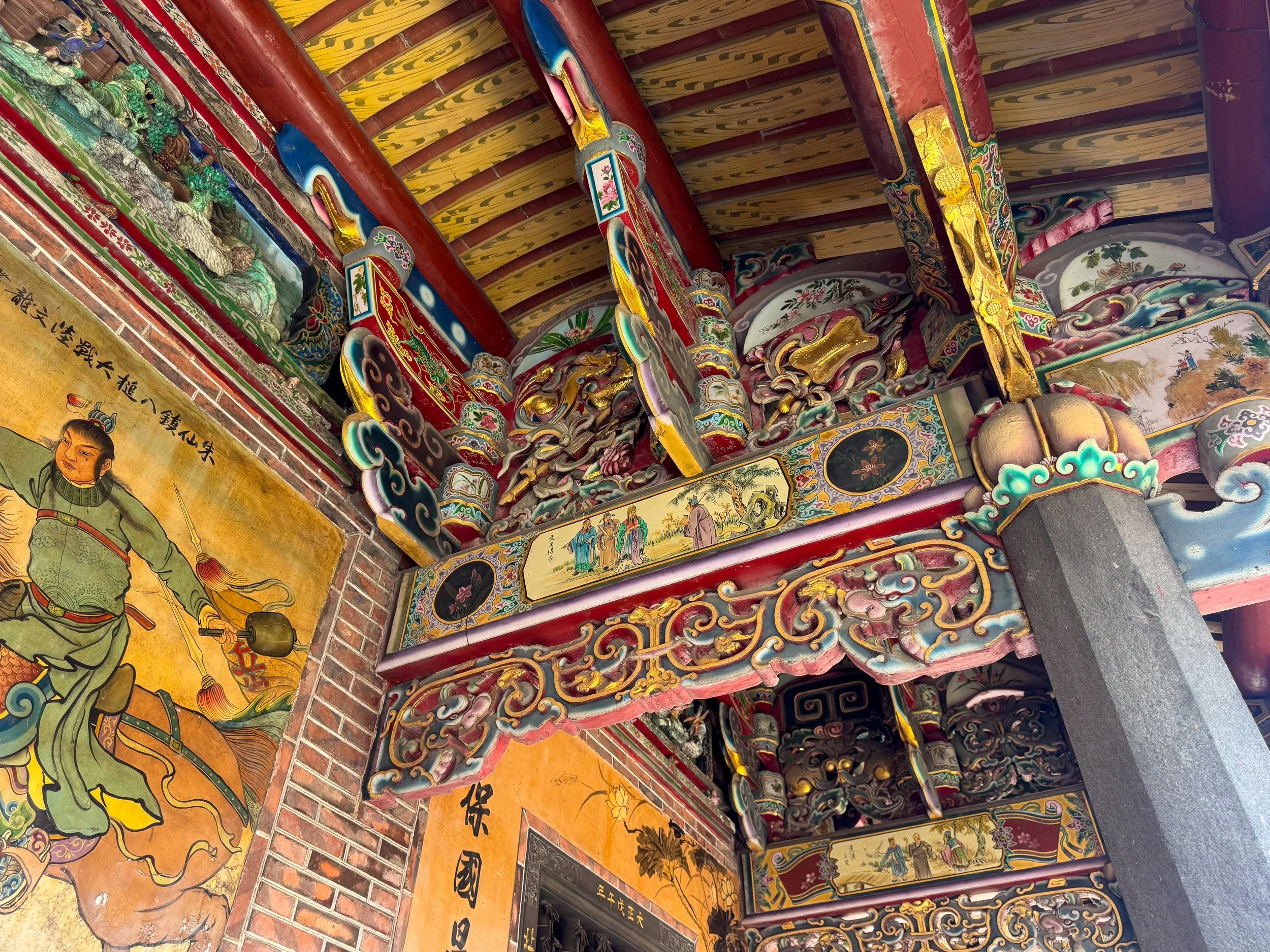
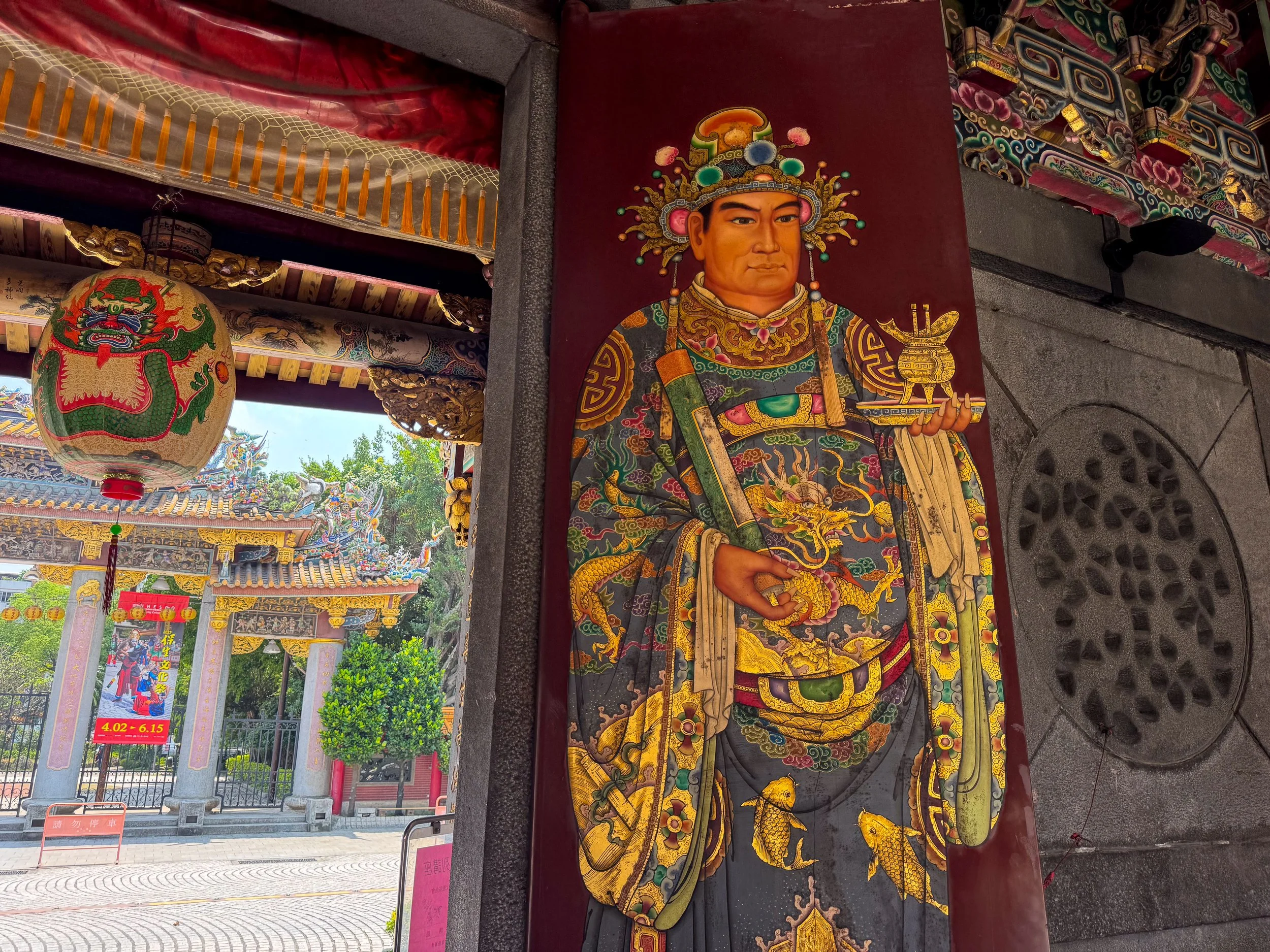
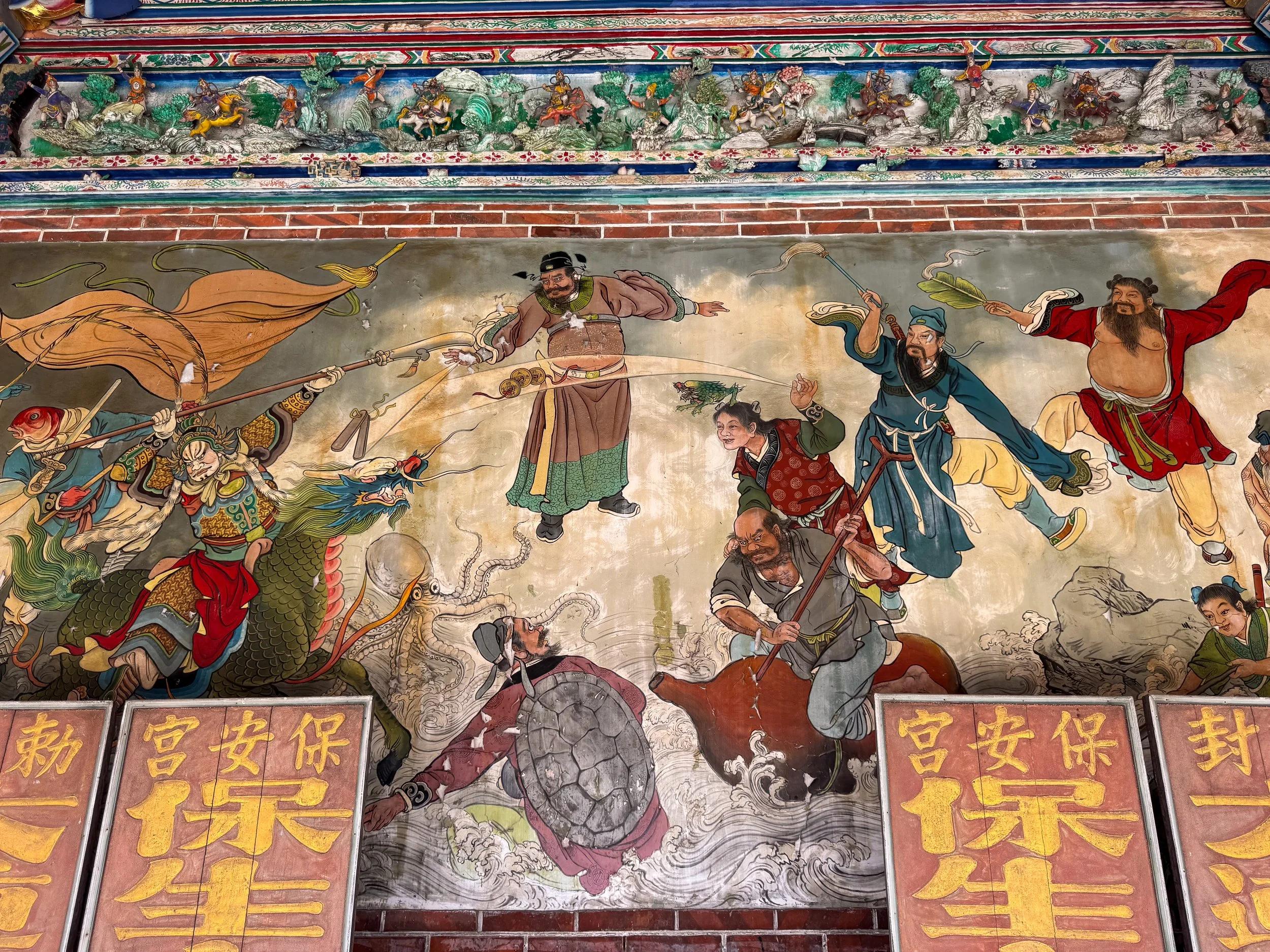
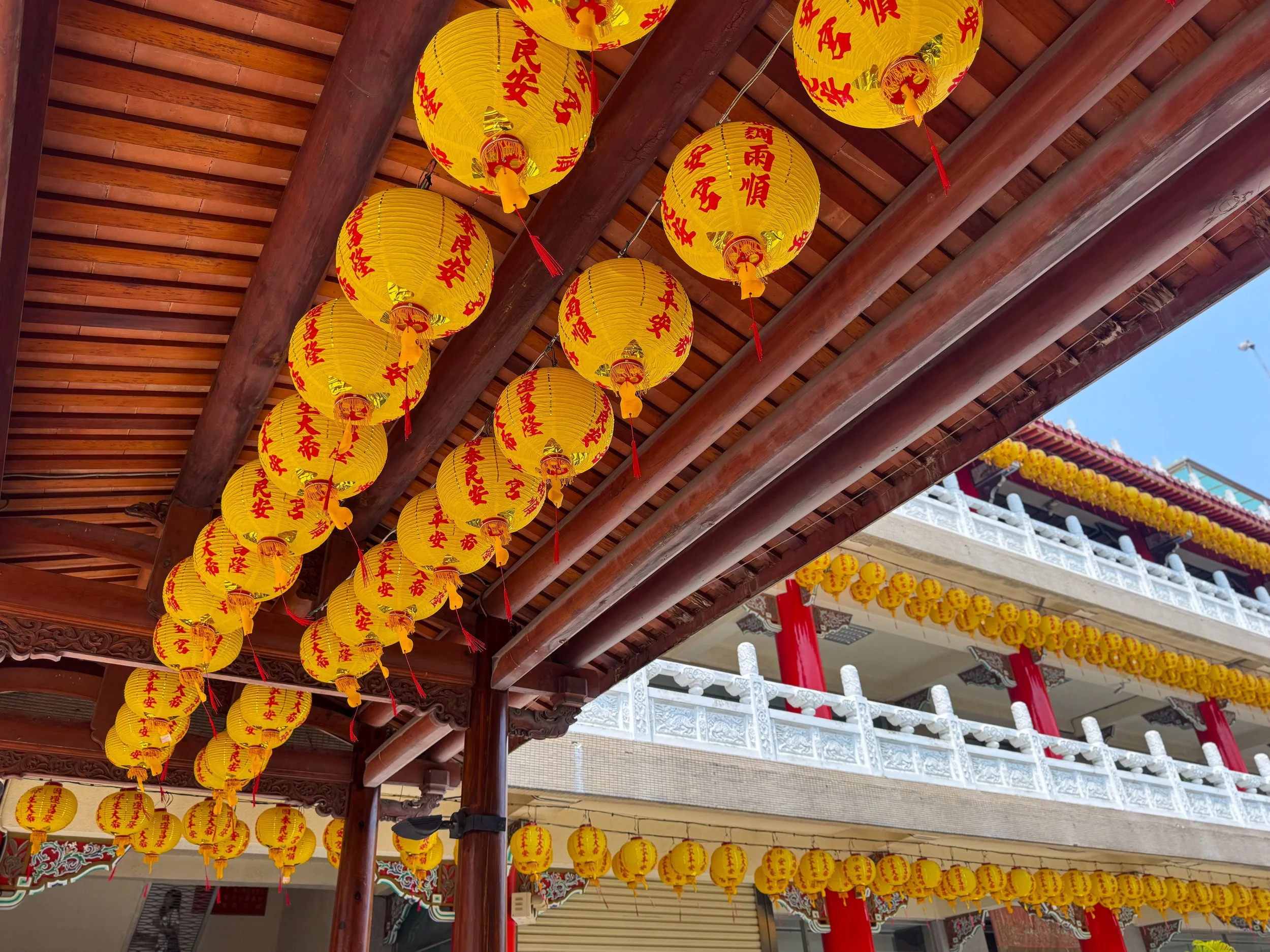
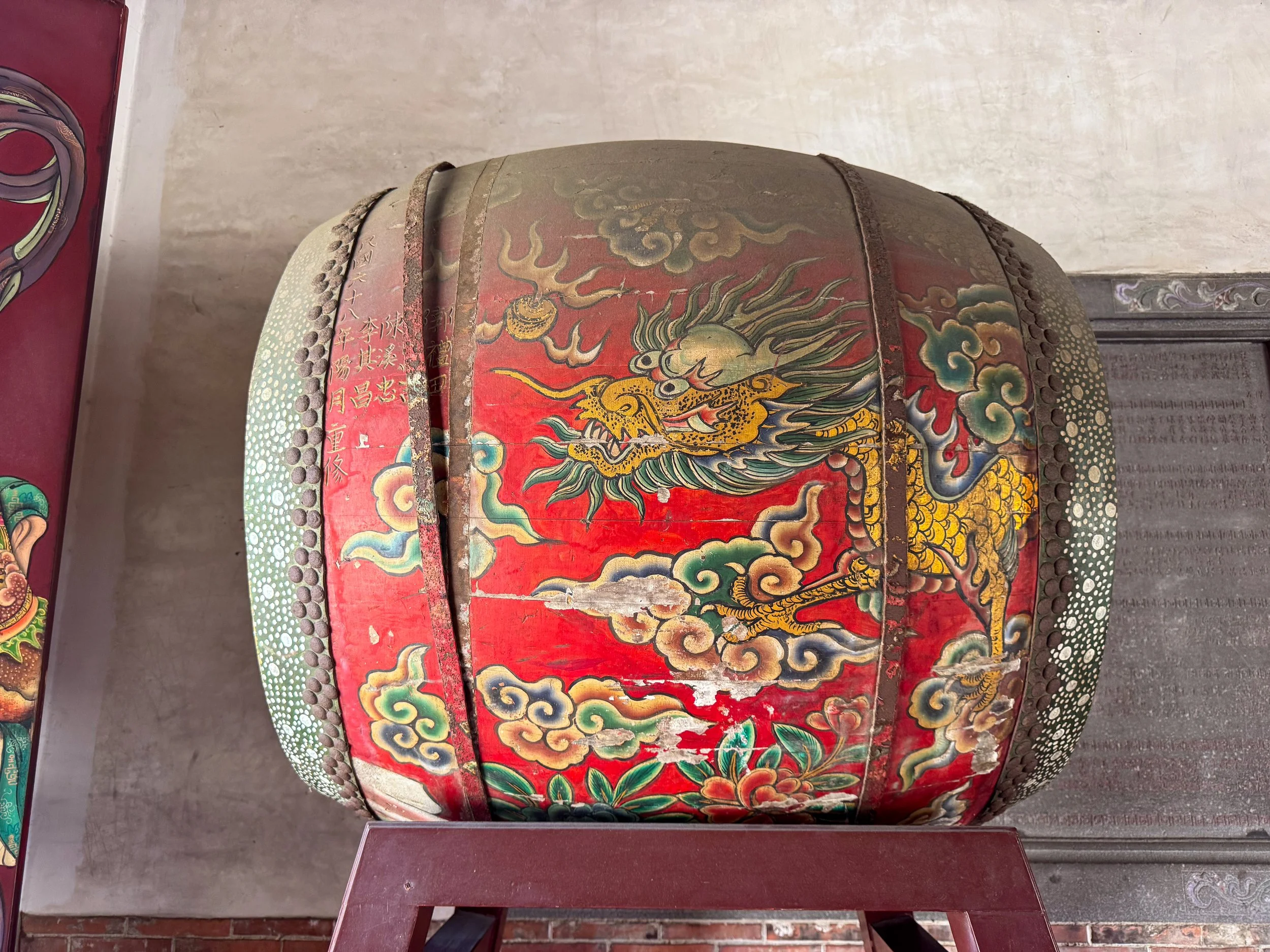
Dalongdong Baoan Temple. A spiritual temple dedicated to Taiwanese and Chinese folklore. Like the other temples, it’s equally as stylized but with many more paintings and depictions of legends and stories. It’s considered one to the most important temples in the city and to Taiwanese people.
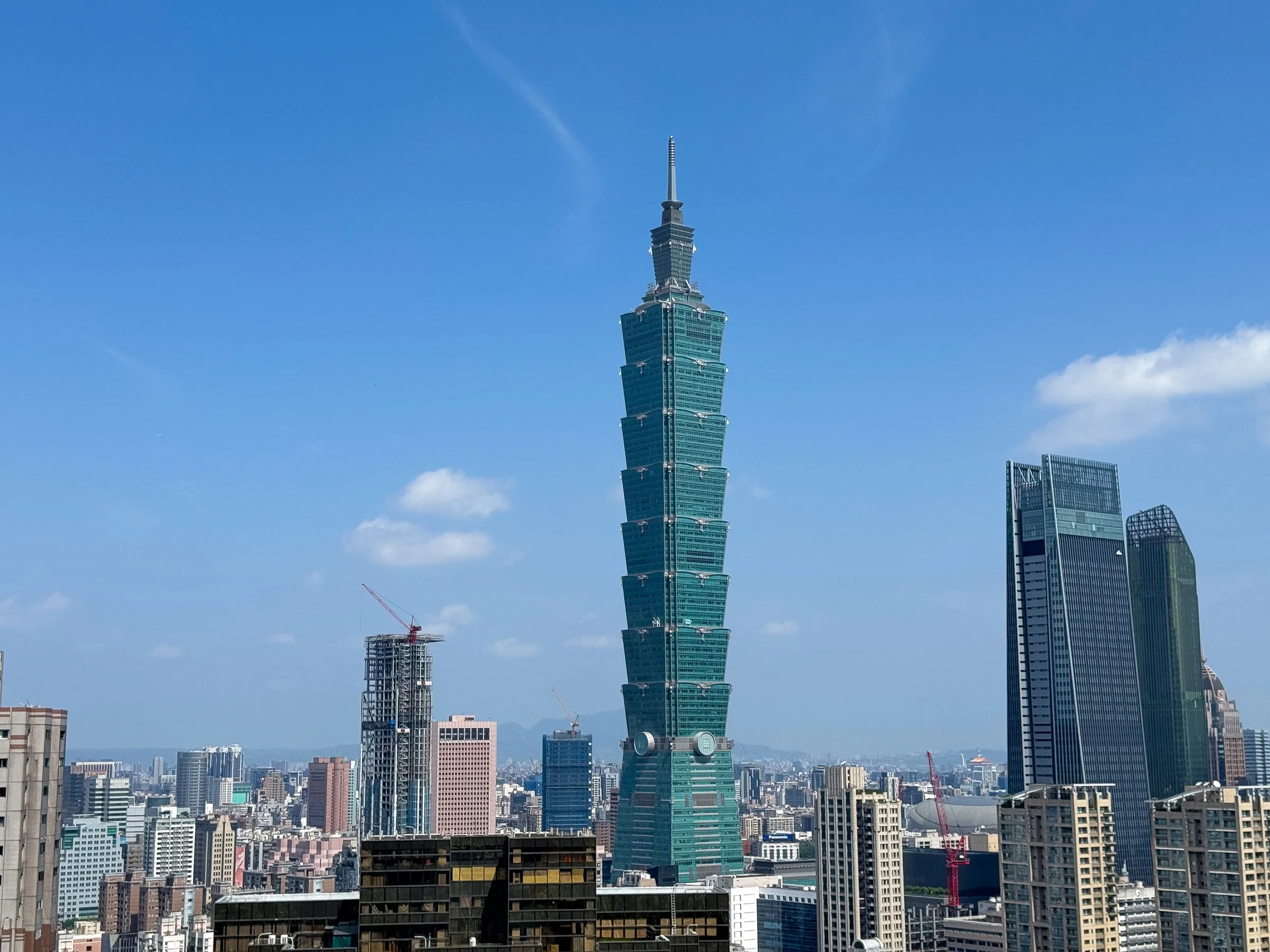
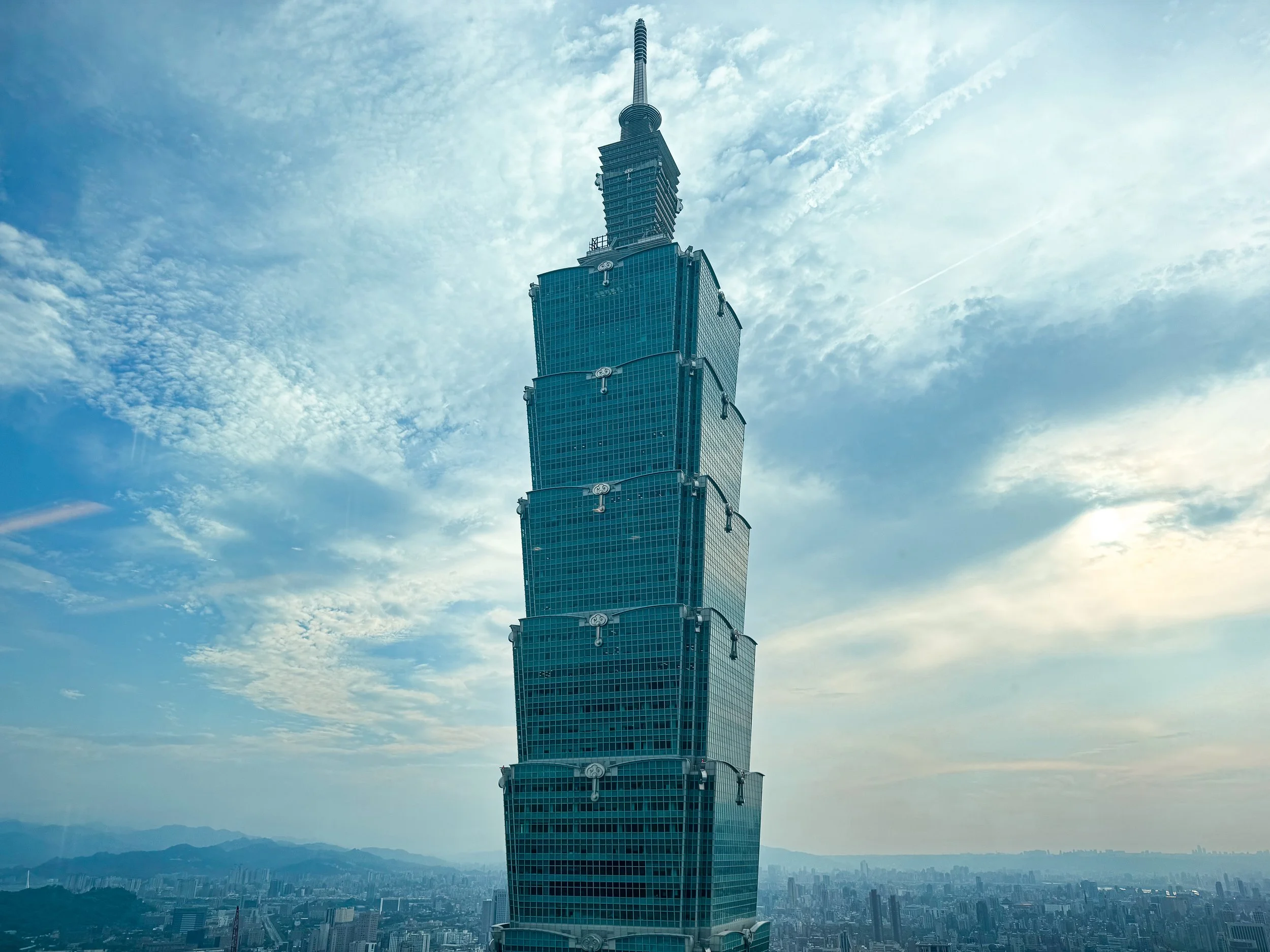
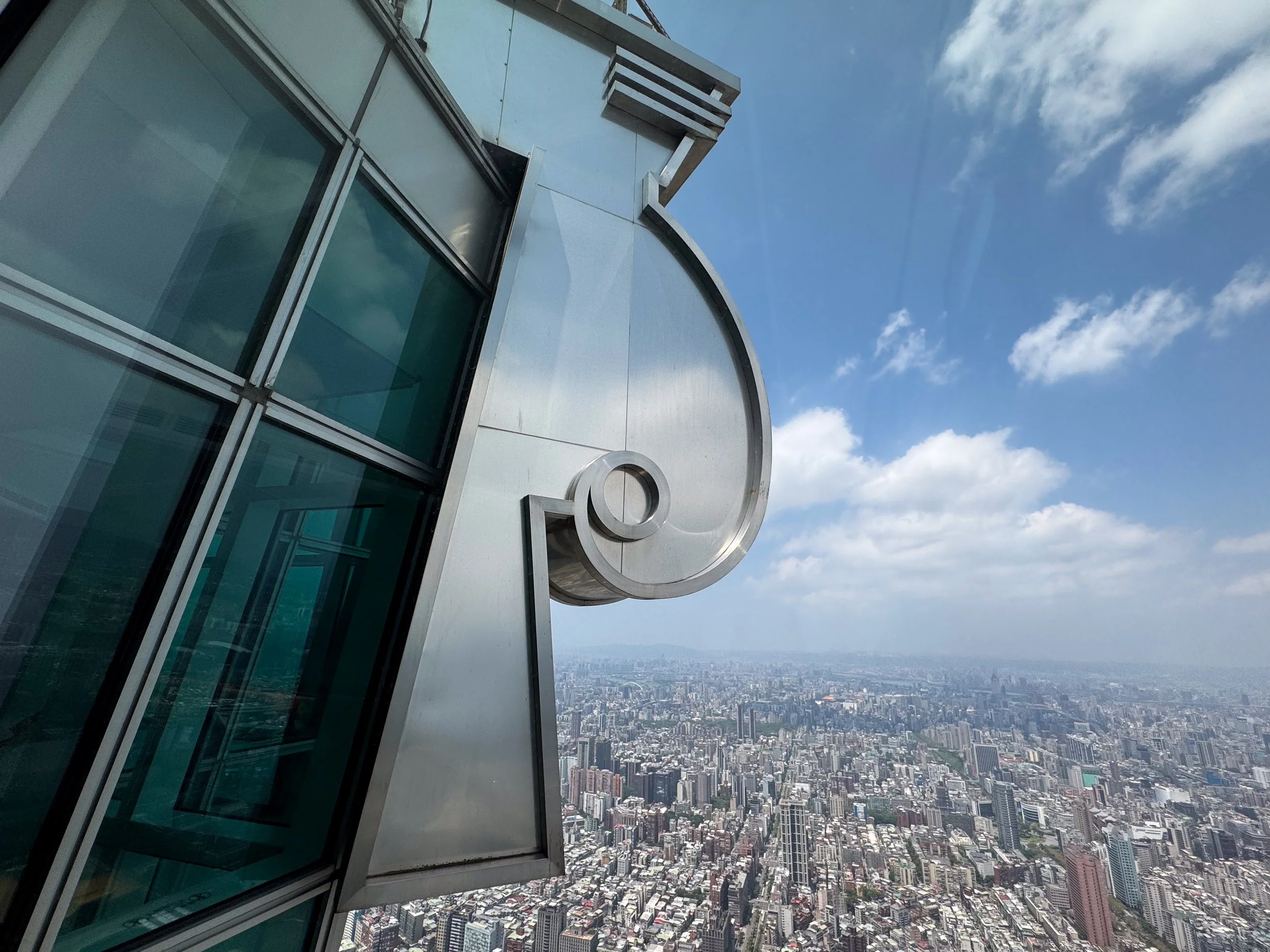
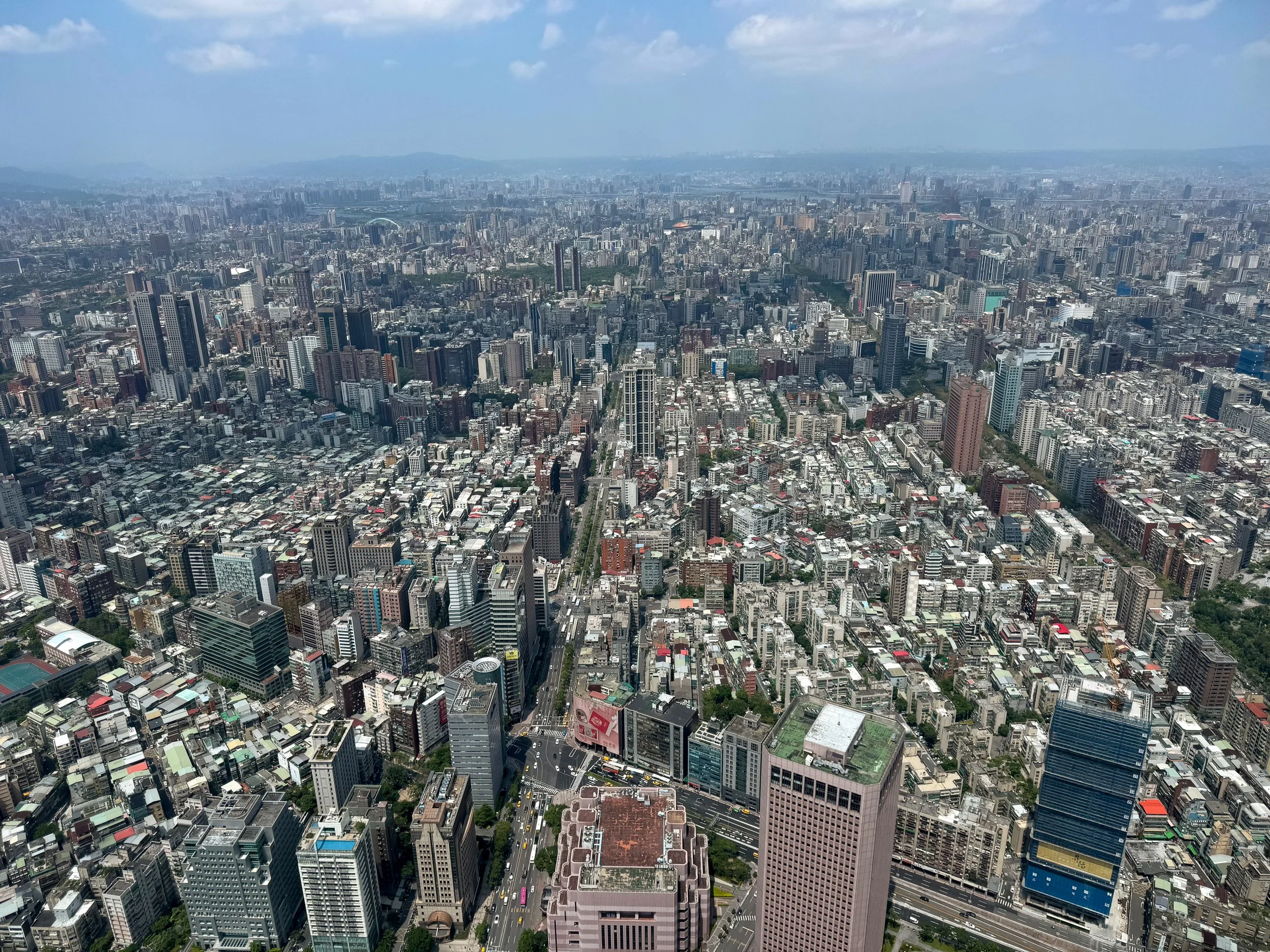
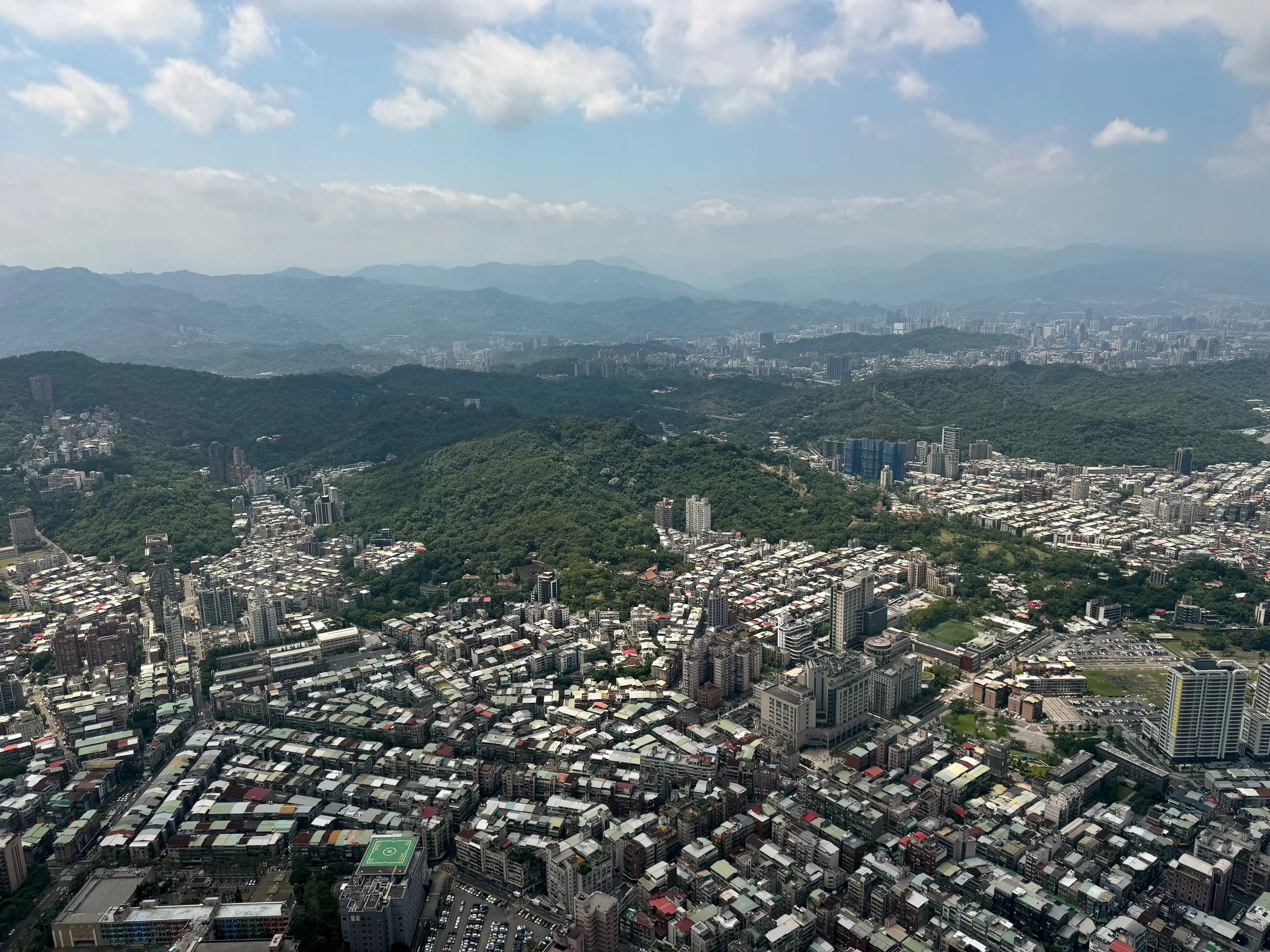
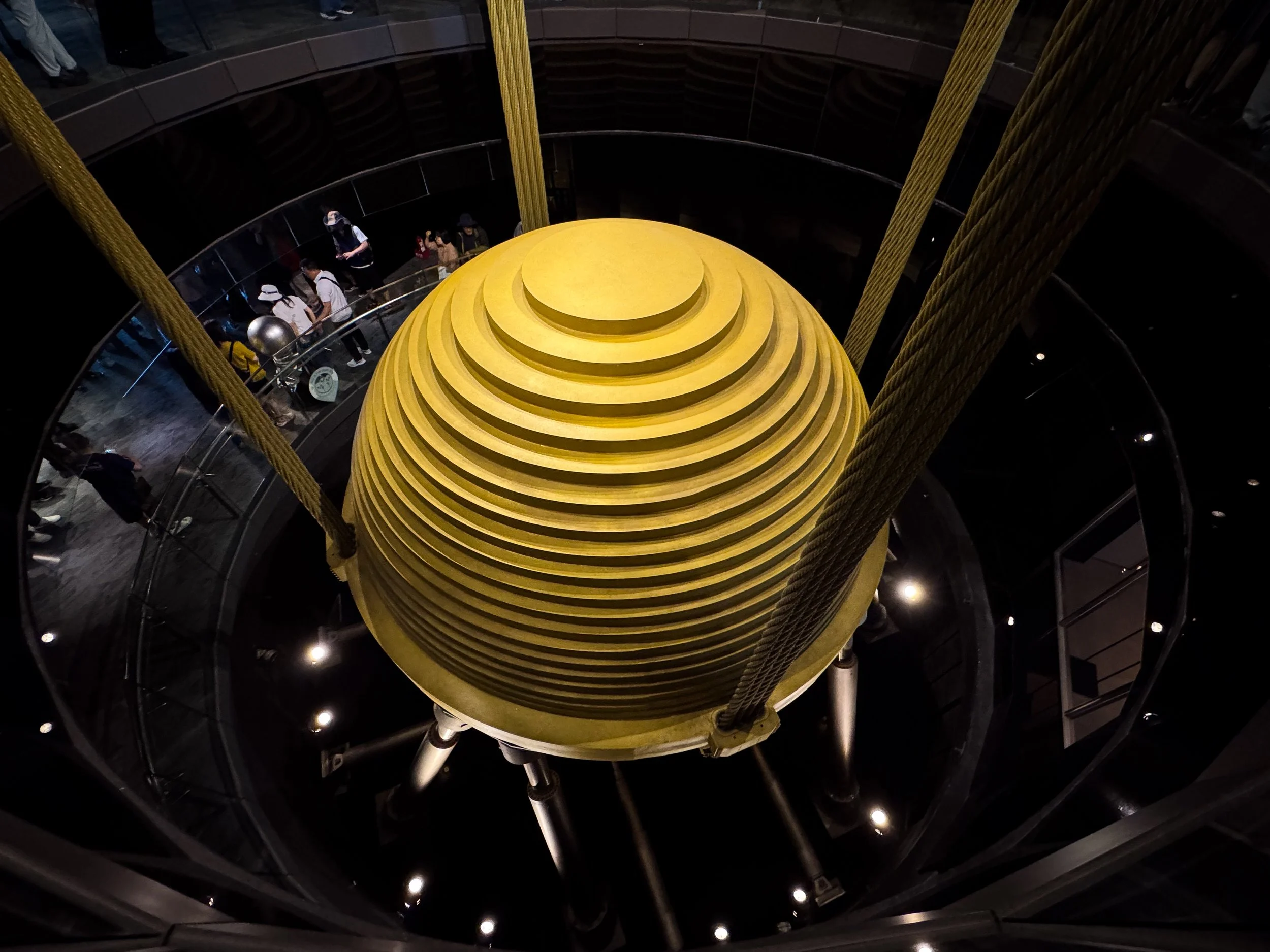
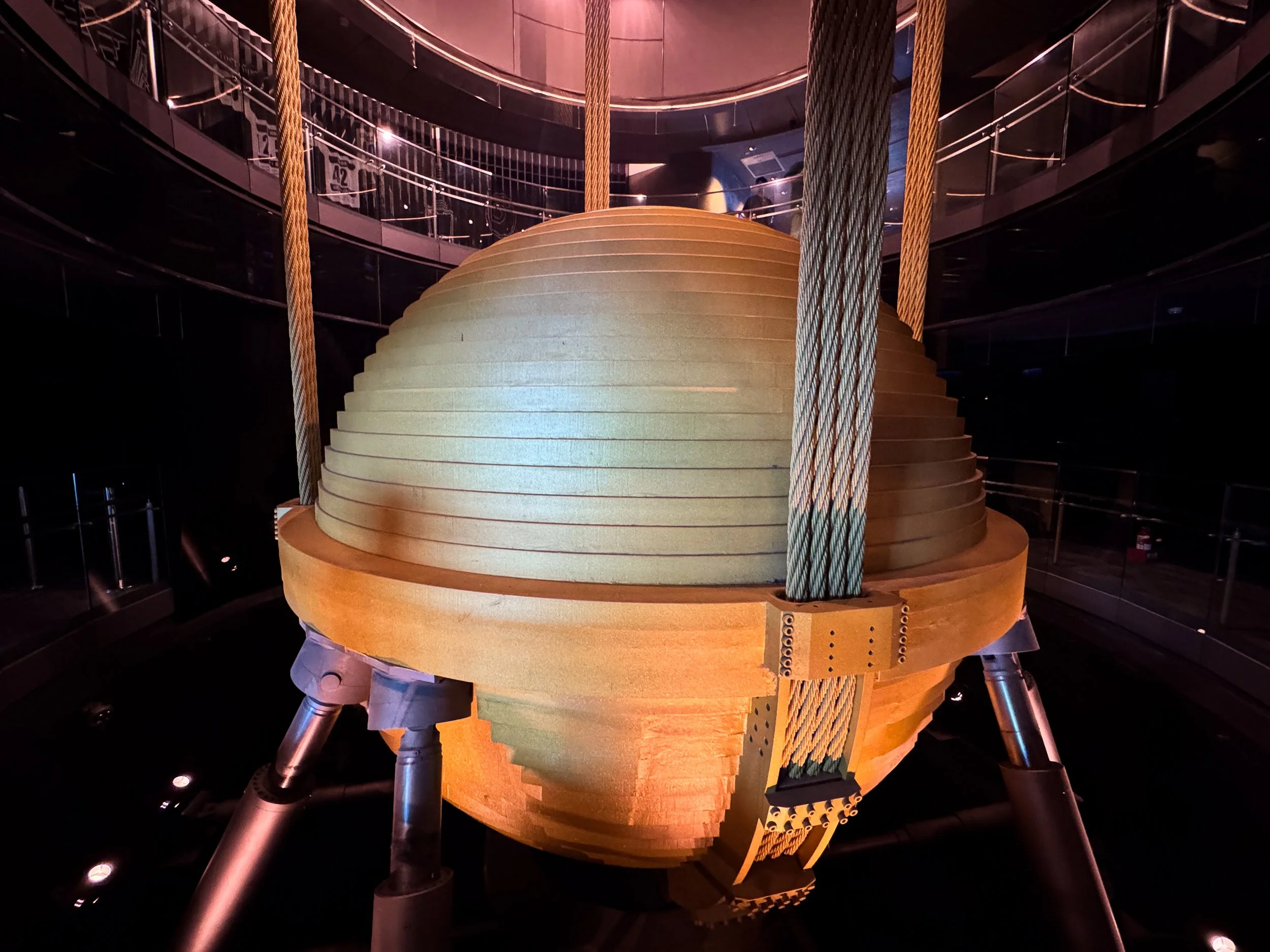
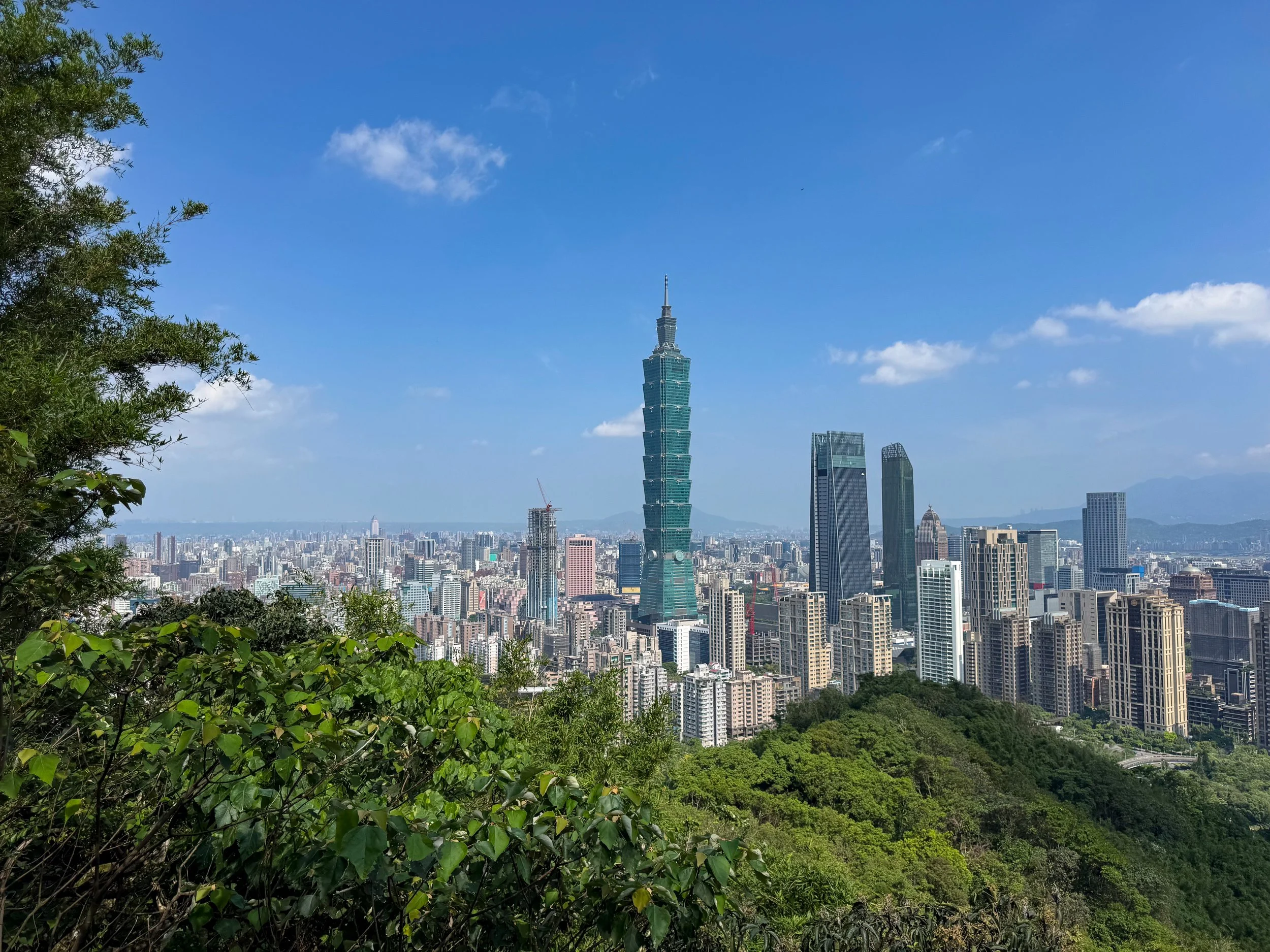
Taipei 101. The tallest building in Taipei and the former tallest building in the world. It’s a symbol of Taiwan with its iconic bamboo and pagoda shaped structure. The design is reminiscent of growth, strength and connection to the sky. High speed elevators rise to the tower’s observation decks. Floor 89 hosts the lower observation deck with indoor views of the surrounding city and mountains. At the center of the floor is the 660 ton mass damper designed to counter the building’s movement in high winds, typhoons and earthquakes. Floor 101, the top floor of the building and upper observation deck offers sweeping views of the metropolis from 508 meters in the sky.
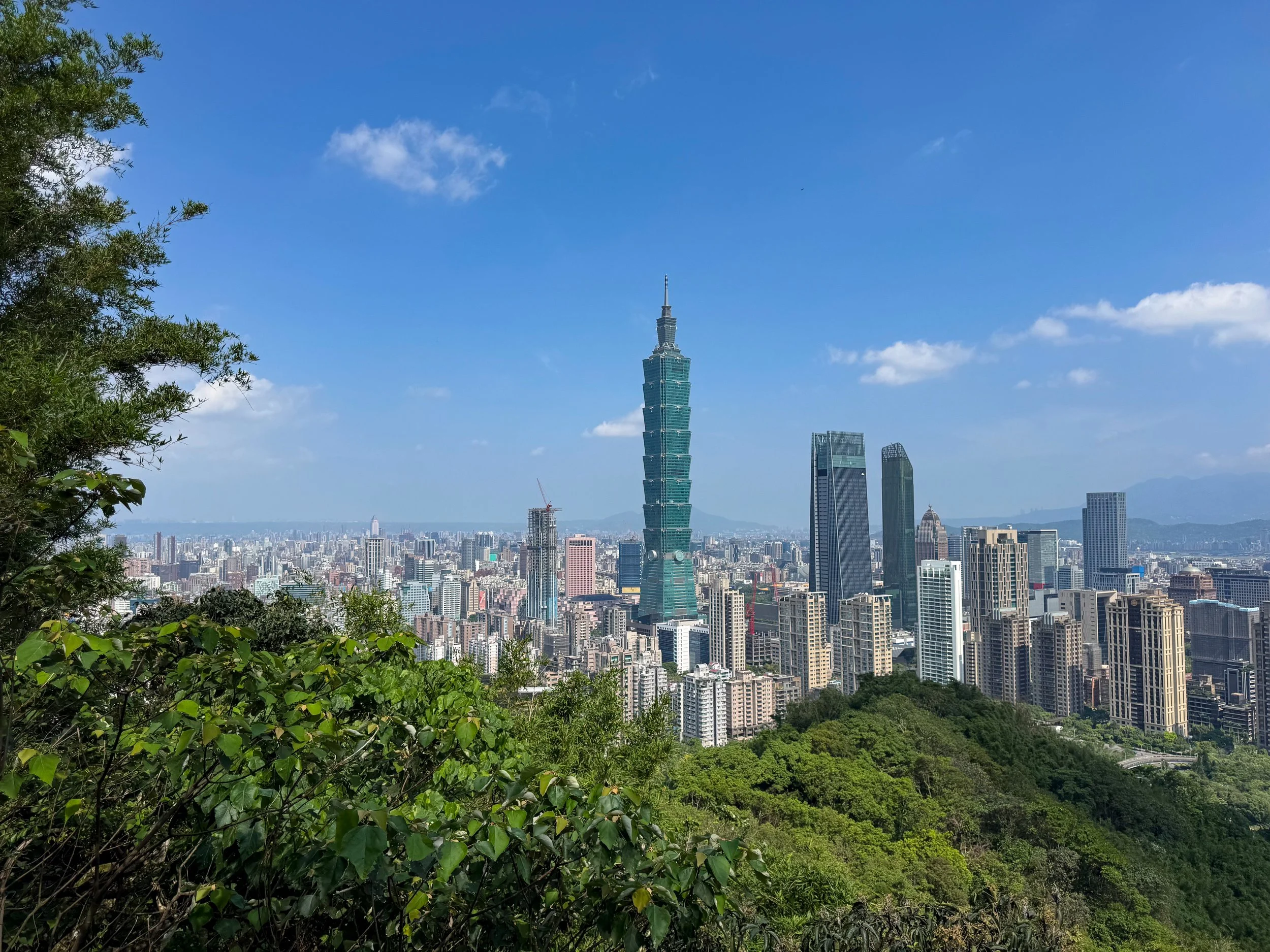
Xiangshan Trail (Elephant Trail). A stepped nature trail leading into the “Four Beasts Mountain” with panoramic views of Taipei 101 and the city. The viewpoint is a quick hike from the trailhead and best during the morning light before 11am. The trail continues further into the mountain in several directions.
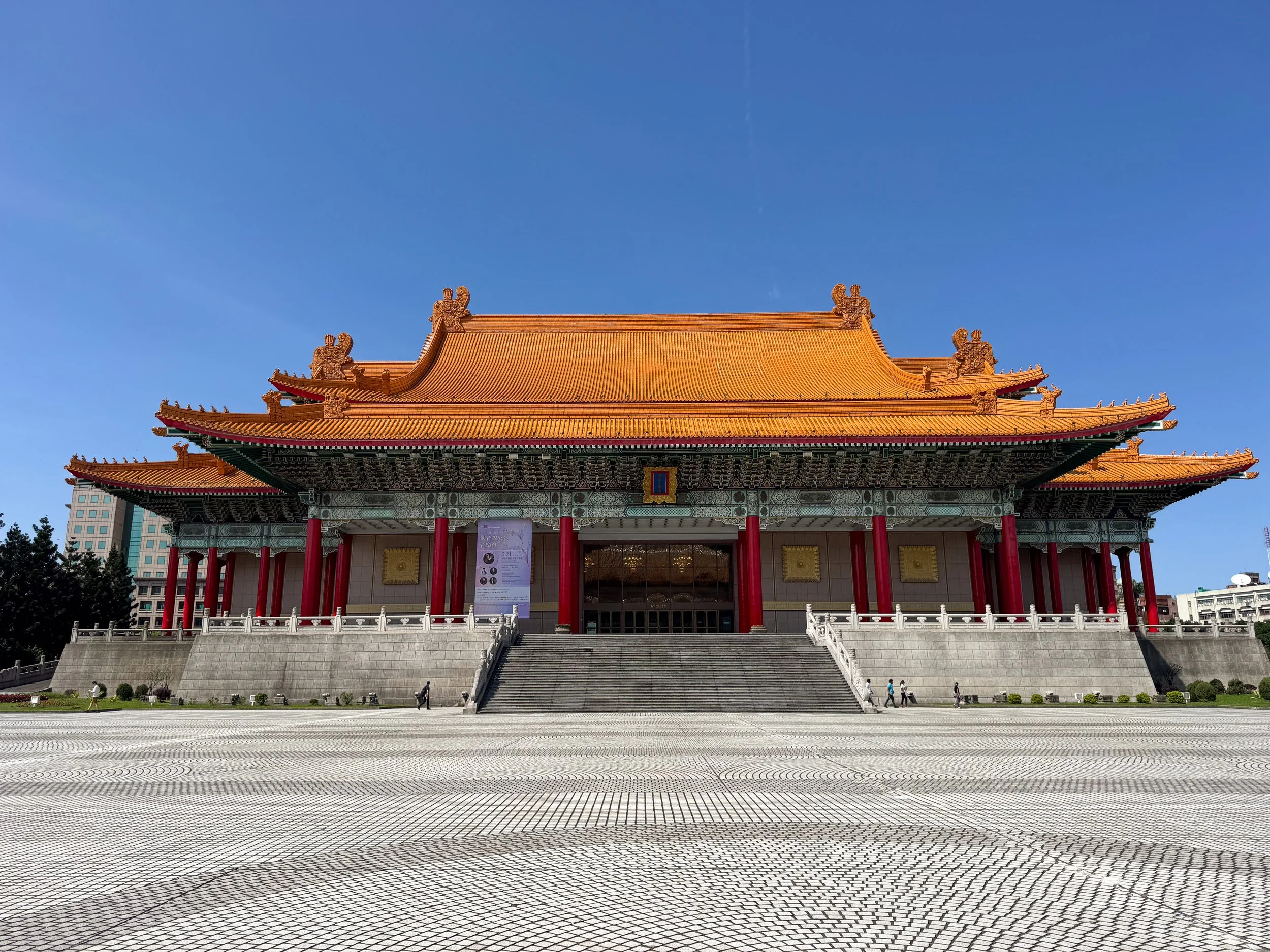
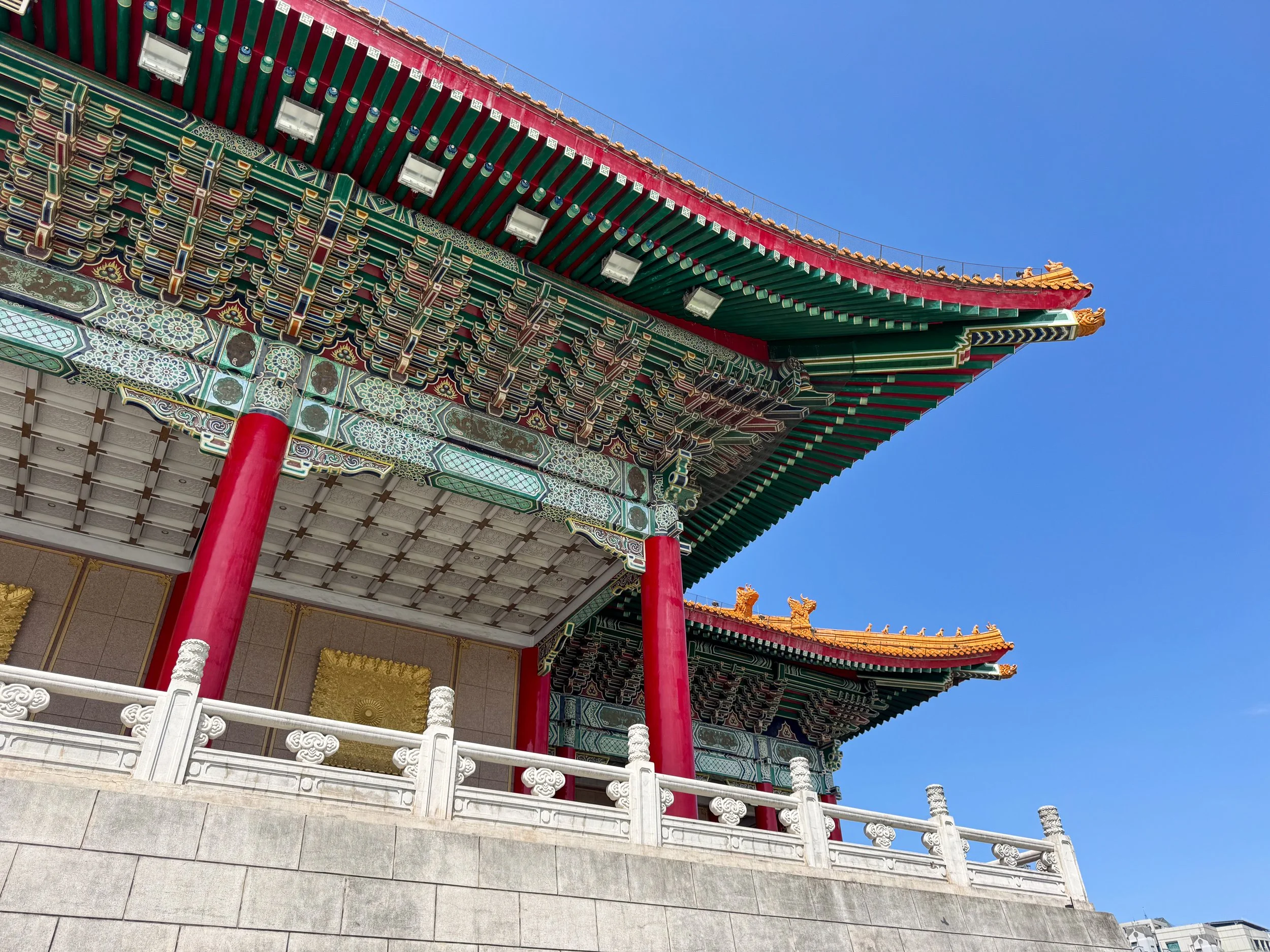
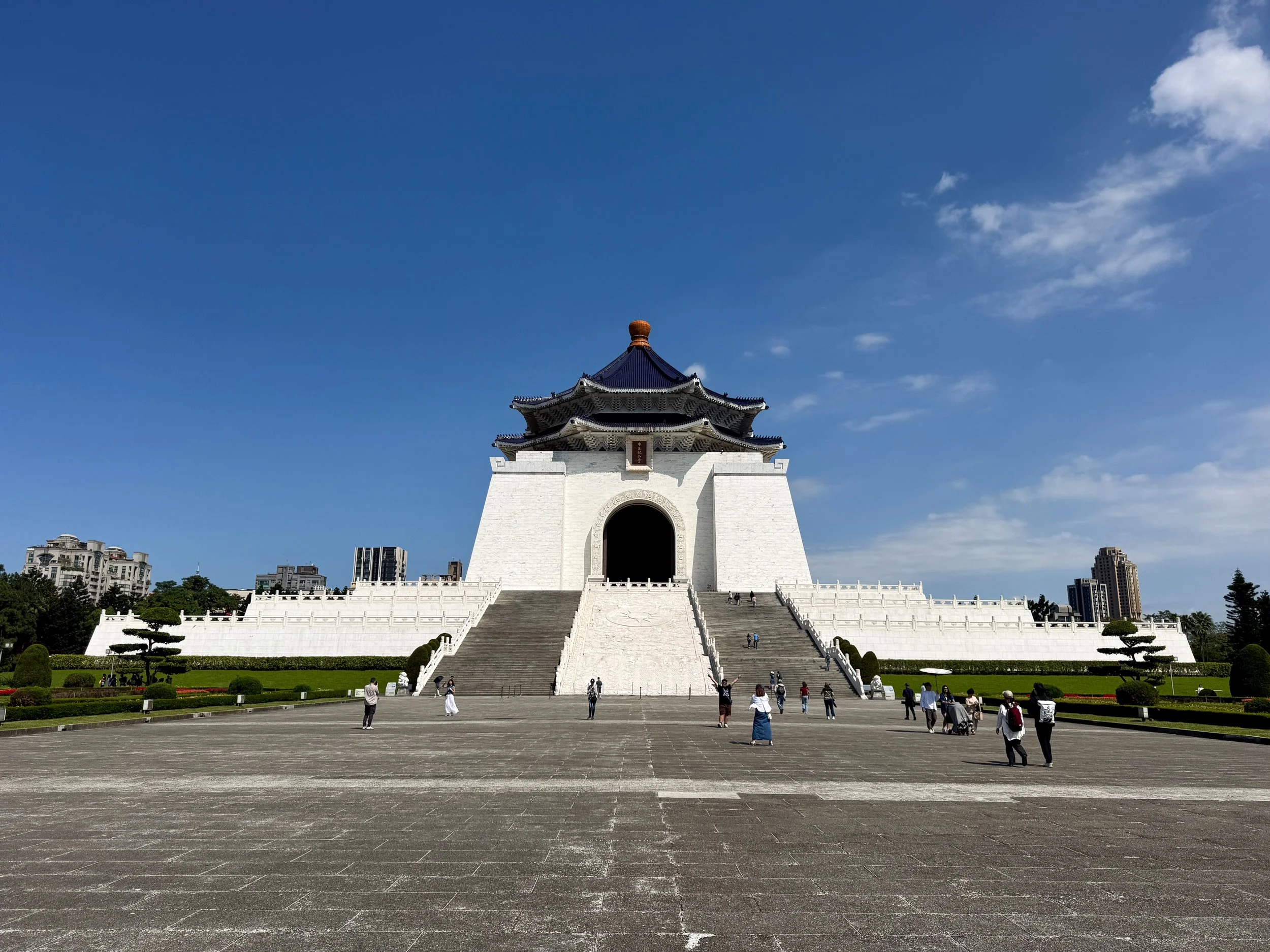
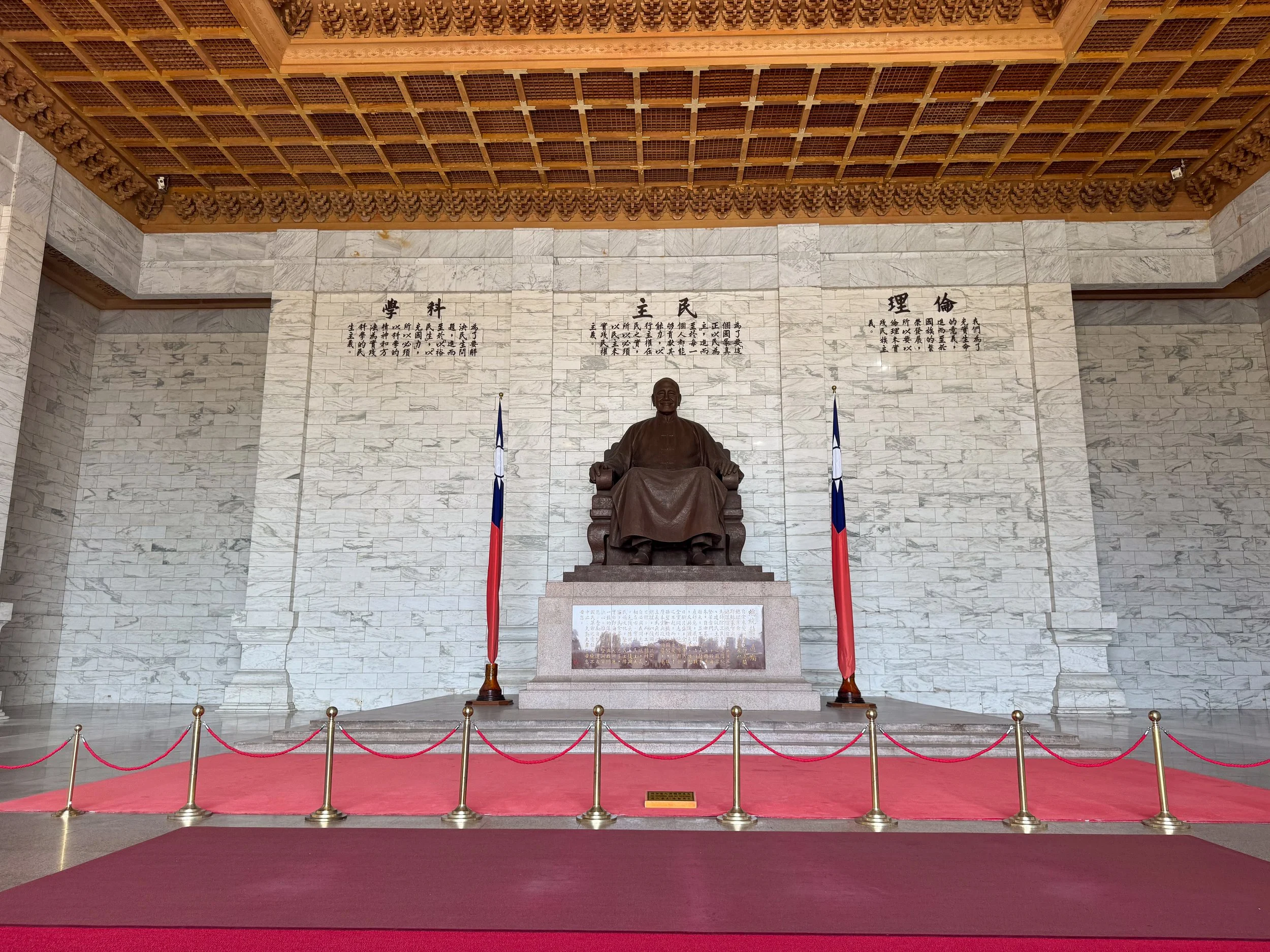
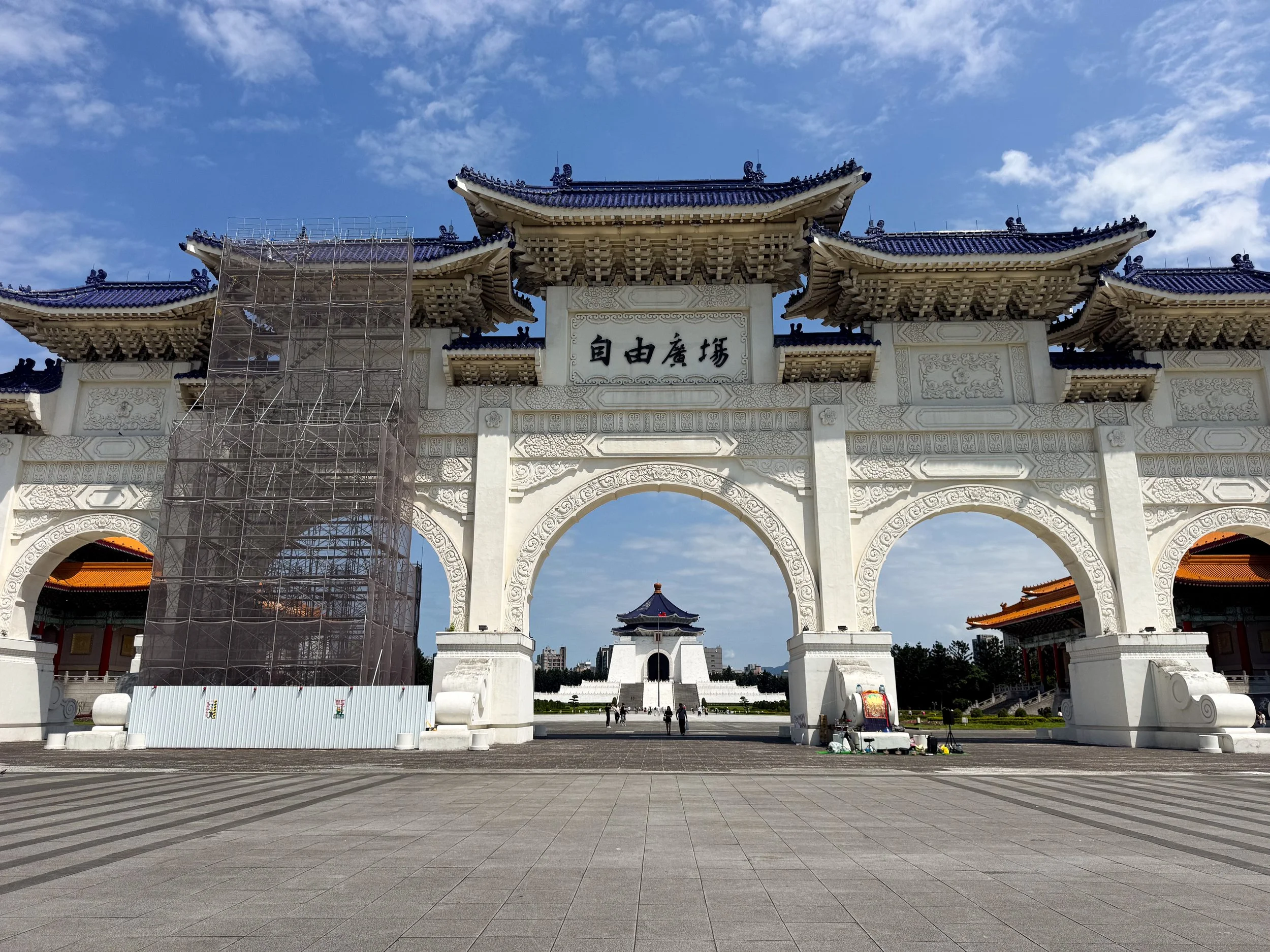
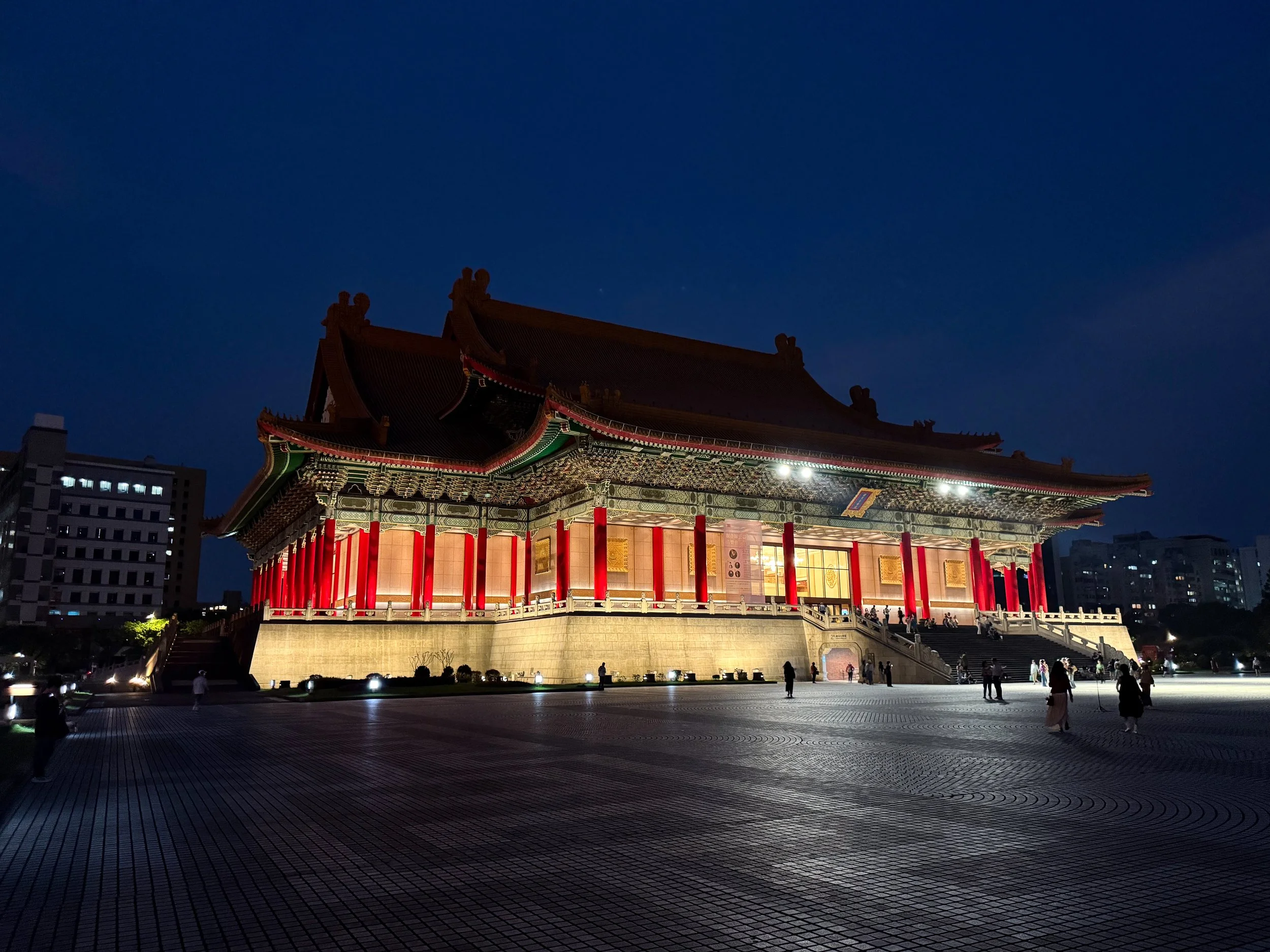
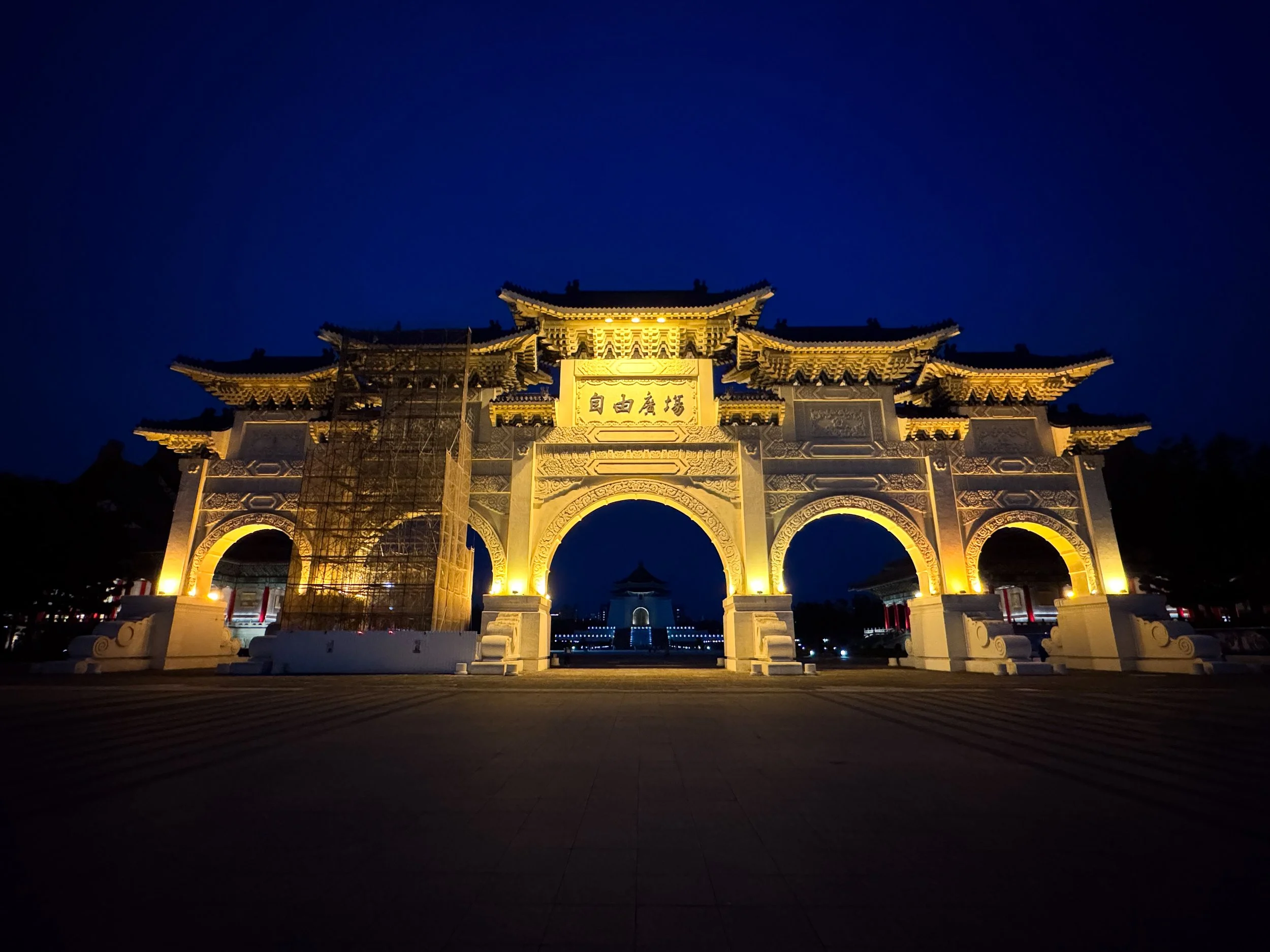
Liberty Square. A grand plaza dedicated to Taiwan’s democracy and founding with monuments, gardens, the national concert hall and national theater.
Liberty Square Arch. A massive white gate at the entrance of the square with five arches and stepped blue tiled roofs.
National Concert Hall & National Theater. Two larger than life pagoda style buildings housing performance halls and theaters. The twin buildings mirror each other on opposite sides of the square. They’re defined by their stone base, red columns, elegantly painted beams and orange tiled roofs. We visited the recital hall for a friend’s classical concert and bubble tea in the base of the recital hall.
Chiang Kai-Shek Memorial Hall. A monument and museum dedicated to the first president of Taiwan. Inside the 8 sided pagoda is a seated bronze statue of the leader and galleries recounting the country's storied history and road to becoming a democracy.
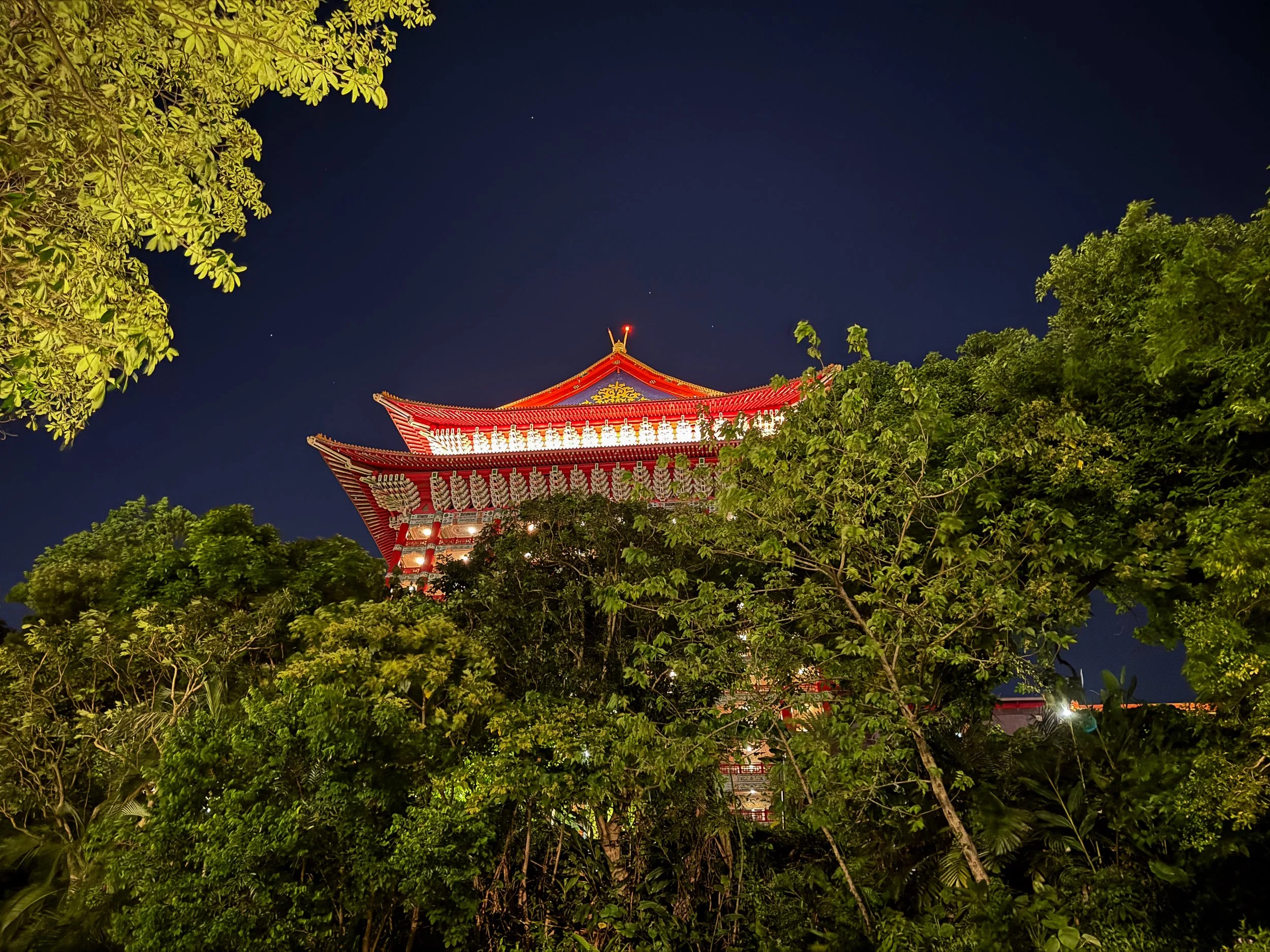
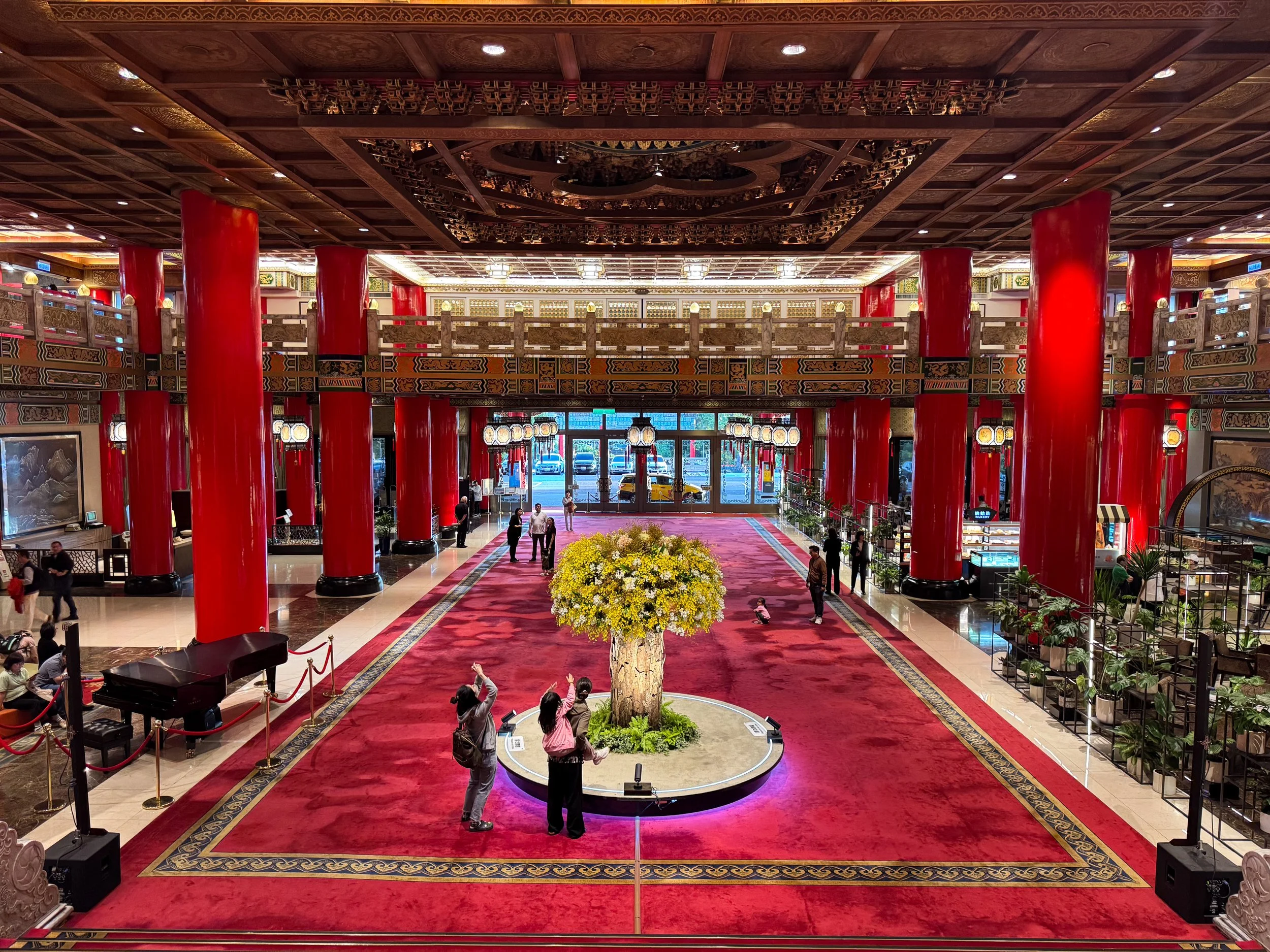
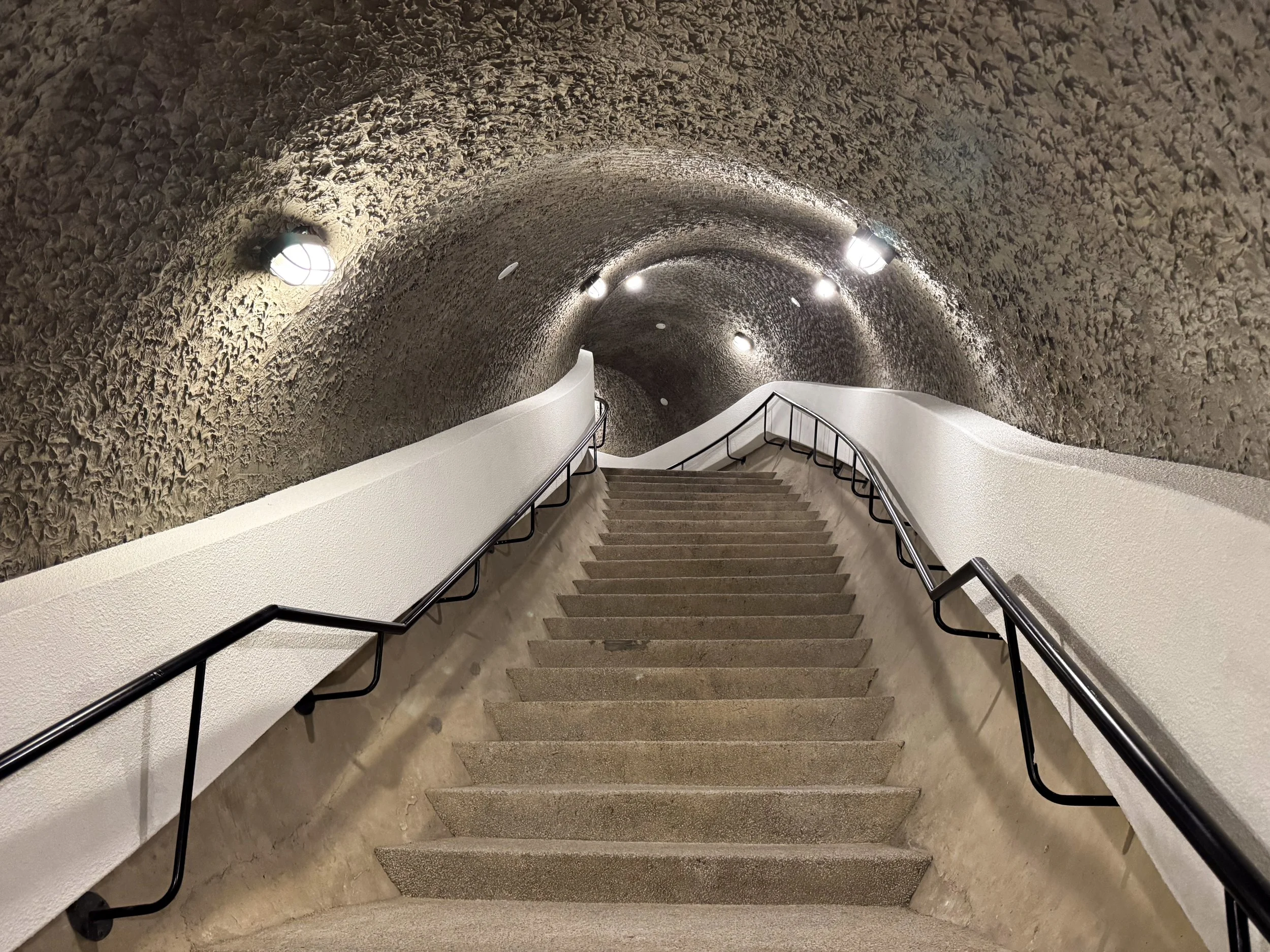
The Grand Hotel. A historic hotel designed like a large red pagoda. The building sits on a hill at the edge of the city with views of its skyline. Its spacious lobby is lined with red columns and carpets, decorated in finely painted beams and large Chinese lanterns. Friends took us here to dine with a view of the city and for cocktails in a bar themed like the hotel’s escape tunnel.
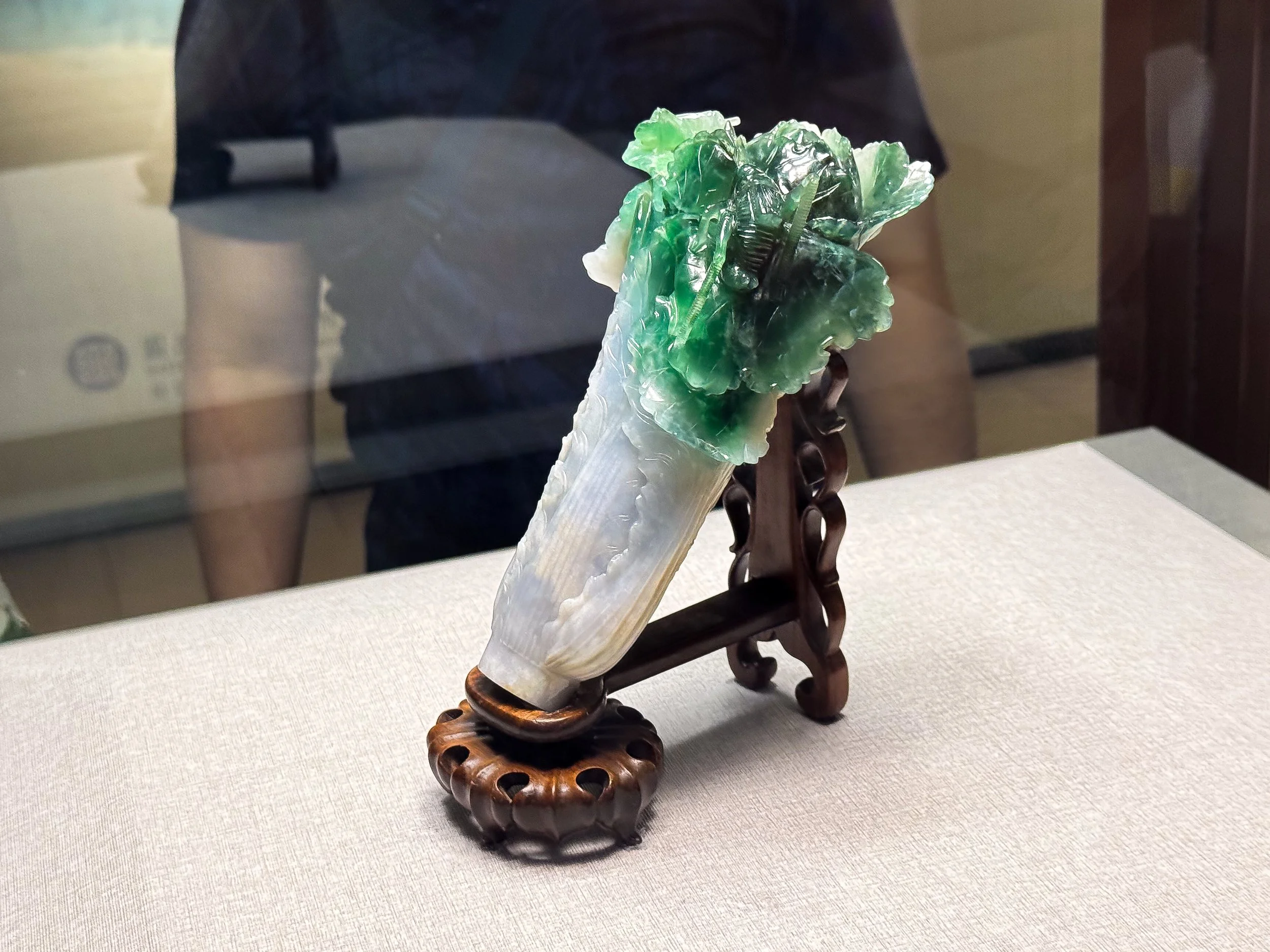
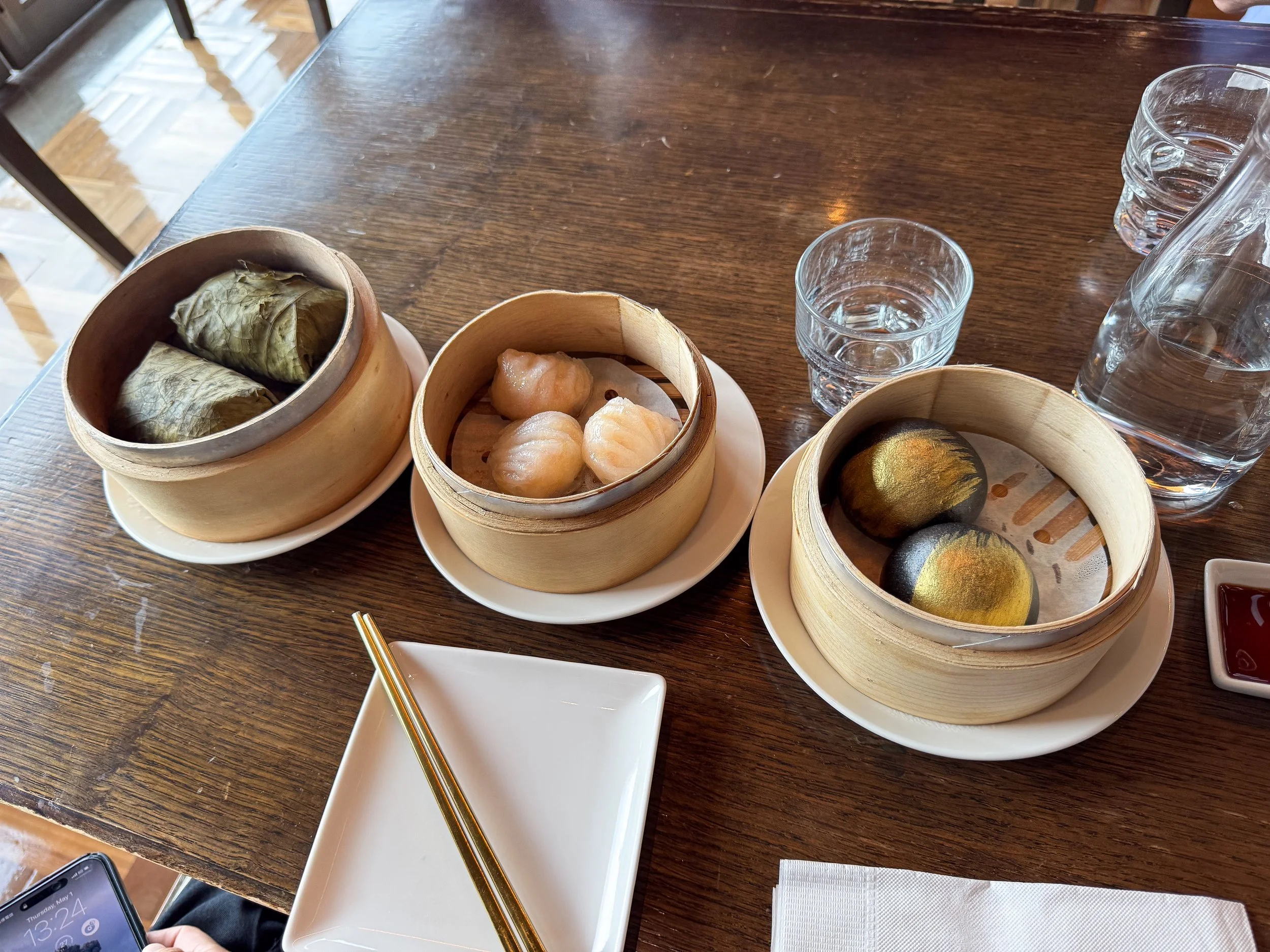
The National Palace Museum. A museum with thousands of artifacts from Chinese dynasties dating back 5,500 years. Galleries feature jade objects, jewelry and weapons, bronze pots, fine ceramics, calligraphic paintings and scrolls. Two of the most beloved pieces are a Jade Cabbage and Piece of Pork. After touring the galleries, visit Silks Palace, a museum restaurant serving Taiwanese dishes. We stopped in for dim sum dumplings, buns and lotus leaf wrapped sticky rice served in bamboo steamers.
Presidential Office. A red brick and white stone building housing the presidential offices. Military guards patrol the grounds as palm trees sway out front.
The Red House. A historic theater in Ximending with a two floor market of craft vendors selling cute jewelry, accessories and clothing. The theater has a small event space and is surrounded by gay bars.
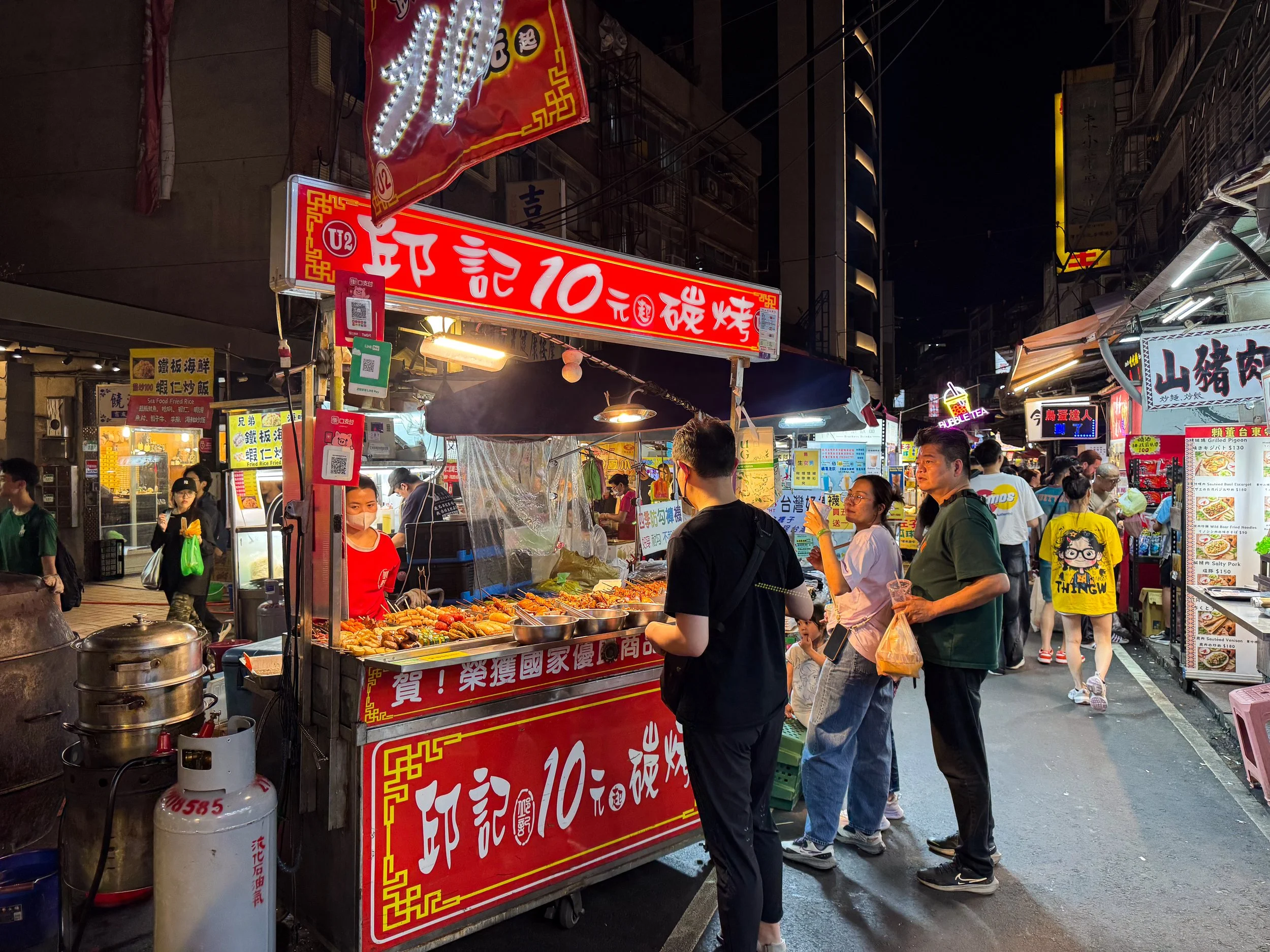
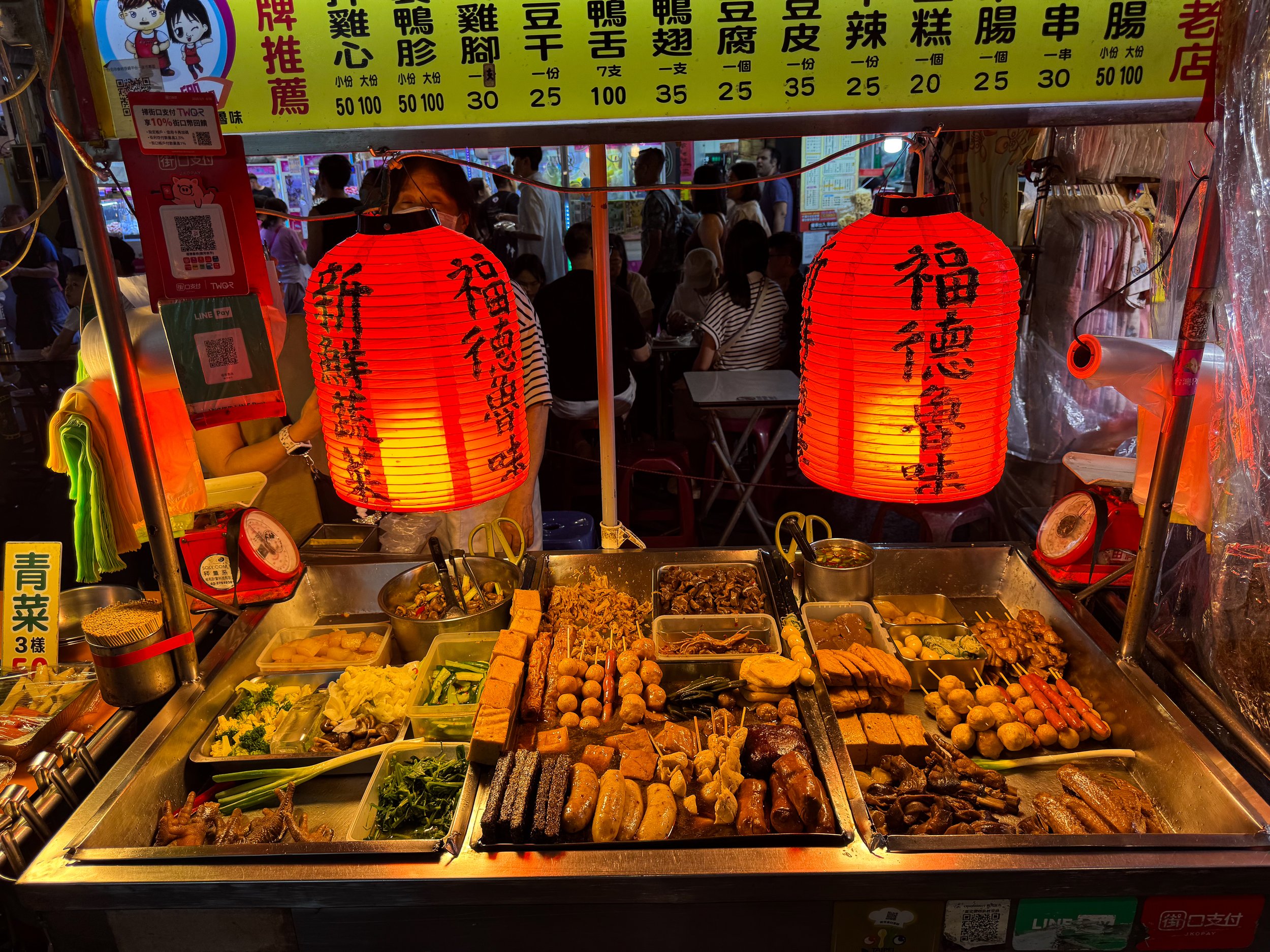
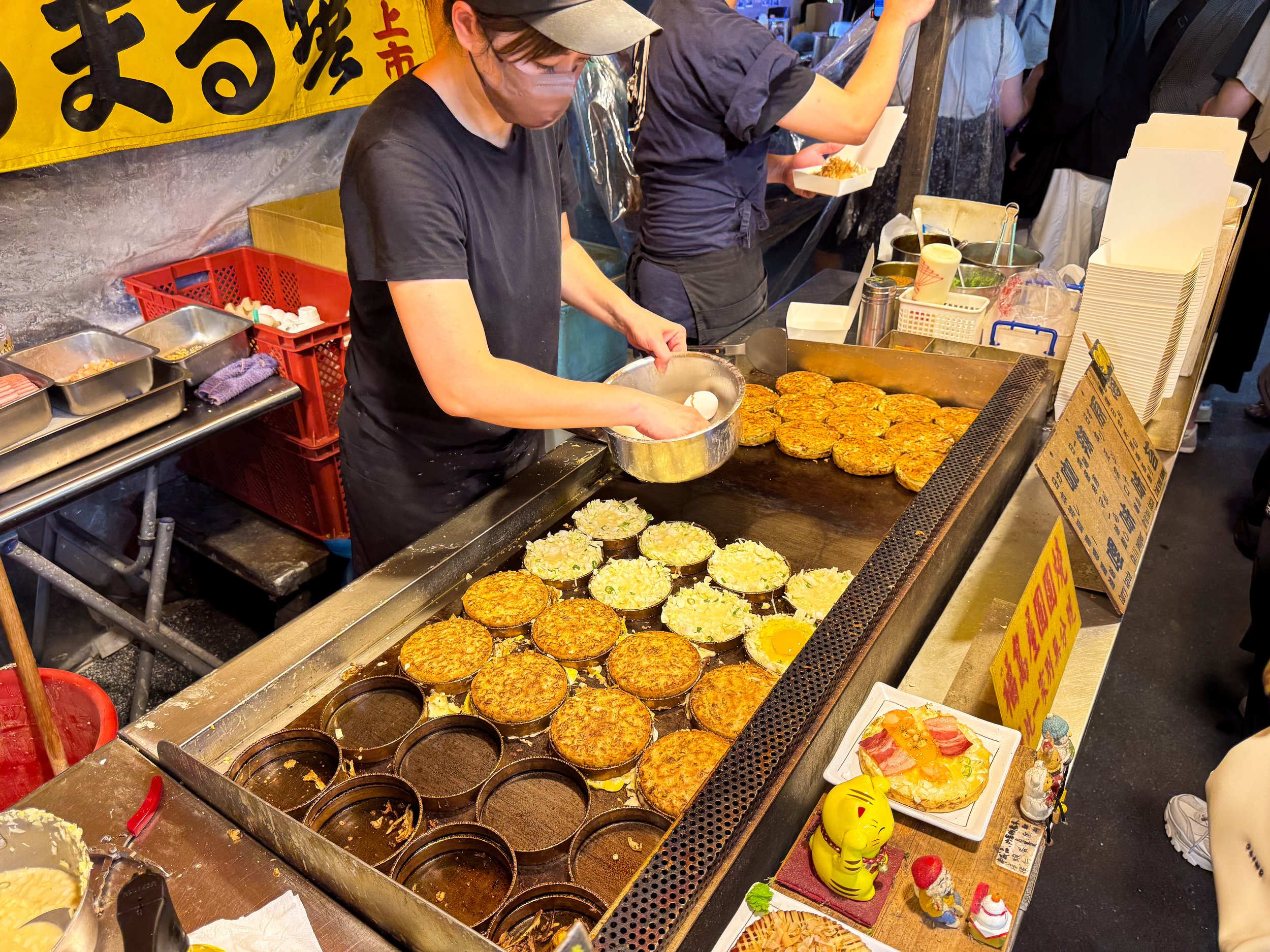
Visit the Night Markets
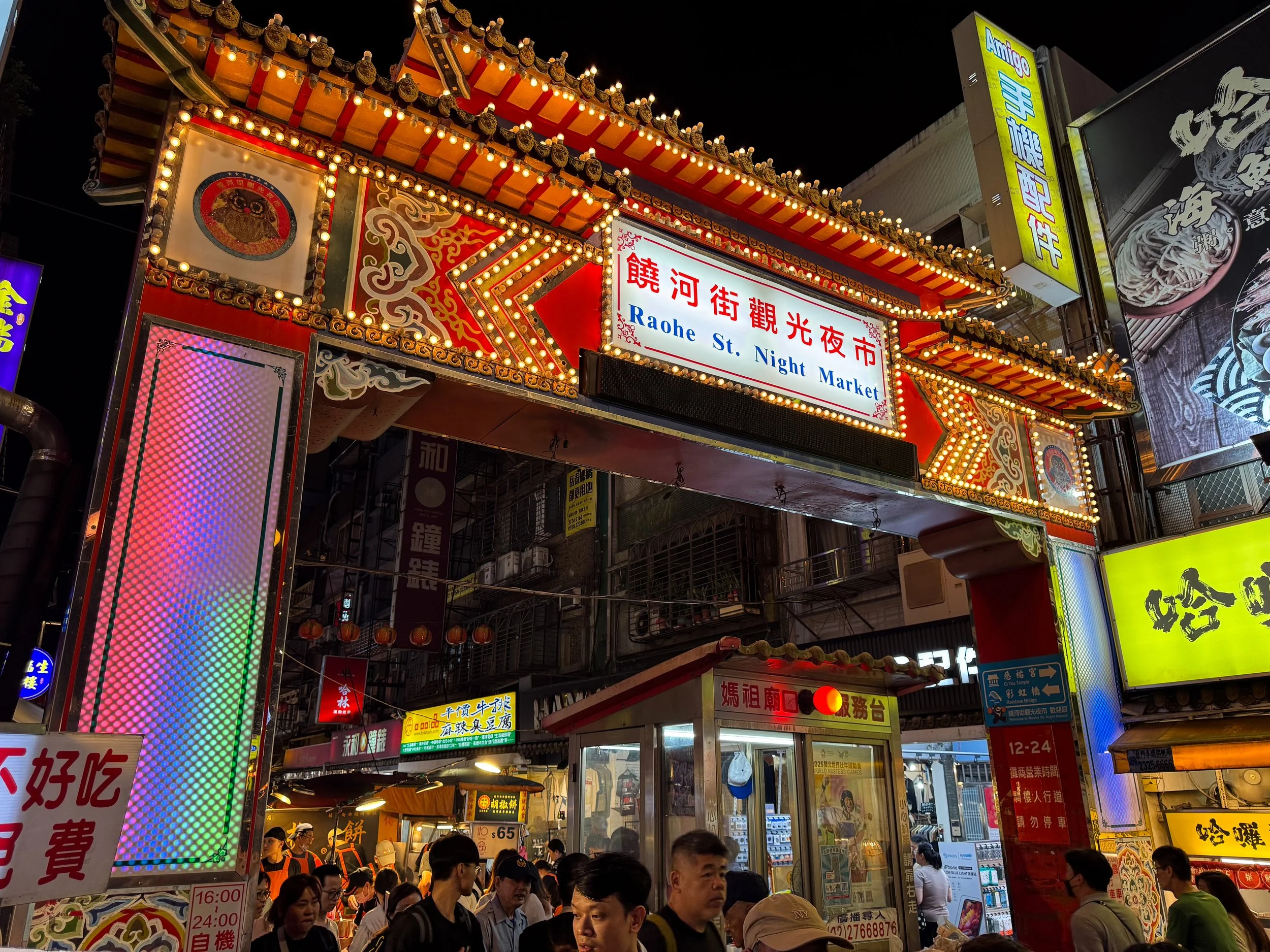
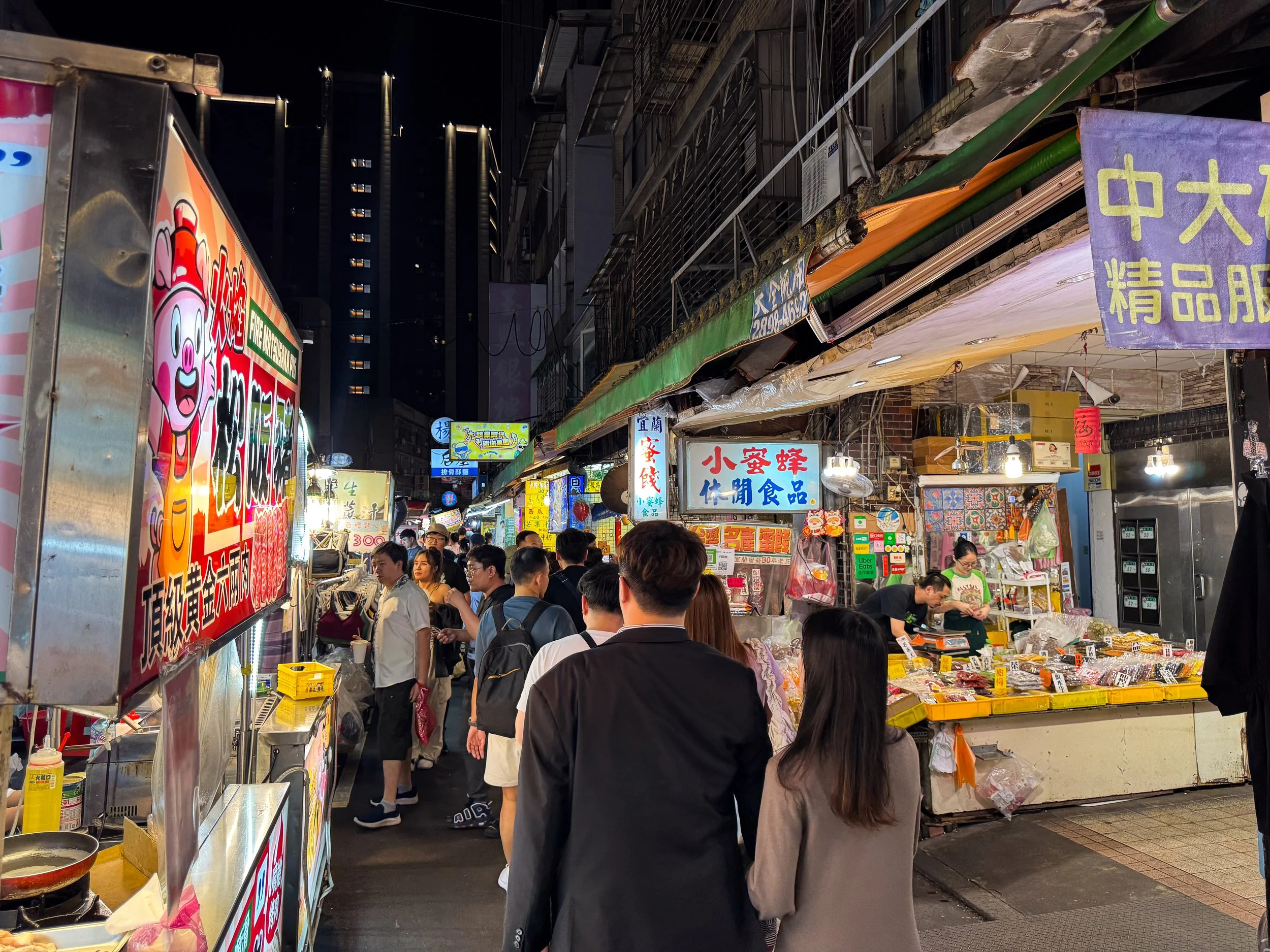
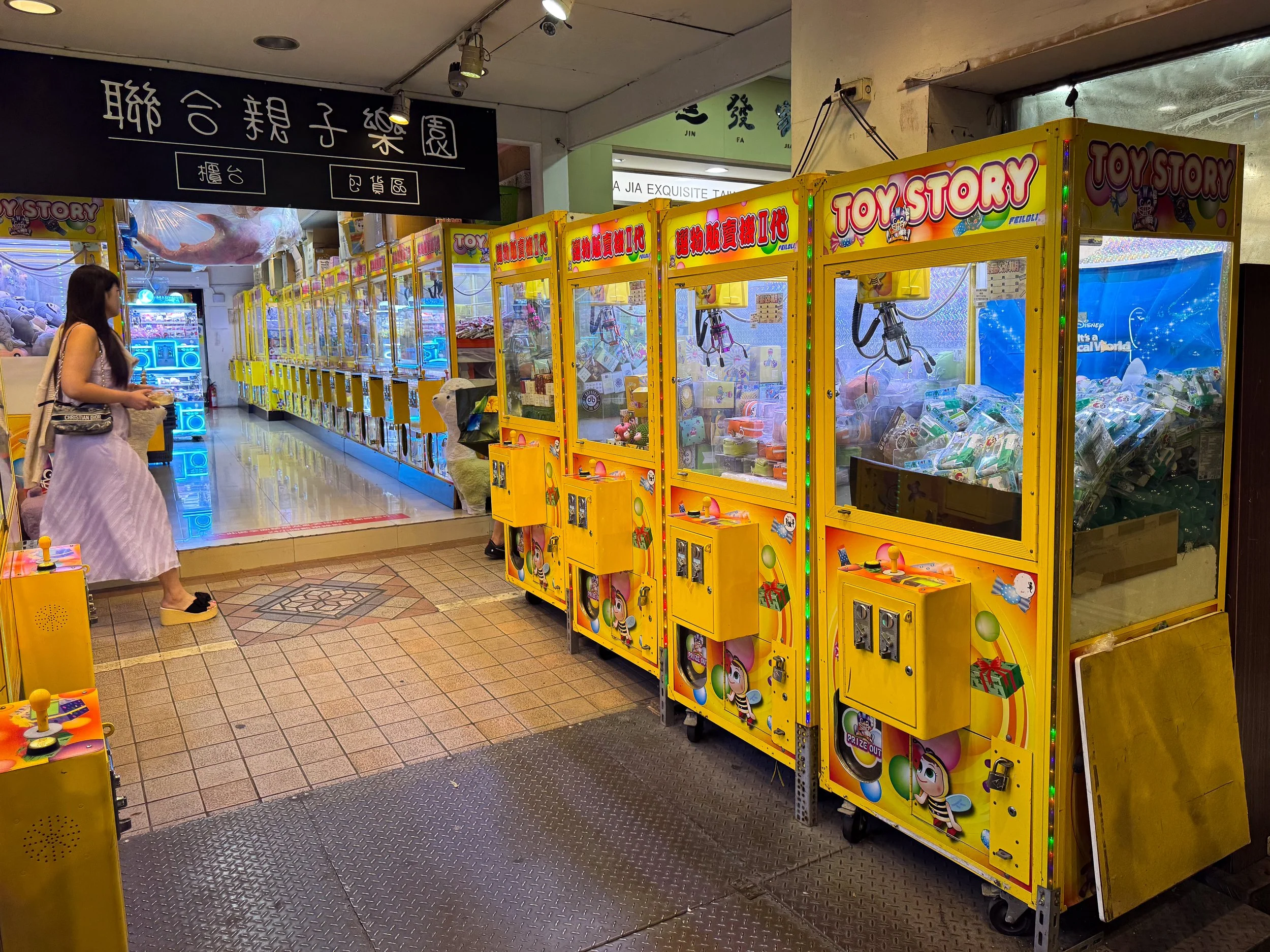
Raohe Street Night Market. One of the largest night markets in Taipei specializing in Taiwanese and Chinese street food. Dozens of vendors cook grilled, fried, griddled and to go meals, fresh juices and candied fruits. Many of the buildings lining the street are lined with all types of claw machine filled plush toys and small trinkets.
Huaxi Street Night Market. A lively covered market street decorated with colorful paper lanterns and bright signs. It's lined with restaurants and street food kitchens serving Taiwanese and Chinese cuisine. Bustling with locals and tourists, the air is filled with the aromas of savory, sweet, and famously “stinky” dishes as visitors hop between stalls sampling street food.
Day Trip to Jiufen
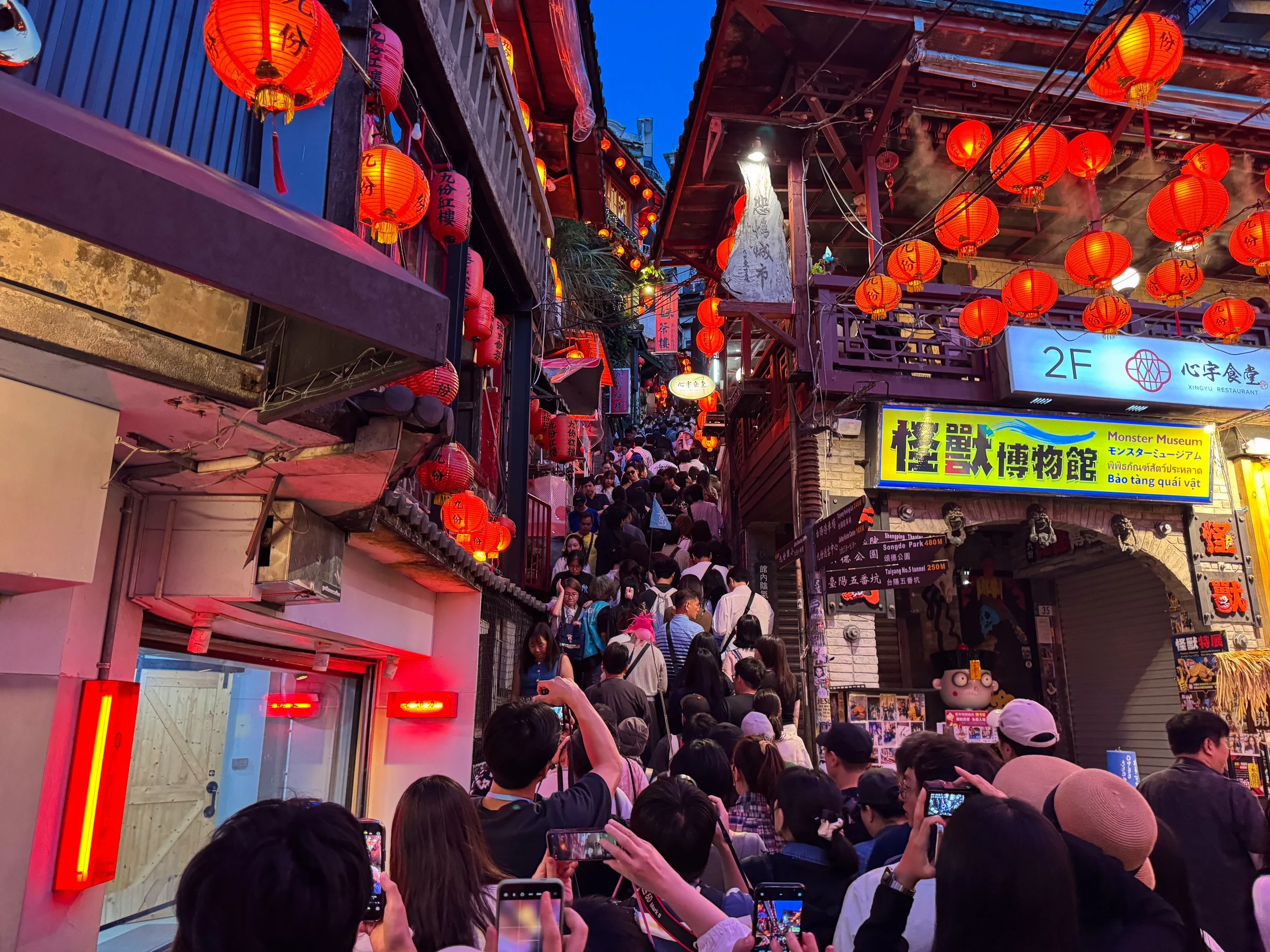
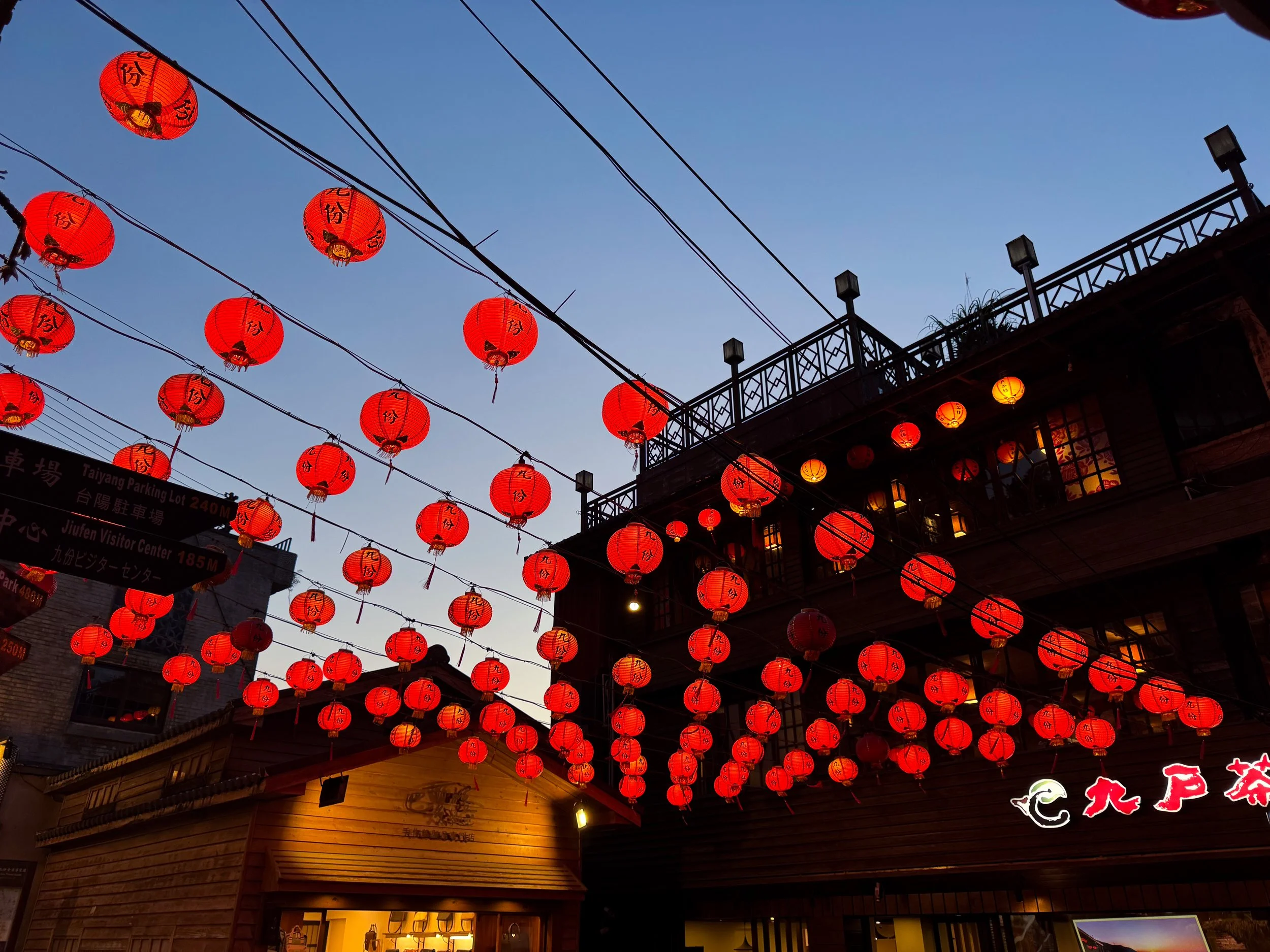
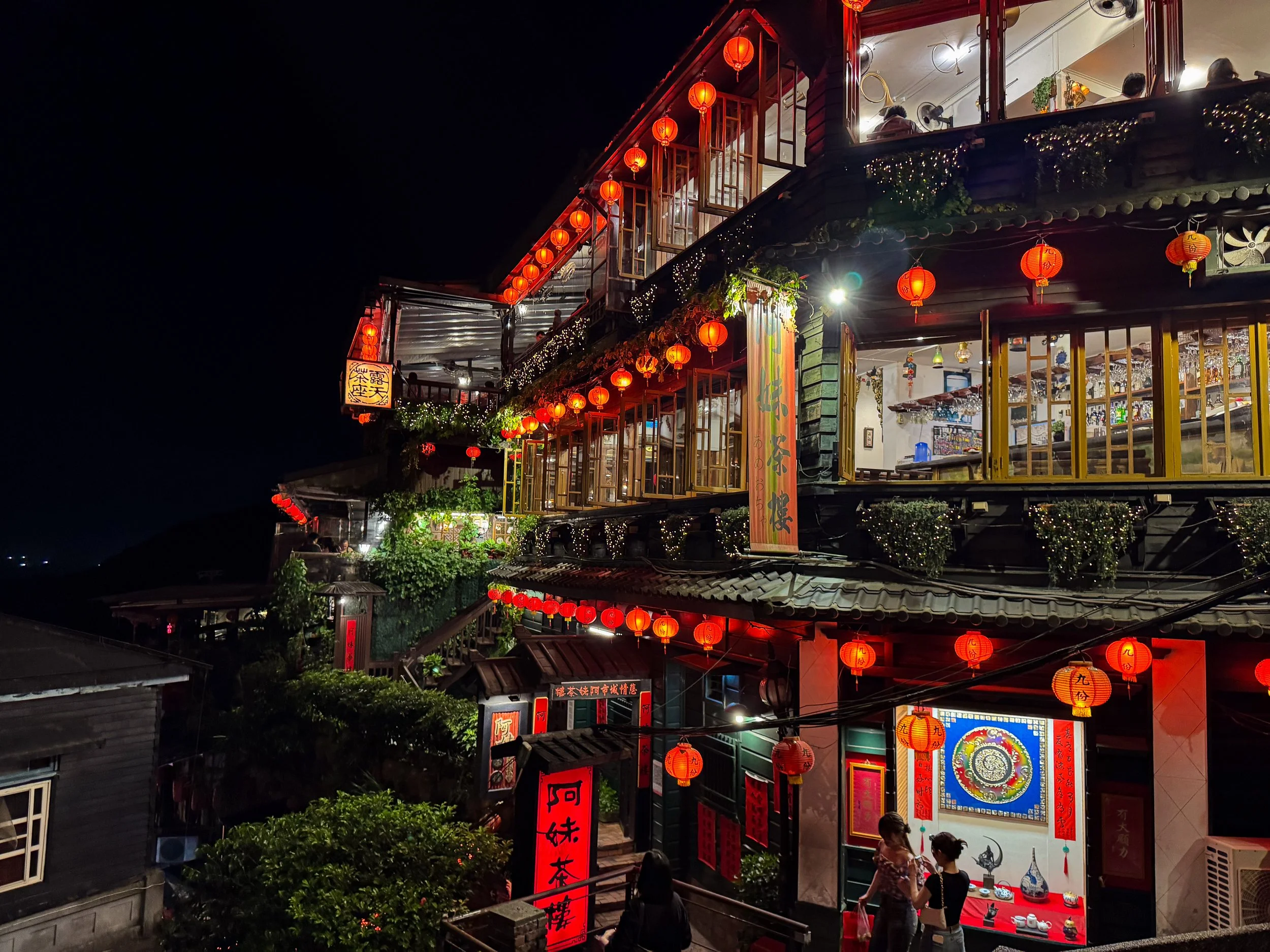
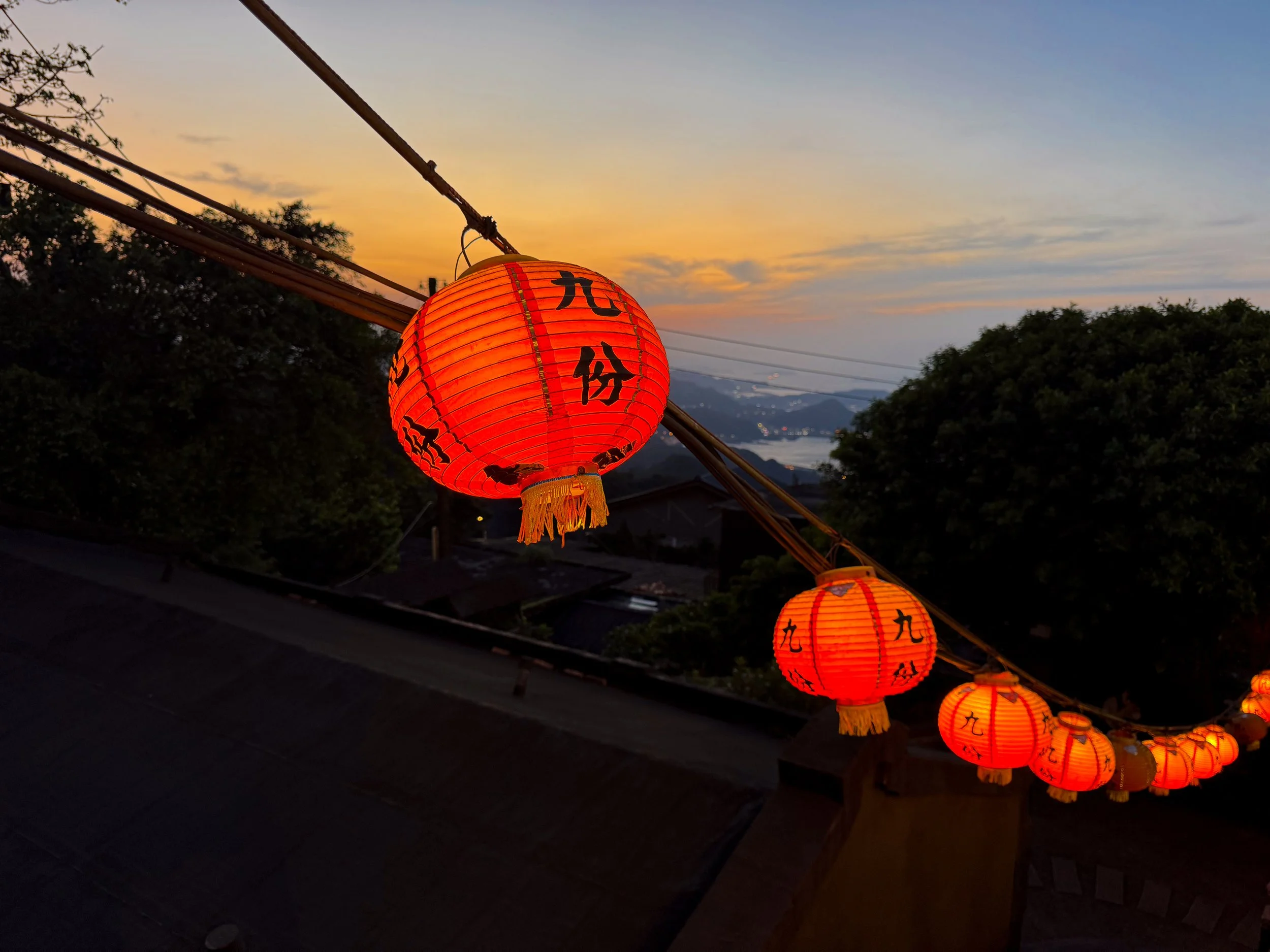
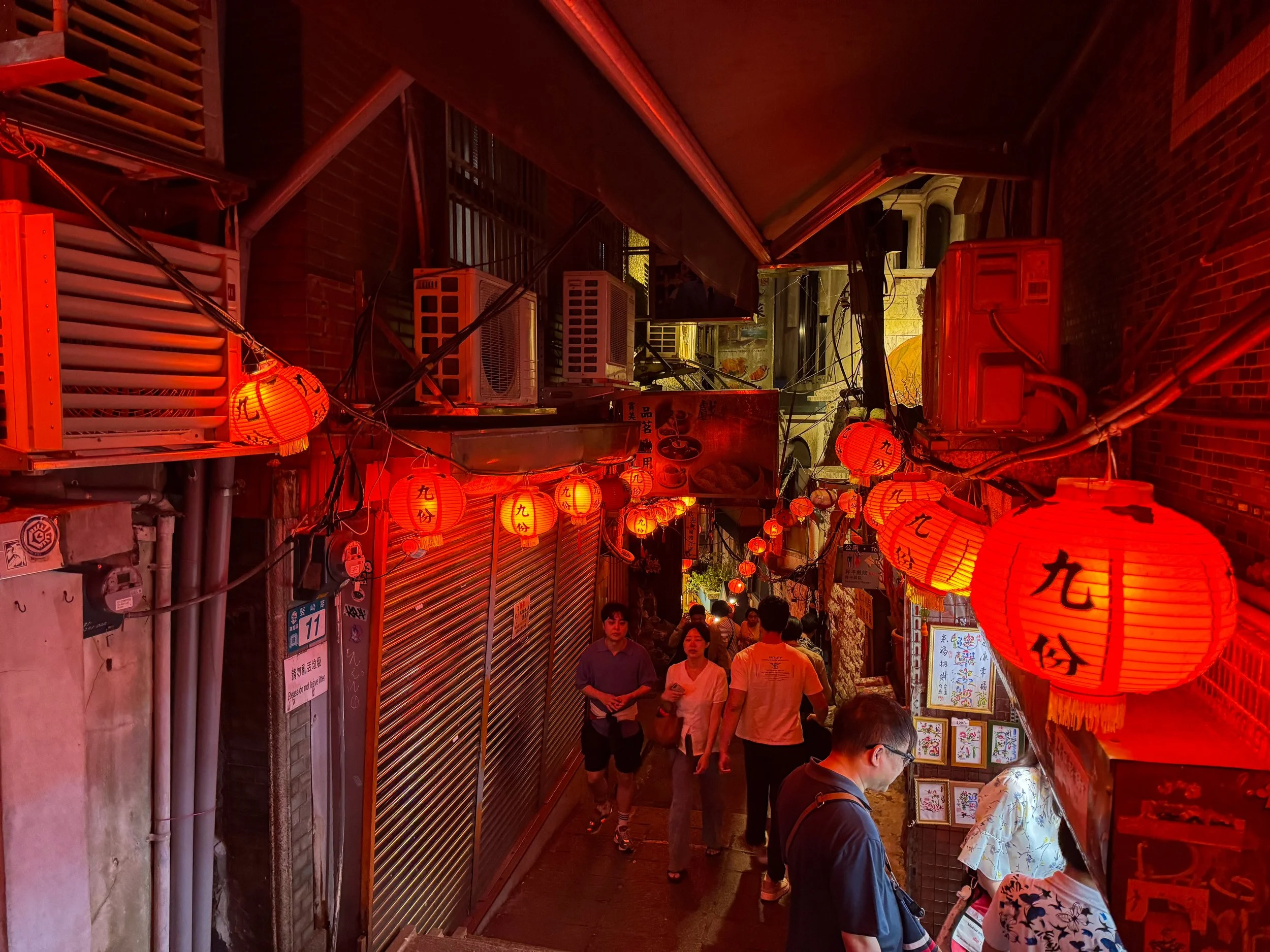
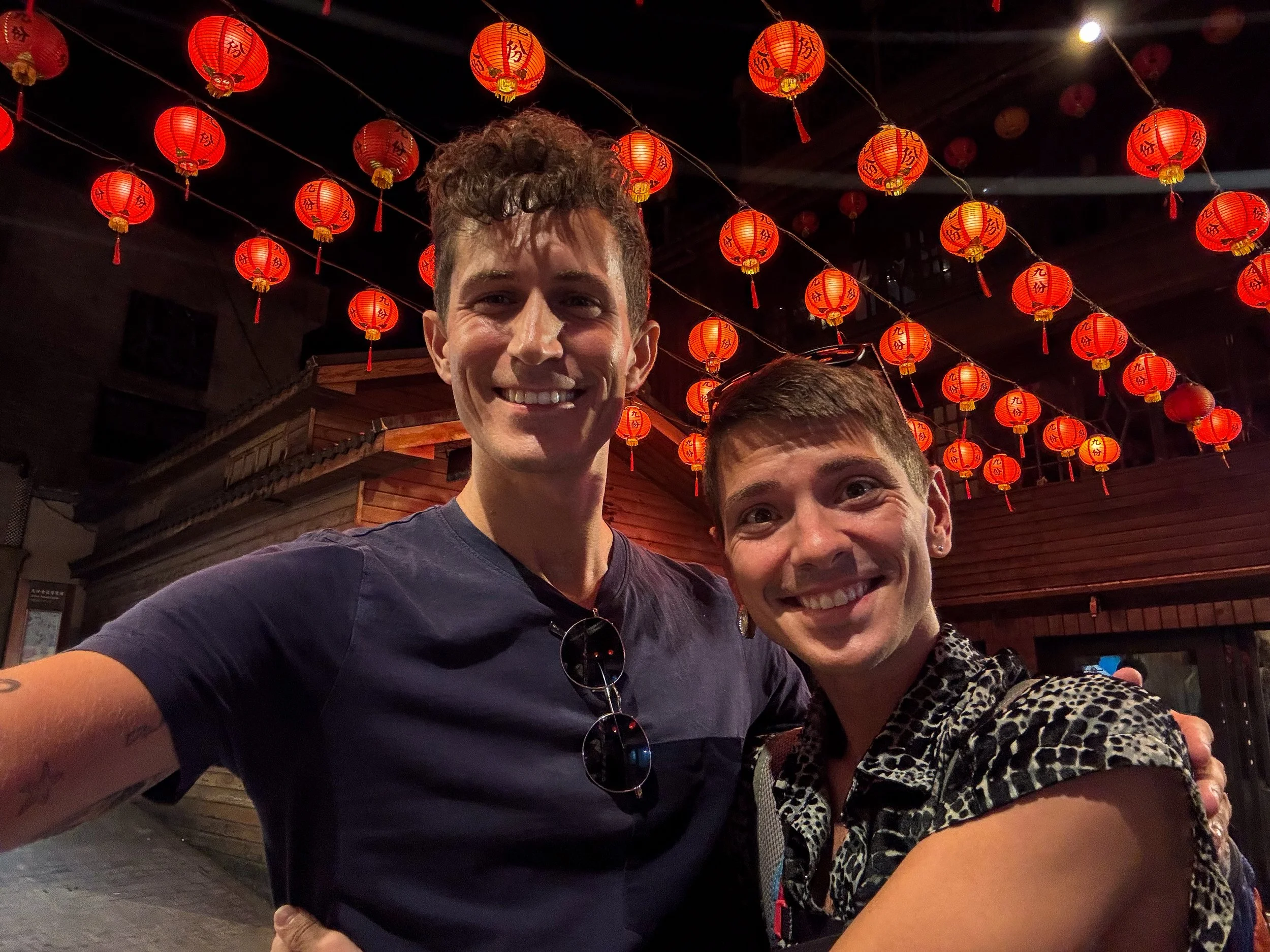
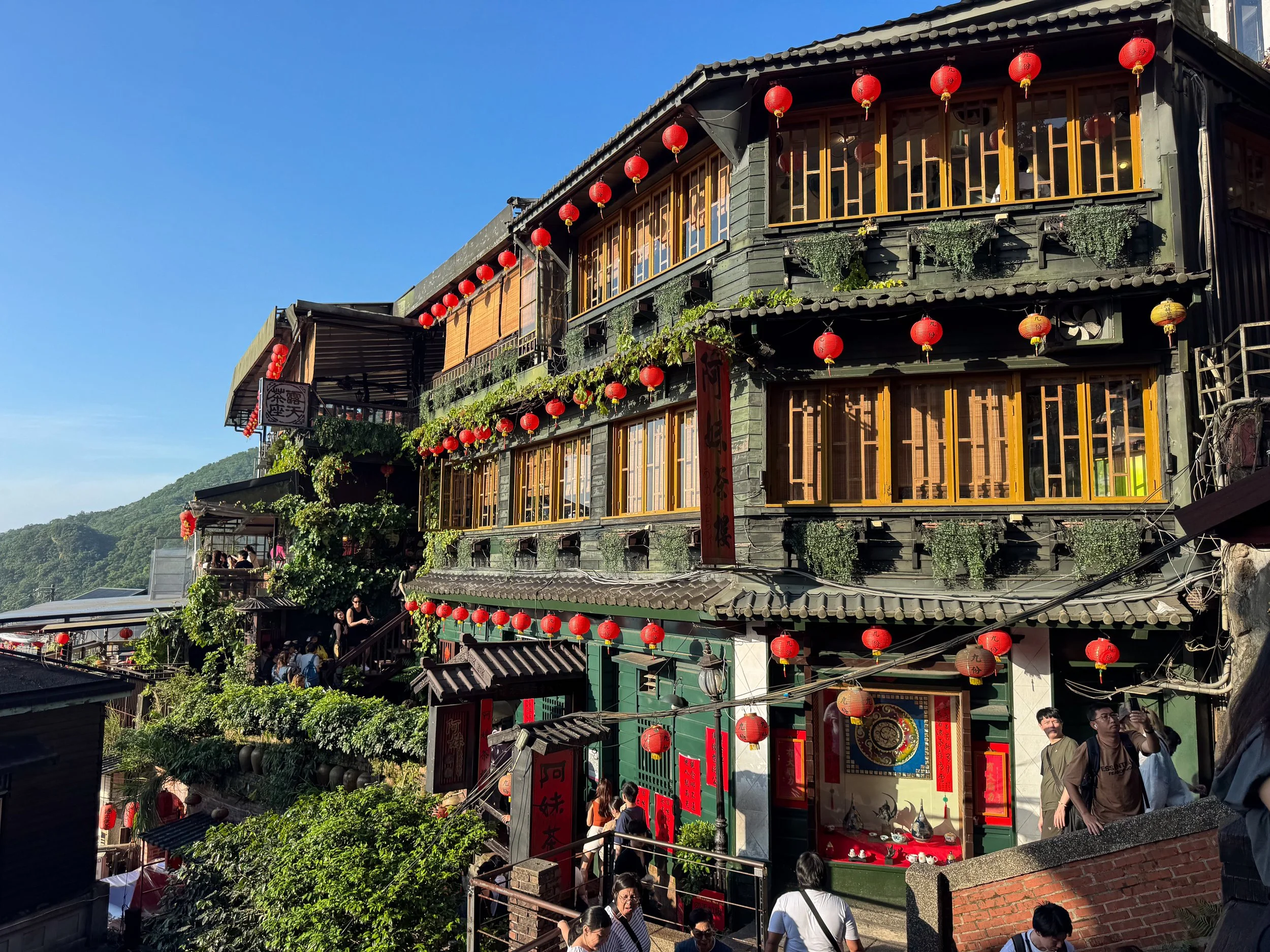
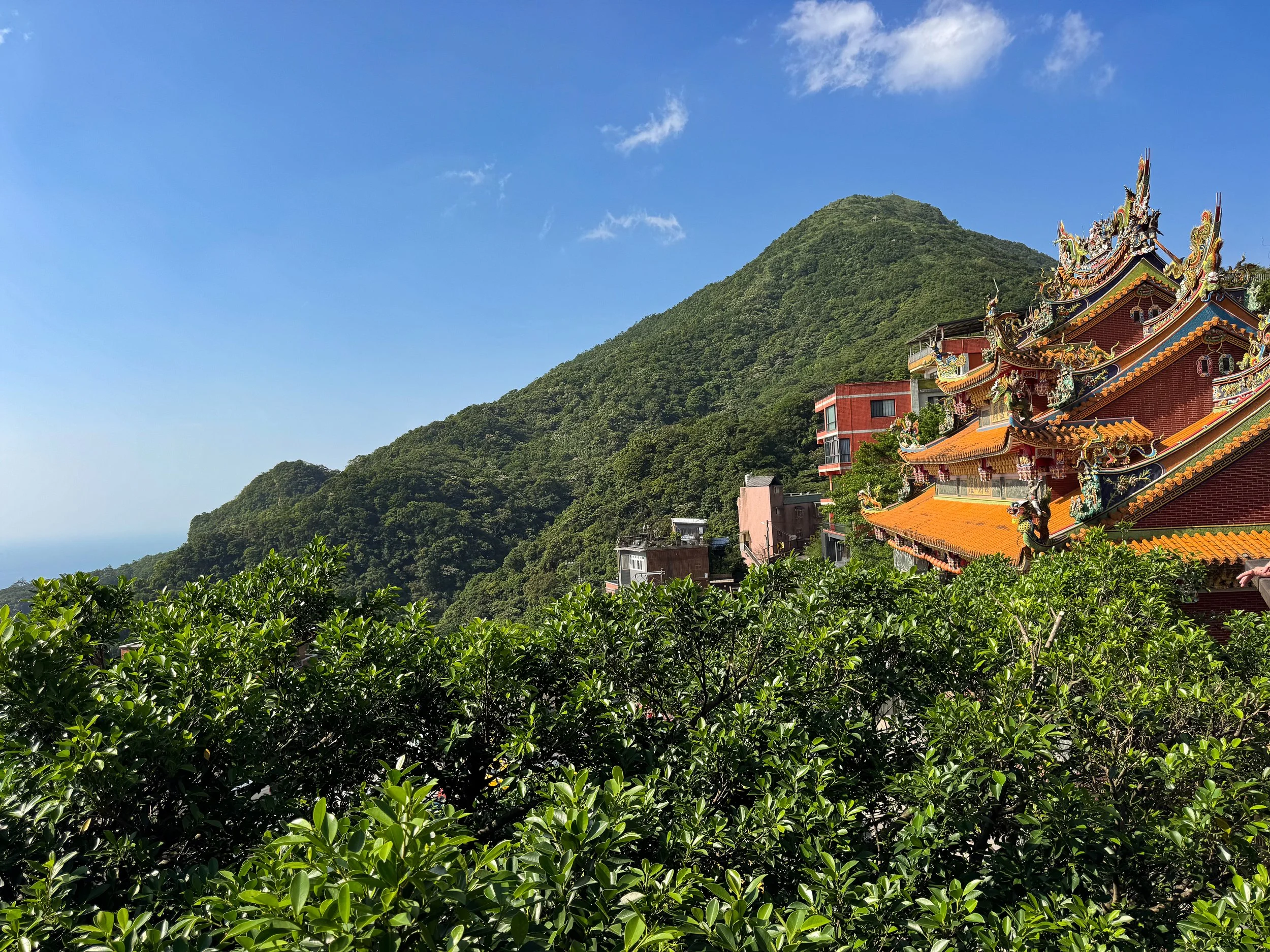
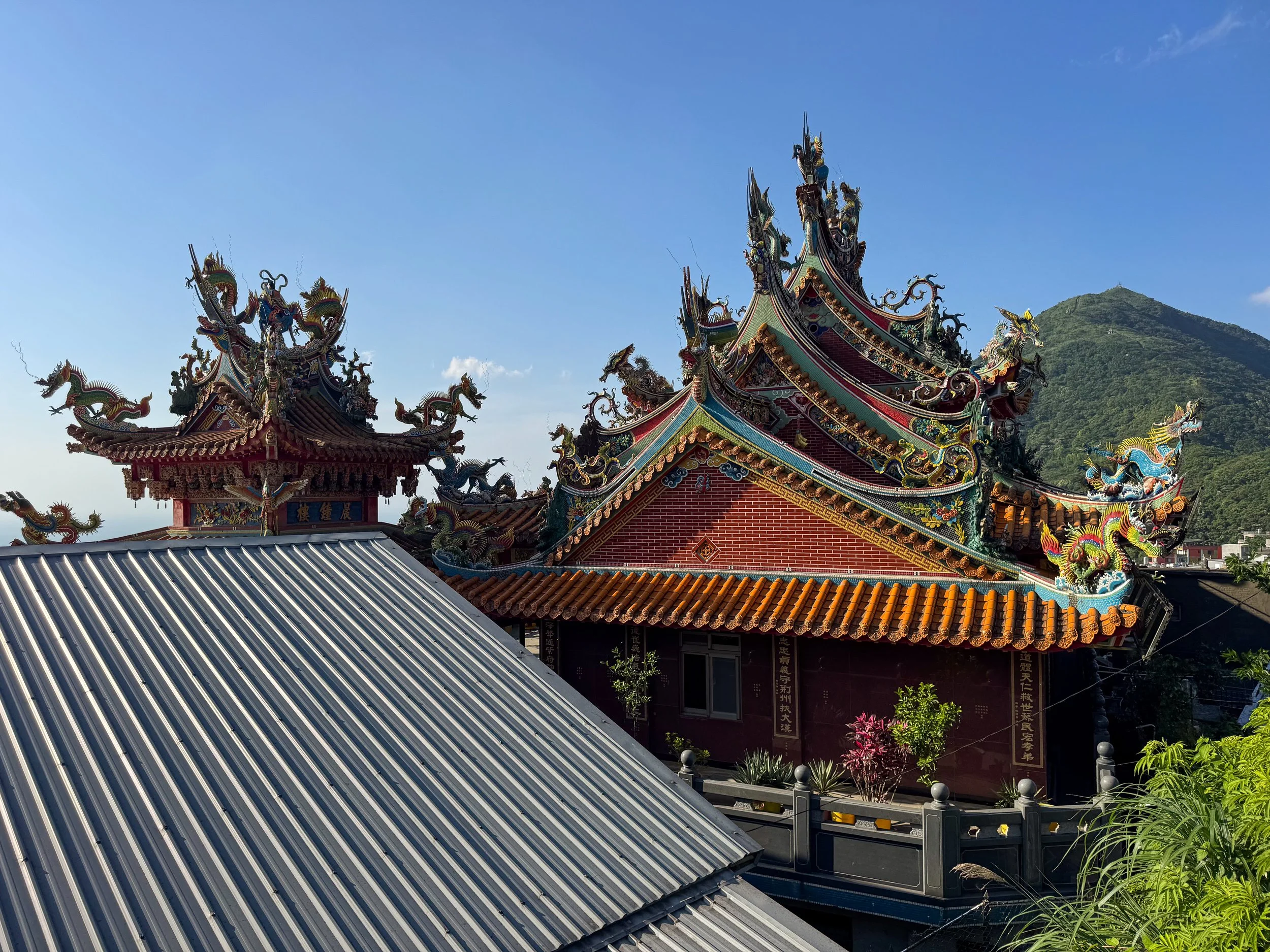
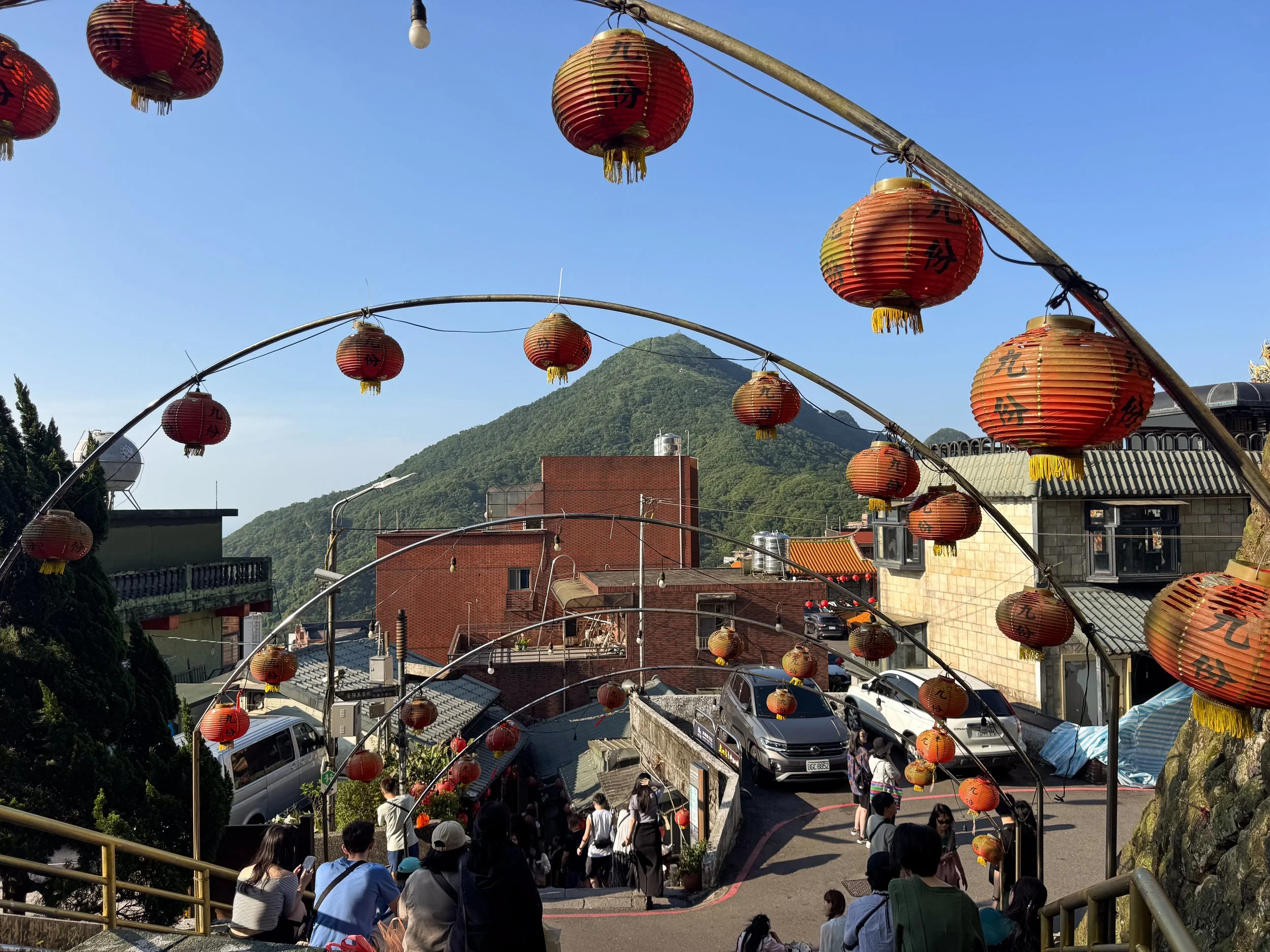
Jiufen is a historic mountain town north of Taipei famed for its alleyways decorated with red paper lanterns, Taiwanese street food and overlooks with sunset views.
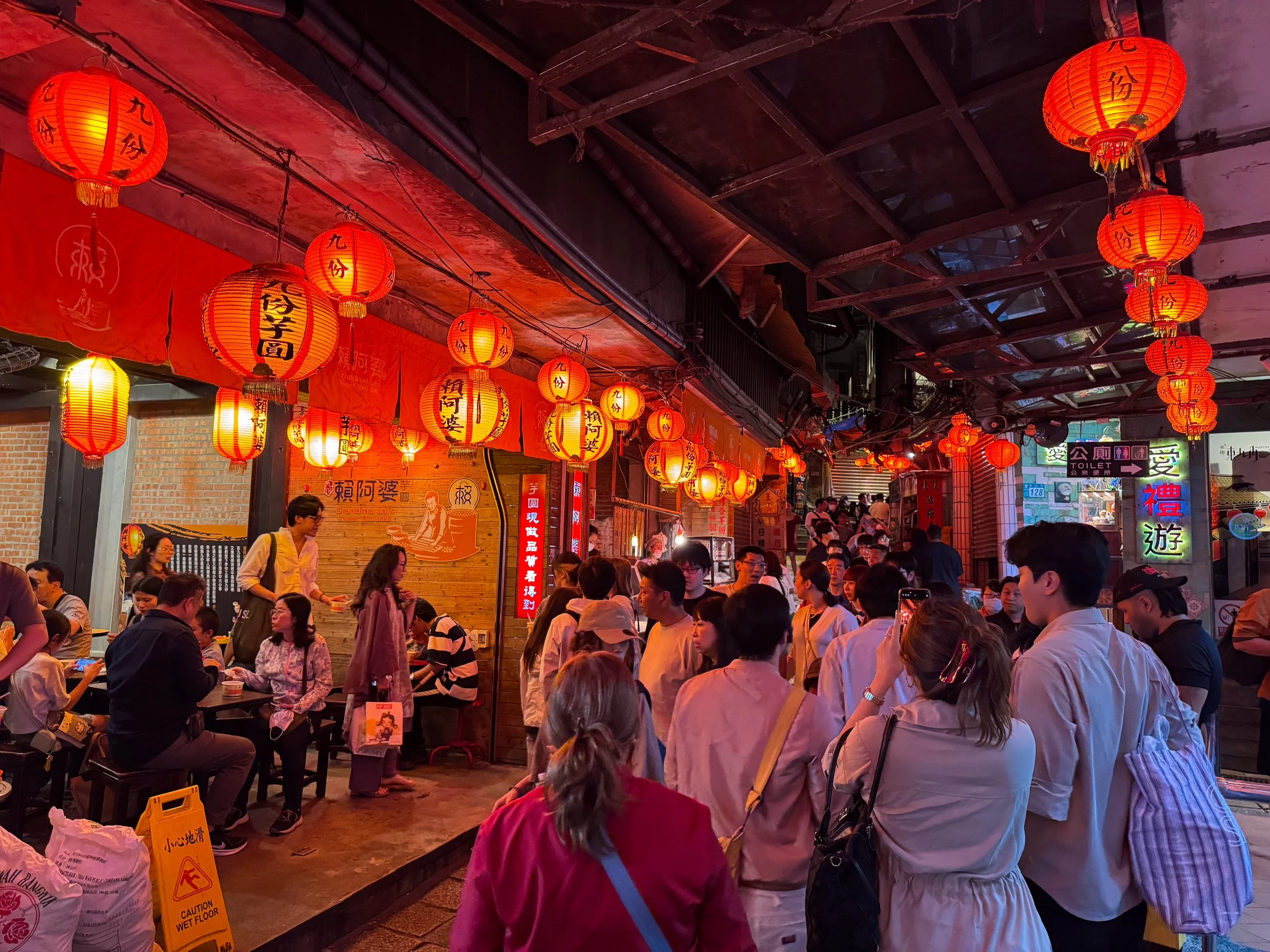
Jiufen Old Street. The old street is the glowing heart of the town. Its narrow and winding walkways are decorated in red paper lanterns that warmly illuminate the walkway and businesses below. Sweets shops, street food vendors and souvenir stores occupy small store fronts as a steady flow of visitors pass by. The smell of grilled meats, steamed buns and brewed teas invites people in while the wafting smell of stinky tofu assaults the senses. Customers walk in and out of shops selling cute figurines, nougat candies and Taiwanese teas.
Places to Eat & Drink
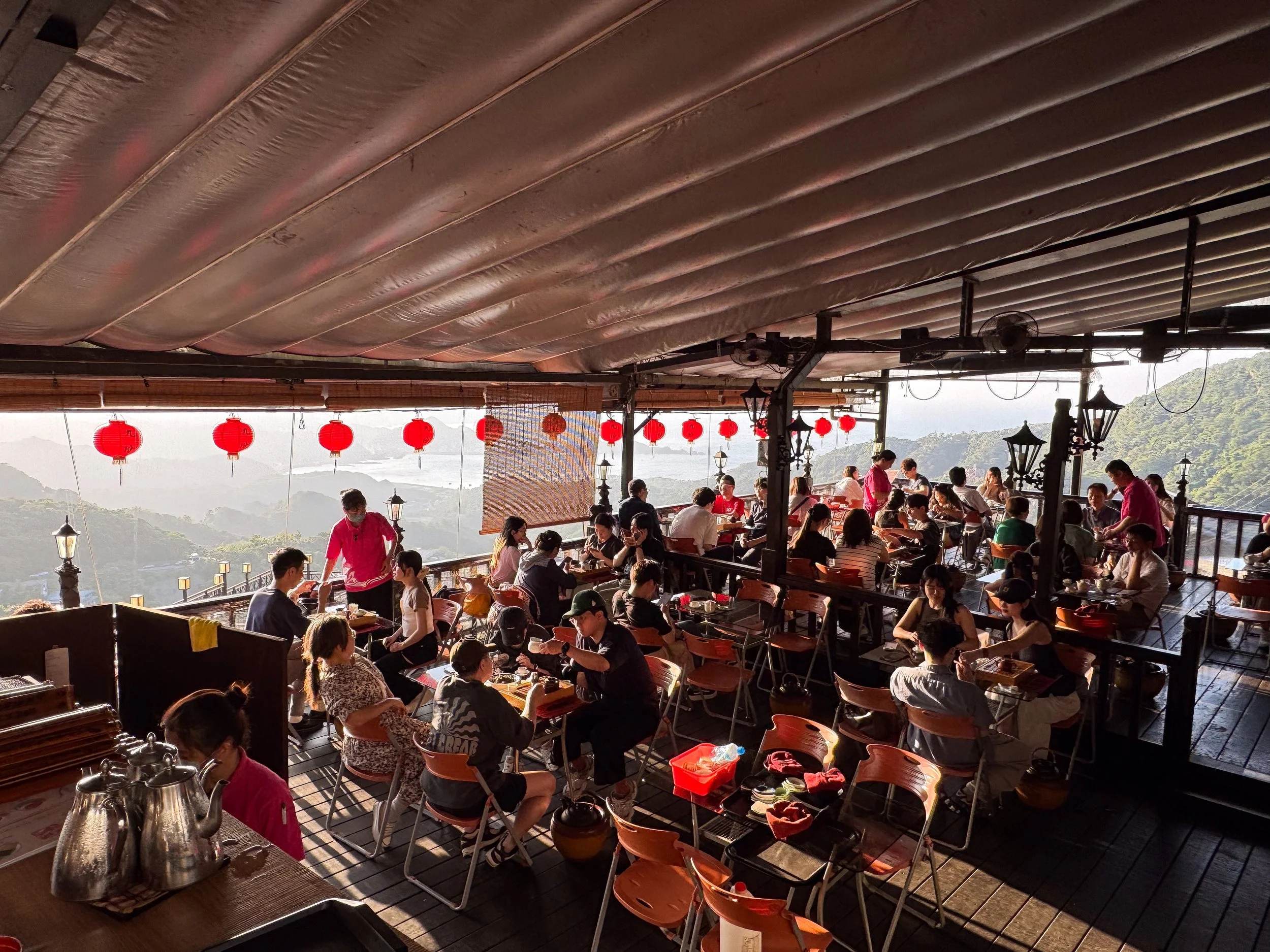
Amie Teahouse. A teahouse in a historic building with communal tea rooms overlooking the mountains and boasting stunning sunset views. The photogenic building is decorated with red paper lanterns and one of Jiufen’s most beloved sights. It’s a popular spot to partake in Taiwanese tea ceremony.
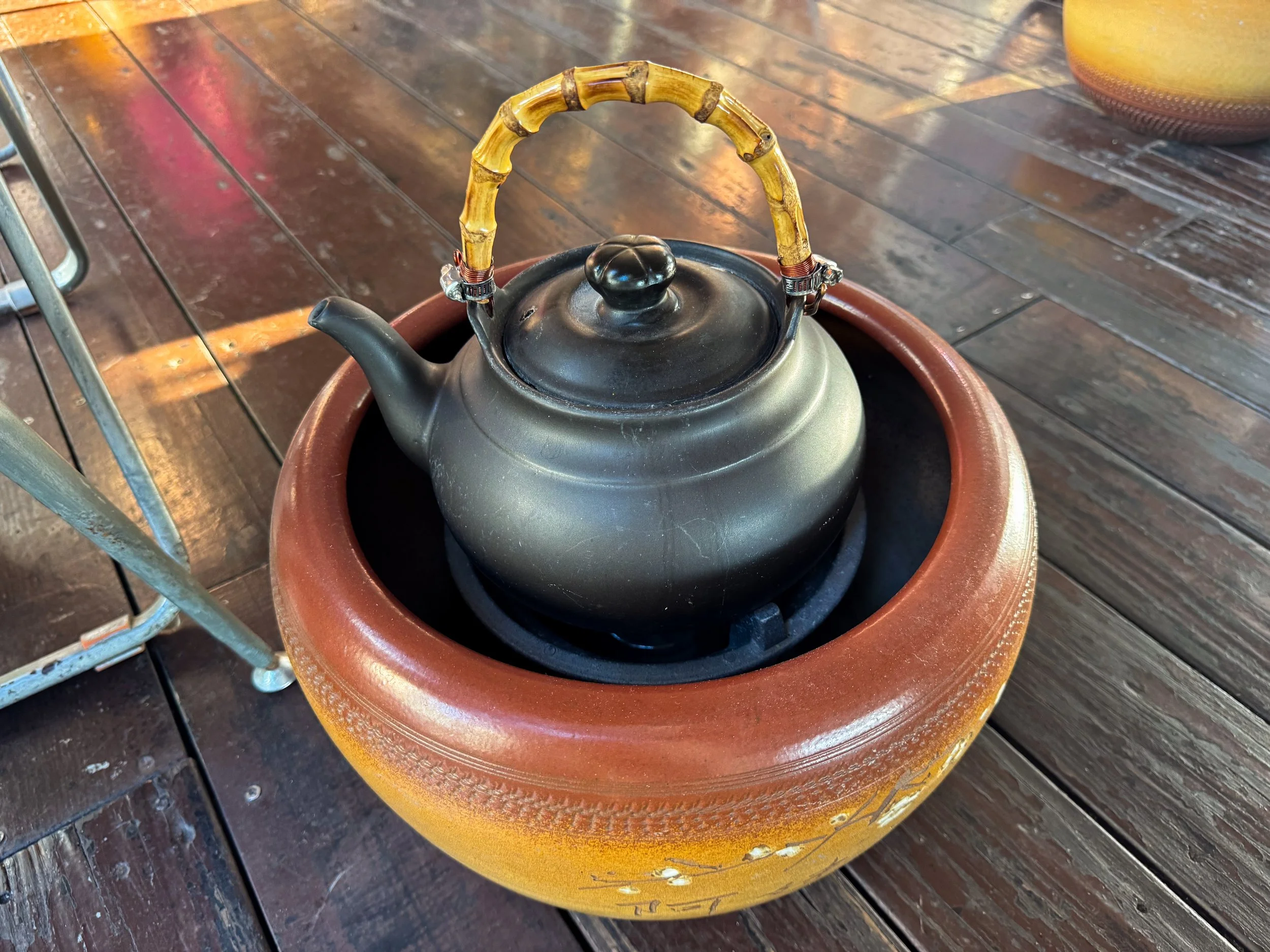
Taiwanese Tea Ceremony. We visited Amie Teahouse for a traditional Taiwanese tea ceremony. We shared a pot of locally grown oolong tea paired with a selection of sweets. The server began by pouring hot water over the tea dishes to warm and cleanse them. He filled the tiny clay pot with tea leaves and water to wash and loosen them. The same water was used to continue cleansing the dishes. More water was used to steep our first pot for several seconds before serving in tiny cups. A bamboo tray caught all of the spilled water. We repeated the ceremony several times after while snacking on the sweets and watching the sunset.
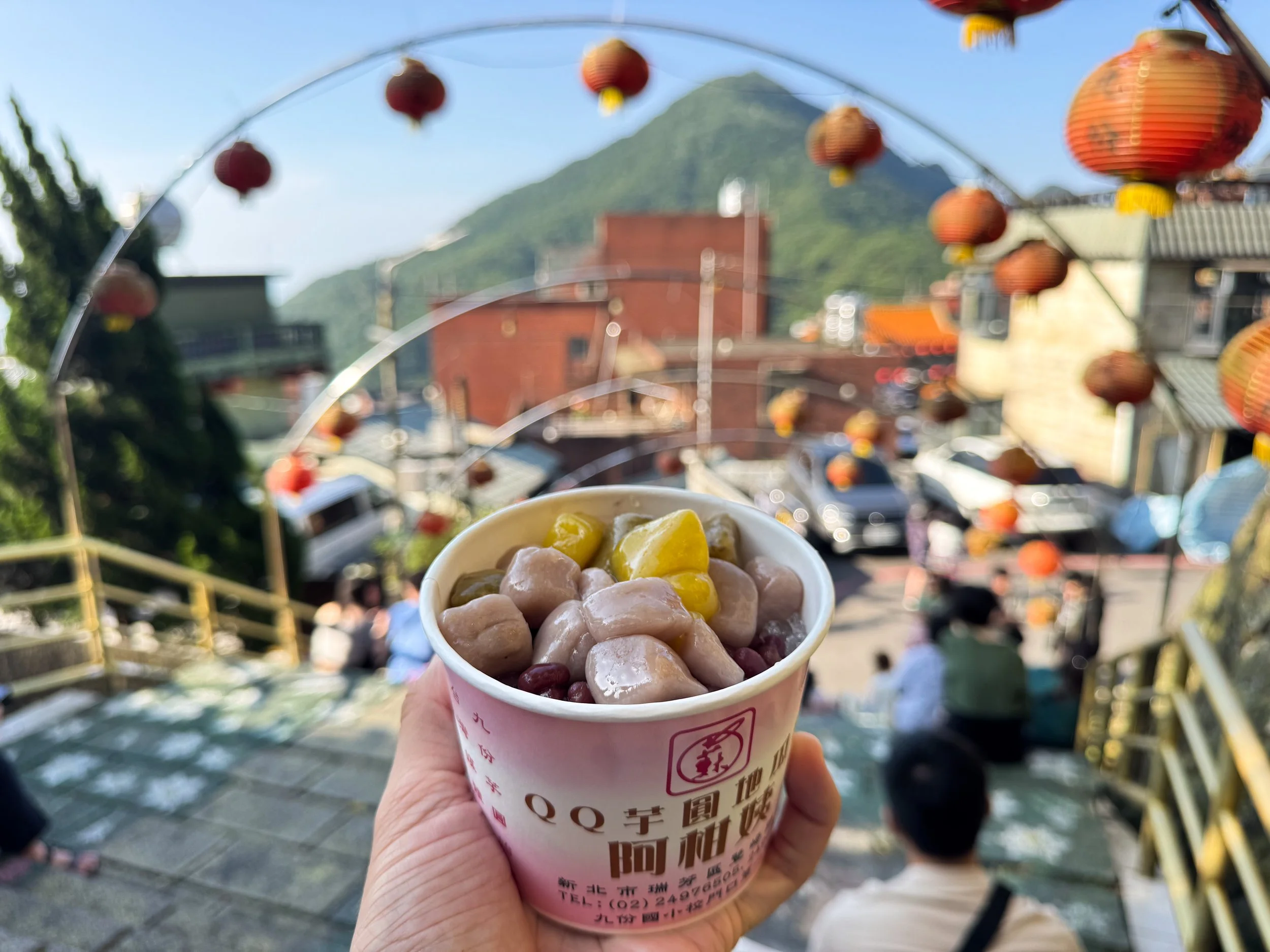
A Gan Yi Taro. A street food restaurant serving Jiufen’s prized dish, Taro Balls. The purple, yellow and beige taro balls are sweet and chewy bite size nuggets made from taro root and sweet potato. They’re served over a cup of shaved ice mixed with sweet syrup and beans.
Golden Bar. A cocktail bar with an indoor balcony and rooftop overlooking the mountainous slopes and coast. Many of their cocktails have a base of tea and herbal syrups.
Tips for Visiting Jiufen
Expect Crowds. Thousands of visitors descend on the town for the sunset. The streets become less crowded about 2 hours later when most tour buses leave.
Cash vs Card. Bring cash for making purchases; many places don’t accept credit or debit cards.
Getting Here. Take the Taiwan Railway from Songshan Station to Ruifang. Trains leave every 30 minutes and take 30 minutes to travel between stations. From Ruifang, take an Uber or taxi to Jiufen. Fares have set rates either way.
Places to Eat & Drink
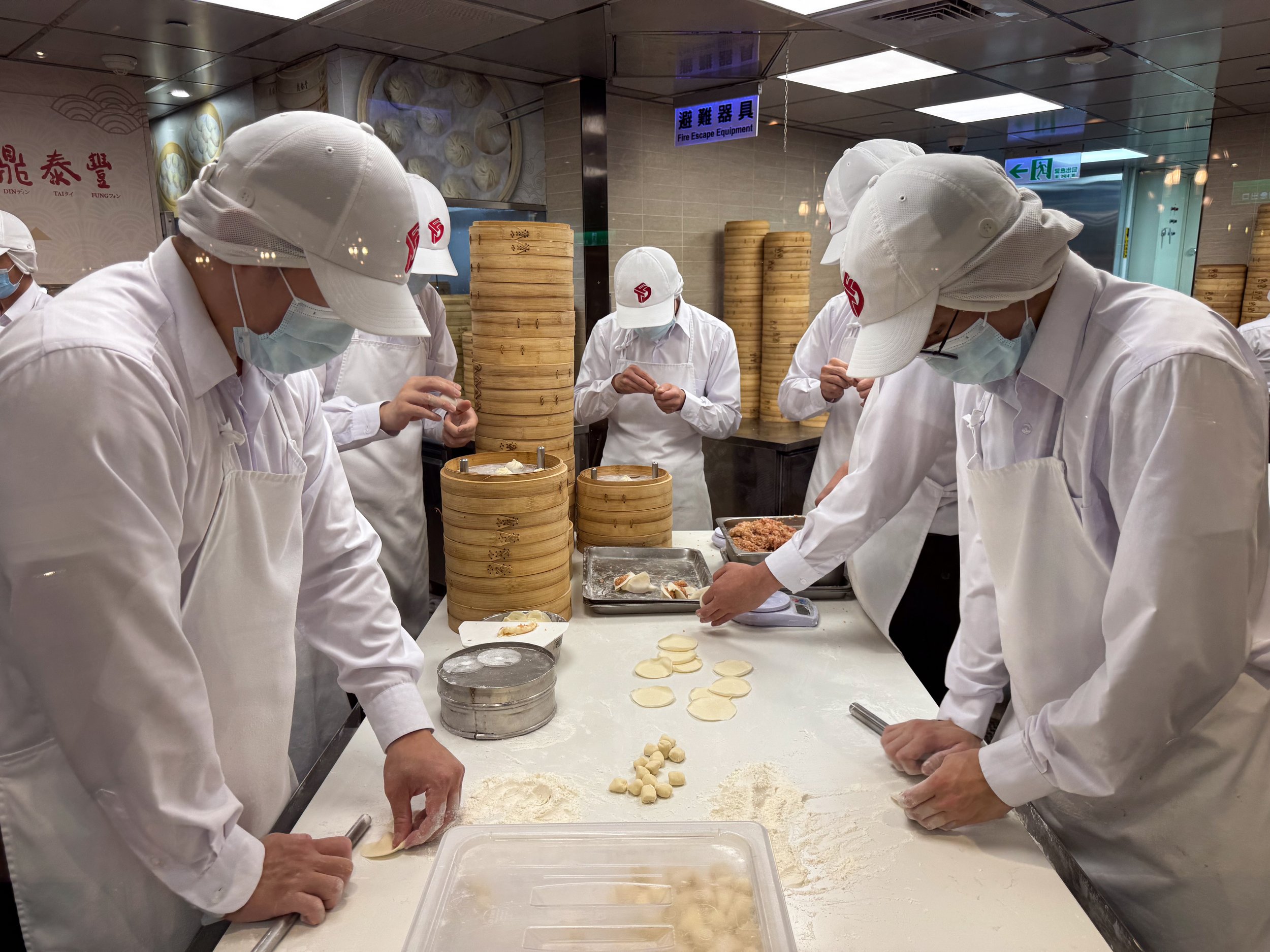
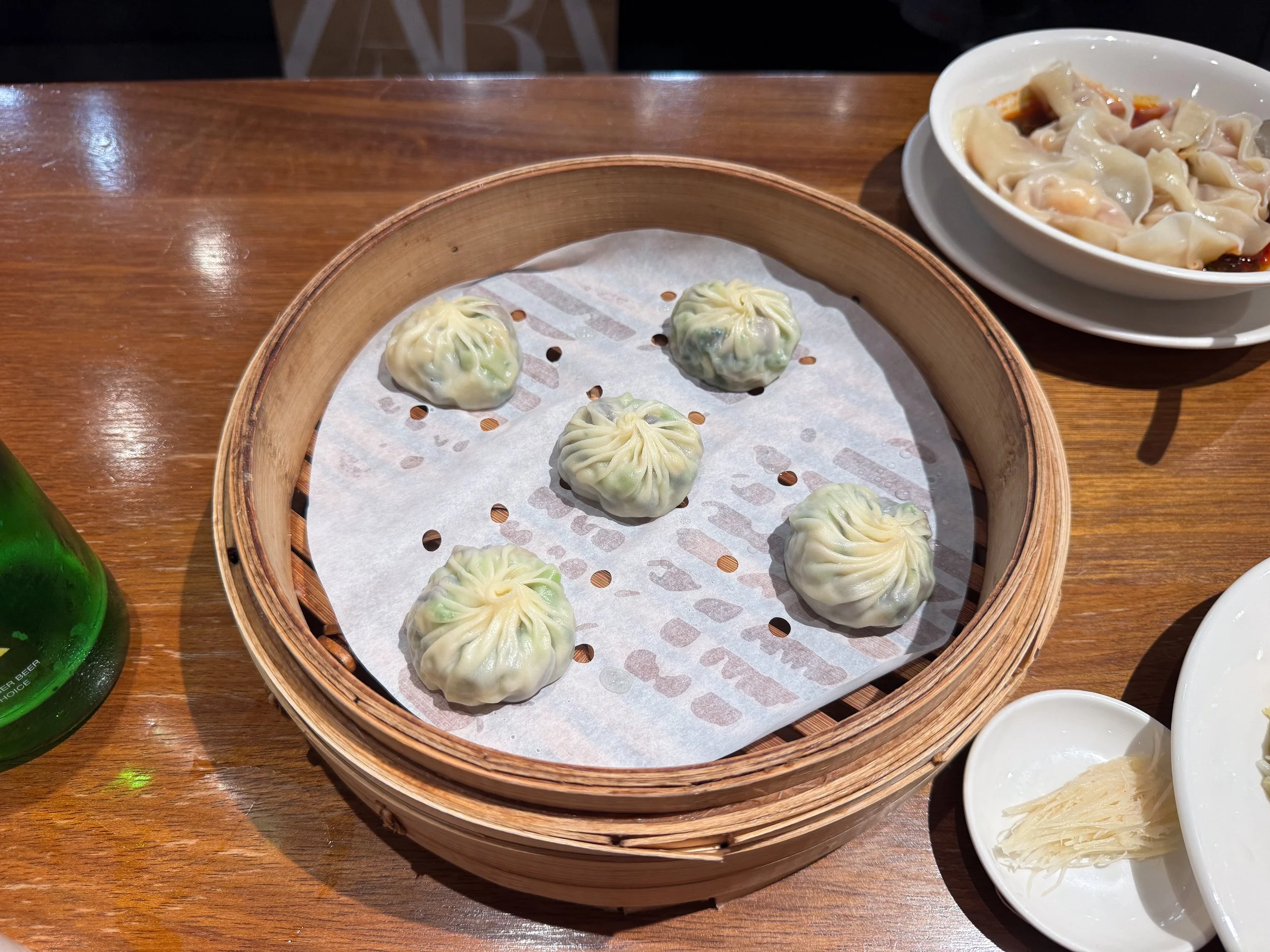
Din Tai Fung. A very popular Taiwanese dumpling restaurant with locations across the island. Waiters or robots deliver bamboo baskets of steamed dumplings. We ordered a variety of veggie, shrimp and soup dumplings. Arrive an hour before planning to eat and take a ticket in line. Return when the ticket suggests to be seated.
1900 Bar. An old world European style bar with elegant gin cocktails, absinthe drips and a selection of cognacs. The bar is located on the second floor of a corner building on Dihua Street.
Du Hsiao Yueh. A traditional Taiwanese restaurant on Dihua Street operated by the same family since 1895. The menu features a blend of Taiwanese, Chinese and Japanese small plates meant for sharing.
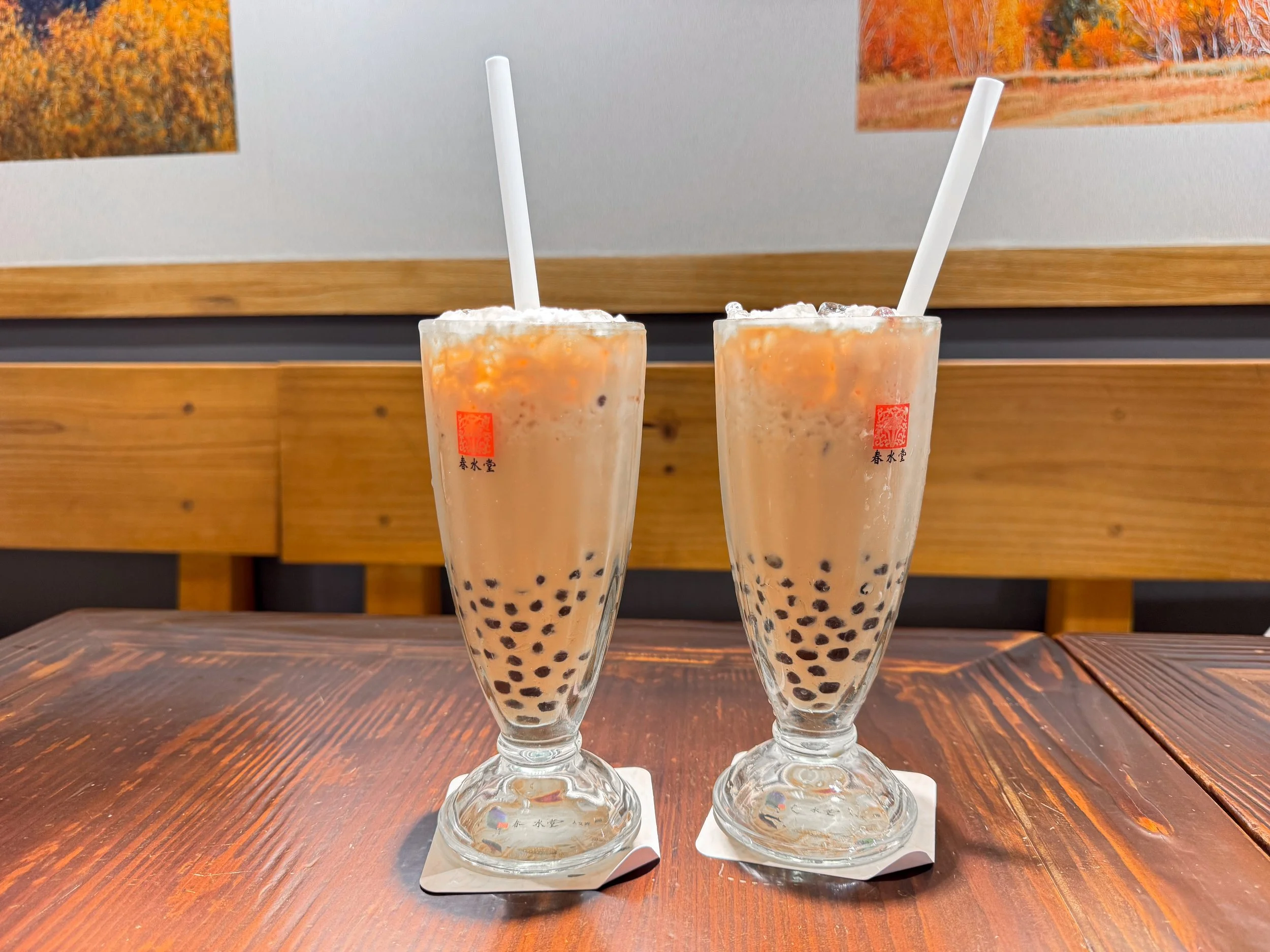
Chin Shui Tang. One of Taiwan’s original bubble tea cafes. Their traditional bubble tea is served in an ice cream float glass with small boba pearls and an iced milky tea. They have multiple locations across the city.
SanFormosan Café & Roastory Dihua Shop. A higher end coffee shop on Dihua Street with house roasted coffee beans and a wide range of coffee beverages infused with herbal and floral syrups.
Milksha. A Taiwanese tea chain with locations across the city. Come here for bubble milk teas or fruity teas.
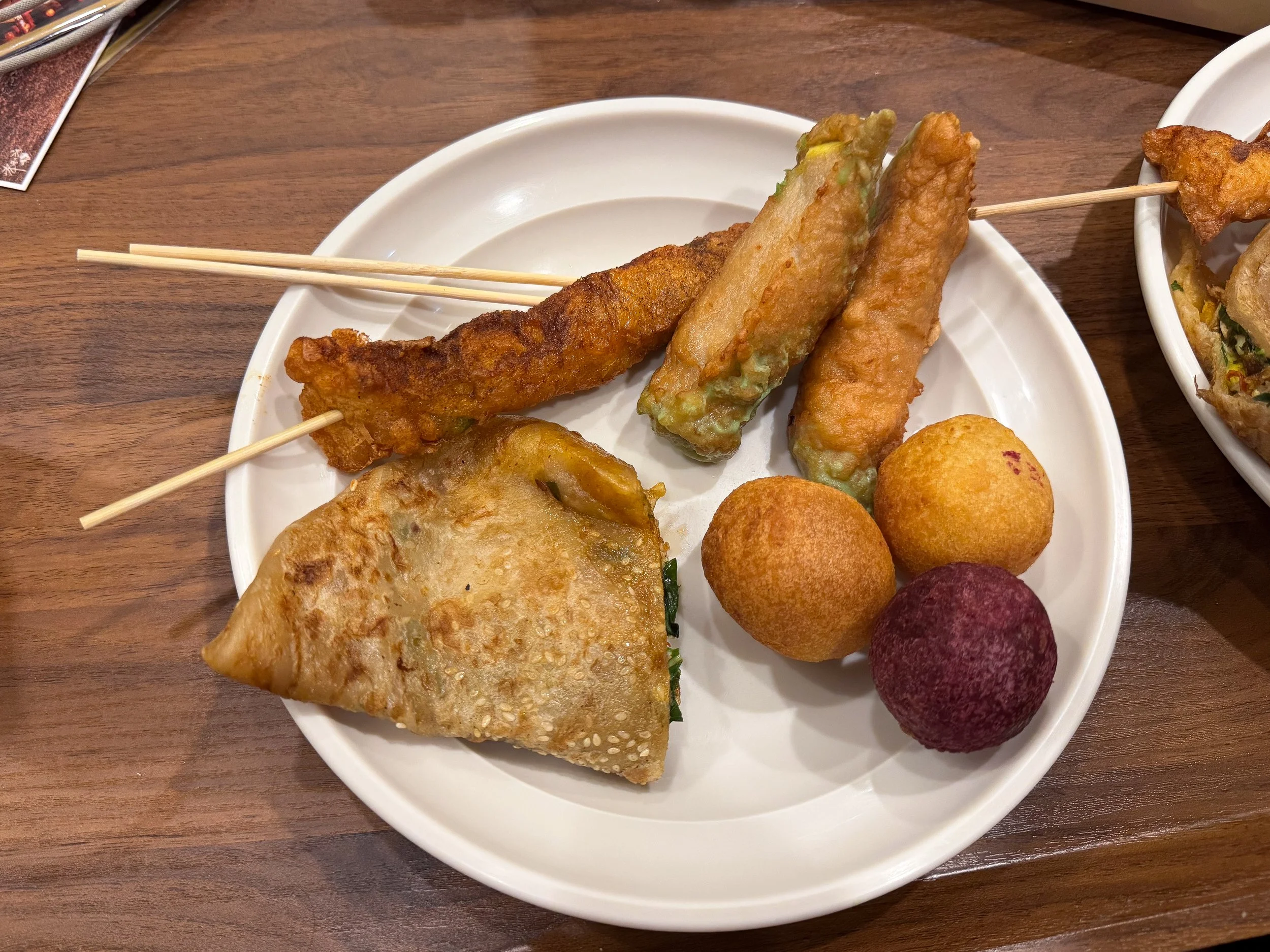
Meiweizaodian Station. A true mom and pop breakfast restaurant operated by our friend’s family. We came here for a traditional Taiwanese brunch with plates of scallion pancakes, danbing and black pepper noodles.
Smith & Wollensky. A “sky bar” with views to Taipei 101 and the city. Come for their happy hour between 5-7pm. Try the Tea No.12 or Garden 47 for a contemporary cocktail made with tropical flavors.
Taiwanese Cuisine
Taiwan is a culinary treat for East Asian flavors and cuisine. We cooked several dishes in our Airbnb and tasted others while dining out.
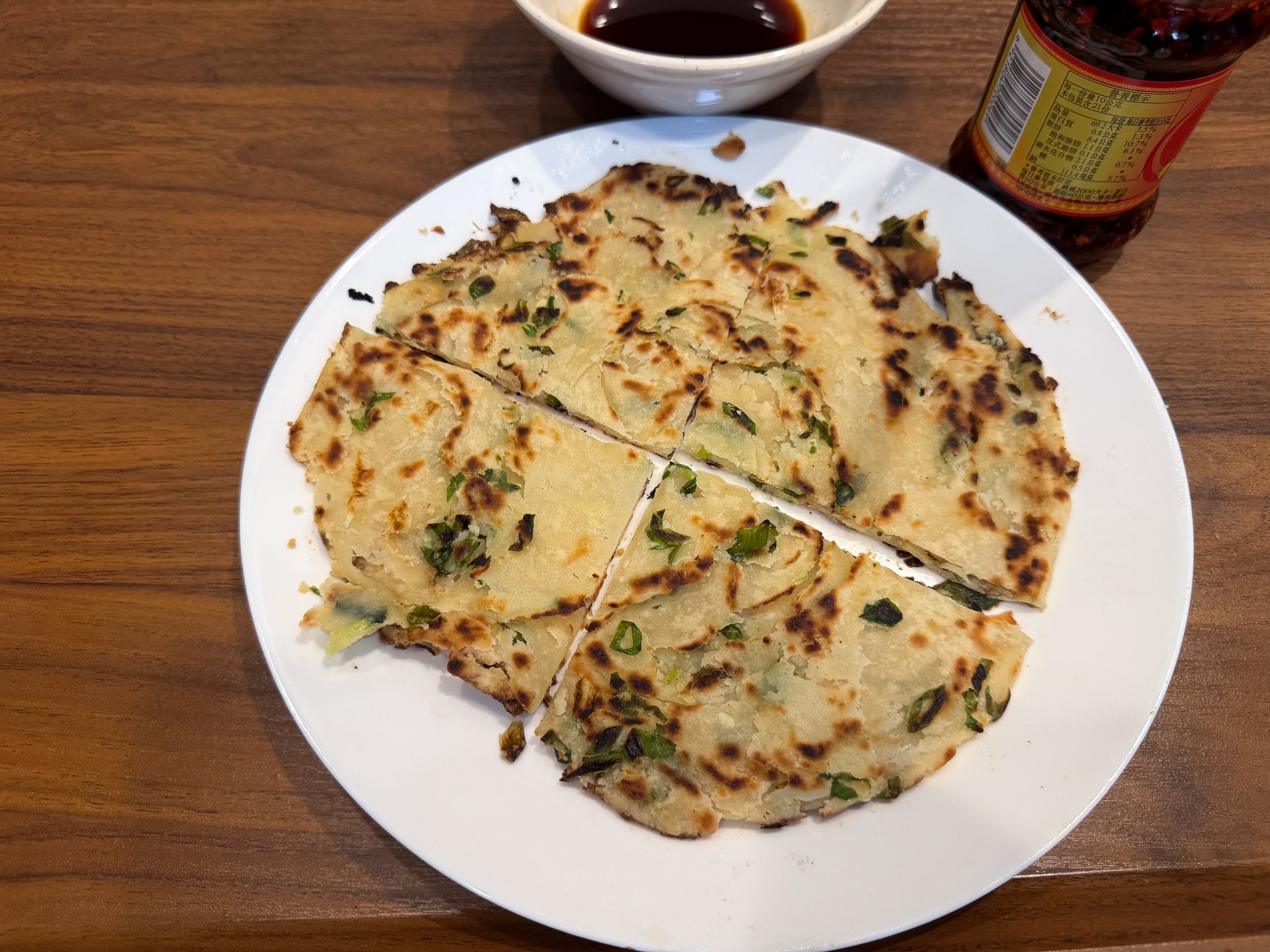
Scallion Pancakes. Flaky pancakes layered with fresh scallions and pan fried. It’s often served with soy sauce and chili oil as an appetizer or snack.
Bubble Tea. A famed and beloved Taiwanese beverage traditionally made with black tea, milk, sweetener, ice and tapioca pearls (aka boba). It's sipped through a thick straw to suck up the chewy boba.
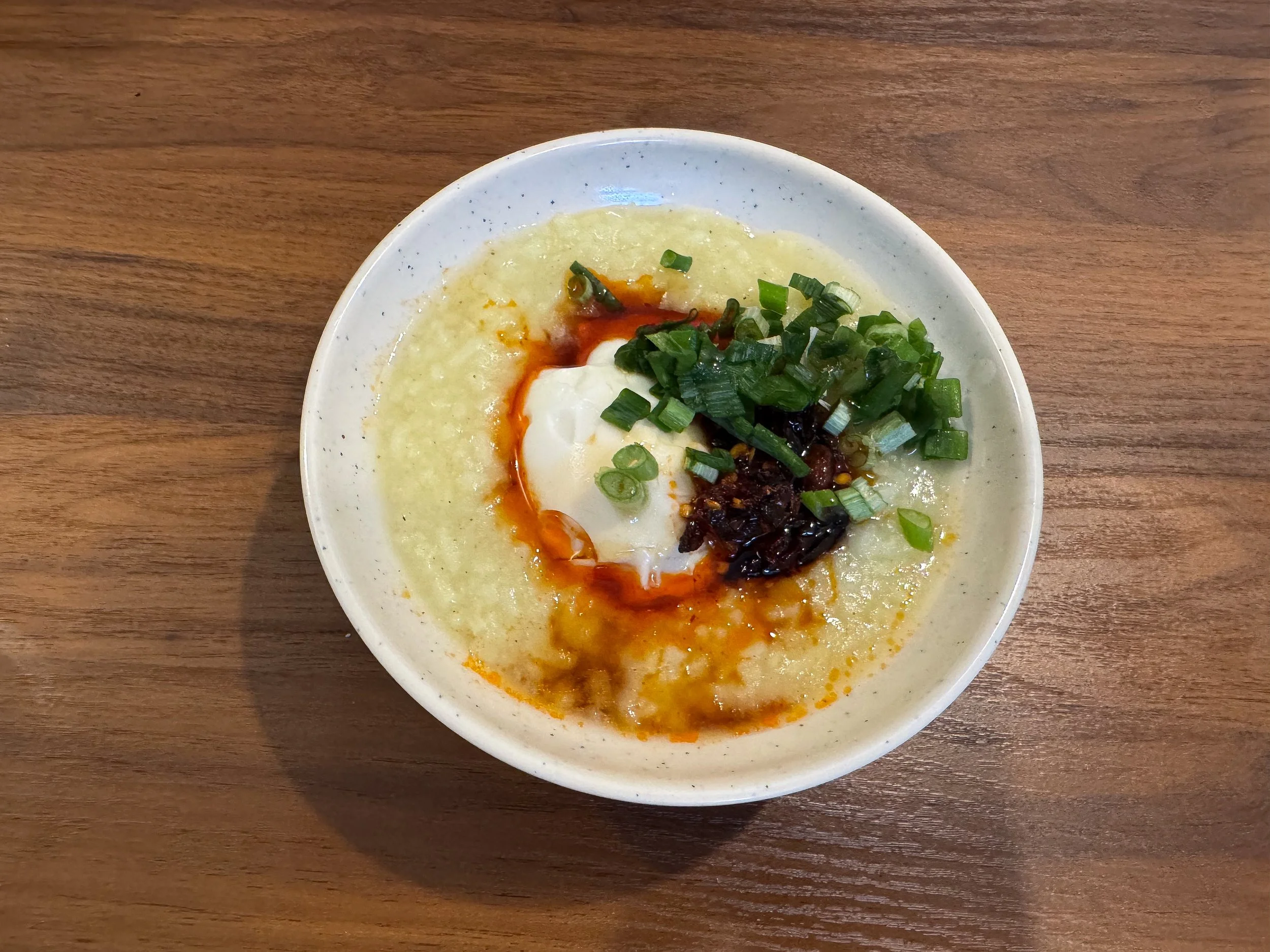
Congee. A rice porridge dish flavored with savory sauces and garnishing like chili oil, soy sauce and scallions. It’s popular for breakfast.
Pineapple Cake. A cookie like pastry filled with pineapple jam. It’s a popular treat across Taiwan and a common celebratory dessert.
Danbing. A typical Taiwanese breakfast dish known as rolled egg crepes. They’re made from a gelatinous batter and topped with eggs, cheese and scallion then rolled and cut into pieces.
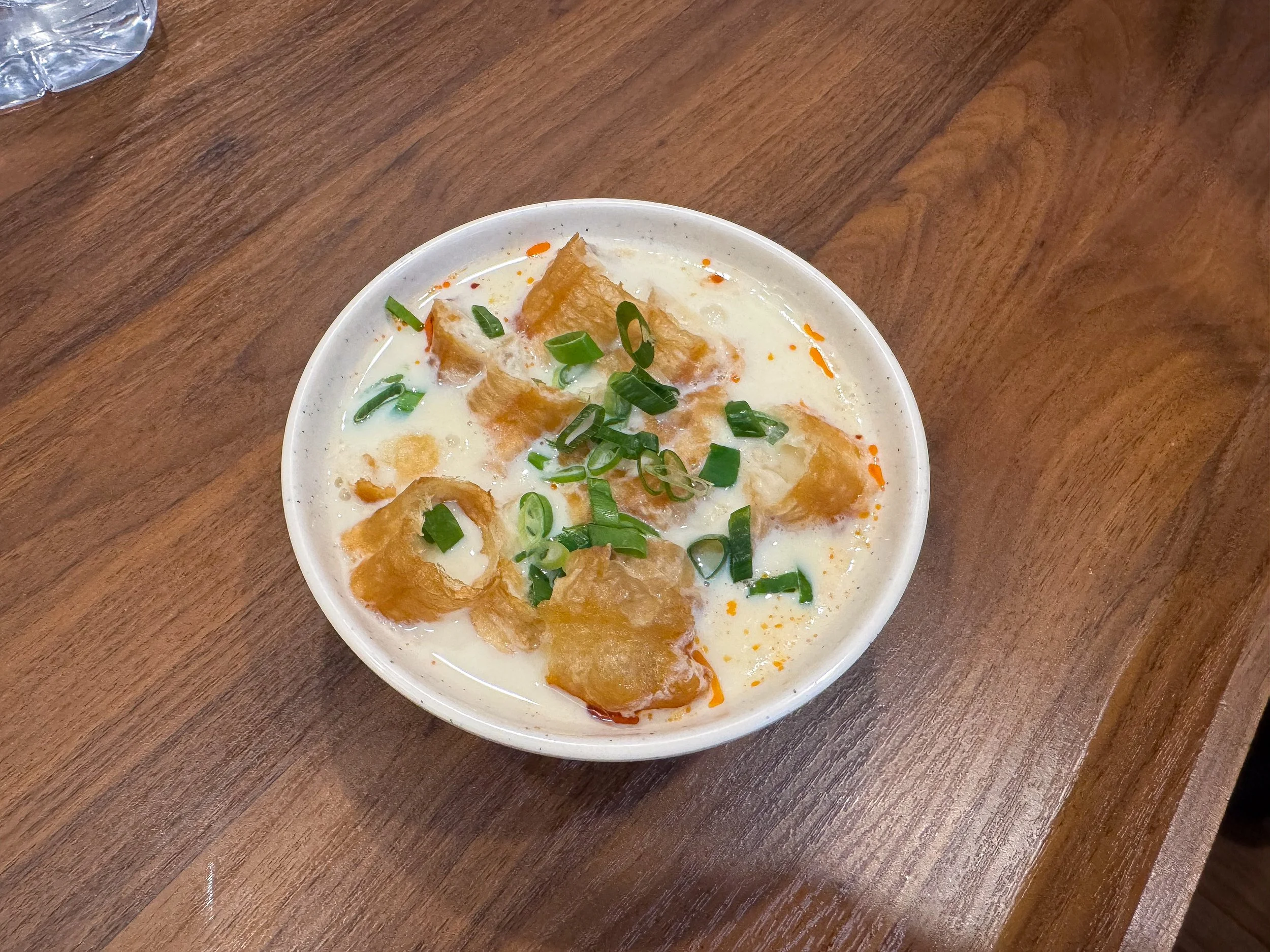
Dou Jiang. Heated soy milk curdled with vinegar and seasoned with soy sauce. Pieces of deep fried donuts are soaked in the mixture creating a soggy like soup. It’s a popular Taiwanese breakfast dish.
San Ming Zhi. A Taiwanese sandwich made with toasted and crustless white bread. It’s common for breakfast and on the go. We ordered one with egg, cheese and sweet pickled cucumber.
Stinky Tofu. A pungent tasting and smelling fermented tofu dish. It’s polarizing between those that despise it and others that deeply enjoy it. It can be served fried or boiled.
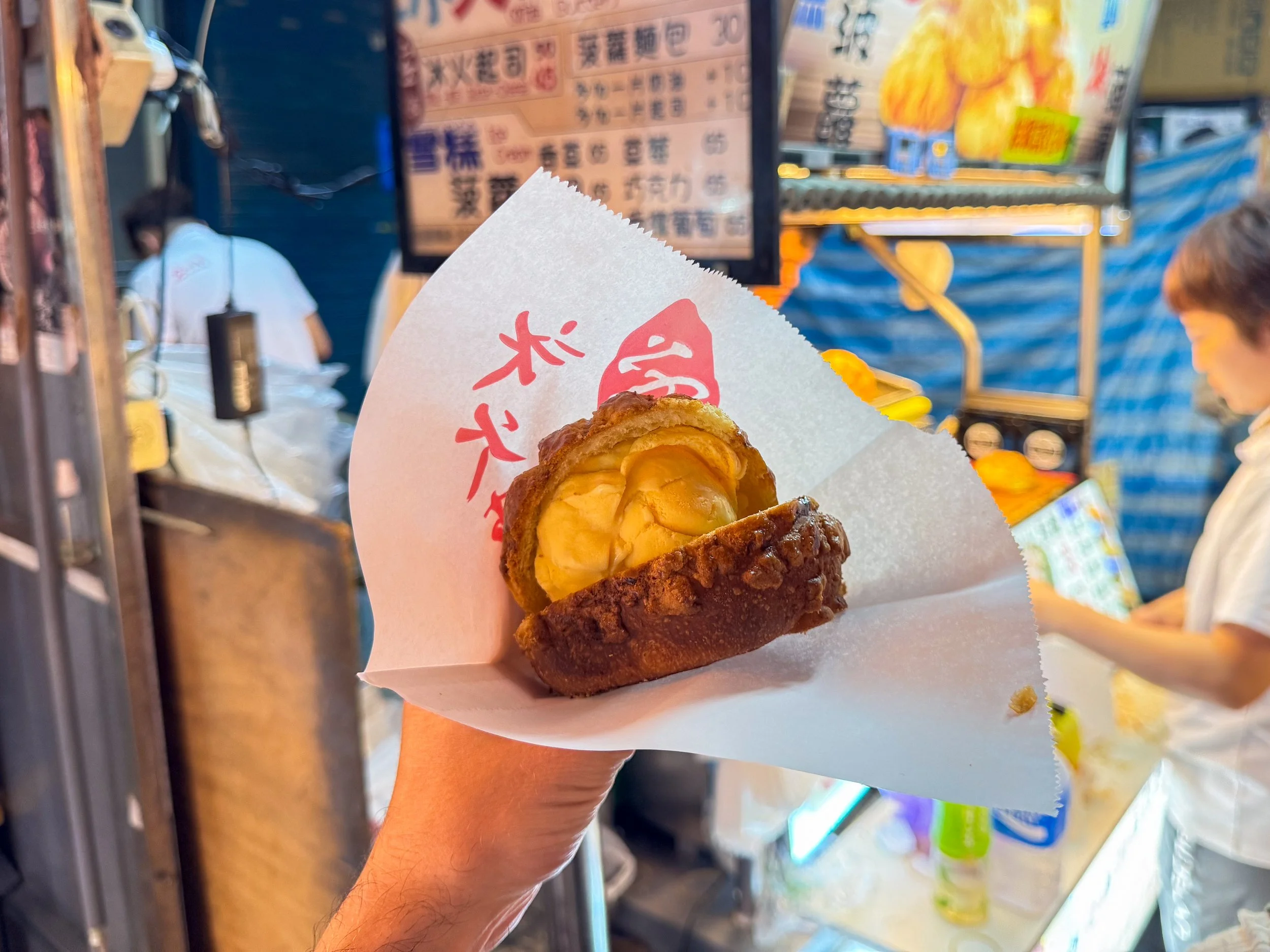
Polo Bun. A craggily and buttery bun often stuffed with butter, ice cream or pineapple paste.
Location Specifics
Language. Chinese or Mandarin is the most widely spoken and written language in Taiwan. Public signage is often written in English as subtext. Knowing a few basic phrases and words and having an offline translator is helpful.
Cash vs Card. Credit cards are widely accepted across Taipei however having some cash on hand is helpful for smaller establishments, minor expenses and places outside of the capital city.
Getting Around
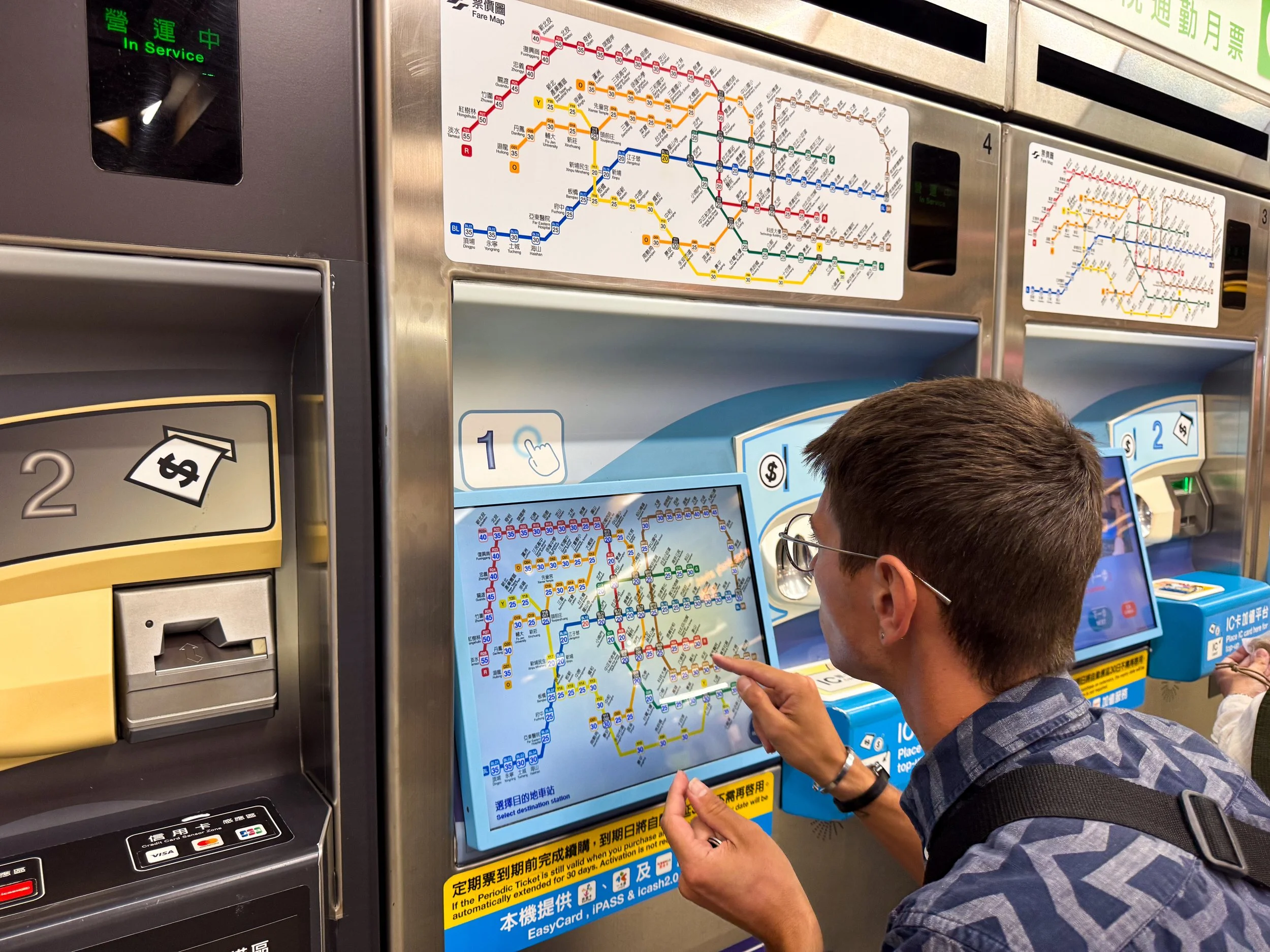
MRT. The easiest way to get around Taipei is by subway. The system has train lines crisscrossing the city and connecting to the airports. It’s a clean, efficient and safe way to travel. Tokens can be bought per ride to specific stations using kiosks or with a transit card. Kiosks are in several languages including English.
Taxis & Uber. Taxis and Ubers are readily available across the city. They use meters and have set fares. They’re great for reaching areas the subway may not.
For Next Time…
We stuck primarily around Taipei during our time here. Next time we visit Taiwan, we hope to venture out to some of the island’s natural sights and national parks.
Kenting National Park. A national park at the southern tip of the island with golden sand beaches, coastal hiking trails, beach caves and marine life.
Dashibishan Trail. A 1km long boardwalk trail on the eastern side of the island with cliffside and ocean views.
Taroko National Park. A rugged park centered around a steep gorge with foot bridges, waterfalls and mountain shrines.
Fulong Beach. A lengthy golden sand beach on the north east side of the island with monstrous sand castle contests.
Lisong Hot Springs. A mineral hot spring with thermal rivers and hiking trails in the interior of the island.