10 Days in Madagascar
Madagascar
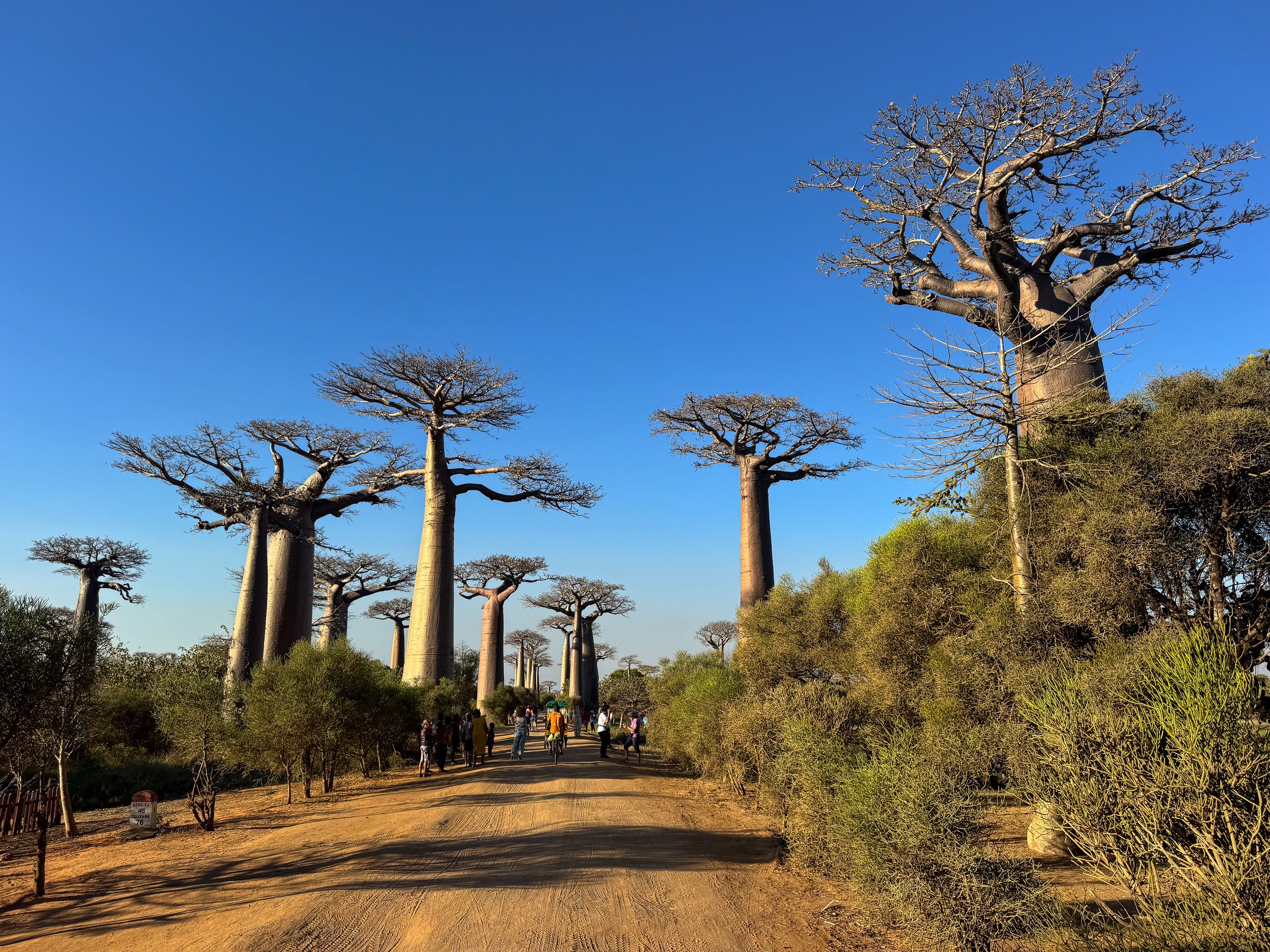
Madagascar is a vast island nation famed for its exotic biodiversity and stunning landscapes. Baobab trees tower across the horizon. Endangered lemurs leap through dense forests. Colorful chameleons lurk in the jungle. Jagged rock formations carve through the landscape. Orange sunsets make way to starry night skies. Back roads lead past remote villages. Restaurants serve Malagasy cuisine and locally infused rums. Wooden ships and outrigger canoes take sail from costal towns. Calms waves lap onshore white sand beaches and desert islands. Whales migrate in the deep coastal waters. Madagascar is truly an under the radar destination full of wonders. We spent 10 days exploring the country and experiencing its vast beauty.
Morondava
Morondava is a tropical fishing town on the western coast of Madagascar. It’s a hub for the natural wonders like The Avenue of the Baobabs, Kirindy Forest and Tsingy National Park.
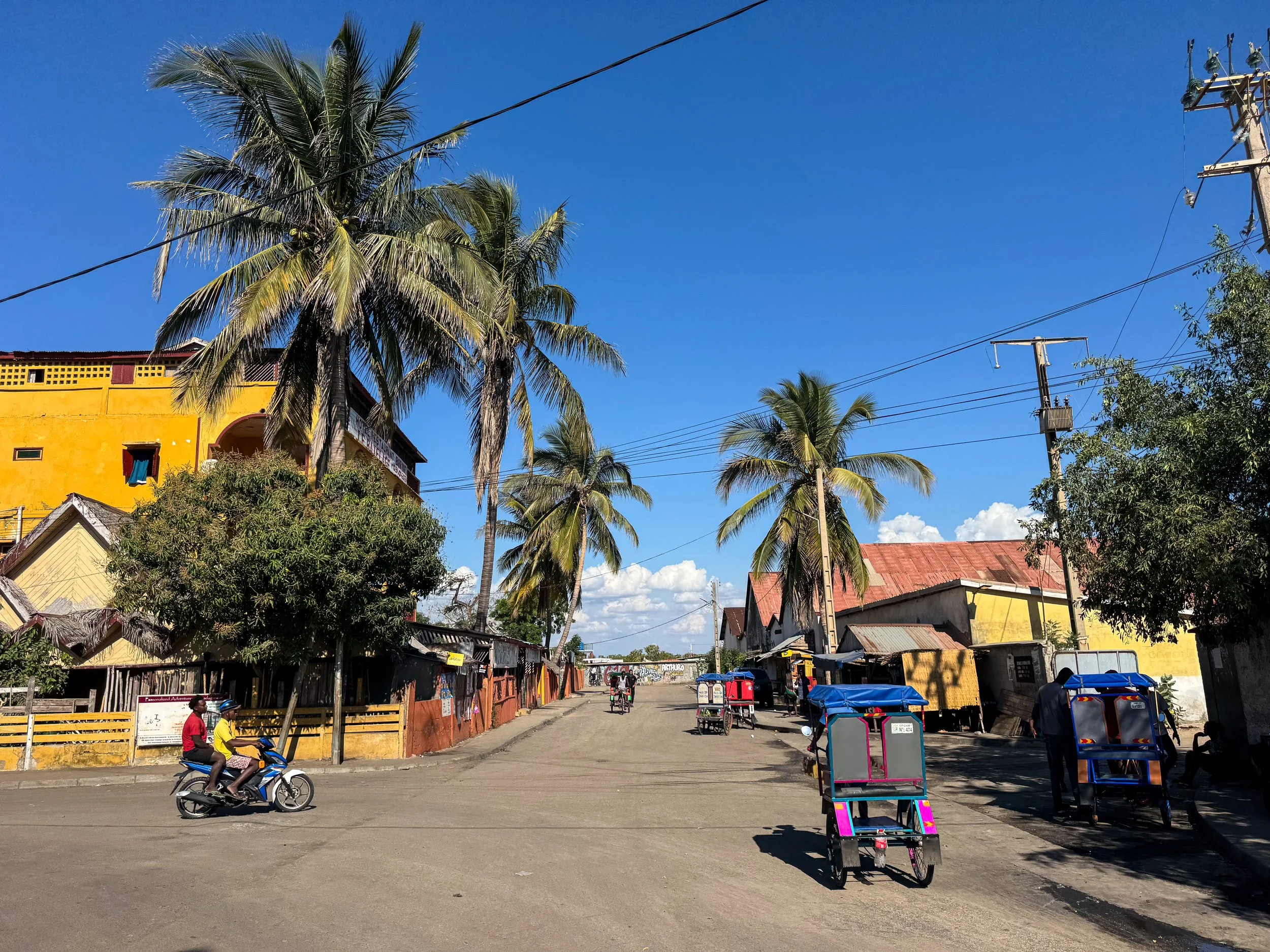
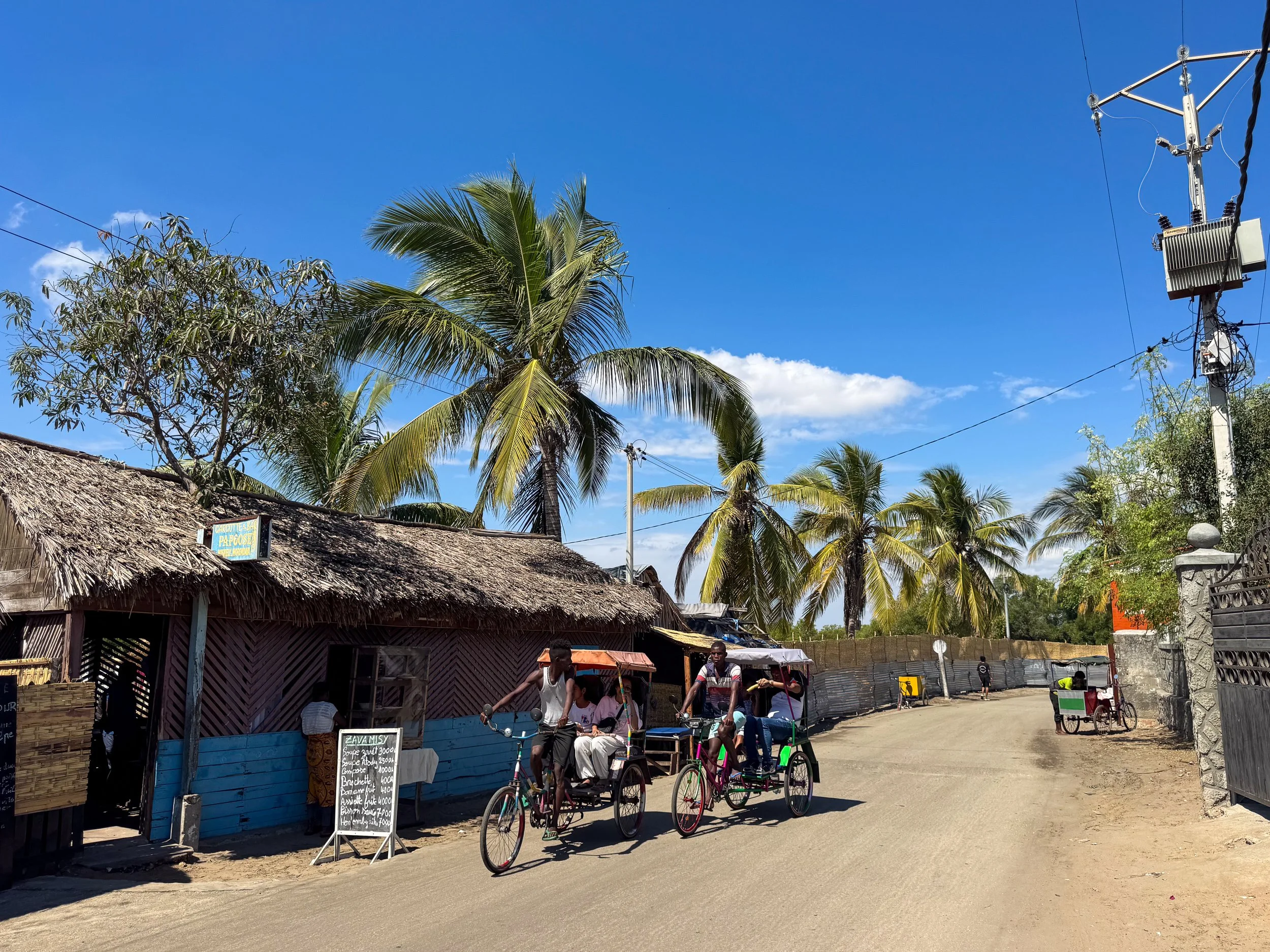
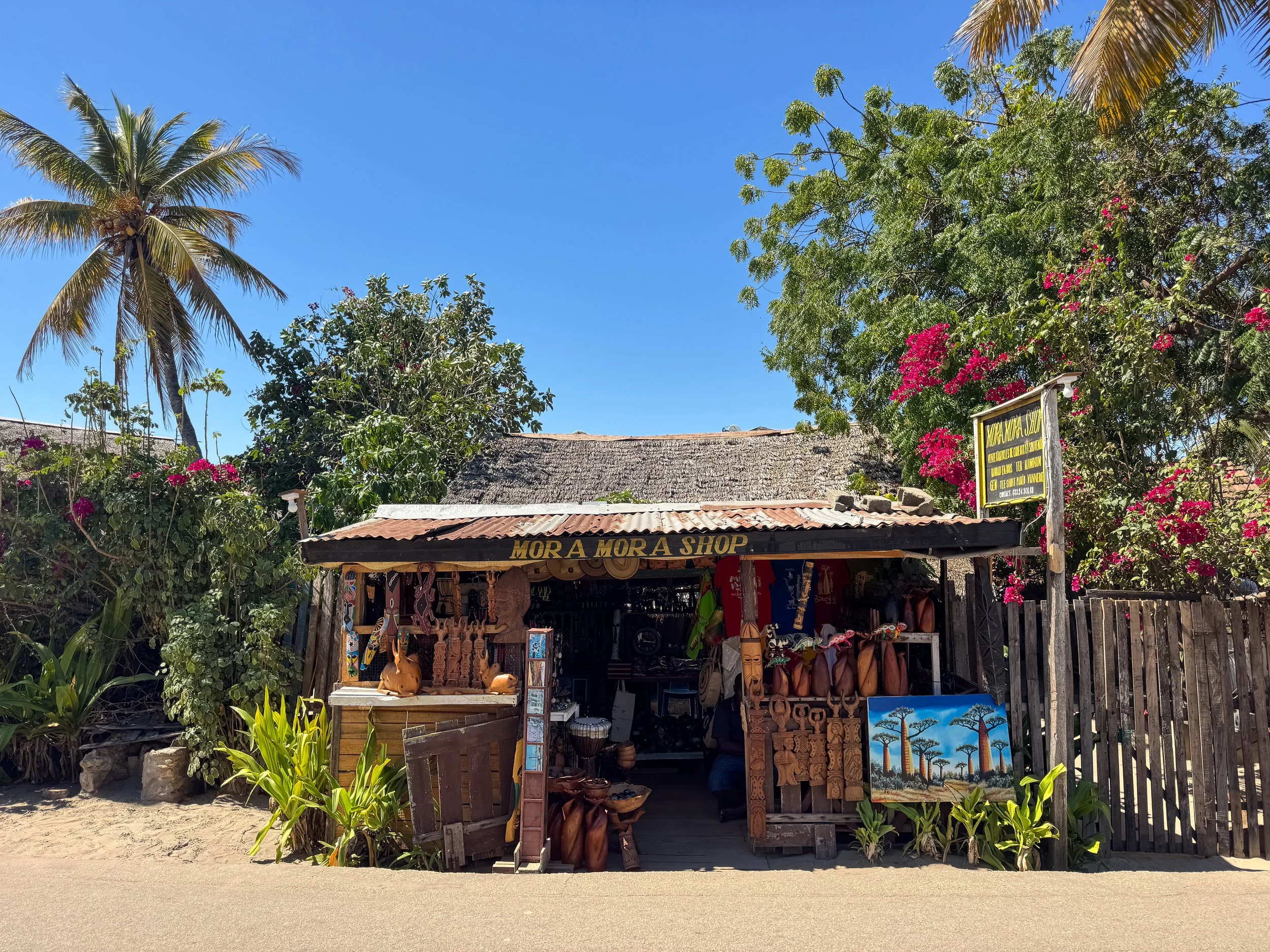
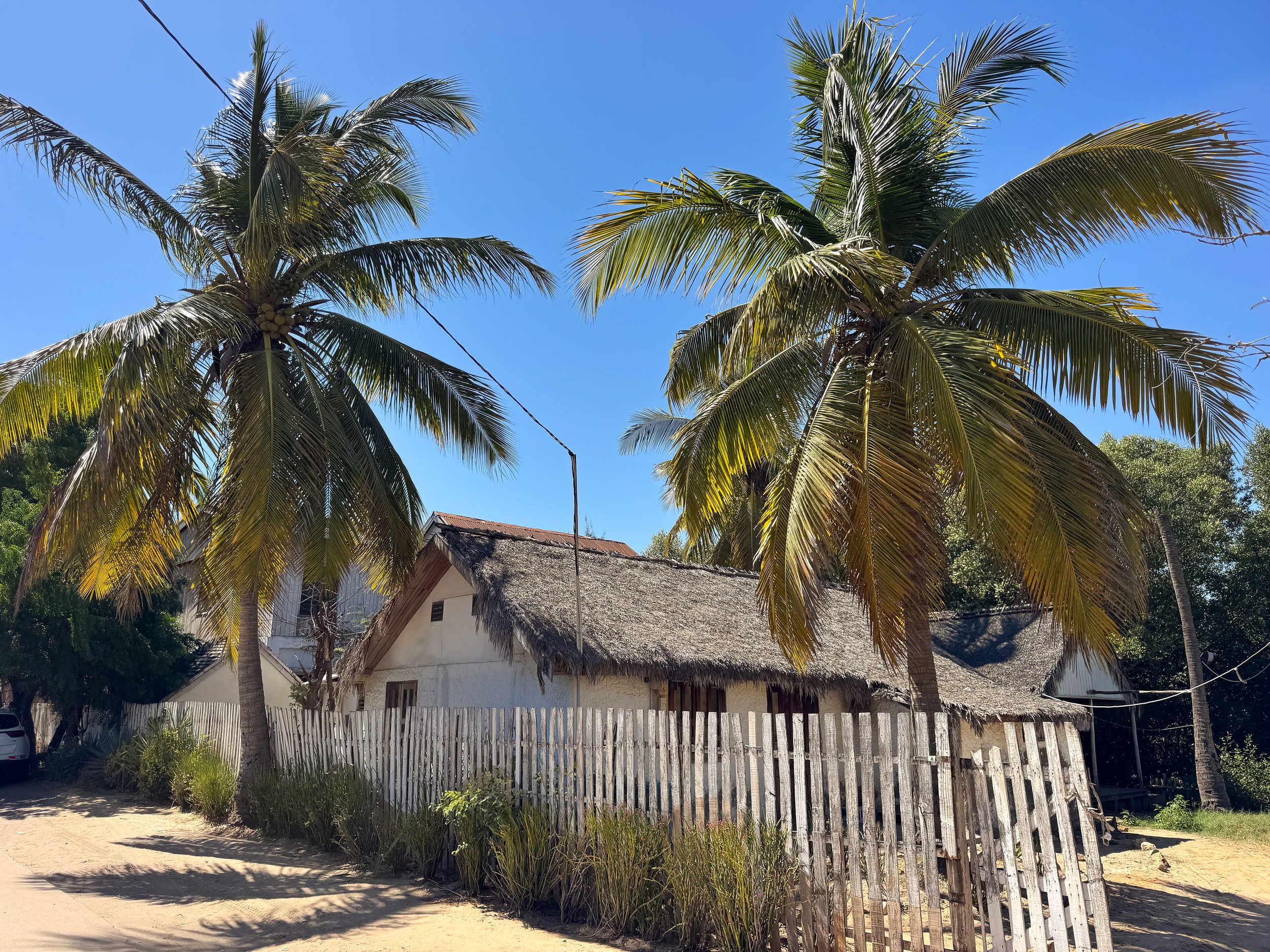
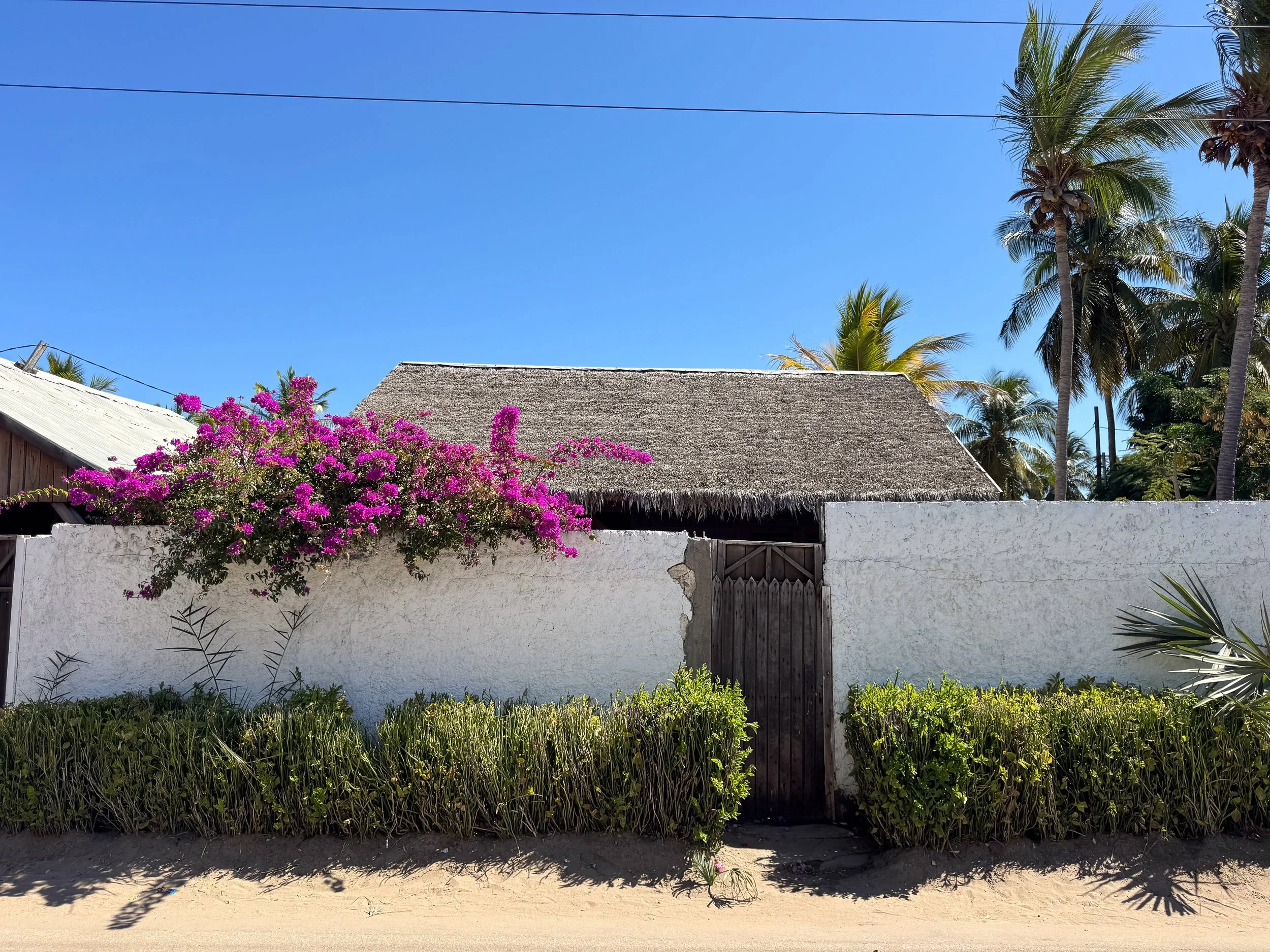
Nosy Kely. A seaside neighborhood in Morondava located between the town’s beach and mangrove forest. It has a tropical and authentic Malagasy atmosphere, accommodating both residents and visitors. Palm trees sway above thatched wooden homes and locally operated hotels. Restaurants and roadside kiosks serve freshly caught seafood and Malagasy dishes.
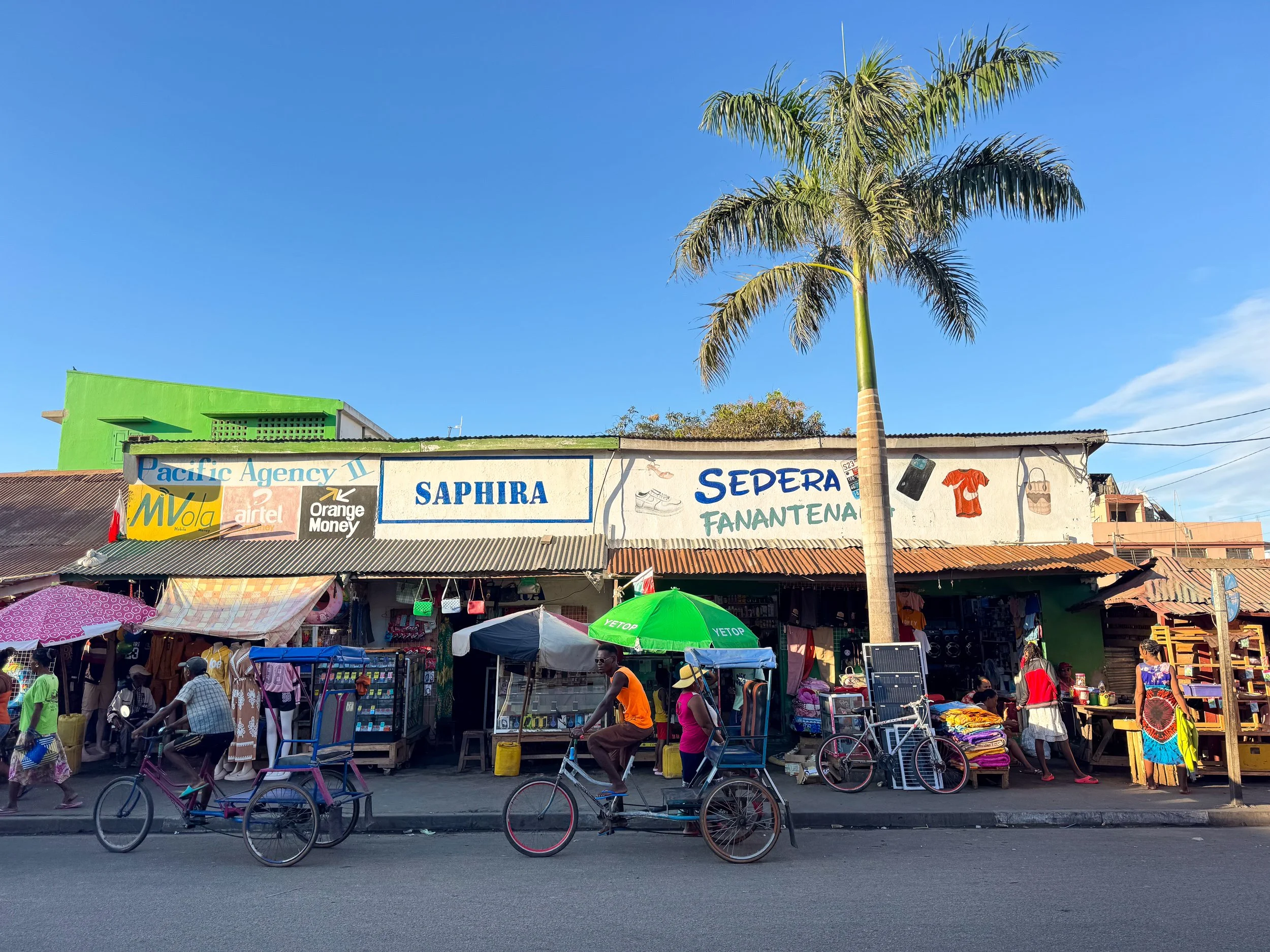
Route Nationale 35. Morondava’s main road and the start of one of the country’s central highways. It’s bustling with people, rickshaws and tuk tuks. Roadside shops sell fresh produce, live ducks, French baguettes and miscellaneous items ranging from clothes to solar panels. It’s a convenient location for travel necessities. There are several banks with ATMs, grocery stores and pharmacies.
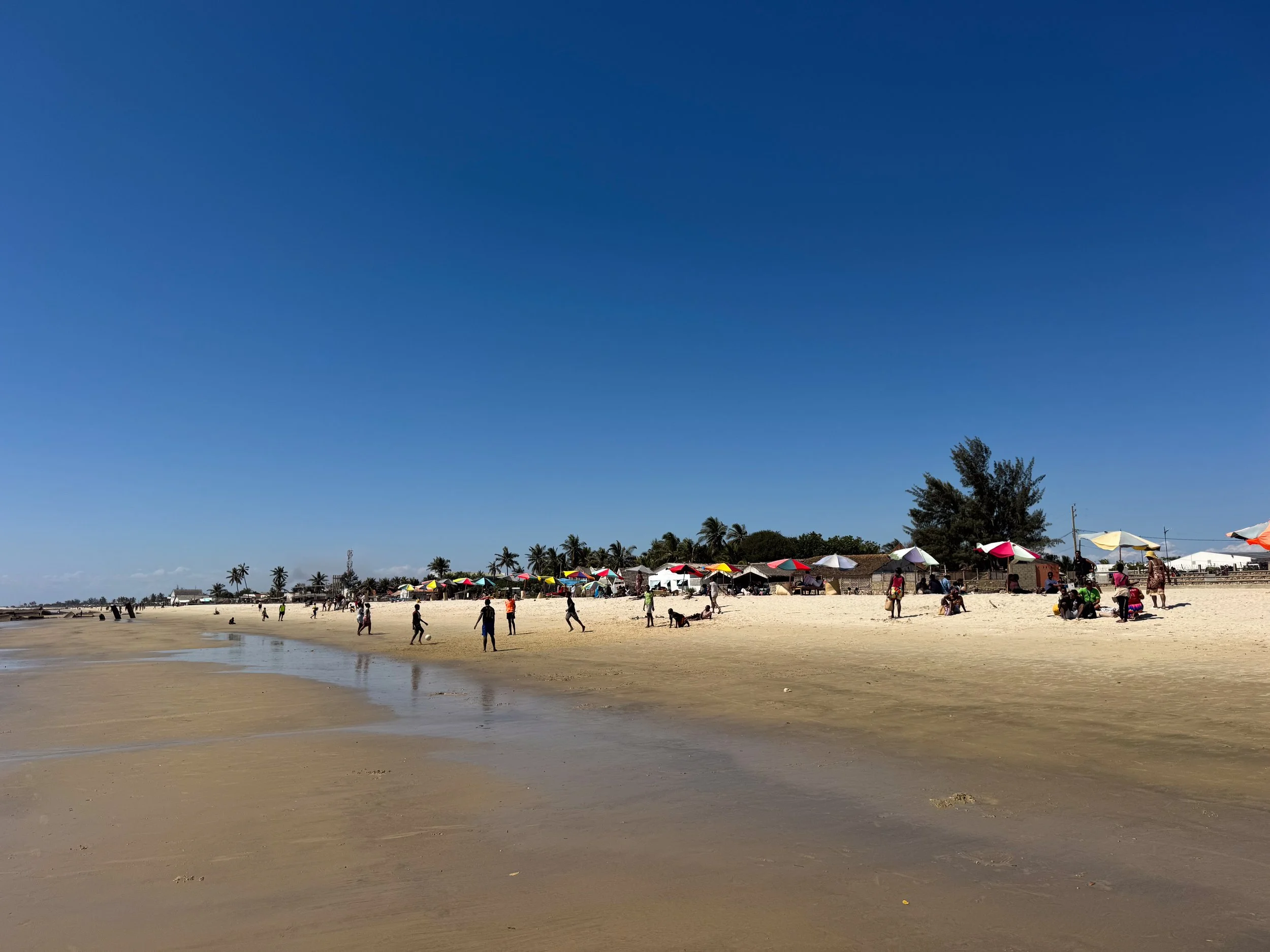
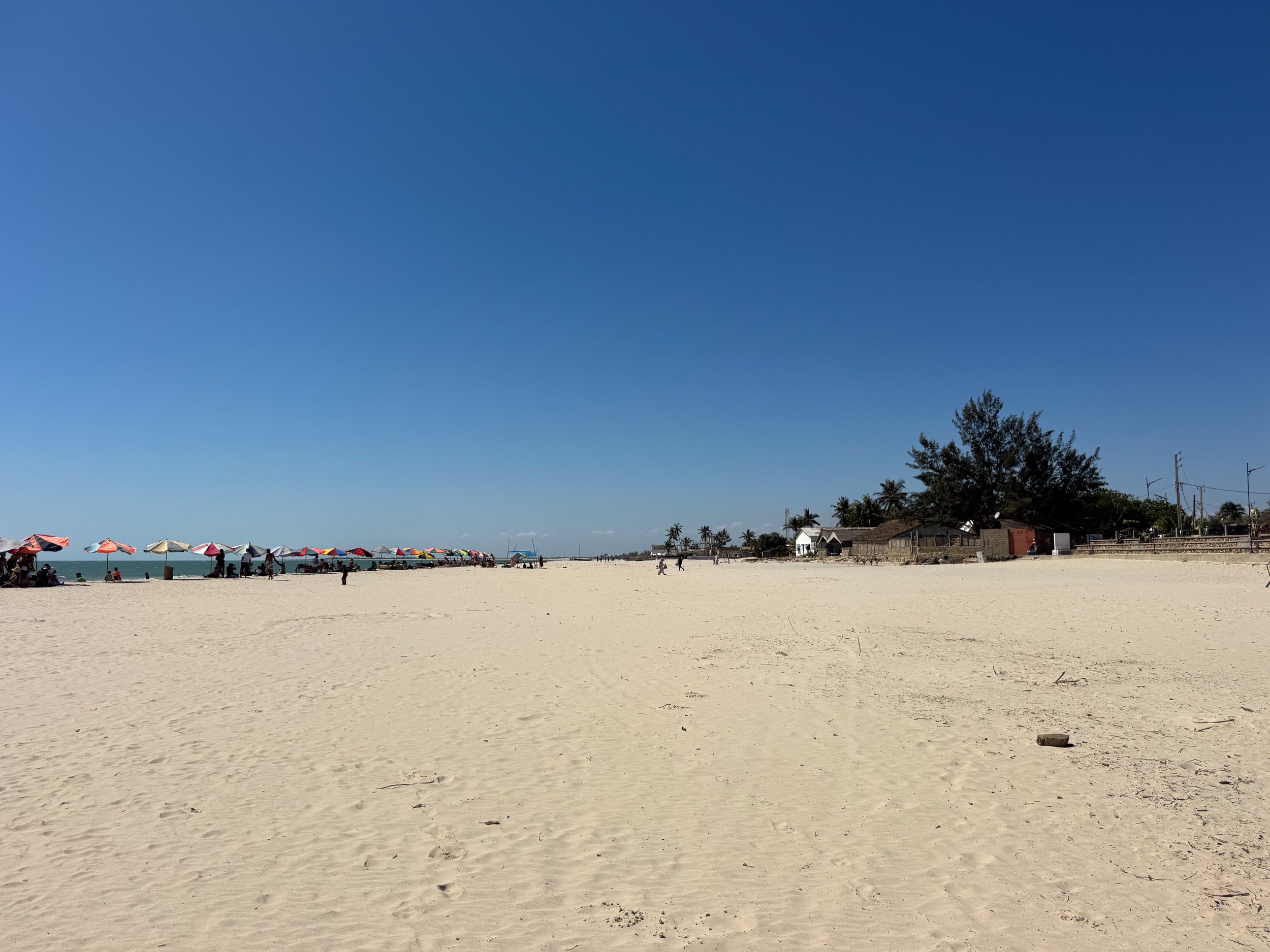
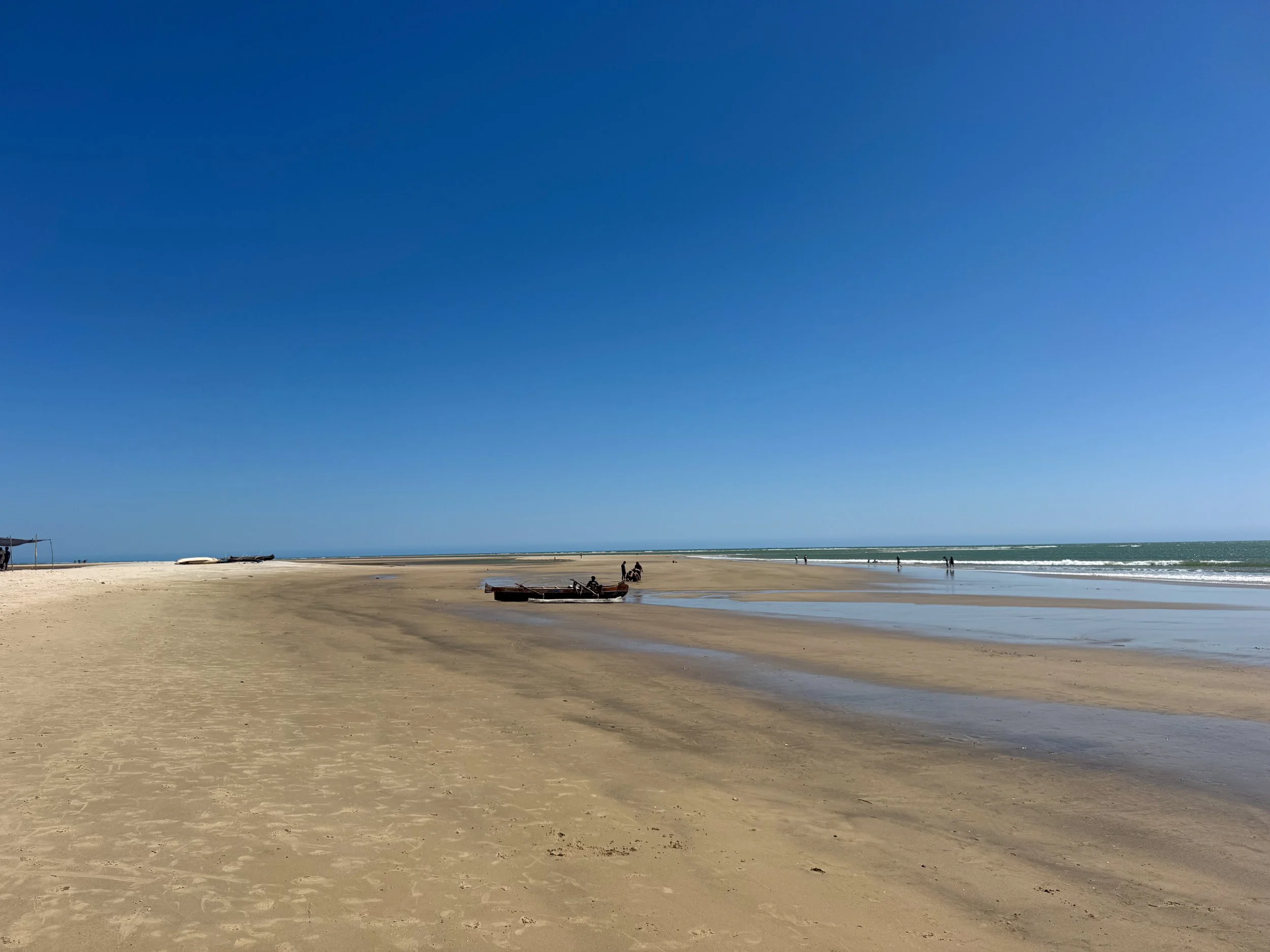
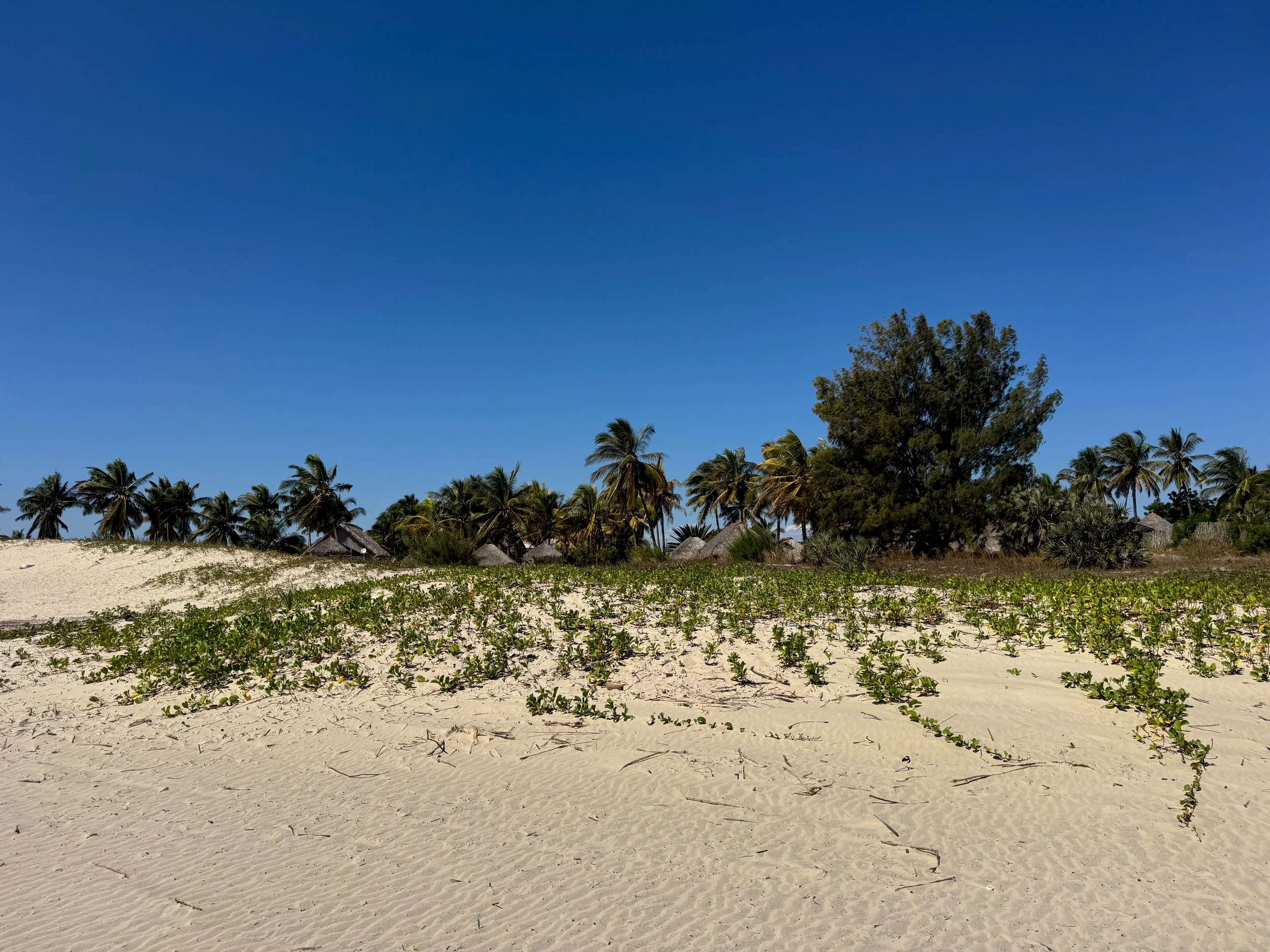
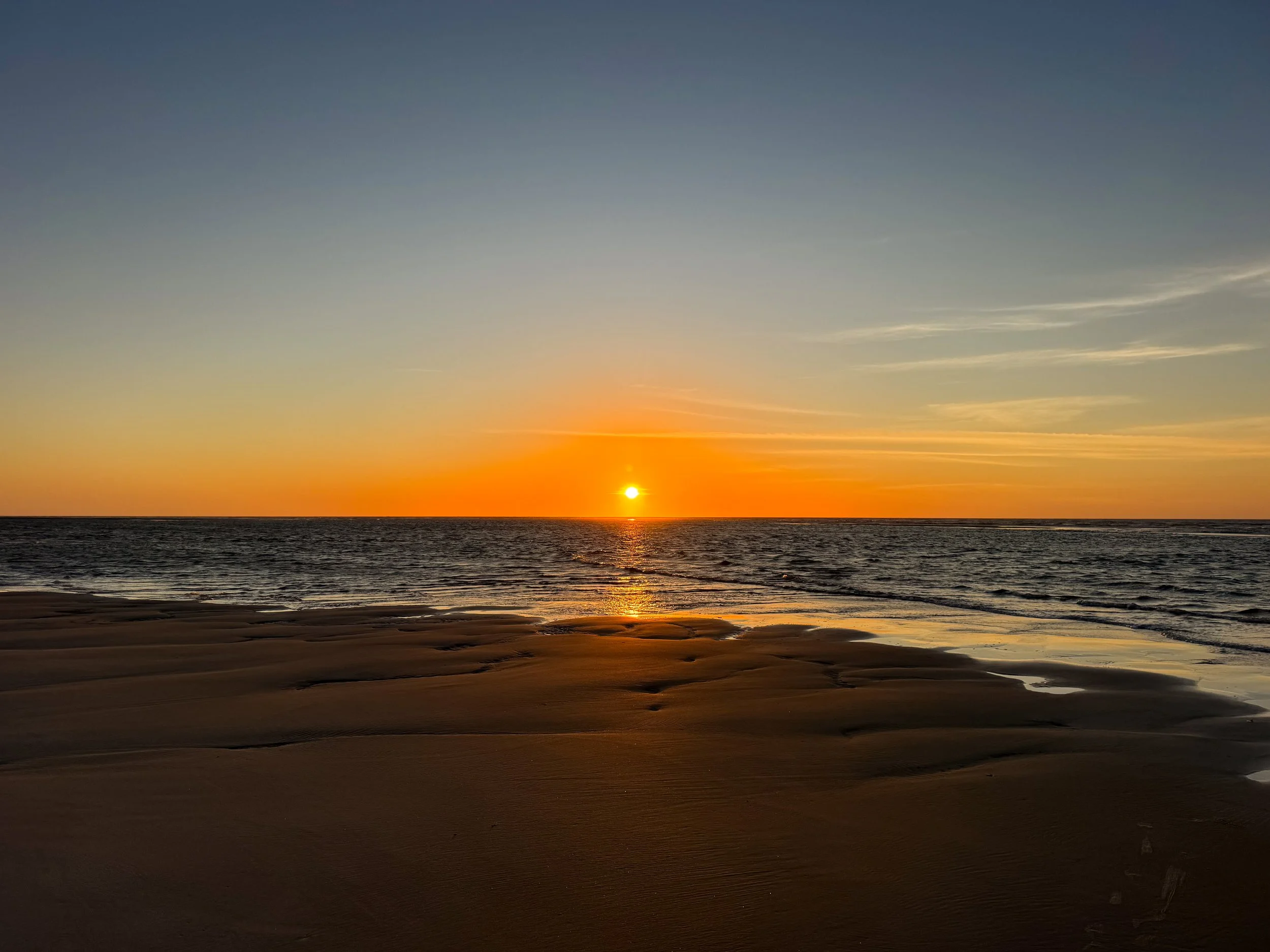
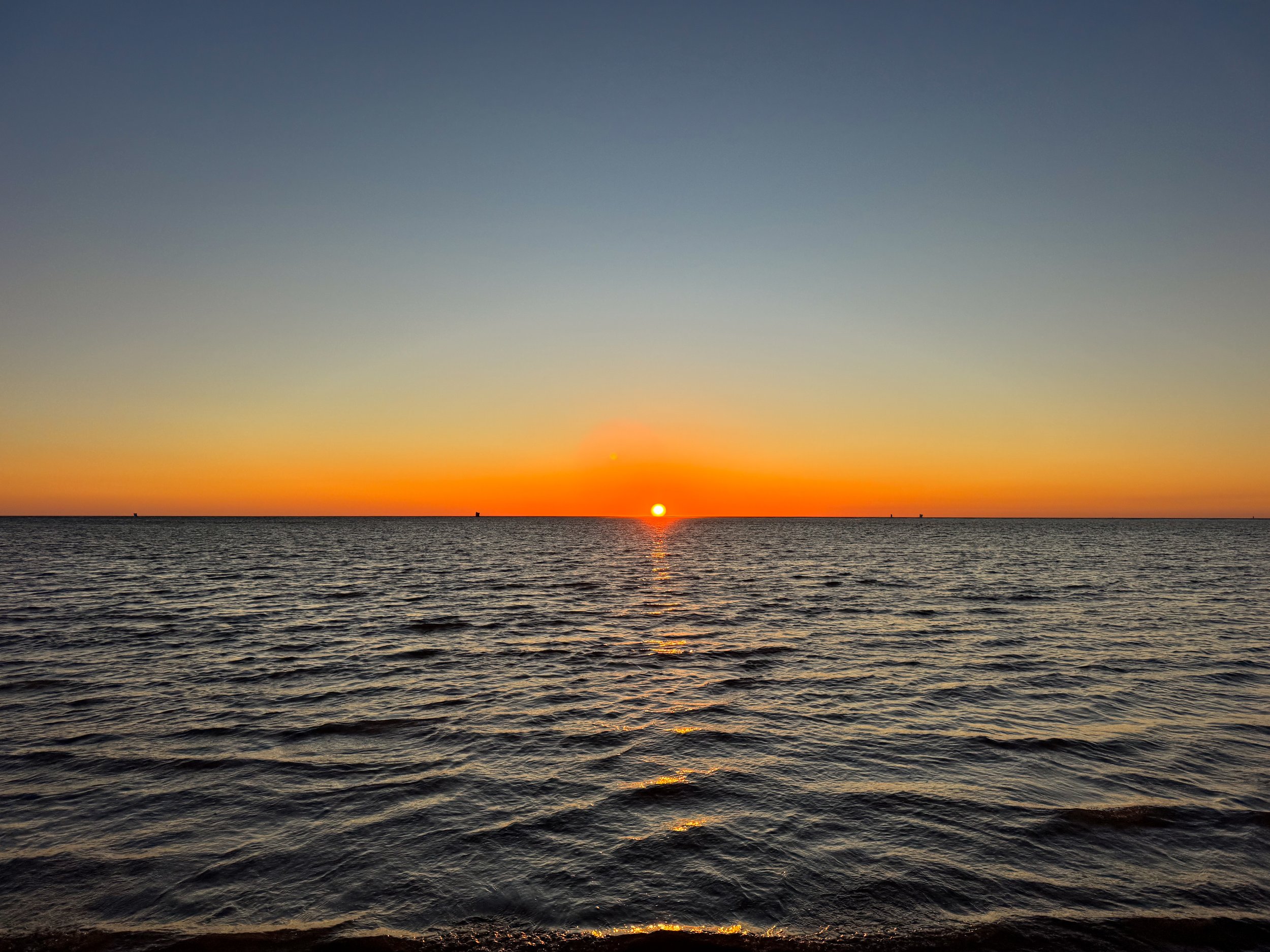
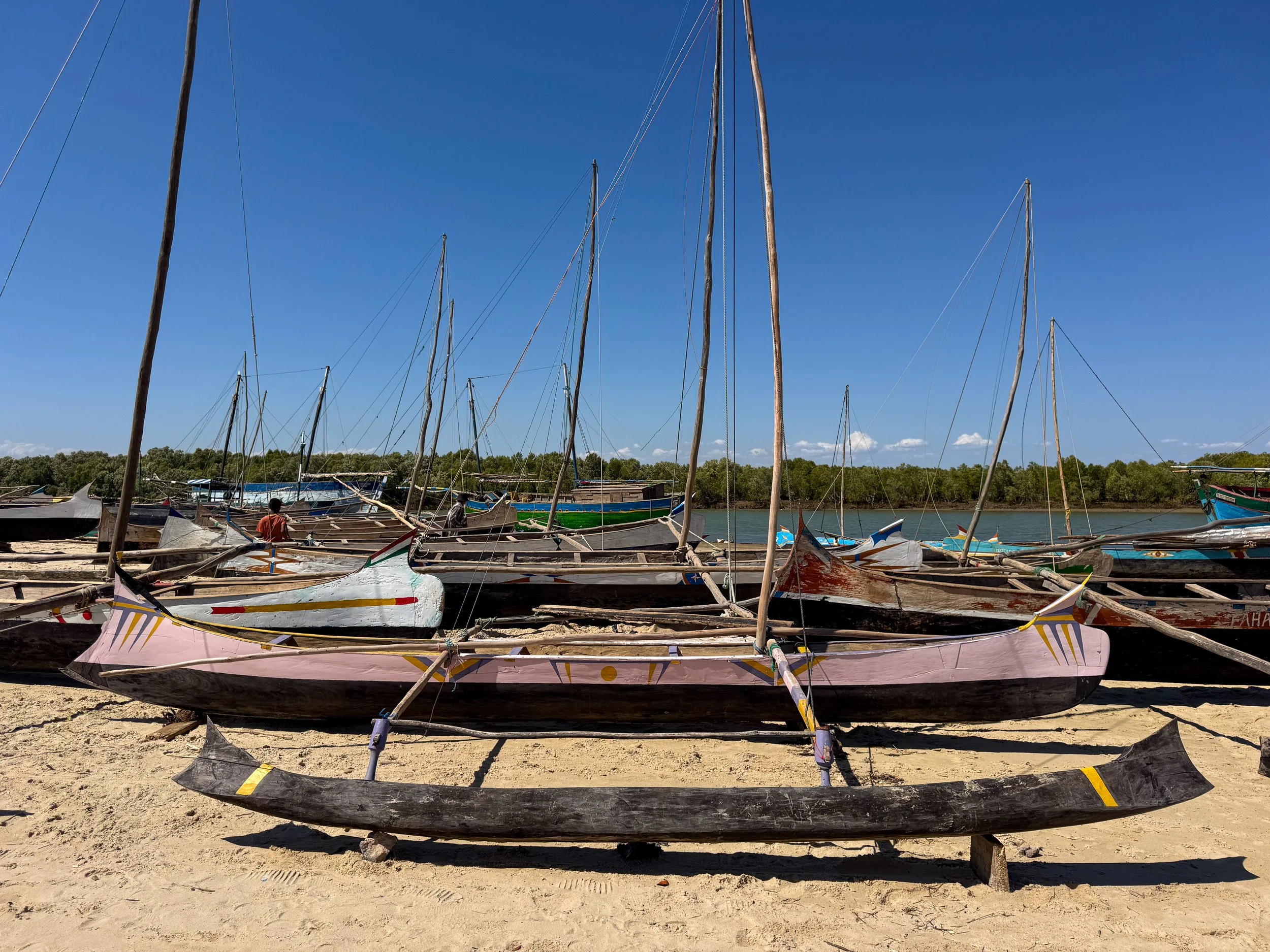
Morondava Beach. A vast sandy beach spanning Morondava’s shoreline. Locals and travelers come here to swim, picnic and sunbathe. Fisherman catch live seafood. Large sailing ships ferry goods along Madagascar’s western coast. Nightly sunsets bathe the shoreline in golden hues. We were even lucky enough to see the green flash!
Outrigger Canoeing
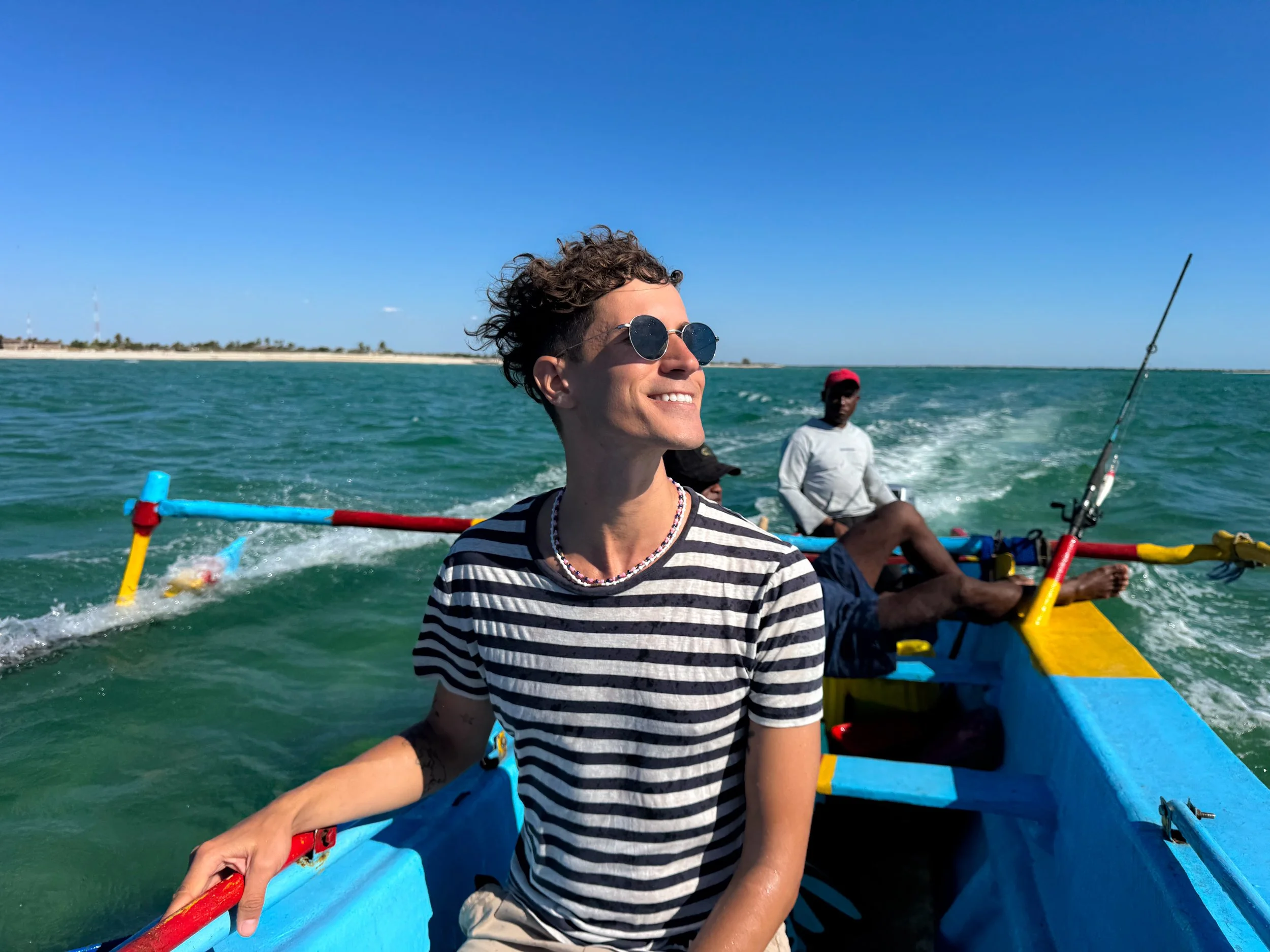
Outrigger canoes are one of the main methods of transportation along Morondava’s coast. We joined a pair of fishermen at sea on two days of our trip. We accompanied them while fishing, went whale watching, visited a remote desert island and explored the ship building village of Belo sur Mer. Book with Eto Morondava.
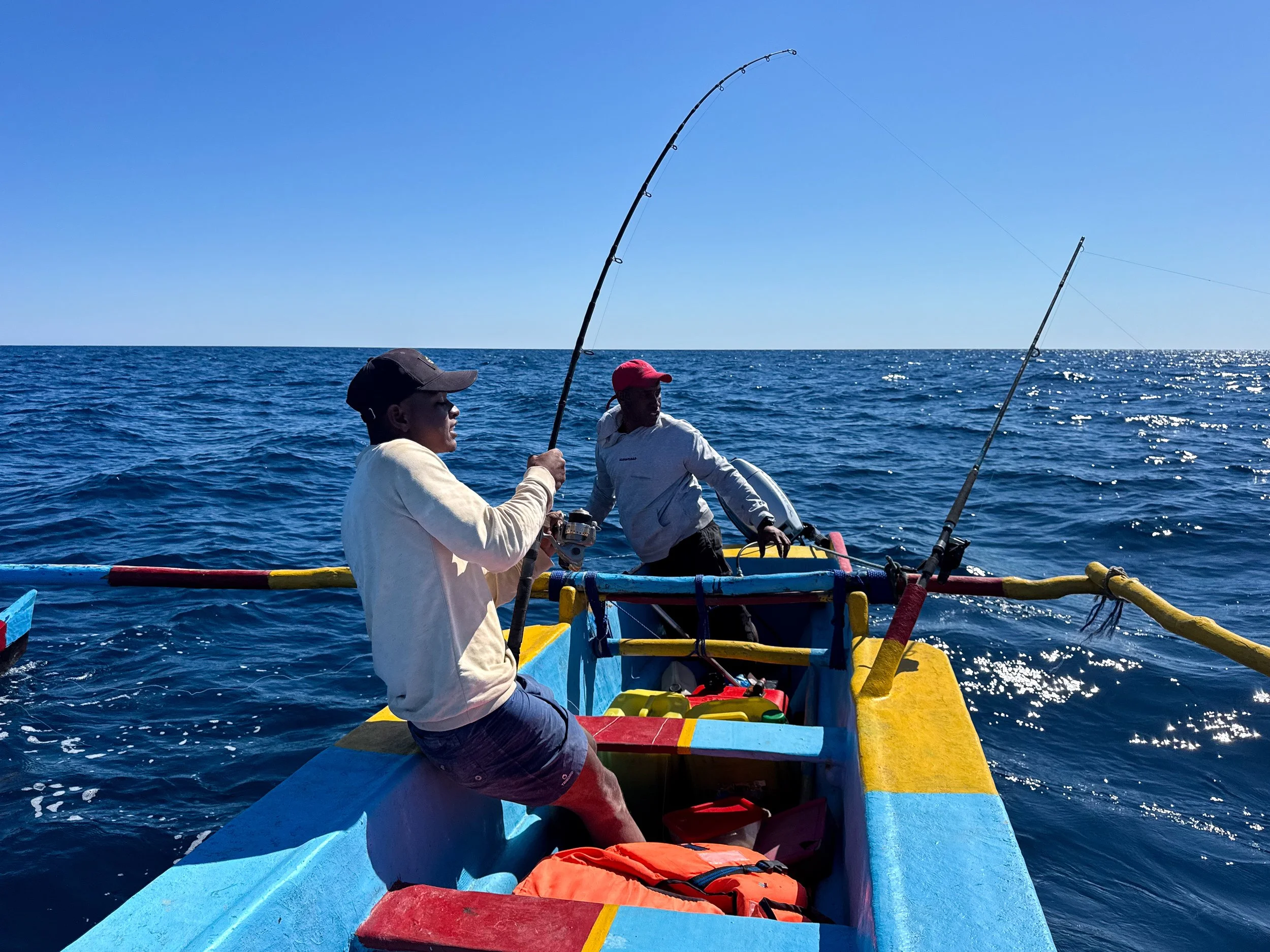
Deep Water Fishing. Fishing makes up a large part of the local economy in Morondava. Colorful outrigger canoes and wooden ships line the shores and mangrove channels. We joined two fishermen on their outrigger for a morning voyage deep into the Mozambique Channel. Far off shore, the coastline of Madagascar was no longer visible. The vast blue of the ocean spanned across the horizon in all directions. The fishermen dragged two lines behind the boat, hoping to hook a barracuda, shark or tuna. After hours battling strong winds and fighting fish, they hooked and pulled an amberjack from the sea.
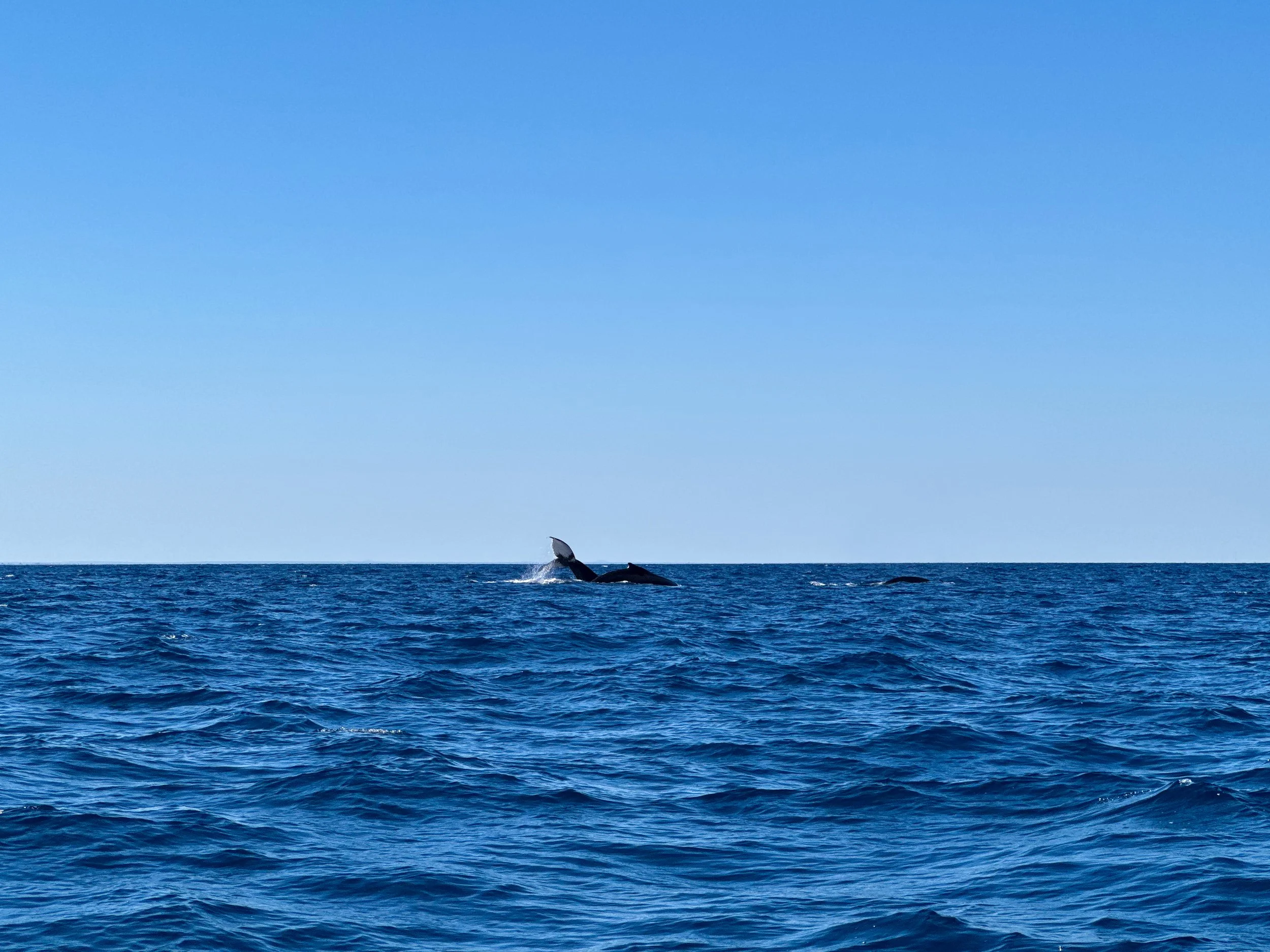
Whale Watching. Humpback Whales migrate along the coast of Madagascar in the Mozambique Channel separating the island nation from mainland Africa. Jets of mist appeared on the horizon as a pod of humpback whales migrated through the waters. The pod surfaced every few minutes, exposing their iconic hump backs and giant finned tails. Even from a distance, their grand size dwarfed our captain’s outrigger canoe. Before disappearing into the depths, one whale continually slapped its fins against the surface of the water, as if waving us goodbye. Peak migration happens between July and September.
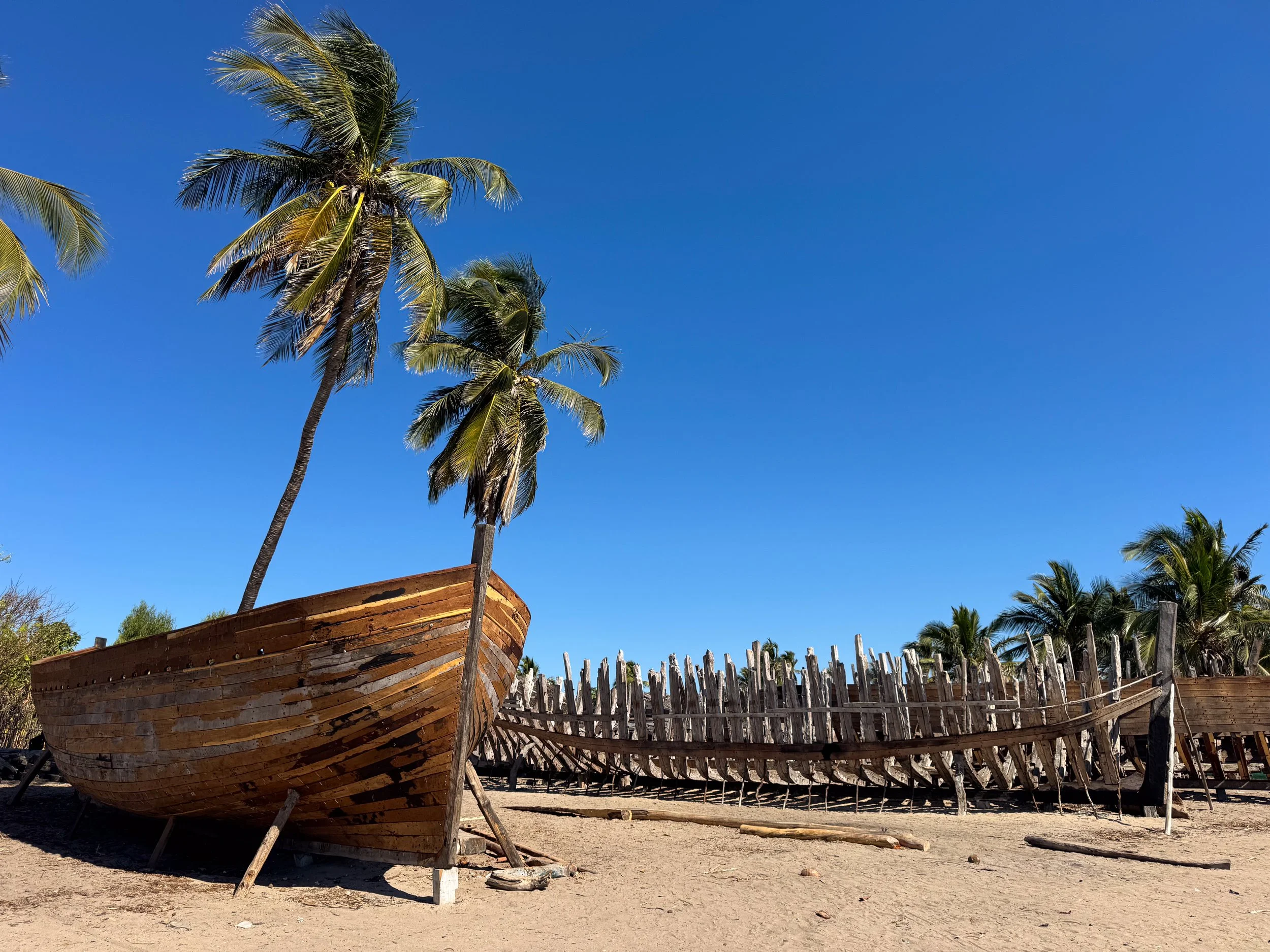
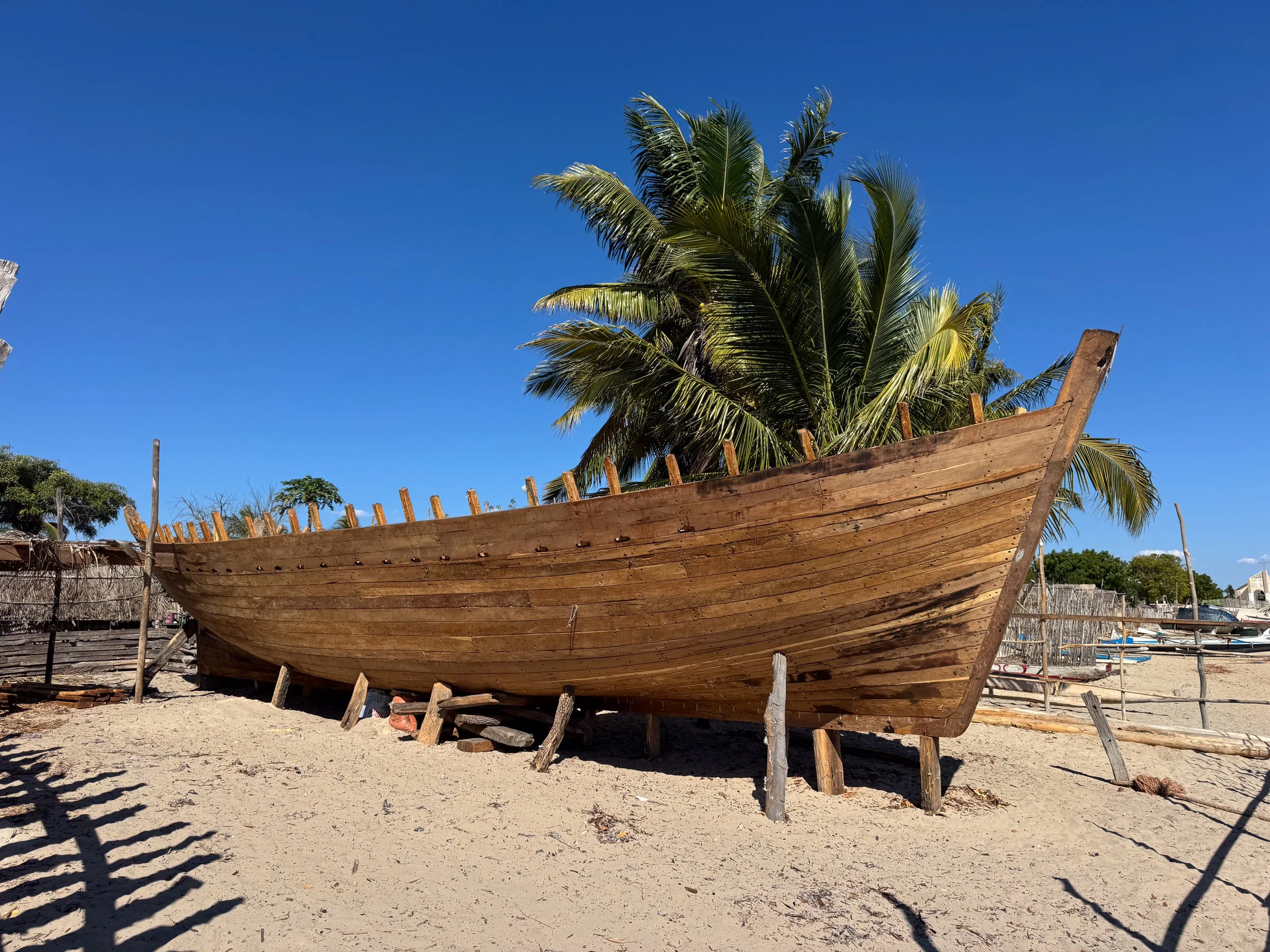
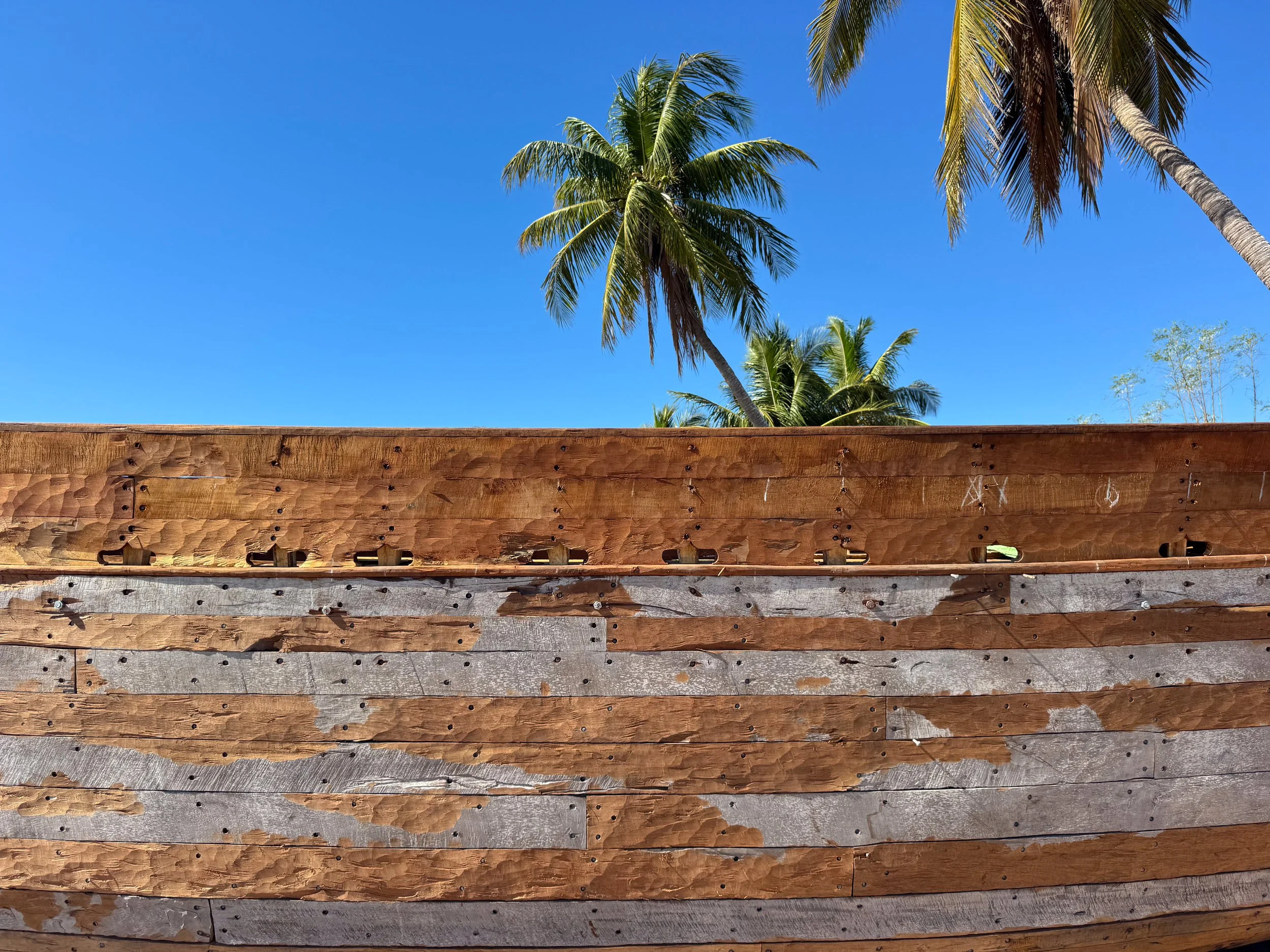
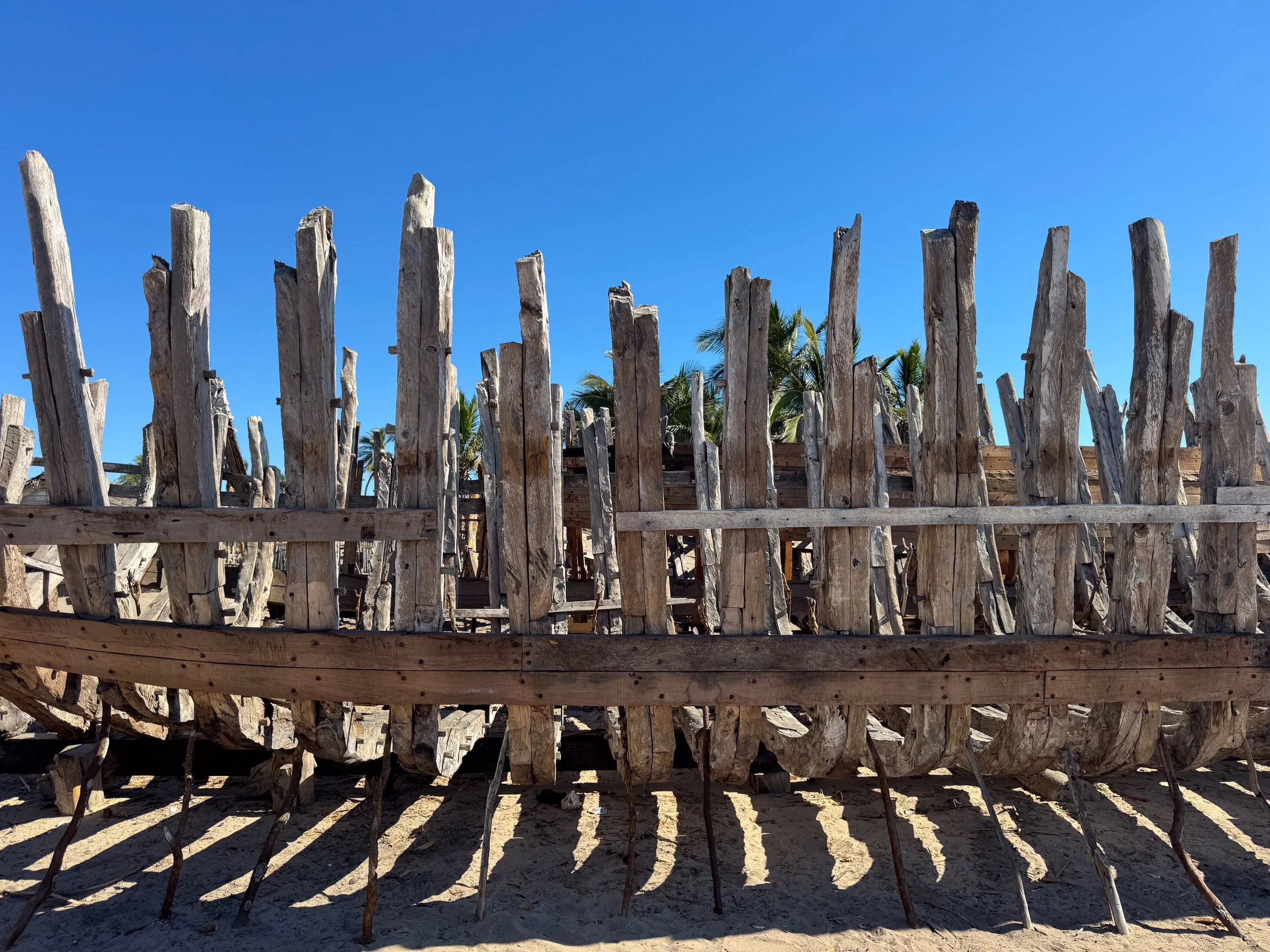
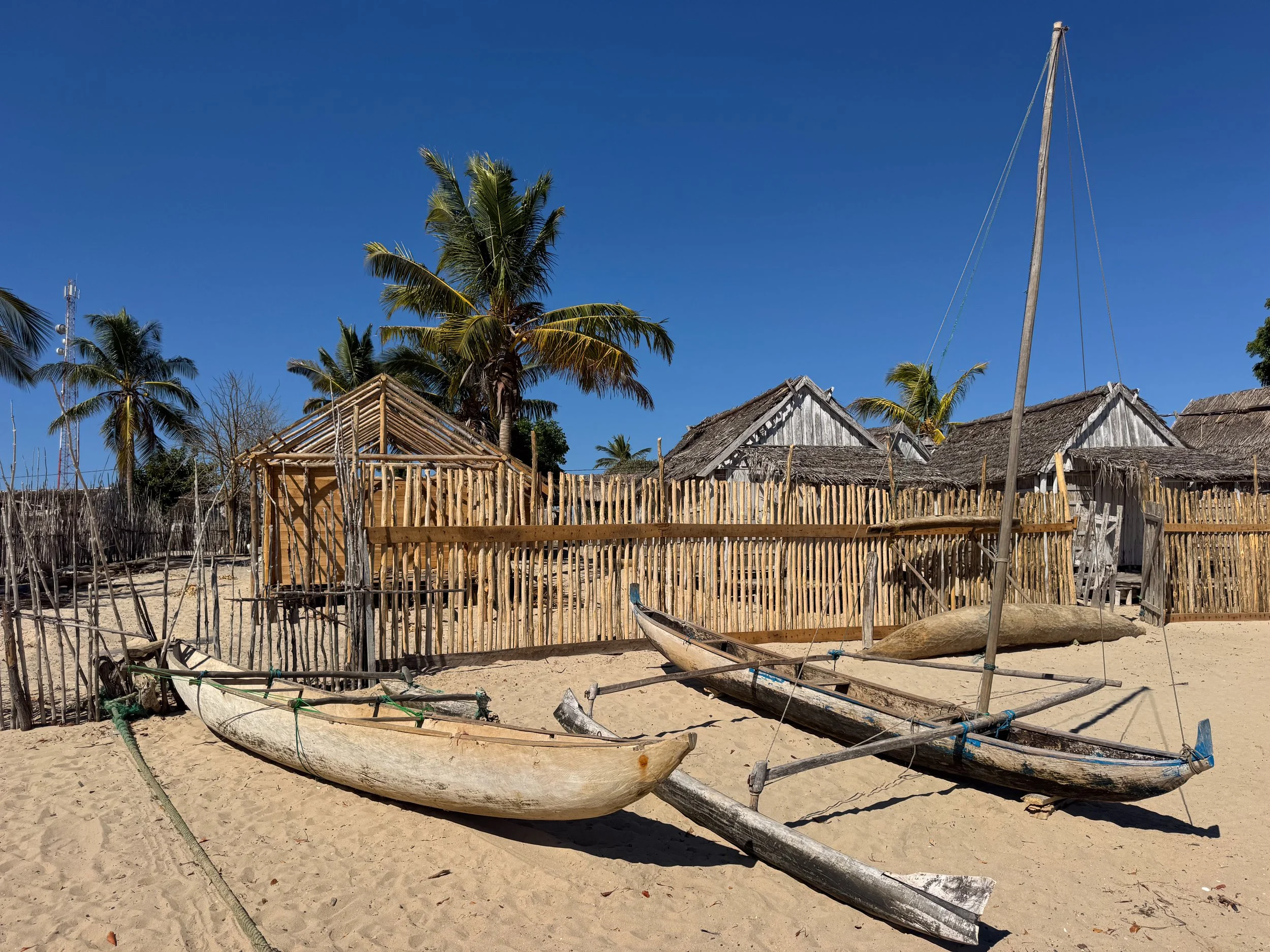
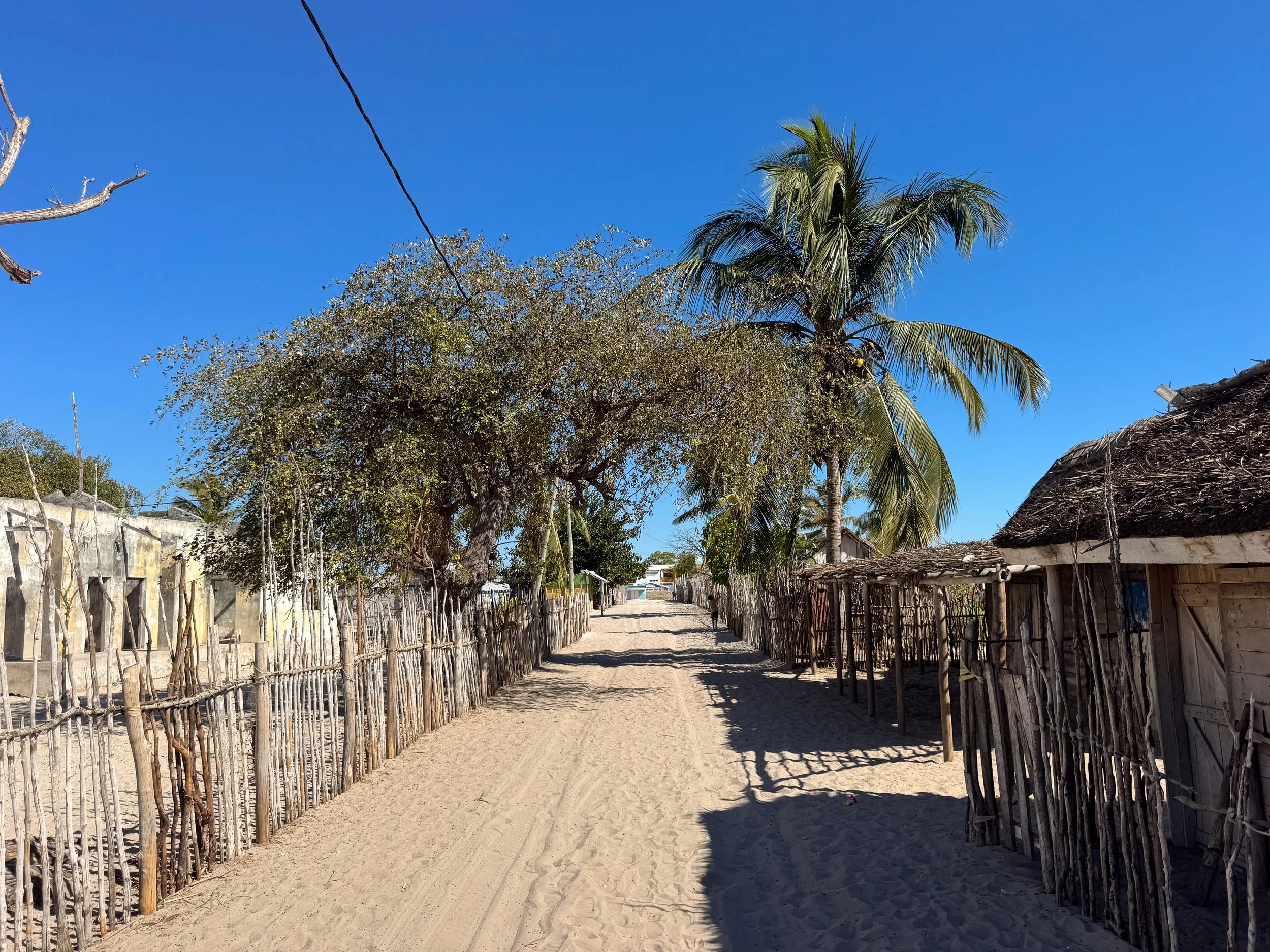
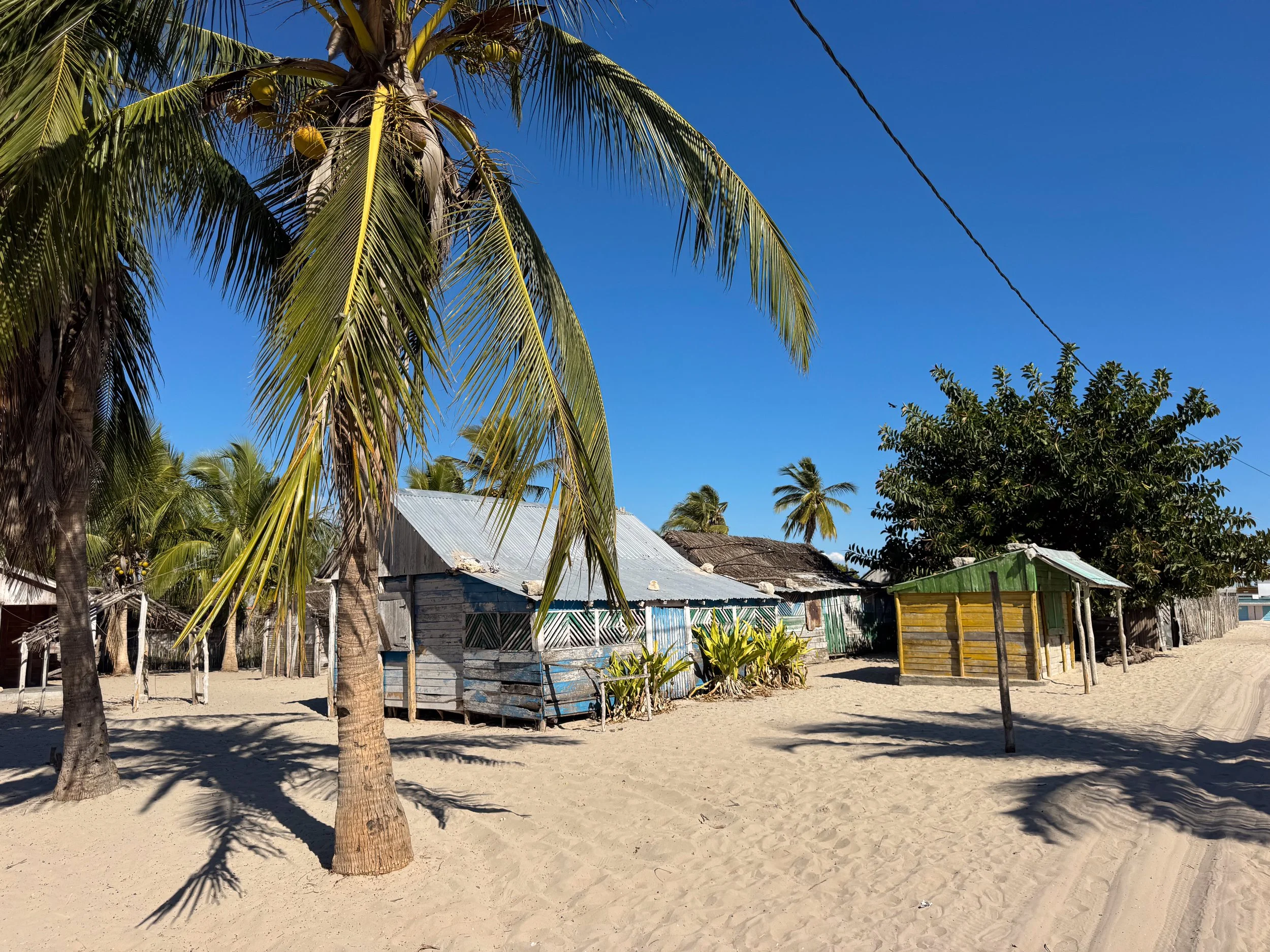
Belo sur Mer Village. Belo sur Mer is a remote coastal village renowned for its hand built wooden ships. The village’s beach is lined with dozens of ship yards, colorfully painted vessels, dugout canoes and outrigger boats. Many of the traditional ships range in level of progress. Skeleton frames and partially planked sides stand onshore. Men chisel wooden pieces, hammer nails into boards and seal seams. Completed ships float offshore in the village’s natural harbor. Sandy streets and pathways meander further inland. Stickbuilt enclosures surround traditional houses made from wooden walls and thatched roofs. It’s a beautiful and remote destination with unique traditions.
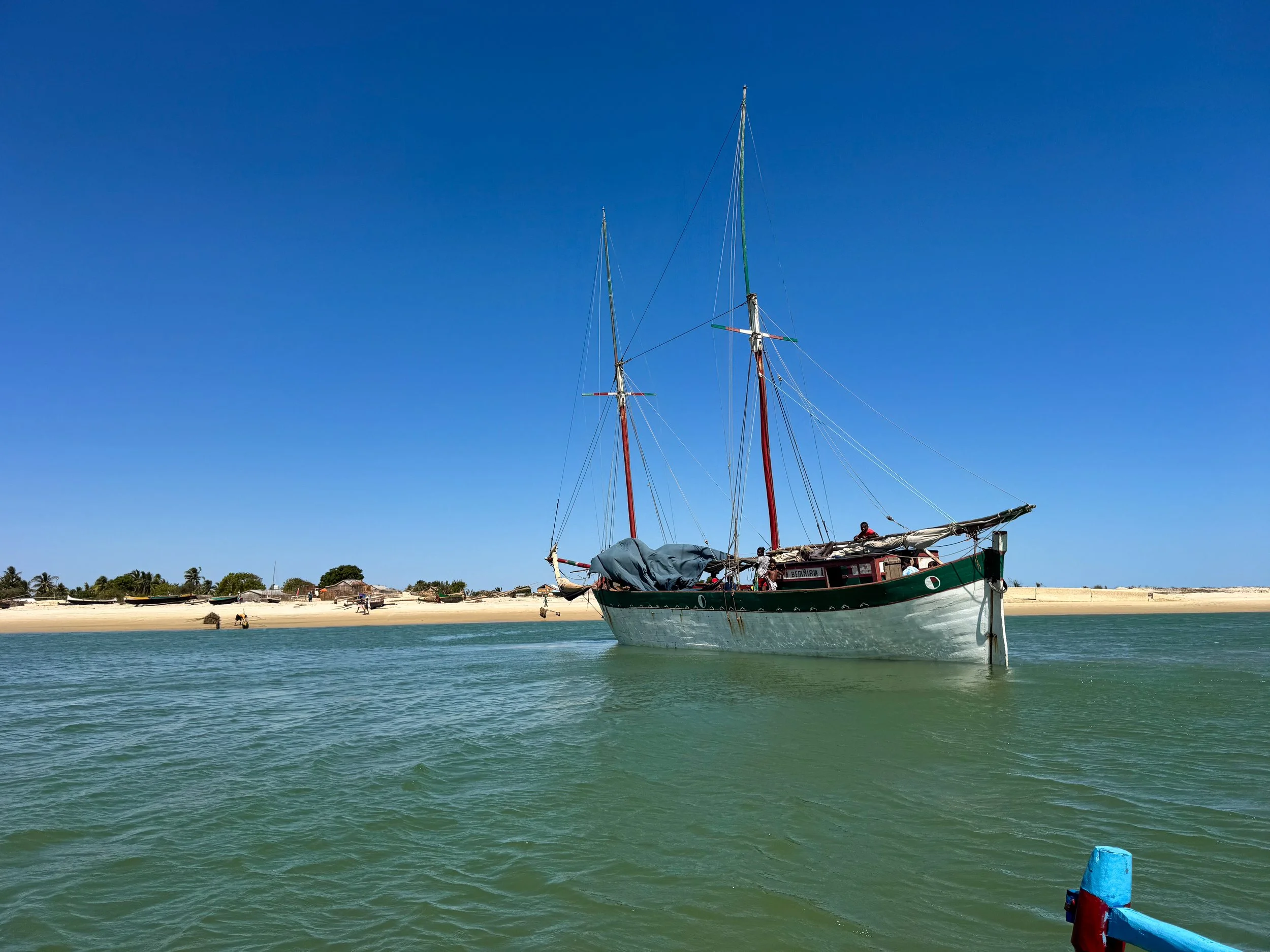
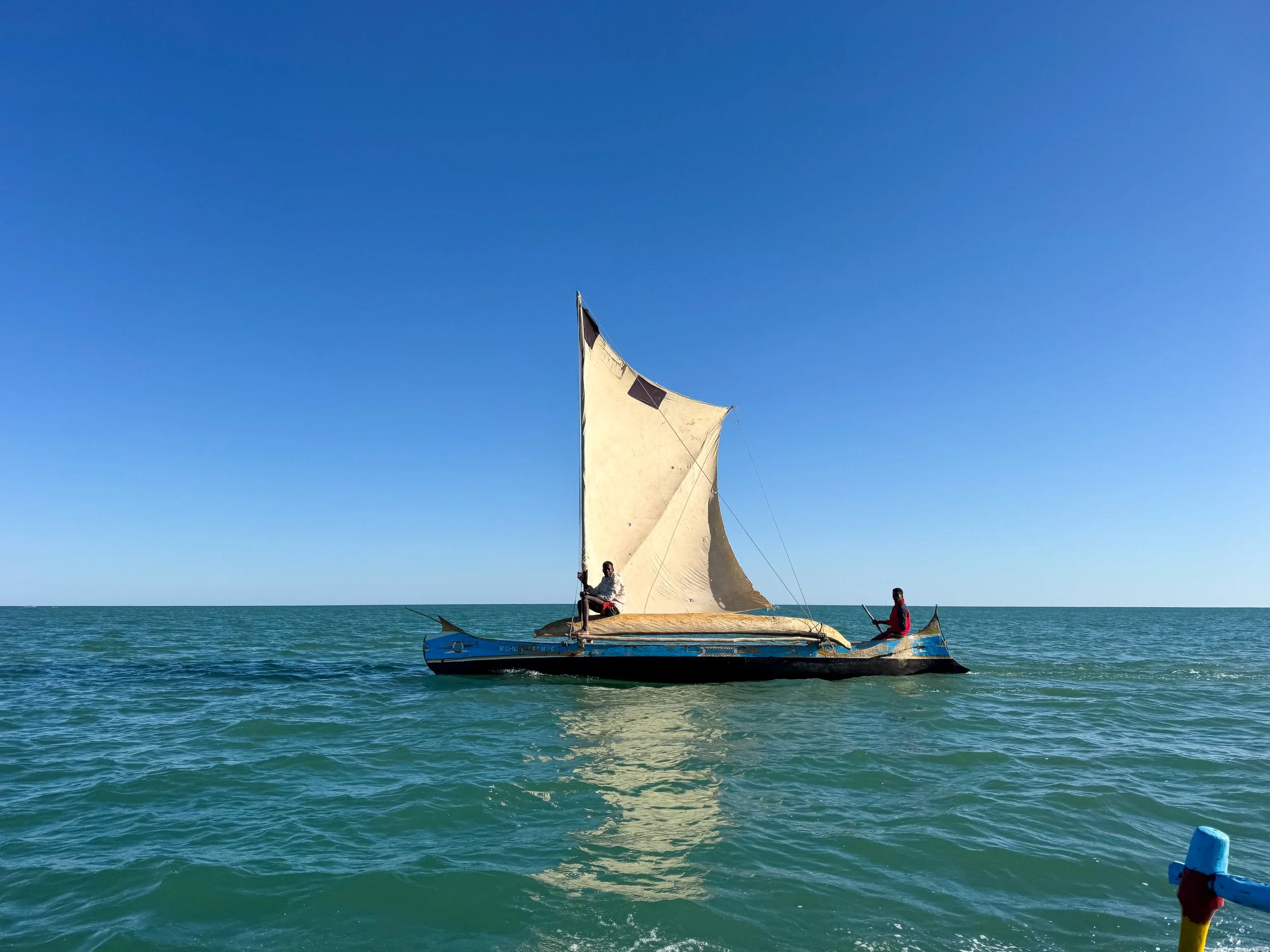
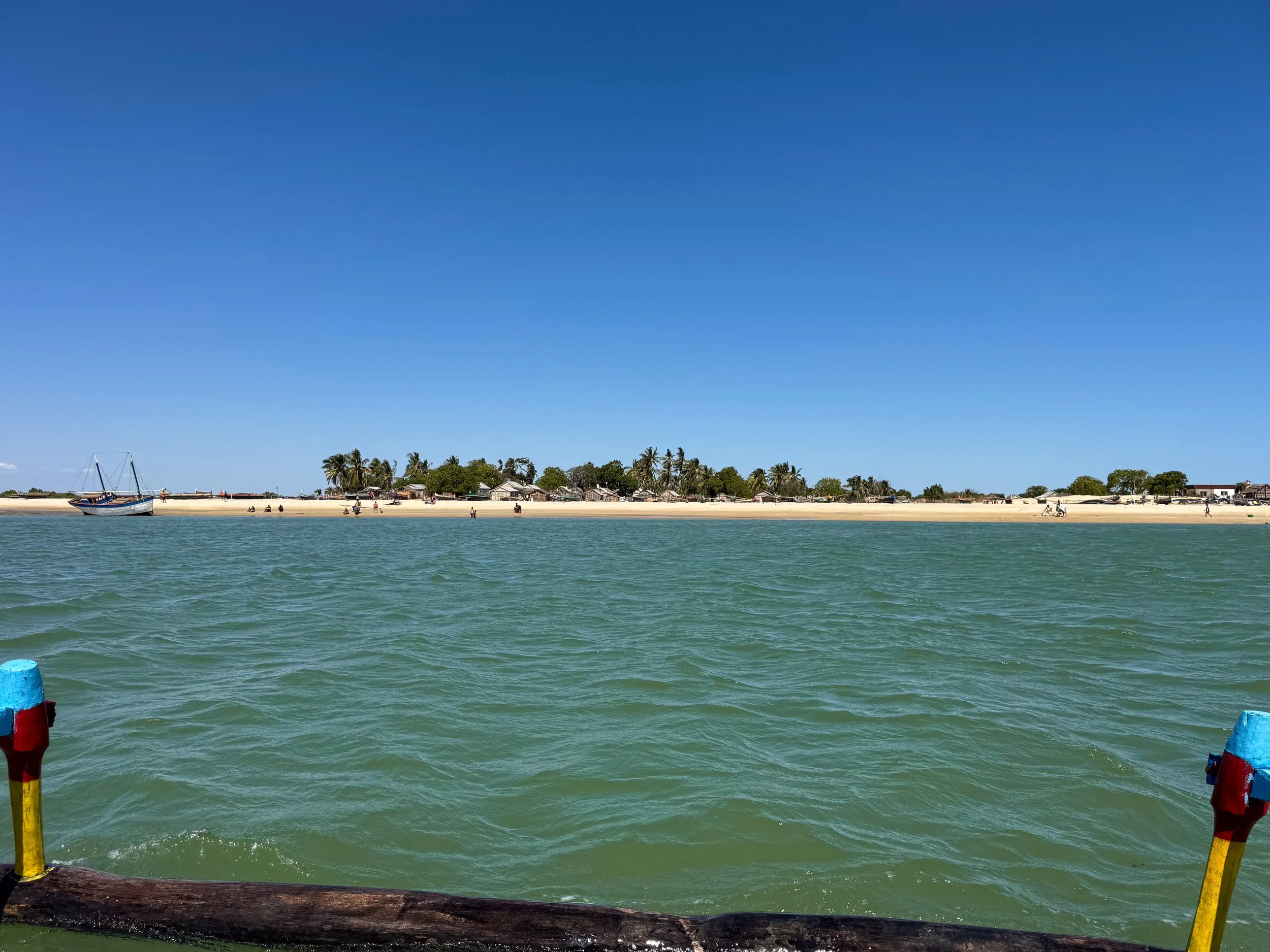
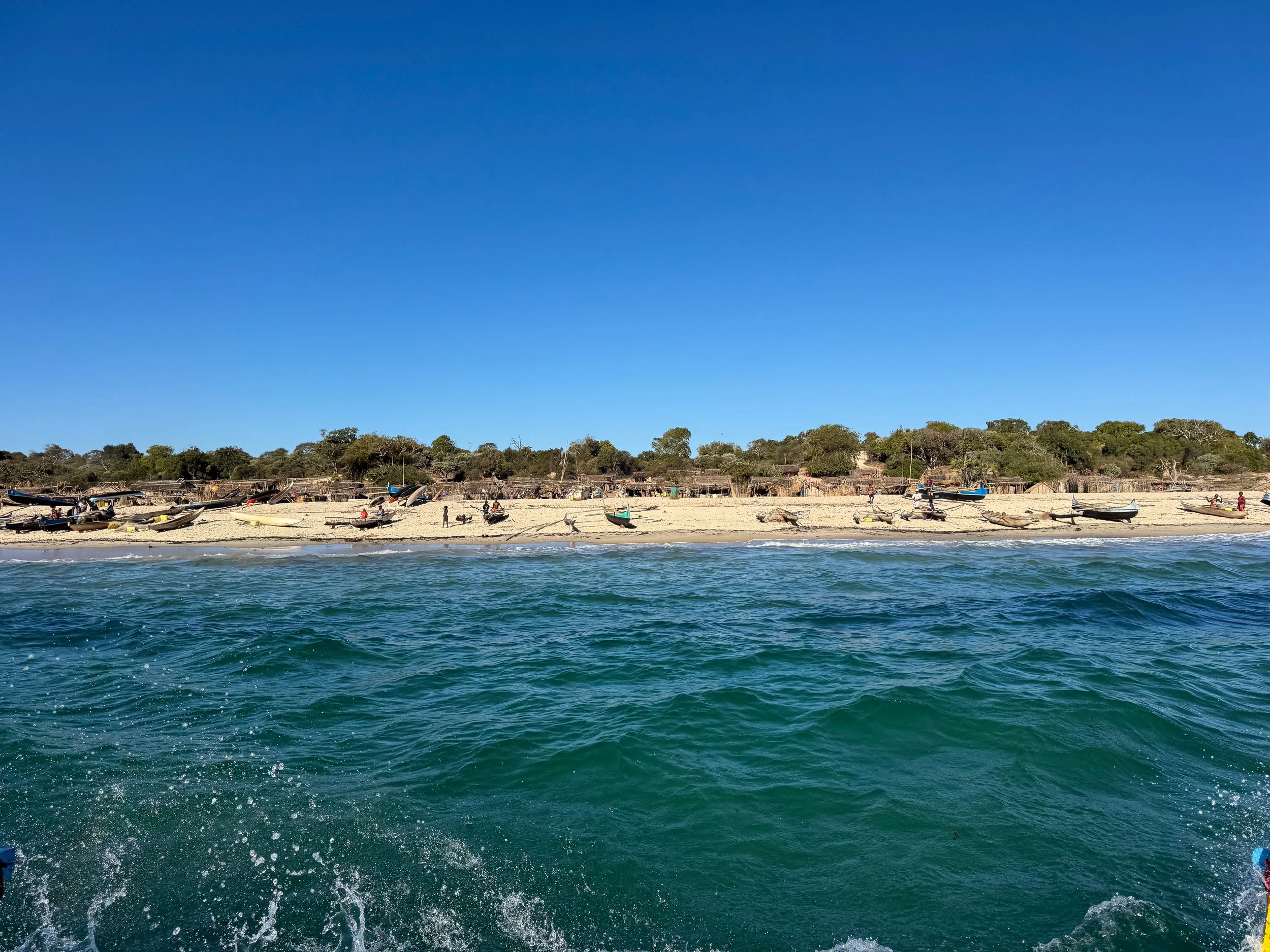
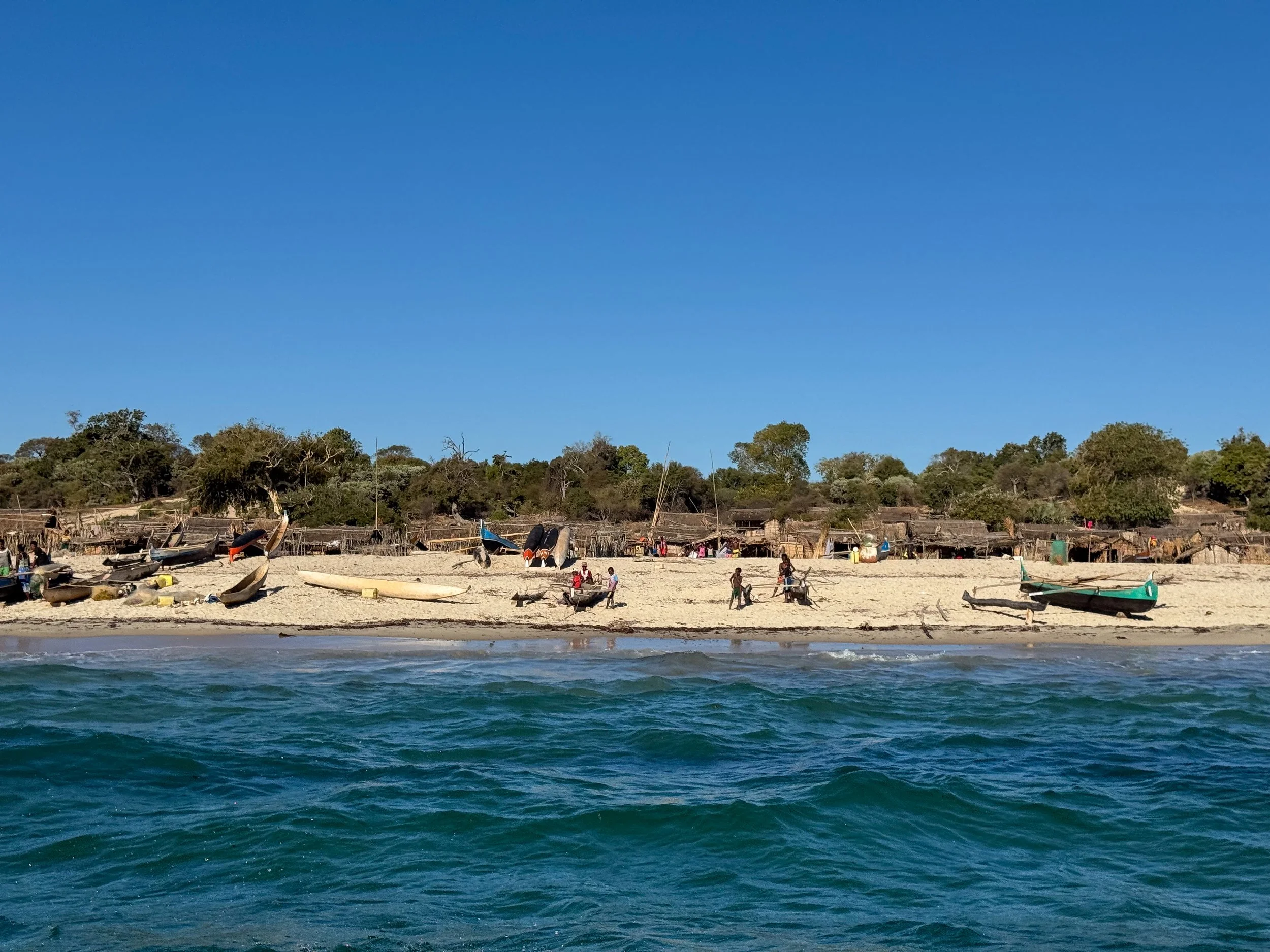
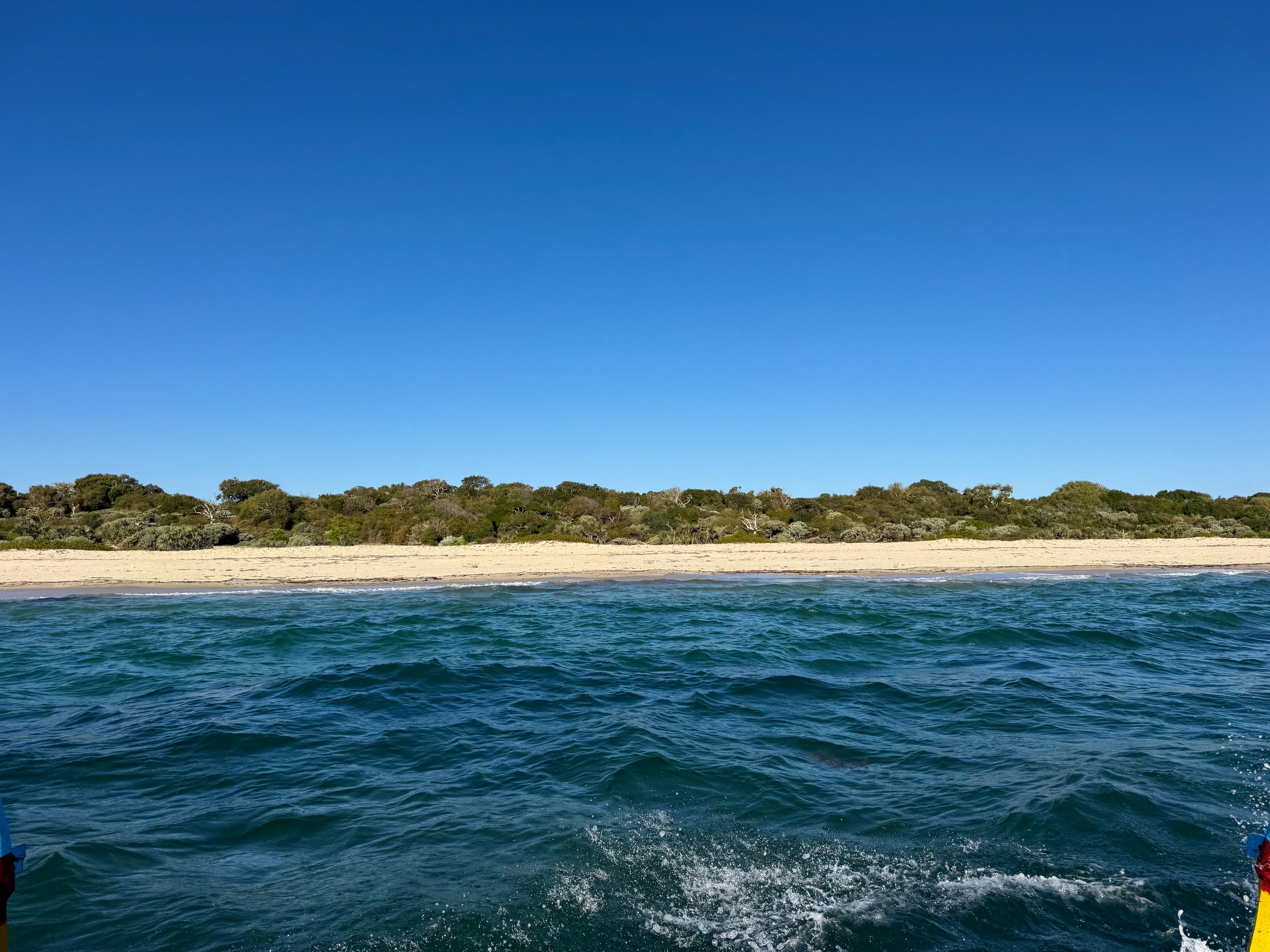
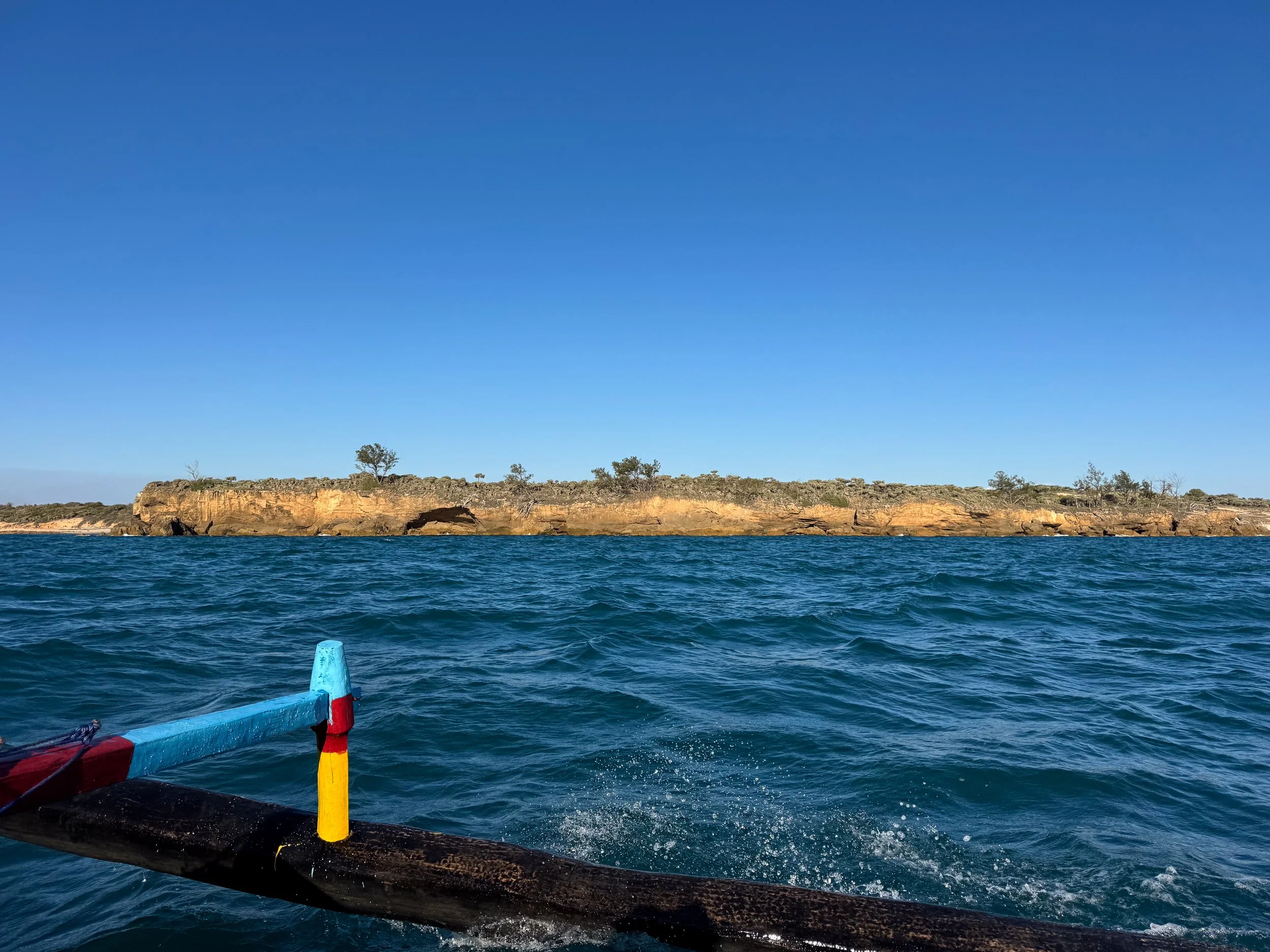
Belo sur Mer Voyage. Belo sur Mer is located 100km south of Morondava. The voyage between takes between 3-4 hours, offering scenic glimpses into the coastal landscape and remote villages. Untouched forests, white sand beaches, steep dunes and sheer rocks cliffs cover the coast. Small villages with thatched huts, beached dug out canoes and local people line pockets of the shoreline. Fishing vessels with rectangular sails billow across the sea like sheets in the wind.
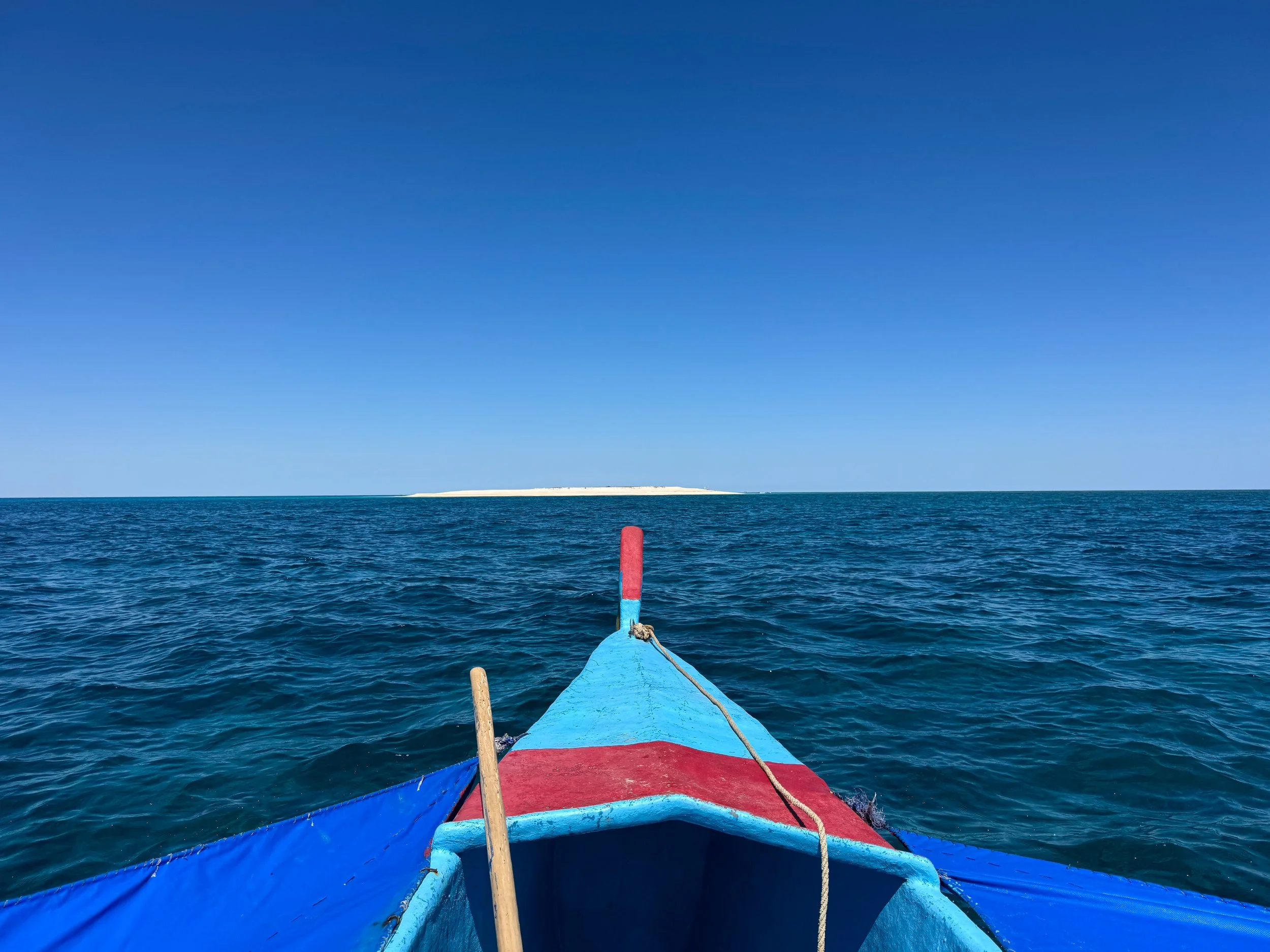
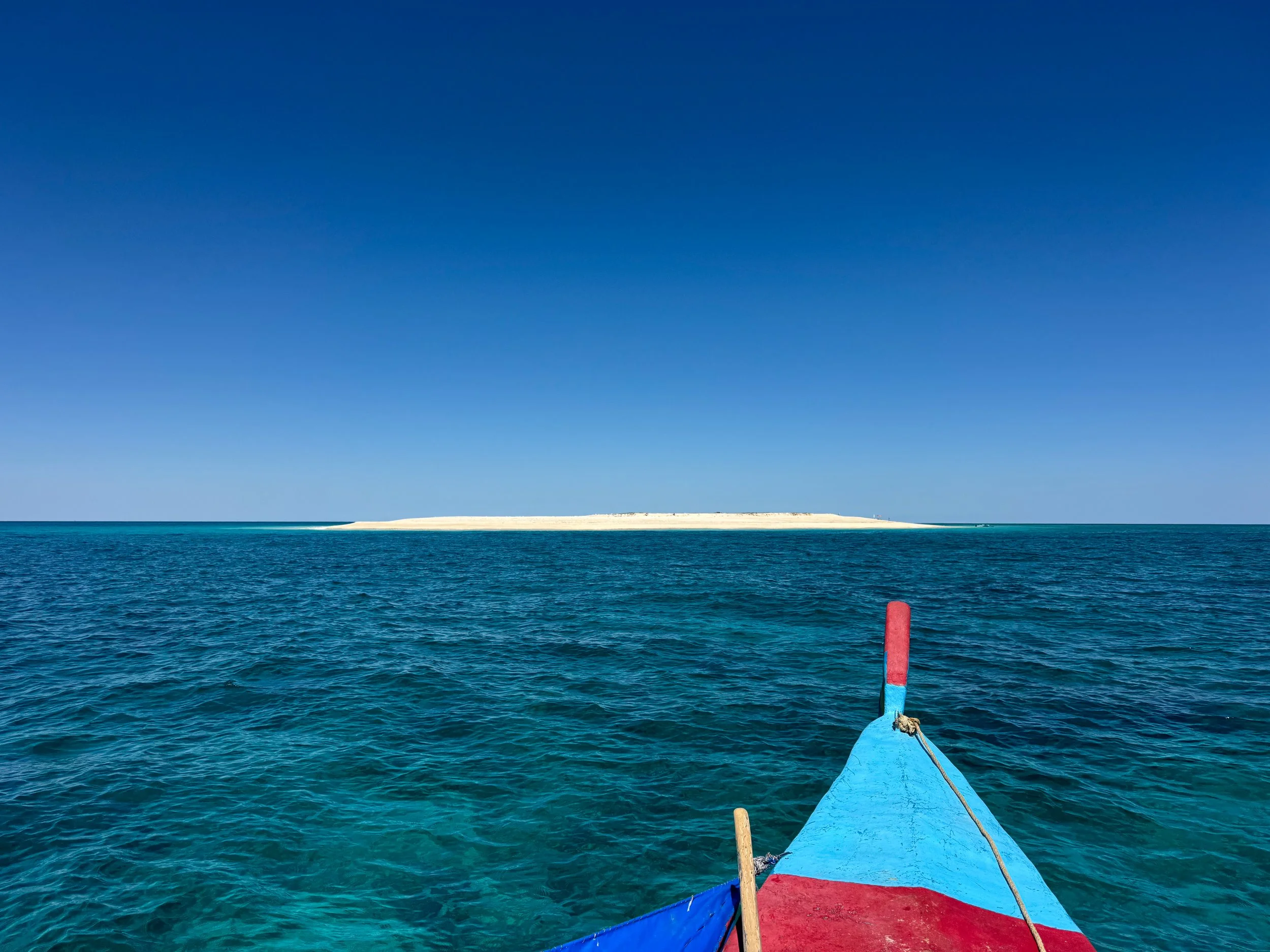
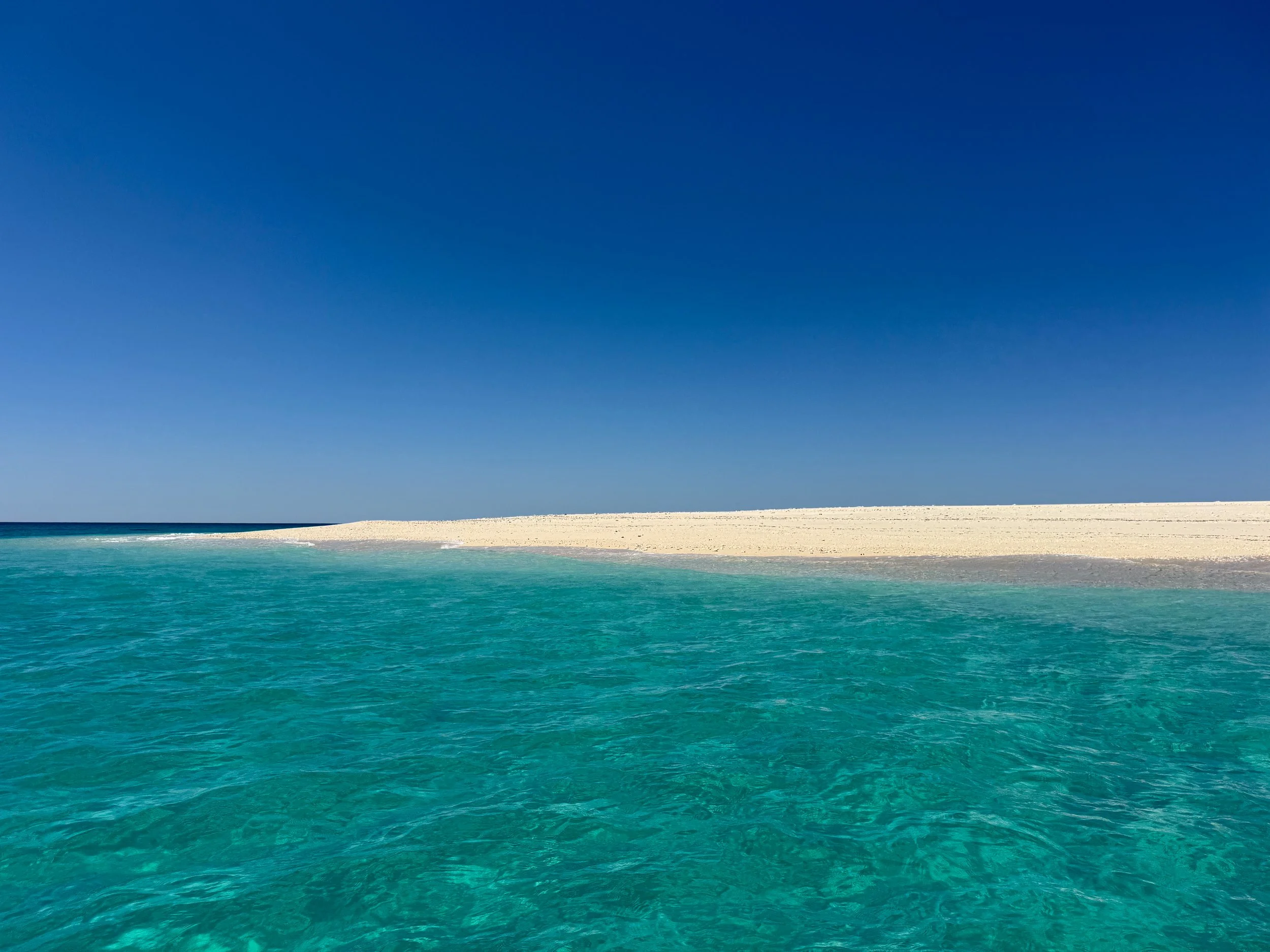
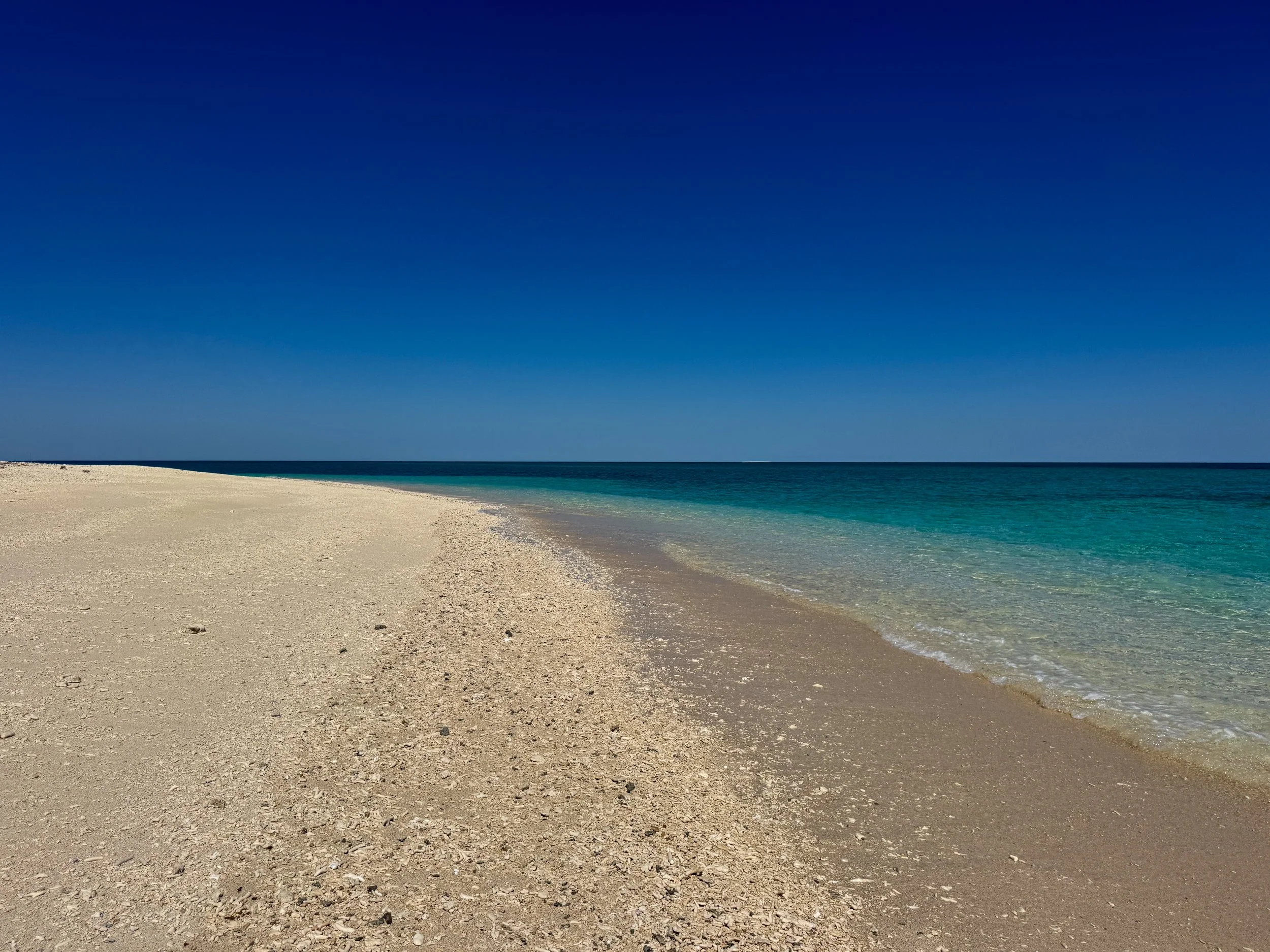
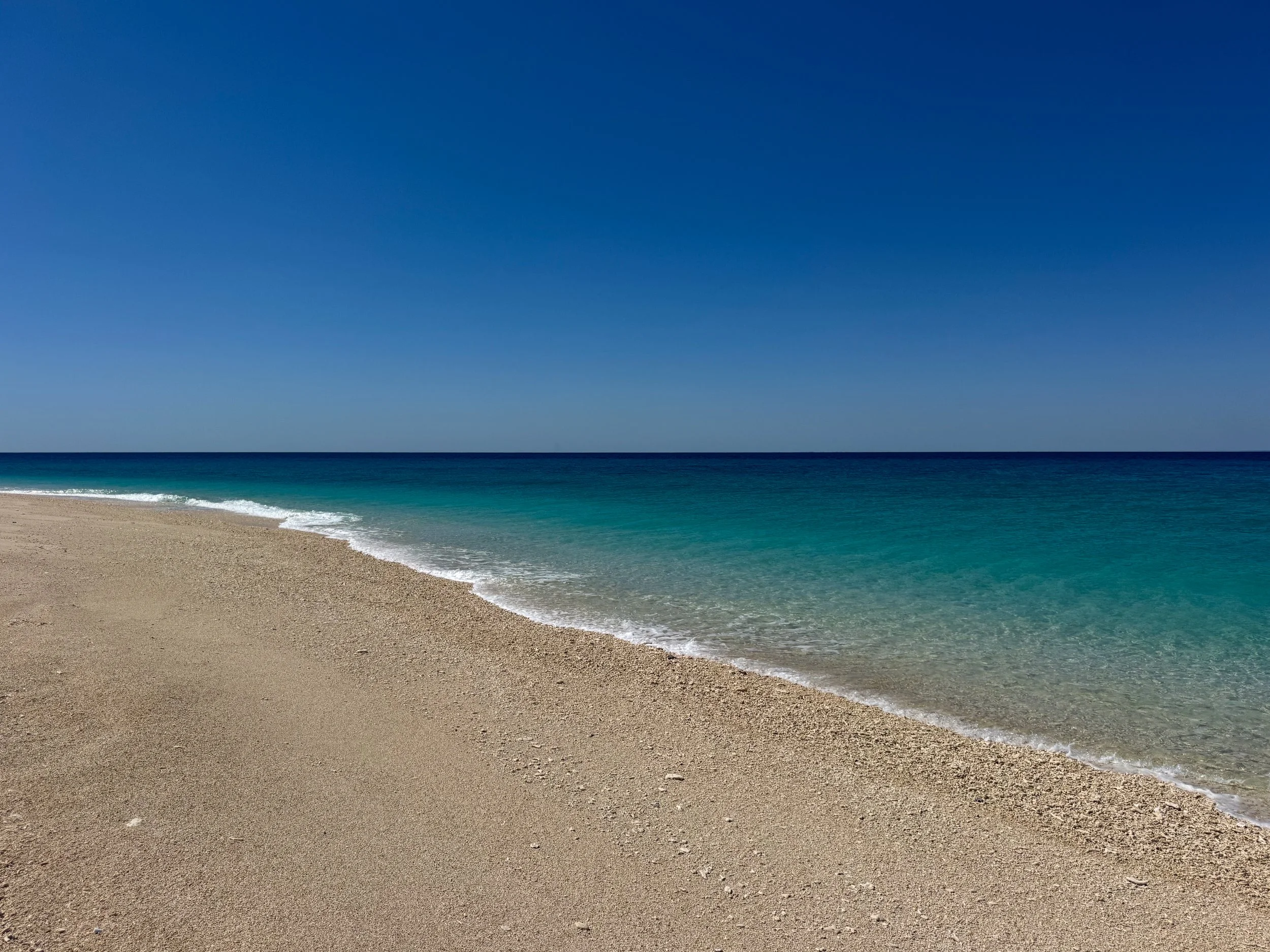
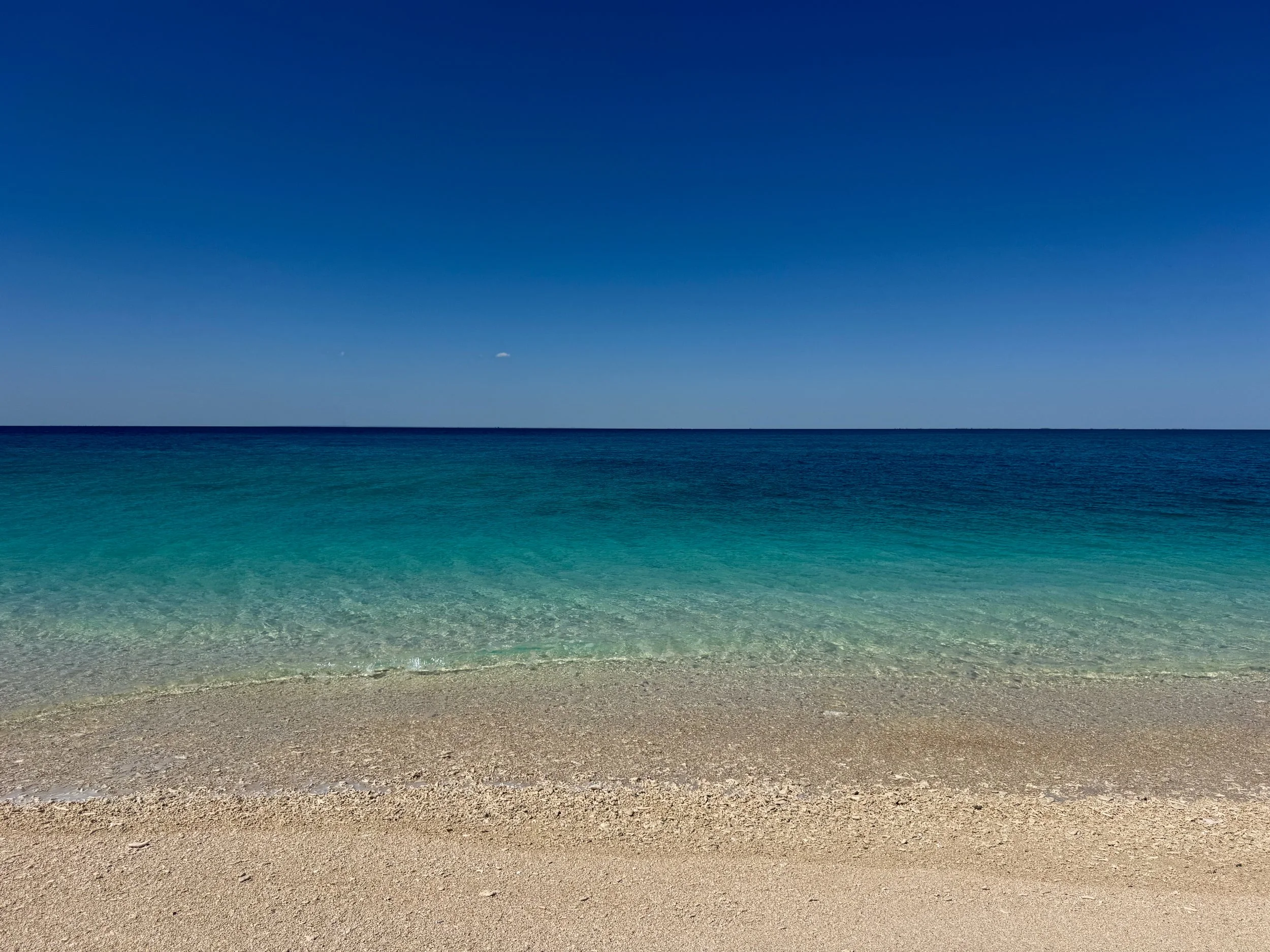
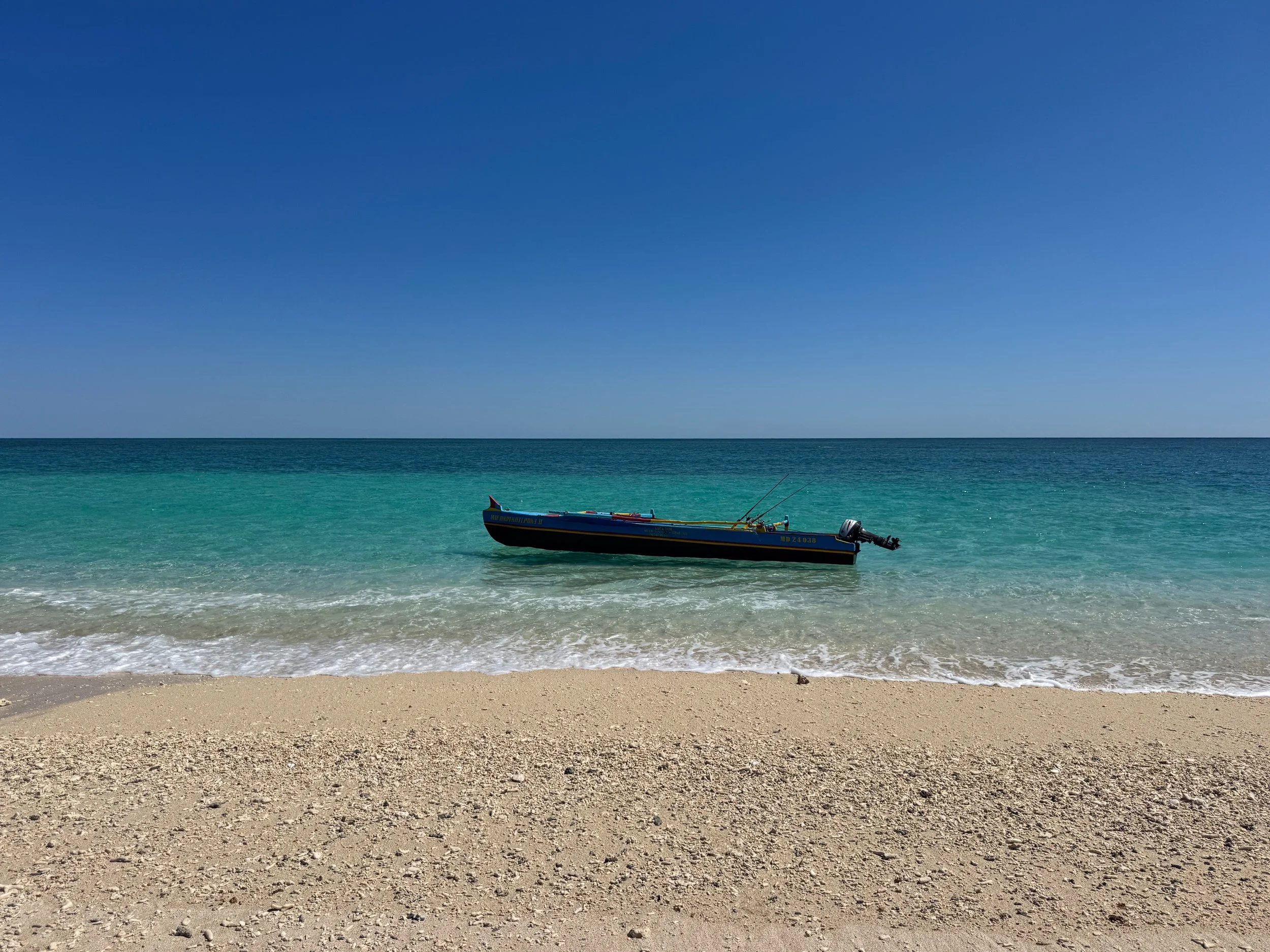
Nosy Andrahavo. Nosy Andrahavo is a lonely desert island in the deep blue ocean. It appears as a yellow sand dune rising from the sea, surrounded by the most vibrant shades of turquoise, aquamarine and blue. Bleached corals and shells decorate the shores. It’s possibly to walk the circumference of the island in half an hour. There is no natural shade on the island though the cool waters offer a refreshing escape. The crew prepared us a Malagasy meal on the beach, Trondro Gasy, a dish made from stewed fish with a tomato base, bell peppers and onions.
Avenue of the Baobabs
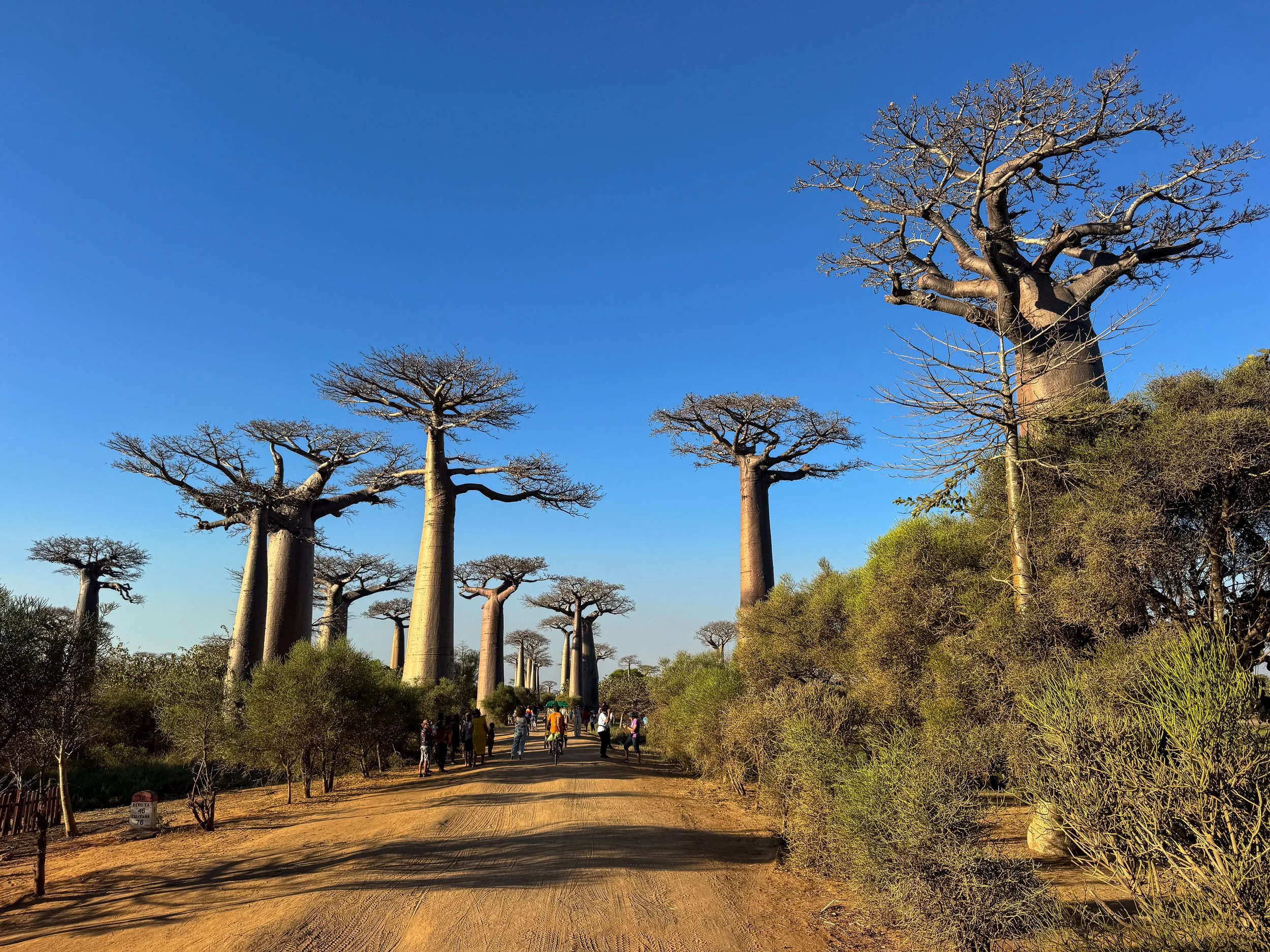
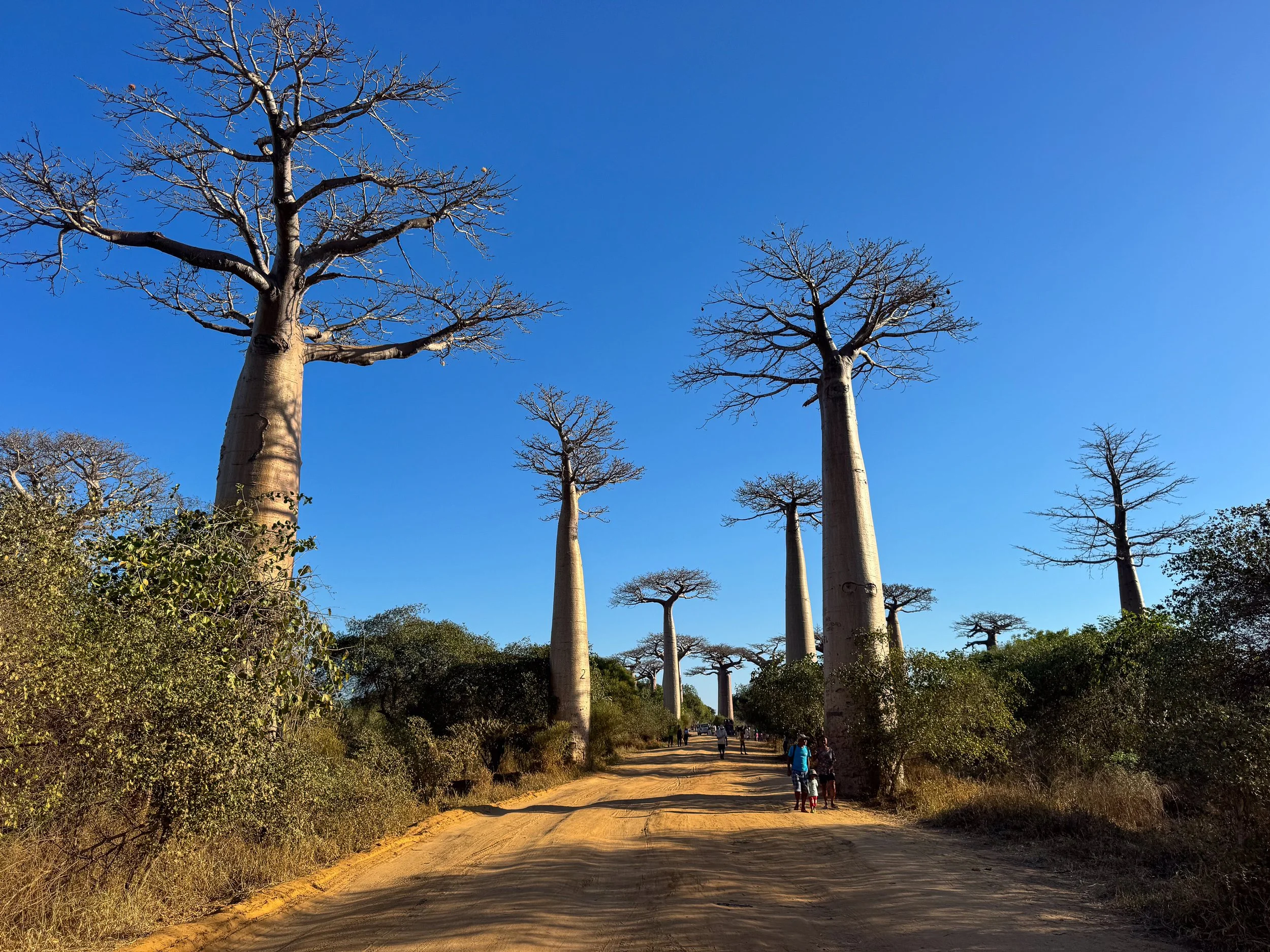
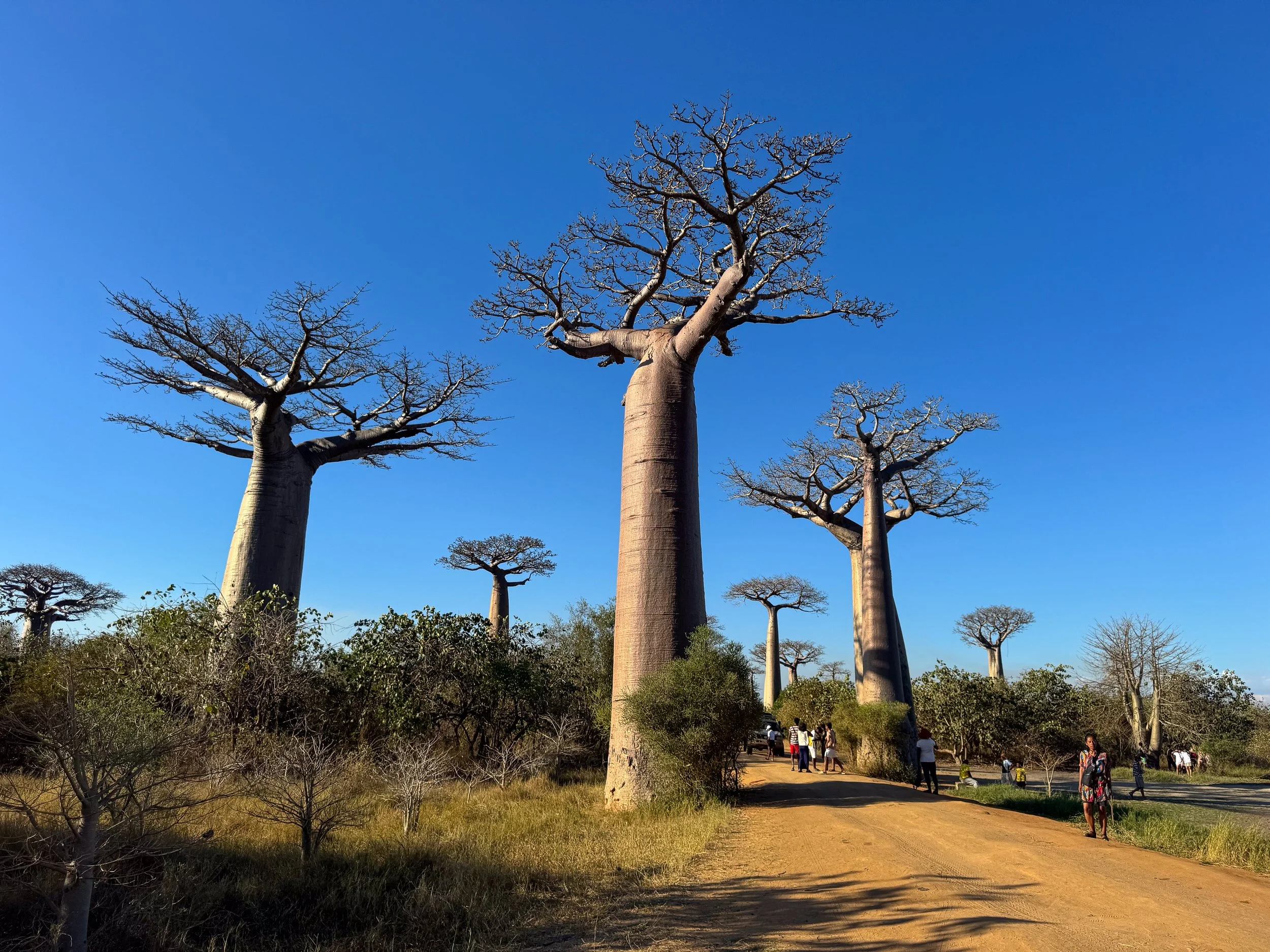
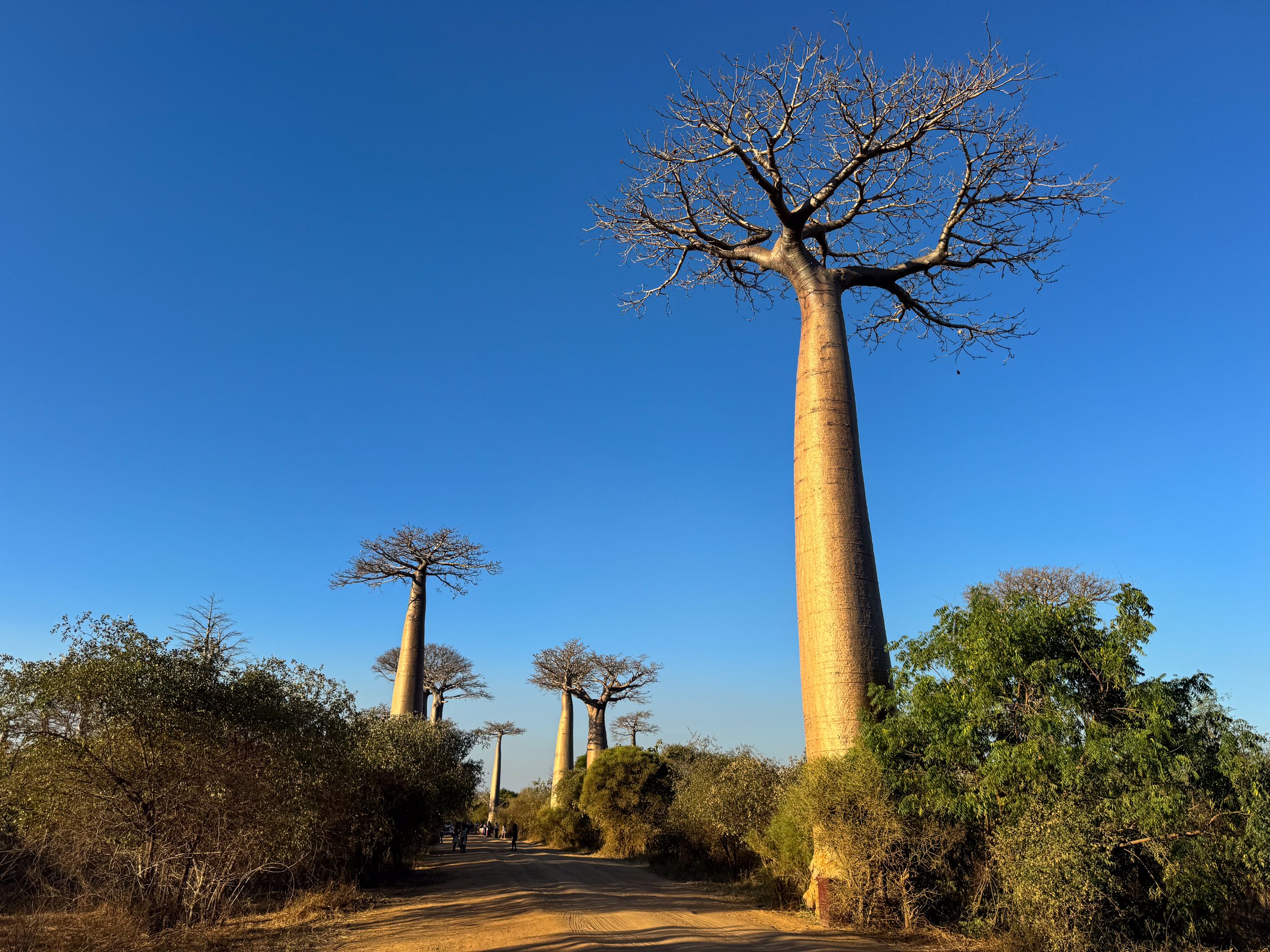
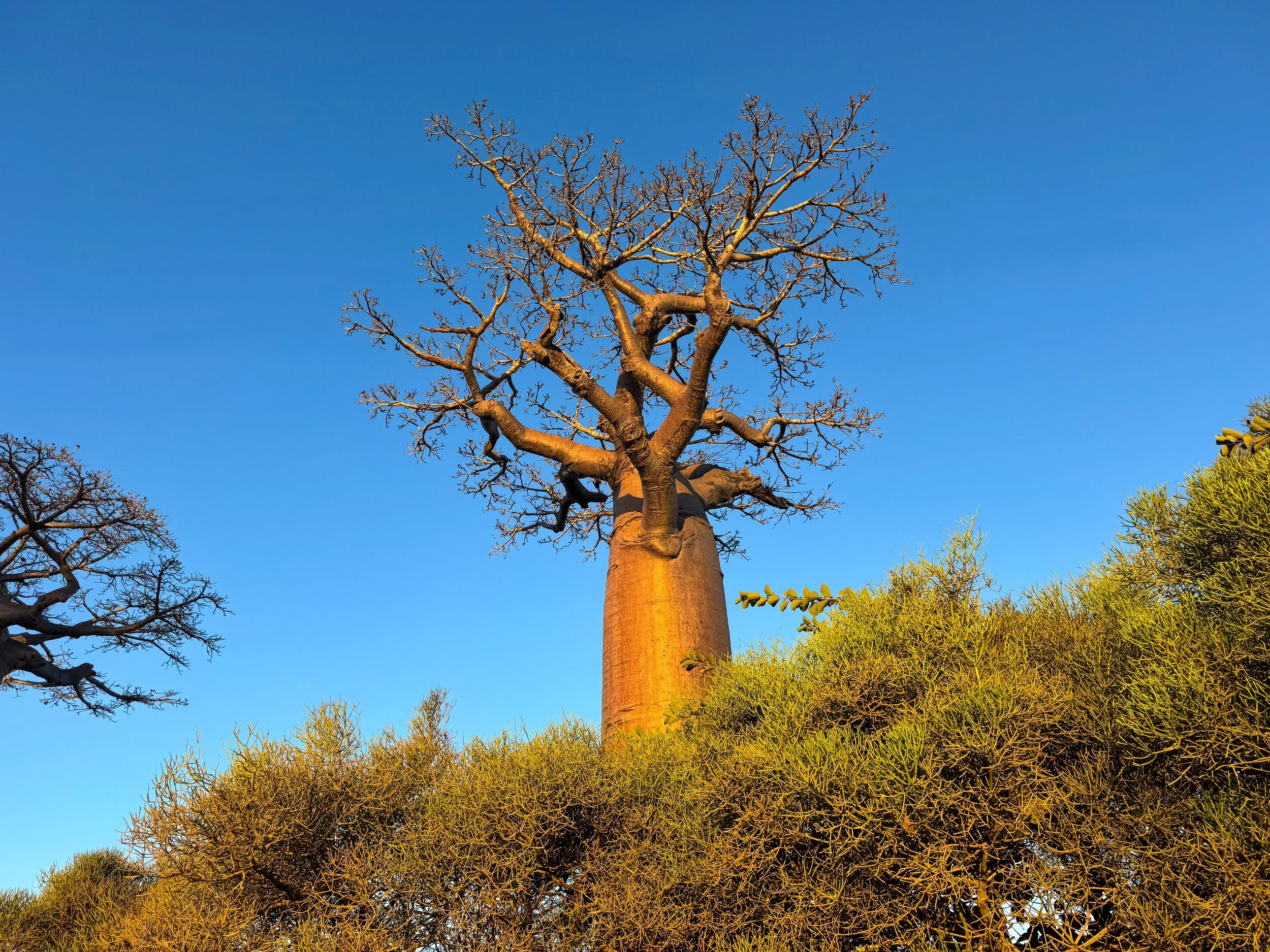
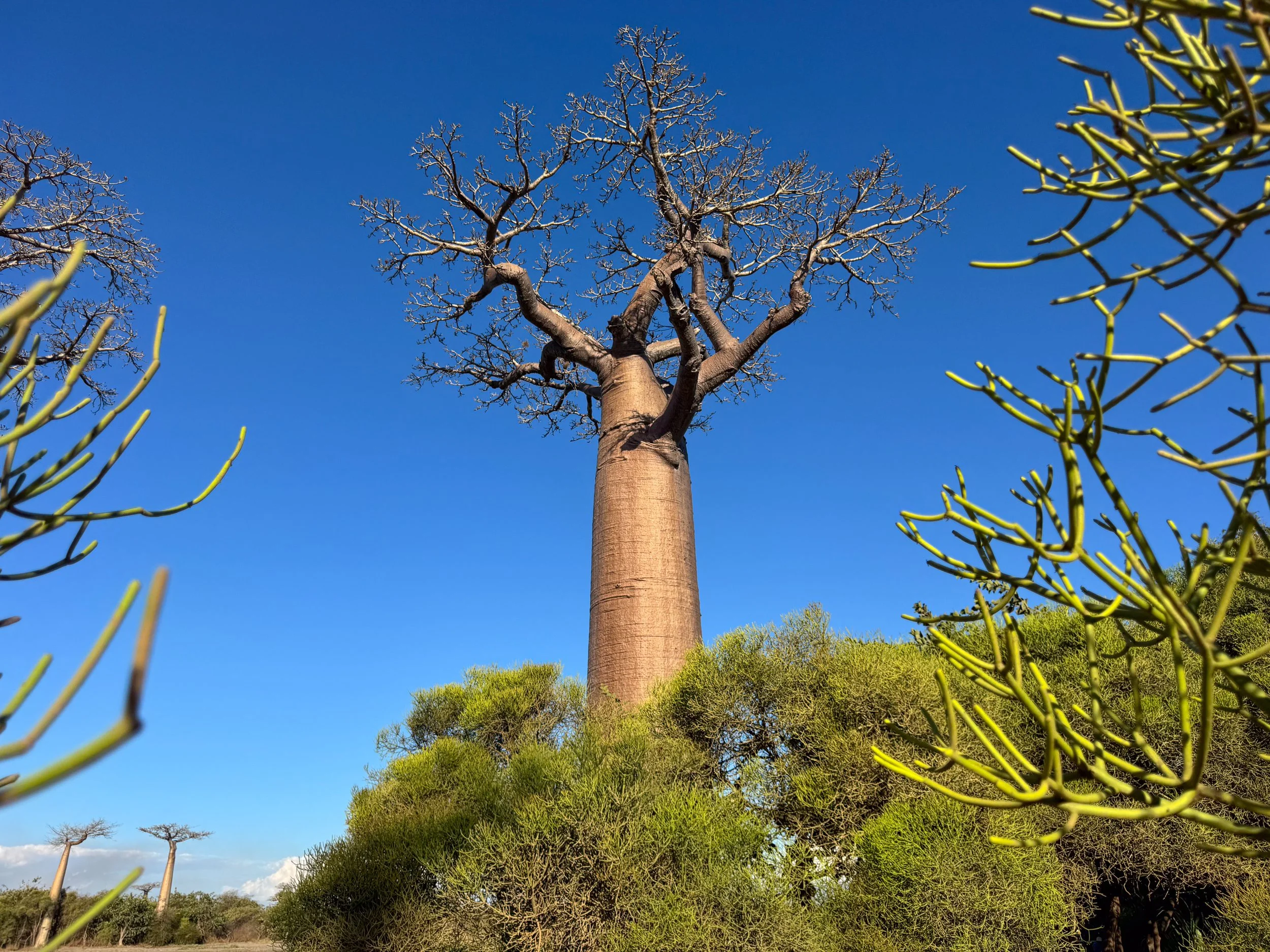
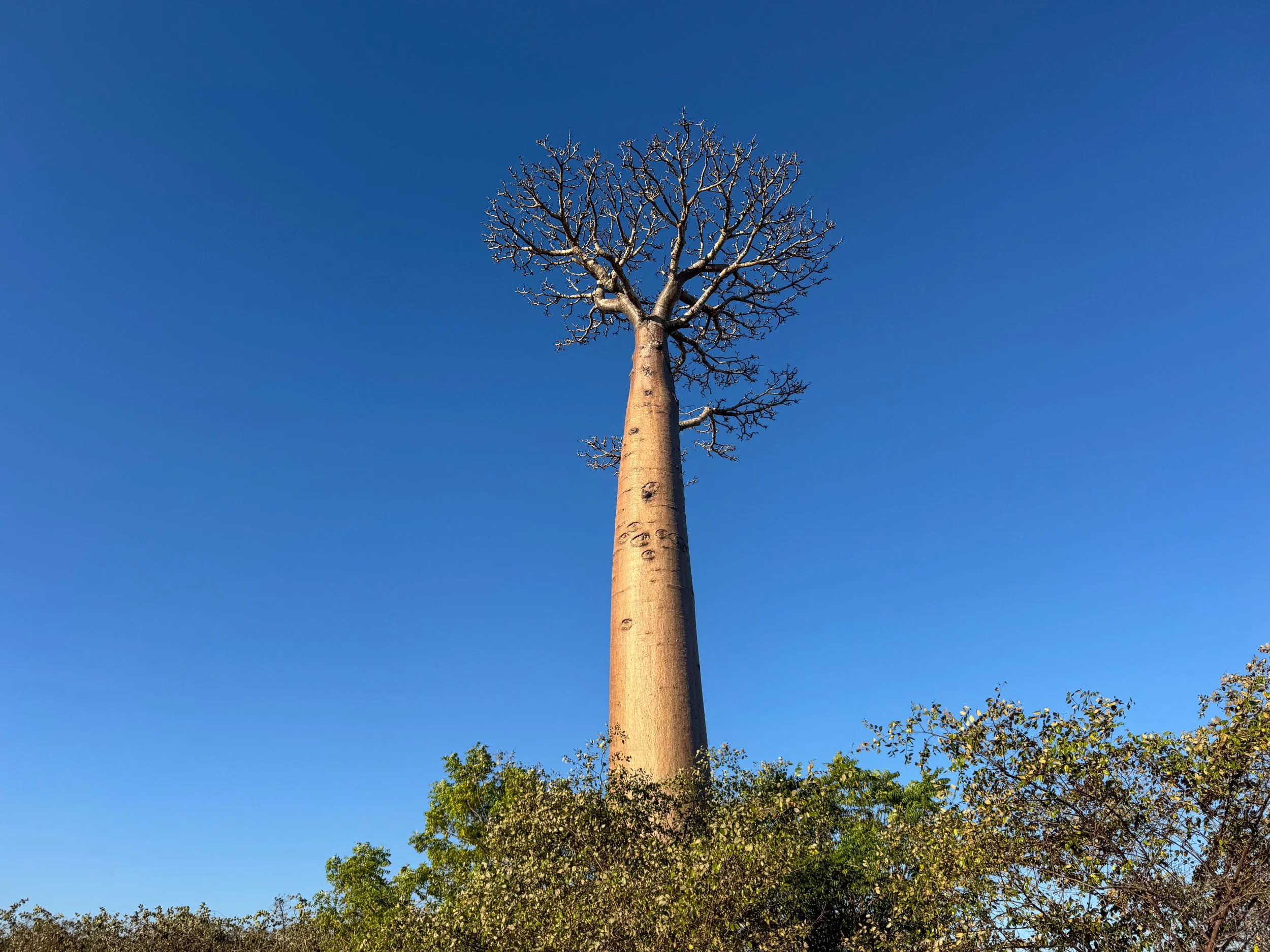
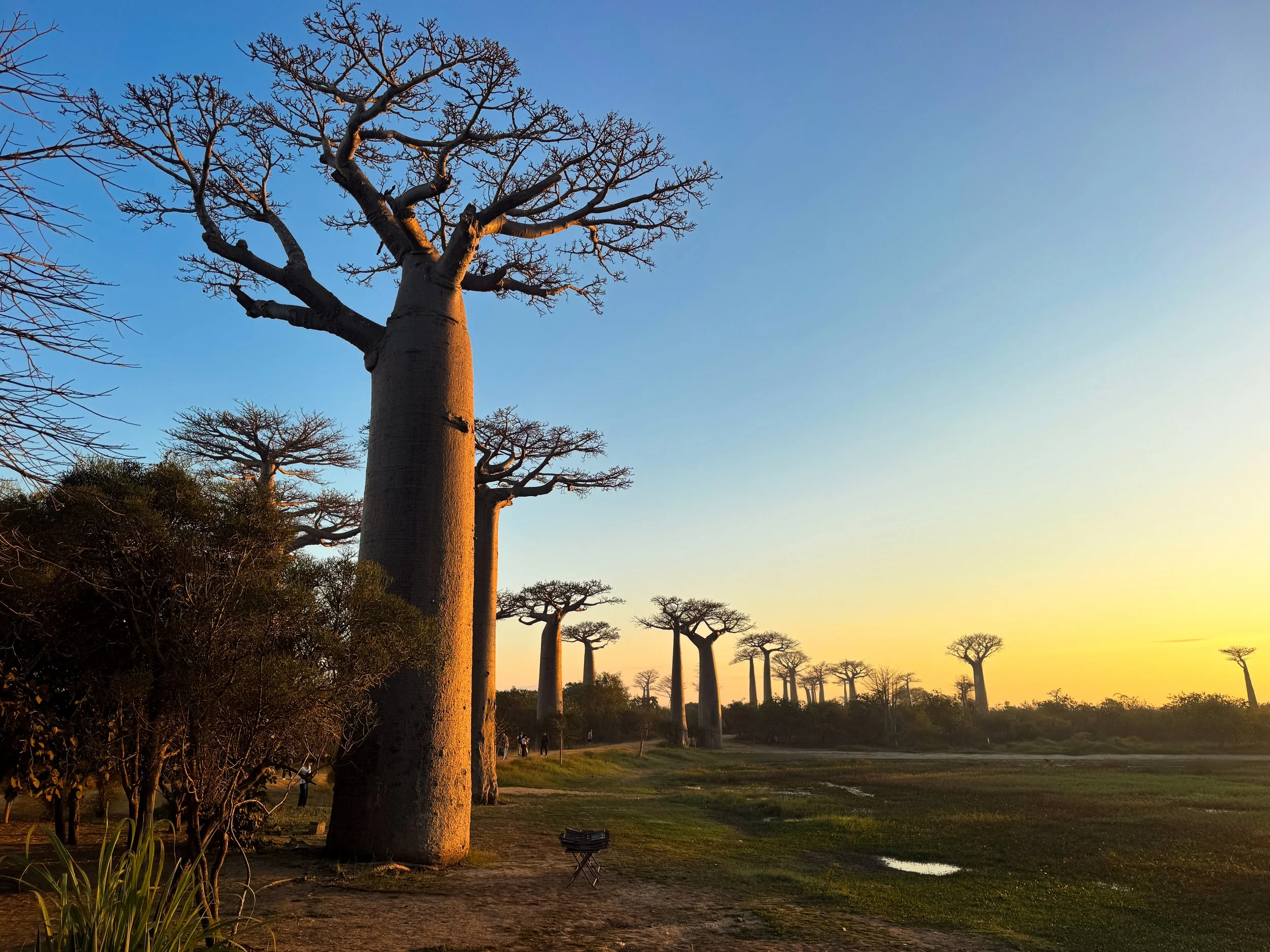
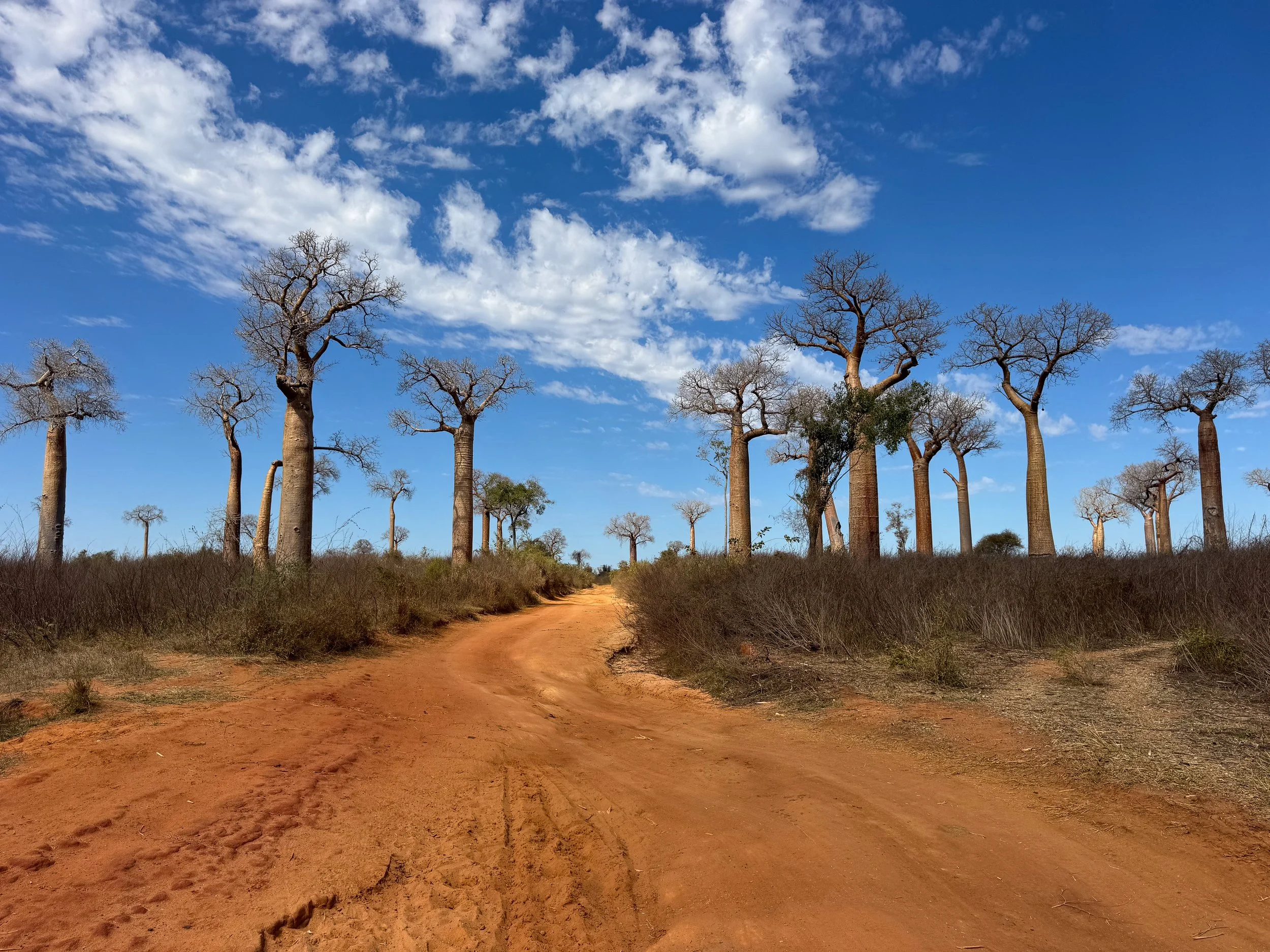
The Avenue of the Baobabs is one of Madagascar’s most iconic sights. Dozens of towering baobab trees flank both sides of a dirt road, creating a dramatic and picturesque landscape. Baobab trees are recognizable by their massive trunks, smooth bark and uniquely shaped canopy of branching limbs. We visited for the sunrise and sunset, getting to experience the avenue in all its grandeur. Book with Eto Morondava.
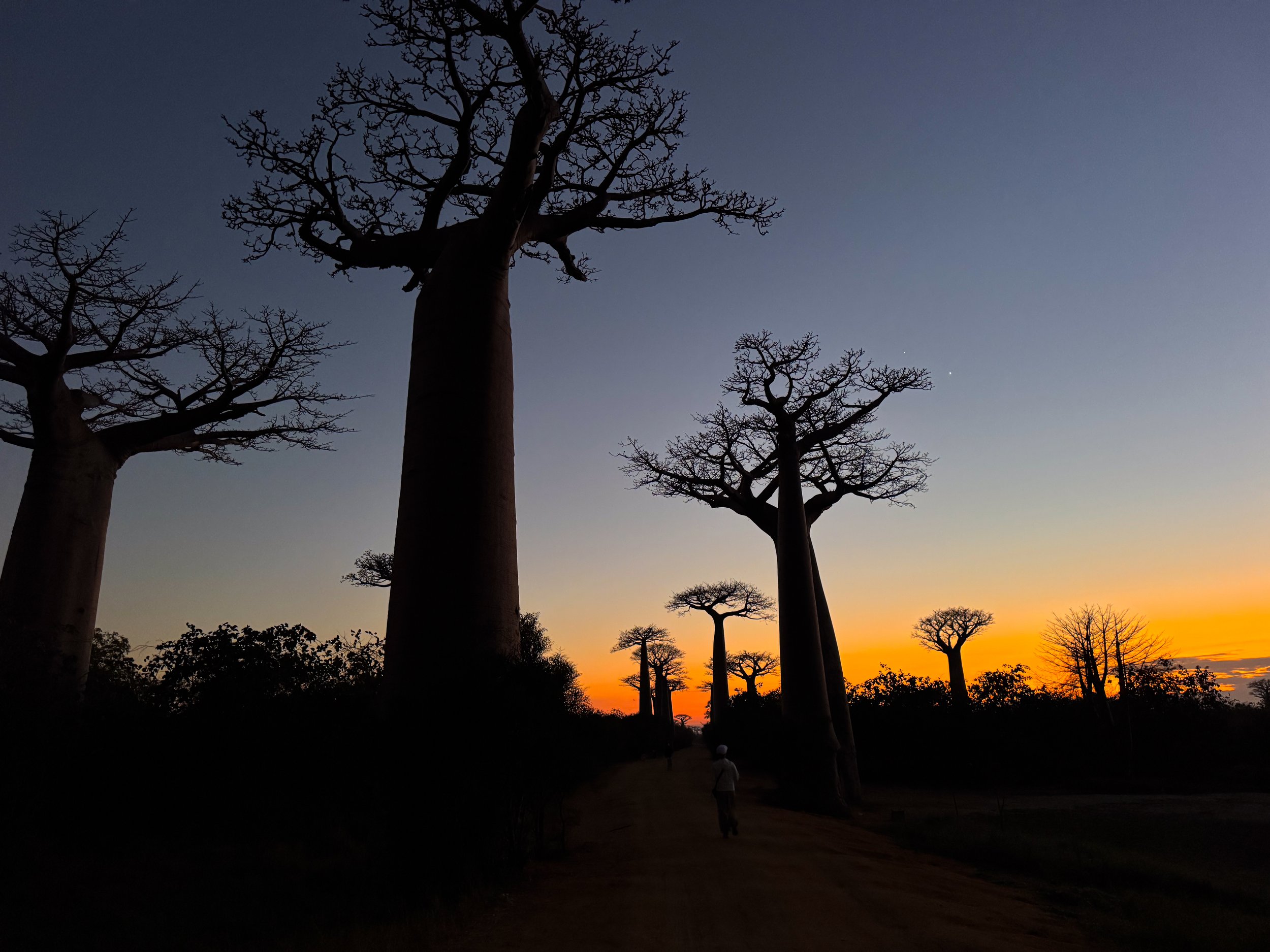
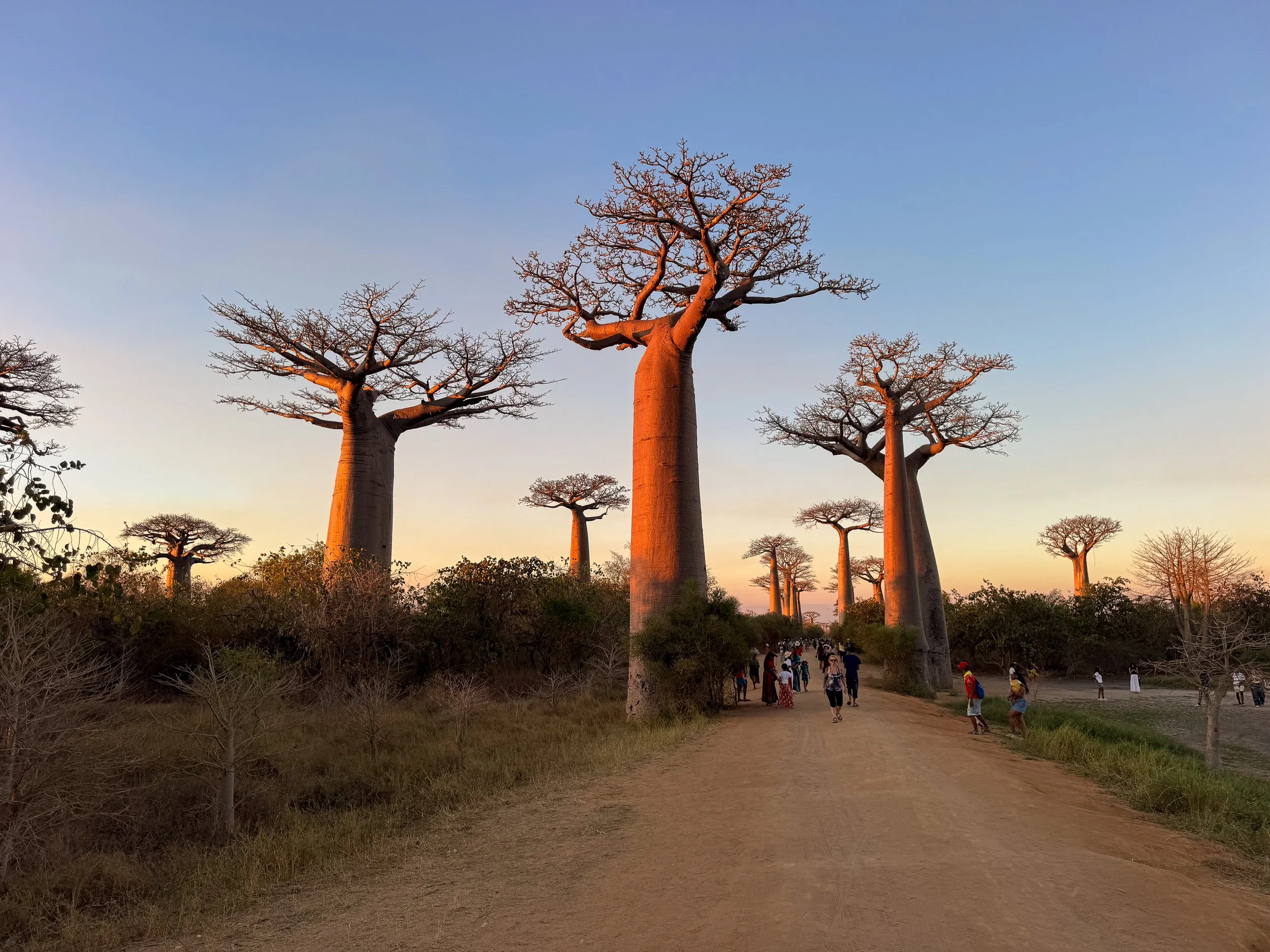
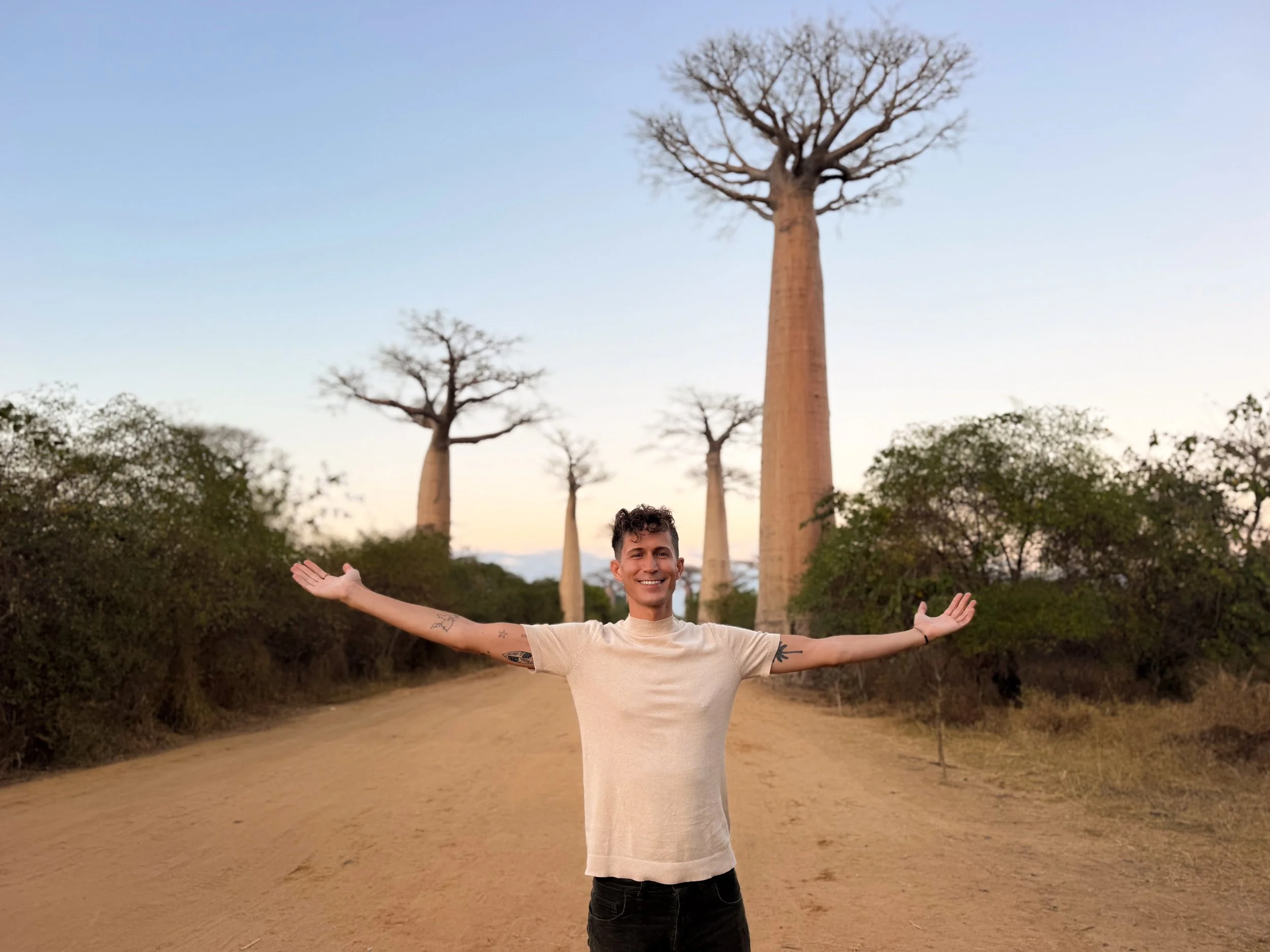
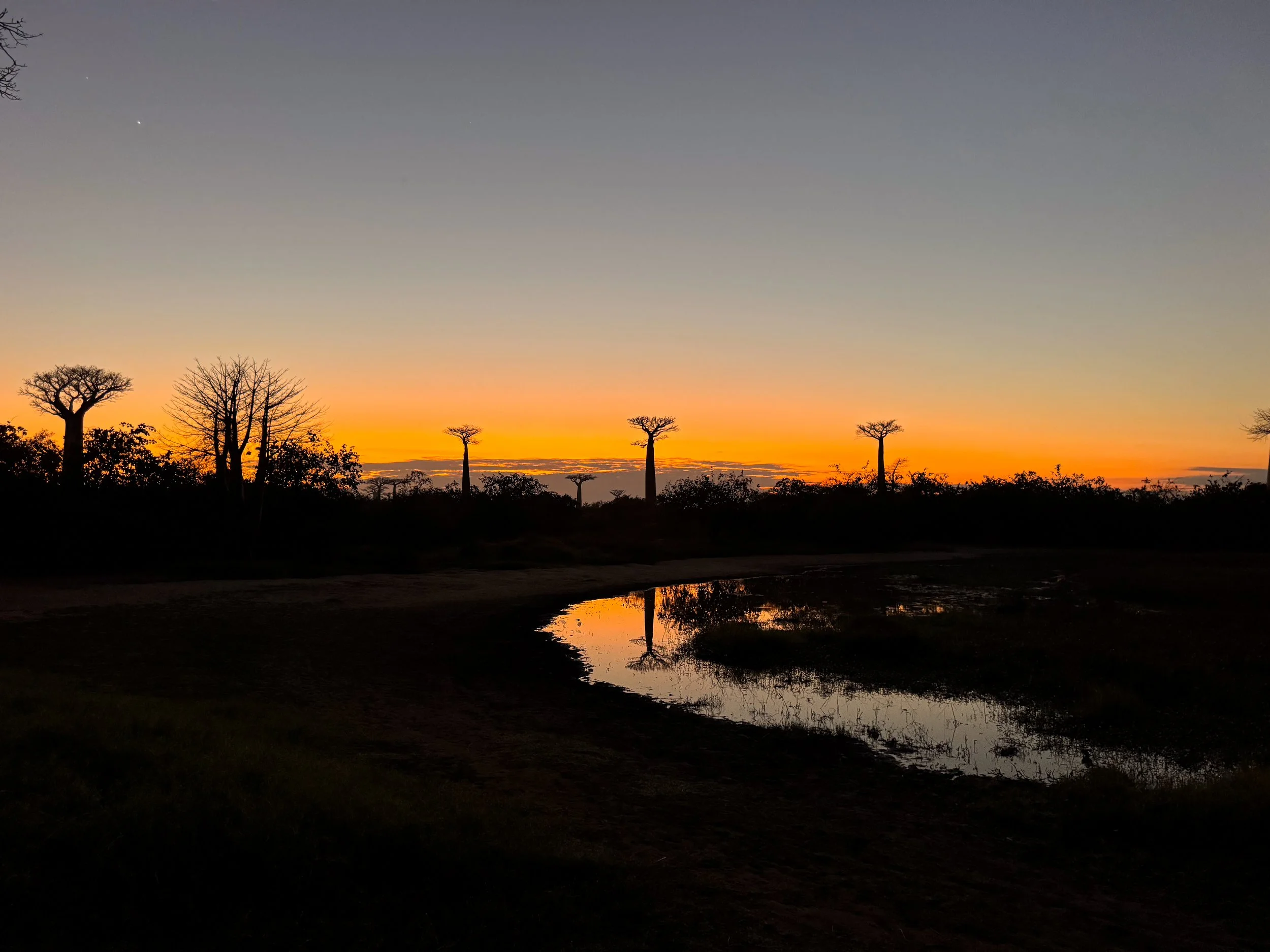
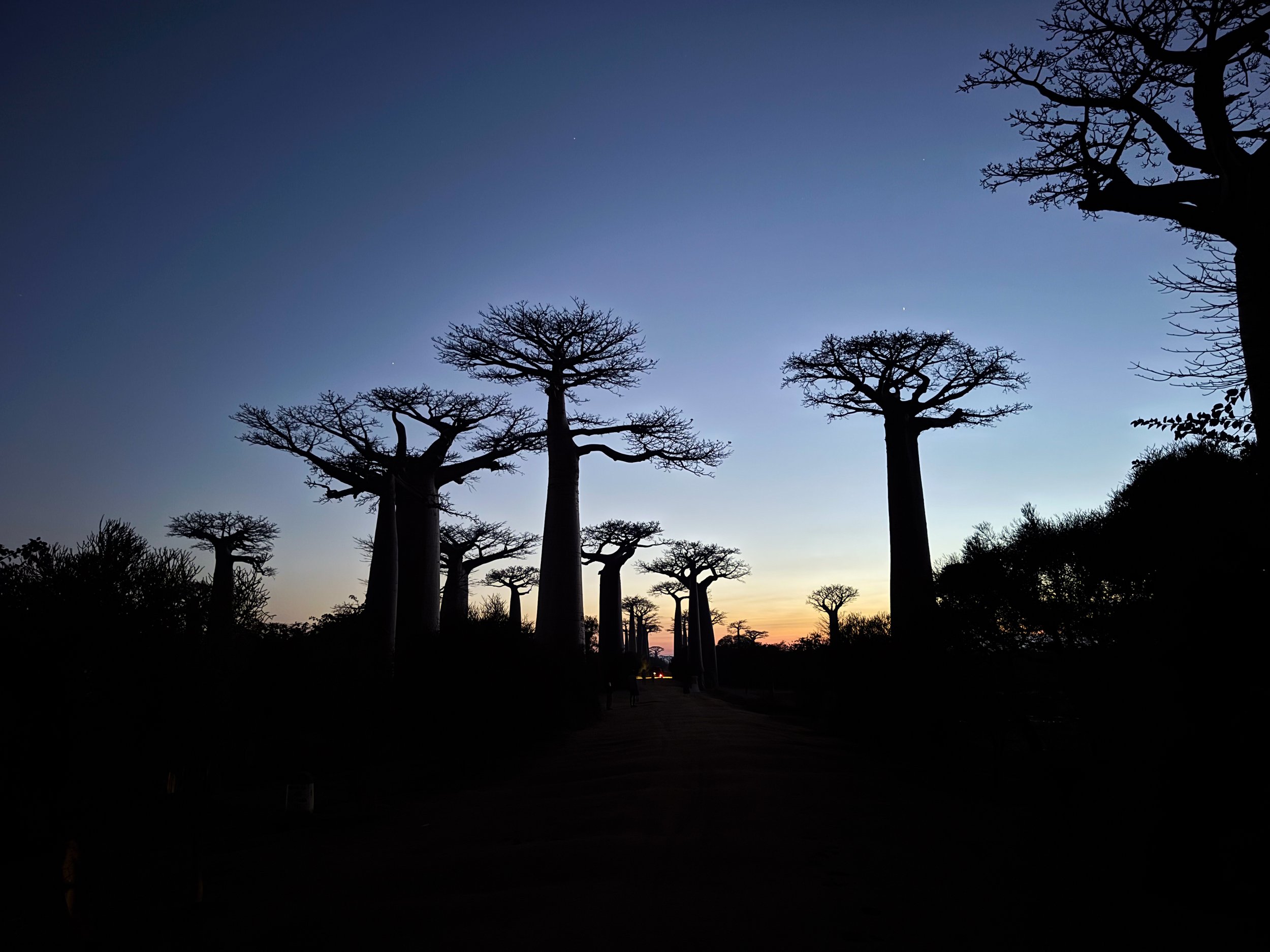
Sunrise at The Avenue of the Baobabs. The sunrise is a tranquil time to experience the Avenue of the Baobabs. The starry night sky quickly brightens with colors of purple, orange and yellow. The silhouettes of the baobabs take on more definition as daylight breaks.
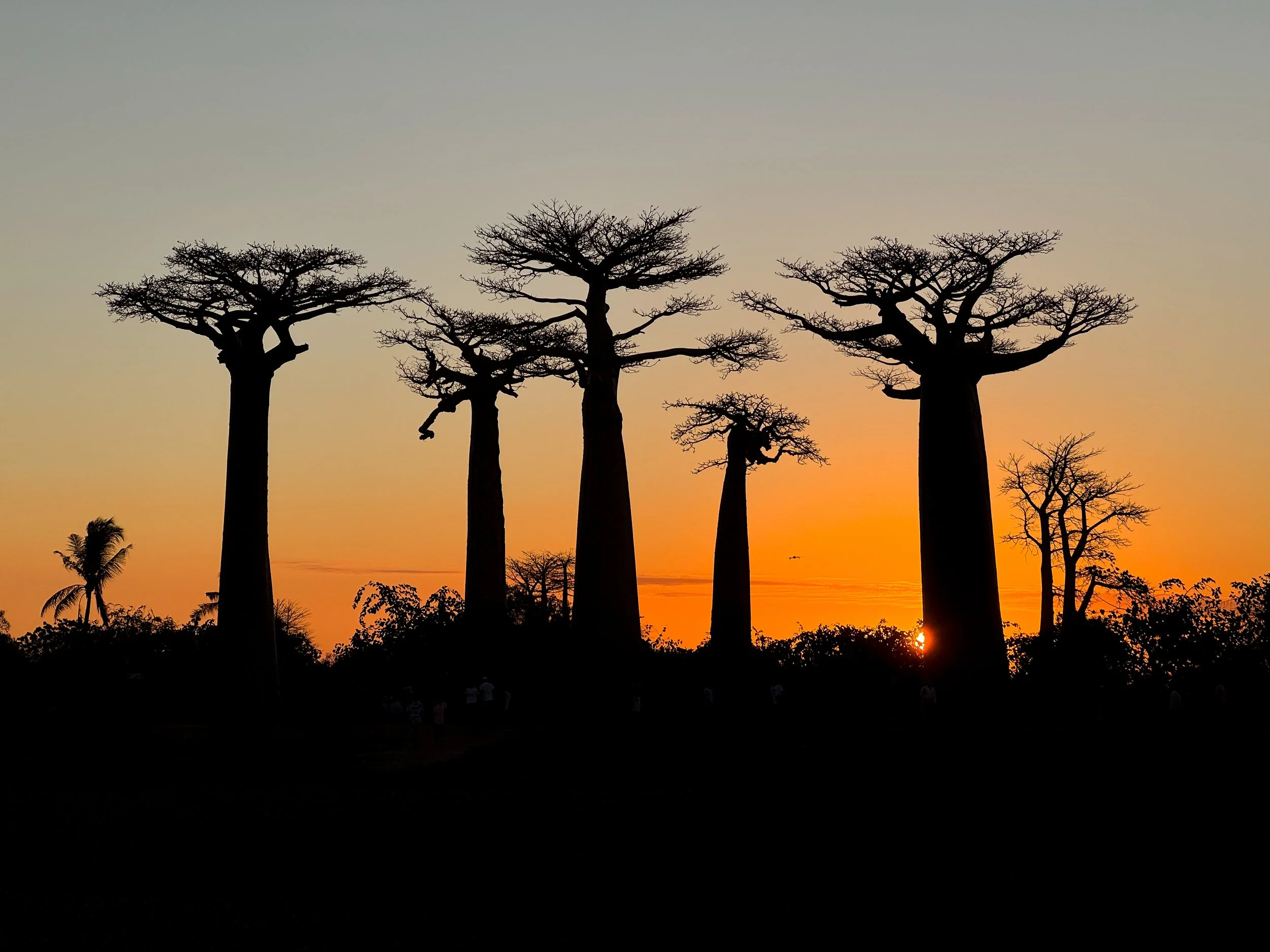
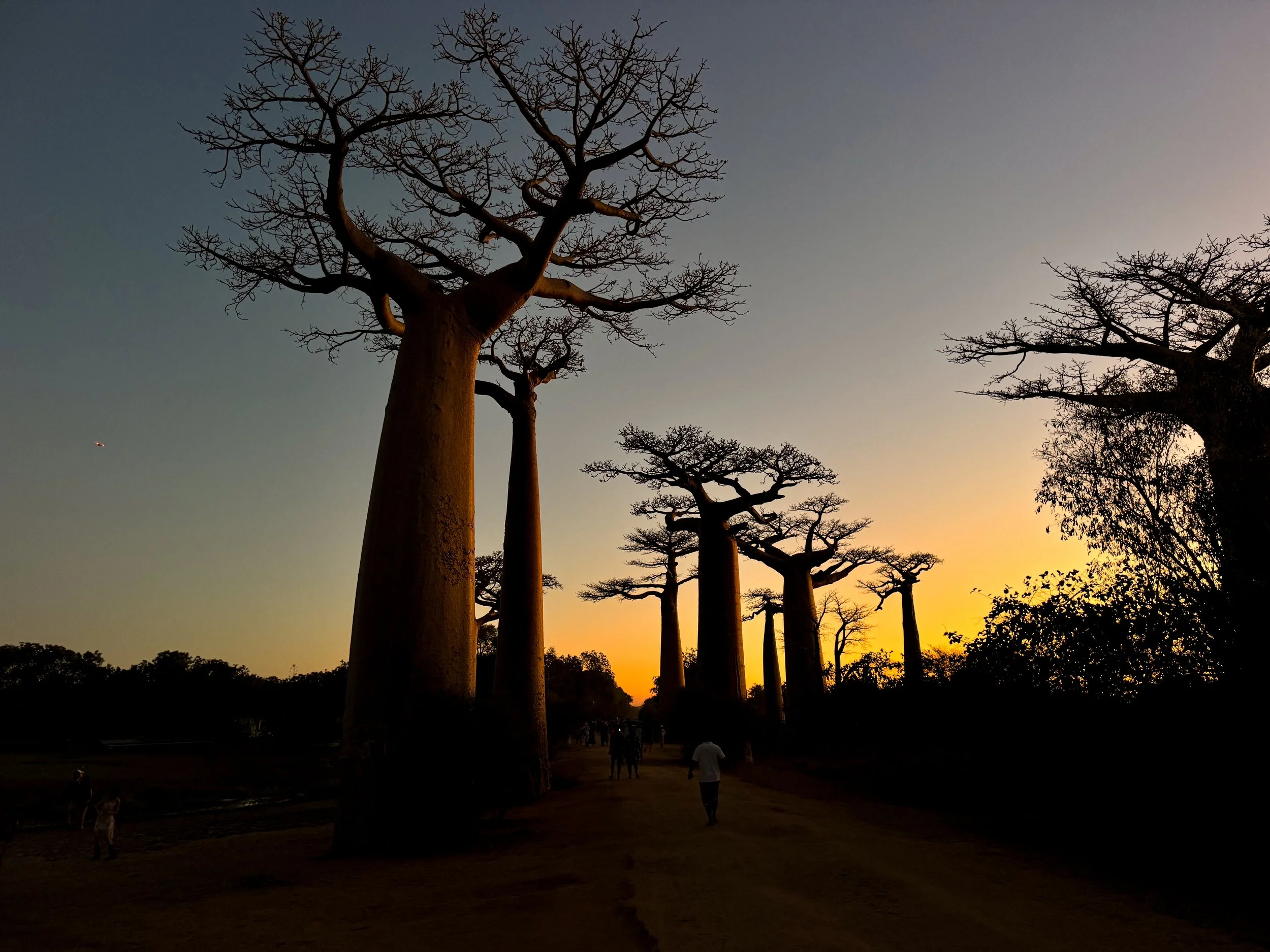
Sunset at The Avenue of the Baobabs. The sunset is the most popular time of day to visit the Avenue of the Baobabs. Arrive in the late afternoon to experience the baobabs in full daylight. Watch as the setting sun illuminates them in a golden glow. Their silhouettes provide a dramatic contrast against the orange sky. We visited twice on our returns from Kirindy and Tsingy.
Pro Tip. The best view is across a pond looking west towards the avenue and the sunset.
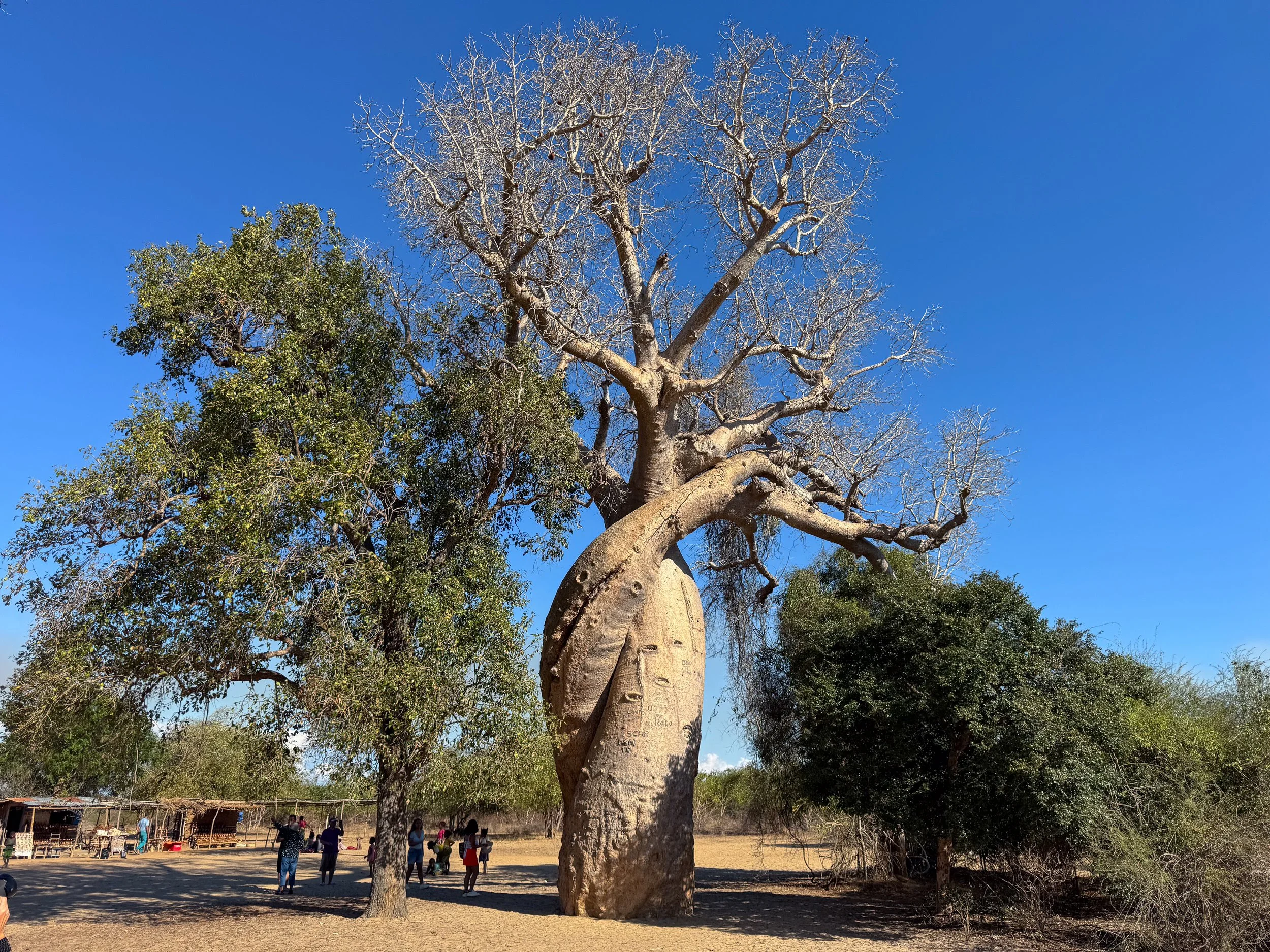
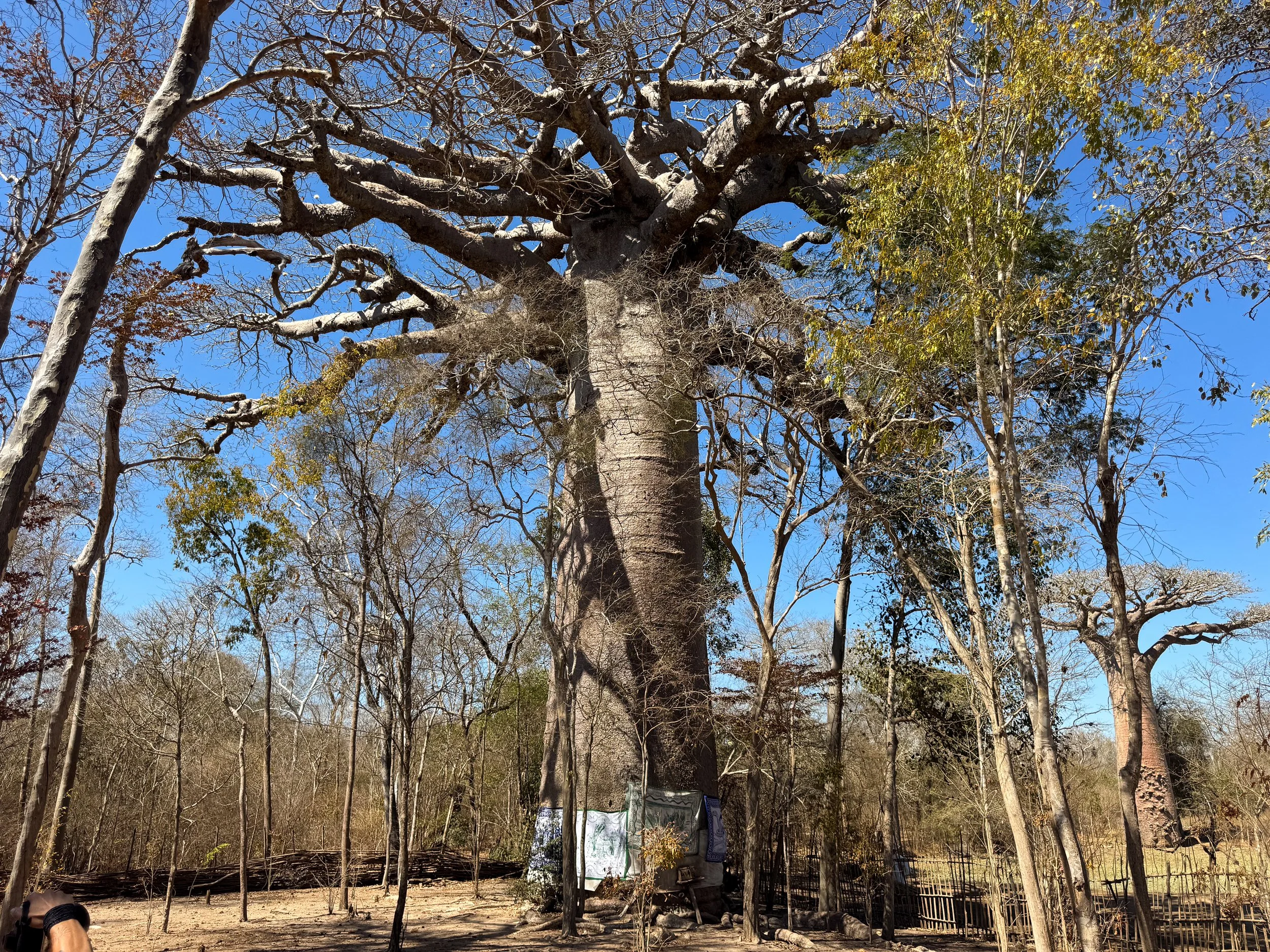
Famous Baobabs
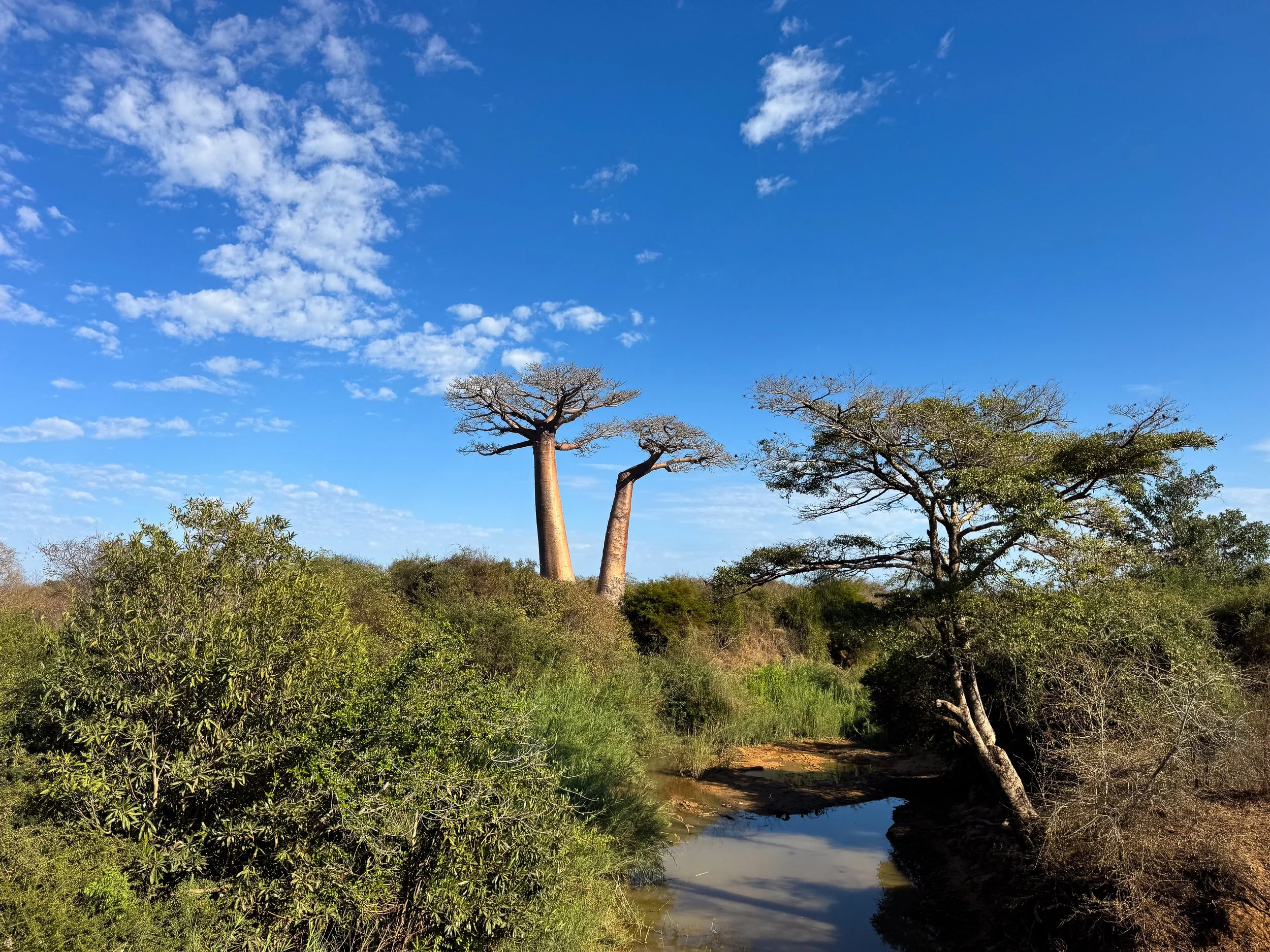
Baobabs in Love. The Baobabs in Love are two baobabs trees growing around each other in a loving embrace. The phenomenon uncommon making the two trees a beloved landmark.
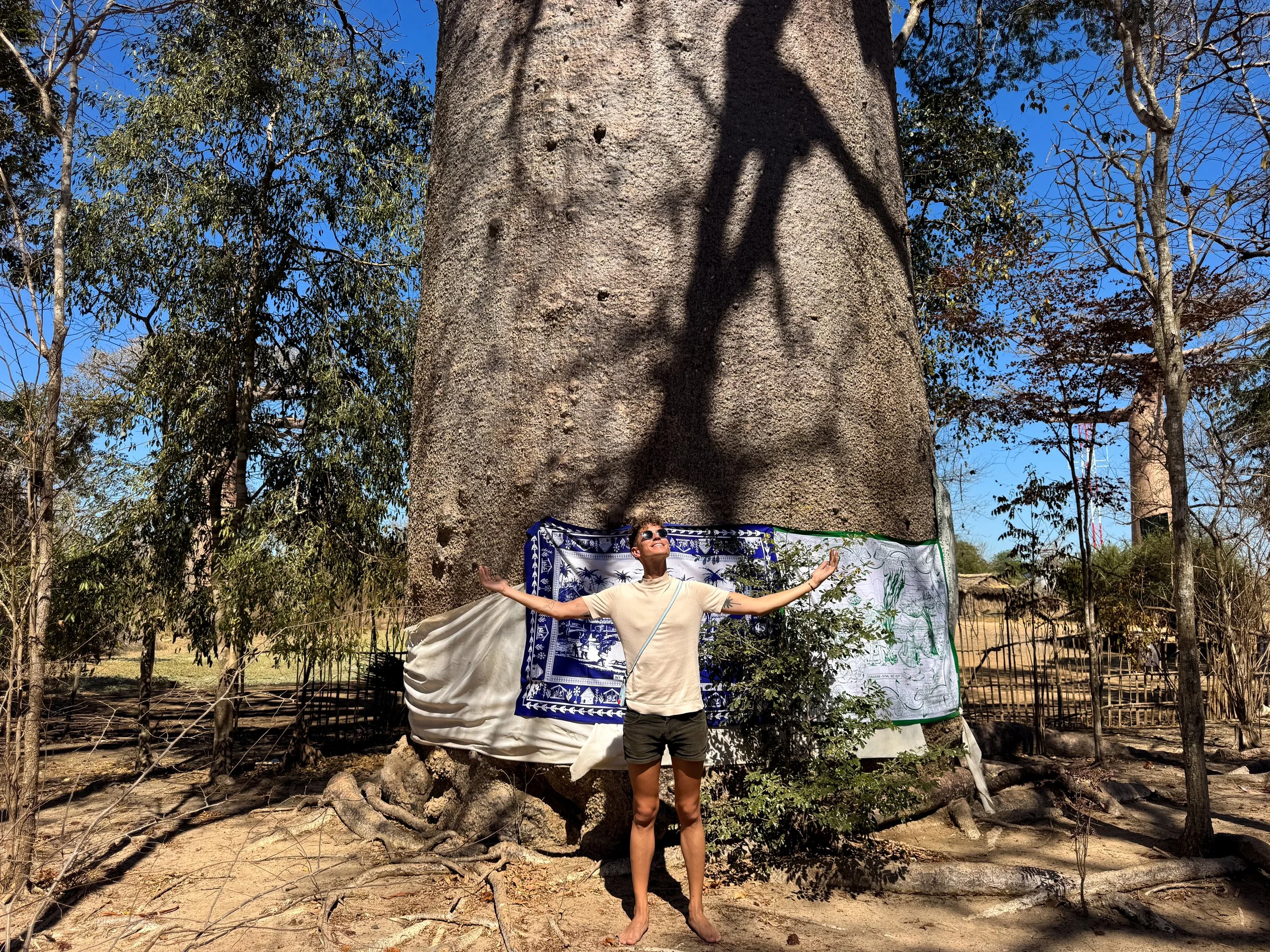
The Sacred Baobab. The Sacred Baobab is a massive baobab tree sacred to the local people. Villagers come here to pray beneath it for rain, good harvest and pregnant cattle. The shrine surrounding the tree must be entered barefoot, connecting one’s self to nature.
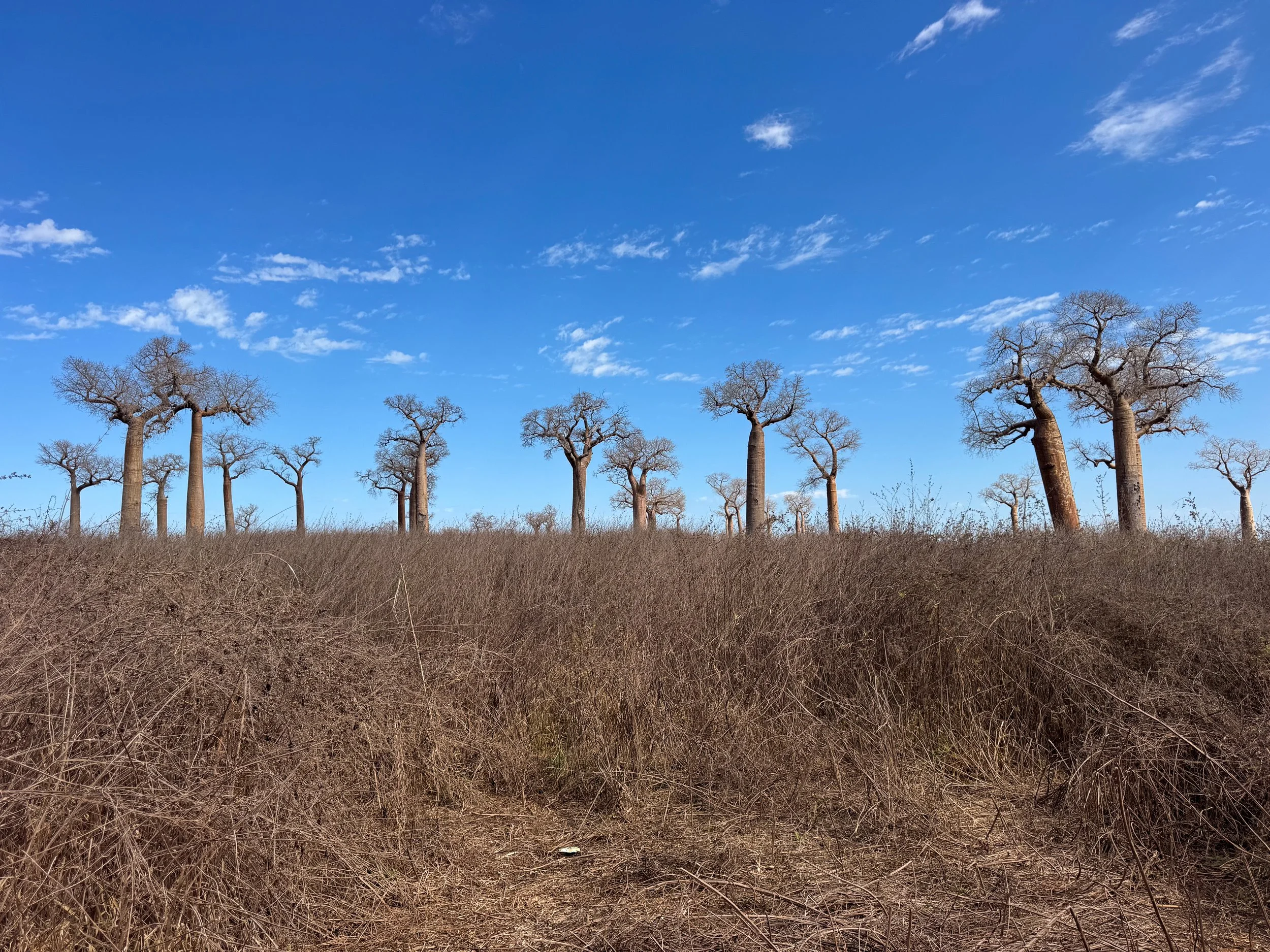
Forest of the Baobabs. A vast area with thousands of densely clustered baobabs covering the landscape in between farmland. It’s an impressive sight to witness, located over an hour past the Avenue of the Baobabs on the route to Tsingy National Park.
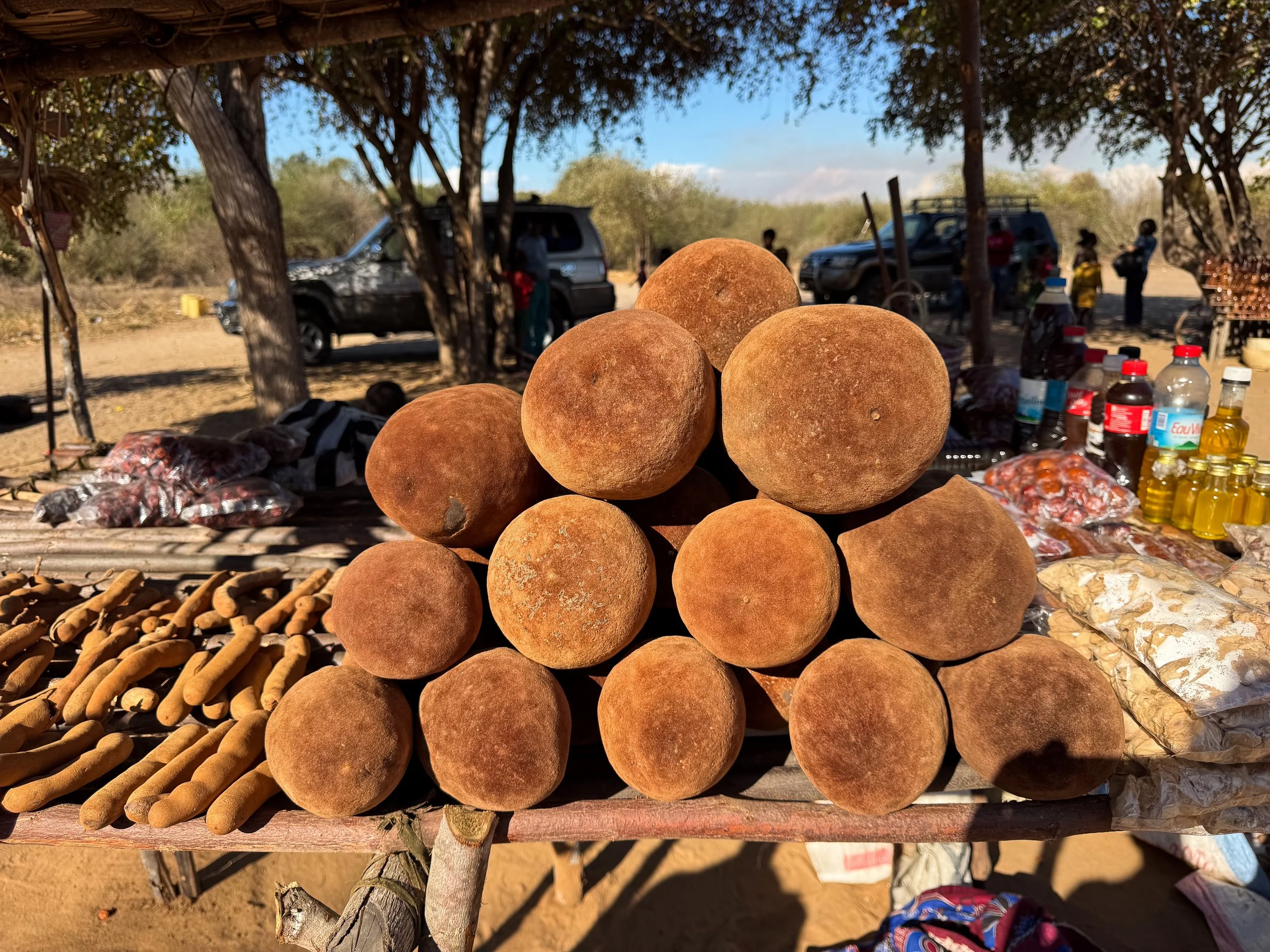
Baobab Vendors. Local roadside vendors operate kiosks nearby most of the iconic baobab sights. They sell statuettes of carved wooden baobabs, baobab fruits, baobab honey and snacks. We sipped on coffee with Mofo Gasy, a Malagasy pancake made from rice flour.
Good to Know. The baobabs loose their leaves during the dry season, exposing their nebulous limbs. The dry season happens between May and October.
Kirindy Forest
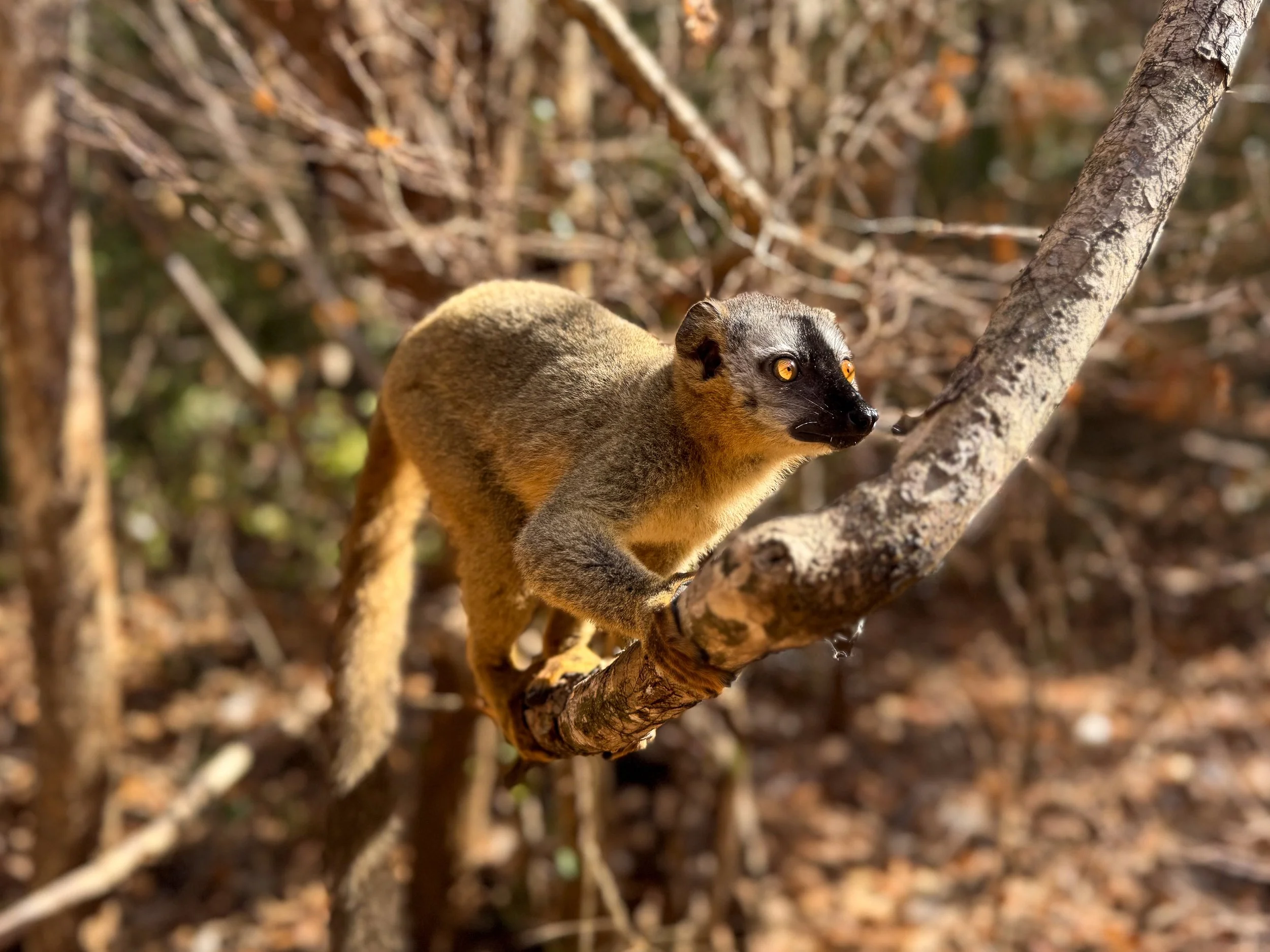
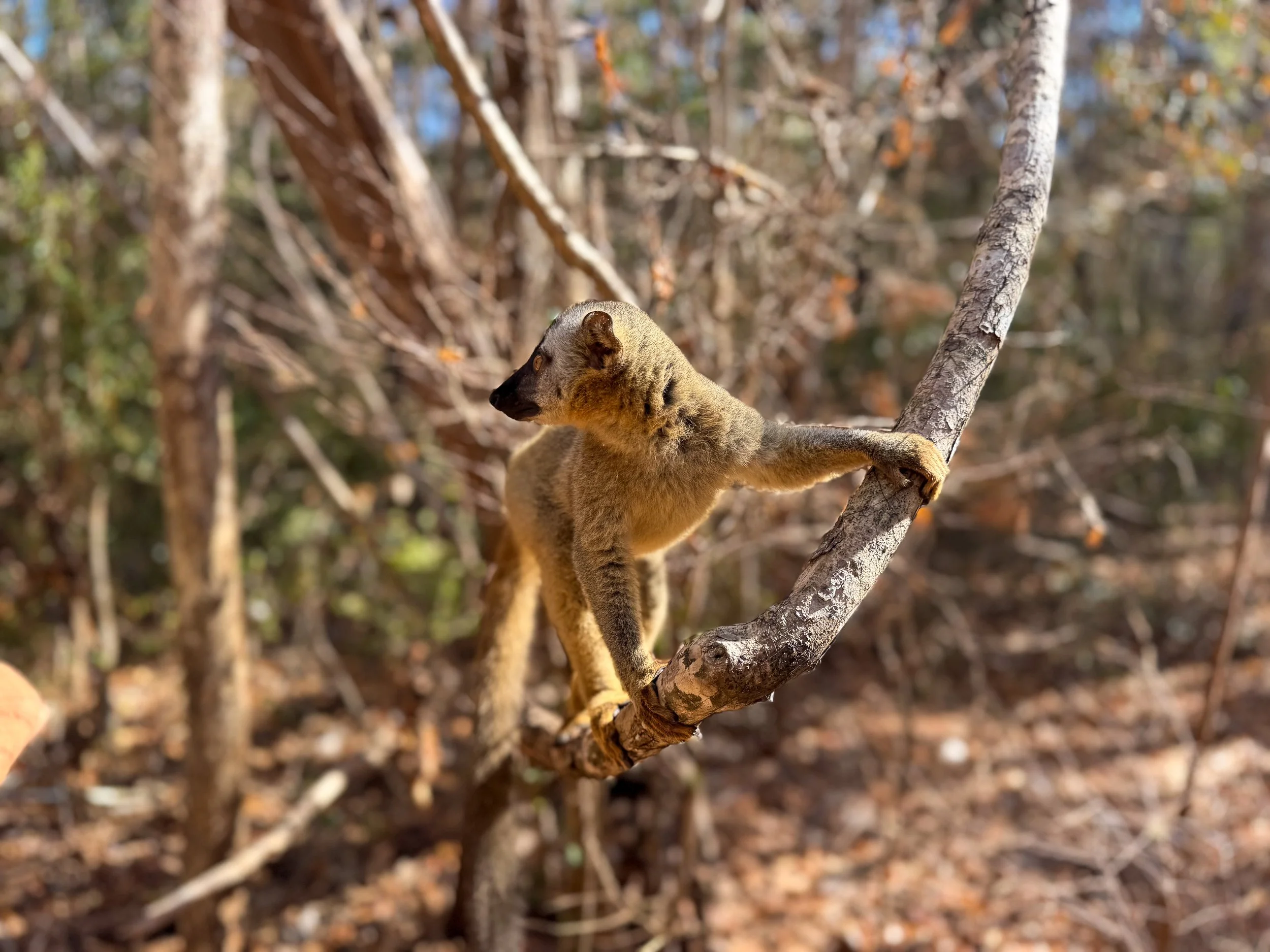
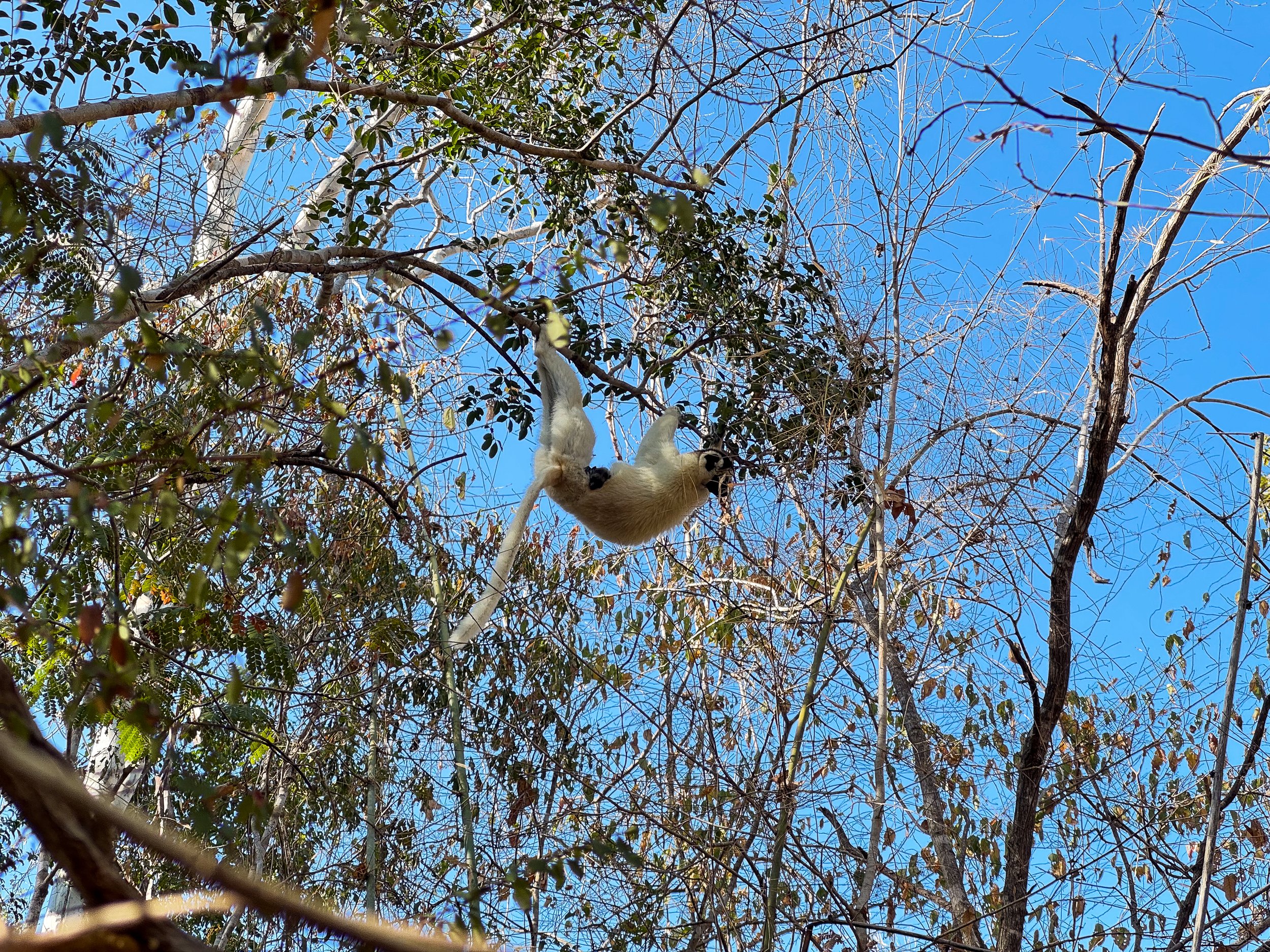
Kirindy Forest is a protected nature reserve home to wild lemurs, exotic birds and snails. Trails lead through dense thicket of small trees with the occasional baobab towering above the surrounding forest. Book with Eto Morondava.
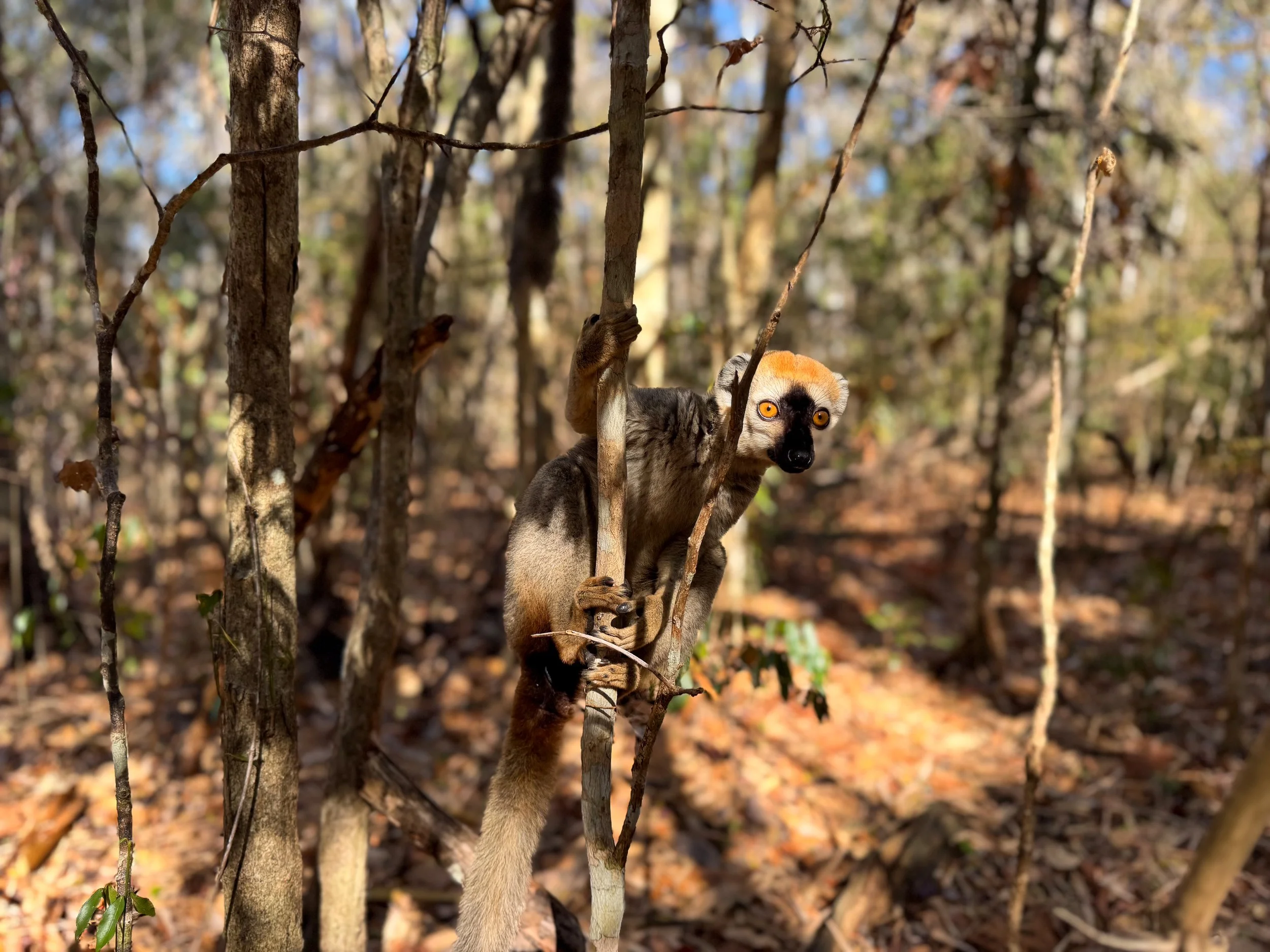
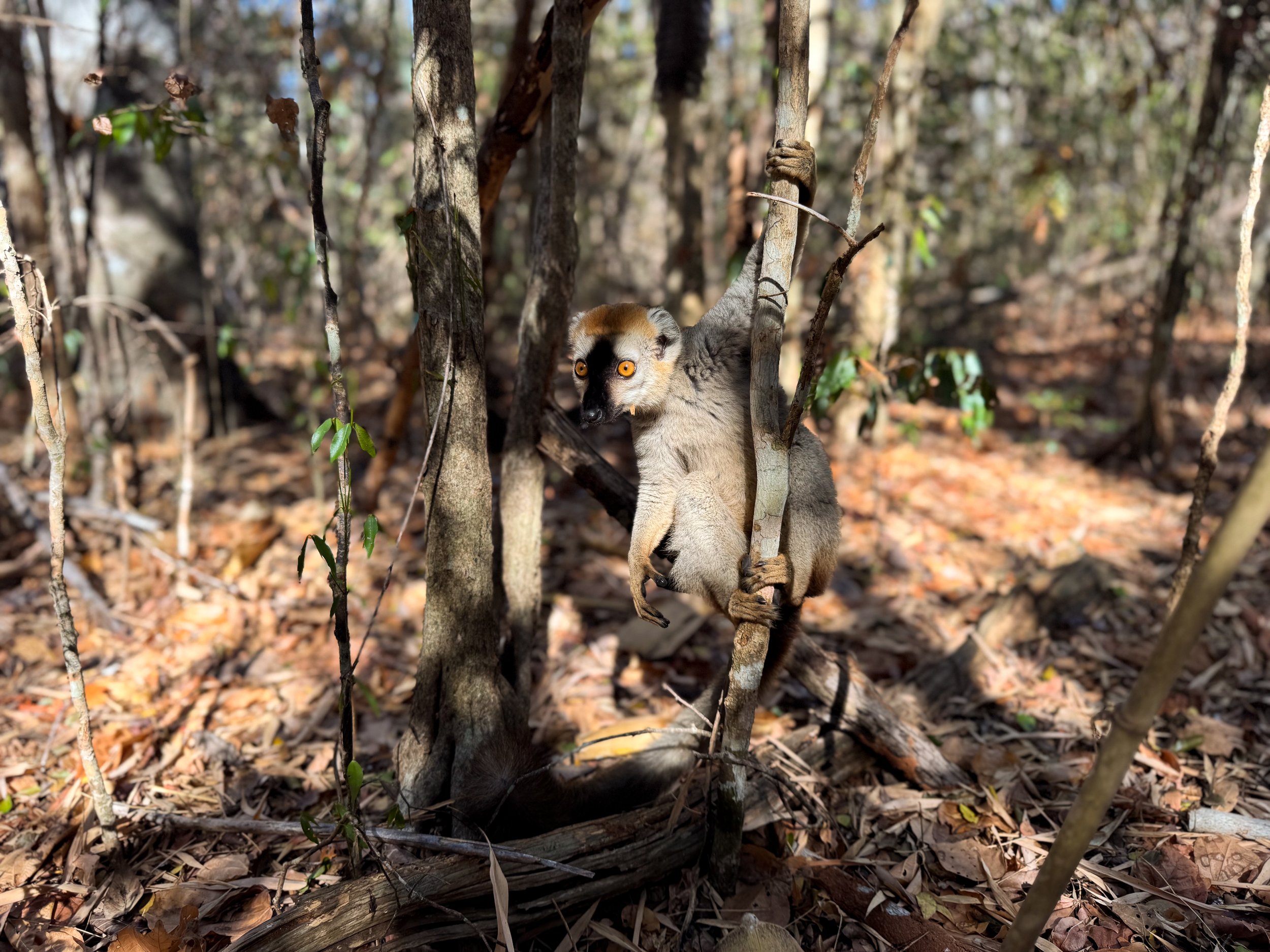
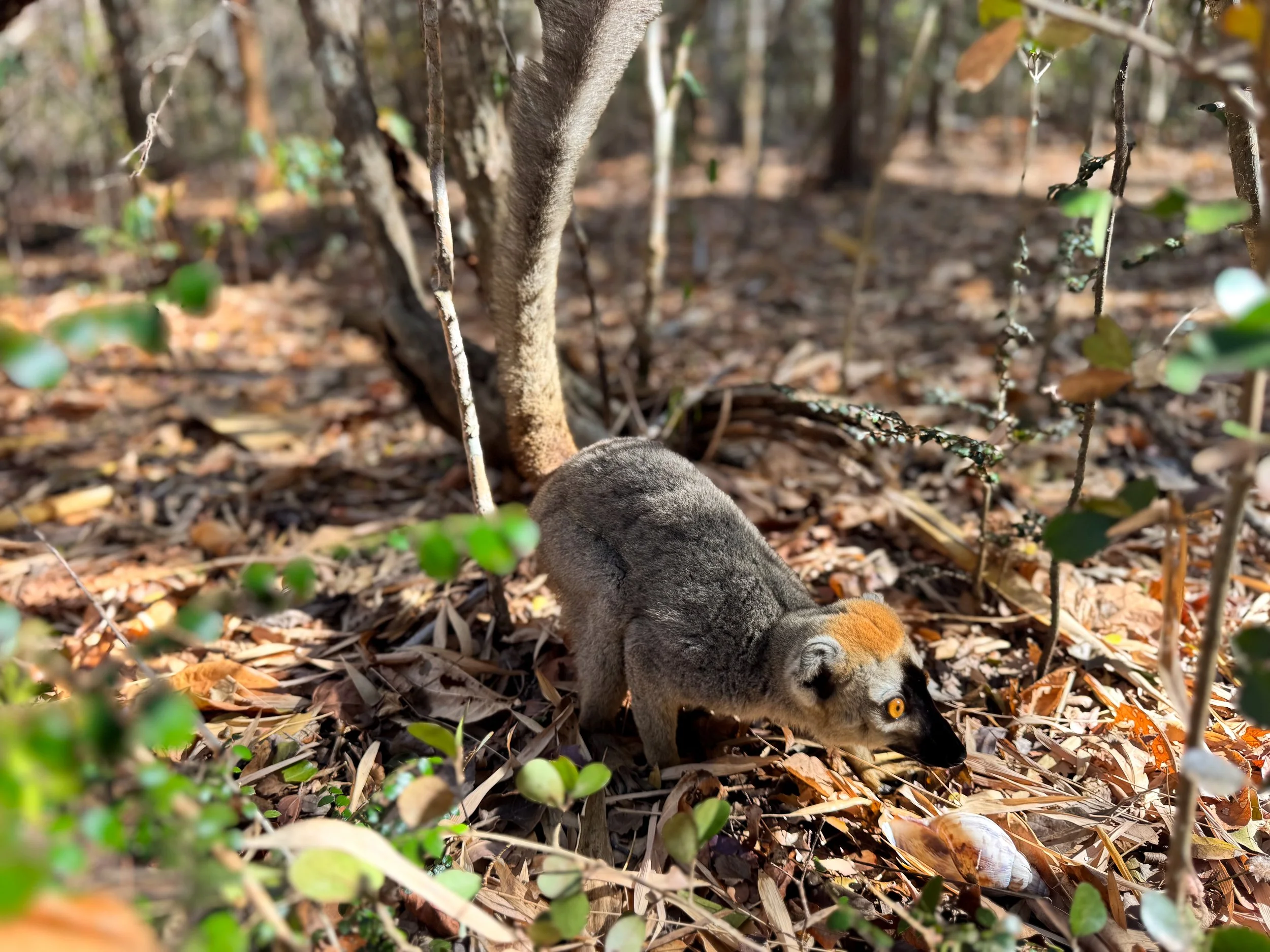
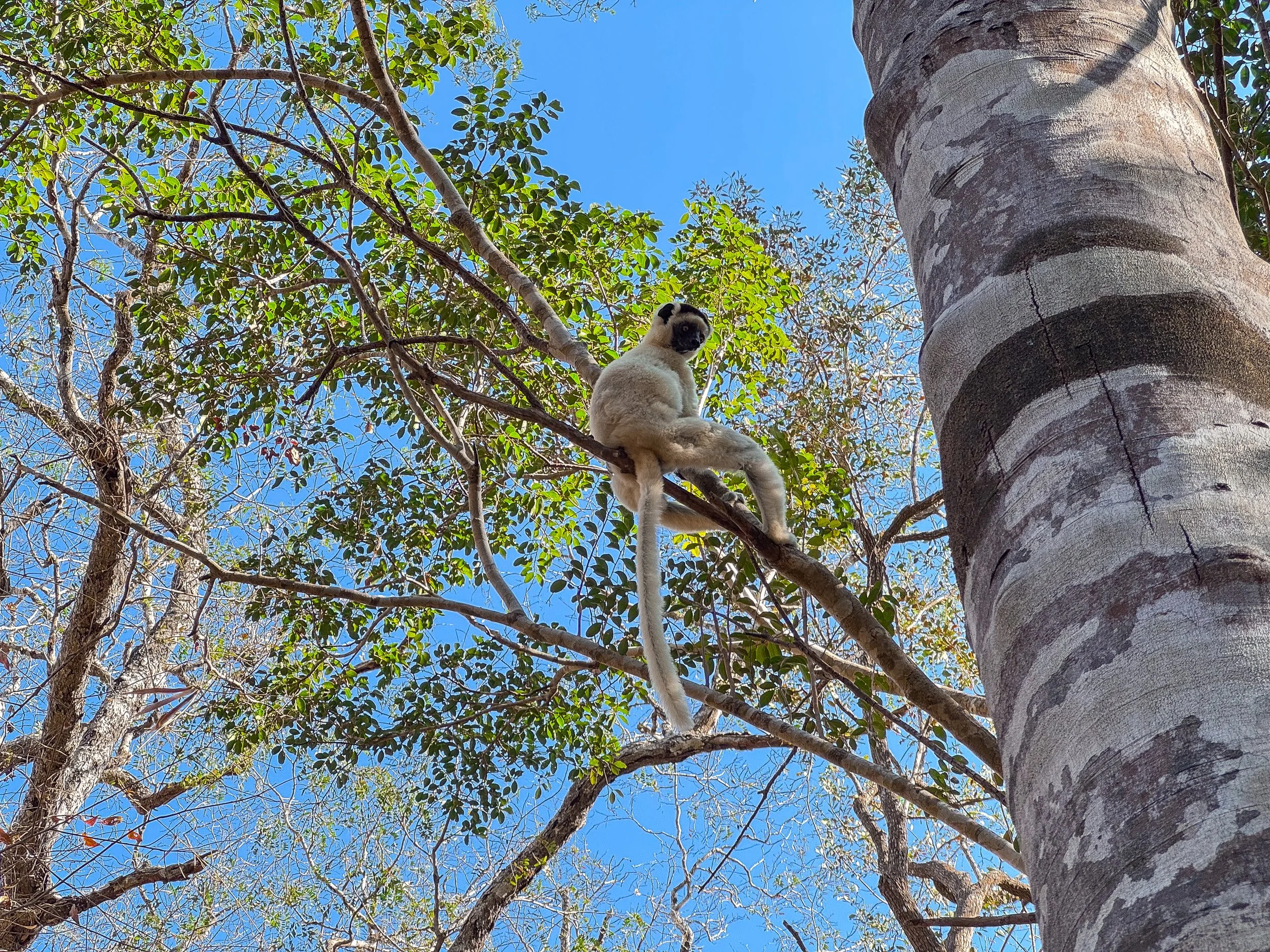
Lemur Tracking. Led by a guide, we tracked two groups of brown lemurs and one group of white lemurs. The brown lemurs nibbled on fruits in the tree top canopy while others foraged along the forest floor. Some were very curious, approaching close enough to see their amber eyes and long fuzzy tails in detail. The group of white lemurs stayed higher in the trees. They leapt great distances, springing quickly from tree to tree. One perched on a branch as its baby held closely onto its chest.
Pro Tip. Visit during the dry season when the forest is mostly bare for the best change of spotting lemurs.
Good to Know. It’s strictly forbidden to feed lemurs in order to prevent dependencies on humans. Guides however leave water in snail shells for them to drink from.
Getting Here. The route to Kirindy Forest is a bumpy adventure down a pitted dirt road. It’s located an hour beyond the Avenue of the Baobabs and only reachable by 4x4.
Places to Eat & Drink in Morondava
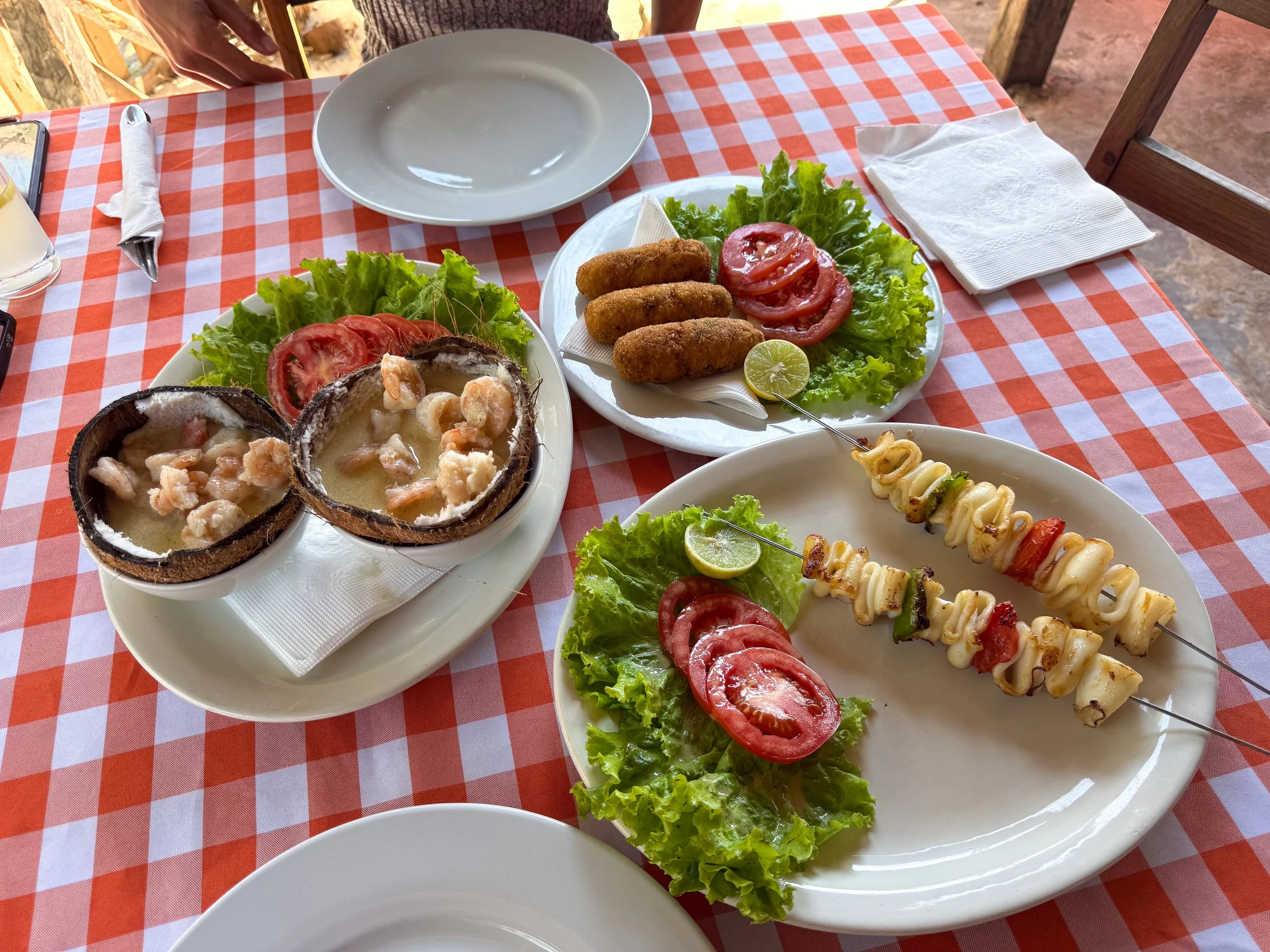
Le Corail. A Malagasy restaurant with freshly caught seafood. We visited for our first lunch, sharing a spread of dishes including coconut shrimp, crab croquettes and squid skewers while sipping in Rhum au Coco and Ti Punch.
Bleu Soleil. A beachfront restaurant with a chalk board menu featuring a list of “plats des jour” and the daily catch. We ordered the coconut stewed octopus and grilled tuna steaks bathed in a savory seafood broth.
Bleu Soleil Glace. An ice cream shop attached to the Bleu Soleil Restaurant. They serve freshly made soft serve ice cream using local fruits and flavors like Madagascar vanilla, coconut, baobab, chocolate and coffee.
L'Etoile. A bar with house infused Malagasy rums. A spectrum of bottles are displayed on a shelf behind the bar, each with a different rum infusion. We each sampled and sipped on several rums infused the vanilla, cola, herbs, coffee, dates, anise, baobab, coconut and cocoa. At night, a live band plays Malagasy music.
Hotely Gasy. A popular street food kitchen with Malagasy dishes displayed in a glass cases. We ordered a whole fish, boiled cassava, cucumber salad and fry breads. It’s a very affordable way to taste the local cuisine.
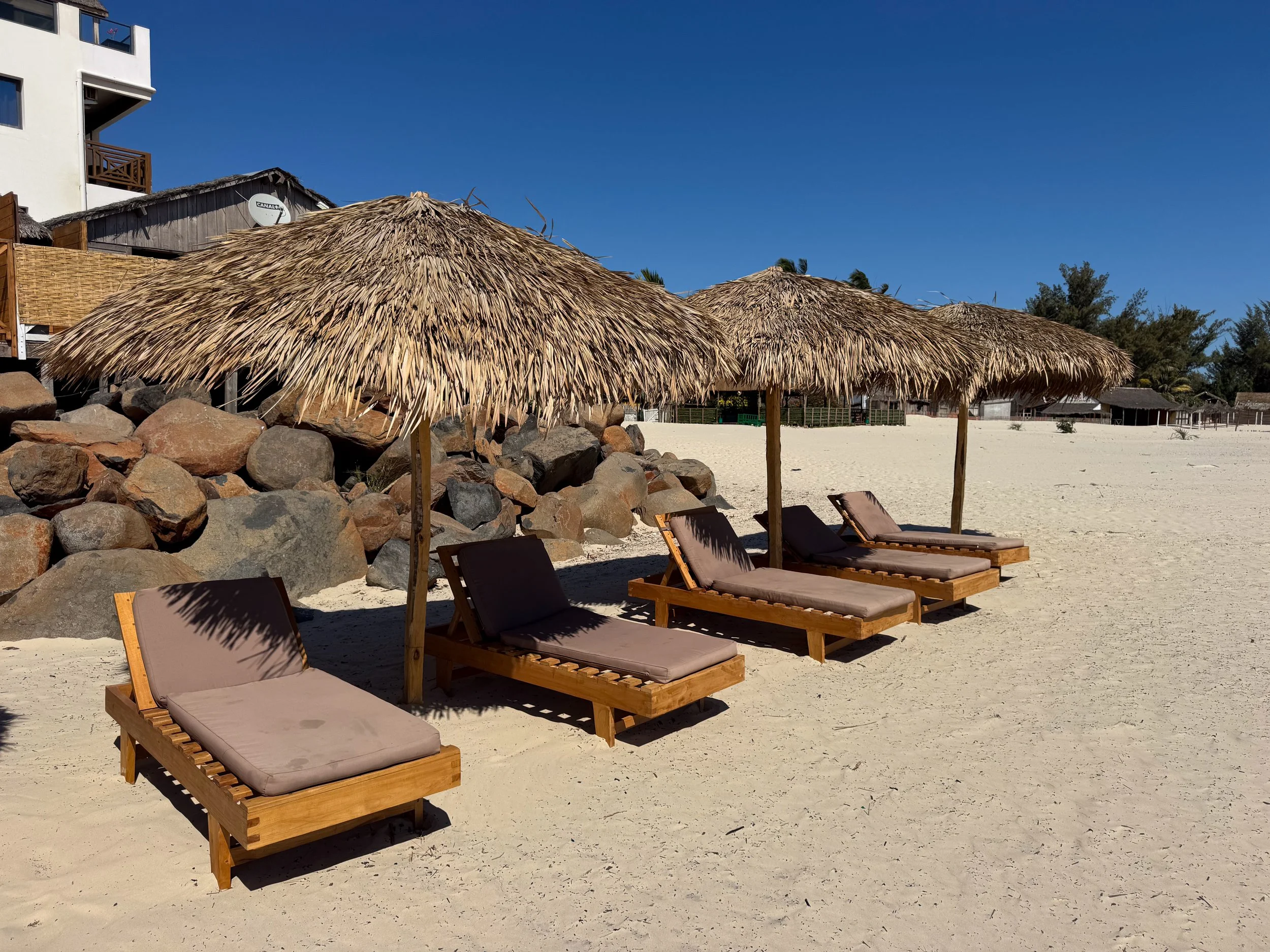
Casa Marina Restaurant. A hotel restaurant on Morondava Beach with free sun lounges and thatched umbrellas for customers and guests. We ordered cocktails from the bar and laid out for the afternoon.
Law Milka Boulangerie Patisserie. A locally famous bakery with French style pastries, classic baguettes and cakes. We ordered an eclair, pan au chocolate, custard raisin roll.
Where to Stay in Morondava
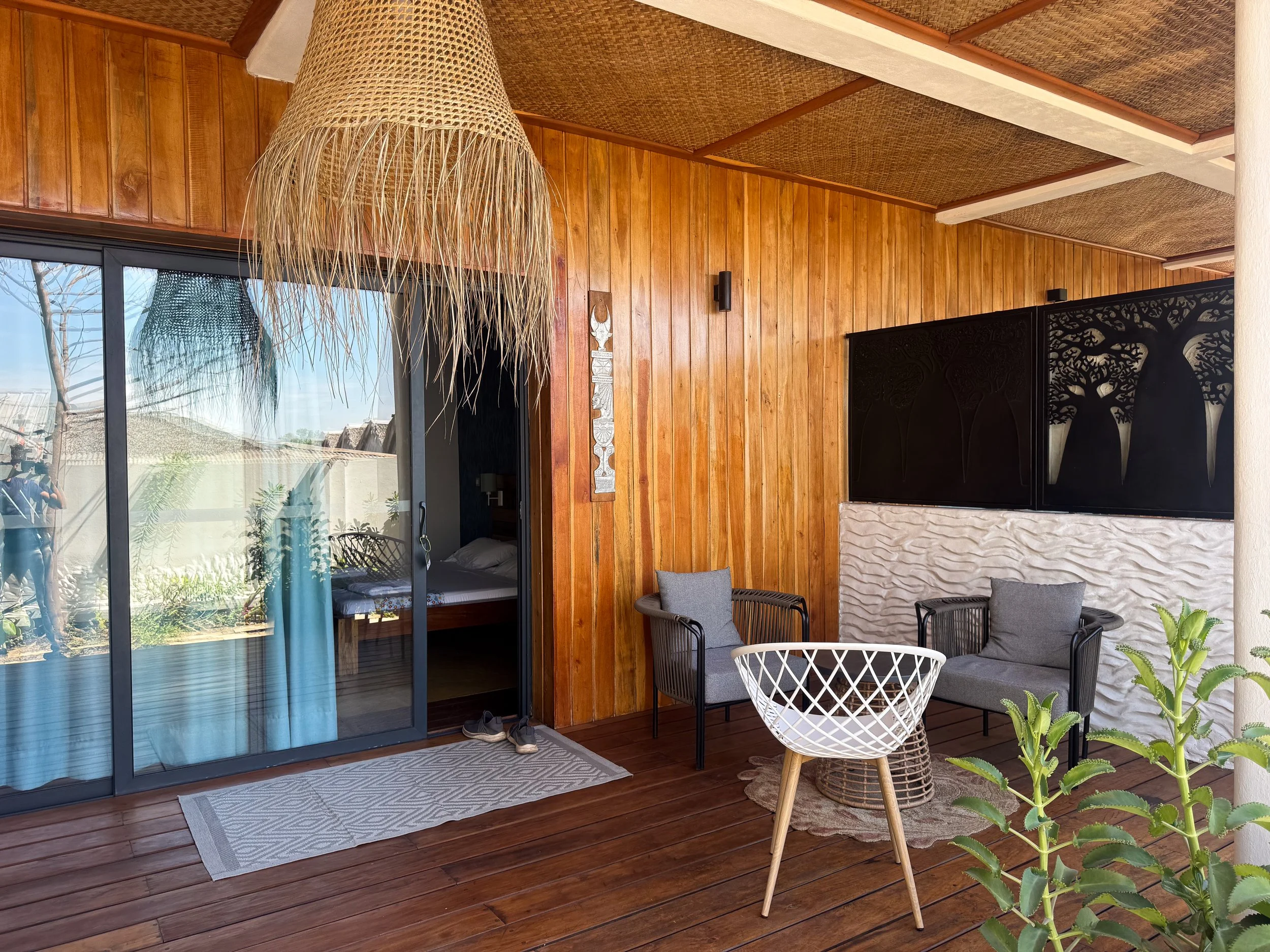
Kily House. A boutique hotel in Nosy Kely with spacious and well designed rooms with outdoor patios. The hotel is located nearby several Malagasy restaurants and the town’s main beach. They offer coffee and breakfast, arrange tours and transfers. Reserve on Booking.
Tsingy National Park
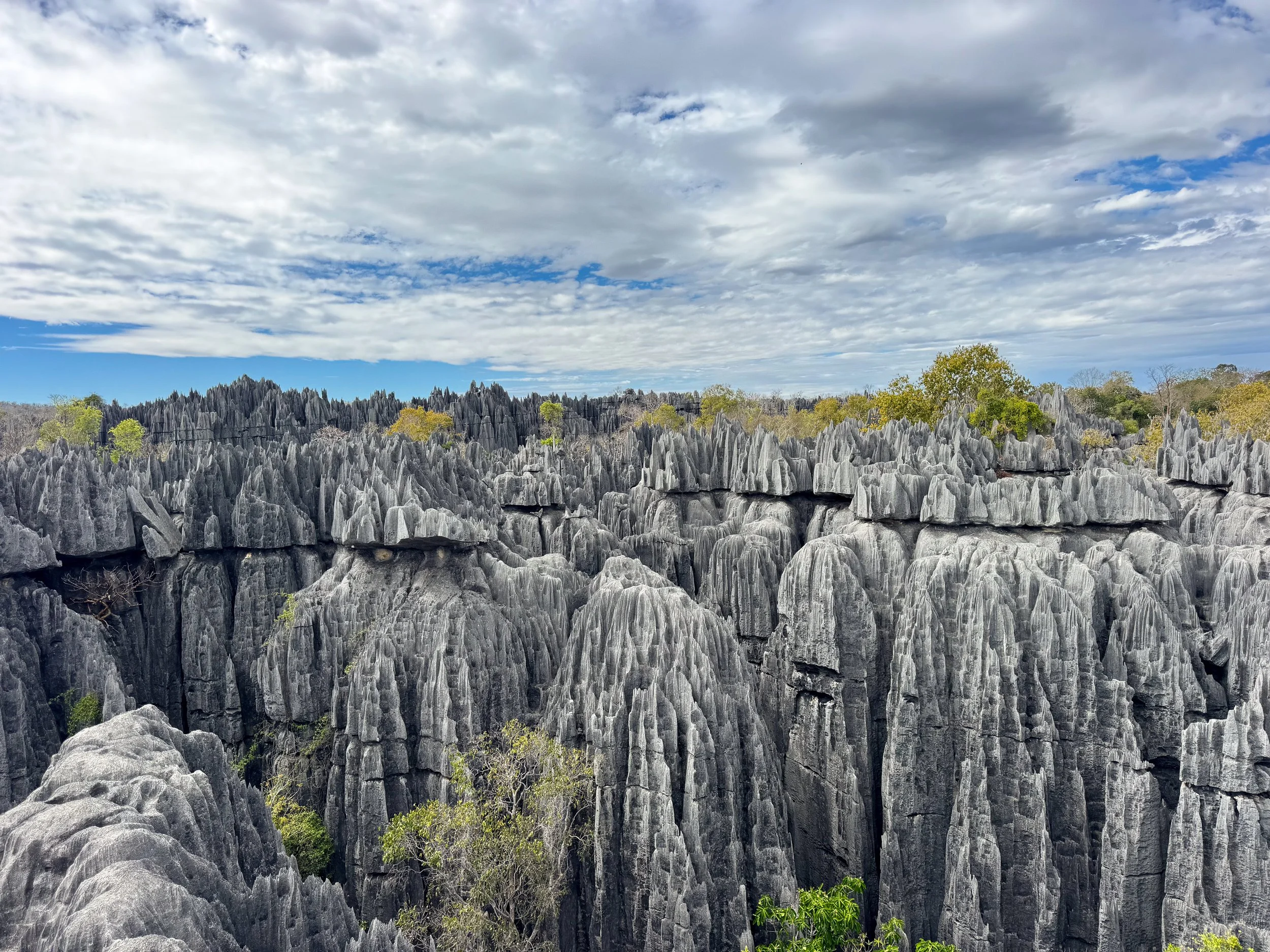
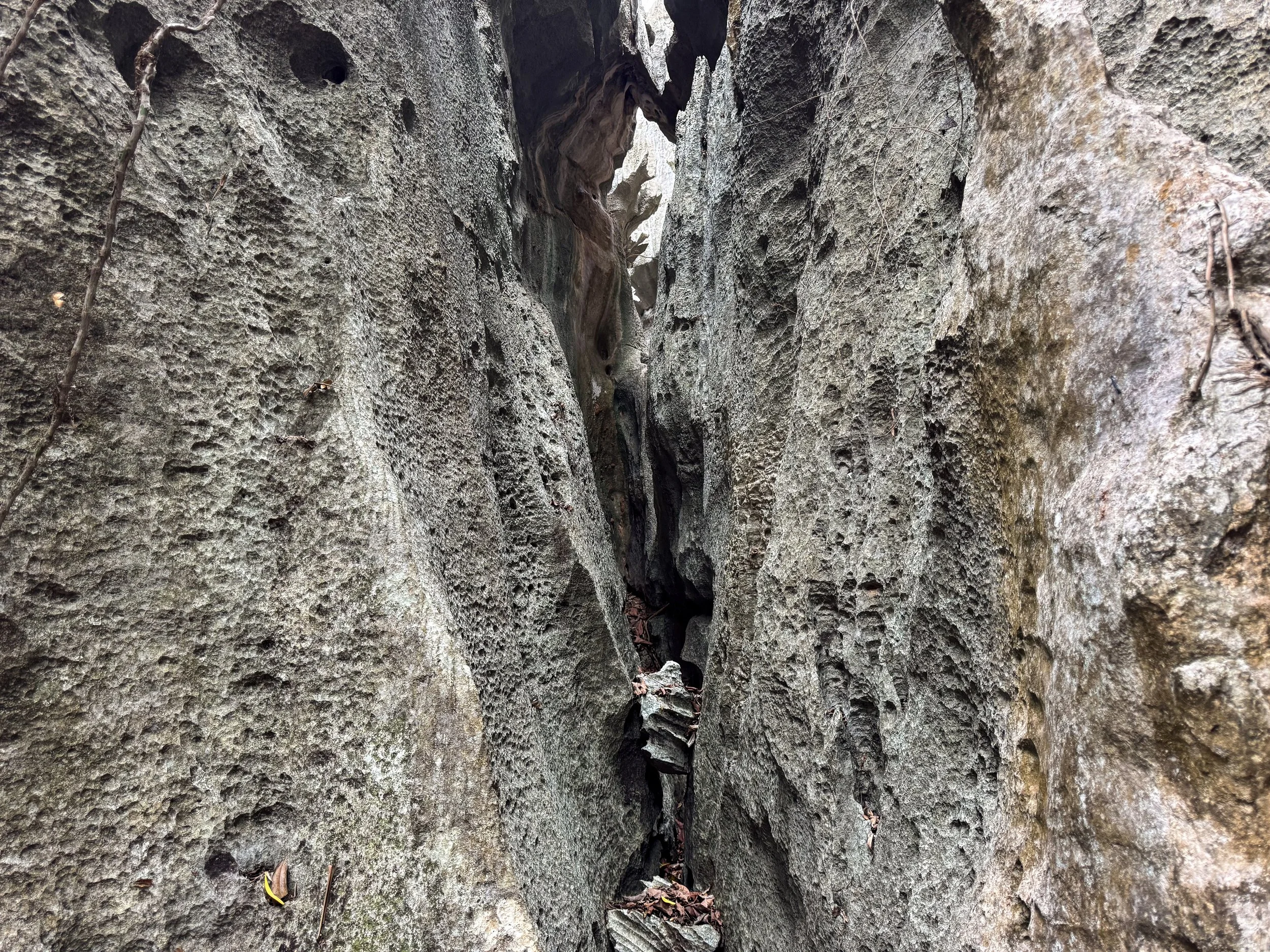
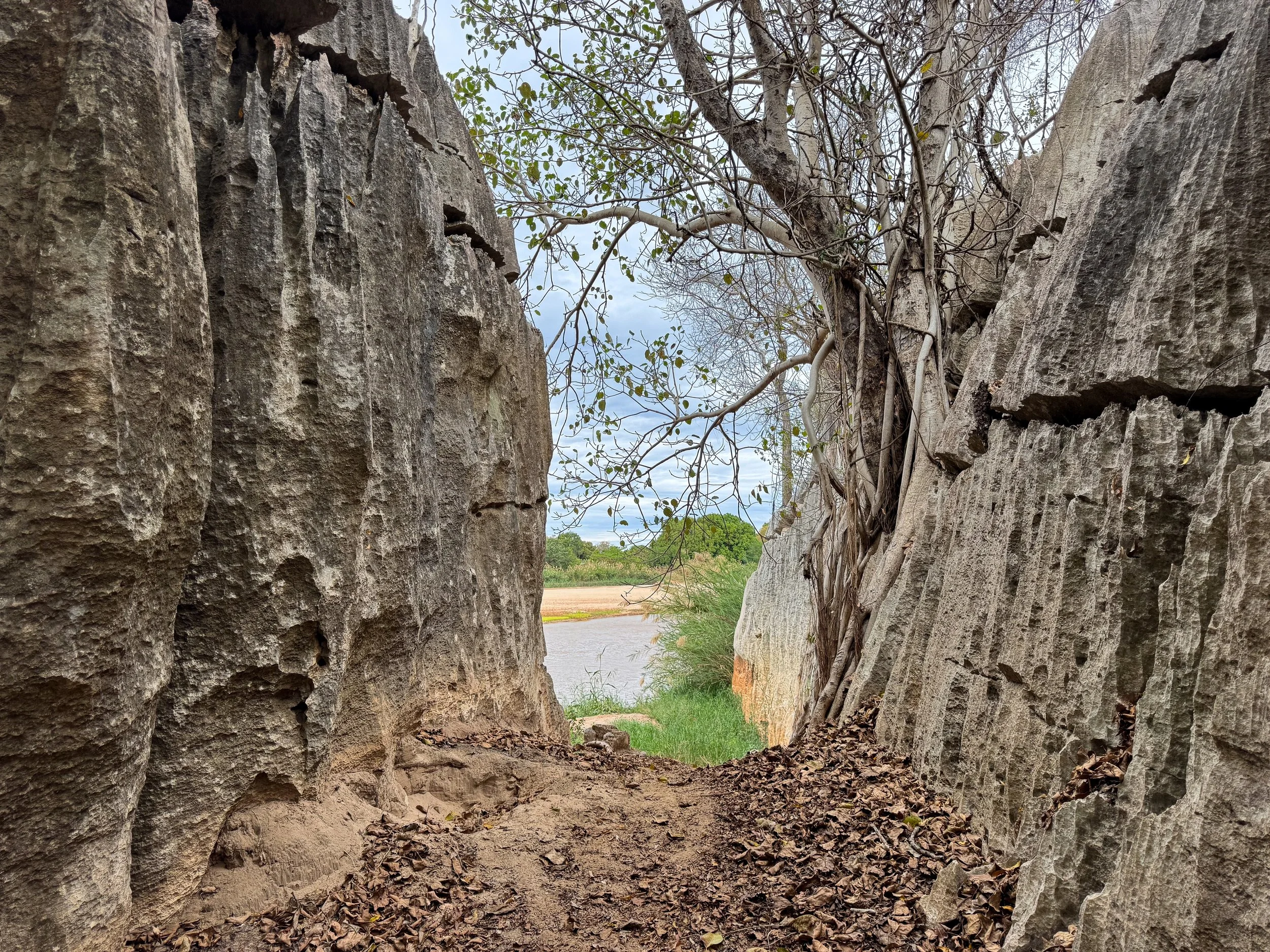
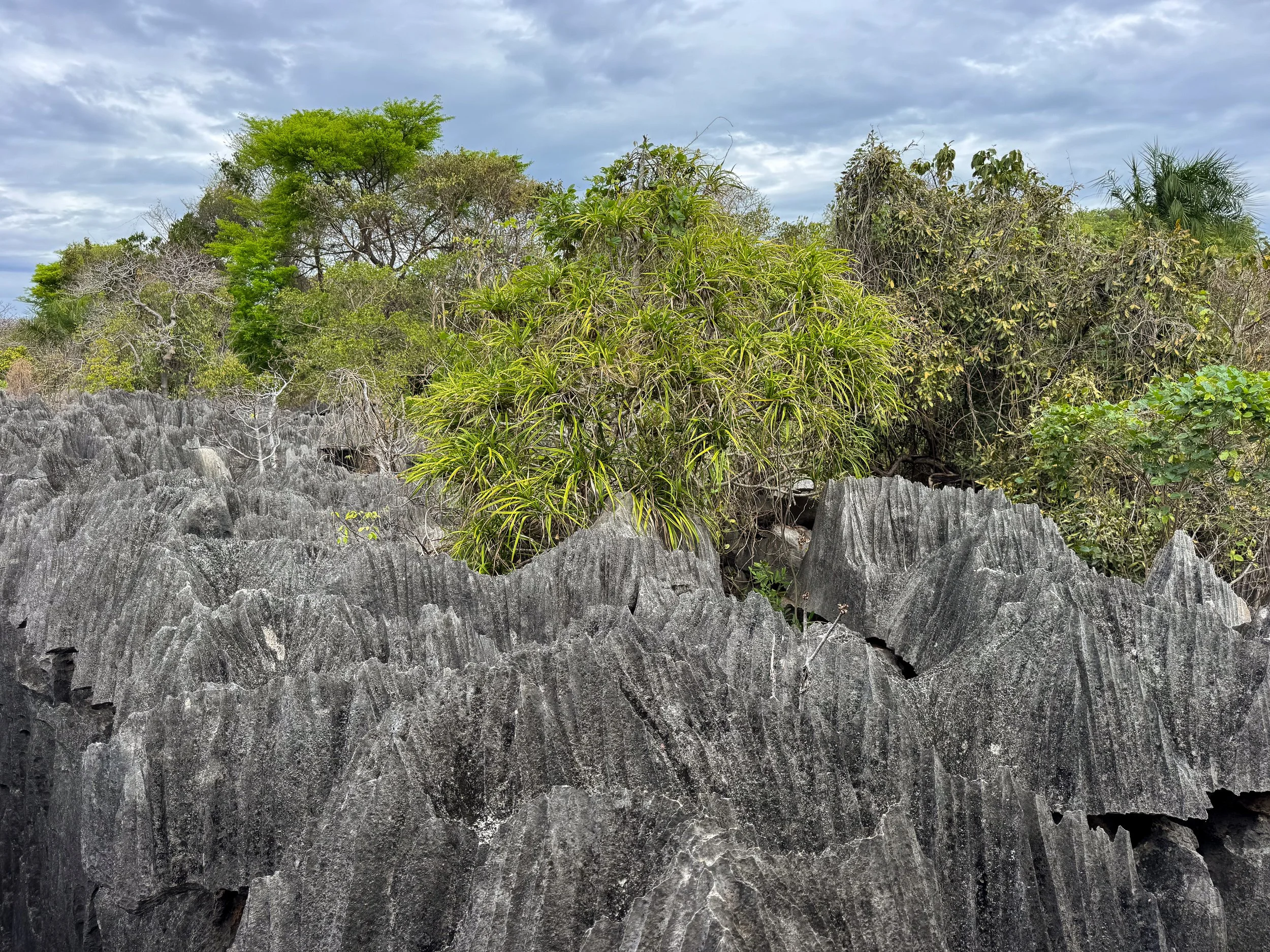
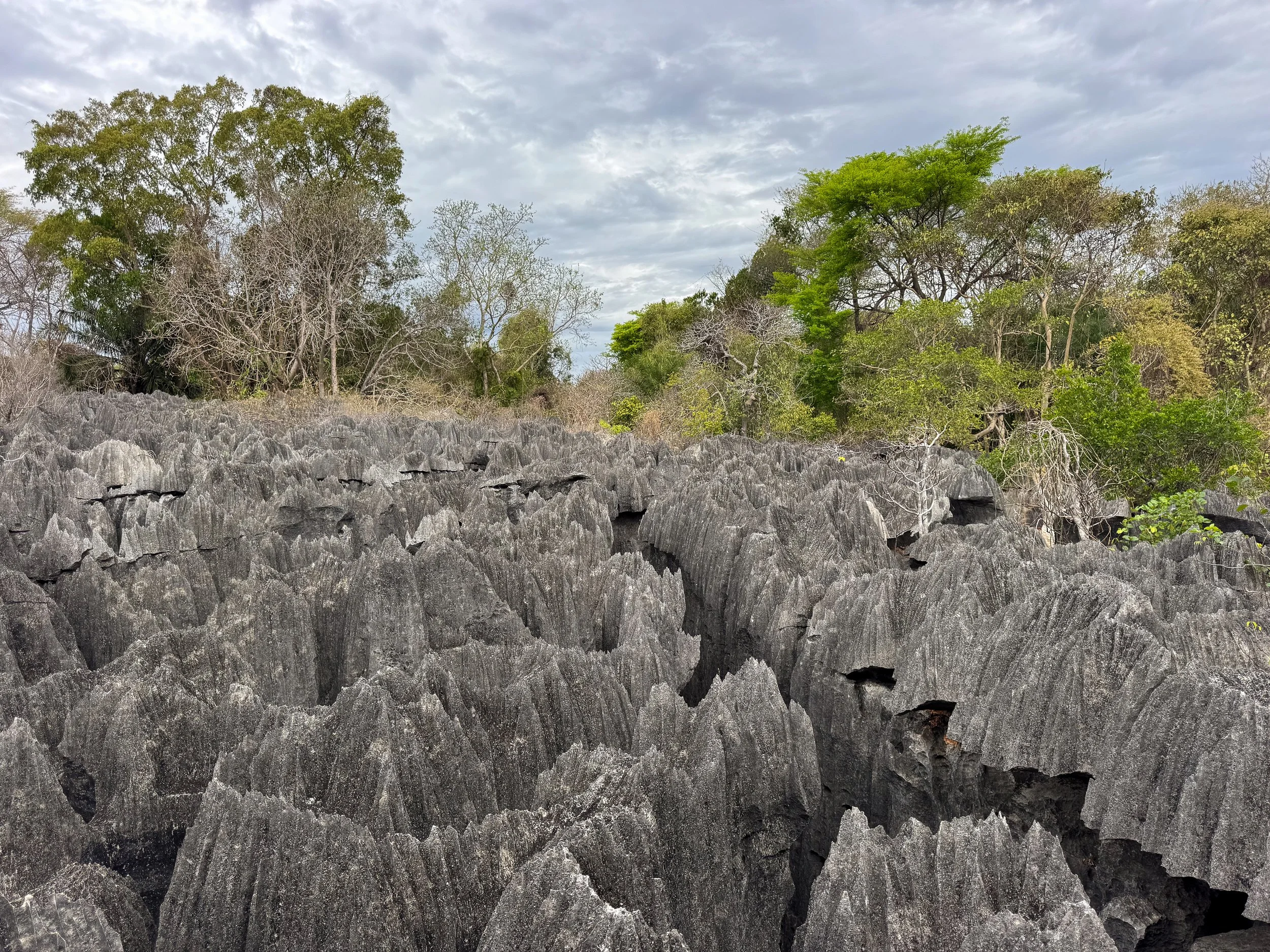
Tsingy National Park is a stone forest with a labyrinth of jagged and cathedral-like limestone formations. A series of walkways, suspension bridges and ladders weave through the park’s two sections, Grand Tsingy and Petite Tsingy. Book with Eto Morondava.
Grand Tsingy
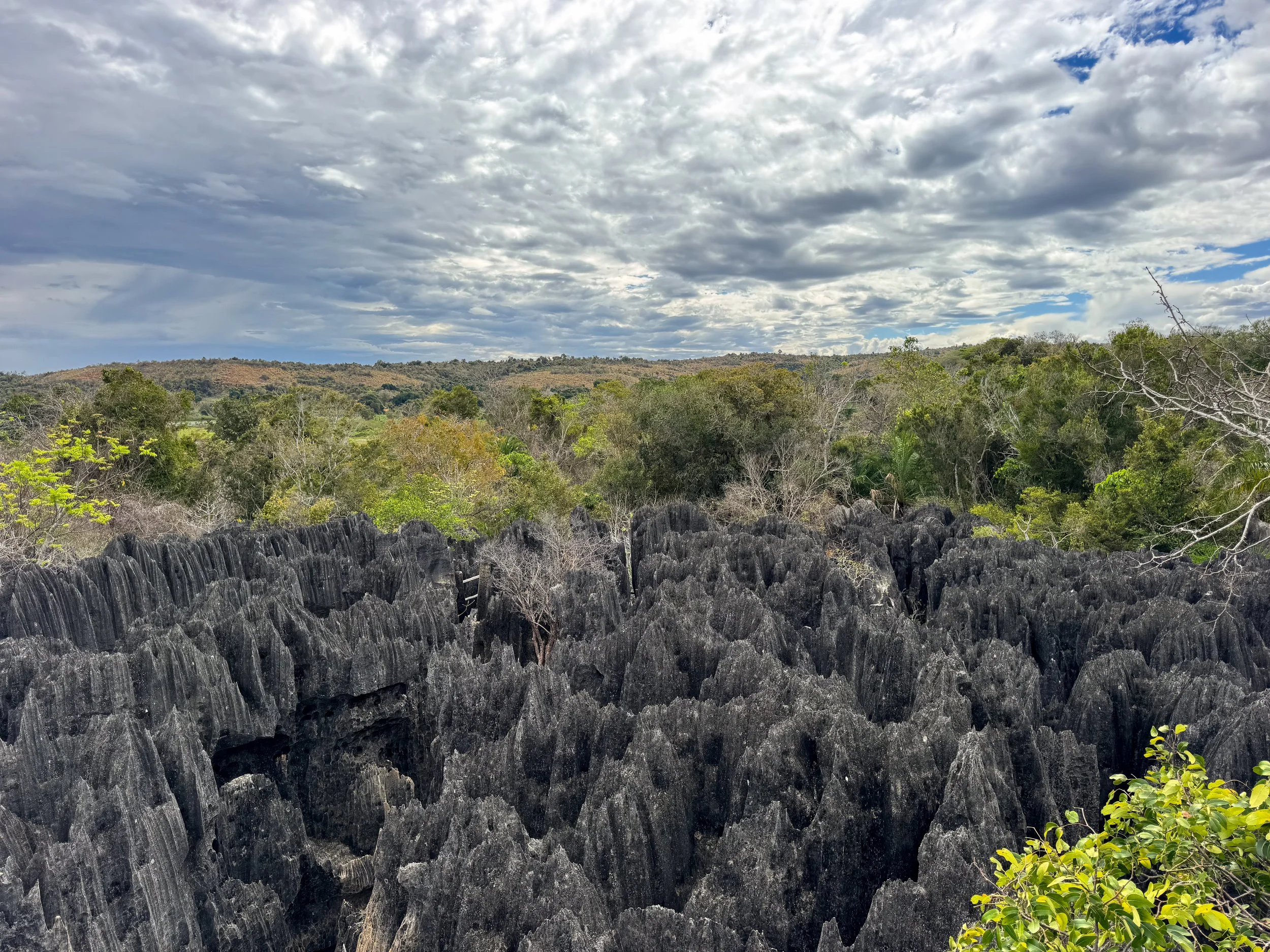
Grand Tsingy is the largest and most impressive section of Tsingy National Park. The best way to experience it is on the Andamozayaky Trail. It leads through the rock forest and cathedral to reach The Tsingy.
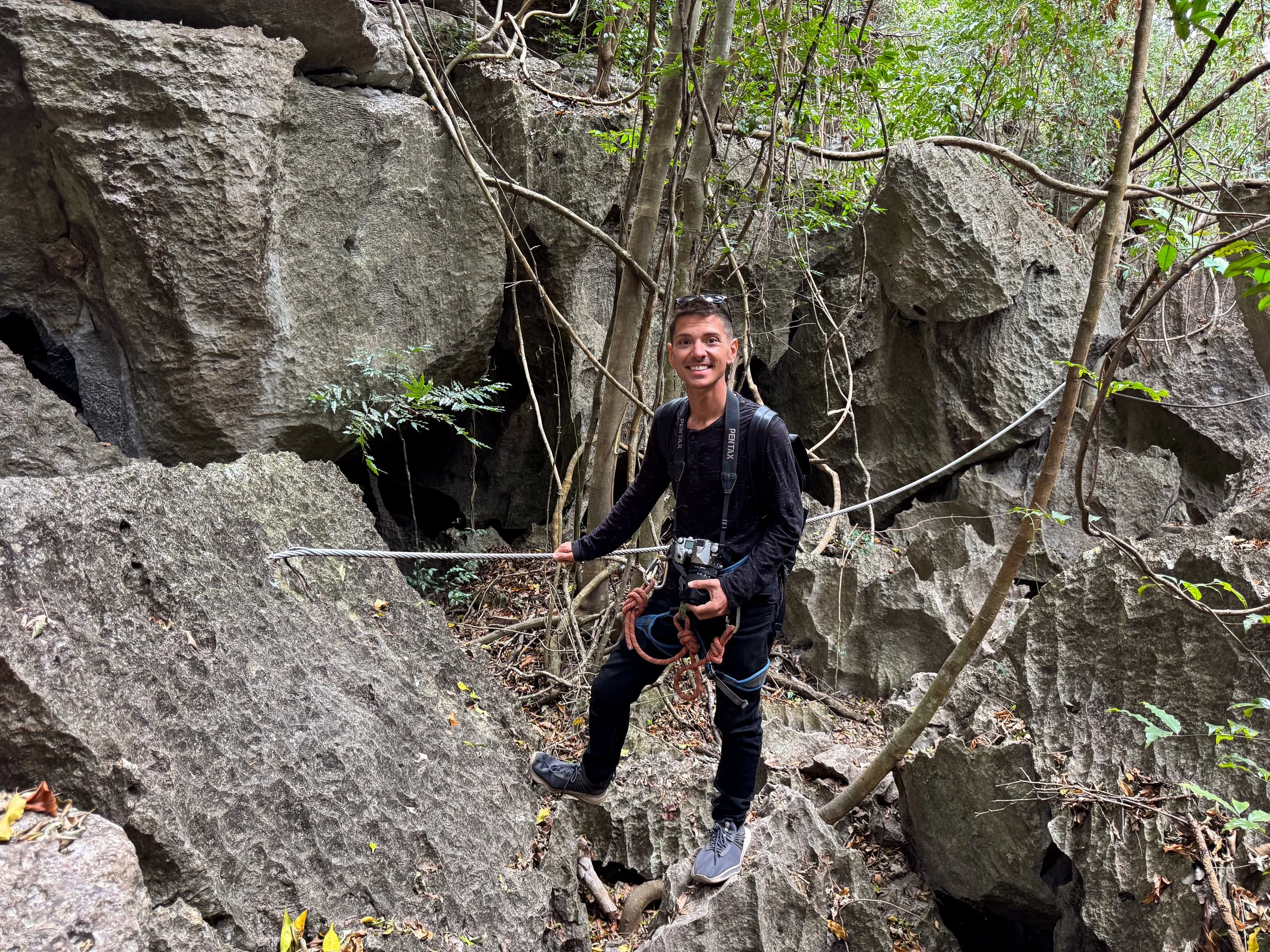
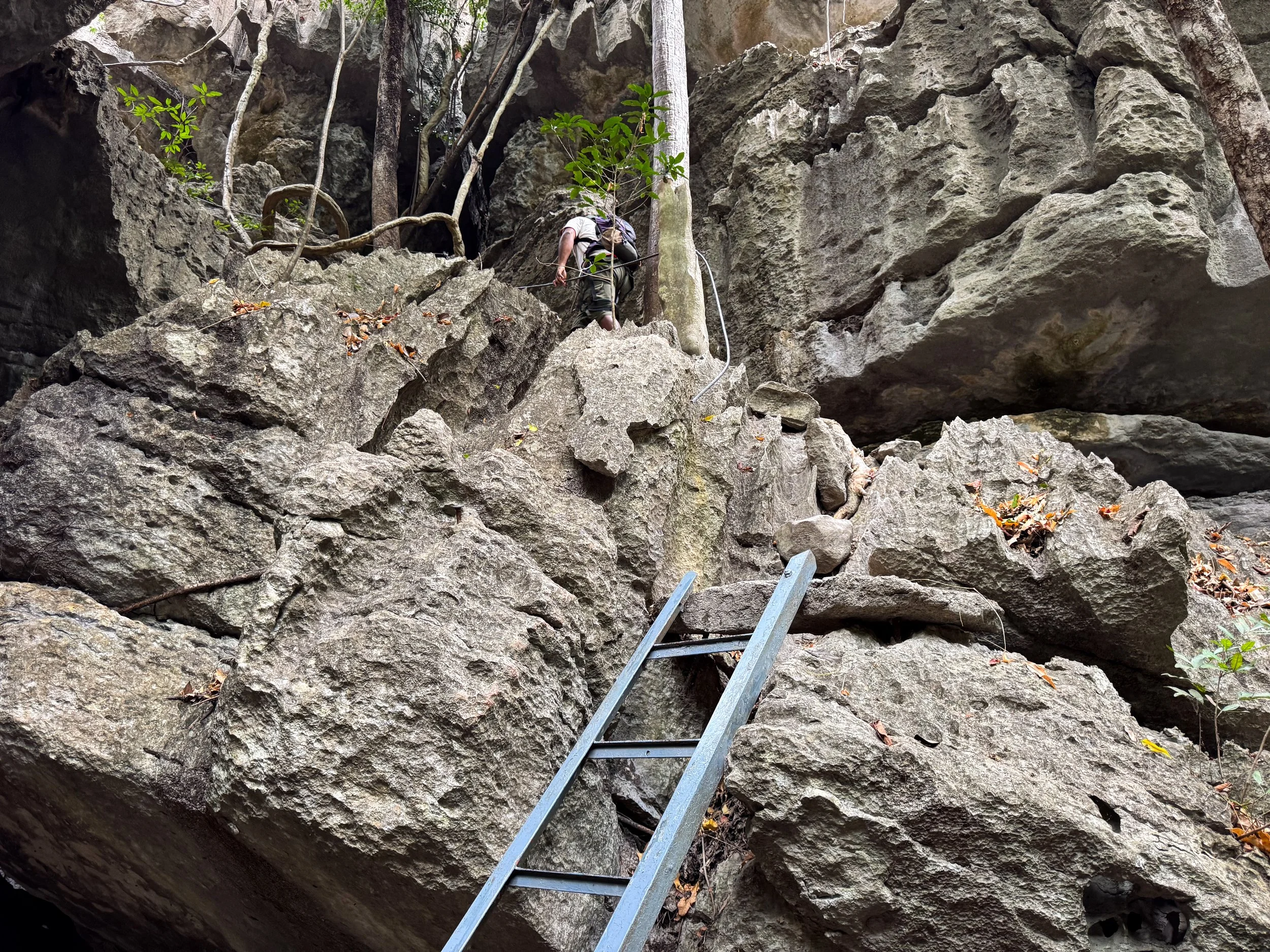
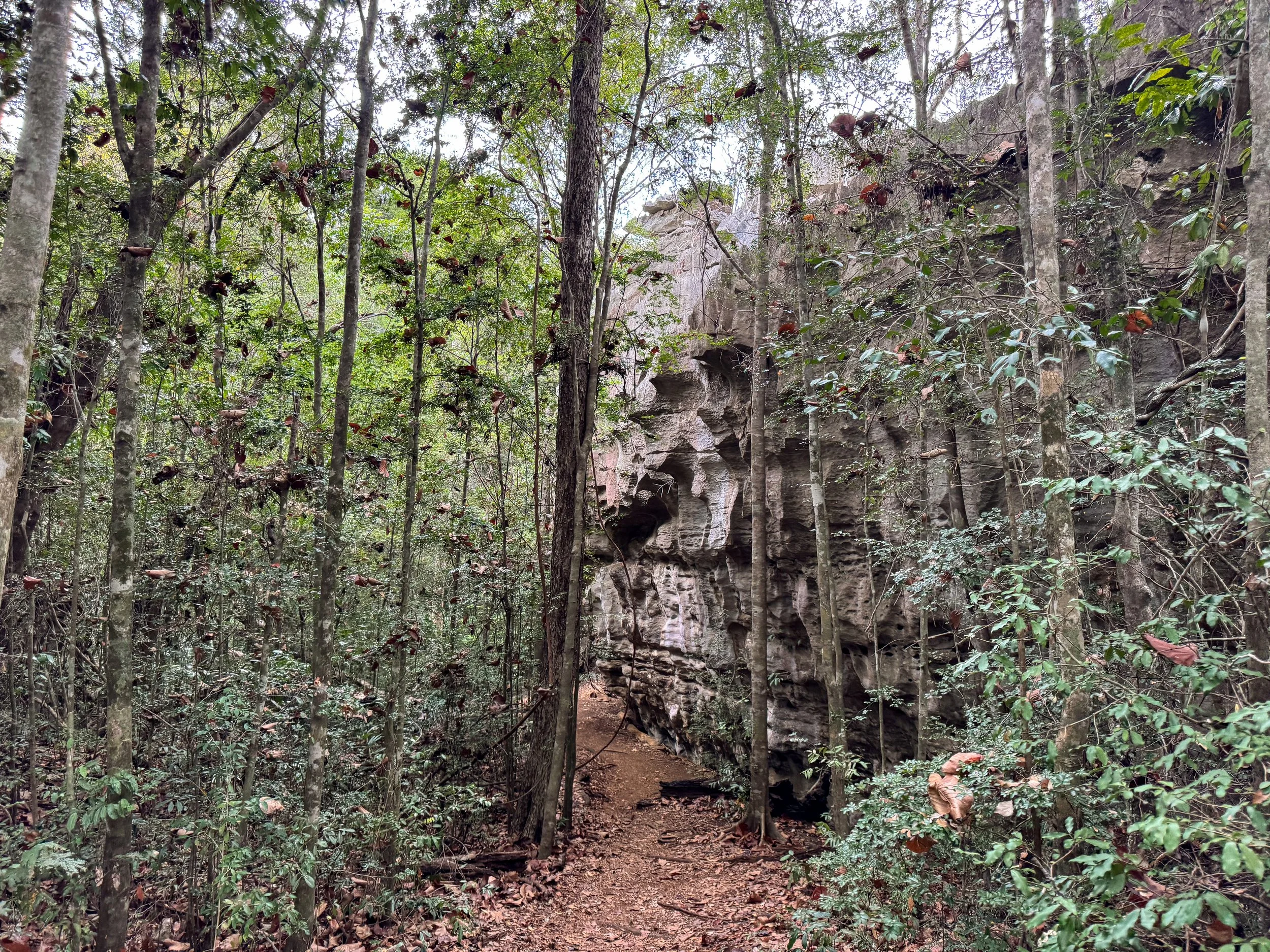
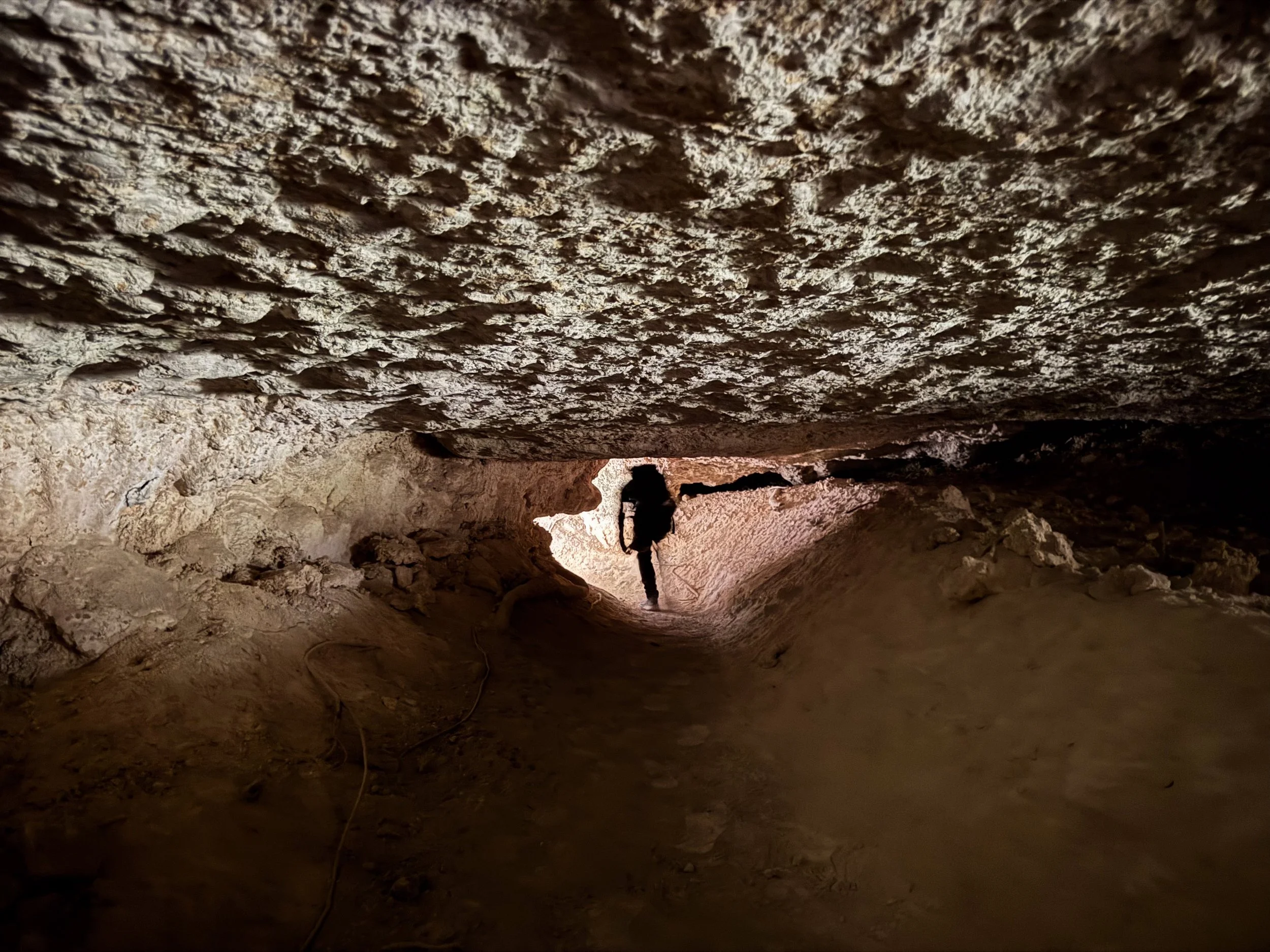
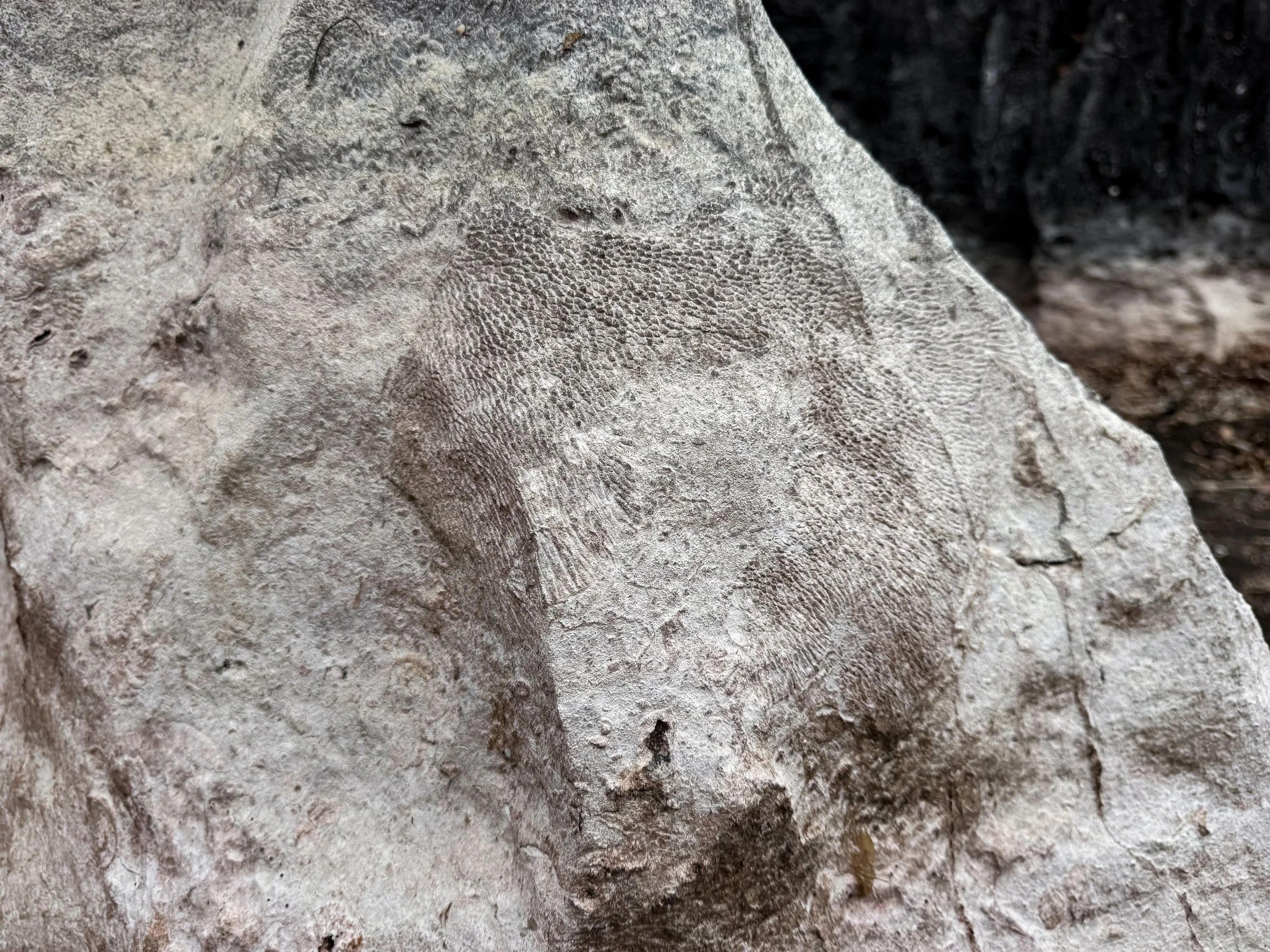
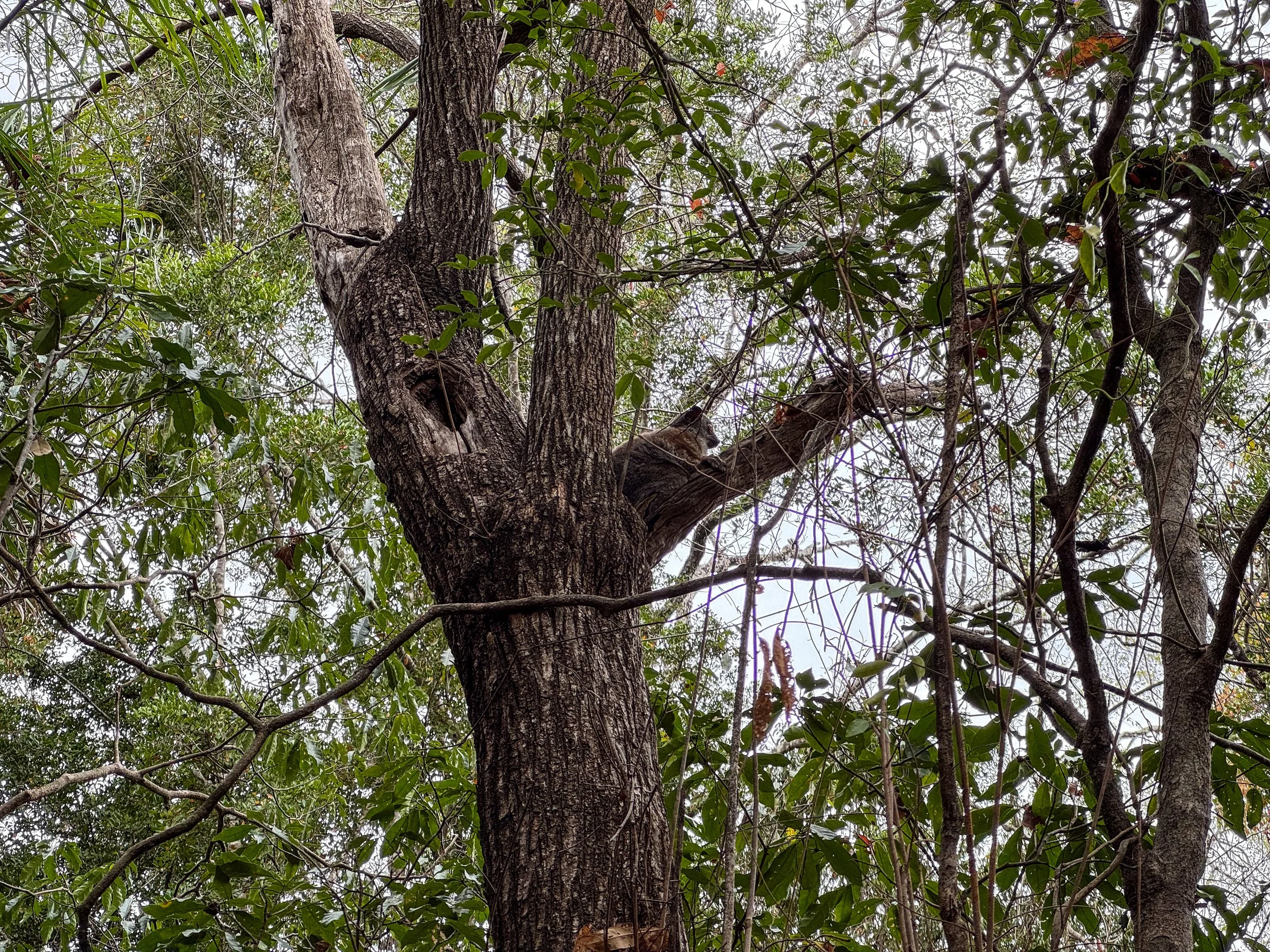
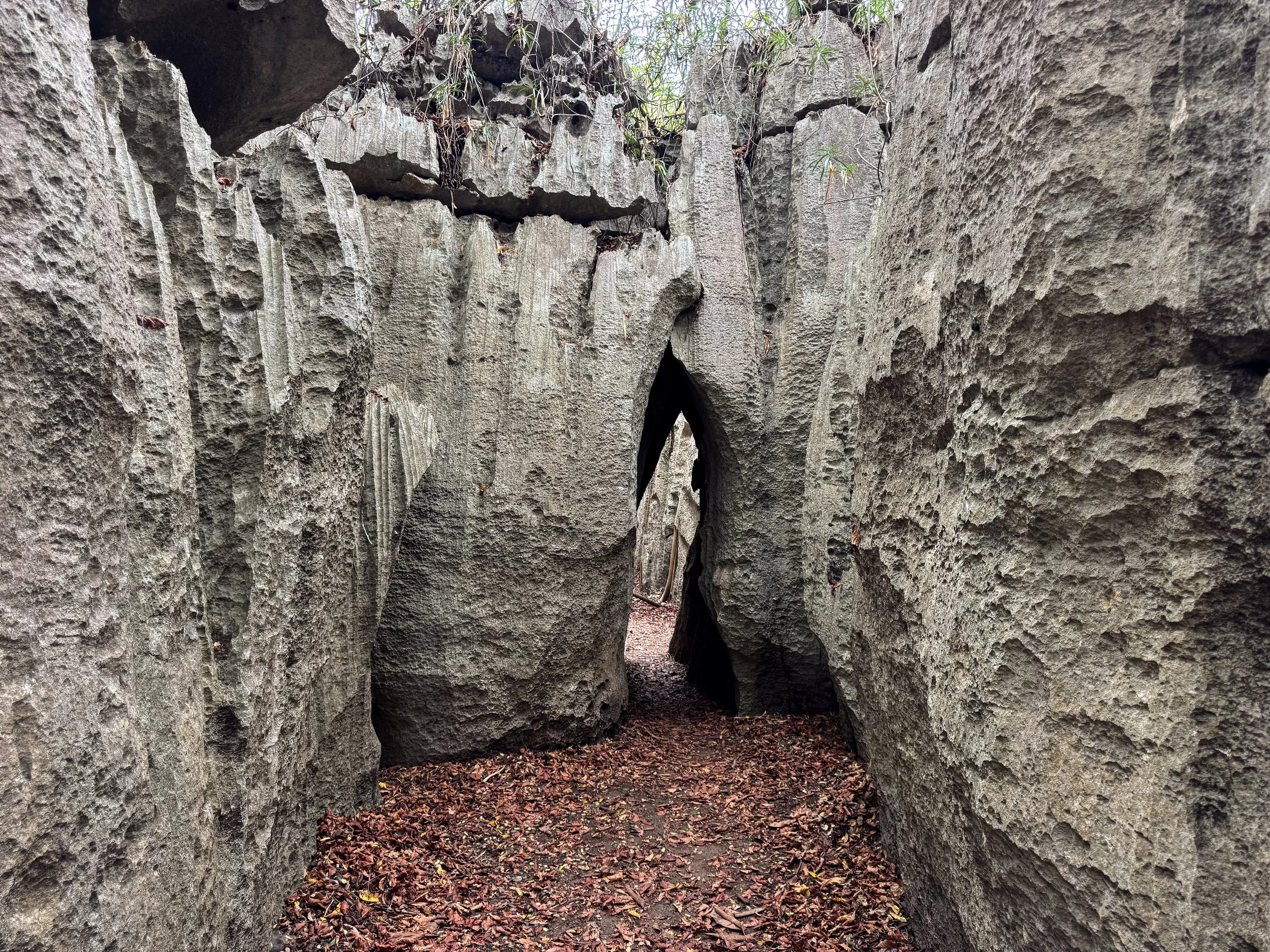
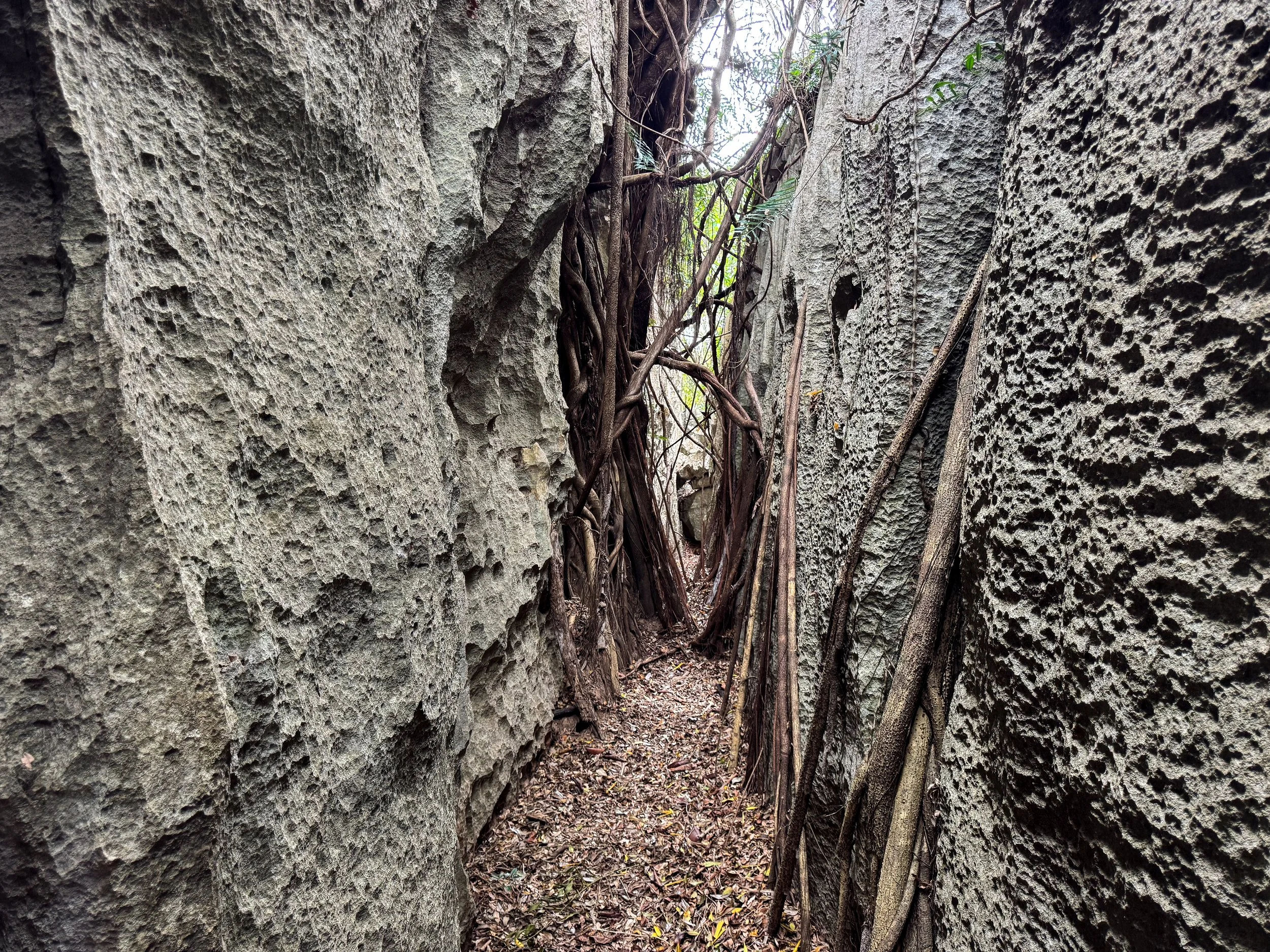
The Rock Forest. The Rock Forest is a tree covered area with craggily rock formations. Ladders lead through steep crevices and over large boulders. Tree roots and vines are frequently used for support and balance. It’s a habitat for primates like the Sportive Lemur. Fossils of Jurassic period corals are visible in the bleached limestone. A shallow cave leads through the final section of The Rock Forest into the beginning of The Cathedral.
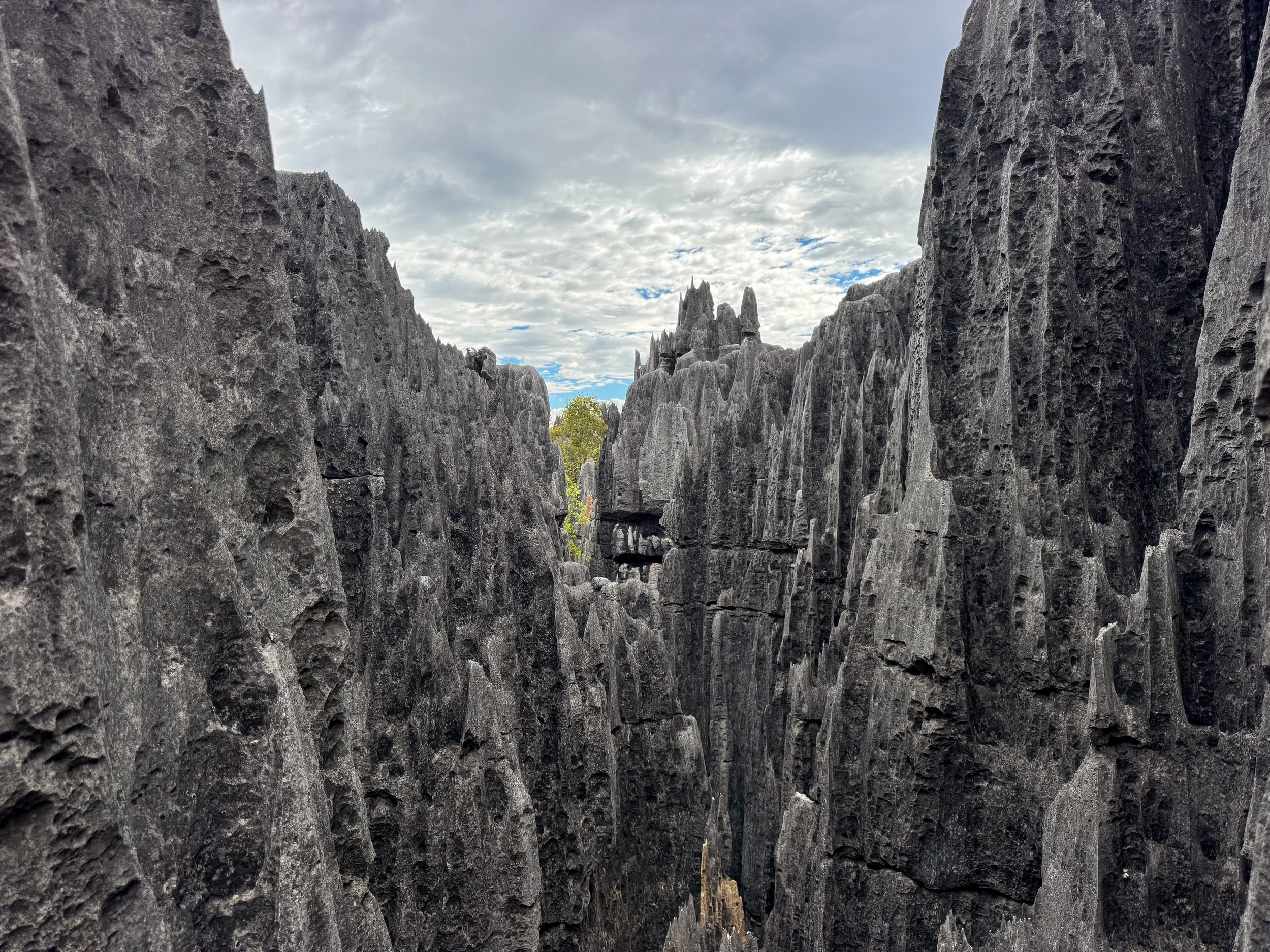
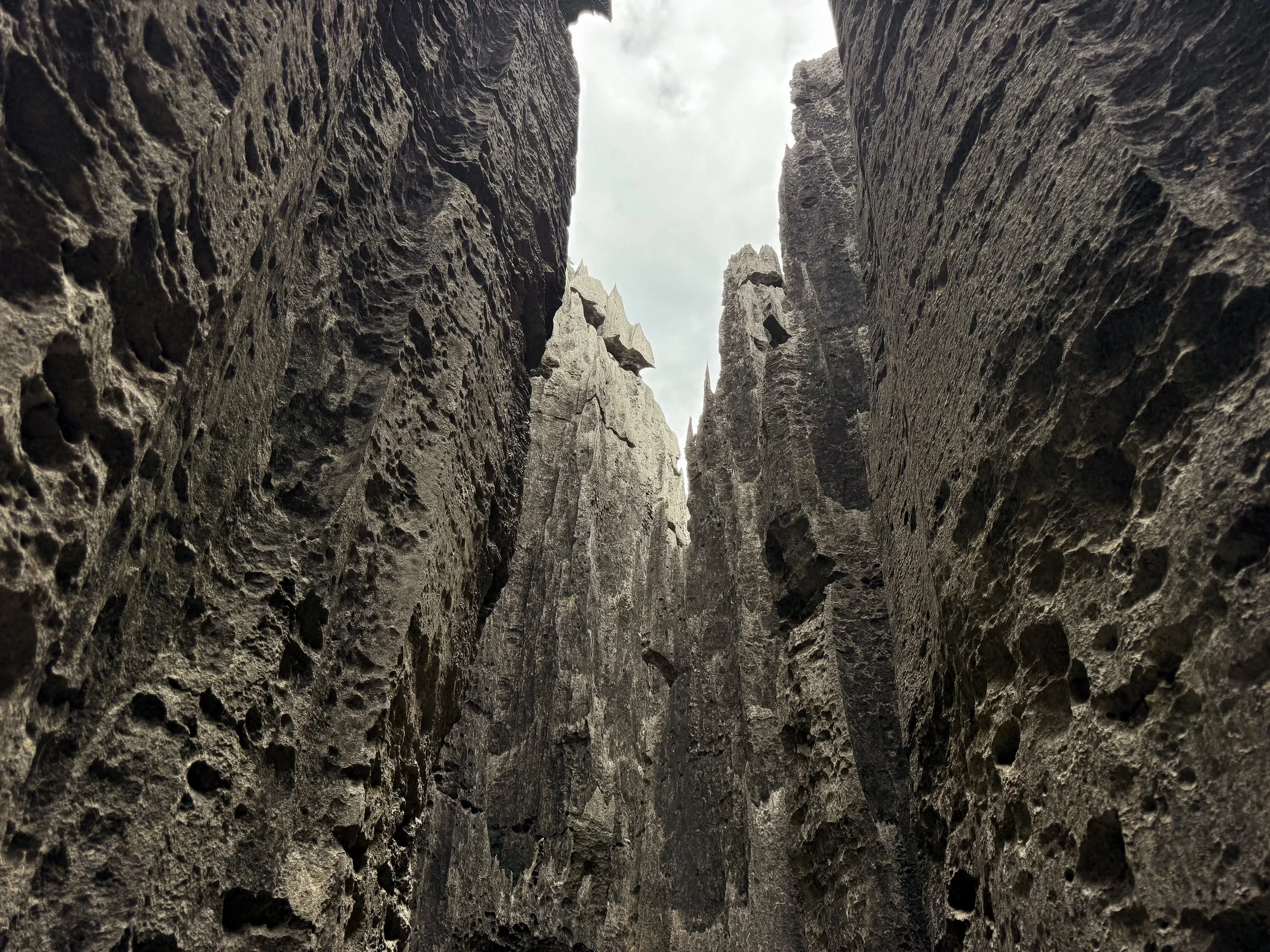
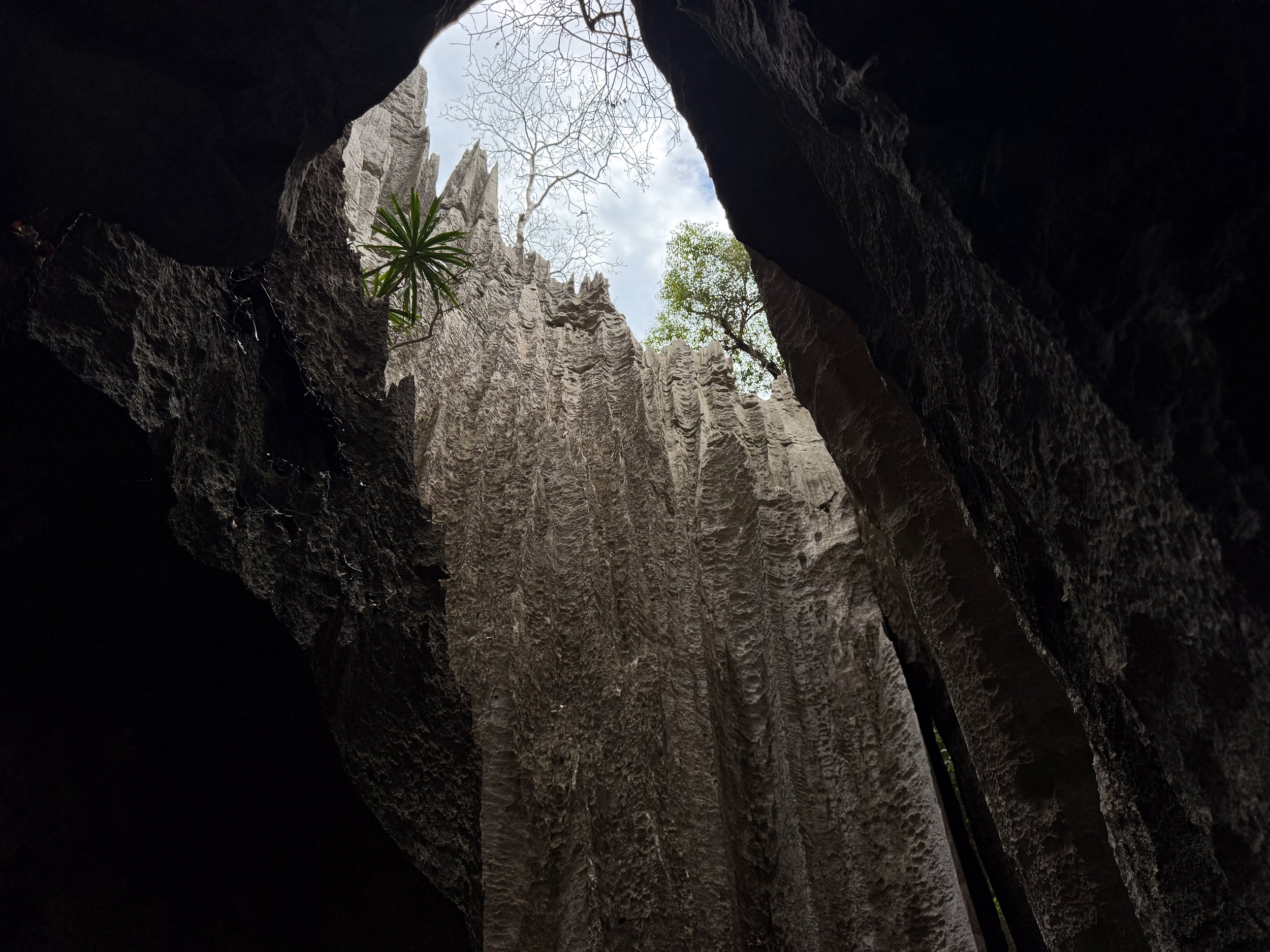
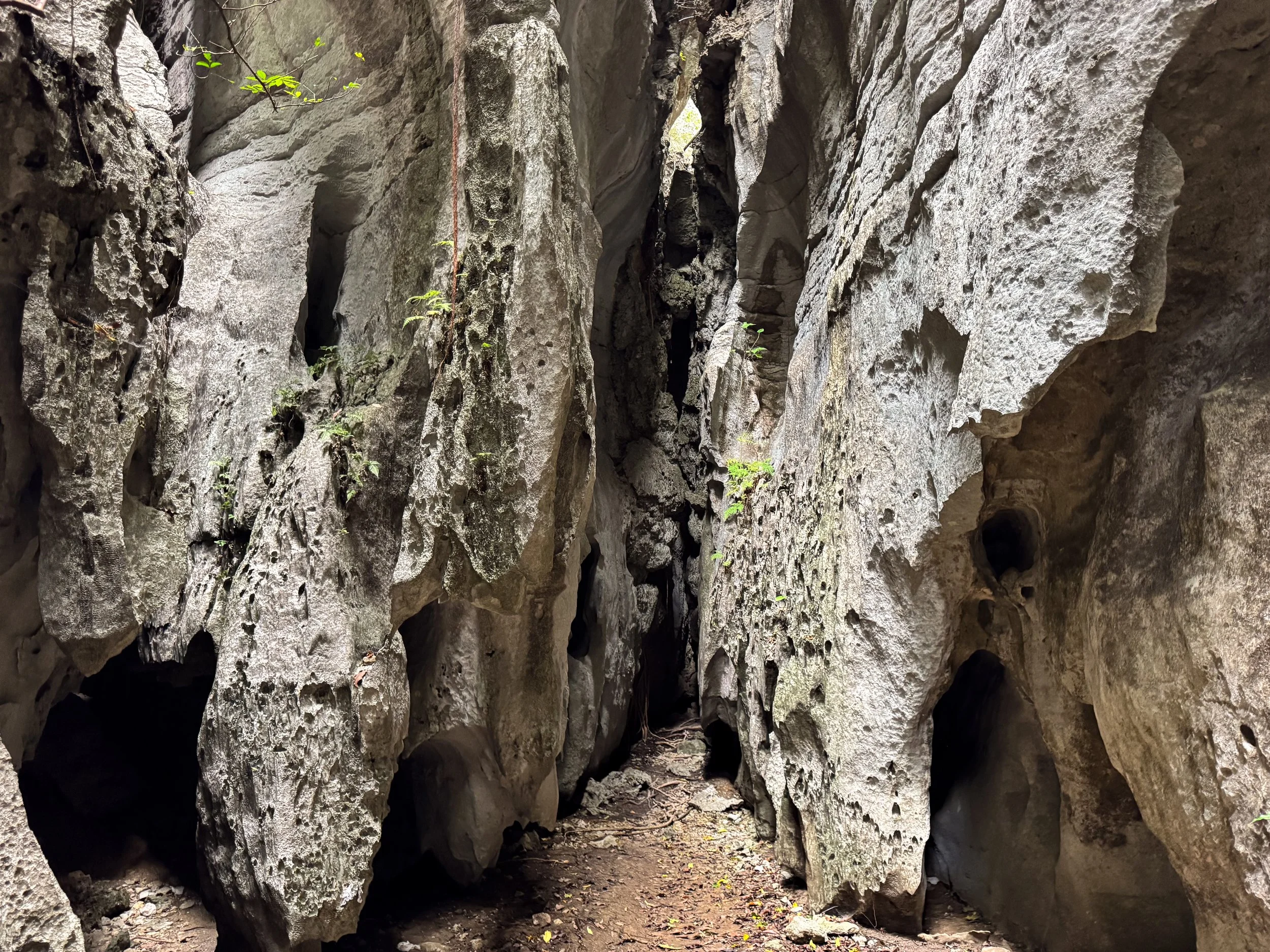
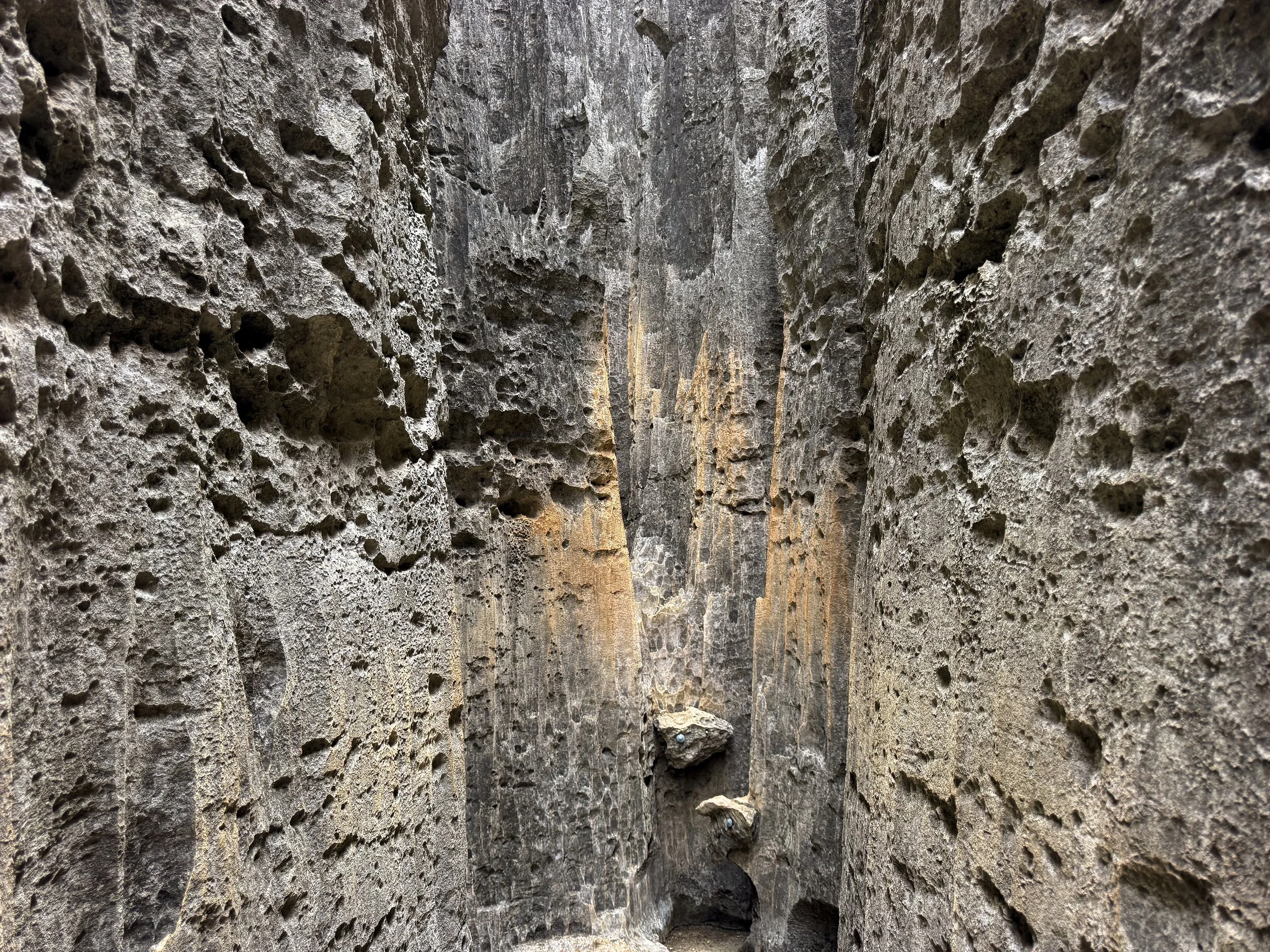
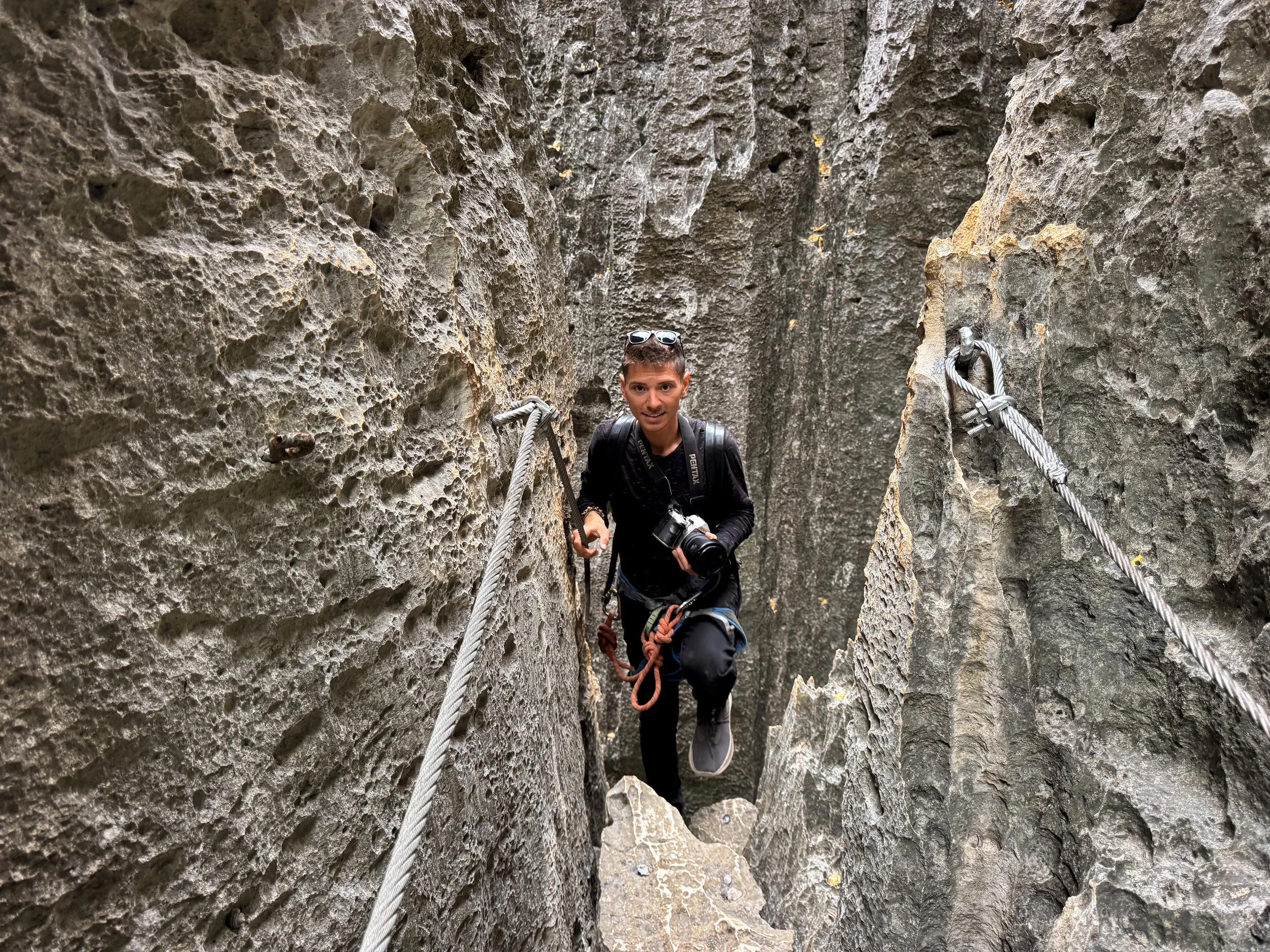
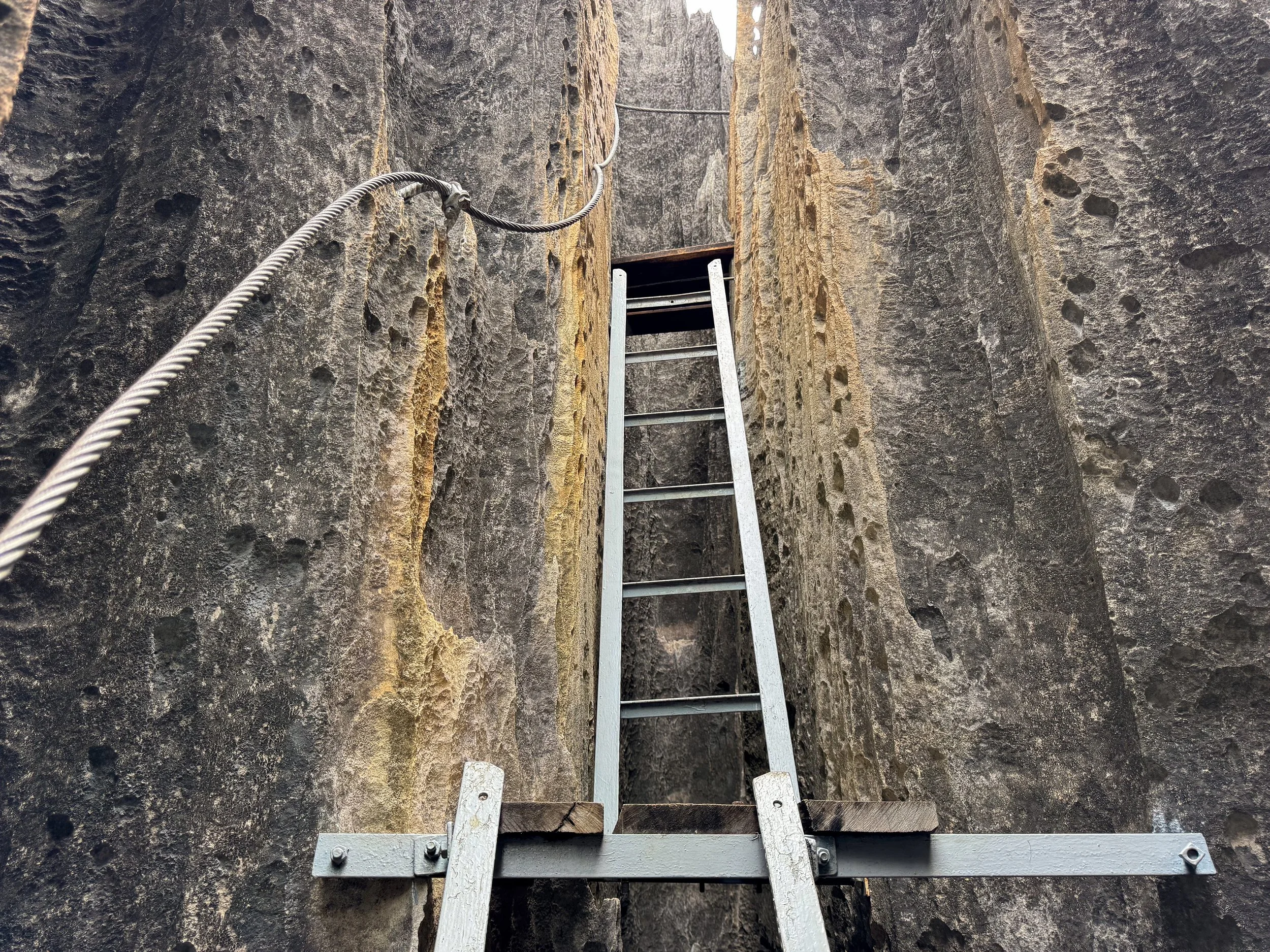
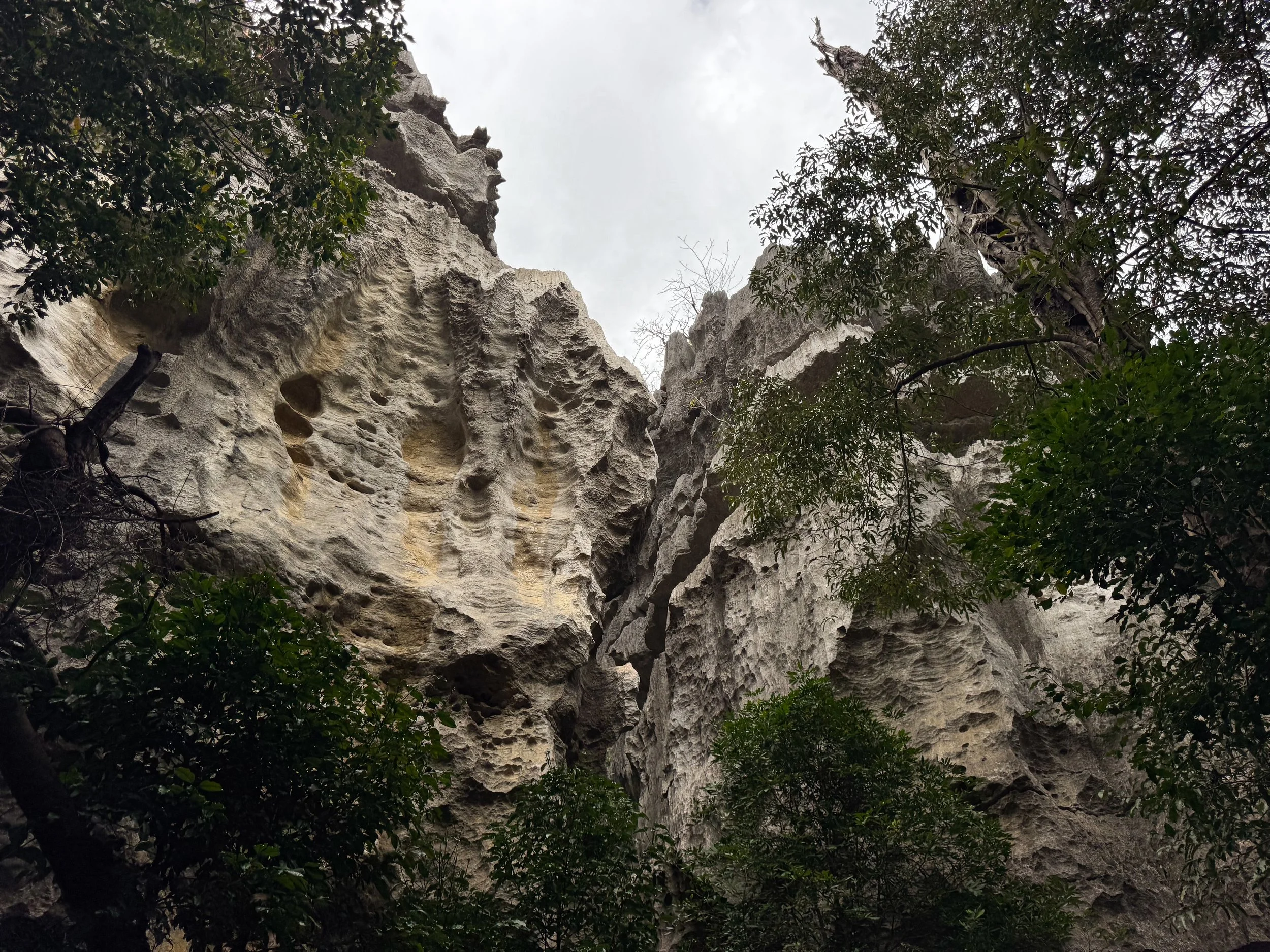
The Cathedral. The Cathedral is an area with vertical sections and towering stone walls that open to sky above. The trails are technical and more challenging than in The Rock Forest. The routes leads through caves, between narrow openings, up mounted stone steps and over abysses on wooden platforms. We attached our harnesses to cables for safety along jagged crevices and on steep ladders to reach The Tsingy.
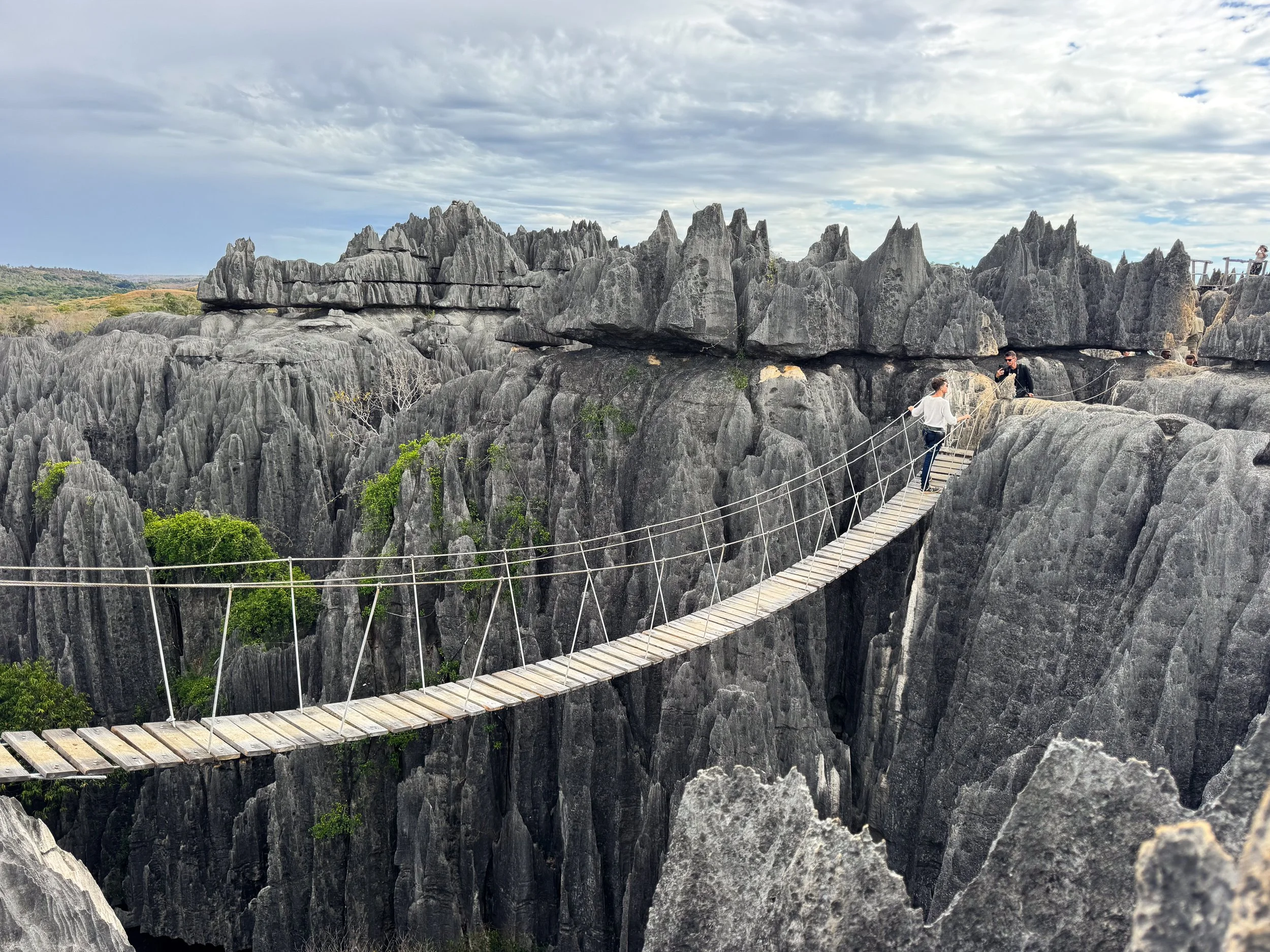
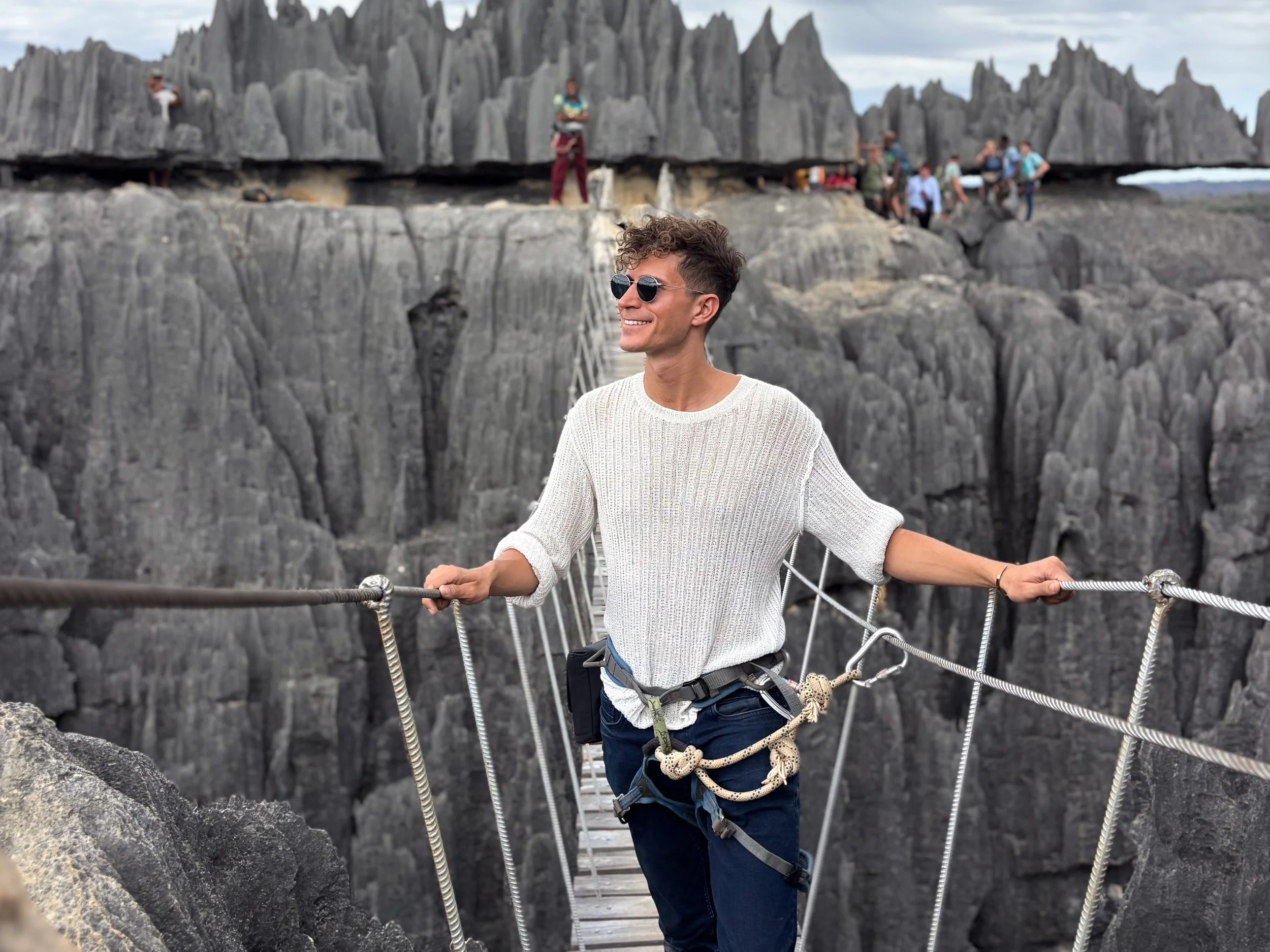
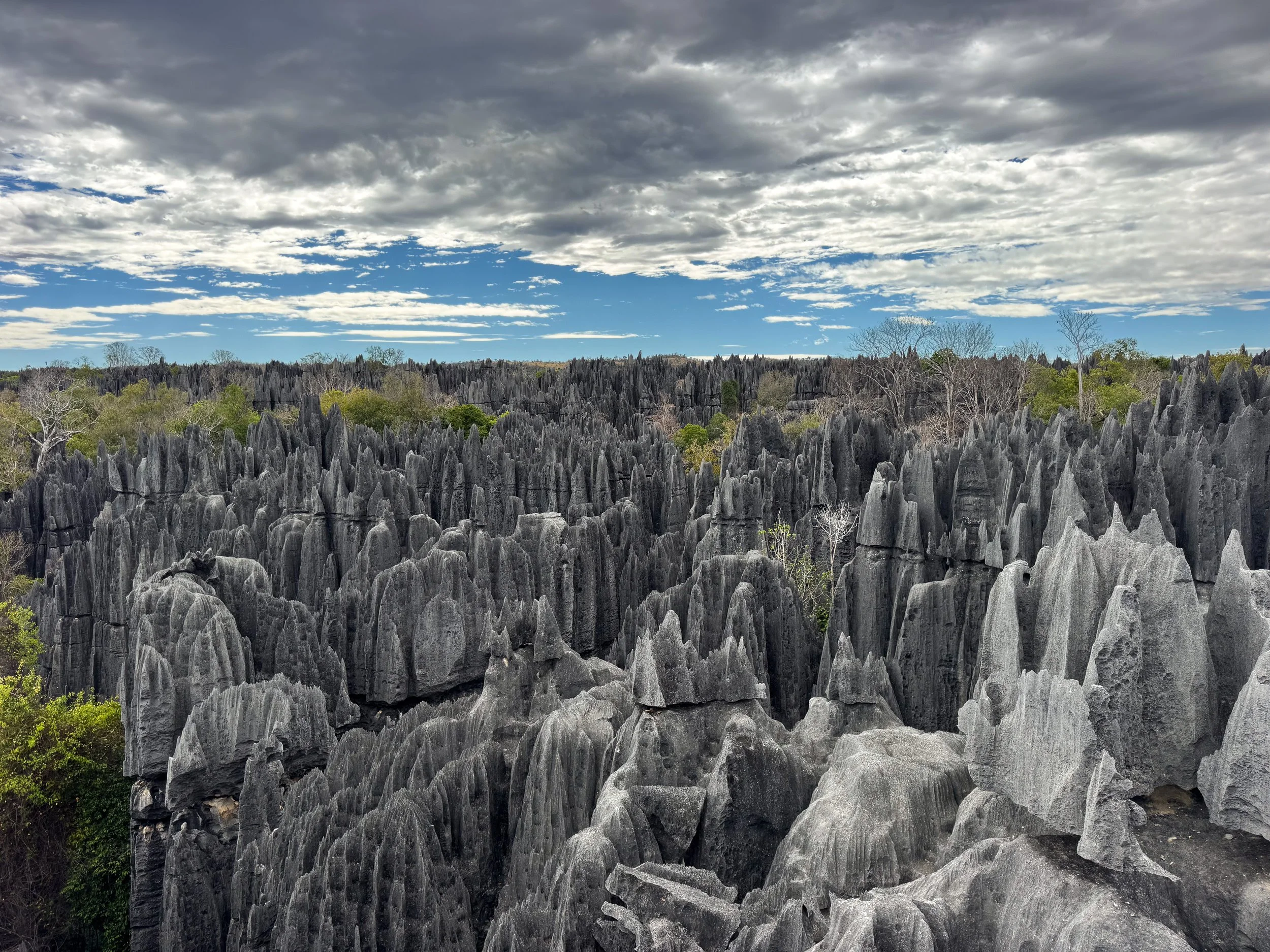
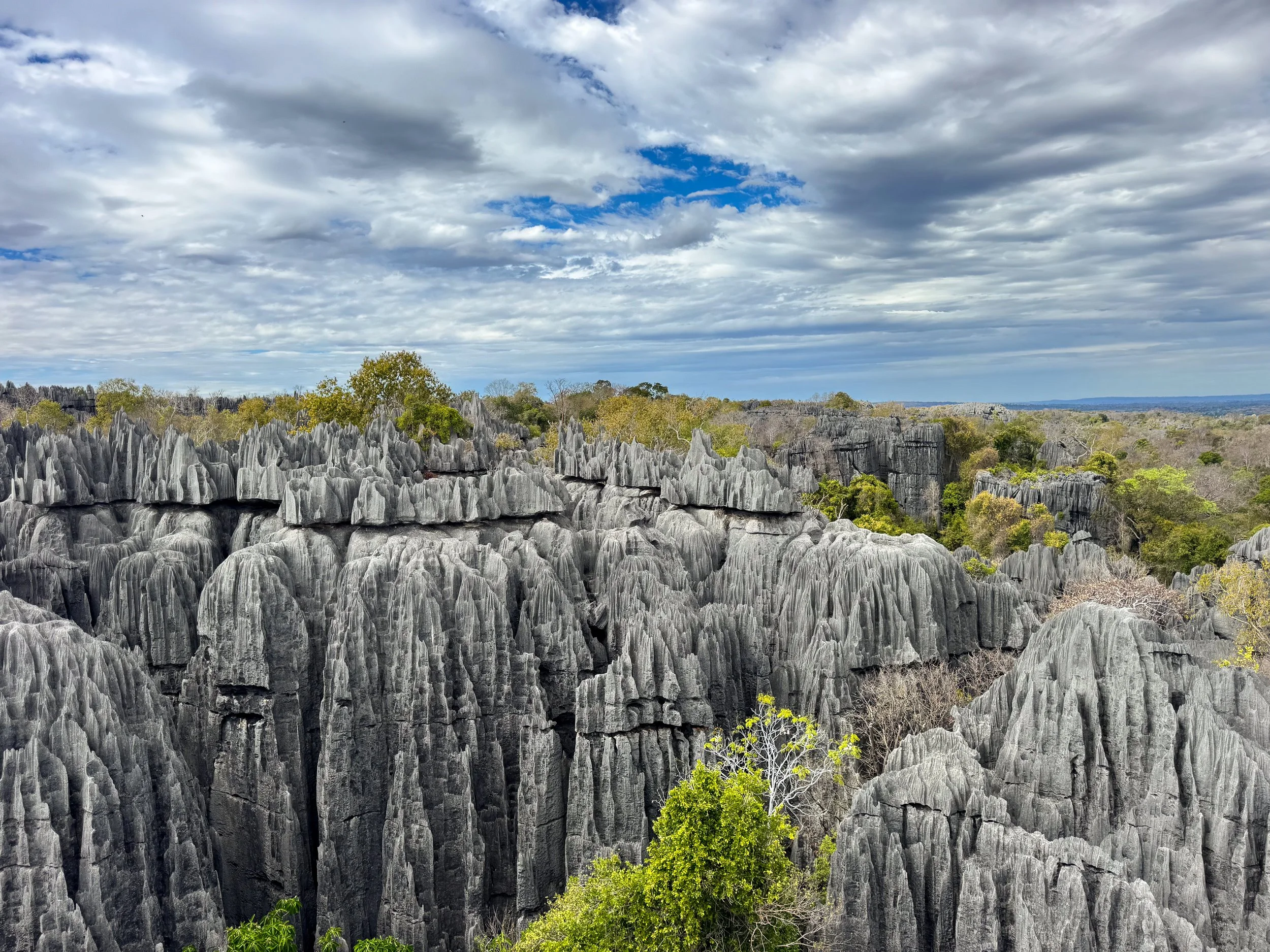
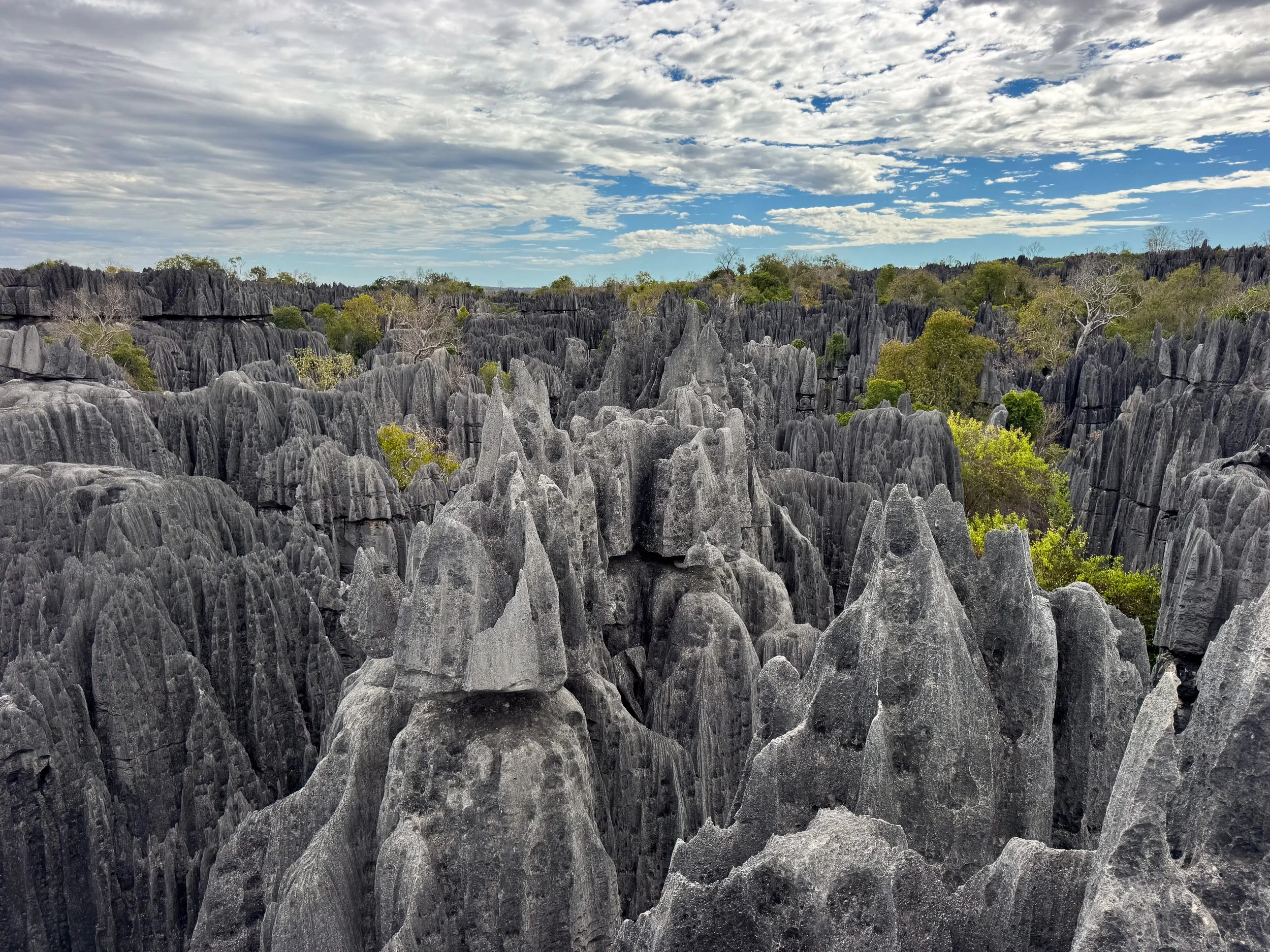
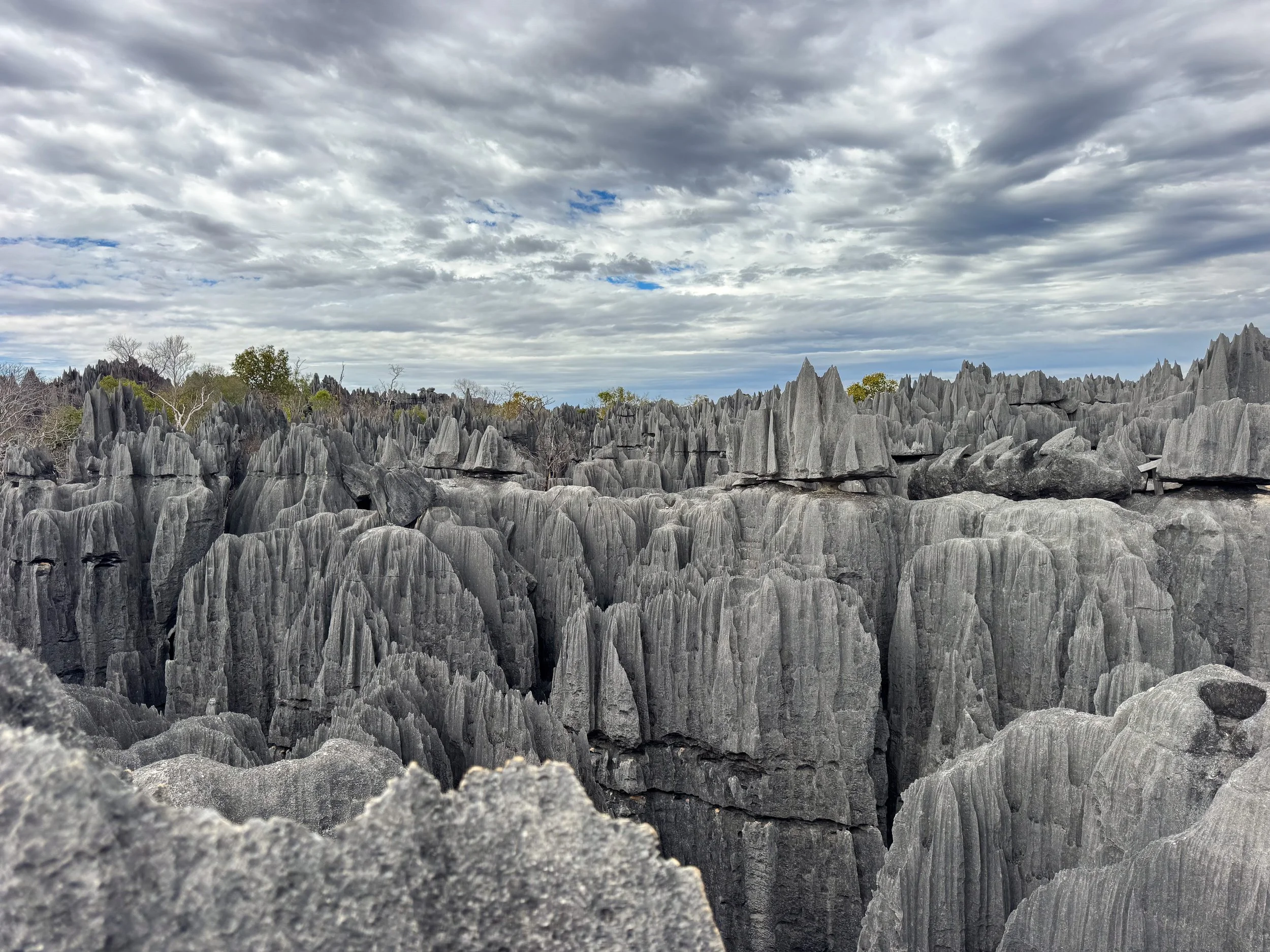
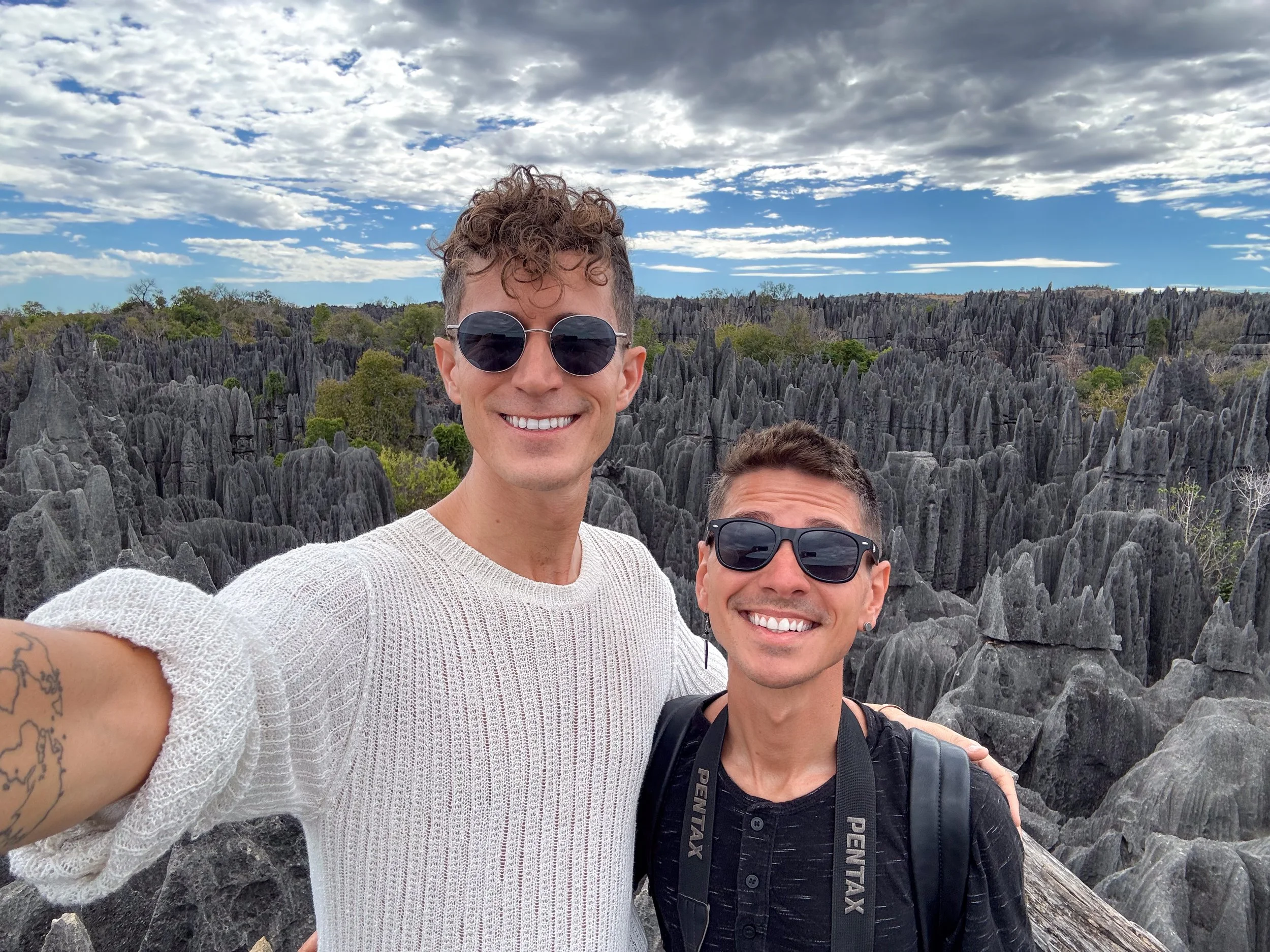
The Tsingy. The Tsingy is the most dramatic area of the national park. Thousands of eroded limestone formations point upwards like Gothic style spires. Cantilevered sections appear to be floating. Lookout platforms offer panoramic views of the sharp and jagged landscape. A suspension bridge crosses a steep ravine separating both viewpoints.
Petite Tsingy
Petite Tsingy, as its name implies is a smaller version of Grand Tsingy. It’s located along the banks of the Manambolo River in Bekopaka. A lush trail meanders into the jagged rock forest and labyrinth of crevices through a Gothic arched tunnel. The series of crevices slice through the jungle, some barely wide enough to shimmy through. Vines and roots drape down their rock walls. Flooded channels remain from the wet season. The trail ascends to an observation deck with views of the jagged limestone spires and surrounding forest.
Getting to Tsingy National Park
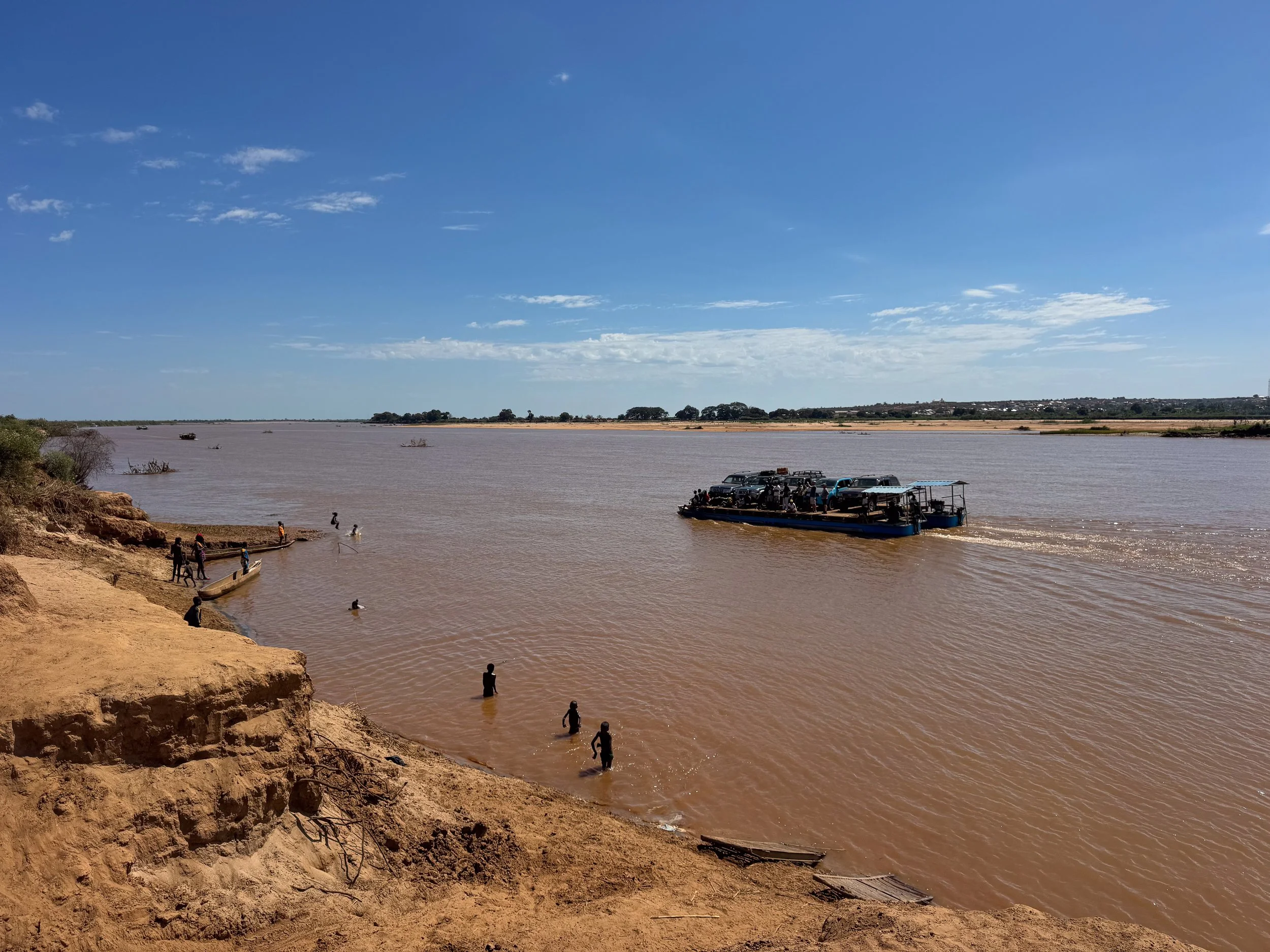
Getting to Tsingy National Park from Morondava is part of the adventure. It takes a full day to reach in a hired 4x4 vehicle. The route is only accessible during the dry season between June and November. It leads along unmarked back roads, across rivers on barges, past rural villages and through baobab forests. It includes stops at Belo Tsiribihina for lunch and a multi night stay in the village of Bekopaka.
Good to Know:
Book a guided tour with transportation to Tsingy in advance.
A local guide is required to enter the national park. They can be hired from the Tsingy National Park office in Bekopaka.
Visit before 7am. The sun and the heat can be overwhelming by mid morning.
Tsingy is pronounced “chingy”
Lunch in Belo Tsiribihina
Belo Tsiribihina is a large town along the Mania River. It’s the halfway point between Morondava and Tsingy National Park making it a frequent lunch stop.
Karibo Restaurant. A hotel restaurant with a chalkboard menu of daily dishes. We ordered a shrimp cocktail and tomato salad while on our way to Tsingy.
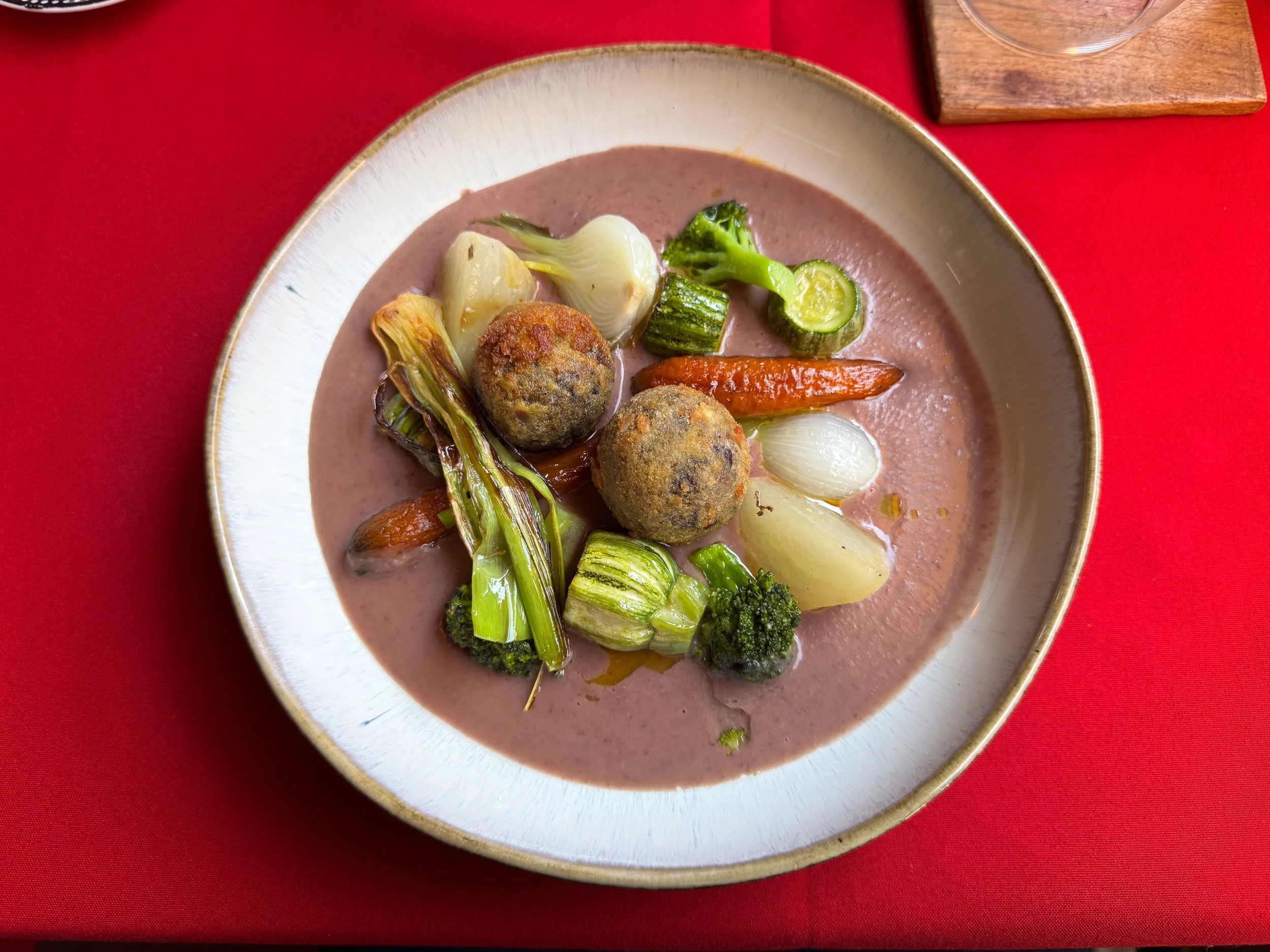
Mad Zebu. A very popular restaurant with Malagasy and Italian fusion dishes. We ordered two vegetarian plates to share, the tomato sweet potato gnocchi and red bean and coconut veloute with black rice arancini.
Bekopaka Village
Bekopaka is a remote village along the Manambolo River outside Tsingy National Park. It’s serves as an entry point to the park and as a location to stay with various hotels and campgrounds
Where to Stay in Bekopaka
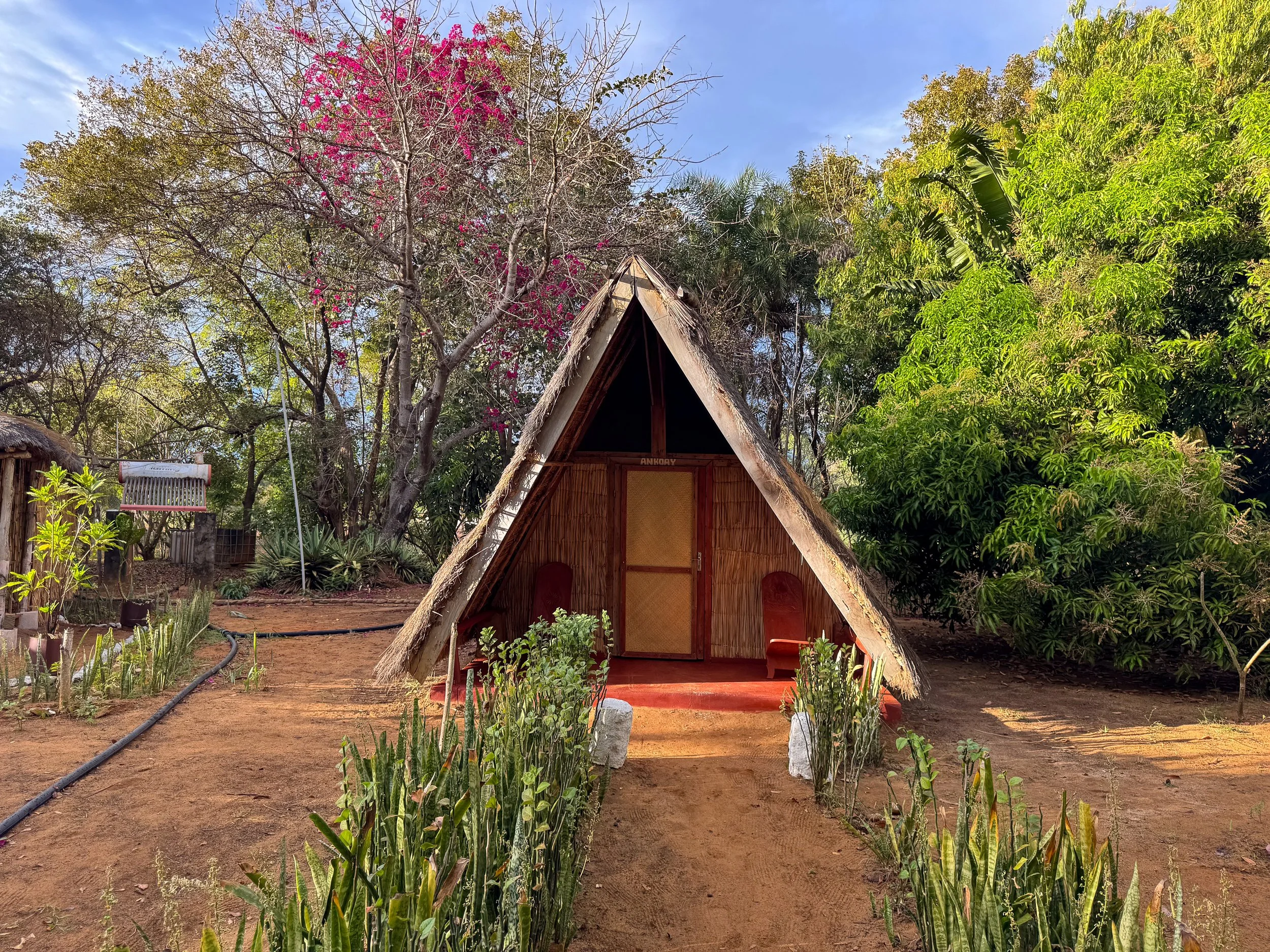
Tanankoay. An eco hotel and campground with a range of thatched cabins and campsites in Bekopaka near Tsingy National Park. We slept in a cozy A frame style cabin. The hotel has a small restaurant with a range of Malagasy and French dishes. Try the ratatouille, spiced rice and Kabaro au Curry, a local dish made from coconut curry stewed beans.
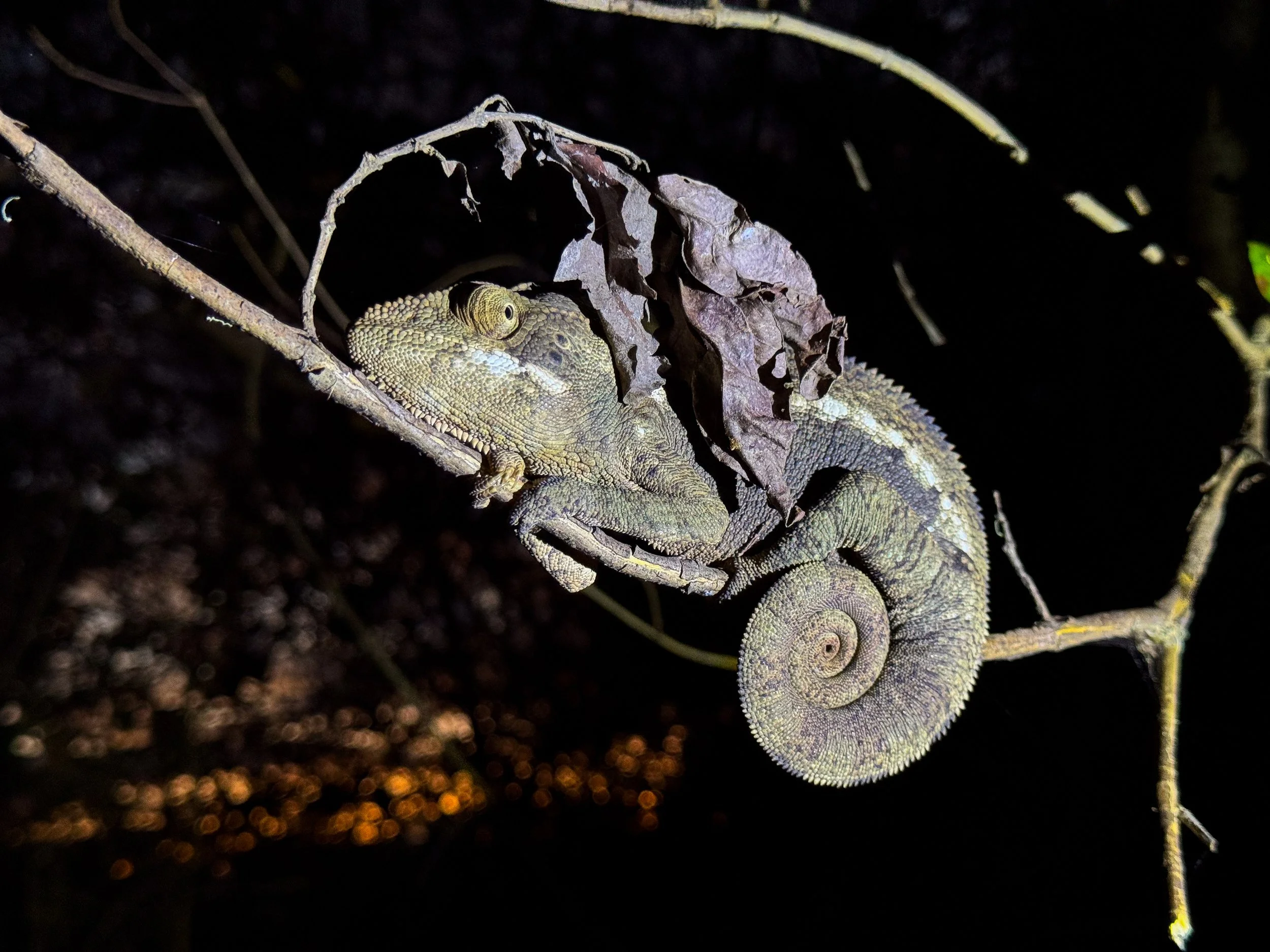
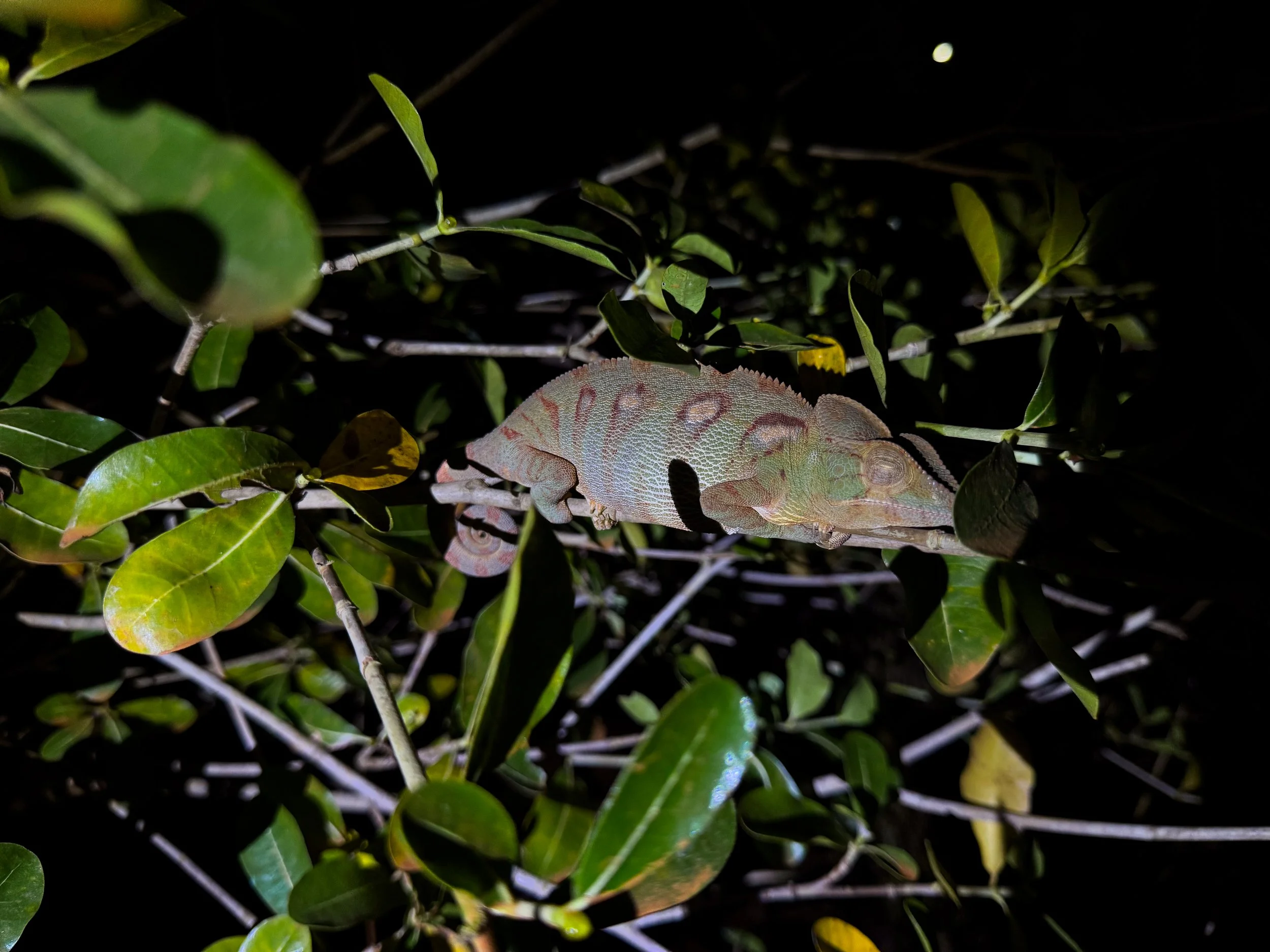
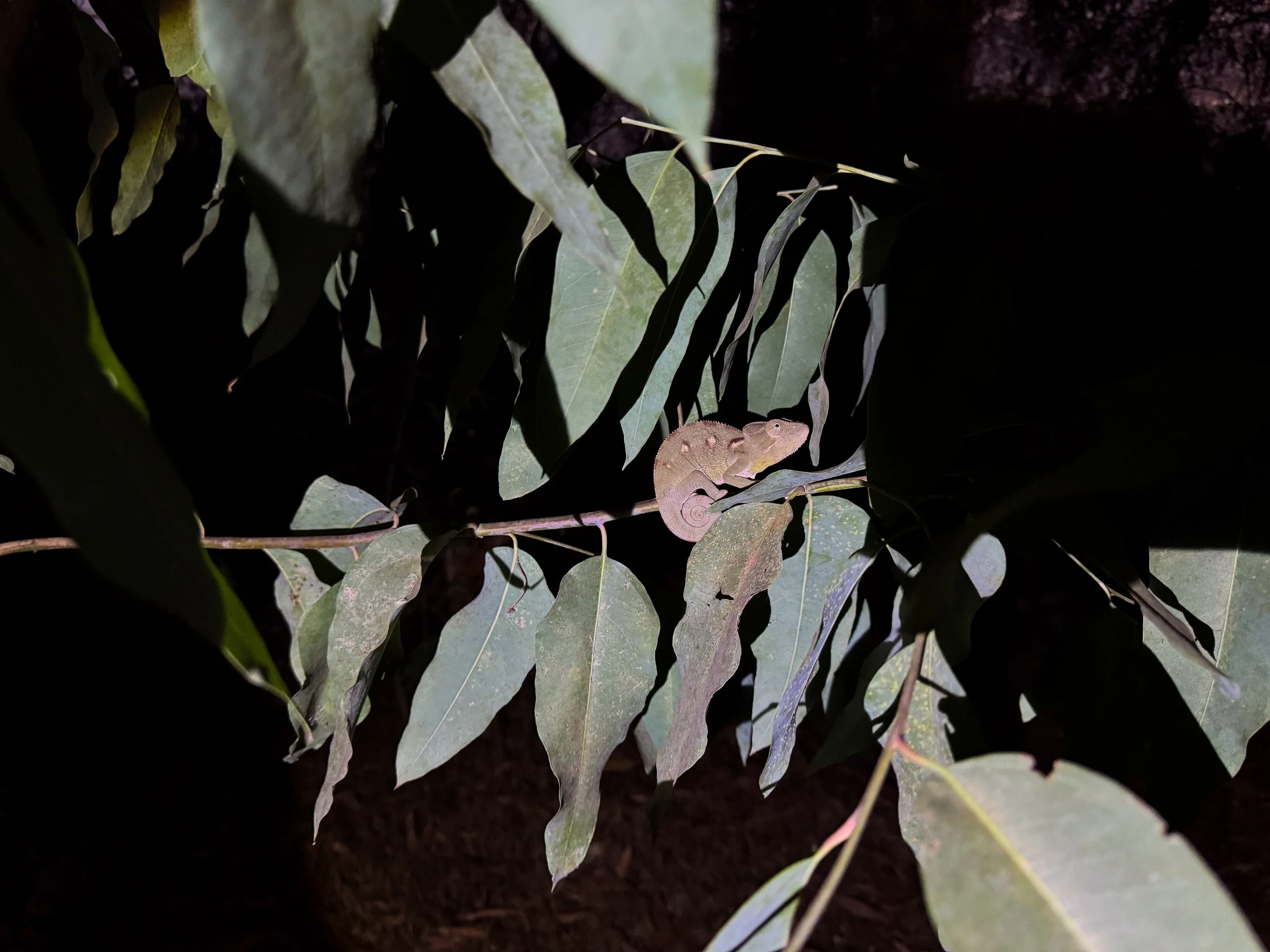
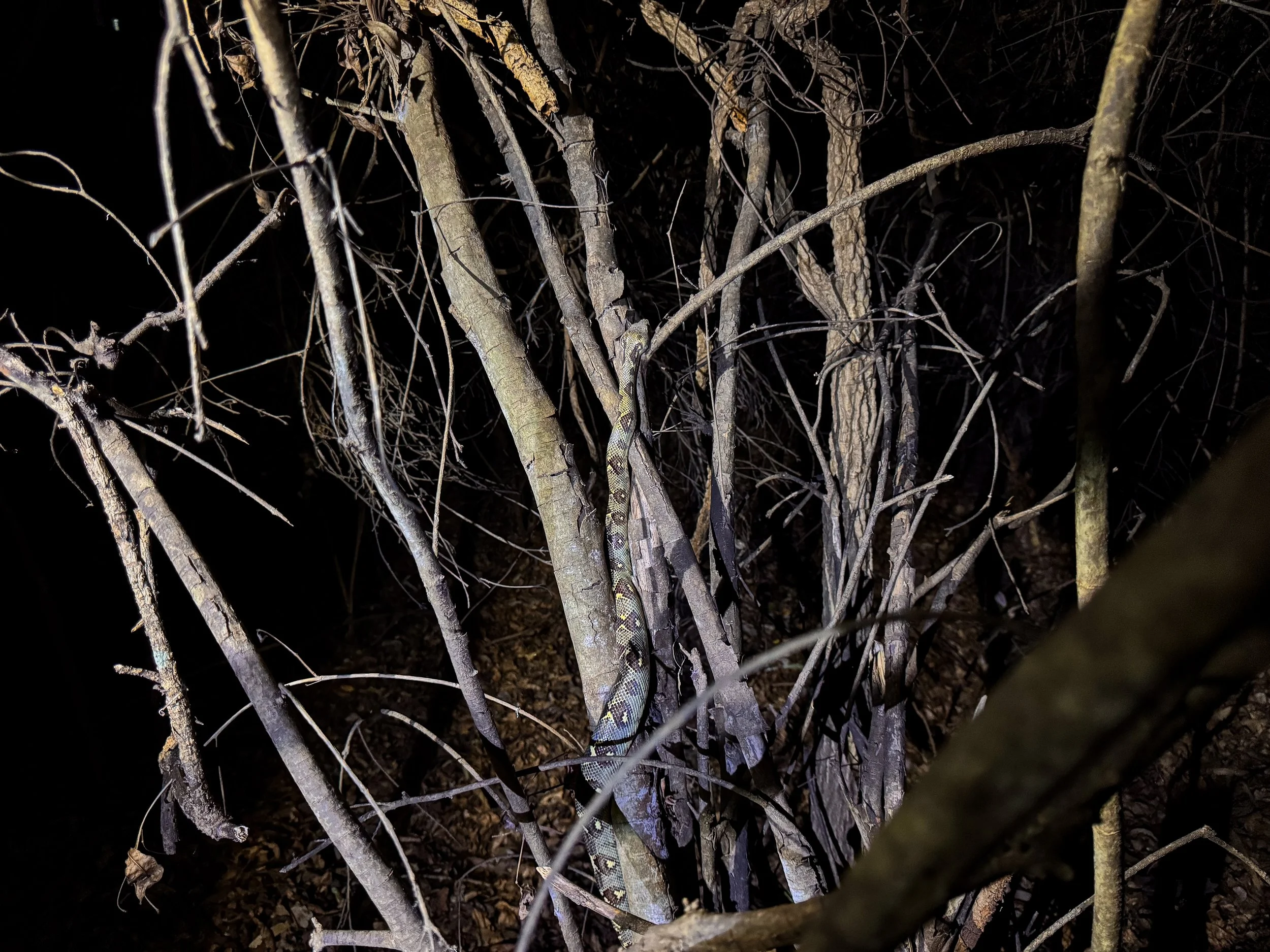
Bekopaka Night Walk
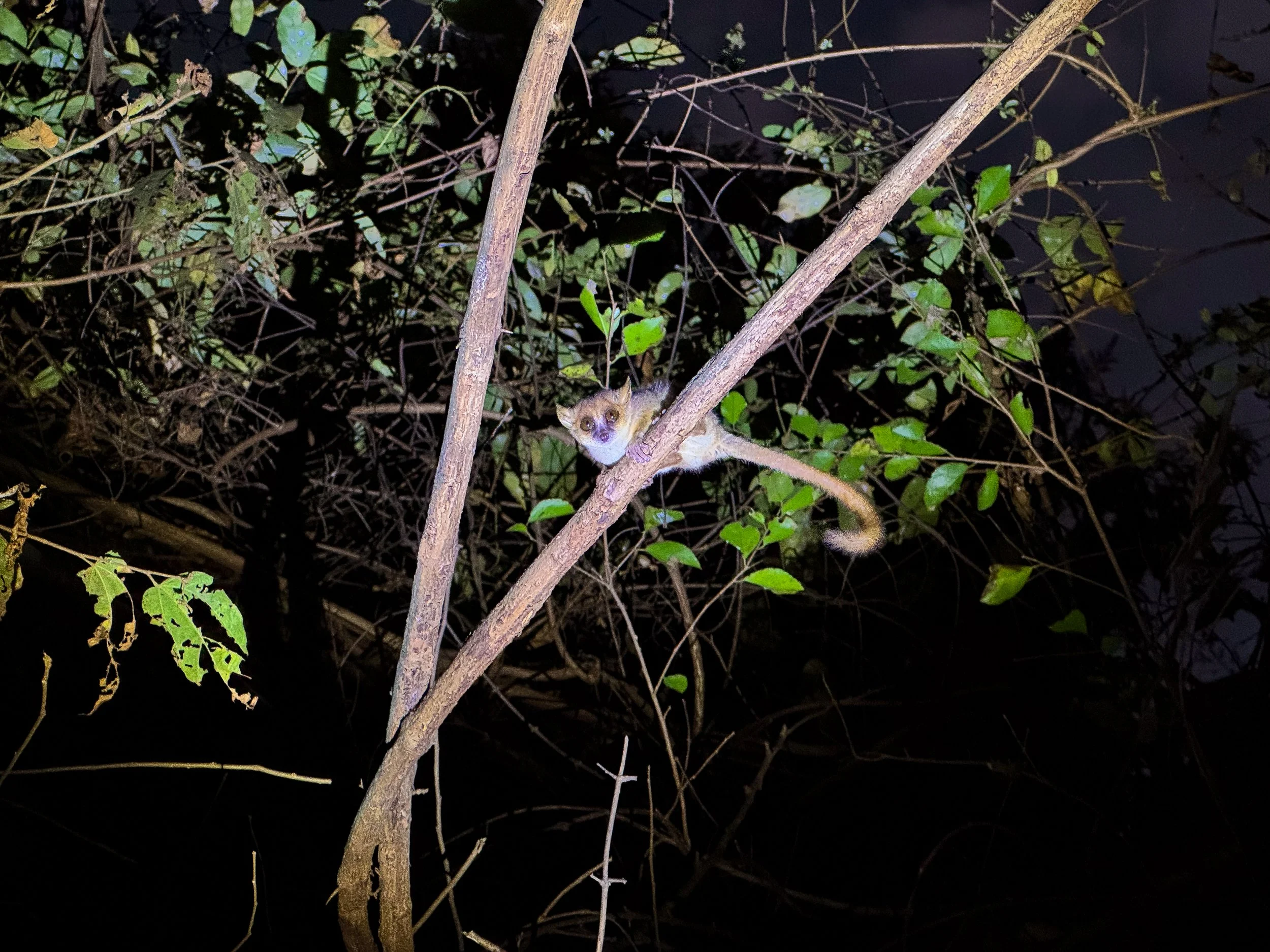
Madagascar’s forests come to life with nocturnal animals as night falls across the landscape. Led by a guide from the Bekopaka Village, we explored the forested trails behind the Tsingy National Park office.
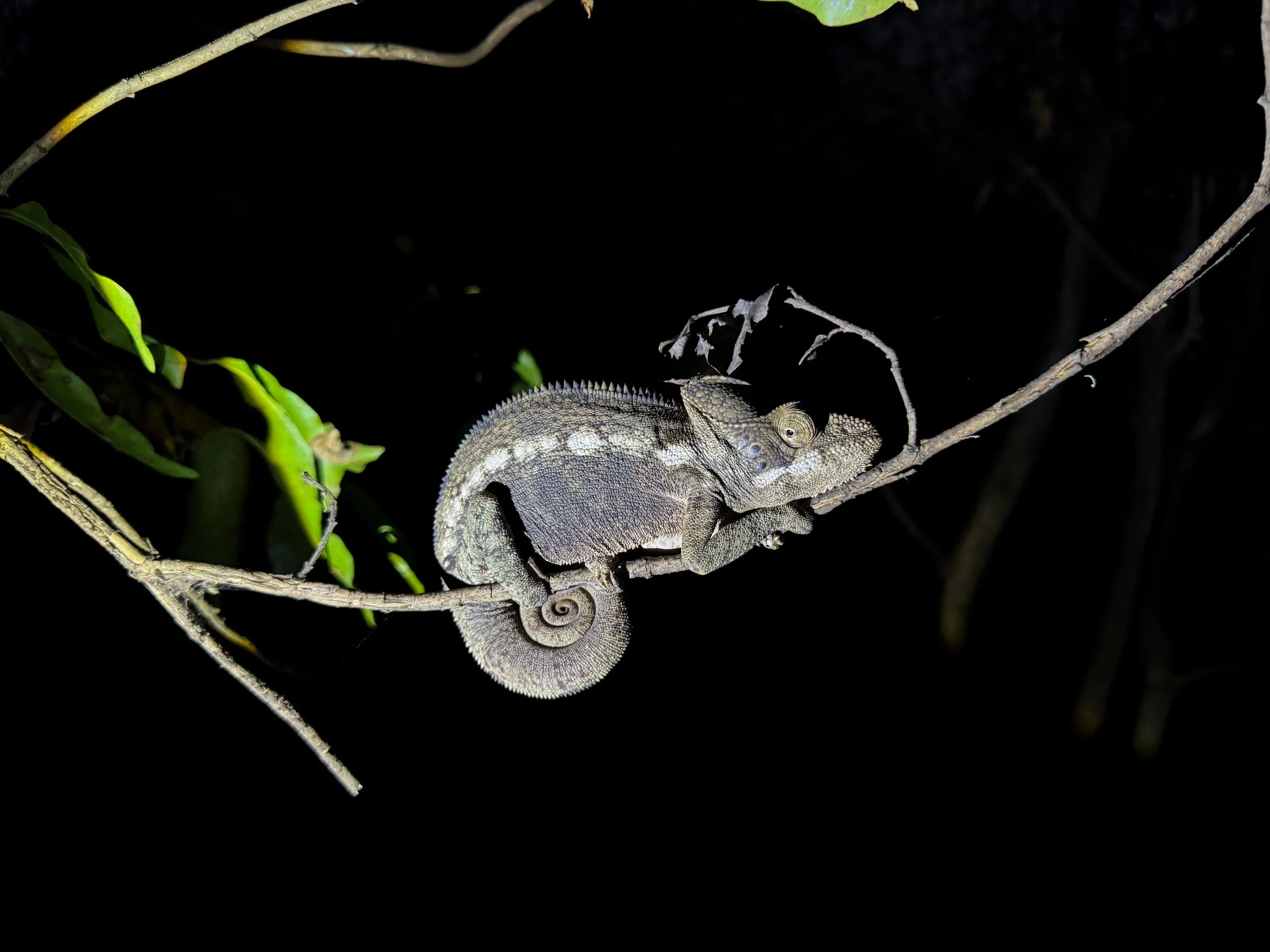
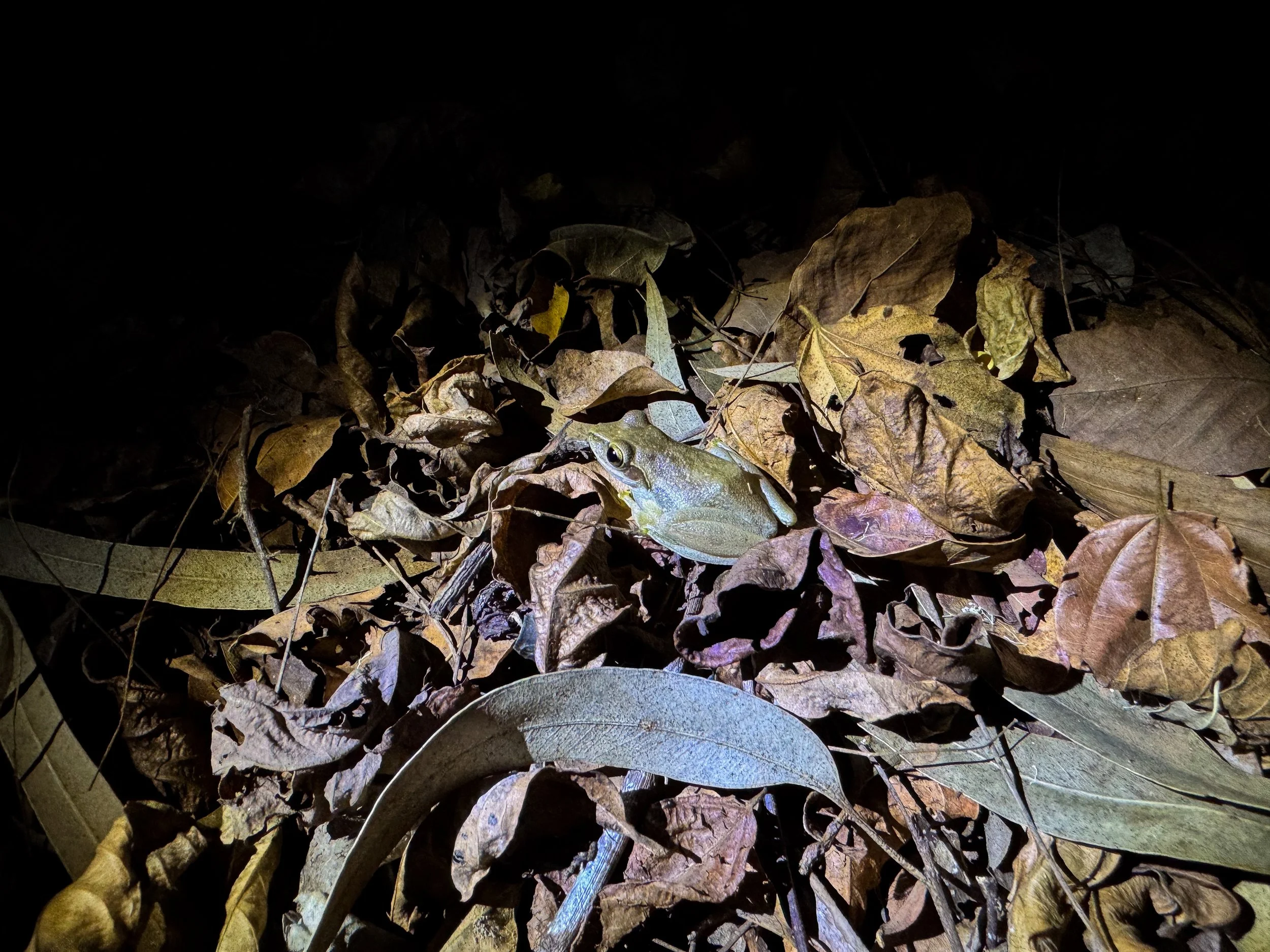
Nocturnal Animals. We immediately began spotting green and brown chameleons resting on tree branches and camouflaging themselves behind leaves. Their remarkable appearance is emphasized by their color changing skin, coiled tails and swiveling eyes. A pair of tiny mouse lemurs played in the dense thicket. One inspected us from a branch above our heads. Its big eyes and little body make it one of natures most adorable creatures. A beautifully patterned tree boa slithered up the trunk of a tree looking for its next meal. A small frog glistened on the dry leaves of the forest floor.
Good to Know. Visit the Tsingy National Park office in Bekopaka to hire a guide. The night walk lasts an hour and costs less than $10 USD per person.
Manambolo River Gorge
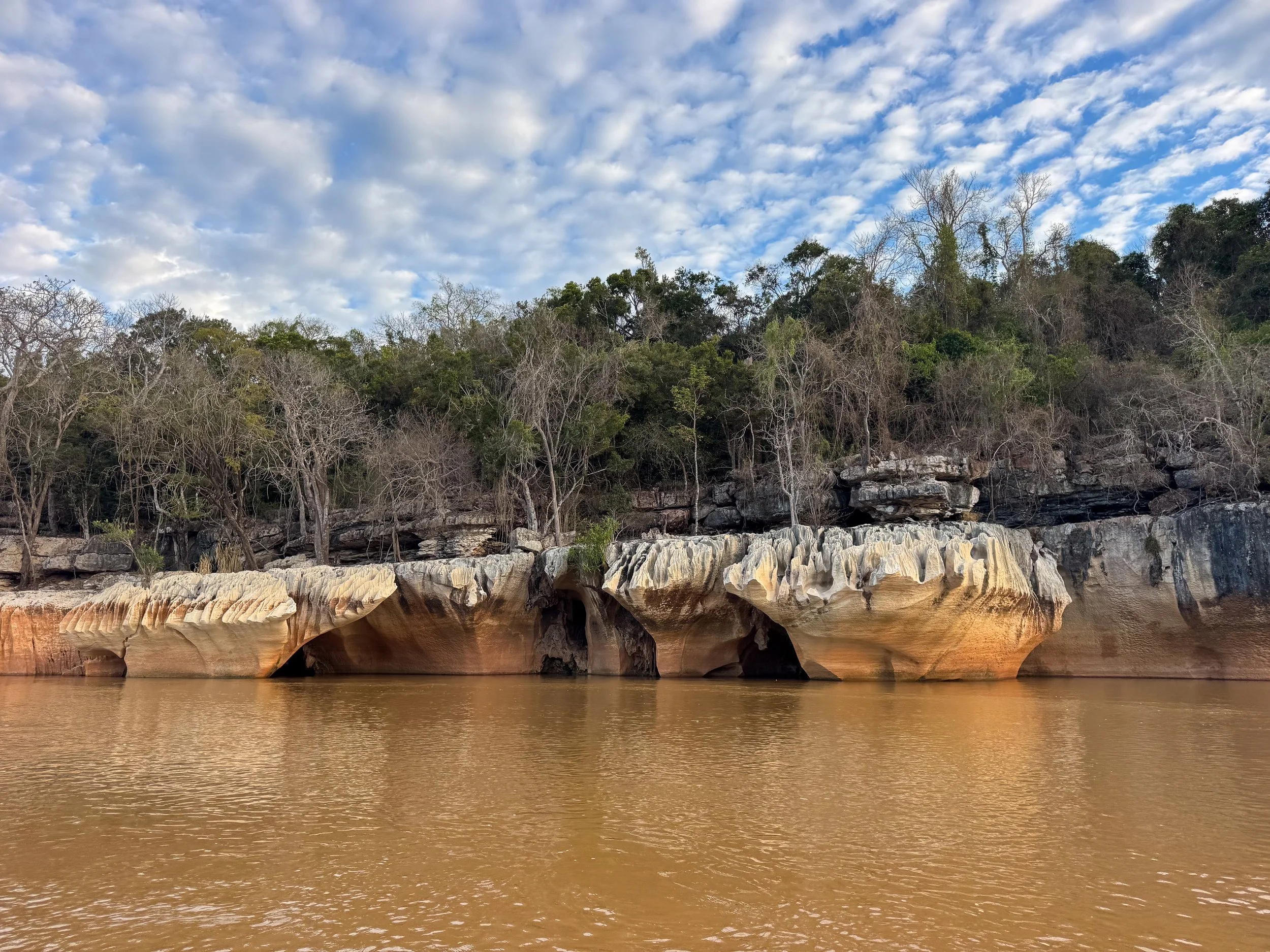
The Manambolo River Gorge is a limestone canyon carved by the Manambolo River near Tsingy National Park. Villagers from Bekopaka navigate its waters on wooden dugout canoes as a means of fishing, transporting goods and tourism.
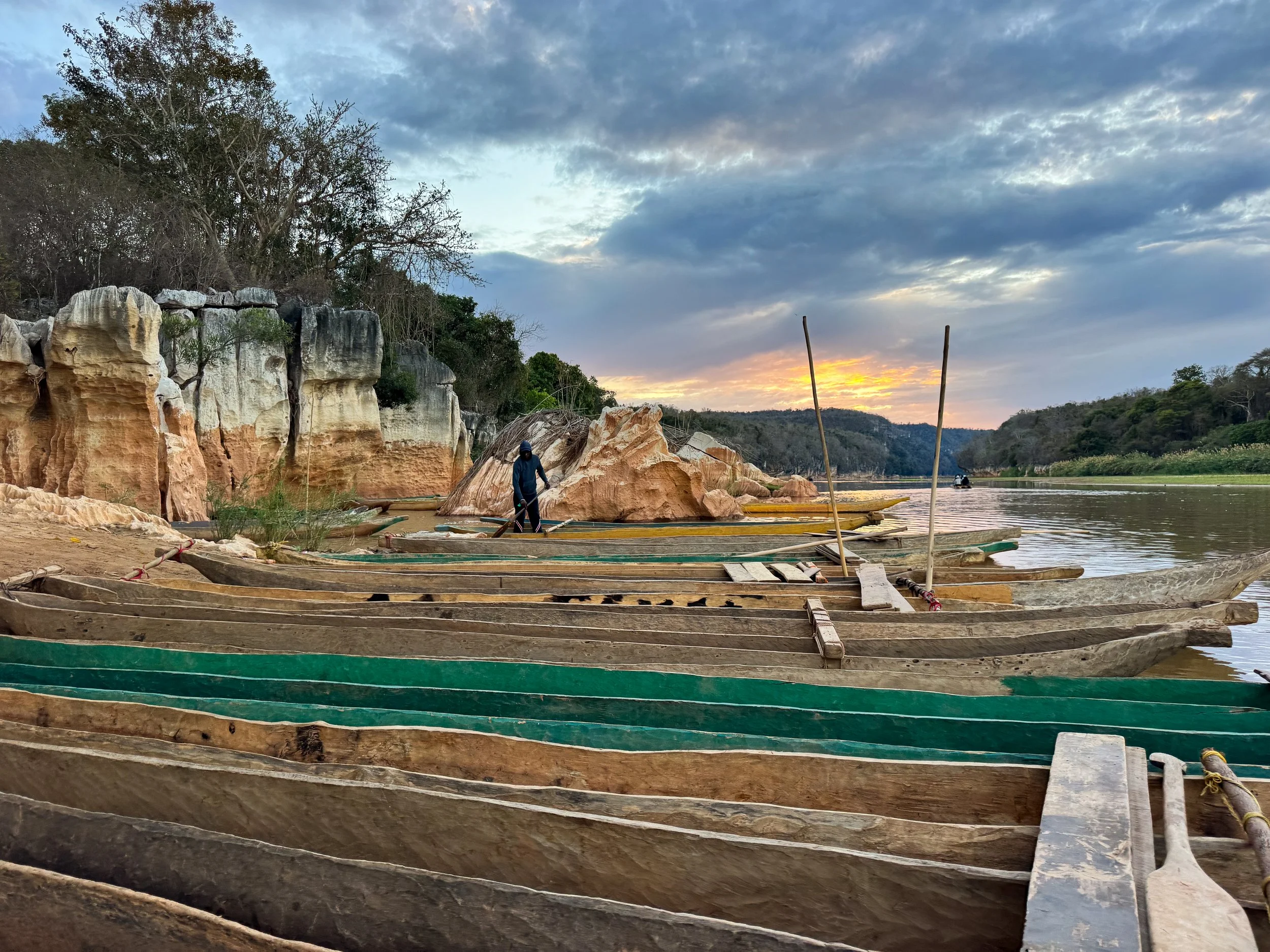
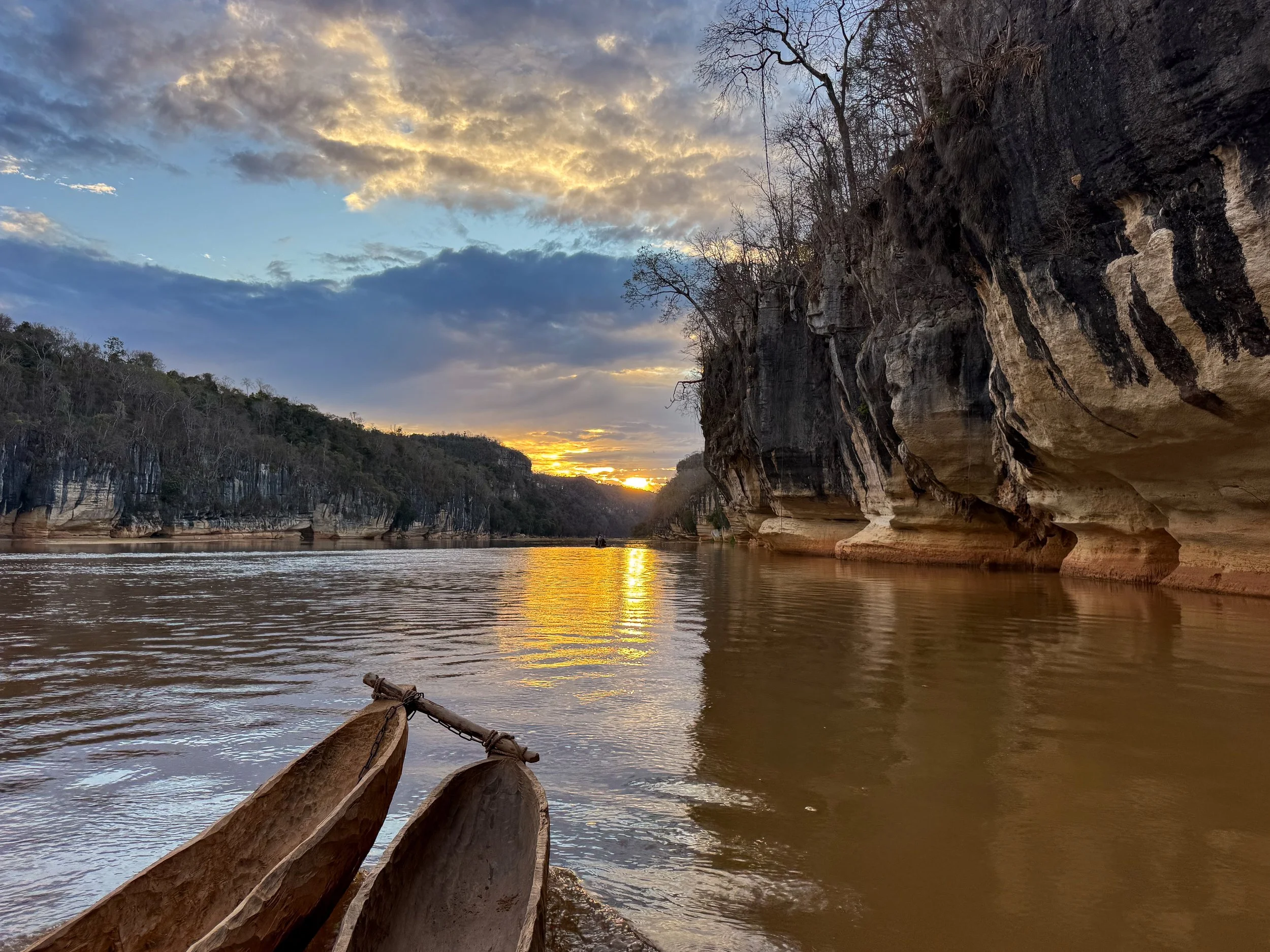
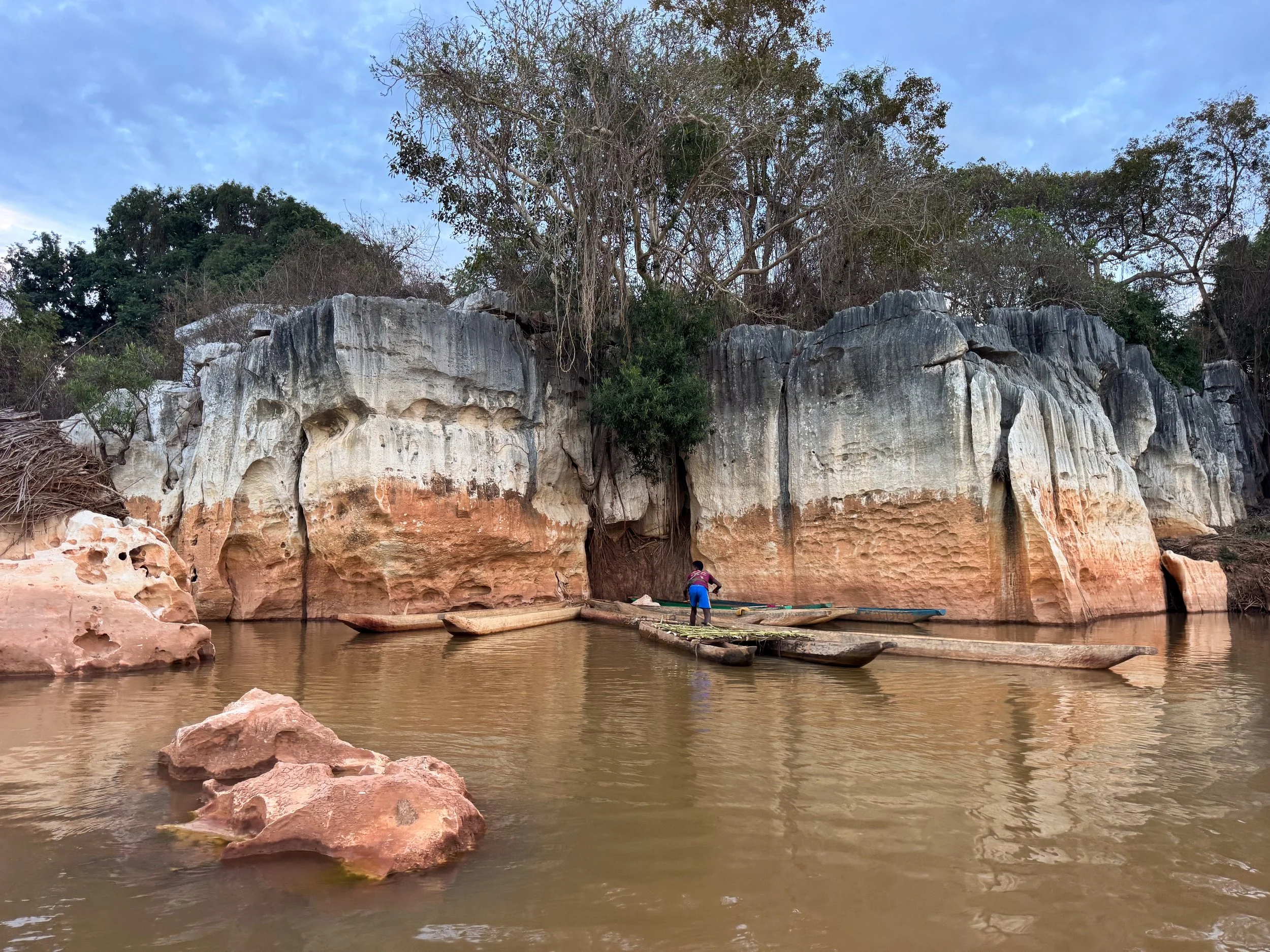
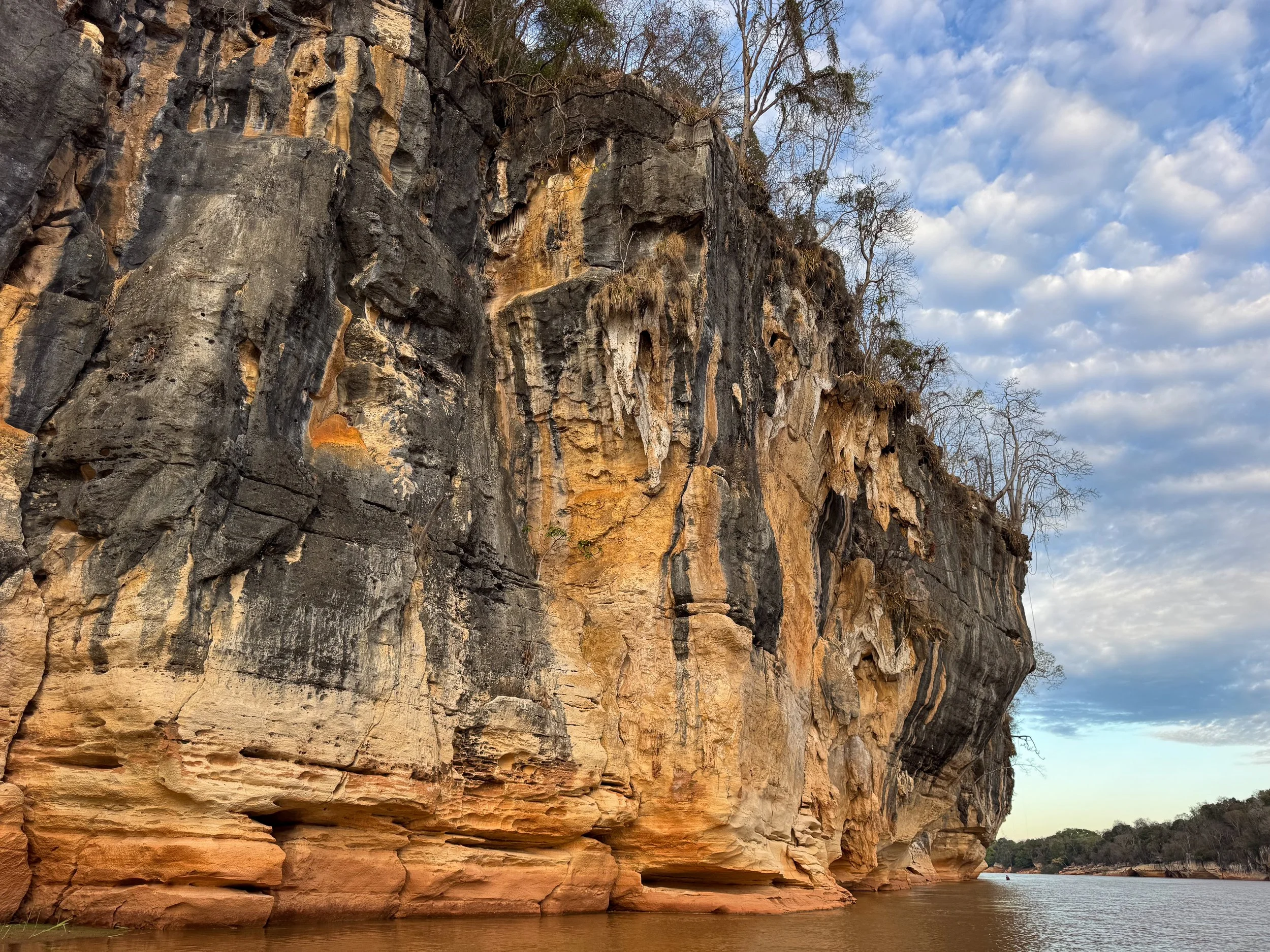
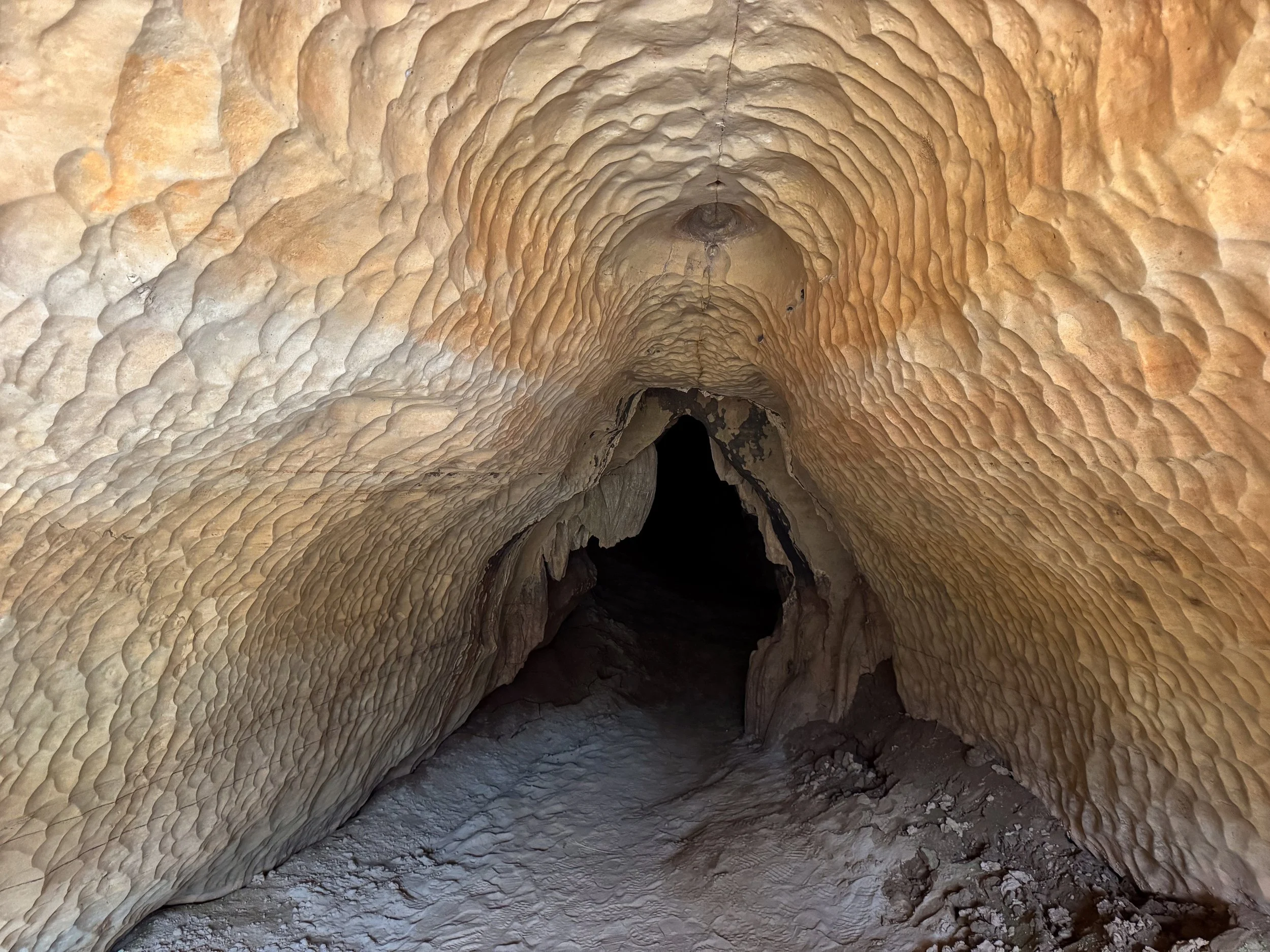
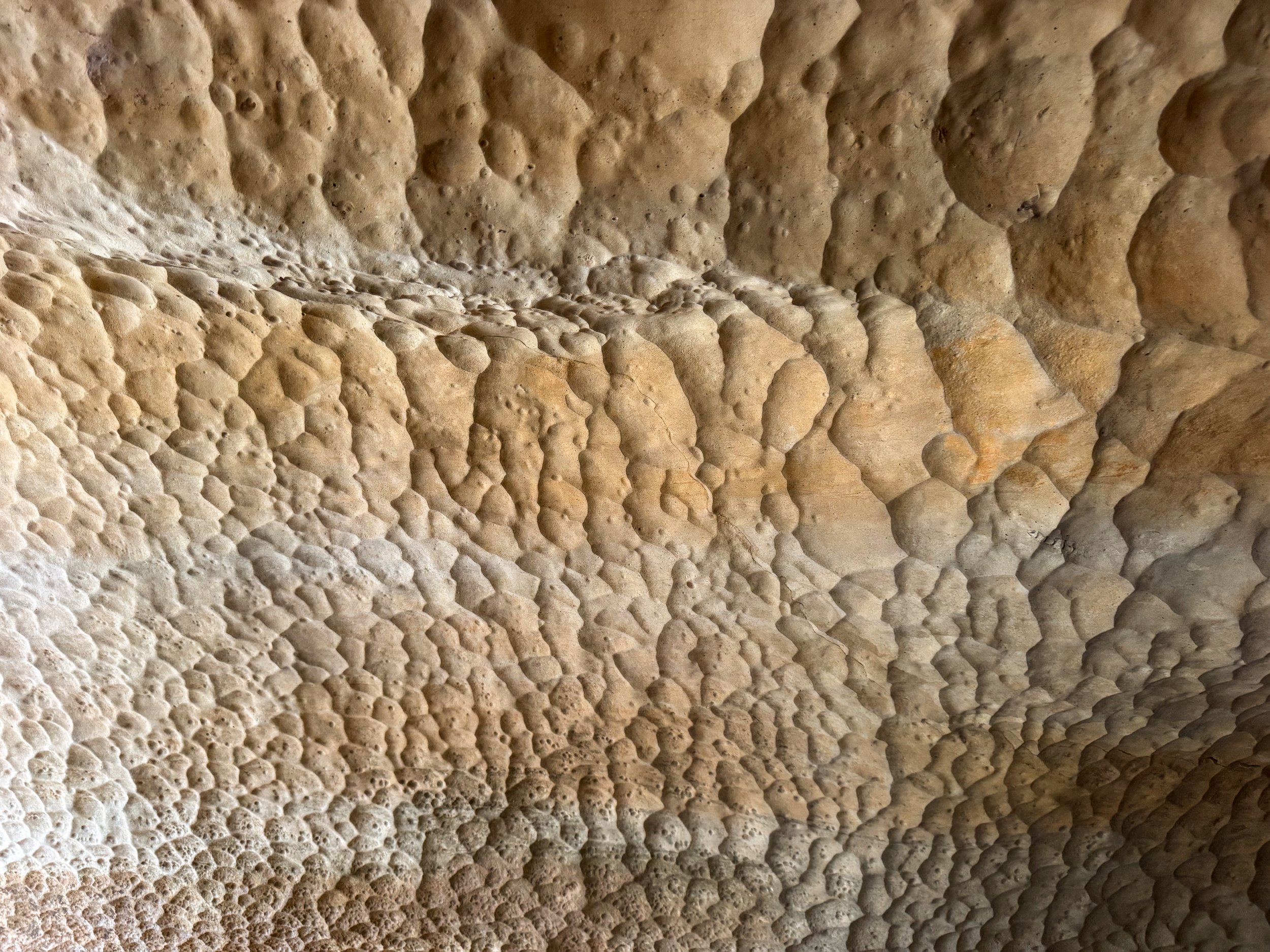
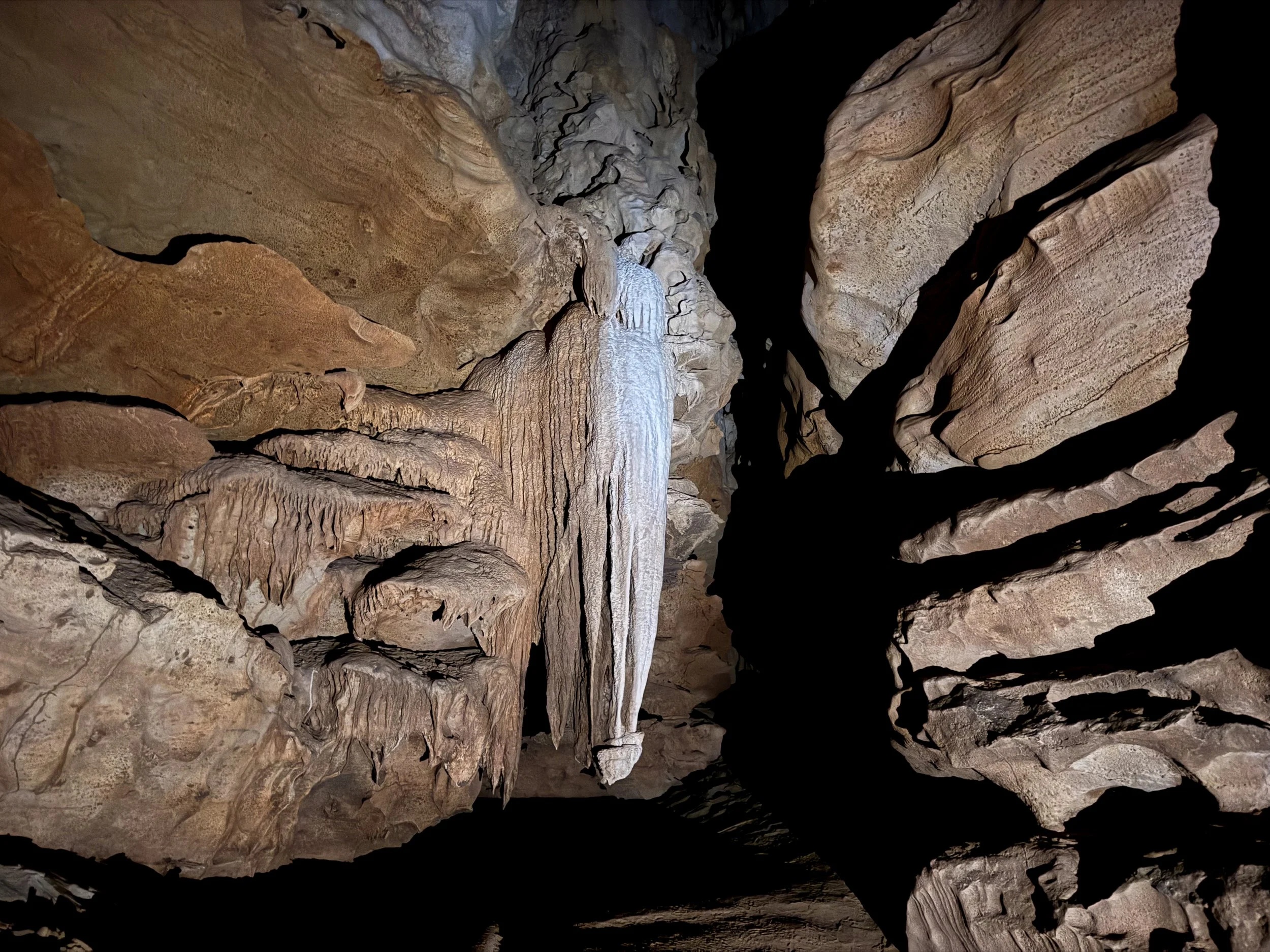
Dugout Canoeing. A local boatsman paddled us upstream on a wooden dugout canoe in the early morning. The sun rose above a bend in the river canyon, Illuminating the picturesque landscape. The chocolaty brown waters paint the limestone cliffs in warm shades of orange and brown. Erosion carves small caves and crevices into the canyon walls. We walked through a rippled cave entrance and into its dark inner chamber. Our lights revealed crystalline stalactites, jagged rock formations and tree roots from the forest above.
Good to Know. Like Tsingy National Park, the Manambolo River Gorge is only accessible during the dry season between June and November.
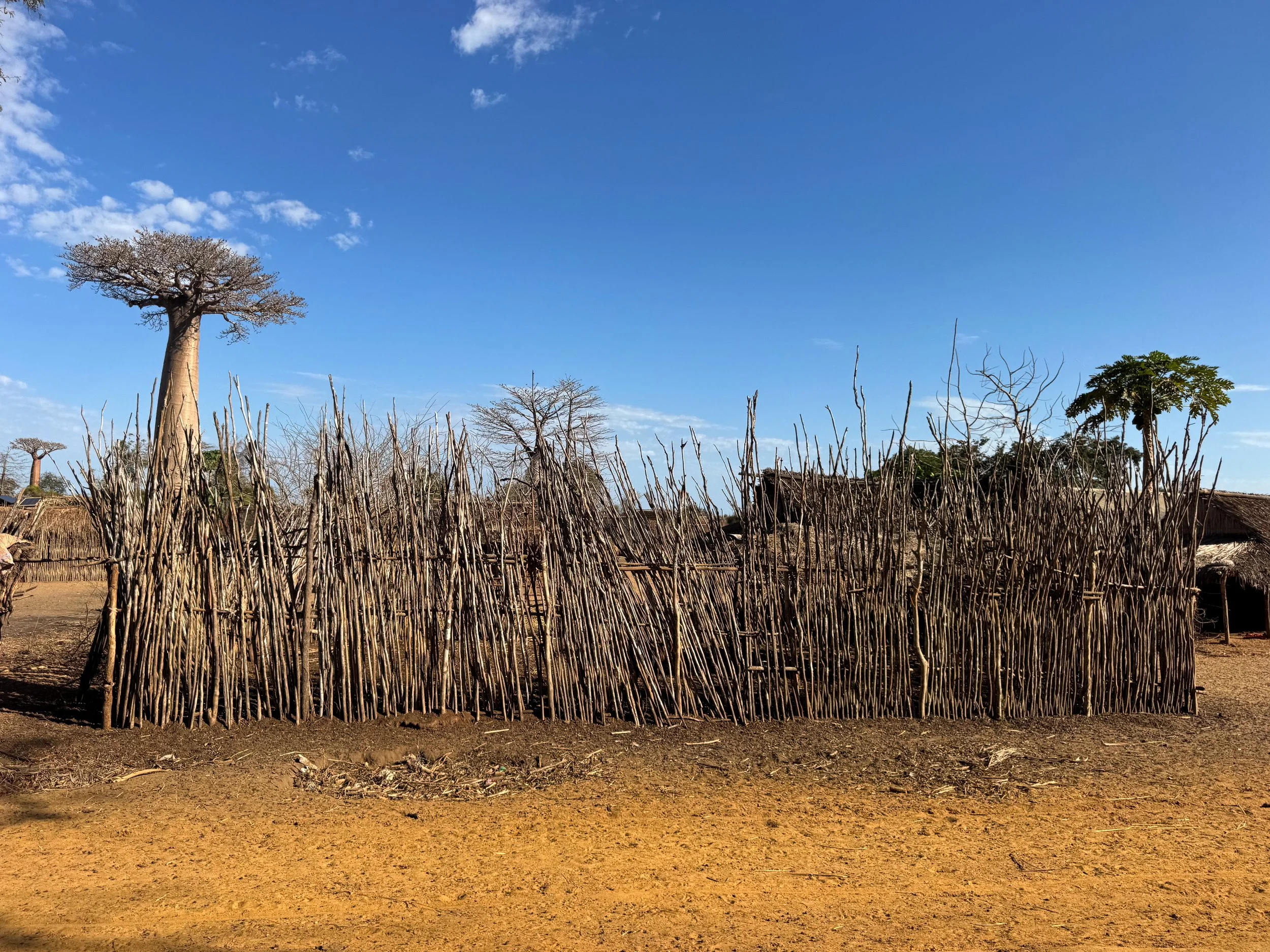
Rural Madagascar
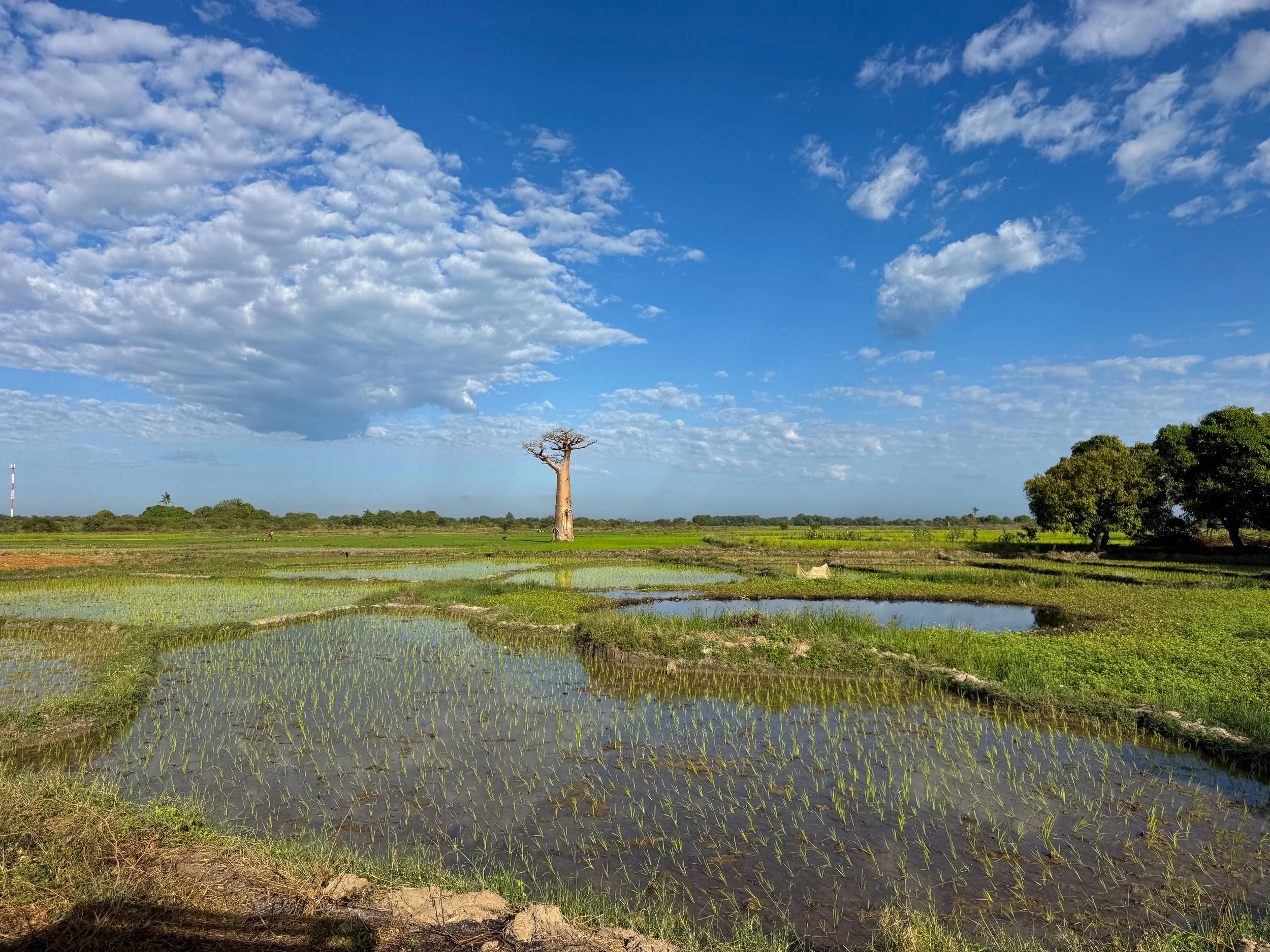
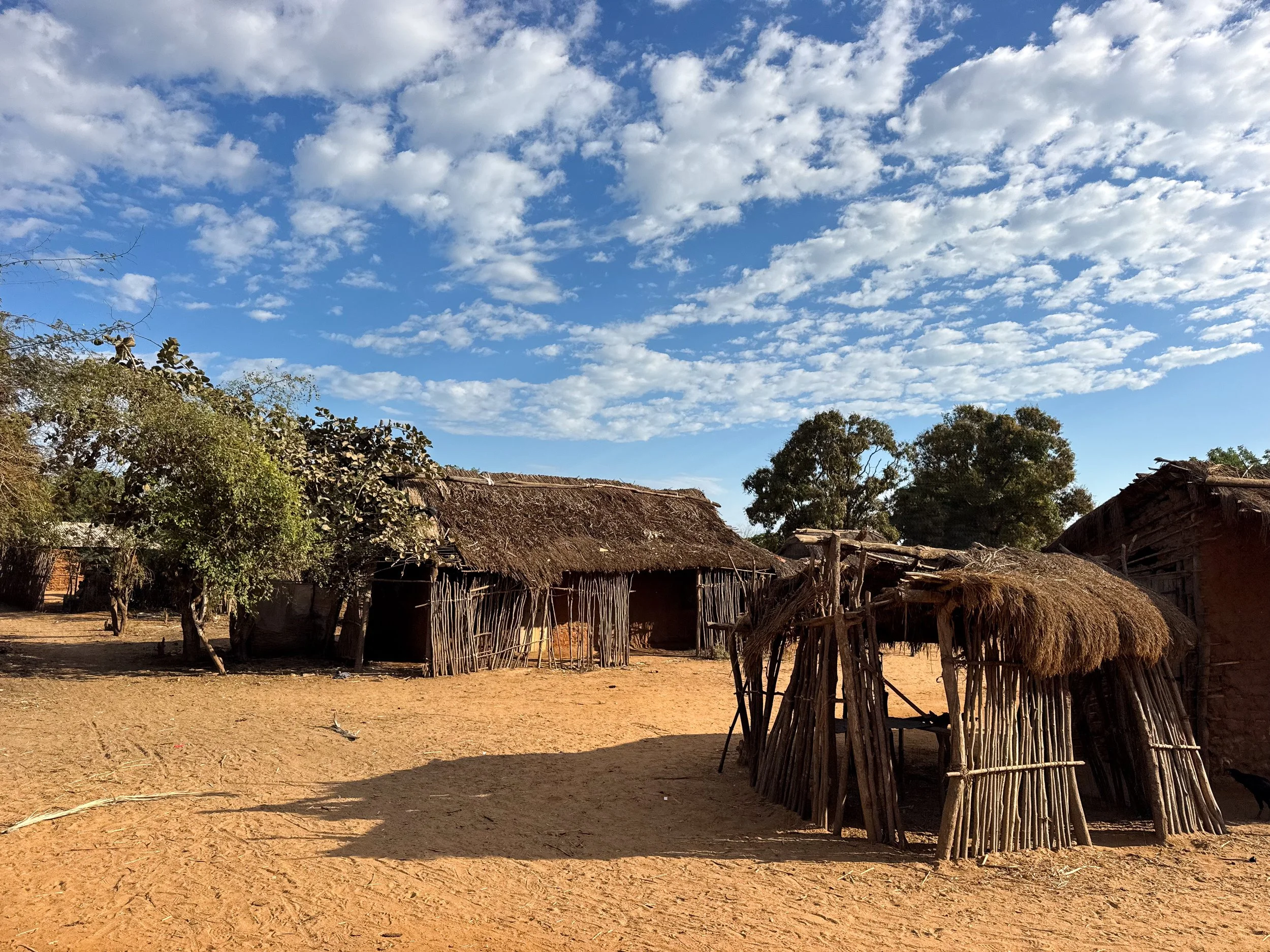
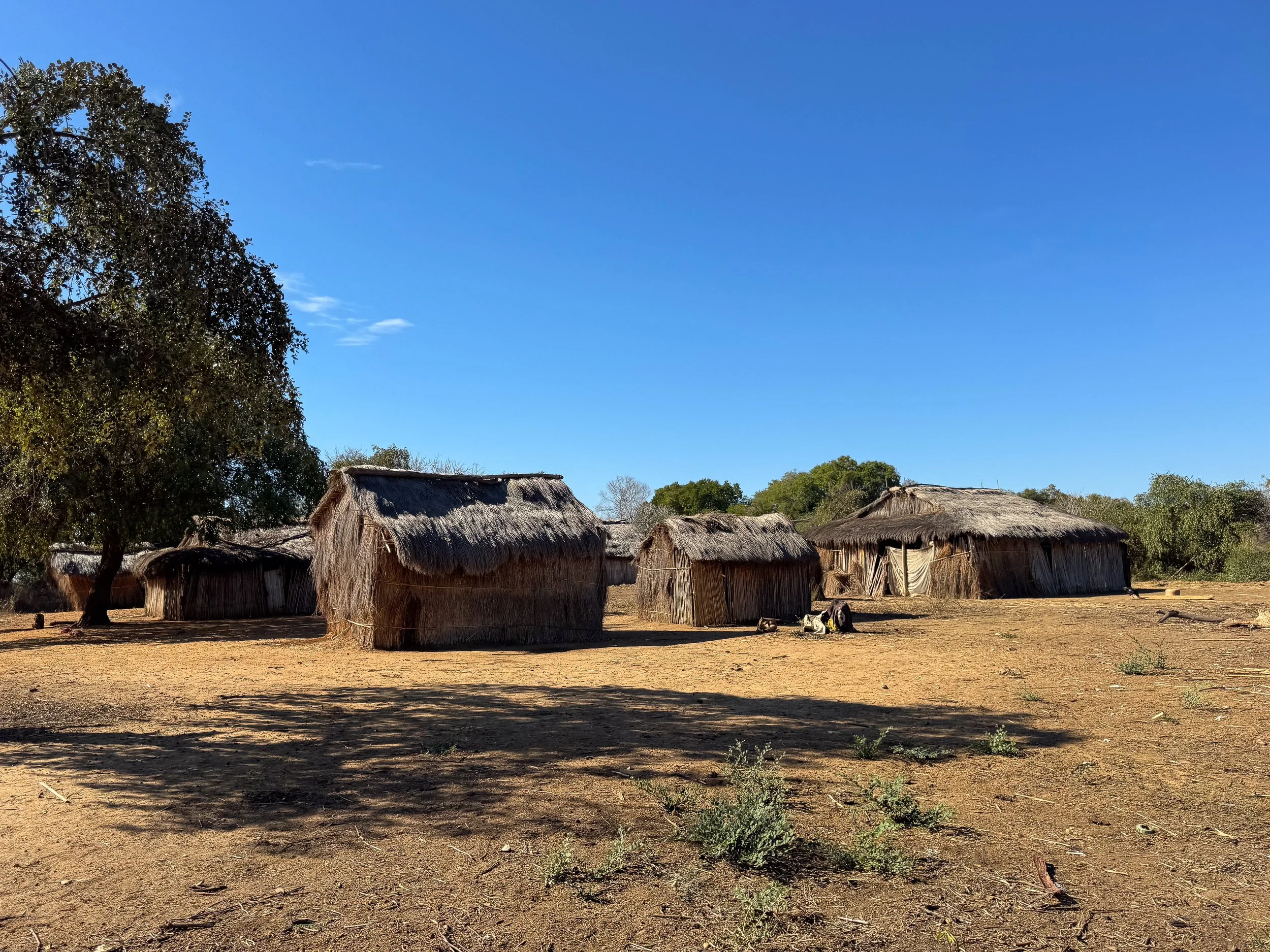
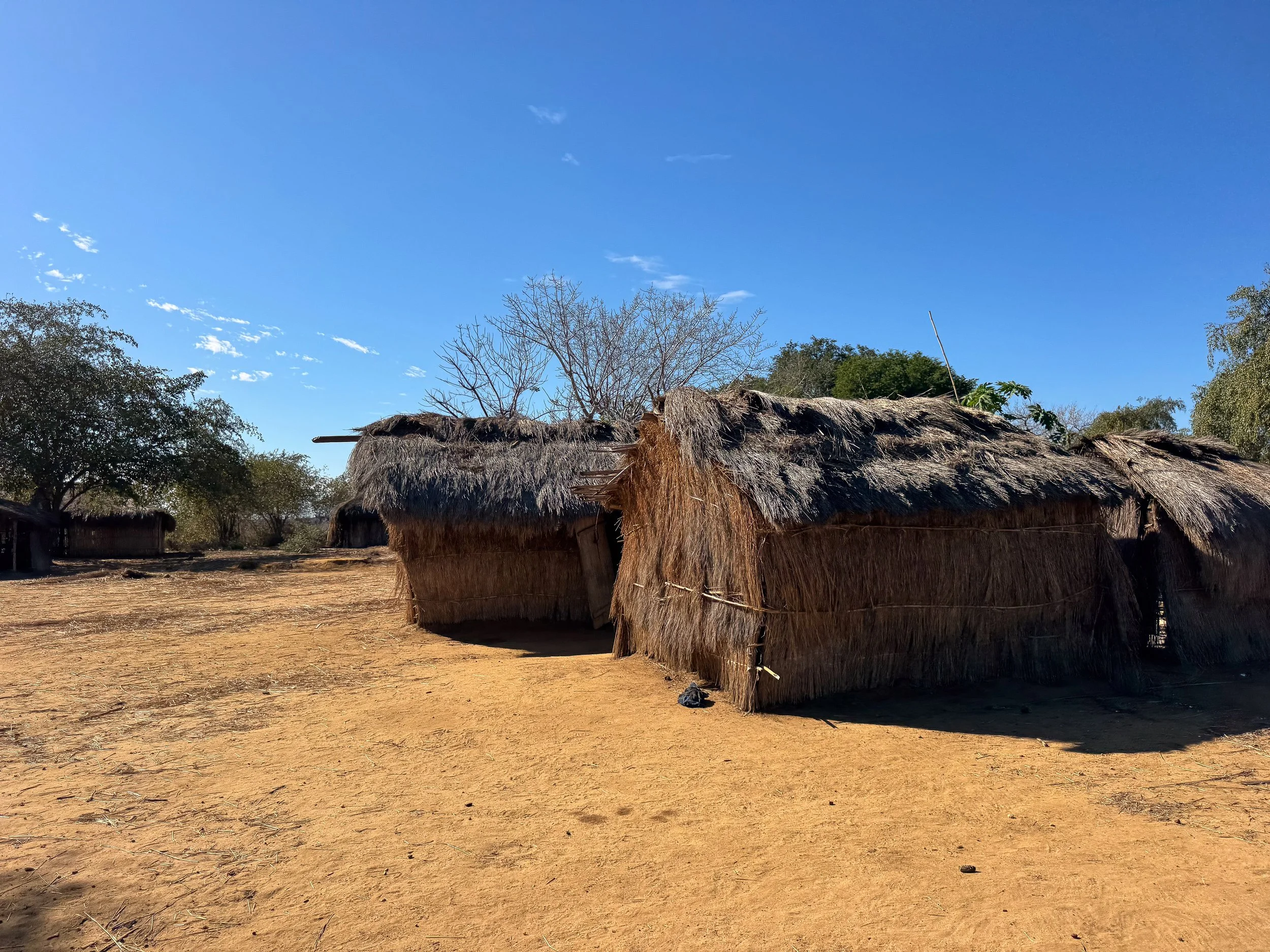
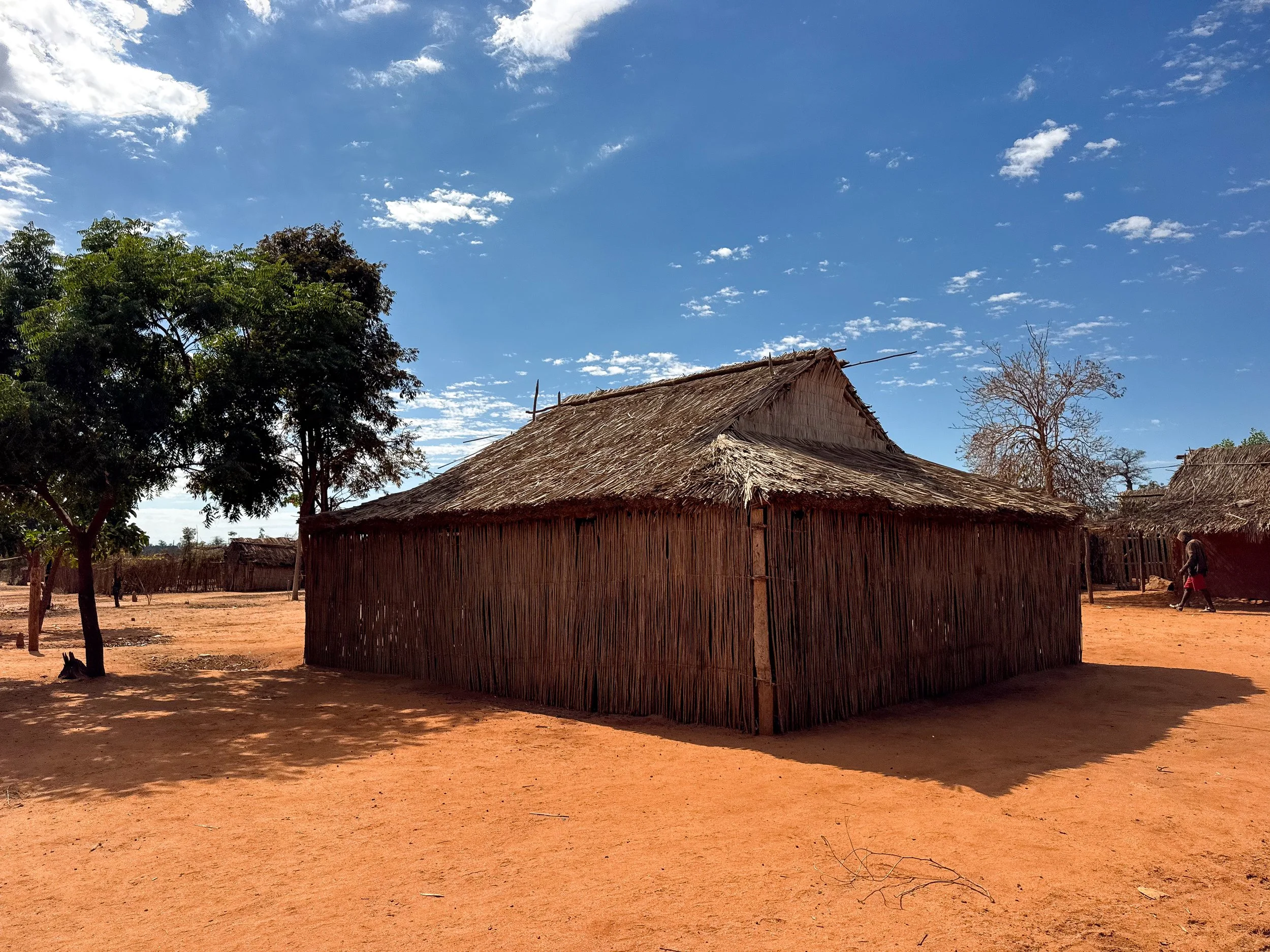
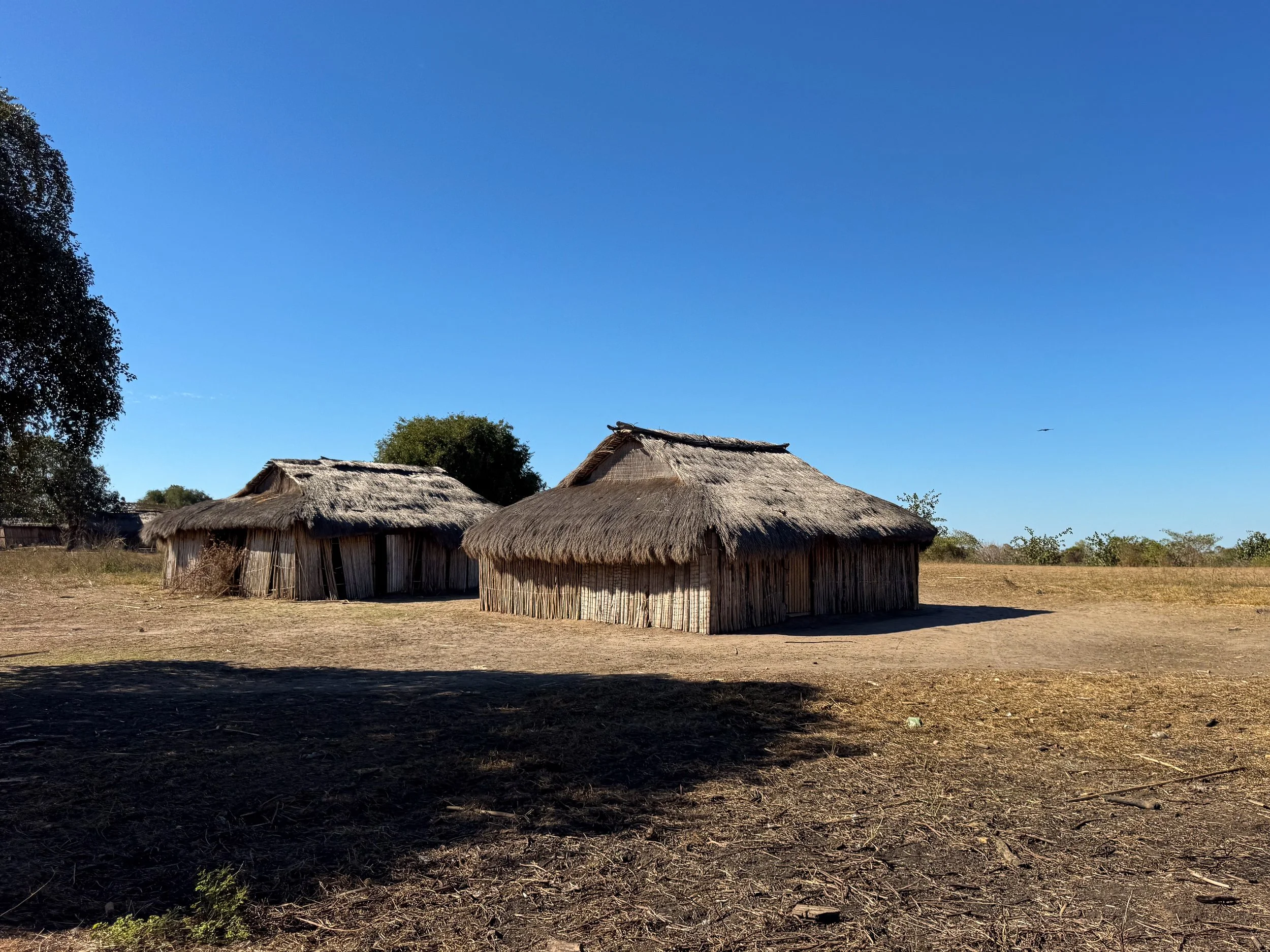
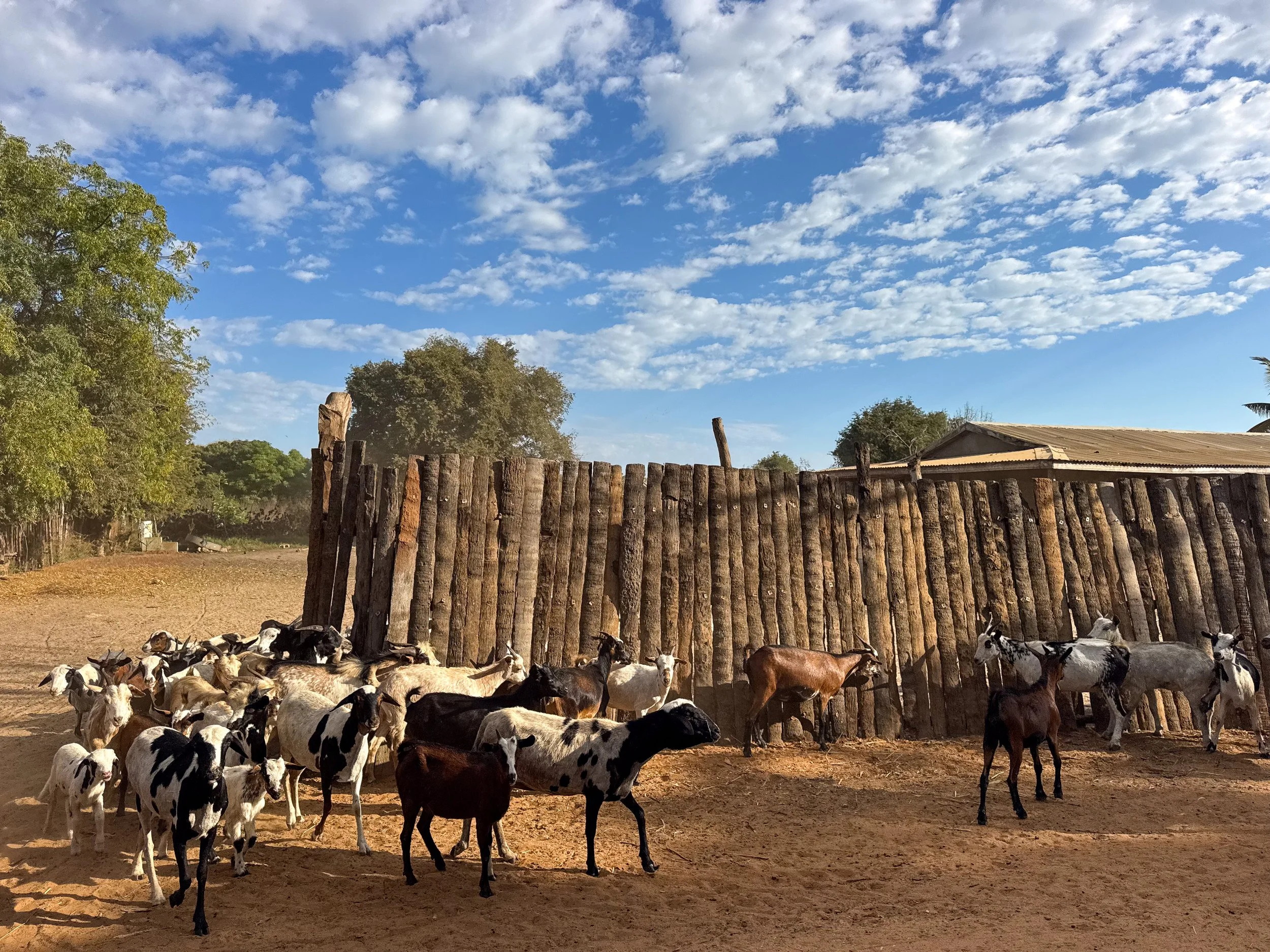
The rural landscape of Madagascar is defined by its remote villages, vast farmland and towering baobab trees. Pitted dirt roads lead across many parts of the country. Baobab trees grow from between crops and rice paddies. Small villages are comprised of straw, wooden and adobe huts. Women wear vibrant patterned outfits and mud masks as a sign of beauty and for sun protection. Men heard groups of goats and drive carts led by Zebu, the local cattle. Children wave and shout out bonjour and salama from roadsides.
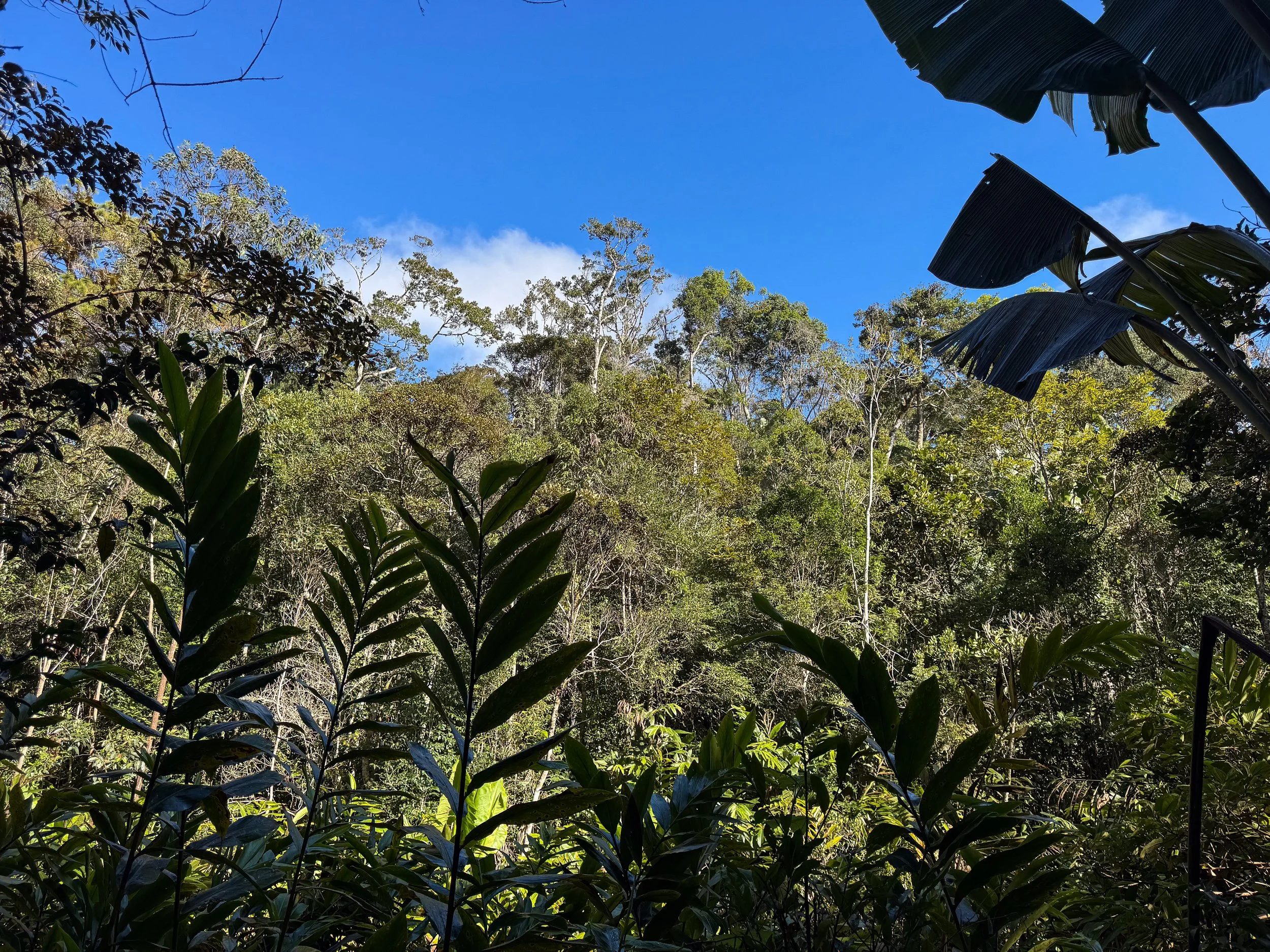
Andasibe
Andasibe is a rural town nestled in the forested hills of Eastern Madagascar. It’s an entry point to multiple nature reserves and national parks including the Mitsinjo Reserve, Analamazoatra Reserve and Mantadia National Park. The town is home to several eco-hotels, roadside restaurants and farm stands.
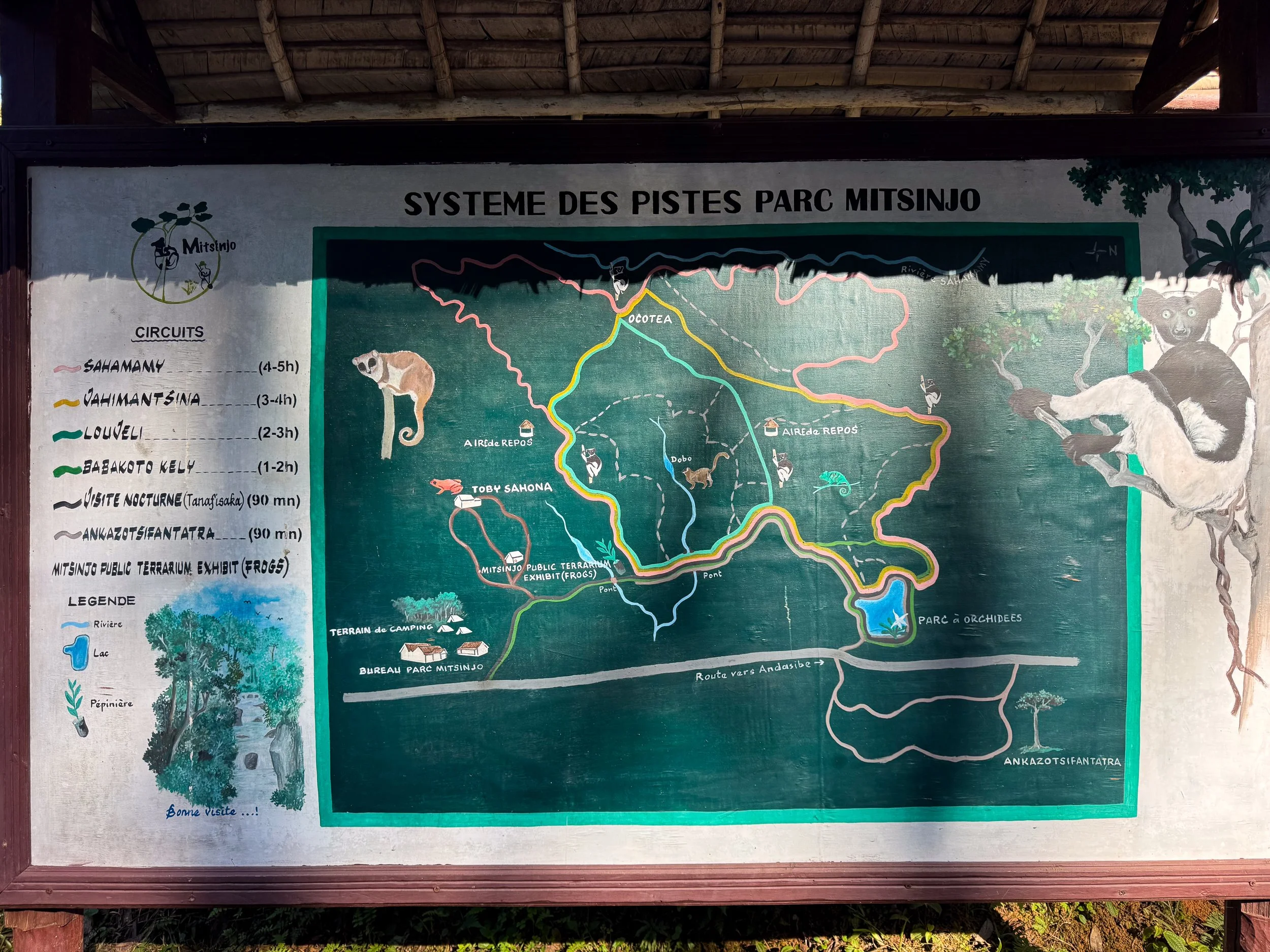
Mitsinjo Reserve
Mitsinjo is protected forest reserve in Andasibe home to many species of wild lemurs and colorful chameleons. Guides offer nature walks and nocturnal visits through the forest’s dense trails in search of these remarkable animals. Tickets can be purchased and guides can be hired at the Mitsinjo Park Office.
The Grand Circuit (Vahimantsina Circuit). The Grand Circuit is one of four trails leading through the Mitsinjo Reserve. It allows plenty of opportunities to spot lemurs and chameleons, taking between 3-4 hours to complete.
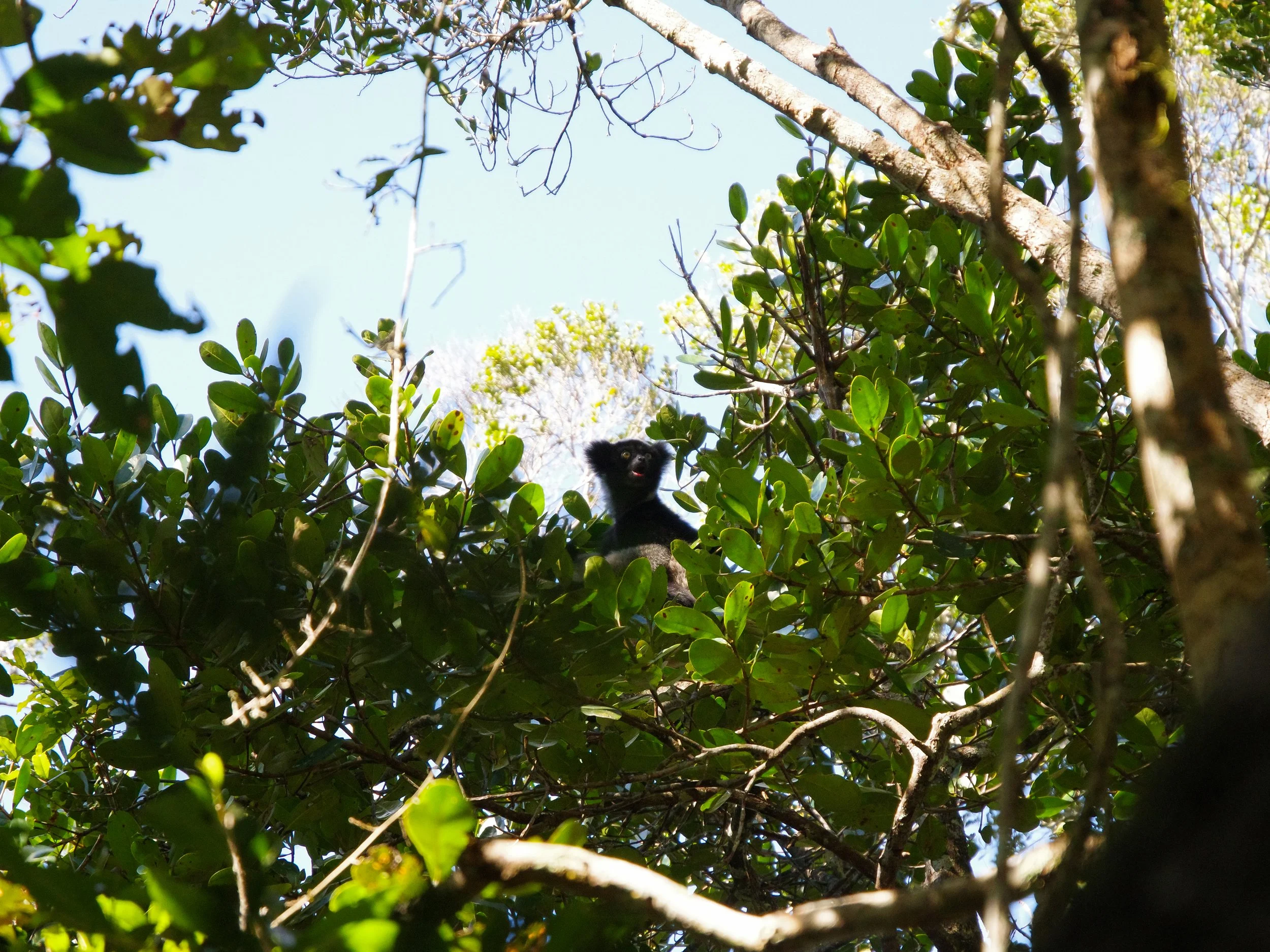
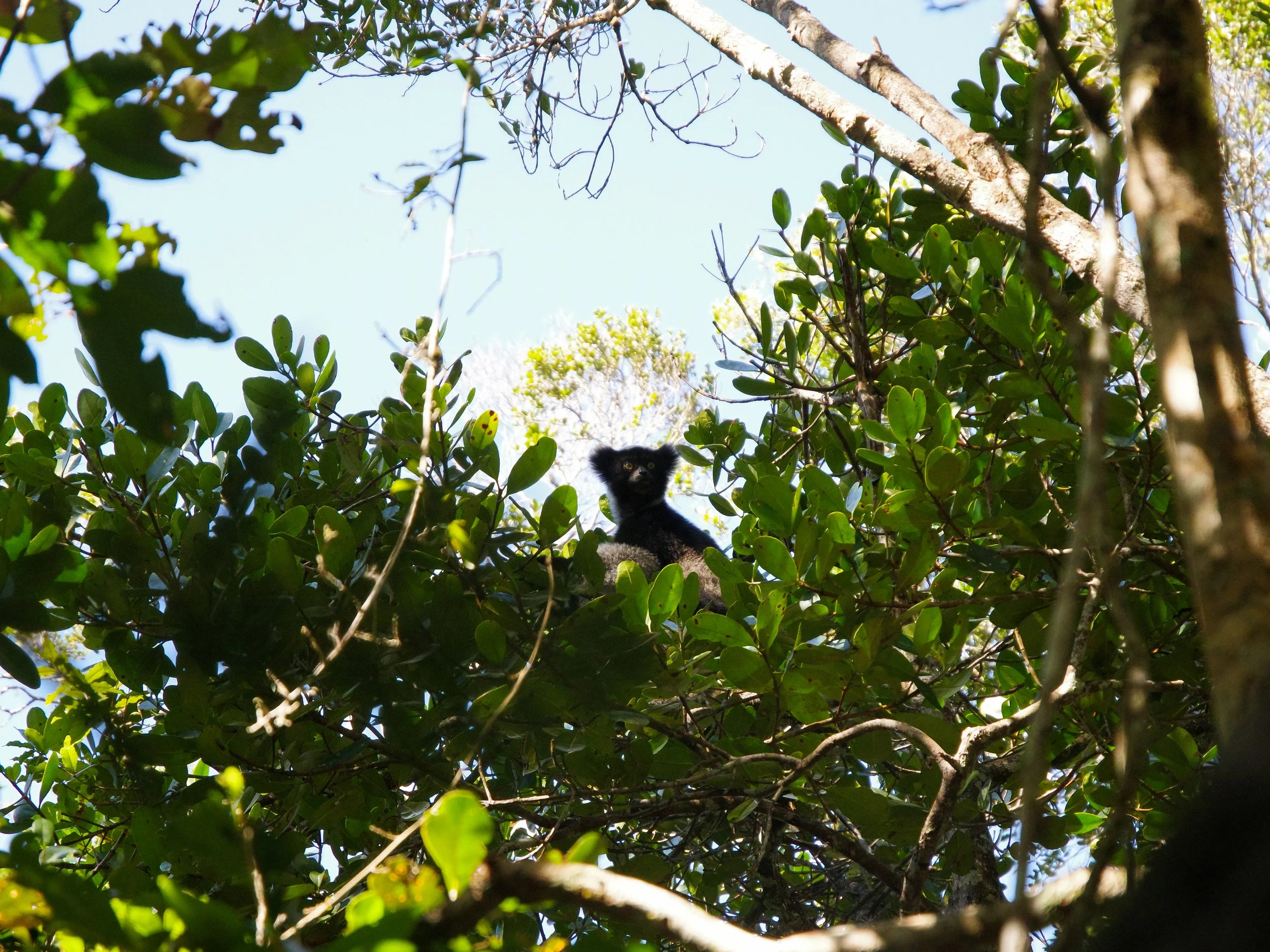
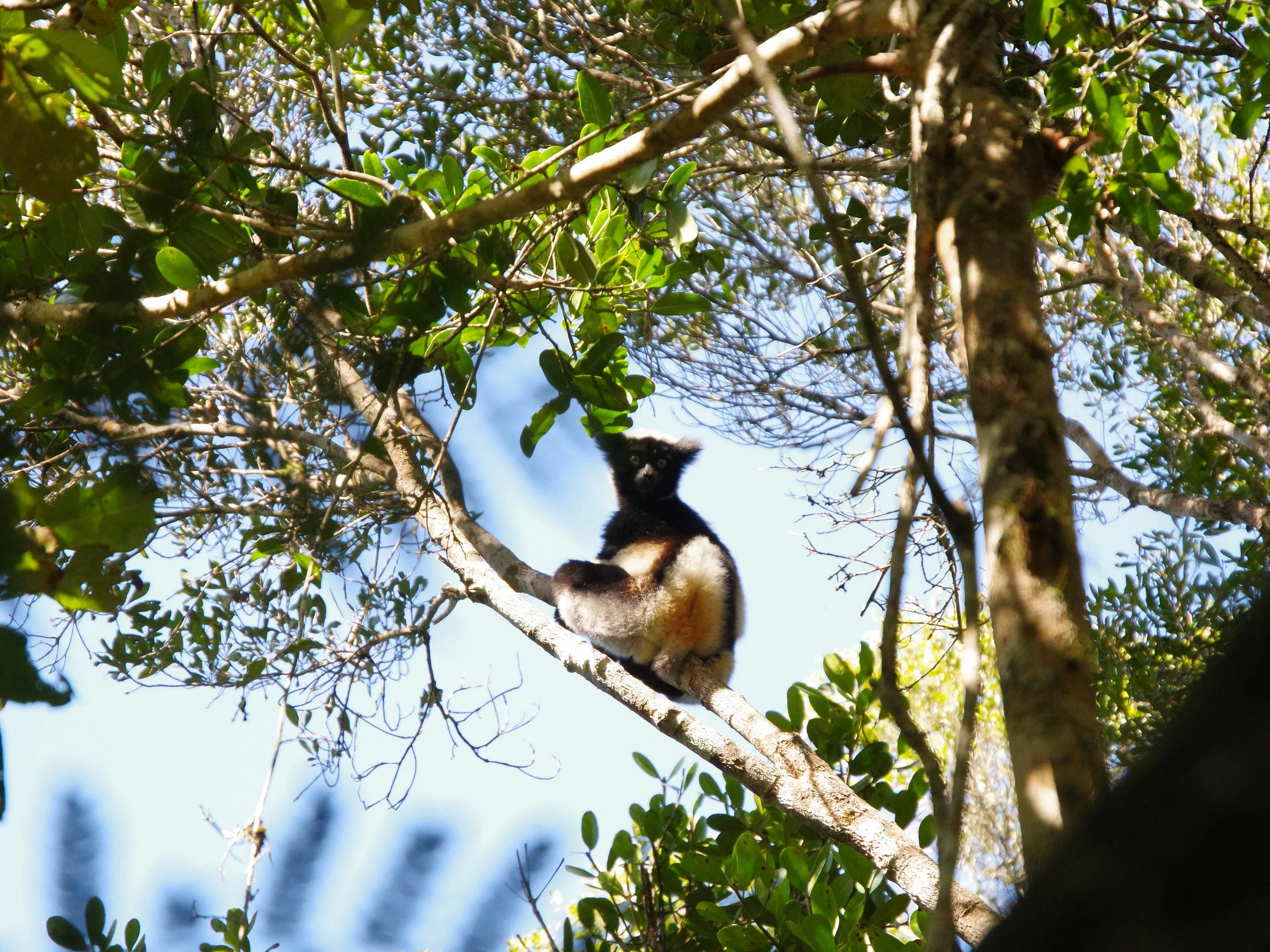
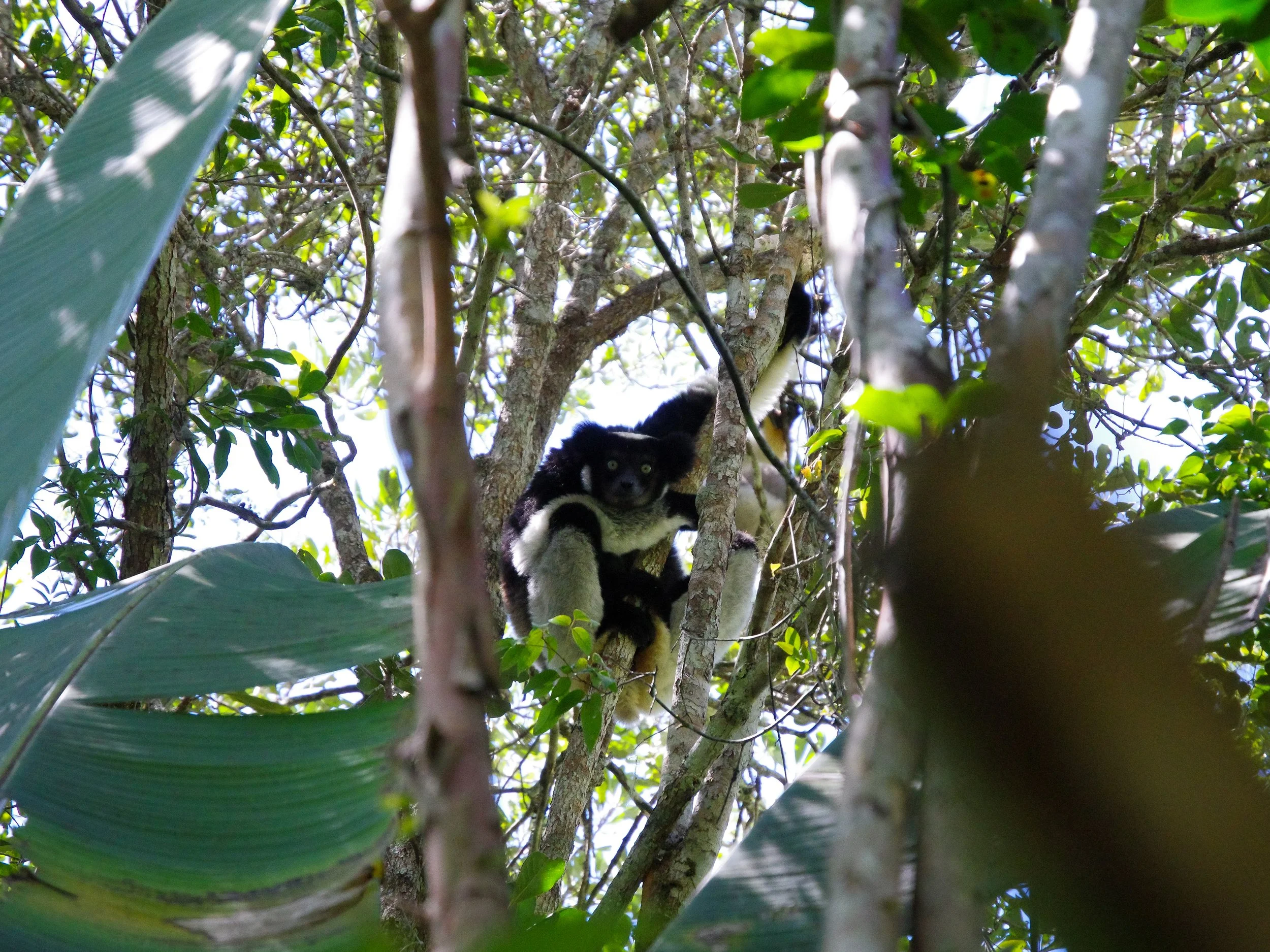
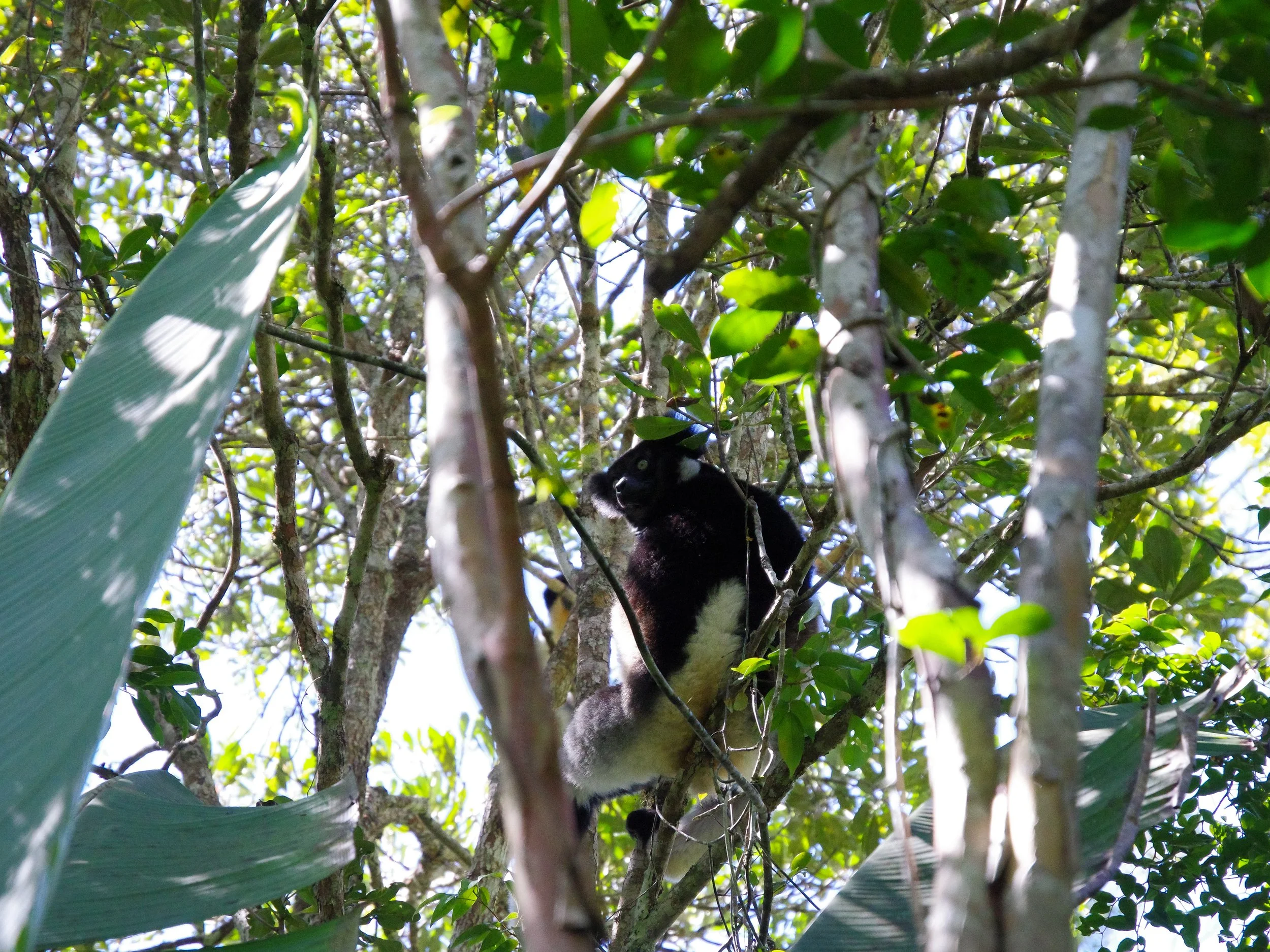
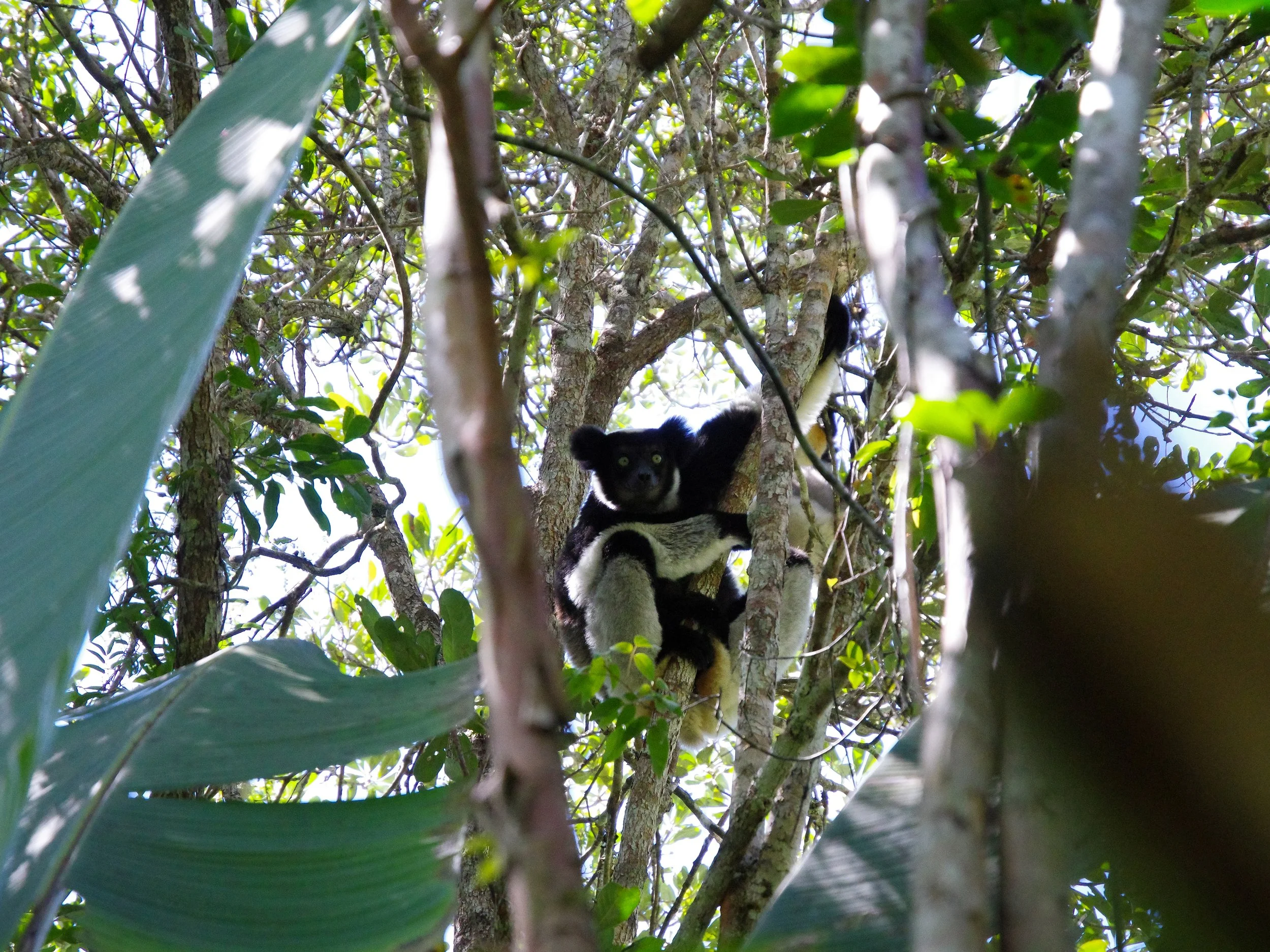
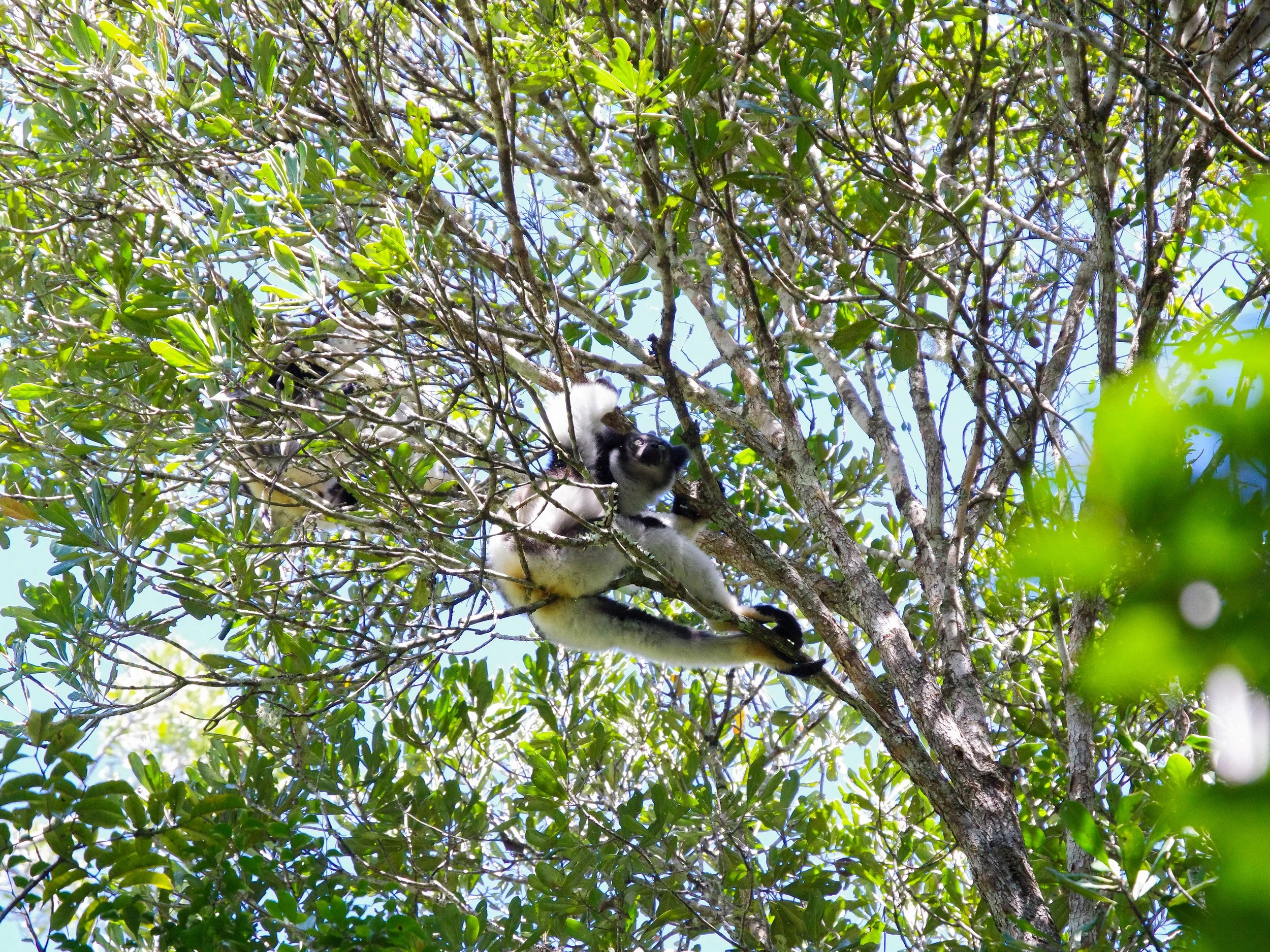
Indri Lemur. The Indri are known for their haunting calls and adorable appearance. Though critically endangered, they’re frequently seen and heard within the reserve. Our guide tracked two separate families. One group sat in the trees, chomping on leaves and testing them for softness with their tongues. Their furry black torsos and white limbs hugged the trees. Their jet black faces and greenish eyes occasionally stared down at us. We watched and listened to a second group call out. Tilting their heads back, their piercing song echoed throughout the forest.
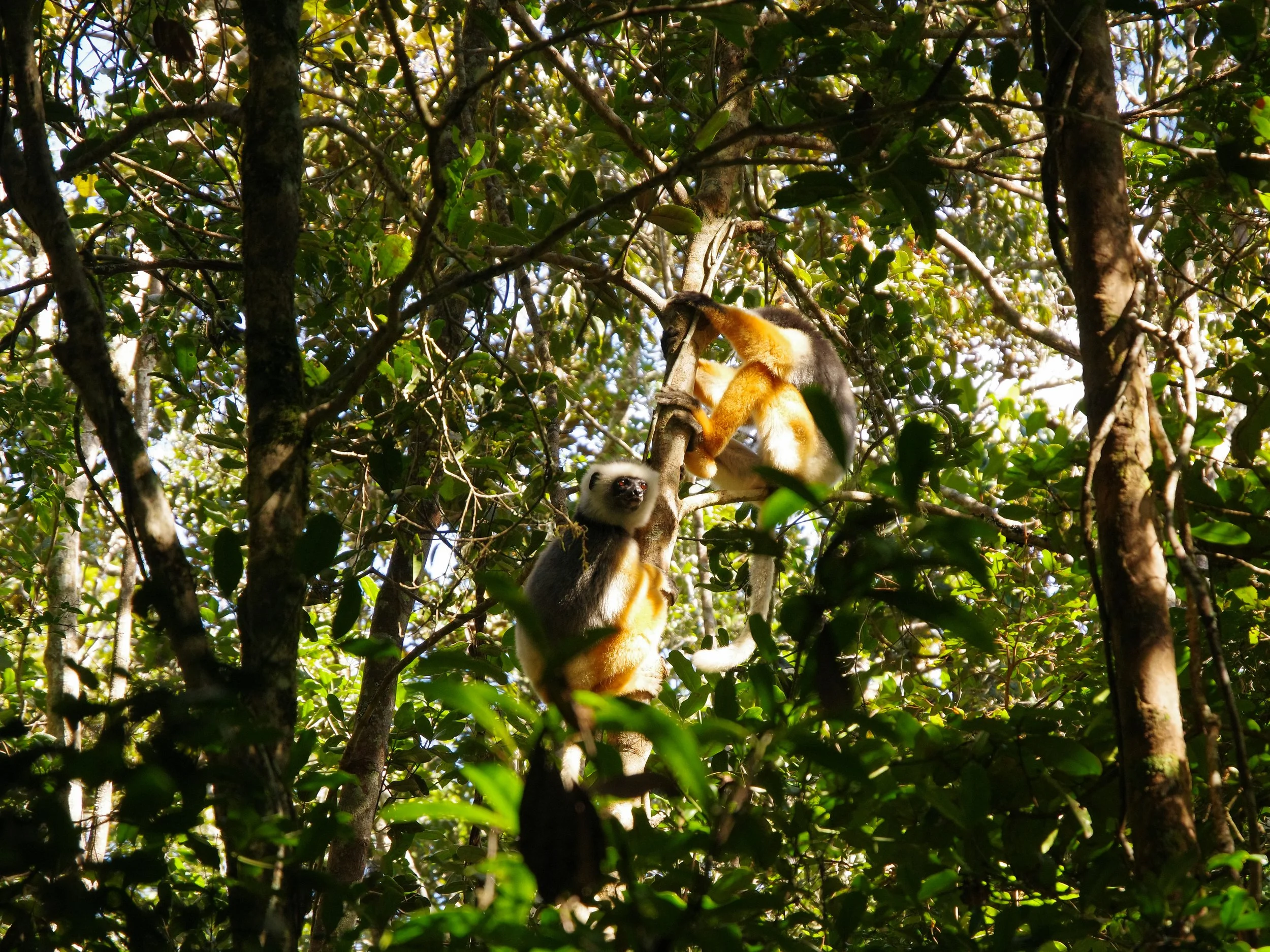
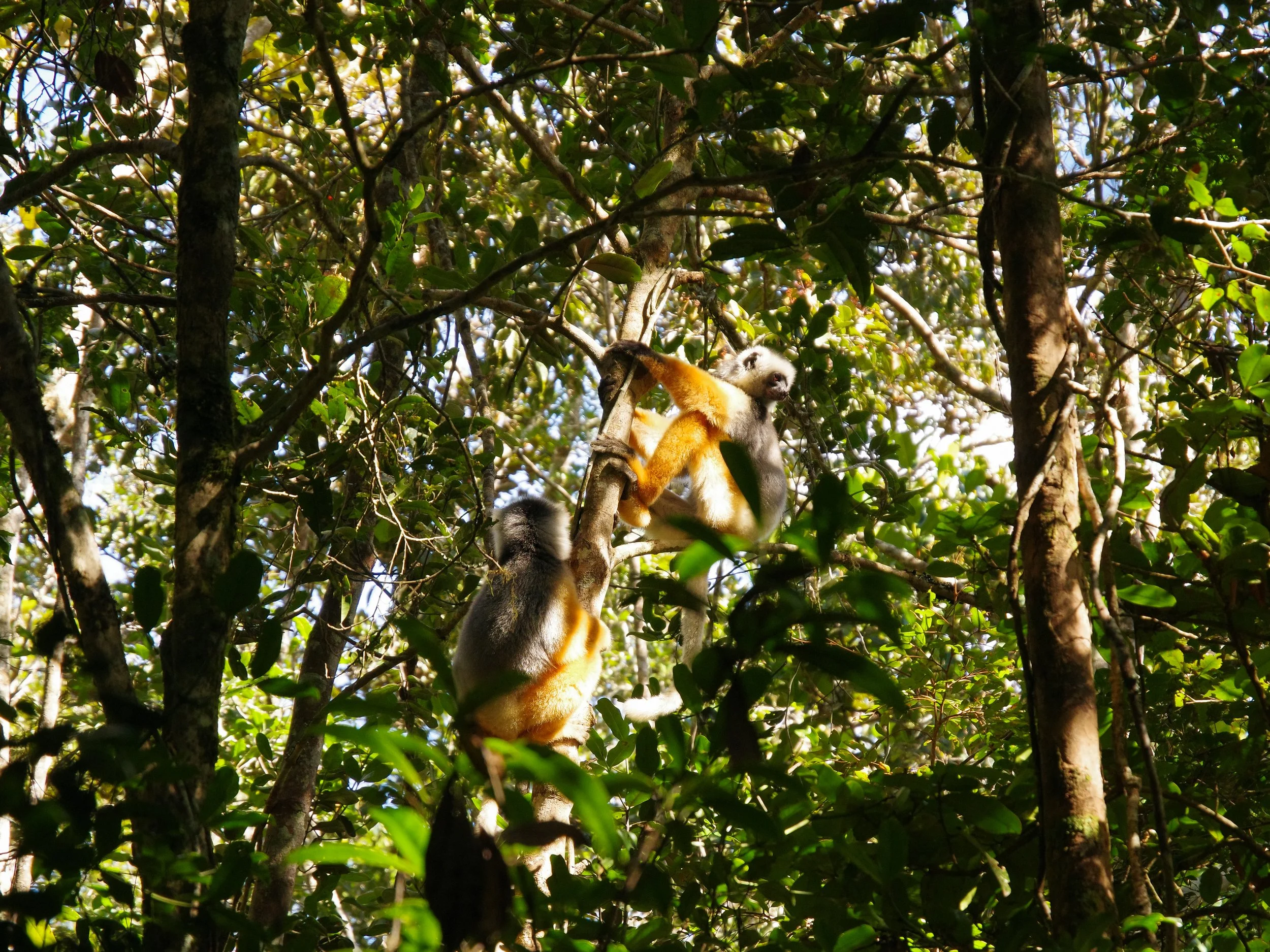
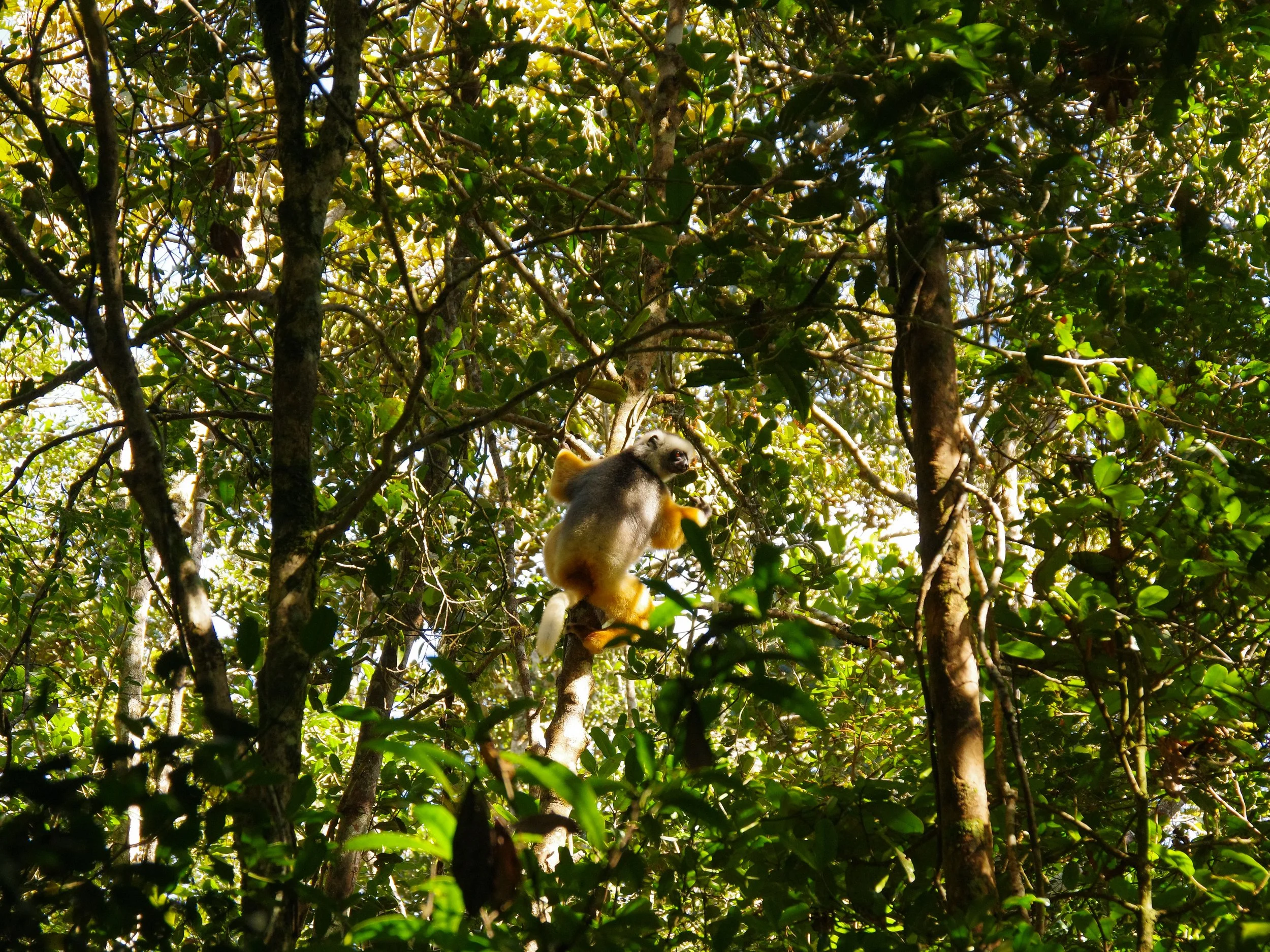
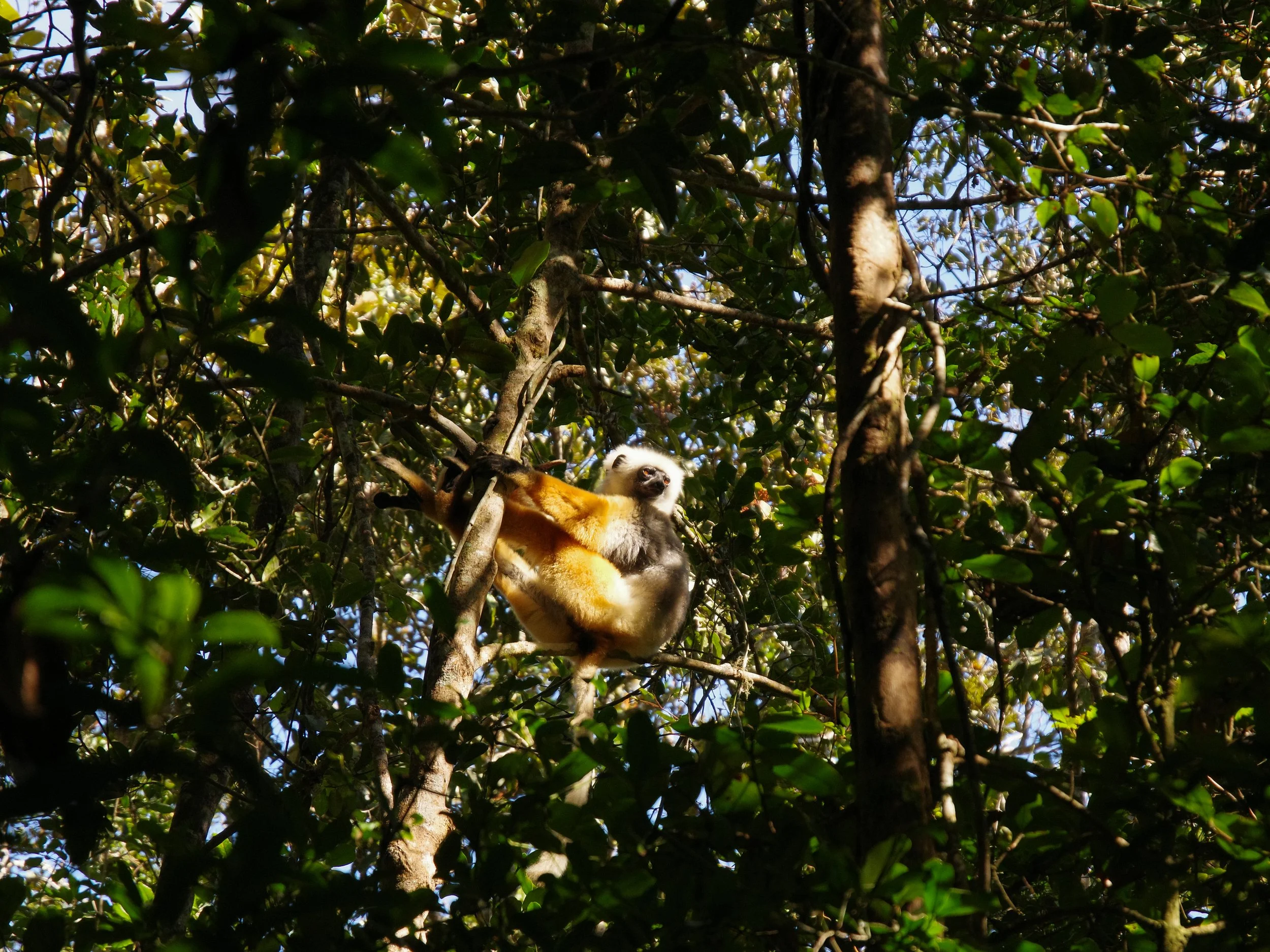
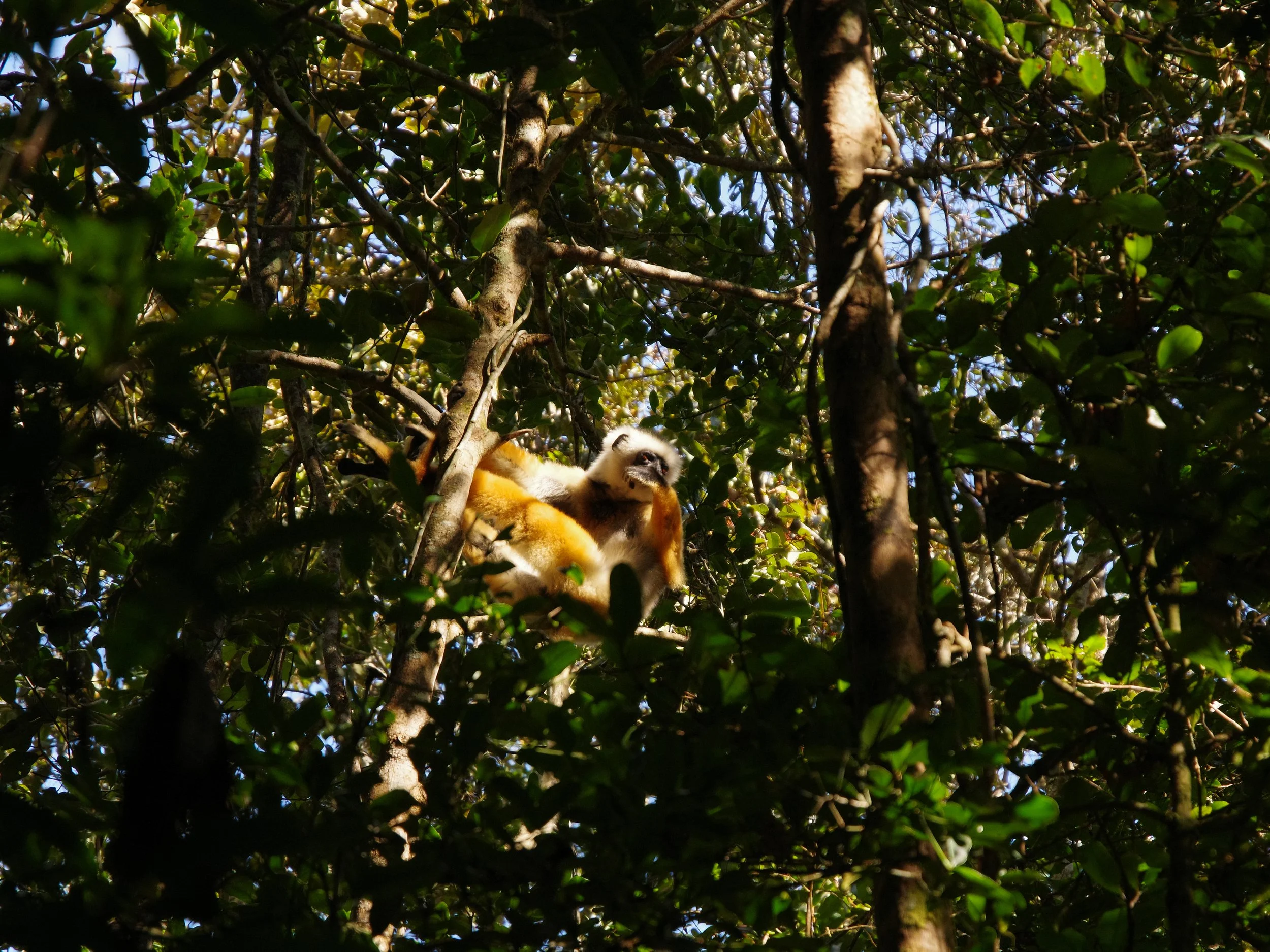
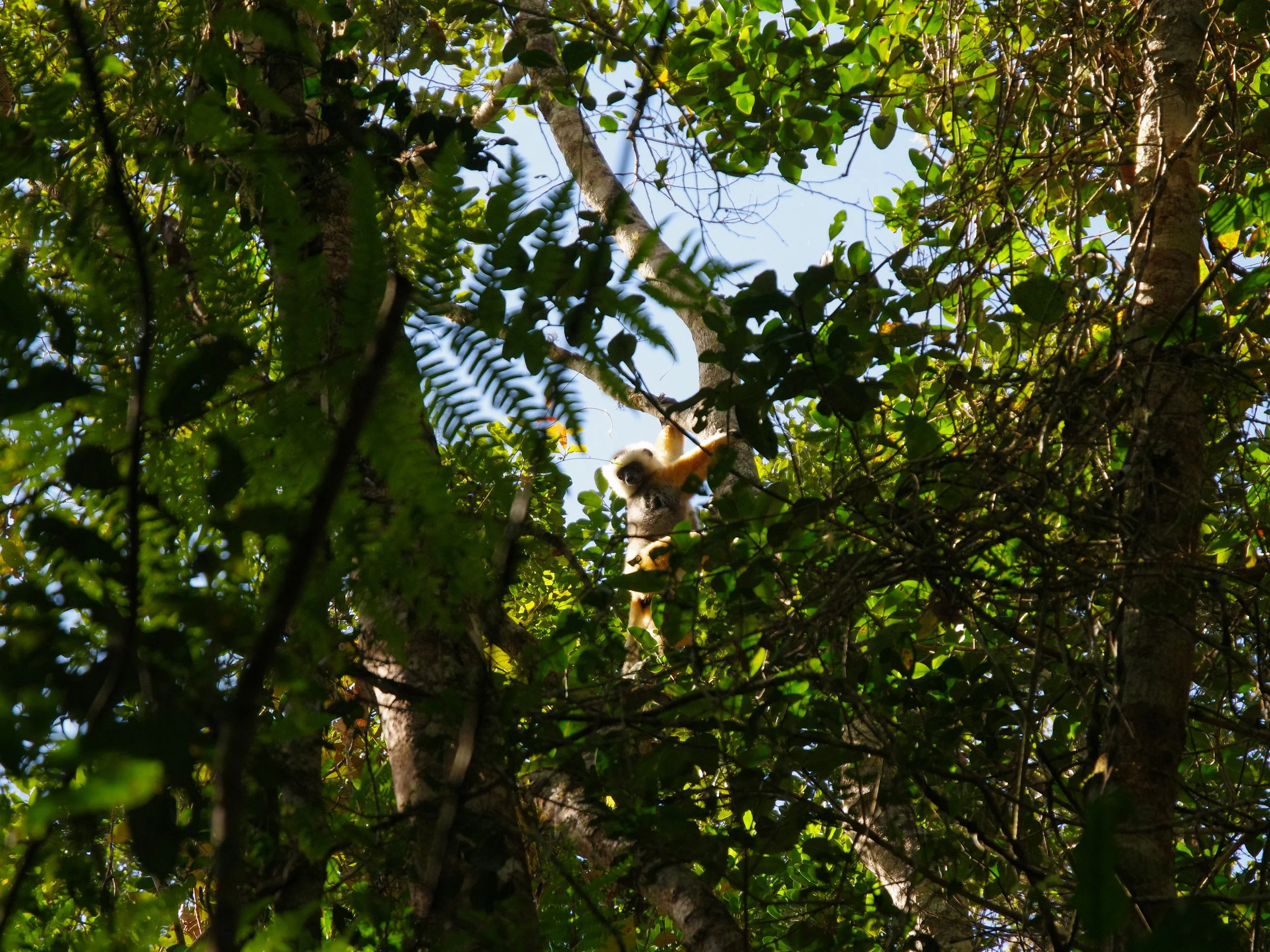
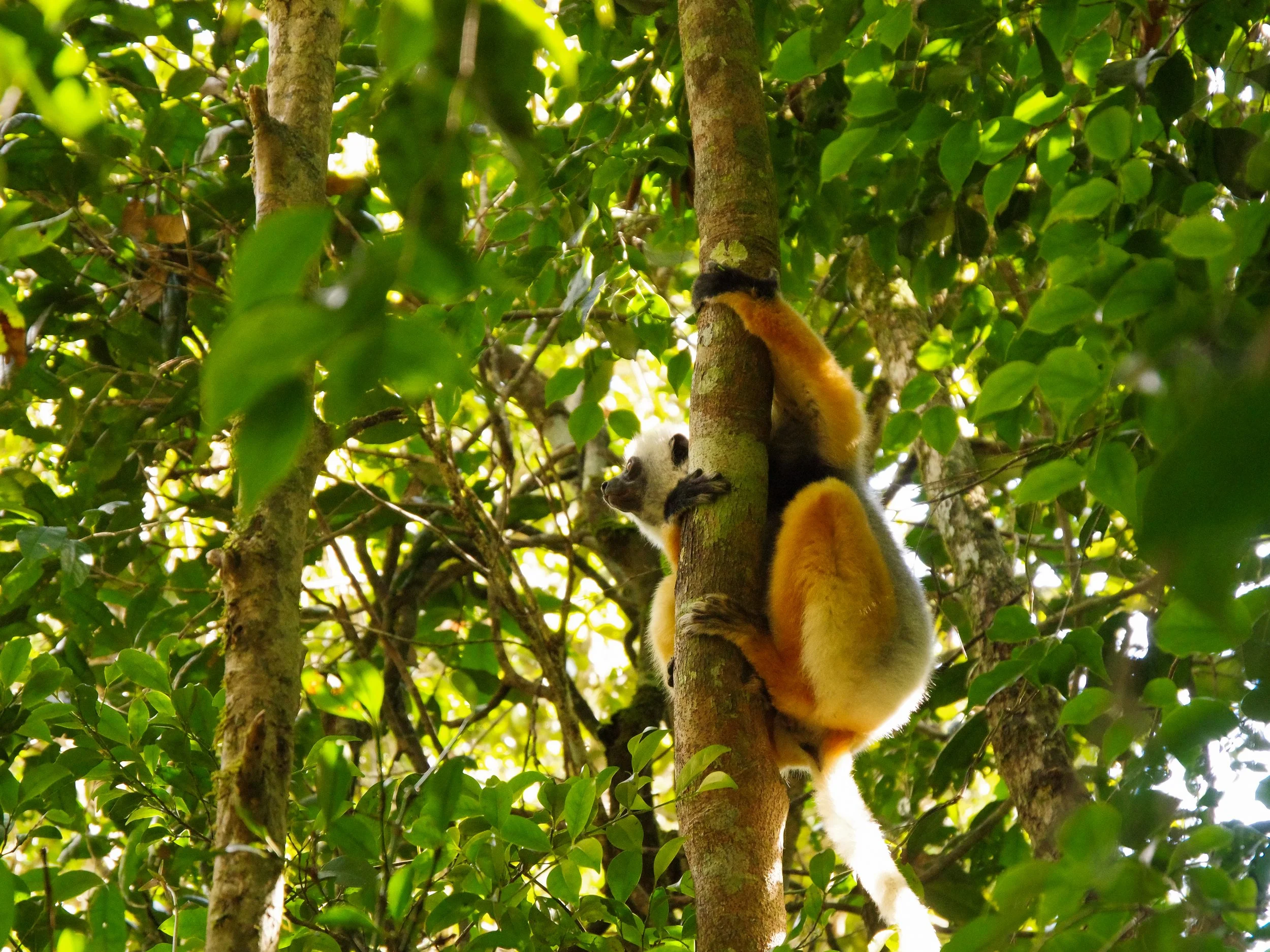
Diademed Sifaka Lemur. The Diademed Sifaka is a critically endangered species of lemur native to the forest reserve. We trudged off trail to track a small family feeding on leaves in the verdant canopy. They gracefully leapt from tree to tree, looking around before contributing their meal. The sunlight illuminated their tricolored golden, white and grey fur.
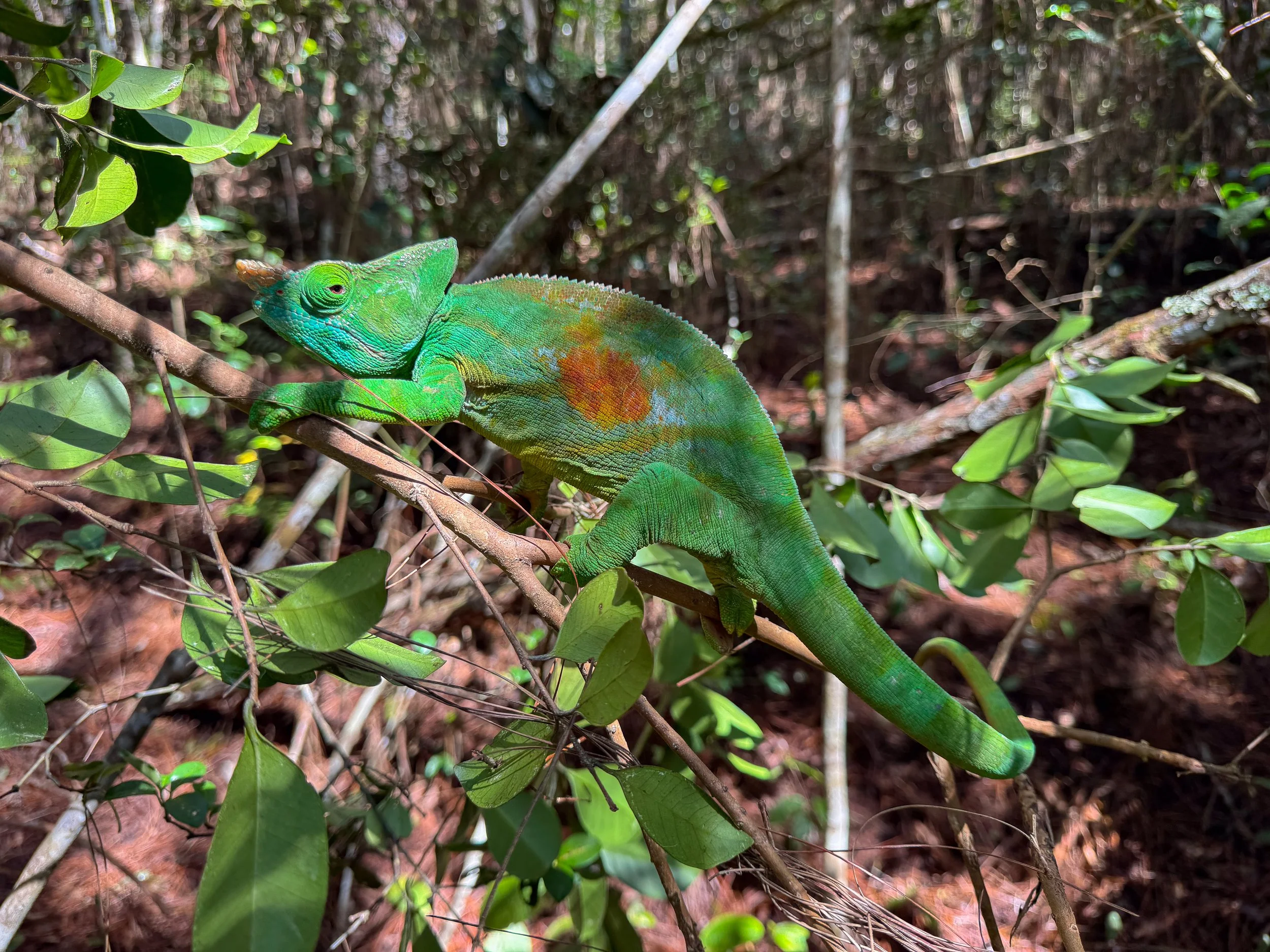
Parsons Chameleon. Chameleons are a common sight in the park, though rarer to see during the daytime. We spotted an adult Parson’s Chameleon resting on a tree limb. Its vibrant green scales and brown patches blended in with its surroundings. Its long tail coiled up as it slowly walked while its independent eyes looked back at us.
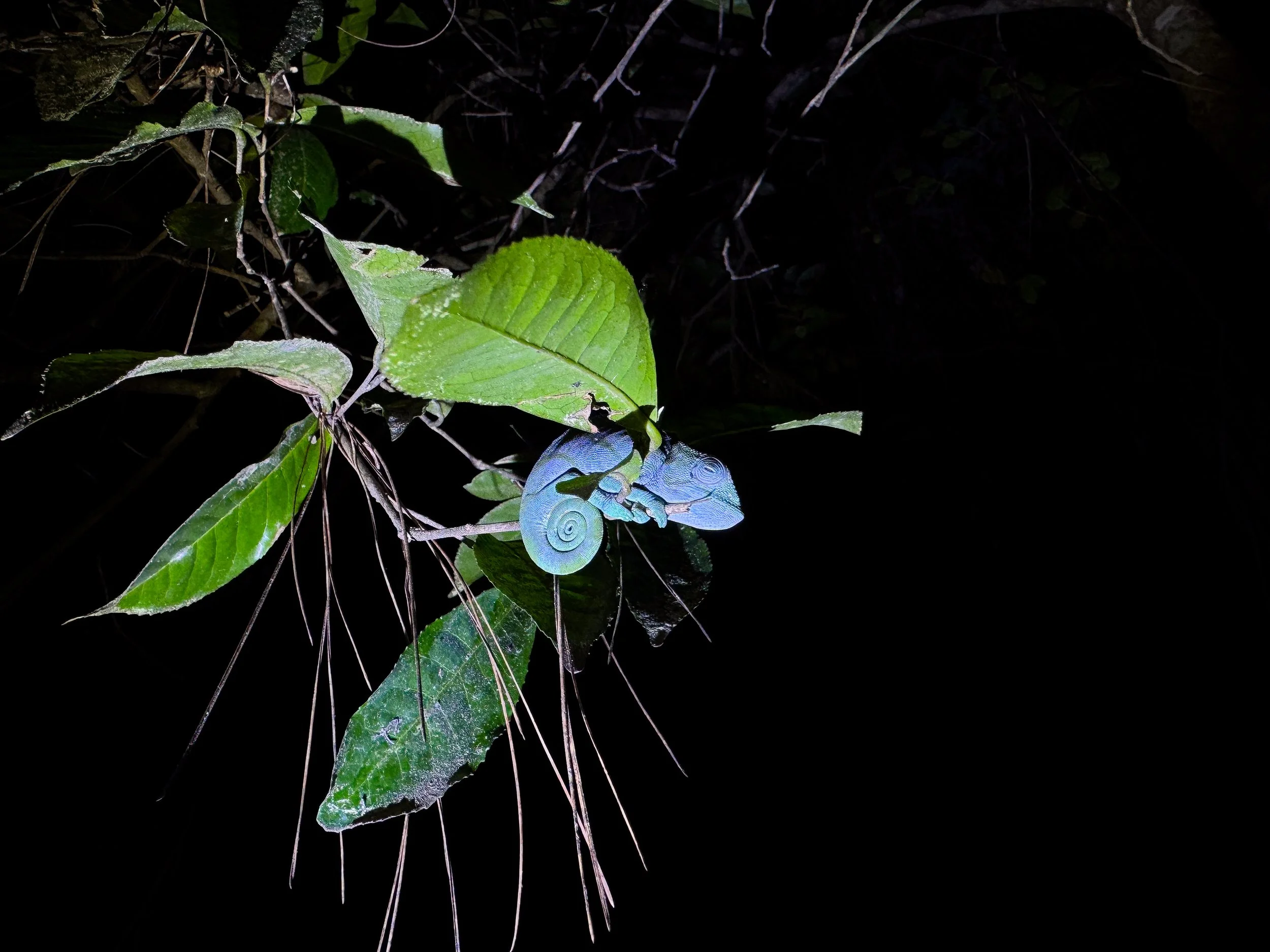
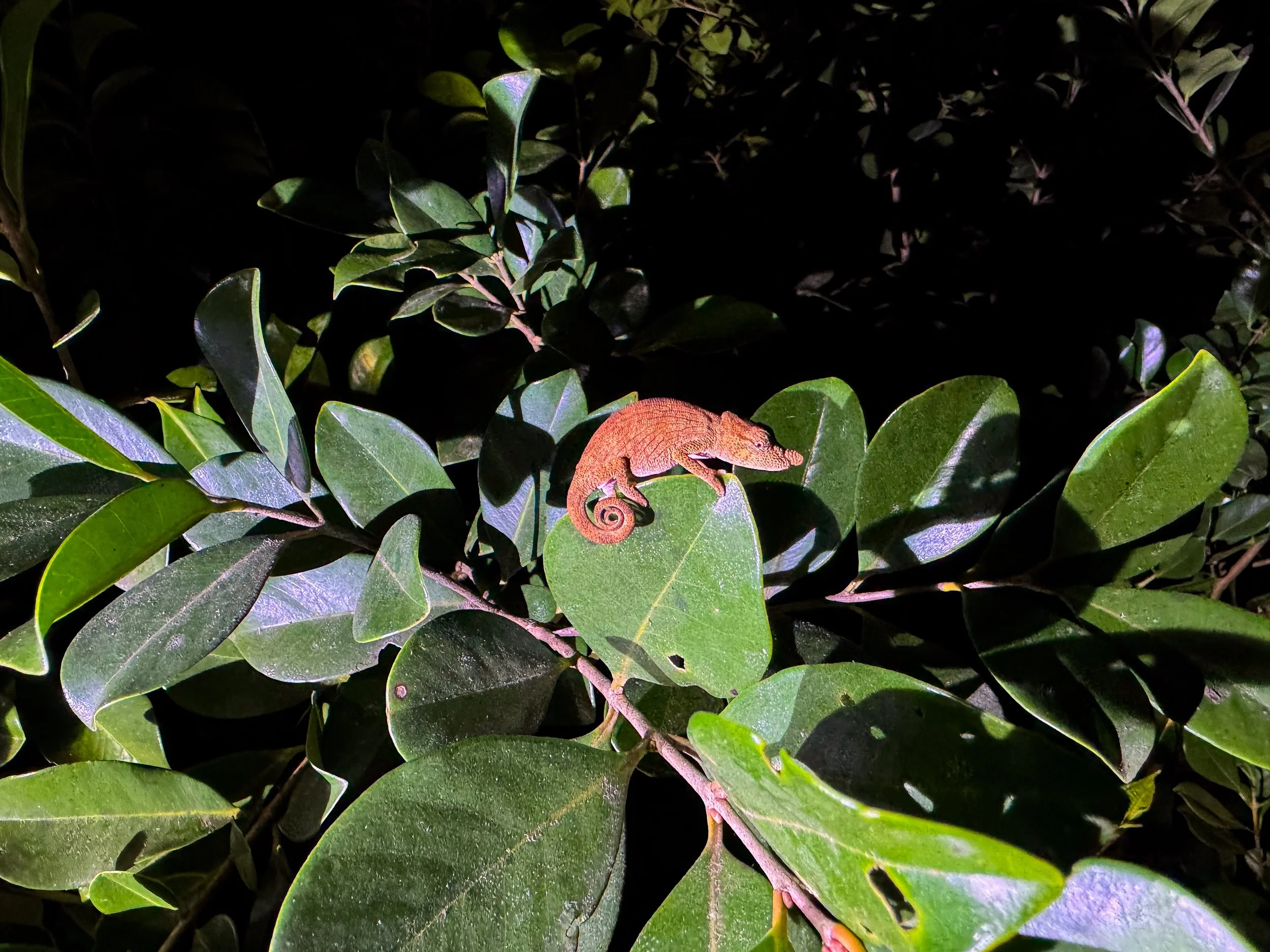
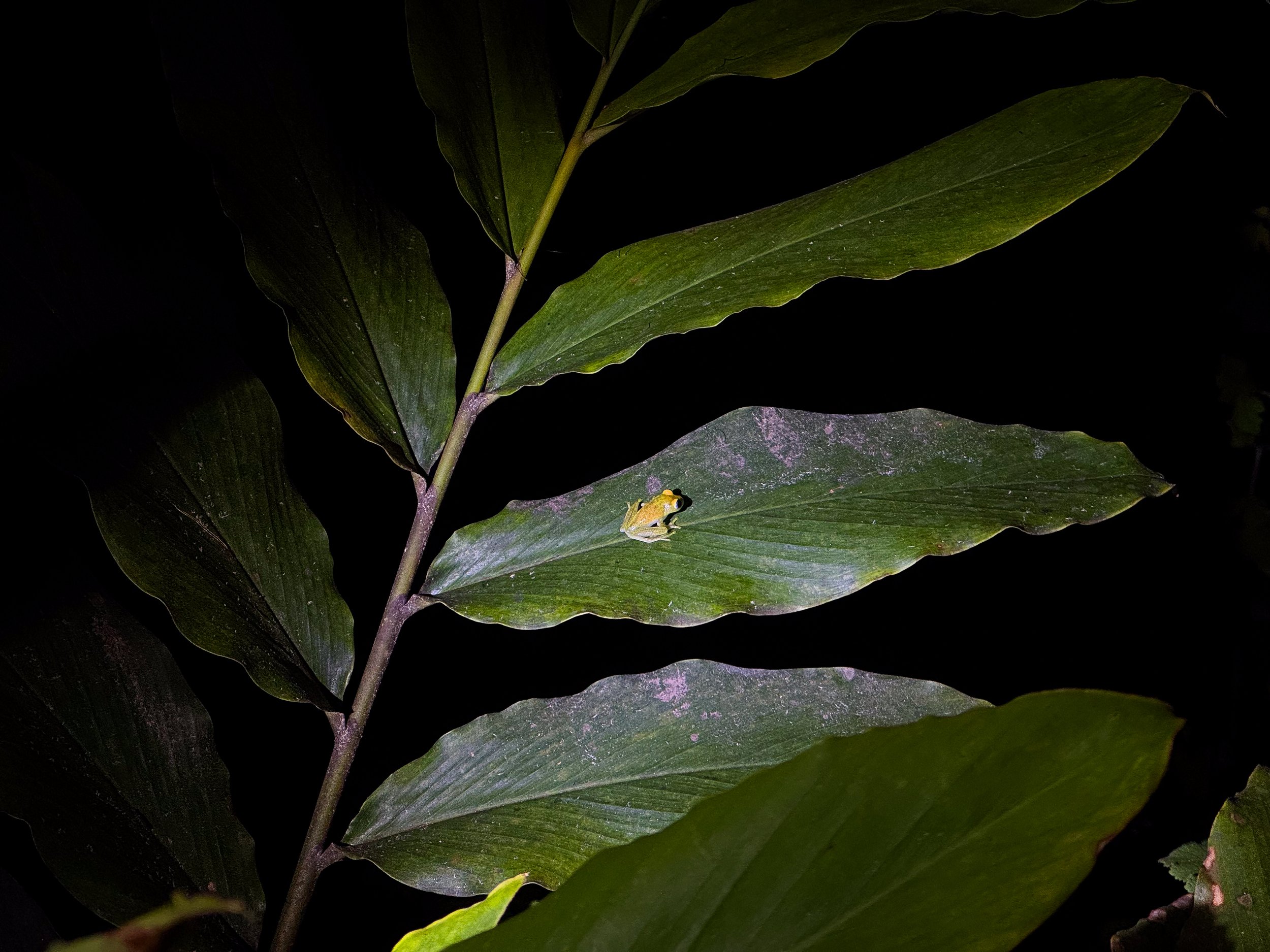
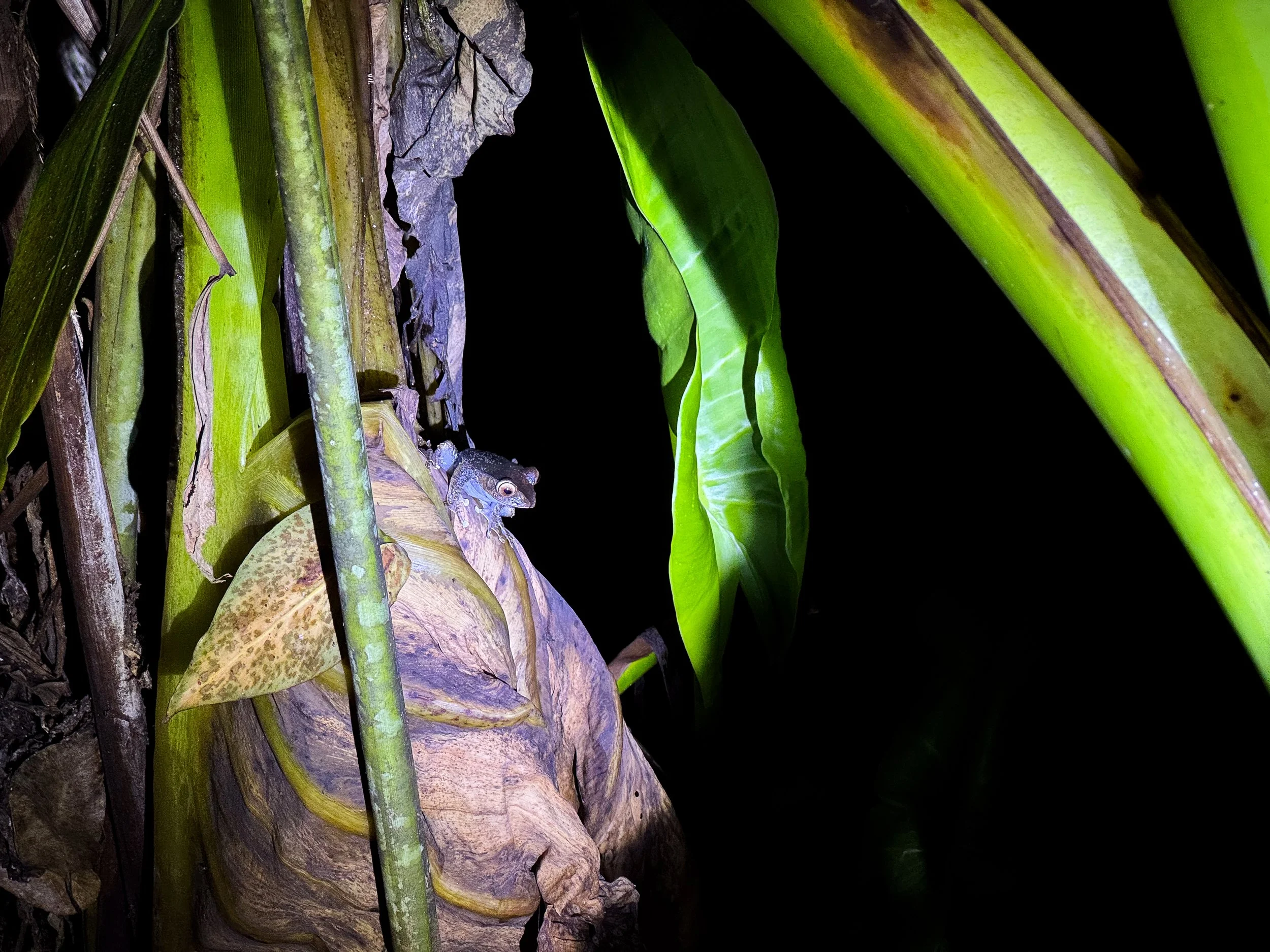
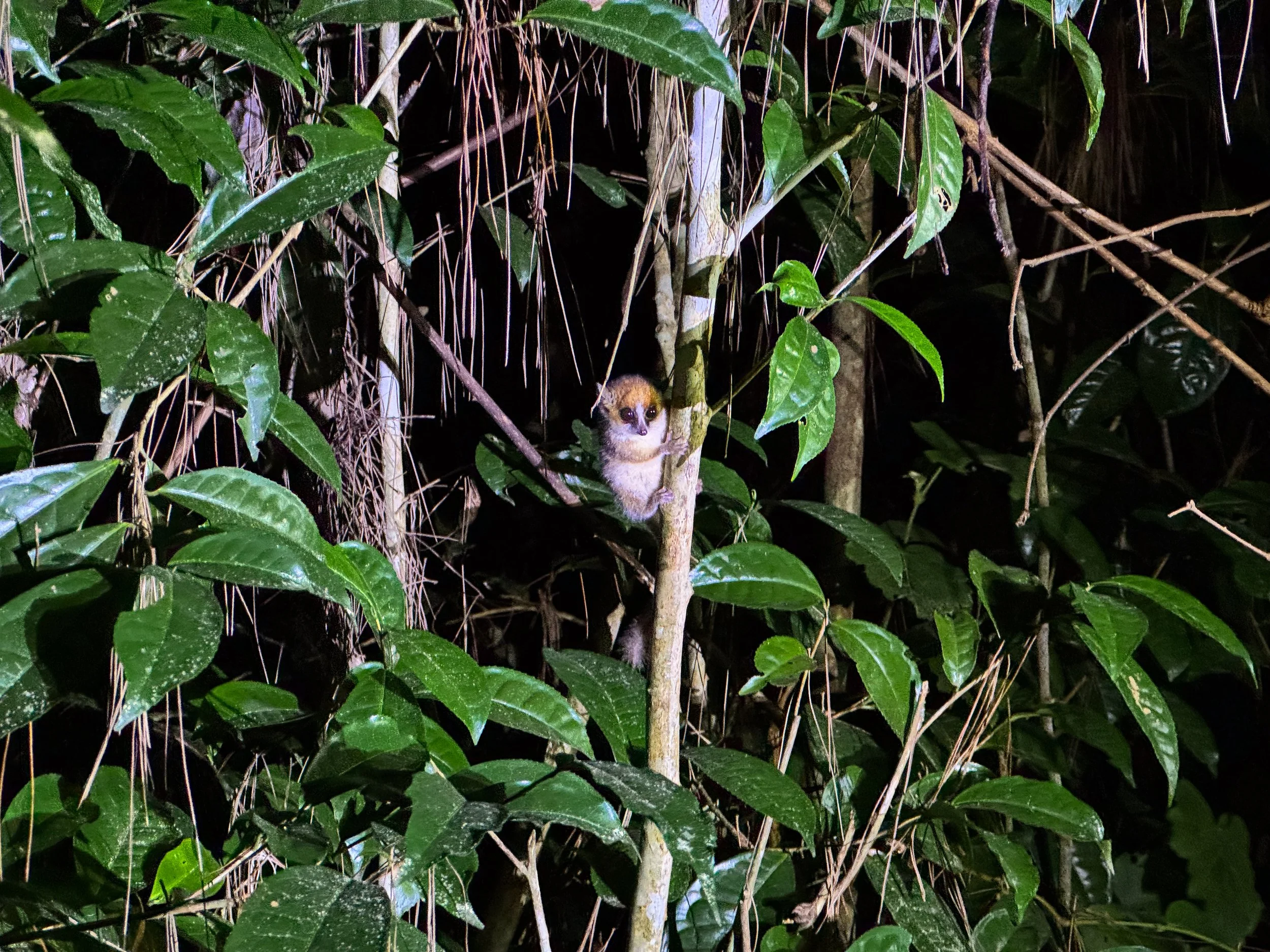
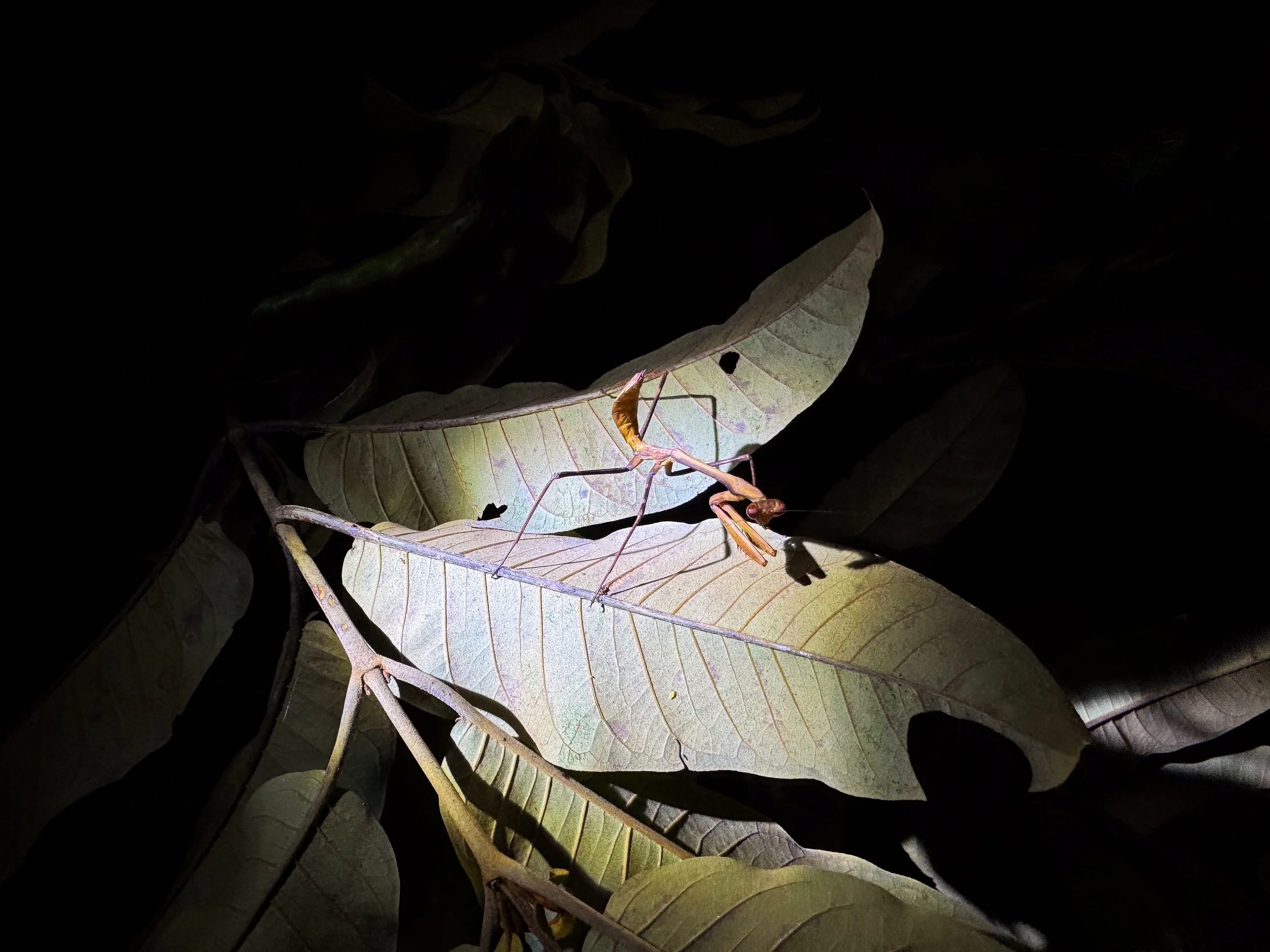
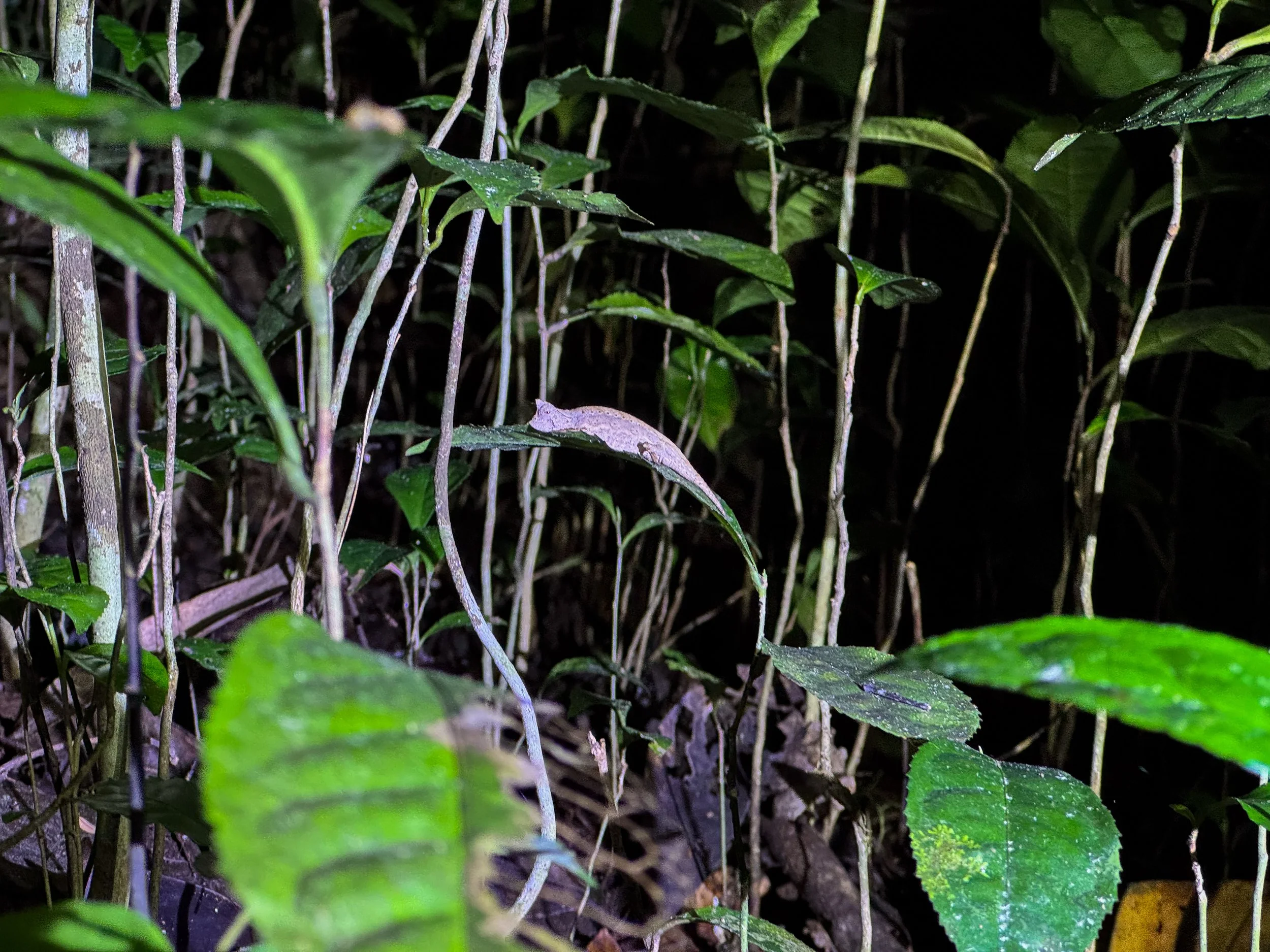
Mitsinjo Night Walk. The Mitsinjo Reserve Night Walk is one of the best ways to see all types of nocturnal creatures. Our guide led us through the dark jungle trail and along the roadside, pointing out numerous species of chameleon. We saw a sleeping baby Parsons Chameleon, a Brown Leaf Chameleon and a Nose Horn Chameleon, the smallest species of chameleon. Mouse Lemurs ran across and mated on tree branches. Tree frogs sat on leaves. Spiders lurked in webs, a praying mantis hunted for prey and a large moth displayed into open wings.
Mantadia National Park
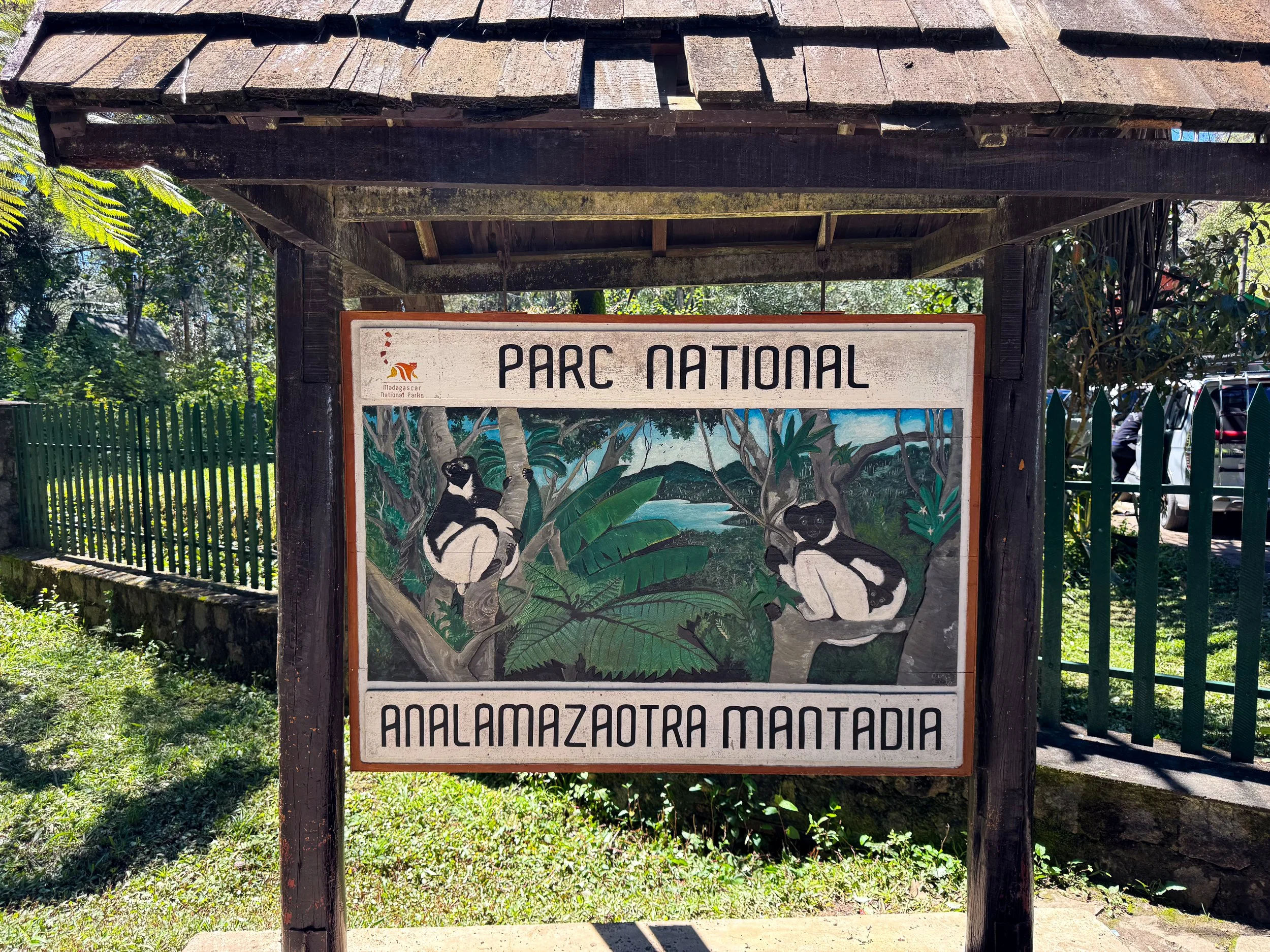
Mantadia National Park is a vast area of primary rainforest with tropical vegetation and remote hiking trails. Multiple circuits lead through the park, offering opportunities to enjoy the untouched nature and watch for its illusive lemurs.
Visiting Mantadia National Park. The Mantadia National Park Office is located 100m down the road from the Mitsinjo Reserve. Circuits within the park are located 2 hours further by car. The muddy road in between is only accessible with a 4x4 vehicle and driver. Visit the park office a day in advance or at 7am day of to book transportation, buy tickets and hire a guide. Round trip transportation can be arranged for around $60 USD. The park office also offers guided tours of the Analamazoatra Reserve, a popular spot to listen for and spot Indri Lemurs.
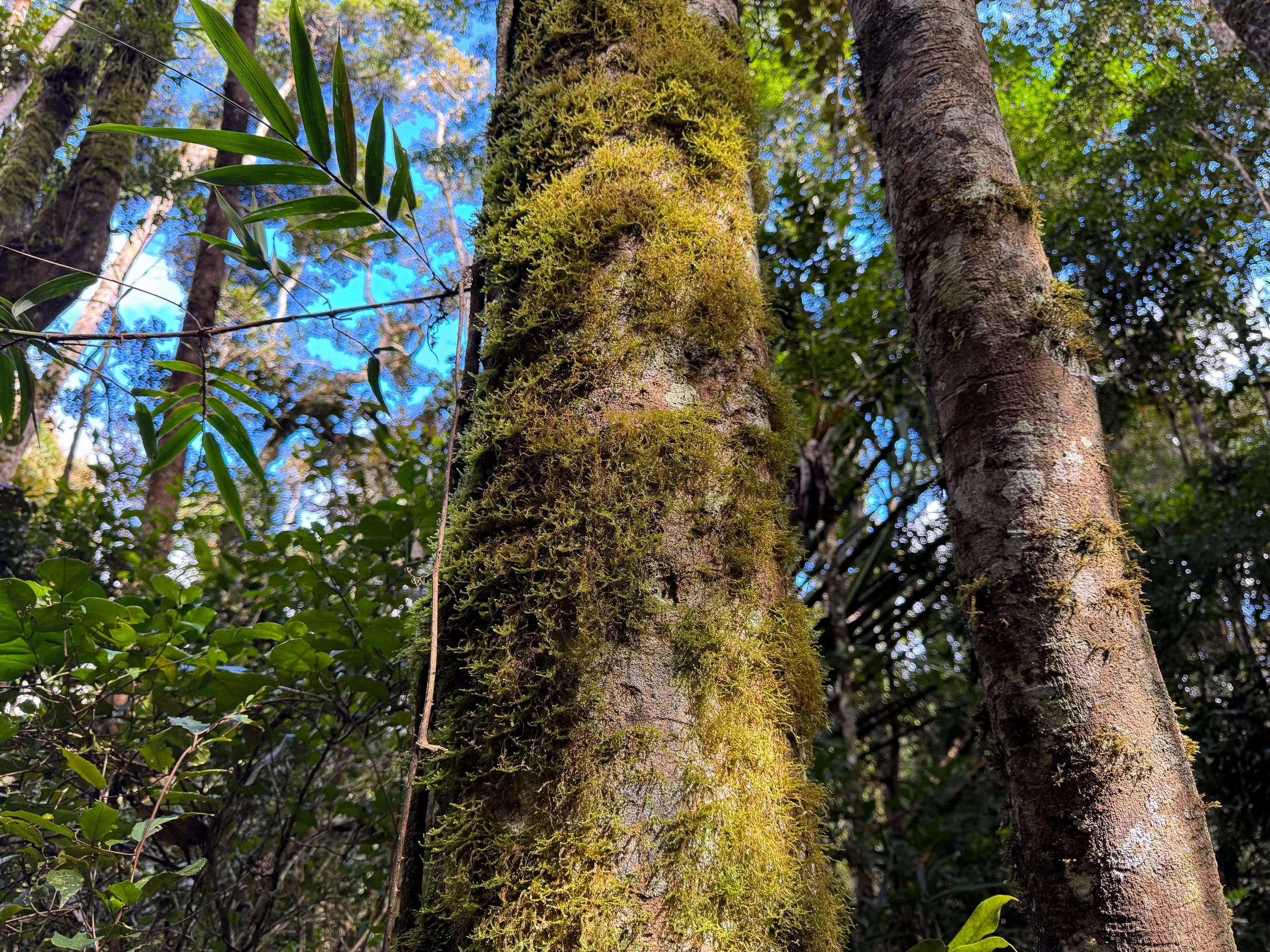
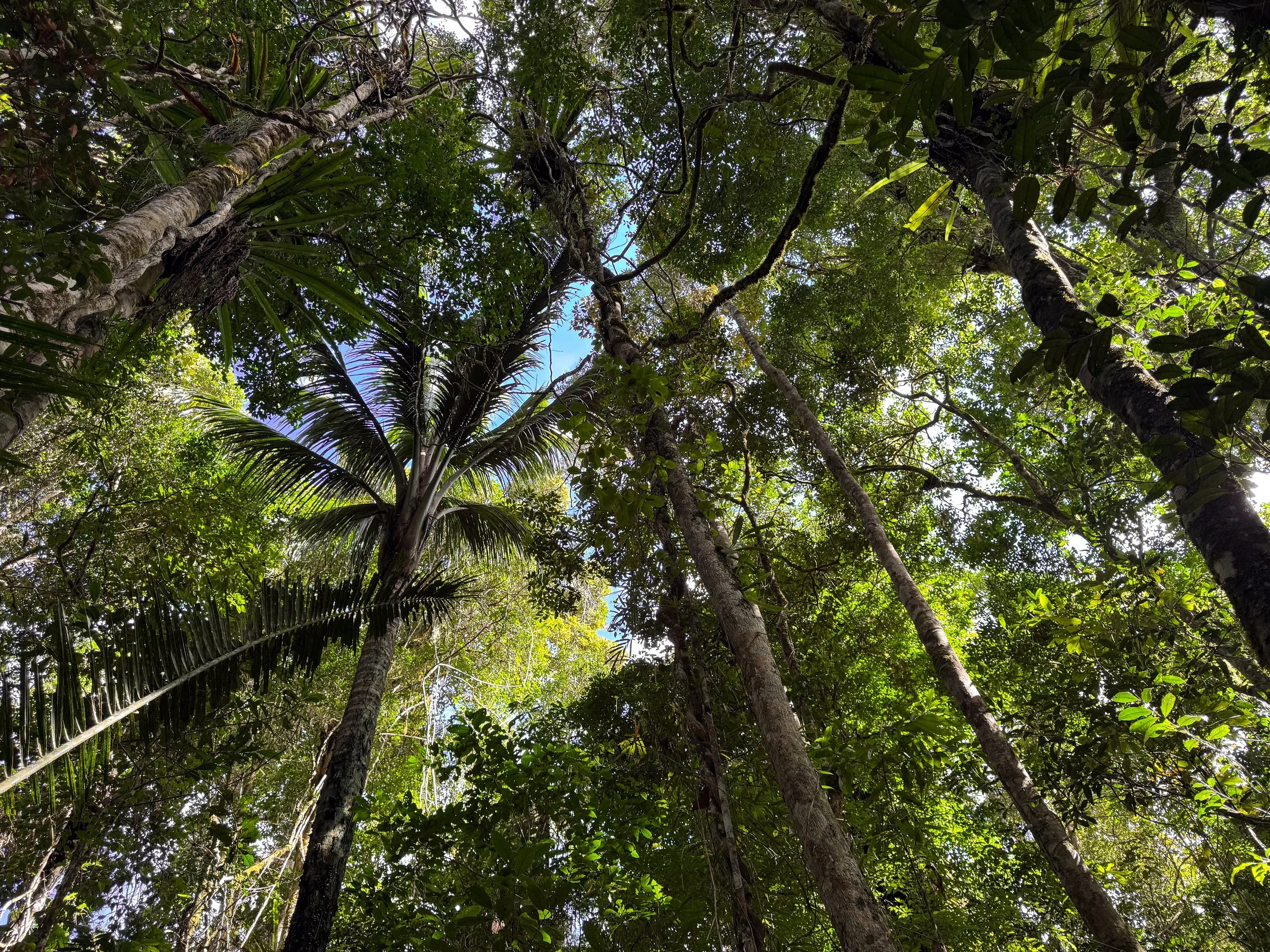
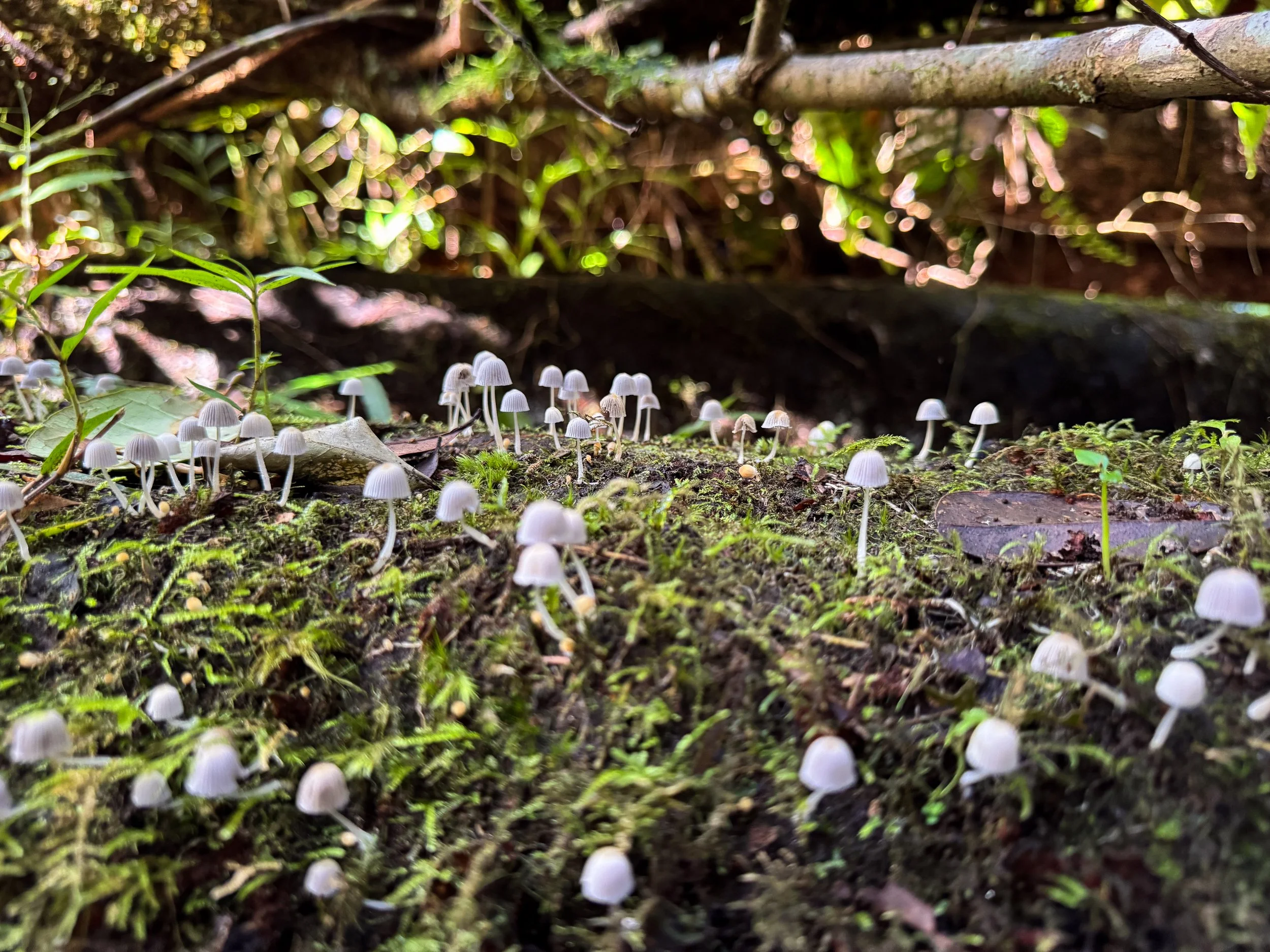
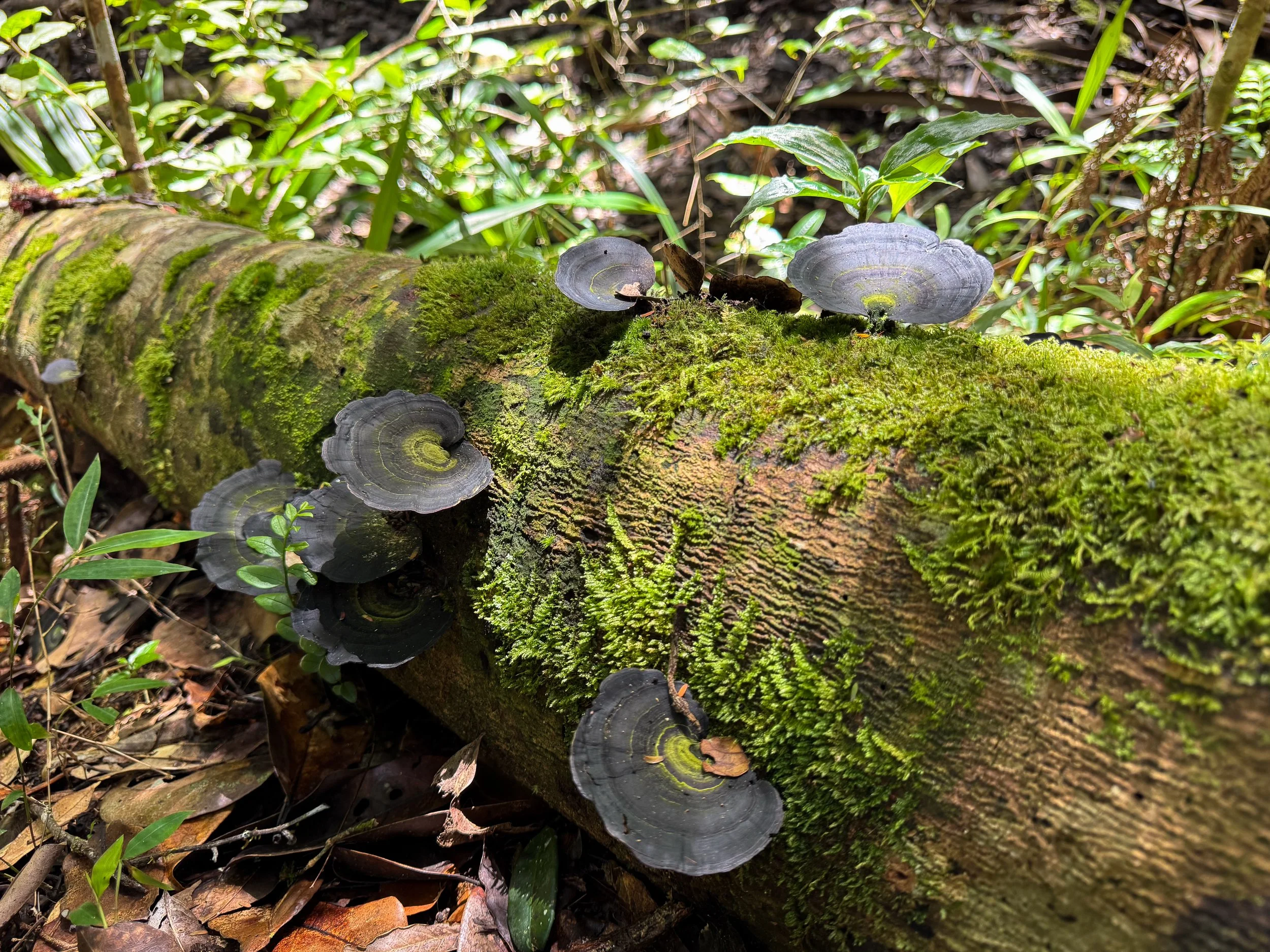
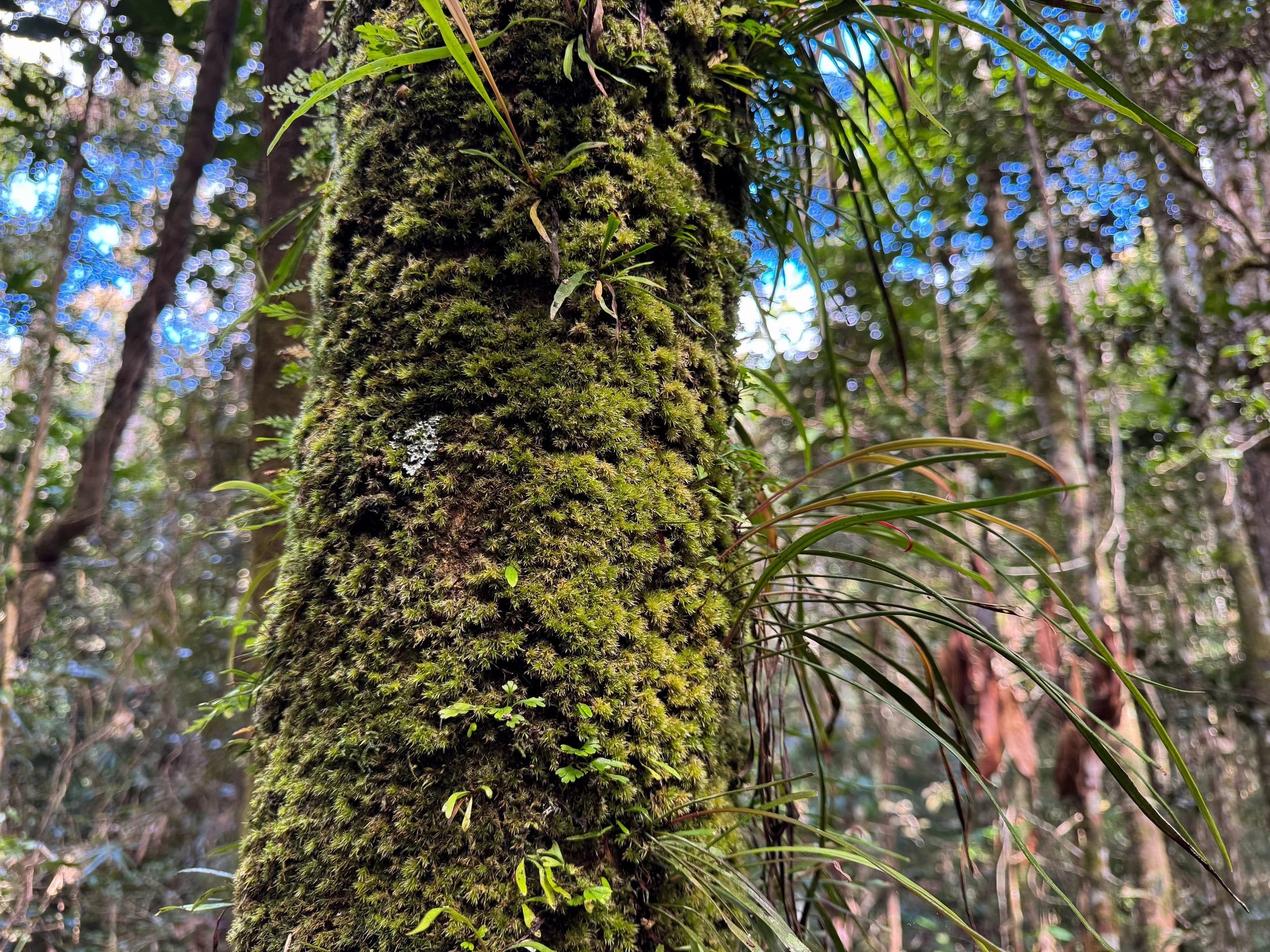
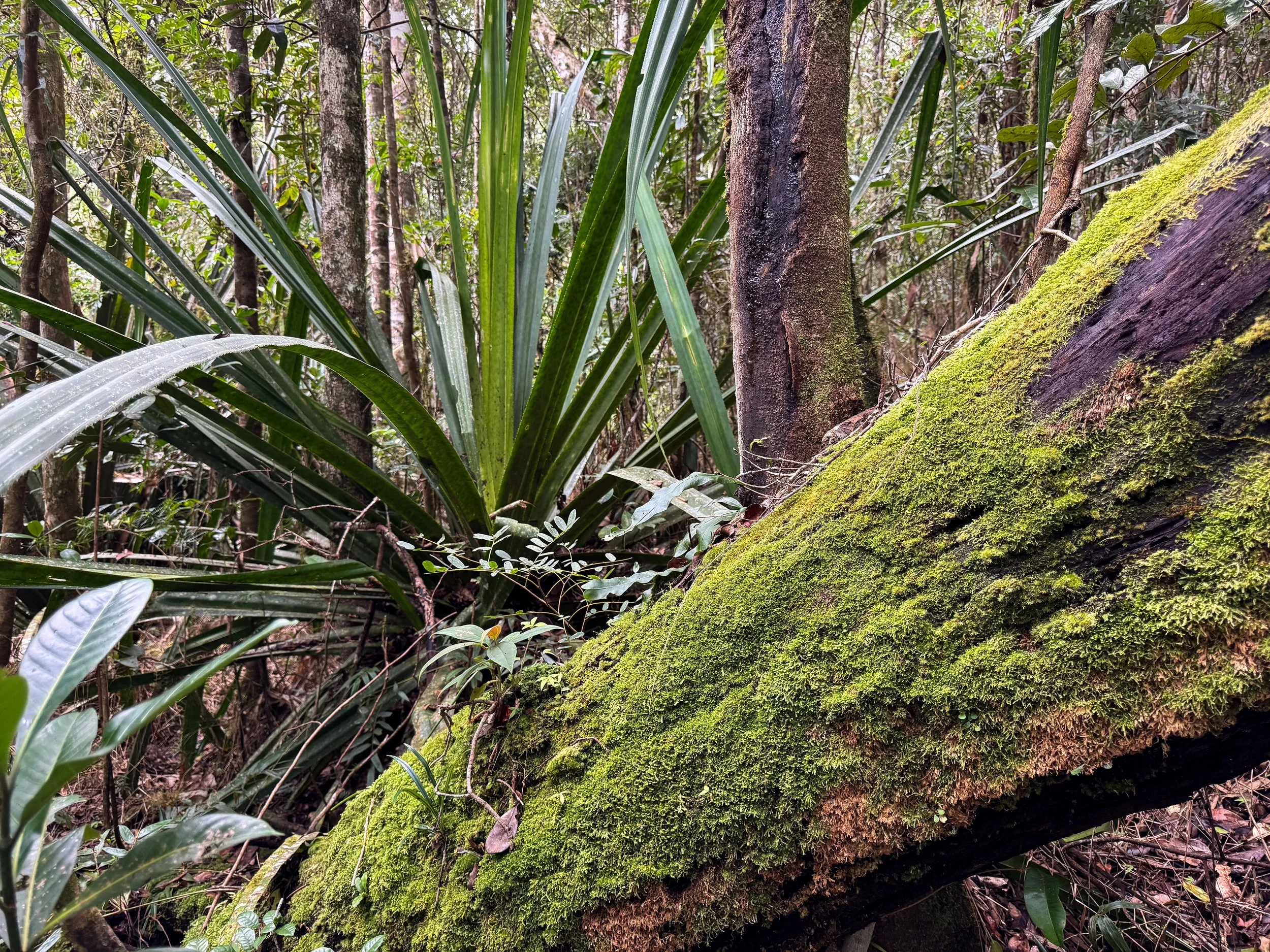
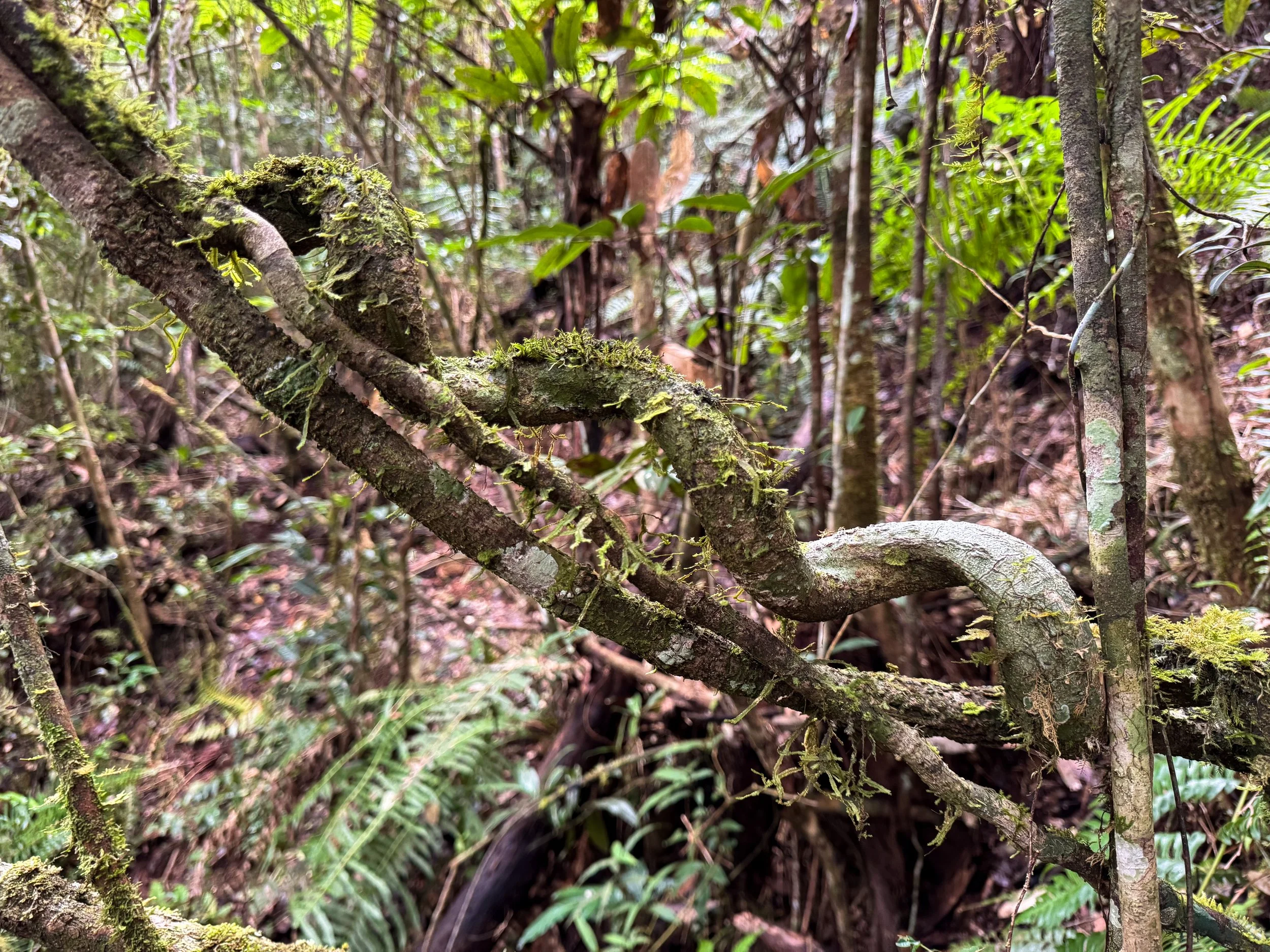
Tsakoka Circuit. A three hour trail through the Mantadia National Park. It’s regarded by local guides as the best circuit to see varying species of the park’s difficult to spot lemurs. The muddy trail leads through the lush forest past moss covered and lichen spotted tree trunks. Twisting vines and aerial roots hanging from dense canopy. Large ferns and giant plants grown from the forest floor. The songs of Indri Lemurs echo through the forest while the growls and grunts of Black and White Ruffed Lemurs reverberate in the distance.
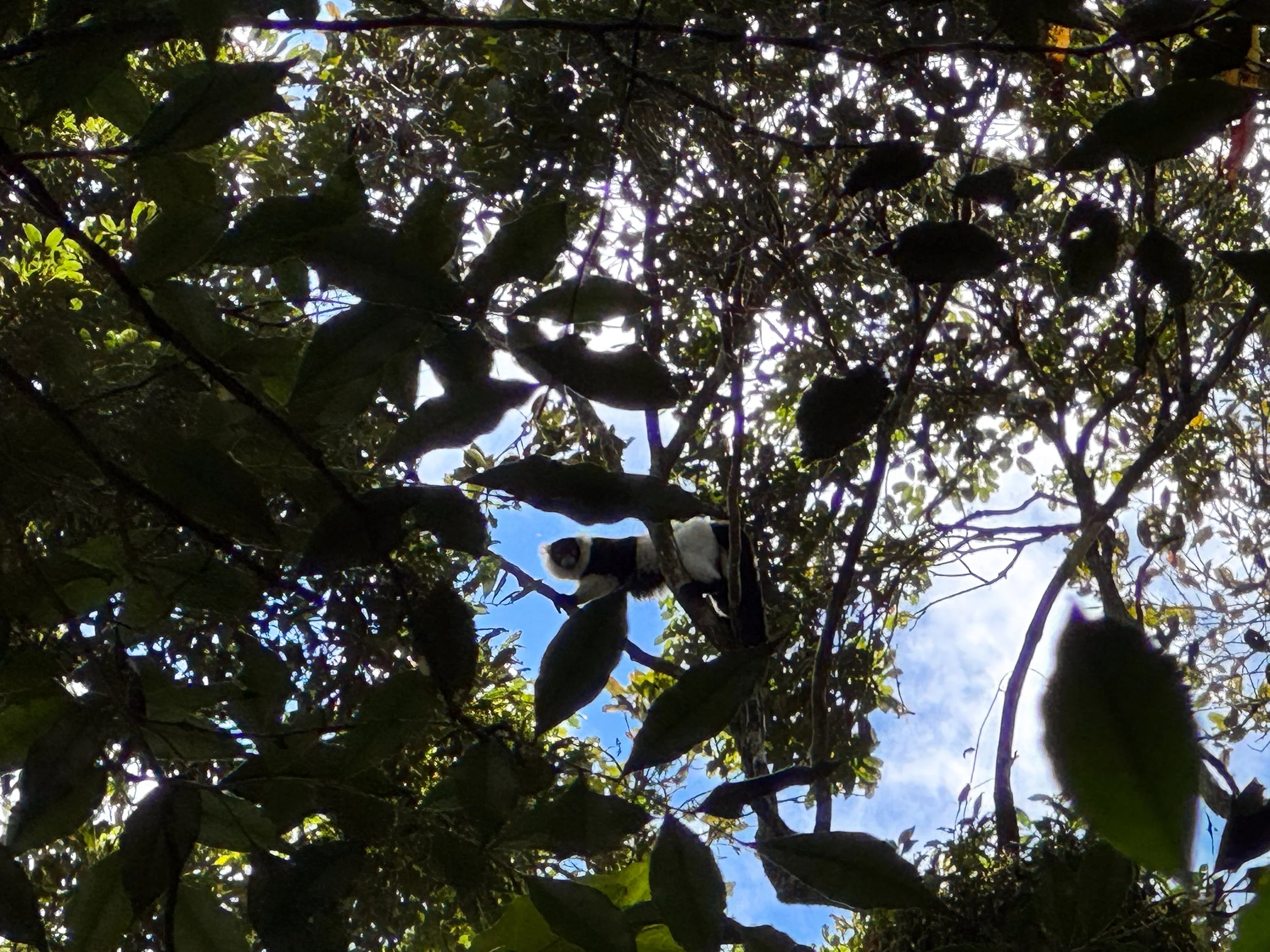
Black and White Ruffed Lemur. The park is a habitat for the critically endangered Black and White Ruffed Lemur. They’re recognizable by their fluffy black and white appearance, large size and distinctive call. It took two hours to track them by their calls. Three ate fruits and hopped between branches in the high tree top canopy.
General Park Information
There is not much info on any of the park websites about Mitsinjo Reserve or Mantadia National Parkregarding basic information like opening hours, ticket prices or hiring guides. Below is some helpful advice based on our experience.
Opening Hours. The parks are open daily between 7am-4pm. Arrive before 8am when the lemurs are most active. Stay close by the park offices for easier access.
Prices. Ticket prices vary depending on the circuits chosen and their length. Expect to pay 35K to 120K Ariary per circuit. There is a daily 5K Ariary Community Development Tax. Tickets can only be purchases with cash.
Guides. Guides are required when visiting the parks and reserves. They can be hired at the park ticket offices.
Tipping. Plan to tip drivers and guides 10% - 20% of the circuit price.
Gear & Attire. The park trails are often muddy, even during the dry season. Wear boots or sturdy shoes and bring a hiking pole for extra support. The temperature is cooler in the mornings and evening. Wear light removable layers while hiking. Bring a flashlight for night walks.
Getting to Andasibe. Andasibe is located between 3-4 hours from Antananarivo by car. Most hotels offer round trip transportation. There are also taxi stands and drivers available at the airport. Prices are very expensive regardless of the option you choose, often costing around $120 USD one way.
Where to Stay in Andasibe
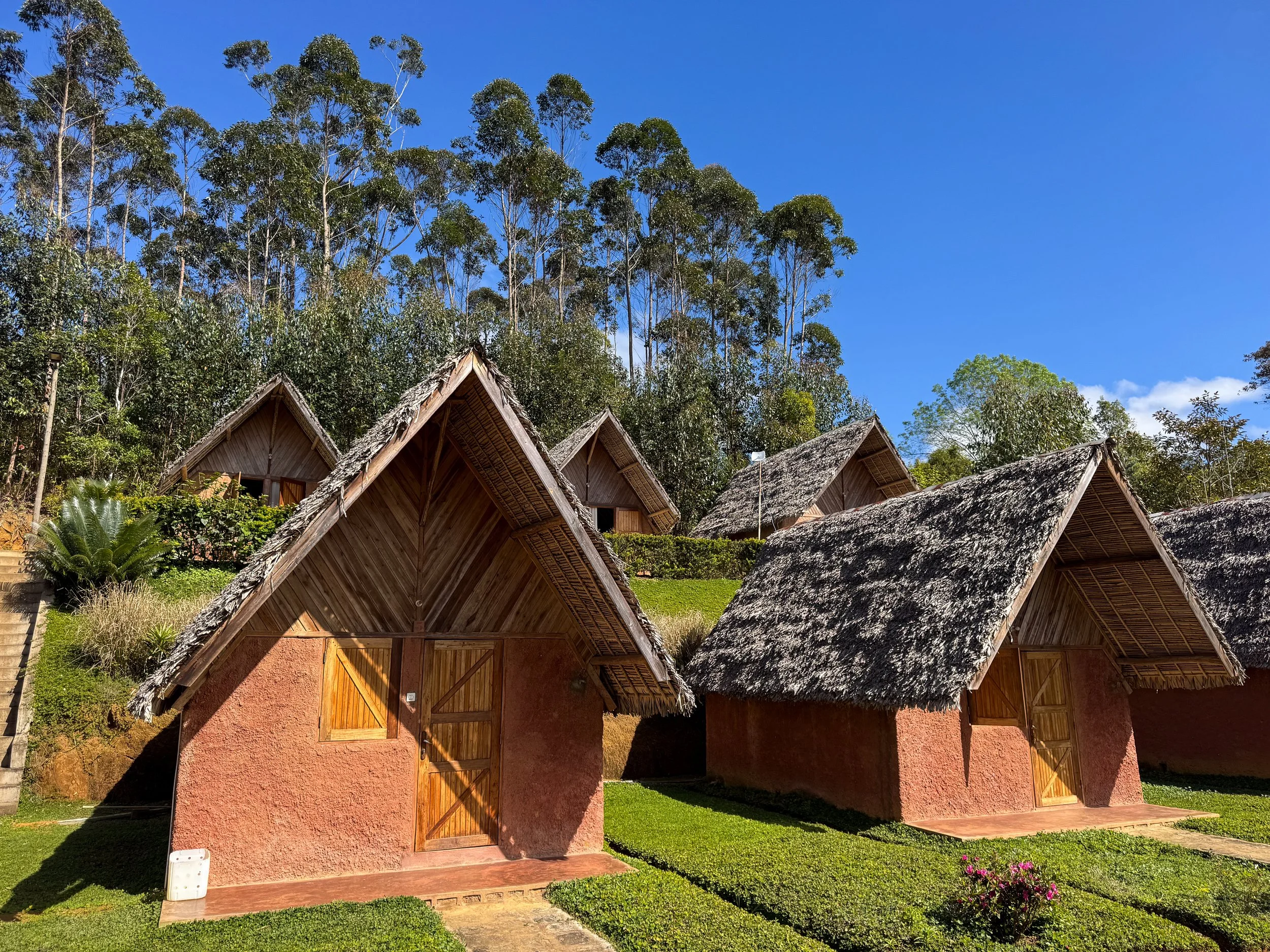
Soanala Hotel Andasibe. An eco-hotel with several A frame style bungalows built into the forested hillside of Andasibe. Its walking distance from the park entrances of the Mitsinjo Reserve, Analamazoatra Reserve and Mantadia National Park. Their restaurant offers complementary breakfast and well priced meals. Transportation to and from the airport in Antananarivo can be arranged for an additional fee. Reserve on Booking.
Good to Know
Language. Malagasy and French are the two most widely spoken languages in Madagascar. English is very rarely spoken however several school children would often stop us to practice conversing.
Cash vs Card. Cash is king in Madagascar! The country runs on a cash based economy using the local currency, Ariary. Exchange USD or Euros at the airport or banks in town. ATMs are frequently out of cash and unreliable. Carry small bills for payments and tips.
Local Excursions. After booking an accommodation, most concierge will offer a suite of tours and excursions to book through them.
Nightly Power Outages. There are planned power outages between 6-10pm each night. Most businesses and hotels have generators to compensate.
For Next Time…
Madagascar is a remarkable country and one we would love to revisit! On our next trip here, we plan to stay in Belo sur Mer to experience of its local culture in depth and explore the dry tropical forest of Kirindy Mitea National Park. In Morondava, we’d spend a day touring the tidal Mangrove Forests. On the country’s east coast, we’d relax on the tropical island of Nosy Be. While in the region, we would visit other Indian Ocean Island Nations like Comoros, Mayotte, Reunion or Mauritius.