Kyoto Travel Guide: Temples, Historic Districts & Japanese Culture
Kyoto, Japan’s Ancient Capital
Kyoto is Japan’s ancient capital city and modern day cultural hub. Its historic neighborhoods and streets are home to millennia old temples, towering pagodas, classic wooden homes, tranquil canals, bamboo forests and Zen rock gardens. Japanese goods and street food are sold at local markets. Cuisine is sought after at tiny izakayas. Matcha is prepared in many forms but is purest at traditional tea houses. We spent over a week exploring Kyoto, branching out to the nearby cities of Osaka and Nara.
Streets & Districts
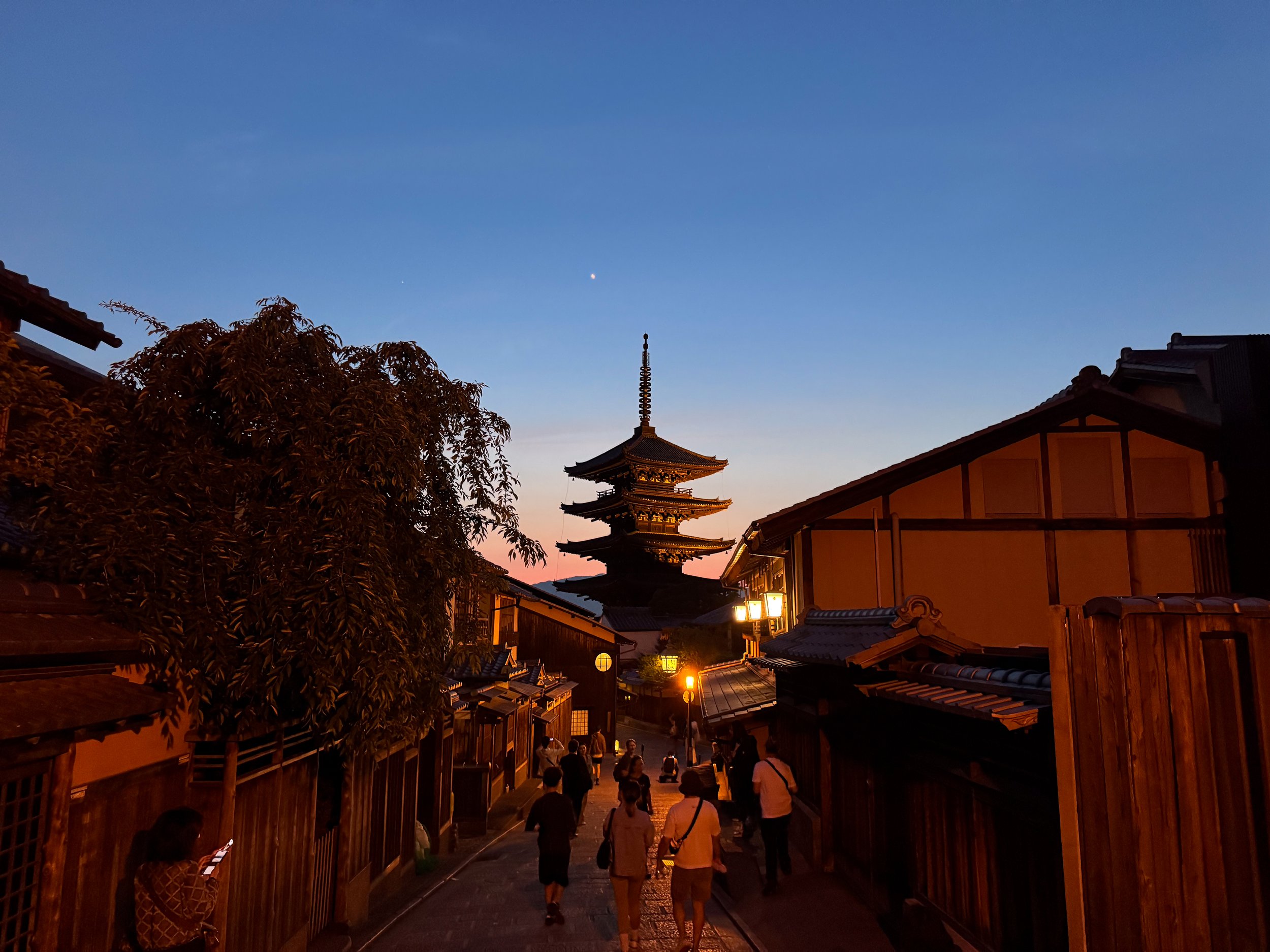
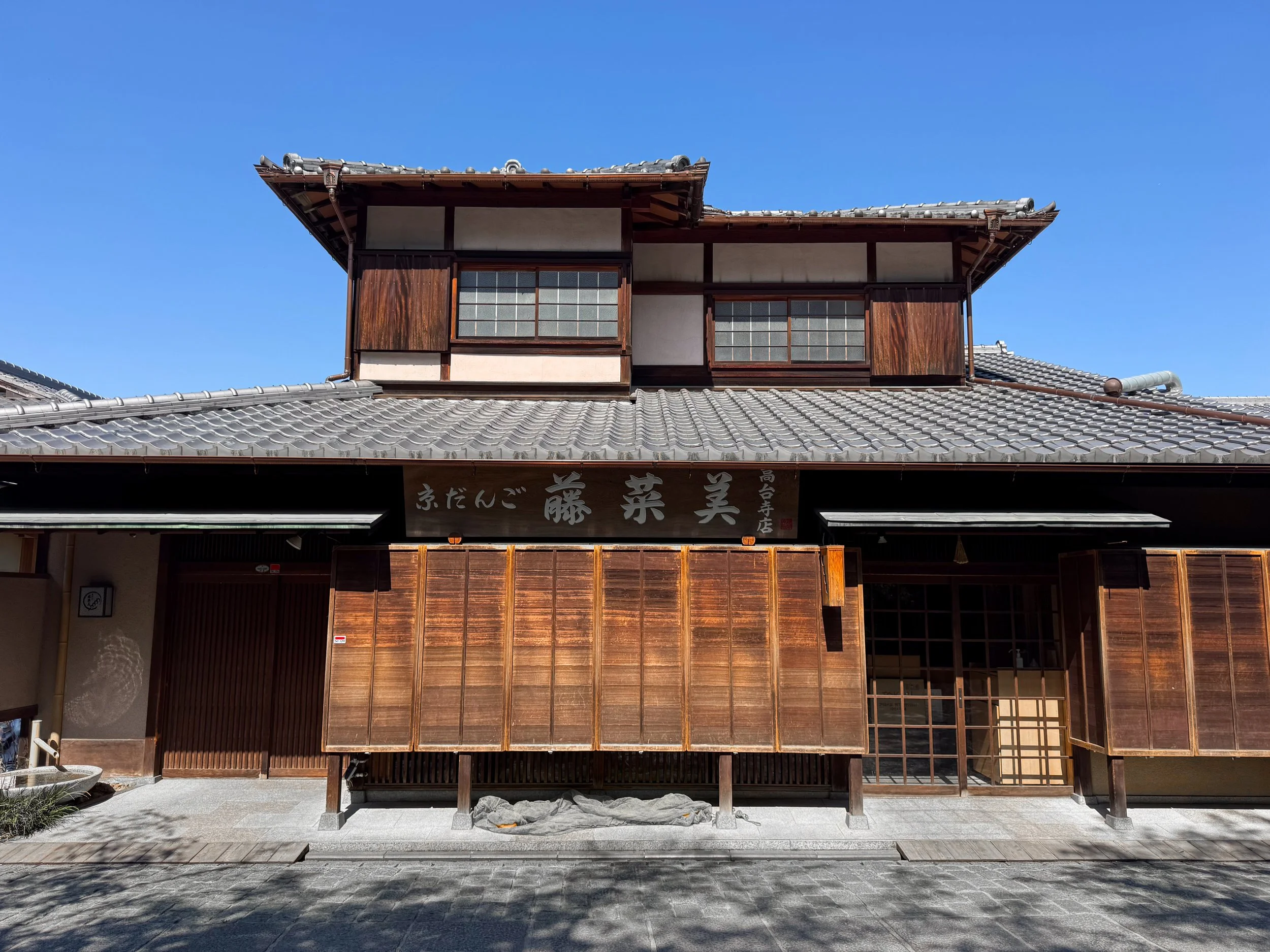
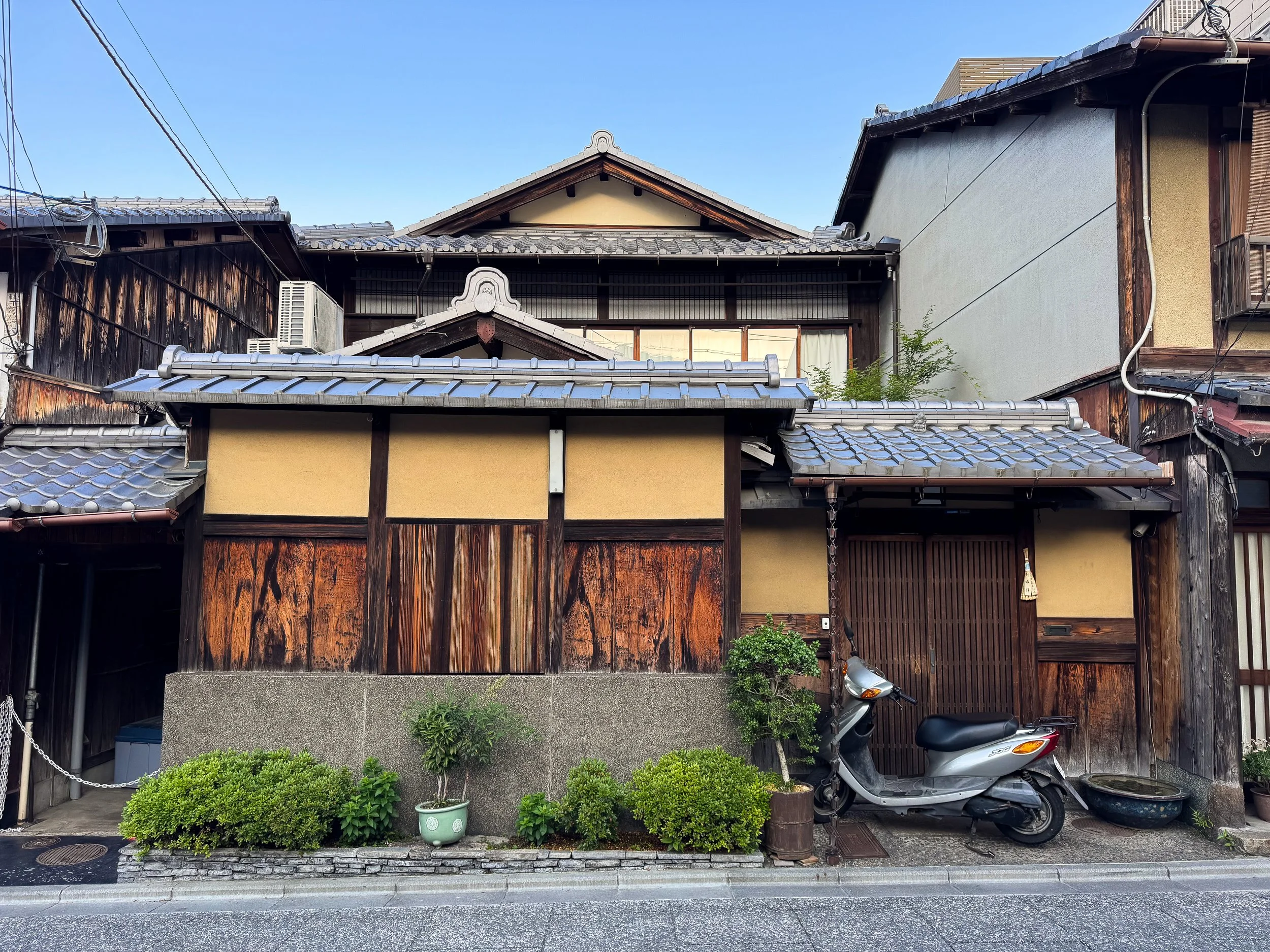
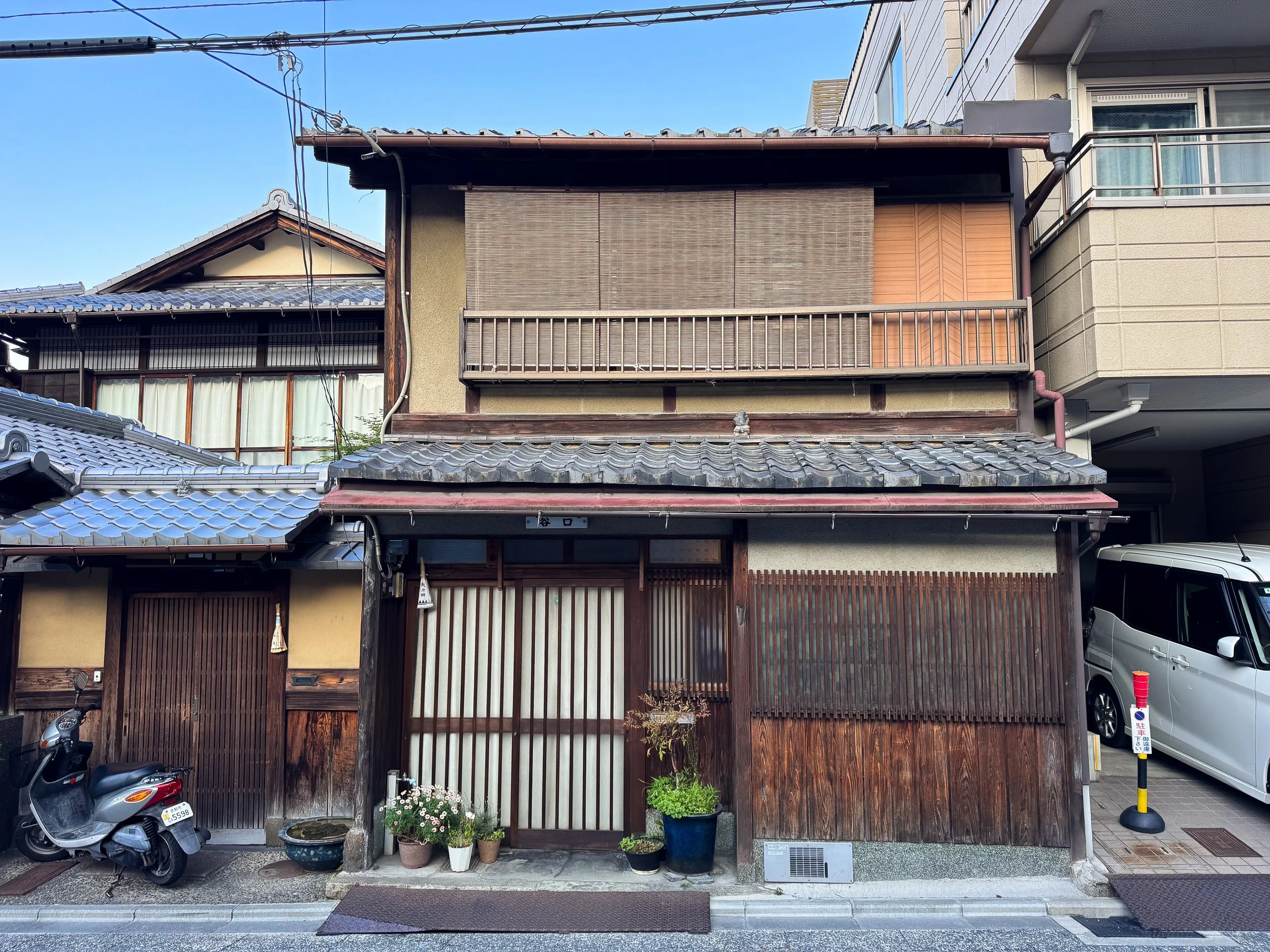
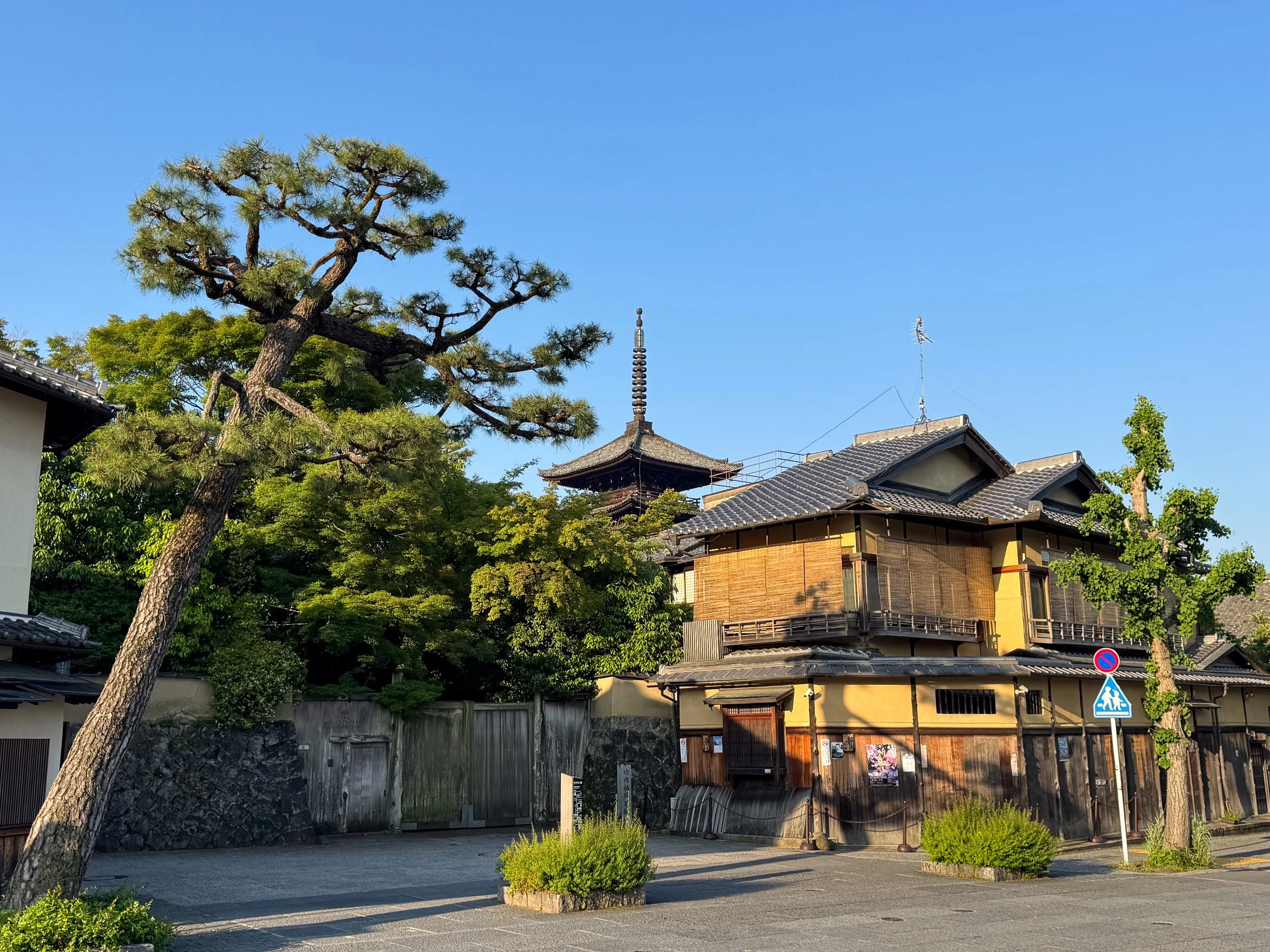
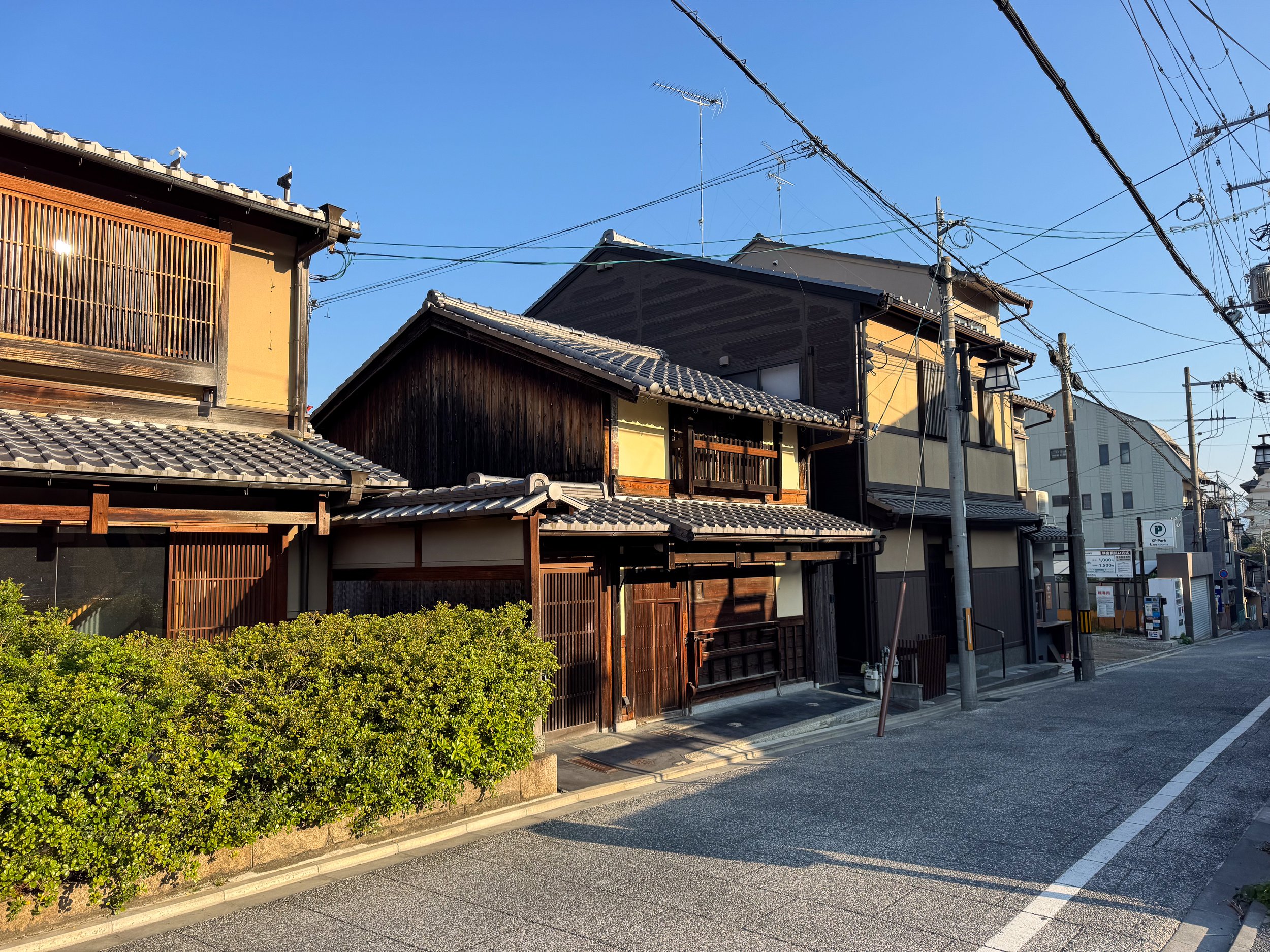
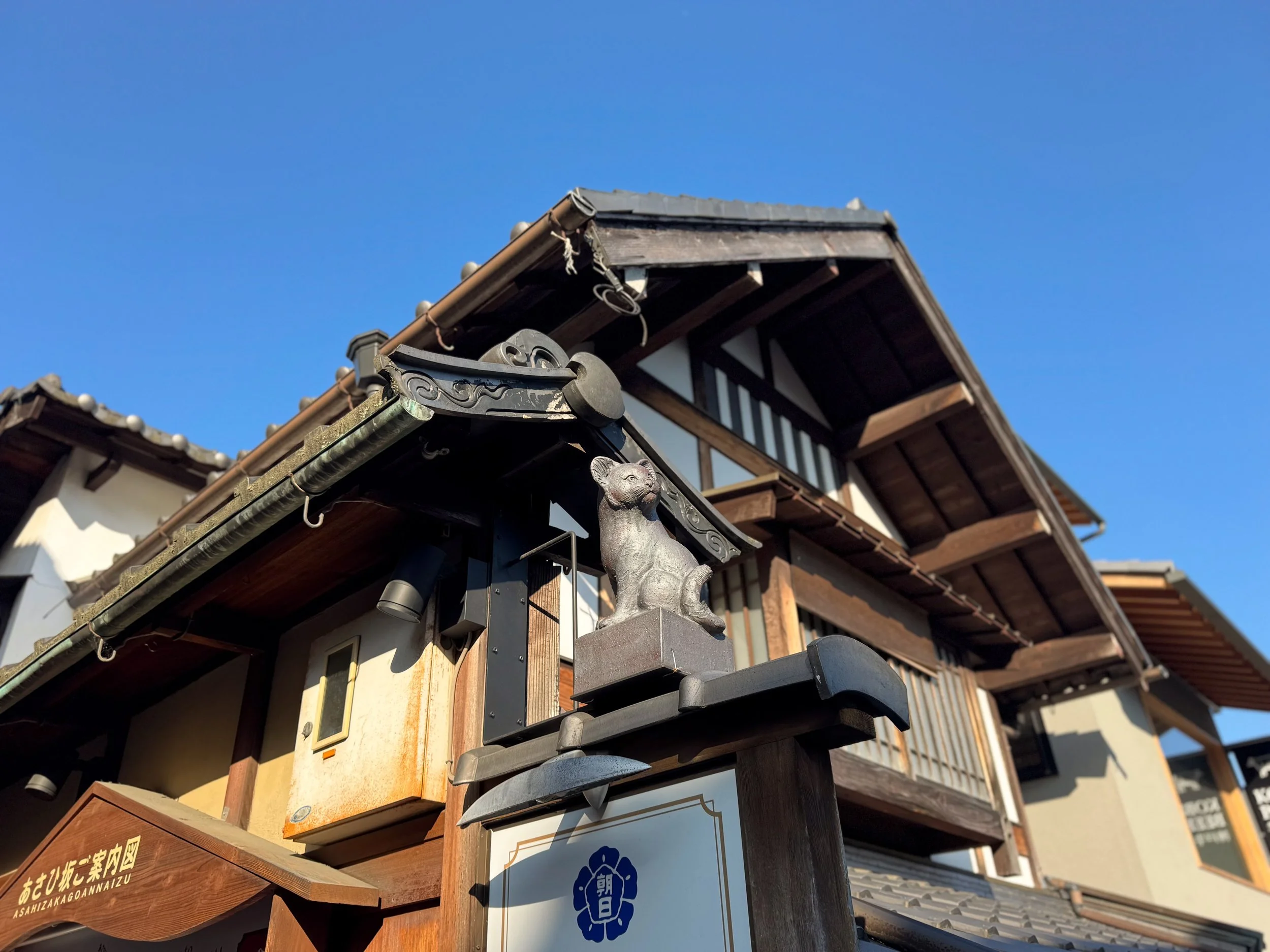
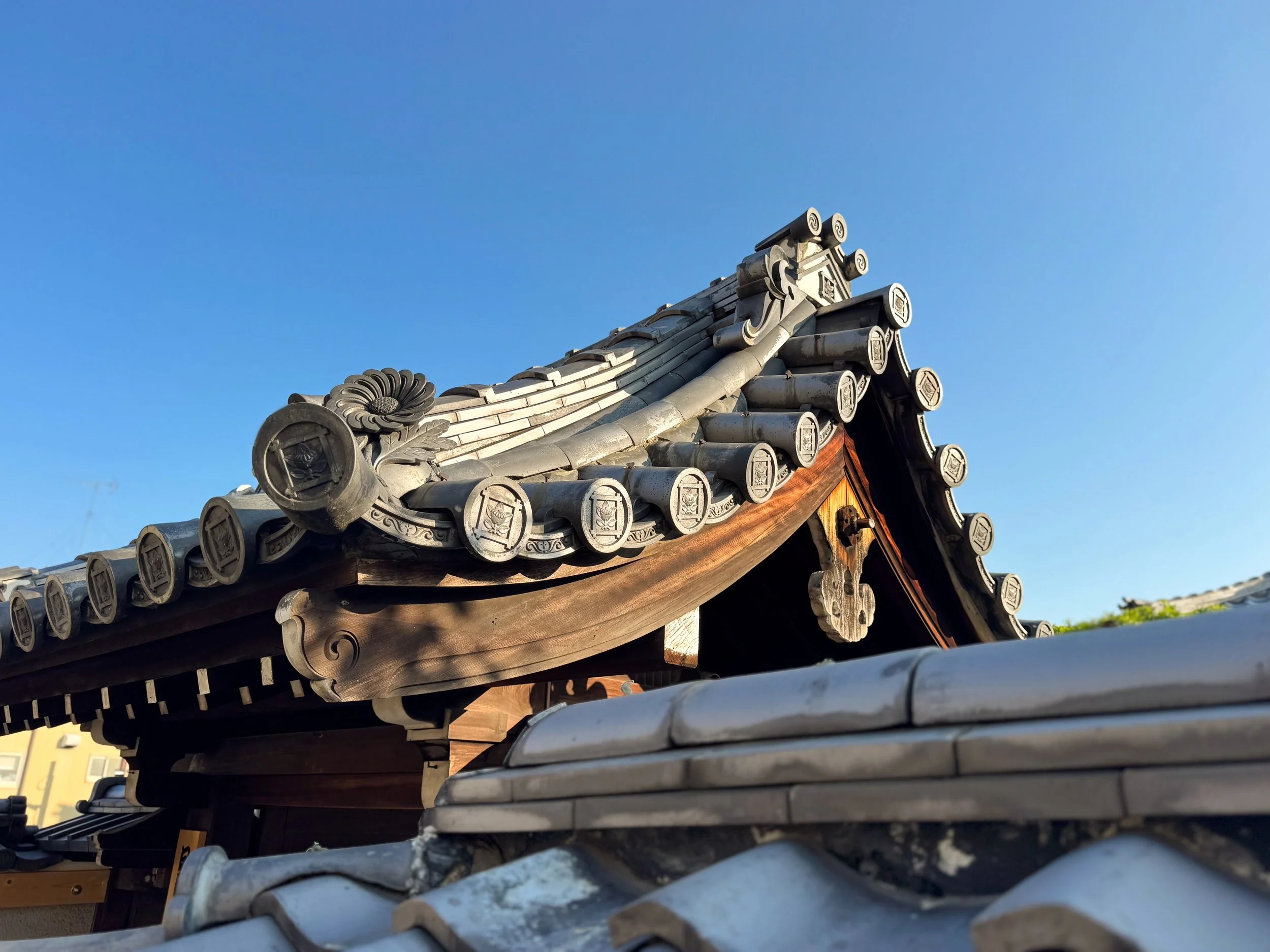
Higashiyama District. One of Kyoto’s most historic districts. It’s known for old Japanese architecture including wooden homes, matcha tea houses, ancient temples and towering pagodas. Walk around in the early morning without crowds or in the early evening as the sun sets.
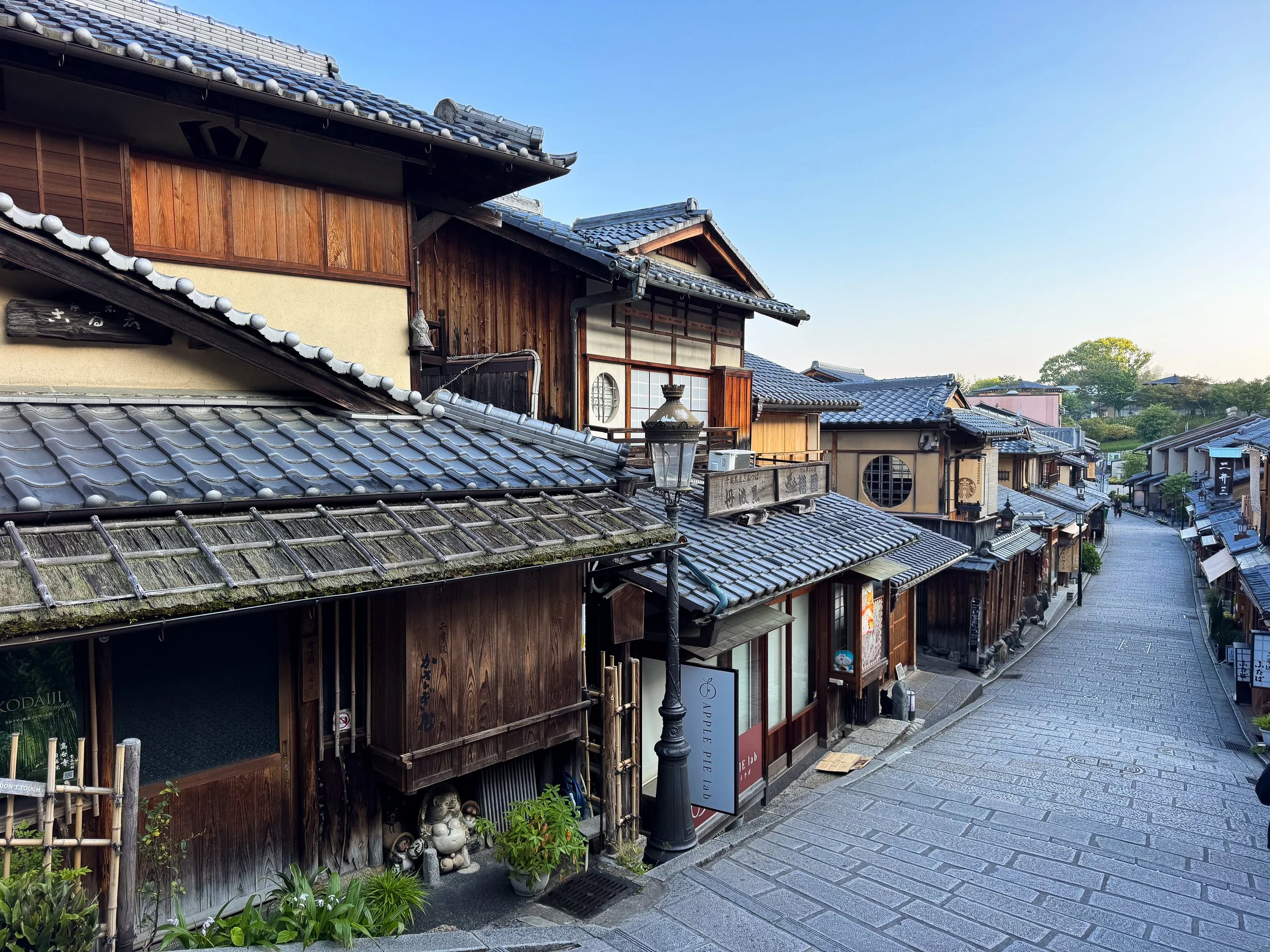
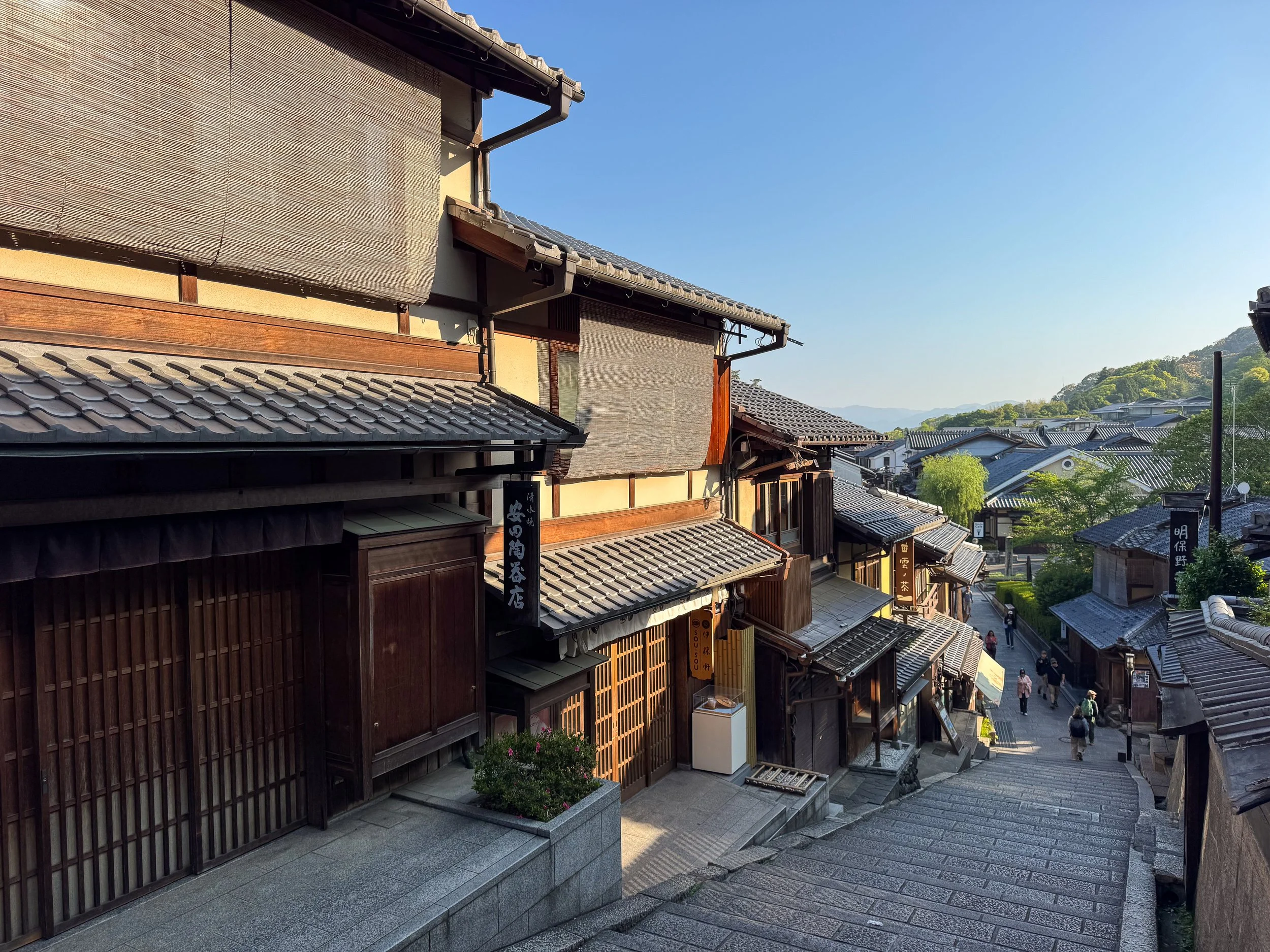
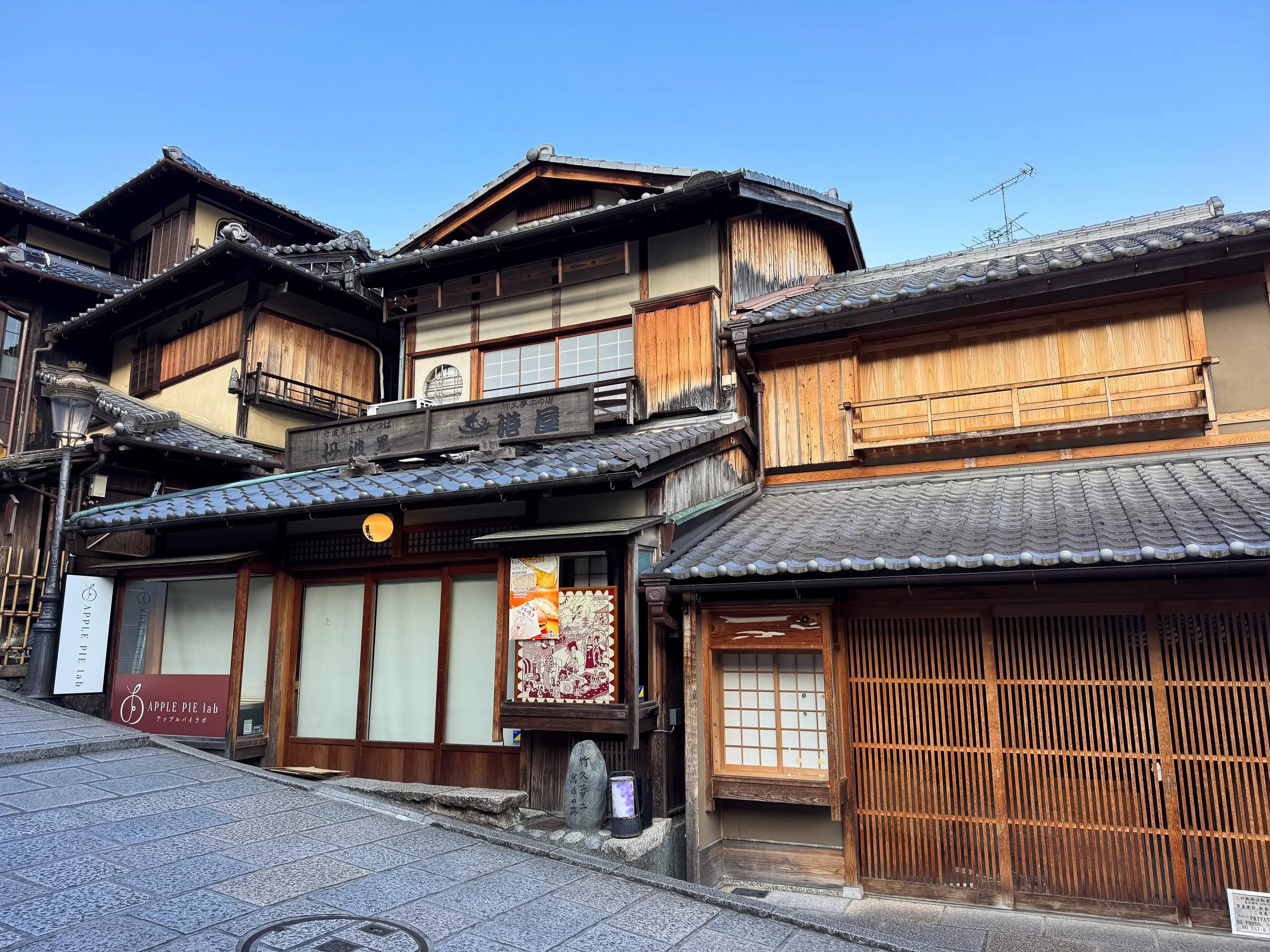
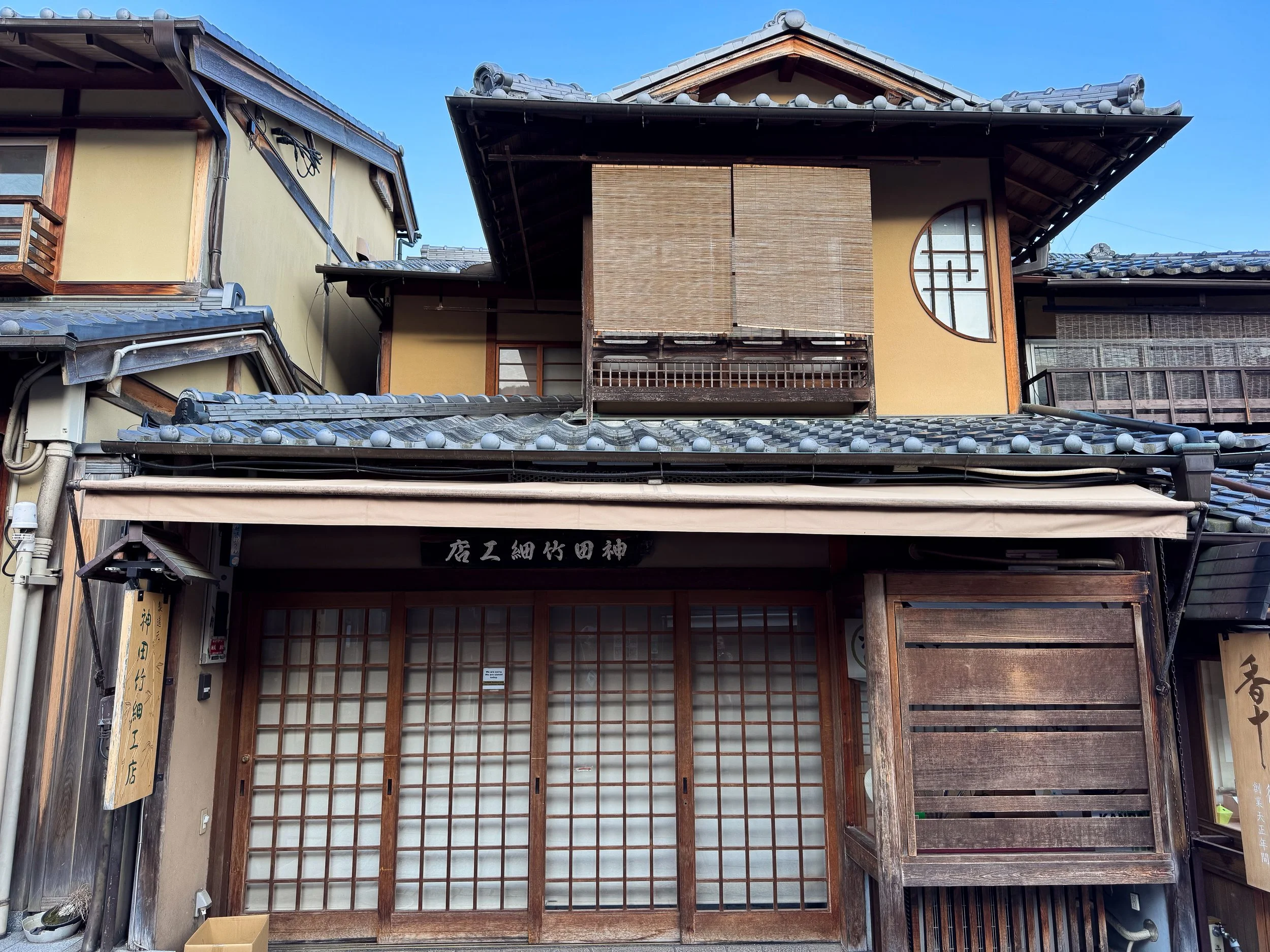
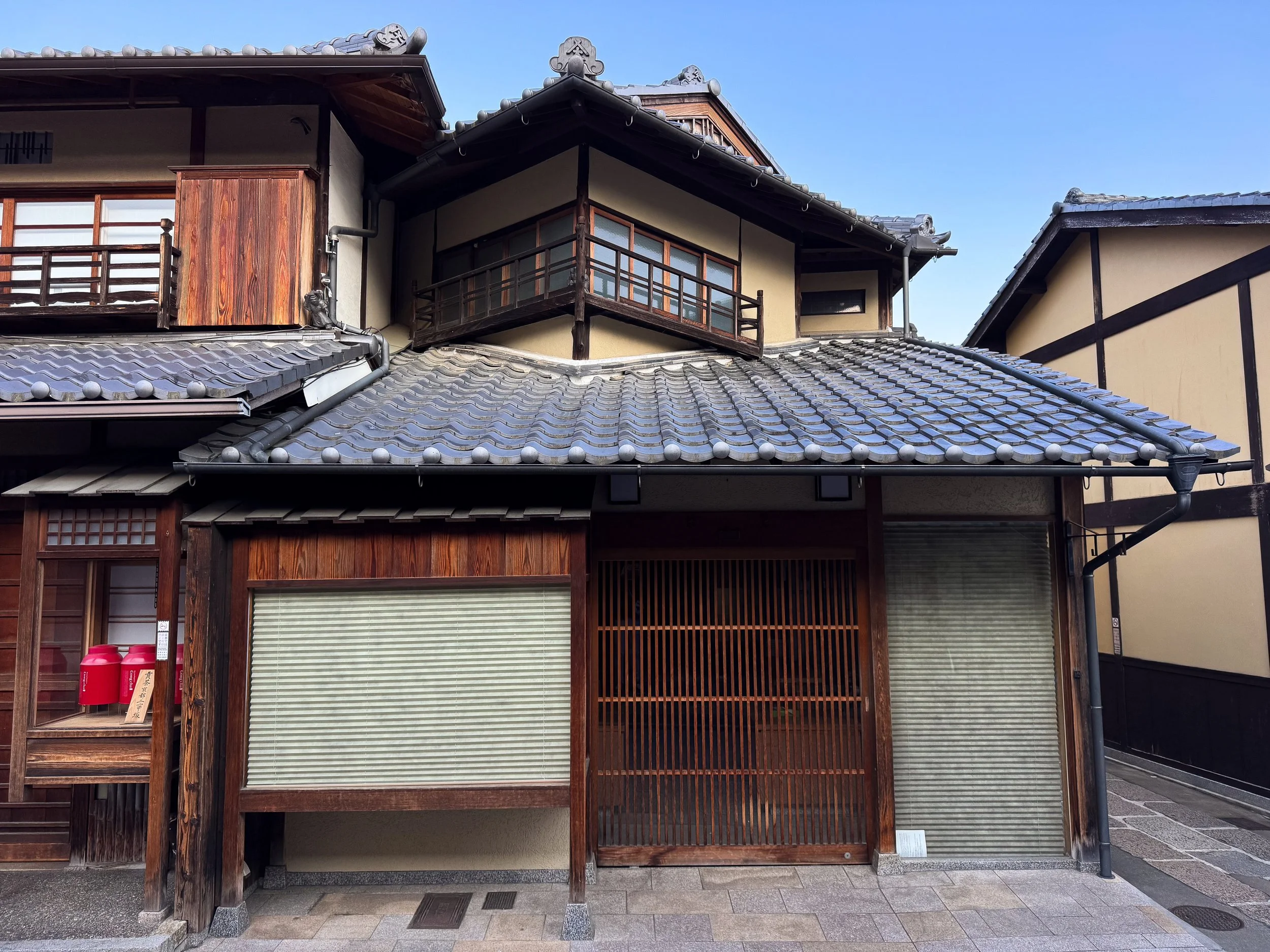
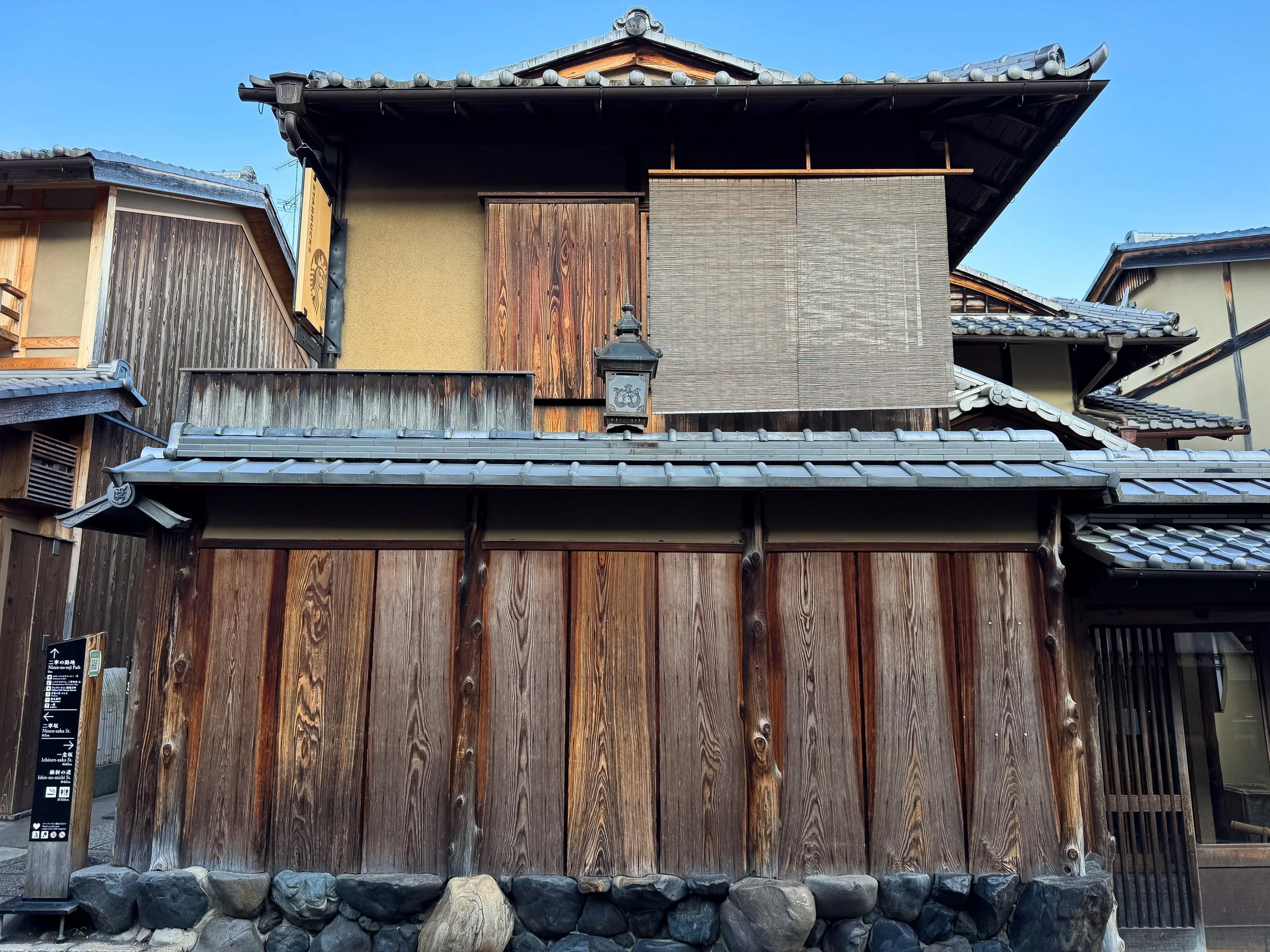
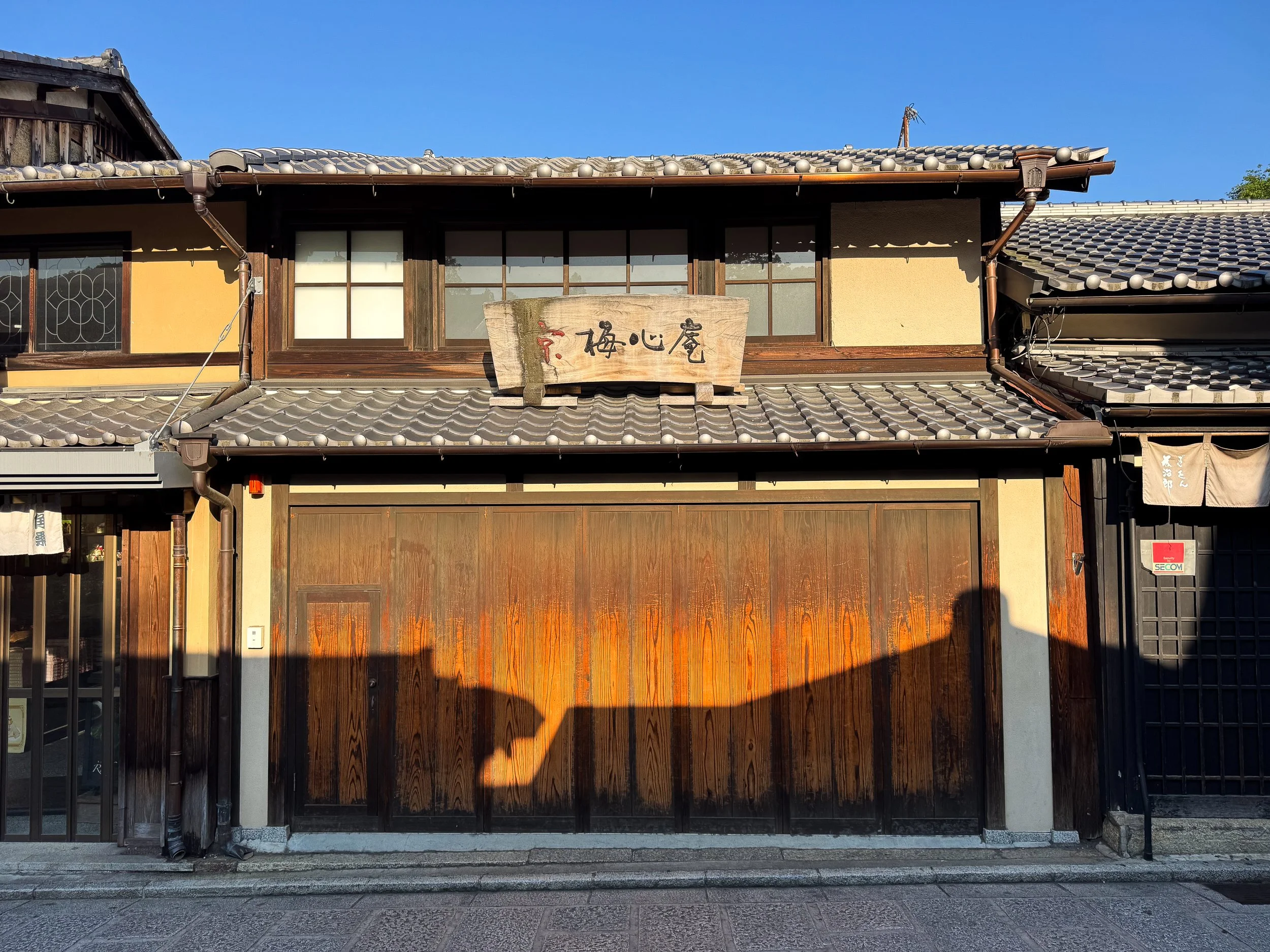
Ninen-Zaka & Sannen-Zaka. Two hilly and winding stone streets in the heart of the Higashiyama District. Both streets are lined with traditional Japanese homes, old wooden buildings, artisan shops and matcha tea houses.
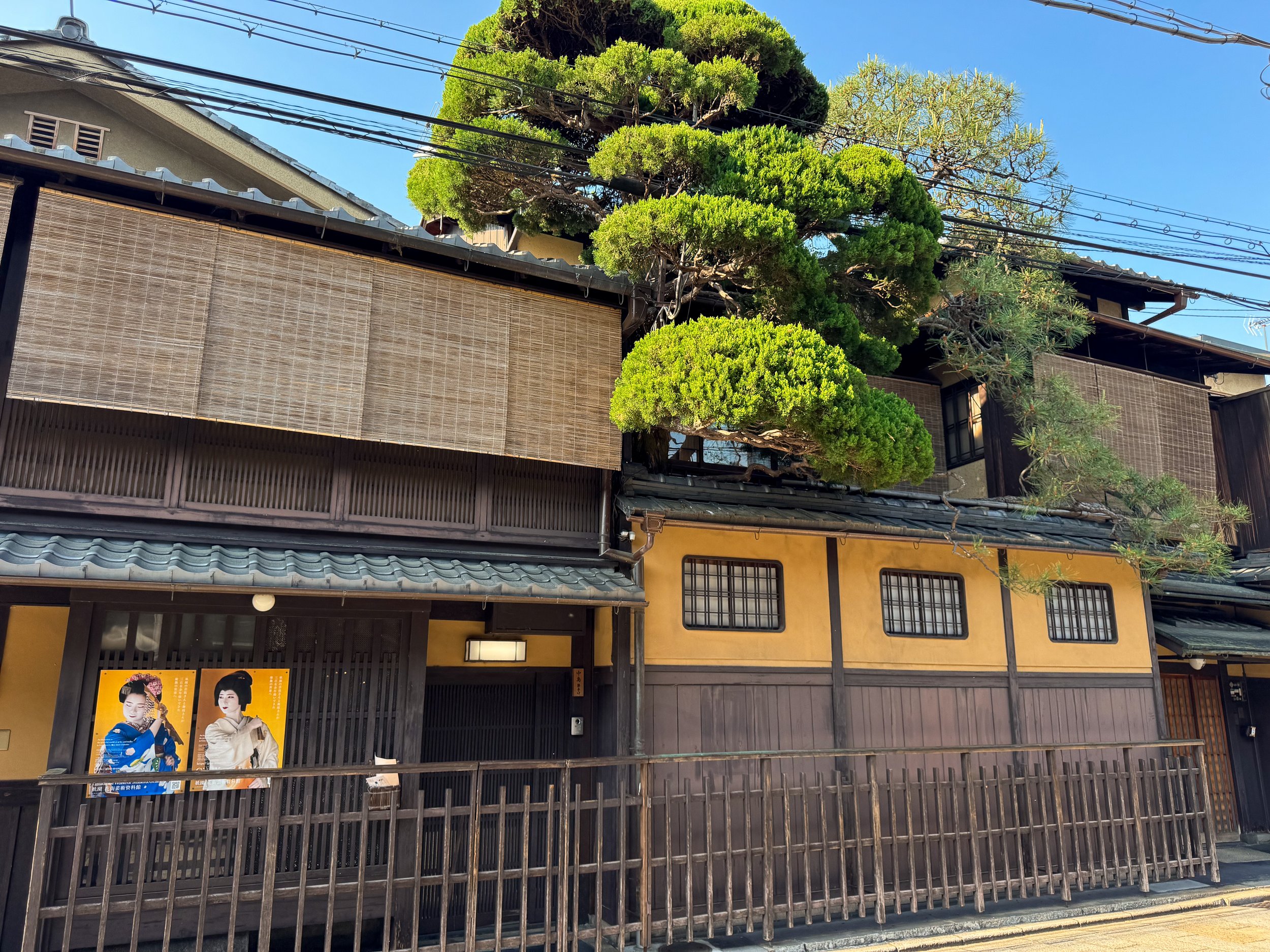
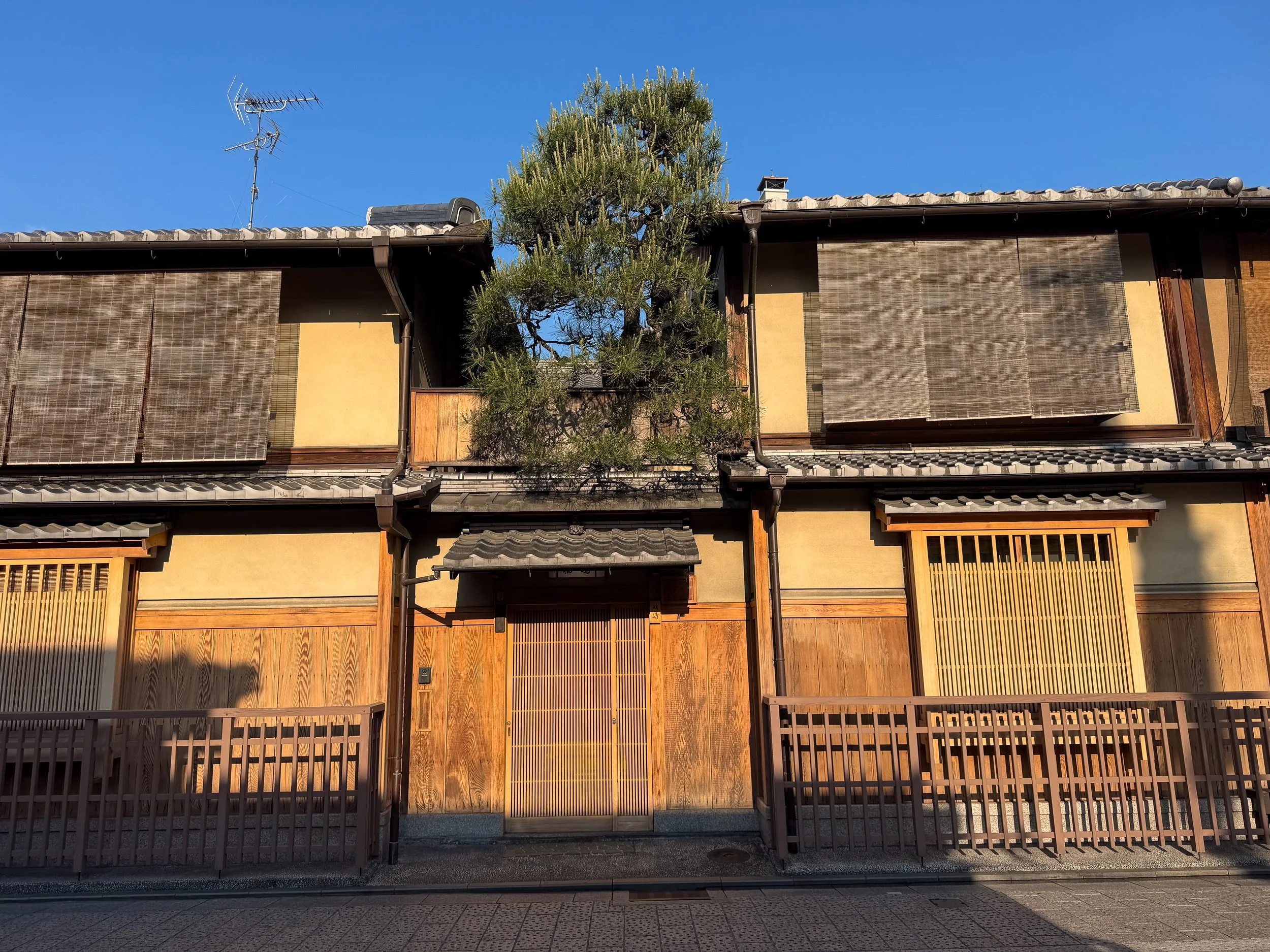
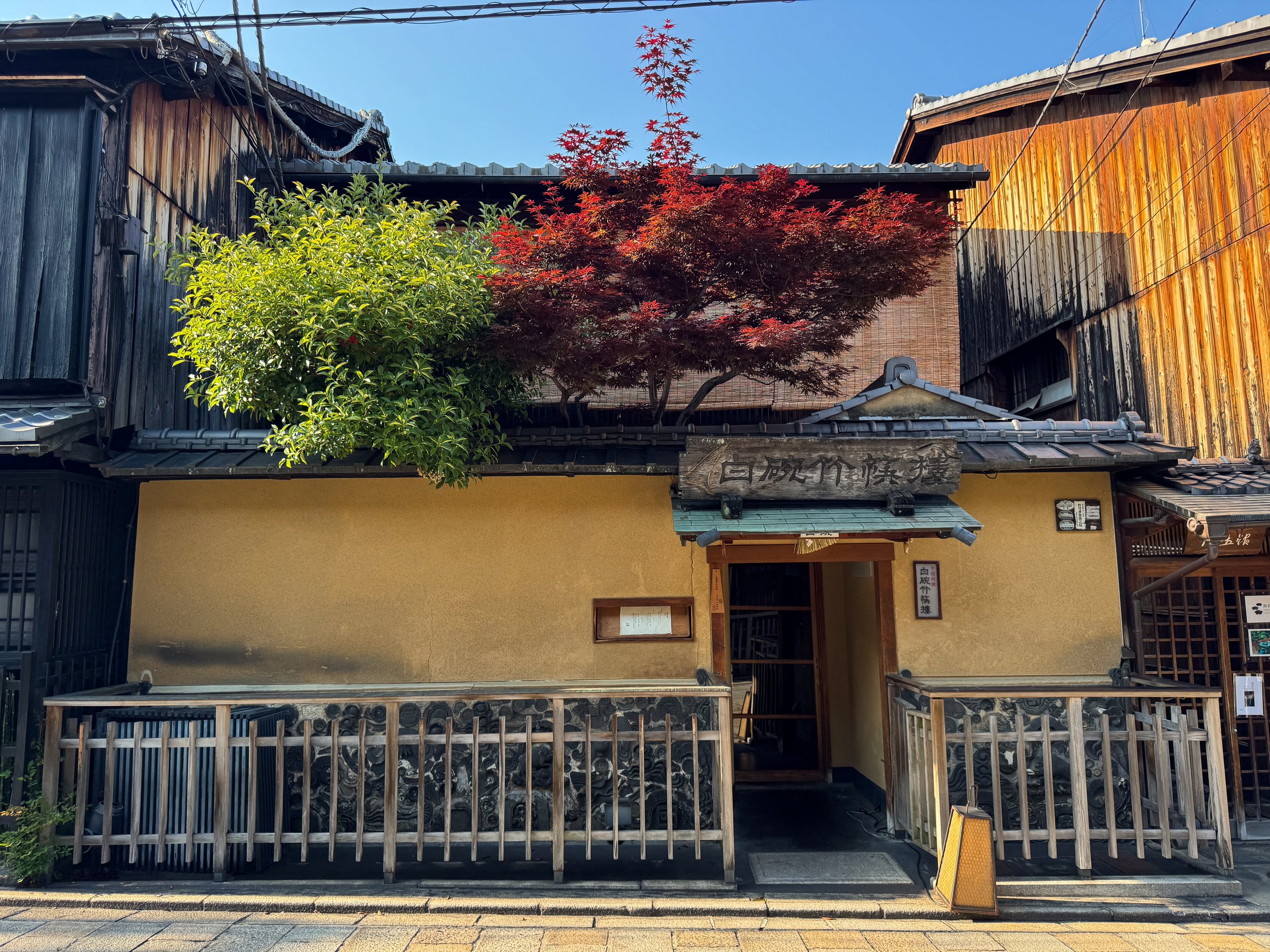
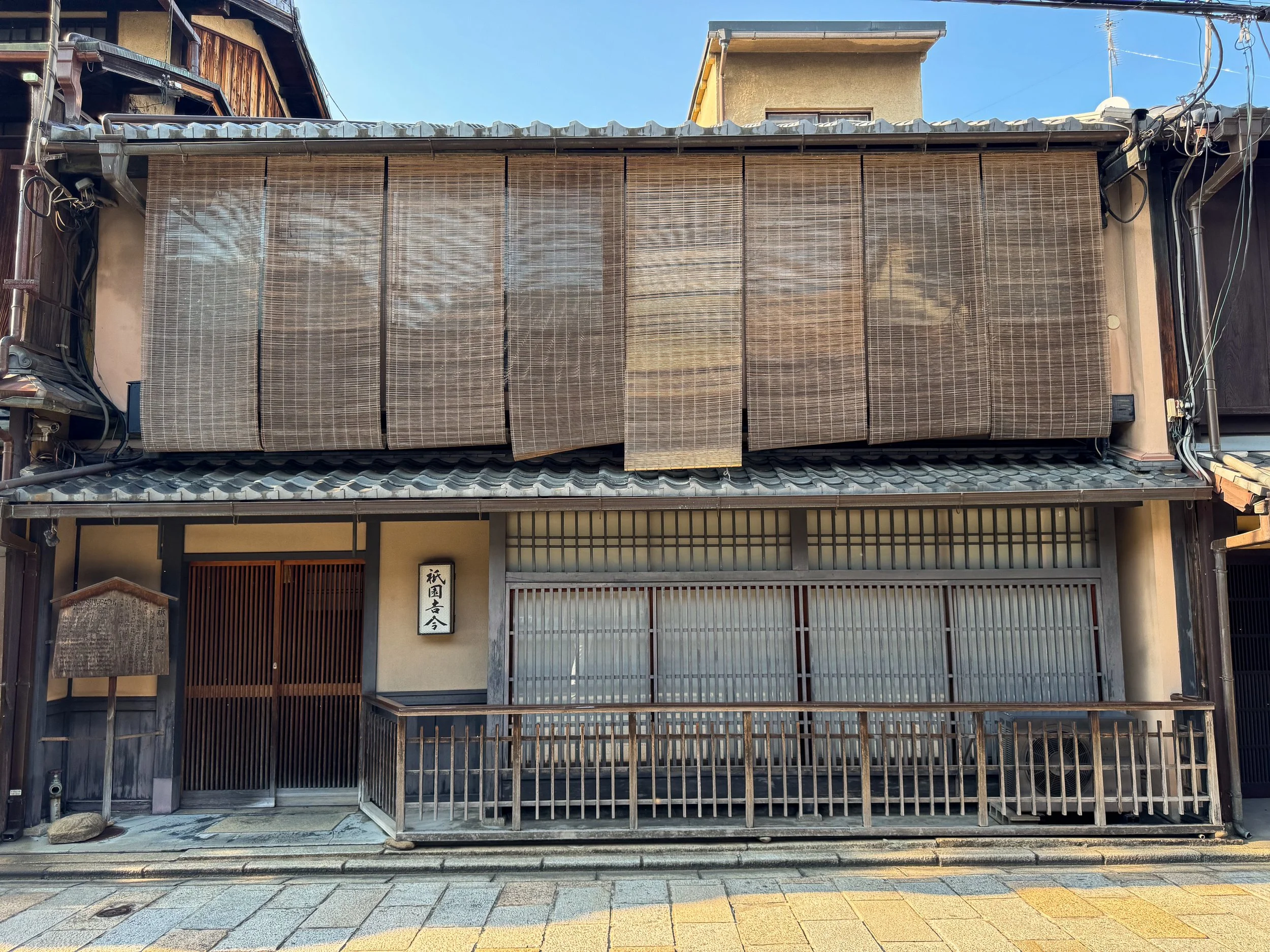
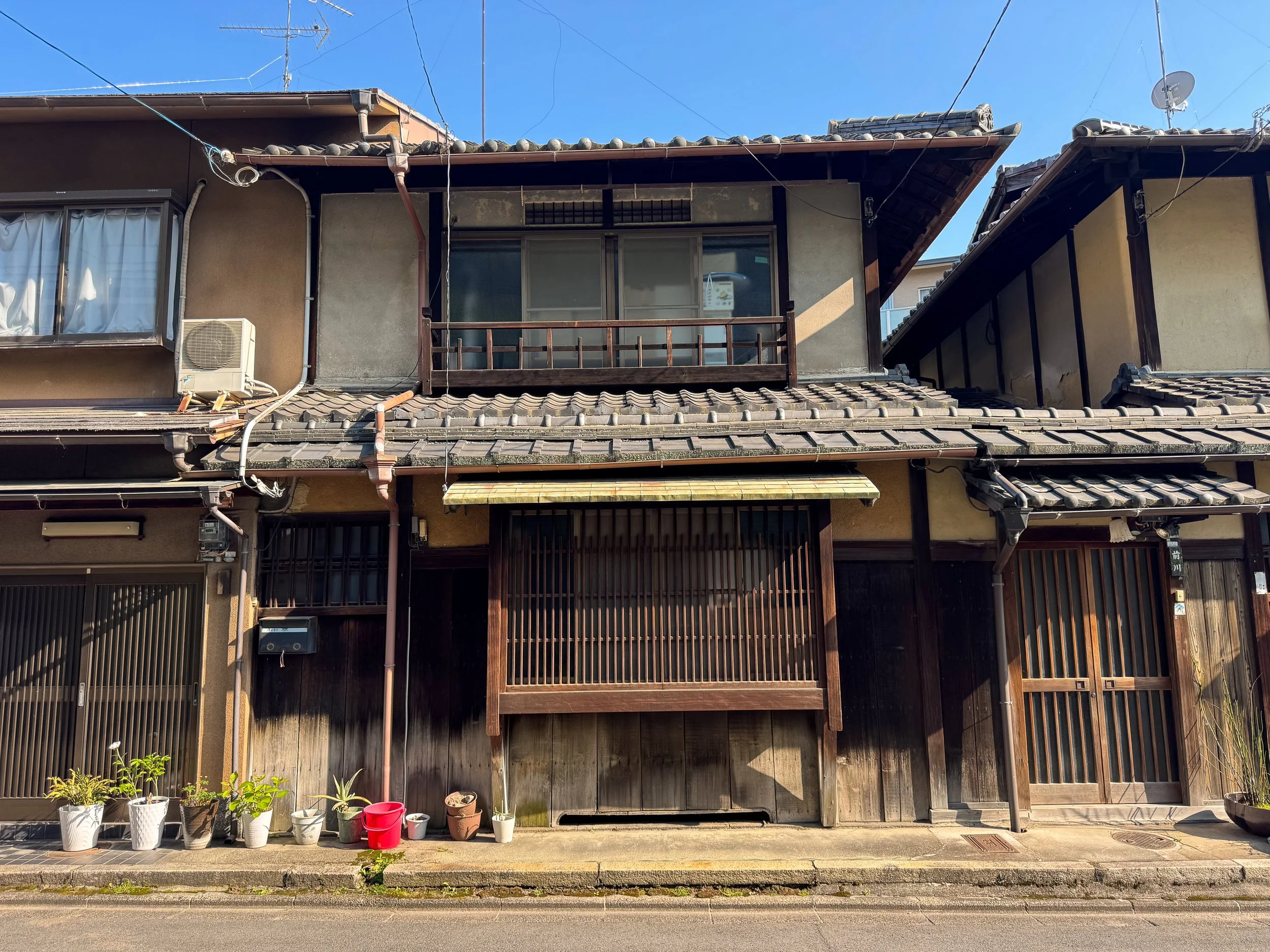
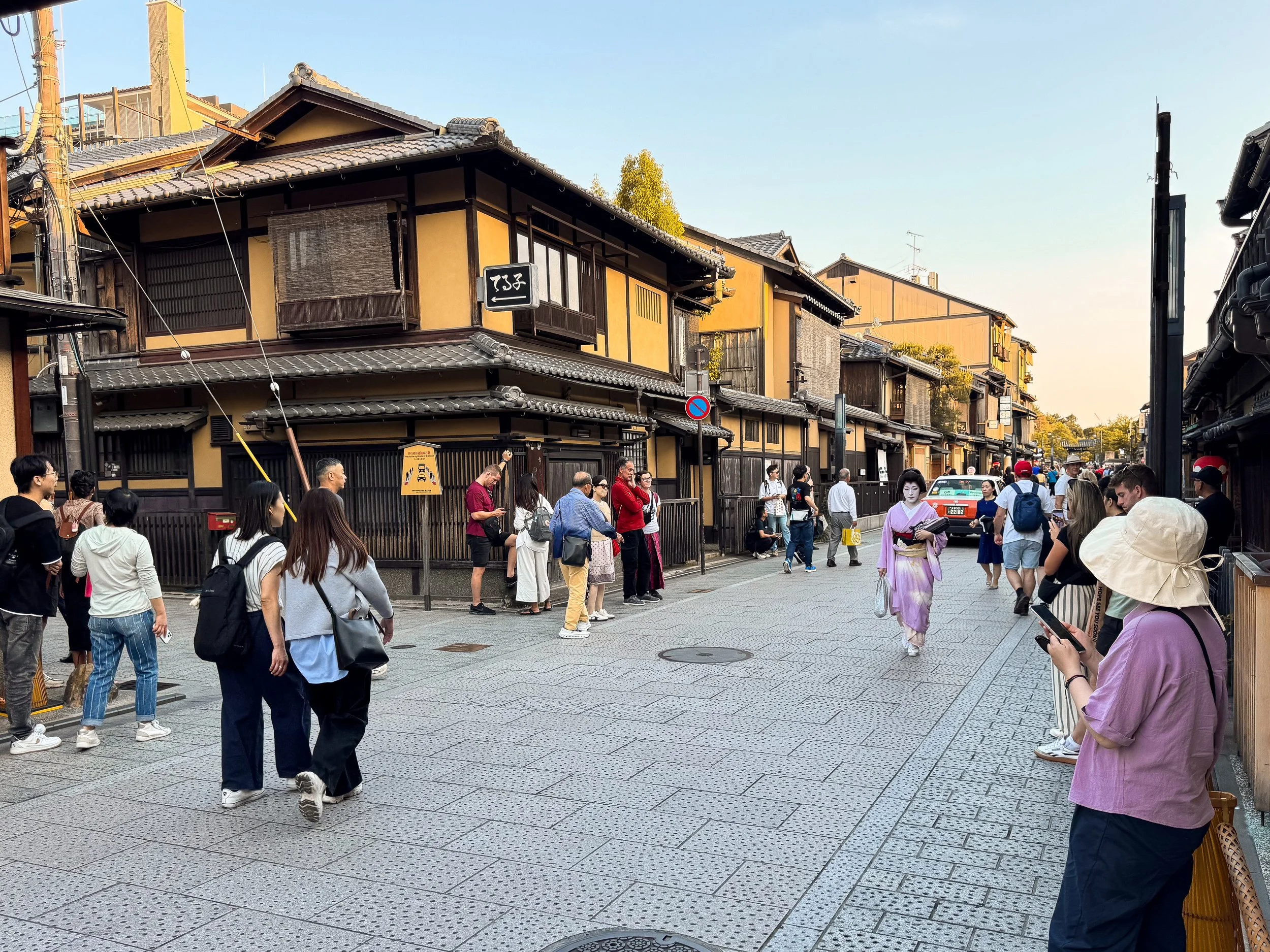
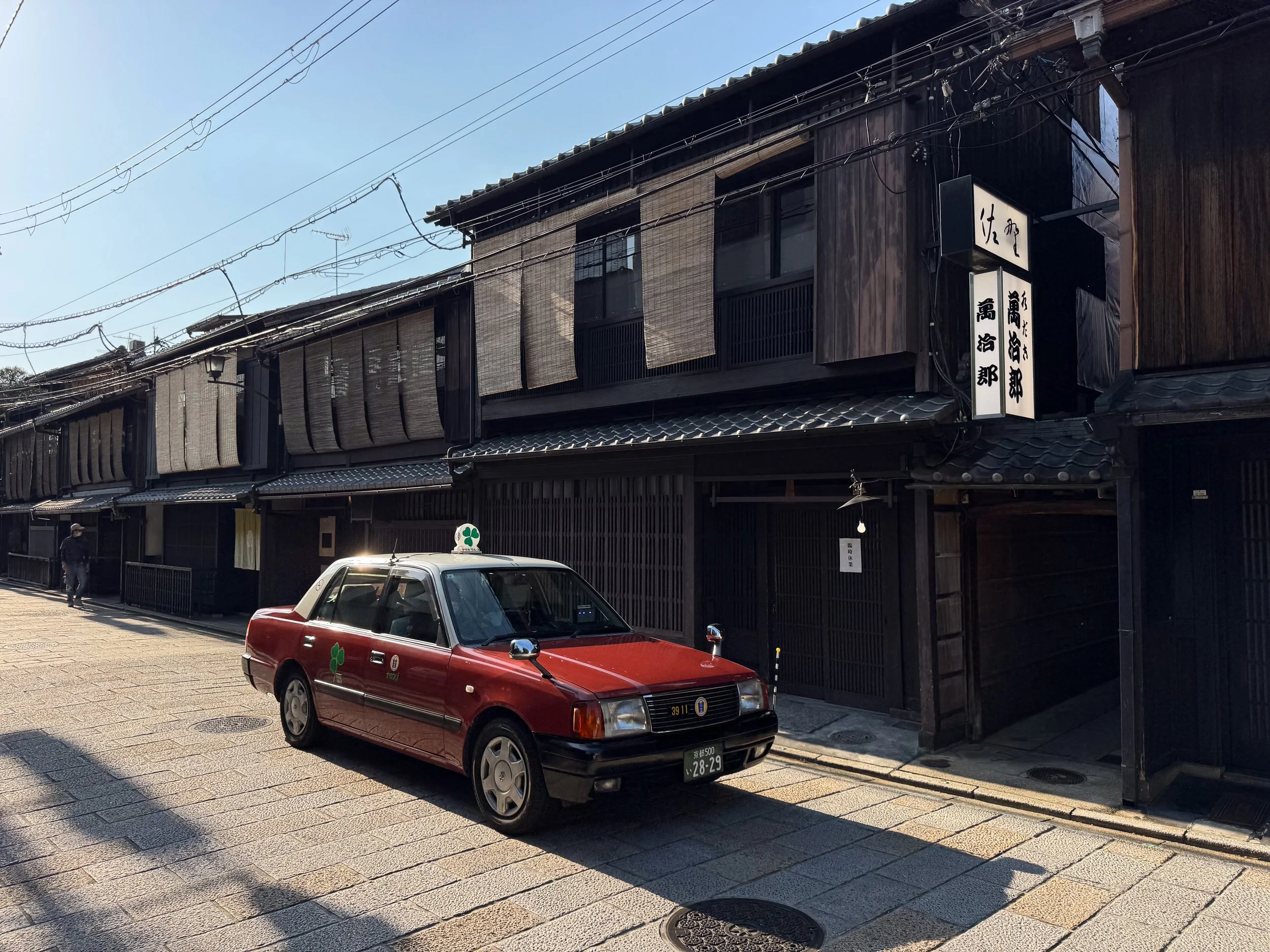
Gion District. One of the most historic districts in Kyoto with narrow streets, old wooden houses, traditional izakayas and genuine geishas. The best time to walk around is before 8am and between 3-5pm.
Shinbashi Dori. An architecturally interesting street in the Gion District with a series of traditional Japanese style houses. Each is one of a kind built over the centuries from varying tones of wood.
Shirakawa Canal. A tree lined canal passing through the center of the Gion District. The calming stream flows over cobblestones, past beautiful wooden houses and beneath pedestrian bridges with people overlooking it. It’s a romantic location and popular spot for photoshoots.
Hanamikoji-dori. The main street in the Gion District and most likely place to spot geishas in full make up and traditional attire. We walked the street around 5pm and spotted several geishas walking to appointments and being picked up by drivers.
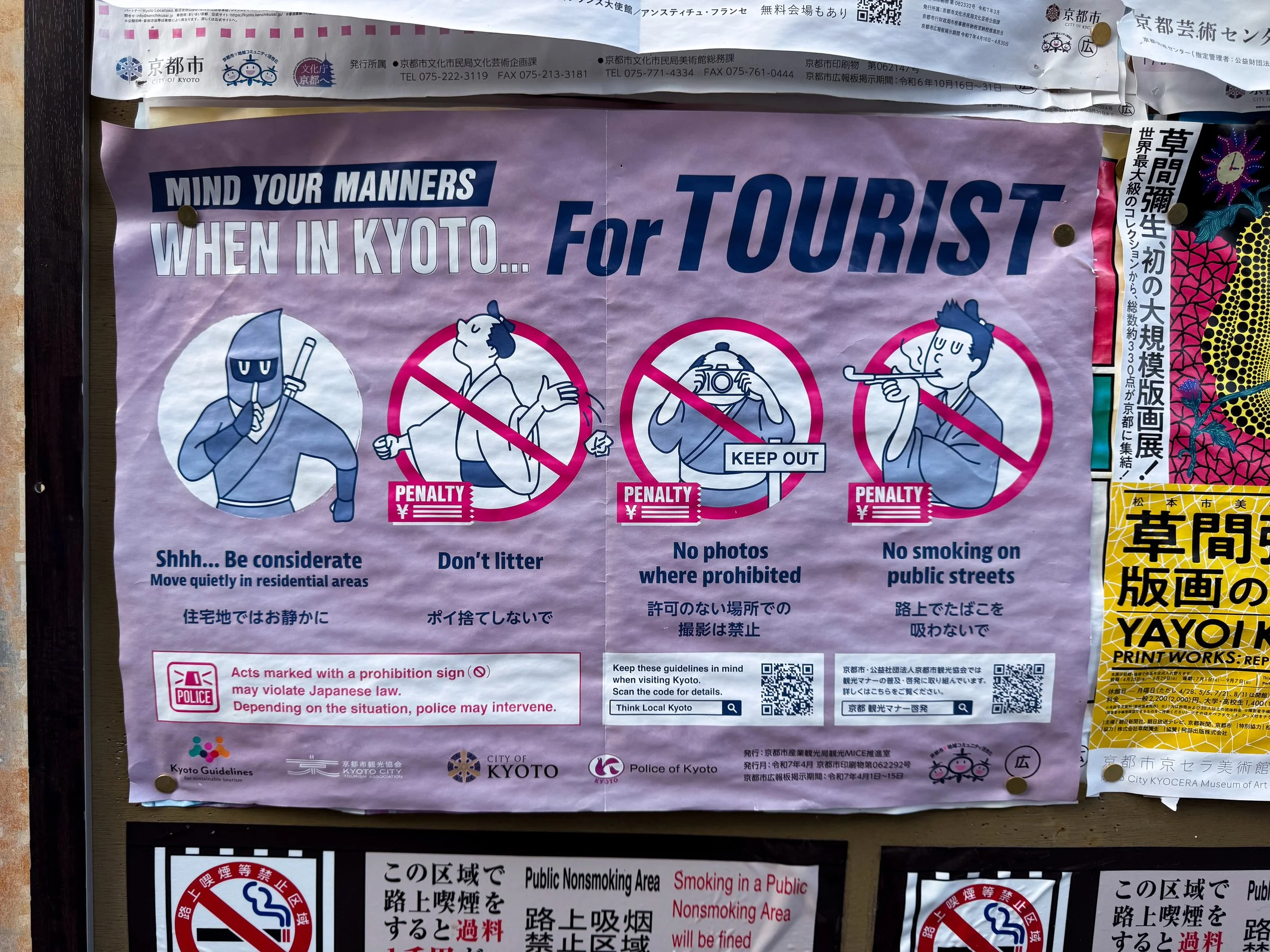
Good to Know. Be respectful. Don’t directly photograph, walk in front of or speak to the geishas. It’s considered rude and can even lead to a fine.
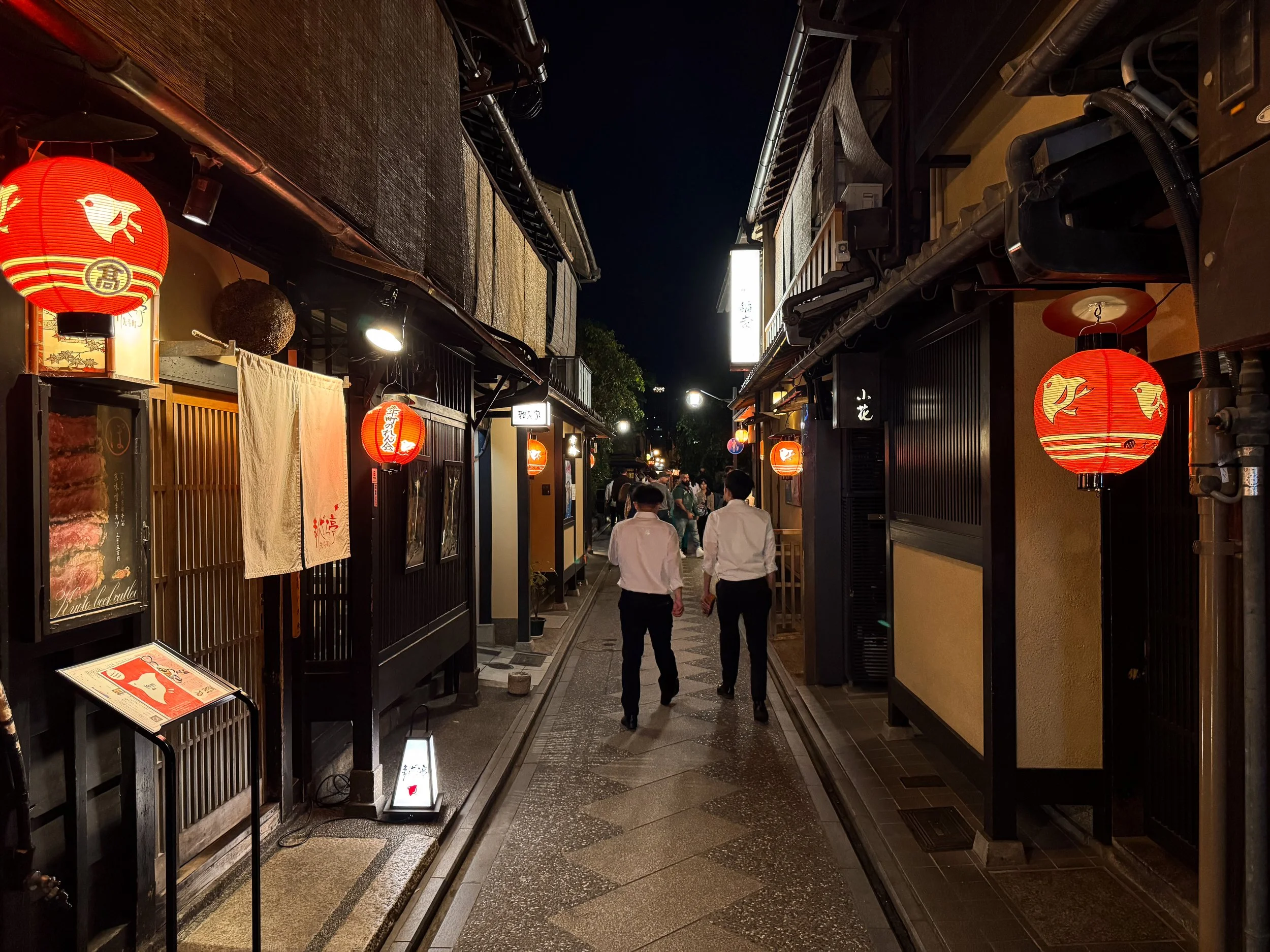
Ponto-Chō. A nightlife neighborhood with narrow alleyways illuminated by red paper lanterns. It’s a popular area with dozens of late night izakayas, small standing bars, sushi restaurants, hidden pubs and matcha tea houses. Many places overlook the Kamo River, where locals spend their late afternoon with friends and family as the sun sets.
Good to Know. Make reservations ahead of time to secure a seat at restaurants and bars.
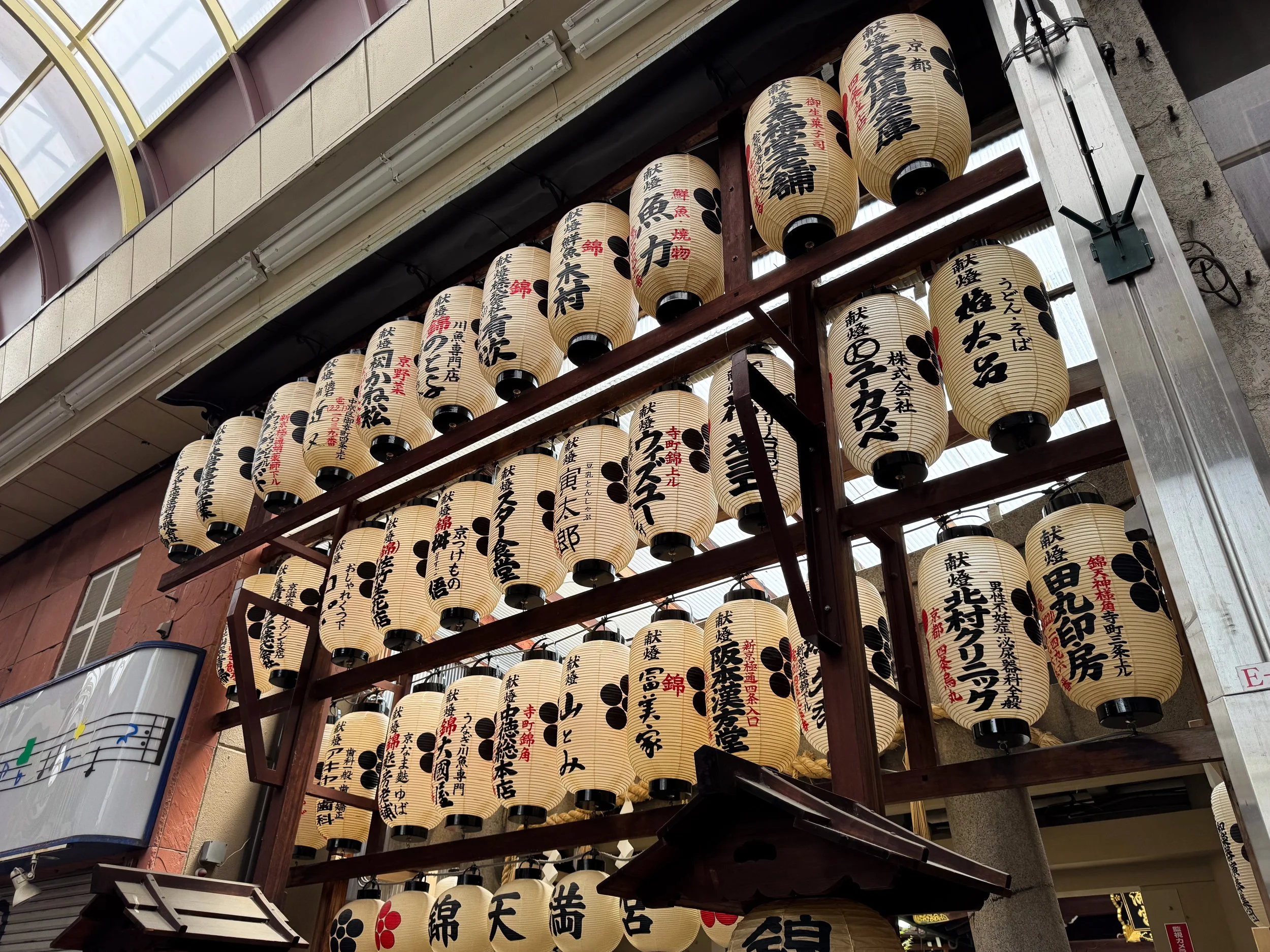
Sanjo-Dori Street. A covered shopping street with all types of Japanese businesses. We window shopped and admired all of the beautifully designed things at stationery and stamp stores, streetwear and thrift shops, Japanese knife boutiques, bookshops and souvenir stands. In between the shops are izakayas, bakeries, matcha cafés, Shinto and Buddhist temples.
Pagodas, Temples & Castles
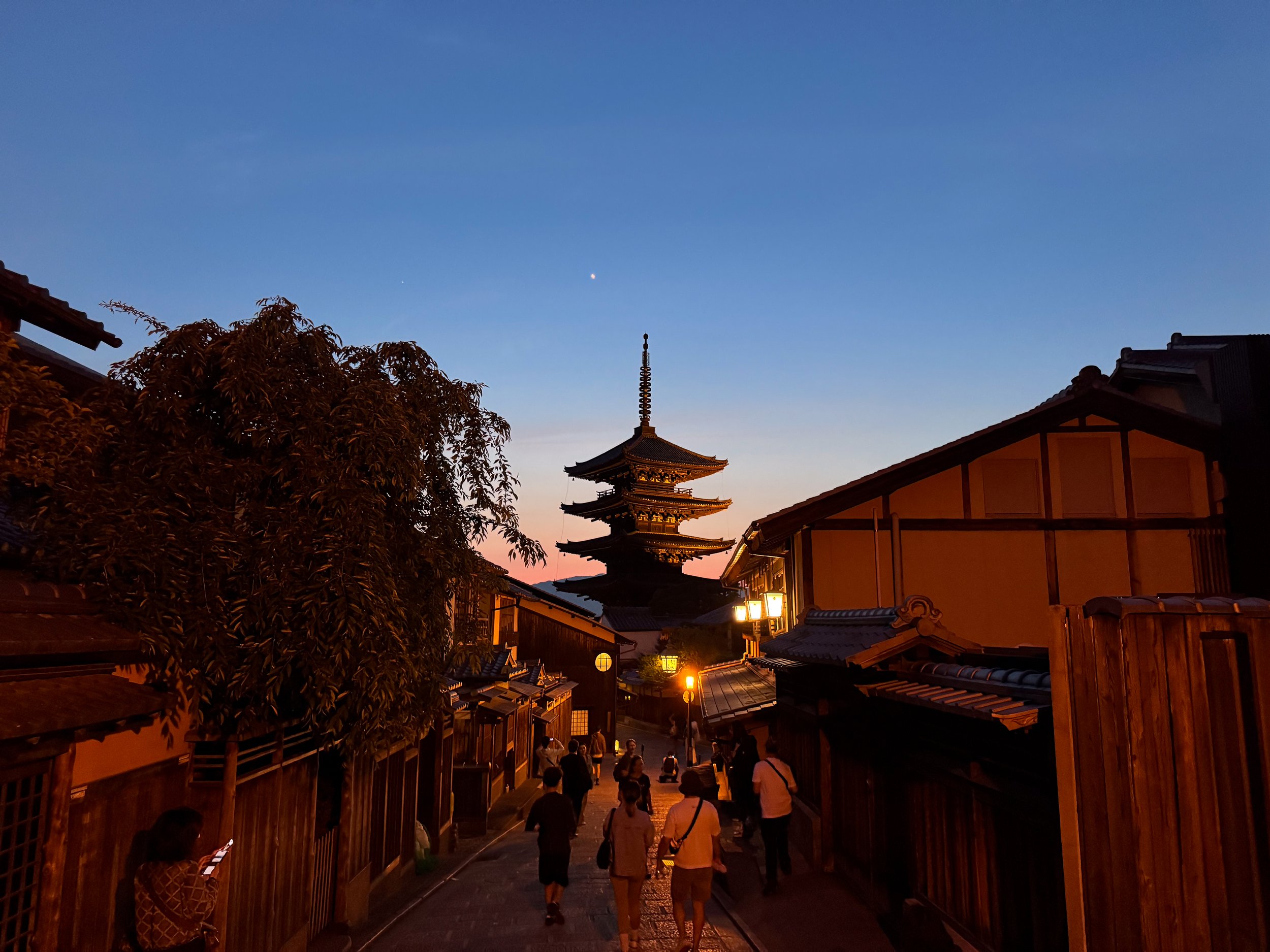
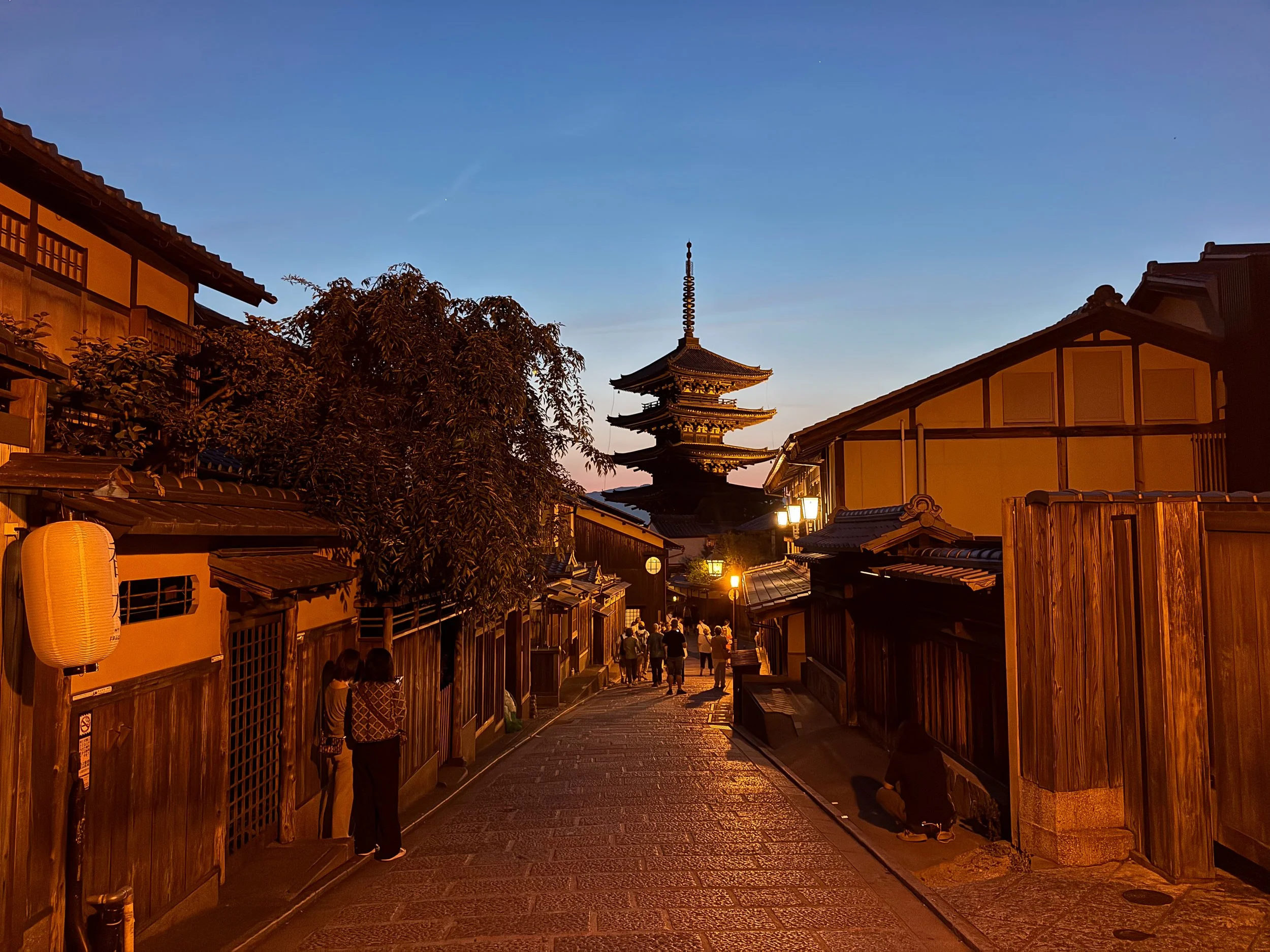
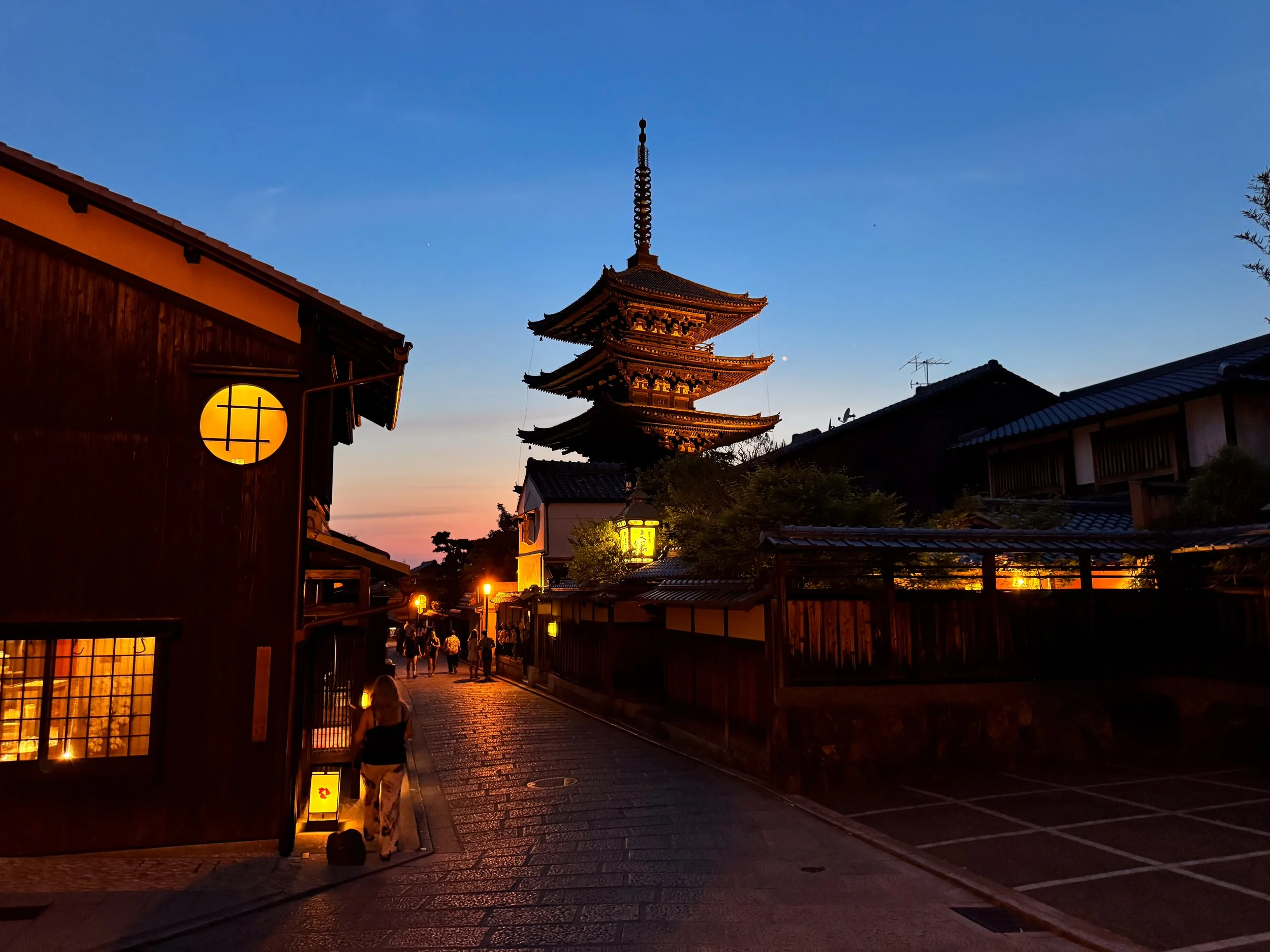
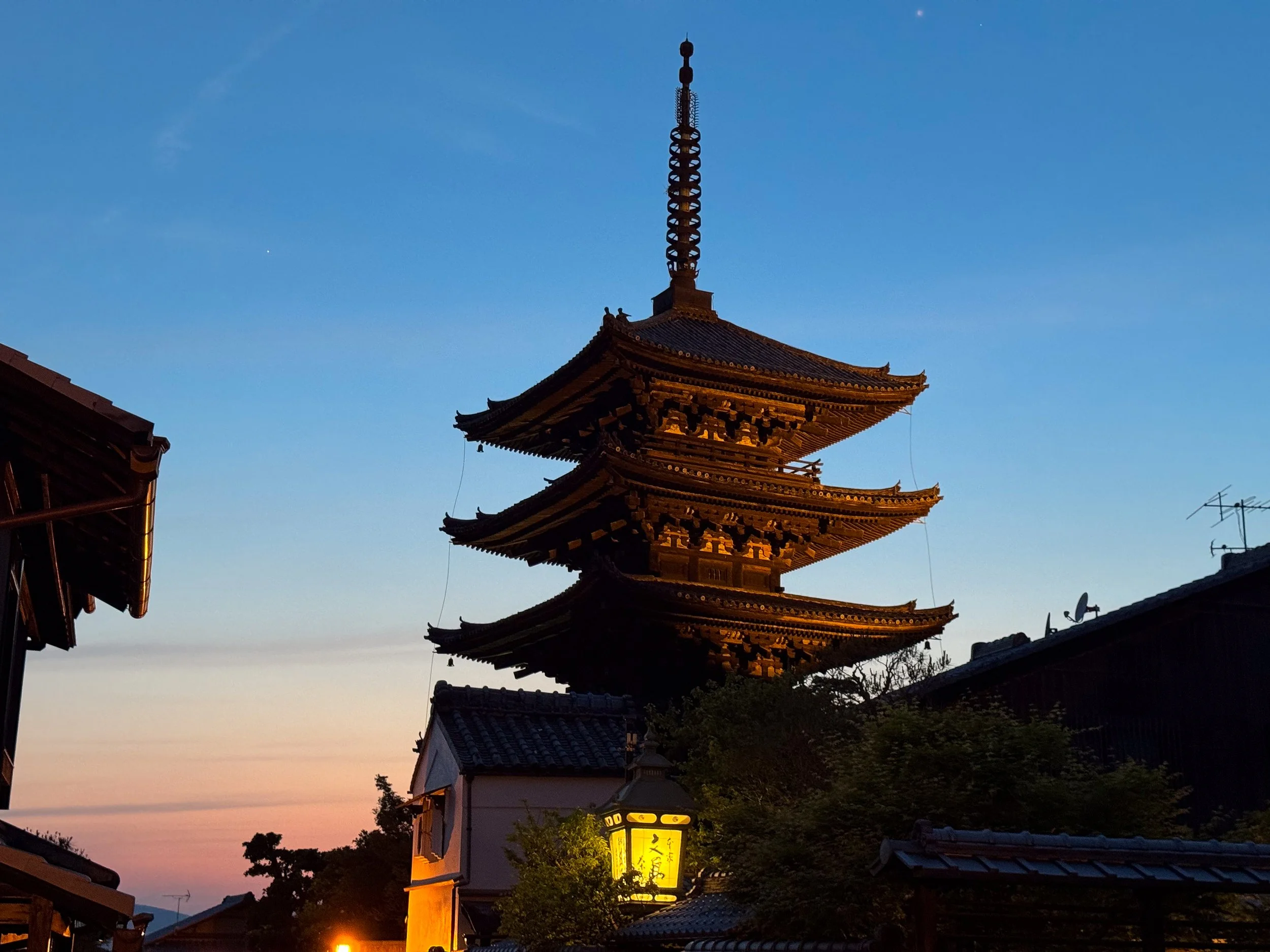
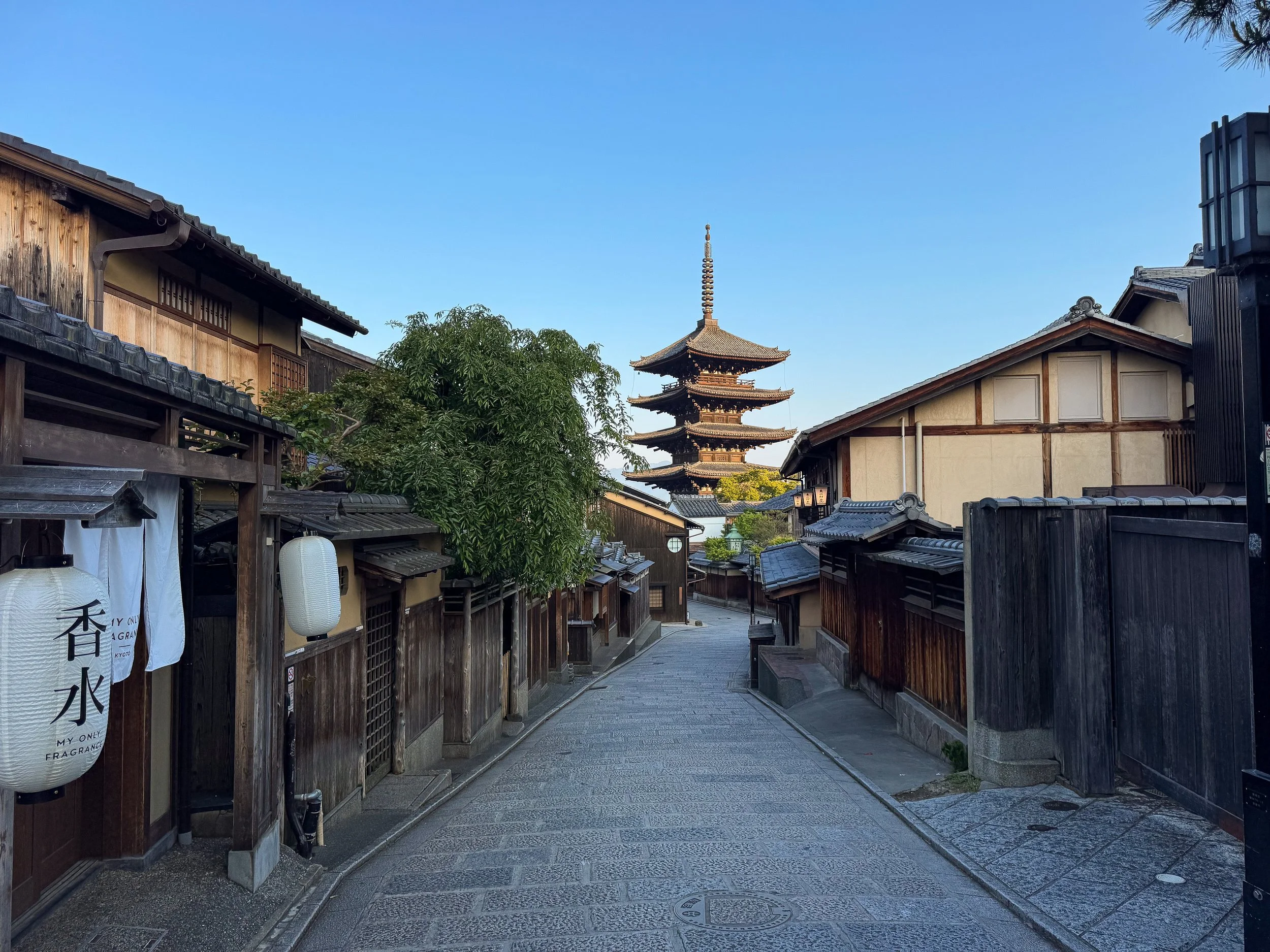
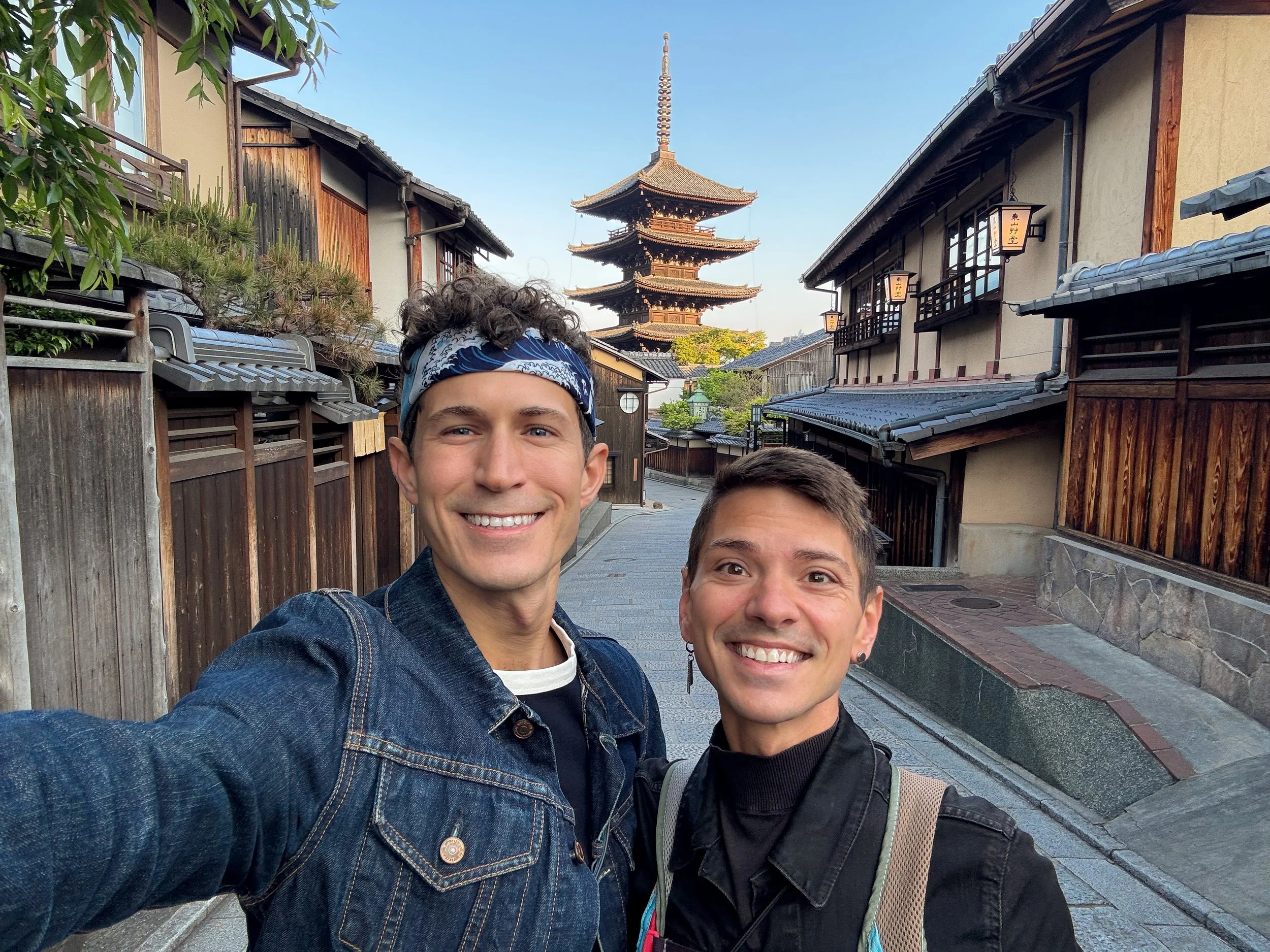
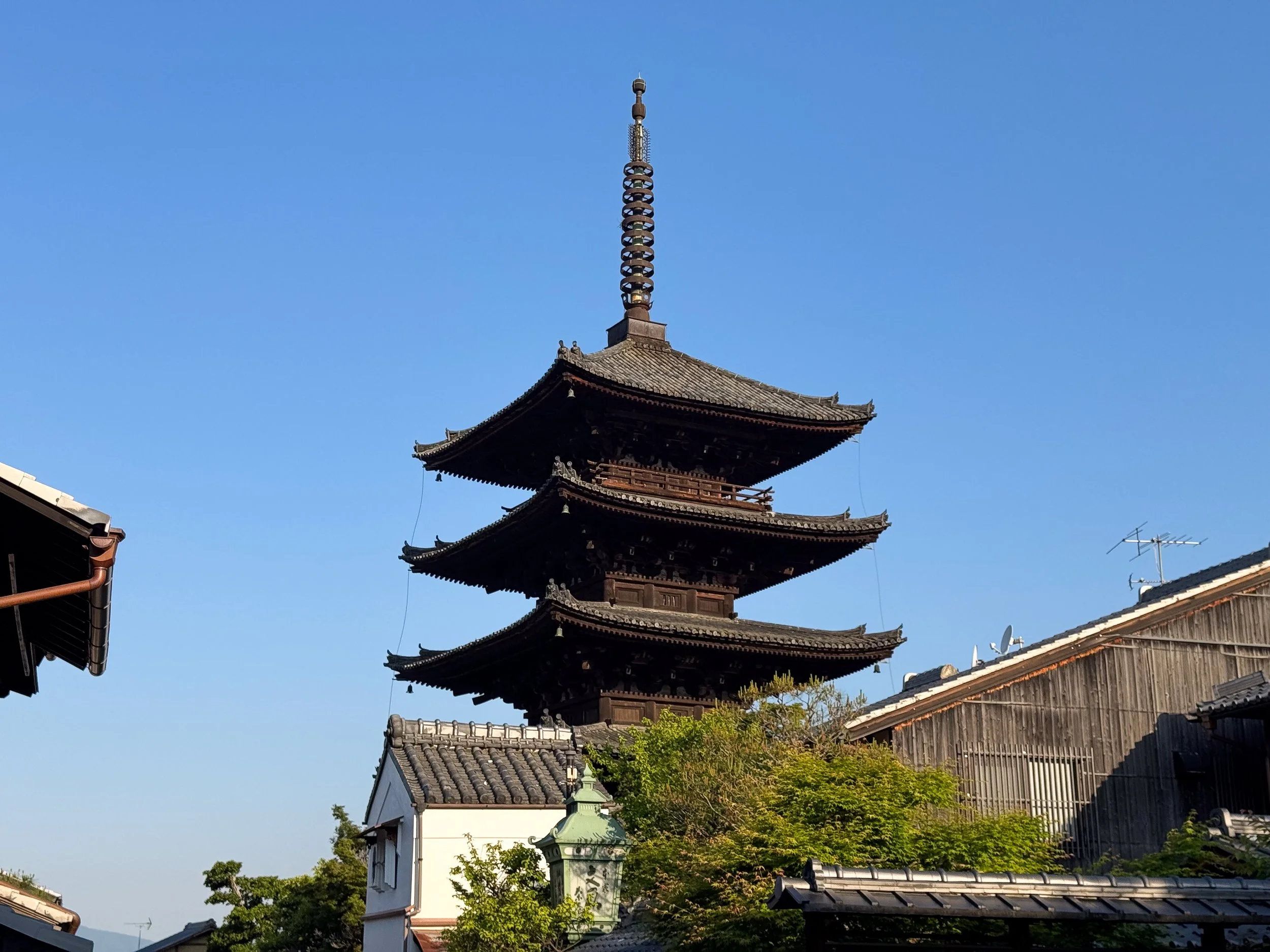
Yasaka Pagoda. A five tiered wooden pagoda in the center of the Higashiyama District. It’s one of Kyoto’s most picturesque sights. The pagoda is framed by a winding cobblestone street and historic Japanese homes. It houses relics of the Buddha but is closed to tourists.
Pro Tip. Arrive before 6am to enjoy uninterrupted views and the historic streets surrounding it.
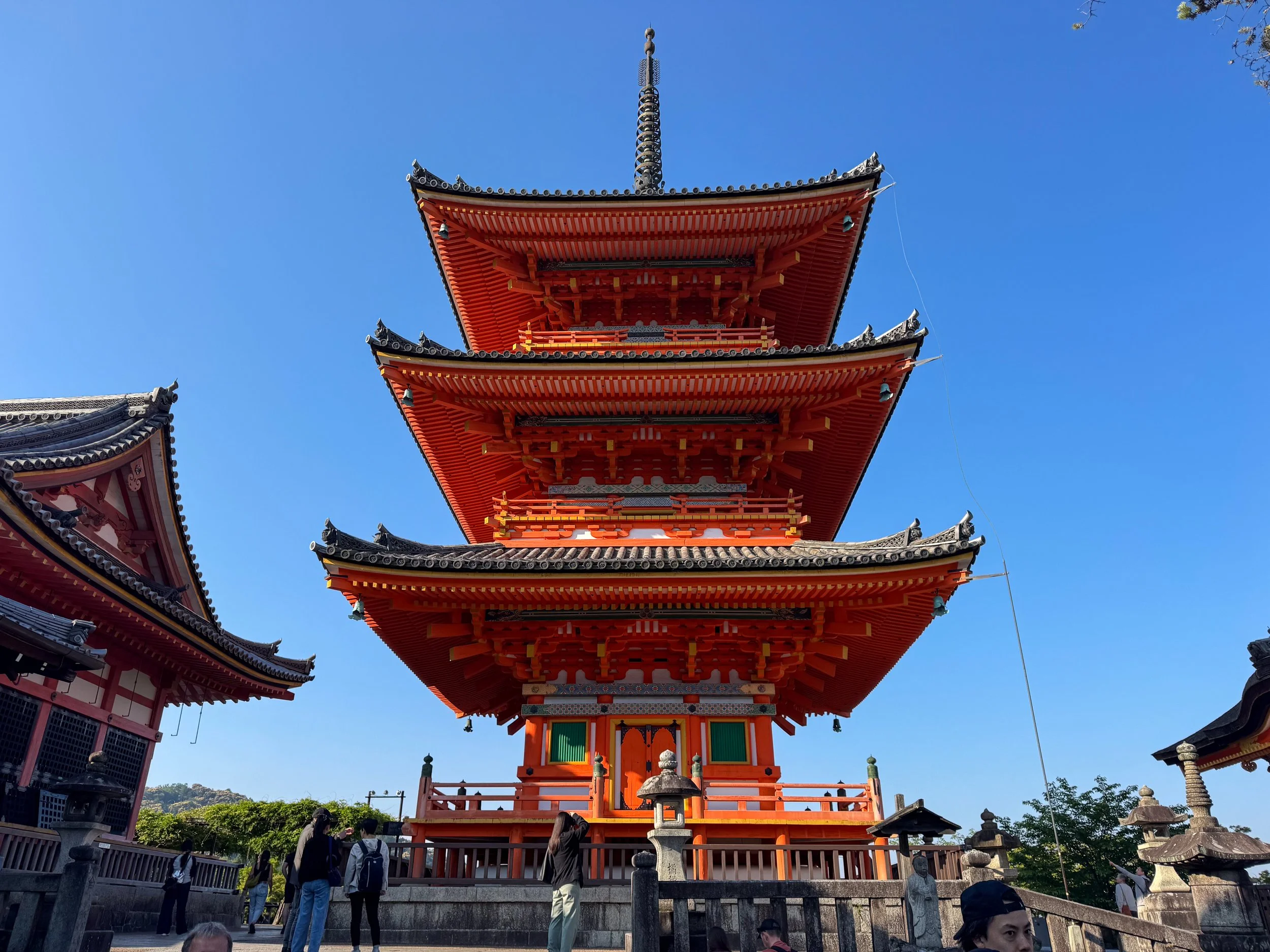
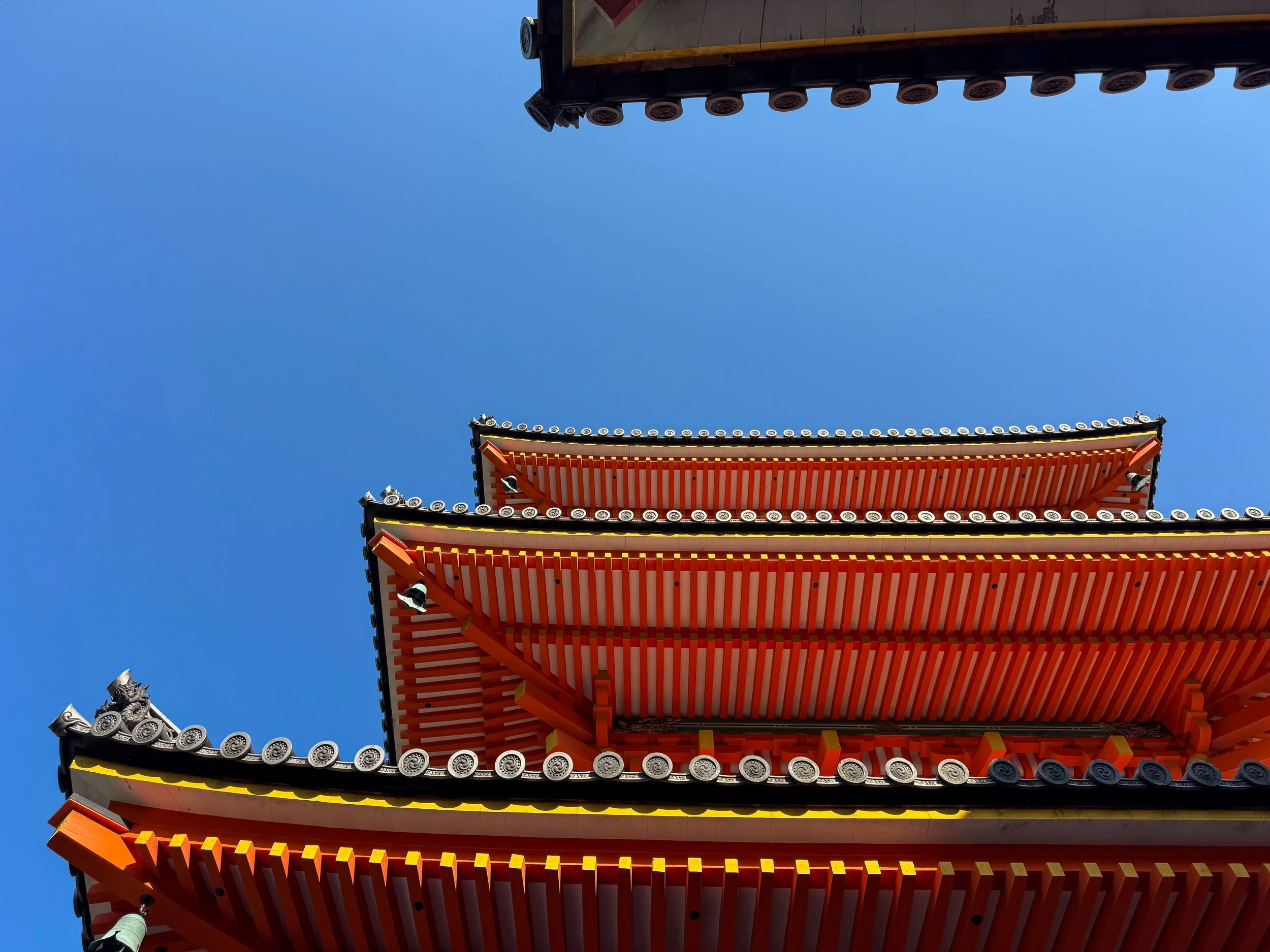
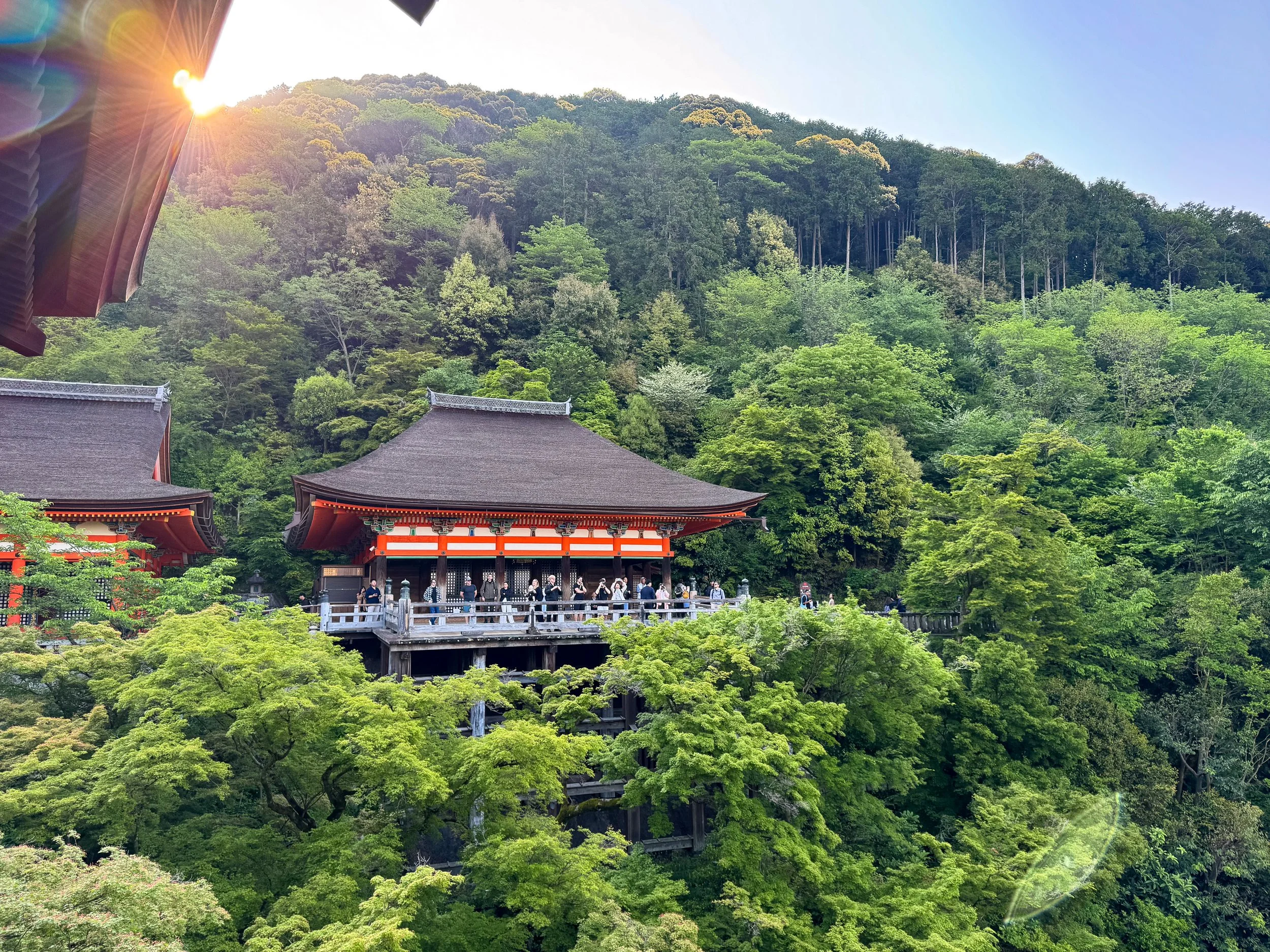
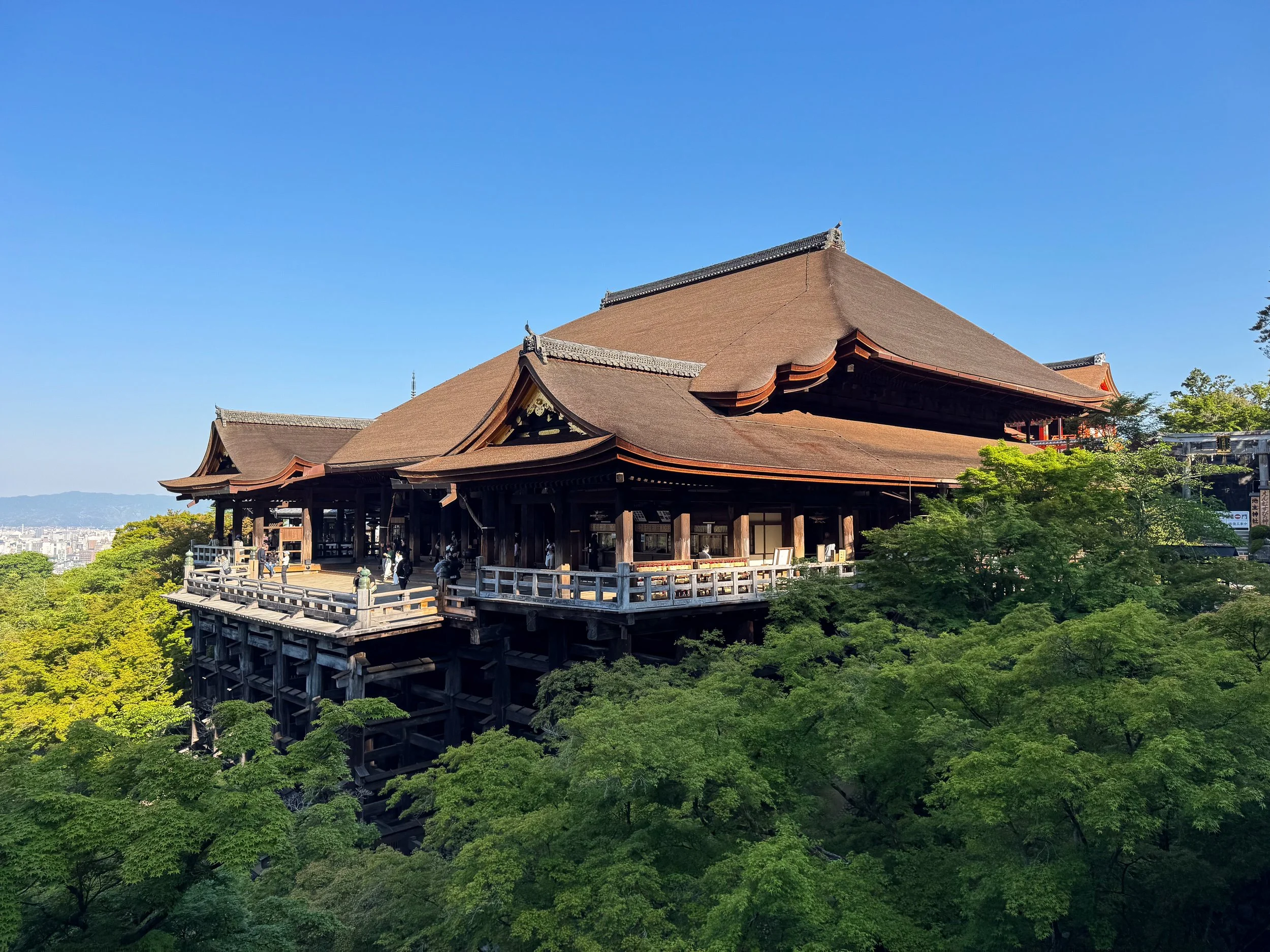
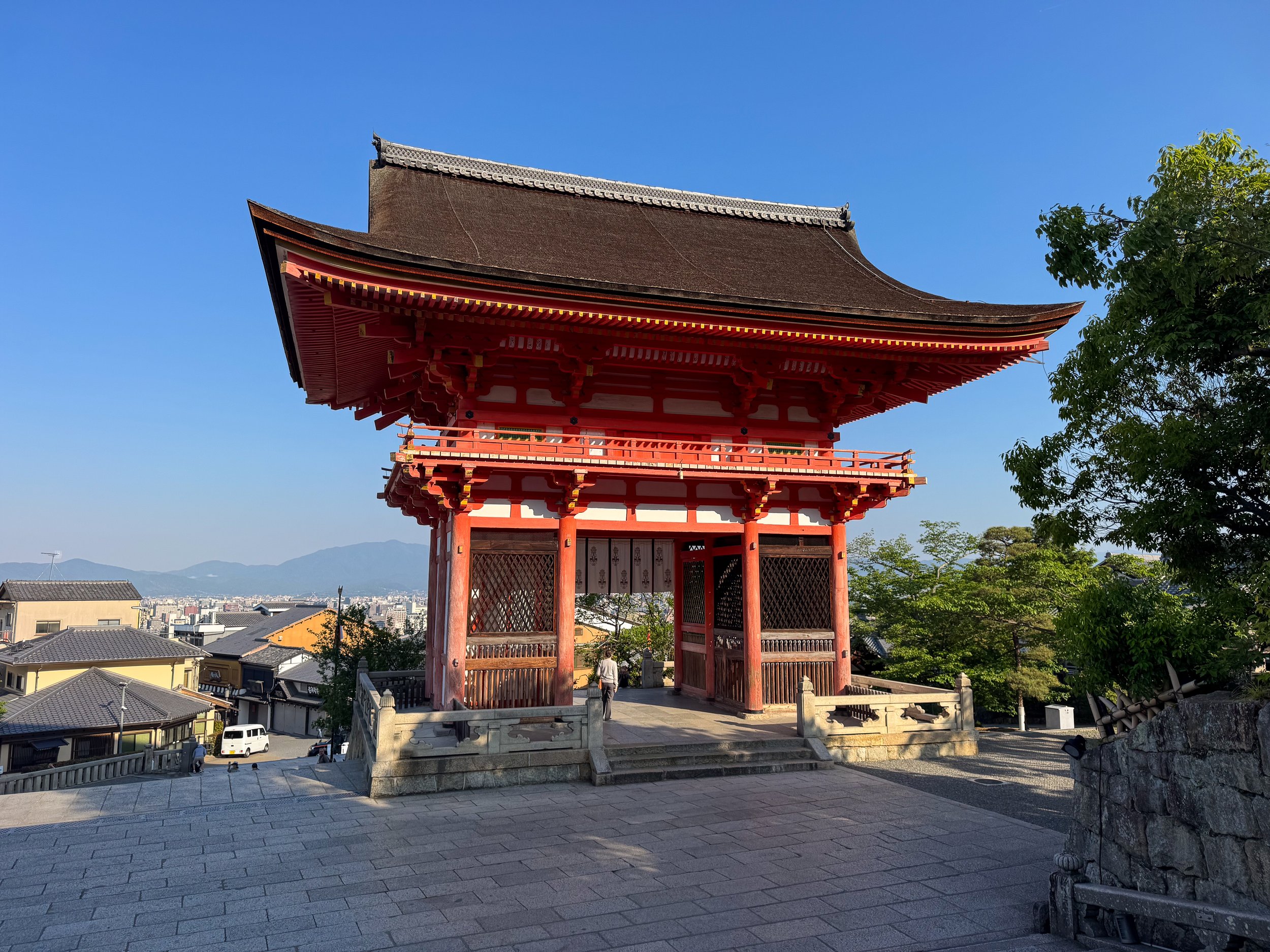
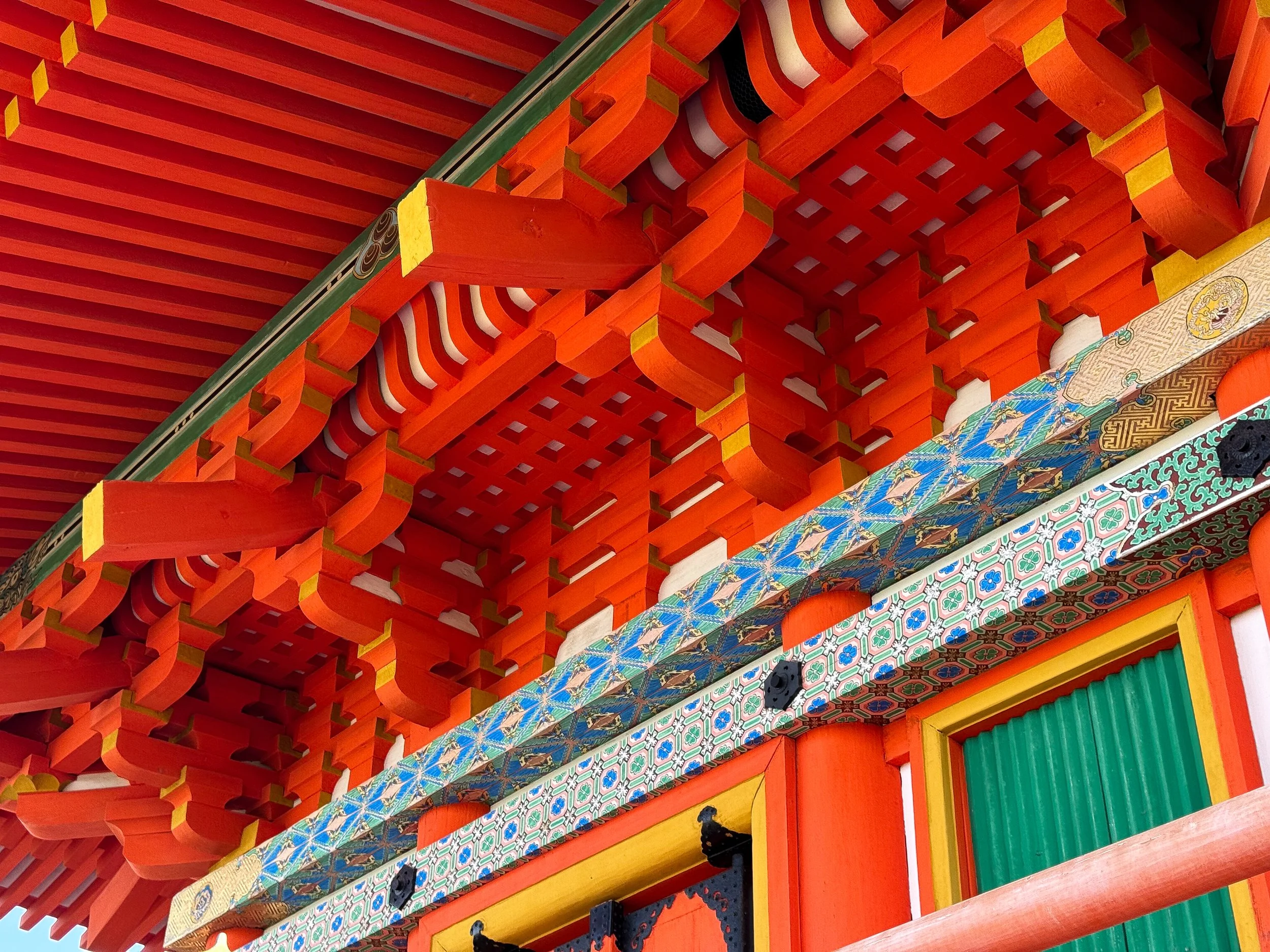
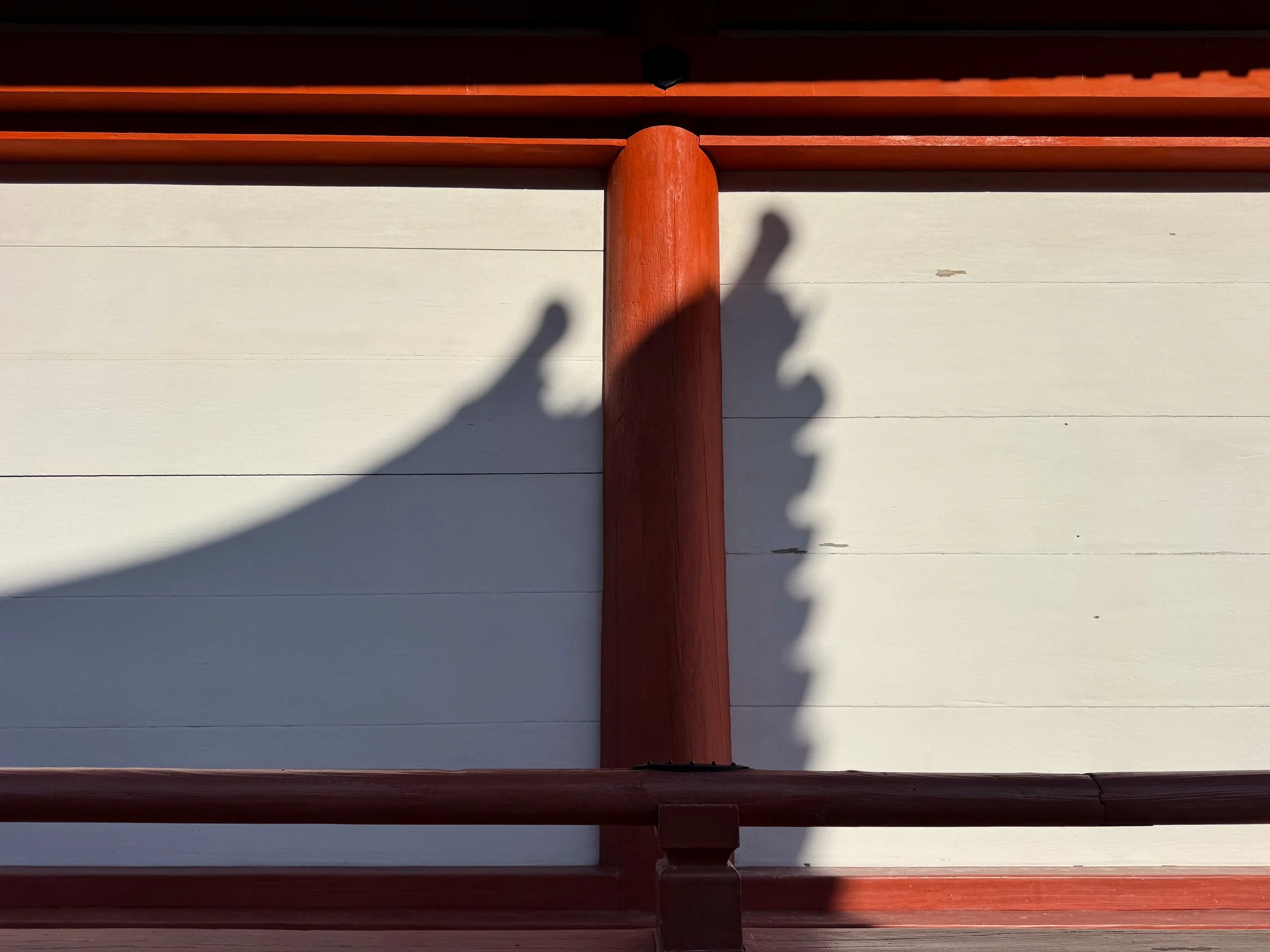
Kiyomizu-dera. A sprawling hilltop temple complex in the Higashiyama District with a grand stilted wooden temple. It overlooks the forested hillside and cityscape of Kyoto. Its entrance passes through a red lacquered temple gate, past a three tiered pagoda, meditation halls and Japanese garden. Walkways lead further through the complex to a series of smaller temples and shrines.
Pro Tip. Arrive by 7am before the temple officially opens to beat the crowds.
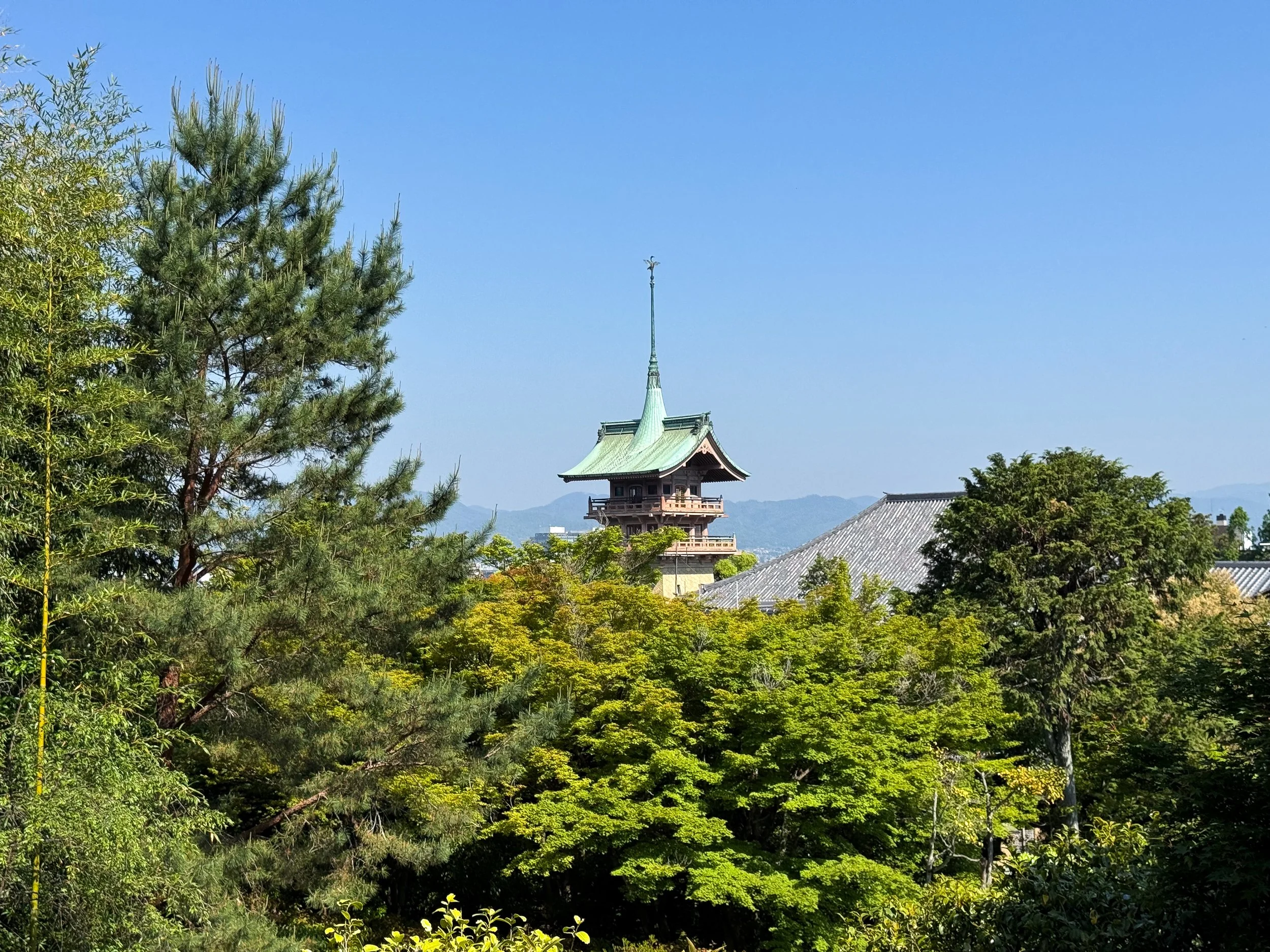
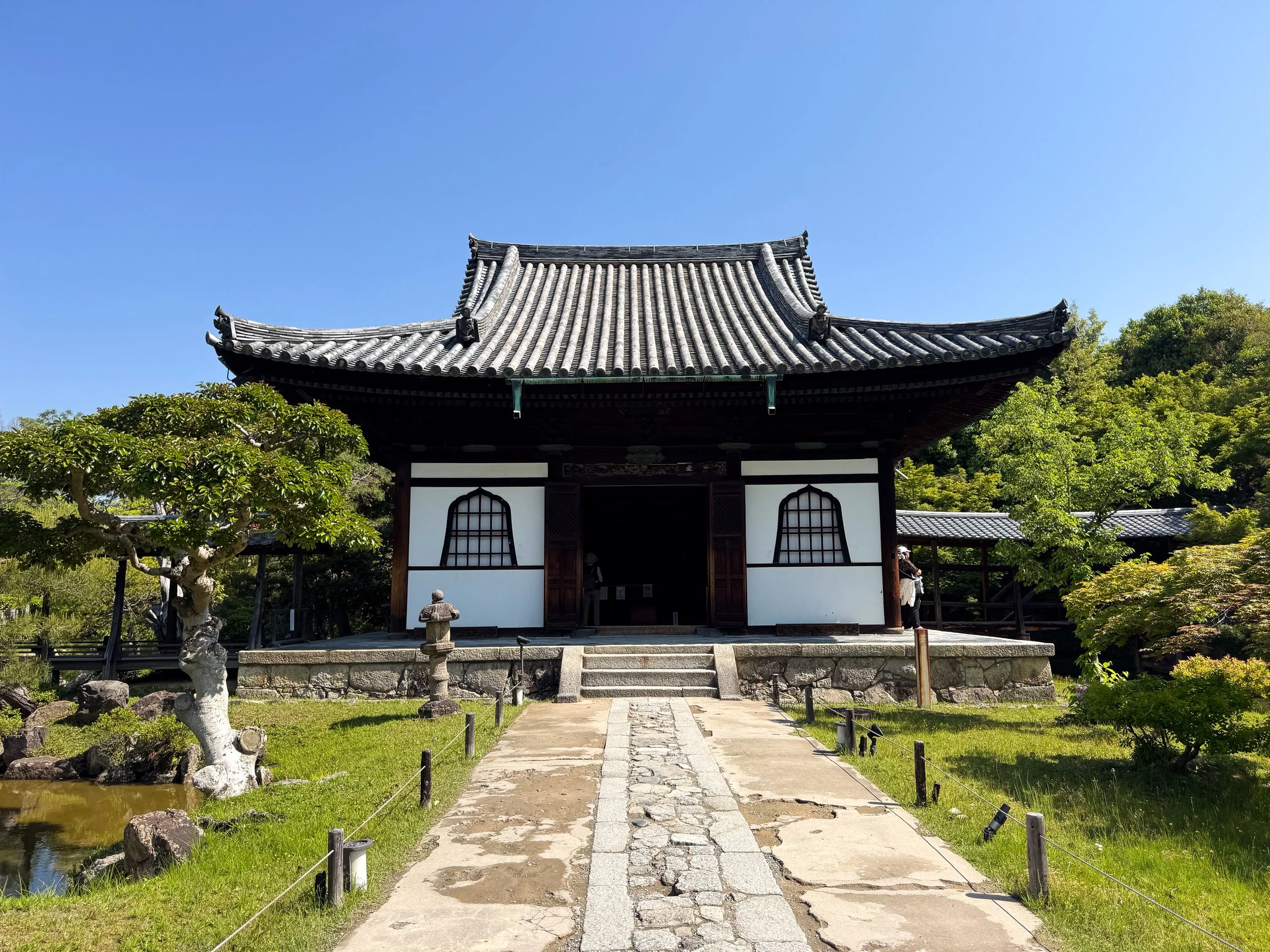
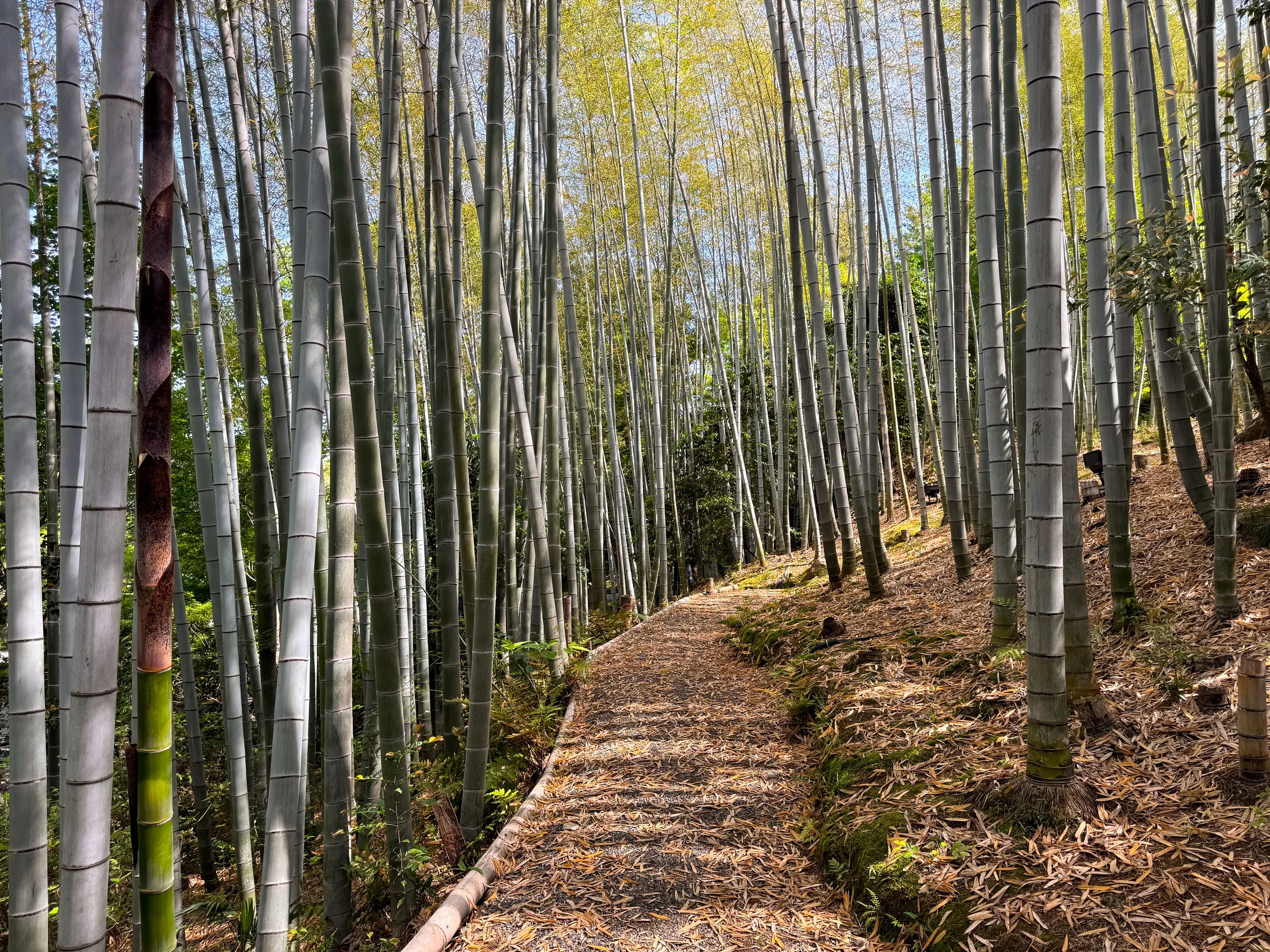
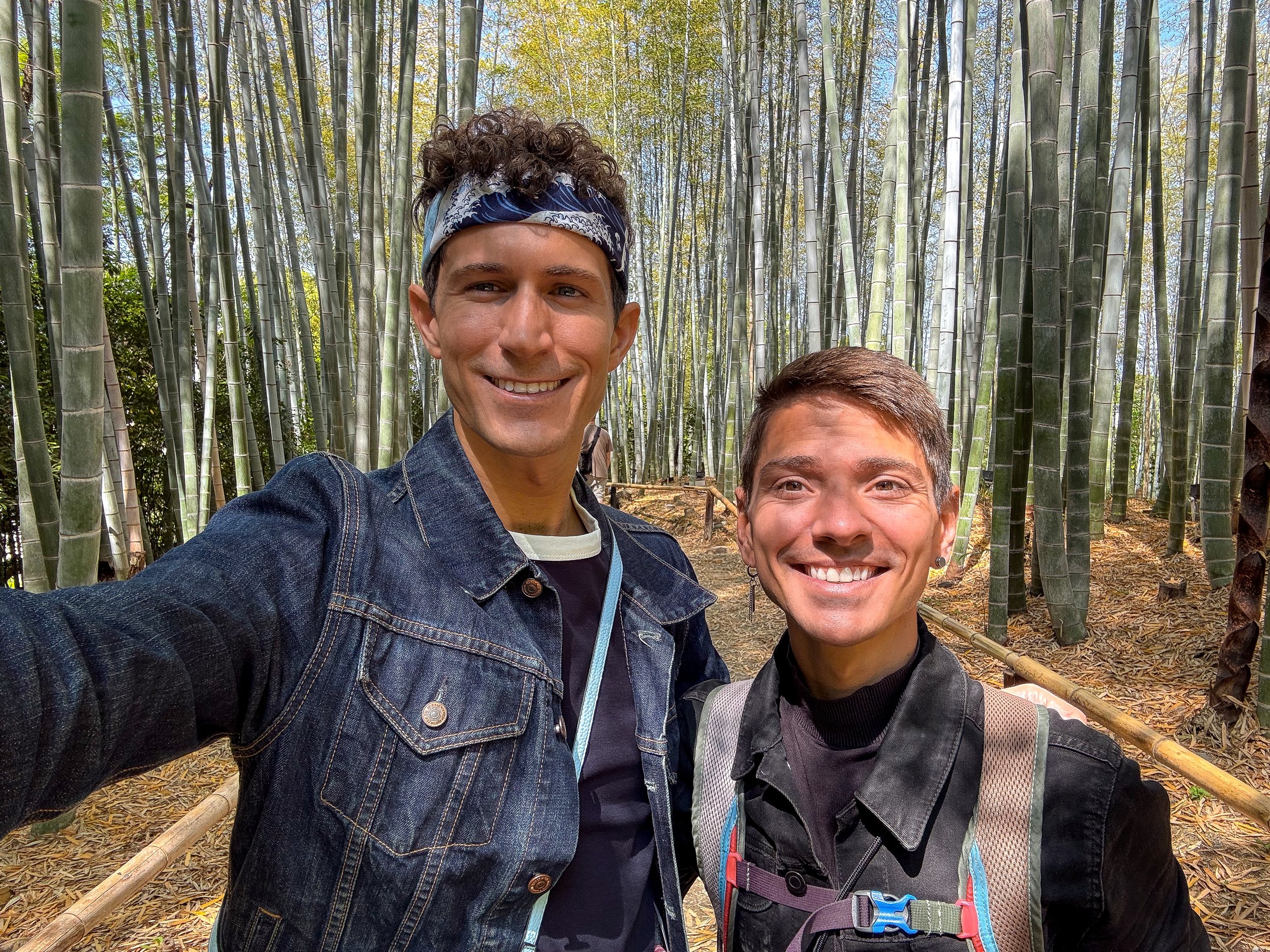
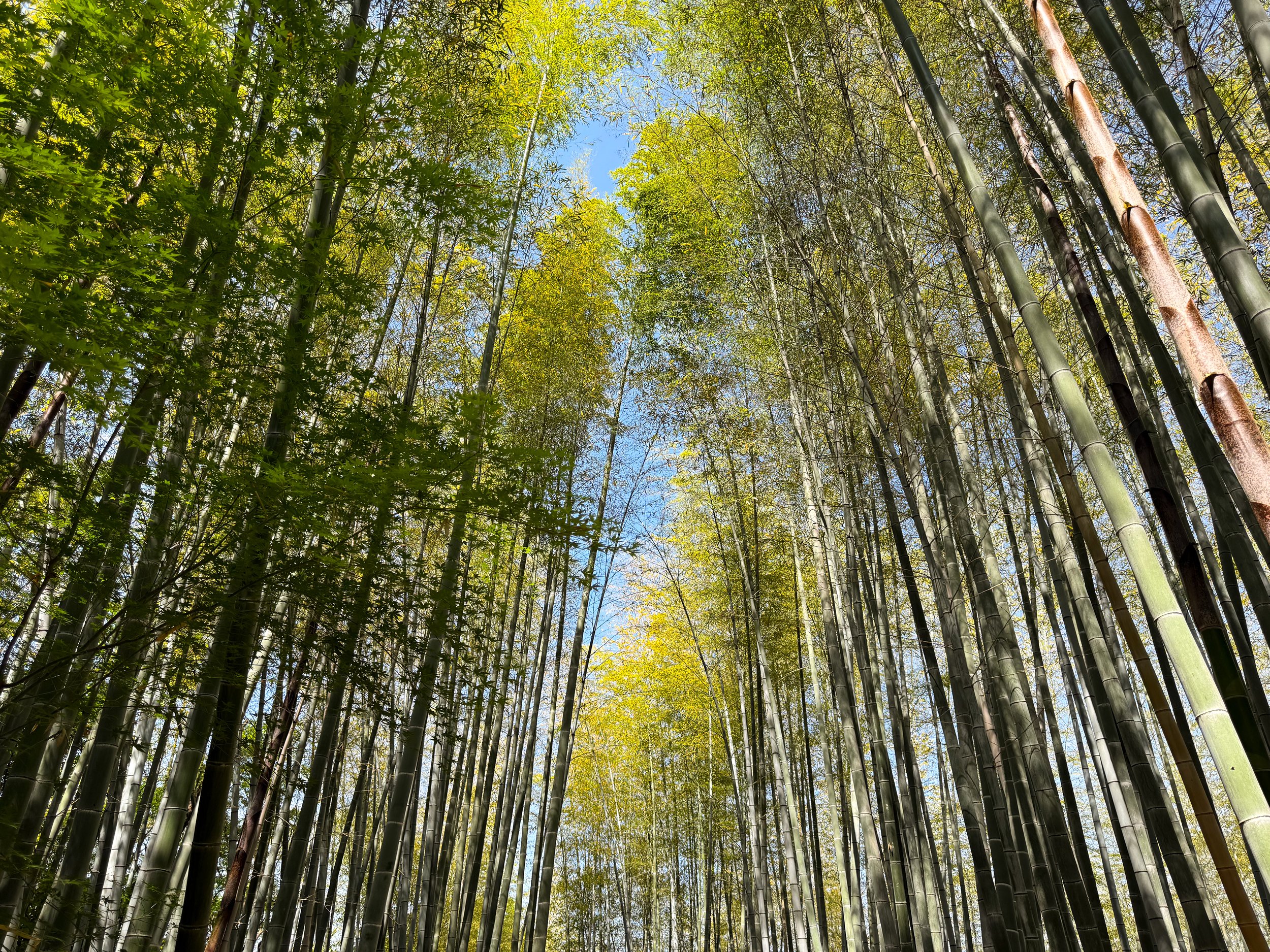
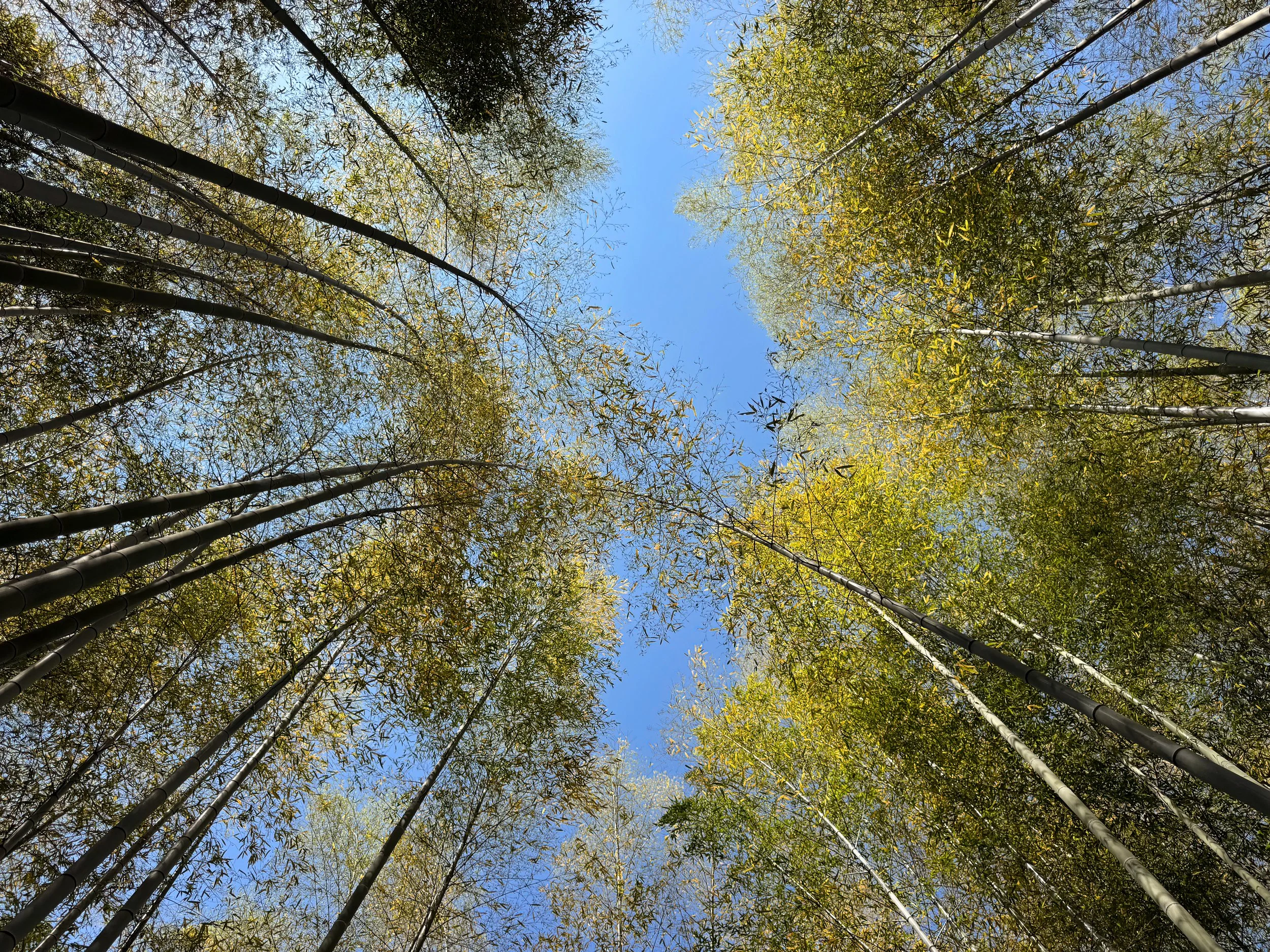
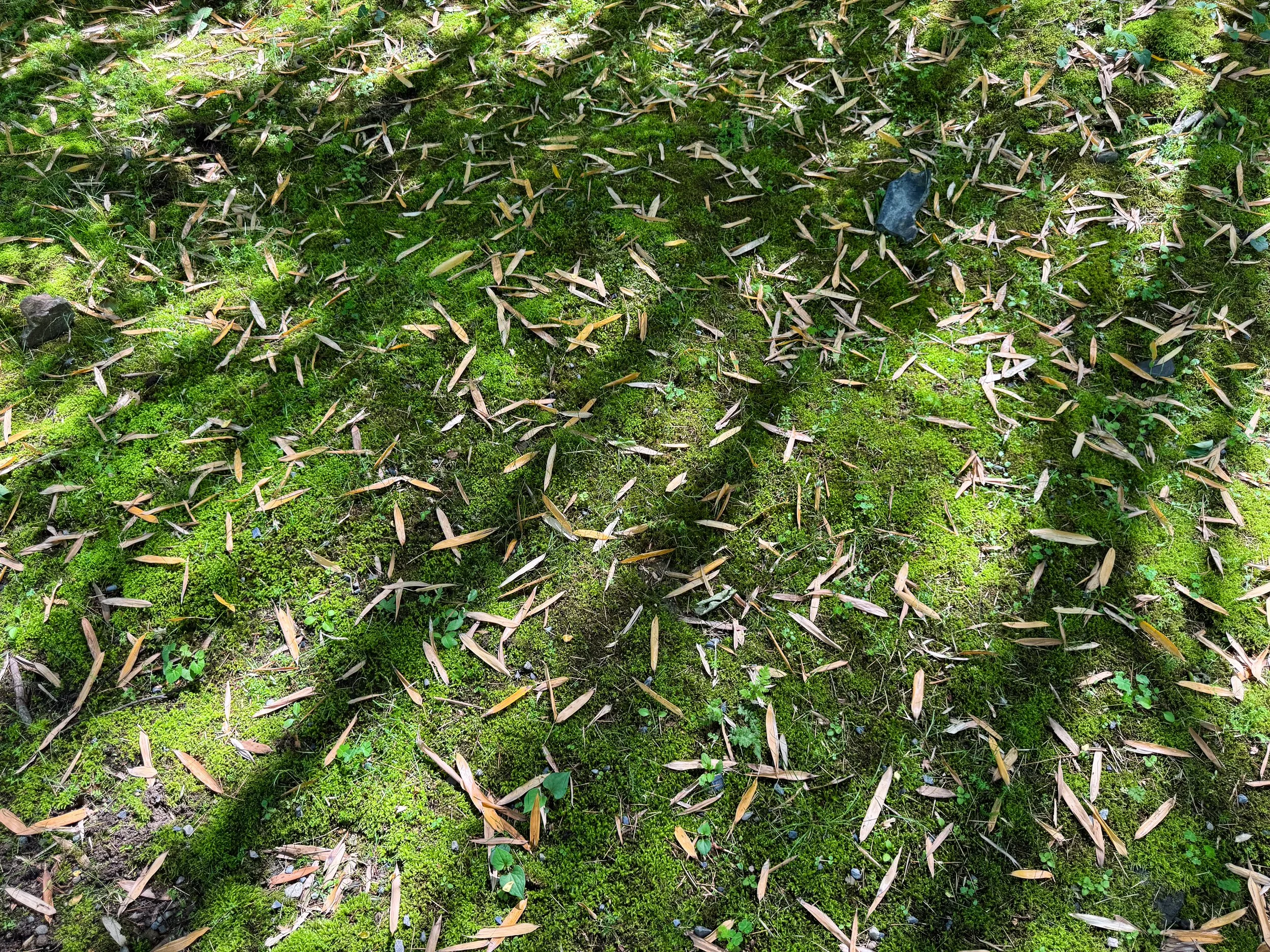
Kodai-ji Temple. A tranquil Zen Buddhist temple in the Higashiyama District. Walking paths meander past a simplistic rock garden, manicured Japanese gardens, past small meditation halls and through a bamboo grove. Its historic meditation halls have bamboo thatched roofs, wooden columns, ornately carved details, paper paneled windows and tatami mat floors. It’s lesser visited than the nearby temples allowing it to maintain a peaceful atmosphere at all times of the day.
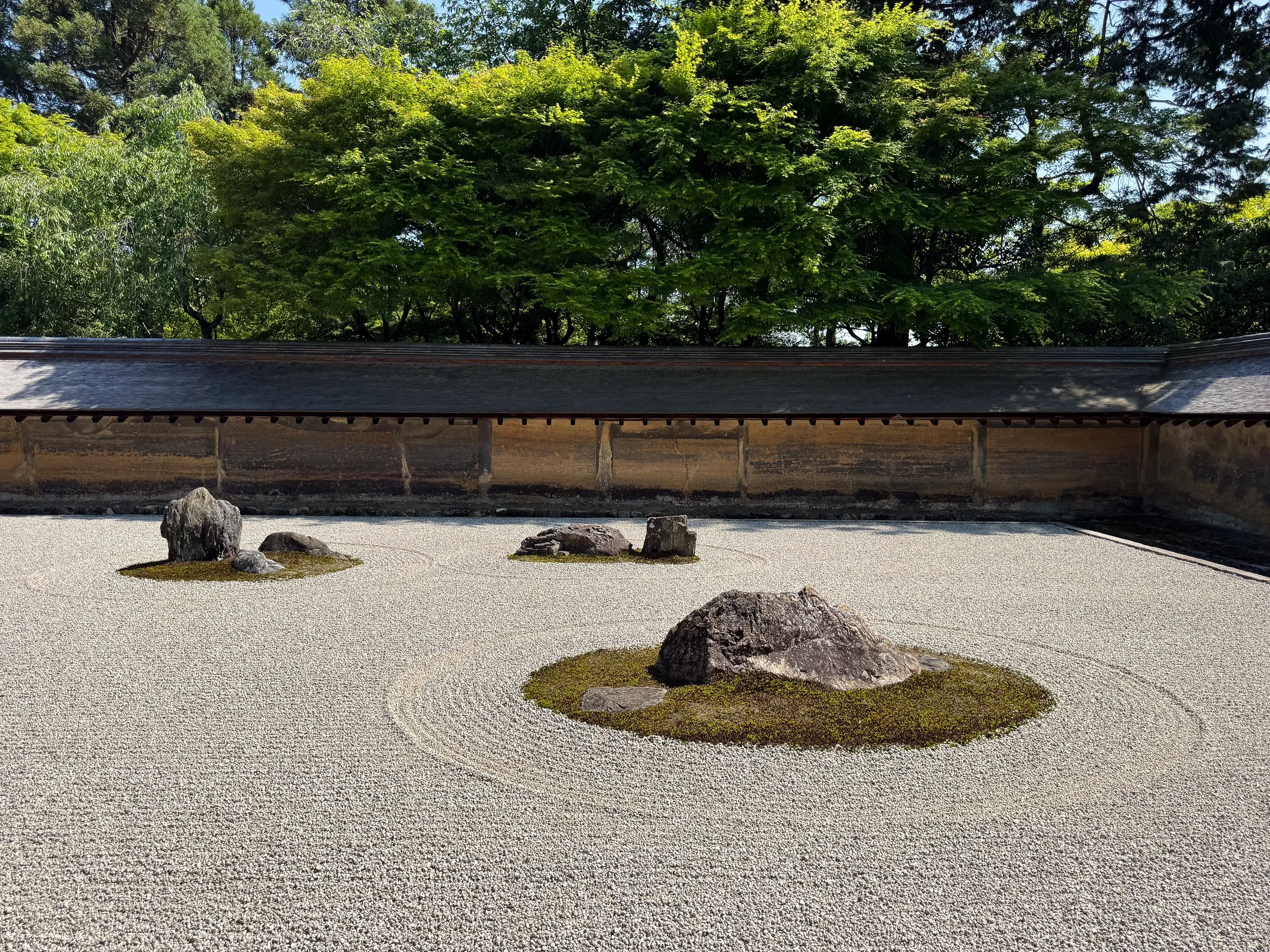
Ryoan-ji Temple. Japan’s most famous Zen Rock Garden. It’s comprised of 15 stone “islands” purposefully placed in a rectangular sea of raked gravel. Come here to sit and meditate in thought while viewing the garden’s soothing patterns. Elsewhere on the grounds are Buddhist temples and nature trails leading past moss gardens, a bamboo grove and lily pond.
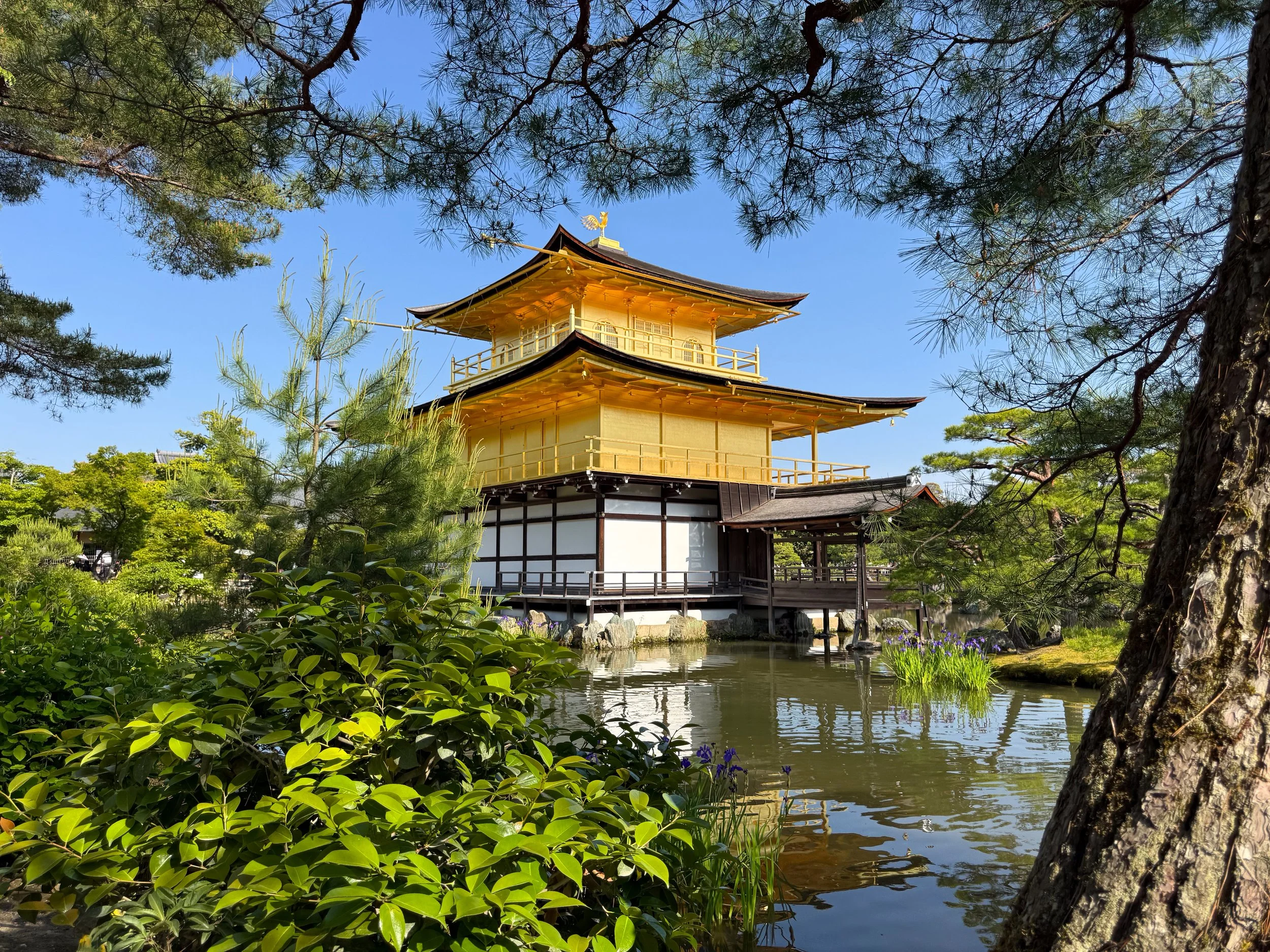
Kinkakuji Temple (The Golden Pavilion). A historic three tiered pavilion gilded in gold leaf. It’s perfectly intertwined with nature. The pavilion sits beside a large pond on the edge of a pine forest. From afar, its shining facade reflects across the pond’s surface while its simple but elegant details are viewable from up close. The pavilion was built as a residence for a Shogun over 600 years ago and later converted into a Buddhist temple.
Pro Tip. Visit during the mid-afternoon when sunlight shines directly on the pavilion. It’s worth the busy crowds.
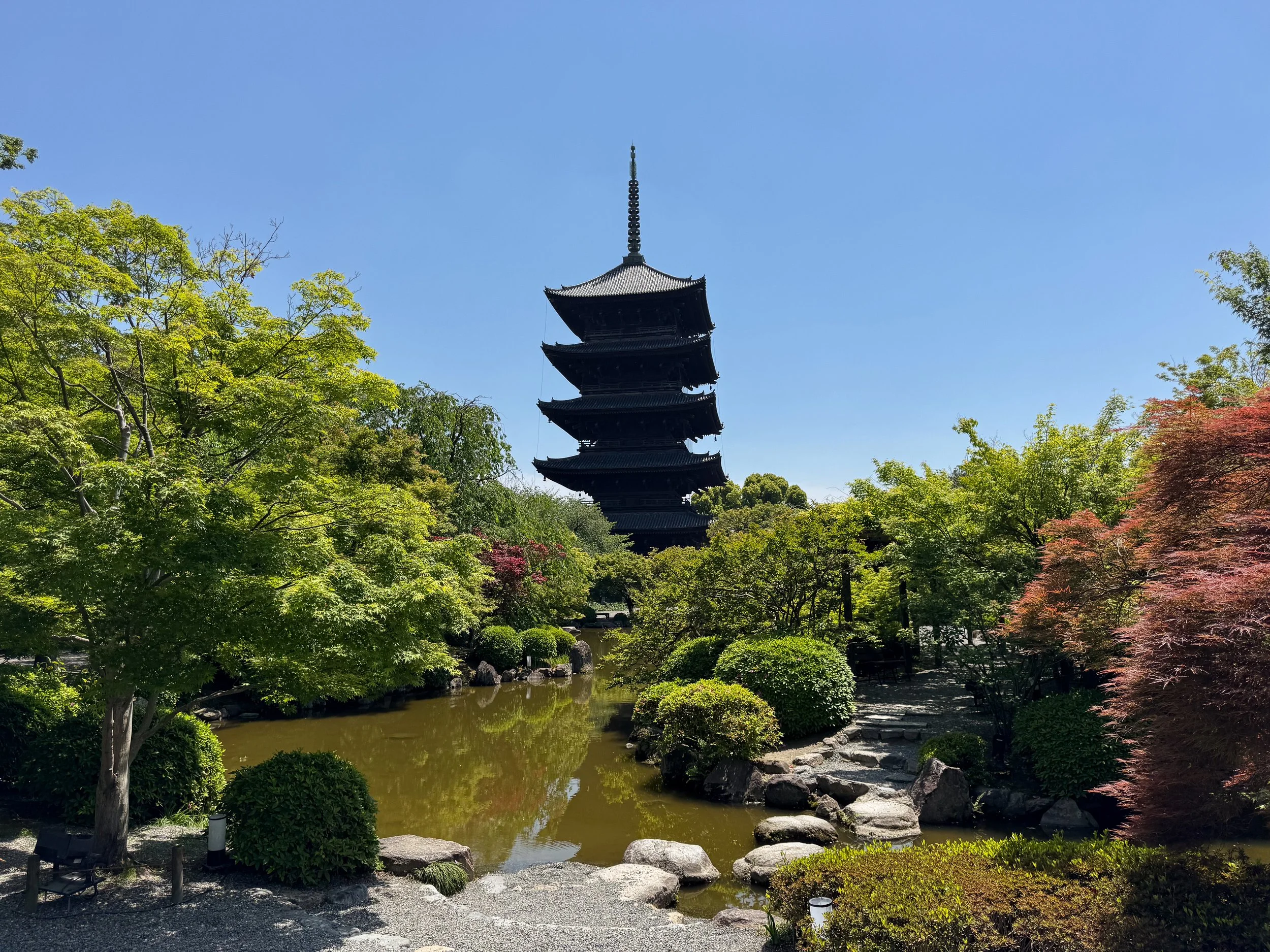
To-ji Temple (5 Storied Pagoda). The tallest wooden pagoda in Japan, measuring 55 meters tall. The current construction dates back nearly 400 years ago while the temple itself dates back over 1,200 years. It’s a national treasure and world heritage sight. The base of the pagoda was open the day we visited, a rare occasion. Large wooden columns support the structure and faded murals decorate its dark wooden surfaces. In addition to the pagoda, there is a Japanese garden, large lecture hall and meditation temple containing statues of the Buddha, monks and warriors.
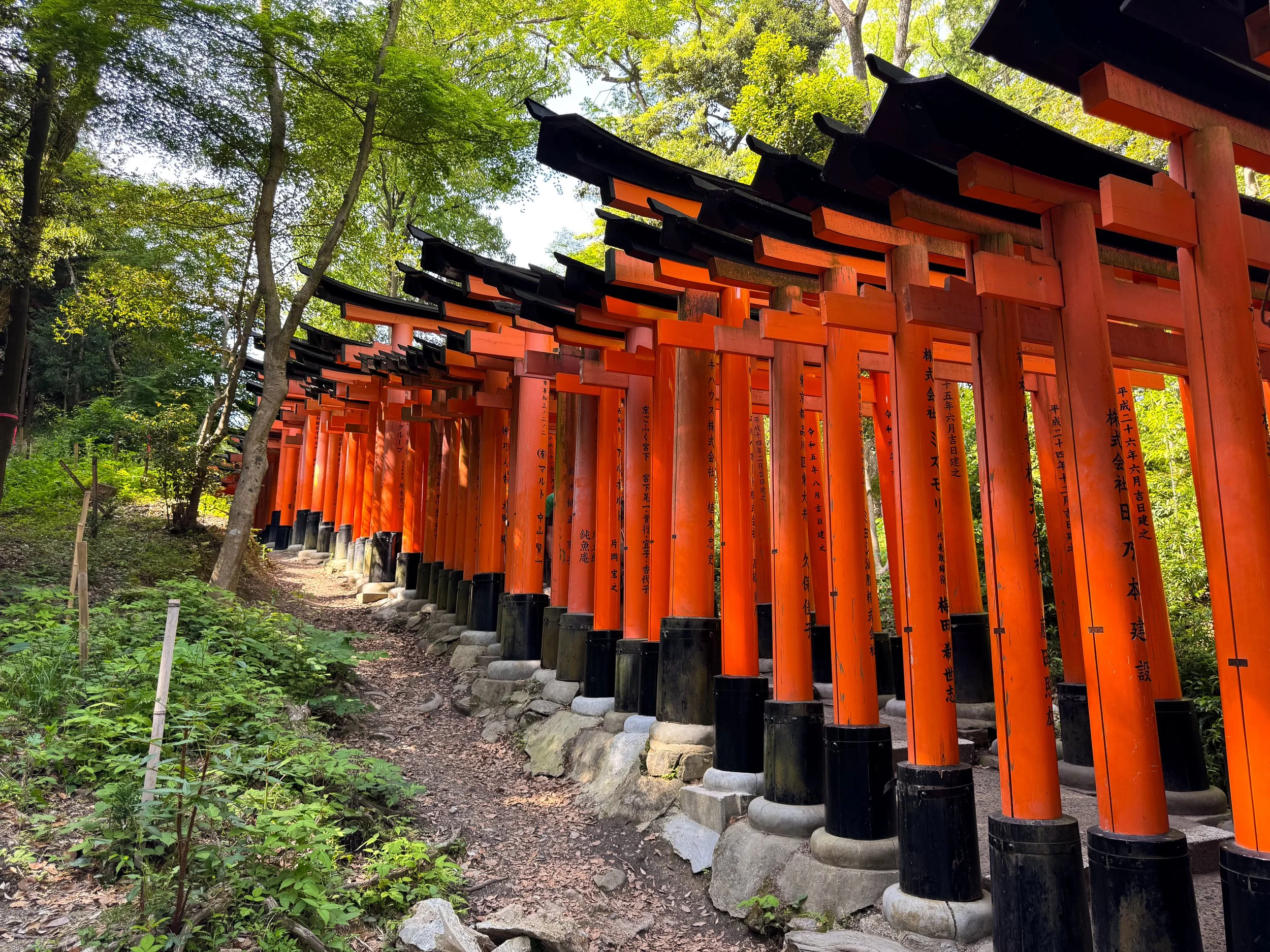
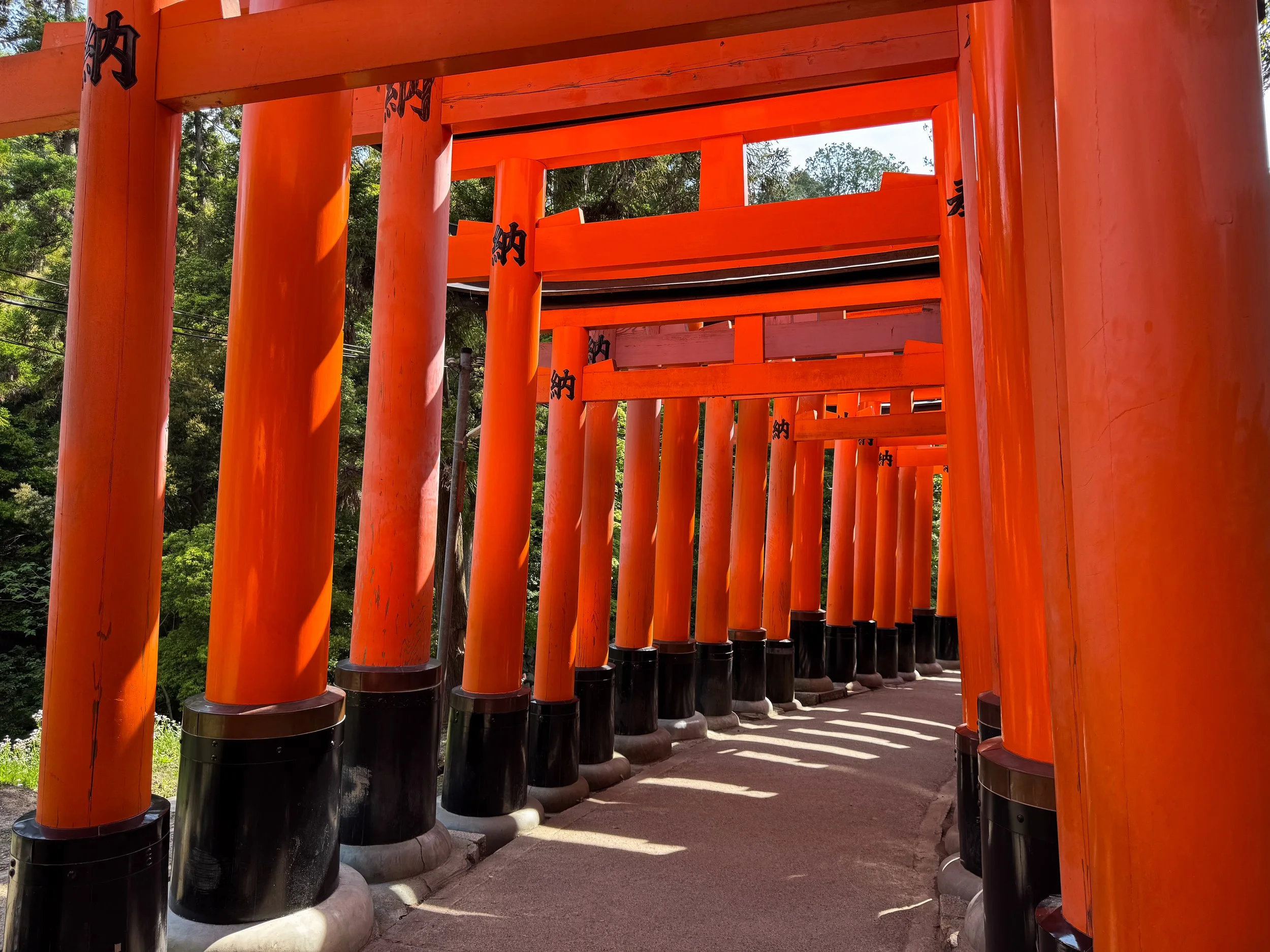
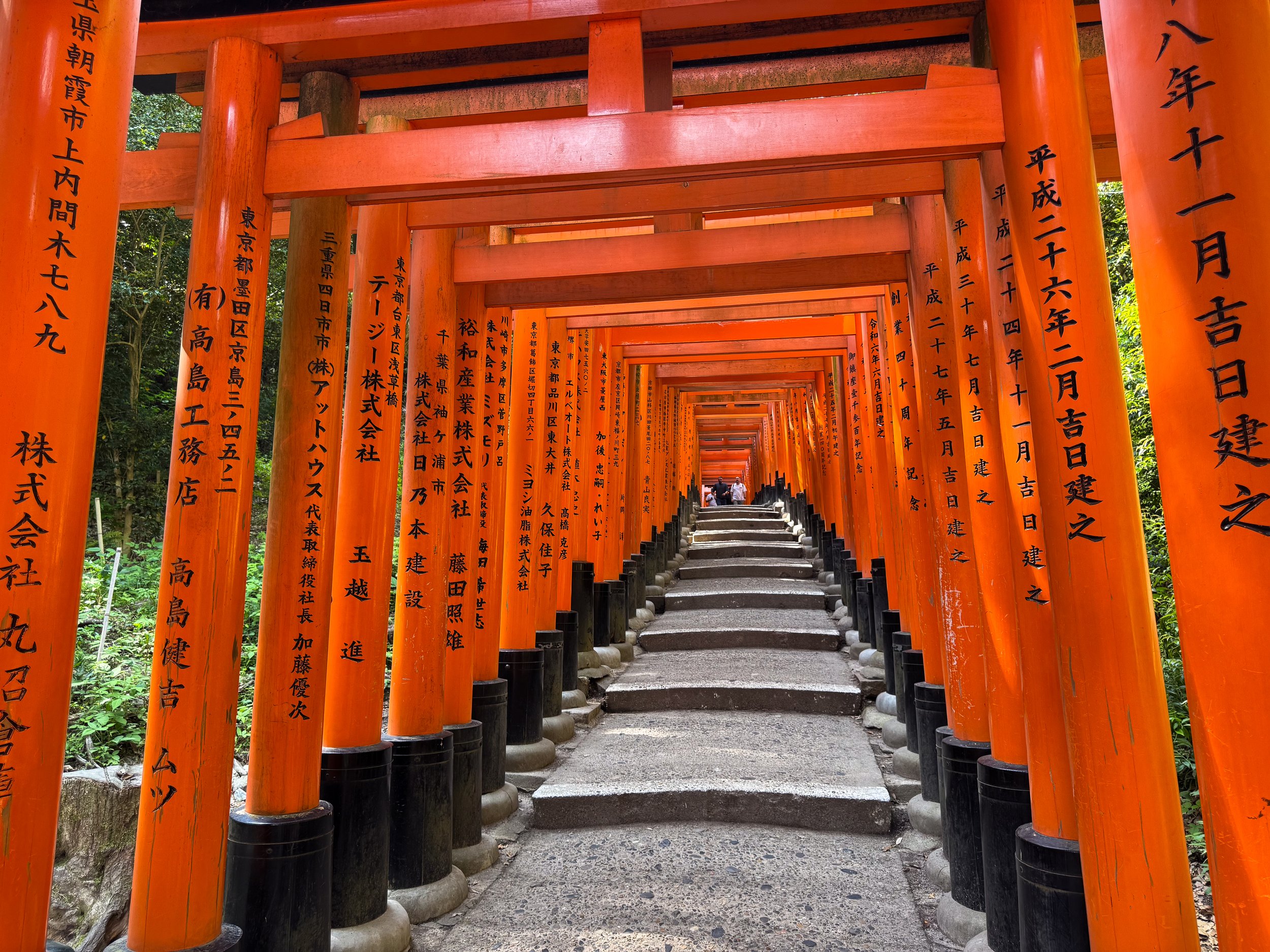
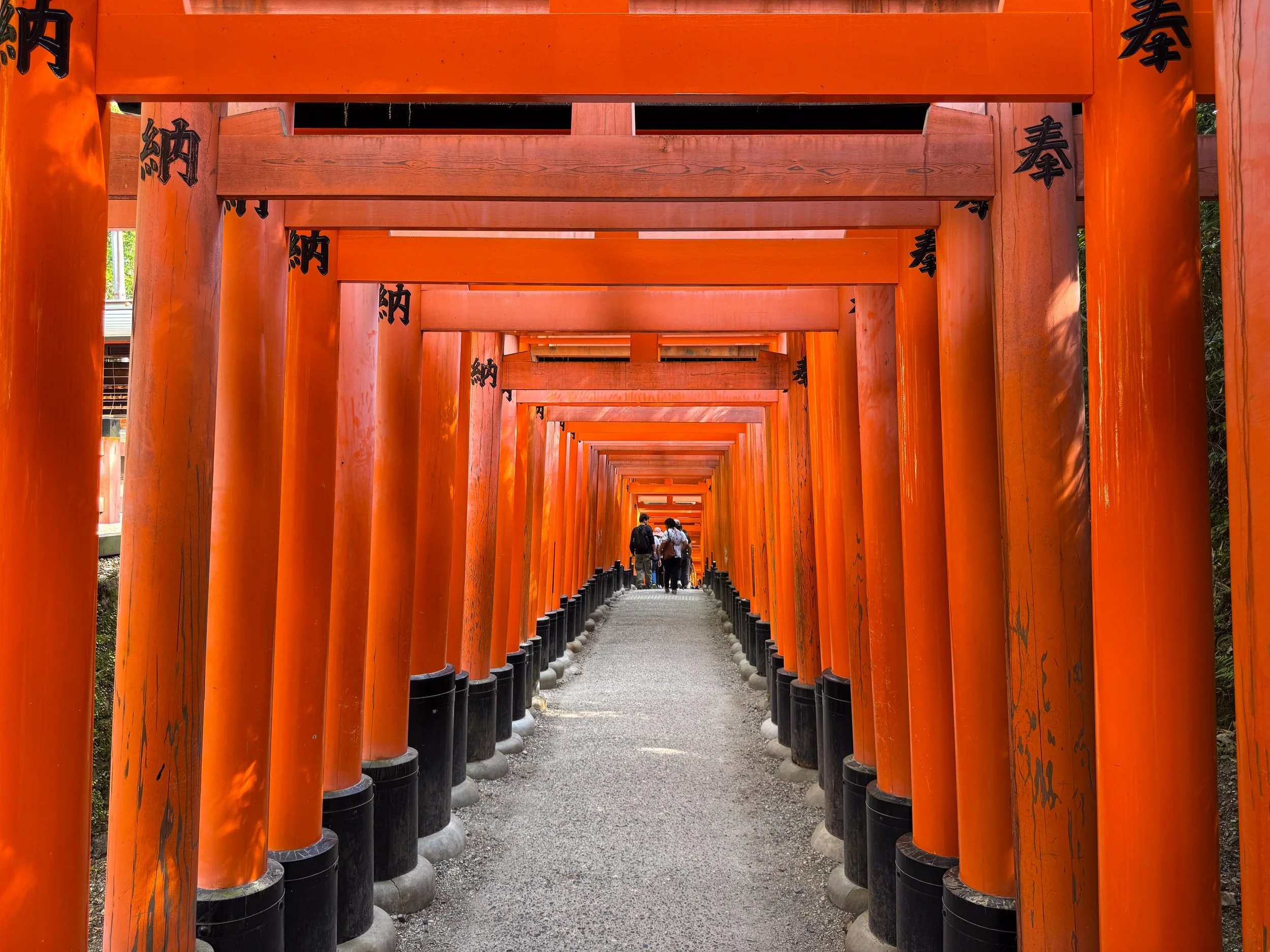
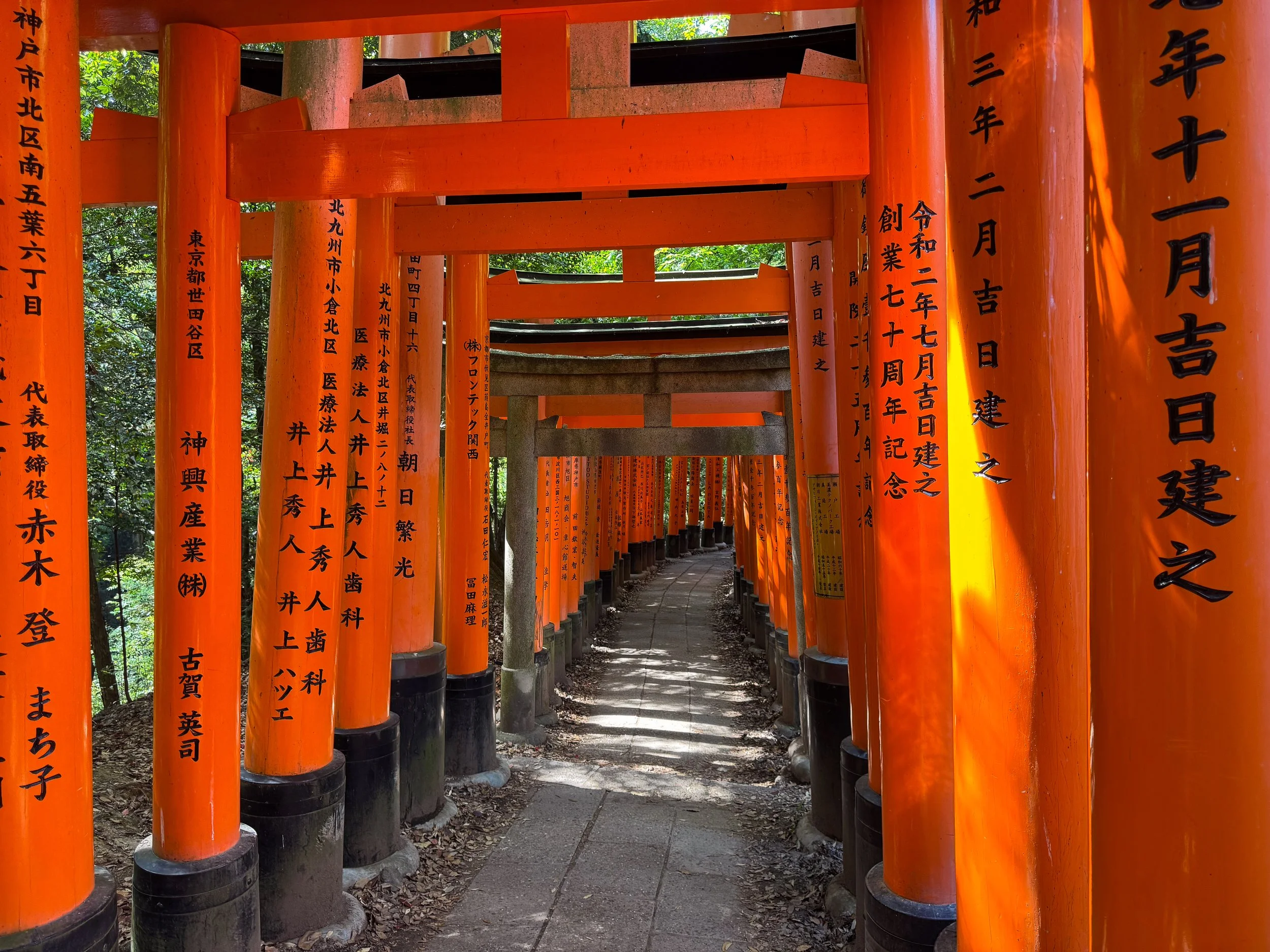
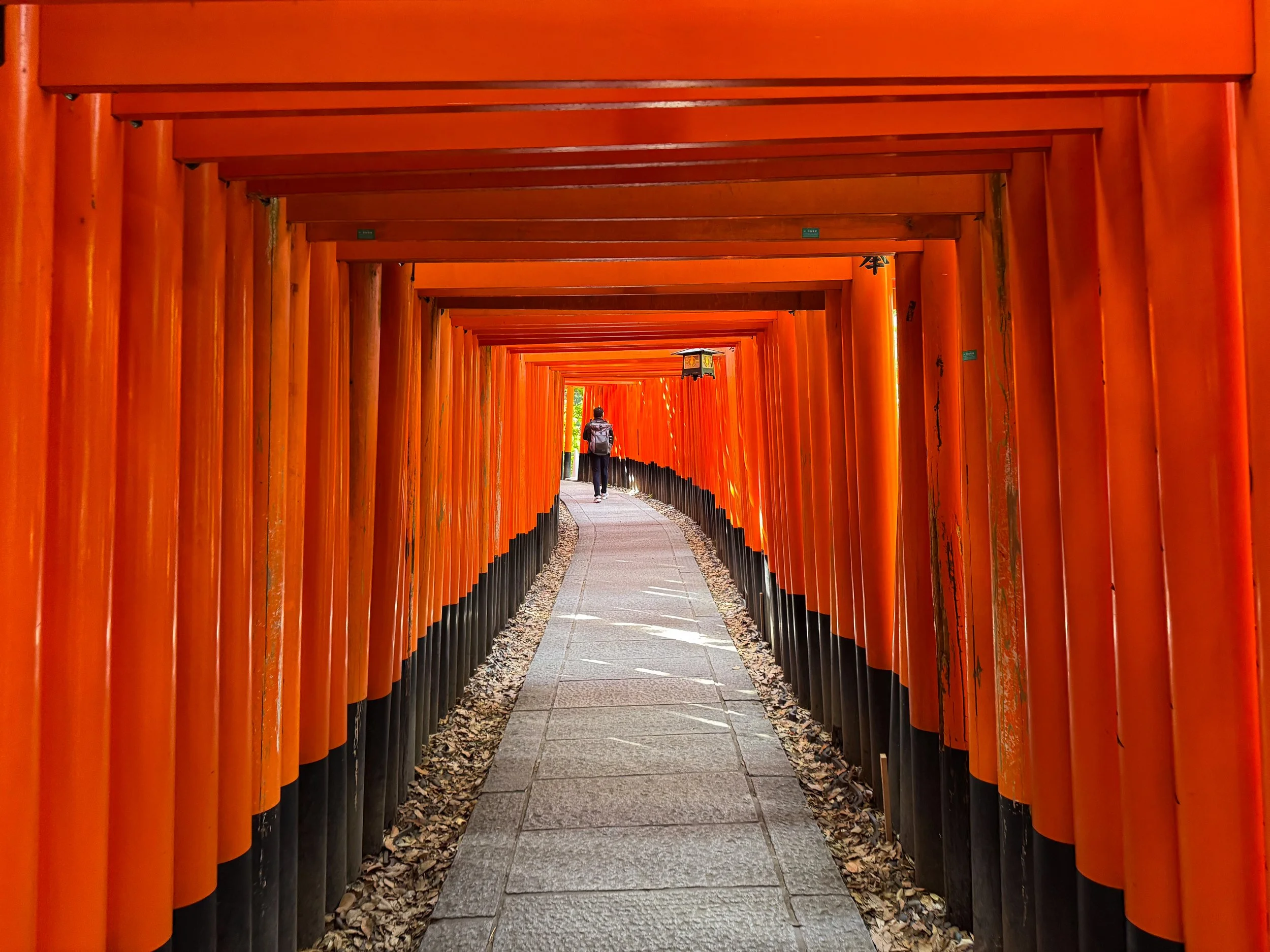
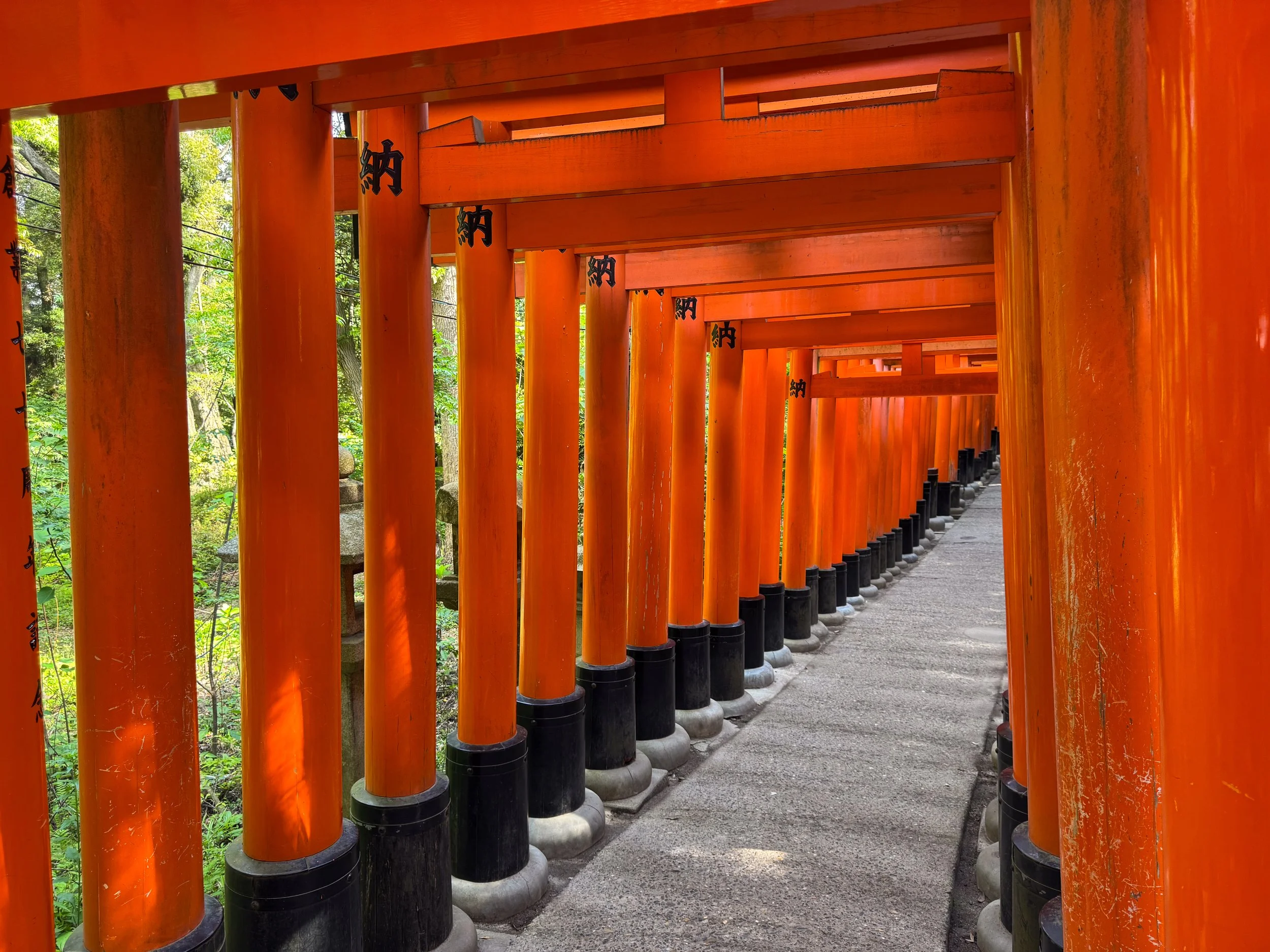
Fushimi Inari-taisha Shrine. A Shinto shrine comprised of over 12 thousand vermilion lacquered torii gates. The network of gates spans the length of a tree covered trail leading to the top of Mount Inari. Each gate is engraved with Japanese characters, offering prayers by those who donated it. The tunnel of gates leads to the top of the mountain with panoramic views of Kyoto.
Good to Know. It’s one of the few free sights in Kyoto and undoubtedly the busiest. Get here before 7am to avoid the massive crowds experienced by mid morning.
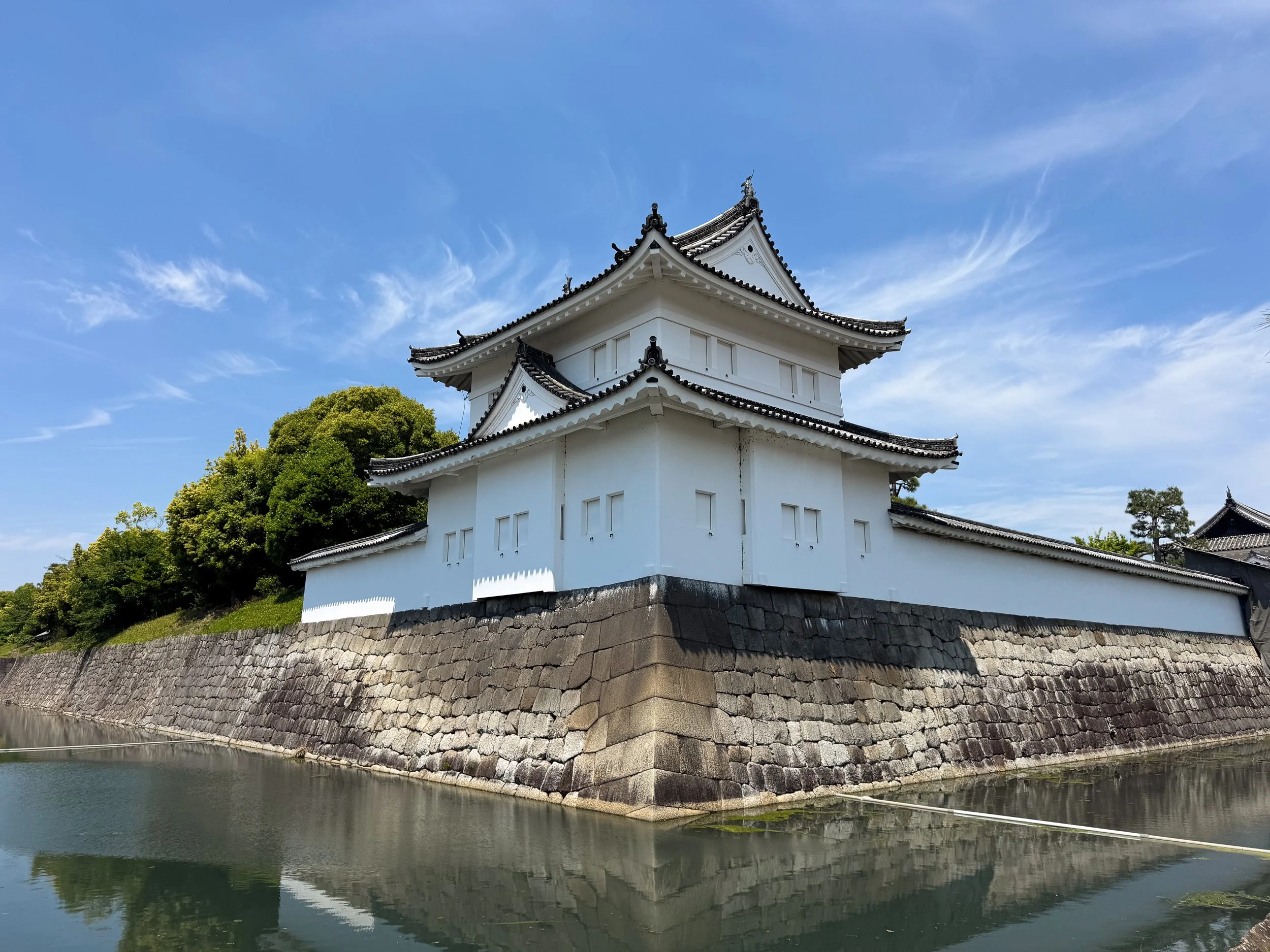
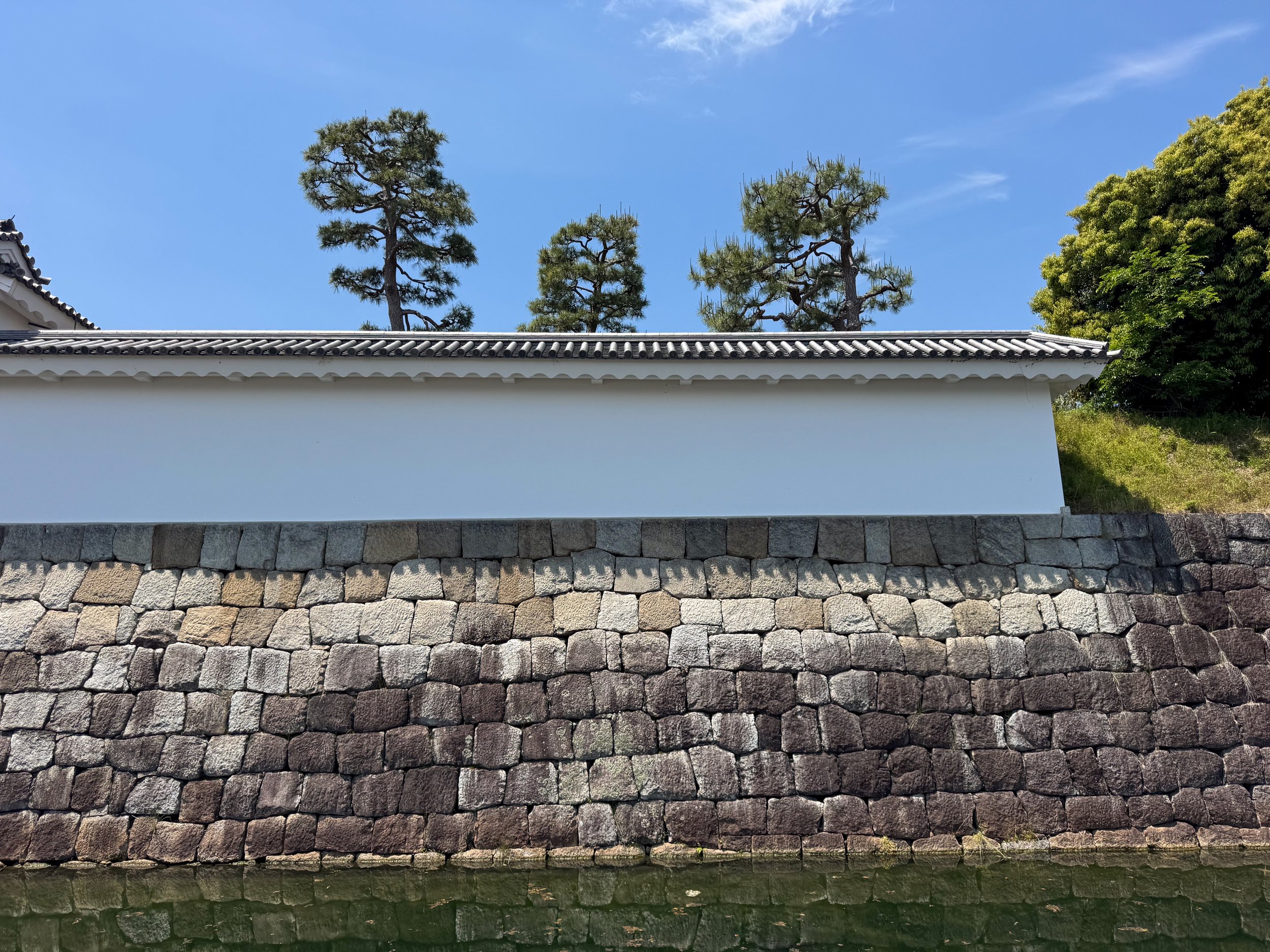
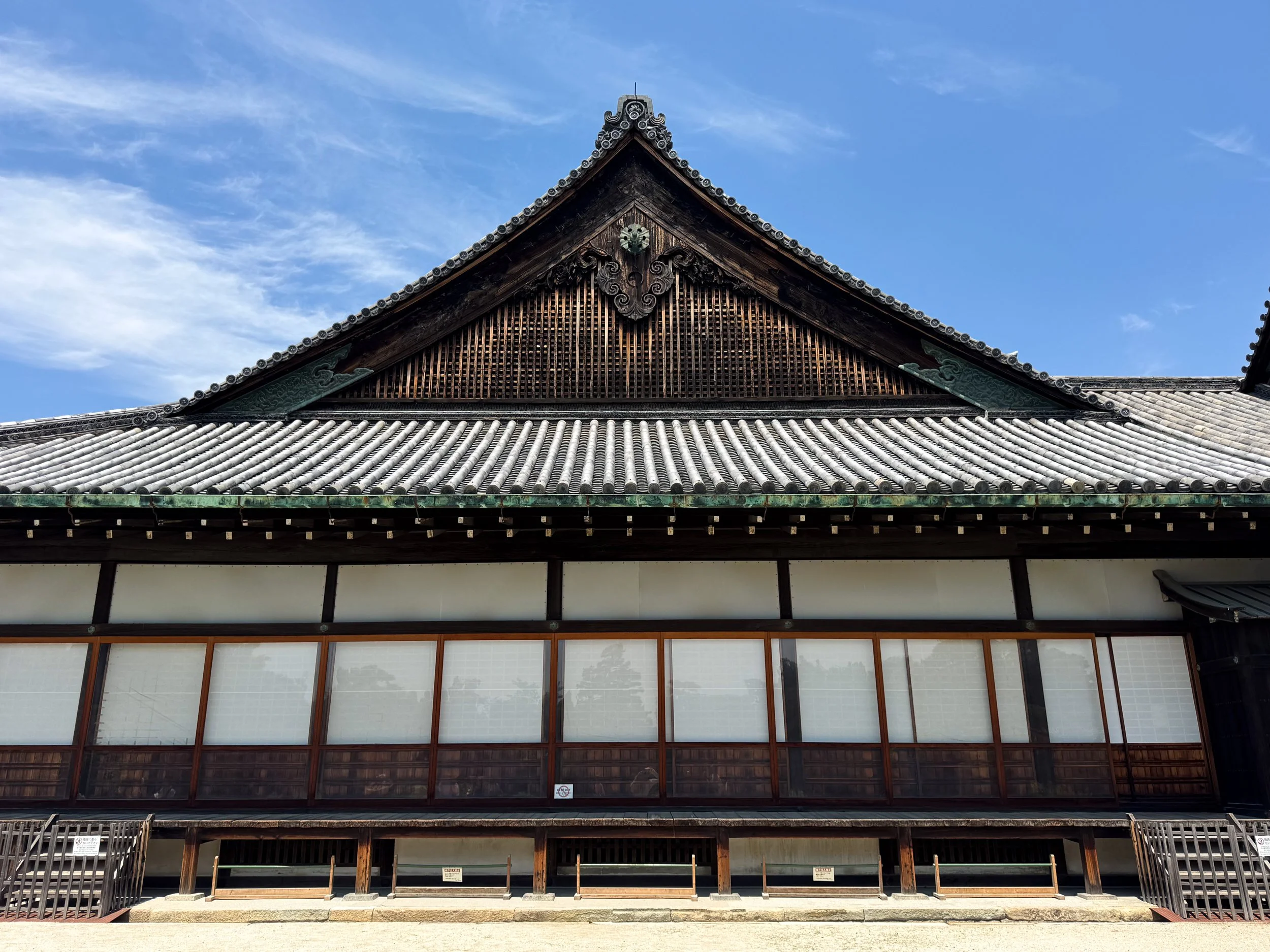
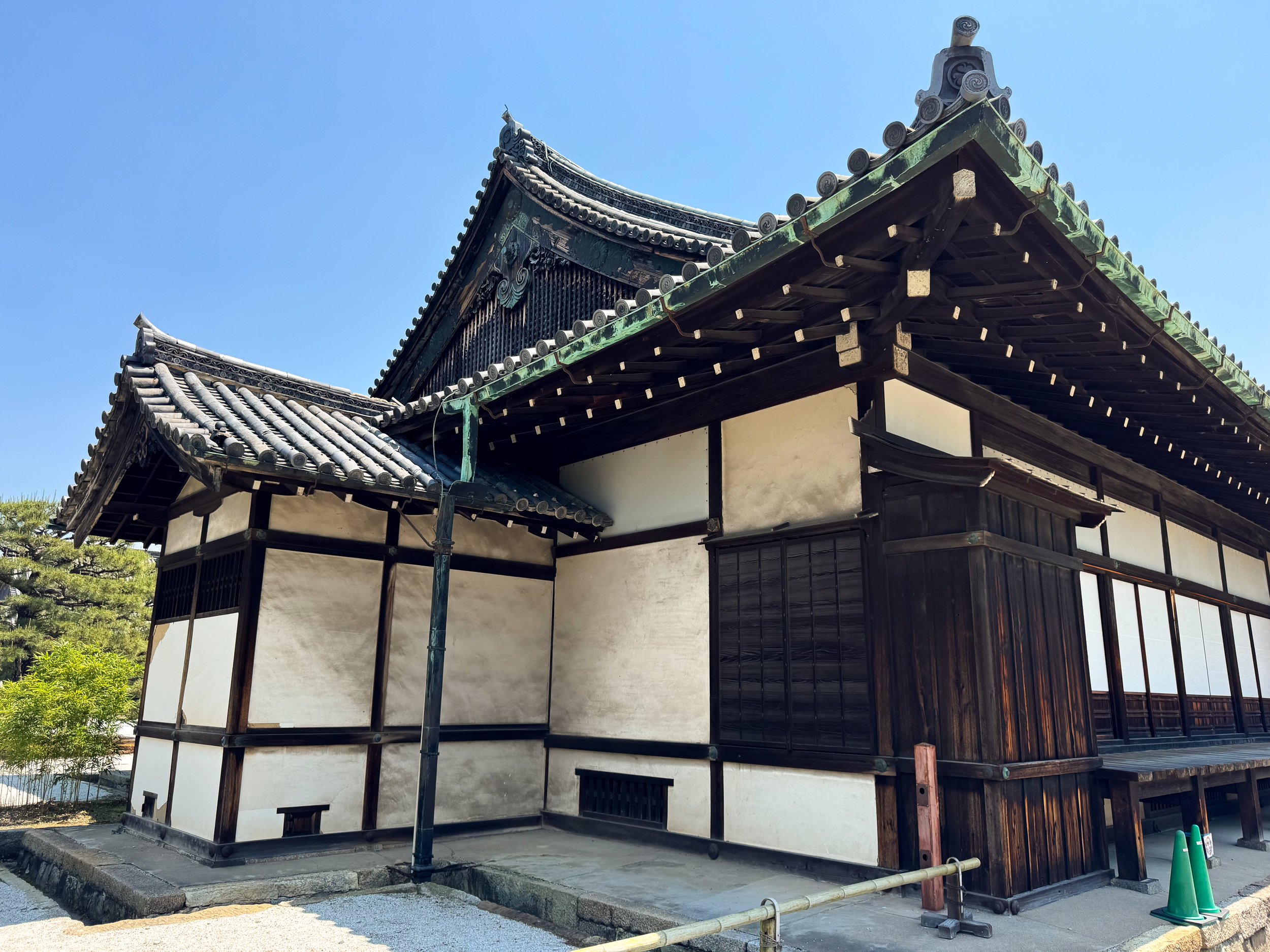
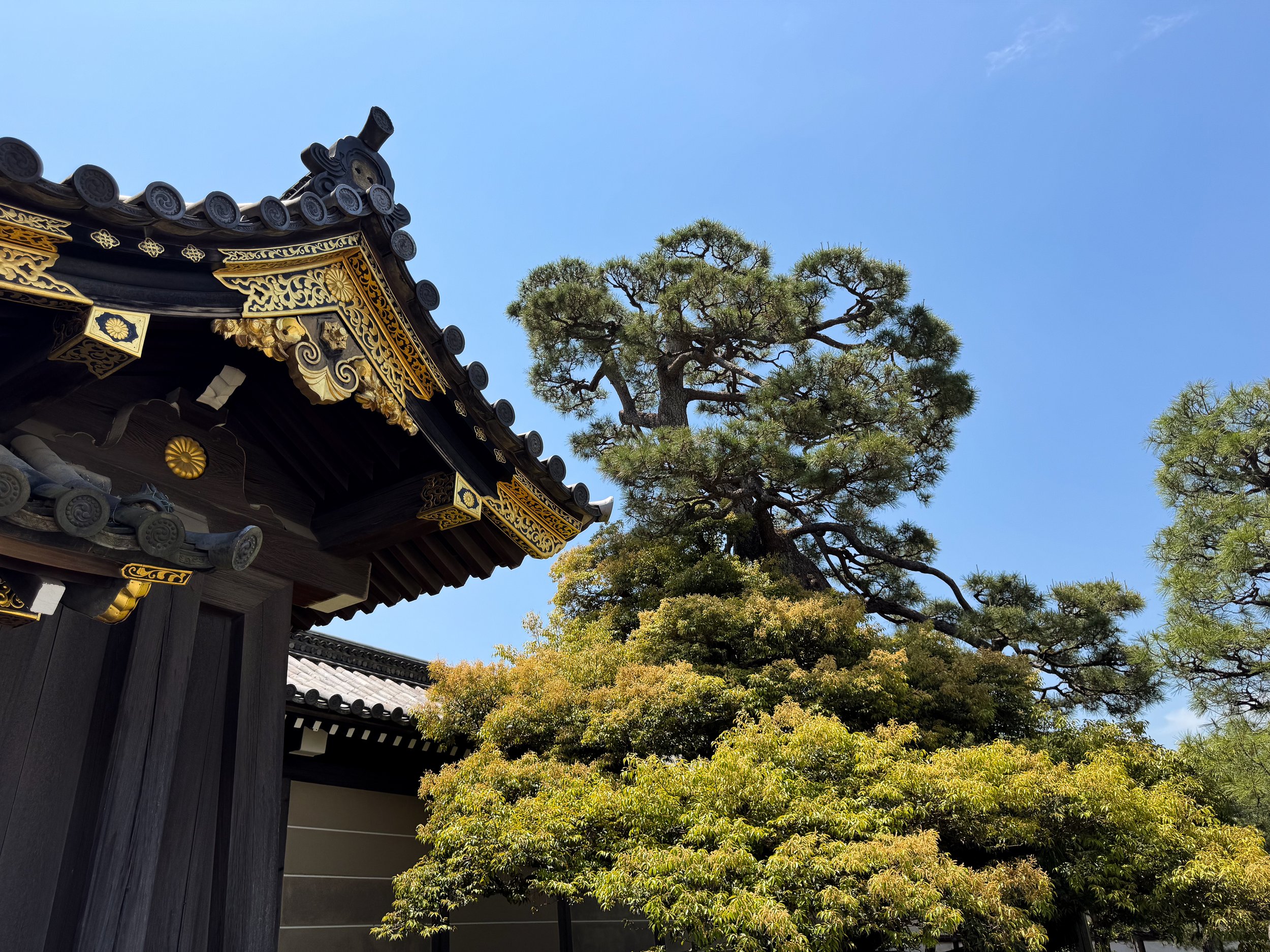
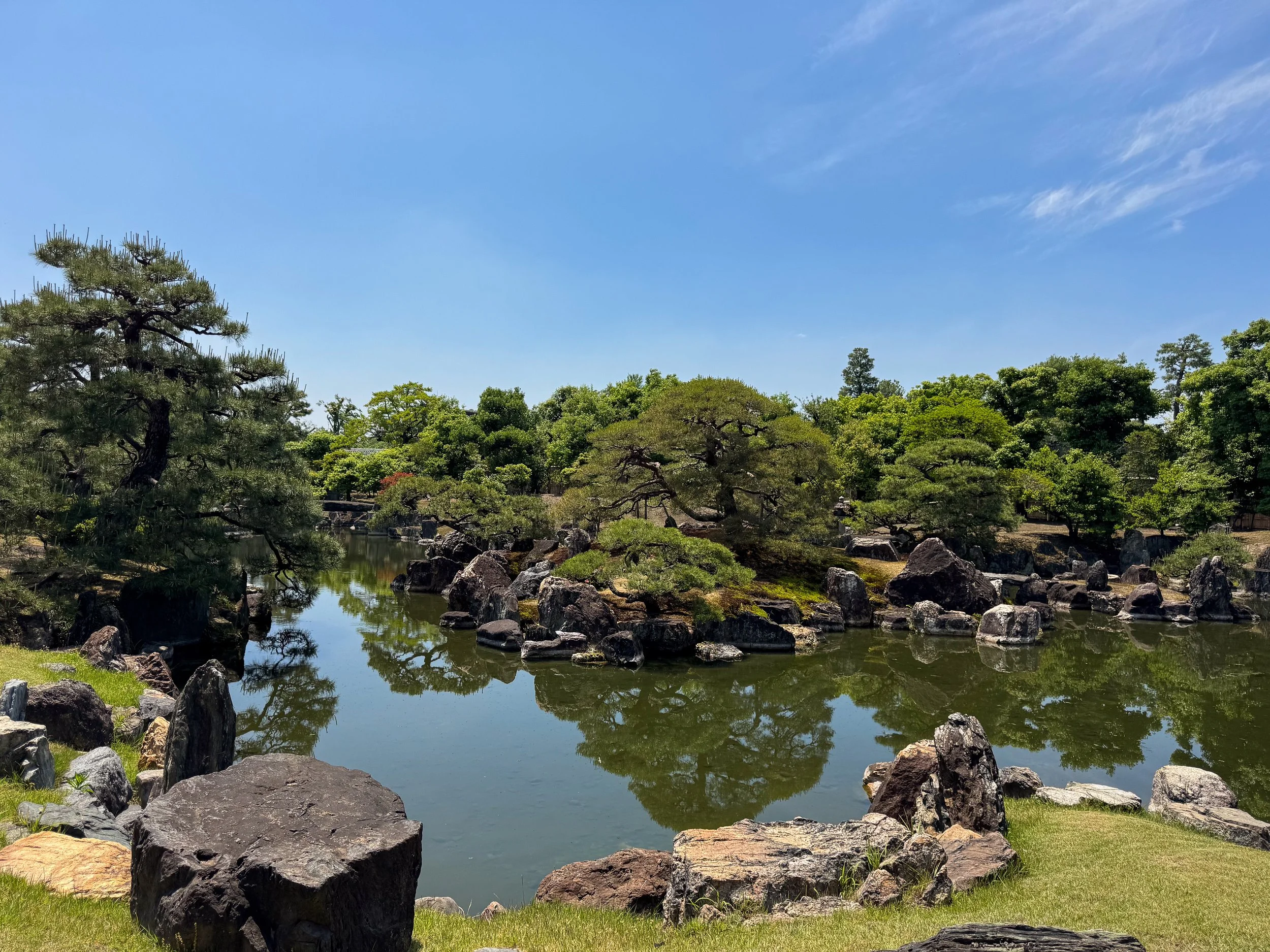
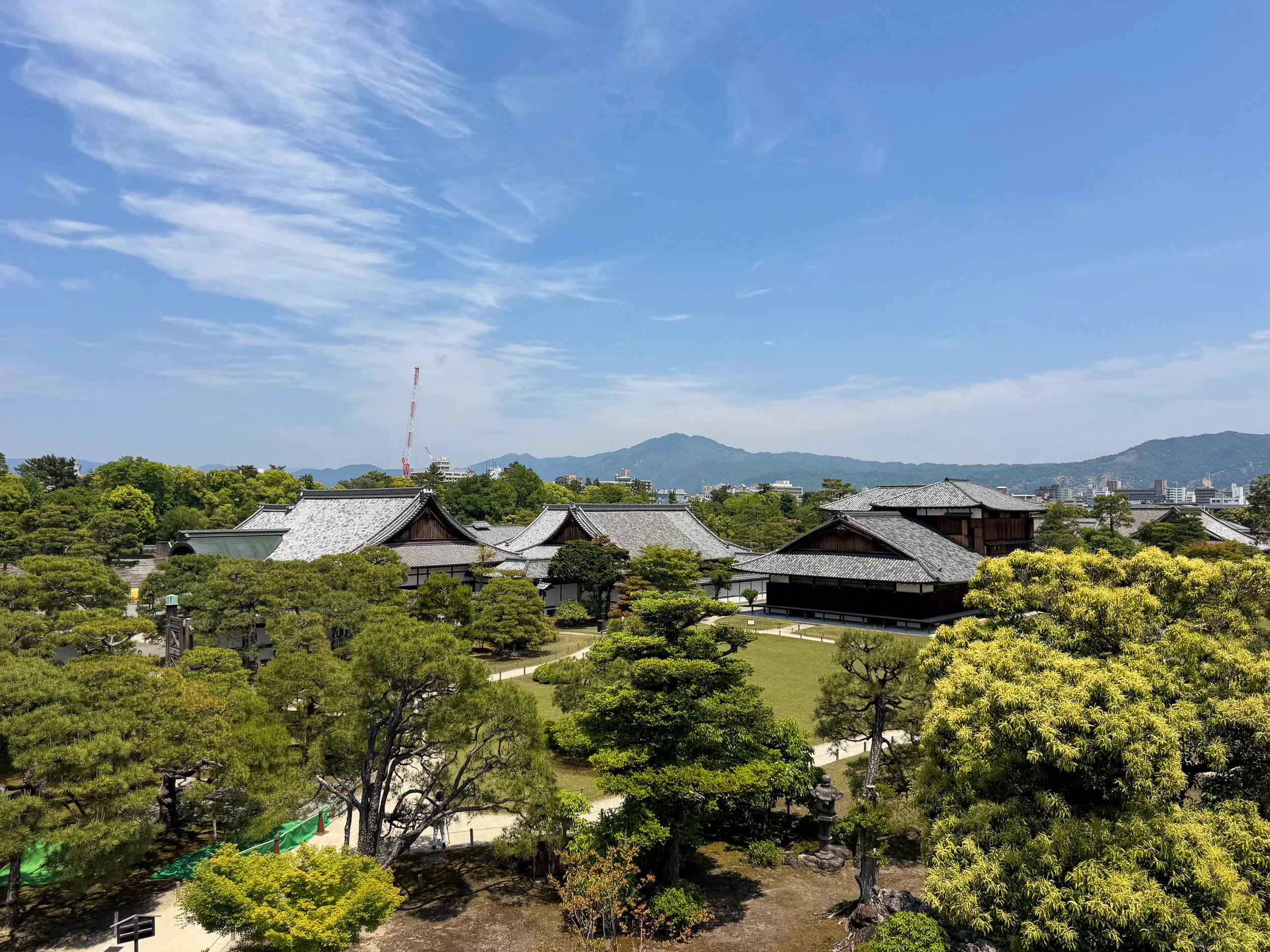
Nijo Castle. A wooden palace built by one of Japan’s most powerful shoguns. It’s surrounded by Japanese gardens, a flooded moat and a stone wall. A Japanese emperor later added a castle onto its imperial grounds. Corridors lead between a series of connected rooms within the shogun’s palace. Each room is designed with tatami mat floors, gridded paper windows and gold leaf walls. Murals depicting the seasons, landscapes and animals decorate the interiors. No photos are permitted inside the castle.
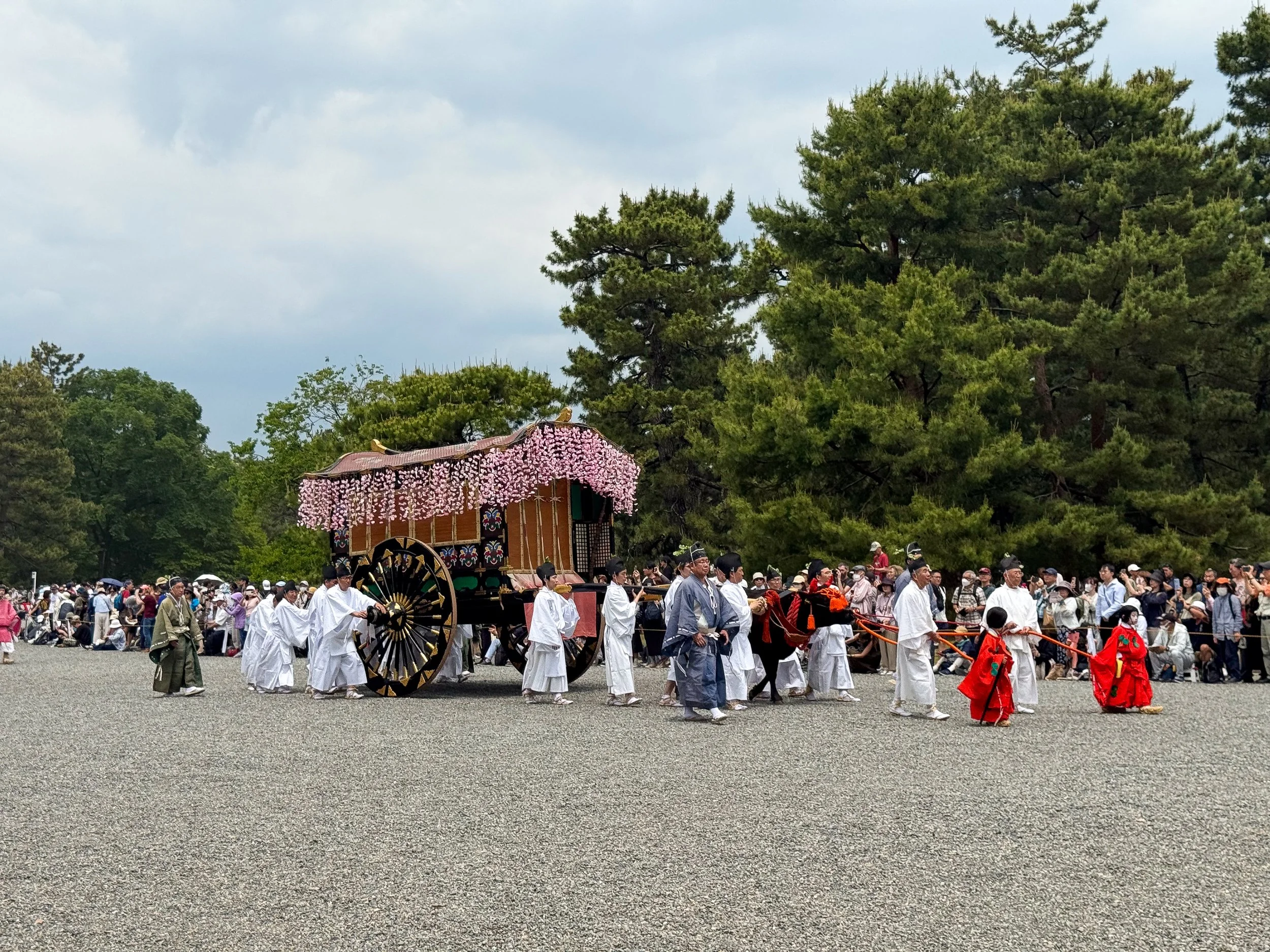
Kyoto Gyoen National Garden. A vast park in the middle of Kyoto home to an Imperial Palace, ancient pine trees and shaded walking paths. It's the sight of the annual Kyoto Aoi Matsuri Festival. The festival is one of Kyoto’s most prominent cultural events, with origins dating back to the 7th century. It’s sponsored by the Japanese royal family, leaving from the front gates of the imperial palace and continuing to multiple shrines across the city. The procession involves dozens of animals and hundreds of people dressed in traditional attire. Each person wears hollyhock twigs on their heads, a symbol of the procession. Some of the best sights are geishas wearing colorful kimonos, cows pulling large covered wagons, people carrying umbrellas decorated in bouquets of flowers and a “throned” representative of the royal family.
Good to Know. The festival occurs annually on May 15th at 10:30am. Seats can be reserved; however, there are plenty of free viewing locations along the parade route.
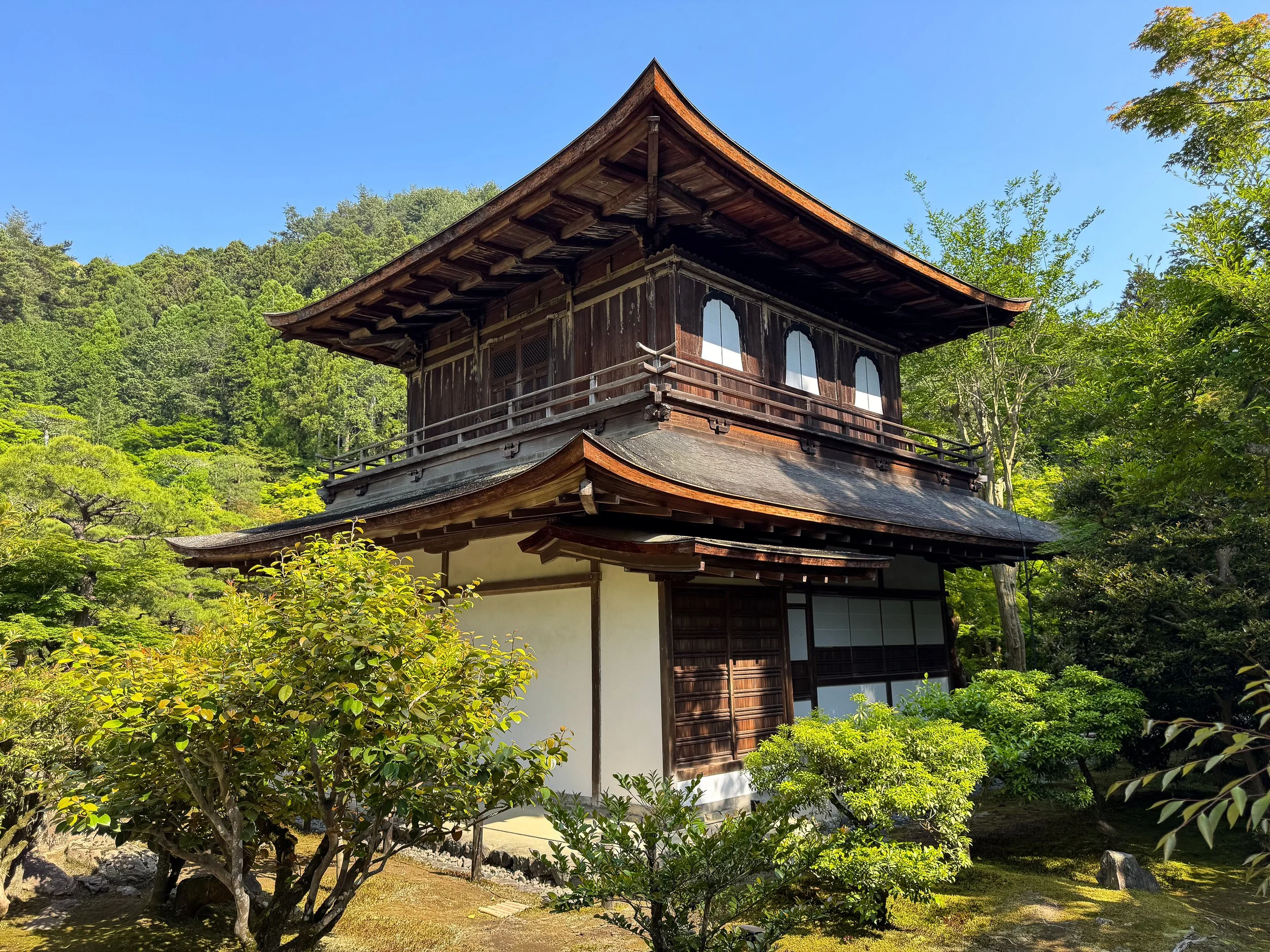
Higashiyama Jisho-ji. A shogun’s former vacation residence and current day Buddhist temple. It features two historic buildings dating back 450 years. One is the earliest example of traditional Japanese style architecture. Trails lead through the grounds past sculpted sand gardens, koi ponds and verdant moss patches covering the forest floor like a plush green carpet. Cafés, shops and restaurants line the street leading up to the temple. Try the sugar coated skewers of Japanese strawberries.
Shop the Markets
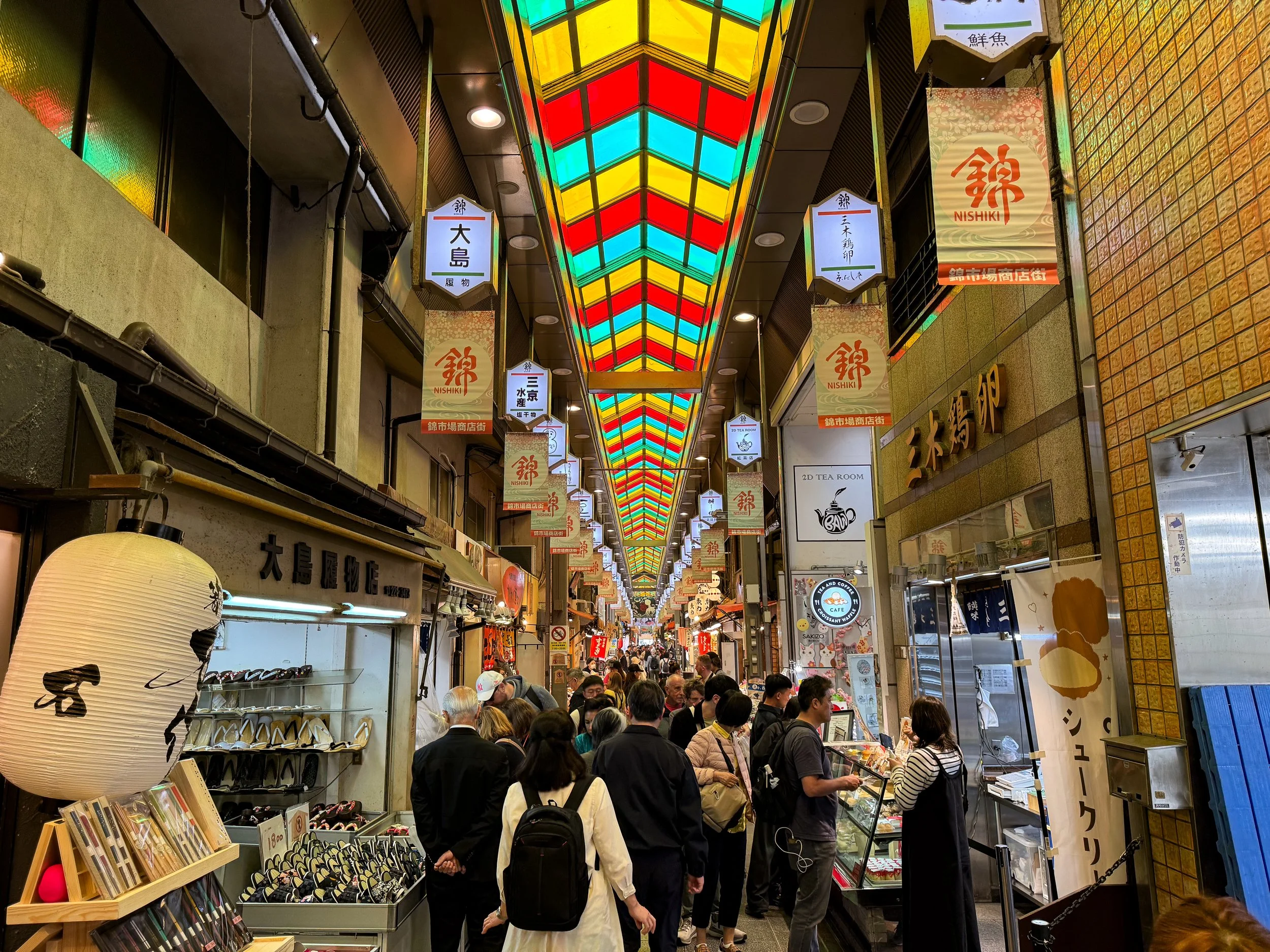
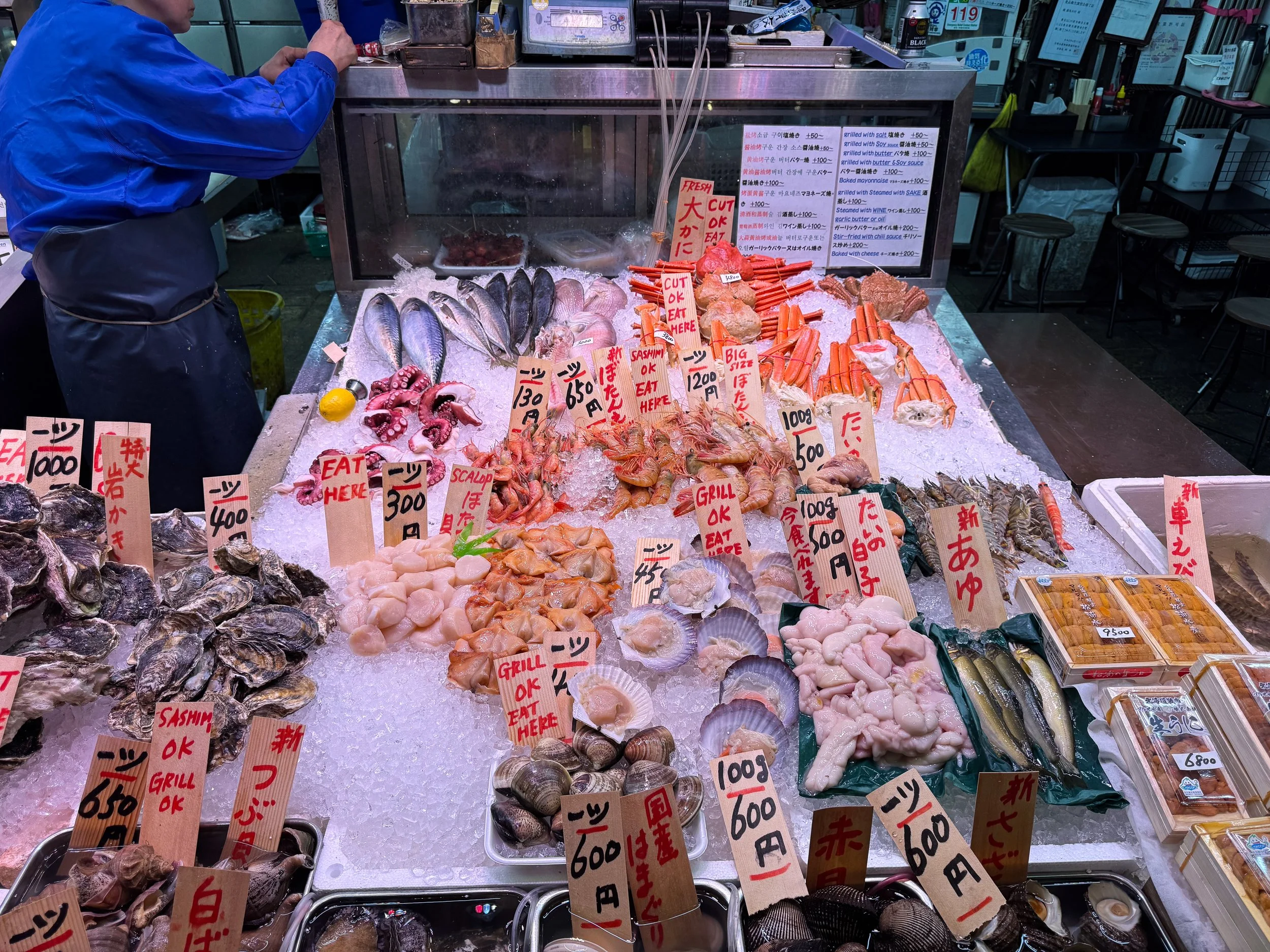
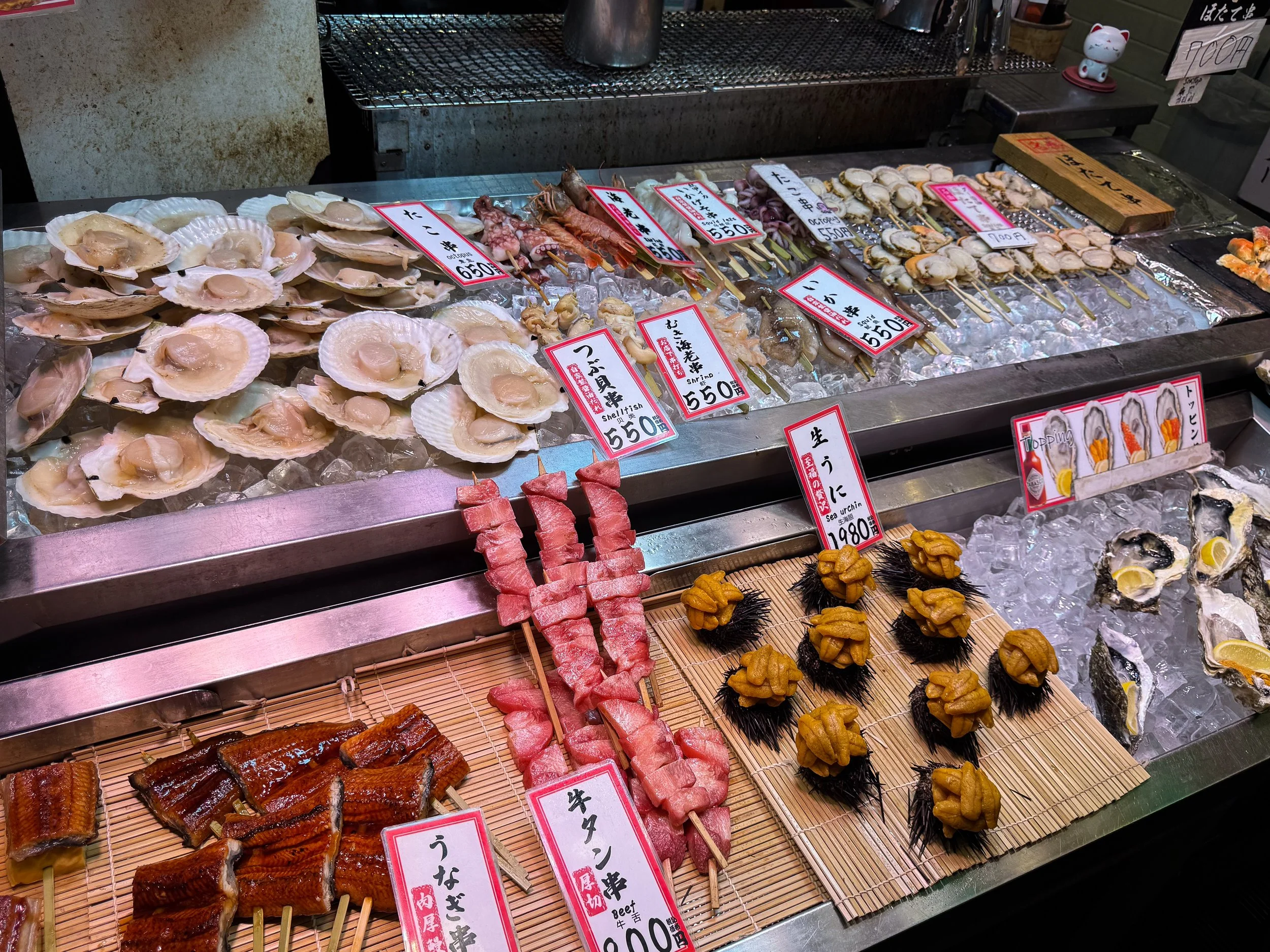
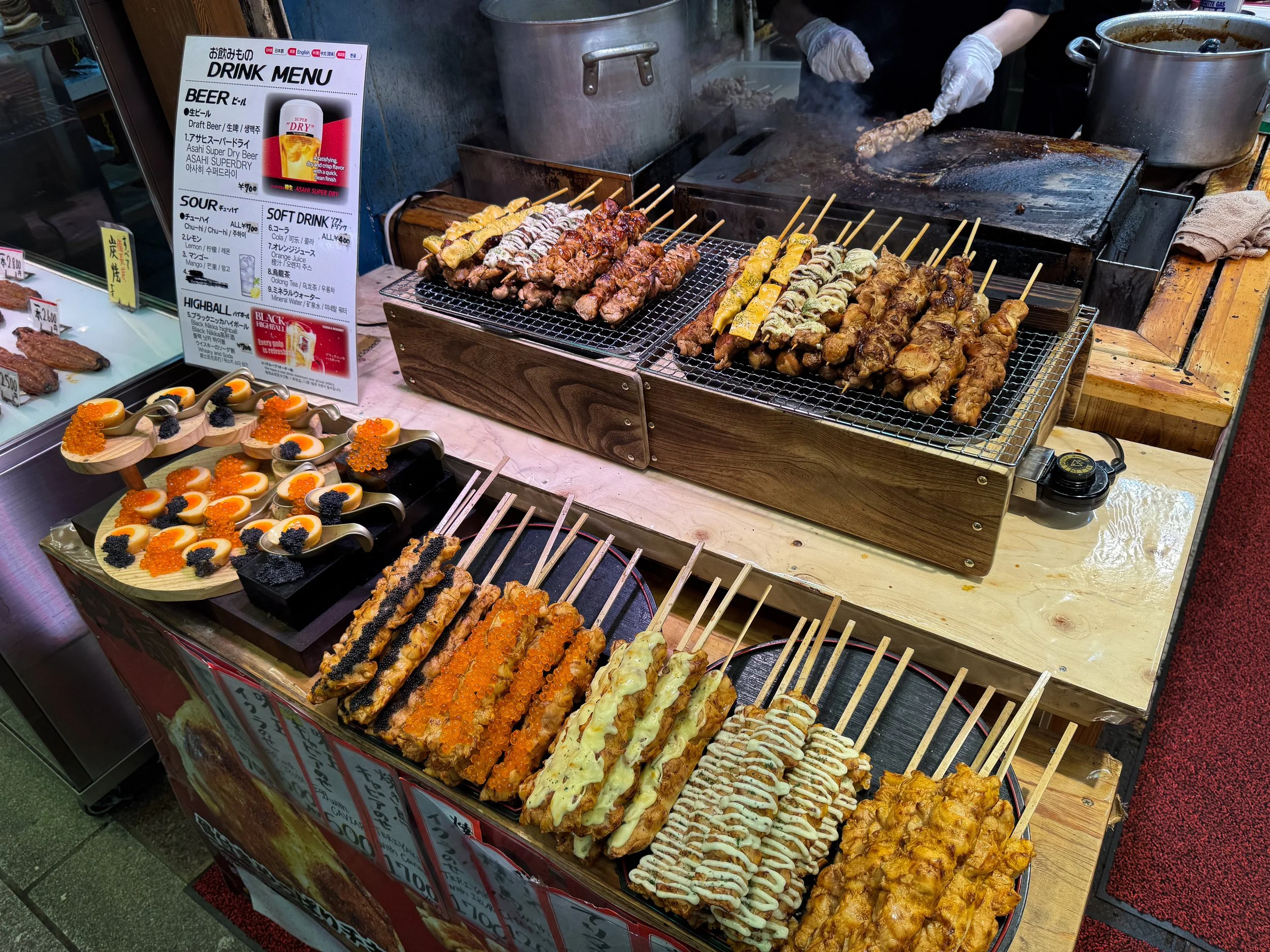
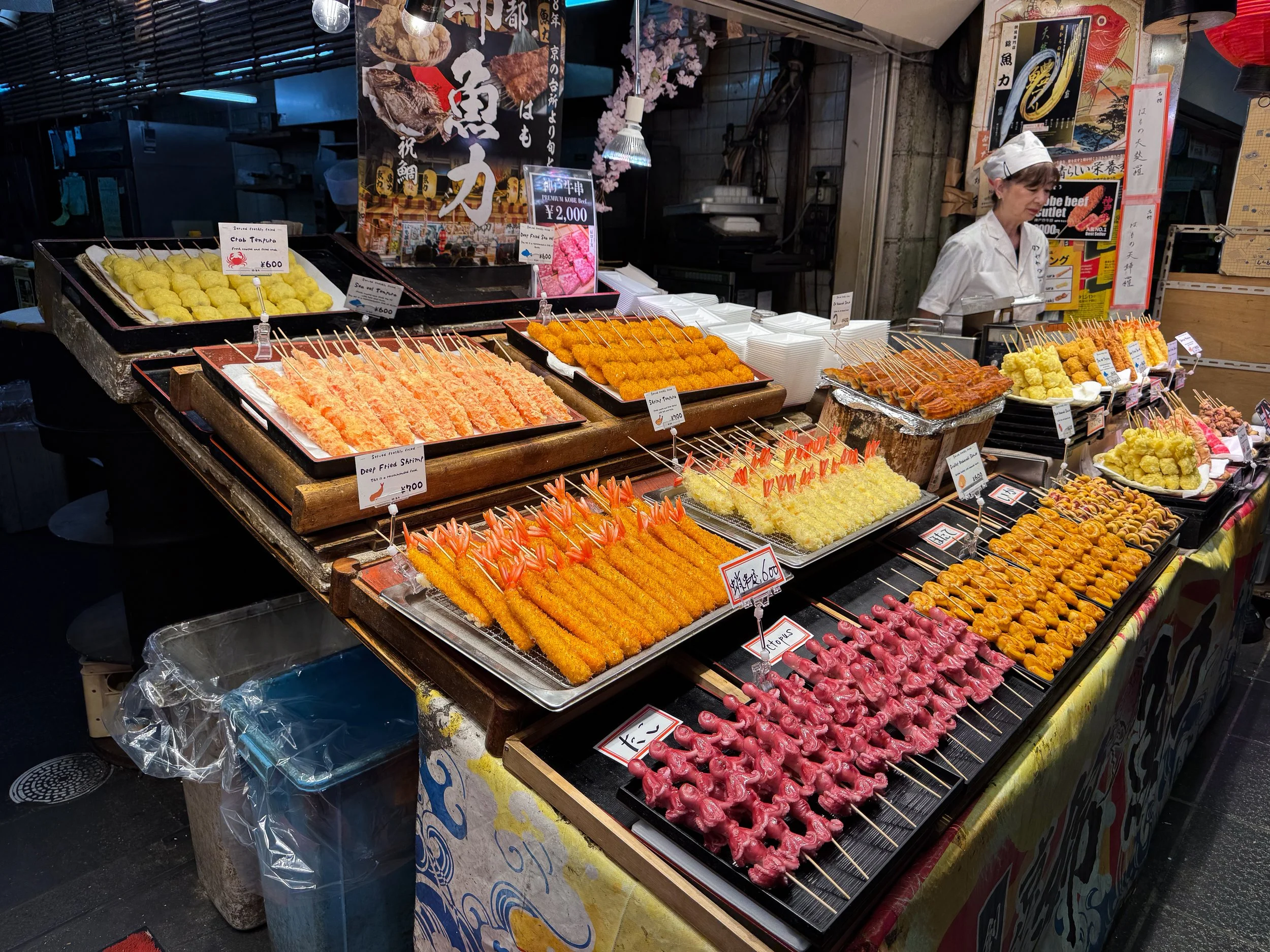
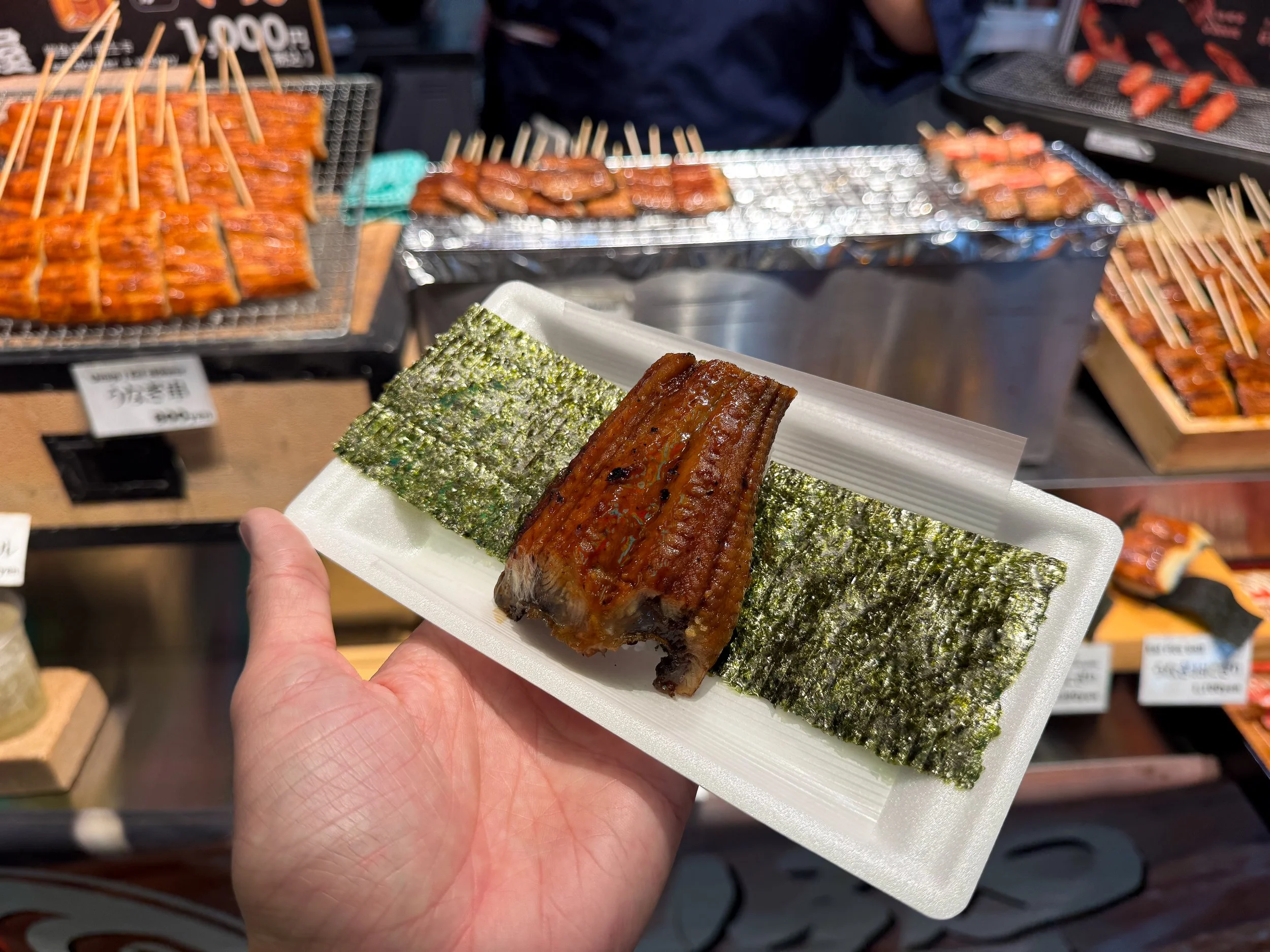
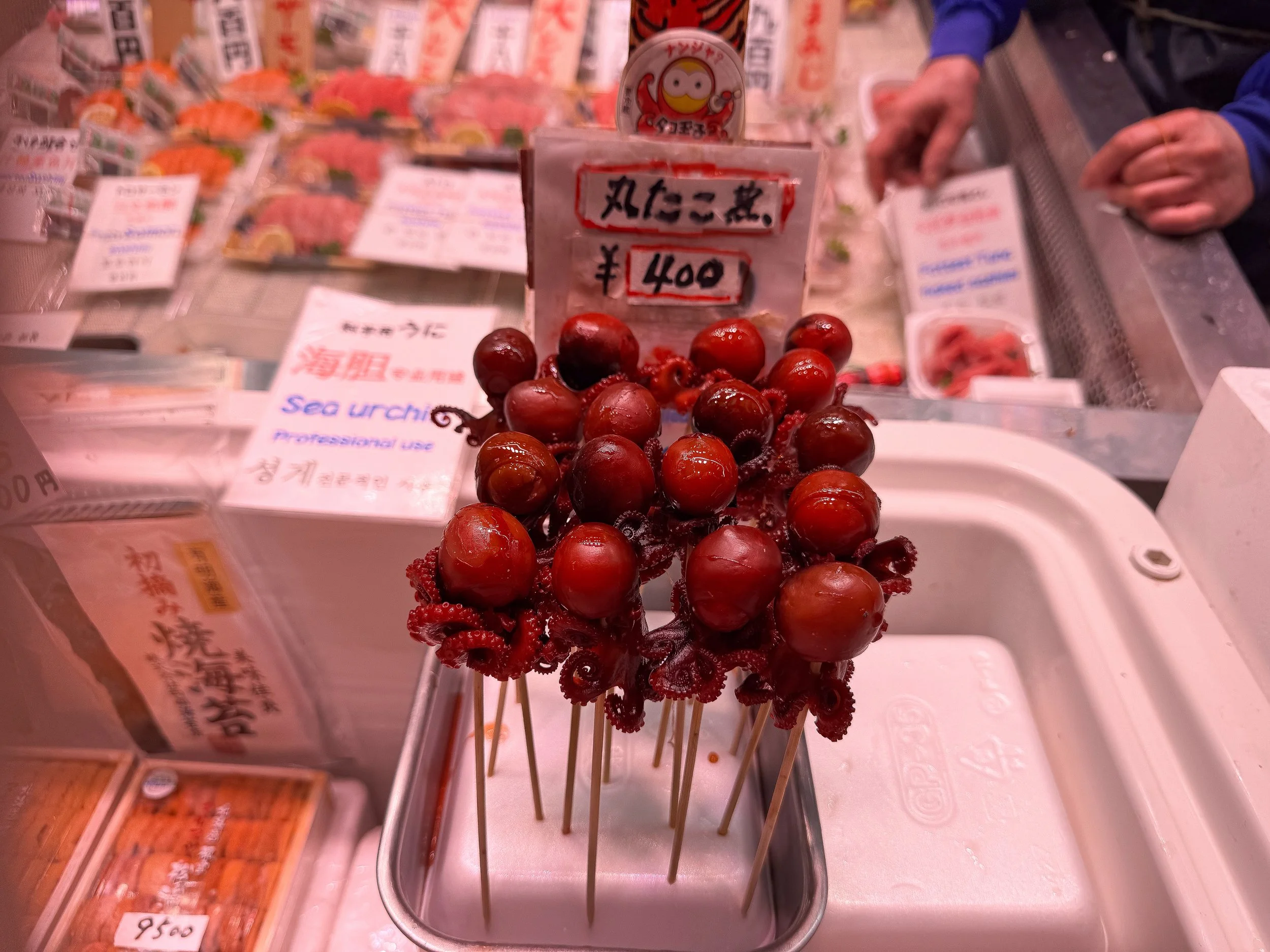
Nishiki Market. A market under a covered alleyway with restaurants, food stands and merchants selling all types of Japanese goods. Shops decorated in paper lanterns sell items like sake, chopsticks, kimonos, knives, paper fans, rubber stamps, dried seaweed, umbrellas and hairpins. Matcha shops and cafés sell the tea in various forms including prepared lattes, tea powder, mochi, ice-cream and baked goods. Japanese restaurants and food stands display realistic plastic replicas of their dishes. We tasted several dishes including Dashi Makitamago, Tako Tamago, Kansai Unagi, Fish Cakes and Matcha Mochi.
Good to Know. Don’t walk and eat. It’s seen as rude and unclean in Japanese culture. Only eat in front of the business selling it.
Things to Do
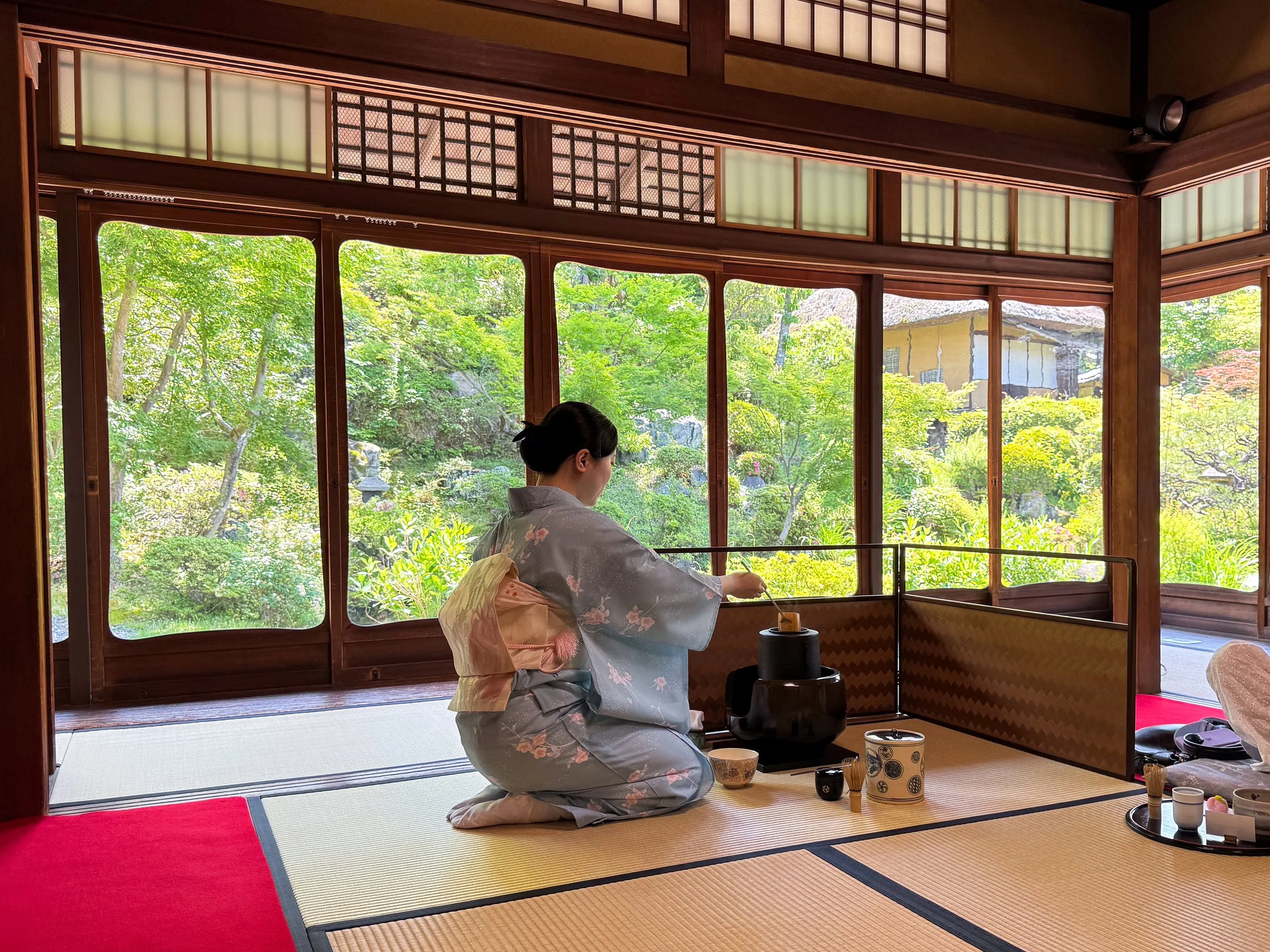
Matcha Tea Ceremony. Matcha is one of the most culturally significant teas from Japan. Tea ceremonies provide an opportunity to try it in its truest form while learning about its history. We joined a tea ceremony in a historic tea house along Ninen-Zaka in the Higashiyama District. The tatami mat room overlooked a koi pond and Japanese garden. We sat on cushions as the tea master silently prepared and served bowls of matcha. We had the chance to prepare our own matcha using bamboo whisks while an apprentice explained the traditions and etiquette.
Good to Know. Tea ceremonies are small and last an hour. Book well in advance to secure a spot. We booked with Tea Ceremony Sakaguchian on Get Your Guide.
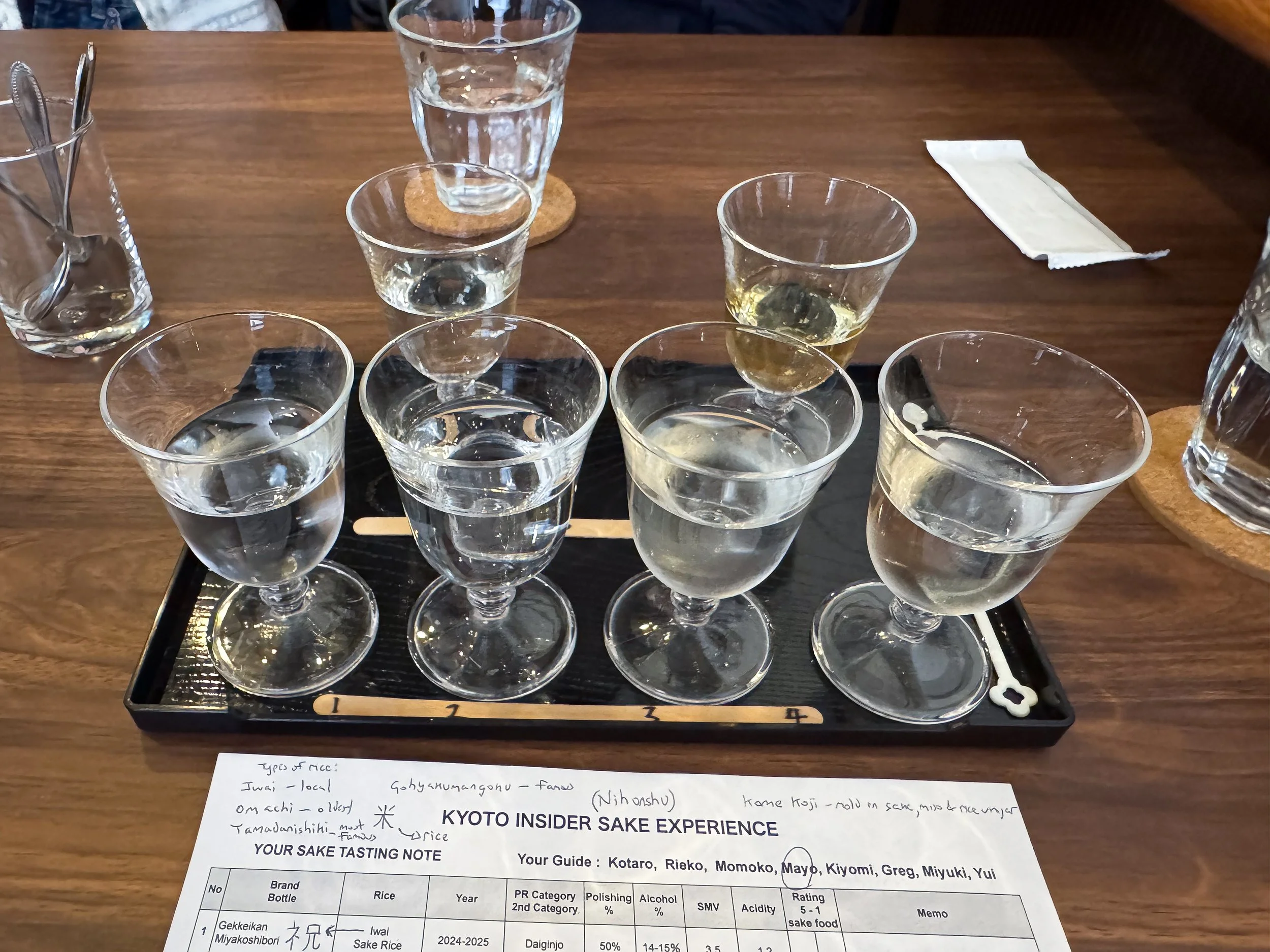
Sake Tasting Course. One of Japan’s most beloved beverages is Sake, a fermented rice wine. Sake tasting courses offer an experience to taste several varieties. We tried 7 different sakes, first by themselves then paired with food to balance the flavor profiles. The sommelier lectured about the categories of sake, the different rices used, how they’re “polished”, and the traditional brewing processes. It felt like a high school lecture or business presentation but with copious amounts of sake. It’s well worth it to learn more about sake, its history and determine what variety you like best. We booked the Kyoto Insider Sake Experience at Amazake House through Airbnb.
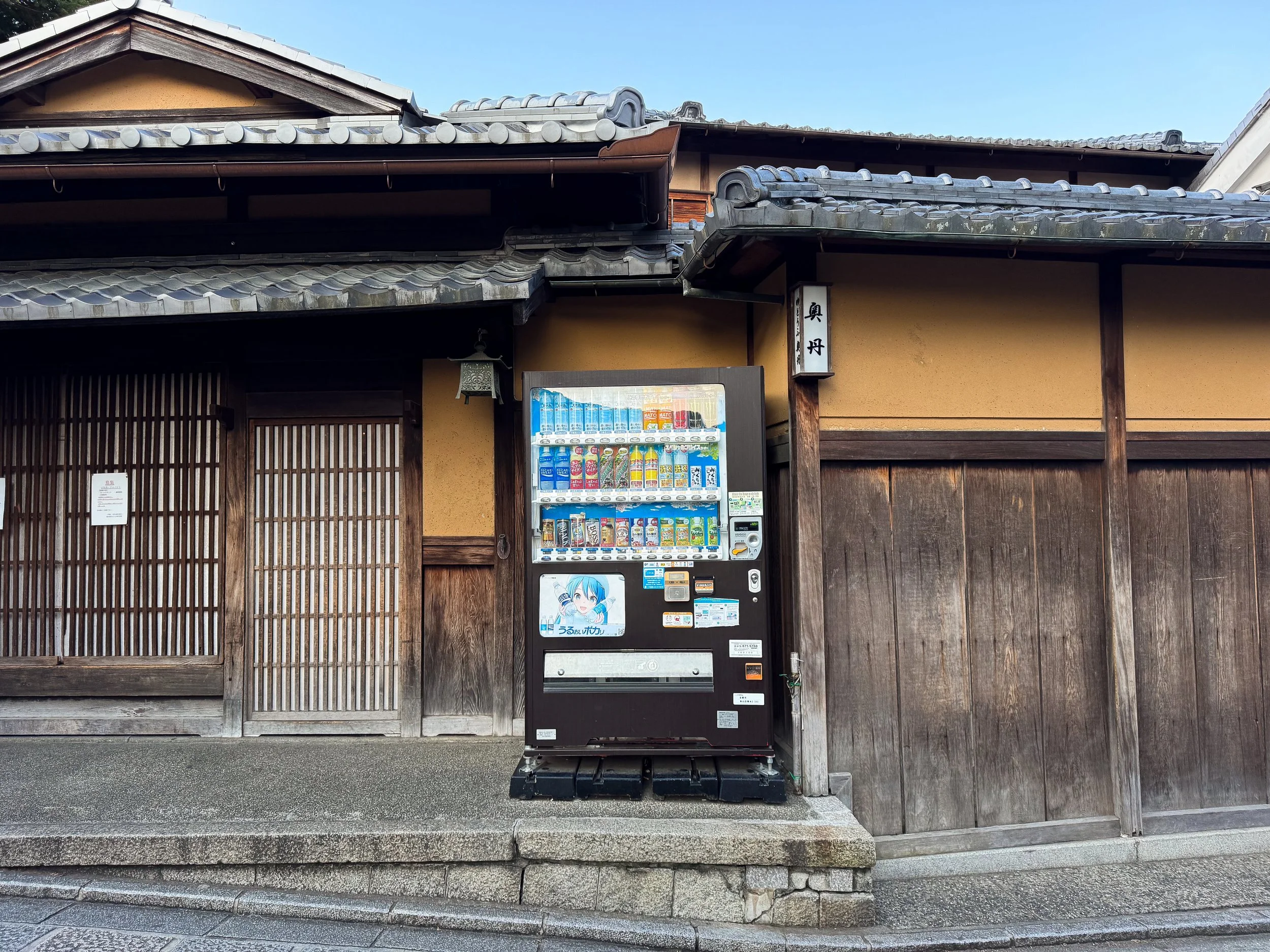
Order from Vending Machines. Japan’s vending machines are an integral part of the street culture. Rows of them line sidewalks, are seen sandwiched between historic homes and standing alone in the middle of the countryside. Most dispense beverages like coffee, water and soda. Occasionally one will offer ramen noodles in a cup, sushi, onigiri, ice cream and cigarettes.
Places to Eat & Drink
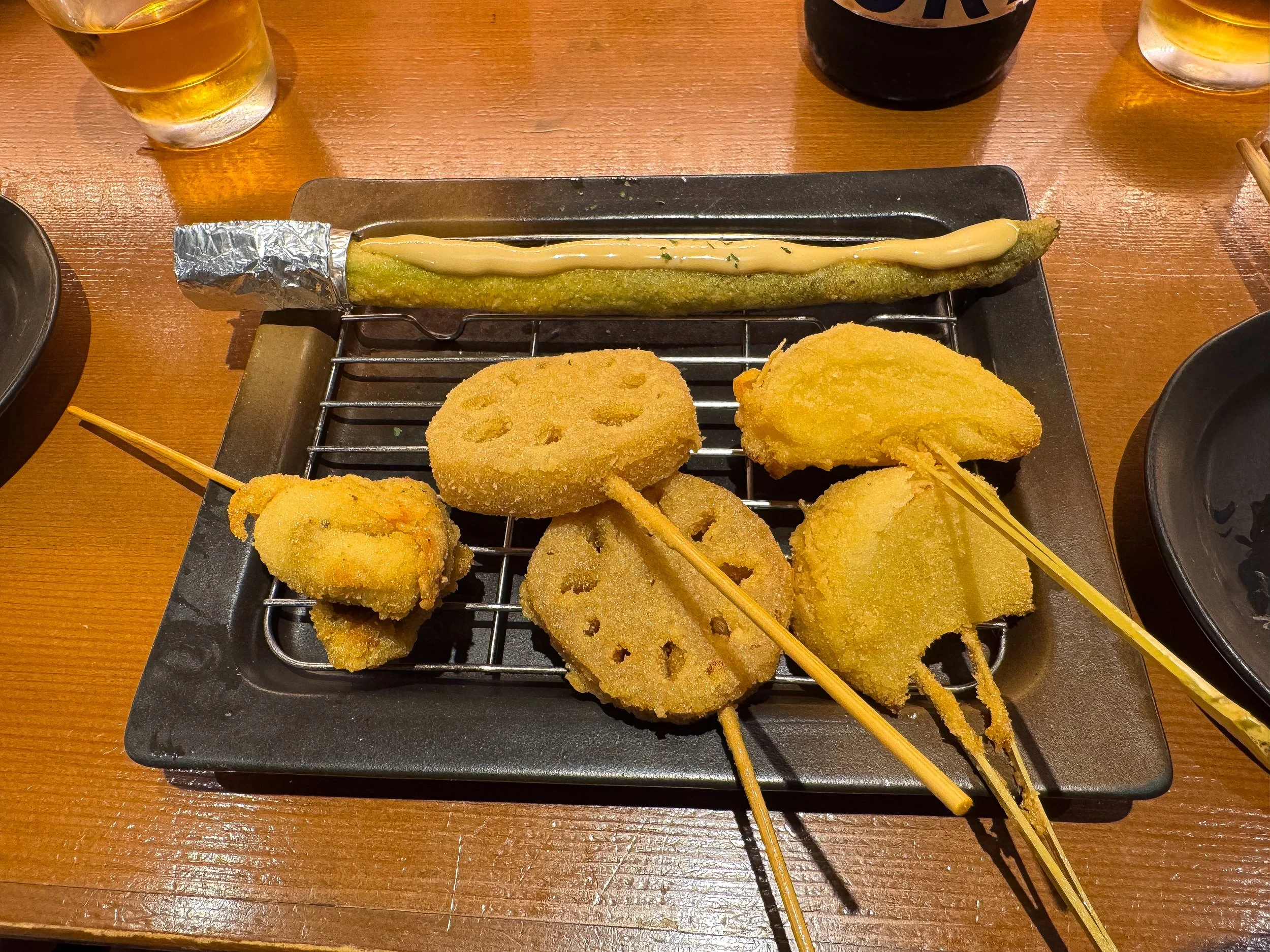
Rokkakuya. An izakaya specializing in katsu, breaded and fried pieces of vegetables, seafood or meat. We ordered a spread of lotus flower, onion, sweet potato, asparagus, crab stick, mackerel and eggplant. We dipped them in Kyoto’s famed katsu sauce and paired them with a local Suntory Draft Beer.
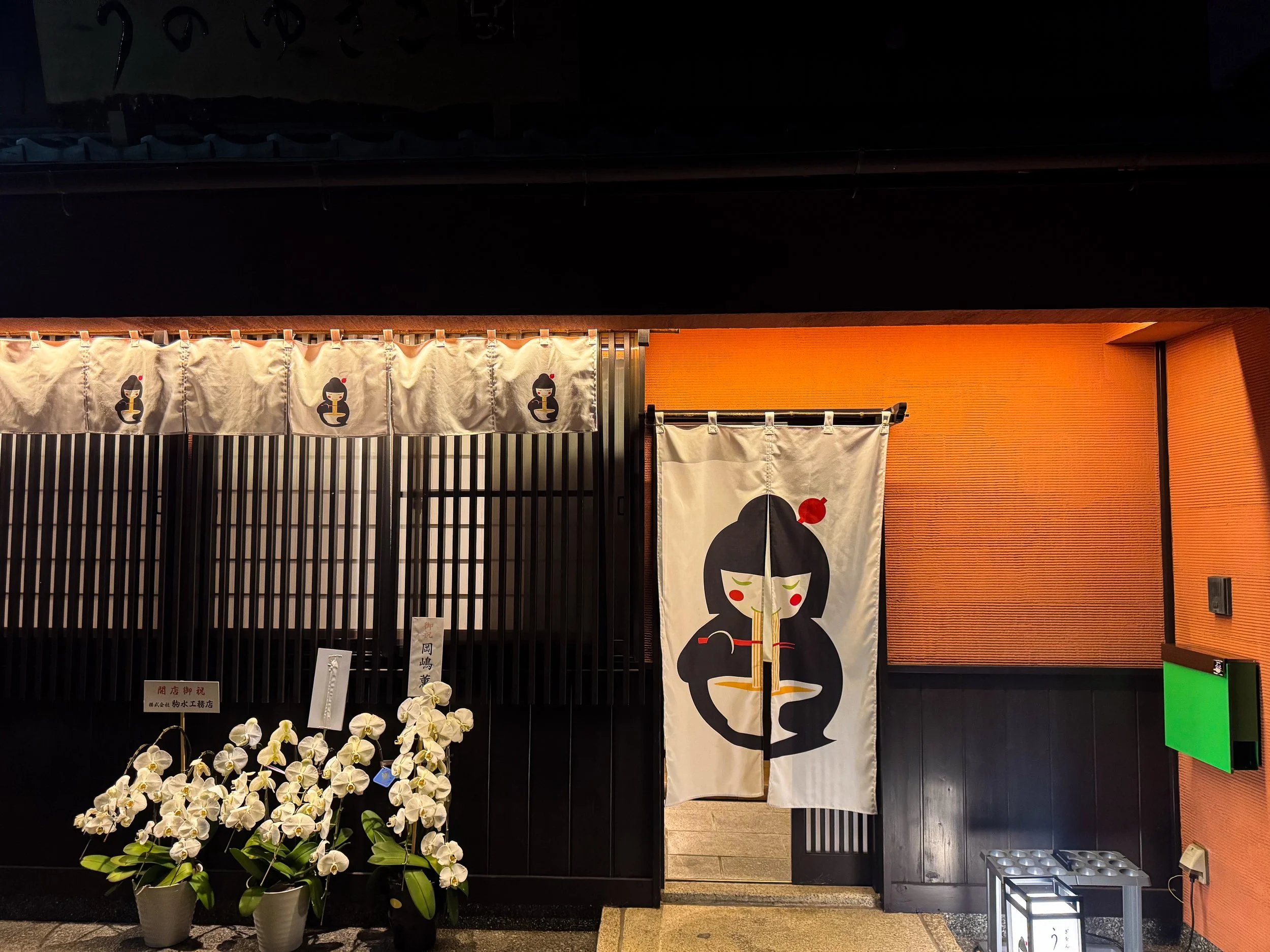
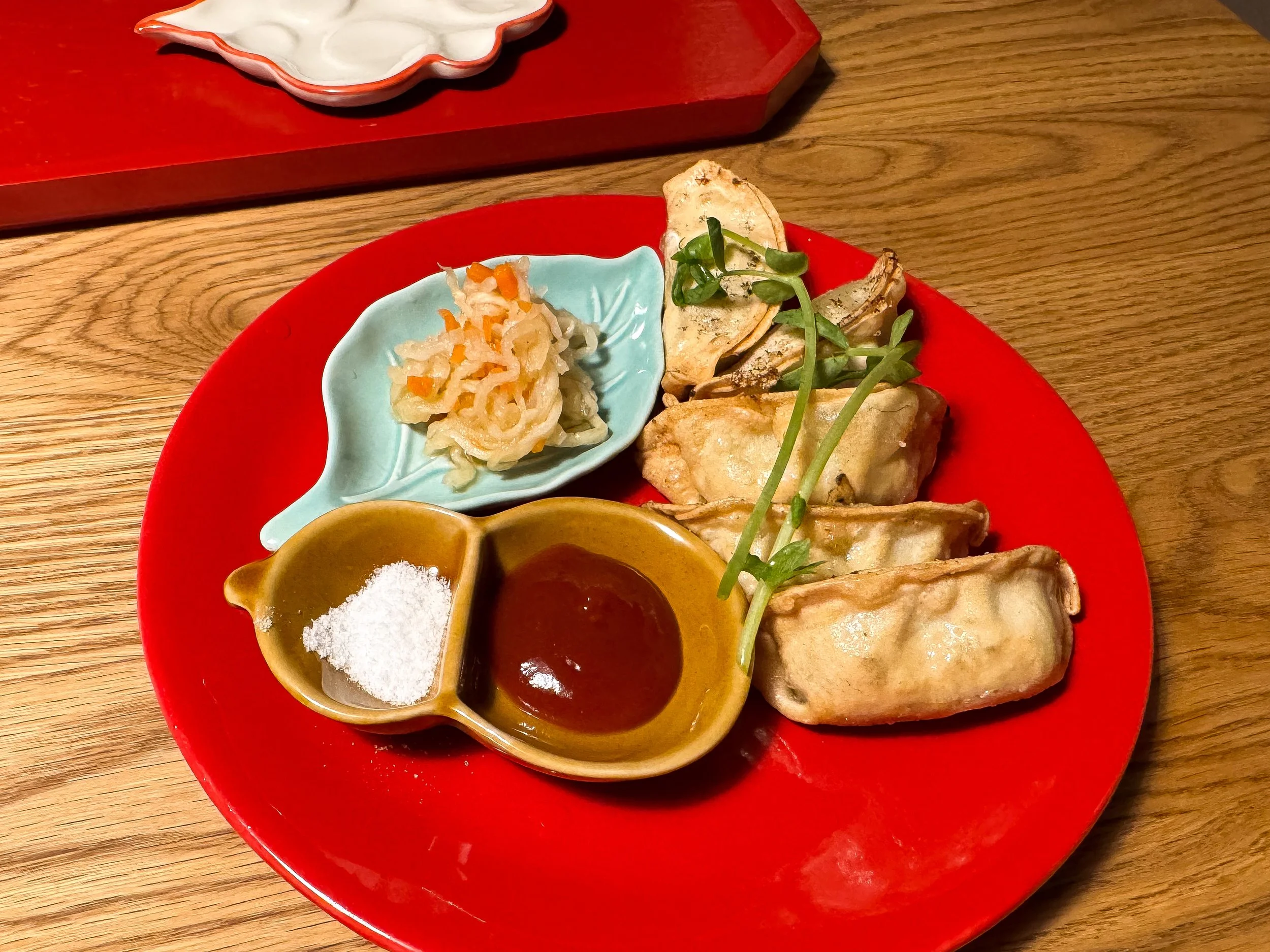
Uno Ramen -Sanjo- Vegan & Gluten-Free Sushi. An izakaya in a traditional Japanese style space specializing in vegan versions of Japanese cuisine. Come here for the convincing tasty vegan sushi, meat free gyoza and tofu small plates.
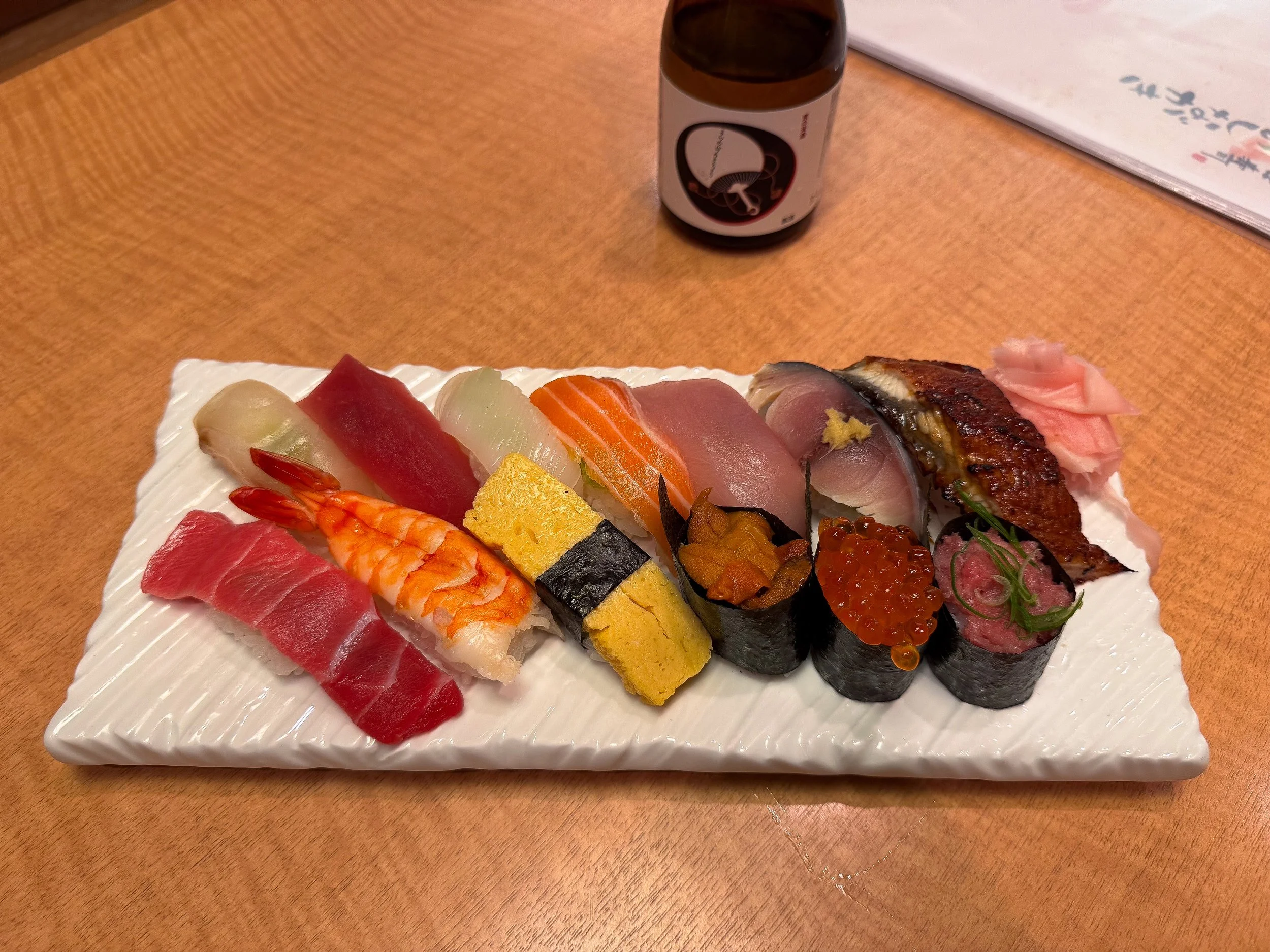
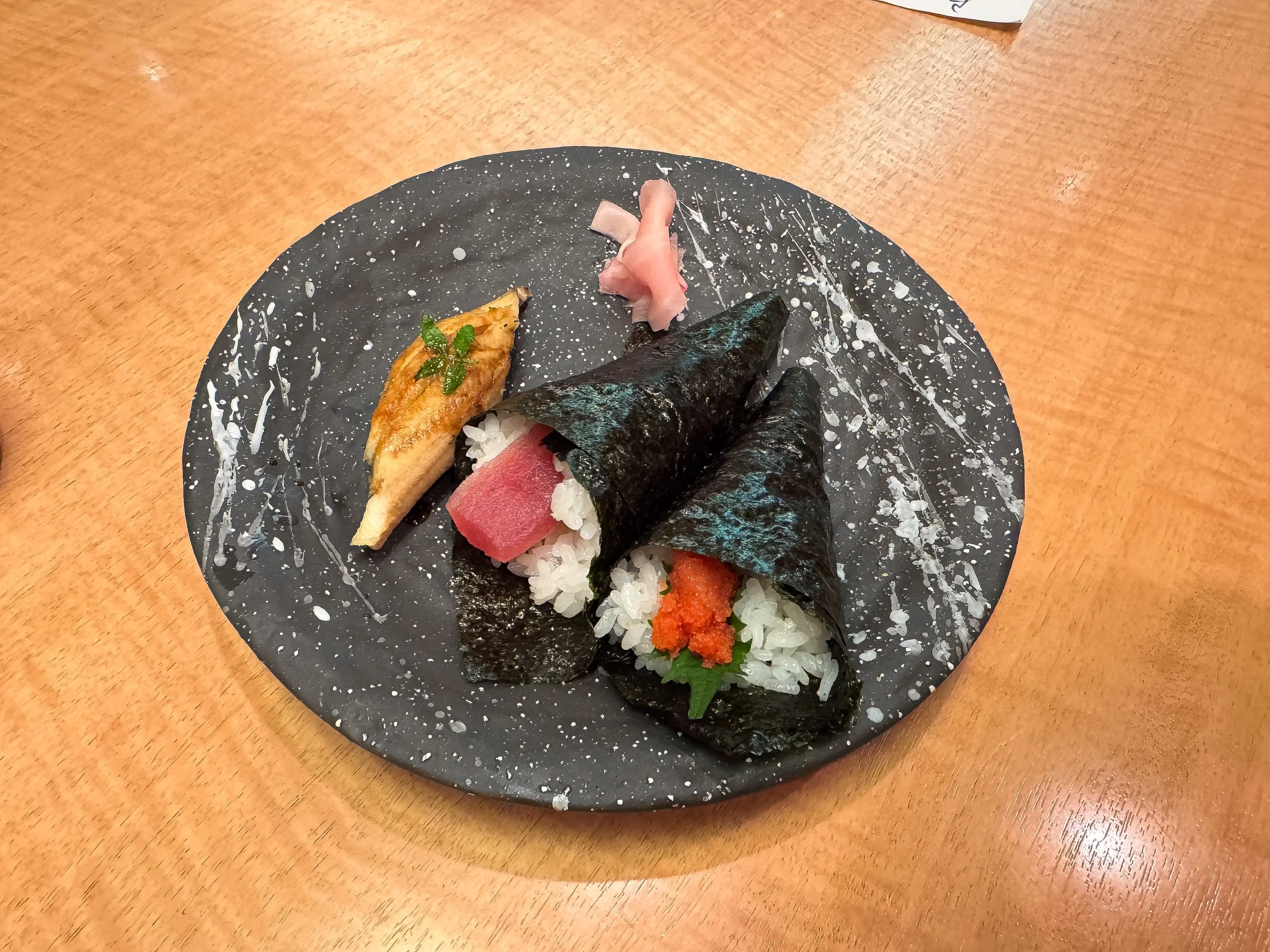
Pontocho Kappa Sushi. A sushi restaurant in Ponto-chō with high quality sushi, sashimi and nigiri. Order a hand roll, a bottle of sake and a nigiri platter for a flavorful range of Japanese seafood.
Petit Brun. A small bakery and café offering a range of pastries baked daily by an elderly man. We selected a spread including a persimmon danish, chestnut pie, sweet red bean rice cakes and milk tea chocolate danish.
Bee’s Knees. A speakeasy style cocktail bar in Ponto-chō specializing in prohibition era cocktails and Japanese spirits like whiskey and gin. Try the corpse reviver, last word, bee’s knees or their signature cocktails like florist sour and bamboo forest.
Beer Bar Miyama. A Japanese style dive bar on the second floor of a narrow building in Ponto-chō. Bartenders serve local beers and mixed cocktails to a regularly full bar of about a dozen people. The walls are covered in foreign currency and handwritten notes from past customers.
Kraft Tiki. A cocktail bar with traditional tiki drinks and Japanese tiki fusions. Come here for their version of the zombie or the kino tiki made with Japanese gin, green tea, yuzu and peach.
Day Trip to Osaka
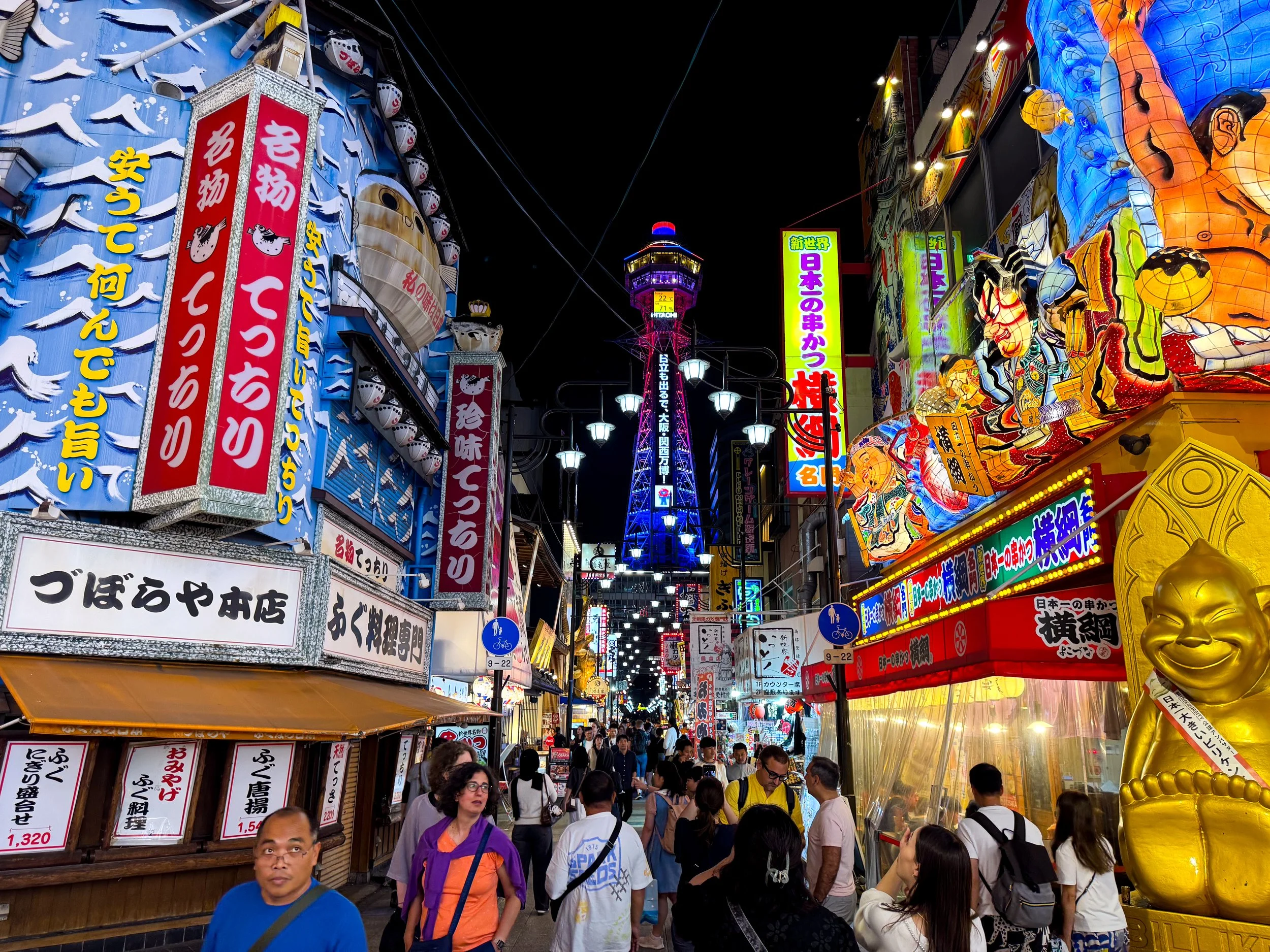
Osaka is a Japanese megacity famed for its energetic atmosphere, colorful neon lights, pop culture and street food. It is both modern and historic, once serving as Japan’s imperial capital. The city is easily reachable on a day trip from Kyoto. Read more here: Osaka Travel Guide: Dotonbori, Street Food & Osaka Castle.
Day Trip to Nara
Nara is a historic Japanese city famed for its cultural heritage, ancient history, wooden temples and sacred deer park. It’s a short distance from Kyoto making for an easy day trip.
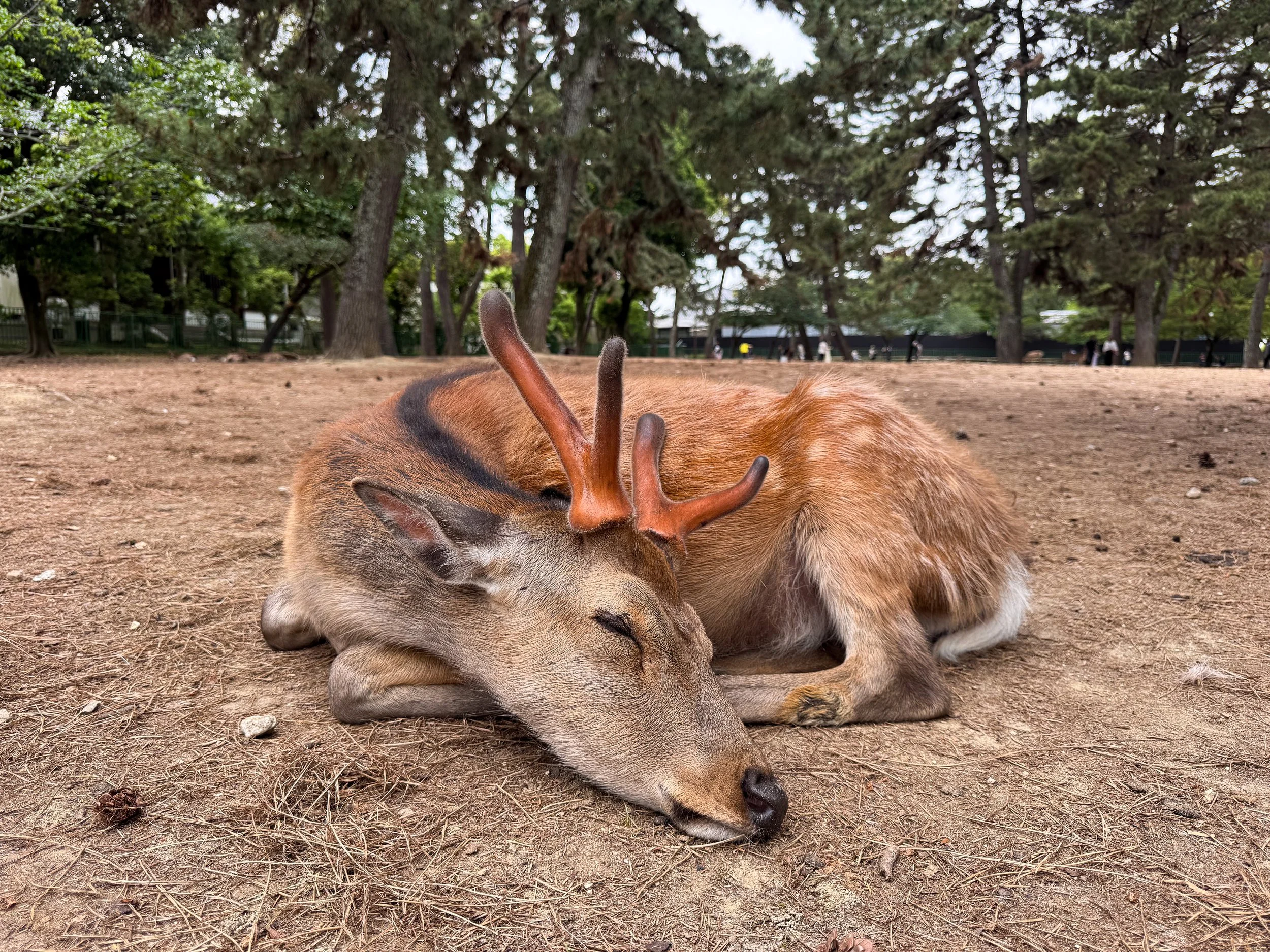
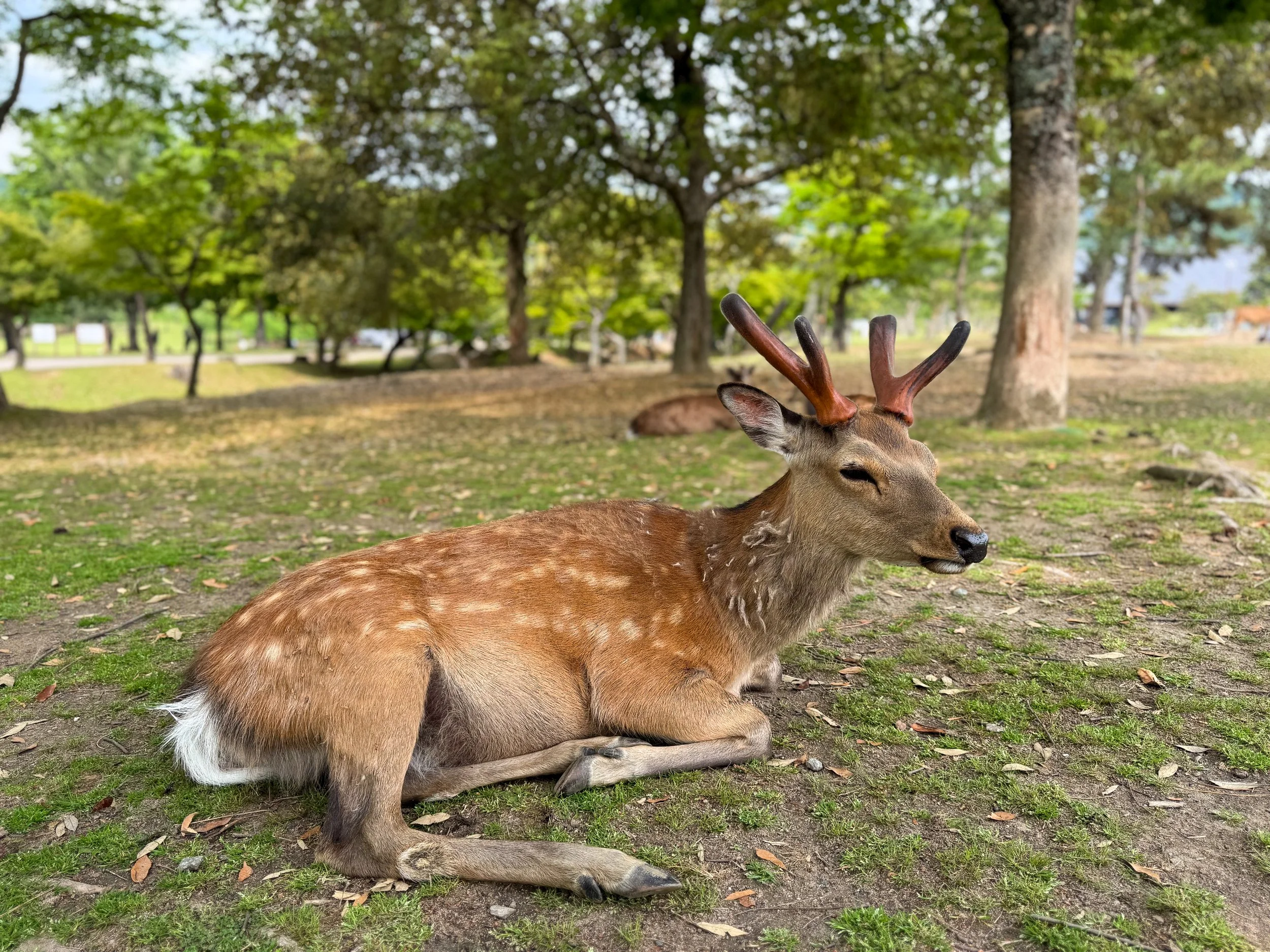
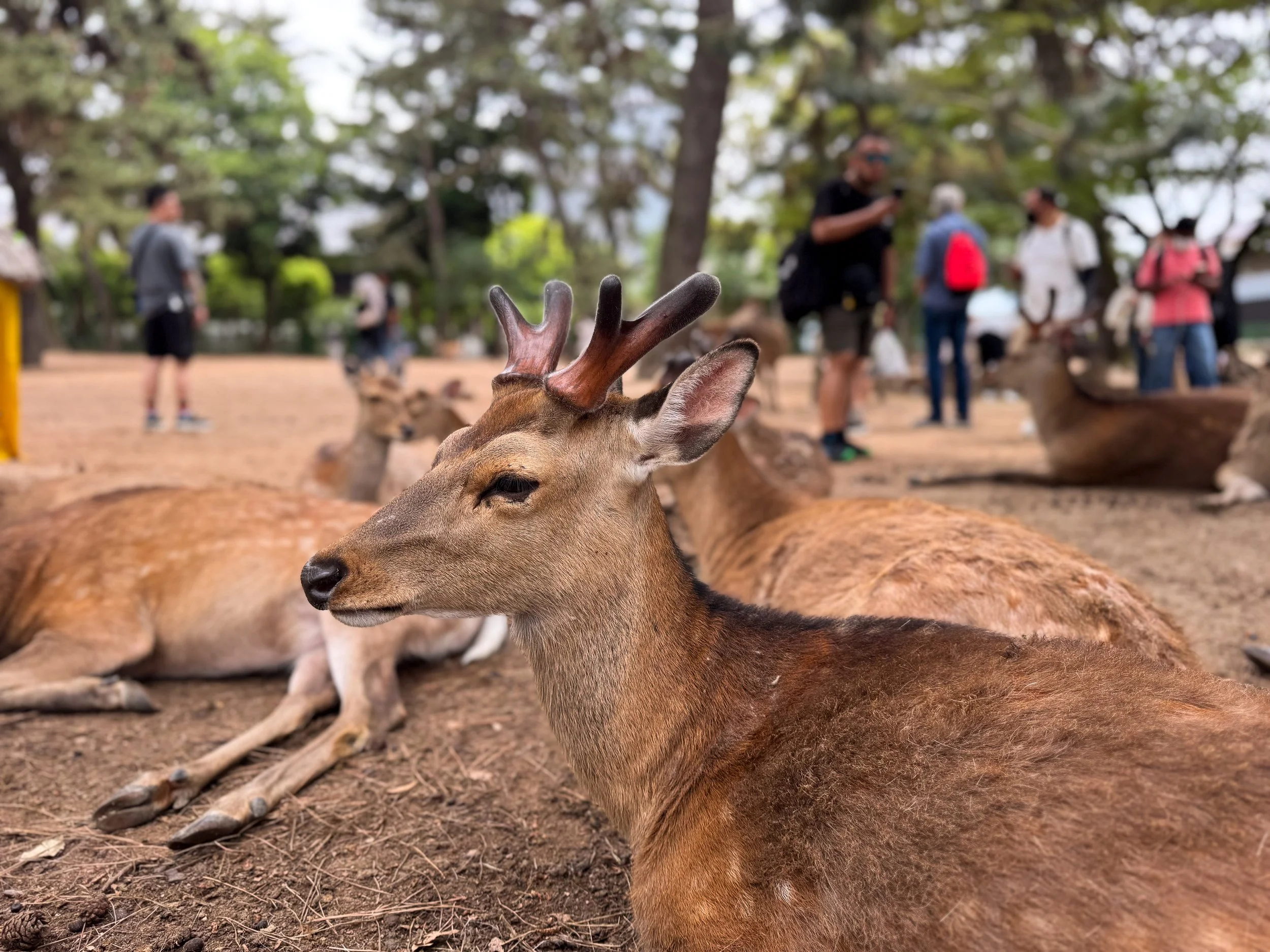
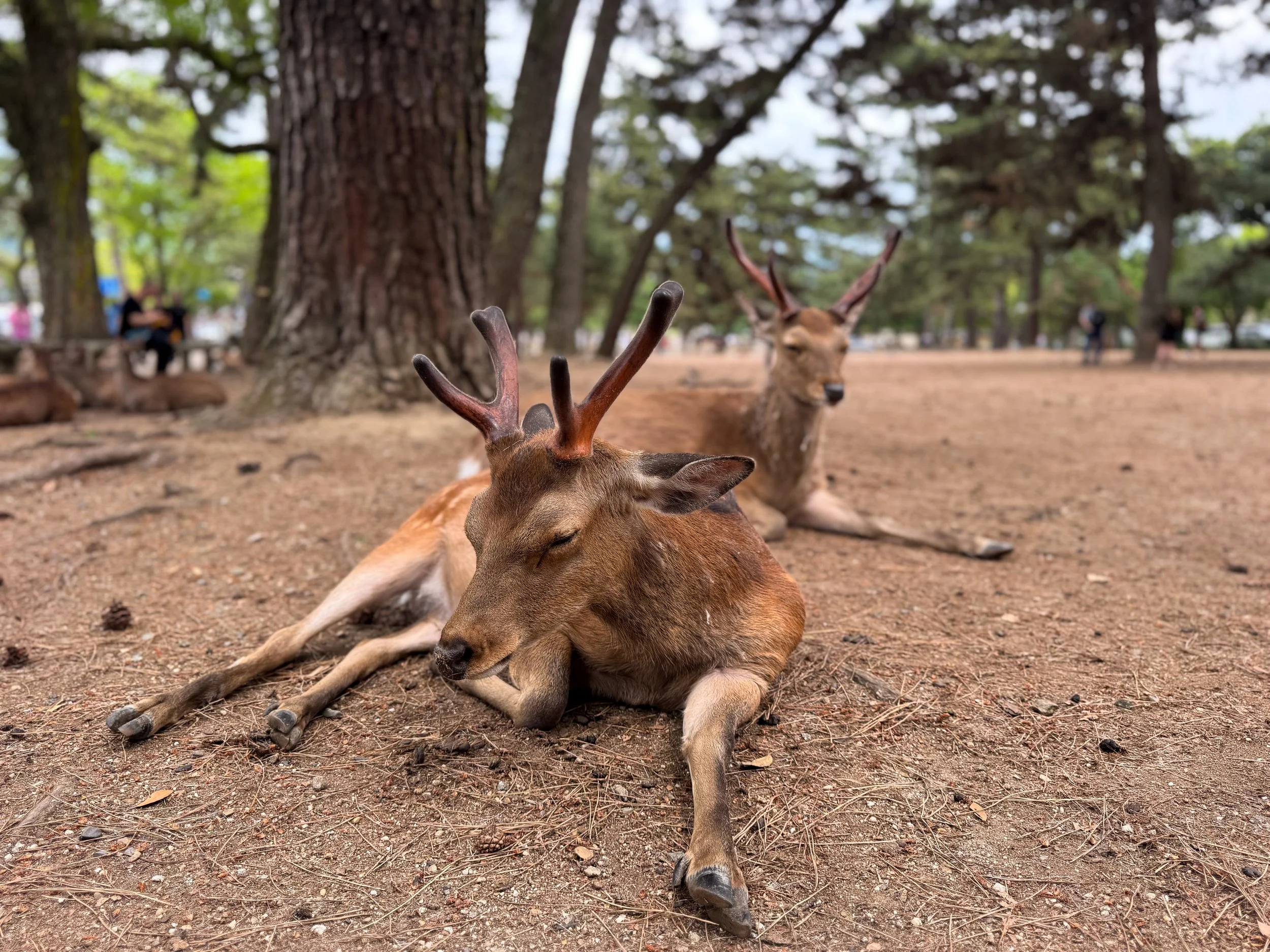
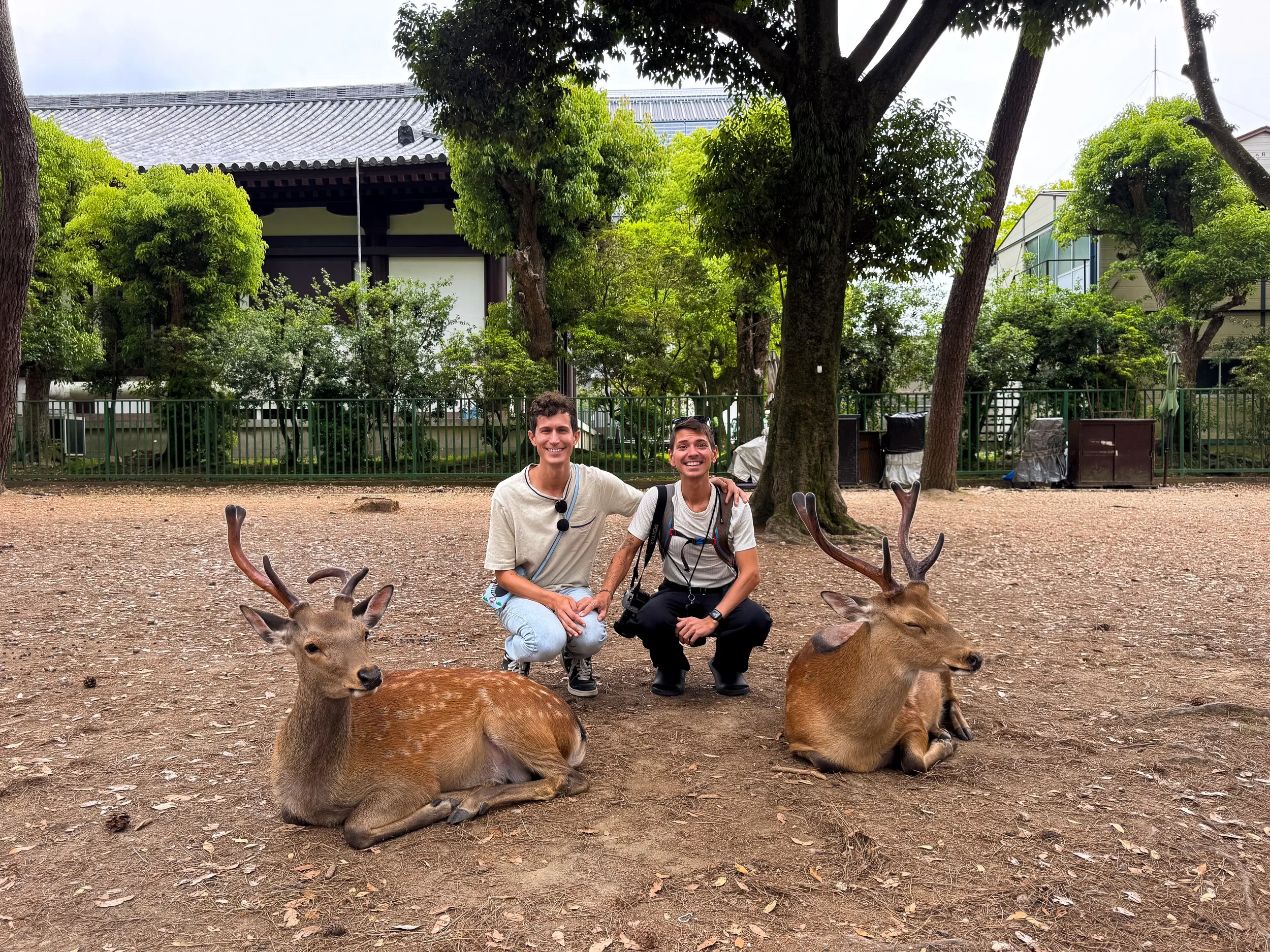
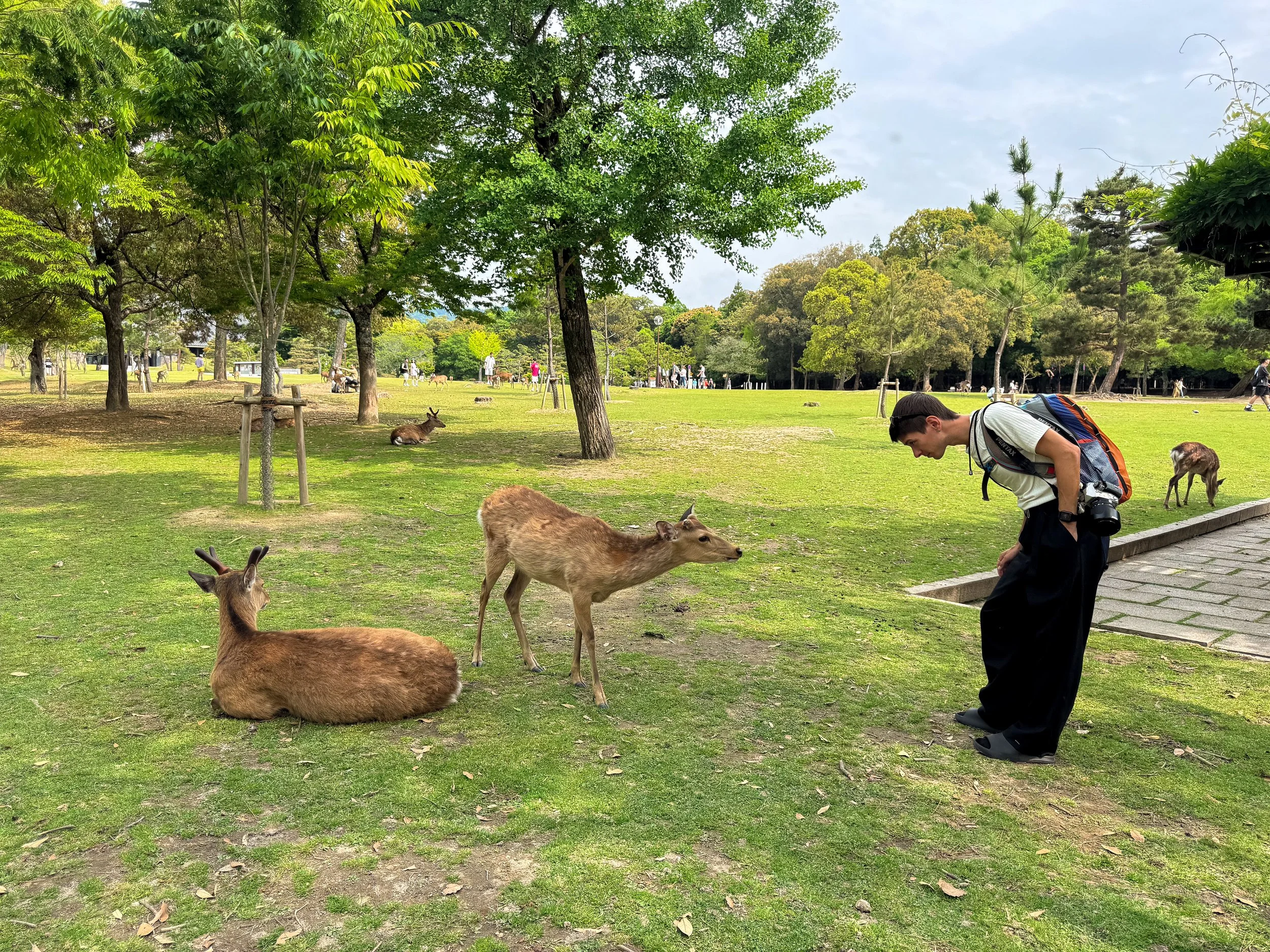
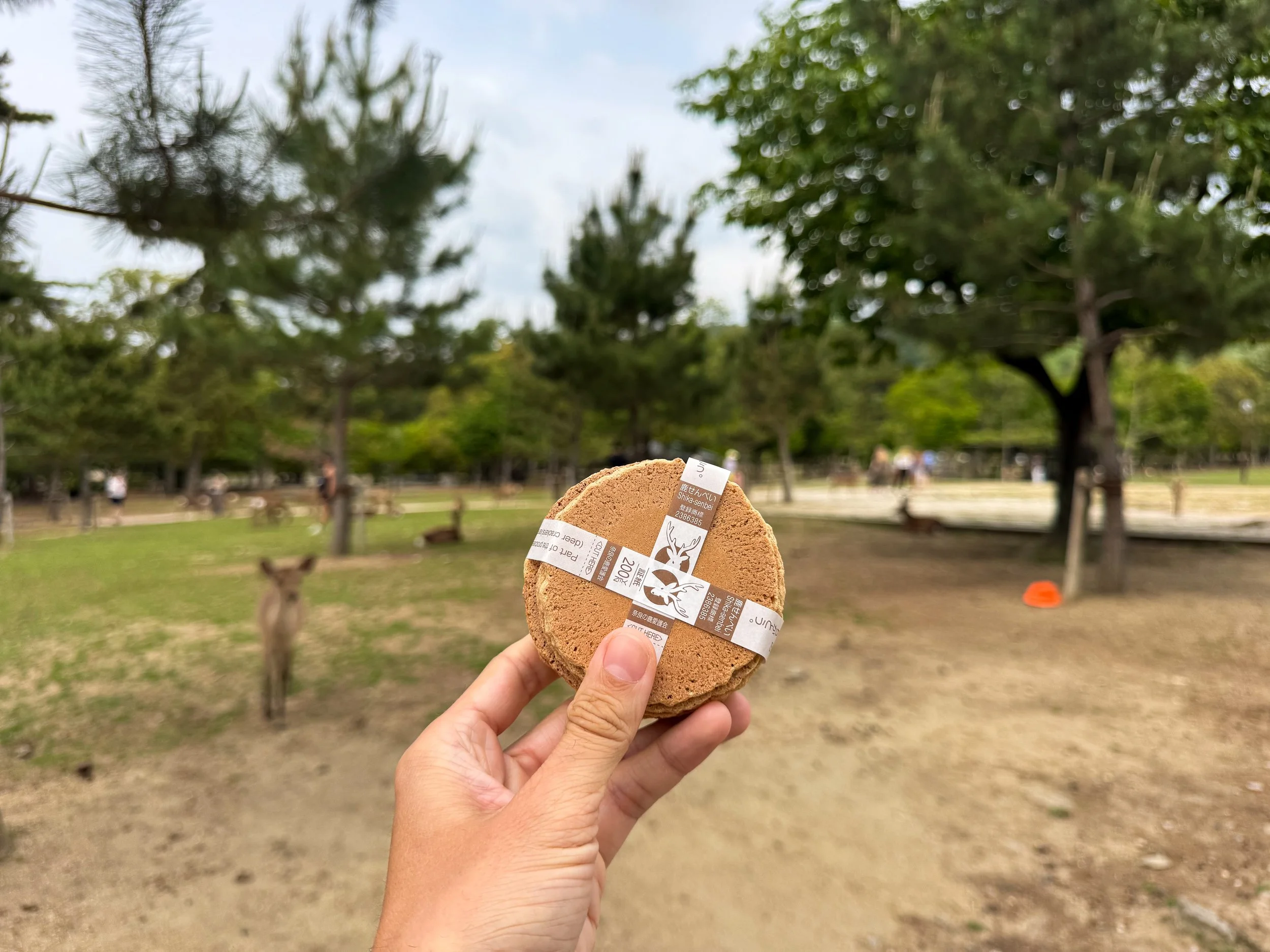
Nara Deer Park. Nara’s famed deer park has been a sanctuary for the sacred deer for hundreds of years. The deer roam freely, sleep underneath trees and often approach people for food. They’re allowed to be fed special wafers available from stationed vendors. To feed the deer, approach one and bow; if it bows back, feed it a wafer. Some deer may be less curious and bump into you demanding a wafer.
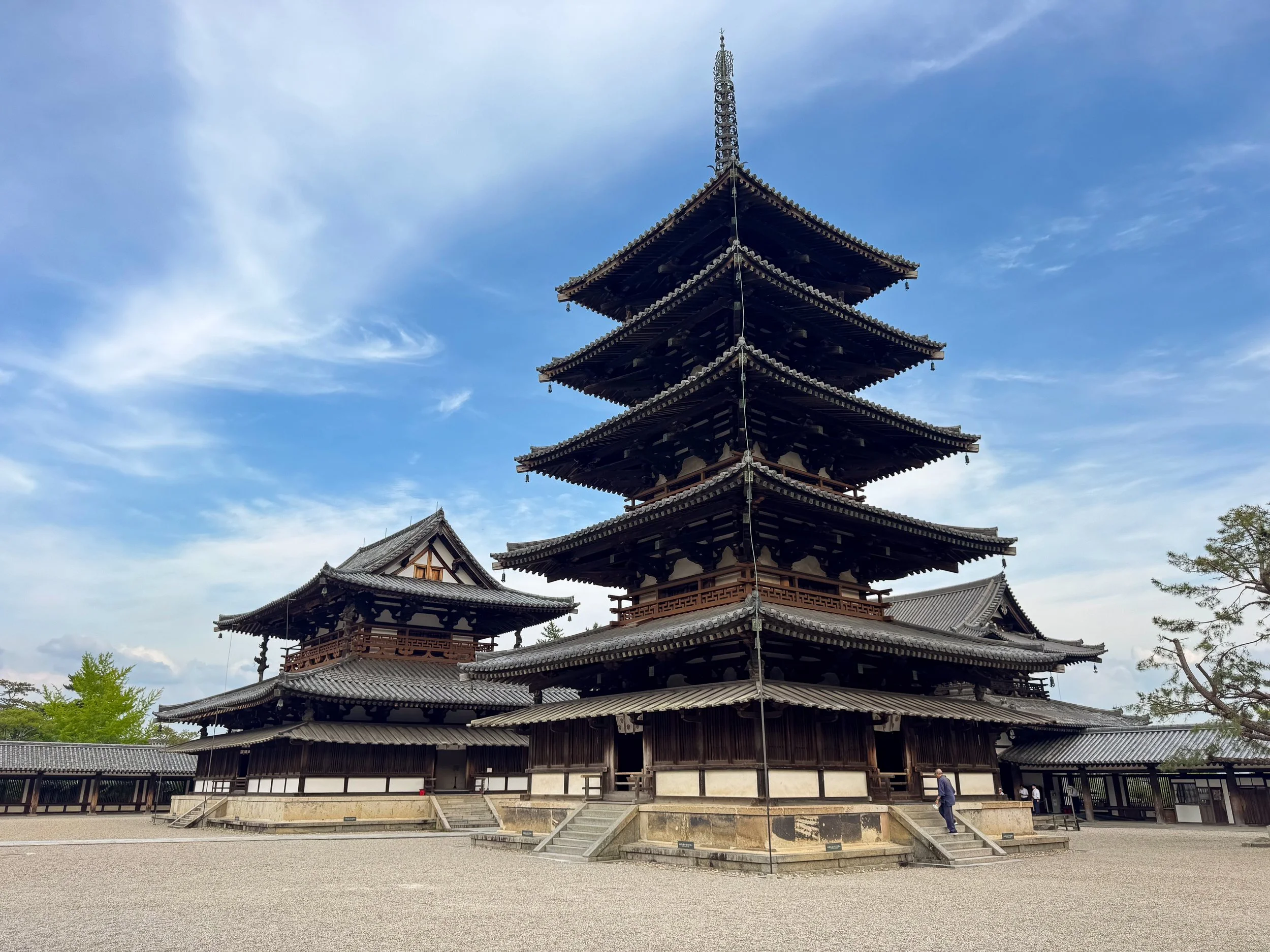
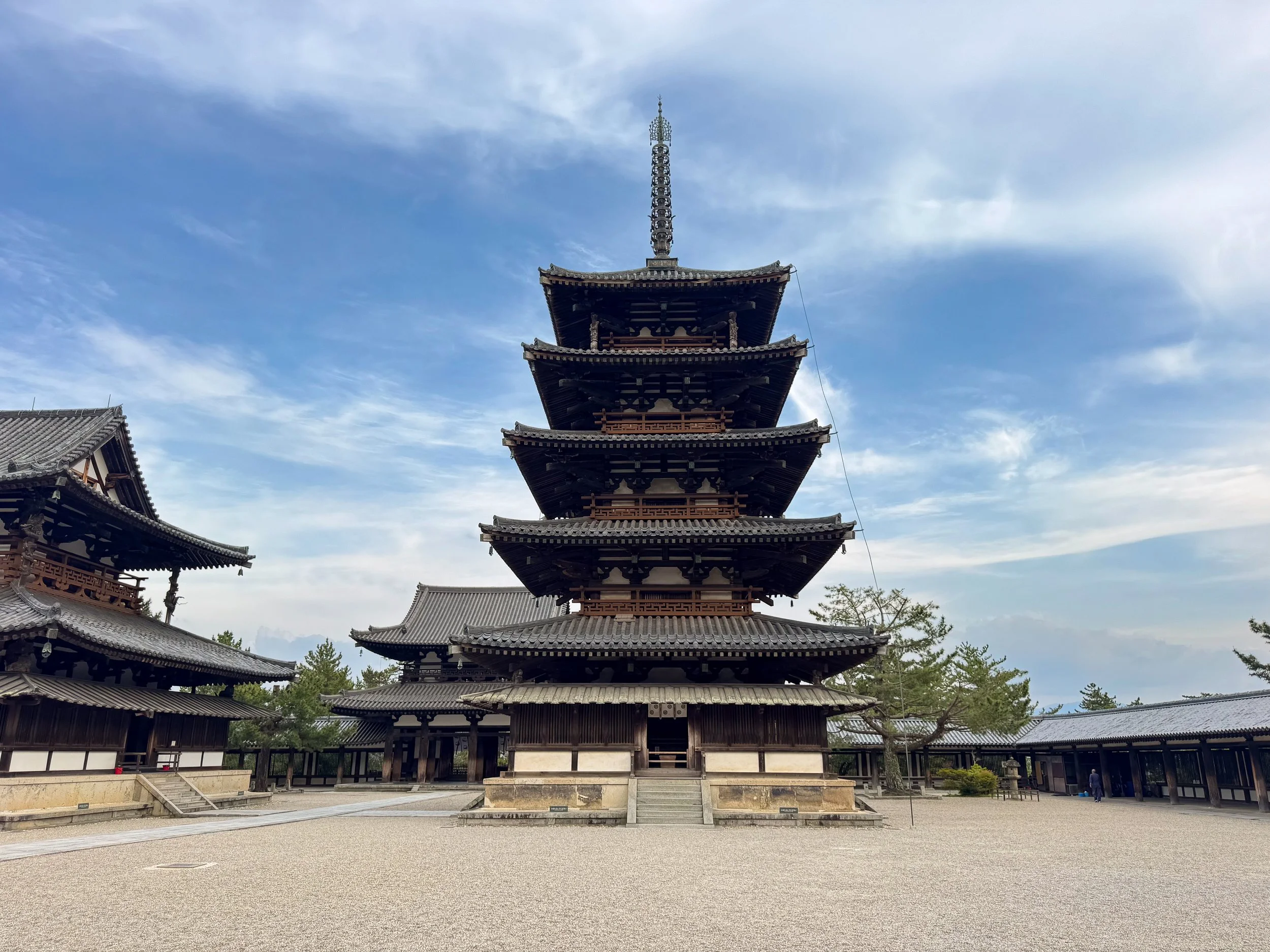
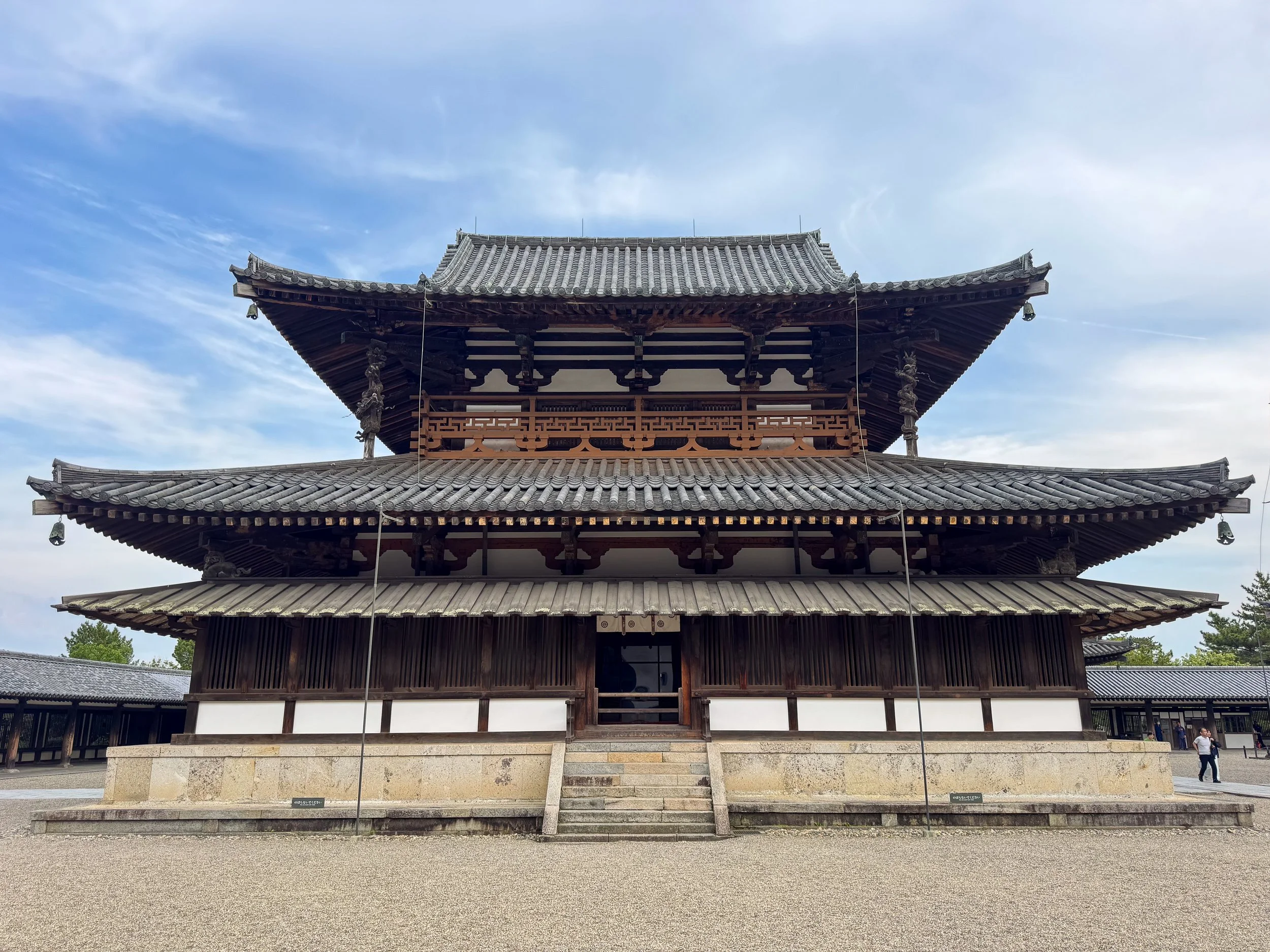
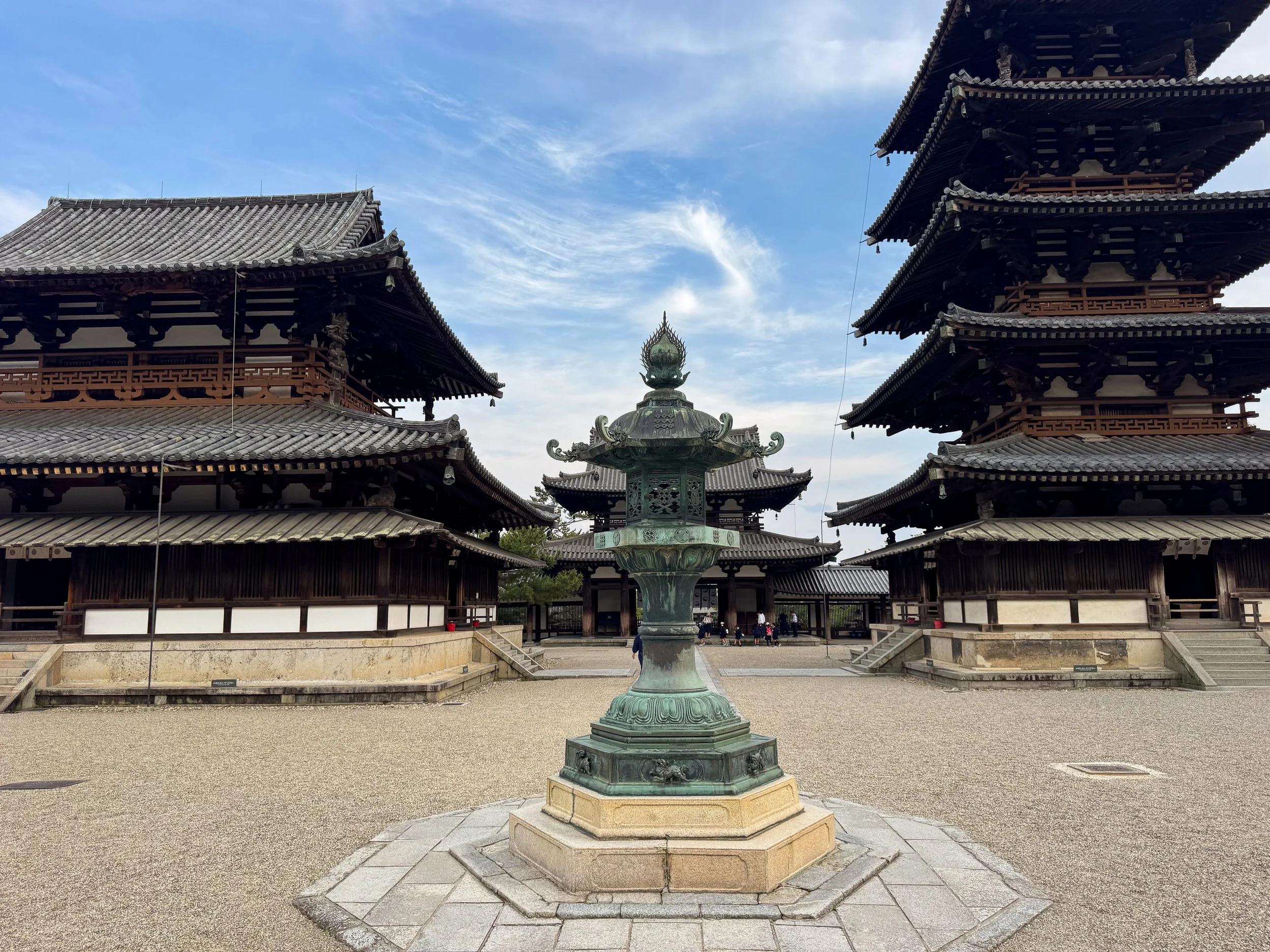
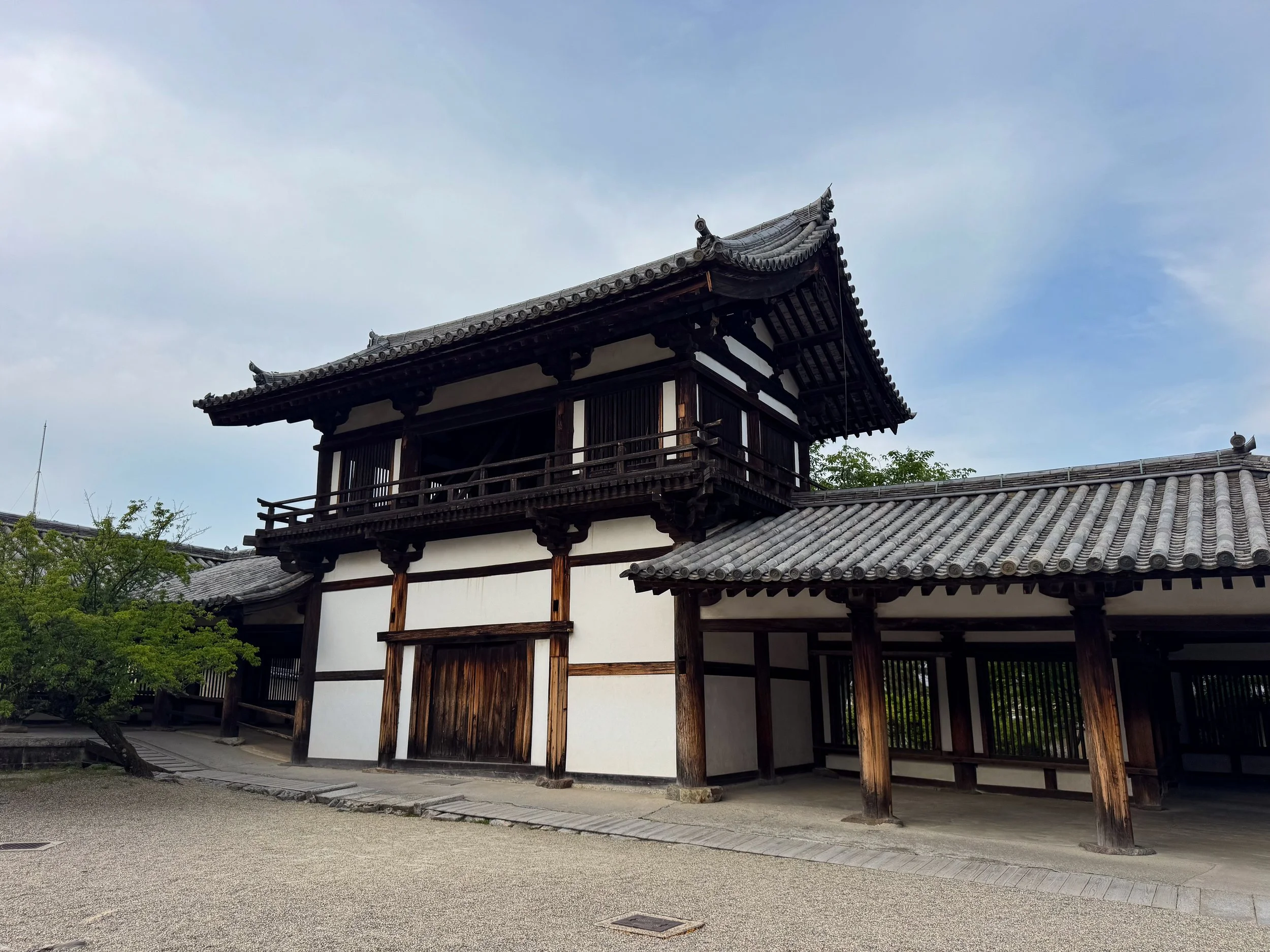
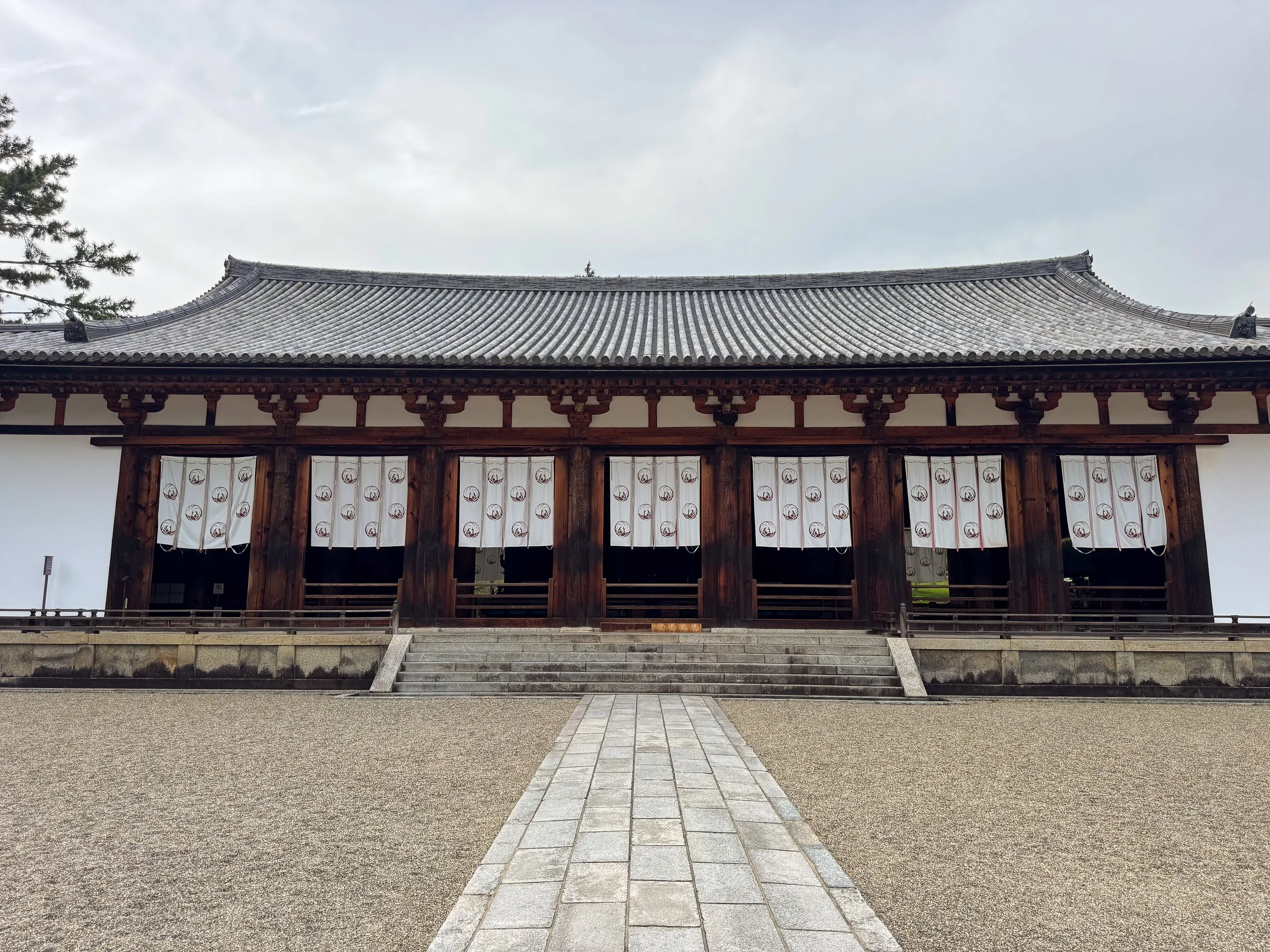
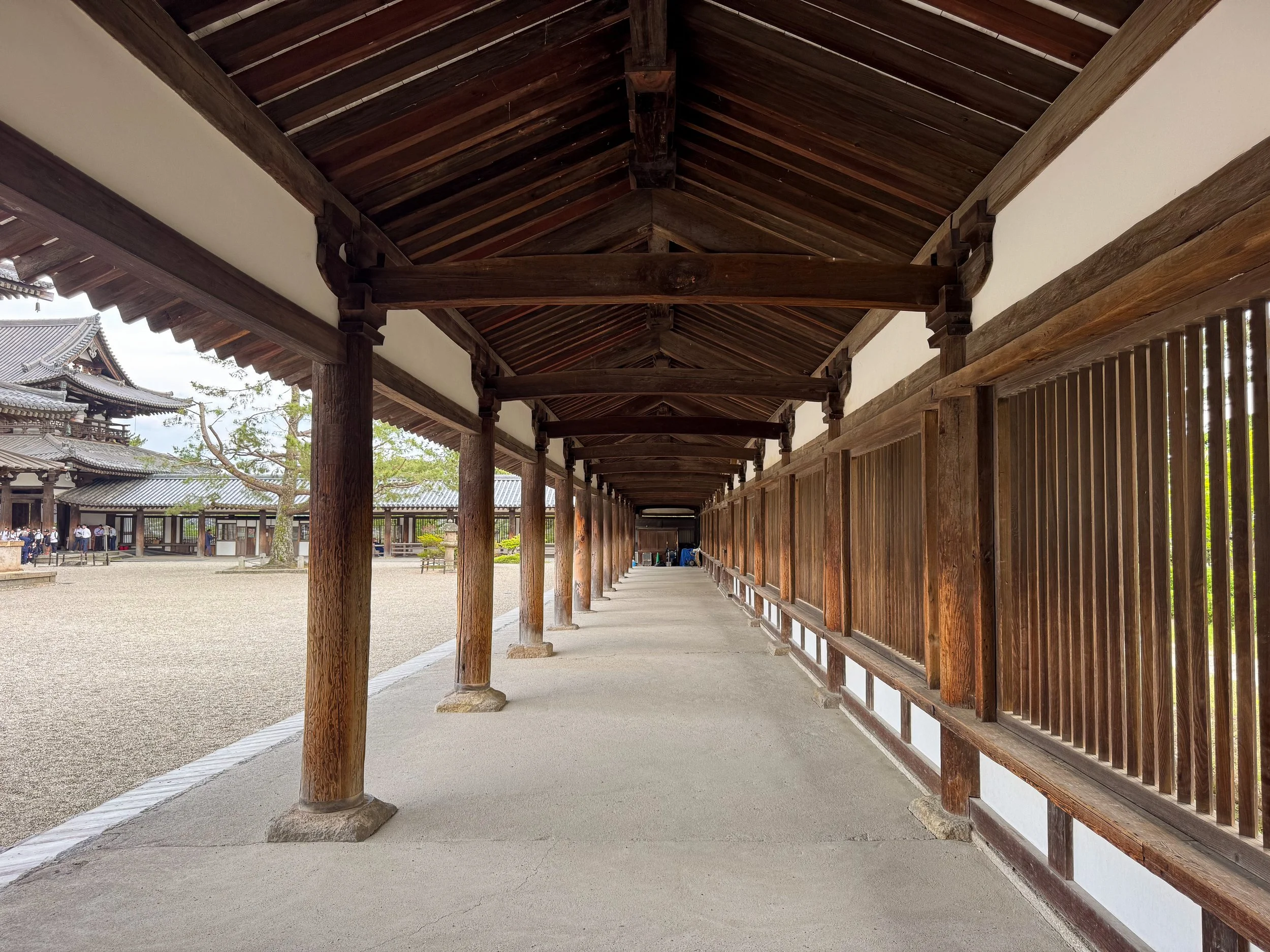
Horyuji Temple. The world’s oldest surviving wooden structures reside at the Horyuji Temple complex in its Western Precinct. A gate leads into a courtyard surrounded by a covered corridor with a lecture hall at its opposite end. Within the courtyard is the main temple and a five storied pagoda. Both house statues and murals of the Buddha, depicting his life, teachings and death. The buildings date back over 1,400 years to the ancient days of Japan. The complex expands further into the Eastern Precinct with several temples and a Treasures Museum displaying Buddhist artifacts as old as the temple.
Getting Here. Take the Japanese Rail from Kyoto Station to Nara Station. Trains operate every 30 minutes and take about 45 minutes.
Japanese Cuisine
Japan is world renowned for its cuisine, flavors and culinary presentation. Kyoto shares many of the same dishes as the rest of Japan but it also has its own specialities and vegetarian forward meals.
Sushi vs Sashimi vs Nigiri
Sushi. Raw seafood wrapped elegantly in seaweed and sticky rice, often with vegetables. It’s typically rolled up, sliced and garnished with sauces.
Sashimi. Bite-sized pieces of sliced raw seafood. This is the most common.
Nigiri. Bite-sized pieces of raw seafood covering a nugget of sticky rice.
Street Food & Small Plates
Tako Tamago. A baby octopus stuffed with a boiled quail egg and dipped in a sweet soy sauce. It’s served on a stick and a common snack at street food markets.
Dashi Makitamago. Japanese rolled omelette made with dashi and scallions.
Kansai Unagi. A filet of grilled eel layered over rice and wrapped in seaweed.
Katsu. Breaded and fried pieces of vegetables, seafood or meat. It’s a popular snack at restaurants and bars across Kyoto.
Tempura. Battered and deep fried vegetables like green beans, taro root, sweet potato and daikon radish.
Kushikatsu. Deep-fried skewers of meat or vegetables.
Fish Cakes. Patties of ground fish often served fried until golden. Some places will mix them with vegetables, meats or other types of fish.
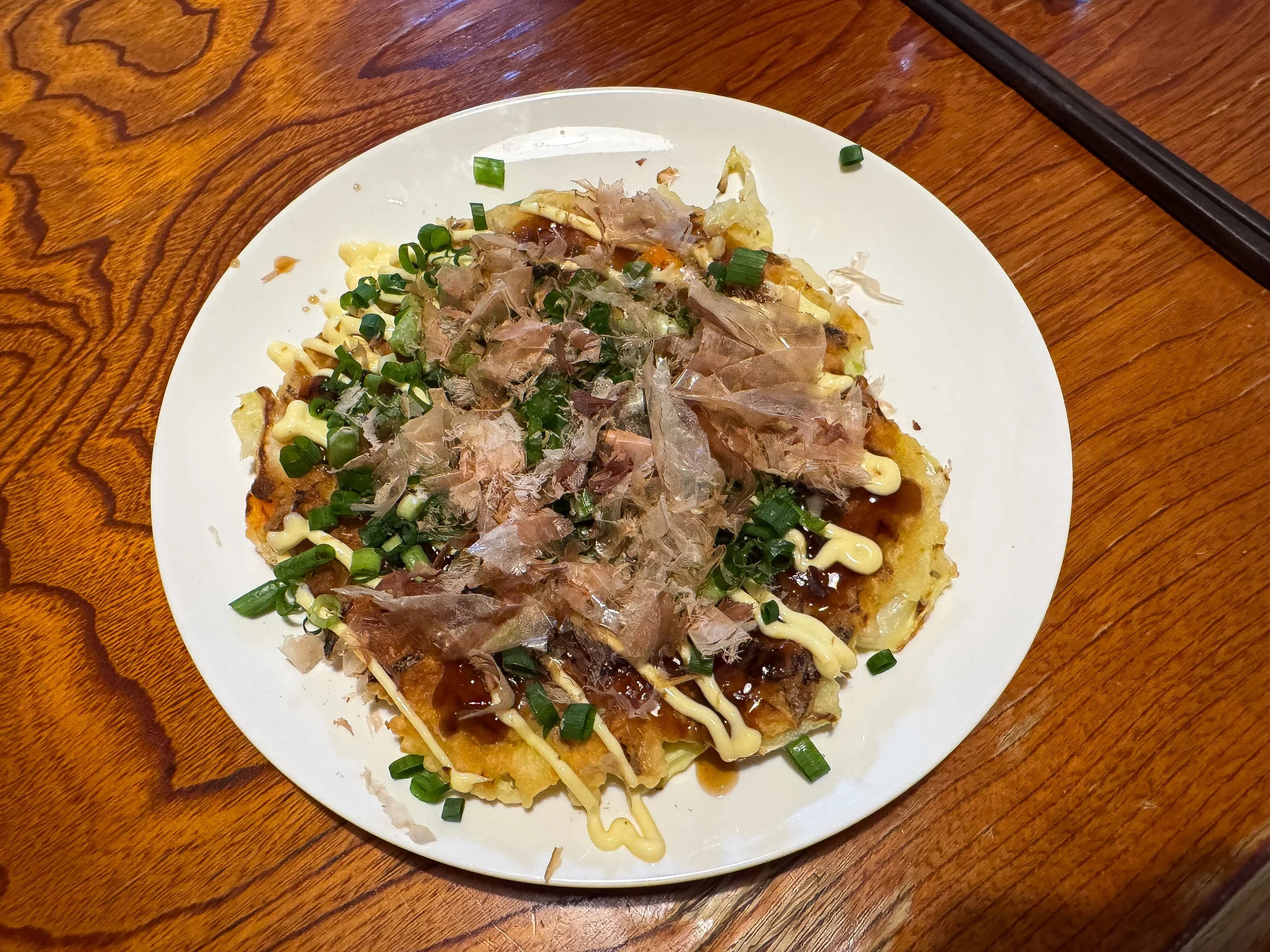
Okonomiyaki. Japanese “pancakes” filled with shredded cabbage, green onions and vegetables.
Rice Dishes
Onigiri. A triangular packet of rice wrapped in seaweed and stuffed with various types of vegetables or proteins.
Tamago Rice. Sticky rice seasoned with tamago, a mixture of seaweed, dried fish, sesame, sugar and salt.
Shime Saba. Cured mackerel over sticky rice.
Tofu Dishes
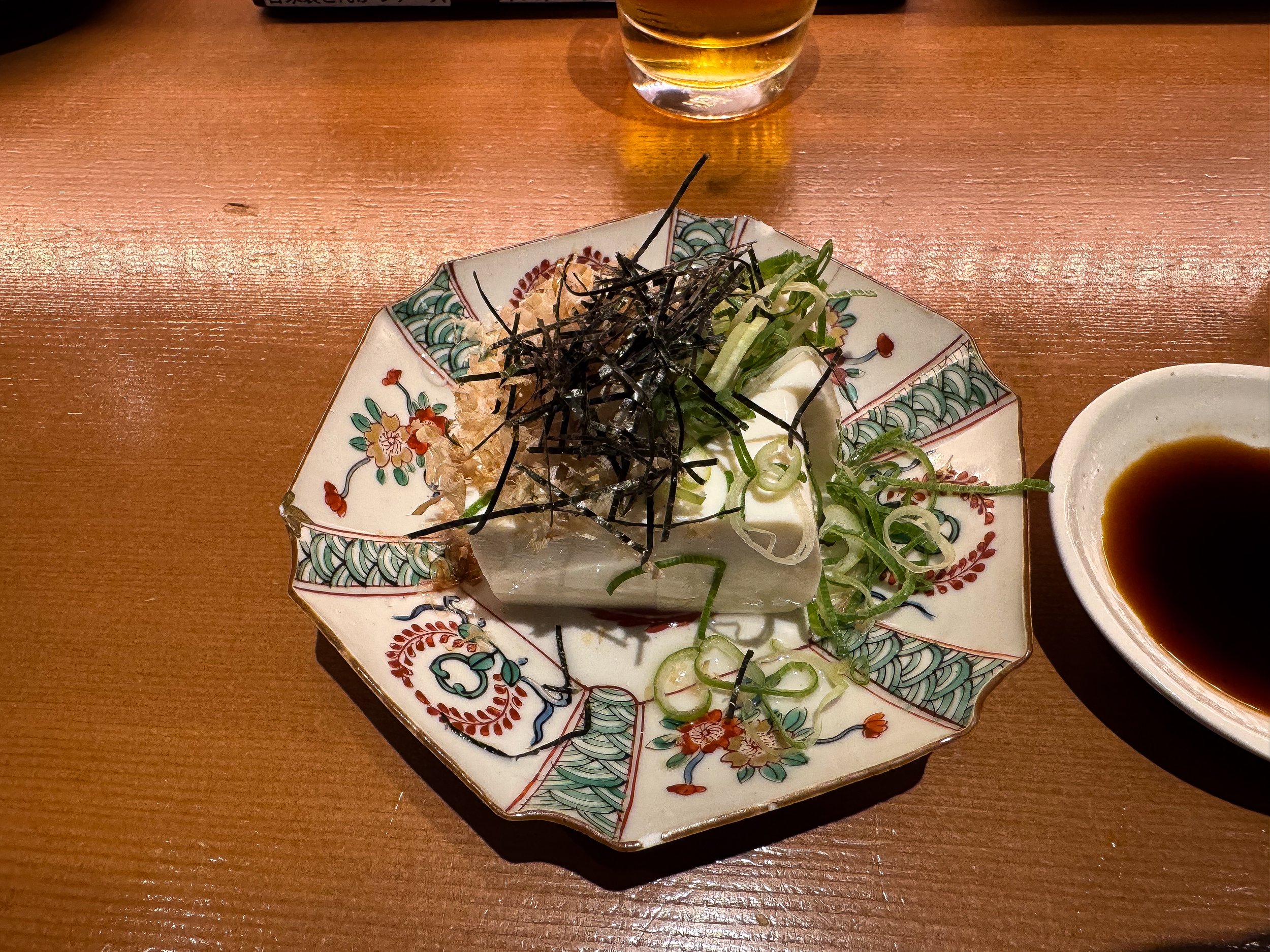
Kyoto Tofu. Tofu from Kyoto famed for being smoother and richer due to being made with local spring water. It’s often served cool and “raw” with bonito flakes and scallion.
Agedashi Tofu. Crispy fried tofu served in a pool of dashi broth and topped with scallions.
Yudofu Tofu. Silken tofu simmered in a dashi broth.
Soups
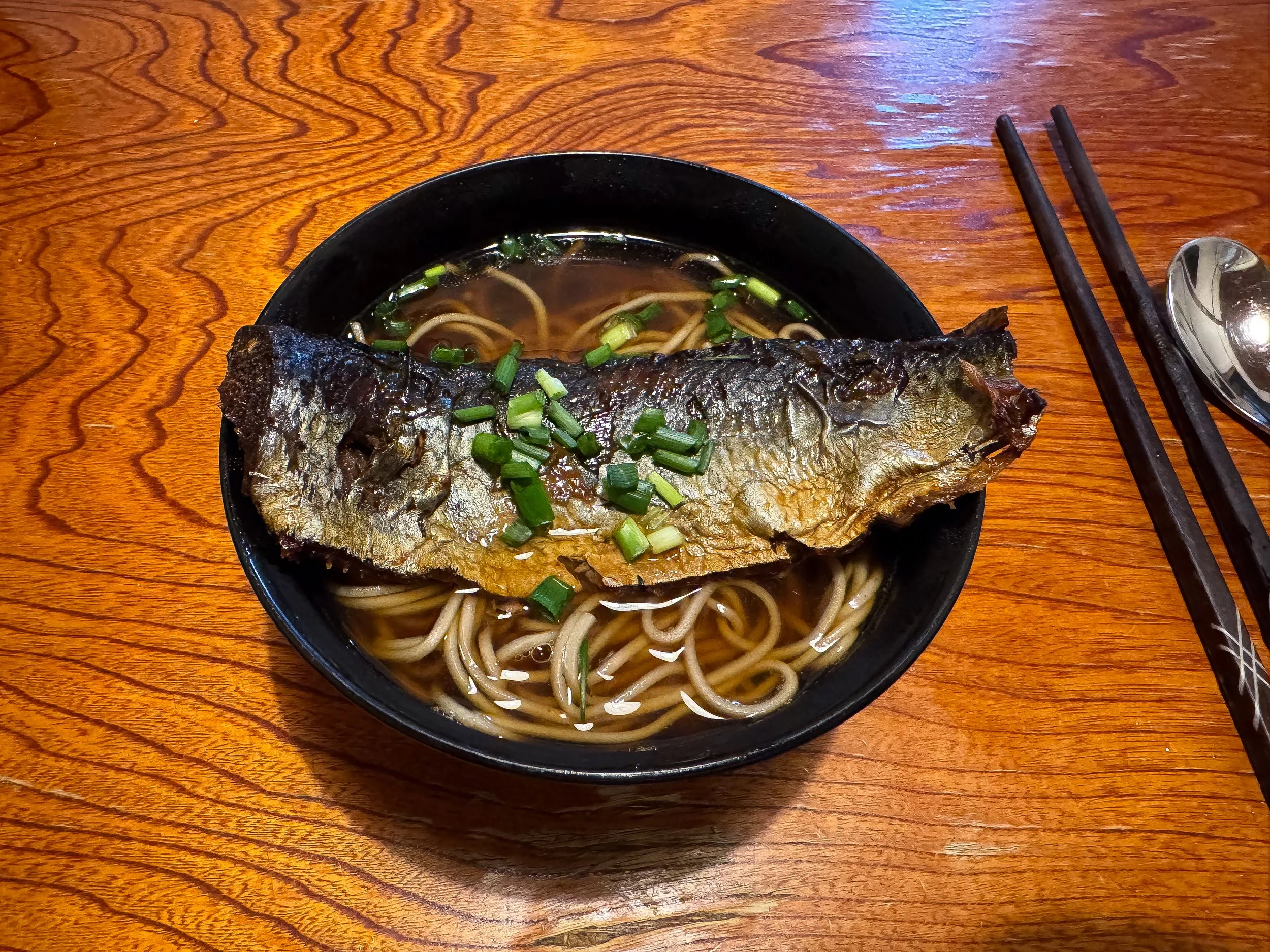
Nishin Soba. Kyoto soba noodle soup with marinated herring.
Miso Soup. A Japanese soup made with dashi broth, seaweed and tofu. It’s a common breakfast dish.
Japanese Meals & Spreads
Shojin Ryori. A spread of seasonal vegetables and vegetarian dishes commonly eaten by Buddhist monks. A staple of the meal is Goma Dofu, a sesame custard served in a bath of soy sauce and topped with wasabi.
Obanzai. A Kyoto style meal comprised of a spread of seasonal dishes like pickled vegetables, tamago rice and yudofu tofu.
Bento Box. A packaged meal consisting of compartmentalized side dishes like sticky rice, pickled vegetables, rolled eggs, cured fish and seaweed salad. It’s a popular way to eat lunch.
Japanese Breakfast. A bowl of miso soup, grilled fish, white rice and a raw egg.
Alcoholic Drinks
Sake. A popular Japanese wine made from fermented rice. It often has a light and floral flavor, pairing well with sushi, sashimi and nigiri.
Suntory Draft. An inexpensive brand of Japanese beer served across the country.
Getting Around
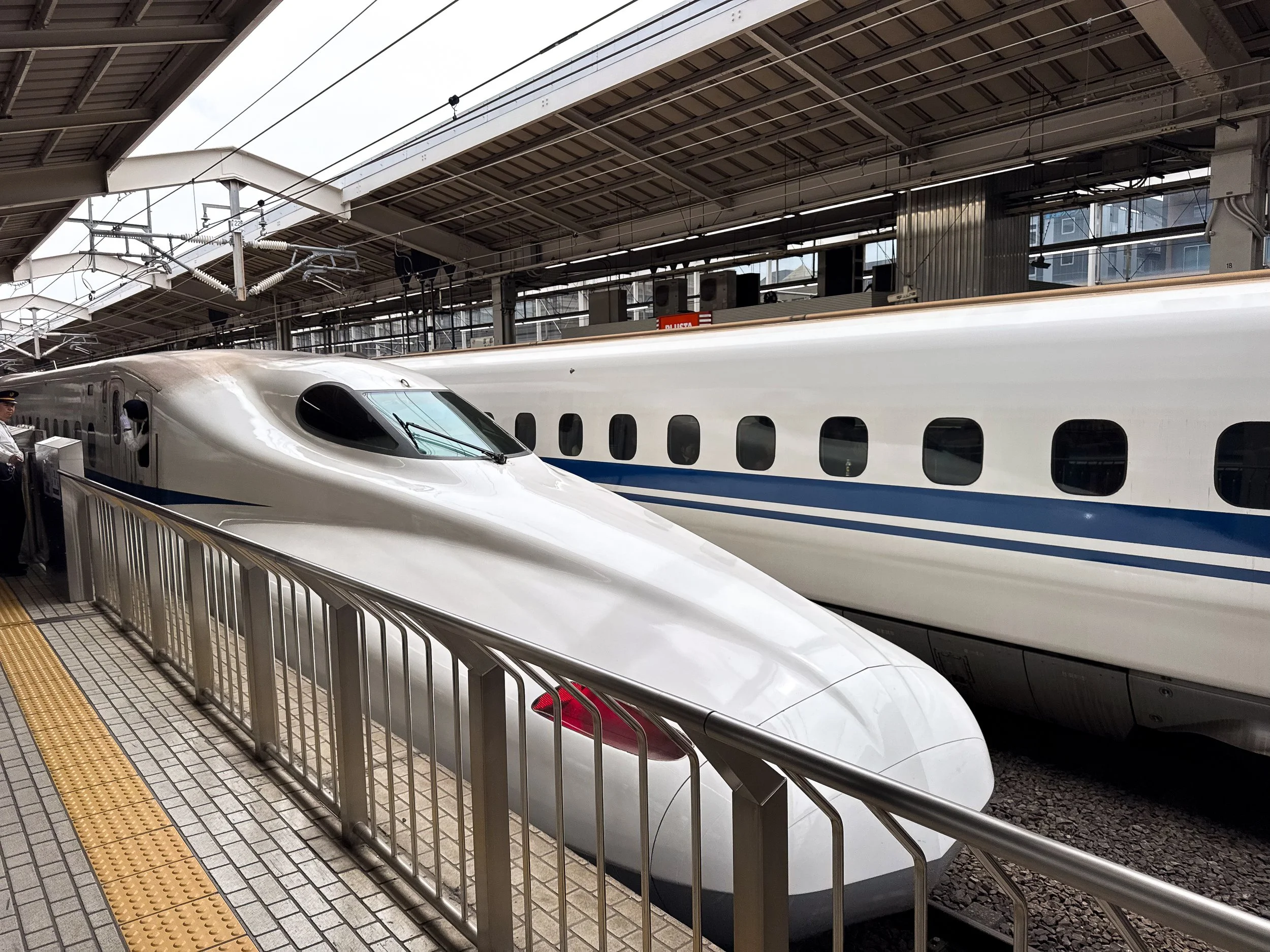
Shinkansen. The Shinkansen is Japan’s impressive network of high speed trains with routes across the country. The trains reach speeds of 177mph and are renowned for their reliability.
Tokyo to Kyoto. We took the Tokaido Shinkansen from Shinagawa Station in Tokyo to Kyoto Station. The high speed train took less than 2 hours and 30 minutes. The tickets are expensive, about $100 USD per person one way.
Pro Tip. Sit on the right side of the train from Tokyo to Kyoto for views of Mt. Fuji.
Local Trains. The local trains in Kyoto are confusing at first but efficient when getting around. Maps above the ticket kiosks help to find the destination station and ticket price. Most maps have an English translation of the station names and numbers making it easy to identify. Google Maps and station attendants were our best friends when we felt unsure of where to go or how much to pay.
Good to Know. Multiple train companies operate different lines across the city on the same tracks. Instead of buying a pass and trying to stick to one train company, we purchased tickets as we went giving us the most flexibility to get around.
On Foot. Not all sights are directly near train lines. We typically walked the distance in between, ranging from a few hundred meters to over a kilometer. It was a fun way to see the city!
Location Specifics
Credit vs Cash. Japan is generally a cash leaning country. Credit cards are accepted at some businesses but it’s safe to expect needing to pay in cash.
Otoshi (Covers). Many restaurants, izakayas and bars will charge a cover when dining in. They often include a small snack or house appetizer.
Tipping. It is not necessary to tip at most businesses. Bills will often include a 10% service charge.
No Shoes Indoors. Japan is the strictest country we’ve visited when it comes to wearing shoes indoors. At most restaurants and accommodations, shoes must be left at the door before entering.
Silence. Silence is highly valued in Japanese culture, especially when walking on the streets or riding public transportation.
Body Language. Pointing with fingers and crossing arms is considered rude. Use both hands when giving or receiving anything like cash, credit cards, receipts or tickets. A slight head bow is considered respectful when greeting someone or saying goodbye.
Anti Foreigner Izakayas. Some Izakayas refuse to serve foreign customers. Hosts or owners will say they’re closed or sold out then proceed to seat Japanese speaking customers. When this happens, it’s best to brush it off and find somewhere else to dine.
Street Etiquette. Don’t eat or drink while walking. It’s considered bad manners. Walk on the left side of the sidewalk. Follow the direction of Japanese people, not other tourists. Don’t walk on the escalators.
Reservations. Most restaurants and bars only have about ten seats. It’s near impossible to dine or drink anywhere without a reservation.
Language
Knowing a few words and phrases in Japanese goes a long way when interacting with locals.
Hello. Kon'nichiwa (Kon-Knee-Che-Wa)
Good Morning. Ohayōgozaimas (Oh-Hi-O-Go-Sigh-Mas)
Thank You. Arigatōgozaimas (Are-E-Got-Toe-Go-Sigh-Mas)
You’re Welcome. Dōitashimashite (Doe-Tie-She-Mash-Two)
I Would Like. O onegaishimasu (O-Own-E-Guy-She-Mas-Sue)
Yes. Hai (Hi)
No. Īe (E-Yea)
Where to Stay
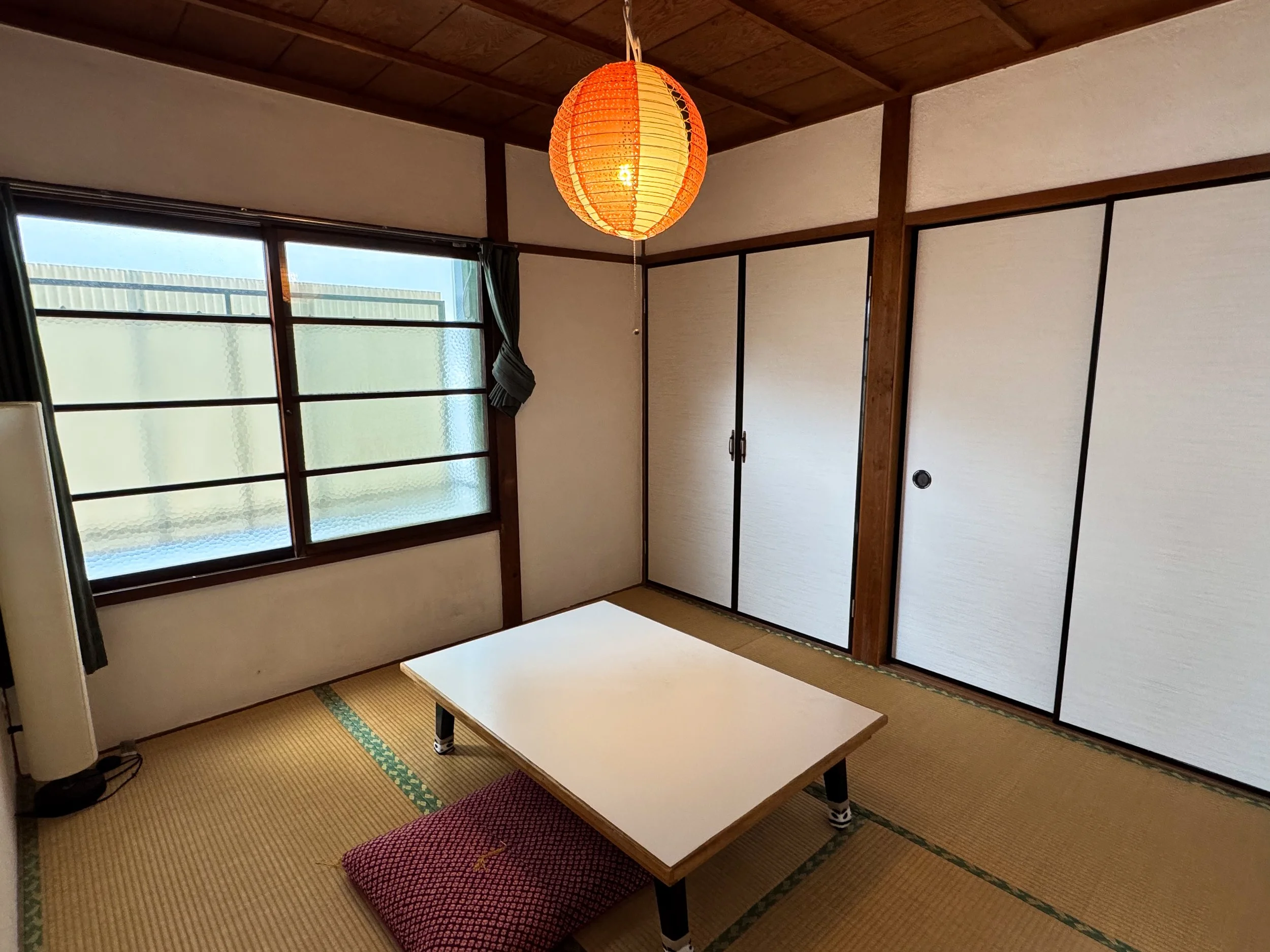
Kyoto Airbnb. A traditional Japanese house with tatami mat floors, paper thin walls, sliding doors and lanterns for lights. We slept on the floor mattresses, ate on the floor and overlooked the street from our second floor balcony. It’s located in a suburb of Kyoto which made getting into the city via the trains more difficult. Book here!

Elsewhere in Japan
From Kyoto's ancient temples and historic streets to Tokyo's urban energy, Osaka's culinary scene and Okinawa's subtropical islands, discover more of Japan through these travel guides:
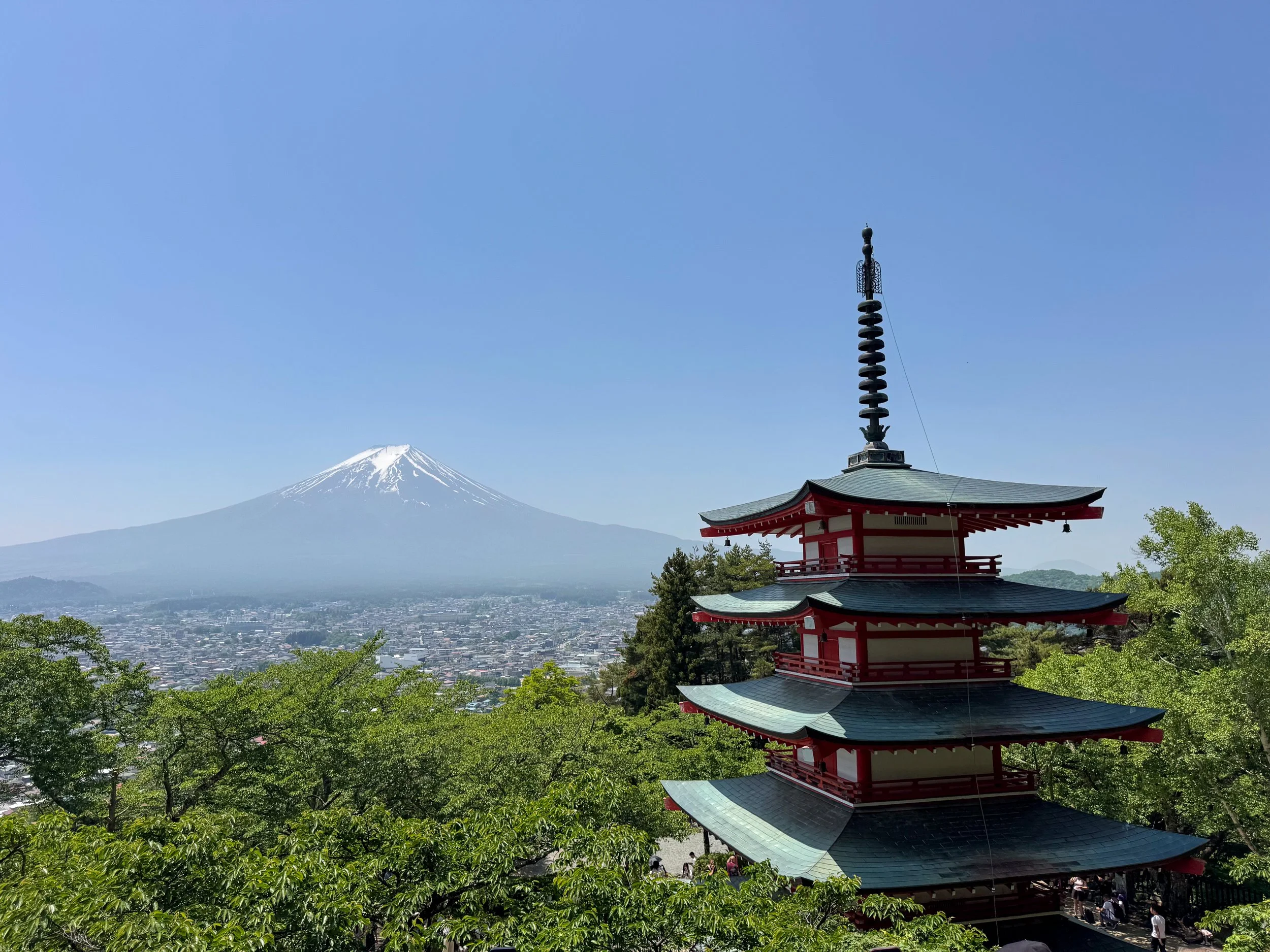
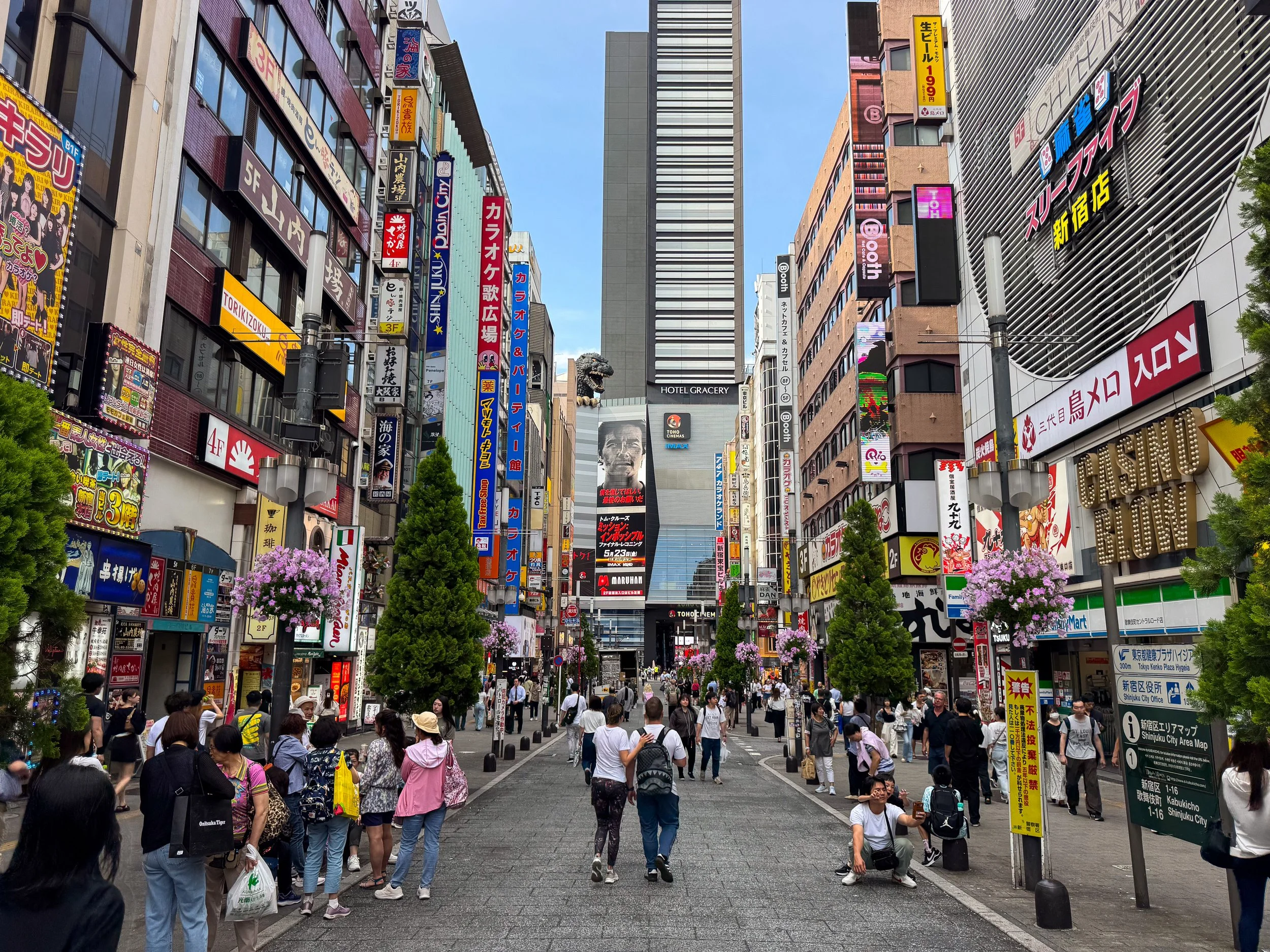
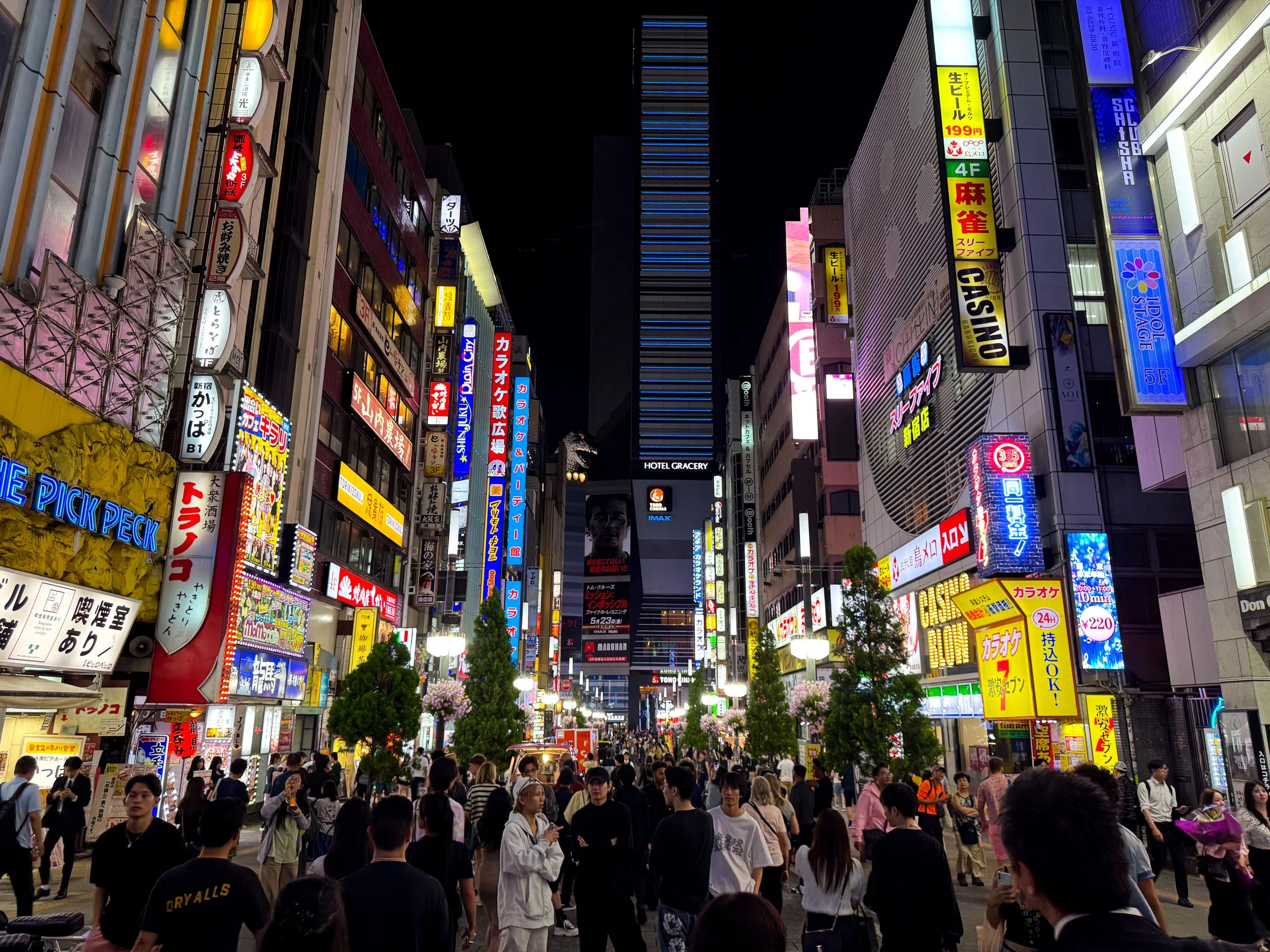
Tokyo Travel Guide: Districts, Japanese Culture & Mt. Fuji. Get lost in Tokyo where vibrant districts, neon cityscapes, historic temples, centuries old traditions & Japanese food alleys are set against the backdrop of Mt. Fuji.
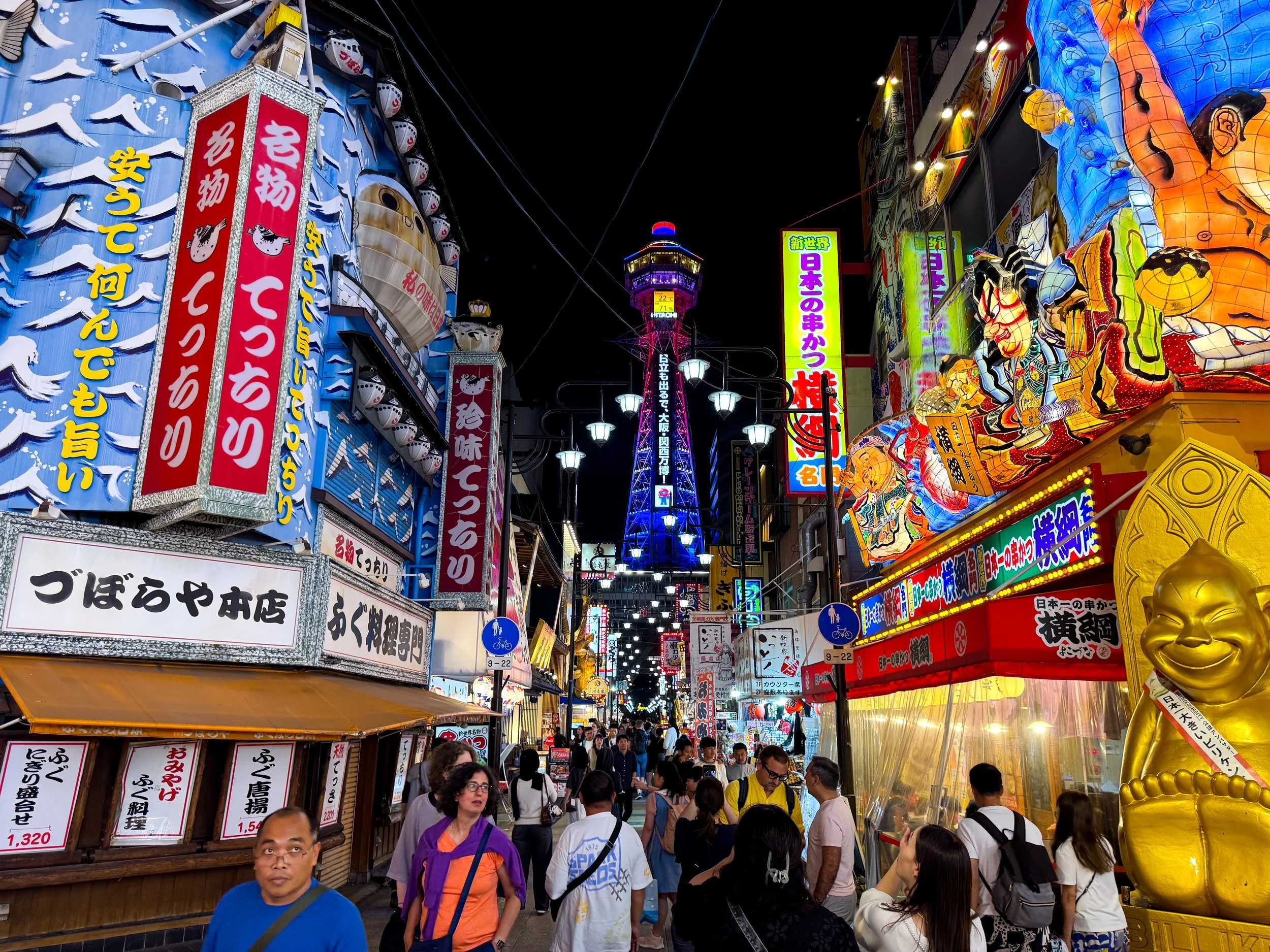
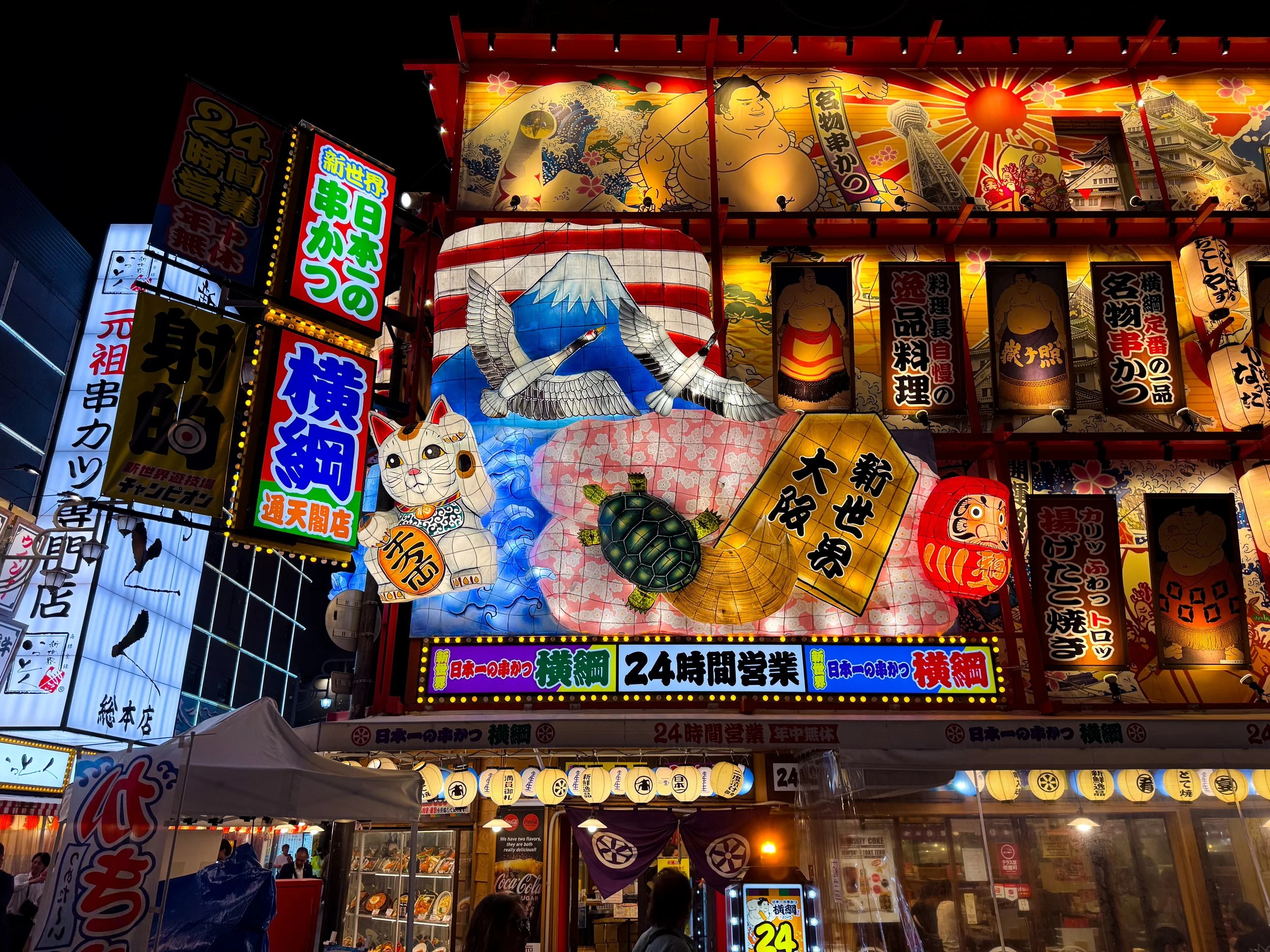
Osaka Travel Guide: Dotonbori, Street Food & Osaka Castle. Experience Osaka where Dotonbori, Osaka Castle, neon-lit streets, bustling markets and legendary street food culture fuel the city's unmistakable energy.
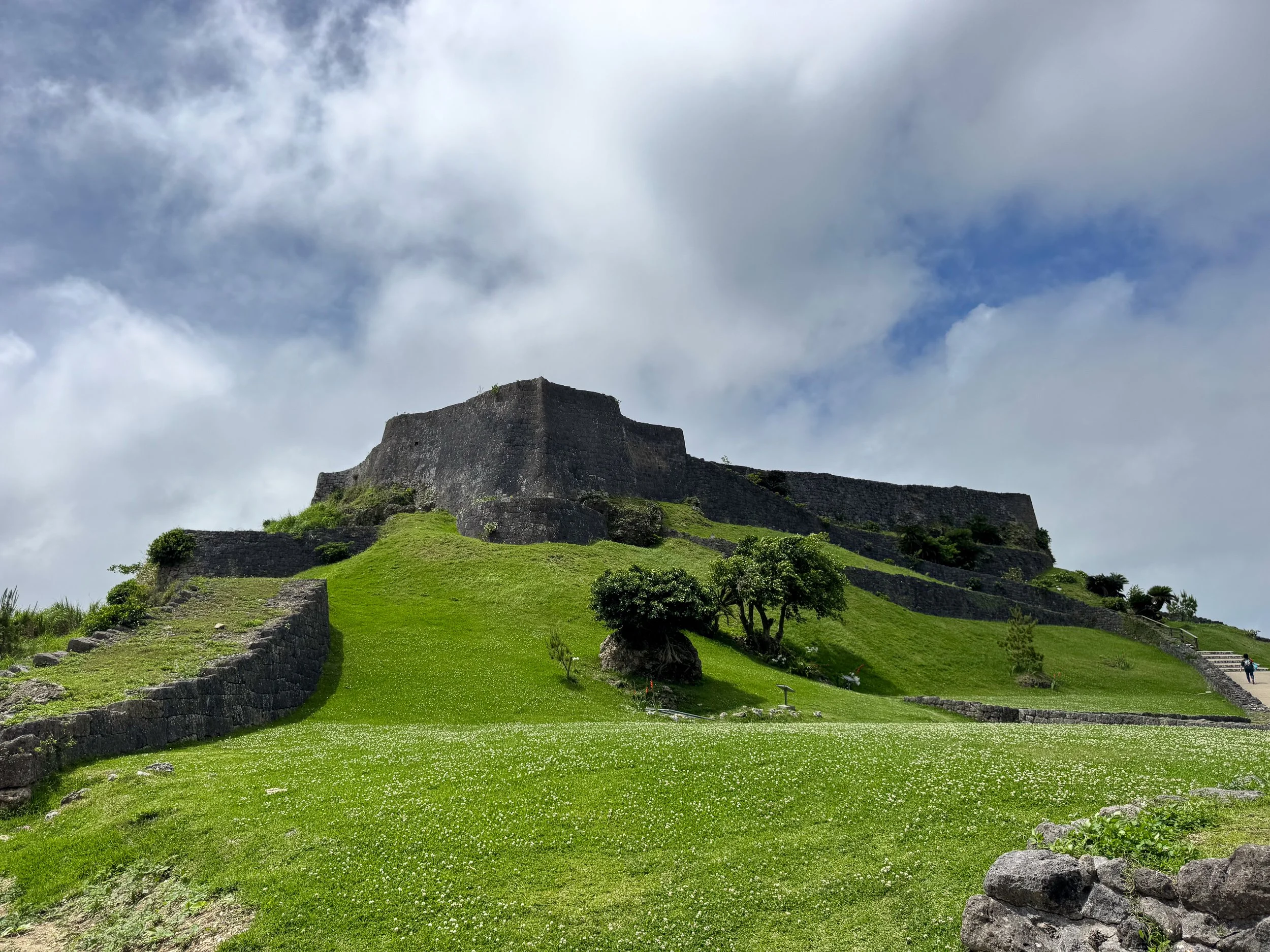
Okinawa Travel Guide: Ryukyu Culture, Island Landscapes & Okinawan Cuisine. Discover Okinawa where Ryukyu heritage, historic castles, subtropical islands, coral reefs and Okinawan cuisine blend island traditions with Japanese influences.
For Next Time…
Return during Autumn. Kyoto is a magical place at all times of year. We plan to return one day during the fall time when the trees change colors and bathe the city in a warm glow.
Visit Hiroshima. The city of Hiroshima is reachable by Shinkansen from Kyoto on day and overnight trips. It’s memorialized as a sight of the atomic bombings, famed as the birthplace of okonomiyaki and recognized for its “floating” red torii gate.