Tokyo Travel Guide: Districts, Japanese Culture & Mt. Fuji
Tokyo, A City of Cities
Tokyo, Japan’s vibrant capital, is a city of cities famed for its urban landscape and constant energy. Crowded intersections and bustling streets are flanked by colorful signs, towering skyscrapers and glowing neon lights. Japanese cuisine is served at lively izakayas, narrow yokochos and seafood markets. Ancient traditions live on at historic temples and cultural sites. A complex transport system links the city’s districts, shaping the dynamic metropolis. We spent a week exploring this energetic capital, including a day trip to the iconic volcano of Mt. Fuji.
Shinjuku City
Shinjuku is one of Tokyo’s most vibrant neighborhoods with neon lit walking streets, nightlife alleys, second hand clothing stores and cutesy cafés.
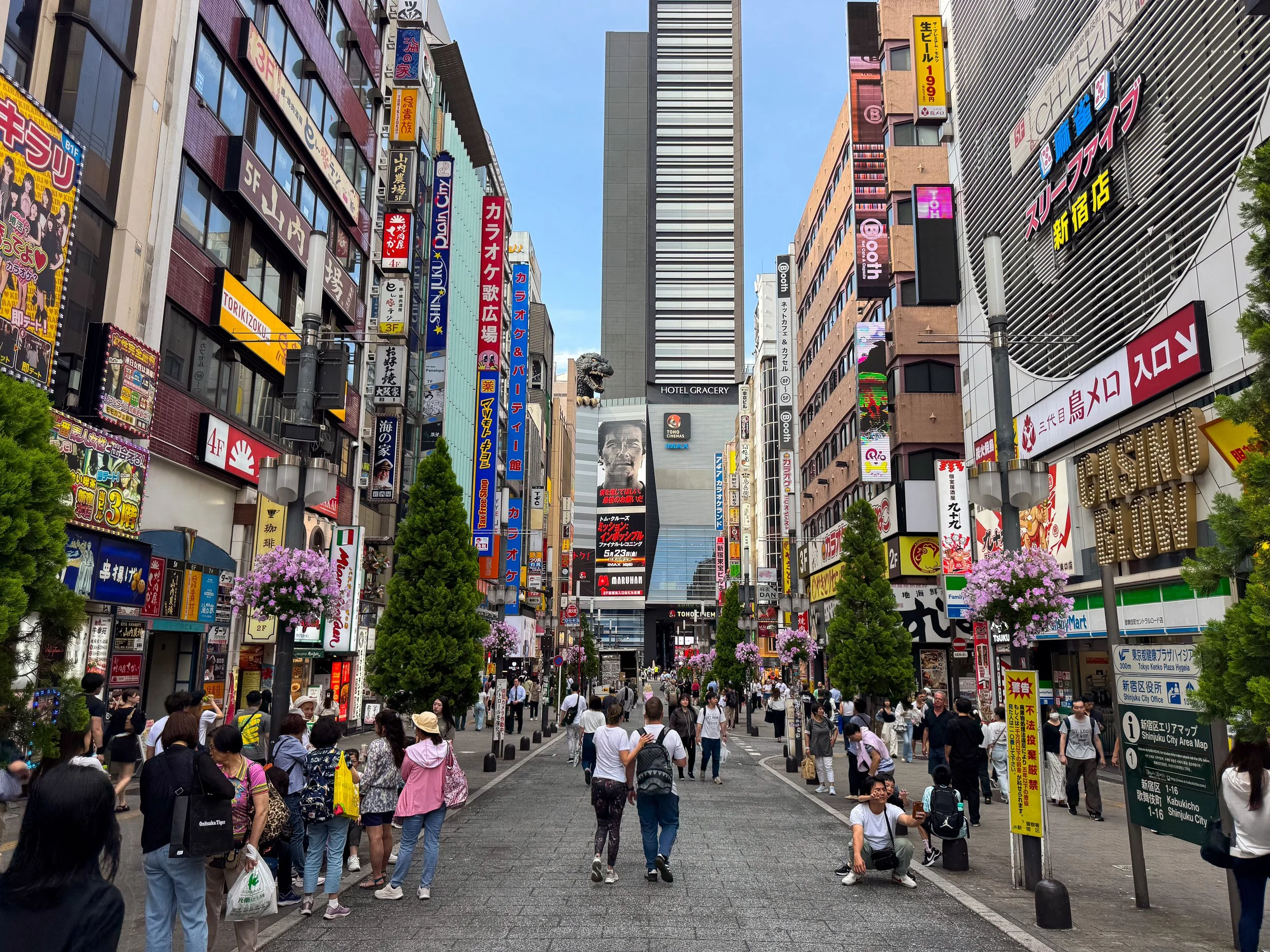
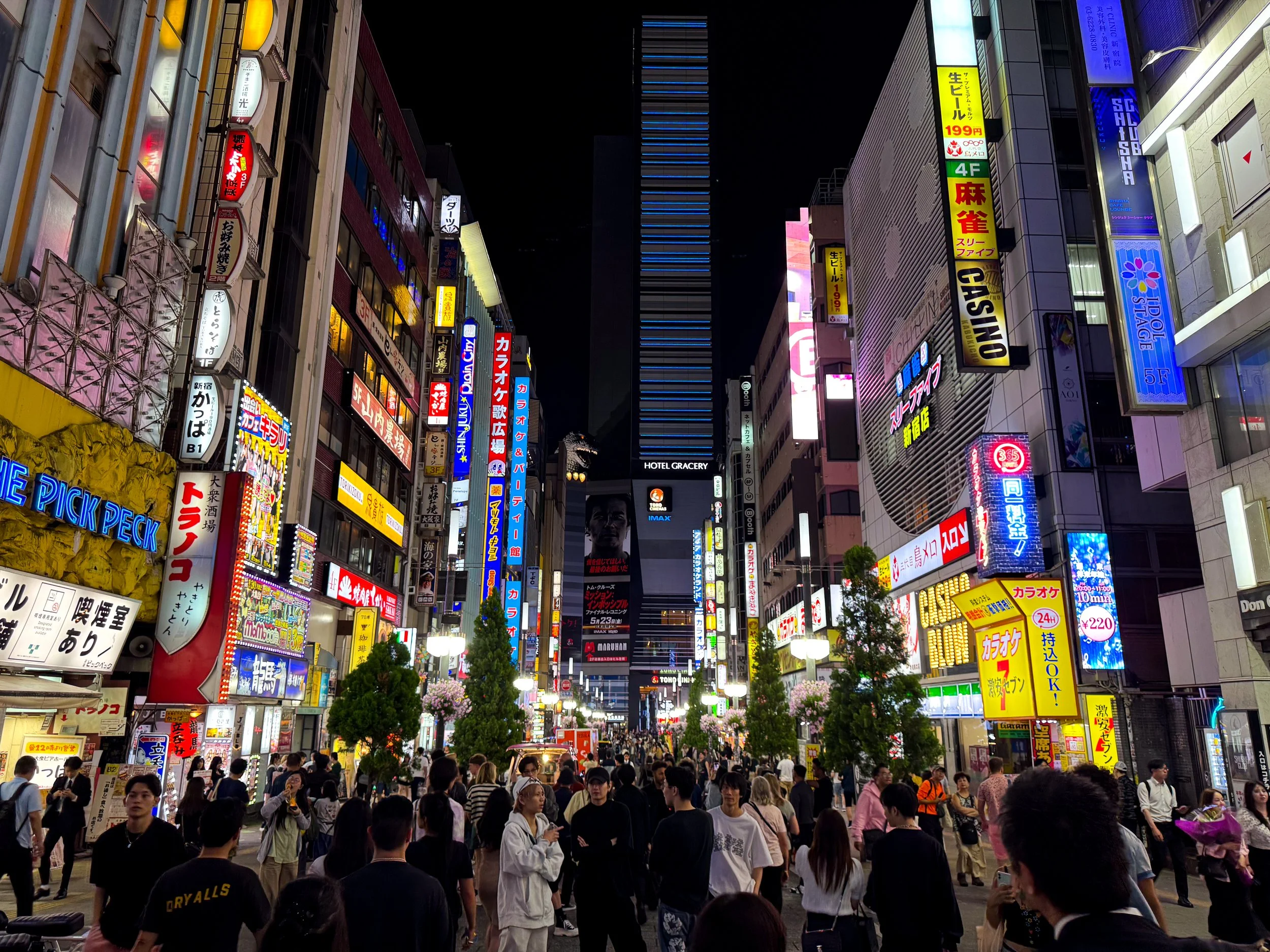
Godzilla Road. Tokyo’s most famed walking street, named after an iconic statue of Godzilla perched on top of a theater at its end. The street is illuminated by a canyon of buildings adorned with colorful vertical signs and vibrant neon lights. Thousands of people meander between shops, restaurants, karaoke bars and clubs.
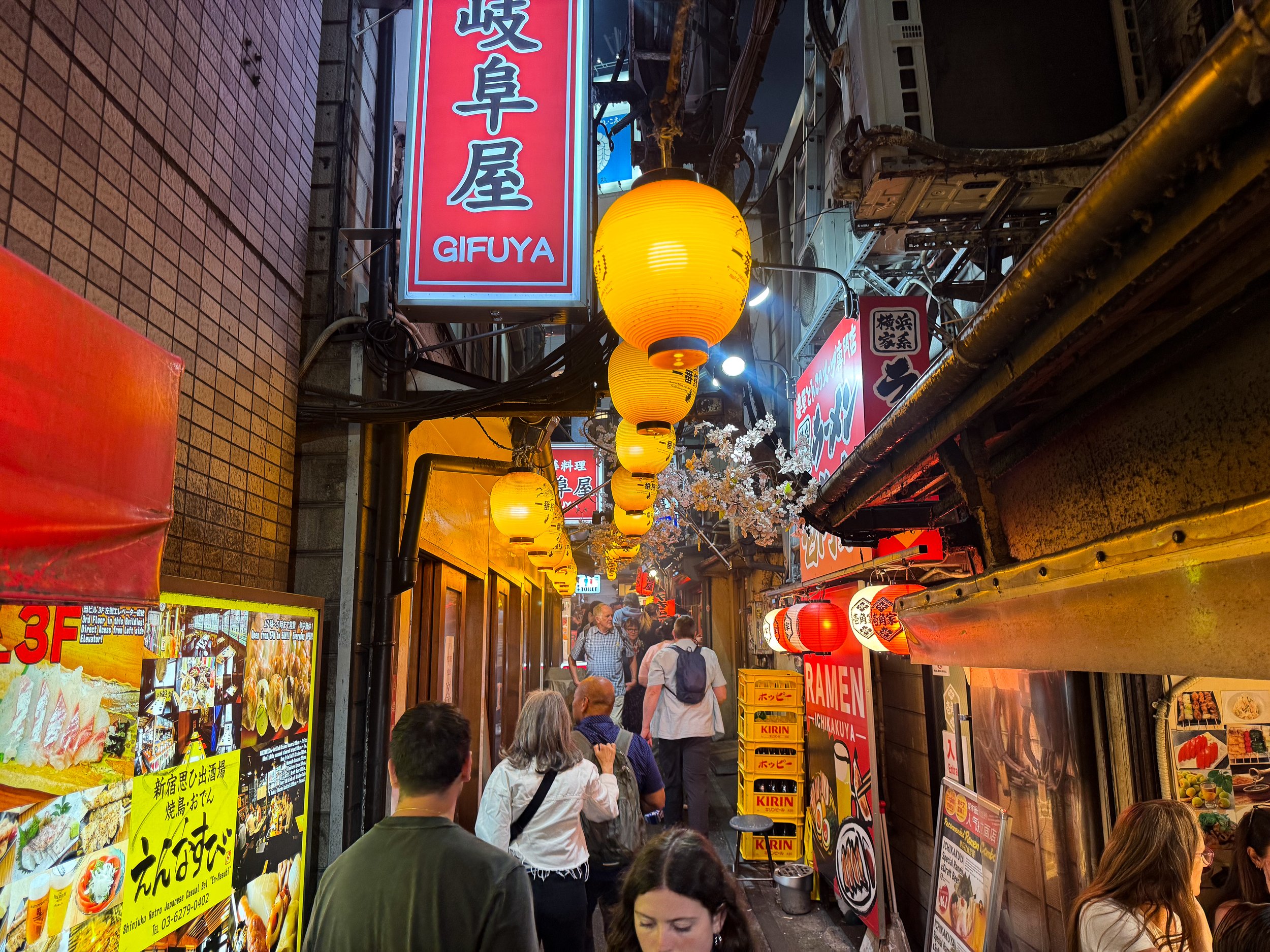
Omoide Yokocho. A narrow alleyway with tiny multi floor bars and authentic street food kitchens serving yakitori, skewers of grilled meat. Smoke from the grills wafts through the alley covering it in a thin veil of haze. We wandered through until ducking into a bar with open seating.
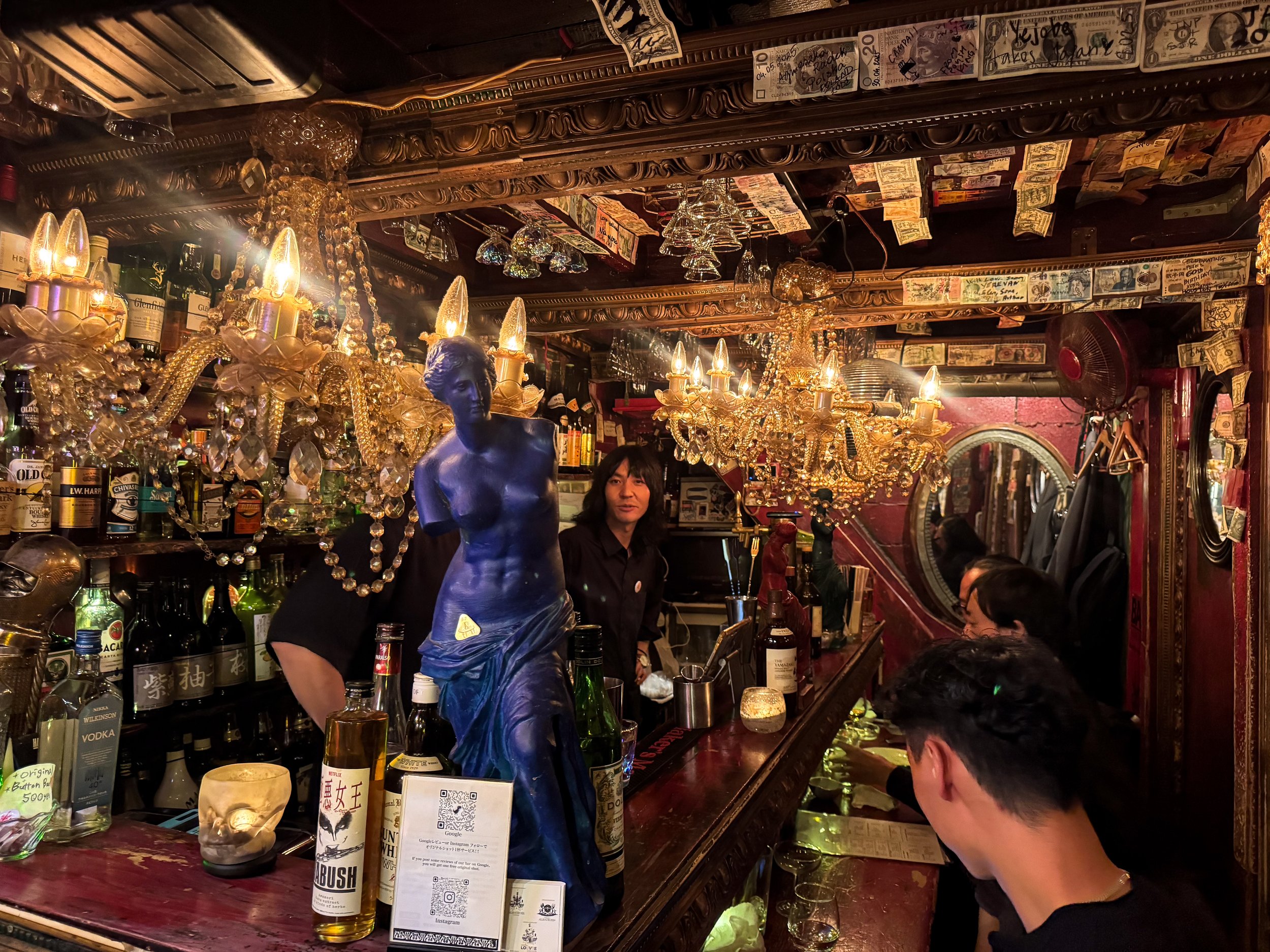
Bar Albatross. An eclectic three floor bar in Omoide Yokocho decorated in salvaged artifacts. Welcoming bartenders invited us in and began recommending Japanese inspired signature cocktails from the menu. Try the Spicy Gin or Ume-Ra.
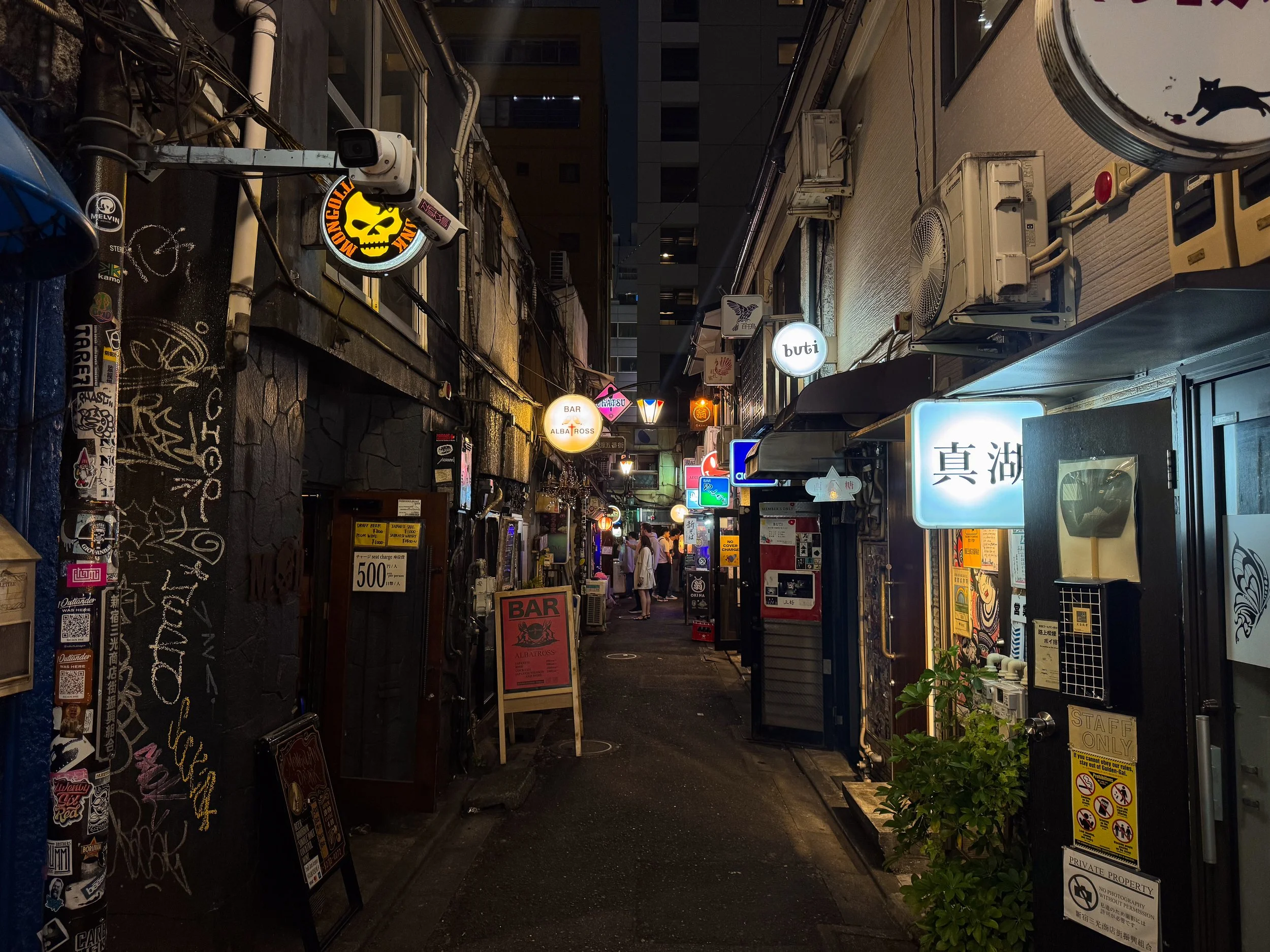
Golden Gai. A nightlife area of Shinjuku with alleyways of hundreds of tiny bars. Each offers a unique experience with seats for less than a dozen customers. We walked past cocktail bars, dive bars, whisky bars, themed bars, sports bars and beer pubs. After strolling the alleys, we settled on Halo, a warmly lit cocktail bar specializing in Japanese gins from across the country.
Good to Know. Most bars have a ¥500-1000 cover. Some bars are unwelcoming and forbid foreigners. Avoid places that say “Members Only” and “No English.”
Shinjuku Ni-Chome. An LGBTQ+ nightlife area with several queer friendly bars and clubs. We ordered late night cocktails at King Tokyo, one of the most popular gay bars in the area with cheap and strong drinks!
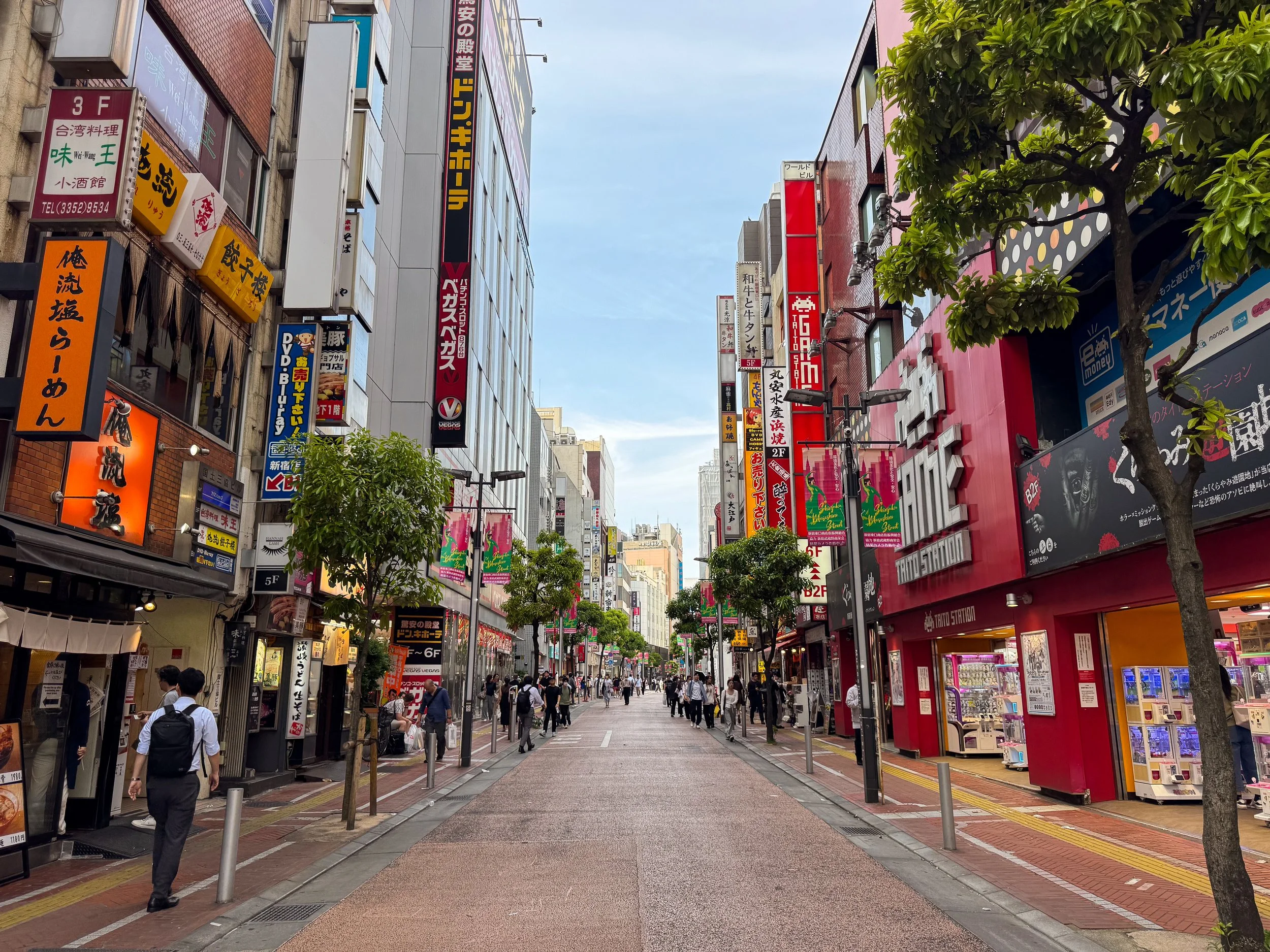
Musashino Street. A walking street with hundreds of colorful vertical signs competing for people’s attention. The street has a Don Quixote, arcades with claw machines and Japanese izakayas serving ramen and sushi.
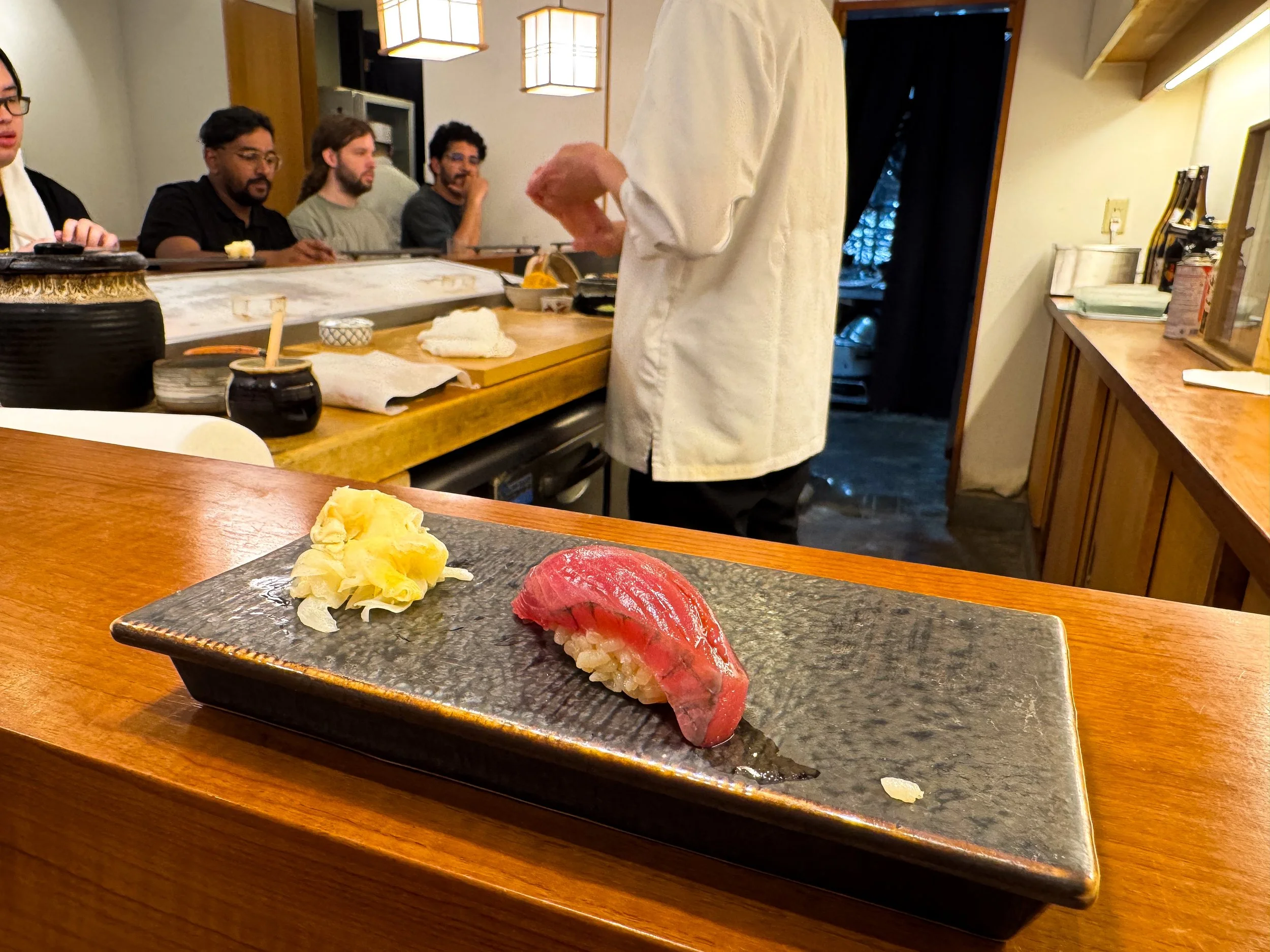
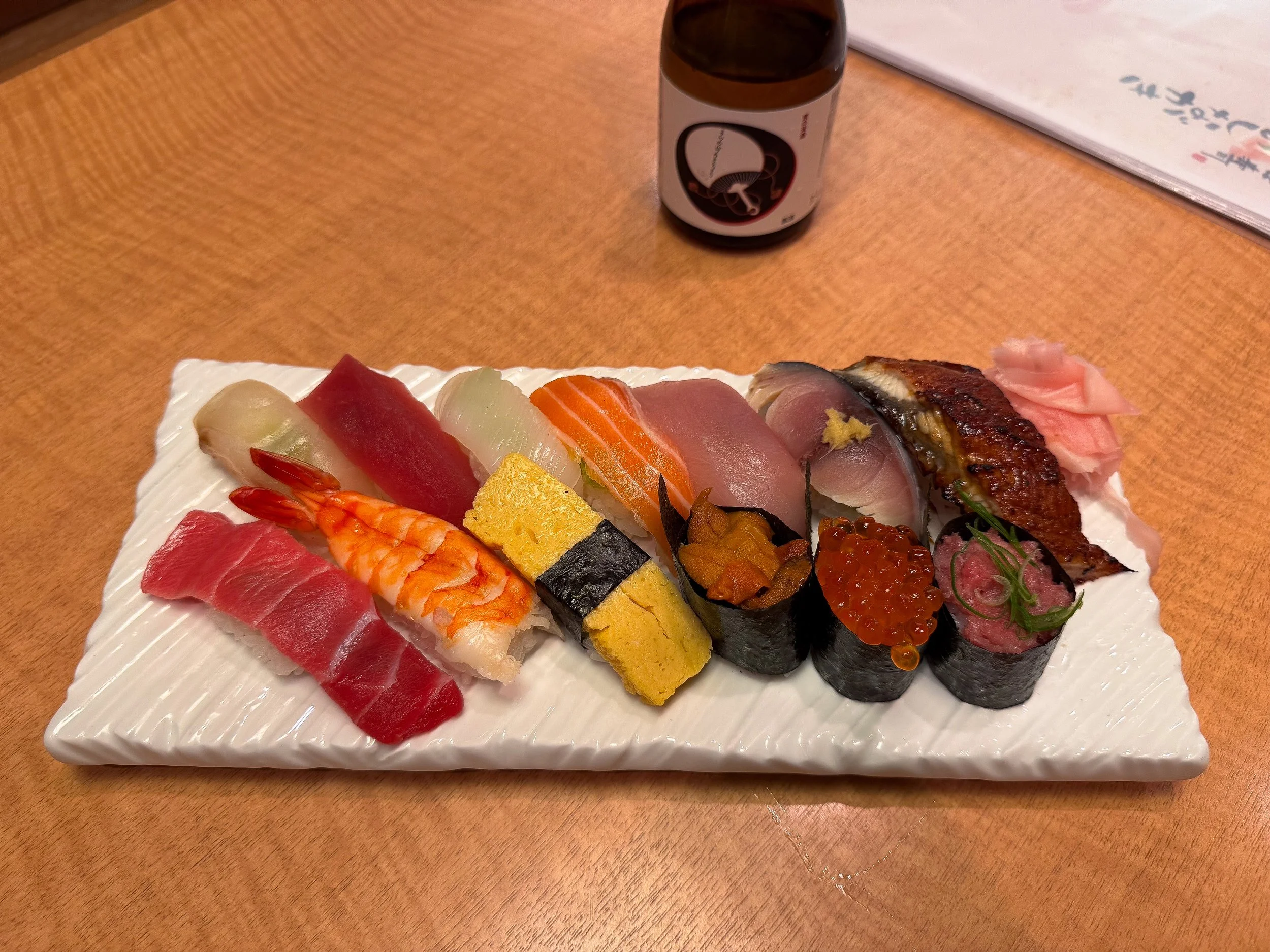
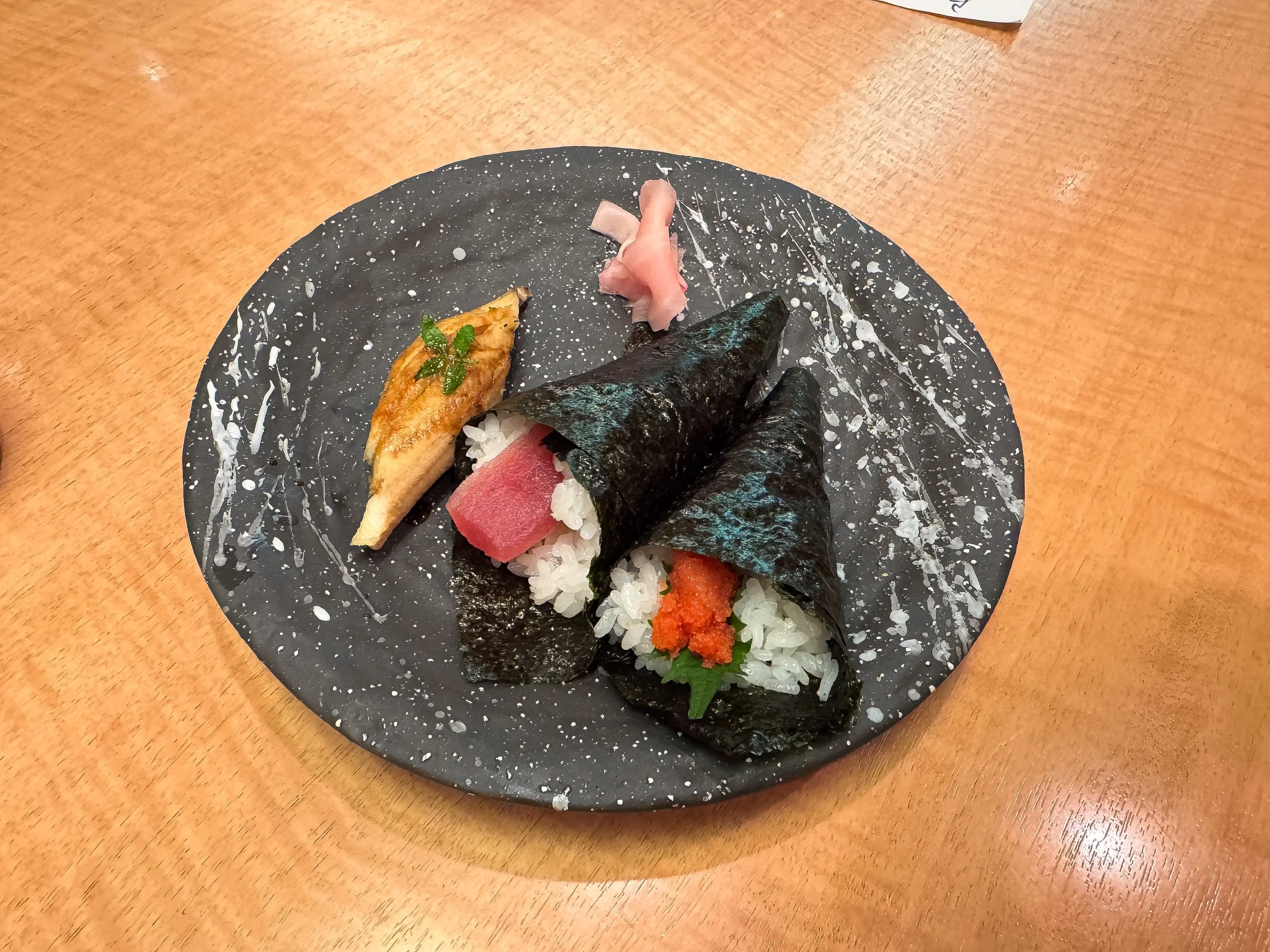
Shinjuku Makoto. A small sushi restaurant specializing in Omakase, a multi-course sushi tasting experience curated individually by the sushi chef. It included 11 pieces of nigiri, a hand roll and multiple small sides. We paired it with a carafe of house sake. They offer multiple levels of omakase as well as vegetarian options. Reservations are needed ahead of time and can be booked with Table Check.
Shinjuku Station. The busiest train station in the world! It’s Tokyo’s transportation hub with over 2 million daily visitors. During rush hour, it’s the common sight of “professional pushers,” attendants that push people inside train cars to keep trains operating on time.
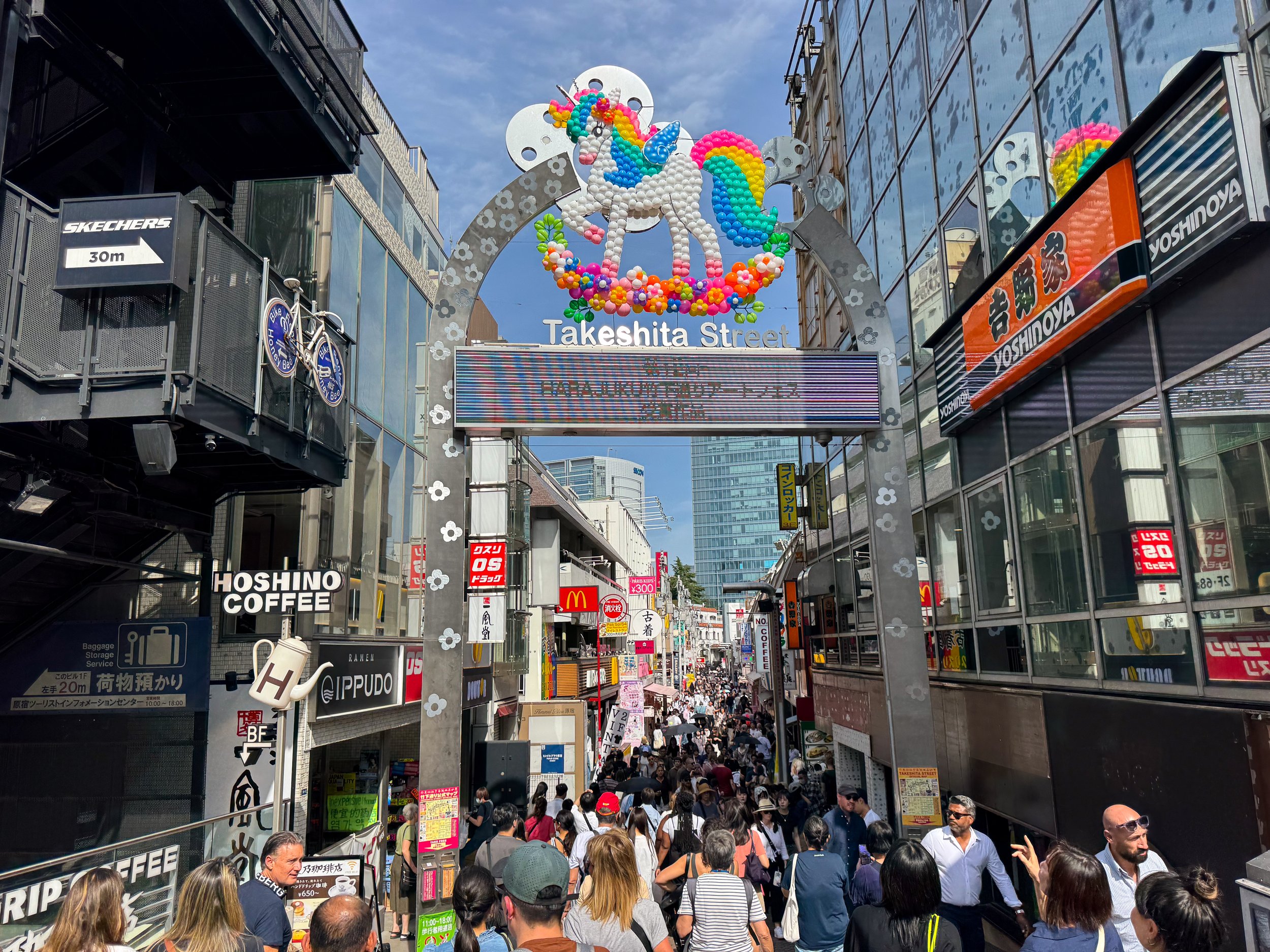
Harajuku
Harajuku is a trendy sub neighborhood within Shinjuku renowned for its aesthetic, fashionable vintage shops, Japanese denim stores, luxury boutiques, themed cafés and all things cute.
Takeshita Street. An eccentric and touristy street famed for Japan’s Kawaii Culture, the celebration of all things cute. The street is lined with toy stores, sweet shops and animal cafés. Toy stores sell big eyed stuffed animals, tiny key chains and small figurines. Sweets shops sell candies, fruit stuffed handled crepes and colorfully spun cotton candy. Animal cafés let guests cuddle with puppies, cats, potbelly pigs, hedgehogs and rabbits.
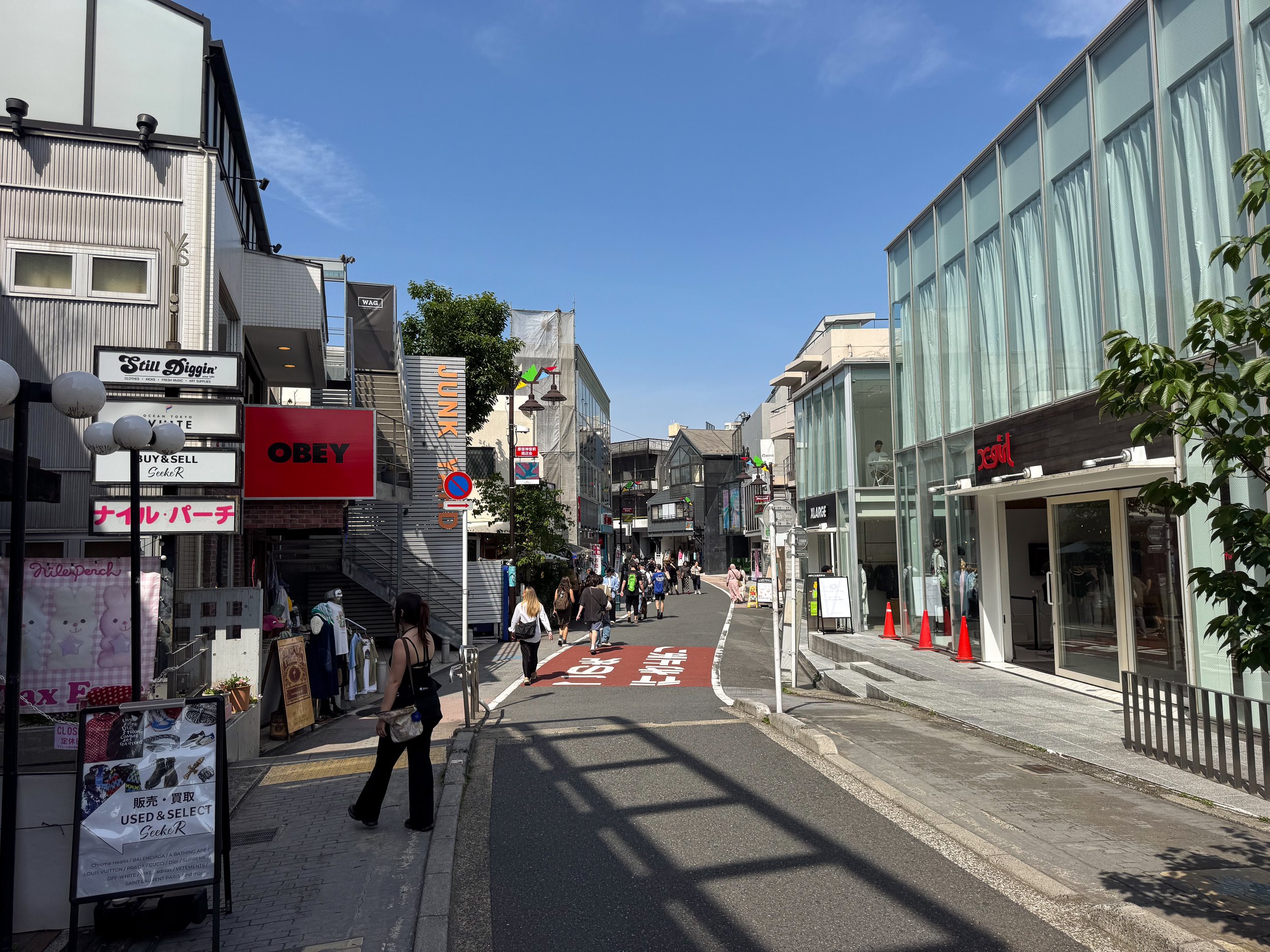
Cat Street. The main street in Harajuku for vintage finds, secondhand luxury goods and Japanese denim. Visit Harajuku Chicago Jingumae, Flamingo and 2nd Street Harajuku for vintage. Shop at Japan Blue Jeans Shibuya, Studio D'artisan Tokyo and Levi's Harajuku for denim.
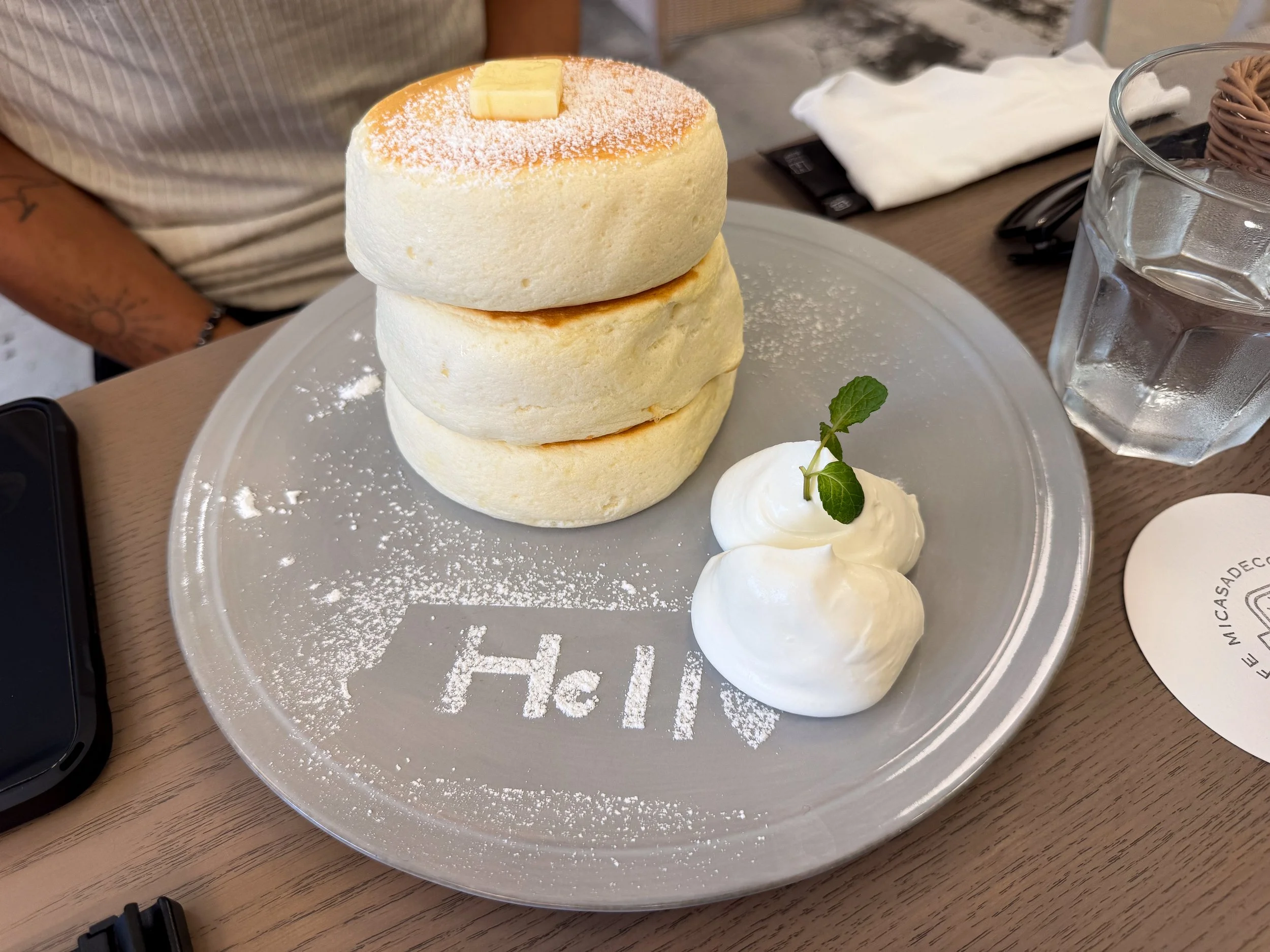
Micasadeco & Café. A trendy brunch spot offering Japanese Pancakes, a tall stack of fluffy and jiggly soufflé style pancakes. Be prepared to wait in line for 45 minutes to be seated and another 45 minutes to receive an order.
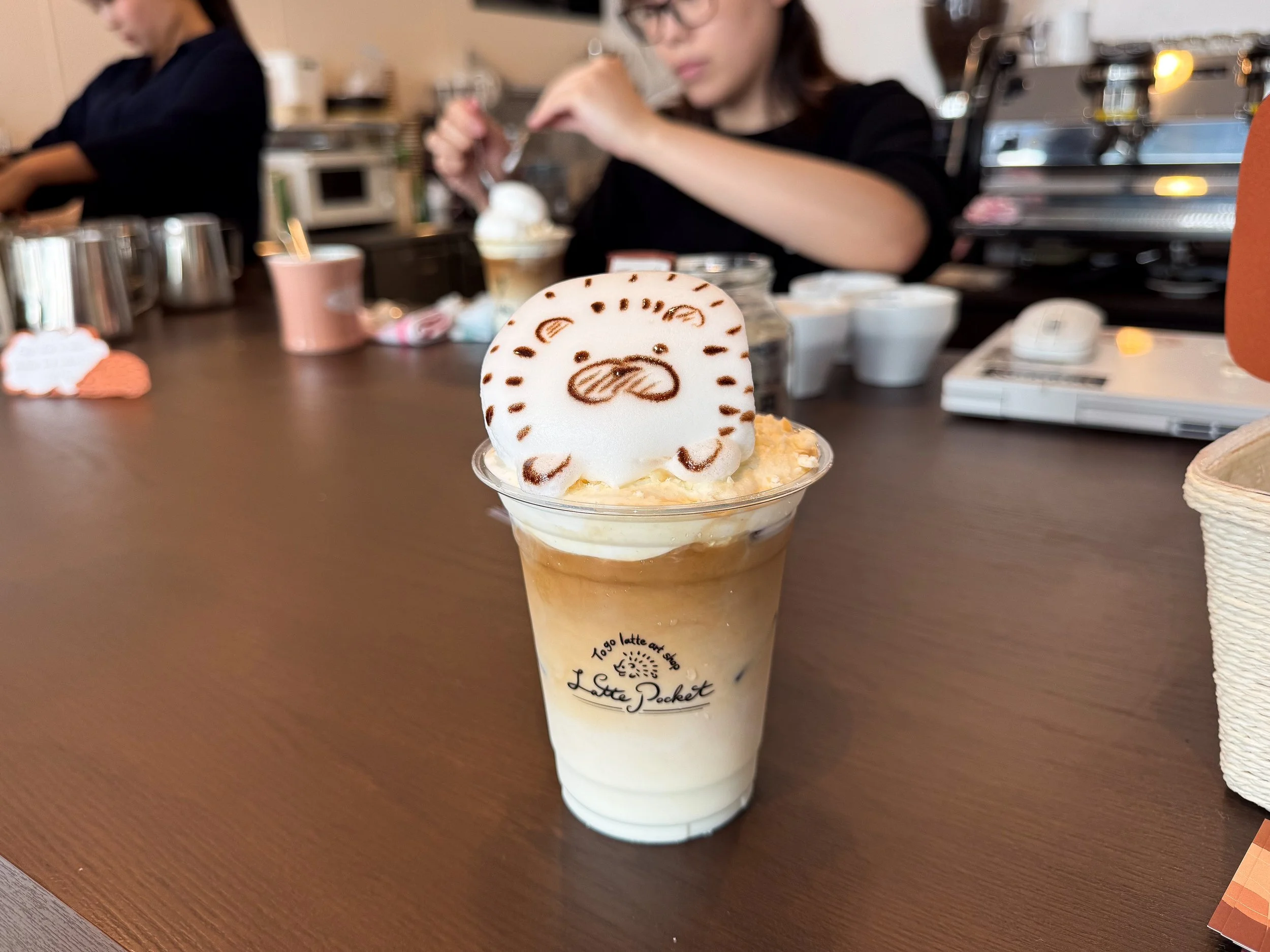
Latte Pocket. A café offering sculpted foam art lattes shaped into animals or cartoon characters. We ordered hedgehog and puppy designed lattes from their list of suggestions. Show them a toy or photo to reference for something extra custom!
Shibuya City
Shibuya is a densely developed and commercialized ward in central Tokyo with shopping streets, izakayas, neon lit signs and a vast city park with historic sights.
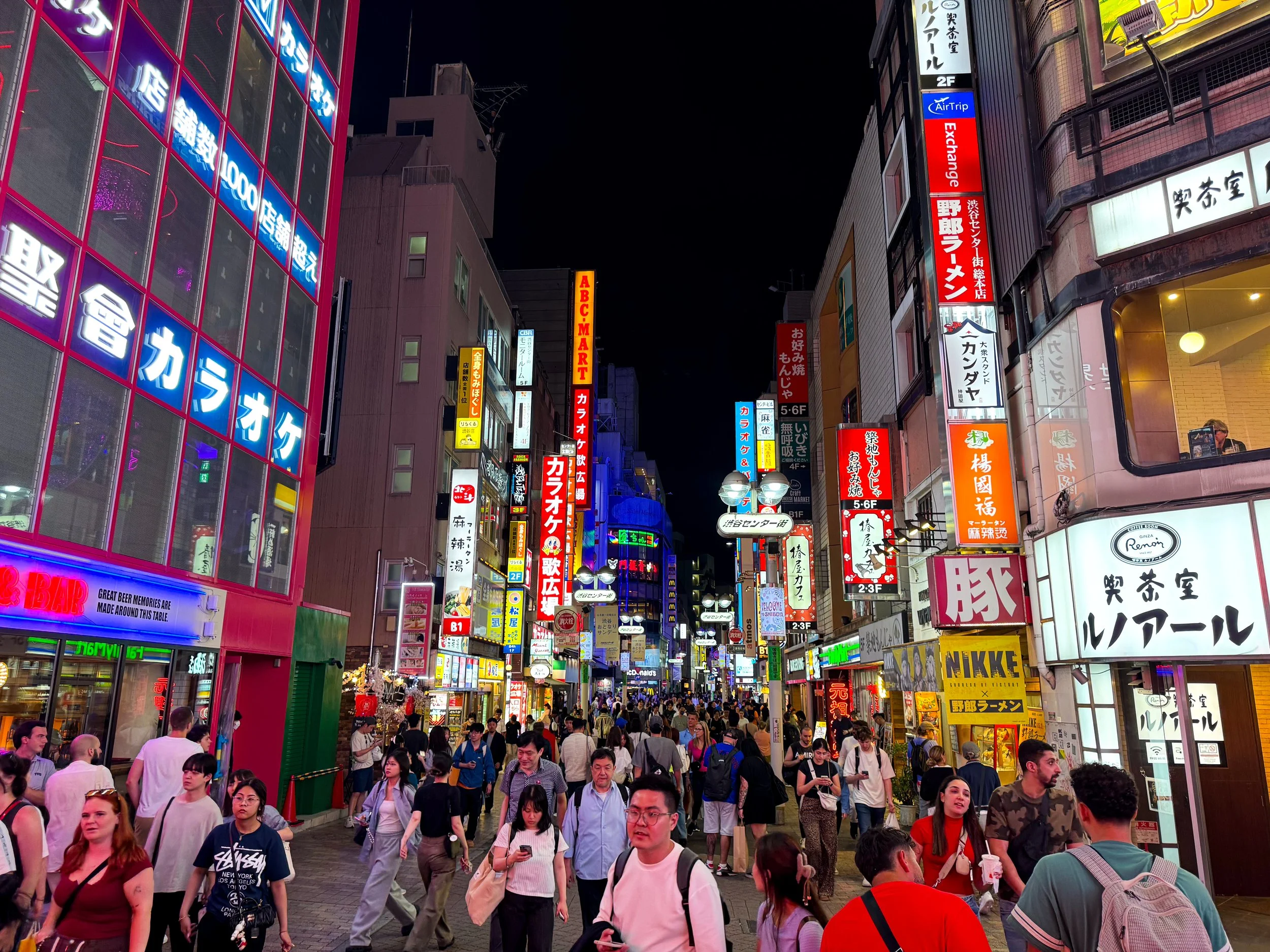
Shibuya Center-Gai. A neon lit street with colorful vertical signs covering buildings, restaurants and bars. Walk through at night to take in Tokyo’s famed street scene.
Udagawacho District. A bustling sub neighborhood of Shibuya with shopping streets, winding alleyways and colorful neon lights.
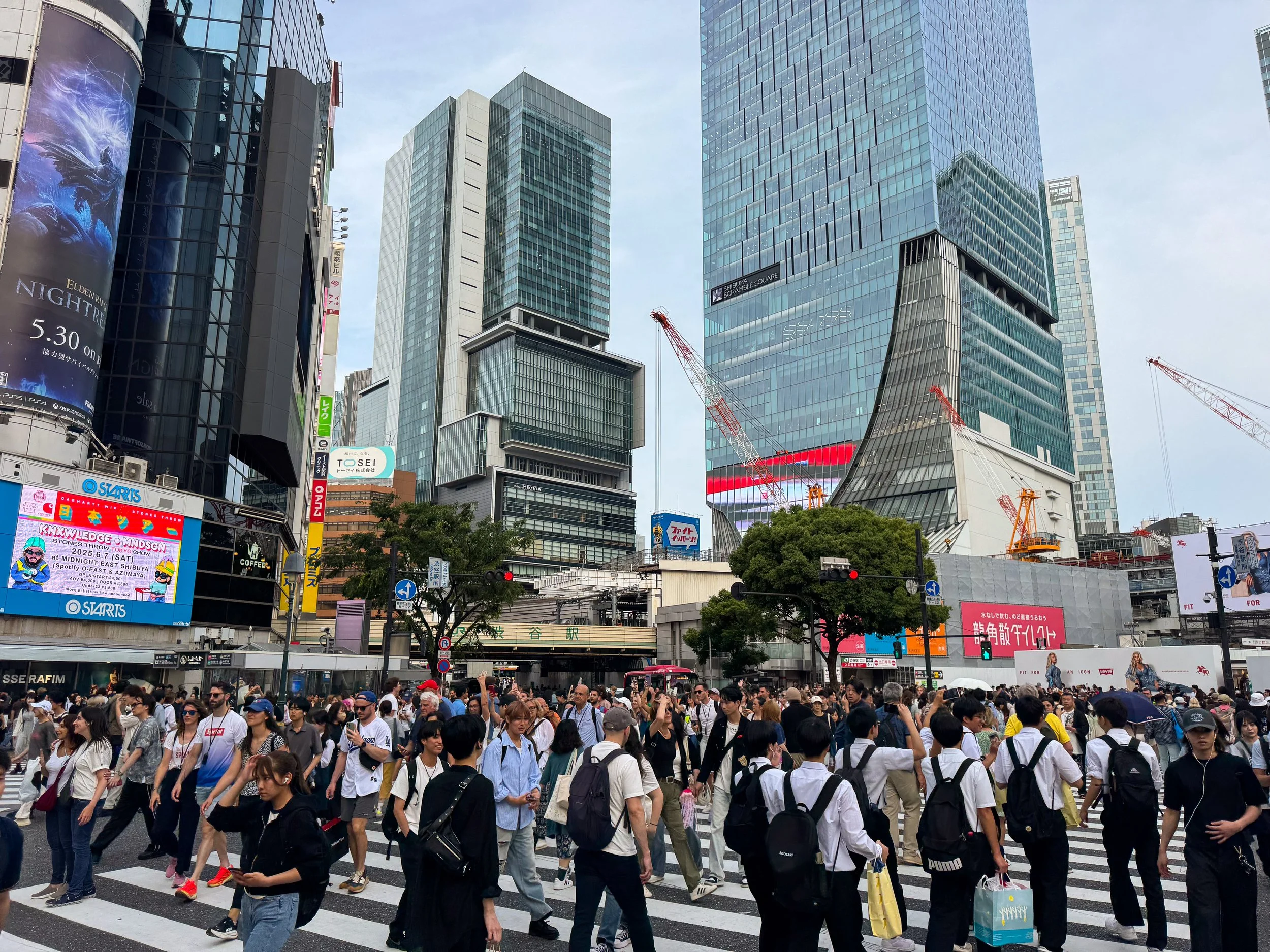
The Shibuya Scramble. A four way intersection with a diagonal crosswalk celebrated as the “World’s Busiest Intersection.” Thousands of people weave past each other in a moment of chaotic harmony as soon as the walk sign flashes.
Pro Tip. Order a drink at Starbucks for a view from above.
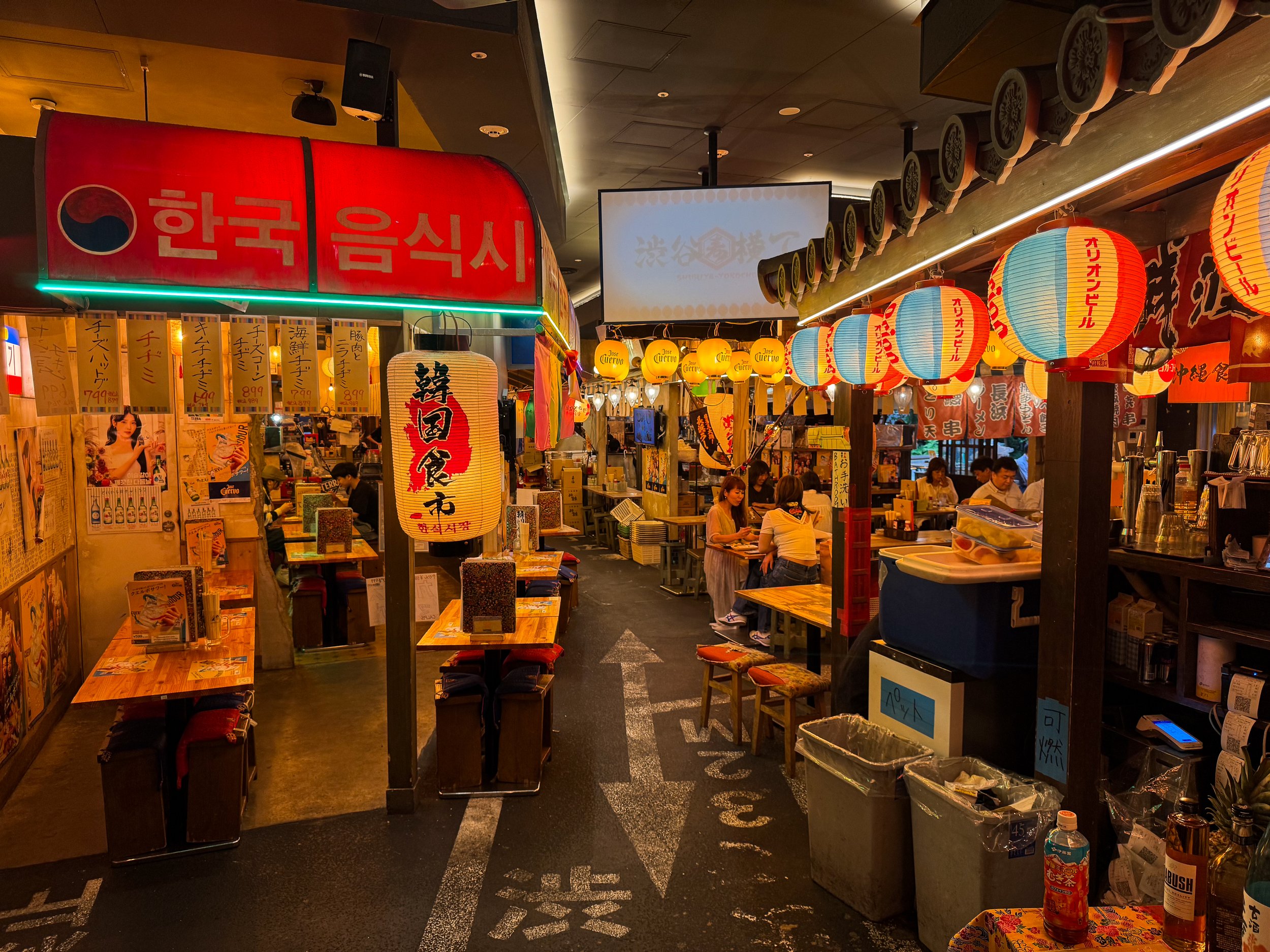
Nonbei Yokocho. An indoor alley and food hall alongside Shibuya Station with many traditional restaurant stands, izakayas and tiny bars. It’s a vibrant and lively place to eat and drink while experiencing Japanese food culture.
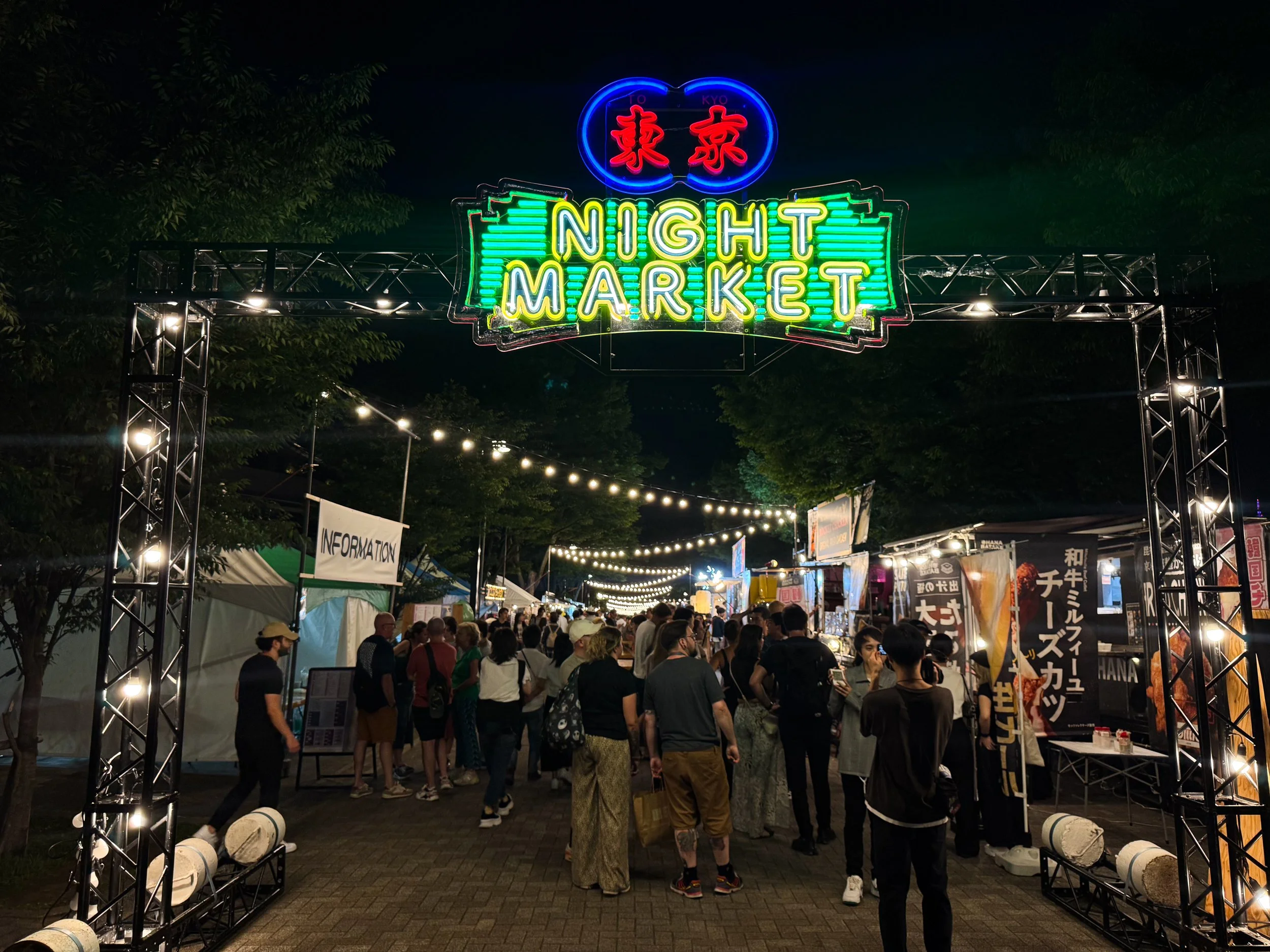
Tokyo Night Market. An evening night market with dozens of food trucks, beer tents and stages with live musical performances. Come here for Japanese cuisine, international street food and locally brewed beers. The market is held along a treelined road and under a canopy of string lights in Yoyogi Park. It’s relatively new and only held on certain weekends of the year.
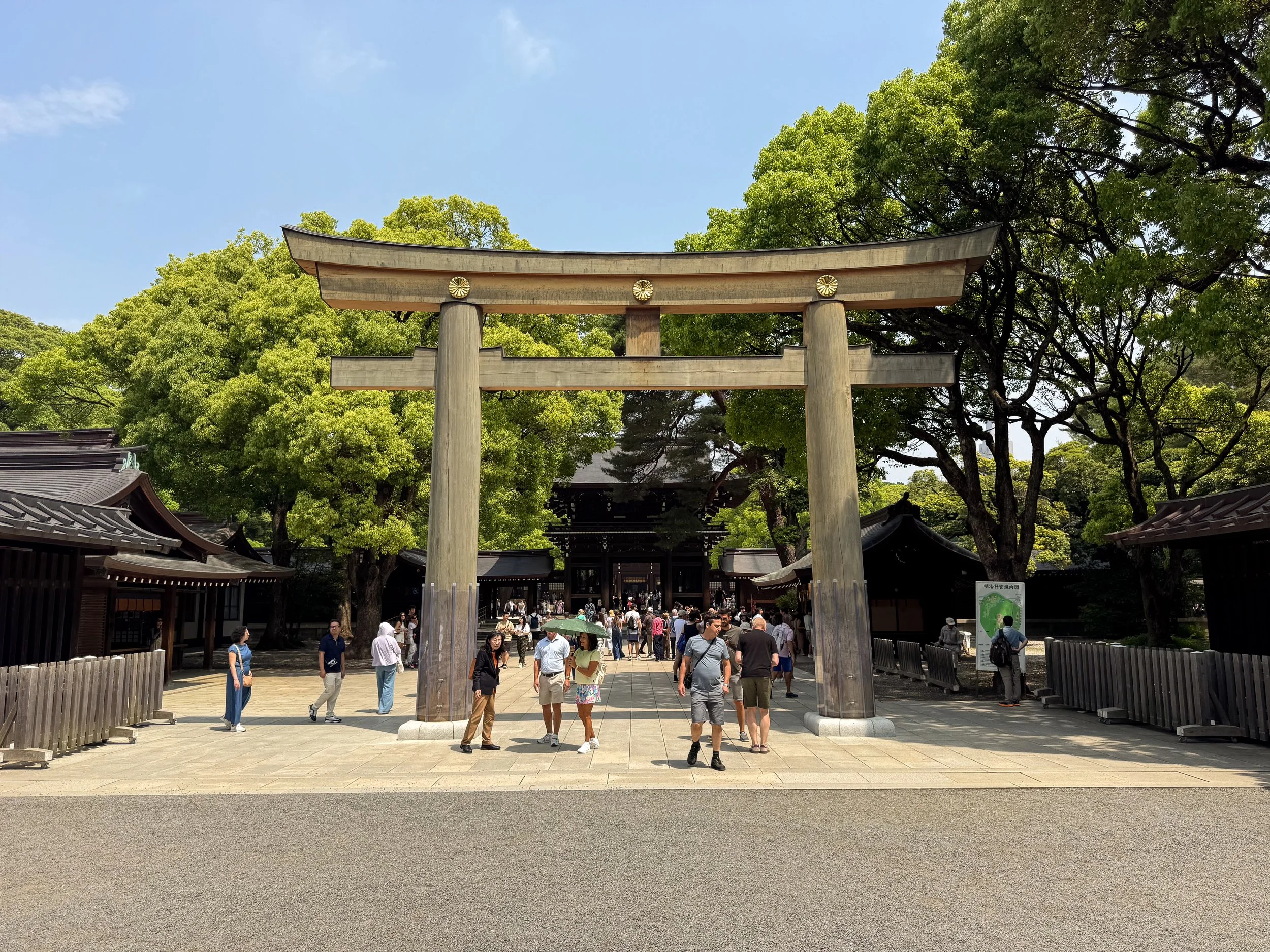
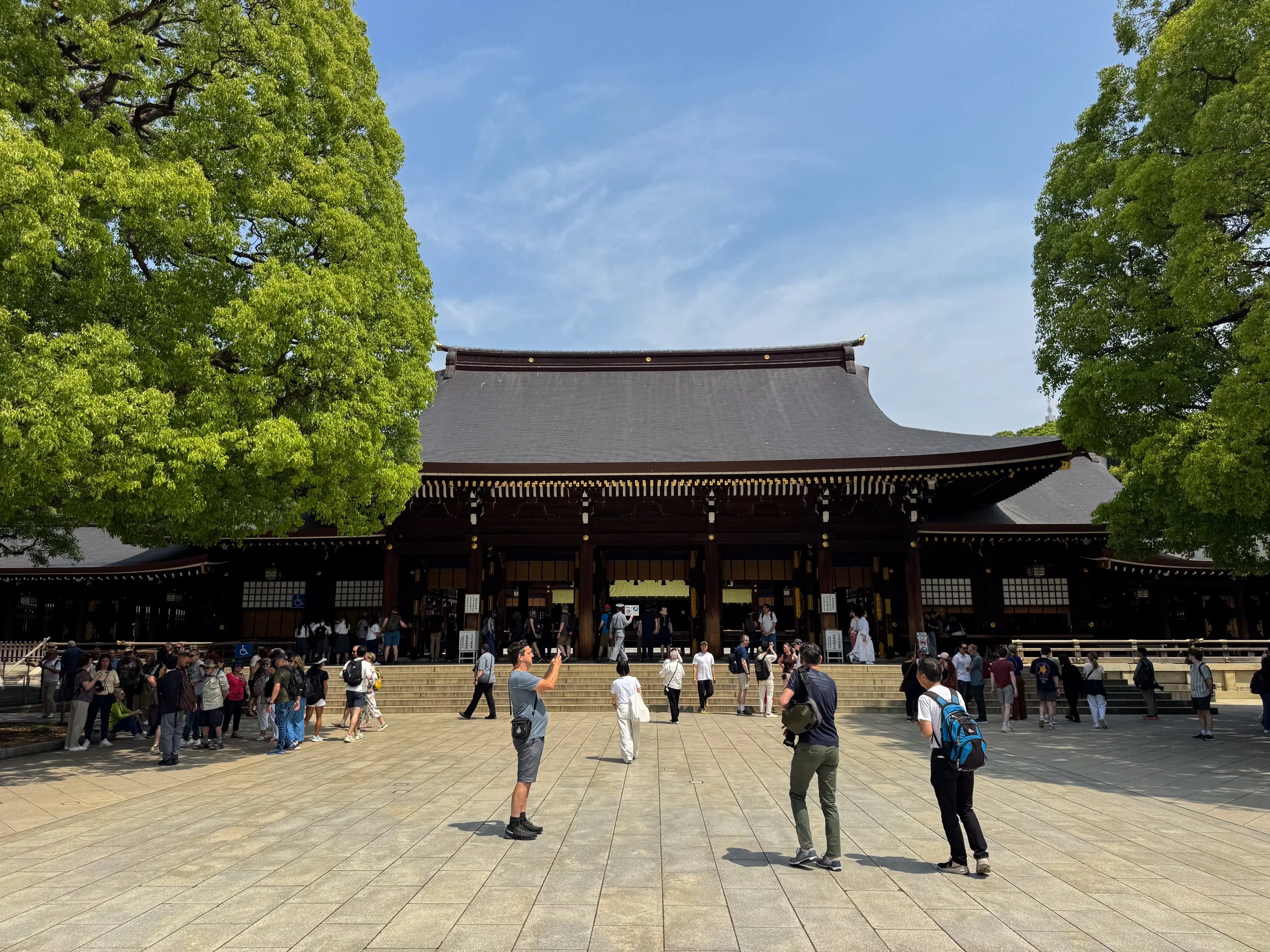
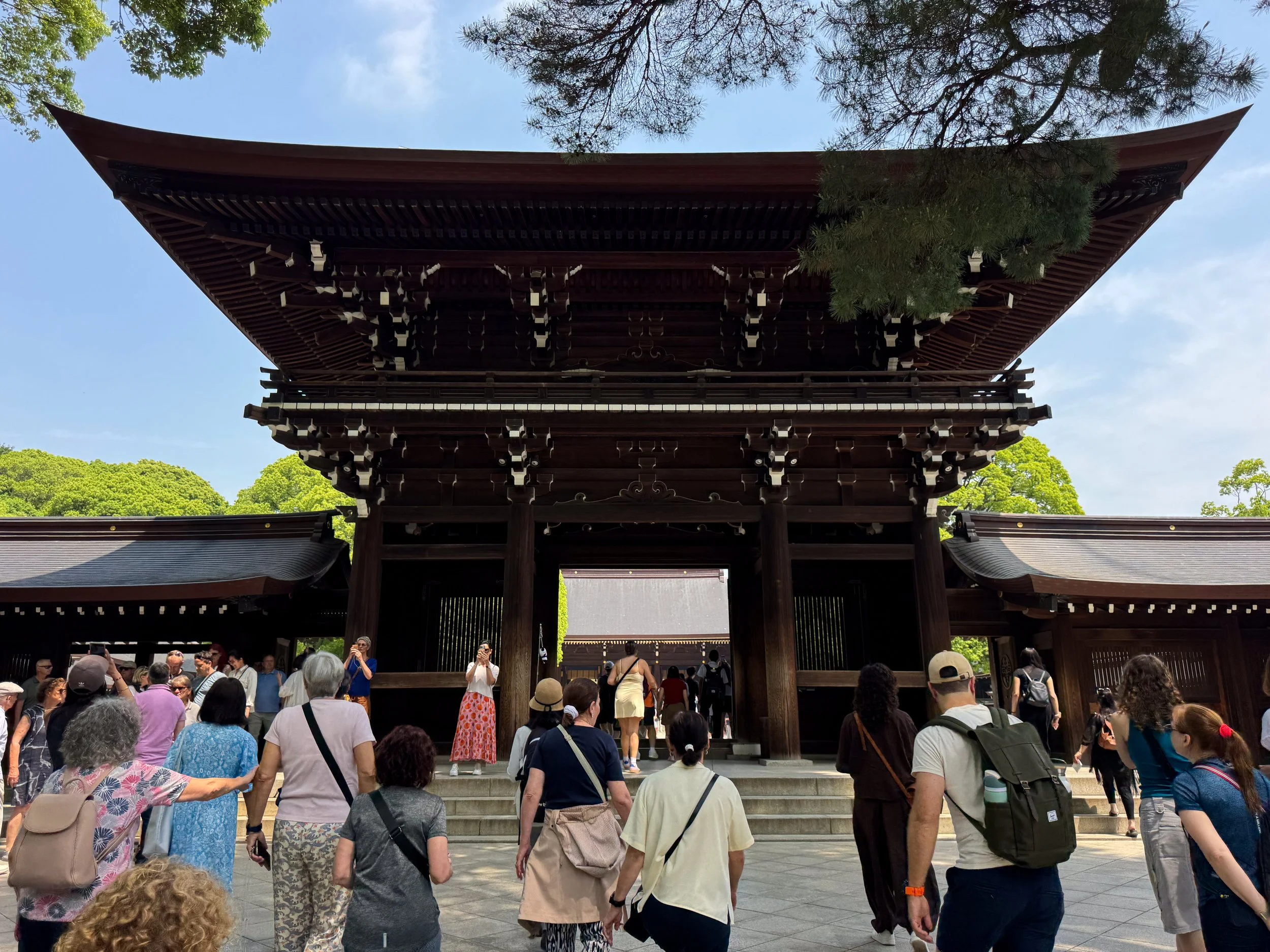
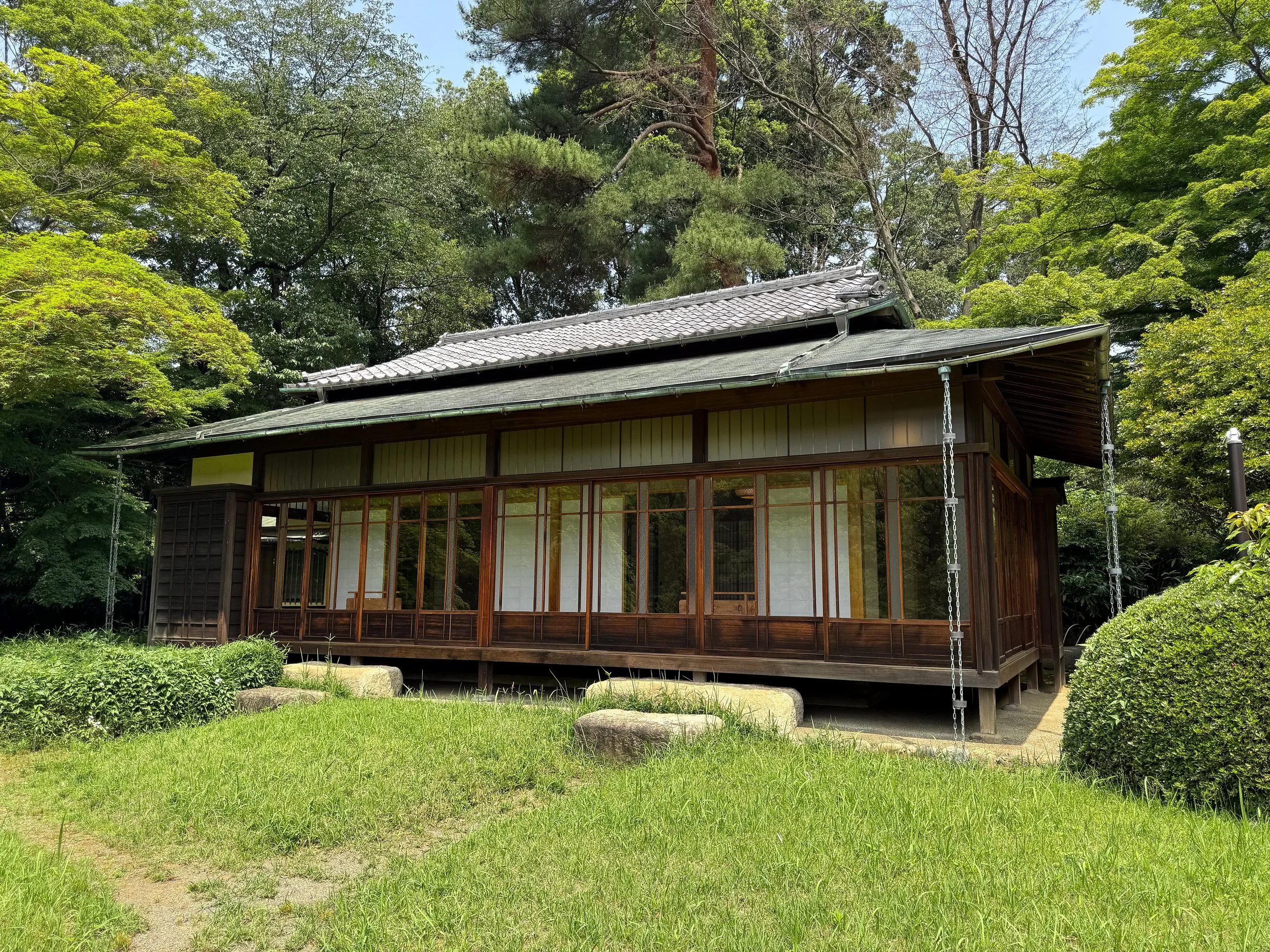
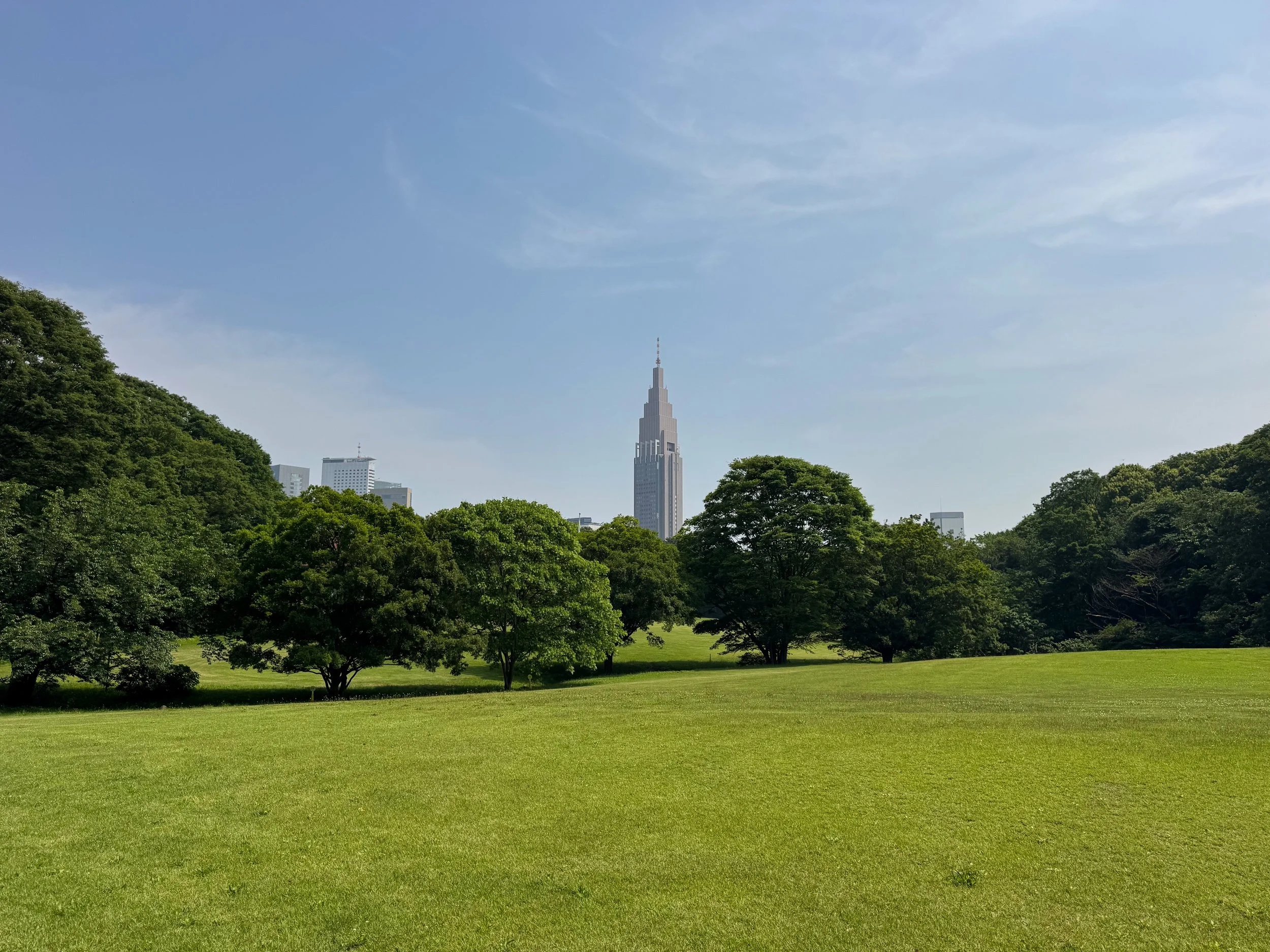
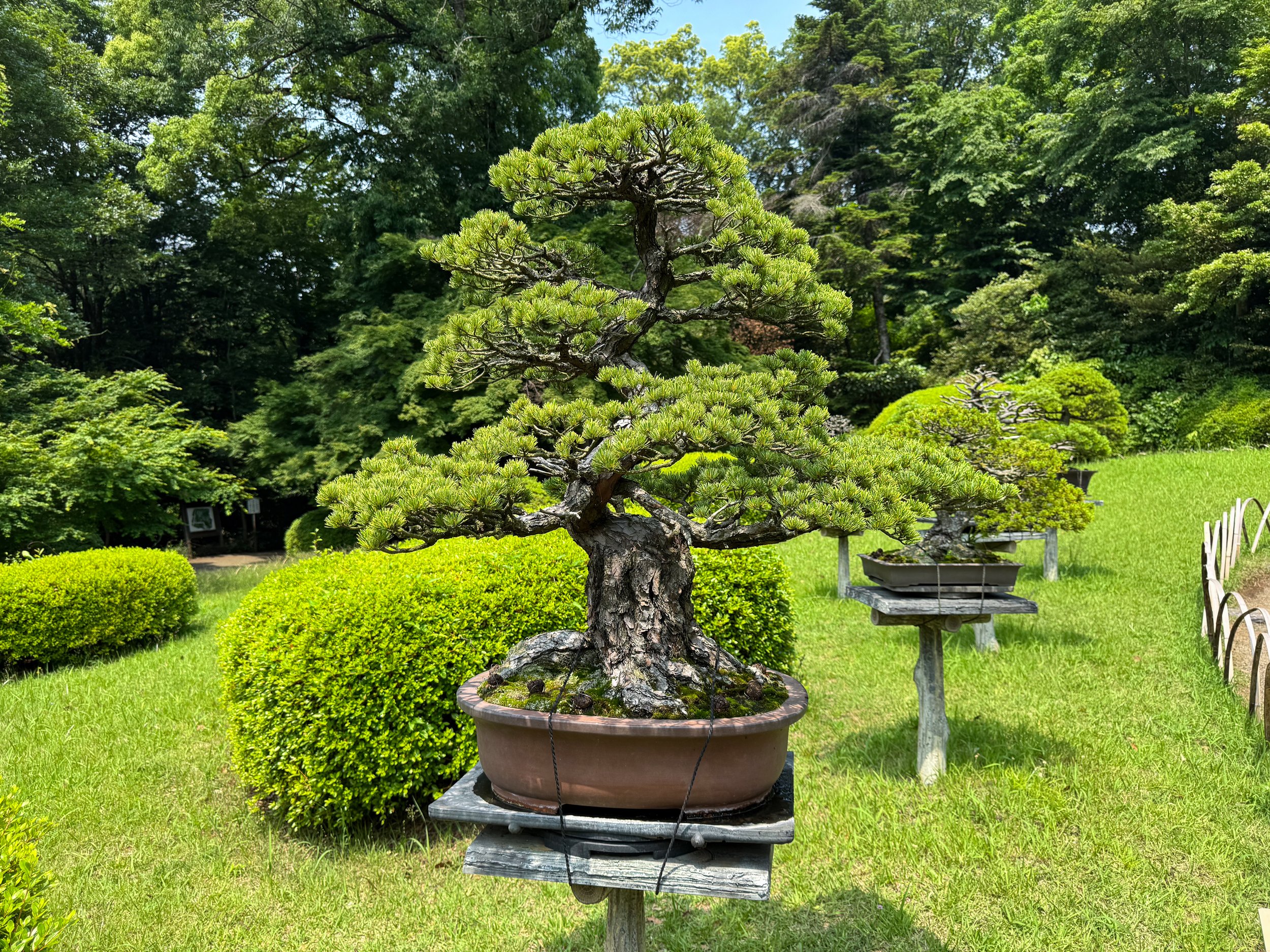
Yoyogi Park. A sprawling city park with walking paths, forested areas, historic temples and imperial sights.
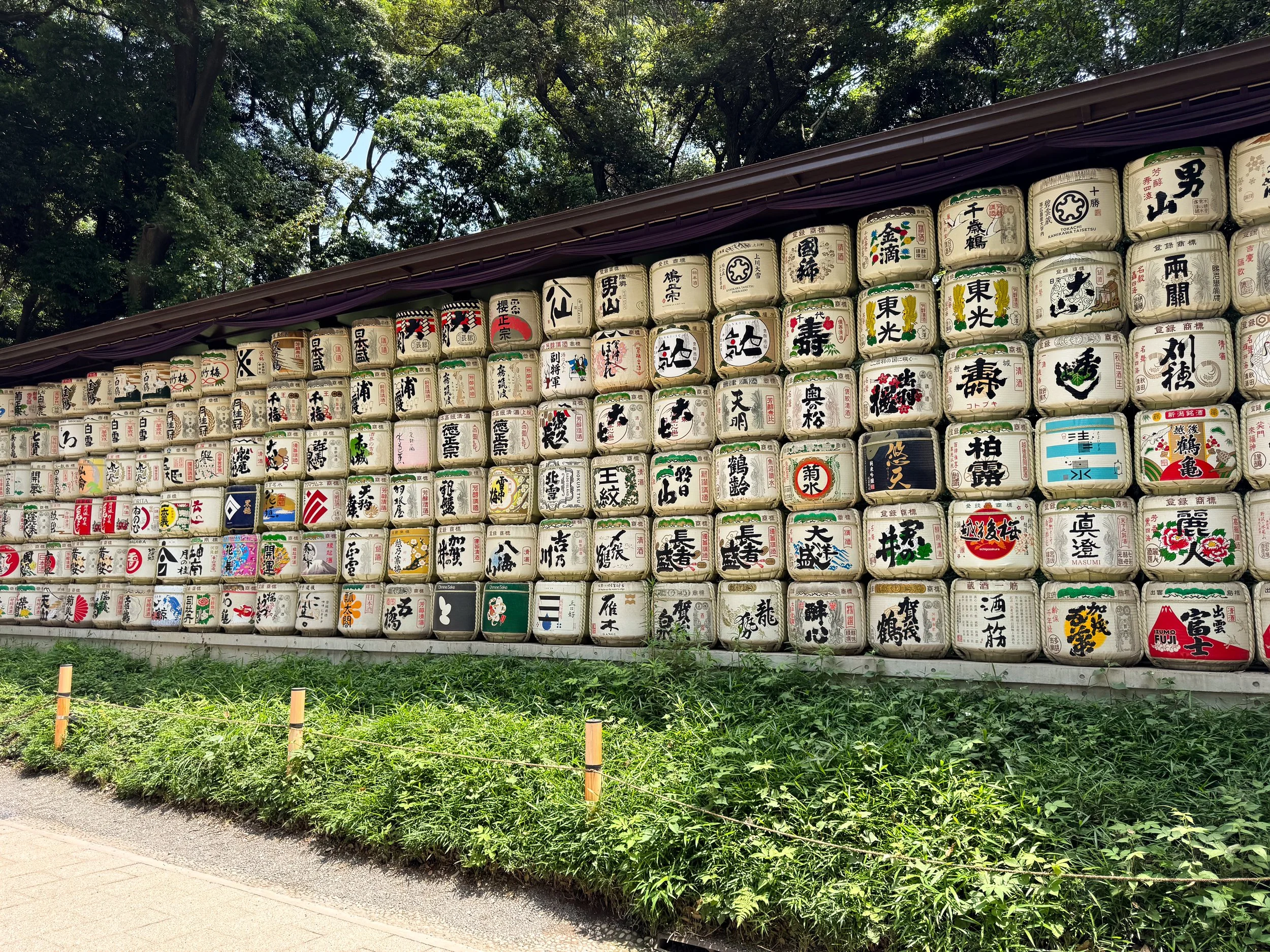
Consecrated Sake Barrels. A Shinto Shrine made from a wall of colorfully labeled sake barrels.
Meiji Shrine. An imperial Shinto Shrine in the middle of Yoyogi Park. Large torii gates lead to its main temple, celebrated for its symmetrical design and wooden construction.
Big Torii. The largest torii gate in Yoyogi Park and one of the largest in Japan. It was built using a 1,500 year old cypress tree.
Kakuuntei. A preserved royal tea house overlooking the park’s south pond, Otsuri Dai.
Kiyomasa's Well. A 400 year old spring visited by people seeking positive energy. People rinse their hands in it for its healing powers.
Pine Tree of Imperial Troop Review. A stately pine tree that was stood under by past emperors when reviewing the imperial troops.
Ginkgo Trees Forest. A forested section of the park with towering ginkgo trees, a Japanese symbol of resilience and longevity.
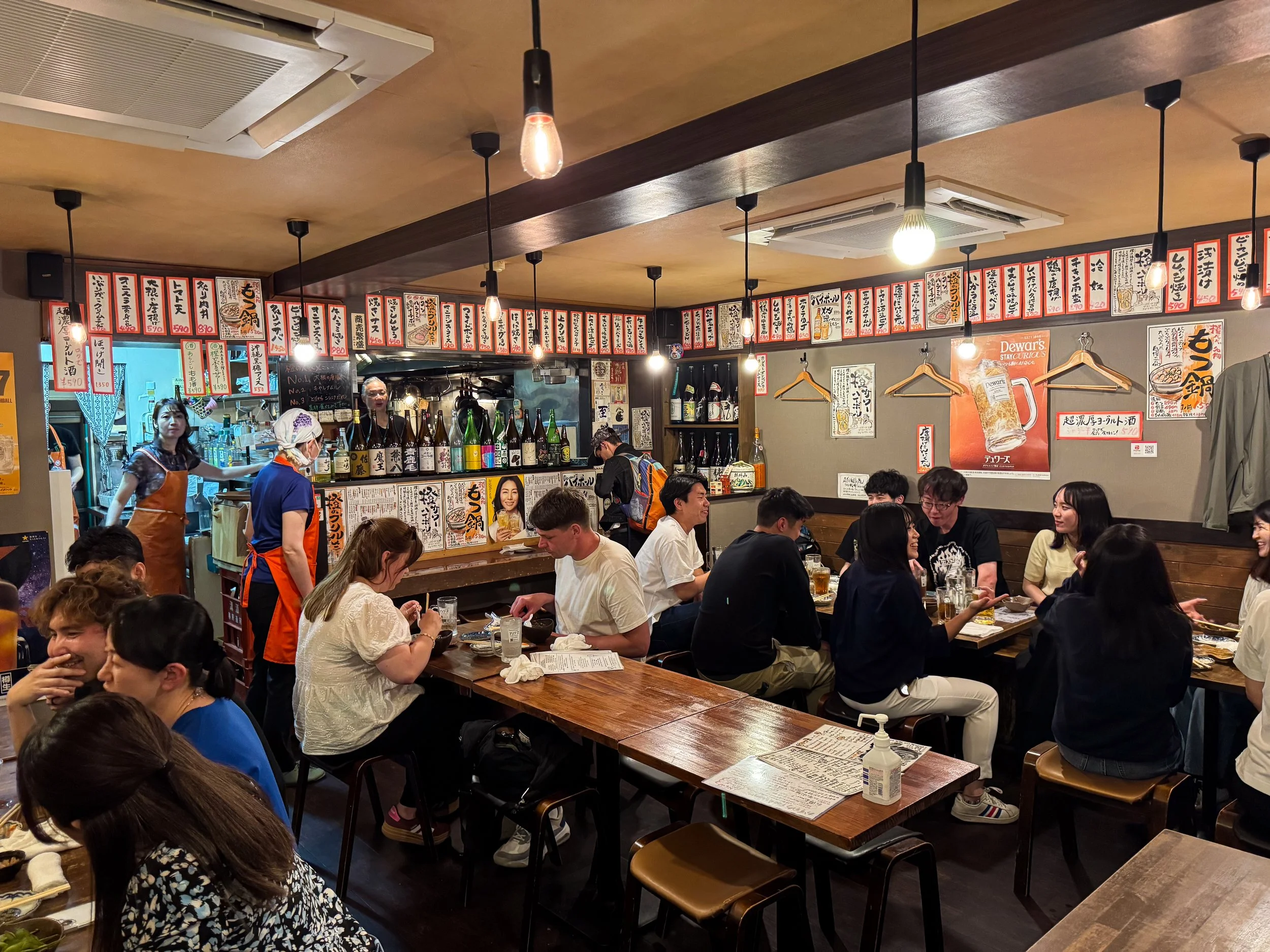
Fudo Dori Street. An “off the beaten path” street with local dining options including ramen shops, sushi bars, sake rooms and izakayas. Visit Daidai Izakaya for a flavorful meal surrounded by neighborhood locals and after hours businessmen. Their handwritten menu features Japanese dishes and several types of Shochu.
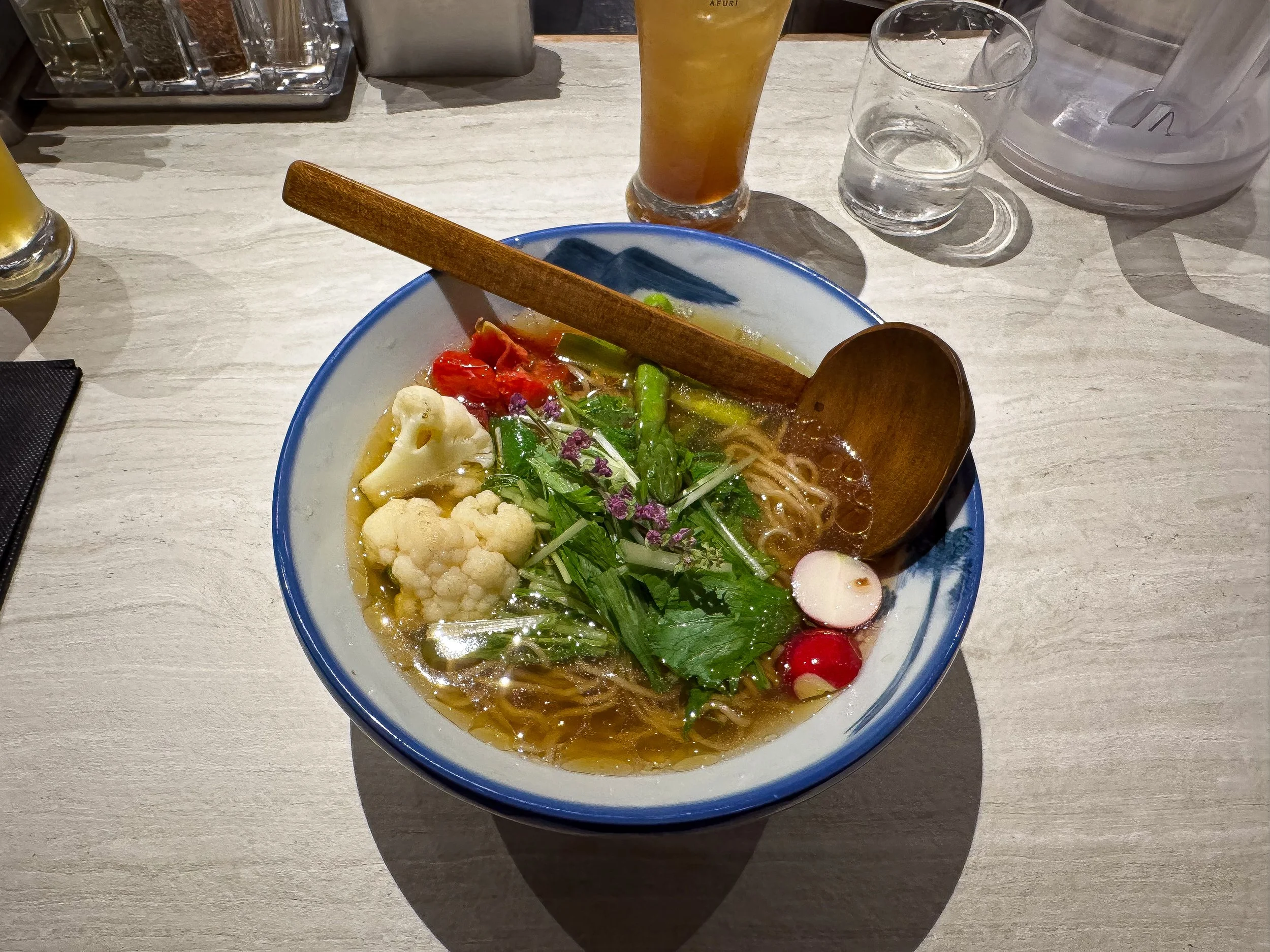
Afuri Shibuya Dōgenzaka. A Tokyo style ramen shop and one of the few in the city offering vegan ramen! The large bowls of noodles are overflowing with savory broth and seasonal vegetables.
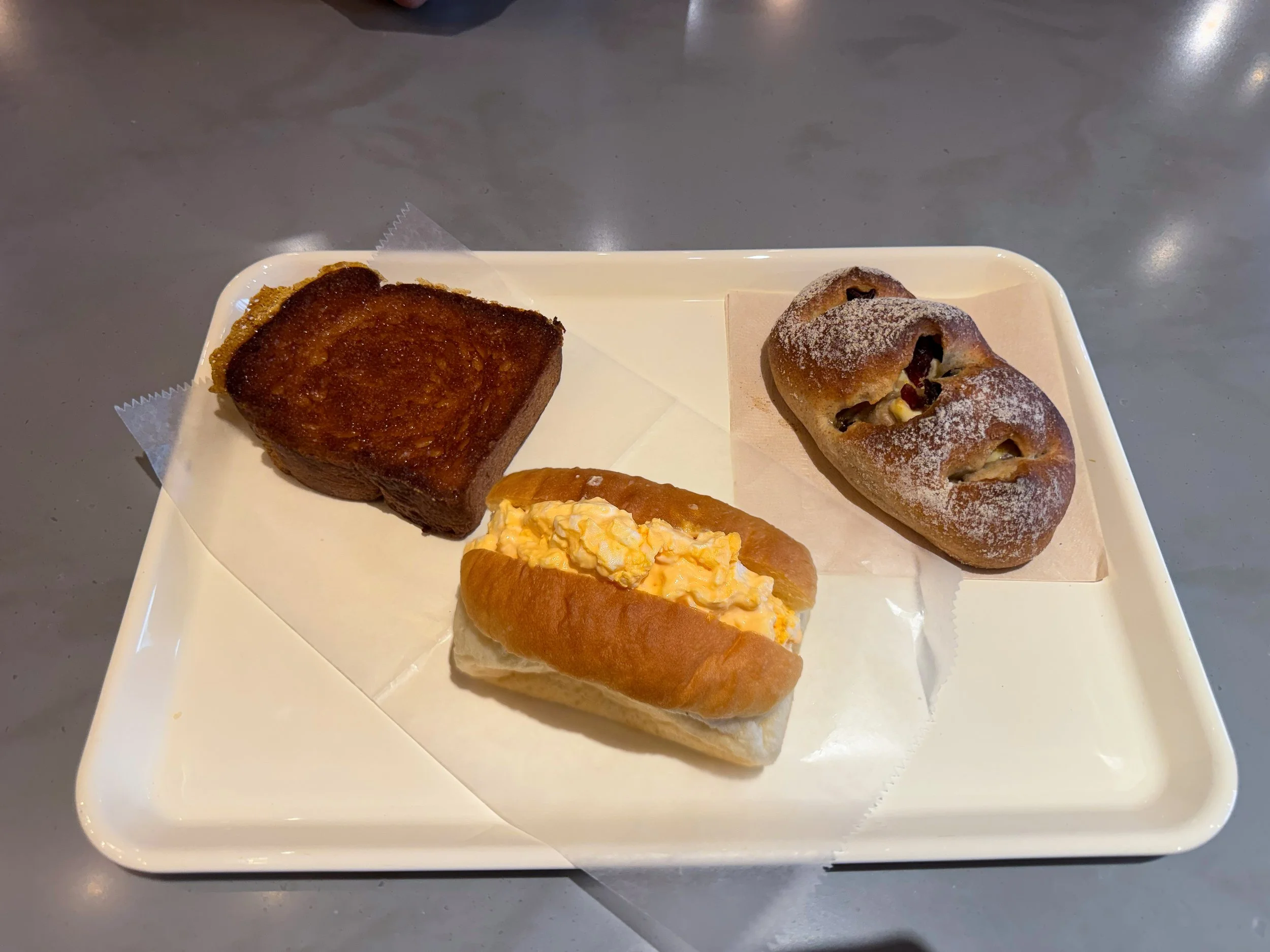
Uba Coffee. A coffee shop and bakery with a large spread of freshly made pastries, breads and sandwiches. Try the honey fried bread, egg sandwich and cranberry roll.
Ginza District
Ginza is an upscale district of Tokyo with some of the city’s most visited sights. Come here to view the Imperial Palace, eat at the historic fish market and see the city from Tokyo Tower.
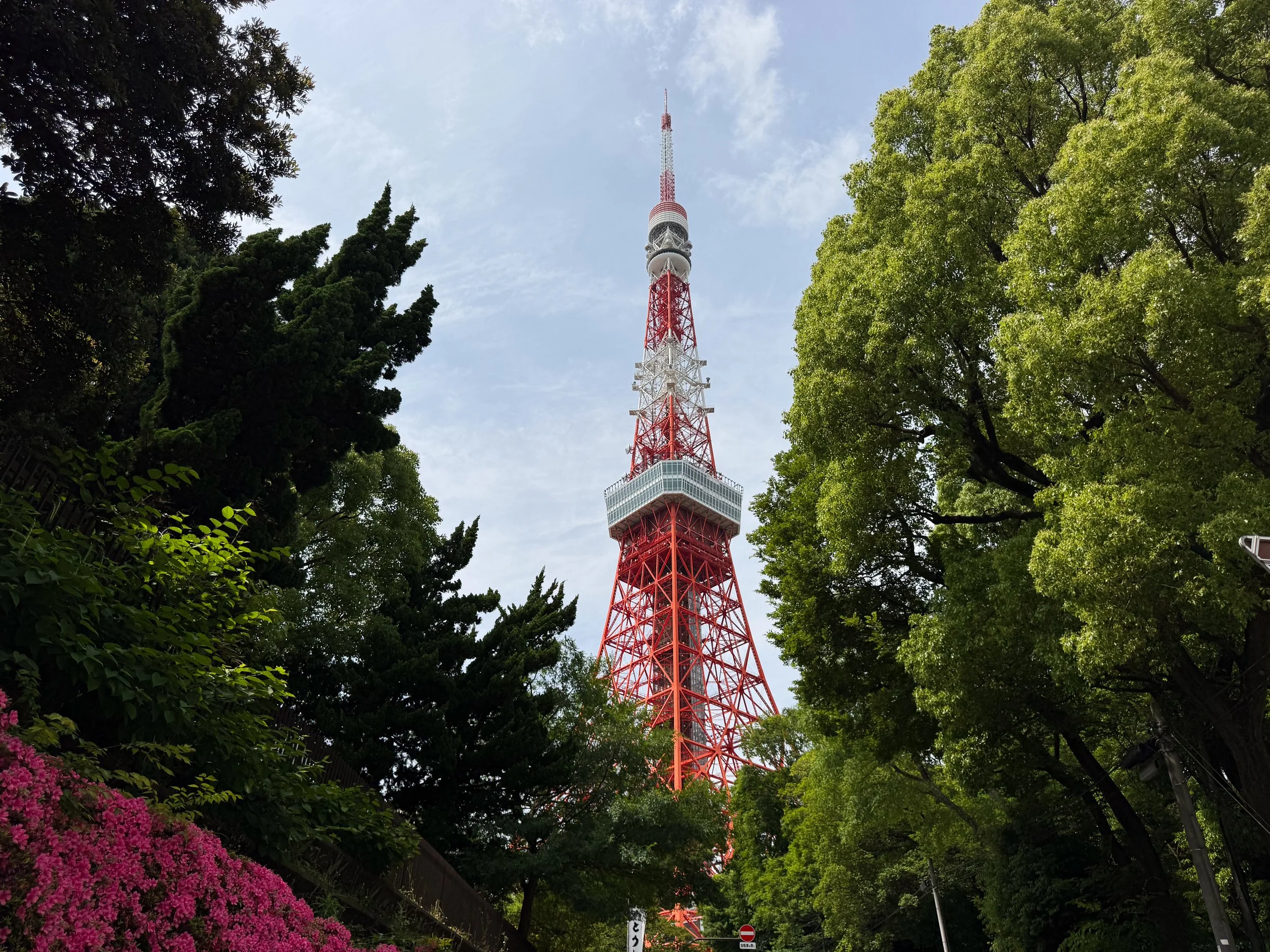
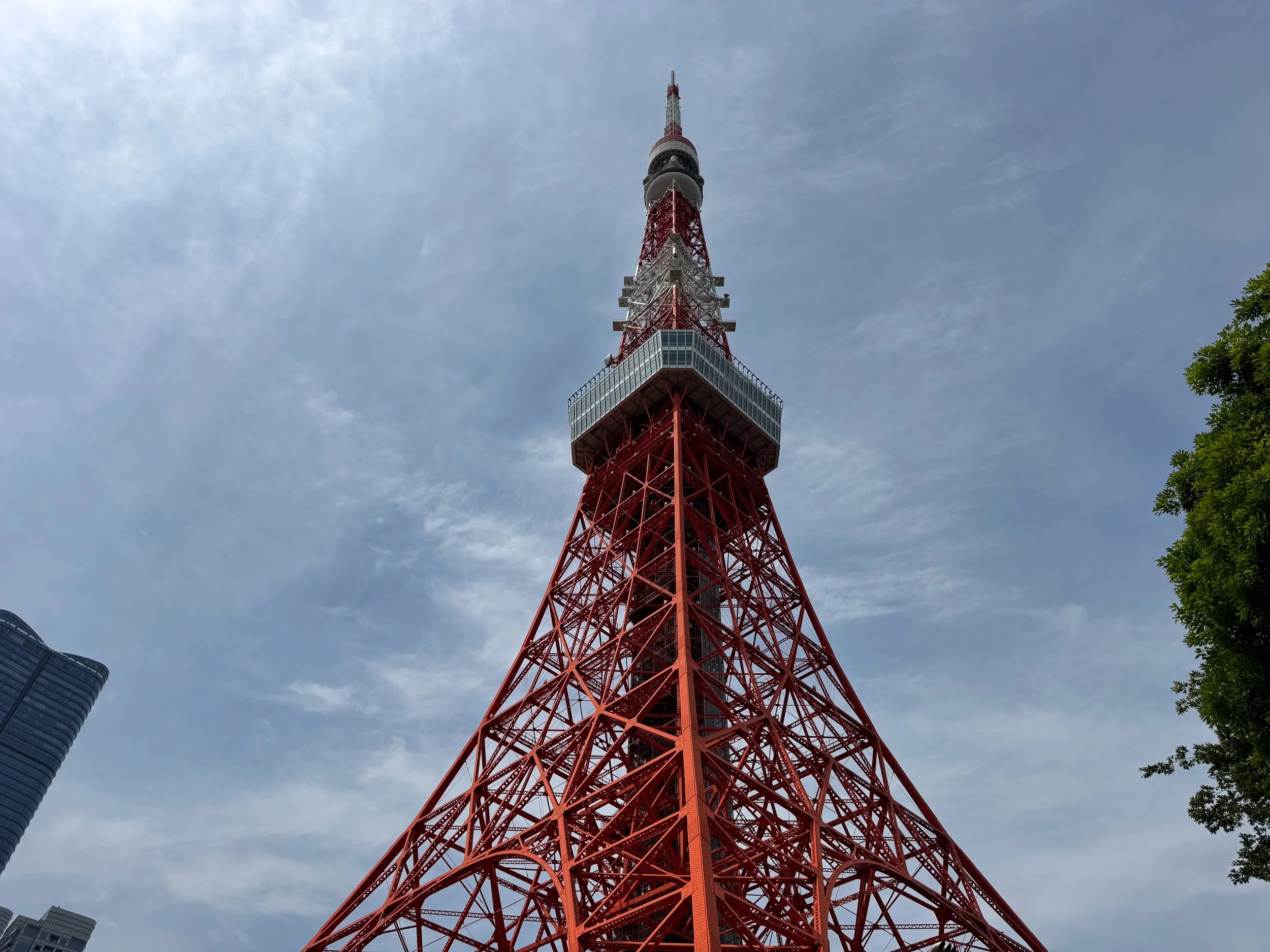
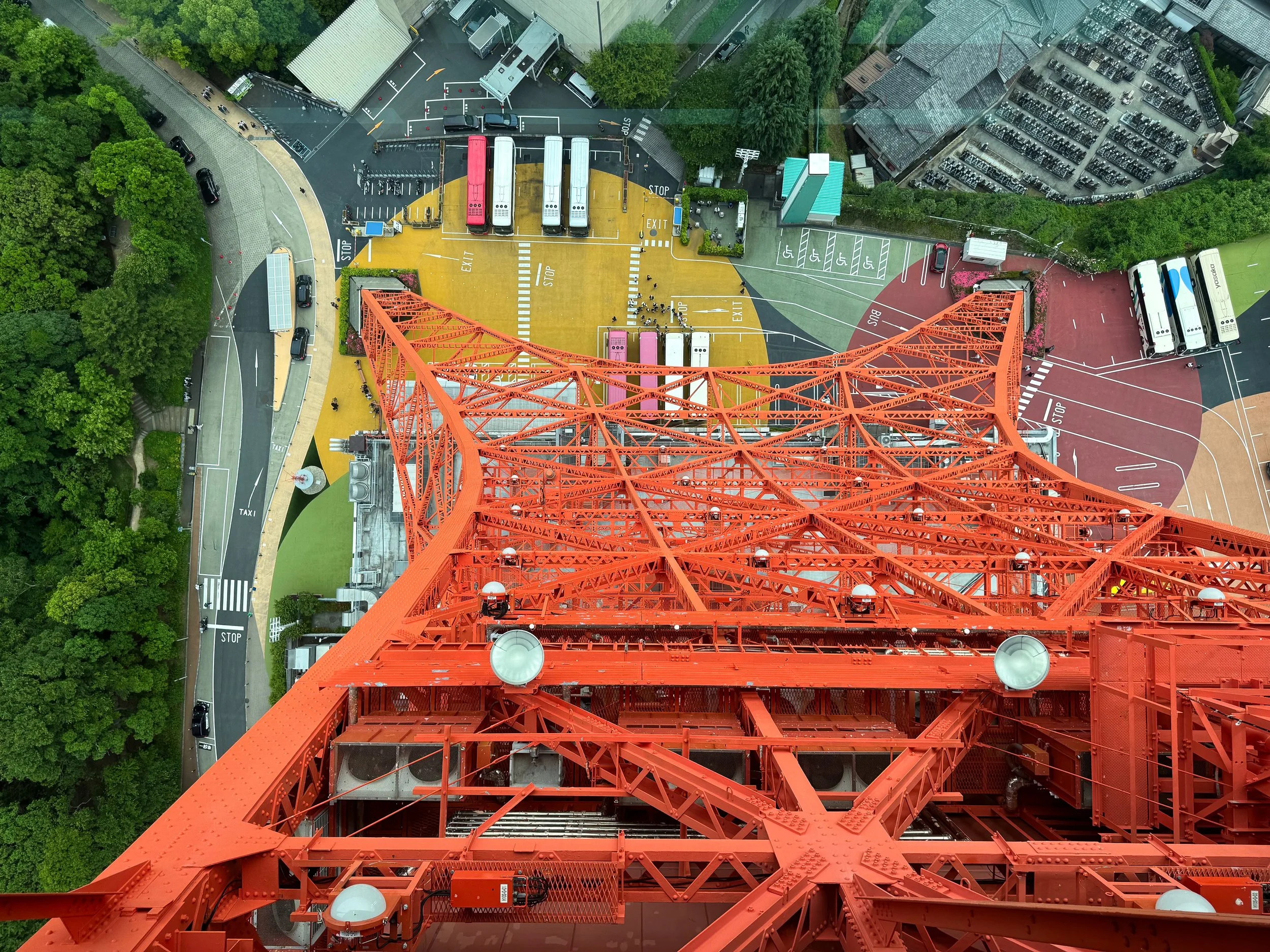
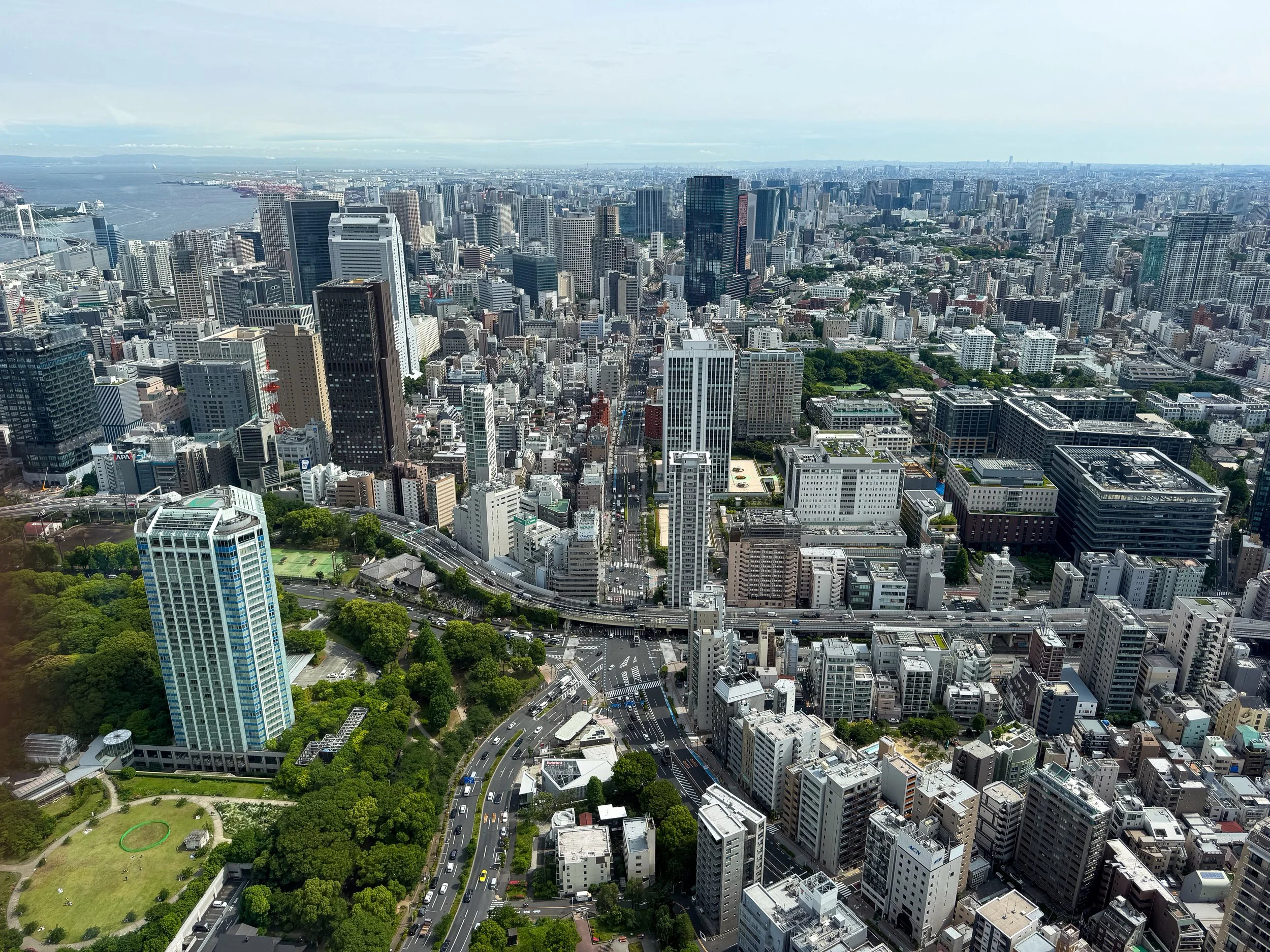
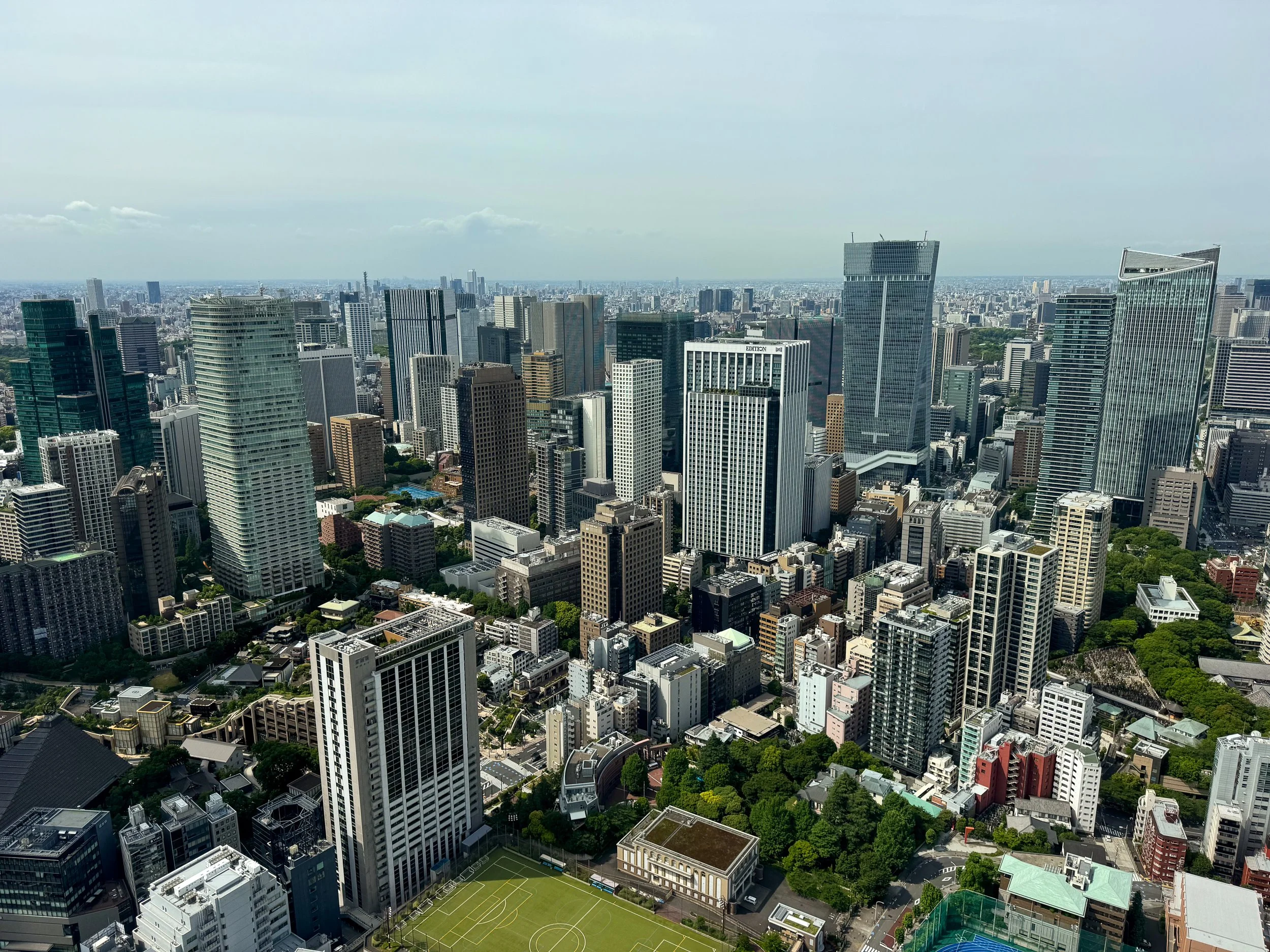
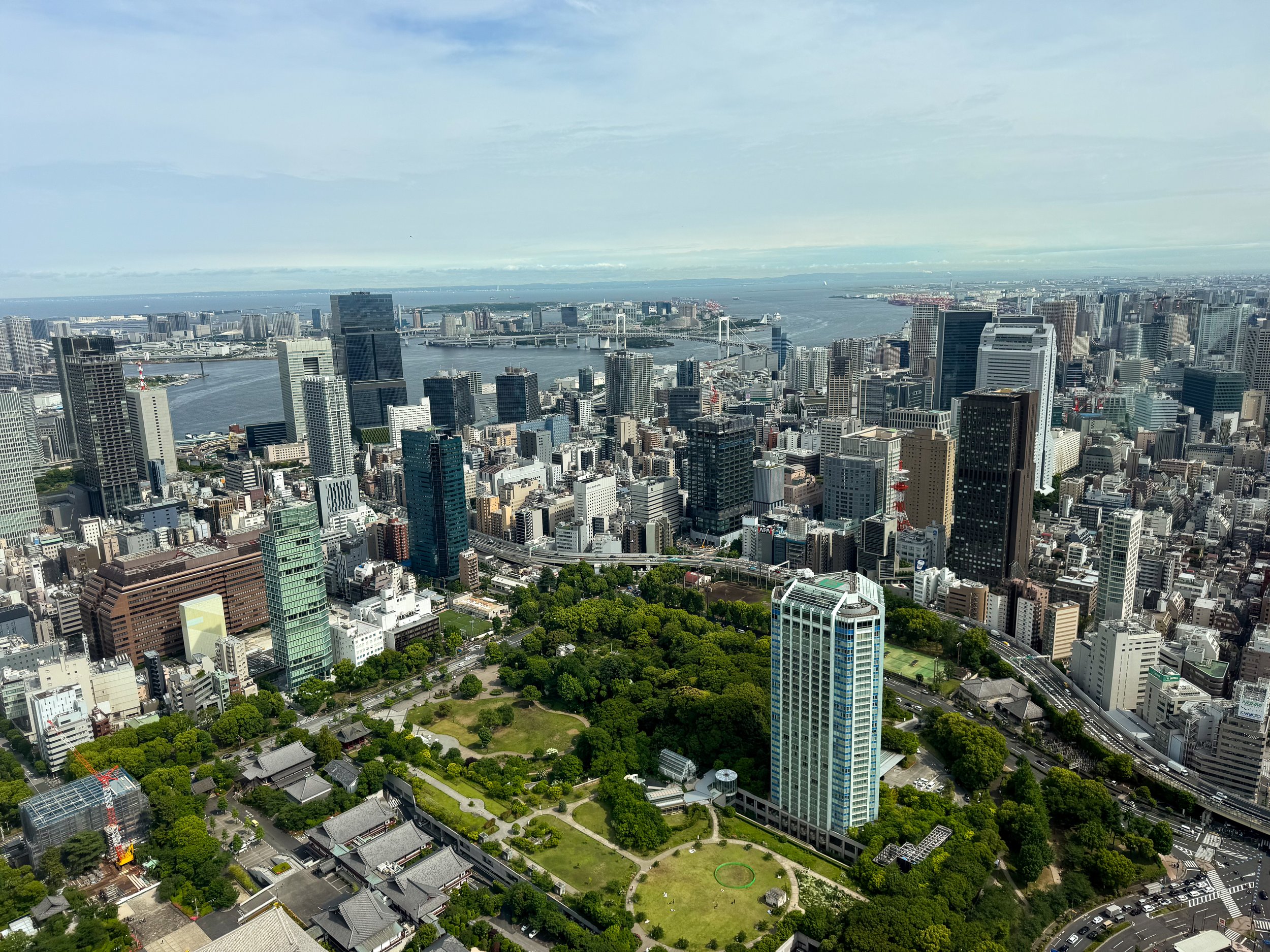
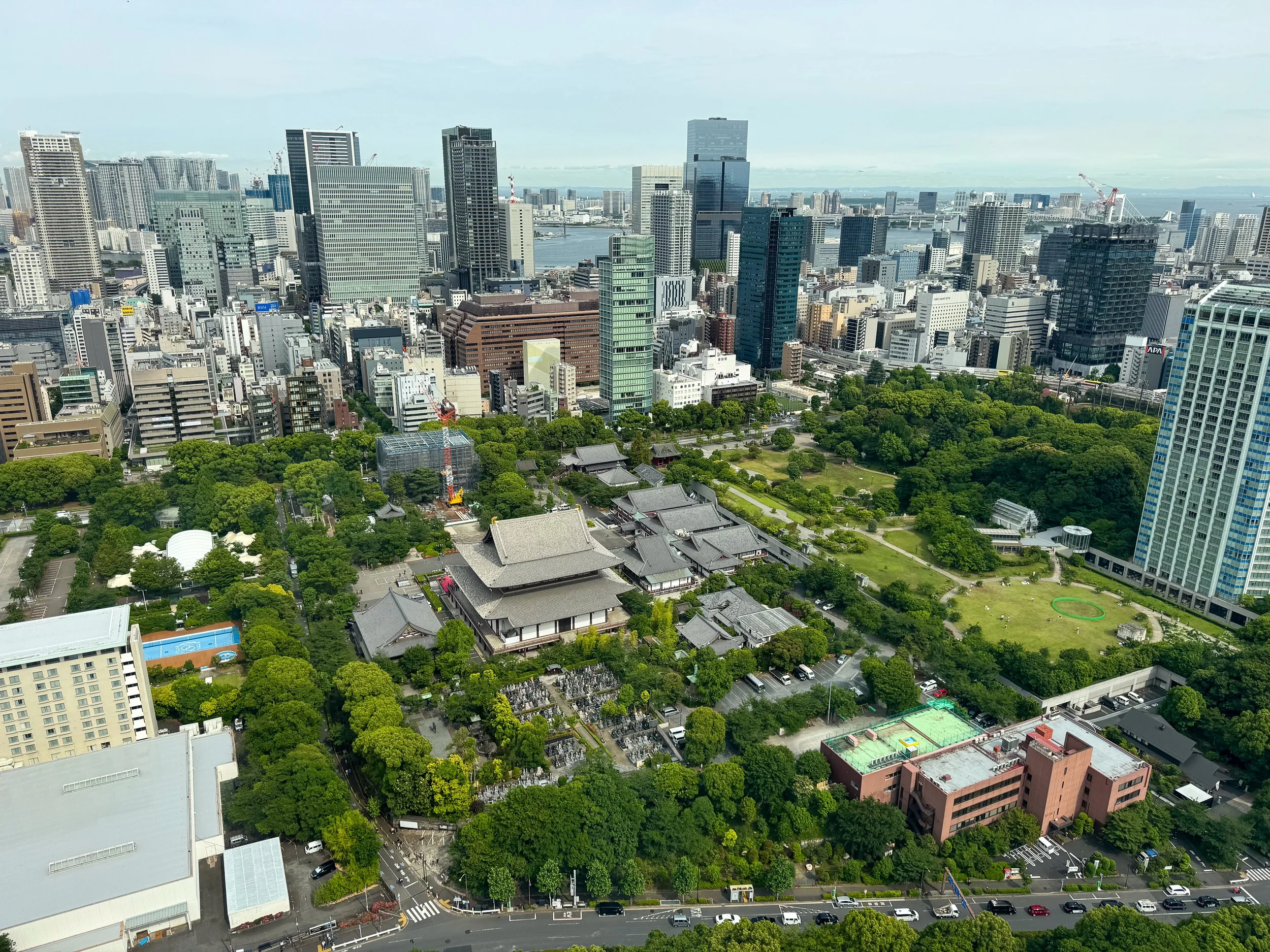
Tokyo Tower. A red and white striped broadcasting tower reminiscent of Paris’ Eiffel Tower. It has two observation decks with panoramic views of Tokyo’s sprawling metropolis. There is a “Main Deck” at the middle of the tower and “Top Deck” at the top of the tower. Both are worth visiting to experience a different view of the city.
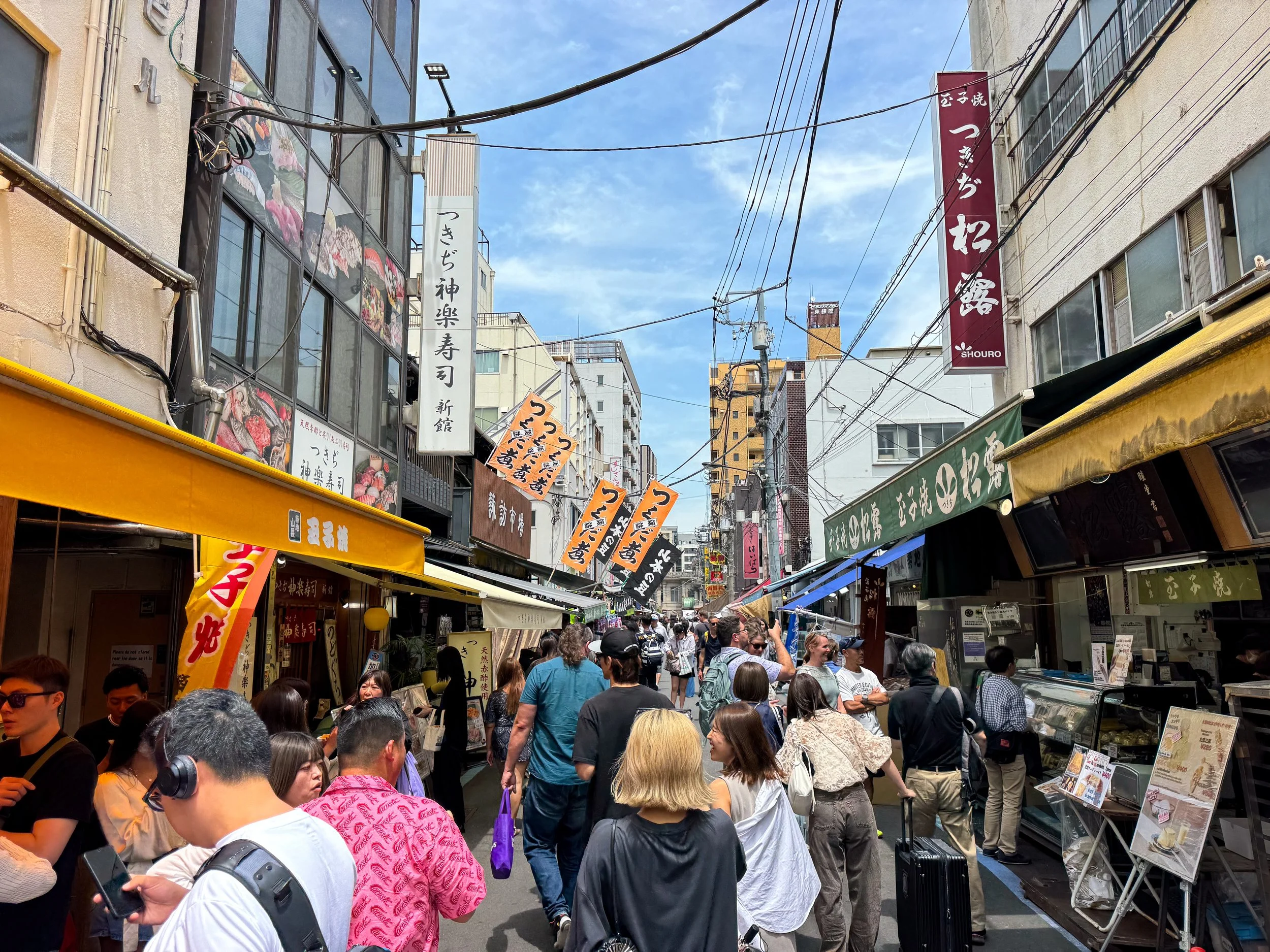
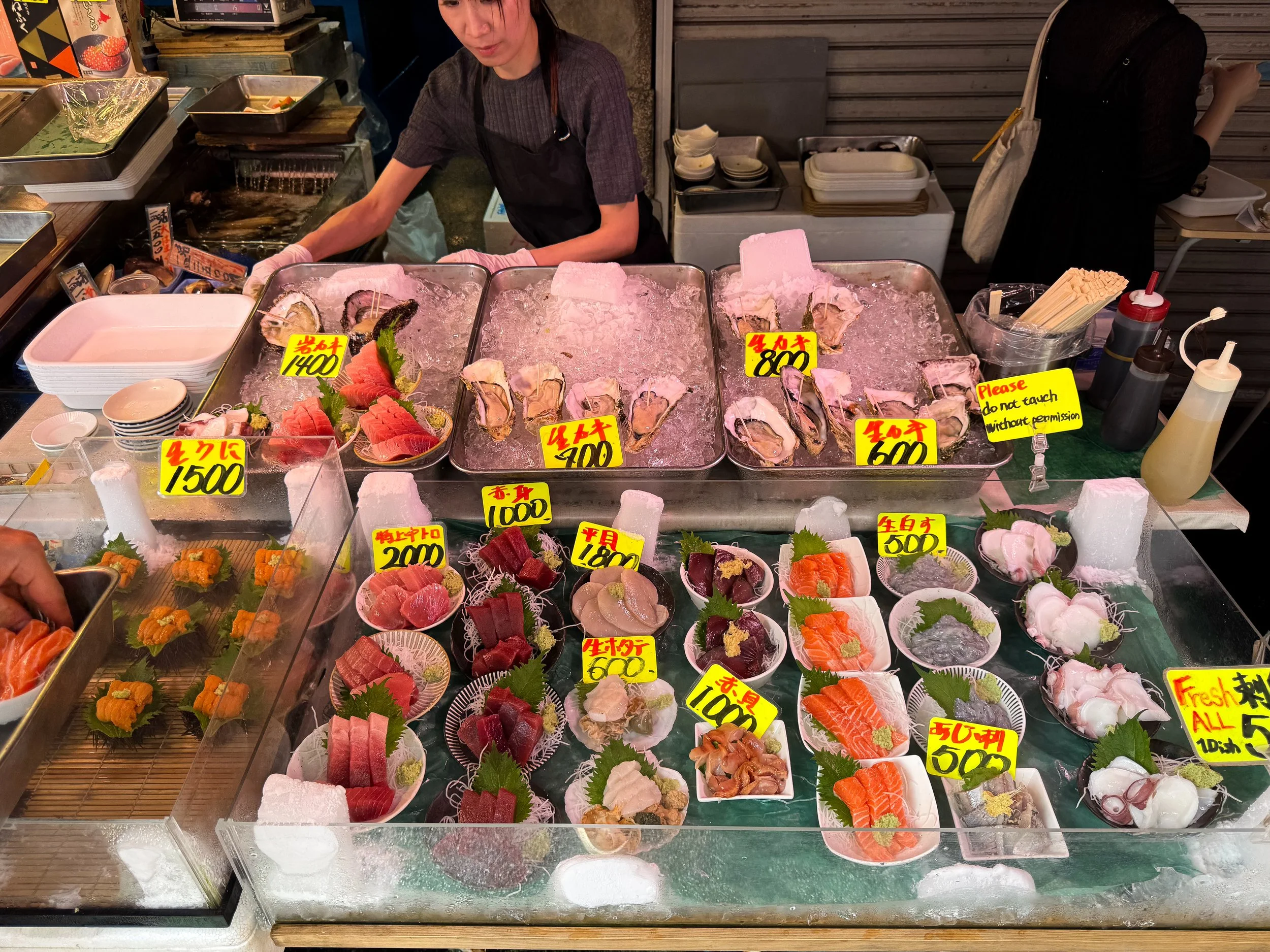
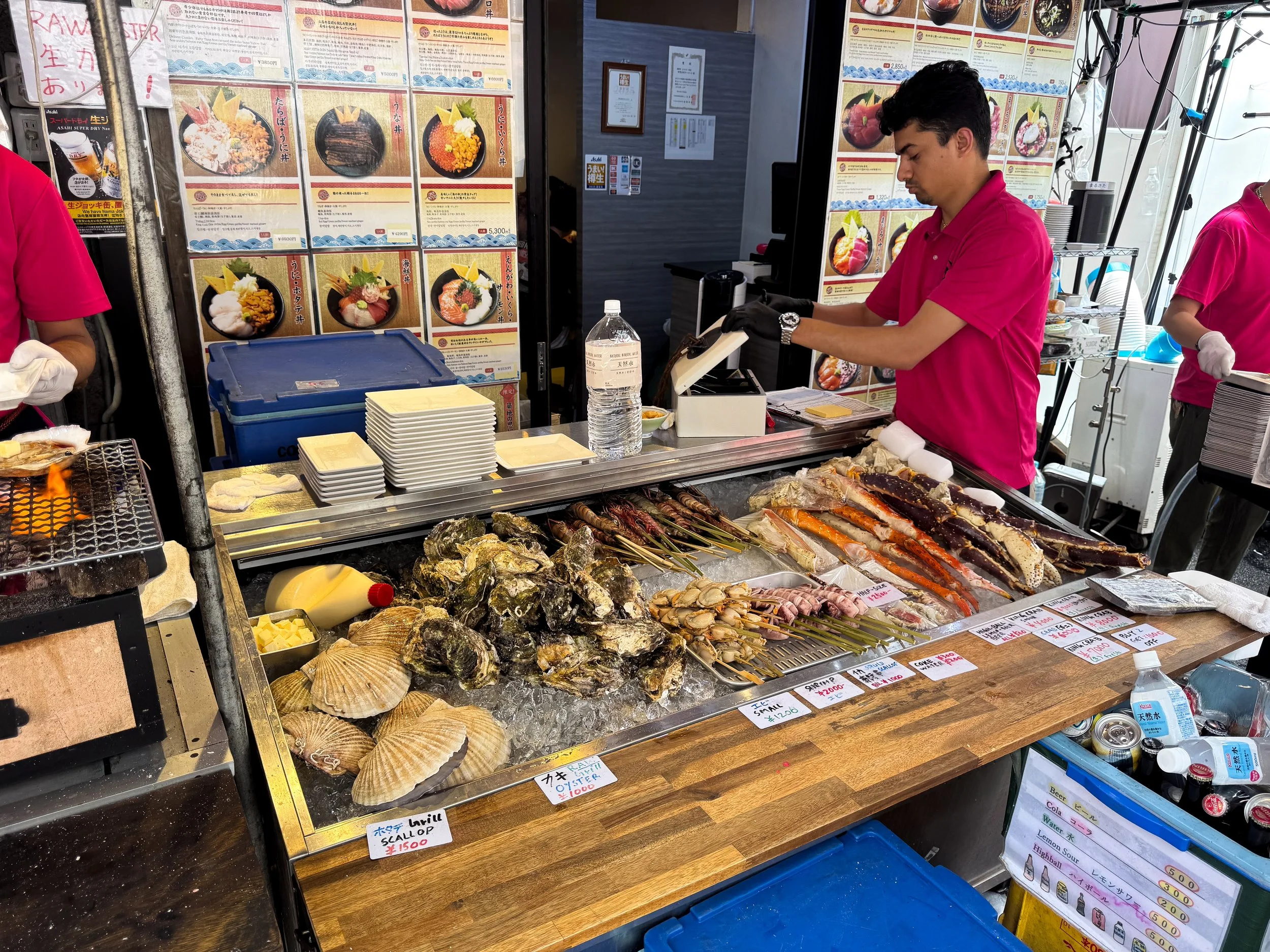
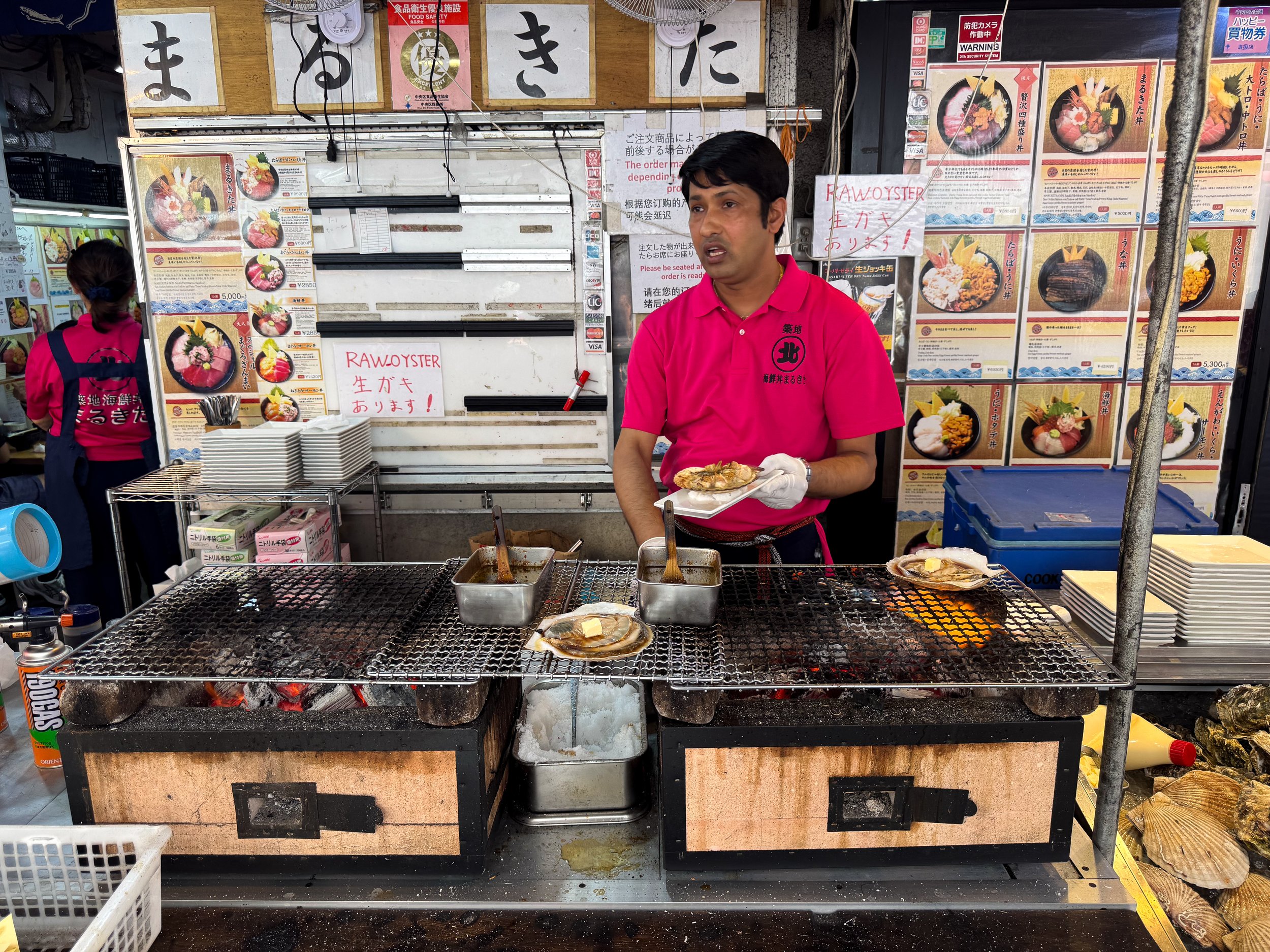
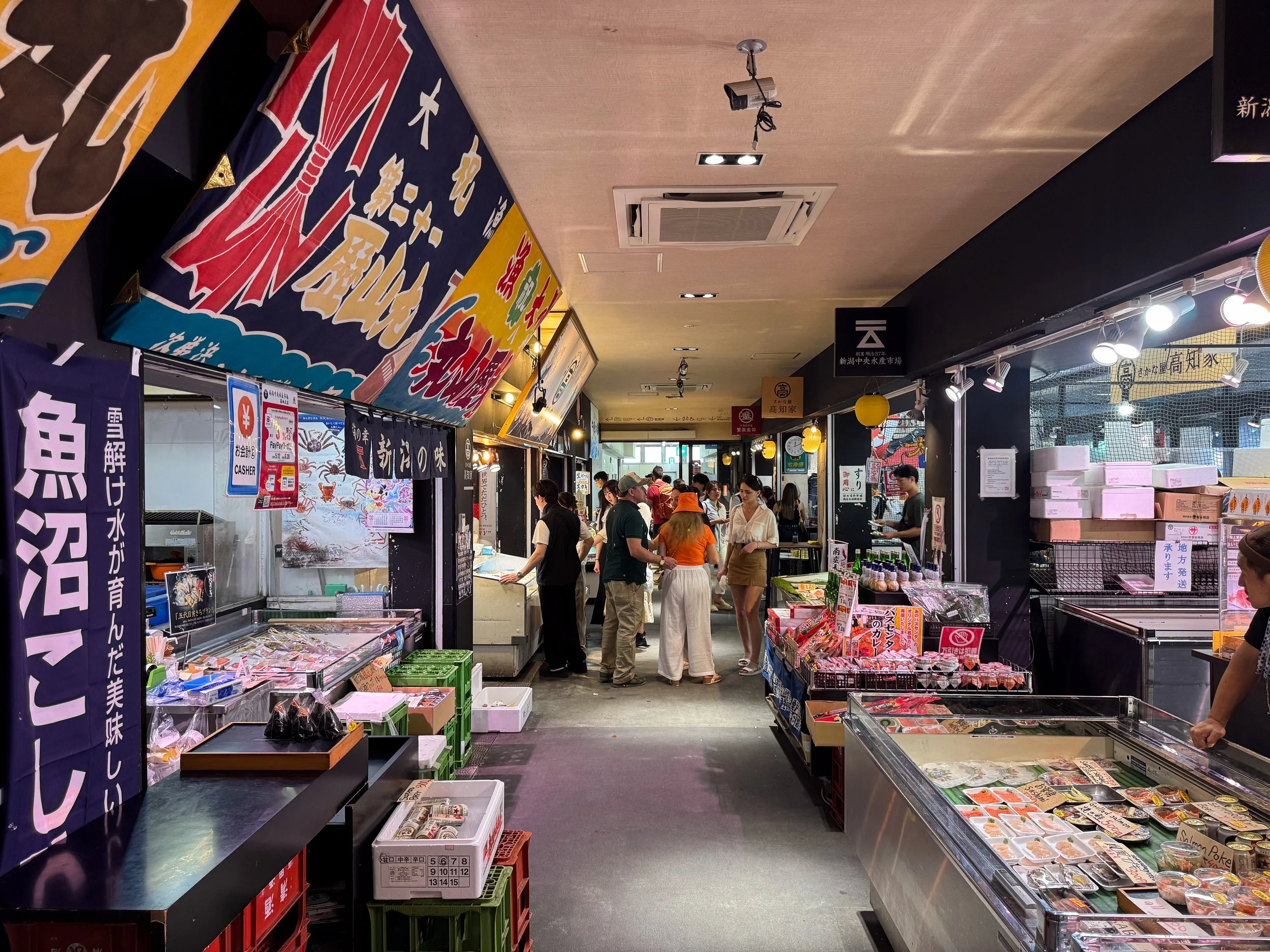
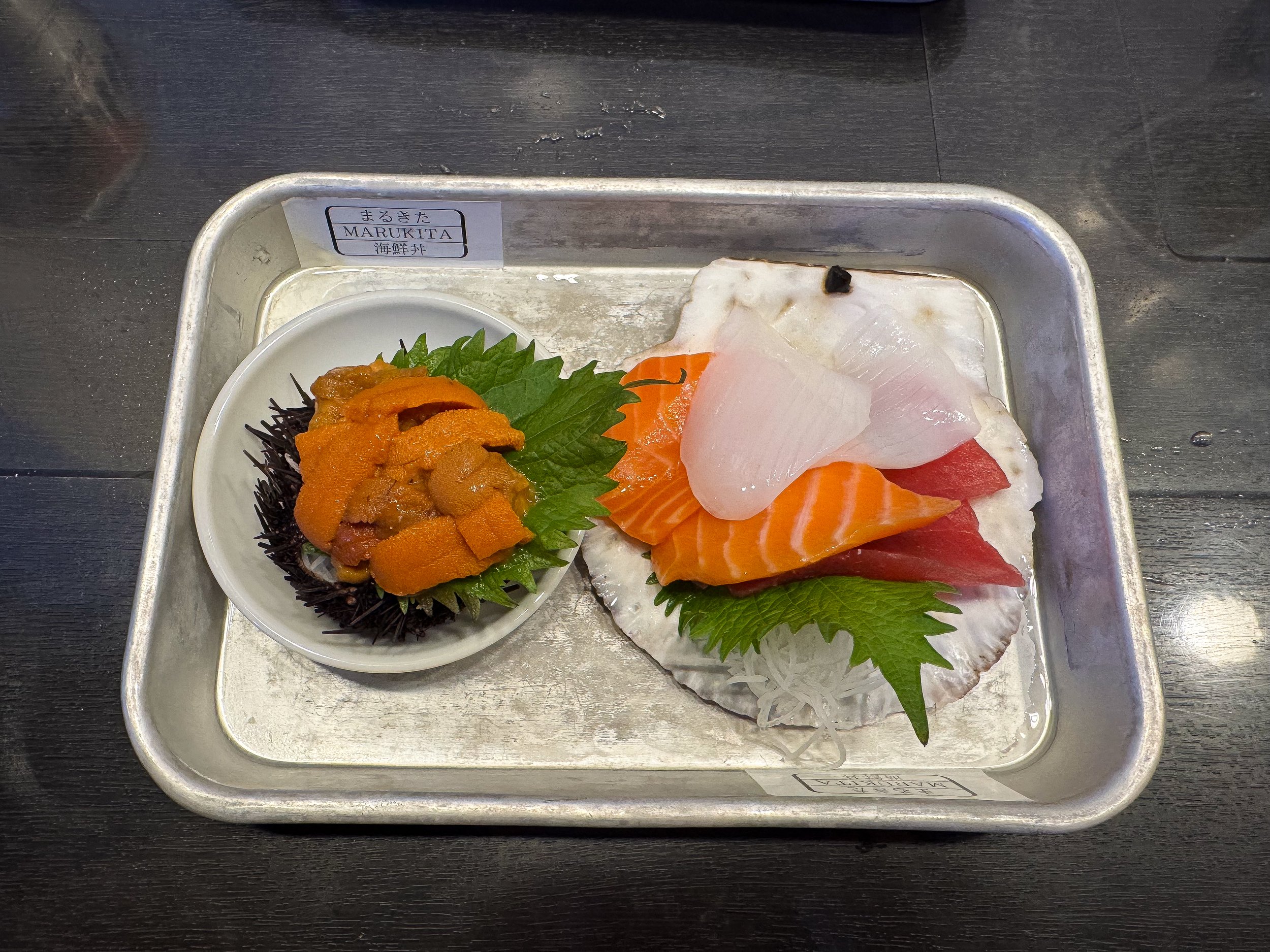
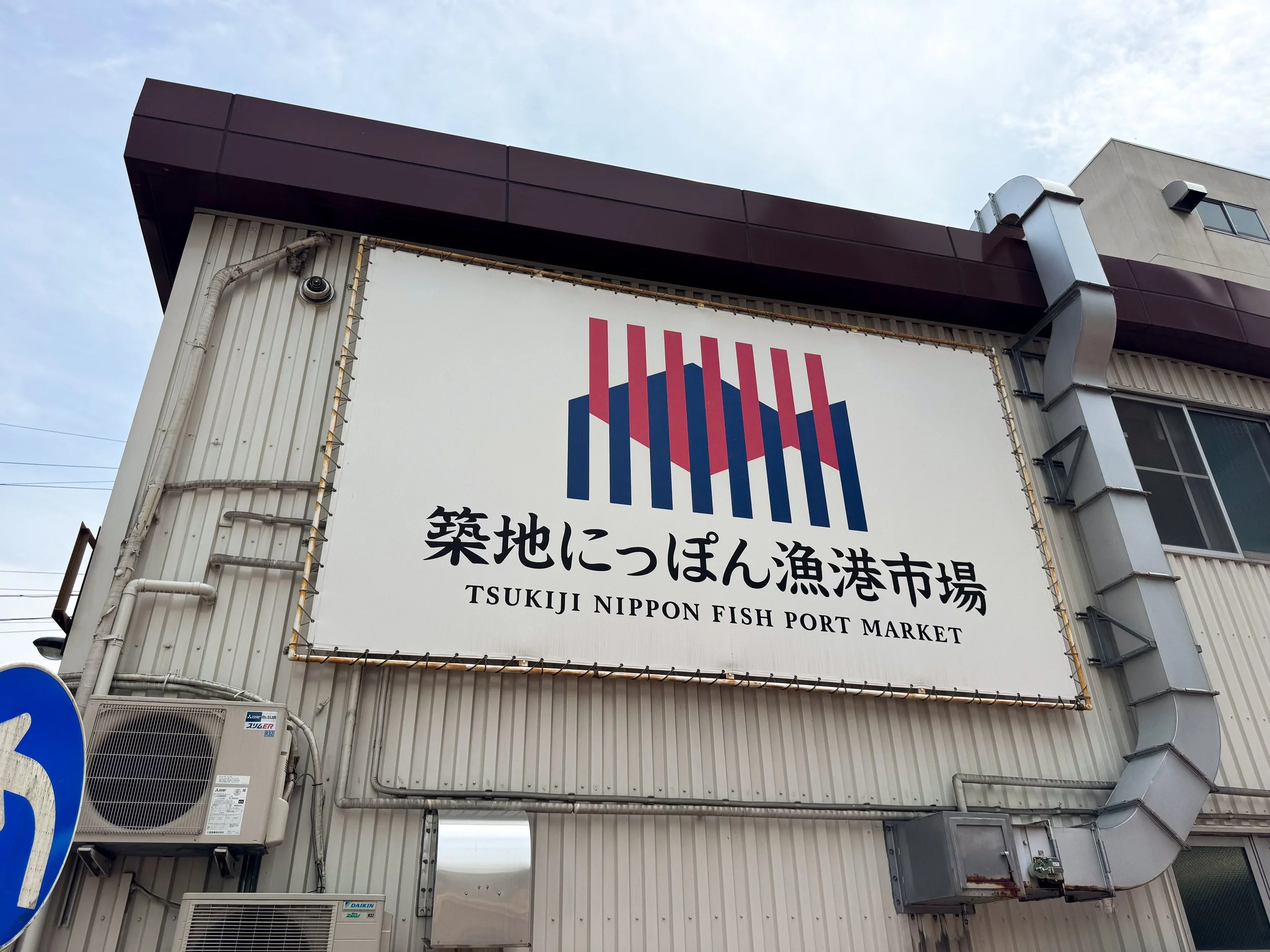
Tsukiji Nippon Port Fish Market. Tokyo’s famed fish market, known for million dollar tunas and some of the country’s freshest seafood. Skip the morning auction and come during the early afternoon for lunch! Restaurants surrounding the market prepare seafood bid on and purchased that morning. Icy tables display shellfish, slices of raw fish (nigiri), crab arms and skewered seafood. They’re prepared raw, grilled or to your liking. We ordered a spread of nigiri including Hokkaido Uni.
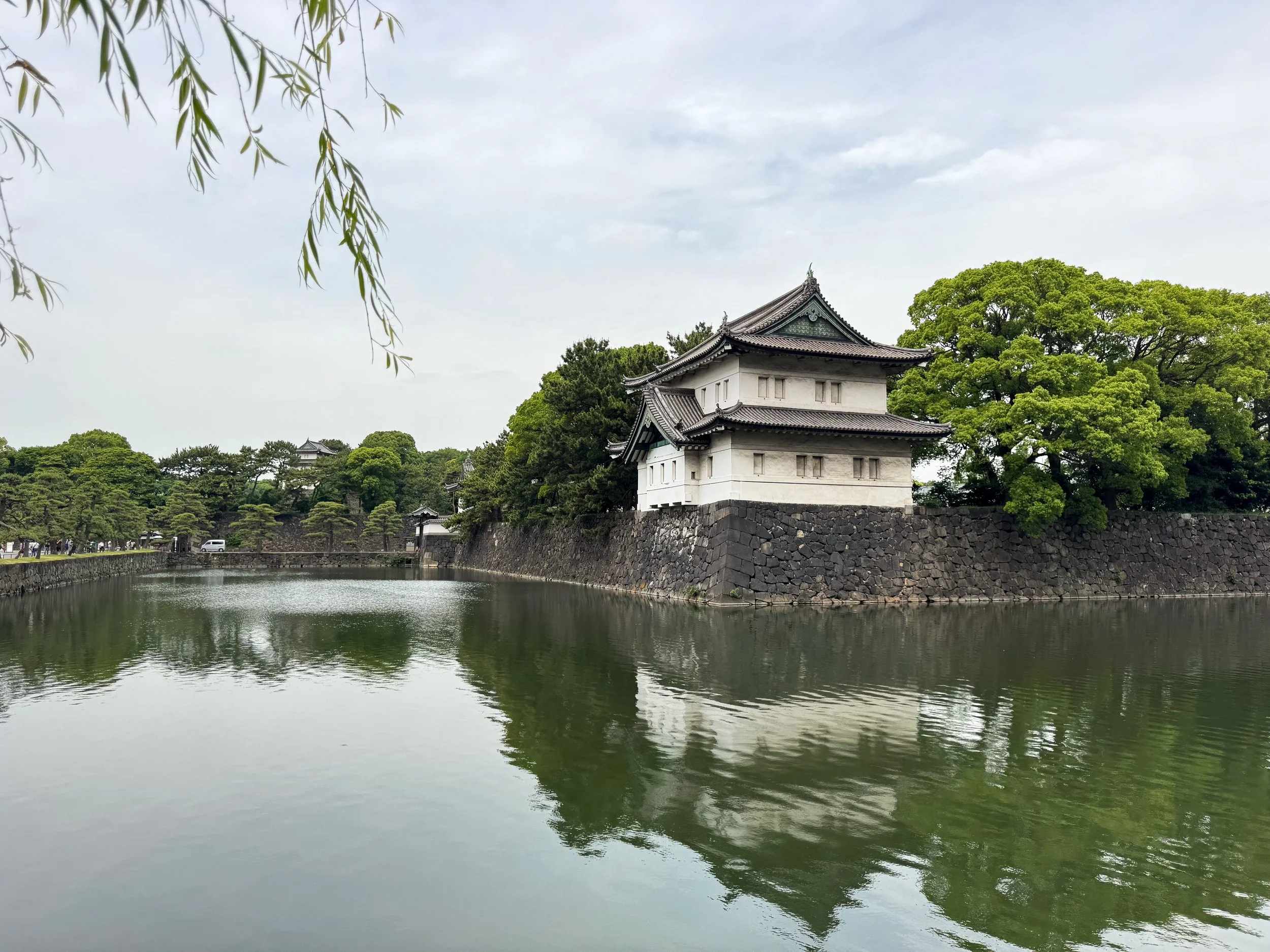
Imperial Palace & Edo Castle. A vast imperial palace and castle still lived in by the Japanese emperor, the world’s last ruling emperor. A majority of its grounds are off limits and blocked from view. Its outer stone wall and flooded moat are the most visible. A large lawn, once home to the last shogunate’s palace, has some closely viewable buildings including a former defensive tower, guardhouse and imperial gate.
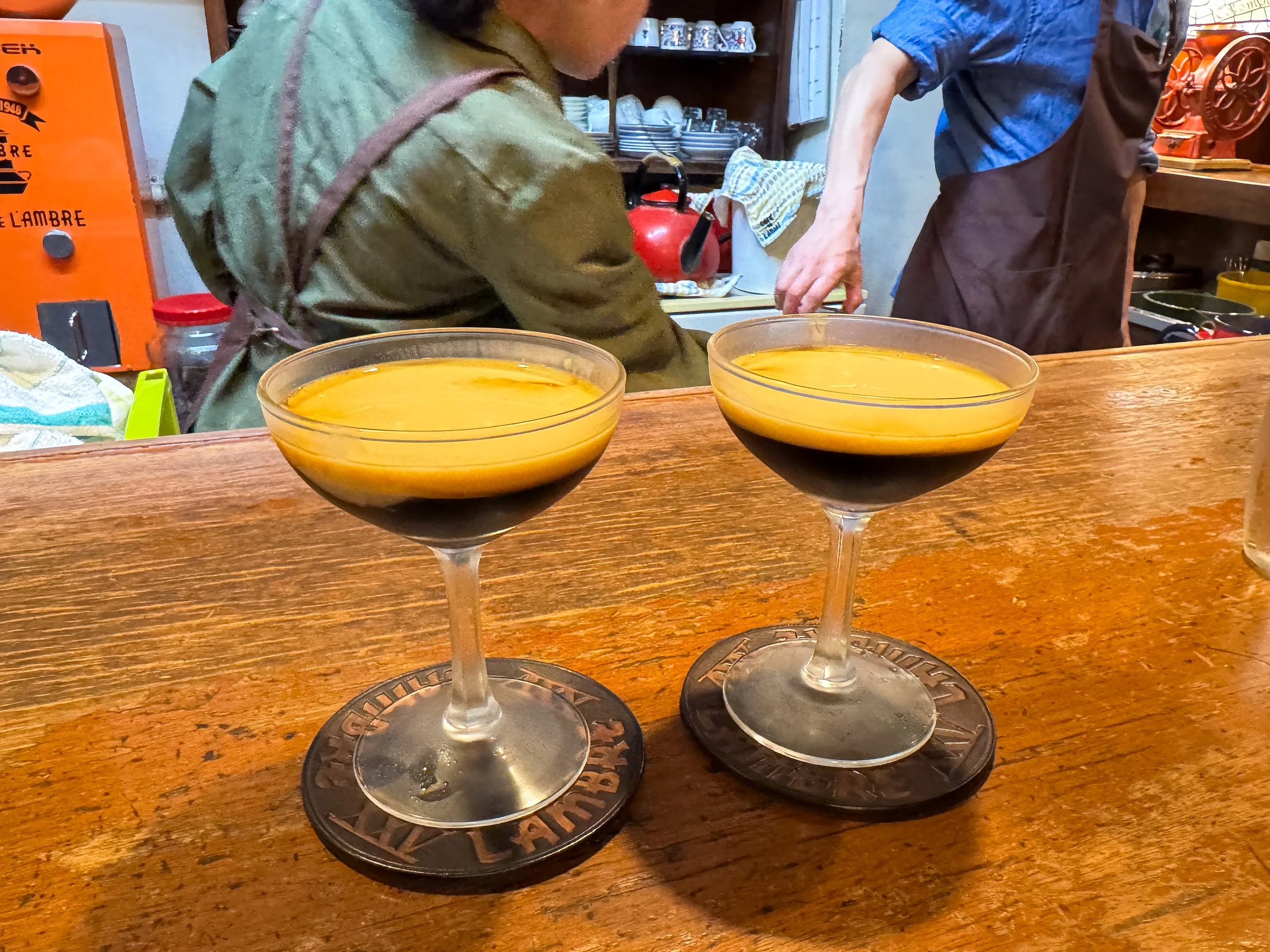
Café de l’Ambre. A historic café brewing pour over coffees served in cocktail glasses and simple mugs. When entering, you’re greeted by the host saying, “we only serve coffee,” then seated once confirming you understand. Behind the bar, baristas boil kettles of water, precisely weigh beans and hand-make each coffee. The shop specializes in non-alcoholic coffee cocktails and 10 year aged beans. Try a “straight coffee” or the Mazagran, a creamy iced coffee served in a coupe glass.
Asakusa District
Asakusa is a historic and cultural district of Tokyo visited for its temples and food scene.
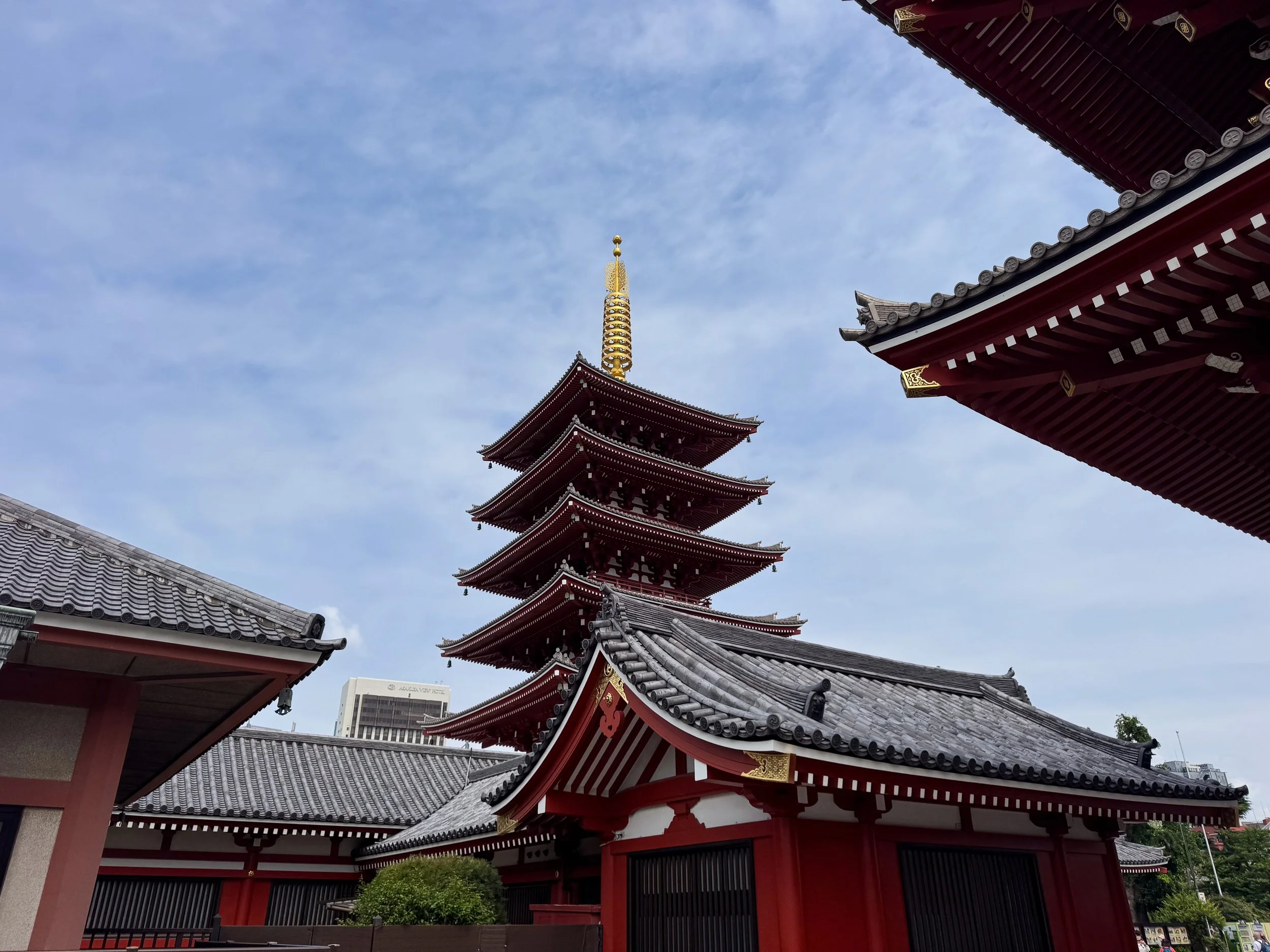
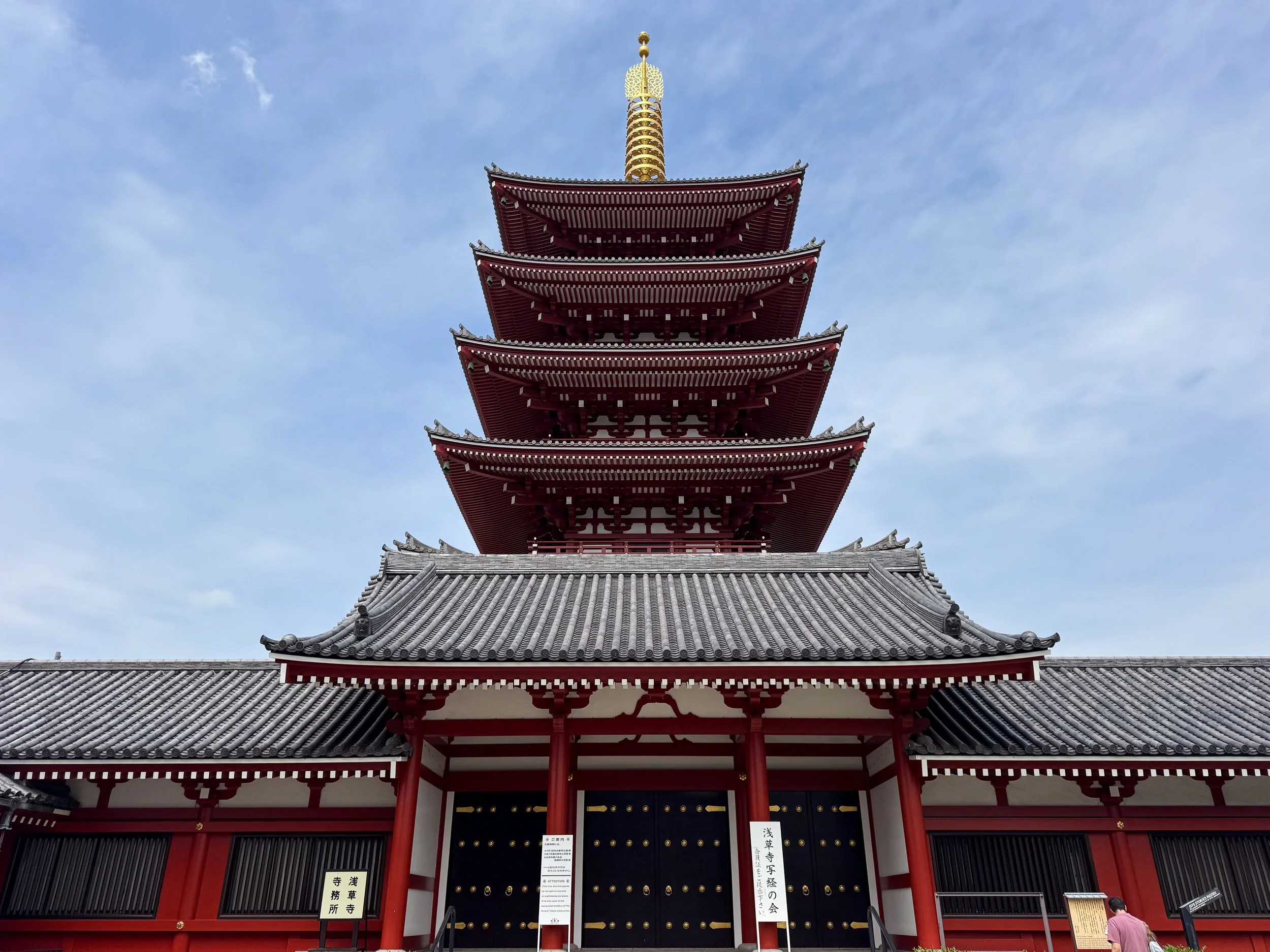
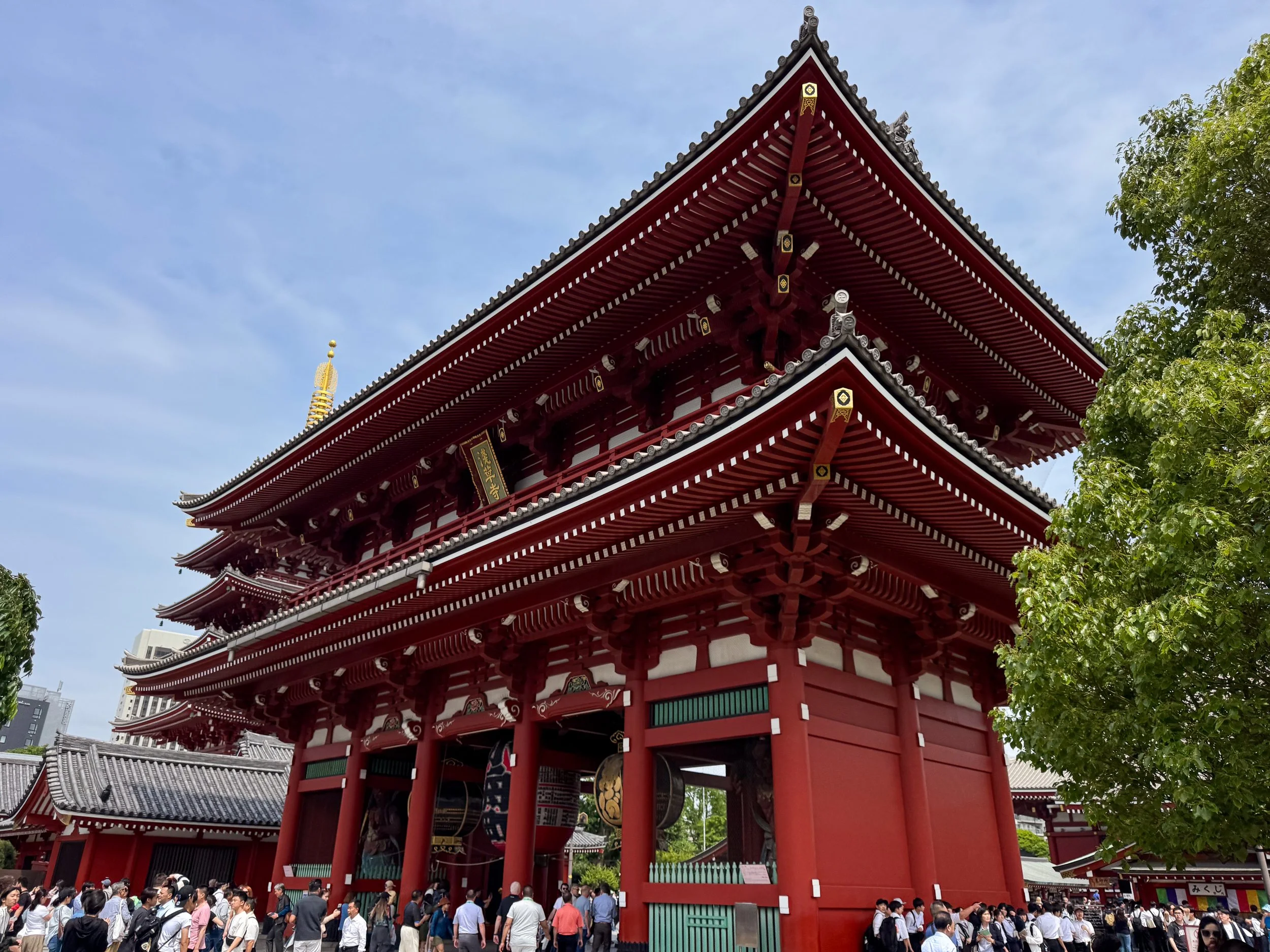
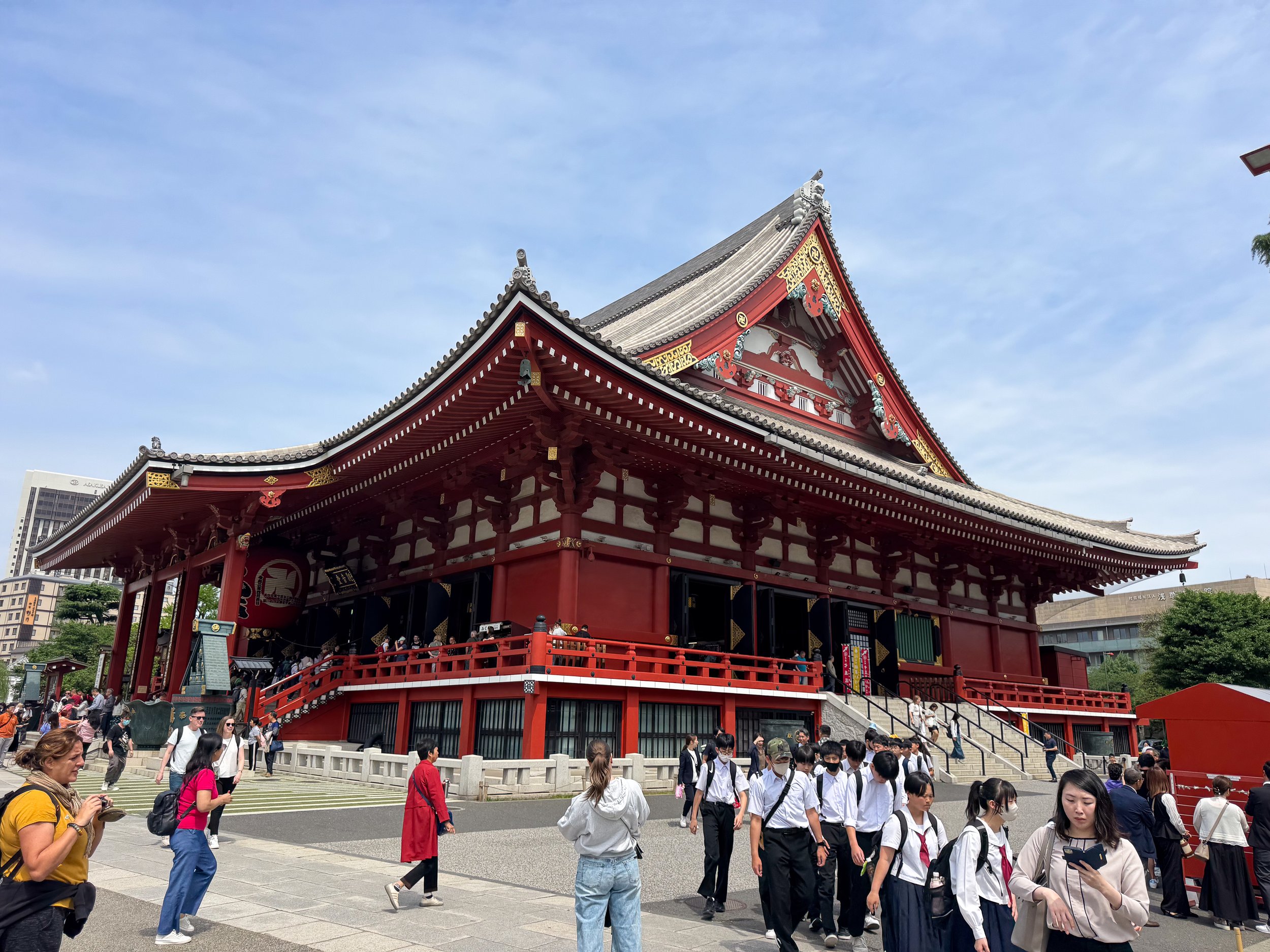
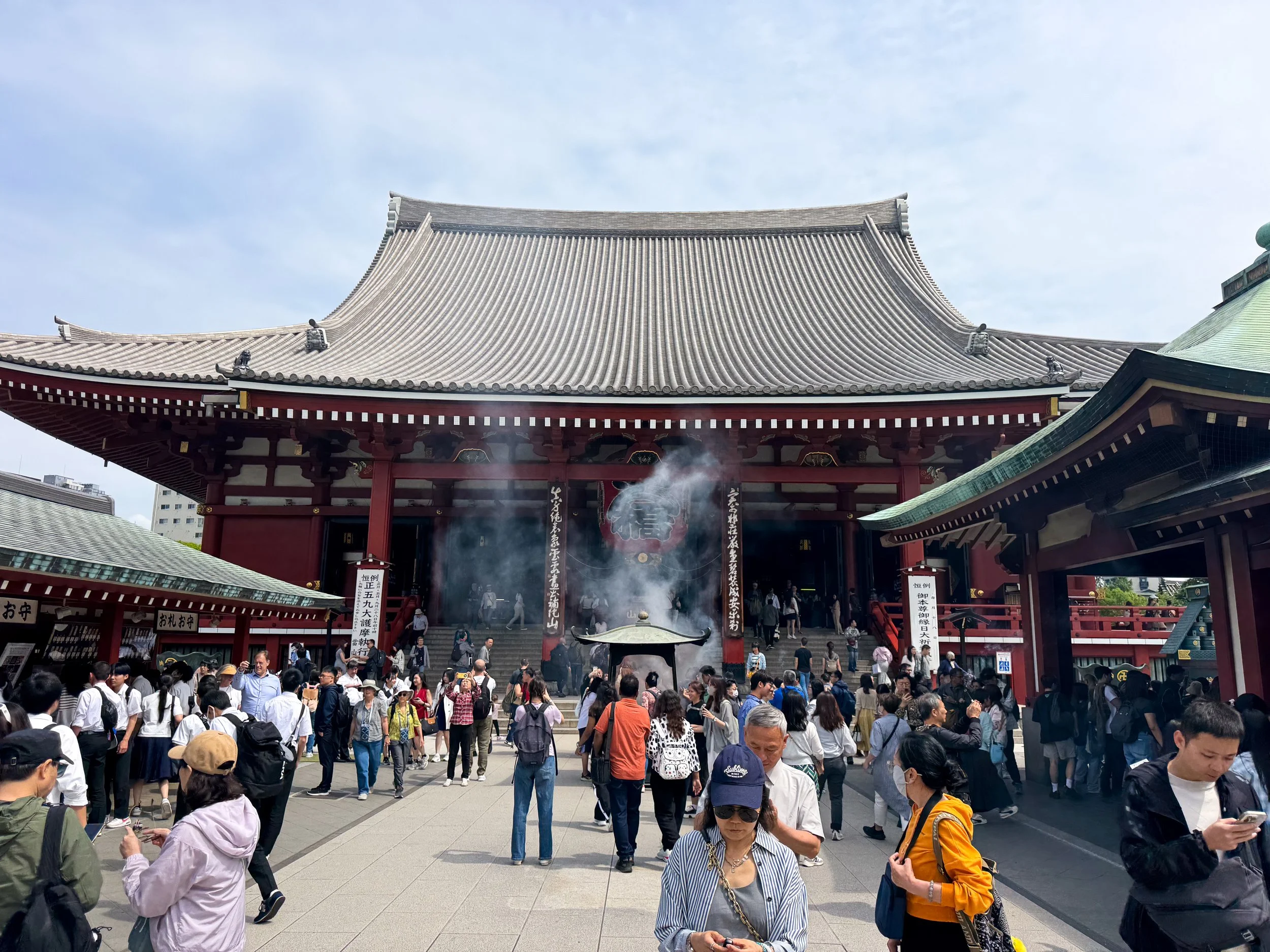
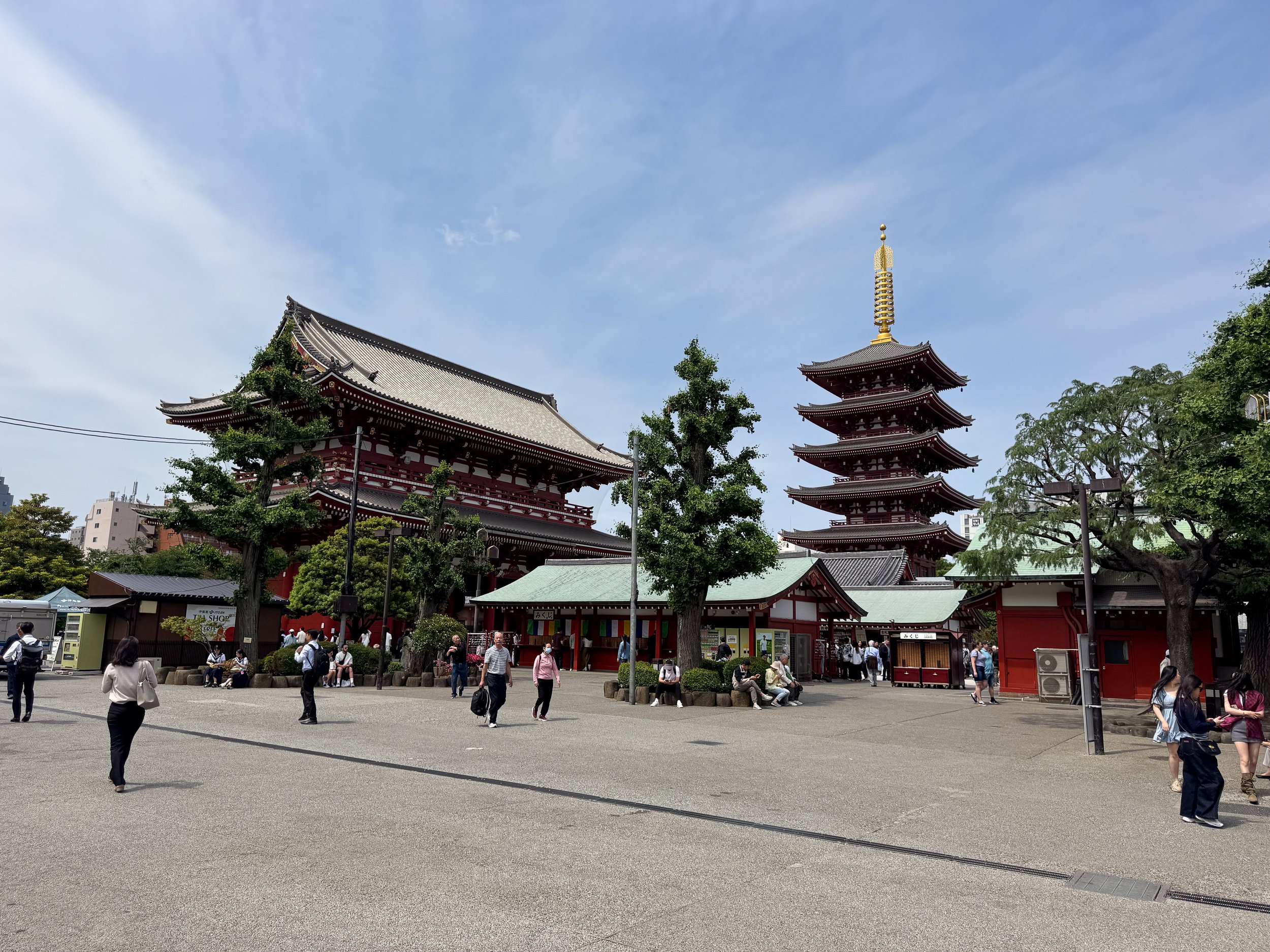
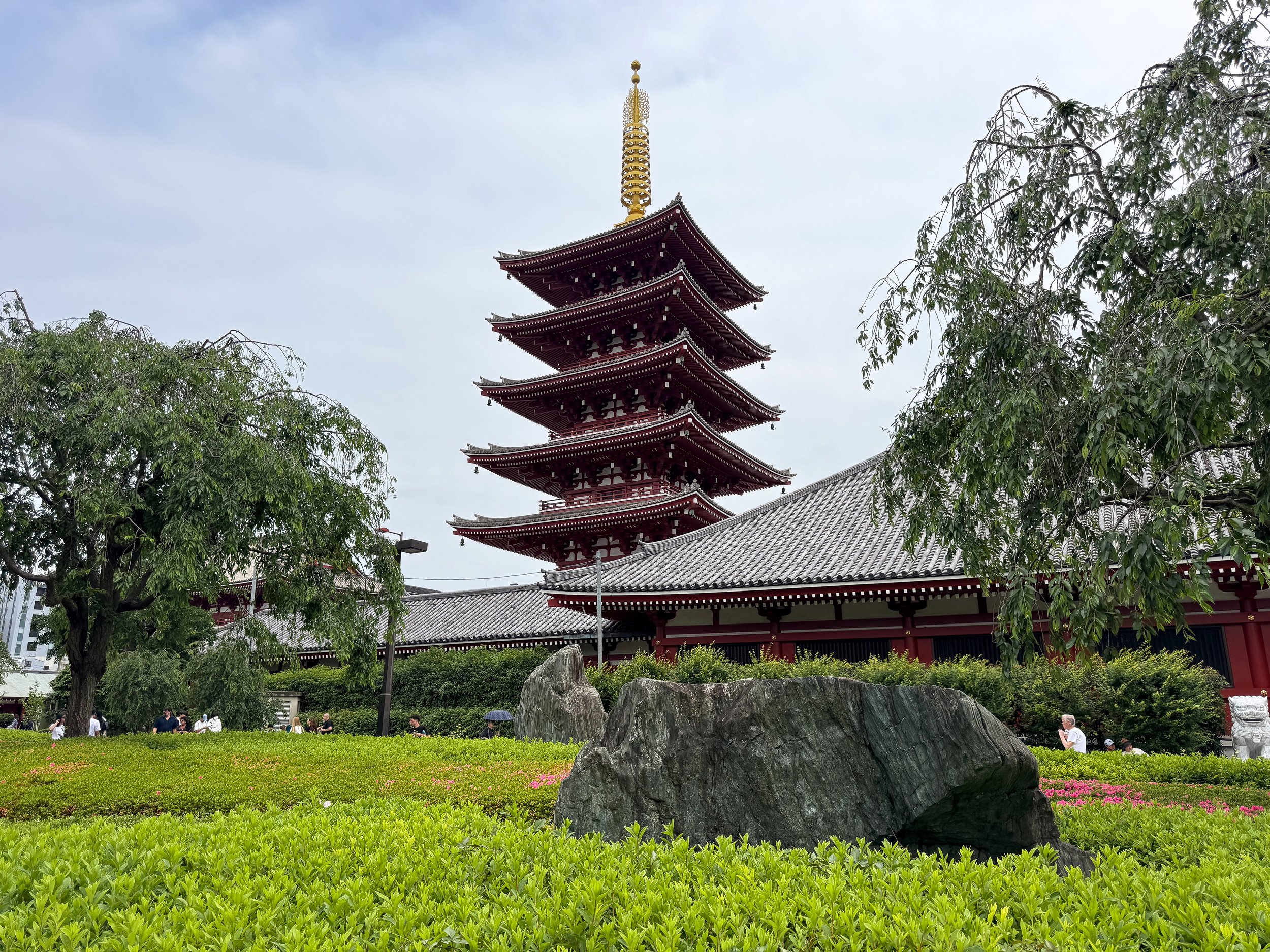
Senso-ji Temple. Tokyo’s oldest and most significant Shinto temple. Its grounds date back nearly 1,400 years and are home to several red lacquered wooden structures including temple gates, prayer halls and a 5 tiered pagoda. Scents and smoke from burning incense fill the air as people visit and make prayers and offerings. It's one of the most visited temples in Japan. Get here early to avoid massive crowds.
Nakamise Street. A shopping street leading up to Senso-ji Temple. Kiosks with vendors sell a variety of traditional and local snacks as well as souvenirs. The street is often packed with thousands of school children on field trips to the temple.
Hoppy Dori Street. A food street with many izakayas near Senso-ji Temple. It’s a popular spot to enjoy a cold Japanese beer like Asahi, Kirin, Sapporo or Suntory.
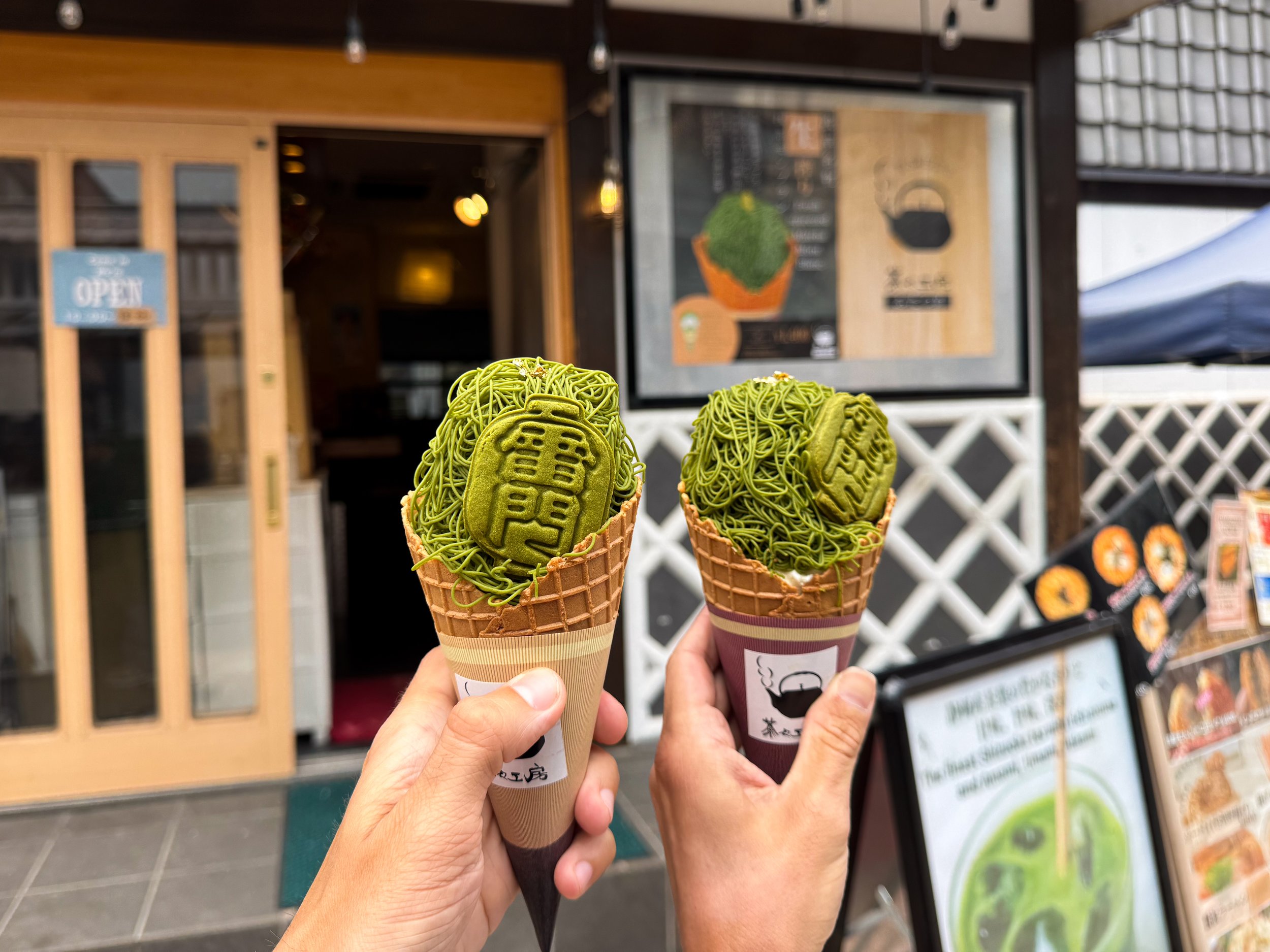
Chacha Futatsume. An ice cream shop with Instagrammable waffle cones topped with spaghetti style matcha and a matcha cookie. If you love matcha, it’s well worth the cost!
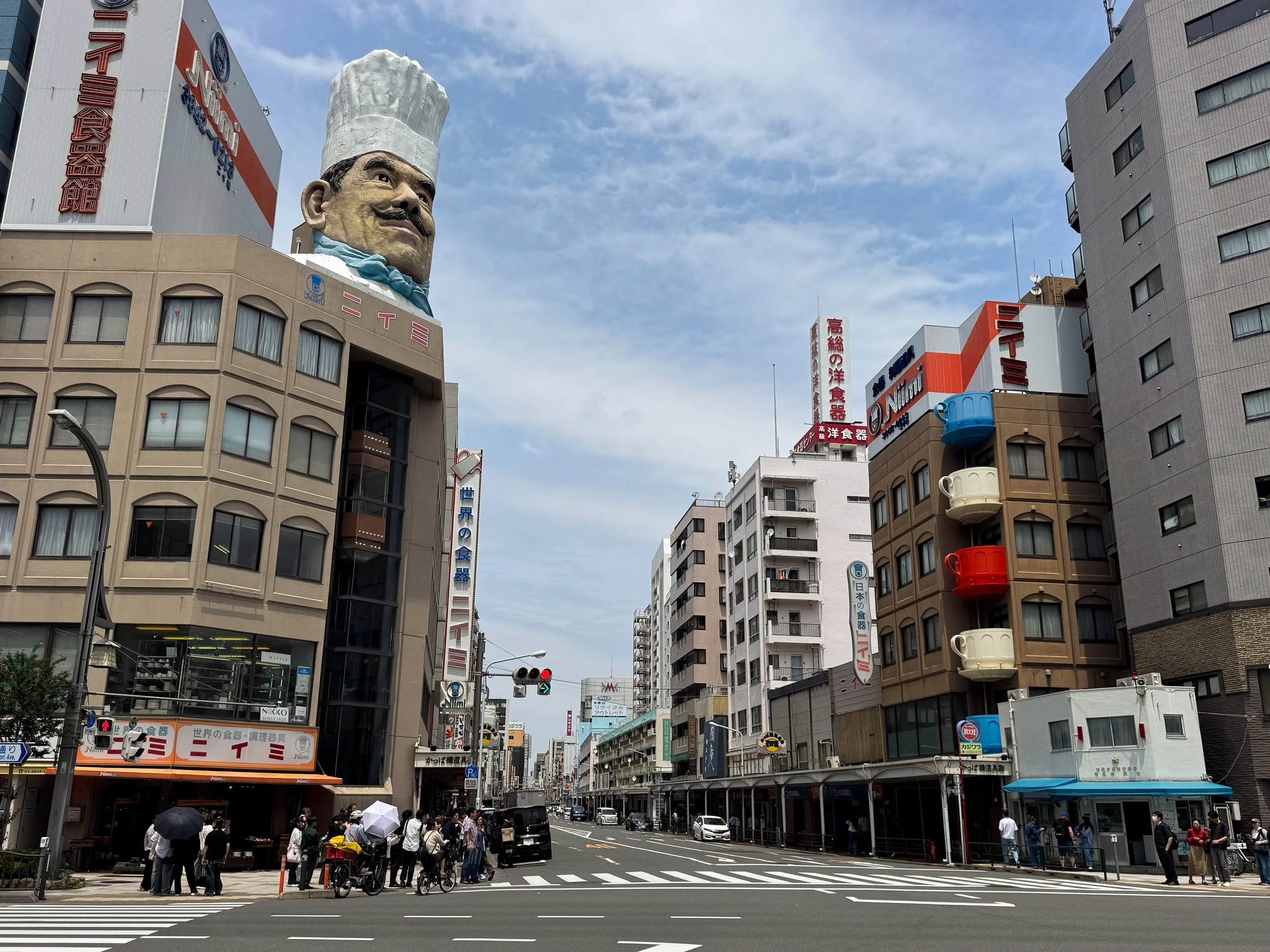
Kappabashi (Kitchen Town). A renowned street lined with hundreds of kitchenware shops and restaurant supply stores. Chefs and home cooks alike flock here to buy Japanese knives, chopsticks, matcha tea whisks, tamagoyaki pans, ramen bowls and wooden bento boxes. Bring home Shokuhin Sampuru, a plastic food replica used to replace real food samples, as a souvenir.
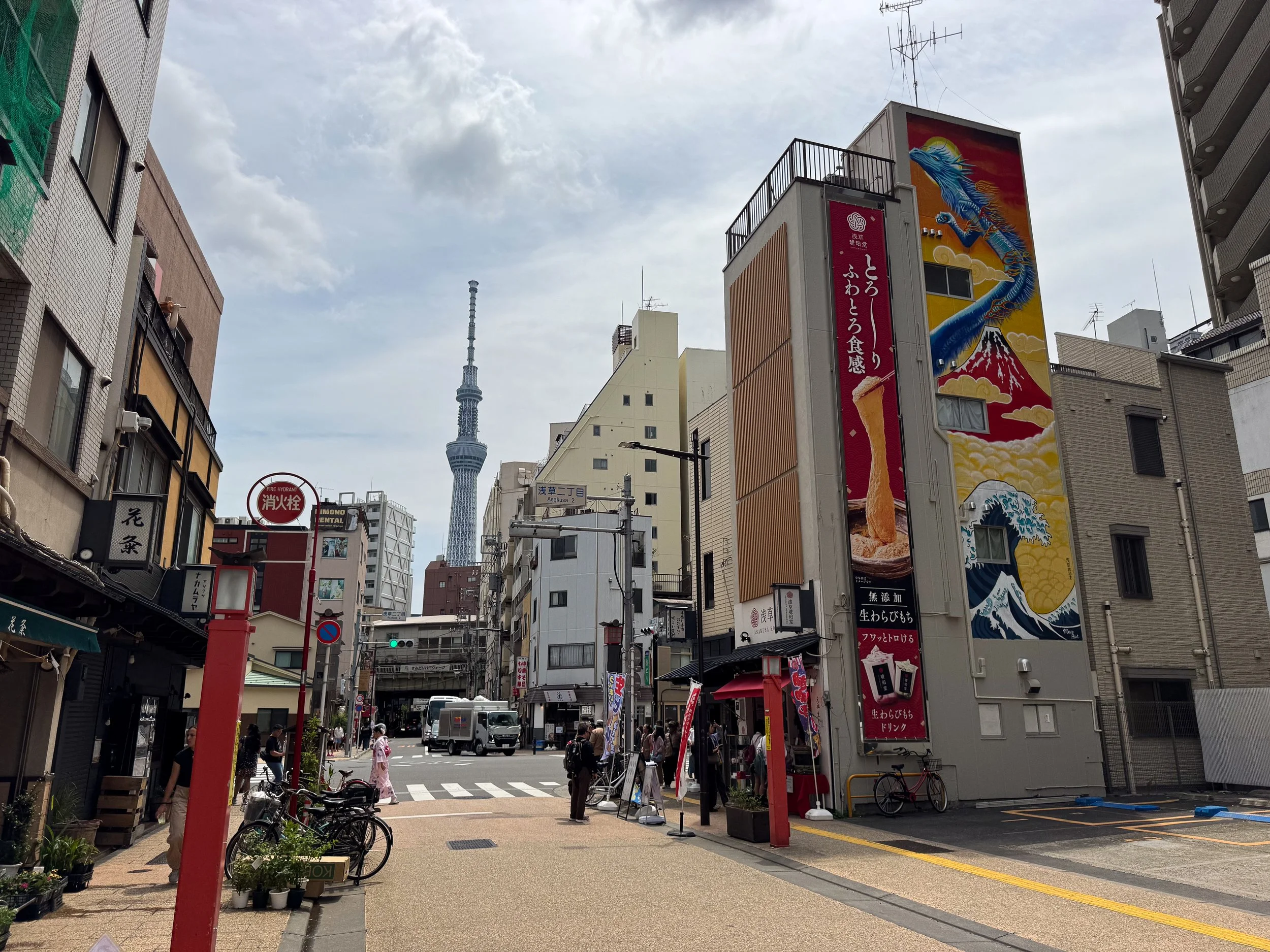
Tokyo Sky Tree. A 2,080 ft tall broadcasting tower and the tallest building in Tokyo’s skyline. It has two observation decks with panoramic views of the city. We opted out of visiting but viewed it from around Asakusa.
Mt. Fuji
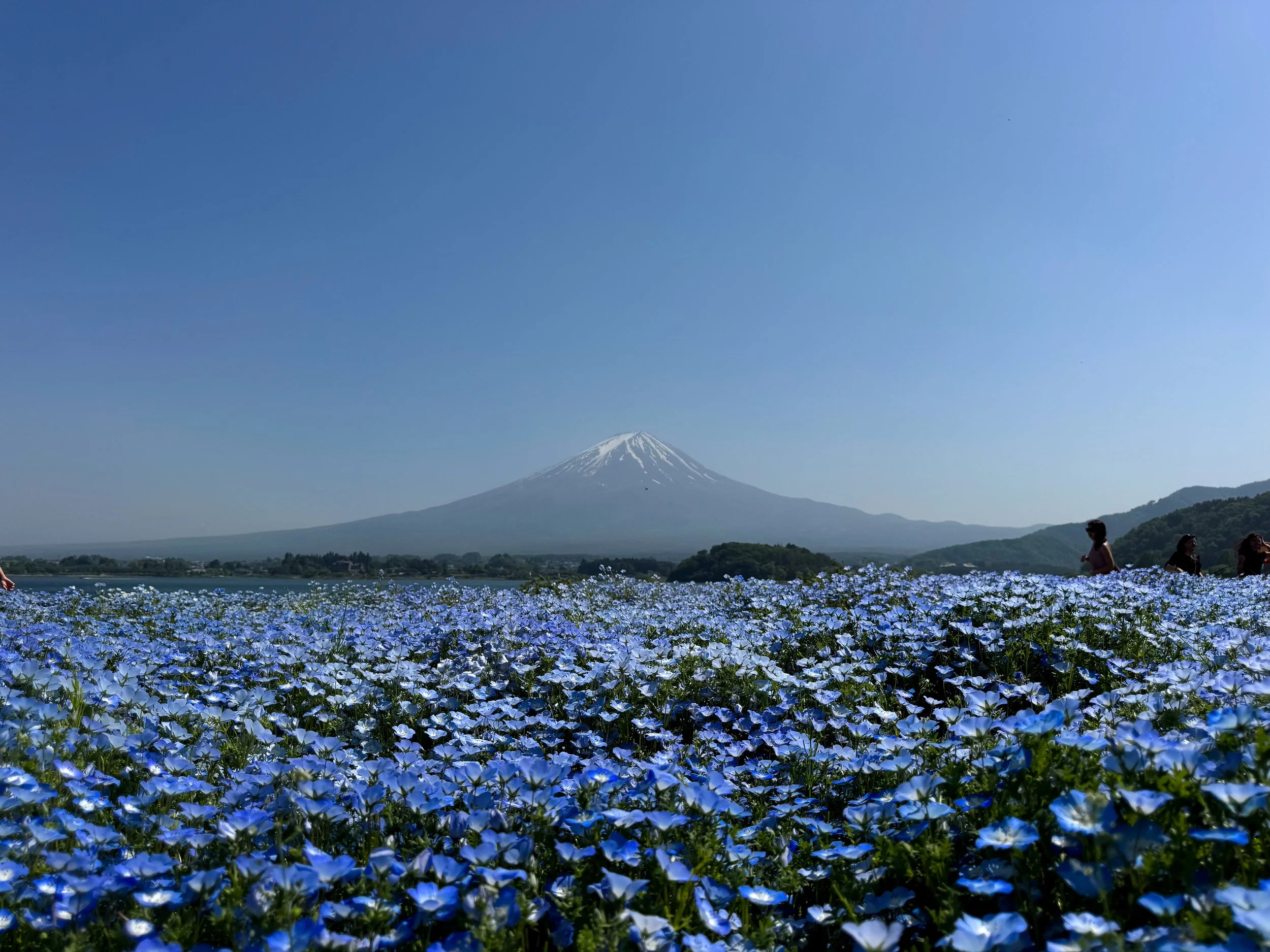
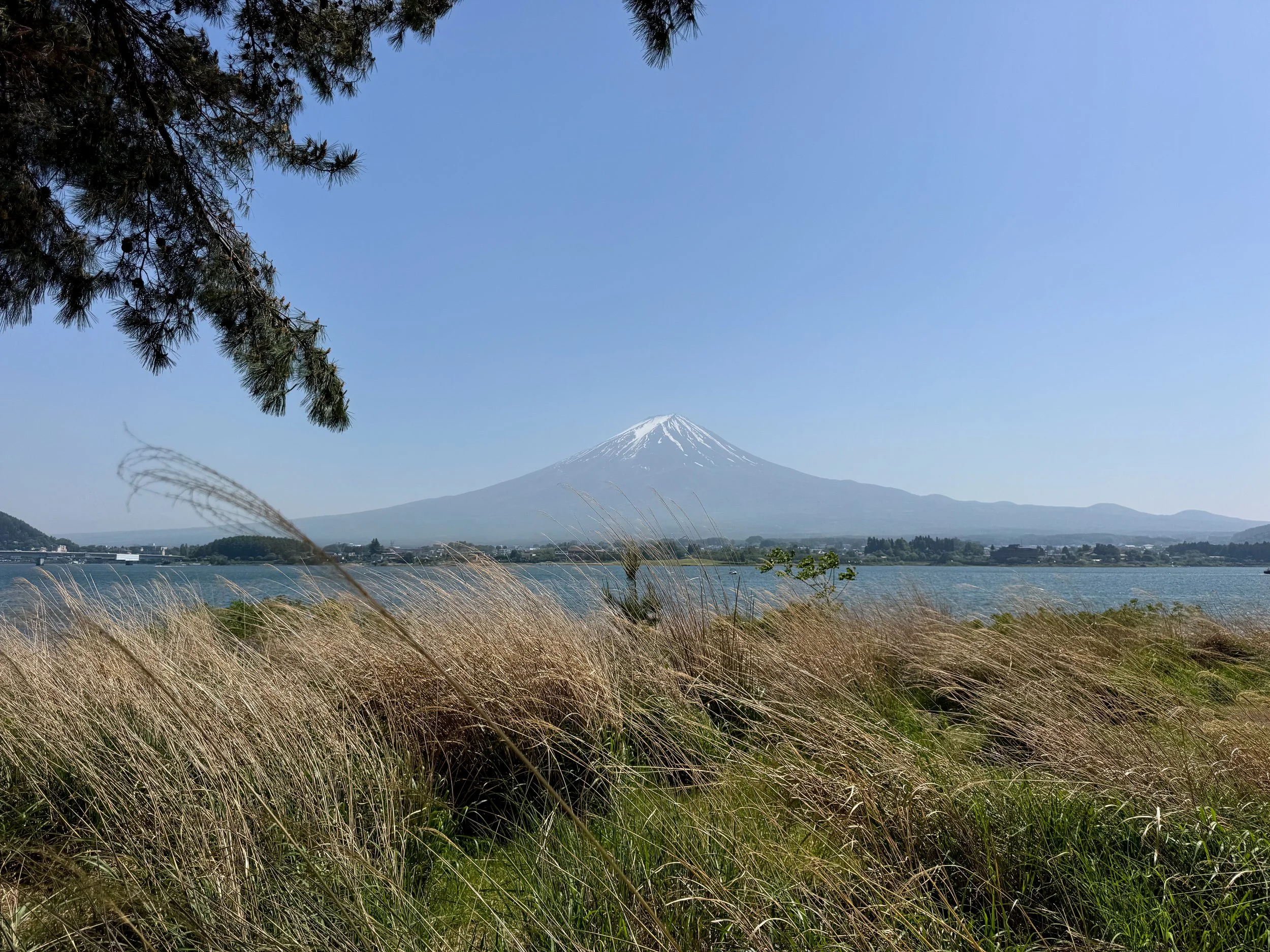
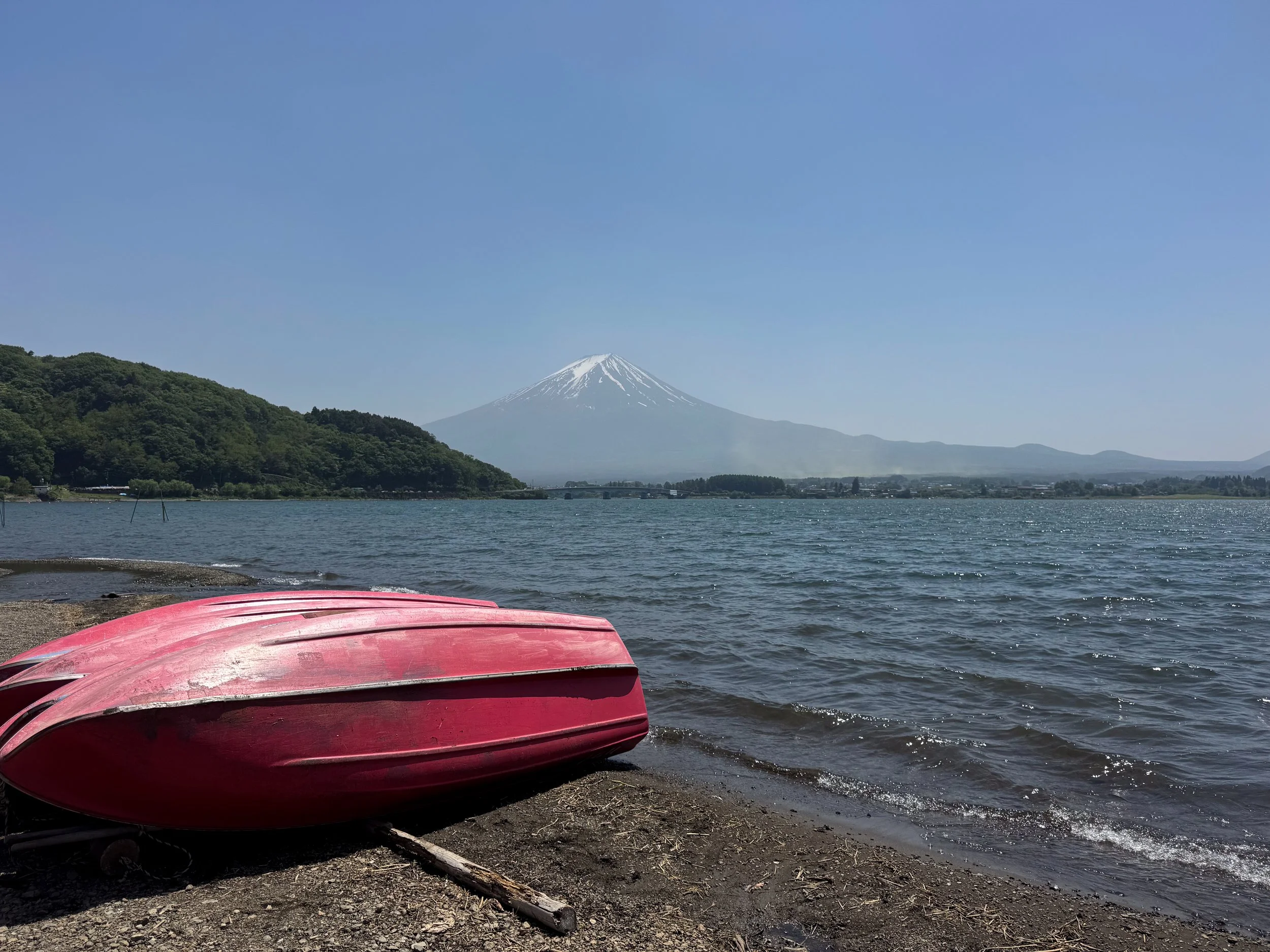
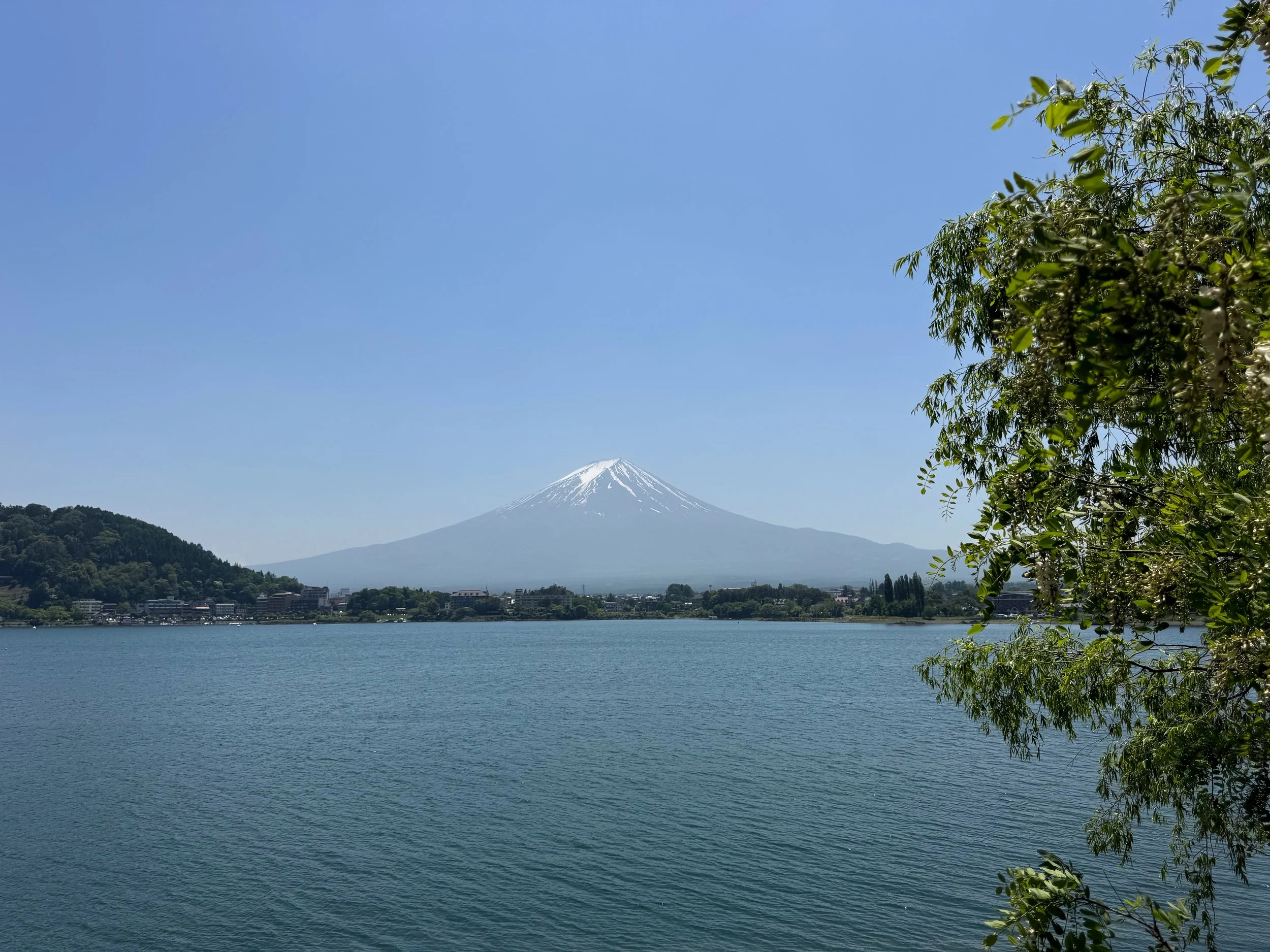
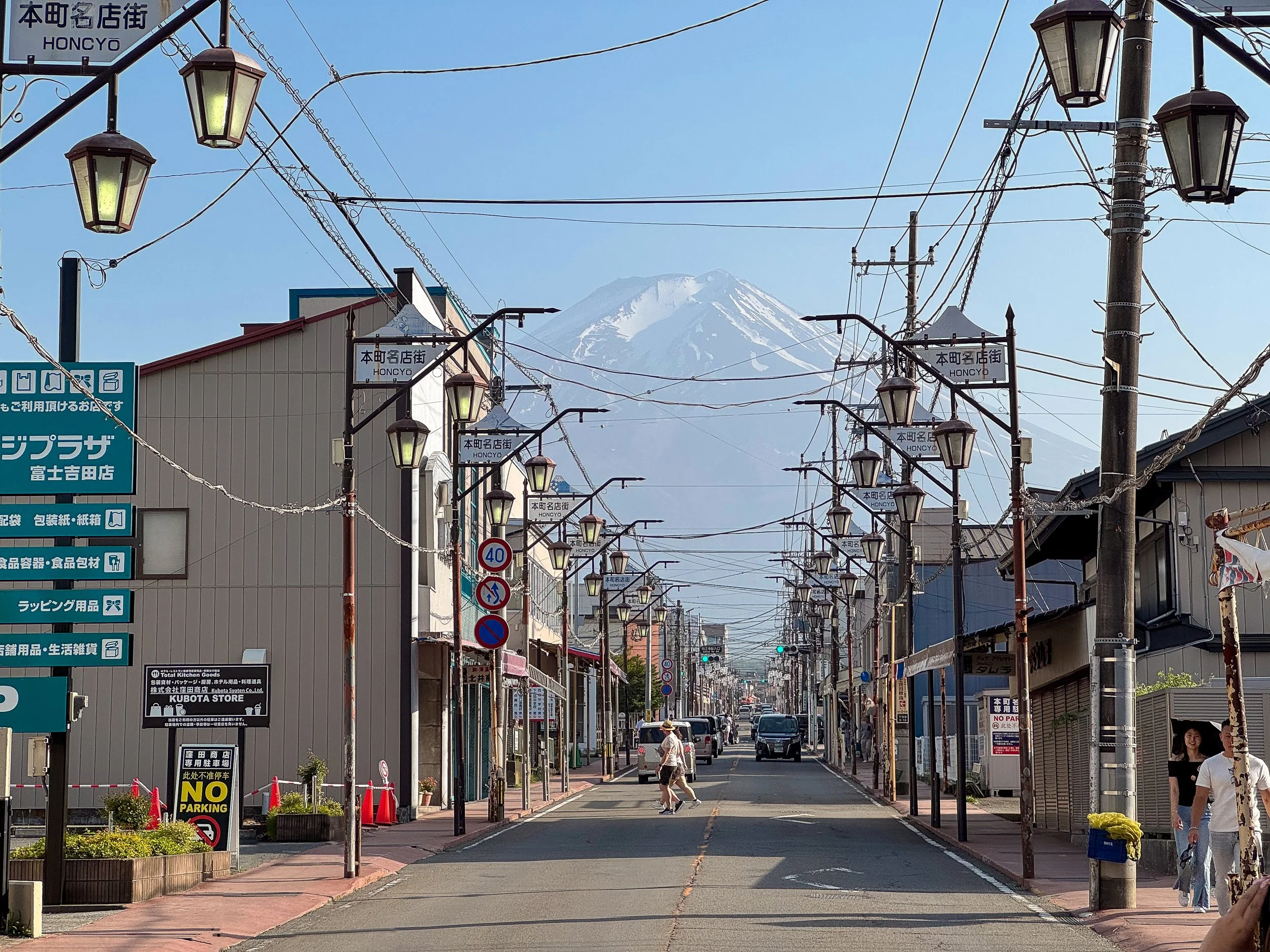
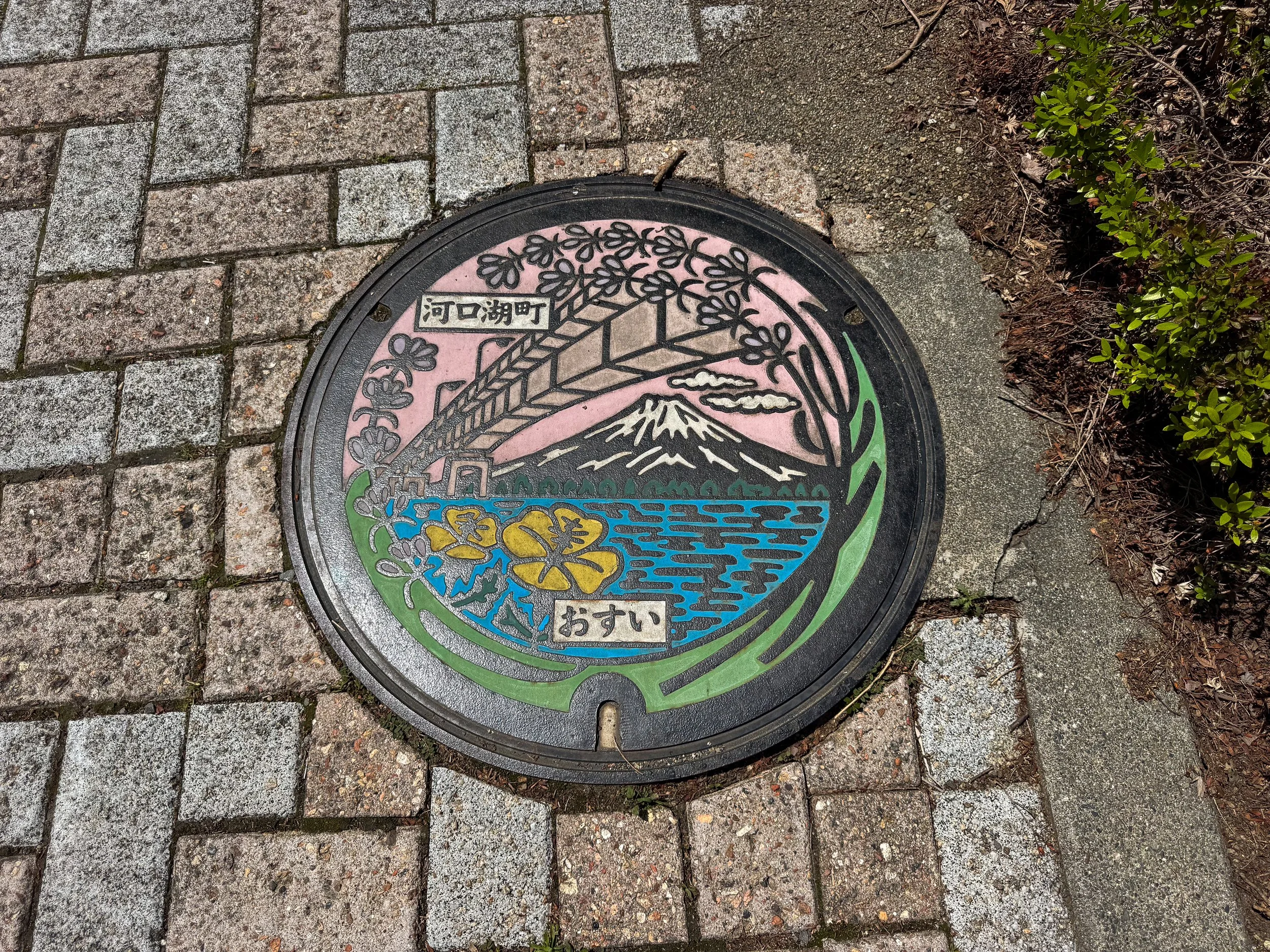
Mt. Fuji is Japan’s most iconic landmark and natural wonder. The volcano is revered for its conical shape, snow covered peak and near perfect symmetry. We viewed Mt. Fuji from different locations around the town of Fujiyoshida and Lake Kawaguchi. Its panoramic views and peaceful scenery made for a memorable day trip from Tokyo.
Lake Kawaguchi. A lake at the base of Mt. Fuji with a walking path around its perimeter, small beaches, public campgrounds and paddle boat rentals.
Ubuyagasaki Shrine. A small Shinto shrine with views of Mt. Fuji from across the lake. The best views are at the beach below the shrine.
Nagasaki Park. A lakefront park with tall grasses, a stone beach and picturesque views of Mt. Fuji. Many couples come here for wedding photos.
Oishi Park. A lakeside park famed for its seasonal flower blooms and views of Mt. Fuji. The Nemophila flowers were in full bloom during mid May. Their indigo color and fragrant scent added to the beauty of the landscape.
Café Green House. An ice cream stand with local and herbal flavors like lavender, vanilla, matcha and Azuki bean.
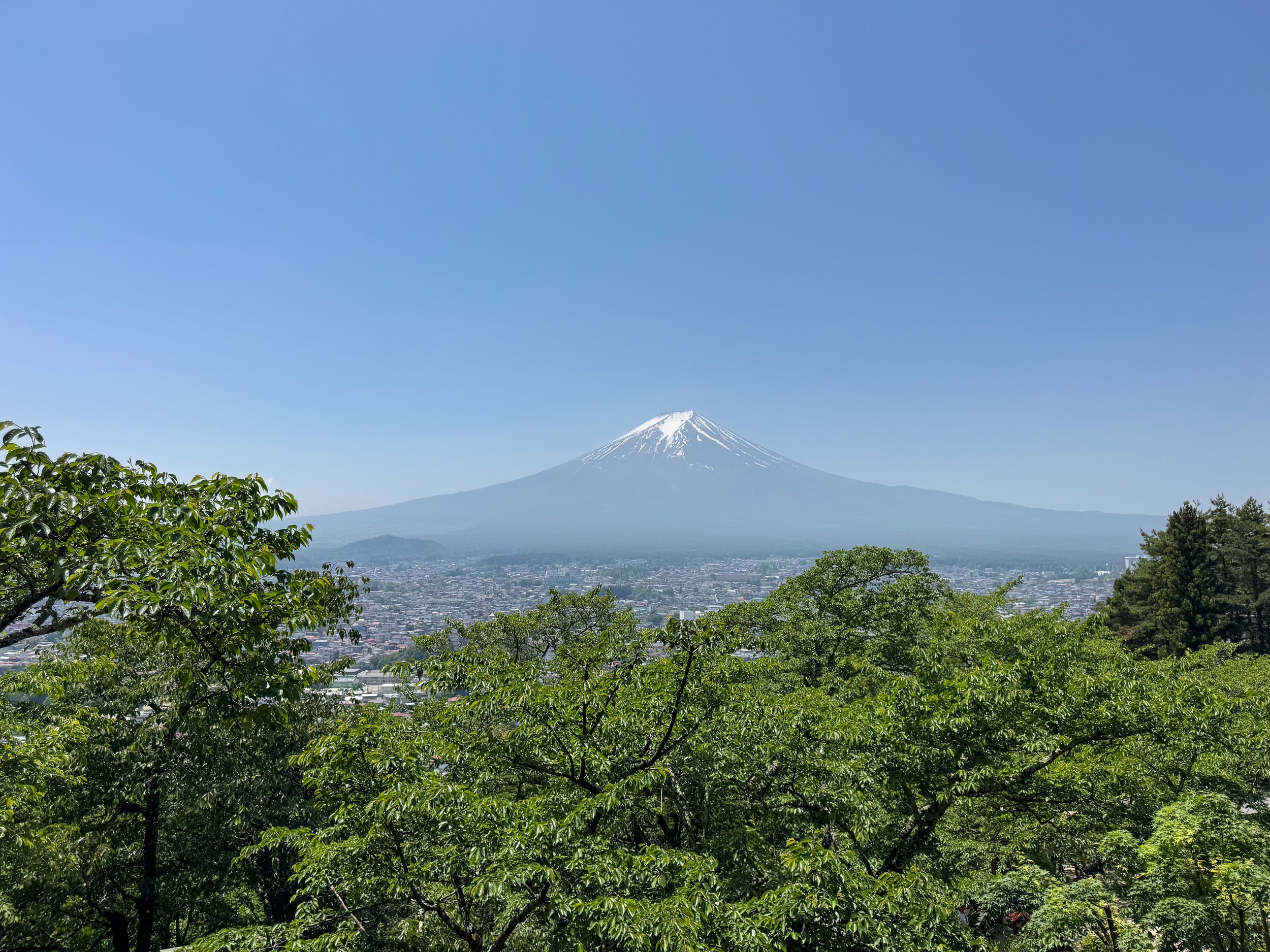
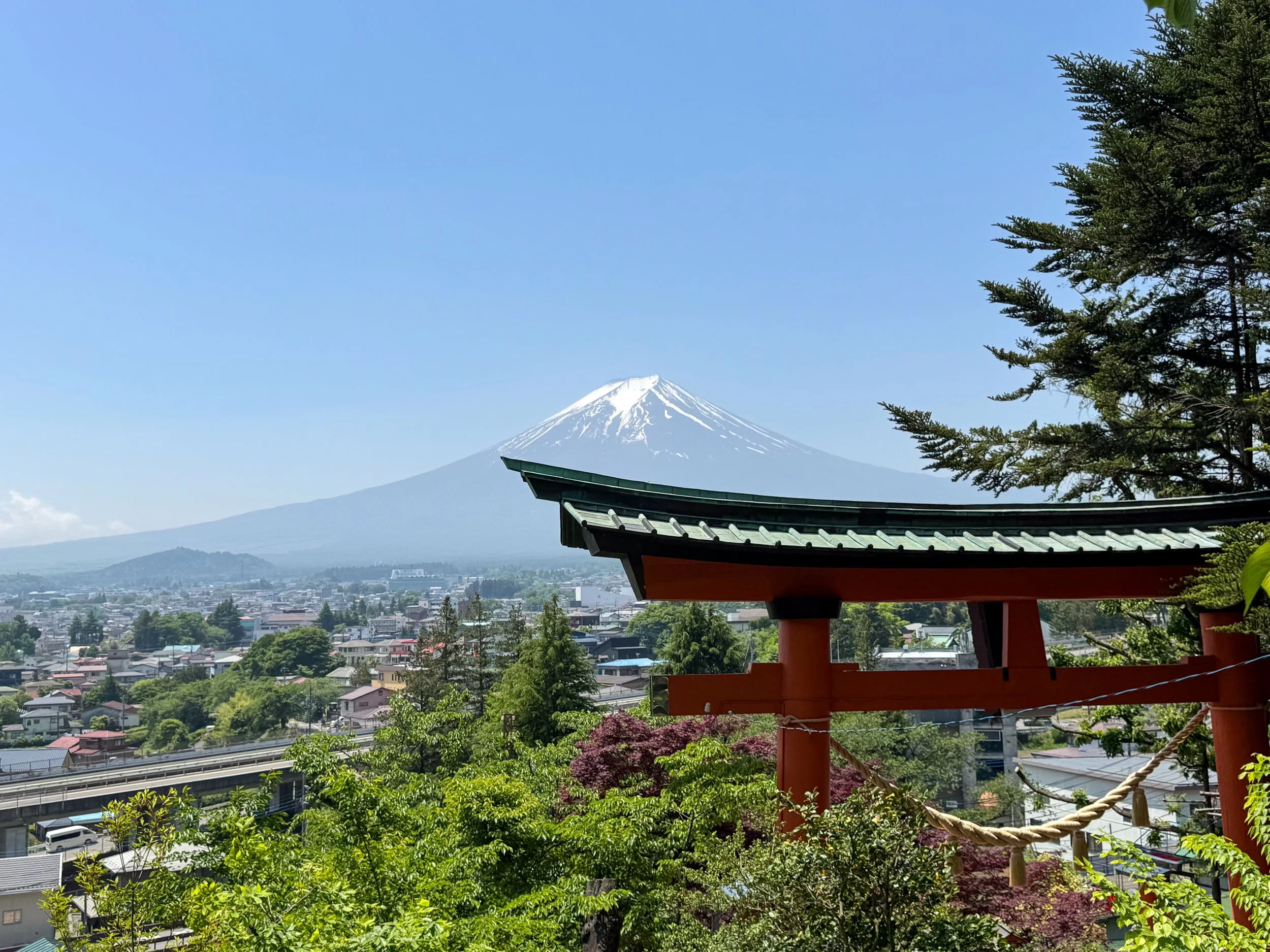
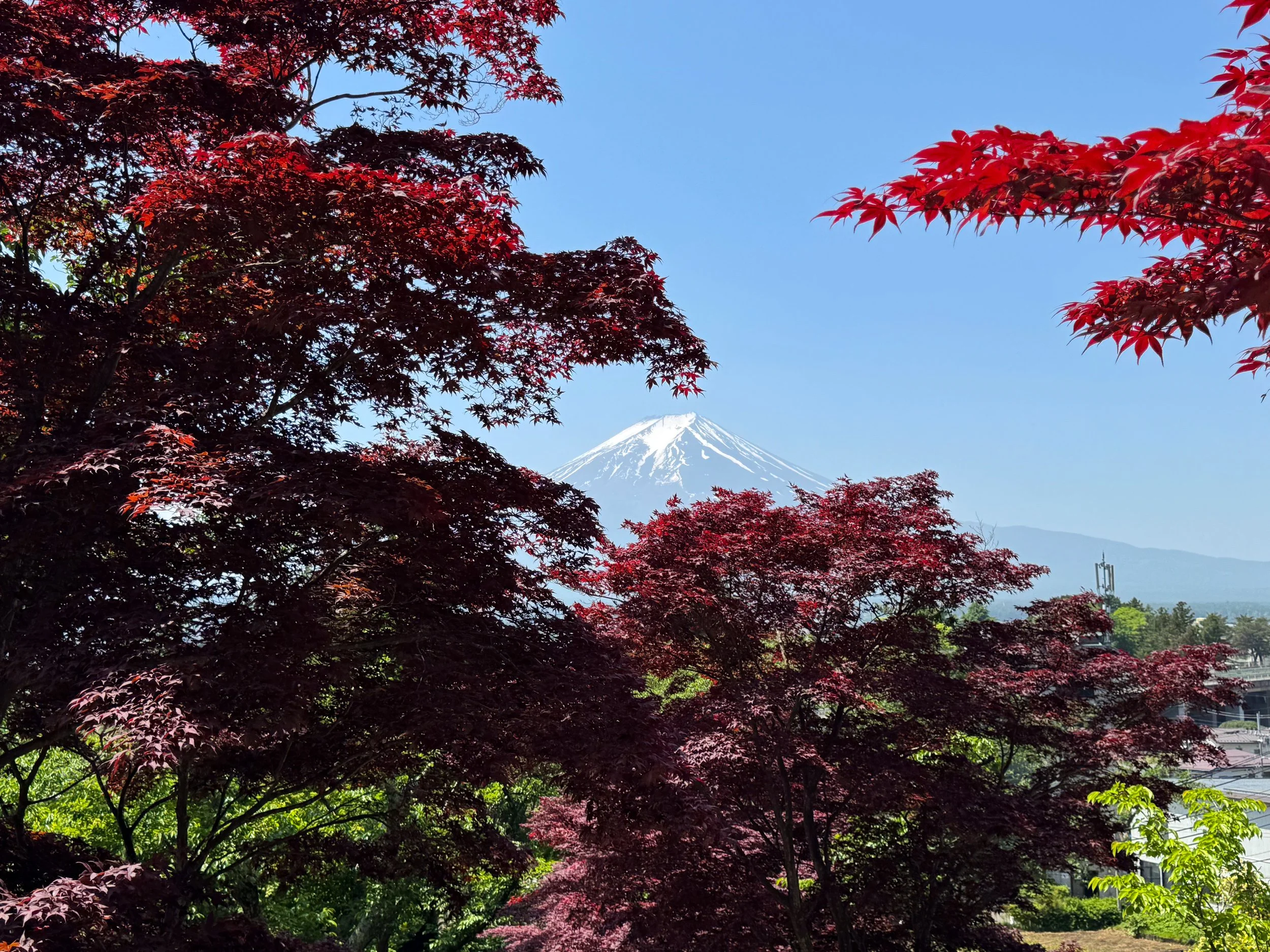
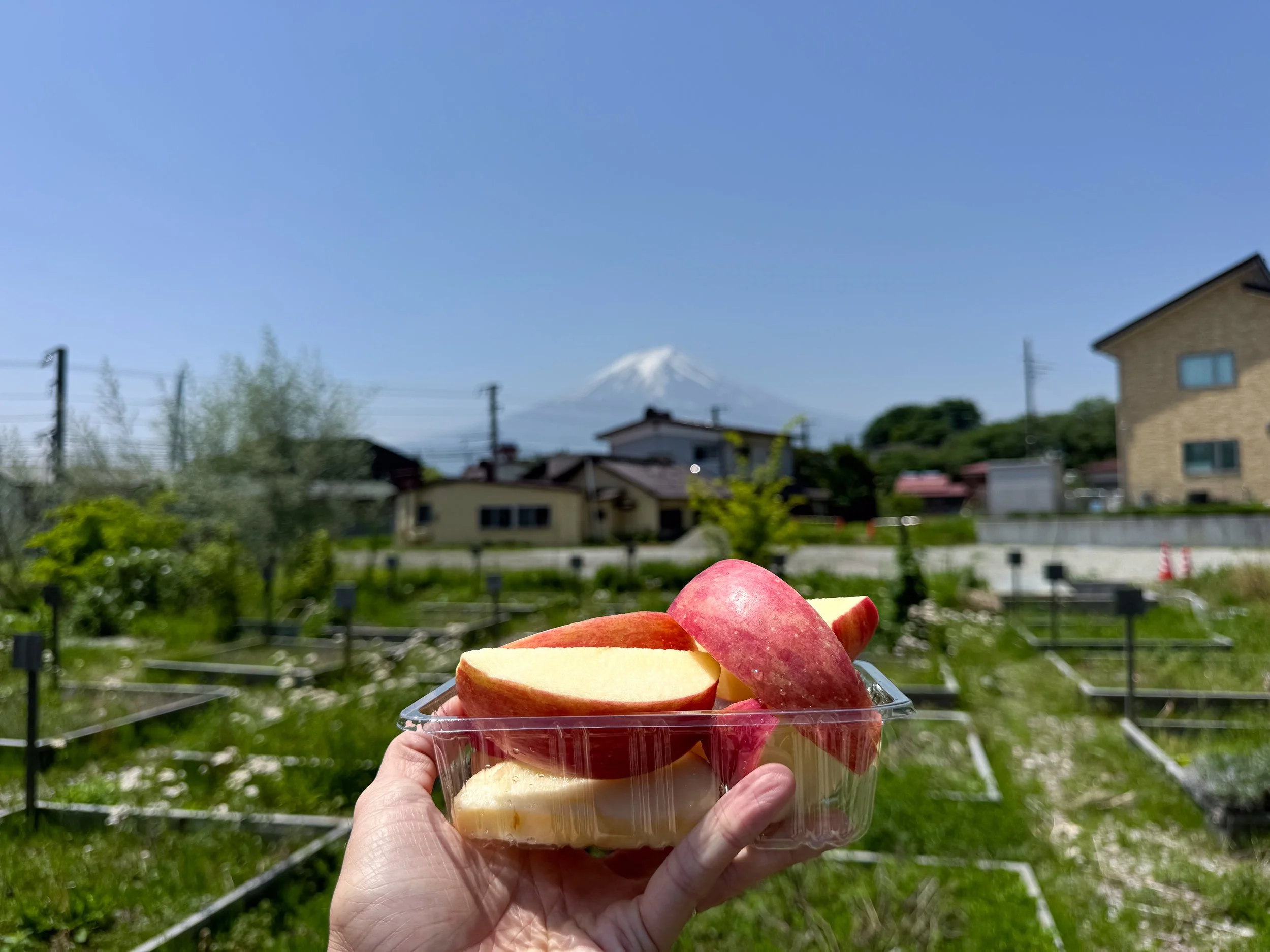
Fujiyoshida. A town at the foot hills of Mt. Fuji near Lake Kawaguchi. It’s one of the most popular places to visit for views of the volcano.
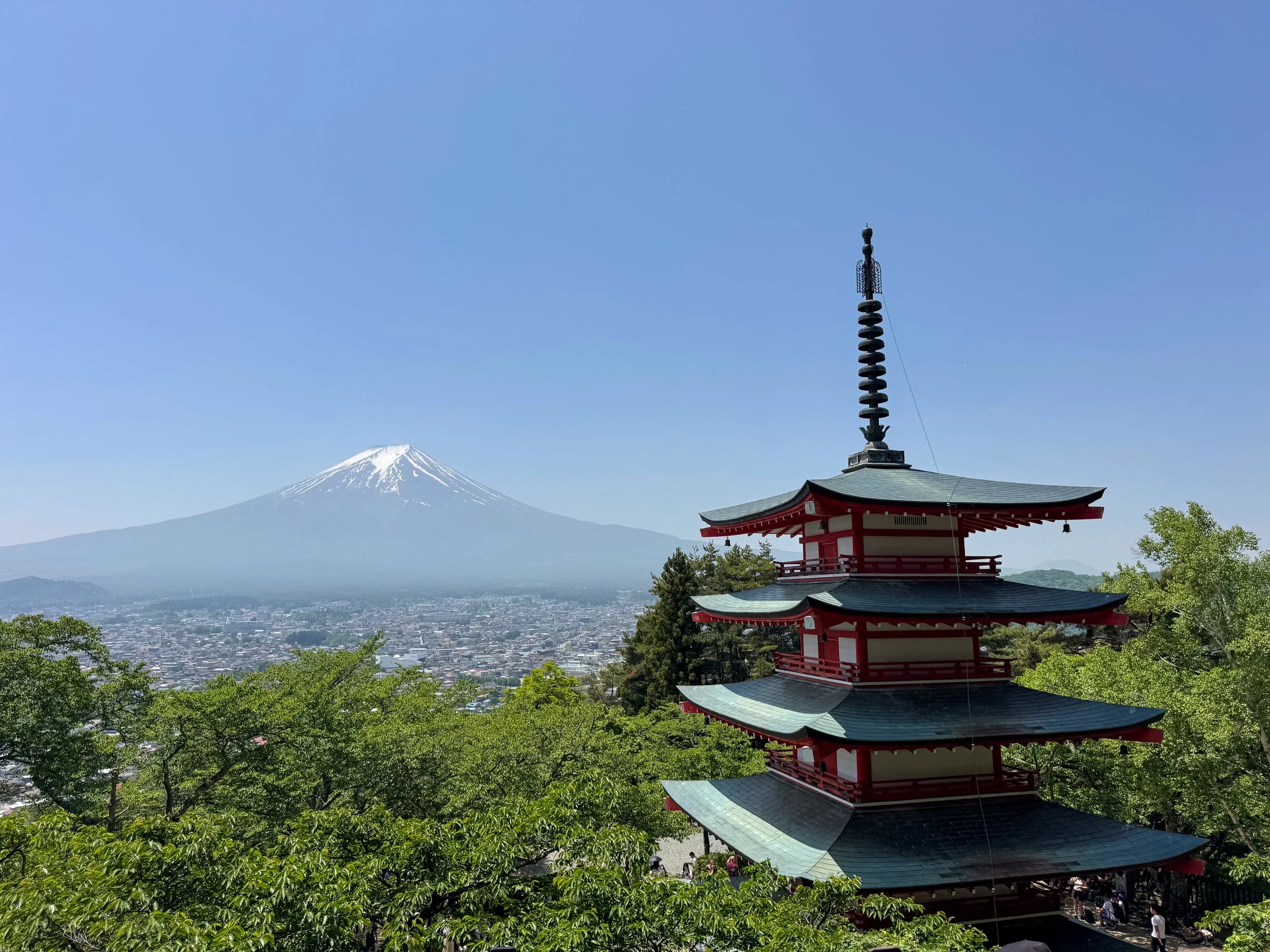
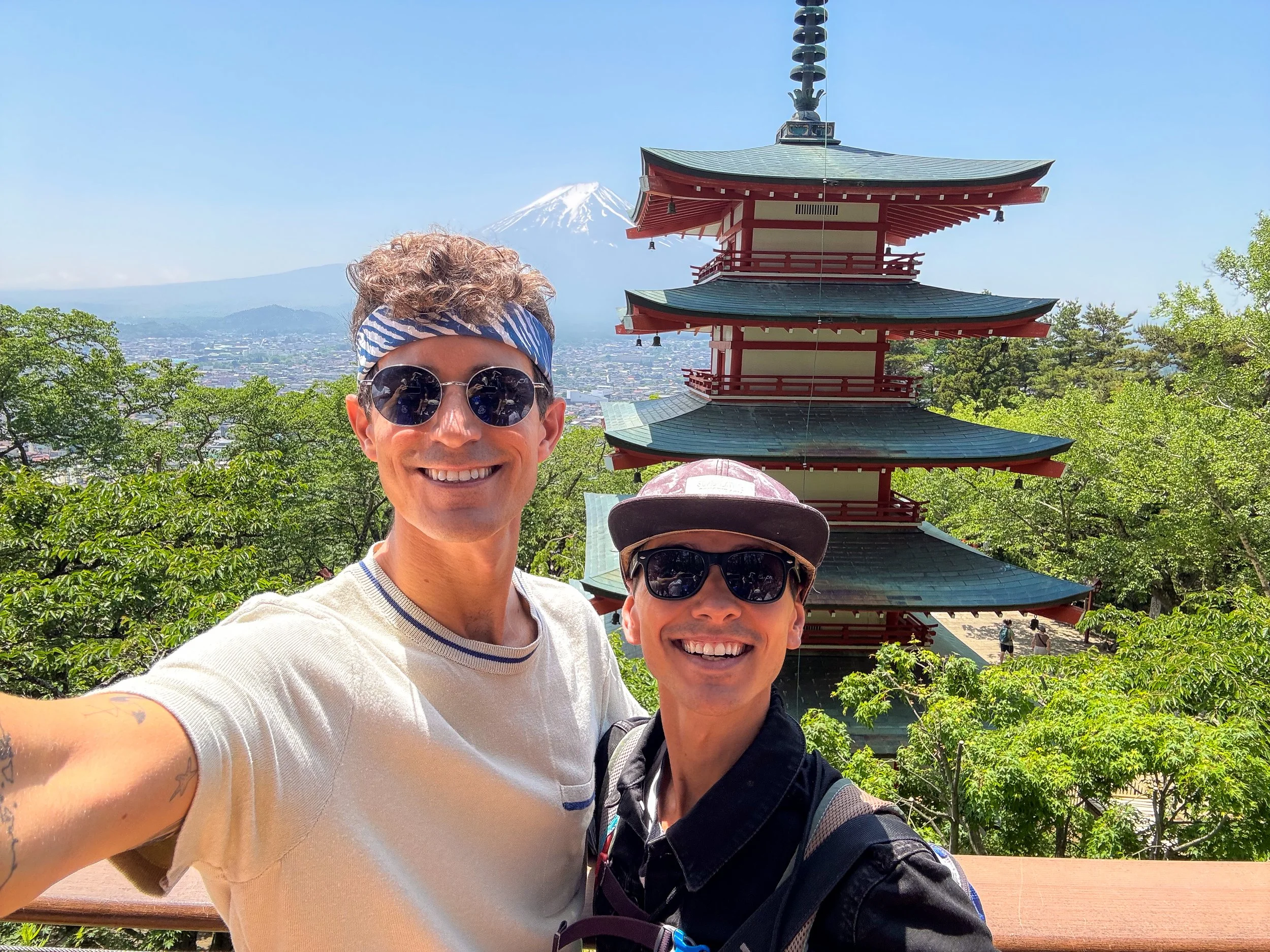
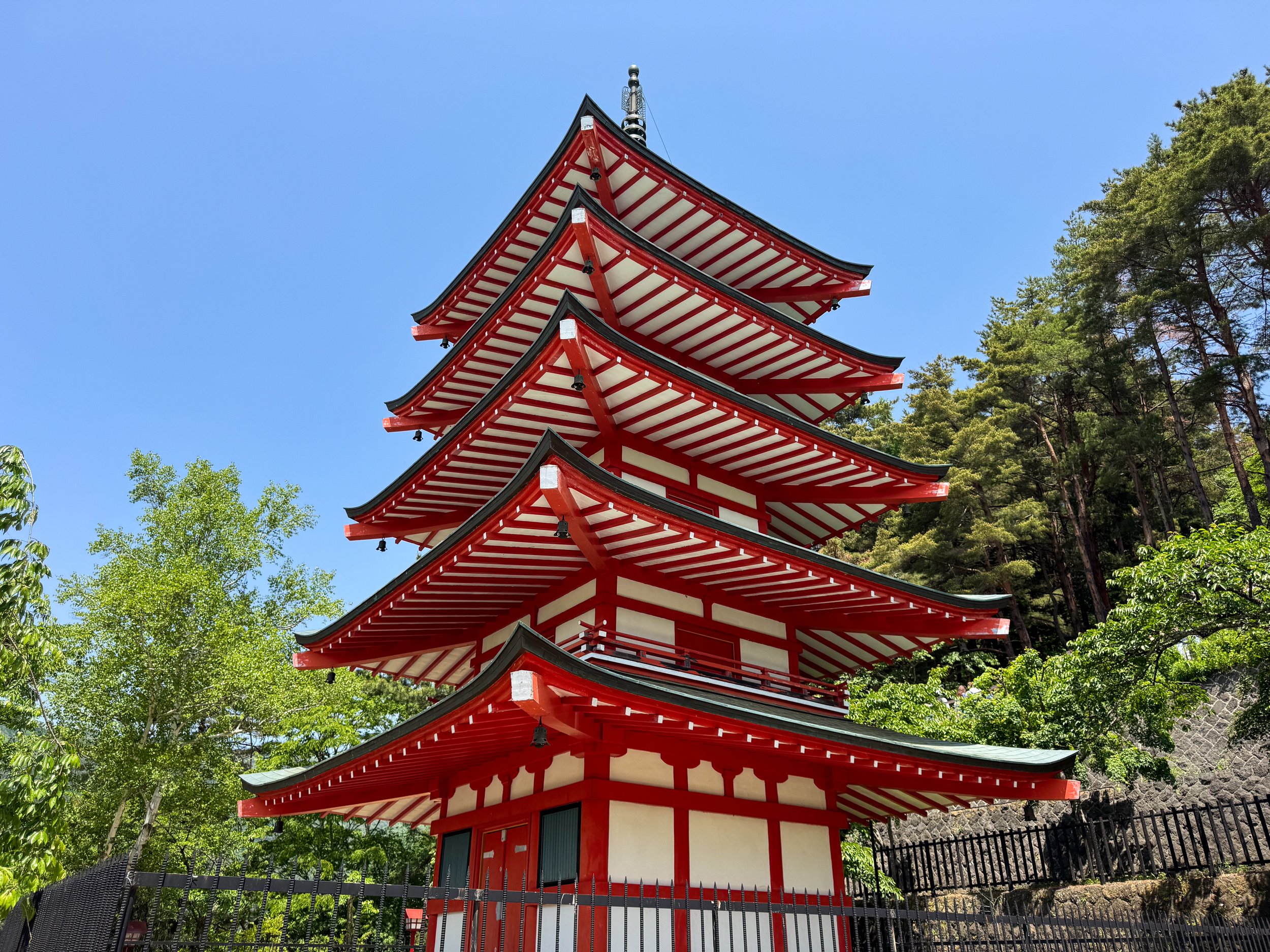
Chureito Pagoda. A 5 storied pagoda on a tree covered mountainside with picturesque views of Mt. Fuji. The walkway to the pagoda is marked by a red torii gate and lined with Japanese maples. It’s one of the most photogenic locations in Japan and attracts a crowd.
Honcho Street. A hilly street in Fujiyoshida lined with retro Japanese architecture, framing views of Mt. Fuji at its end. Be extremely cautious when taking photos from the street.
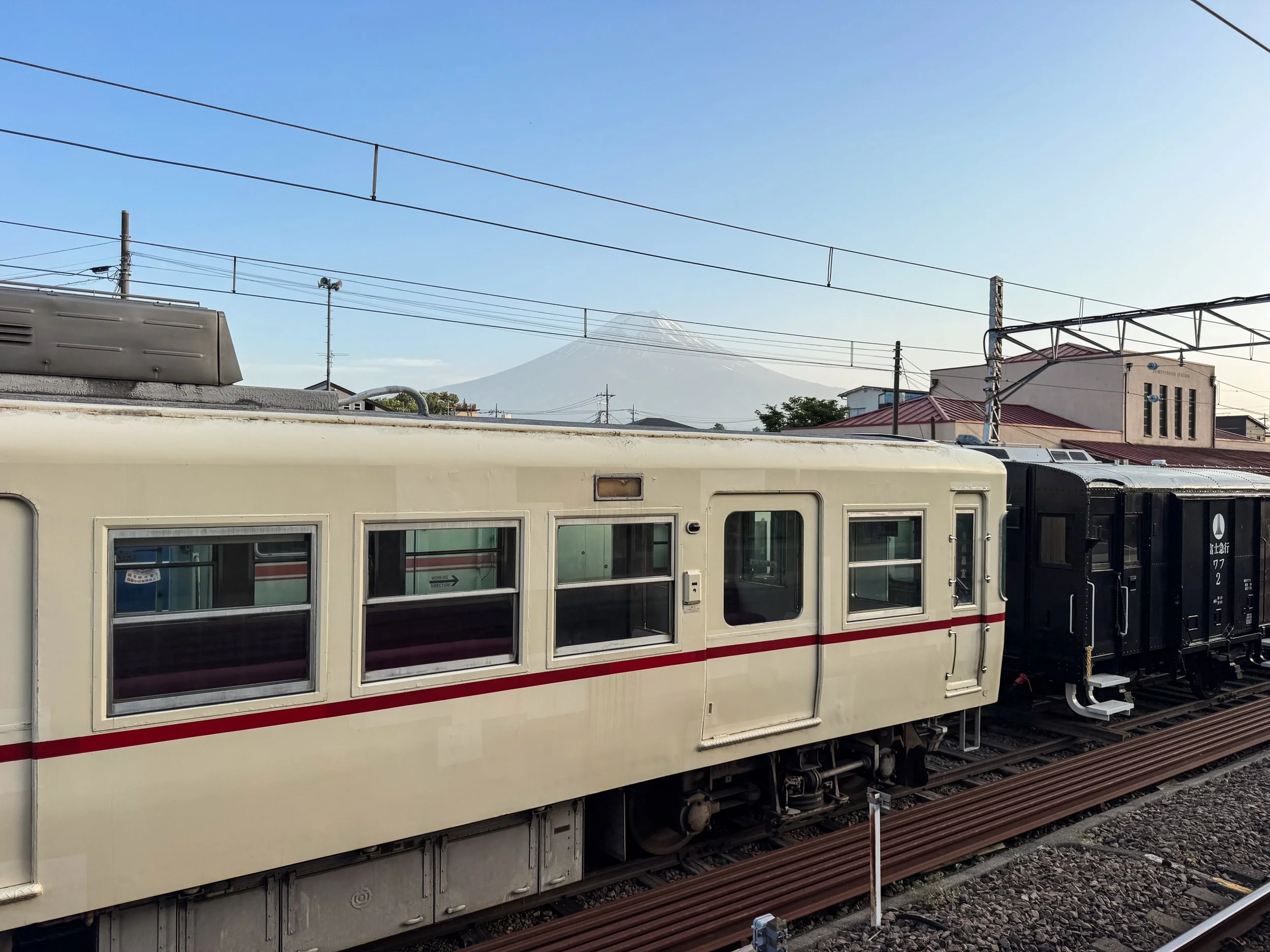
Shimoyoshida Station. The main train station in Fujiyoshida. Vintage train cars are displayed on old tracks with views of Mt. Fuji in the background. Chureito Pagoda is only a brief walk away. Taxis are available from here to get around the city and lake.
Fuji Apples. There are vendors selling crispy Fuji Apples between Shimoyoshida Station and Chureito Pagoda. Snack on one while enjoying the views of Mt. Fuji.
Pro Tip. Plan ahead and go on a sunny day.
Getting Here. Buy roundtrip train or bus tickets 1-2 days in advance. Take a train from Shinjuku Station to Otsuki Station. Transfer to the Fujikyuko Line to Shimoyoshida Station. The last trains leave for Tokyo by 6pm. If planning to stay for the sunset, it’s best to stay overnight.
Japanese Cuisine
Japan is world renowned for its cuisine, flavors and culinary presentation.
Sushi. Raw seafood wrapped elegantly in seaweed and sticky rice, often with vegetables. It’s typically rolled up, sliced and garnished with sauces.
Sashimi. Bite-sized pieces of sliced raw seafood. This is the most common.
Nigiri. Bite-sized pieces of raw seafood covering a nugget of sticky rice.
Tako Tamago. A baby octopus stuffed with a boiled quail egg and dipped in a sweet soy sauce. It’s served on a stick and a common snack at street food markets.
Dashi Makitamago. Japanese rolled omelette made with dashi and scallions.
Kansai Unagi. A filet of grilled eel layered over rice and wrapped in seaweed.
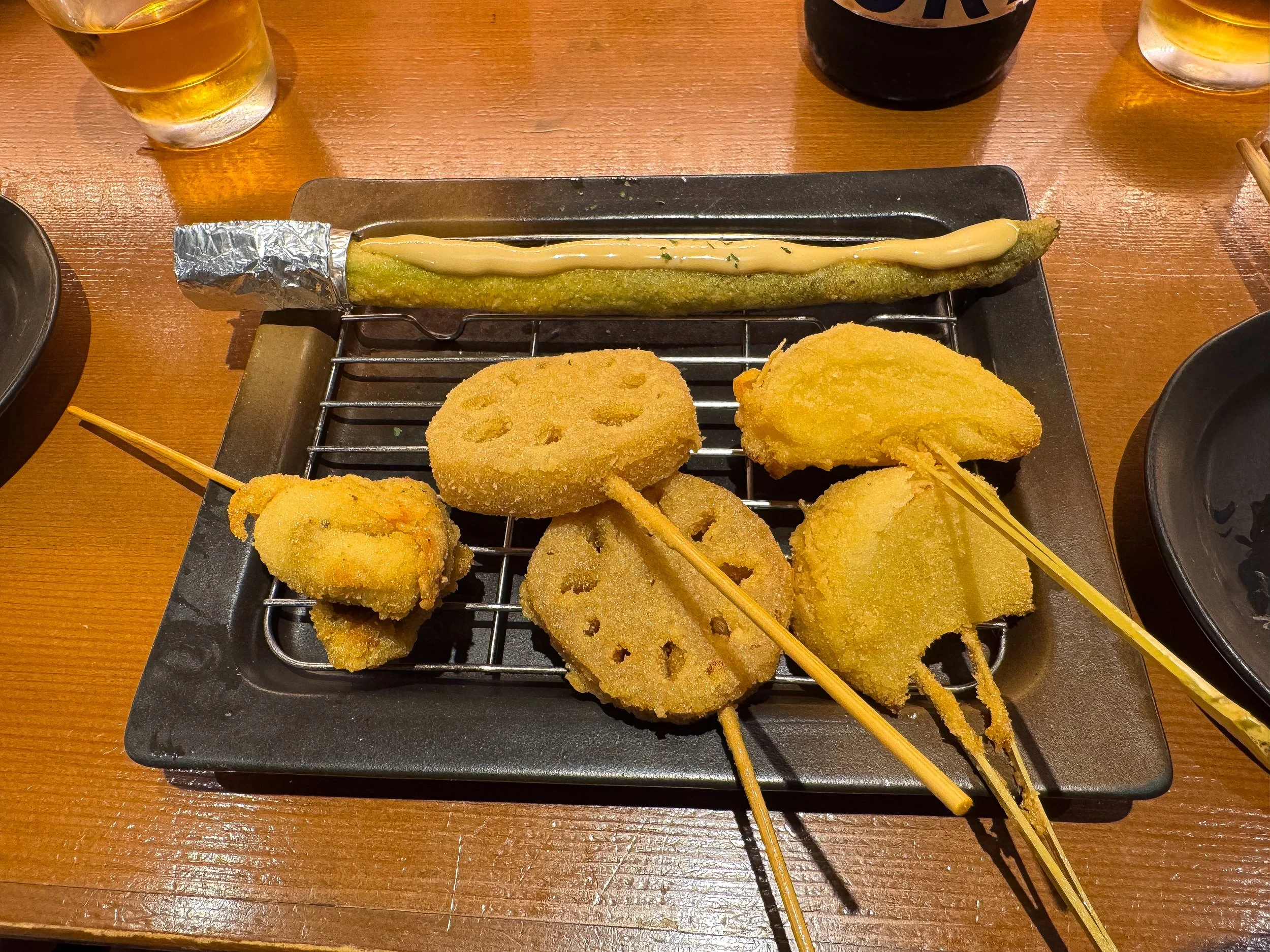
Katsu. Breaded and fried pieces of vegetables, seafood or meat. It’s a popular snack at restaurants and bars across Kyoto.
Tempura. Battered and deep fried vegetables like green beans, taro root, sweet potato and daikon radish.
Kushikatsu. Deep-fried skewers of meat or vegetables.
Fish Cakes. Patties of ground fish often served fried until golden. Some places will mix them with vegetables, meats or other types of fish.
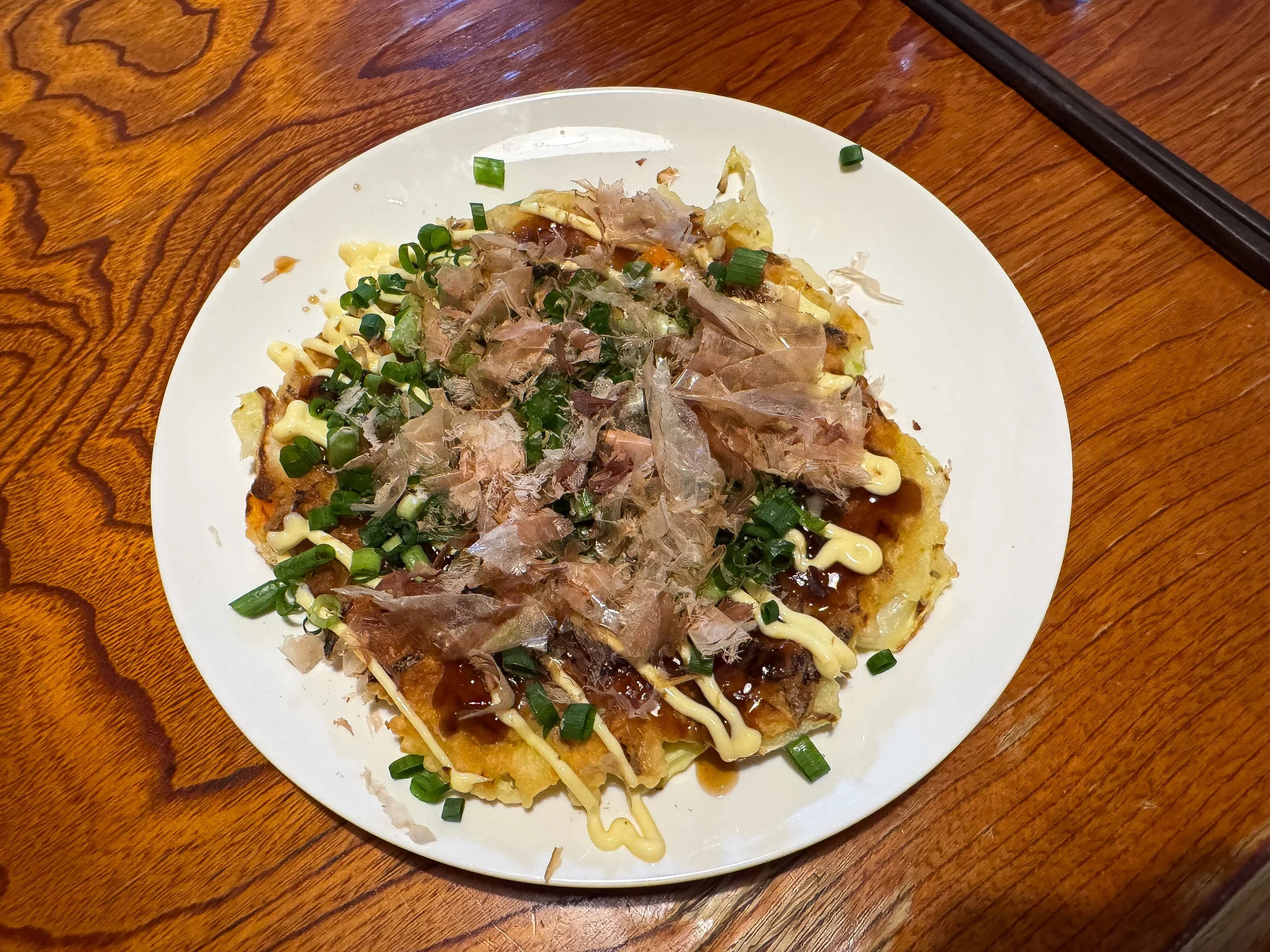
Okonomiyaki. Japanese “pancakes” filled with shredded cabbage, green onions and vegetables.
Onigiri. A triangular packet of rice wrapped in seaweed and stuffed with various types of vegetables or proteins.
Tamago Rice. Sticky rice seasoned with tamago, a mixture of seaweed, dried fish, sesame, sugar and salt.
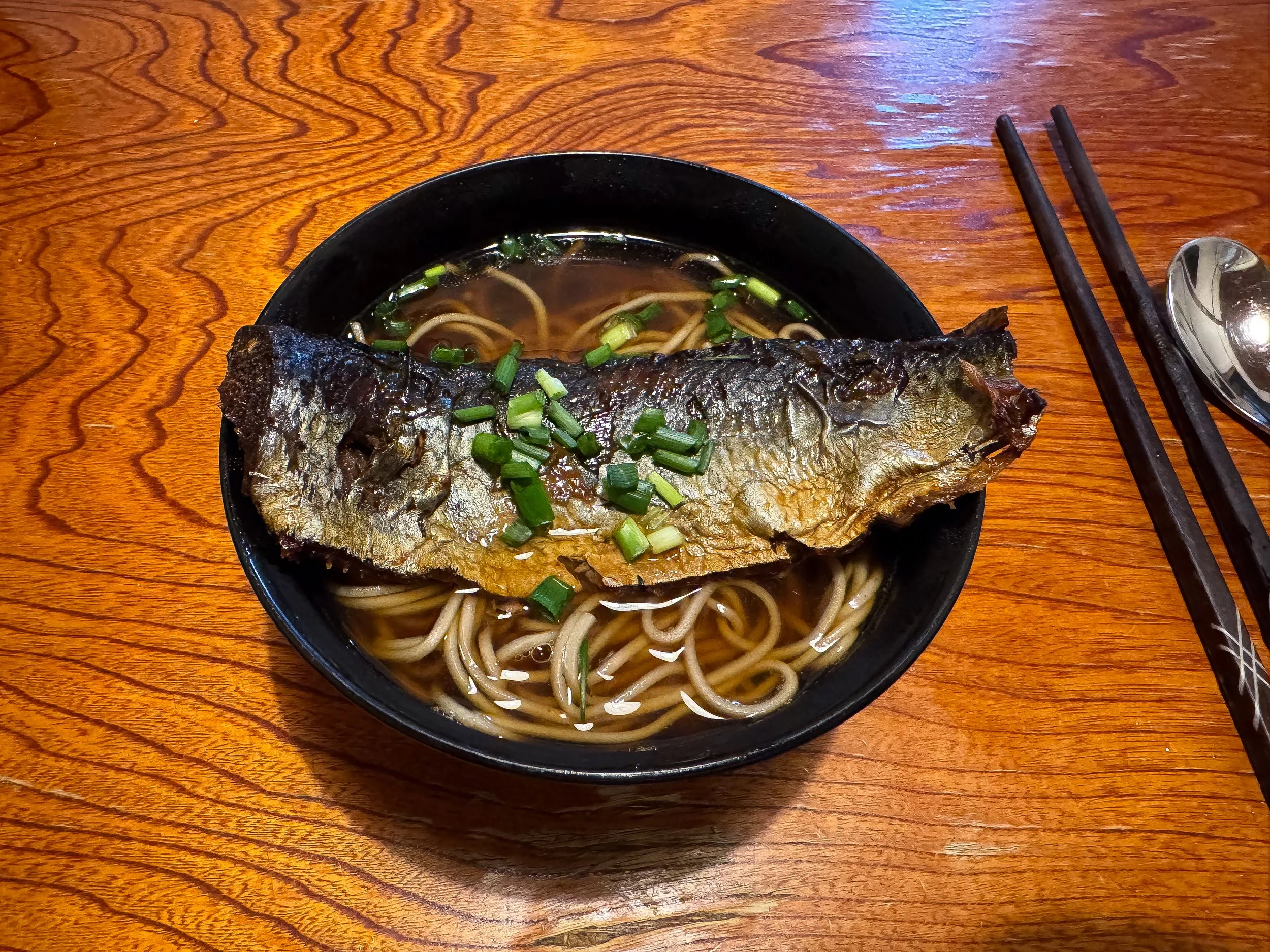
Shime Saba. Cured mackerel over sticky rice.
Agedashi Tofu. Crispy fried tofu served in a pool of dashi broth and topped with scallions.
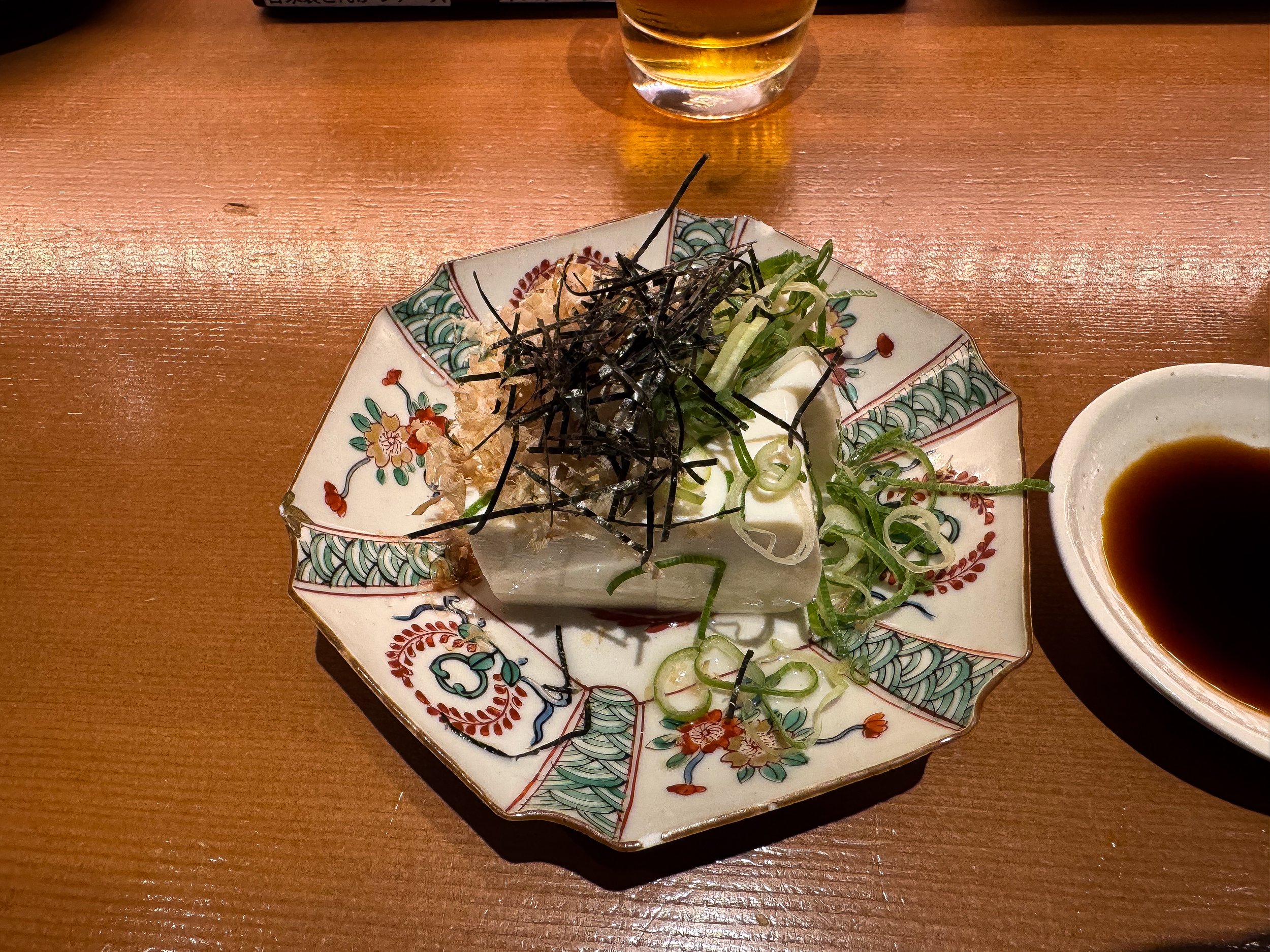
Yudofu Tofu. Silken tofu simmered in a dashi broth.
Miso Soup. A Japanese soup made with dashi broth, seaweed and tofu. It’s a common breakfast dish.
Bento Box. A packaged meal consisting of compartmentalized side dishes like sticky rice, pickled vegetables, rolled eggs, cured fish and seaweed salad. It’s a popular way to eat lunch.
Japanese Breakfast. A bowl of miso soup, grilled fish, white rice and a raw egg.
Sake. A popular Japanese wine made from fermented rice. It often has a light and floral flavor, pairing well with sushi, sashimi and nigiri.
Suntory Draft. An inexpensive brand of Japanese beer served across the country.
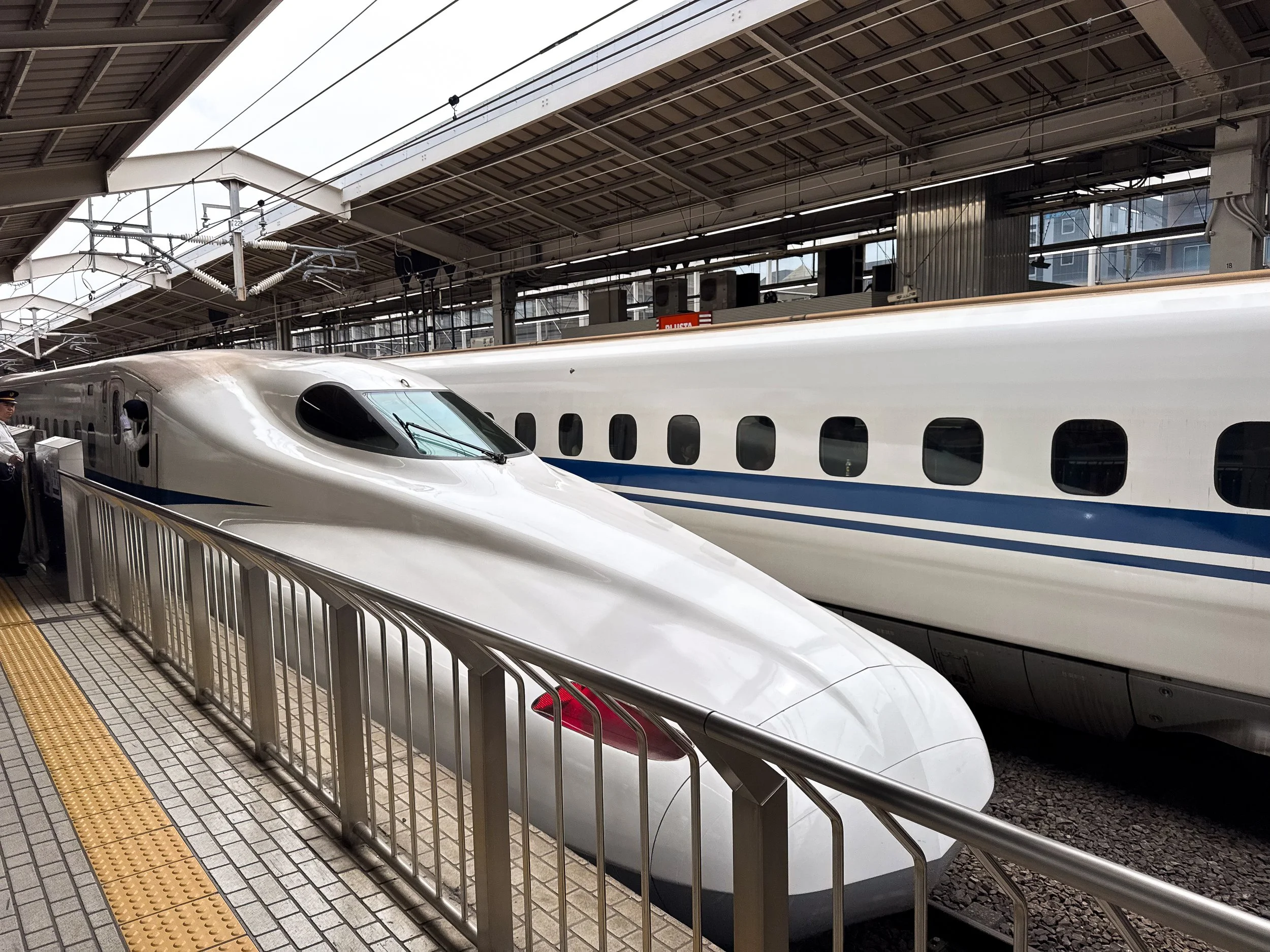
Getting Around
Tokyo’s transit system is the most complex in the world. Getting around can be challenging at times, especially for first timers. The city is covered in many different train lines run by different transit companies.
Tokyo Transit Tips:
Know your train line, the direction you’re traveling, the line symbol and station number to get off at.
Buy single use tickets instead of transit cards. It takes longer but helps when taking different lines.
Fares are based on distance with most tickets costing between 180 to 430 yen.
Avoid rush hours from 7:30-9:30am and 5-8pm.
Convenient Lines:
JR Yamanote Line. A train line that connects the city’s main neighborhoods along a loop. It’s the most used when sightseeing.
JR Narita Express (NEX). A direct train between Tokyo’s main train stations and Narita airport. Takes 1 hour and costs ¥5,000 ($34 USD). Avoid airport taxis; they take just as long and cost around $200 USD.
Location Specifics
Credit vs Cash. Japan is generally a cash leaning country. Credit cards are accepted at some businesses but it’s safe to expect needing to pay in cash.
Otoshi (Covers). Many restaurants, izakayas and bars will charge a cover when dining in. They often include a small snack or house appetizer.
Tipping. It is not necessary to tip at most businesses. Bills will often include a 10% service charge.
No Shoes Indoors. Japan is the strictest country we’ve visited when it comes to wearing shoes indoors. At most restaurants and accommodations, shoes must be left at the door before entering.
Practice Silence. Silence is highly valued in Japanese culture, especially when walking on the streets or riding public transportation.
Body Language. Pointing with fingers and crossing arms is considered rude. Use both hands when giving or receiving anything like cash, credit cards, receipts or tickets. A slight head bow is considered respectful when greeting someone or saying goodbye.
Avoid Anti Foreigner Izakayas. Some Izakayas refuse to serve foreign customers. Hosts or owners will say they’re closed or sold out then proceed to seat Japanese speaking customers. When this happens, it’s best to brush it off and find somewhere else to dine.
Follow Street Etiquette. Don’t eat or drink while walking. It’s considered bad manners. Walk on the left side of the sidewalk. Follow the direction of Japanese people, not other tourists. Don’t walk on the escalators.
Make Reservations. Most restaurants and bars only have about ten seats. It’s near impossible to dine or drink anywhere without a reservation.
Language
Knowing a few words and phrases in Japanese goes a long way when interacting with locals.
Hello. Kon'nichiwa (Kon-Knee-Che-Wa)
Good Morning. Ohayōgozaimas (Oh-Hi-O-Go-Sigh-Mas)
Thank You. Arigatōgozaimas (Are-E-Got-Toe-Go-Sigh-Mas)
You’re Welcome. Dōitashimashite (Doe-Tie-She-Mash-Two)
I Would Like. O onegaishimasu (O-Own-E-Guy-She-Mas-Sue)
Yes. Hai (Hi)
No. Īe (E-Yea)
Elsewhere in Japan
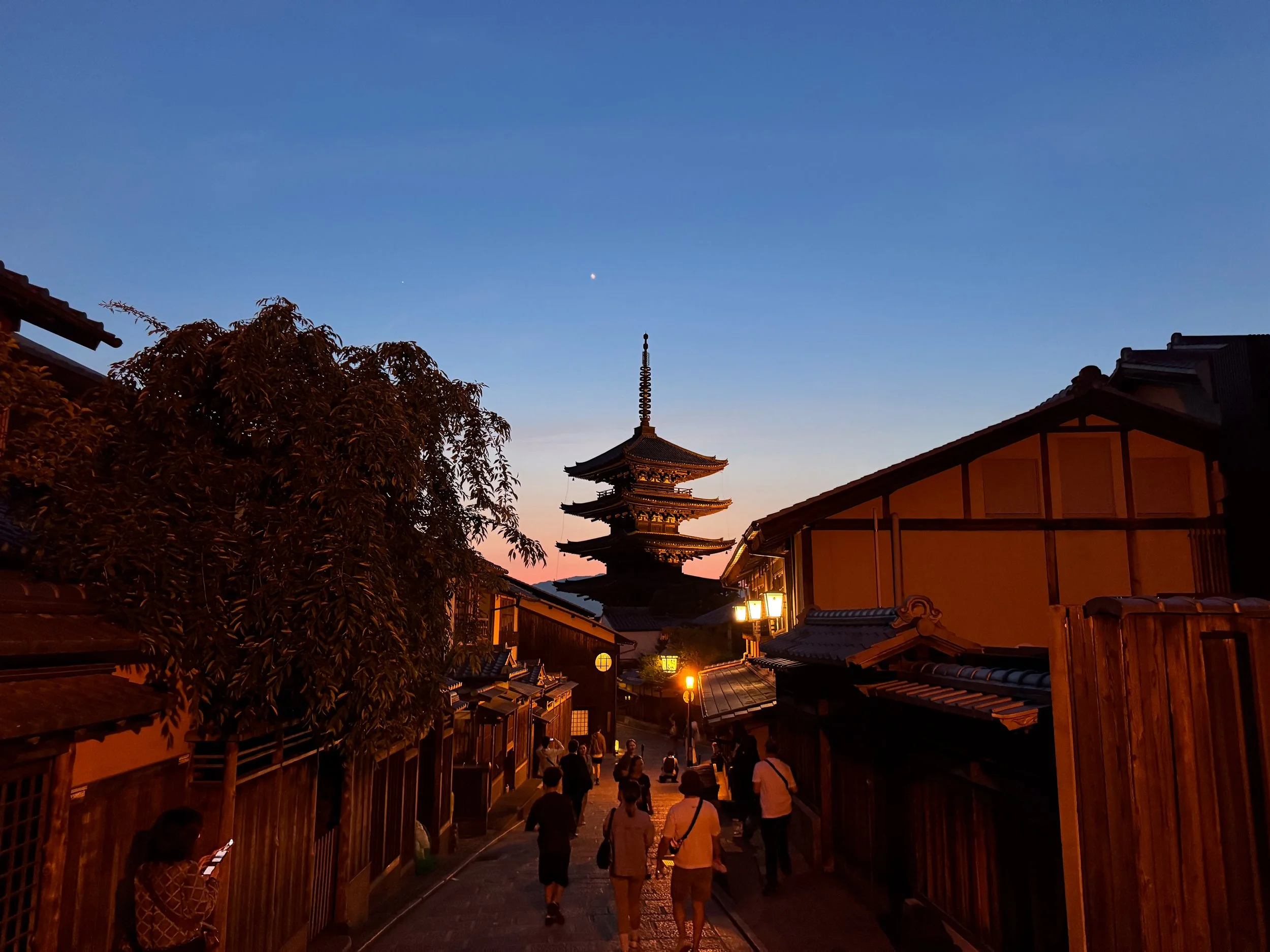
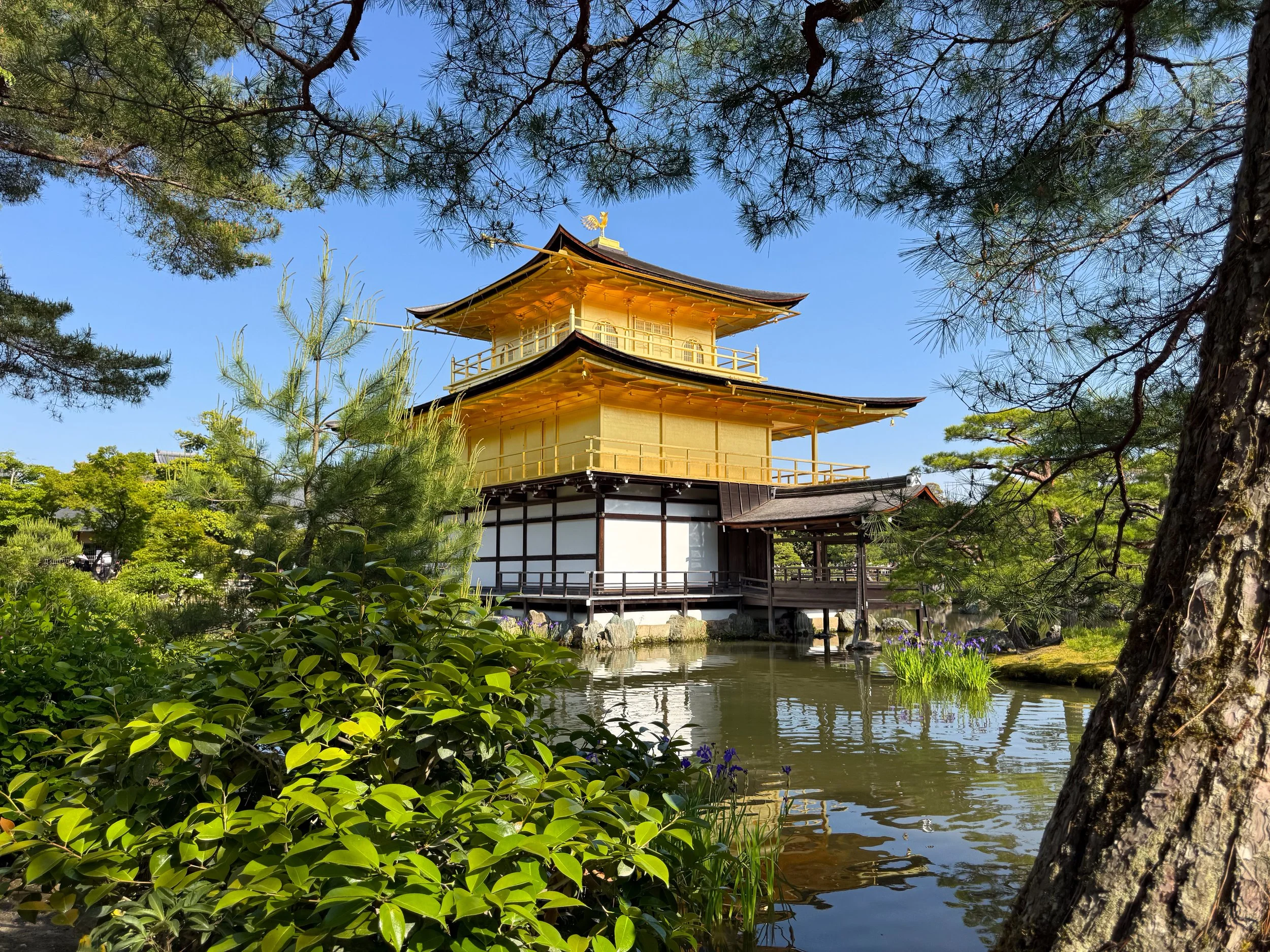
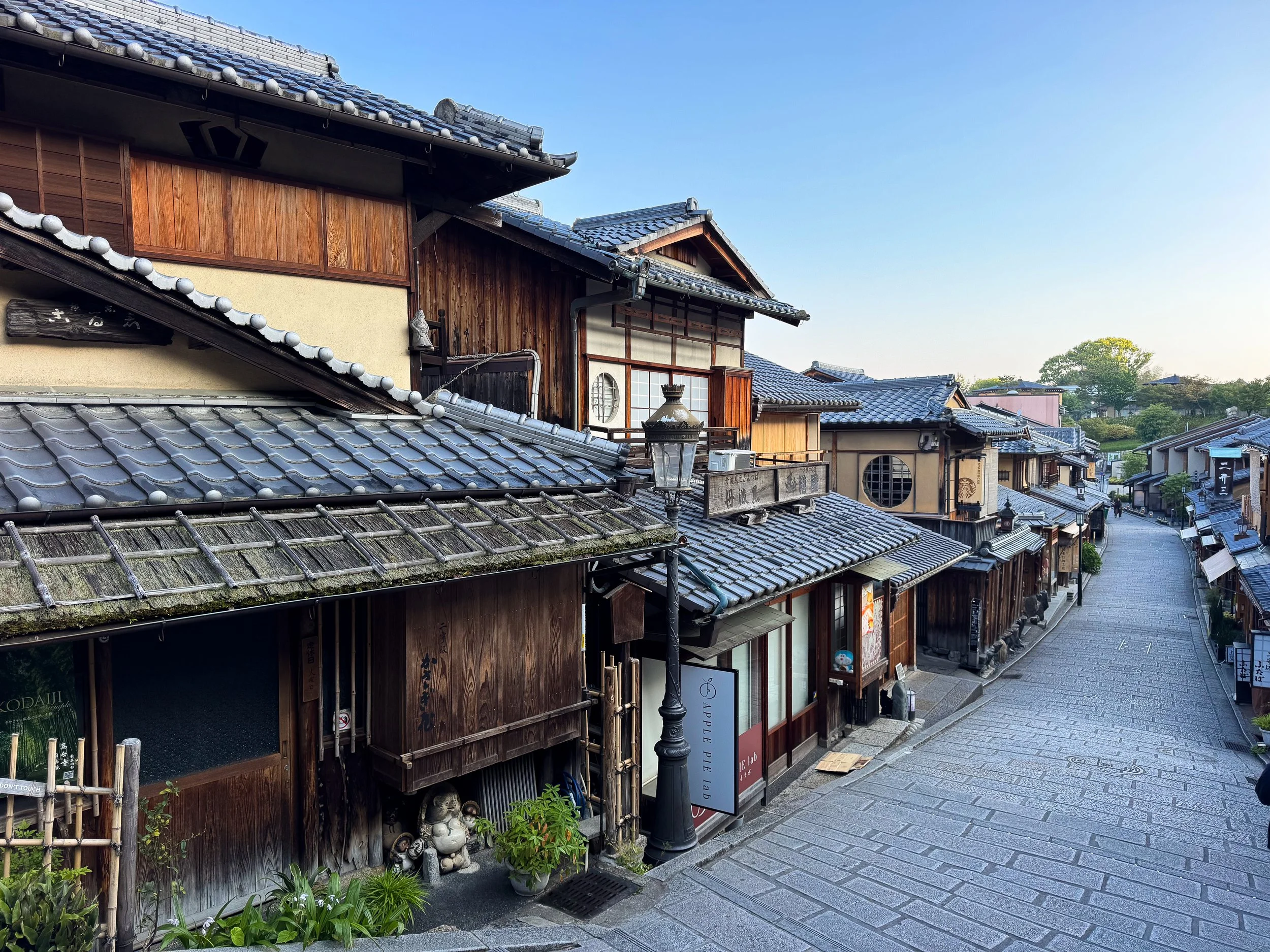
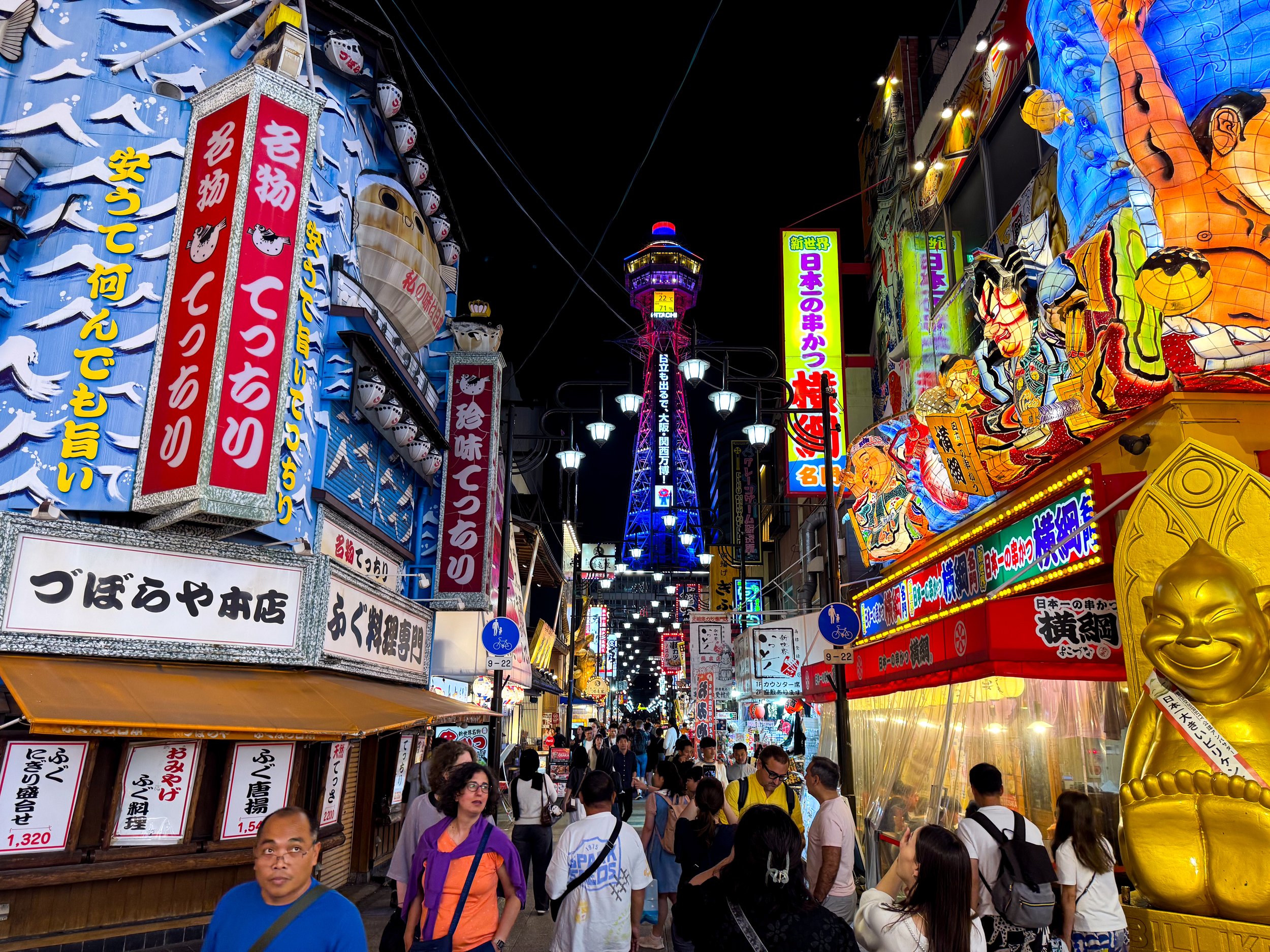
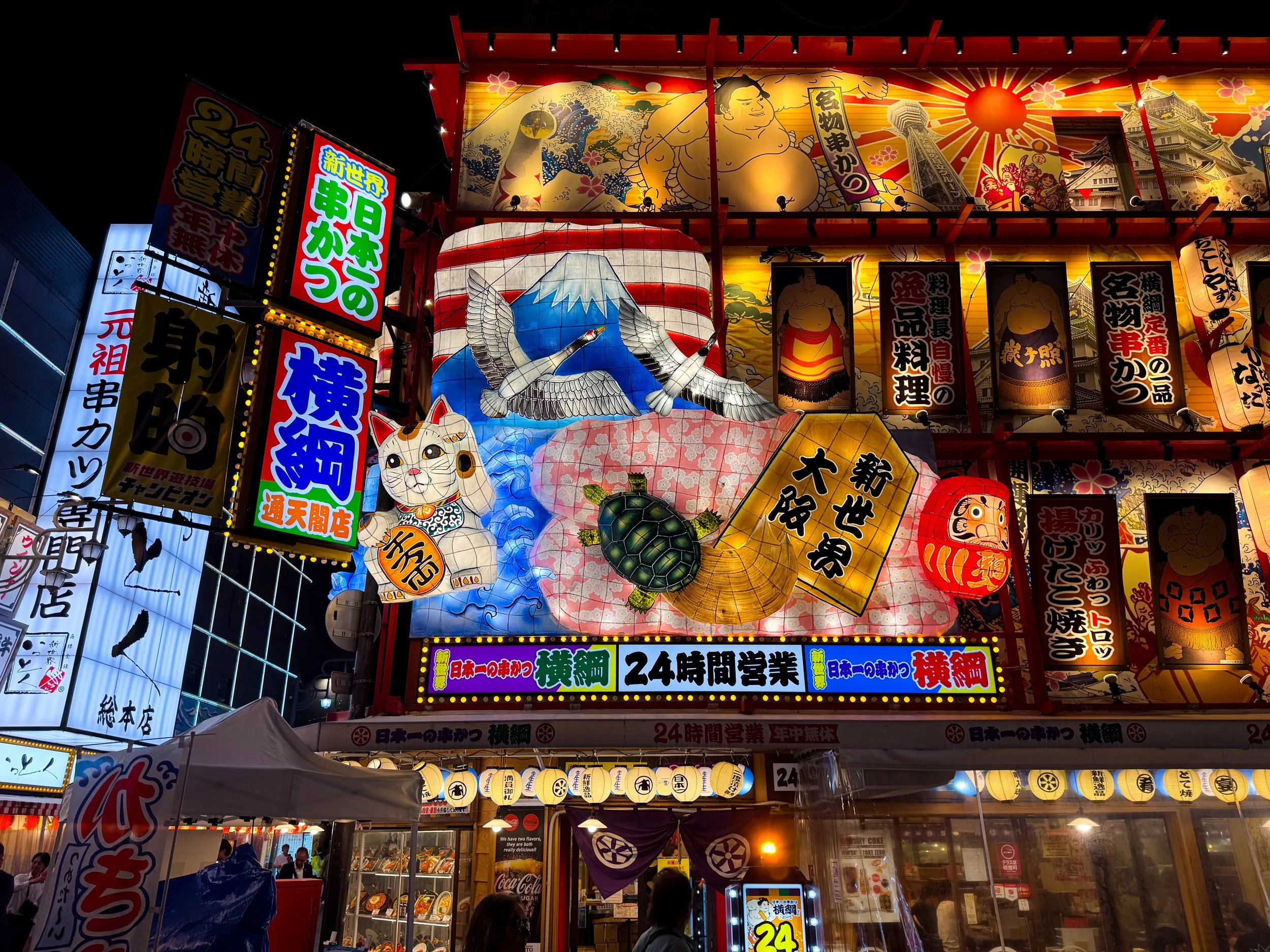
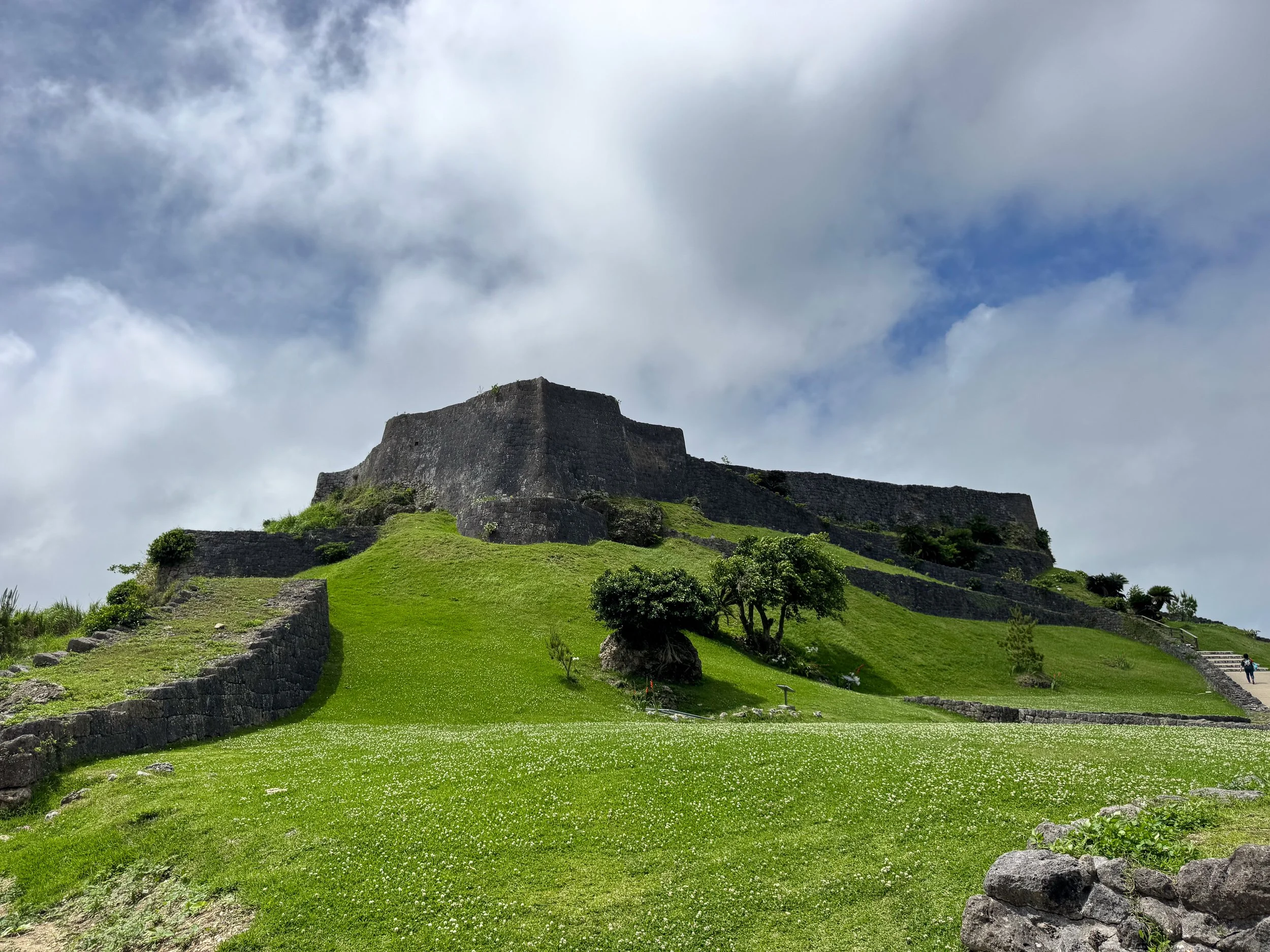
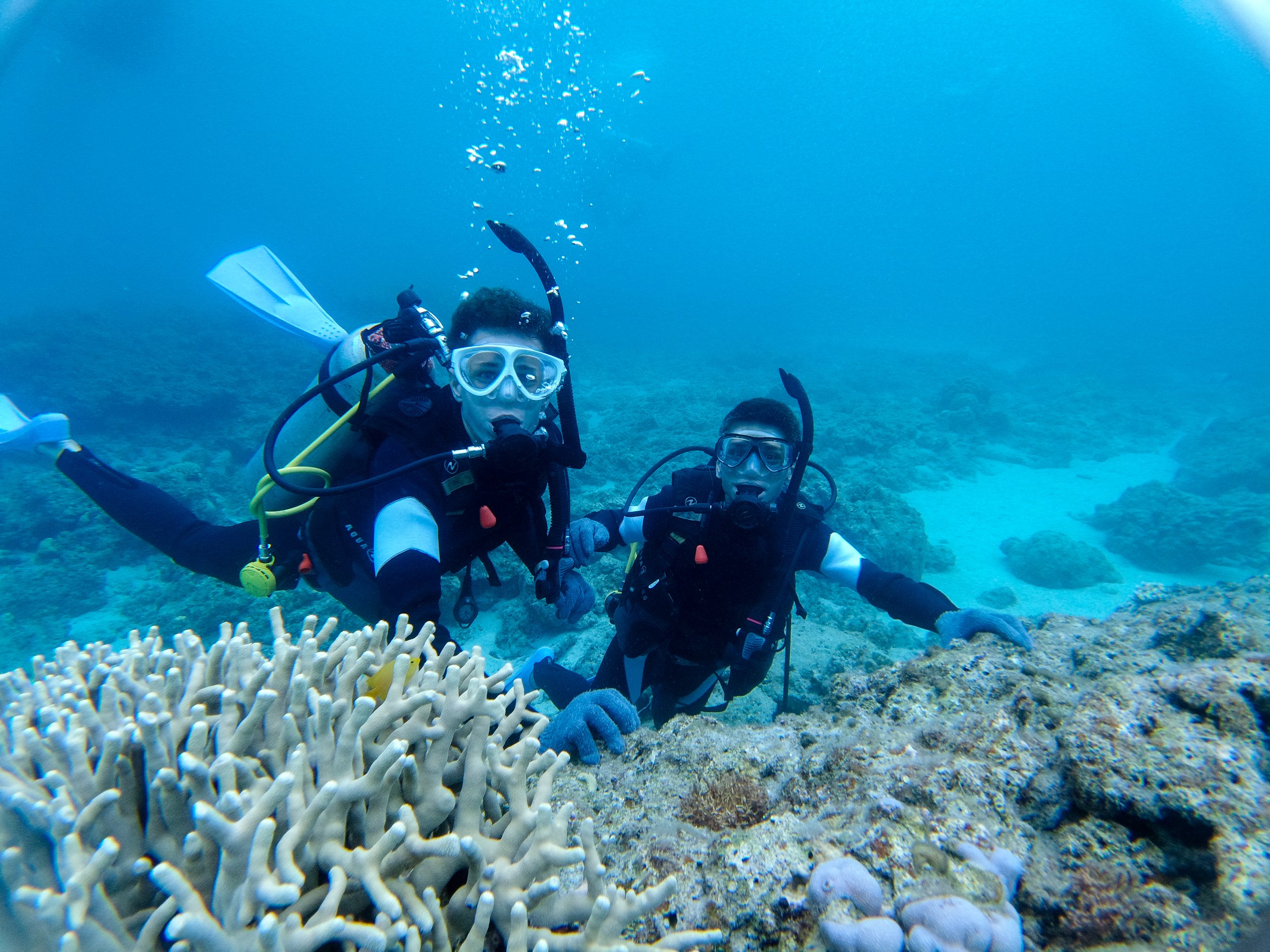
From Tokyo's vibrant districts and modern cityscapes to Kyoto's historic temples, Osaka's food culture and Okinawa's island heritage, continue exploring Japan through these travel guides:
Kyoto Travel Guide: Temples, Historic Districts & Japanese Culture. Wander through Kyoto’s historic districts where ancient temples, tiered pagodas, traditional gardens, tea houses and izakayas preserve centuries of Japanese culture.
Osaka Travel Guide: Dotonbori, Street Food & Osaka Castle. Experience Osaka where Dotonbori, Osaka Castle, neon-lit streets, bustling markets and legendary street food culture fuel the city's unmistakable energy.
Okinawa Travel Guide: Ryukyu Culture, Island Landscapes & Okinawan Cuisine. Discover Okinawa where Ryukyu heritage, historic castles, subtropical islands, coral reefs and Okinawan cuisine blend island traditions with Japanese influences.
For Next Time…
Revisit Tokyo. There is never enough time to explore the largest city in the world! We can’t wait to revisit Tokyo and continue discovering its chaotic, cultural and beautiful streets.
Hike Mt. Fuji. Getting to see Mt. Fuji from all angles made us want to experience the hike to its summit. The volcano can be summited during July and August, typically taking two days there and back.
The Onsens of Hakone. Hakone is a town near Mt. Fuji with natural hot springs and onsens, traditional Japanese spas. After hiking, it would be the perfect way to relax.
Hokkaido. Tokyo is a hub to reach Hokkaido, Japan’s most northern prefecture. It’s a winter paradise and internationally famed for its uni.