Okinawa Travel Guide: Ryukyu Culture, Island Landscapes & Okinawan Cuisine
Okinawa, Japan
Okinawa is a chain of subtropical islands with lush landscapes, white sand beaches, turquoise waters and coral reefs. The archipelago makes up Japan's southernmost prefecture. While distinctly Japanese, the people preserve their indigenous history, folk traditions and connection to the sea. We spent a week here exploring the island's natural sights, savoring its local flavors, learning about its history and the Ryukyu Kingdom.
Naha
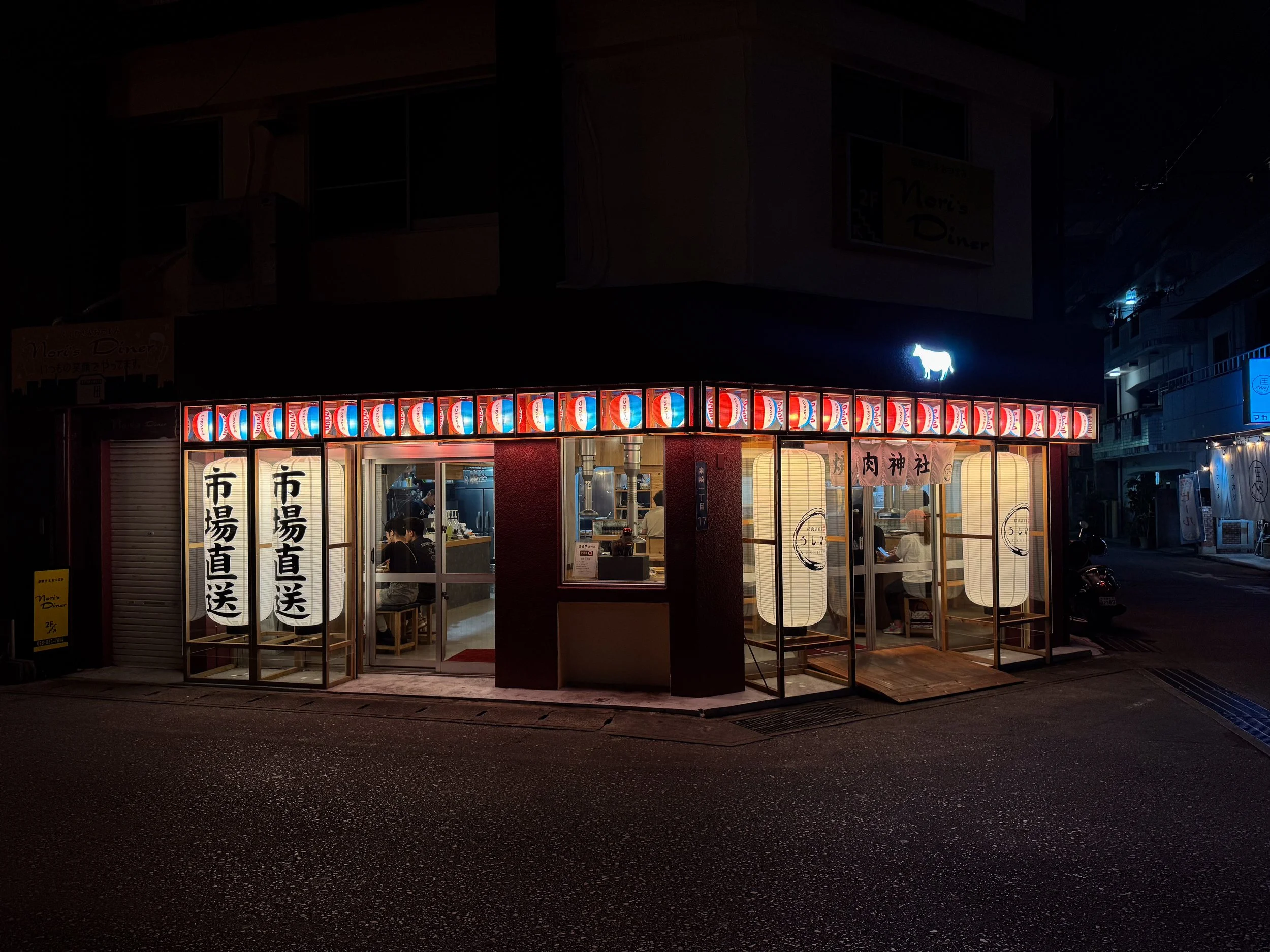
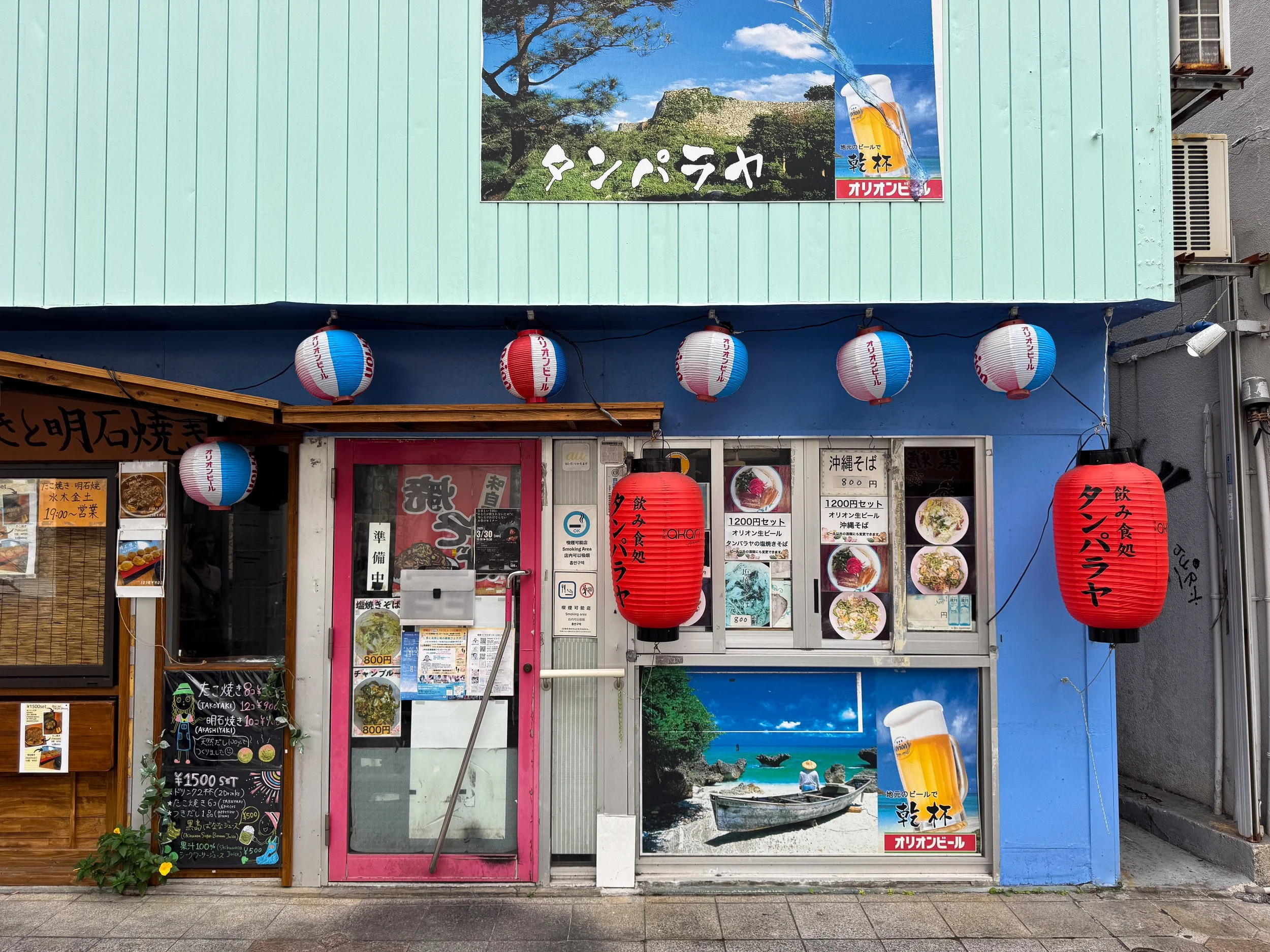
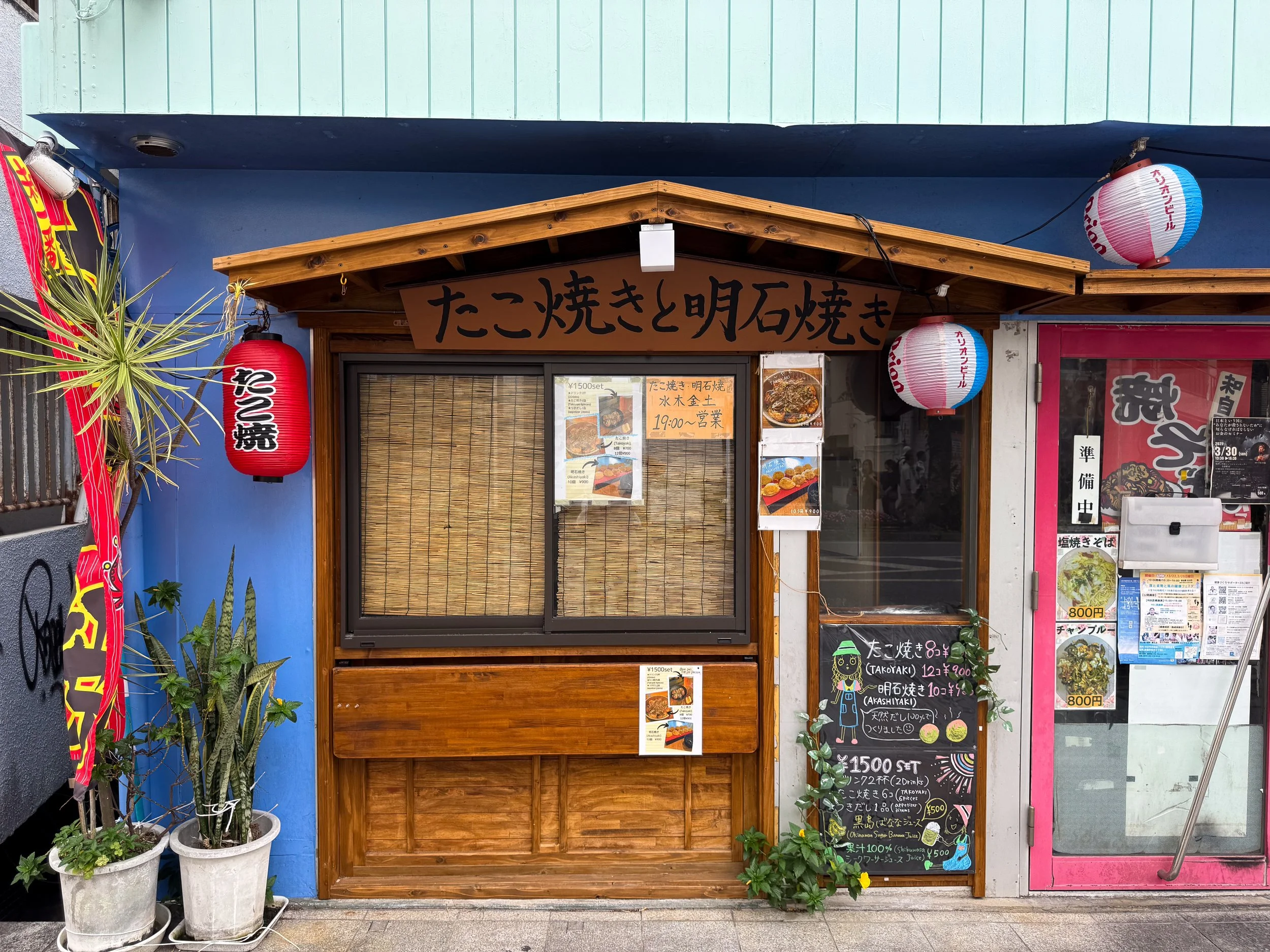
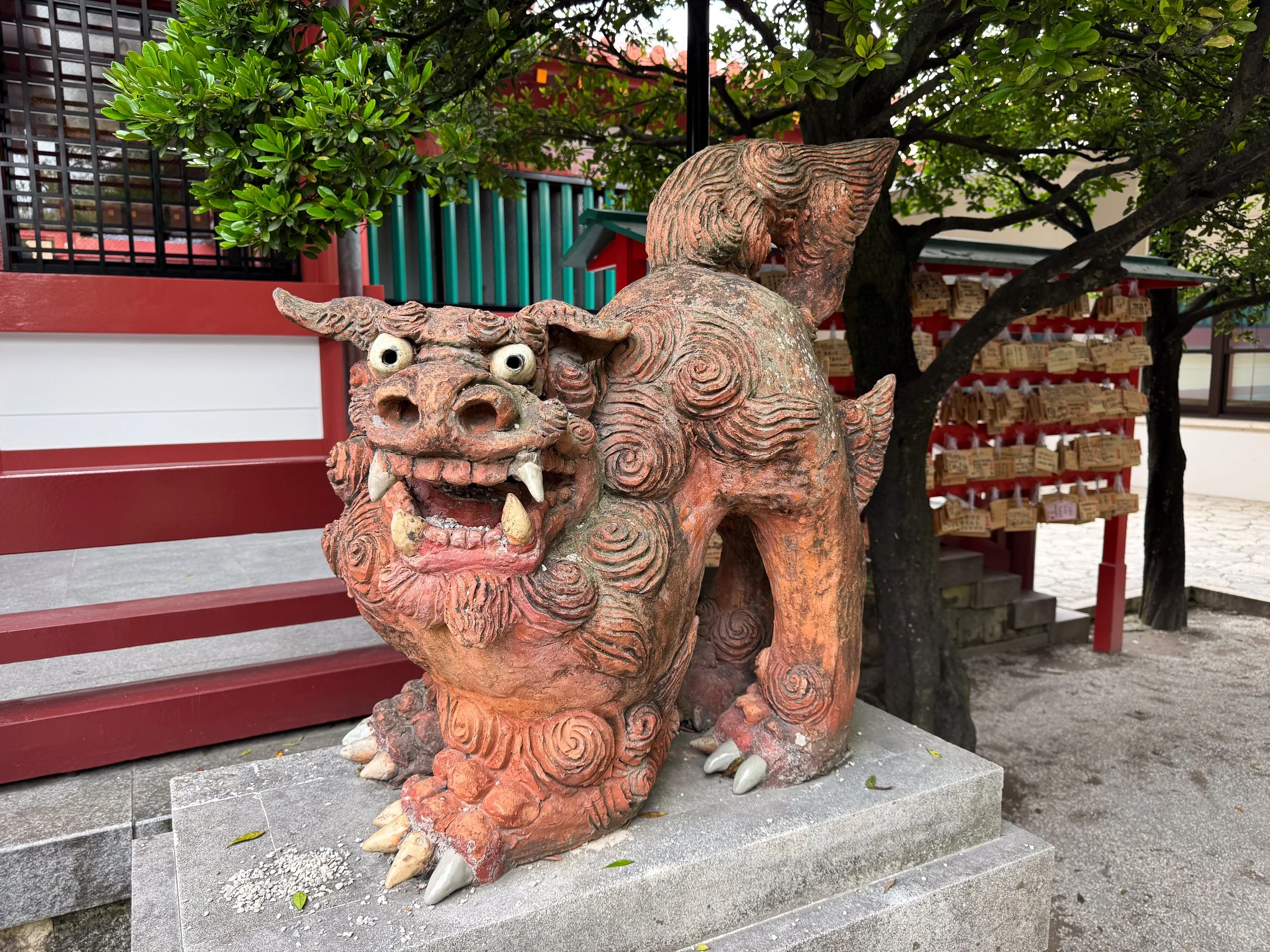
Naha is the capital of Okinawa and its most populous city. It’s a quirky and quiet place with pockets of excitement. Colorful paper lanterns decorate shop fronts while pairs of terracotta lions sit in front of homes. Neon lit shopping streets and late night izakayas lure in both locals and travelers. Sound effects ring from anything with a button, especially the abundance of street side vending machines. A monorail weaves across the city as vintage taxis and tiny cars drive on the left. Minimalist white tiled buildings contrast nearby historic castles and ancient forts.
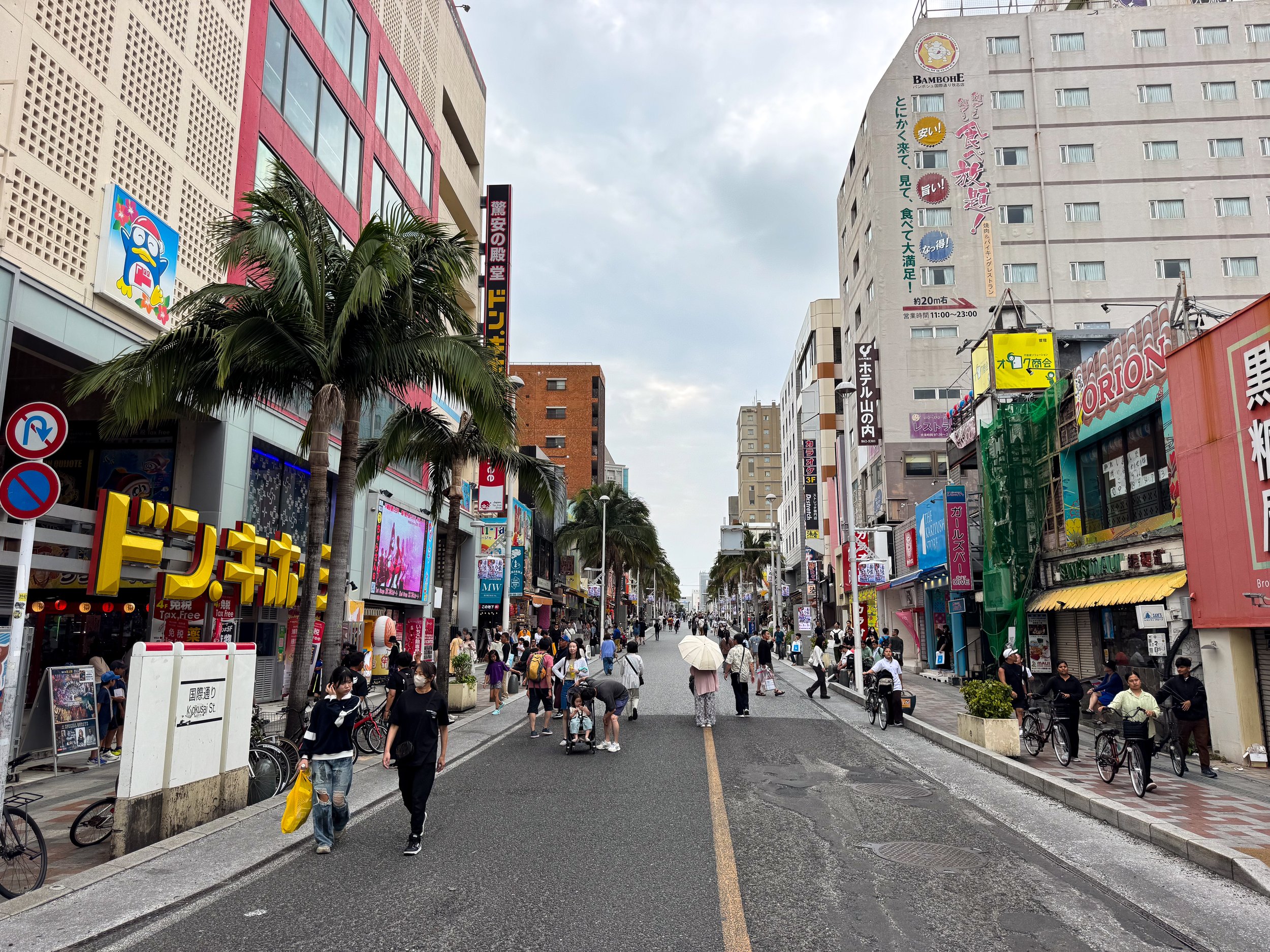
Kokusai Dori Street. A commercial street in the center of Naha lined with palm trees, colorful neon lights and stores. Come here to shop for tropical attire, locally made goods and souvenirs. There are several Japanese restaurants, izakayas and bars here though most cater to tourists. The street is closed to vehicles, except for the occasional gang of street karts.
Things to Do
Experience an Izakaya. Izakayas are casual Japanese bars with small shareable plates and alcoholic beverages. They’re the most authentic places to experience Japanese culture, combining cuisine, music and design. Locals come here to unwind after work, celebrate or get together with friends. The atmosphere is often boisterous late into the evenings. Menus are handwritten in Japanese. Smoking is typically allowed. Some places charge a small cover.
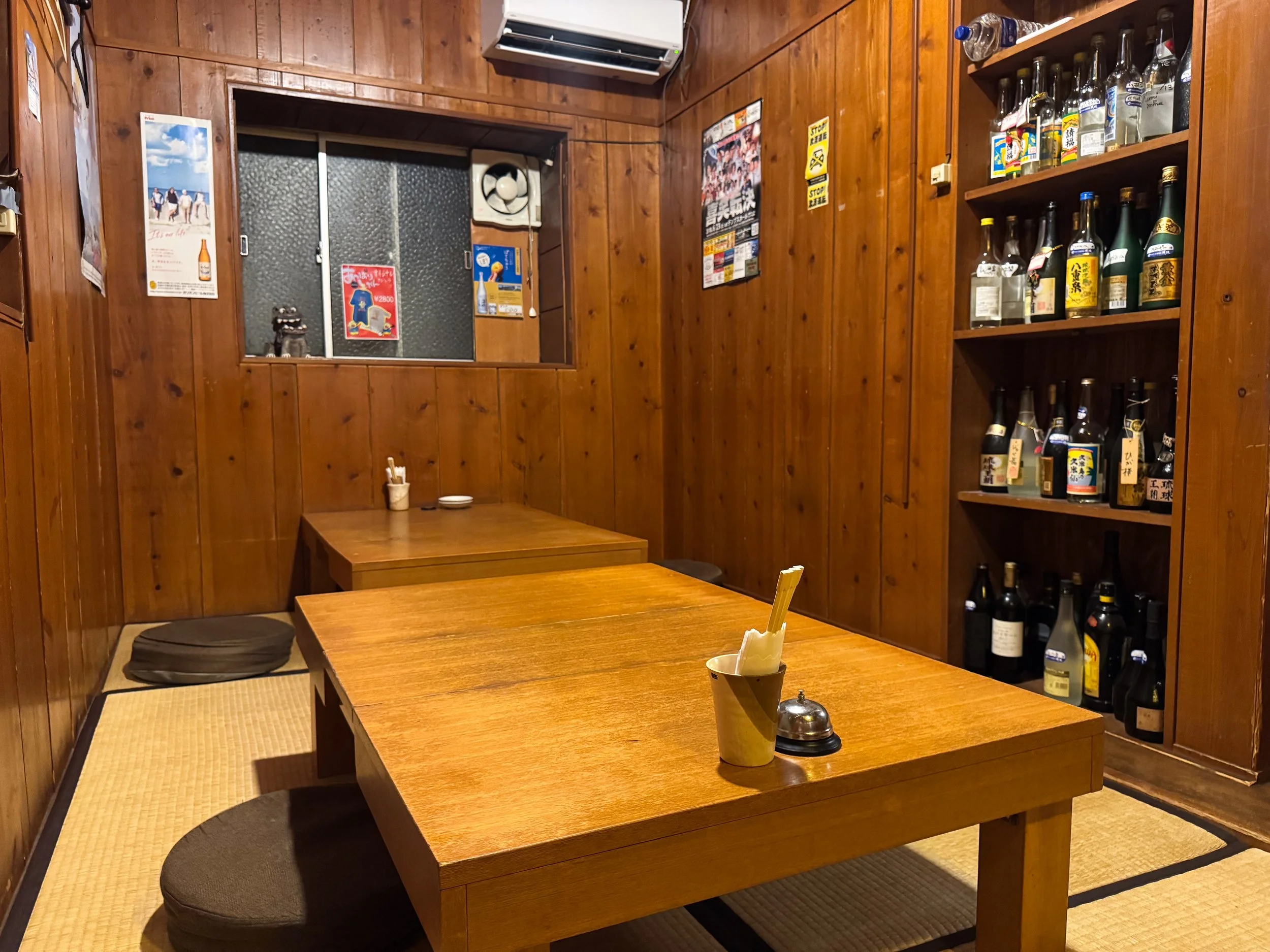
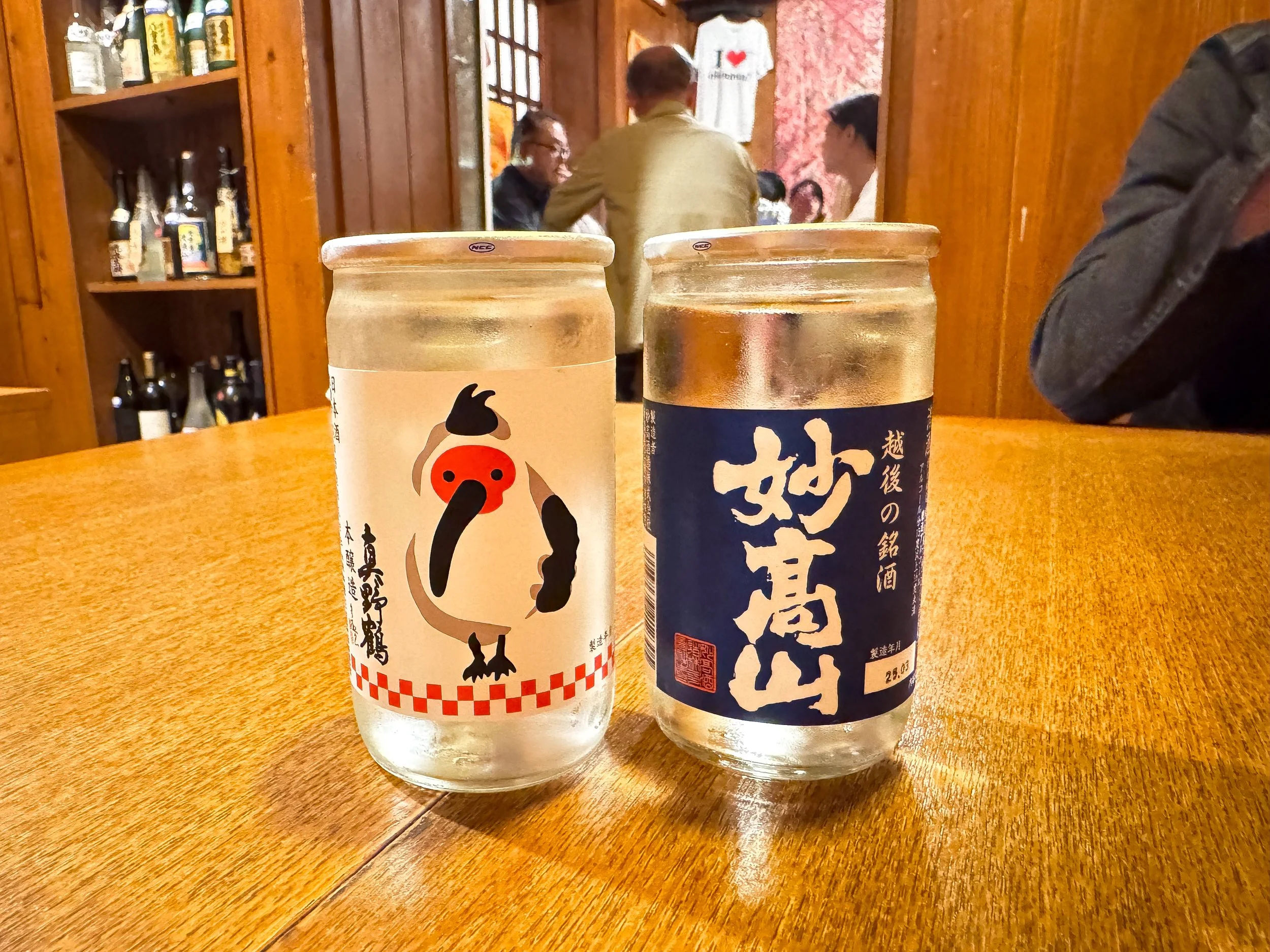
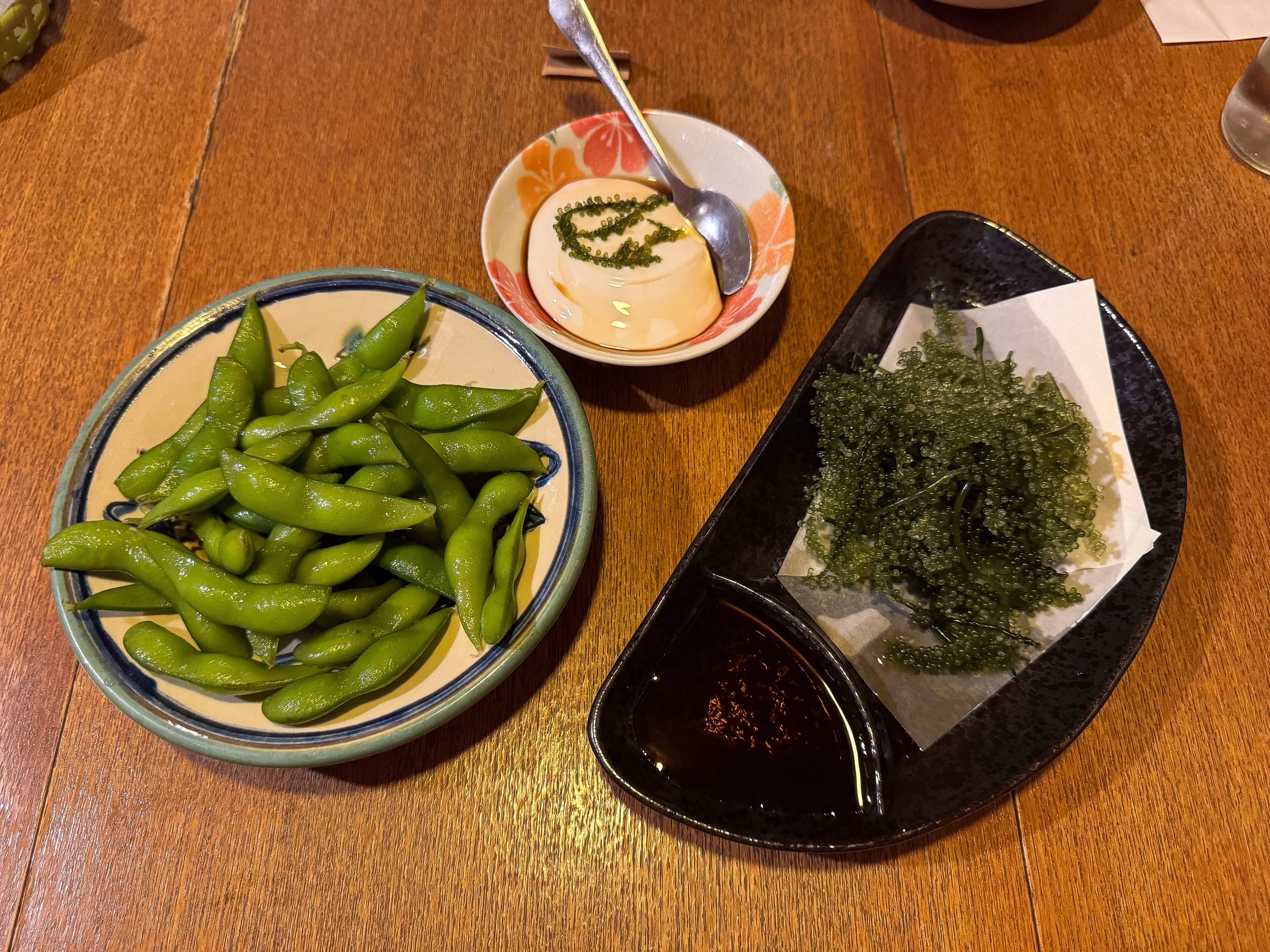
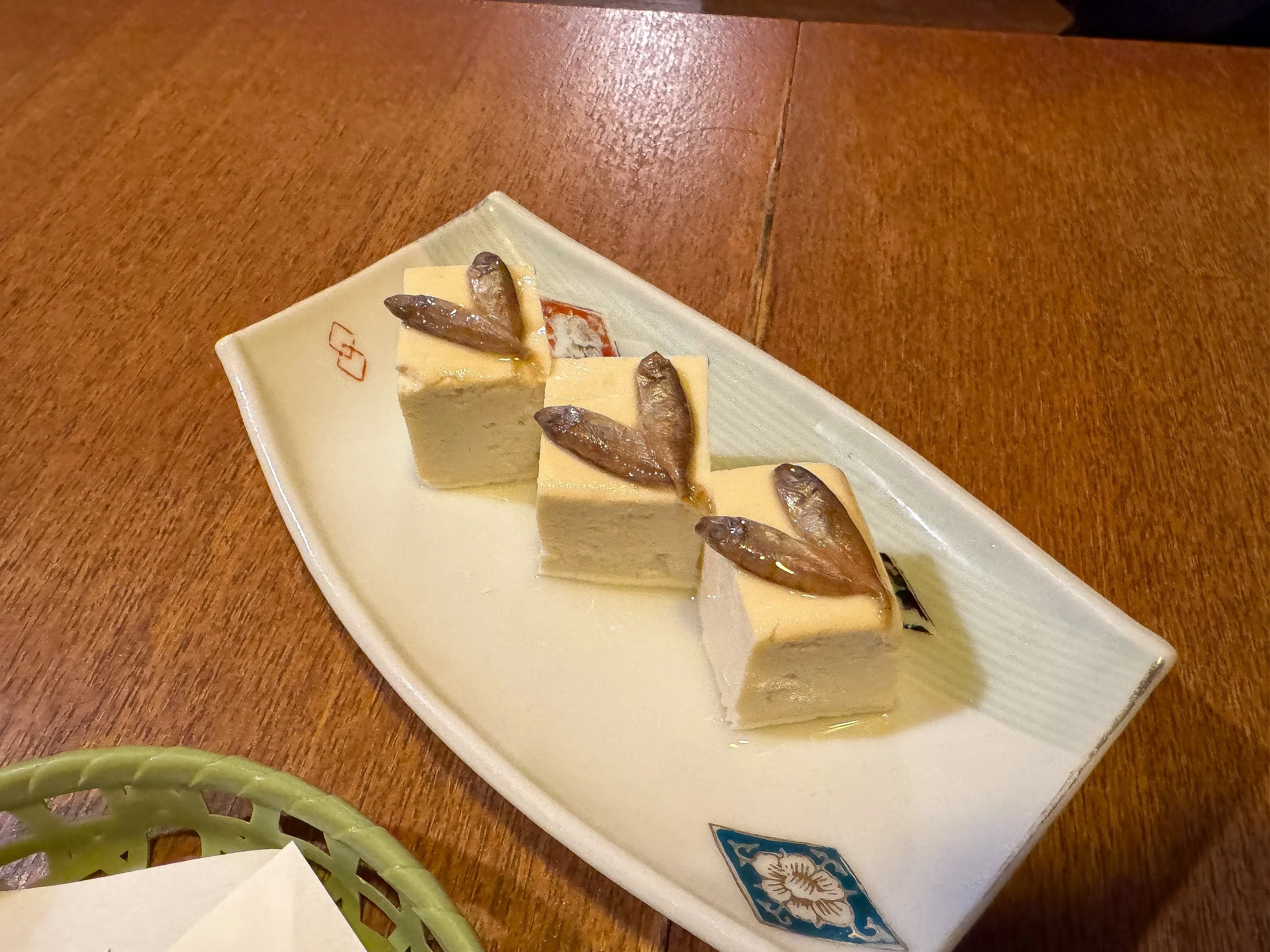
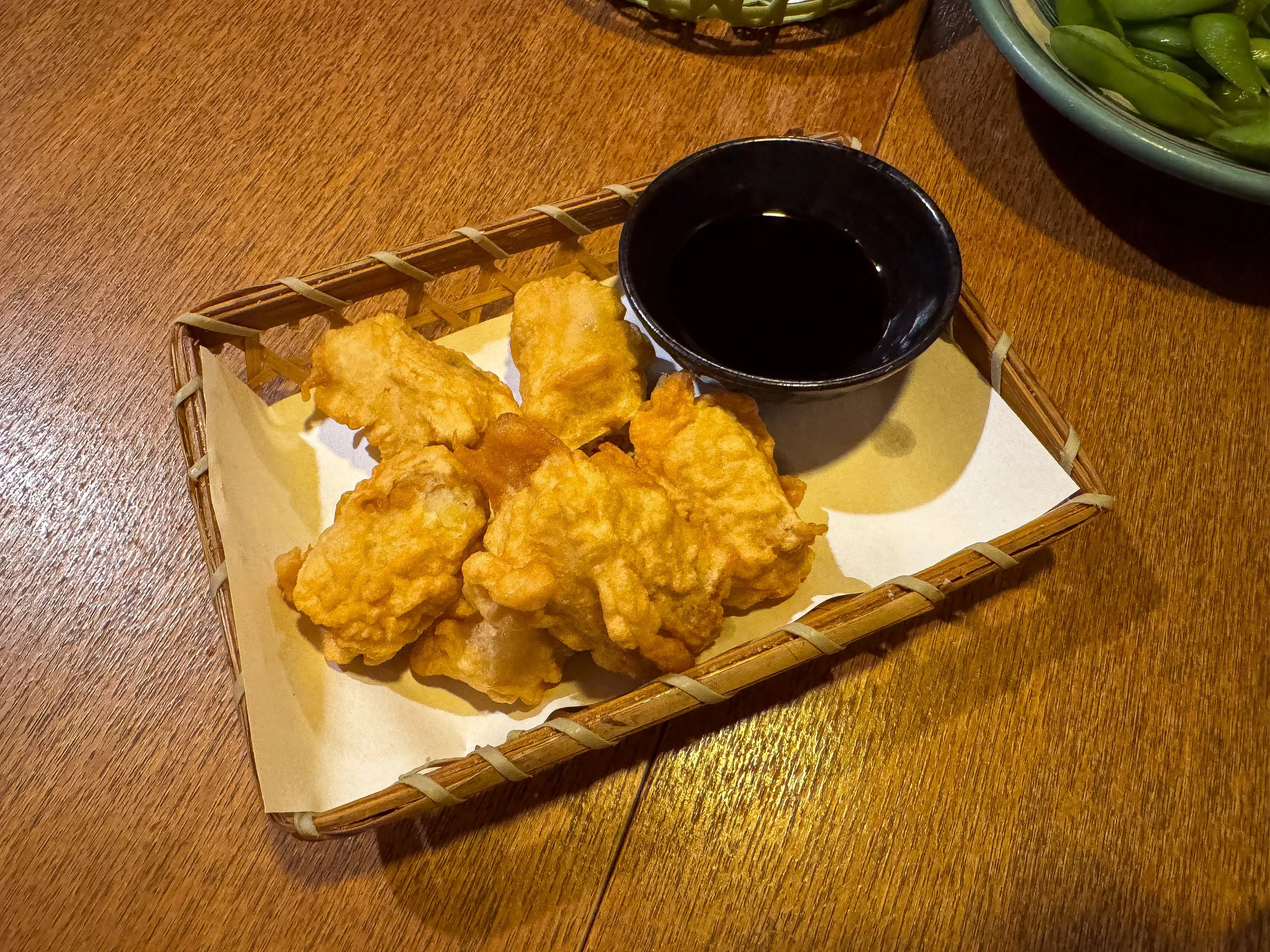
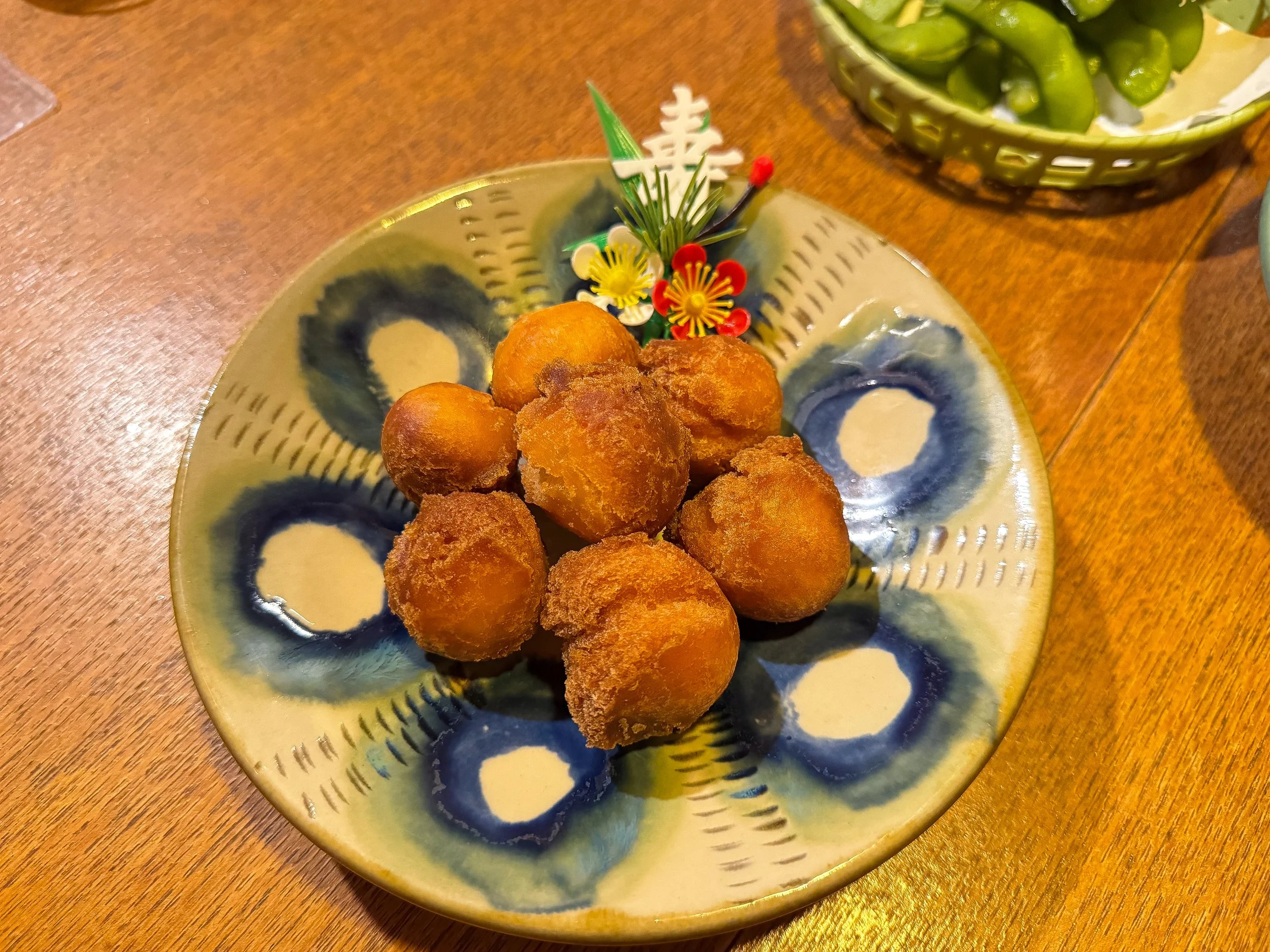
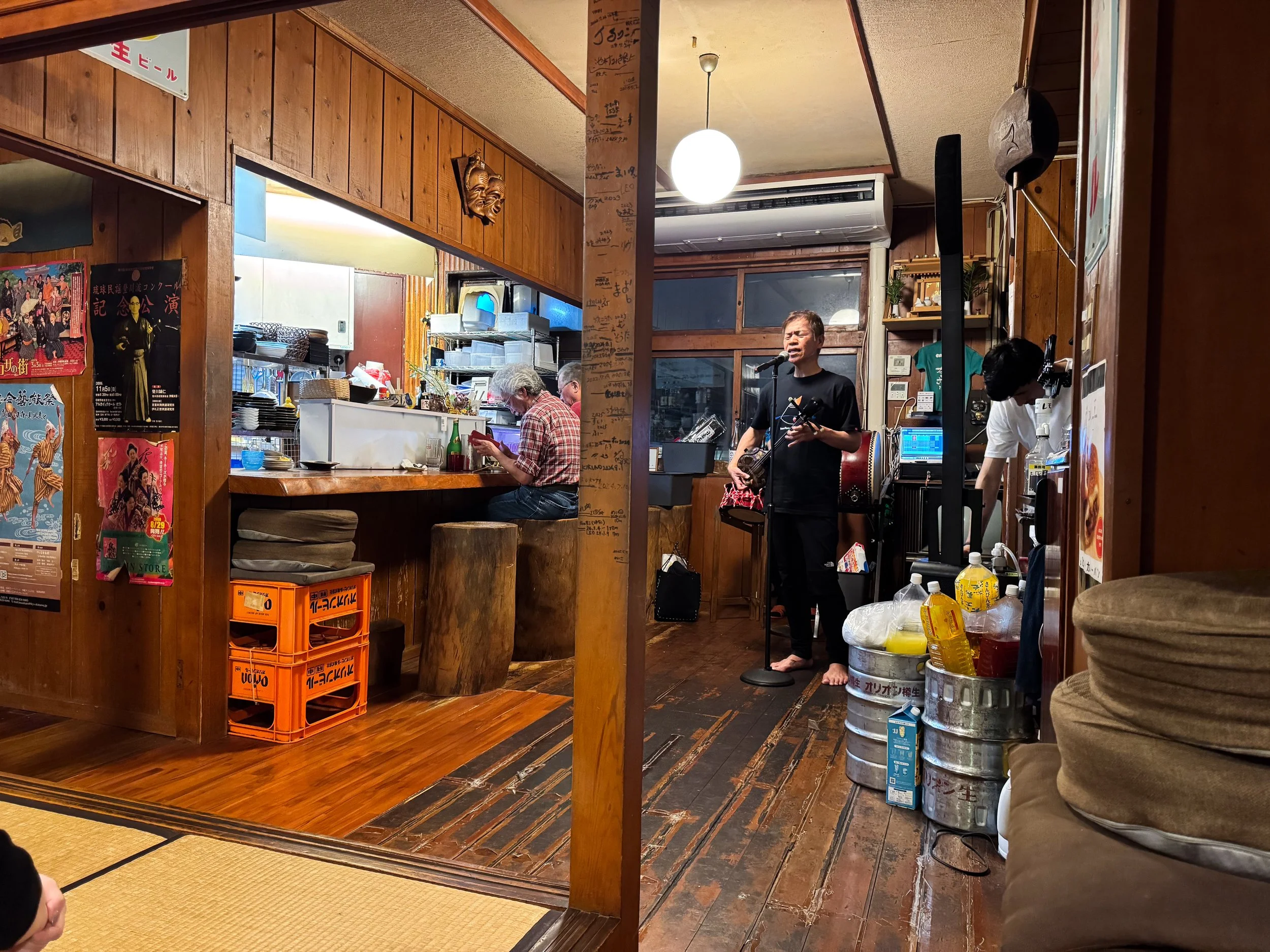
Kakurega Apparishan Izakaya. A traditional Japanese izakaya with low tables and cushions on tatami mat floors. This is our favorite izakaya in all of Japan! We spent hours here eating, drinking, cheering and dancing with locals. The owner performed and sang Okinawan folk music while strumming a Sanshin, a traditional snake skin banjo. In between rounds of sake, we shared several Okinawan plates including umibudo, edamame, fish tempura, peanut tofu and tofu fish and Okinawa donuts.

Streetkart Okinawa. One of the most exhilarating things to do in Japan is to join a street kart tour! Suited up in onesies as Pokémon characters, we rode street worthy go-karts on the roads and highways of Naha. Driving on the left, we slow rolled along Kokusai Dori Street, sped down highways and made a pit stop for ice cream at Senaga Island. Our guide took photos of us at traffic stops and printed out a few keepsakes at the end of the 2 hour experience. We booked with Street Kart Okinawa on Viator.
Pro Tip. Book a street kart tour in Okinawa versus in other Japanese cities. They’re allowed to go significantly faster due to wider roads and less traffic!
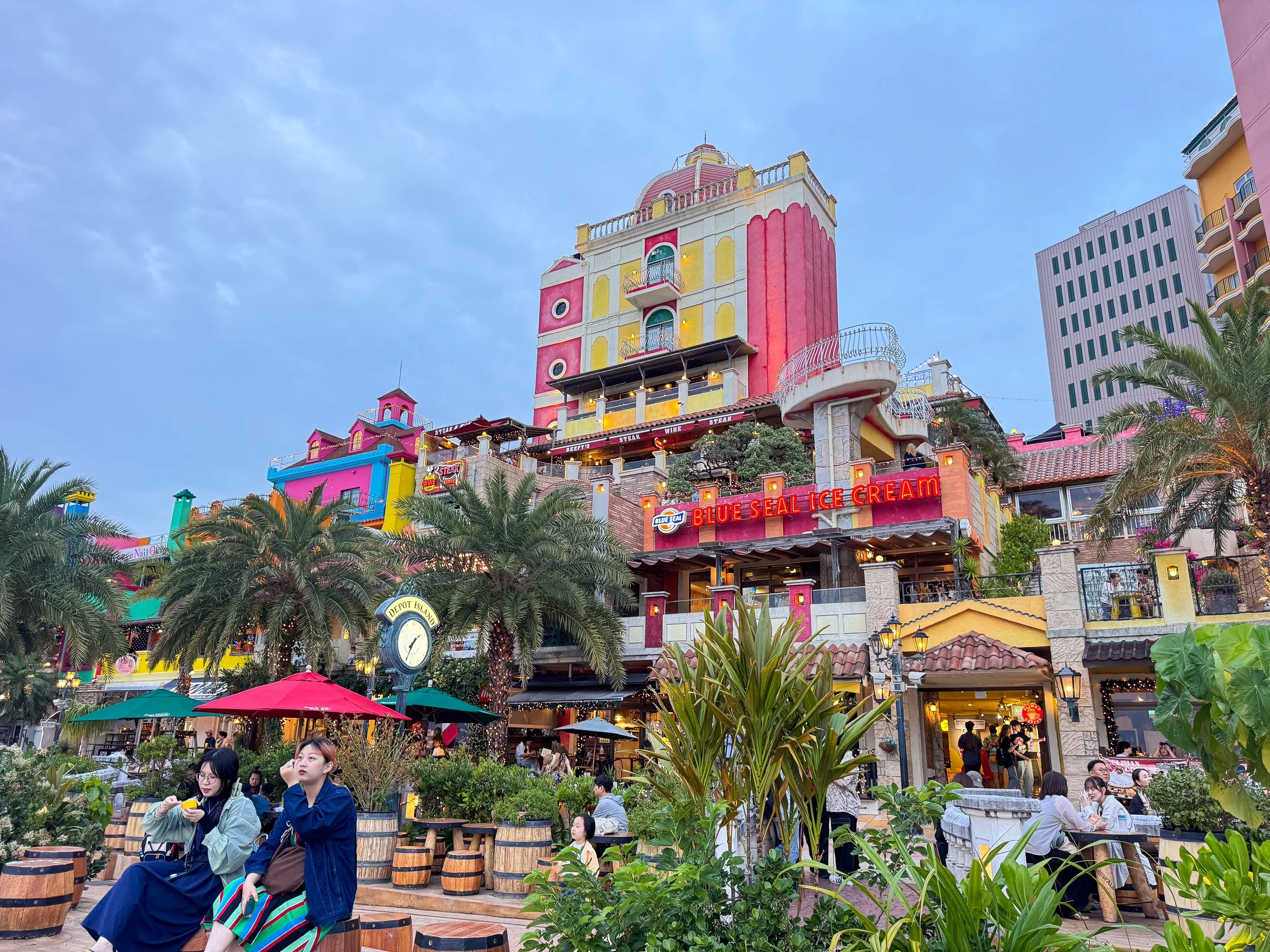
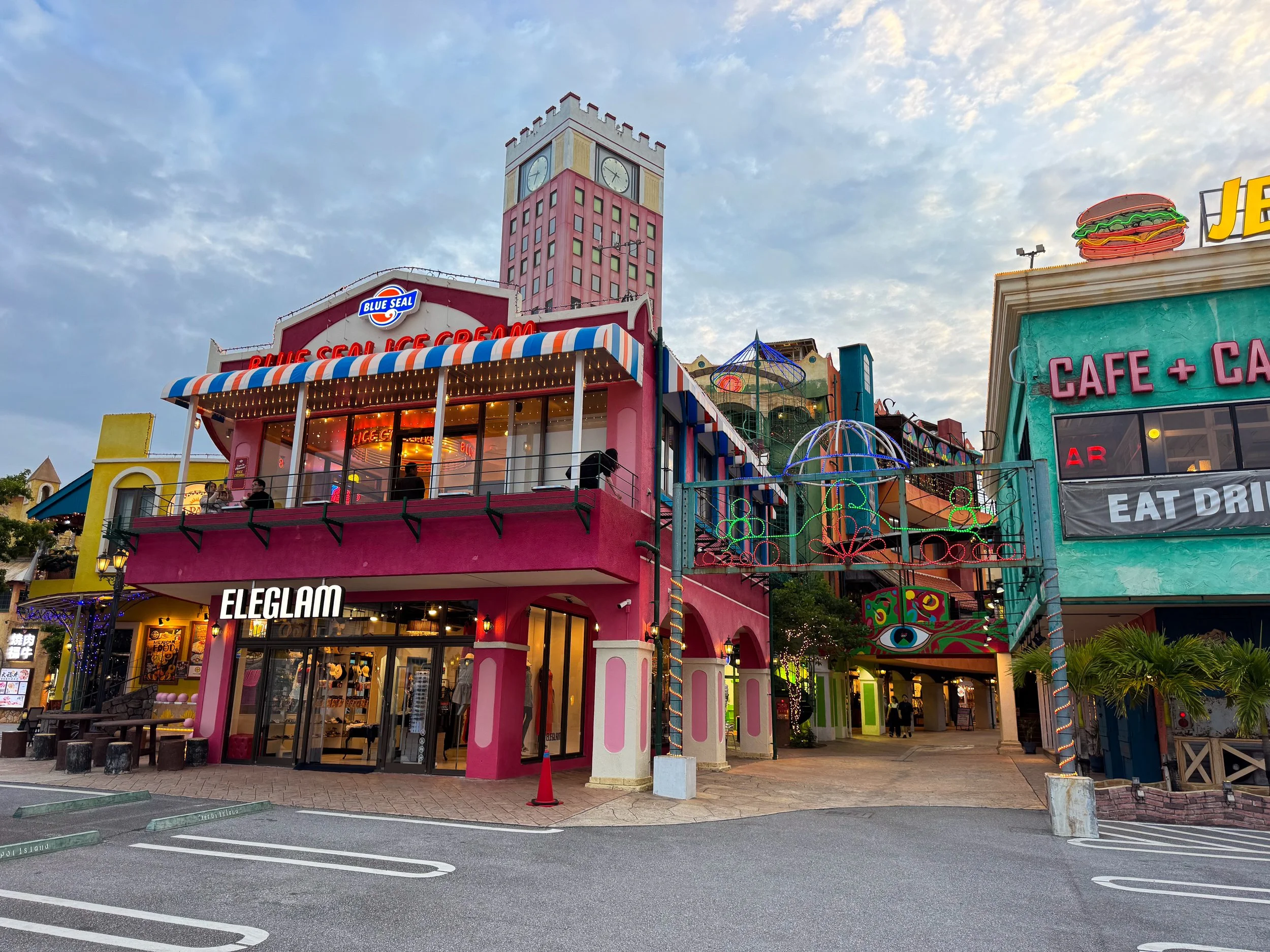
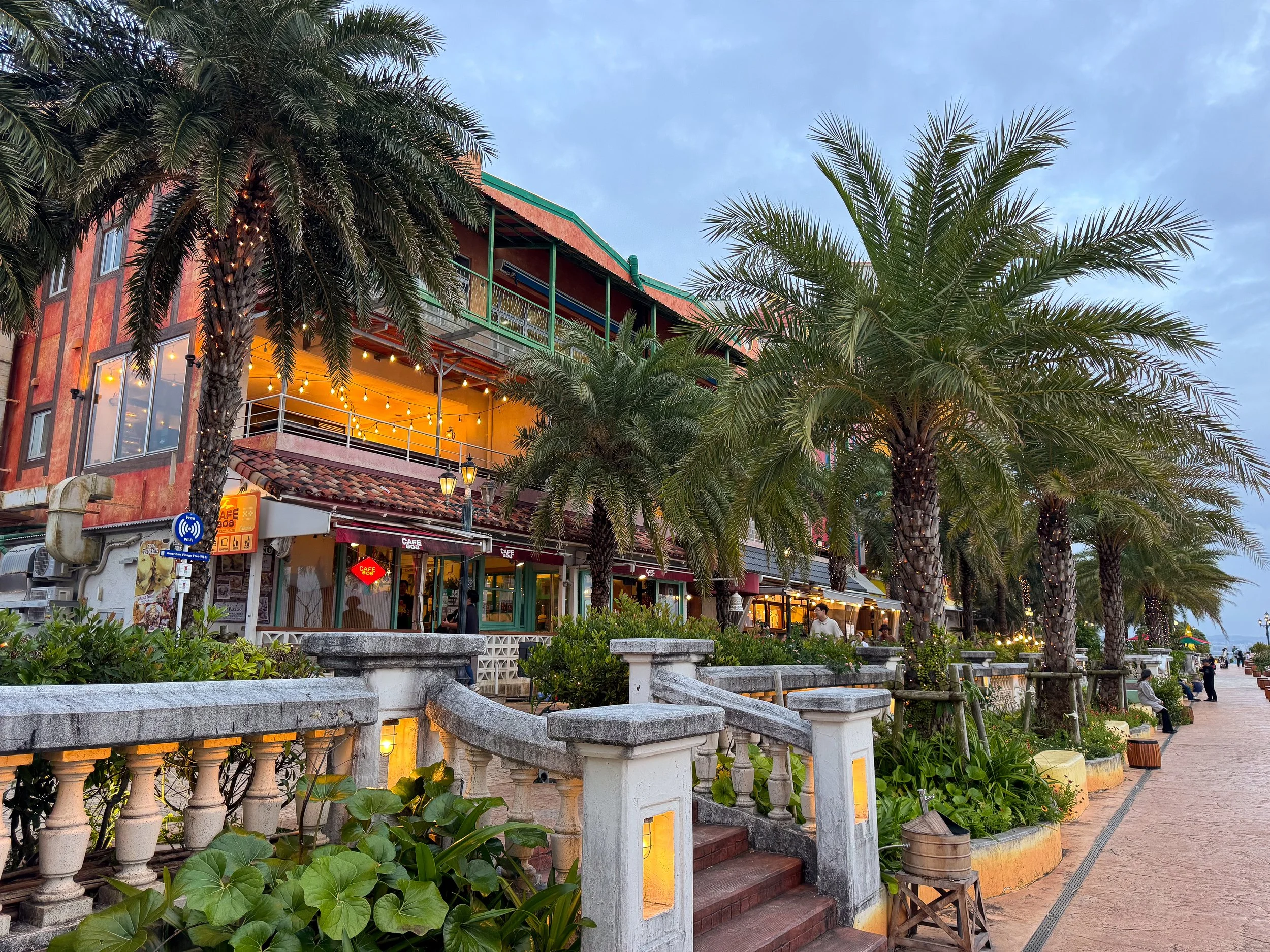
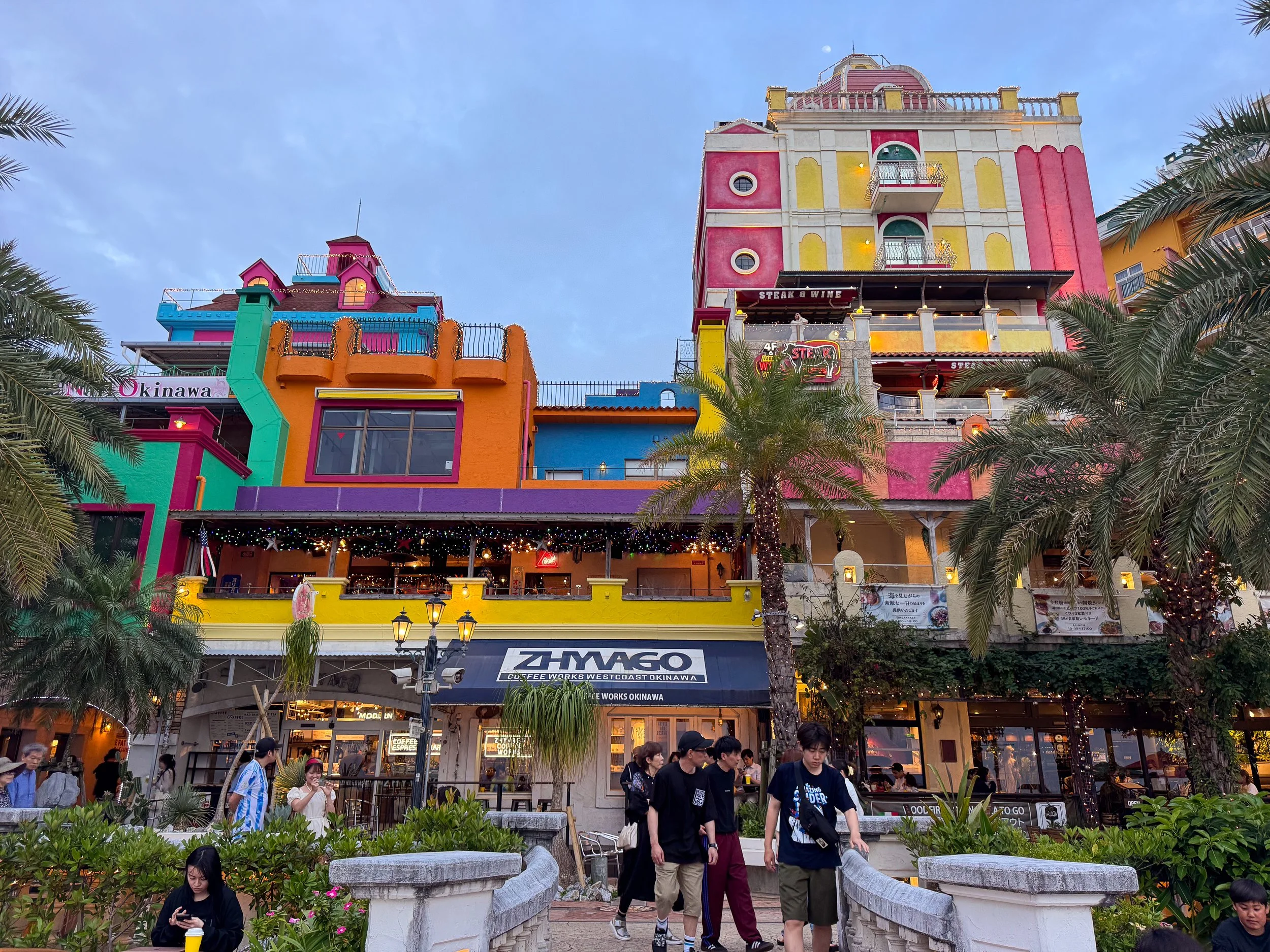
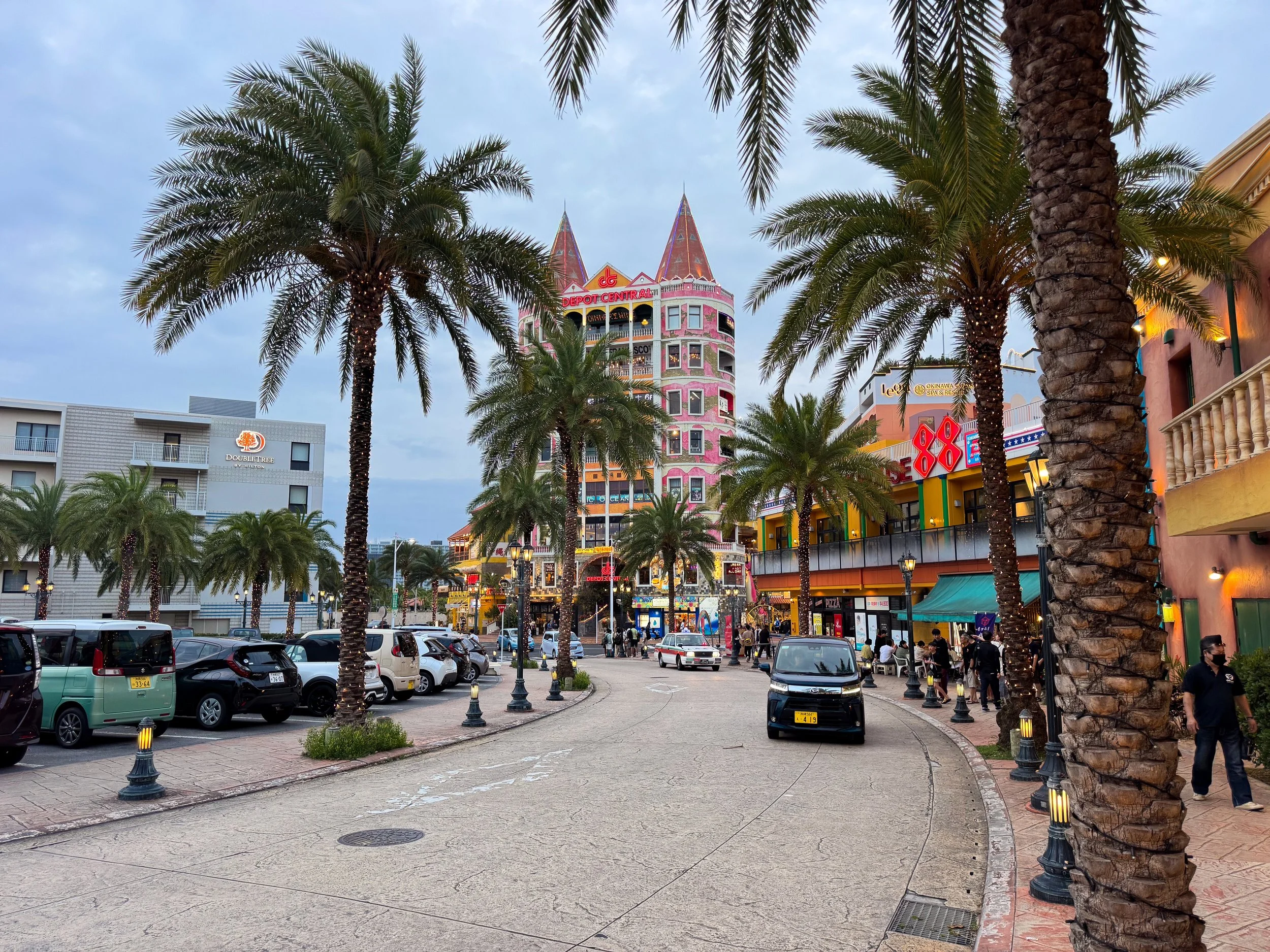
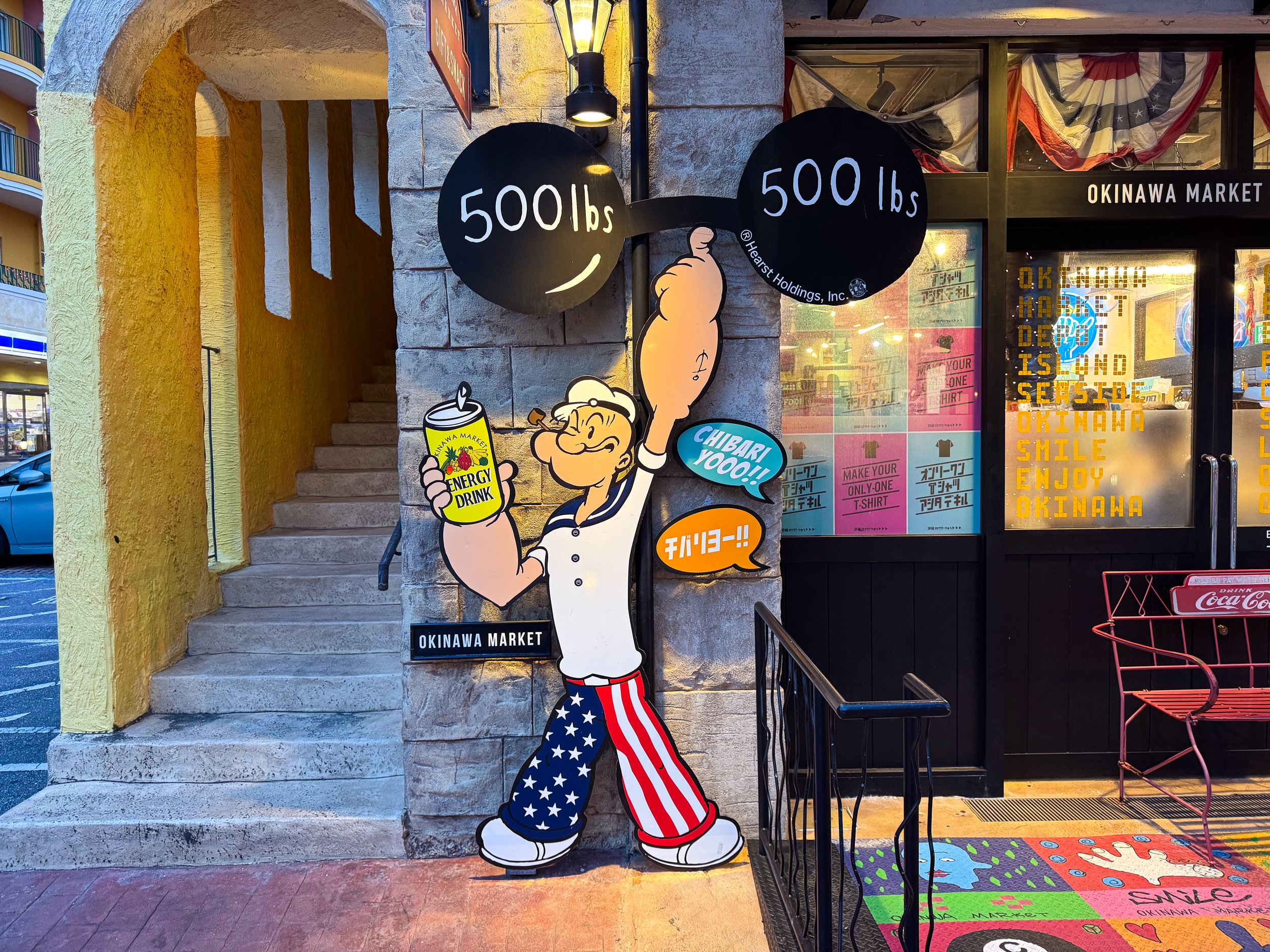
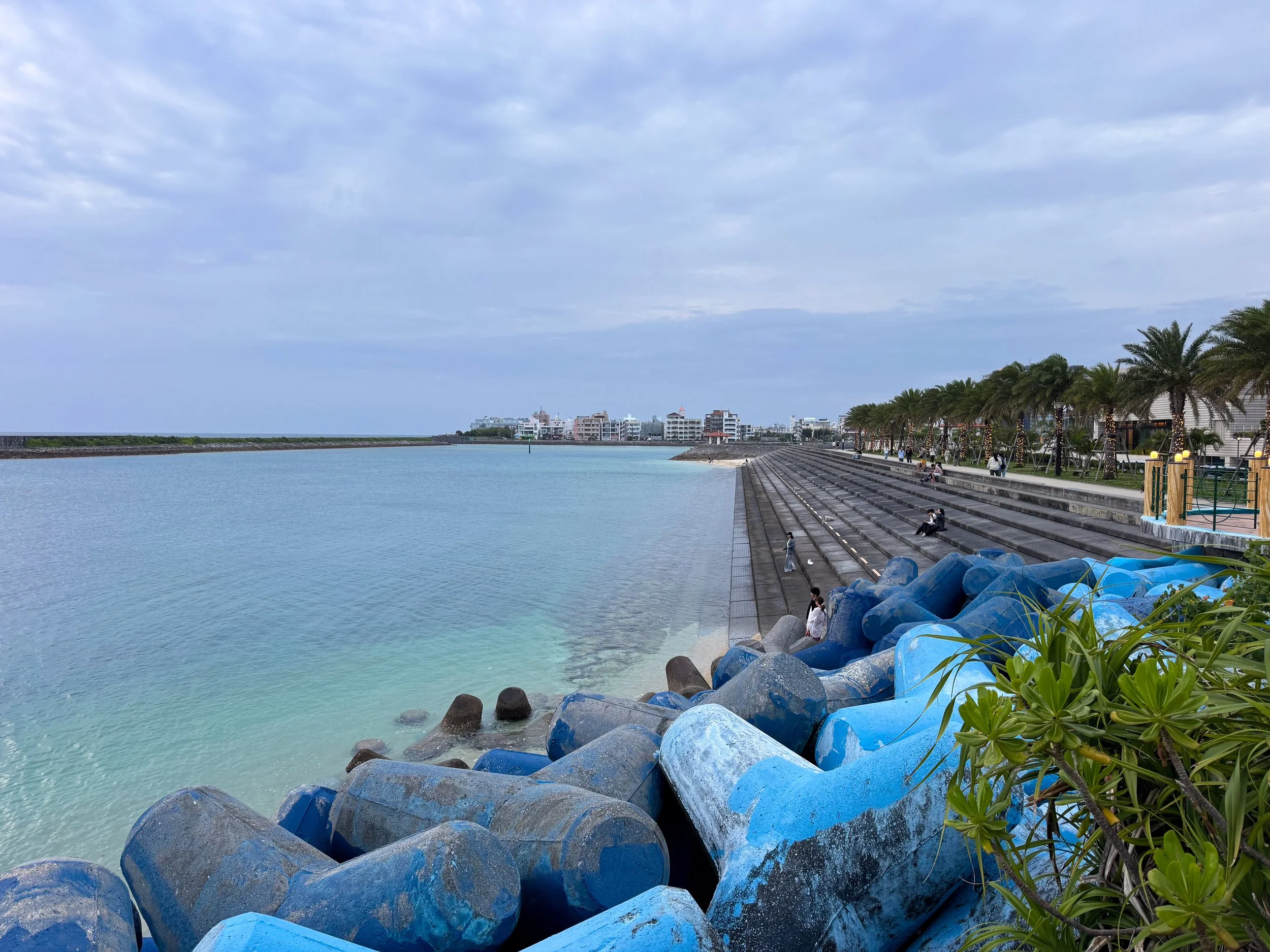
Visit The American Village. The American Village is a themed entertainment complex and mall with colorful buildings, bright neon lights, a palm lined promenade and a range of businesses. It blends retro style with American and Japanese cultures. Shops sell Western and local brands. Steak houses and burger restaurants alternate between izakayas and sushi bars. Conveniently, it’s located near a US military base. The sounds of aircraft are regularly heard flying overhead while US personnel visit while on break.
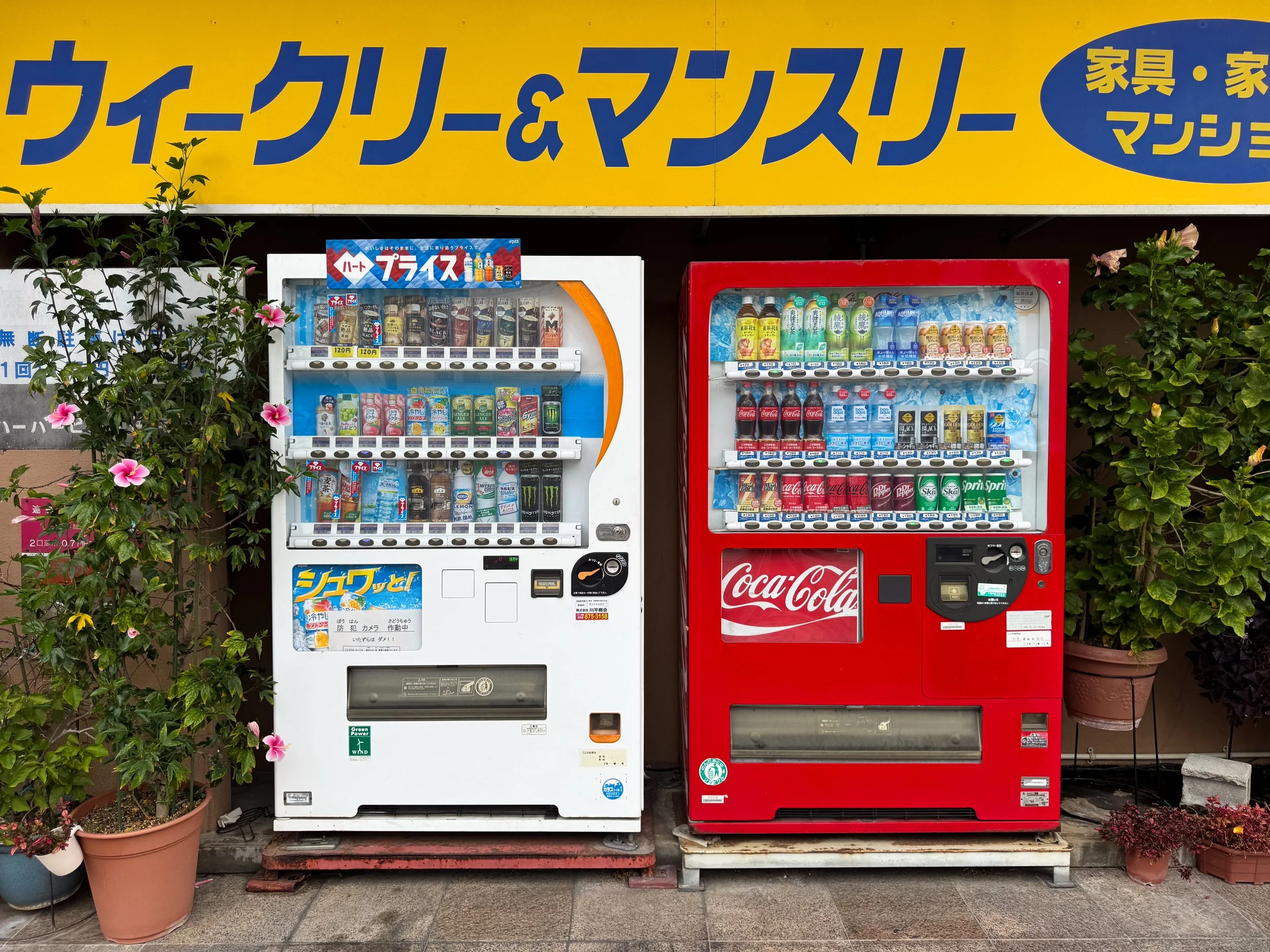
Order from A Vending Machine. Public vending machines are a cultural staple of Japan. They’re located in the most populous and sometimes obscure places. Most are stocked with beverages while some offer items like premade sushi, spam musubi, ice cream, sriracha and cigarettes.
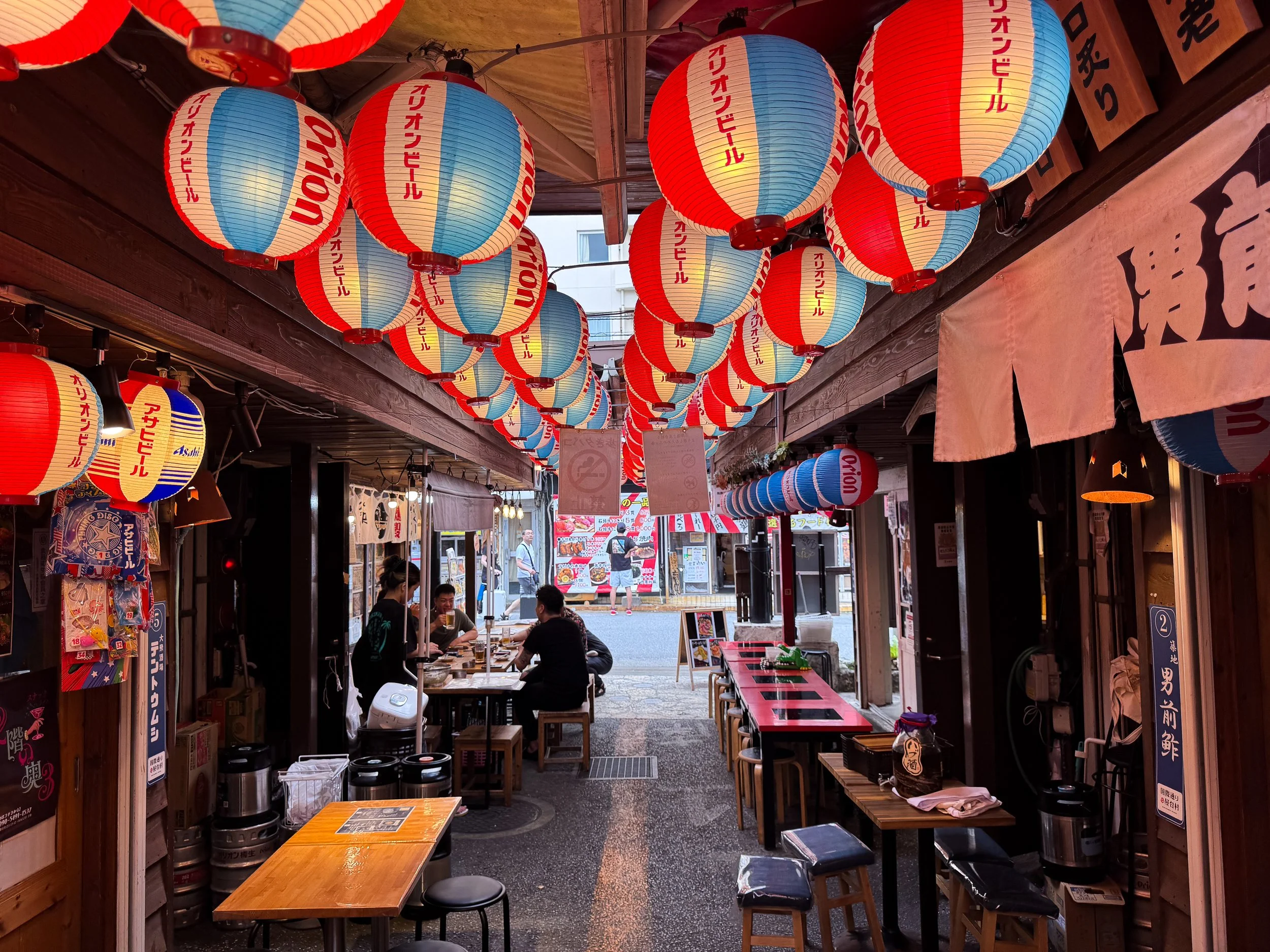
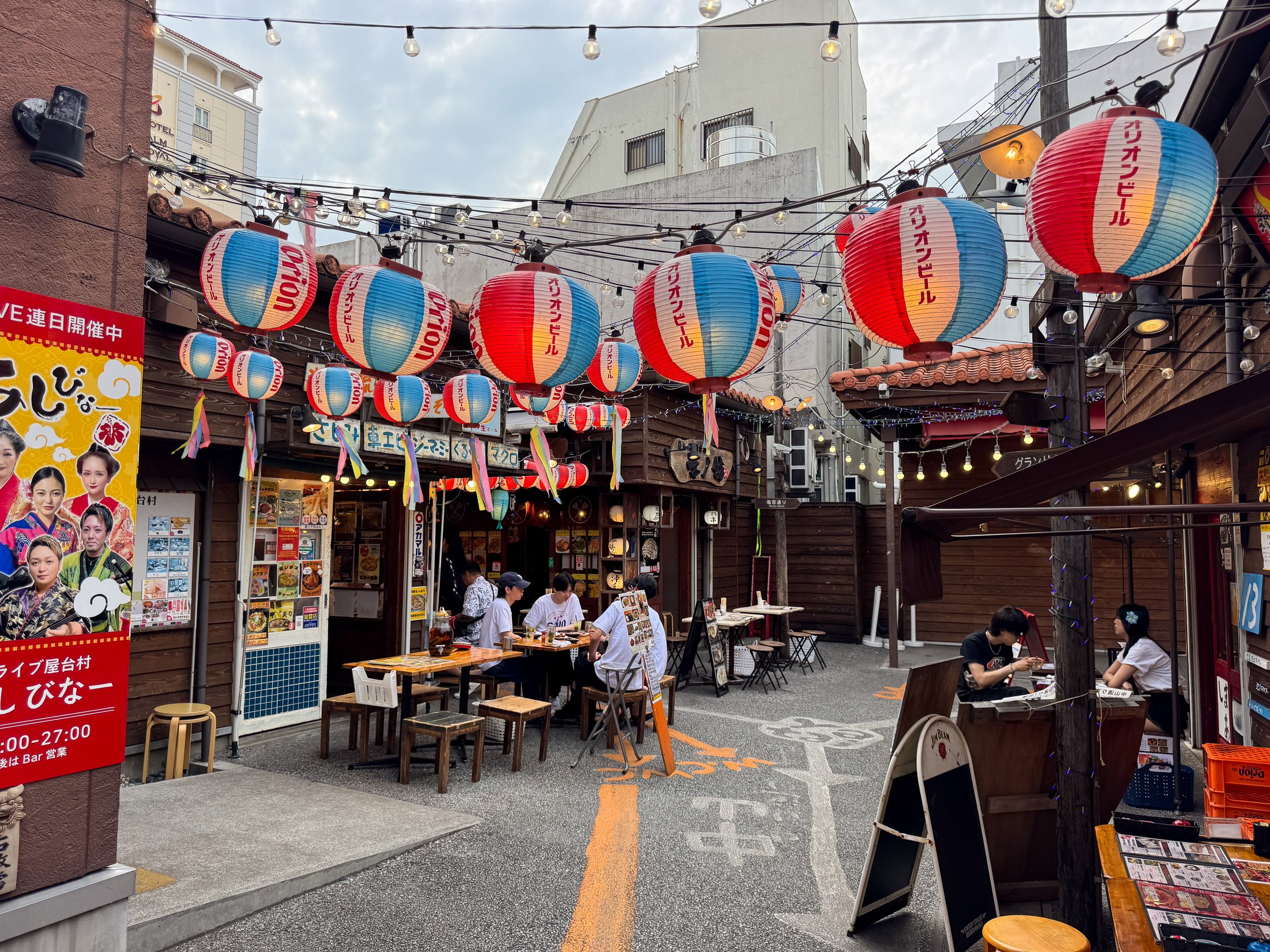
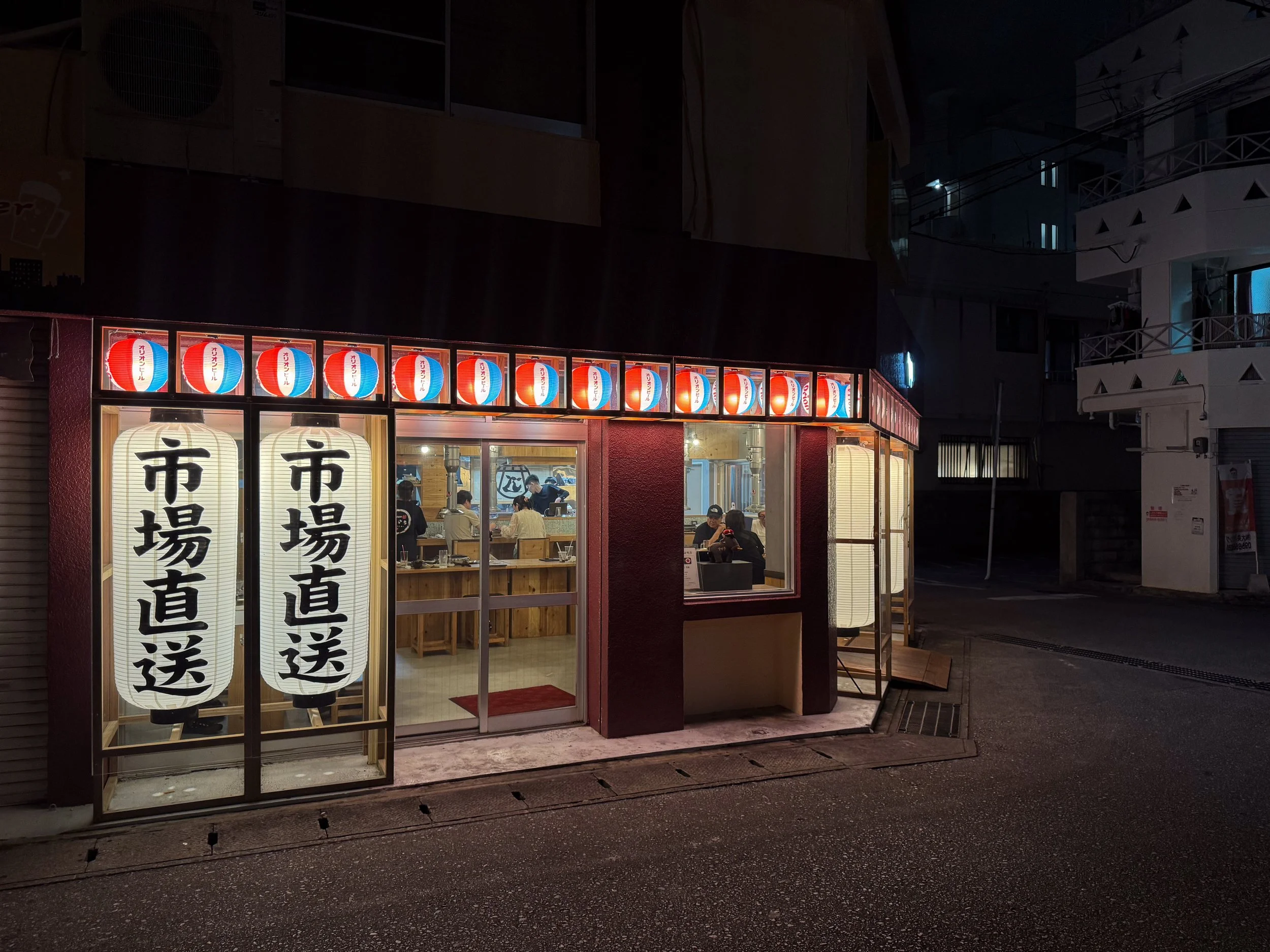
Eat at Kokusai Street Food Village. A food hall with several izakayas and small bars. Red, white and blue paper lanterns hang between wooden store fronts and string lights. Strangers sit shoulder to shoulder in the tightly packed dining areas. It’s a lively place, frequented by locals, especially after working hours. We sat down for drinks at Kinpachi, sipping on Orion Beer garnished with orange.
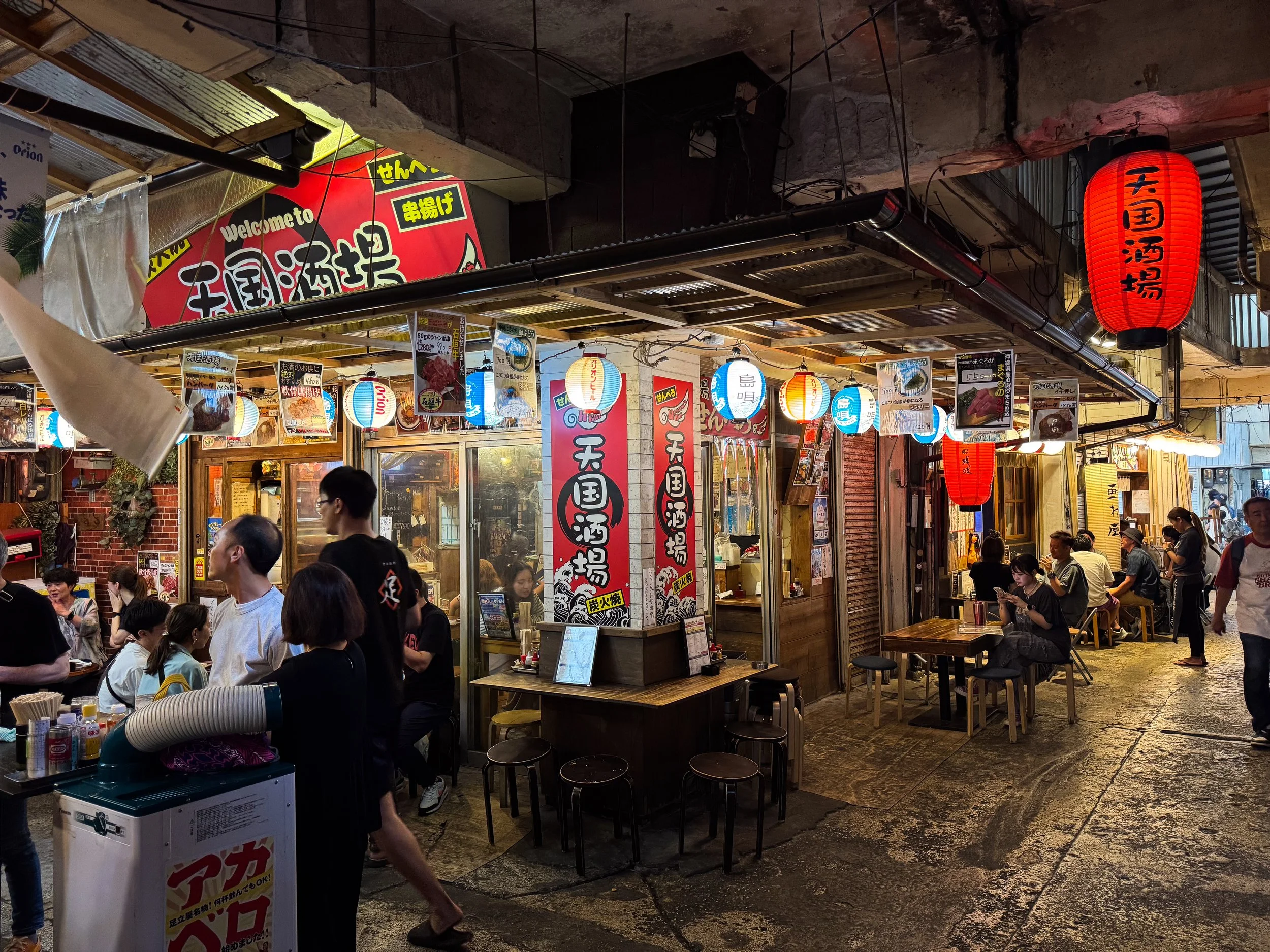
Drink at a Standing Bar. A popular style of Japanese bar with standing room only. They’re meant for having a quick drink on the go or for gathering with a group. People stand at bar counters and tall tables while hosts serve beer, sake, spirits, snacks and sometimes small plates. Look for them near train stations, in alleyways or at markets. Visit Adachiya, a lively standing bar hidden away in a dim alley near the Ichiba Hondori covered market.
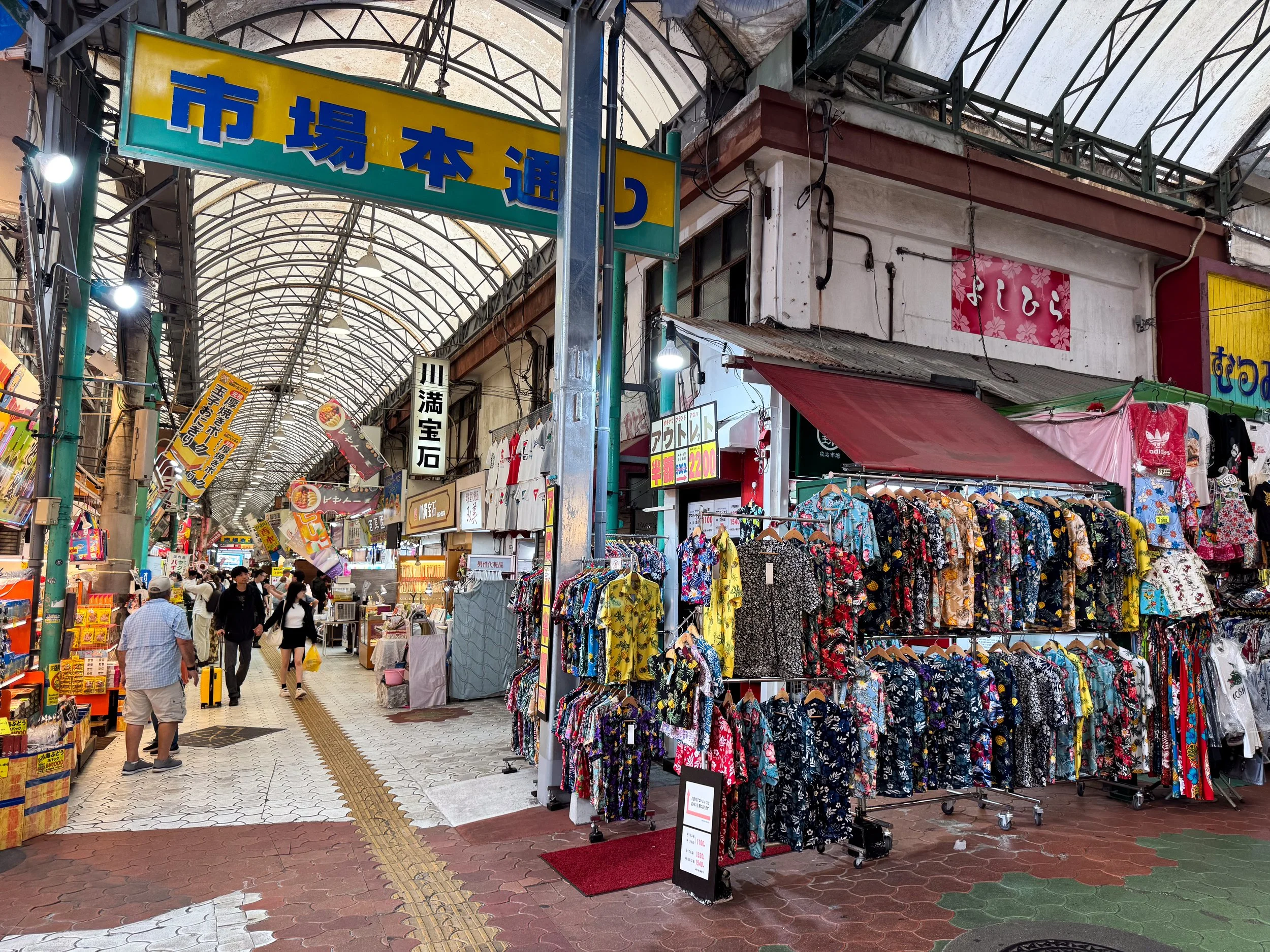
Shop the Markets
Ichiba Hondori. A covered market street with over a hundred vendors and shops selling many of the same goods as on Kokusai Dori Street. One of the big draws to this street is the local sweets like Okinawa donuts, Beni Imo Tarts, pineapple cakes and ube ice cream. Other must visits are the Makishi Public Market and dimly lit alleyways with local izakayas and standing bars. Each offers Japanese snacks, small plates and local beers at affordable prices.
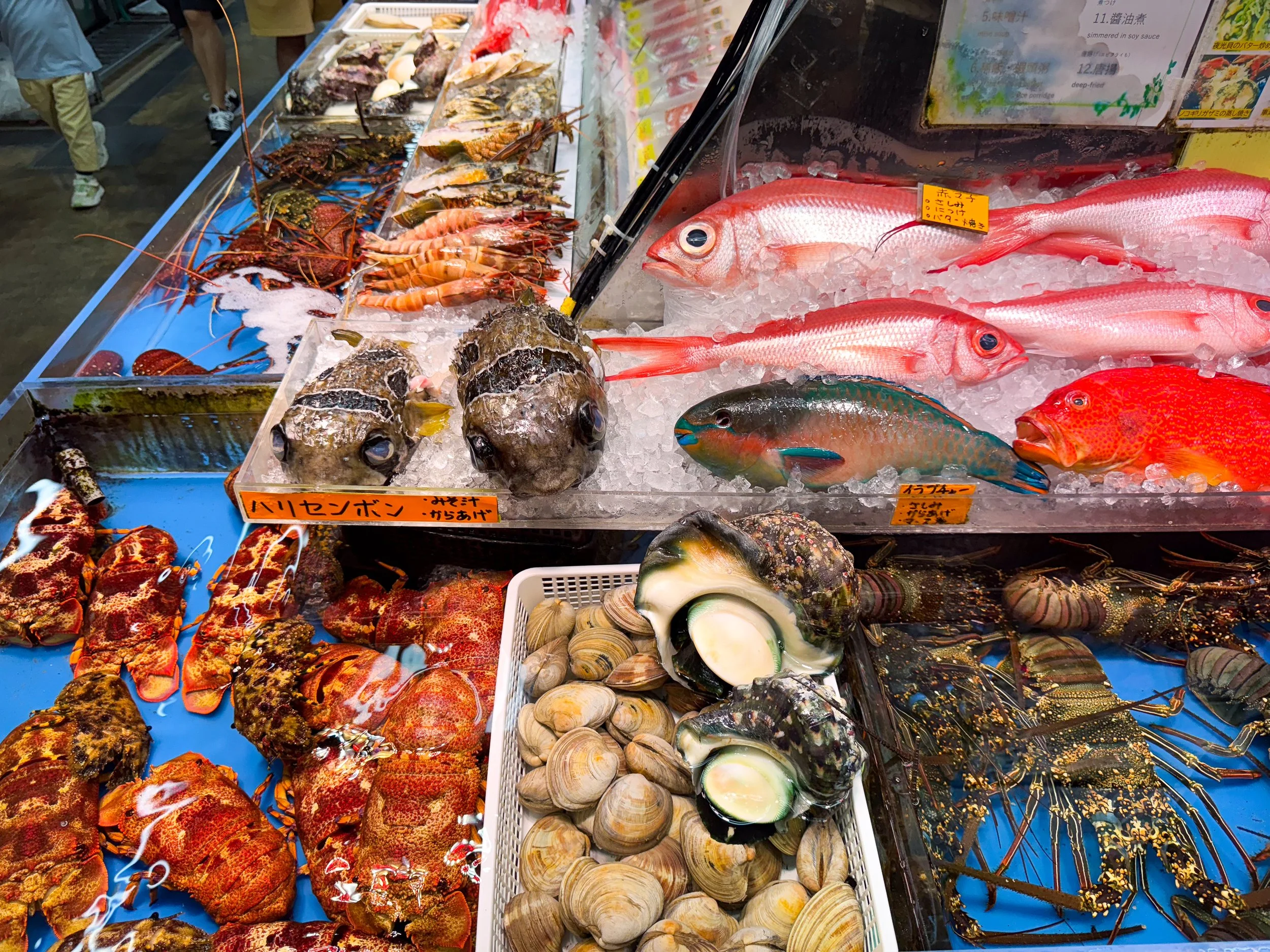
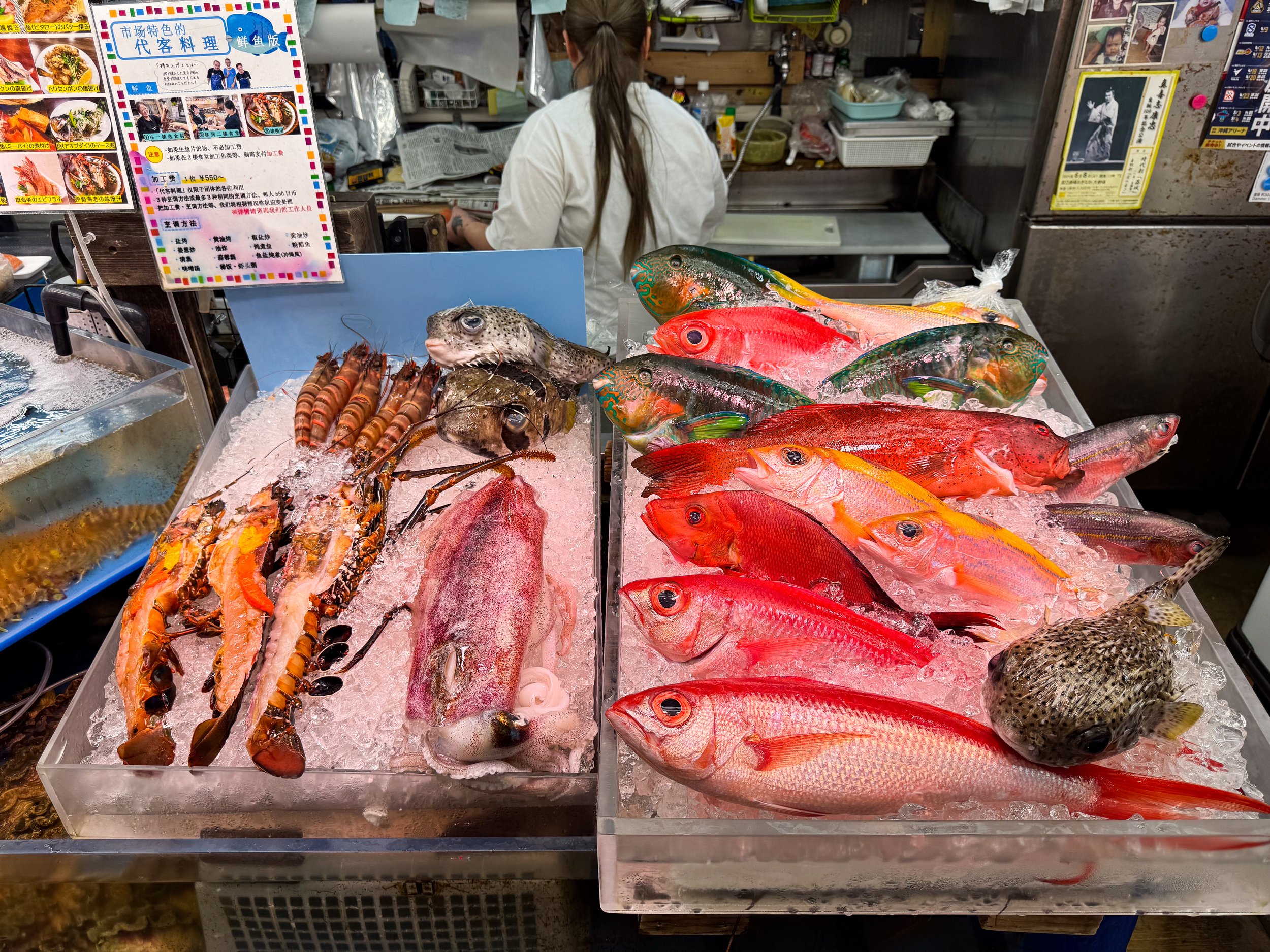
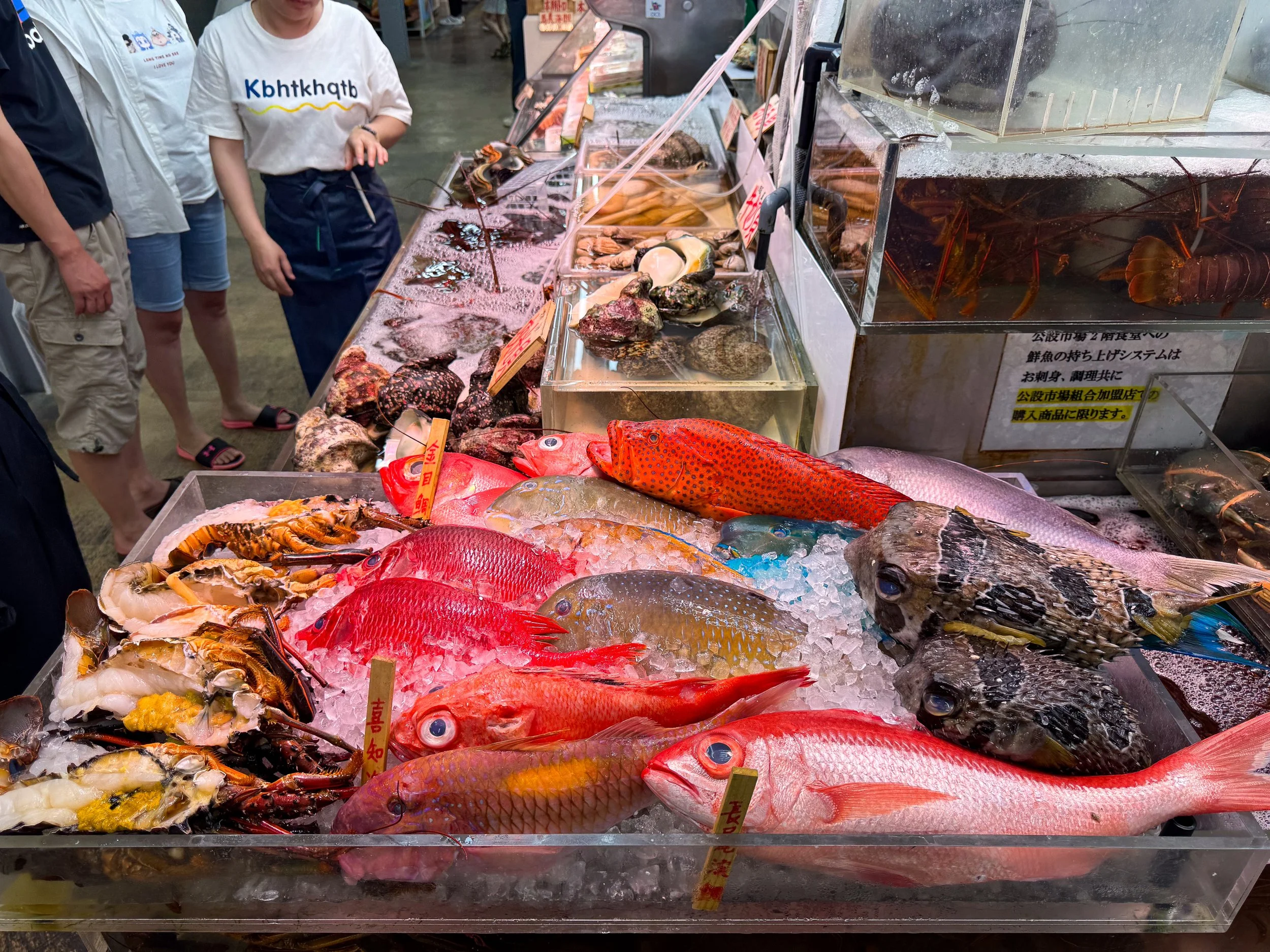
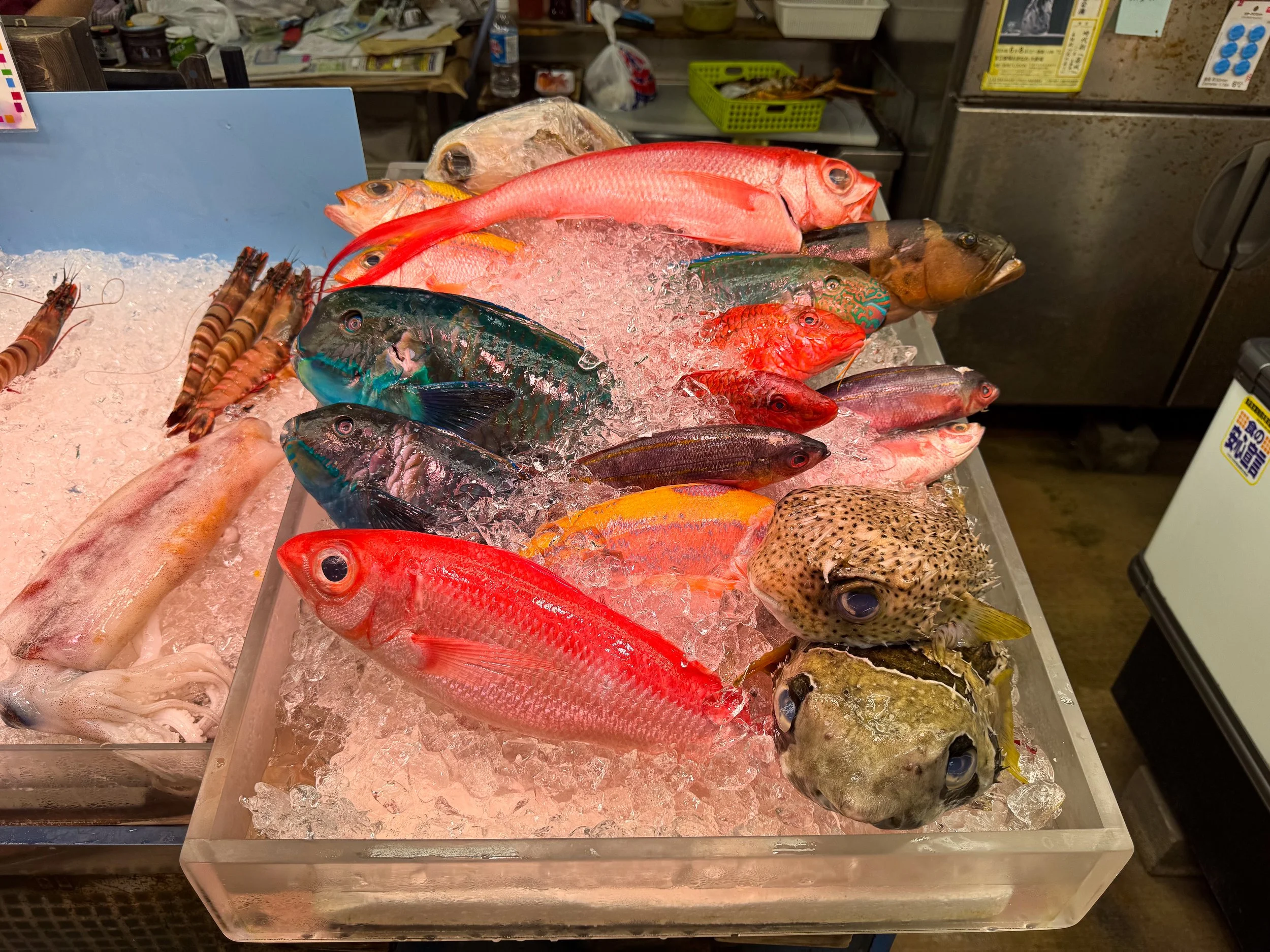
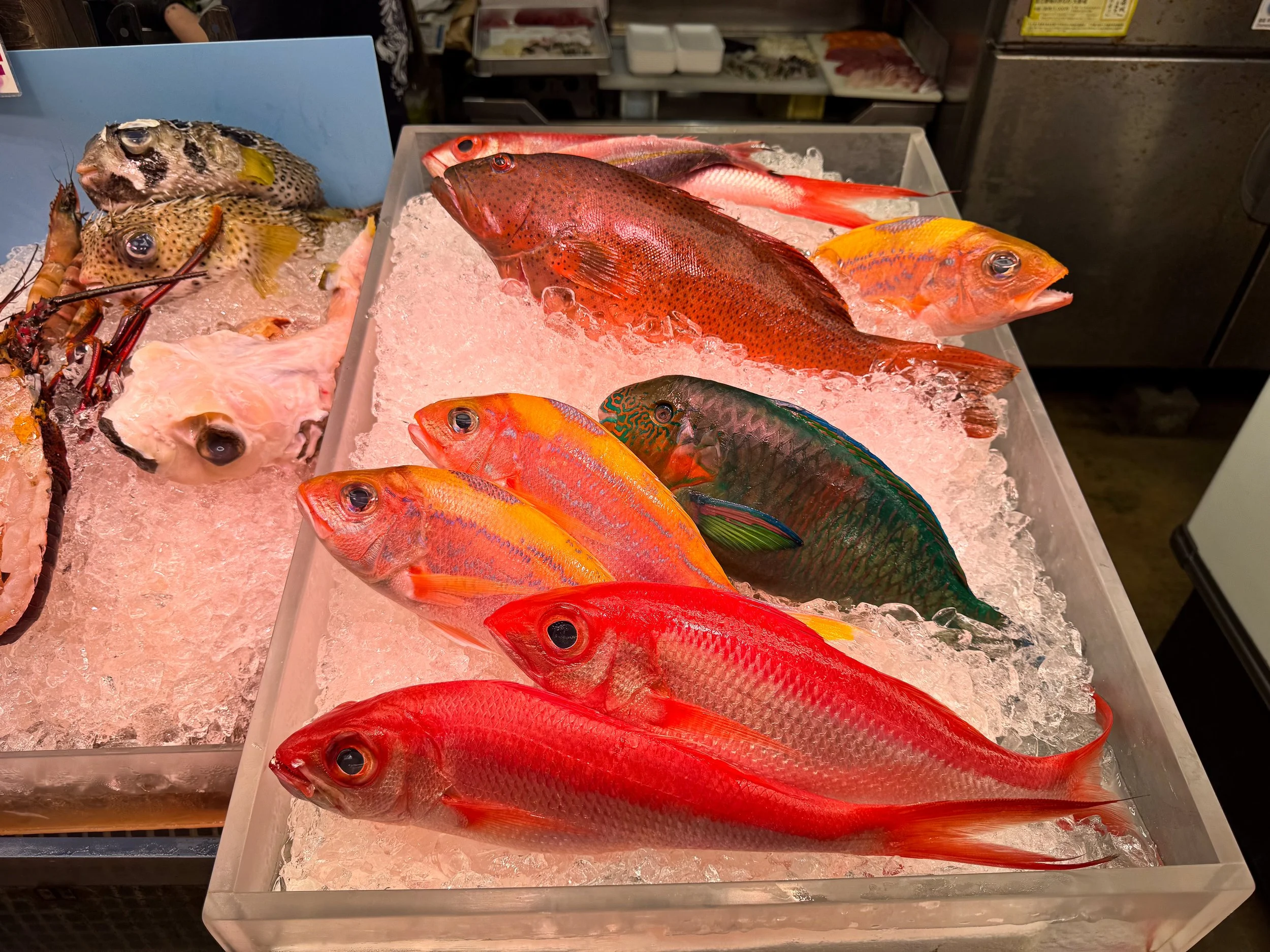
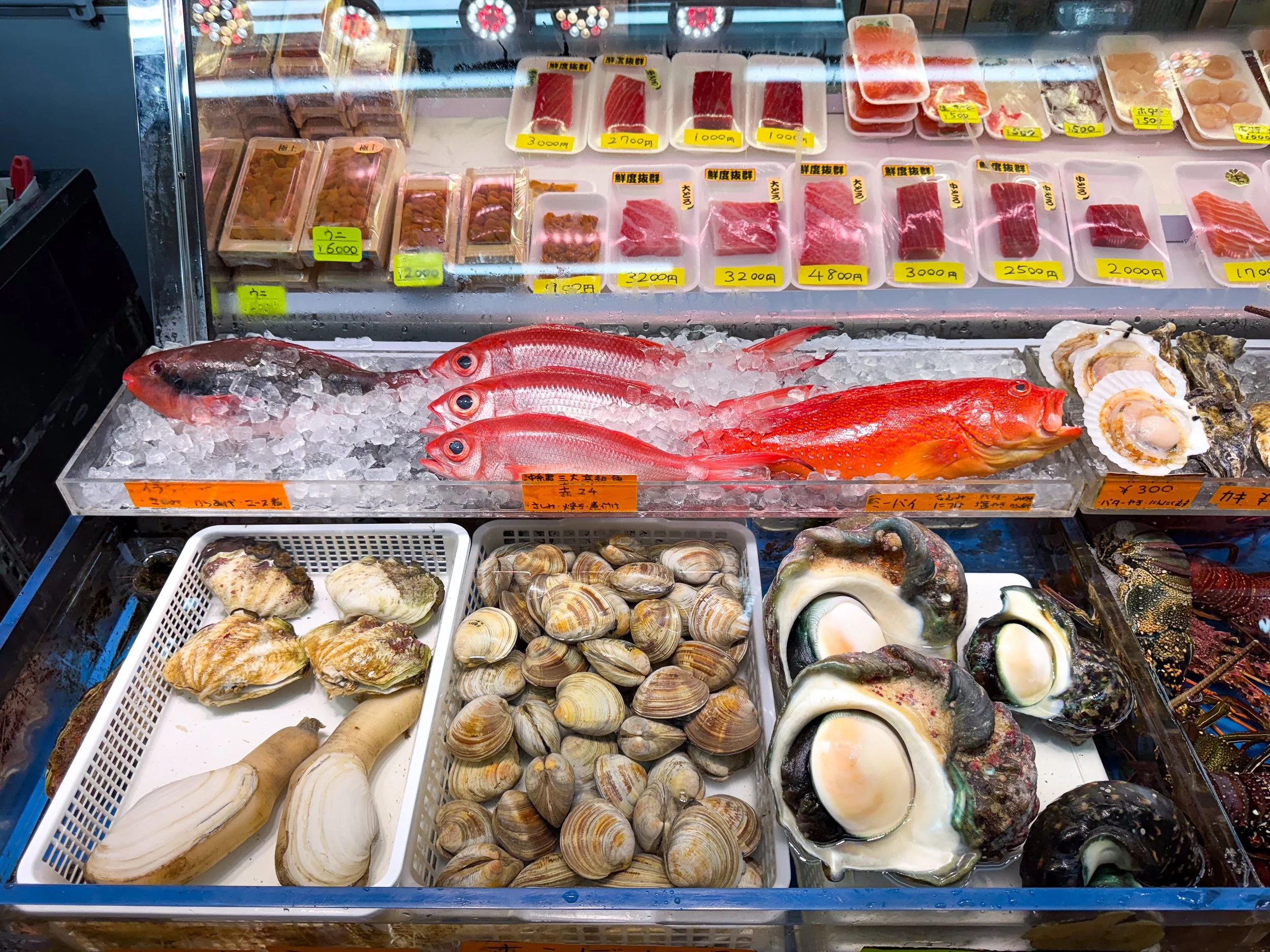
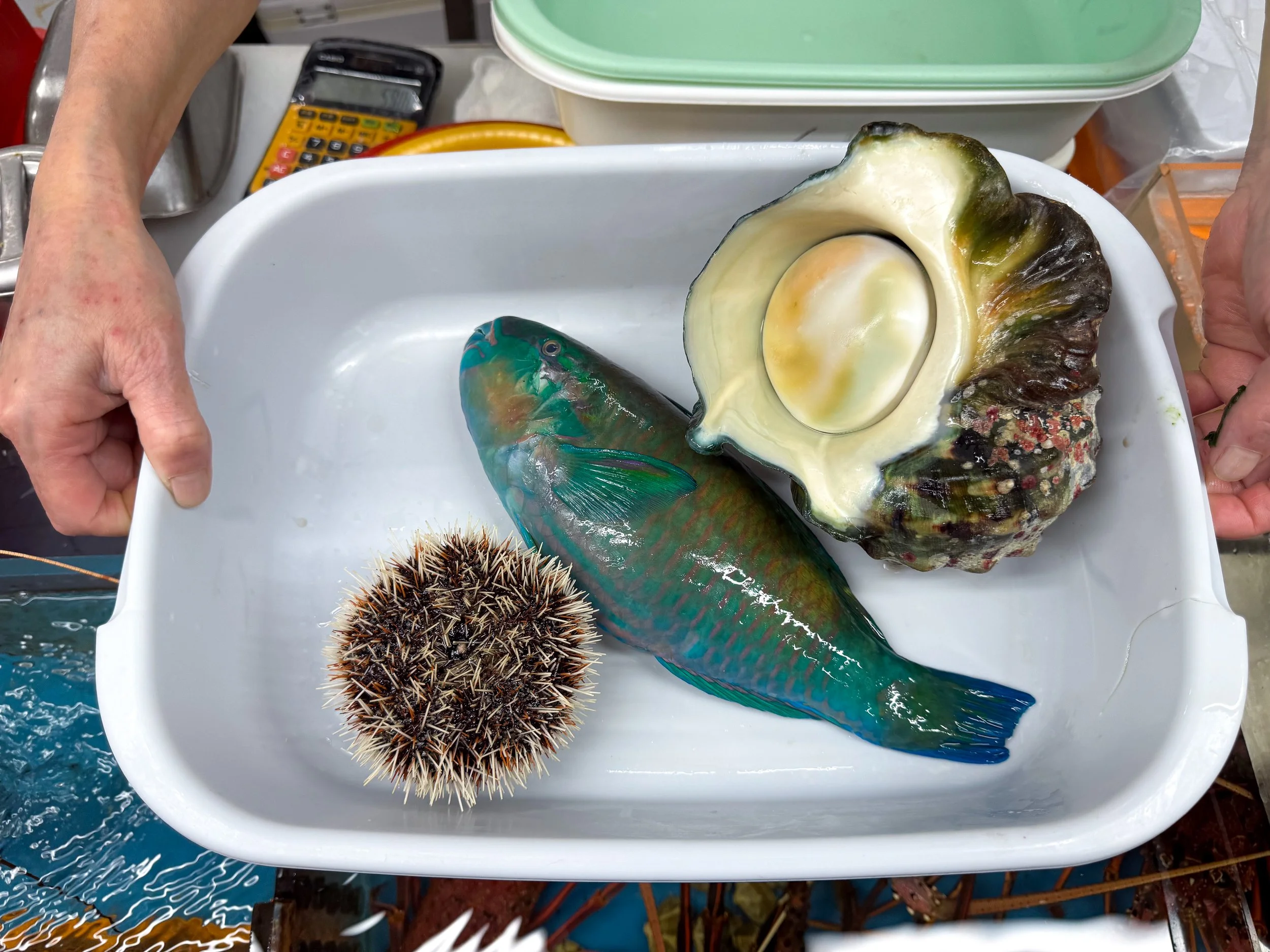
Makishi Public Market. A two floor market with seafood vendors and restaurants. Come here to choose fresh seafood from vendors on the ground floor and have it prepared by restaurants on the second floor. Merchants display tanks with live sea snails, lobsters and sea urchins, packaged trays of ready to eat sashimi and piles of colorful reef fish on ice, including the infamous puffer fish! While primarily a seafood market, multiple vendors specialize in Kobe beef and Japanese meats.
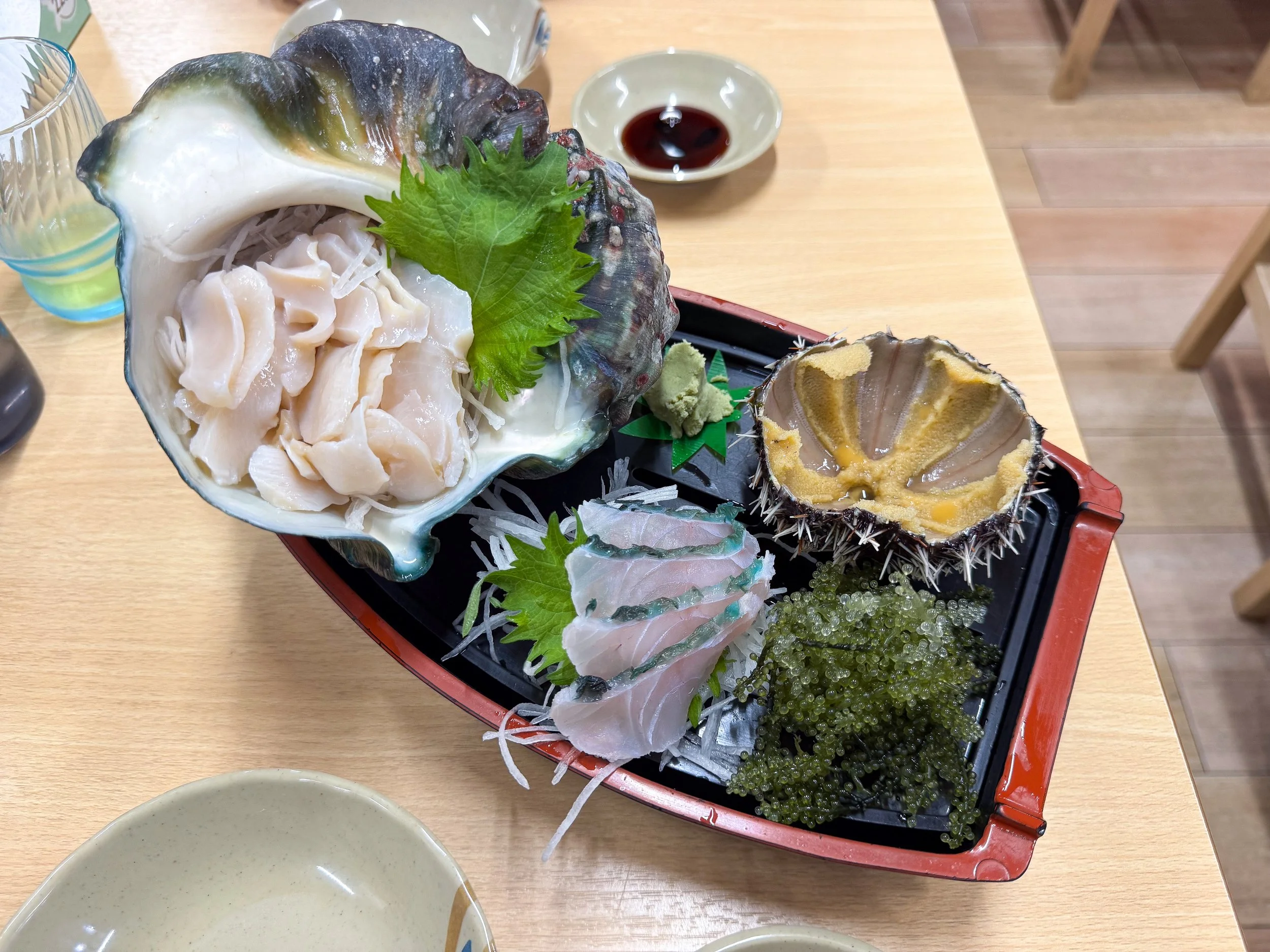
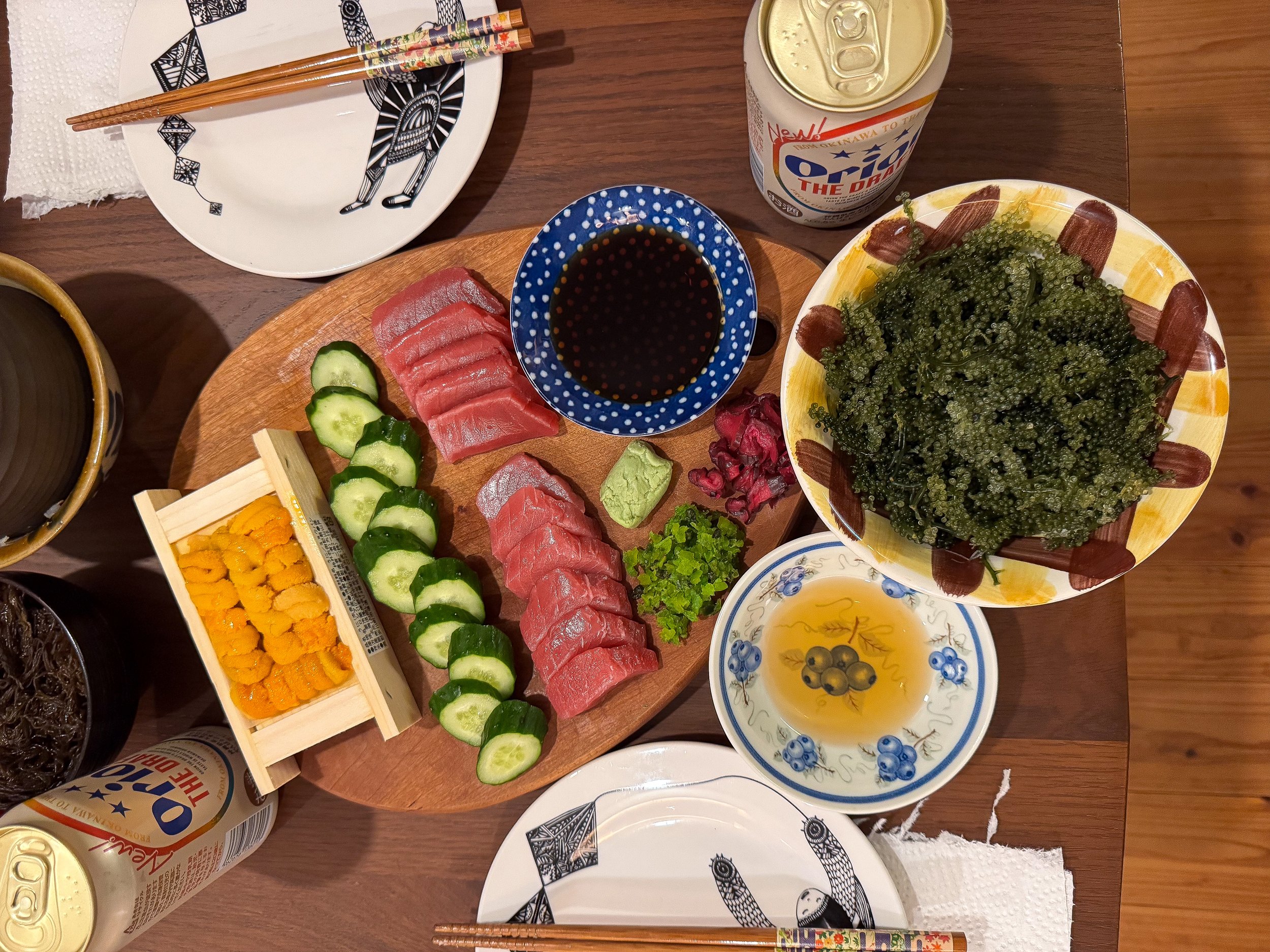
Select Your Seafood. We selected a sea urchin, whole parrot fish and giant sea snail to have prepared. Pieces of each were served sashimi style by the sushi chef. The remainder of the fish was pan fried while half of the snail was sautéed in butter and garlic at Kiraku. We returned later in the week for a tray of sea urchin uni, fatty tuna sashimi and conch for a final dinner.
Pro Tip. Ask around and negotiate over price before buying anything.
Good to Know. We read this was a touristy spot when in fact many locals come here. It offers a unique experience to try local seafood. Most tourists only come here to look around in between shopping for souvenirs on Ichiba Hondori.
Tomari Iyumachi Fish Market. A seafood market at the Naha Port. It’s a popular lunch spot for freshly caught seafood, especially for cuts of sushi grade tuna, scallop, shrimp and uni.
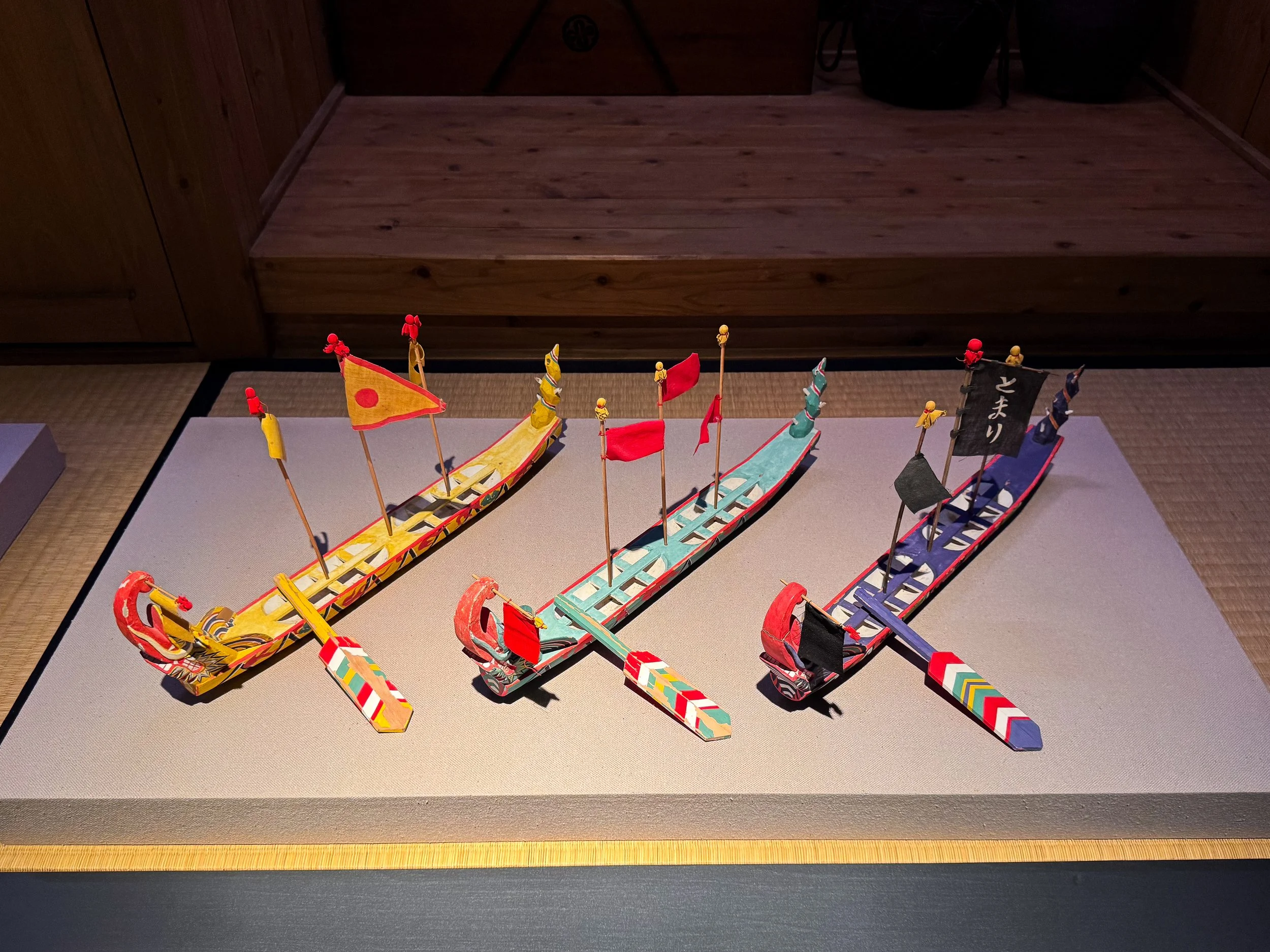
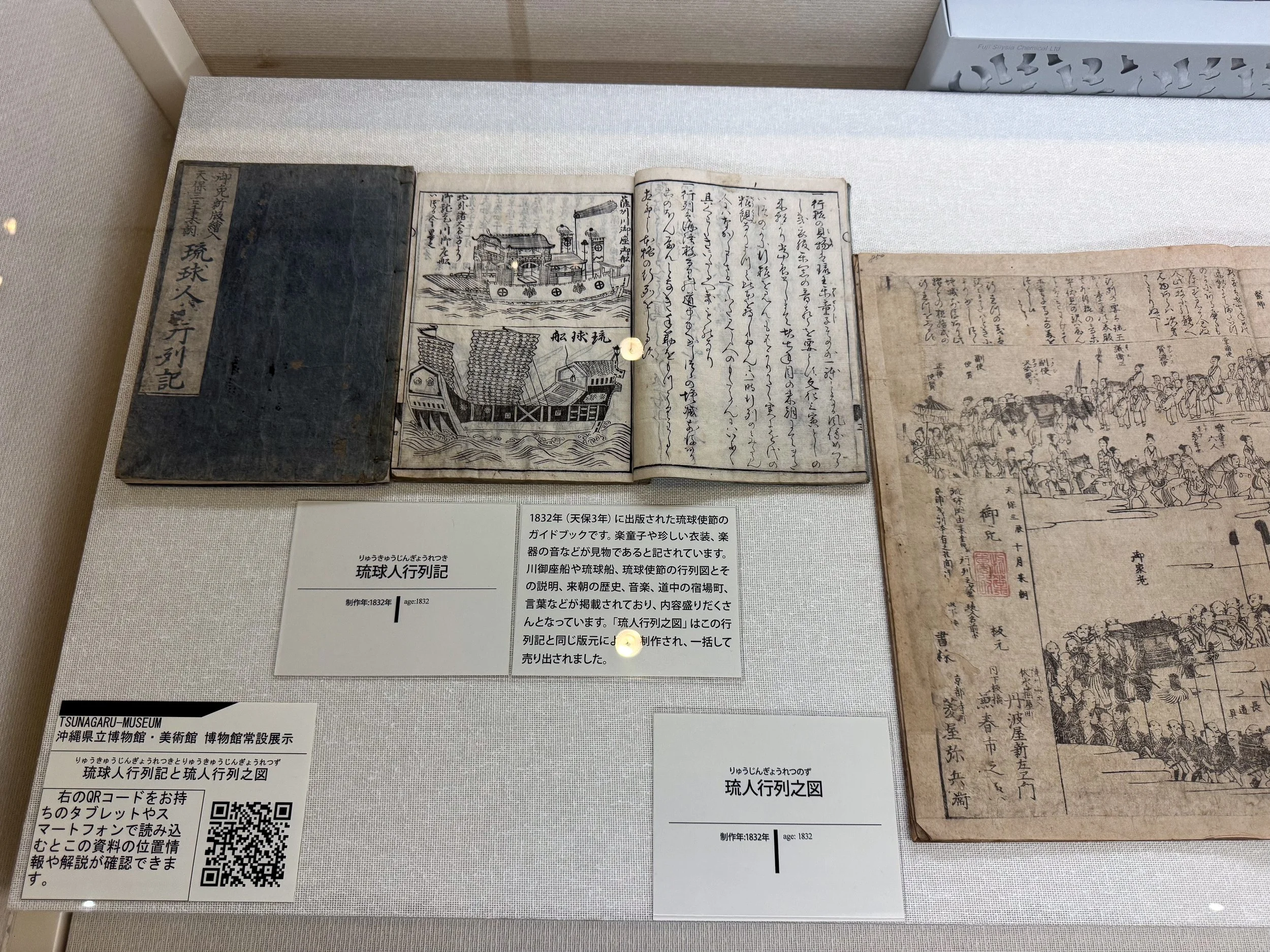
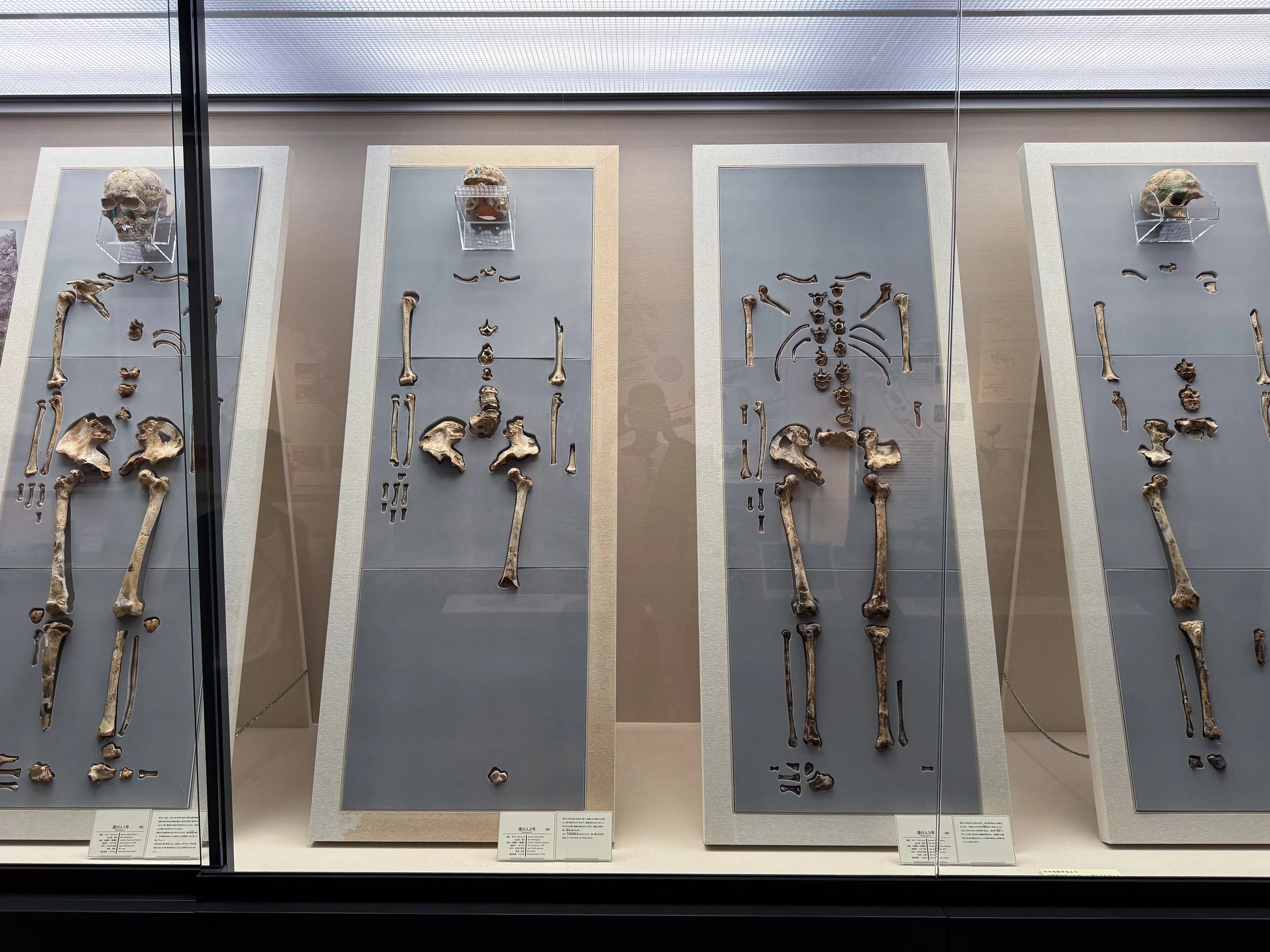
The Land of The Ryukyus
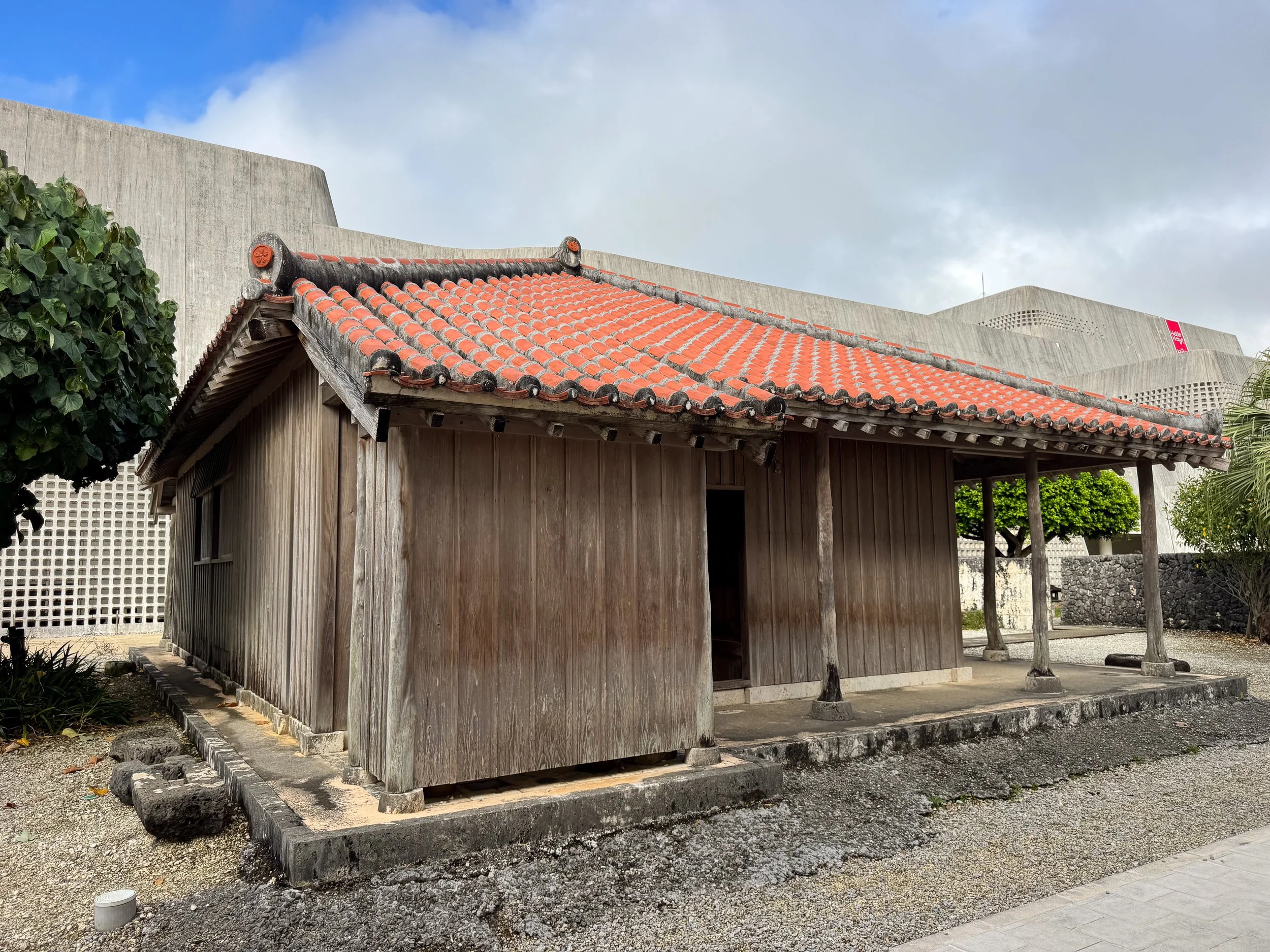
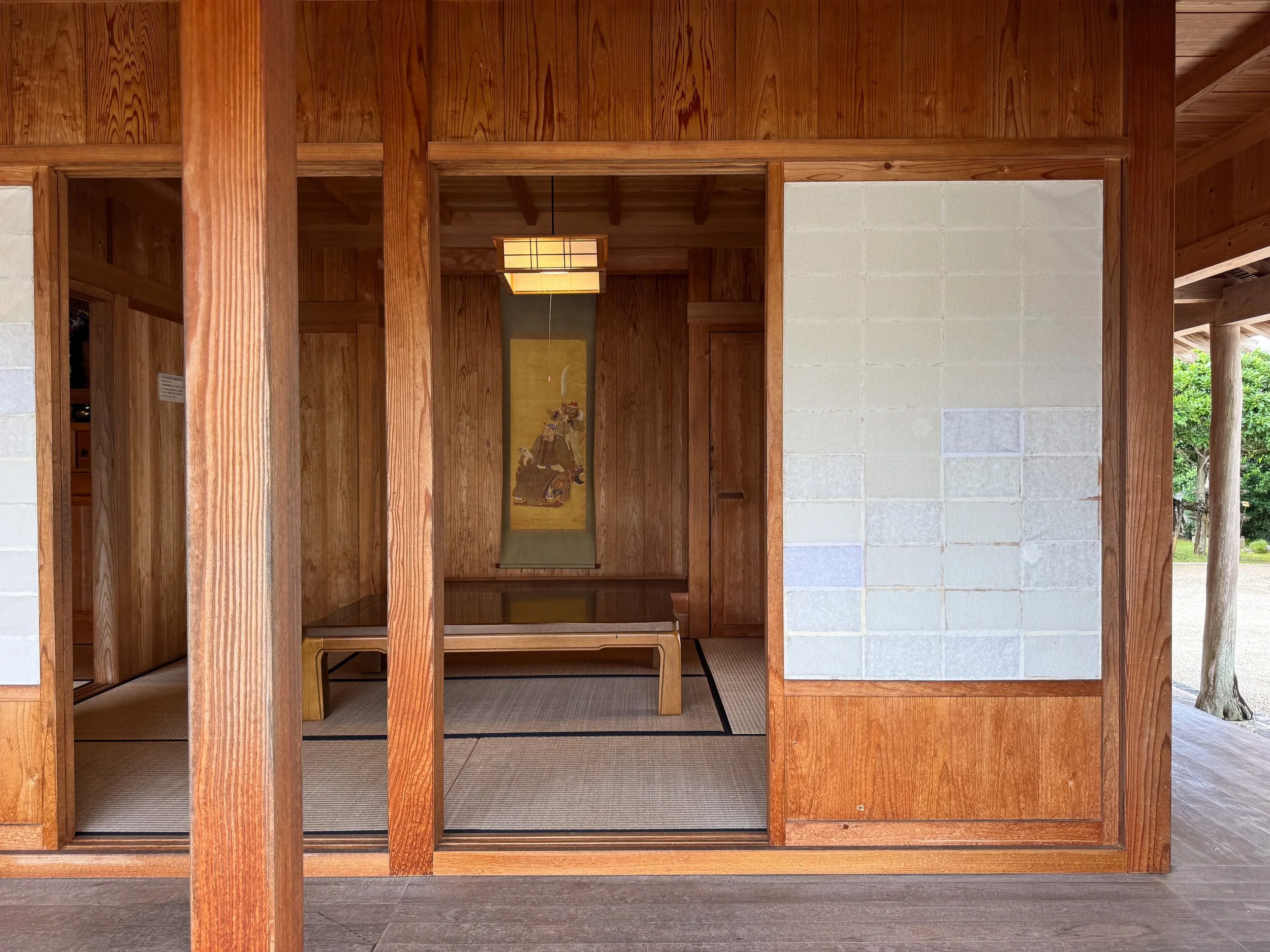
Okinawa was home to the Ryukyu Kingdom, an indigenous people that inhabited the islands for hundreds of years before Japanese control. Many archeological sights including the ruins of former castles still remain visible for exploration.
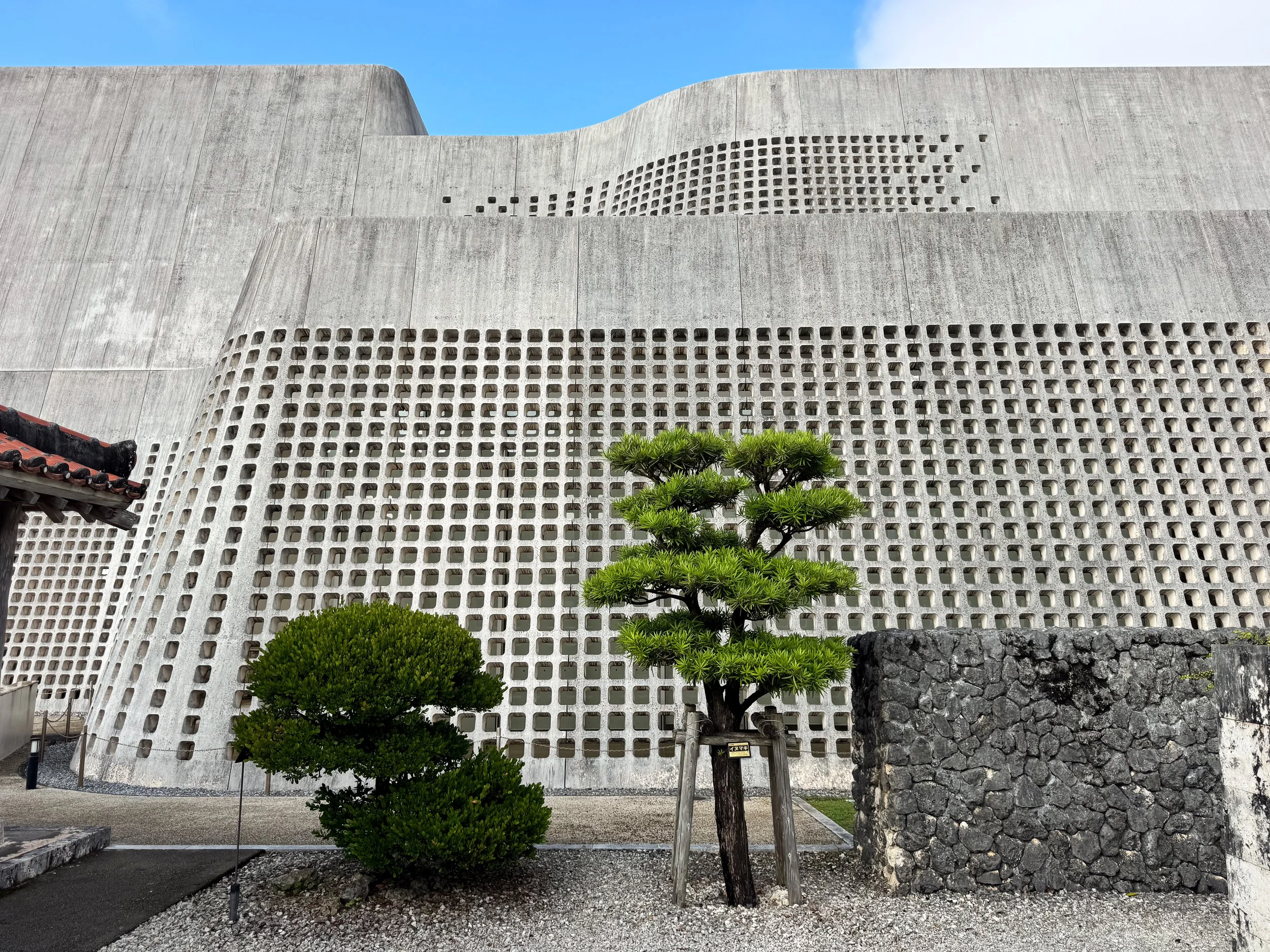
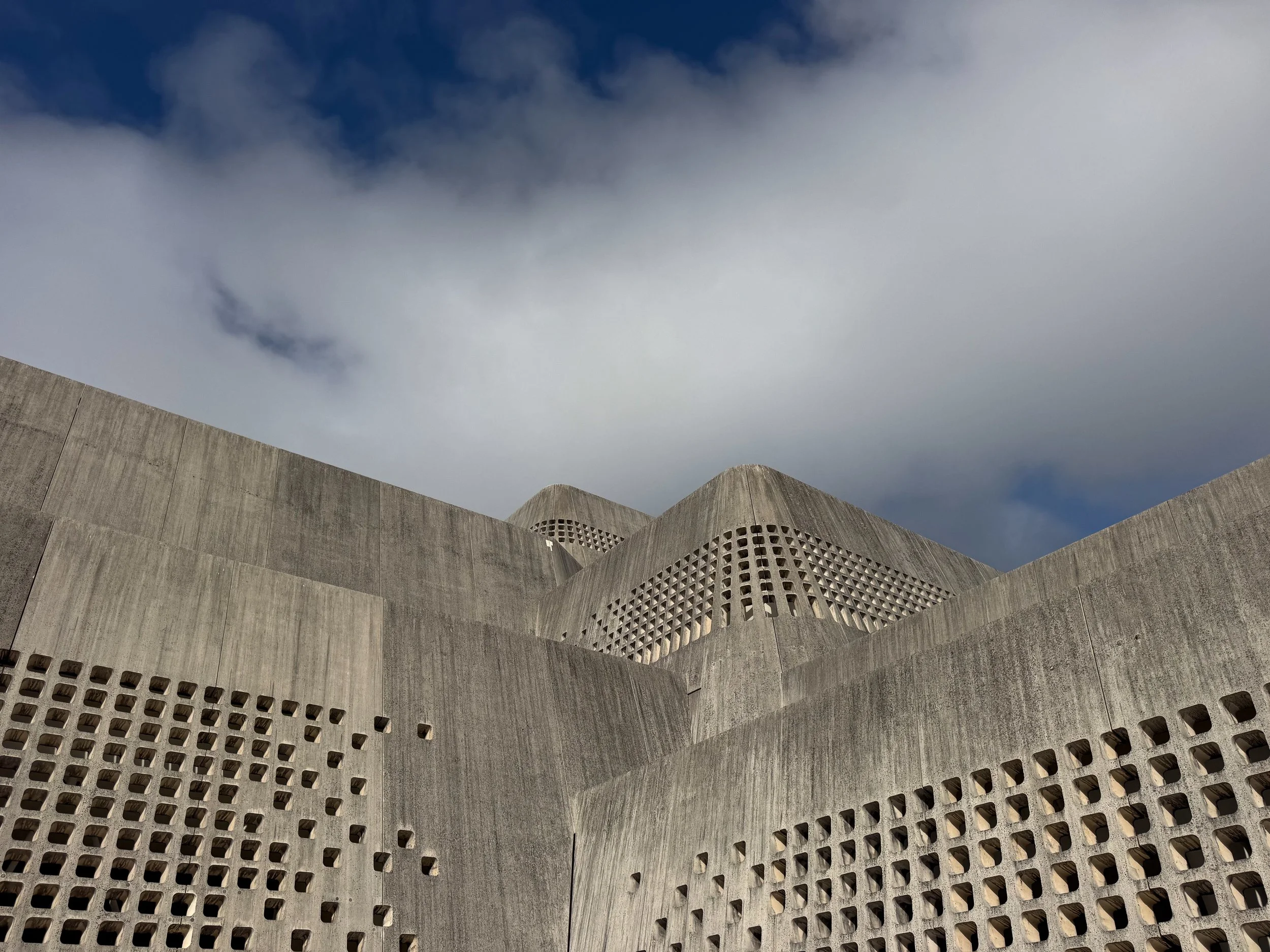
Okinawa Prefectural Museum. A museum dedicated to the history of the Ryukyu Kingdom from prehistoric times, to the height of their kingdom and collapse under Japanese imperialism. The museum displays prehistoric artifacts, portrays the island’s folklore and recounts the horrors of WW2. The contemporary design of the museum is built in the style of a Ryukyu fort with curved and sloped walls.
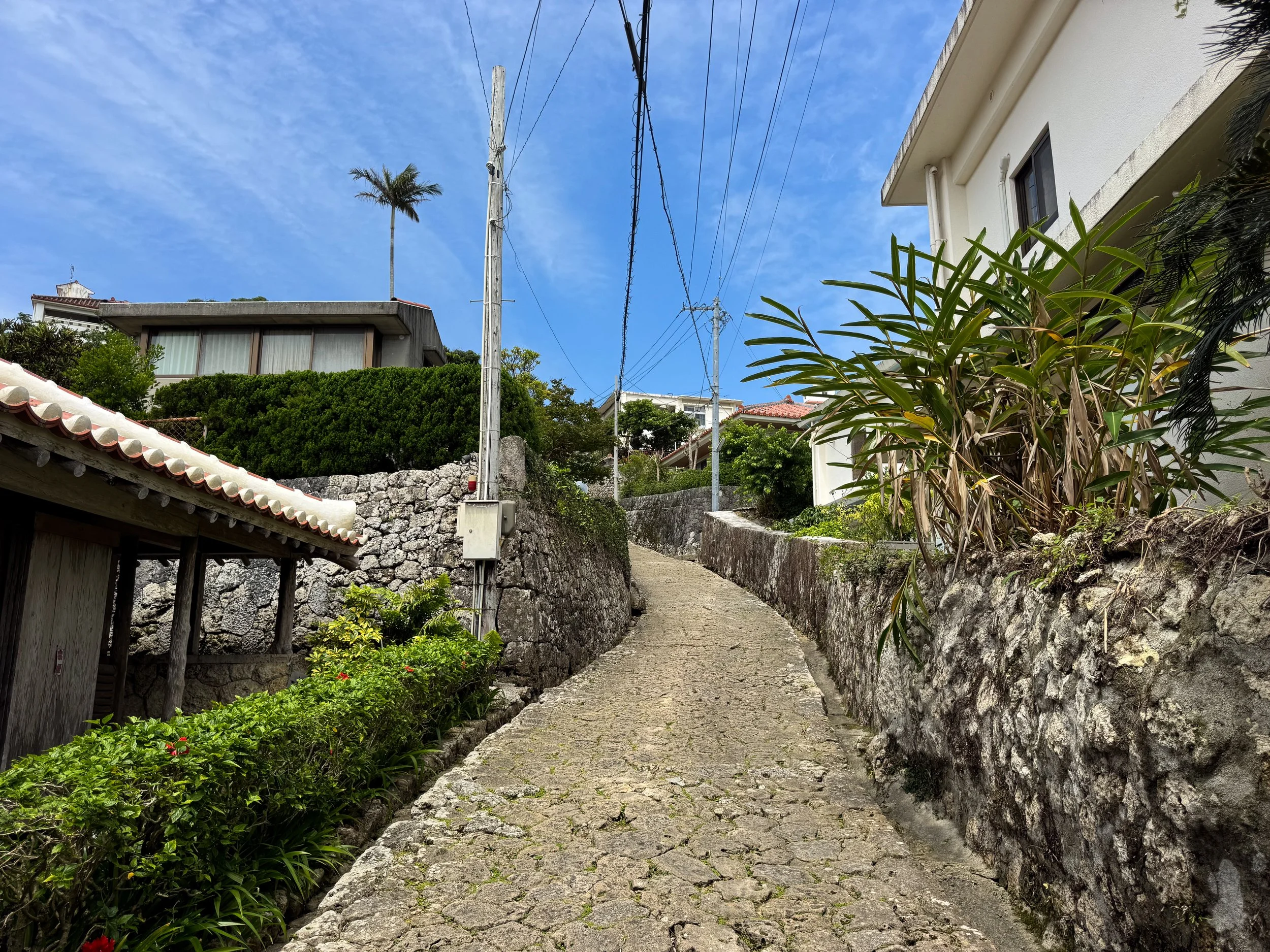
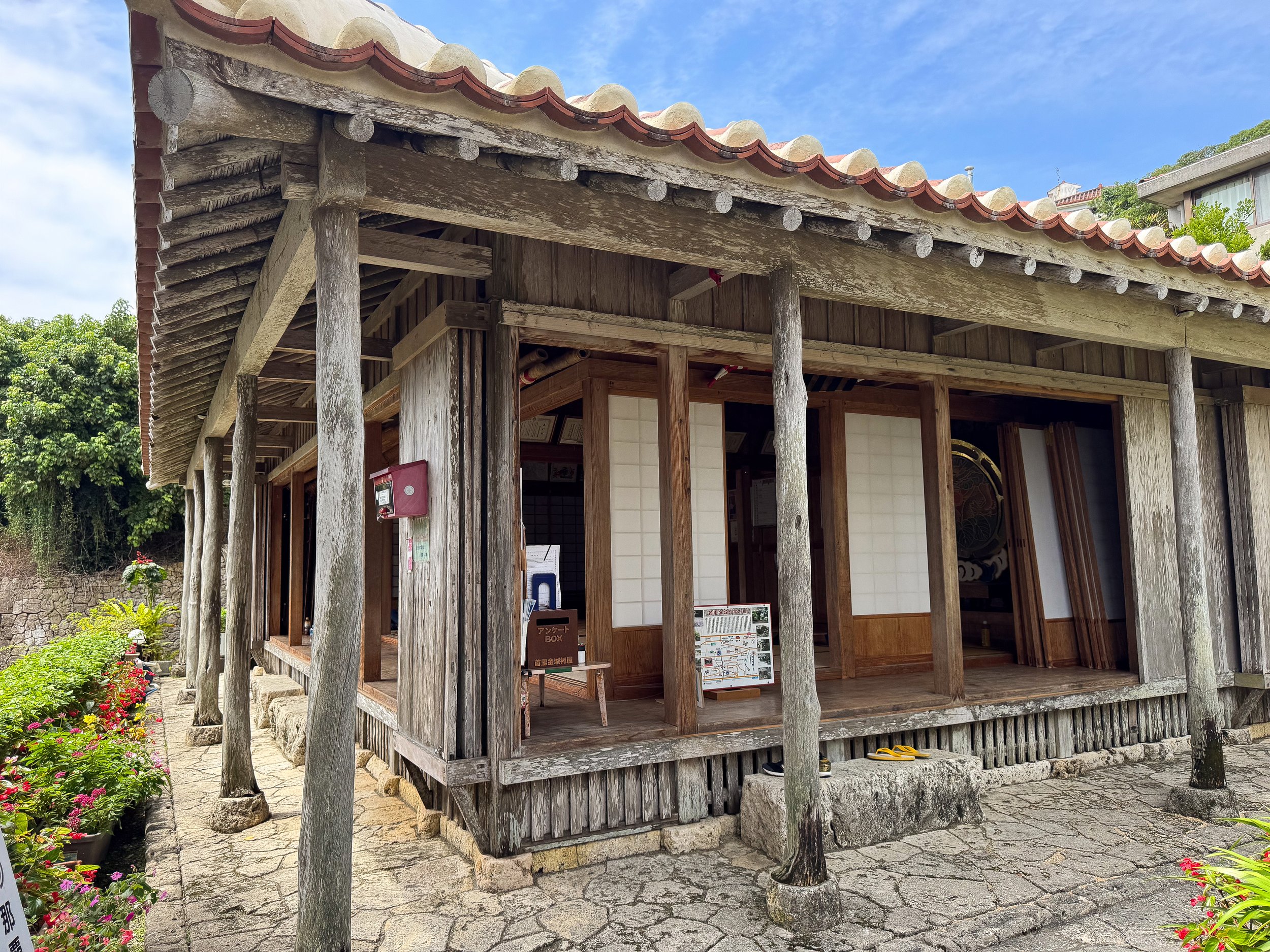
Shuri Kinjo Town Stone Paved Road. A cobblestone road dating back hundreds of years to the peak of the Ryukyu Kingdom. It leads from Shuri Castle through a residential neighborhood with a mix of modern homes, traditional houses and small izakayas.
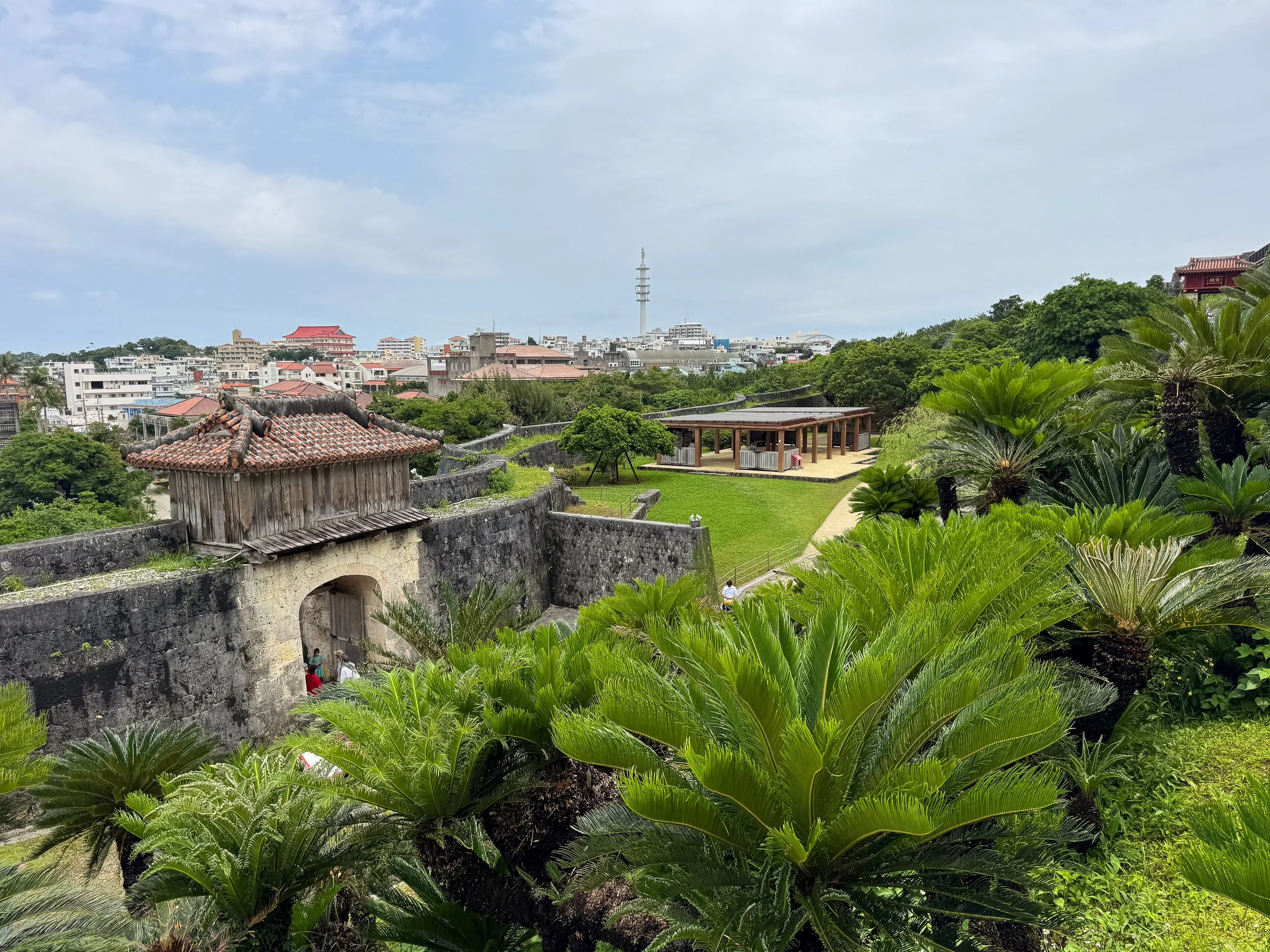
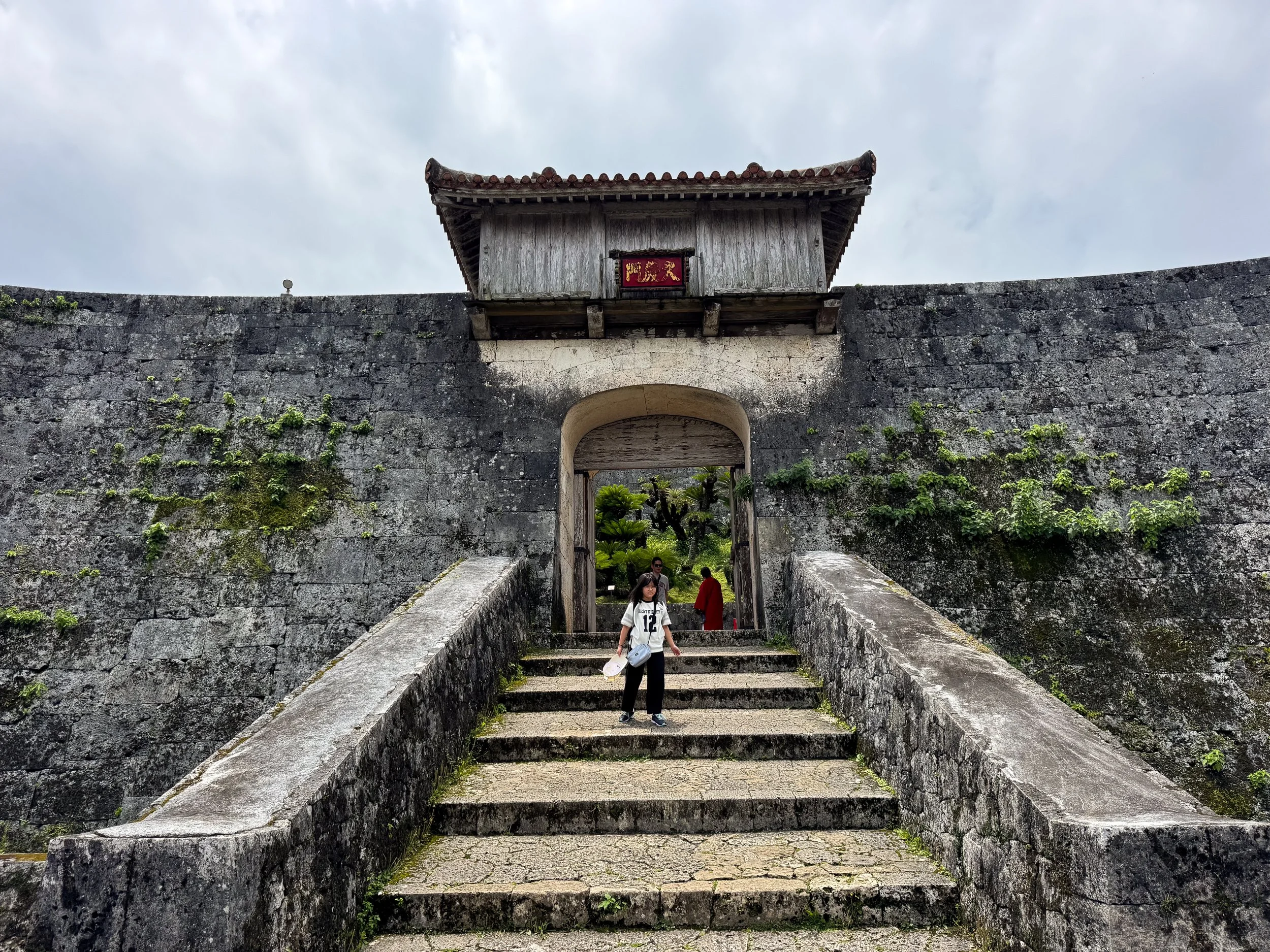
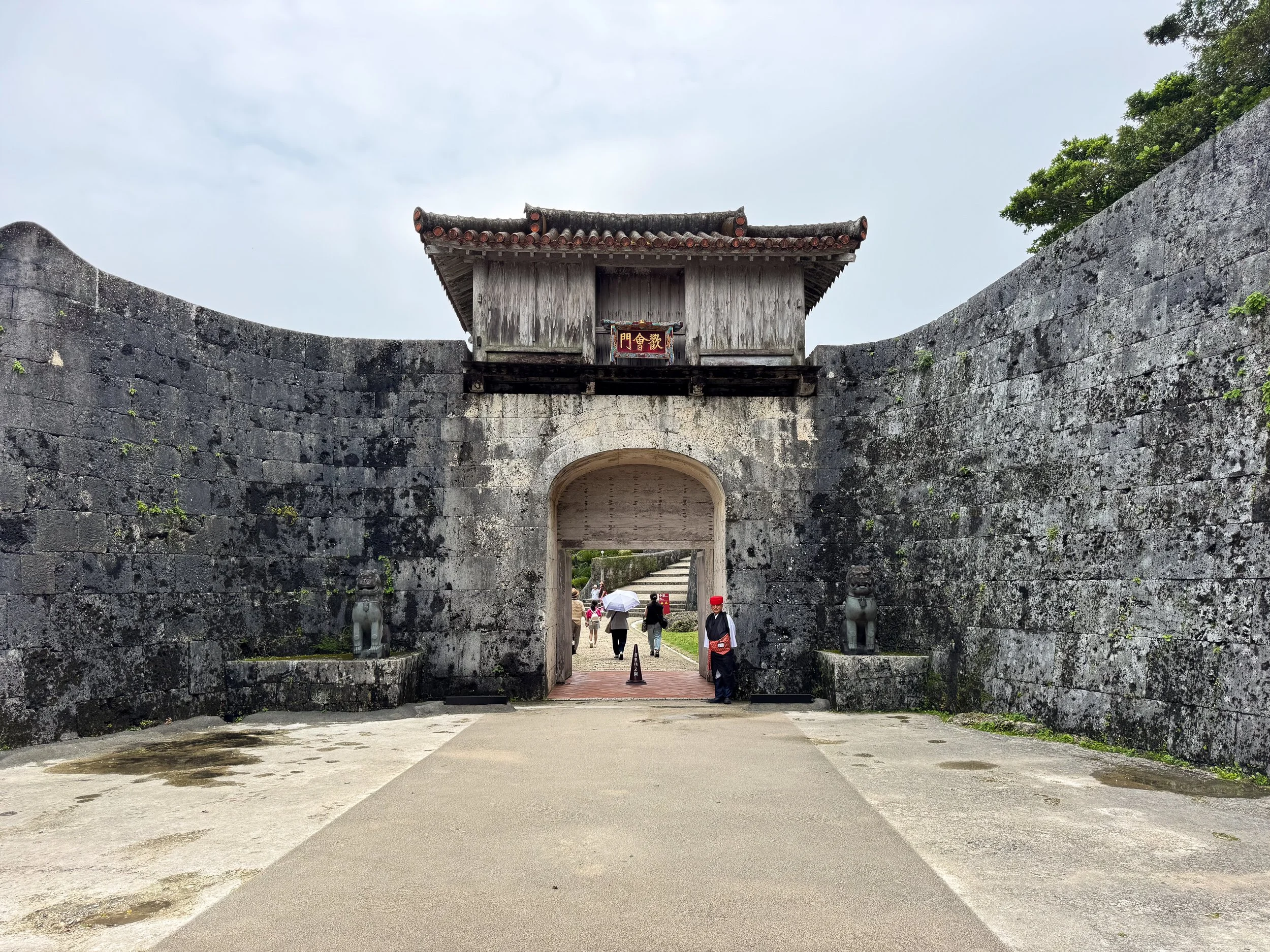
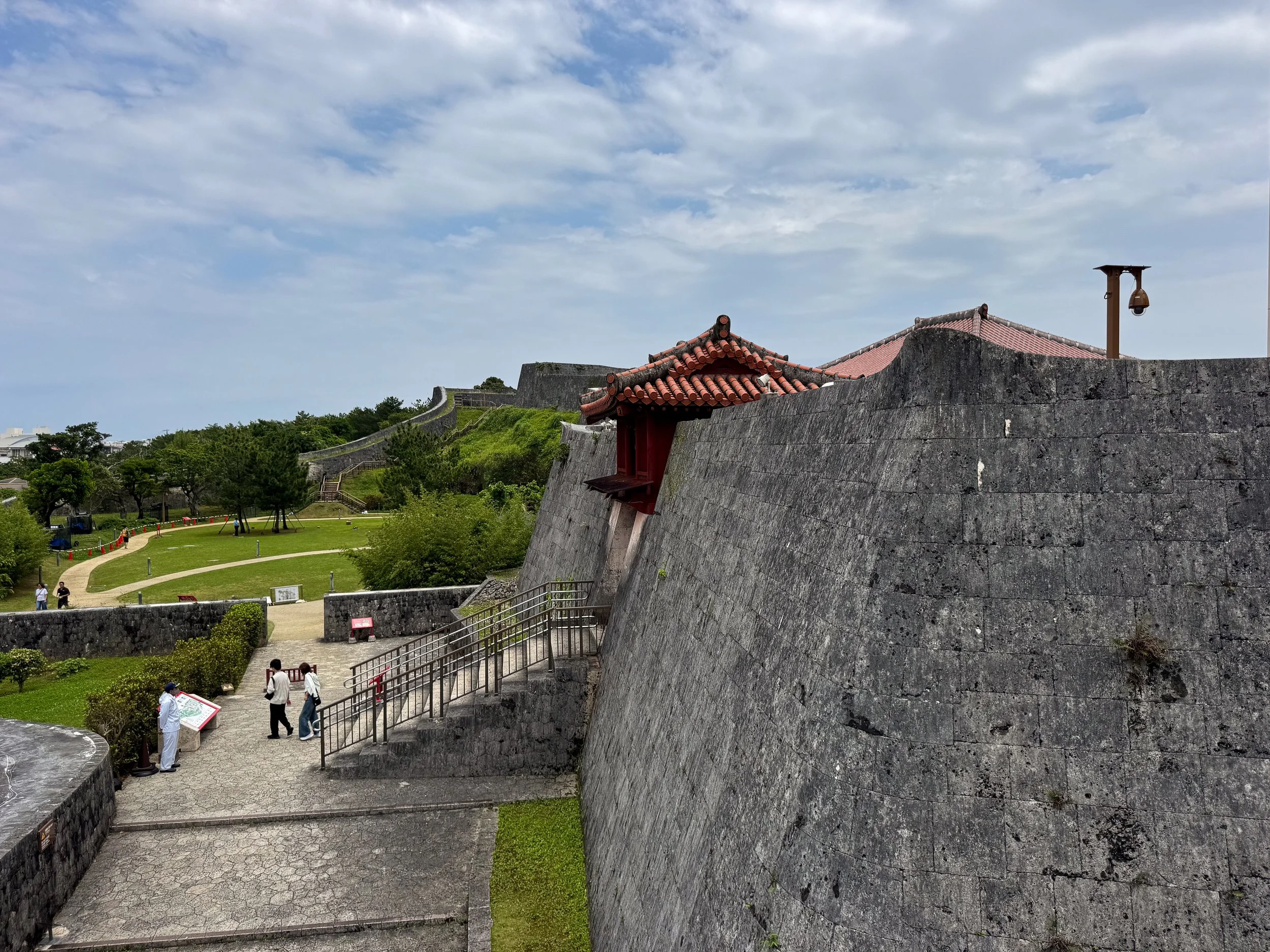
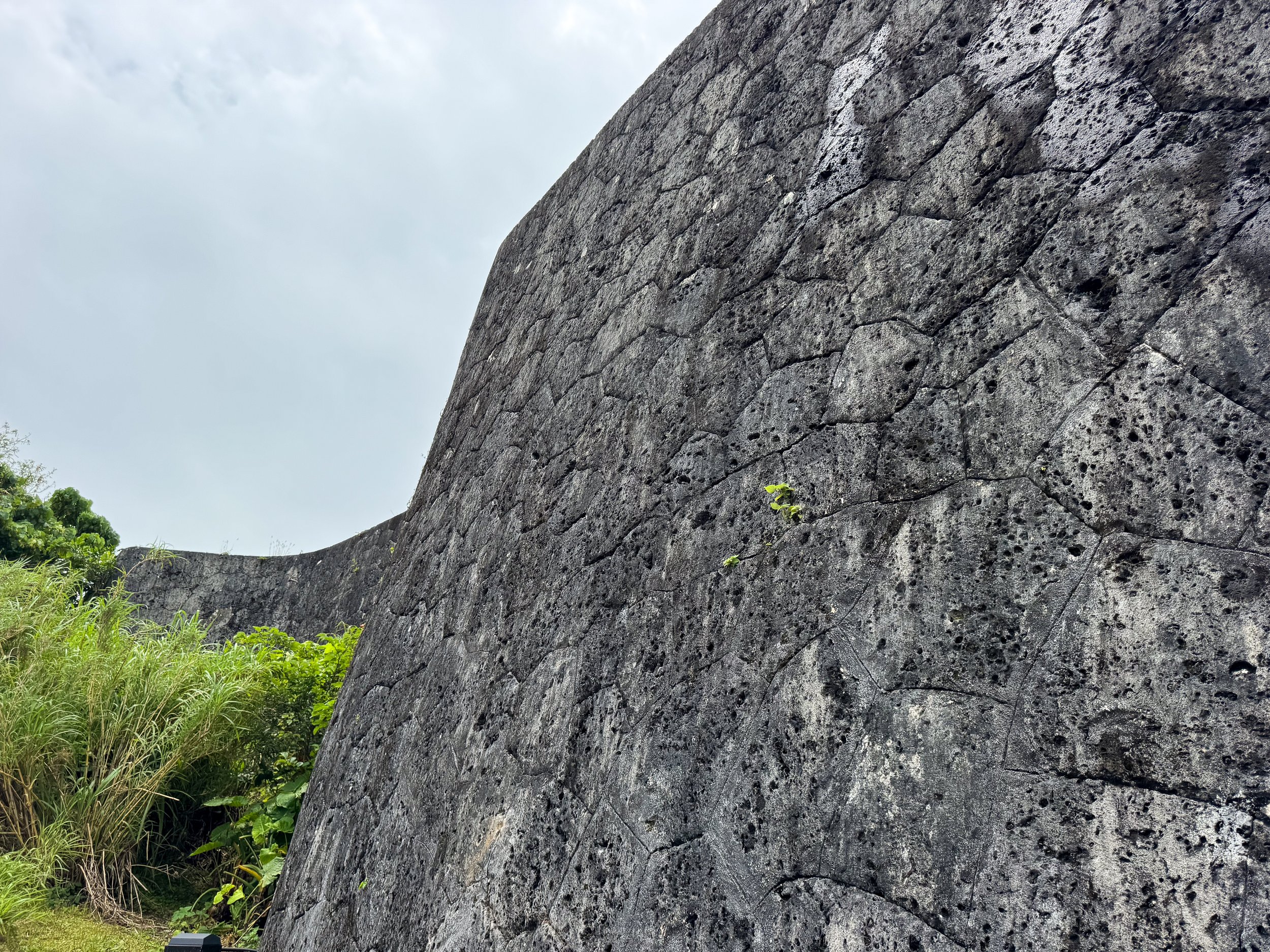
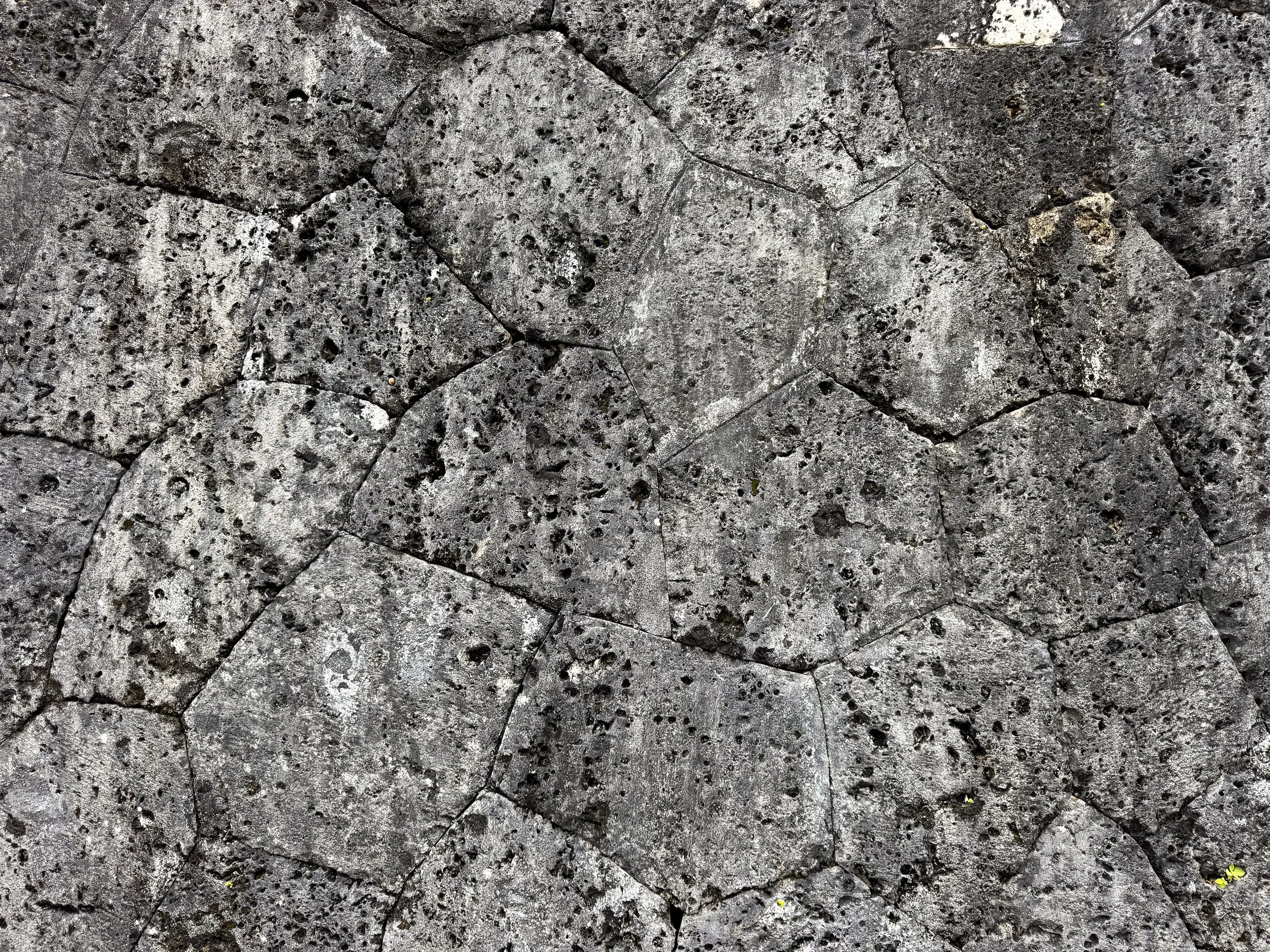
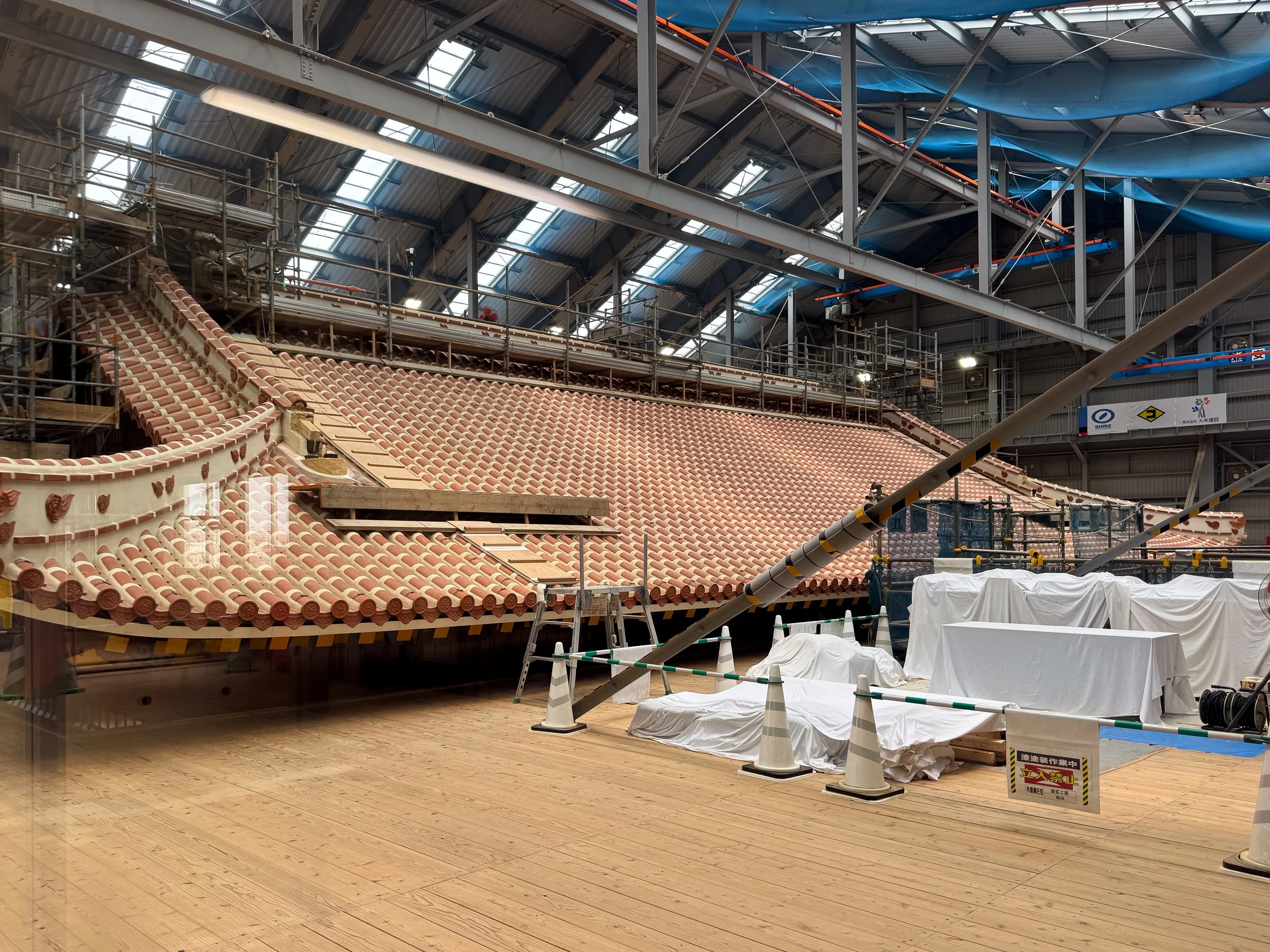
Shuri Castle. A Ryukyu castle home to the kingdom’s former government and royal family. It is surrounded by levels of steep curvilinear stone walls and cobblestone roads. The castle tragically burnt down in 2020 and has been under reconstruction since. When we visited in mid 2025, major progress had been made on the reproduction. The construction site was used as a working exhibit to showcase traditional methods of carpentry and artistry.
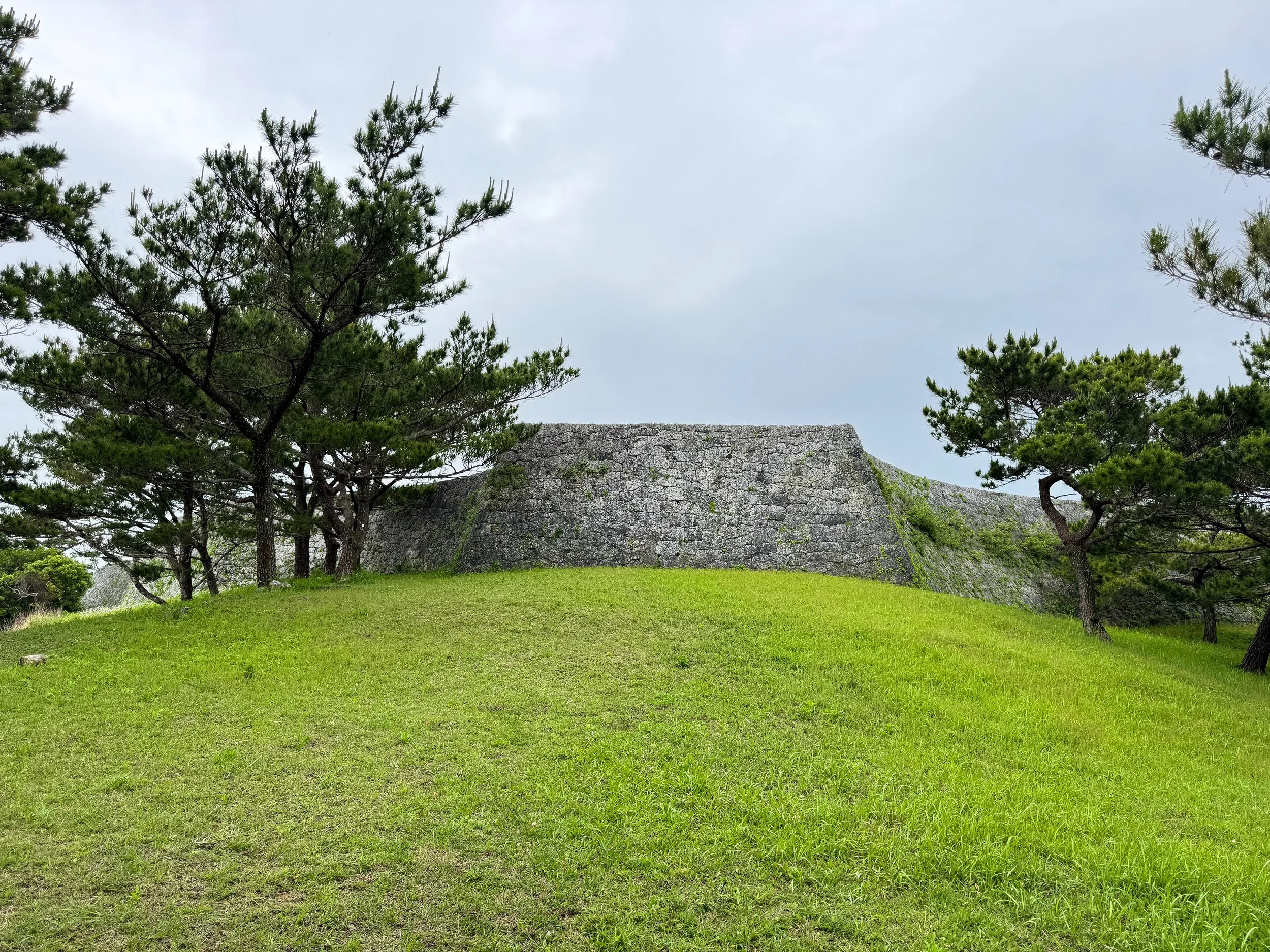

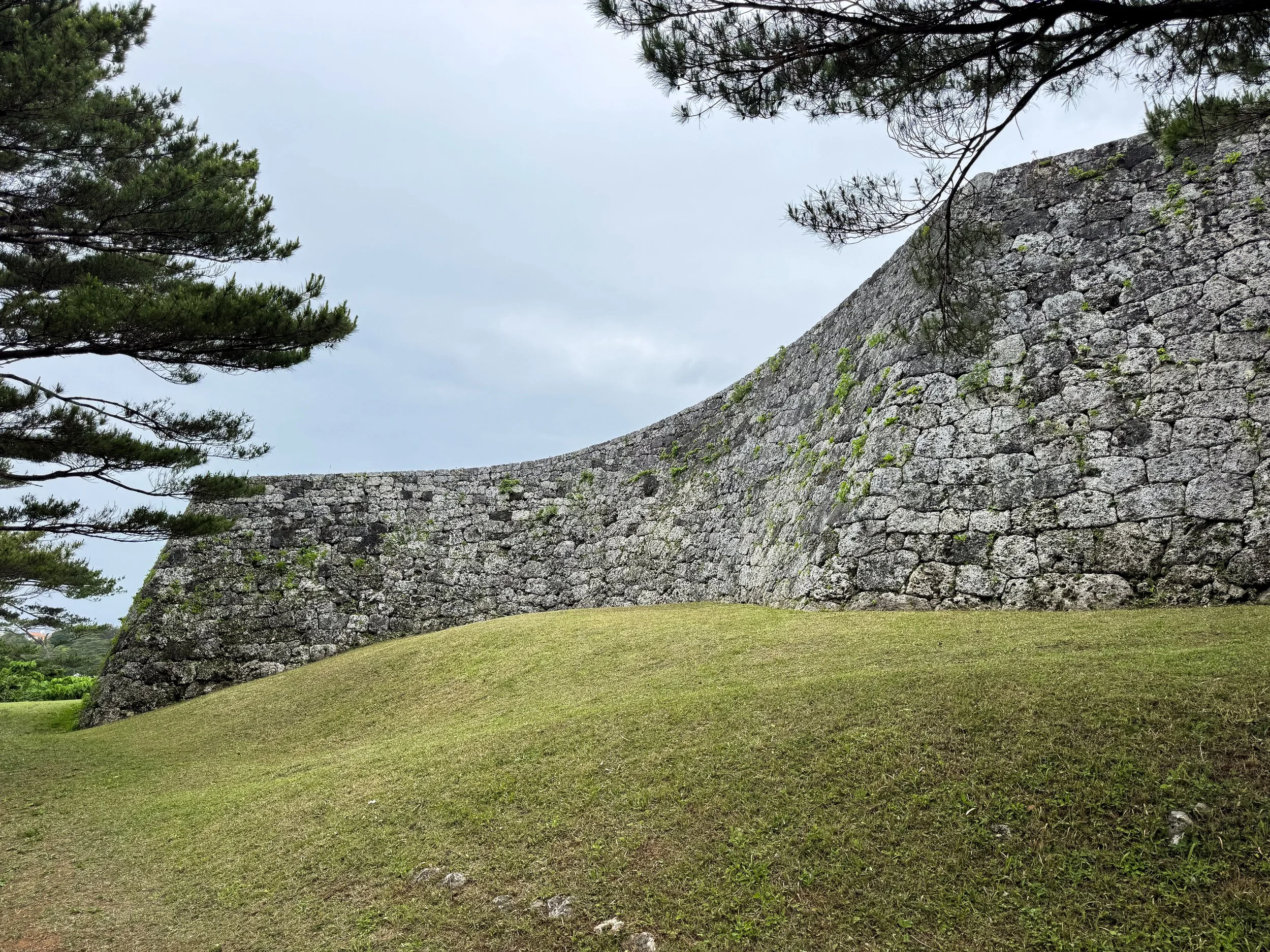
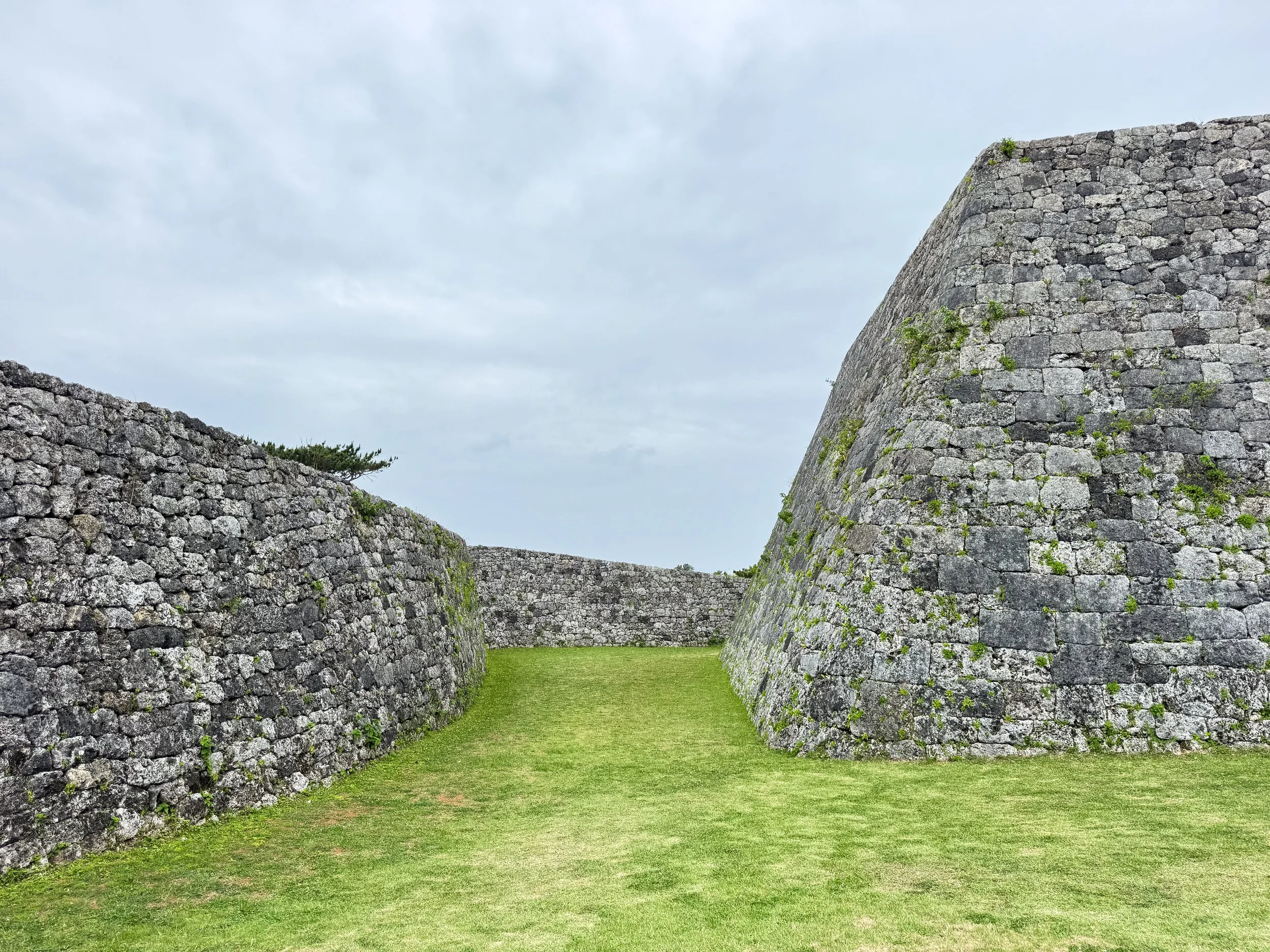
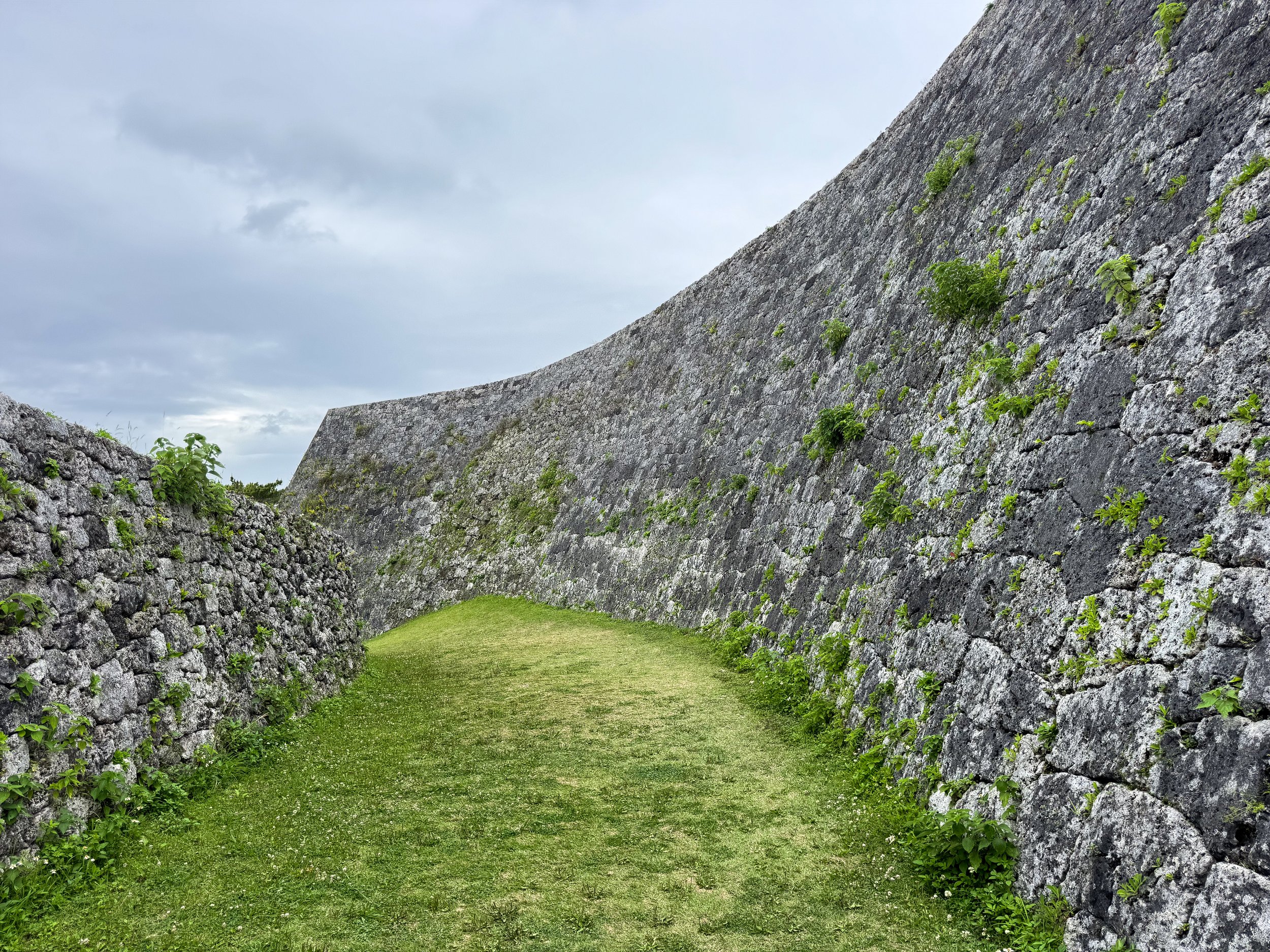
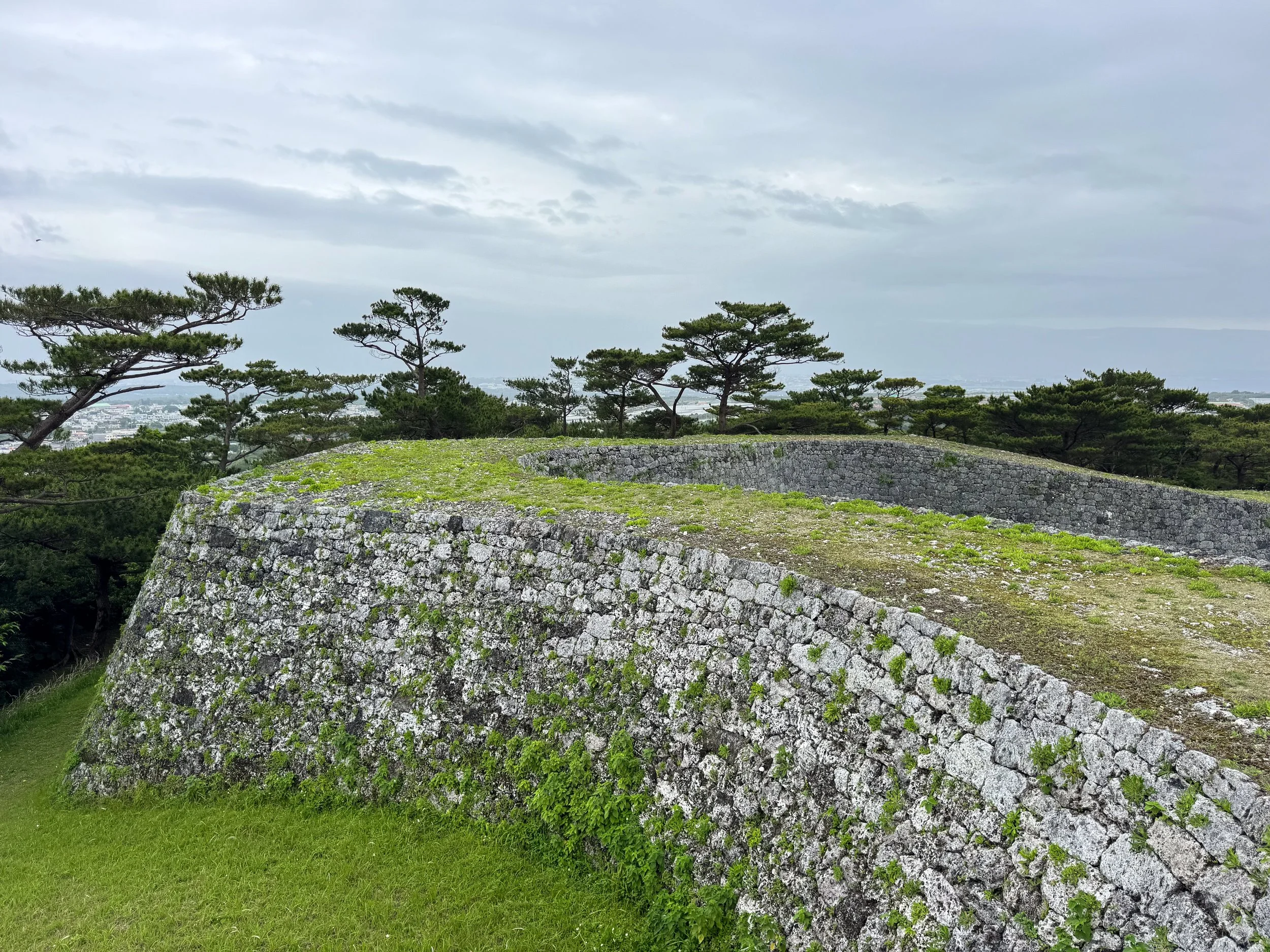
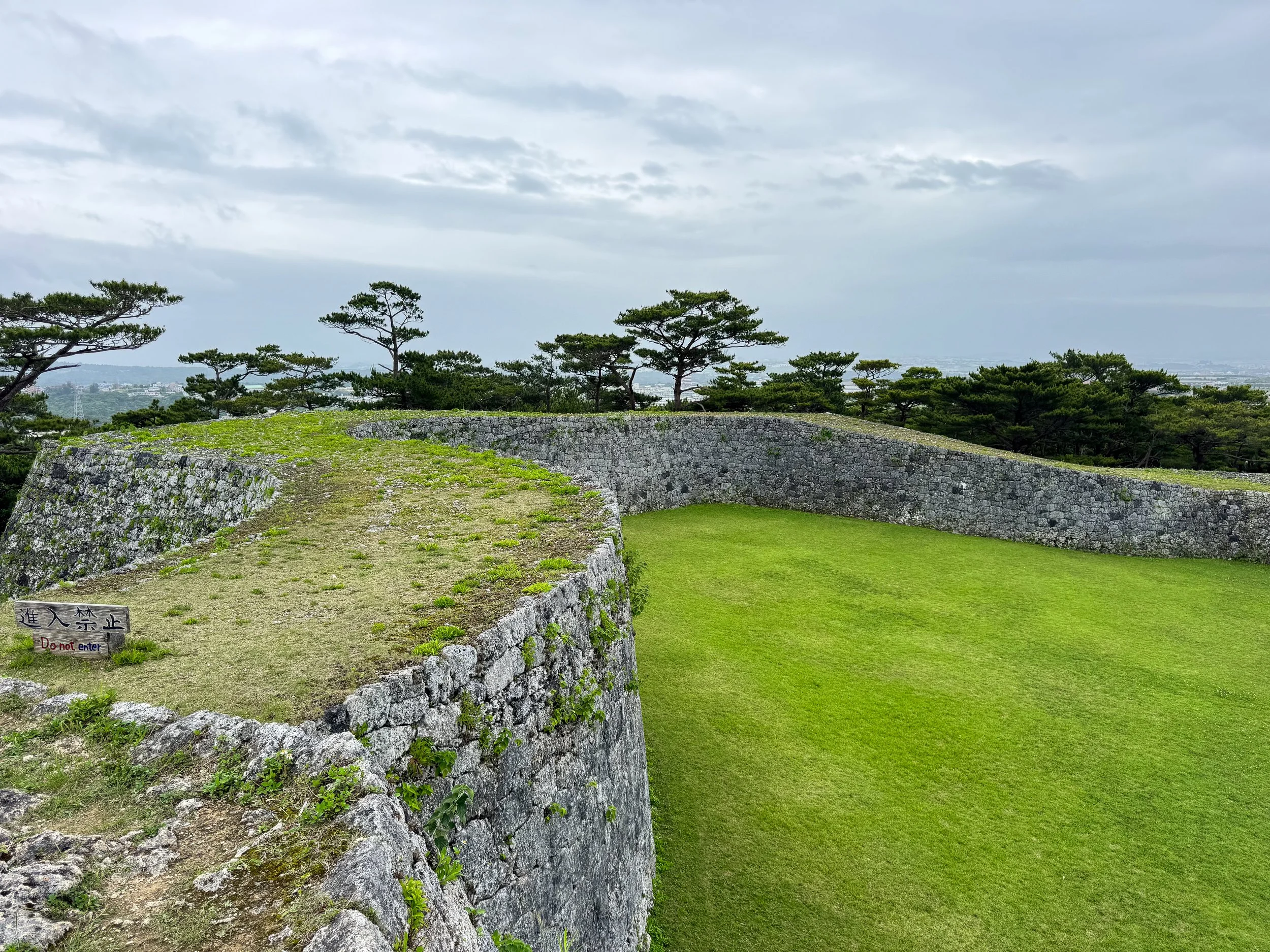
Zakimi Castle Ruins. The hilltop ruins of a Ryukyu military fortress that date back to the early 13th century. The castle’s curvilinear stone walls follow the natural contours of the landscape. Inside are organic shaped courtyards with stone foundations of lost structures. Ramps and stairways lead to the top of the wall. It’s free to enter but rarely visited due to being located 1 hour from Naha and 45 minutes from Nago by car.
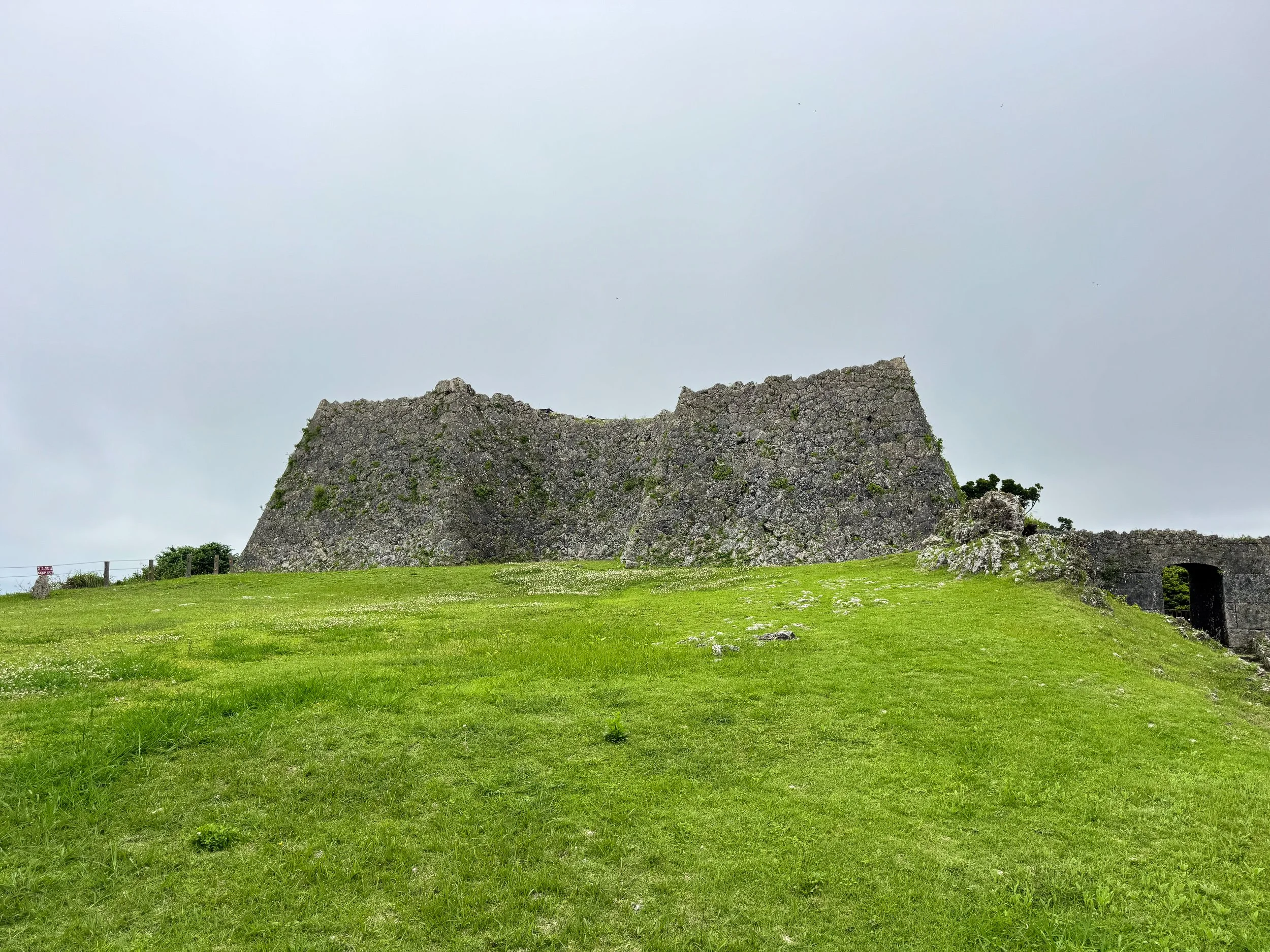
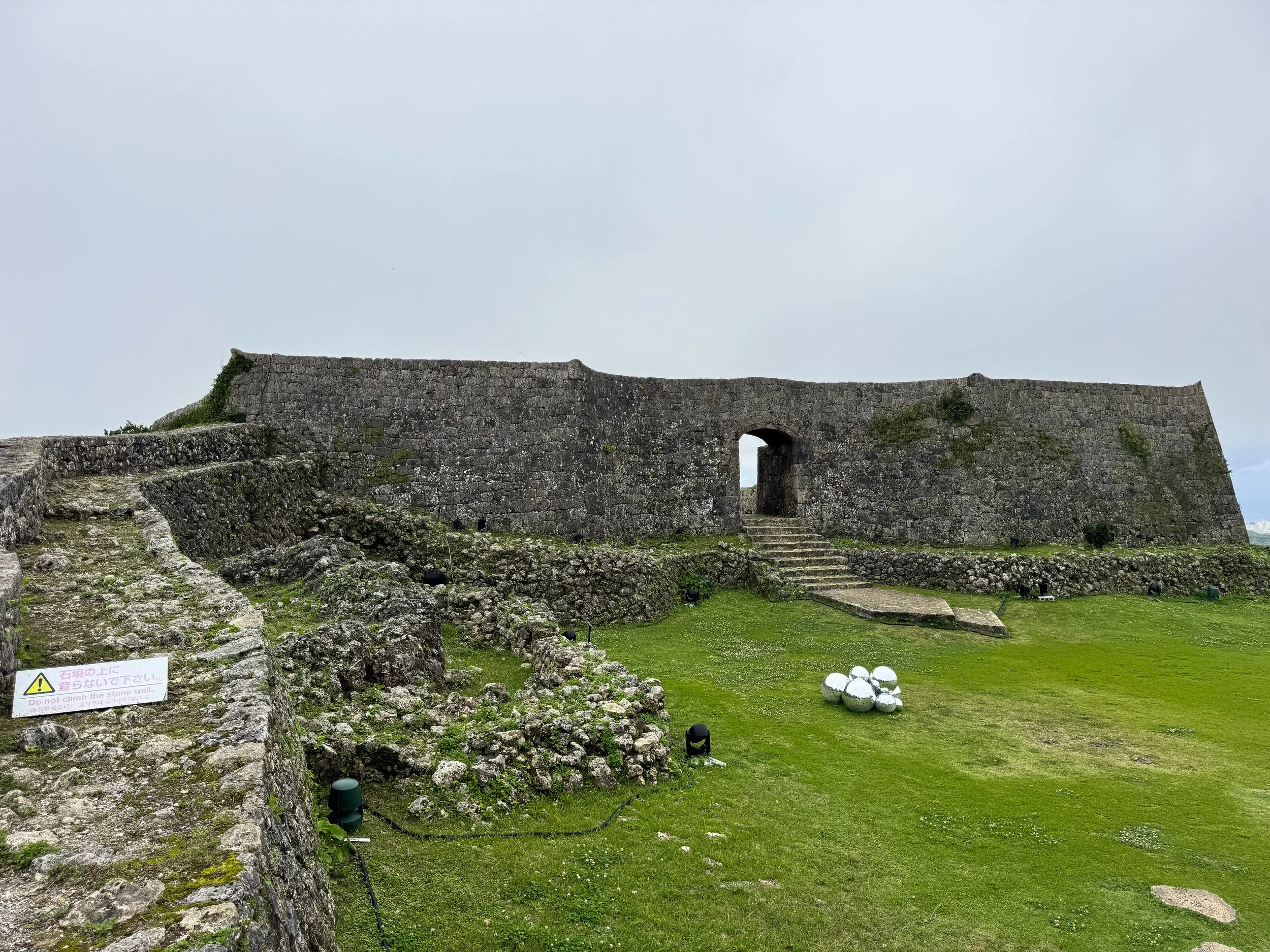
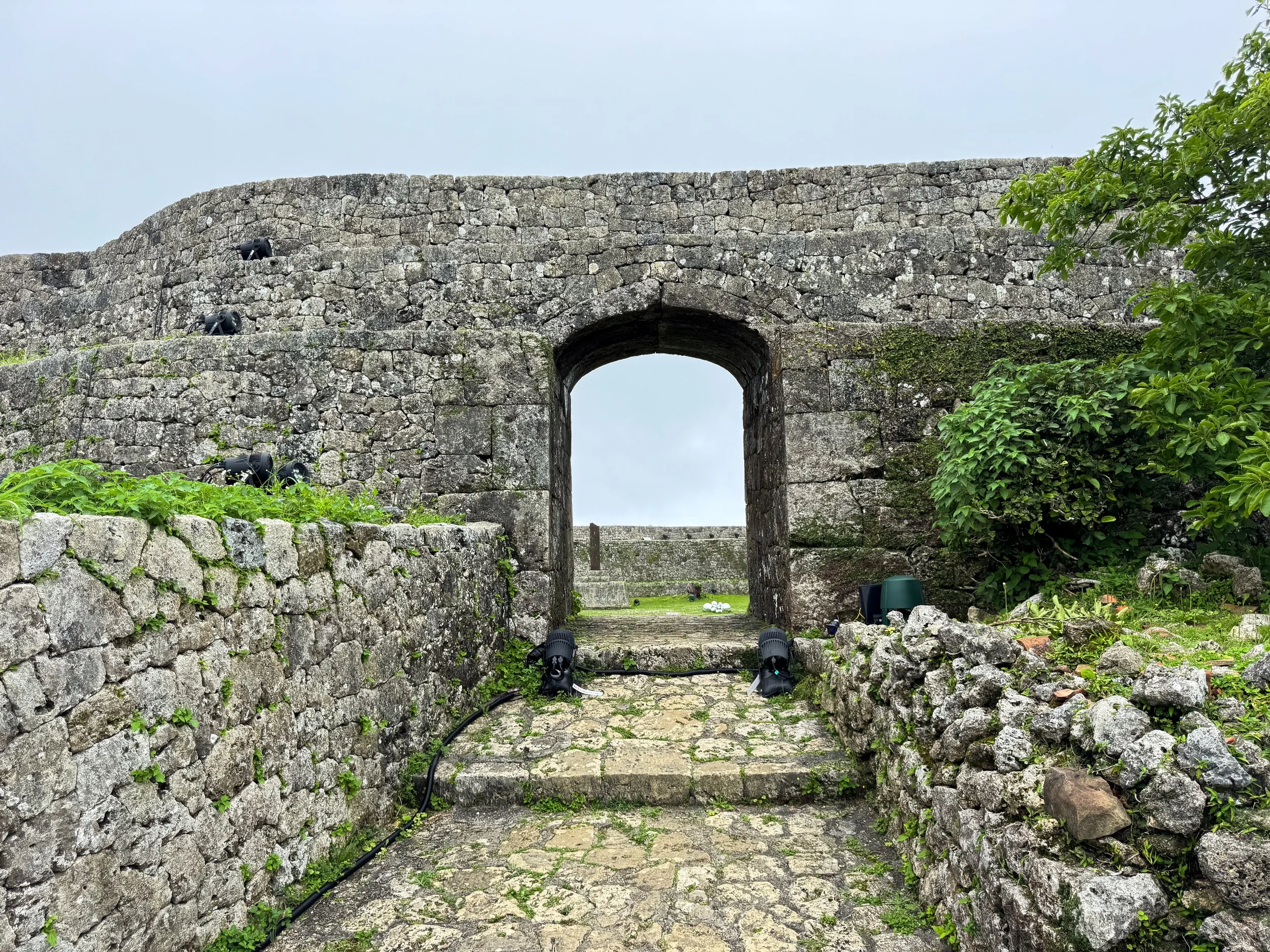
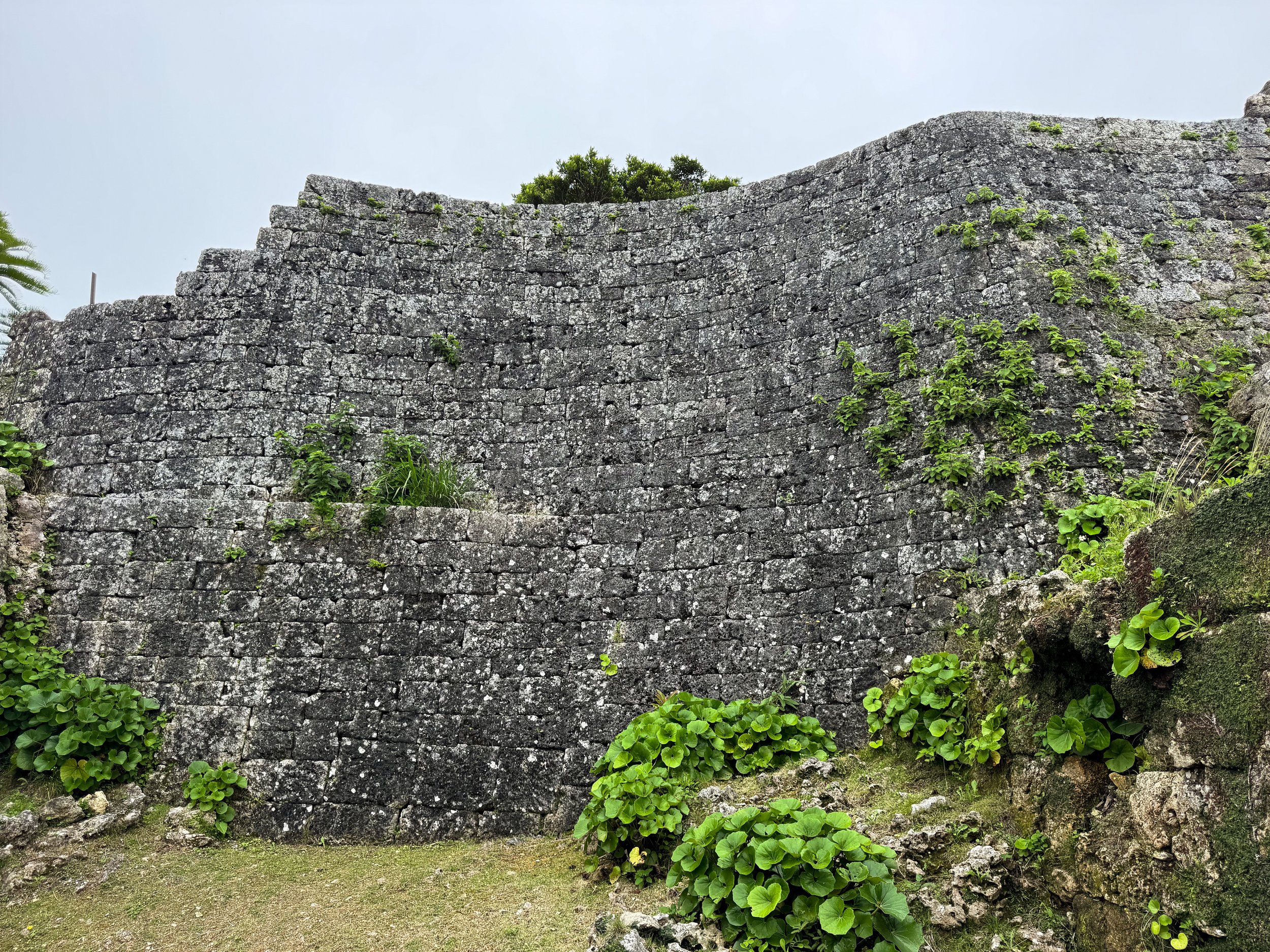
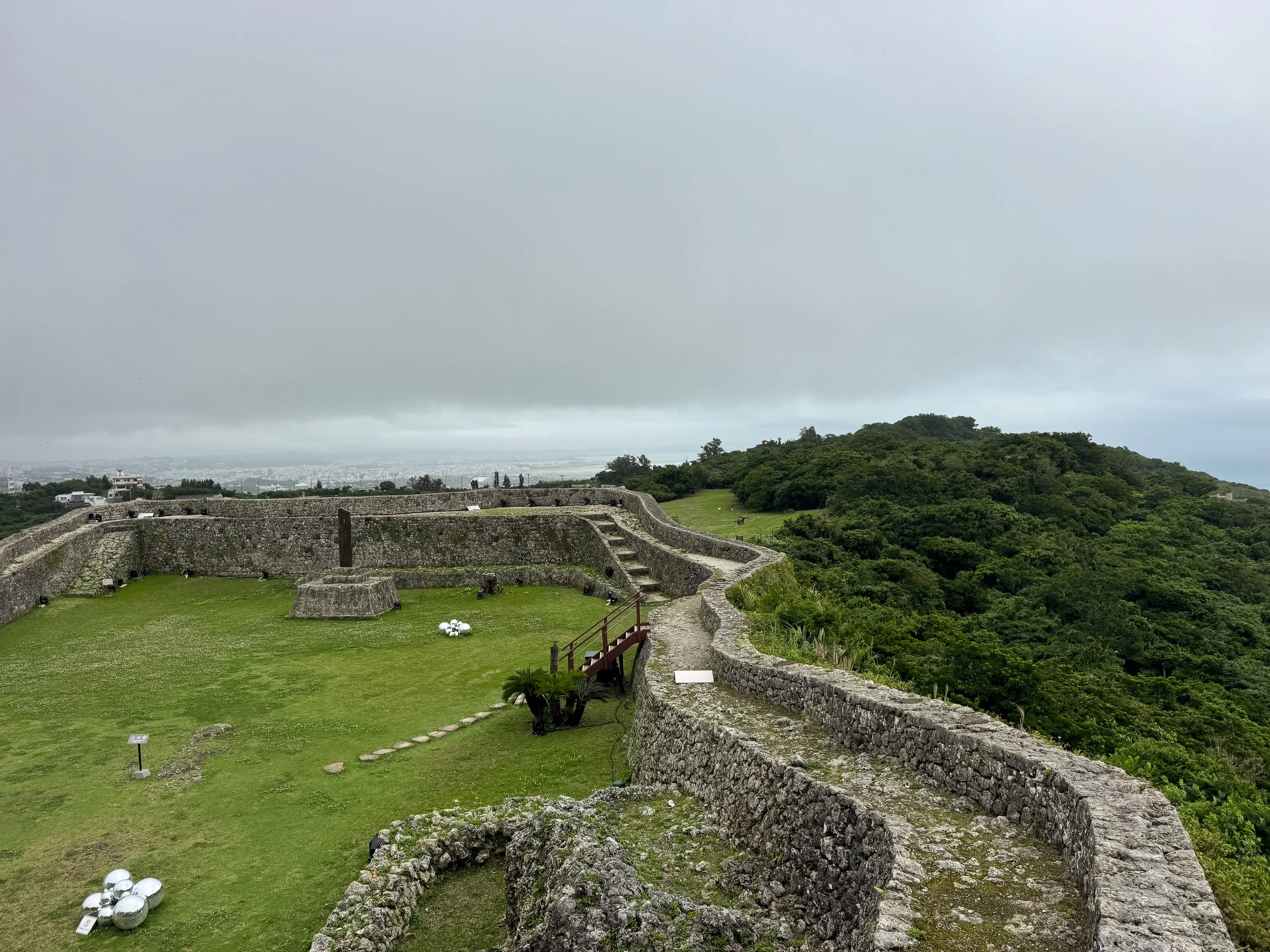
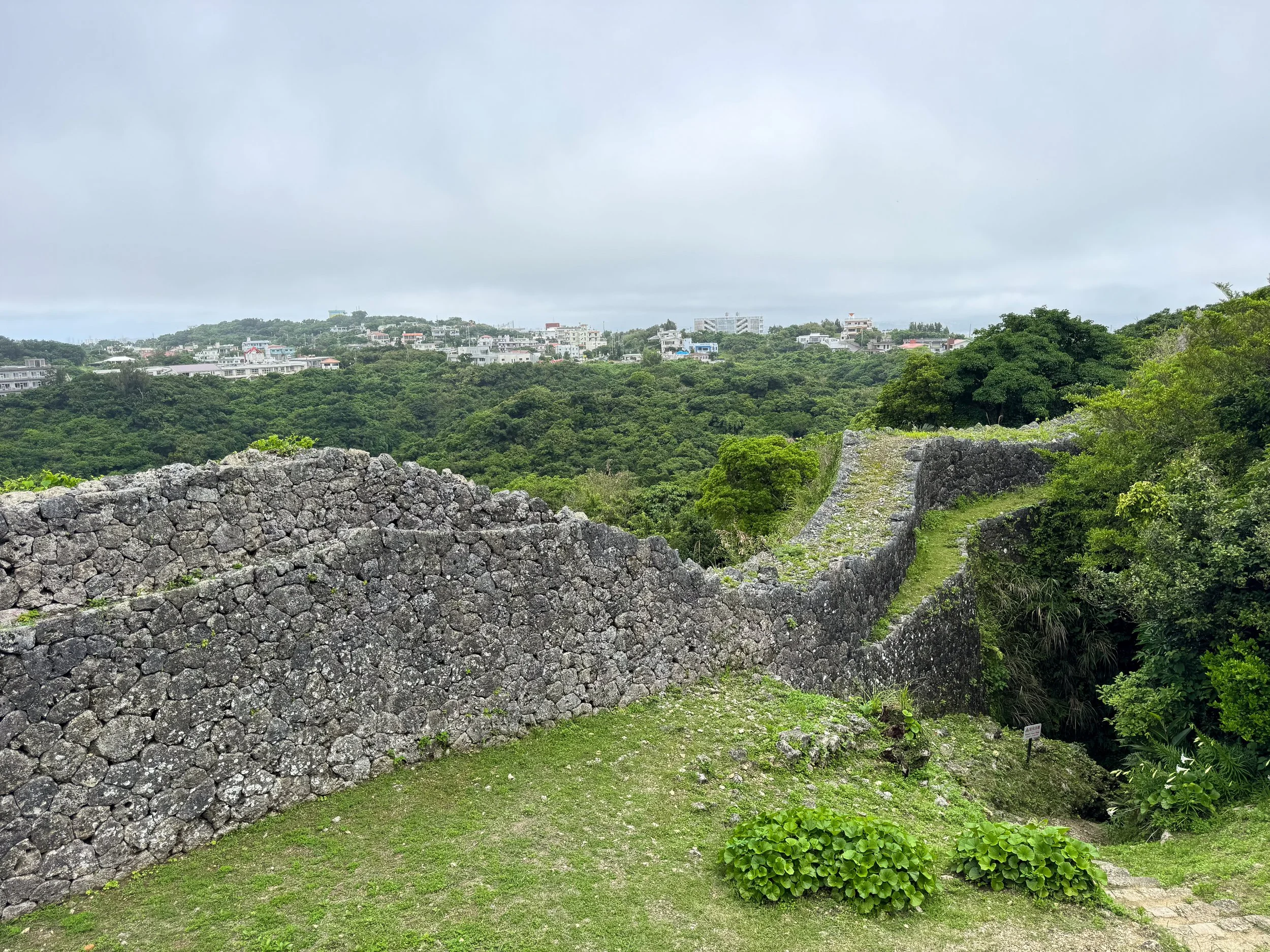
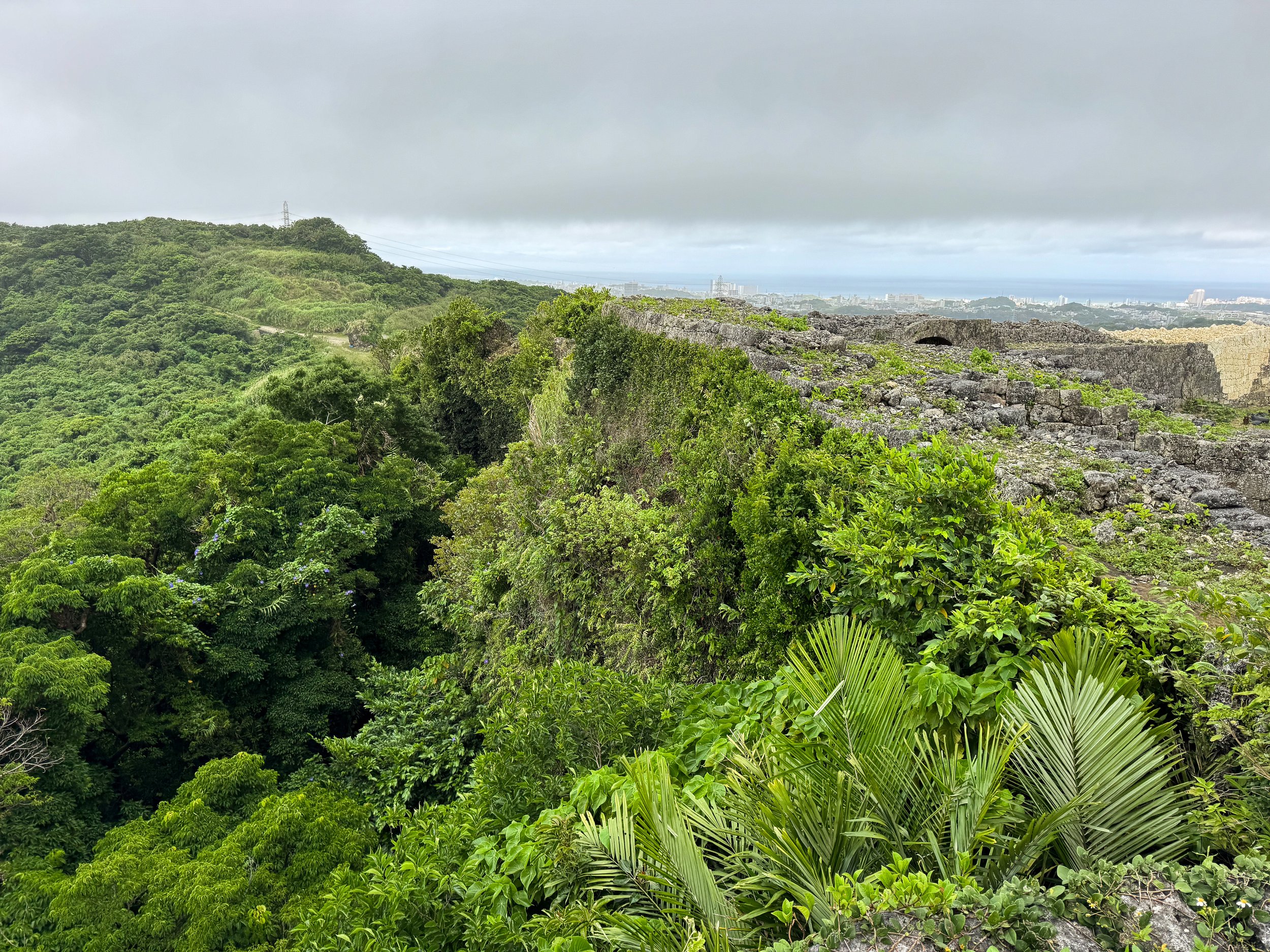
Nagagusuku Castle. A Ryukyu fortress left mostly untouched and in its original condition. Crumbling stone walls are built in layers around grassy enclosures on the ridge of a mountain. The sprawling fortress once housed wooden buildings and royal halls. The archeological sight has been used to decipher Ryukyu symbols and language.
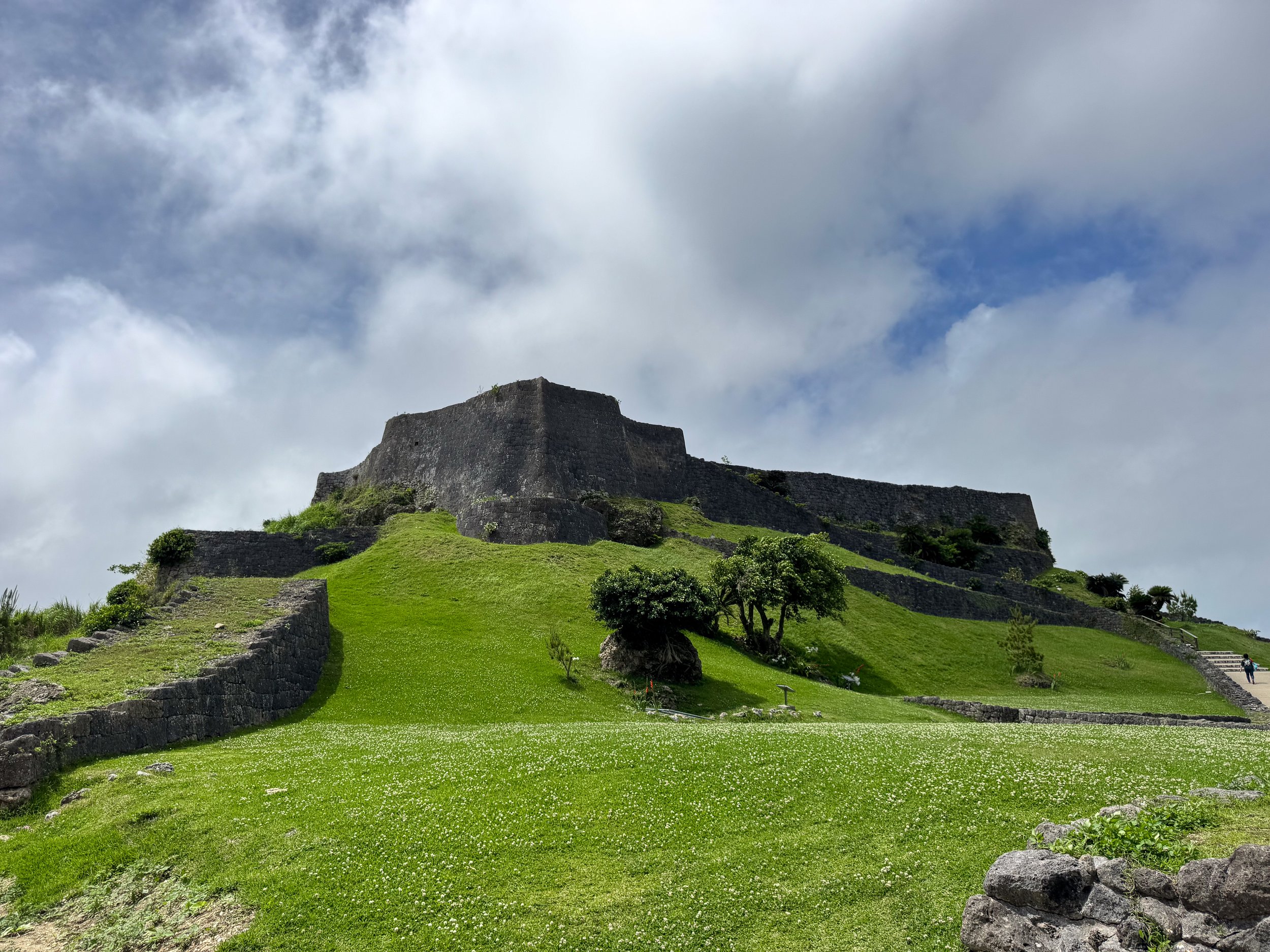
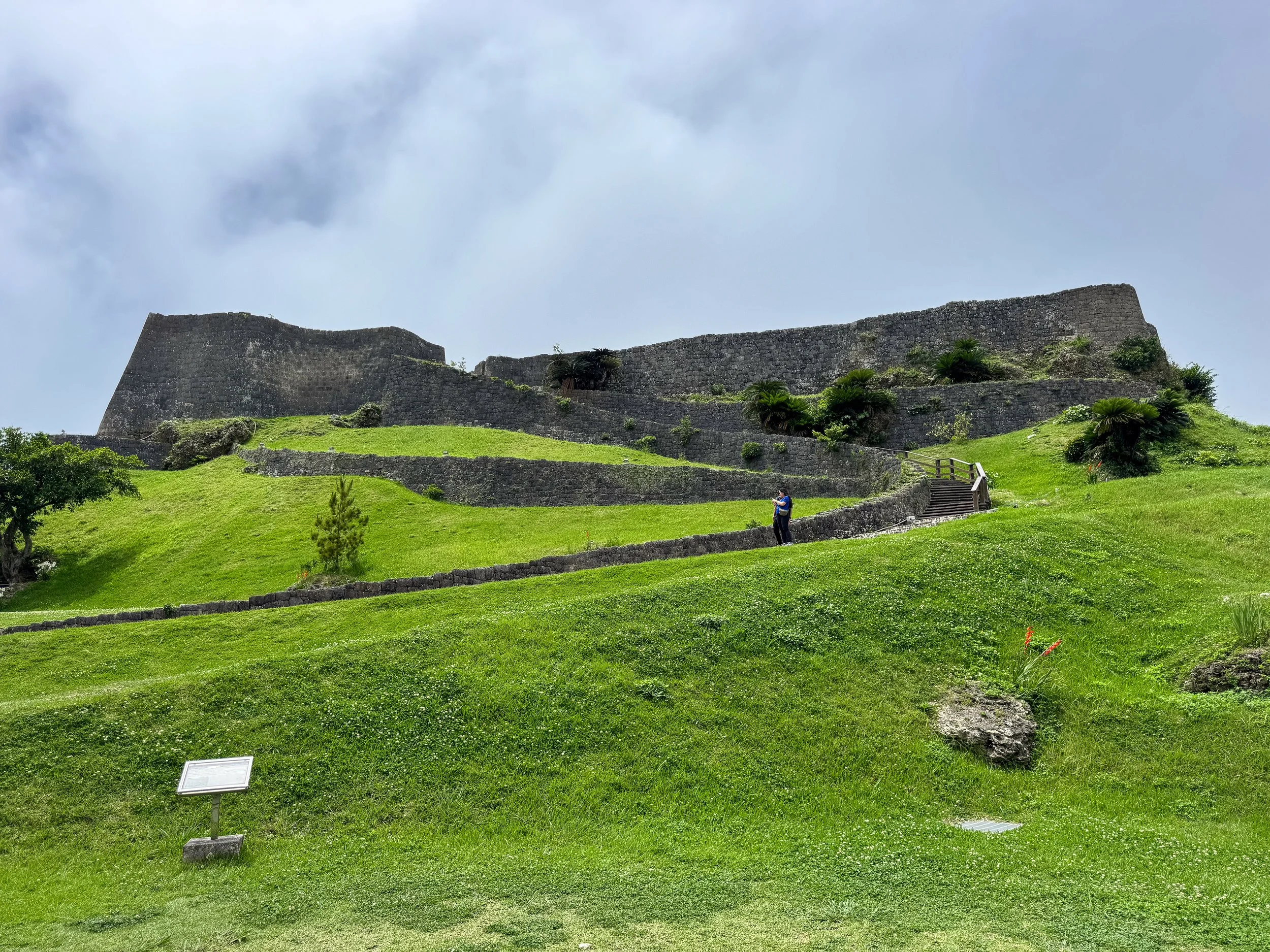
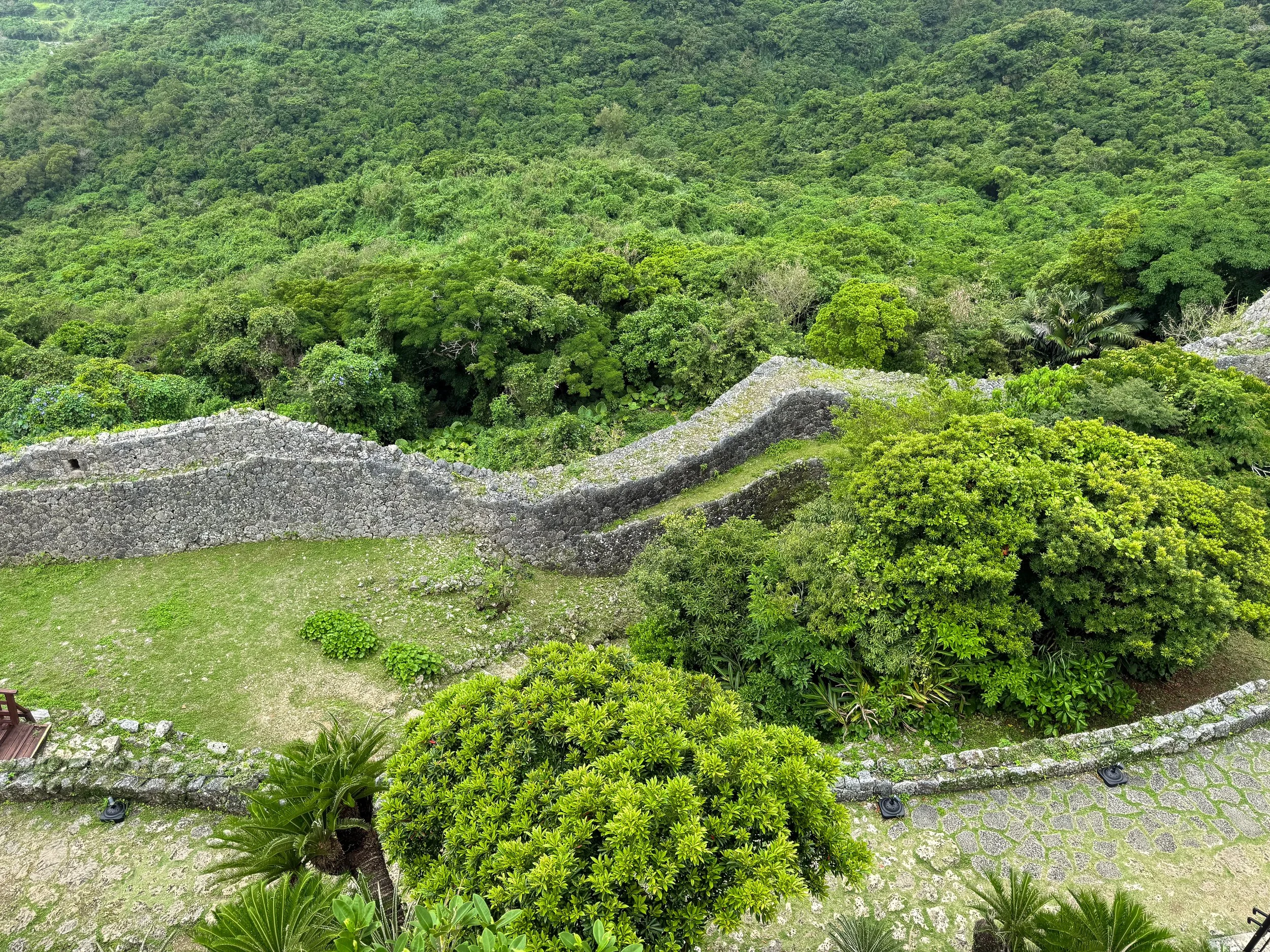
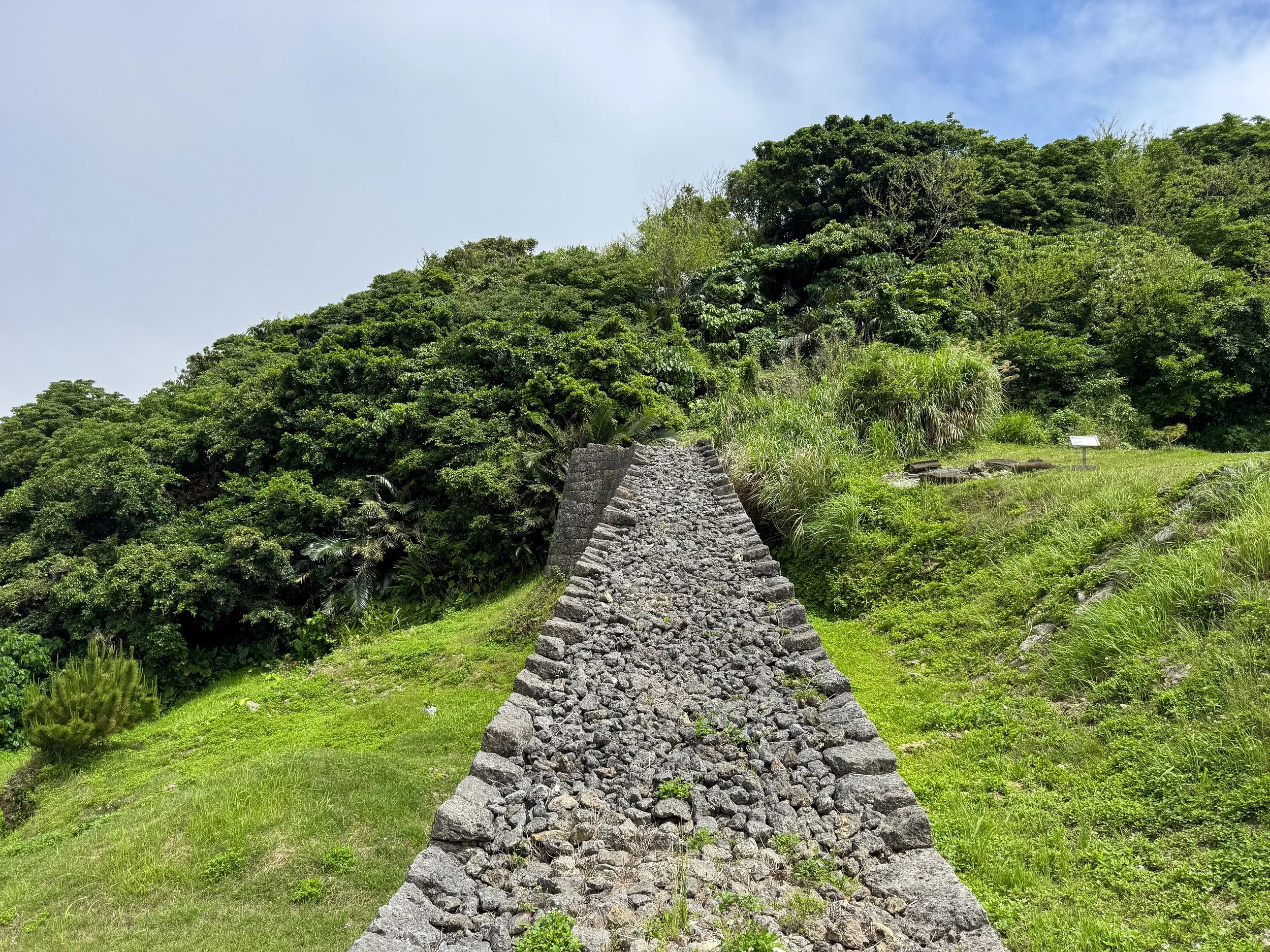
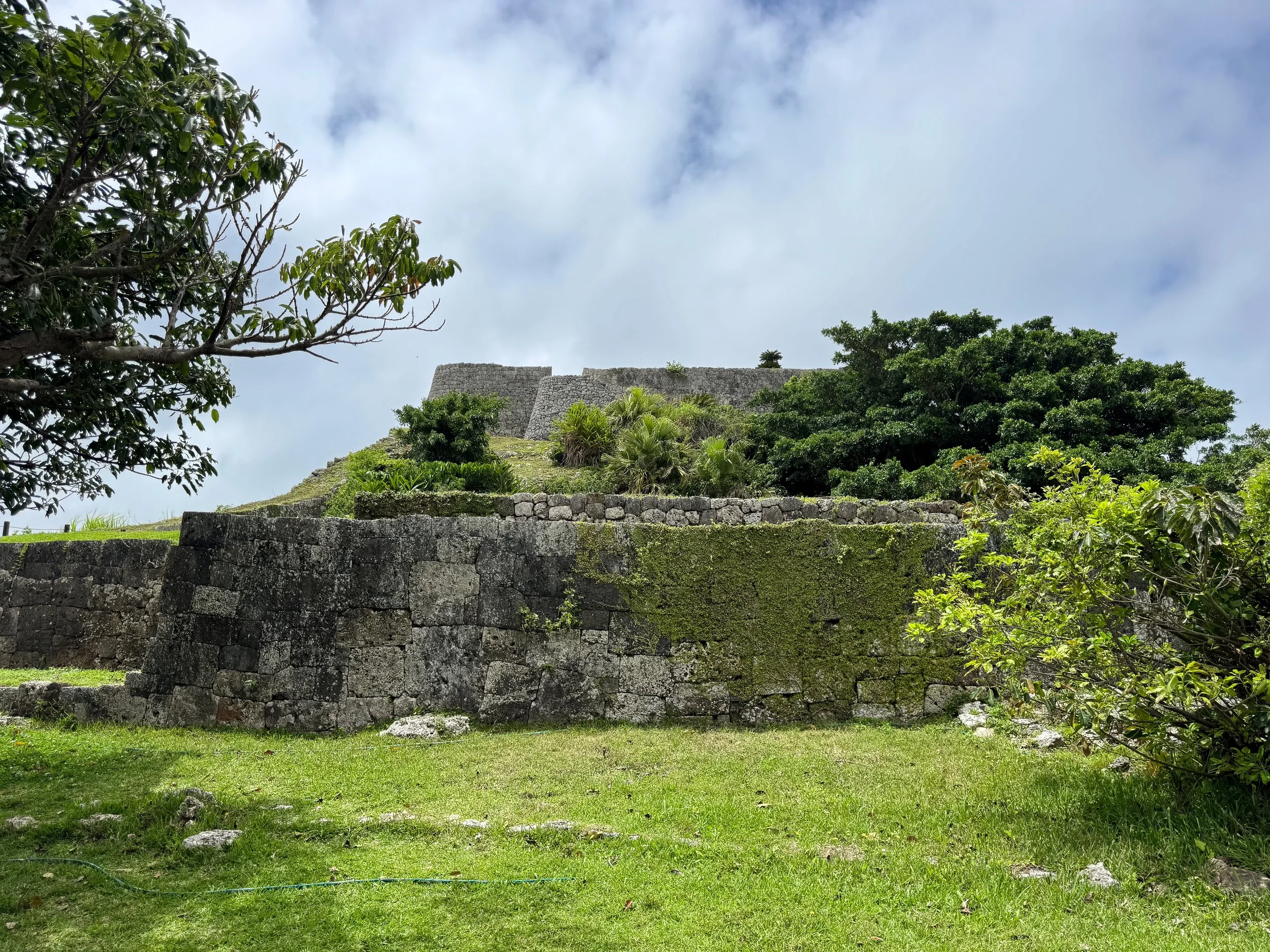
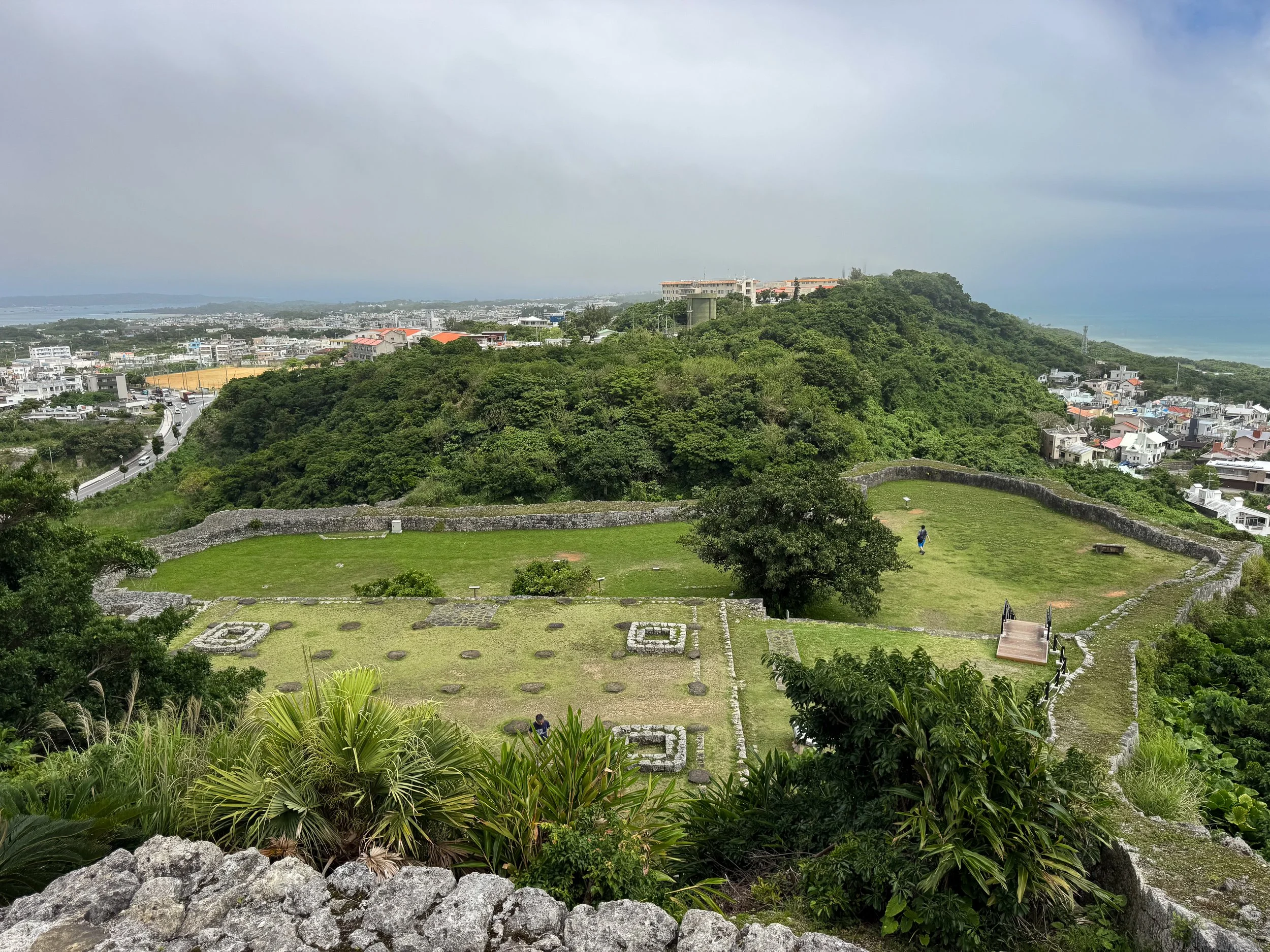
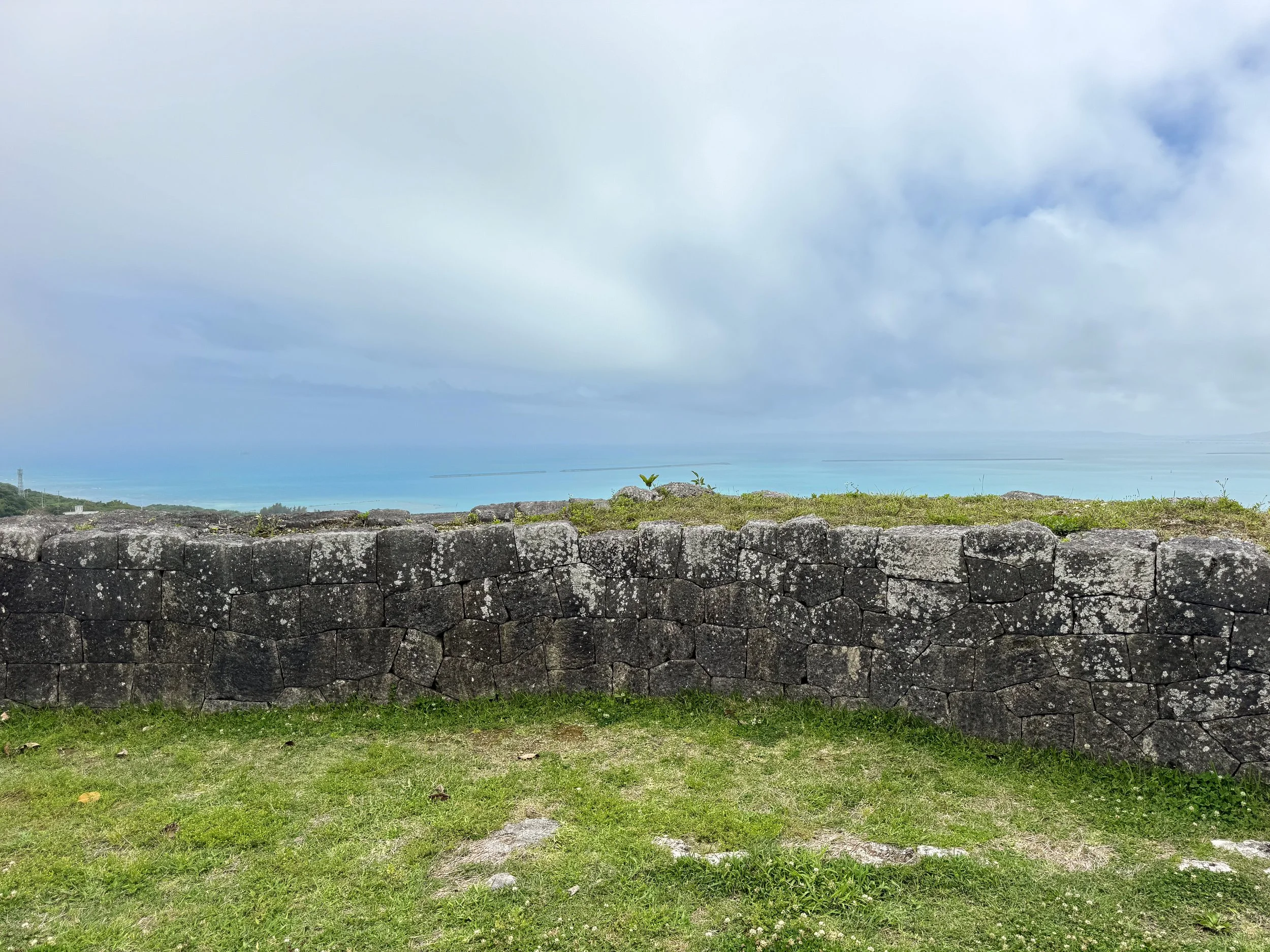
Katsuren Castle Ruins. Ryukyu ruins of a layered cliffside castle. Its steep curvilinear walls, views of the coast and a hidden cave were designed for protection. Its enclosures once housed a royal residence and gardens. Only the stone foundations remain. A museum displays many of the artifacts discovered from an excavation of the castle.
Okinawan Nature
Okinawa has multitudes of natural sights including caves, waterfalls, beaches, sea arches and cliffs. We visited several on our road trip of the island.
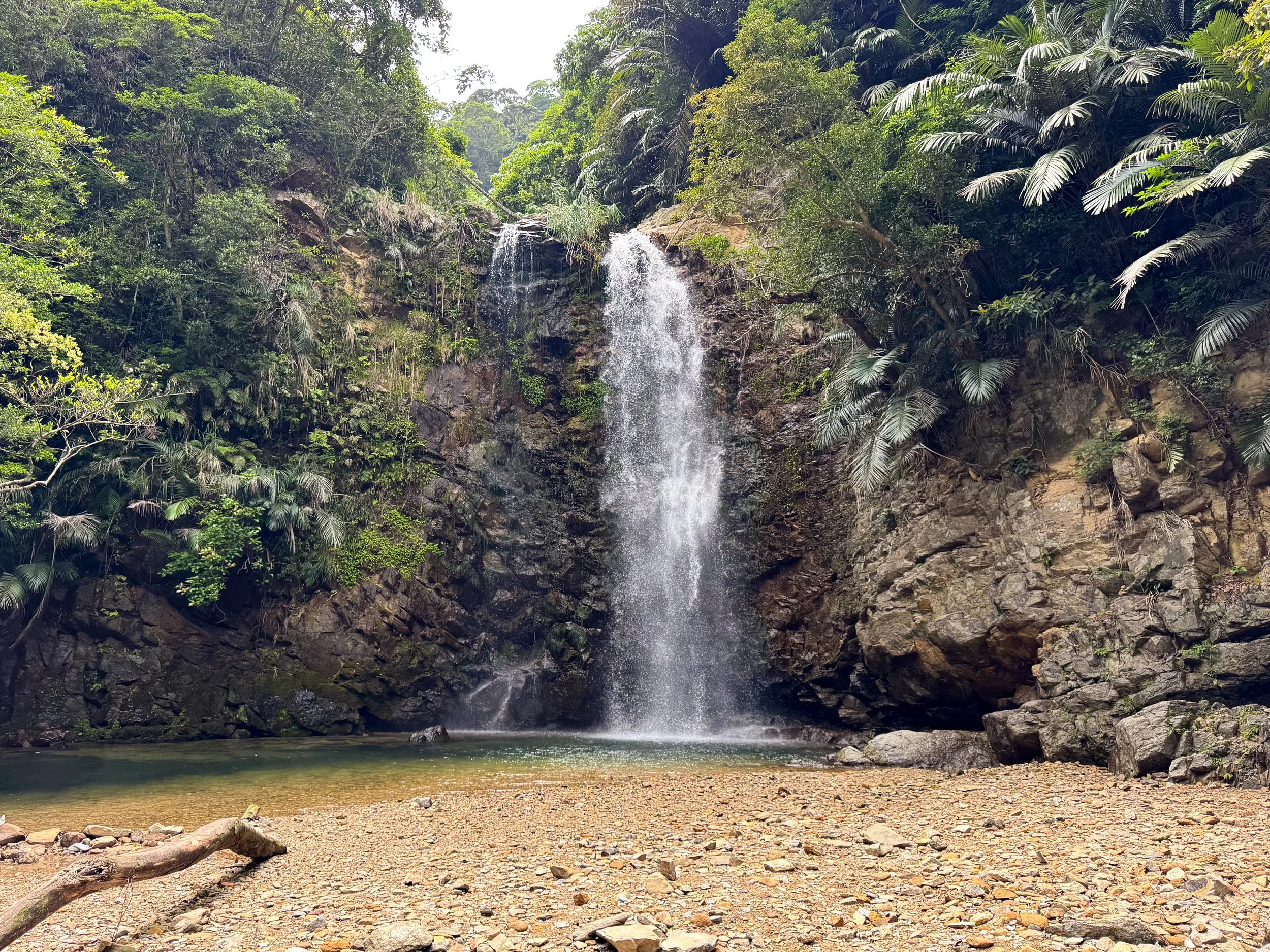
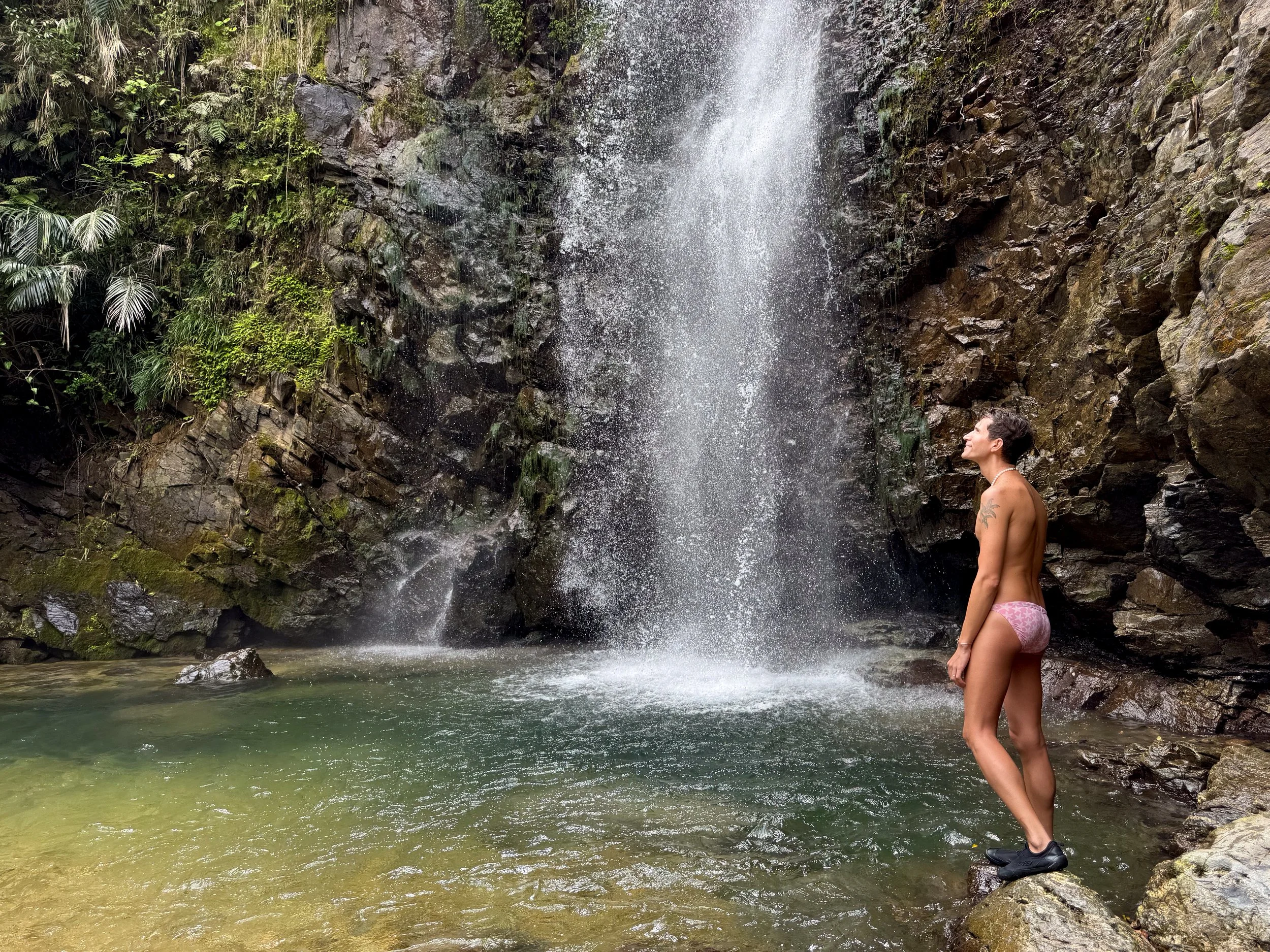
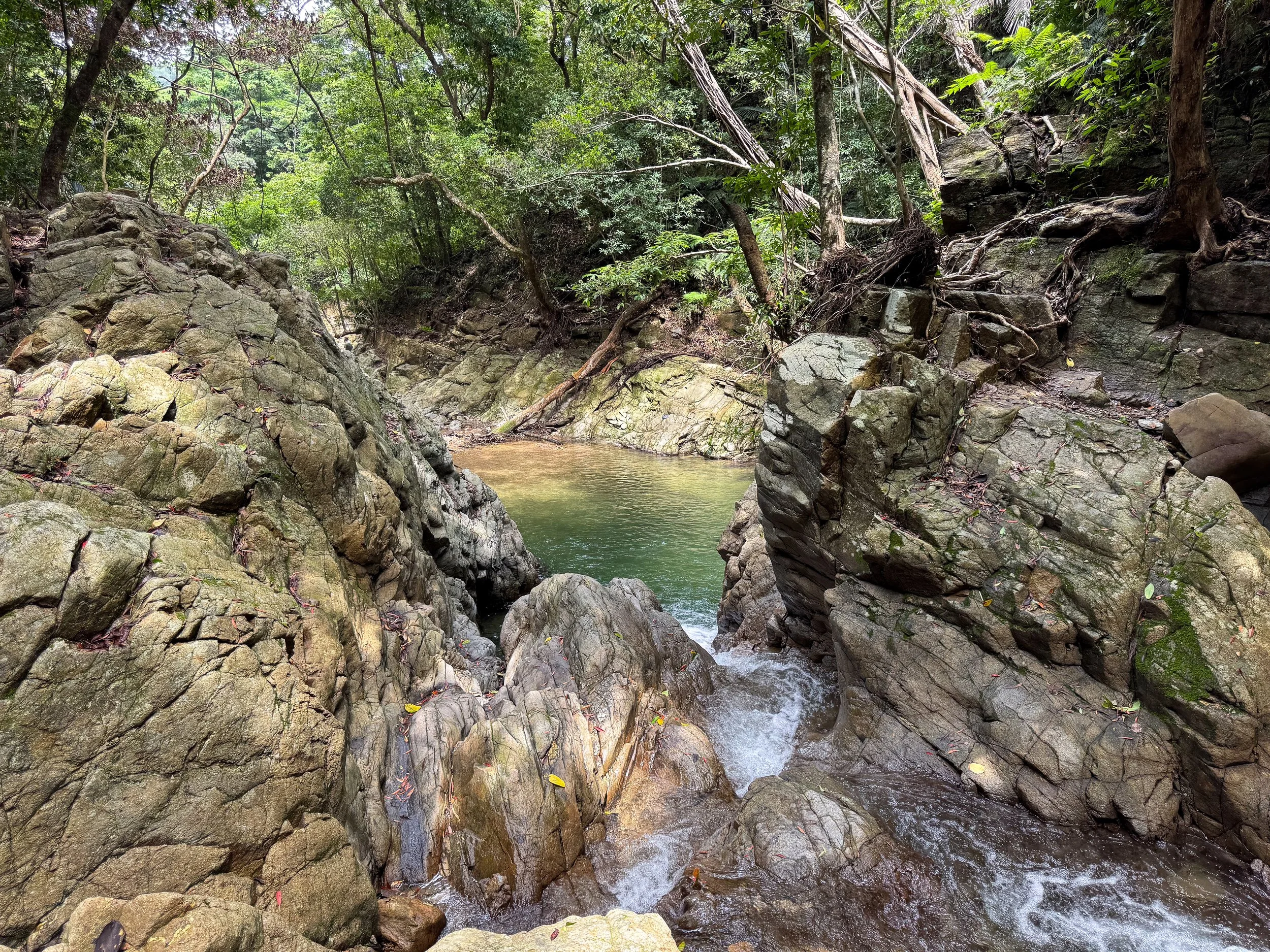
Ta-taki Falls. A semi-secluded waterfall with a natural pool at its base. The 10 meter tall falls are reachable after a 30 minute hike up a riverside trail. Be prepared to get wet; it requires some wading upstream and traversing over rocks using pre-installed ropes. The falls are accessible from the Ta-taki Waterfall Parking.
Kouri Island. A coastal island with beautiful beaches, farmland and a small town. It’s accessible by a series of bridges passing over shallow aquamarine hued waters.
Kouri Bridge View Point. A beachfront lookout point before the bridge to Kouri Island. There is a small food truck park and boutique hotel accessible from the parking lot.
Kouri Beach. A white sand beach across the Kouri Bridge with shallow and swimmable waters. An underpass connects the beach to a scalloped promenade with views of the bay. There are restaurants, cafés and a farmers market just beyond the beach.
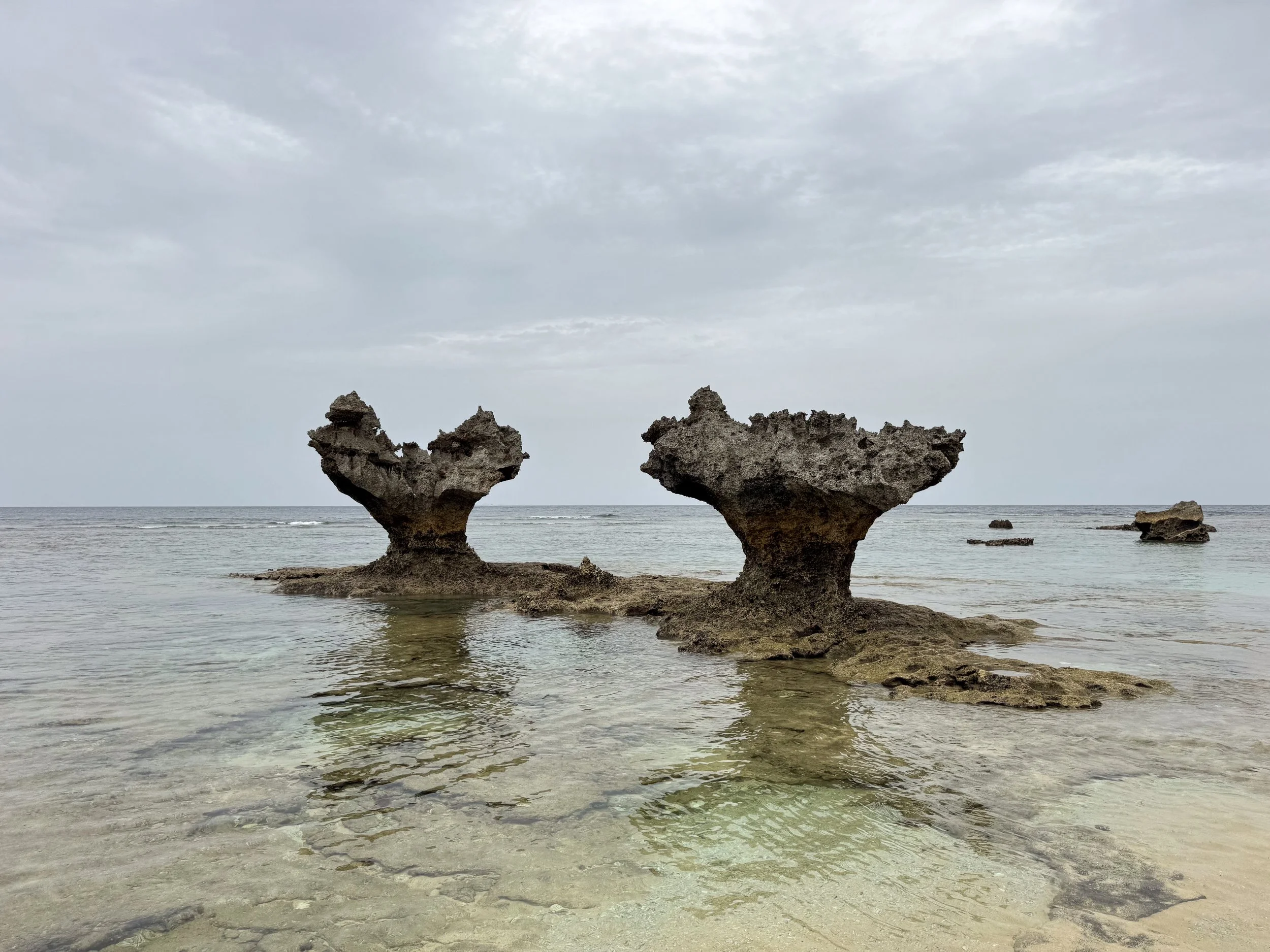
Heart Rock. A beach with two coral rock formations resembling the shape of a heart. From certain angles, they even create a void of an upside down heart. The beach is reachable after a small trail from the parking lot. Parking costs 500 Yen.
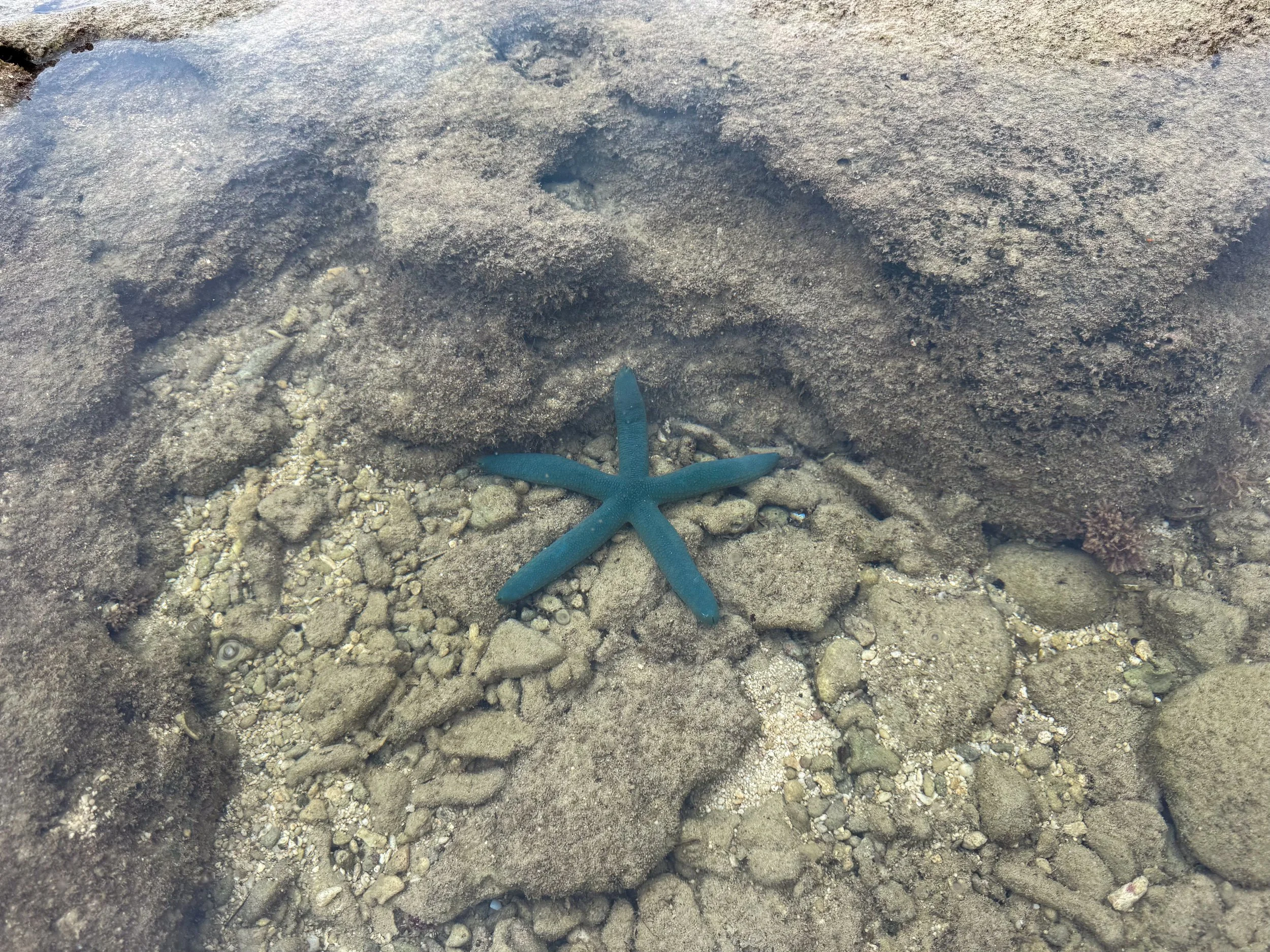
Tokei Hama. A soft yellow sand beach with shallow tide pools home to a variety of marine life including blue starfish, brittle stars, small fish, corals and sea urchins. It’s reachable from the Heart Rock parking lot.
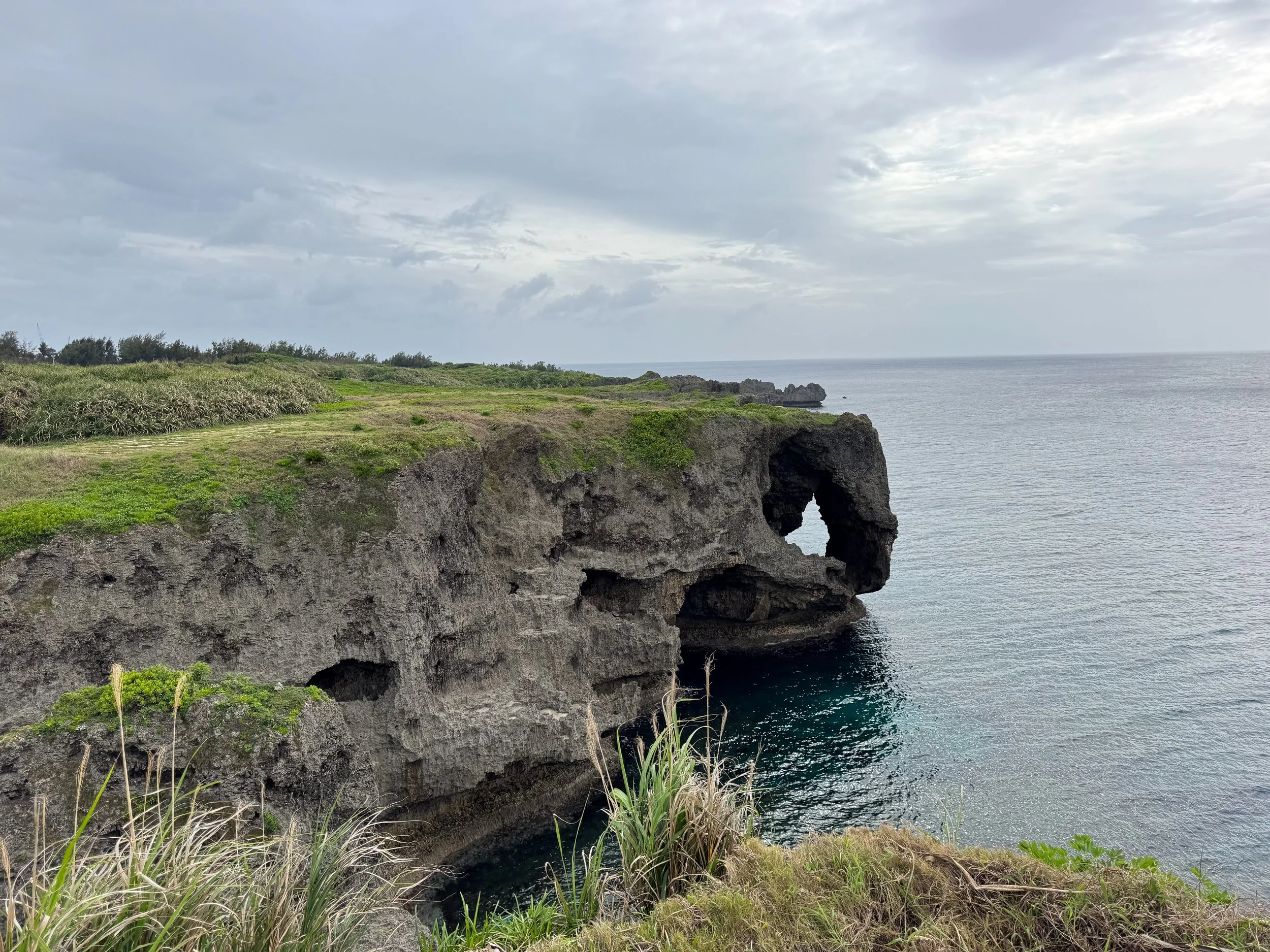
Cape Manzamo Sea Arch. A cliffside lookout with a sea arch that resembles an elephant’s trunk. It’s a very popular sight with a large tourist facility containing restaurants and shops. Many people come here for sunset.
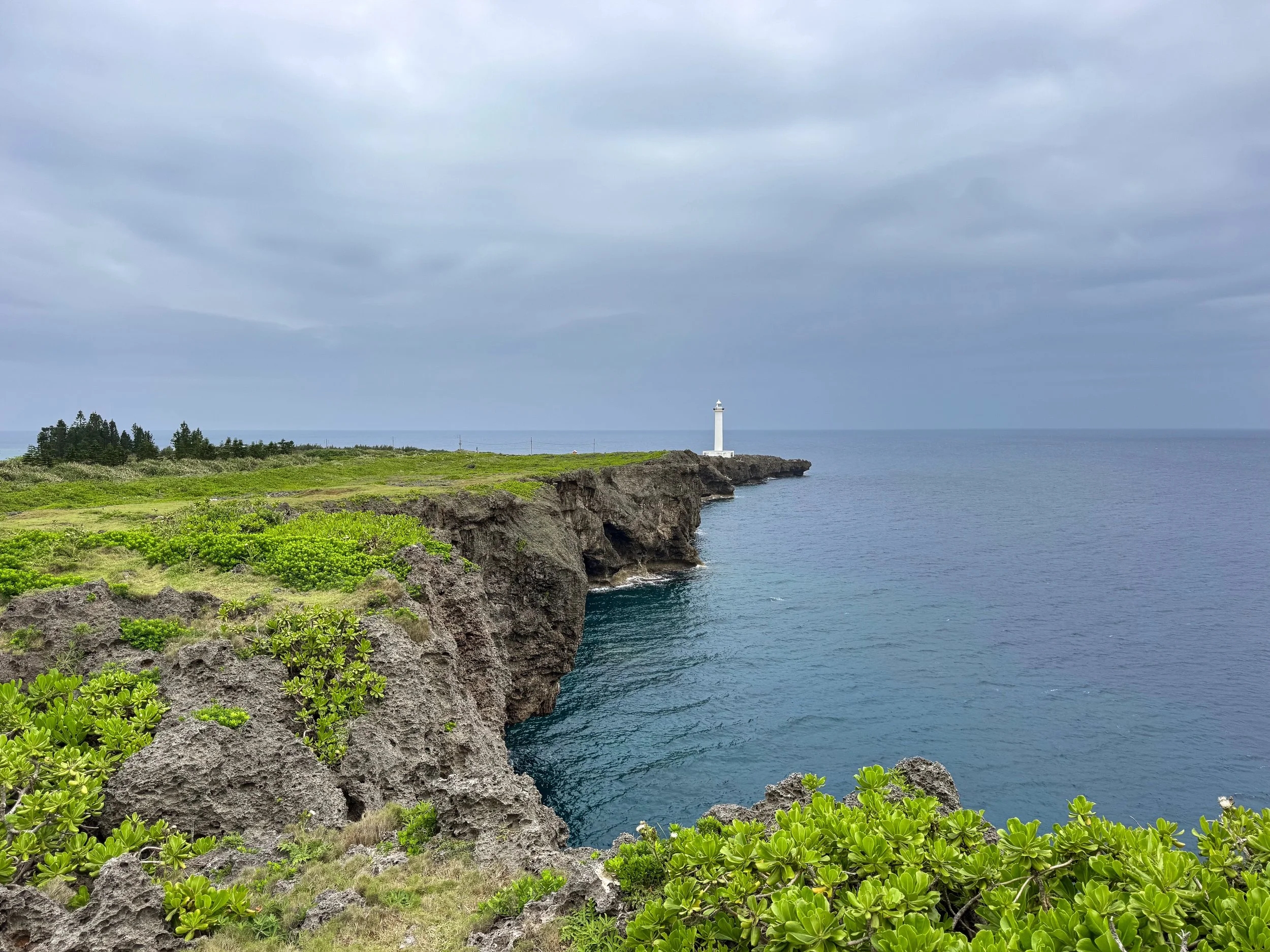
Cape Zanpa. A cape at the westernmost point of Okinawa with cliffside trails, a historic lighthouse, ocean view lookouts and a nearby white sand beach.
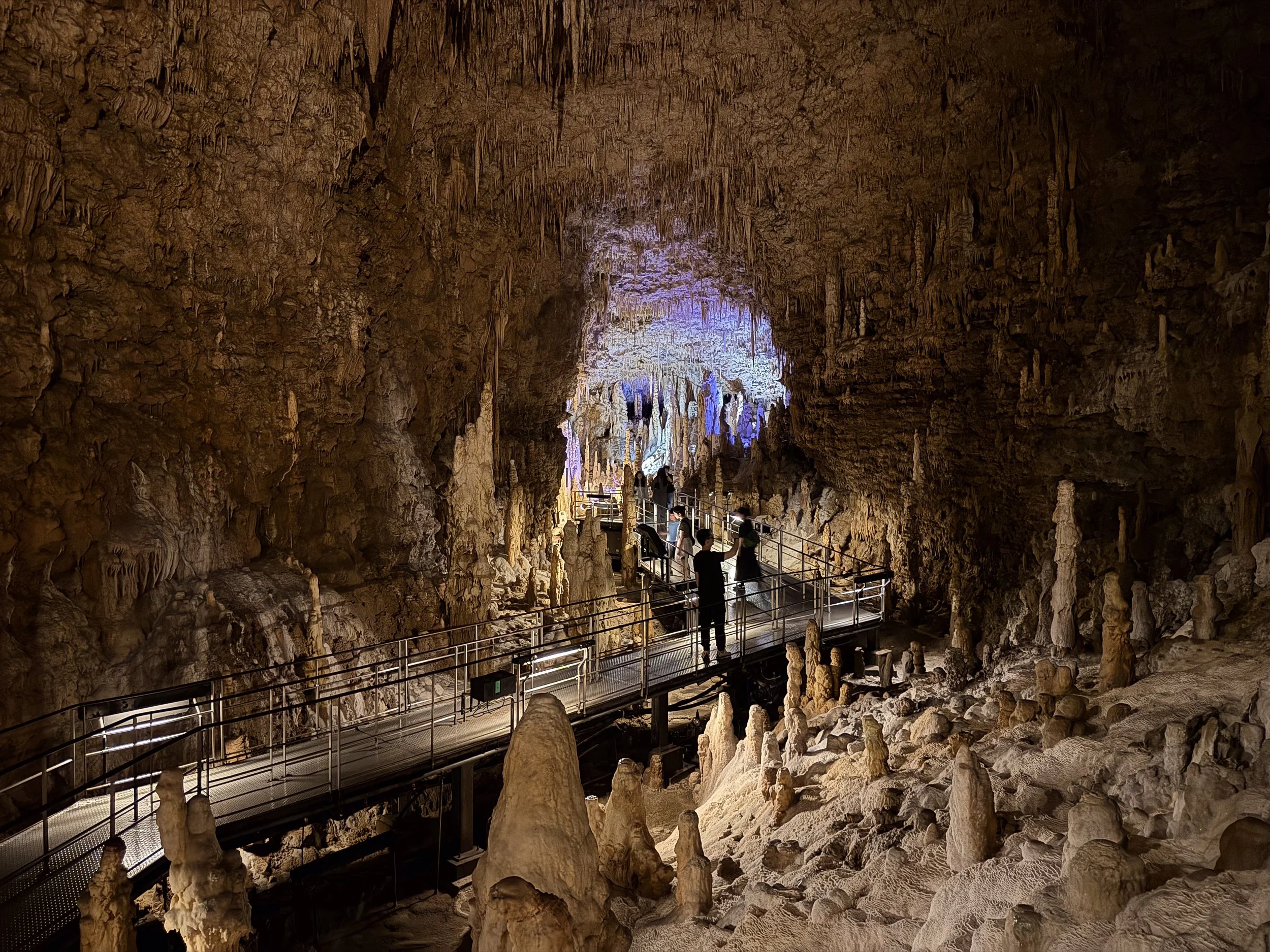
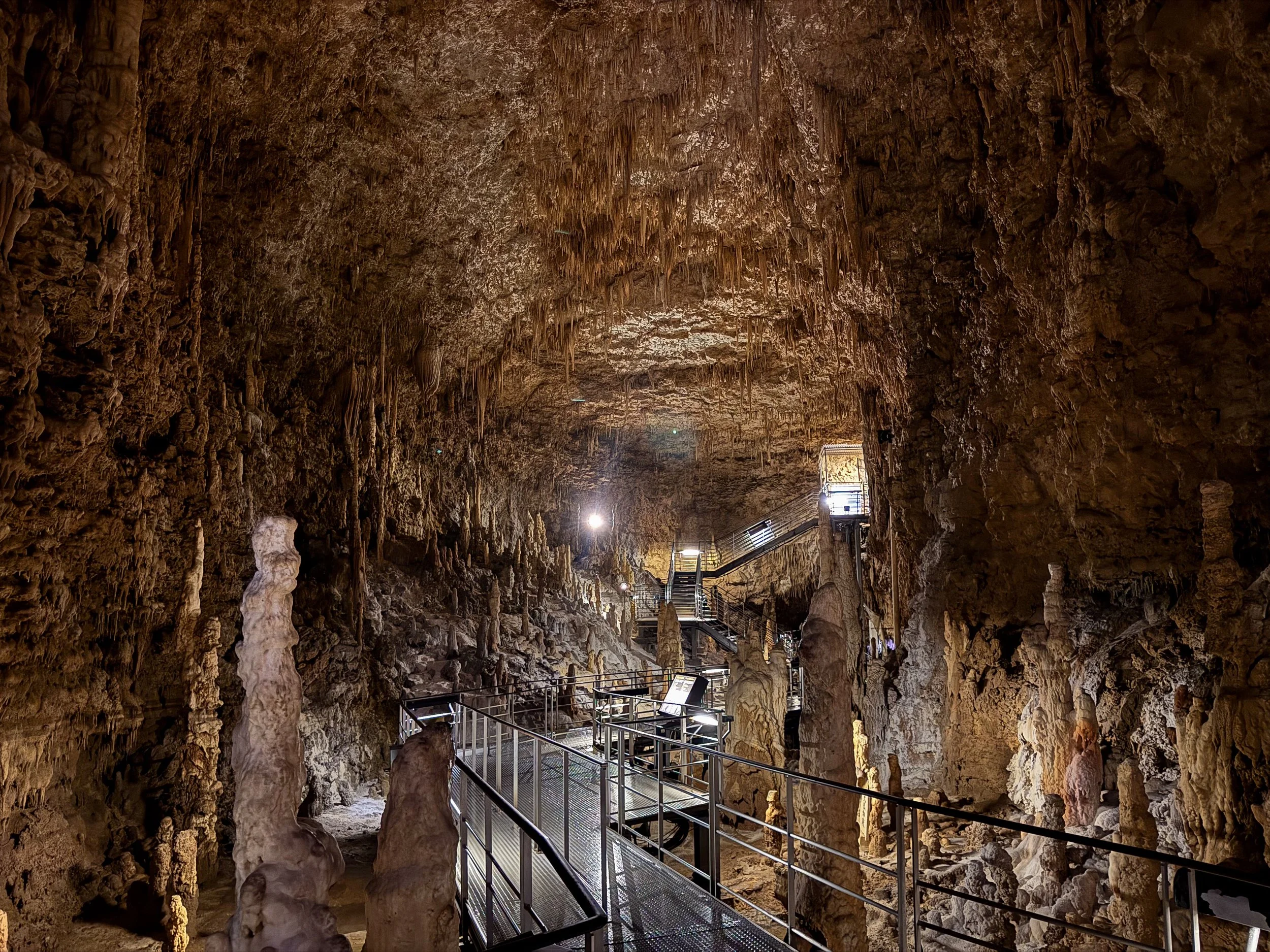
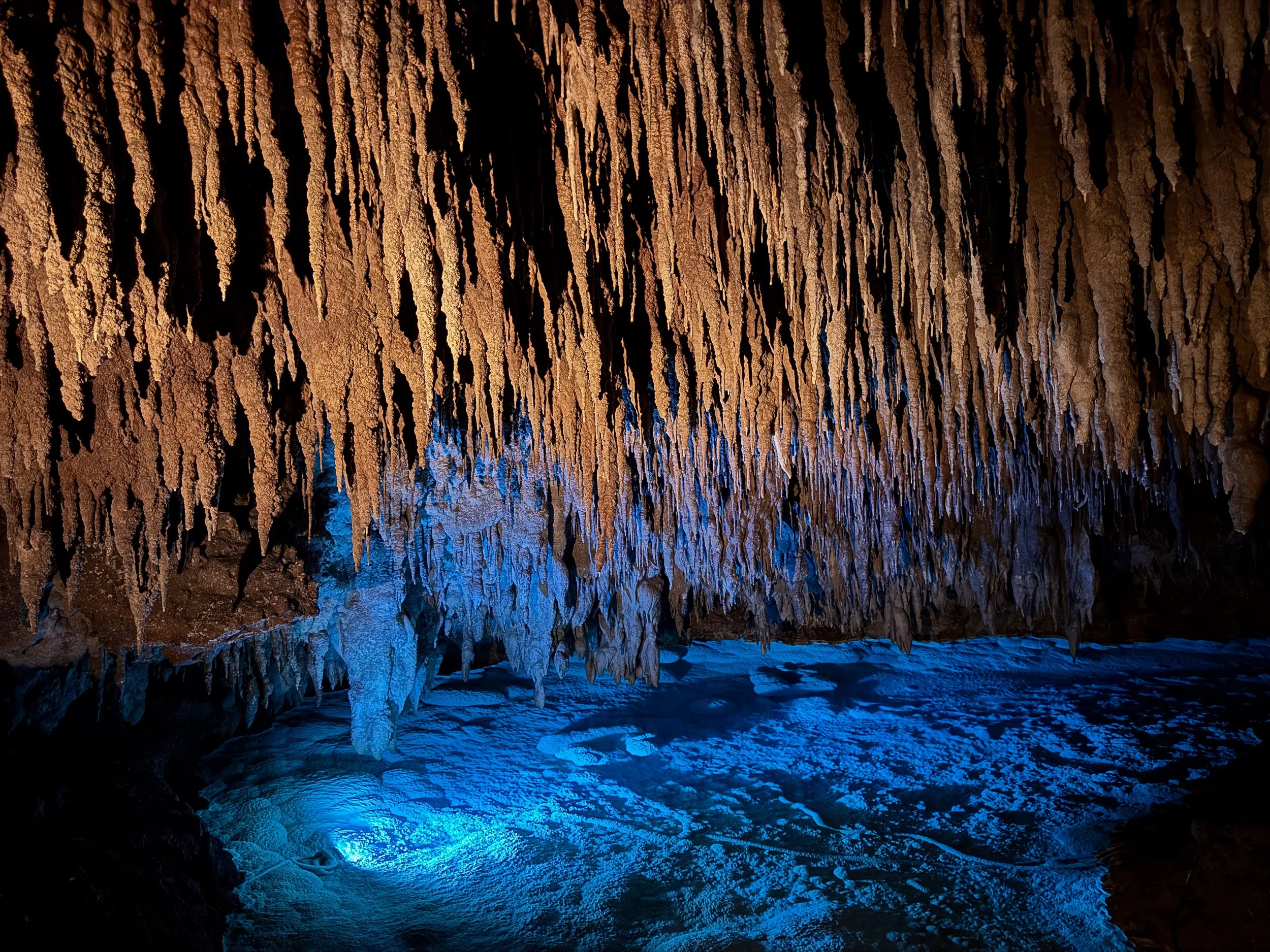
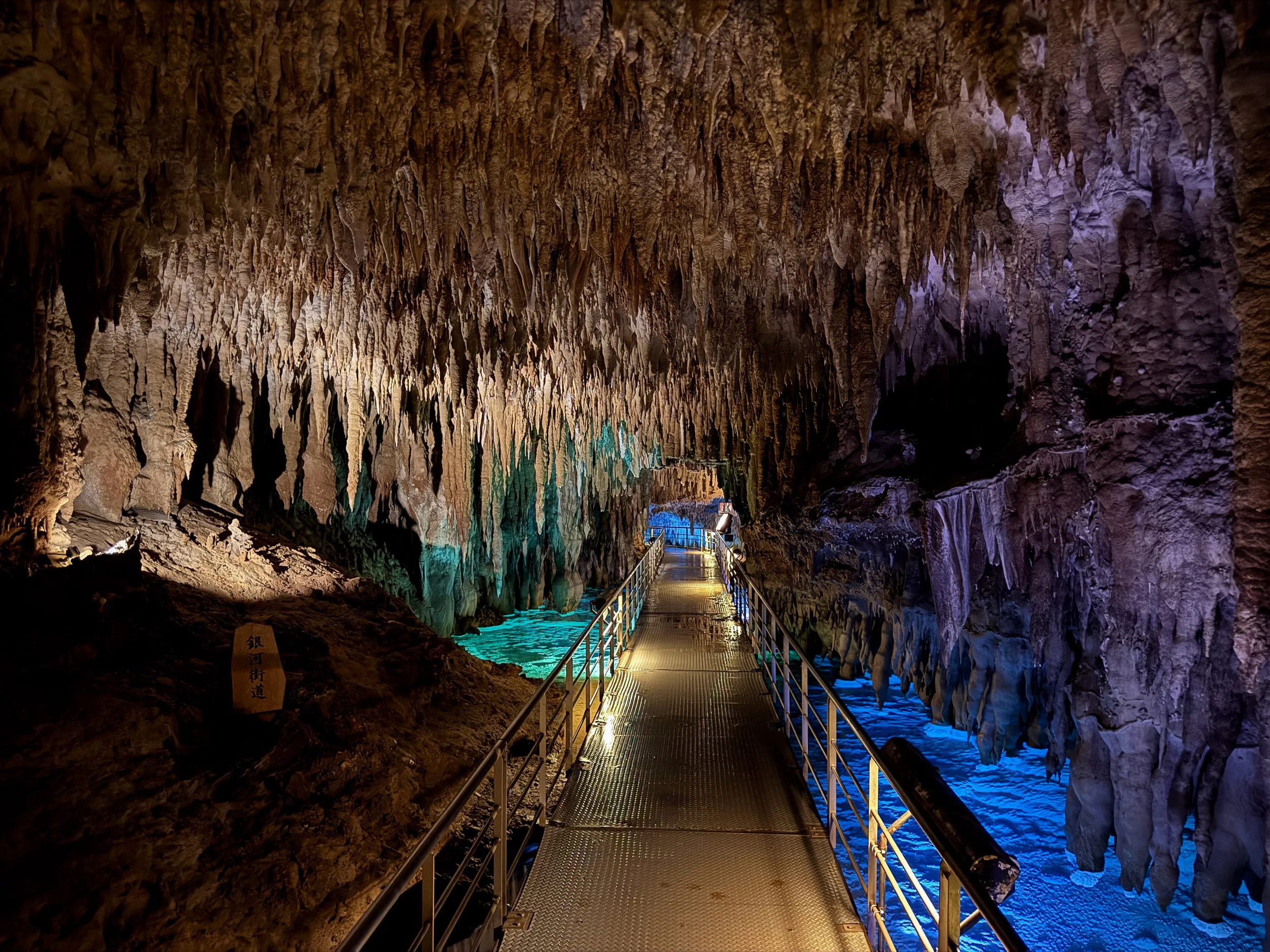
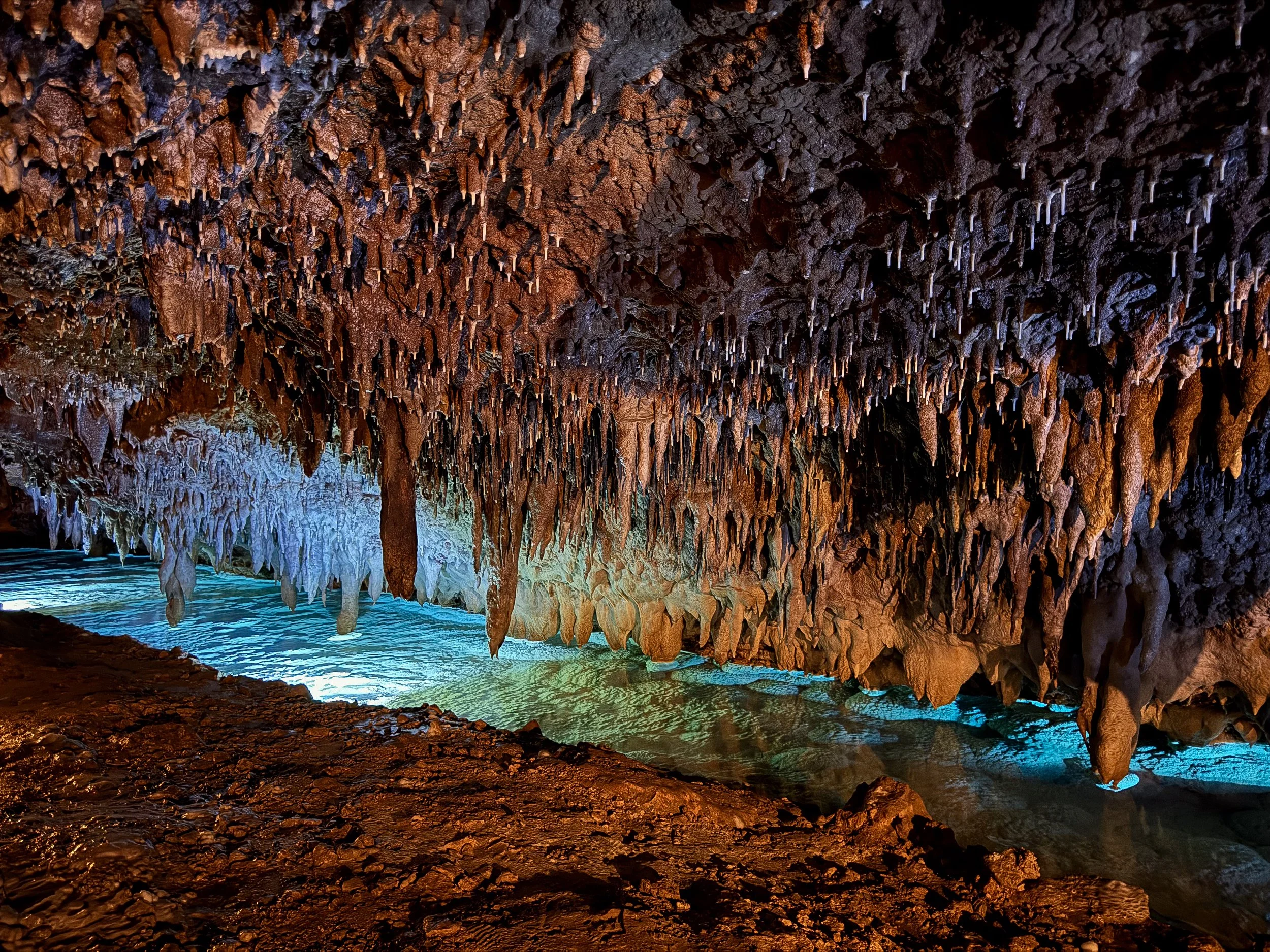
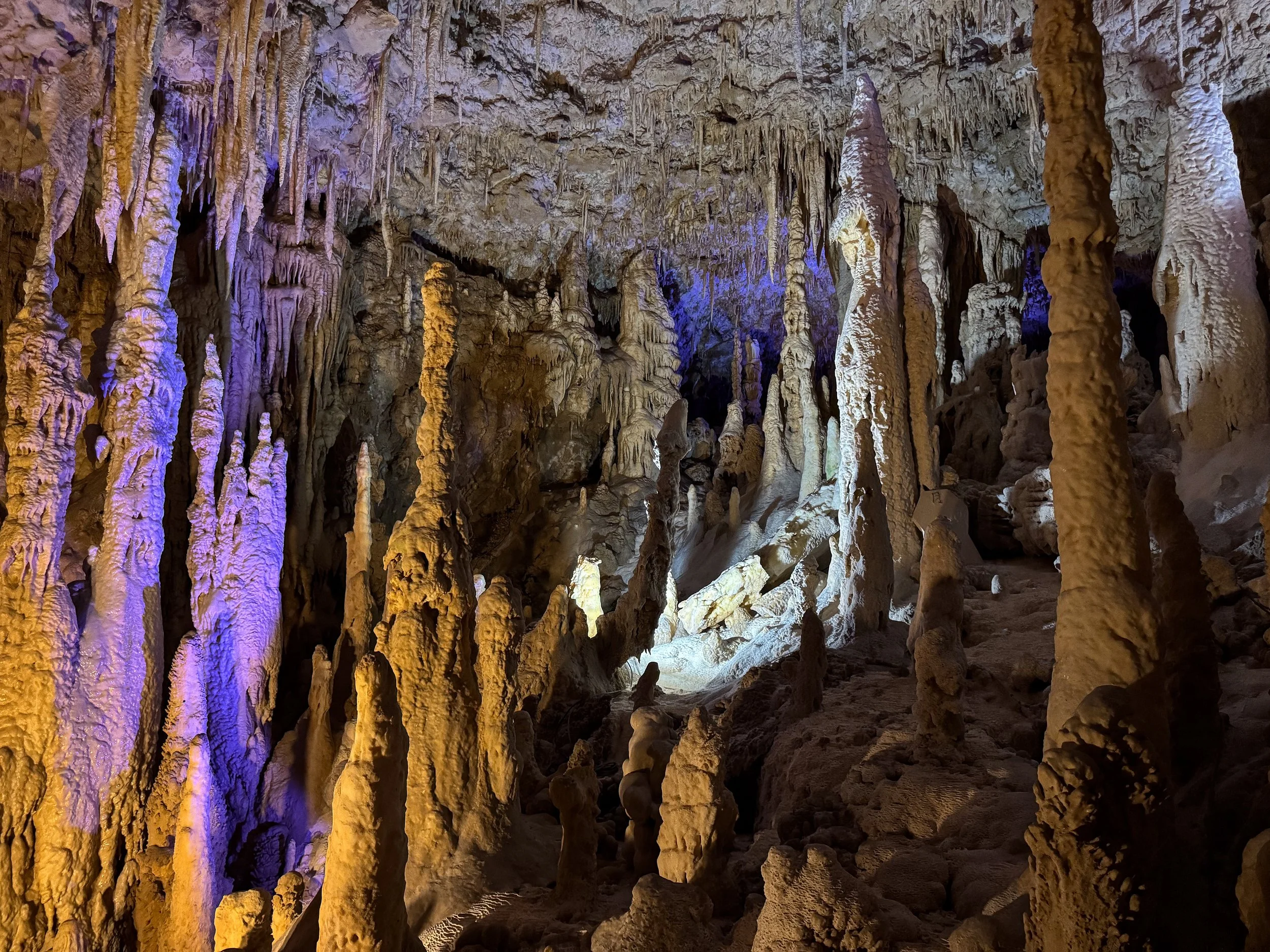
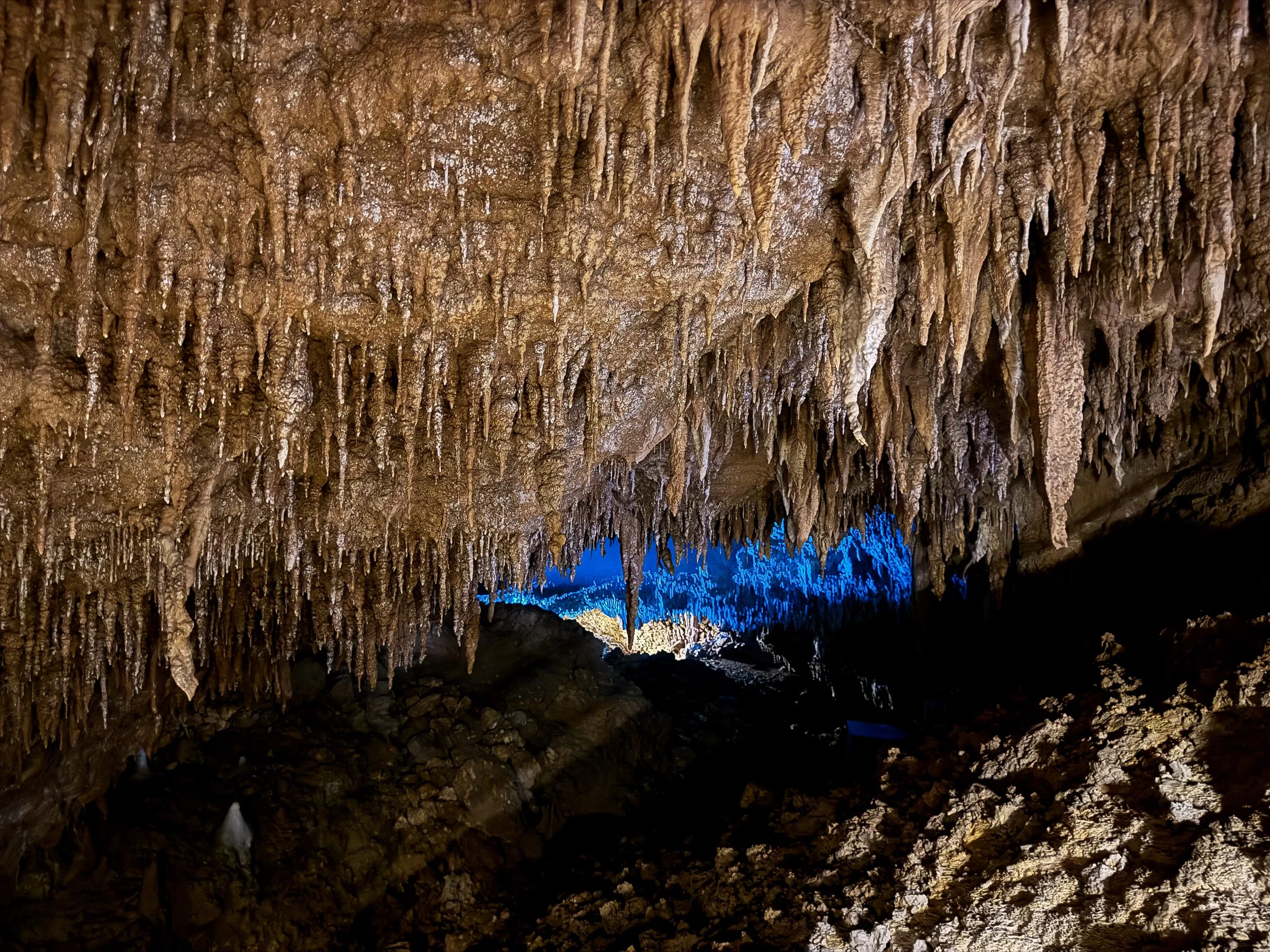
Gyokusendo Cave. Okinawa’s largest cave and one of the most impressive in Japan. A trail leads nearly 1km through its underground rooms and chambers. Thousands of densely packed stalactites dangle from the ceiling while stalagmites reach up from the floor and walkways. Dripping water echoes from all corners of the cave and its underground rivers, waterfalls and calcified pools.
The cave system meanders beneath Okinawa World, a cultural theme park dedicated to the island’s culture, crafts, environment, history and cuisine. There is a glass and ceramics studio, brewery, bakery, performance theater, botanical garden and Ryukyu Kingdom exhibit.
Pro Tip. Get here by 9am as the park opens to have first access to the cave!
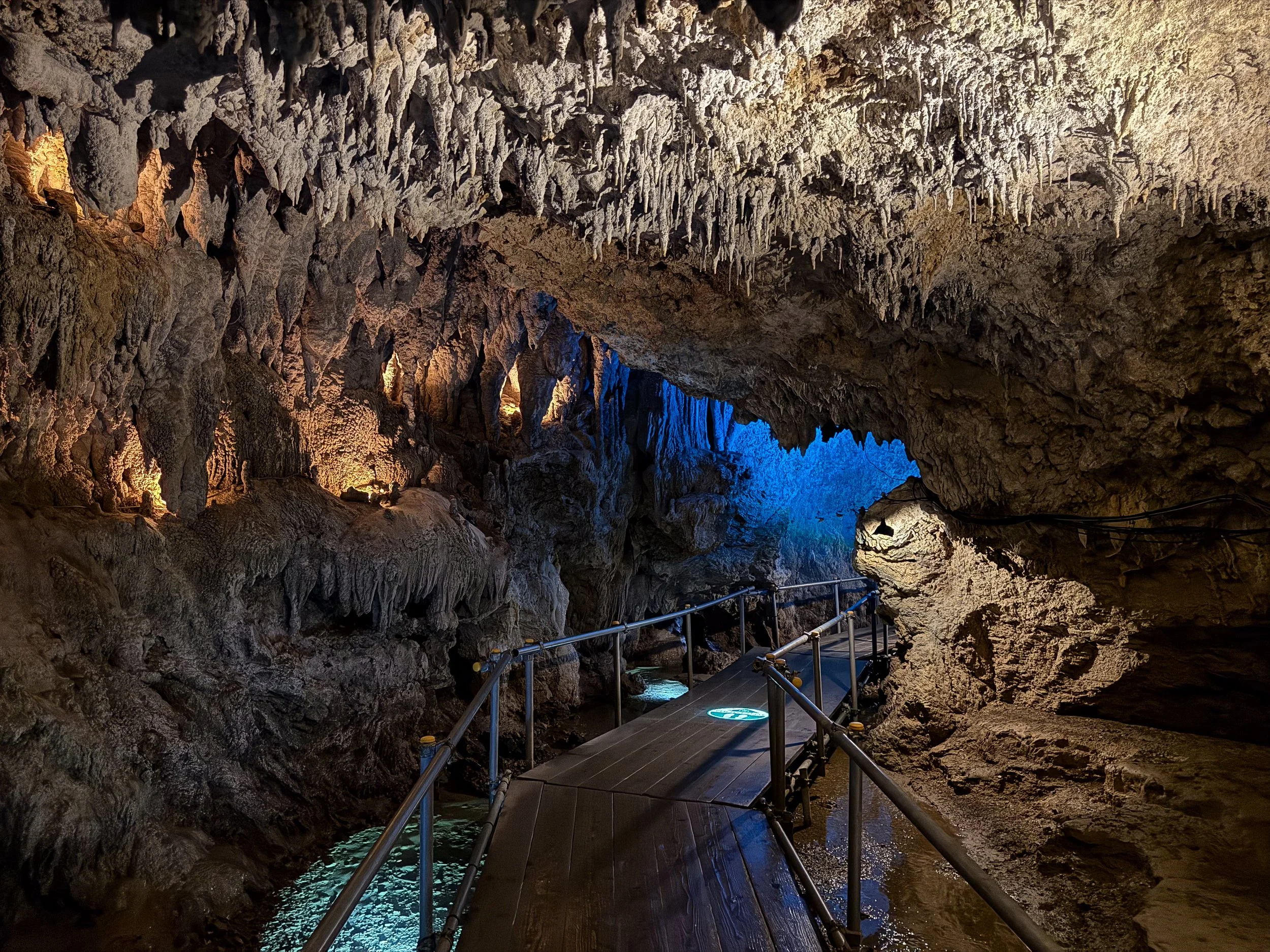
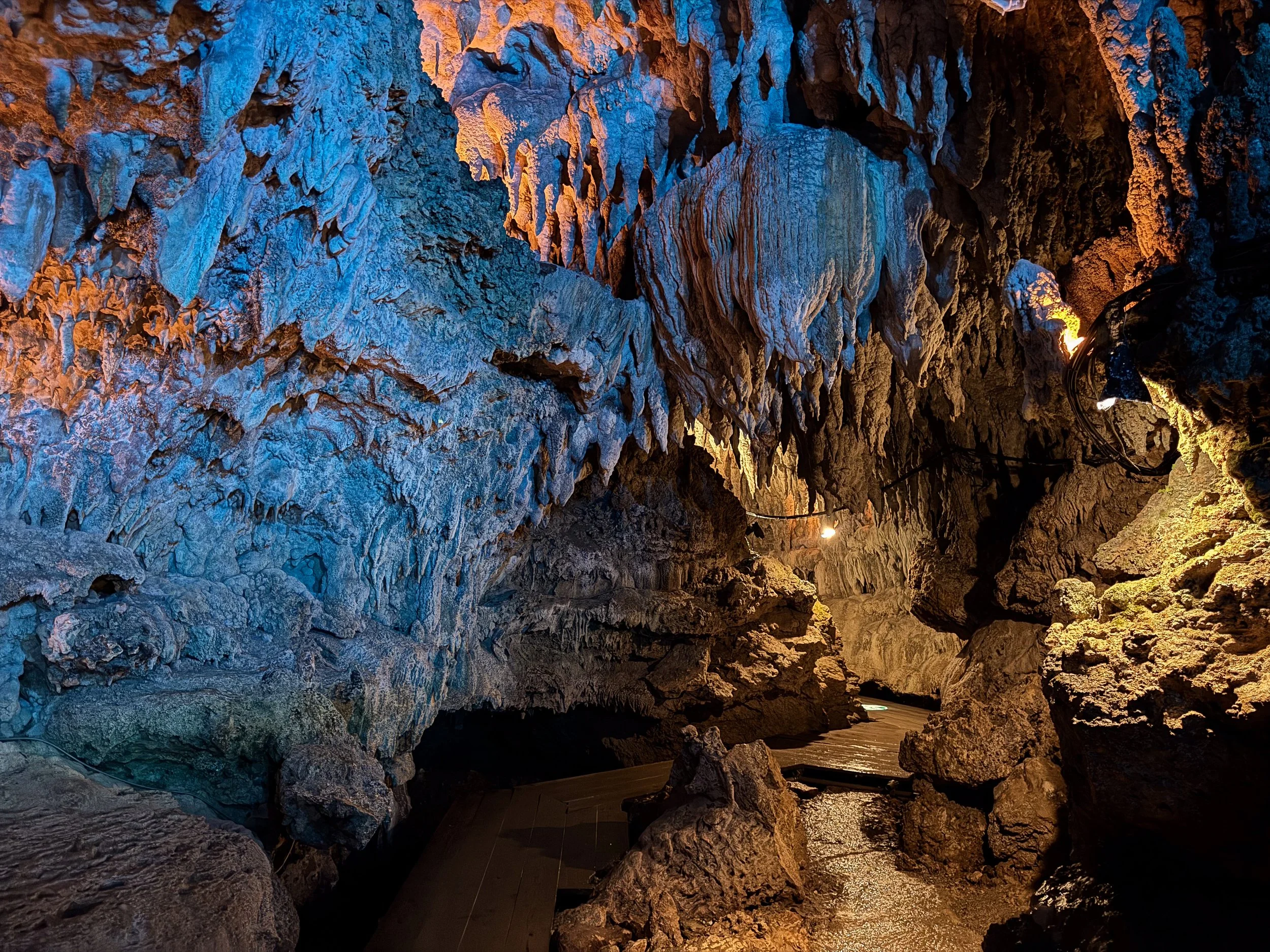
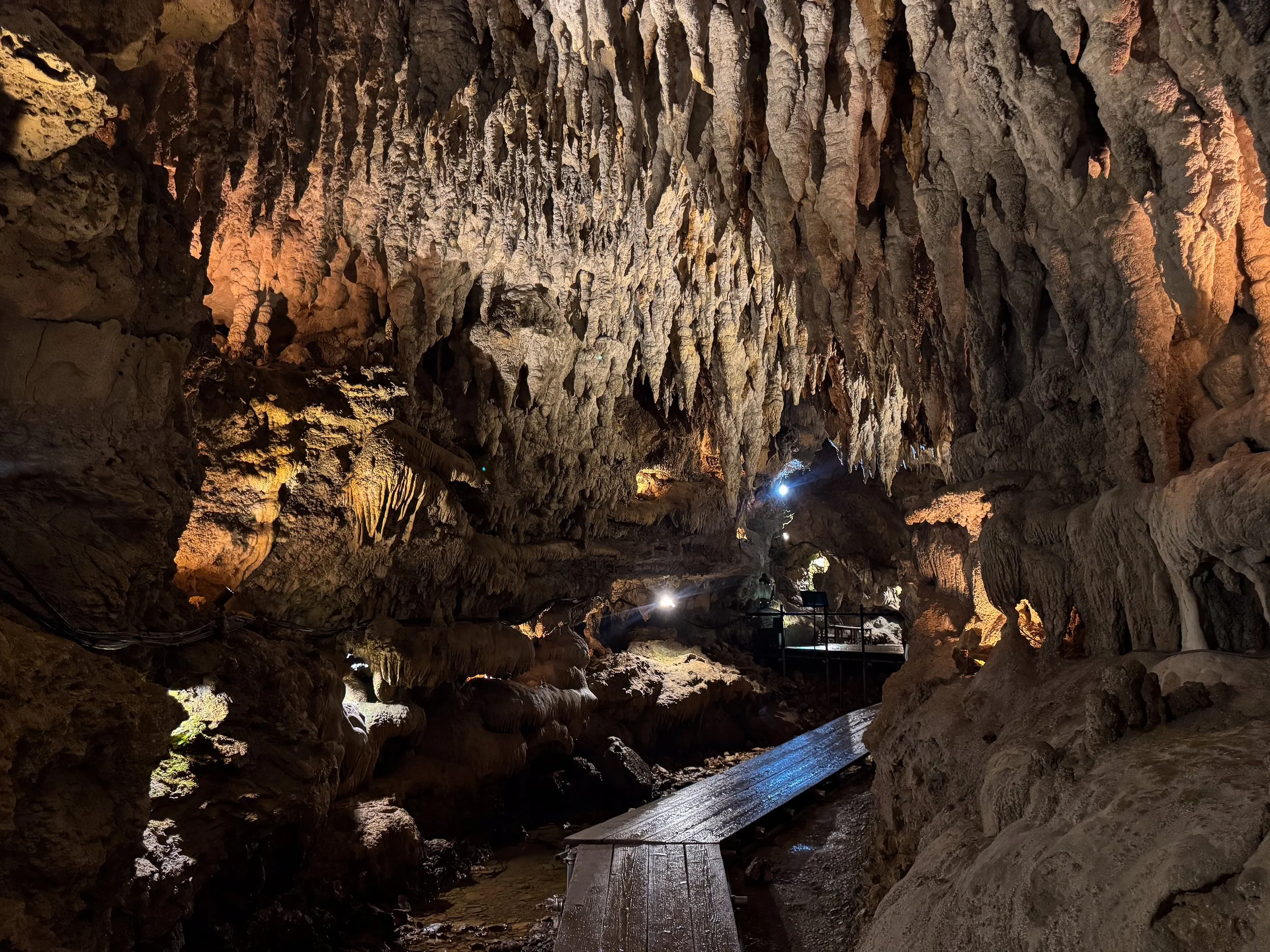
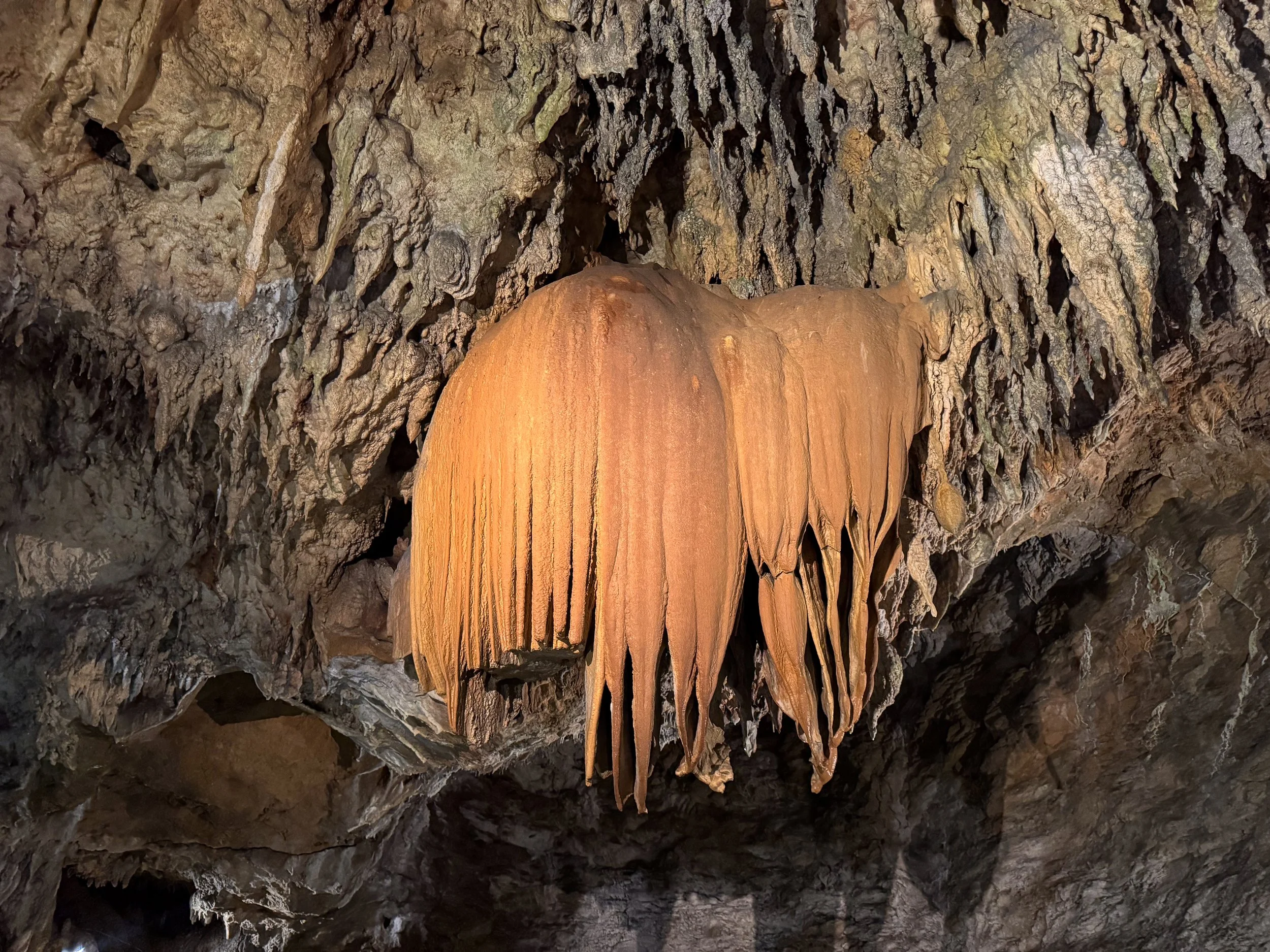
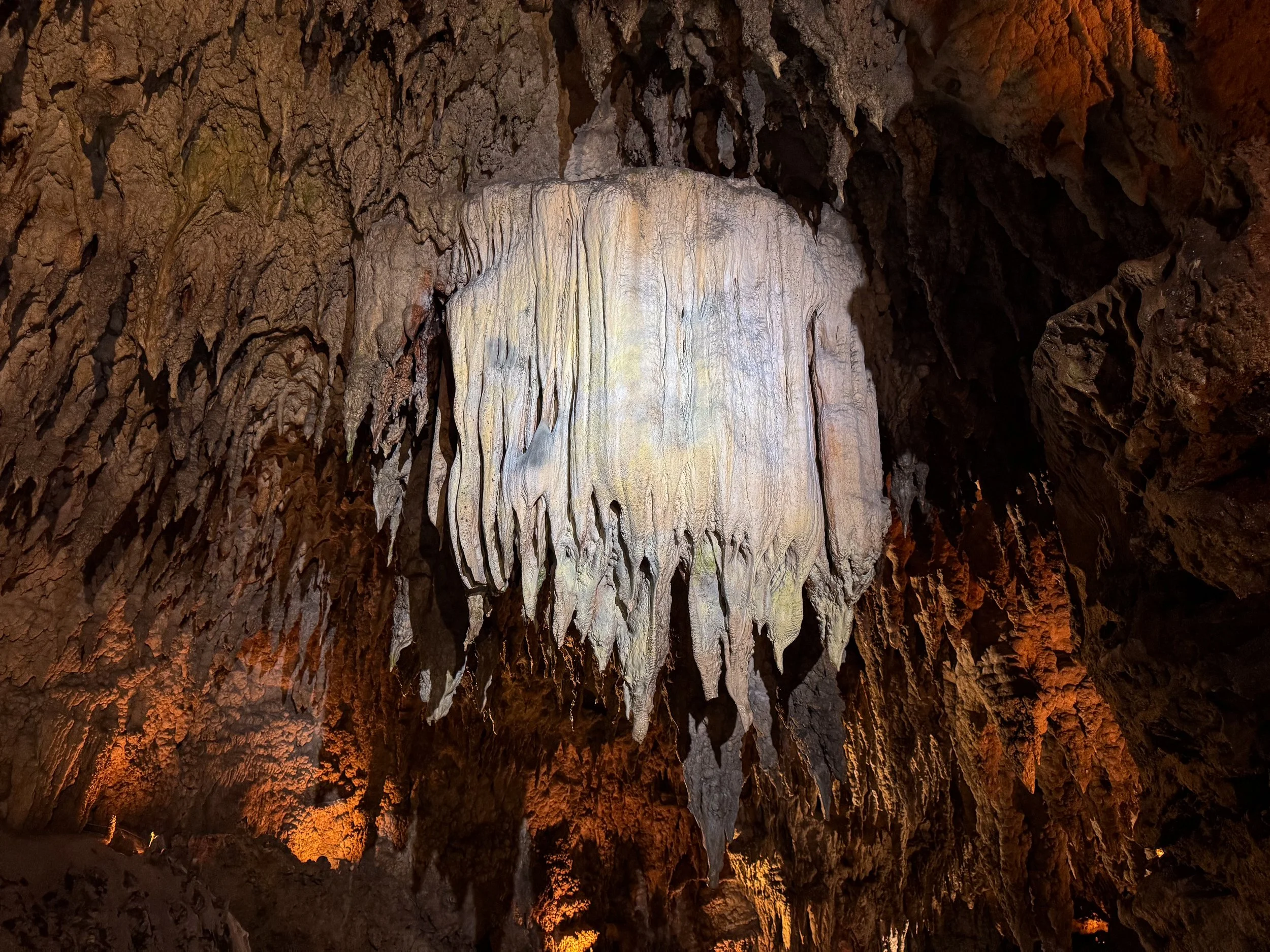
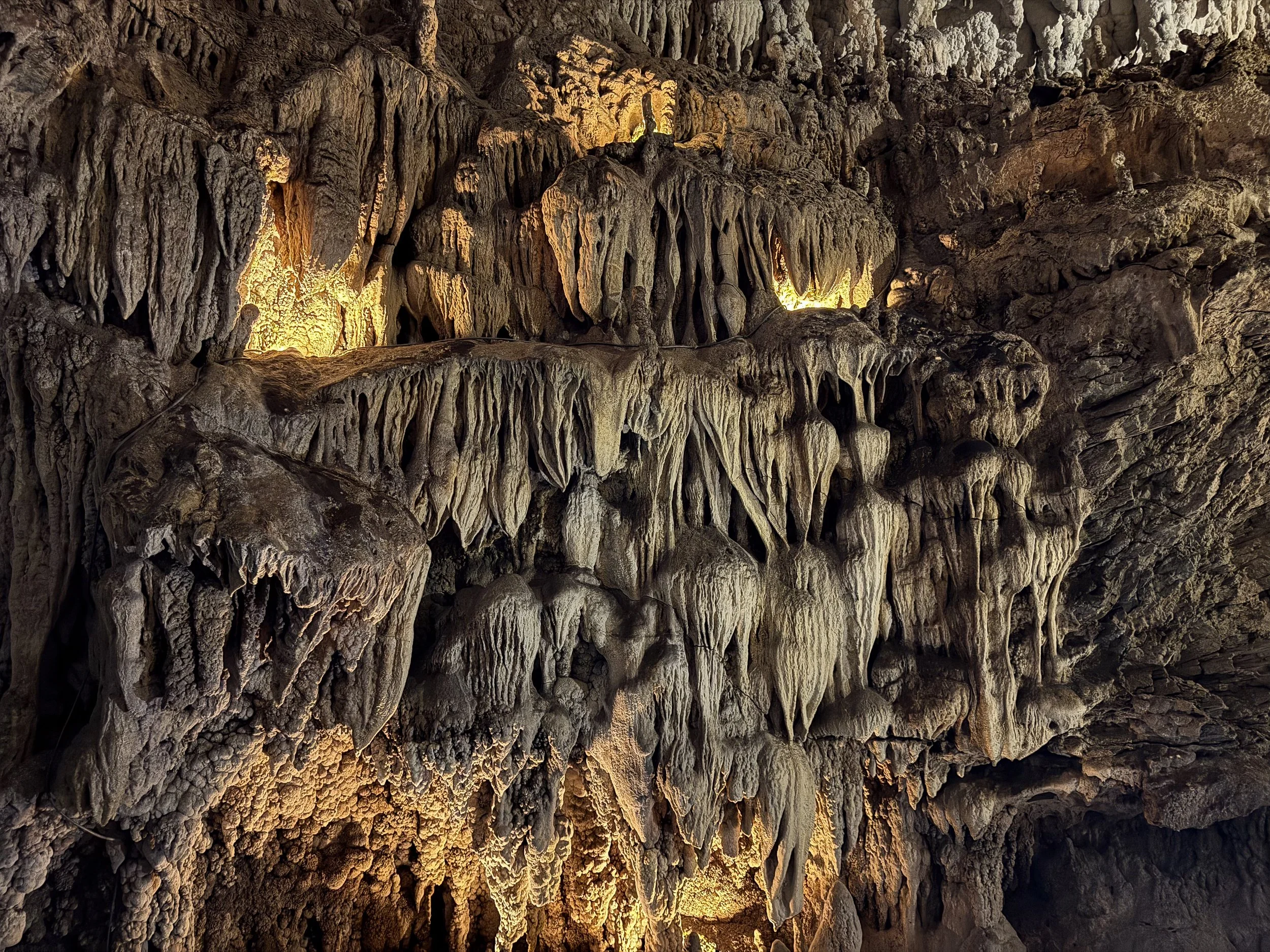
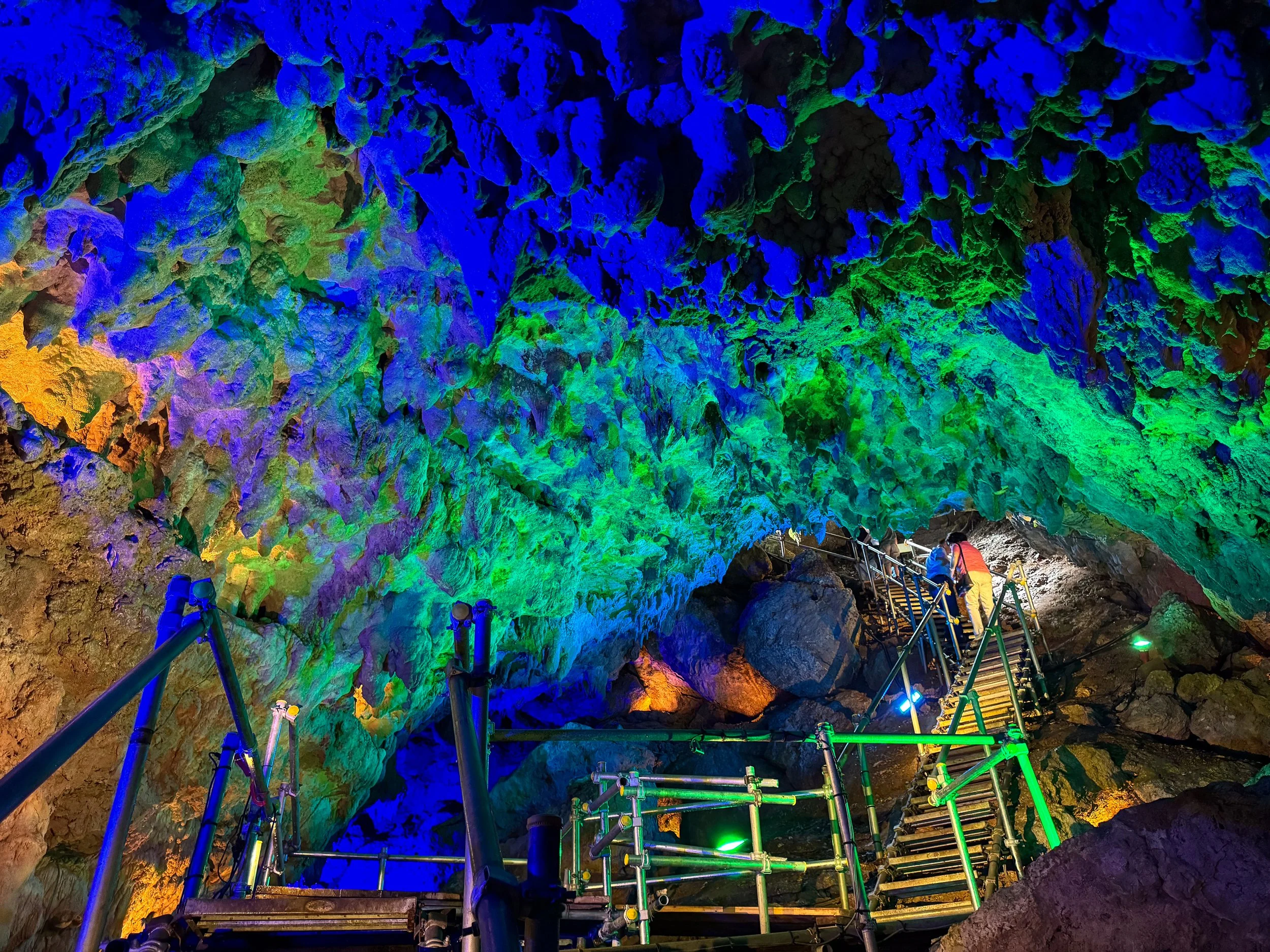
Cave Okinawa. A 200 meter long limestone cave system with narrow passageways and wide chambers. A boardwalk leads through the chilly and damp cave above a flowing stream. Large crystalline formations and stalactites hang from the ceilings as the walls drip with water and bats flutter around. The stalactite covered final chamber is illuminated in a spectacle of color changing lights.
Kerama Islands
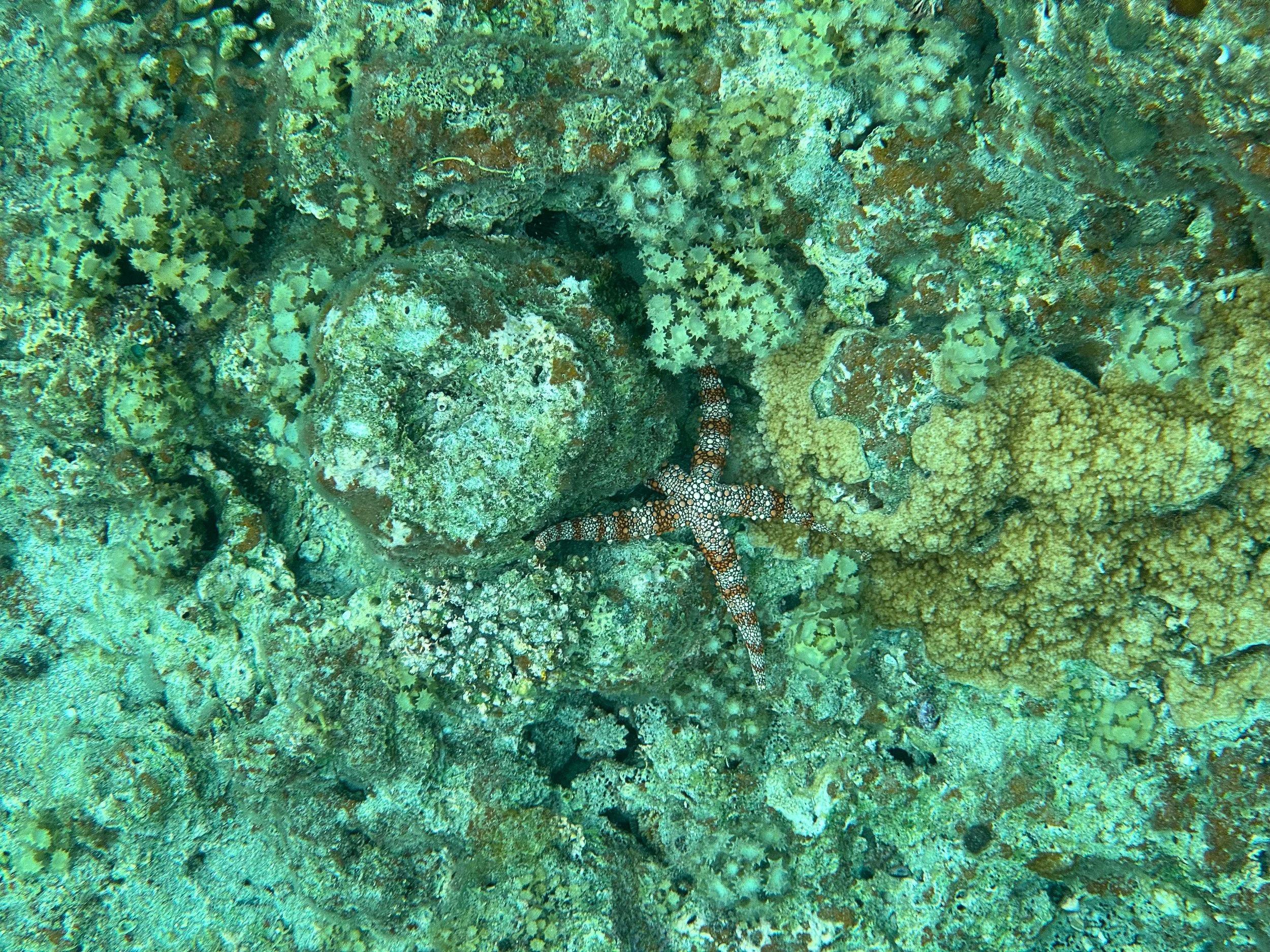
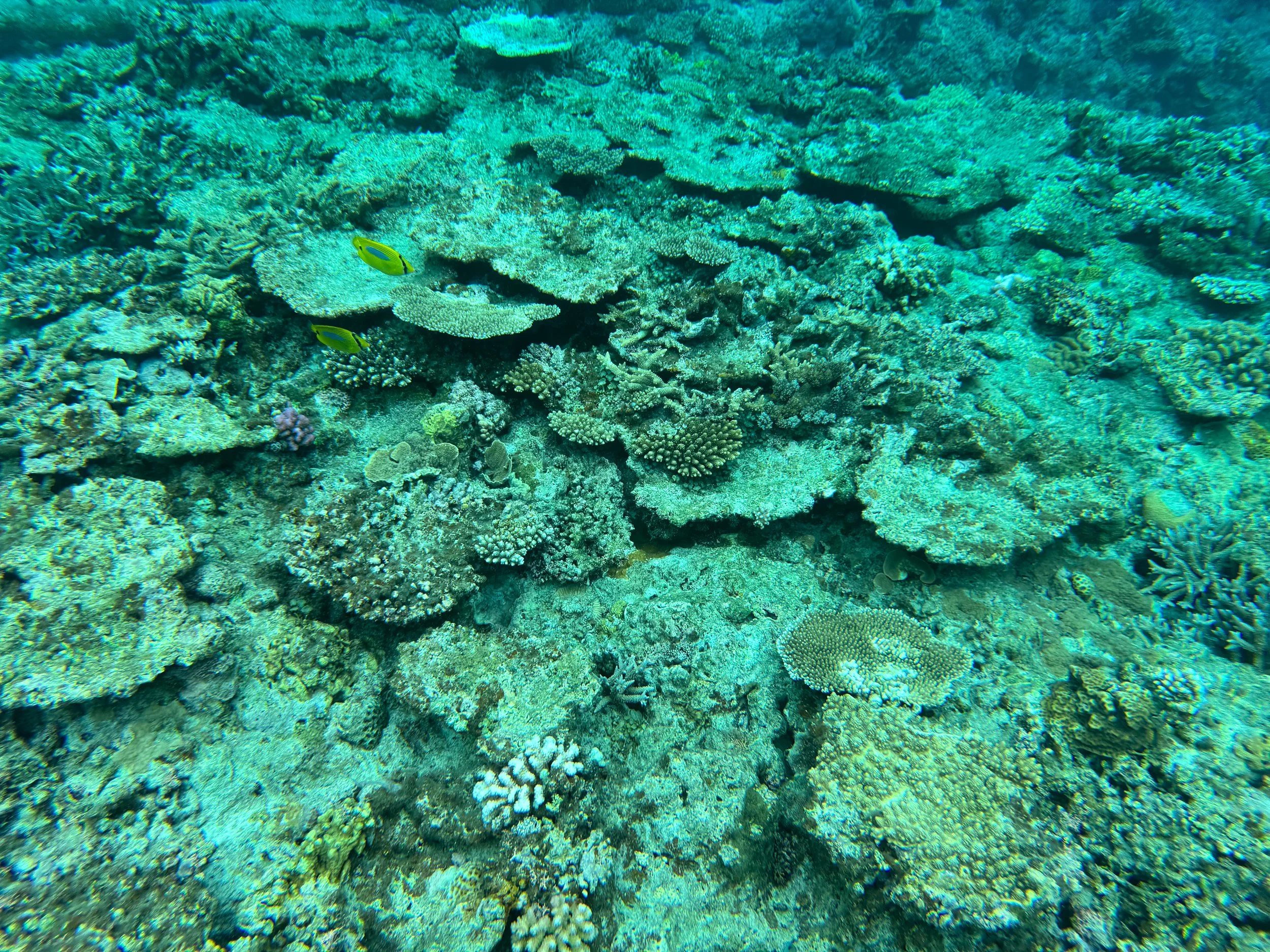
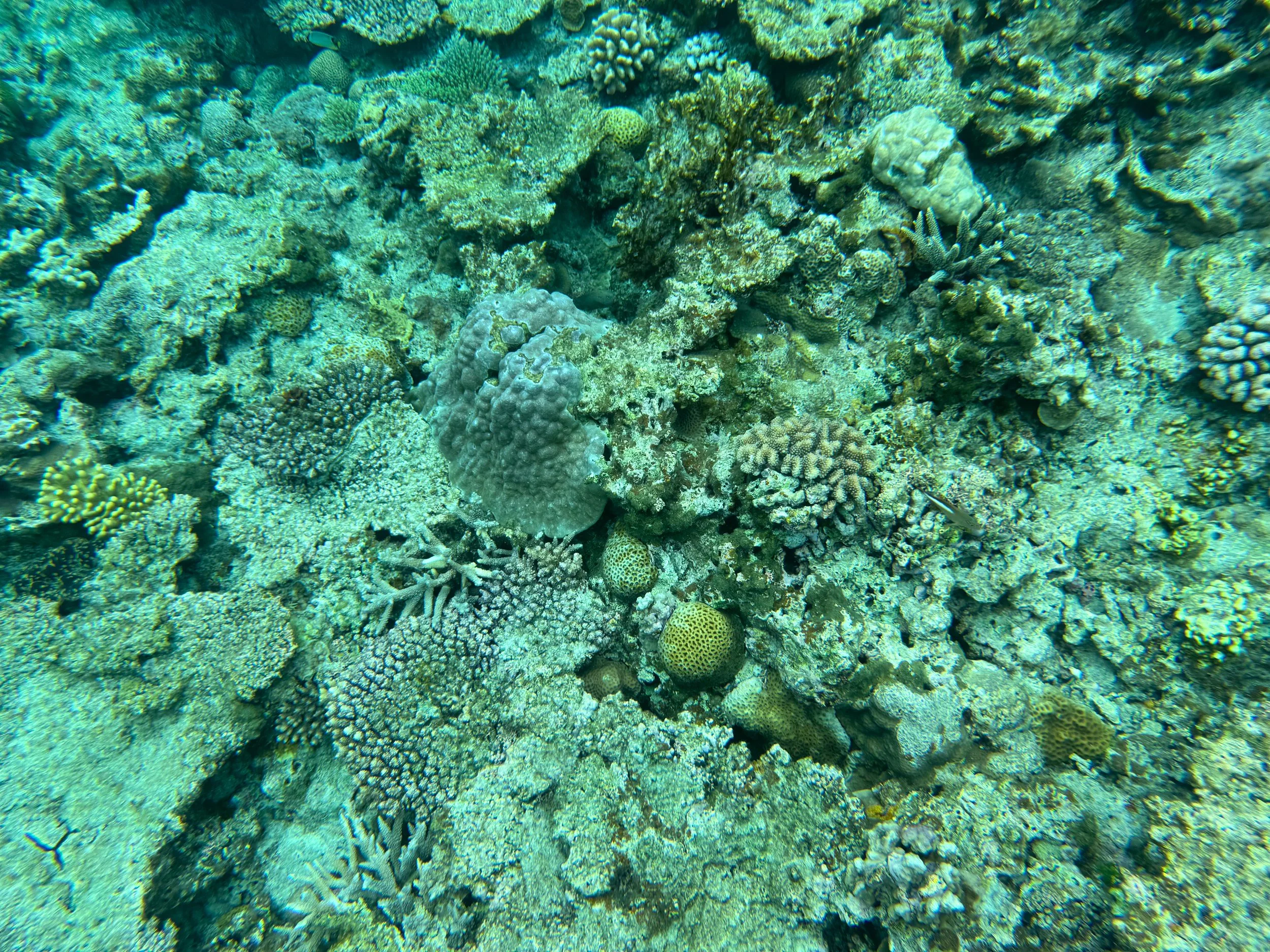
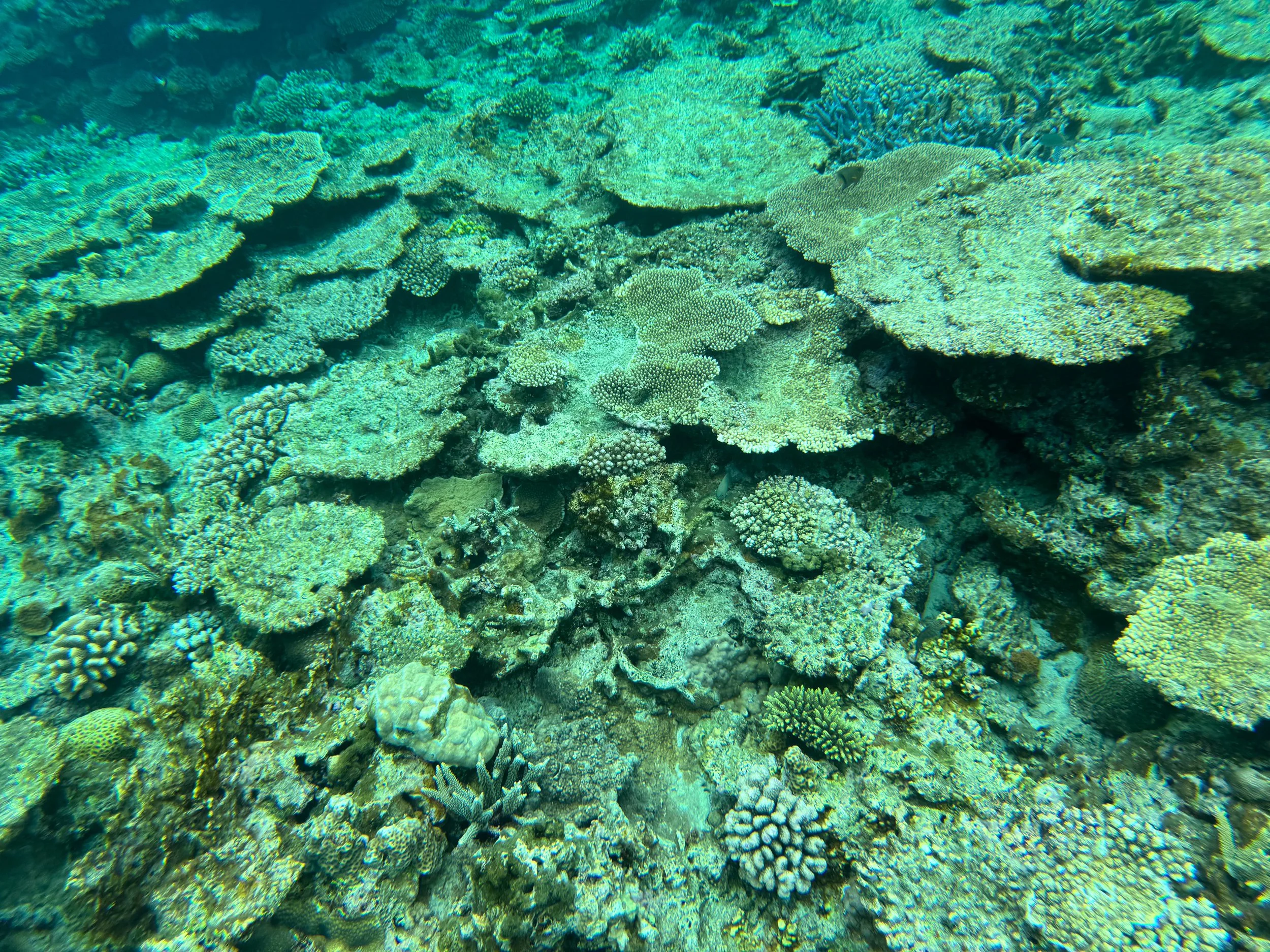
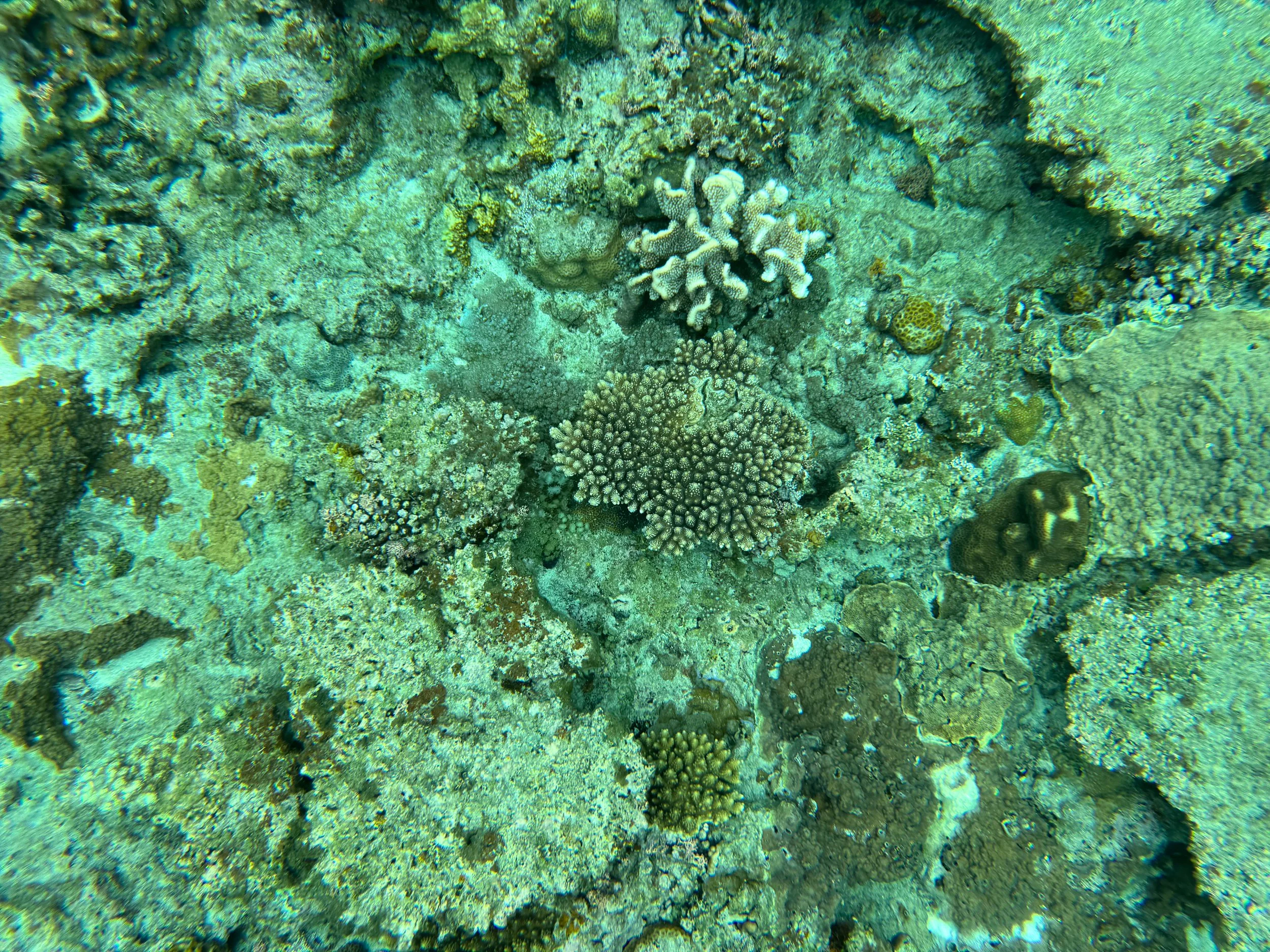
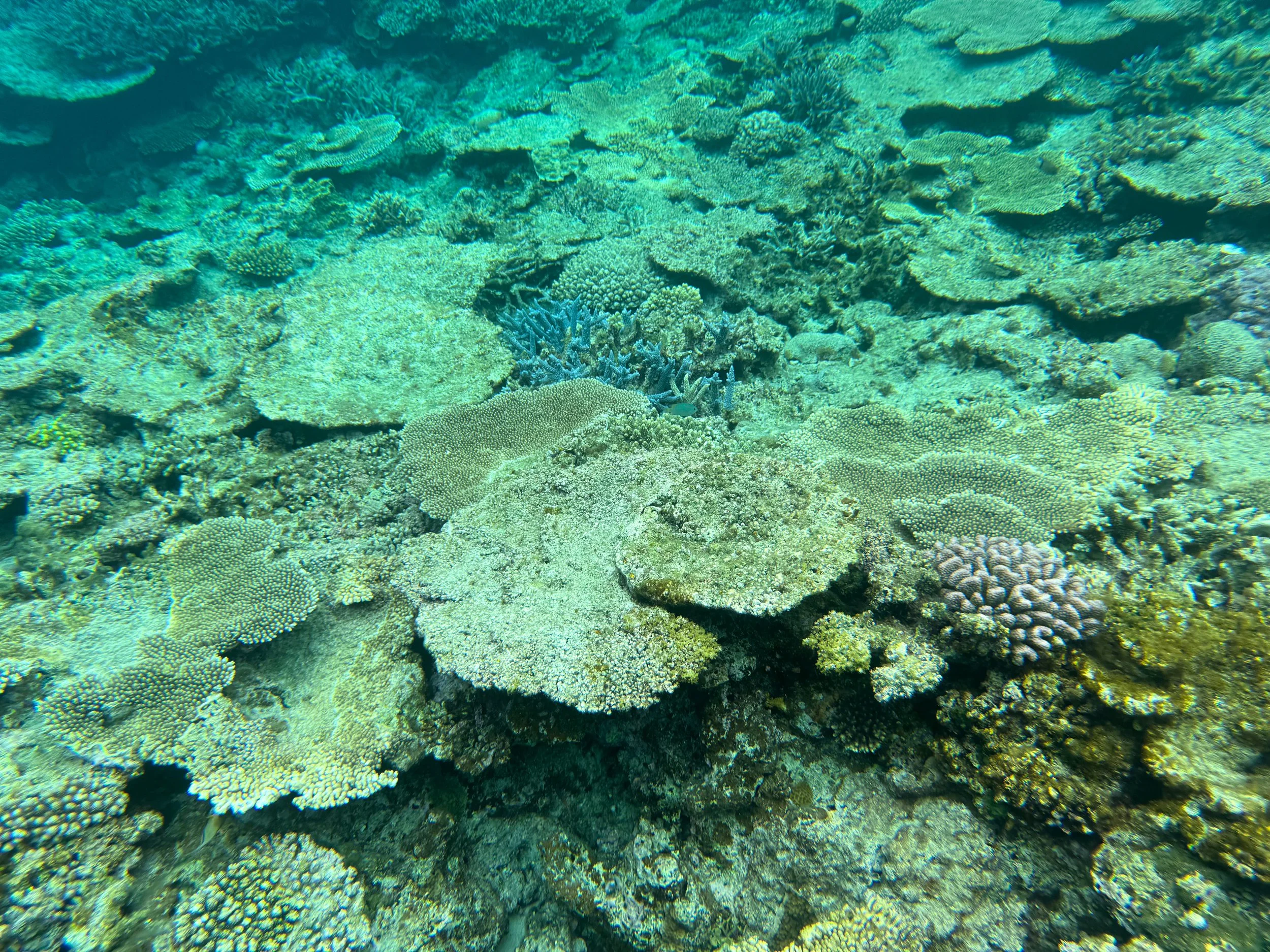
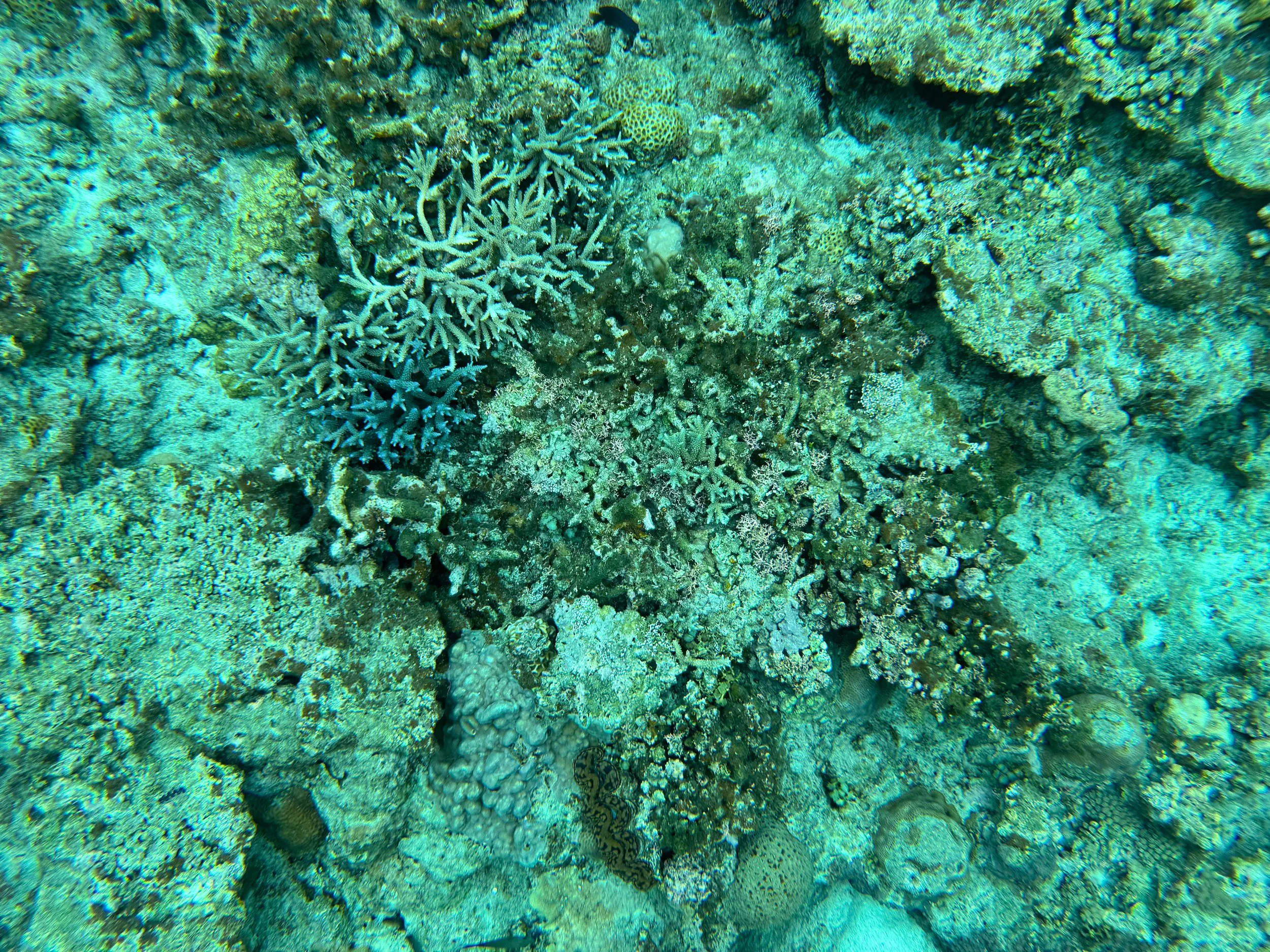
Okinawa’s Kerama Islands are world renowned for their crystal clear waters and thriving marine ecosystems. They’re one of the few places in the world where coral reefs are not in decline. We visited three snorkeling spots on a full day tour and experienced our first introductory scuba dive.
Go Snorkeling. Beneath the surface of the crystal clear water is a world teeming with life. We observed nebulous shaped corals and vibrant reefs home to poisonous sea snakes, bright colored star fish, multicolored parrotfish, fluttering pufferfish, playful clownfish and swaying anemones. Most reefs we visited were a minimum of 10 meters below the surface but easily visible.
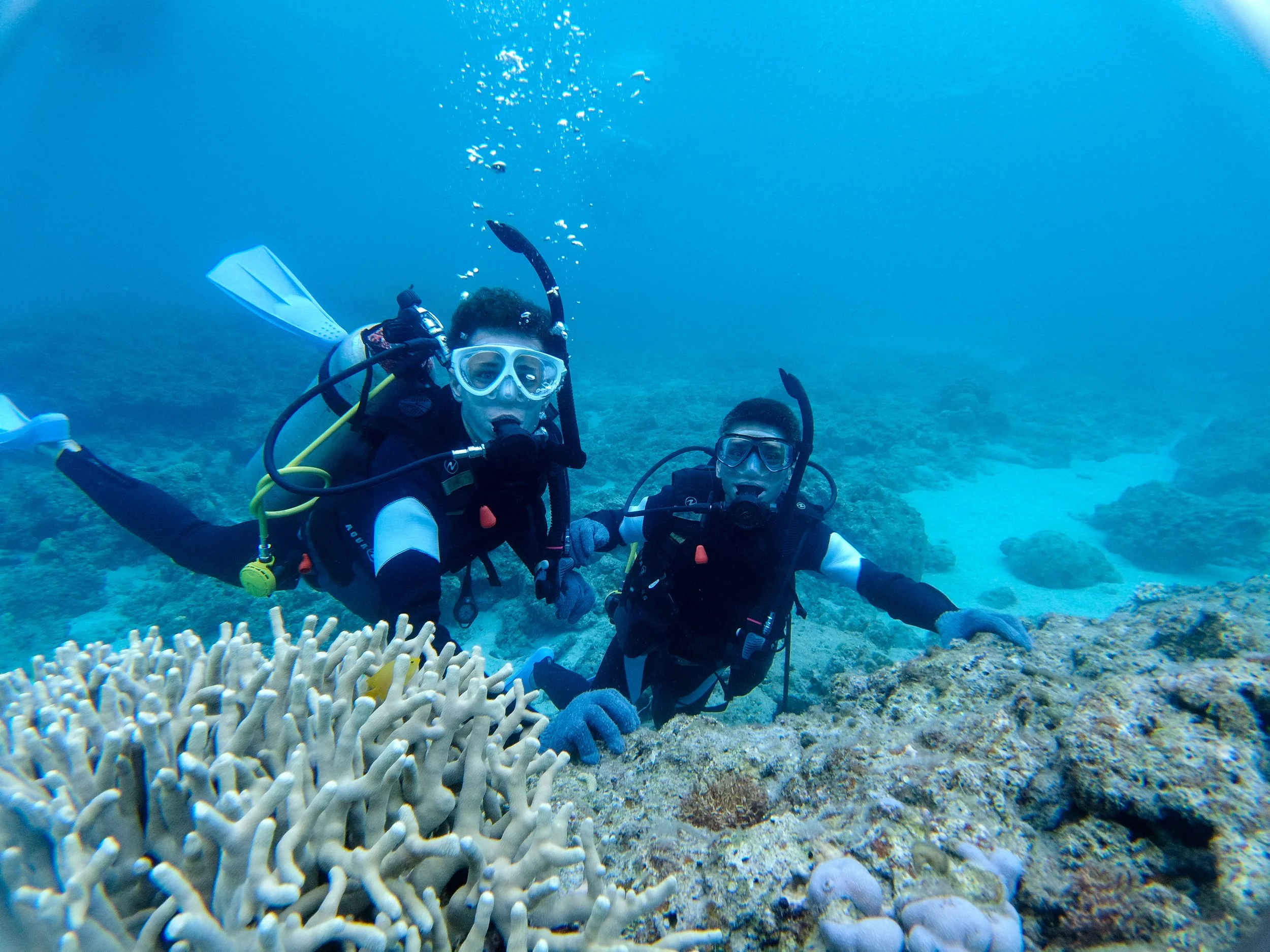
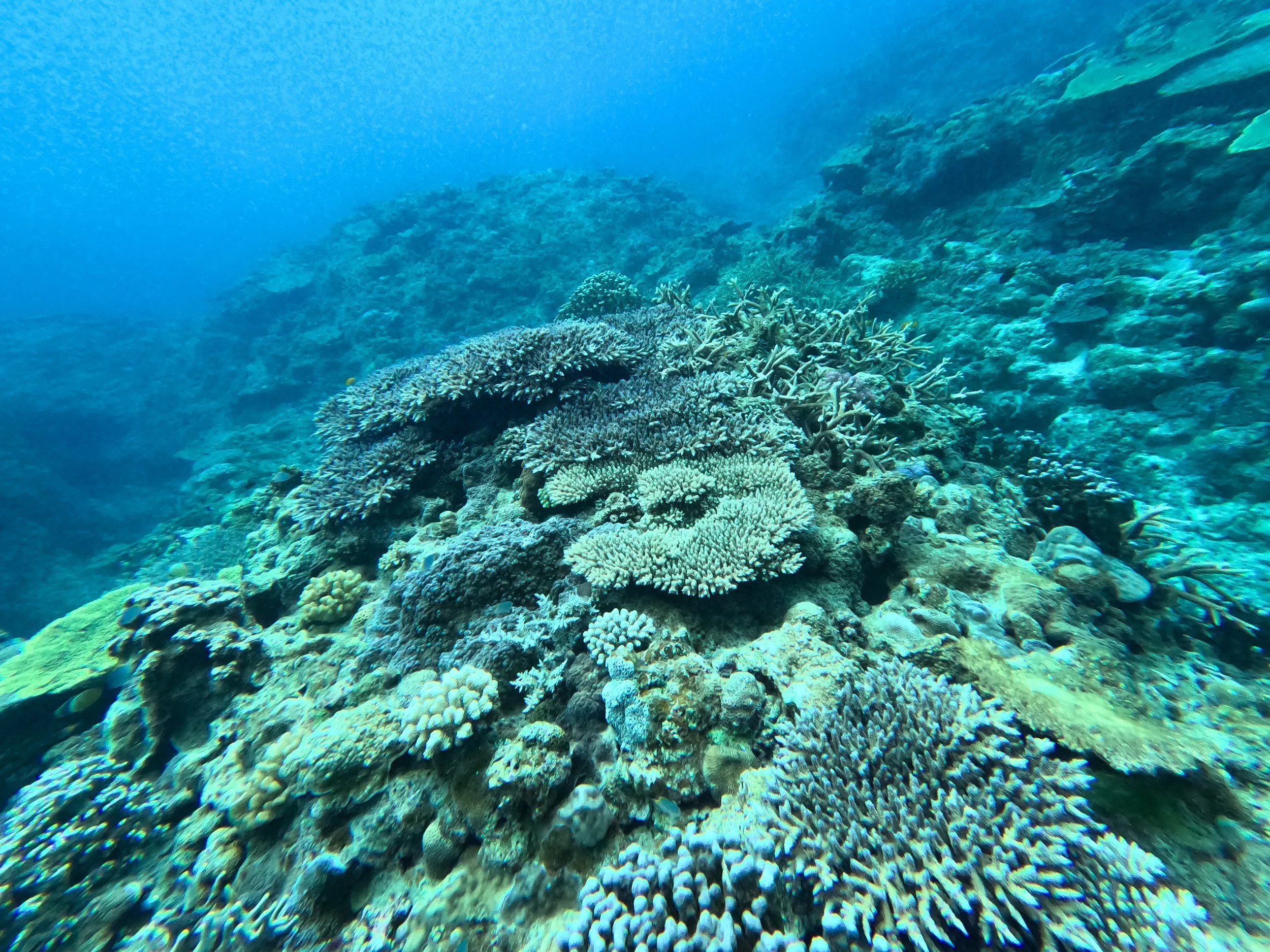
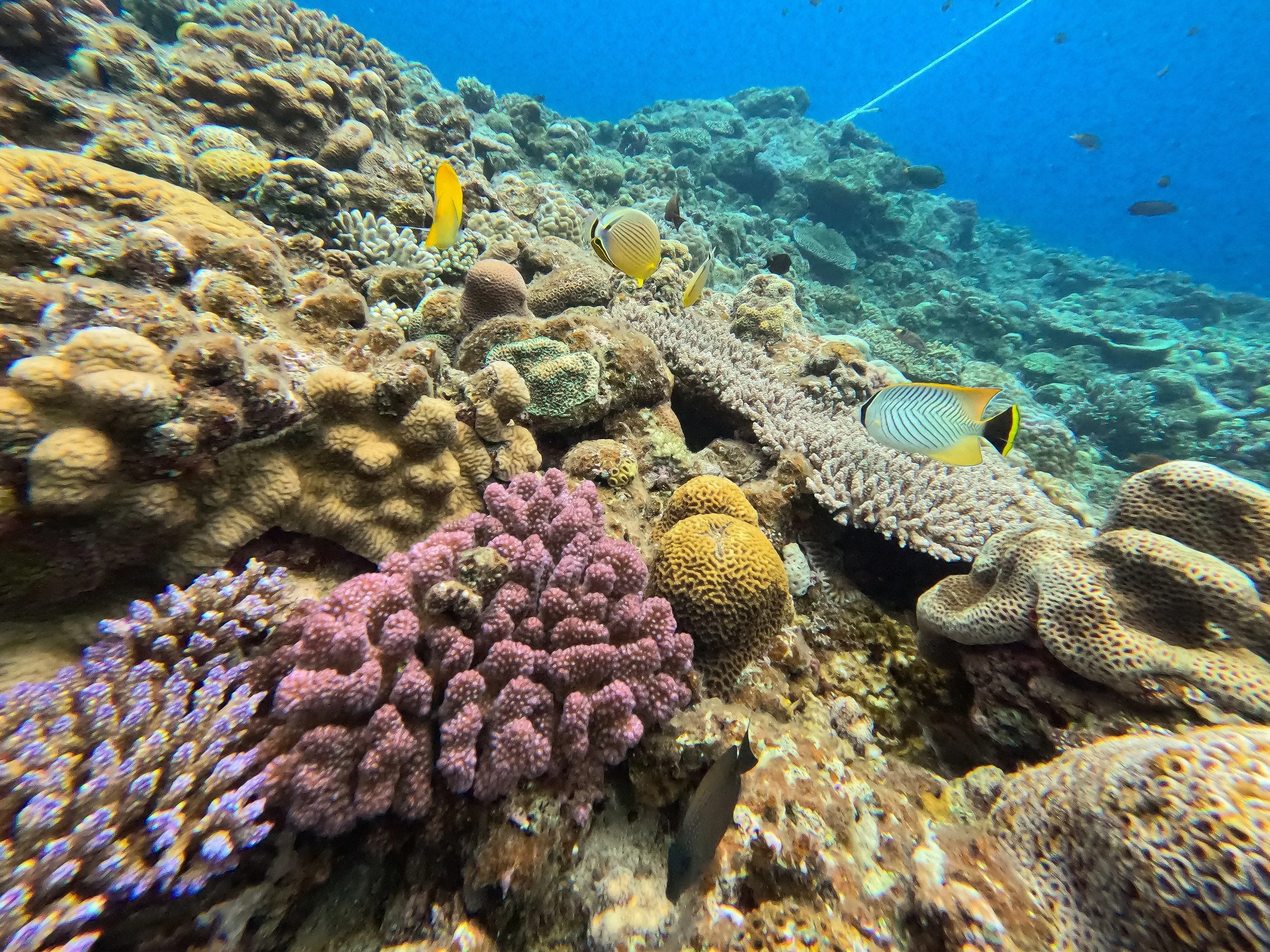
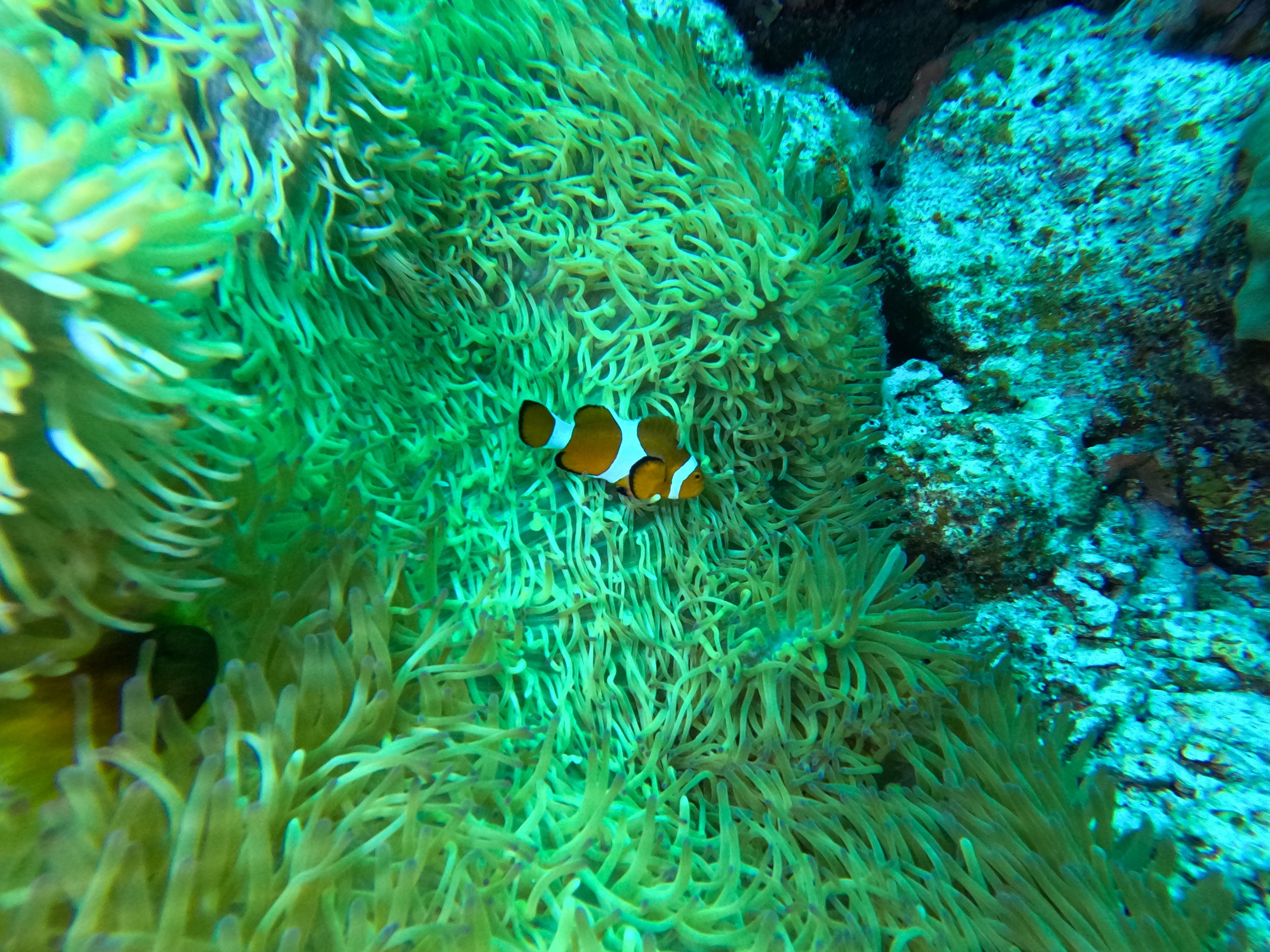
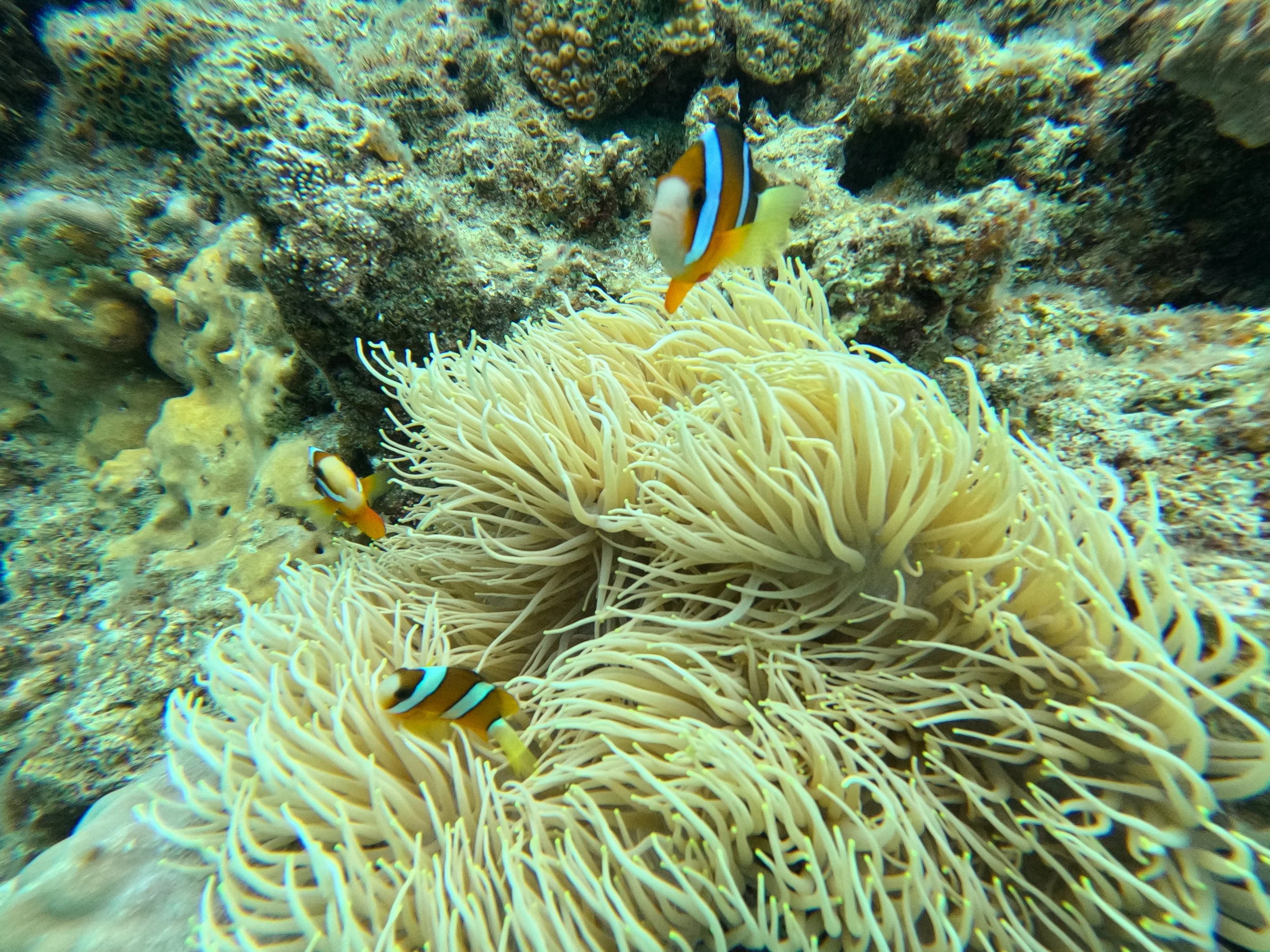
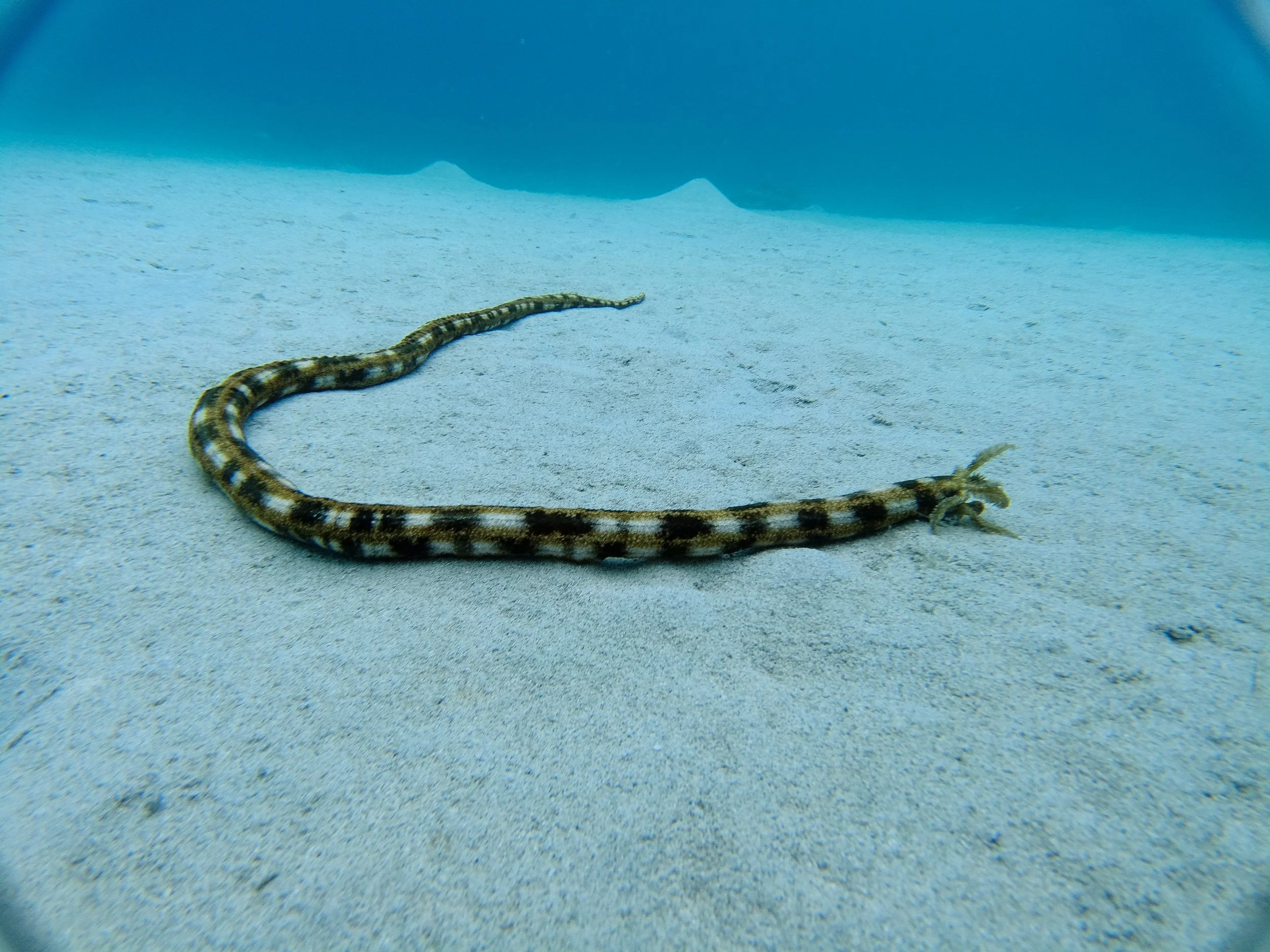
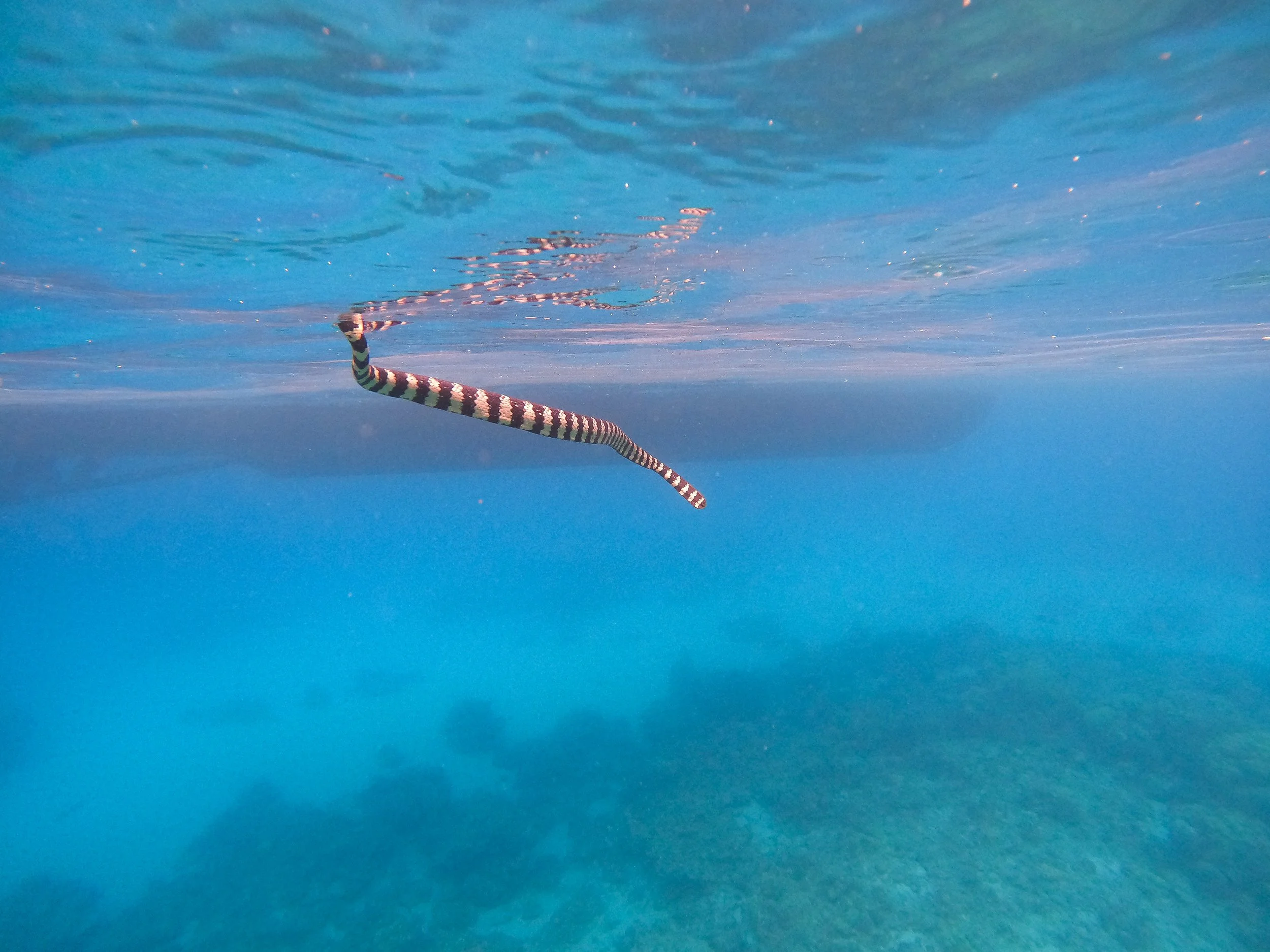
Intro Scuba Diving. The crew fitted us with wet suits, oxygen tanks and all the necessary scuba gear for our first dive. Led by an instructor, we slowly and comfortably descended into the depths. Once acclimated, we swam around the ocean floor past coral formations, starfish, sea cucumbers, anemones and clownfish. We spent about 30 minutes 10 meters below the surface exploring the underwater world. We booked our adventure with Marine House Seasir Kerama Islandson Trip Advisor.
Golden Week
Japan’s Golden Week encompasses multiple national holidays and celebrations in late April through early May. Okinawa is a popular destination, famed for its cultural activities and Dragon Boat Races.
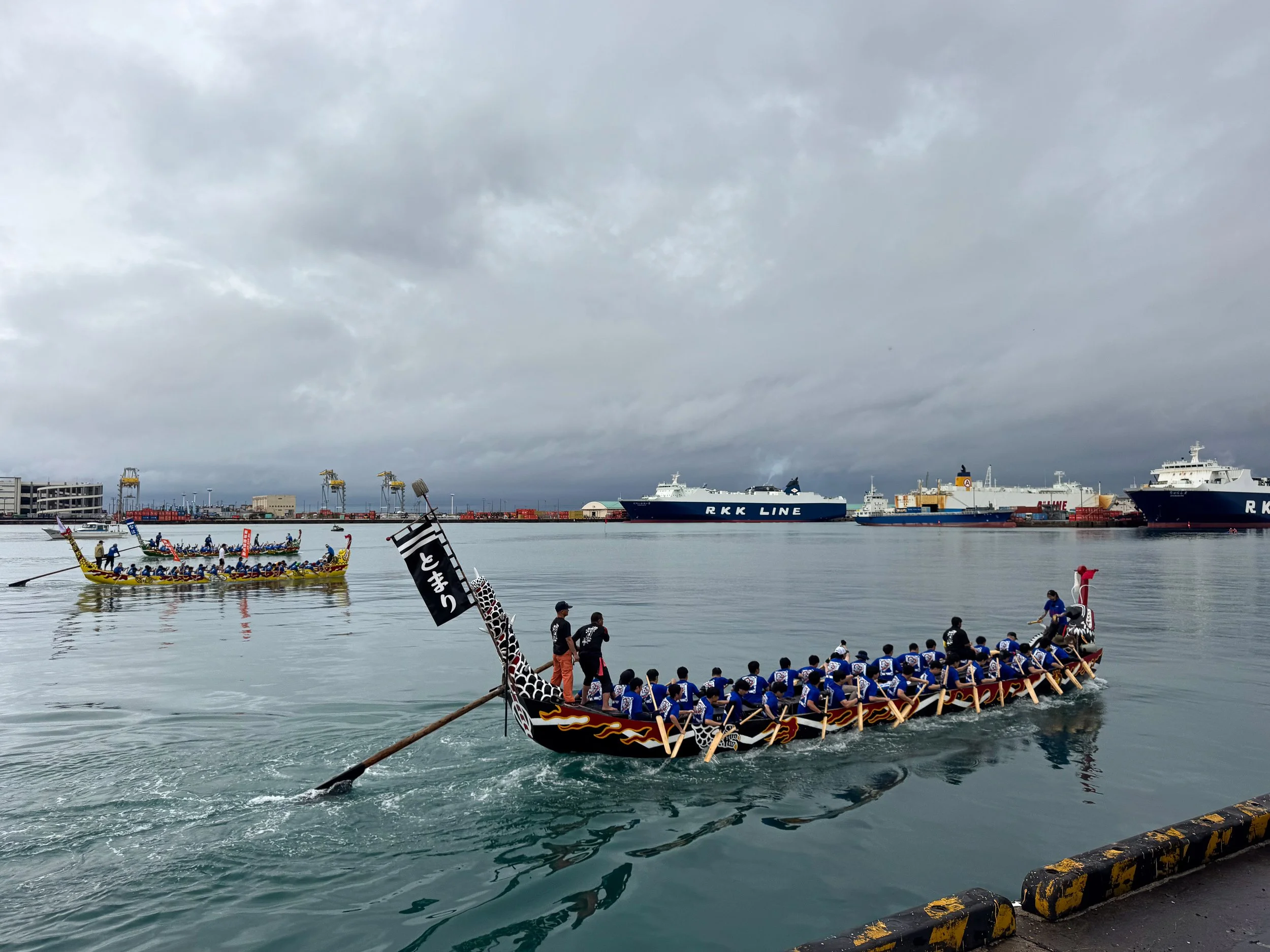
Naha Hari Festival (The Dragon Boat Festival). The Dragon Boat Festival is a yearly event held during Okinawa’s Golden Week. Teams of rowers race Dragon Boats, traditional wooden canoes designed with the head of a dragon on their bow. The race is symbolic of Okinawa and its culture around the sea. It dates back to the Ryukyu Kingdom as a way to pray for a safe voyage and good catch. Today it is a celebrated continuation of tradition. The festival is accompanied by tents with fair games, street food vendors and Orion beer gardens. It ends with a musical performance and firework show over the harbor. The festival is held every year on May 5 at the Naha Port, north of the Tomari Iyumachi Fish Market.
Pro Tip. In between races, stop by the Naha Hari Museum, a nearby museum dedicated to the history of the Dragon Boat Festival. The boats are displayed here when not being raced.
Places to Eat & Drink
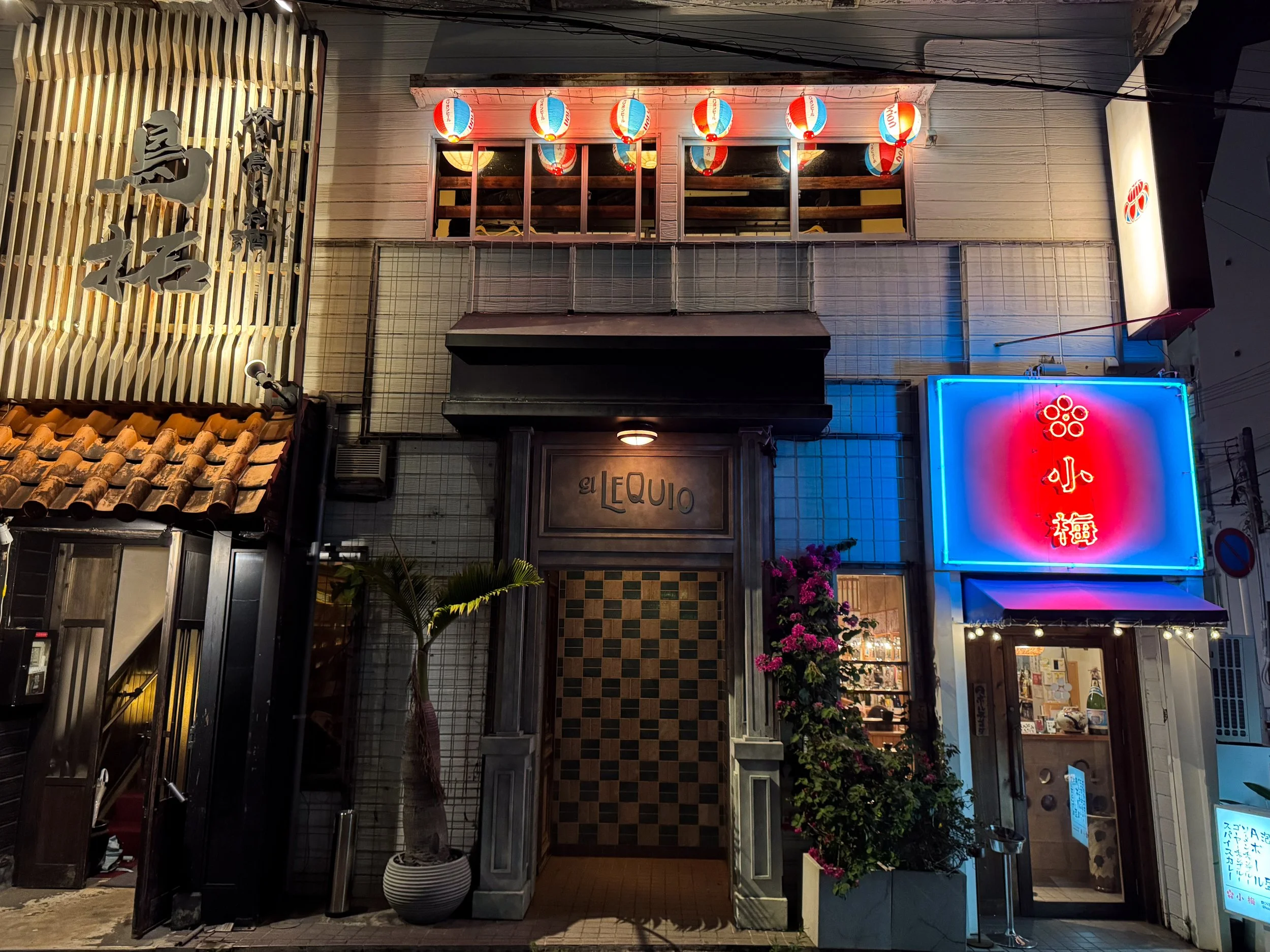
El Lequio. An elevated cocktail bar with Japanese and Mexican fusion cocktails made from an impressive “library” of spirits. It’s regularly reviewed as one of the top 50 bars in the world. Sit at the bar and watch the mixologists present signature cocktails. Try the Have A Blast, a mezcal and shochu cocktail or the Lequio Libre made with Okinawan rum and house made cola.
Bar Accord. A cocktail bar with Japanese made spirits, primarily whisky and gin. It has an old world feel, emphasized by the number of smoking patrons and dim lights. We sipped on local spirits accompanied by rice crackers and wasabi peas.
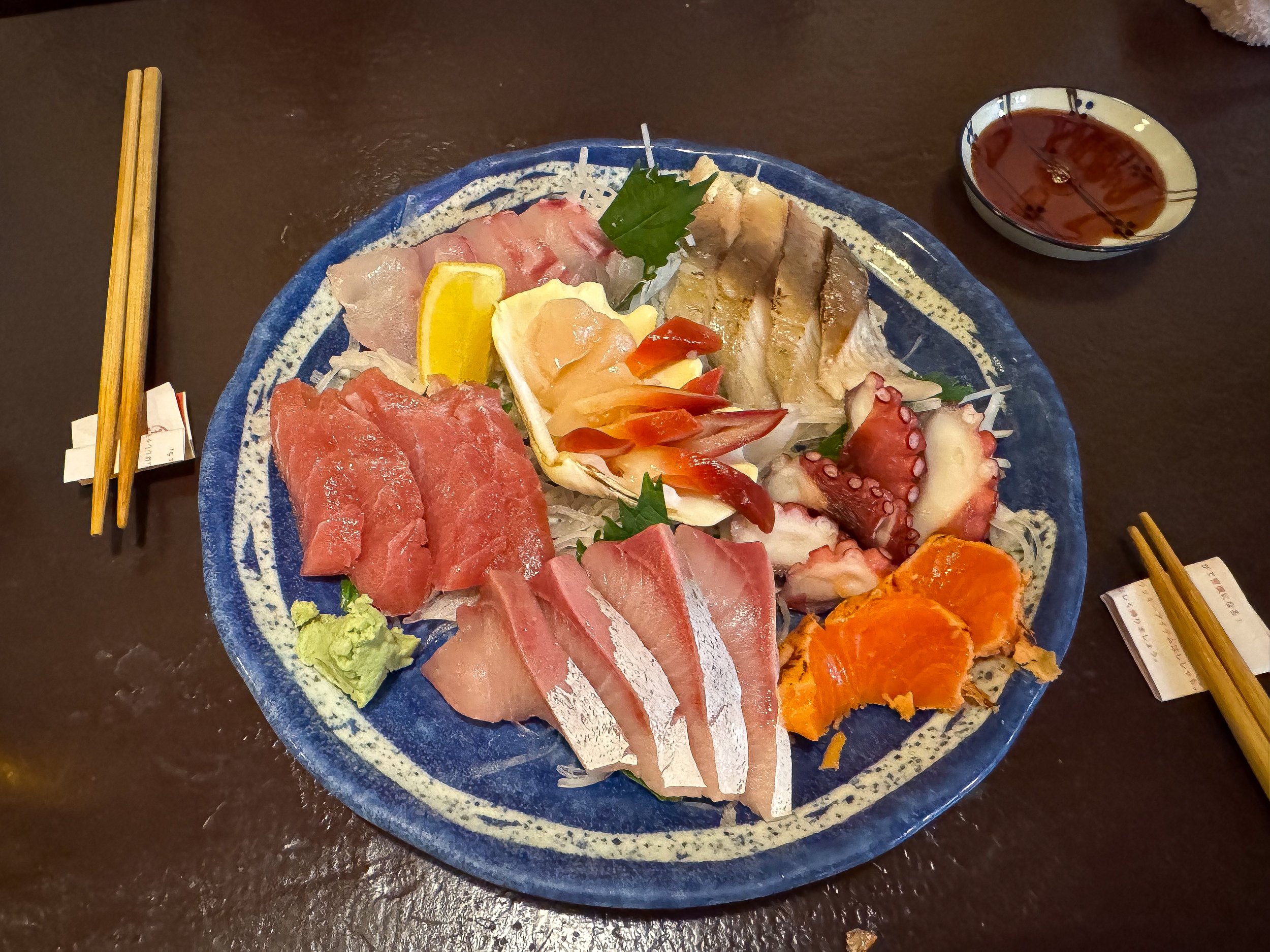
Hamaton Sushi. An izakaya with a range of sharing plates including soba, tempura, flamed mackerel and assorted plates of sashimi. We came here for our first meal in Japan!
Syokudo and Teishoku Restaurant. A rooftop restaurant in a small hotel with the classic Japanese breakfast combination of miso soup and onigiri. Try the onigiri made with bonito flakes and mayonnaise or spicy cod roe and cream cheese.
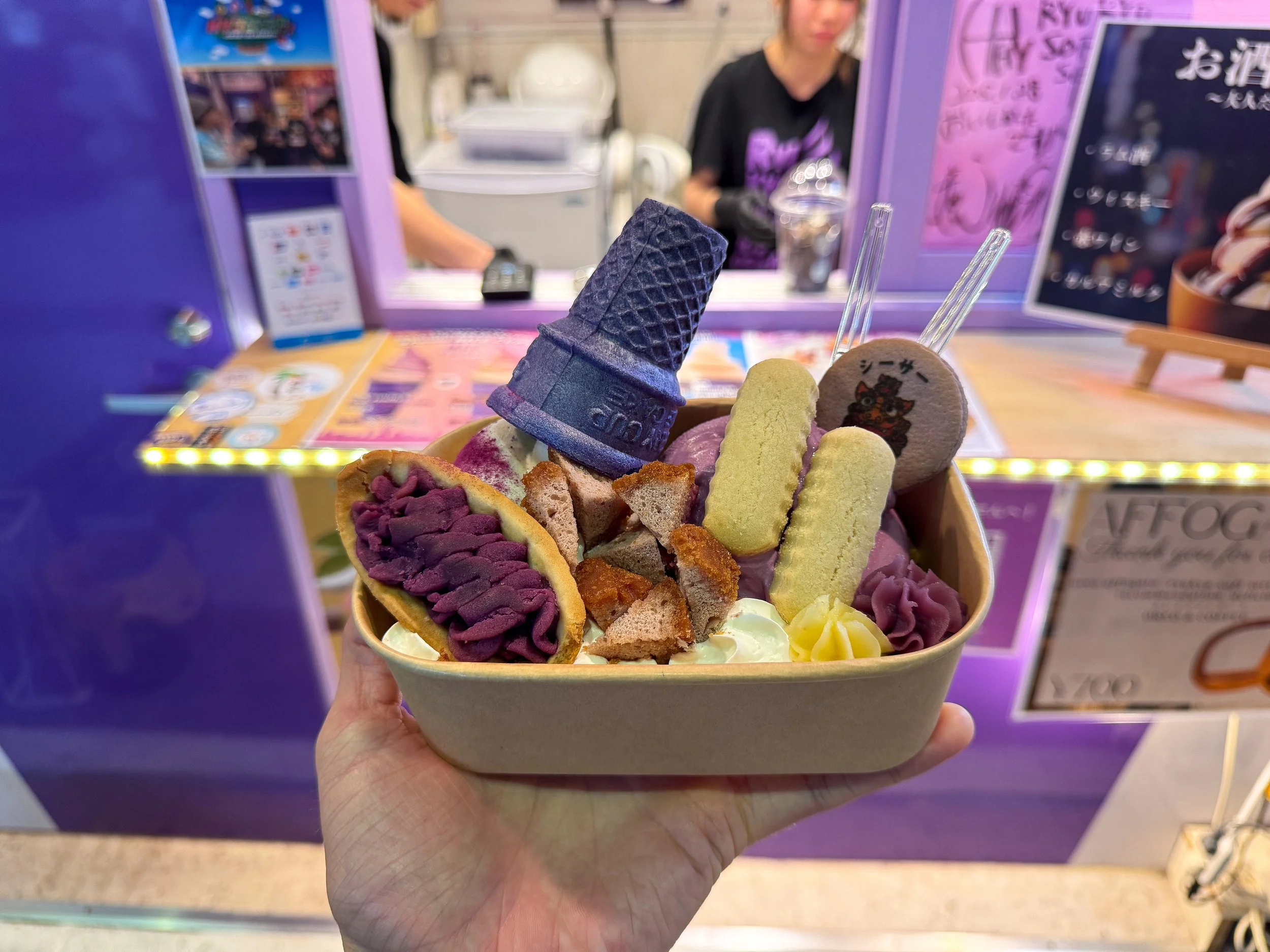
Ryukyu Soft Serve Ice Cream. A soft serve ice cream shop on Ichiba Hondori with ube and vanilla flavors paired with local sweets and desserts. We shared the Ryukyu Premium Plate, an ice cream sundae made with both flavors and topped with Okinawa donuts, beni imo tarts, shortbread and ube cookies.
Blue Seal Ice Cream. A popular ice cream chain with American and Okinawan flavors like beni-imo, ube, matcha and cheesecake.

Okinawan Cuisine
Japan is world renowned for its cuisine, flavors and culinary presentation. Okinawa shares many of the same dishes as the rest of Japan but it also has its own specialities and some of the country’s freshest seafood.
Seafood Dishes
Sashimi. High quality pieces of thinly sliced raw seafood eaten without rice. It can be prepared with any type of seafood like tuna, mackerel, scallop, octopus or sea snail.
Okinawa Uni. A Japanese delicacy made from the roe of edible sea urchins. Uni from Okinawa has a slightly sweeter taste than the famed Hokkaido uni but with a buttery and umami forward flavor.
Giant Top Snail. A large sea snail only found in the waters of Okinawa. It’s popular served raw as sashimi or cooked with butter and garlic.
Street Food
Taiyaki. A fish shaped pastry with a waffle like flavor. It is often stuffed with red bean paste, custard or ube.
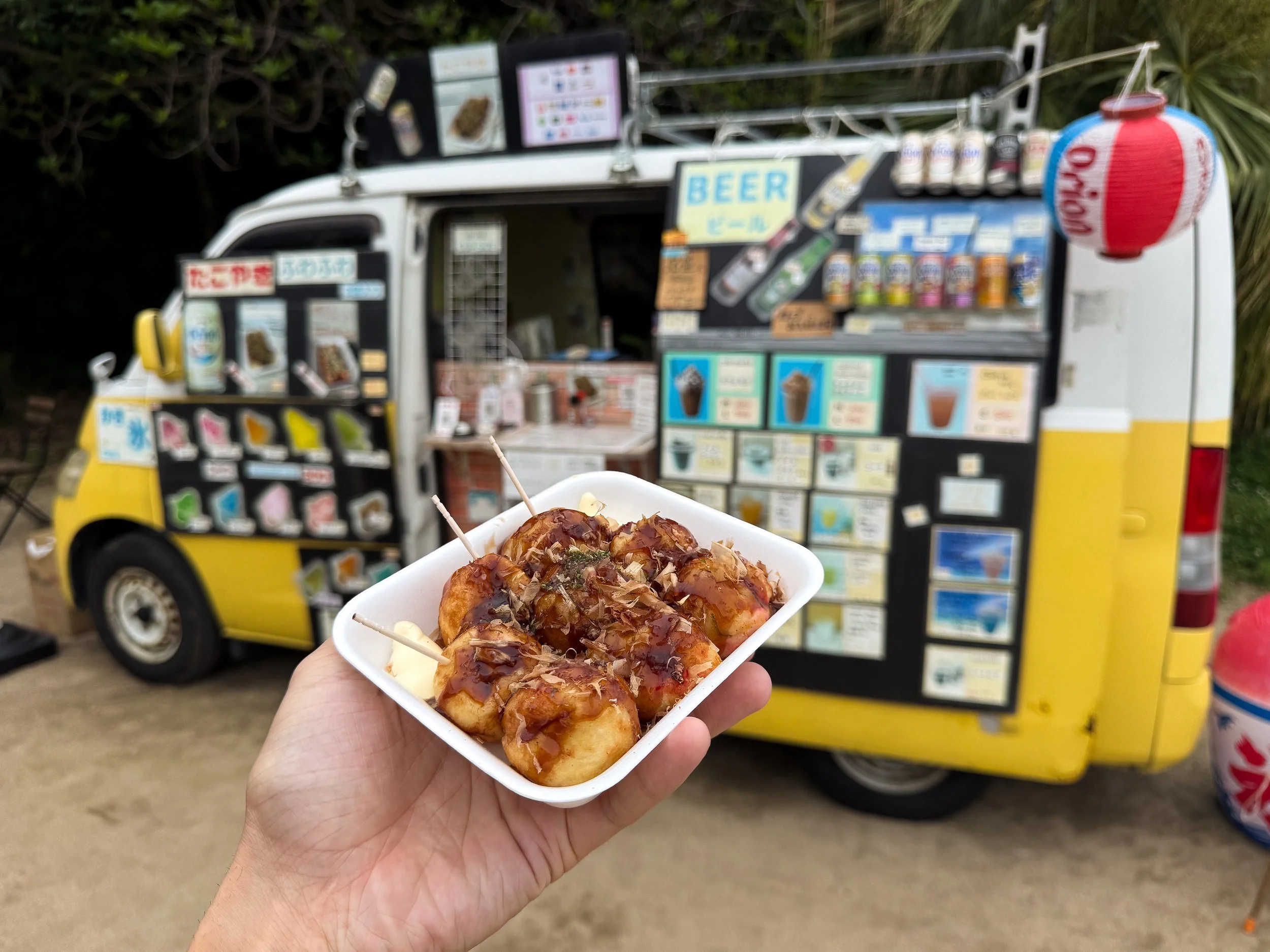
Takoyaki. Octopus batter molded into bite size spheres and garnished with kewpie mayo, eel sauce and bonito flakes. It’s a popular Japanese street food dish.
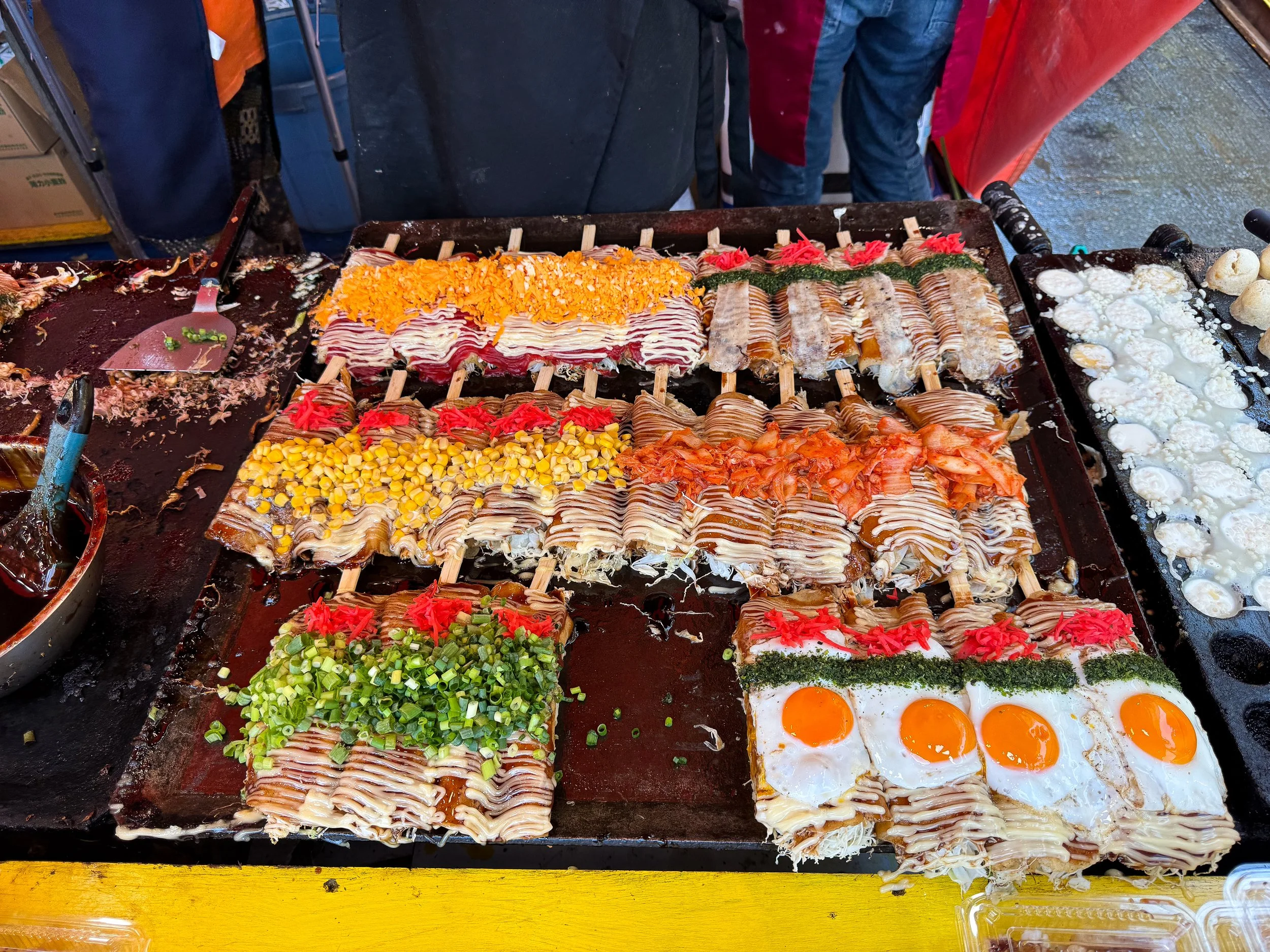
Dondon Yaki. A savory pancake wrapped around a chopstick made from egg, cabbage, green onion, bonito flakes, eel sauce and kombu seaweed. It’s typically served as street food in markets.
Rice and Noodle Dishes
Onigiri. A triangular shaped packet of Japanese sticky rice with a savory filling wrapped in nori seaweed. It’s a popular breakfast, lunch or on the go snack. A favorite filling is tuna with mayo.
Spam Musubi. Sliced Spam served over seasoned sticky rice and wrapped with a band of nori. It’s popular across the island, specifically in supermarkets.
Tamago Rice. Hot Japanese sticky rice seasoned with tamago, a sweet and salty seafood forward seasoning. It’s a common breakfast dish.
Tamago Kake Gohan. The same as tamago rice but with an egg cracked on top and vigorously mixed using chopsticks until coagulated.
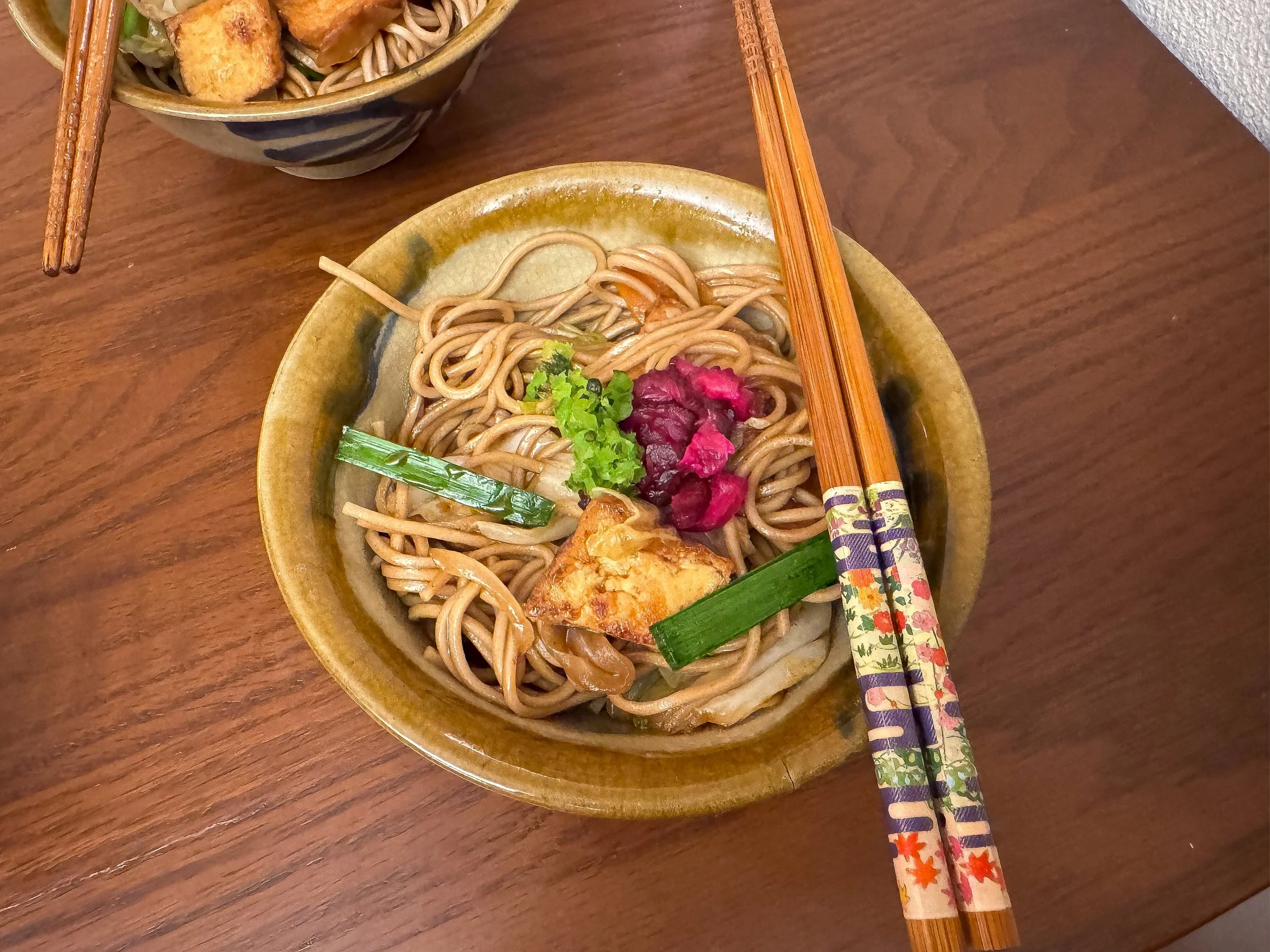
Soba Noodles. A buckwheat noodle dish often boiled and served with vegetables, meats and sauces. It’s usually served cold.
Yaki Soba. Similar to traditional soba noodles but fried and served warm.
Soups
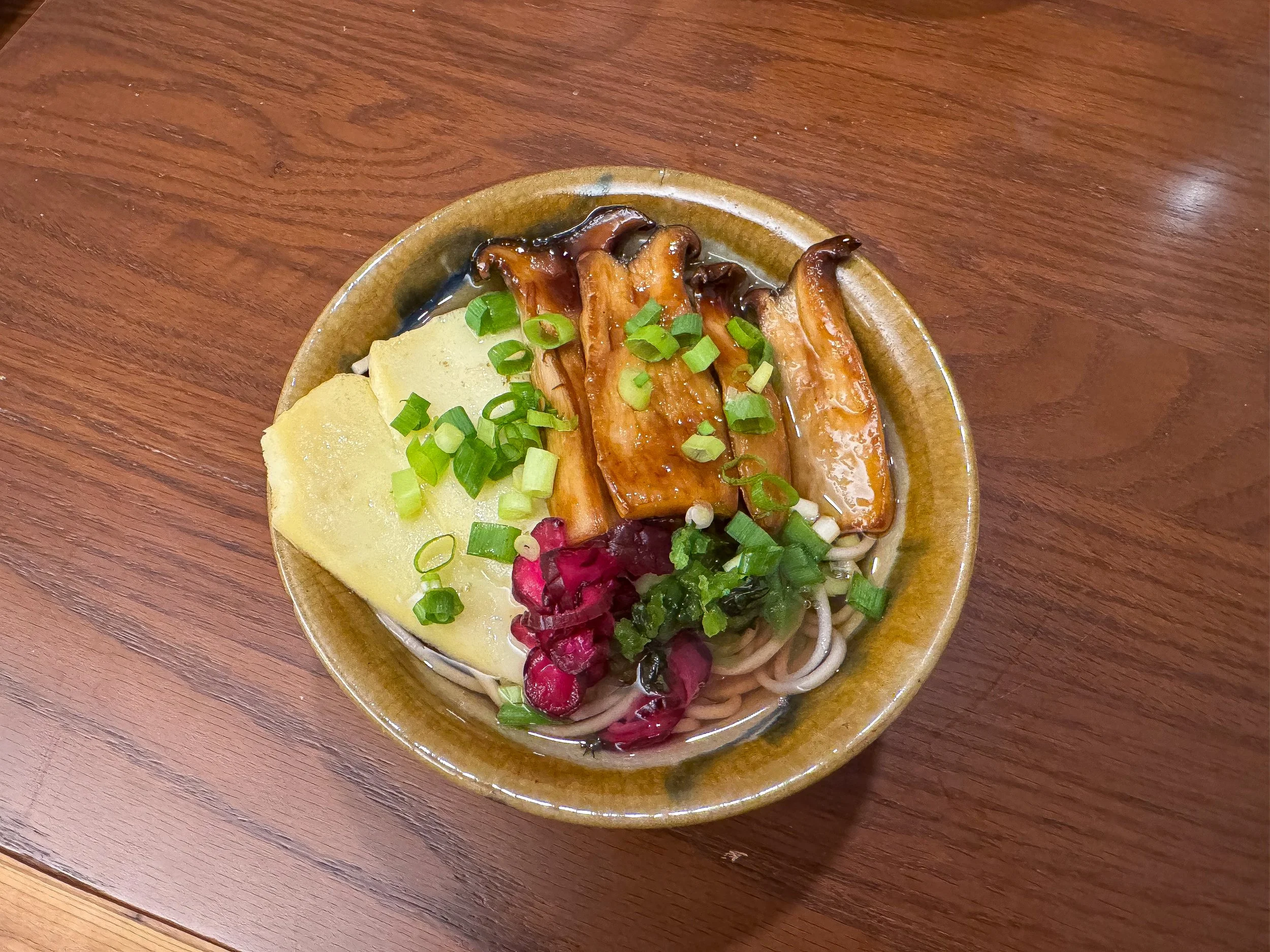
Okinawa Style Soba Noodle Soup. A soba noodle soup made with dashi broth and served with fish cakes, green onions, mushrooms and sliced pork.
Miso Soup. A flavorful umami forward soup made with miso paste broth, nori seaweed, bits of silken tofu and sliced scallion. It’s commonly slurped at breakfast.
Egg Dishes
Japanese Omelette. A fluffy and layered egg omelette made with dashi broth in a rectangular Japanese pan.
Egg Salad Sandwich. A popular sandwich made with an egg and mayo mixture spread between crustless slices of white bread. It’s often presented in halves with a sliced jammy egg at its center.
Fried Dishes
Tempura & Katsu. Two types of battered and fried dishes. The first is made with a flour batter while the latter is made with panko breadcrumbs.
Chanpuru. A stir fried dish made with bitter melon, tofu, eggs and pork. It’s common for breakfast.
Seaweed. A common side dish, seasoning and important base in Japanese cuisine.
Nori. Sheets of dried seaweed often used to wrap rice dishes or flavors and eaten as a snack.
Kombu. A hardy and dried seaweed often used to make soups and broths like dashi.
Umibudo. A type of seaweed known as sea grapes. They have a salty and satisfying crunch that bursts with flavor.
Mozuku. A stringy brown seaweed with a savory and salty flavor. It’s a common side dish in Okinawa.
Desserts
Beni Imo. A purple sweet potato cooked into pastries and ice cream. Try the Beni Imo Tarts, an ovular tart with piped ribbons of beni imo cream.
Okinawa Donuts. Craggily and cakey fried dough balls.
Pineapple Cake. A cakey bread made with pineapple jam and chunks.
Alcoholic Beverages
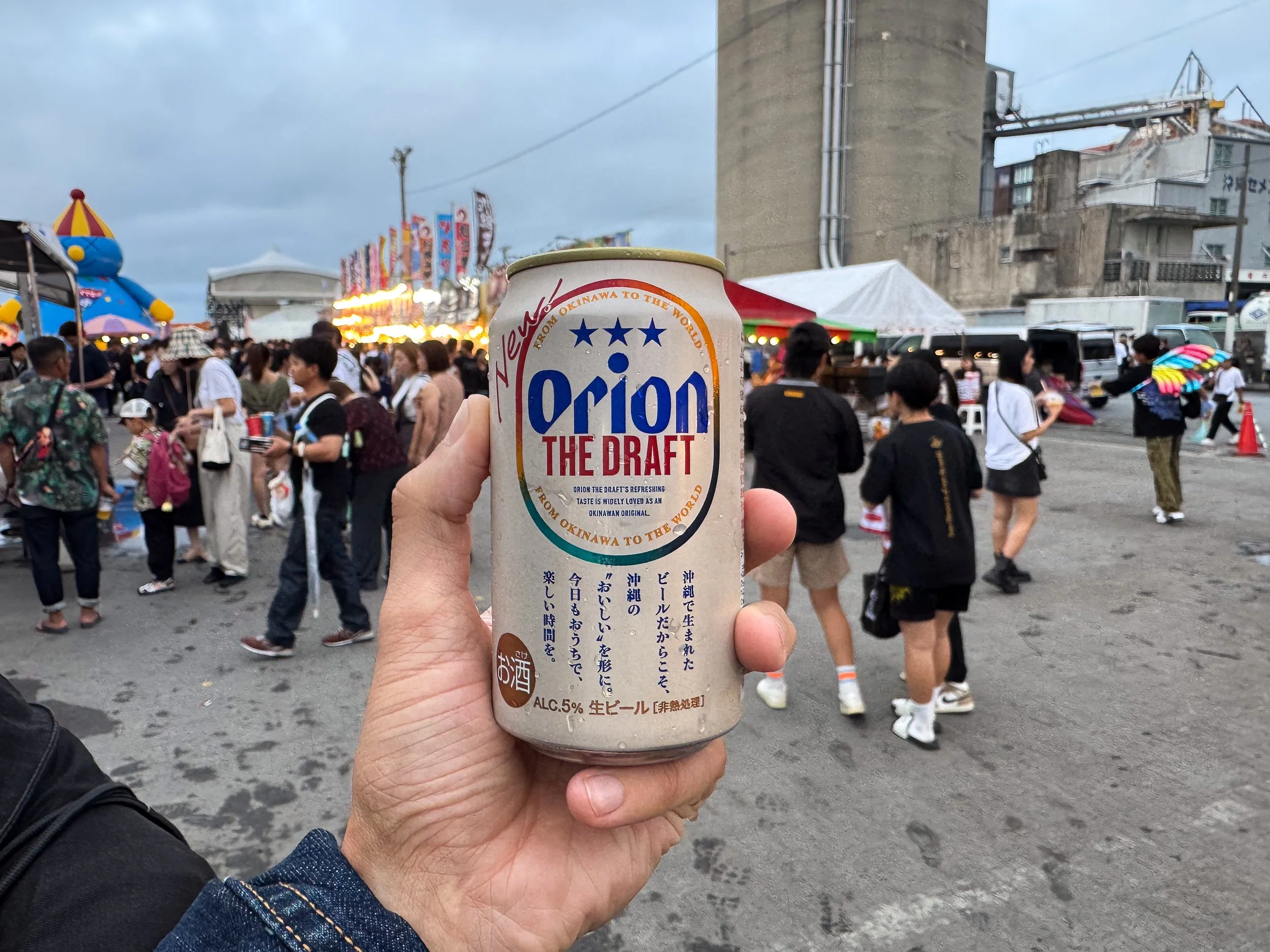
Orion Beer. A locally brewed rice beer with a light and hoppy flavor sold and served everywhere in Okinawa. Try it with a slice of orange to enhance its flavor.
Sake. Japanese fermented rice wine. It comes in a complex range of flavors depending on rice type, polishing, filtration and alcohol content.
Awamori. A liquor made from fermented rice wine aged in clay pots with black koji, a type of mold. It tastes like an earthy sake and is typically served over ice.
Where to Stay
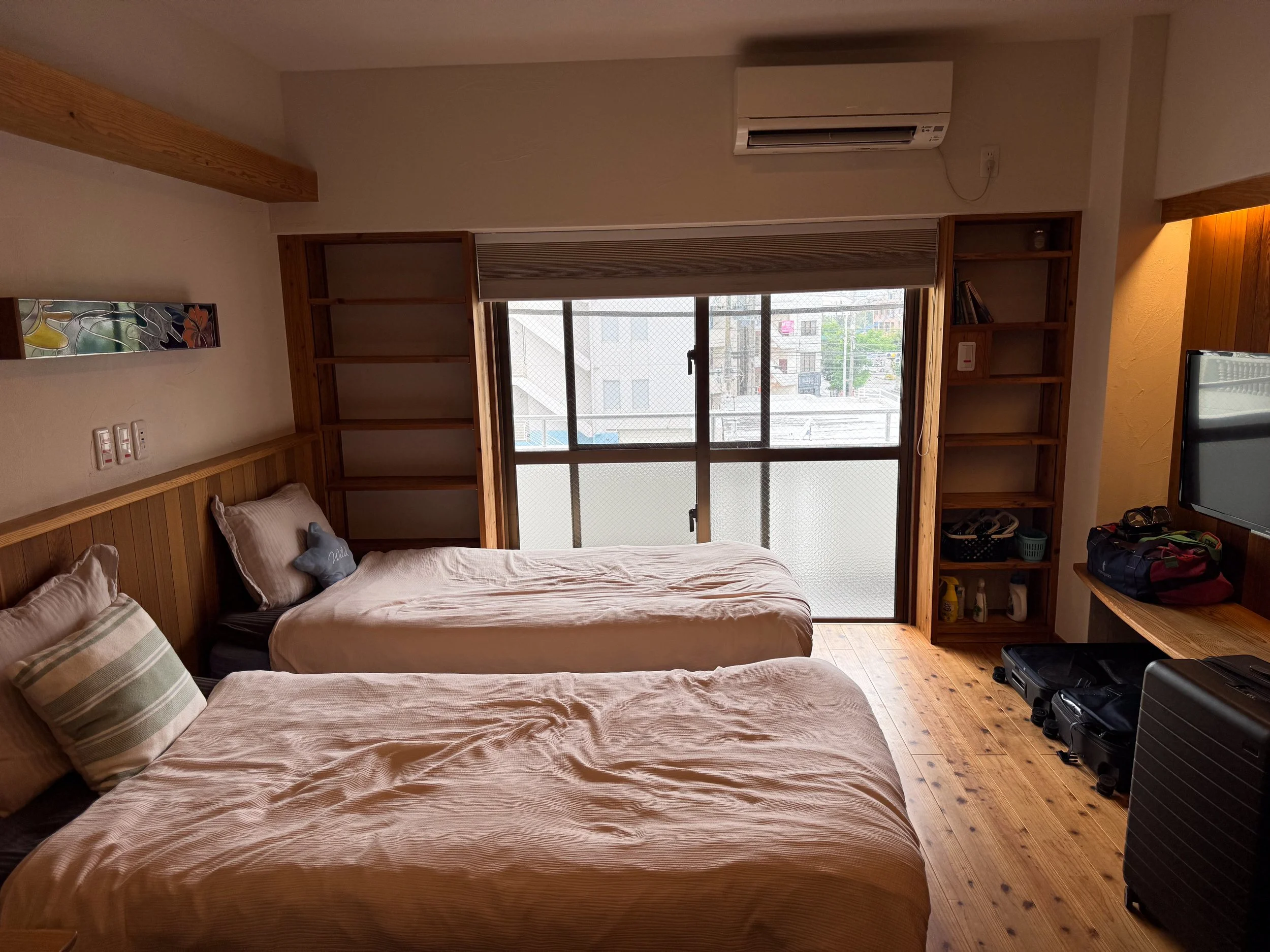
Delights Guest House Tsubogawa. An apartment building with individually appointed rental units. Our studio was designed with wooden accents, coral plastered walls and a stained glass sconce. It included a balcony with a laundry machine, toilet with a high tech bidet and a kitchen perfect for cooking our own meals in. It’s near a Yui Rail station, minutes from the airport and city center. Reserve on Airbnb.
Getting Around
There are several ways to get around Okinawa and the city of Naha.
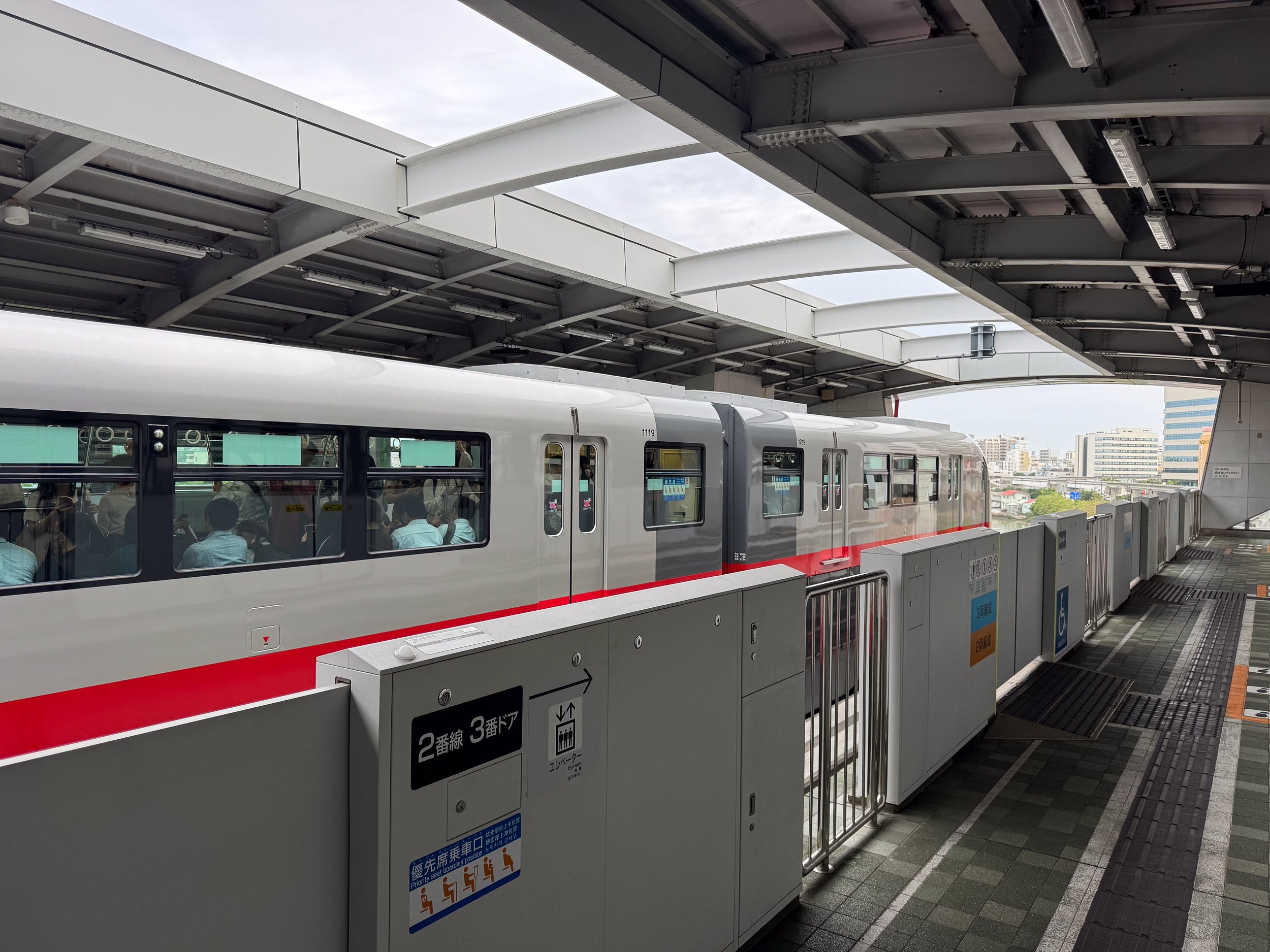
Yui Rail. A single line monorail with stations across Naha. The line starts at the airport and weaves through the city to the town of Urasoe. It’s the city’s most efficient form of public transit, operating from 6am to 11pm. Individual tickets are available from kiosks at every station. The cost depends on the distance traveled with fares ranging around a few hundred yen.
GO. A taxi hailing app popular across Japan. It’s perfect for getting to destinations too far from a Yui Rail station or too far to walk. Rides can be expensive.
On Foot. Naha is an easily walkable city. We often walked up to 30 minutes to get around when not near the Yui Rail.
By Car. A rental car is needed to explore the island outside of Naha.
Driving in Japan
Driving in Japan was an intimidating thought but turned out to be far easier than expected. There are a few things that are good to know beforehand.
Drive on the Left. The Japanese drive on the left side of the road. It was surprisingly easy for a first timer, especially when following the flow of traffic. The only mistake made was continually confusing the turn signal and windshield wiper levers.
Metric System. Distance and speed are measured in meters and kilometers.
Road Signs. Road signs are in both Japanese and English.
Refueling. Gas station attendants refuel the vehicle for you.
Rental Cars. We rented our car from Okinawa Rent A Car near the Naha Airport. Cars can be reserved in advance, paid at pick up and driven off with no concerns. An international driver's license (IDP) with a Japanese translation is required in addition to your regular driver’s license.
Location Specifics
When to Visit. We visited Okinawa in early May at the beginning of the rainy season. Skies were regularly overcast with pockets of rain showers. Though it wasn’t beach weather, we still enjoyed our time visiting outdoor sights, scuba diving and exploring caves. Golden Week is always the first week of May and the Dragon Boat Festival is held every May 5th.
Credit vs Cash. Japan is generally a cash leaning country. Credit cards are accepted at some businesses but it’s safe to expect needing to pay in cash.
Otoshi (Covers). Many restaurants, izakayas and bars will charge a cover when dining in. They often include a small snack or house appetizer.
Tipping. It is not necessary to tip at most businesses. Bills will often include a 10% service charge.
No Shoes Indoors. Japan is the strictest country we’ve visited when it comes to wearing shoes indoors. At most restaurants and accommodations, shoes must be left at the door before entering.
Body Language. Pointing with fingers and crossing arms is considered rude. Use both hands when giving or receiving anything like cash, credit cards, receipts or tickets. A slight head bow is considered respectful when greeting someone or saying goodbye.
Anti Foreigner Izakayas. Some Izakayas refuse to serve foreign customers. Hosts or owners will say they’re closed or sold out then proceed to seat Japanese speaking customers. When this happens, it’s best to brush it off and find somewhere else to dine.
Language. Knowing a few words and phrases in Japanese goes a long way when interacting with locals.
Hello. Kon'nichiwa (Kon-Knee-Che-Wa)
Good Morning. Ohayōgozaimas (Oh-Hi-O-Go-Sigh-Mas)
Thank You. Arigatōgozaimas (Are-E-Got-Toe-Go-Sigh-Mas)
You’re Welcome. Dōitashimashite (Doe-Tie-She-Mash-Two)
I Would Like. O onegaishimasu (O-Own-E-Guy-She-Mas-Sue)
Yes. Hai (Hi)
No. Īe (E-Yea)
Elsewhere in Japan
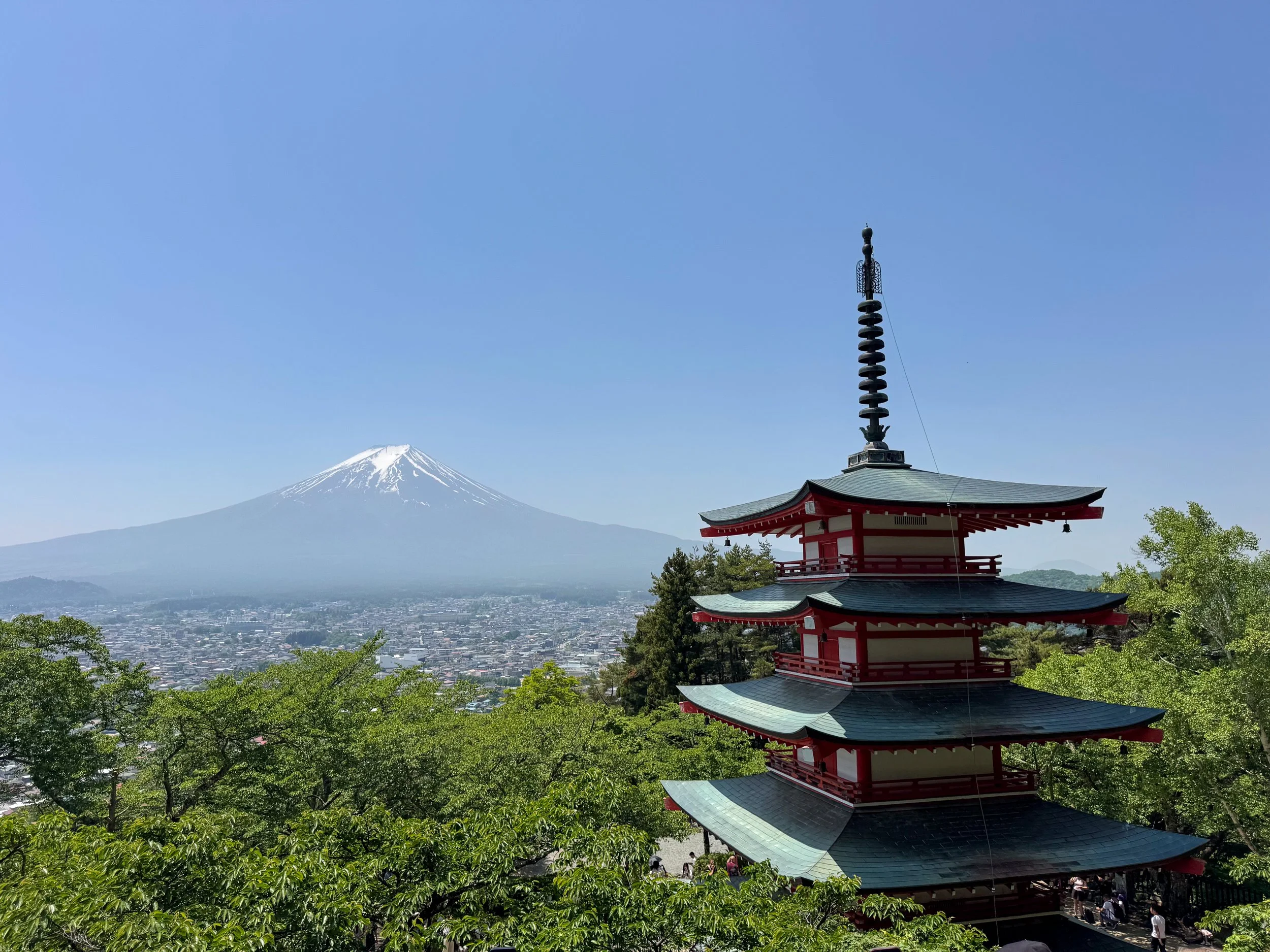
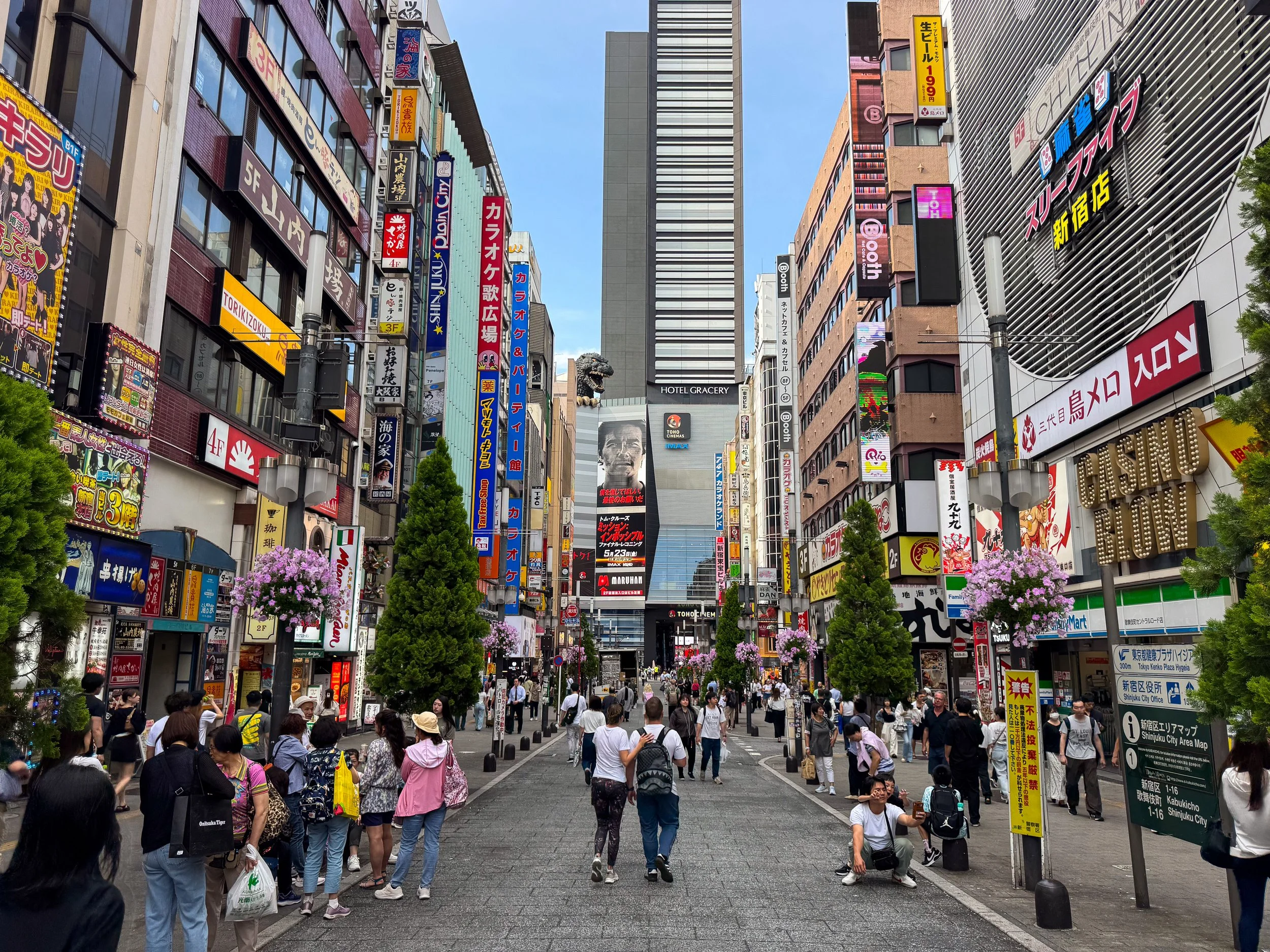
From Okinawa's Ryukyu heritage and island scenery to Tokyo's city life, Kyoto's temples and Osaka's food culture, discover more of Japan with these travel guides:
Tokyo Travel Guide: Districts, Japanese Culture & Mt. Fuji. Get lost in Tokyo where vibrant districts, neon cityscapes, historic temples, centuries old traditions & Japanese food alleys are set against the backdrop of Mt. Fuji.
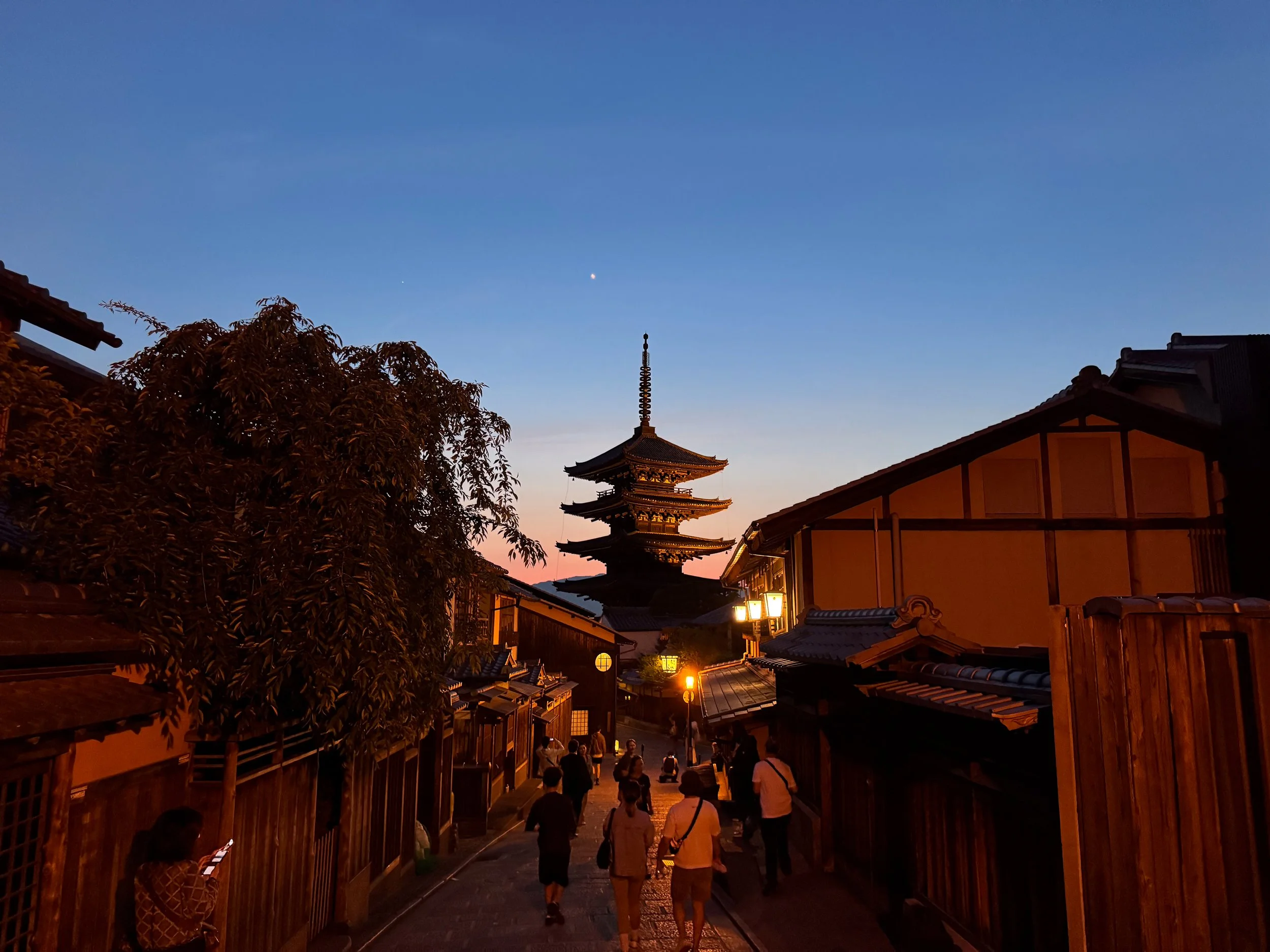
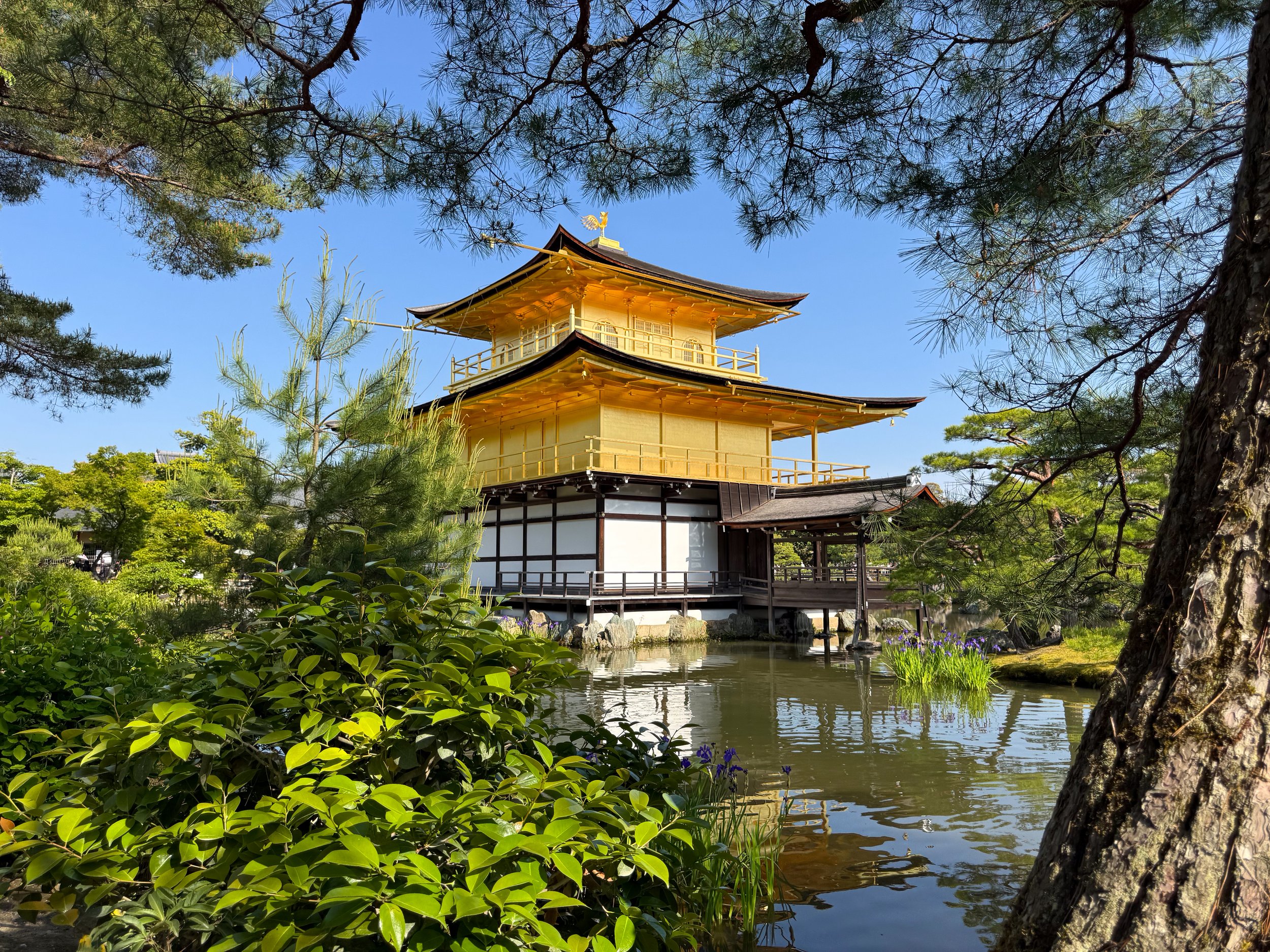
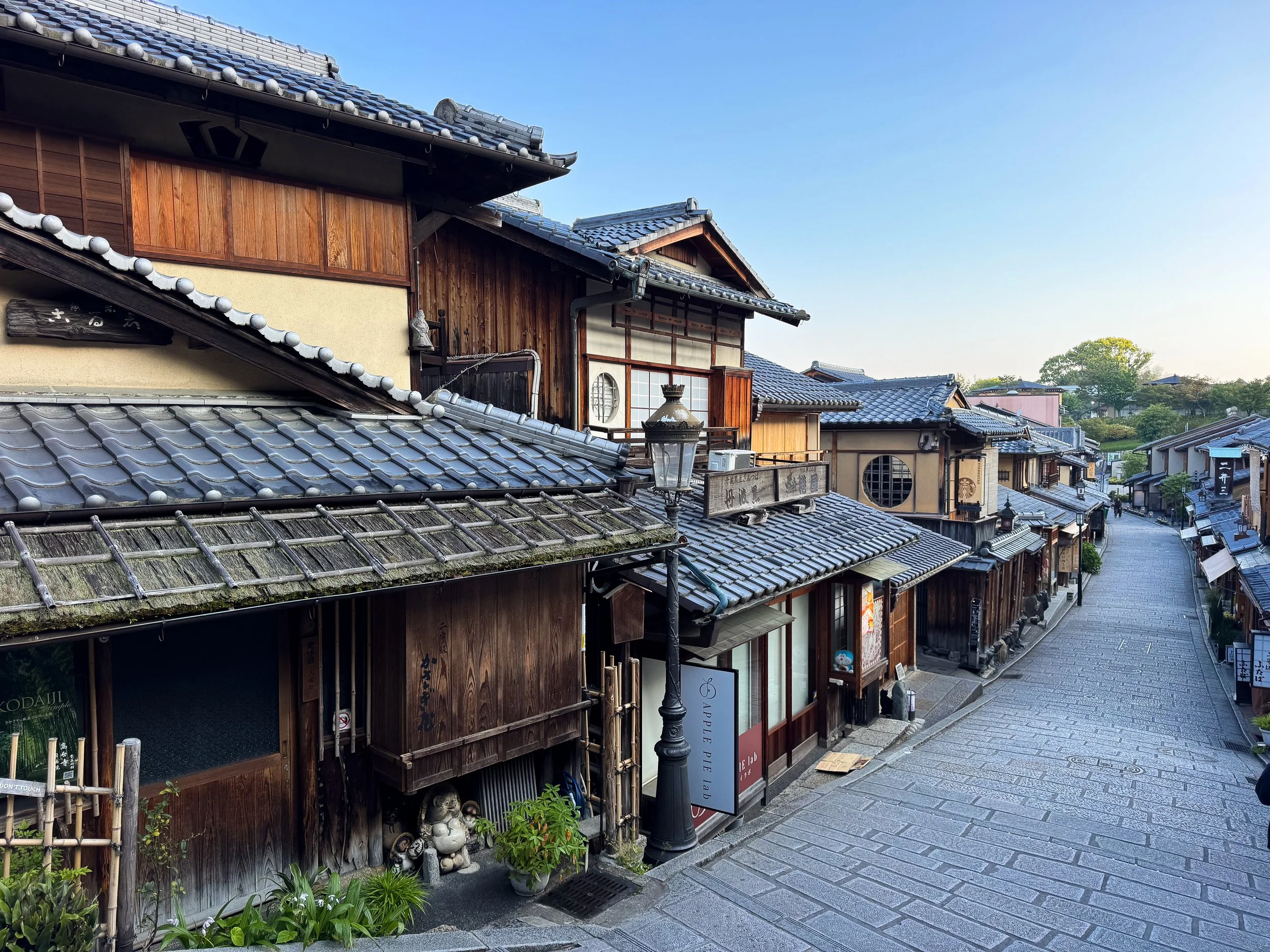
Kyoto Travel Guide: Temples, Historic Districts & Japanese Culture. Wander through Kyoto’s historic districts where ancient temples, tiered pagodas, traditional gardens, tea houses and izakayas preserve centuries of Japanese culture.
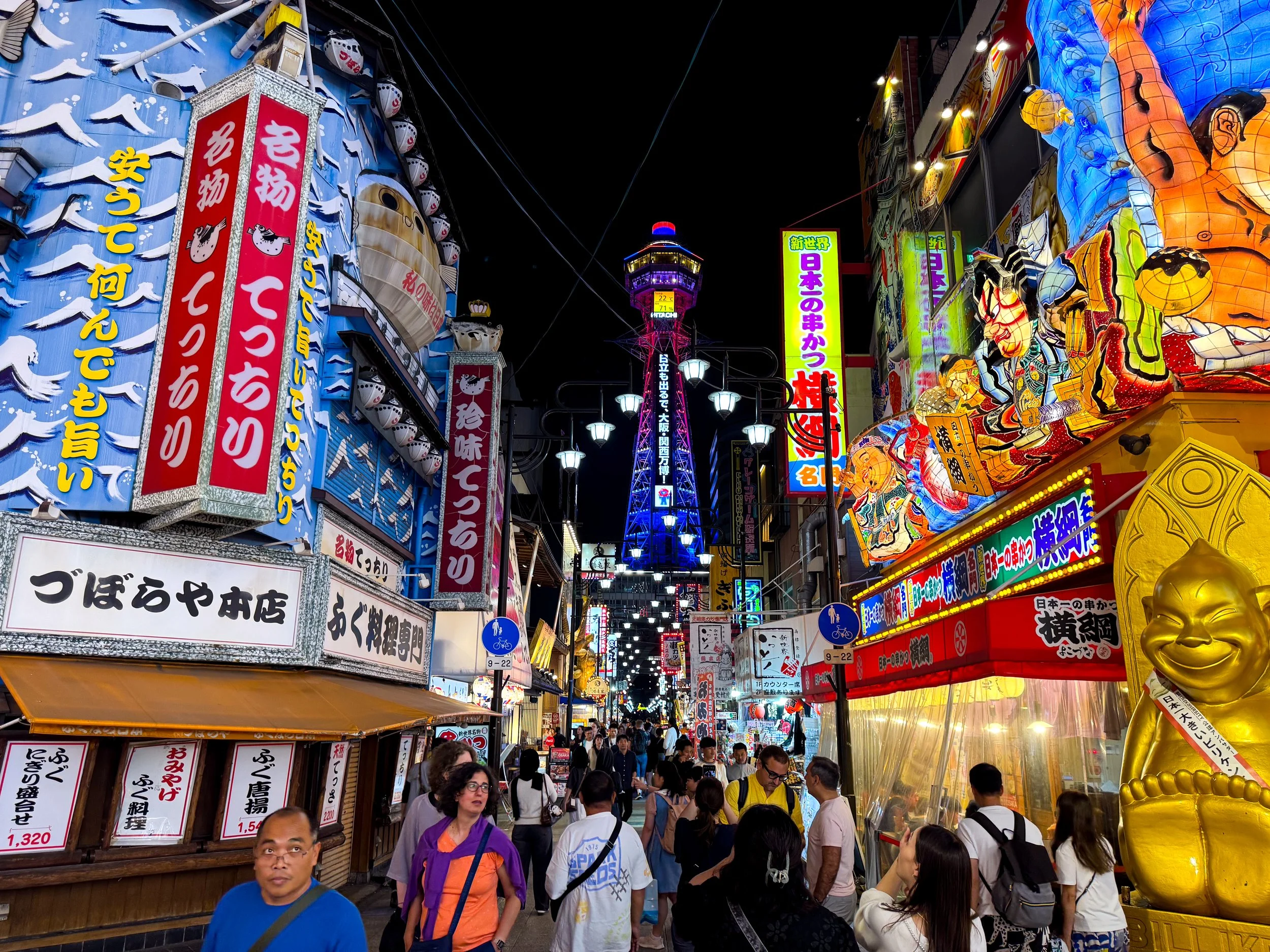
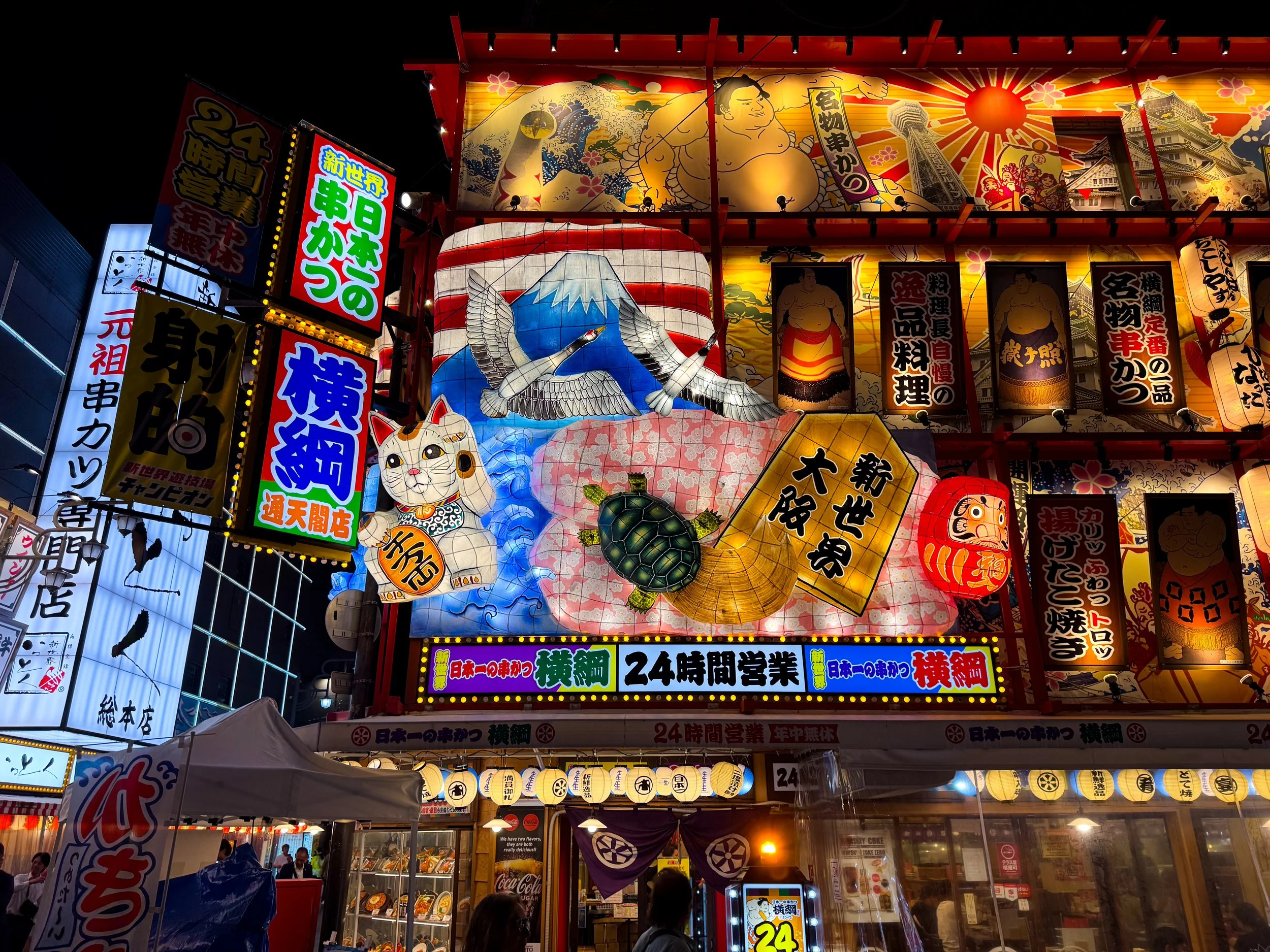
Osaka Travel Guide: Dotonbori, Street Food & Osaka Castle. Experience Osaka where Dotonbori, Osaka Castle, neon-lit streets, bustling markets and legendary street food culture fuel the city's unmistakable energy.
For Next Time…
We loved our time in Okinawa and hope to return! Next time, we plan to visit during the peak of the dry season, from March to April. We want to experience Okinawa’s famed blue seas, more of its underwater life, white sand beaches and golden sunsets.
Oodomari Beach. A secluded and sandy beach on the far east side of Okinawa well reviewed for snorkeling.
Sesoko Beach. A white sand beach with turquoise waters and snorkeling.
Churaumi Aquarium. A massive aquarium with a tank housing whale sharks and manta rays. Cape Hedo. The northern most point of Okinawa known for its rocky cliffs, ocean views and sea turtles.