

Osaka Travel Guide: Dotonbori, Street Food & Osaka Castle
Experience Osaka where Dotonbori, Osaka Castle, neon-lit streets, bustling markets and legendary street food culture fuel the city's unmistakable energy.
A Day Trip to Osaka
Osaka is a Japanese megacity famed for its energetic atmosphere, colorful neon lights, pop culture and street food. Osaka is both modern and historic, once serving as Japan’s imperial capital. It’s reachable on a day trip from Kyoto.
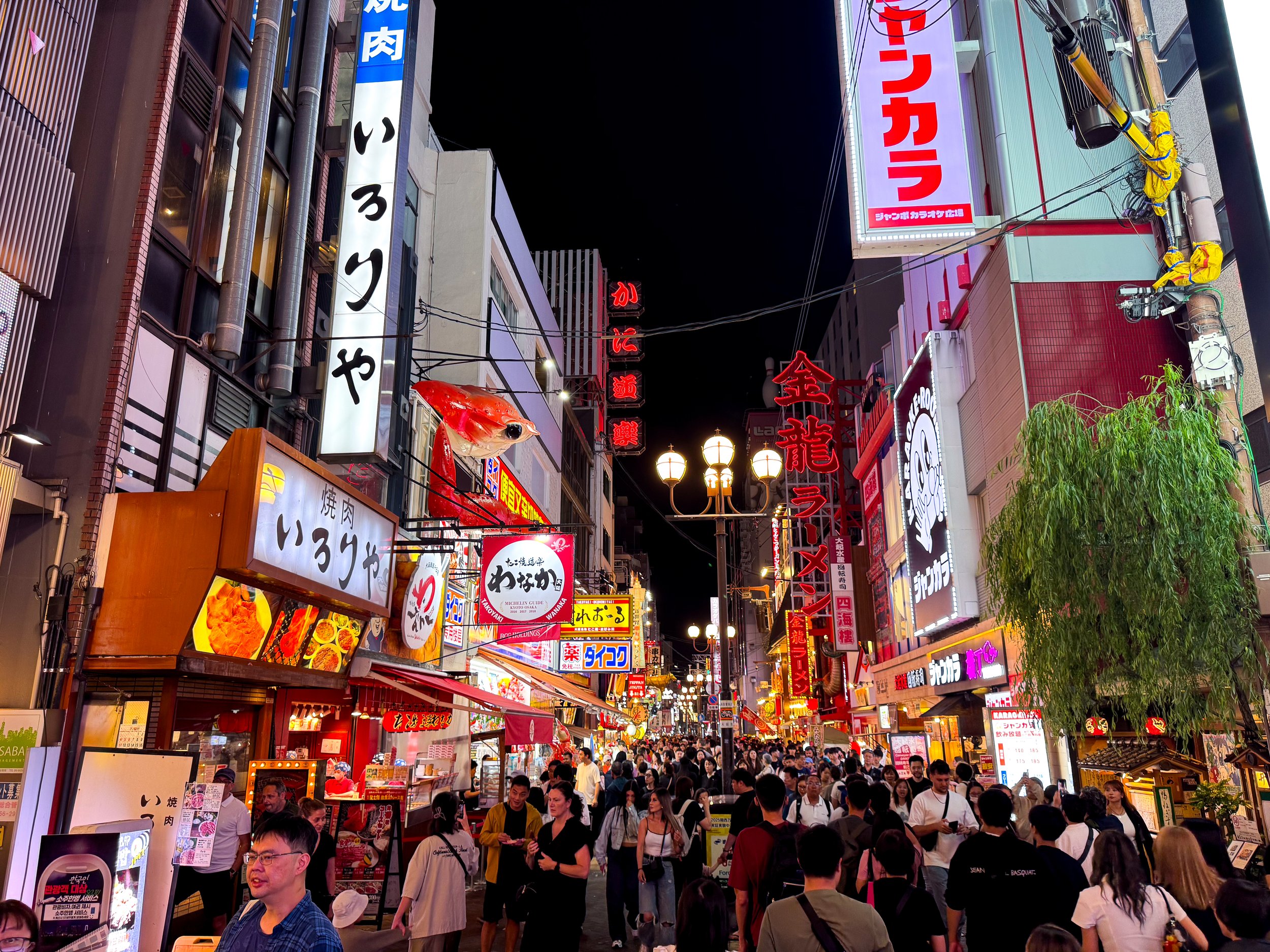
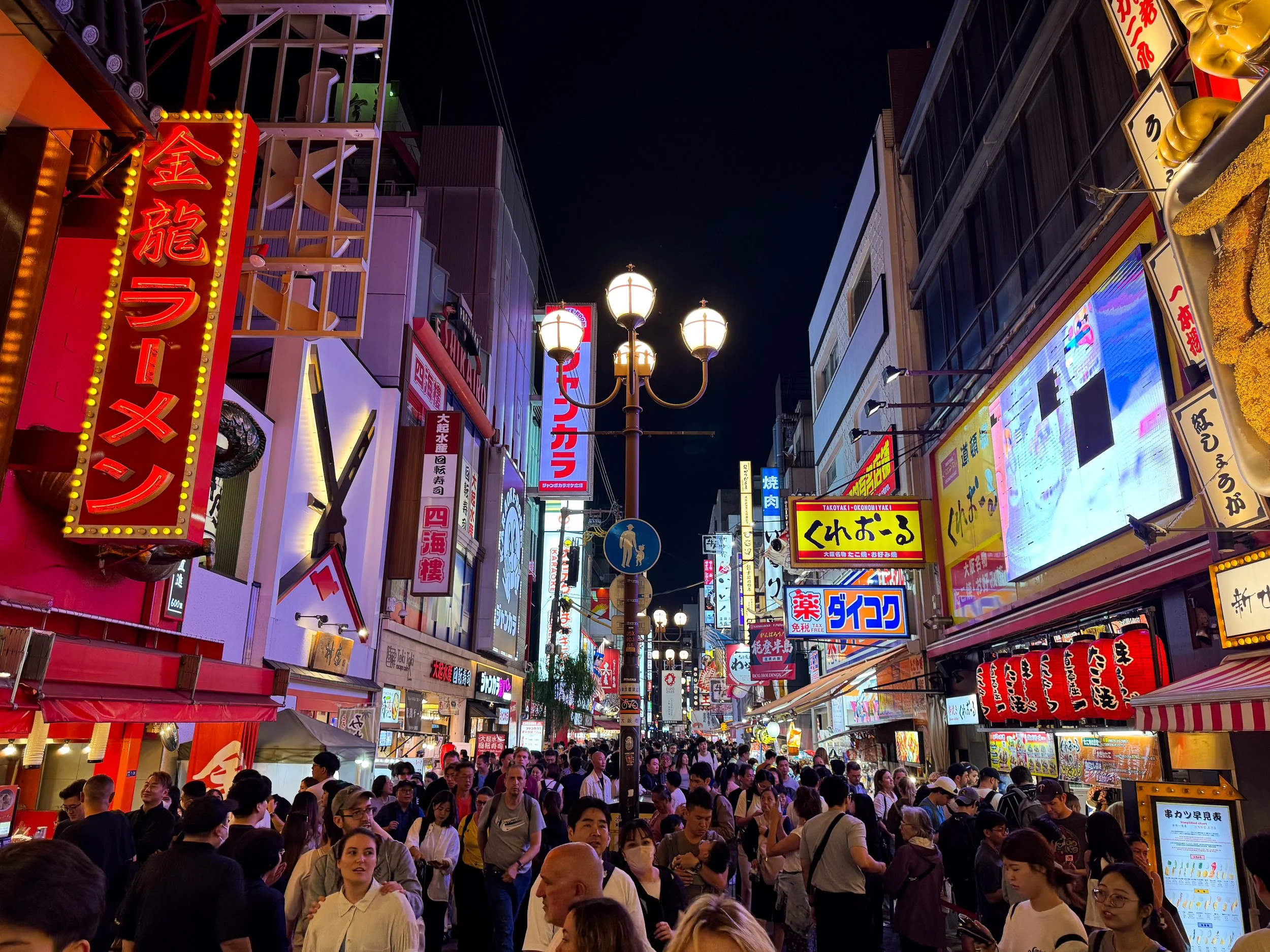
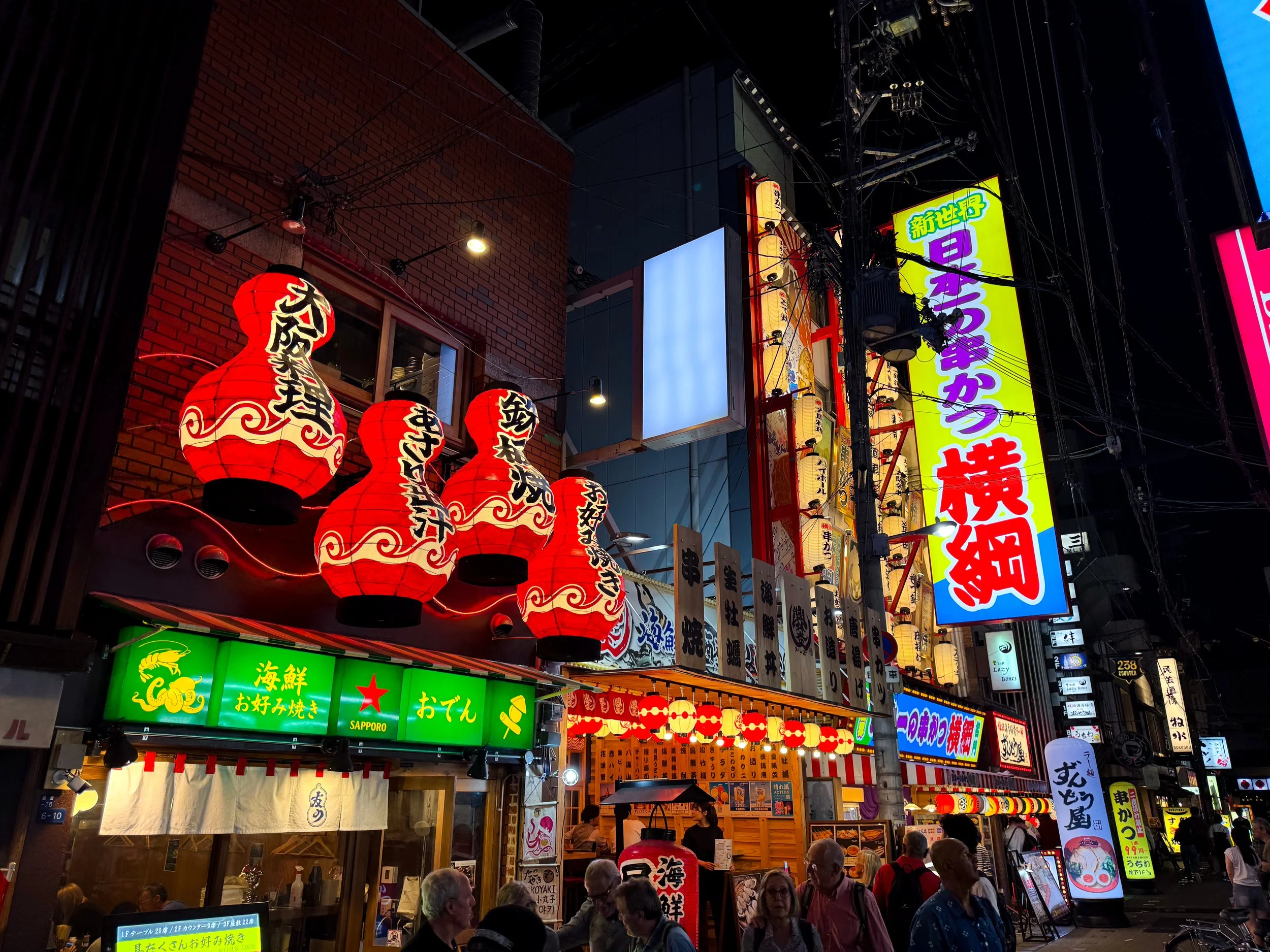
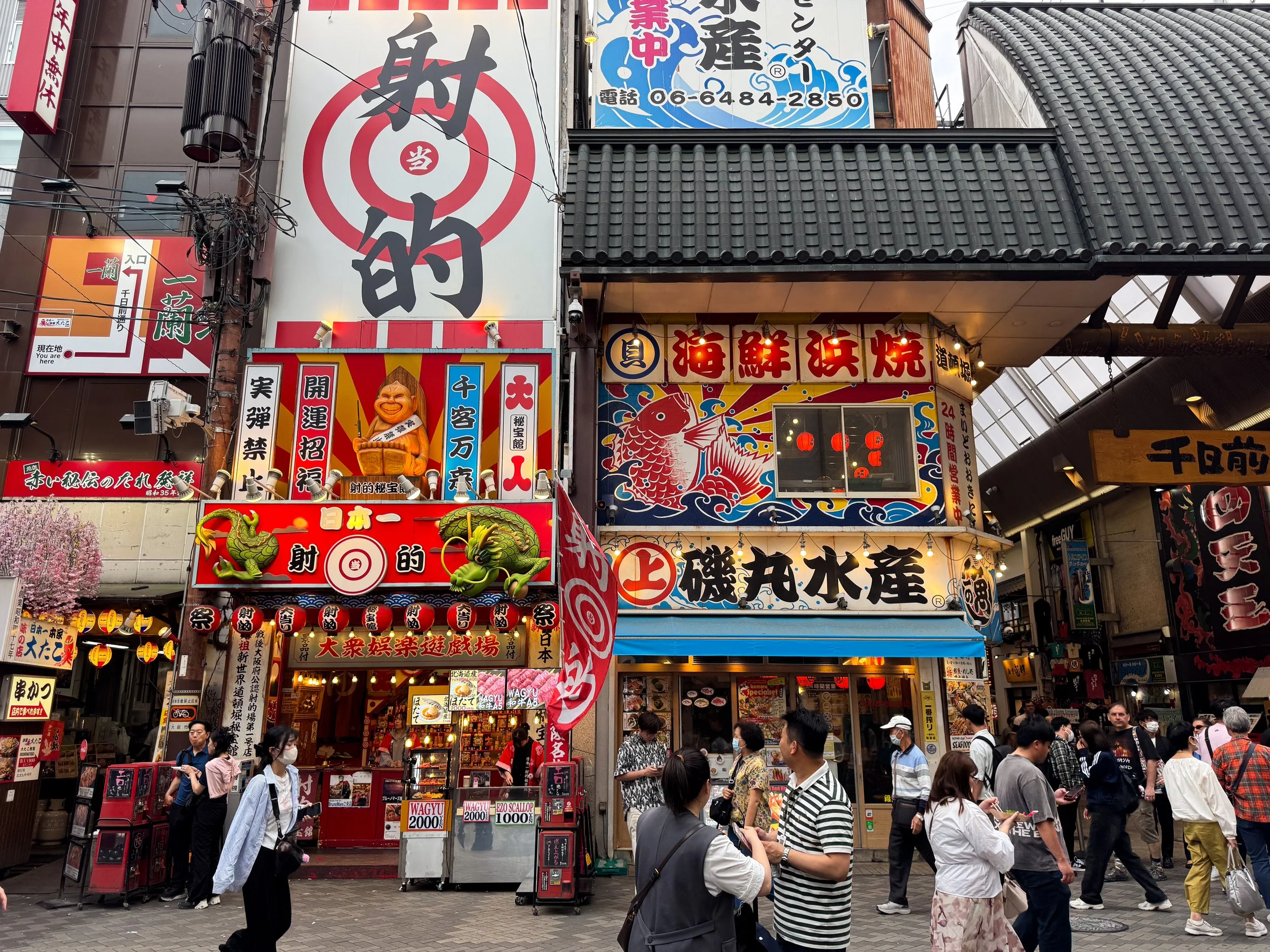
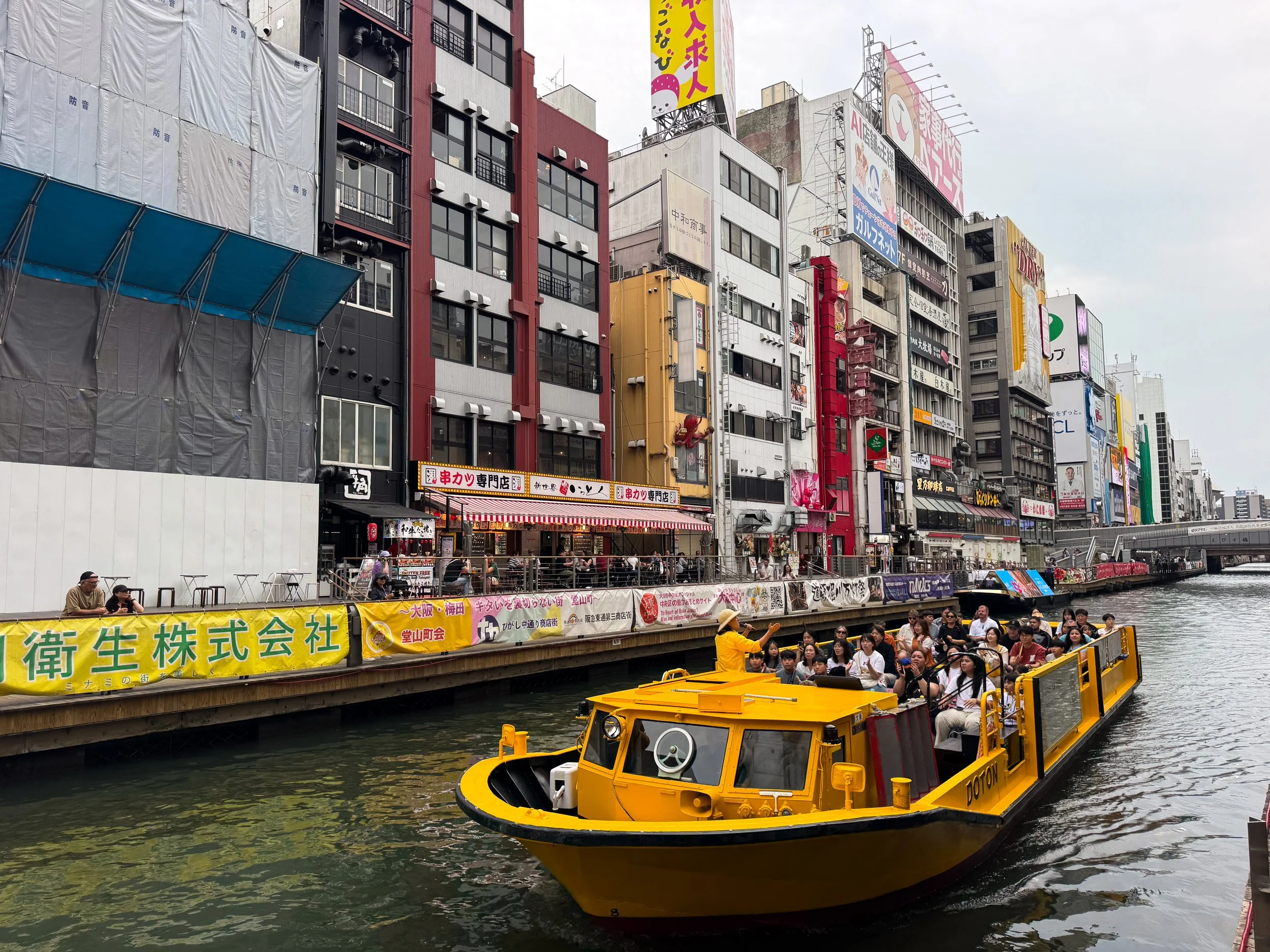
Dotonbori
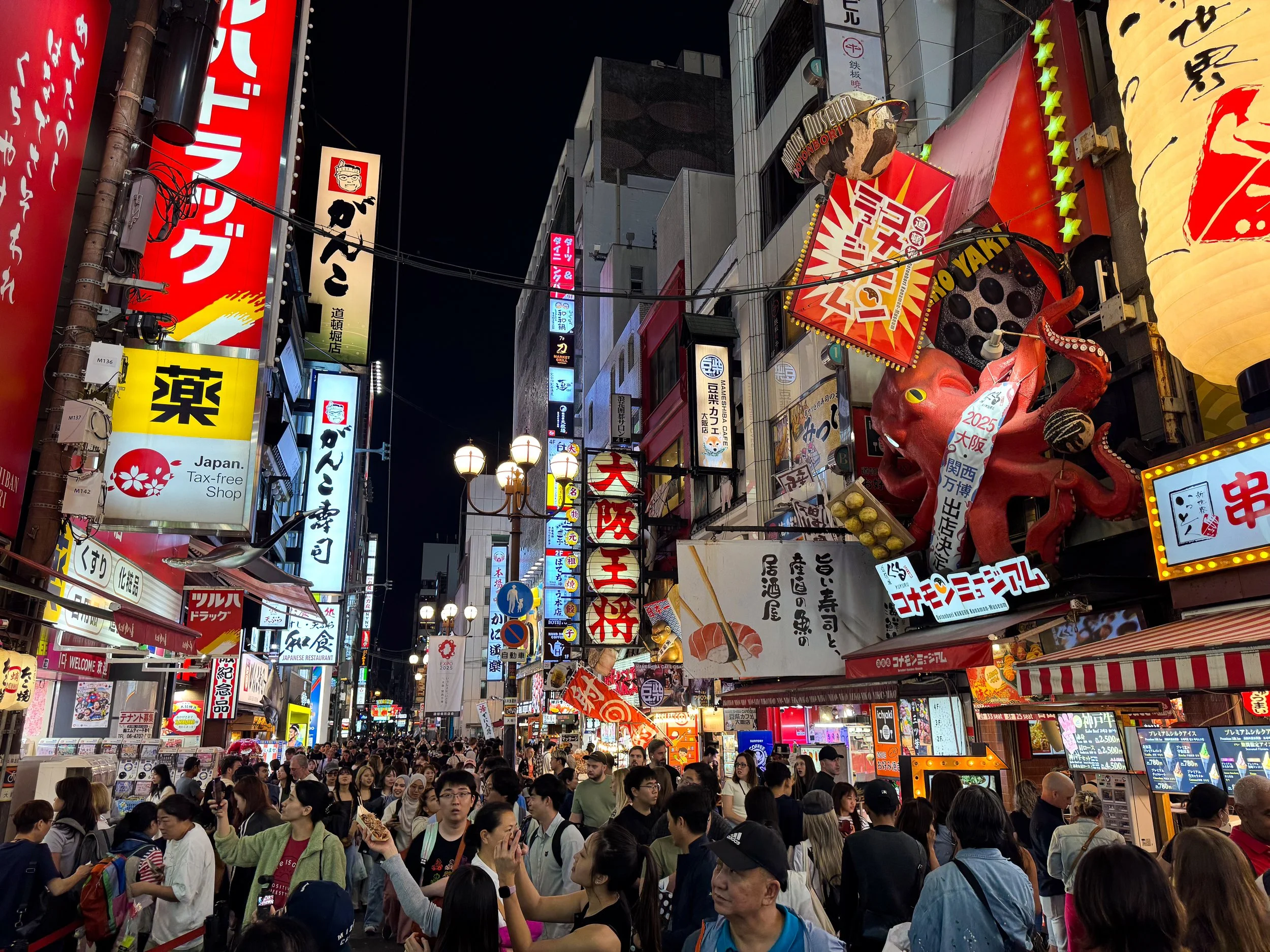
Dotonbori is the energetic downtown neighborhood of Osaka famed for its neon lit canal, extravagant signage and restaurant alleyways. It’s one of the best places to experience Japan’s food culture including conveyor belt sushi and the local dish, takoyaki. Sightseeing boats cruise the canal while J-pop performers attract large crowds on its pedestrian bridges.
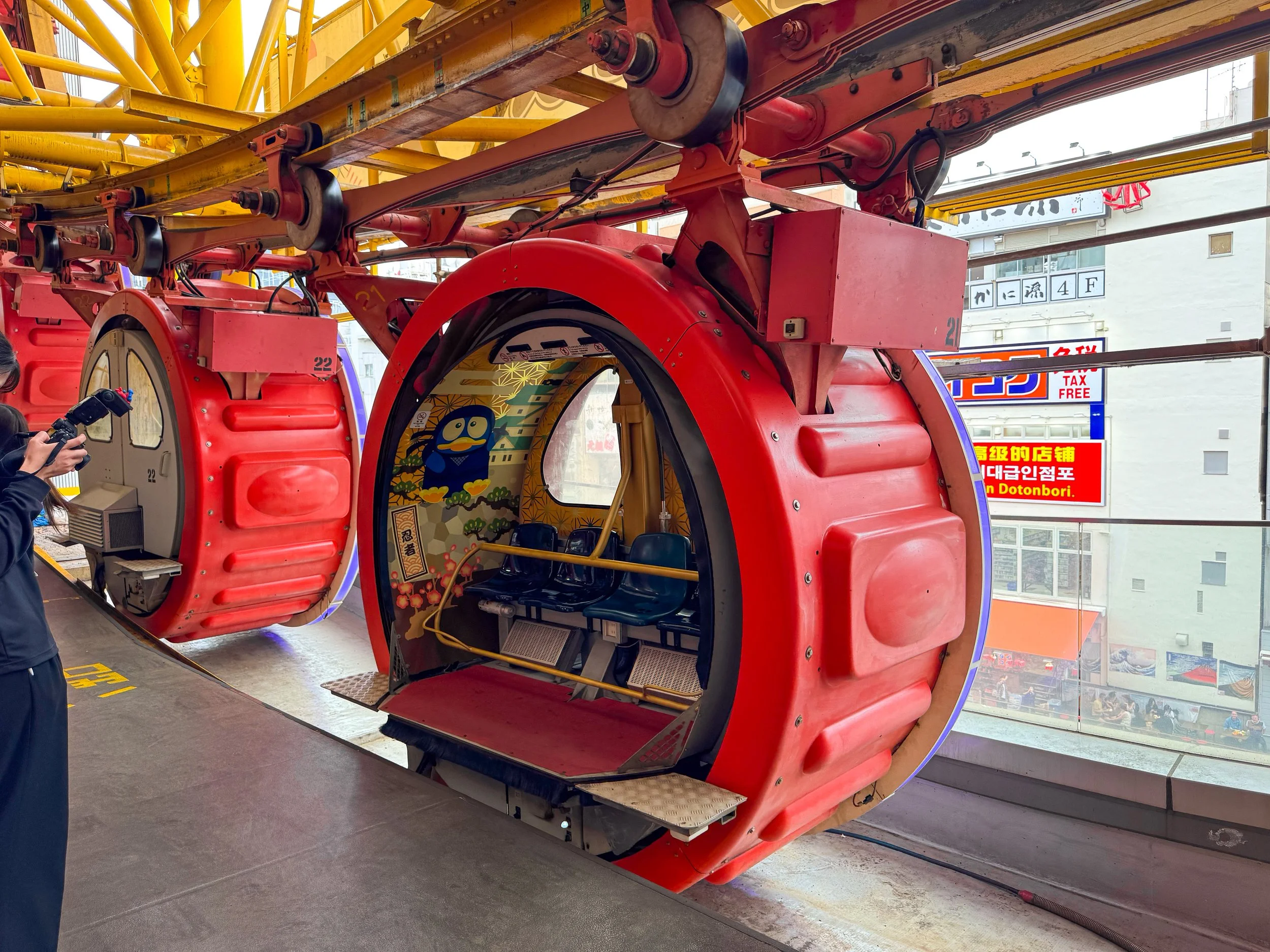
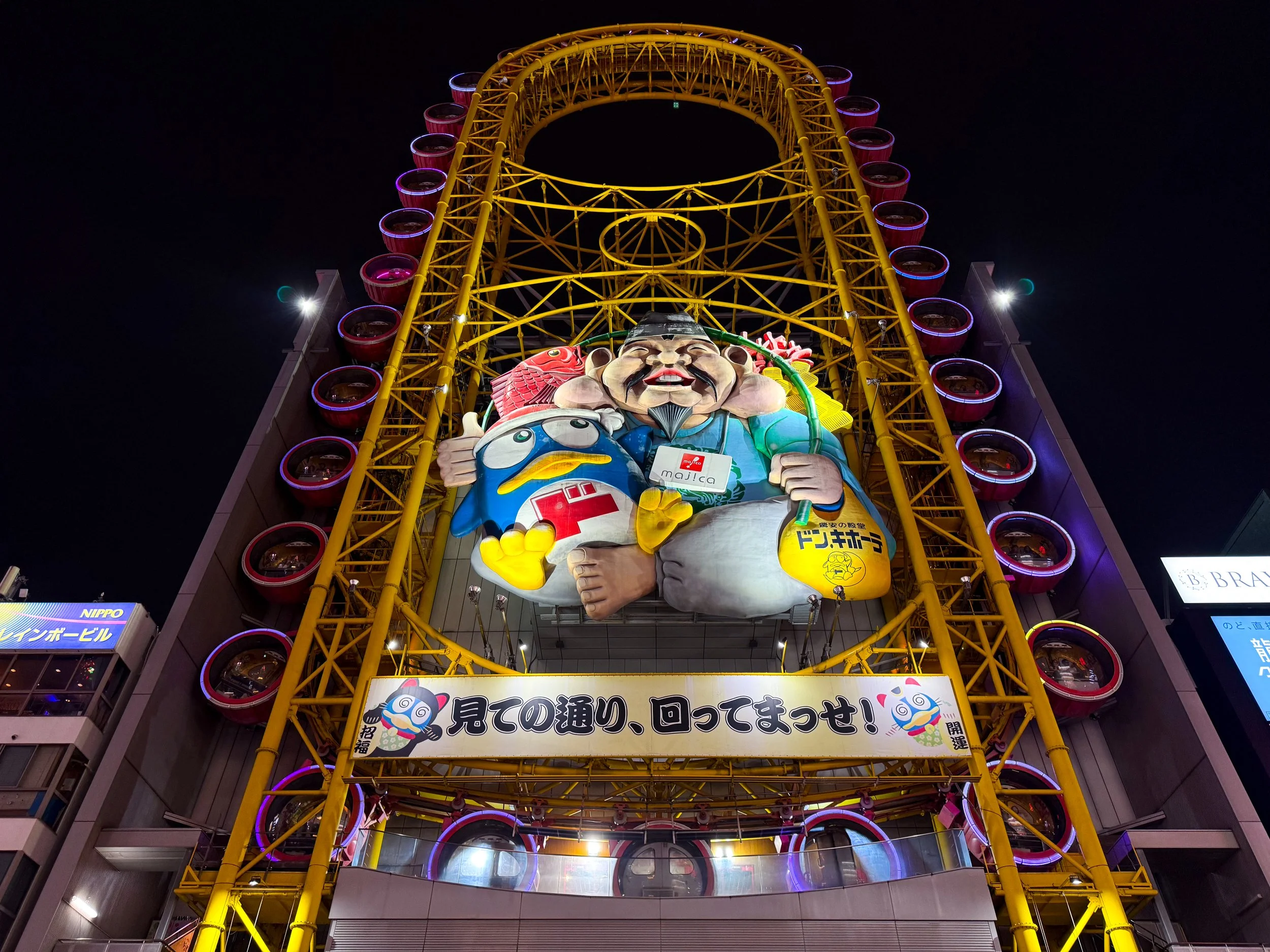
Dotonbori Don Quijote. Japan’s largest location of the chain discount store, Don Quijote. It’s floors and aisles are stocked with an assortment of miscellaneous goods and Japanese souvenirs. Come here to ride the Ebisu Tower Ferris Wheel, a giant vertical oval shaped ferris wheel overlooking Dotonbori.
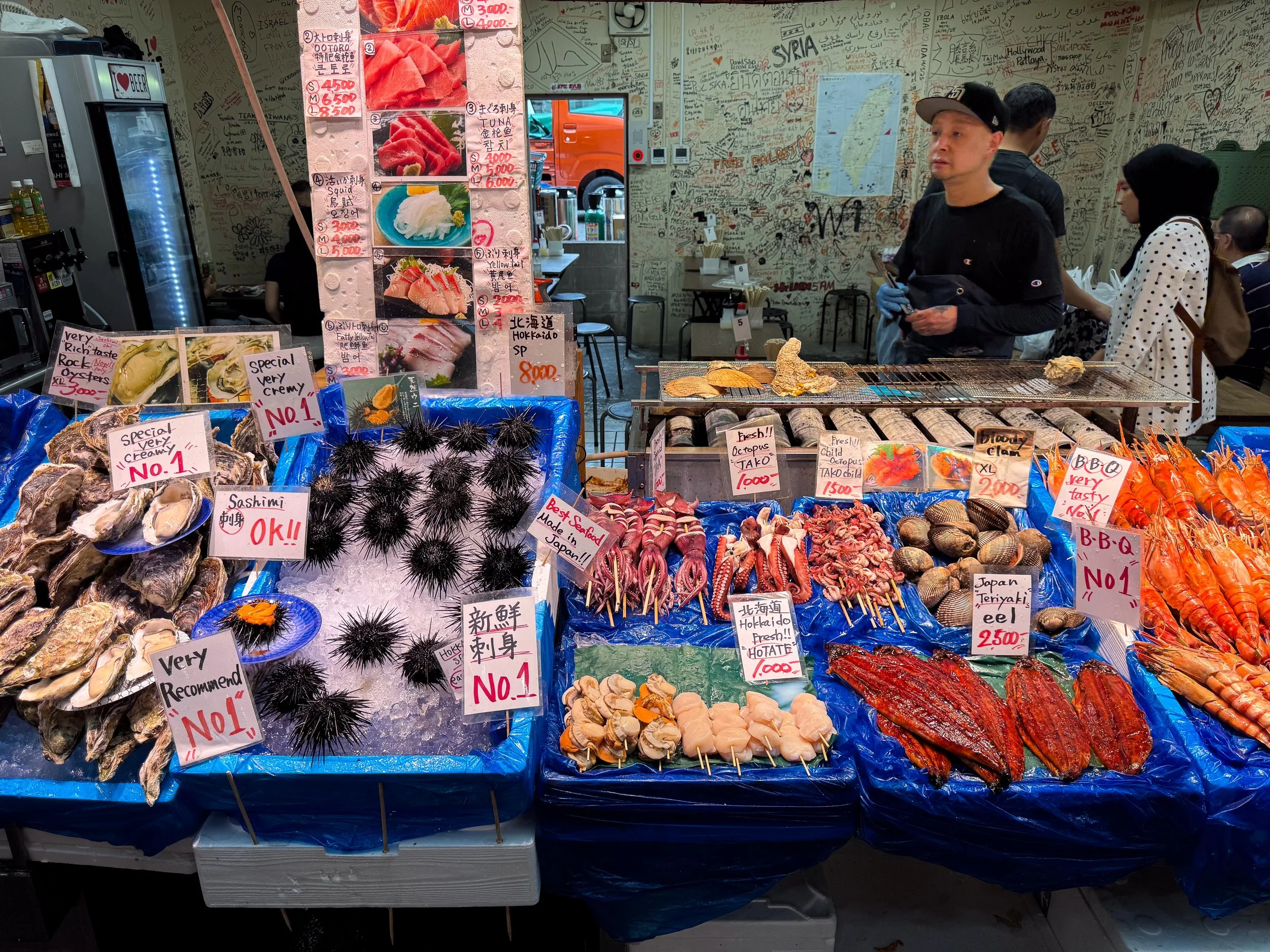
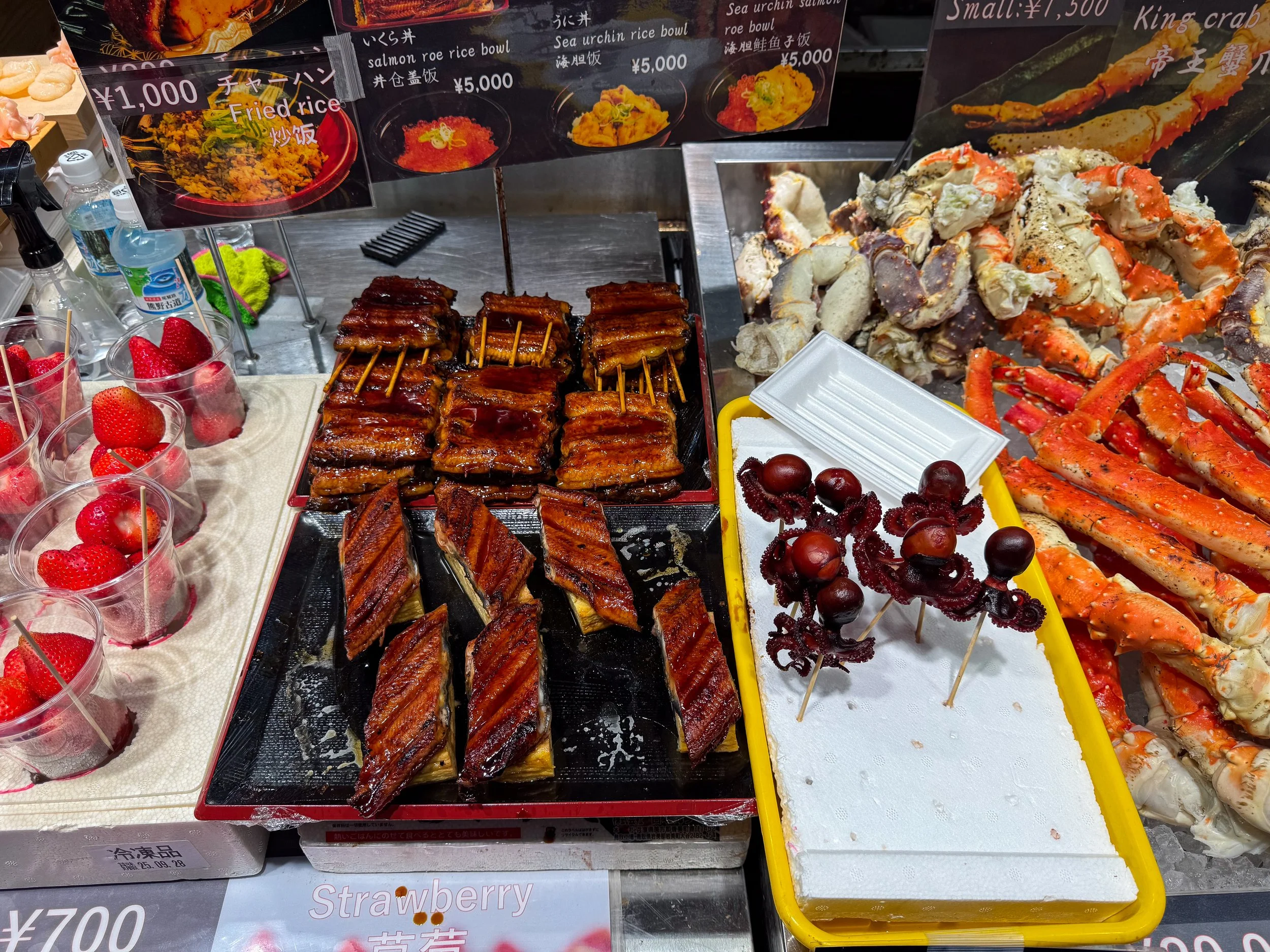
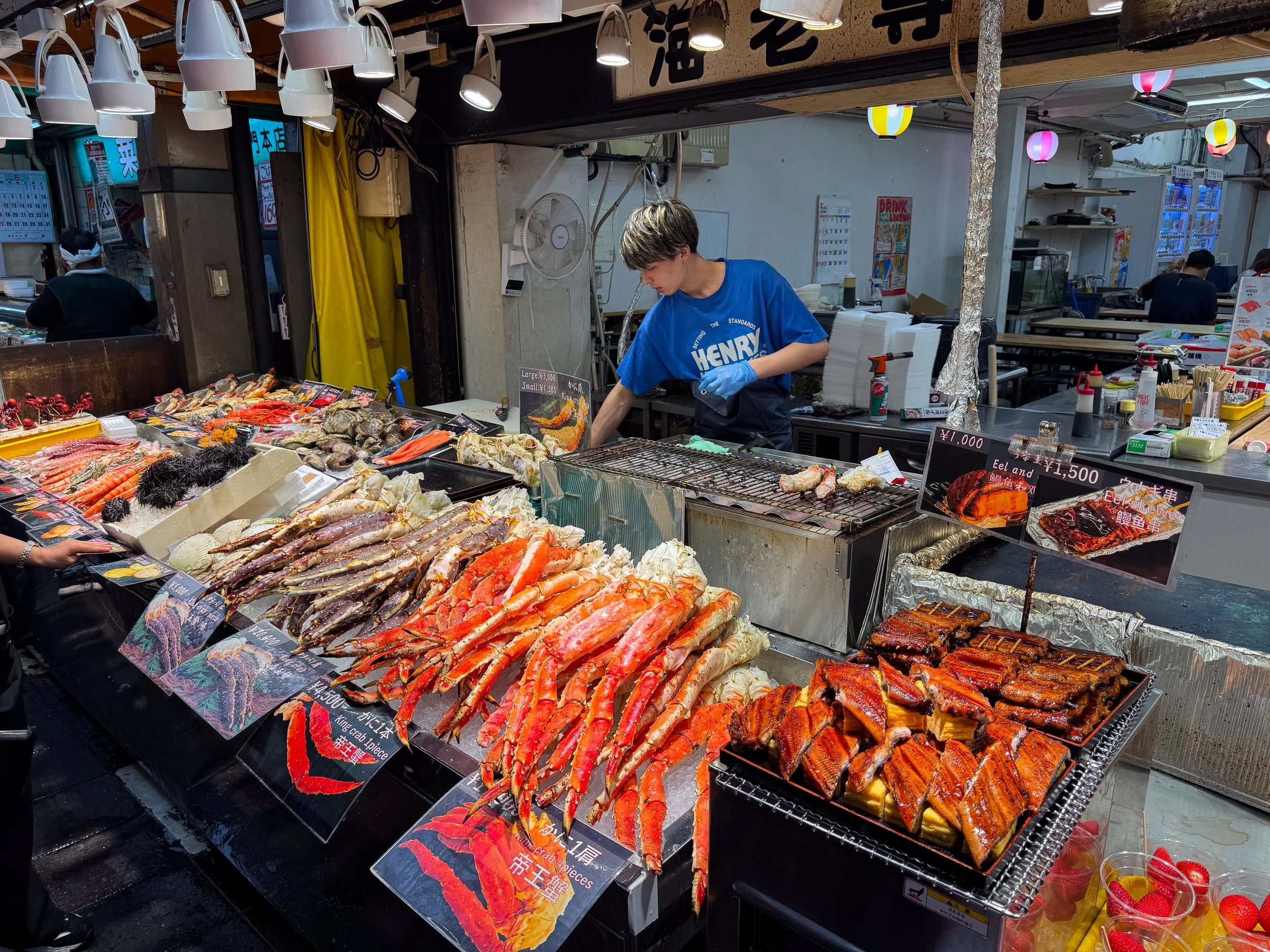
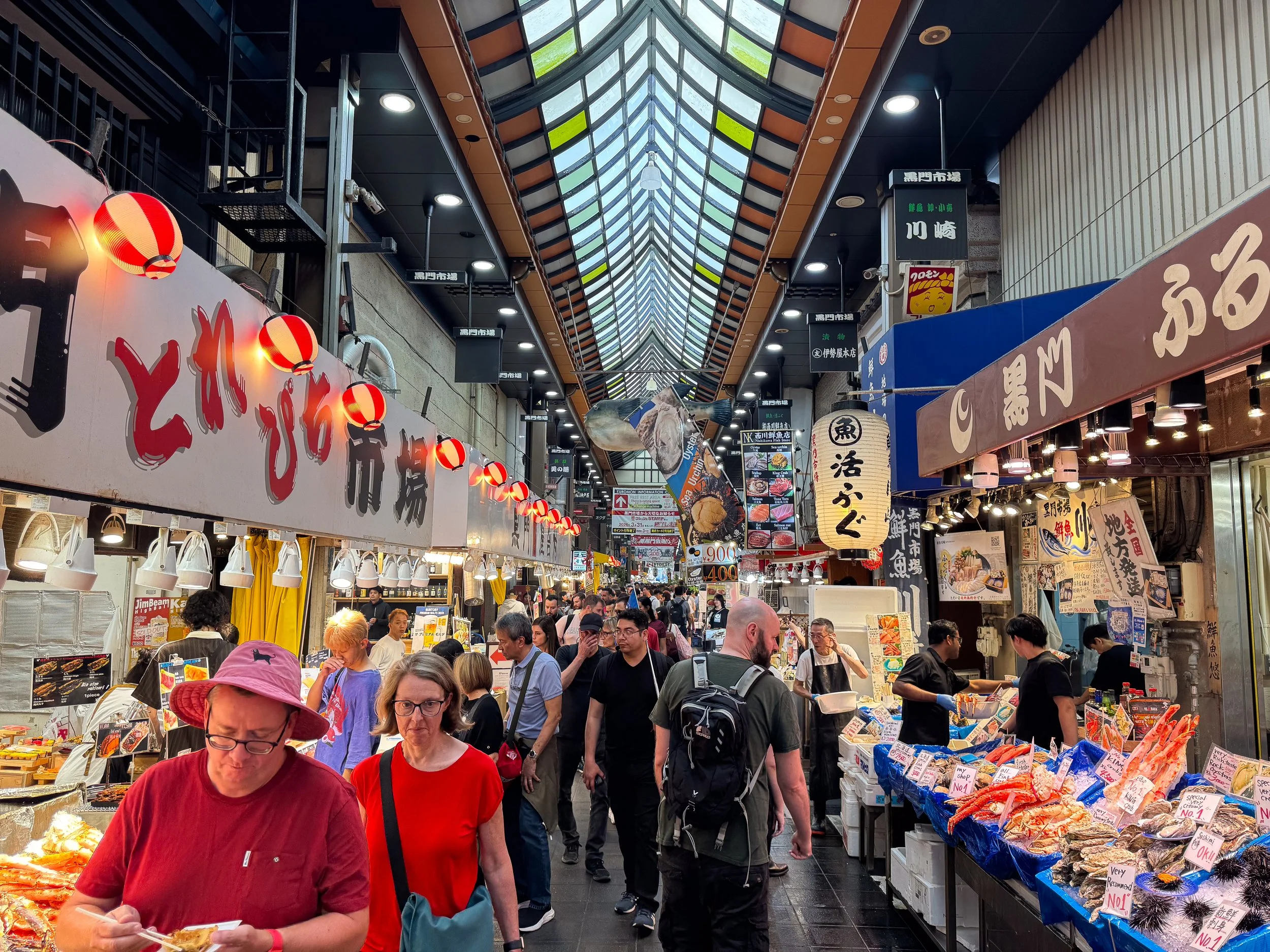
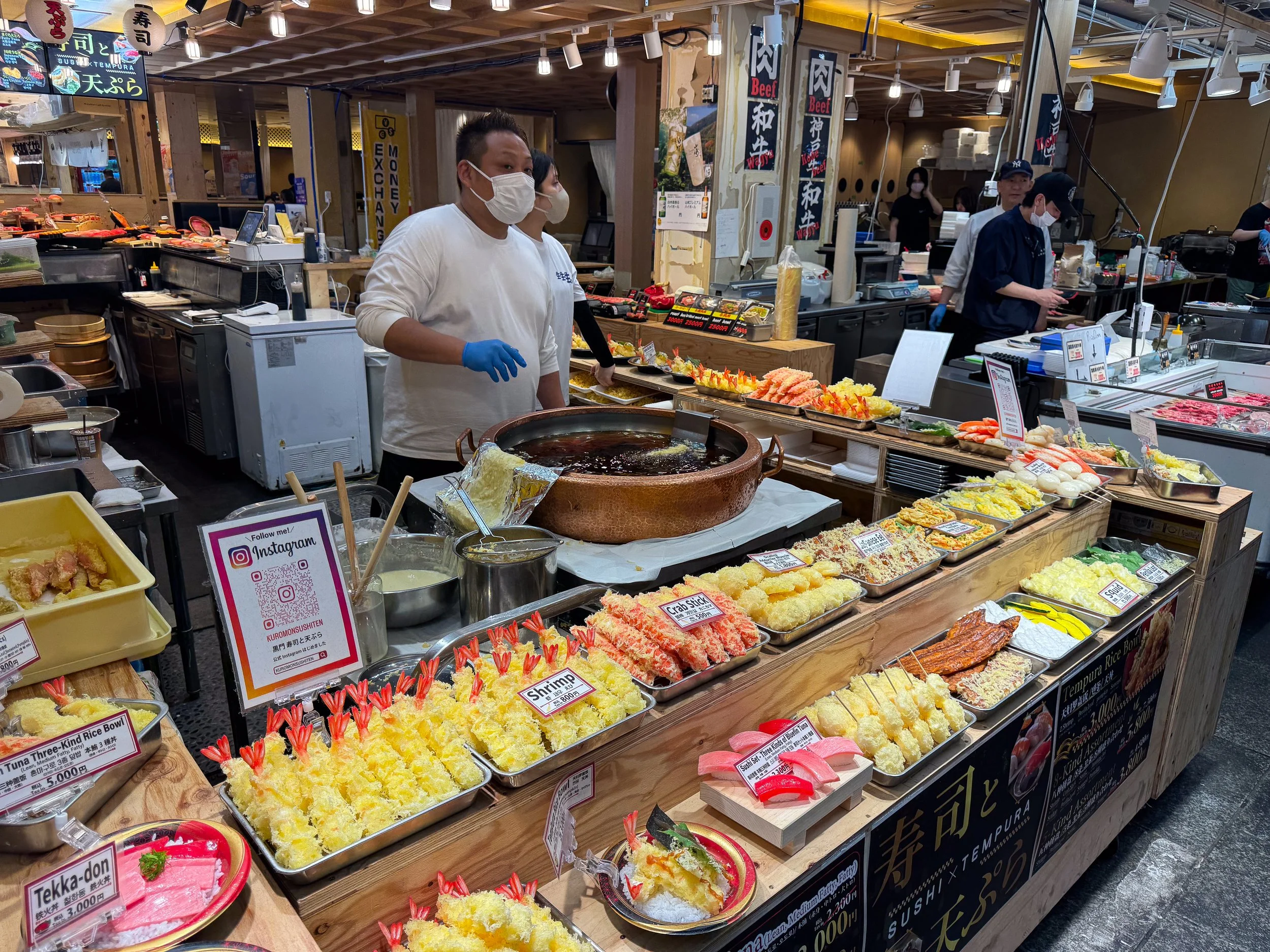
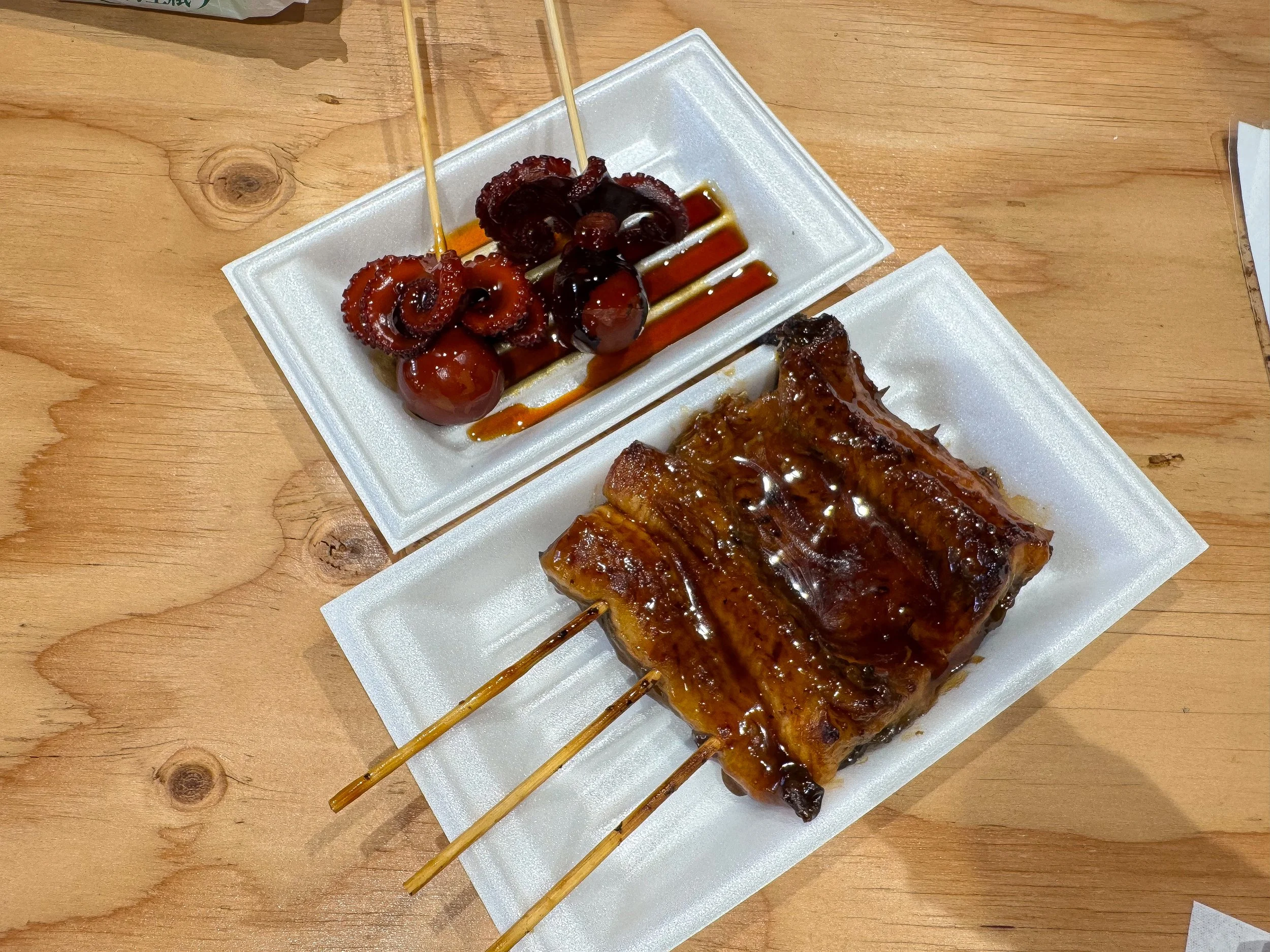
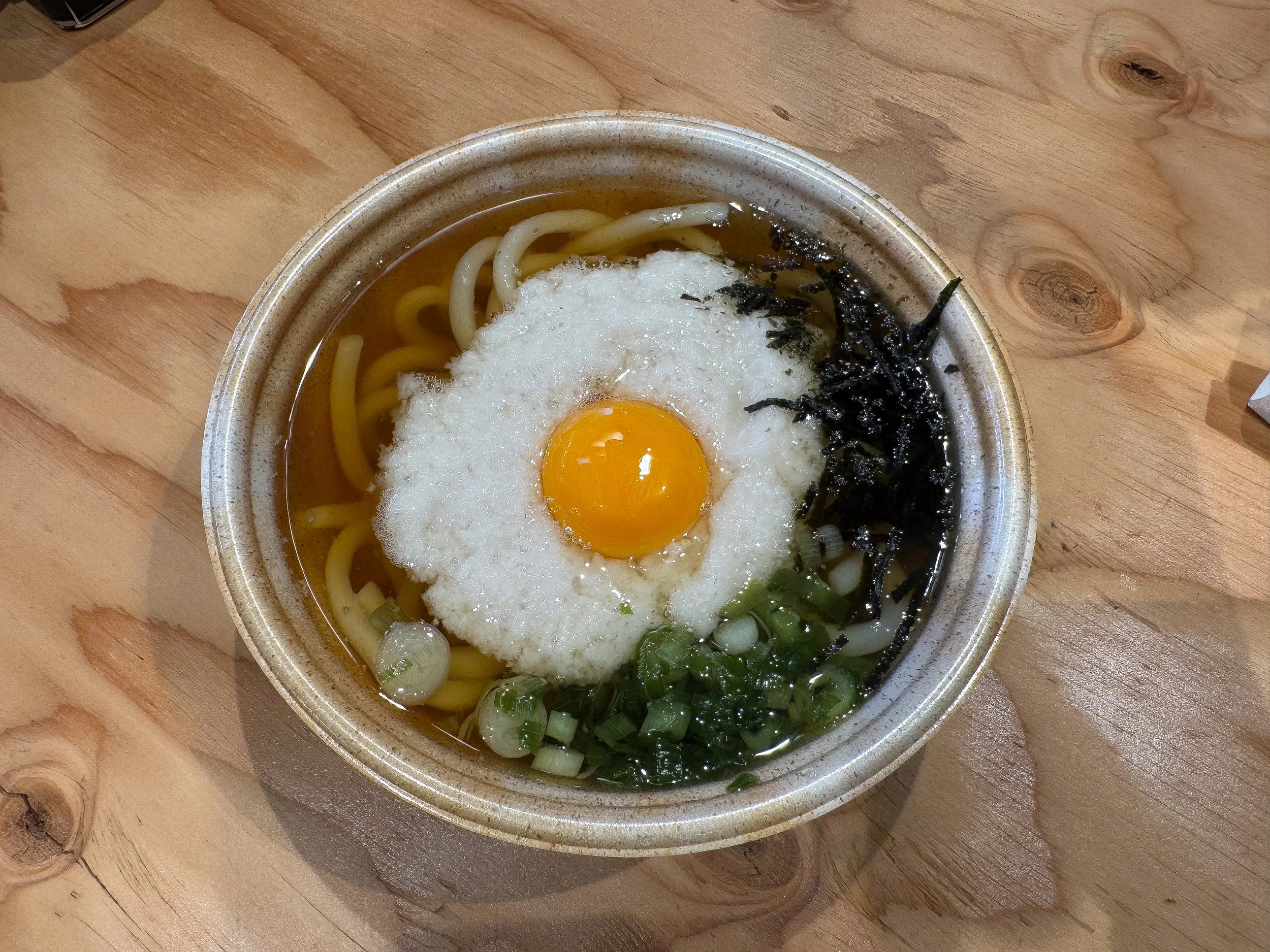
Kuromon Ichiba Market. A covered street food market with restaurants and vendors specializing in Japanese seafood. Visit hungry and order fresh sushi and sashimi, snow crab and Dungeness crab, tempura encrusted squid and octopus, freshly shucked oysters, buttery sea urchin roe and barbecued eel. Several stands also sell udon, soba and gyoza.
Places to Eat & Drink in Dotombori
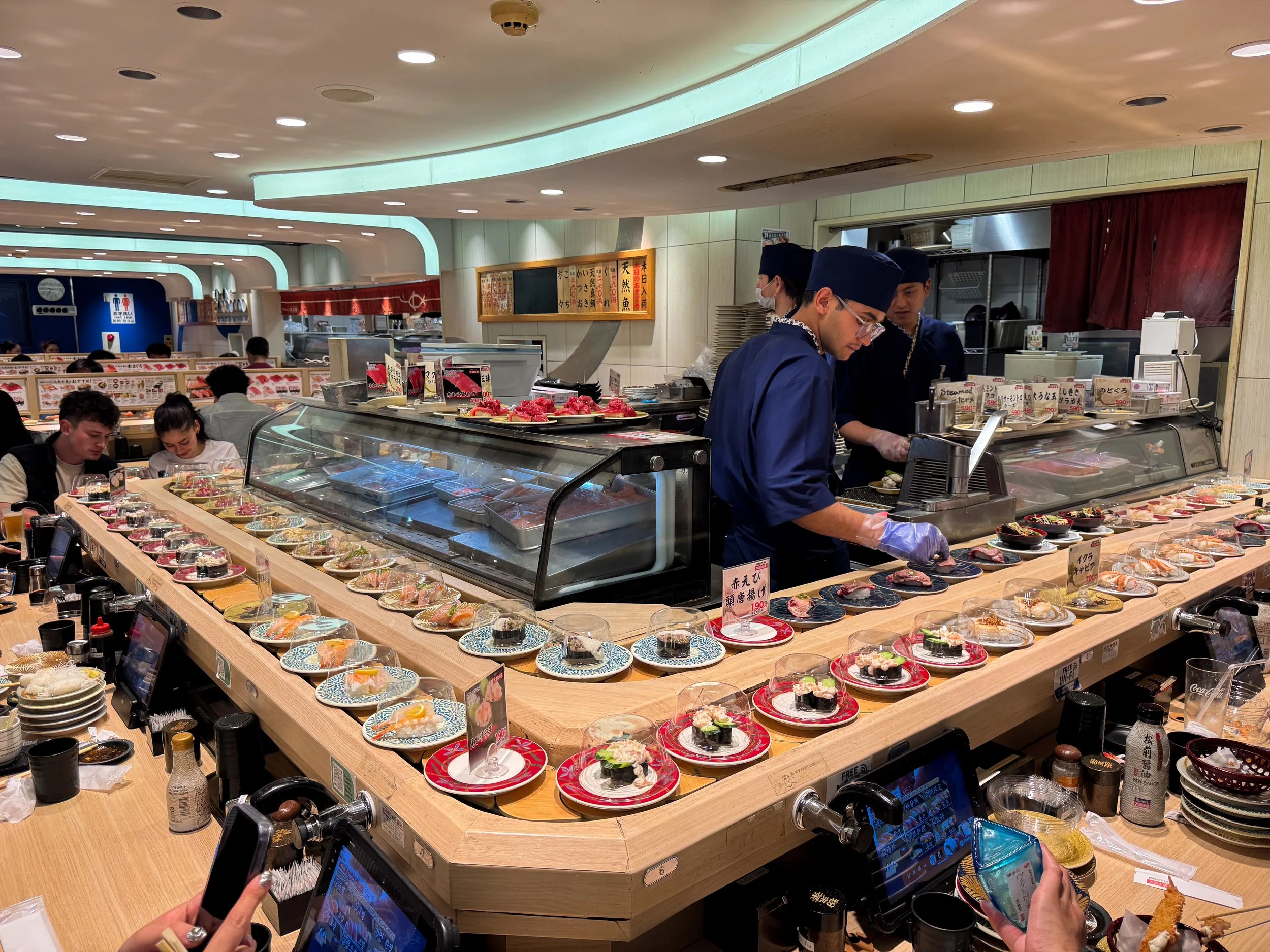
Daiki-suisan Kaitenzushi Dotonbori. A popular conveyor belt sushi restaurant in Dotonbori. Plates of sushi and nigiri snake past diners along a series of bar counters. Grab a dish as they slowly pass by and enjoy! Dishes are charged by the plate, with the design of each plate denoting the cost. It was one of the most fun dining experiences we had in Japan.
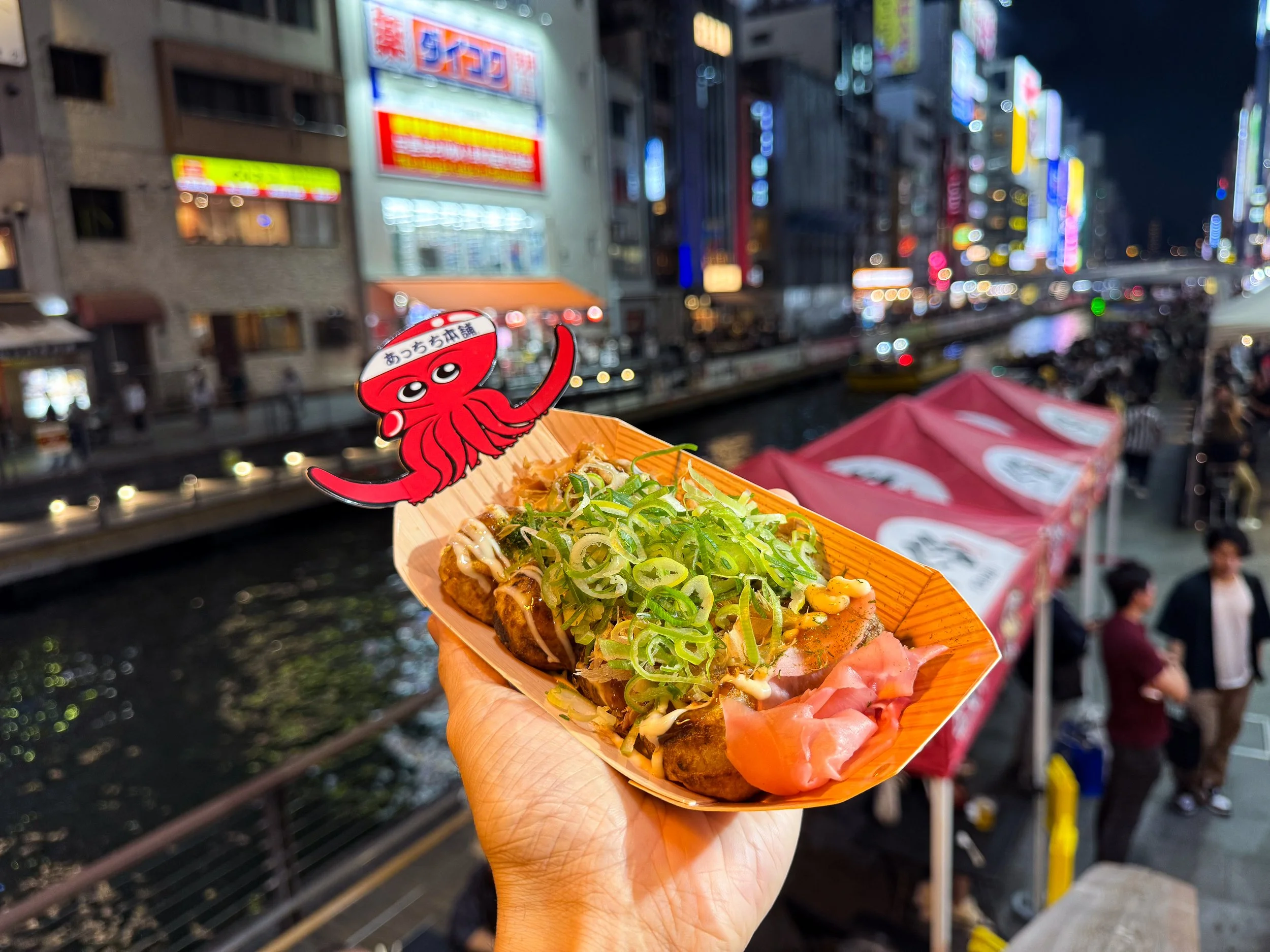
Achichi Honpo Dotonbori. One of the many street food restaurants along the Dotonbori Canal serving Osaka’s beloved dish, Takoyaki. The battered and griddled octopus balls are garnished with eel sauce, kewpie mayo and green onions. Look for the paper lantern of a cute red octopus on Dotonbori to spot the restaurant.
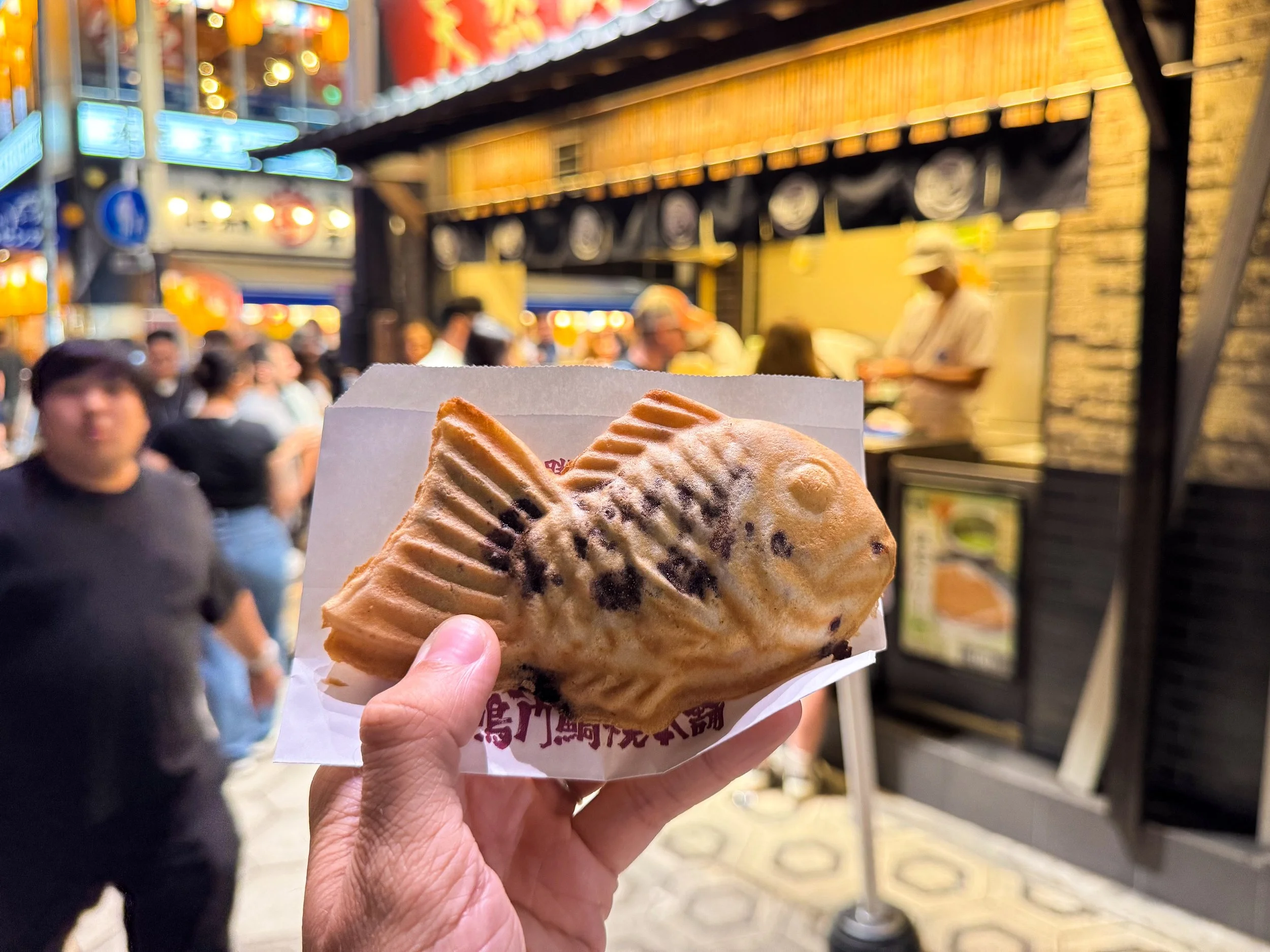
Naruto Taiyaki Hompo. A popular pastry shop selling Taiyaki, fish shaped pastries stuffed with a sweet filling. Theirs are crispy yet cakey with a generous filling of red bean paste, matcha or ube. Expect to wait up to 30 minutes for your chance to order.
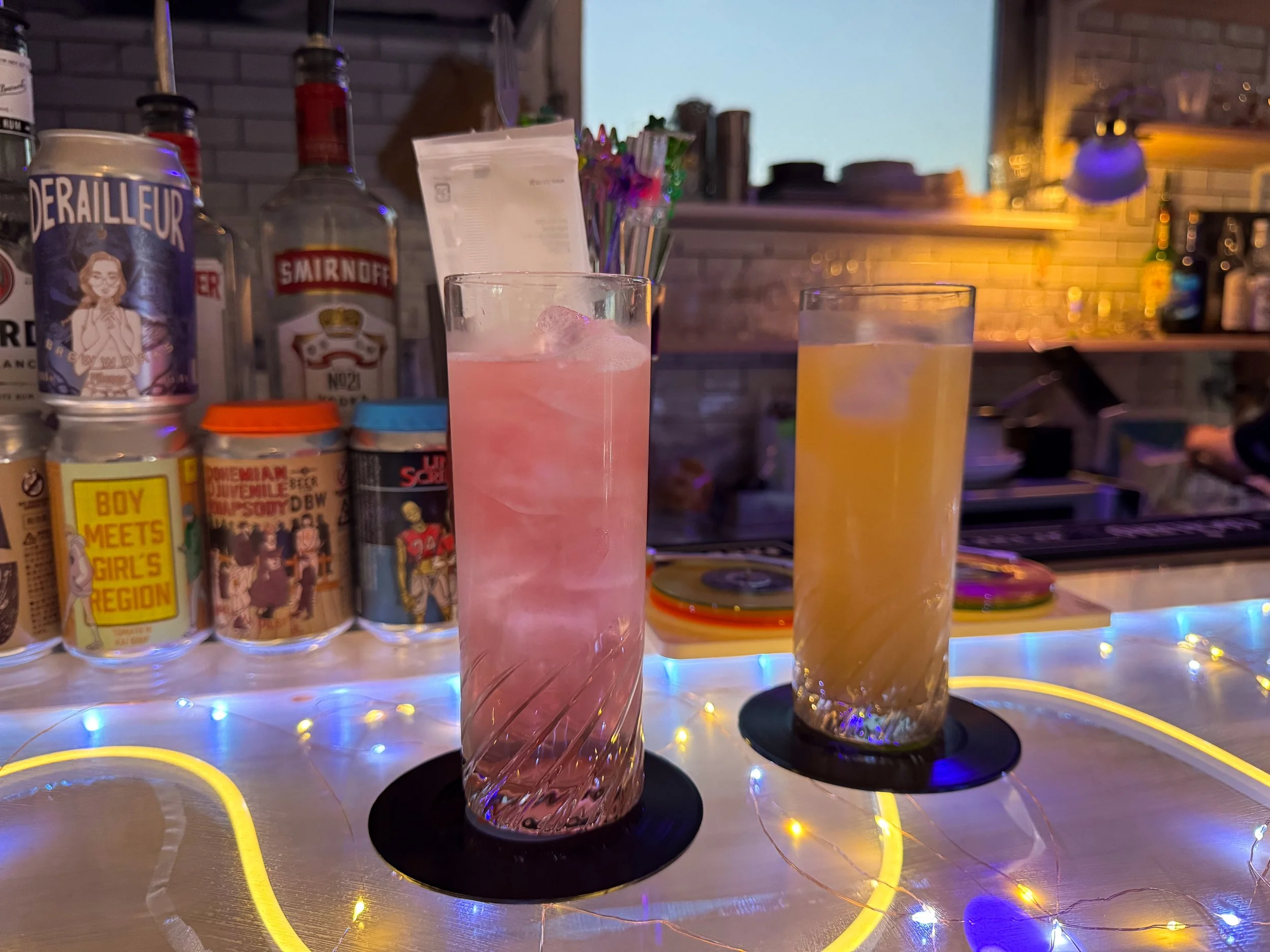
Cocktail Machine. A speakeasy cocktail bar hidden behind a vending machine on the fifth floor of a narrow building in Dotonbori. Their menu features over 100 different well priced cocktails.
Umineko. A small standing bar specializing in Japanese craft beers from local breweries. Try the wasabi cider!
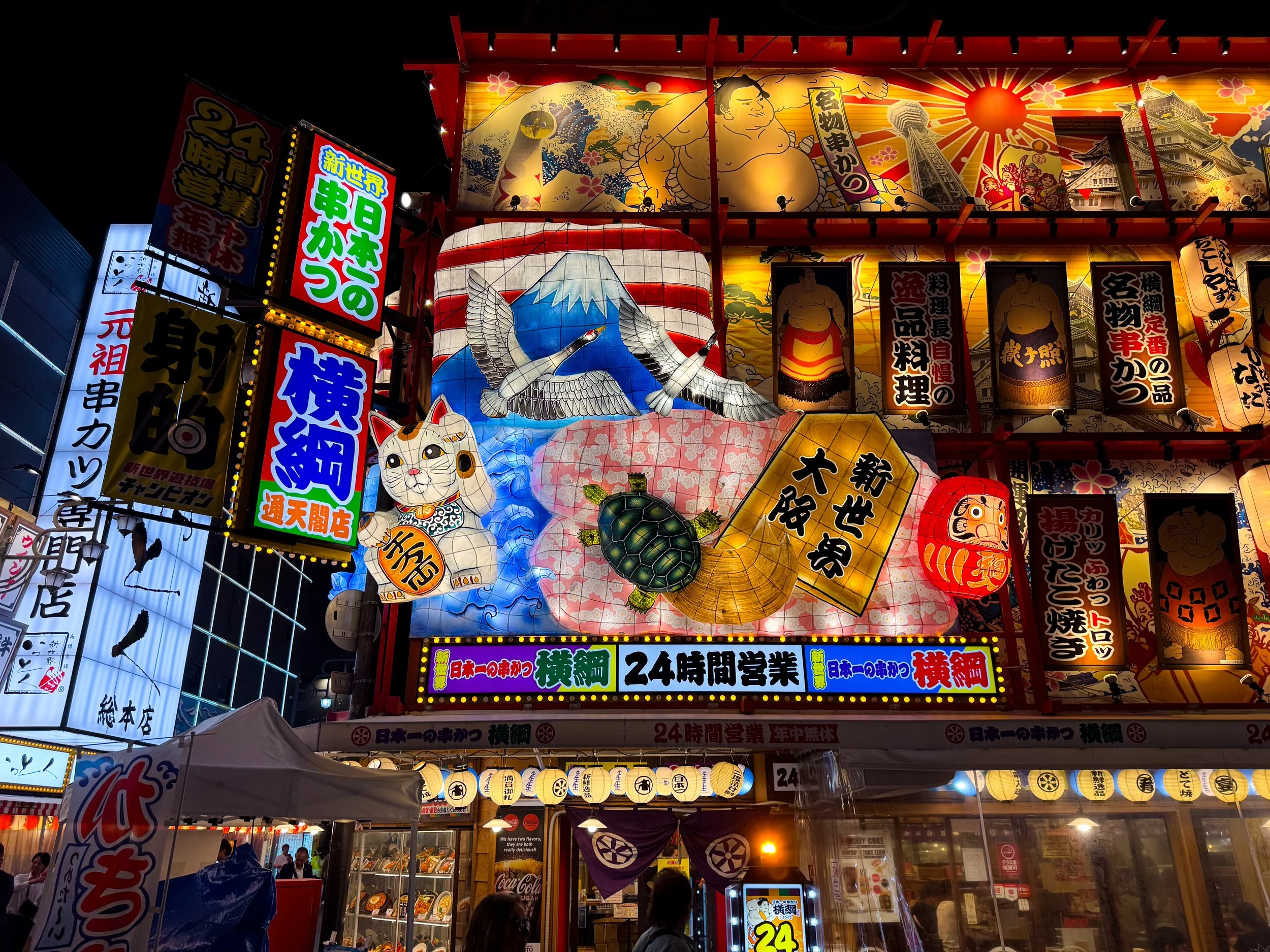
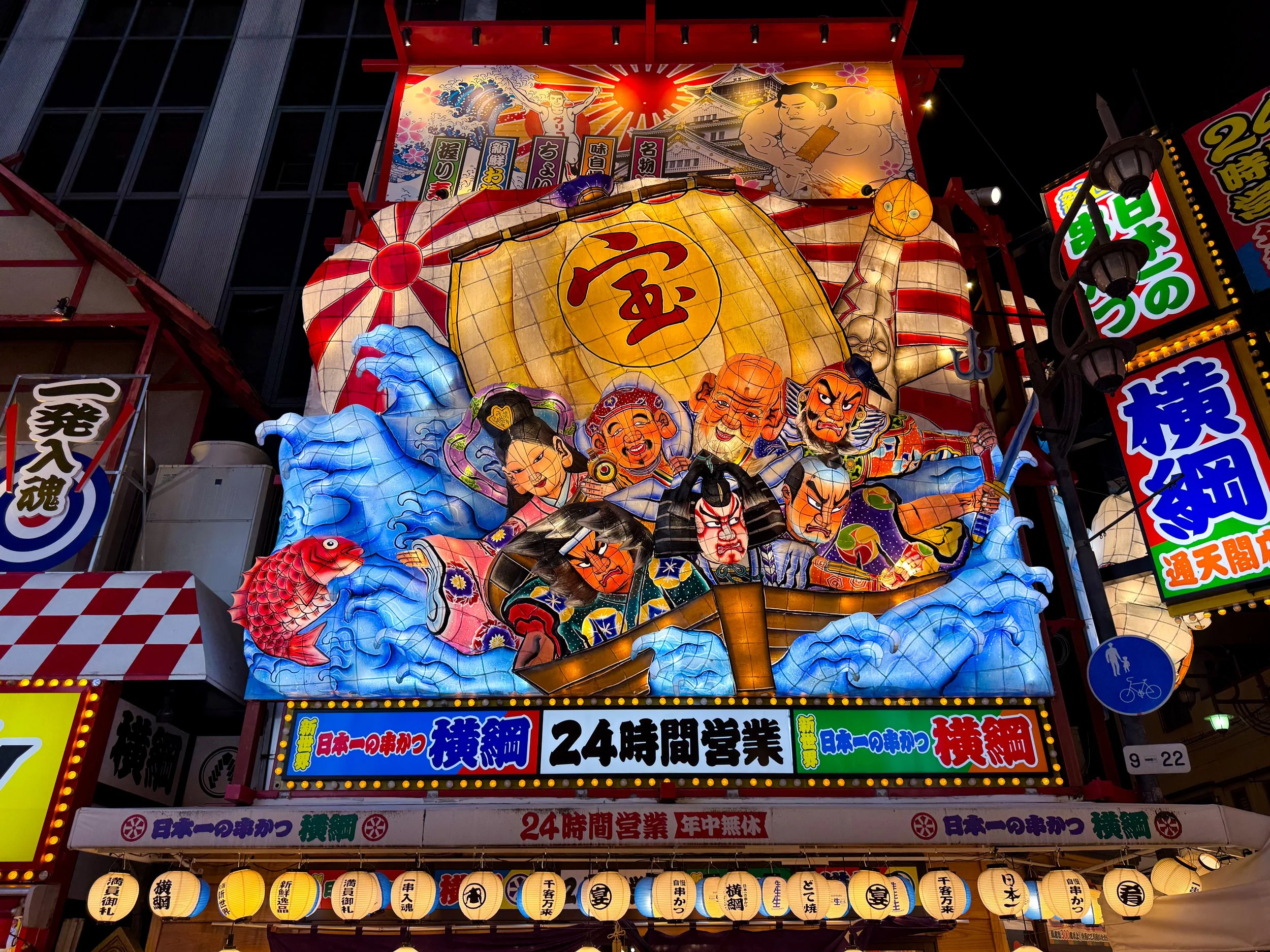
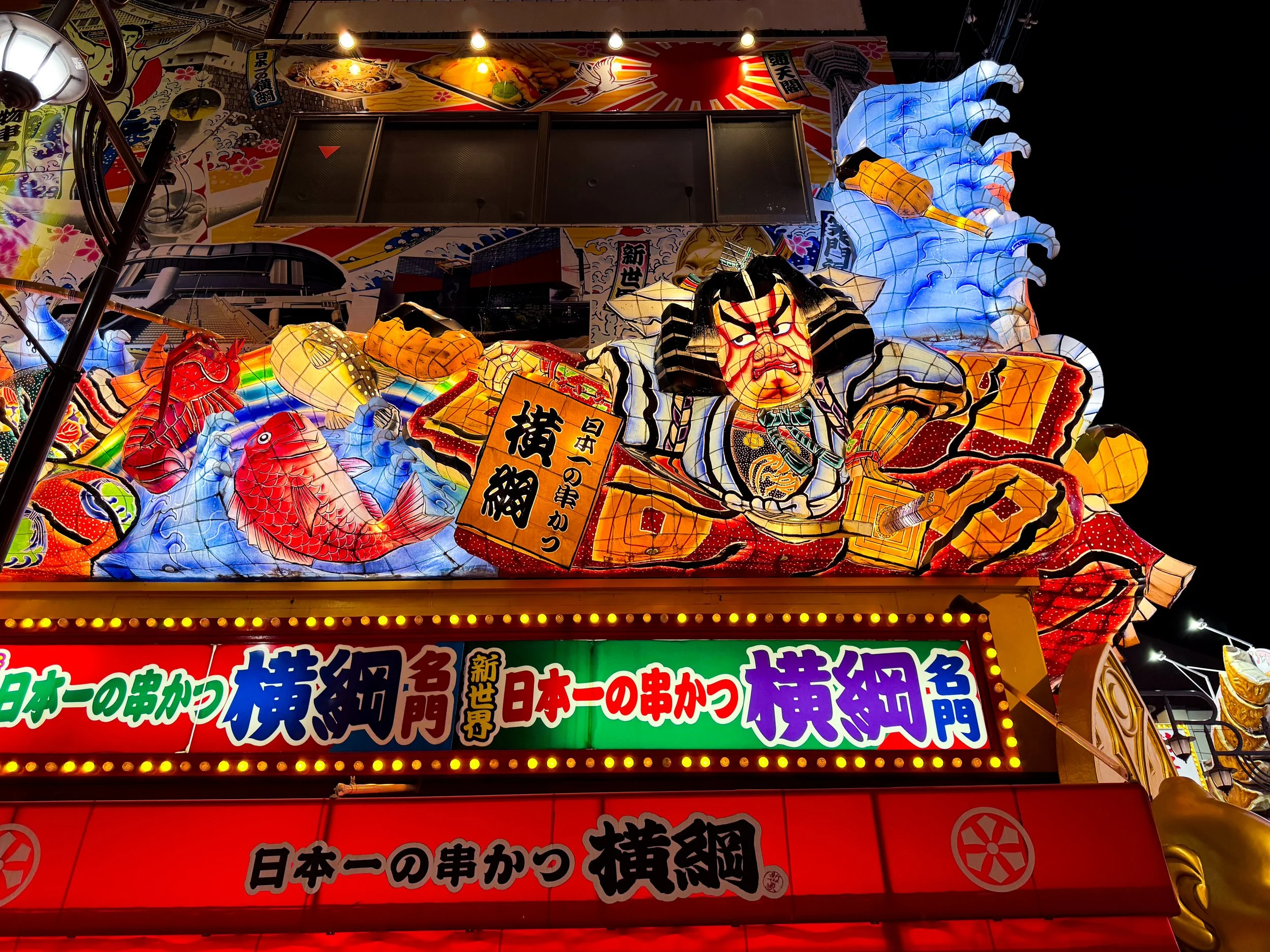
Shinsekai Street
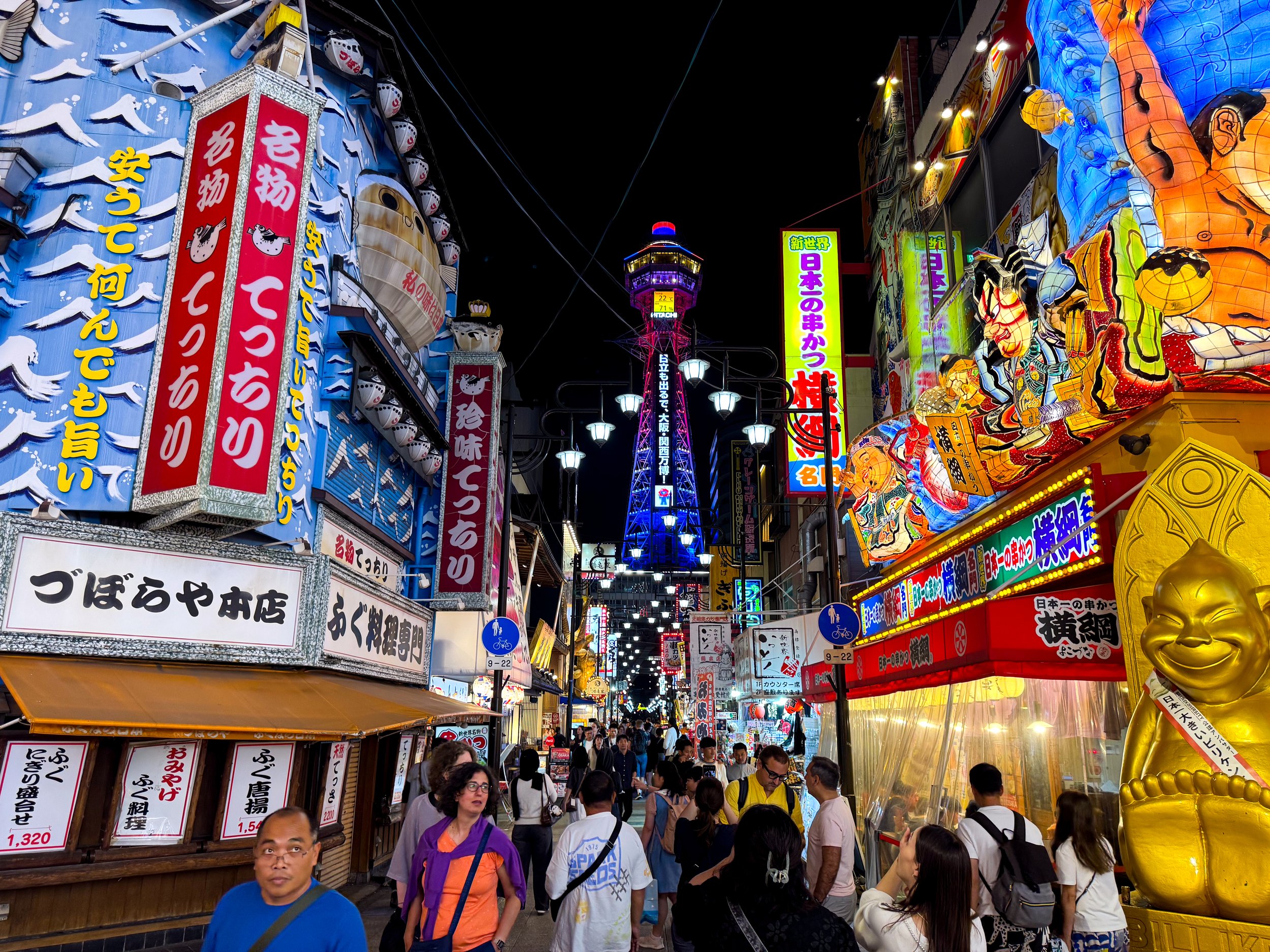
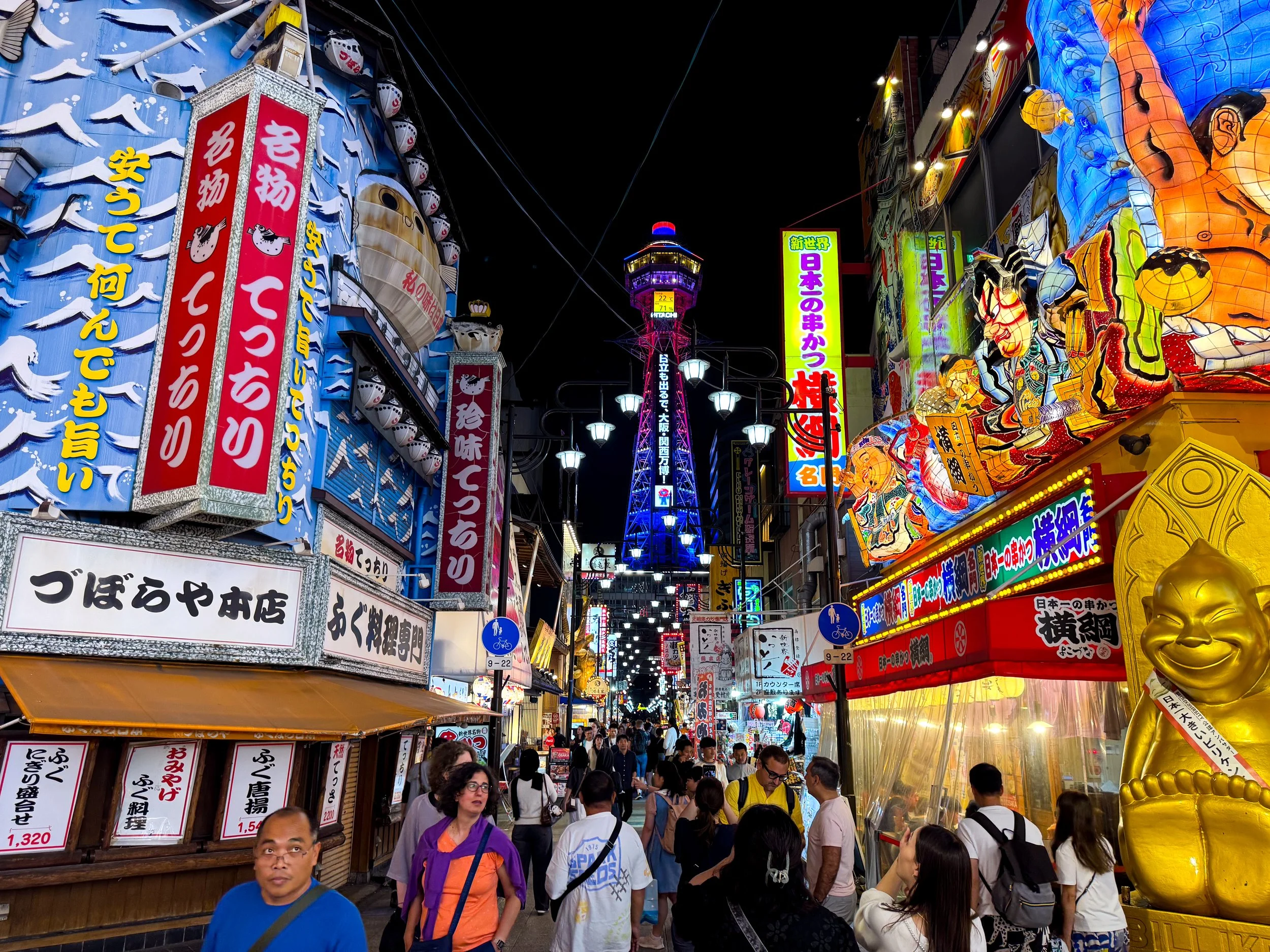
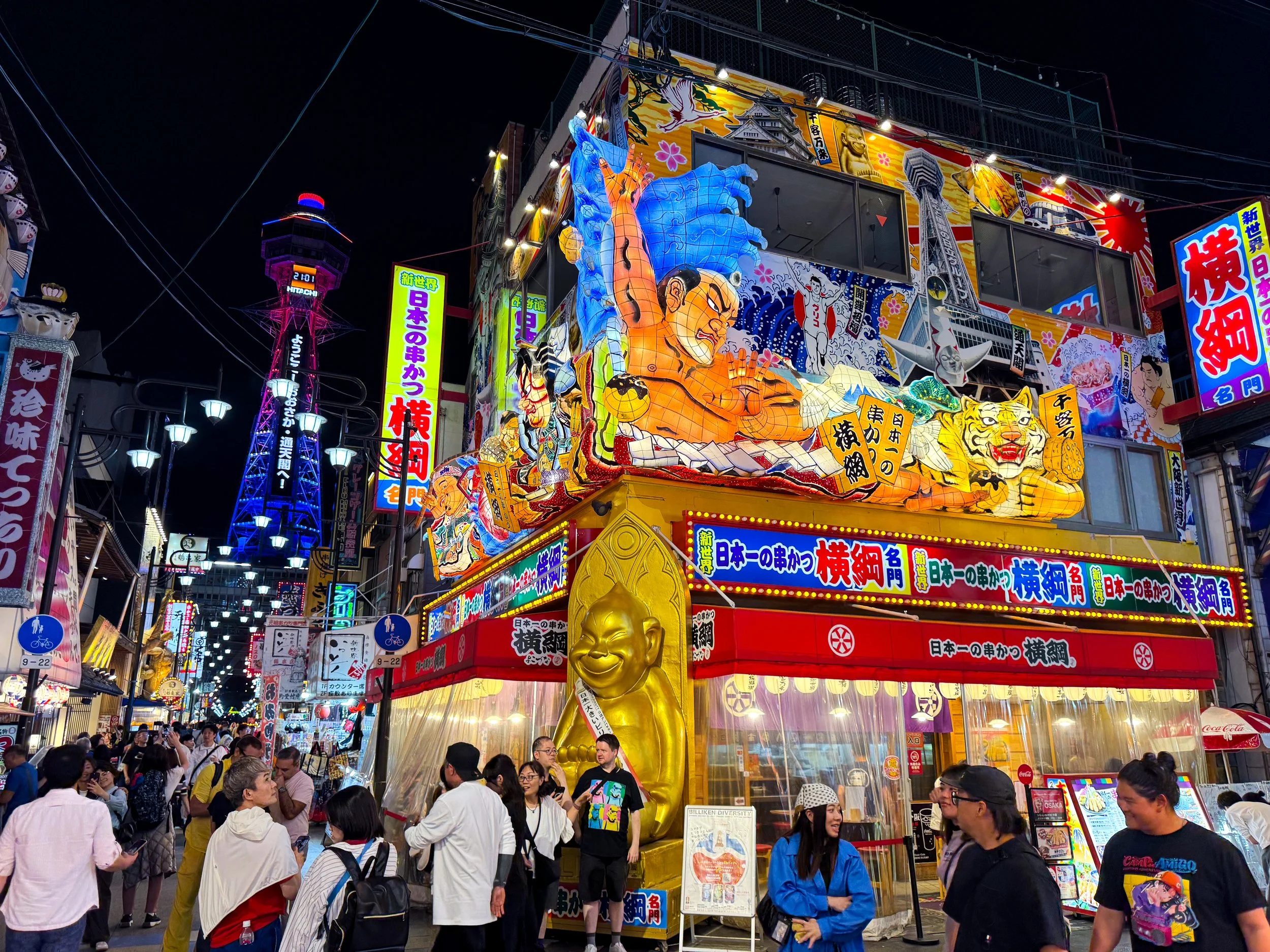
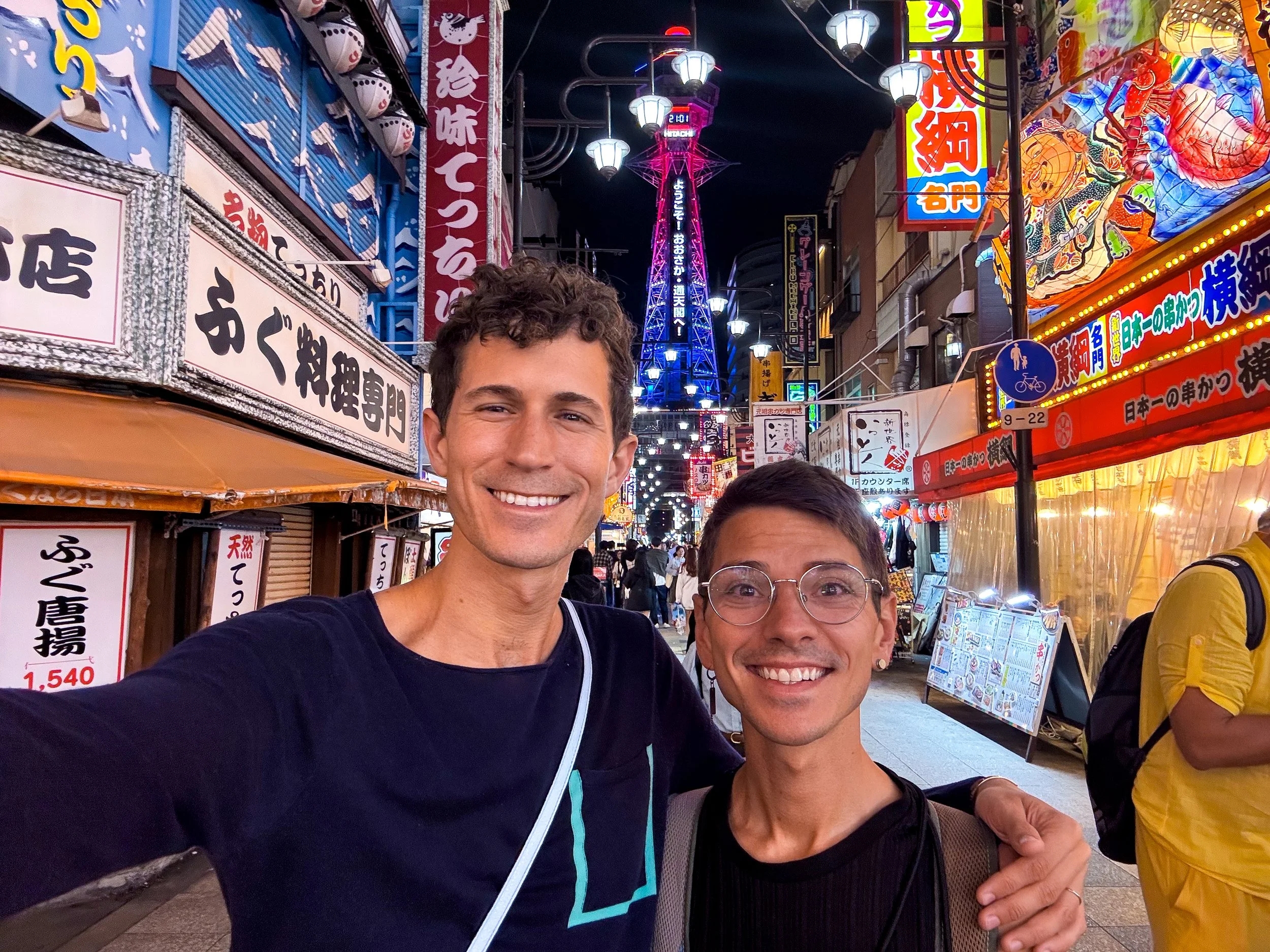
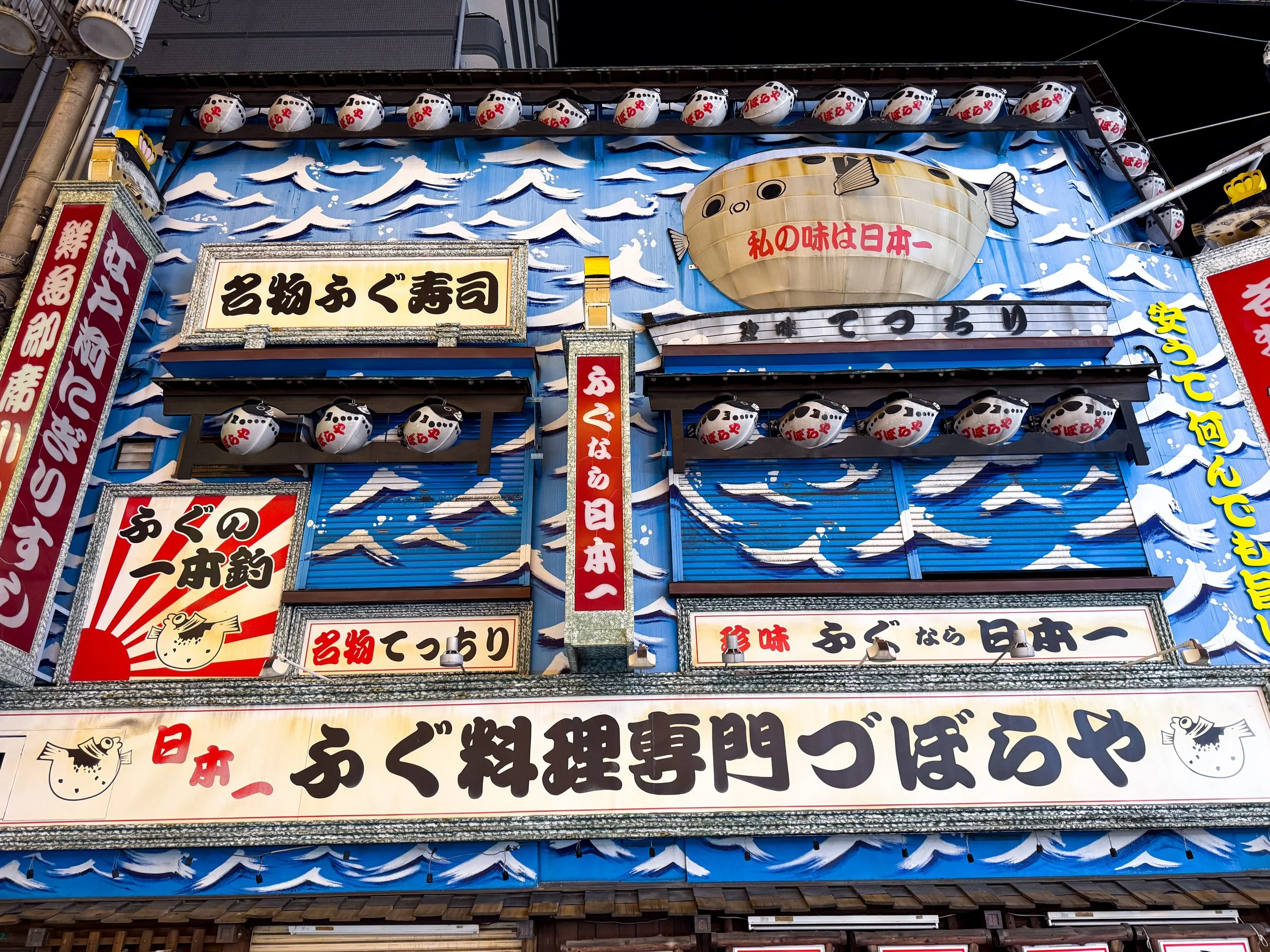
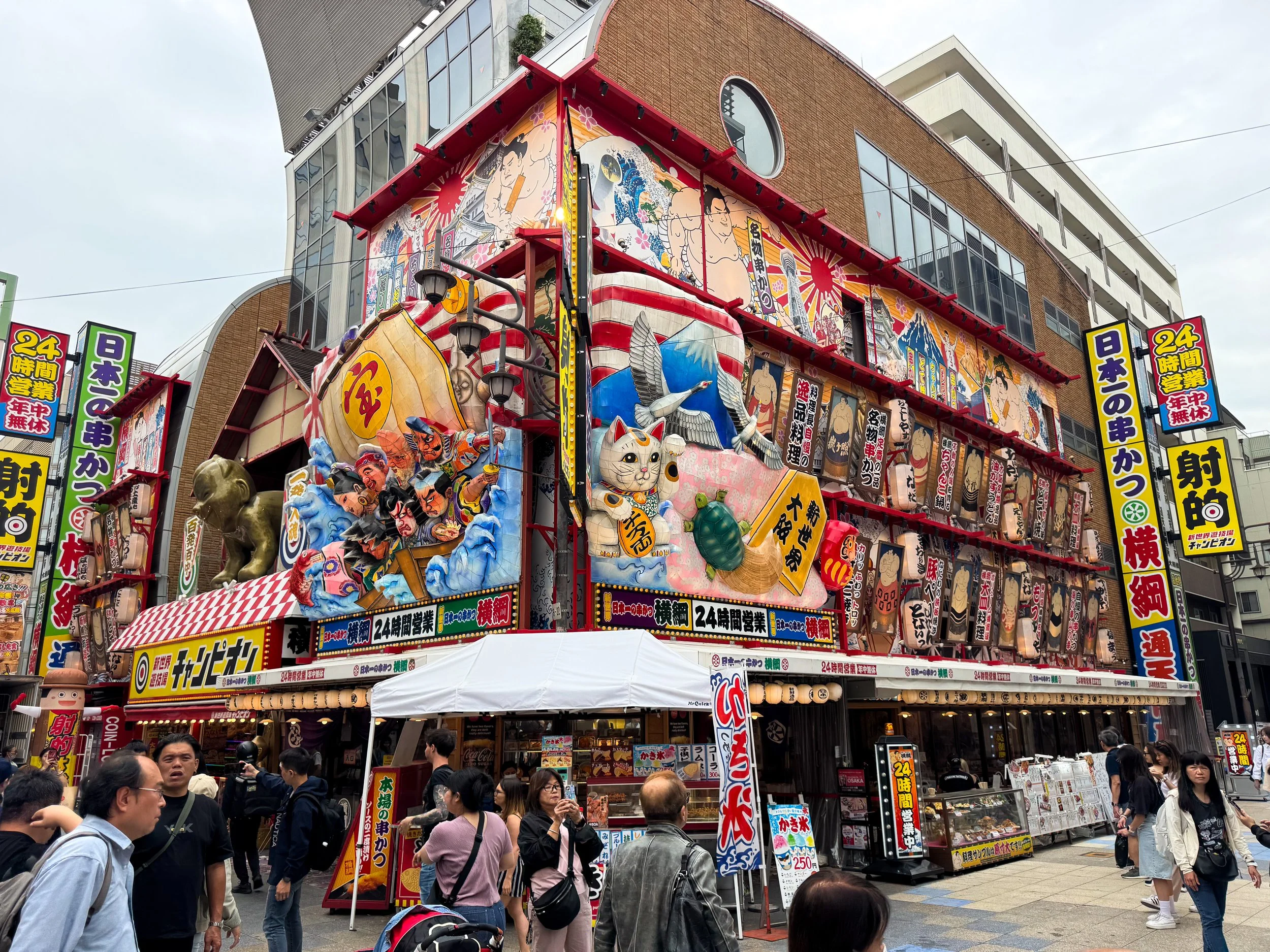
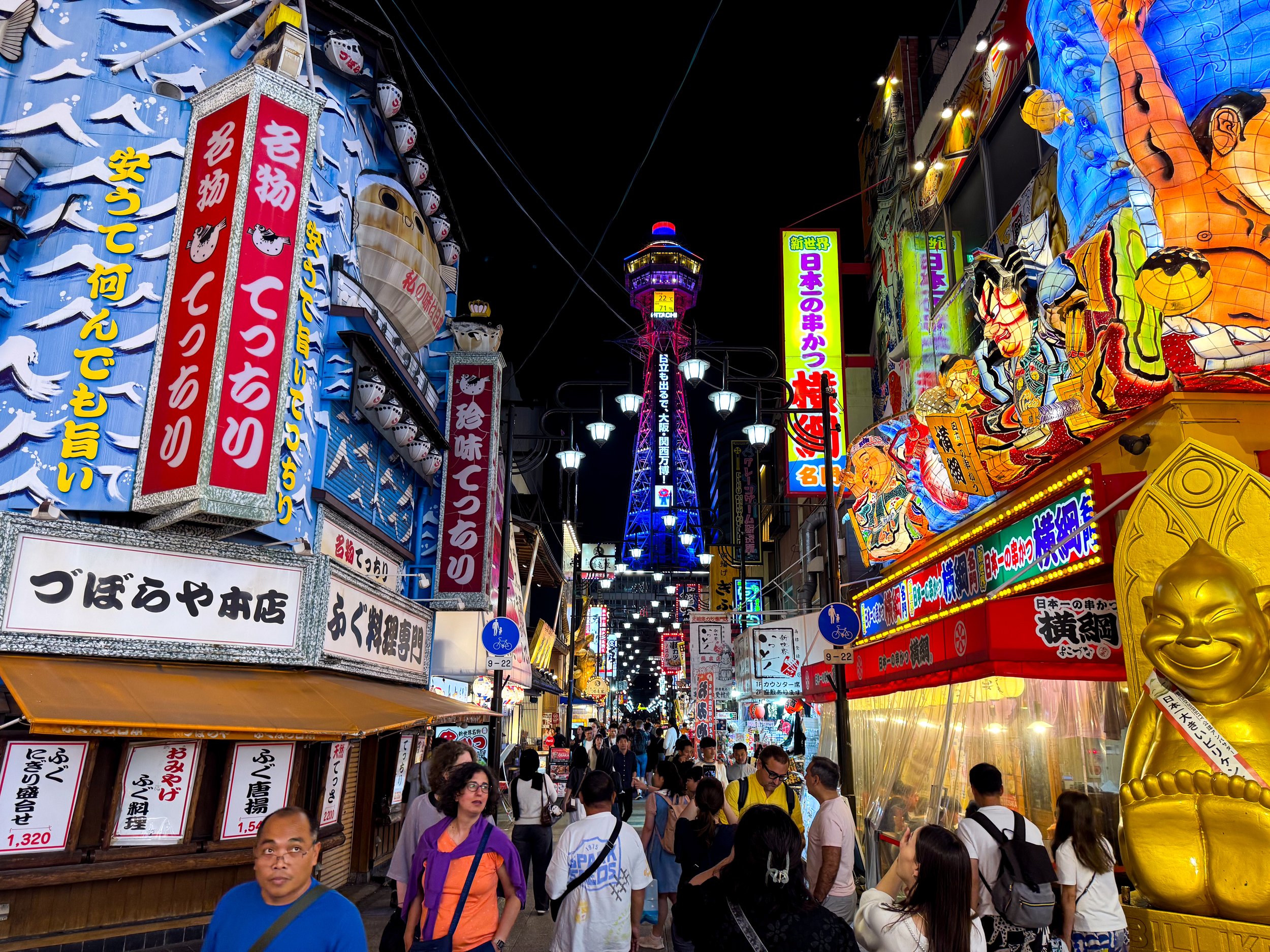
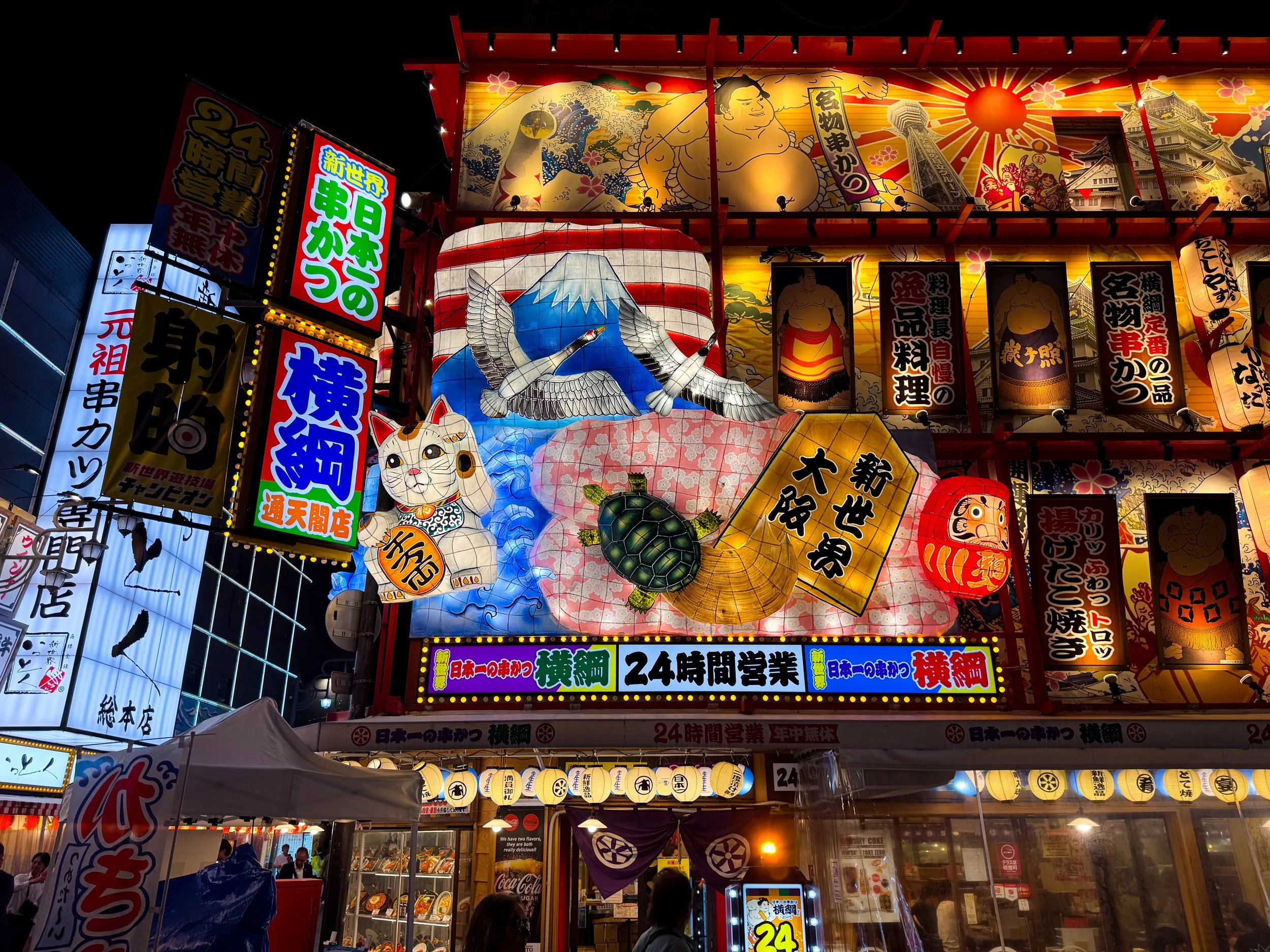
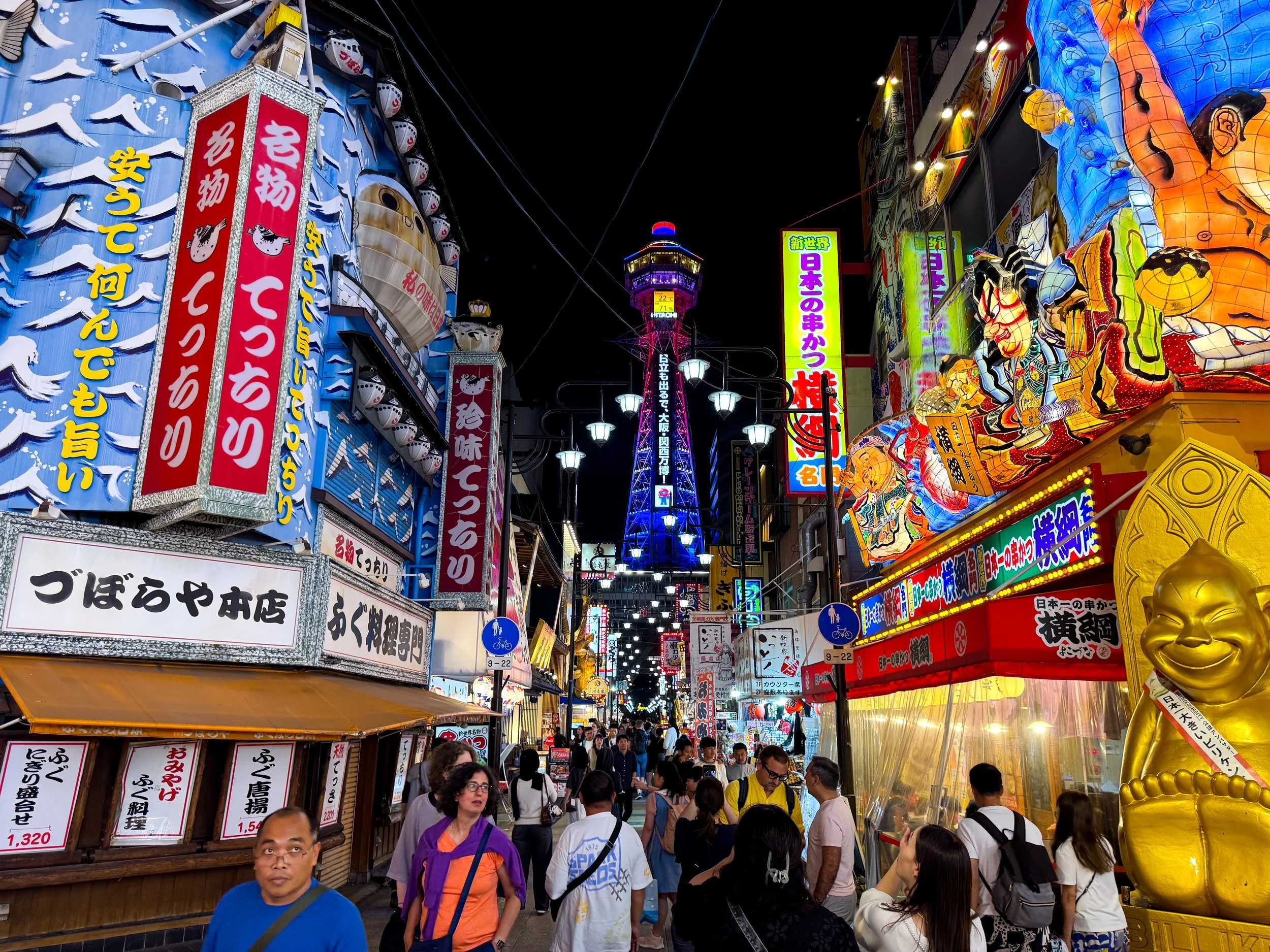
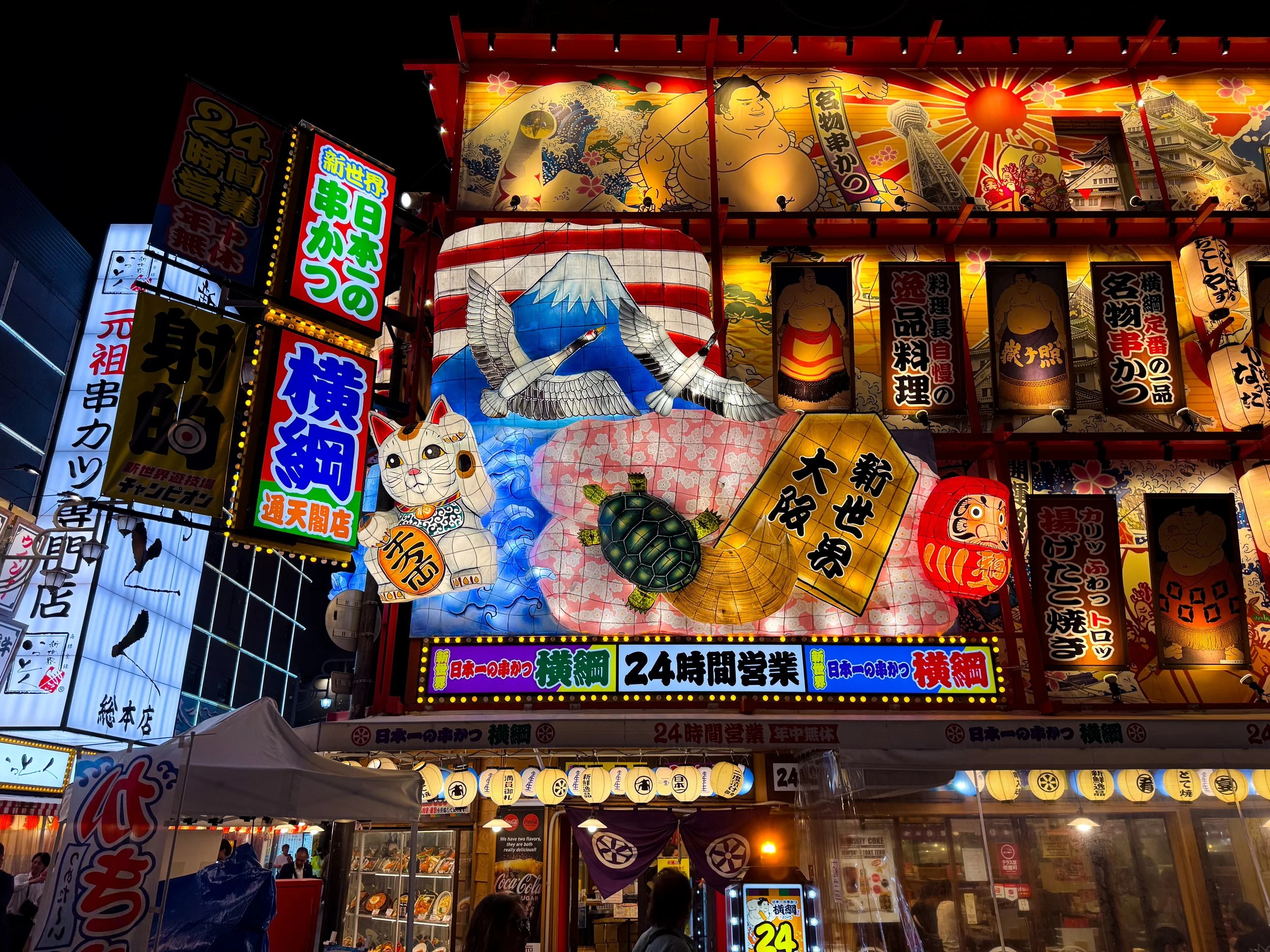
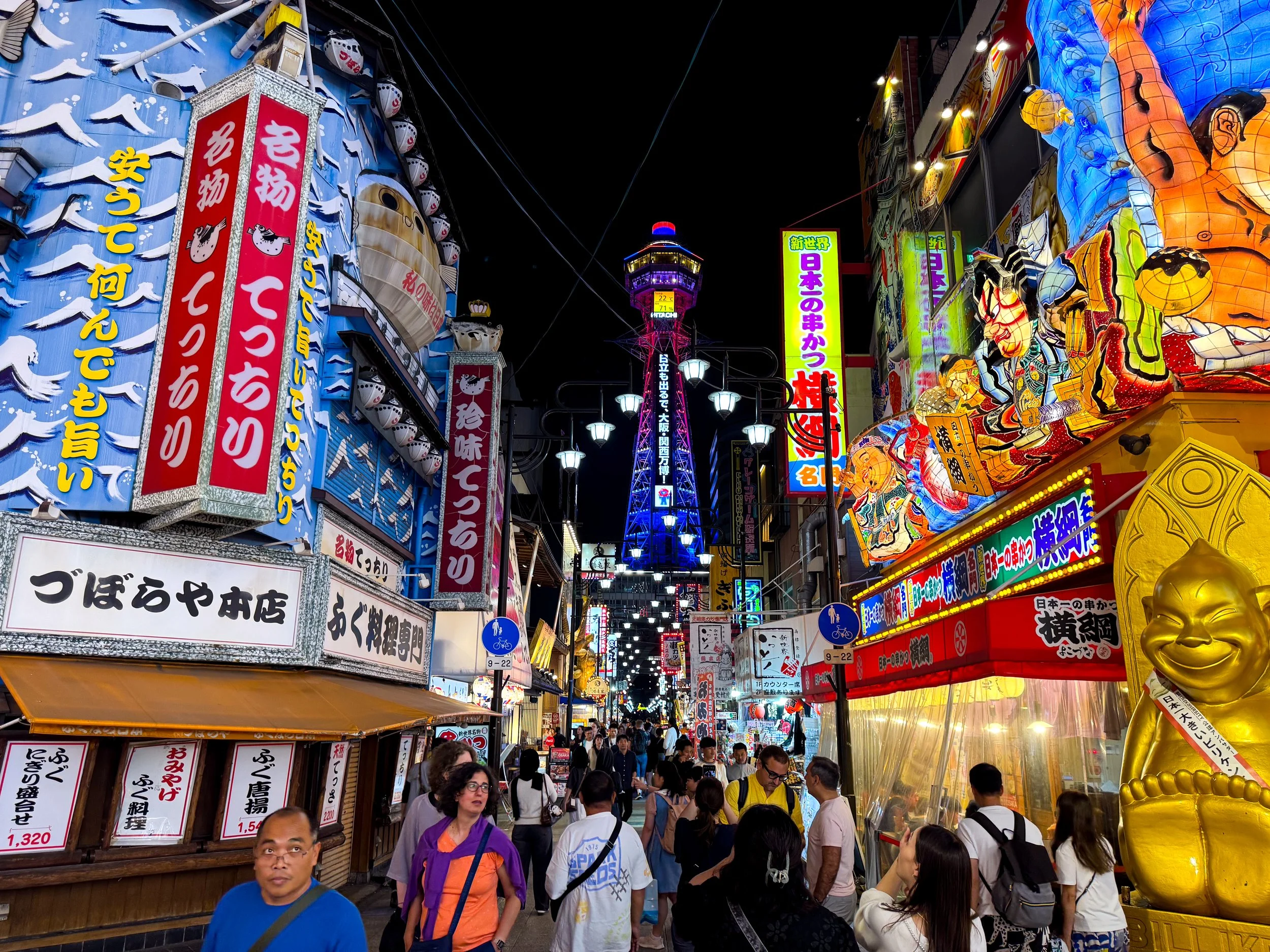
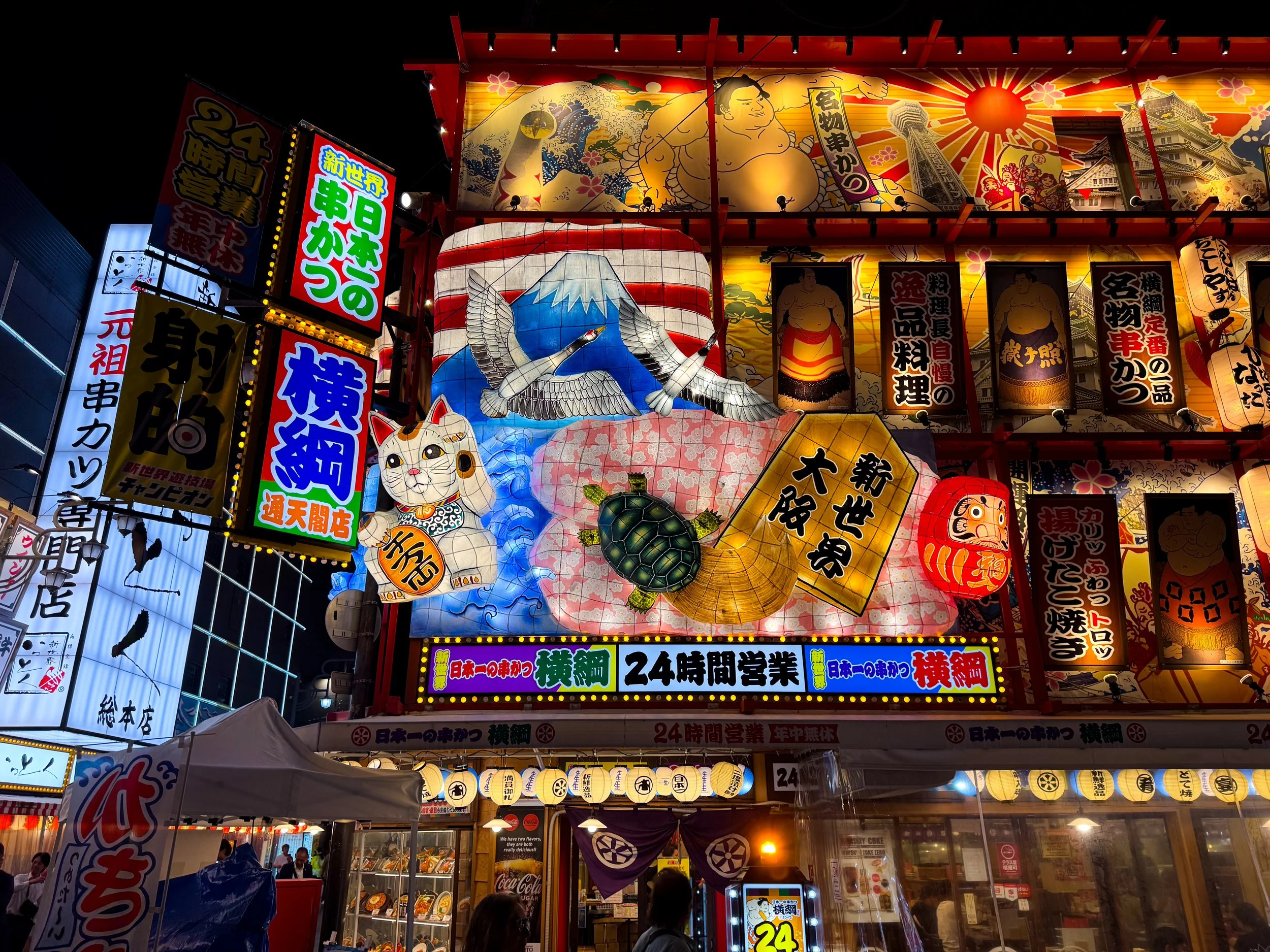
Shinsekai Street is an incredibly vibrant street with colorful neon lights, vintage signs, golden statues, painted calligraphy, paper lanterns and claw machine arcades. Restaurants specialize in Kushiyaki (Japanese skewers) while cafés serve matcha flavored ice cream. Come here at night to experience the high energy of the street.
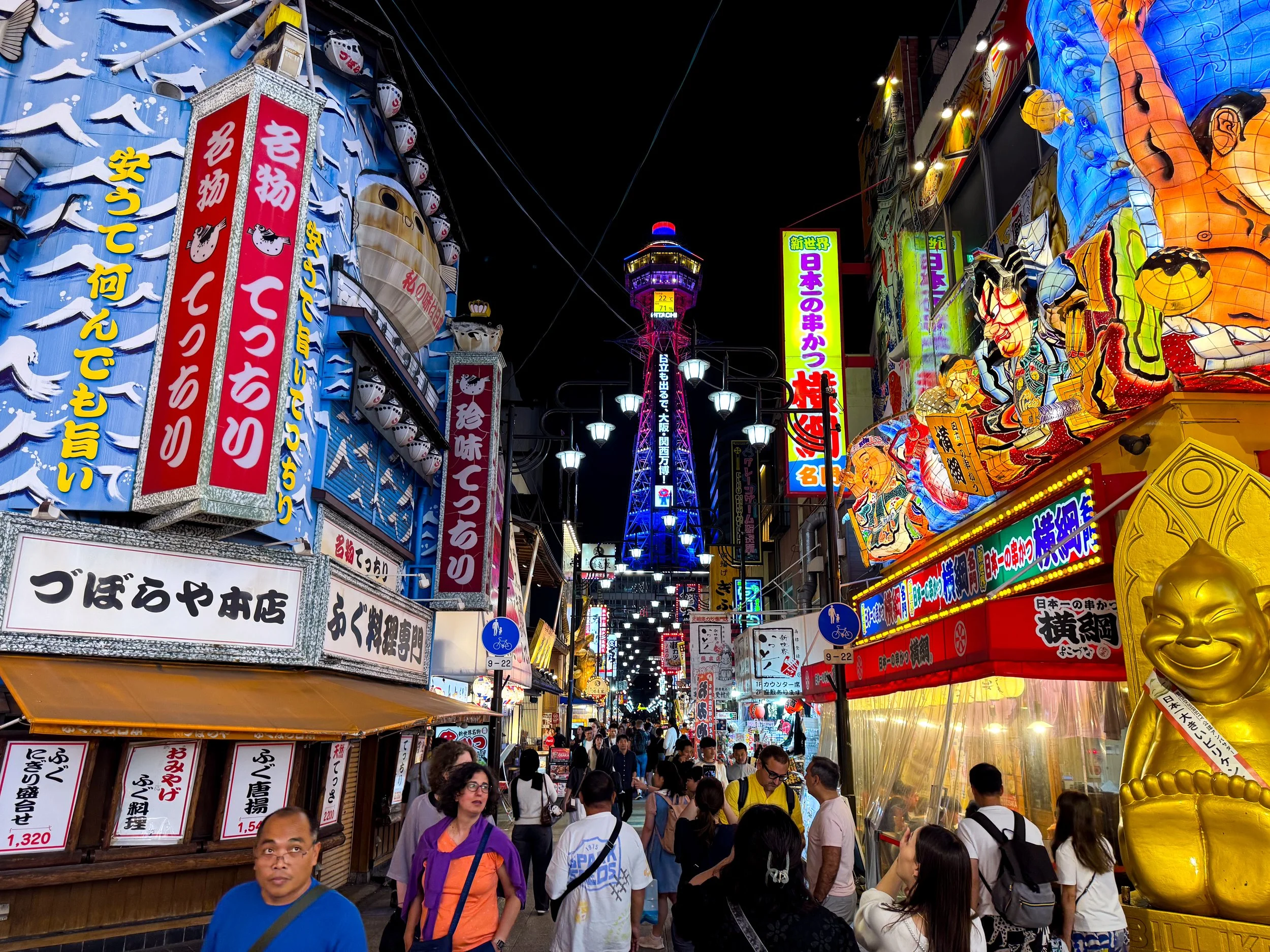
Tsutenkaku (Osaka Tower). A historic tower decorated with neon lights at the heart of Shinsekai Street. Its shape is similar to that of Tokyo Tower with a tapered point and pyramidal base. There is an observation deck on top.
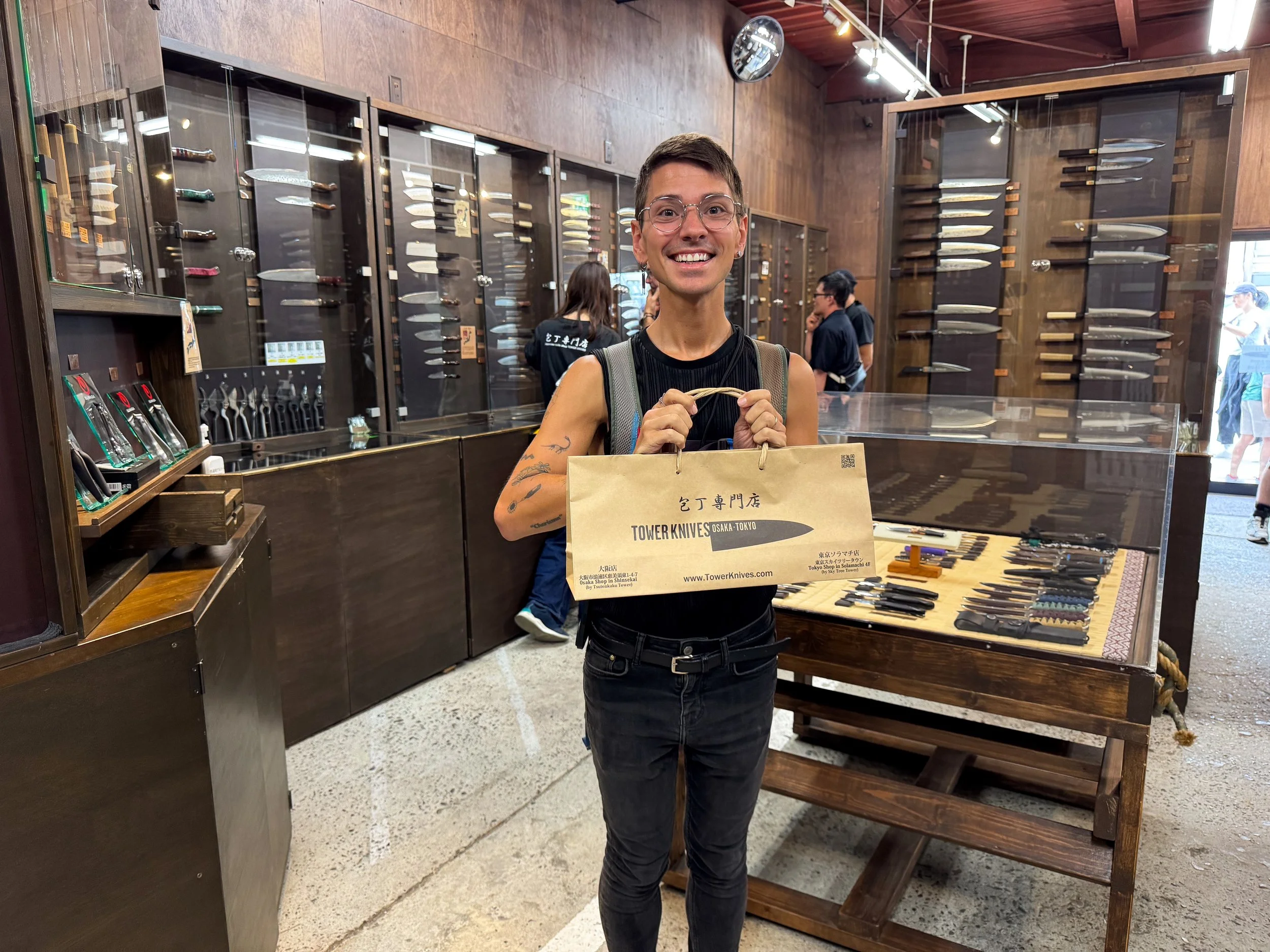
Tower Knives. A traditional knife store manufacturing and selling a large variety of Japanese style blades. There is a workshop in the back of the store where the blades are sharpened, affixed to handles and custom engraved. The shop feels like a hardware store for chefs. We bought a Santoku knife, an all purpose chef's knife originating from Osaka. They ship internationally if not checking a bag home.
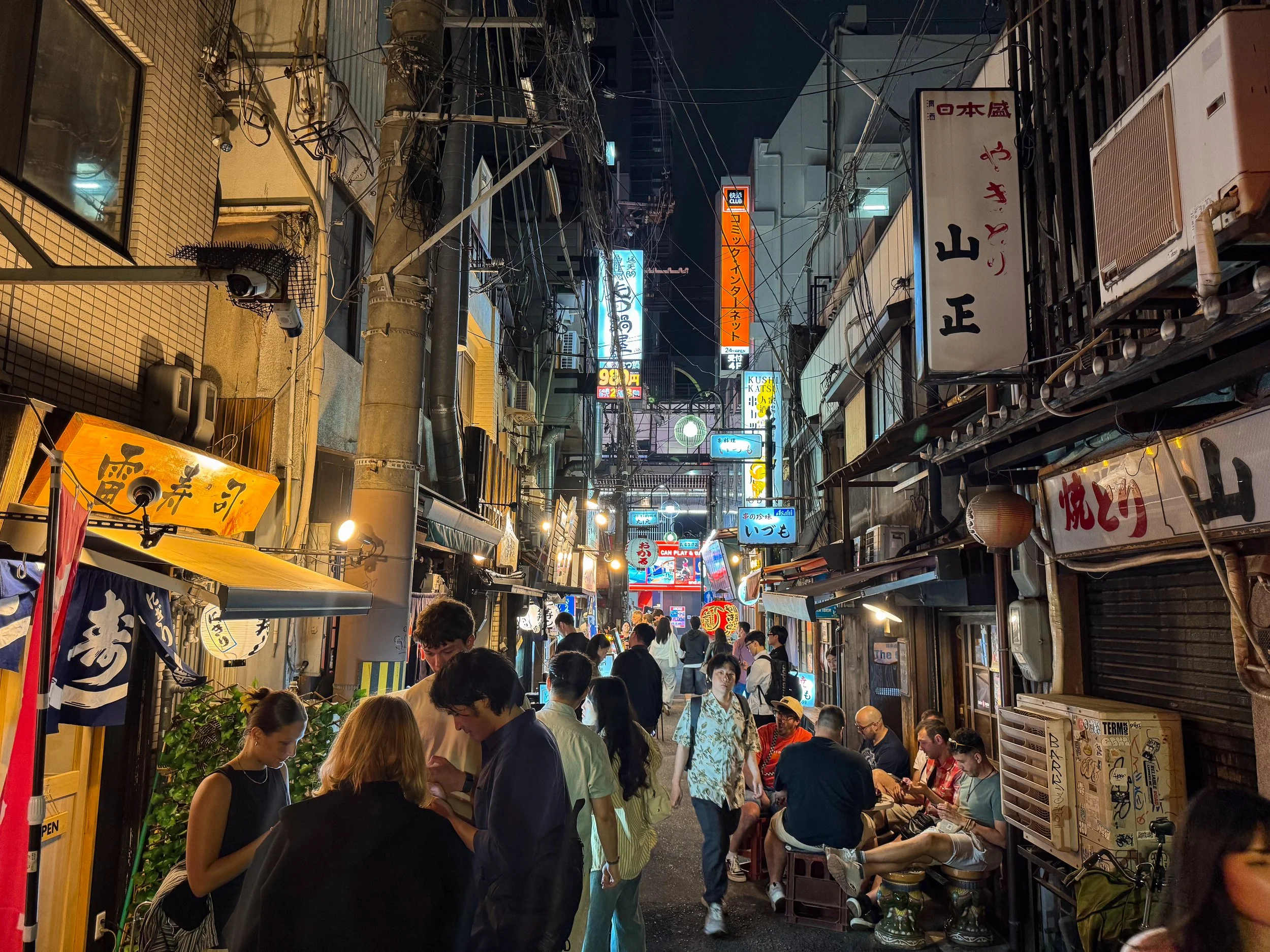
Hozenji Yokocho
Hozenji Yokocho is a series of narrow alleyways lined with paper lantern adorned izakayas and neon lit standing bars. It’s less crowded than the nearby streets surrounding Dotonbori but no less exciting. Come here to eat, drink or simply walk through.
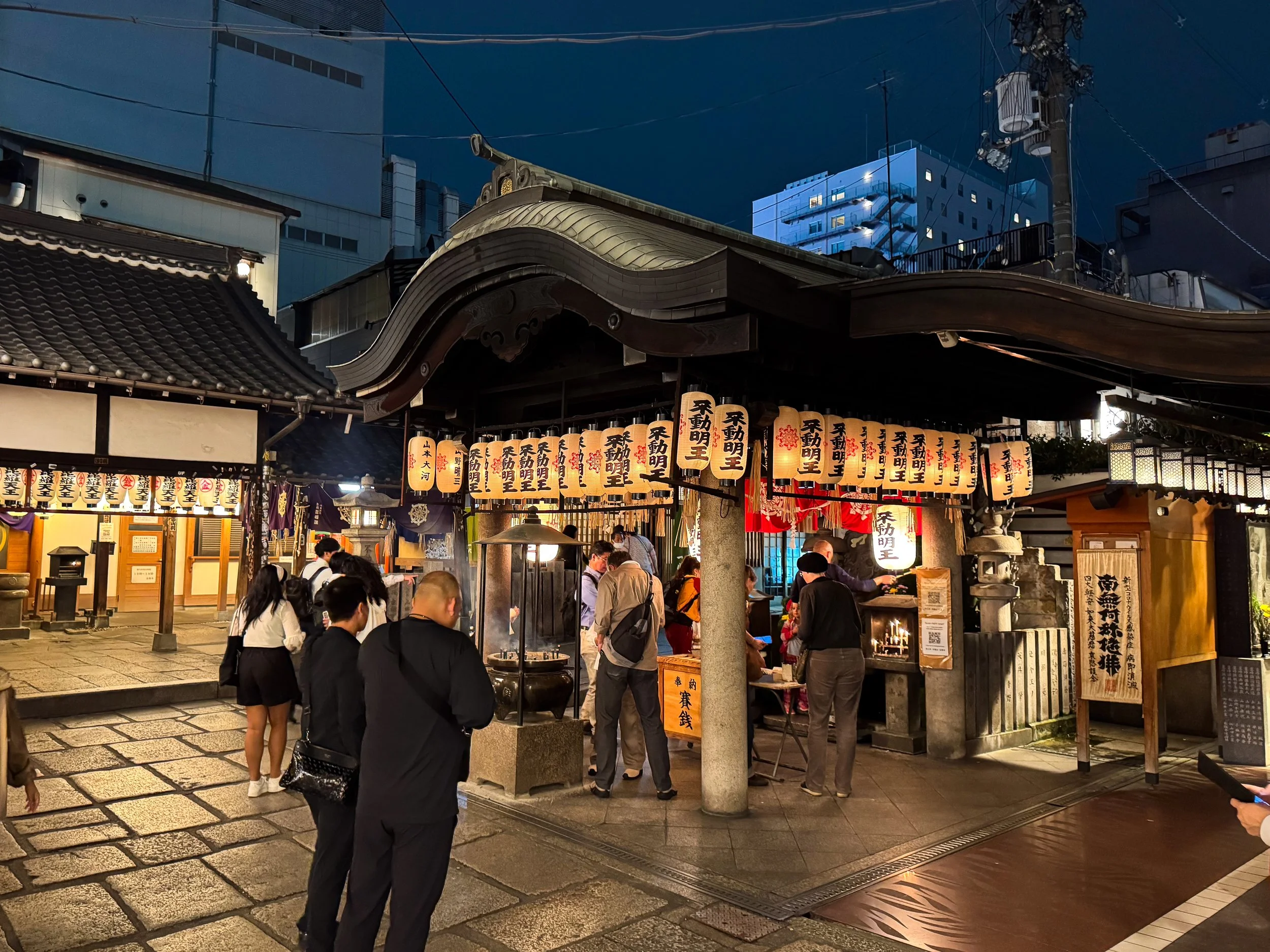
Hozenji Temple. A small Buddhist temple in the middle of an alley in Hozenji Yokocho. It offers a little moment of calmness surrounded by the high energy of the surrounding neighborhoods and streets.
Osaka-Jo Castle
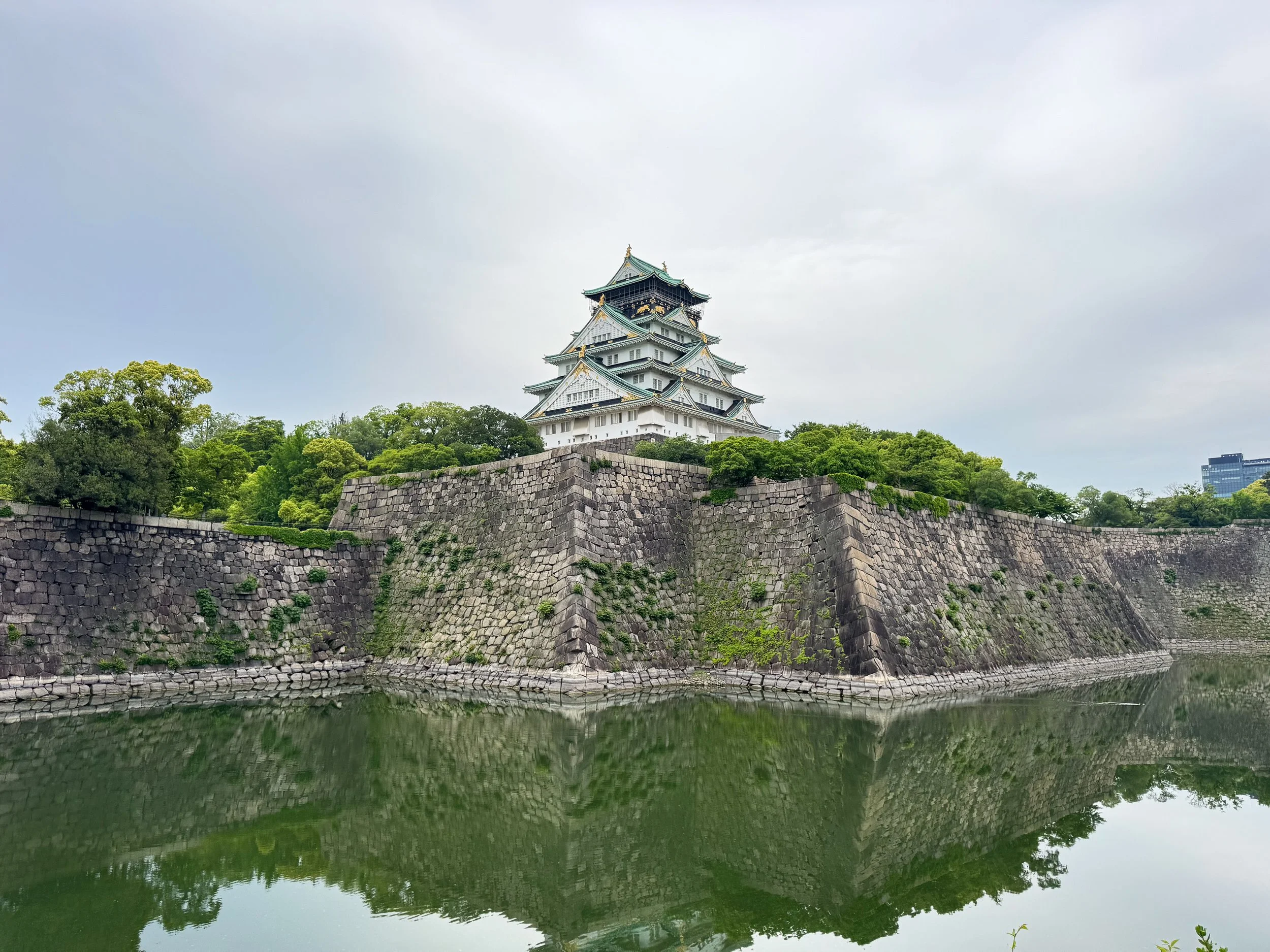
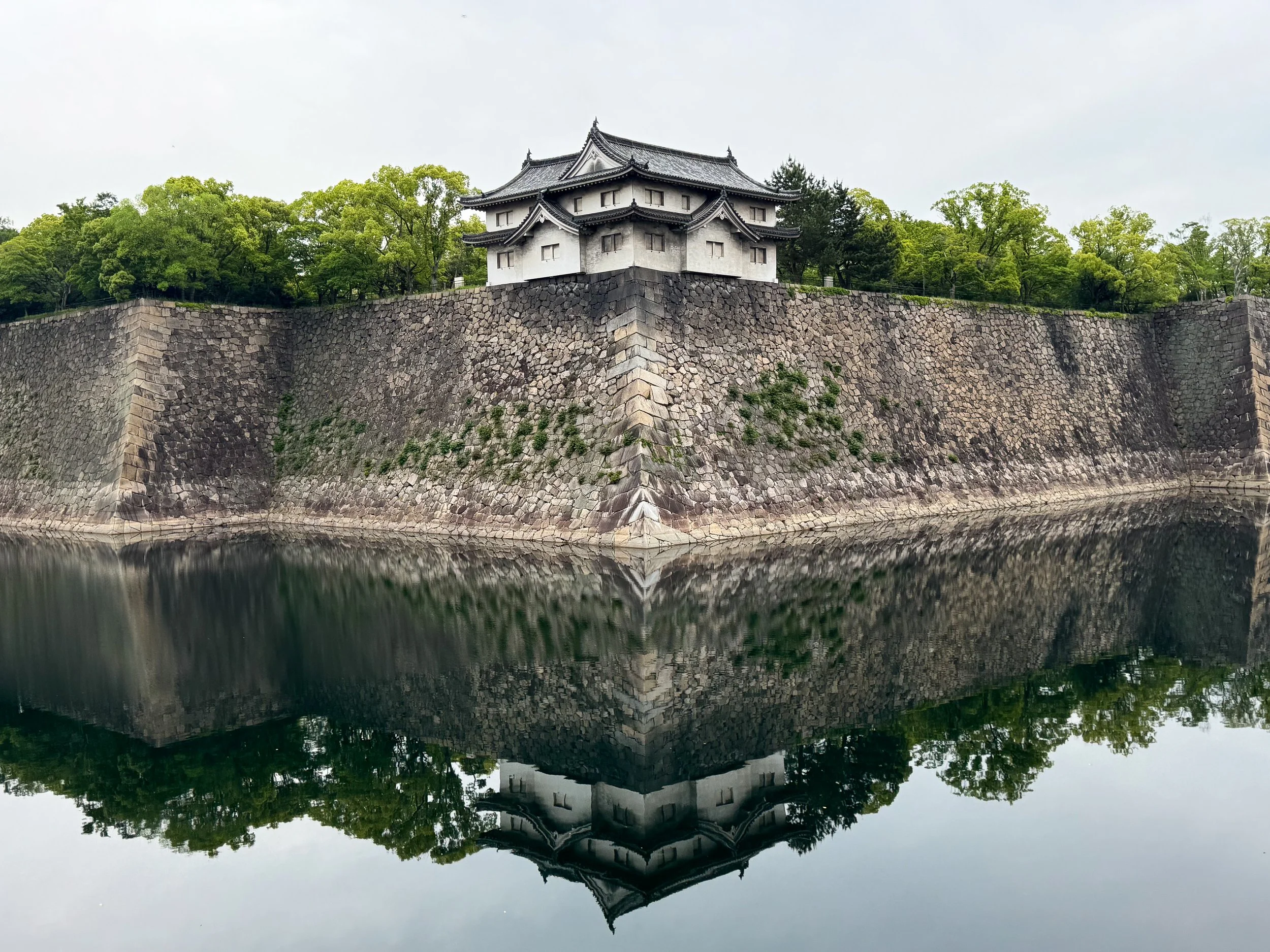
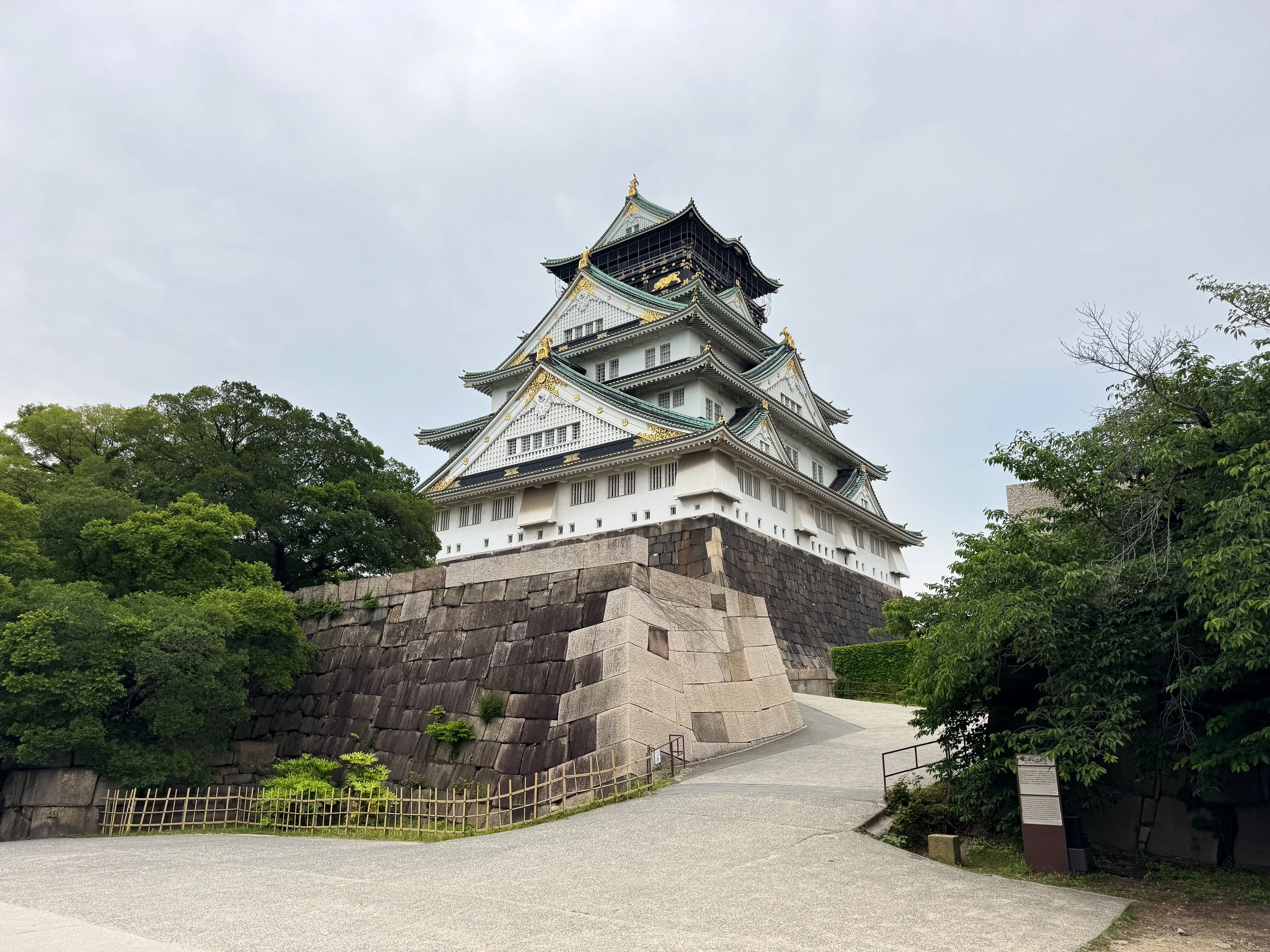
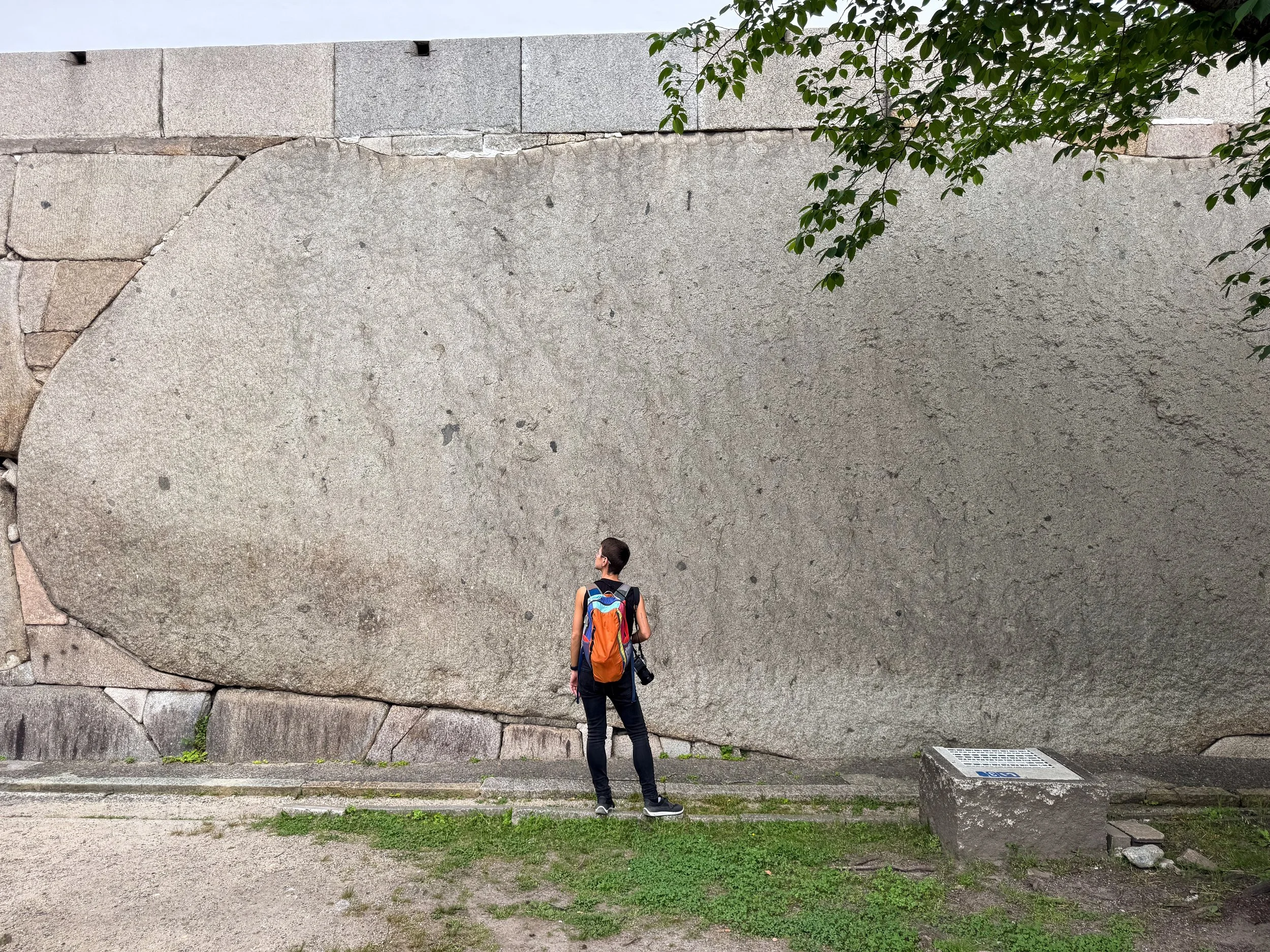
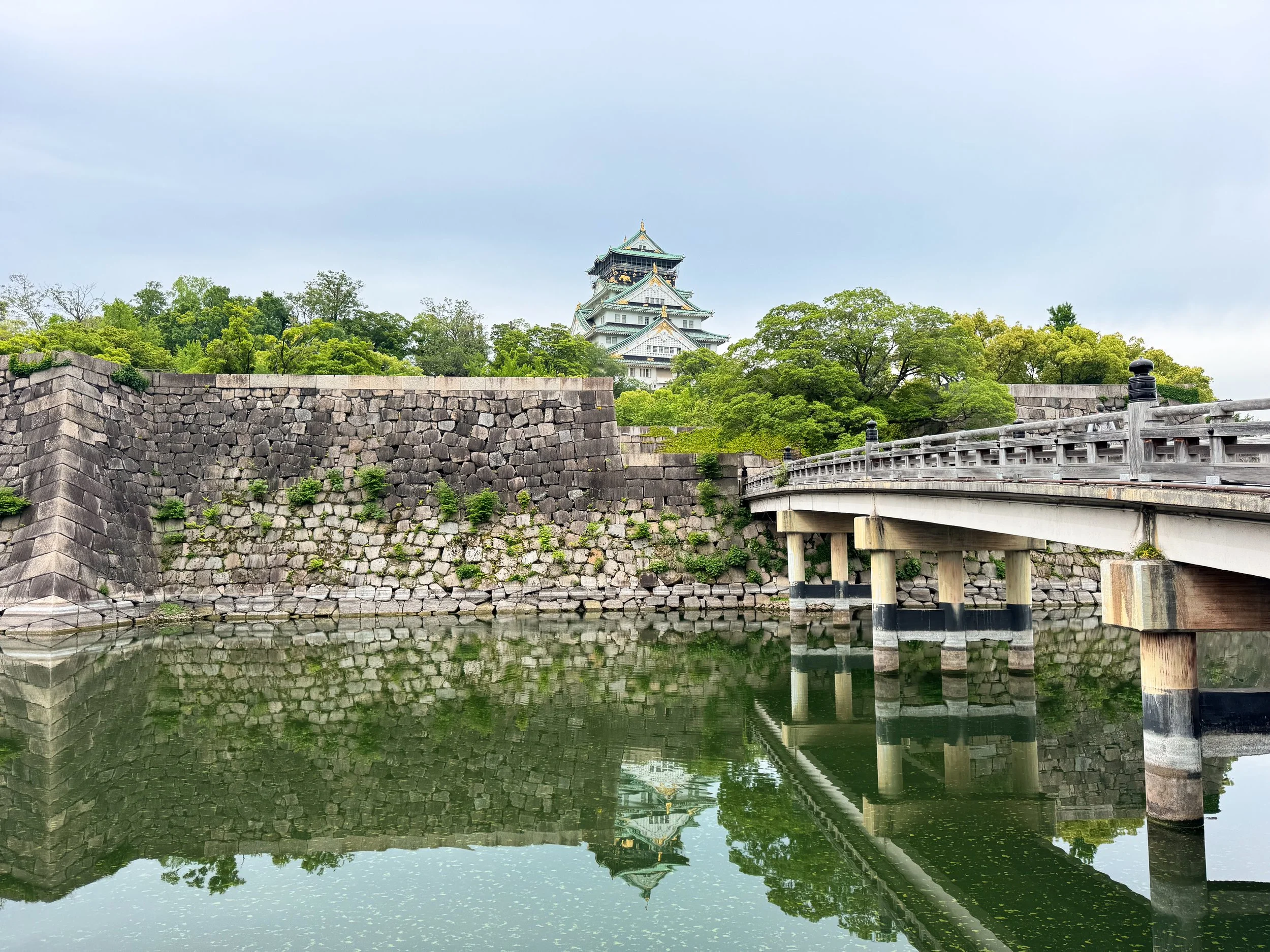
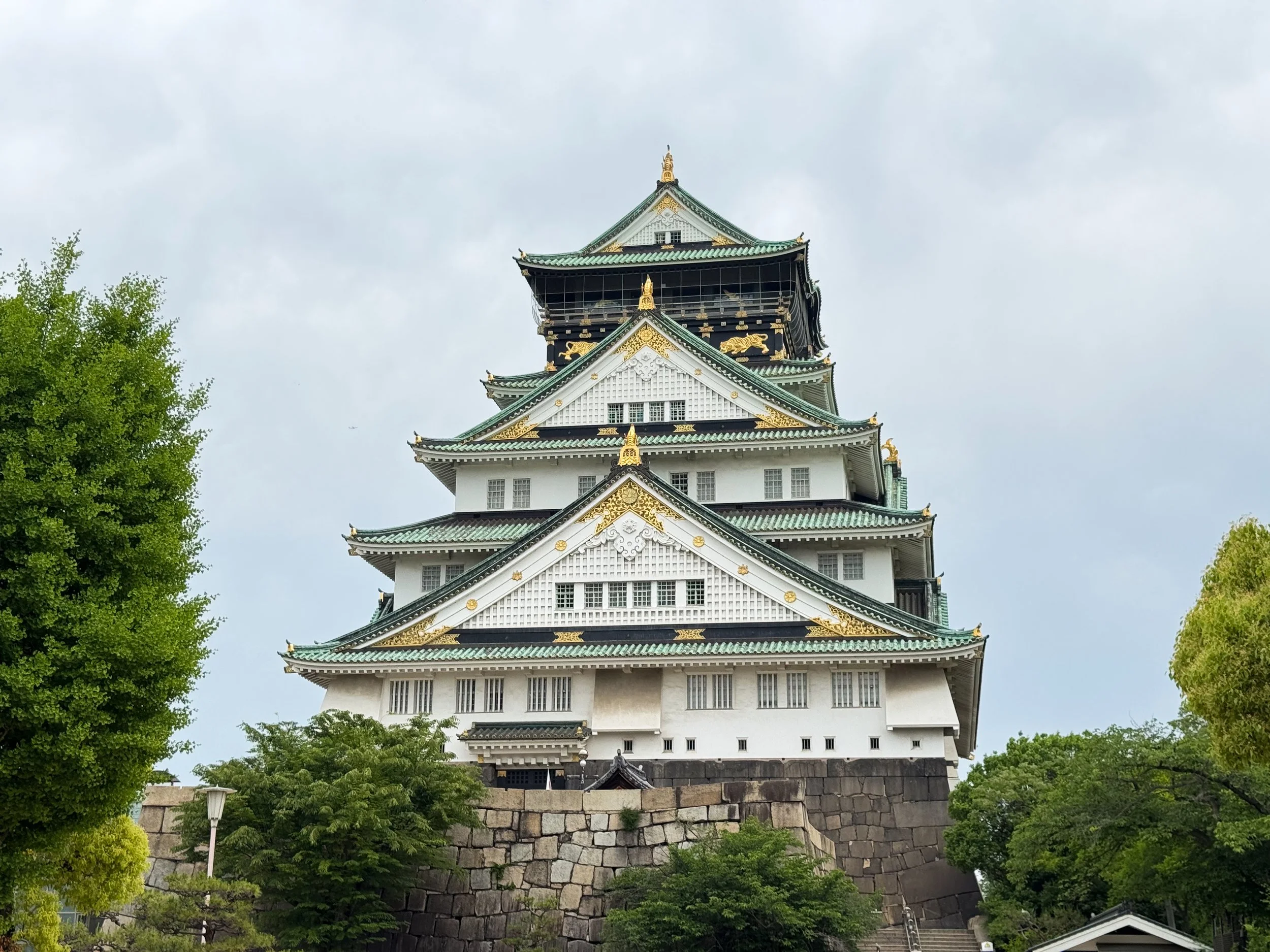
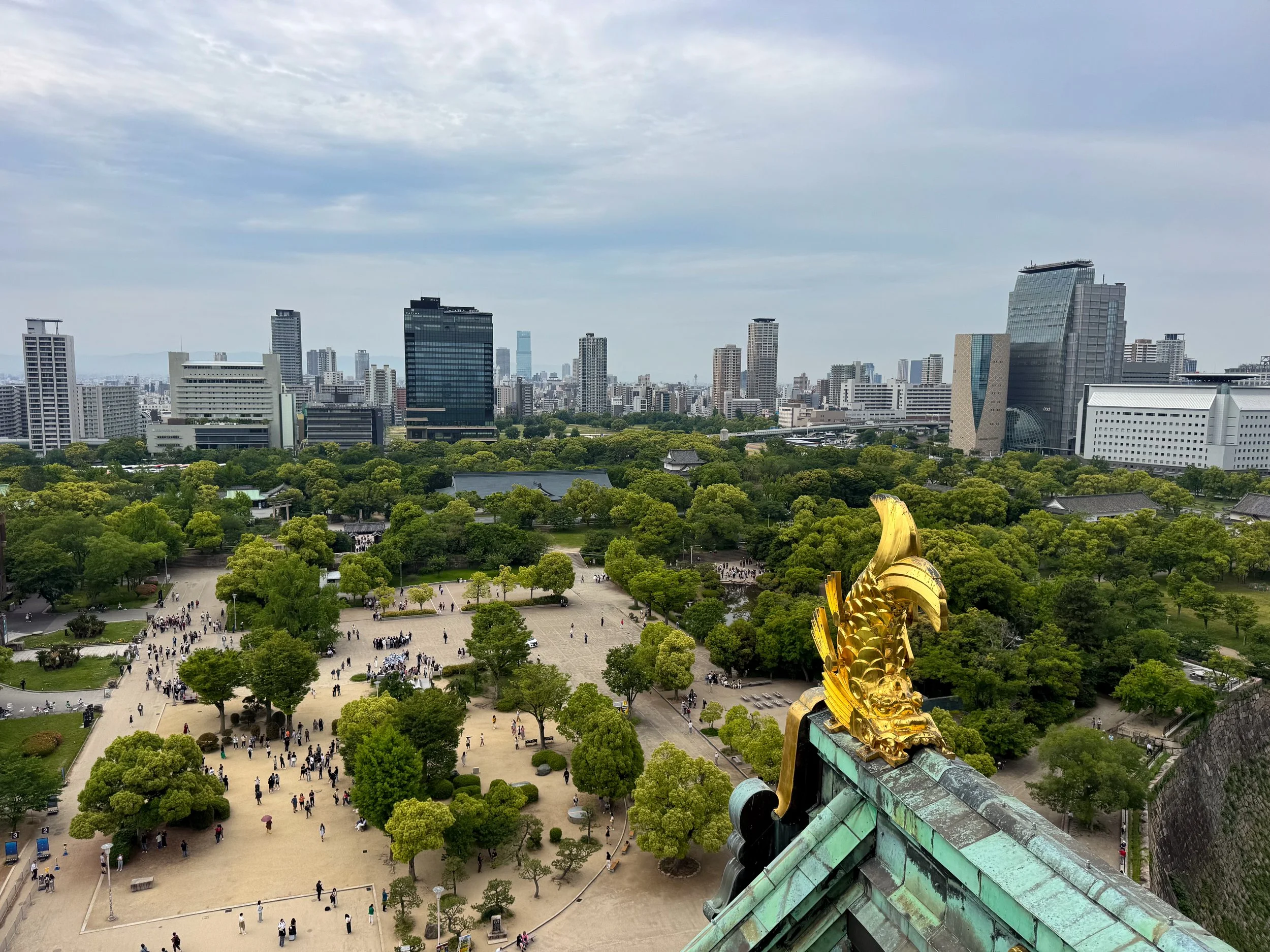
Osaka-Jo Castle is a grand multi-tiered castle surrounded by a series of colossal moats, steep stone walls and historic bastions. Scenic parklands offer views of the castle and outdoor space for leisurely activities. The castle is now a museum with different exhibits and a rooftop observatory. Exhibit floors recount the castle’s history, the summer war of Osaka and unification of Japan. They feature artifacts like samurai helmets, armor and swords, colorful folding screens and calligraphy covered scrolls.
Pro Tip. Get here before 8am to avoid the crowds and be first to enter the castle.
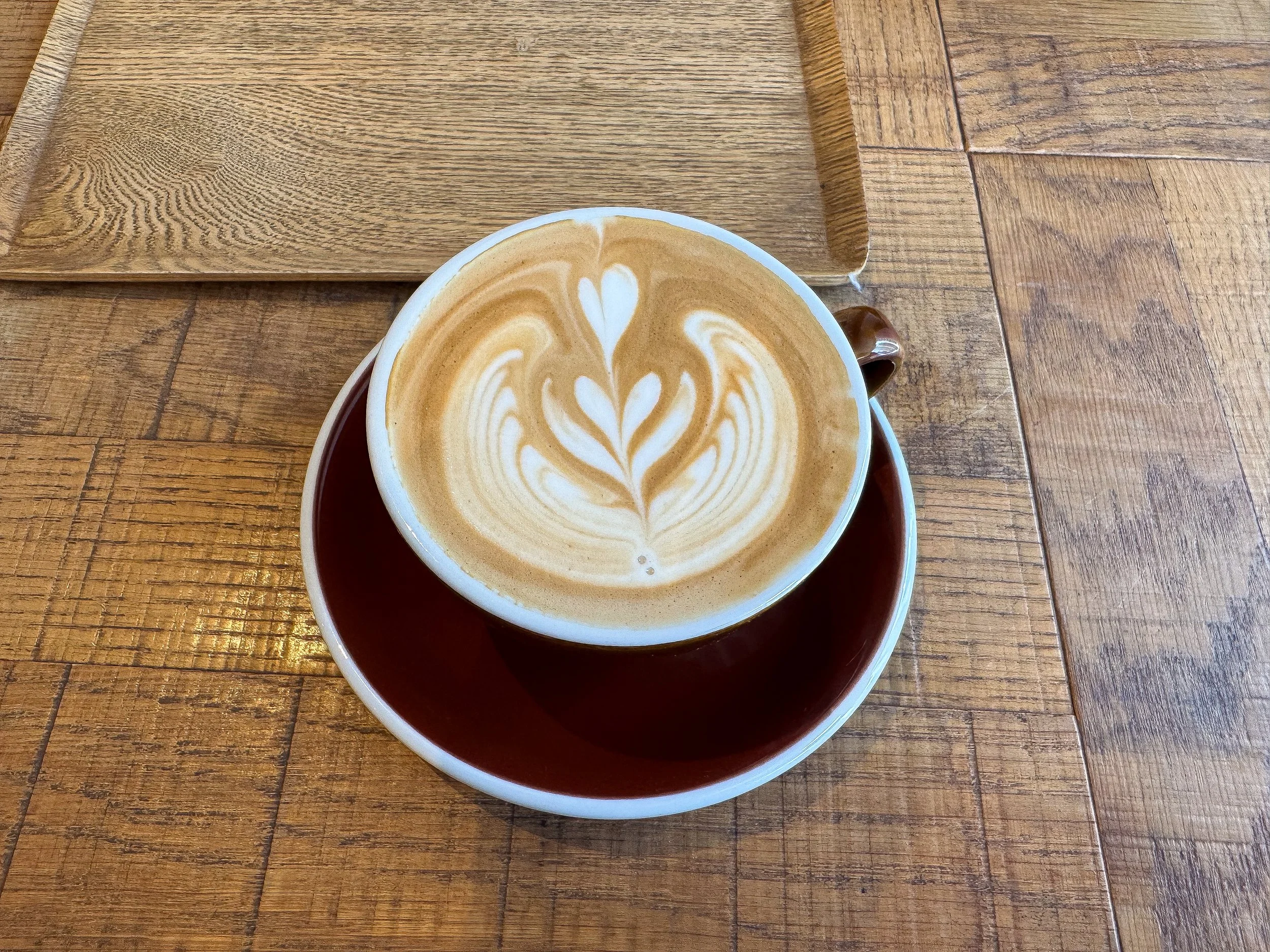
Sot Coffee. An elevated café near Osaka-Jo Castle with premium coffees made using house roasted coffee. Try the coconut latte and homemade nougat.
Getting to Osaka
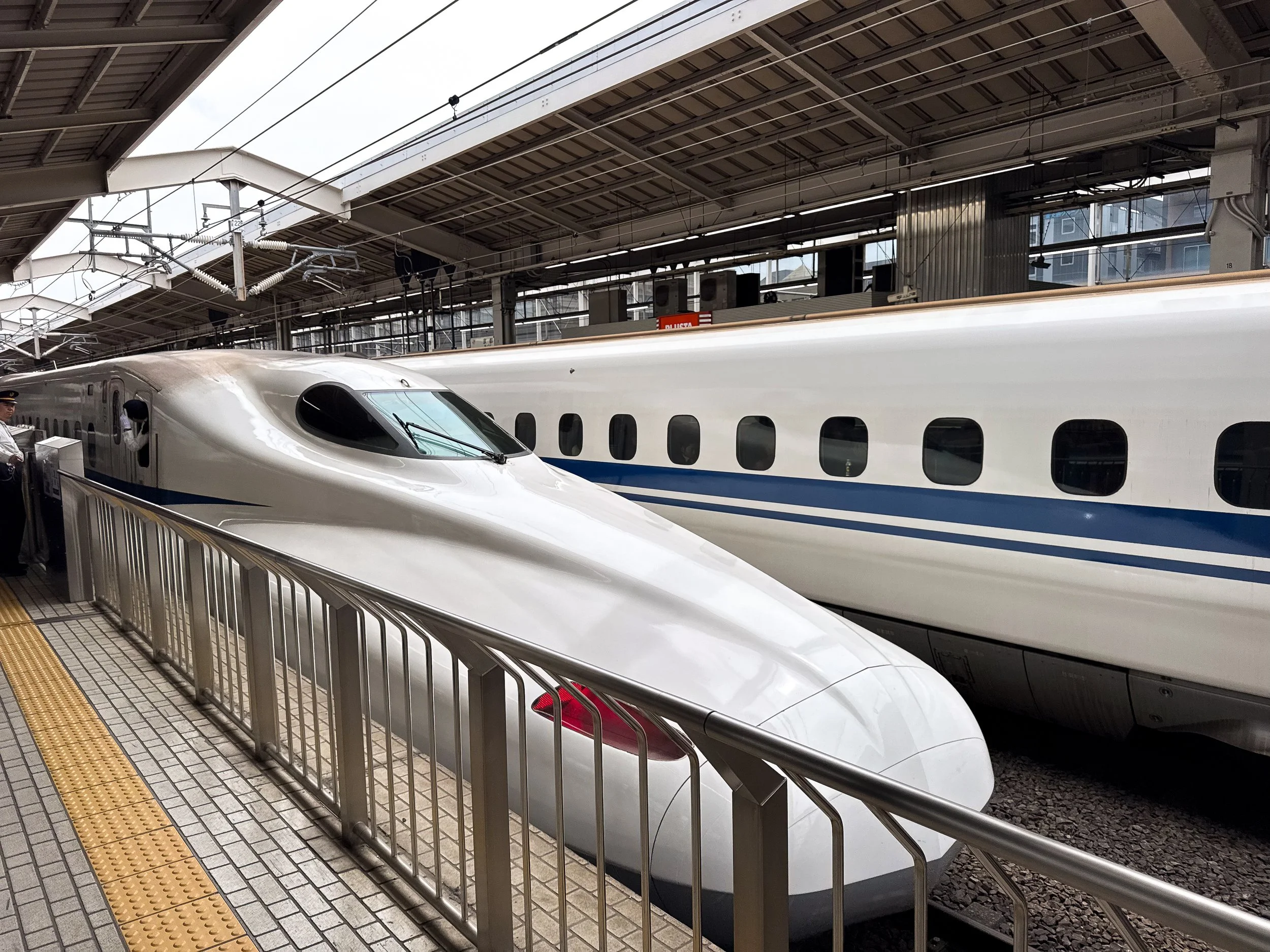
There are multiple trains and train lines between Kyoto and Osaka. The quickest is the JR West Haruka Express from Kyoto Station to Osaka Station. It takes anywhere from 30 minutes to an hour. Once in Osaka, walk and take the local subway to get around the city.
Elsewhere in Japan
From Osaka's street food and neon lit neighborhoods to Tokyo's iconic districts, Kyoto's cultural heritage and Okinawa's coastal landscapes, continue your journey through Japan with these travel guides:
Tokyo Travel Guide: Districts, Japanese Culture & Mt. Fuji. Get lost in Tokyo where vibrant districts, neon cityscapes, historic temples, centuries old traditions & Japanese food alleys are set against the backdrop of Mt. Fuji.
Kyoto Travel Guide: Temples, Historic Districts & Japanese Culture. Wander through Kyoto’s historic districts where ancient temples, tiered pagodas, traditional gardens, tea houses and izakayas preserve centuries of Japanese culture.
Okinawa Travel Guide: Ryukyu Culture, Island Landscapes & Okinawan Cuisine. Discover Okinawa where Ryukyu heritage, historic castles, subtropical islands, coral reefs and Okinawan cuisine blend island traditions with Japanese influences.
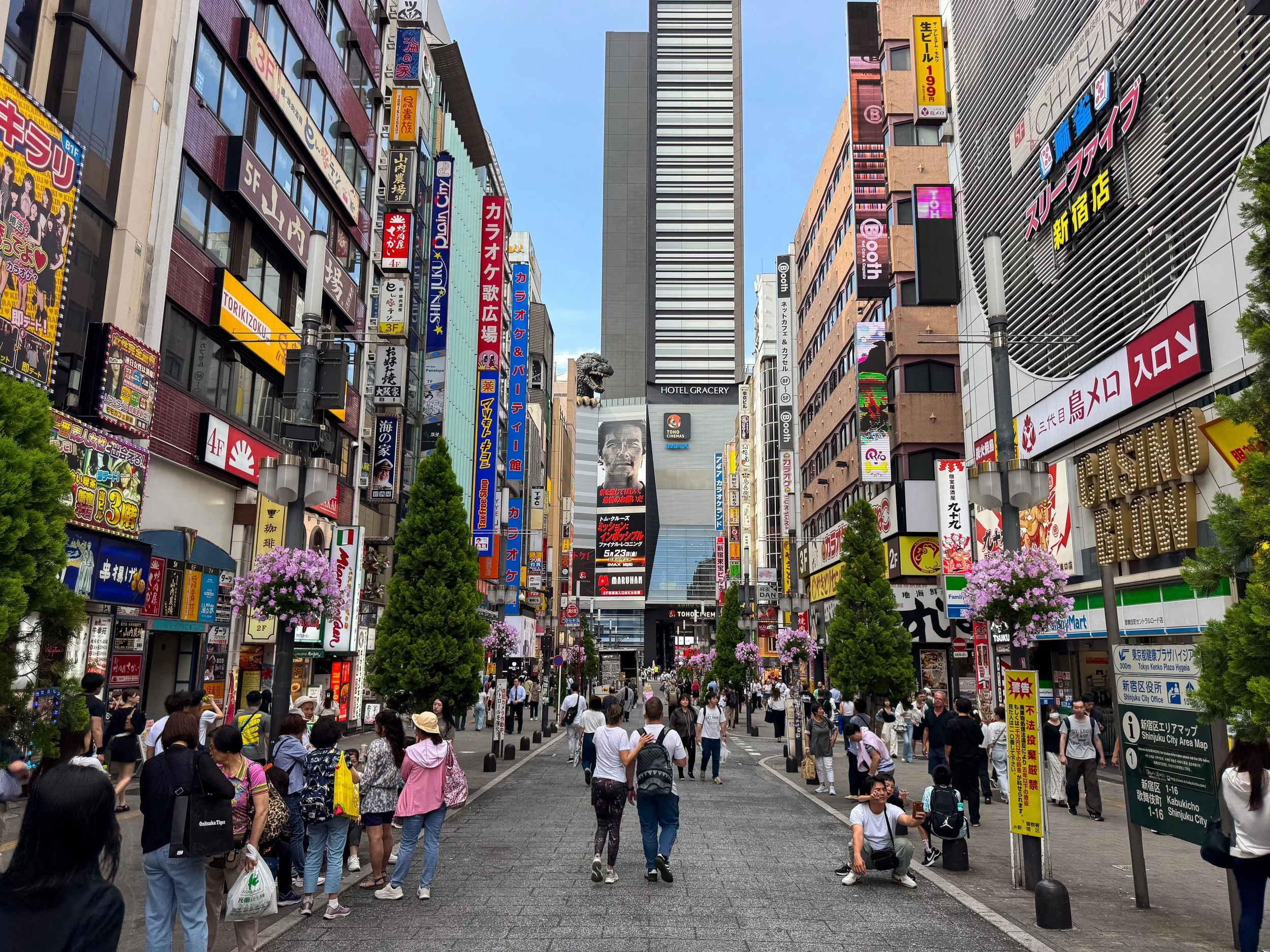
Tokyo Travel Guide: Districts, Japanese Culture & Mt. Fuji
Get lost in Tokyo where vibrant districts, neon cityscapes, historic temples, centuries old traditions and Japanese food alleys are set against the backdrop of Mt. Fuji.
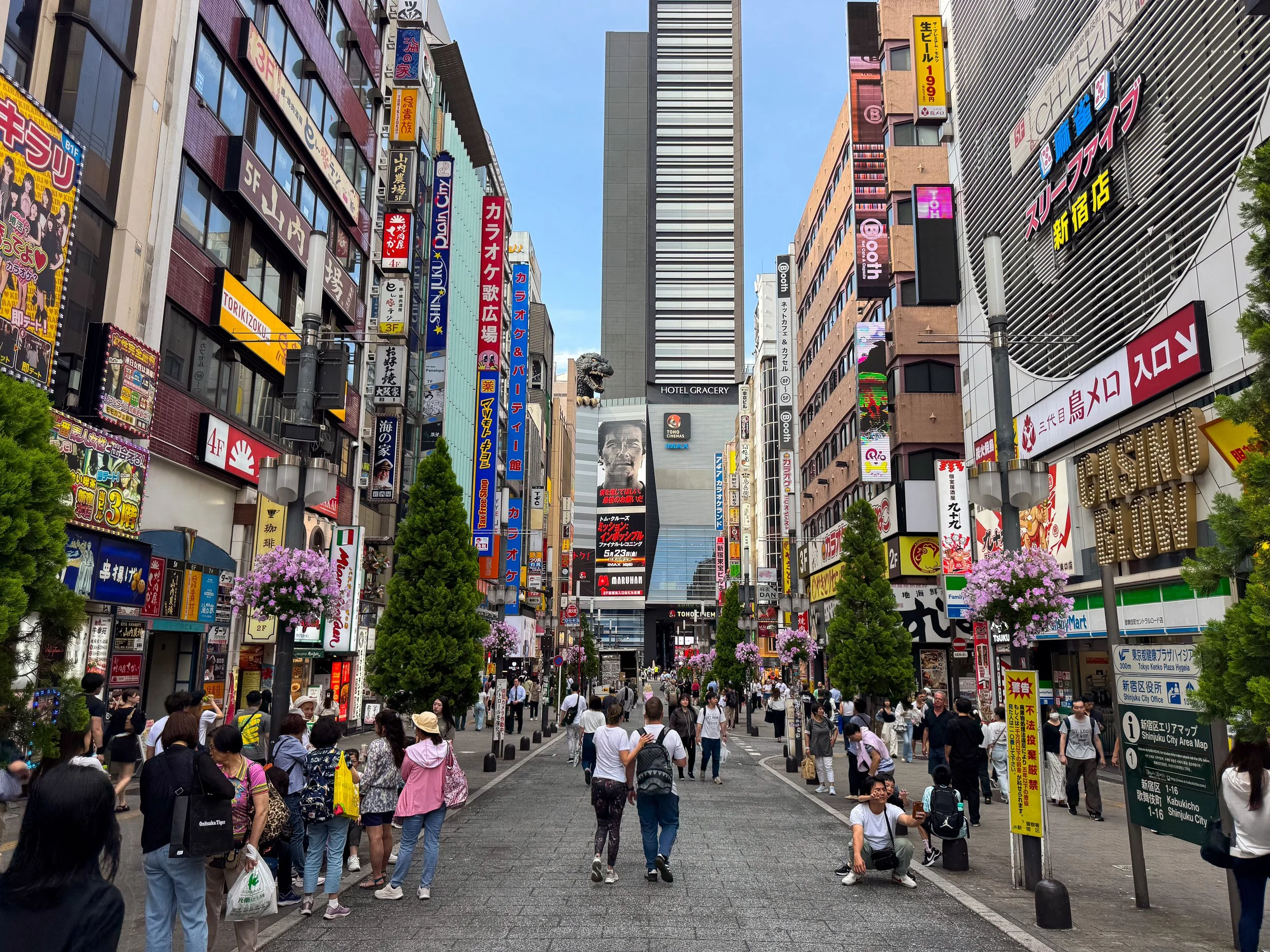
Tokyo, A City of Cities
Tokyo, Japan’s vibrant capital, is a city of cities famed for its urban landscape and constant energy. Crowded intersections and bustling streets are flanked by colorful signs, towering skyscrapers and glowing neon lights. Japanese cuisine is served at lively izakayas, narrow yokochos and seafood markets. Ancient traditions live on at historic temples and cultural sites. A complex transport system links the city’s districts, shaping the dynamic metropolis. We spent a week exploring this energetic capital, including a day trip to the iconic volcano of Mt. Fuji.
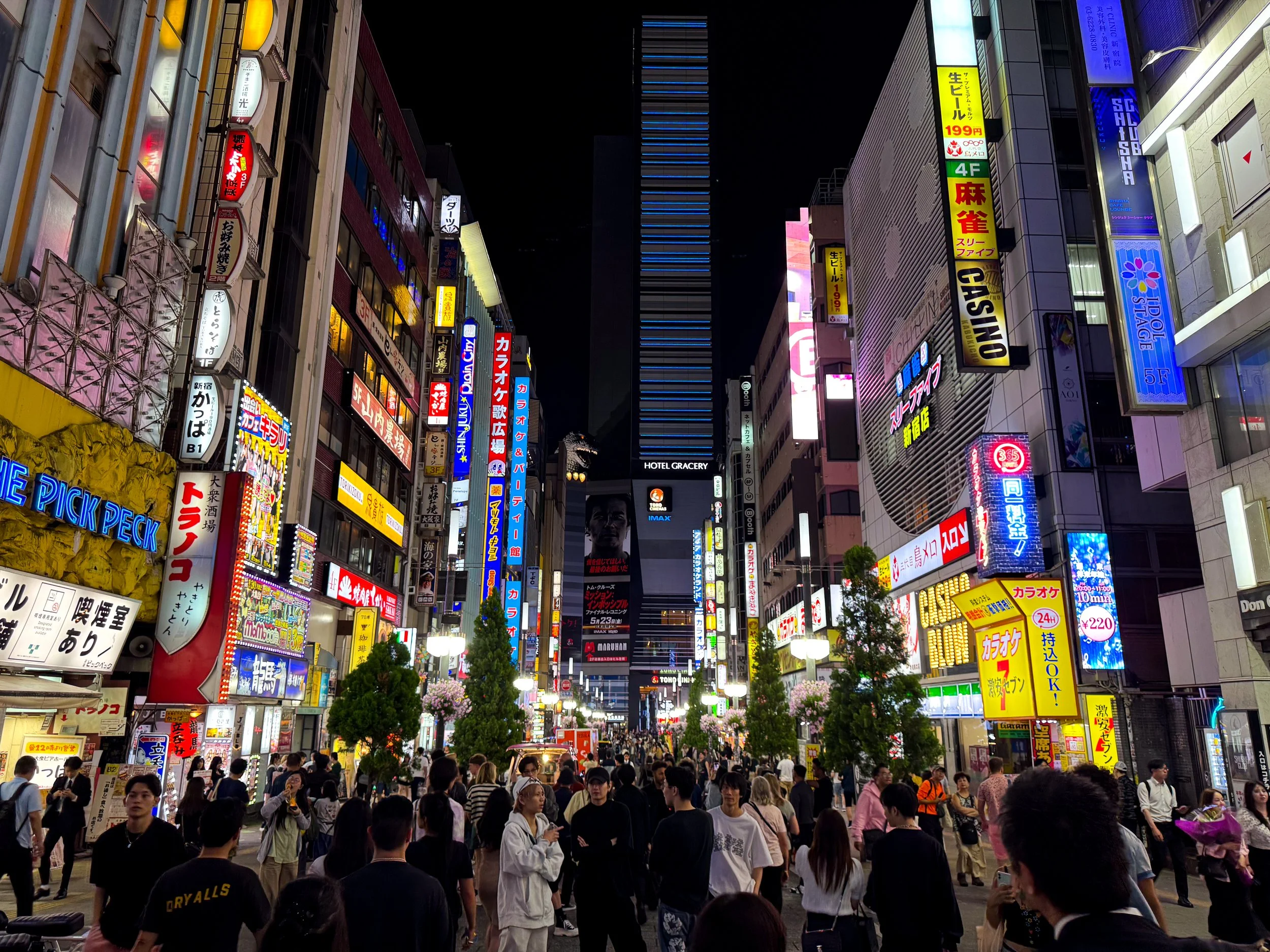
Shinjuku City
Shinjuku is one of Tokyo’s most vibrant neighborhoods with neon lit walking streets, nightlife alleys, second hand clothing stores and cutesy cafés.
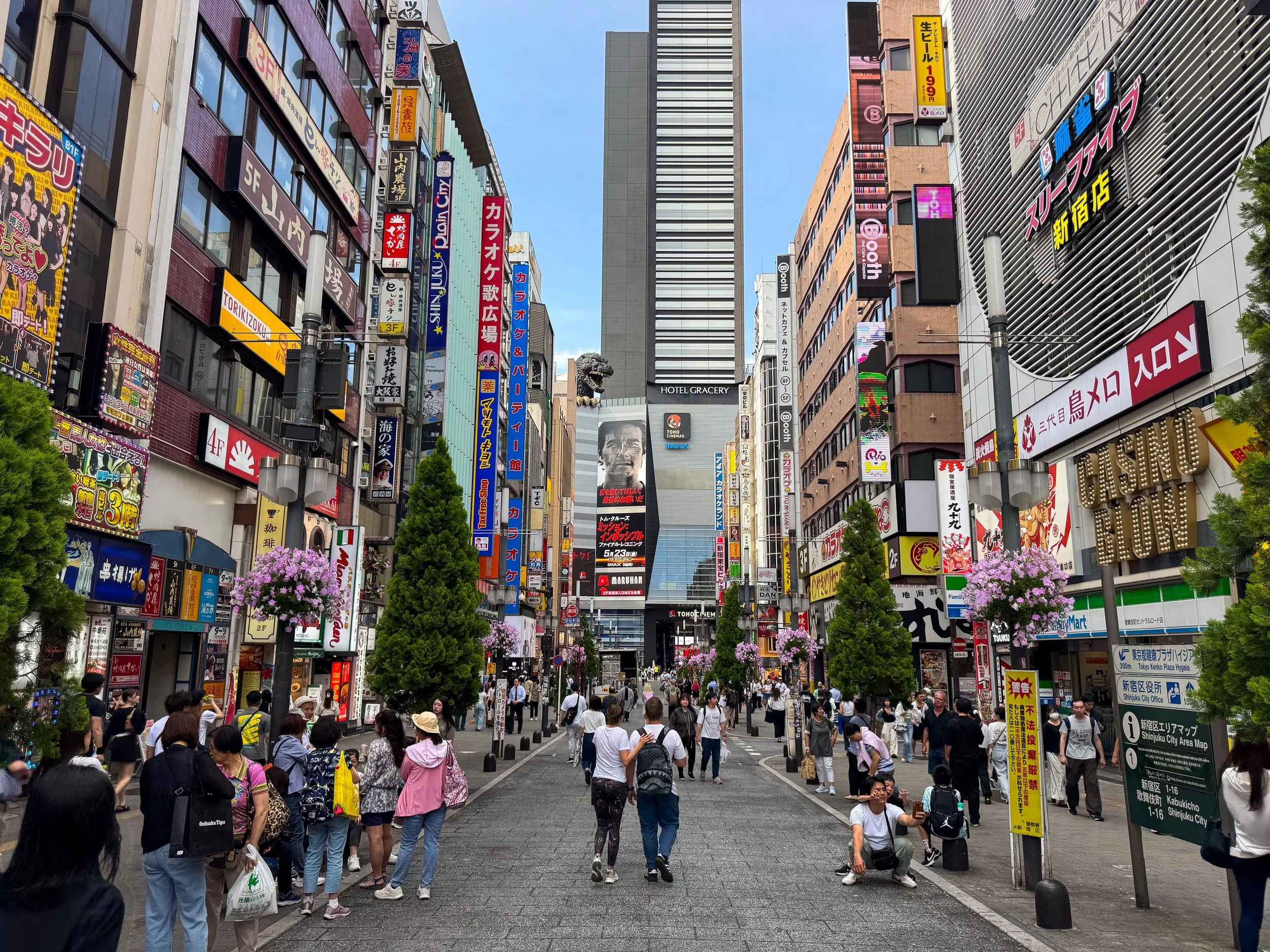
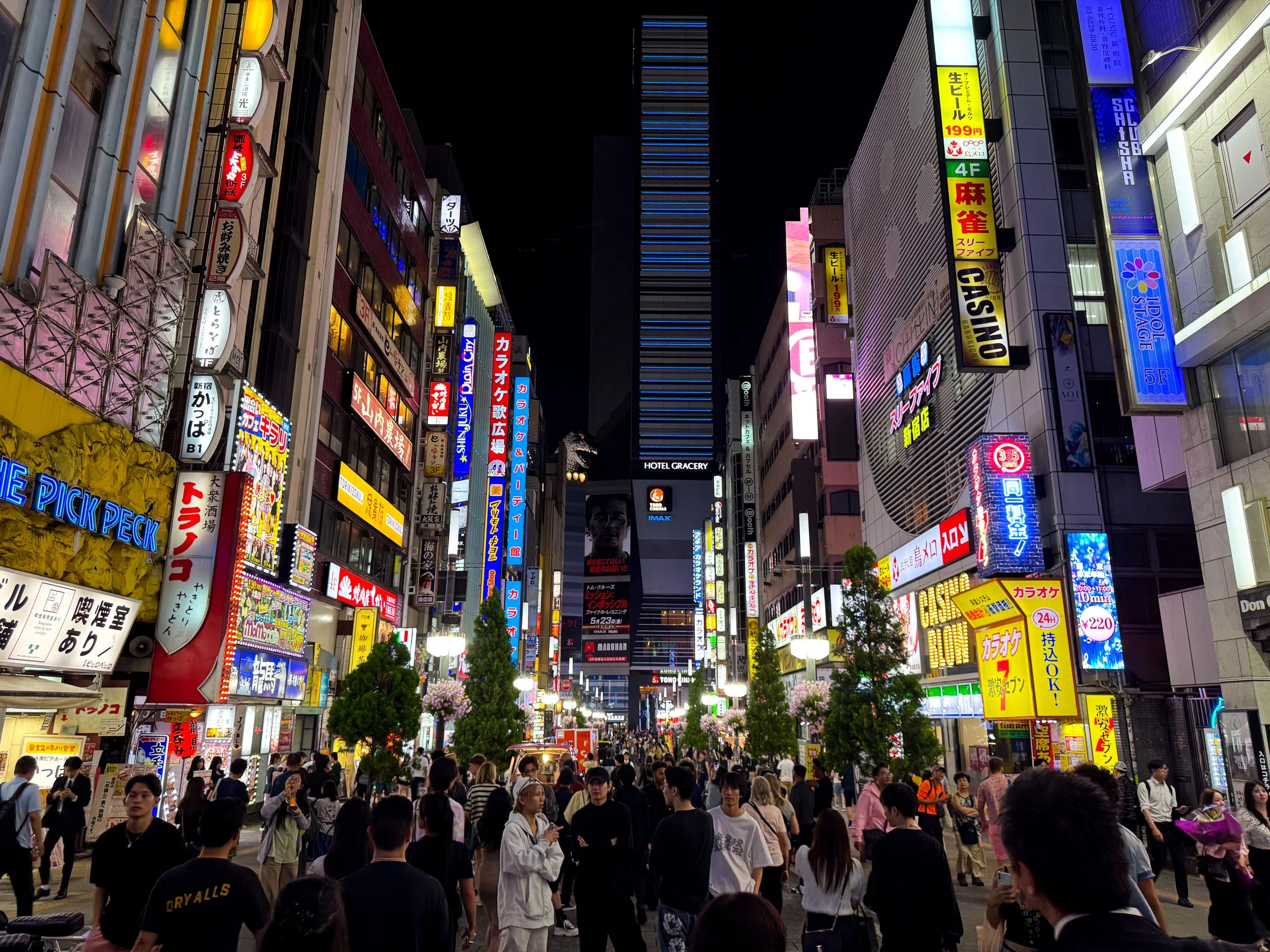
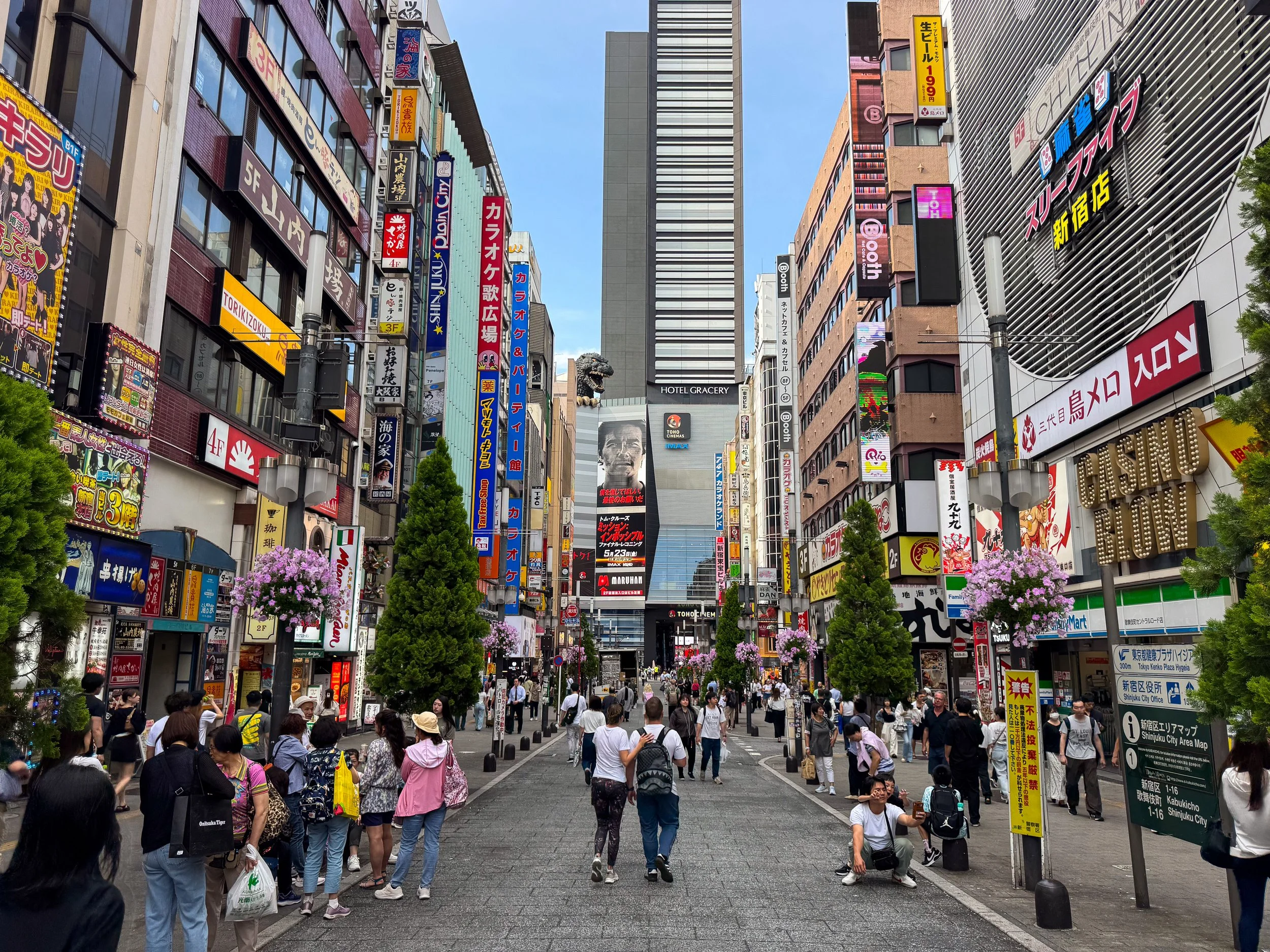
Godzilla Road. Tokyo’s most famed walking street, named after an iconic statue of Godzilla perched on top of a theater at its end. The street is illuminated by a canyon of buildings adorned with colorful vertical signs and vibrant neon lights. Thousands of people meander between shops, restaurants, karaoke bars and clubs.
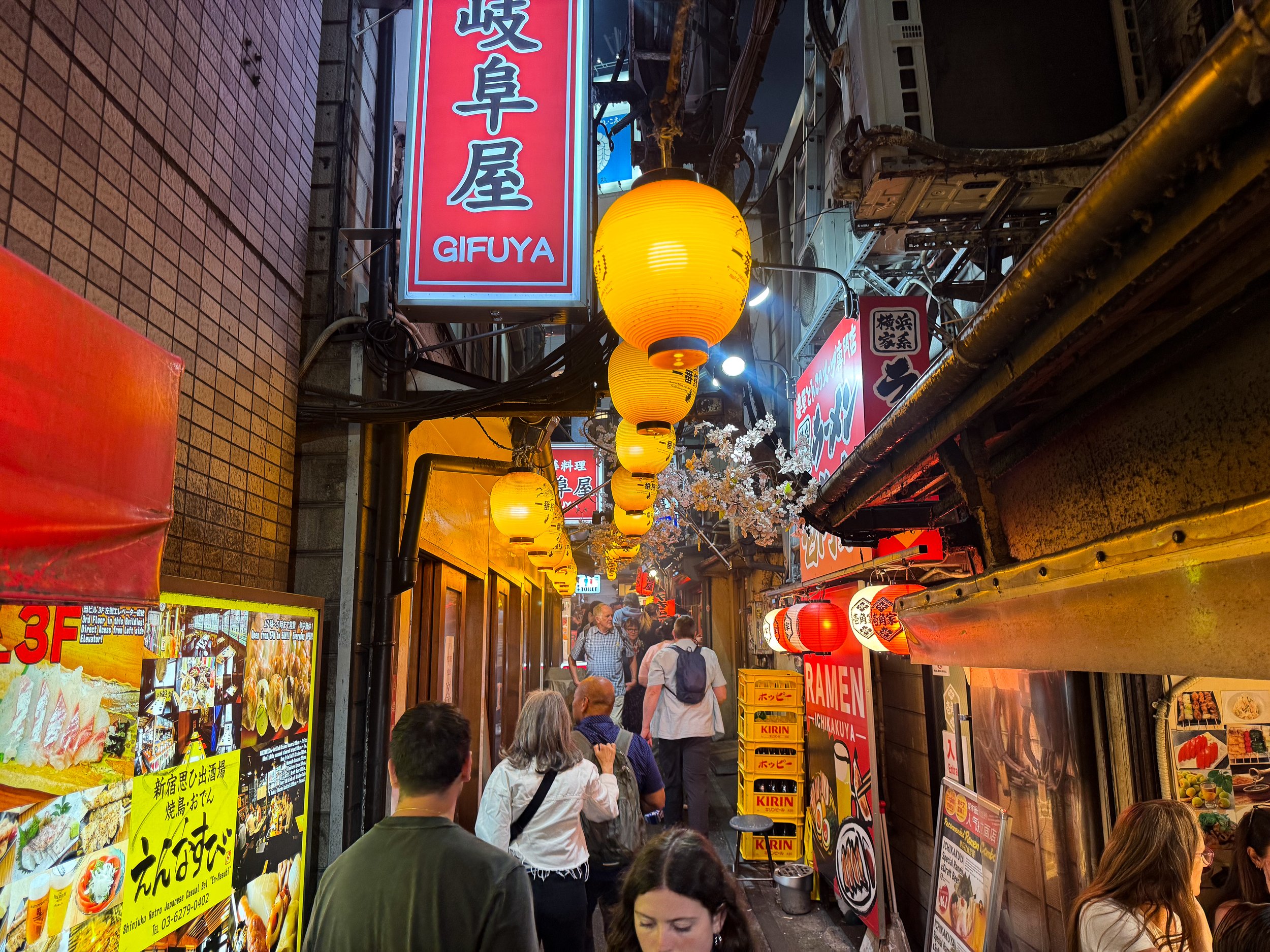
Omoide Yokocho. A narrow alleyway with tiny multi floor bars and authentic street food kitchens serving yakitori, skewers of grilled meat. Smoke from the grills wafts through the alley covering it in a thin veil of haze. We wandered through until ducking into a bar with open seating.
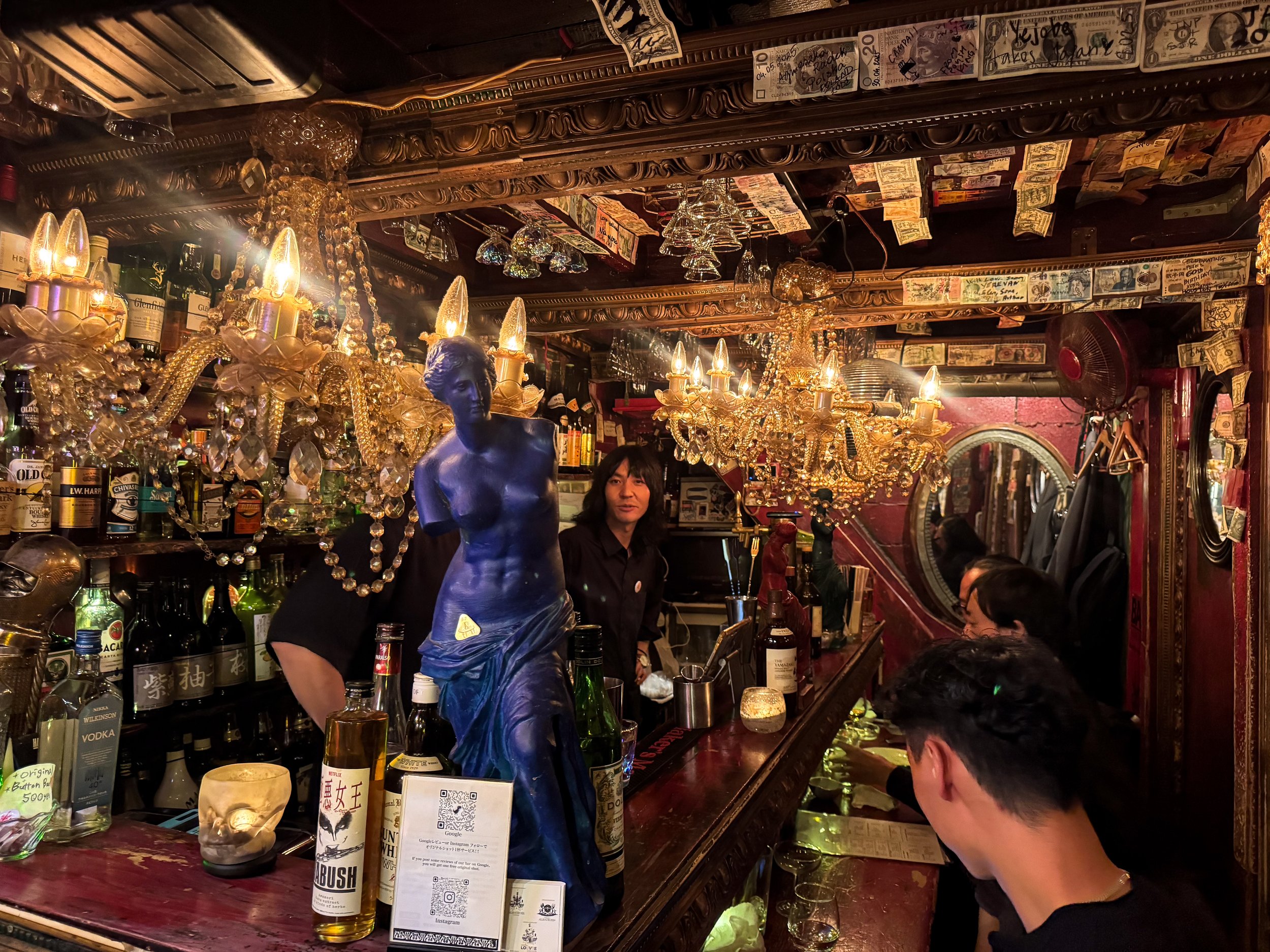
Bar Albatross. An eclectic three floor bar in Omoide Yokocho decorated in salvaged artifacts. Welcoming bartenders invited us in and began recommending Japanese inspired signature cocktails from the menu. Try the Spicy Gin or Ume-Ra.
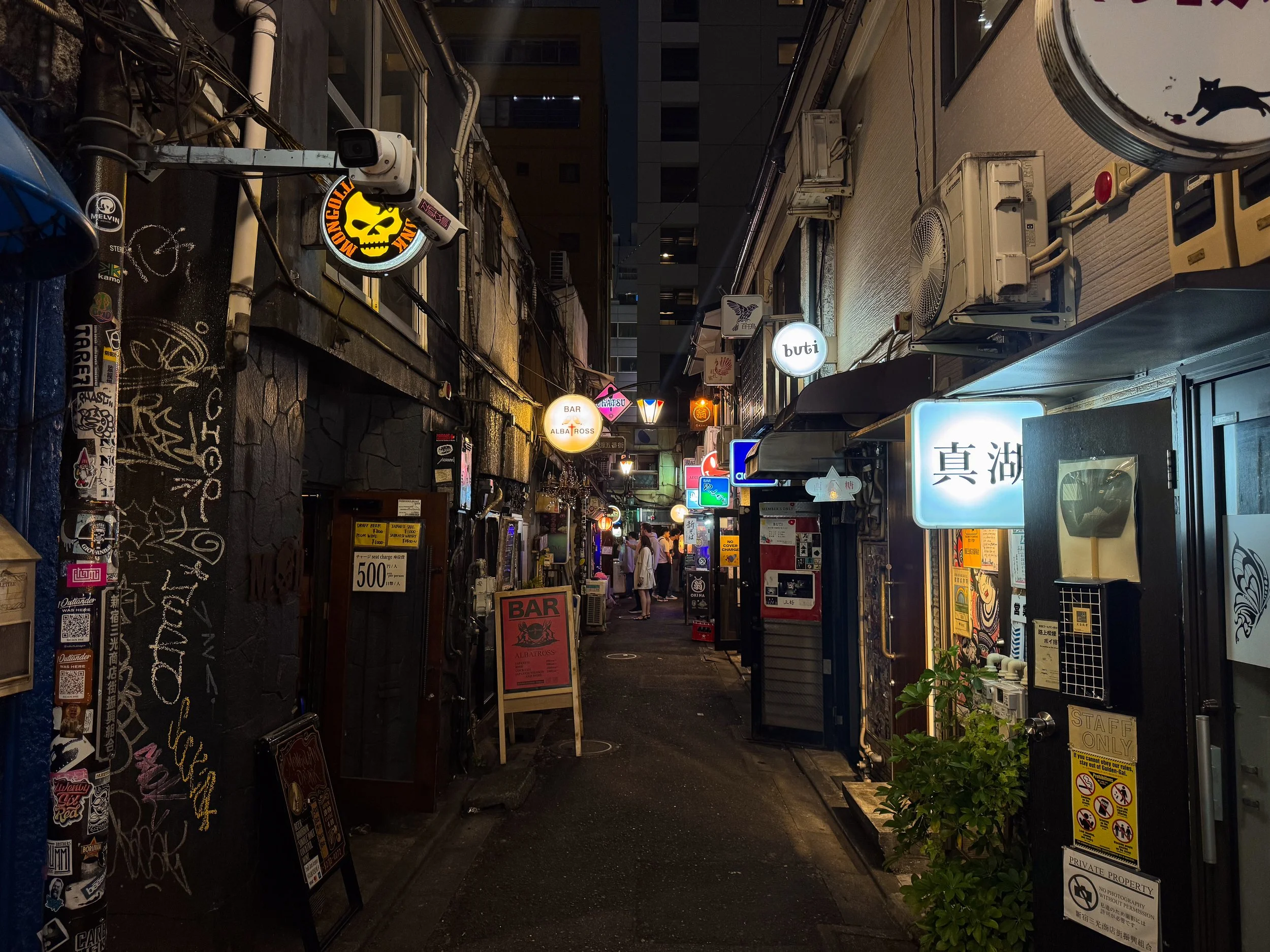
Golden Gai. A nightlife area of Shinjuku with alleyways of hundreds of tiny bars. Each offers a unique experience with seats for less than a dozen customers. We walked past cocktail bars, dive bars, whisky bars, themed bars, sports bars and beer pubs. After strolling the alleys, we settled on Halo, a warmly lit cocktail bar specializing in Japanese gins from across the country.
Good to Know. Most bars have a ¥500-1000 cover. Some bars are unwelcoming and forbid foreigners. Avoid places that say “Members Only” and “No English.”
Shinjuku Ni-Chome. An LGBTQ+ nightlife area with several queer friendly bars and clubs. We ordered late night cocktails at King Tokyo, one of the most popular gay bars in the area with cheap and strong drinks!
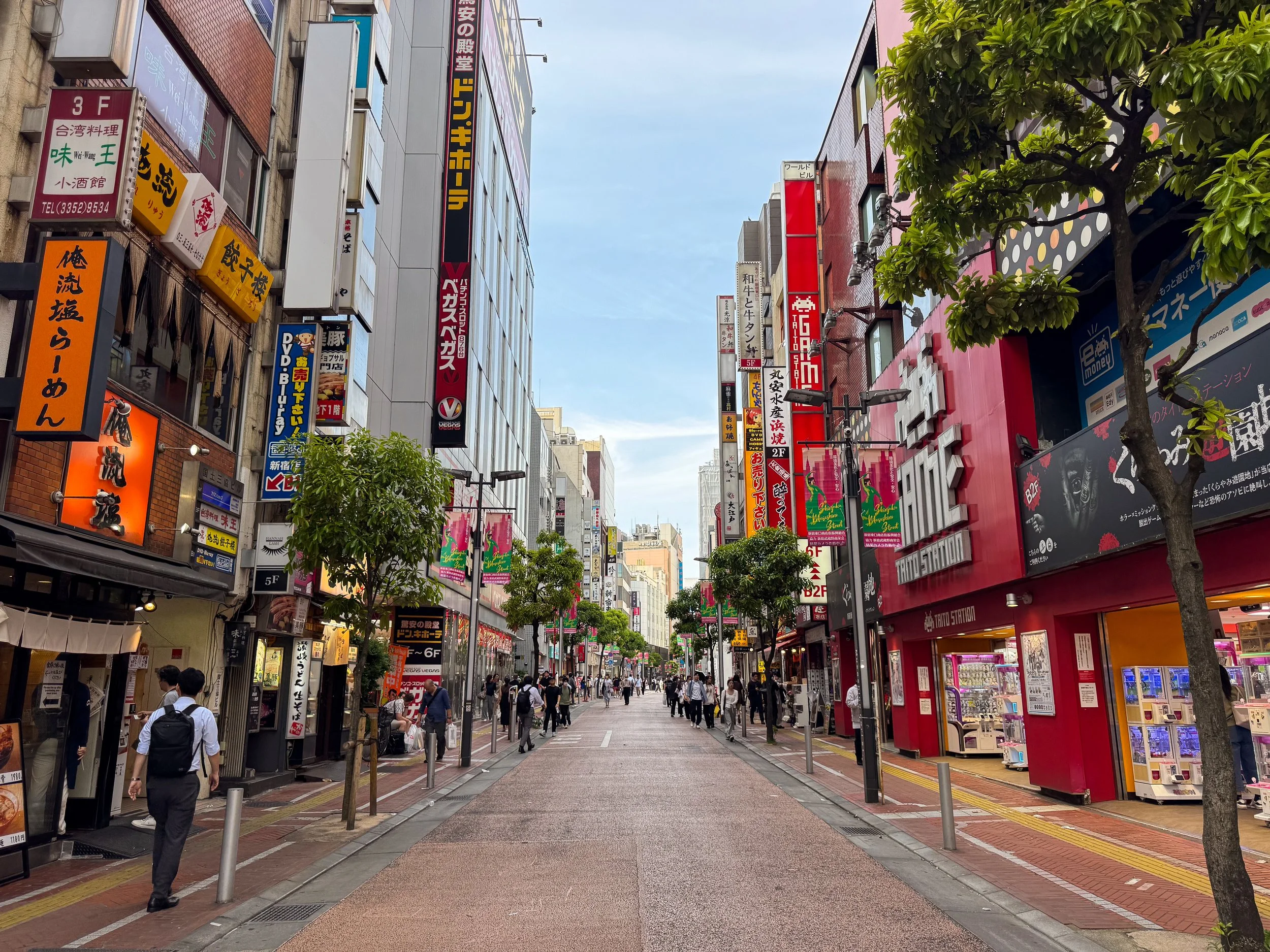
Musashino Street. A walking street with hundreds of colorful vertical signs competing for people’s attention. The street has a Don Quixote, arcades with claw machines and Japanese izakayas serving ramen and sushi.
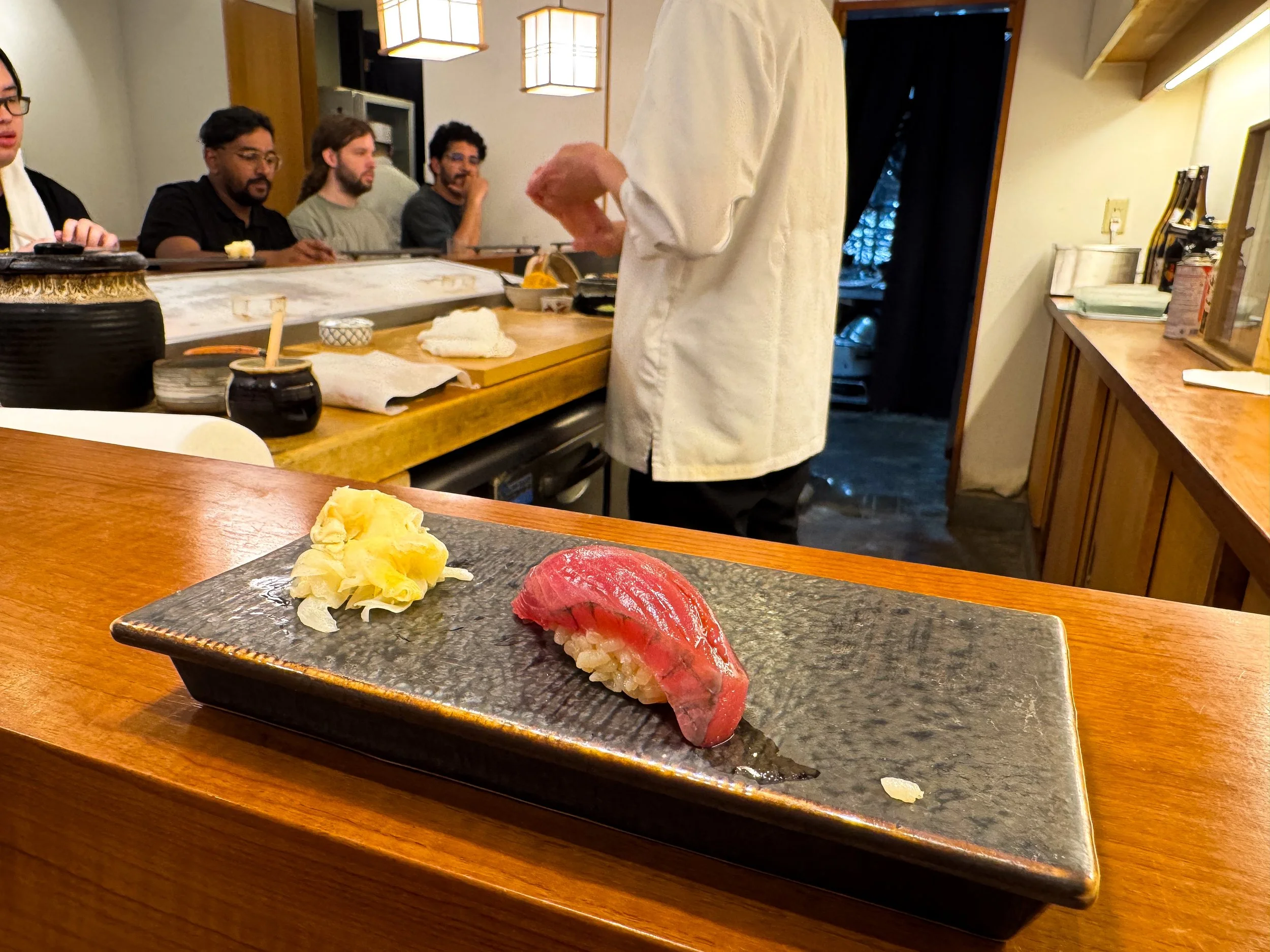
Shinjuku Makoto. A small sushi restaurant specializing in Omakase, a multi-course sushi tasting experience curated individually by the sushi chef. It included 11 pieces of nigiri, a hand roll and multiple small sides. We paired it with a carafe of house sake. They offer multiple levels of omakase as well as vegetarian options. Reservations are needed ahead of time and can be booked with Table Check.
Shinjuku Station. The busiest train station in the world! It’s Tokyo’s transportation hub with over 2 million daily visitors. During rush hour, it’s the common sight of “professional pushers,” attendants that push people inside train cars to keep trains operating on time.
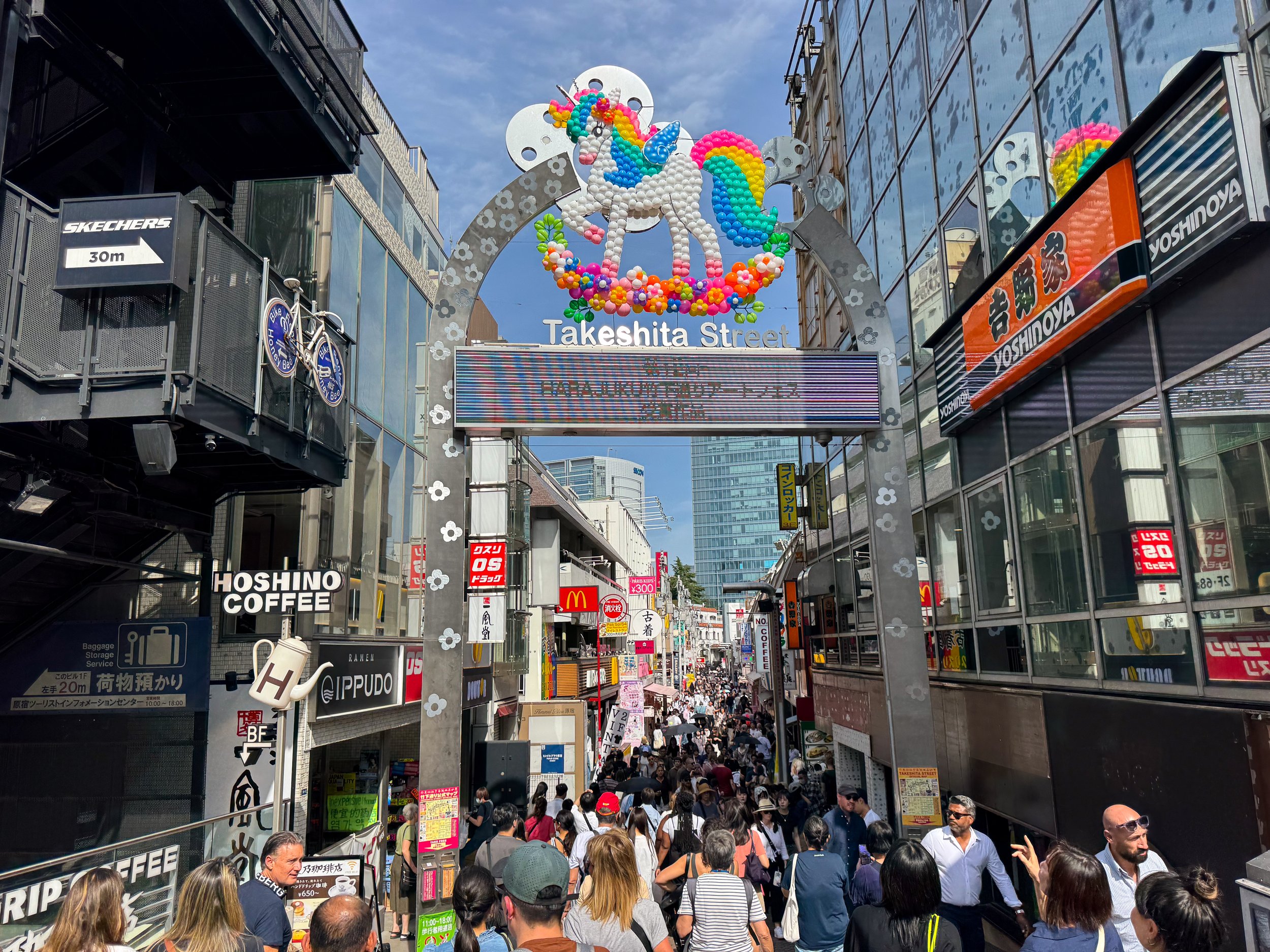
Harajuku
Harajuku is a trendy sub neighborhood within Shinjuku renowned for its aesthetic, fashionable vintage shops, Japanese denim stores, luxury boutiques, themed cafés and all things cute.
Takeshita Street. An eccentric and touristy street famed for Japan’s Kawaii Culture, the celebration of all things cute. The street is lined with toy stores, sweet shops and animal cafés. Toy stores sell big eyed stuffed animals, tiny key chains and small figurines. Sweets shops sell candies, fruit stuffed handled crepes and colorfully spun cotton candy. Animal cafés let guests cuddle with puppies, cats, potbelly pigs, hedgehogs and rabbits.
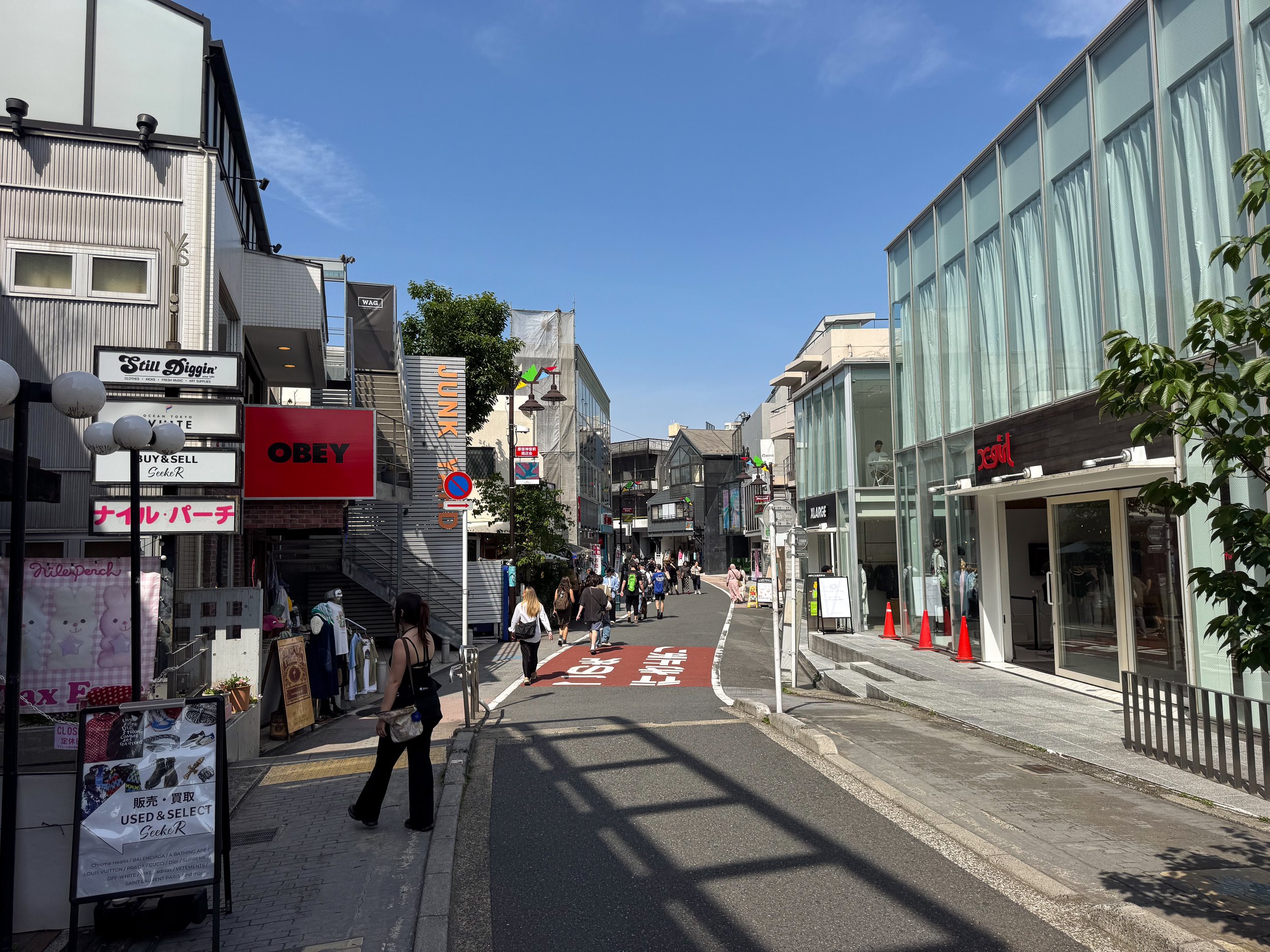
Cat Street. The main street in Harajuku for vintage finds, secondhand luxury goods and Japanese denim. Visit Harajuku Chicago Jingumae, Flamingo and 2nd Street Harajuku for vintage. Shop at Japan Blue Jeans Shibuya, Studio D'artisan Tokyo and Levi's Harajuku for denim.
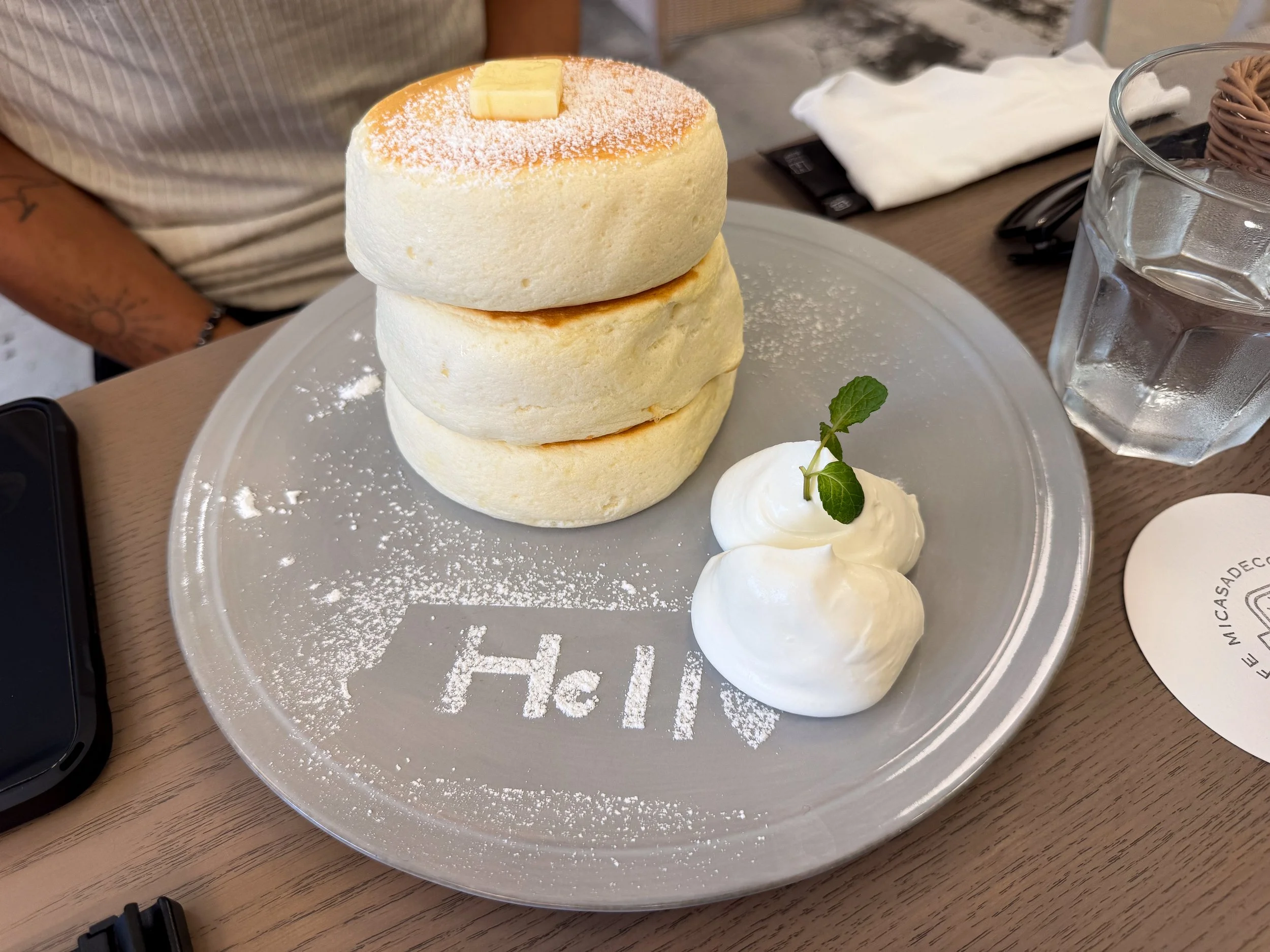
Micasadeco & Café. A trendy brunch spot offering Japanese Pancakes, a tall stack of fluffy and jiggly soufflé style pancakes. Be prepared to wait in line for 45 minutes to be seated and another 45 minutes to receive an order.
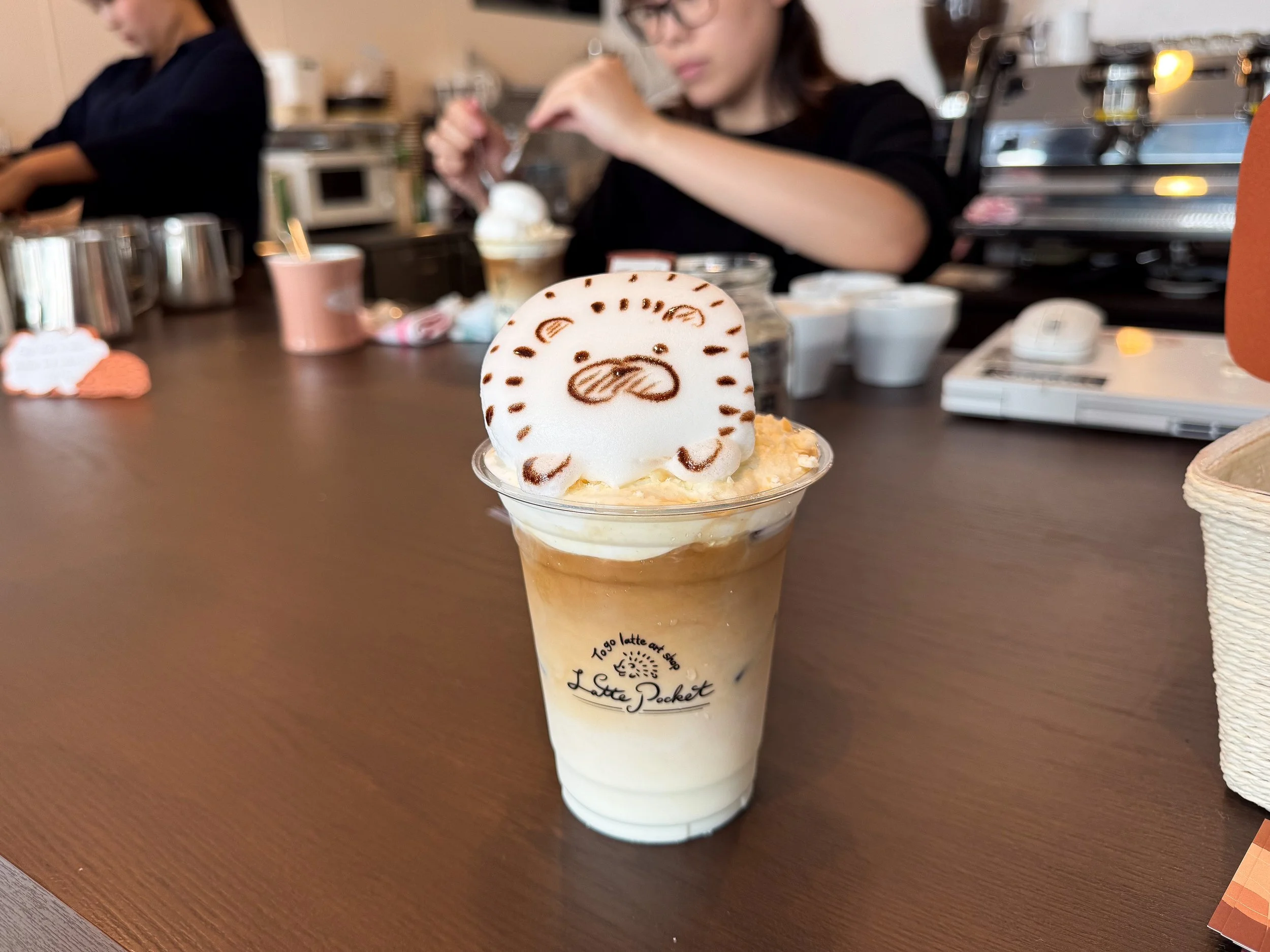
Latte Pocket. A café offering sculpted foam art lattes shaped into animals or cartoon characters. We ordered hedgehog and puppy designed lattes from their list of suggestions. Show them a toy or photo to reference for something extra custom!
Shibuya City
Shibuya is a densely developed and commercialized ward in central Tokyo with shopping streets, izakayas, neon lit signs and a vast city park with historic sights.
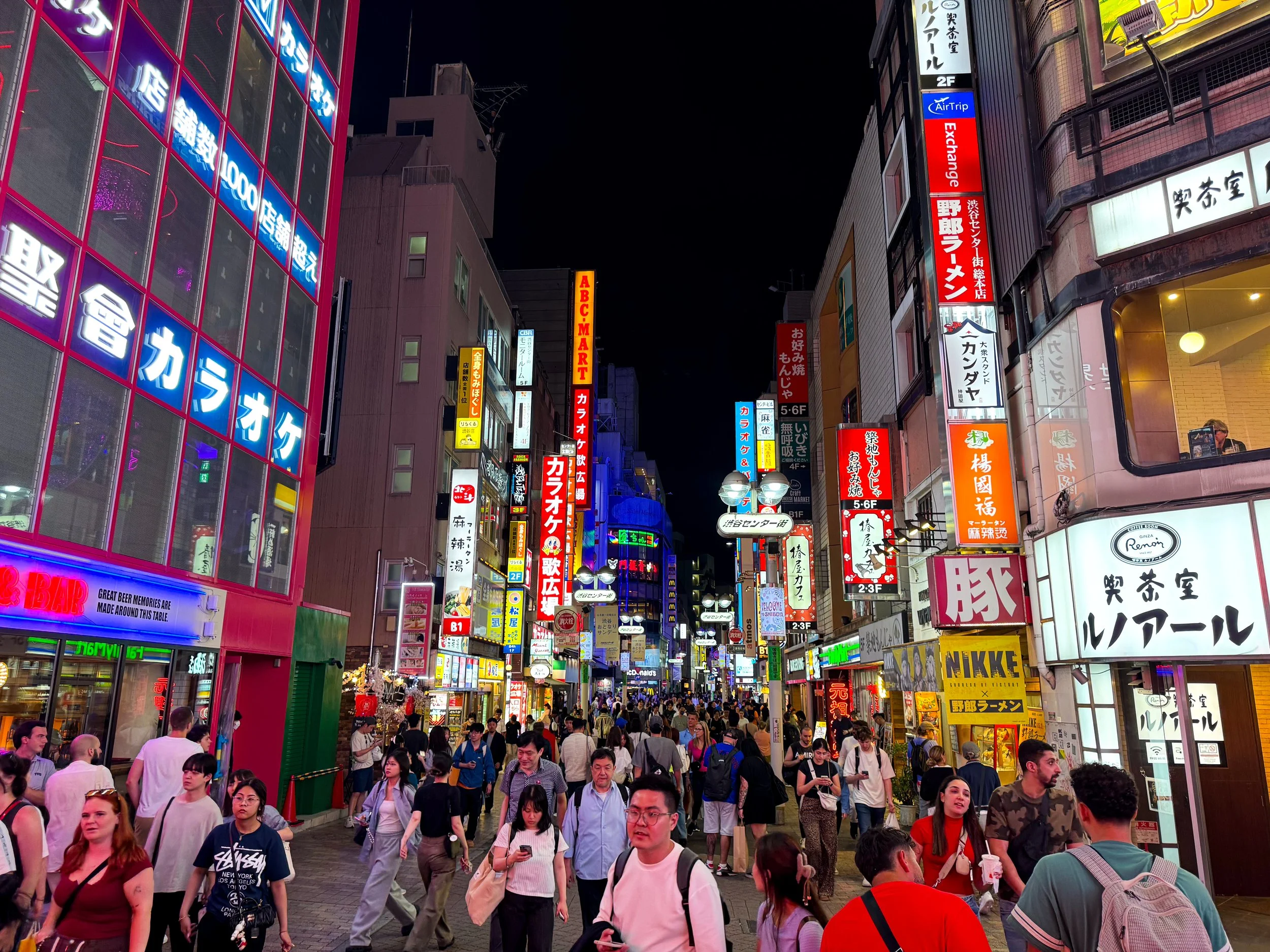
Shibuya Center-Gai. A neon lit street with colorful vertical signs covering buildings, restaurants and bars. Walk through at night to take in Tokyo’s famed street scene.
Udagawacho District. A bustling sub neighborhood of Shibuya with shopping streets, winding alleyways and colorful neon lights.
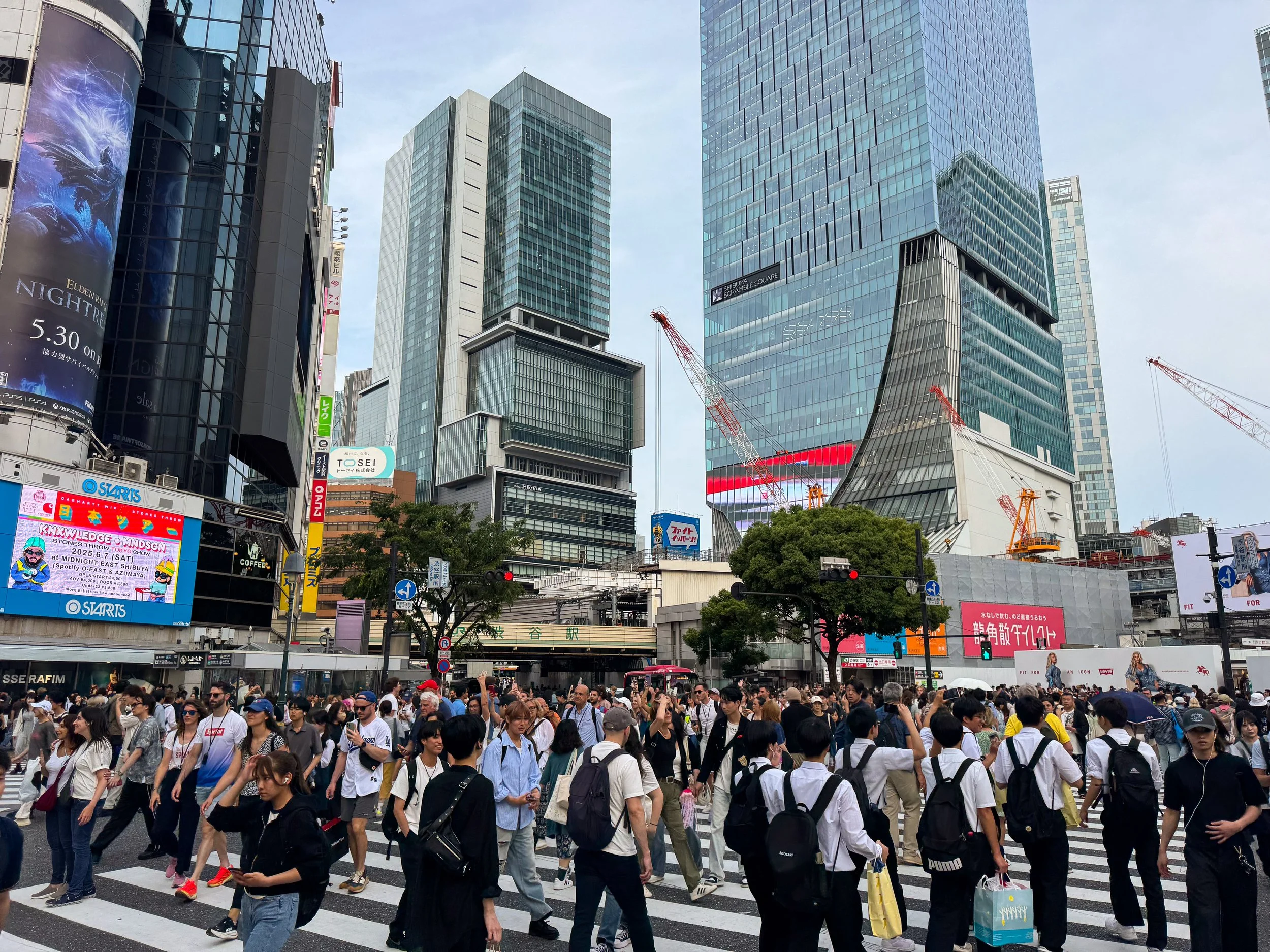
The Shibuya Scramble. A four way intersection with a diagonal crosswalk celebrated as the “World’s Busiest Intersection.” Thousands of people weave past each other in a moment of chaotic harmony as soon as the walk sign flashes.
Pro Tip. Order a drink at Starbucks for a view from above.
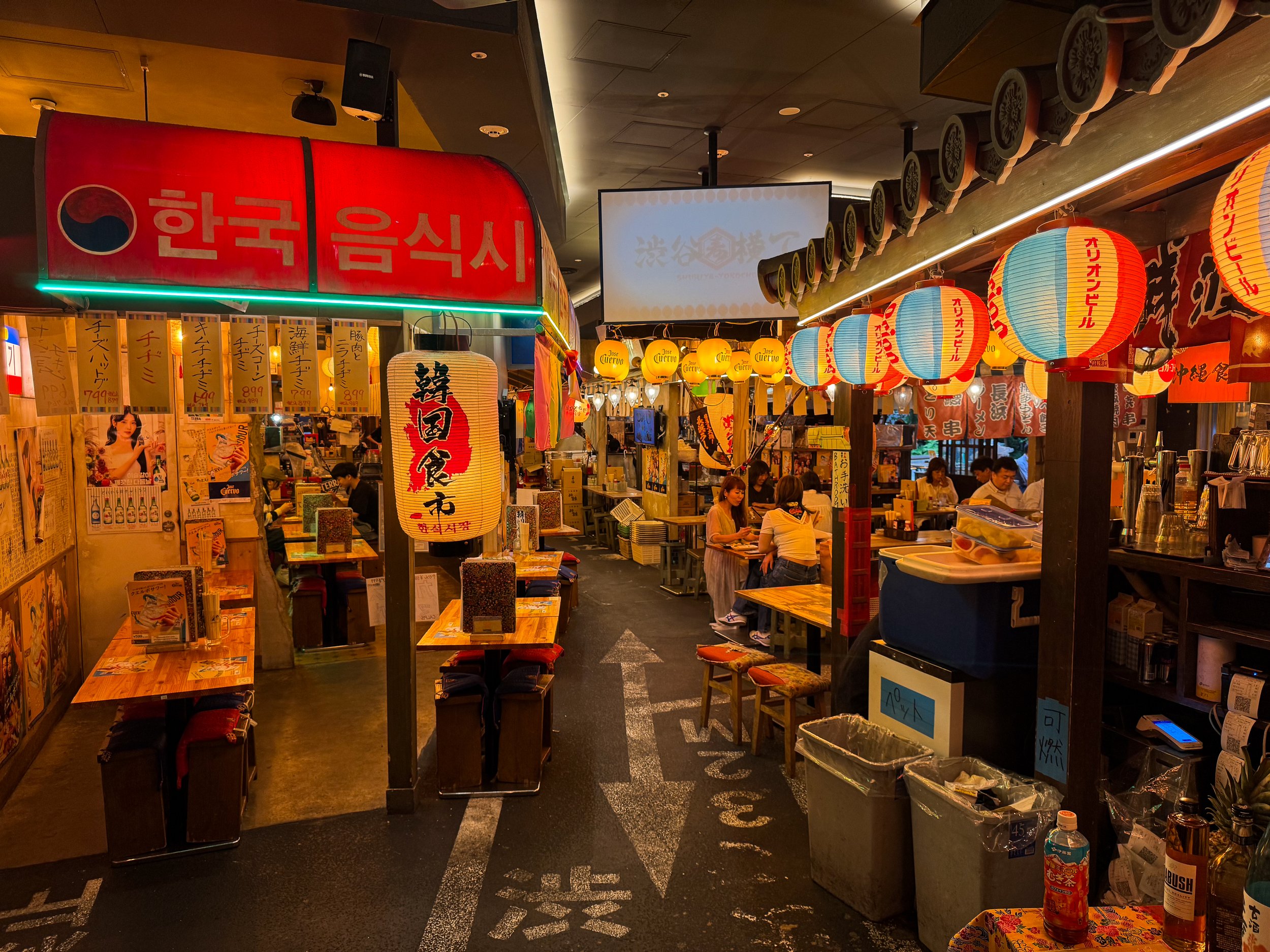
Nonbei Yokocho. An indoor alley and food hall alongside Shibuya Station with many traditional restaurant stands, izakayas and tiny bars. It’s a vibrant and lively place to eat and drink while experiencing Japanese food culture.
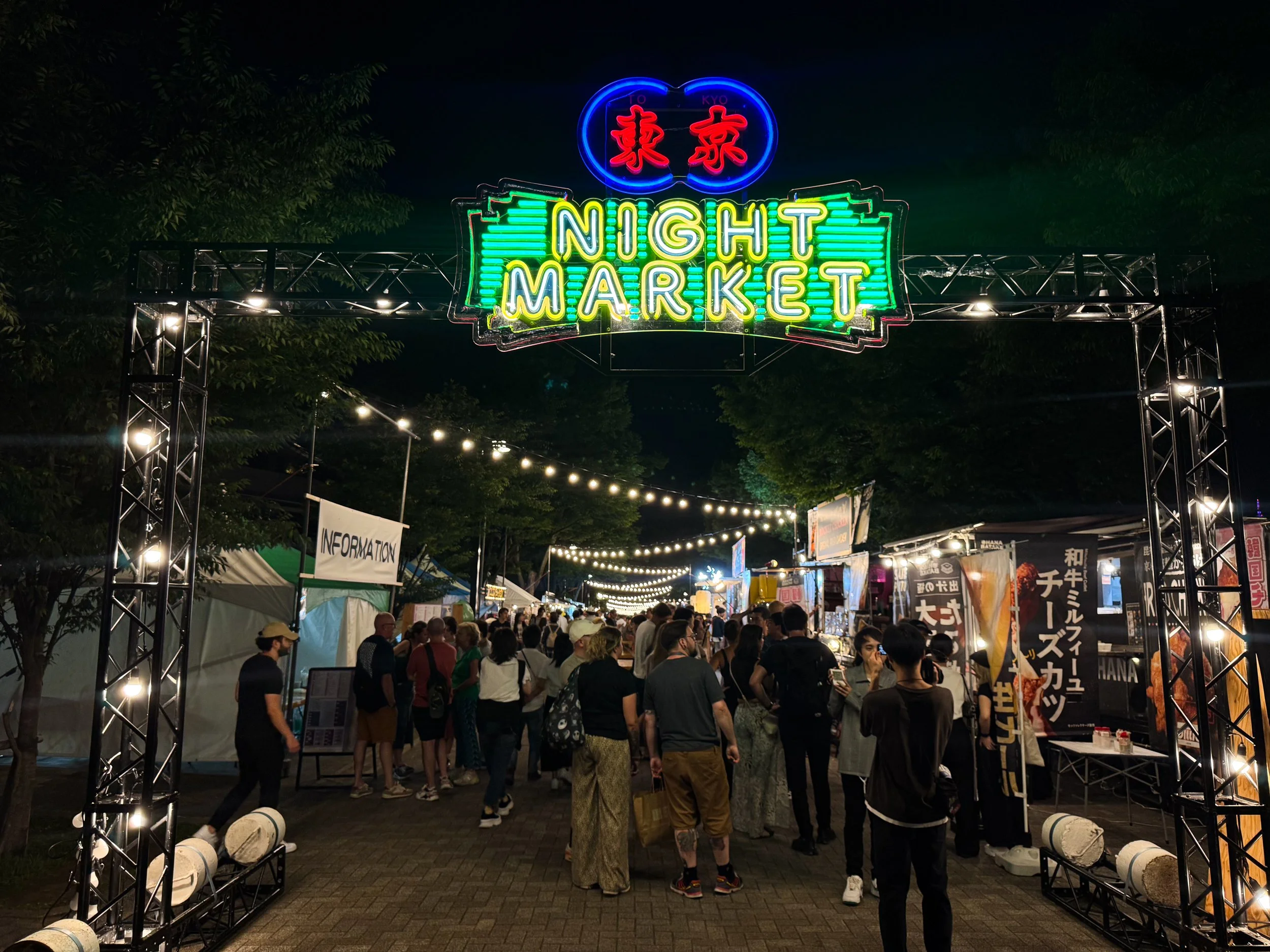
Tokyo Night Market. An evening night market with dozens of food trucks, beer tents and stages with live musical performances. Come here for Japanese cuisine, international street food and locally brewed beers. The market is held along a treelined road and under a canopy of string lights in Yoyogi Park. It’s relatively new and only held on certain weekends of the year.
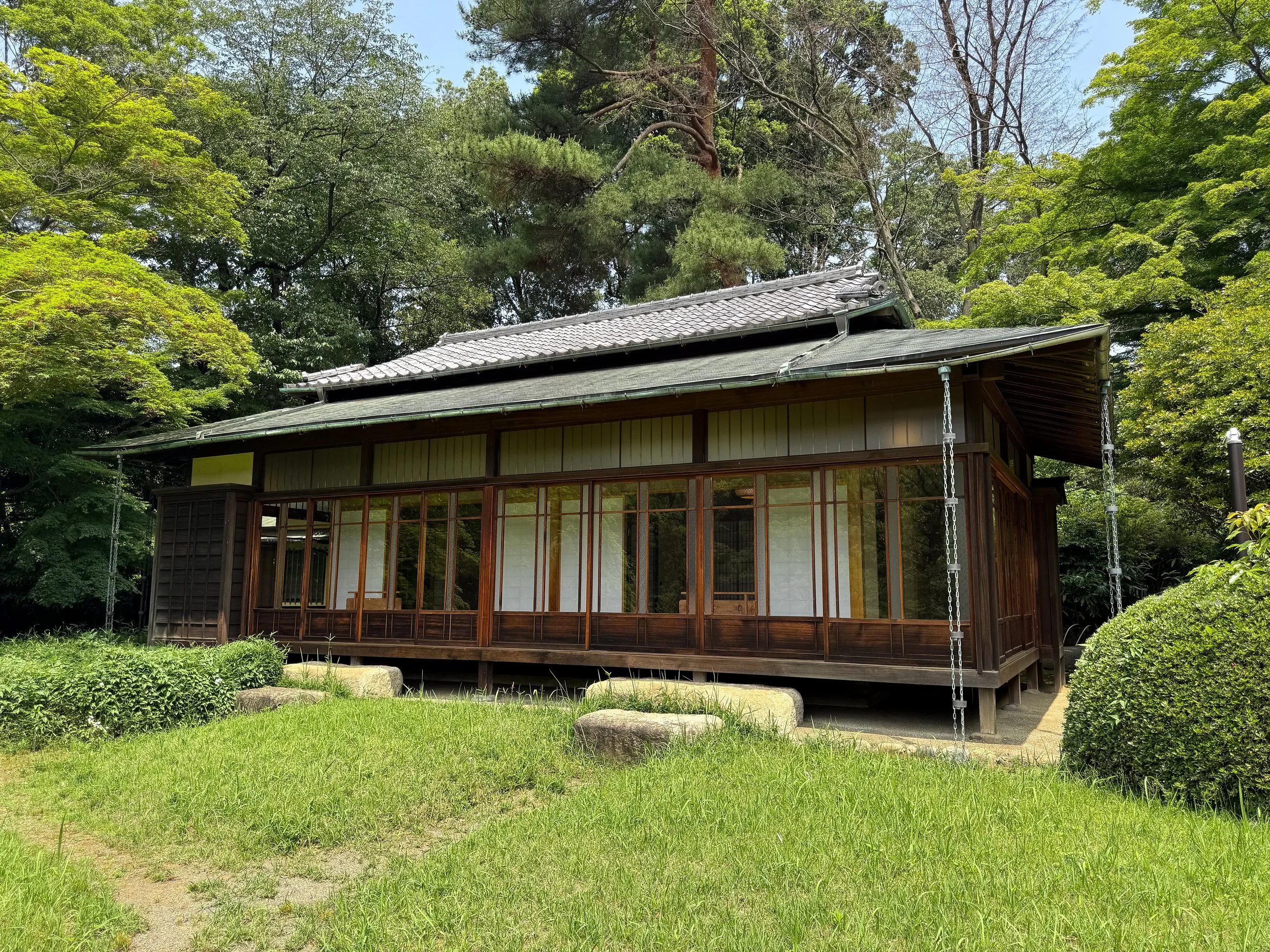
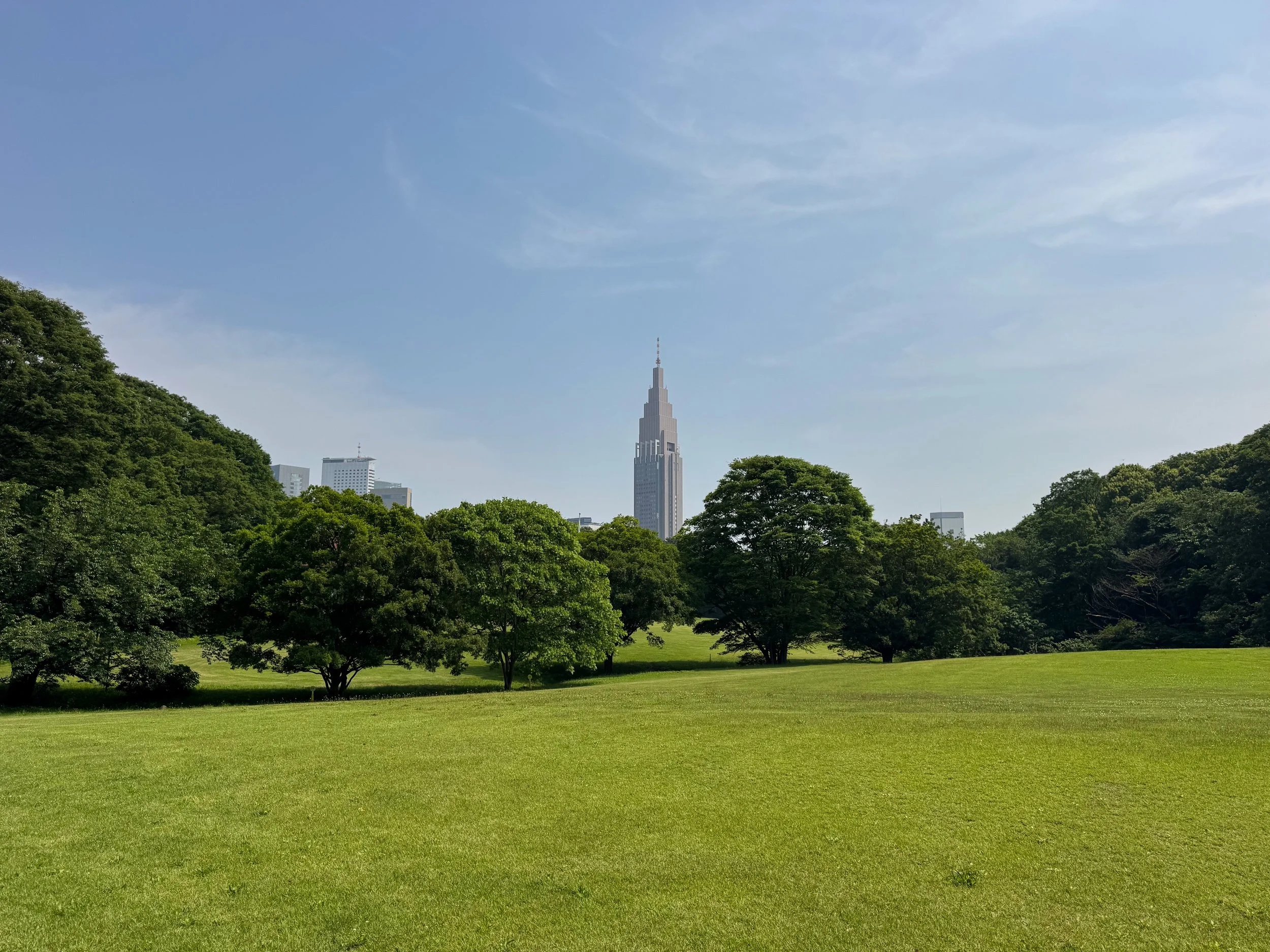
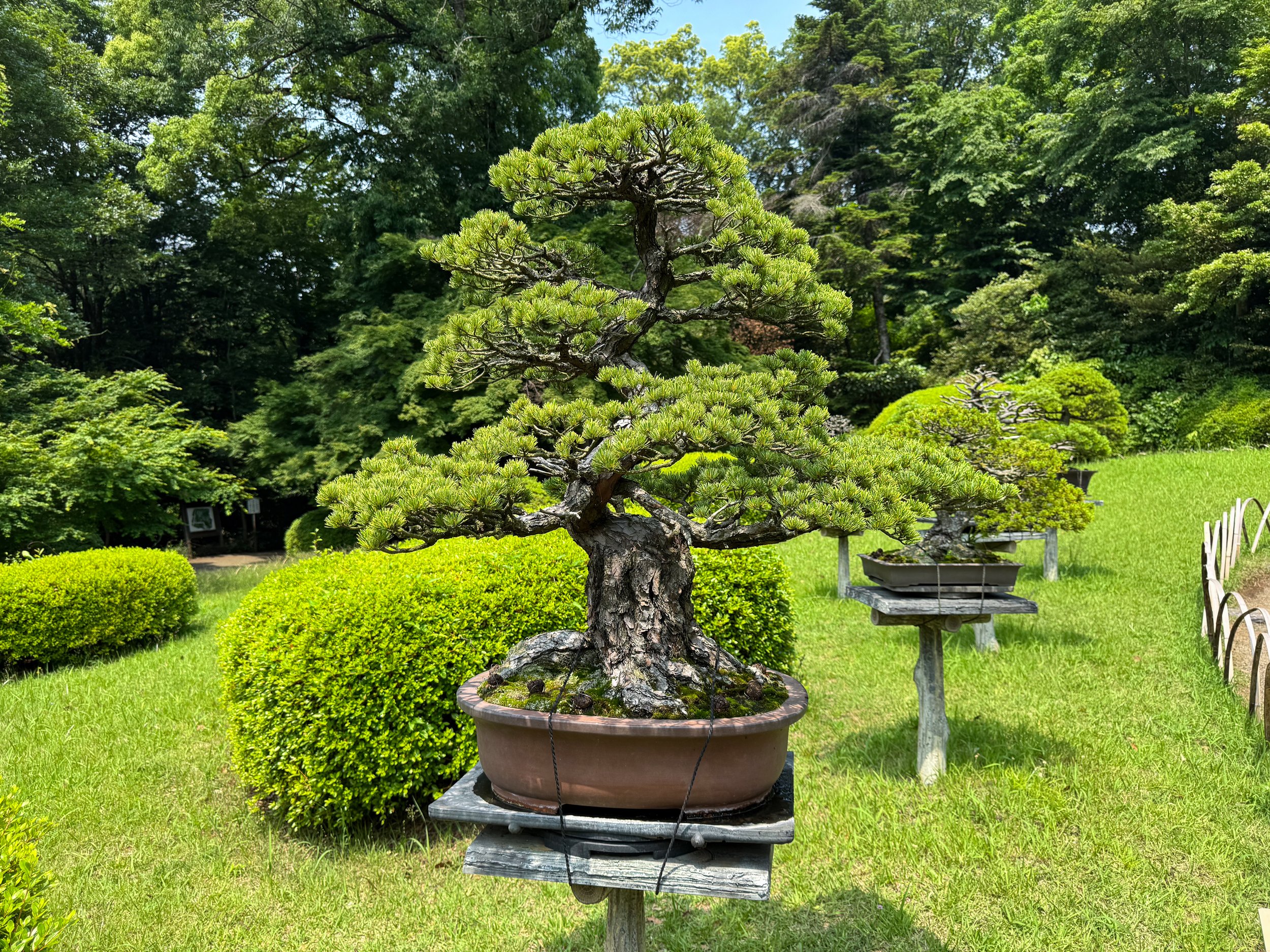
Yoyogi Park. A sprawling city park with walking paths, forested areas, historic temples and imperial sights.
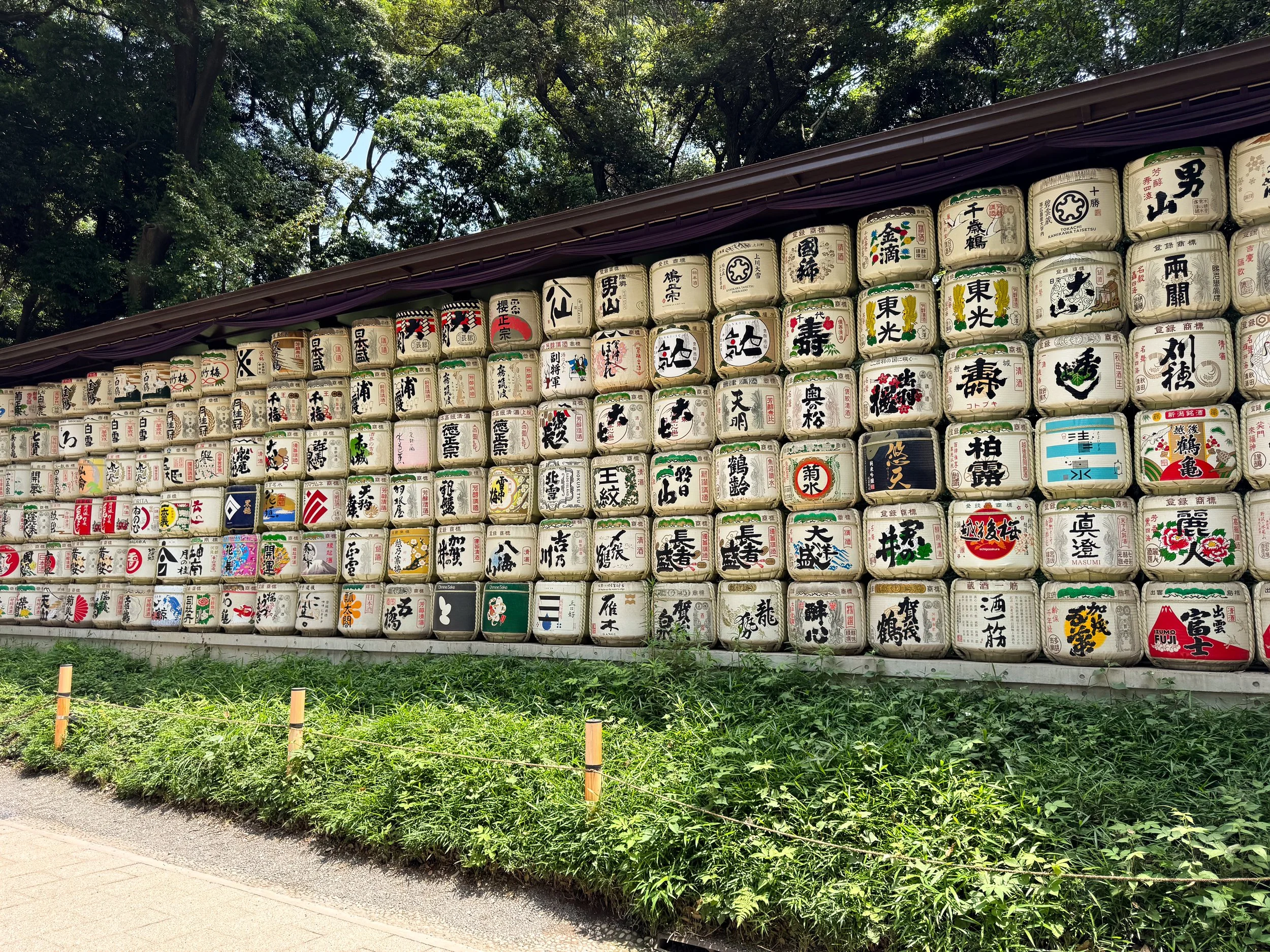
Consecrated Sake Barrels. A Shinto Shrine made from a wall of colorfully labeled sake barrels.
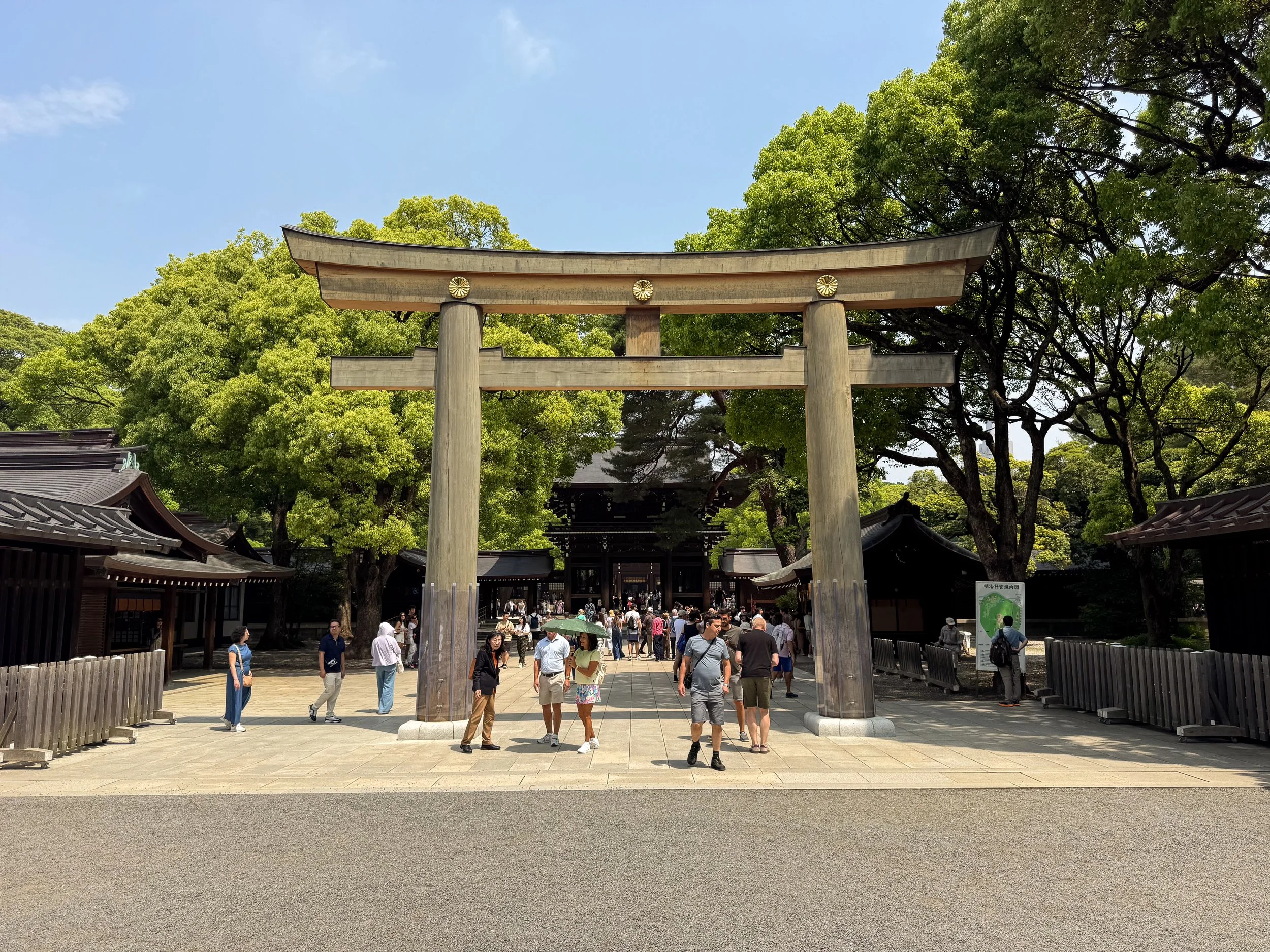
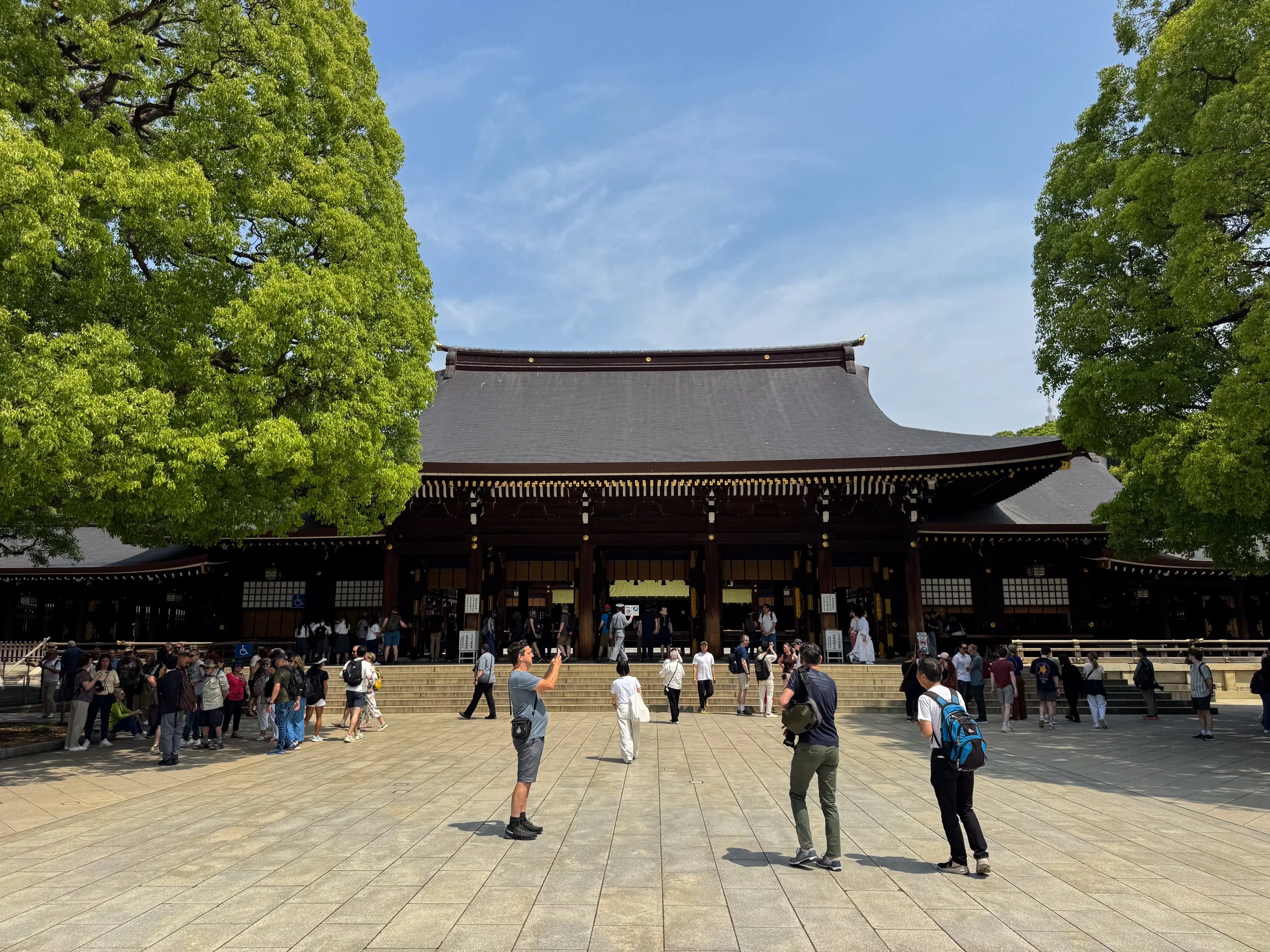
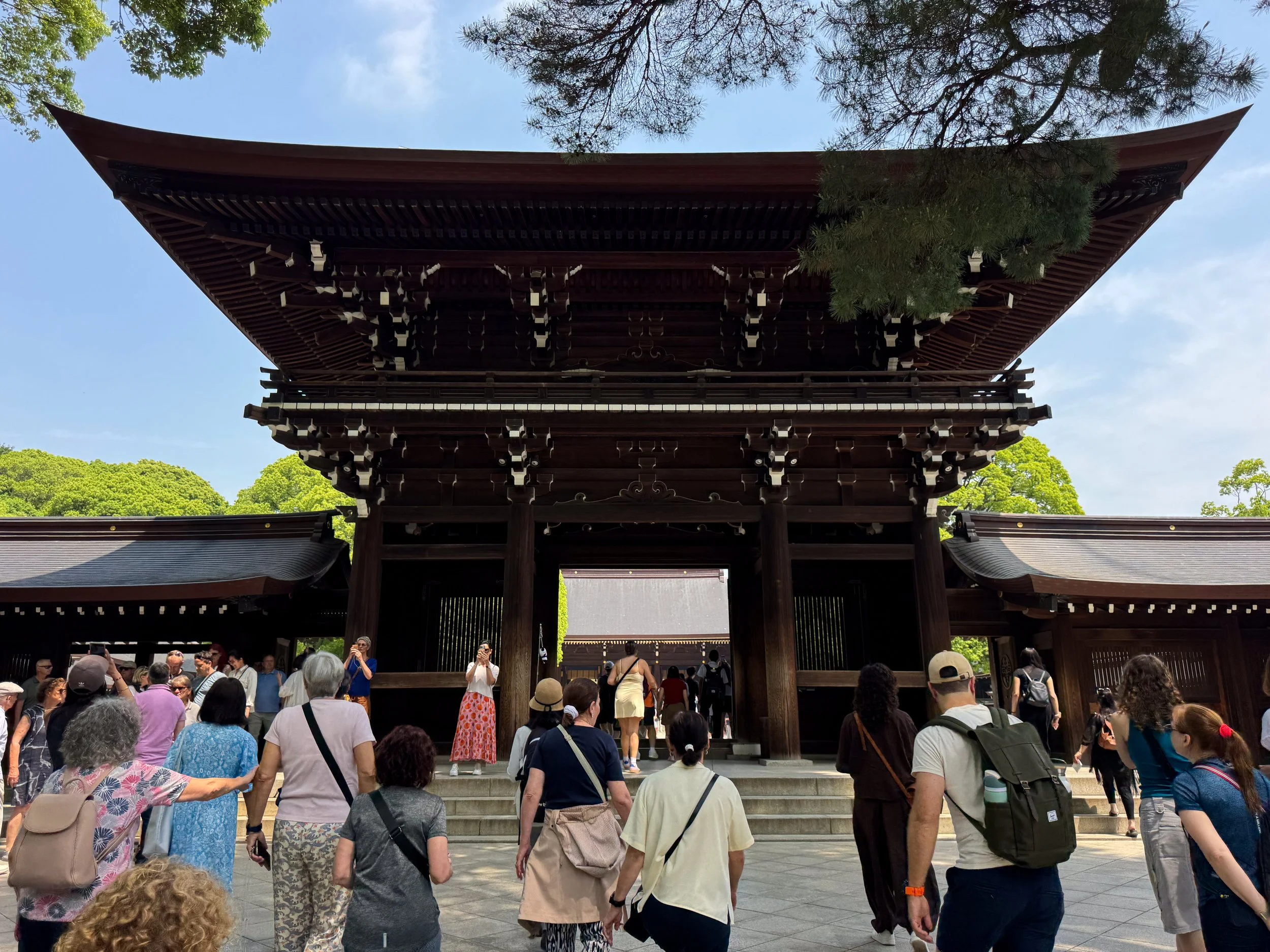
Meiji Shrine. An imperial Shinto Shrine in the middle of Yoyogi Park. Large torii gates lead to its main temple, celebrated for its symmetrical design and wooden construction.
Big Torii. The largest torii gate in Yoyogi Park and one of the largest in Japan. It was built using a 1,500 year old cypress tree.
Kakuuntei. A preserved royal tea house overlooking the park’s south pond, Otsuri Dai.
Kiyomasa's Well. A 400 year old spring visited by people seeking positive energy. People rinse their hands in it for its healing powers.
Pine Tree of Imperial Troop Review. A stately pine tree that was stood under by past emperors when reviewing the imperial troops.
Ginkgo Trees Forest. A forested section of the park with towering ginkgo trees, a Japanese symbol of resilience and longevity.
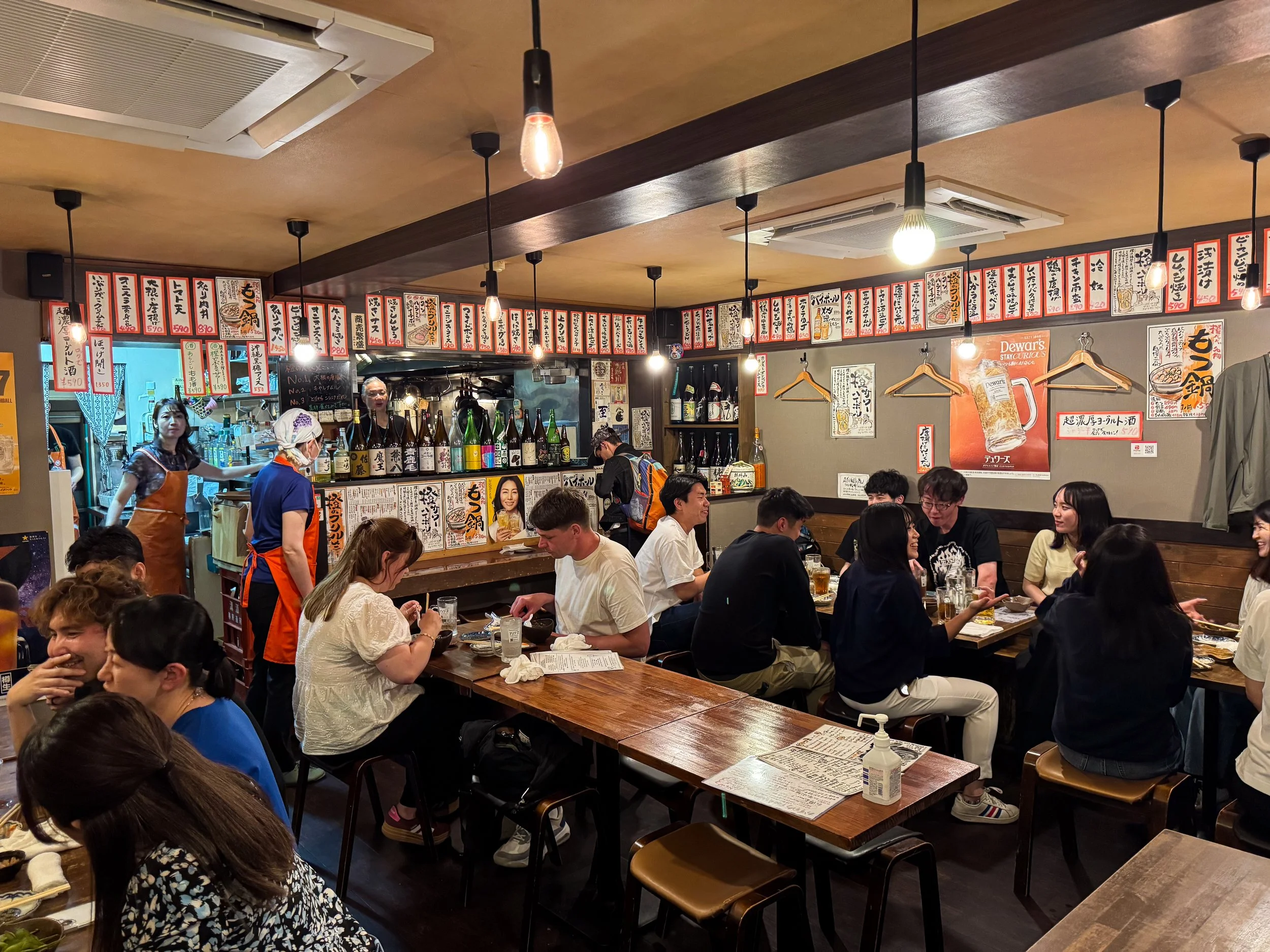
Fudo Dori Street. An “off the beaten path” street with local dining options including ramen shops, sushi bars, sake rooms and izakayas. Visit Daidai Izakaya for a flavorful meal surrounded by neighborhood locals and after hours businessmen. Their handwritten menu features Japanese dishes and several types of Shochu.
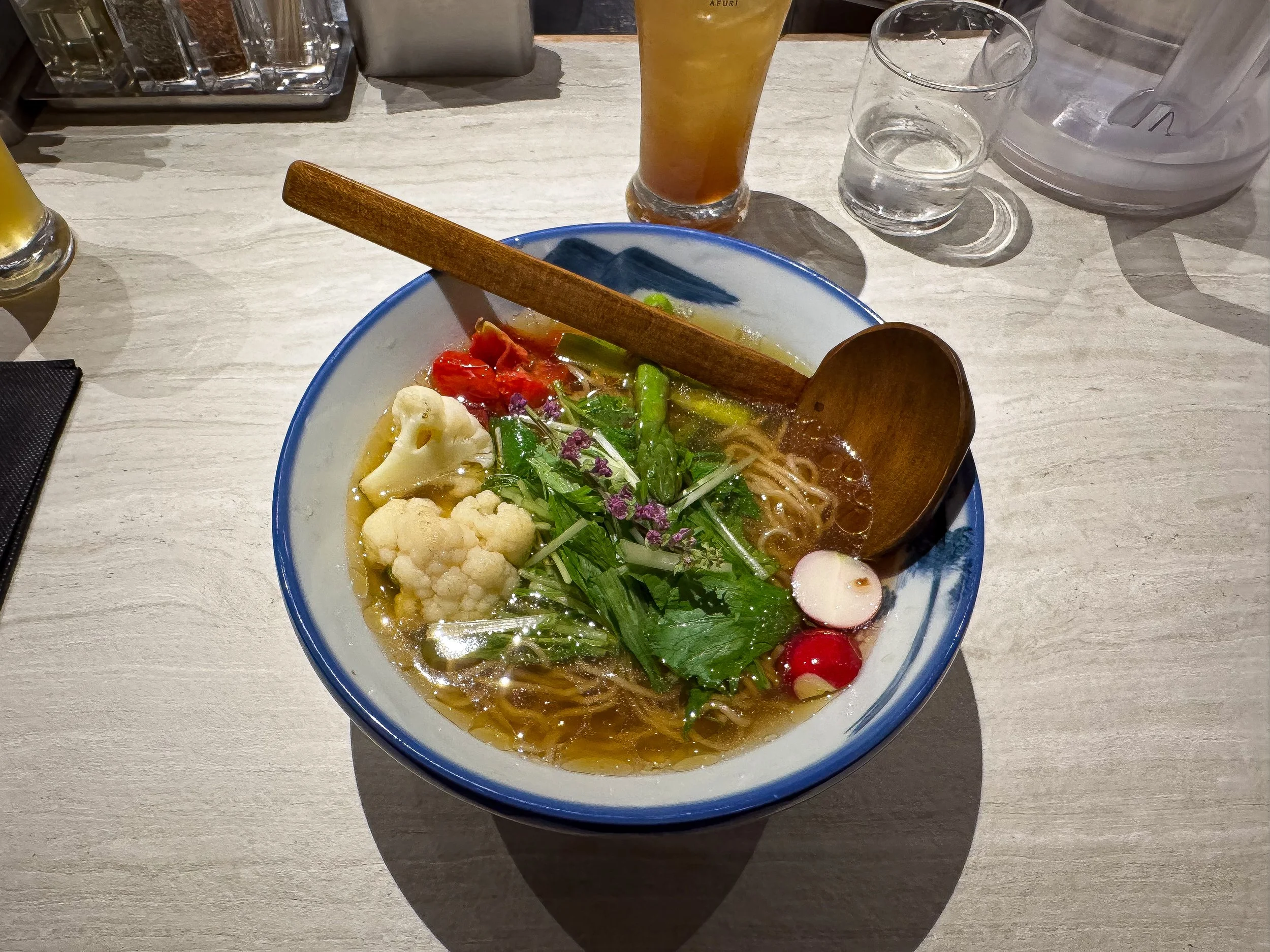
Afuri Shibuya Dōgenzaka. A Tokyo style ramen shop and one of the few in the city offering vegan ramen! The large bowls of noodles are overflowing with savory broth and seasonal vegetables.
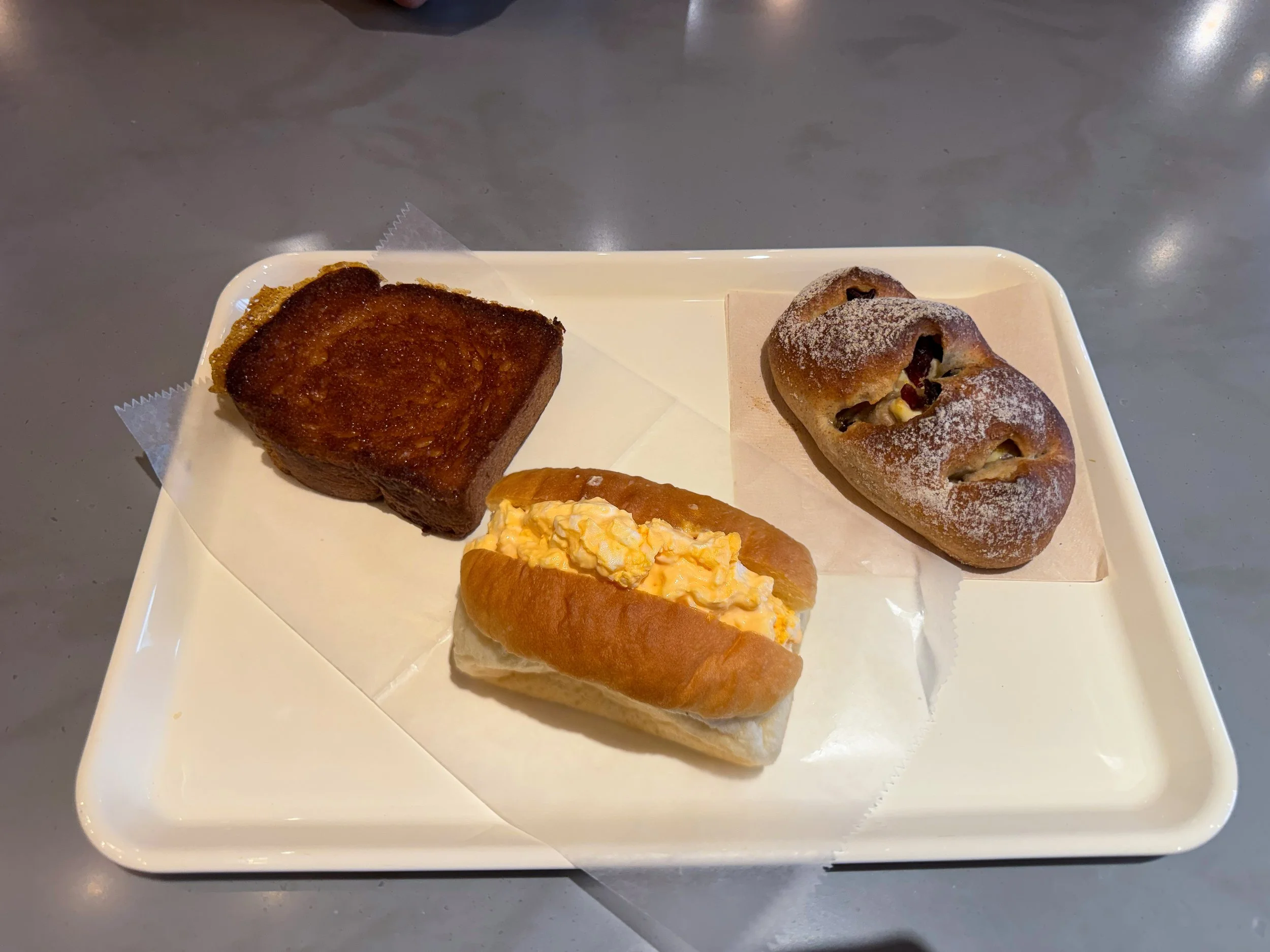
Uba Coffee. A coffee shop and bakery with a large spread of freshly made pastries, breads and sandwiches. Try the honey fried bread, egg sandwich and cranberry roll.
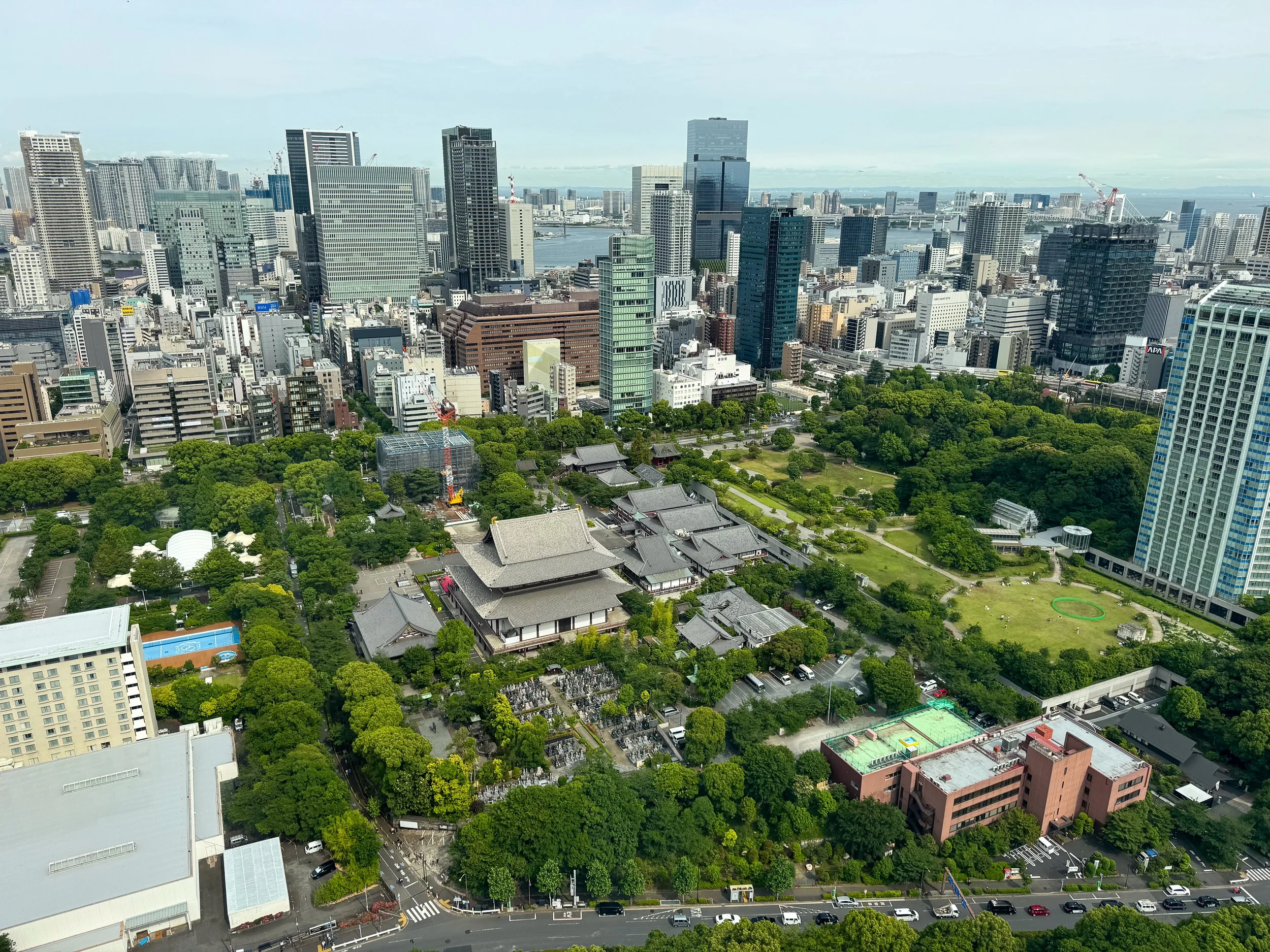
Ginza District
Ginza is an upscale district of Tokyo with some of the city’s most visited sights. Come here to view the Imperial Palace, eat at the historic fish market and see the city from Tokyo Tower.
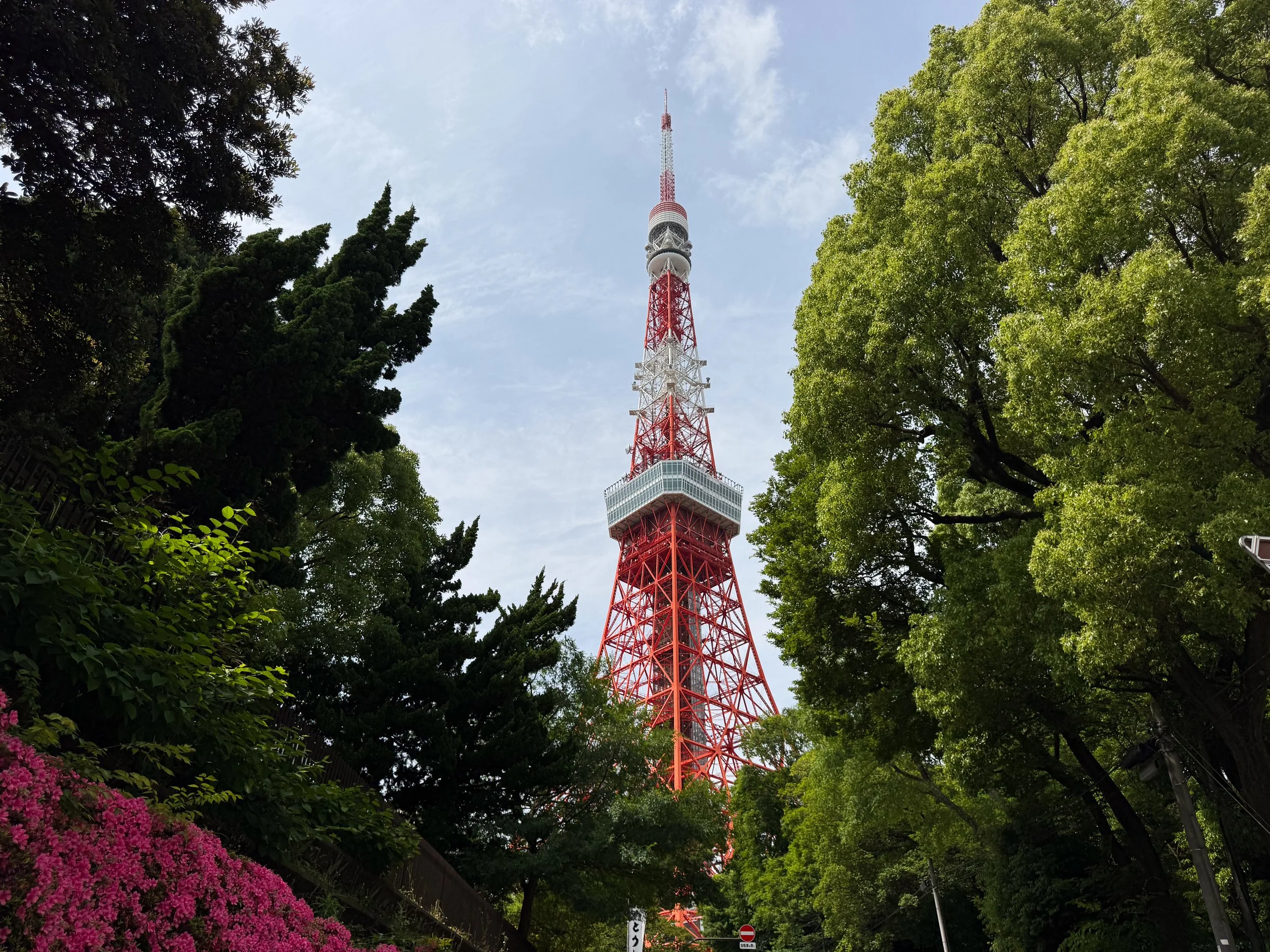
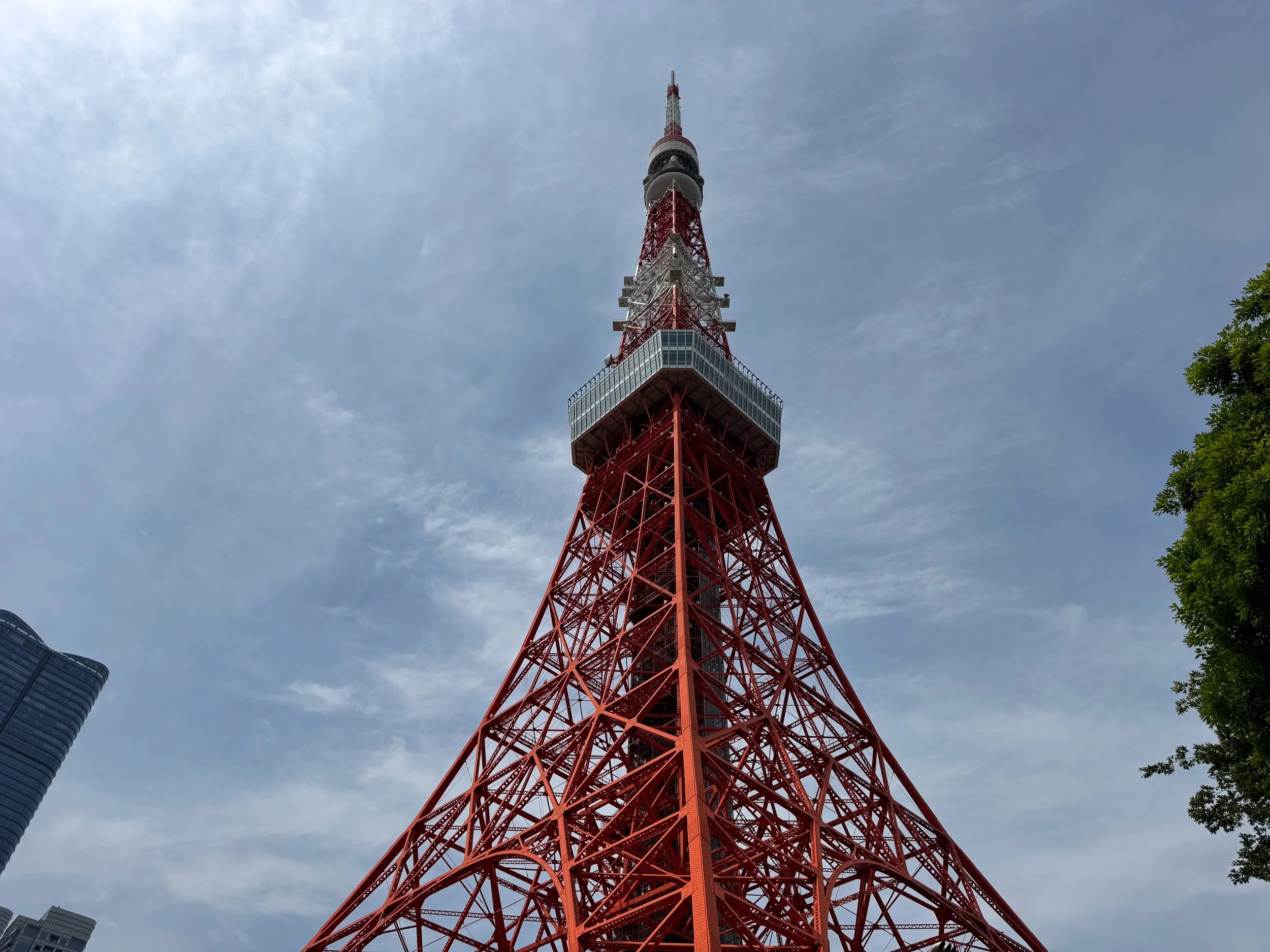
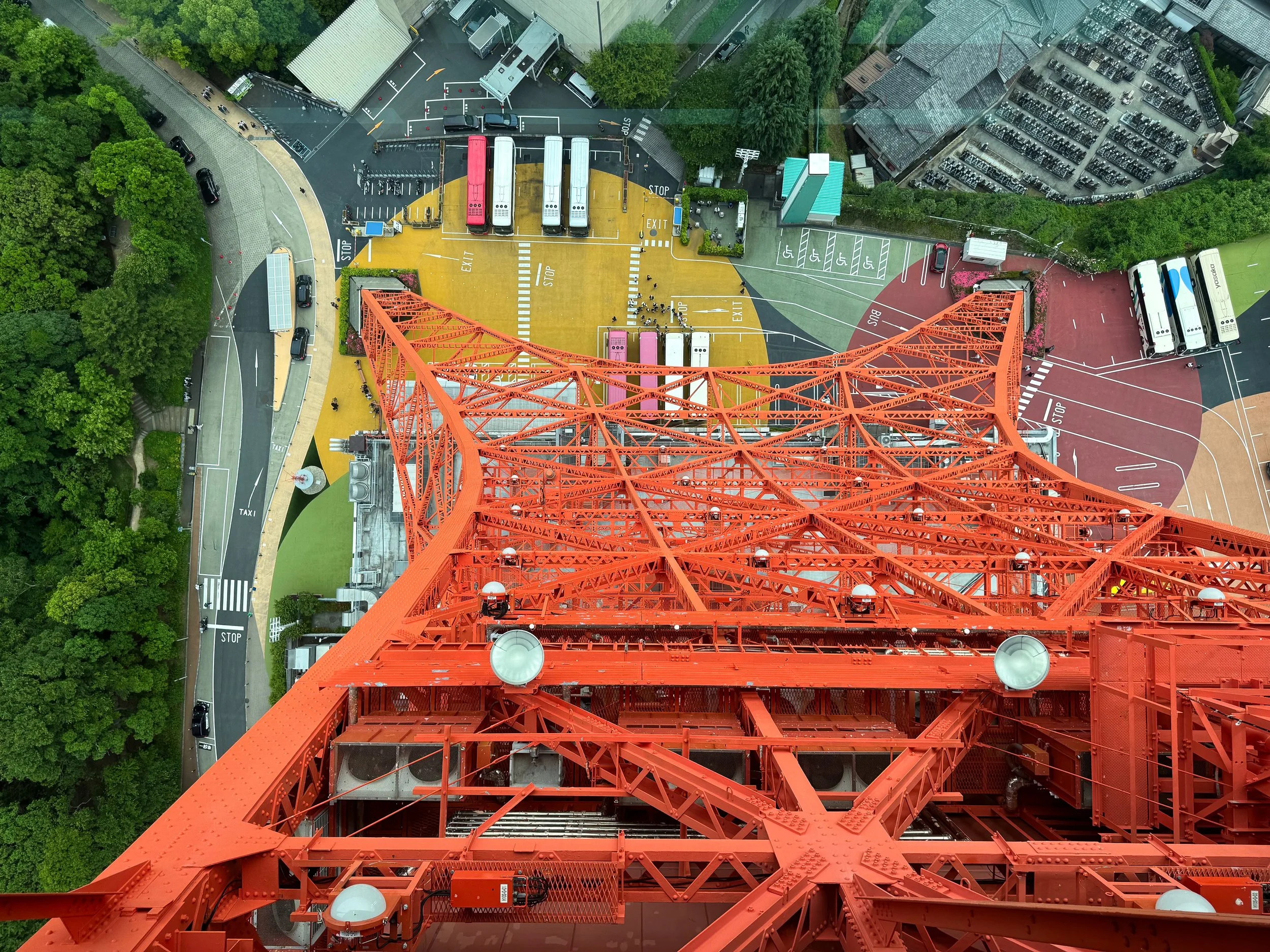
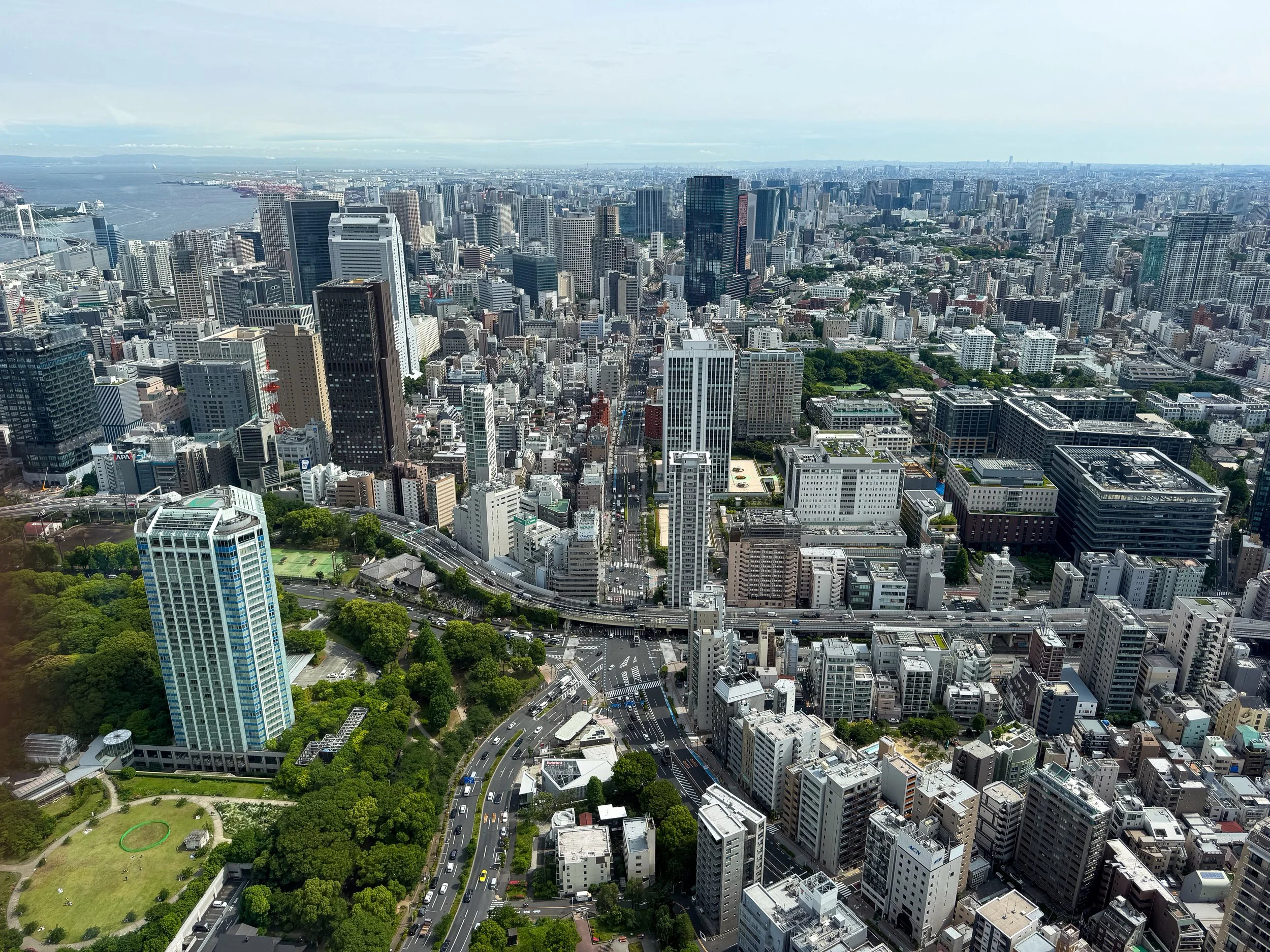
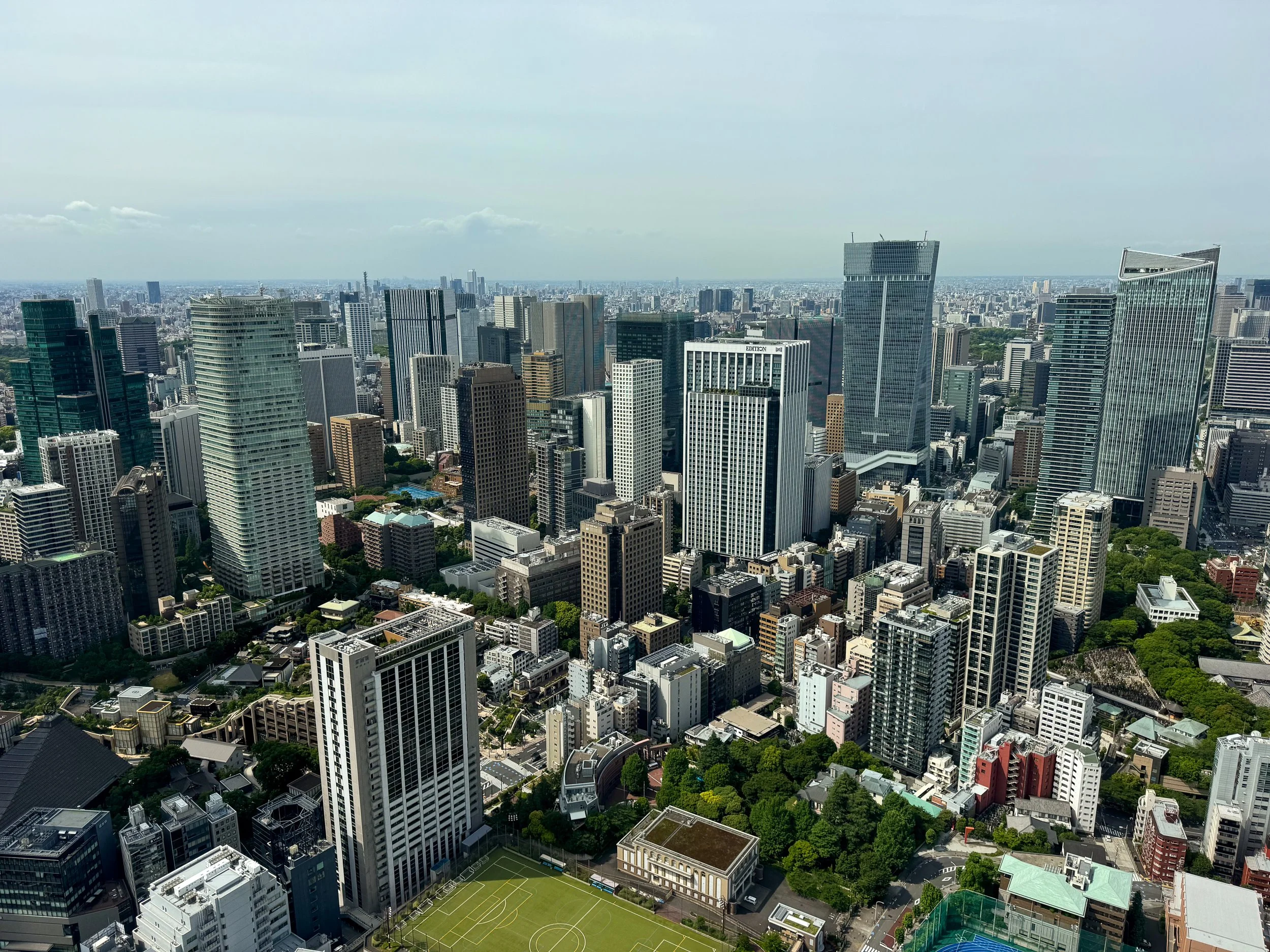
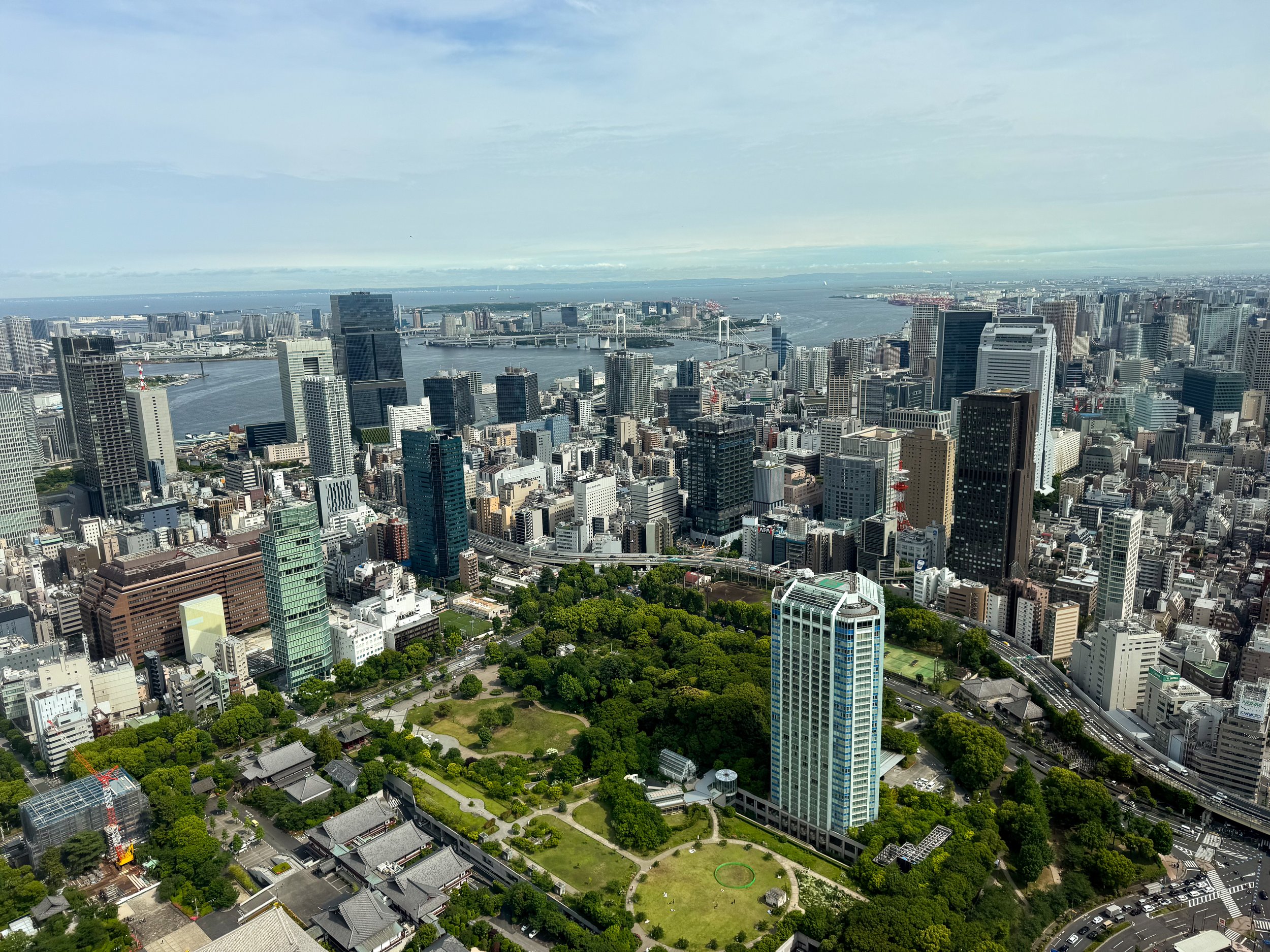
Tokyo Tower. A red and white striped broadcasting tower reminiscent of Paris’ Eiffel Tower. It has two observation decks with panoramic views of Tokyo’s sprawling metropolis. There is a “Main Deck” at the middle of the tower and “Top Deck” at the top of the tower. Both are worth visiting to experience a different view of the city.
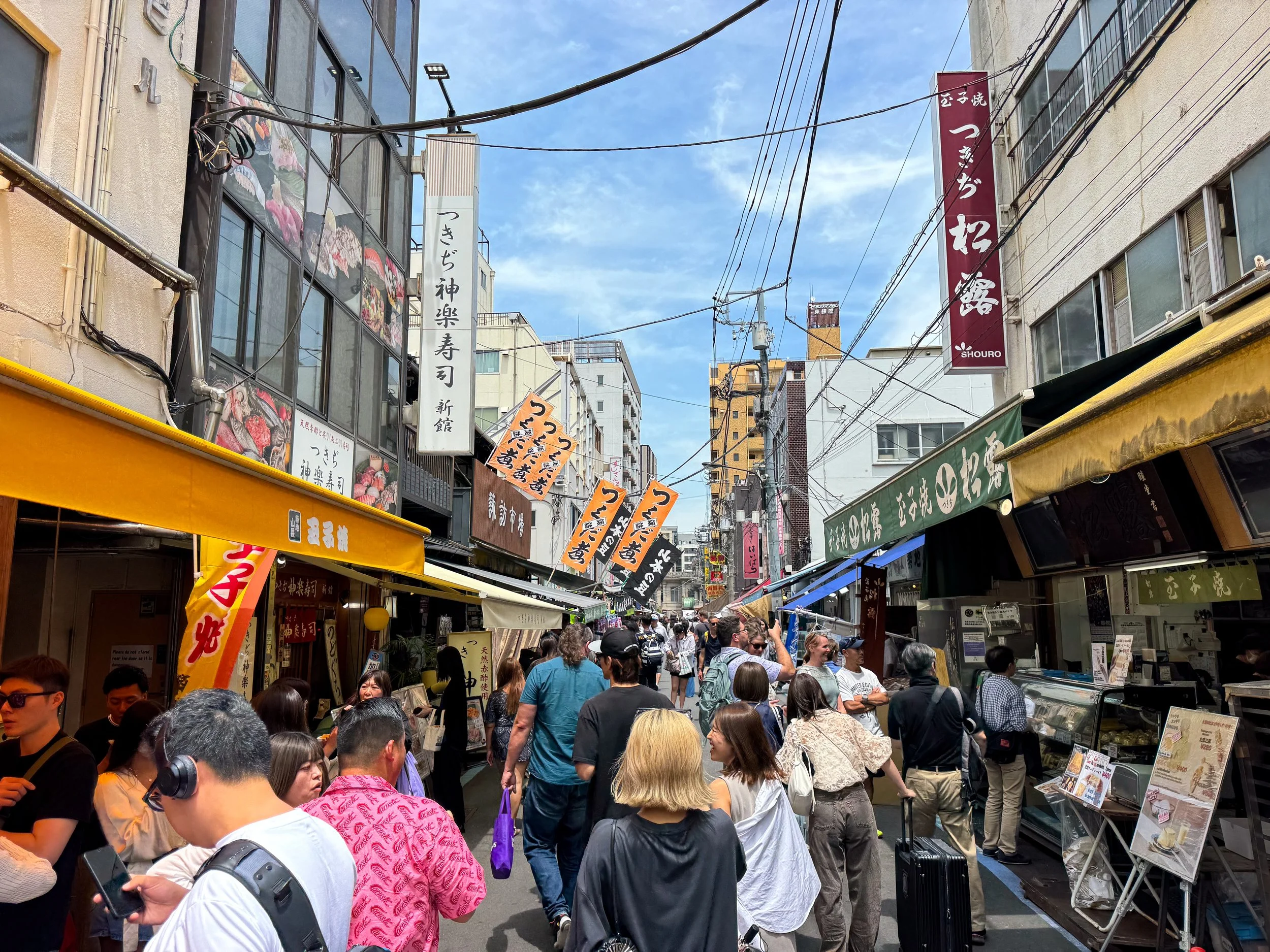
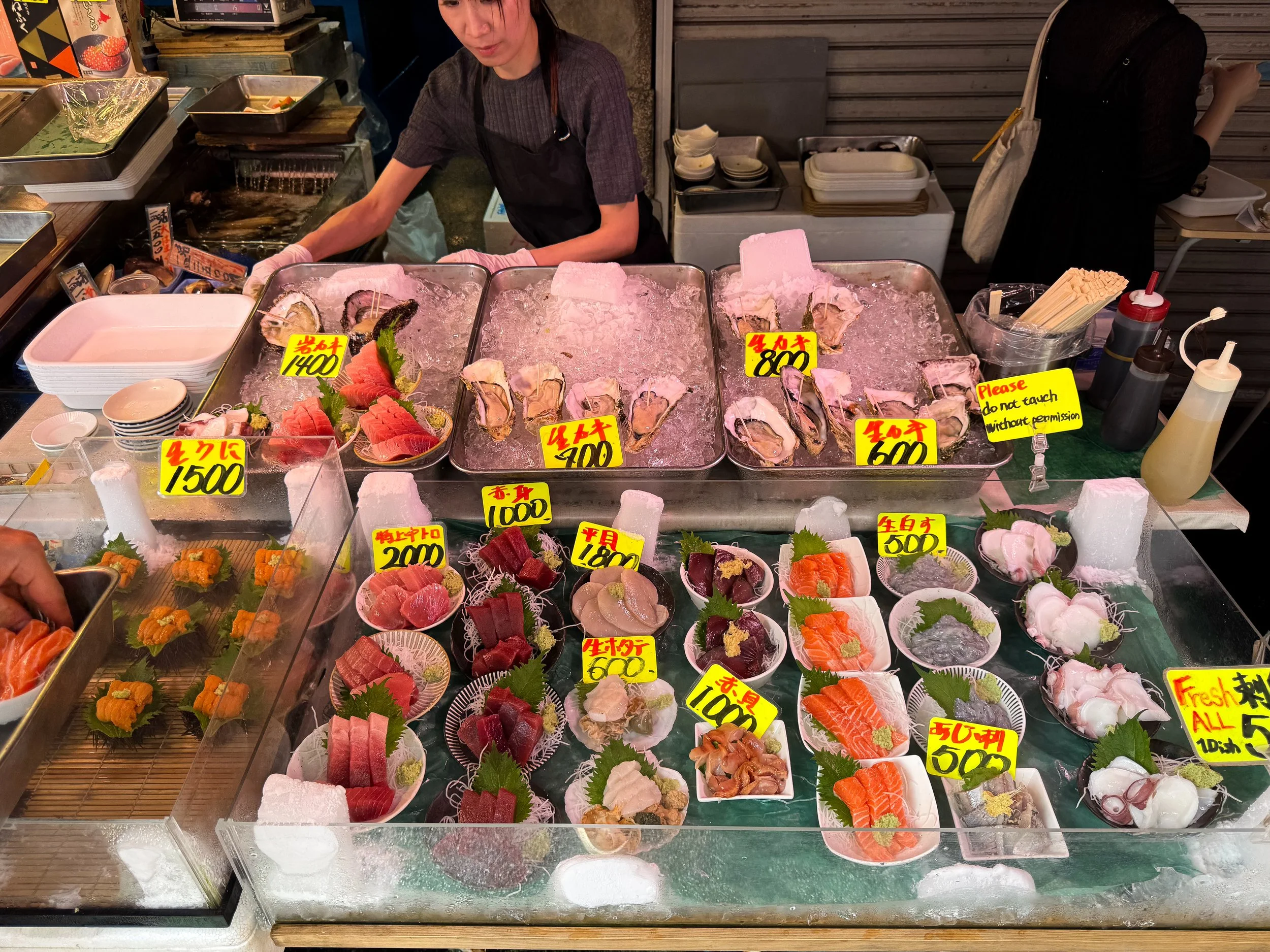
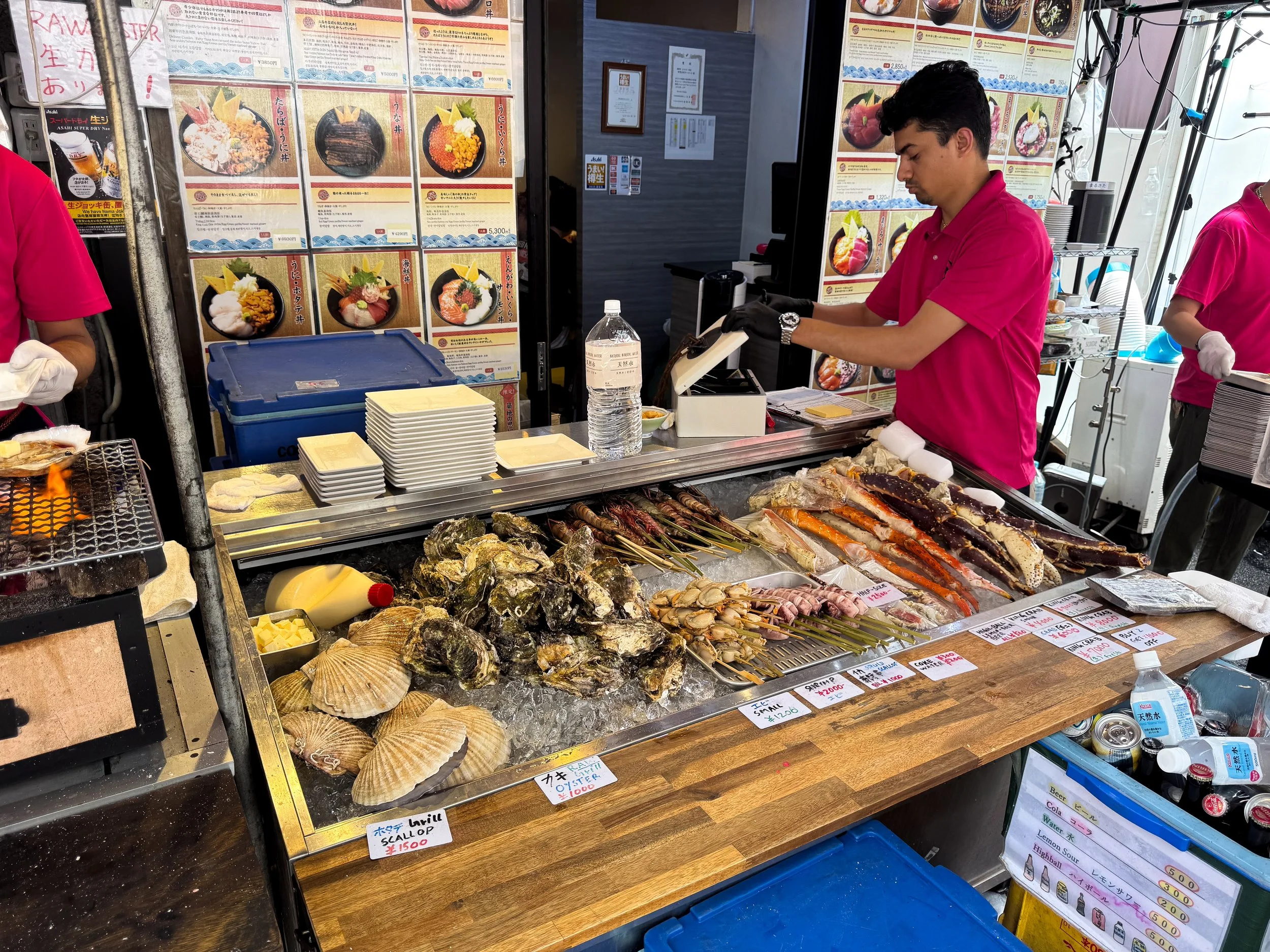
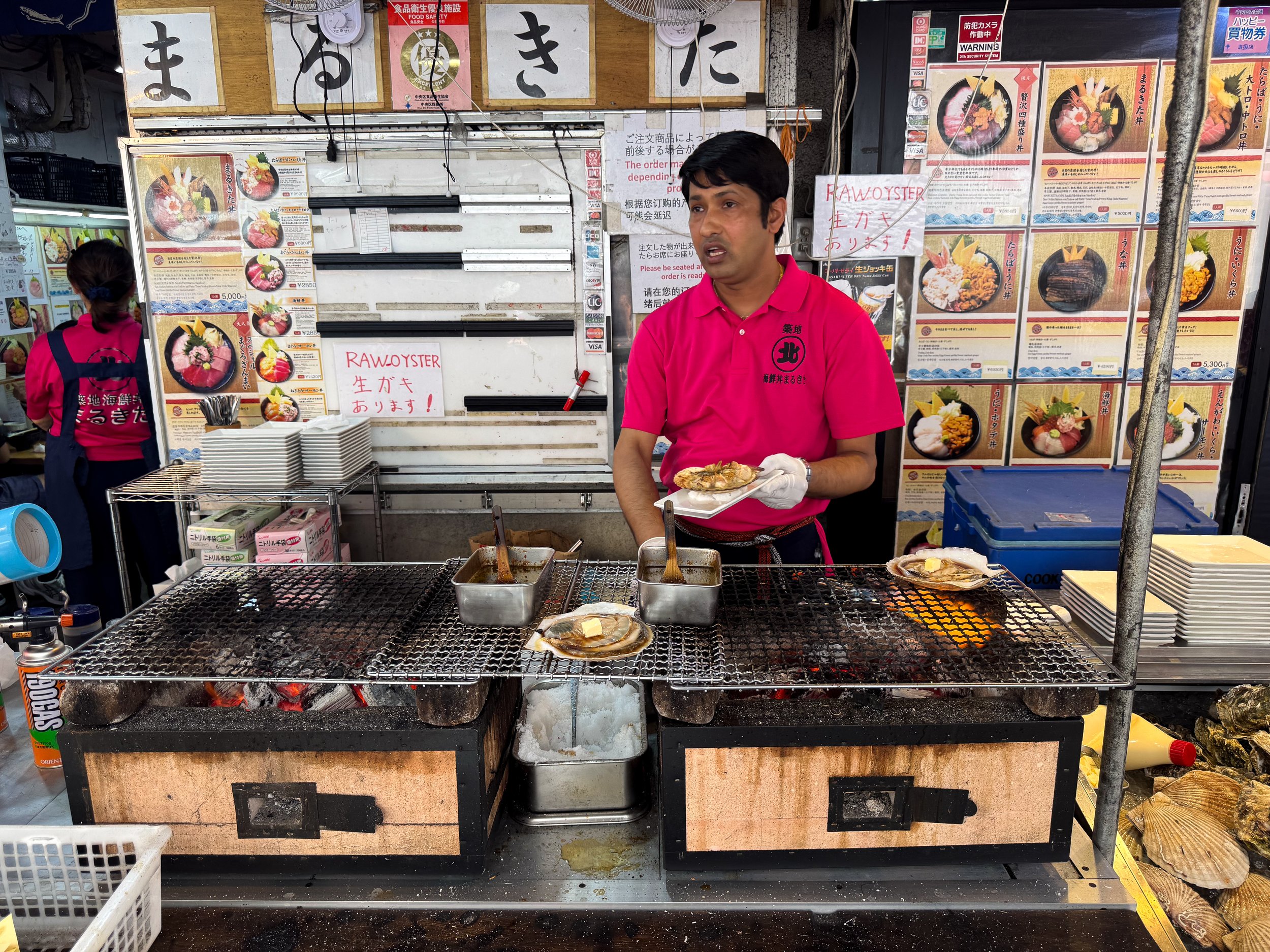
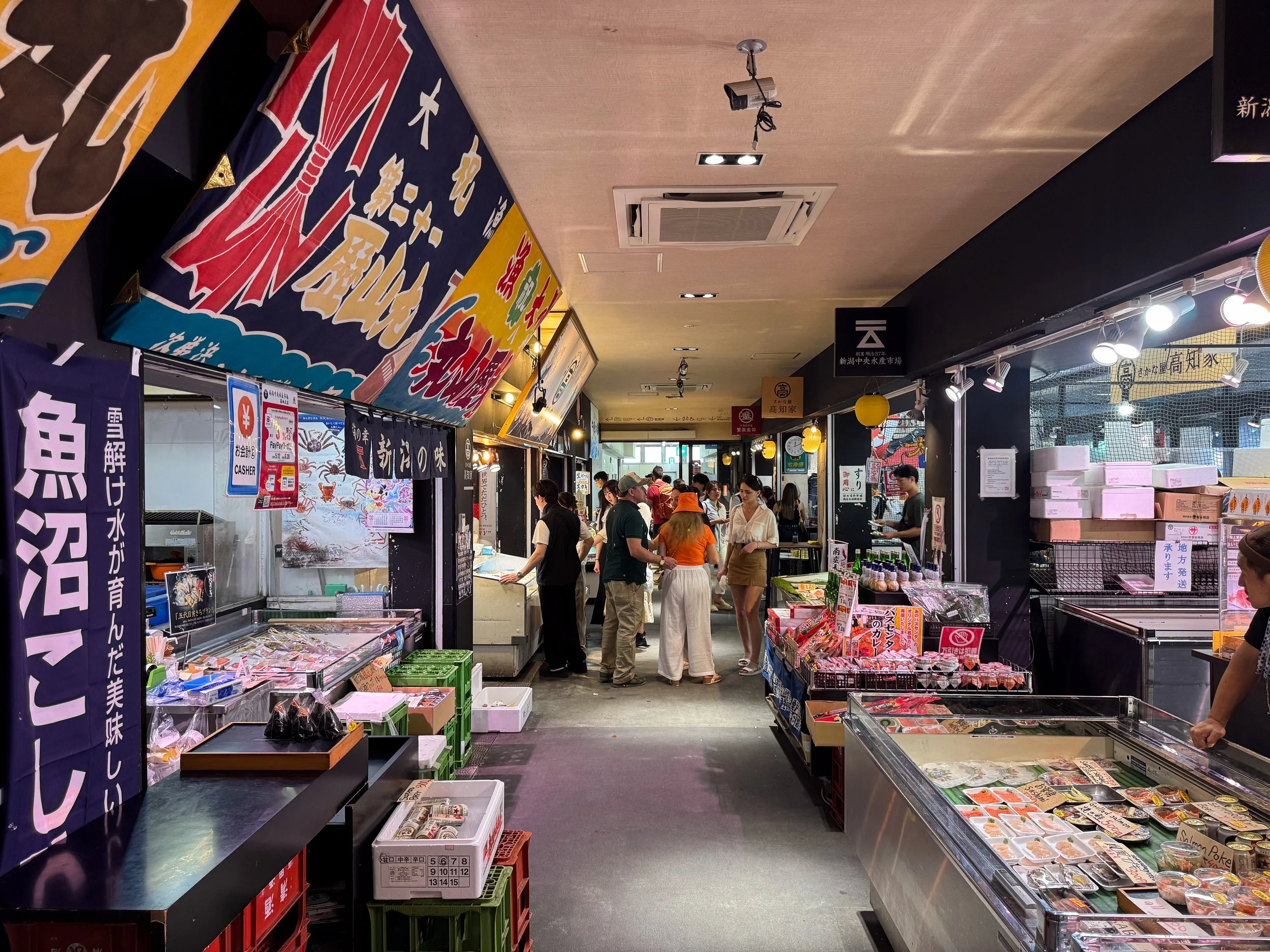
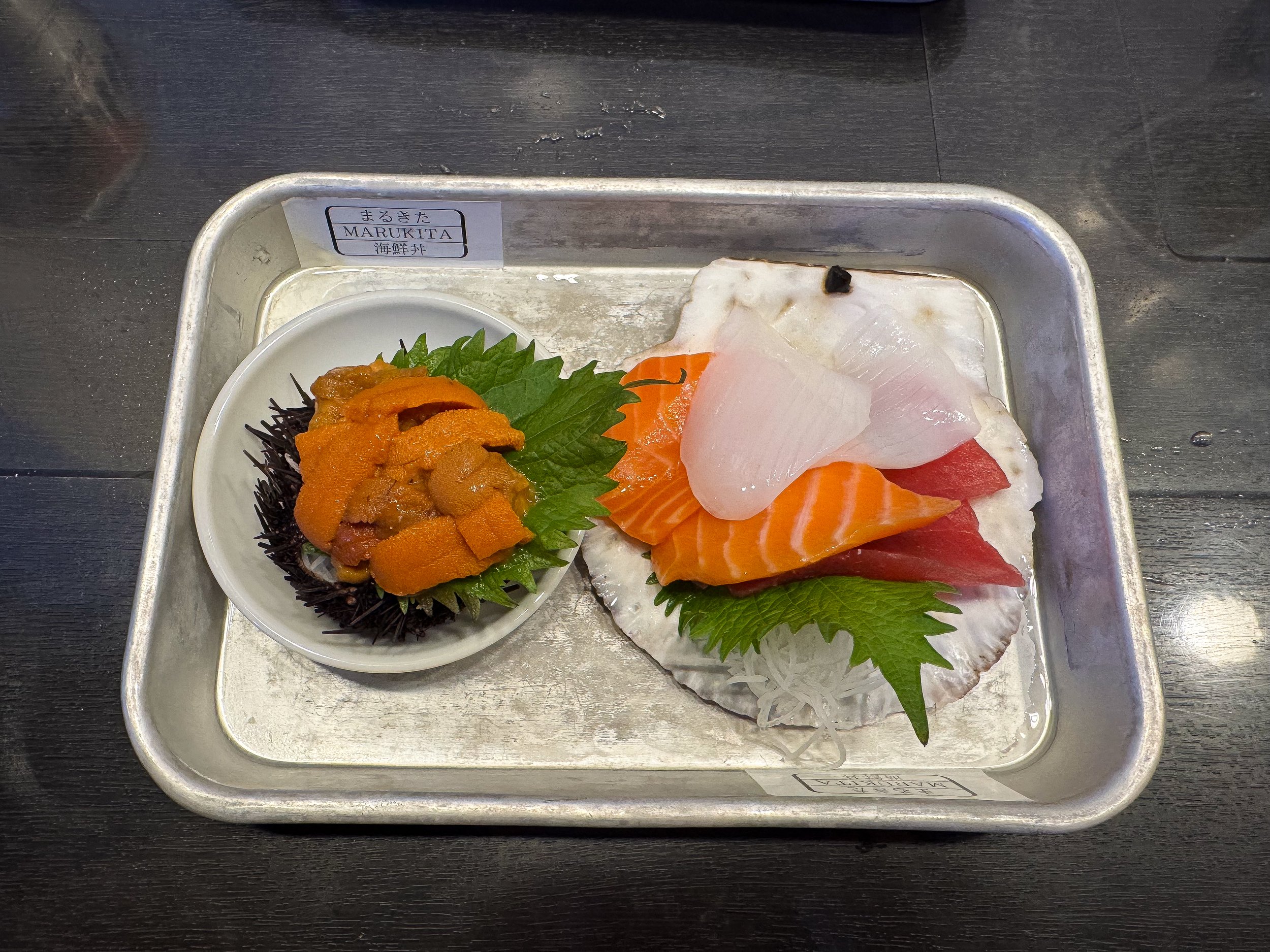
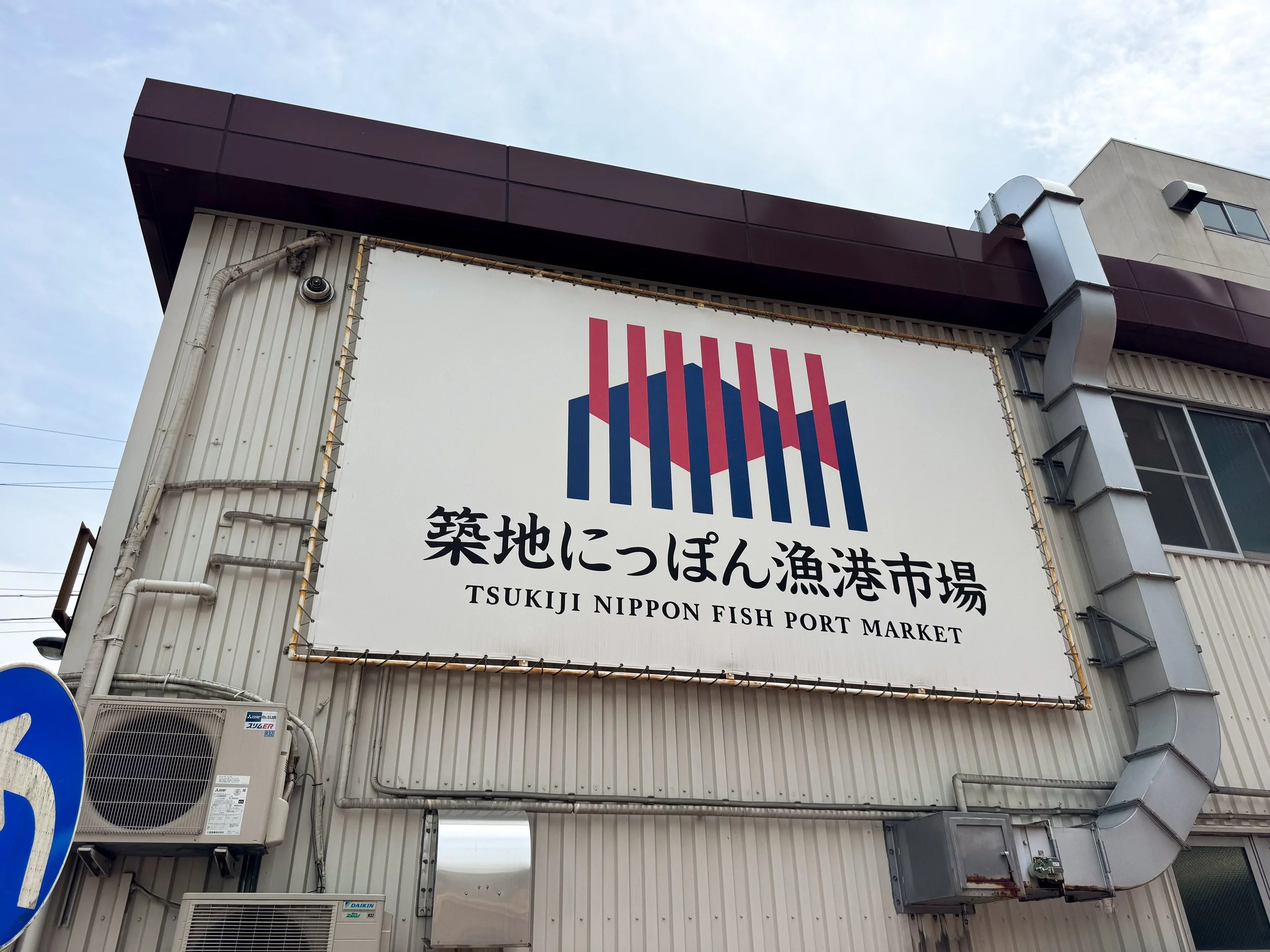
Tsukiji Nippon Port Fish Market. Tokyo’s famed fish market, known for million dollar tunas and some of the country’s freshest seafood. Skip the morning auction and come during the early afternoon for lunch! Restaurants surrounding the market prepare seafood bid on and purchased that morning. Icy tables display shellfish, slices of raw fish (nigiri), crab arms and skewered seafood. They’re prepared raw, grilled or to your liking. We ordered a spread of nigiri including Hokkaido Uni.
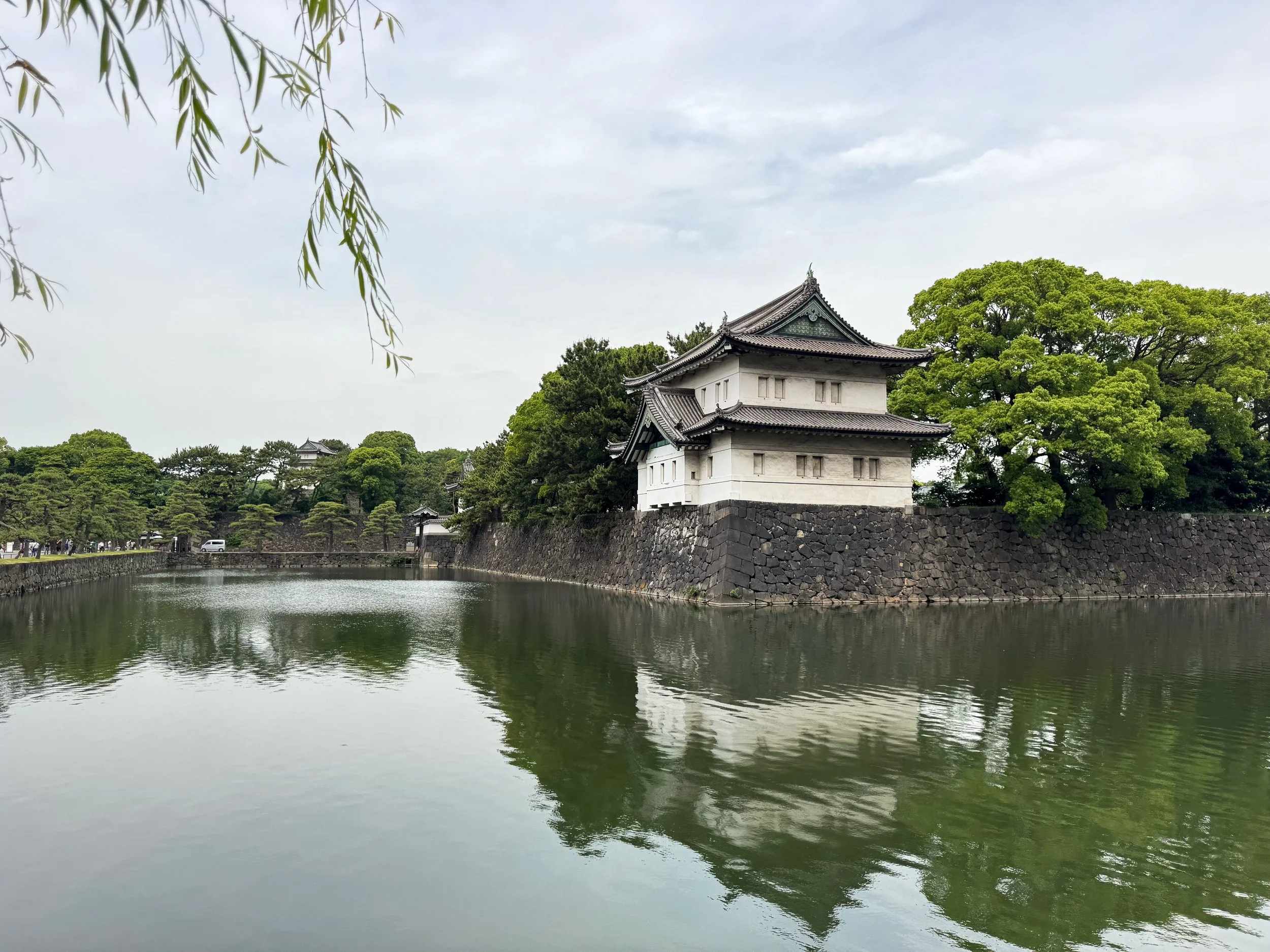
Imperial Palace & Edo Castle. A vast imperial palace and castle still lived in by the Japanese emperor, the world’s last ruling emperor. A majority of its grounds are off limits and blocked from view. Its outer stone wall and flooded moat are the most visible. A large lawn, once home to the last shogunate’s palace, has some closely viewable buildings including a former defensive tower, guardhouse and imperial gate.
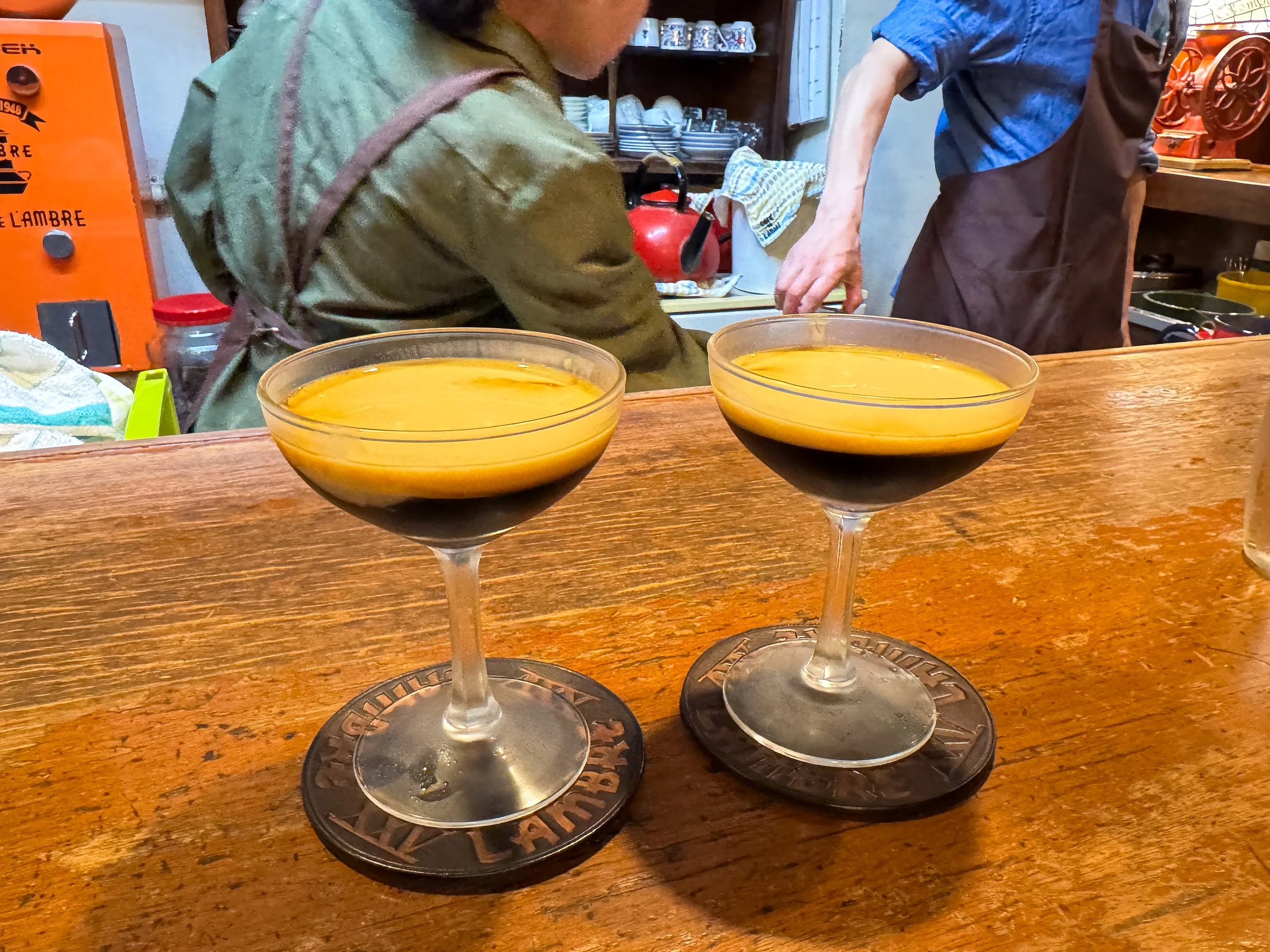
Café de l’Ambre. A historic café brewing pour over coffees served in cocktail glasses and simple mugs. When entering, you’re greeted by the host saying, “we only serve coffee,” then seated once confirming you understand. Behind the bar, baristas boil kettles of water, precisely weigh beans and hand-make each coffee. The shop specializes in non-alcoholic coffee cocktails and 10 year aged beans. Try a “straight coffee” or the Mazagran, a creamy iced coffee served in a coupe glass.
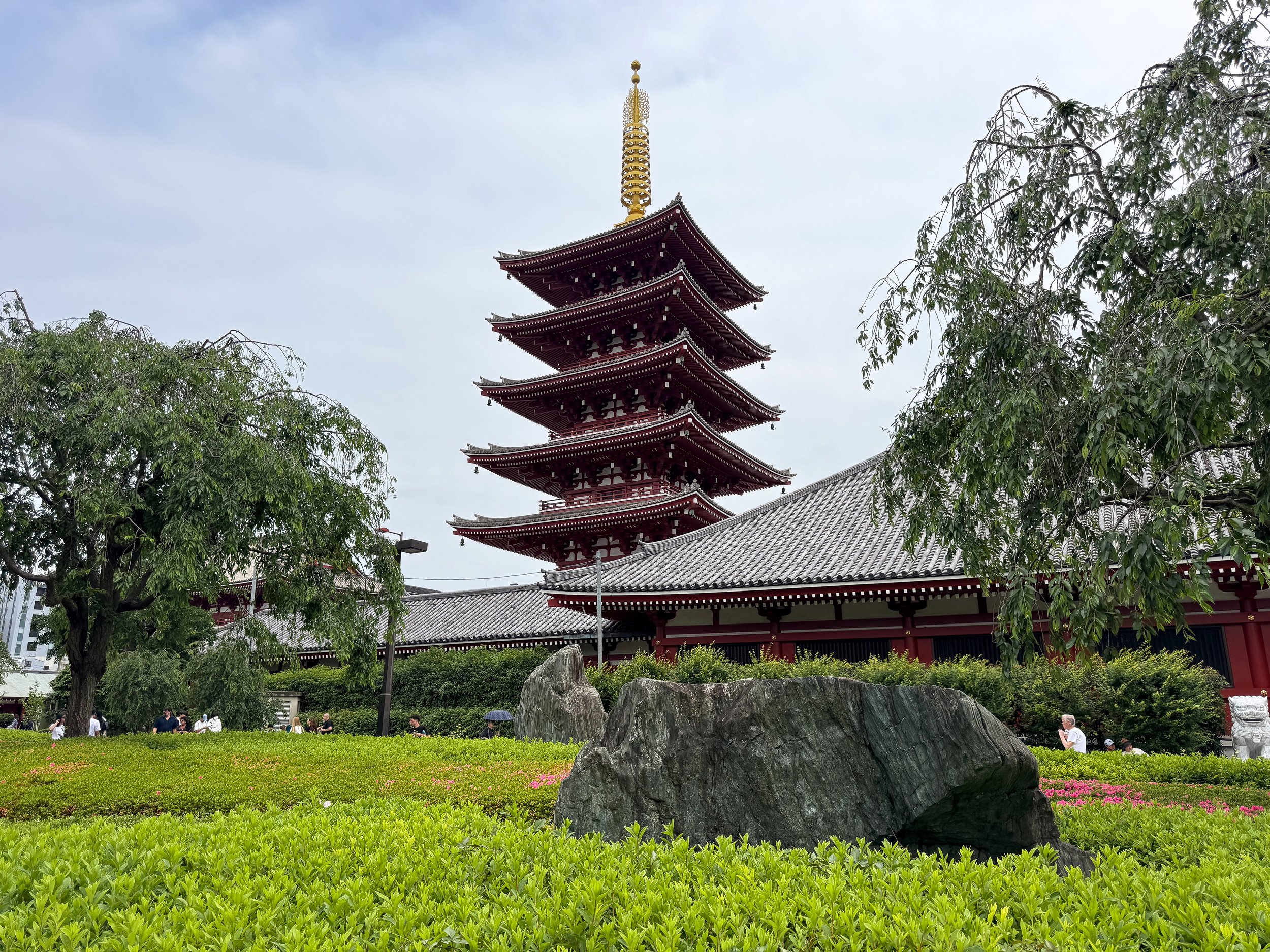
Asakusa District
Asakusa is a historic and cultural district of Tokyo visited for its temples and food scene.
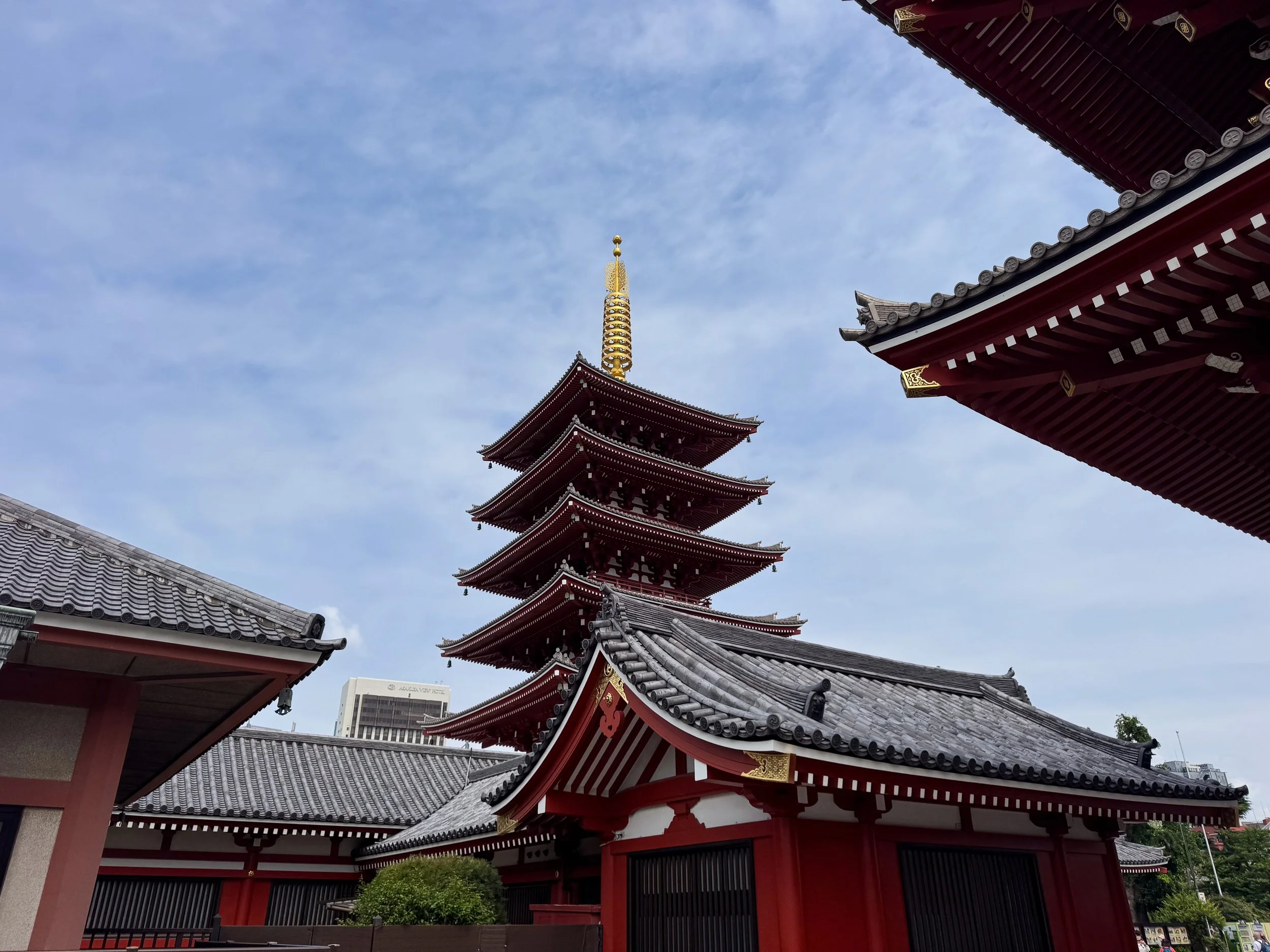
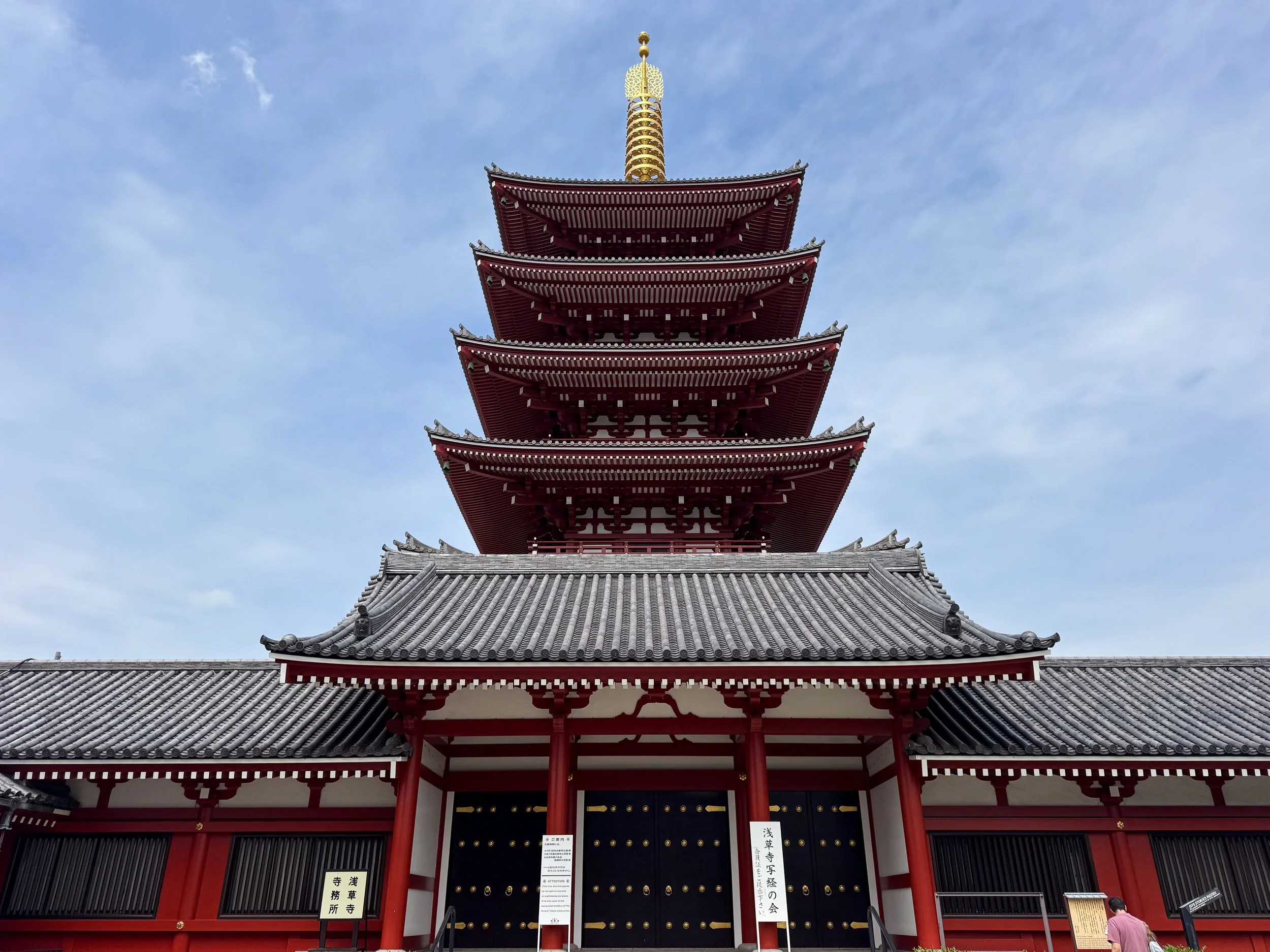
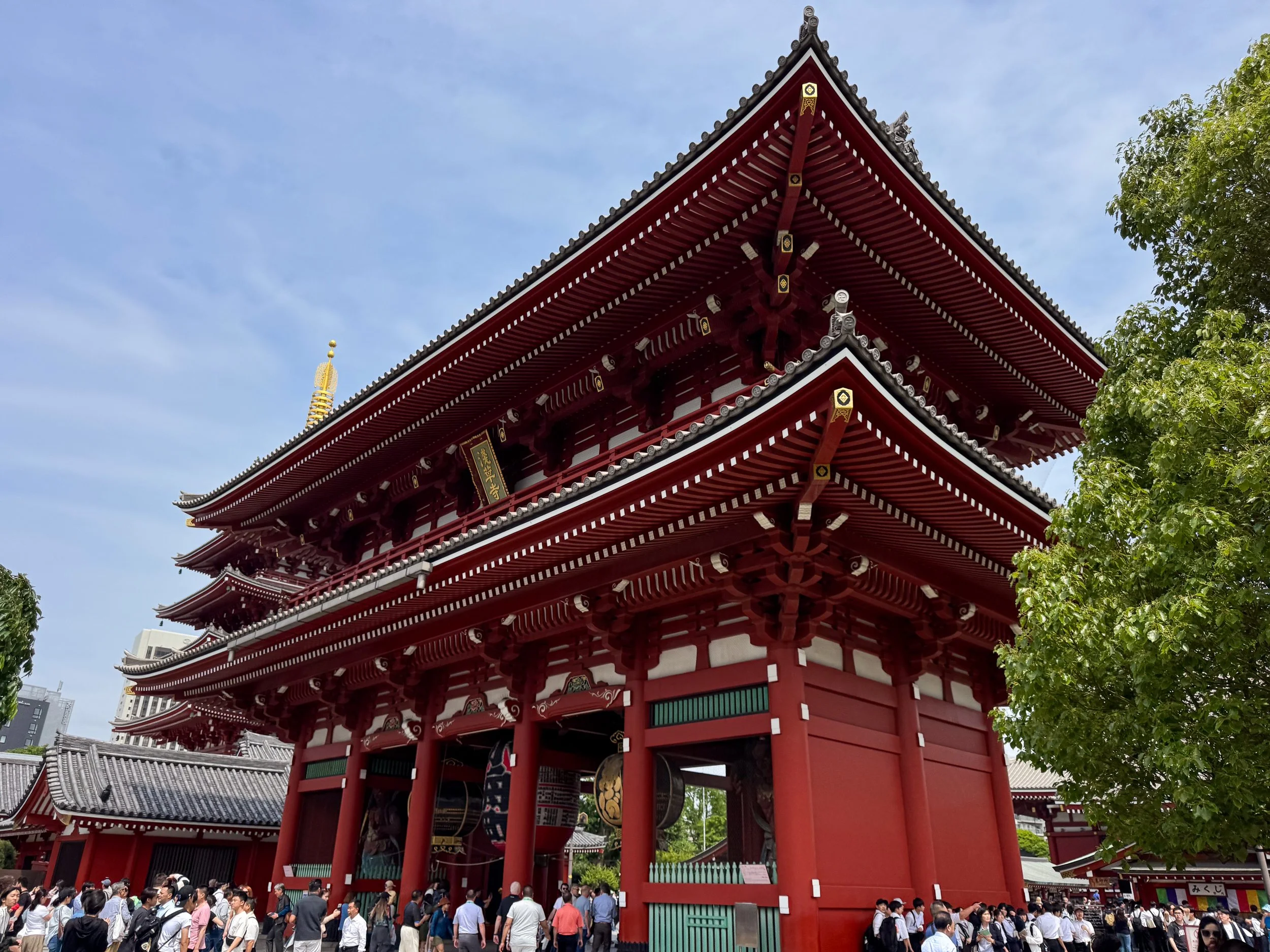
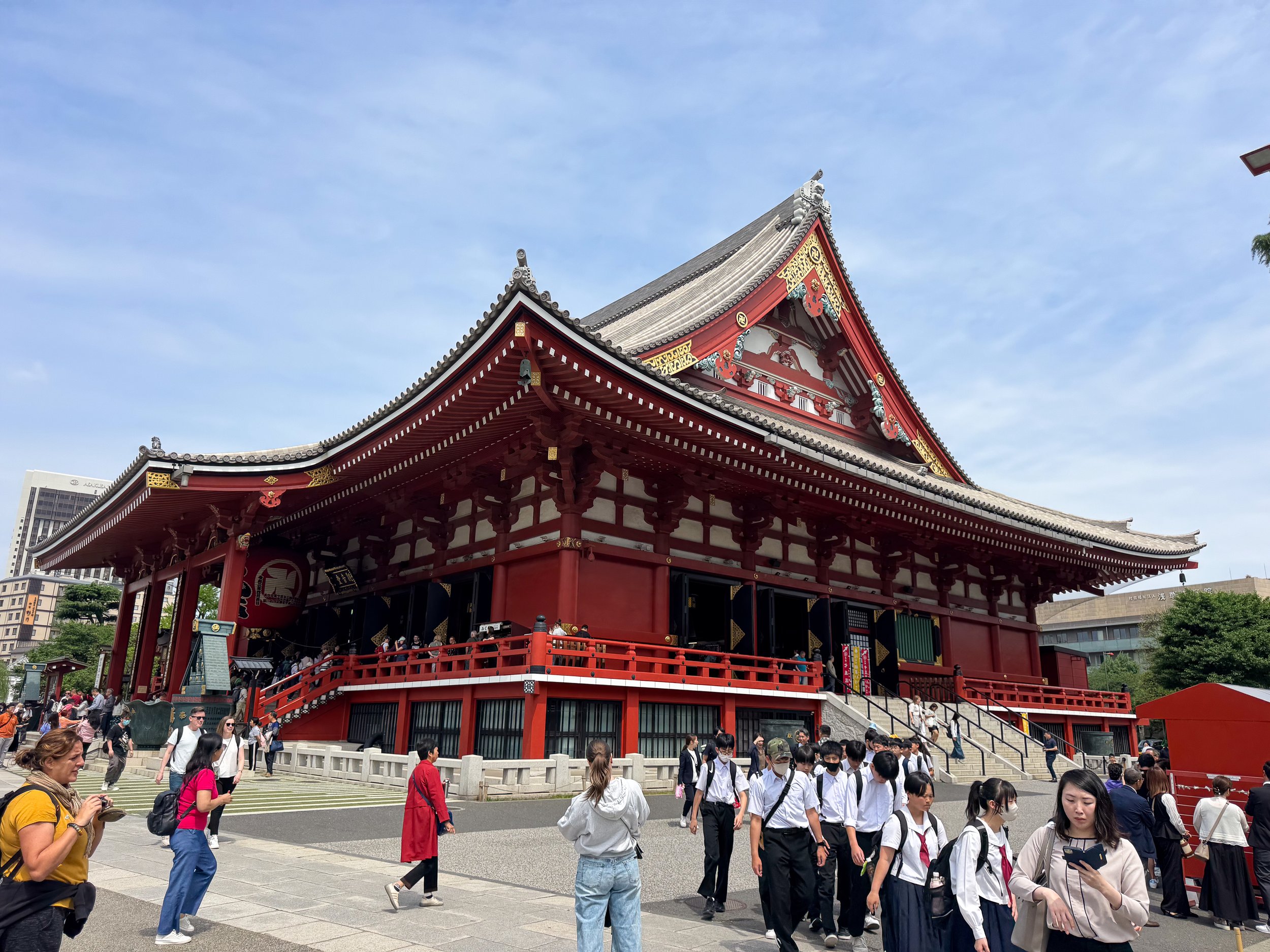
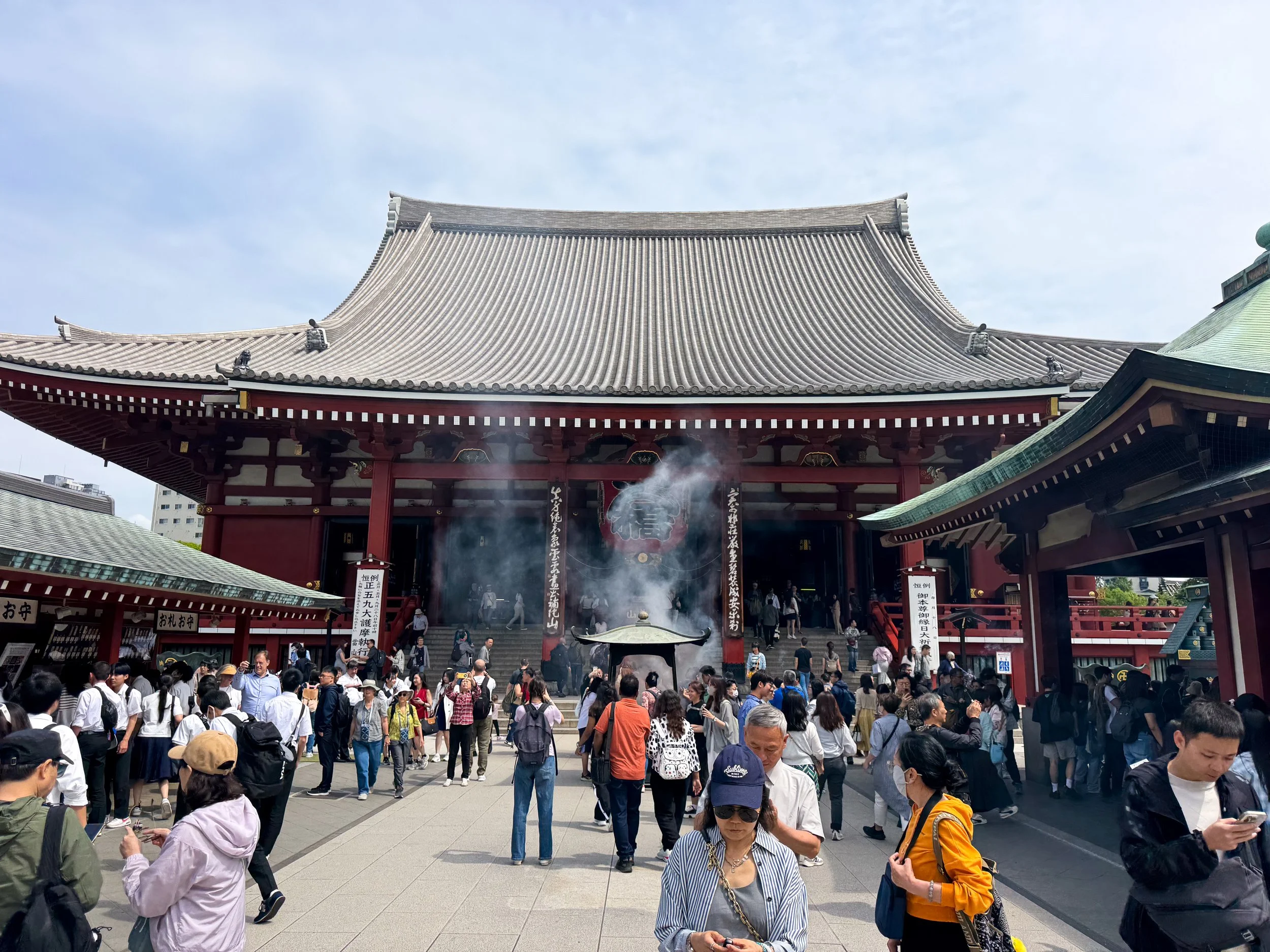
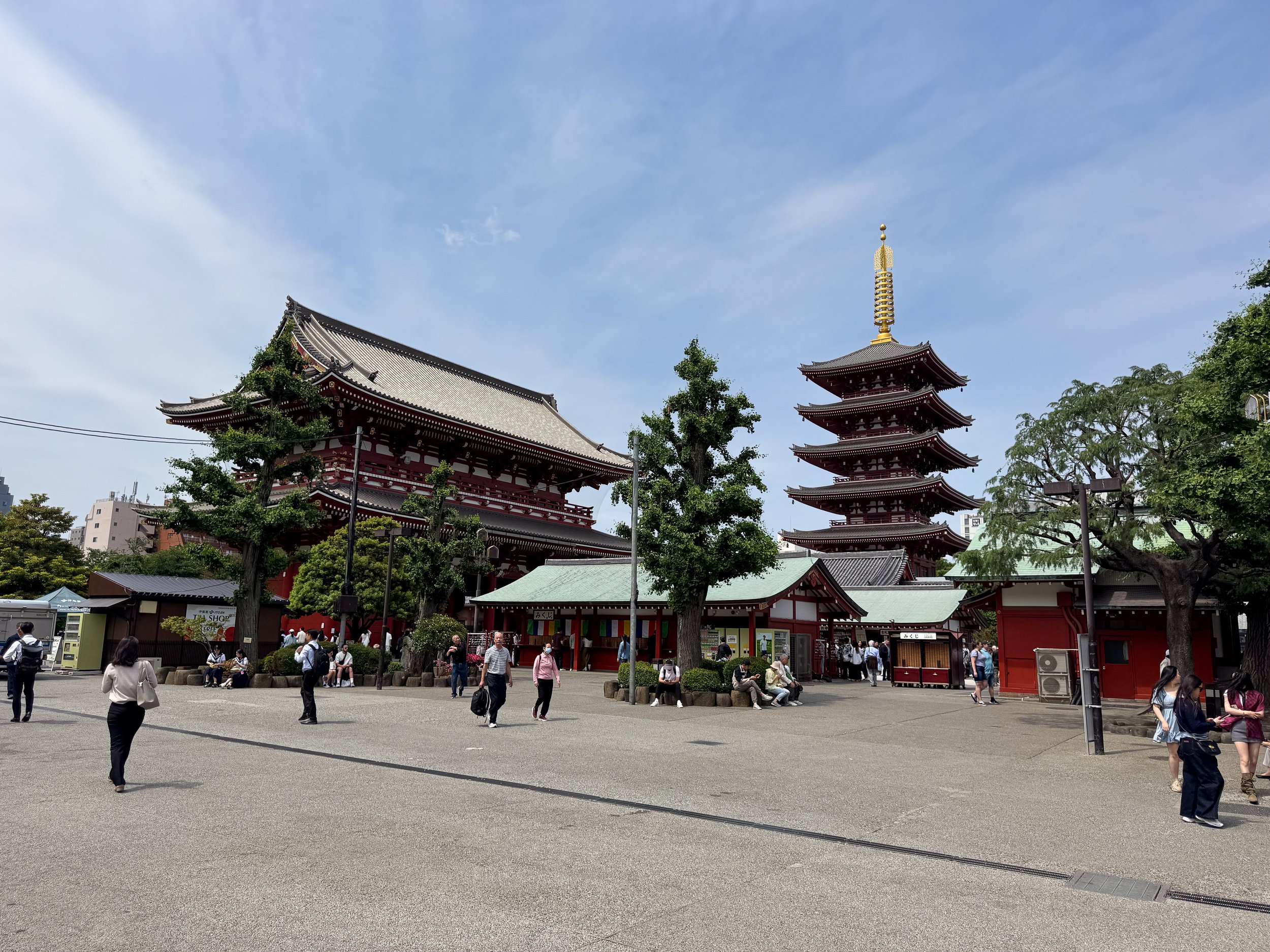
Senso-ji Temple. Tokyo’s oldest and most significant Shinto temple. Its grounds date back nearly 1,400 years and are home to several red lacquered wooden structures including temple gates, prayer halls and a 5 tiered pagoda. Scents and smoke from burning incense fill the air as people visit and make prayers and offerings. It's one of the most visited temples in Japan. Get here early to avoid massive crowds.
Nakamise Street. A shopping street leading up to Senso-ji Temple. Kiosks with vendors sell a variety of traditional and local snacks as well as souvenirs. The street is often packed with thousands of school children on field trips to the temple.
Hoppy Dori Street. A food street with many izakayas near Senso-ji Temple. It’s a popular spot to enjoy a cold Japanese beer like Asahi, Kirin, Sapporo or Suntory.
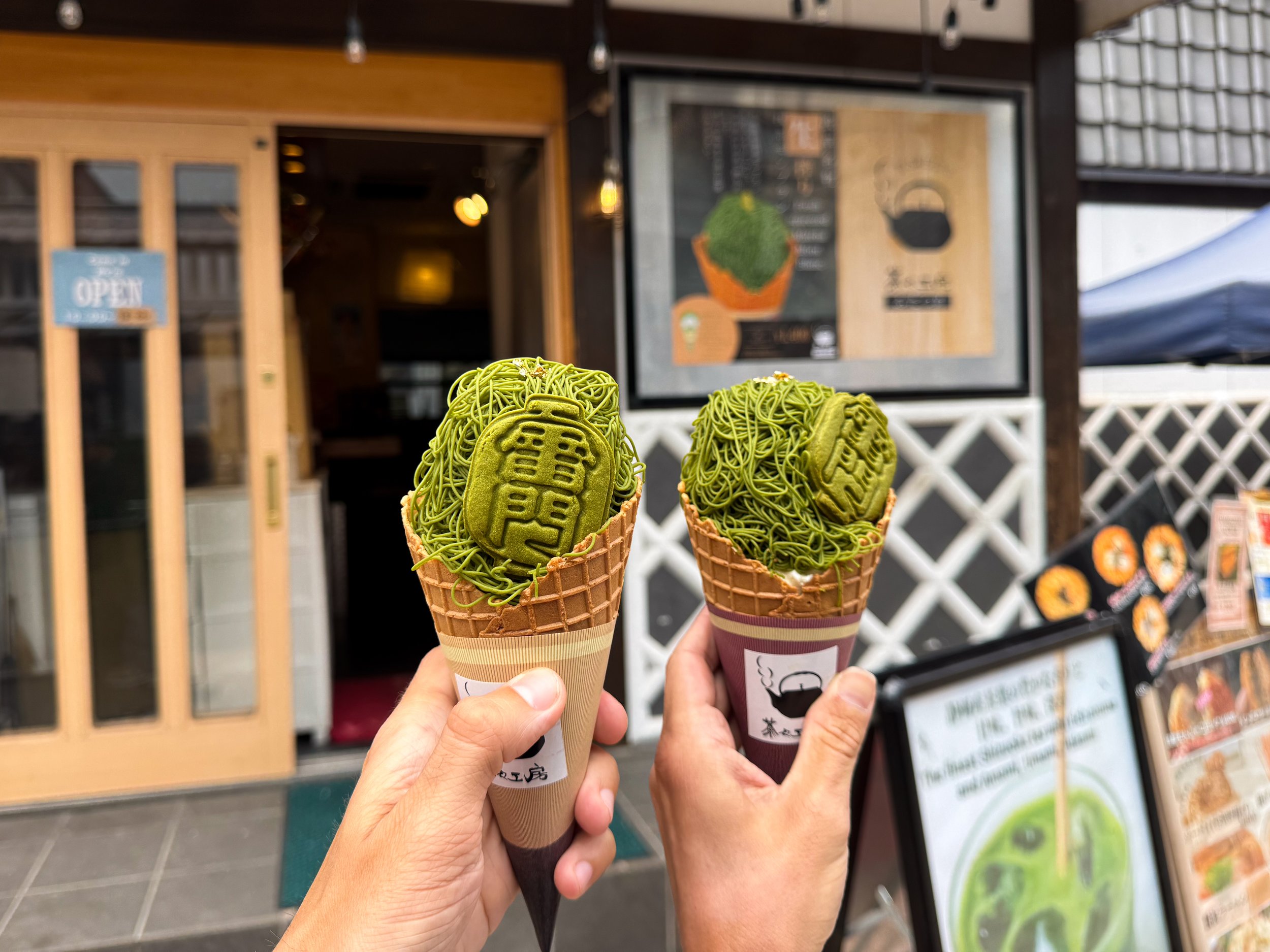
Chacha Futatsume. An ice cream shop with Instagrammable waffle cones topped with spaghetti style matcha and a matcha cookie. If you love matcha, it’s well worth the cost!
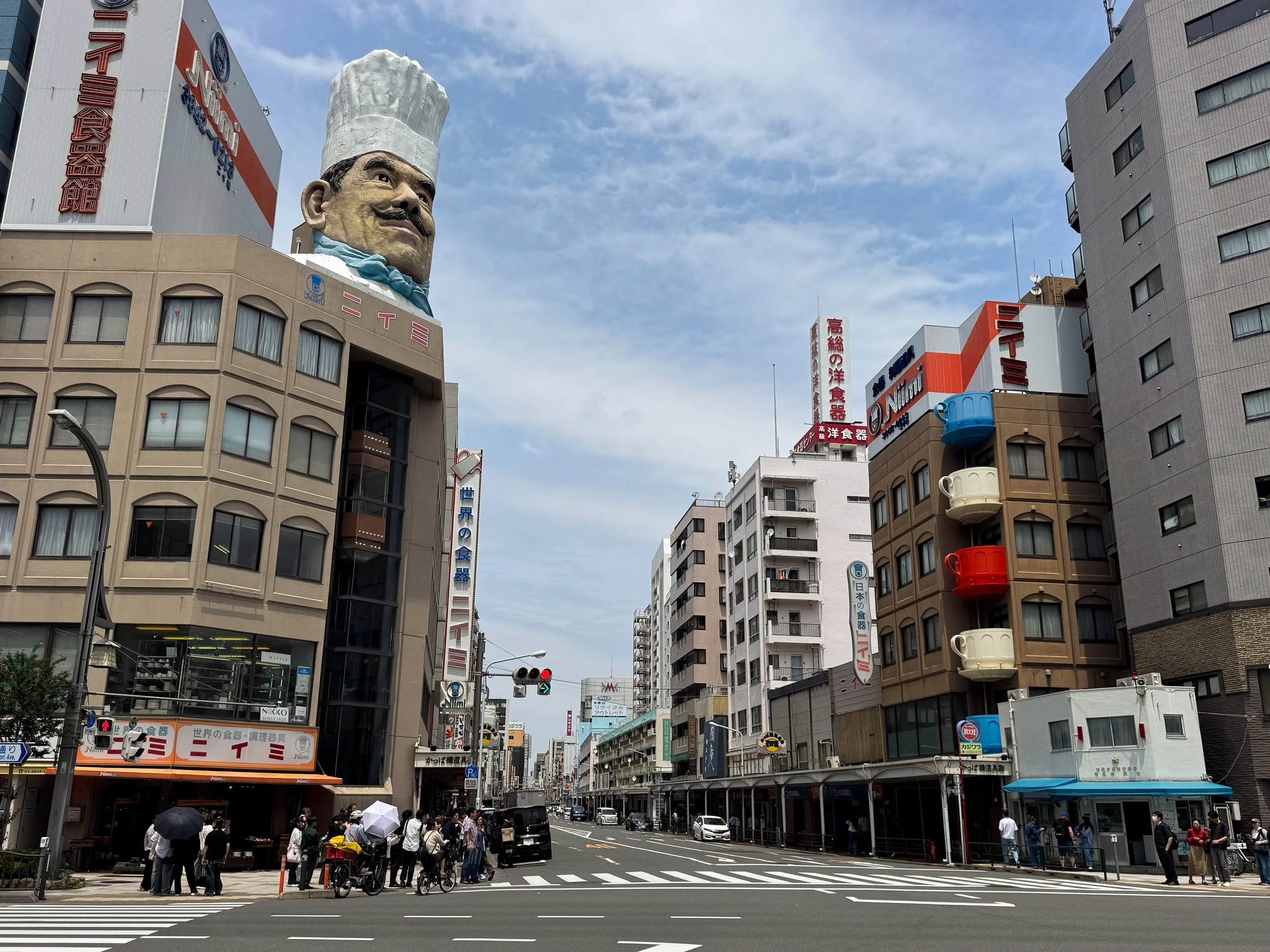
Kappabashi (Kitchen Town). A renowned street lined with hundreds of kitchenware shops and restaurant supply stores. Chefs and home cooks alike flock here to buy Japanese knives, chopsticks, matcha tea whisks, tamagoyaki pans, ramen bowls and wooden bento boxes. Bring home Shokuhin Sampuru, a plastic food replica used to replace real food samples, as a souvenir.
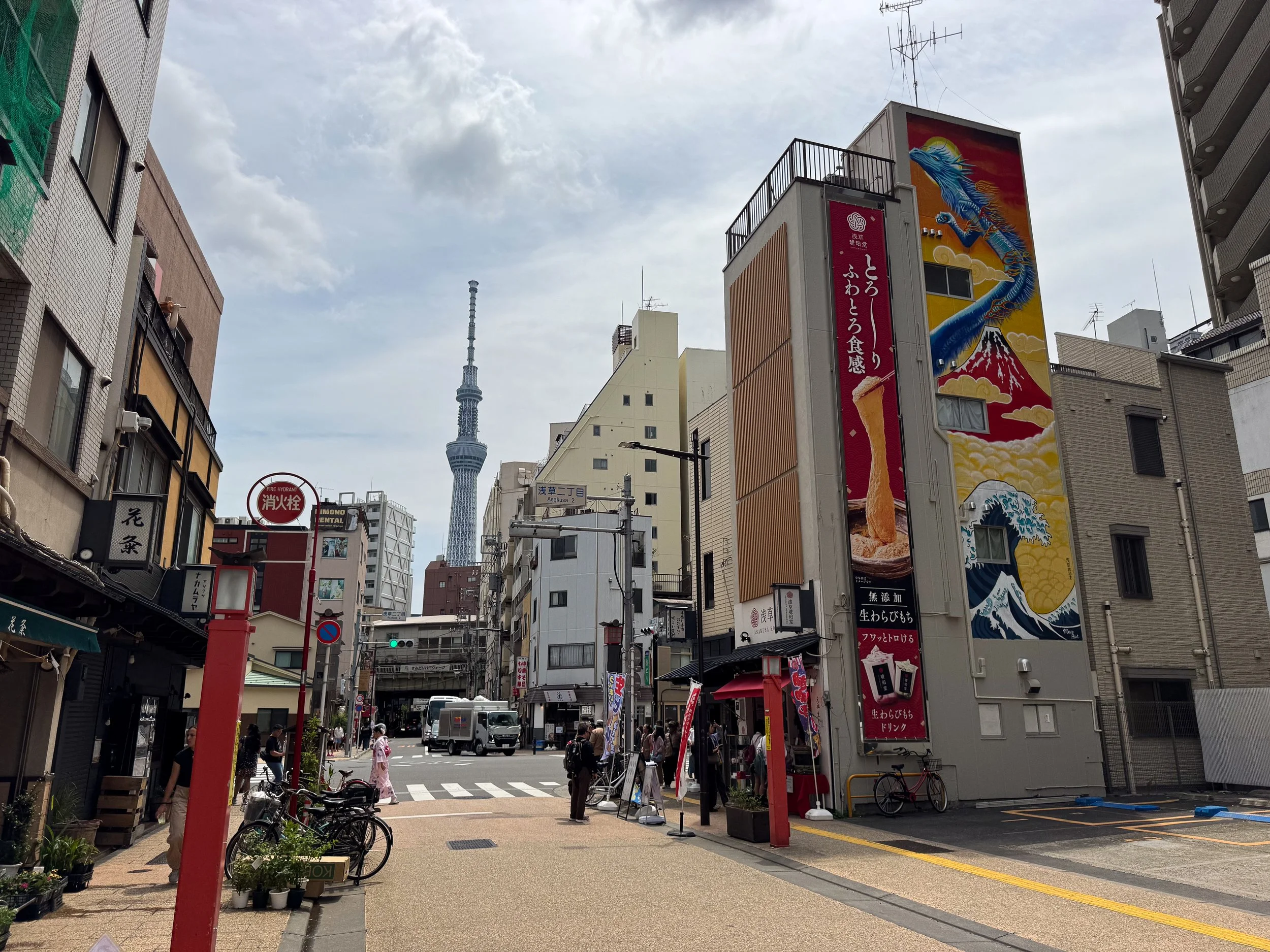
Tokyo Sky Tree. A 2,080 ft tall broadcasting tower and the tallest building in Tokyo’s skyline. It has two observation decks with panoramic views of the city. We opted out of visiting but viewed it from around Asakusa.
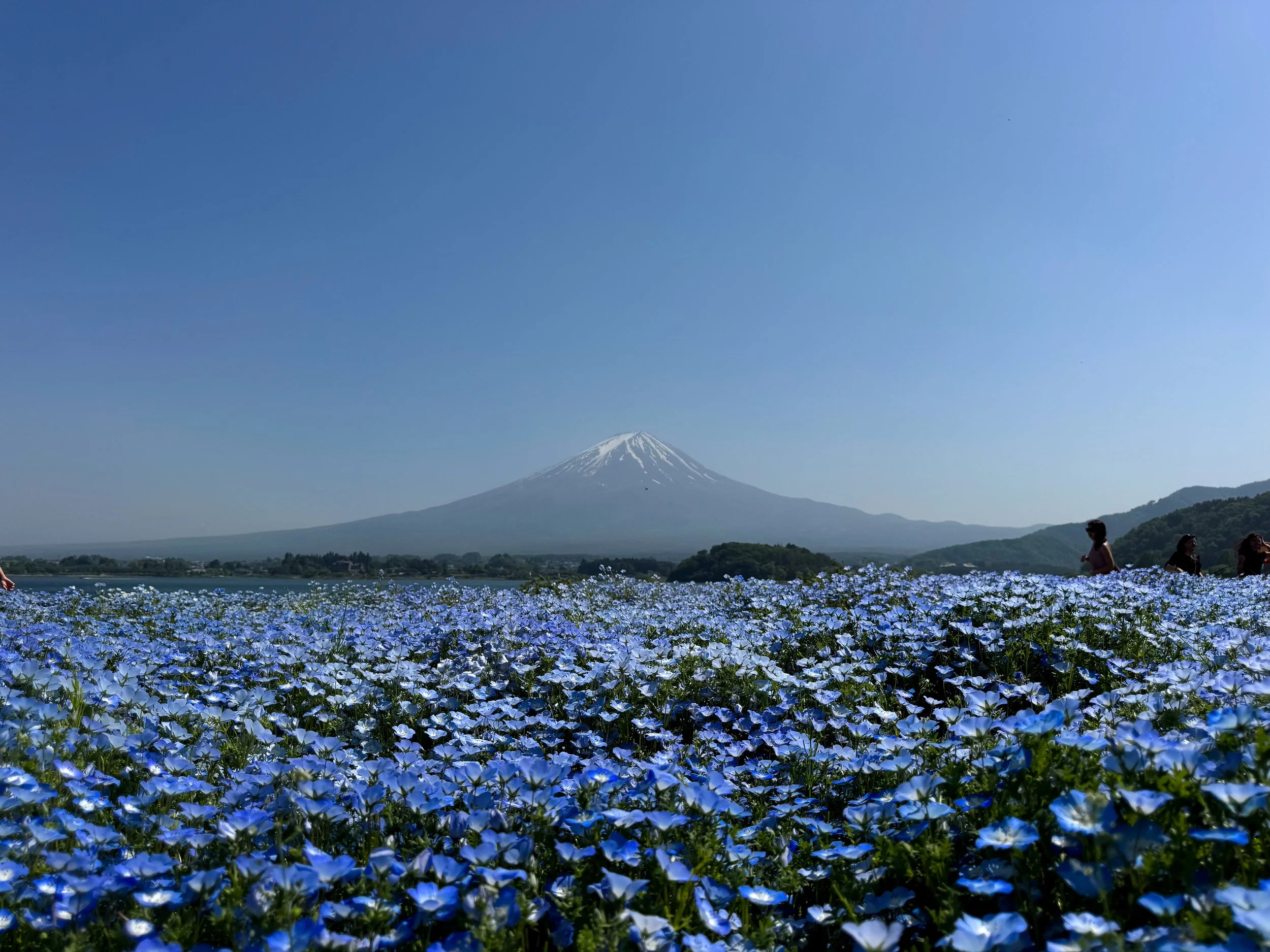
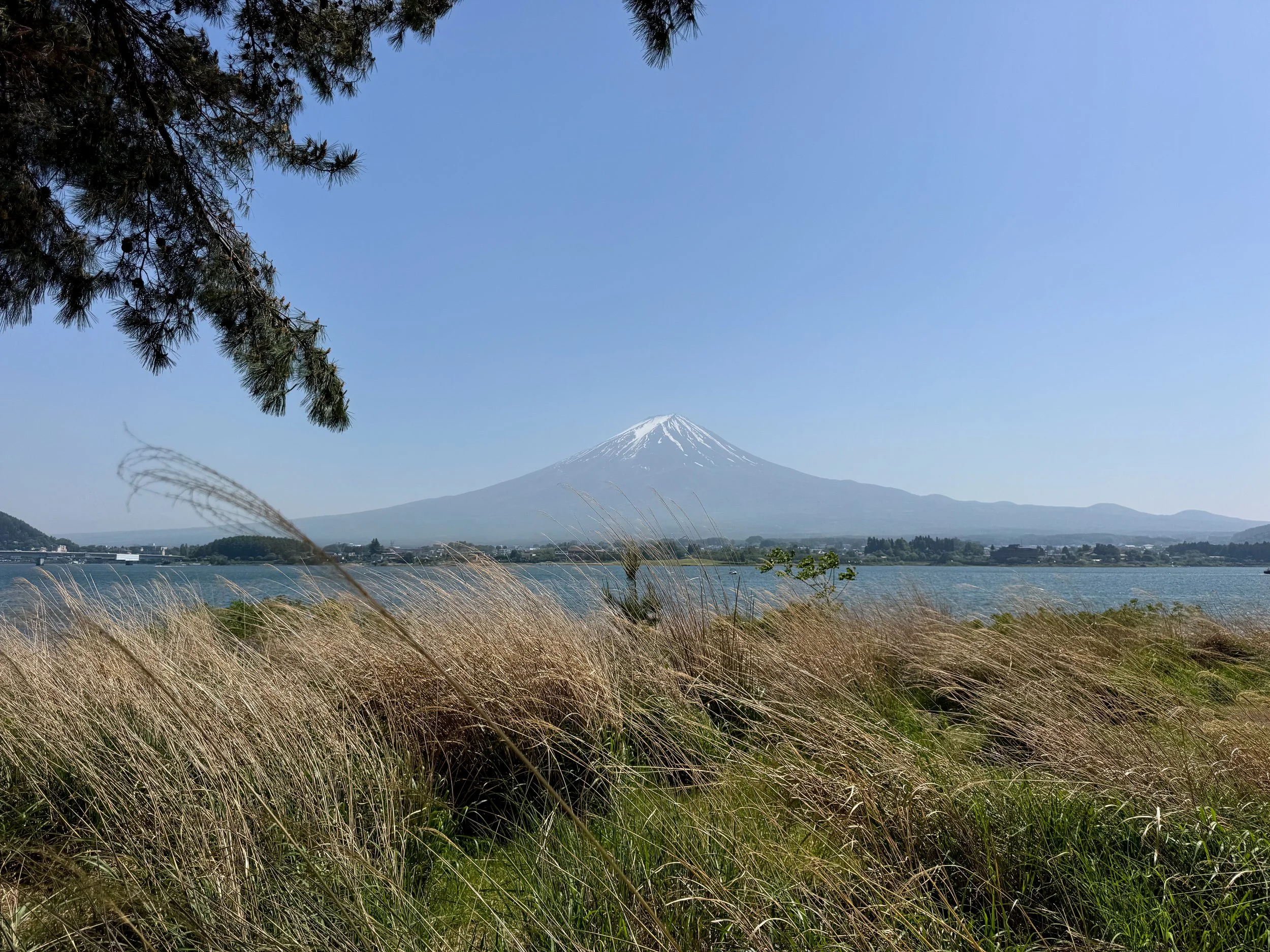
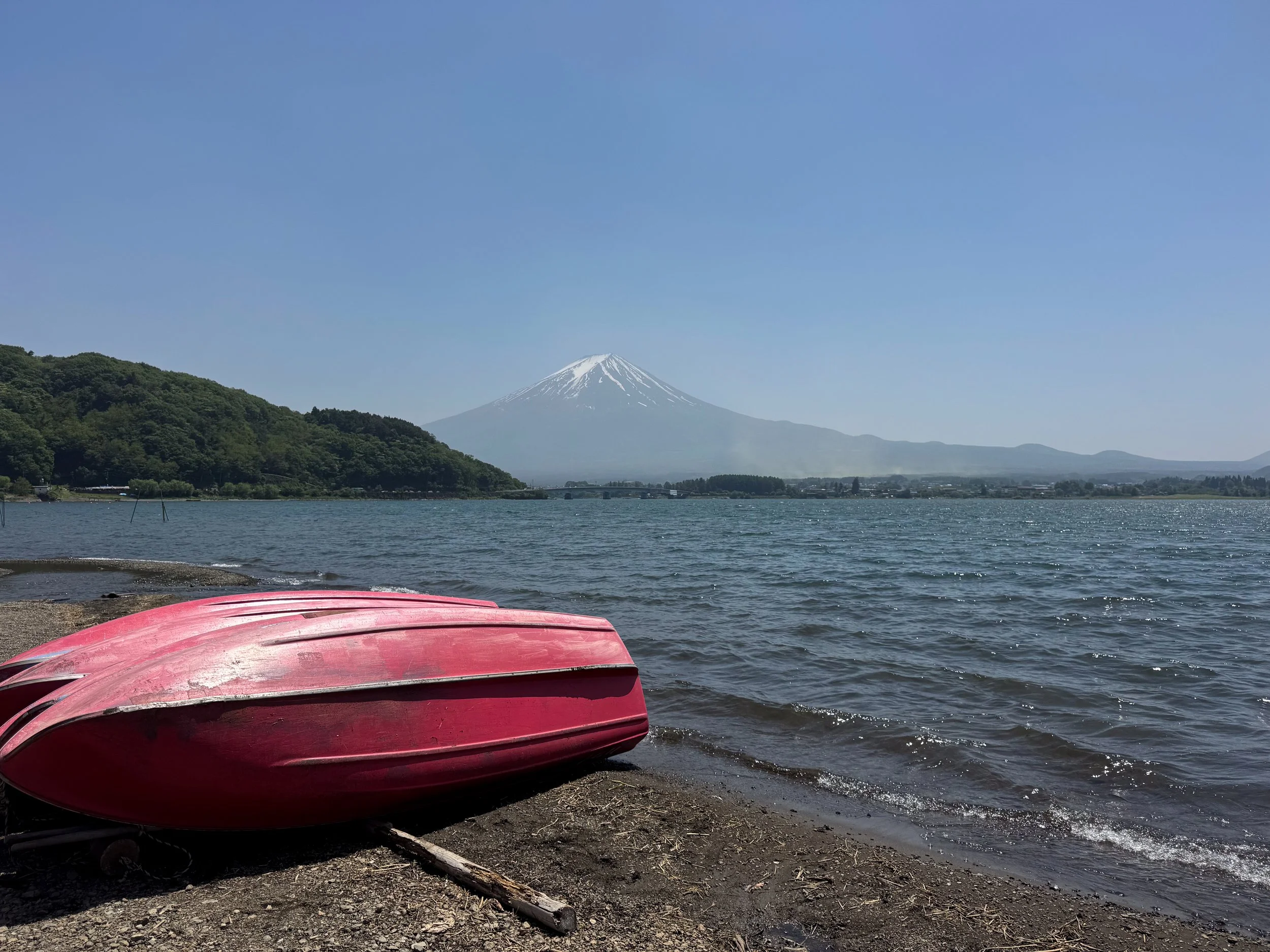
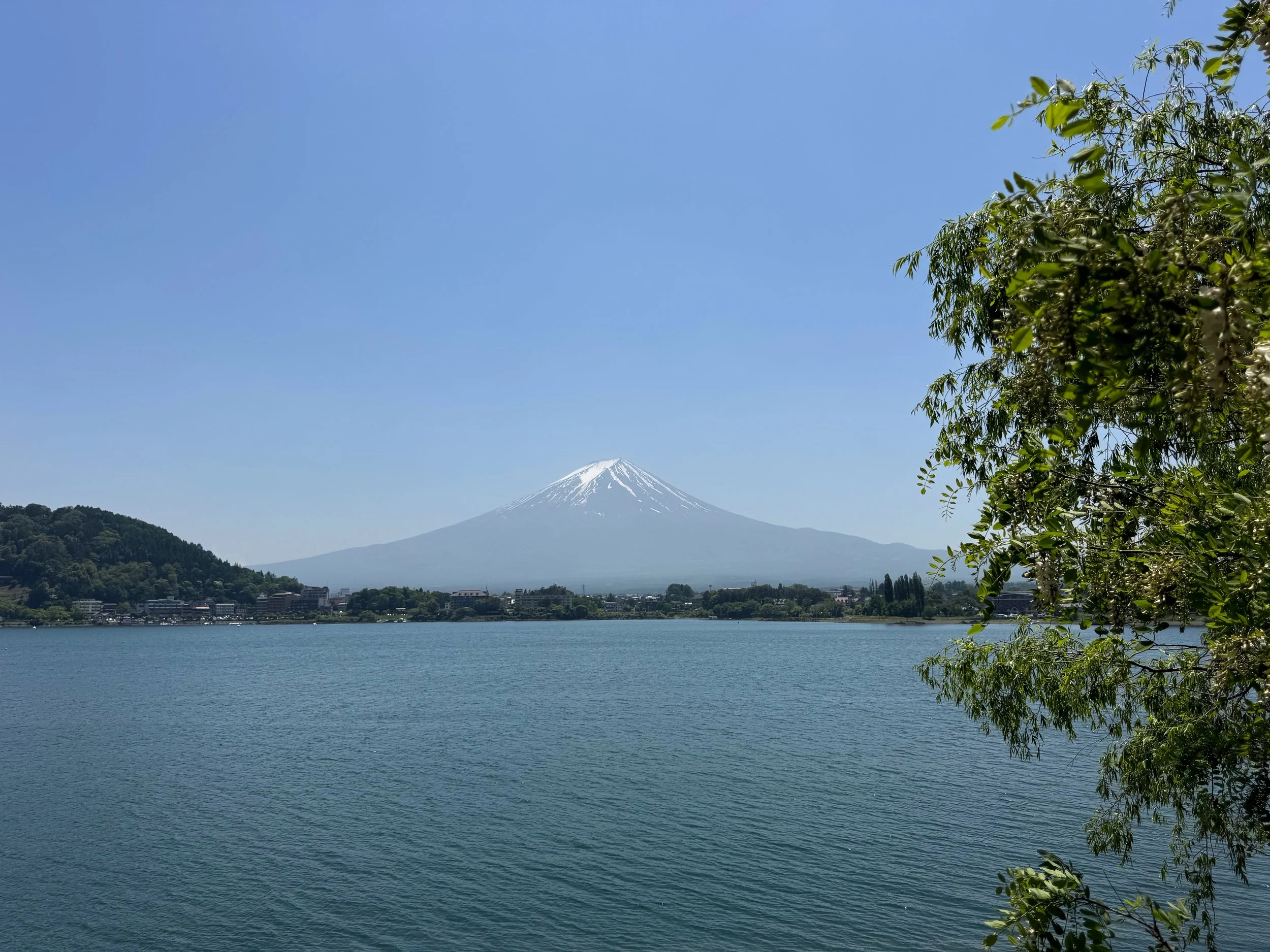
Mt. Fuji
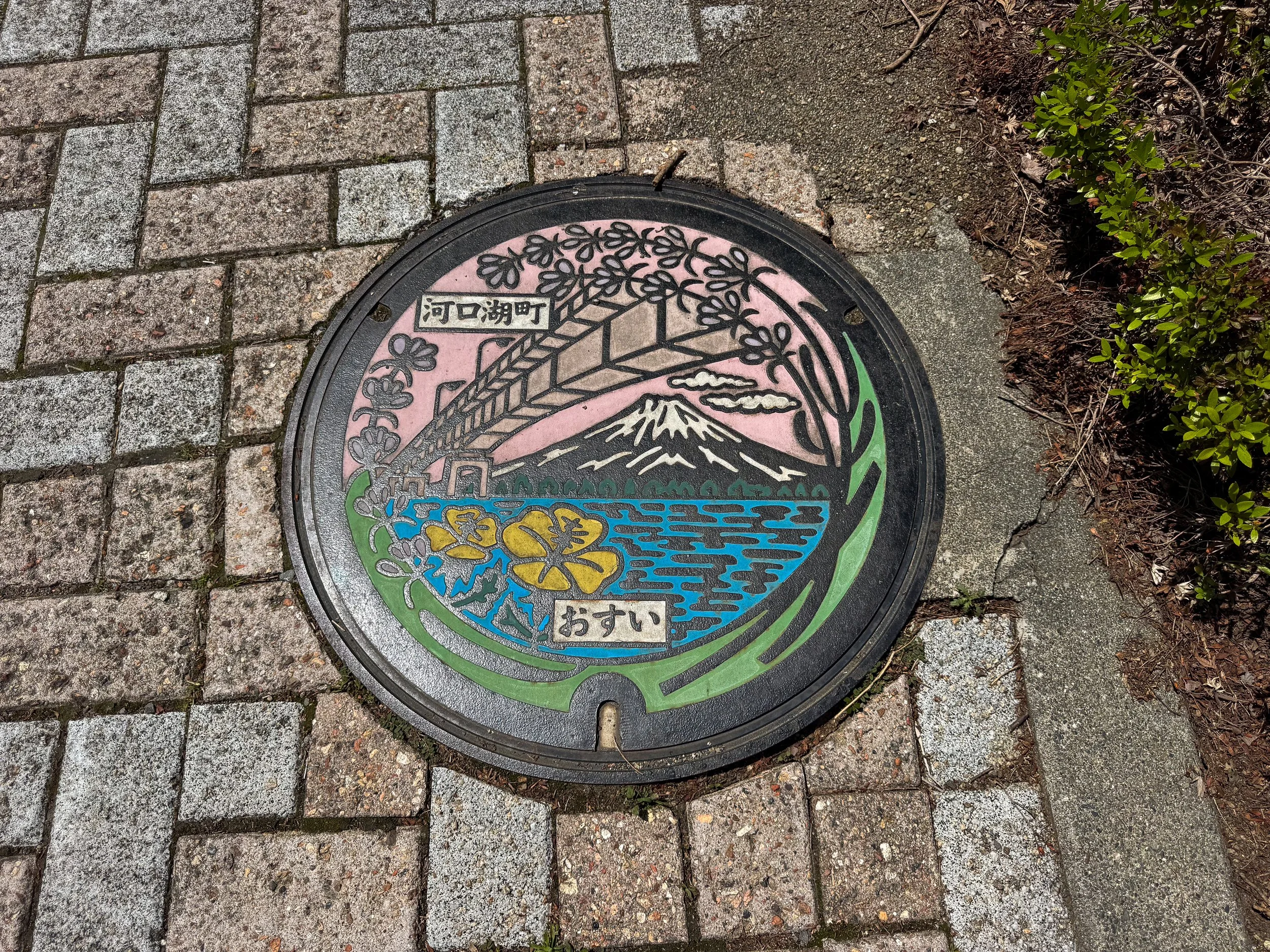
Mt. Fuji is Japan’s most iconic landmark and natural wonder. The volcano is revered for its conical shape, snow covered peak and near perfect symmetry. We viewed Mt. Fuji from different locations around the town of Fujiyoshida and Lake Kawaguchi. Its panoramic views and peaceful scenery made for a memorable day trip from Tokyo.
Lake Kawaguchi. A lake at the base of Mt. Fuji with a walking path around its perimeter, small beaches, public campgrounds and paddle boat rentals.
Ubuyagasaki Shrine. A small Shinto shrine with views of Mt. Fuji from across the lake. The best views are at the beach below the shrine.
Nagasaki Park. A lakefront park with tall grasses, a stone beach and picturesque views of Mt. Fuji. Many couples come here for wedding photos.
Oishi Park. A lakeside park famed for its seasonal flower blooms and views of Mt. Fuji. The Nemophila flowers were in full bloom during mid May. Their indigo color and fragrant scent added to the beauty of the landscape.
Café Green House. An ice cream stand with local and herbal flavors like lavender, vanilla, matcha and Azuki bean.
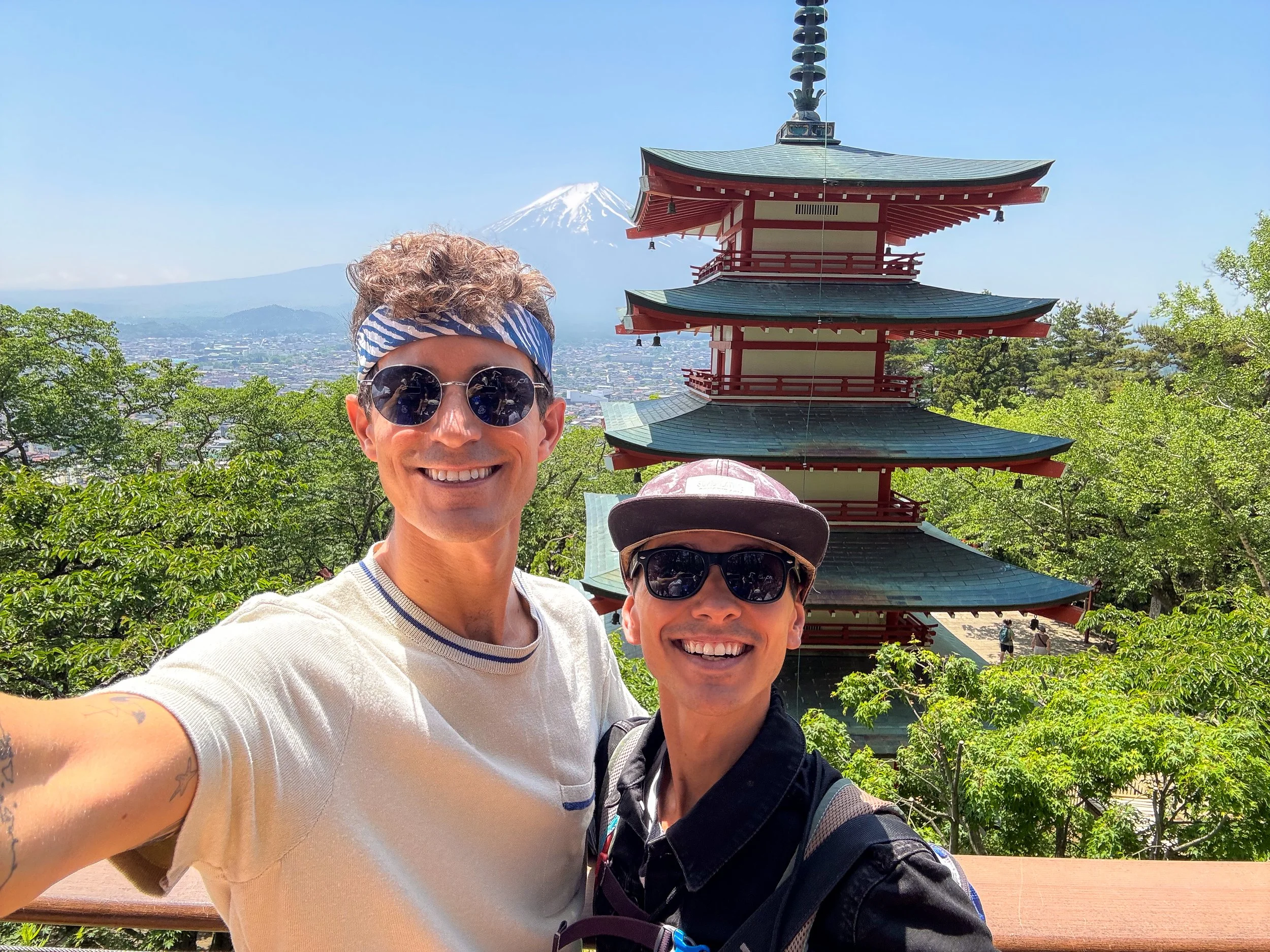
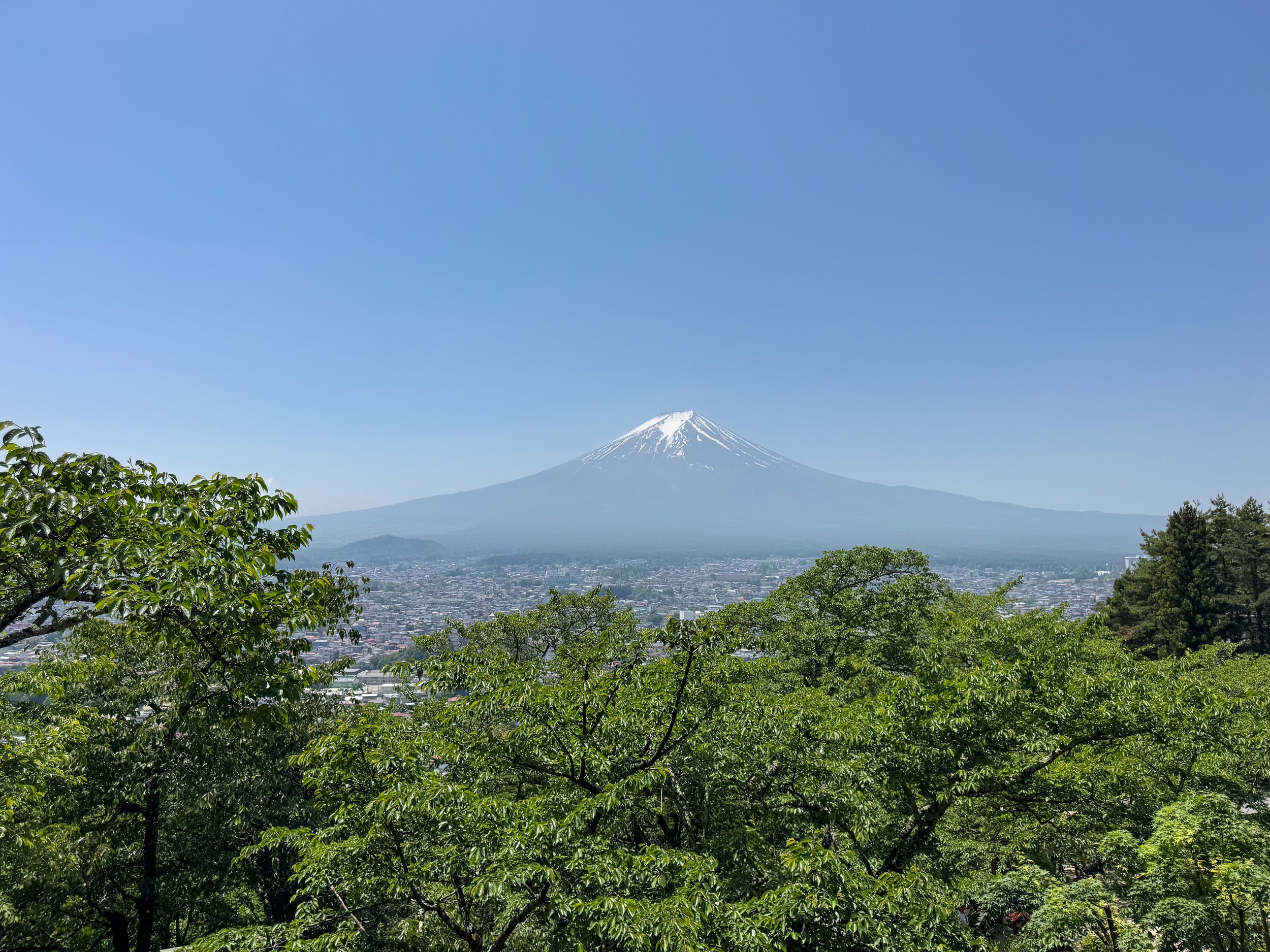
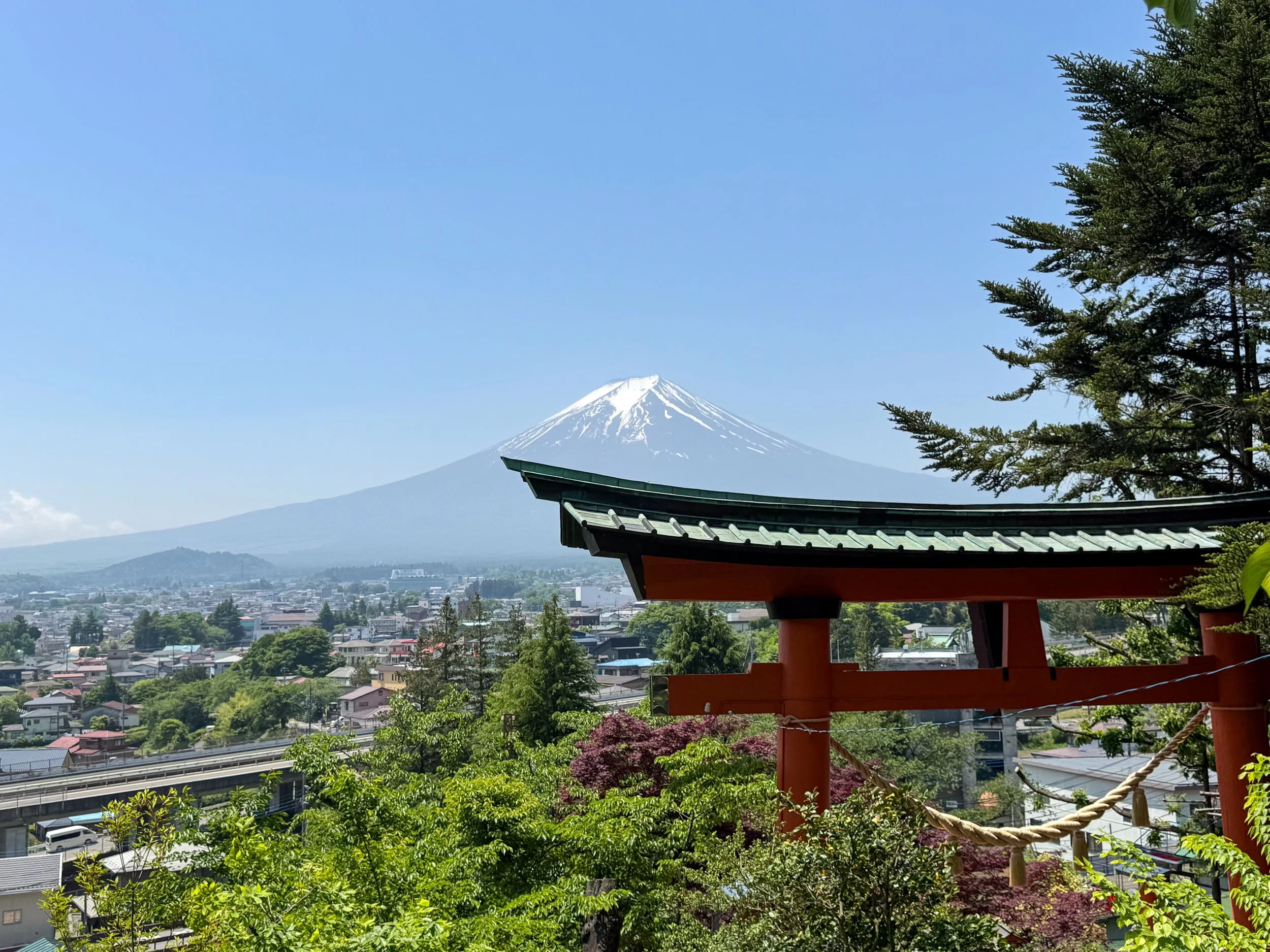
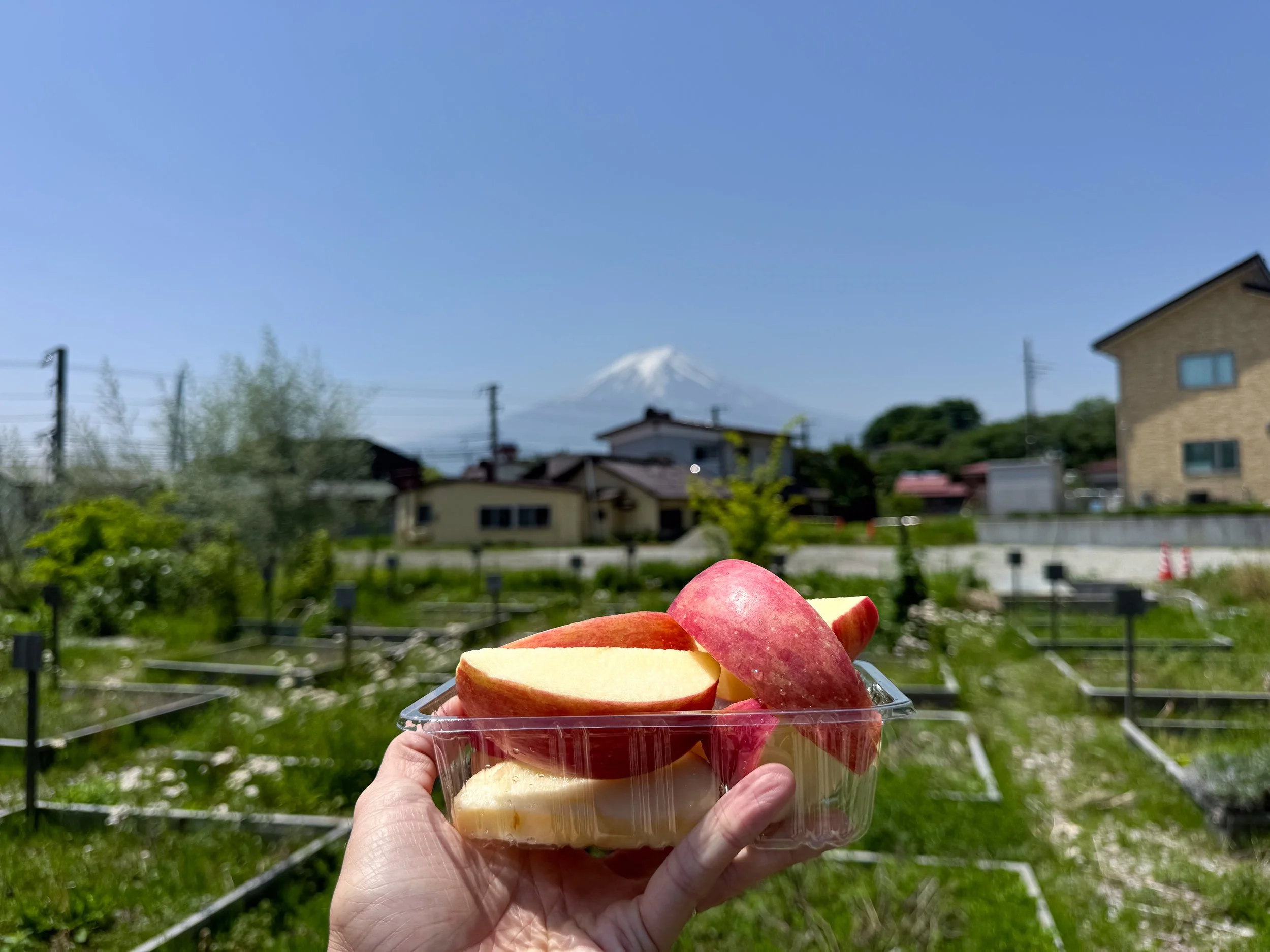
Fujiyoshida. A town at the foot hills of Mt. Fuji near Lake Kawaguchi. It’s one of the most popular places to visit for views of the volcano.
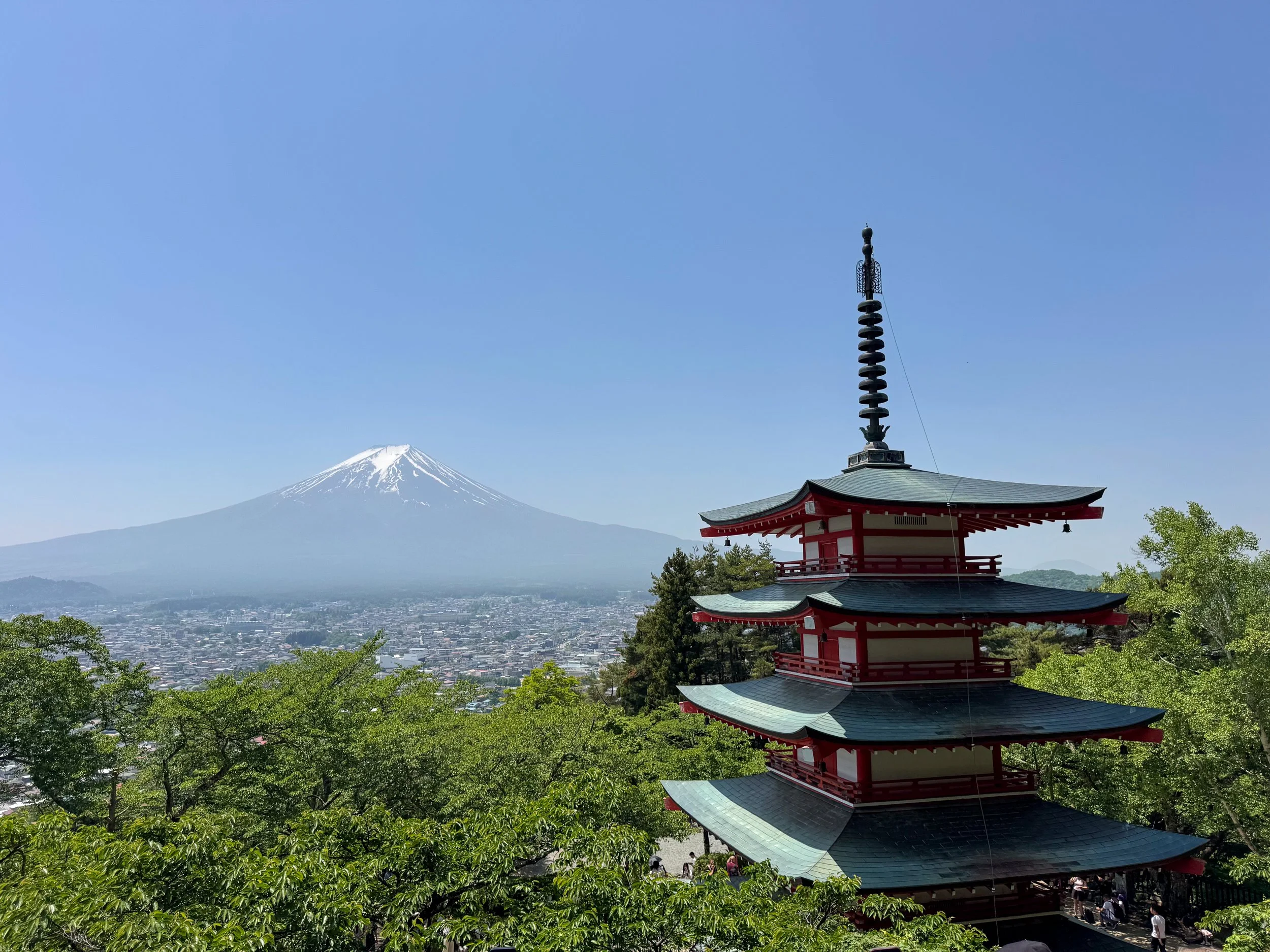
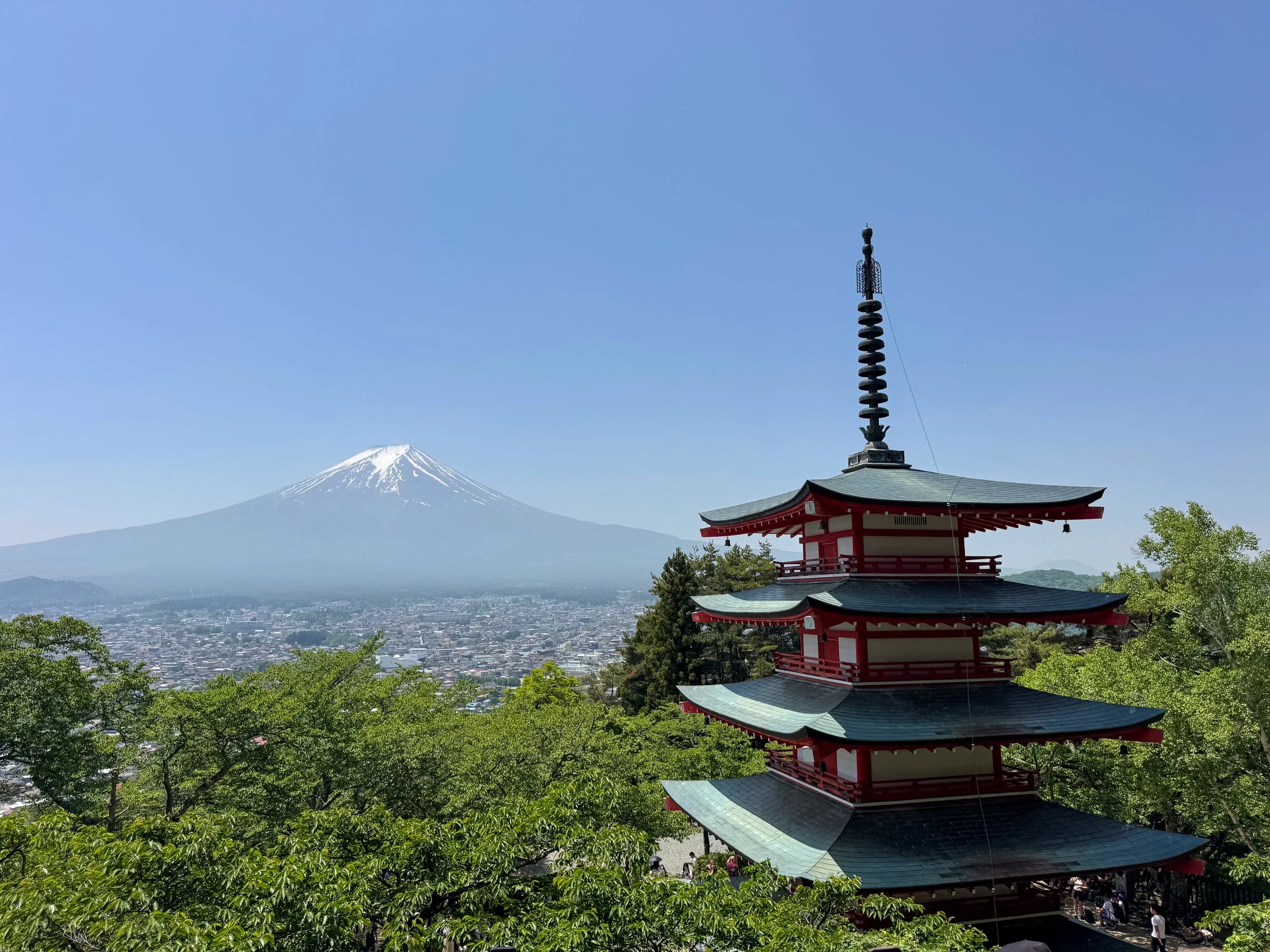
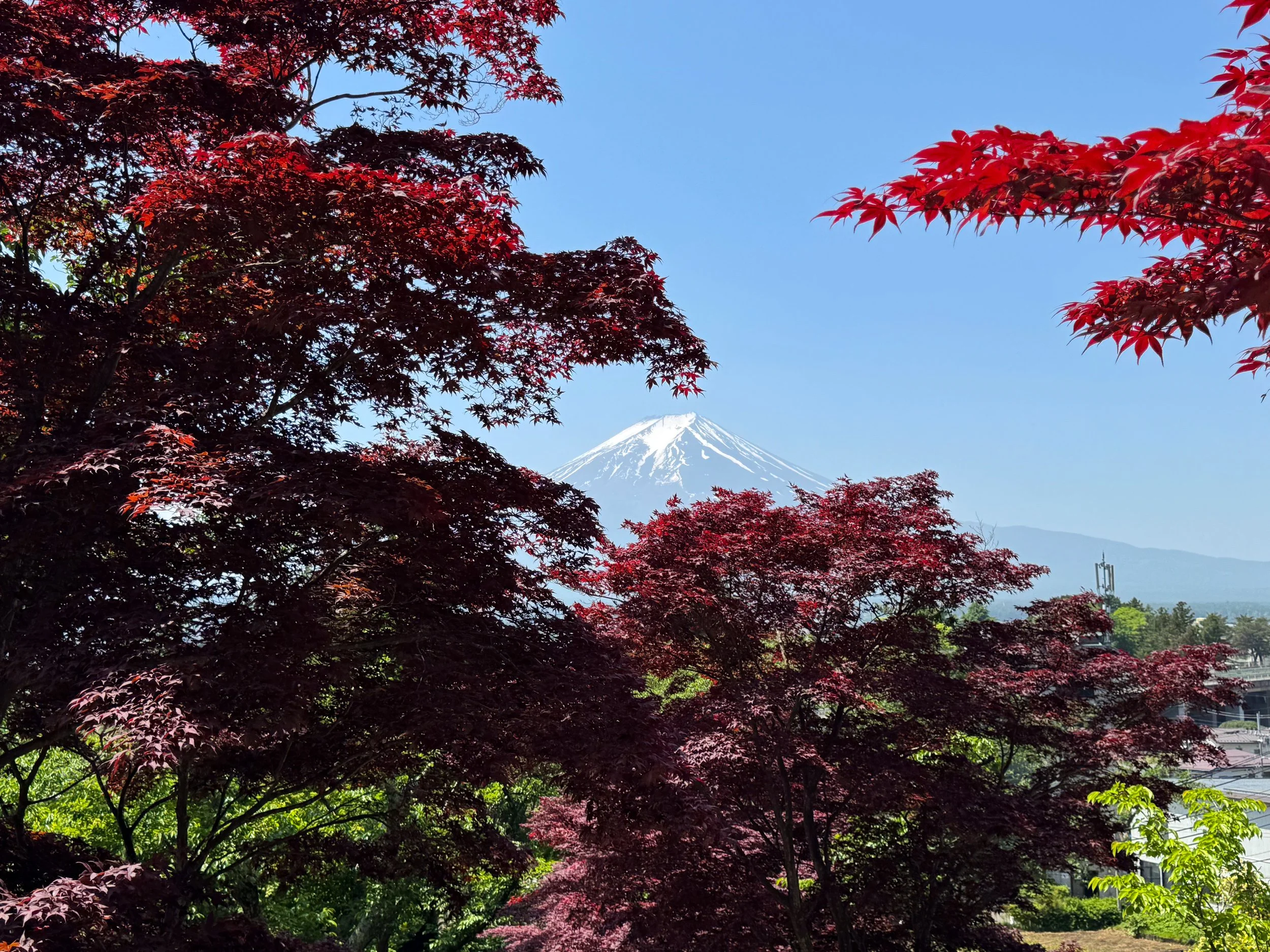
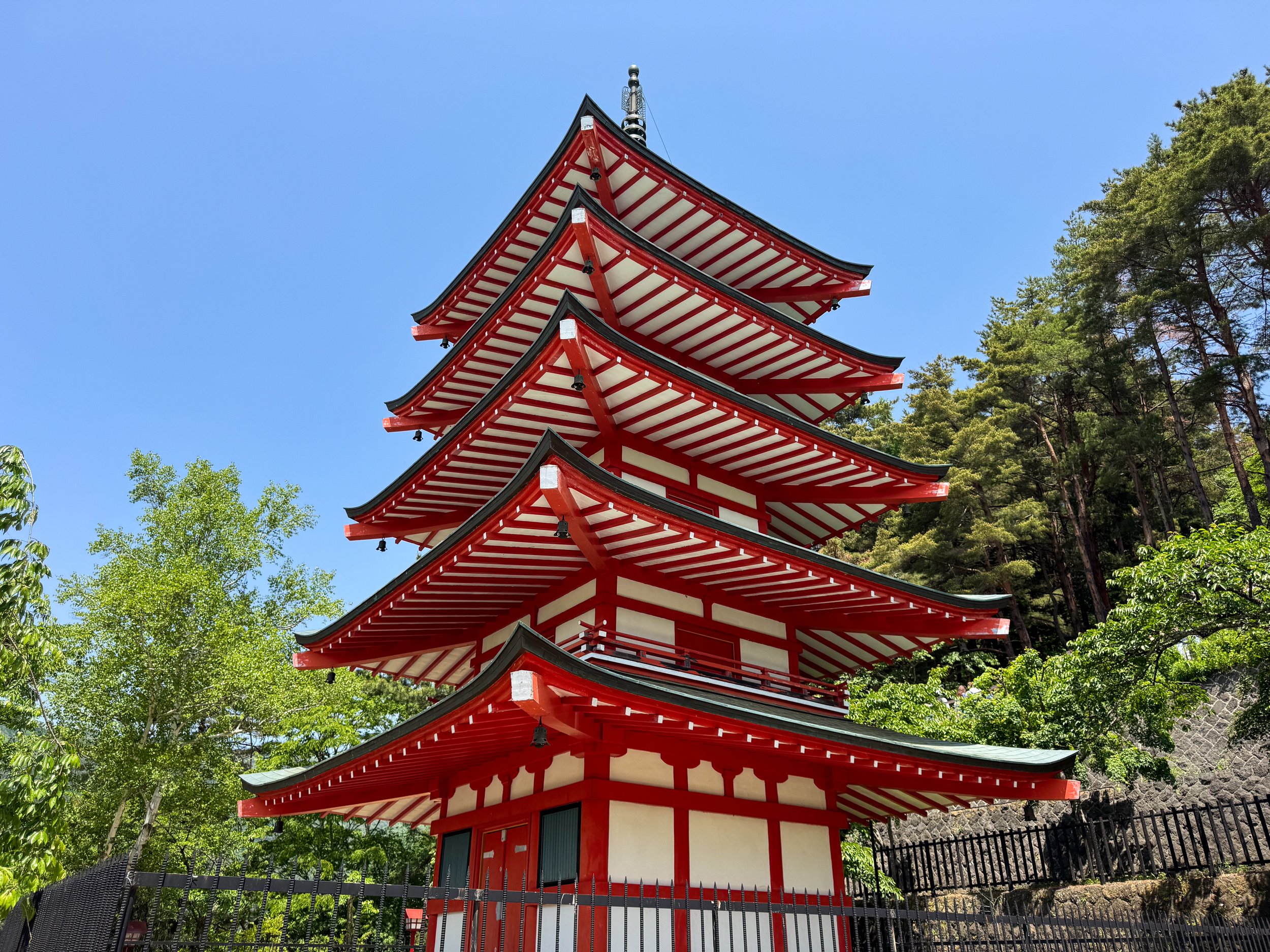
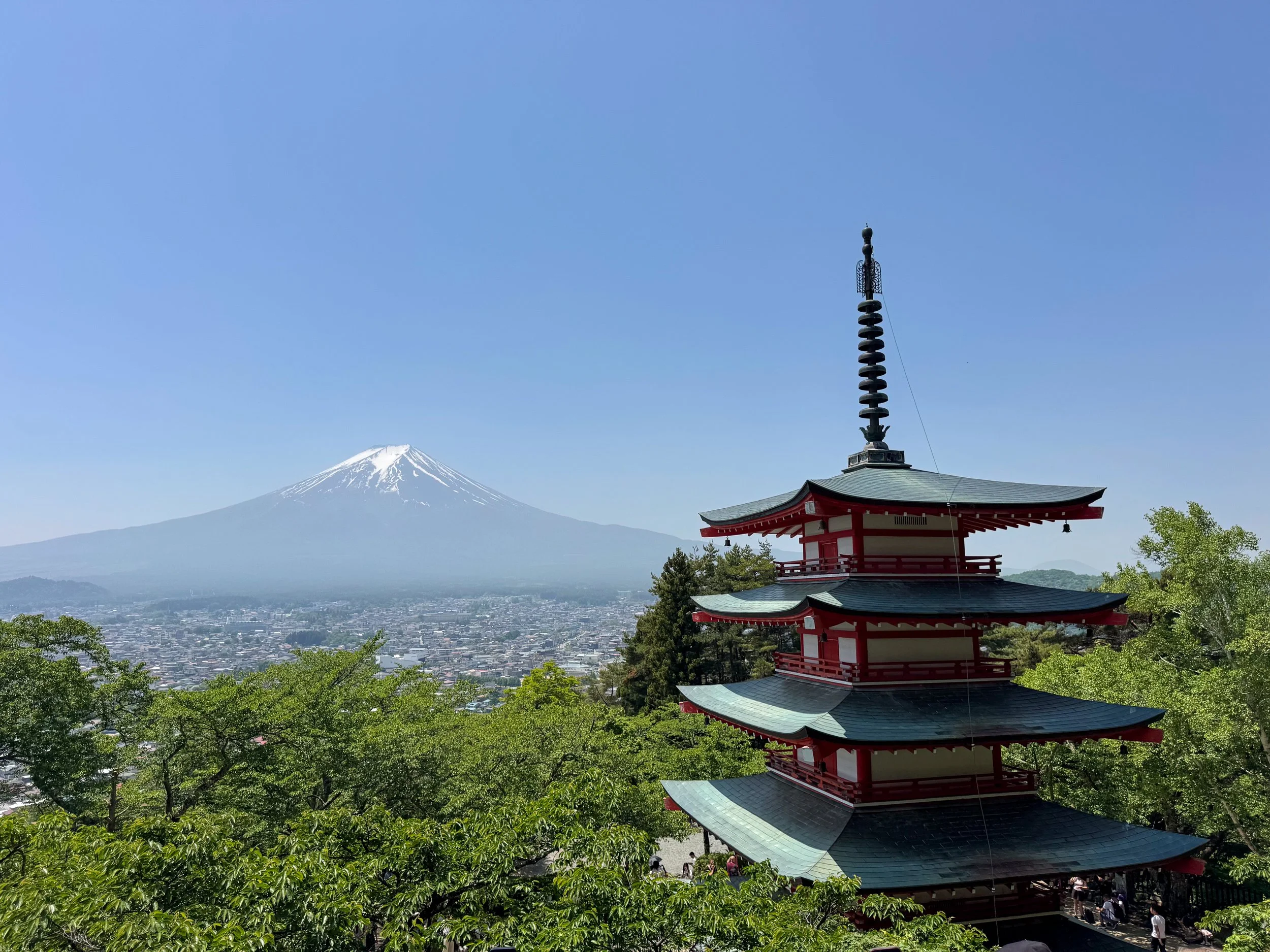
Chureito Pagoda. A 5 storied pagoda on a tree covered mountainside with picturesque views of Mt. Fuji. The walkway to the pagoda is marked by a red torii gate and lined with Japanese maples. It’s one of the most photogenic locations in Japan and attracts a crowd.
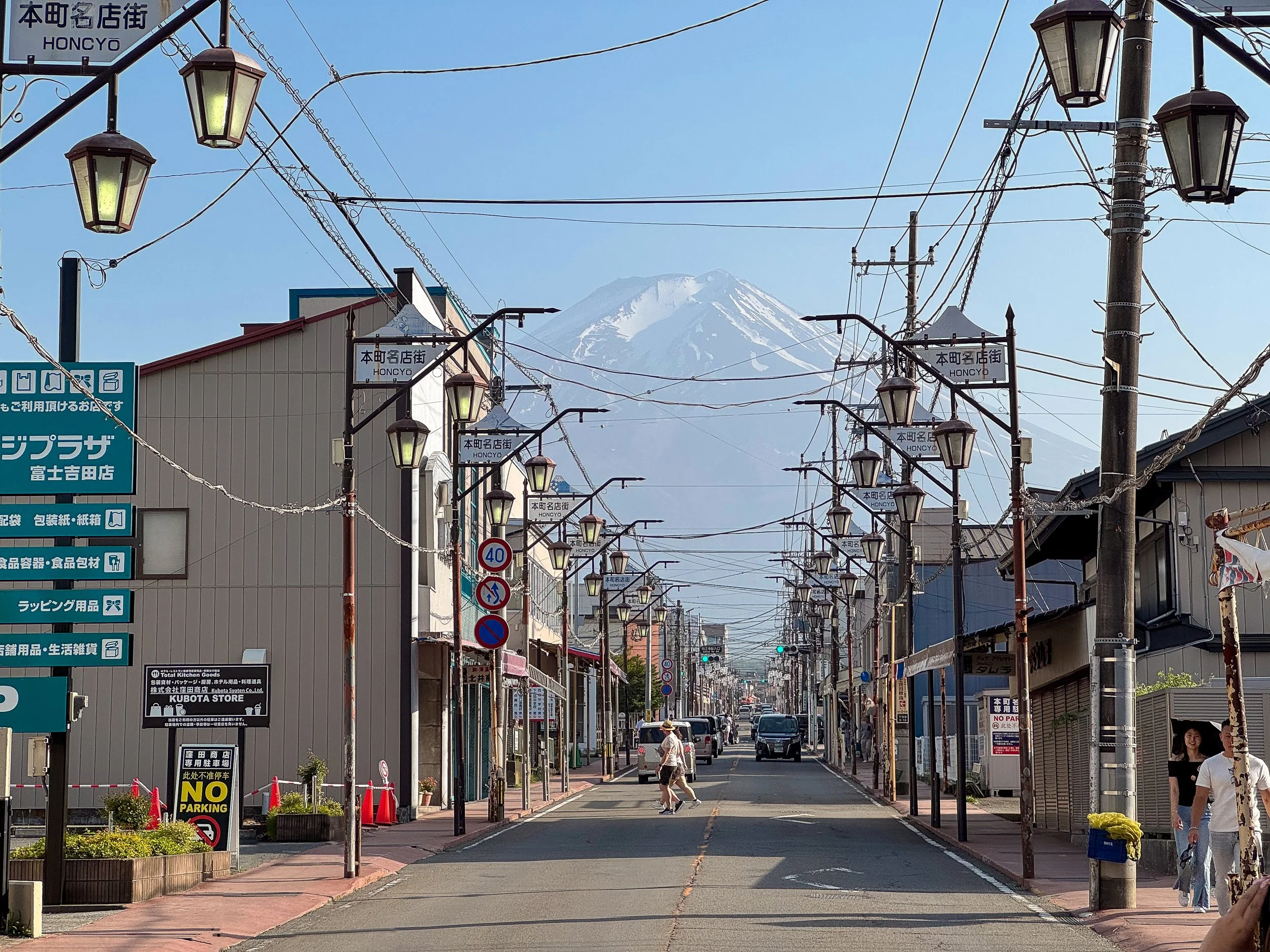
Honcho Street. A hilly street in Fujiyoshida lined with retro Japanese architecture, framing views of Mt. Fuji at its end. Be extremely cautious when taking photos from the street.
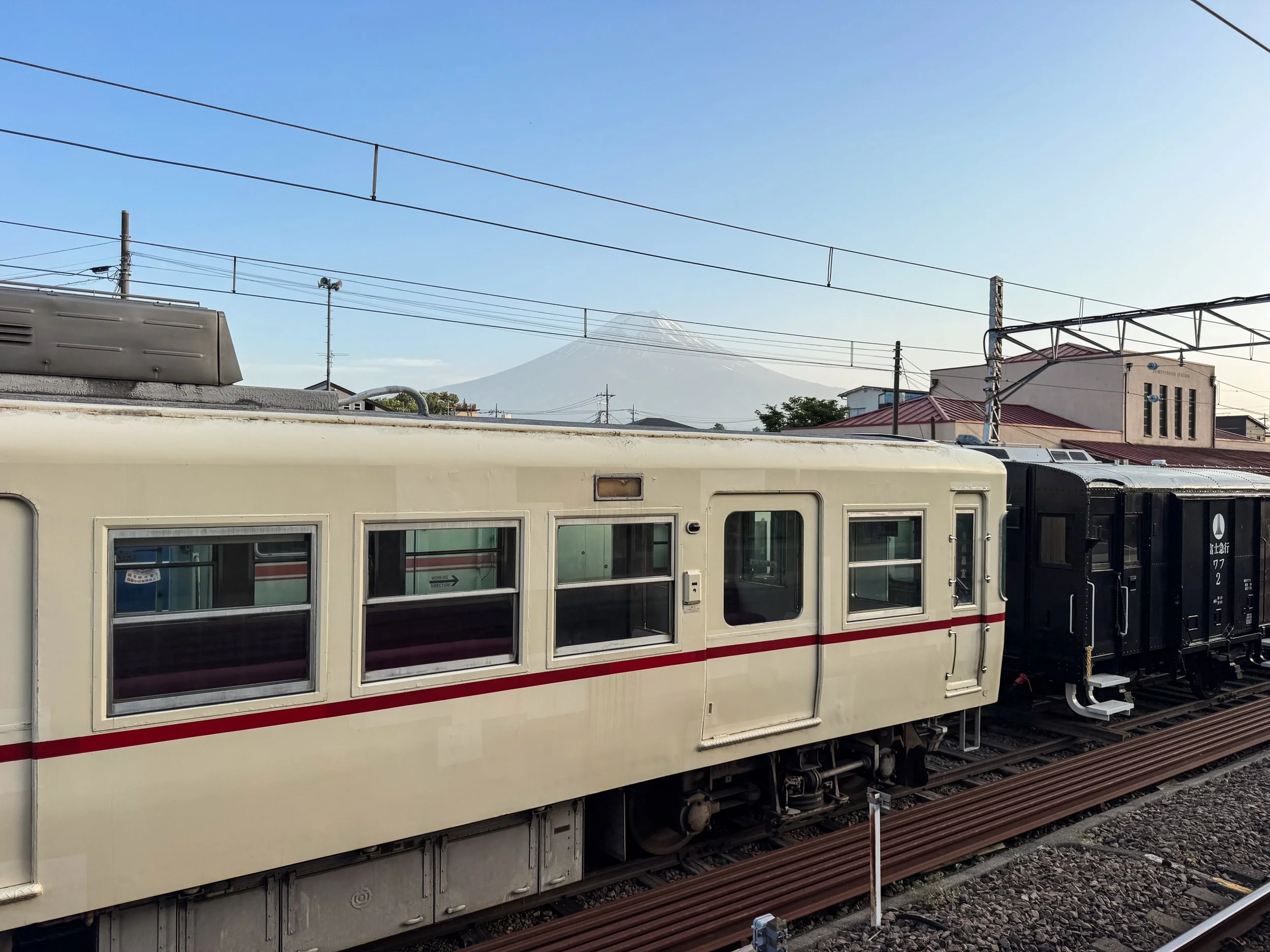
Shimoyoshida Station. The main train station in Fujiyoshida. Vintage train cars are displayed on old tracks with views of Mt. Fuji in the background. Chureito Pagoda is only a brief walk away. Taxis are available from here to get around the city and lake.
Fuji Apples. There are vendors selling crispy Fuji Apples between Shimoyoshida Station and Chureito Pagoda. Snack on one while enjoying the views of Mt. Fuji.
Pro Tip. Plan ahead and go on a sunny day.
Getting Here. Buy roundtrip train or bus tickets 1-2 days in advance. Take a train from Shinjuku Station to Otsuki Station. Transfer to the Fujikyuko Line to Shimoyoshida Station. The last trains leave for Tokyo by 6pm. If planning to stay for the sunset, it’s best to stay overnight.
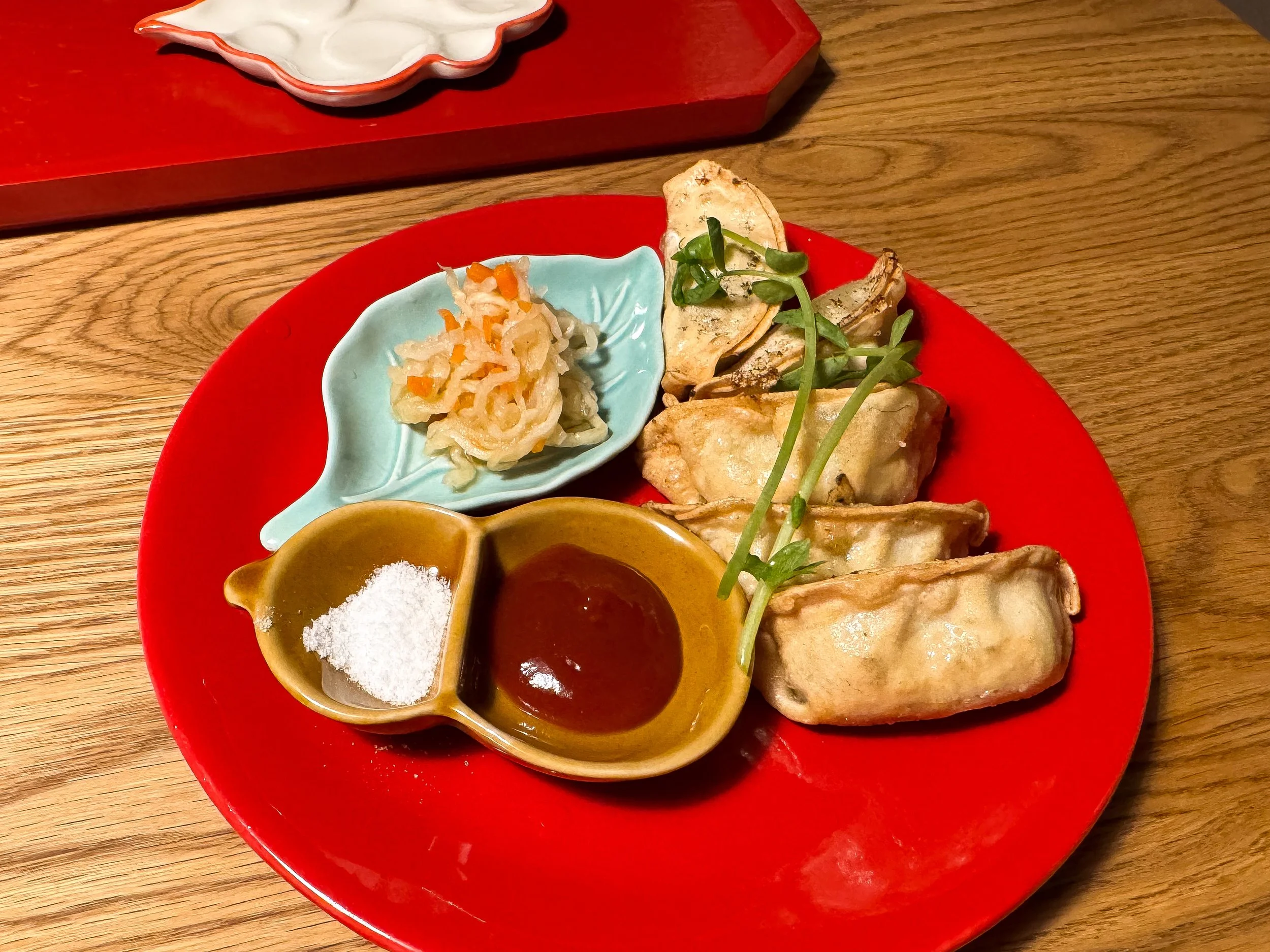
Japanese Cuisine
Japan is world renowned for its cuisine, flavors and culinary presentation.
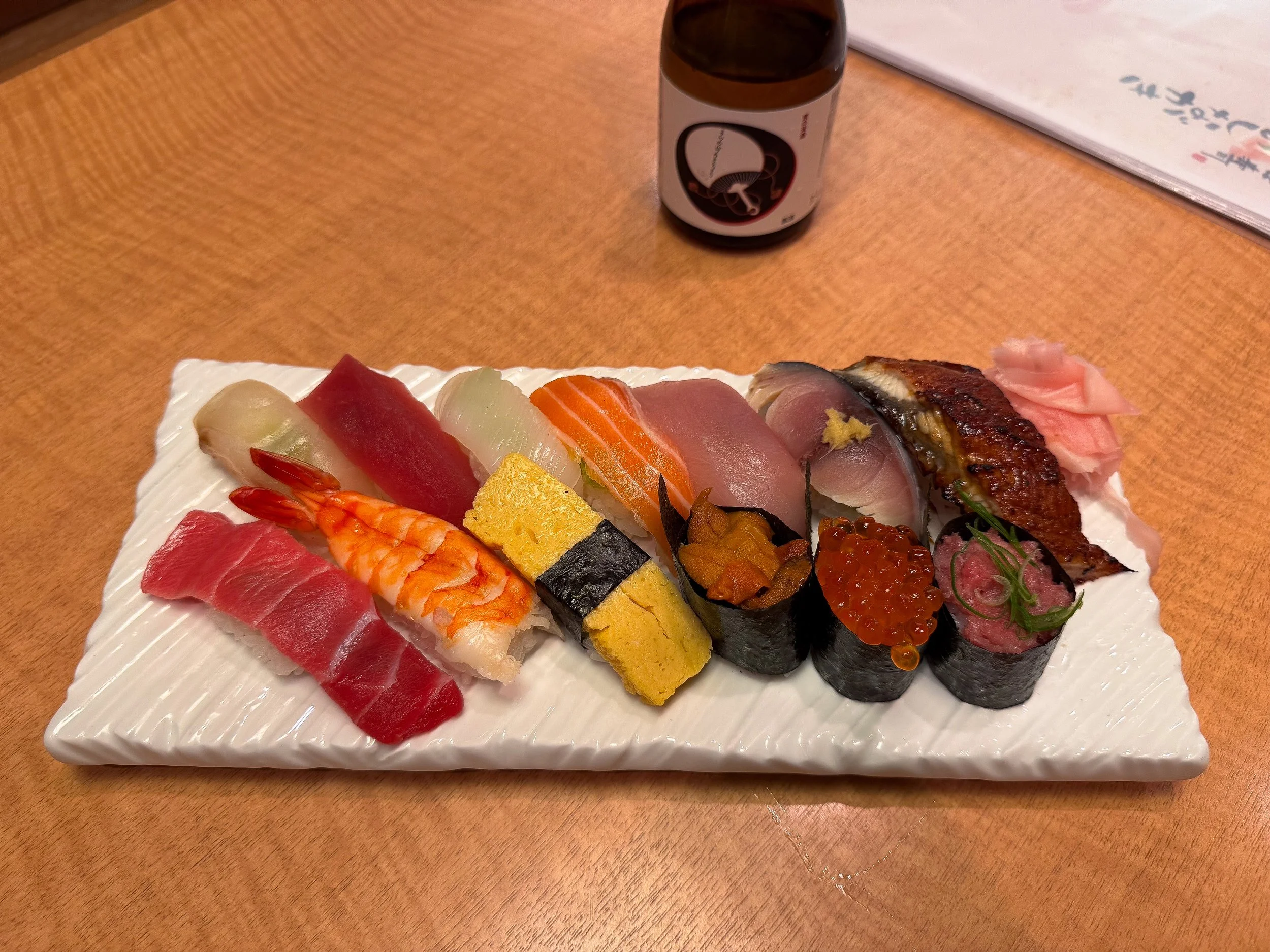
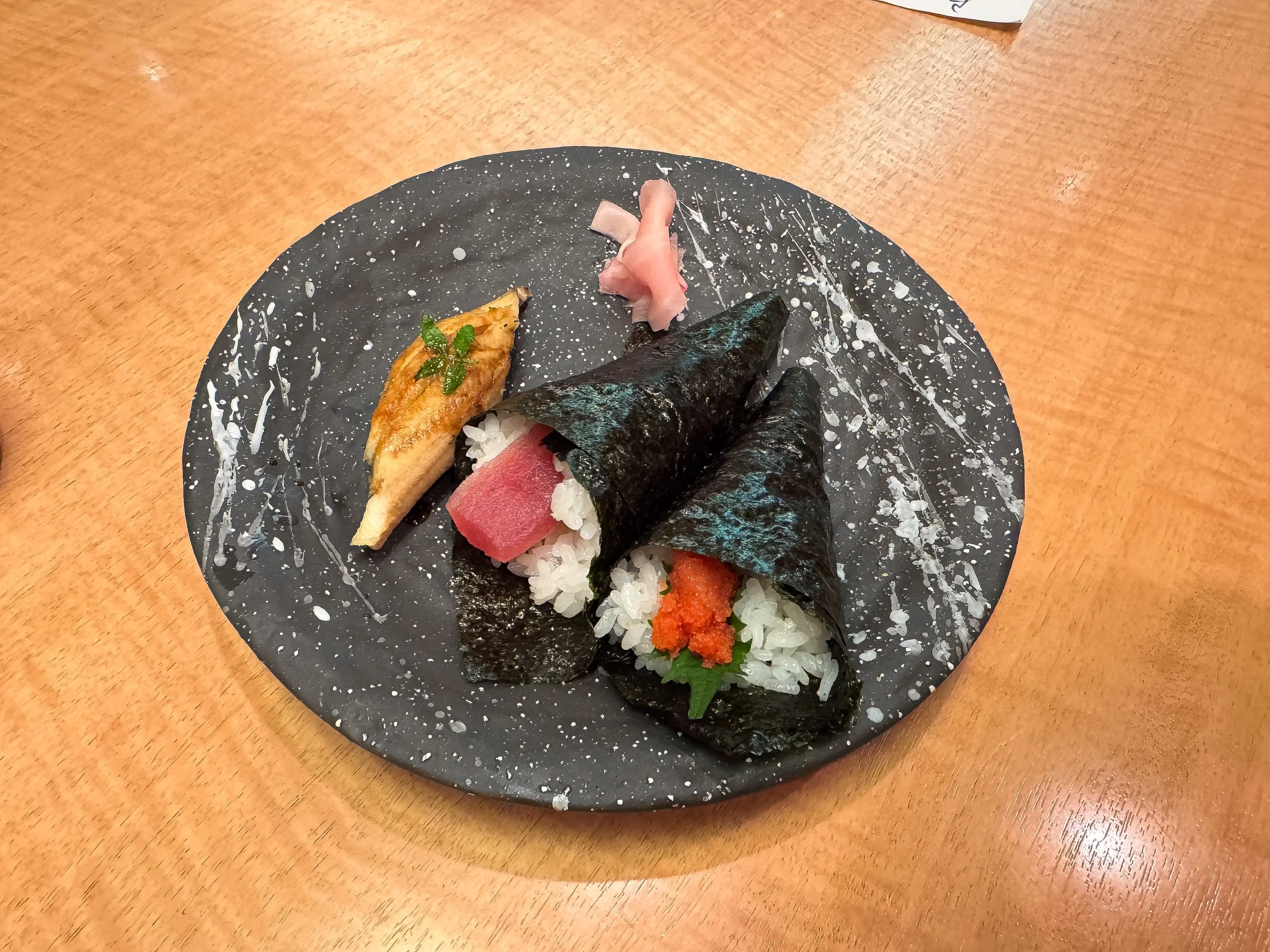
Sushi. Raw seafood wrapped elegantly in seaweed and sticky rice, often with vegetables. It’s typically rolled up, sliced and garnished with sauces.
Sashimi. Bite-sized pieces of sliced raw seafood. This is the most common.
Nigiri. Bite-sized pieces of raw seafood covering a nugget of sticky rice.
Tako Tamago. A baby octopus stuffed with a boiled quail egg and dipped in a sweet soy sauce. It’s served on a stick and a common snack at street food markets.
Dashi Makitamago. Japanese rolled omelette made with dashi and scallions.
Kansai Unagi. A filet of grilled eel layered over rice and wrapped in seaweed.
Katsu. Breaded and fried pieces of vegetables, seafood or meat. It’s a popular snack at restaurants and bars across Kyoto.
Tempura. Battered and deep fried vegetables like green beans, taro root, sweet potato and daikon radish.
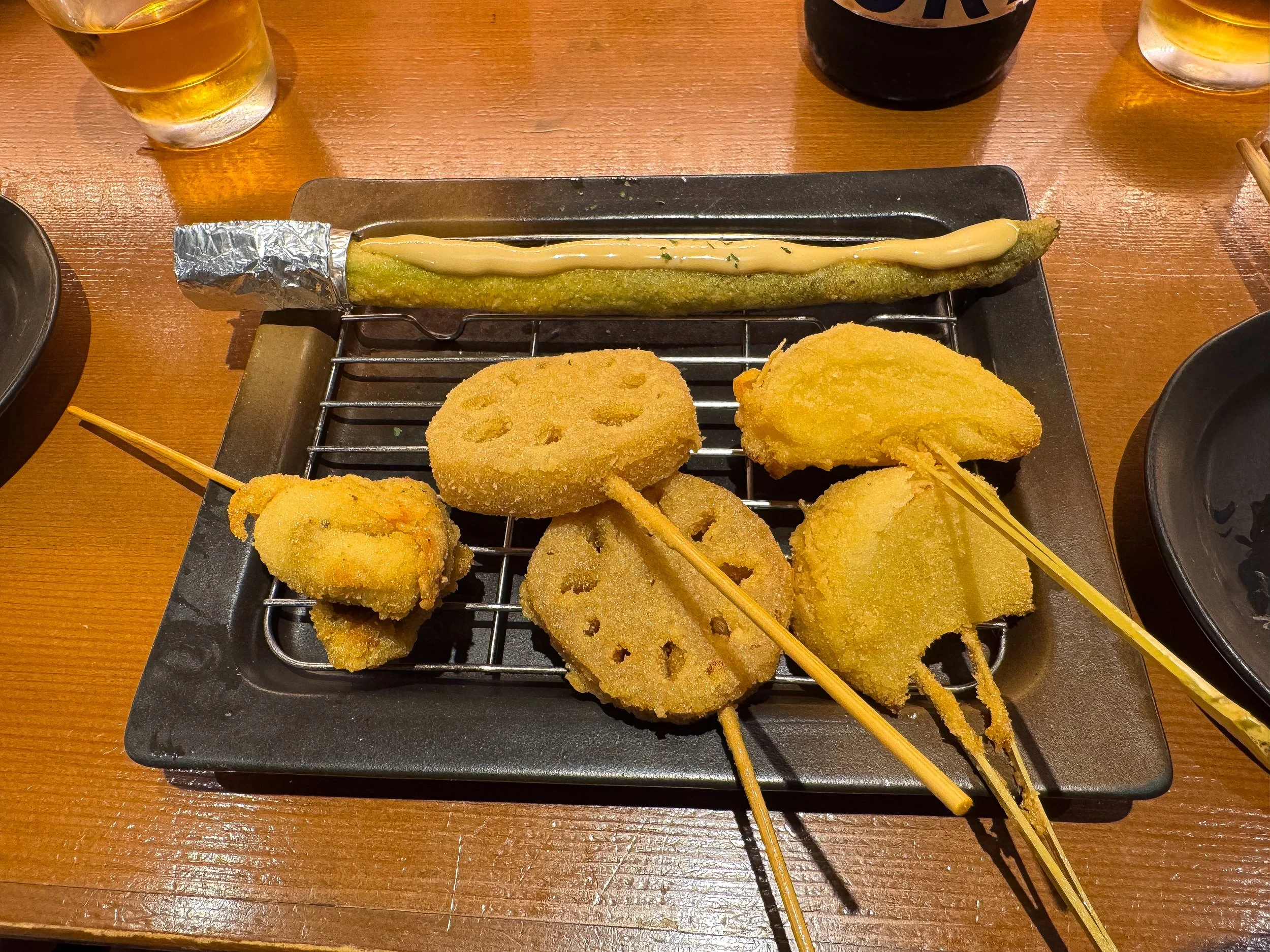
Kushikatsu. Deep-fried skewers of meat or vegetables.
Fish Cakes. Patties of ground fish often served fried until golden. Some places will mix them with vegetables, meats or other types of fish.
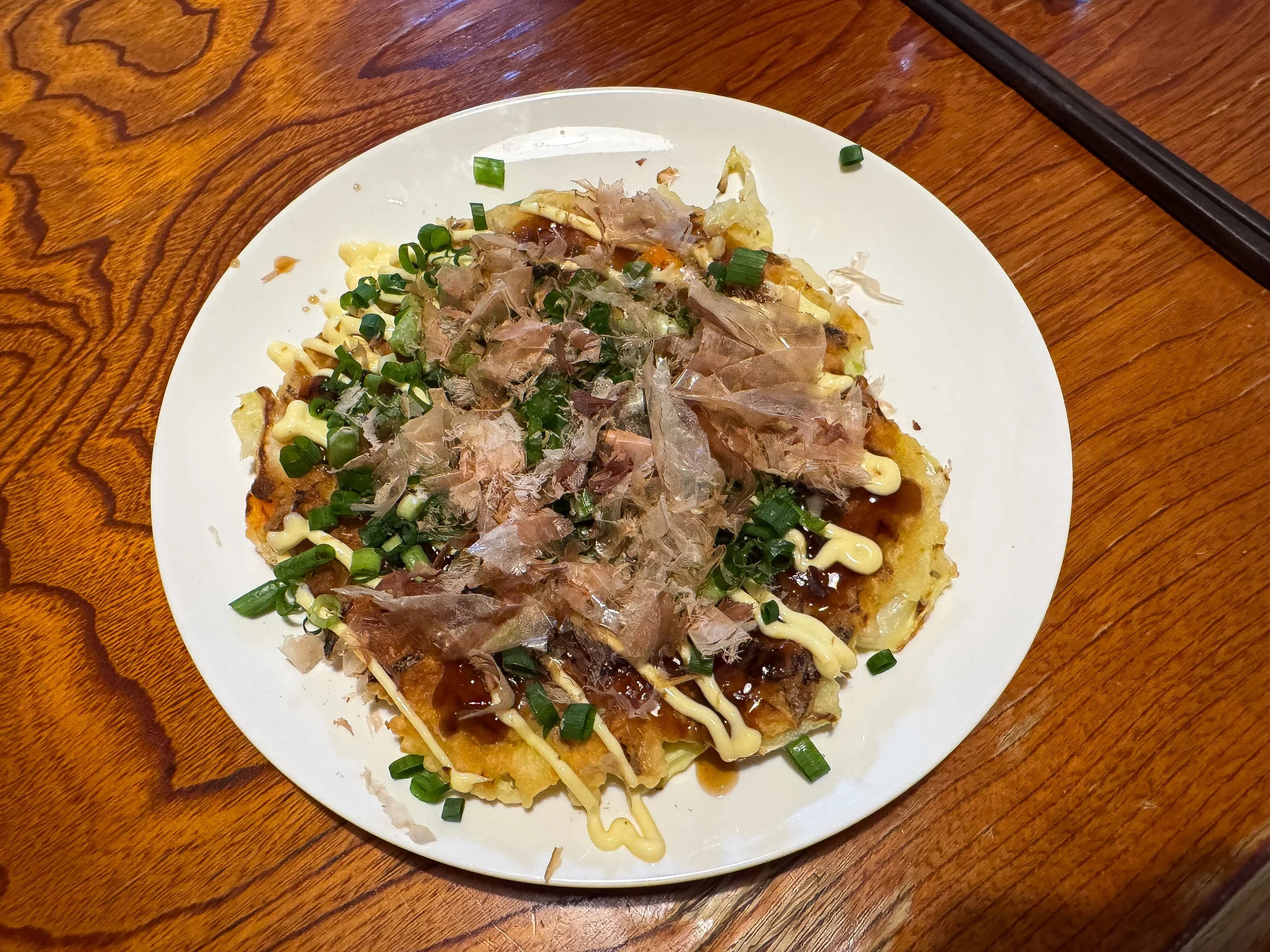
Okonomiyaki. Japanese “pancakes” filled with shredded cabbage, green onions and vegetables.
Onigiri. A triangular packet of rice wrapped in seaweed and stuffed with various types of vegetables or proteins.
Tamago Rice. Sticky rice seasoned with tamago, a mixture of seaweed, dried fish, sesame, sugar and salt.
Shime Saba. Cured mackerel over sticky rice.
Agedashi Tofu. Crispy fried tofu served in a pool of dashi broth and topped with scallions.
Yudofu Tofu. Silken tofu simmered in a dashi broth.
Miso Soup. A Japanese soup made with dashi broth, seaweed and tofu. It’s a common breakfast dish.
Bento Box. A packaged meal consisting of compartmentalized side dishes like sticky rice, pickled vegetables, rolled eggs, cured fish and seaweed salad. It’s a popular way to eat lunch.
Japanese Breakfast. A bowl of miso soup, grilled fish, white rice and a raw egg.
Sake. A popular Japanese wine made from fermented rice. It often has a light and floral flavor, pairing well with sushi, sashimi and nigiri.
Suntory Draft. An inexpensive brand of Japanese beer served across the country.
Getting Around
Tokyo’s transit system is the most complex in the world. Getting around can be challenging at times, especially for first timers. The city is covered in many different train lines run by different transit companies.
Tokyo Transit Tips:
Know your train line, the direction you’re traveling, the line symbol and station number to get off at.
Buy single use tickets instead of transit cards. It takes longer but helps when taking different lines.
Fares are based on distance with most tickets costing between 180 to 430 yen.
Avoid rush hours from 7:30-9:30am and 5-8pm.
Convenient Lines:
JR Yamanote Line. A train line that connects the city’s main neighborhoods along a loop. It’s the most used when sightseeing.
JR Narita Express (NEX). A direct train between Tokyo’s main train stations and Narita airport. Takes 1 hour and costs ¥5,000 ($34 USD). Avoid airport taxis; they take just as long and cost around $200 USD.
Location Specifics
Credit vs Cash. Japan is generally a cash leaning country. Credit cards are accepted at some businesses but it’s safe to expect needing to pay in cash.
Otoshi (Covers). Many restaurants, izakayas and bars will charge a cover when dining in. They often include a small snack or house appetizer.
Tipping. It is not necessary to tip at most businesses. Bills will often include a 10% service charge.
No Shoes Indoors. Japan is the strictest country we’ve visited when it comes to wearing shoes indoors. At most restaurants and accommodations, shoes must be left at the door before entering.
Practice Silence. Silence is highly valued in Japanese culture, especially when walking on the streets or riding public transportation.
Body Language. Pointing with fingers and crossing arms is considered rude. Use both hands when giving or receiving anything like cash, credit cards, receipts or tickets. A slight head bow is considered respectful when greeting someone or saying goodbye.
Avoid Anti Foreigner Izakayas. Some Izakayas refuse to serve foreign customers. Hosts or owners will say they’re closed or sold out then proceed to seat Japanese speaking customers. When this happens, it’s best to brush it off and find somewhere else to dine.
Follow Street Etiquette. Don’t eat or drink while walking. It’s considered bad manners. Walk on the left side of the sidewalk. Follow the direction of Japanese people, not other tourists. Don’t walk on the escalators.
Make Reservations. Most restaurants and bars only have about ten seats. It’s near impossible to dine or drink anywhere without a reservation.
Language
Knowing a few words and phrases in Japanese goes a long way when interacting with locals.
Hello. Kon'nichiwa (Kon-Knee-Che-Wa)
Good Morning. Ohayōgozaimas (Oh-Hi-O-Go-Sigh-Mas)
Thank You. Arigatōgozaimas (Are-E-Got-Toe-Go-Sigh-Mas)
You’re Welcome. Dōitashimashite (Doe-Tie-She-Mash-Two)
I Would Like. O onegaishimasu (O-Own-E-Guy-She-Mas-Sue)
Yes. Hai (Hi)
No. Īe (E-Yea)
Elsewhere in Japan
From Tokyo's vibrant districts and modern cityscapes to Kyoto's historic temples, Osaka's food culture and Okinawa's island heritage, continue exploring Japan through these travel guides:
Kyoto Travel Guide: Temples, Historic Districts & Japanese Culture. Wander through Kyoto’s historic districts where ancient temples, tiered pagodas, traditional gardens, tea houses and izakayas preserve centuries of Japanese culture.
Osaka Travel Guide: Dotonbori, Street Food & Osaka Castle. Experience Osaka where Dotonbori, Osaka Castle, neon-lit streets, bustling markets and legendary street food culture fuel the city's unmistakable energy.
Okinawa Travel Guide: Ryukyu Culture, Island Landscapes & Okinawan Cuisine. Discover Okinawa where Ryukyu heritage, historic castles, subtropical islands, coral reefs and Okinawan cuisine blend island traditions with Japanese influences.
For Next Time…
Revisit Tokyo. There is never enough time to explore the largest city in the world! We can’t wait to revisit Tokyo and continue discovering its chaotic, cultural and beautiful streets.
Hike Mt. Fuji. Getting to see Mt. Fuji from all angles made us want to experience the hike to its summit. The volcano can be summited during July and August, typically taking two days there and back.
The Onsens of Hakone. Hakone is a town near Mt. Fuji with natural hot springs and onsens, traditional Japanese spas. After hiking, it would be the perfect way to relax.
Hokkaido. Tokyo is a hub to reach Hokkaido, Japan’s most northern prefecture. It’s a winter paradise and internationally famed for its uni.
Kyoto Travel Guide: Temples, Historic Districts & Japanese Culture
Wander through Kyoto’s historic districts where ancient temples, tiered pagodas, traditional gardens, tea houses and izakayas preserve centuries of Japanese culture.
Kyoto, Japan’s Ancient Capital
Kyoto is Japan’s ancient capital city and modern day cultural hub. Its historic neighborhoods and streets are home to millennia old temples, towering pagodas, classic wooden homes, tranquil canals, bamboo forests and Zen rock gardens. Japanese goods and street food are sold at local markets. Cuisine is sought after at tiny izakayas. Matcha is prepared in many forms but is purest at traditional tea houses. We spent over a week exploring Kyoto, branching out to the nearby cities of Osaka and Nara.
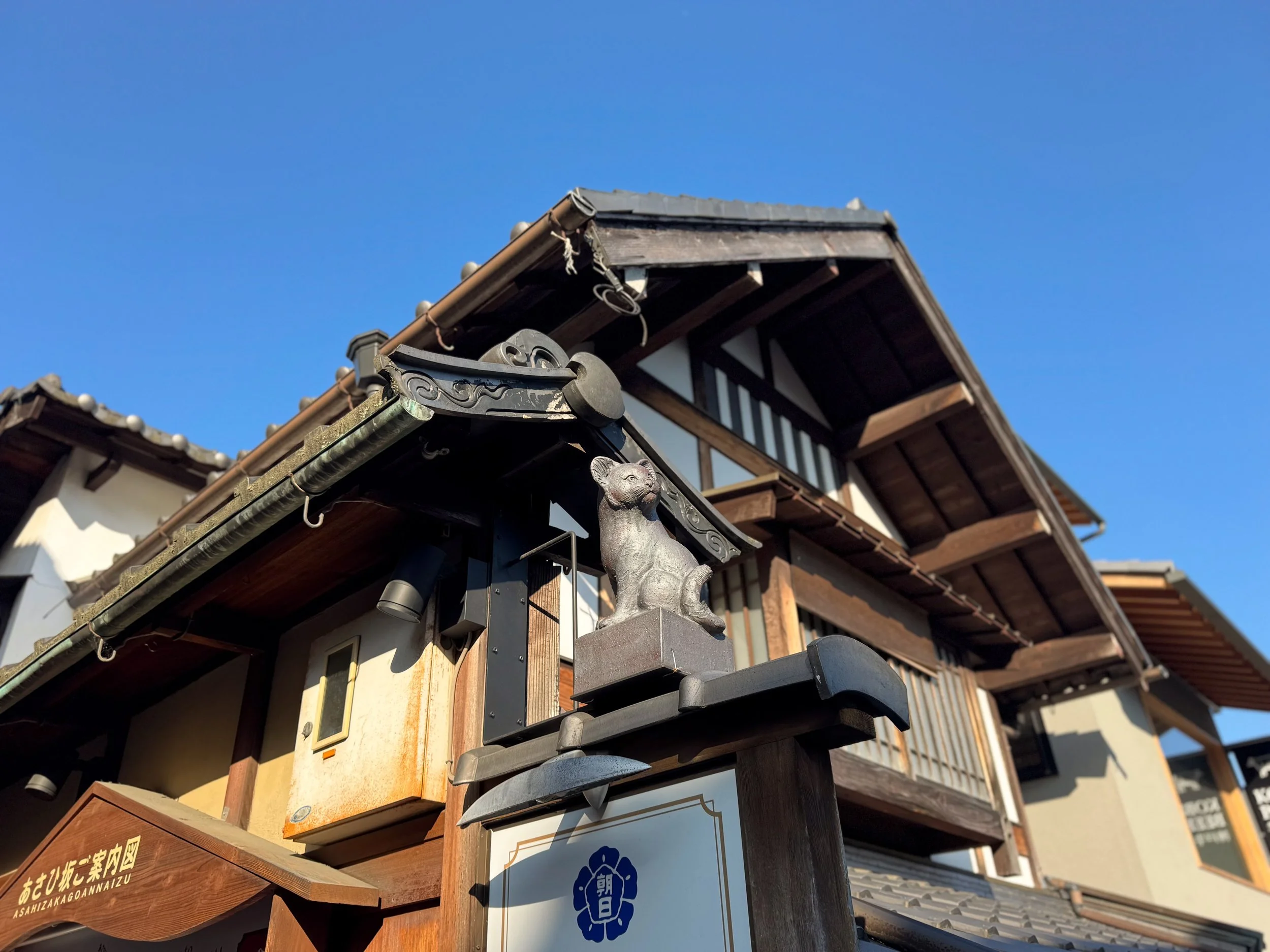
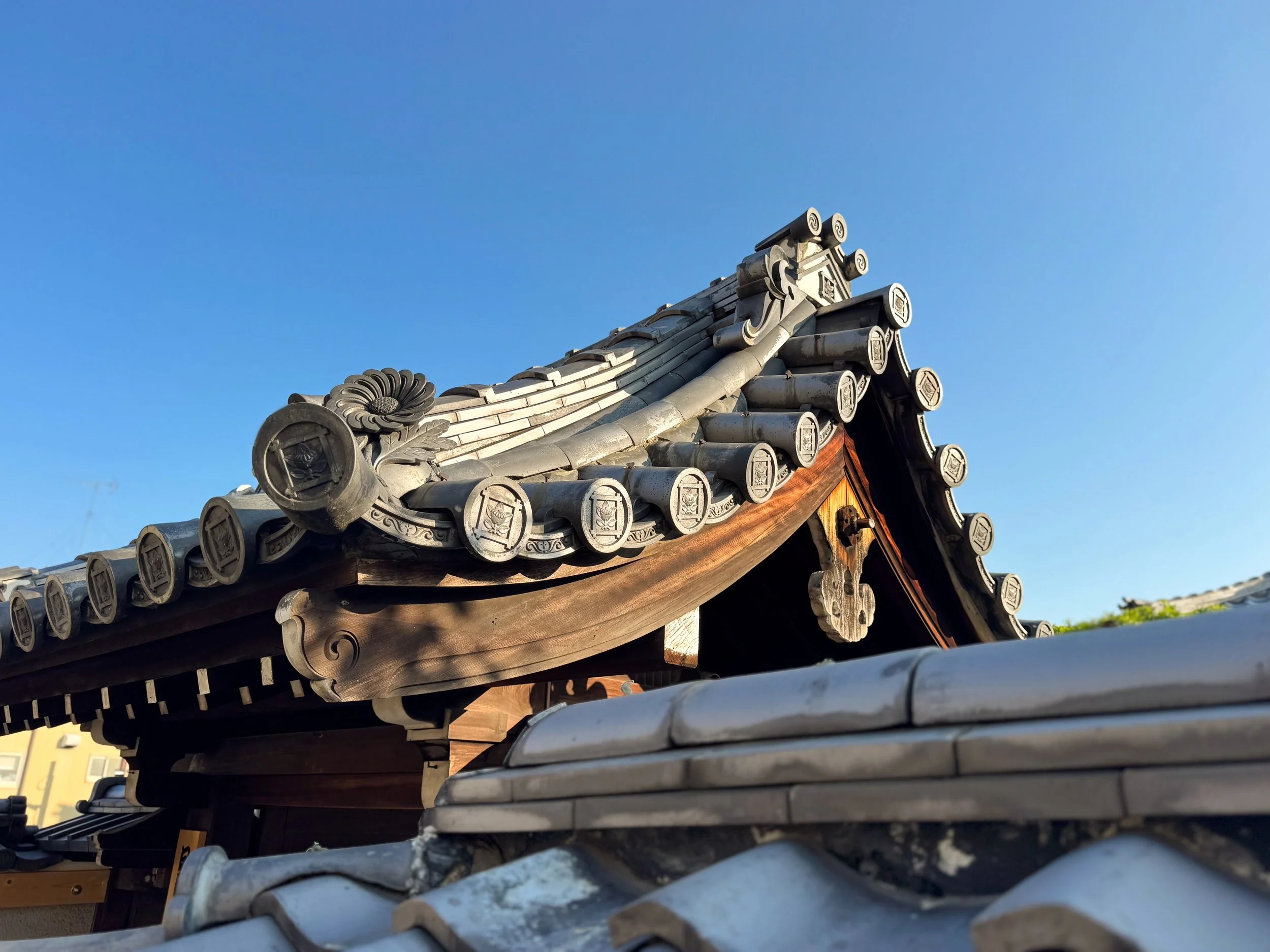
Streets & Districts
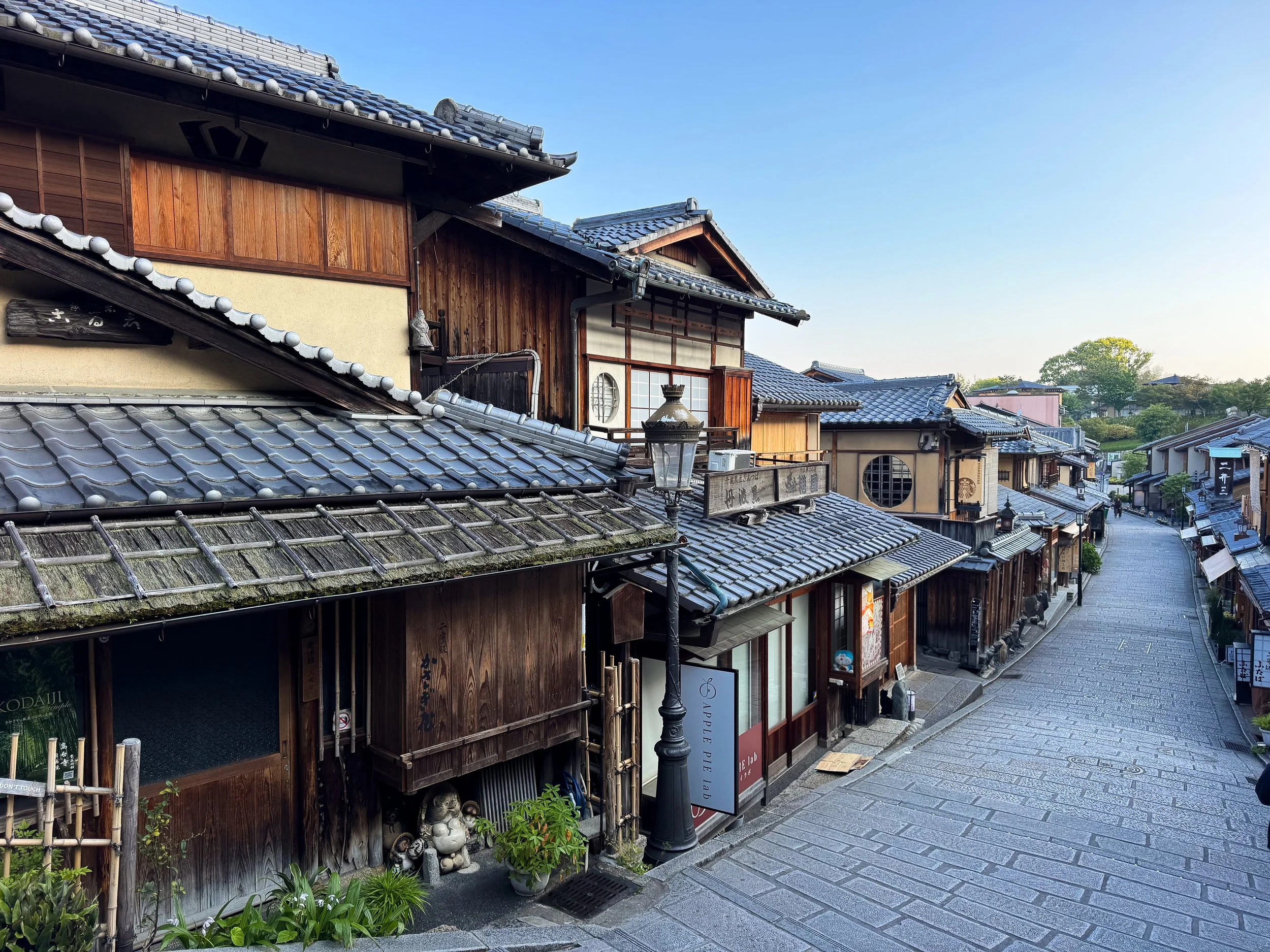
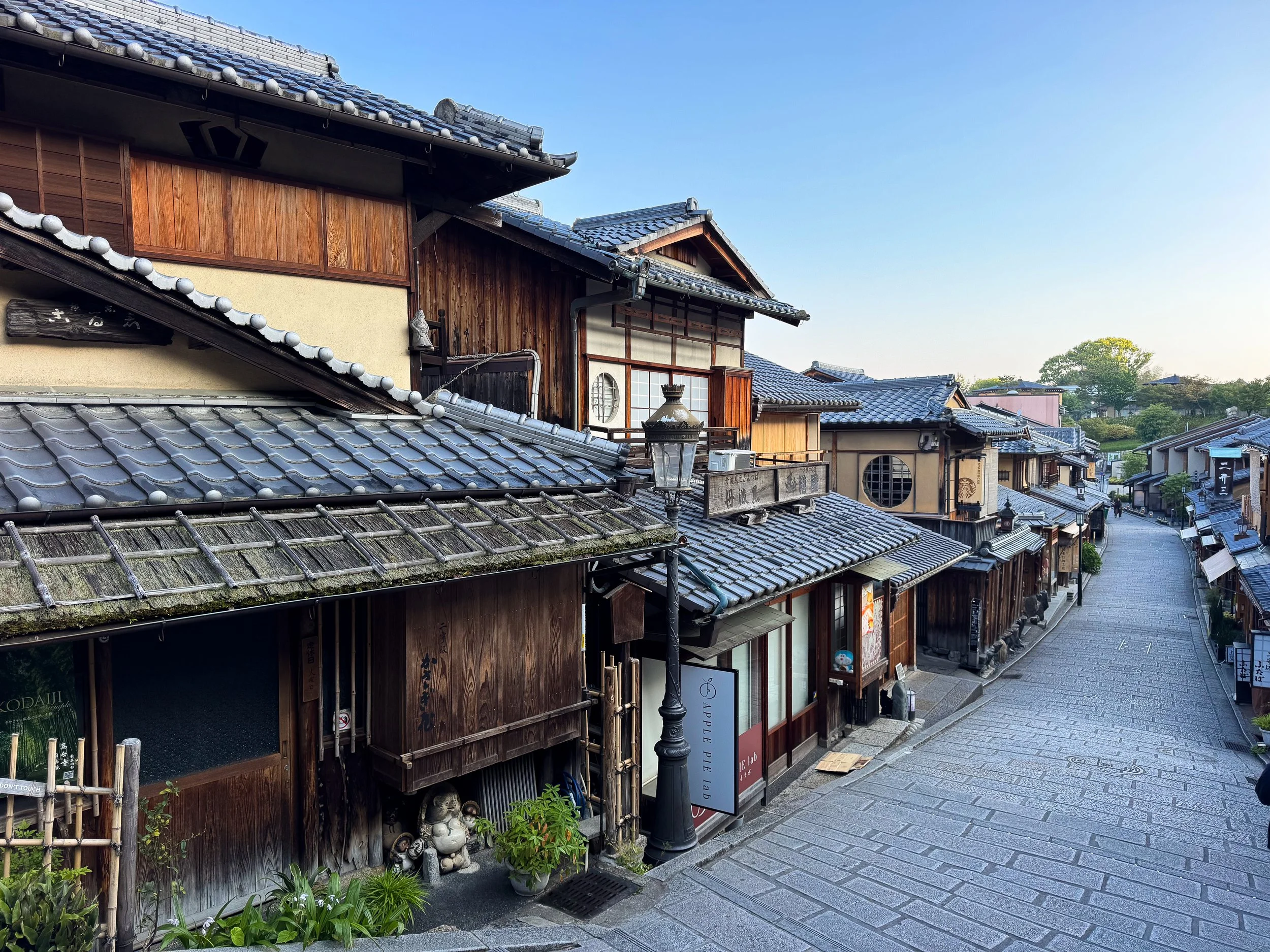
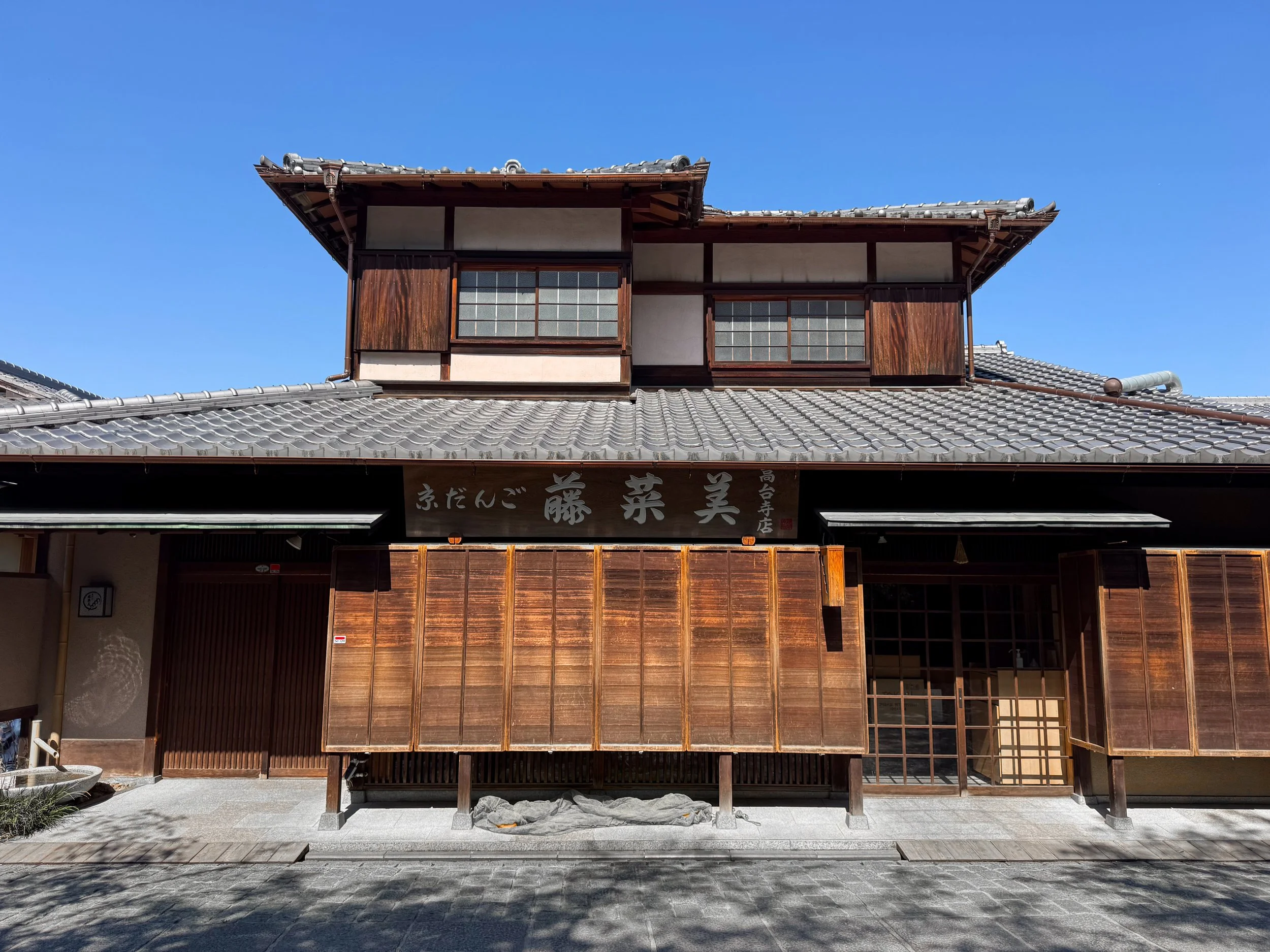
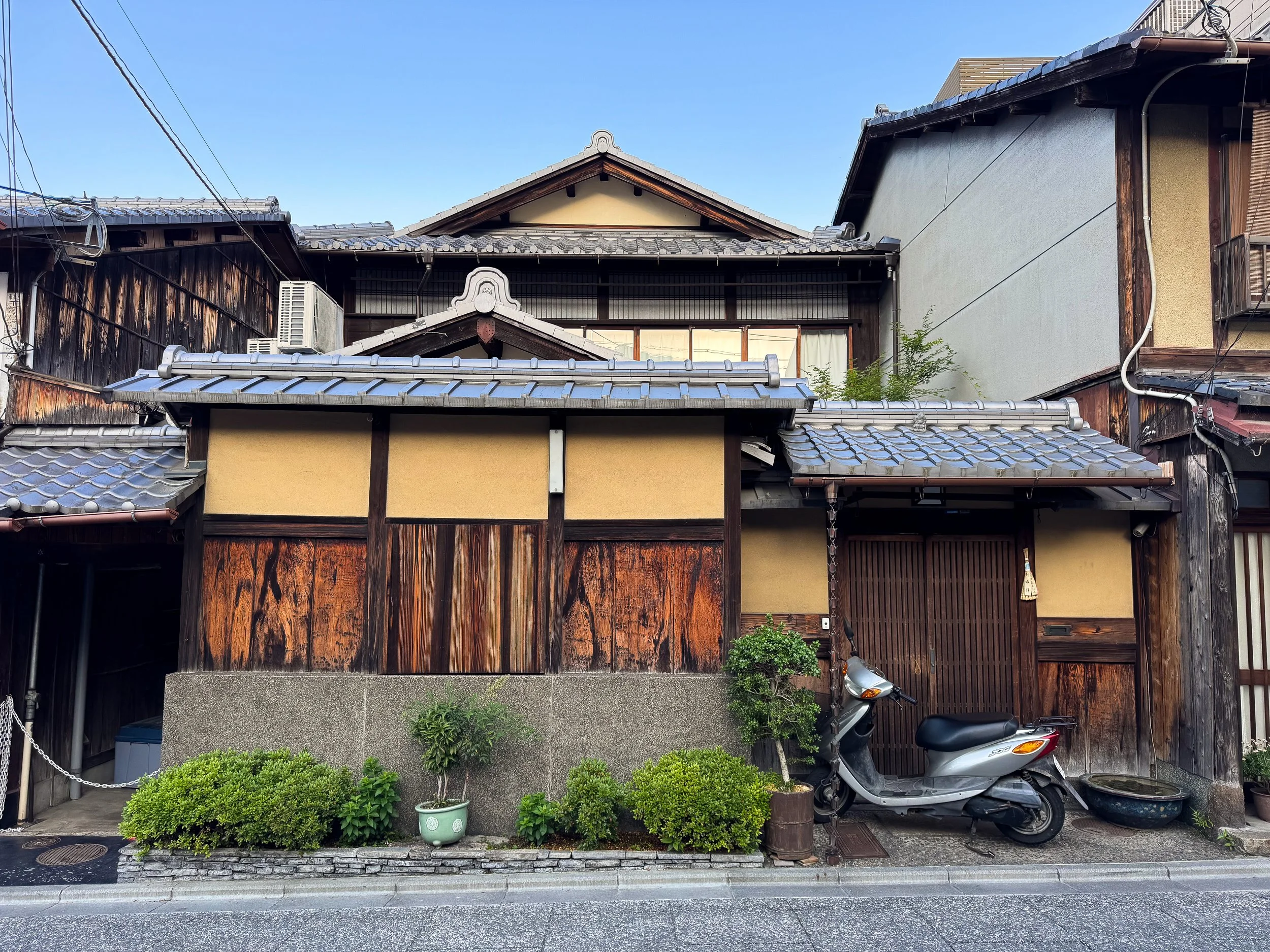
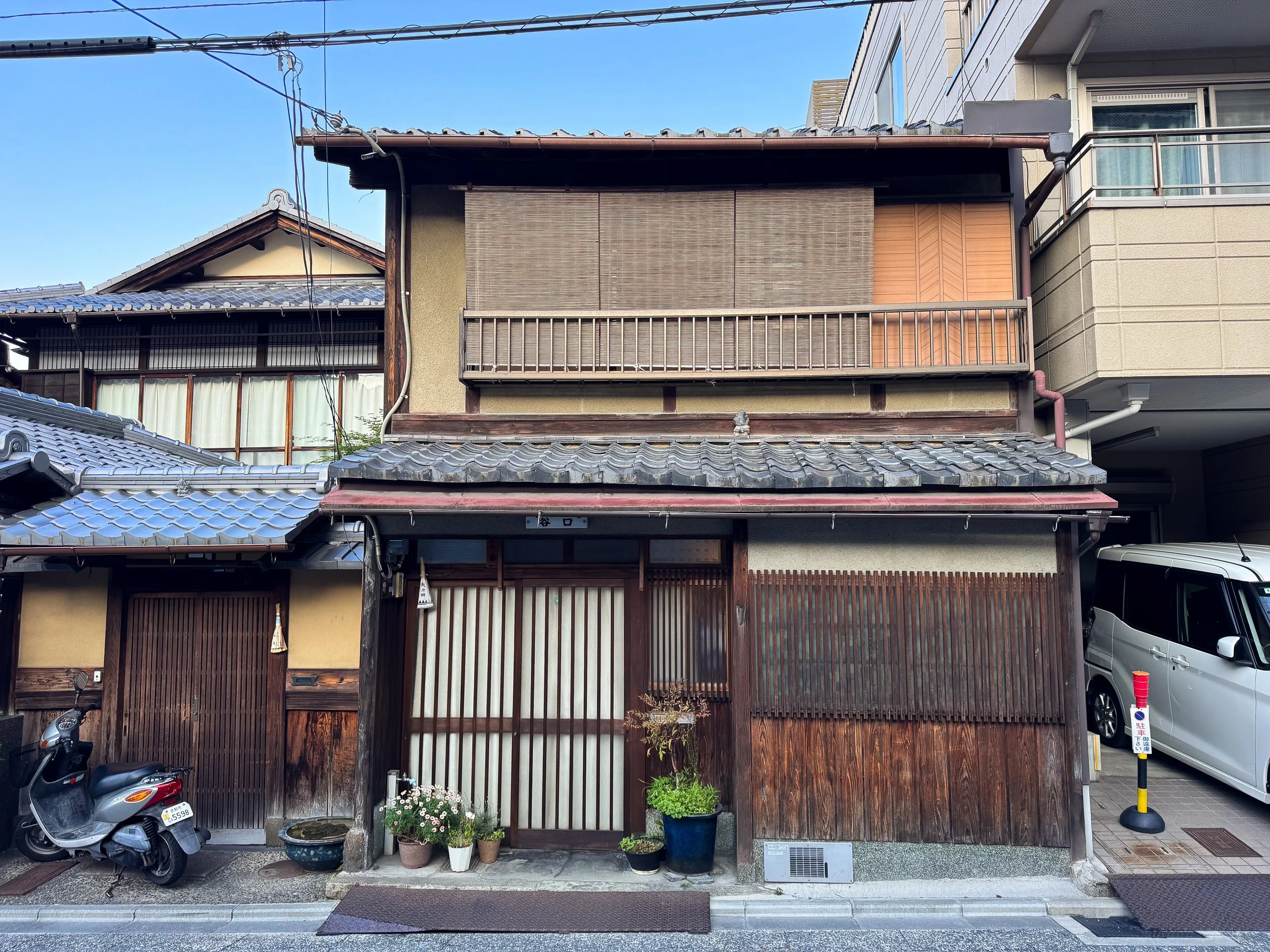
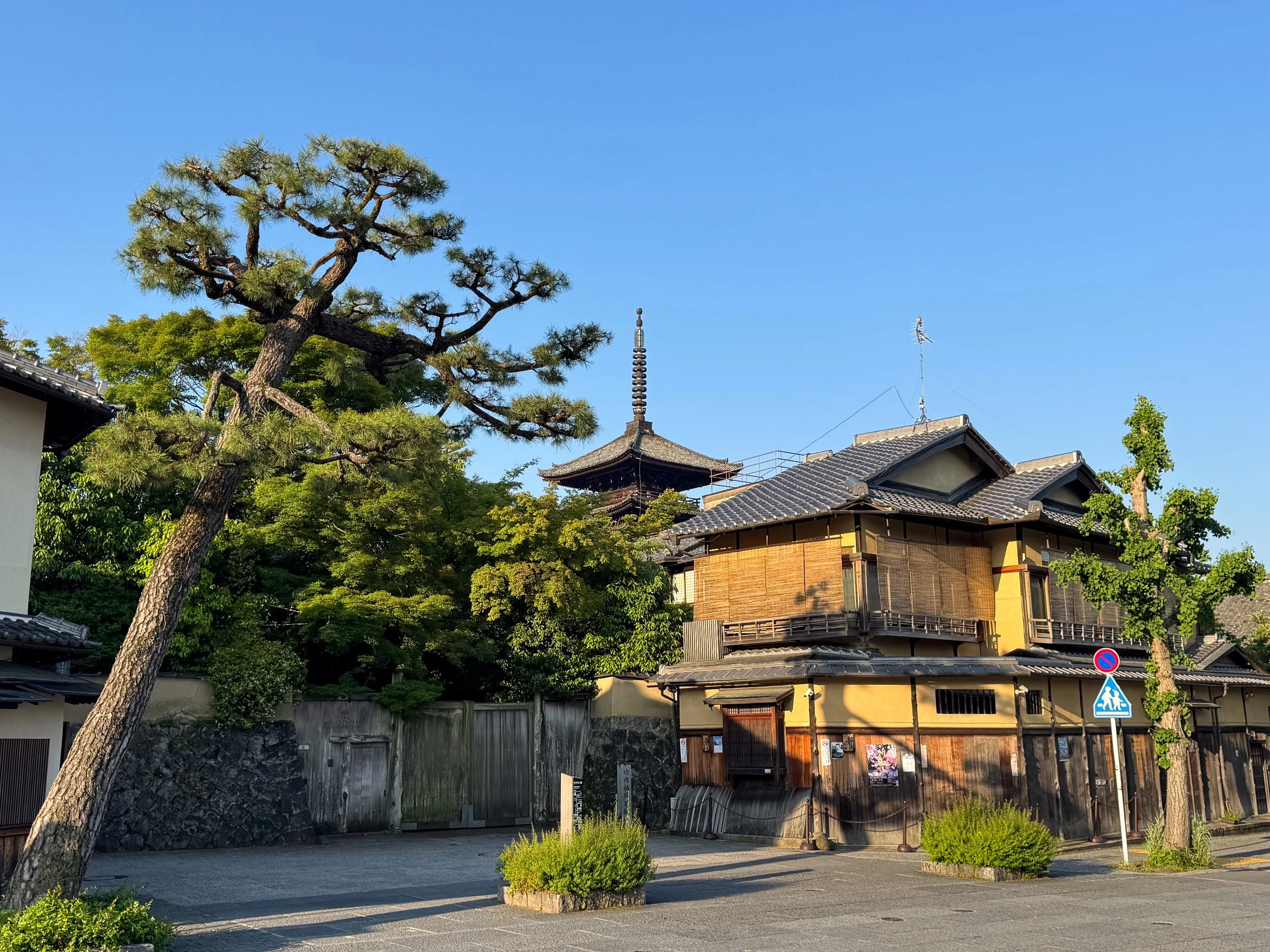
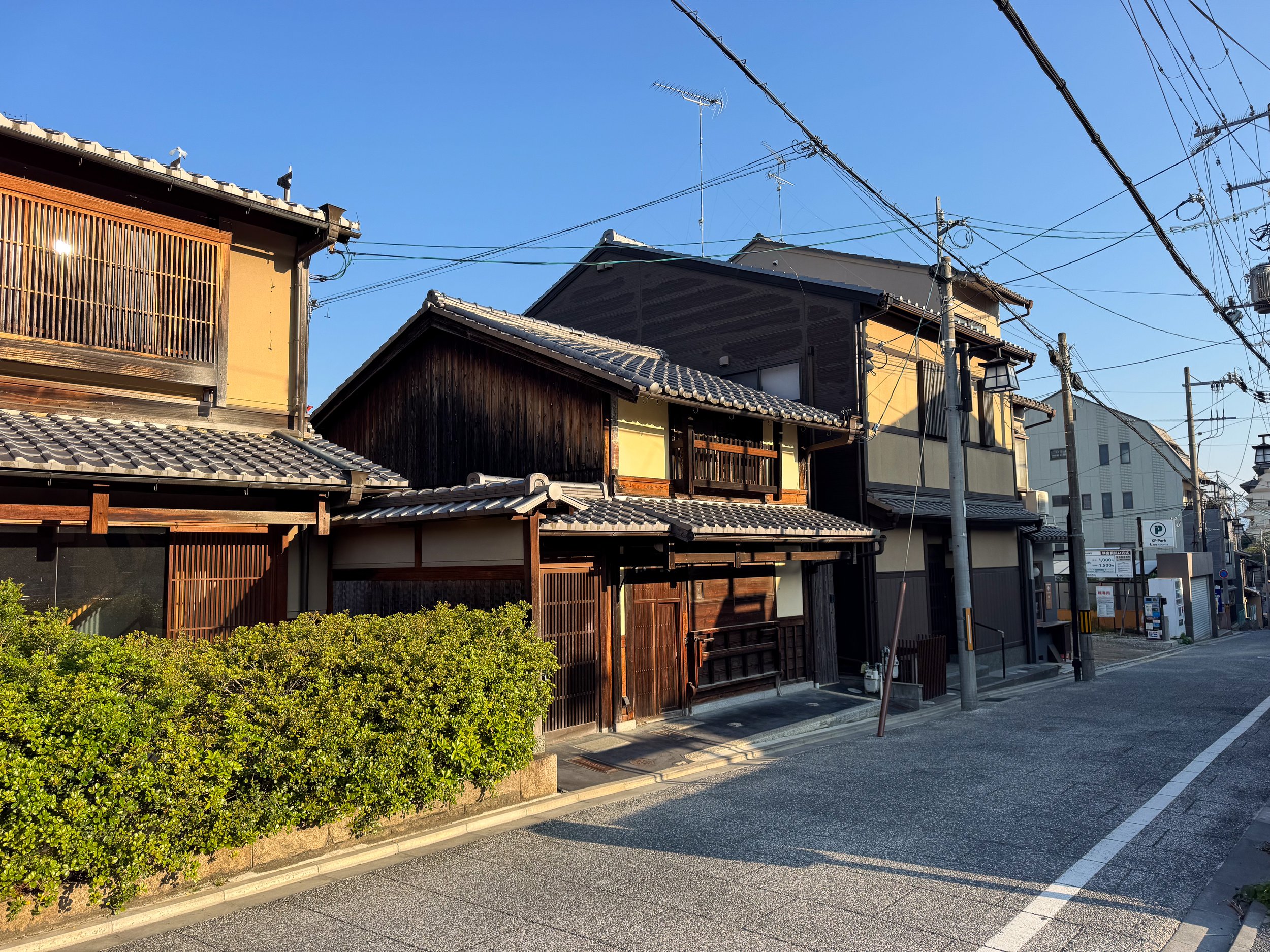
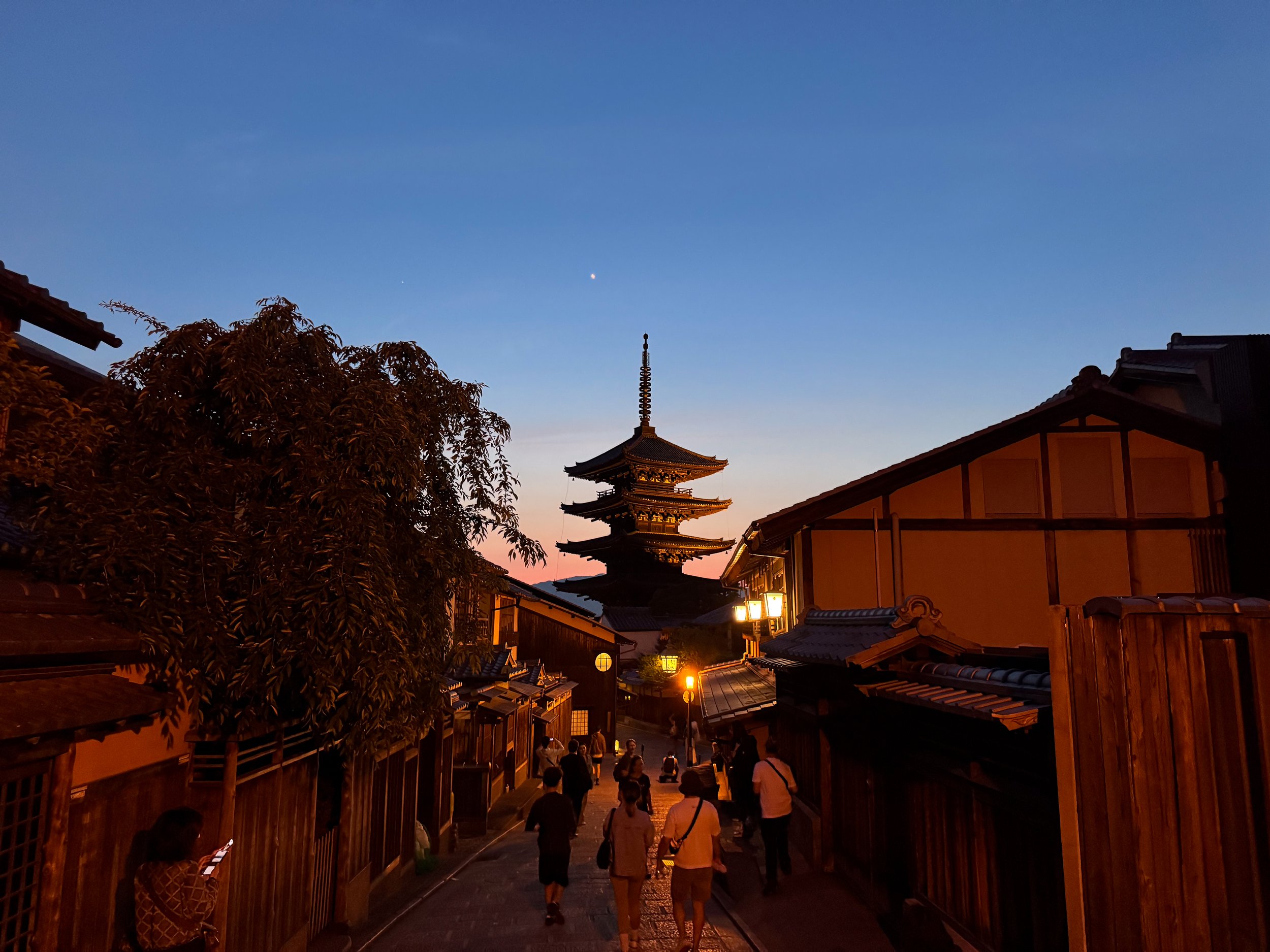
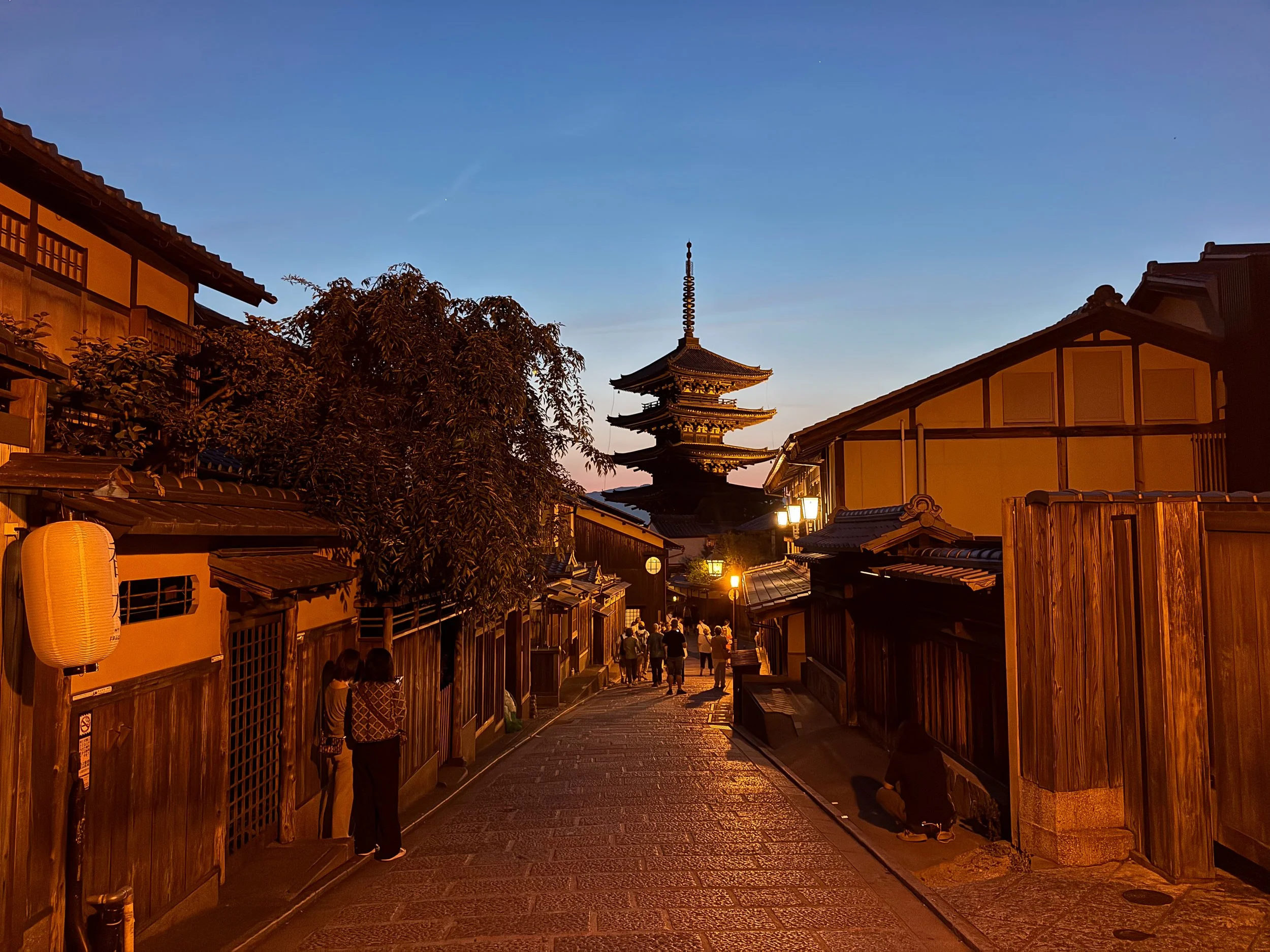
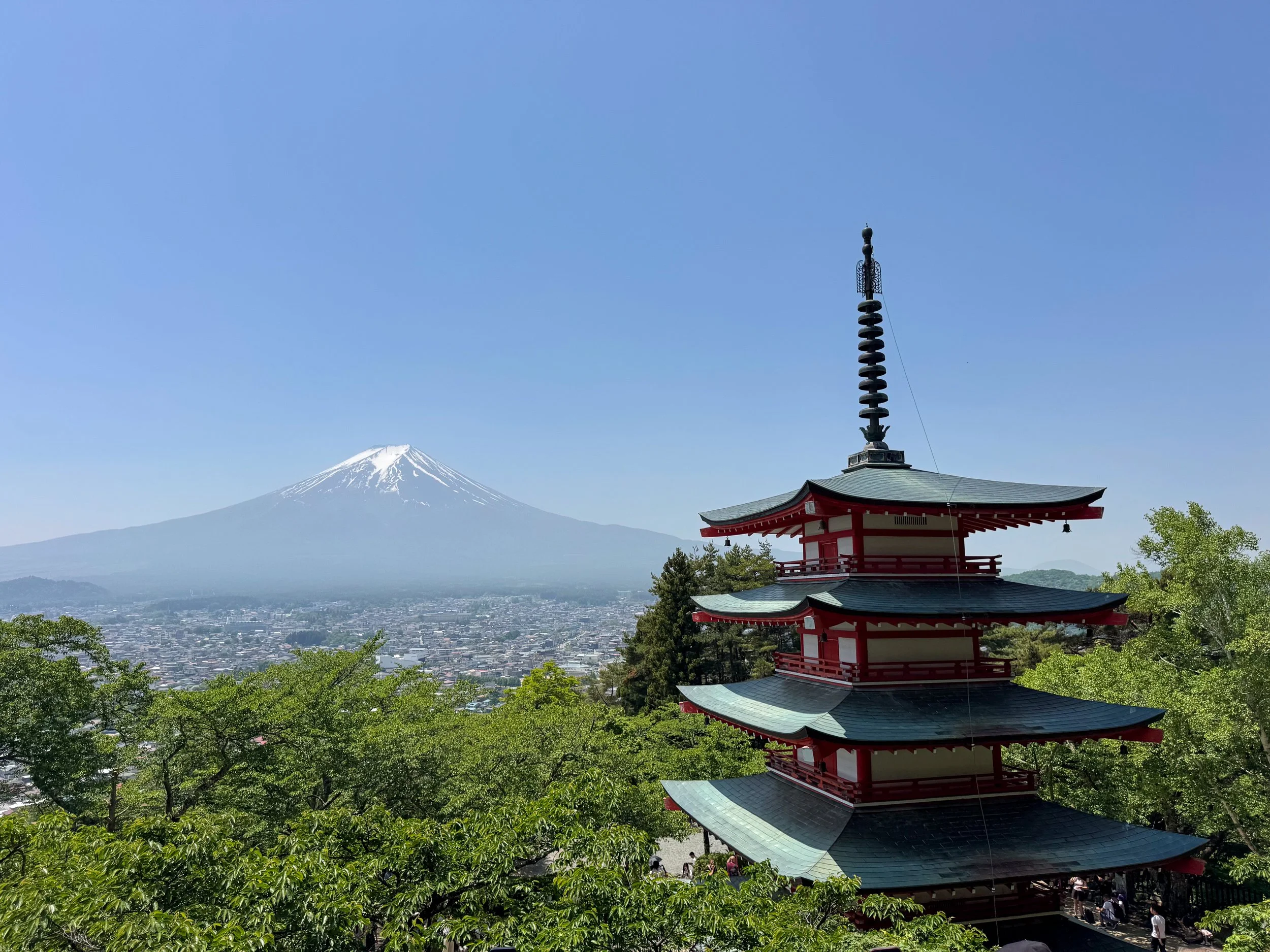
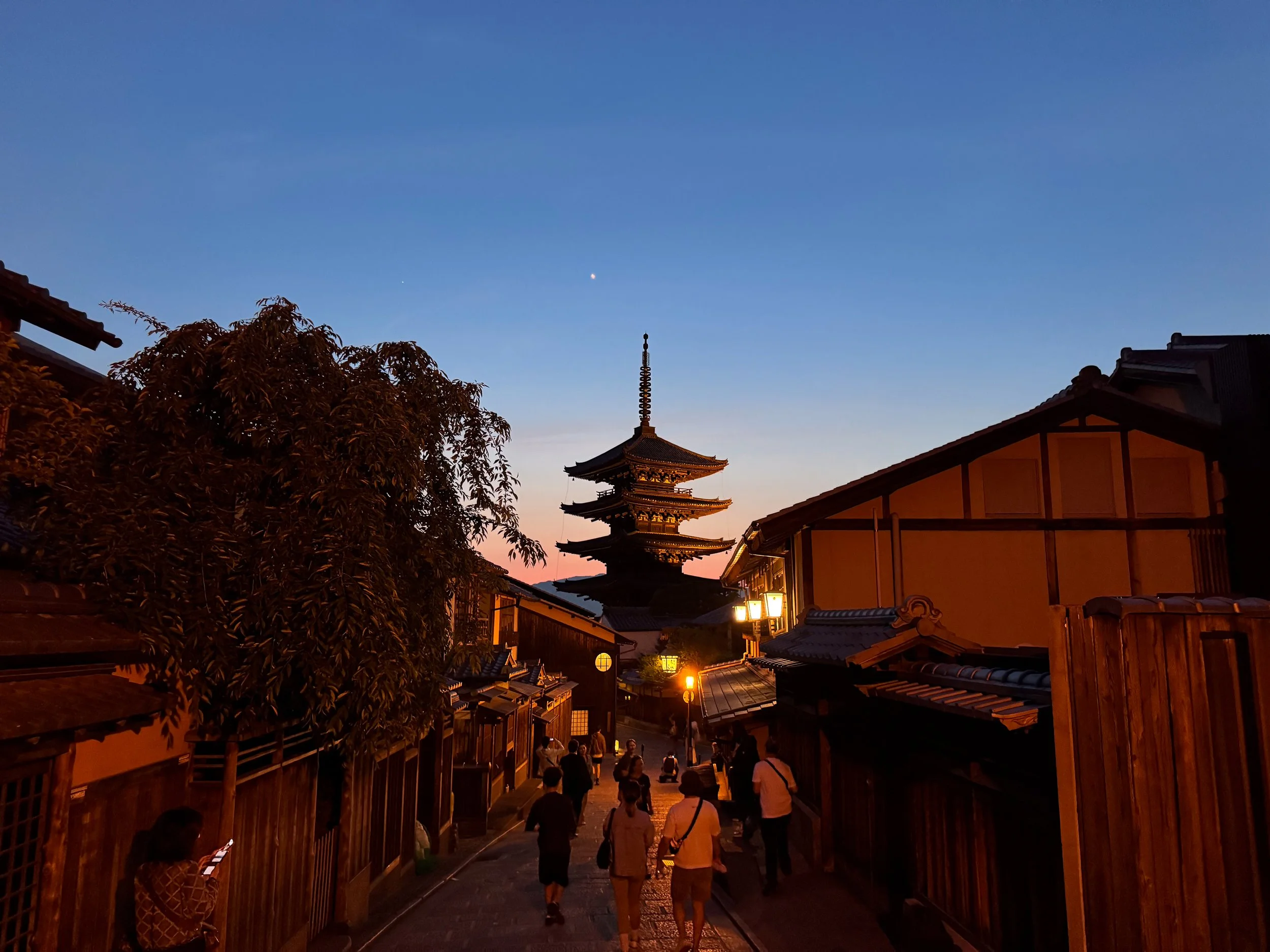
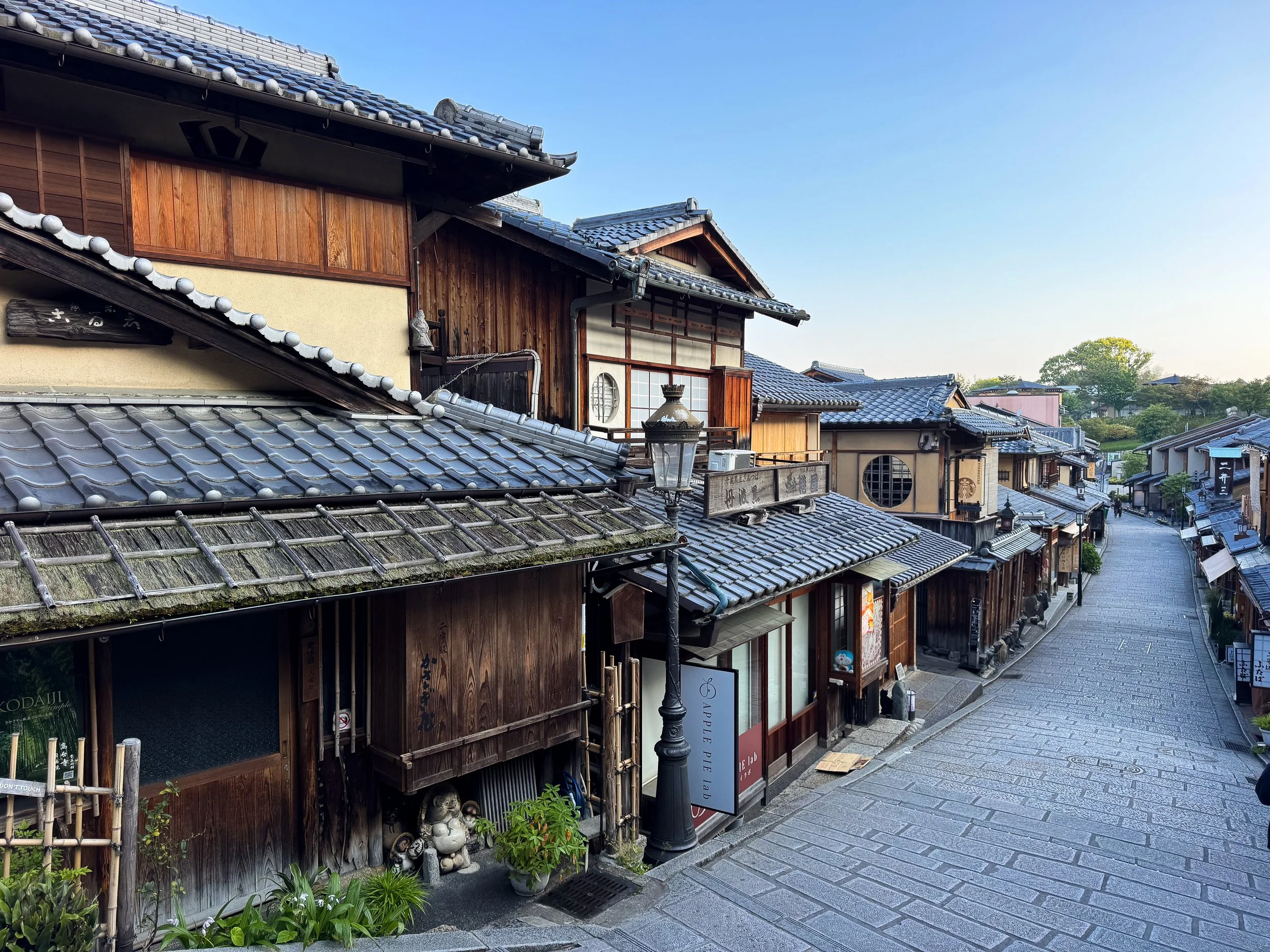
Higashiyama District. One of Kyoto’s most historic districts. It’s known for old Japanese architecture including wooden homes, matcha tea houses, ancient temples and towering pagodas. Walk around in the early morning without crowds or in the early evening as the sun sets.
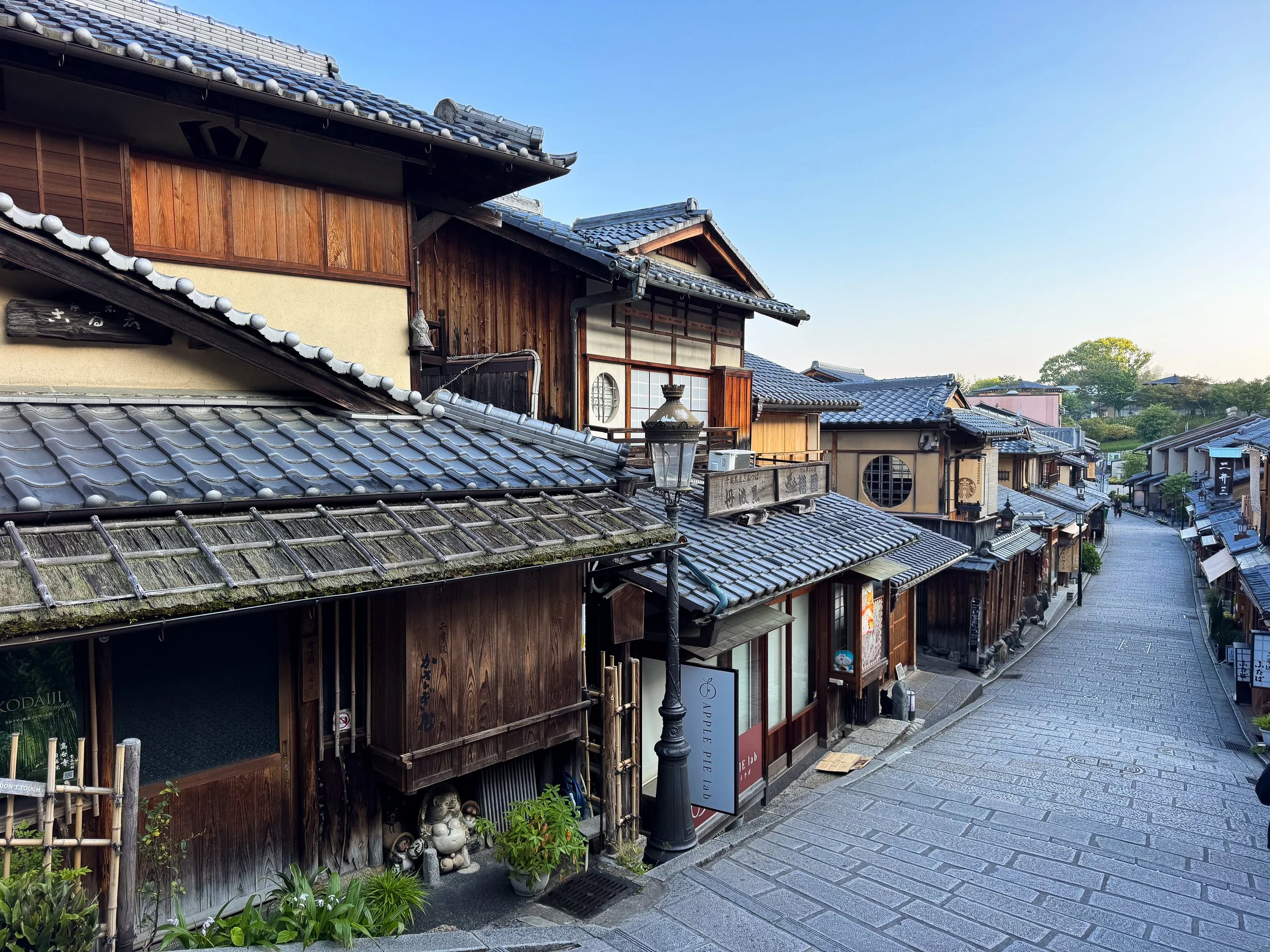
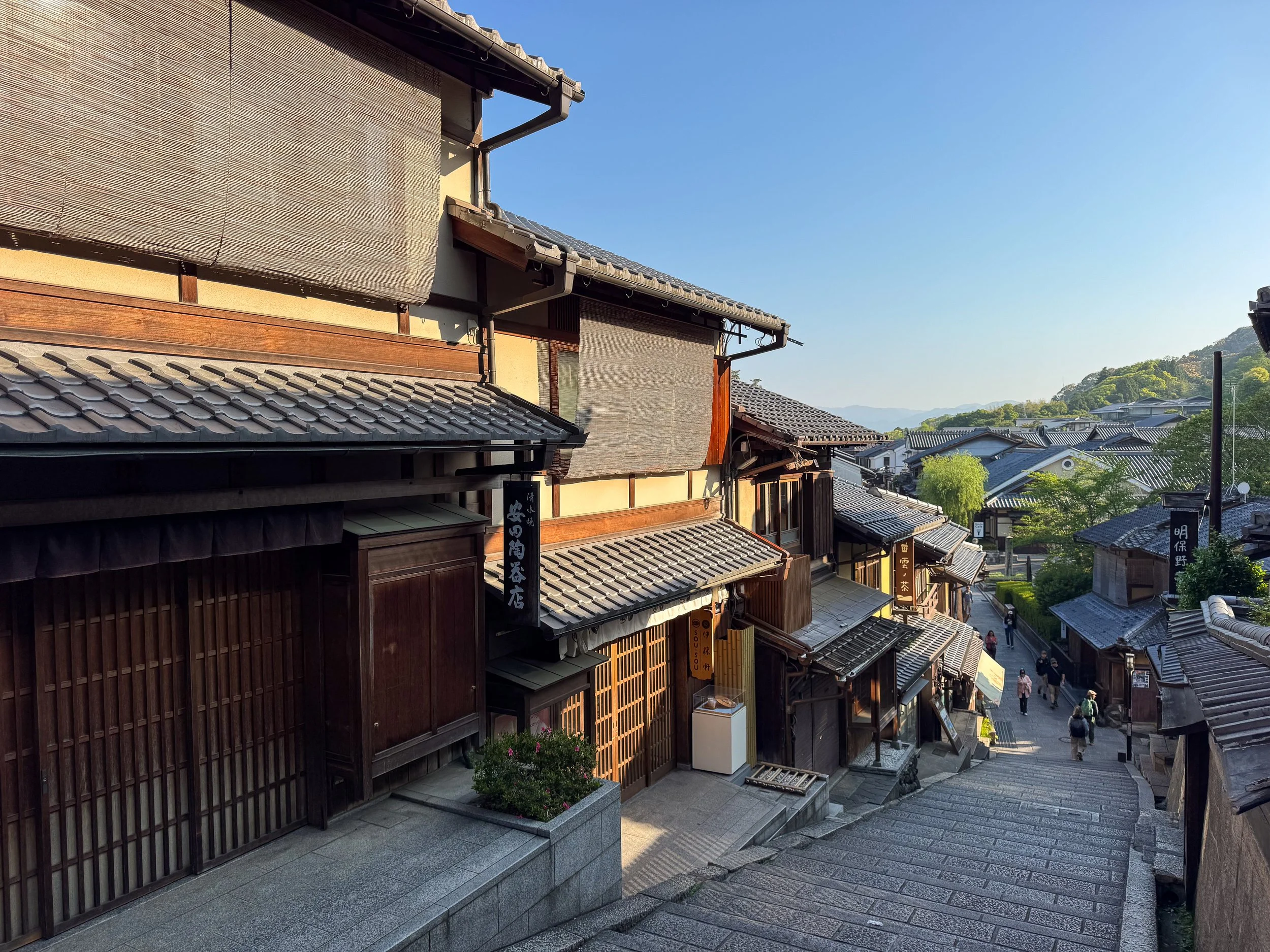
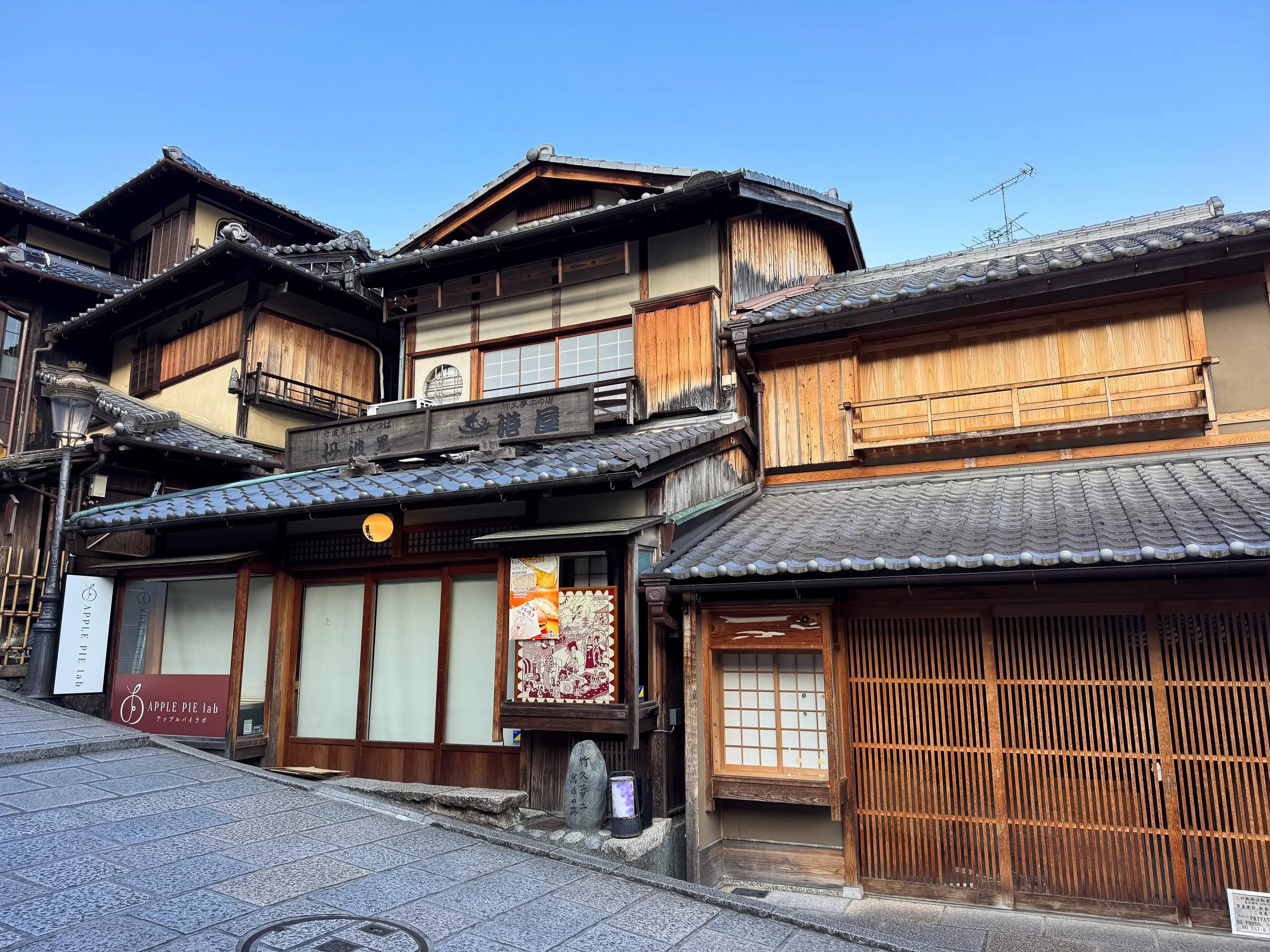
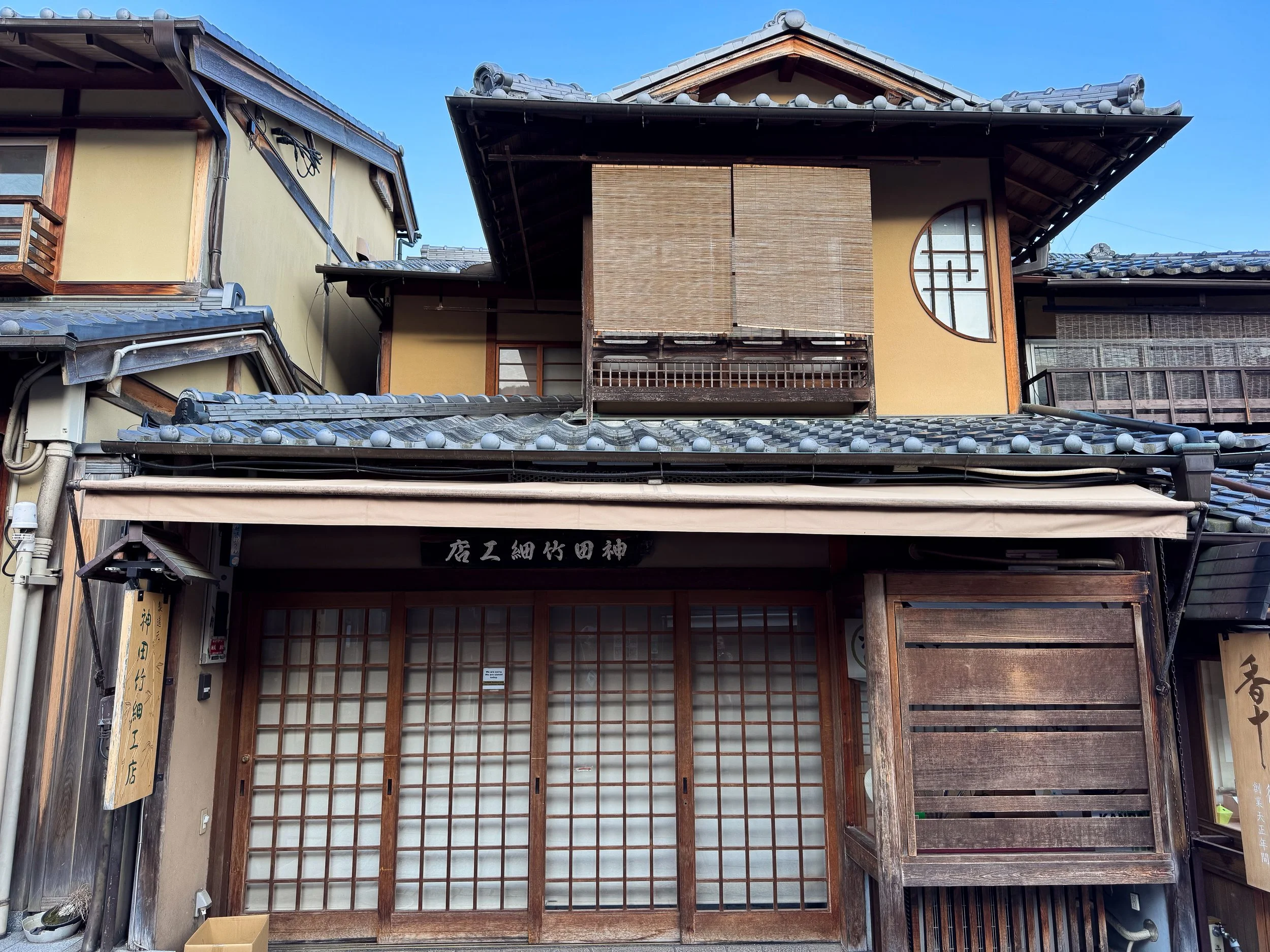
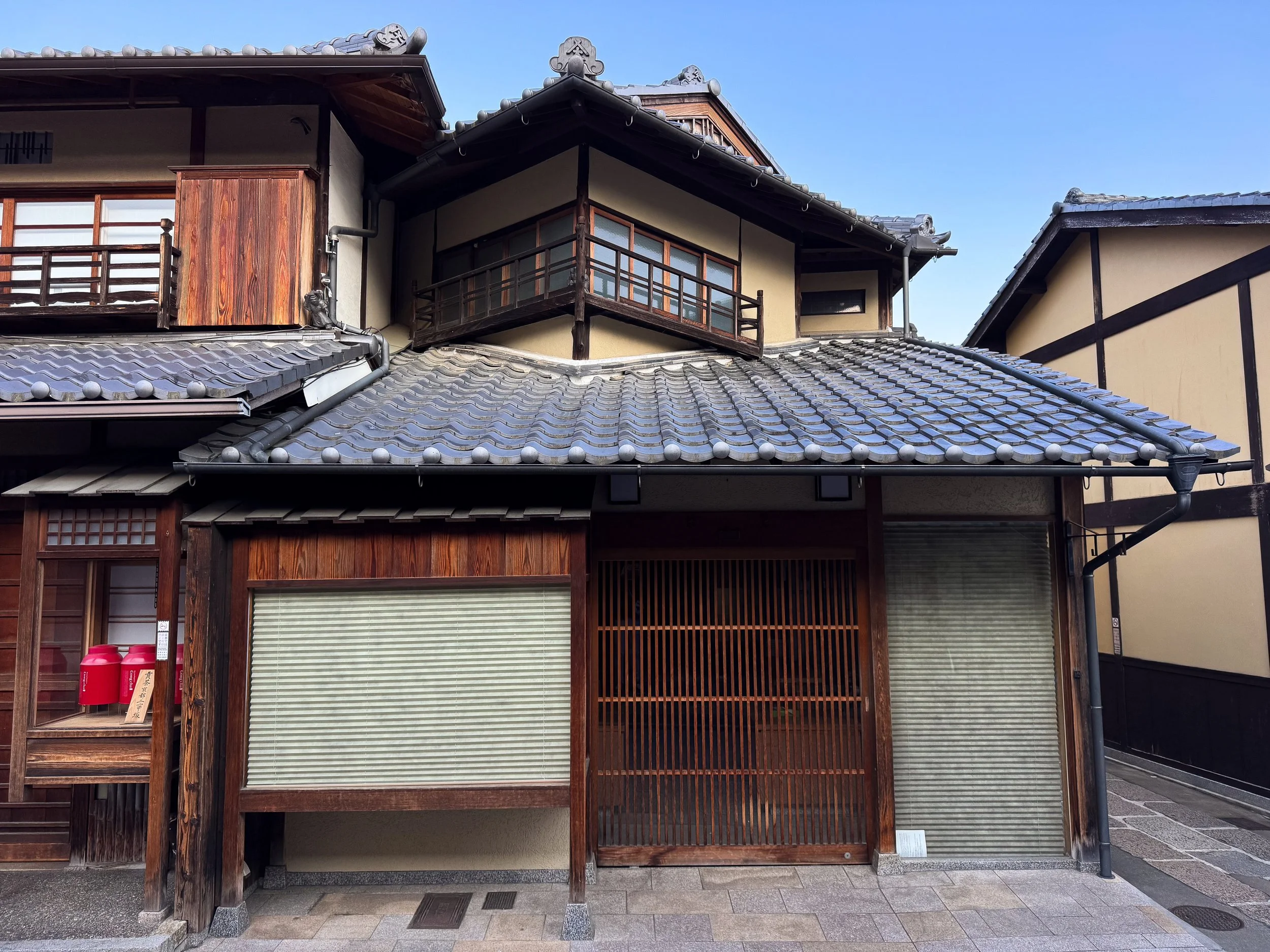
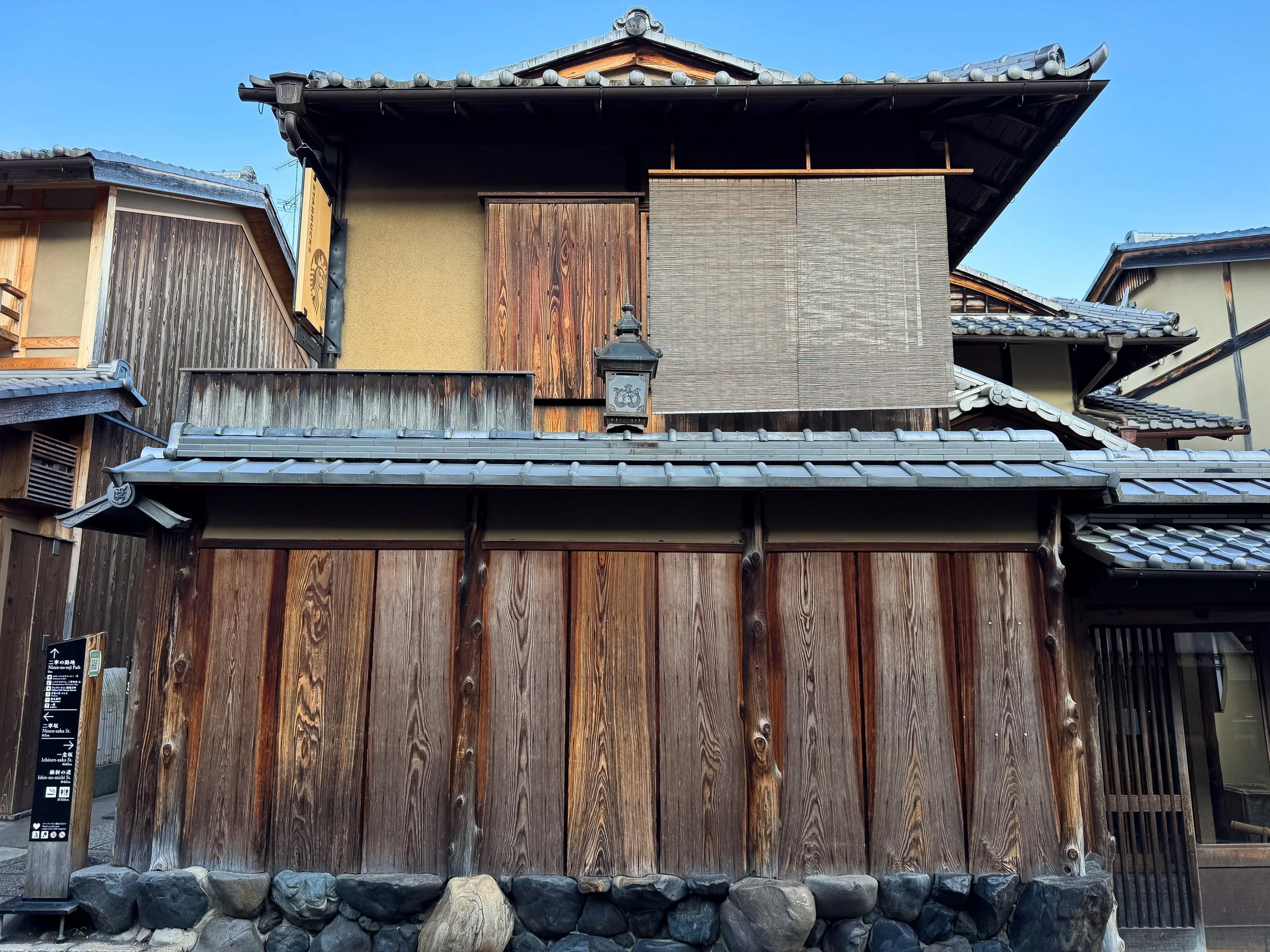
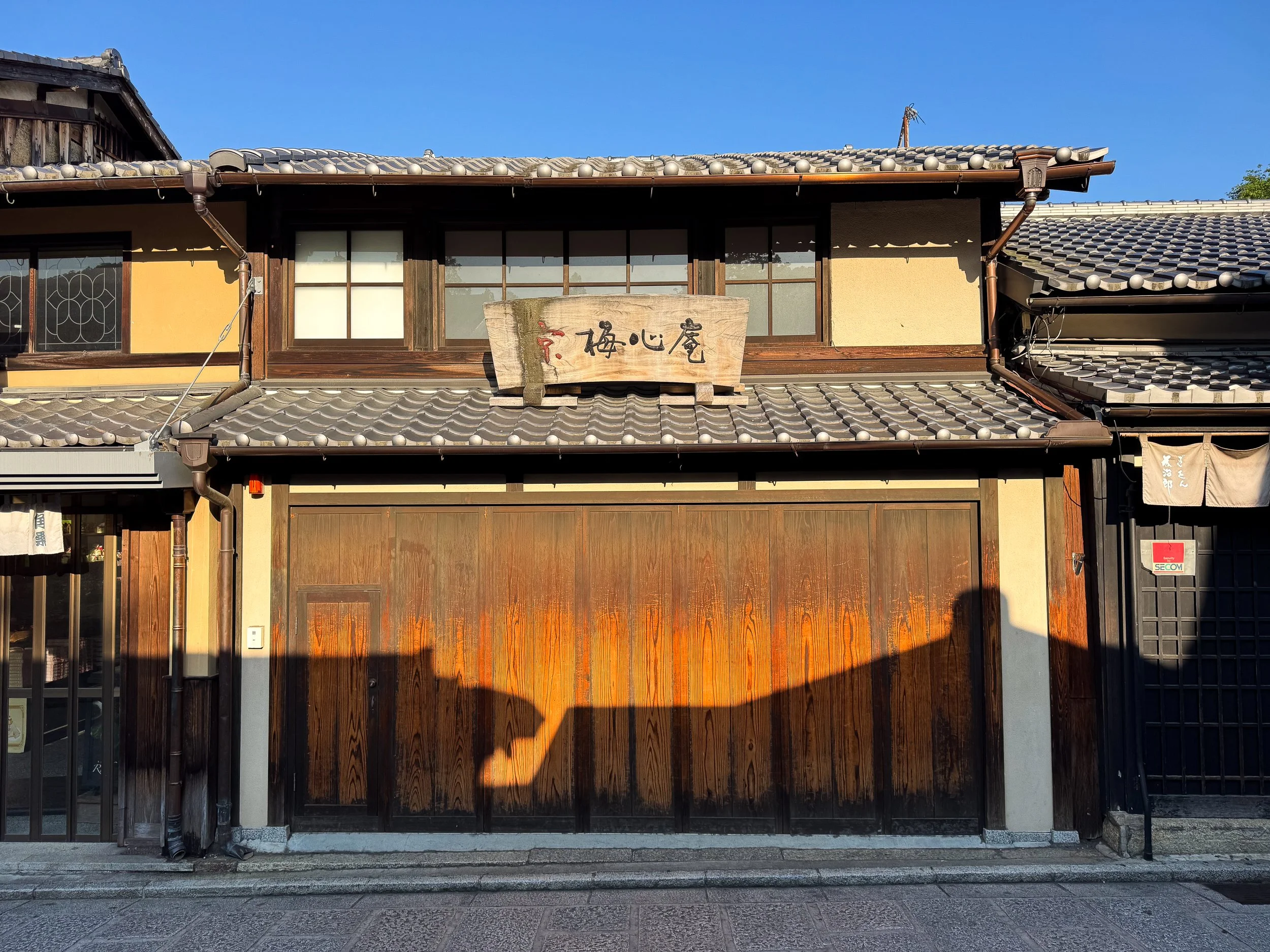
Ninen-Zaka & Sannen-Zaka. Two hilly and winding stone streets in the heart of the Higashiyama District. Both streets are lined with traditional Japanese homes, old wooden buildings, artisan shops and matcha tea houses.
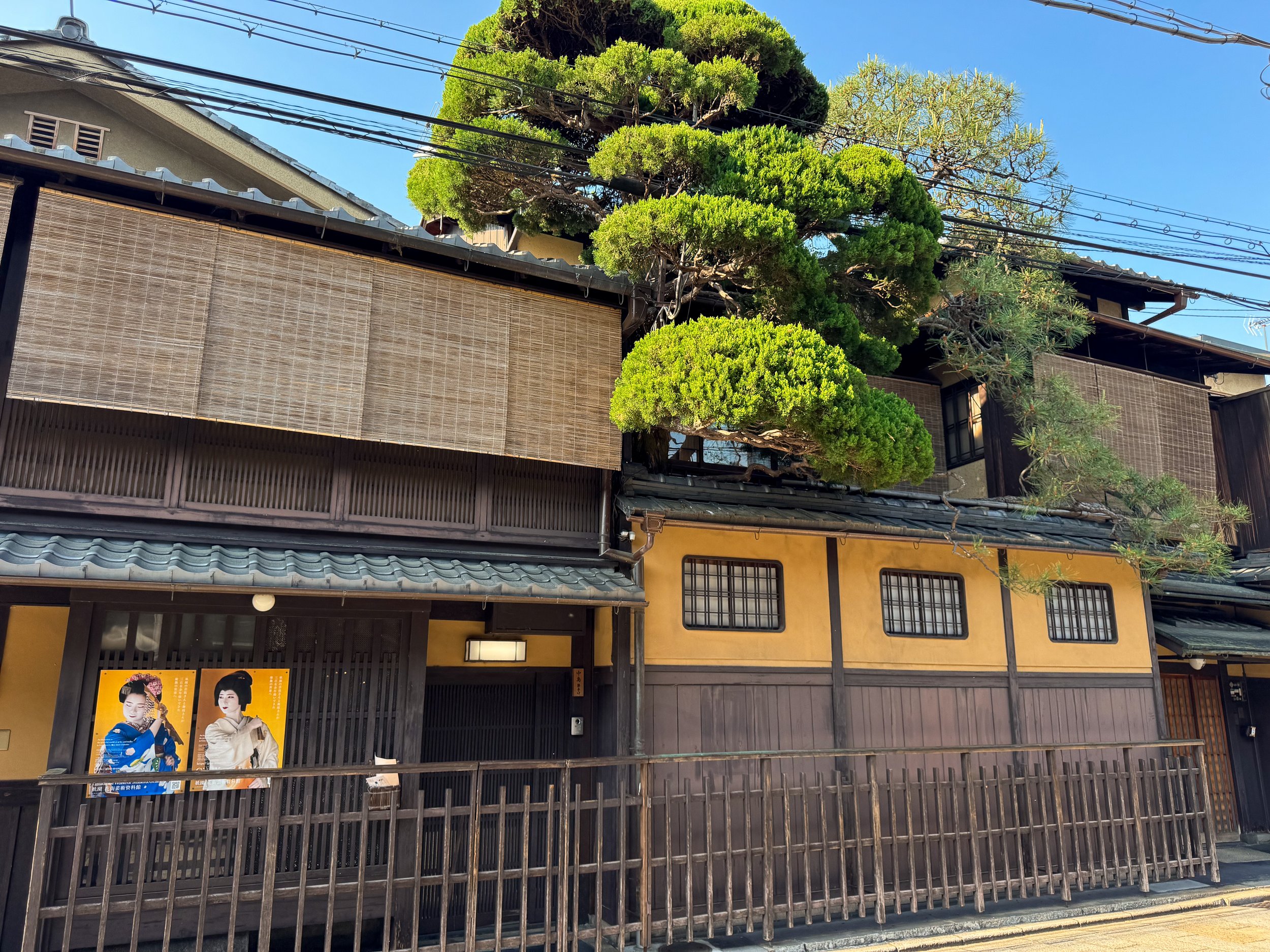
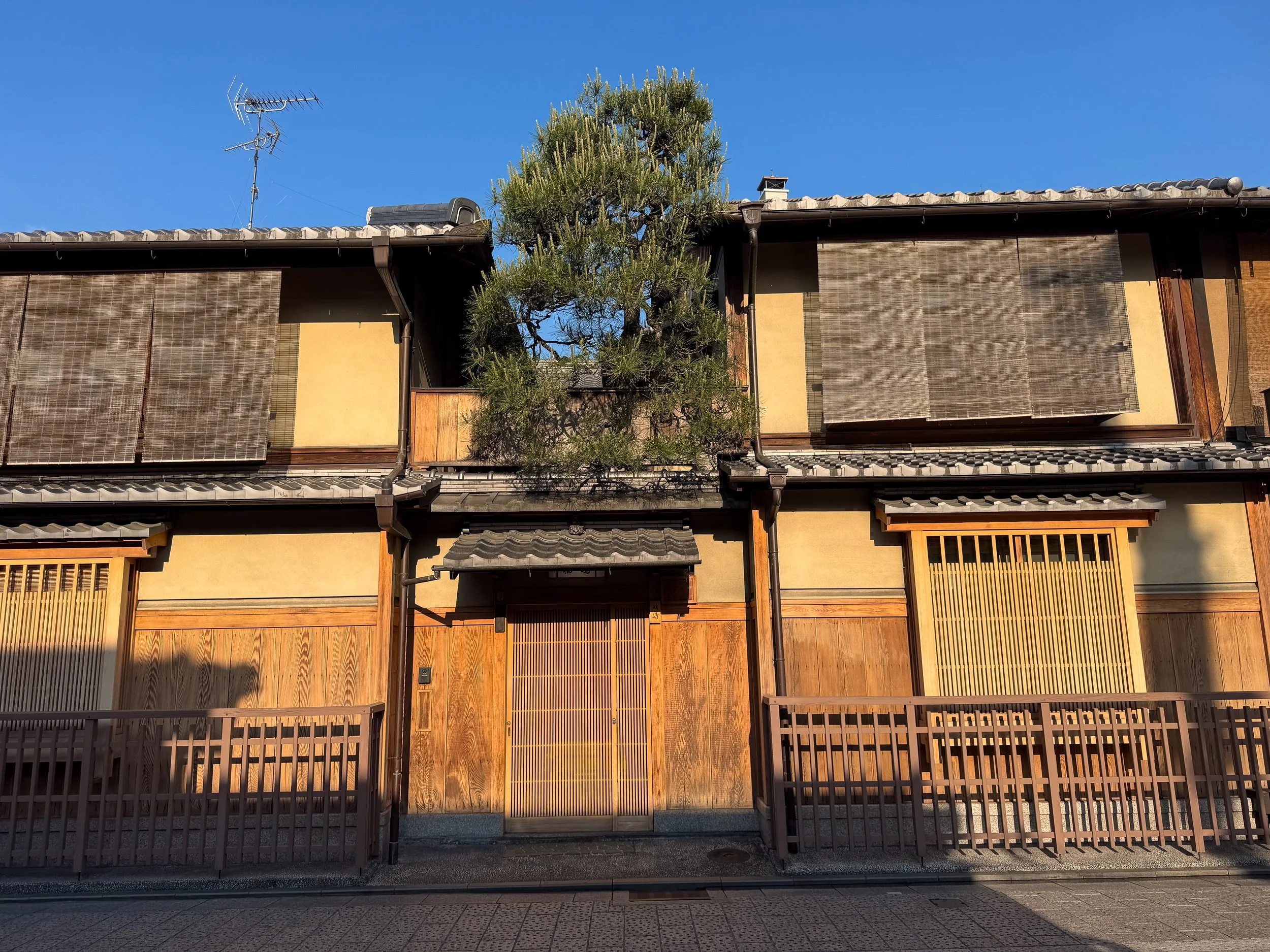
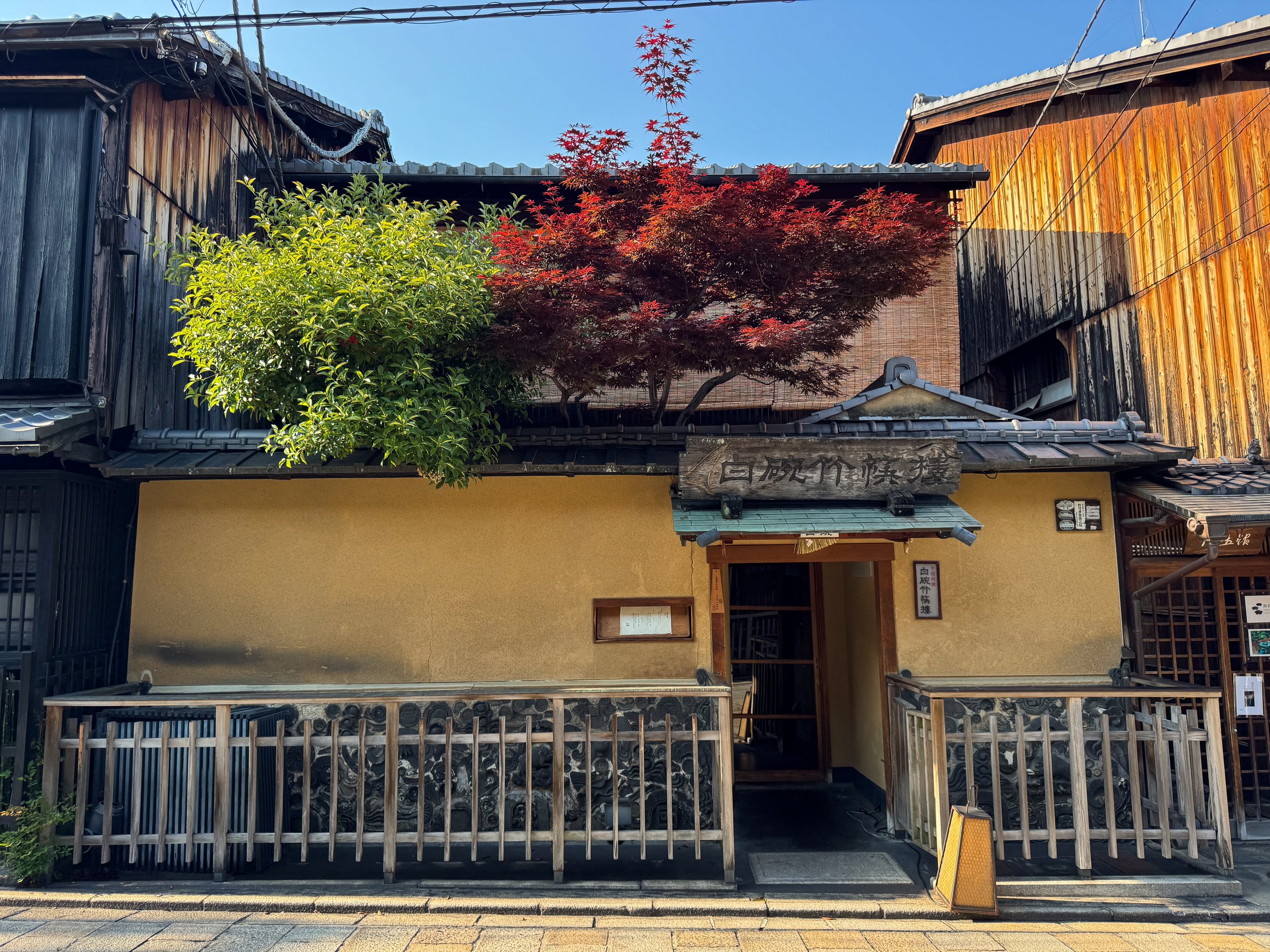
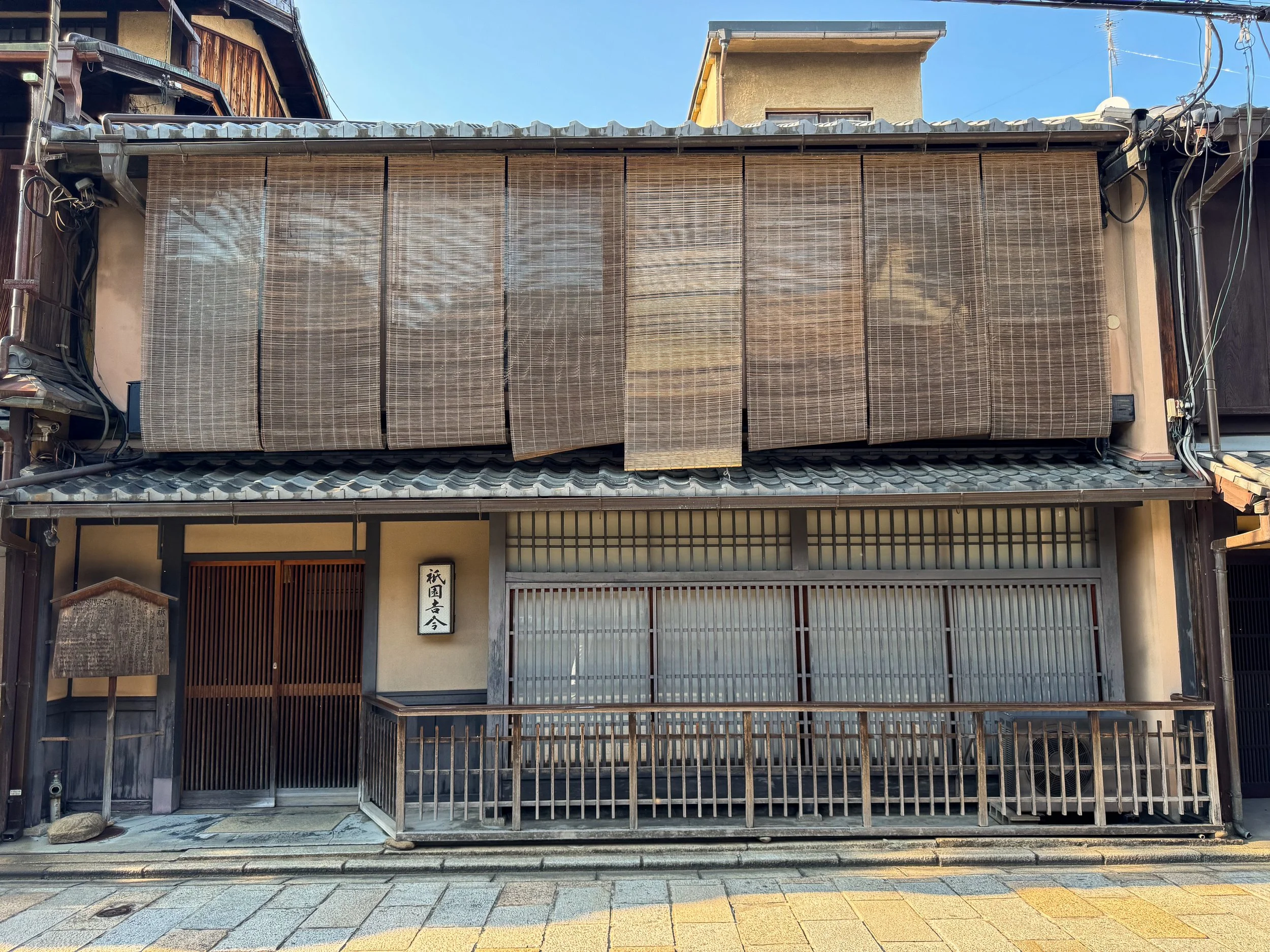
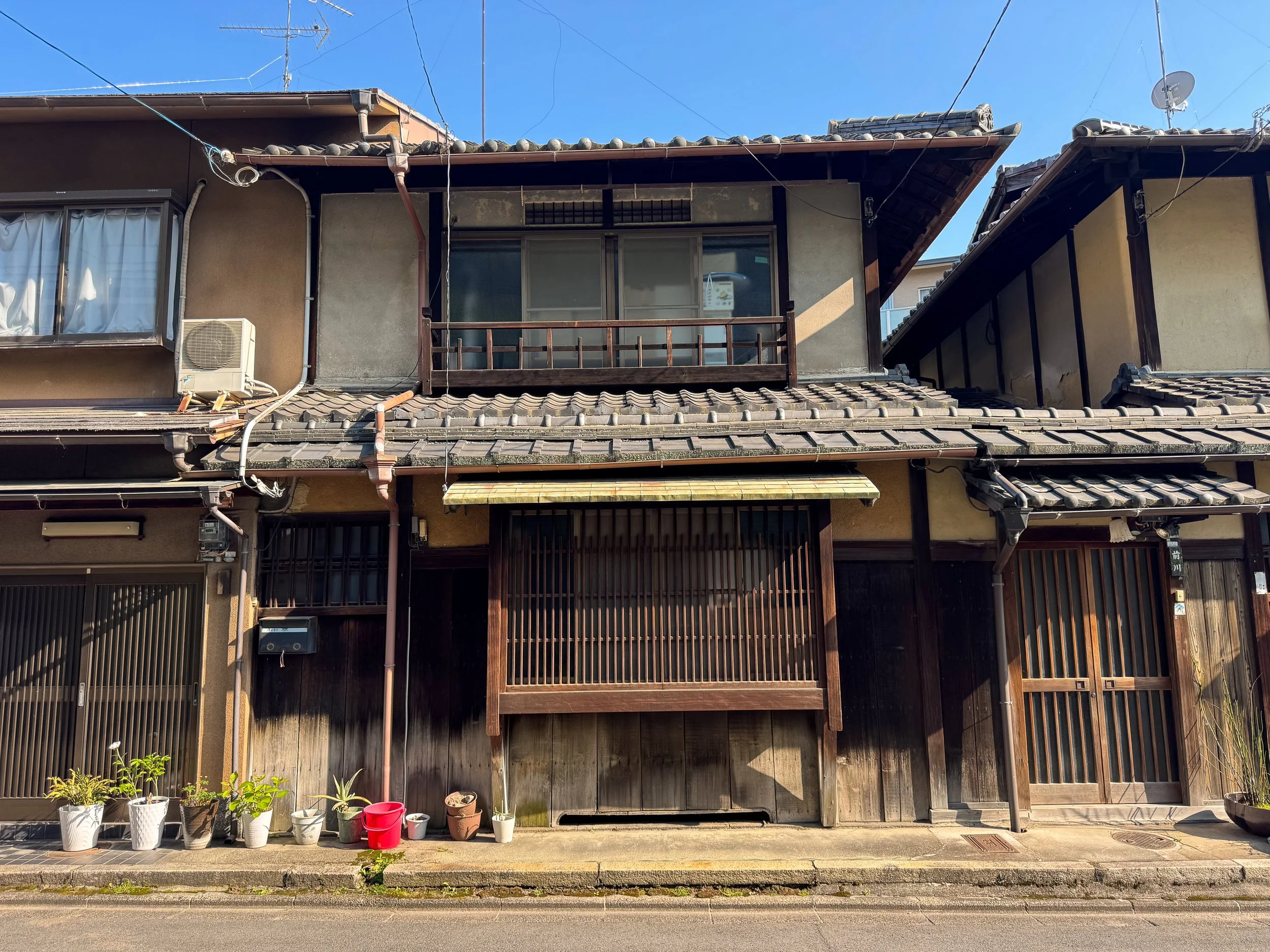
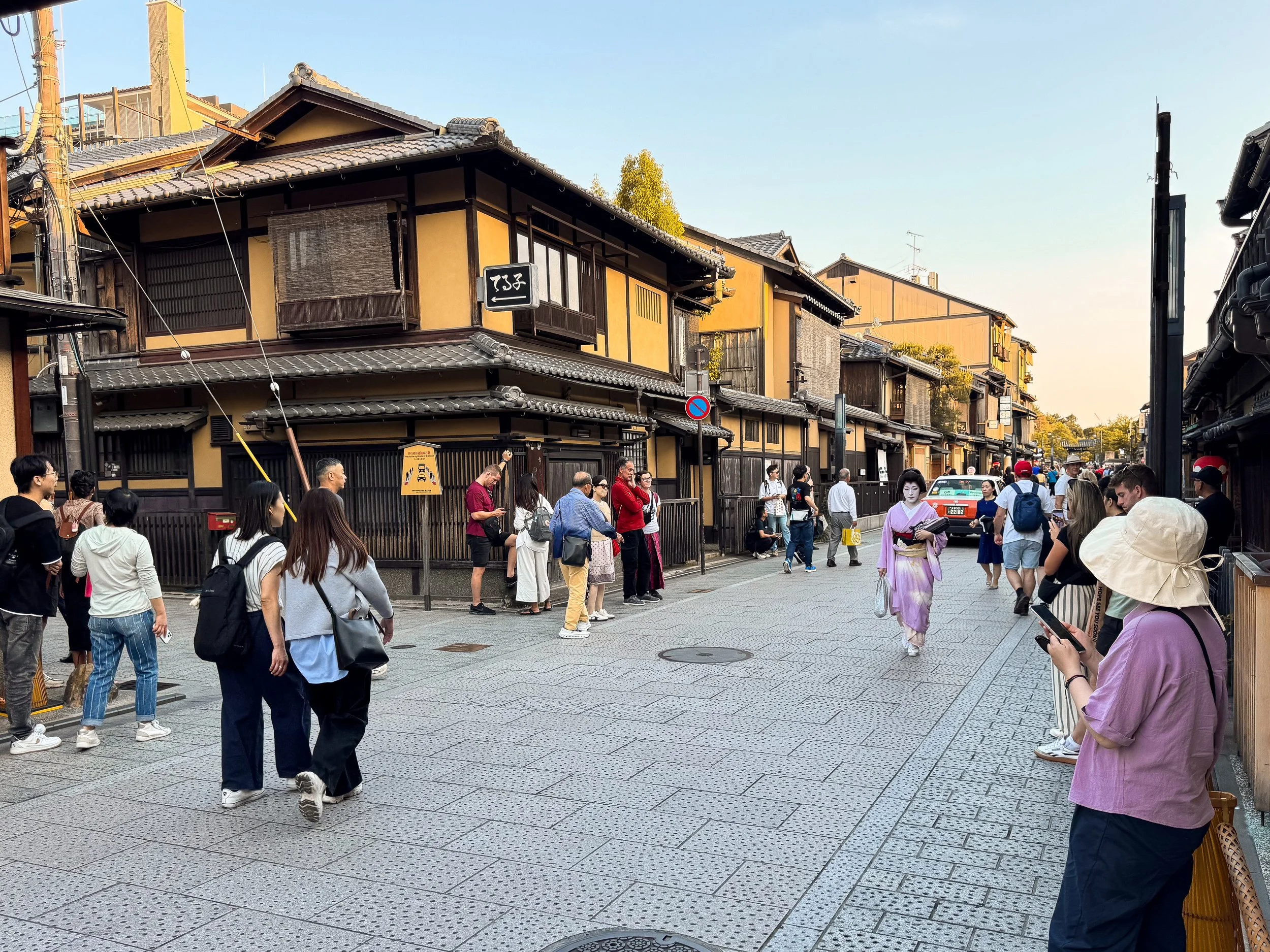
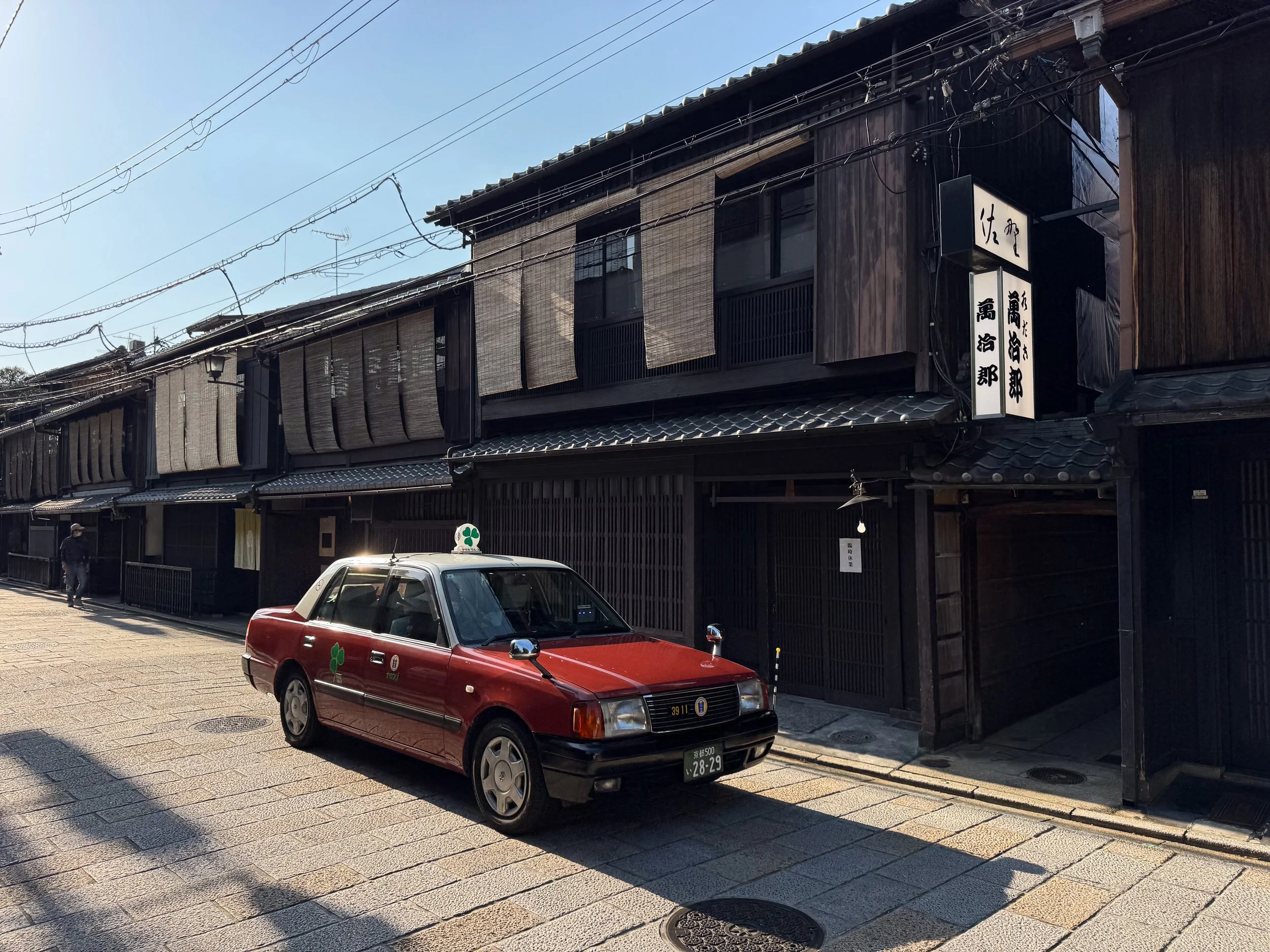
Gion District. One of the most historic districts in Kyoto with narrow streets, old wooden houses, traditional izakayas and genuine geishas. The best time to walk around is before 8am and between 3-5pm.
Shinbashi Dori. An architecturally interesting street in the Gion District with a series of traditional Japanese style houses. Each is one of a kind built over the centuries from varying tones of wood.
Shirakawa Canal. A tree lined canal passing through the center of the Gion District. The calming stream flows over cobblestones, past beautiful wooden houses and beneath pedestrian bridges with people overlooking it. It’s a romantic location and popular spot for photoshoots.
Hanamikoji-dori. The main street in the Gion District and most likely place to spot geishas in full make up and traditional attire. We walked the street around 5pm and spotted several geishas walking to appointments and being picked up by drivers.
Good to Know. Be respectful. Don’t directly photograph, walk in front of or speak to the geishas. It’s considered rude and can even lead to a fine.
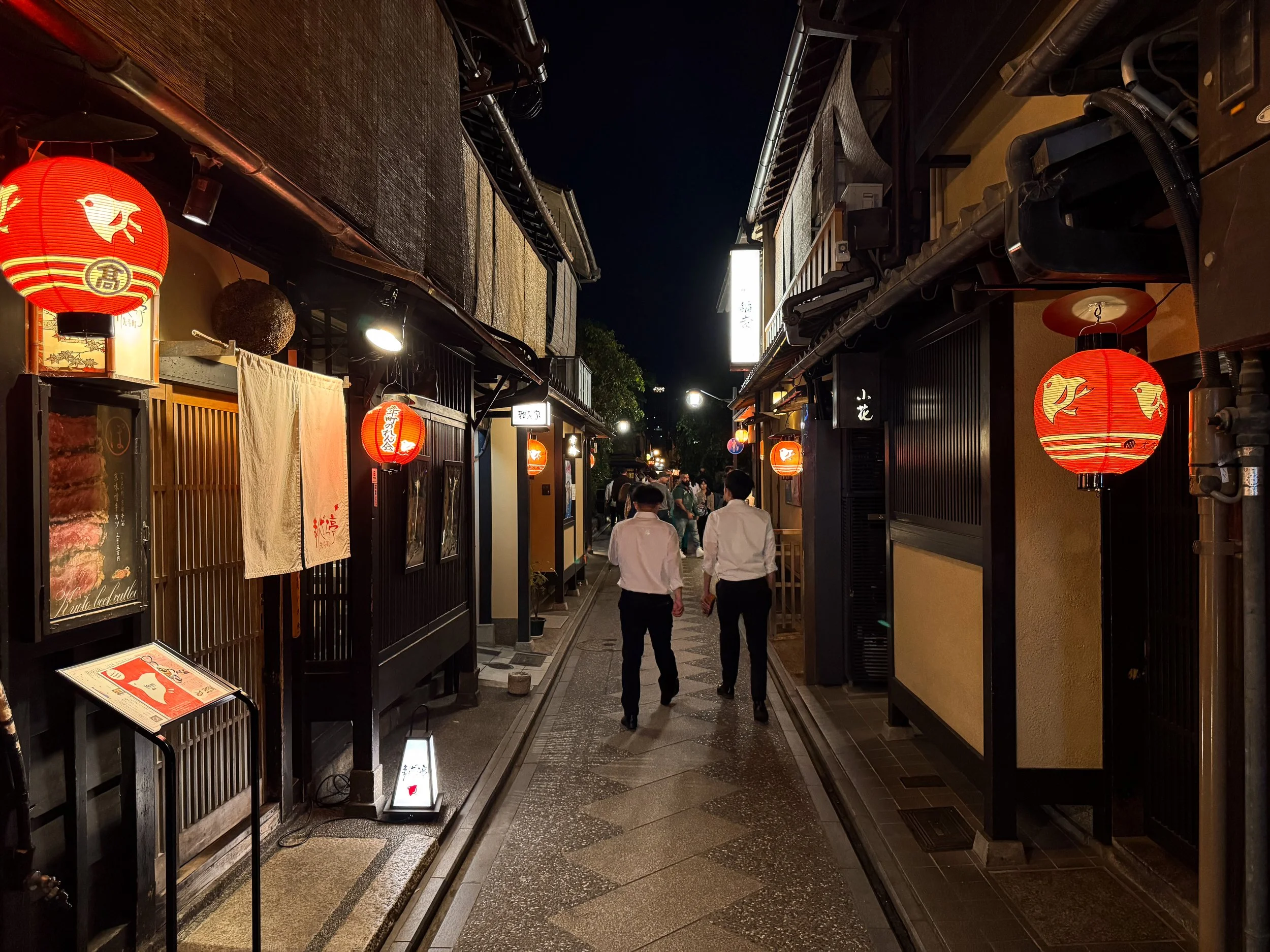
Ponto-Chō. A nightlife neighborhood with narrow alleyways illuminated by red paper lanterns. It’s a popular area with dozens of late night izakayas, small standing bars, sushi restaurants, hidden pubs and matcha tea houses. Many places overlook the Kamo River, where locals spend their late afternoon with friends and family as the sun sets.
Good to Know. Make reservations ahead of time to secure a seat at restaurants and bars.
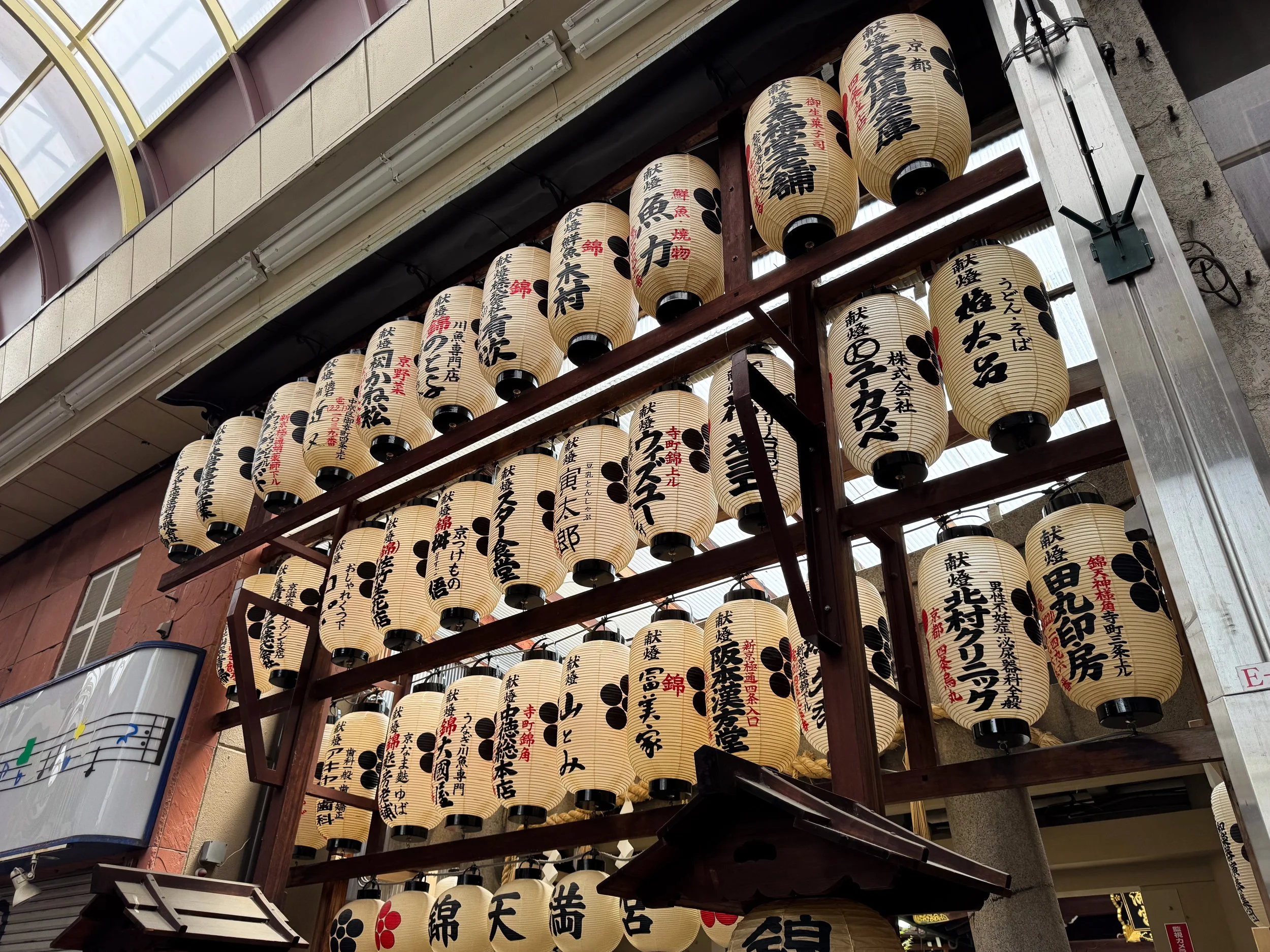
Sanjo-Dori Street. A covered shopping street with all types of Japanese businesses. We window shopped and admired all of the beautifully designed things at stationery and stamp stores, streetwear and thrift shops, Japanese knife boutiques, bookshops and souvenir stands. In between the shops are izakayas, bakeries, matcha cafés, Shinto and Buddhist temples.
Pagodas, Temples & Castles
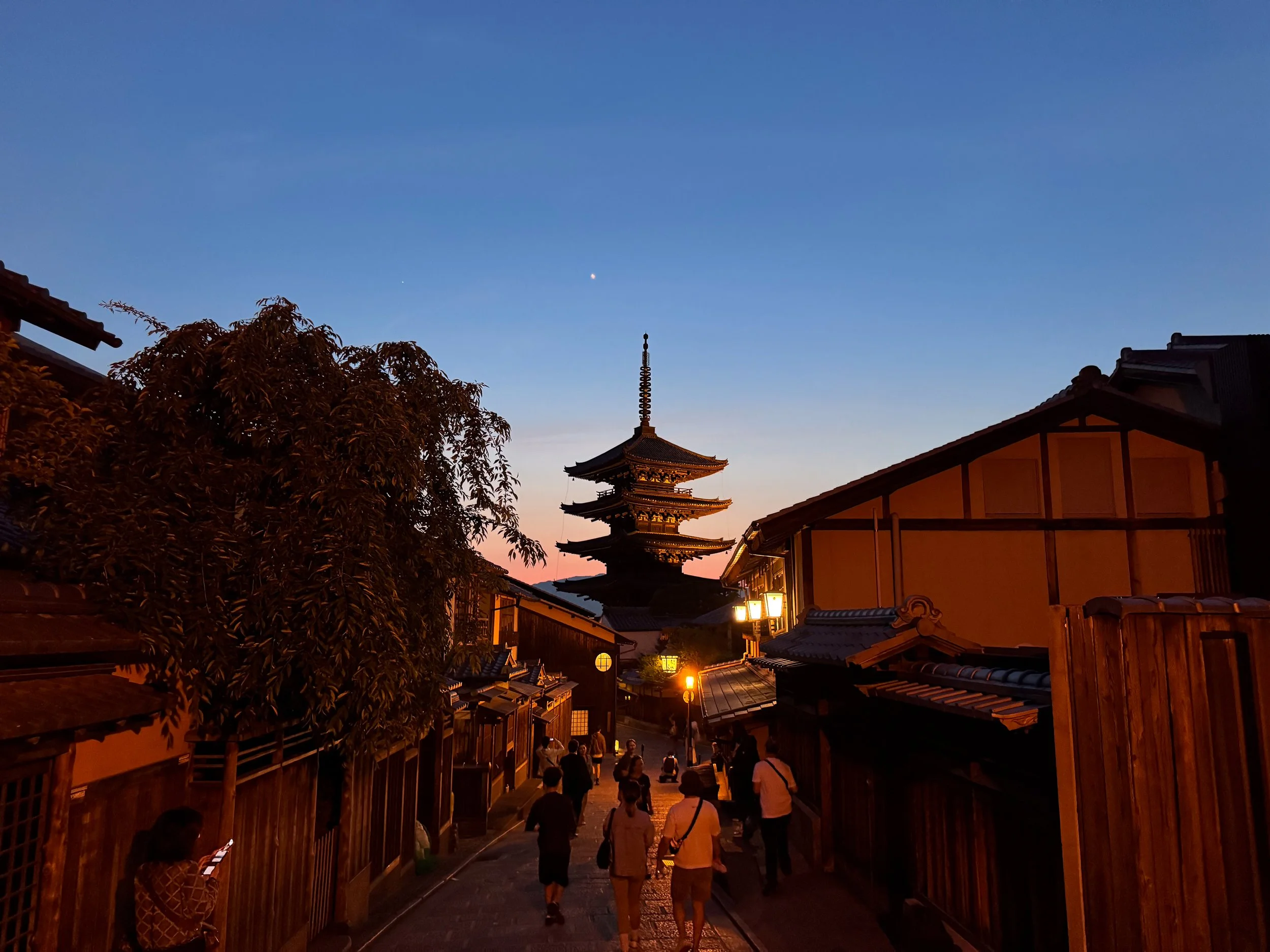
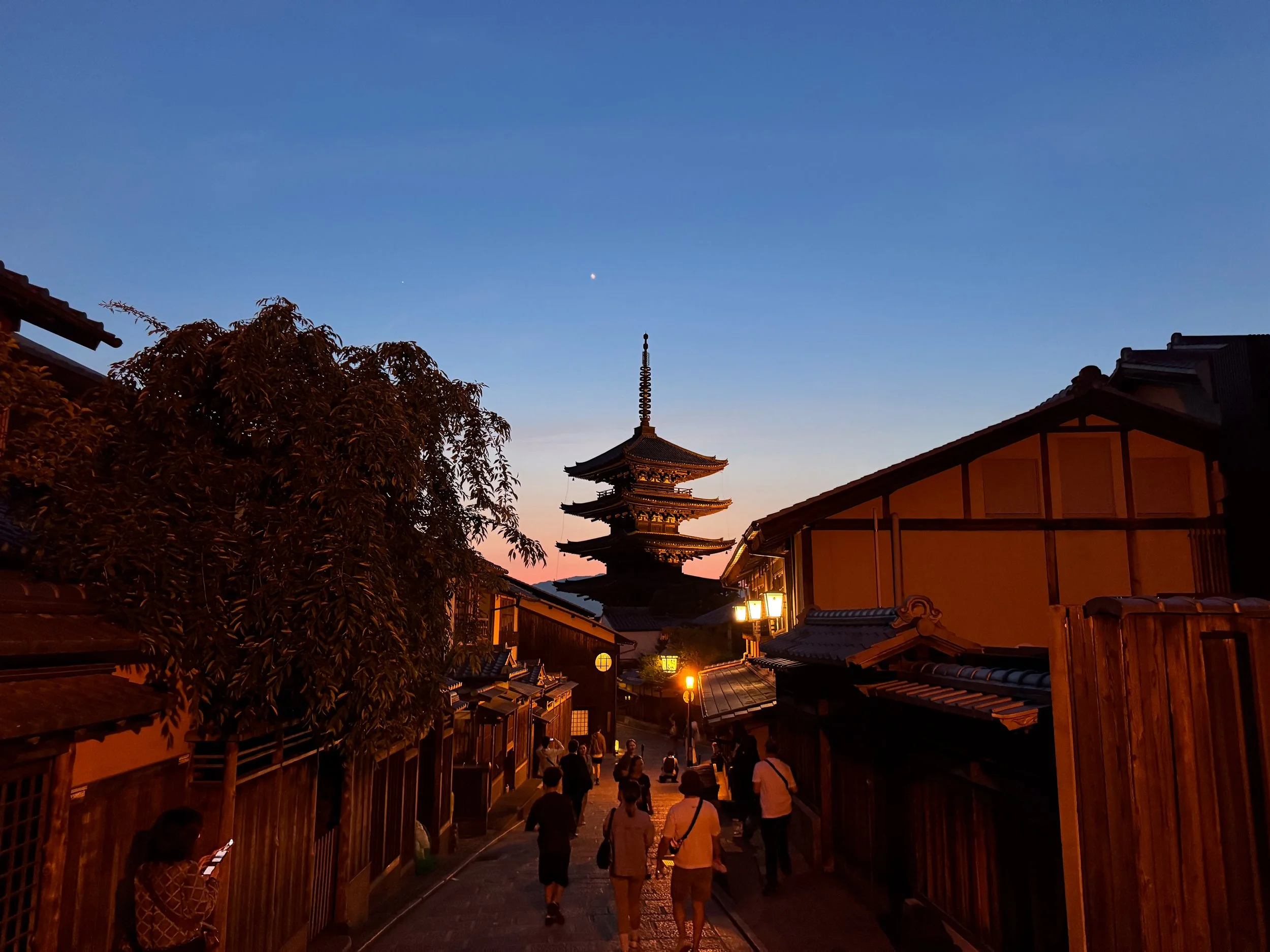
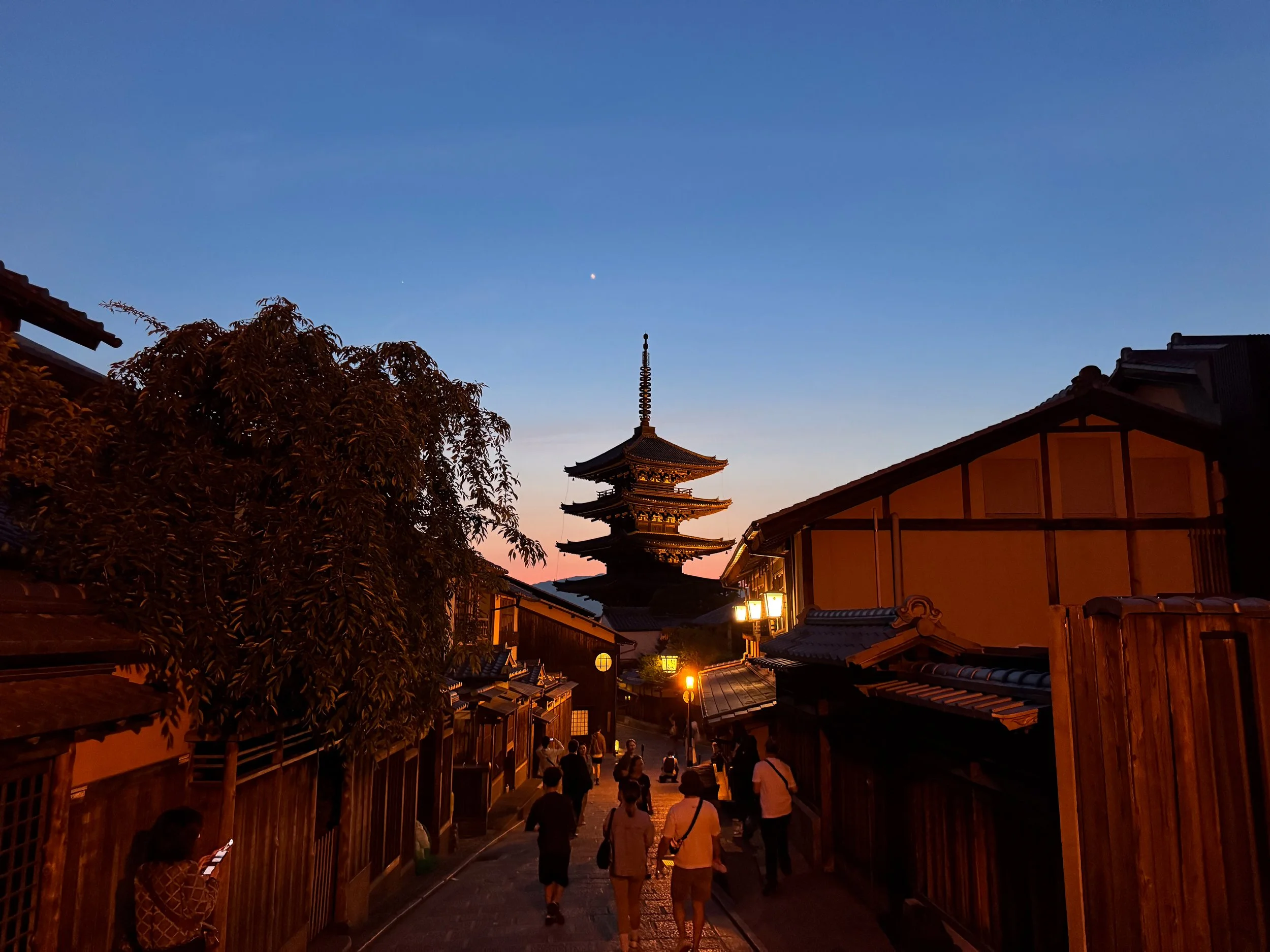
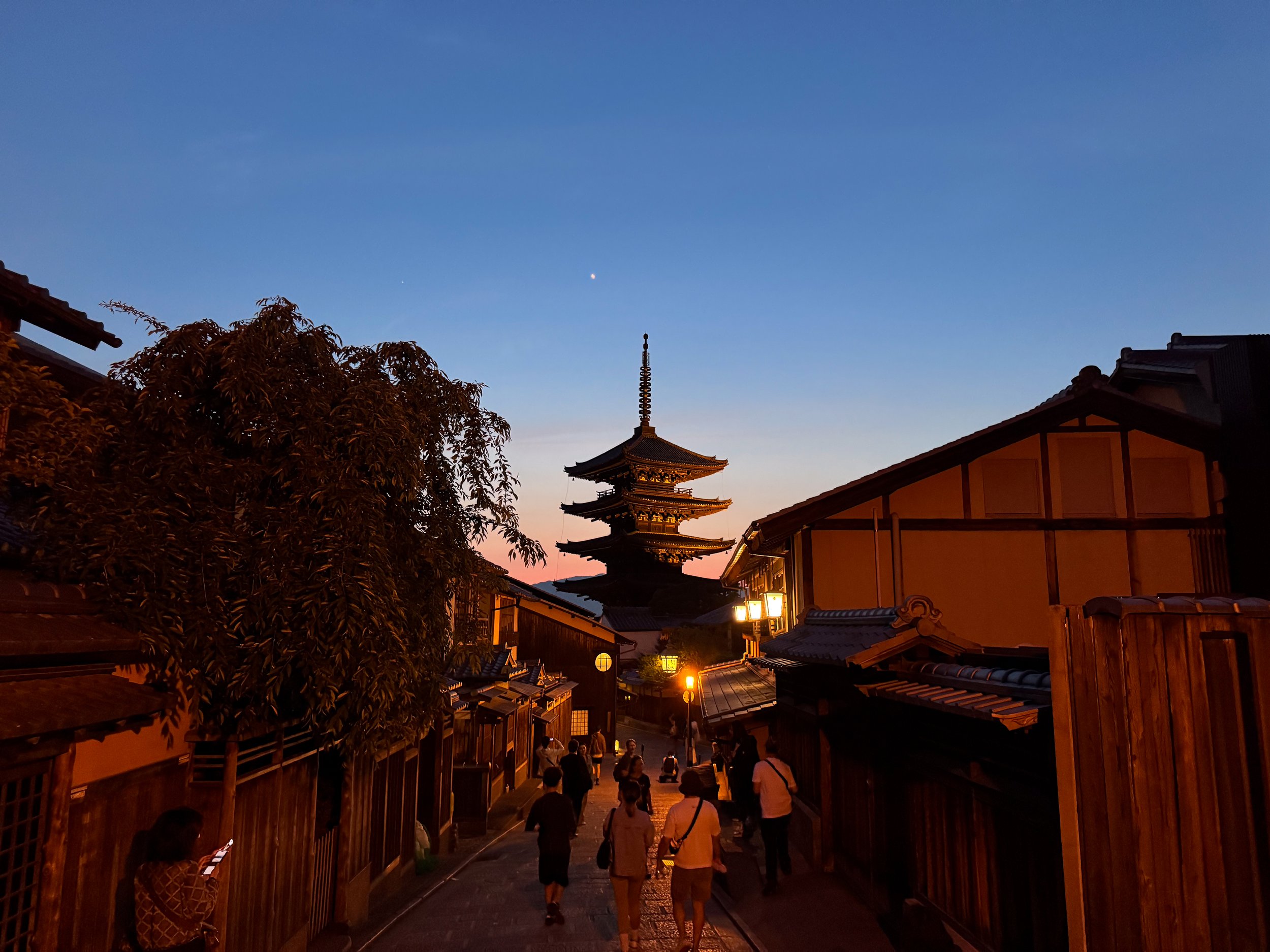
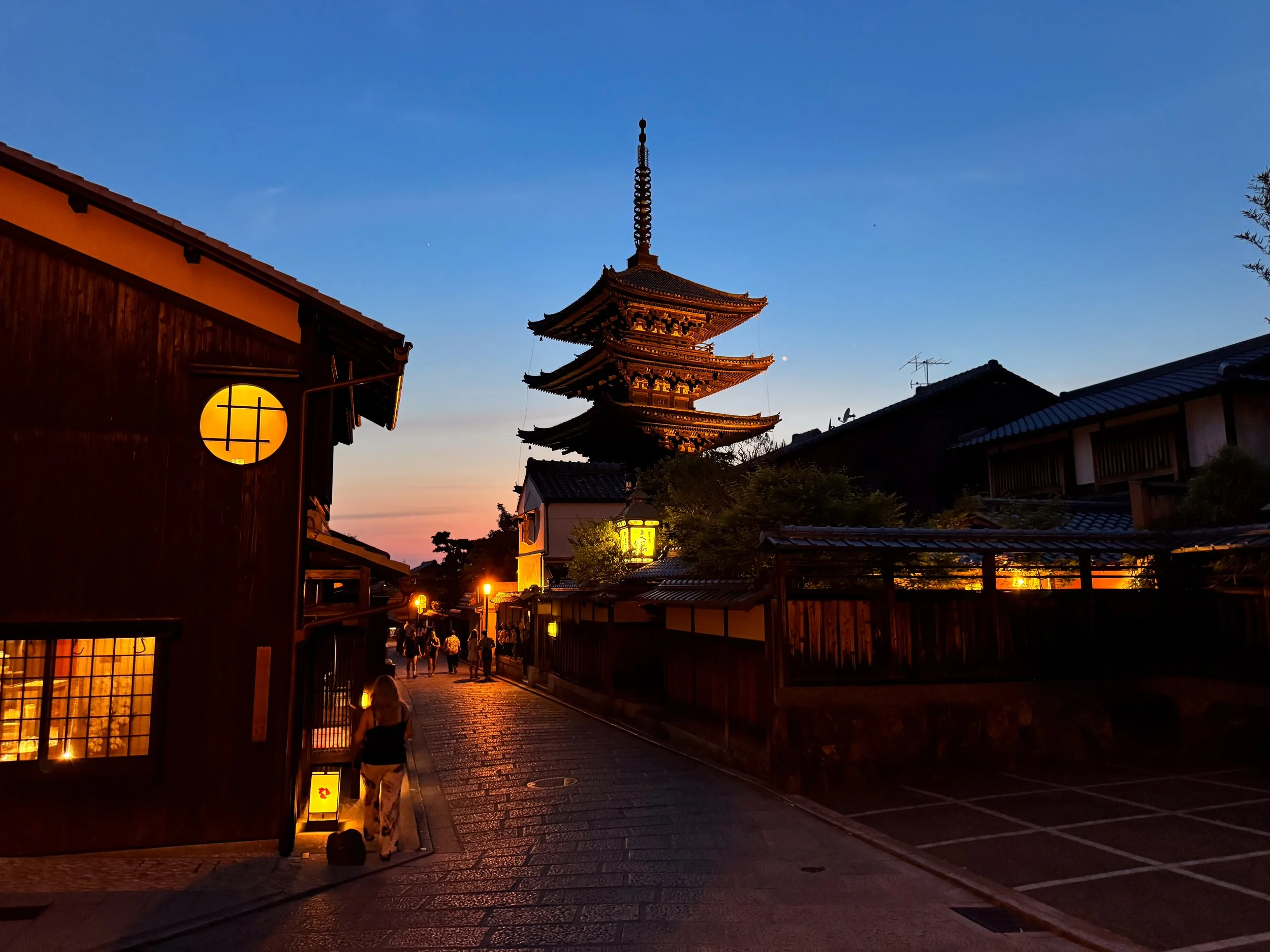
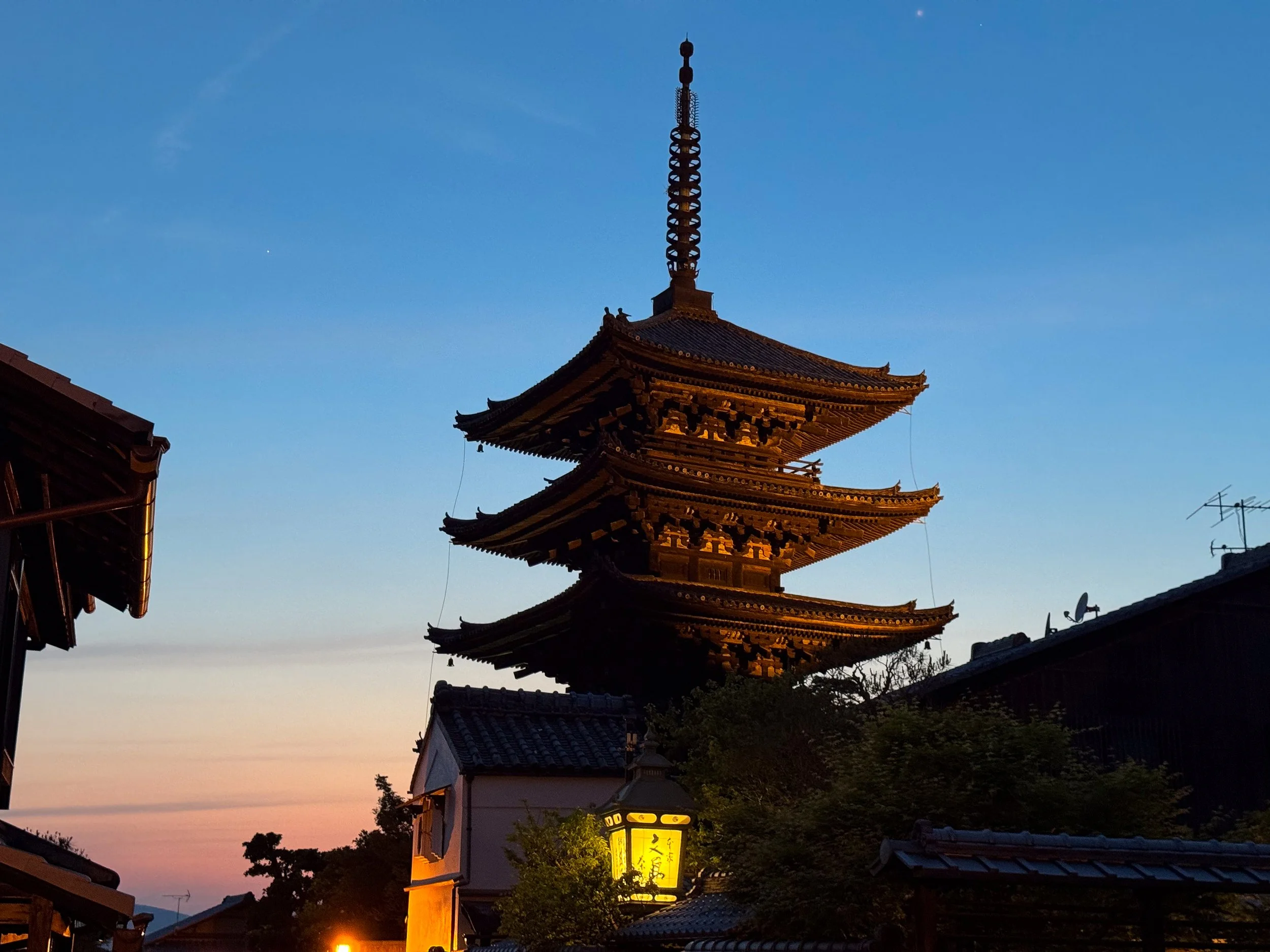
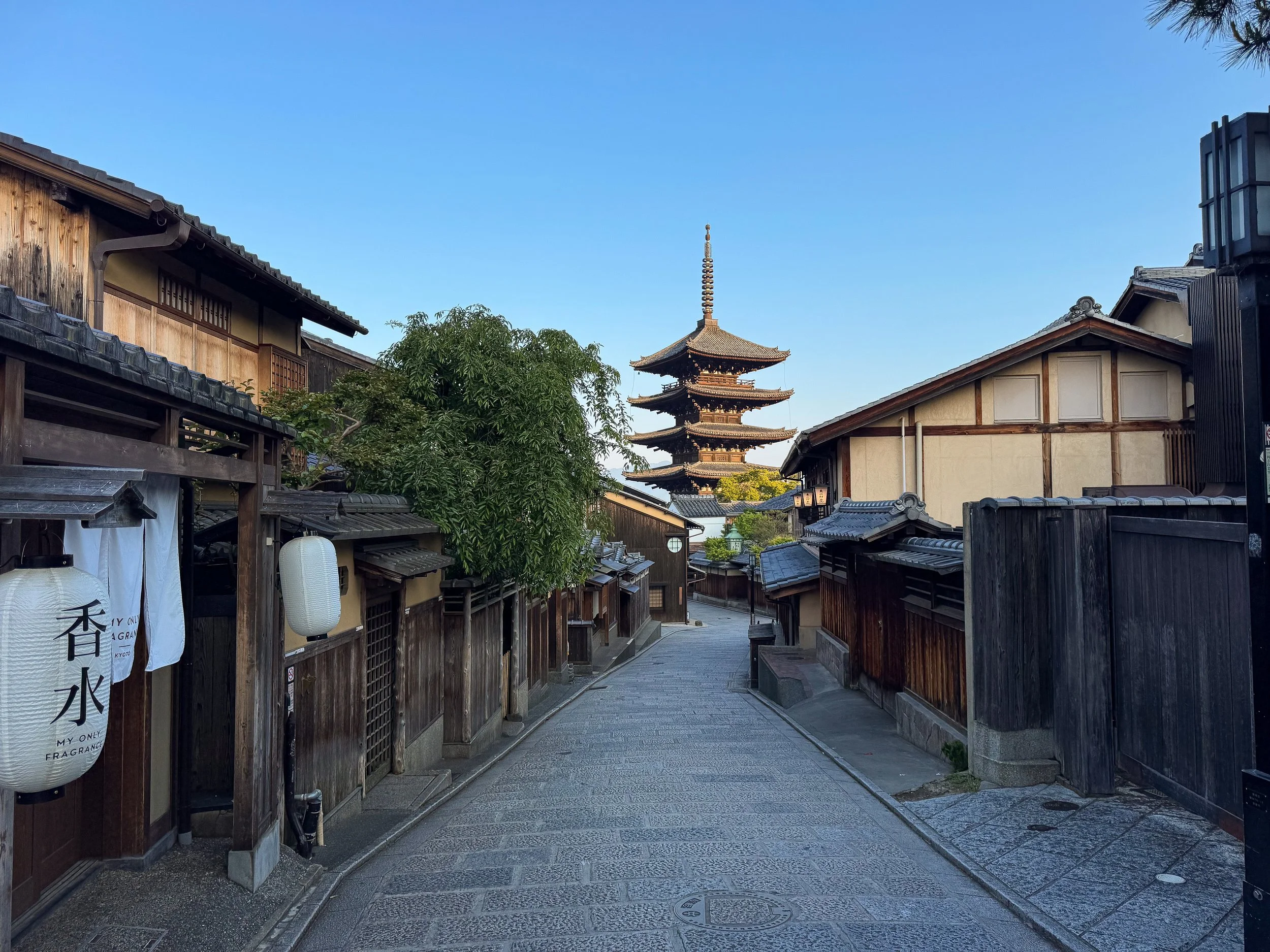
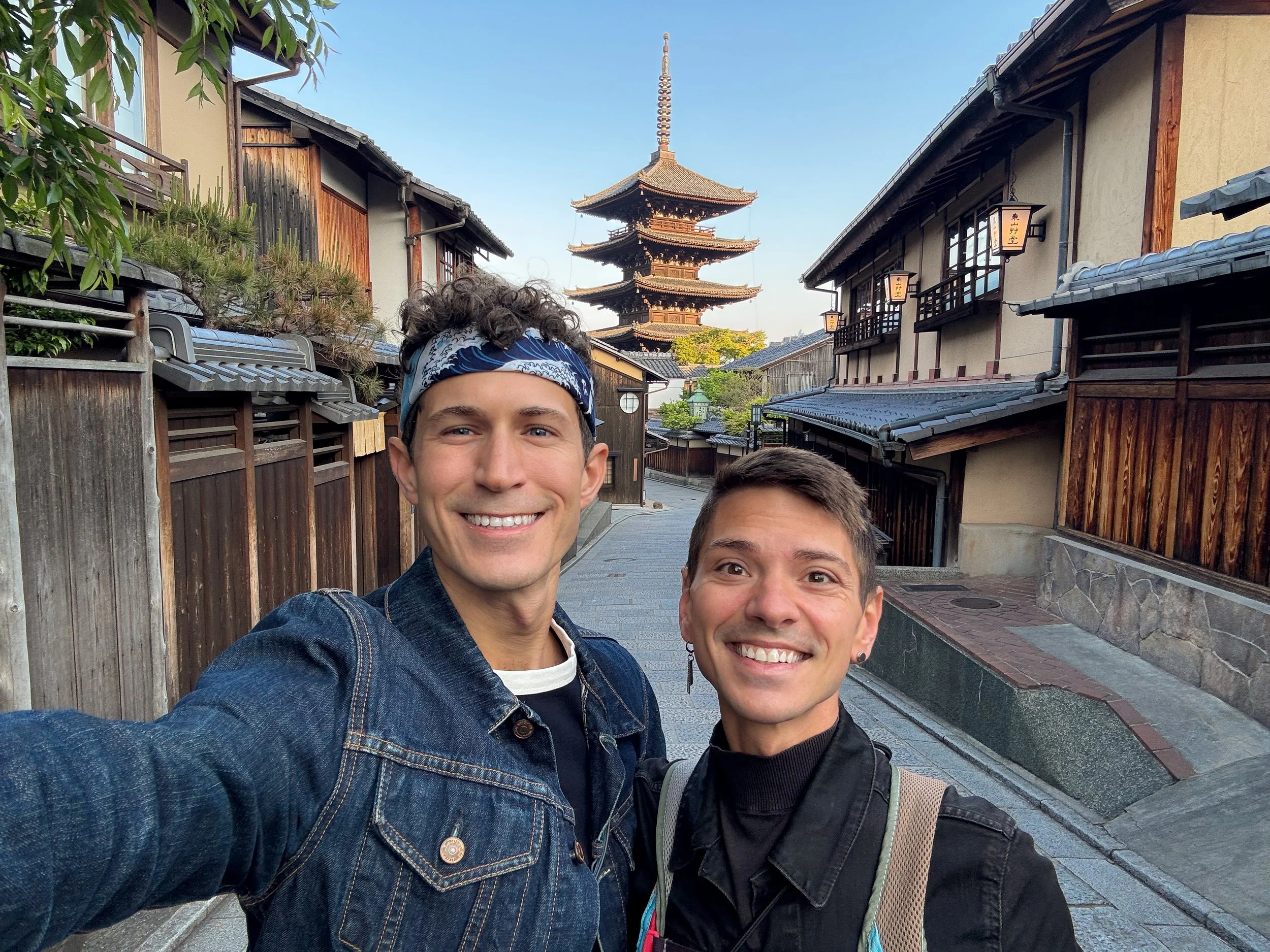
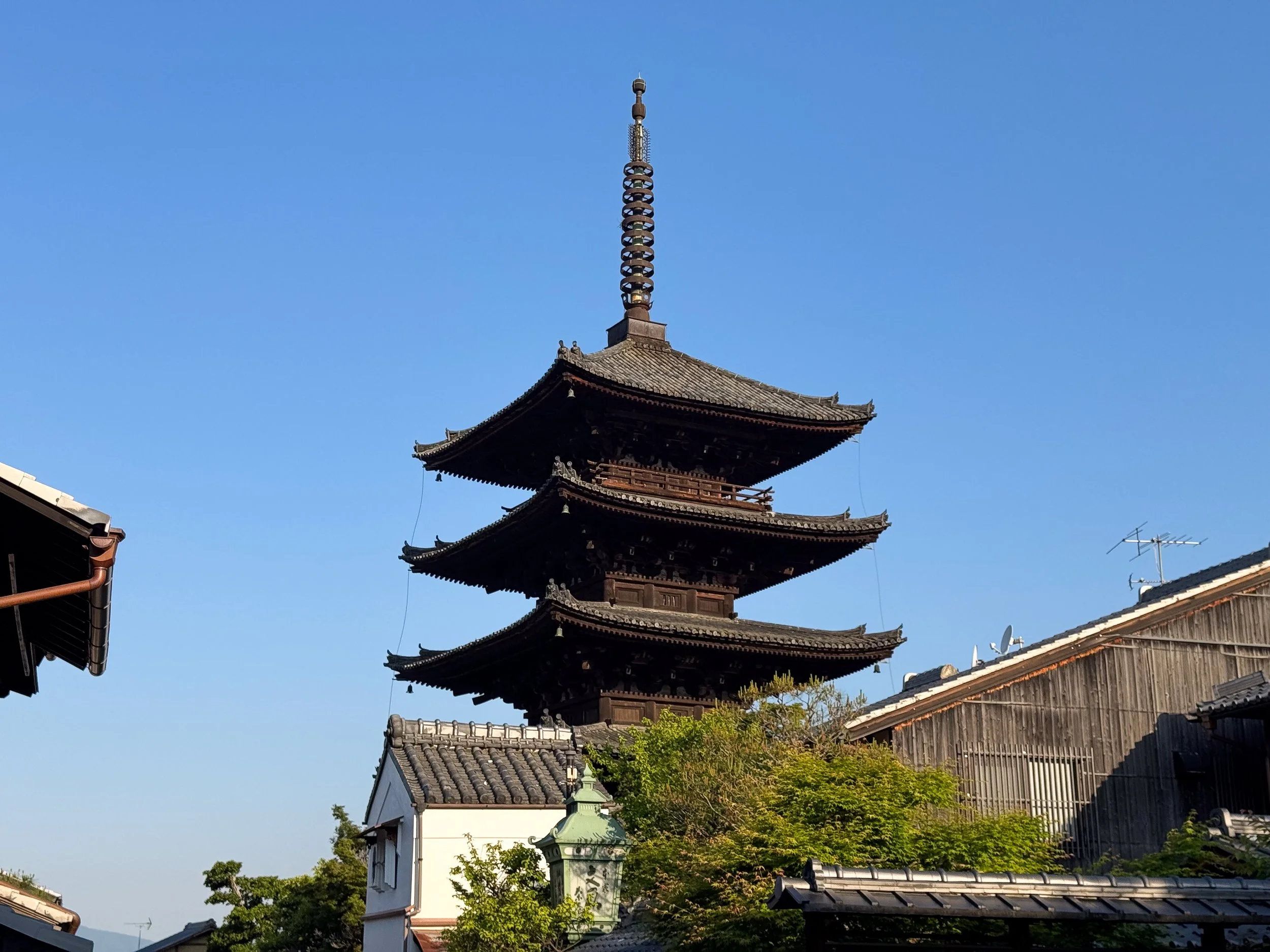
Yasaka Pagoda. A five tiered wooden pagoda in the center of the Higashiyama District. It’s one of Kyoto’s most picturesque sights. The pagoda is framed by a winding cobblestone street and historic Japanese homes. It houses relics of the Buddha but is closed to tourists.
Pro Tip. Arrive before 6am to enjoy uninterrupted views and the historic streets surrounding it.
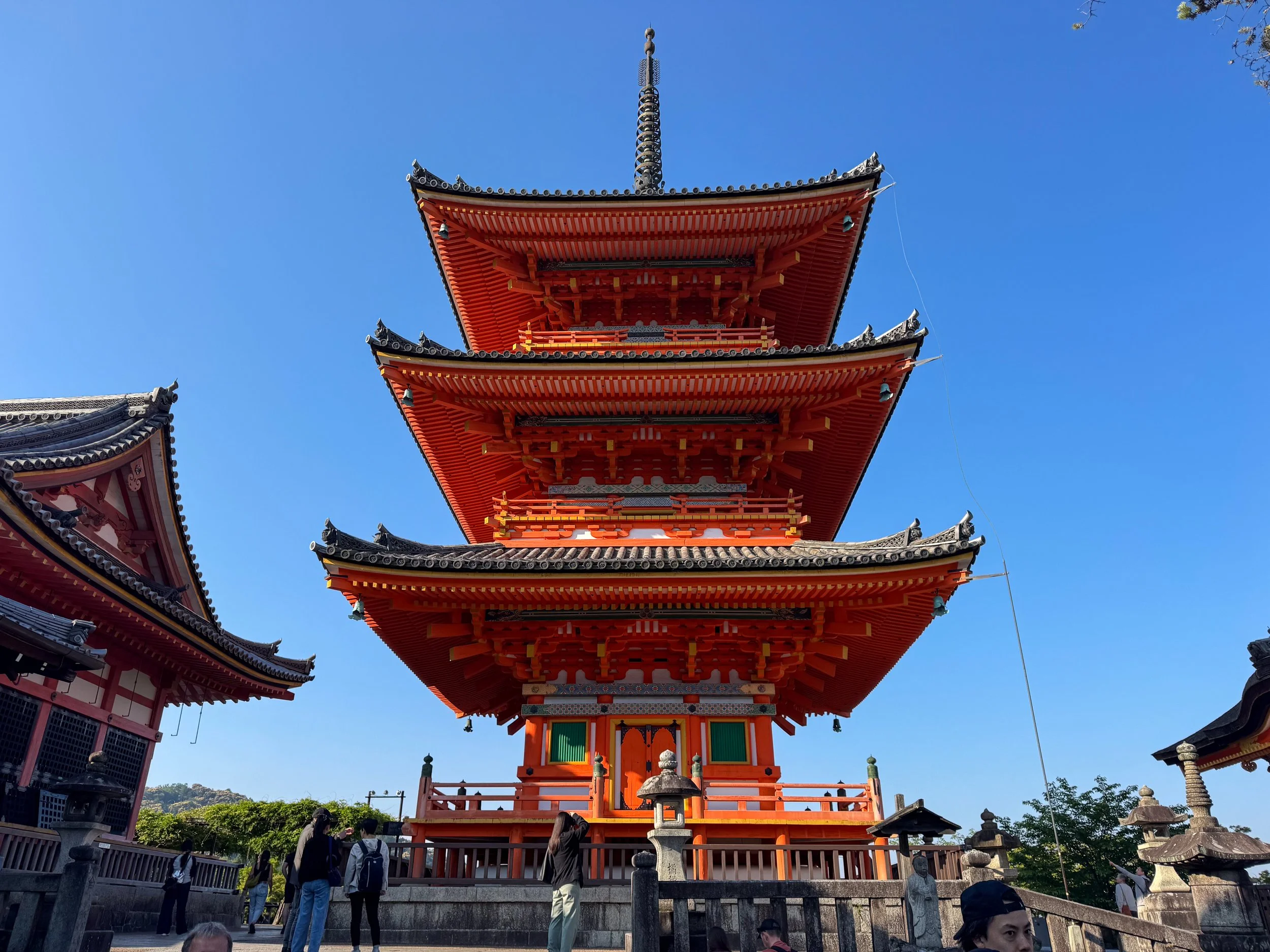
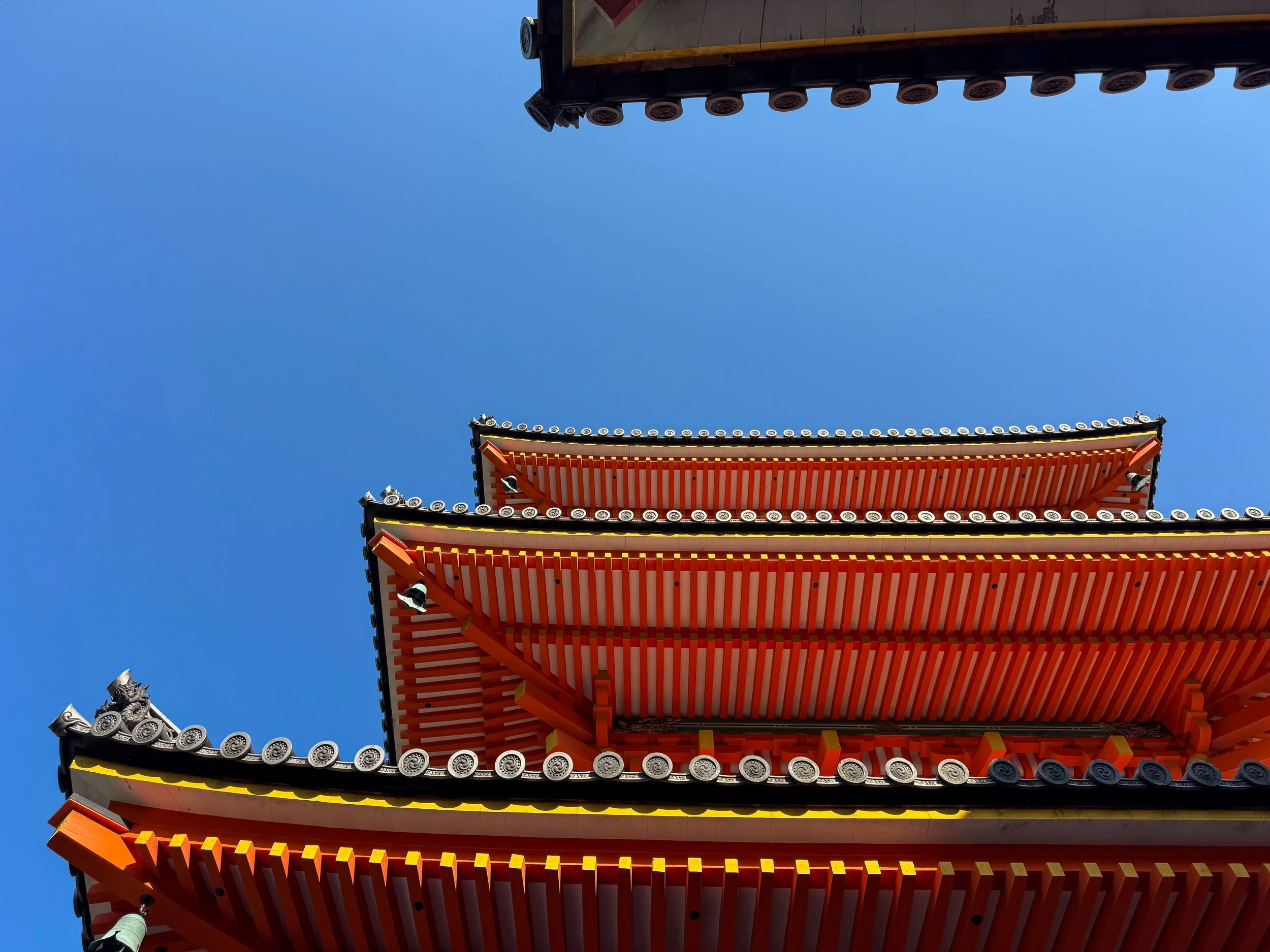
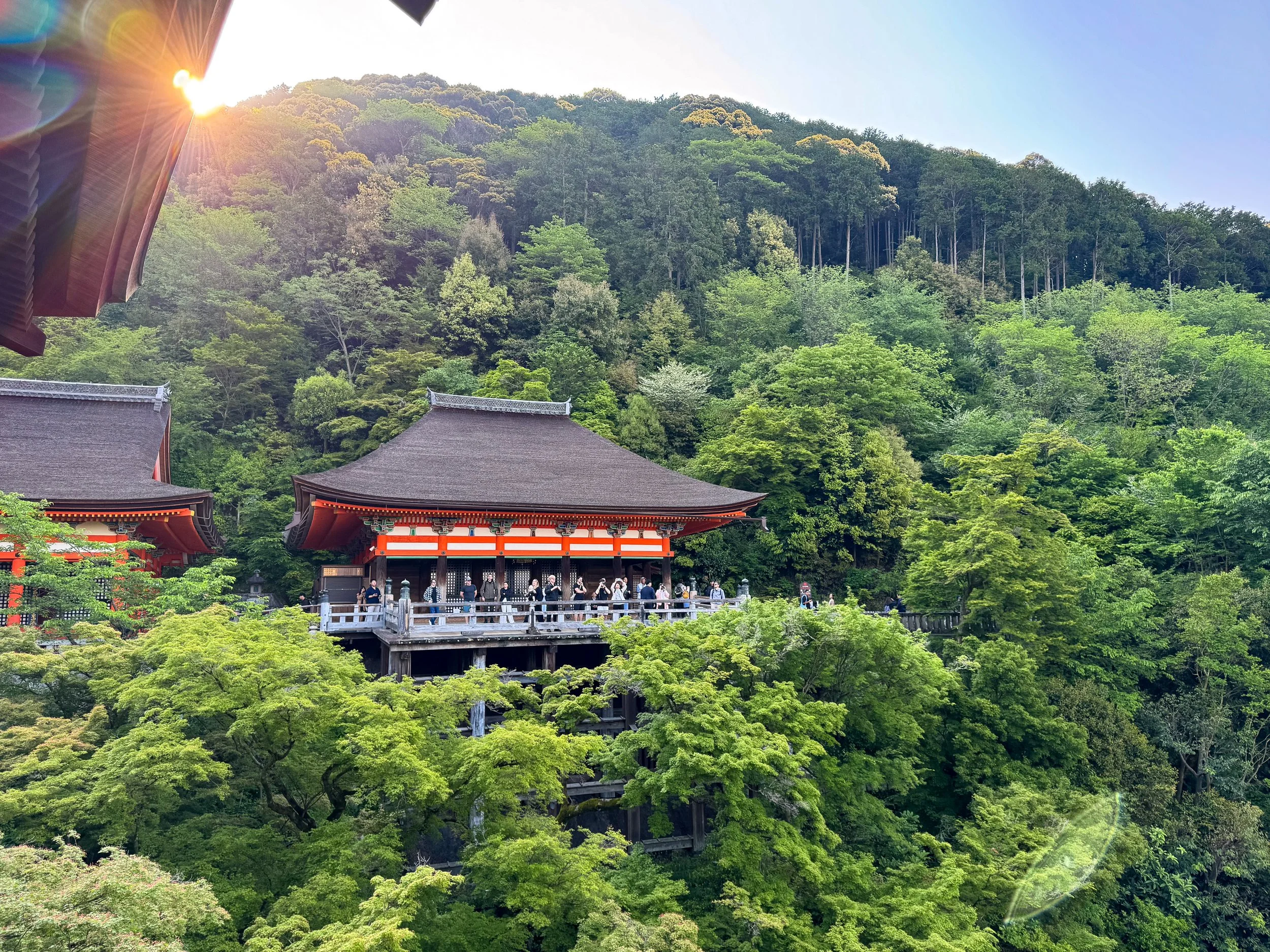
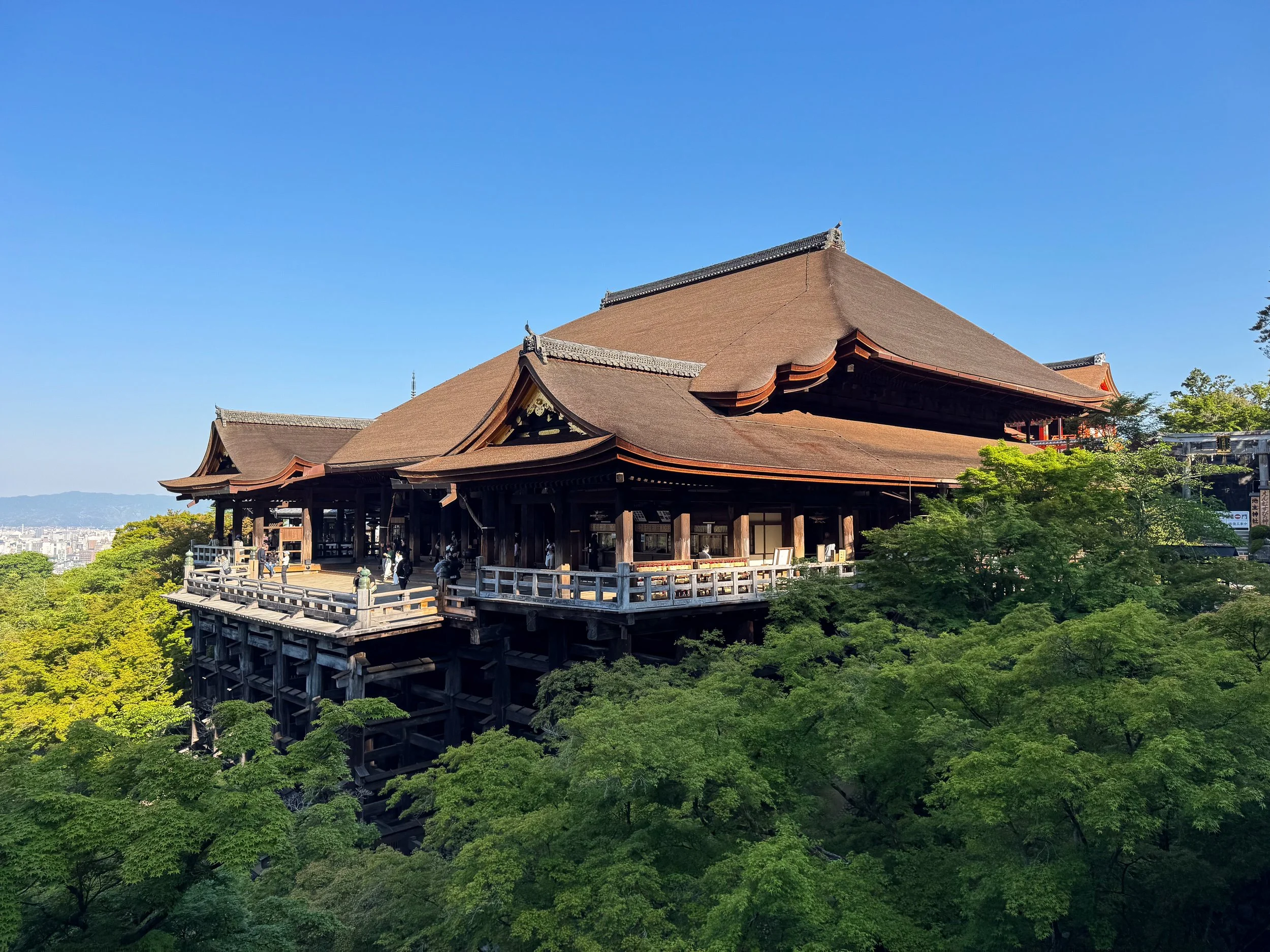
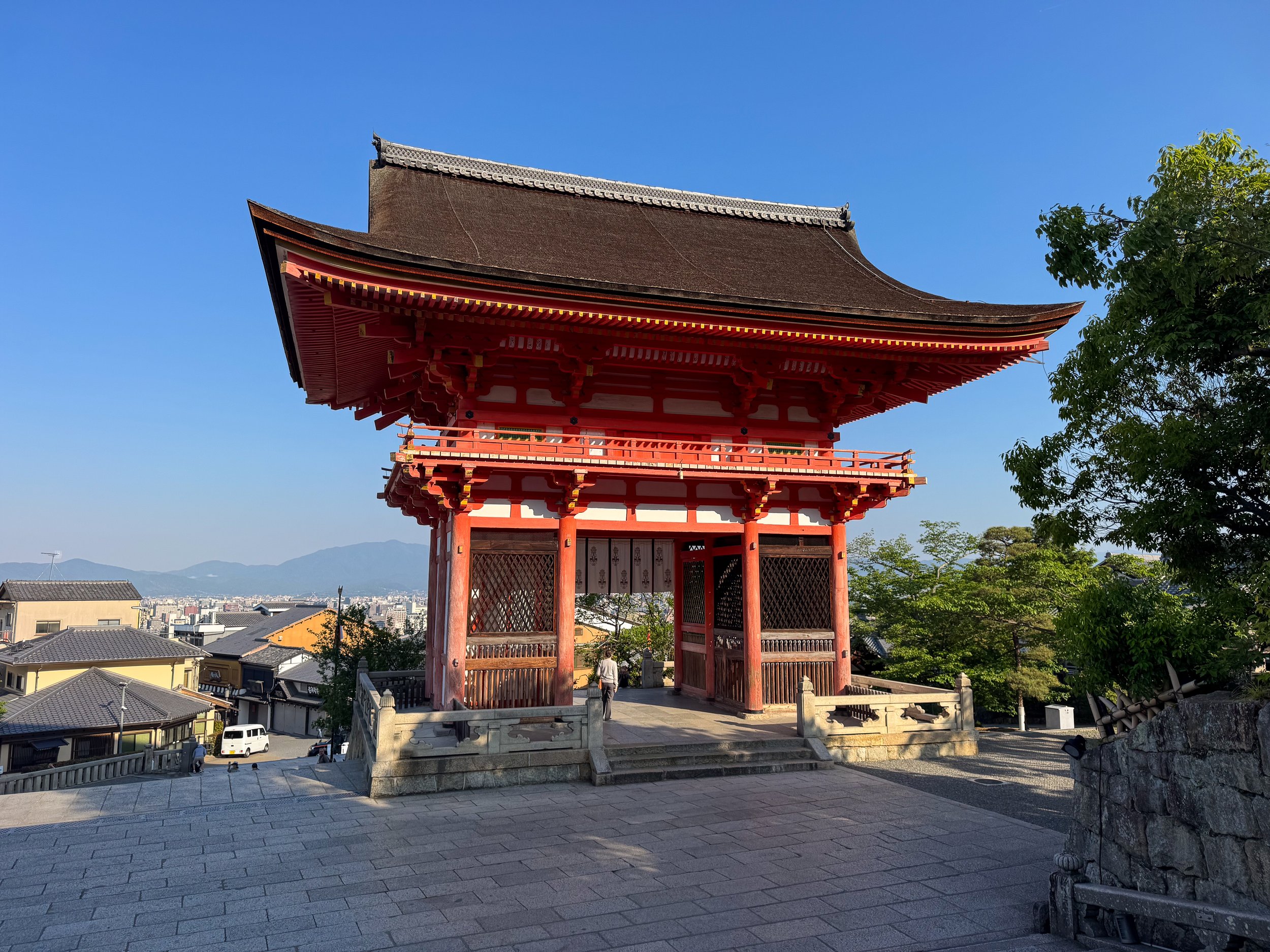
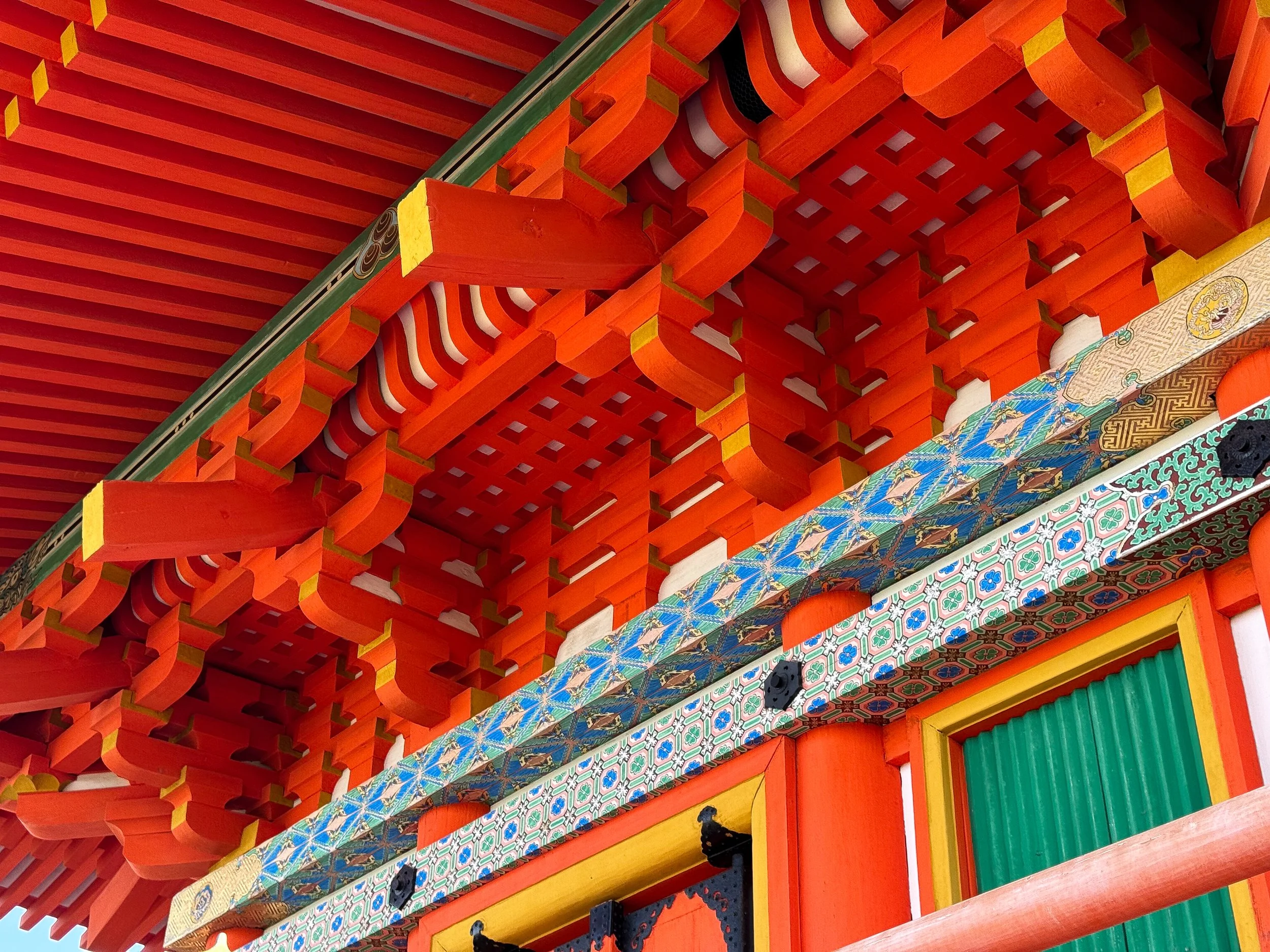
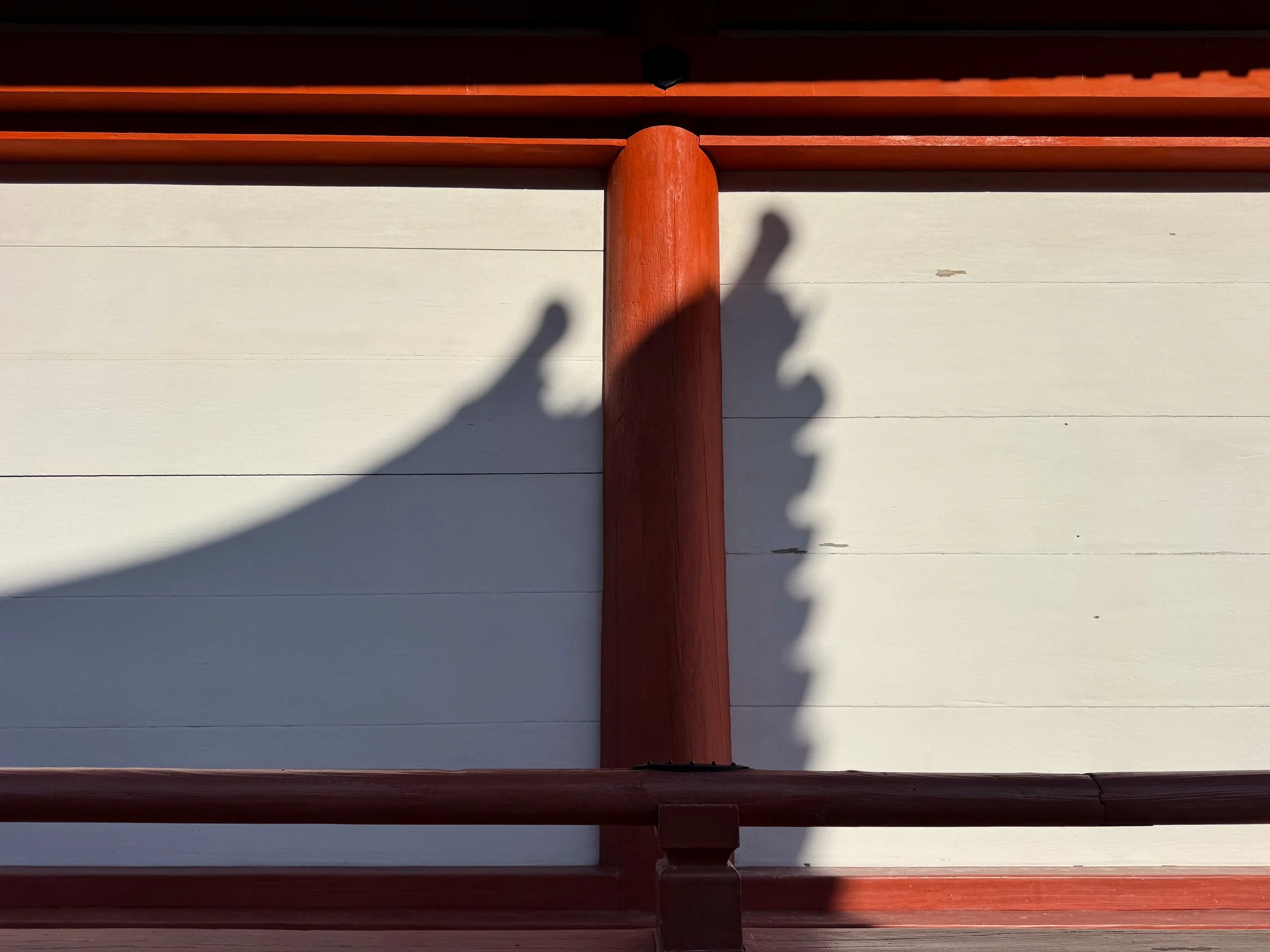
Kiyomizu-dera. A sprawling hilltop temple complex in the Higashiyama District with a grand stilted wooden temple. It overlooks the forested hillside and cityscape of Kyoto. Its entrance passes through a red lacquered temple gate, past a three tiered pagoda, meditation halls and Japanese garden. Walkways lead further through the complex to a series of smaller temples and shrines.
Pro Tip. Arrive by 7am before the temple officially opens to beat the crowds.
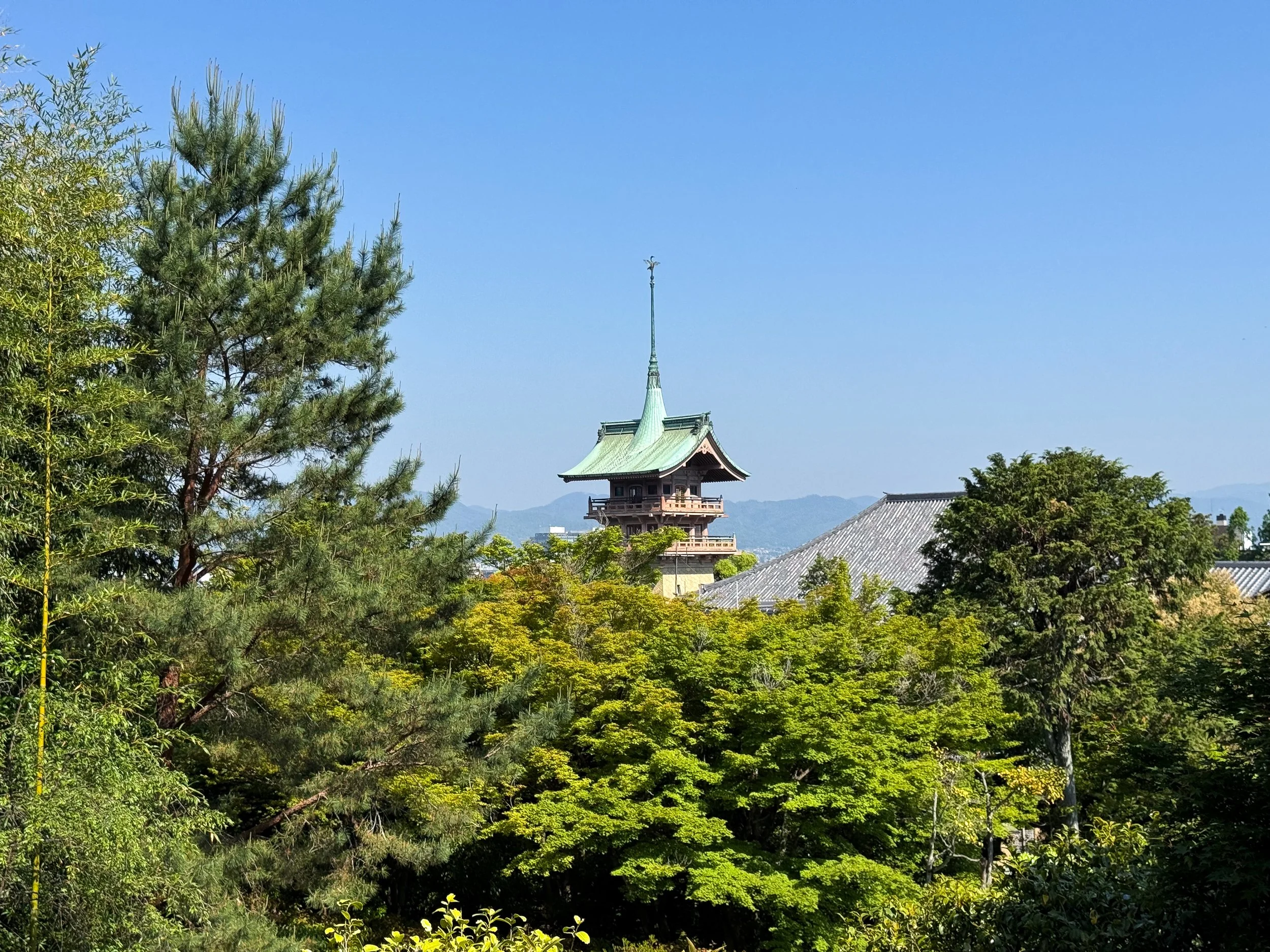
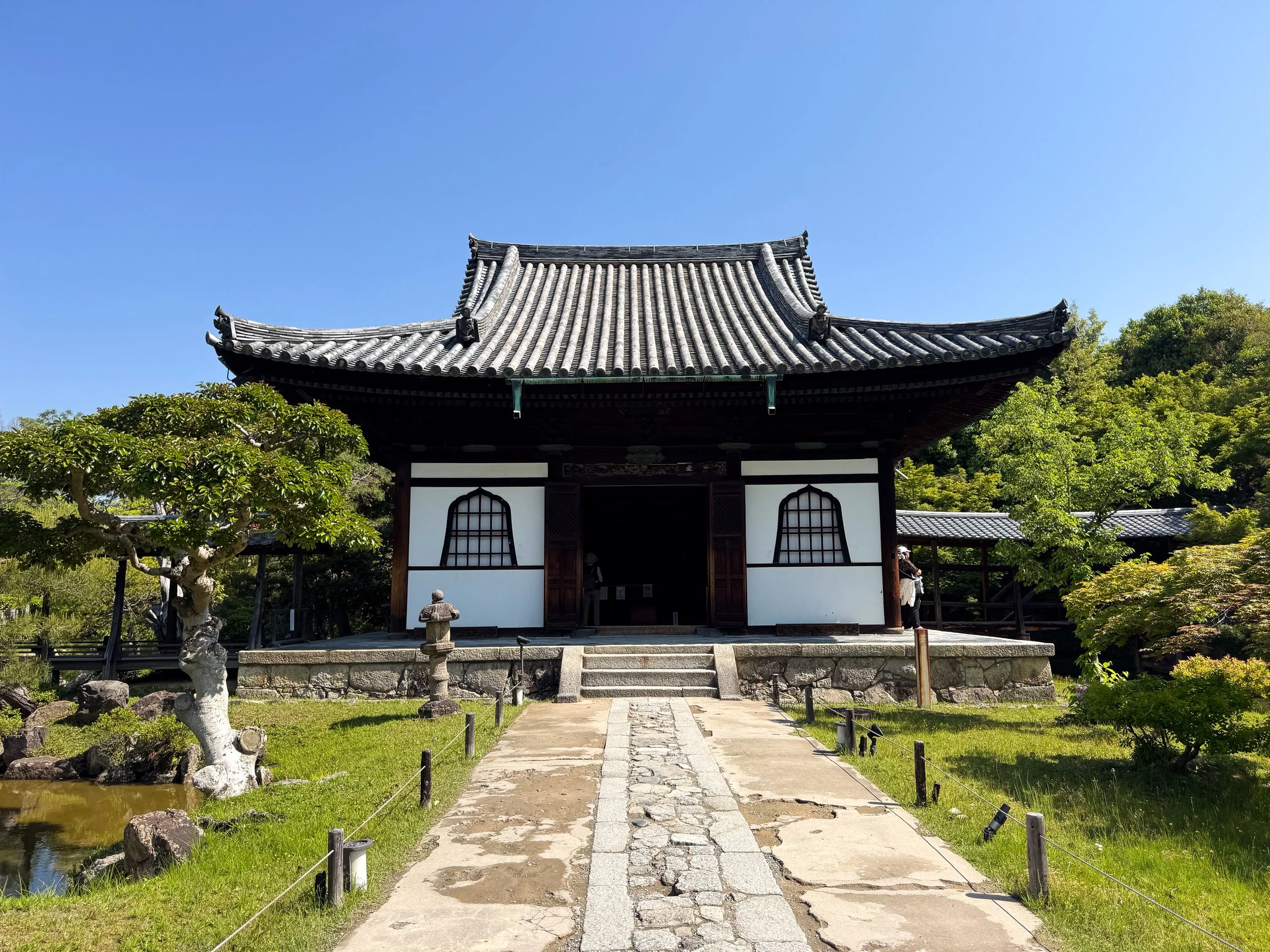
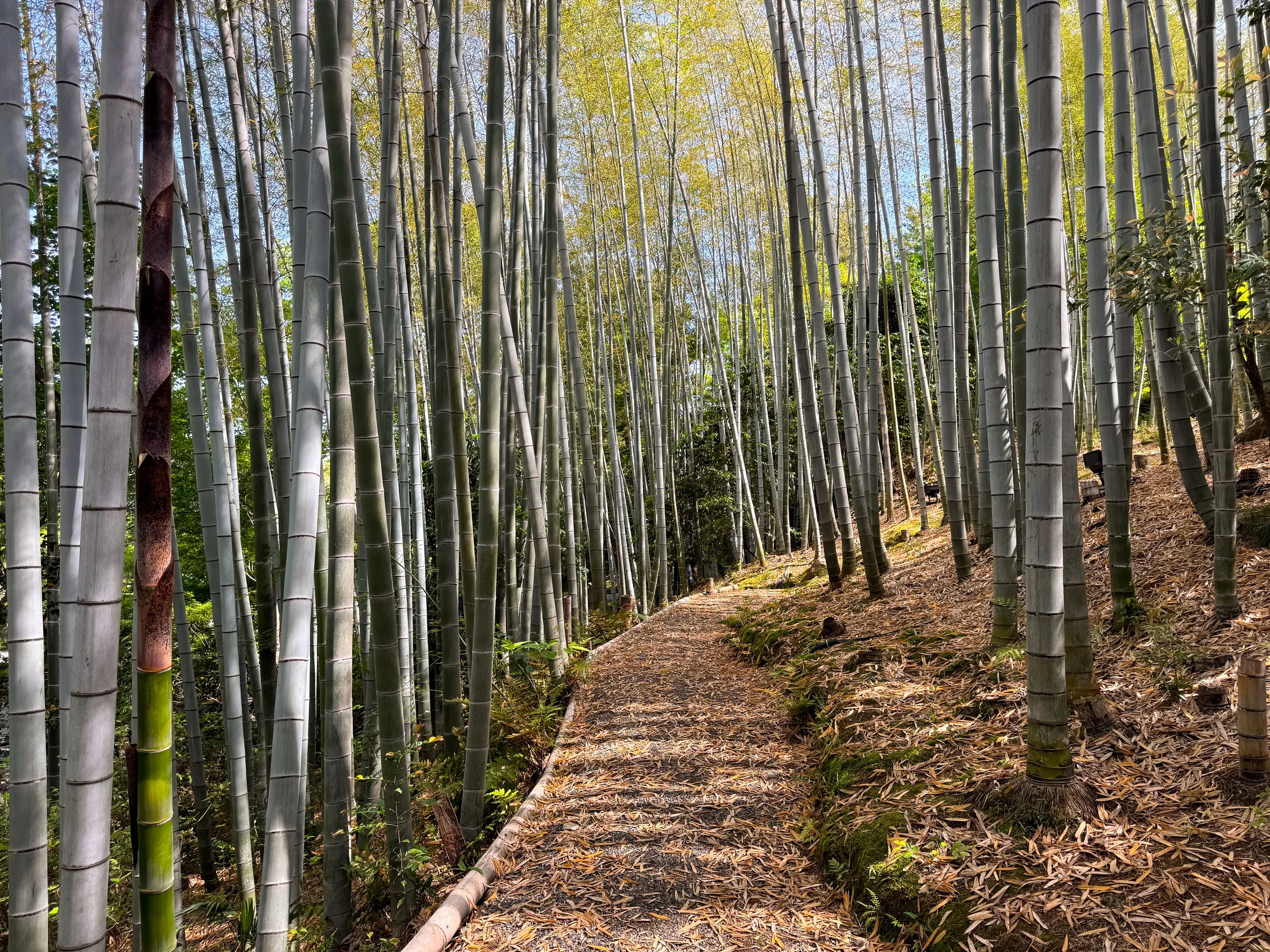
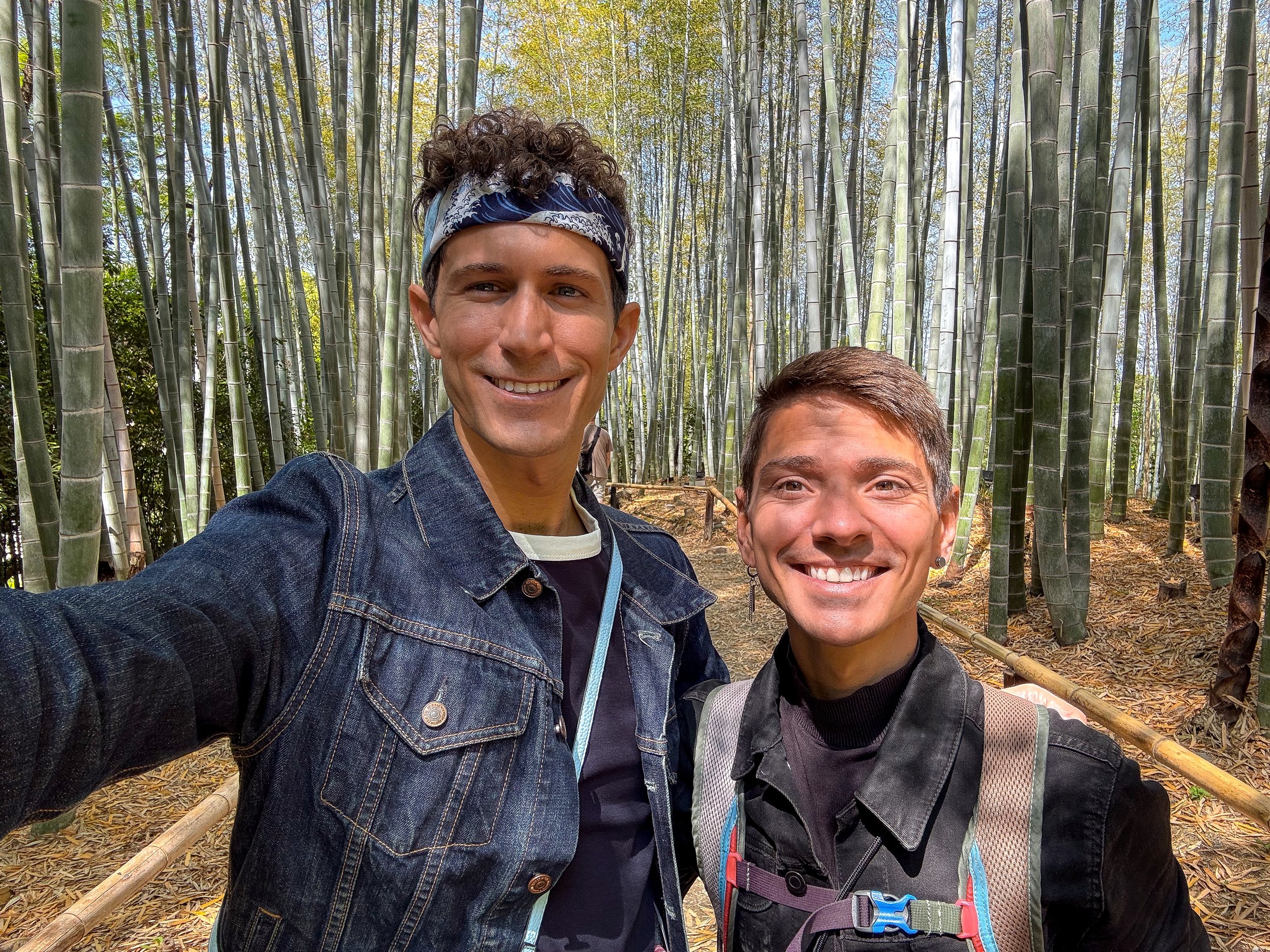
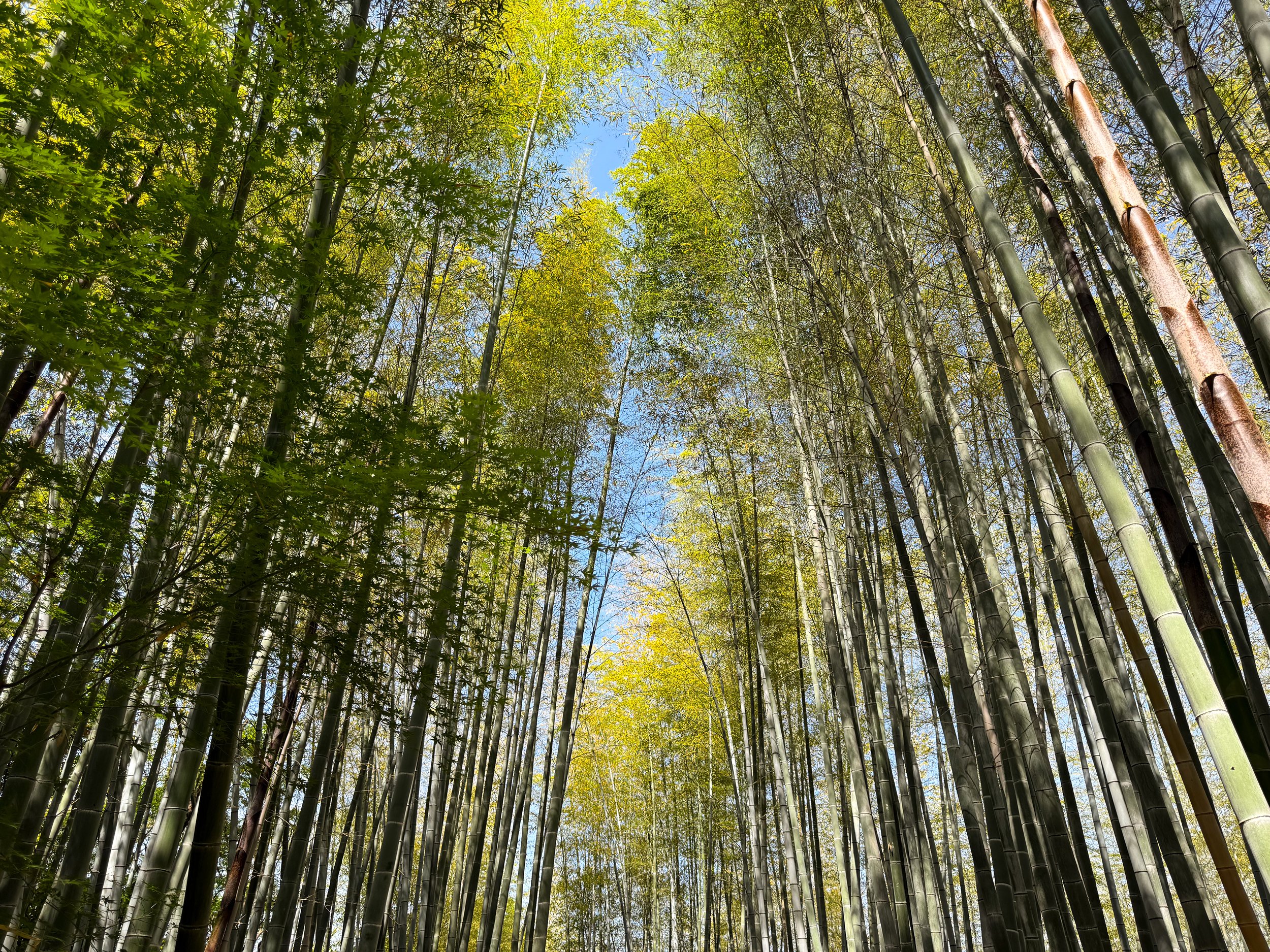
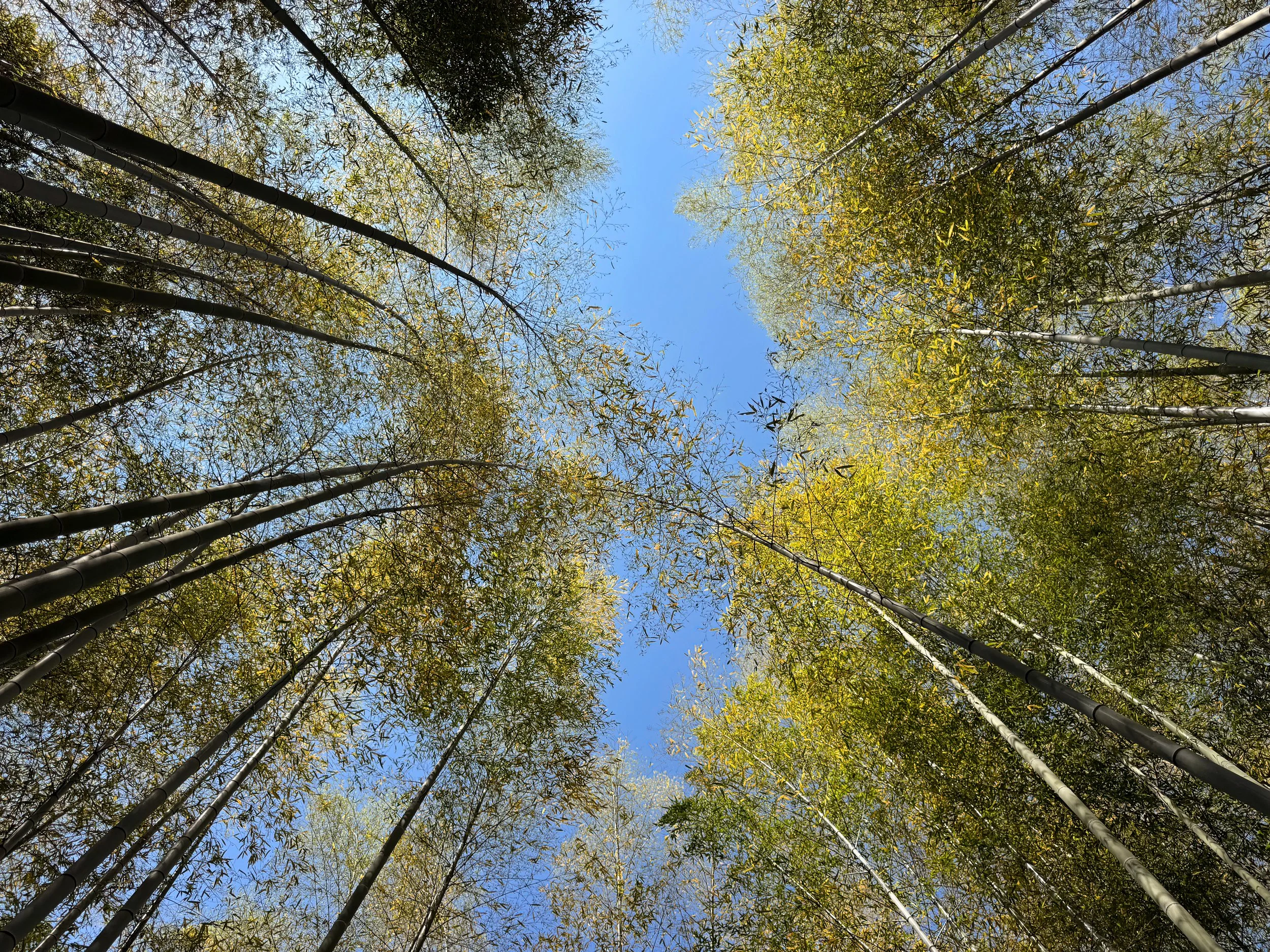
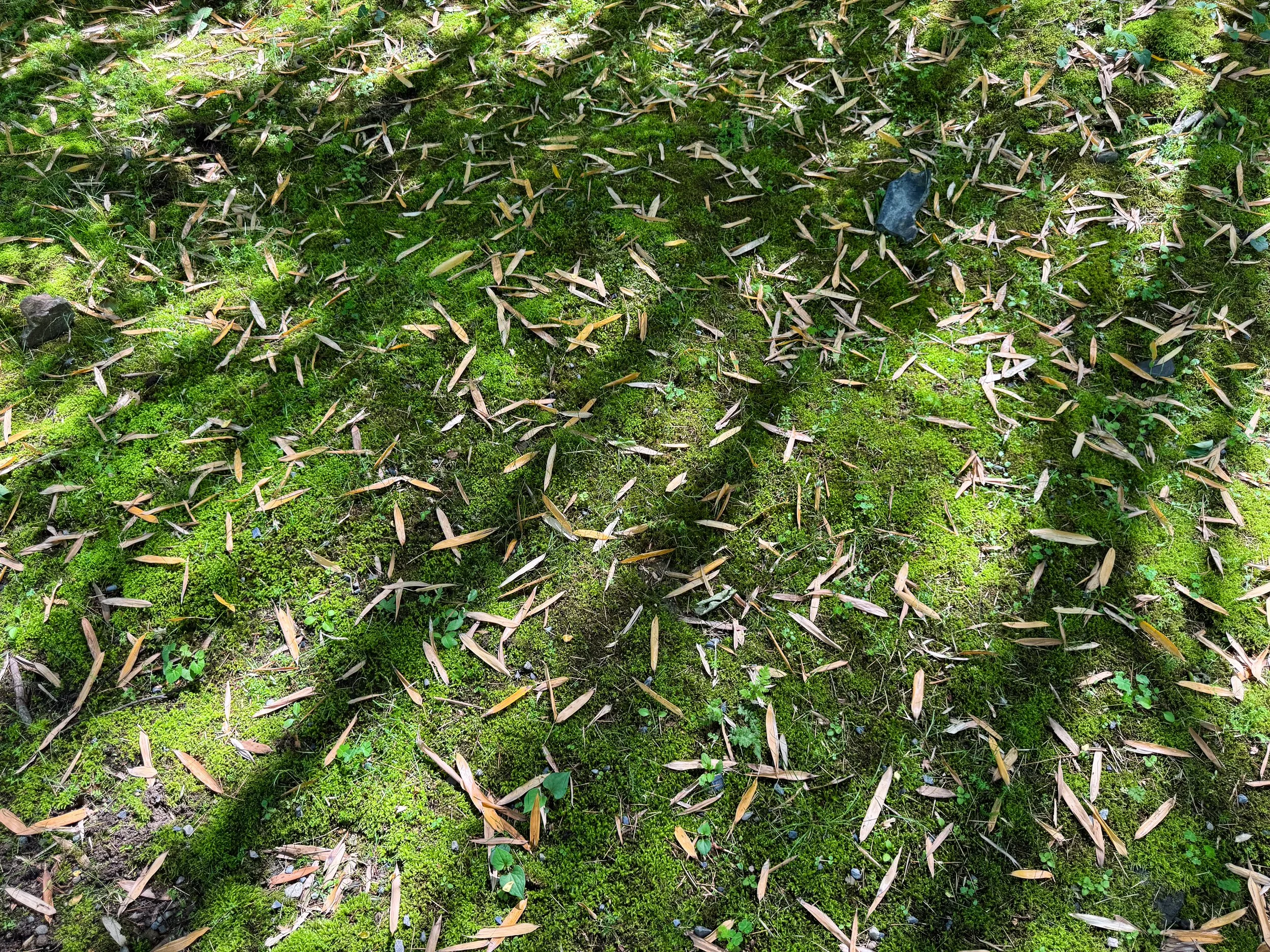
Kodai-ji Temple. A tranquil Zen Buddhist temple in the Higashiyama District. Walking paths meander past a simplistic rock garden, manicured Japanese gardens, past small meditation halls and through a bamboo grove. Its historic meditation halls have bamboo thatched roofs, wooden columns, ornately carved details, paper paneled windows and tatami mat floors. It’s lesser visited than the nearby temples allowing it to maintain a peaceful atmosphere at all times of the day.
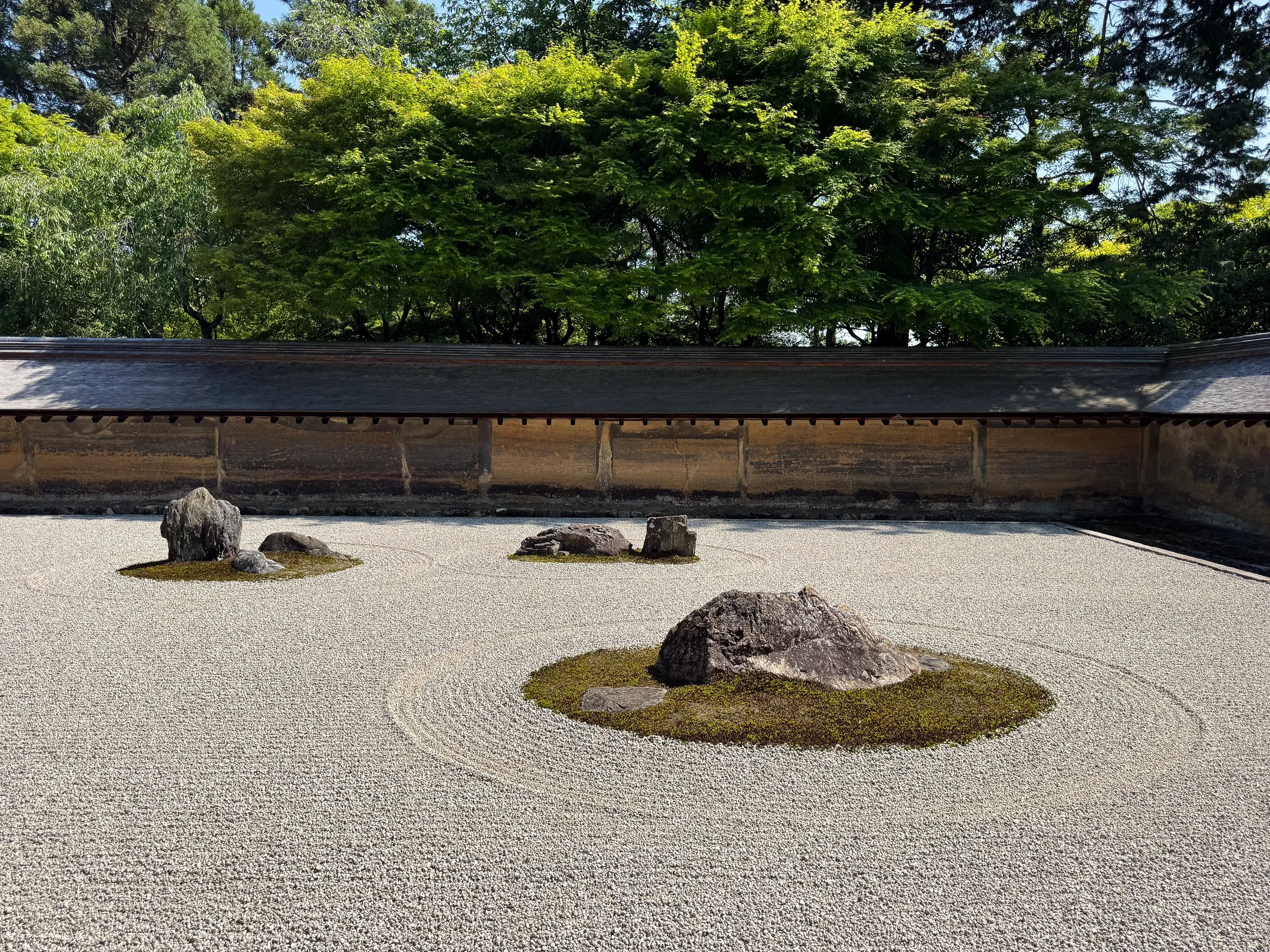
Ryoan-ji Temple. Japan’s most famous Zen Rock Garden. It’s comprised of 15 stone “islands” purposefully placed in a rectangular sea of raked gravel. Come here to sit and meditate in thought while viewing the garden’s soothing patterns. Elsewhere on the grounds are Buddhist temples and nature trails leading past moss gardens, a bamboo grove and lily pond.
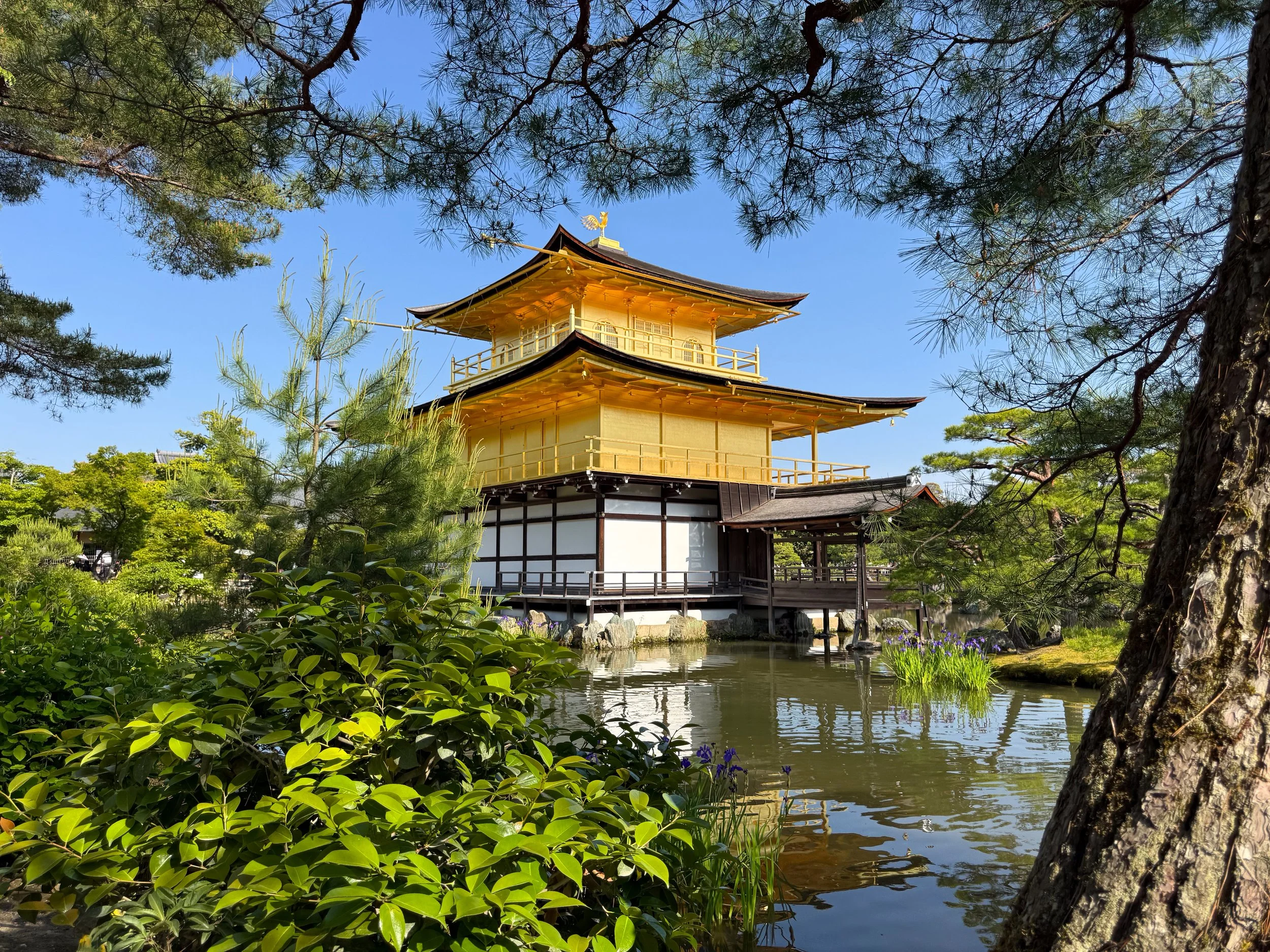
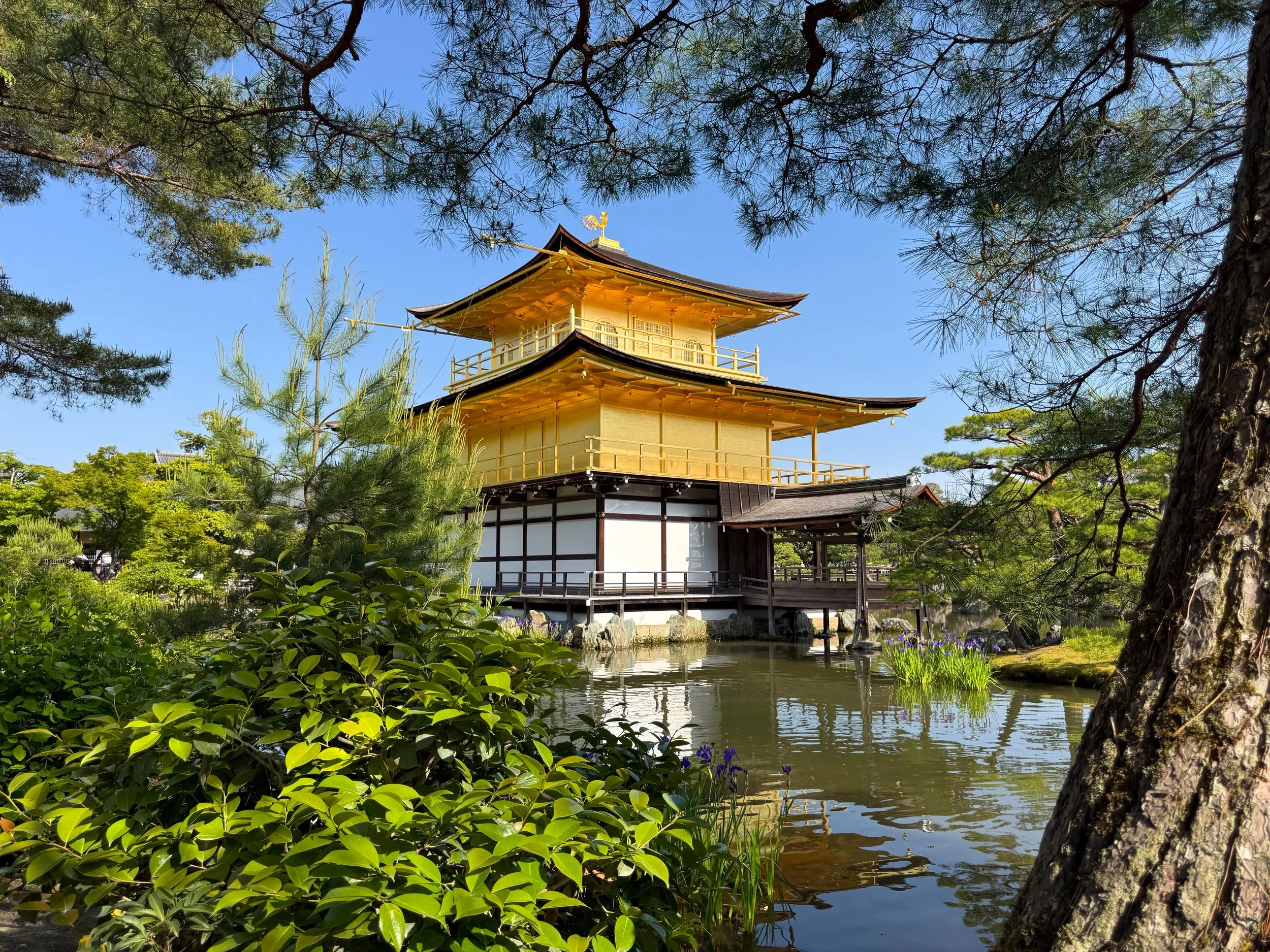
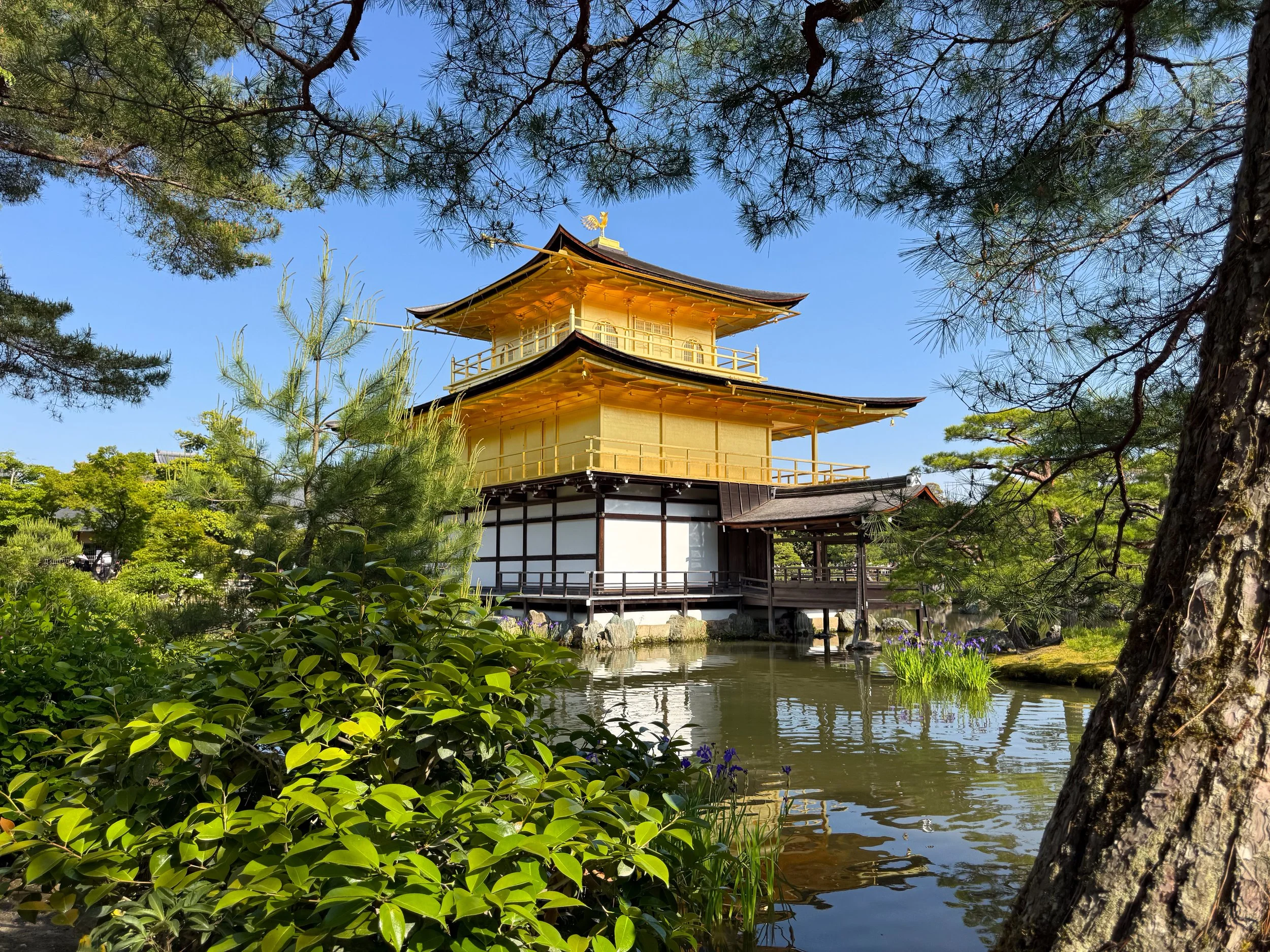
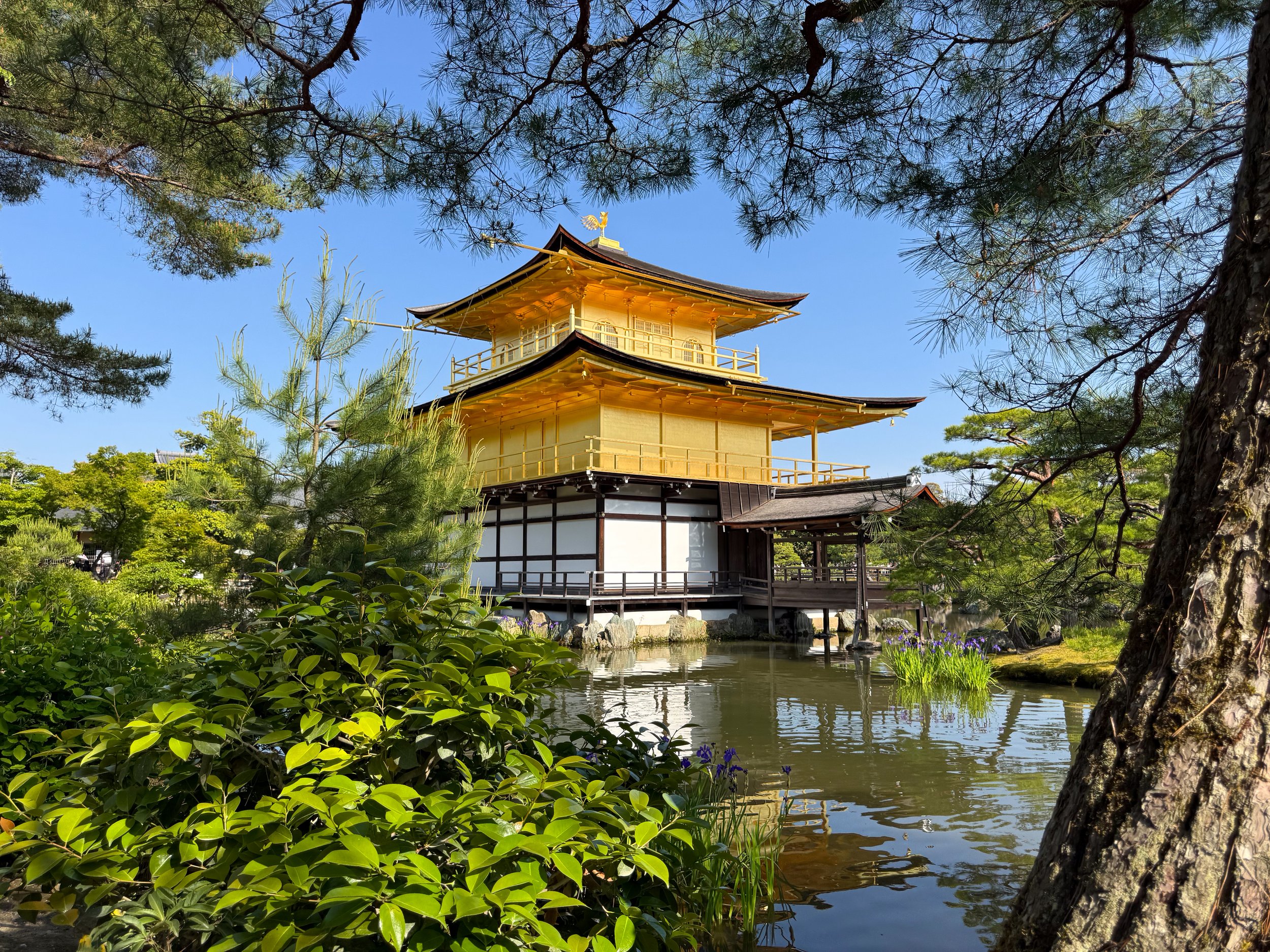
Kinkakuji Temple (The Golden Pavilion). A historic three tiered pavilion gilded in gold leaf. It’s perfectly intertwined with nature. The pavilion sits beside a large pond on the edge of a pine forest. From afar, its shining facade reflects across the pond’s surface while its simple but elegant details are viewable from up close. The pavilion was built as a residence for a Shogun over 600 years ago and later converted into a Buddhist temple.
Pro Tip. Visit during the mid-afternoon when sunlight shines directly on the pavilion. It’s worth the busy crowds.
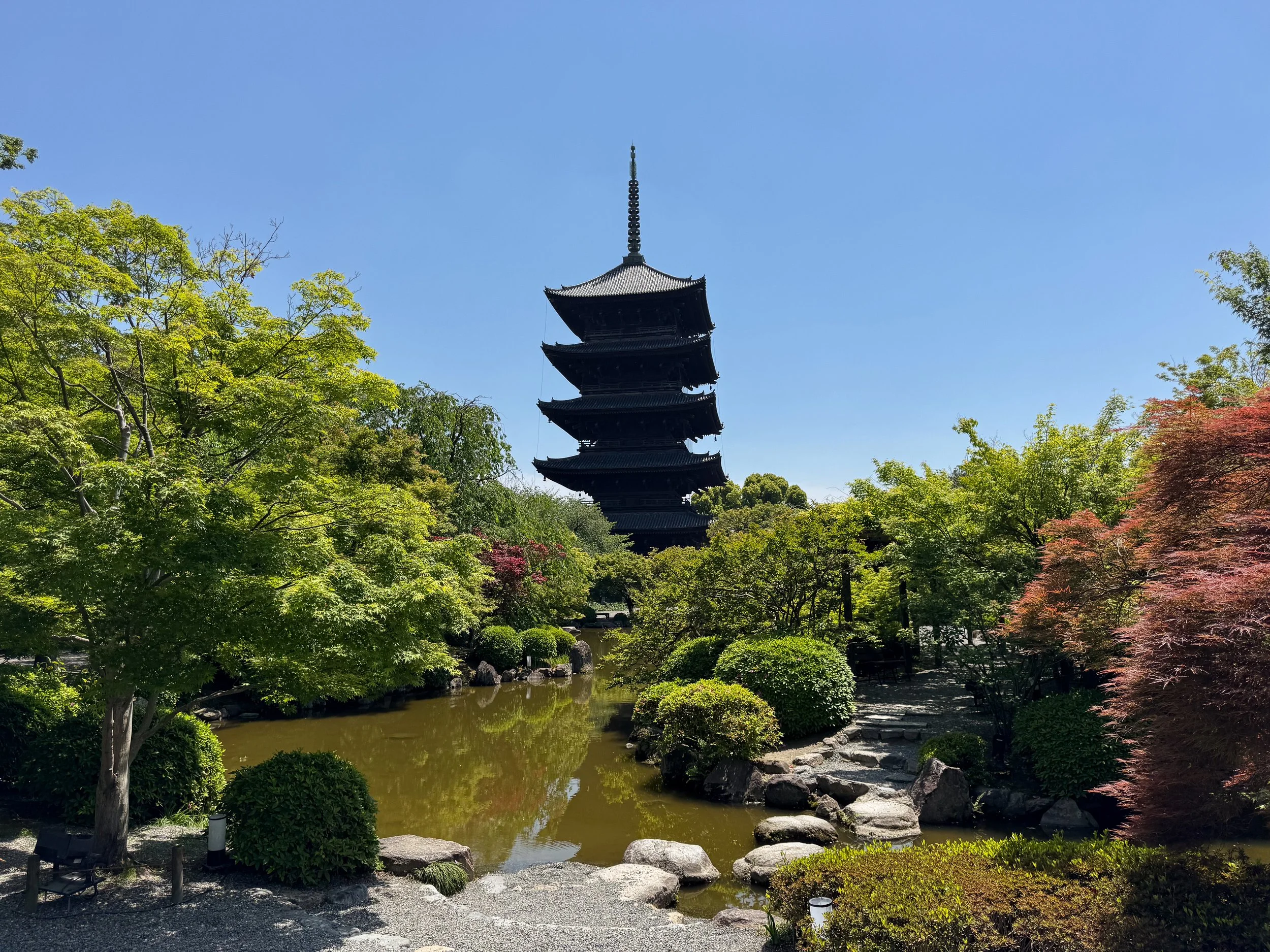
To-ji Temple (5 Storied Pagoda). The tallest wooden pagoda in Japan, measuring 55 meters tall. The current construction dates back nearly 400 years ago while the temple itself dates back over 1,200 years. It’s a national treasure and world heritage sight. The base of the pagoda was open the day we visited, a rare occasion. Large wooden columns support the structure and faded murals decorate its dark wooden surfaces. In addition to the pagoda, there is a Japanese garden, large lecture hall and meditation temple containing statues of the Buddha, monks and warriors.
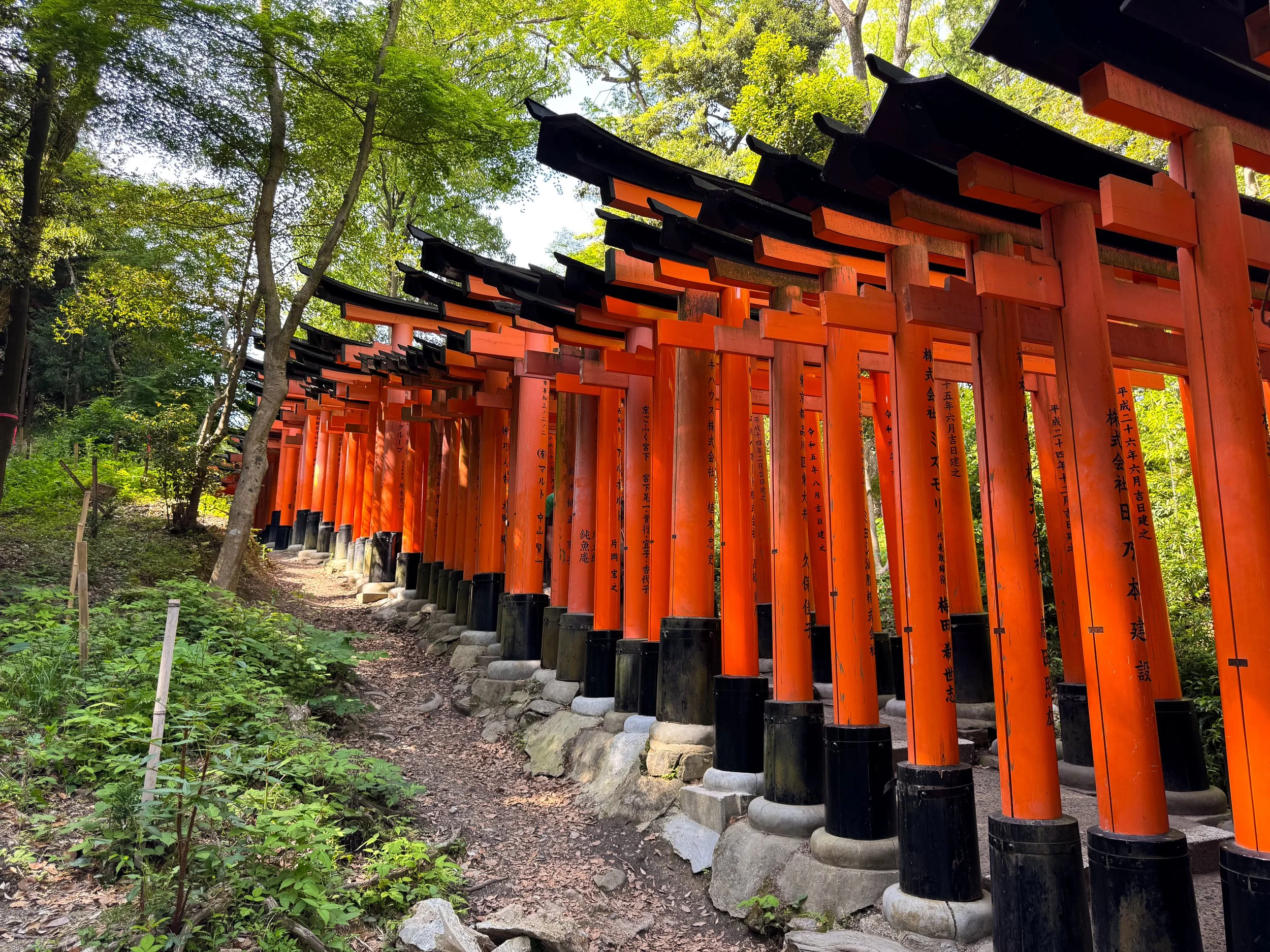
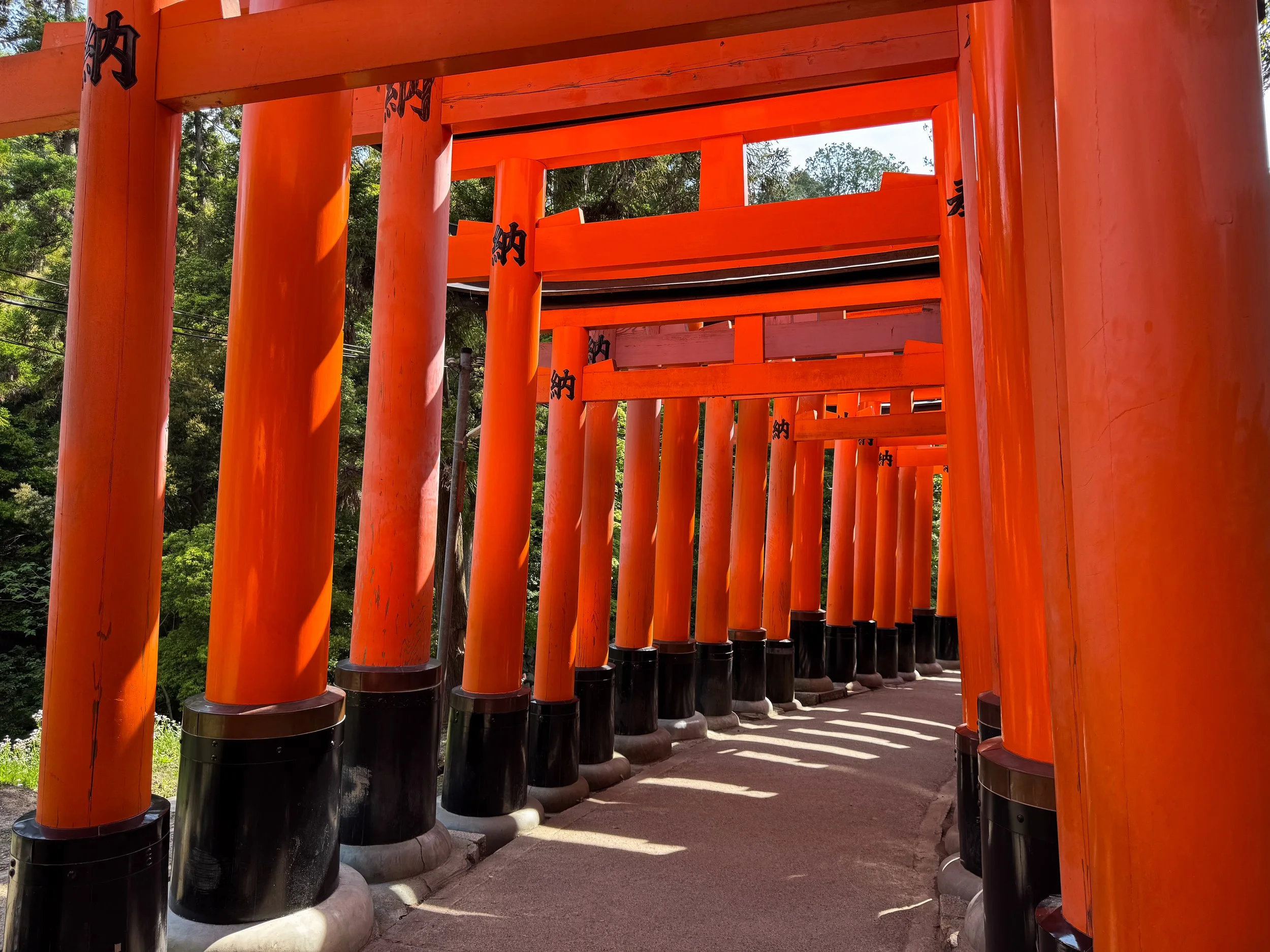
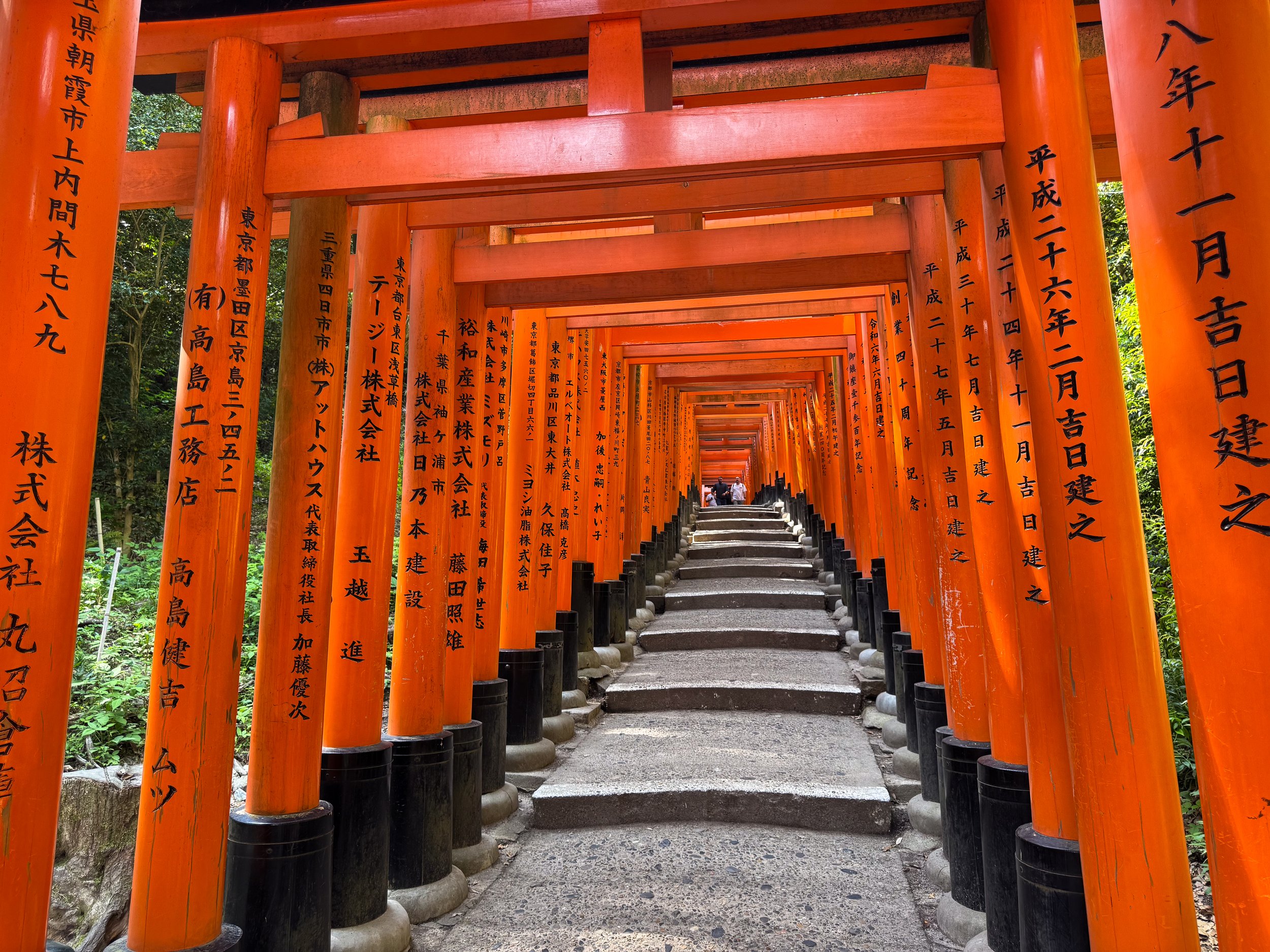
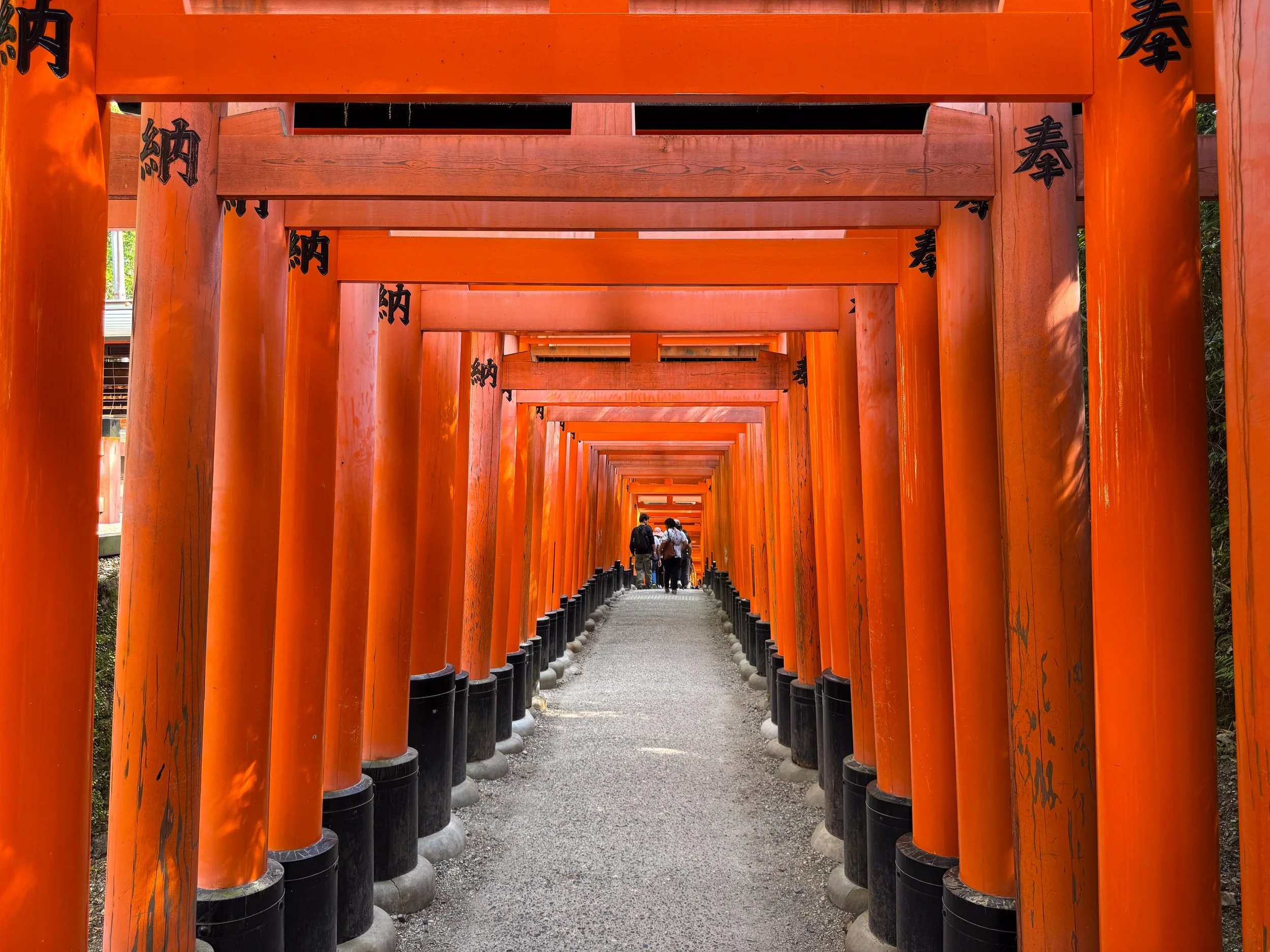
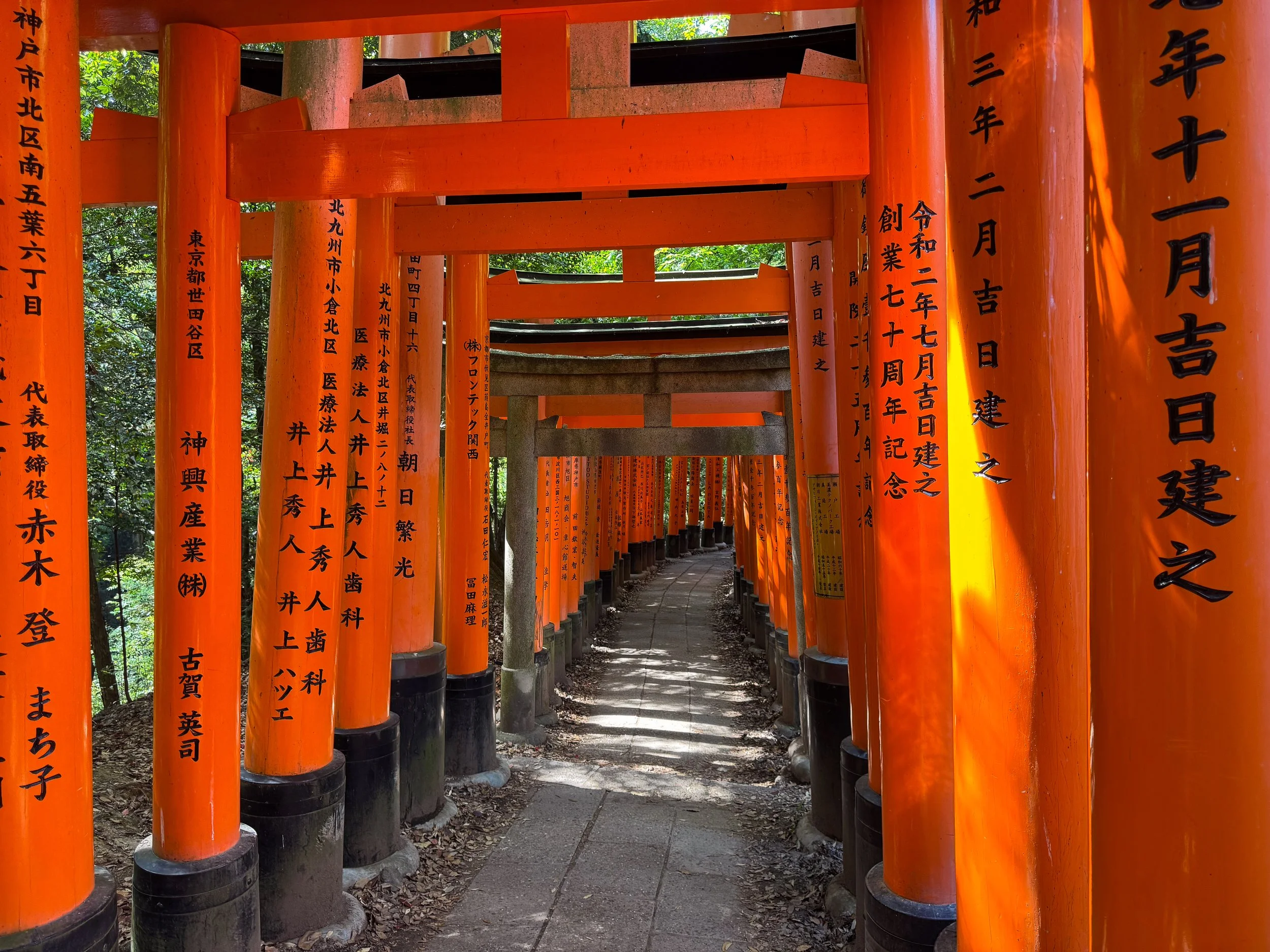
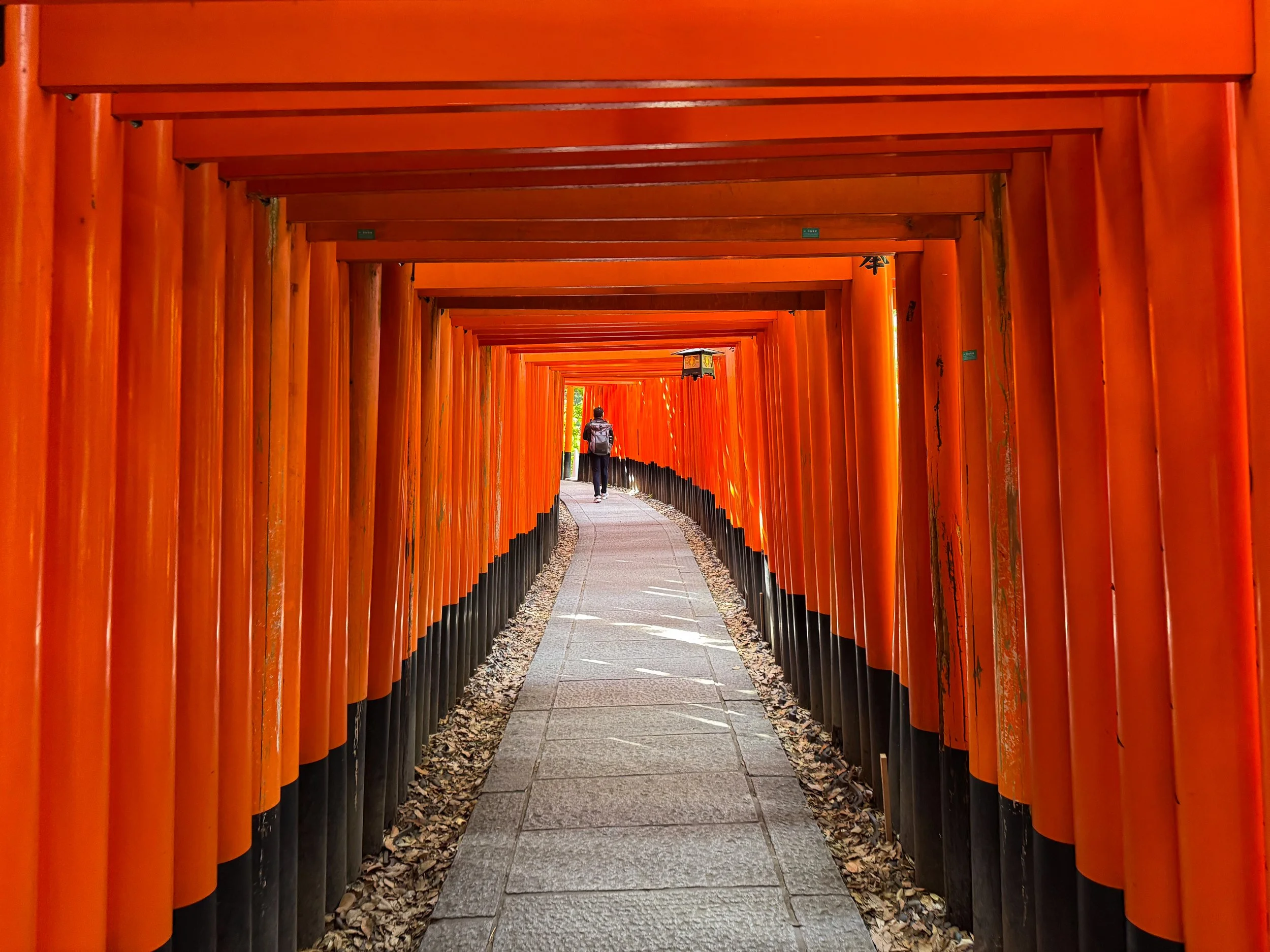
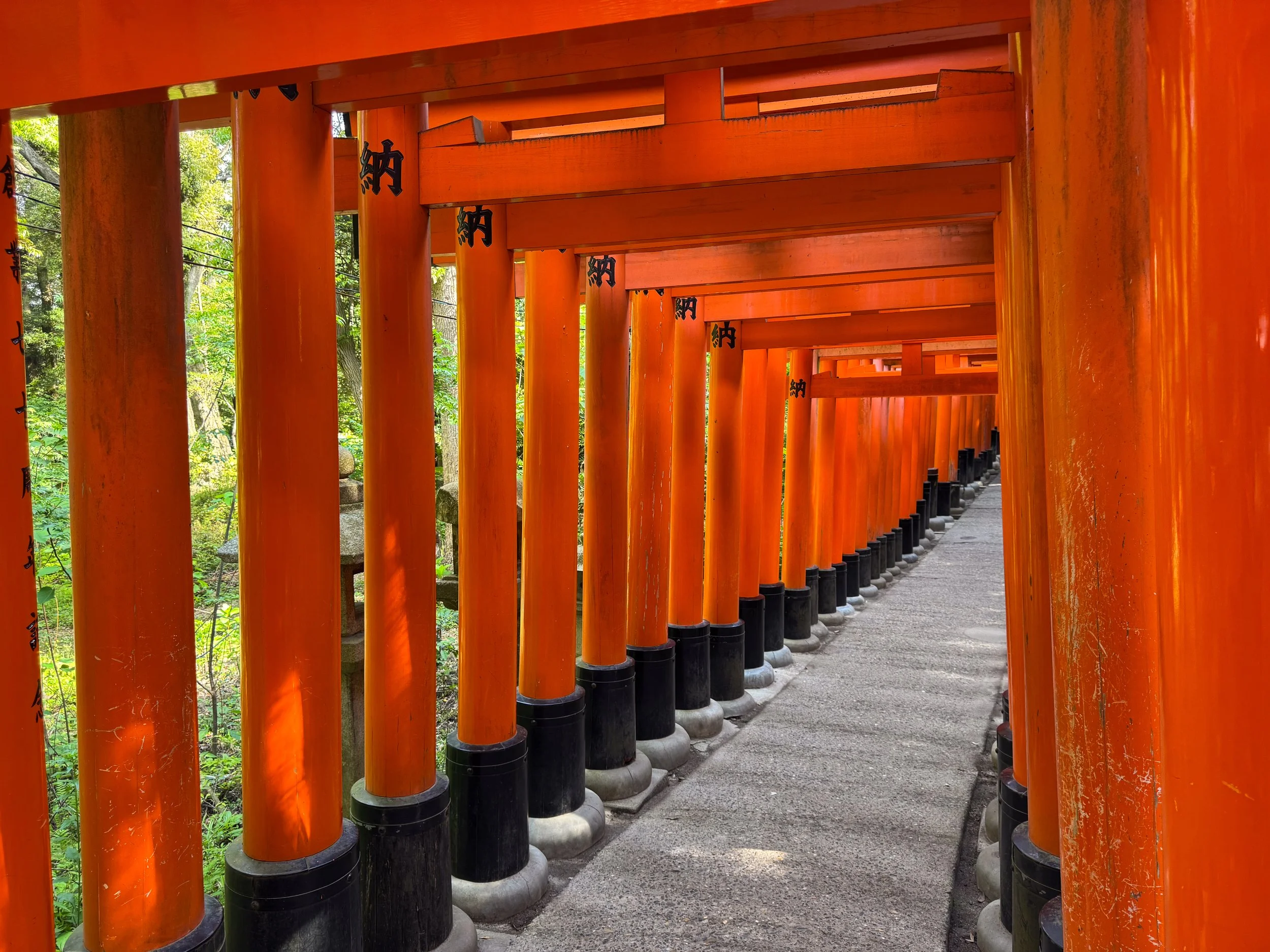
Fushimi Inari-taisha Shrine. A Shinto shrine comprised of over 12 thousand vermilion lacquered torii gates. The network of gates spans the length of a tree covered trail leading to the top of Mount Inari. Each gate is engraved with Japanese characters, offering prayers by those who donated it. The tunnel of gates leads to the top of the mountain with panoramic views of Kyoto.
Good to Know. It’s one of the few free sights in Kyoto and undoubtedly the busiest. Get here before 7am to avoid the massive crowds experienced by mid morning.
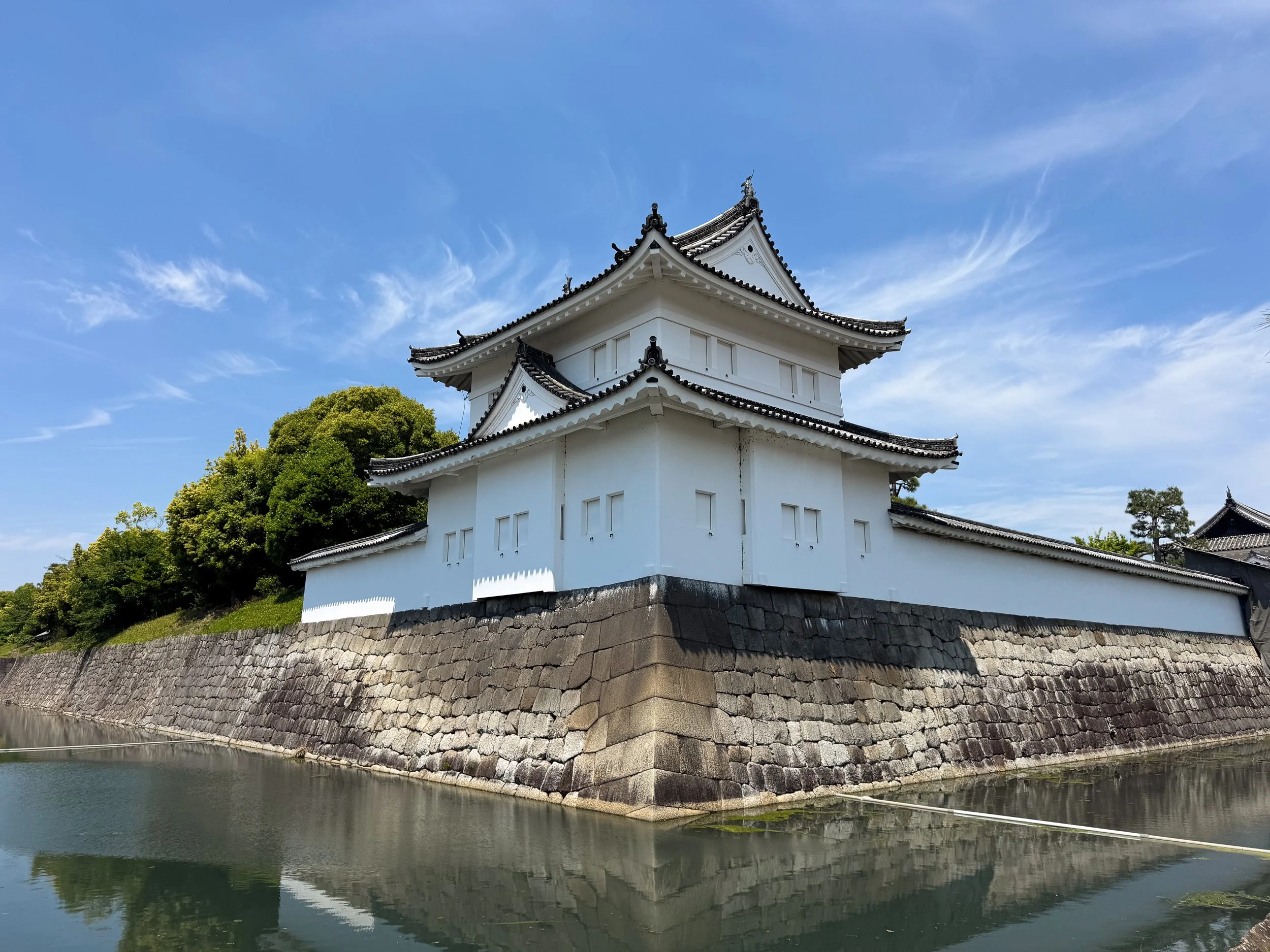
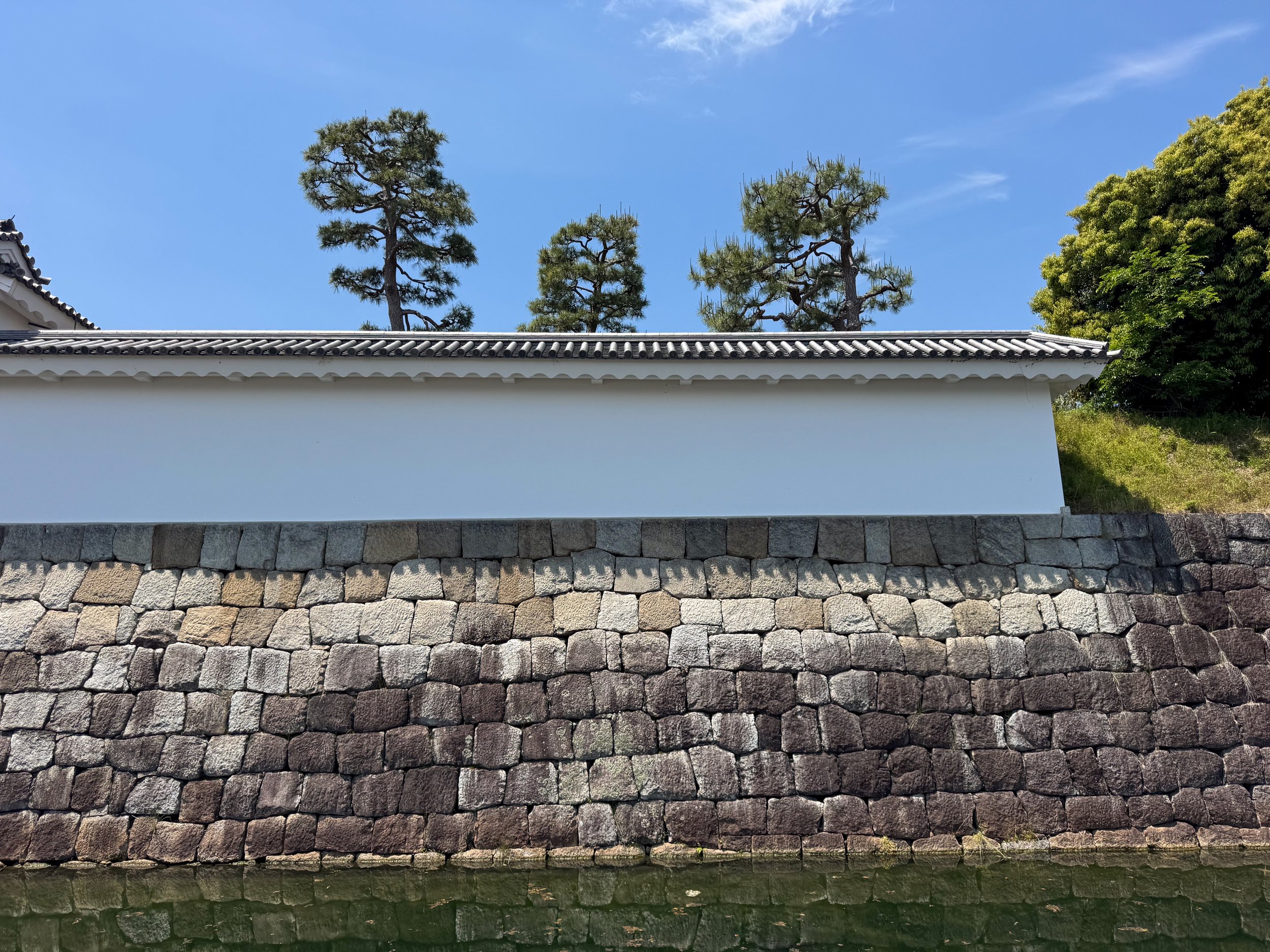
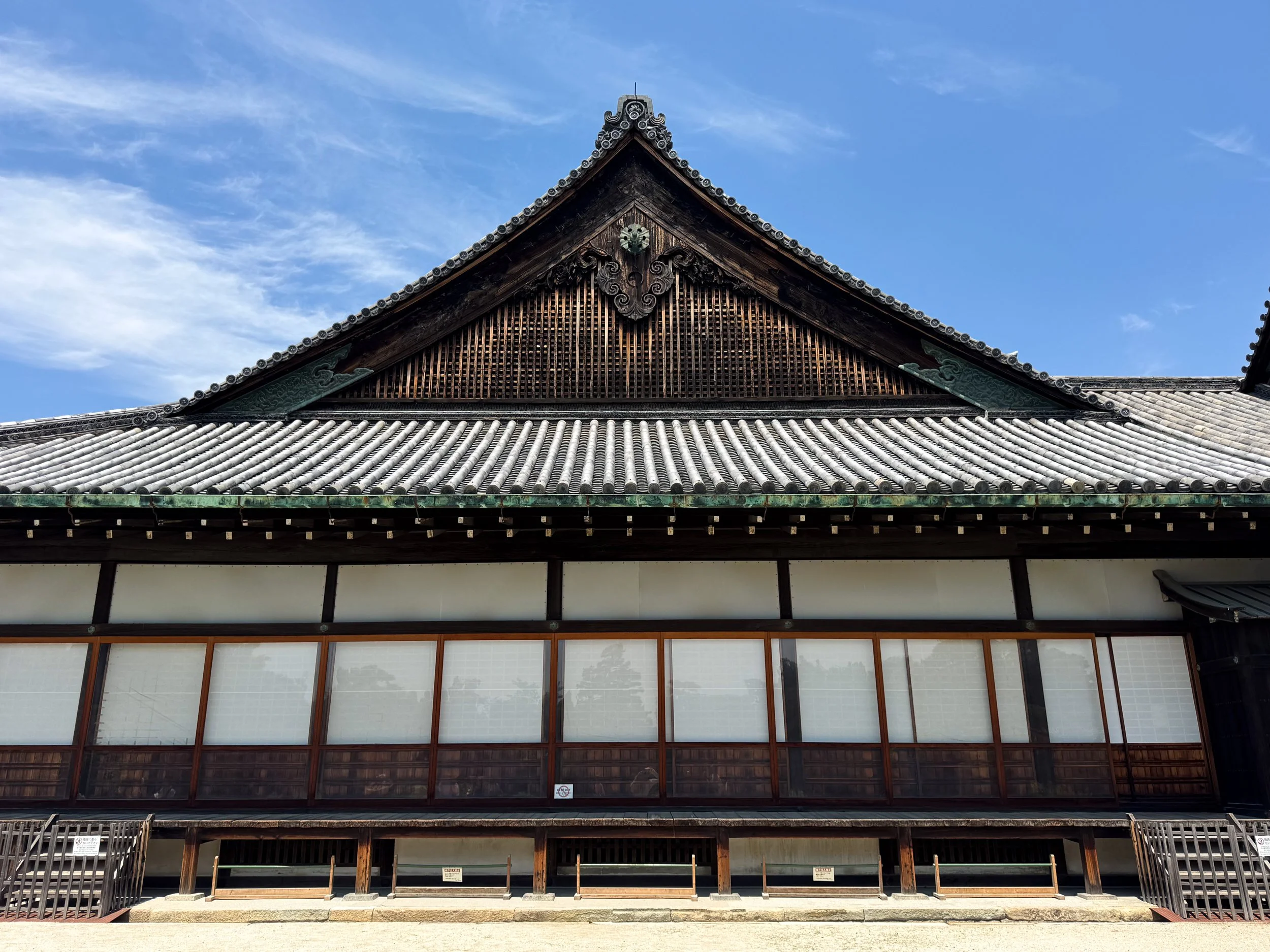
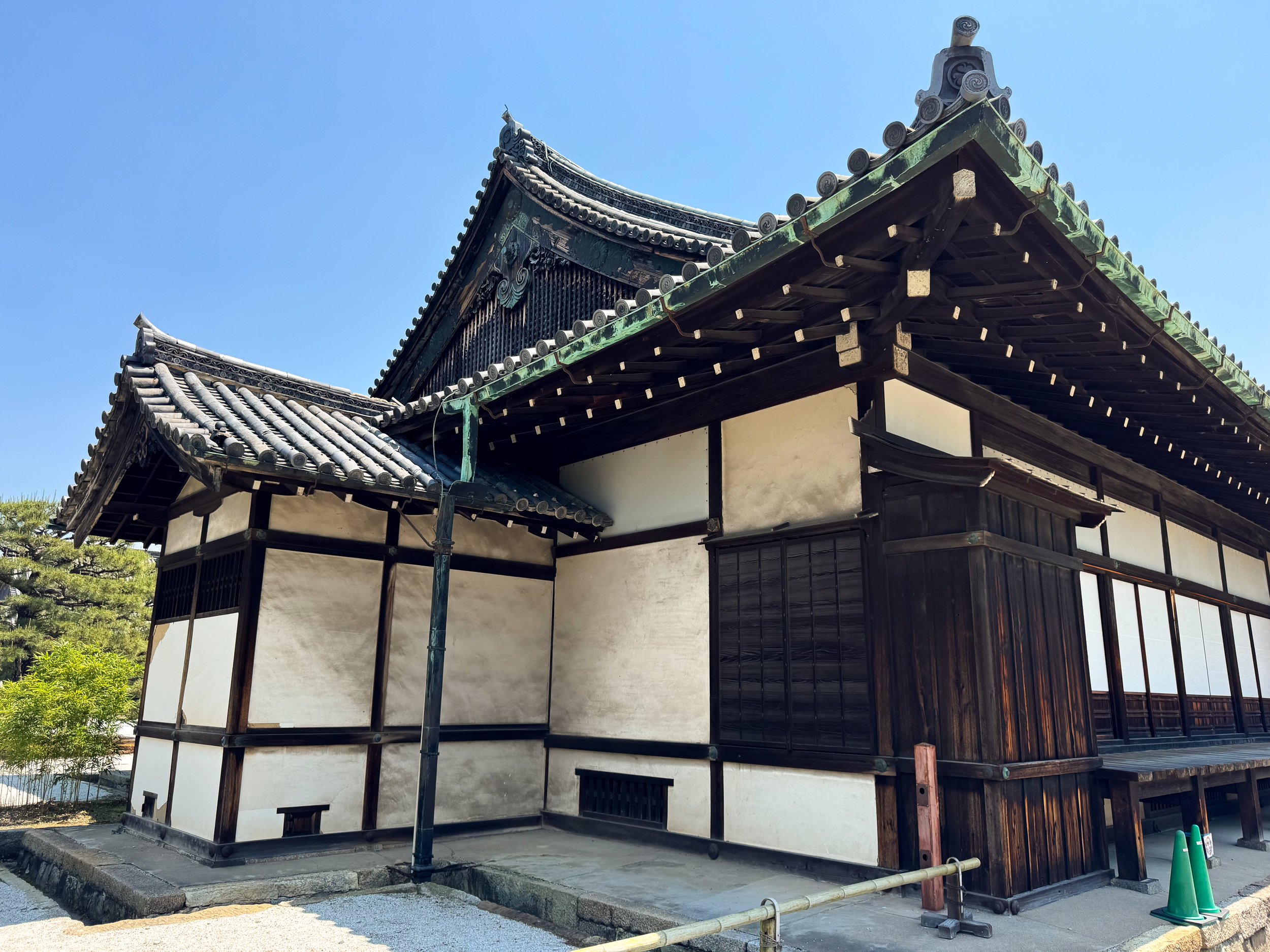
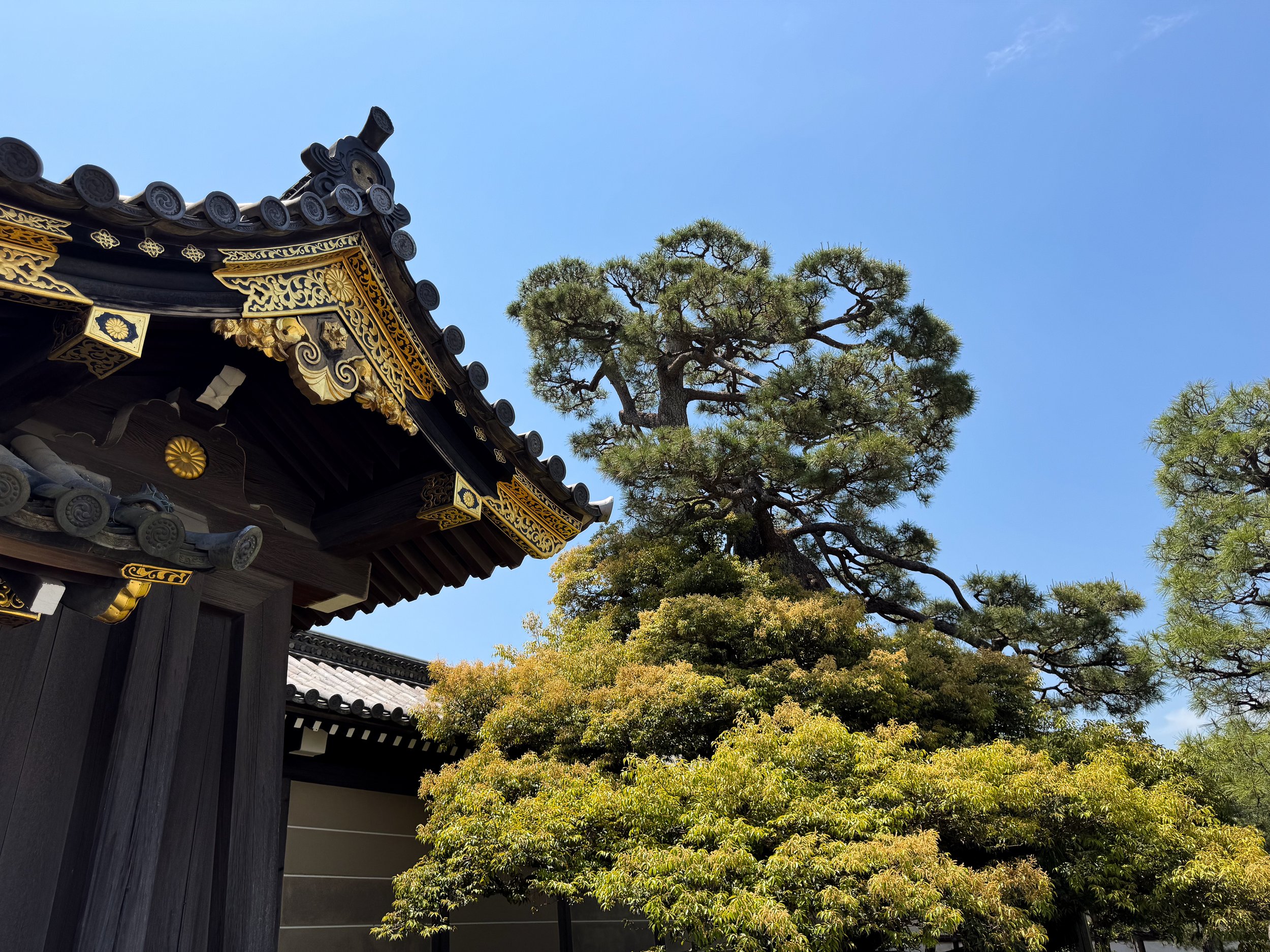
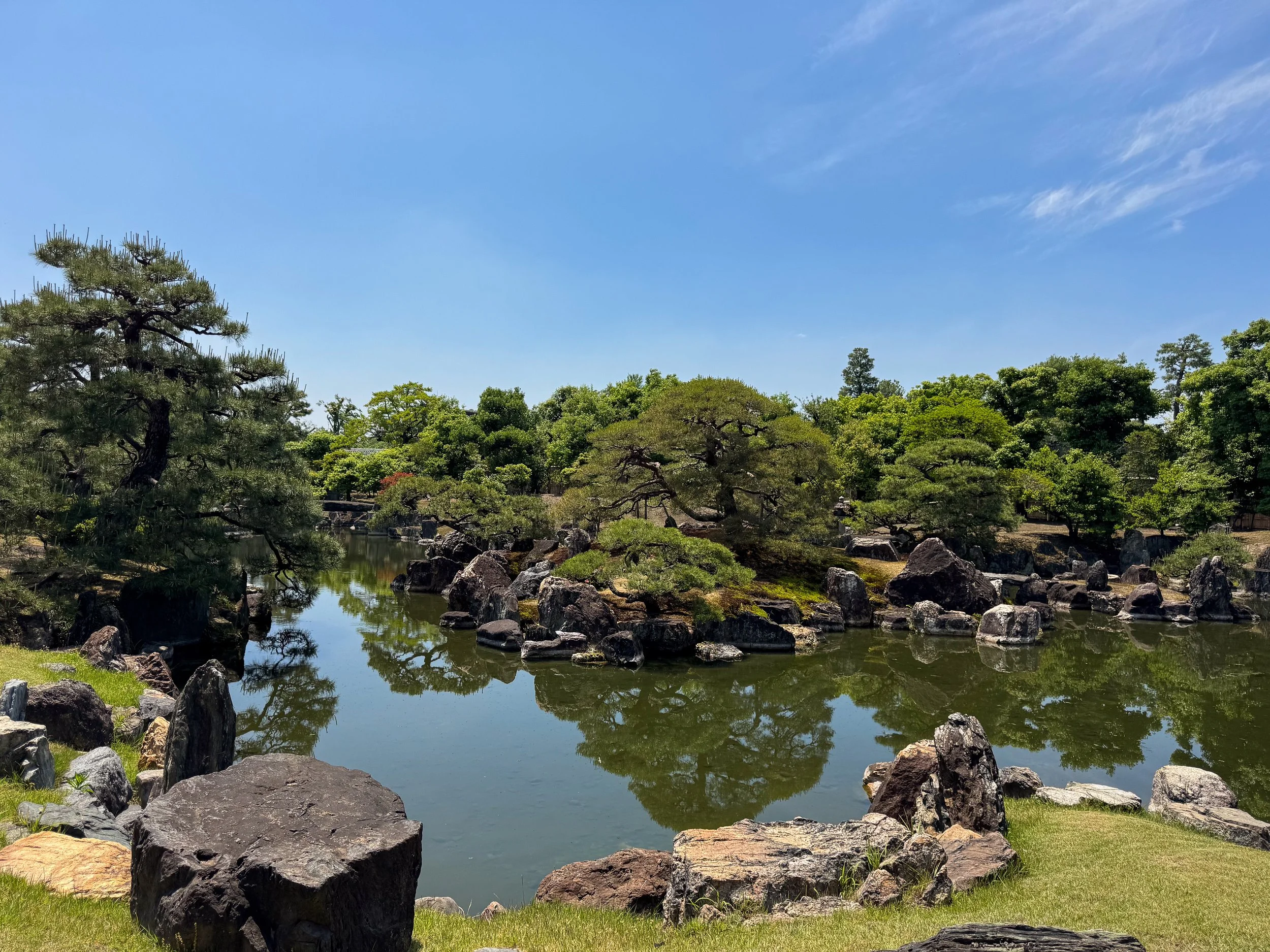
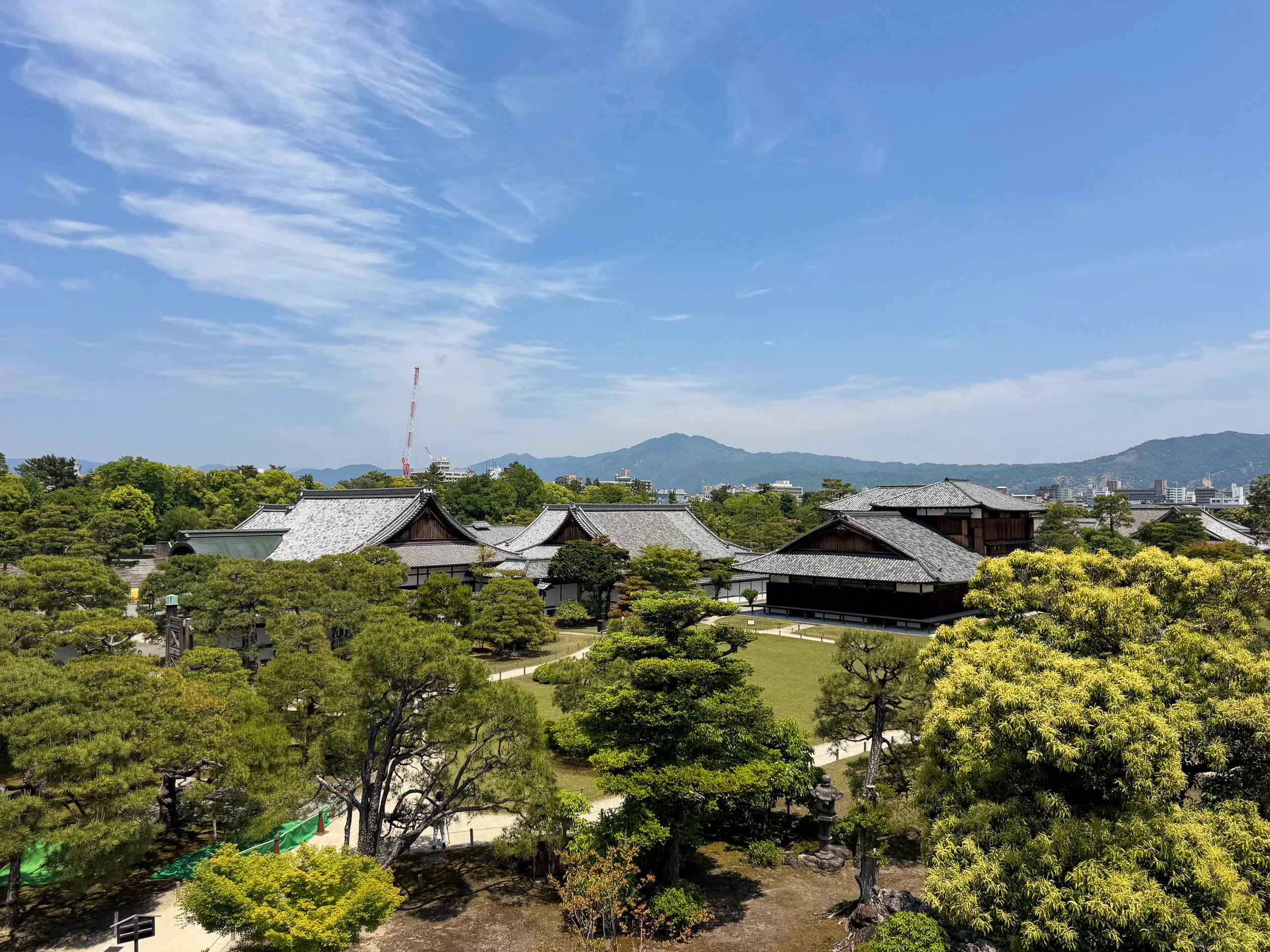
Nijo Castle. A wooden palace built by one of Japan’s most powerful shoguns. It’s surrounded by Japanese gardens, a flooded moat and a stone wall. A Japanese emperor later added a castle onto its imperial grounds. Corridors lead between a series of connected rooms within the shogun’s palace. Each room is designed with tatami mat floors, gridded paper windows and gold leaf walls. Murals depicting the seasons, landscapes and animals decorate the interiors. No photos are permitted inside the castle.
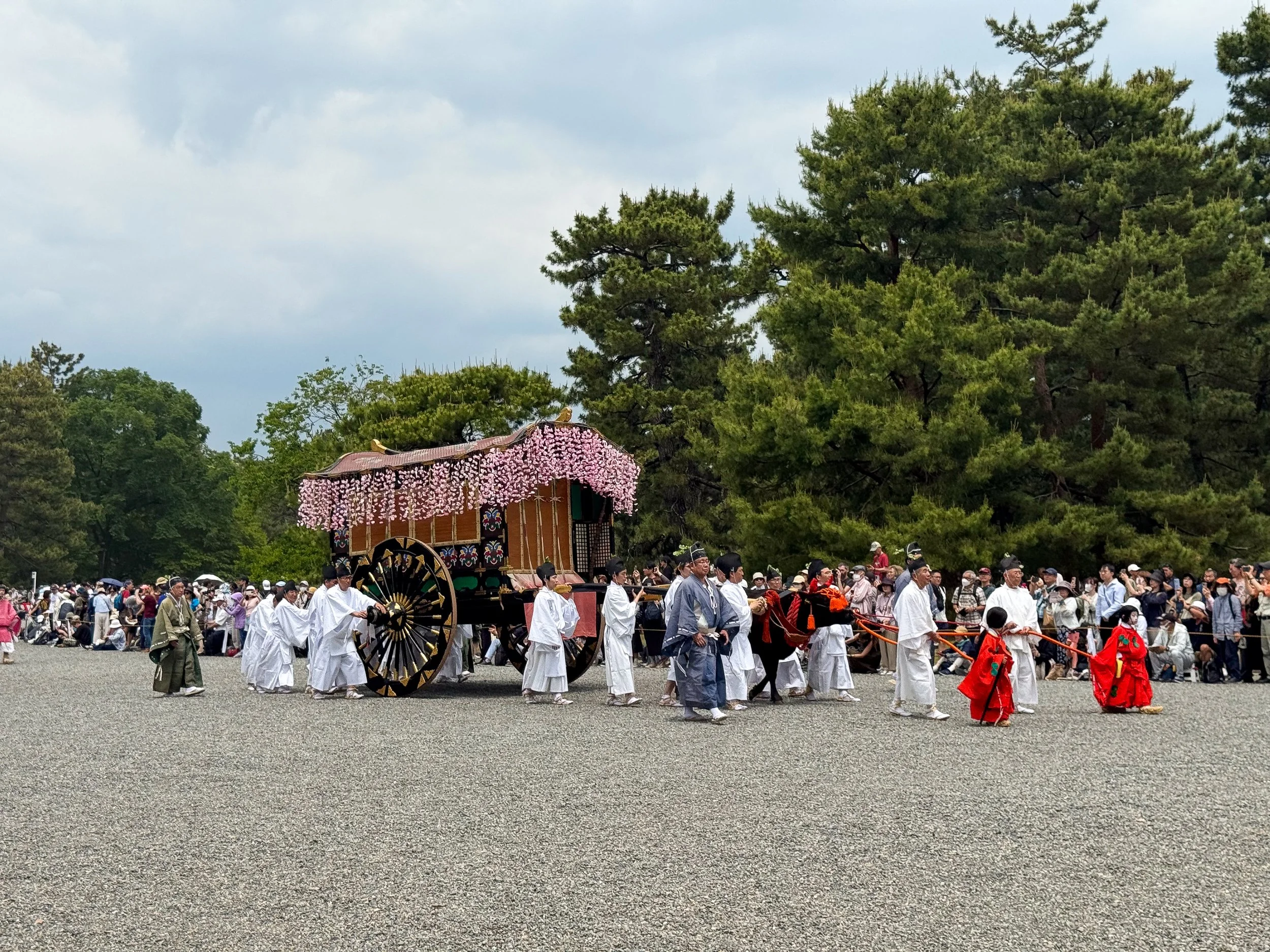
Kyoto Gyoen National Garden. A vast park in the middle of Kyoto home to an Imperial Palace, ancient pine trees and shaded walking paths. It's the sight of the annual Kyoto Aoi Matsuri Festival. The festival is one of Kyoto’s most prominent cultural events, with origins dating back to the 7th century. It’s sponsored by the Japanese royal family, leaving from the front gates of the imperial palace and continuing to multiple shrines across the city. The procession involves dozens of animals and hundreds of people dressed in traditional attire. Each person wears hollyhock twigs on their heads, a symbol of the procession. Some of the best sights are geishas wearing colorful kimonos, cows pulling large covered wagons, people carrying umbrellas decorated in bouquets of flowers and a “throned” representative of the royal family.
Good to Know. The festival occurs annually on May 15th at 10:30am. Seats can be reserved; however, there are plenty of free viewing locations along the parade route.
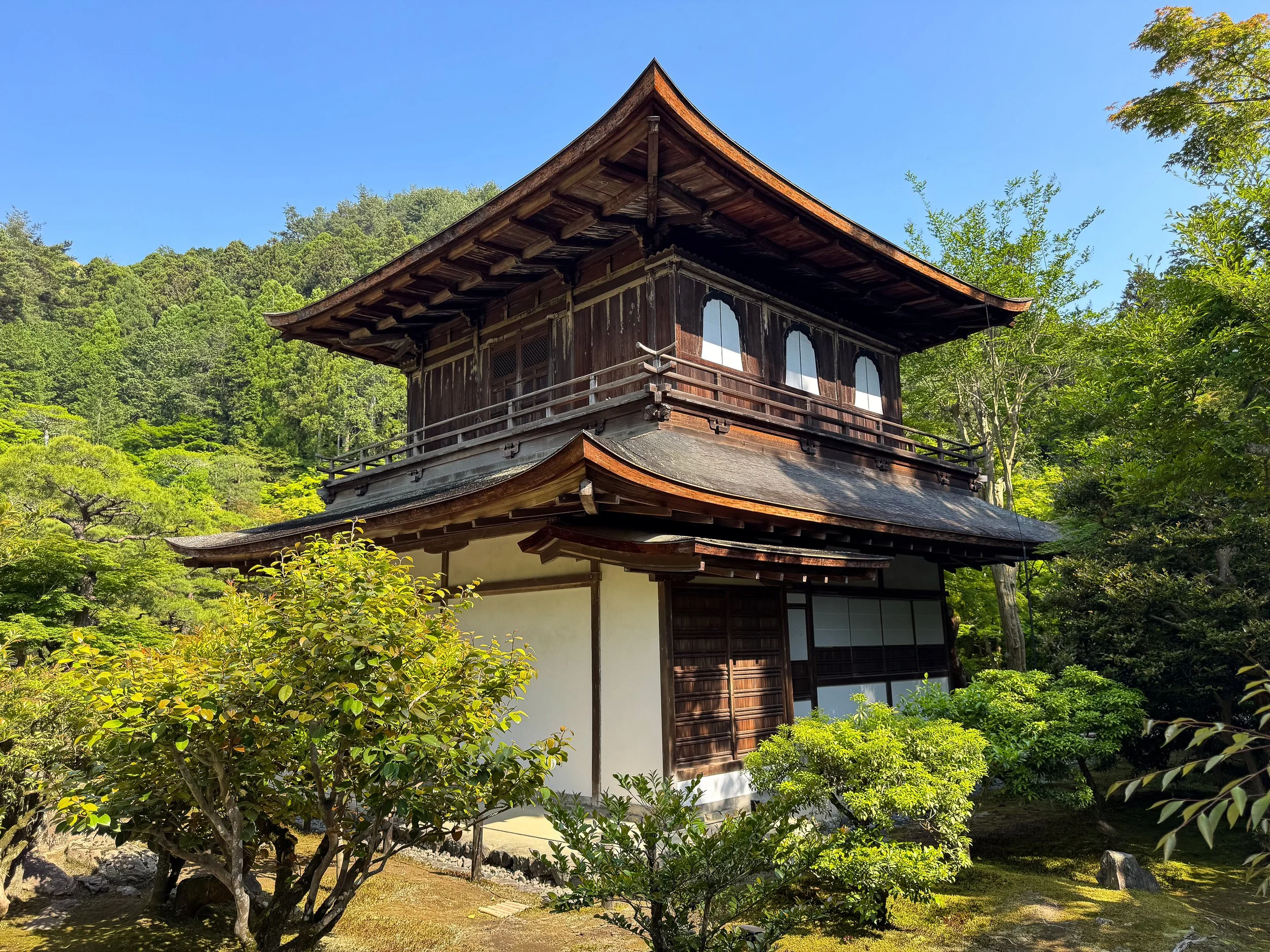
Higashiyama Jisho-ji. A shogun’s former vacation residence and current day Buddhist temple. It features two historic buildings dating back 450 years. One is the earliest example of traditional Japanese style architecture. Trails lead through the grounds past sculpted sand gardens, koi ponds and verdant moss patches covering the forest floor like a plush green carpet. Cafés, shops and restaurants line the street leading up to the temple. Try the sugar coated skewers of Japanese strawberries.
Shop the Markets
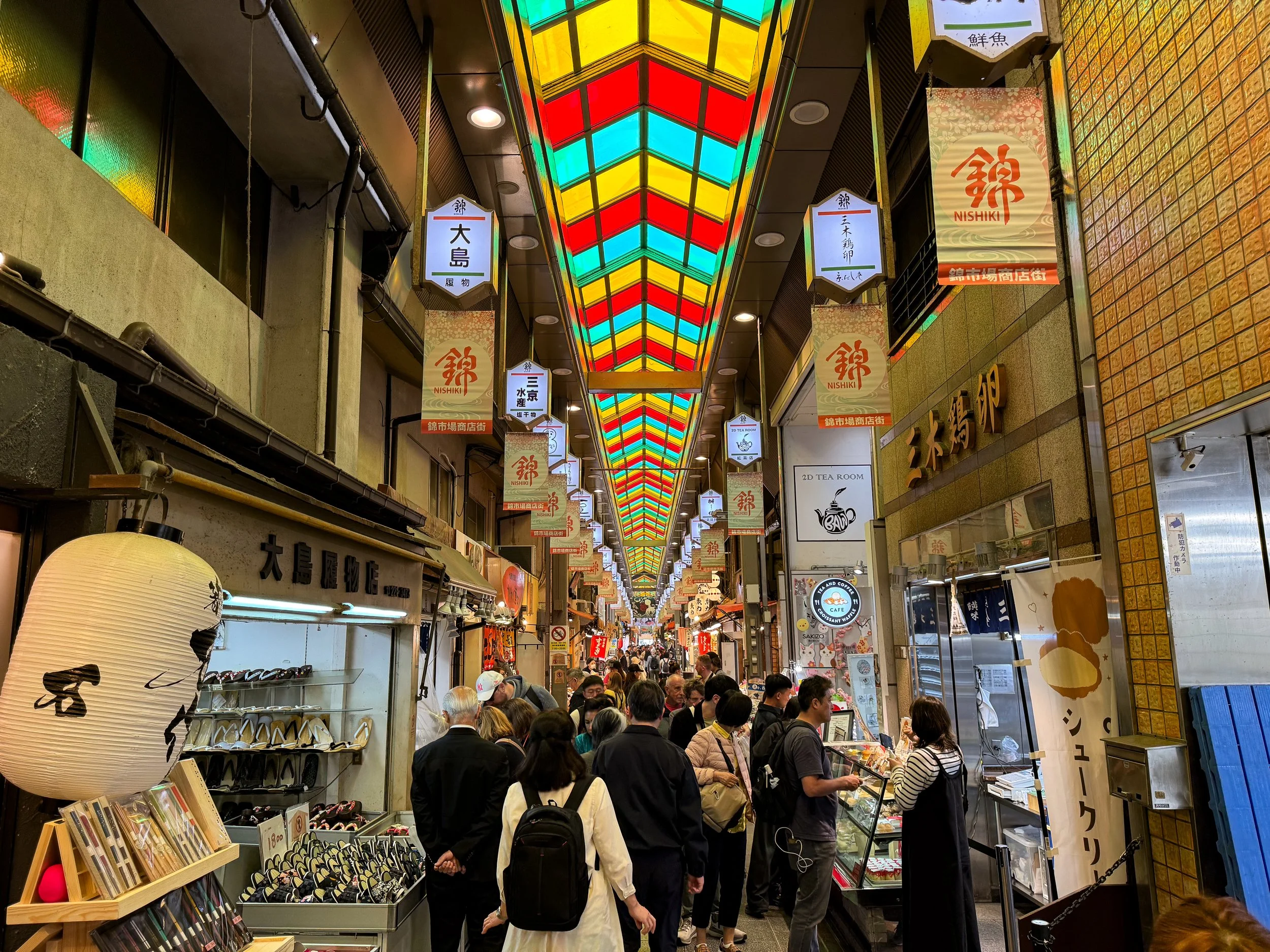
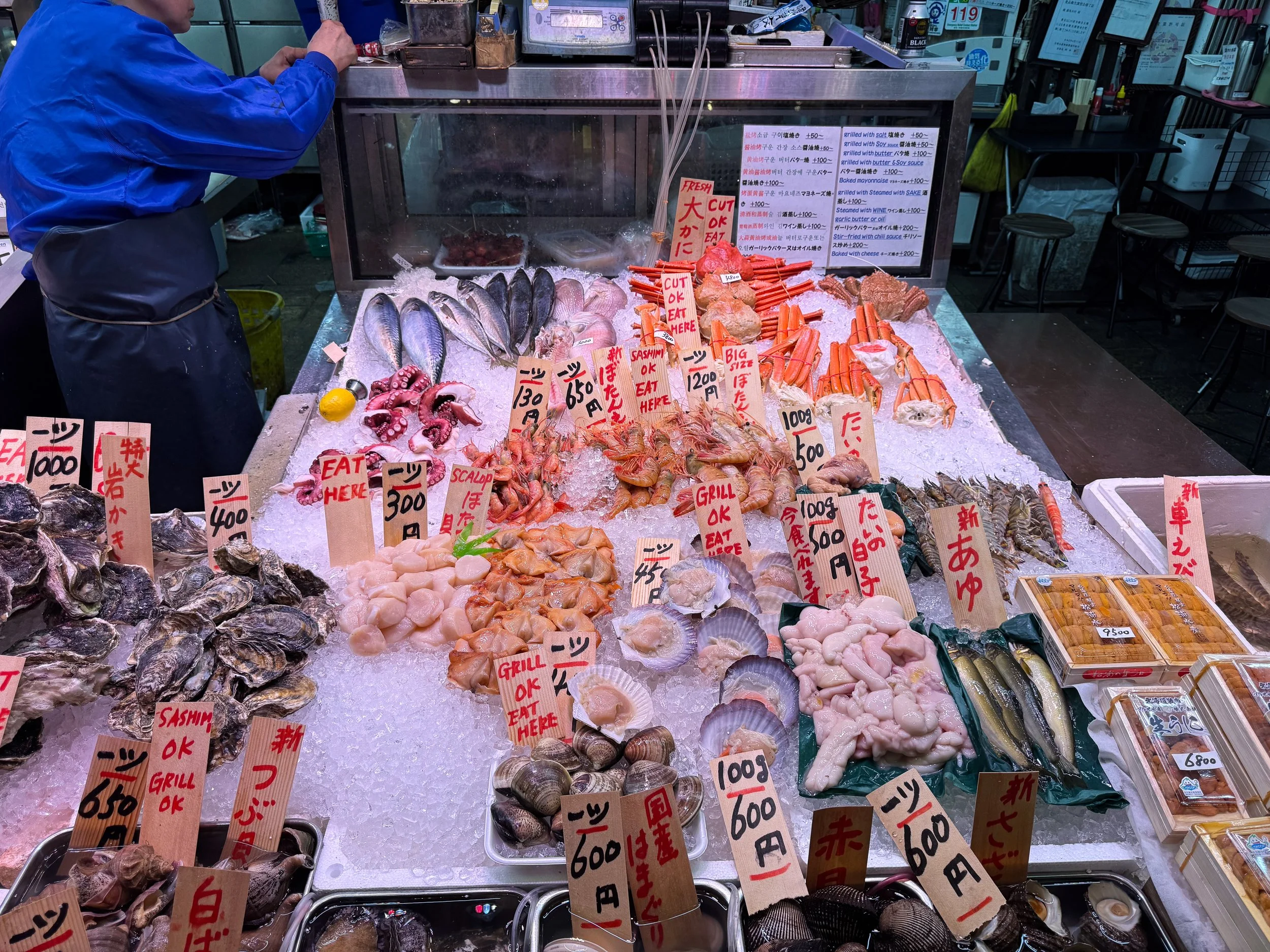
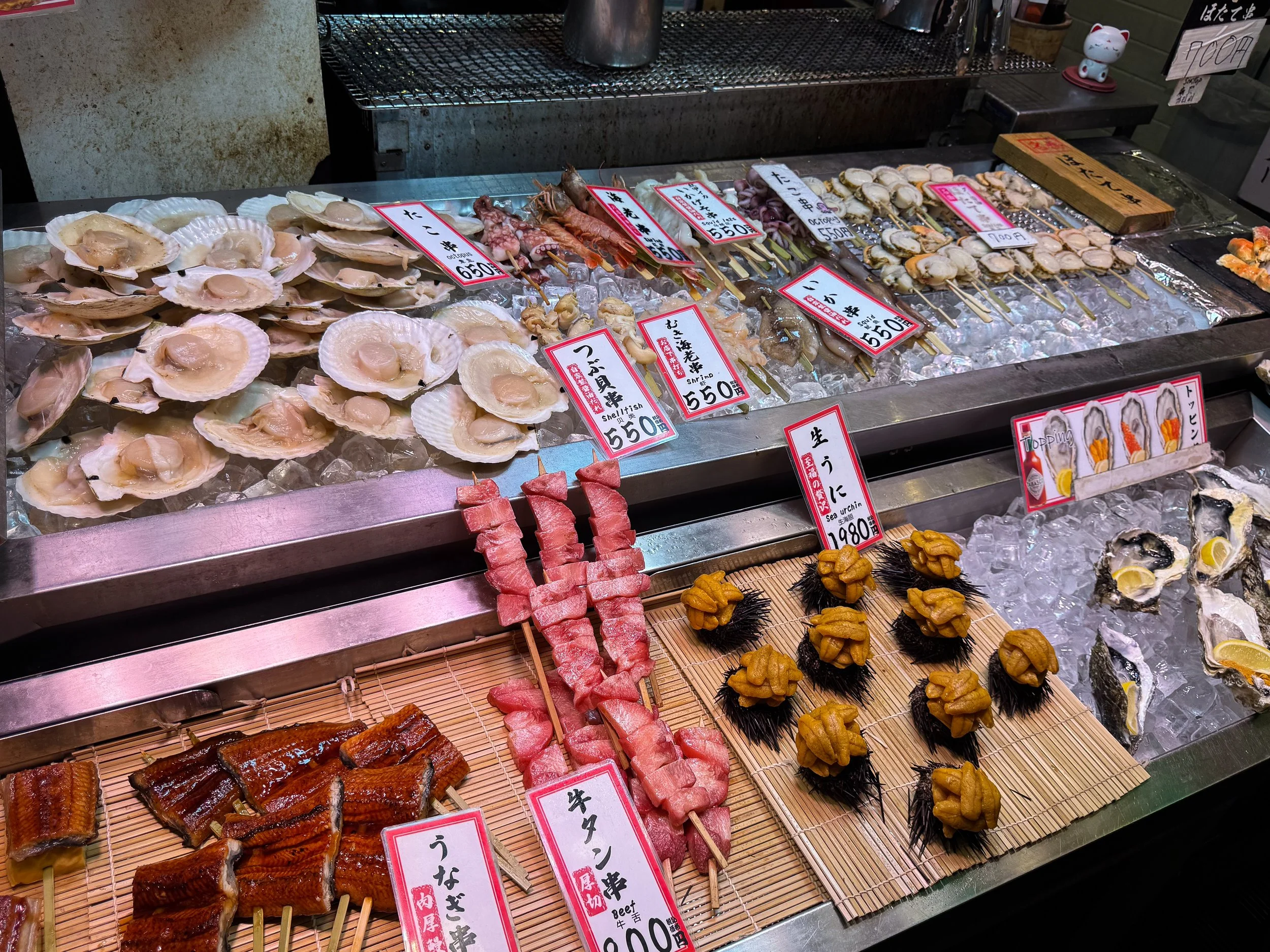
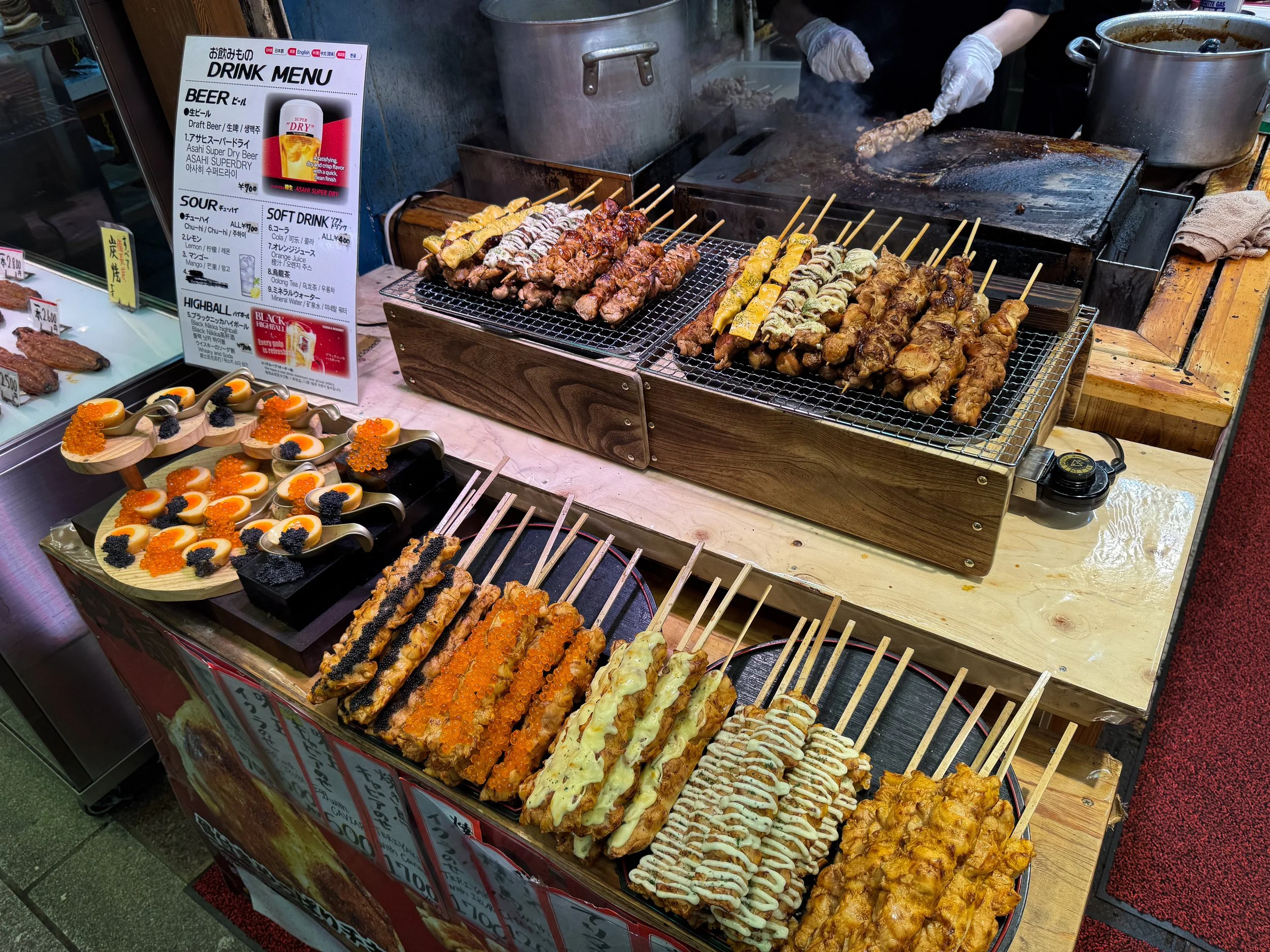
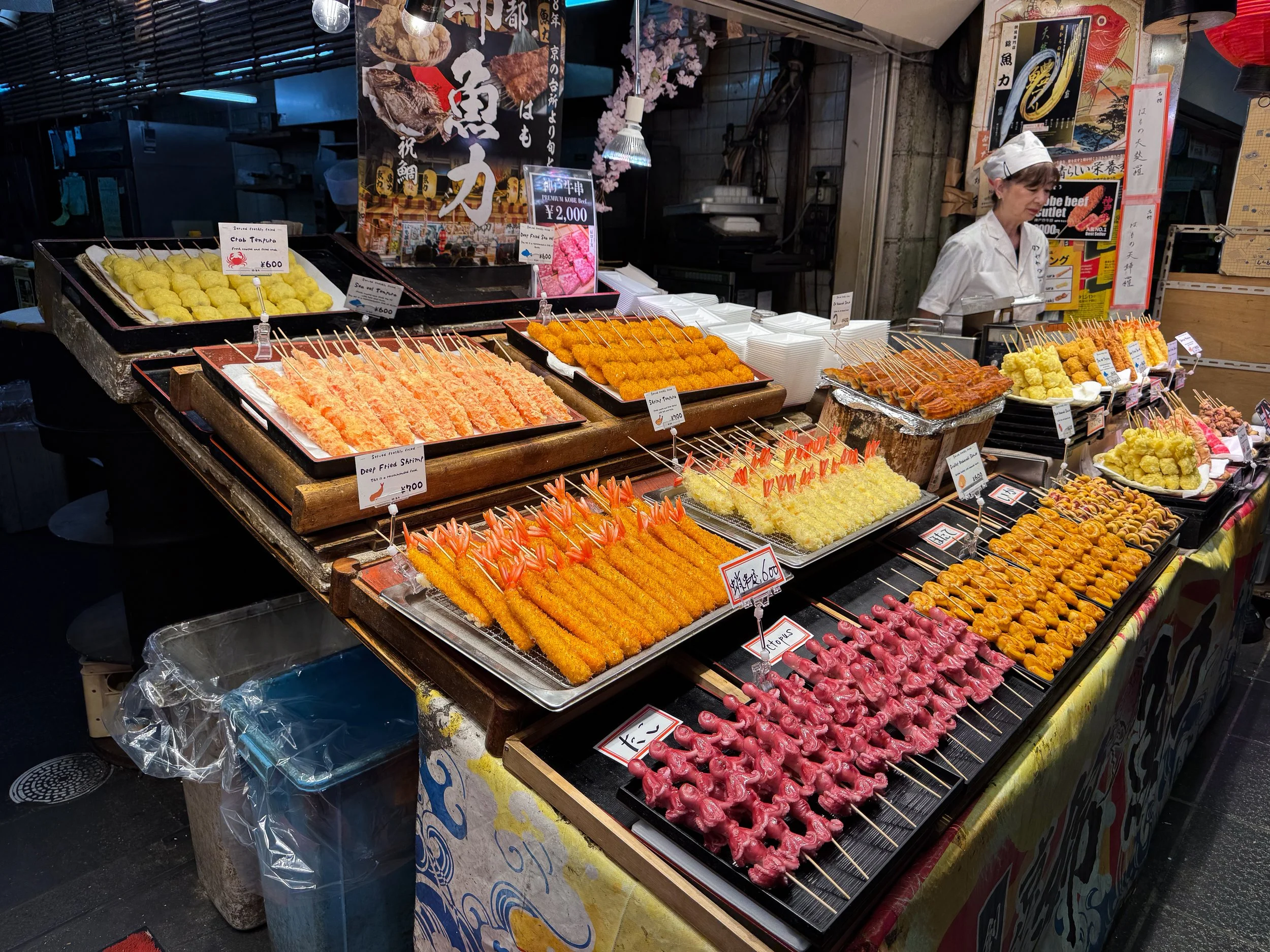
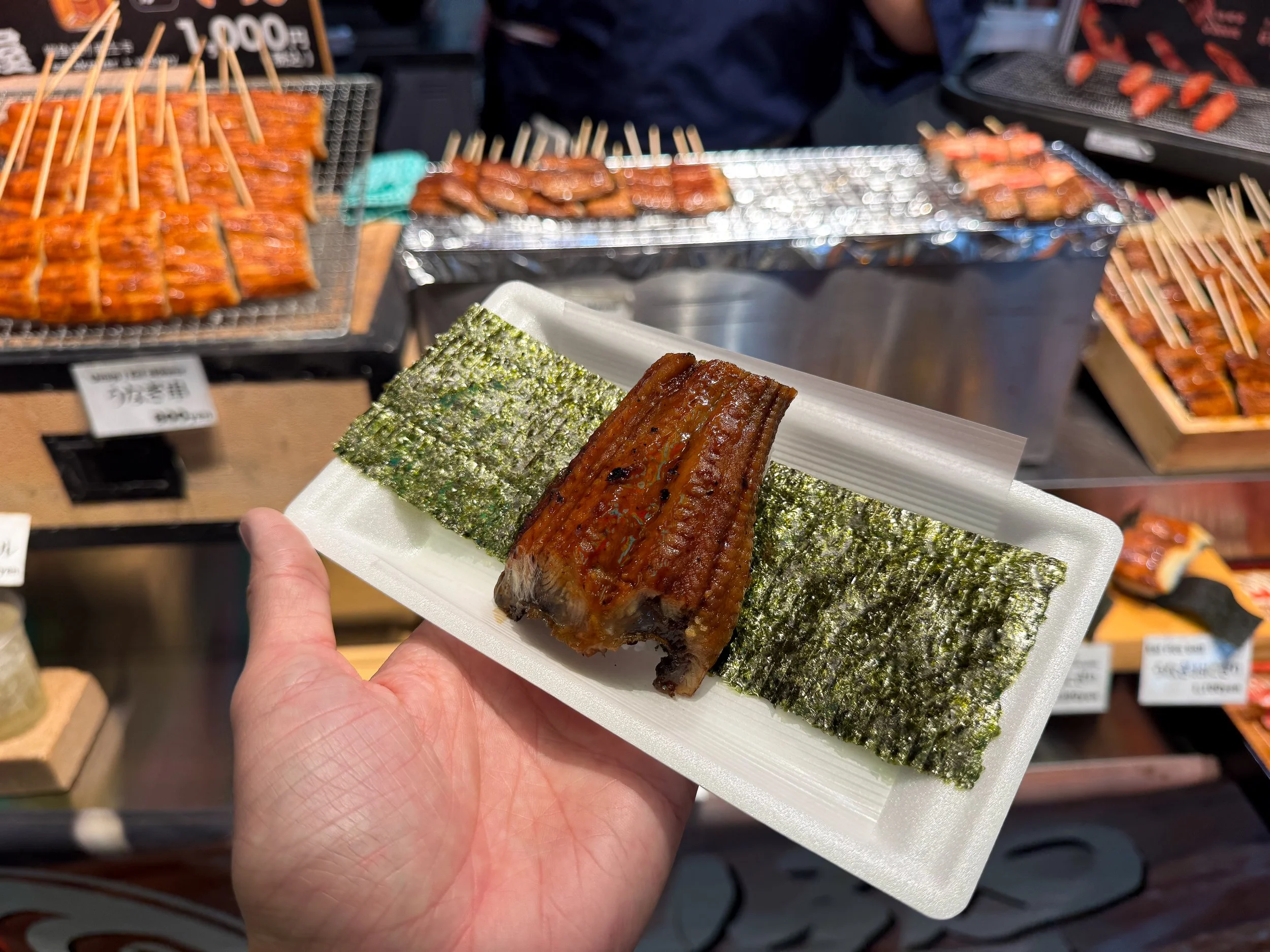
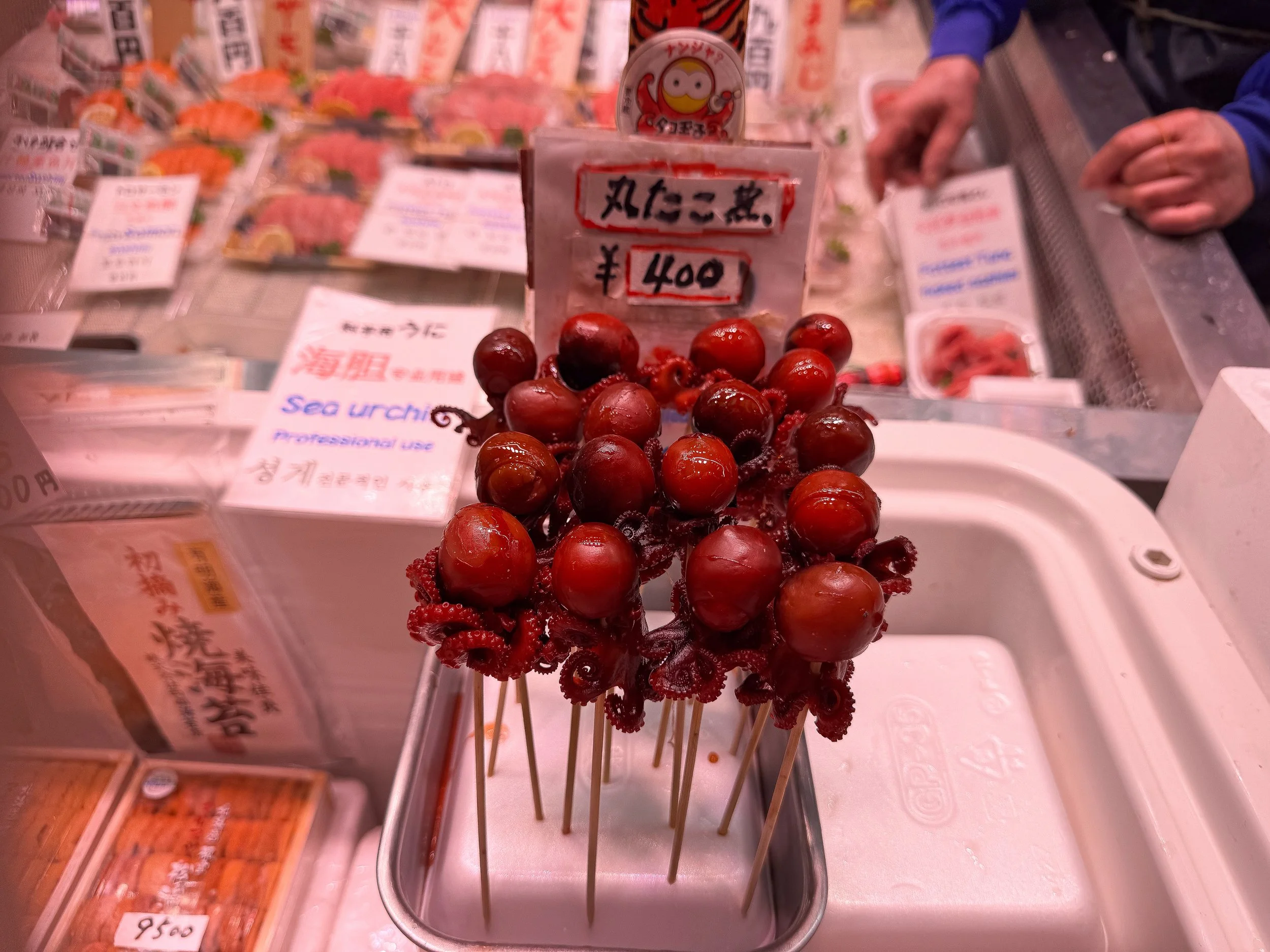
Nishiki Market. A market under a covered alleyway with restaurants, food stands and merchants selling all types of Japanese goods. Shops decorated in paper lanterns sell items like sake, chopsticks, kimonos, knives, paper fans, rubber stamps, dried seaweed, umbrellas and hairpins. Matcha shops and cafés sell the tea in various forms including prepared lattes, tea powder, mochi, ice-cream and baked goods. Japanese restaurants and food stands display realistic plastic replicas of their dishes. We tasted several dishes including Dashi Makitamago, Tako Tamago, Kansai Unagi, Fish Cakes and Matcha Mochi.
Good to Know. Don’t walk and eat. It’s seen as rude and unclean in Japanese culture. Only eat in front of the business selling it.
Things to Do
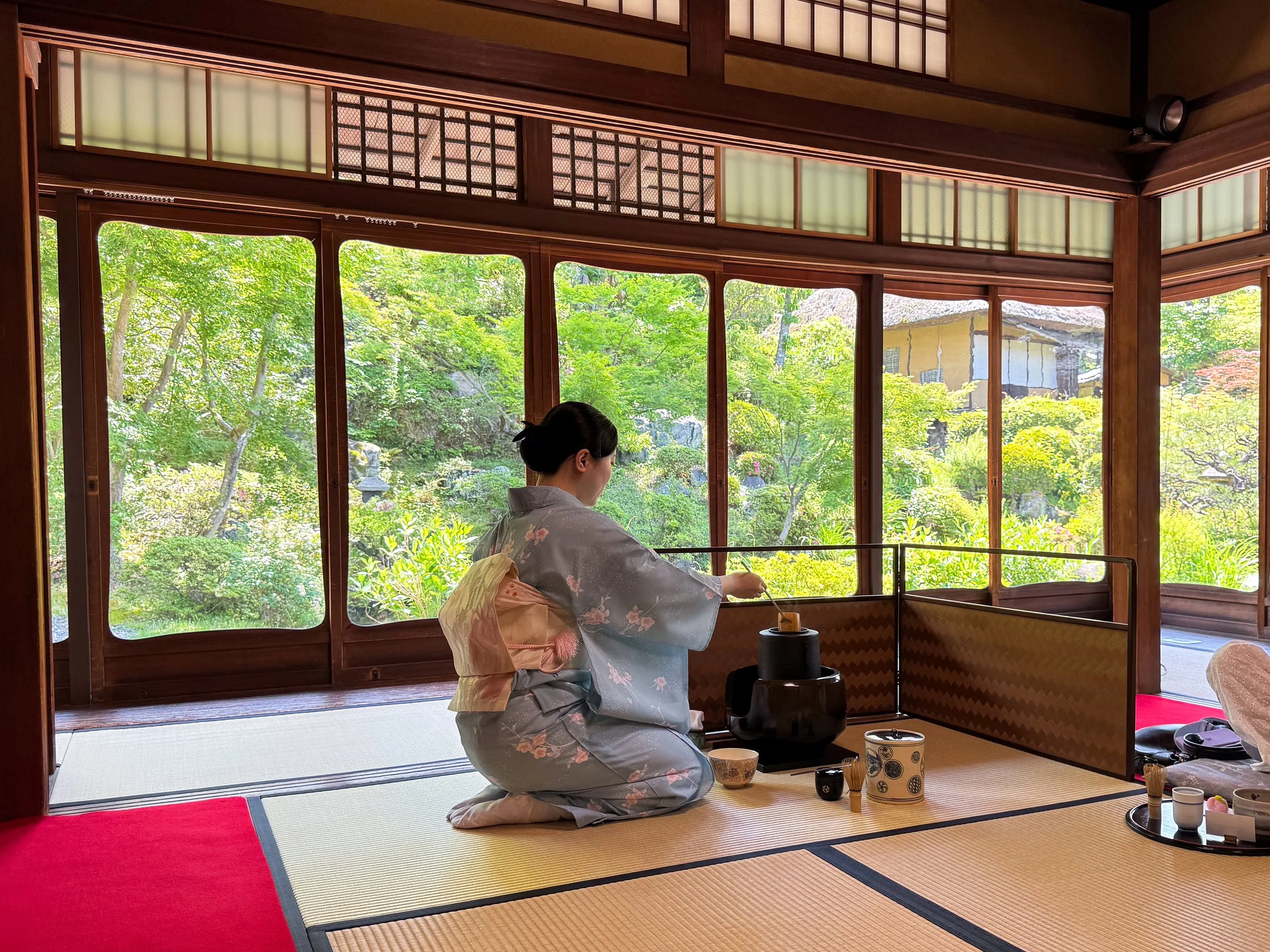
Matcha Tea Ceremony. Matcha is one of the most culturally significant teas from Japan. Tea ceremonies provide an opportunity to try it in its truest form while learning about its history. We joined a tea ceremony in a historic tea house along Ninen-Zaka in the Higashiyama District. The tatami mat room overlooked a koi pond and Japanese garden. We sat on cushions as the tea master silently prepared and served bowls of matcha. We had the chance to prepare our own matcha using bamboo whisks while an apprentice explained the traditions and etiquette.
Good to Know. Tea ceremonies are small and last an hour. Book well in advance to secure a spot. We booked with Tea Ceremony Sakaguchian on Get Your Guide.
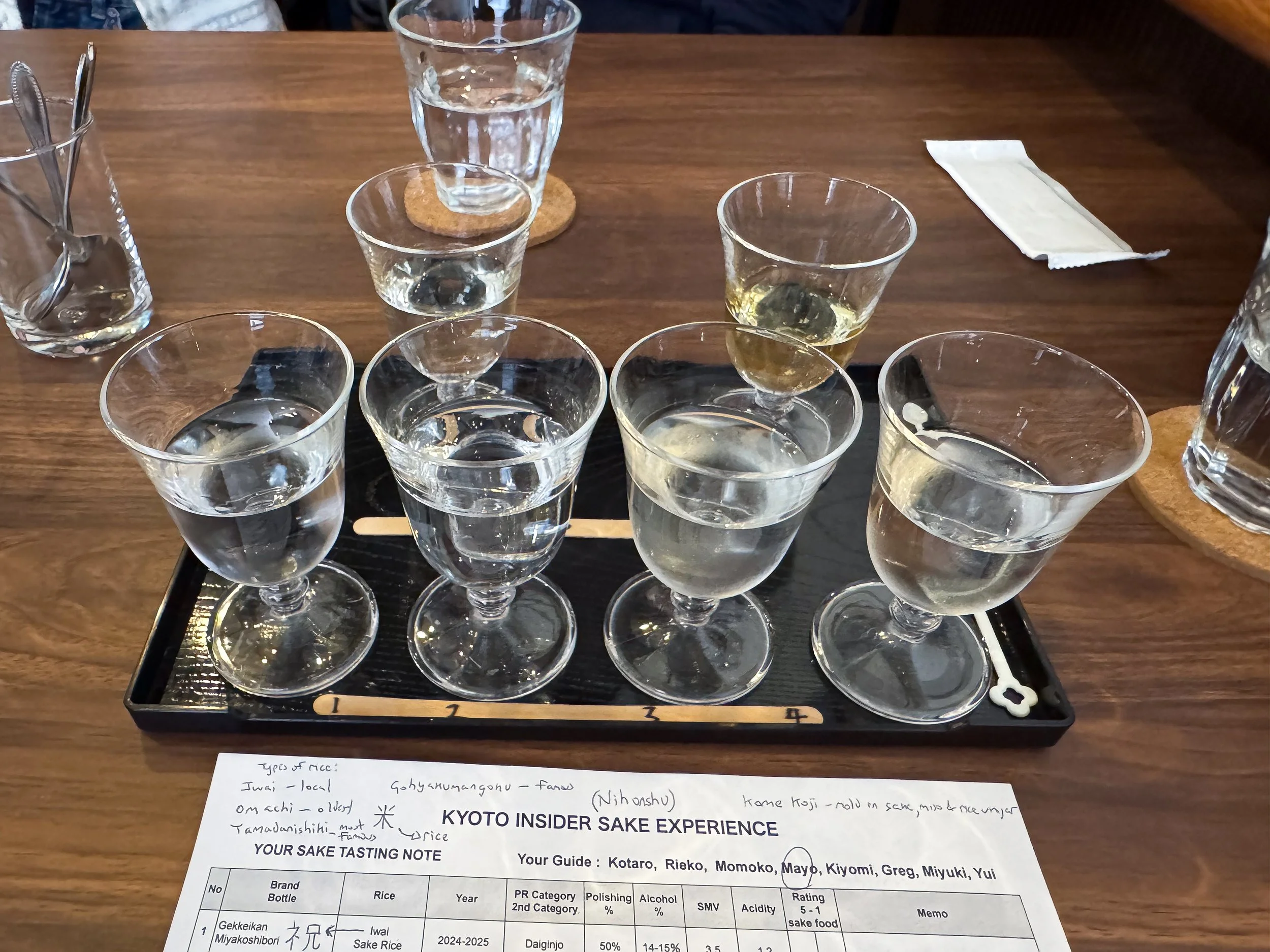
Sake Tasting Course. One of Japan’s most beloved beverages is Sake, a fermented rice wine. Sake tasting courses offer an experience to taste several varieties. We tried 7 different sakes, first by themselves then paired with food to balance the flavor profiles. The sommelier lectured about the categories of sake, the different rices used, how they’re “polished”, and the traditional brewing processes. It felt like a high school lecture or business presentation but with copious amounts of sake. It’s well worth it to learn more about sake, its history and determine what variety you like best. We booked the Kyoto Insider Sake Experience at Amazake House through Airbnb.
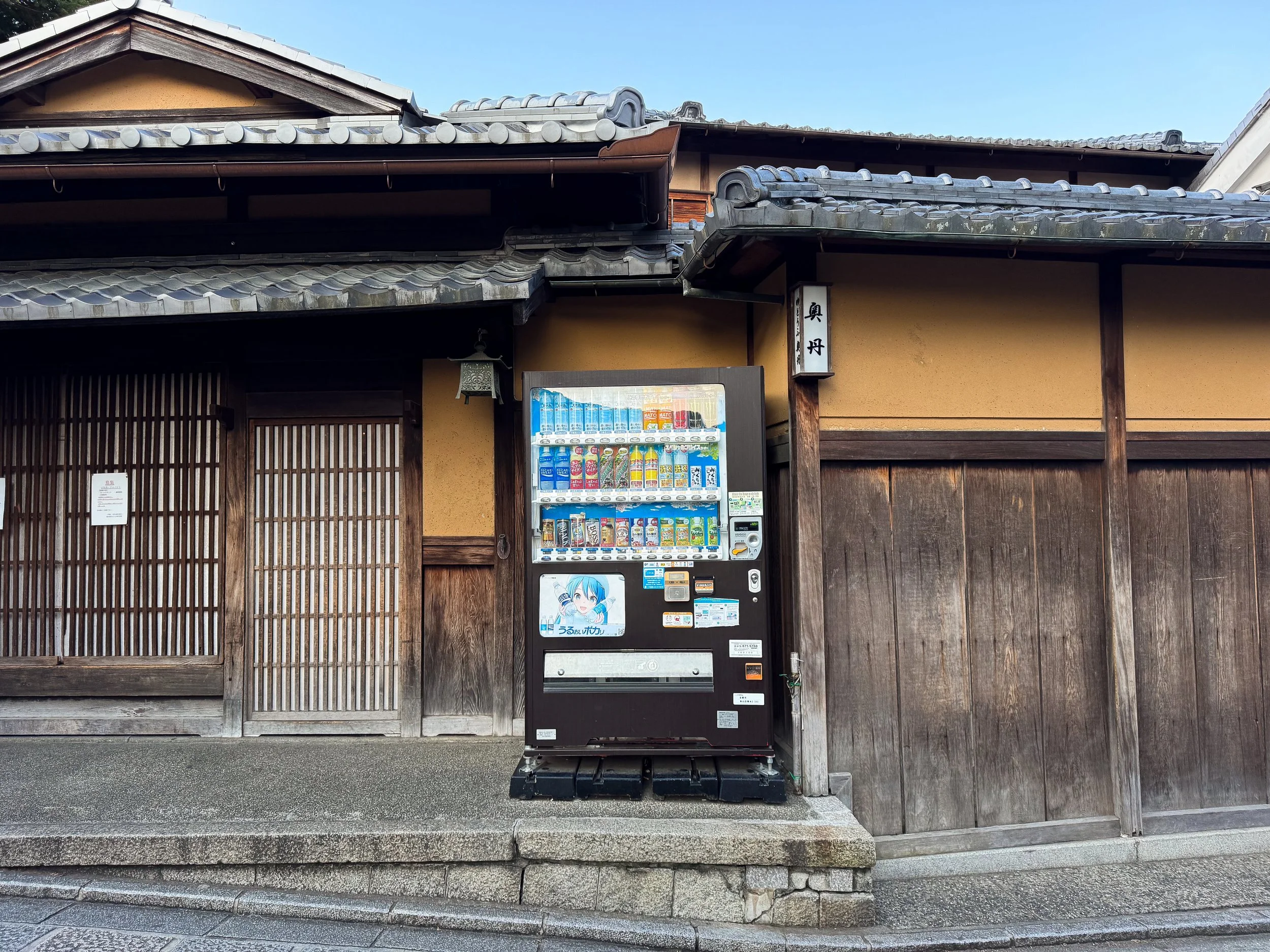
Order from Vending Machines. Japan’s vending machines are an integral part of the street culture. Rows of them line sidewalks, are seen sandwiched between historic homes and standing alone in the middle of the countryside. Most dispense beverages like coffee, water and soda. Occasionally one will offer ramen noodles in a cup, sushi, onigiri, ice cream and cigarettes.
Places to Eat & Drink
Rokkakuya. An izakaya specializing in katsu, breaded and fried pieces of vegetables, seafood or meat. We ordered a spread of lotus flower, onion, sweet potato, asparagus, crab stick, mackerel and eggplant. We dipped them in Kyoto’s famed katsu sauce and paired them with a local Suntory Draft Beer.
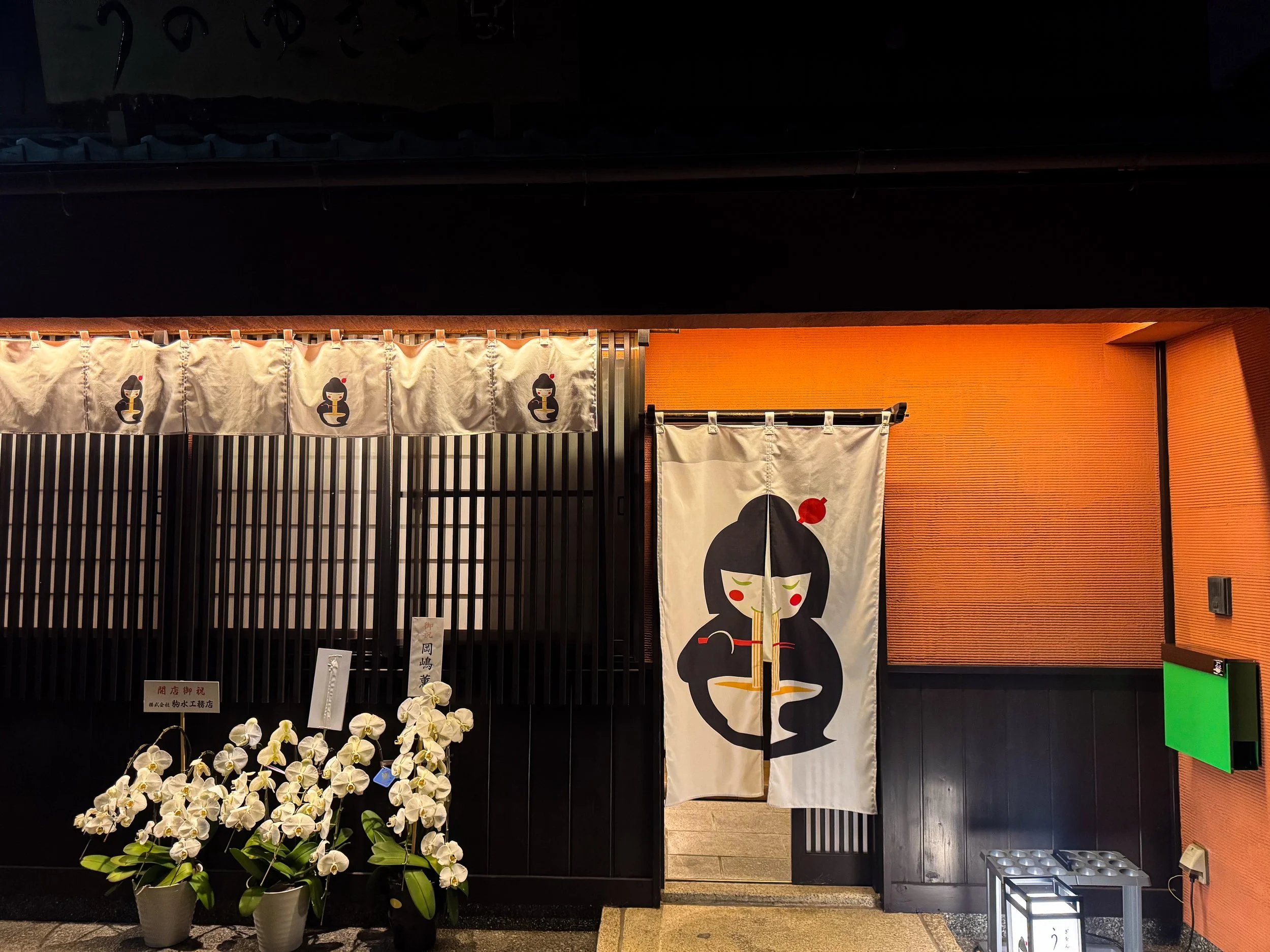
Uno Ramen -Sanjo- Vegan & Gluten-Free Sushi. An izakaya in a traditional Japanese style space specializing in vegan versions of Japanese cuisine. Come here for the convincing tasty vegan sushi, meat free gyoza and tofu small plates.
Pontocho Kappa Sushi. A sushi restaurant in Ponto-chō with high quality sushi, sashimi and nigiri. Order a hand roll, a bottle of sake and a nigiri platter for a flavorful range of Japanese seafood.
Petit Brun. A small bakery and café offering a range of pastries baked daily by an elderly man. We selected a spread including a persimmon danish, chestnut pie, sweet red bean rice cakes and milk tea chocolate danish.
Bee’s Knees. A speakeasy style cocktail bar in Ponto-chō specializing in prohibition era cocktails and Japanese spirits like whiskey and gin. Try the corpse reviver, last word, bee’s knees or their signature cocktails like florist sour and bamboo forest.
Beer Bar Miyama. A Japanese style dive bar on the second floor of a narrow building in Ponto-chō. Bartenders serve local beers and mixed cocktails to a regularly full bar of about a dozen people. The walls are covered in foreign currency and handwritten notes from past customers.
Kraft Tiki. A cocktail bar with traditional tiki drinks and Japanese tiki fusions. Come here for their version of the zombie or the kino tiki made with Japanese gin, green tea, yuzu and peach.
Day Trip to Osaka
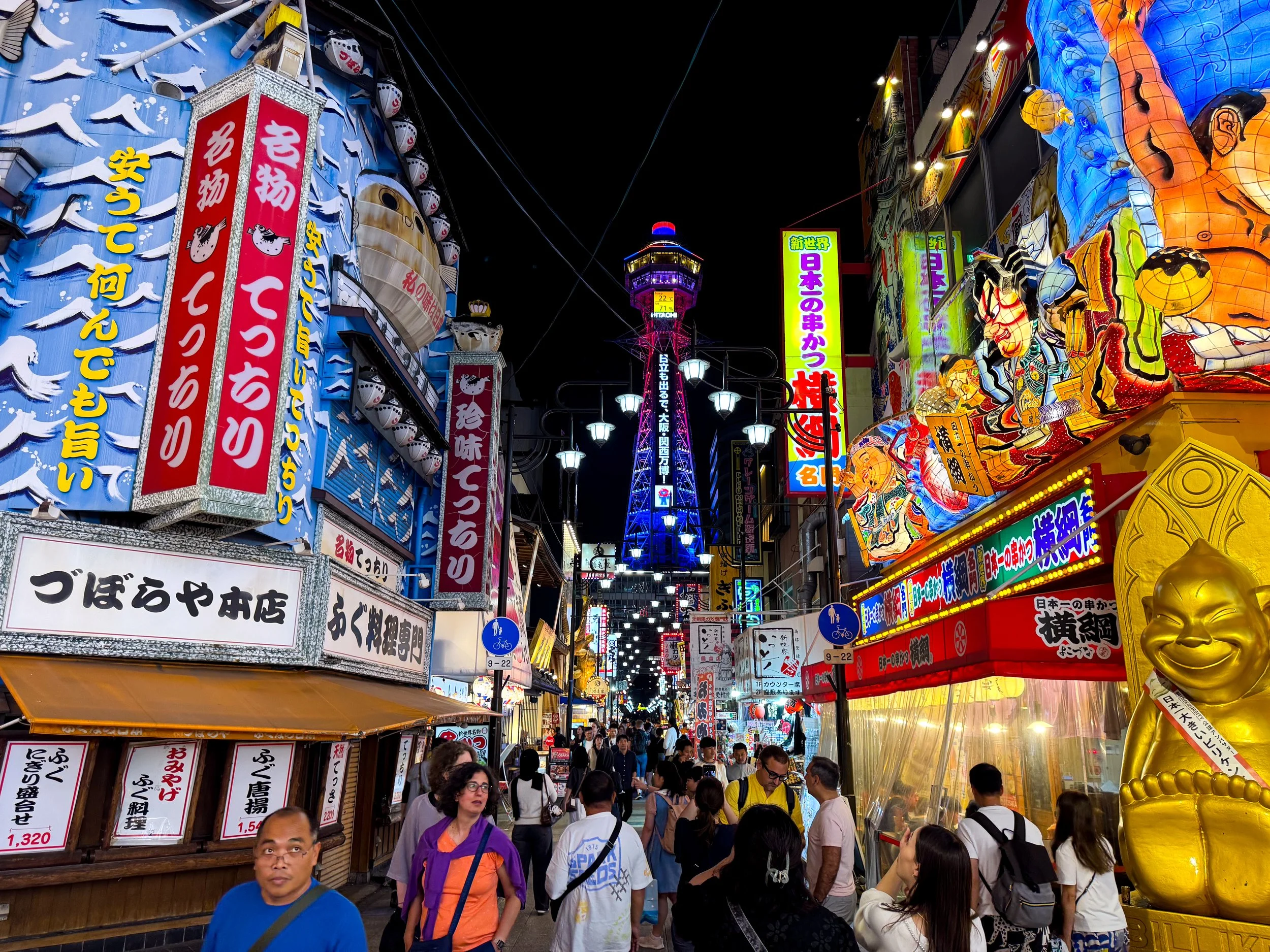
Osaka is a Japanese megacity famed for its energetic atmosphere, colorful neon lights, pop culture and street food. It is both modern and historic, once serving as Japan’s imperial capital. The city is easily reachable on a day trip from Kyoto. Read more here: Osaka Travel Guide: Dotonbori, Street Food & Osaka Castle.
Day Trip to Nara
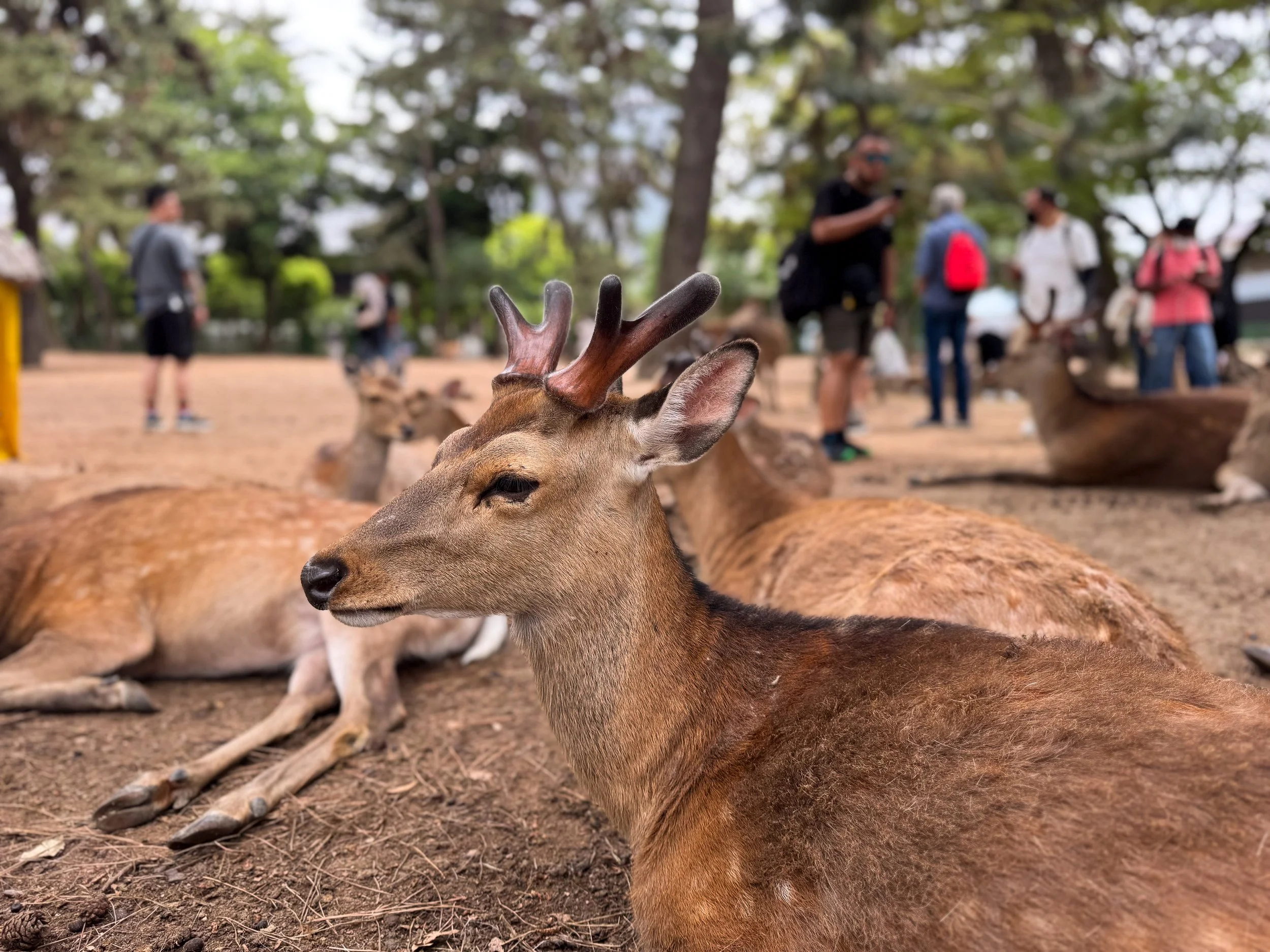
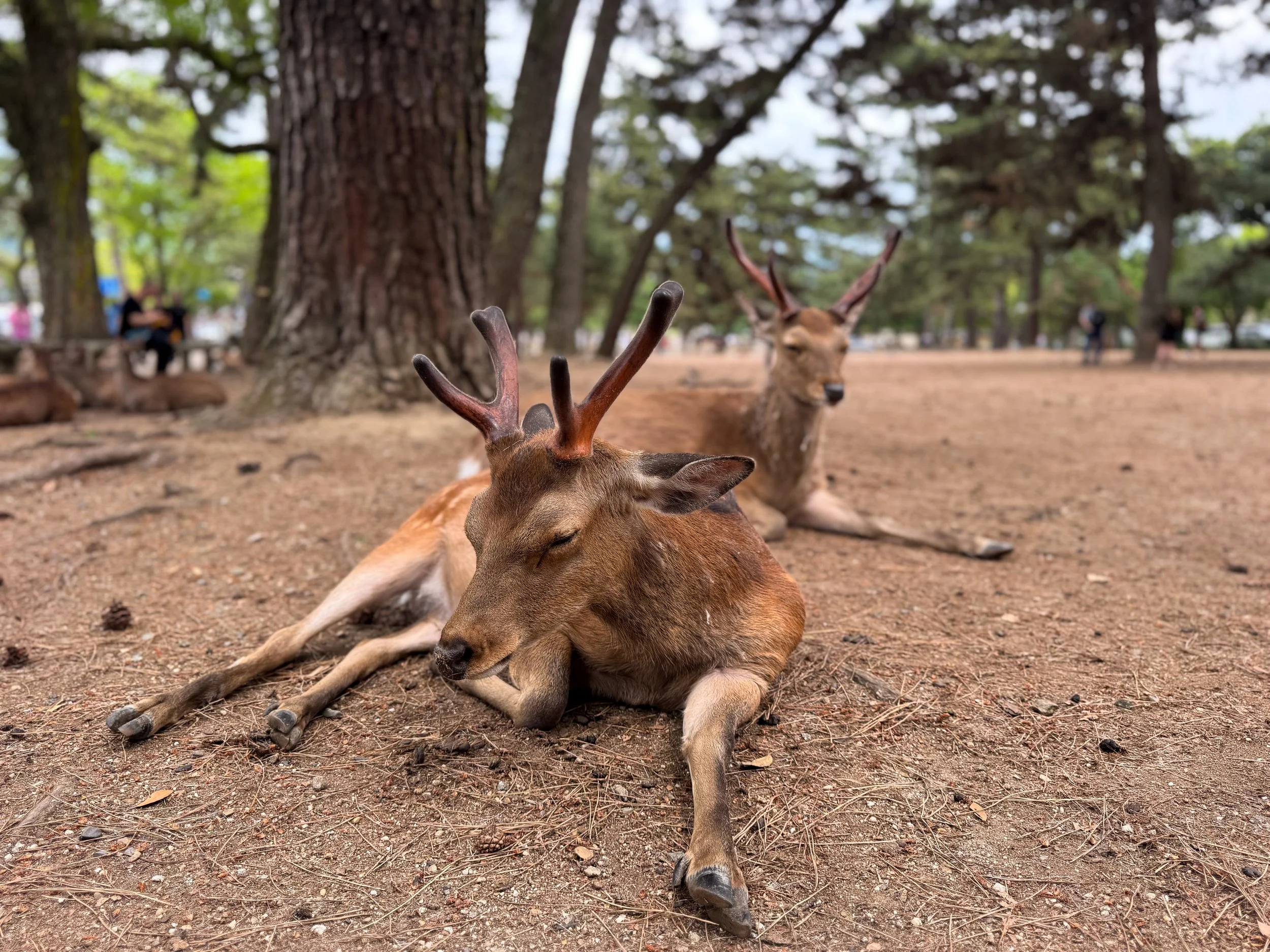
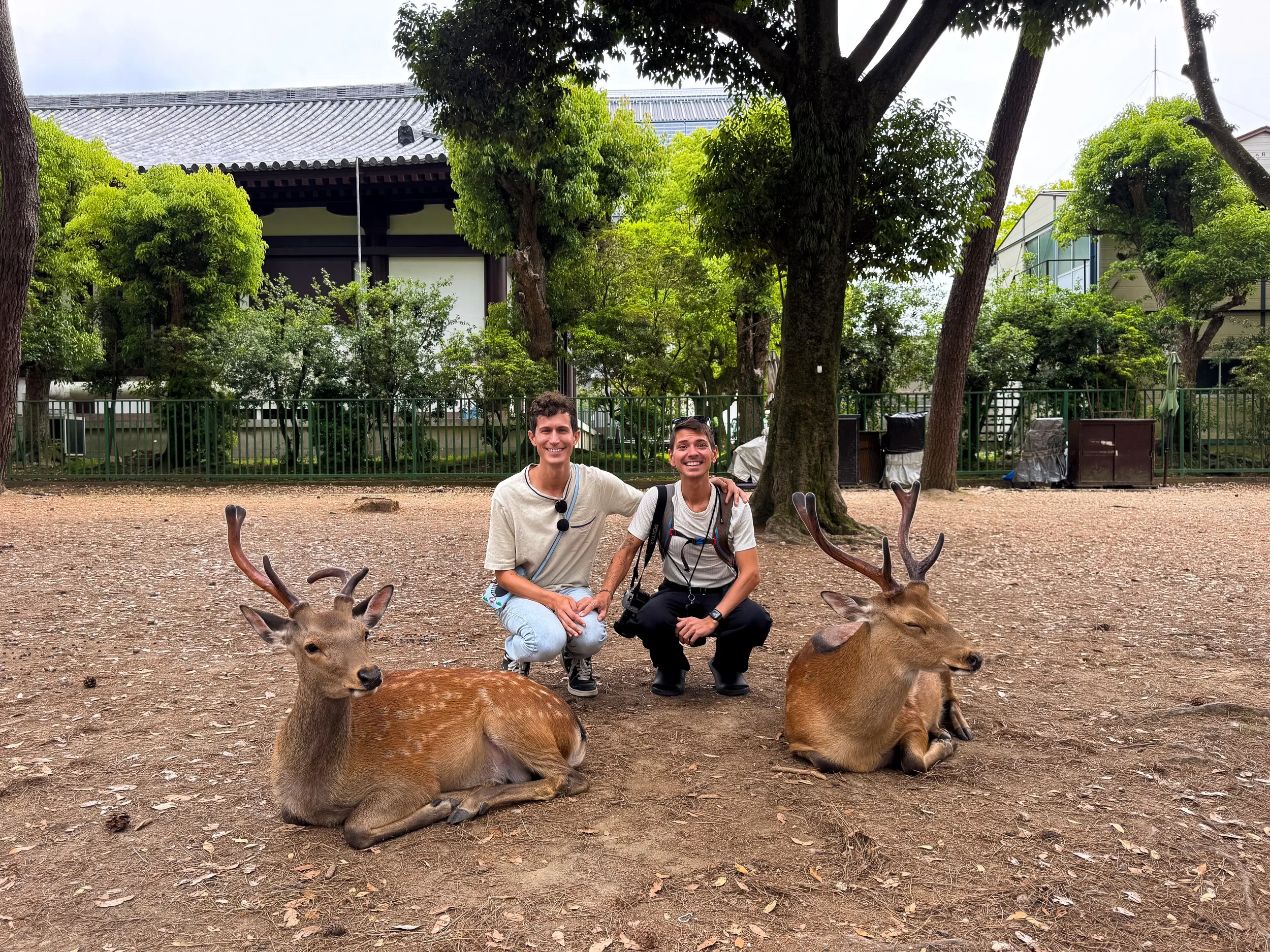
Nara is a historic Japanese city famed for its cultural heritage, ancient history, wooden temples and sacred deer park. It’s a short distance from Kyoto making for an easy day trip.
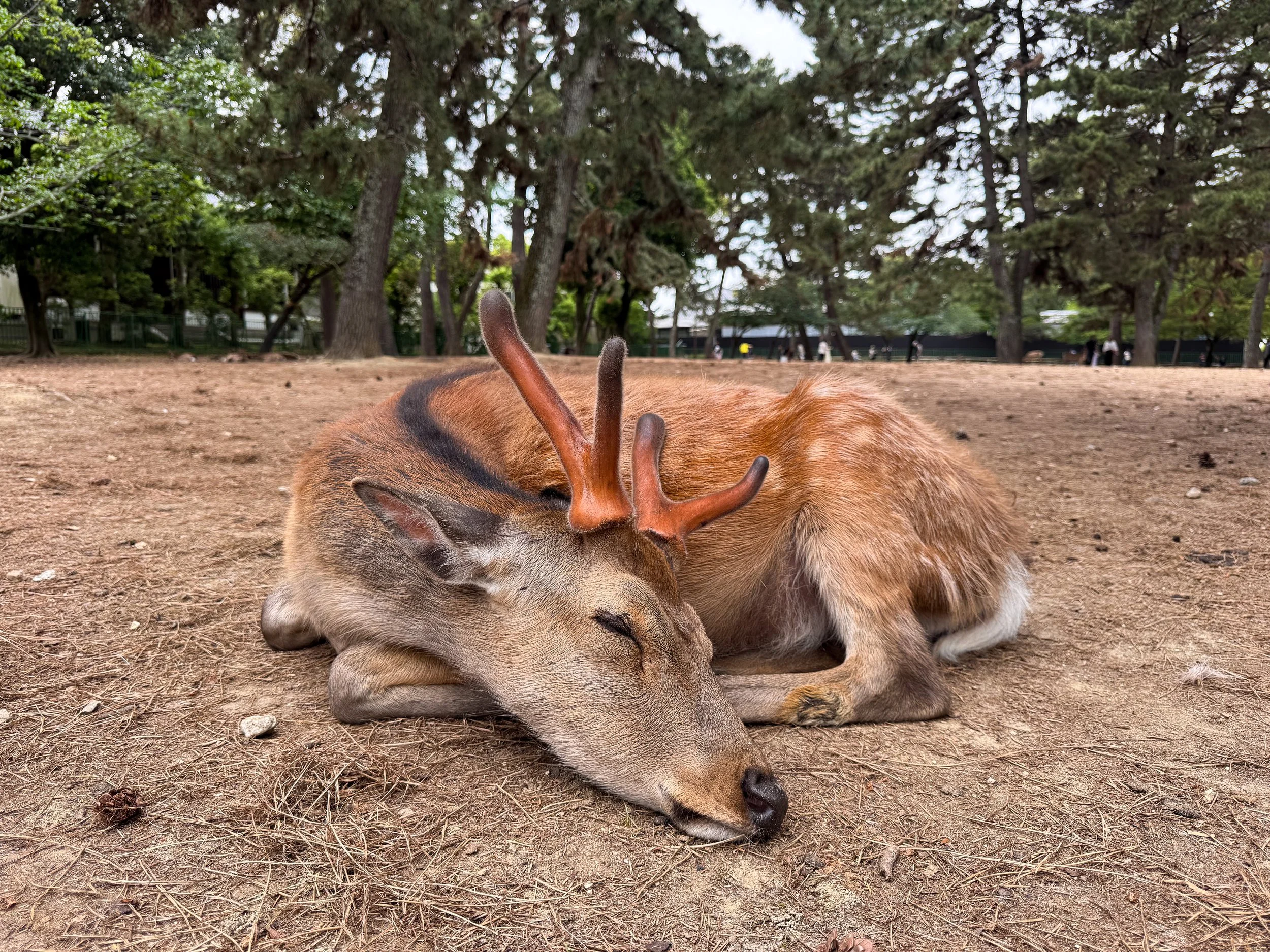
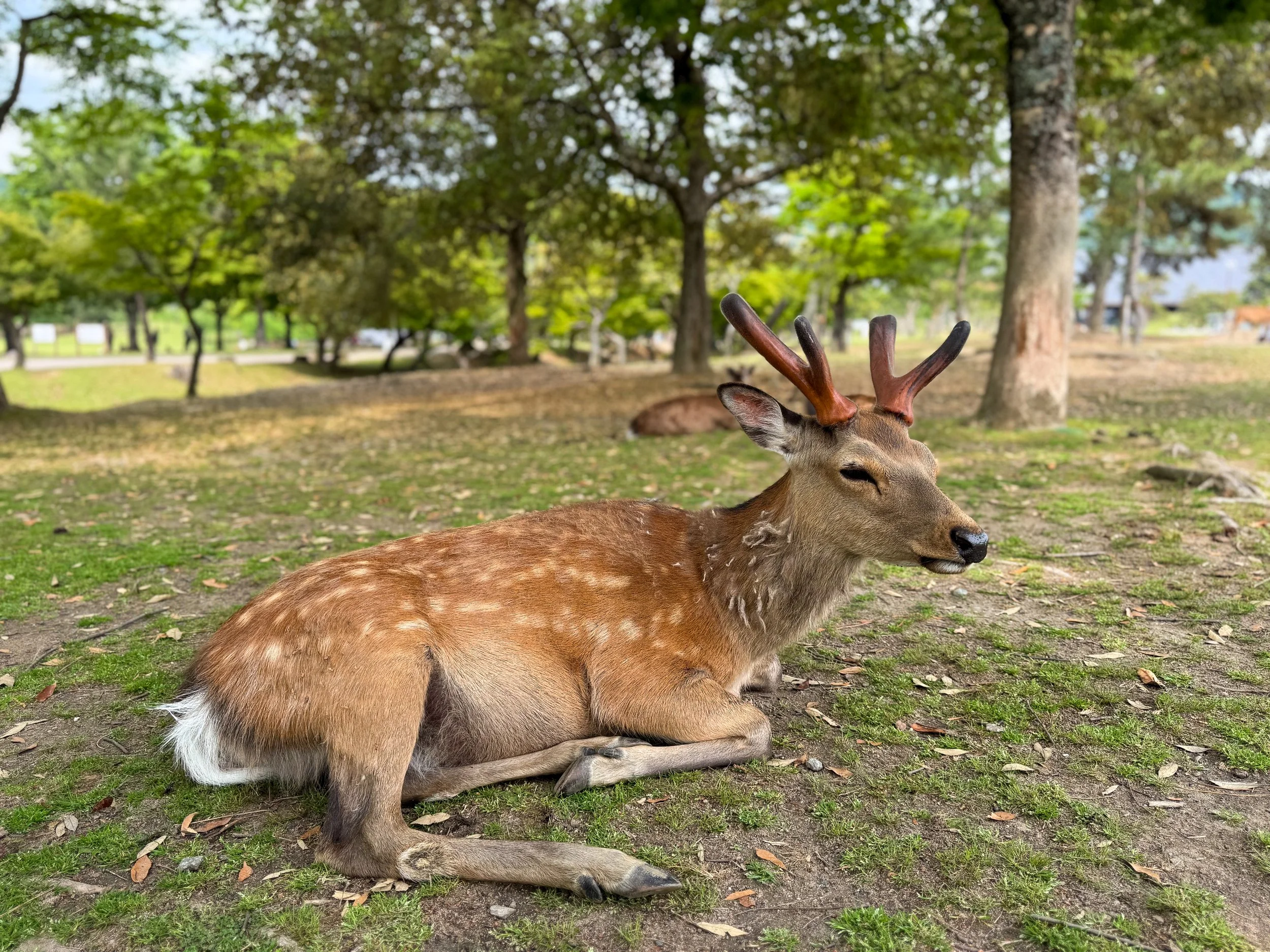
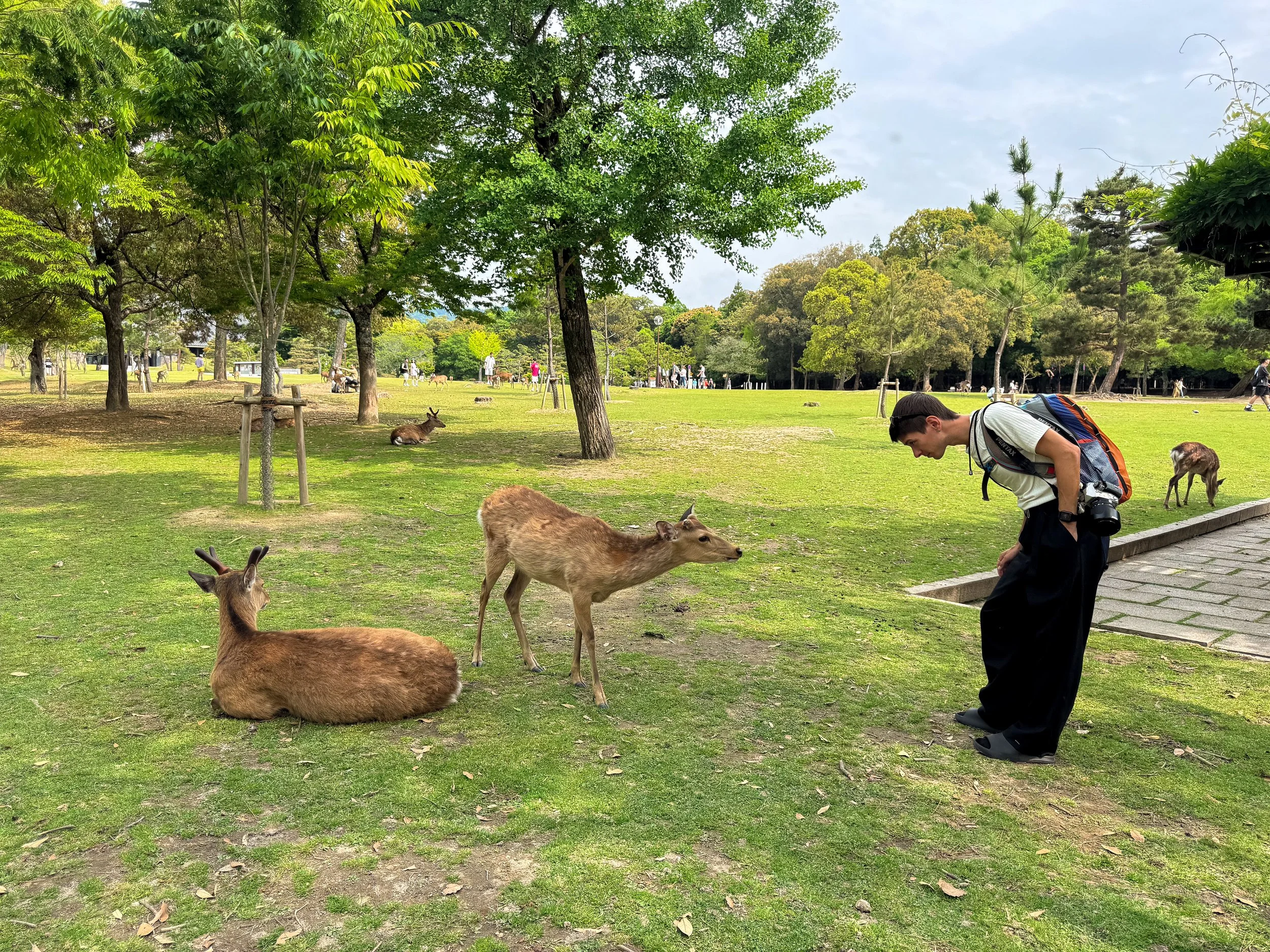
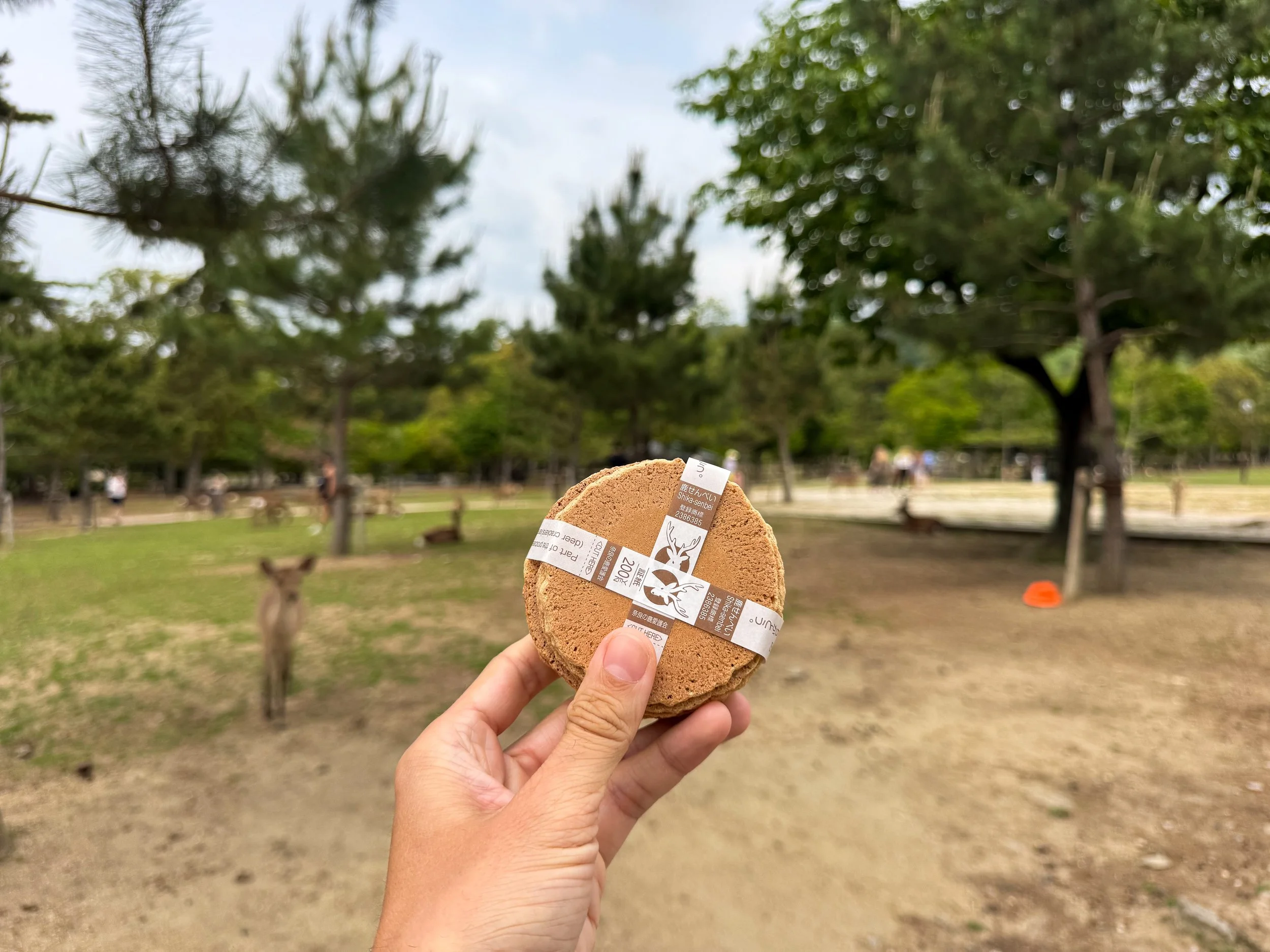
Nara Deer Park. Nara’s famed deer park has been a sanctuary for the sacred deer for hundreds of years. The deer roam freely, sleep underneath trees and often approach people for food. They’re allowed to be fed special wafers available from stationed vendors. To feed the deer, approach one and bow; if it bows back, feed it a wafer. Some deer may be less curious and bump into you demanding a wafer.
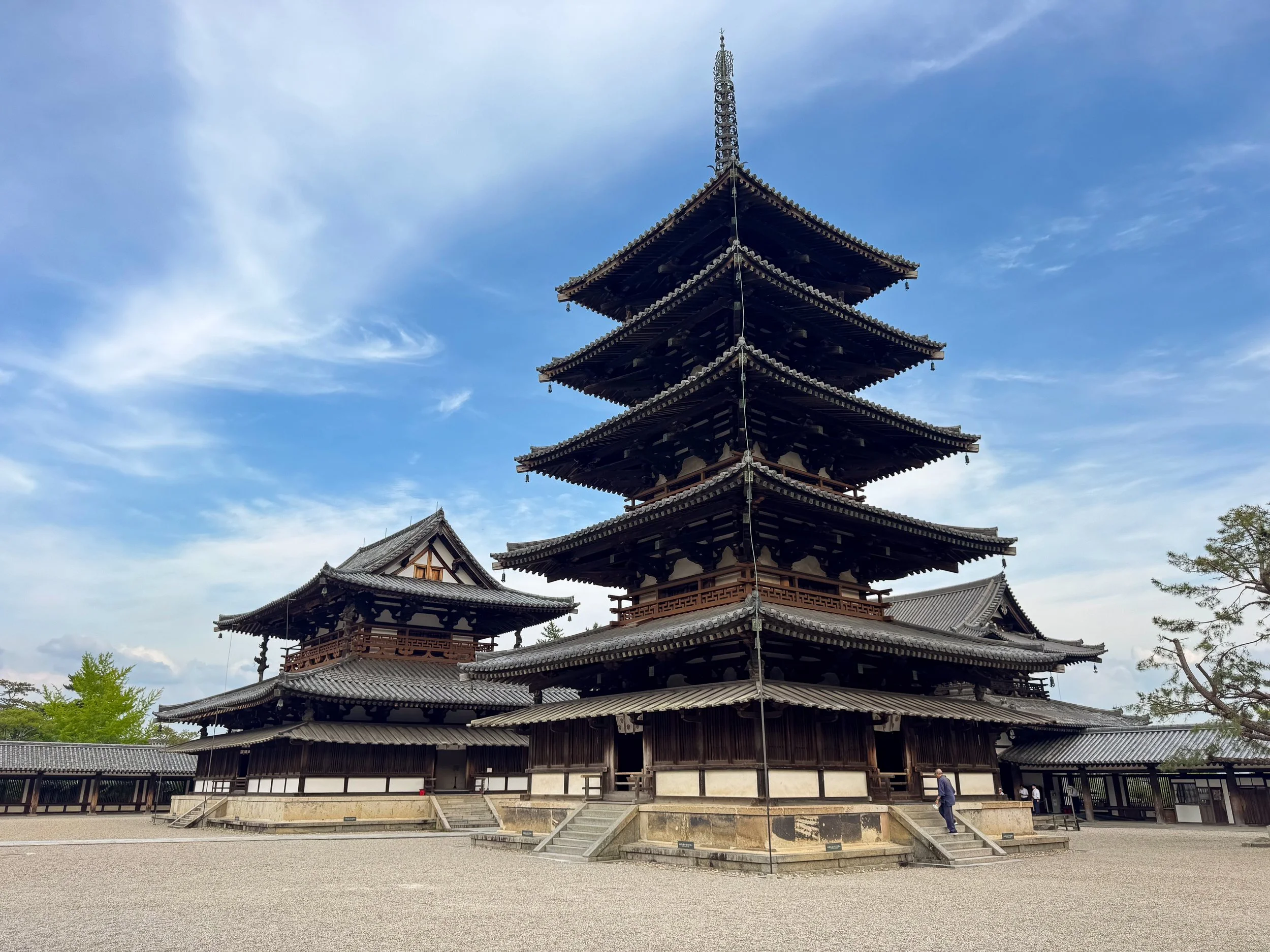
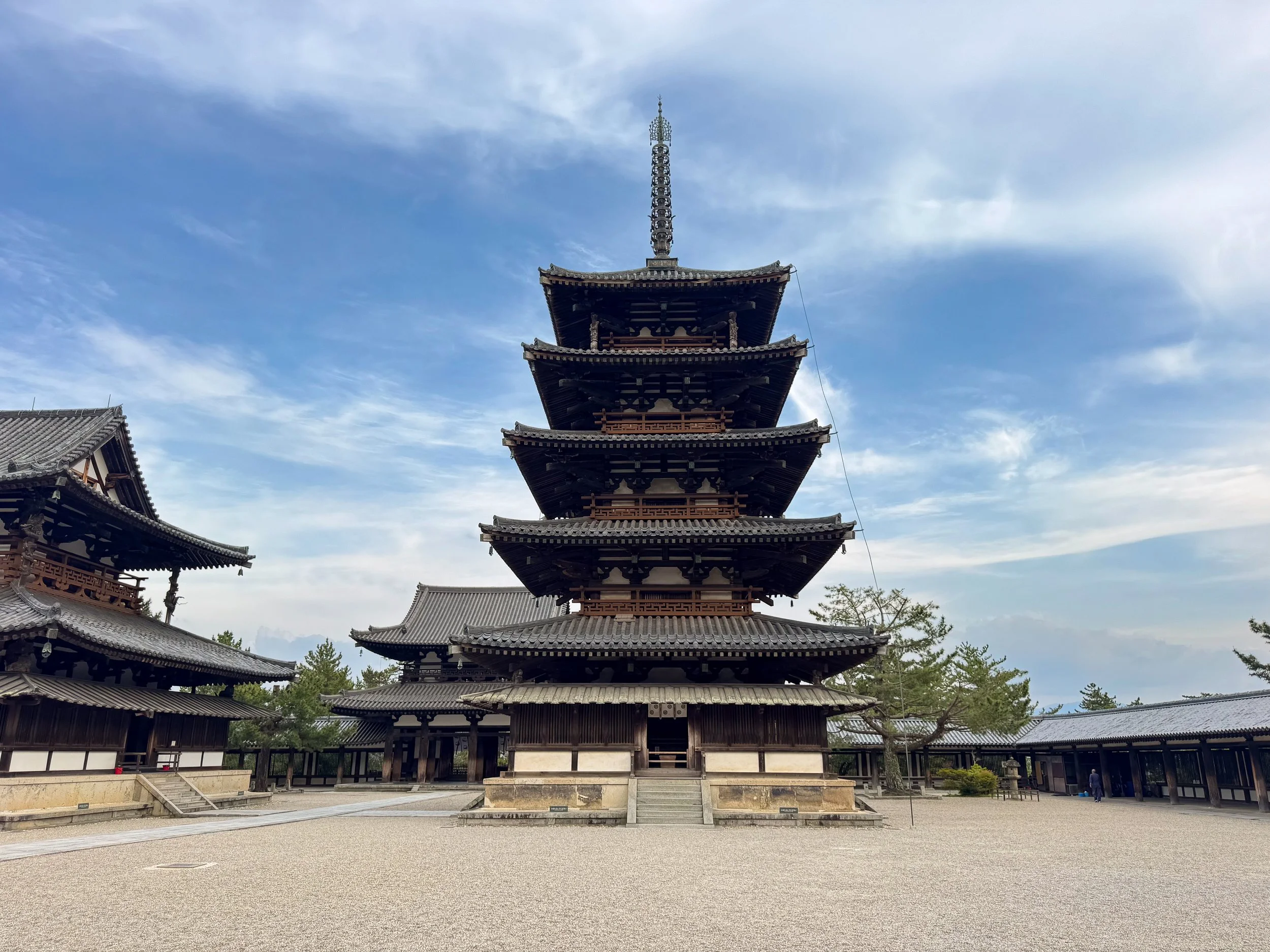
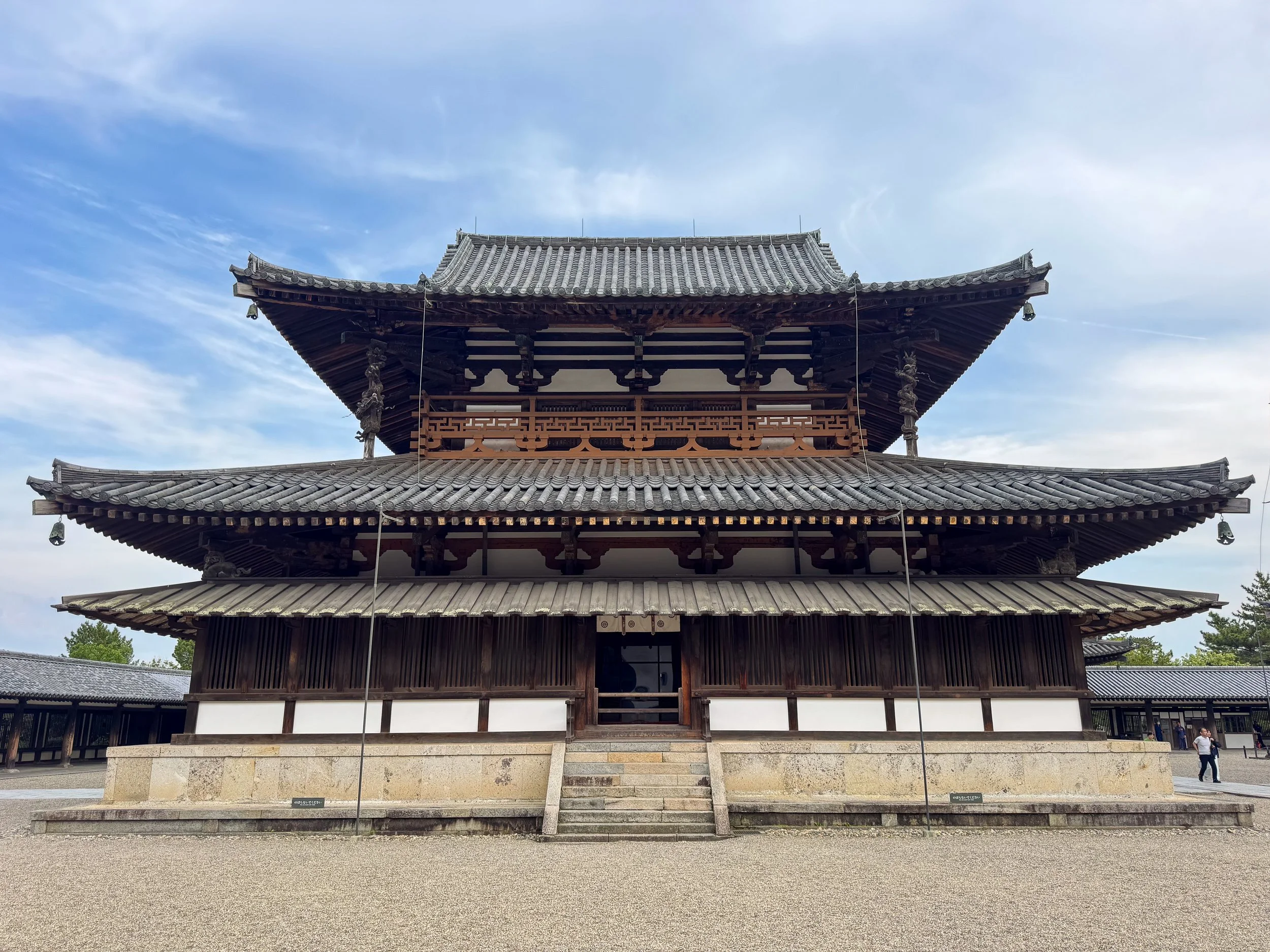
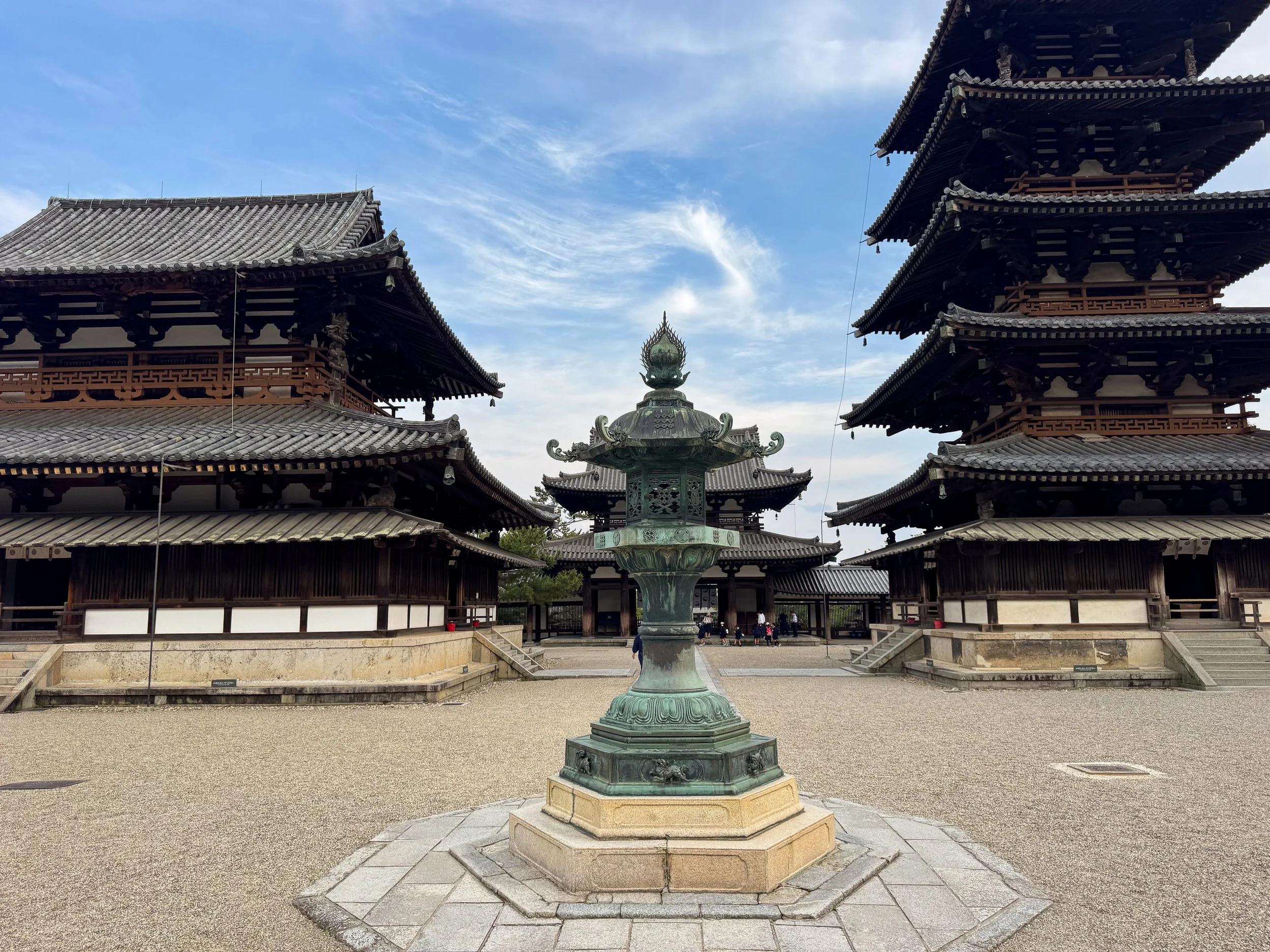
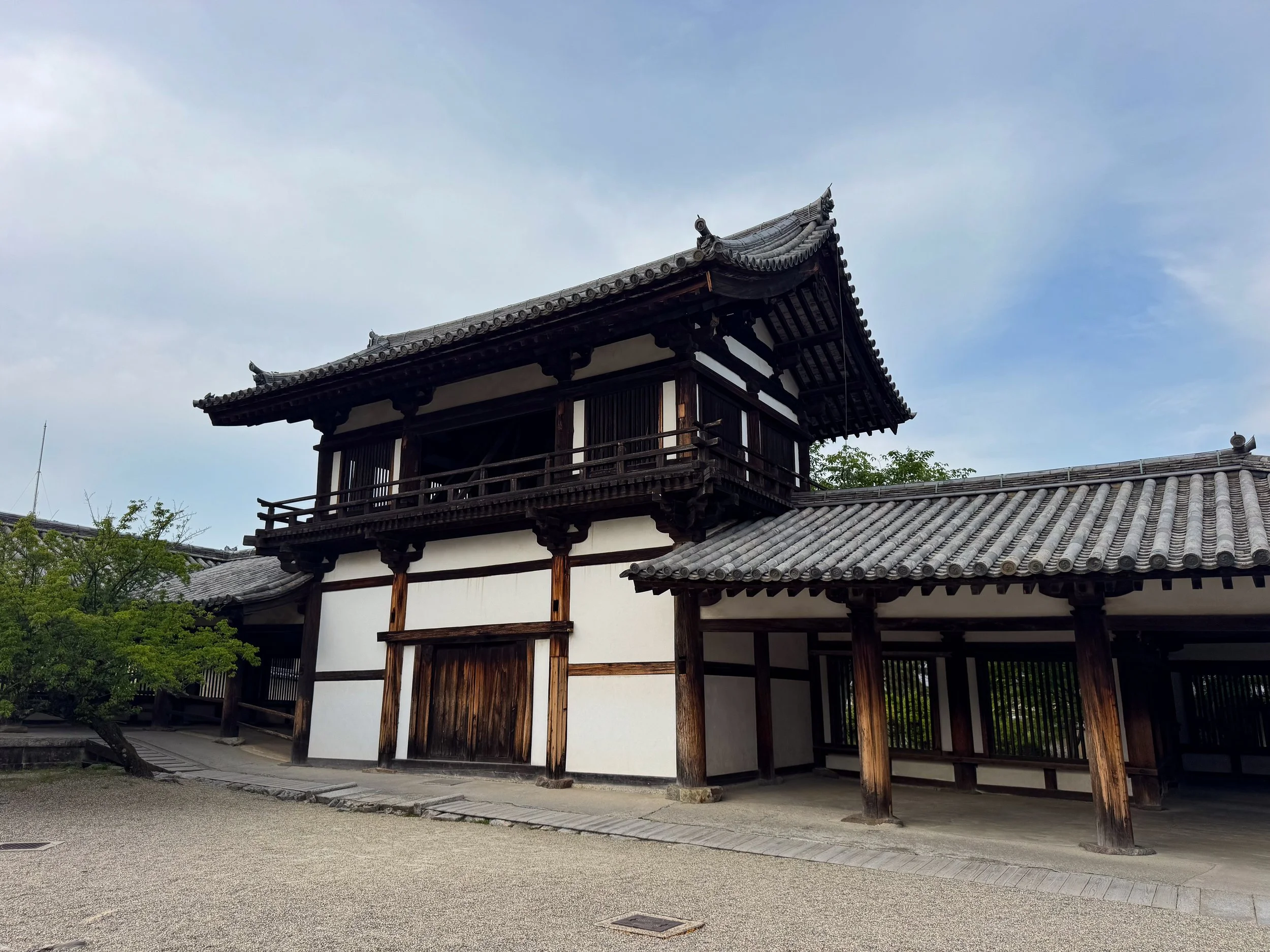
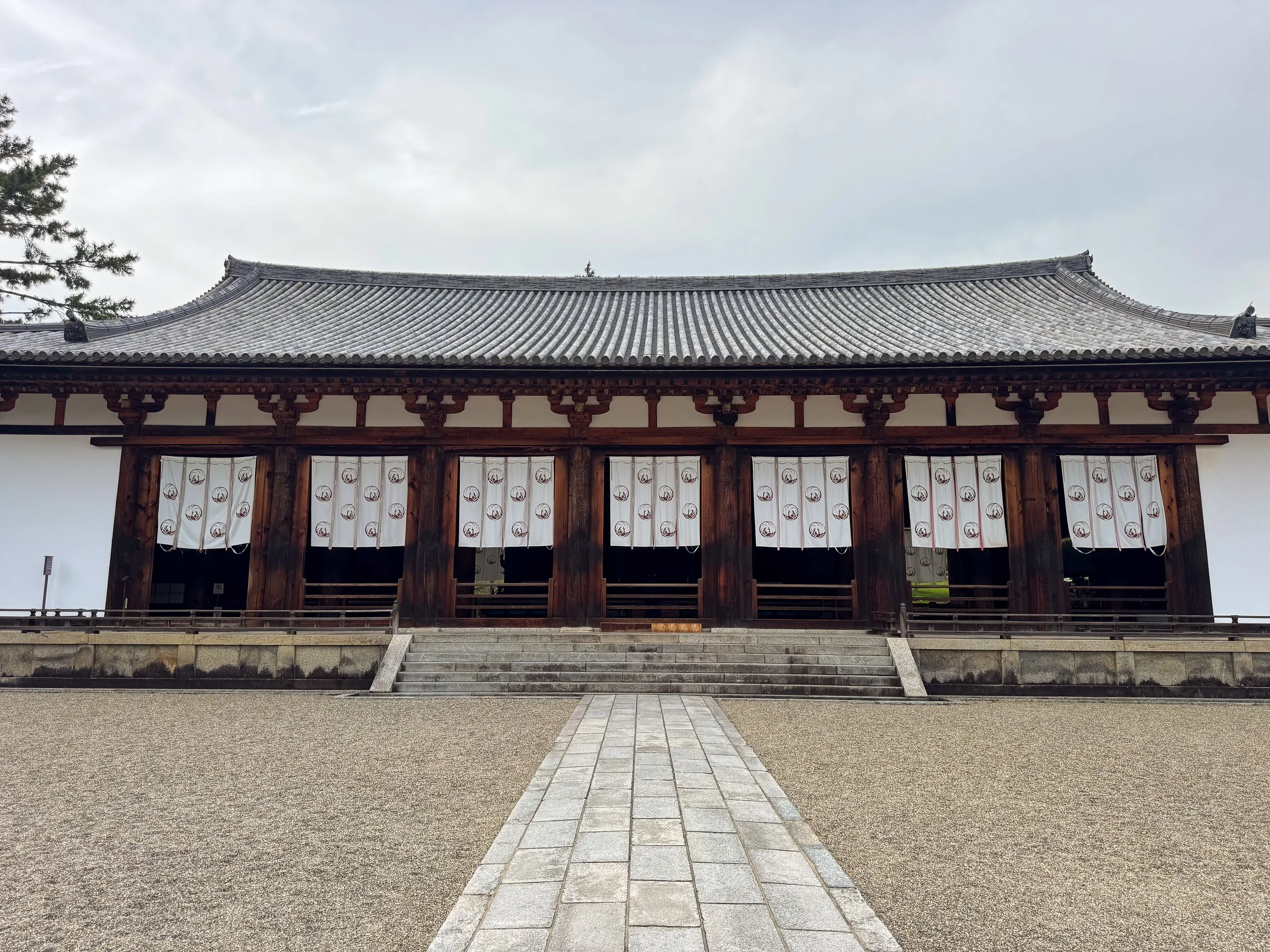
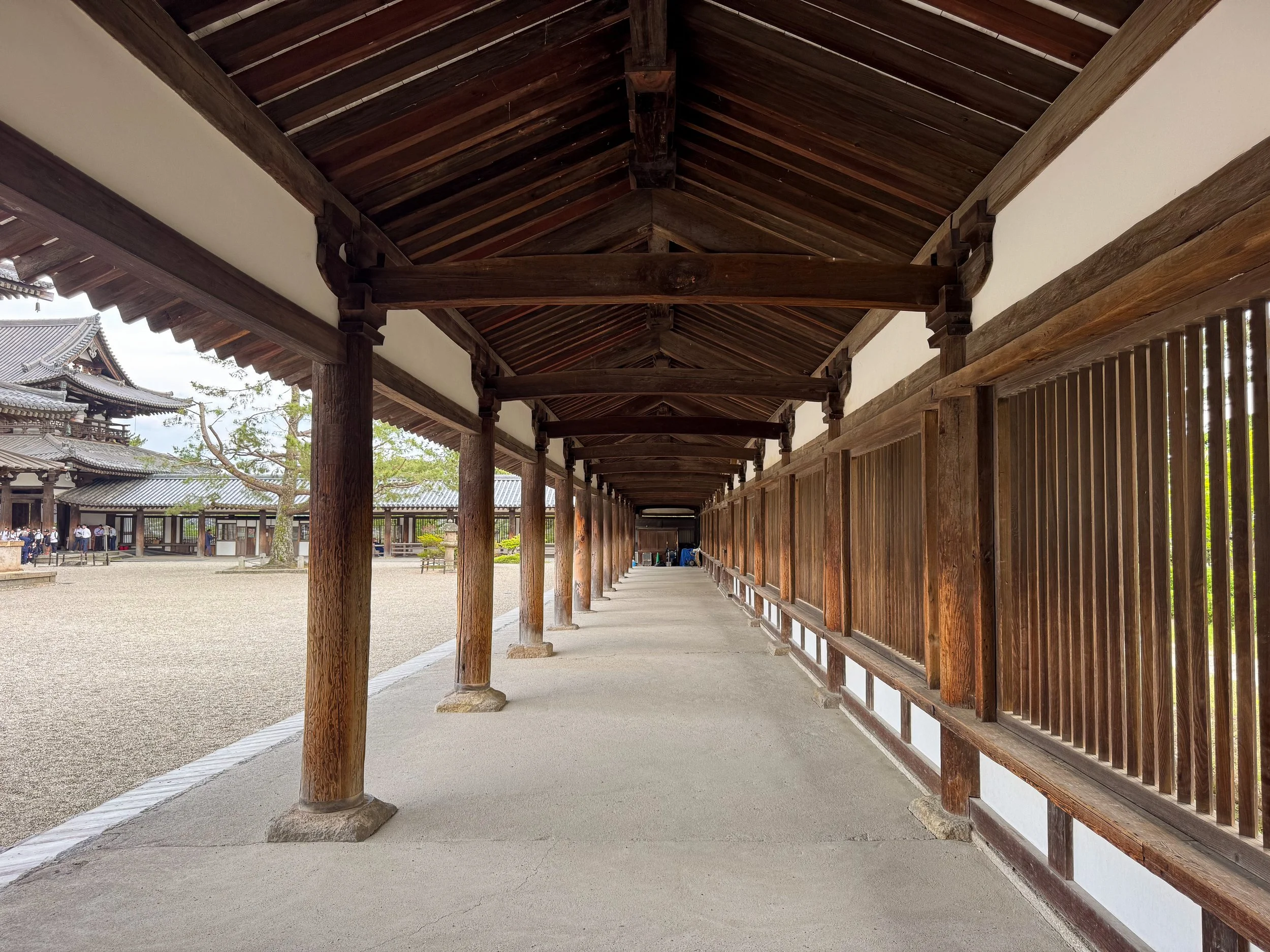
Horyuji Temple. The world’s oldest surviving wooden structures reside at the Horyuji Temple complex in its Western Precinct. A gate leads into a courtyard surrounded by a covered corridor with a lecture hall at its opposite end. Within the courtyard is the main temple and a five storied pagoda. Both house statues and murals of the Buddha, depicting his life, teachings and death. The buildings date back over 1,400 years to the ancient days of Japan. The complex expands further into the Eastern Precinct with several temples and a Treasures Museum displaying Buddhist artifacts as old as the temple.
Getting Here. Take the Japanese Rail from Kyoto Station to Nara Station. Trains operate every 30 minutes and take about 45 minutes.
Japanese Cuisine
Japan is world renowned for its cuisine, flavors and culinary presentation. Kyoto shares many of the same dishes as the rest of Japan but it also has its own specialities and vegetarian forward meals.
Sushi vs Sashimi vs Nigiri
Sushi. Raw seafood wrapped elegantly in seaweed and sticky rice, often with vegetables. It’s typically rolled up, sliced and garnished with sauces.
Sashimi. Bite-sized pieces of sliced raw seafood. This is the most common.
Nigiri. Bite-sized pieces of raw seafood covering a nugget of sticky rice.
Street Food & Small Plates
Tako Tamago. A baby octopus stuffed with a boiled quail egg and dipped in a sweet soy sauce. It’s served on a stick and a common snack at street food markets.
Dashi Makitamago. Japanese rolled omelette made with dashi and scallions.
Kansai Unagi. A filet of grilled eel layered over rice and wrapped in seaweed.
Katsu. Breaded and fried pieces of vegetables, seafood or meat. It’s a popular snack at restaurants and bars across Kyoto.
Tempura. Battered and deep fried vegetables like green beans, taro root, sweet potato and daikon radish.
Kushikatsu. Deep-fried skewers of meat or vegetables.
Fish Cakes. Patties of ground fish often served fried until golden. Some places will mix them with vegetables, meats or other types of fish.
Okonomiyaki. Japanese “pancakes” filled with shredded cabbage, green onions and vegetables.
Rice Dishes
Onigiri. A triangular packet of rice wrapped in seaweed and stuffed with various types of vegetables or proteins.
Tamago Rice. Sticky rice seasoned with tamago, a mixture of seaweed, dried fish, sesame, sugar and salt.
Shime Saba. Cured mackerel over sticky rice.
Tofu Dishes
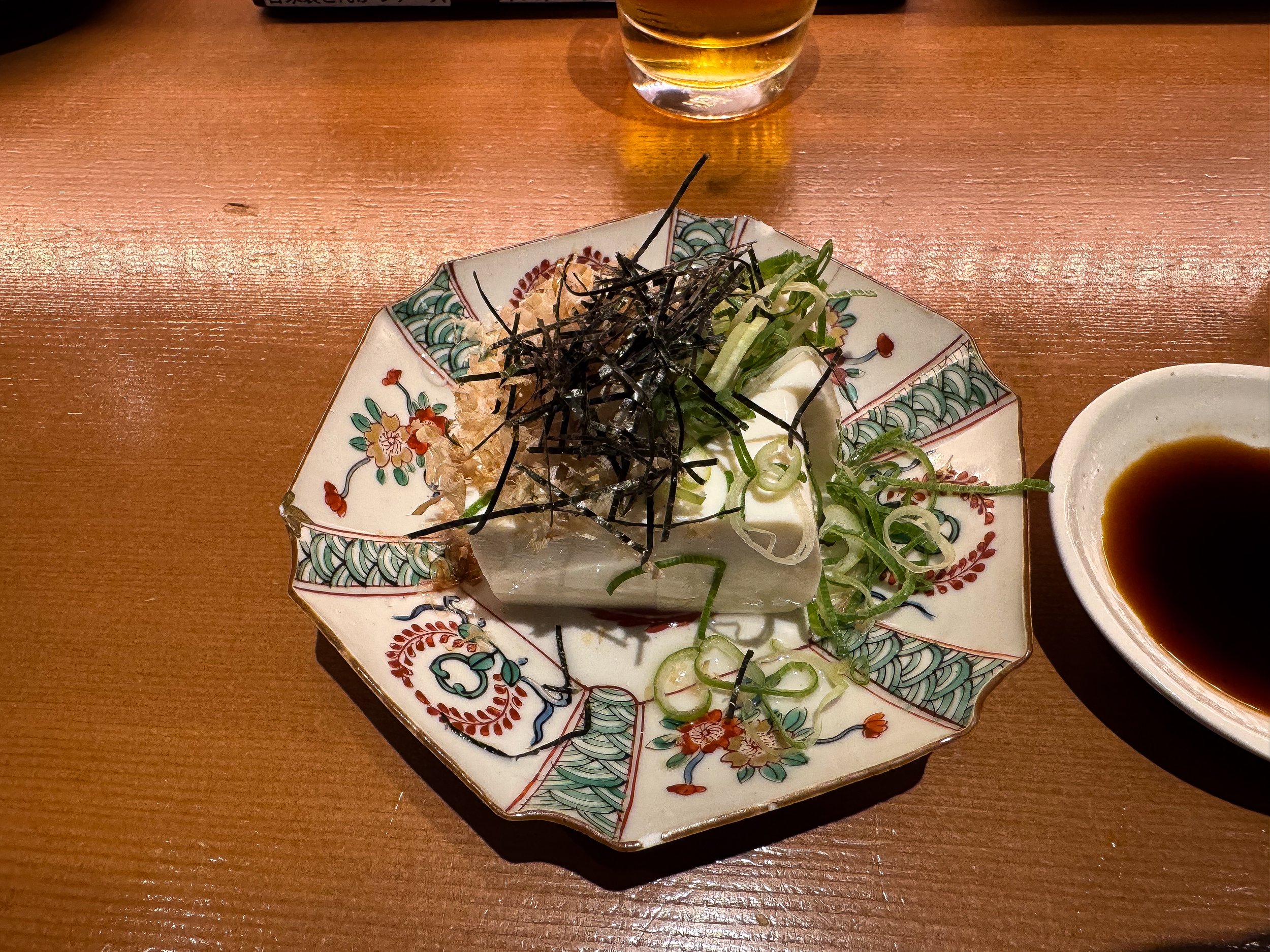
Kyoto Tofu. Tofu from Kyoto famed for being smoother and richer due to being made with local spring water. It’s often served cool and “raw” with bonito flakes and scallion.
Agedashi Tofu. Crispy fried tofu served in a pool of dashi broth and topped with scallions.
Yudofu Tofu. Silken tofu simmered in a dashi broth.
Soups
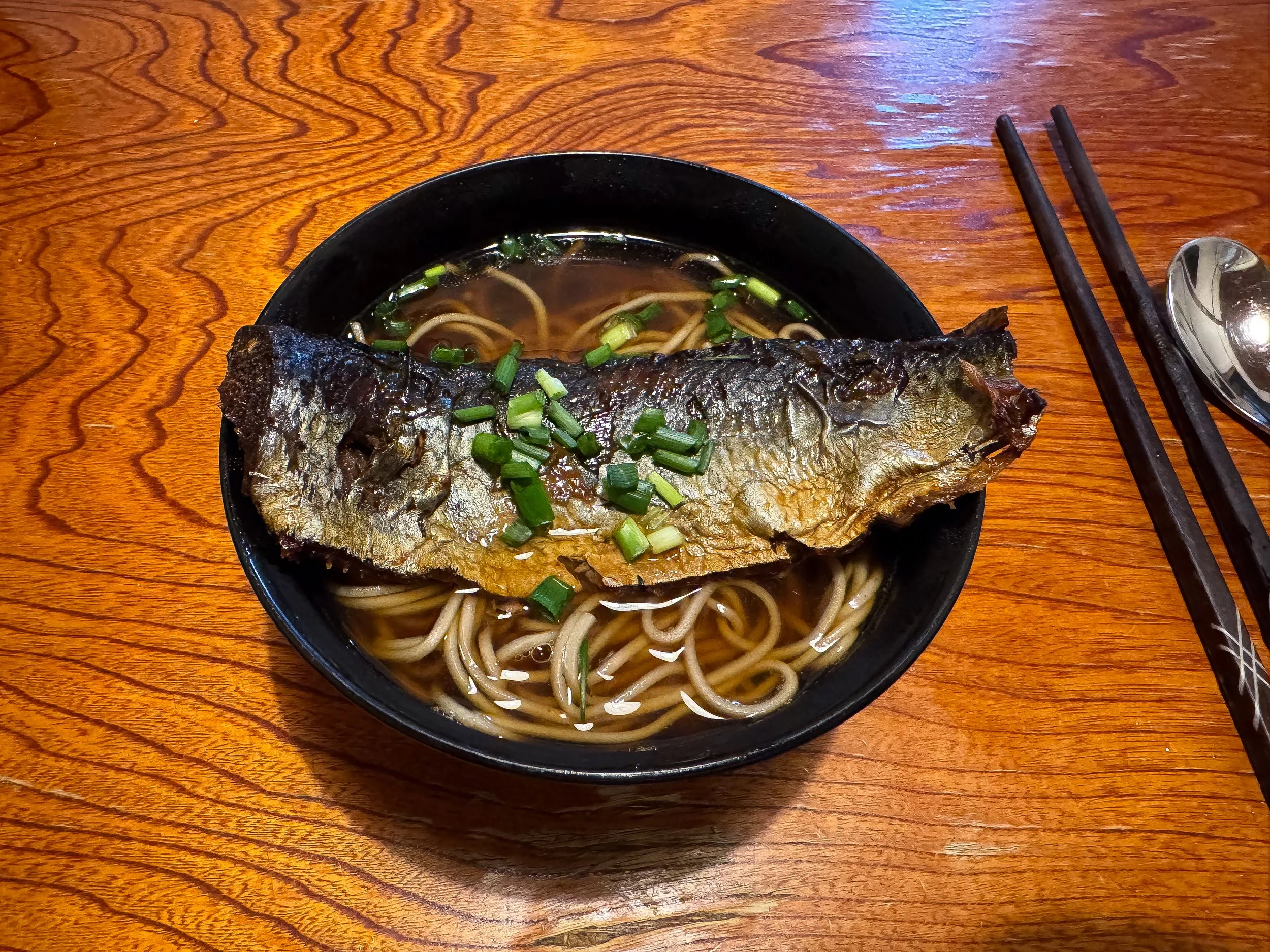
Nishin Soba. Kyoto soba noodle soup with marinated herring.
Miso Soup. A Japanese soup made with dashi broth, seaweed and tofu. It’s a common breakfast dish.
Japanese Meals & Spreads
Shojin Ryori. A spread of seasonal vegetables and vegetarian dishes commonly eaten by Buddhist monks. A staple of the meal is Goma Dofu, a sesame custard served in a bath of soy sauce and topped with wasabi.
Obanzai. A Kyoto style meal comprised of a spread of seasonal dishes like pickled vegetables, tamago rice and yudofu tofu.
Bento Box. A packaged meal consisting of compartmentalized side dishes like sticky rice, pickled vegetables, rolled eggs, cured fish and seaweed salad. It’s a popular way to eat lunch.
Japanese Breakfast. A bowl of miso soup, grilled fish, white rice and a raw egg.
Alcoholic Drinks
Sake. A popular Japanese wine made from fermented rice. It often has a light and floral flavor, pairing well with sushi, sashimi and nigiri.
Suntory Draft. An inexpensive brand of Japanese beer served across the country.
Getting Around
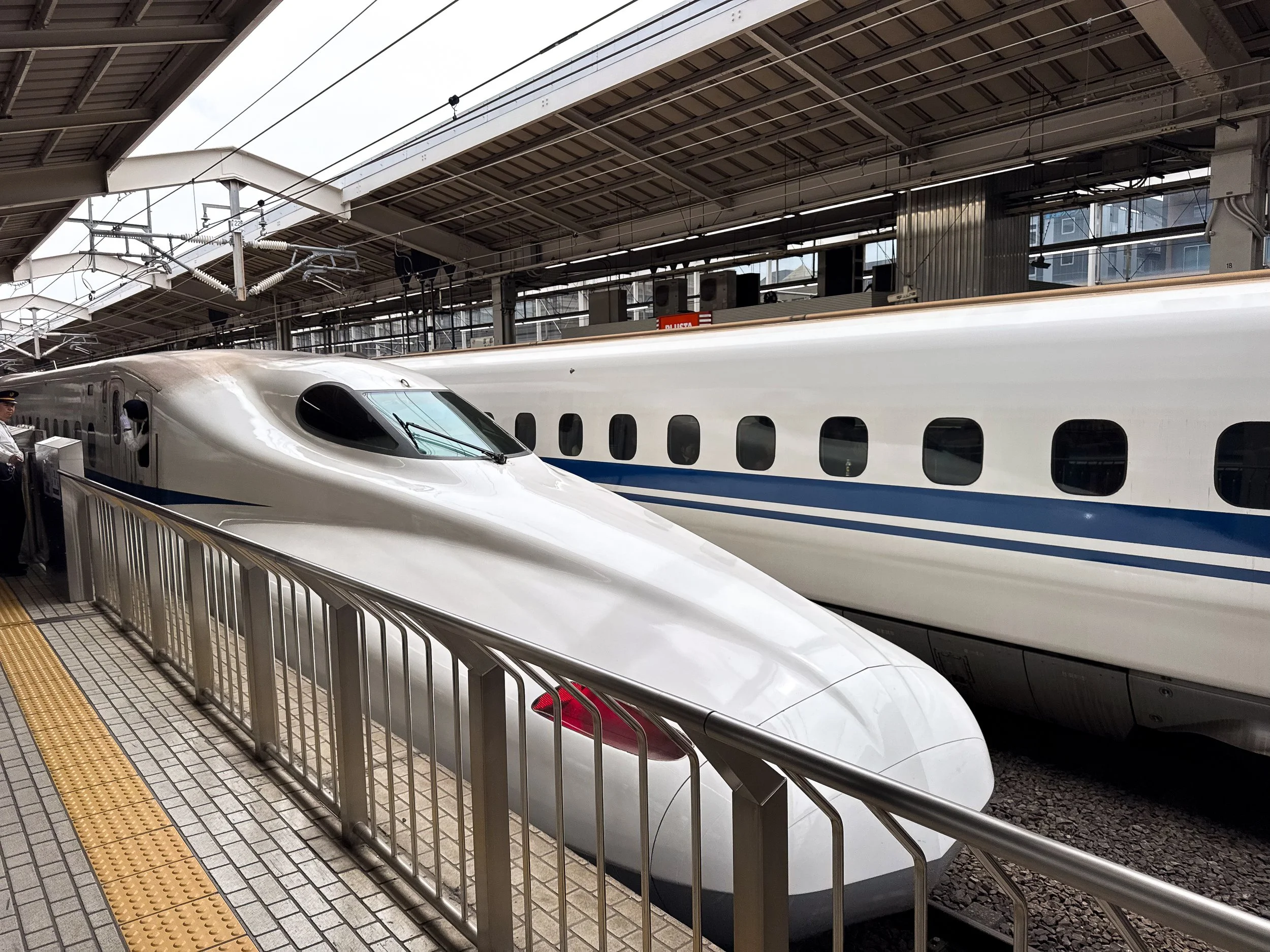
Shinkansen. The Shinkansen is Japan’s impressive network of high speed trains with routes across the country. The trains reach speeds of 177mph and are renowned for their reliability.
Tokyo to Kyoto. We took the Tokaido Shinkansen from Shinagawa Station in Tokyo to Kyoto Station. The high speed train took less than 2 hours and 30 minutes. The tickets are expensive, about $100 USD per person one way.
Pro Tip. Sit on the right side of the train from Tokyo to Kyoto for views of Mt. Fuji.
Local Trains. The local trains in Kyoto are confusing at first but efficient when getting around. Maps above the ticket kiosks help to find the destination station and ticket price. Most maps have an English translation of the station names and numbers making it easy to identify. Google Maps and station attendants were our best friends when we felt unsure of where to go or how much to pay.
Good to Know. Multiple train companies operate different lines across the city on the same tracks. Instead of buying a pass and trying to stick to one train company, we purchased tickets as we went giving us the most flexibility to get around.
On Foot. Not all sights are directly near train lines. We typically walked the distance in between, ranging from a few hundred meters to over a kilometer. It was a fun way to see the city!
Location Specifics
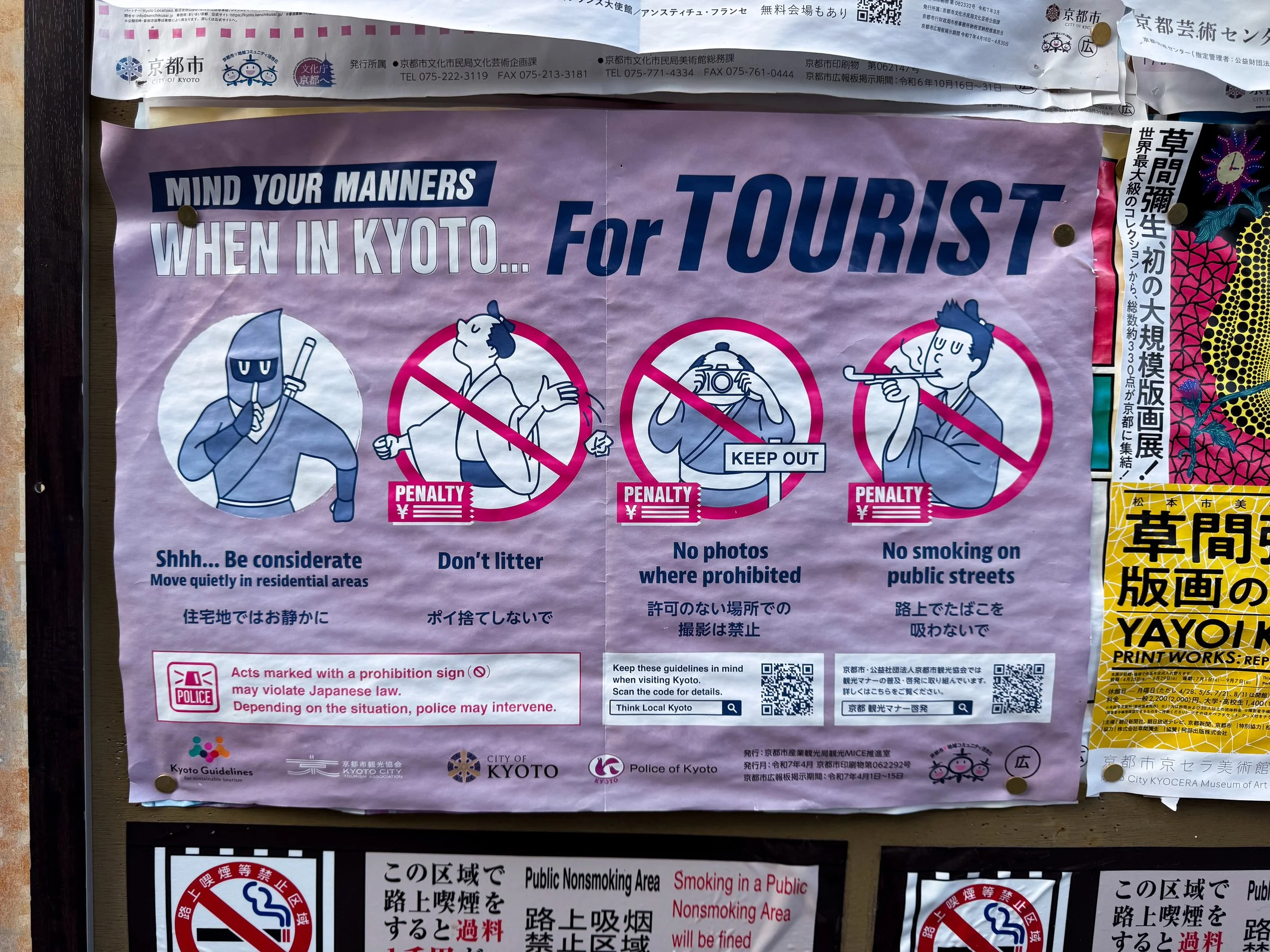
Credit vs Cash. Japan is generally a cash leaning country. Credit cards are accepted at some businesses but it’s safe to expect needing to pay in cash.
Otoshi (Covers). Many restaurants, izakayas and bars will charge a cover when dining in. They often include a small snack or house appetizer.
Tipping. It is not necessary to tip at most businesses. Bills will often include a 10% service charge.
No Shoes Indoors. Japan is the strictest country we’ve visited when it comes to wearing shoes indoors. At most restaurants and accommodations, shoes must be left at the door before entering.
Silence. Silence is highly valued in Japanese culture, especially when walking on the streets or riding public transportation.
Body Language. Pointing with fingers and crossing arms is considered rude. Use both hands when giving or receiving anything like cash, credit cards, receipts or tickets. A slight head bow is considered respectful when greeting someone or saying goodbye.
Anti Foreigner Izakayas. Some Izakayas refuse to serve foreign customers. Hosts or owners will say they’re closed or sold out then proceed to seat Japanese speaking customers. When this happens, it’s best to brush it off and find somewhere else to dine.
Street Etiquette. Don’t eat or drink while walking. It’s considered bad manners. Walk on the left side of the sidewalk. Follow the direction of Japanese people, not other tourists. Don’t walk on the escalators.
Reservations. Most restaurants and bars only have about ten seats. It’s near impossible to dine or drink anywhere without a reservation.
Language
Knowing a few words and phrases in Japanese goes a long way when interacting with locals.
Hello. Kon'nichiwa (Kon-Knee-Che-Wa)
Good Morning. Ohayōgozaimas (Oh-Hi-O-Go-Sigh-Mas)
Thank You. Arigatōgozaimas (Are-E-Got-Toe-Go-Sigh-Mas)
You’re Welcome. Dōitashimashite (Doe-Tie-She-Mash-Two)
I Would Like. O onegaishimasu (O-Own-E-Guy-She-Mas-Sue)
Yes. Hai (Hi)
No. Īe (E-Yea)
Where to Stay
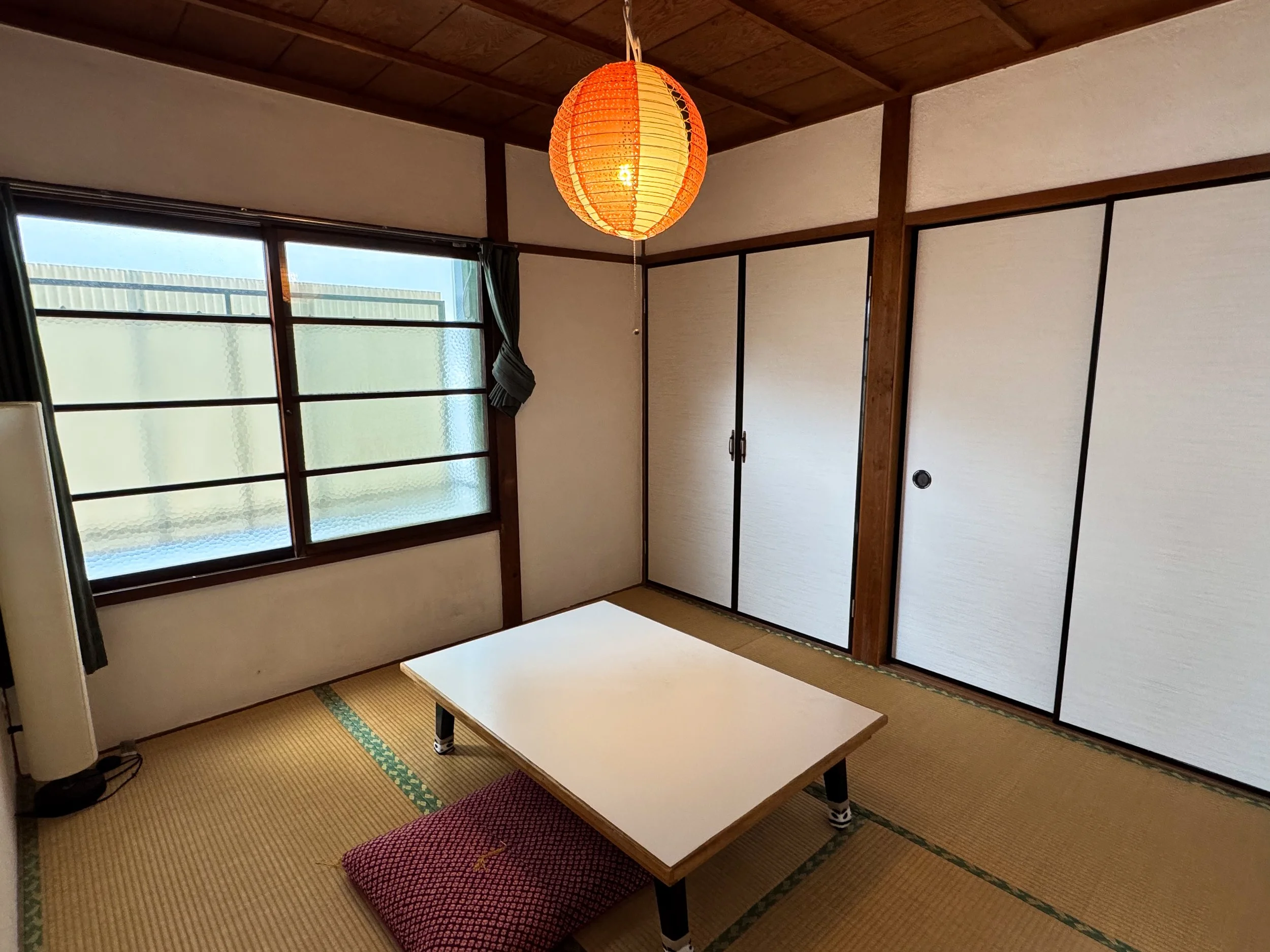
Kyoto Airbnb. A traditional Japanese house with tatami mat floors, paper thin walls, sliding doors and lanterns for lights. We slept on the floor mattresses, ate on the floor and overlooked the street from our second floor balcony. It’s located in a suburb of Kyoto which made getting into the city via the trains more difficult. Book here!
Elsewhere in Japan
From Kyoto's ancient temples and historic streets to Tokyo's urban energy, Osaka's culinary scene and Okinawa's subtropical islands, discover more of Japan through these travel guides:
Tokyo Travel Guide: Districts, Japanese Culture & Mt. Fuji. Get lost in Tokyo where vibrant districts, neon cityscapes, historic temples, centuries old traditions & Japanese food alleys are set against the backdrop of Mt. Fuji.
Osaka Travel Guide: Dotonbori, Street Food & Osaka Castle. Experience Osaka where Dotonbori, Osaka Castle, neon-lit streets, bustling markets and legendary street food culture fuel the city's unmistakable energy.
Okinawa Travel Guide: Ryukyu Culture, Island Landscapes & Okinawan Cuisine. Discover Okinawa where Ryukyu heritage, historic castles, subtropical islands, coral reefs and Okinawan cuisine blend island traditions with Japanese influences.
For Next Time…
Return during Autumn. Kyoto is a magical place at all times of year. We plan to return one day during the fall time when the trees change colors and bathe the city in a warm glow.
Visit Hiroshima. The city of Hiroshima is reachable by Shinkansen from Kyoto on day and overnight trips. It’s memorialized as a sight of the atomic bombings, famed as the birthplace of okonomiyaki and recognized for its “floating” red torii gate.
Okinawa Travel Guide: Ryukyu Culture, Island Landscapes & Okinawan Cuisine
Discover Okinawa where Ryukyu heritage, historic castles, subtropical islands, coral reefs and Okinawan cuisine blend island traditions with Japanese influences.
Okinawa, Japan
Okinawa is a chain of subtropical islands with lush landscapes, white sand beaches, turquoise waters and coral reefs. The archipelago makes up Japan's southernmost prefecture. While distinctly Japanese, the people preserve their indigenous history, folk traditions and connection to the sea. We spent a week here exploring the island's natural sights, savoring its local flavors, learning about its history and the Ryukyu Kingdom.
Naha
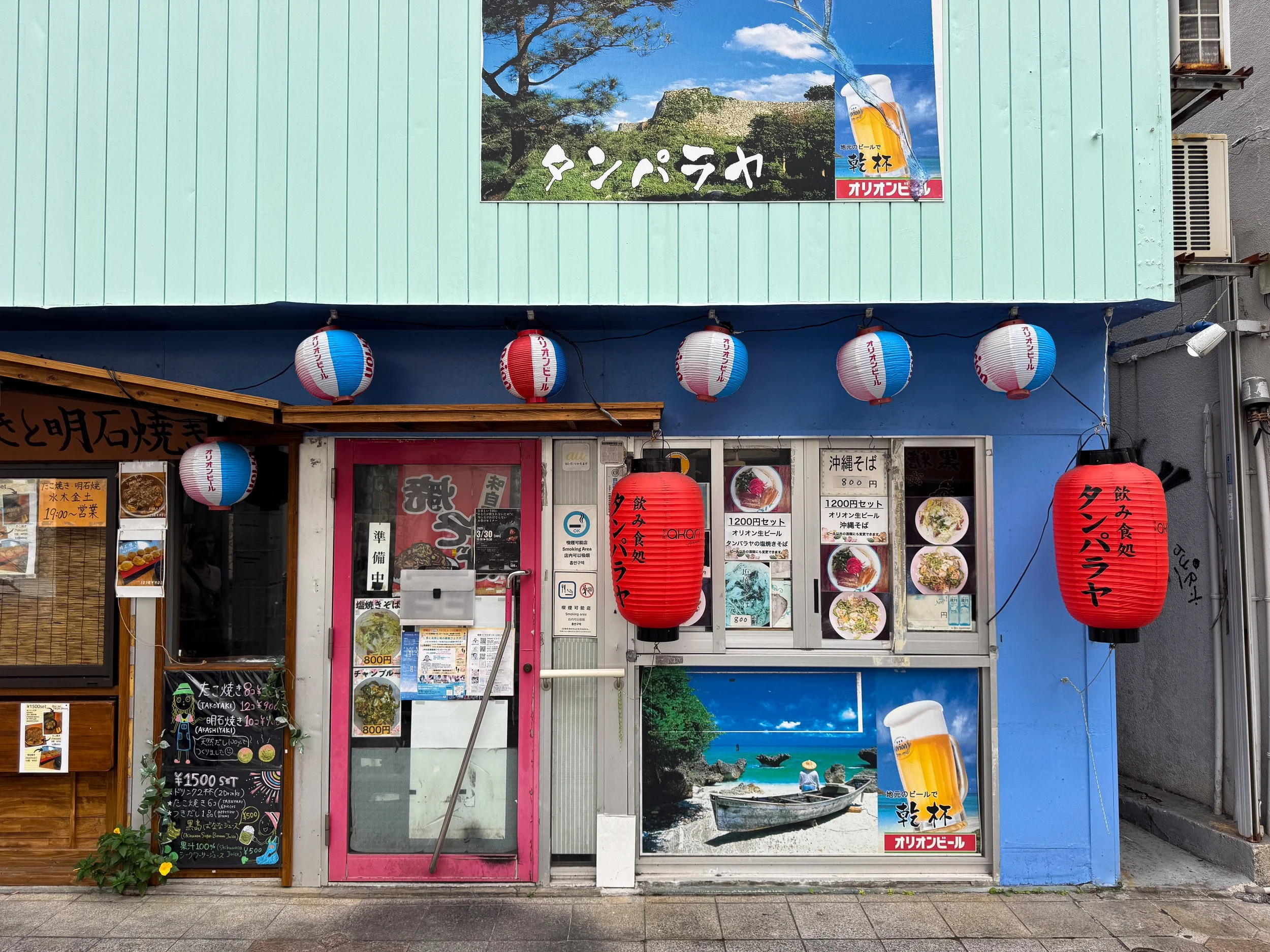
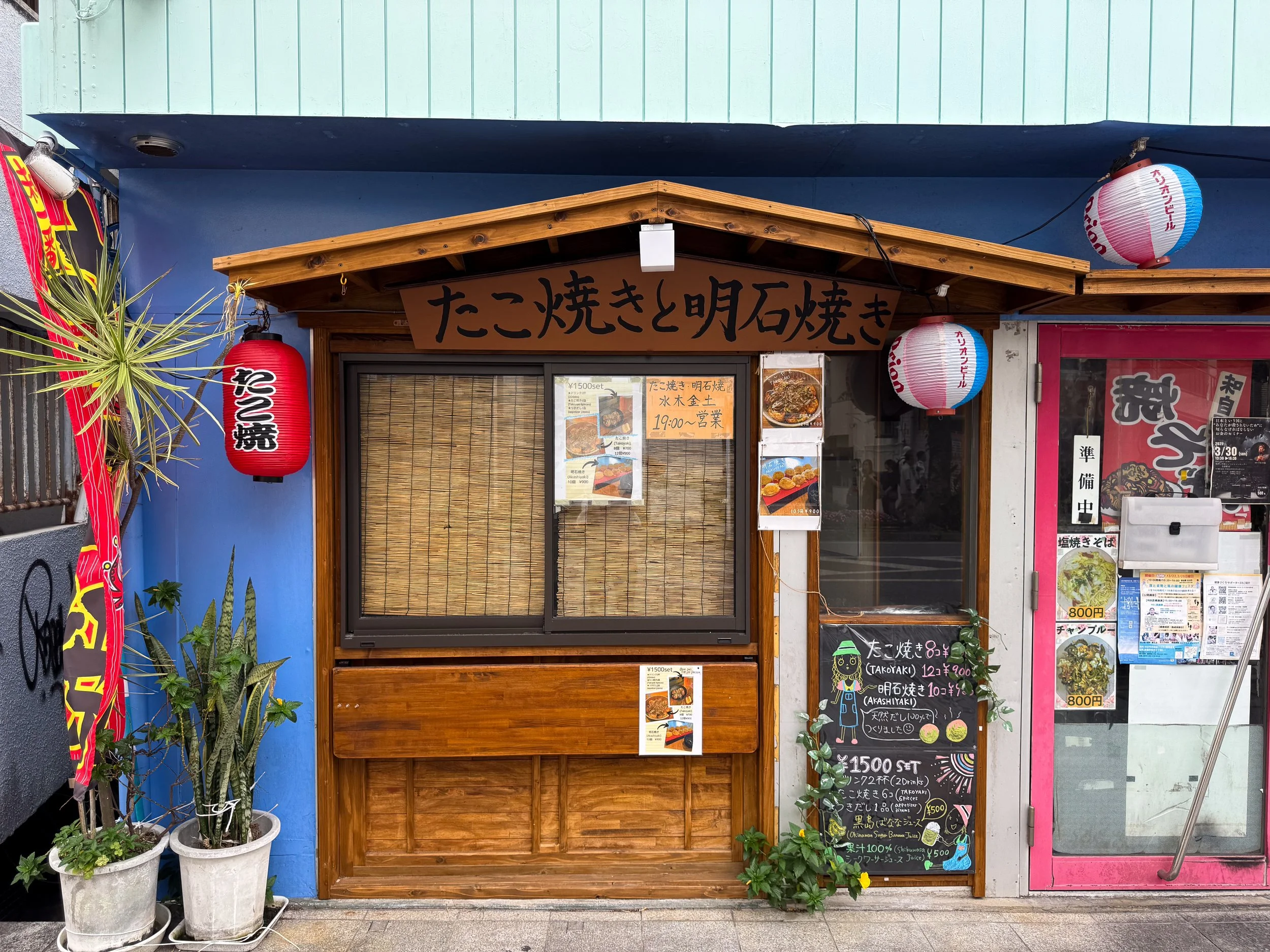
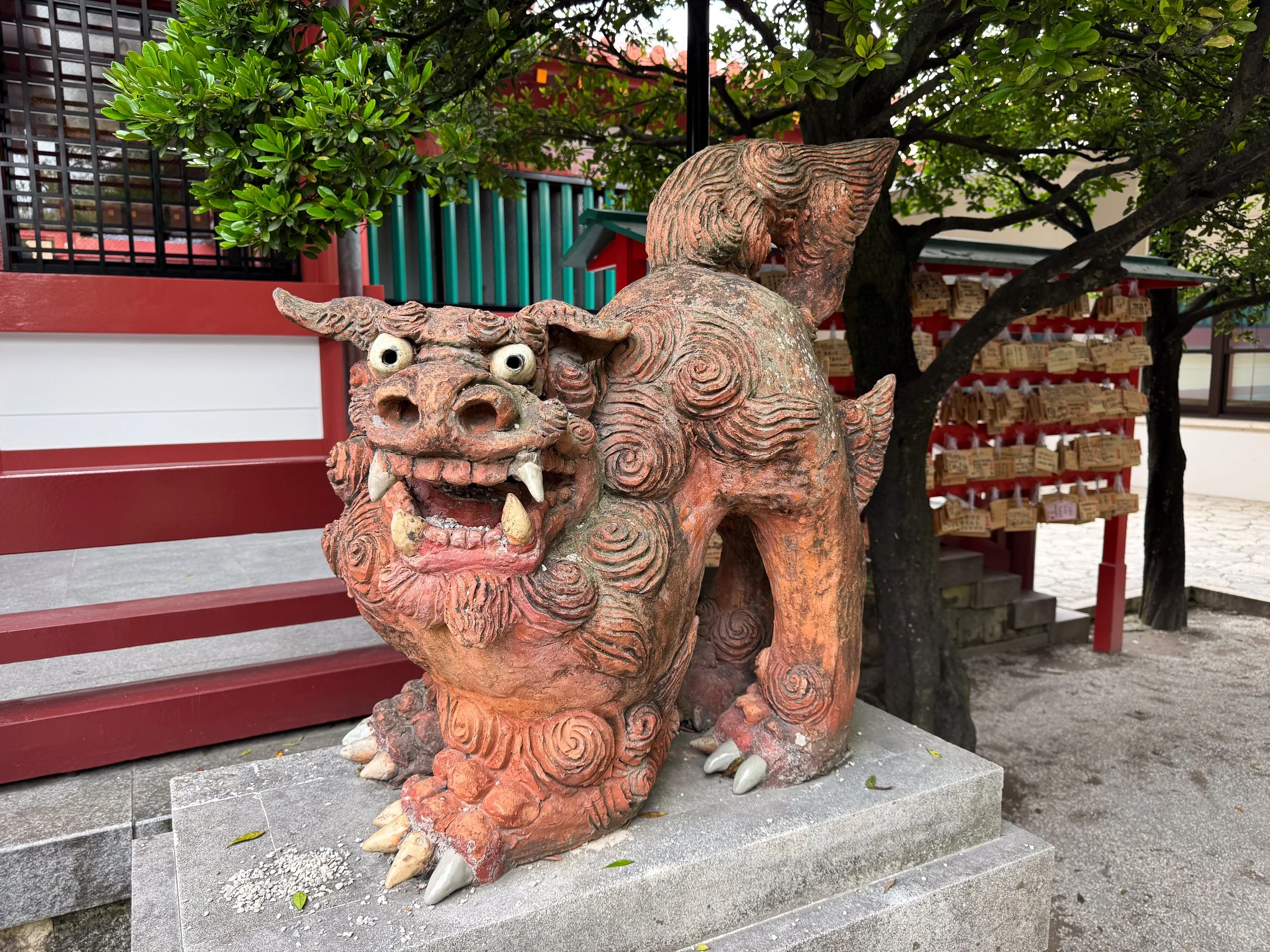
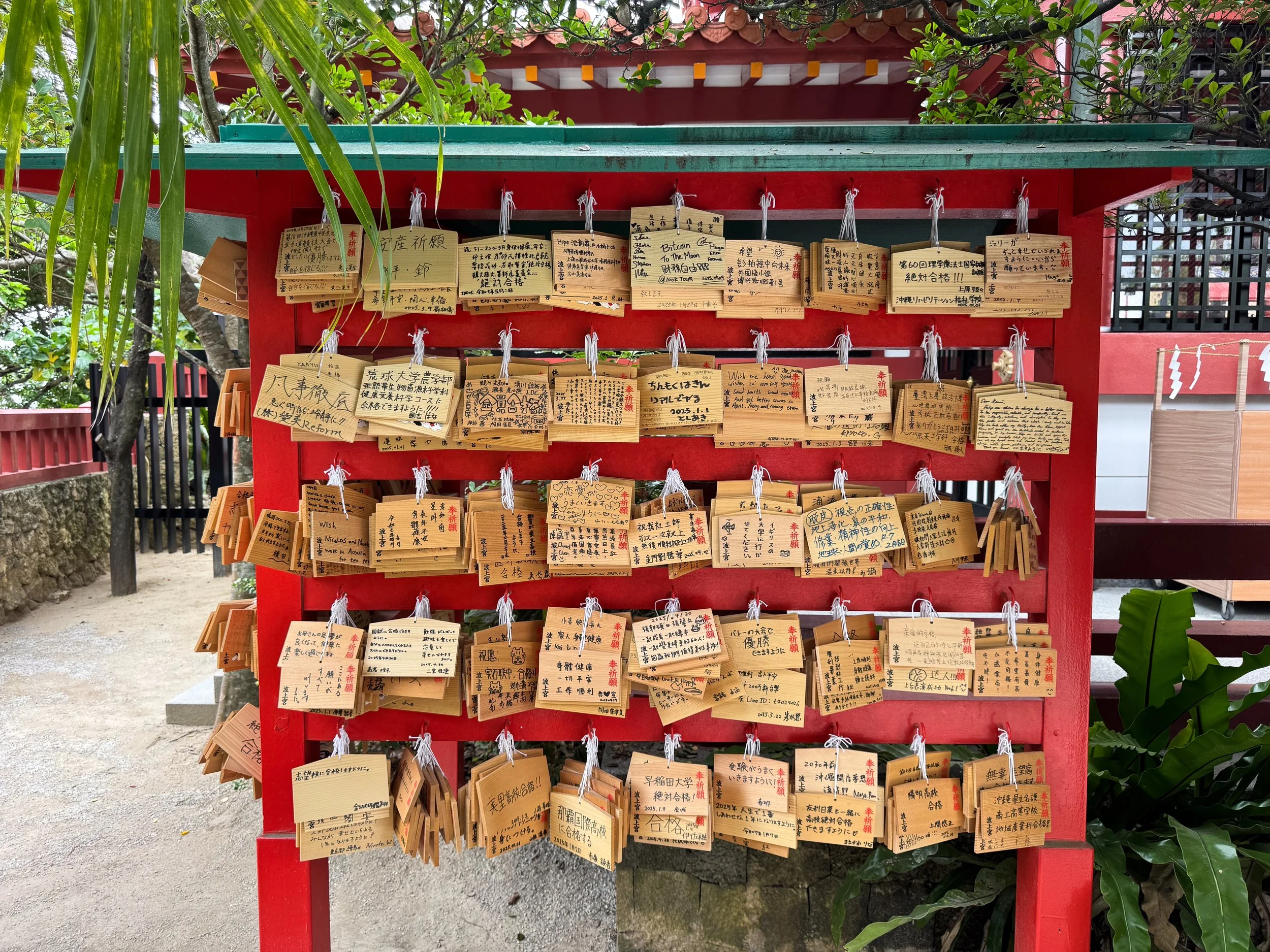
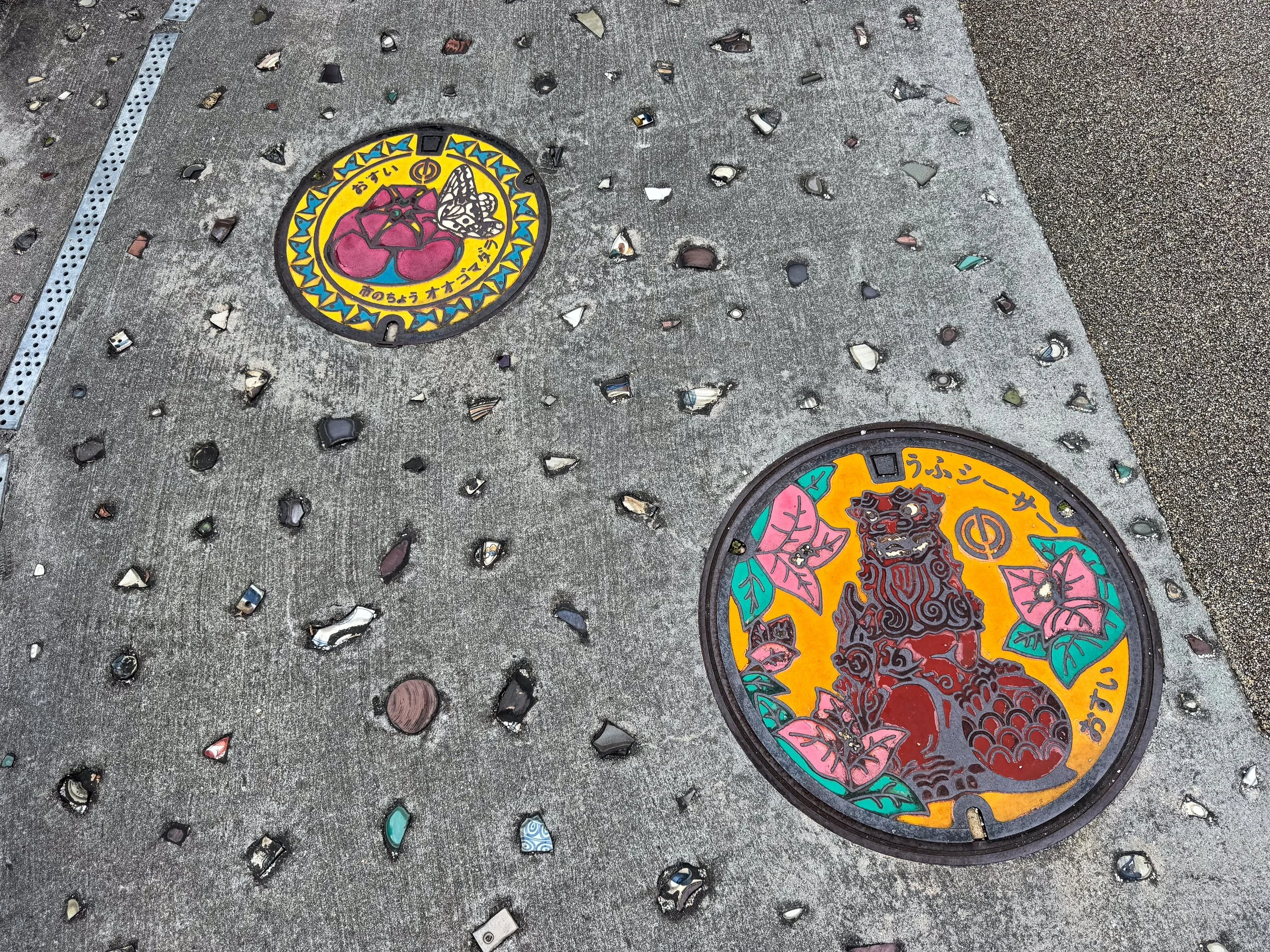
Naha is the capital of Okinawa and its most populous city. It’s a quirky and quiet place with pockets of excitement. Colorful paper lanterns decorate shop fronts while pairs of terracotta lions sit in front of homes. Neon lit shopping streets and late night izakayas lure in both locals and travelers. Sound effects ring from anything with a button, especially the abundance of street side vending machines. A monorail weaves across the city as vintage taxis and tiny cars drive on the left. Minimalist white tiled buildings contrast nearby historic castles and ancient forts.
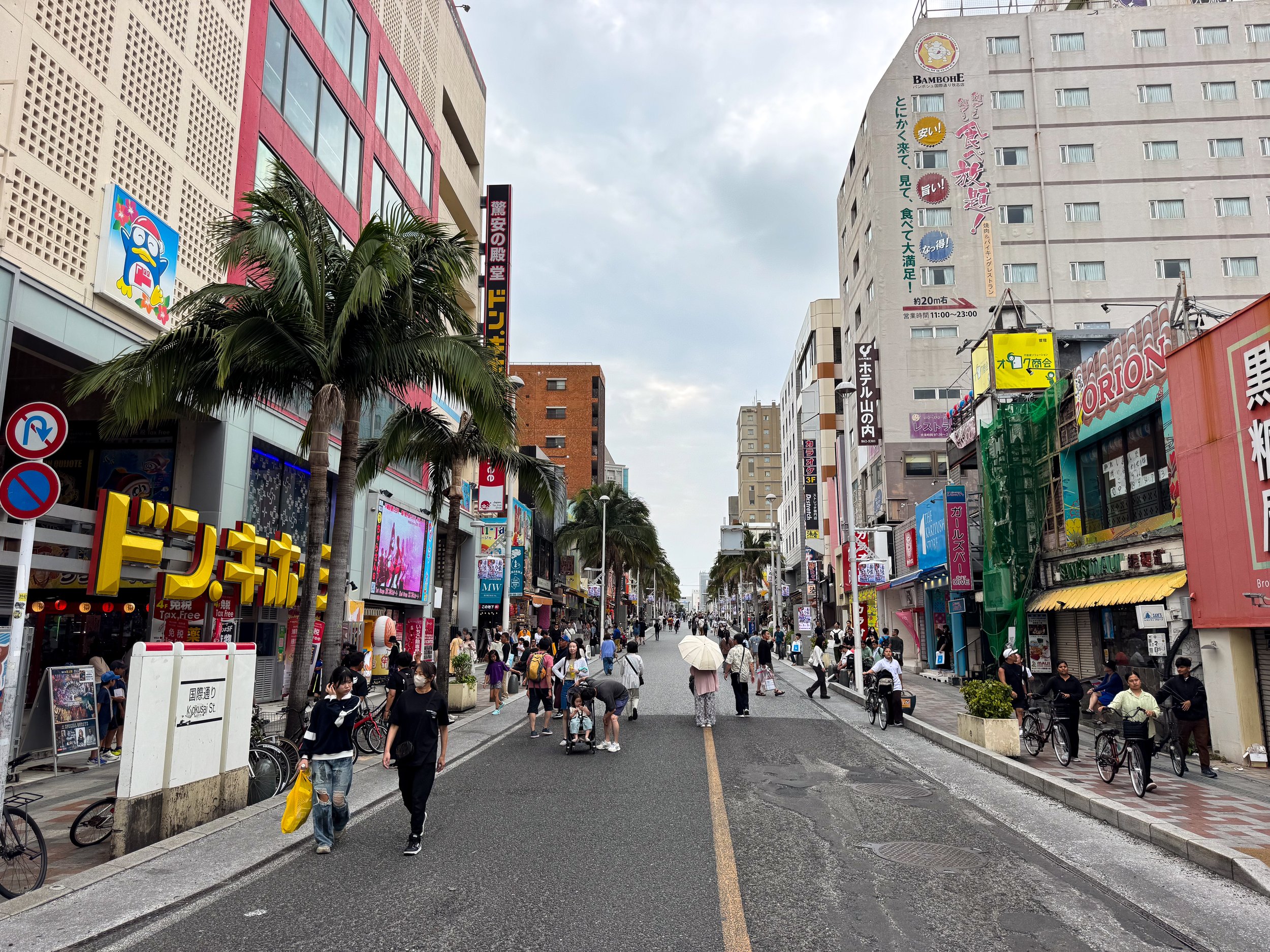
Kokusai Dori Street. A commercial street in the center of Naha lined with palm trees, colorful neon lights and stores. Come here to shop for tropical attire, locally made goods and souvenirs. There are several Japanese restaurants, izakayas and bars here though most cater to tourists. The street is closed to vehicles, except for the occasional gang of street karts.
Things to Do
Experience an Izakaya. Izakayas are casual Japanese bars with small shareable plates and alcoholic beverages. They’re the most authentic places to experience Japanese culture, combining cuisine, music and design. Locals come here to unwind after work, celebrate or get together with friends. The atmosphere is often boisterous late into the evenings. Menus are handwritten in Japanese. Smoking is typically allowed. Some places charge a small cover.
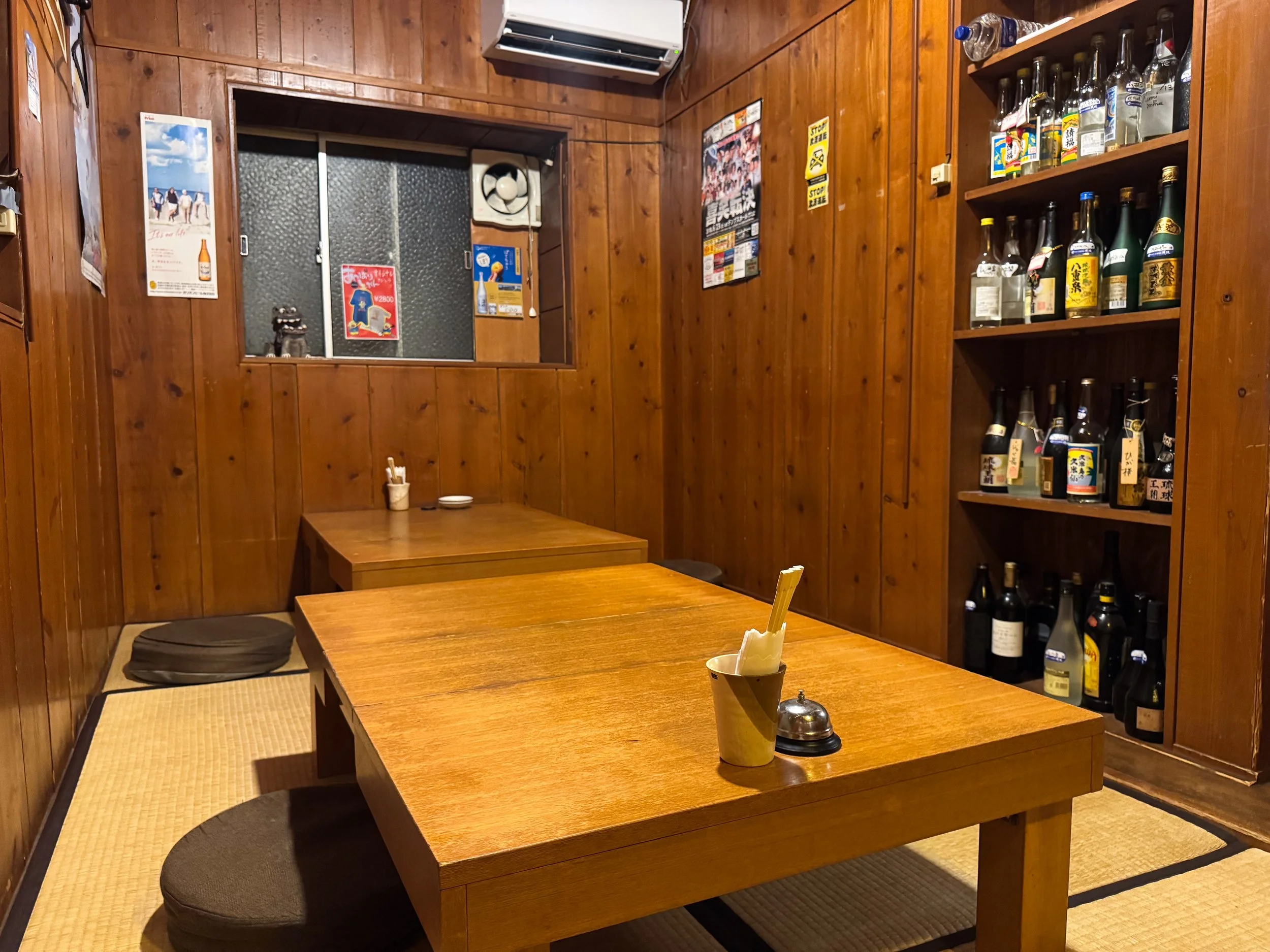
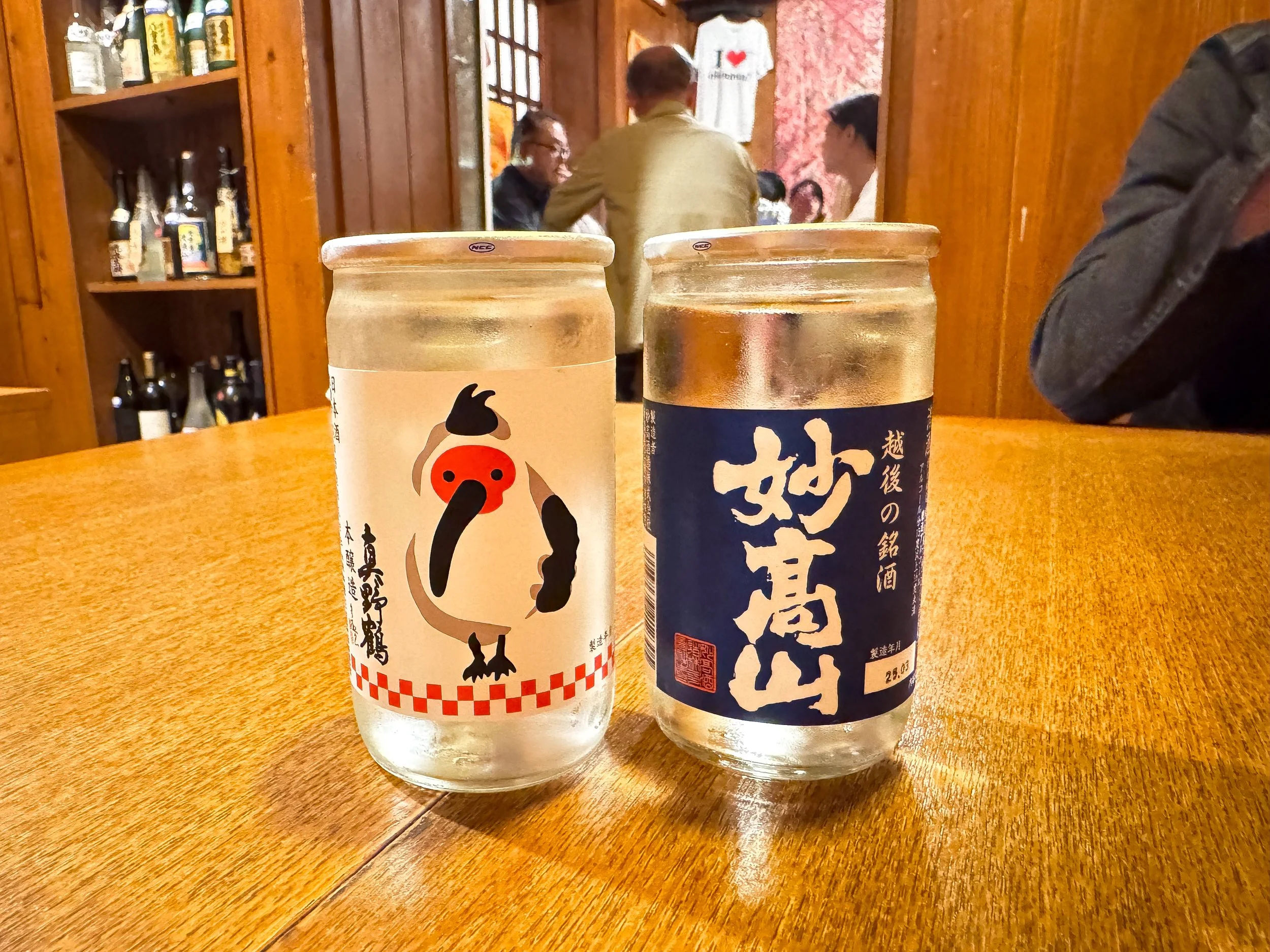
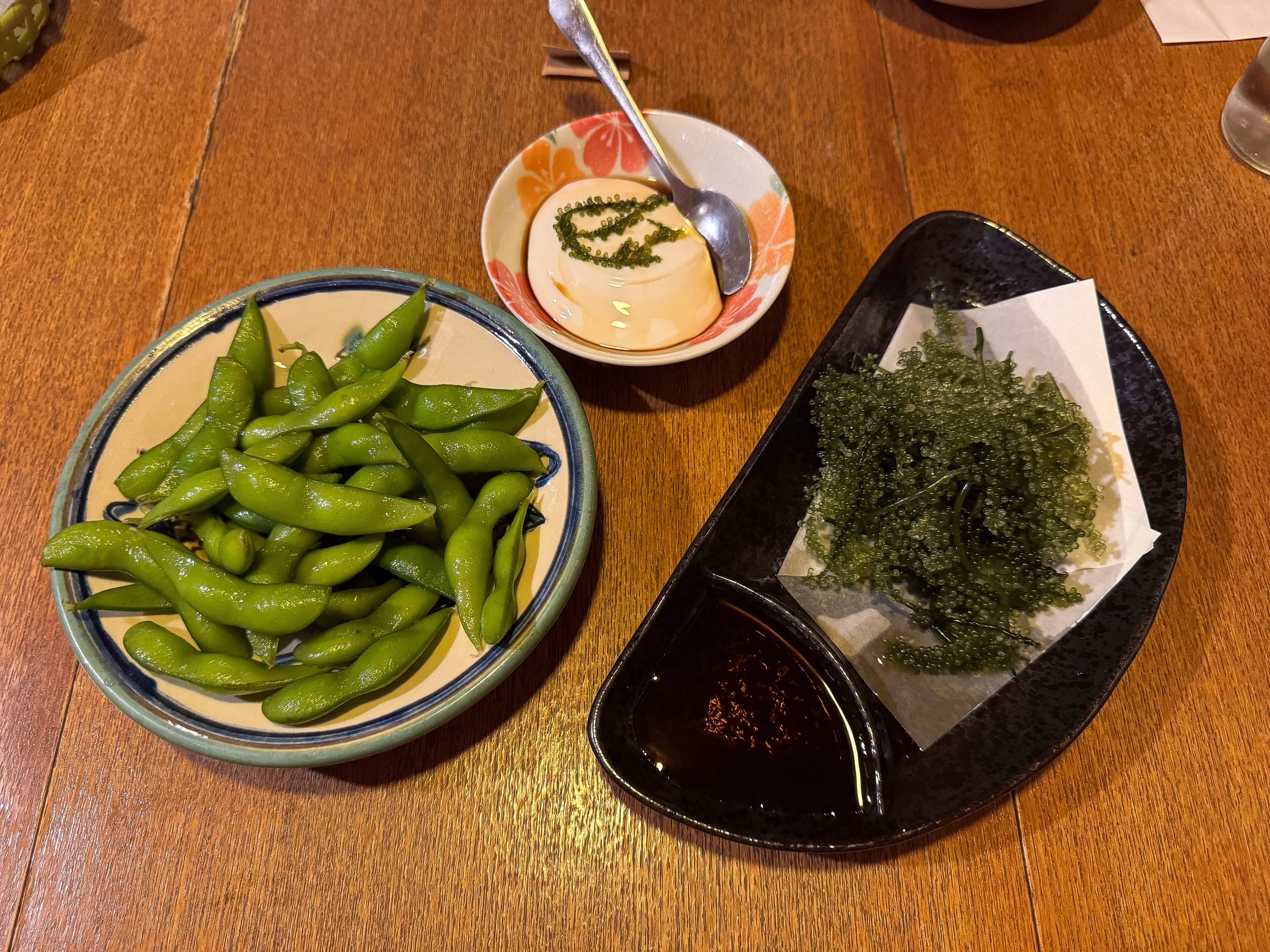
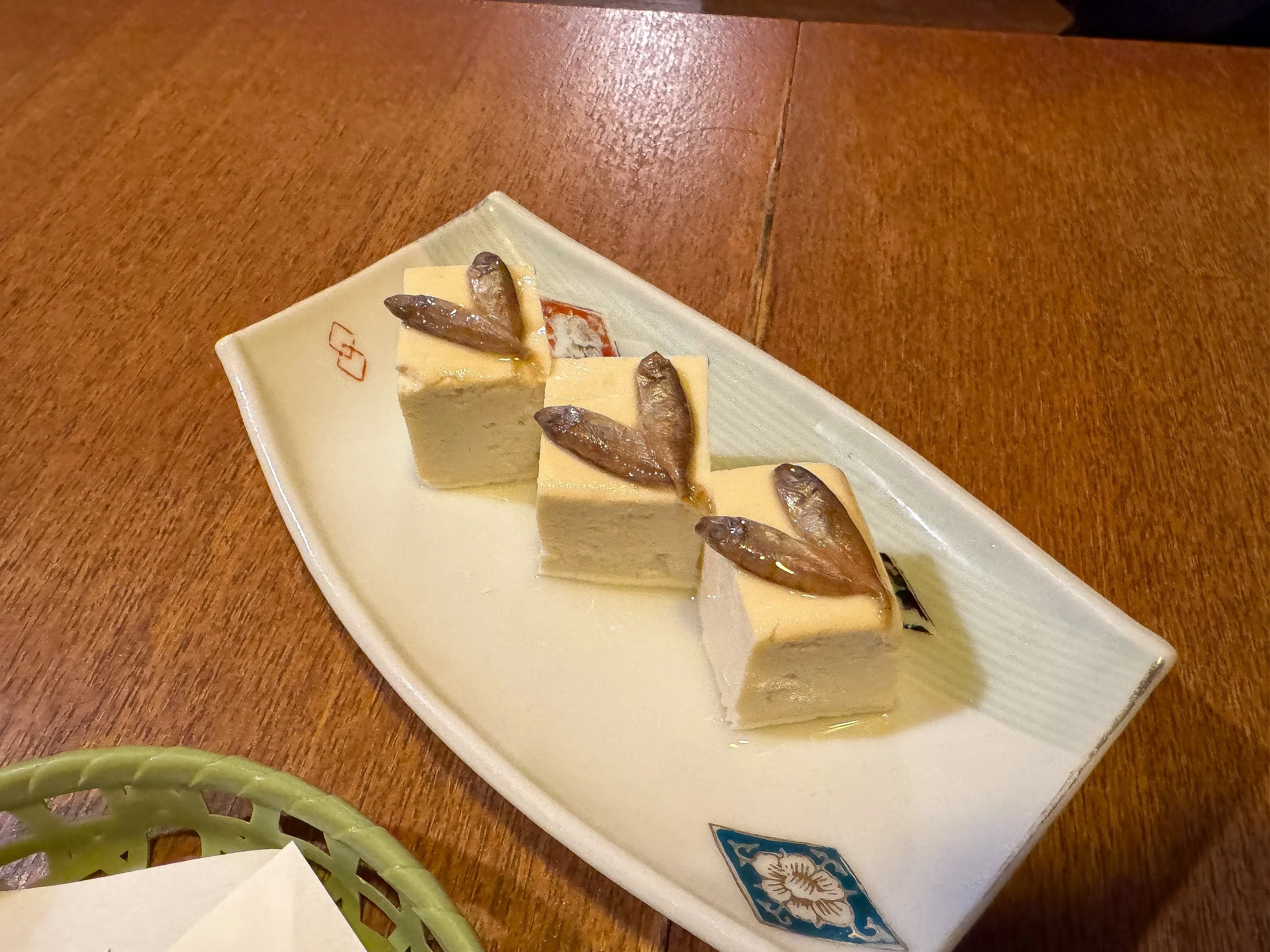
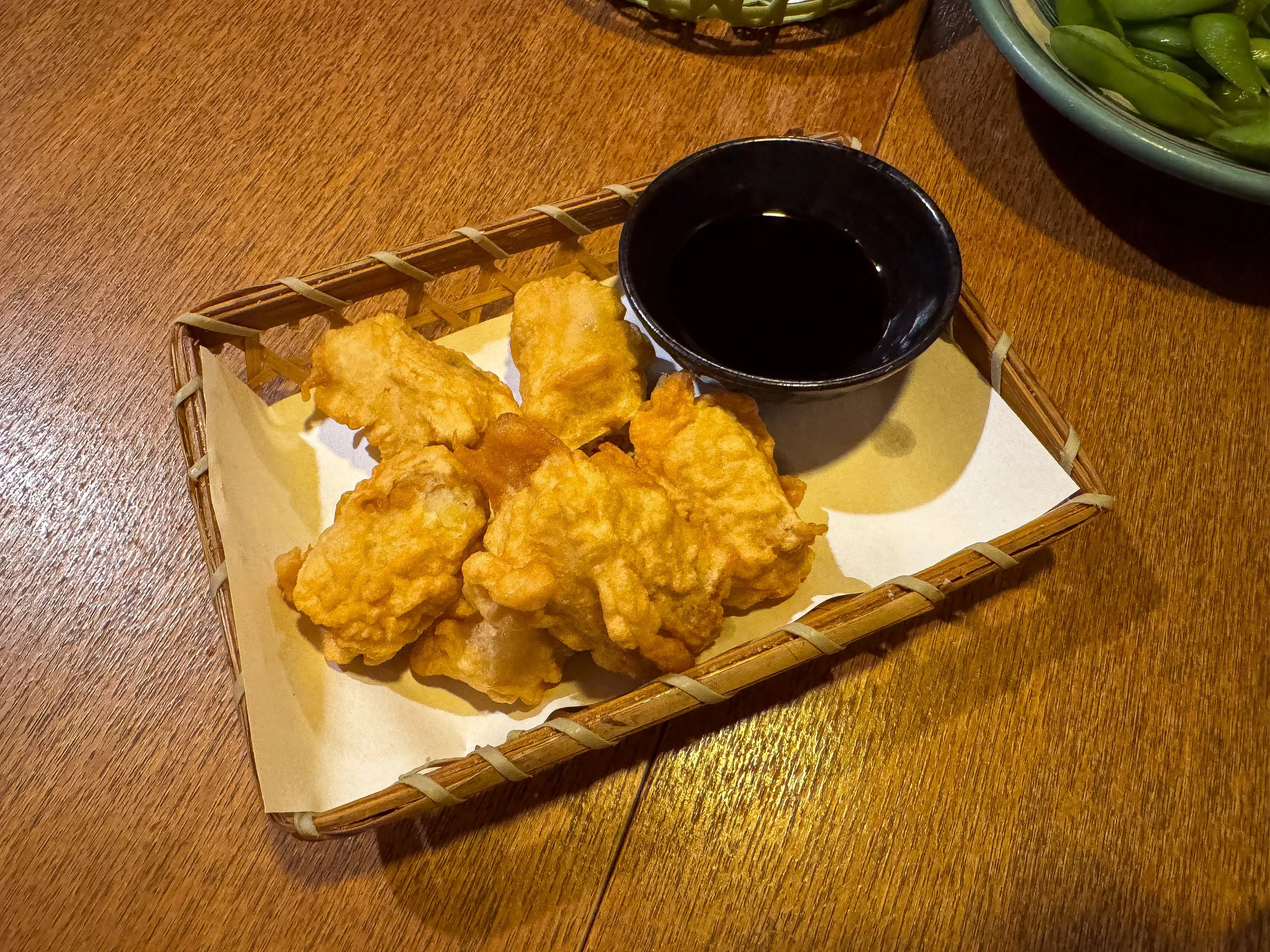
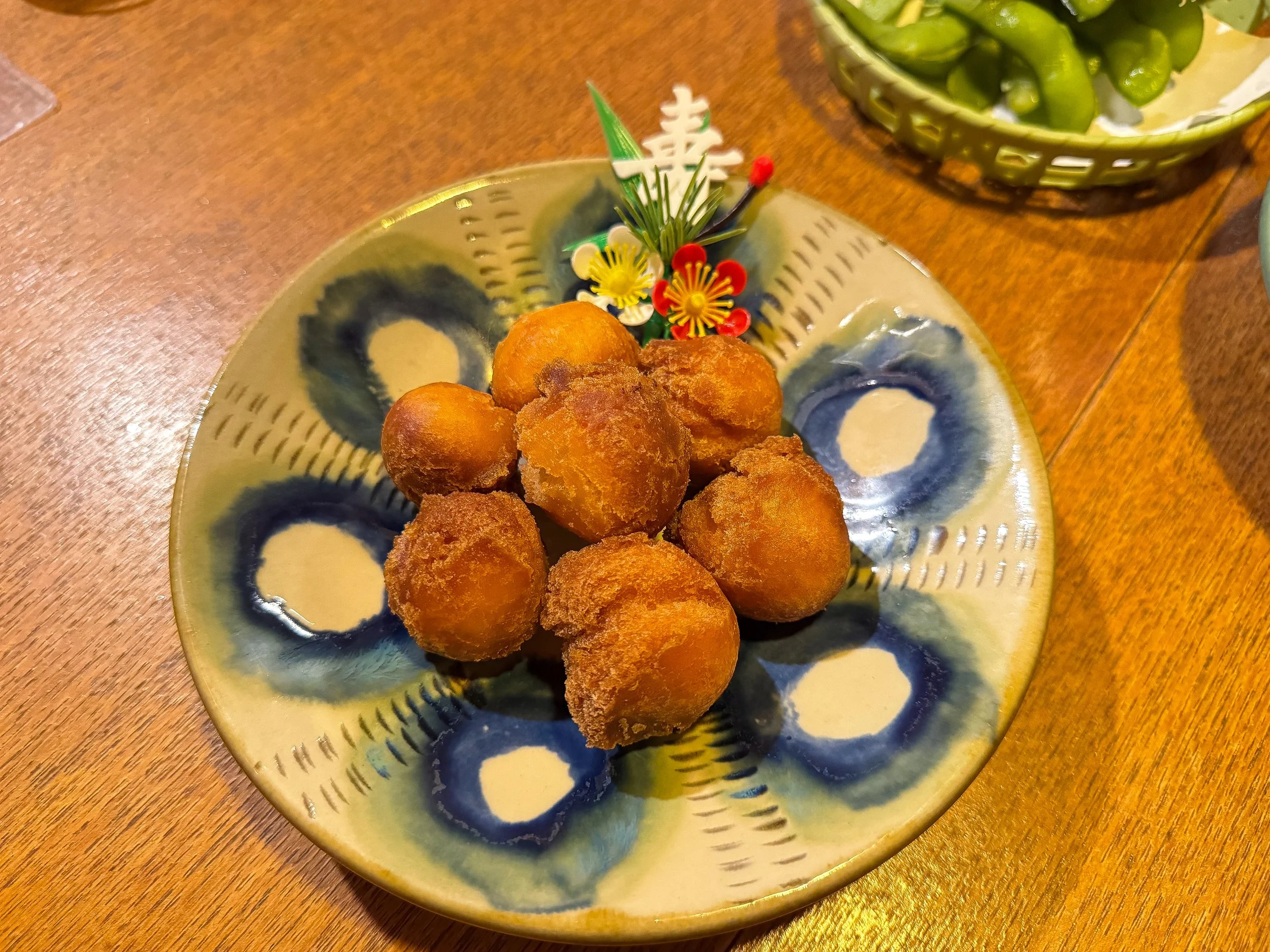
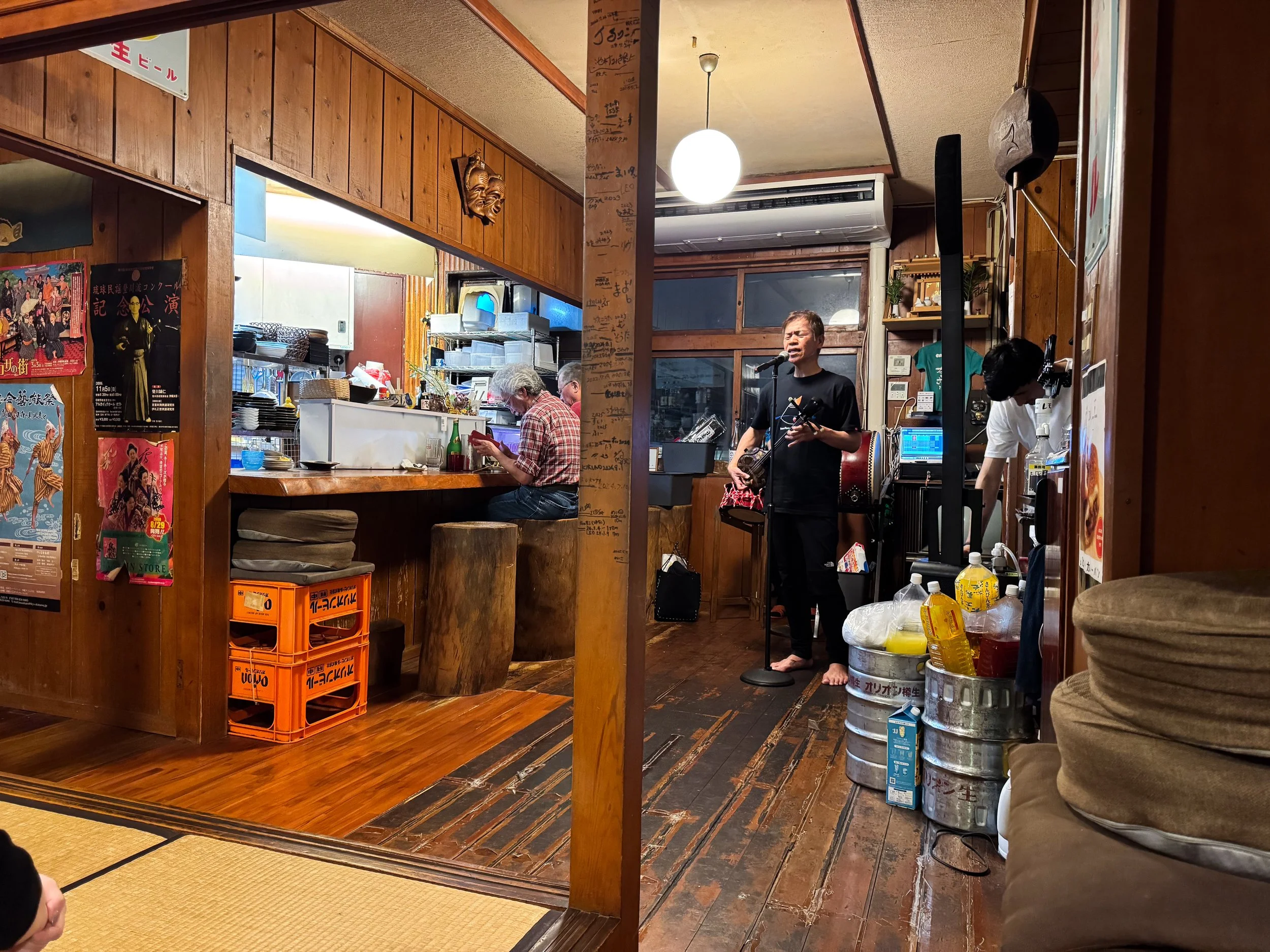
Kakurega Apparishan Izakaya. A traditional Japanese izakaya with low tables and cushions on tatami mat floors. This is our favorite izakaya in all of Japan! We spent hours here eating, drinking, cheering and dancing with locals. The owner performed and sang Okinawan folk music while strumming a Sanshin, a traditional snake skin banjo. In between rounds of sake, we shared several Okinawan plates including umibudo, edamame, fish tempura, peanut tofu and tofu fish and Okinawa donuts.

Streetkart Okinawa. One of the most exhilarating things to do in Japan is to join a street kart tour! Suited up in onesies as Pokémon characters, we rode street worthy go-karts on the roads and highways of Naha. Driving on the left, we slow rolled along Kokusai Dori Street, sped down highways and made a pit stop for ice cream at Senaga Island. Our guide took photos of us at traffic stops and printed out a few keepsakes at the end of the 2 hour experience. We booked with Street Kart Okinawa on Viator.
Pro Tip. Book a street kart tour in Okinawa versus in other Japanese cities. They’re allowed to go significantly faster due to wider roads and less traffic!
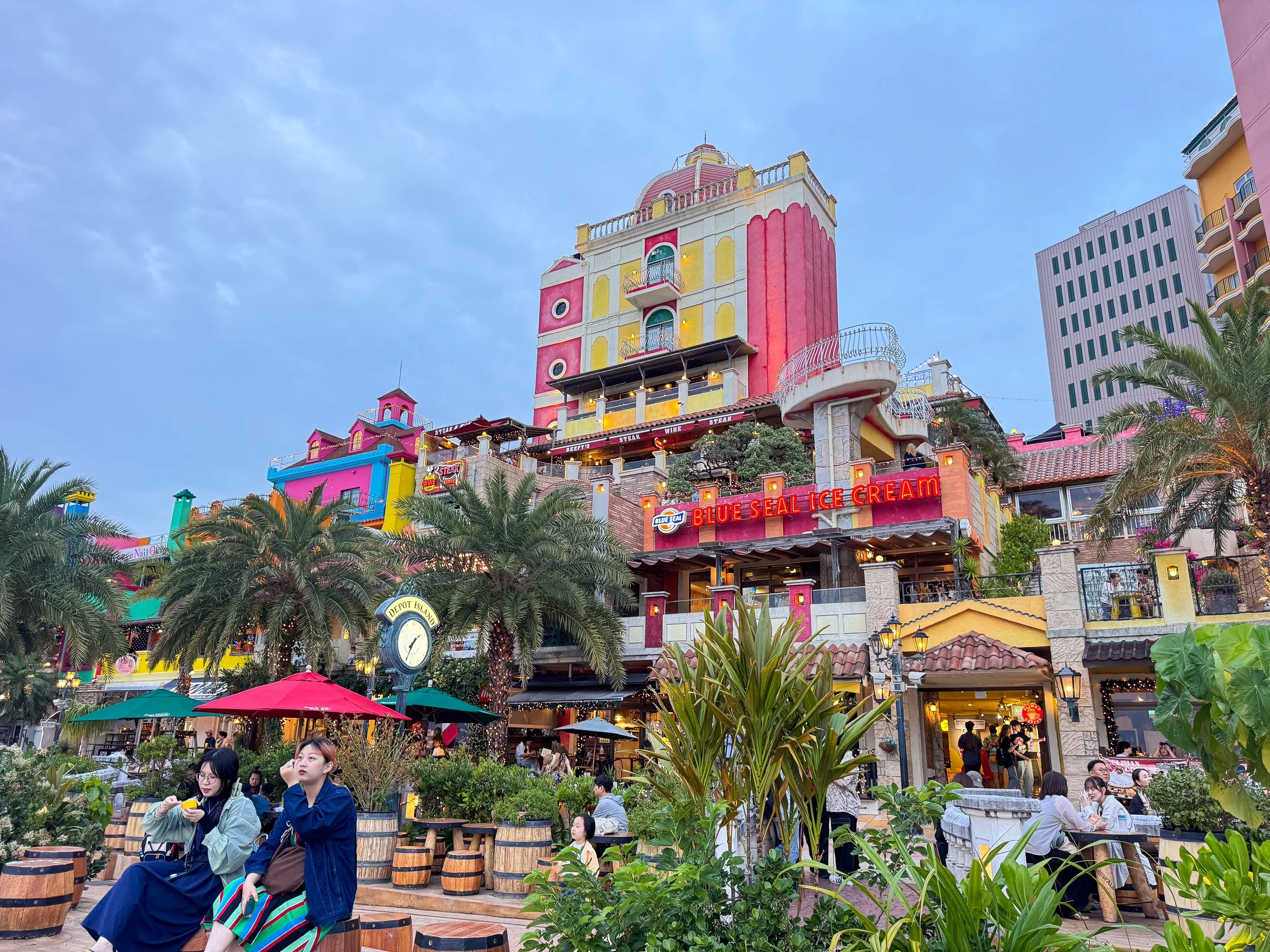
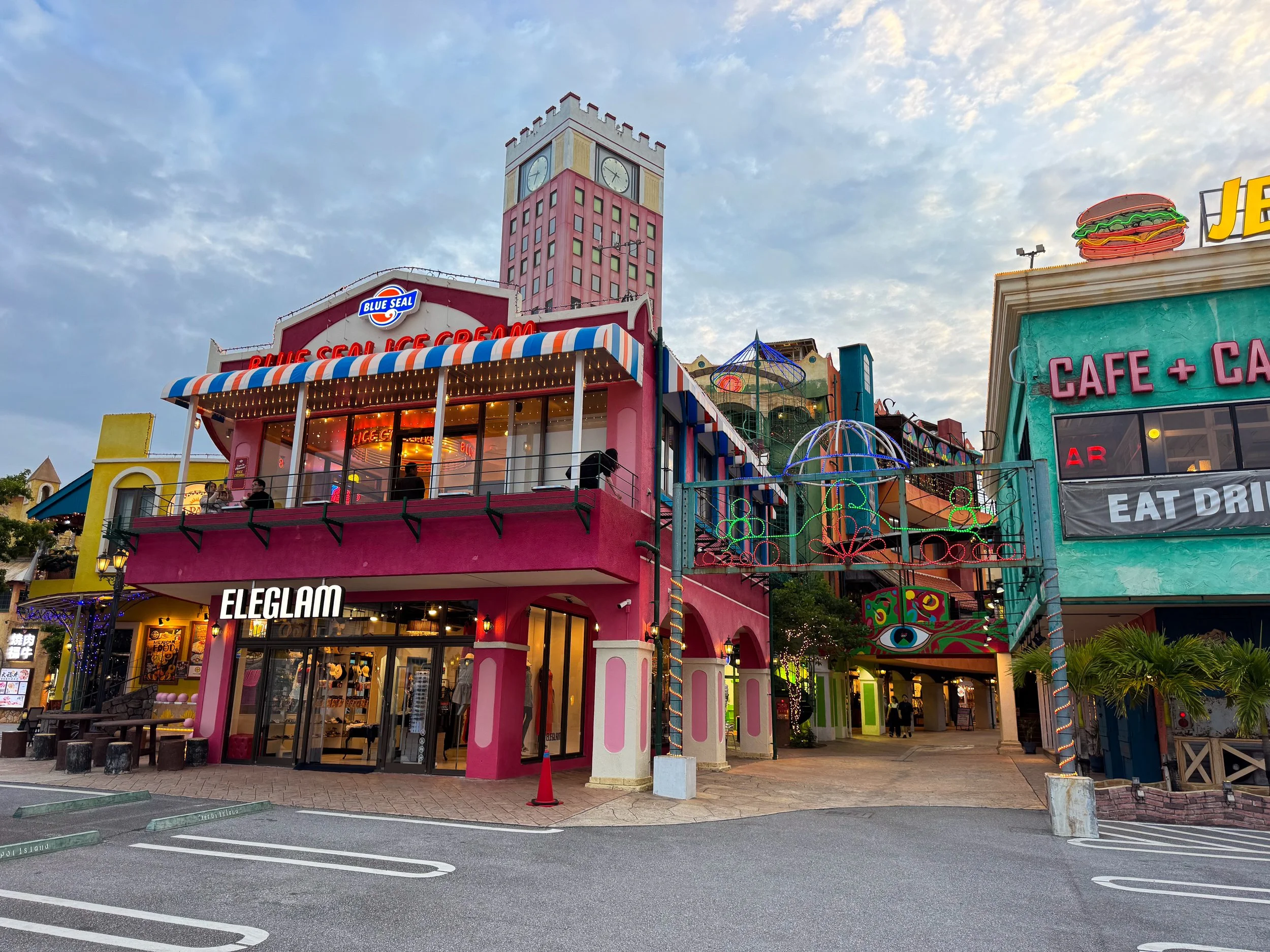
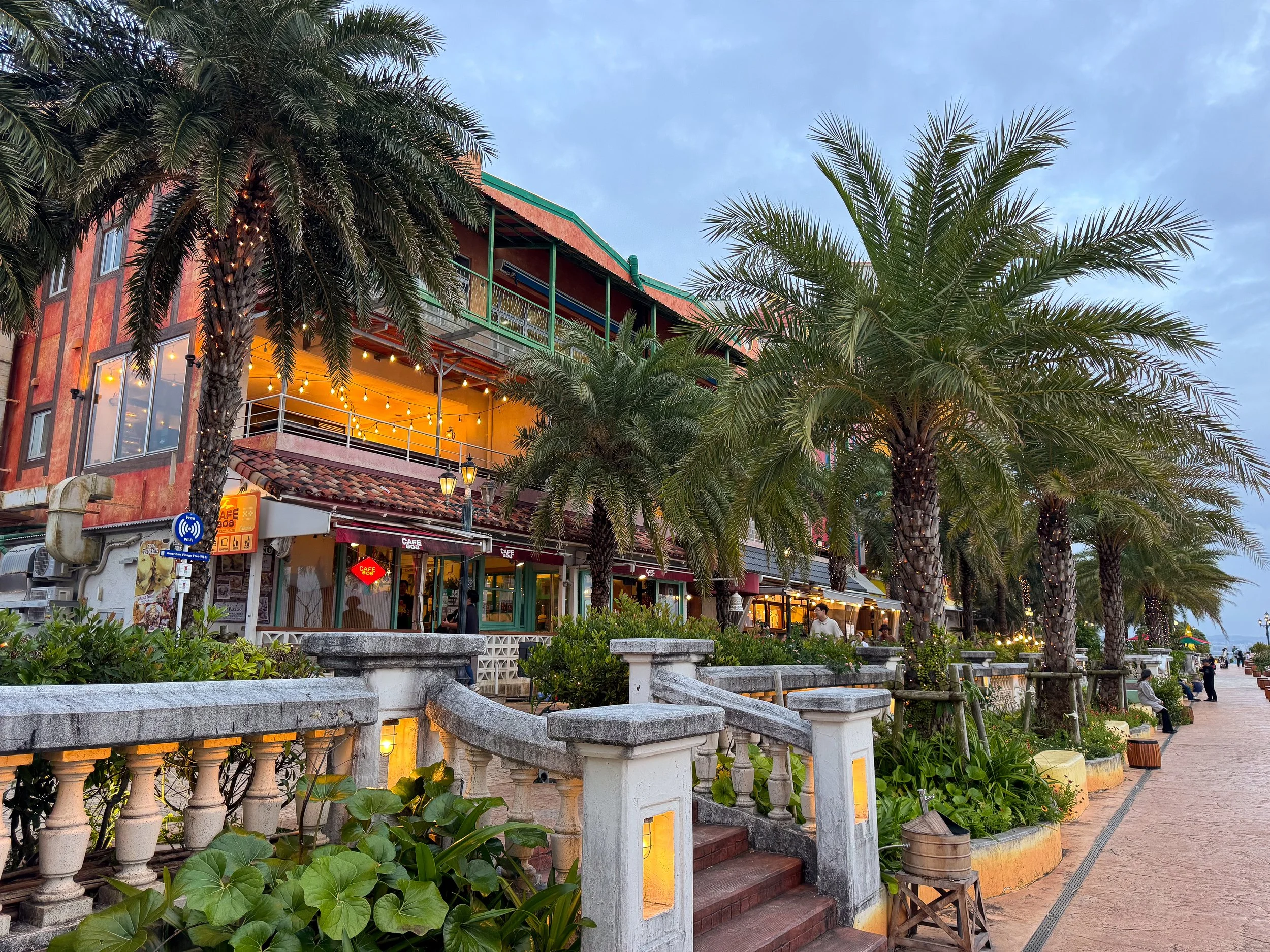
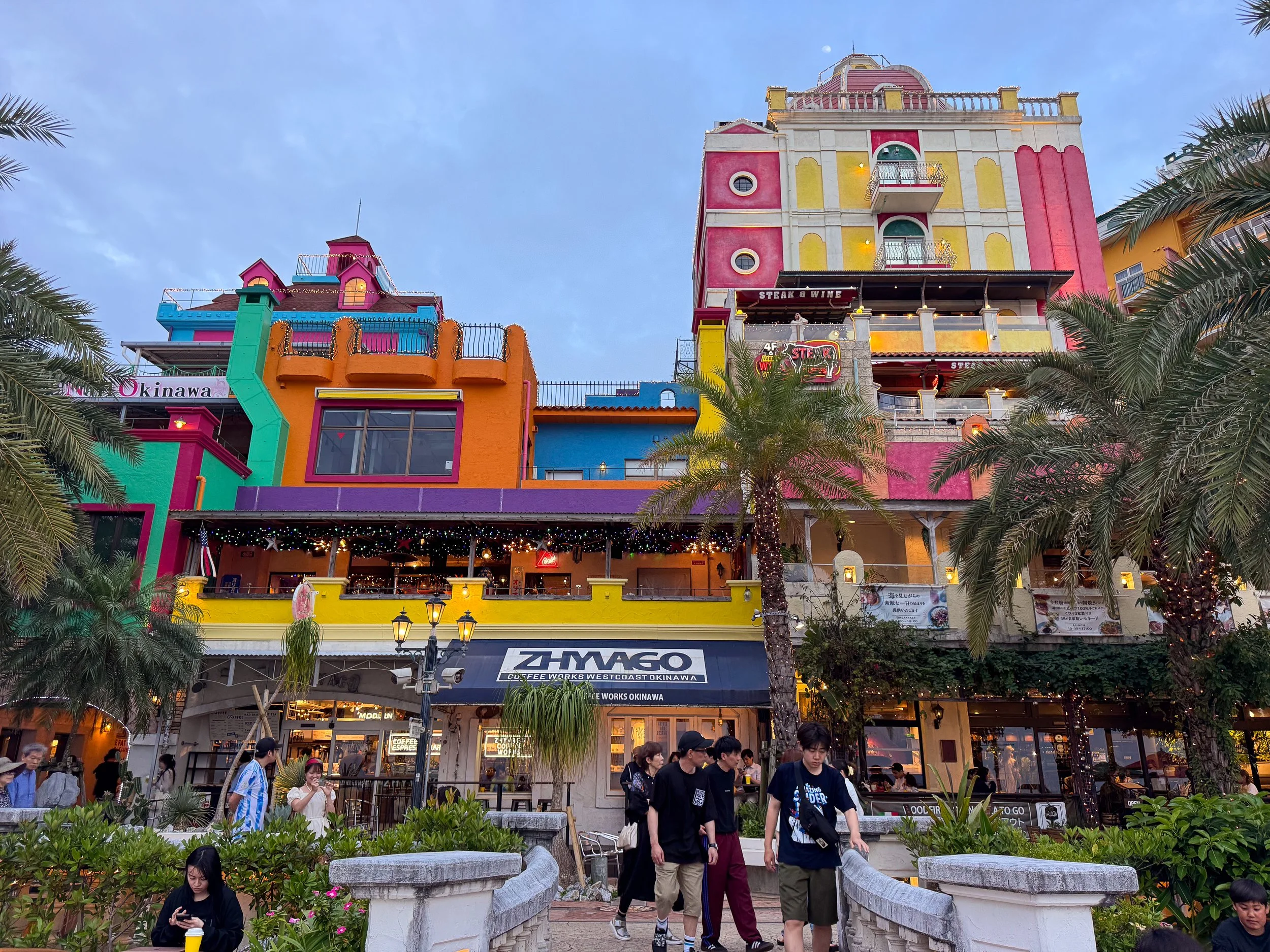
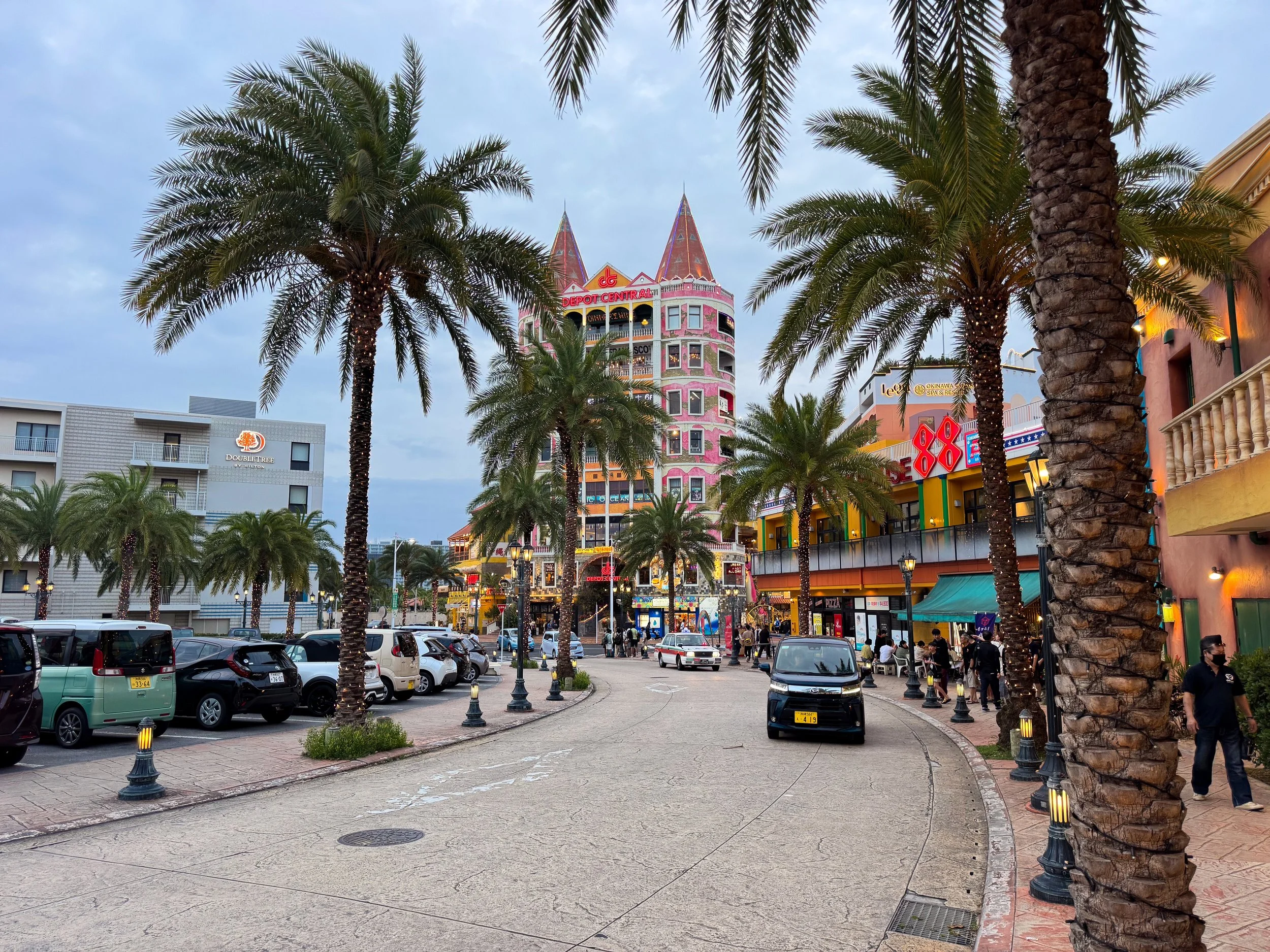
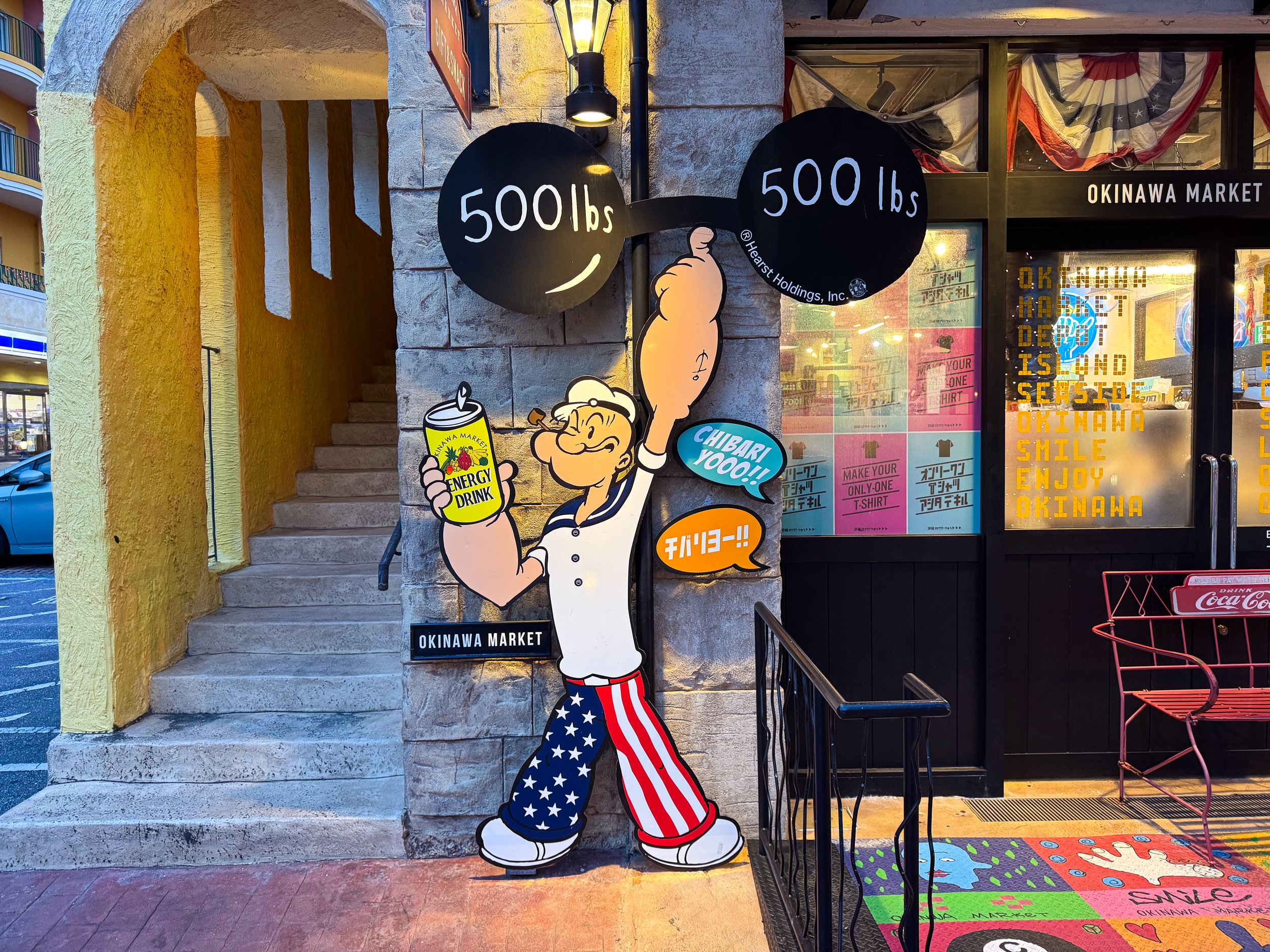
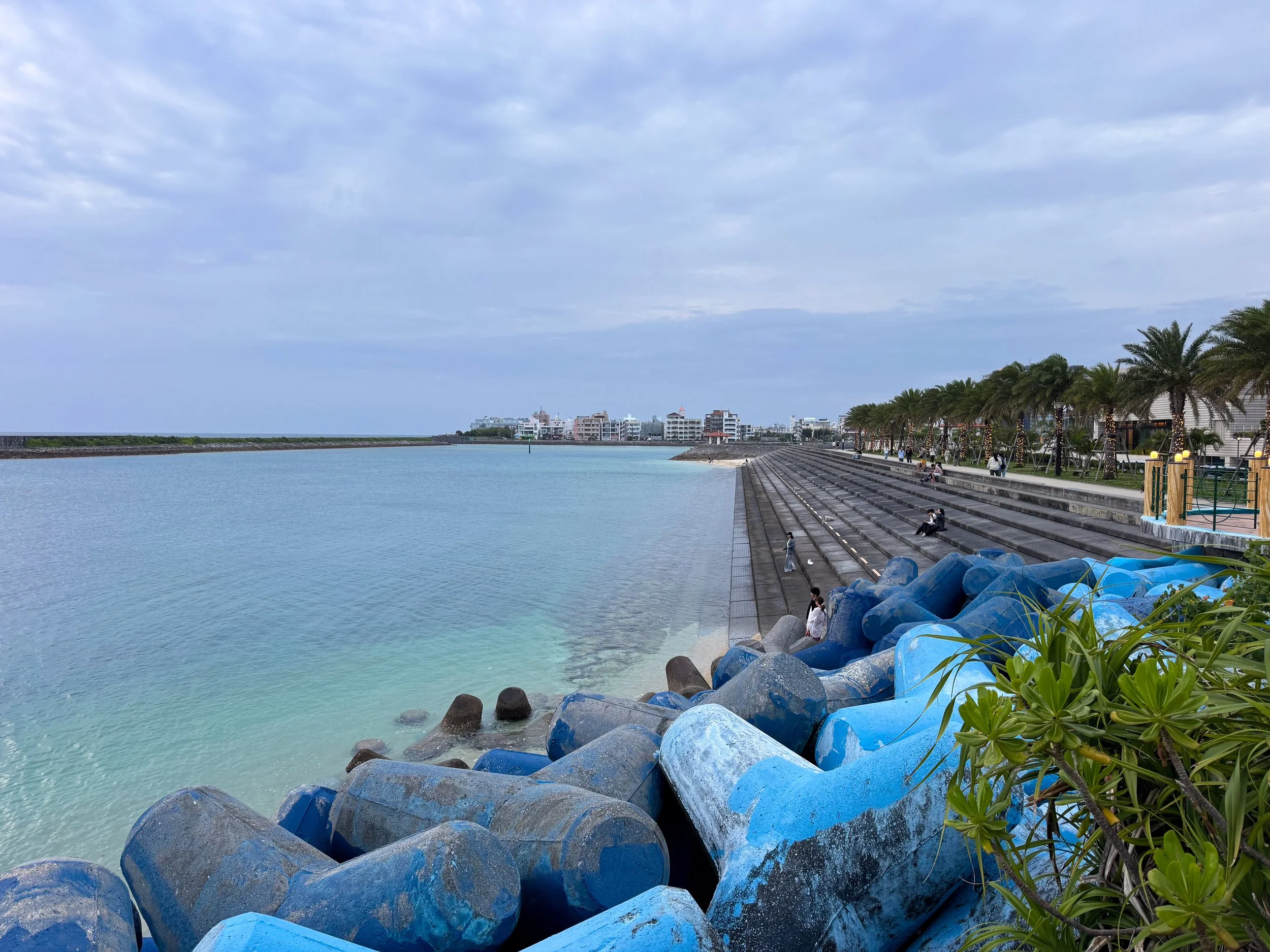
Visit The American Village. The American Village is a themed entertainment complex and mall with colorful buildings, bright neon lights, a palm lined promenade and a range of businesses. It blends retro style with American and Japanese cultures. Shops sell Western and local brands. Steak houses and burger restaurants alternate between izakayas and sushi bars. Conveniently, it’s located near a US military base. The sounds of aircraft are regularly heard flying overhead while US personnel visit while on break.
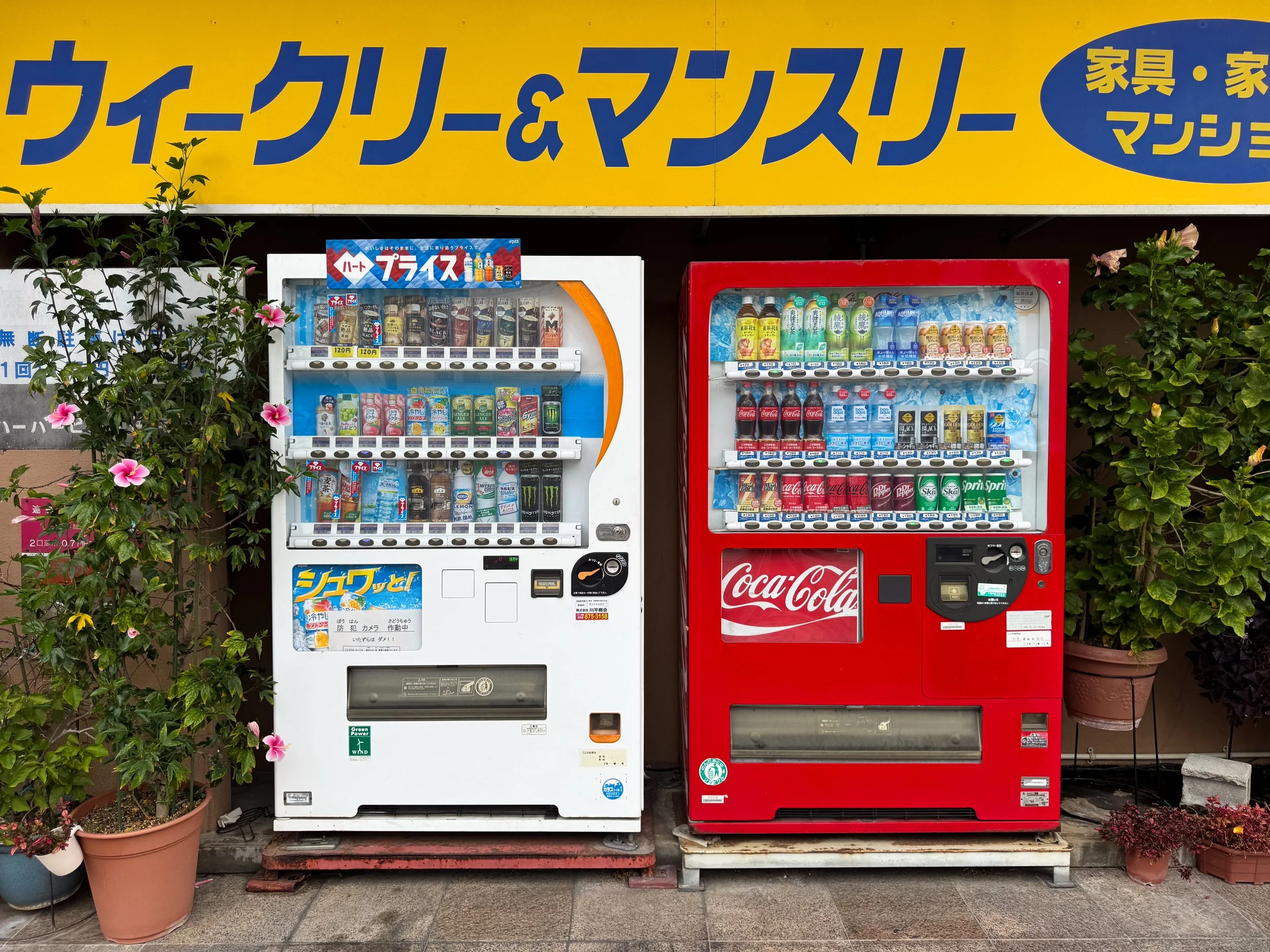
Order from A Vending Machine. Public vending machines are a cultural staple of Japan. They’re located in the most populous and sometimes obscure places. Most are stocked with beverages while some offer items like premade sushi, spam musubi, ice cream, sriracha and cigarettes.
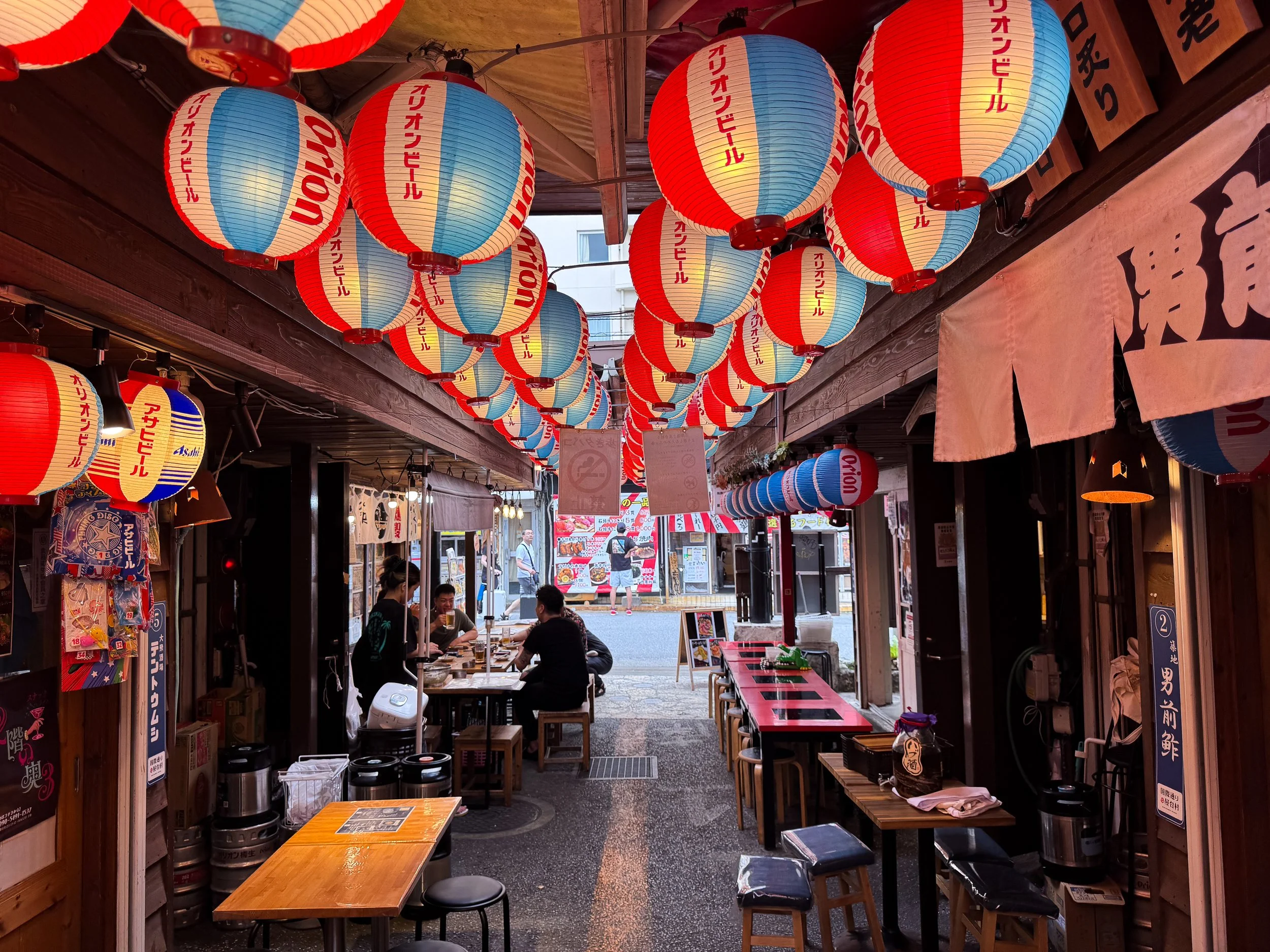
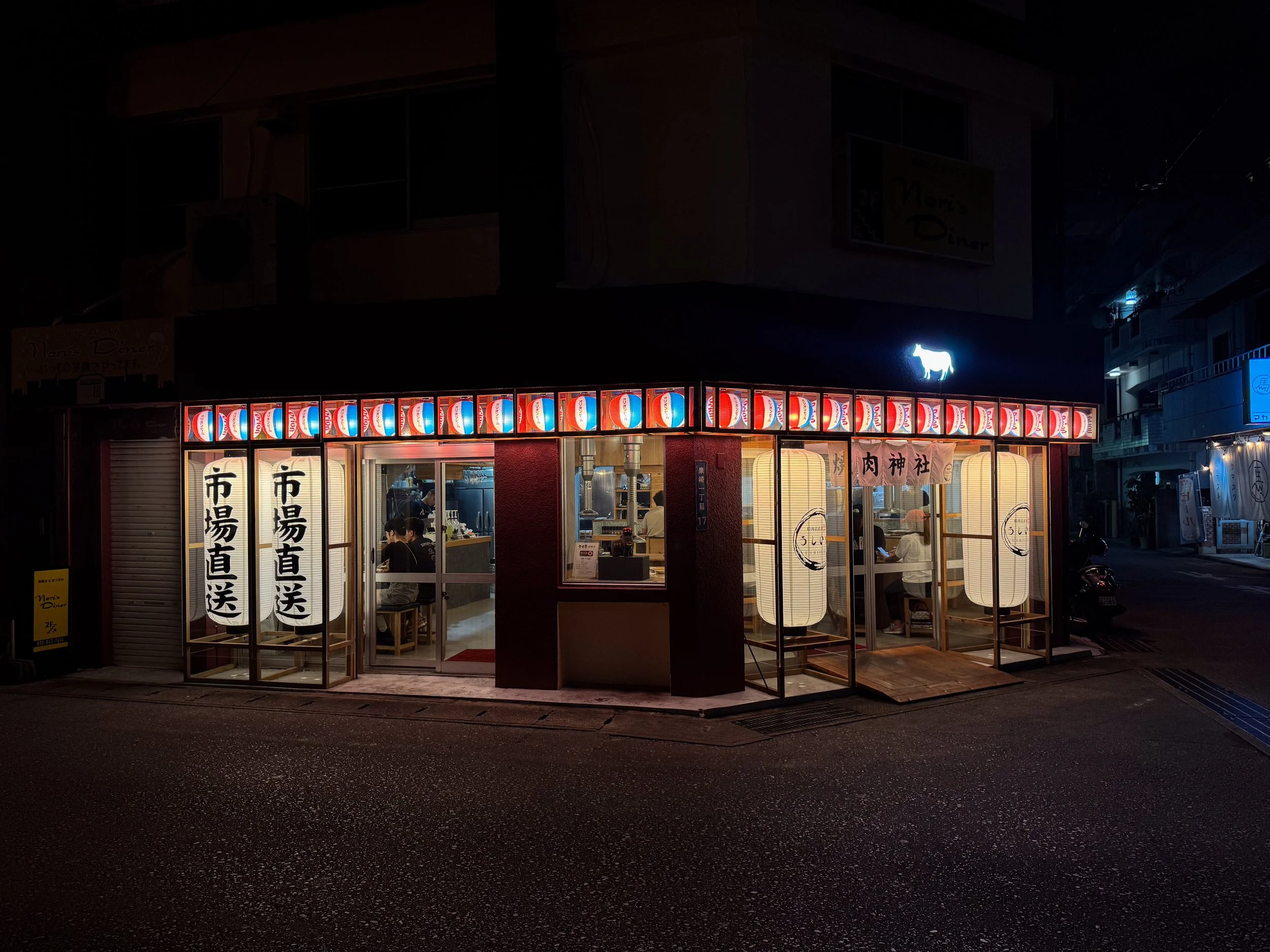
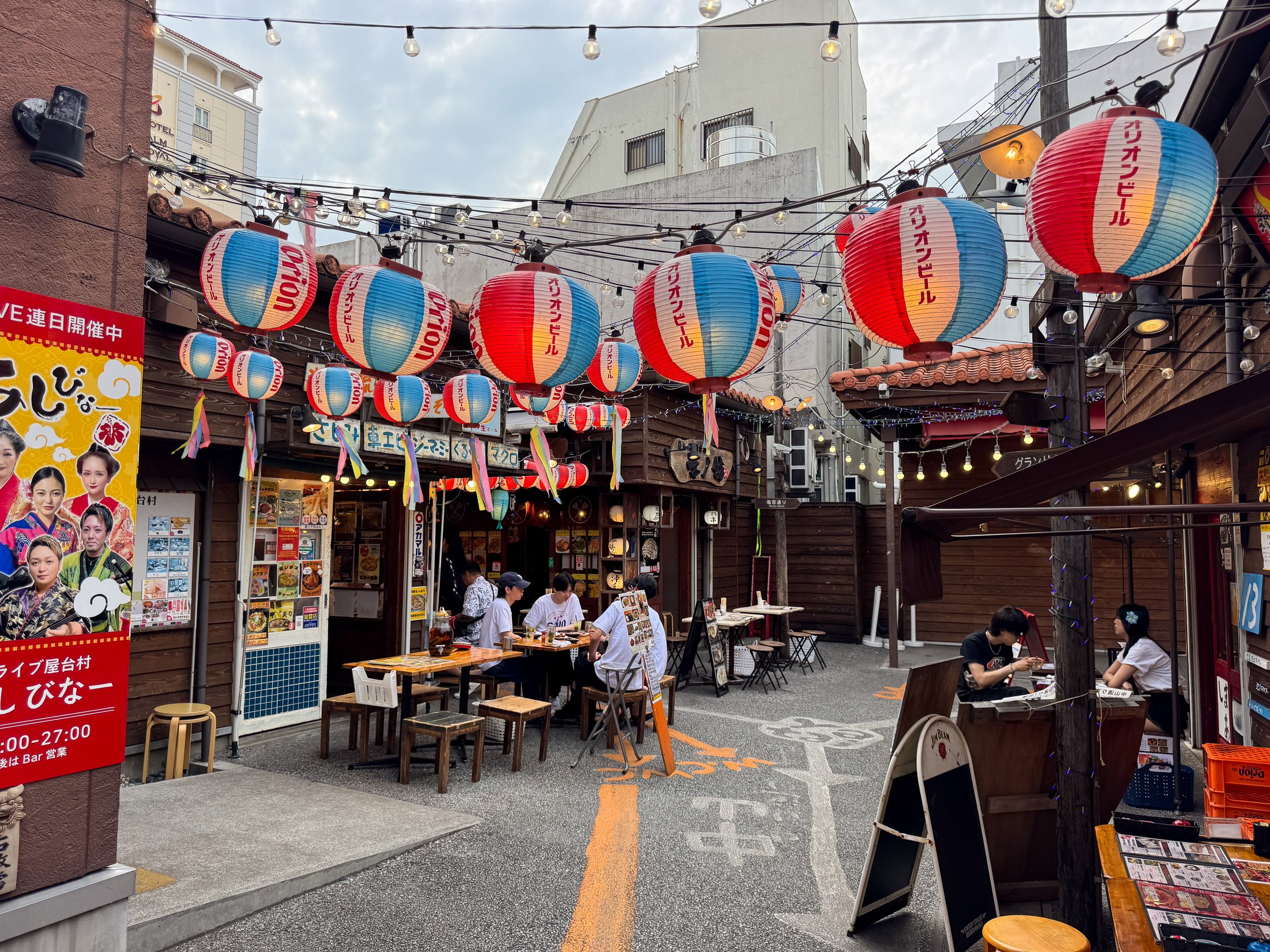
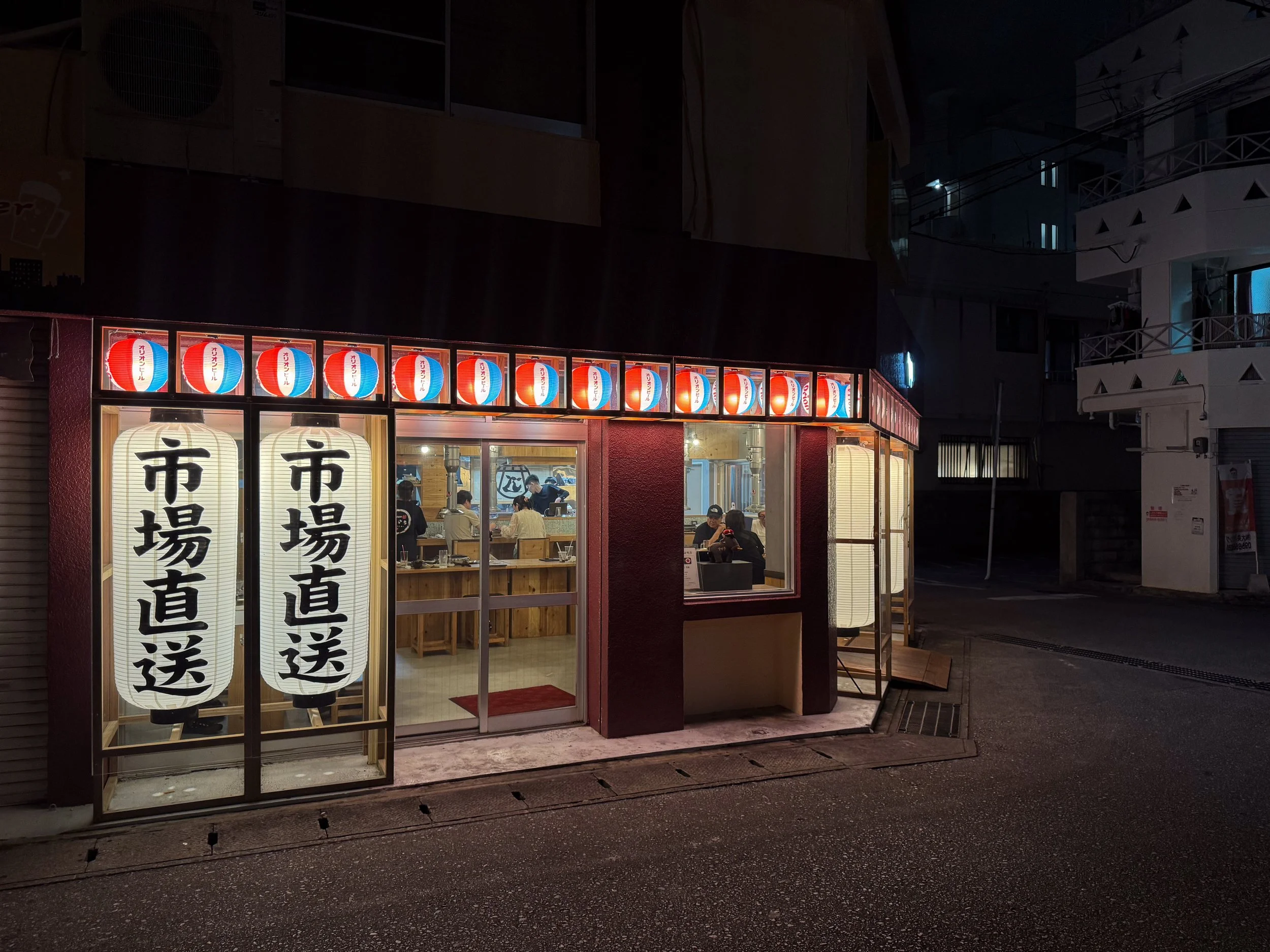
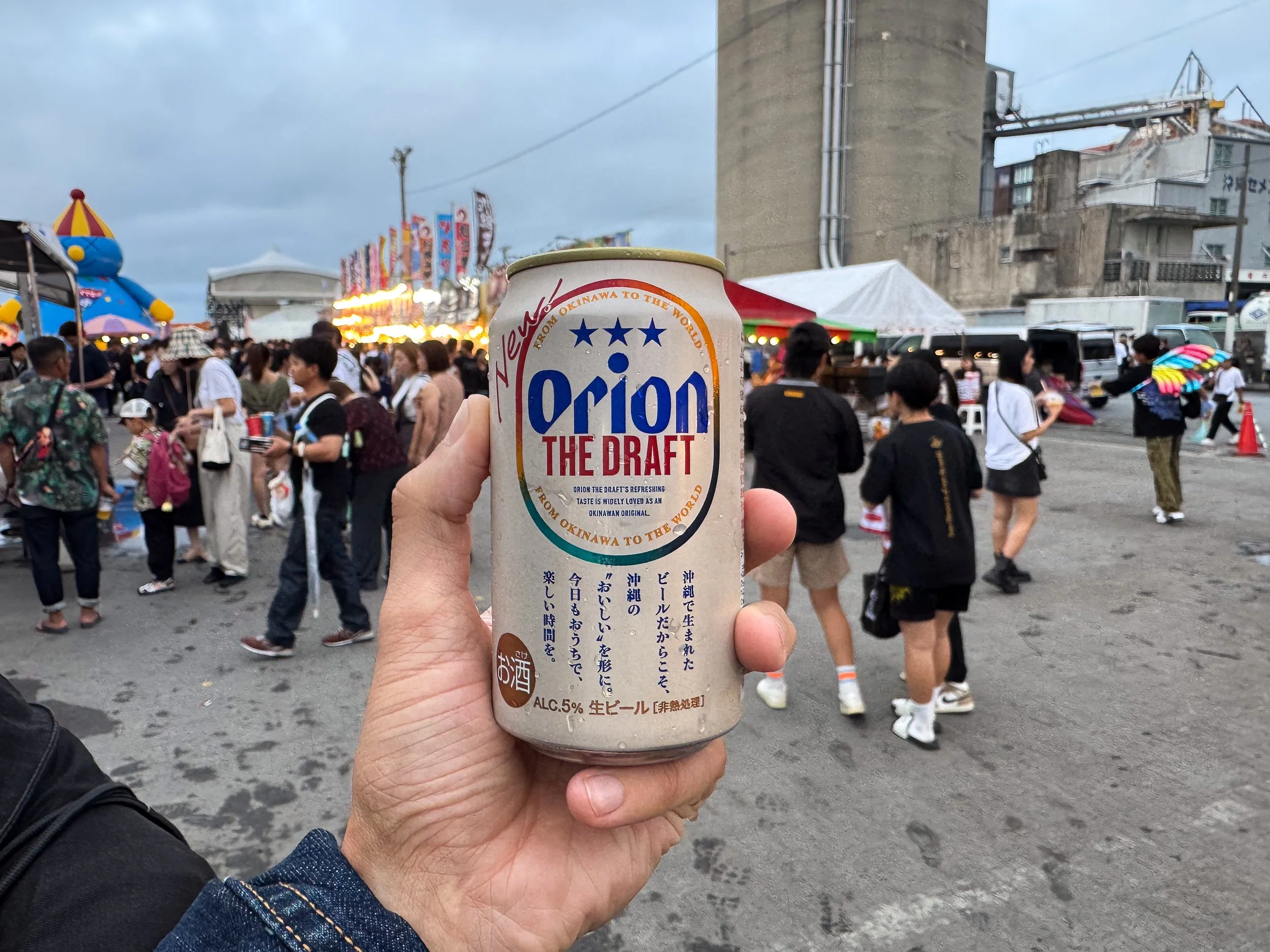
Eat at Kokusai Street Food Village. A food hall with several izakayas and small bars. Red, white and blue paper lanterns hang between wooden store fronts and string lights. Strangers sit shoulder to shoulder in the tightly packed dining areas. It’s a lively place, frequented by locals, especially after working hours. We sat down for drinks at Kinpachi, sipping on Orion Beer garnished with orange.
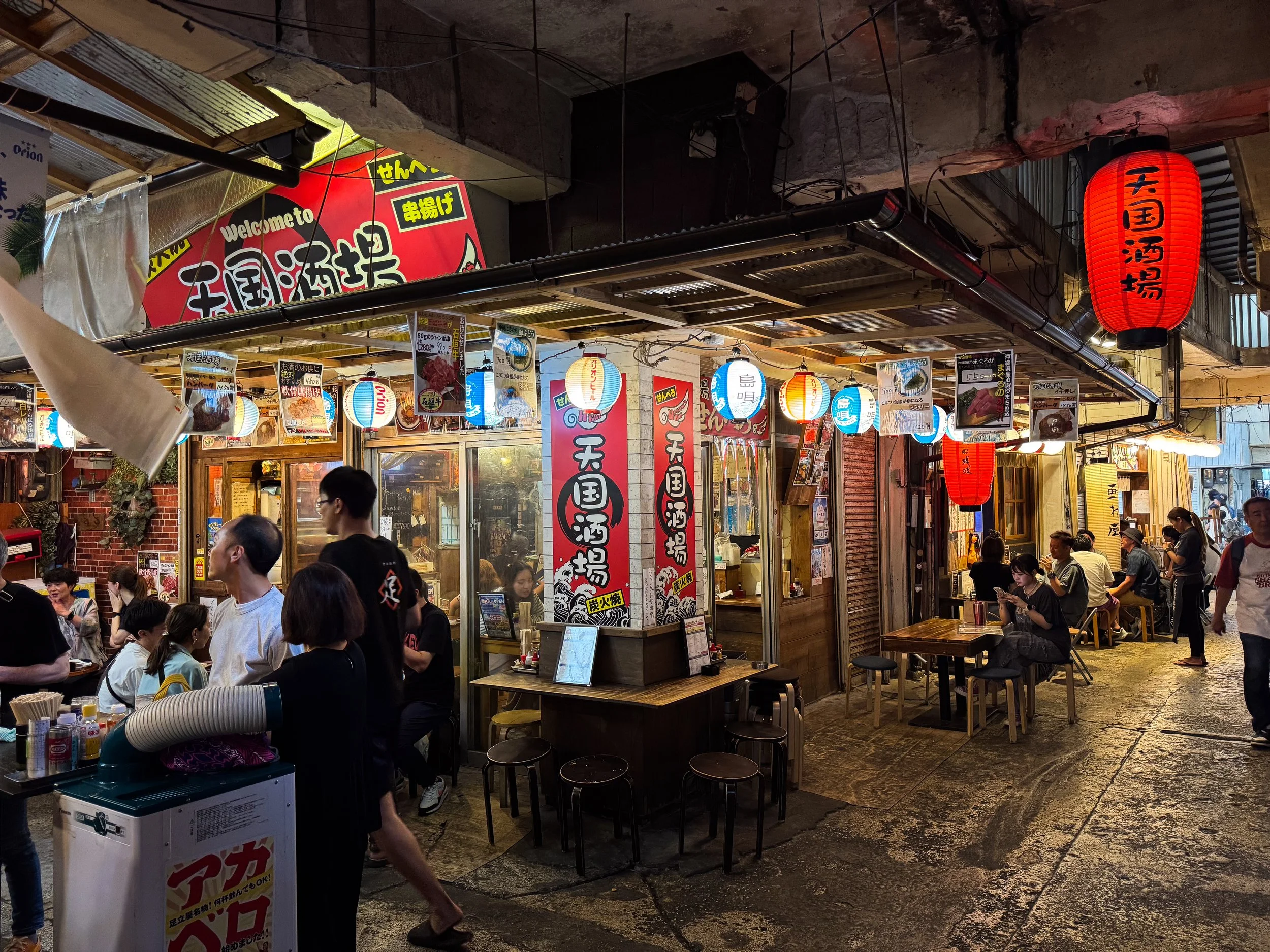
Drink at a Standing Bar. A popular style of Japanese bar with standing room only. They’re meant for having a quick drink on the go or for gathering with a group. People stand at bar counters and tall tables while hosts serve beer, sake, spirits, snacks and sometimes small plates. Look for them near train stations, in alleyways or at markets. Visit Adachiya, a lively standing bar hidden away in a dim alley near the Ichiba Hondori covered market.
Shop the Markets
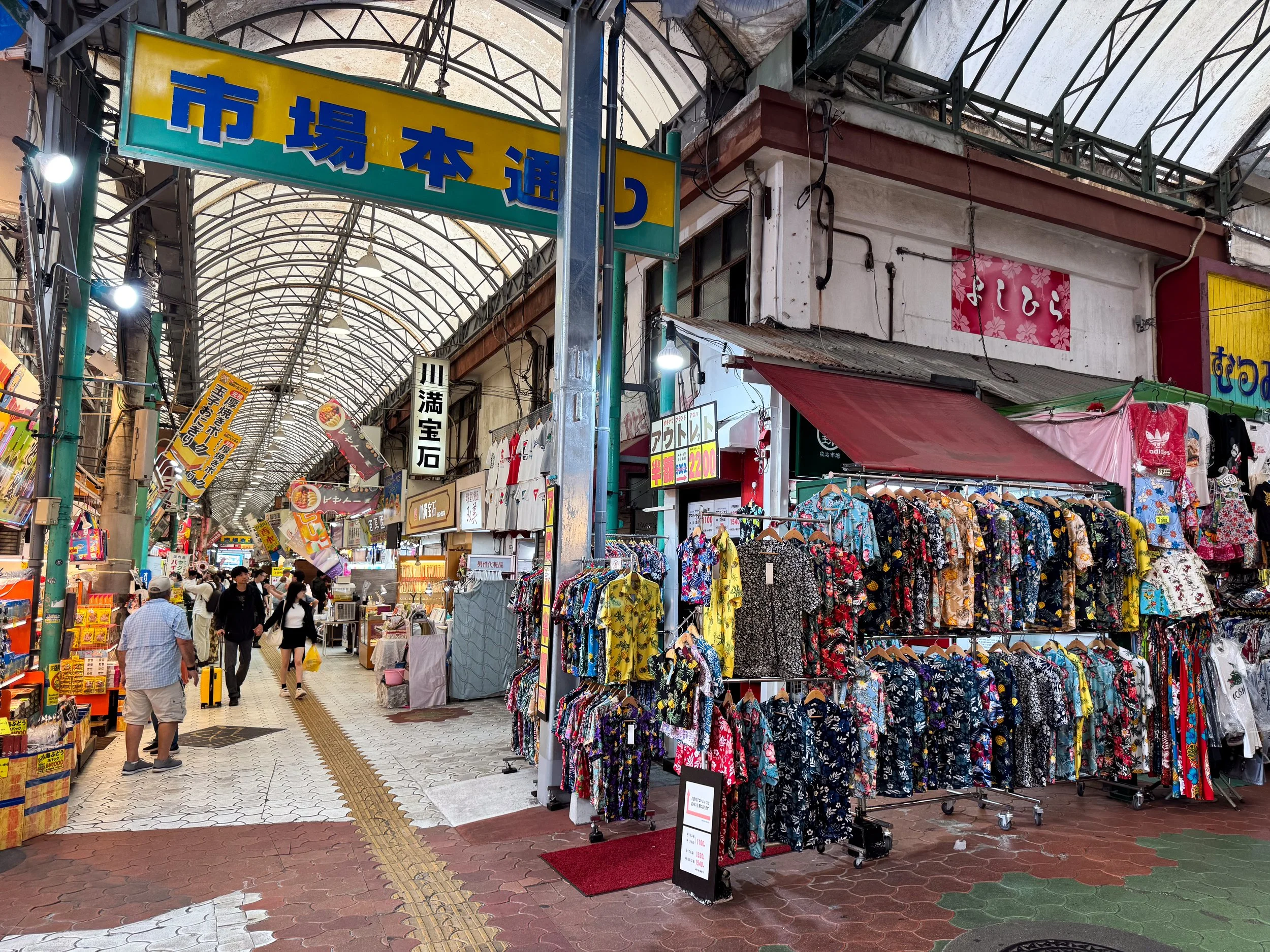
Ichiba Hondori. A covered market street with over a hundred vendors and shops selling many of the same goods as on Kokusai Dori Street. One of the big draws to this street is the local sweets like Okinawa donuts, Beni Imo Tarts, pineapple cakes and ube ice cream. Other must visits are the Makishi Public Market and dimly lit alleyways with local izakayas and standing bars. Each offers Japanese snacks, small plates and local beers at affordable prices.
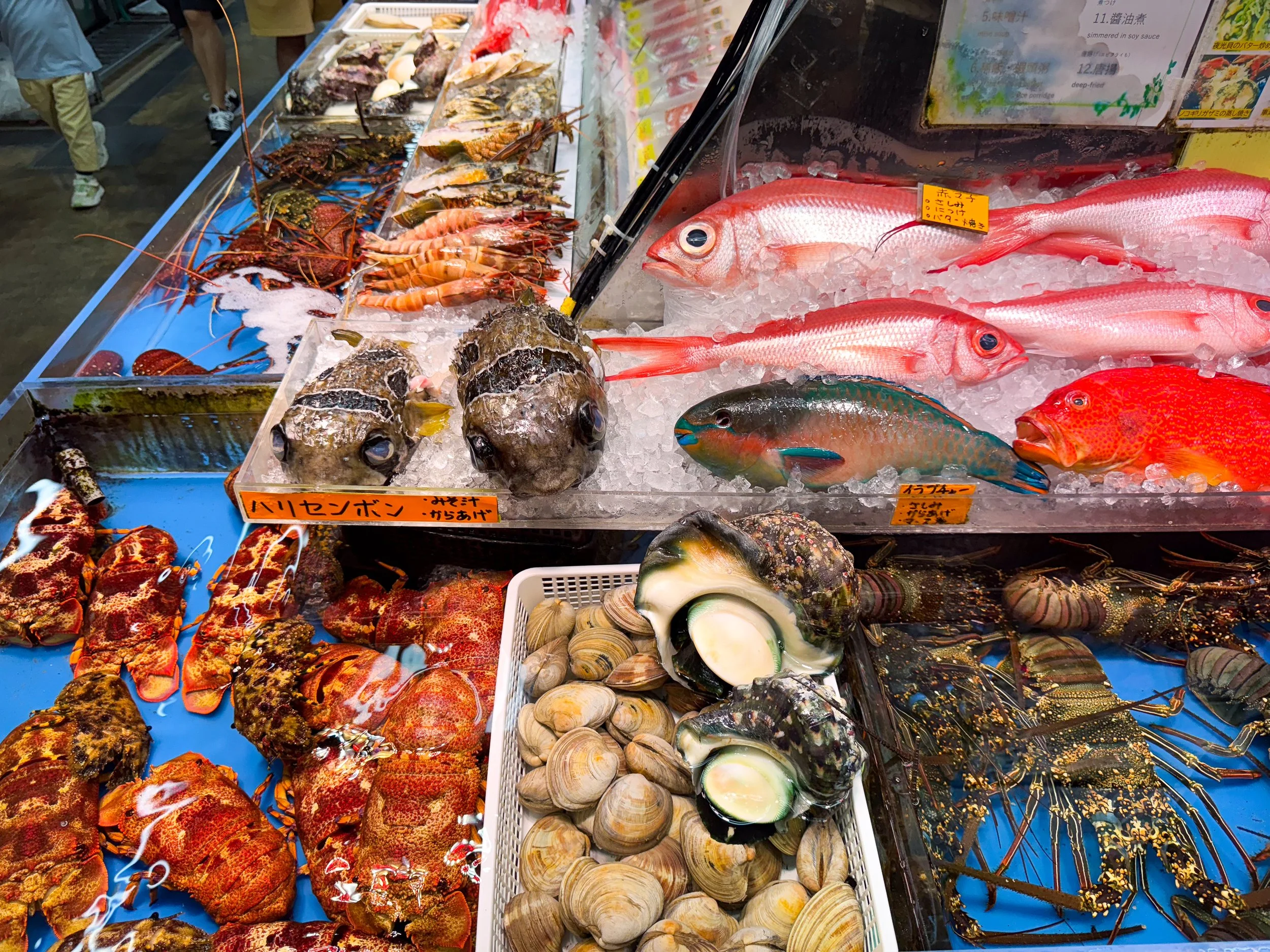
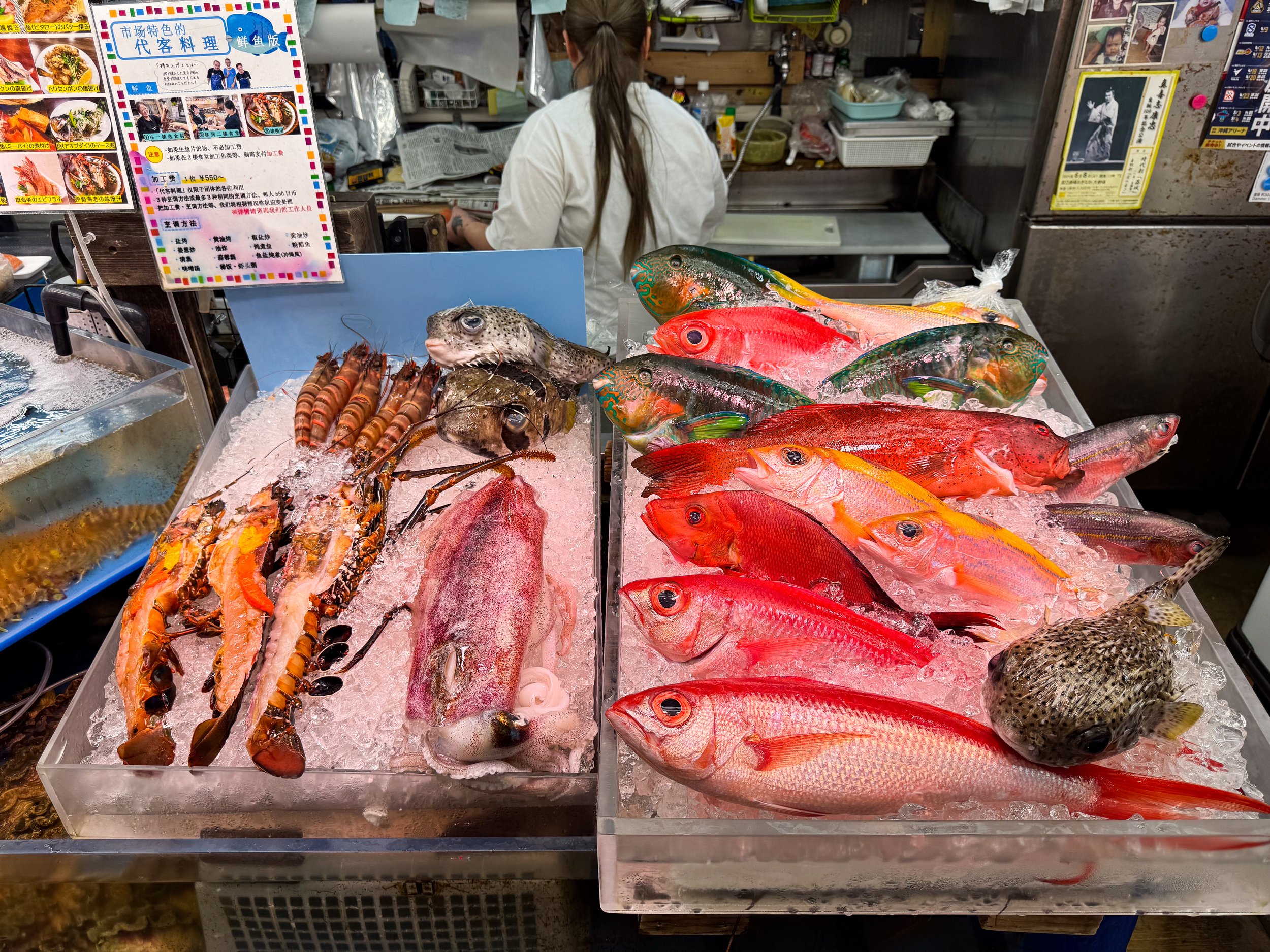
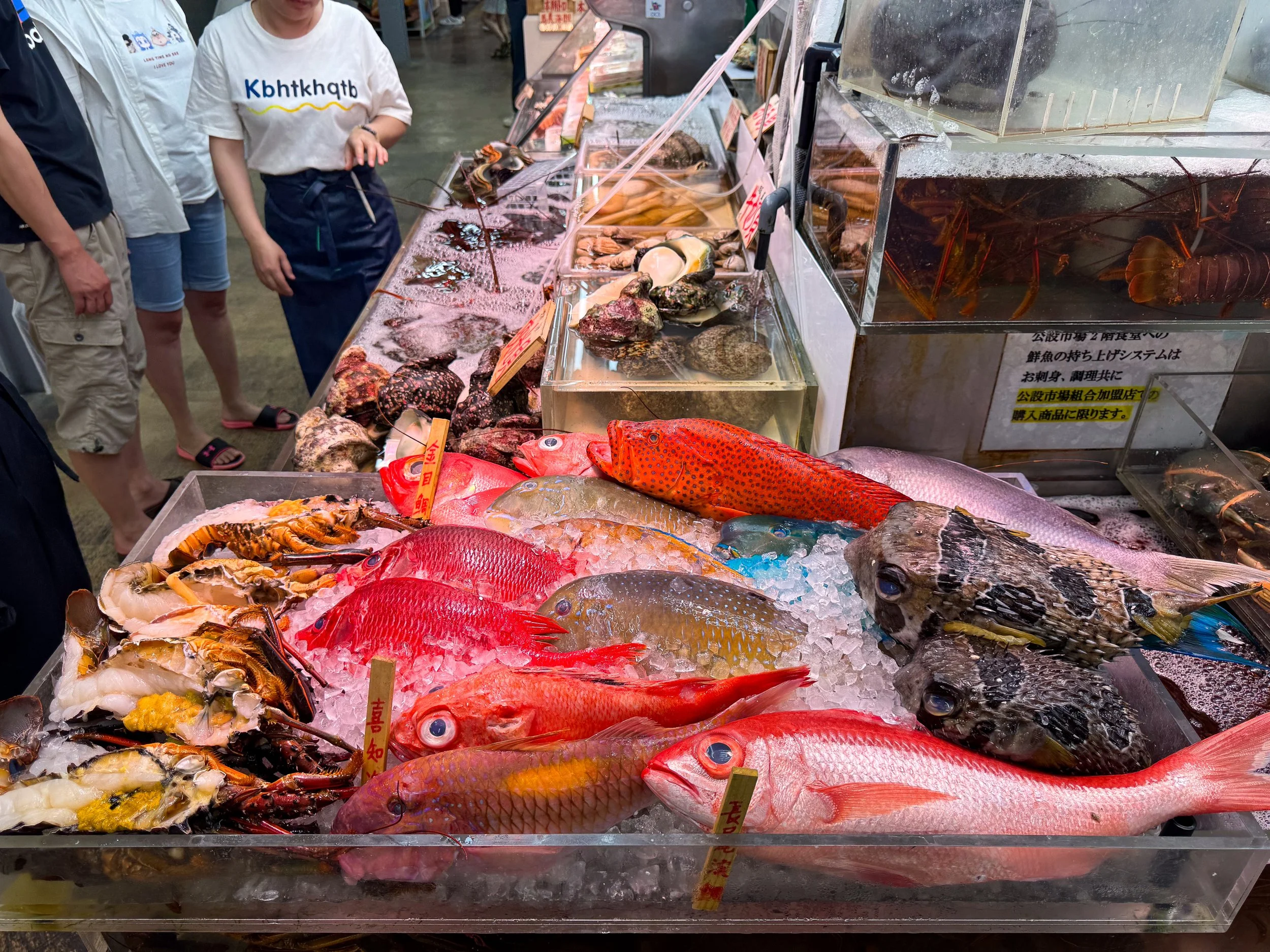
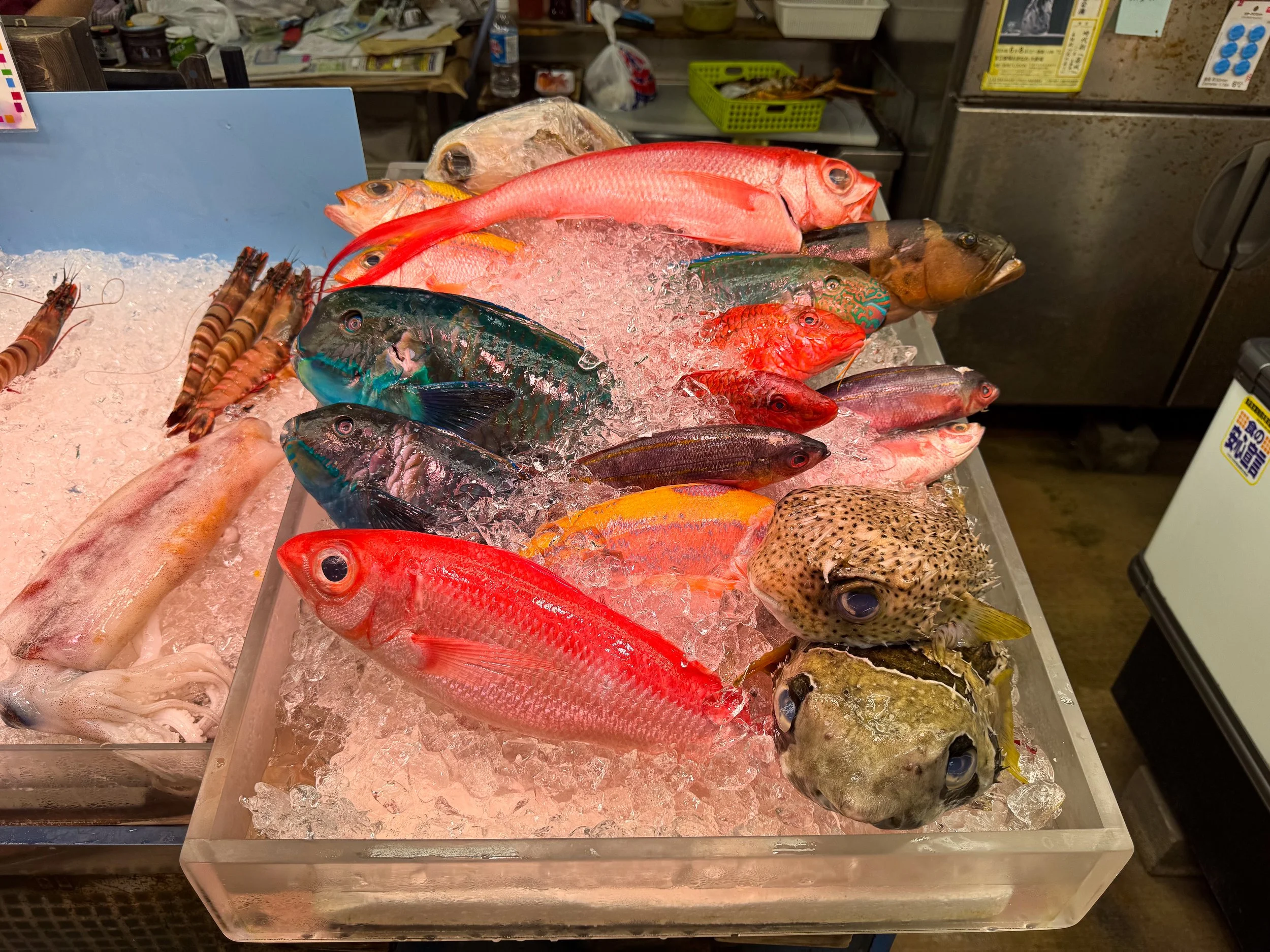
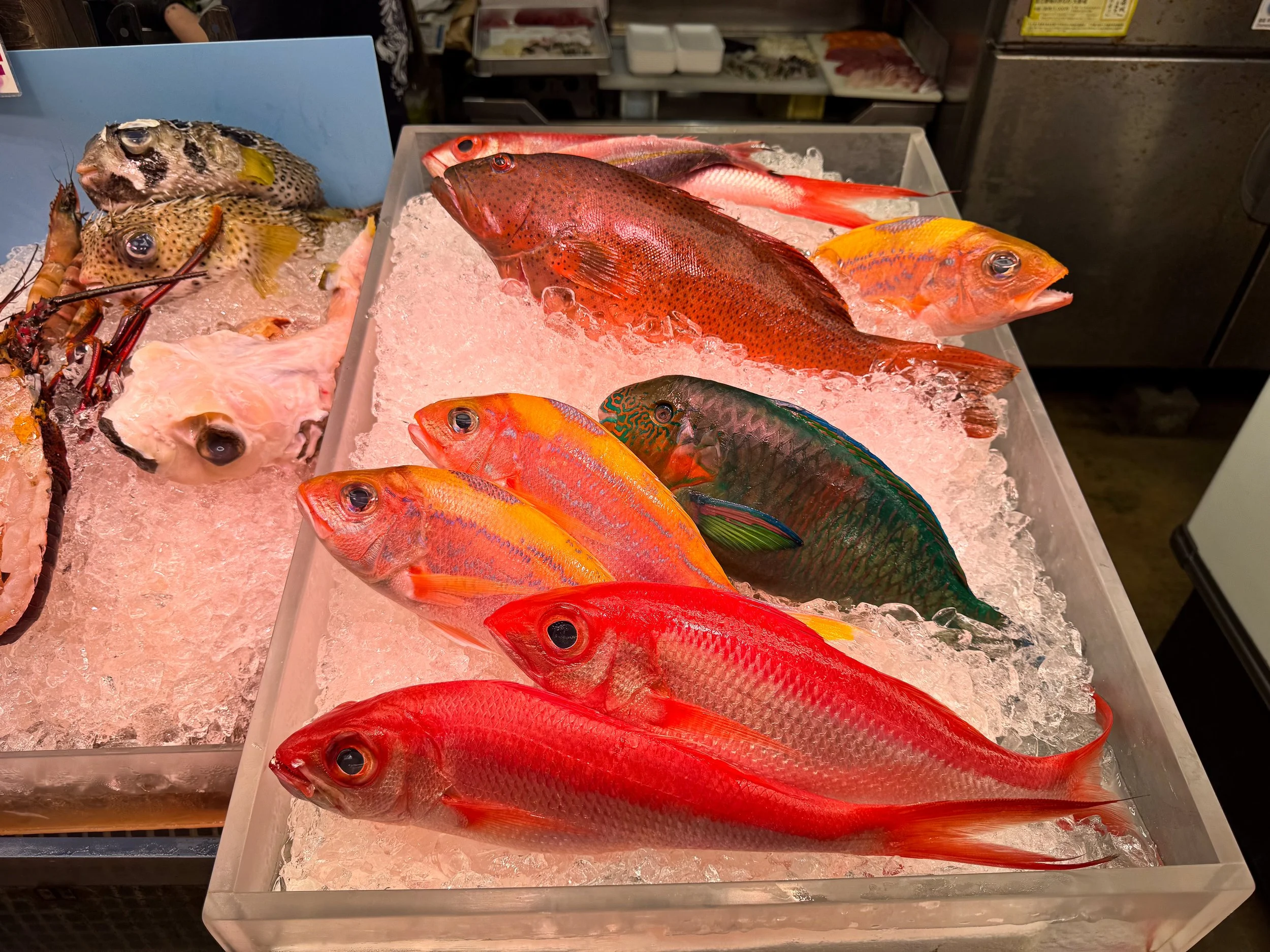
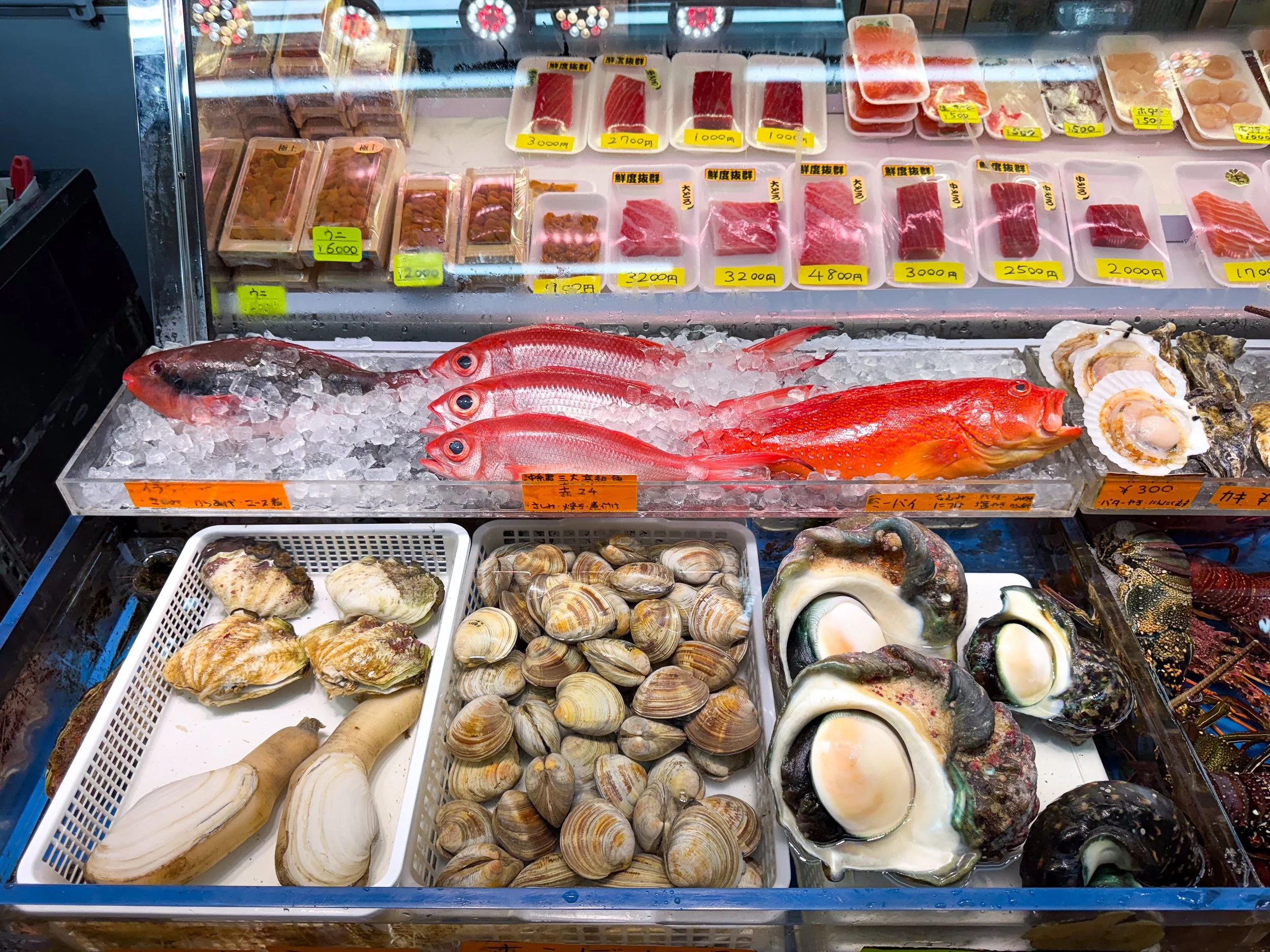
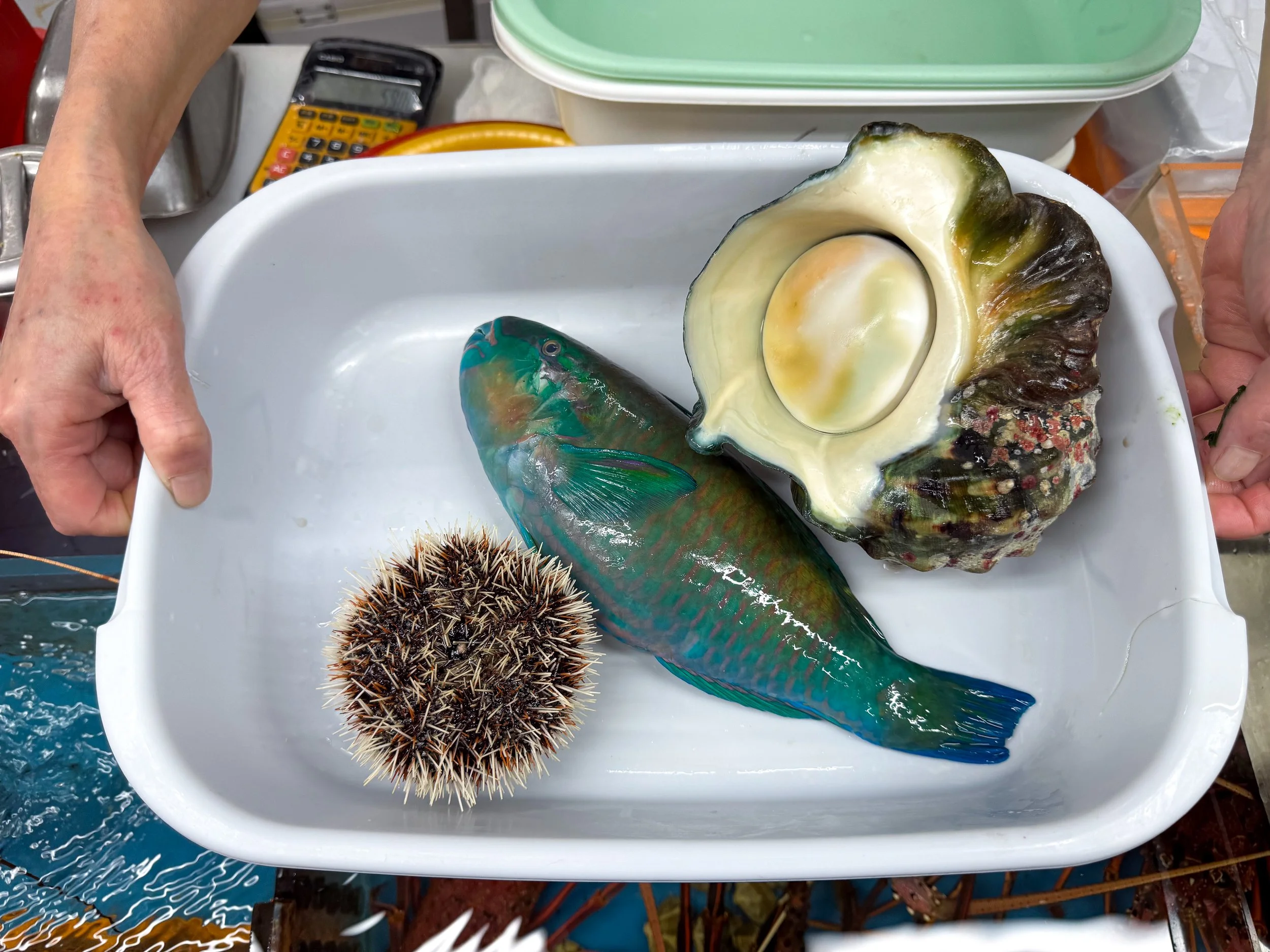
Makishi Public Market. A two floor market with seafood vendors and restaurants. Come here to choose fresh seafood from vendors on the ground floor and have it prepared by restaurants on the second floor. Merchants display tanks with live sea snails, lobsters and sea urchins, packaged trays of ready to eat sashimi and piles of colorful reef fish on ice, including the infamous puffer fish! While primarily a seafood market, multiple vendors specialize in Kobe beef and Japanese meats.
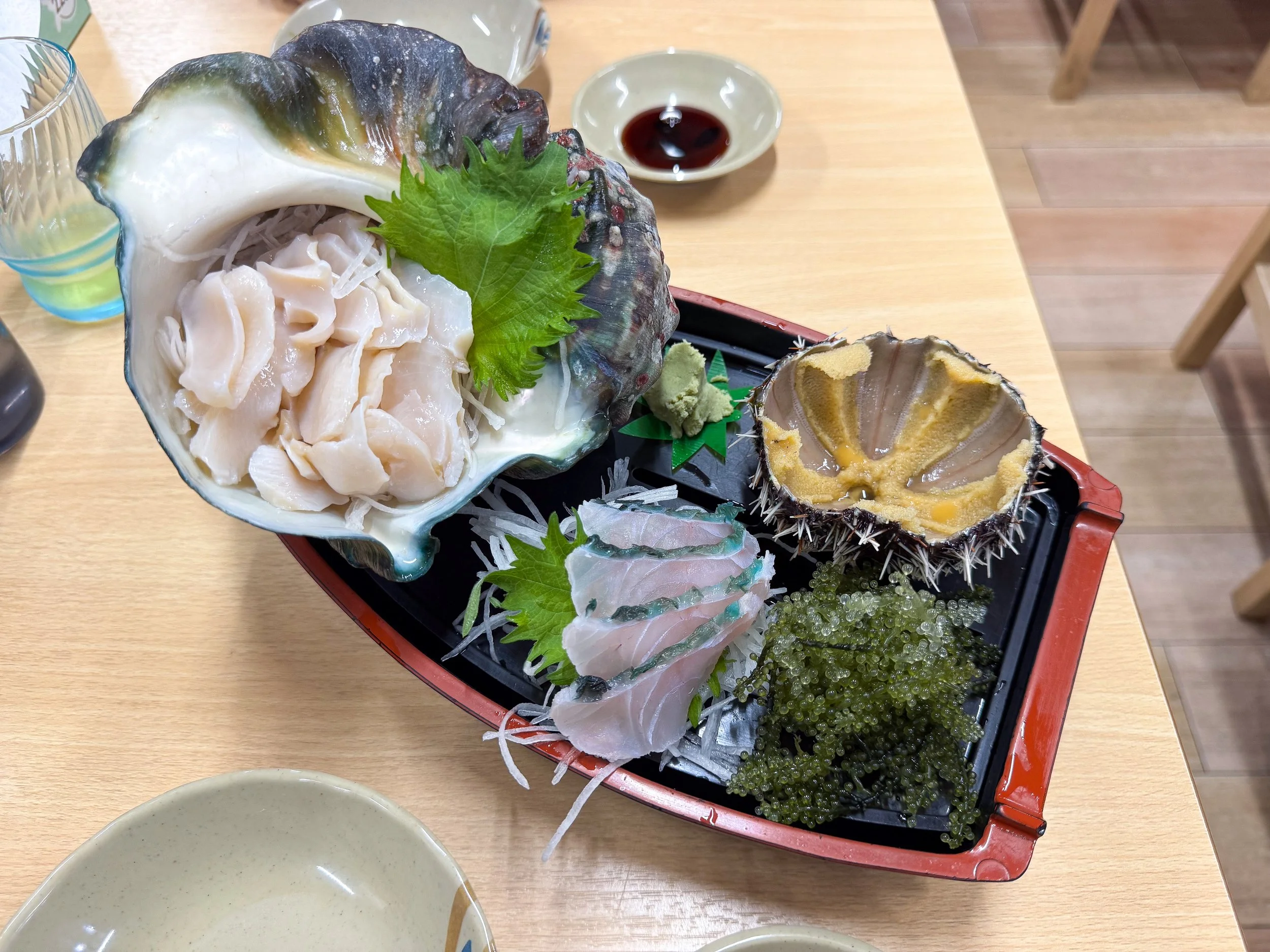
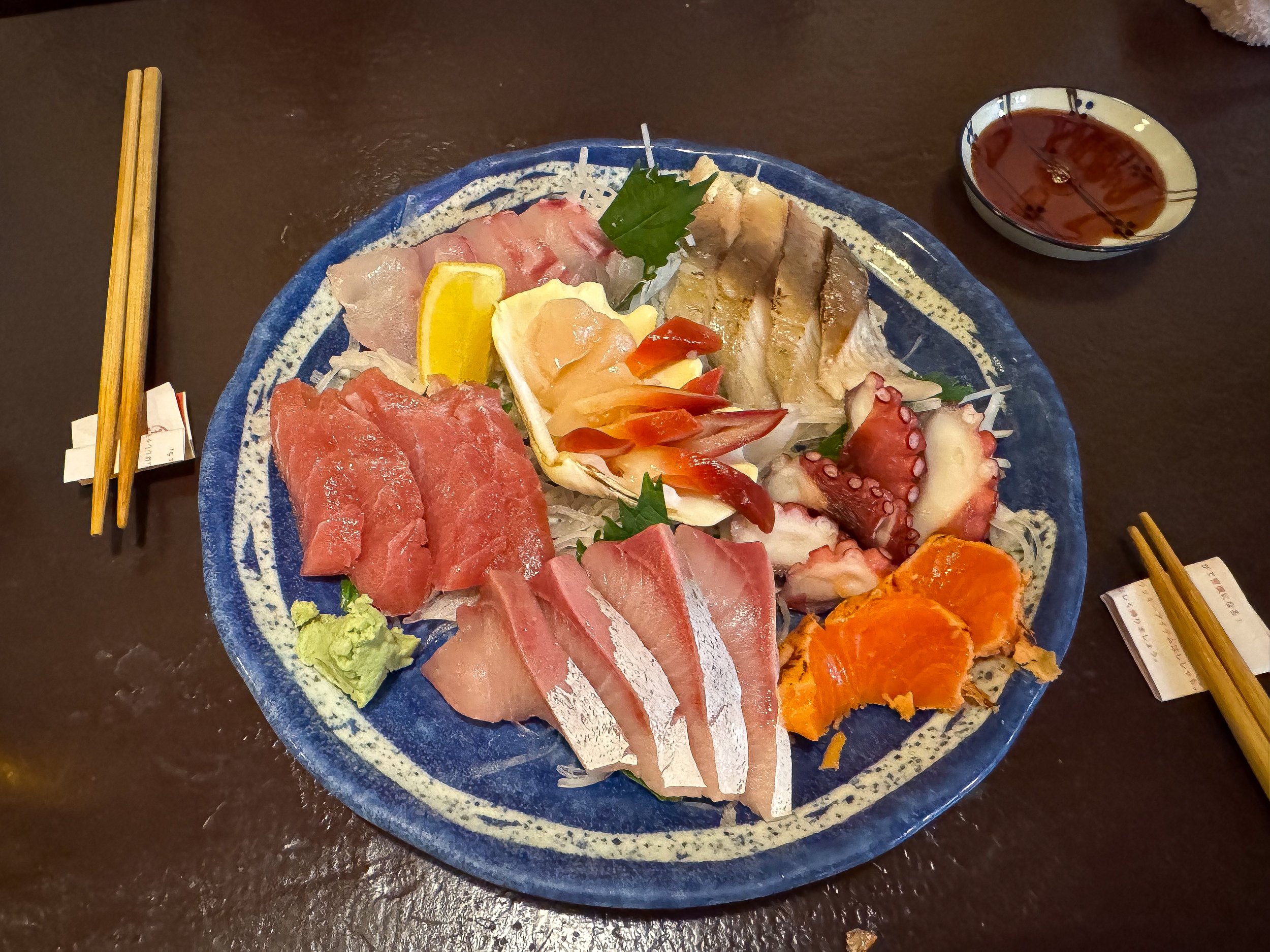
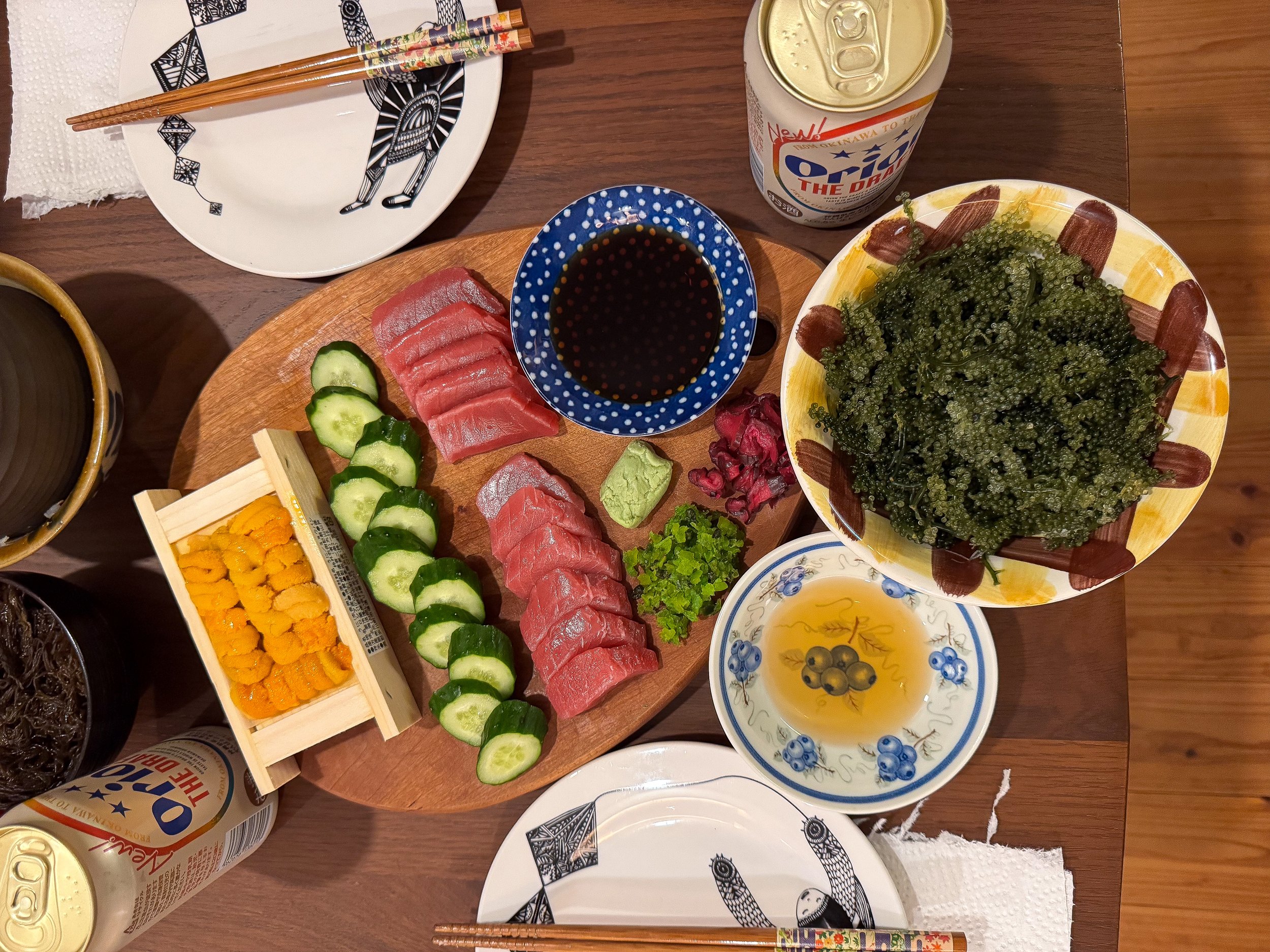
Select Your Seafood. We selected a sea urchin, whole parrot fish and giant sea snail to have prepared. Pieces of each were served sashimi style by the sushi chef. The remainder of the fish was pan fried while half of the snail was sautéed in butter and garlic at Kiraku. We returned later in the week for a tray of sea urchin uni, fatty tuna sashimi and conch for a final dinner.
Pro Tip. Ask around and negotiate over price before buying anything.
Good to Know. We read this was a touristy spot when in fact many locals come here. It offers a unique experience to try local seafood. Most tourists only come here to look around in between shopping for souvenirs on Ichiba Hondori.
Tomari Iyumachi Fish Market. A seafood market at the Naha Port. It’s a popular lunch spot for freshly caught seafood, especially for cuts of sushi grade tuna, scallop, shrimp and uni.
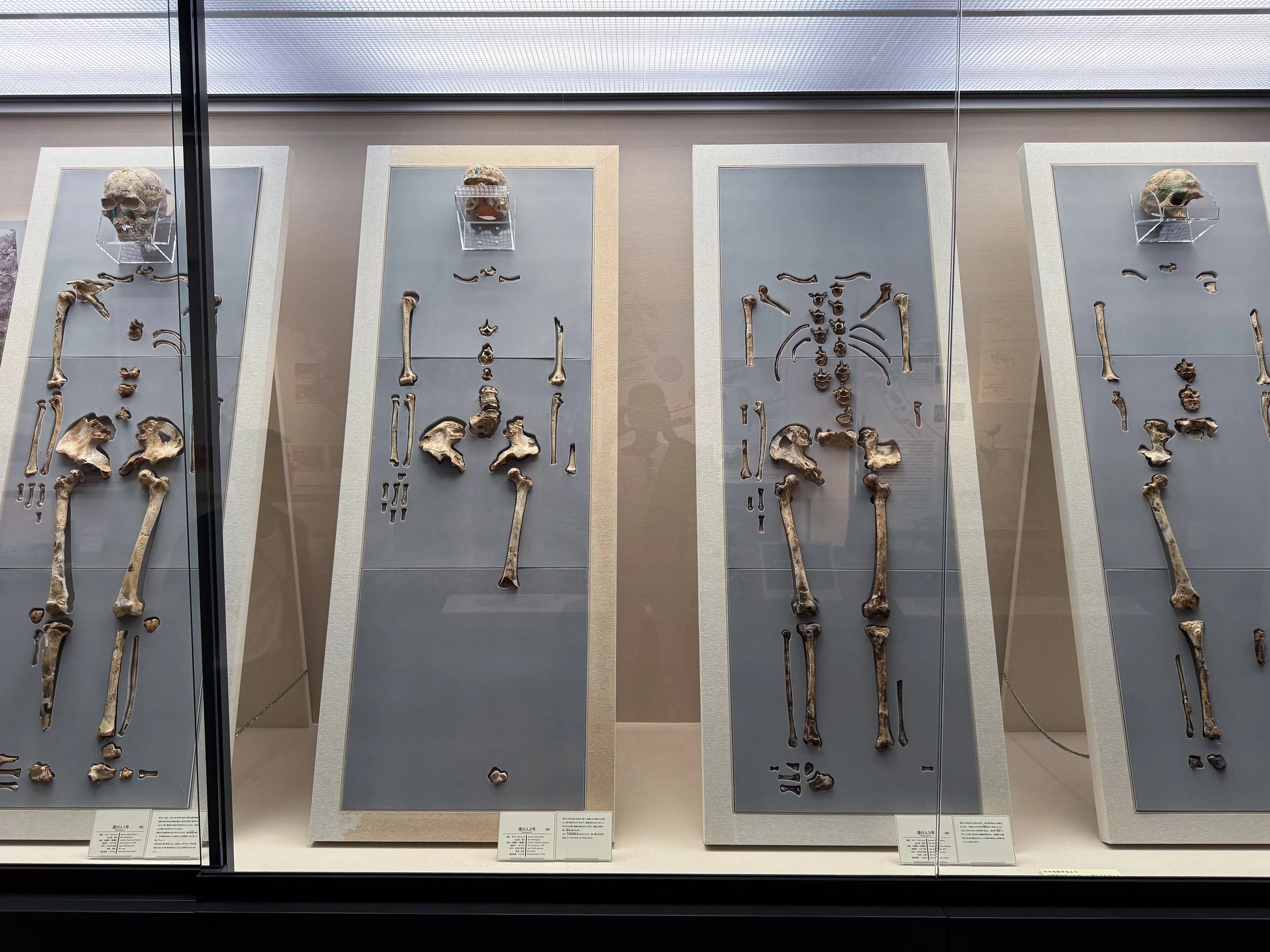
The Land of The Ryukyus
Okinawa was home to the Ryukyu Kingdom, an indigenous people that inhabited the islands for hundreds of years before Japanese control. Many archeological sights including the ruins of former castles still remain visible for exploration.
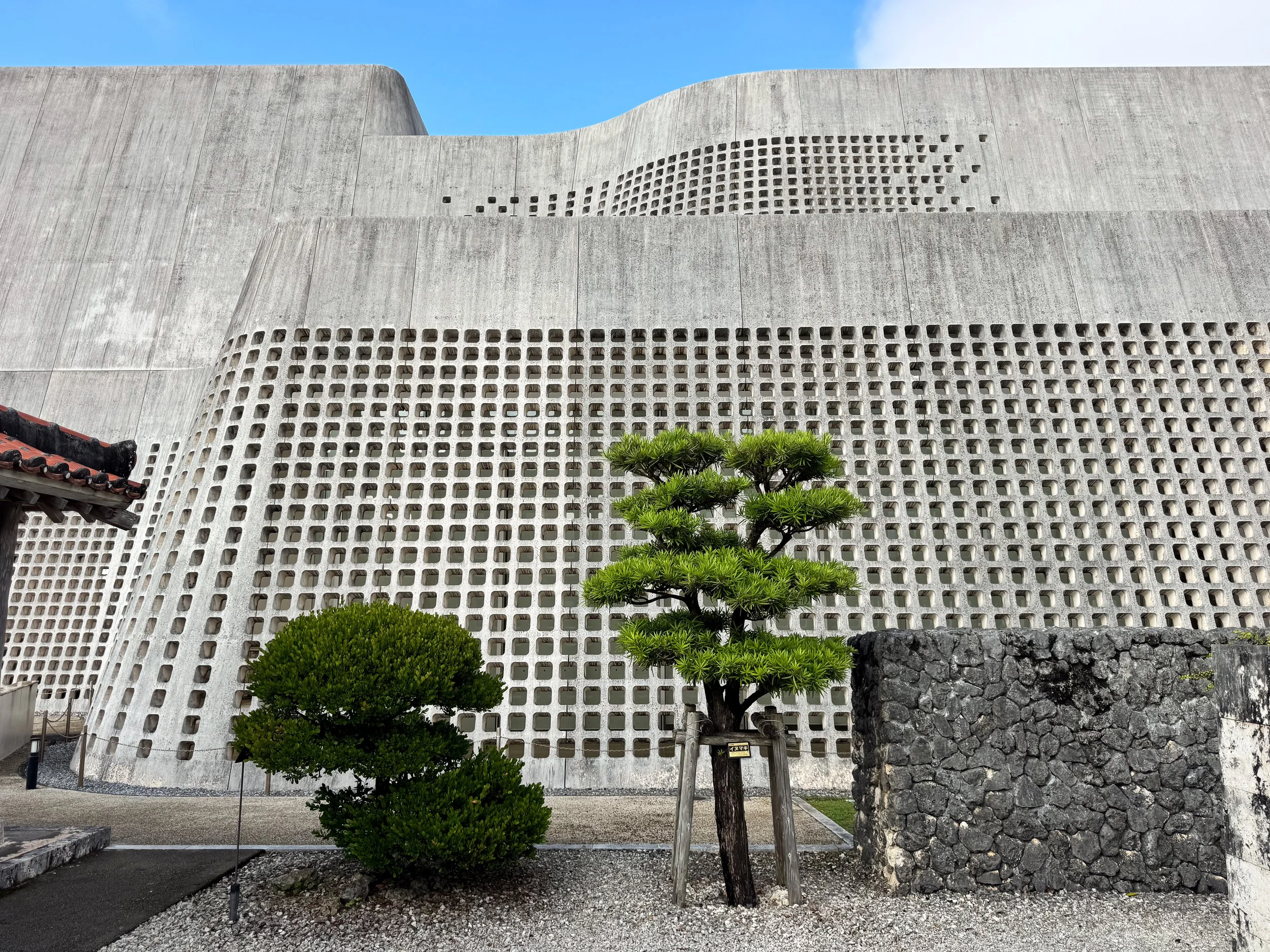
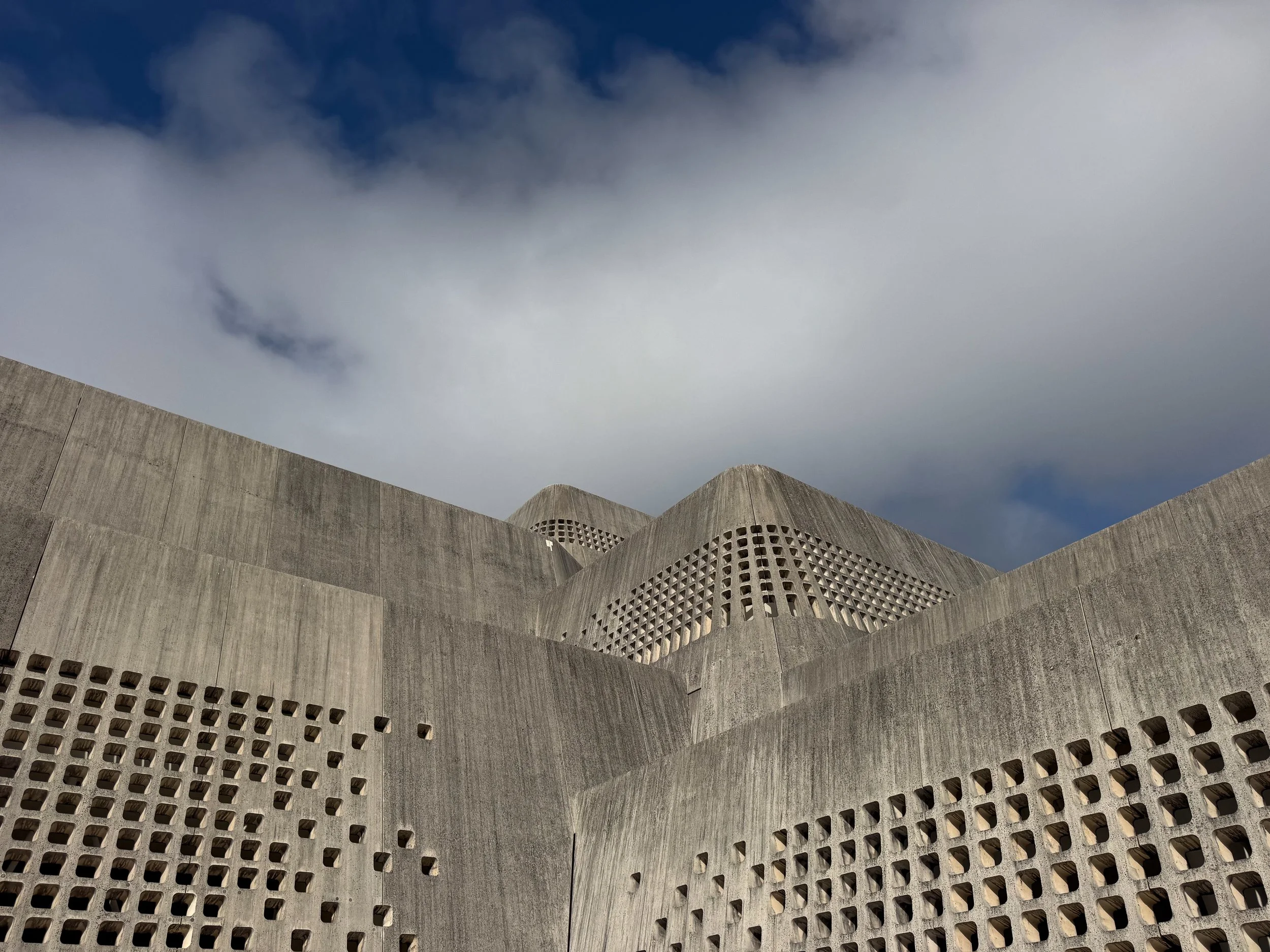
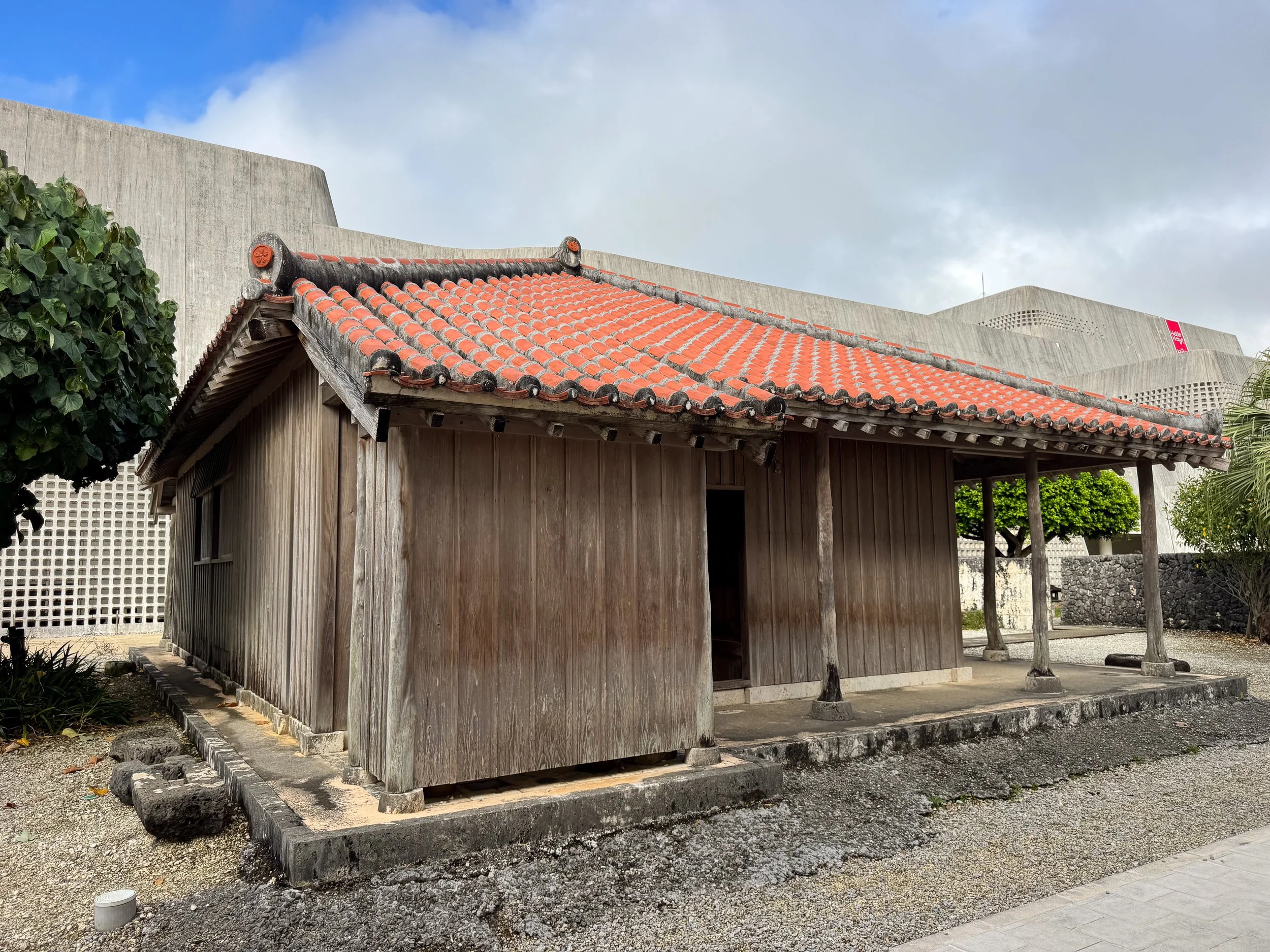
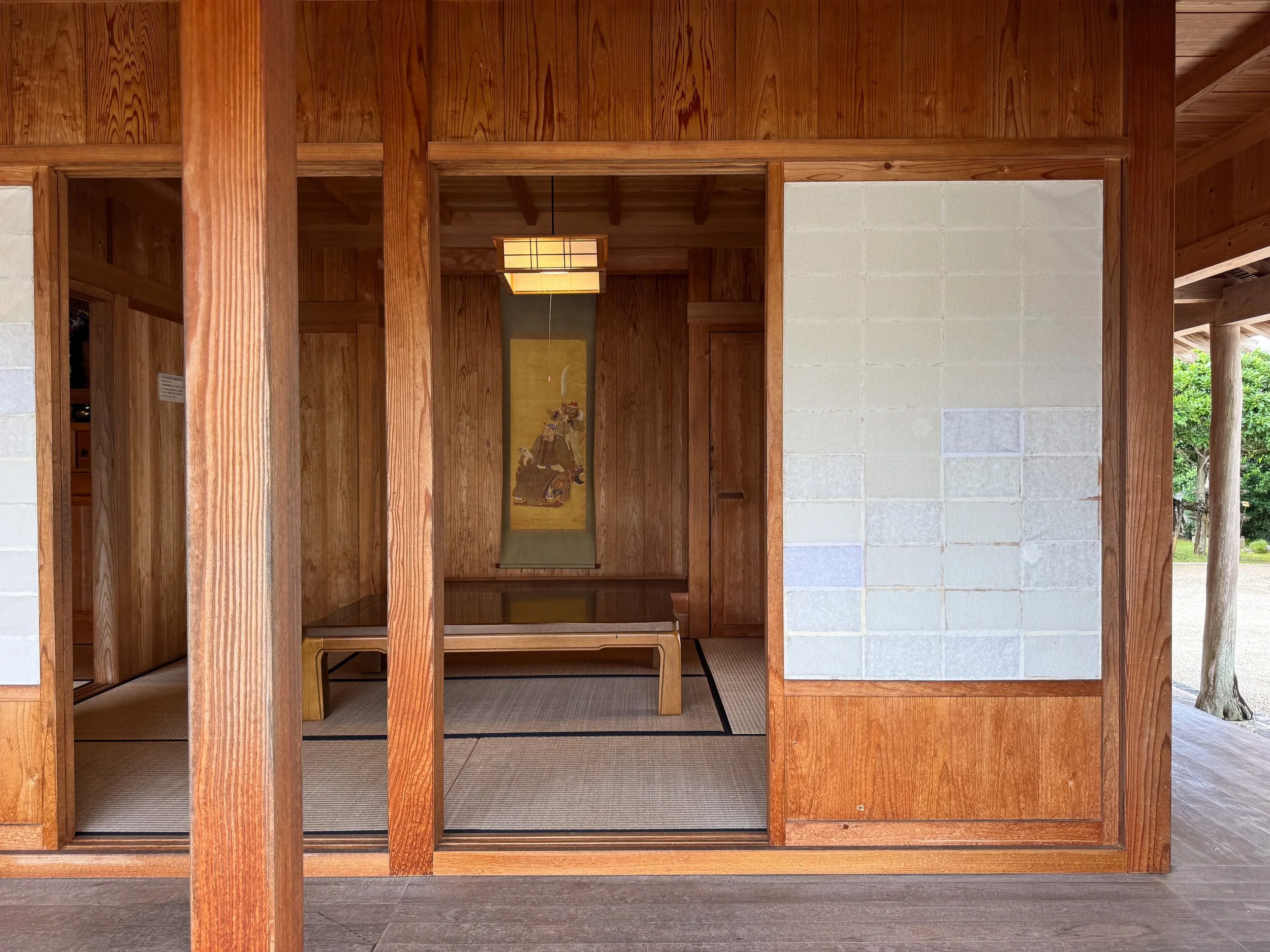
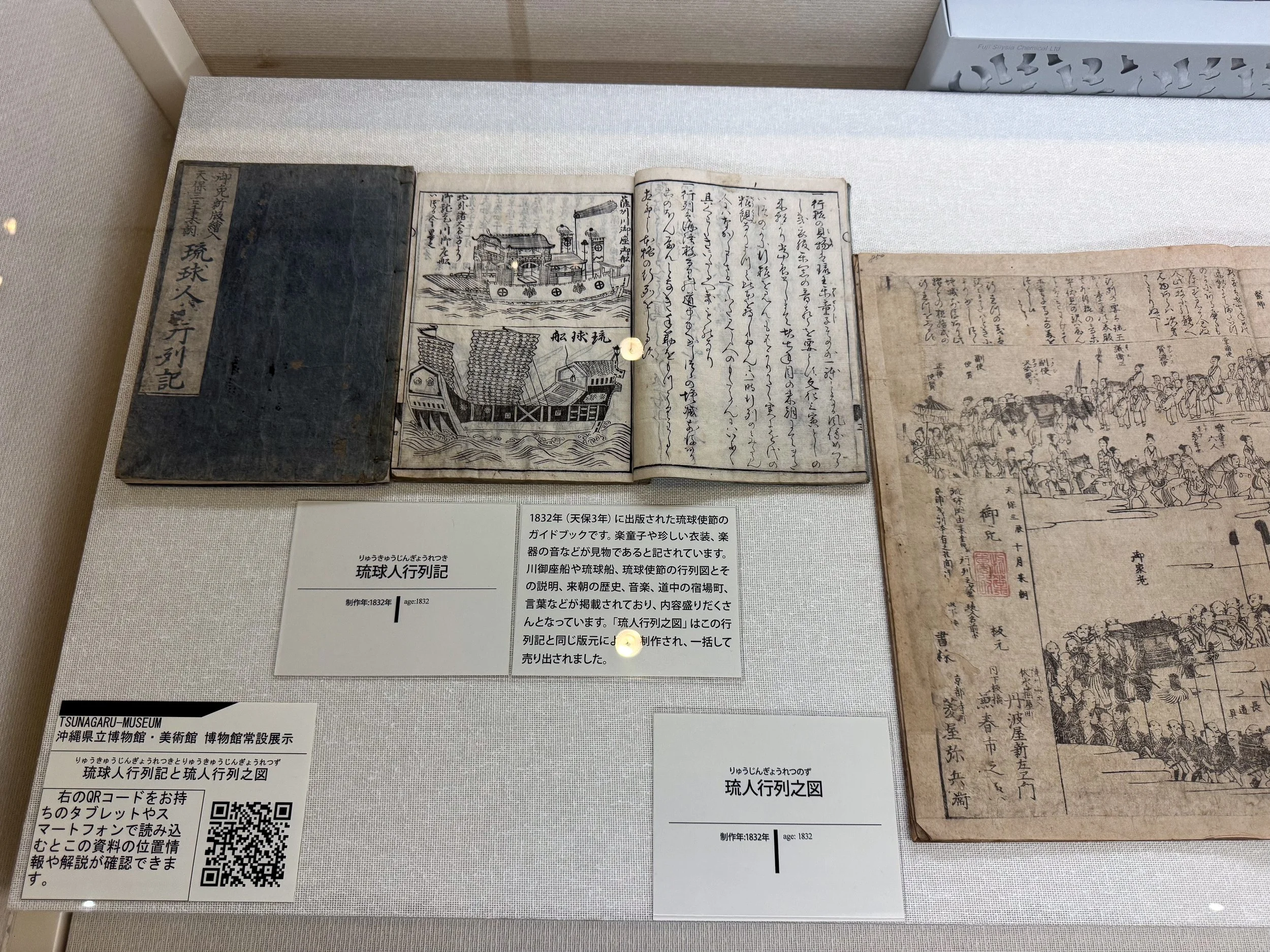
Okinawa Prefectural Museum. A museum dedicated to the history of the Ryukyu Kingdom from prehistoric times, to the height of their kingdom and collapse under Japanese imperialism. The museum displays prehistoric artifacts, portrays the island’s folklore and recounts the horrors of WW2. The contemporary design of the museum is built in the style of a Ryukyu fort with curved and sloped walls.
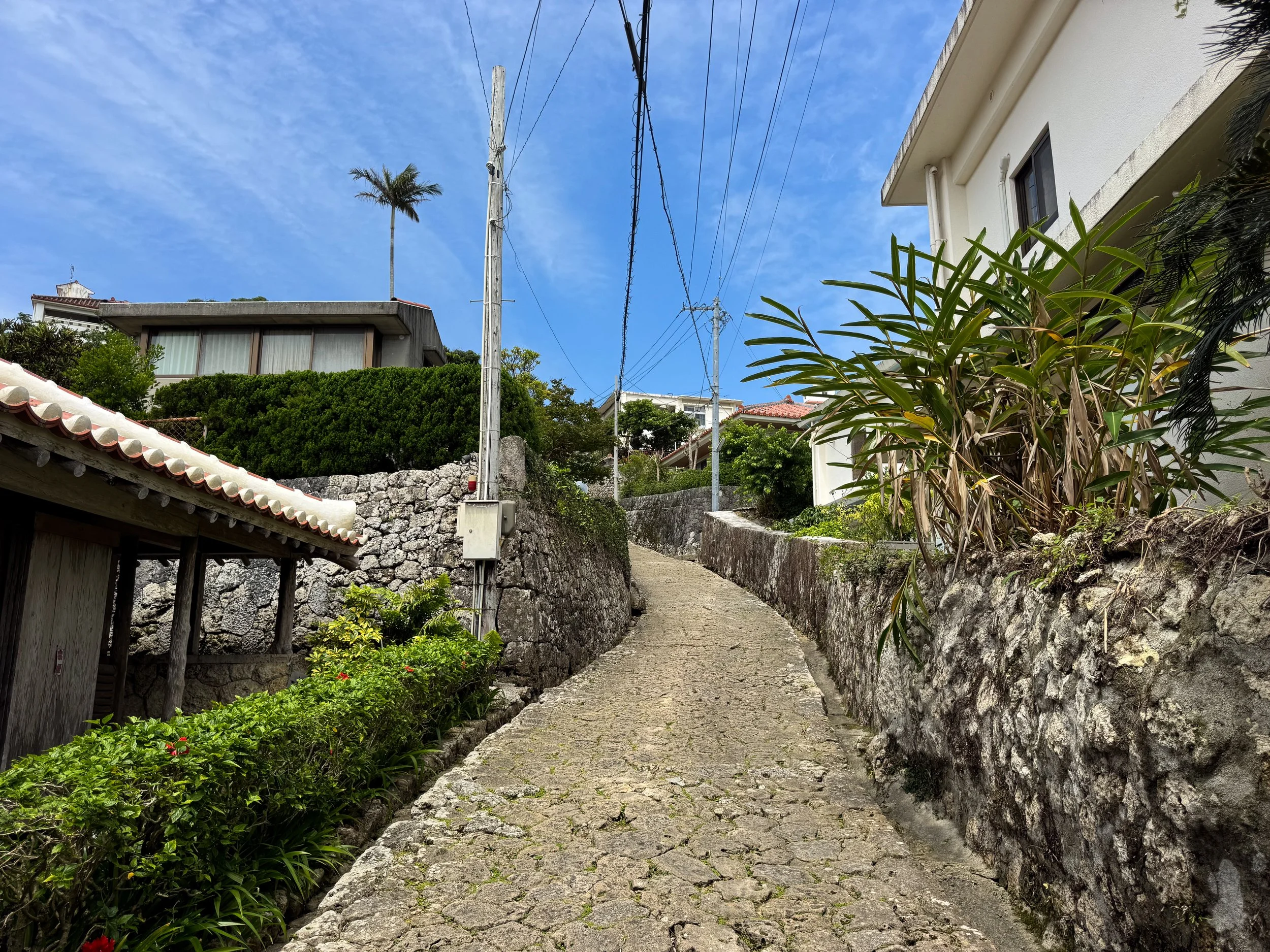
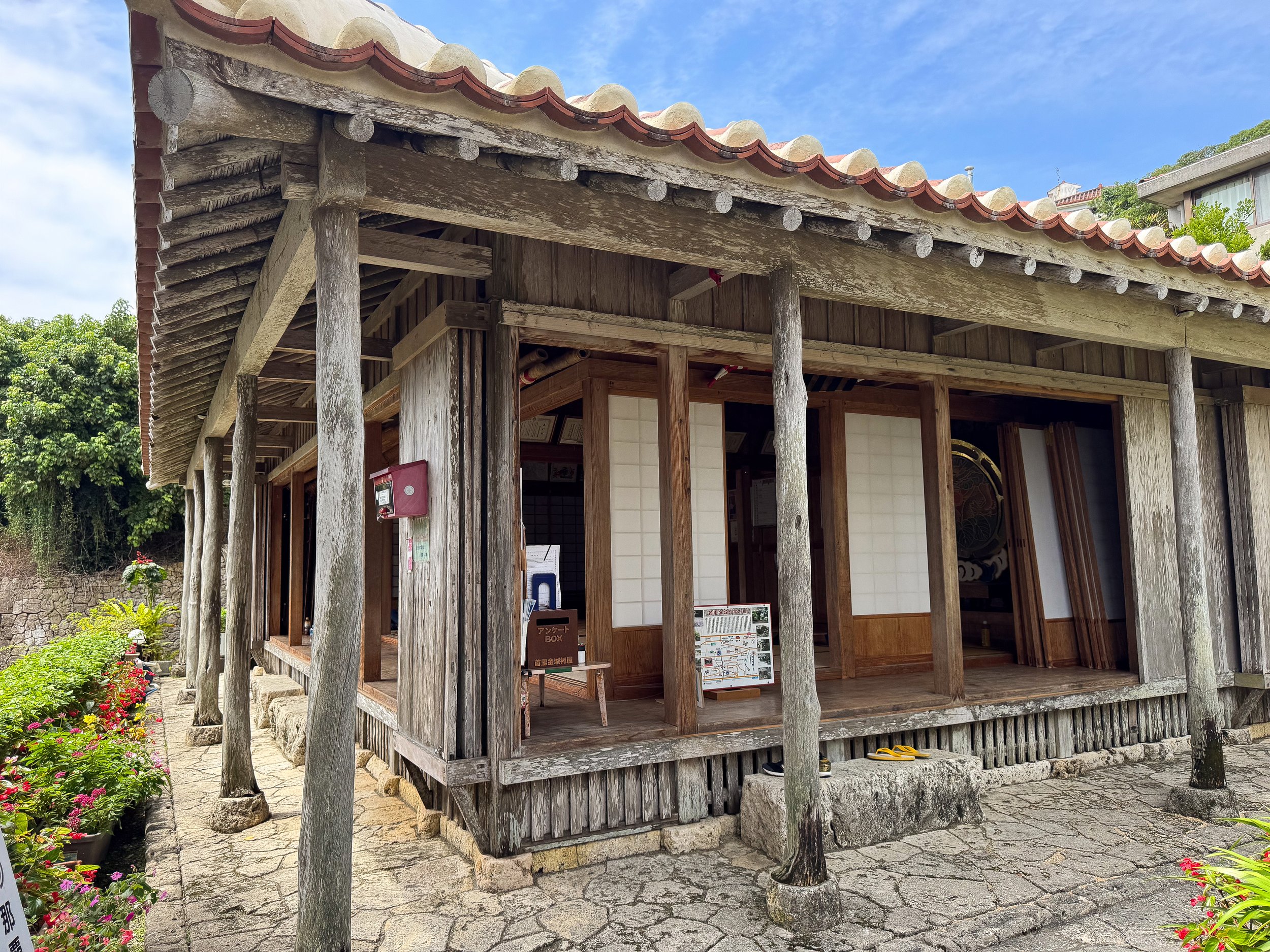
Shuri Kinjo Town Stone Paved Road. A cobblestone road dating back hundreds of years to the peak of the Ryukyu Kingdom. It leads from Shuri Castle through a residential neighborhood with a mix of modern homes, traditional houses and small izakayas.
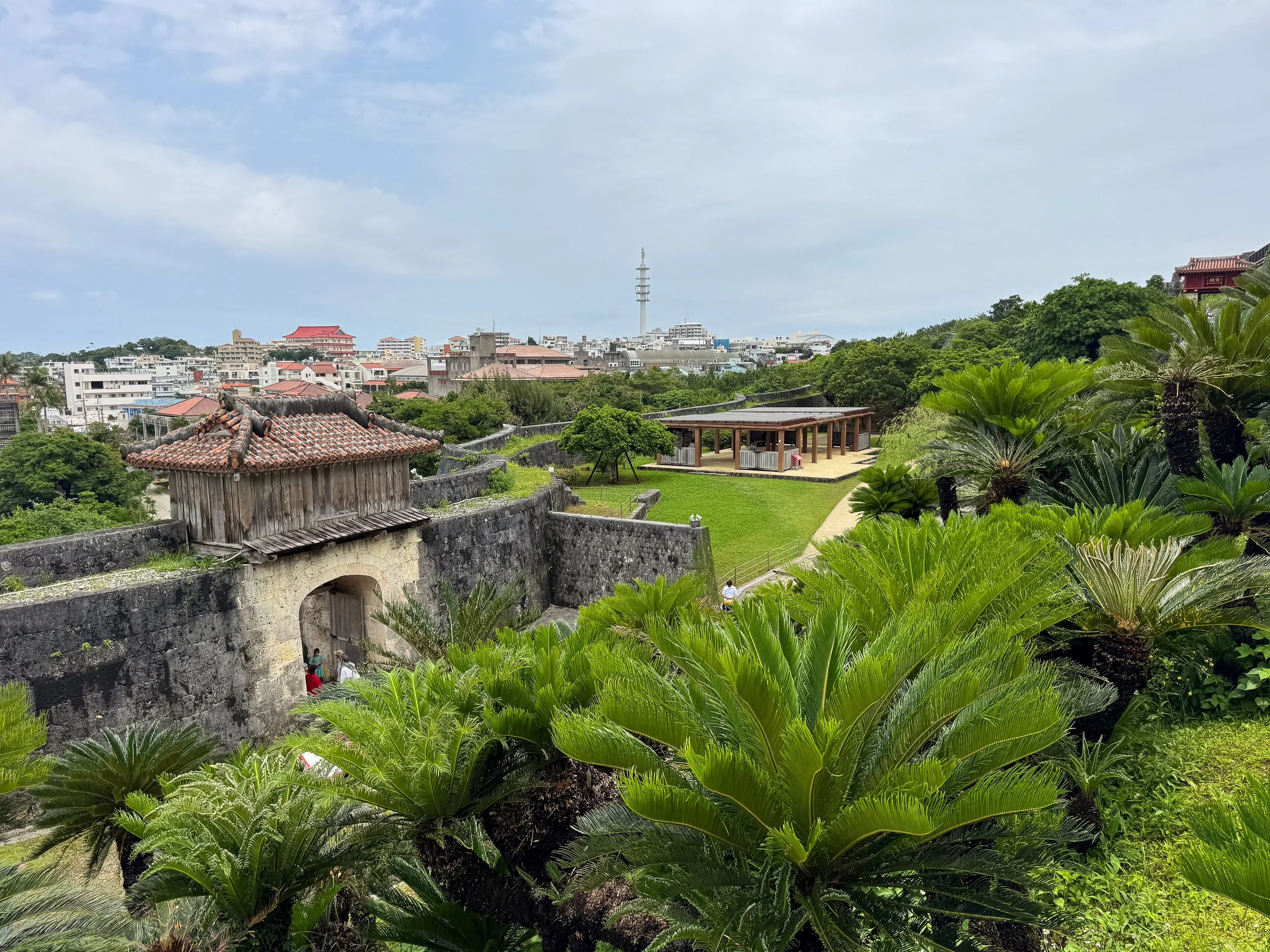
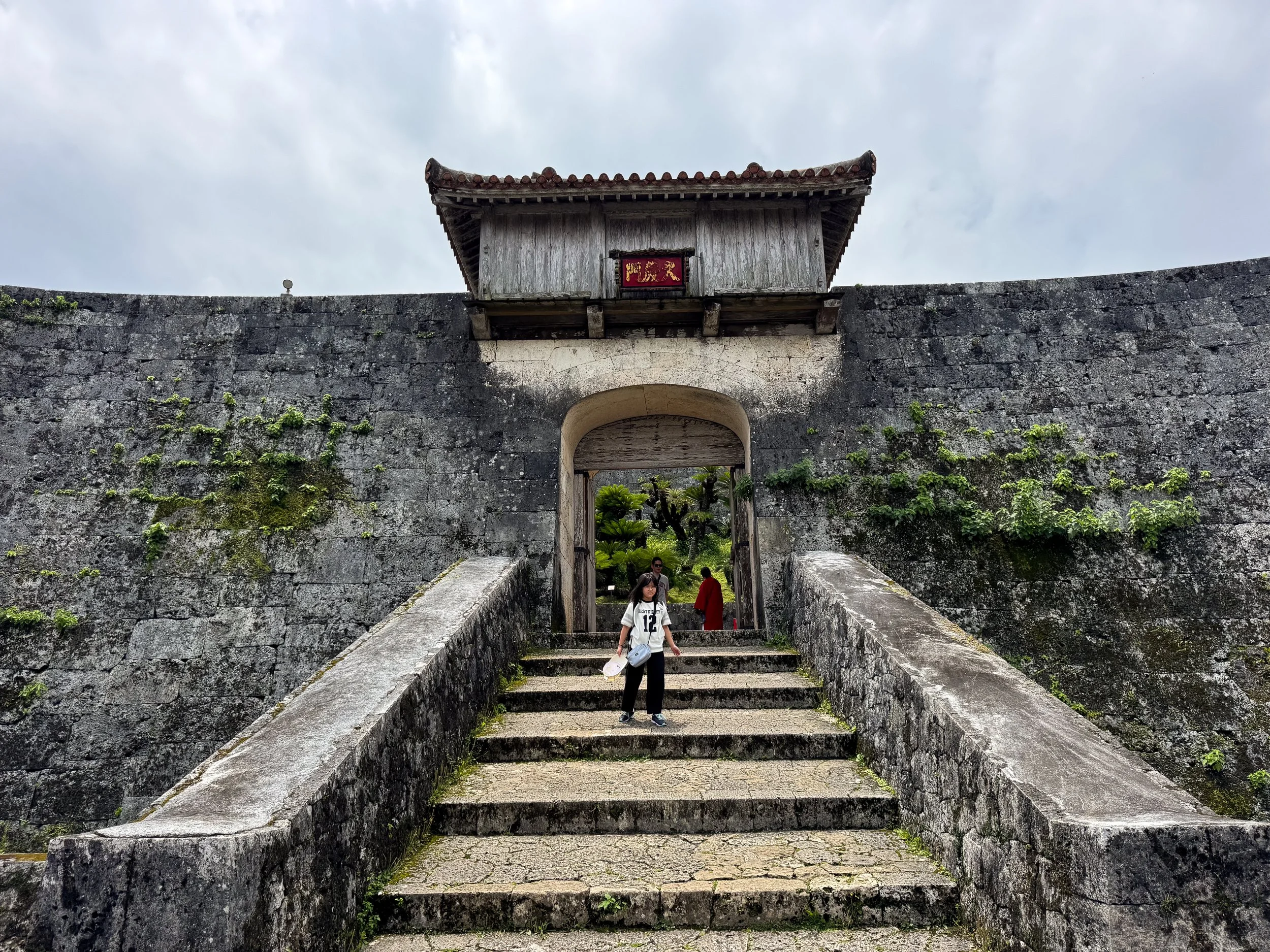
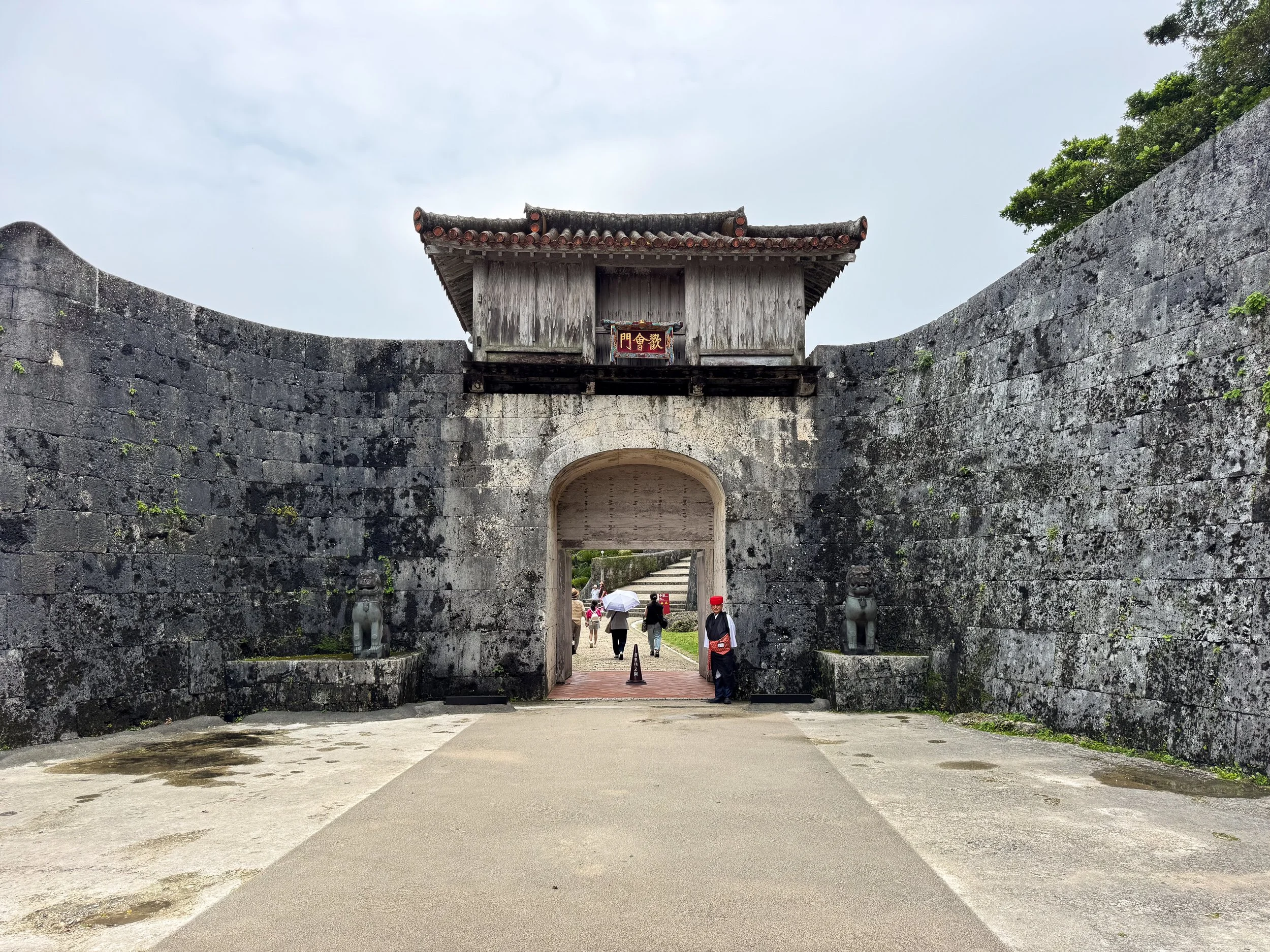
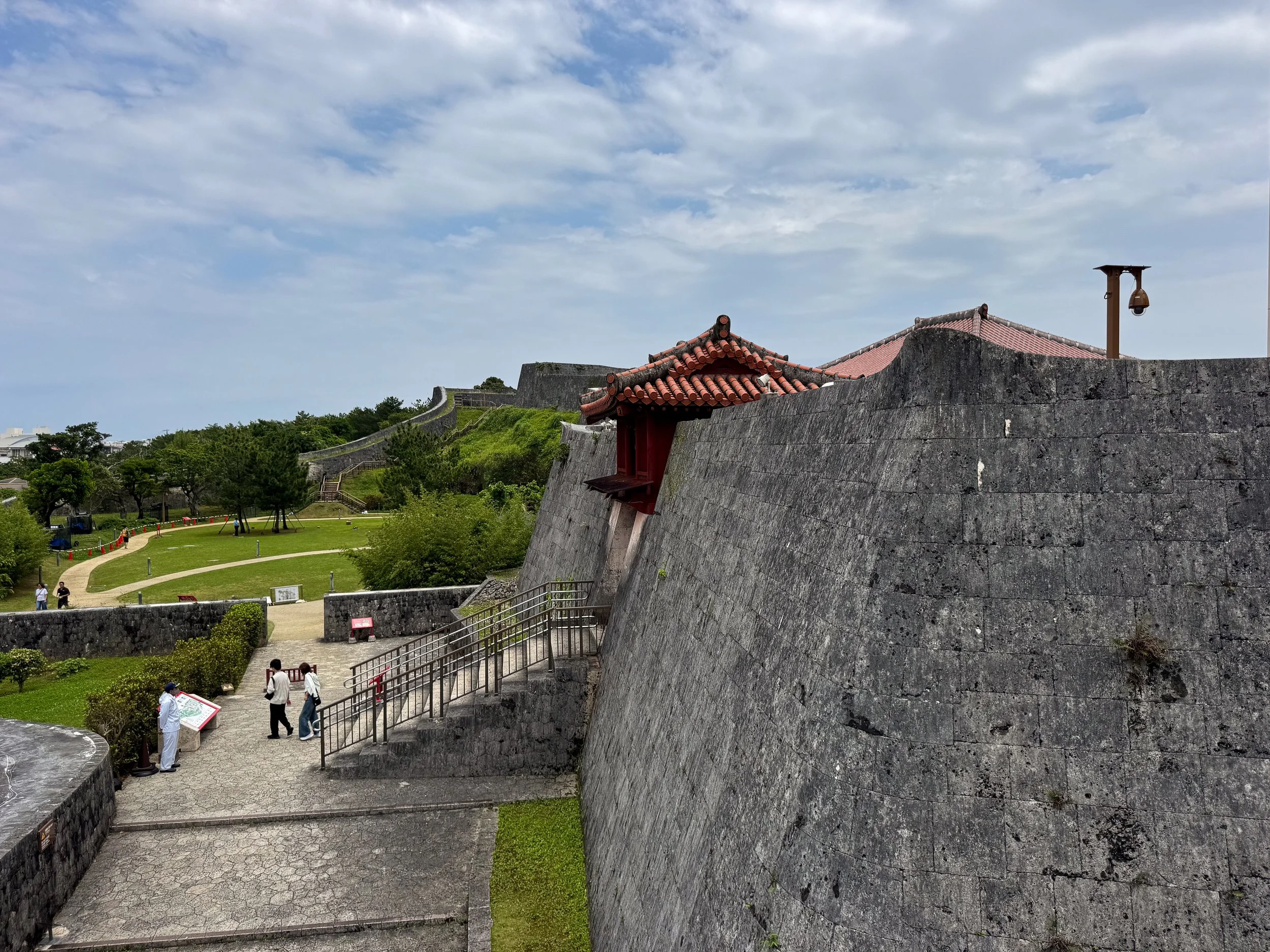
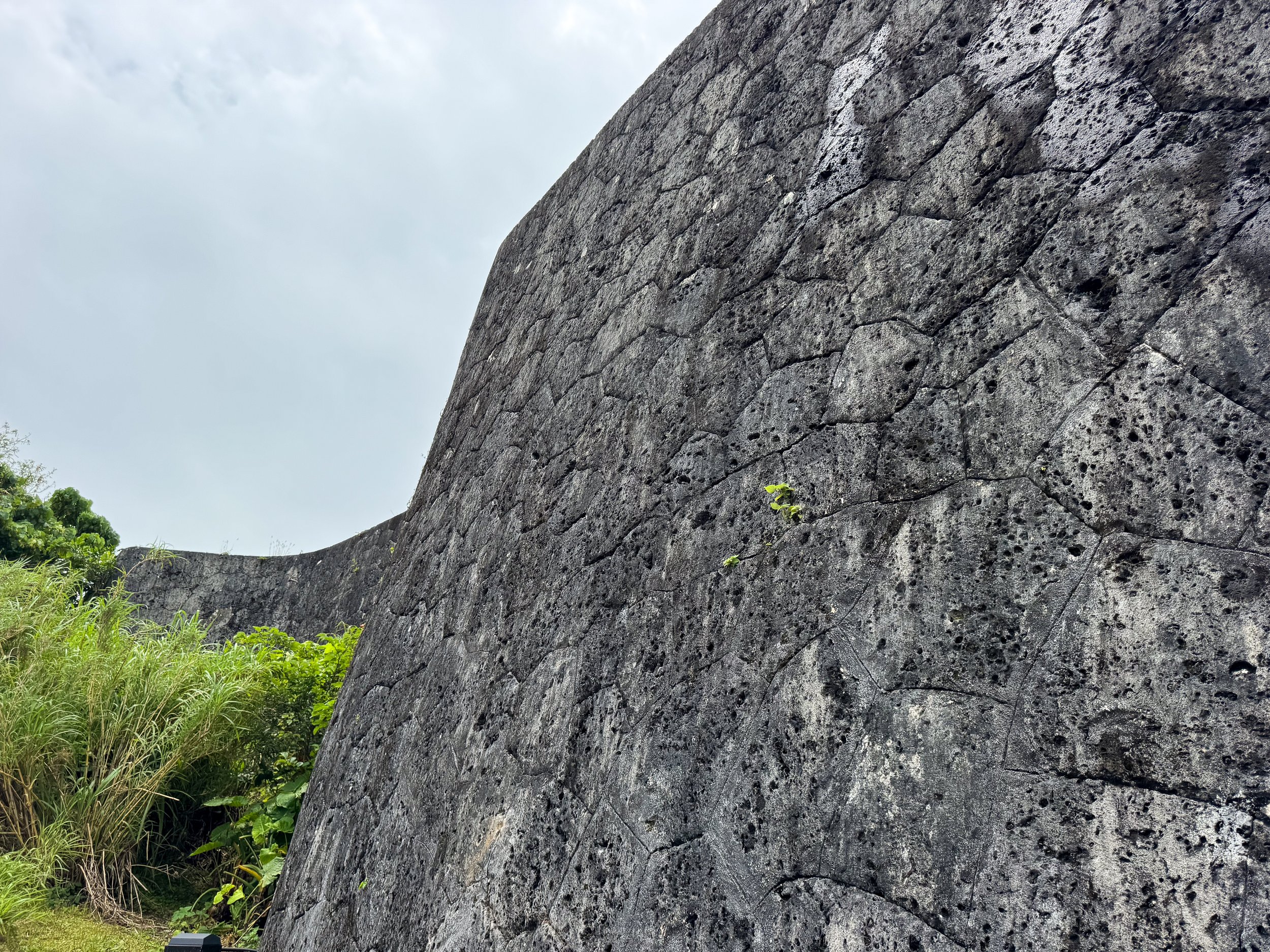
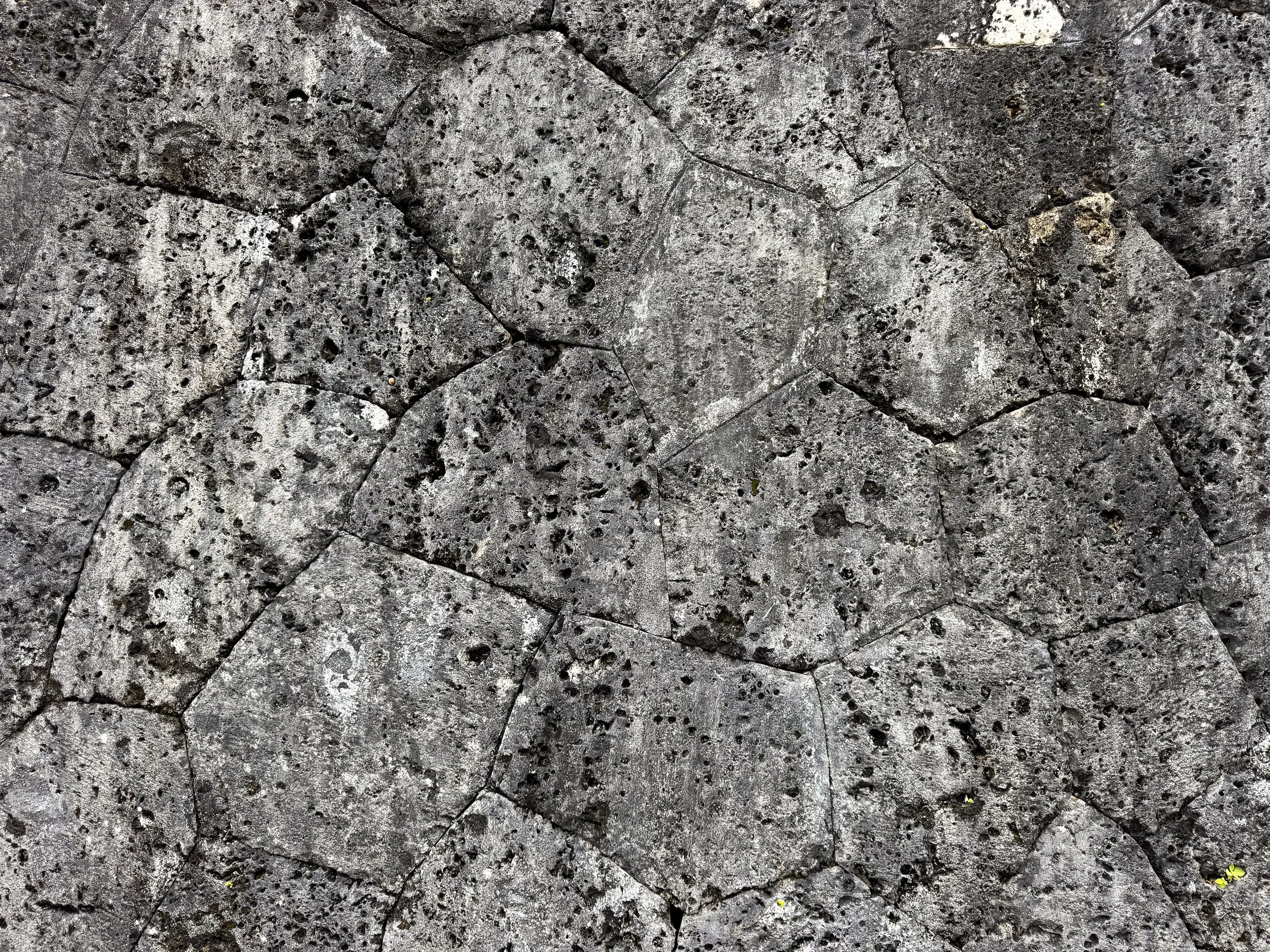
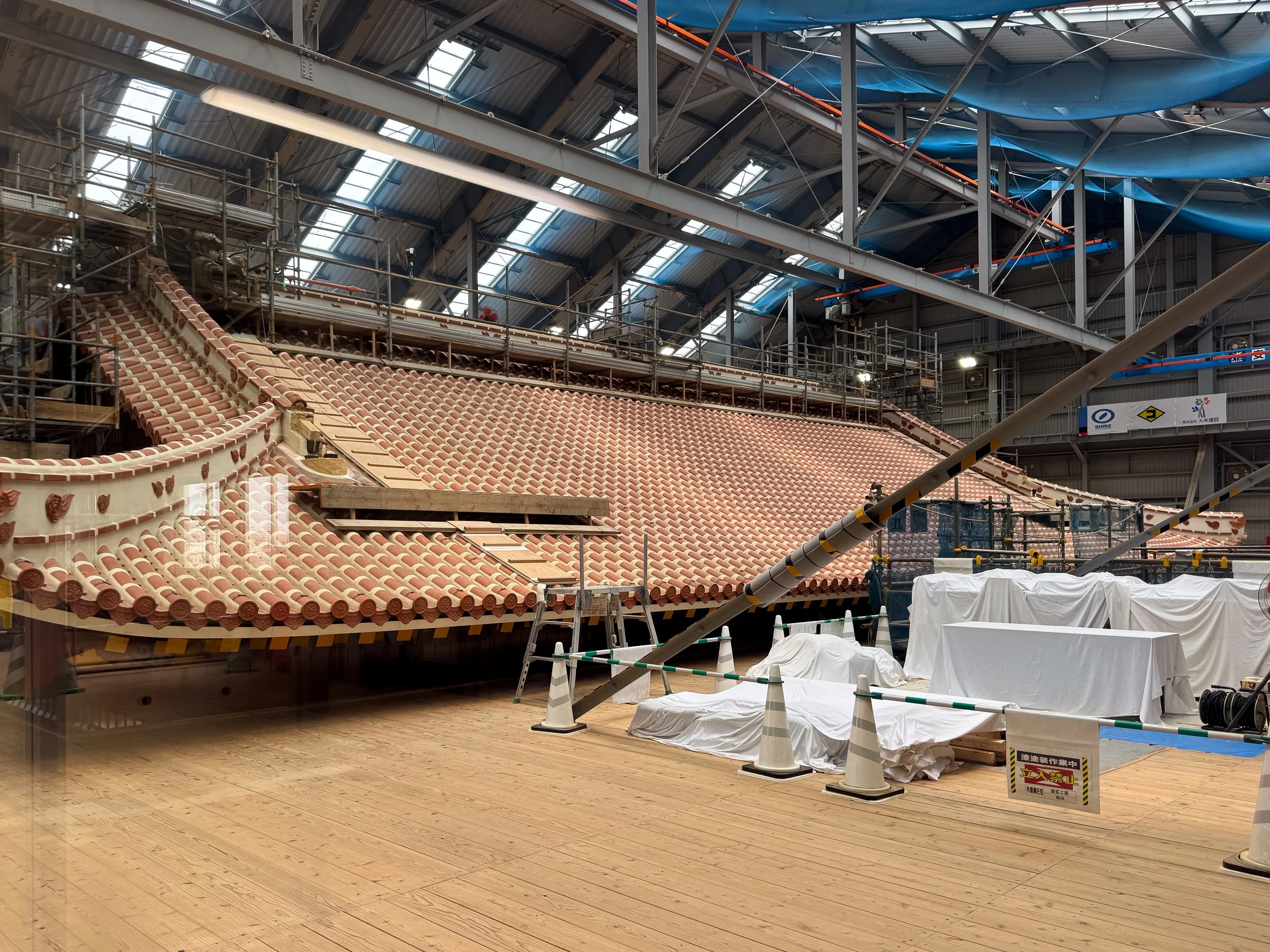
Shuri Castle. A Ryukyu castle home to the kingdom’s former government and royal family. It is surrounded by levels of steep curvilinear stone walls and cobblestone roads. The castle tragically burnt down in 2020 and has been under reconstruction since. When we visited in mid 2025, major progress had been made on the reproduction. The construction site was used as a working exhibit to showcase traditional methods of carpentry and artistry.
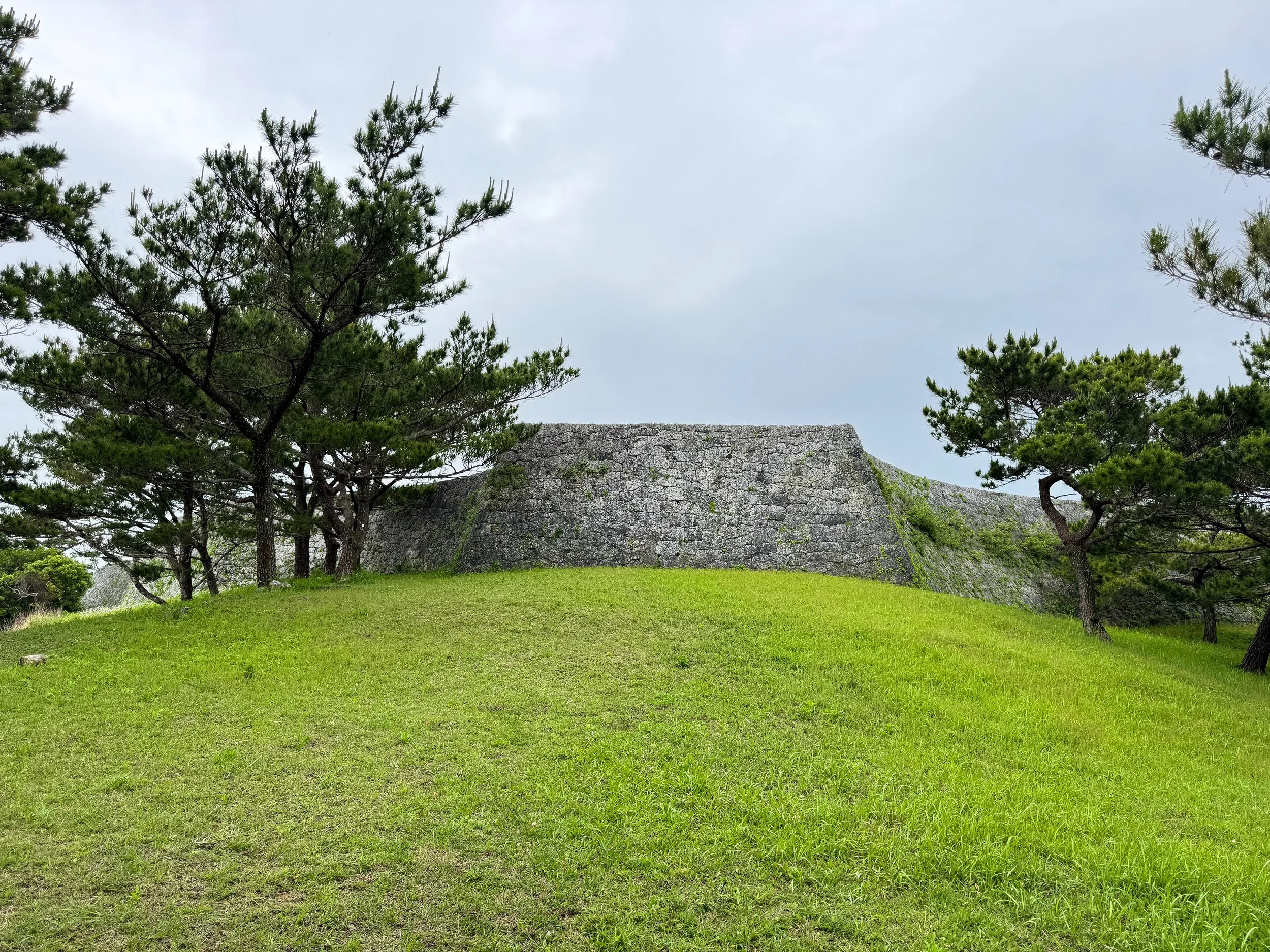

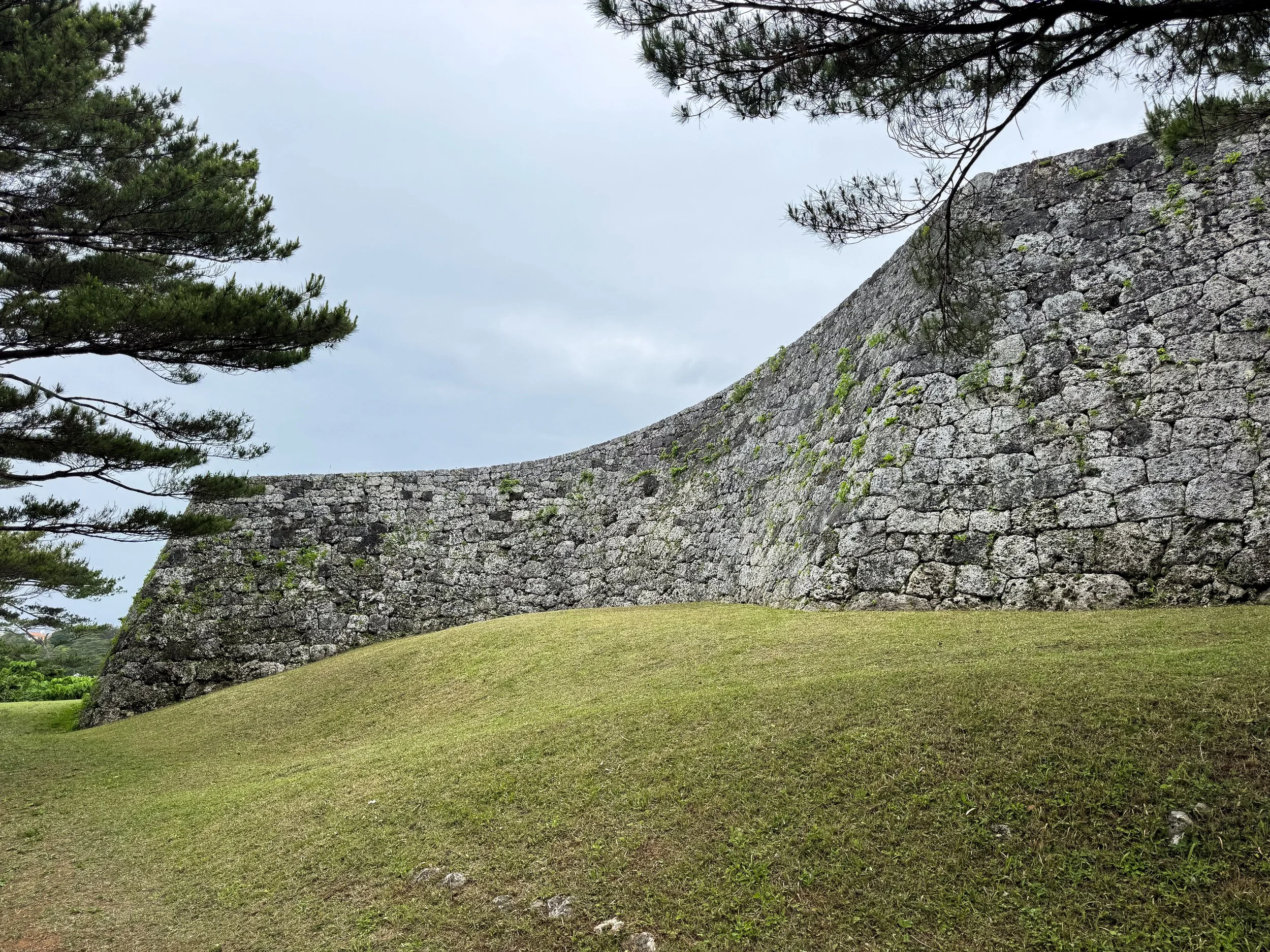
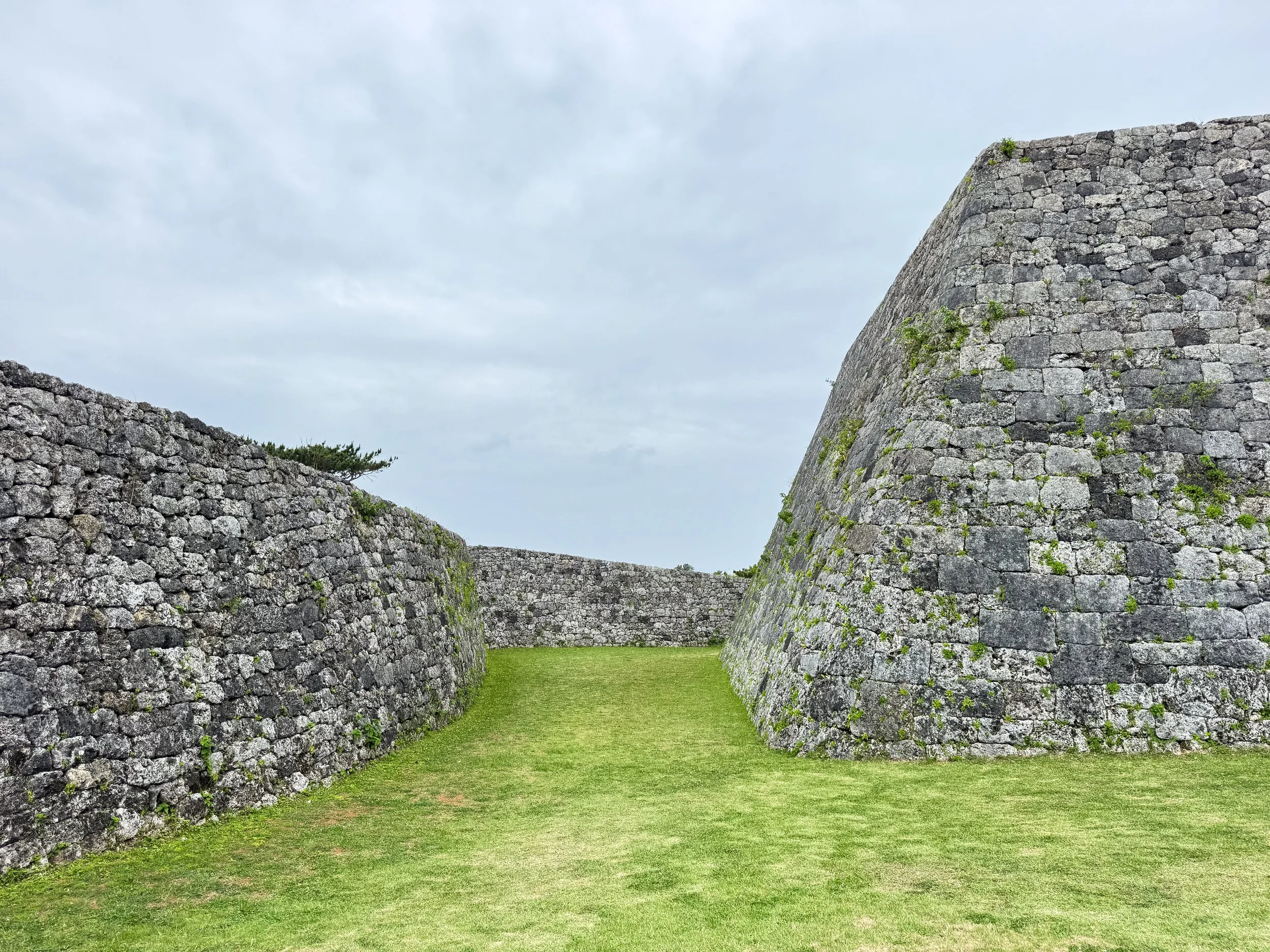
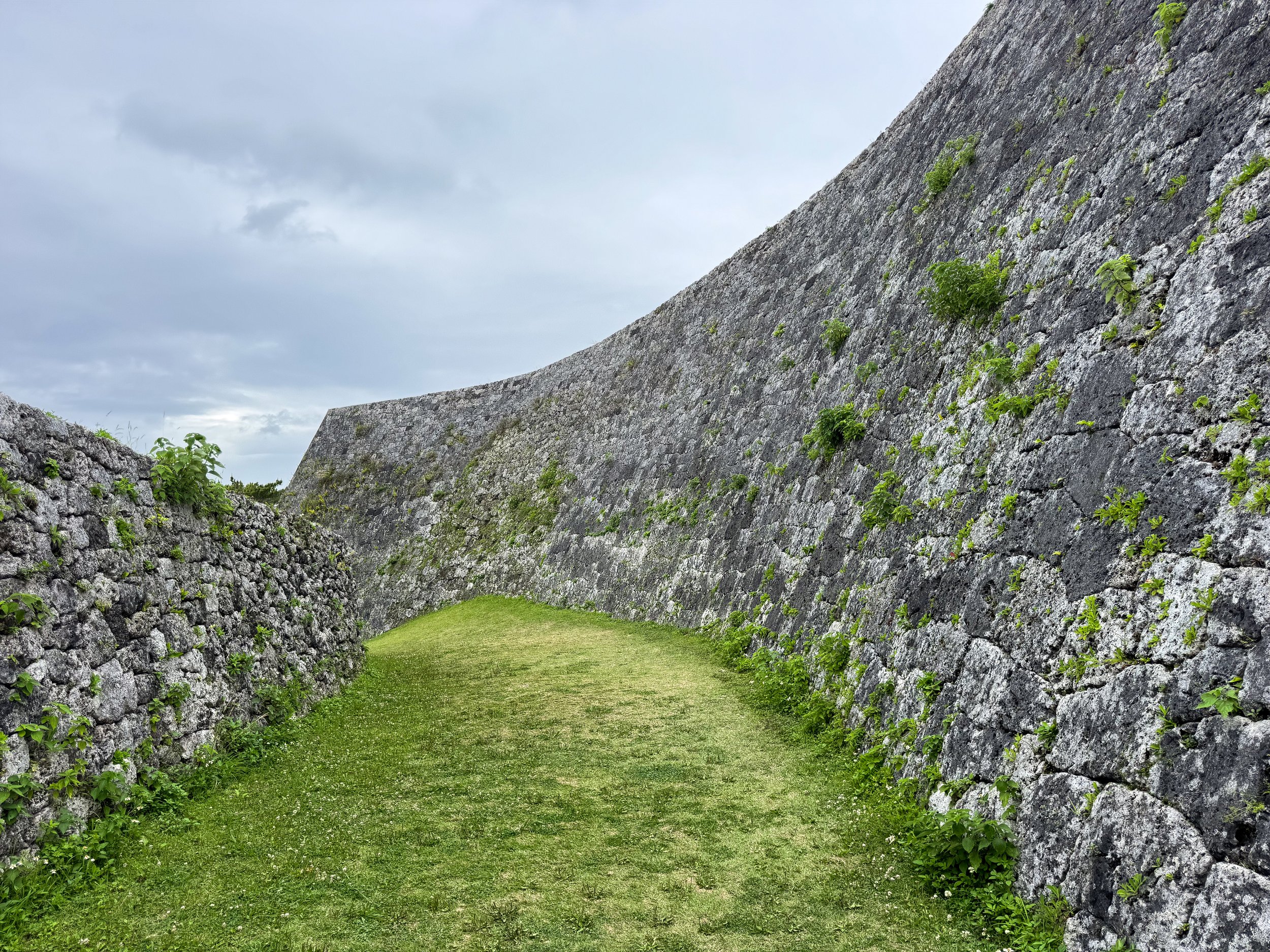
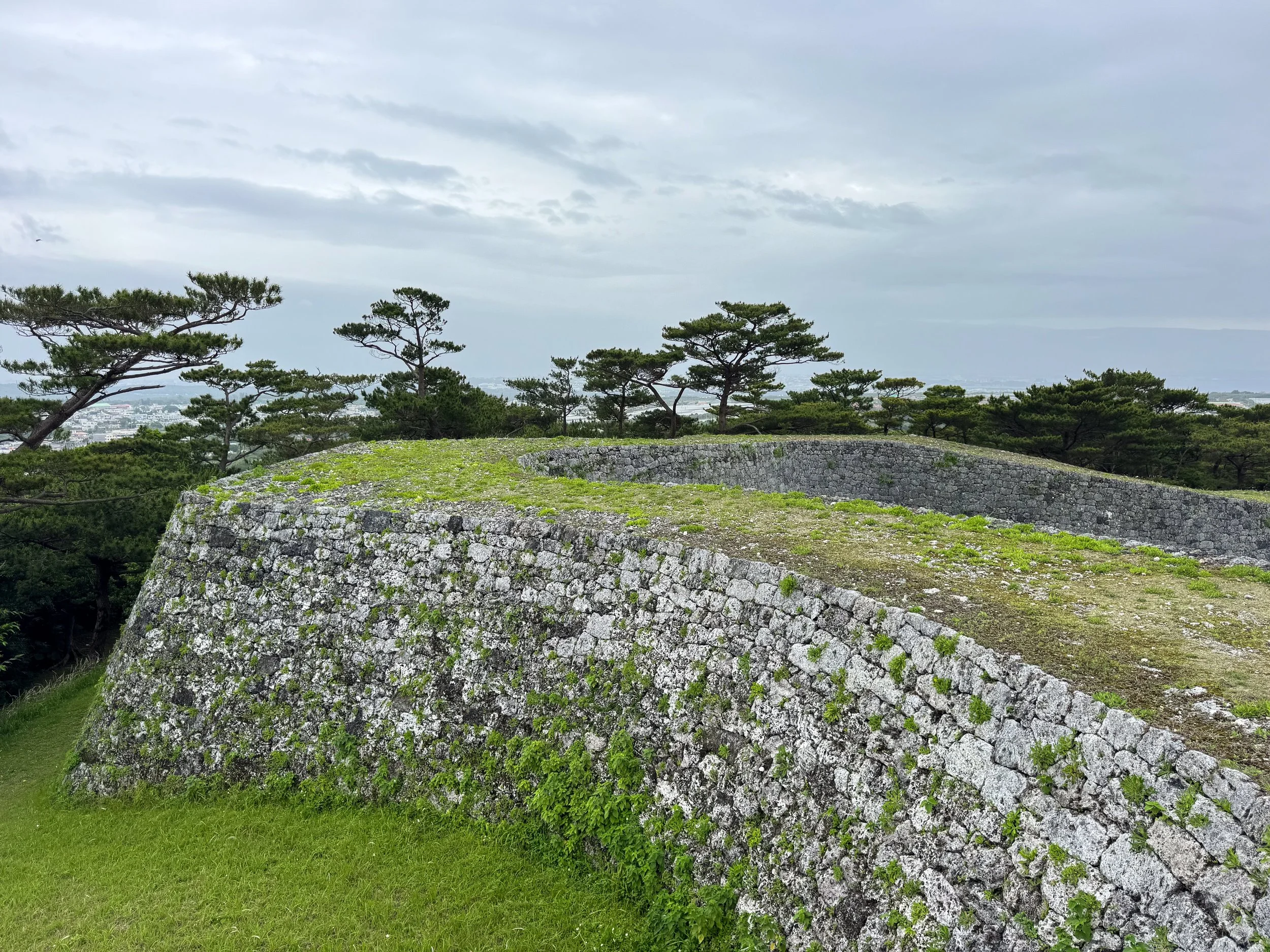
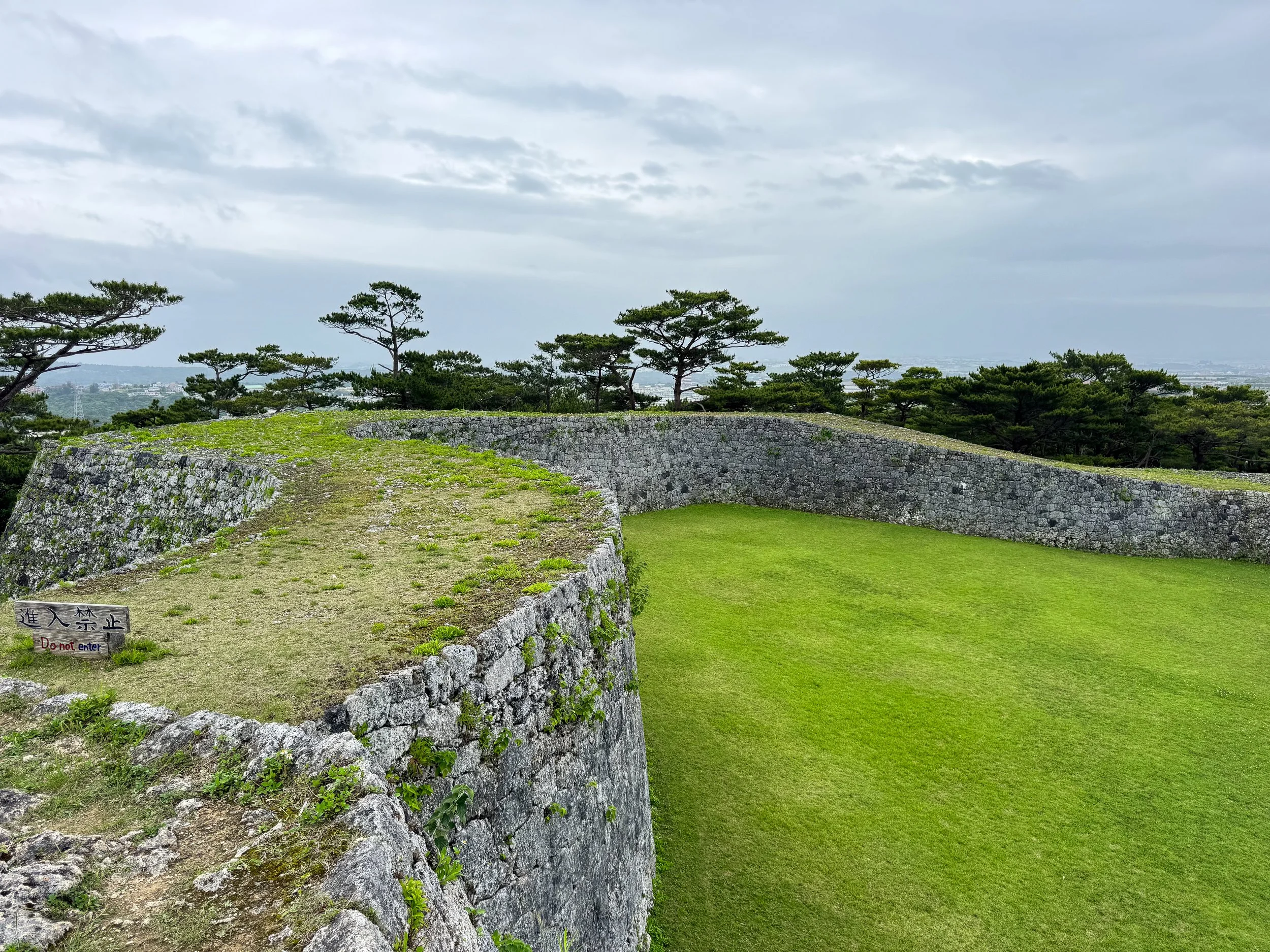
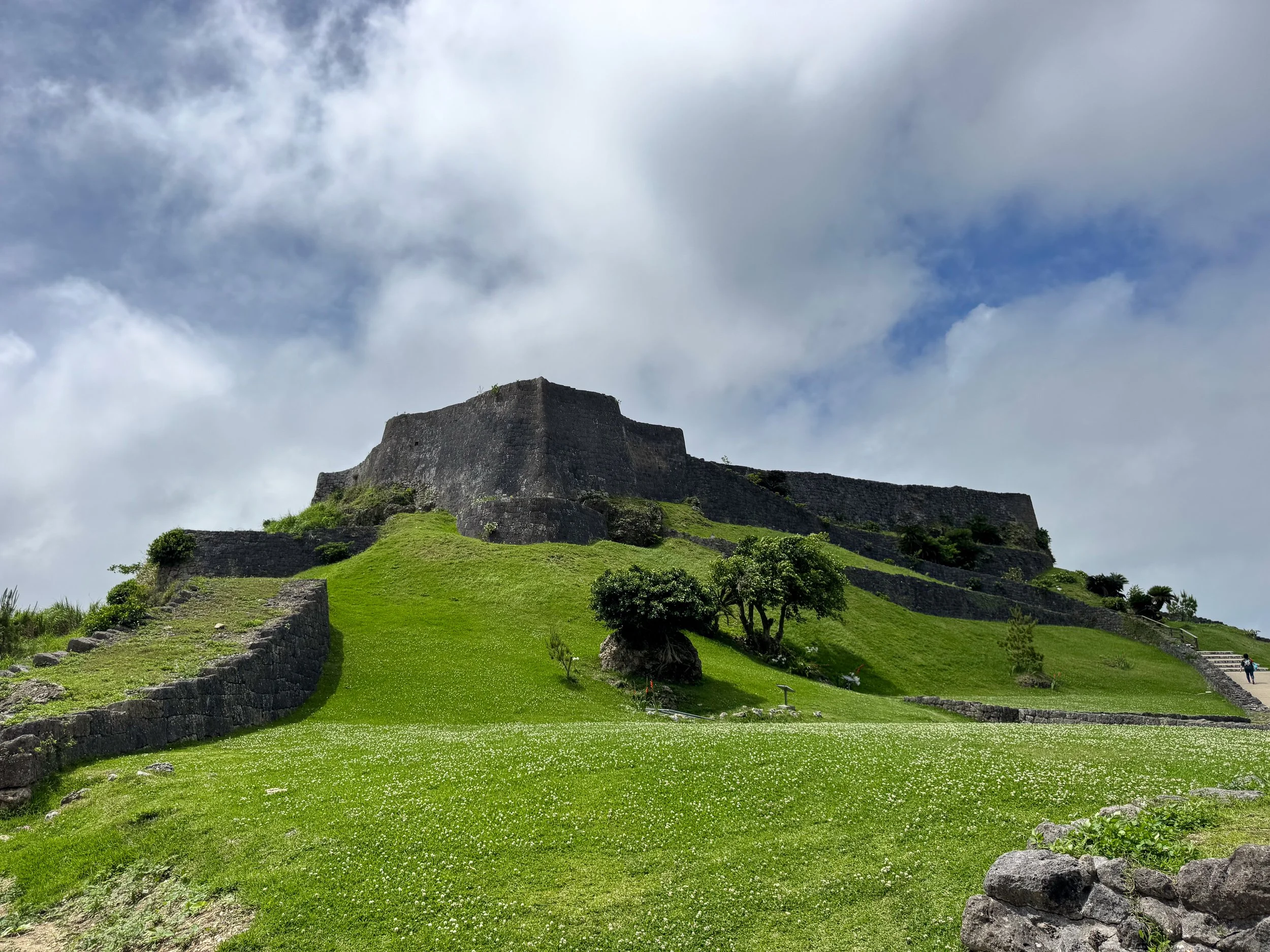
Zakimi Castle Ruins. The hilltop ruins of a Ryukyu military fortress that date back to the early 13th century. The castle’s curvilinear stone walls follow the natural contours of the landscape. Inside are organic shaped courtyards with stone foundations of lost structures. Ramps and stairways lead to the top of the wall. It’s free to enter but rarely visited due to being located 1 hour from Naha and 45 minutes from Nago by car.
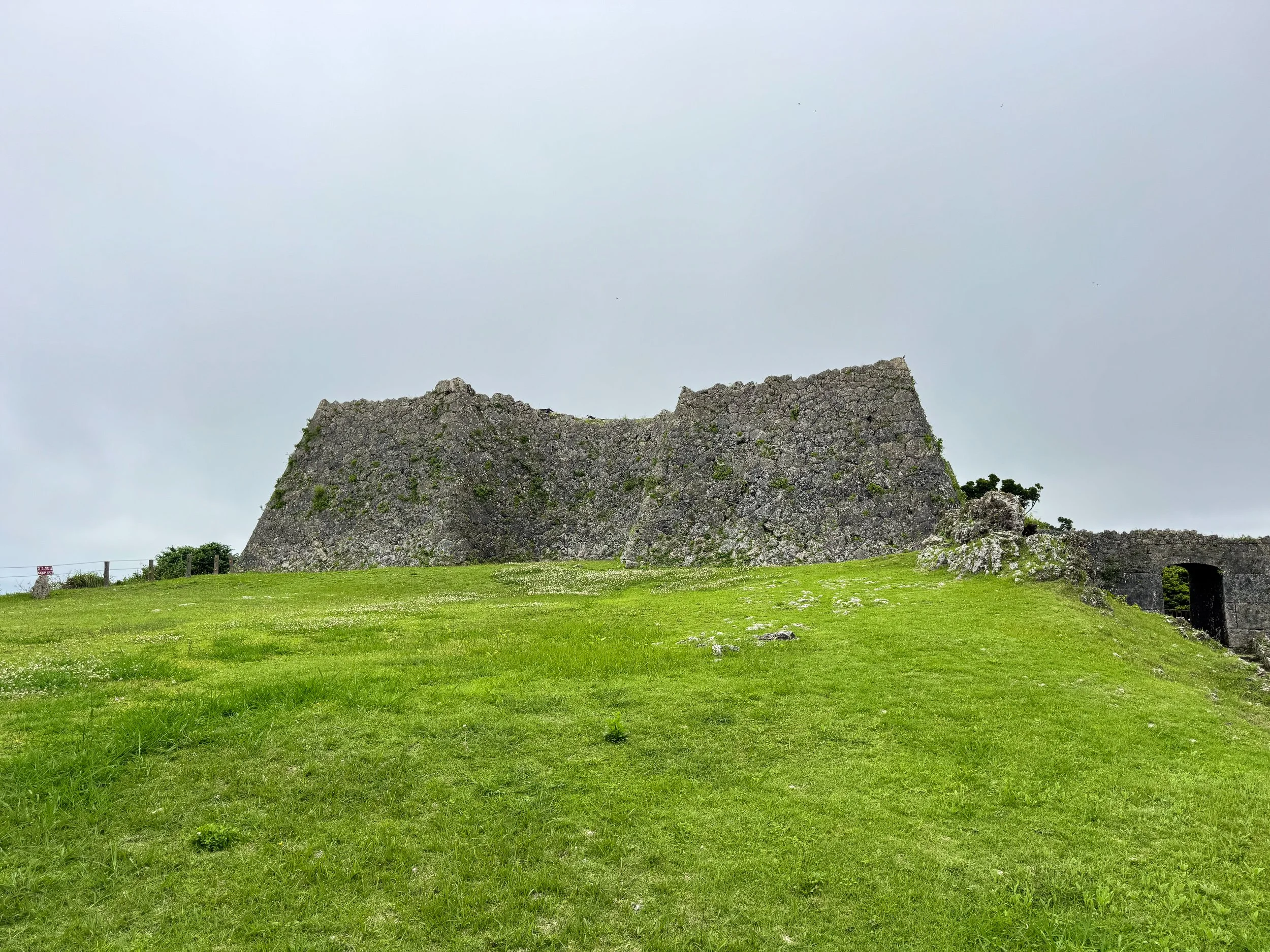
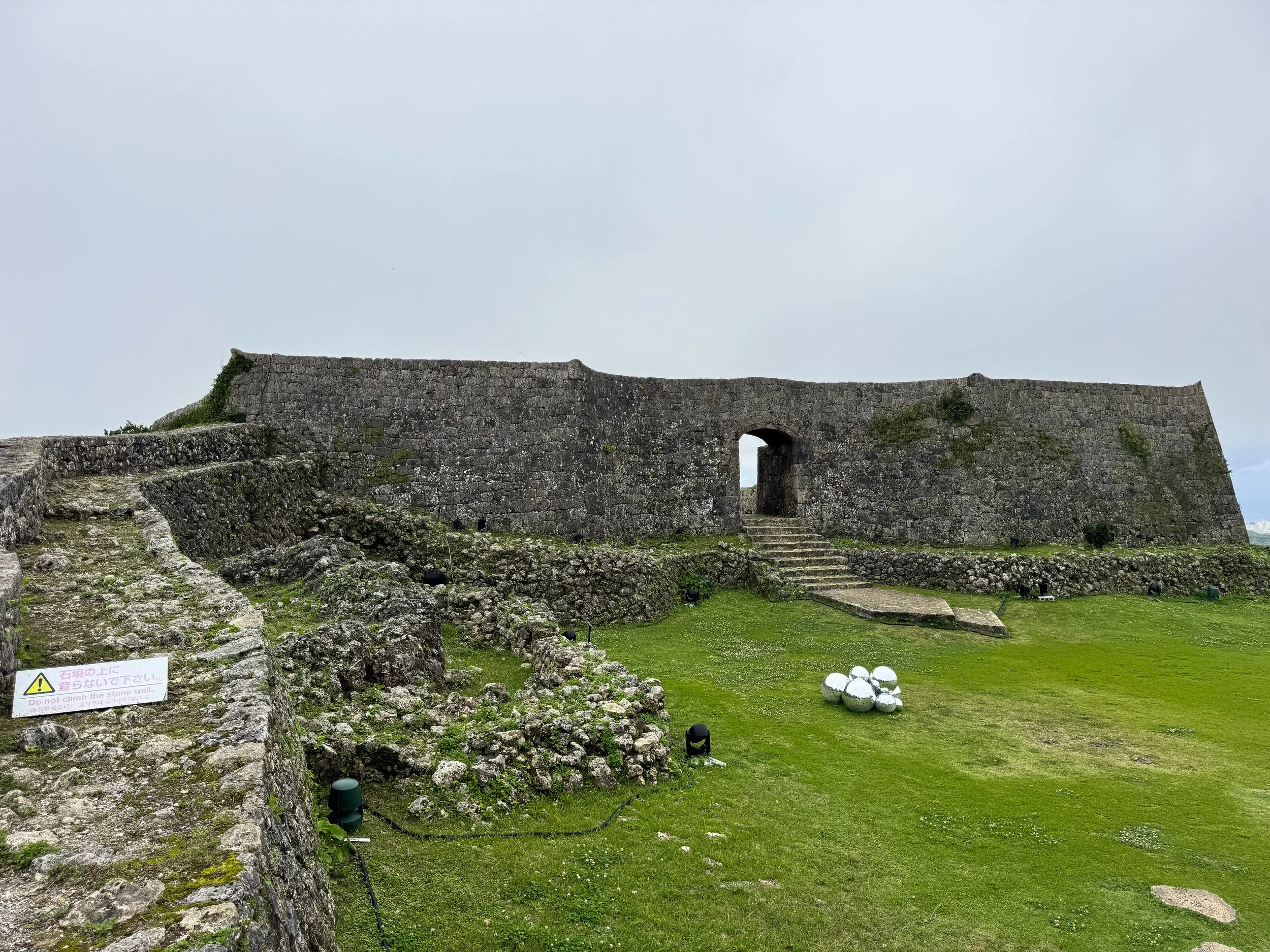
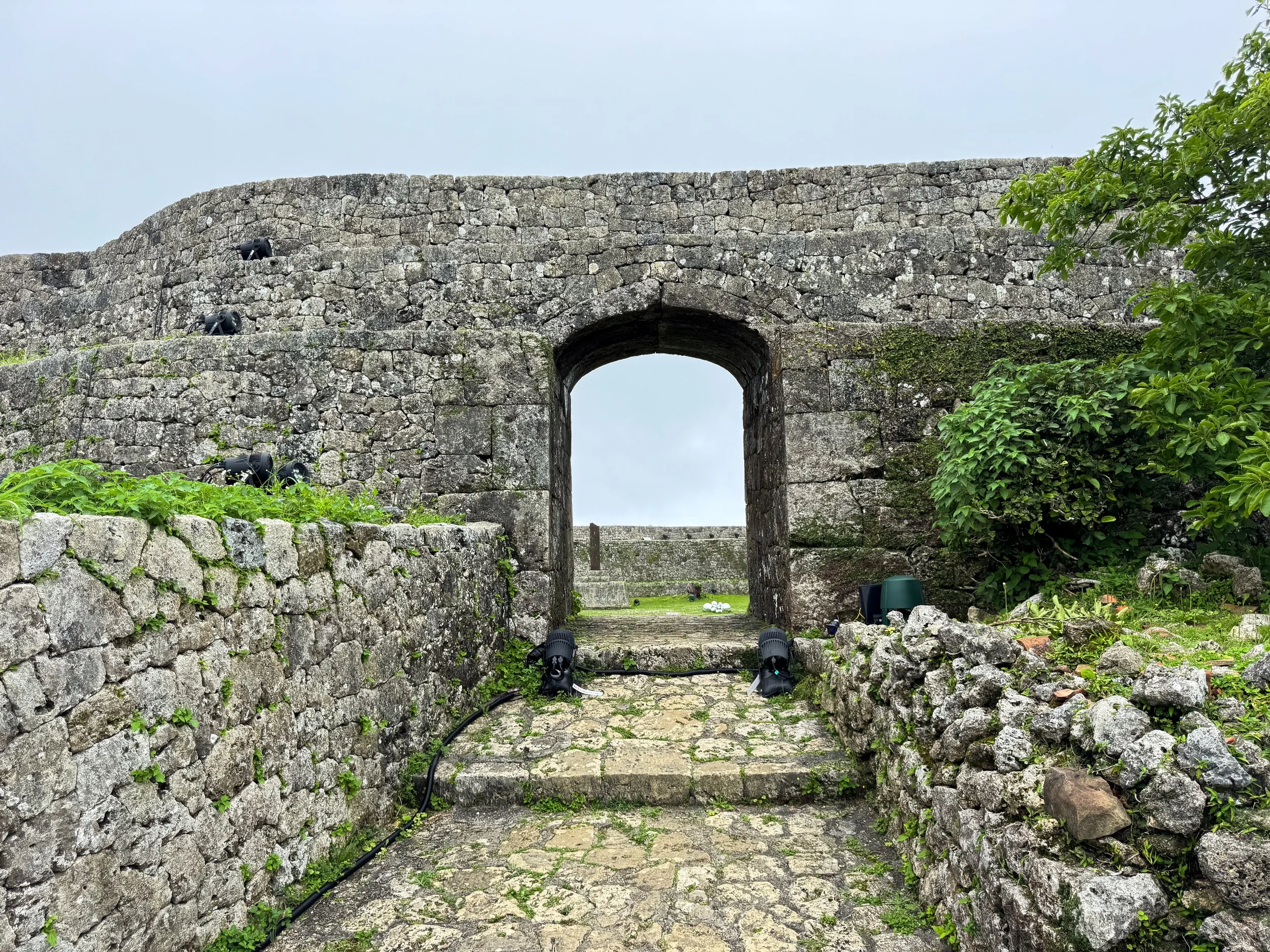
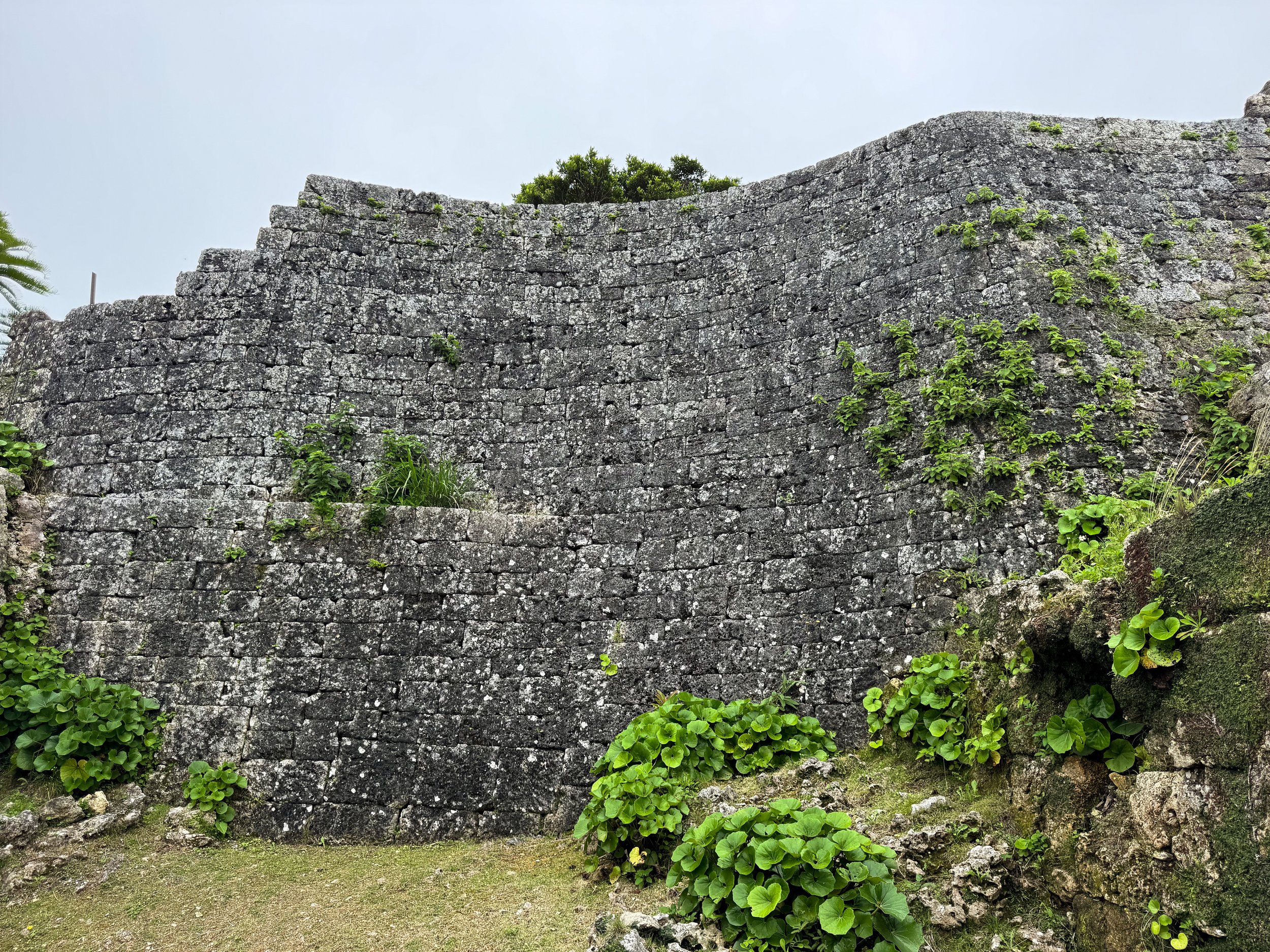
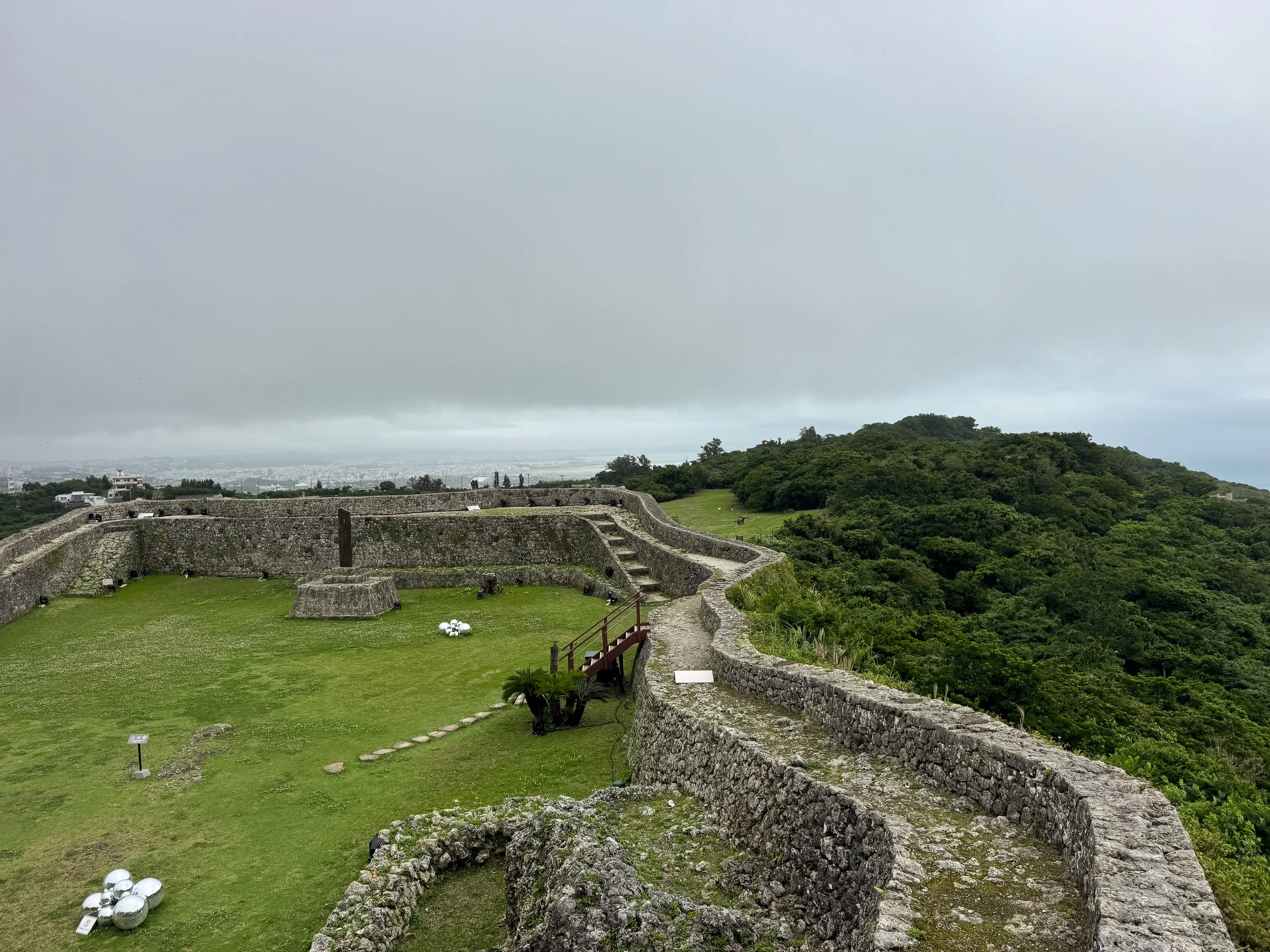
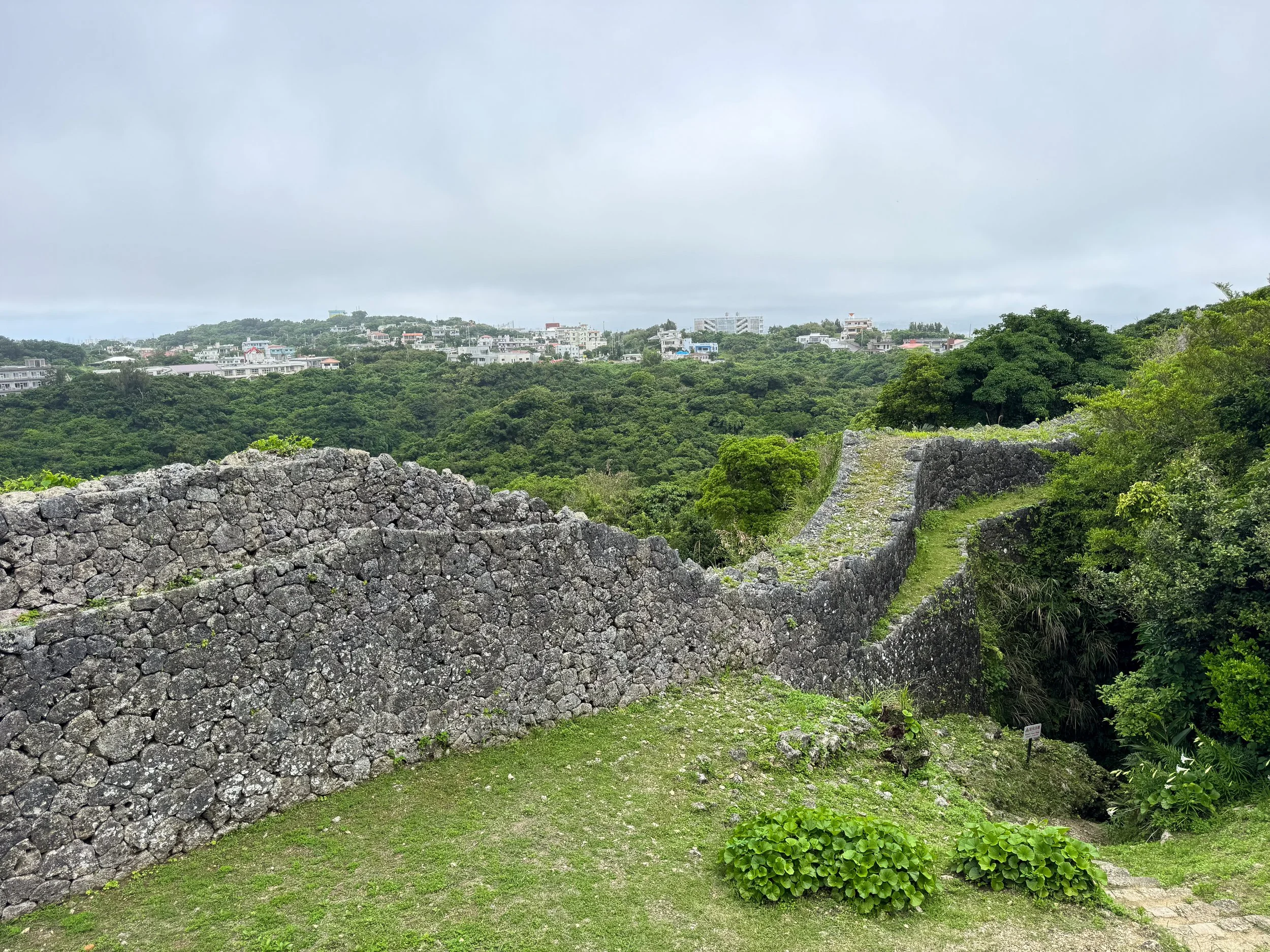
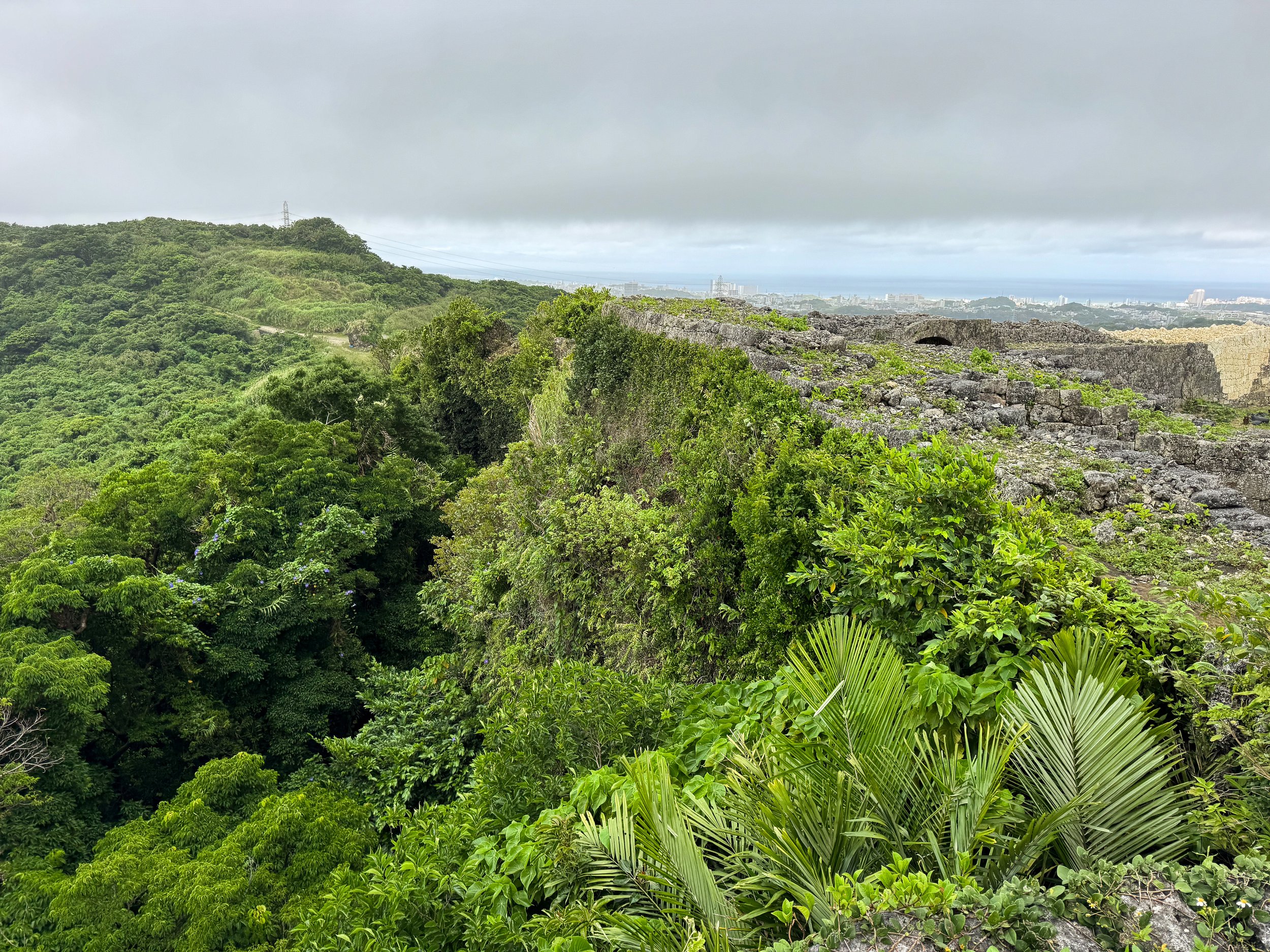
Nagagusuku Castle. A Ryukyu fortress left mostly untouched and in its original condition. Crumbling stone walls are built in layers around grassy enclosures on the ridge of a mountain. The sprawling fortress once housed wooden buildings and royal halls. The archeological sight has been used to decipher Ryukyu symbols and language.
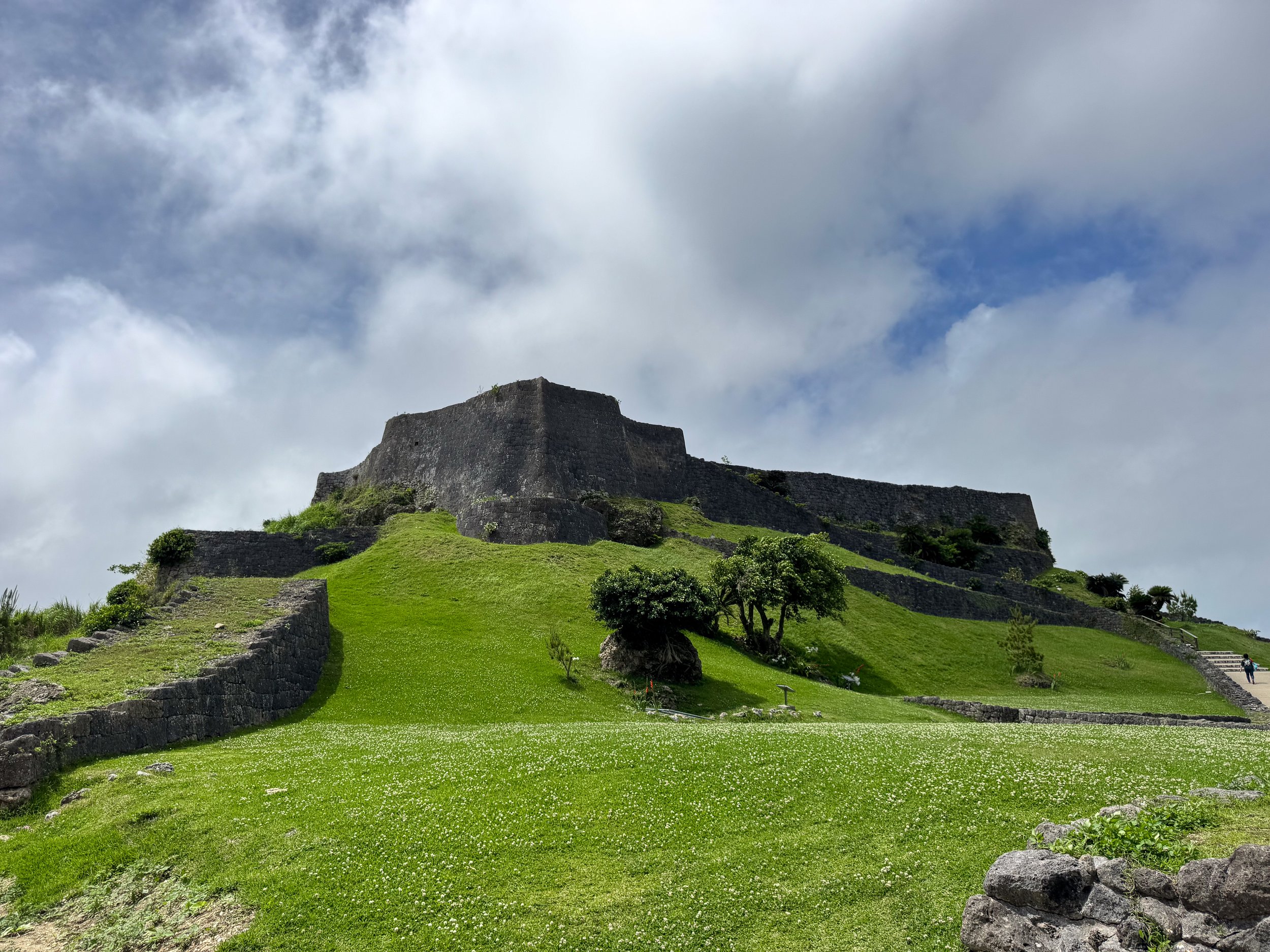
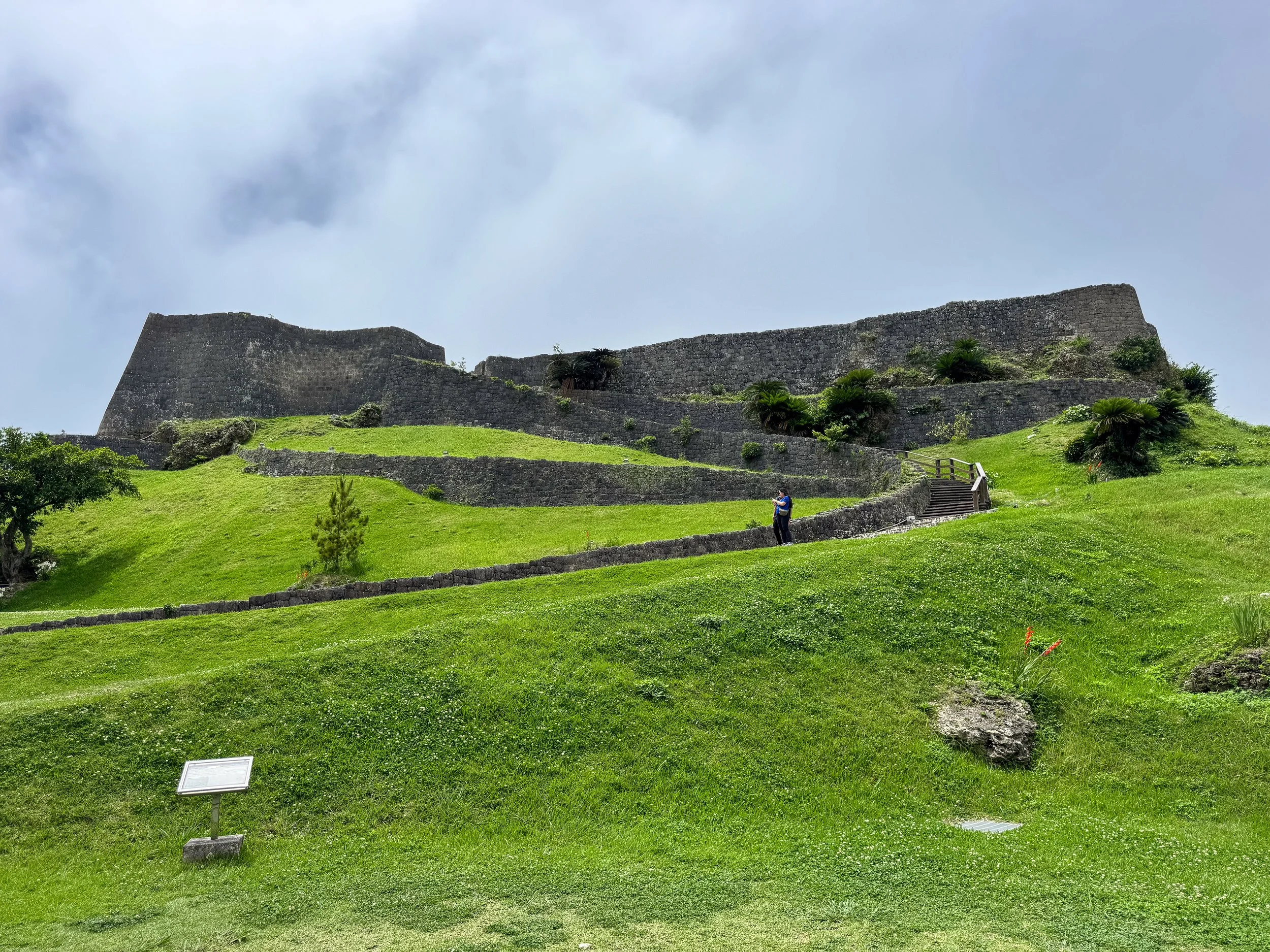
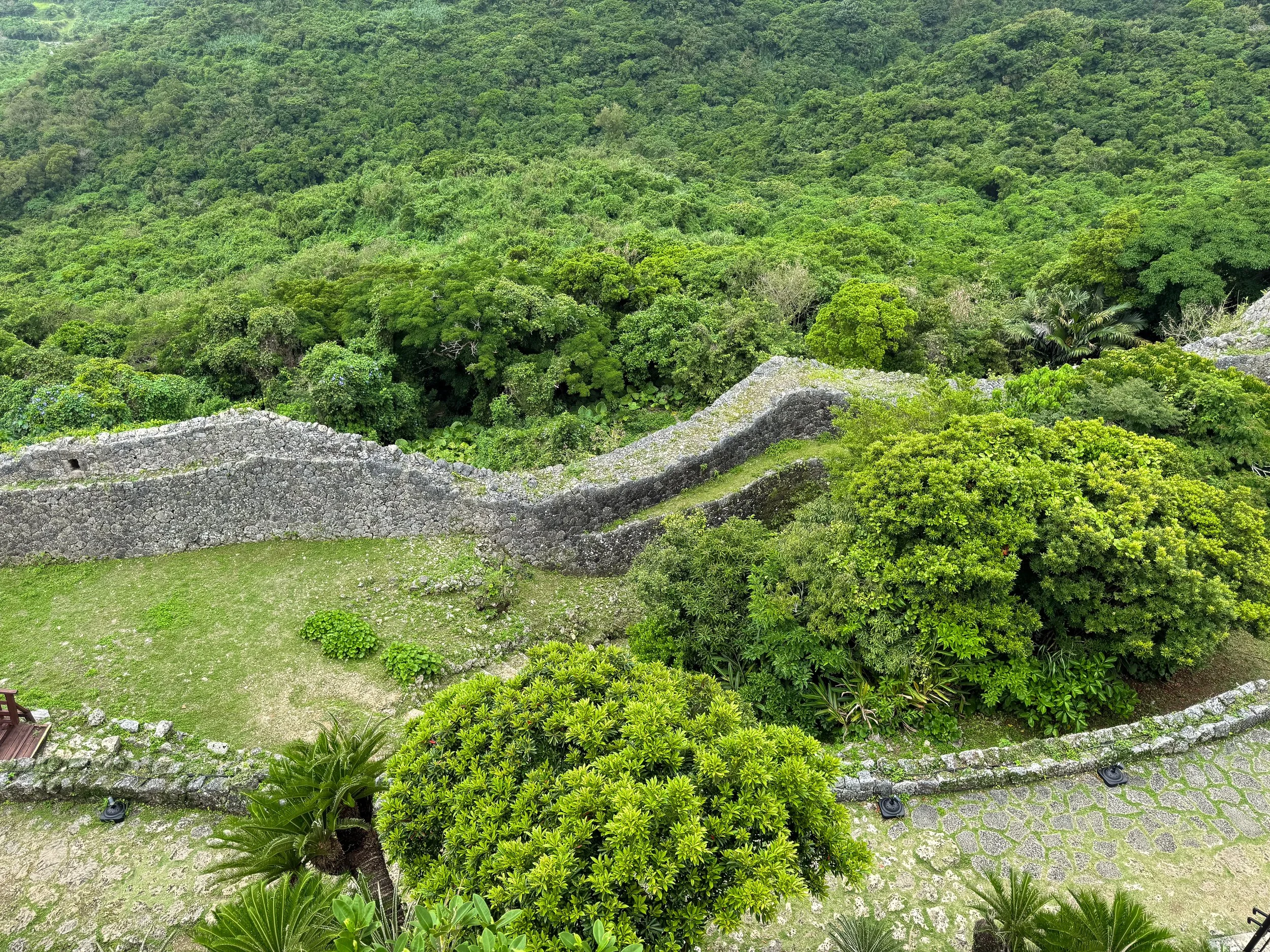
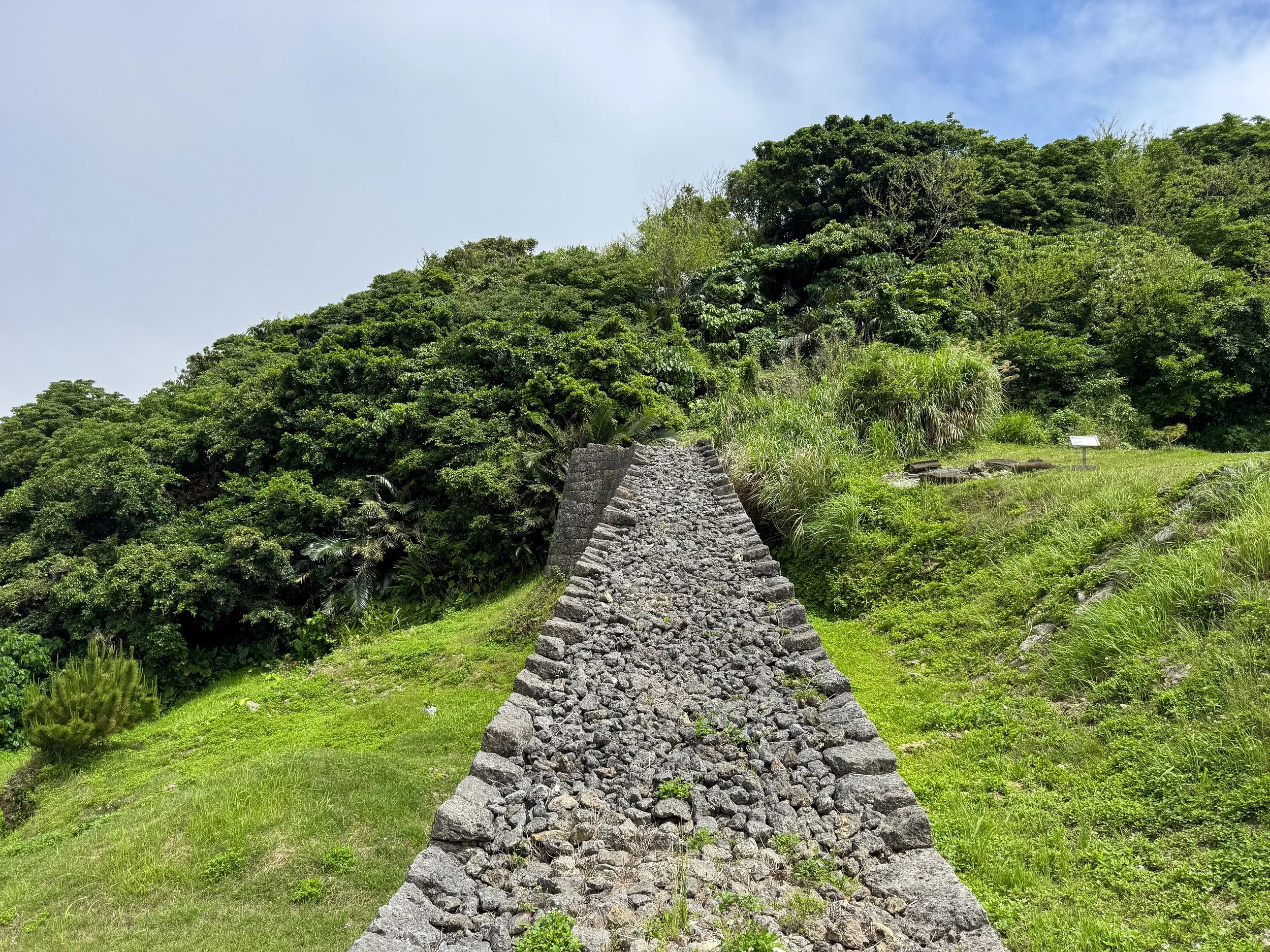
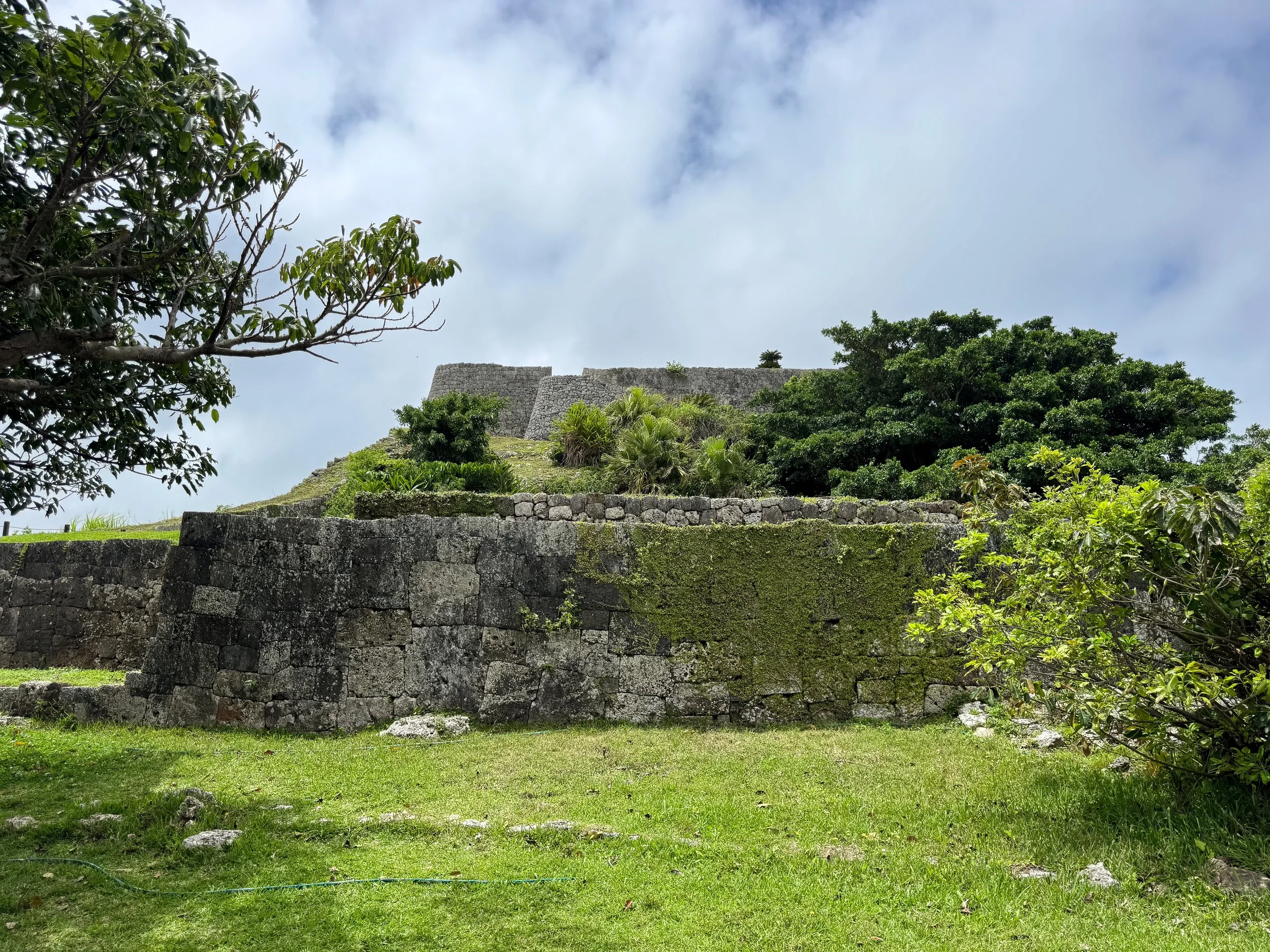
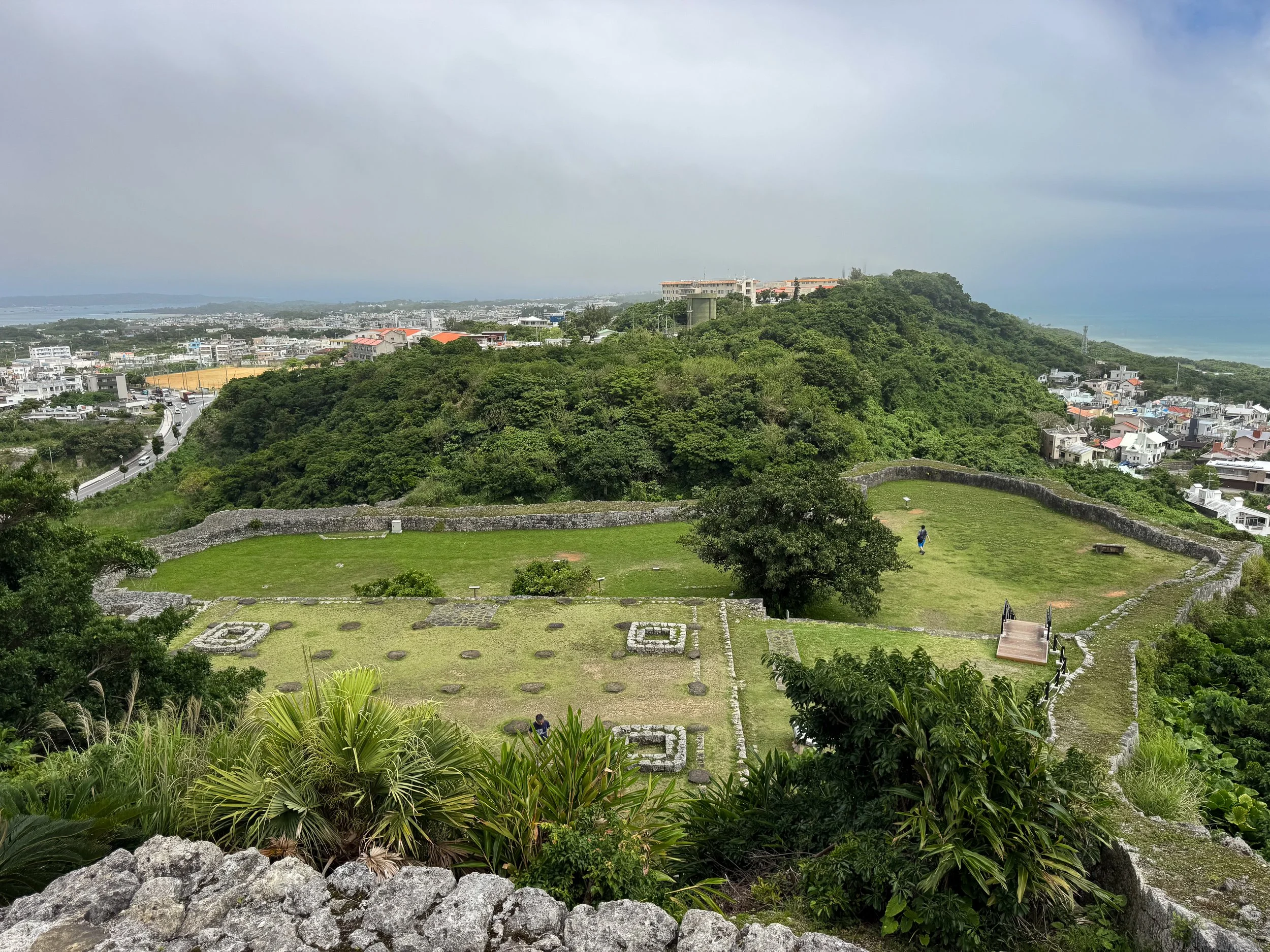
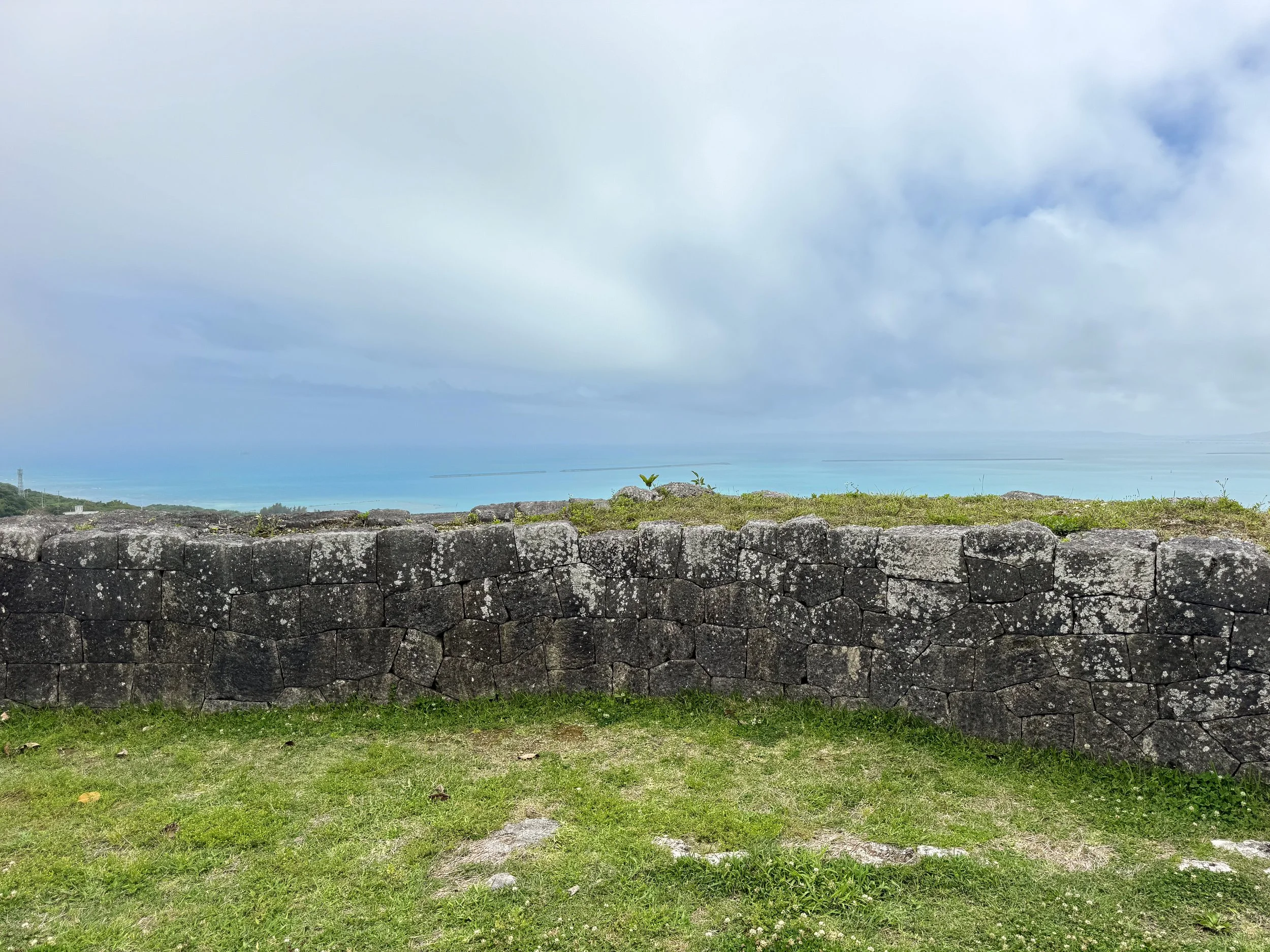
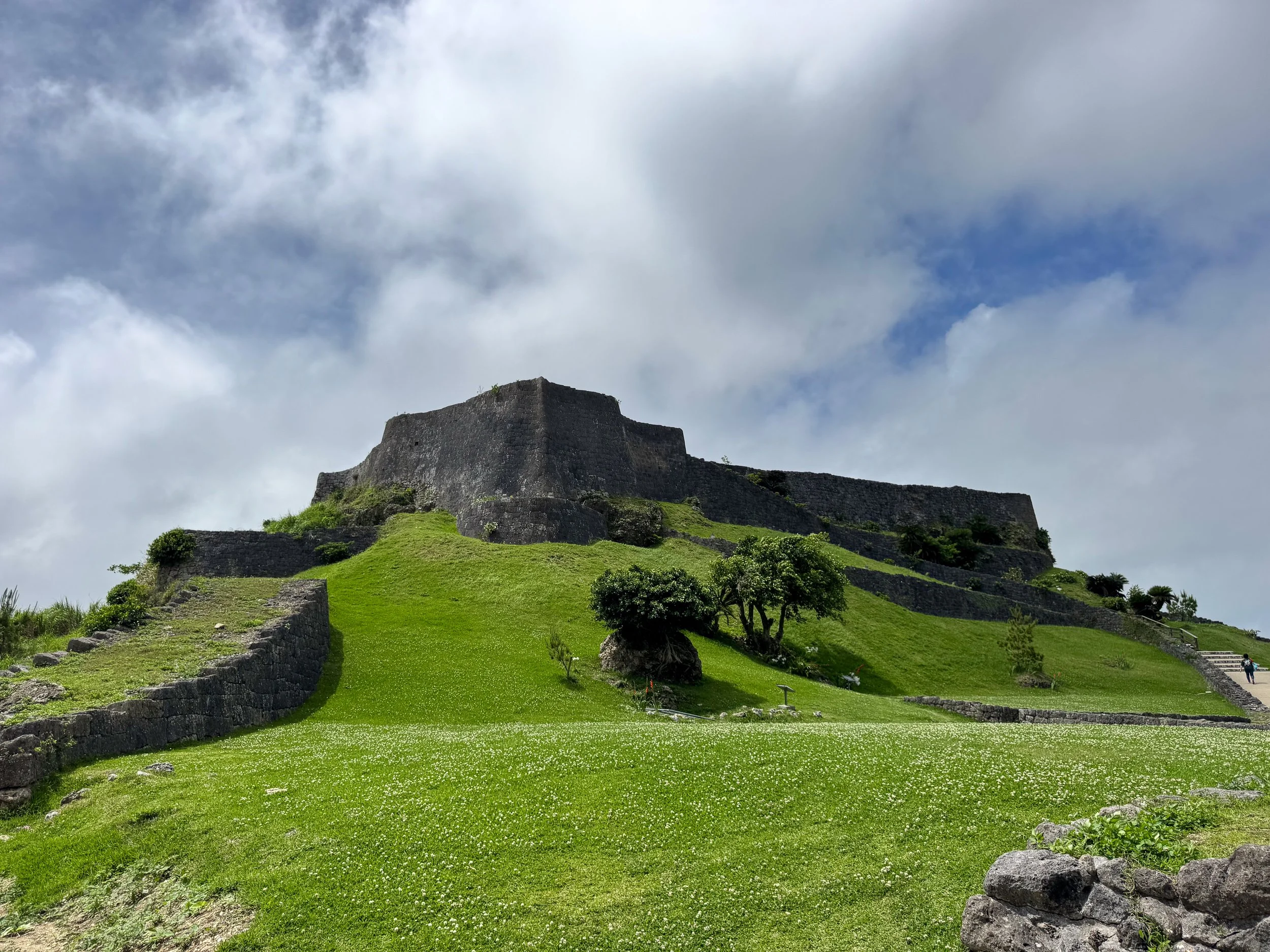
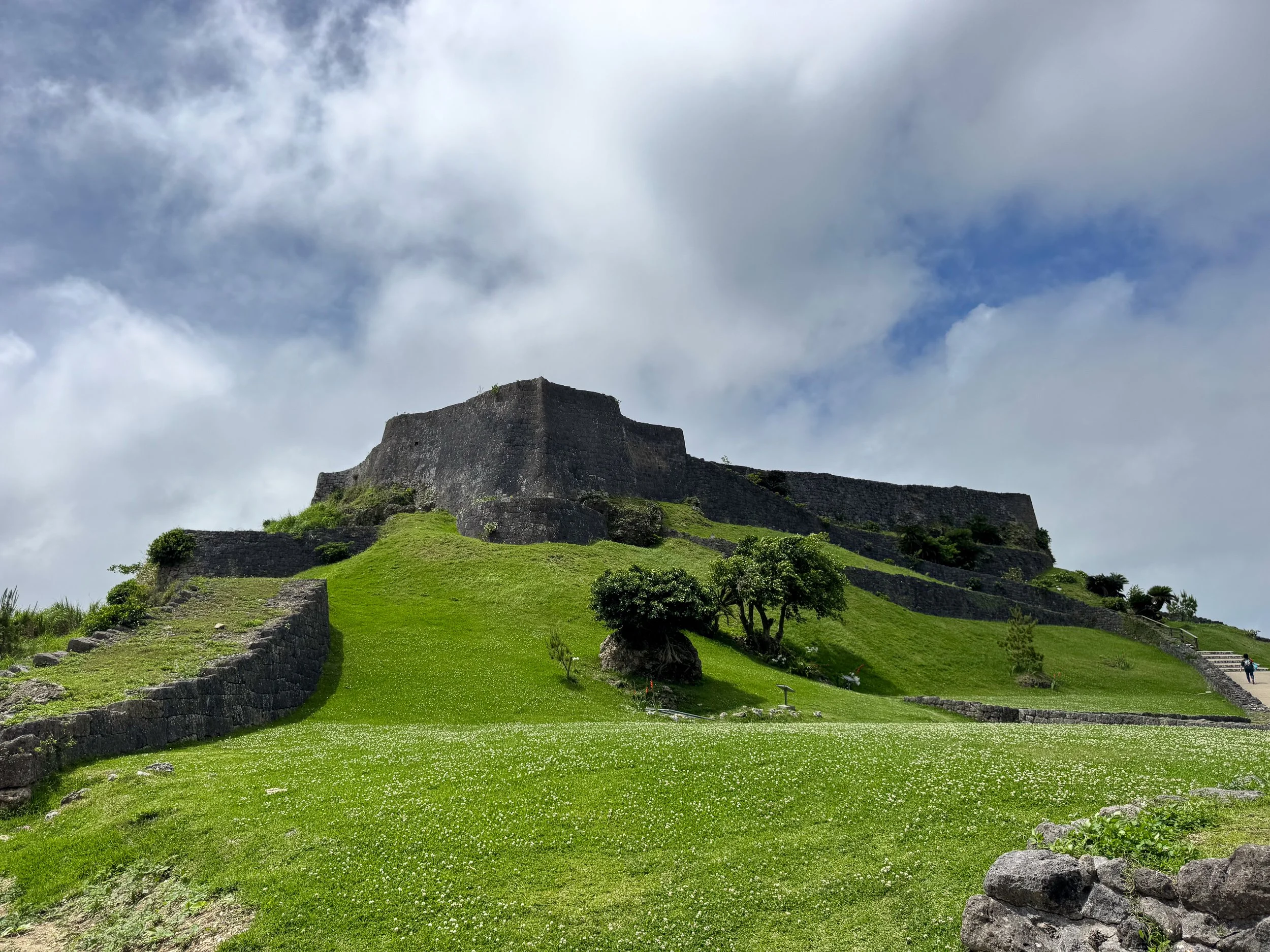
Katsuren Castle Ruins. Ryukyu ruins of a layered cliffside castle. Its steep curvilinear walls, views of the coast and a hidden cave were designed for protection. Its enclosures once housed a royal residence and gardens. Only the stone foundations remain. A museum displays many of the artifacts discovered from an excavation of the castle.
Okinawan Nature
Okinawa has multitudes of natural sights including caves, waterfalls, beaches, sea arches and cliffs. We visited several on our road trip of the island.
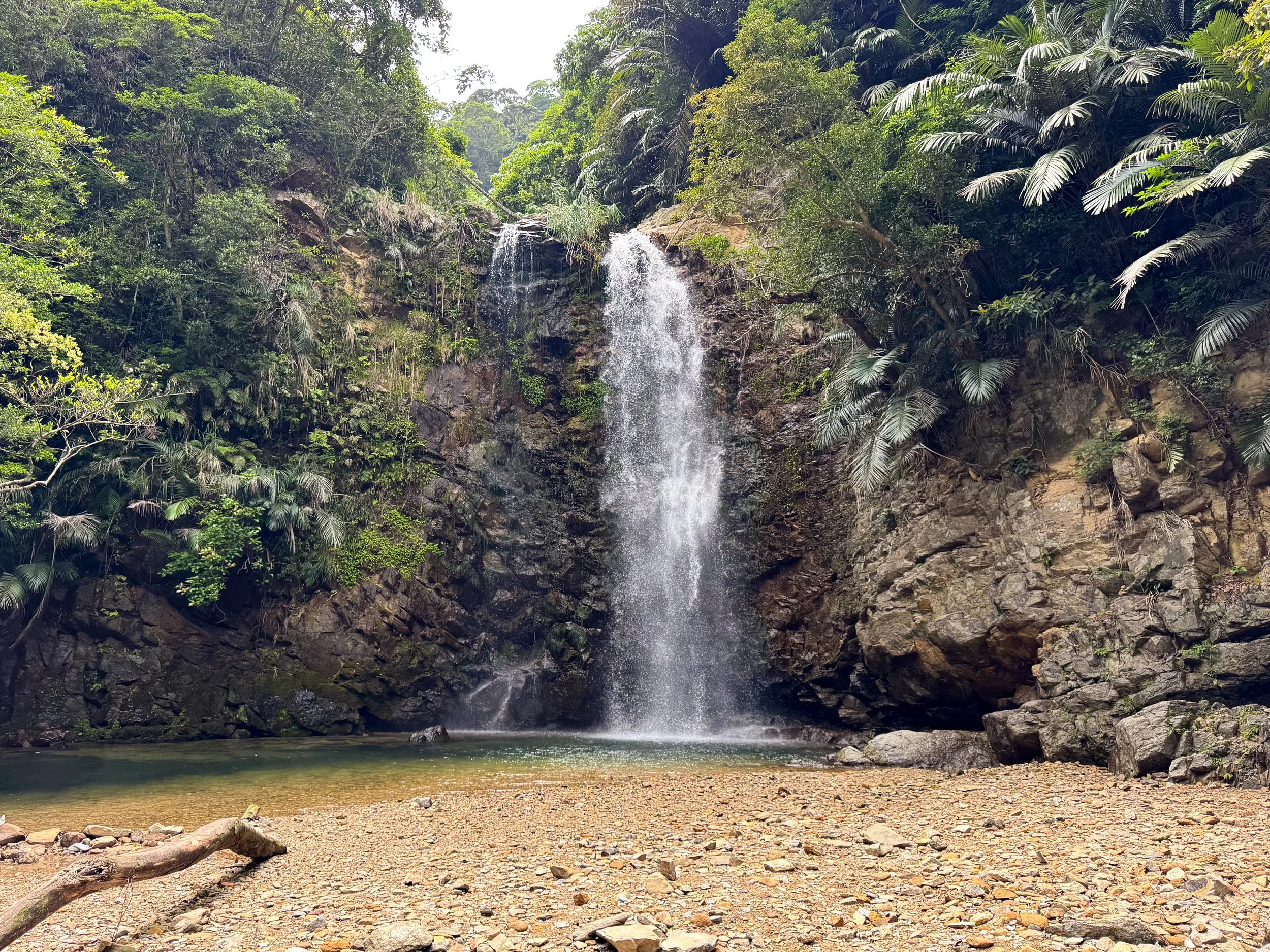
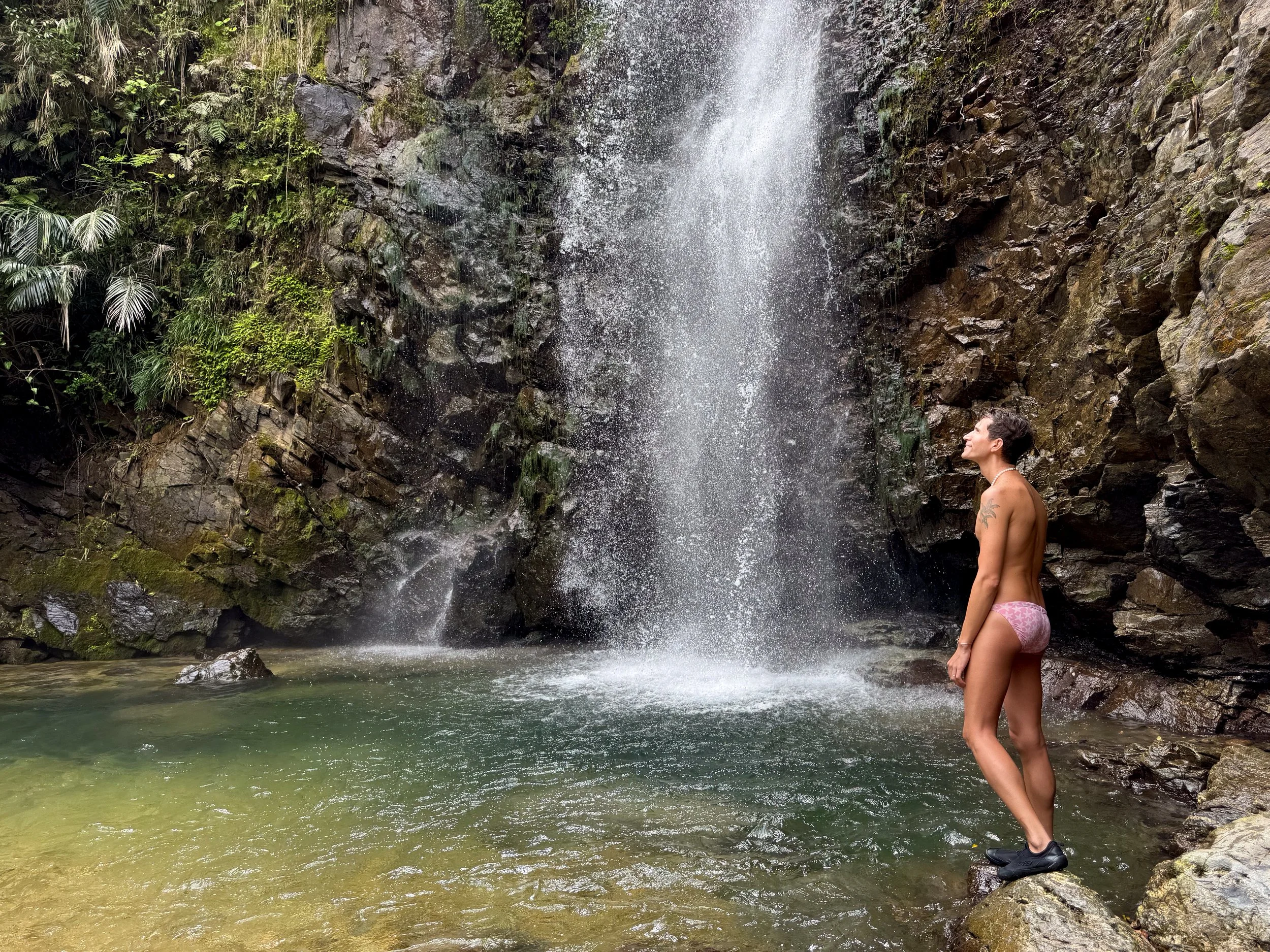
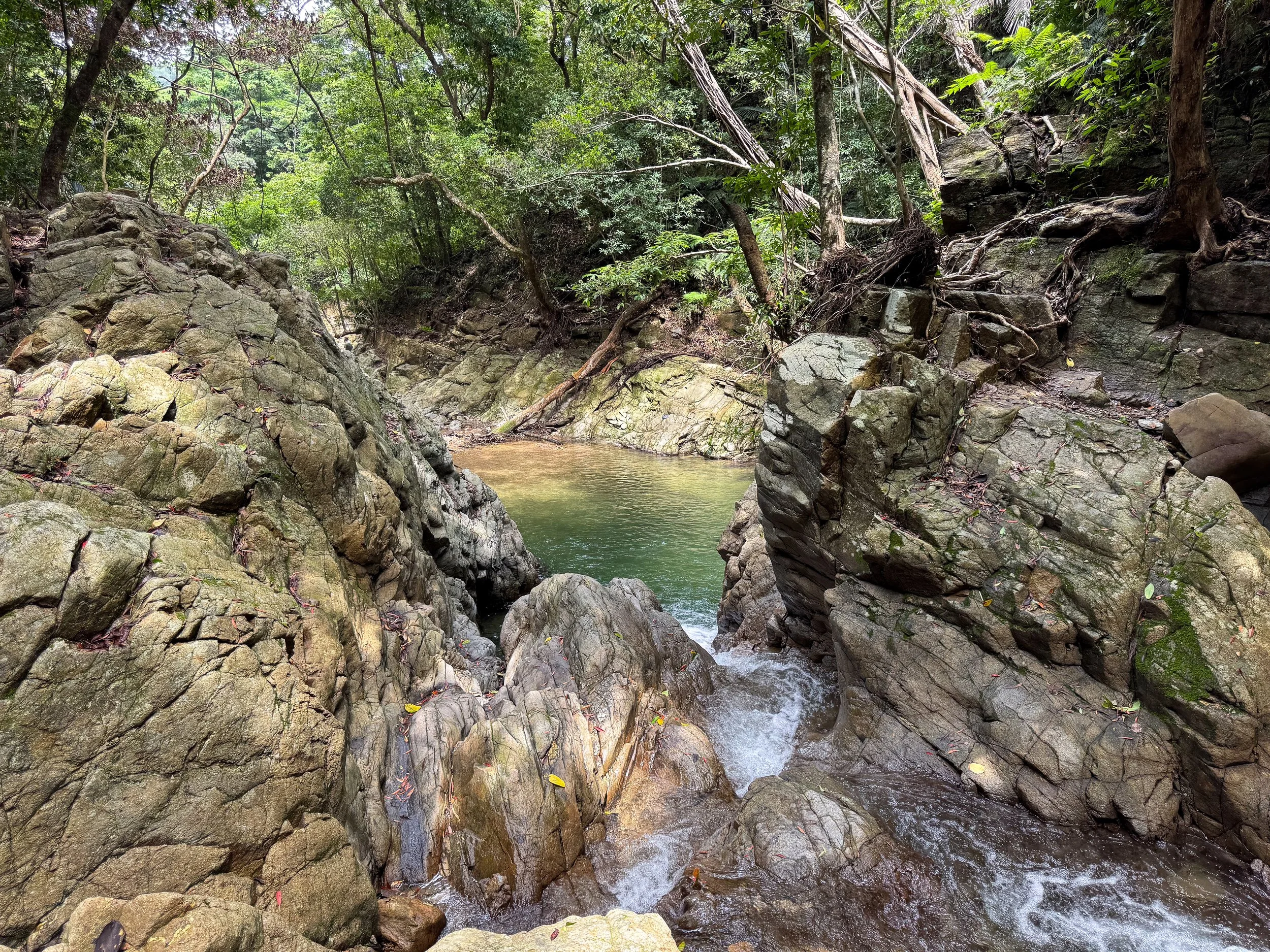
Ta-taki Falls. A semi-secluded waterfall with a natural pool at its base. The 10 meter tall falls are reachable after a 30 minute hike up a riverside trail. Be prepared to get wet; it requires some wading upstream and traversing over rocks using pre-installed ropes. The falls are accessible from the Ta-taki Waterfall Parking.
Kouri Island. A coastal island with beautiful beaches, farmland and a small town. It’s accessible by a series of bridges passing over shallow aquamarine hued waters.
Kouri Bridge View Point. A beachfront lookout point before the bridge to Kouri Island. There is a small food truck park and boutique hotel accessible from the parking lot.
Kouri Beach. A white sand beach across the Kouri Bridge with shallow and swimmable waters. An underpass connects the beach to a scalloped promenade with views of the bay. There are restaurants, cafés and a farmers market just beyond the beach.
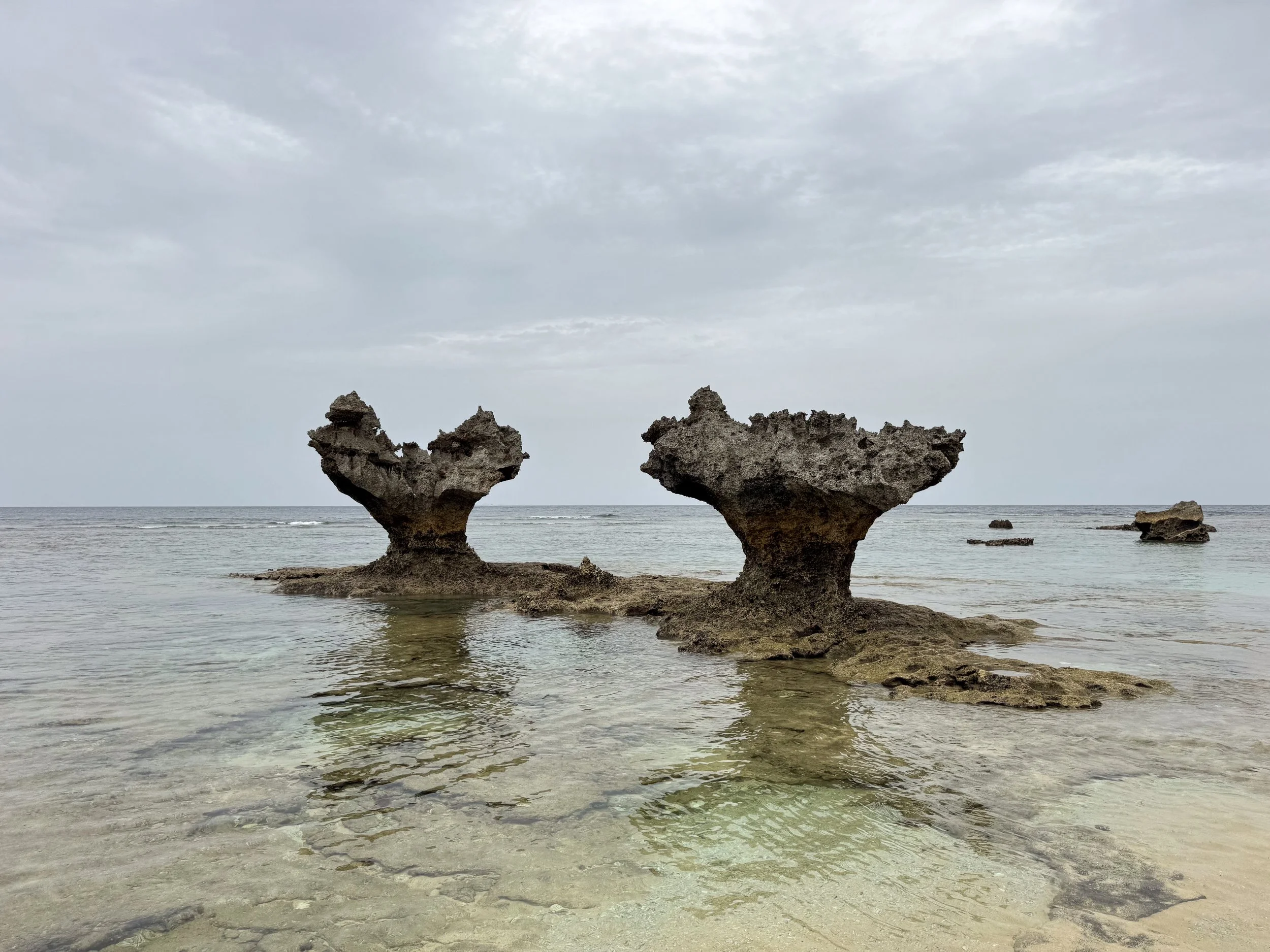
Heart Rock. A beach with two coral rock formations resembling the shape of a heart. From certain angles, they even create a void of an upside down heart. The beach is reachable after a small trail from the parking lot. Parking costs 500 Yen.
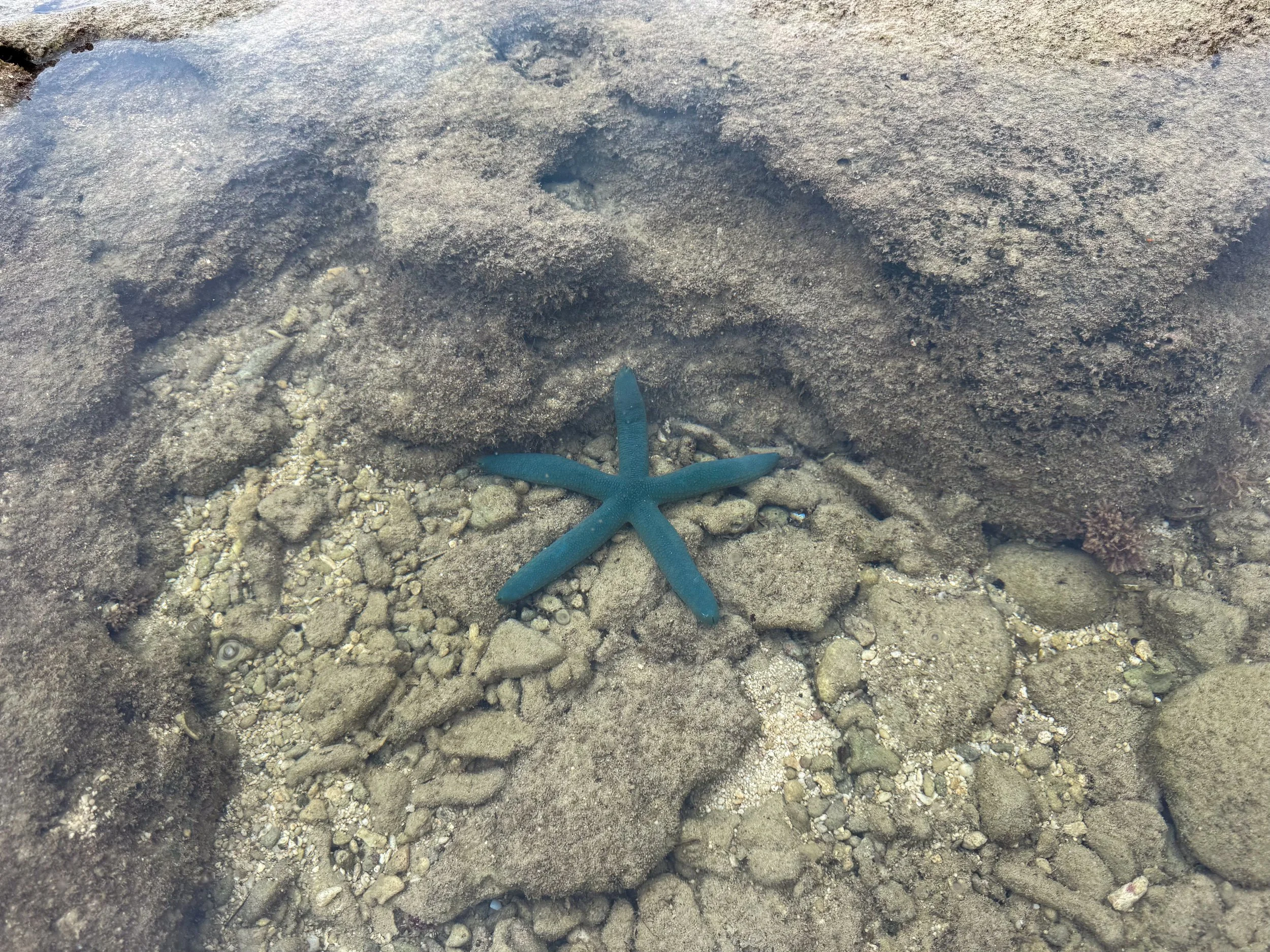
Tokei Hama. A soft yellow sand beach with shallow tide pools home to a variety of marine life including blue starfish, brittle stars, small fish, corals and sea urchins. It’s reachable from the Heart Rock parking lot.
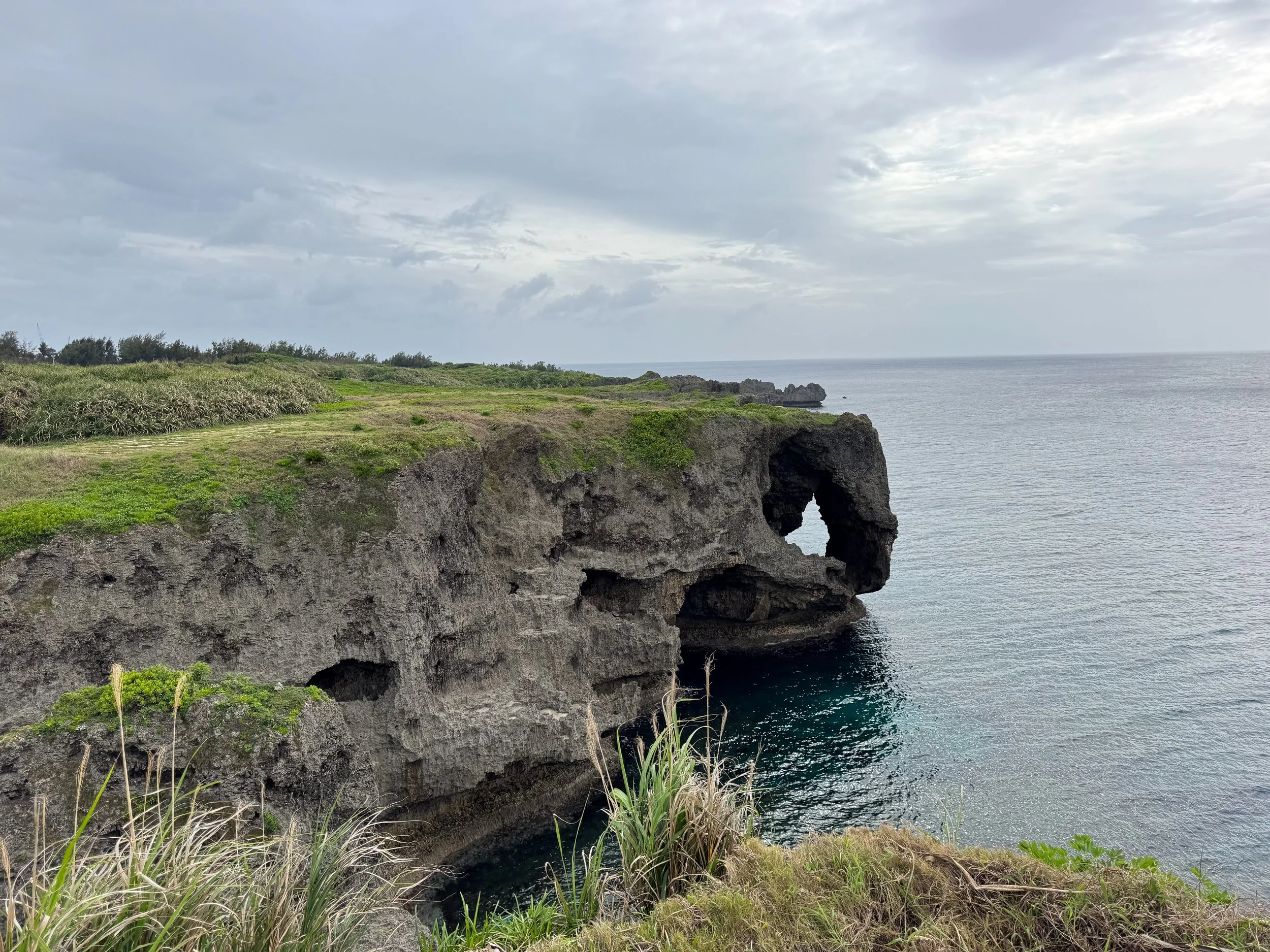
Cape Manzamo Sea Arch. A cliffside lookout with a sea arch that resembles an elephant’s trunk. It’s a very popular sight with a large tourist facility containing restaurants and shops. Many people come here for sunset.
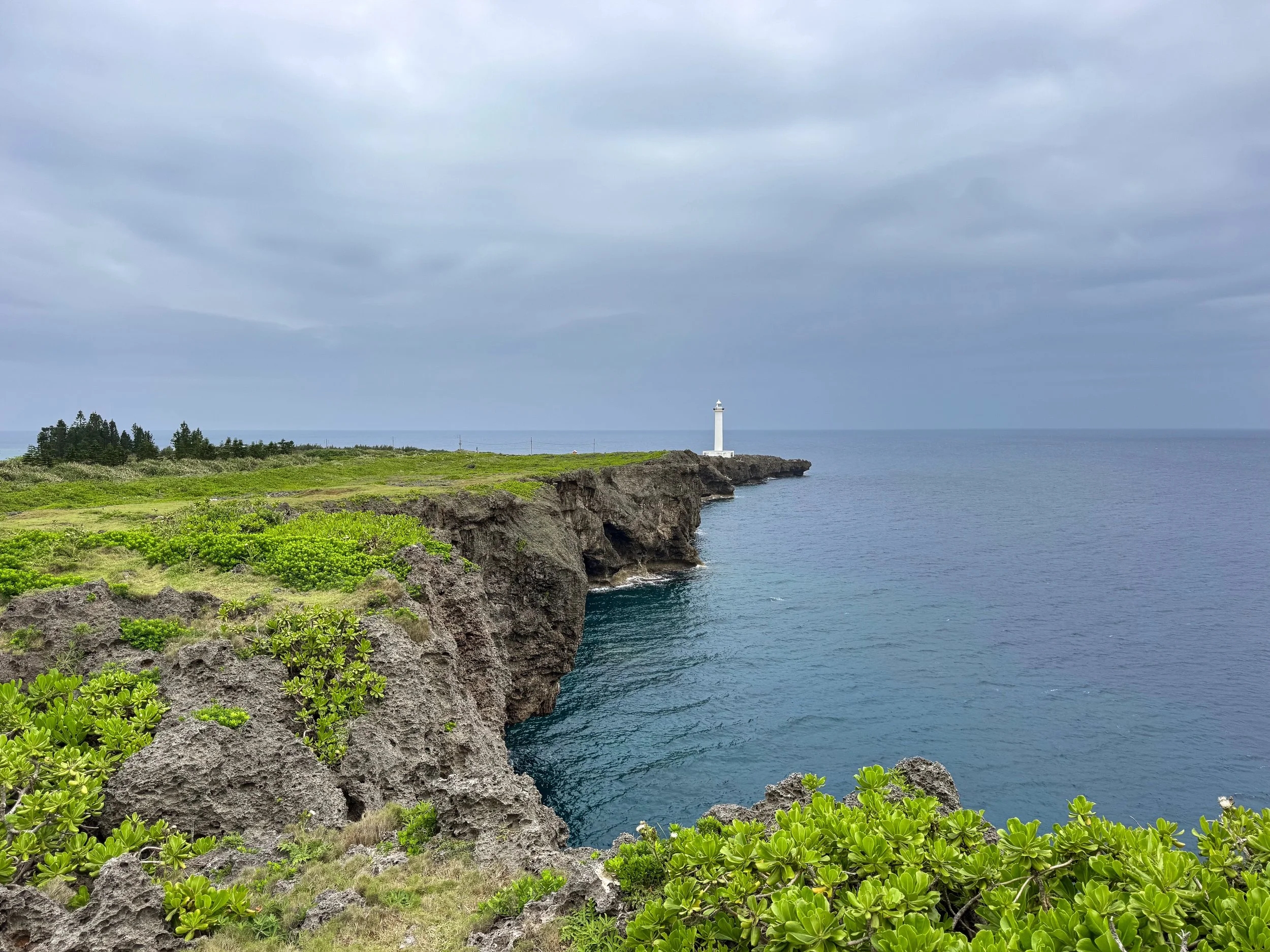
Cape Zanpa. A cape at the westernmost point of Okinawa with cliffside trails, a historic lighthouse, ocean view lookouts and a nearby white sand beach.
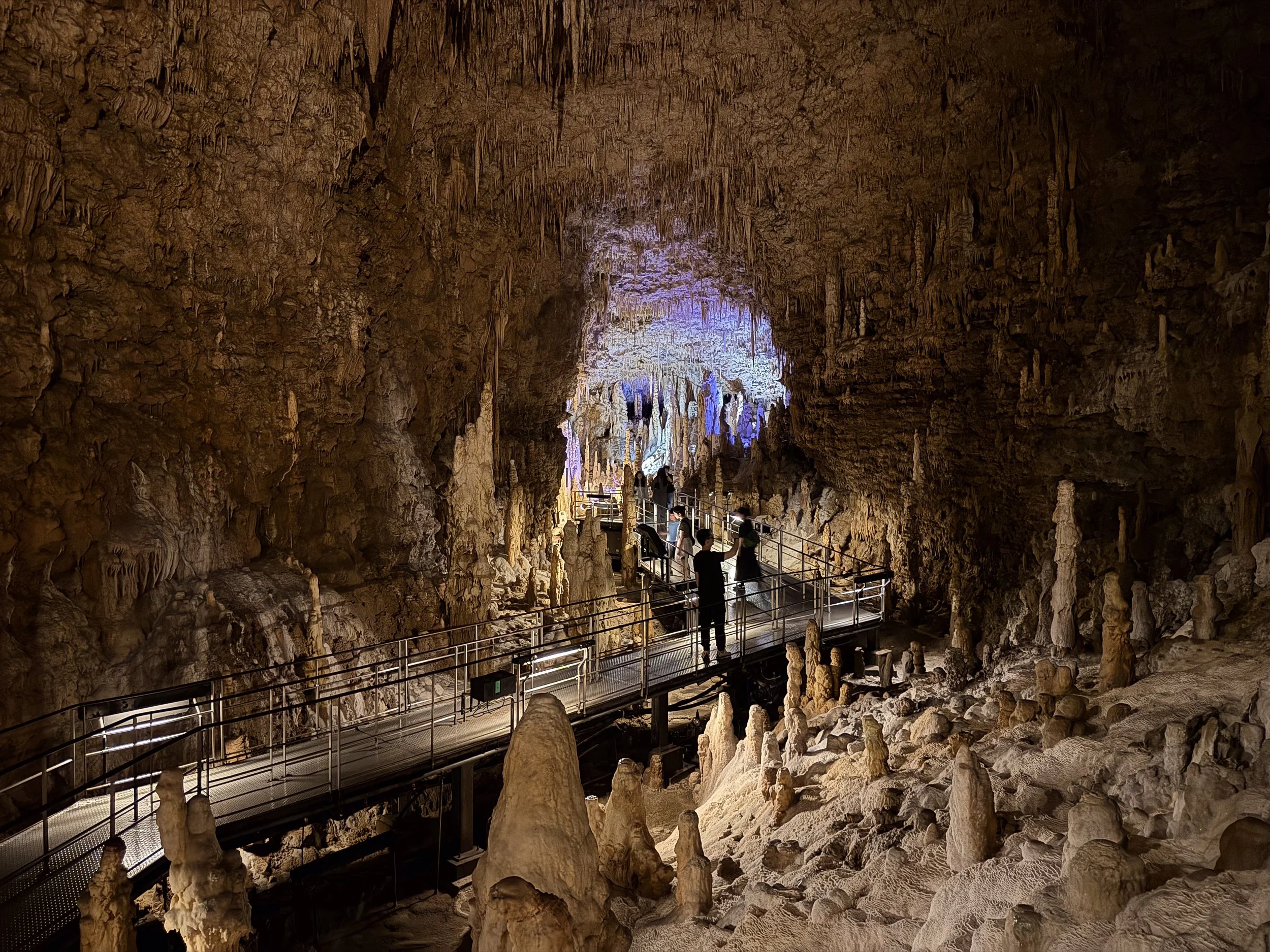
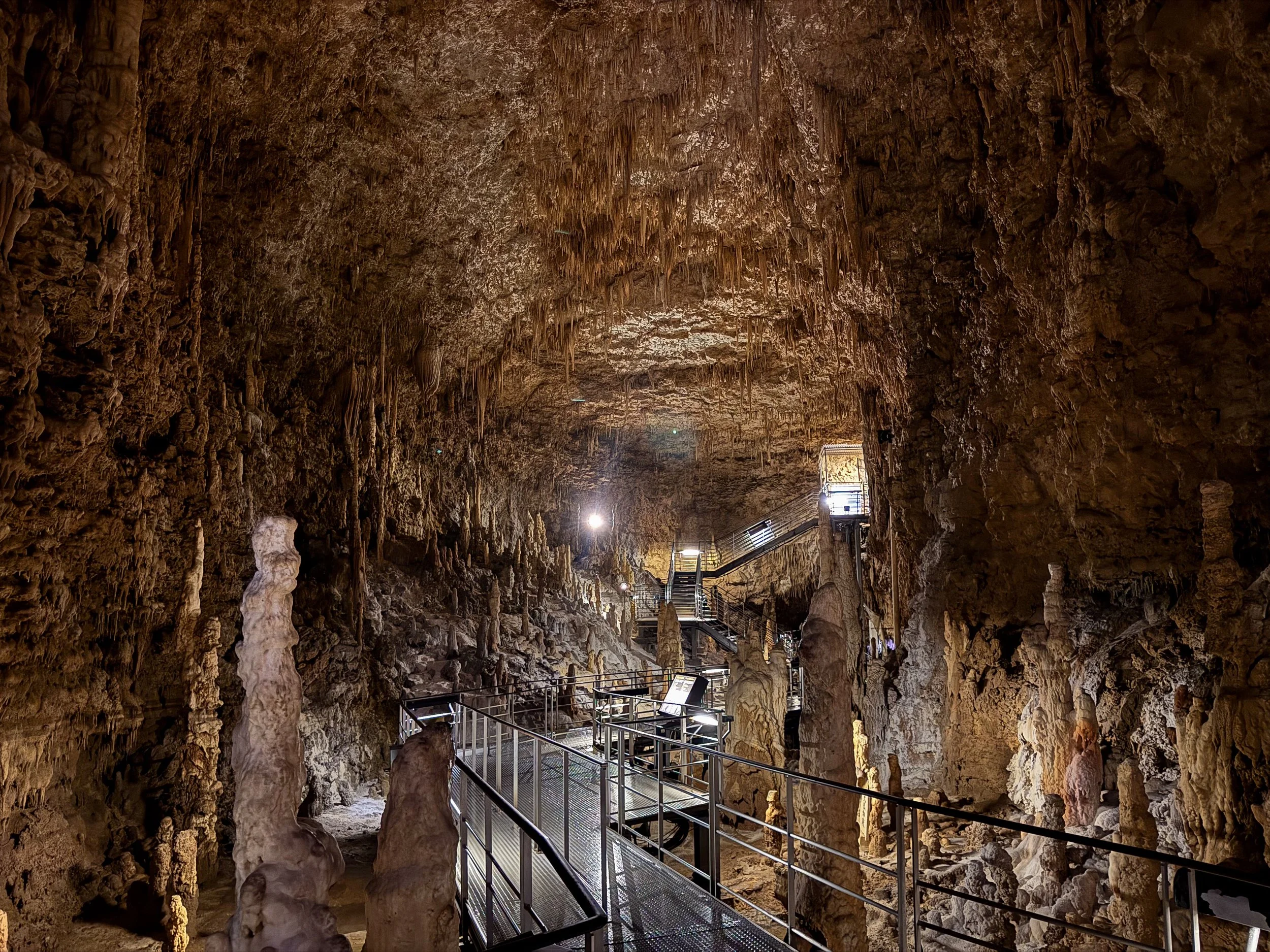
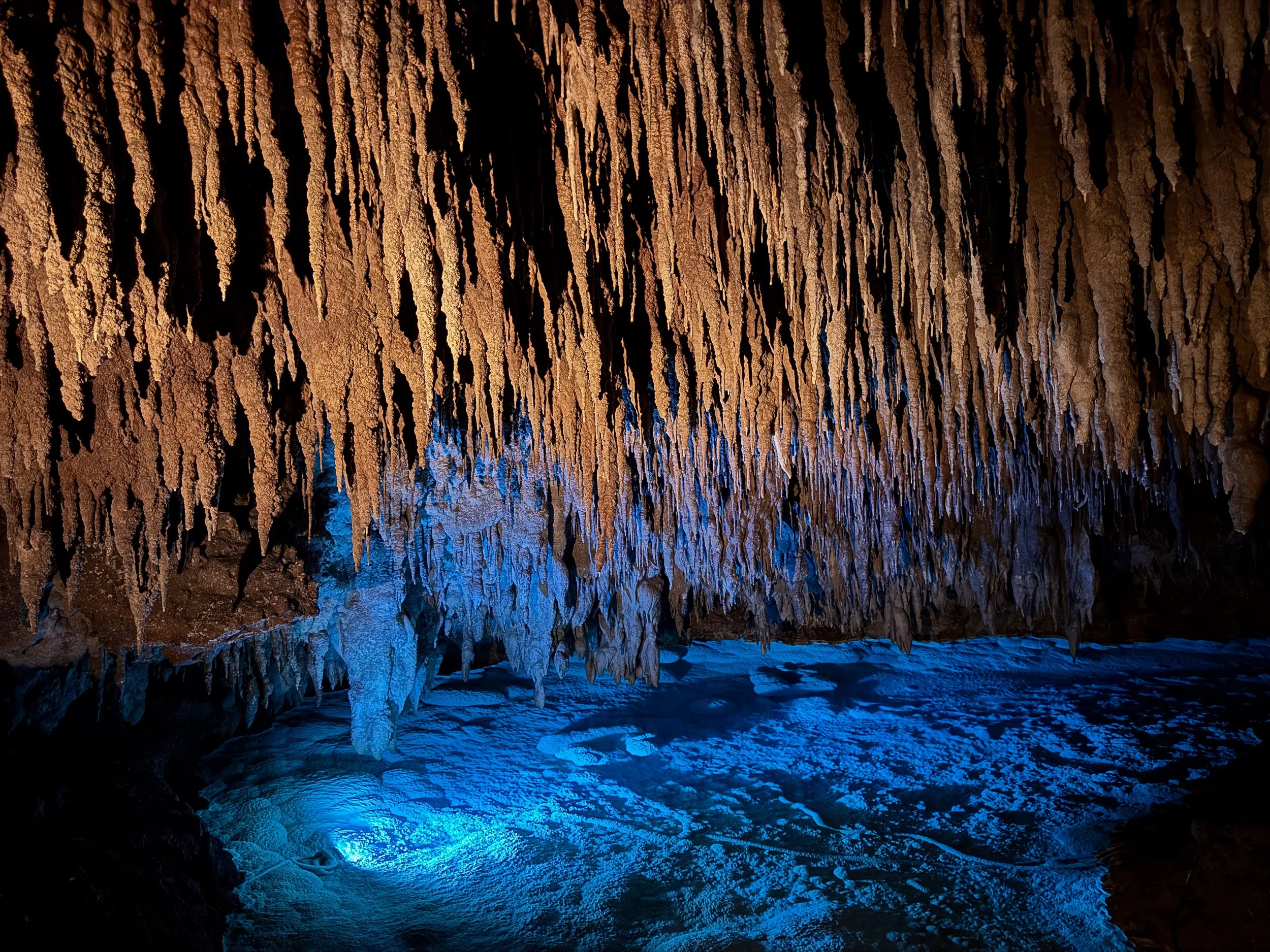
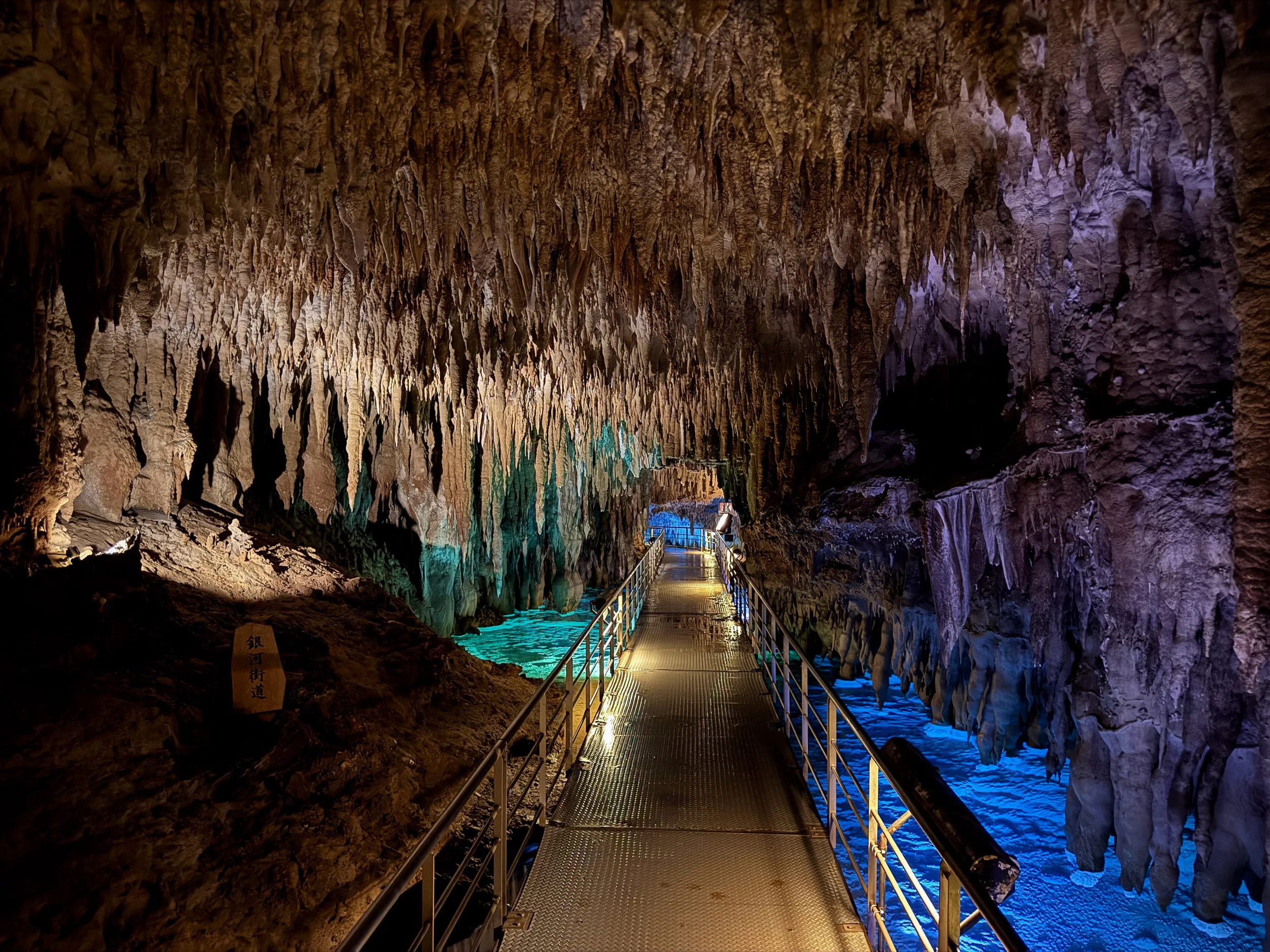
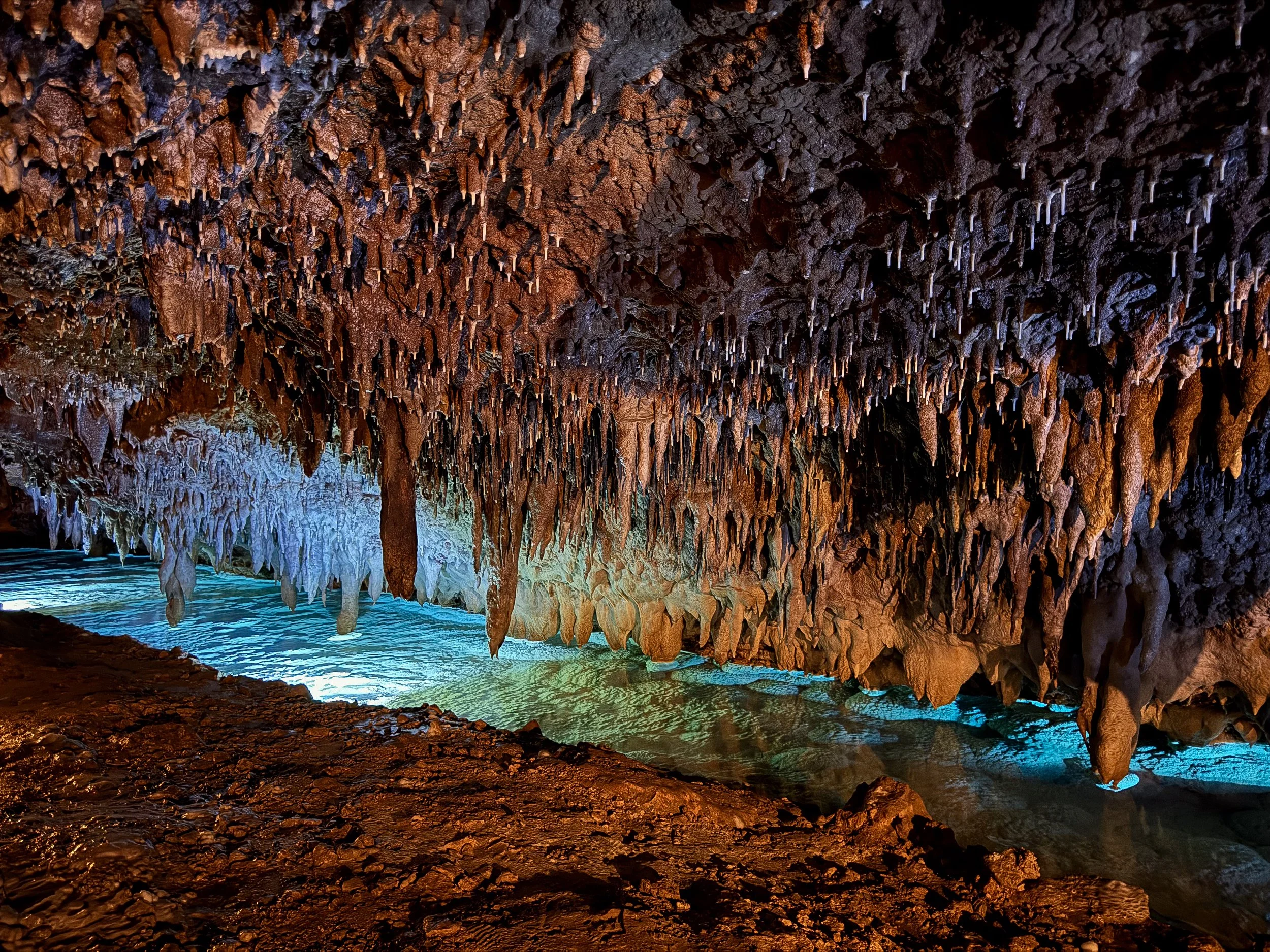
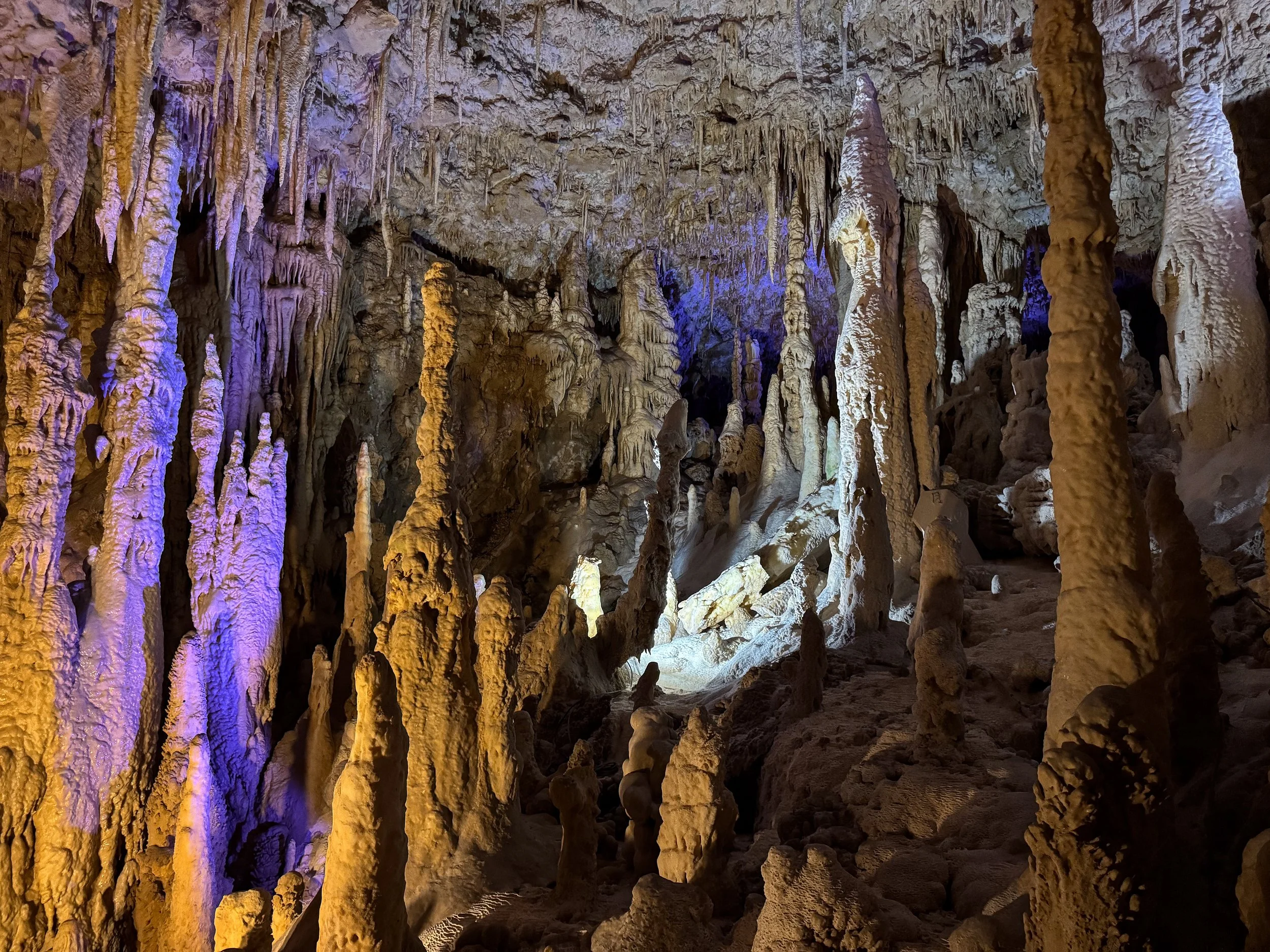
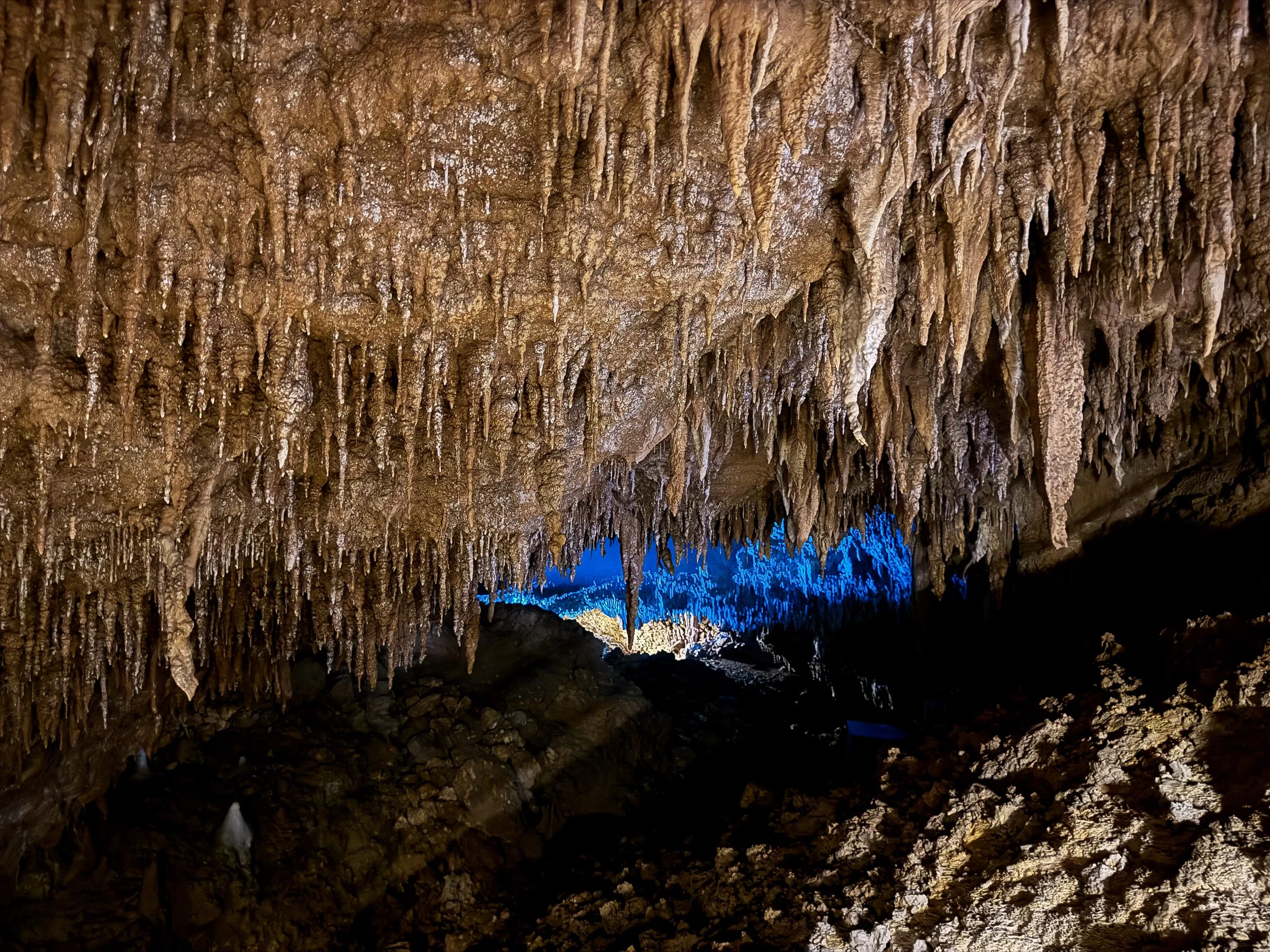
Gyokusendo Cave. Okinawa’s largest cave and one of the most impressive in Japan. A trail leads nearly 1km through its underground rooms and chambers. Thousands of densely packed stalactites dangle from the ceiling while stalagmites reach up from the floor and walkways. Dripping water echoes from all corners of the cave and its underground rivers, waterfalls and calcified pools.
The cave system meanders beneath Okinawa World, a cultural theme park dedicated to the island’s culture, crafts, environment, history and cuisine. There is a glass and ceramics studio, brewery, bakery, performance theater, botanical garden and Ryukyu Kingdom exhibit.
Pro Tip. Get here by 9am as the park opens to have first access to the cave!
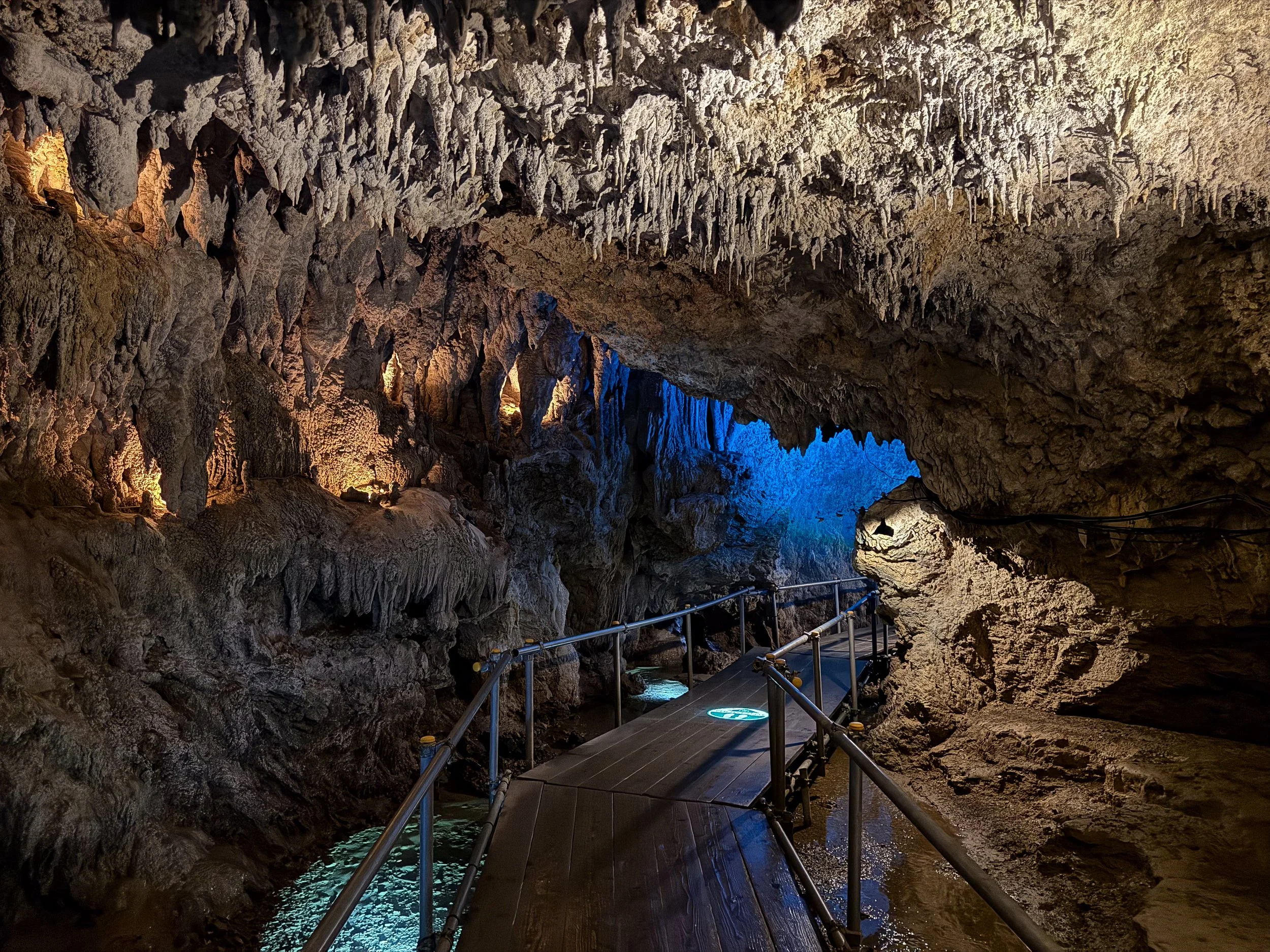
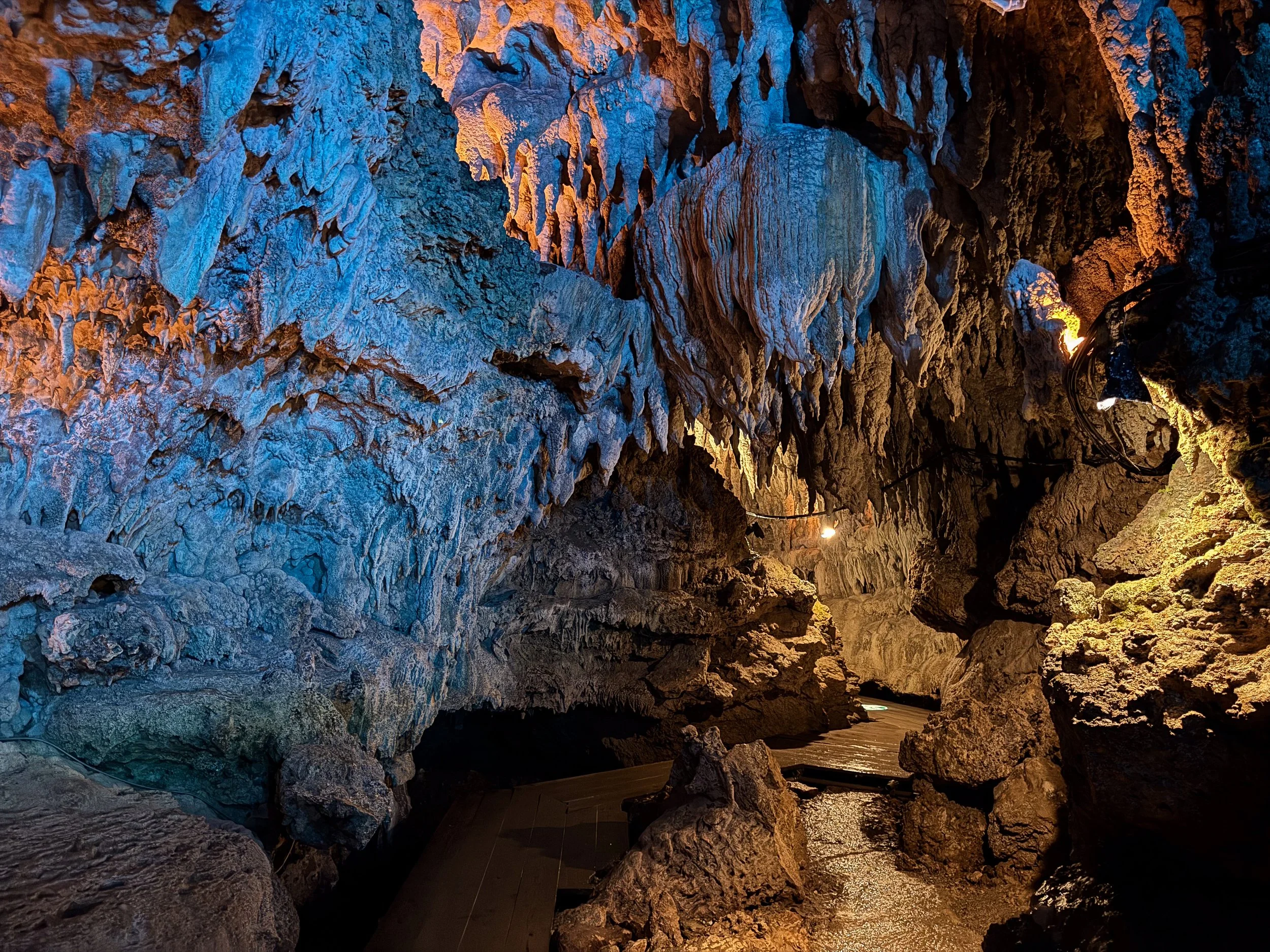
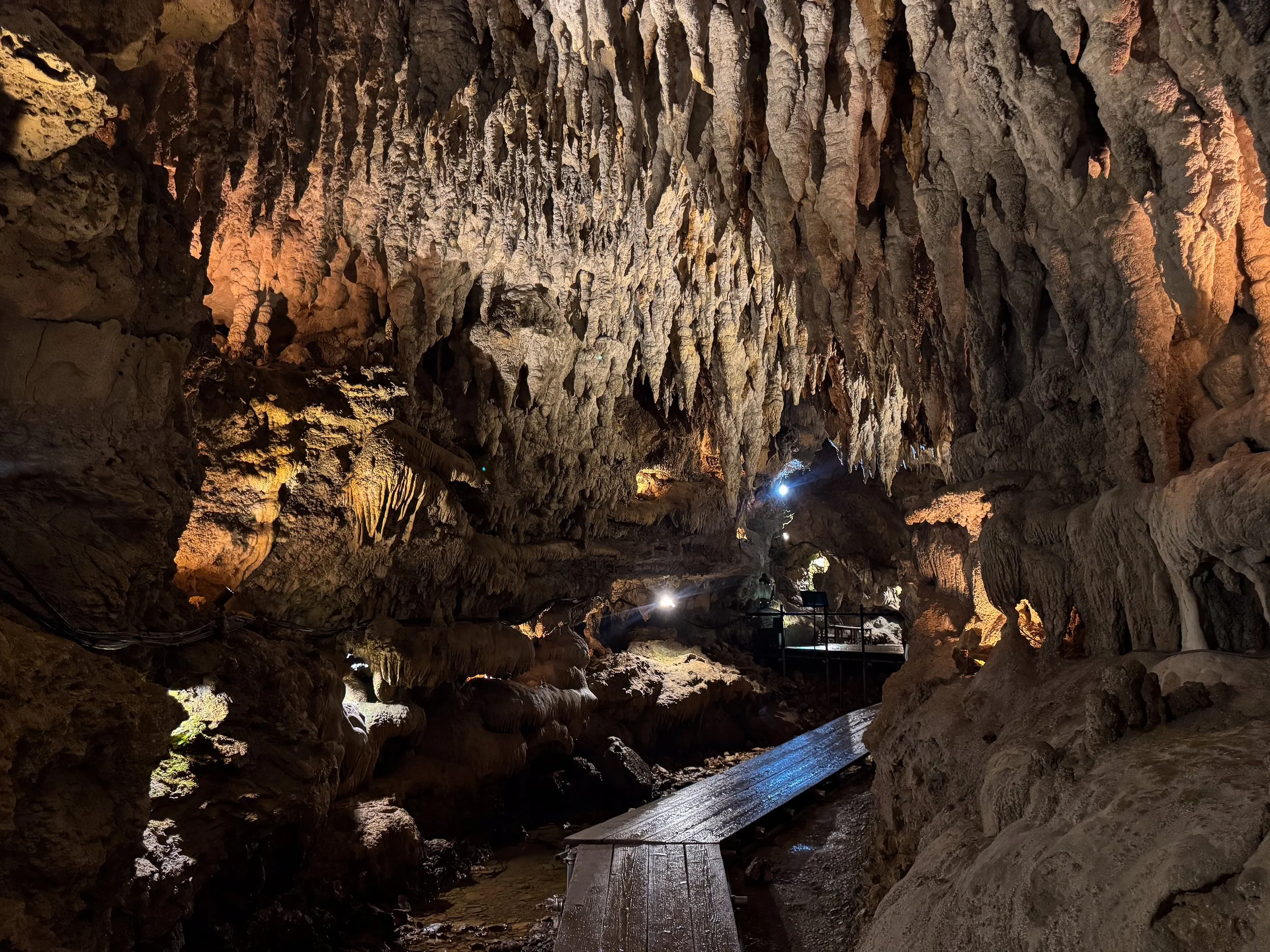
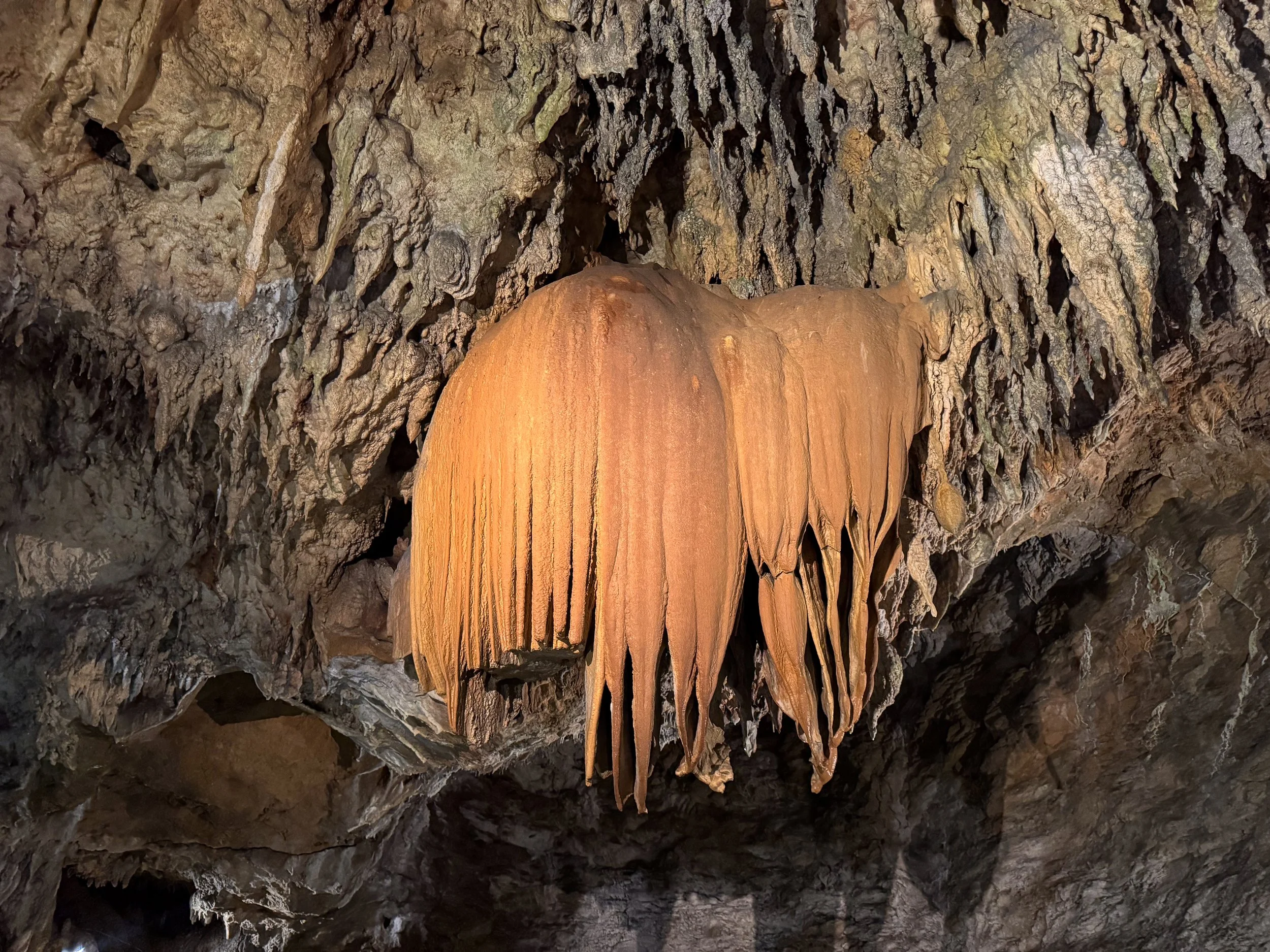
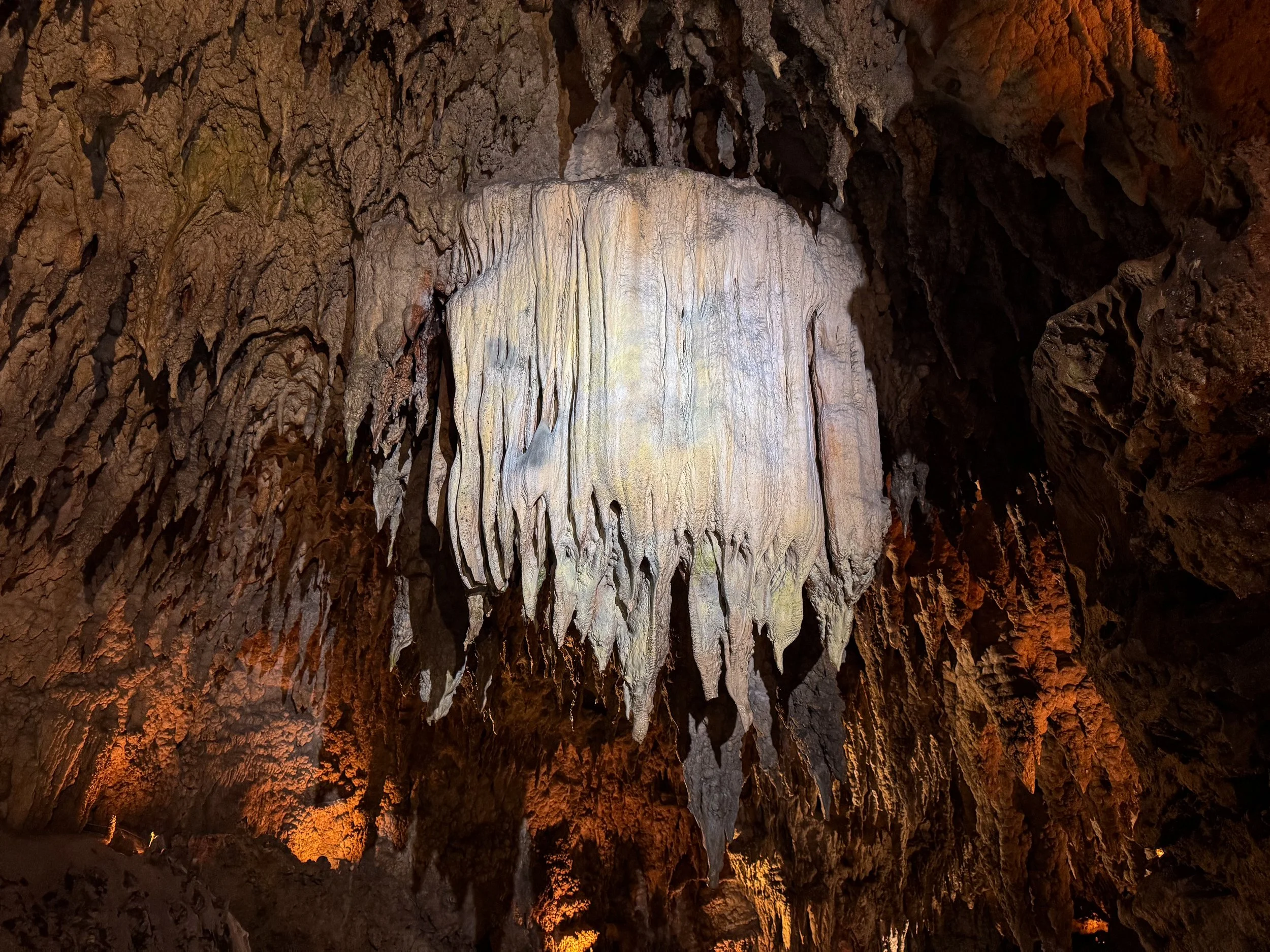
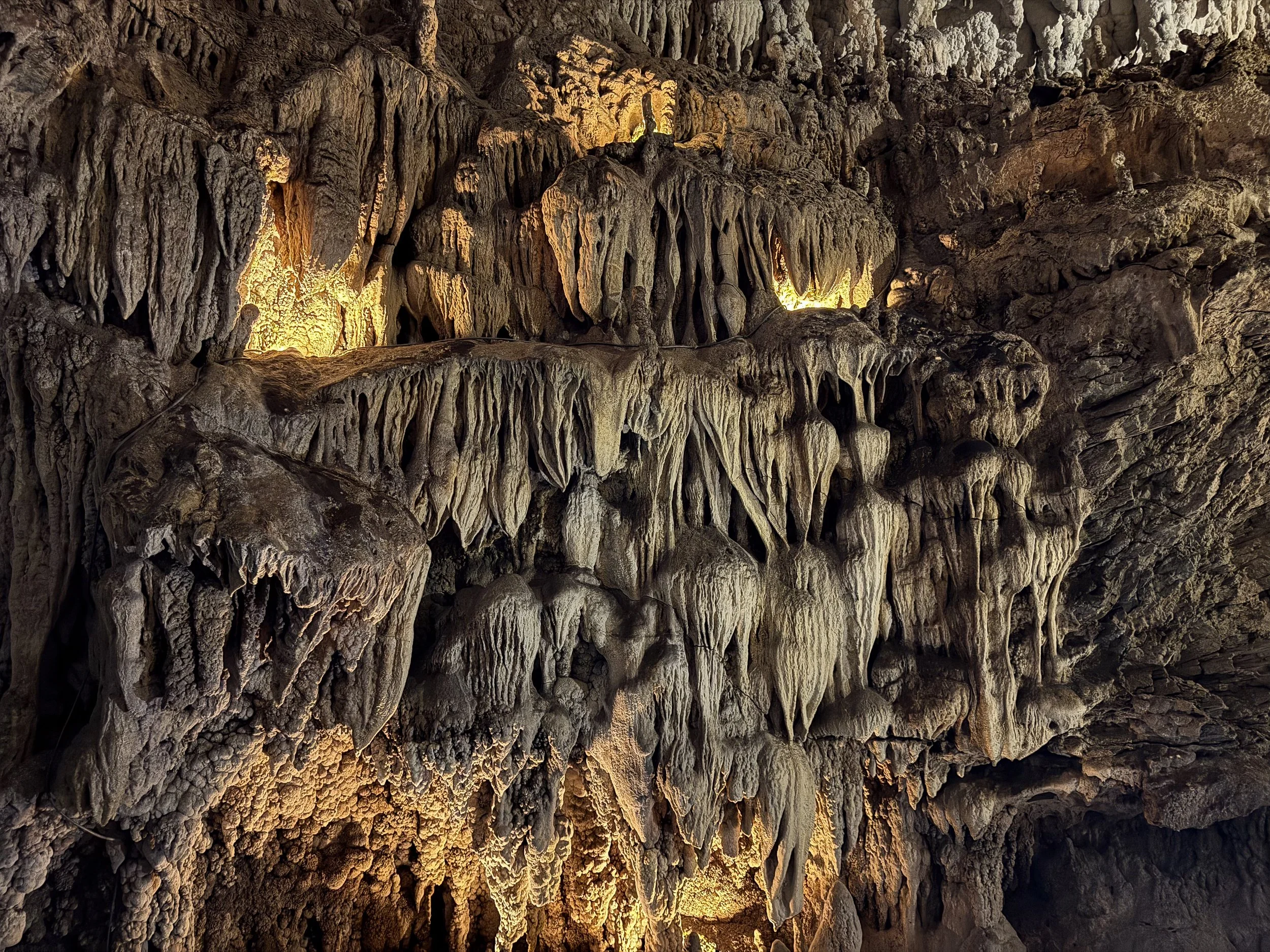
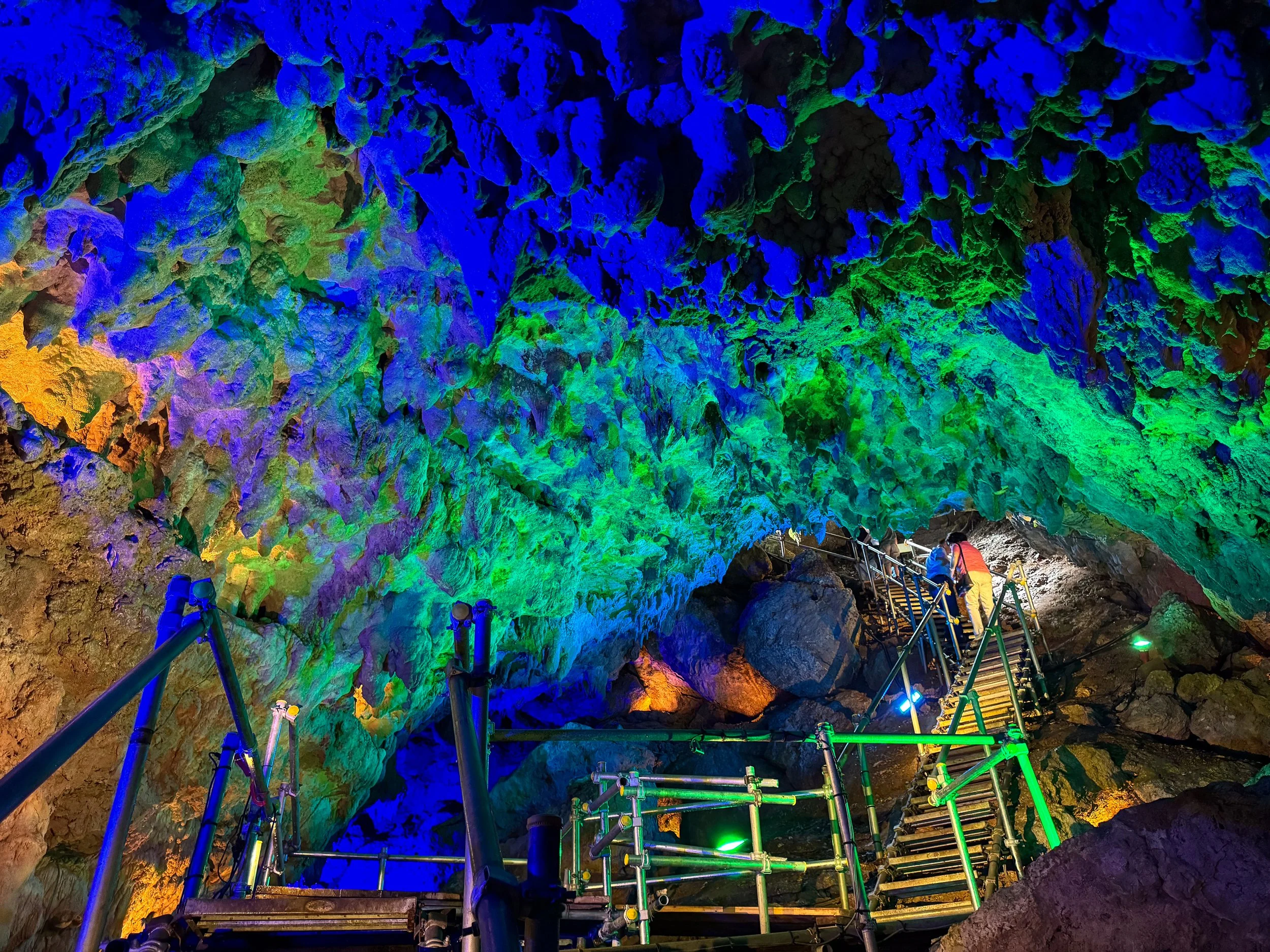
Cave Okinawa. A 200 meter long limestone cave system with narrow passageways and wide chambers. A boardwalk leads through the chilly and damp cave above a flowing stream. Large crystalline formations and stalactites hang from the ceilings as the walls drip with water and bats flutter around. The stalactite covered final chamber is illuminated in a spectacle of color changing lights.
Kerama Islands
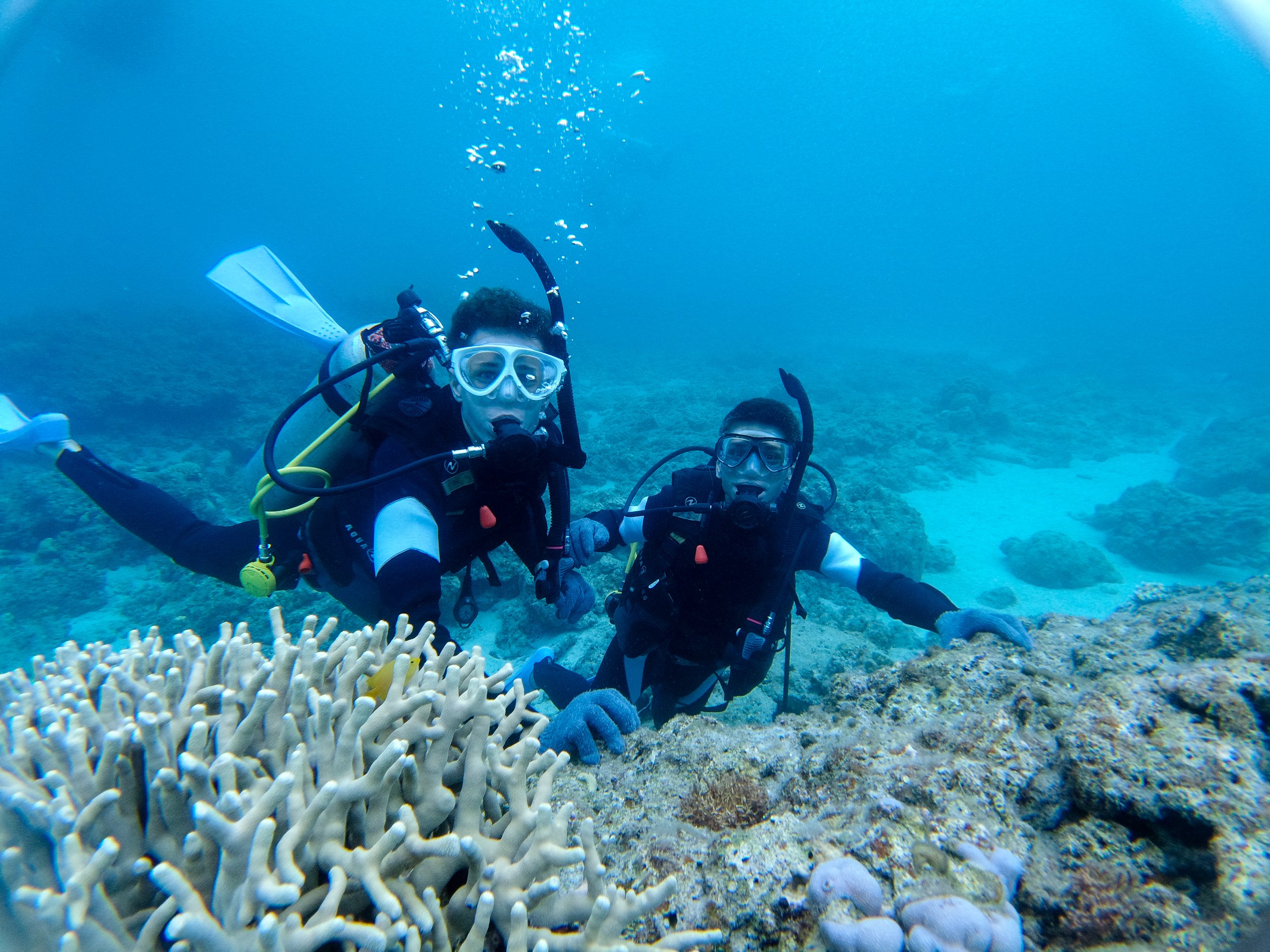
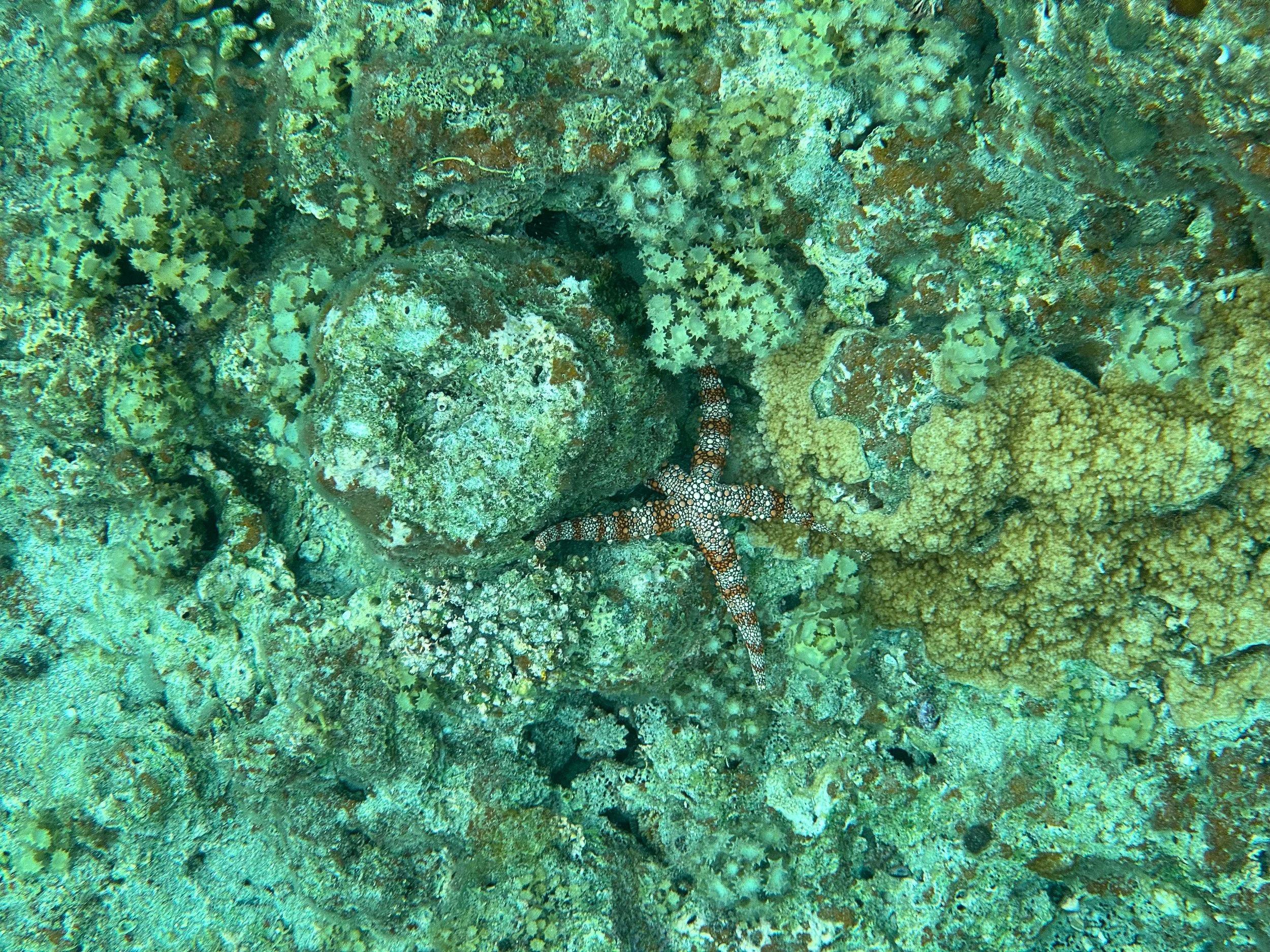
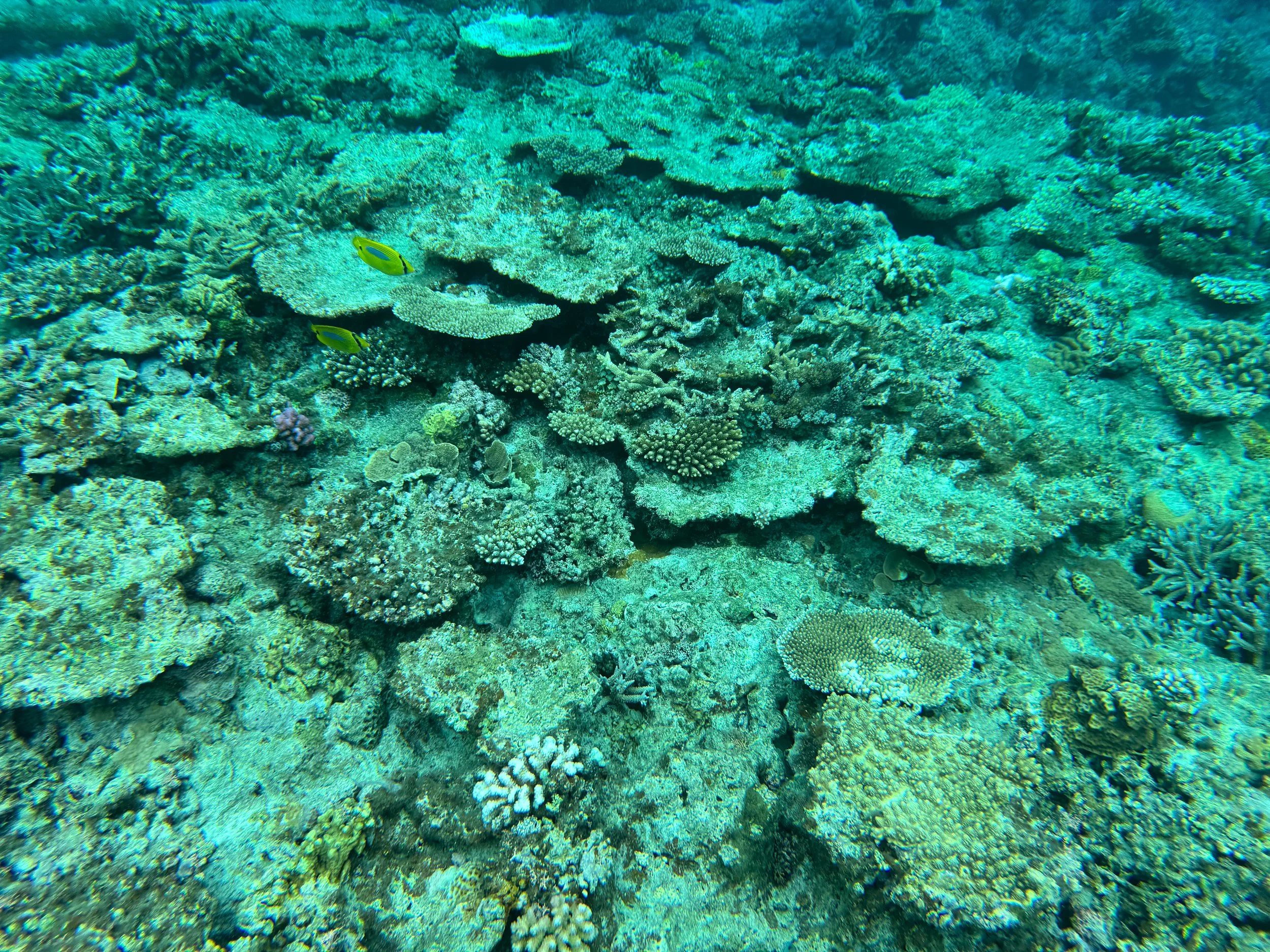
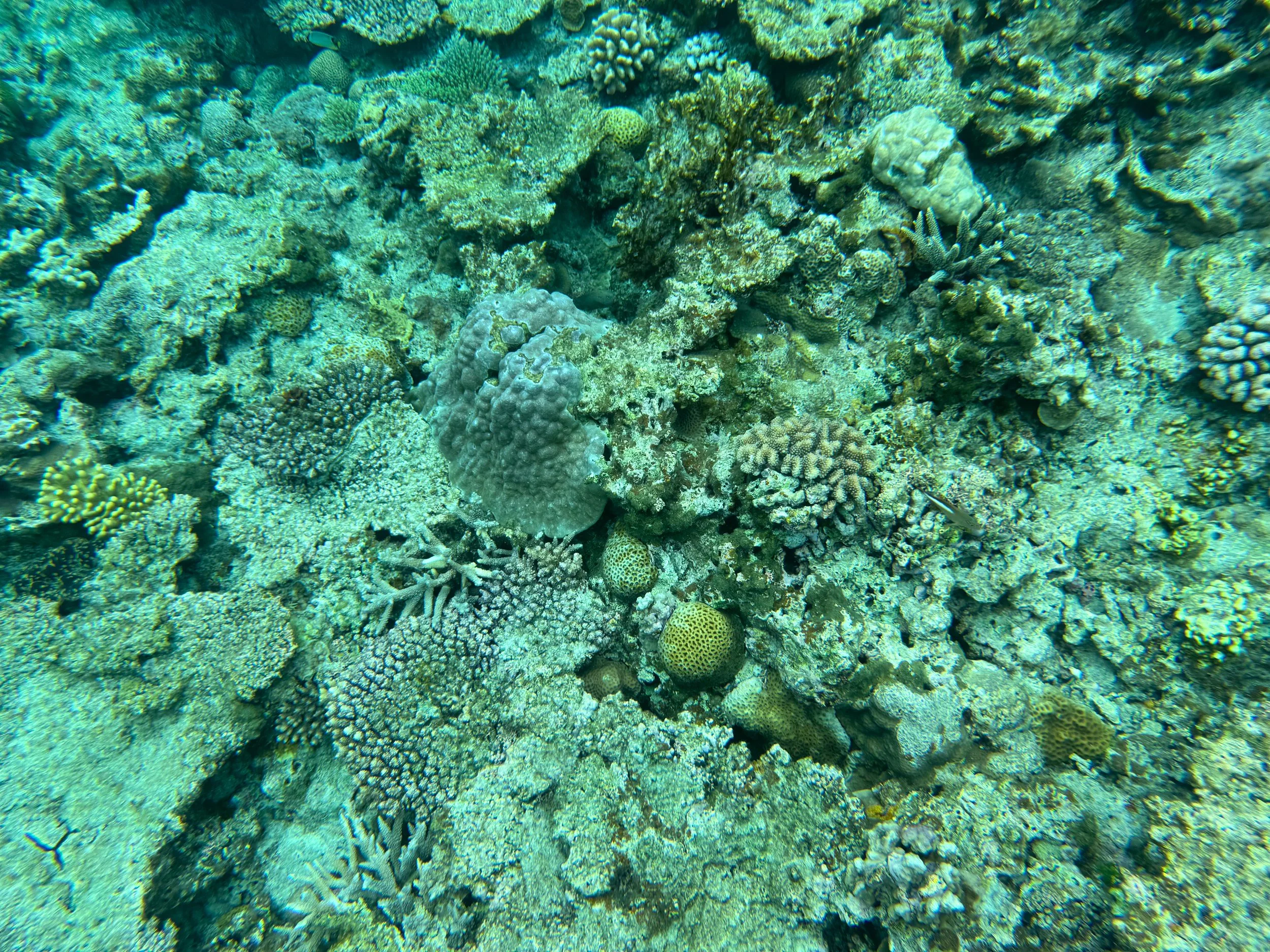
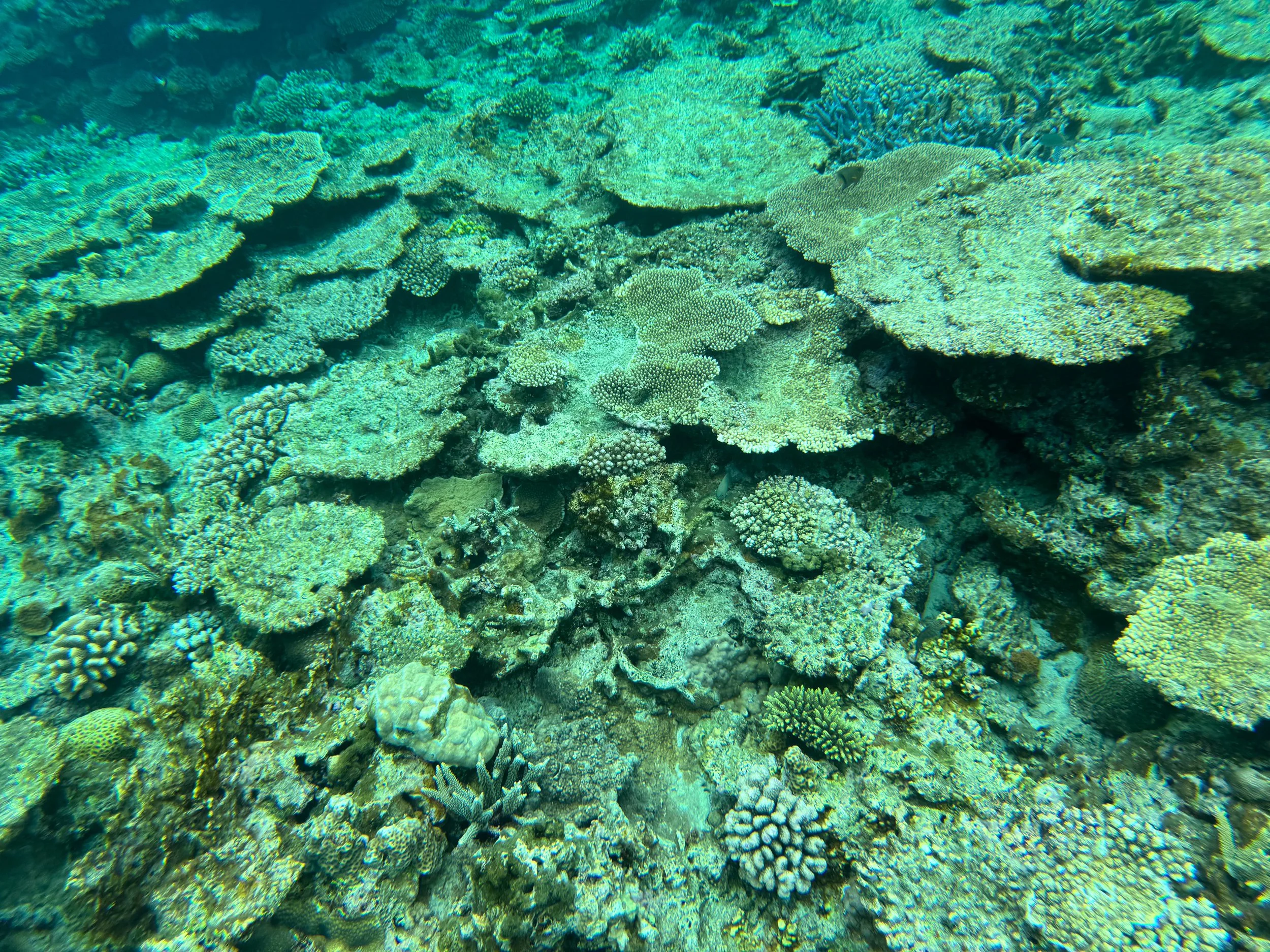
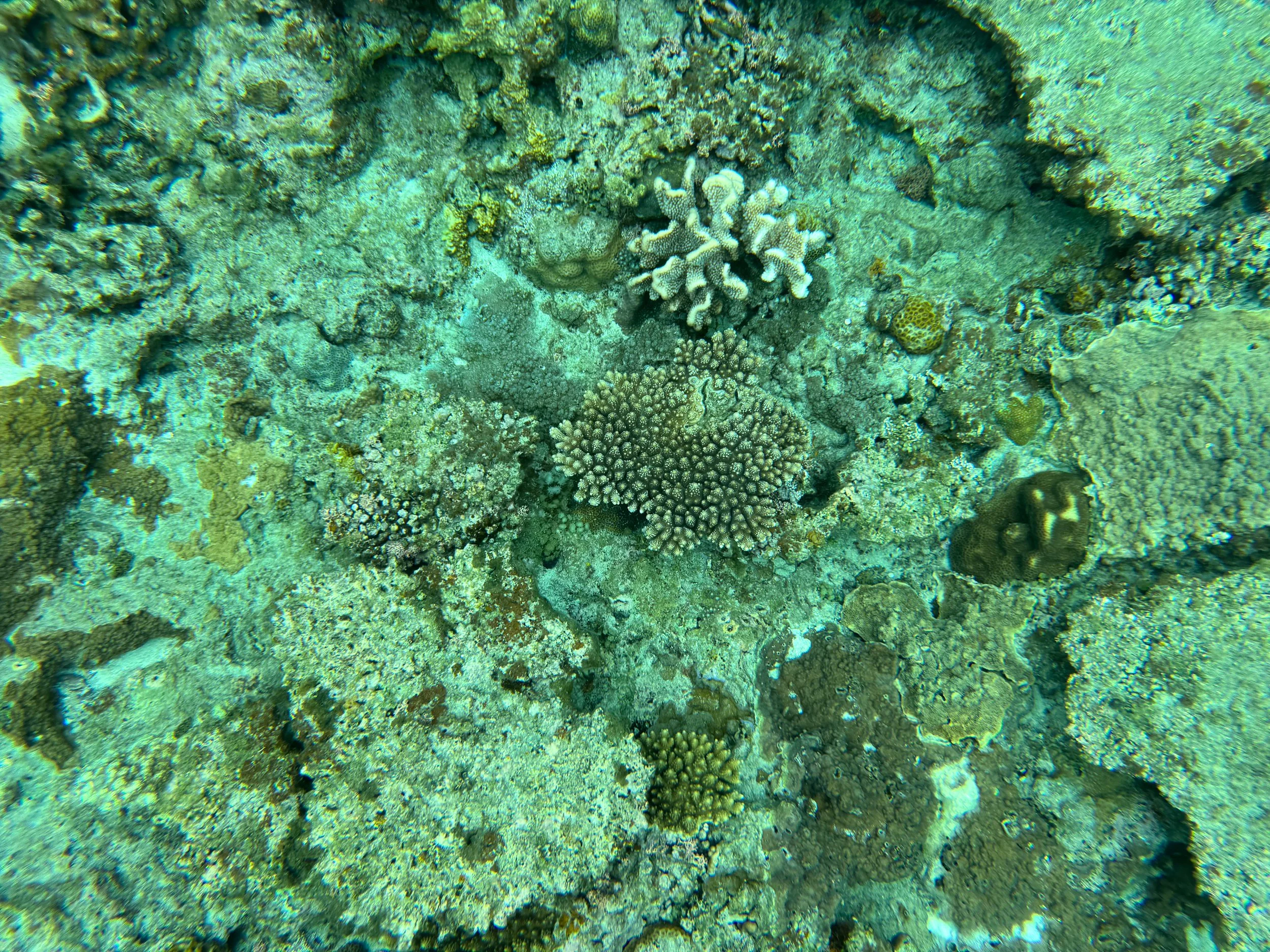
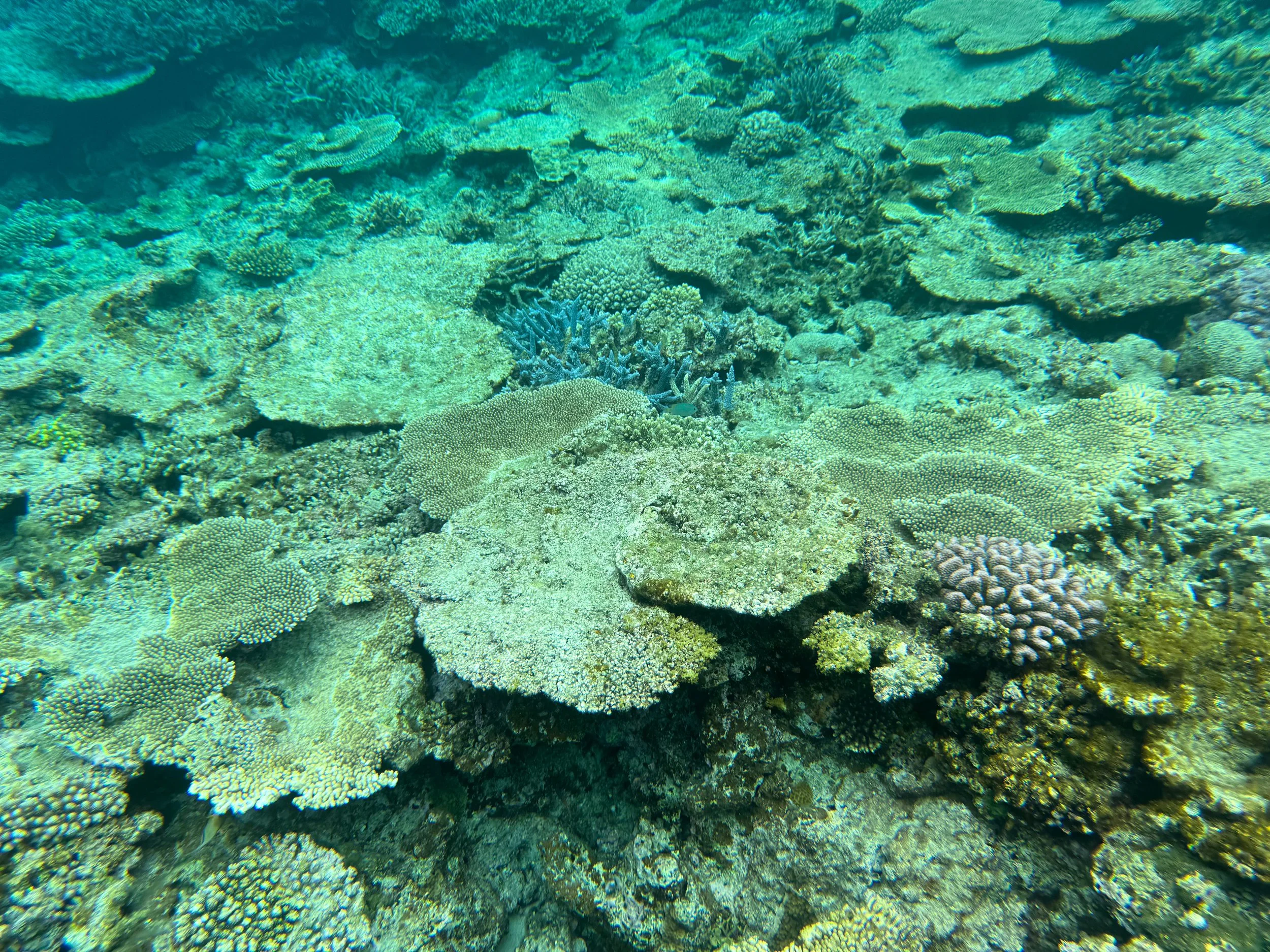
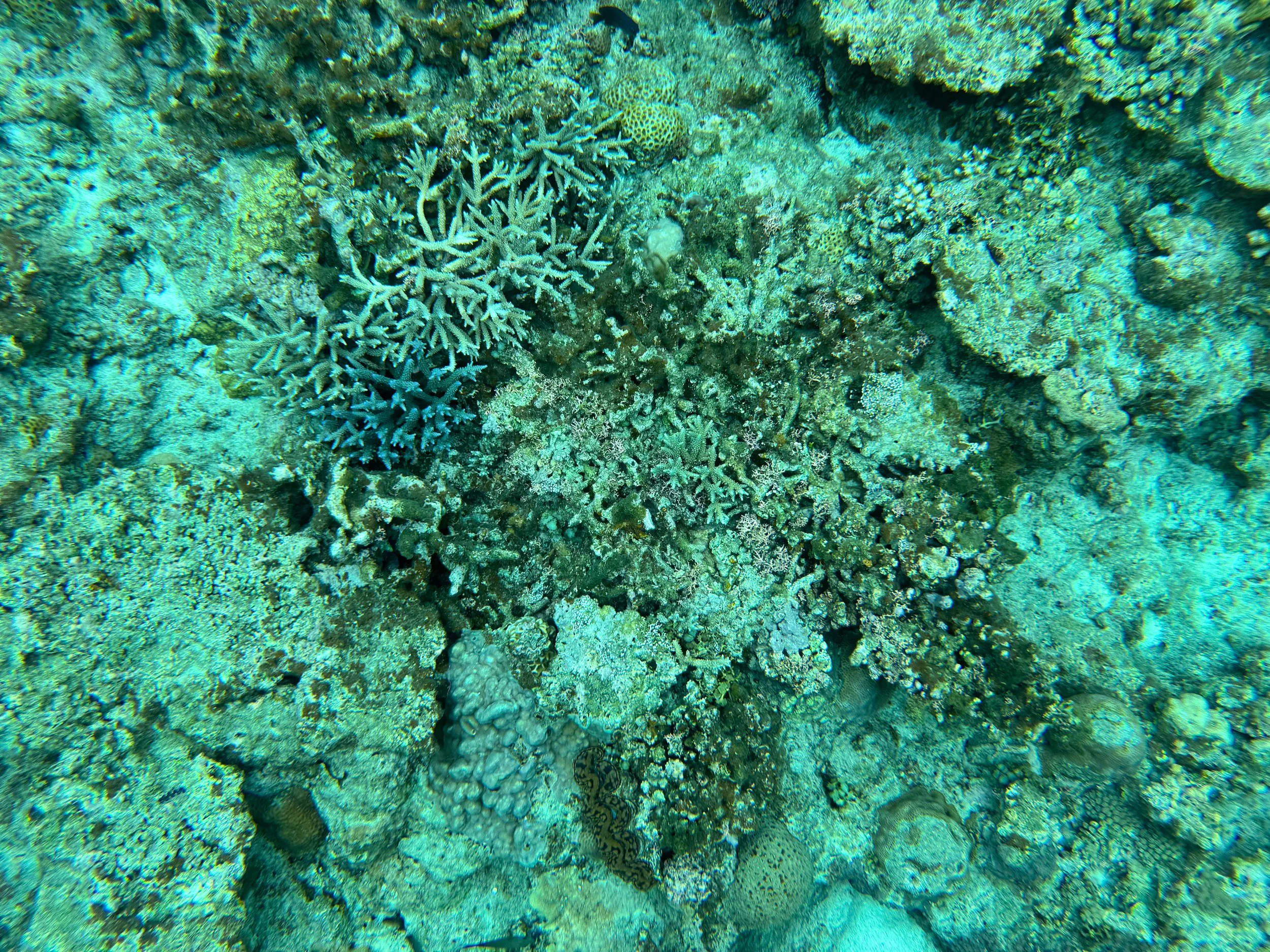
Okinawa’s Kerama Islands are world renowned for their crystal clear waters and thriving marine ecosystems. They’re one of the few places in the world where coral reefs are not in decline. We visited three snorkeling spots on a full day tour and experienced our first introductory scuba dive.
Go Snorkeling. Beneath the surface of the crystal clear water is a world teeming with life. We observed nebulous shaped corals and vibrant reefs home to poisonous sea snakes, bright colored star fish, multicolored parrotfish, fluttering pufferfish, playful clownfish and swaying anemones. Most reefs we visited were a minimum of 10 meters below the surface but easily visible.
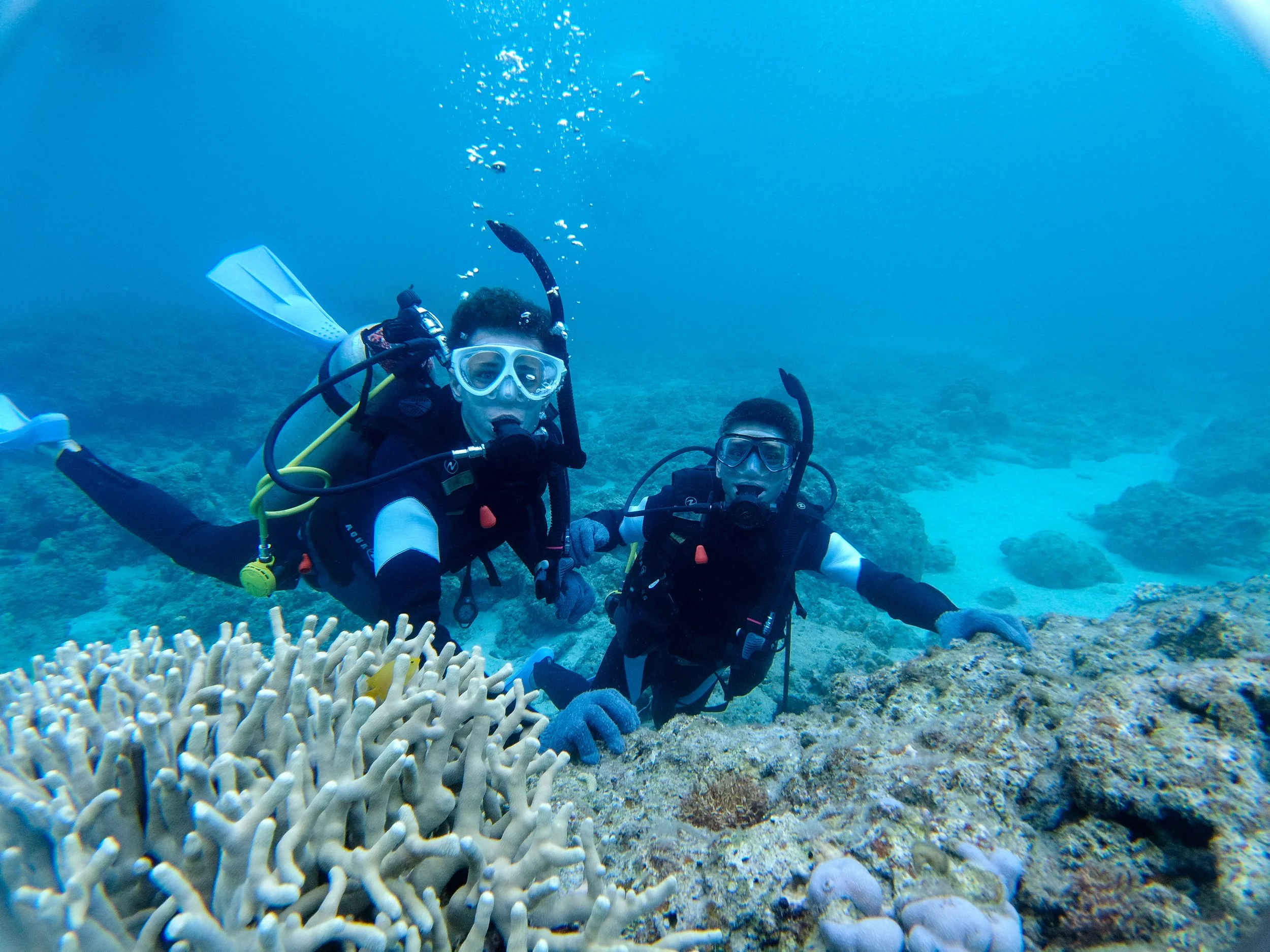
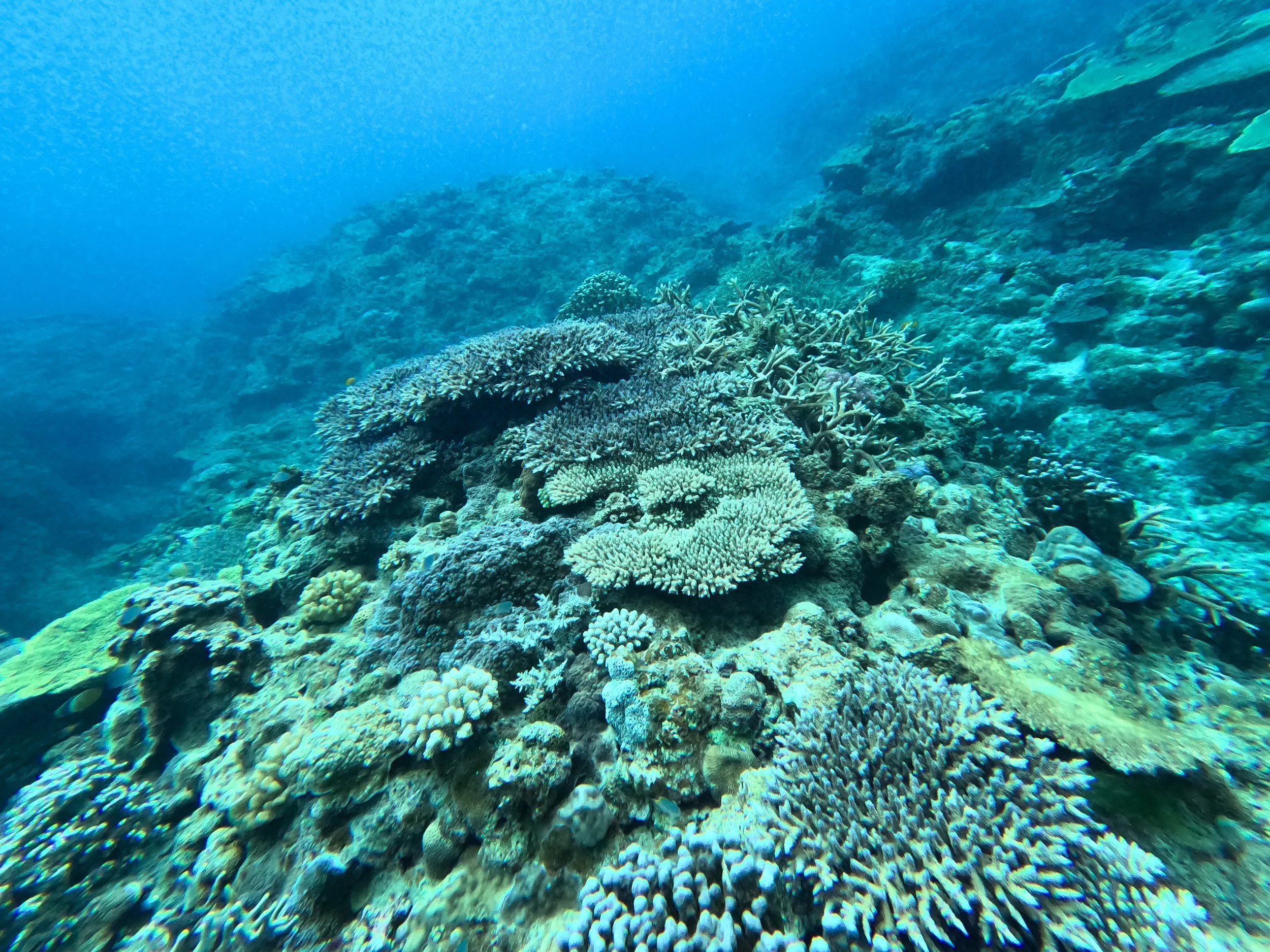
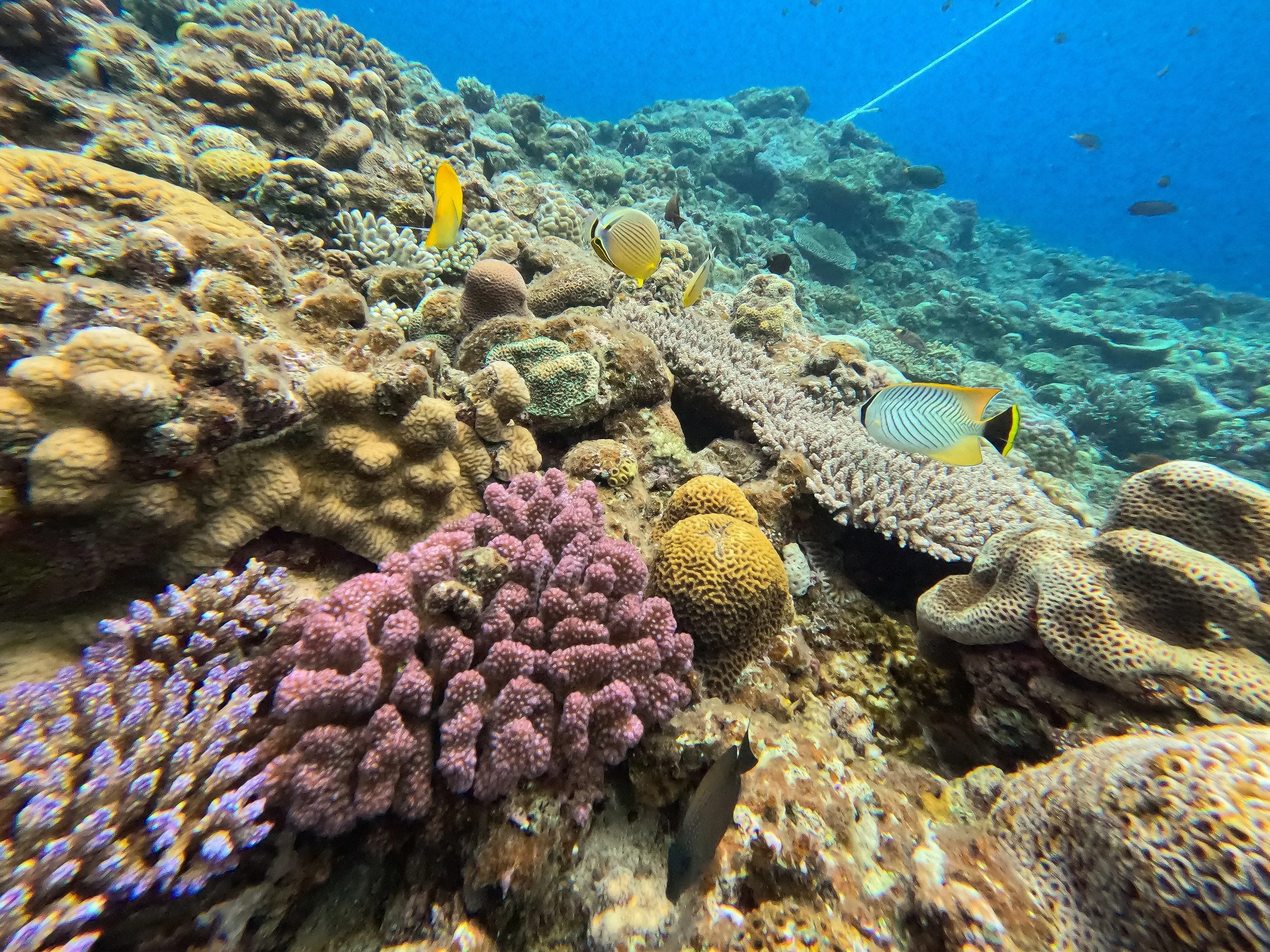
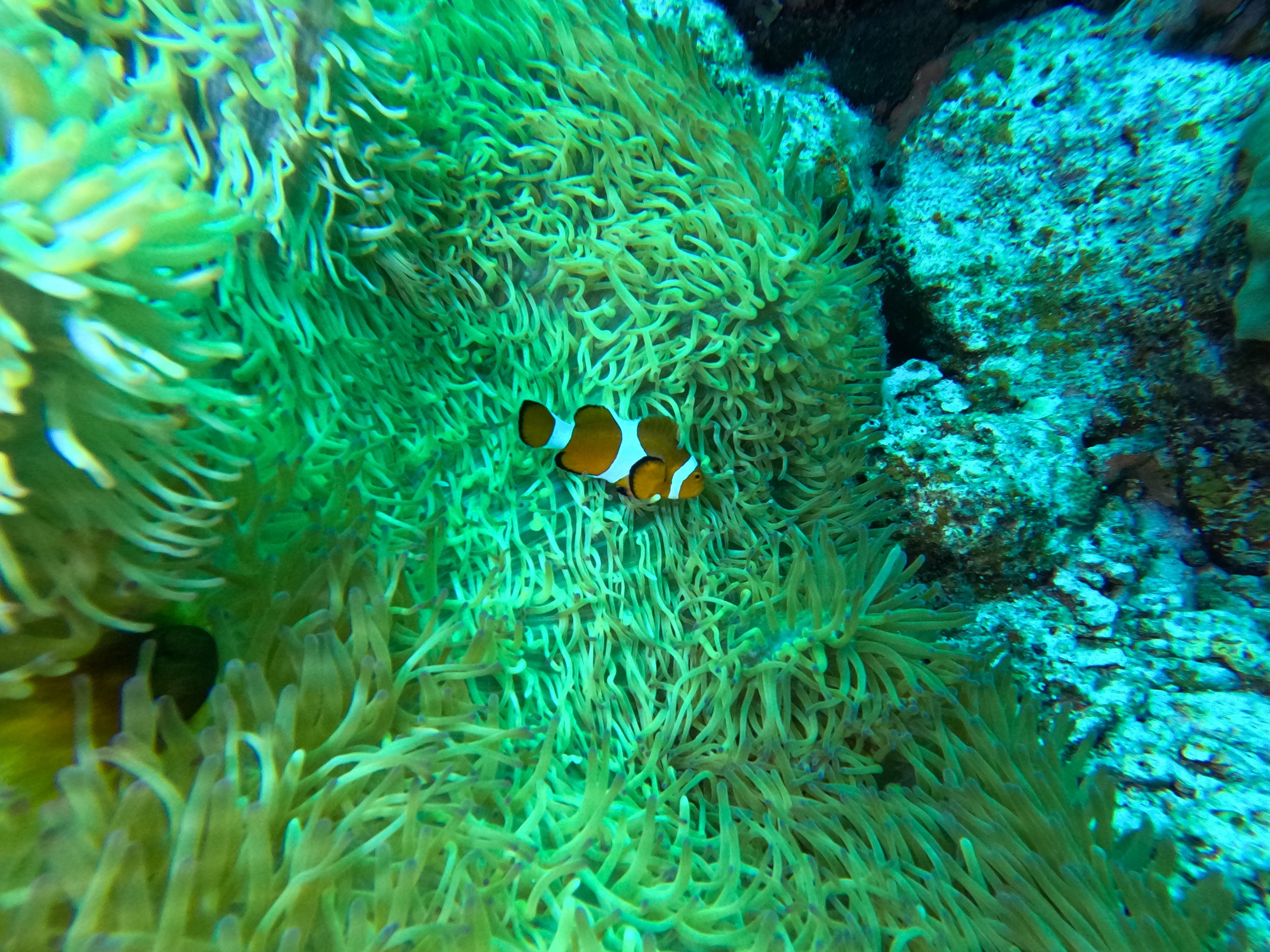
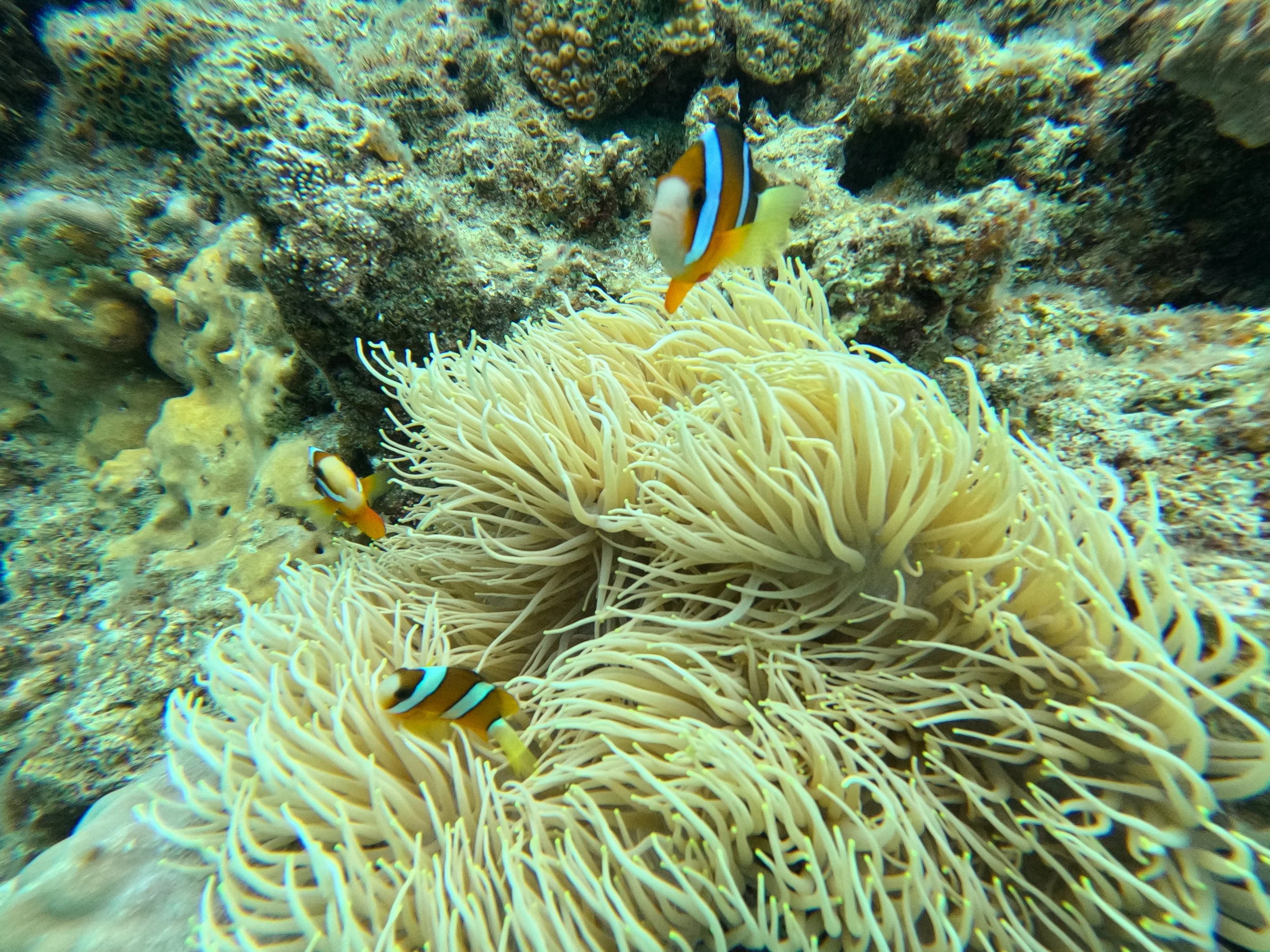

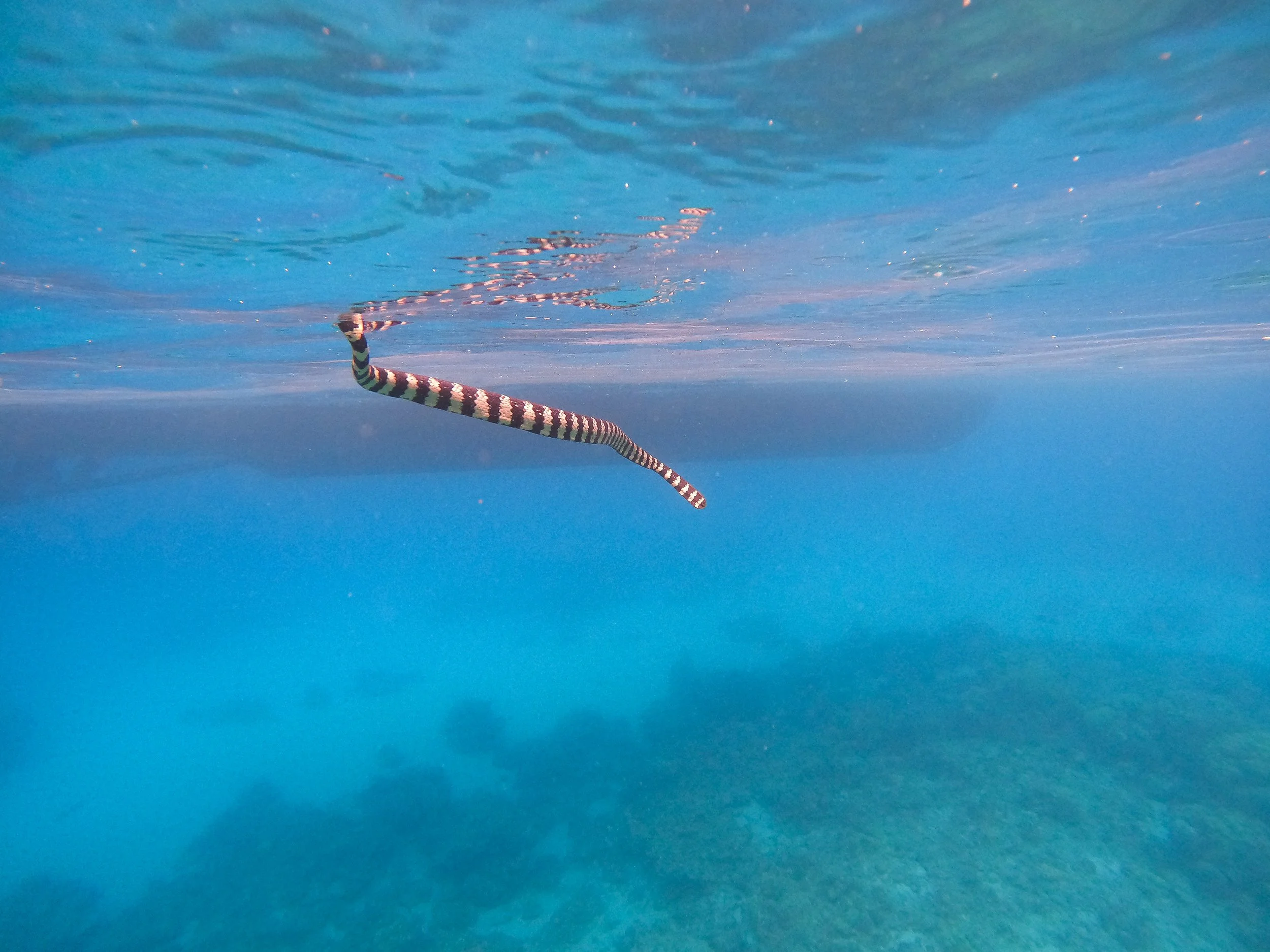
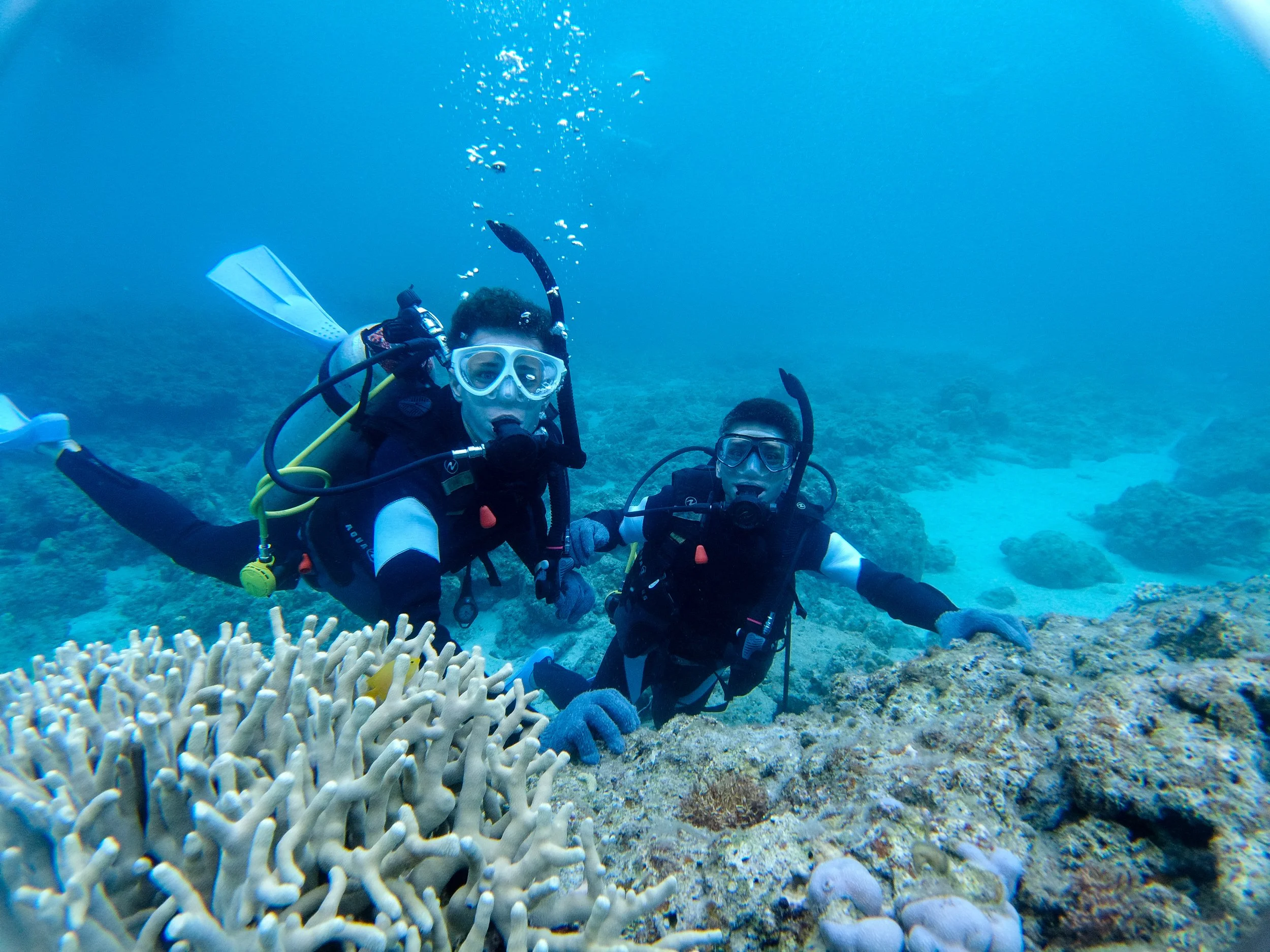
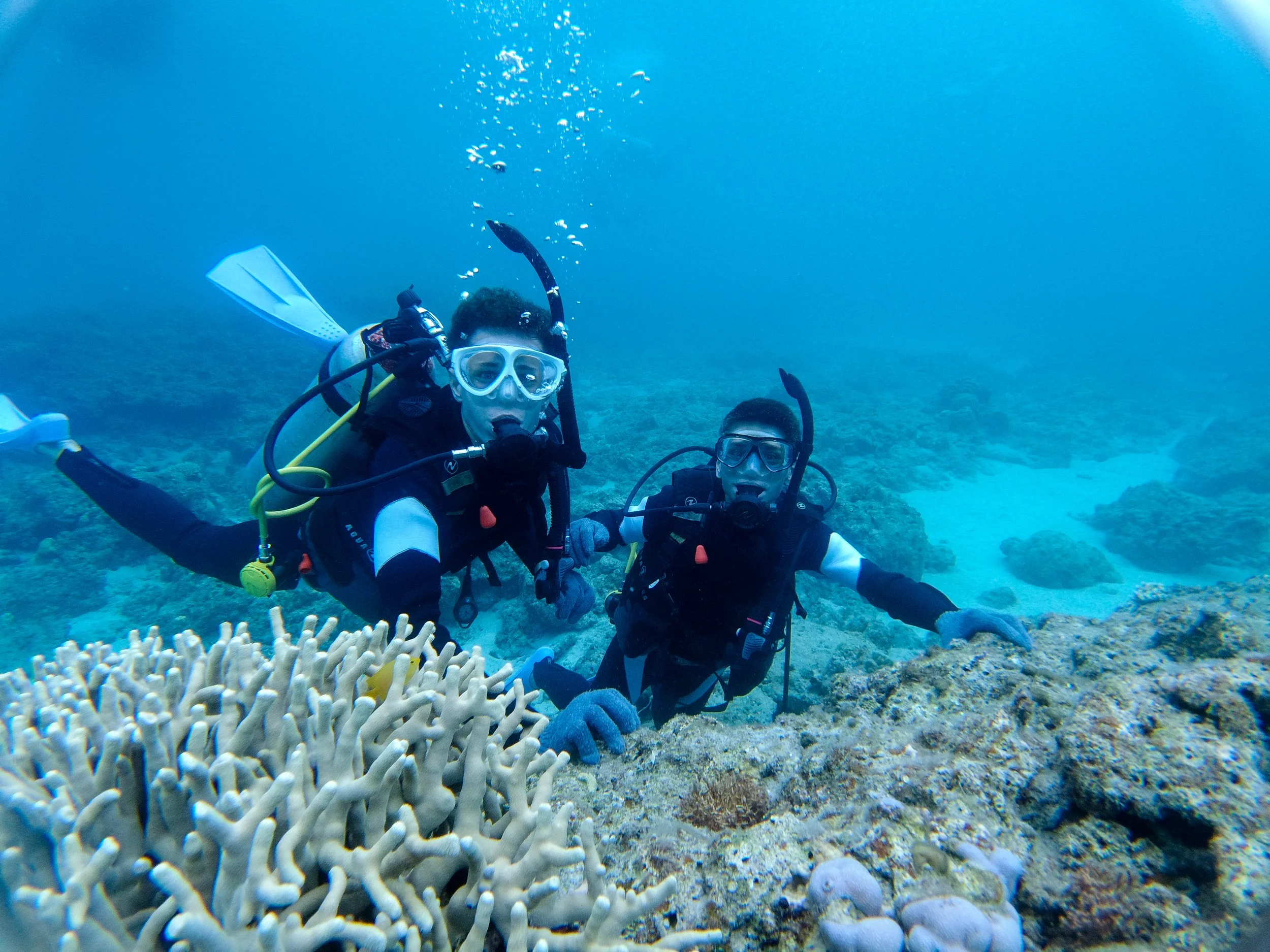
Intro Scuba Diving. The crew fitted us with wet suits, oxygen tanks and all the necessary scuba gear for our first dive. Led by an instructor, we slowly and comfortably descended into the depths. Once acclimated, we swam around the ocean floor past coral formations, starfish, sea cucumbers, anemones and clownfish. We spent about 30 minutes 10 meters below the surface exploring the underwater world. We booked our adventure with Marine House Seasir Kerama Islandson Trip Advisor.
Golden Week
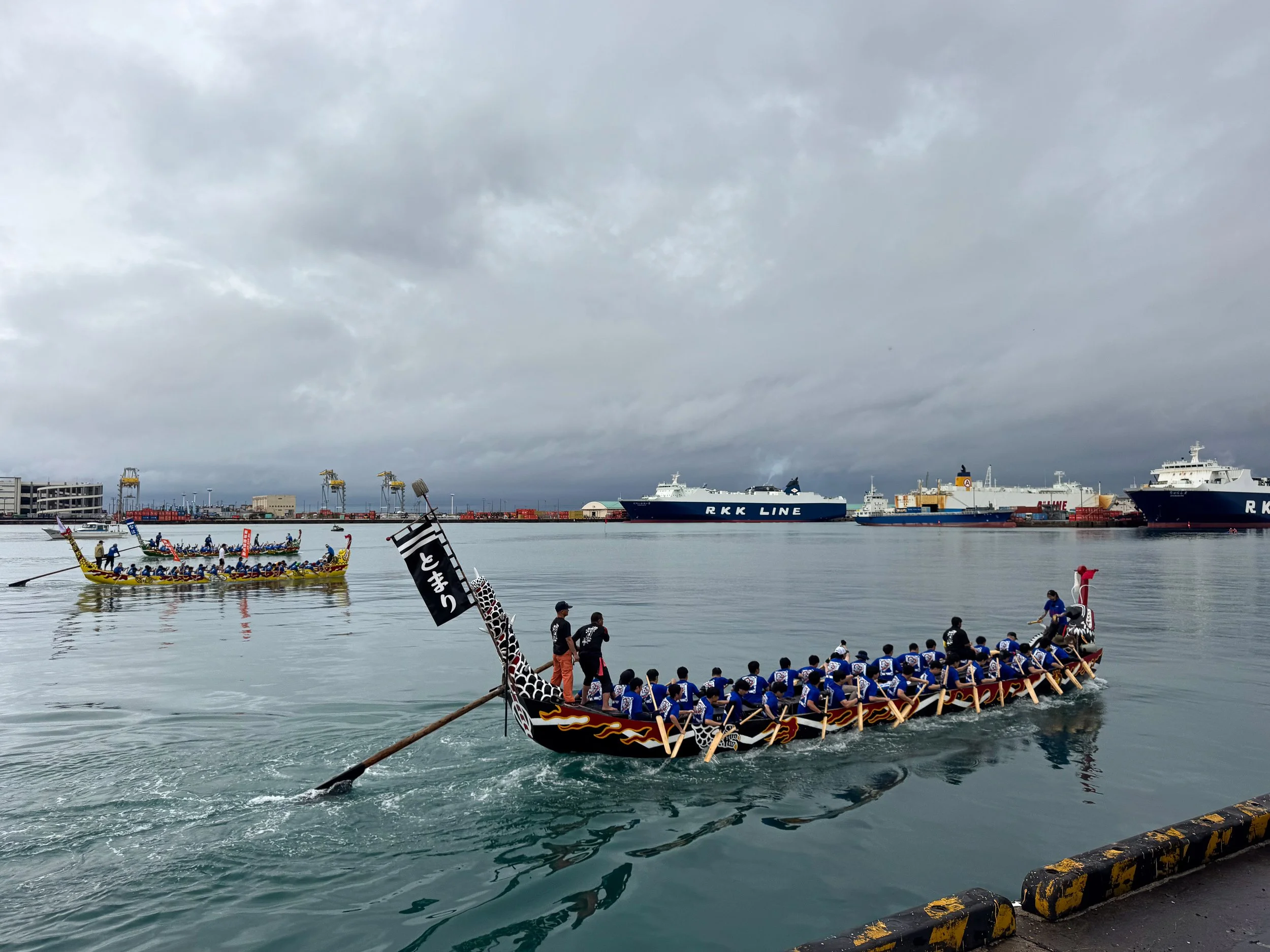
Japan’s Golden Week encompasses multiple national holidays and celebrations in late April through early May. Okinawa is a popular destination, famed for its cultural activities and Dragon Boat Races.
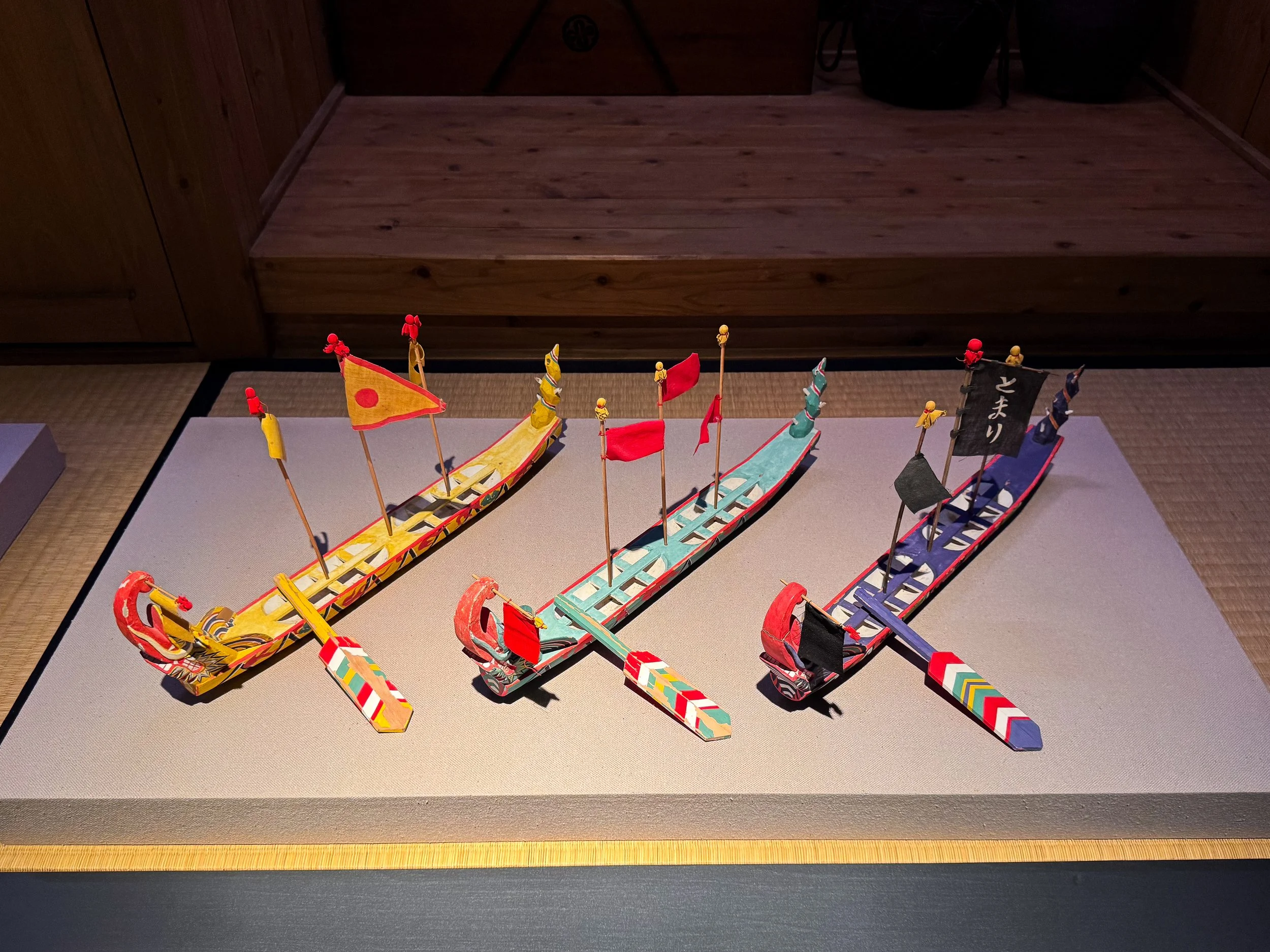
Naha Hari Festival (The Dragon Boat Festival). The Dragon Boat Festival is a yearly event held during Okinawa’s Golden Week. Teams of rowers race Dragon Boats, traditional wooden canoes designed with the head of a dragon on their bow. The race is symbolic of Okinawa and its culture around the sea. It dates back to the Ryukyu Kingdom as a way to pray for a safe voyage and good catch. Today it is a celebrated continuation of tradition. The festival is accompanied by tents with fair games, street food vendors and Orion beer gardens. It ends with a musical performance and firework show over the harbor. The festival is held every year on May 5 at the Naha Port, north of the Tomari Iyumachi Fish Market.
Pro Tip. In between races, stop by the Naha Hari Museum, a nearby museum dedicated to the history of the Dragon Boat Festival. The boats are displayed here when not being raced.
Places to Eat & Drink
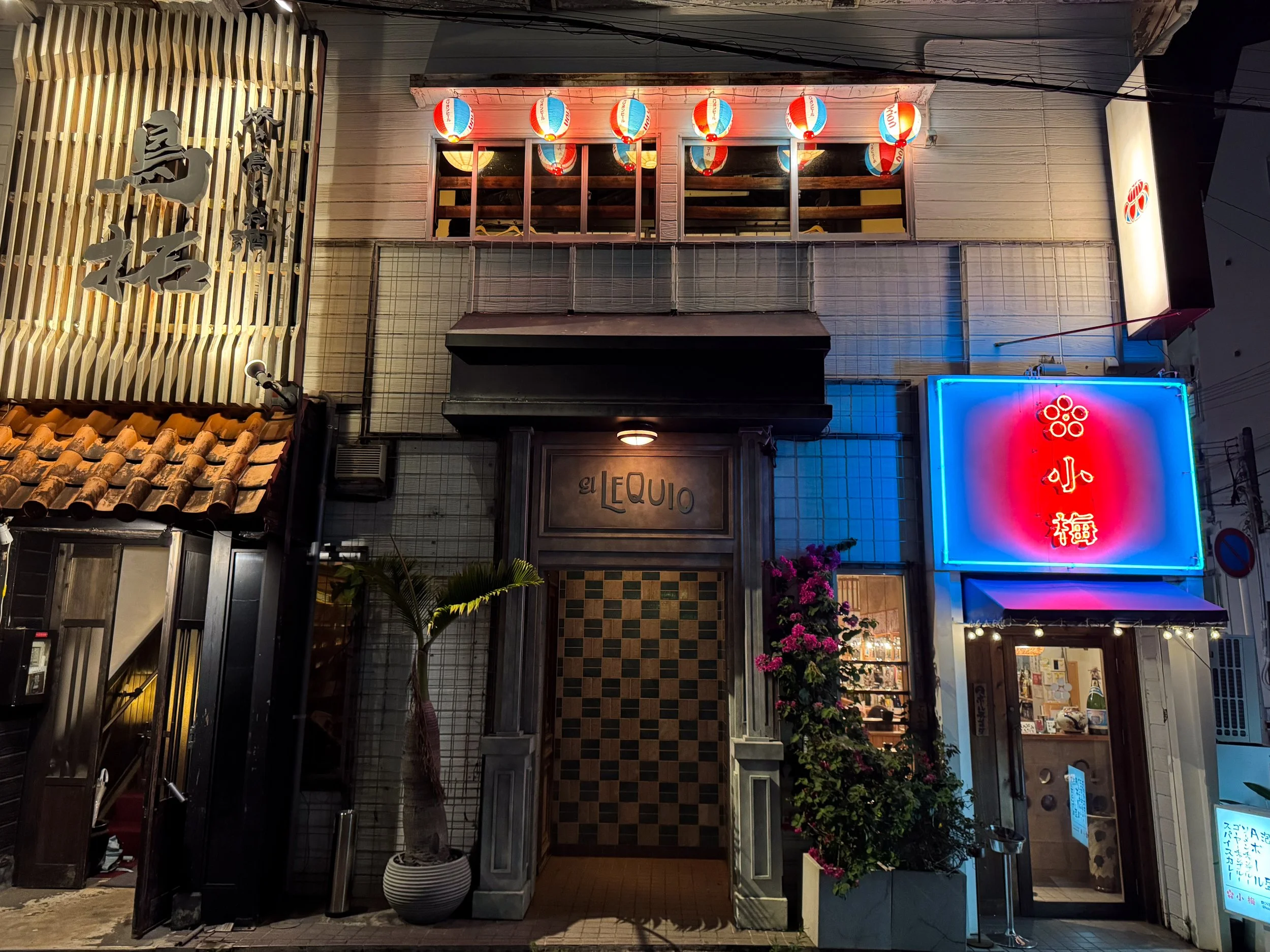
El Lequio. An elevated cocktail bar with Japanese and Mexican fusion cocktails made from an impressive “library” of spirits. It’s regularly reviewed as one of the top 50 bars in the world. Sit at the bar and watch the mixologists present signature cocktails. Try the Have A Blast, a mezcal and shochu cocktail or the Lequio Libre made with Okinawan rum and house made cola.
Bar Accord. A cocktail bar with Japanese made spirits, primarily whisky and gin. It has an old world feel, emphasized by the number of smoking patrons and dim lights. We sipped on local spirits accompanied by rice crackers and wasabi peas.
Hamaton Sushi. An izakaya with a range of sharing plates including soba, tempura, flamed mackerel and assorted plates of sashimi. We came here for our first meal in Japan!
Syokudo and Teishoku Restaurant. A rooftop restaurant in a small hotel with the classic Japanese breakfast combination of miso soup and onigiri. Try the onigiri made with bonito flakes and mayonnaise or spicy cod roe and cream cheese.
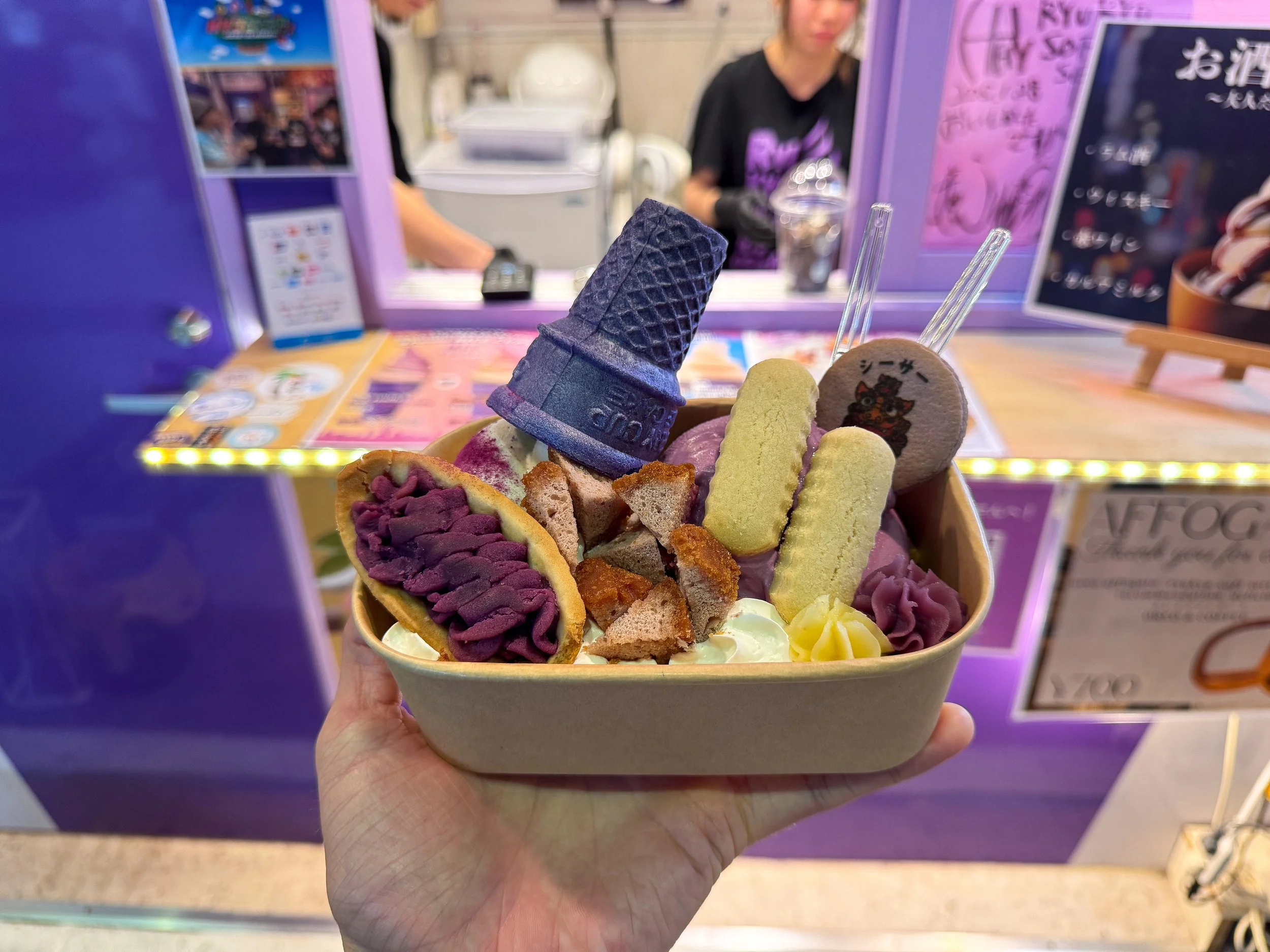
Ryukyu Soft Serve Ice Cream. A soft serve ice cream shop on Ichiba Hondori with ube and vanilla flavors paired with local sweets and desserts. We shared the Ryukyu Premium Plate, an ice cream sundae made with both flavors and topped with Okinawa donuts, beni imo tarts, shortbread and ube cookies.
Blue Seal Ice Cream. A popular ice cream chain with American and Okinawan flavors like beni-imo, ube, matcha and cheesecake.

Okinawan Cuisine
Japan is world renowned for its cuisine, flavors and culinary presentation. Okinawa shares many of the same dishes as the rest of Japan but it also has its own specialities and some of the country’s freshest seafood.
Seafood Dishes
Sashimi. High quality pieces of thinly sliced raw seafood eaten without rice. It can be prepared with any type of seafood like tuna, mackerel, scallop, octopus or sea snail.
Okinawa Uni. A Japanese delicacy made from the roe of edible sea urchins. Uni from Okinawa has a slightly sweeter taste than the famed Hokkaido uni but with a buttery and umami forward flavor.
Giant Top Snail. A large sea snail only found in the waters of Okinawa. It’s popular served raw as sashimi or cooked with butter and garlic.
Street Food
Taiyaki. A fish shaped pastry with a waffle like flavor. It is often stuffed with red bean paste, custard or ube.
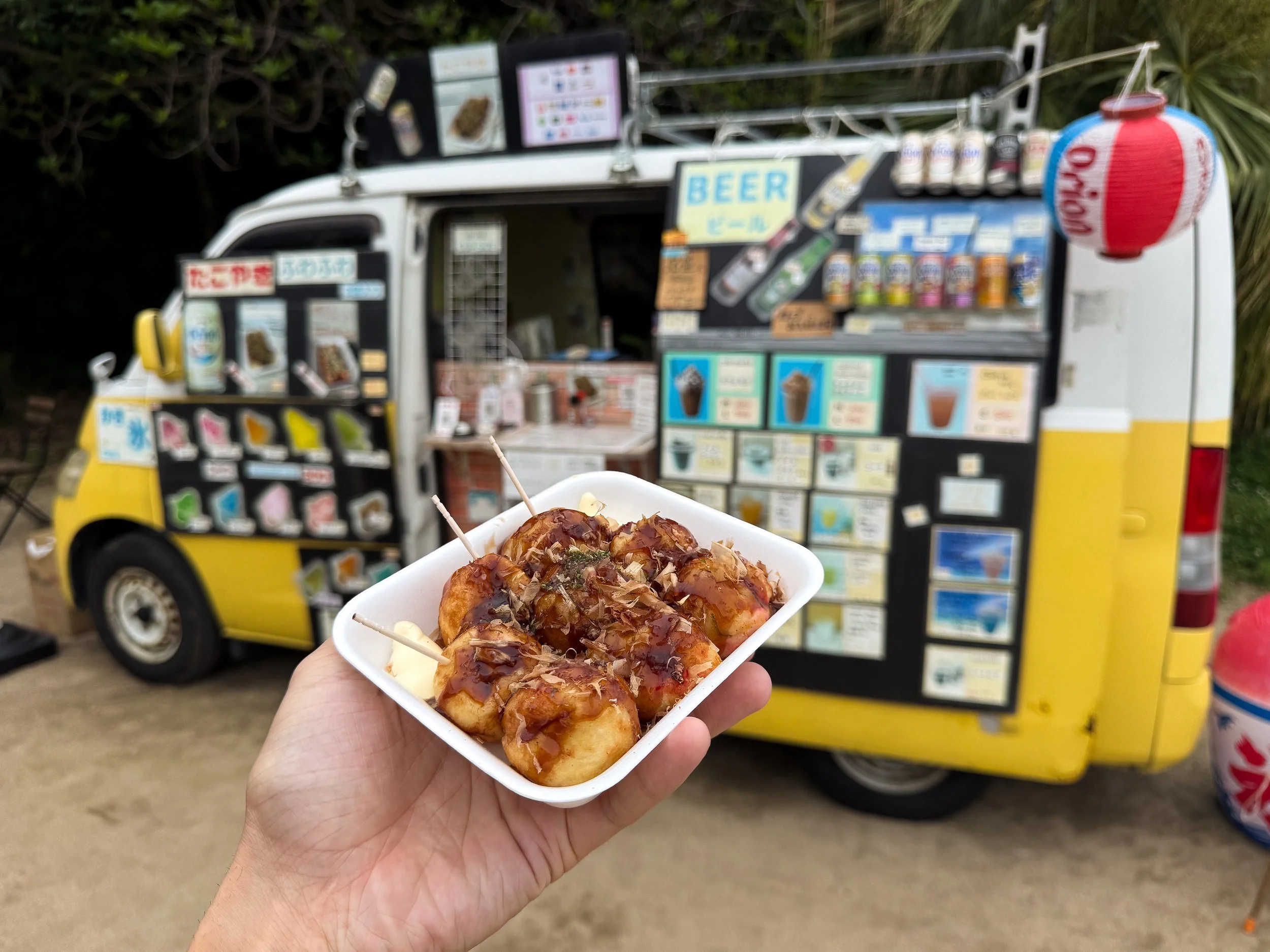
Takoyaki. Octopus batter molded into bite size spheres and garnished with kewpie mayo, eel sauce and bonito flakes. It’s a popular Japanese street food dish.
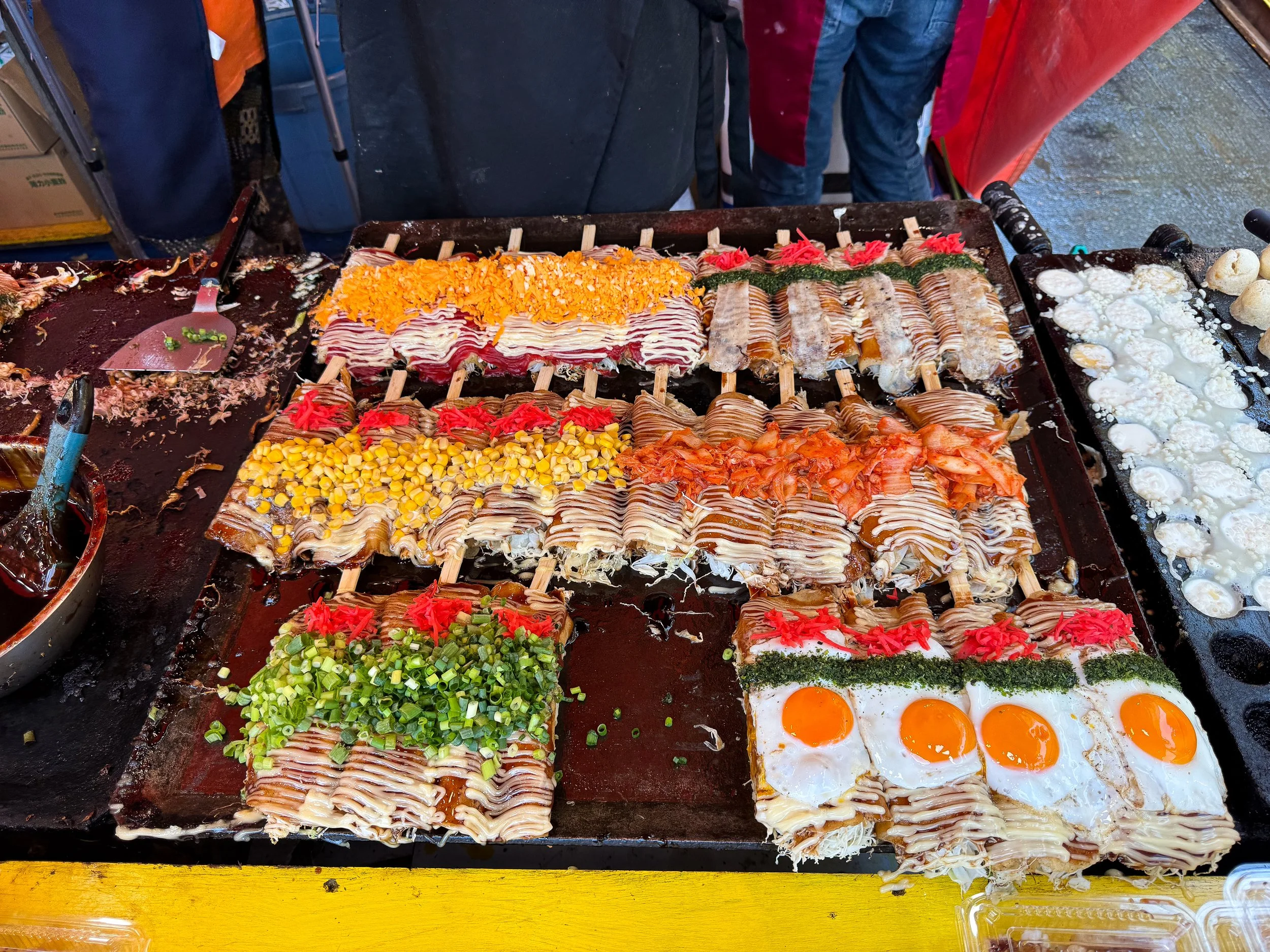
Dondon Yaki. A savory pancake wrapped around a chopstick made from egg, cabbage, green onion, bonito flakes, eel sauce and kombu seaweed. It’s typically served as street food in markets.
Rice and Noodle Dishes
Onigiri. A triangular shaped packet of Japanese sticky rice with a savory filling wrapped in nori seaweed. It’s a popular breakfast, lunch or on the go snack. A favorite filling is tuna with mayo.
Spam Musubi. Sliced Spam served over seasoned sticky rice and wrapped with a band of nori. It’s popular across the island, specifically in supermarkets.
Tamago Rice. Hot Japanese sticky rice seasoned with tamago, a sweet and salty seafood forward seasoning. It’s a common breakfast dish.
Tamago Kake Gohan. The same as tamago rice but with an egg cracked on top and vigorously mixed using chopsticks until coagulated.
Soba Noodles. A buckwheat noodle dish often boiled and served with vegetables, meats and sauces. It’s usually served cold.
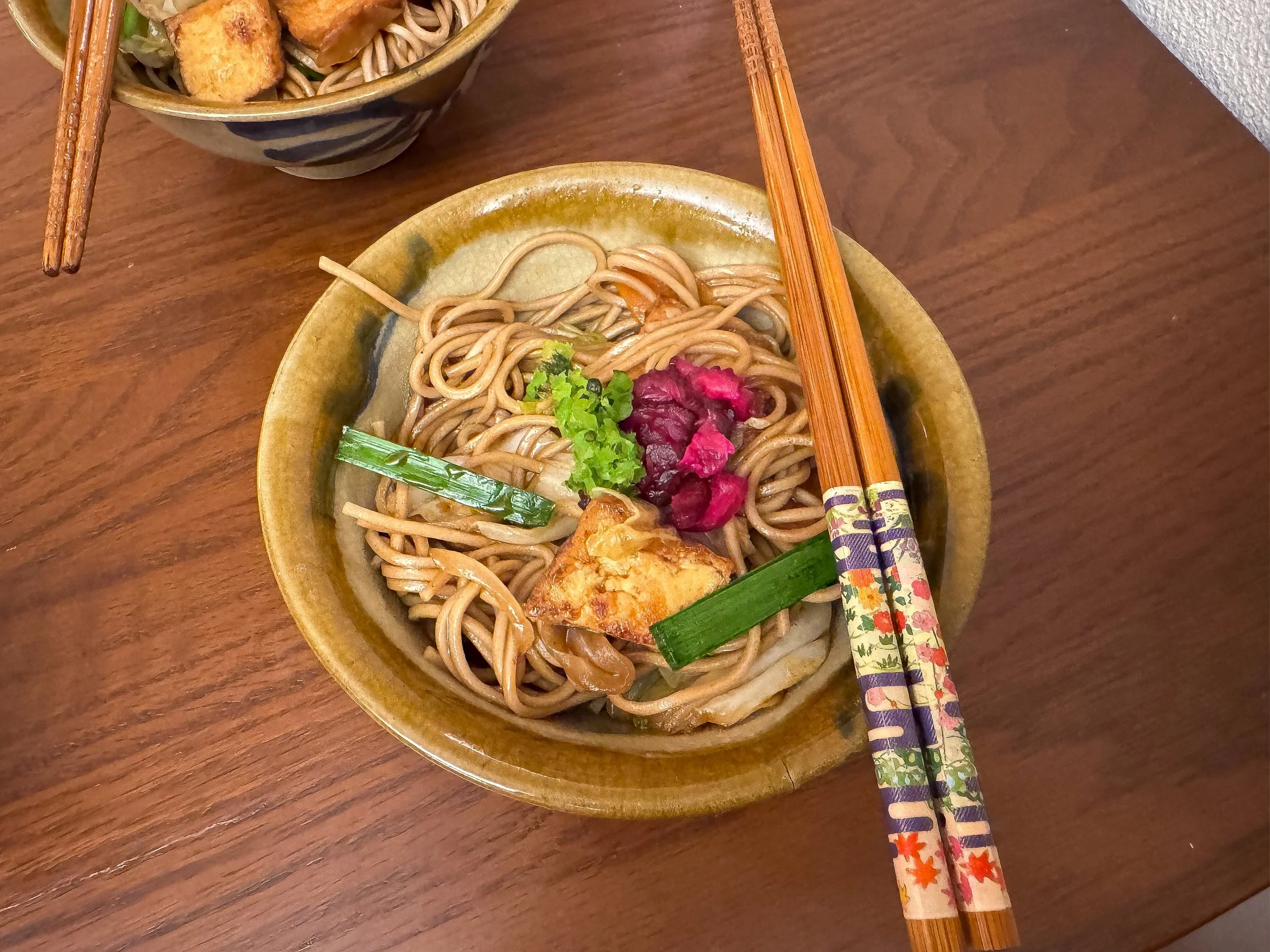
Yaki Soba. Similar to traditional soba noodles but fried and served warm.
Soups
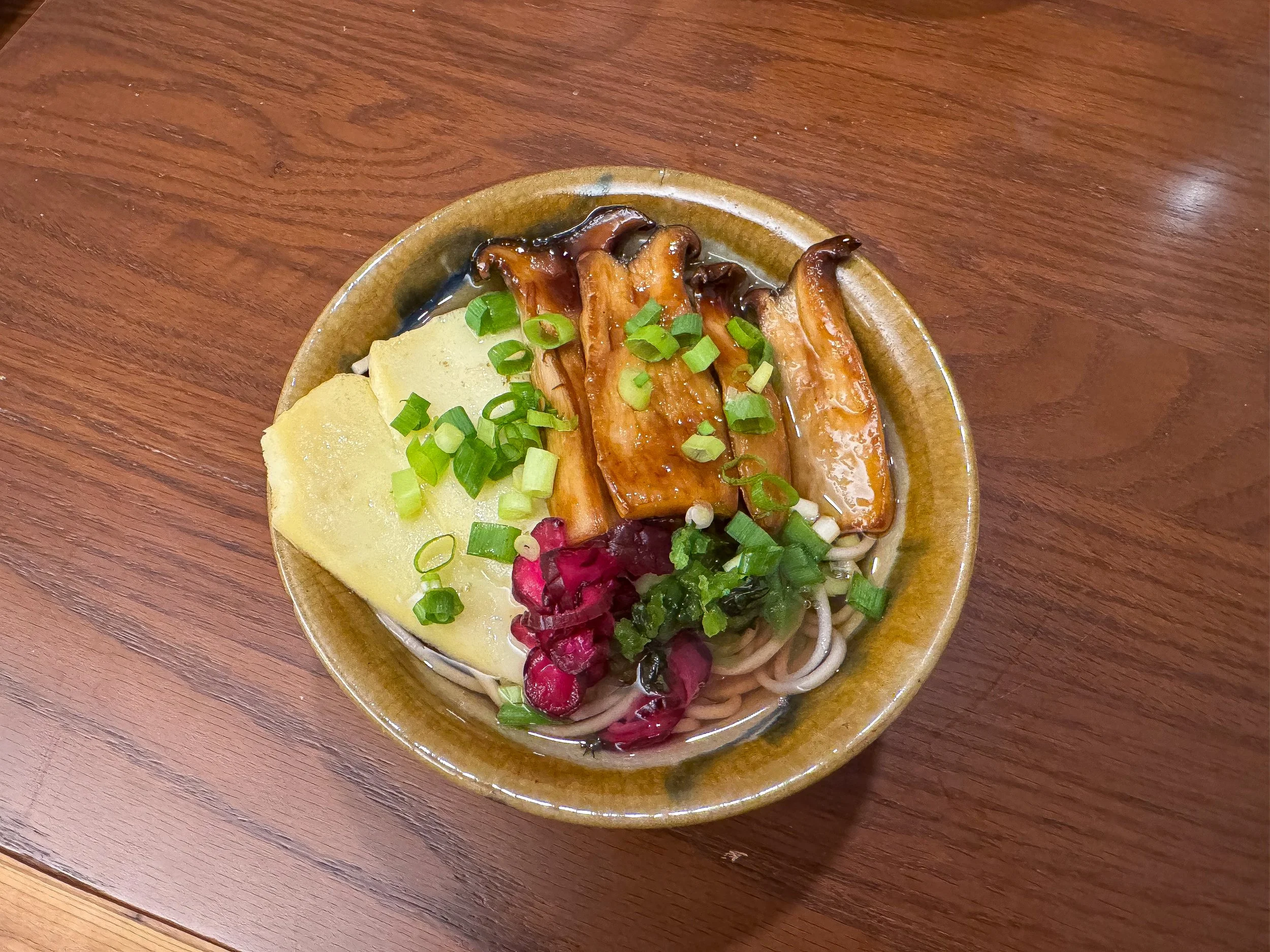
Okinawa Style Soba Noodle Soup. A soba noodle soup made with dashi broth and served with fish cakes, green onions, mushrooms and sliced pork.
Miso Soup. A flavorful umami forward soup made with miso paste broth, nori seaweed, bits of silken tofu and sliced scallion. It’s commonly slurped at breakfast.
Egg Dishes
Japanese Omelette. A fluffy and layered egg omelette made with dashi broth in a rectangular Japanese pan.
Egg Salad Sandwich. A popular sandwich made with an egg and mayo mixture spread between crustless slices of white bread. It’s often presented in halves with a sliced jammy egg at its center.
Fried Dishes
Tempura & Katsu. Two types of battered and fried dishes. The first is made with a flour batter while the latter is made with panko breadcrumbs.
Chanpuru. A stir fried dish made with bitter melon, tofu, eggs and pork. It’s common for breakfast.
Seaweed. A common side dish, seasoning and important base in Japanese cuisine.
Nori. Sheets of dried seaweed often used to wrap rice dishes or flavors and eaten as a snack.
Kombu. A hardy and dried seaweed often used to make soups and broths like dashi.
Umibudo. A type of seaweed known as sea grapes. They have a salty and satisfying crunch that bursts with flavor.
Mozuku. A stringy brown seaweed with a savory and salty flavor. It’s a common side dish in Okinawa.
Desserts
Beni Imo. A purple sweet potato cooked into pastries and ice cream. Try the Beni Imo Tarts, an ovular tart with piped ribbons of beni imo cream.
Okinawa Donuts. Craggily and cakey fried dough balls.
Pineapple Cake. A cakey bread made with pineapple jam and chunks.
Alcoholic Beverages
Orion Beer. A locally brewed rice beer with a light and hoppy flavor sold and served everywhere in Okinawa. Try it with a slice of orange to enhance its flavor.
Sake. Japanese fermented rice wine. It comes in a complex range of flavors depending on rice type, polishing, filtration and alcohol content.
Awamori. A liquor made from fermented rice wine aged in clay pots with black koji, a type of mold. It tastes like an earthy sake and is typically served over ice.
Where to Stay
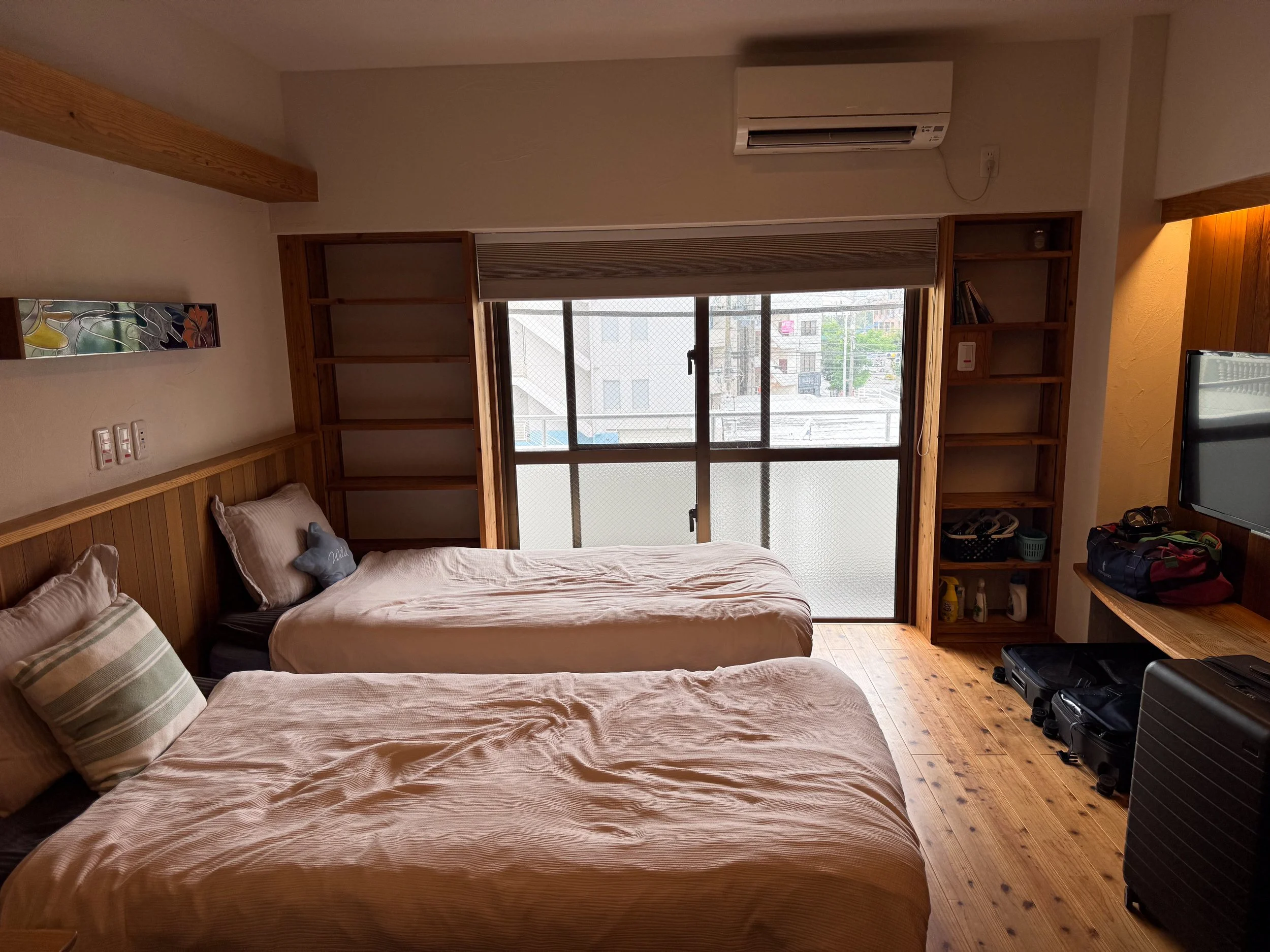
Delights Guest House Tsubogawa. An apartment building with individually appointed rental units. Our studio was designed with wooden accents, coral plastered walls and a stained glass sconce. It included a balcony with a laundry machine, toilet with a high tech bidet and a kitchen perfect for cooking our own meals in. It’s near a Yui Rail station, minutes from the airport and city center. Reserve on Airbnb.
Getting Around
There are several ways to get around Okinawa and the city of Naha.
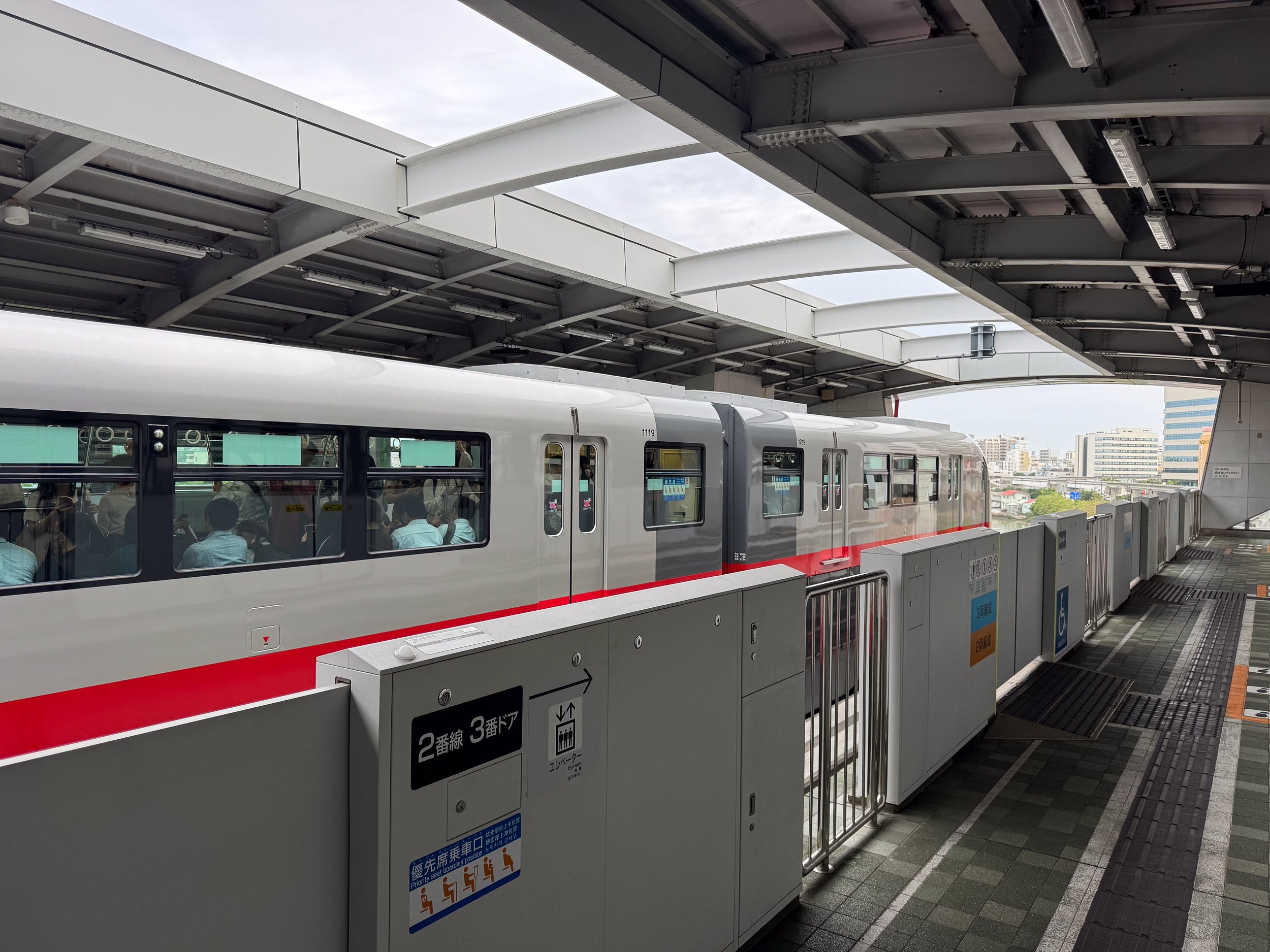
Yui Rail. A single line monorail with stations across Naha. The line starts at the airport and weaves through the city to the town of Urasoe. It’s the city’s most efficient form of public transit, operating from 6am to 11pm. Individual tickets are available from kiosks at every station. The cost depends on the distance traveled with fares ranging around a few hundred yen.
GO. A taxi hailing app popular across Japan. It’s perfect for getting to destinations too far from a Yui Rail station or too far to walk. Rides can be expensive.
On Foot. Naha is an easily walkable city. We often walked up to 30 minutes to get around when not near the Yui Rail.
By Car. A rental car is needed to explore the island outside of Naha.
Driving in Japan
Driving in Japan was an intimidating thought but turned out to be far easier than expected. There are a few things that are good to know beforehand.
Drive on the Left. The Japanese drive on the left side of the road. It was surprisingly easy for a first timer, especially when following the flow of traffic. The only mistake made was continually confusing the turn signal and windshield wiper levers.
Metric System. Distance and speed are measured in meters and kilometers.
Road Signs. Road signs are in both Japanese and English.
Refueling. Gas station attendants refuel the vehicle for you.
Rental Cars. We rented our car from Okinawa Rent A Car near the Naha Airport. Cars can be reserved in advance, paid at pick up and driven off with no concerns. An international driver's license (IDP) with a Japanese translation is required in addition to your regular driver’s license.
Location Specifics
When to Visit. We visited Okinawa in early May at the beginning of the rainy season. Skies were regularly overcast with pockets of rain showers. Though it wasn’t beach weather, we still enjoyed our time visiting outdoor sights, scuba diving and exploring caves. Golden Week is always the first week of May and the Dragon Boat Festival is held every May 5th.
Credit vs Cash. Japan is generally a cash leaning country. Credit cards are accepted at some businesses but it’s safe to expect needing to pay in cash.
Otoshi (Covers). Many restaurants, izakayas and bars will charge a cover when dining in. They often include a small snack or house appetizer.
Tipping. It is not necessary to tip at most businesses. Bills will often include a 10% service charge.
No Shoes Indoors. Japan is the strictest country we’ve visited when it comes to wearing shoes indoors. At most restaurants and accommodations, shoes must be left at the door before entering.
Body Language. Pointing with fingers and crossing arms is considered rude. Use both hands when giving or receiving anything like cash, credit cards, receipts or tickets. A slight head bow is considered respectful when greeting someone or saying goodbye.
Anti Foreigner Izakayas. Some Izakayas refuse to serve foreign customers. Hosts or owners will say they’re closed or sold out then proceed to seat Japanese speaking customers. When this happens, it’s best to brush it off and find somewhere else to dine.
Language. Knowing a few words and phrases in Japanese goes a long way when interacting with locals.
Hello. Kon'nichiwa (Kon-Knee-Che-Wa)
Good Morning. Ohayōgozaimas (Oh-Hi-O-Go-Sigh-Mas)
Thank You. Arigatōgozaimas (Are-E-Got-Toe-Go-Sigh-Mas)
You’re Welcome. Dōitashimashite (Doe-Tie-She-Mash-Two)
I Would Like. O onegaishimasu (O-Own-E-Guy-She-Mas-Sue)
Yes. Hai (Hi)
No. Īe (E-Yea)
Elsewhere in Japan
From Okinawa's Ryukyu heritage and island scenery to Tokyo's city life, Kyoto's temples and Osaka's food culture, discover more of Japan with these travel guides:
Tokyo Travel Guide: Districts, Japanese Culture & Mt. Fuji. Get lost in Tokyo where vibrant districts, neon cityscapes, historic temples, centuries old traditions & Japanese food alleys are set against the backdrop of Mt. Fuji.
Kyoto Travel Guide: Temples, Historic Districts & Japanese Culture. Wander through Kyoto’s historic districts where ancient temples, tiered pagodas, traditional gardens, tea houses and izakayas preserve centuries of Japanese culture.
Osaka Travel Guide: Dotonbori, Street Food & Osaka Castle. Experience Osaka where Dotonbori, Osaka Castle, neon-lit streets, bustling markets and legendary street food culture fuel the city's unmistakable energy.
For Next Time…
We loved our time in Okinawa and hope to return! Next time, we plan to visit during the peak of the dry season, from March to April. We want to experience Okinawa’s famed blue seas, more of its underwater life, white sand beaches and golden sunsets.
Oodomari Beach. A secluded and sandy beach on the far east side of Okinawa well reviewed for snorkeling.
Sesoko Beach. A white sand beach with turquoise waters and snorkeling.
Churaumi Aquarium. A massive aquarium with a tank housing whale sharks and manta rays. Cape Hedo. The northern most point of Okinawa known for its rocky cliffs, ocean views and sea turtles.