Nairobi Travel Guide: Wildlife, Markets & Kenyan Cuisine
Nairobi, Kenya
Nairobi is a place where urban life and the African wild meet. Kenya’s capital city is a hub for big game safaris with access to national parks and reserves. City museums feature exhibits on Maasai culture, restaurants serve local cuisine, cafes brew Kenyan coffee and markets sell East African artistry. We explored the city and ventured across the country’s rich landscapes on an unforgettable safari!
Central Business District. The historic heart of the city with bustling streets, roadside vendors, artisan markets, landmark buildings and modern skyscrapers. Stay alert here as it can often be the site of large protests and demonstrations.
Ngara. A central neighborhood that offers a glimpse into local life. The streets are bustling with people on foot, commuting in graffitied buses and shopping at roadside tents displaying produce, fruits, clothes and shoes.
Westlands. A polished neighborhood with modern high rises, higher end restaurants, office buildings and luxurious hotels. It’s one of the safest areas of the city.
Gigiri. A tree covered neighborhood surrounded by city parks and home to a large number of embassies, foreign expats and restaurants.
See the Sights
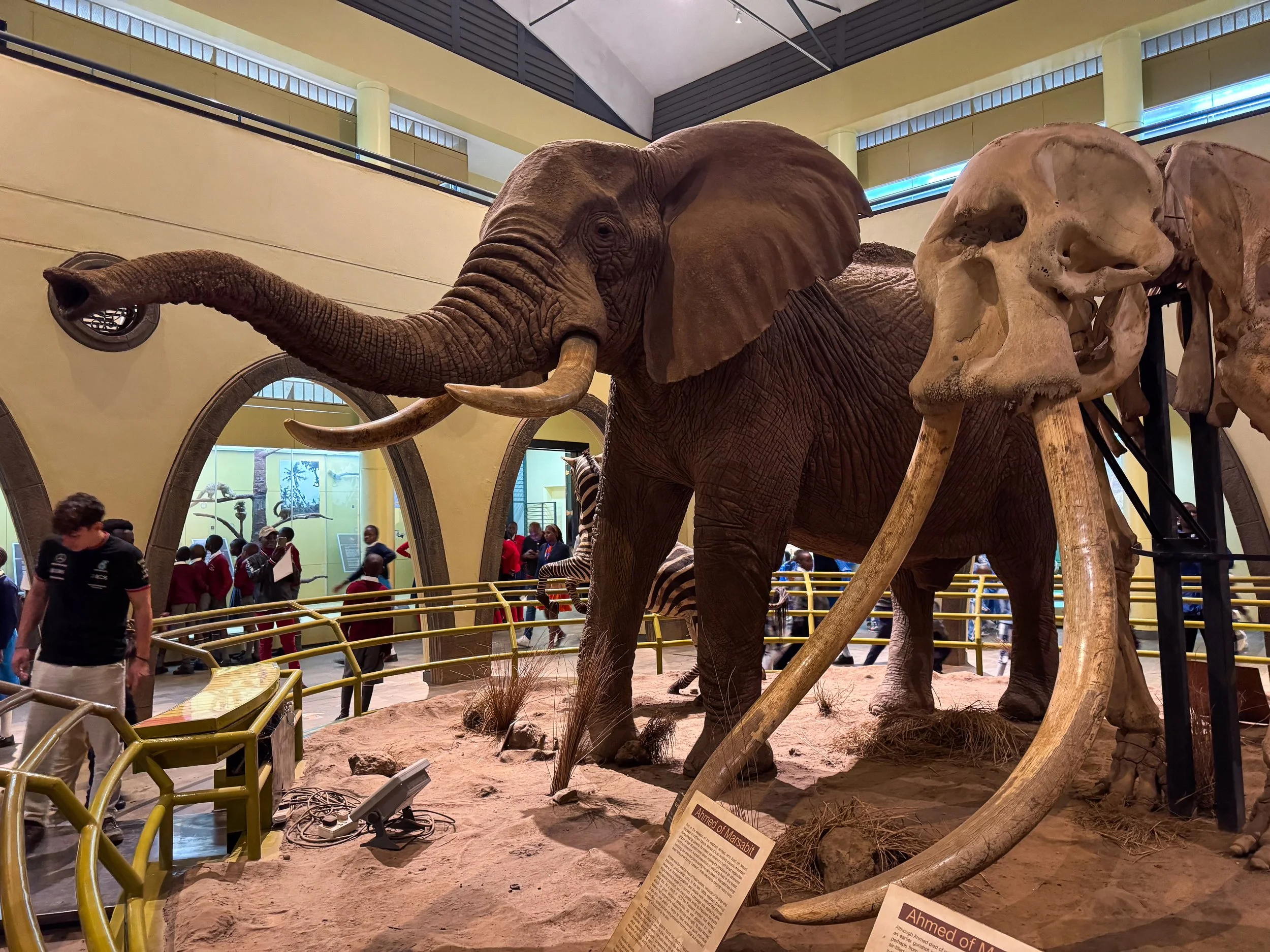
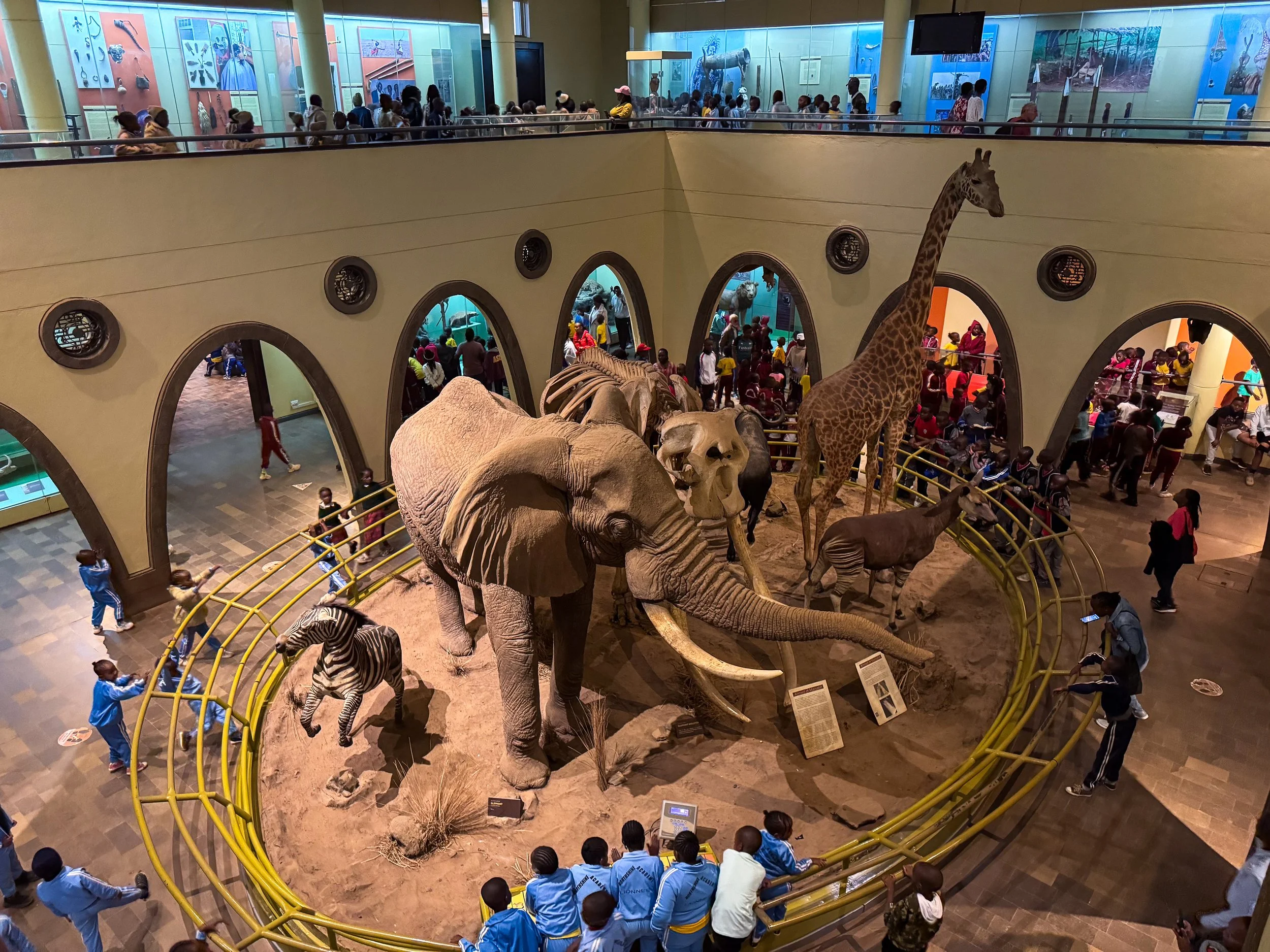
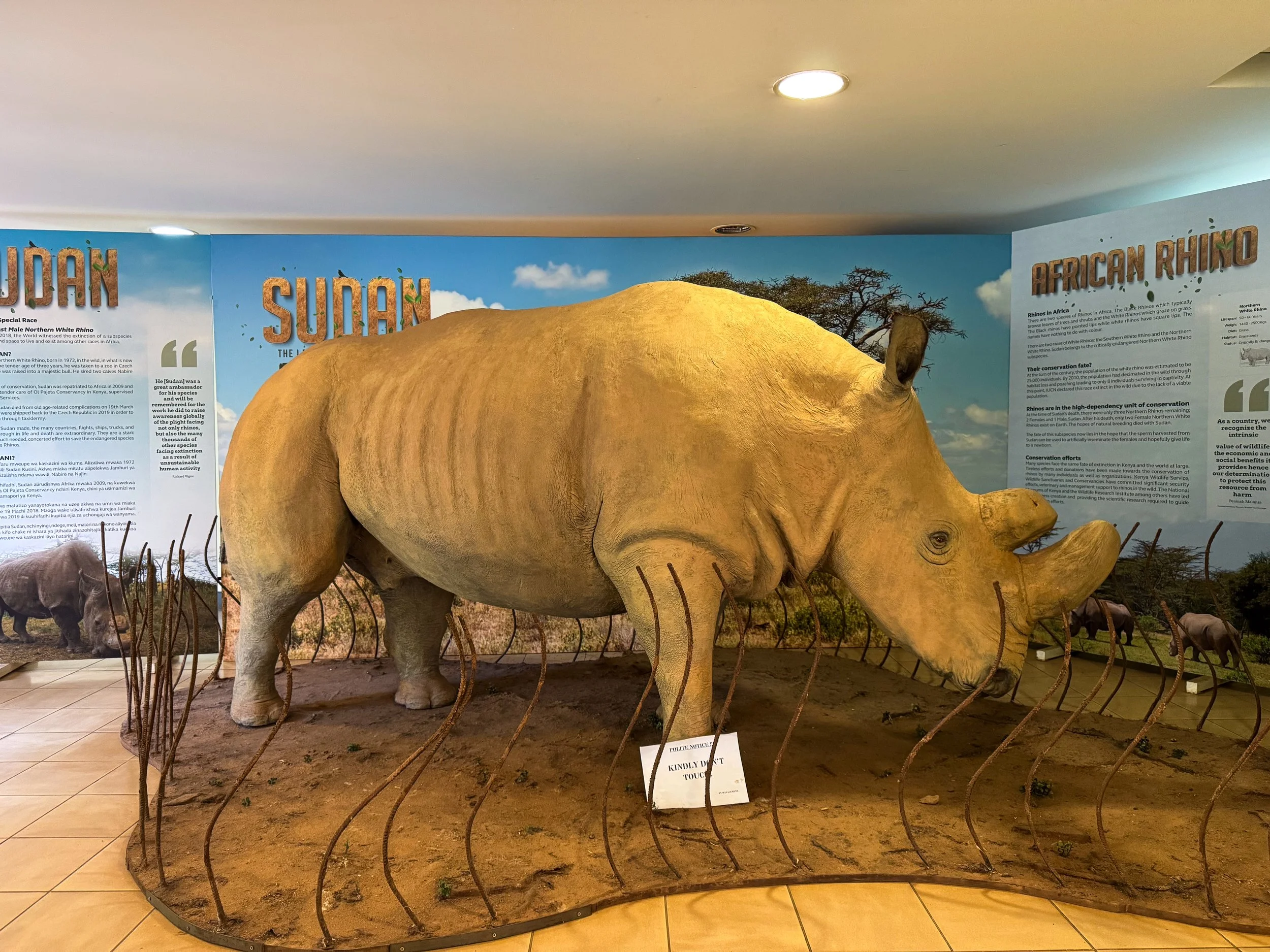
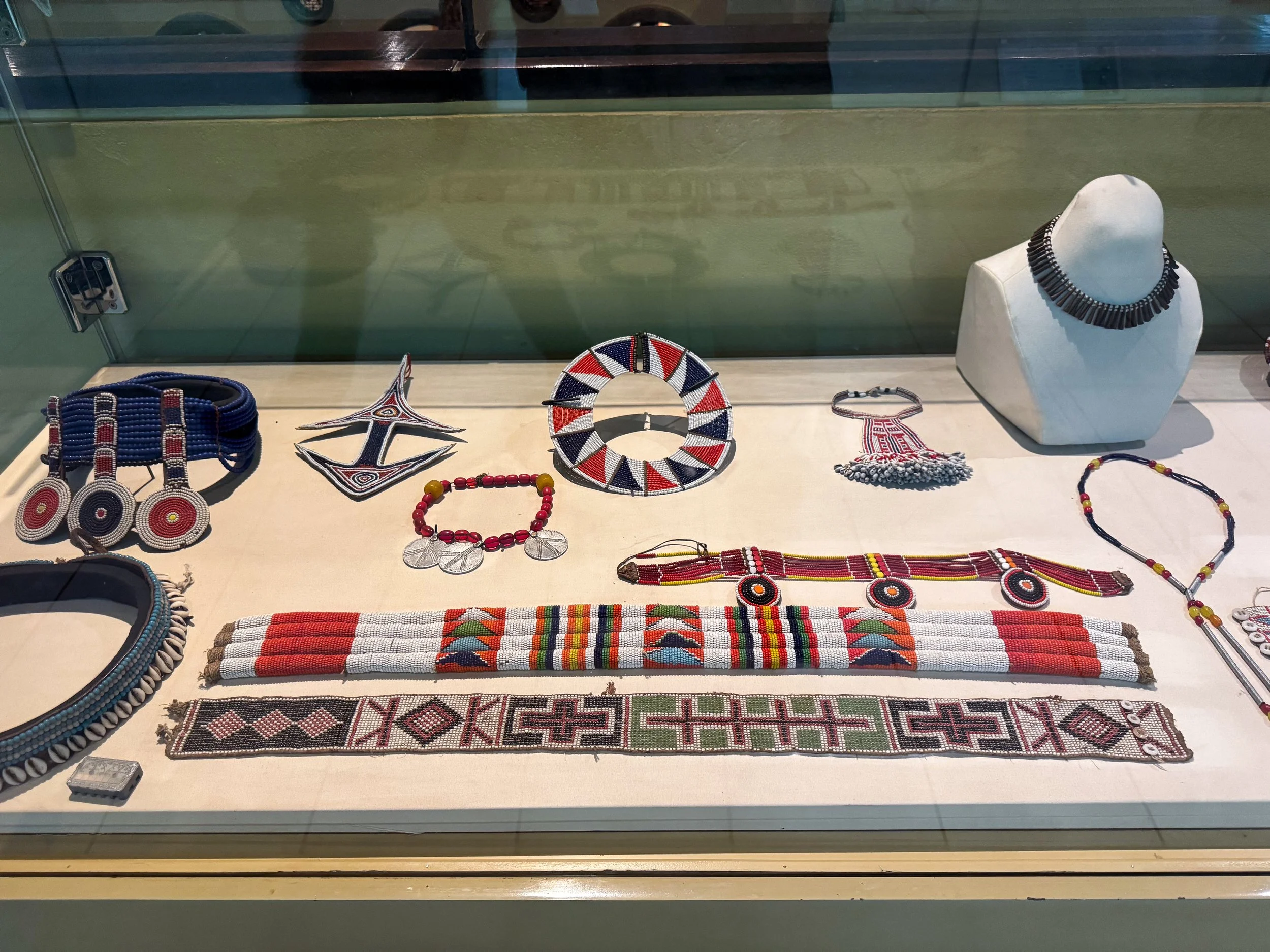
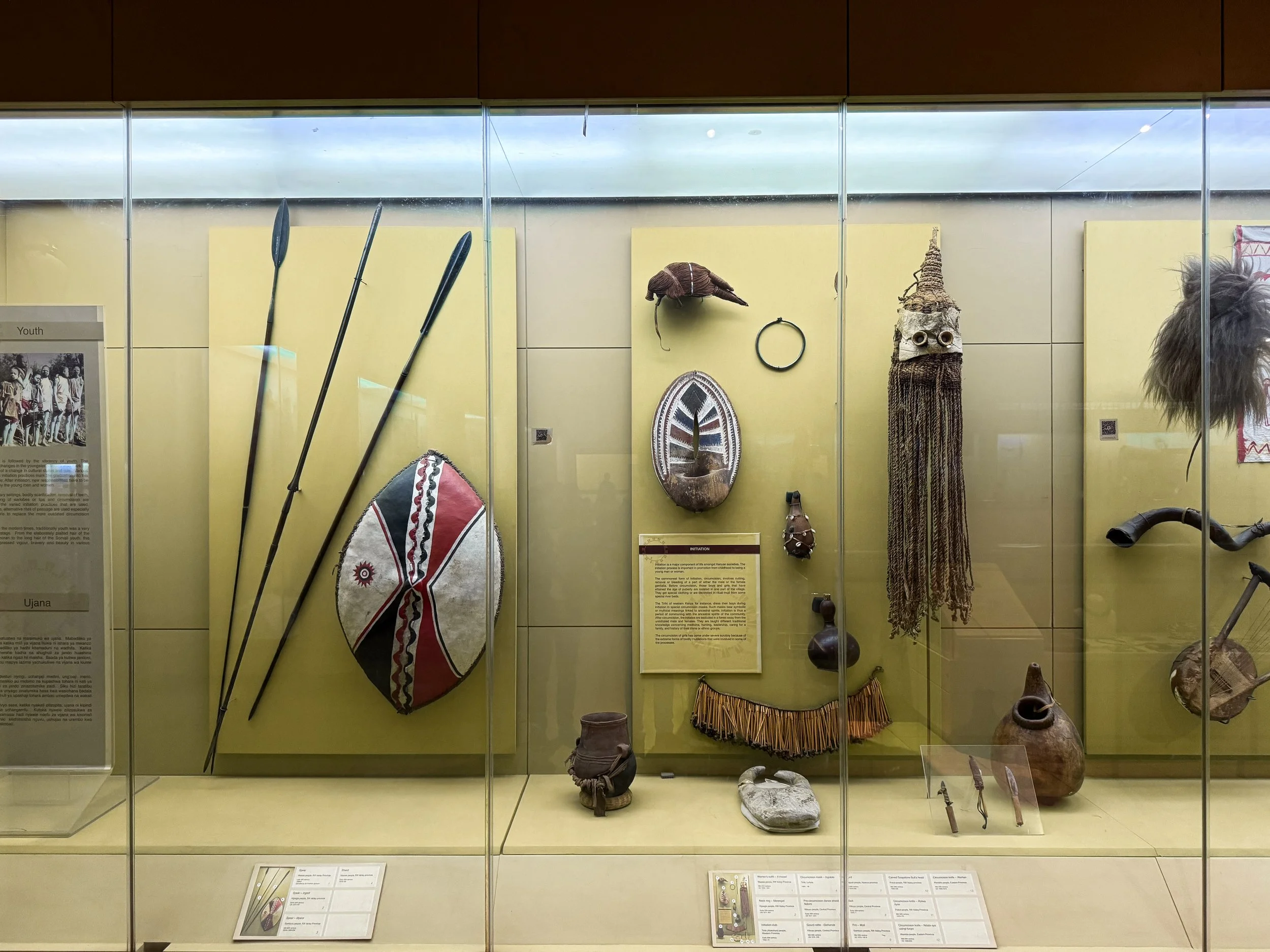
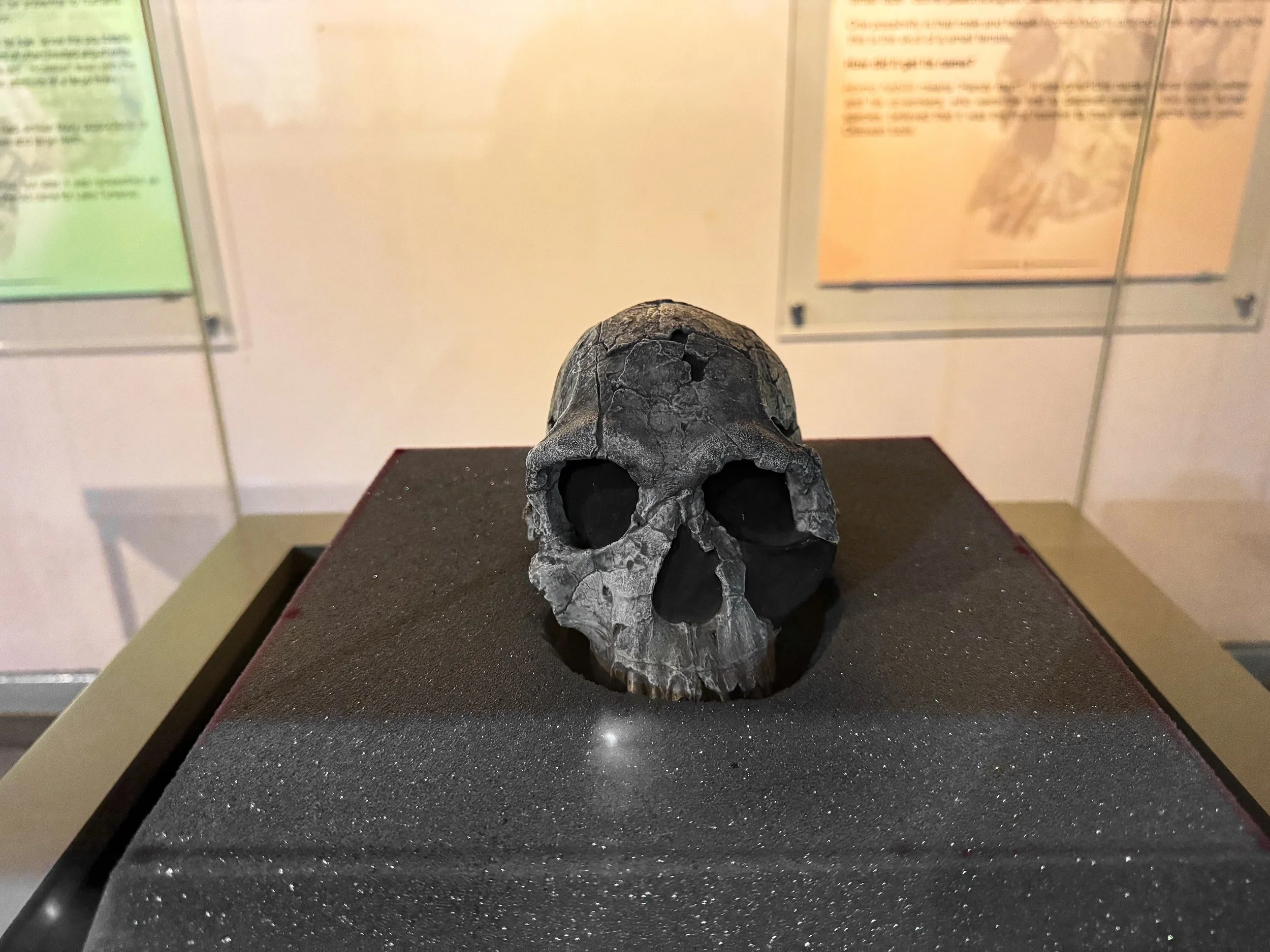
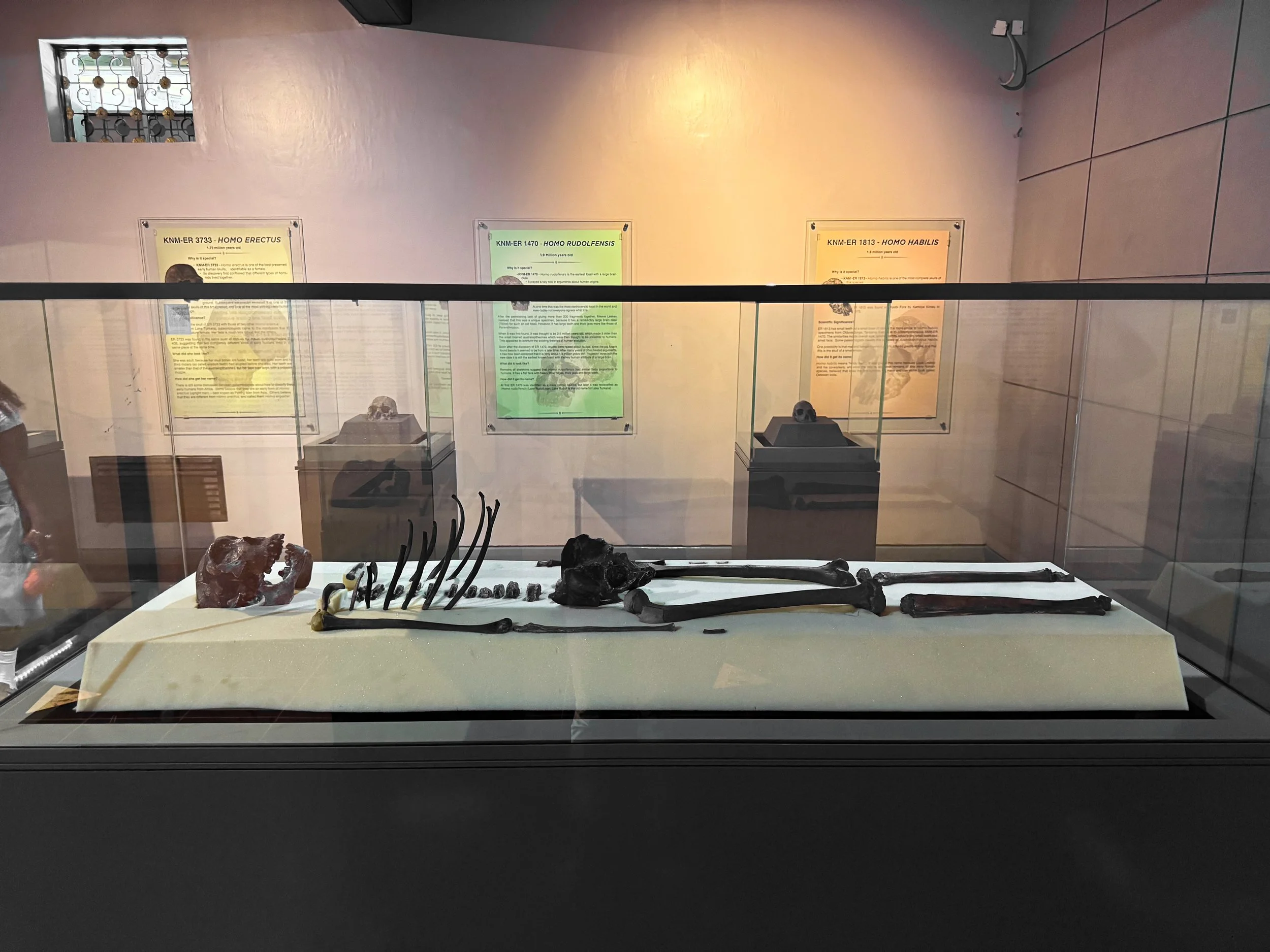
Nairobi National Museum. A museum dedicated to the societal, natural and human histories of Kenya. Societal exhibits recount the pre-colonial, colonial and independent histories of Kenya, including that of the country’s many tribes, regions, traditions and folklore. A natural history exhibit displays mounted animals categorizing some of Kenya’s many native species. A particular, though tragic, highlight is Sudan, the last male Northern White Rhino. Kenya is known as the Cradle of Humanity for its fossil records of the earliest humanoids. Exhibits feature skeletons and skulls representing human evolution, the most significant being the Turkana Boy, a complete skeleton of a 1.6 million year old Homo Erectus.
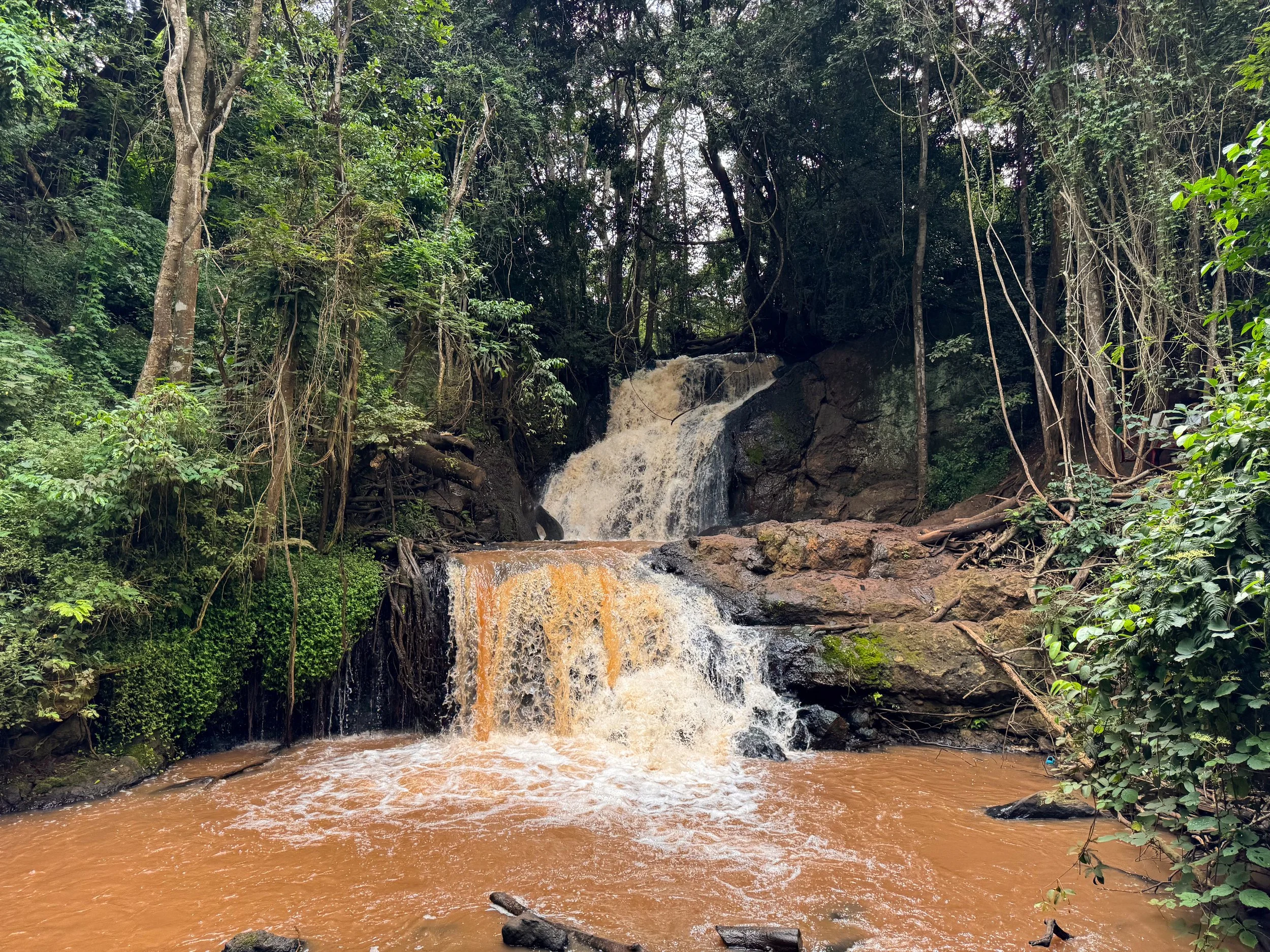
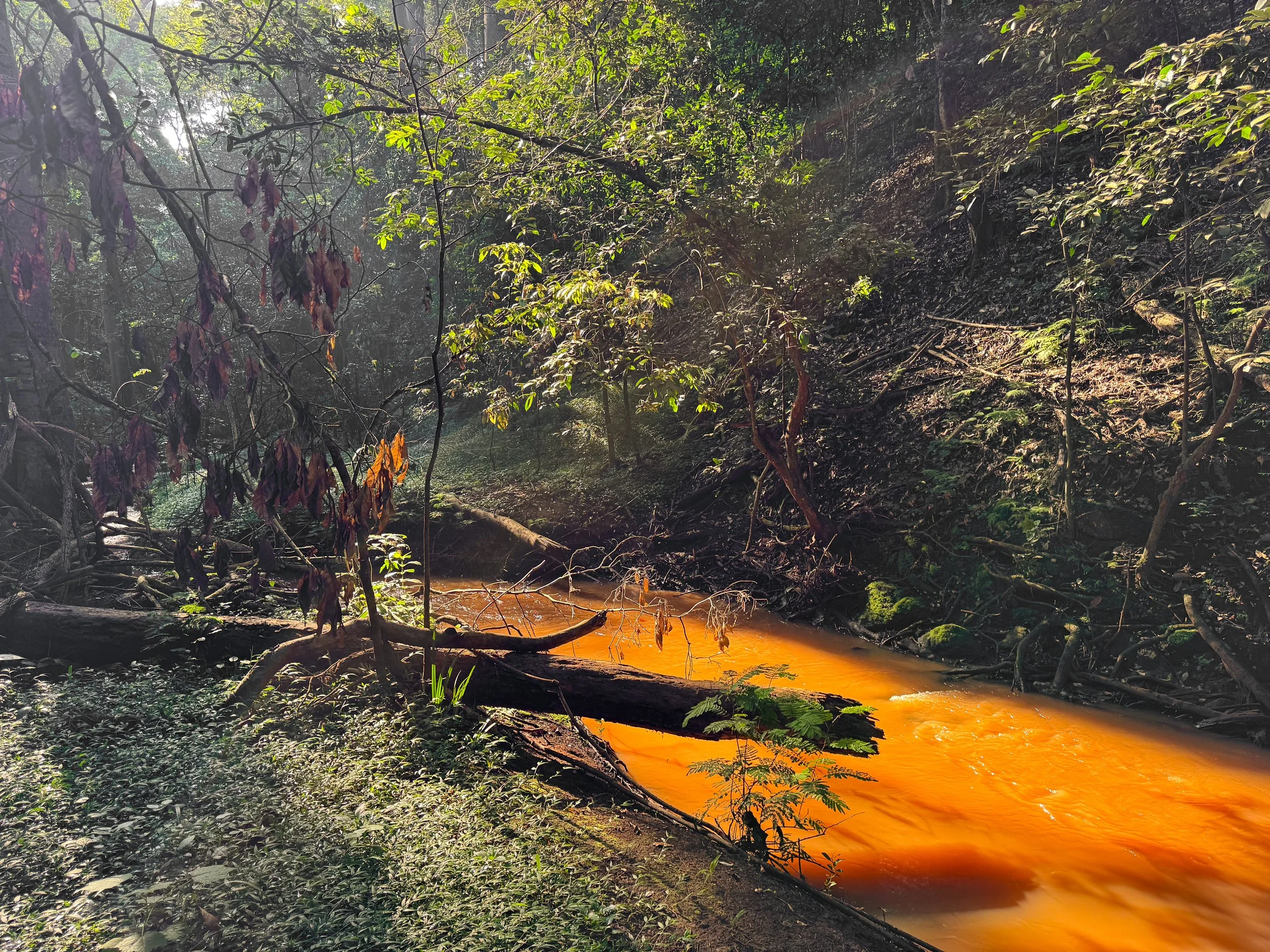
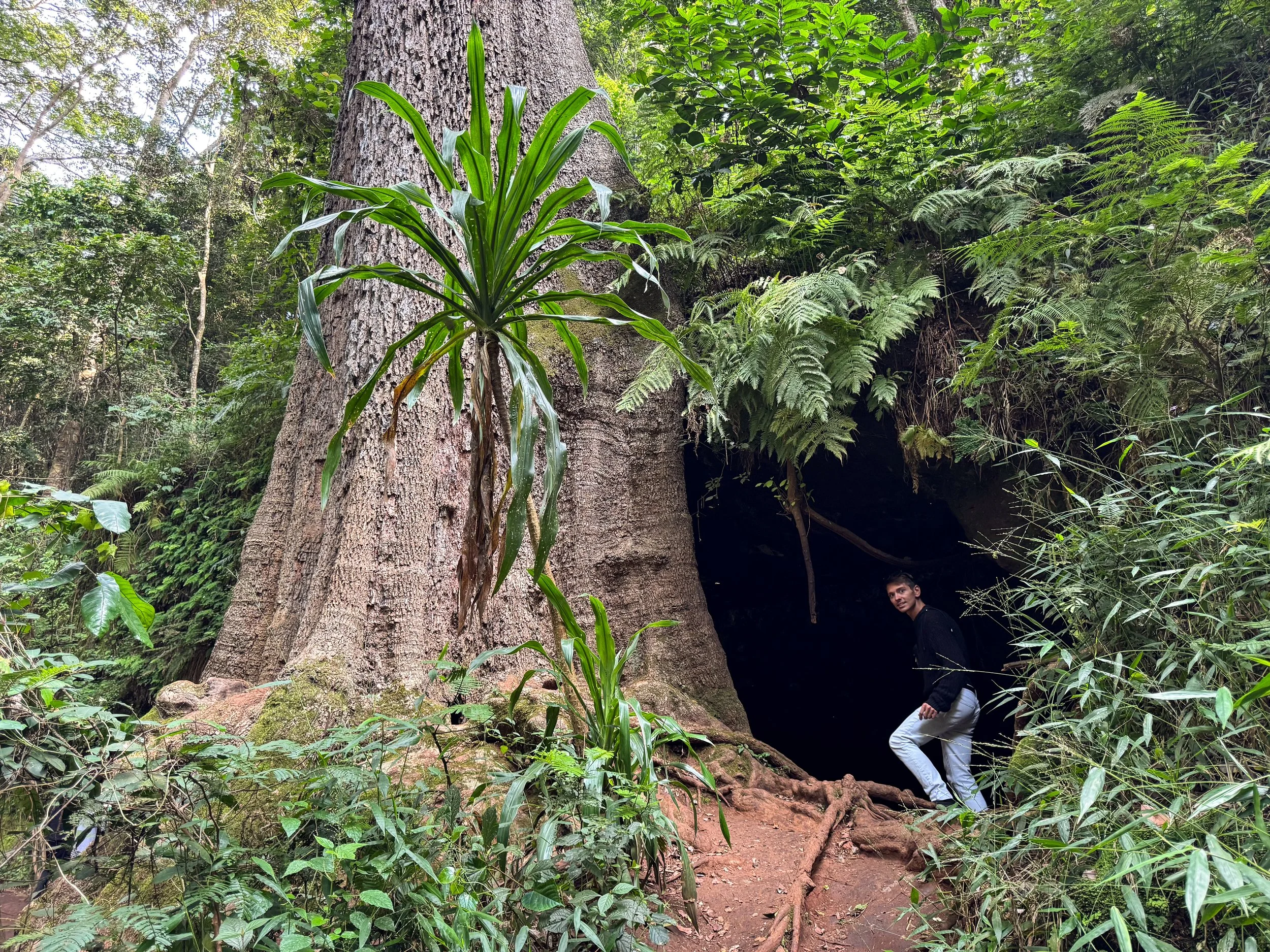
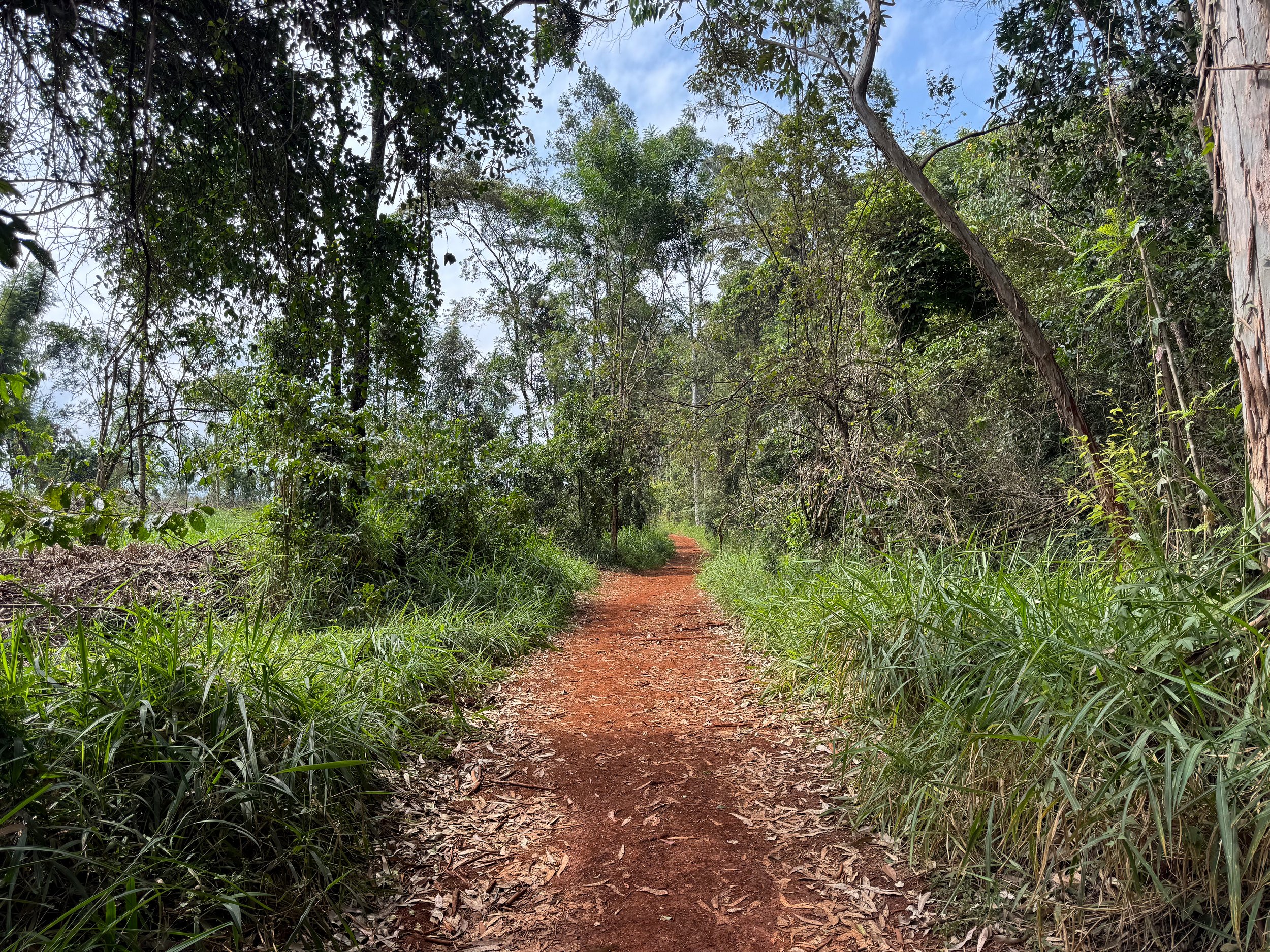
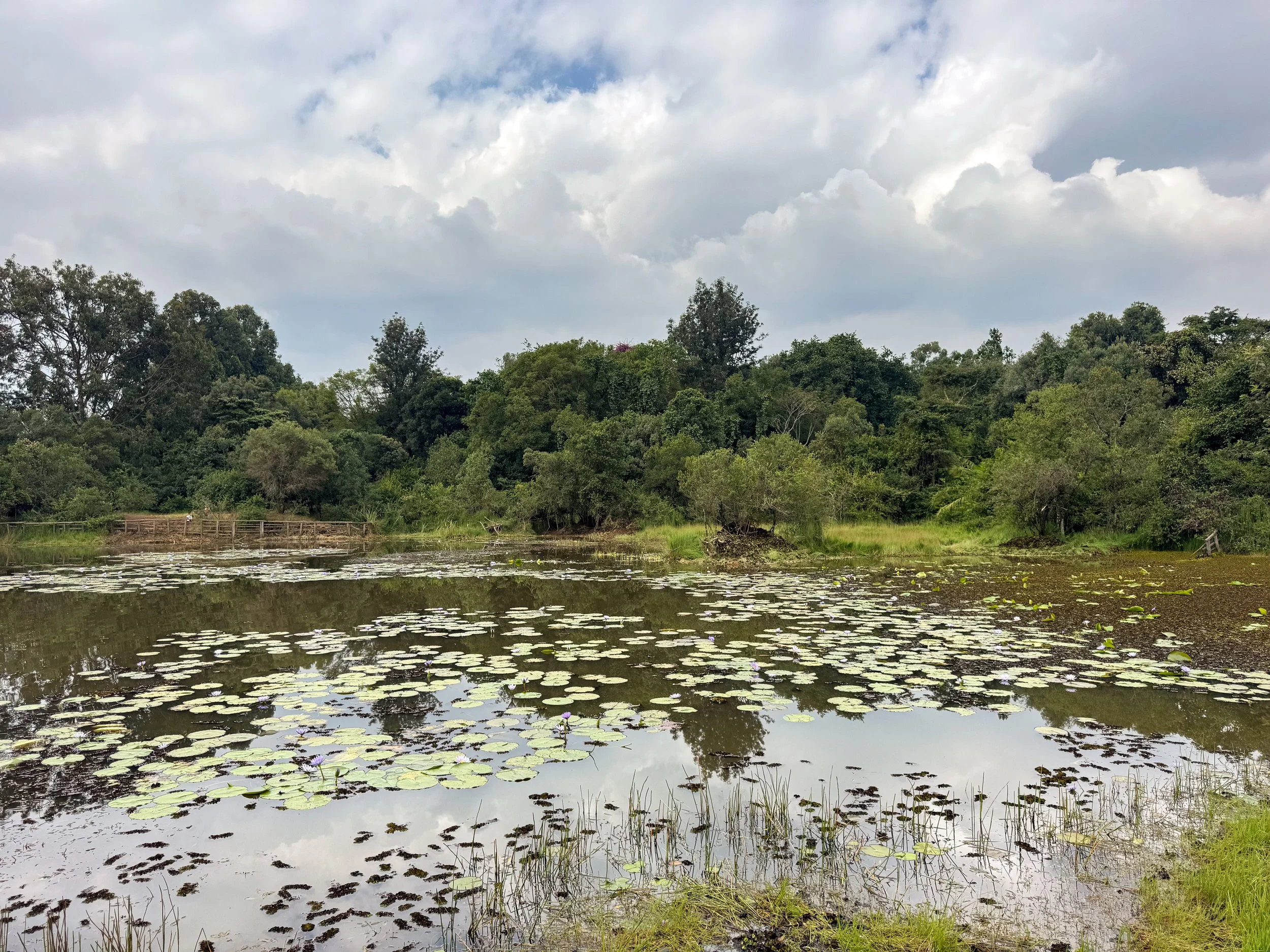
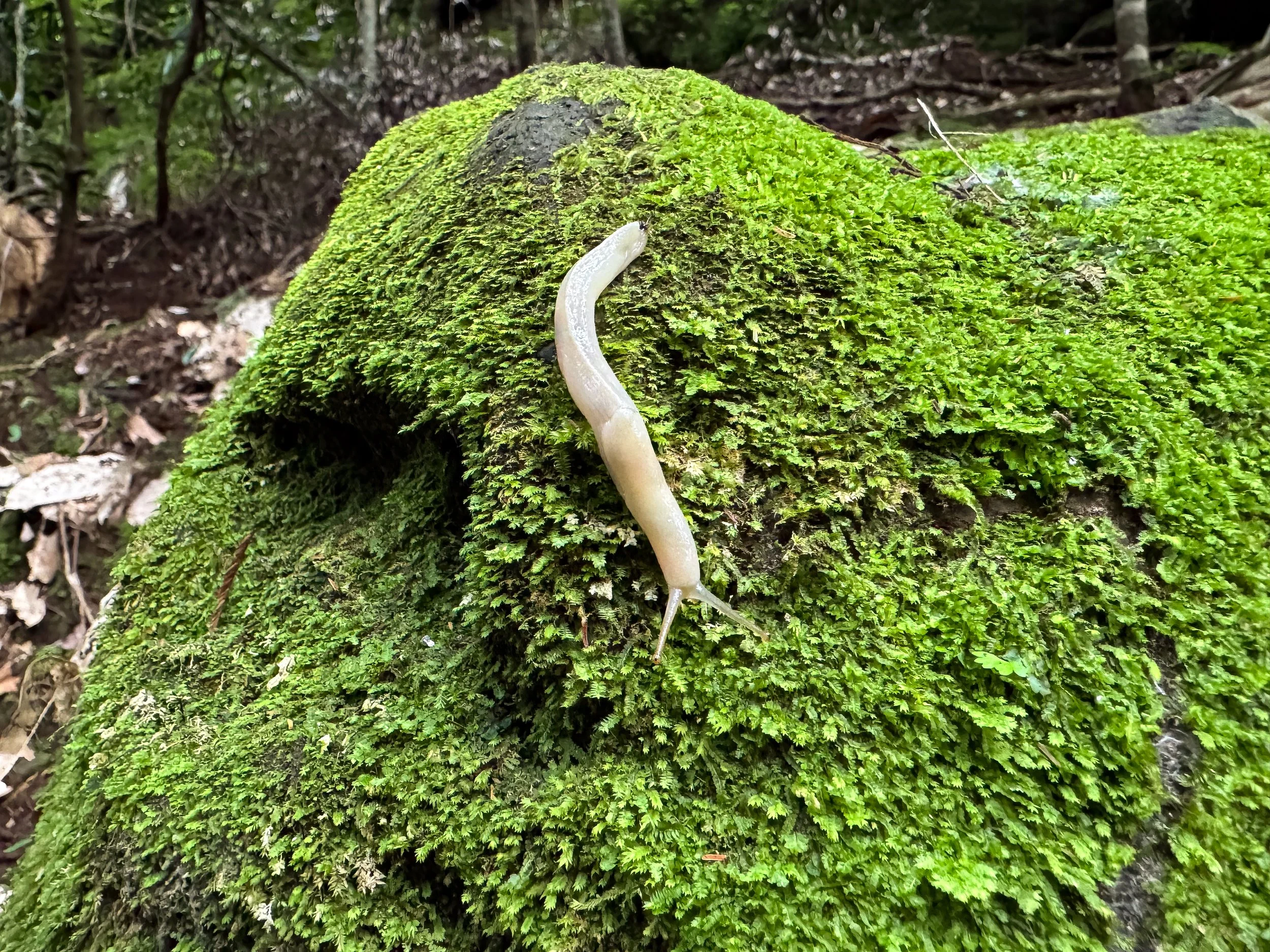
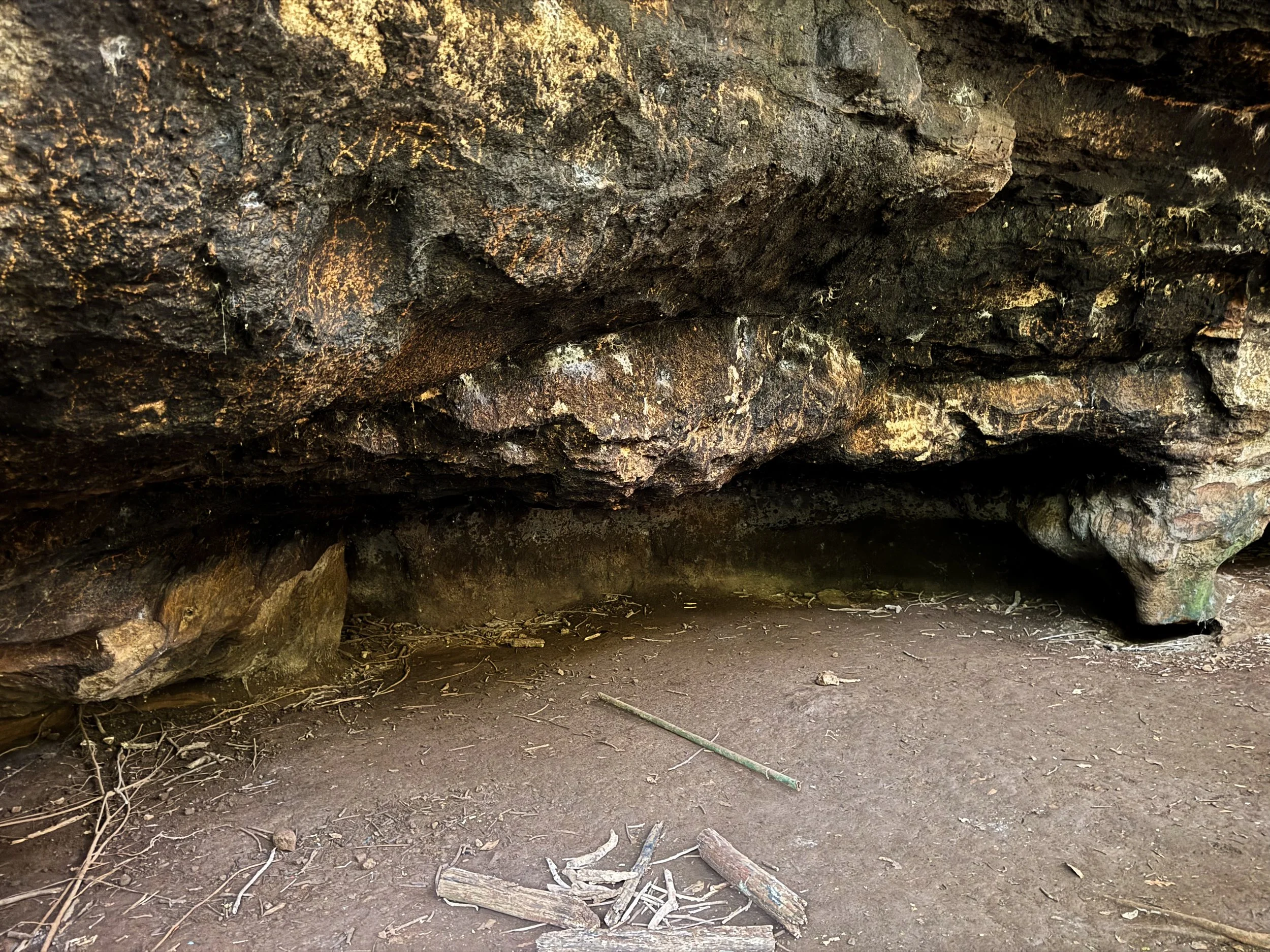
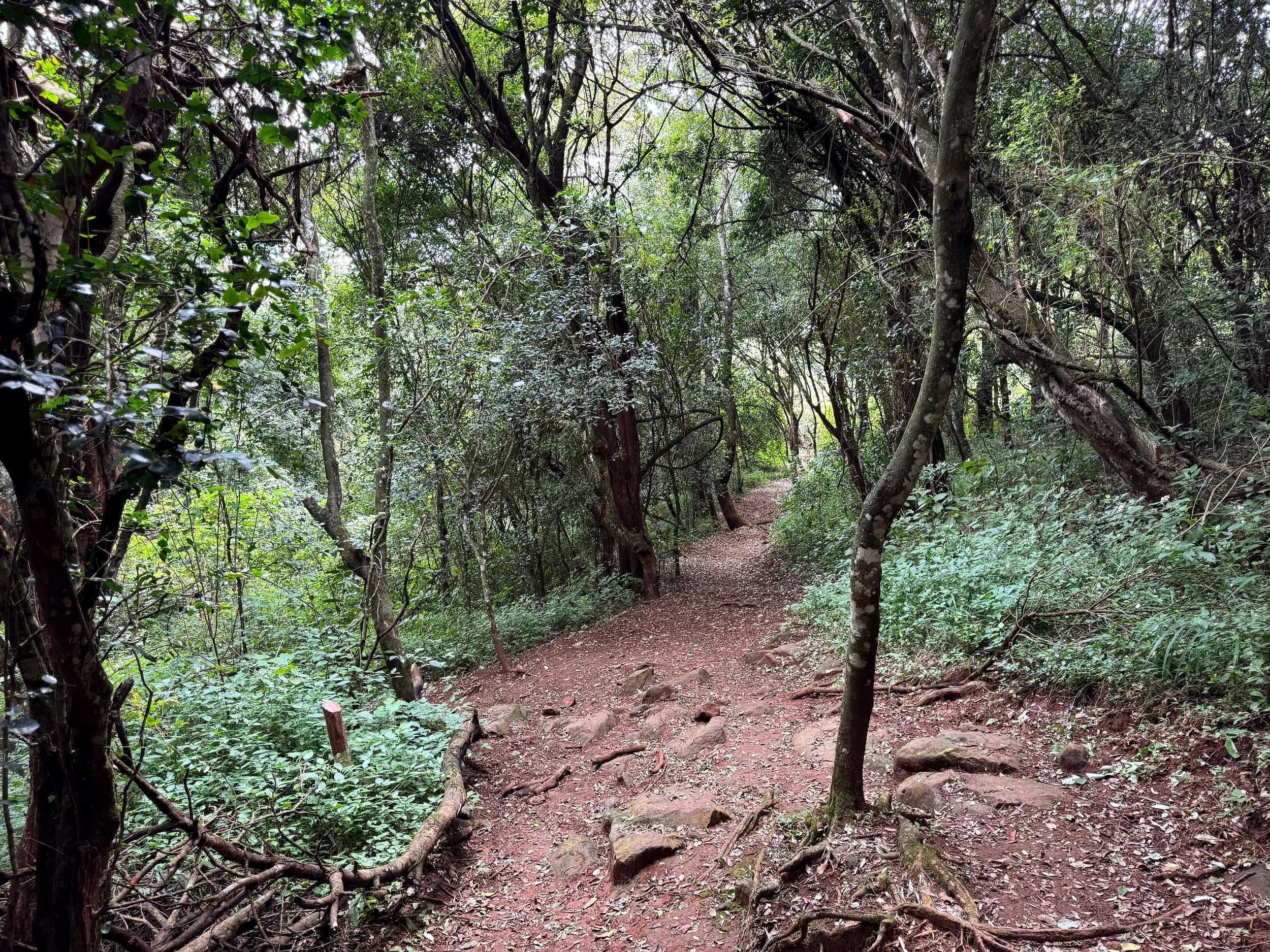
Kaura Forest. A large city park and protected forest with nature trails, wildlife, waterfalls and caves. We spent an afternoon meandering through the forest trails brimming with blue, yellow, emerald and orange butterflies. A troop of Mantled Guereza, a black monkey identifiable by their bushy white tails and long fringe like hairs, jumped between treetops. Pairs of Suni, a small type of antelope foraged on the forest floor.
Karura Waterfalls. A three tiered waterfall flowing from a chocolate colored river in the middle of the forest.
Mau Mau Caves. A series of riverside caves downstream from the waterfall. They have been used by indigenous peoples dating back hundreds of years.
Good to Know. Admission costs a small fee from any of the park entrances.
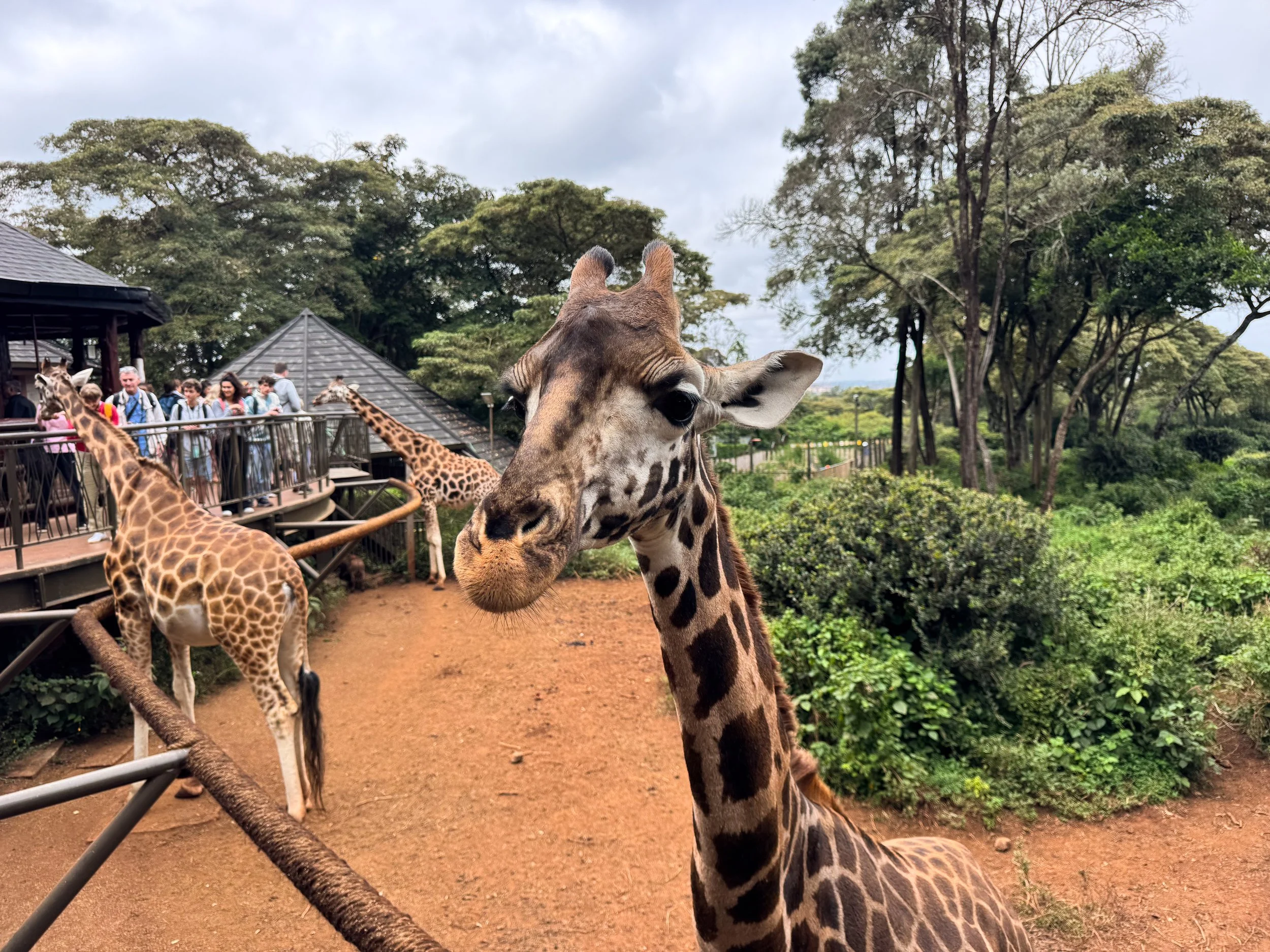
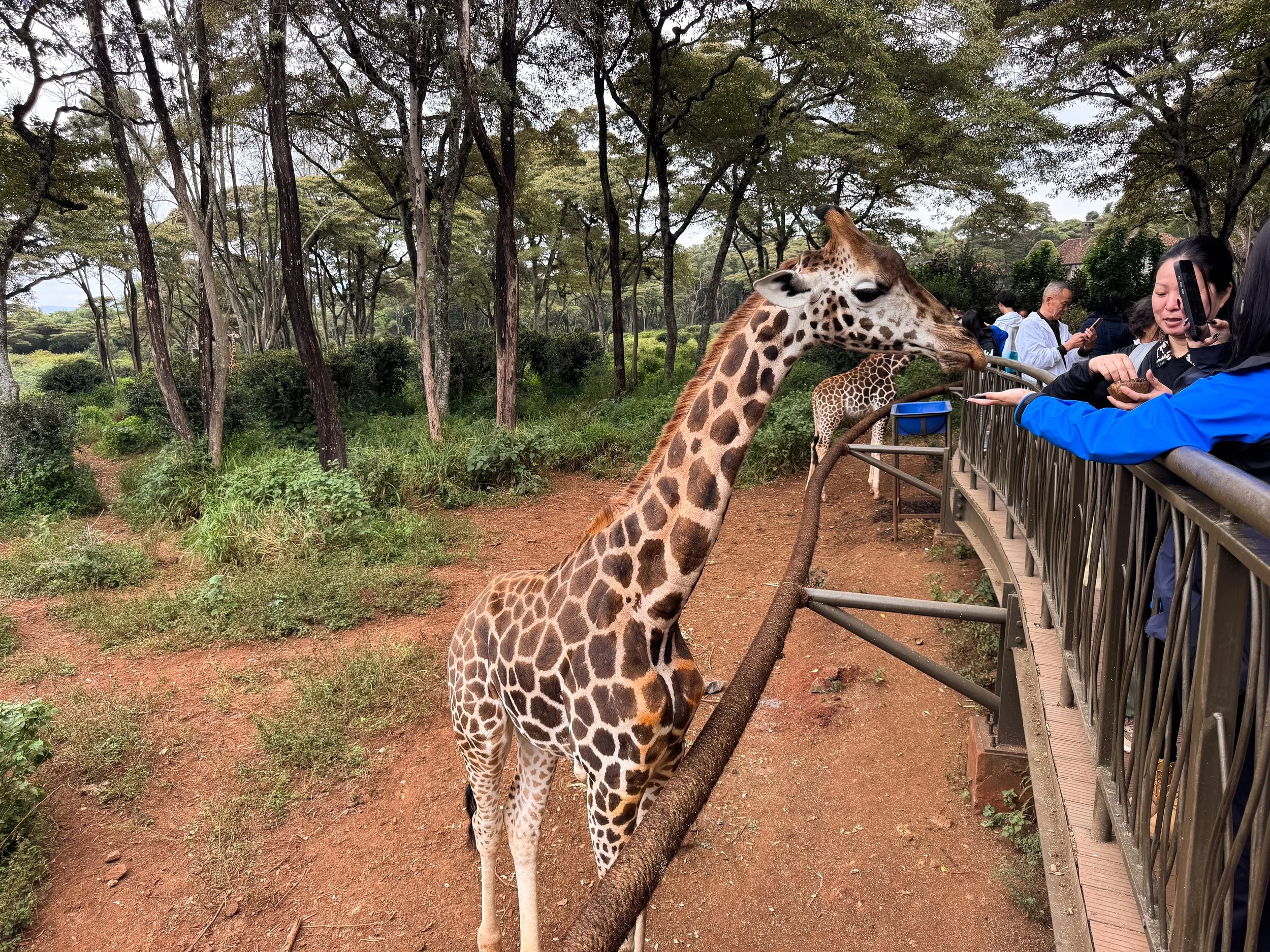
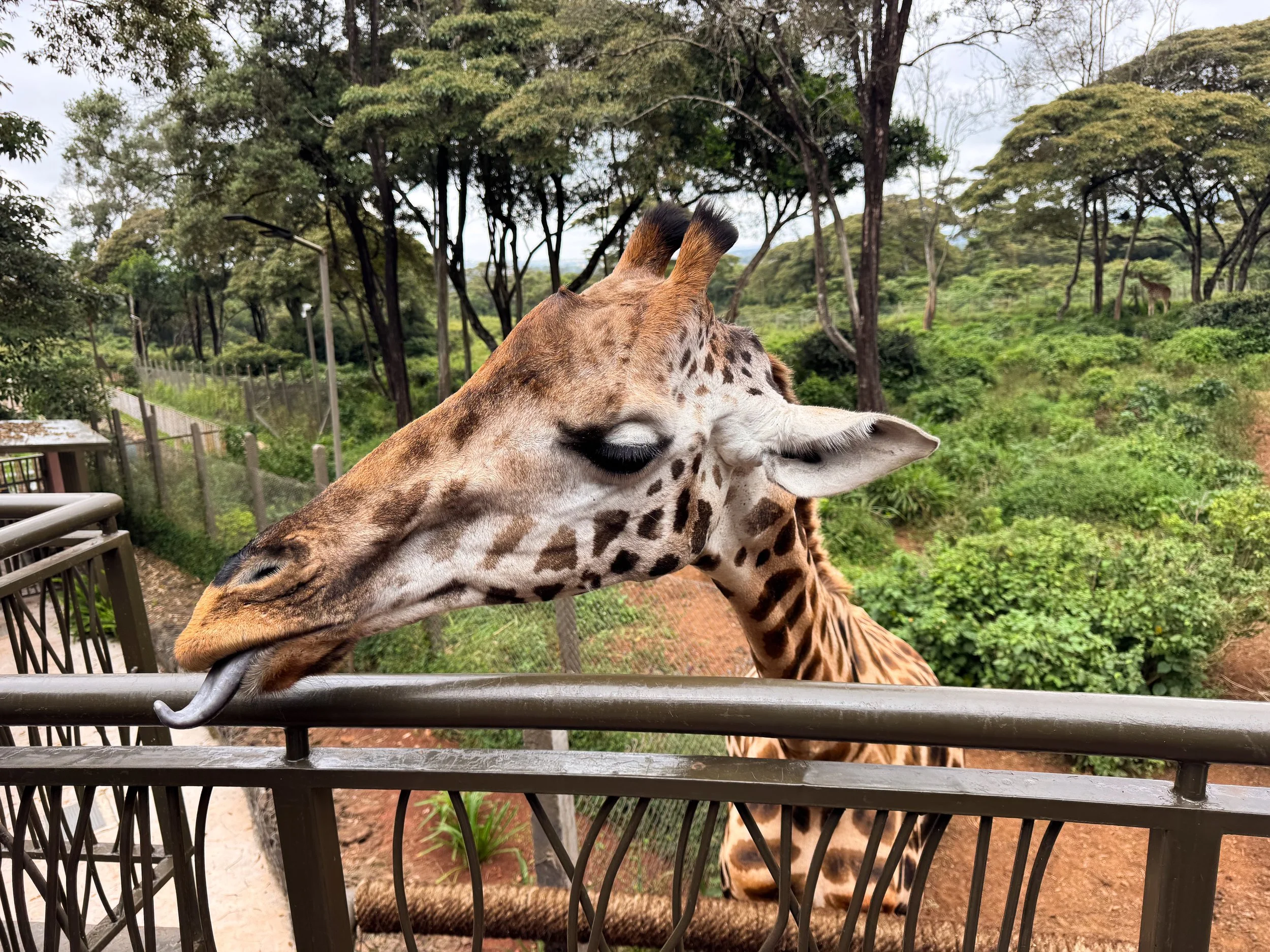
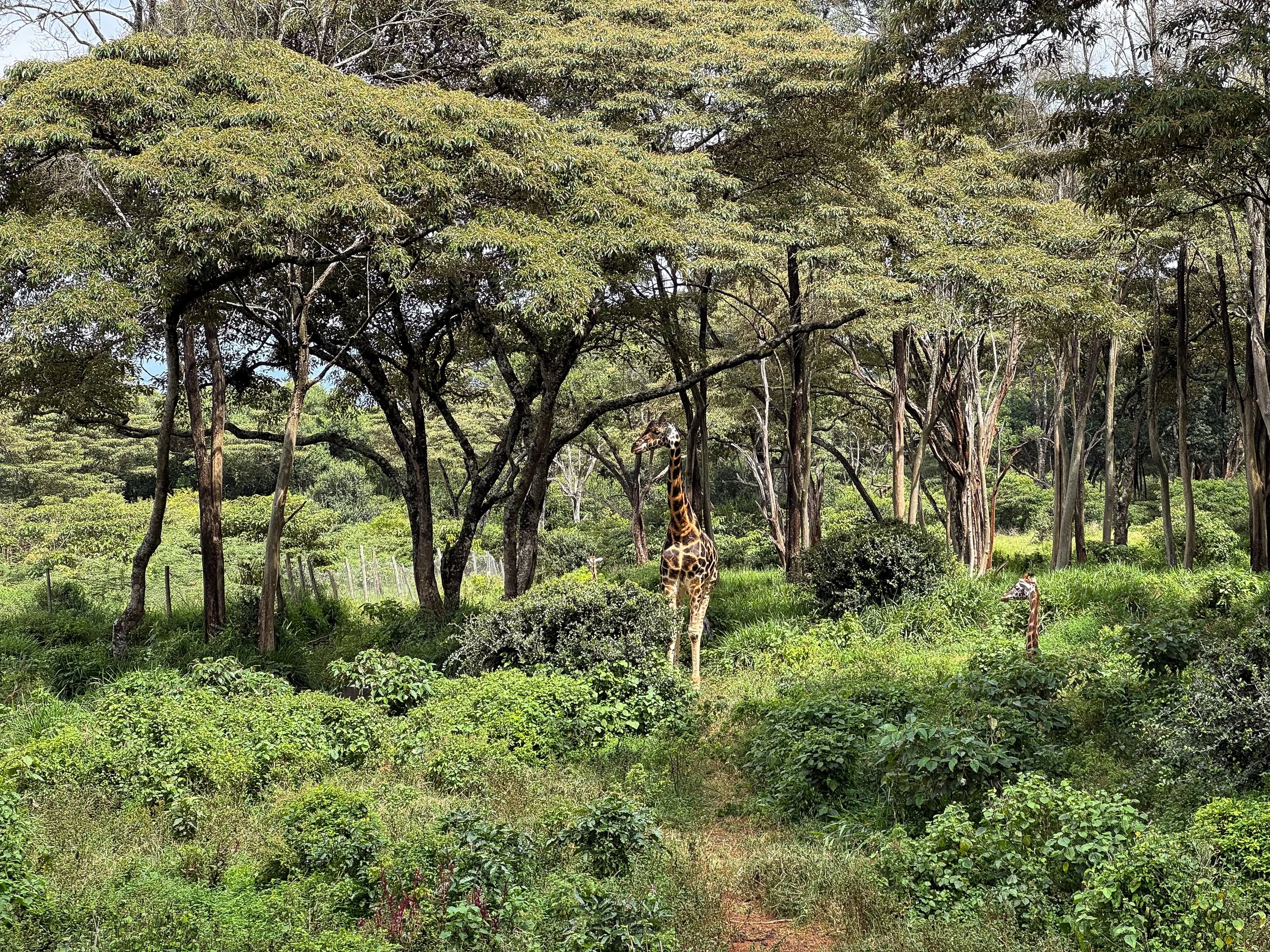
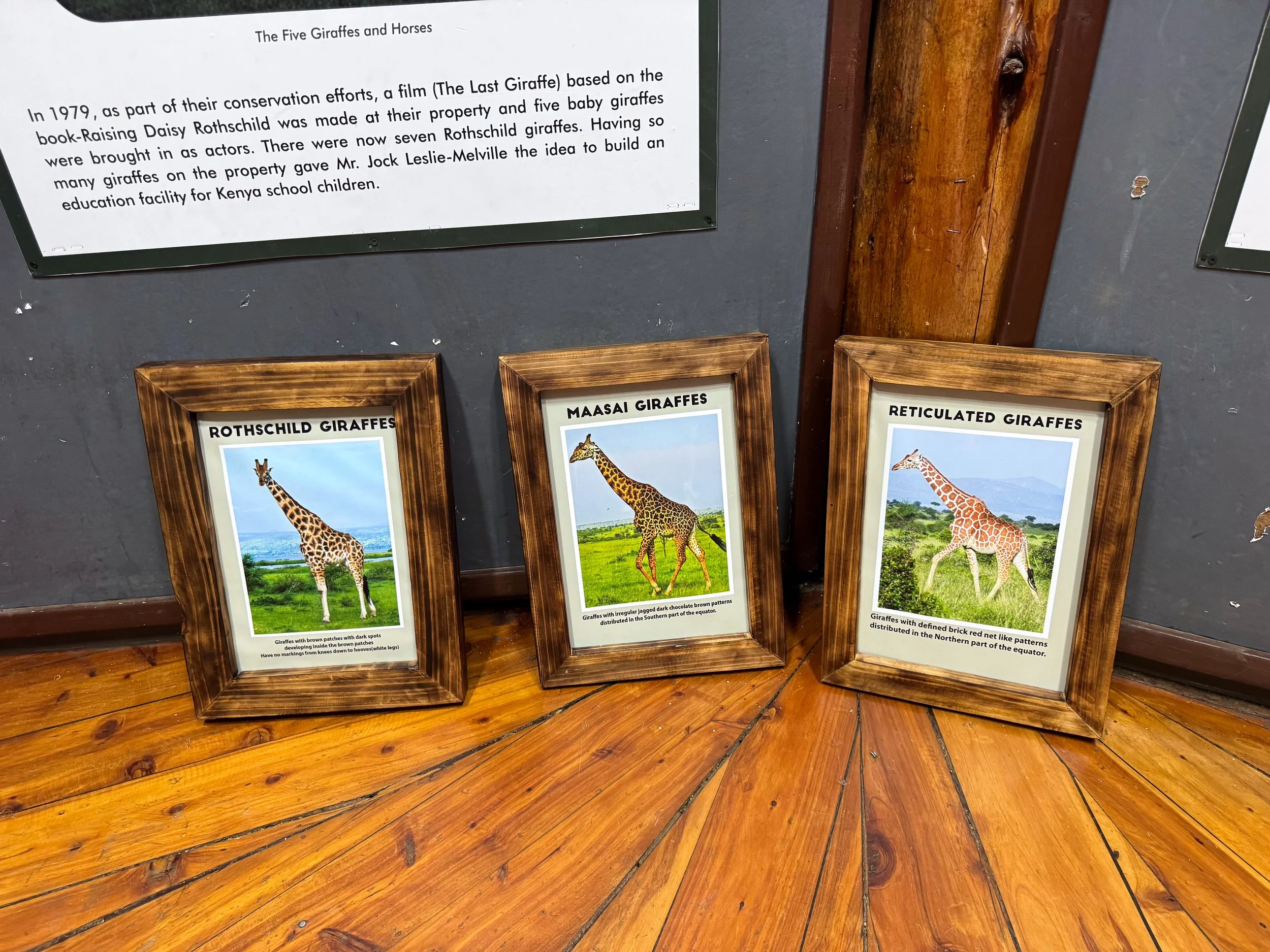
Giraffe Centre. A conservation center for Rothschild Giraffes with a viewing platform and feeding station. We stood face to face with the giraffes, admiring their towering bodies, exotic patterns and cute expressions up close. Their warm grey tongues licked fibrous pellets from our hands. Warthogs ran around their long legs feeding on fallen scraps. Adult giraffes and calves walked around the tree covered meadow and nature trails beyond. The center is famed for the Giraffe Manor, an ivy covered stone estate converted into a bed and breakfast for high paying guests to visit with giraffes.
Shop the Markets
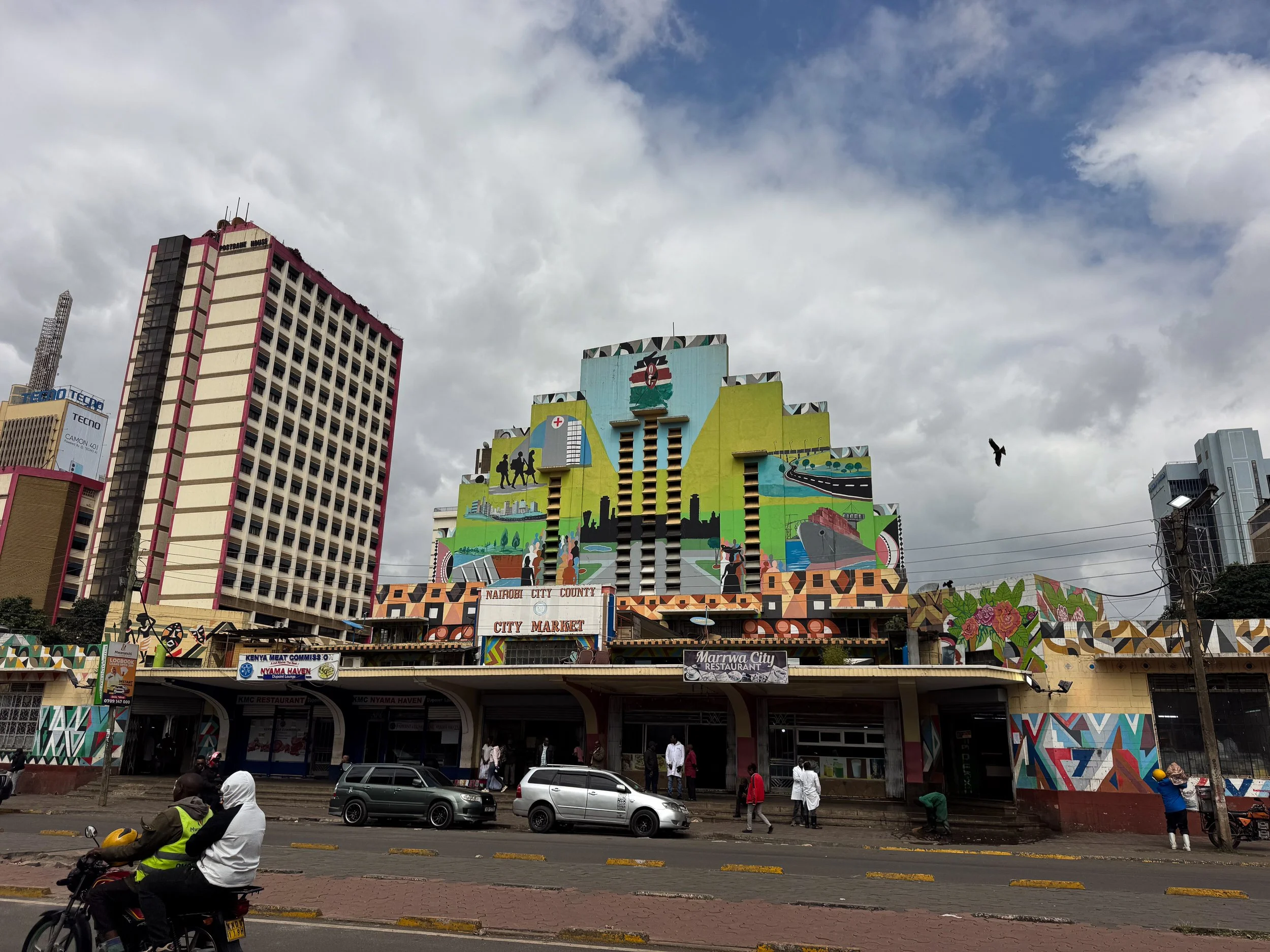
Nairobi City Market. An eclectic market in the Central Business District with shops selling African goods, fresh flowers and meats. Friendly vendors invite you to take a look at their African handicrafts like wooden animal statues, beaded masks, leather sandals, landscape paintings, colorful woven textiles, baskets and bags. Between the souvenir shops are a couple small produce stands. The exterior of the building is painted with murals and patterns representing the country. Fragrant flower stands line the sidewalks surrounding the building. A meat market with butchers, fishmongers and strong smells occupies the side of it.
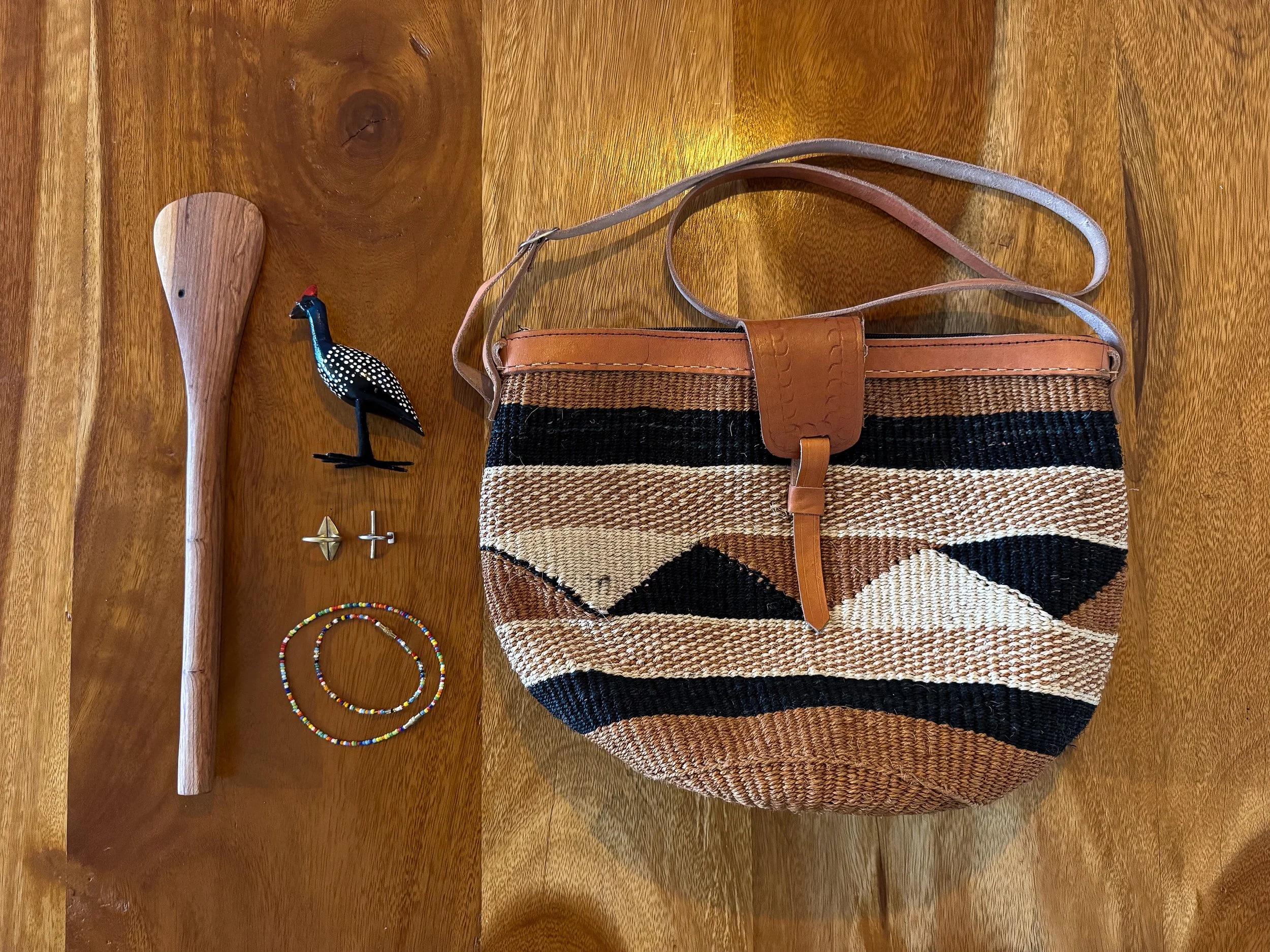
Maasai Market. A traditional handicrafts market consisting of local vendors selling handmade Kenyan and Maasai goods. Aisles of tents line a parking lot, each merchandised with a variety of items. We saw stone and wooden statuettes of animals, Maasai beaded jewelry and masks, wooden kitchenware and serveware, colorful and patterned textiles, natural woven bags and baskets, African spears and shields, brass metalwork and canvas paintings. We left purchasing a shoulder bag, two rings, beaded jewelry, a cooking paddle and a bird statuette.
How it Works. The market is intimidating at first. Before reaching it, several men surrounded and followed us inside. They do not leave you alone, tell you any prices or let you purchase directly from vendors. Instead, they act as “chaperones,” collecting items from vendors that you select. After walking you through the market, they display all of the goods you selected and make an outrageous offer.
Haggle. Now the haggling begins! Counter with an offer between 10-20% of their asking price. Let them make you a “special price” but hold firm on your offer. The price will continue to drop, especially as you walk away. They want to make a sale after chaperoning you through the market. Let them win a little and go up 10% from your first offer. They’ll grudgingly agree, smile and offer a handshake. Do not pay more than 20-25% of their initial asking price. They’ll accept cash or credit card.
Pro Tip. You can see and purchase many of the same goods at roadside shops across the country. If going on a safari, you will inevitably find yourself in one during rest stops. Save yourself some hassle and purchase goods from here.
Nairobi National Park
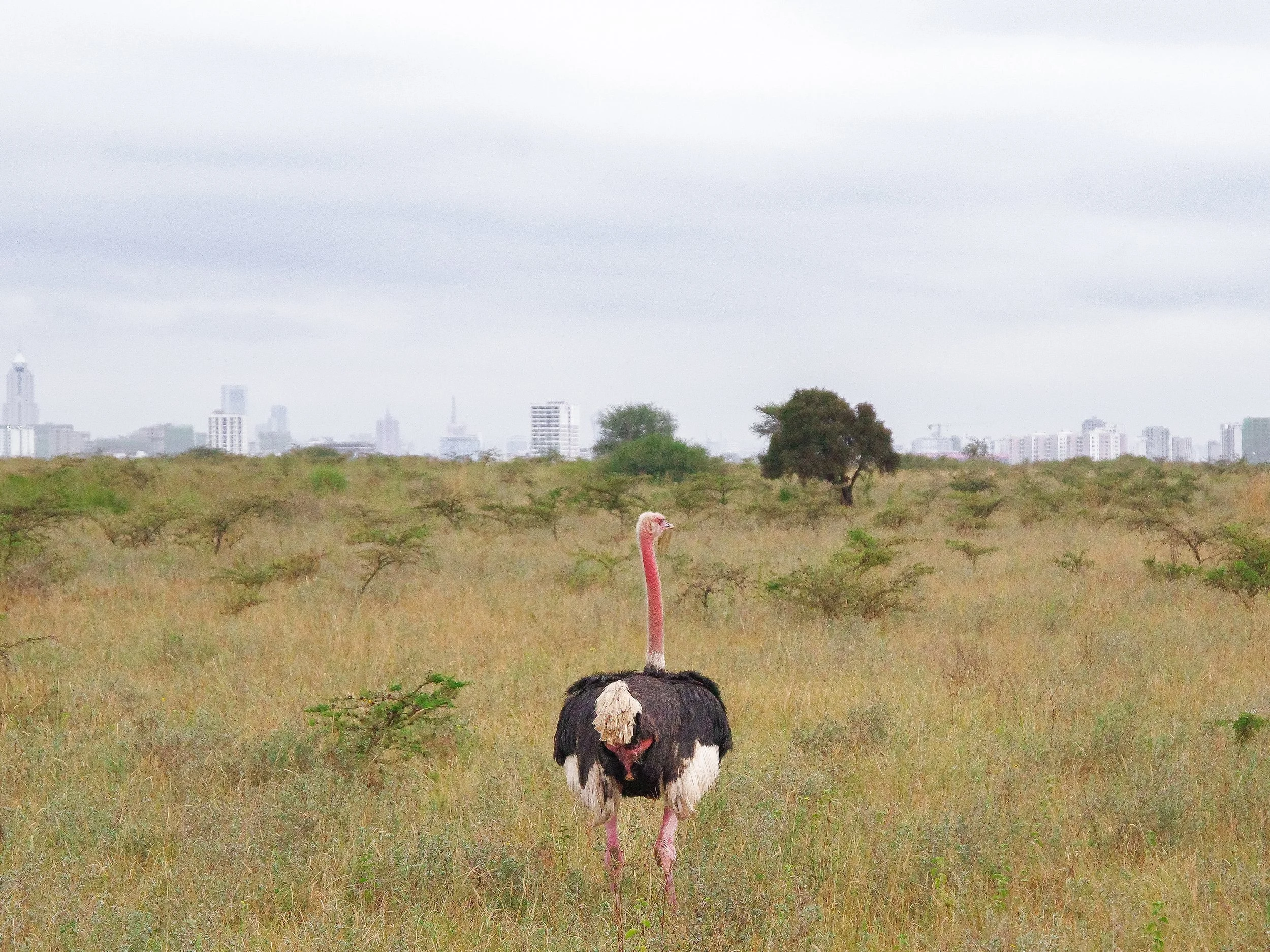
A national park and protected wildlife reserve on the edge of Nairobi. It’s home to a wide range of African animals while still in view of the city’s skyline. We went on a half day safari through the park, its vast savanna and grasslands.
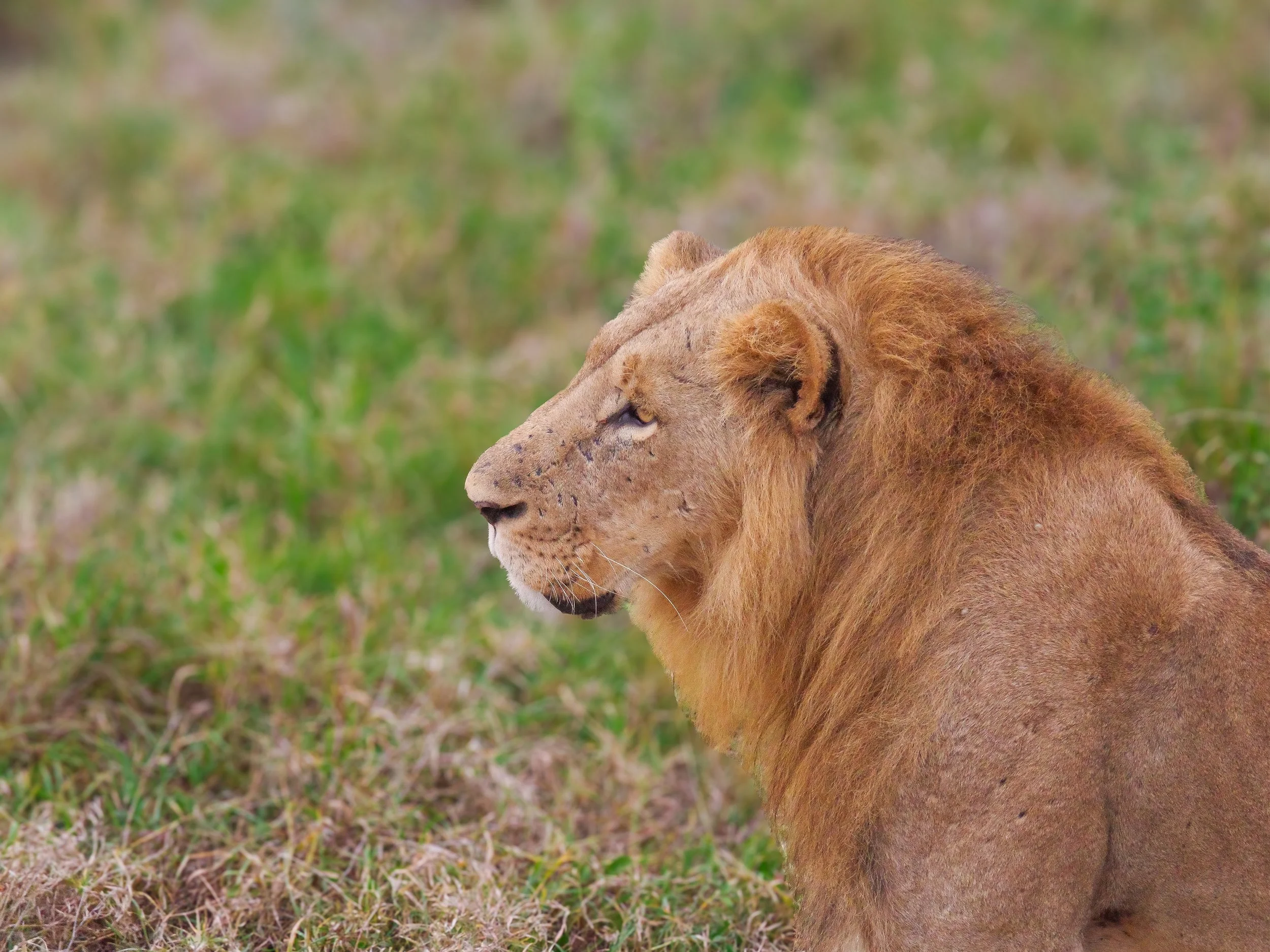
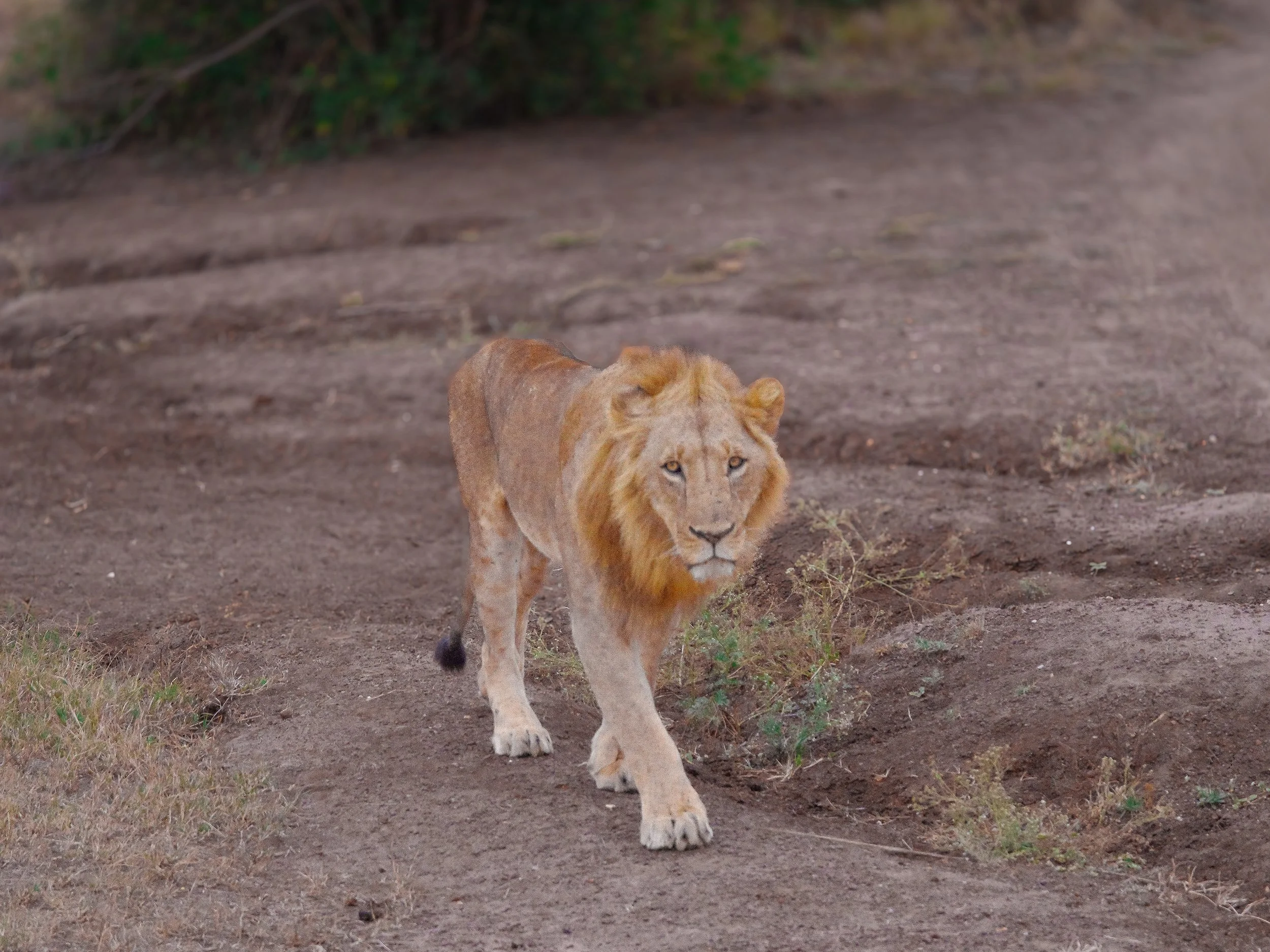
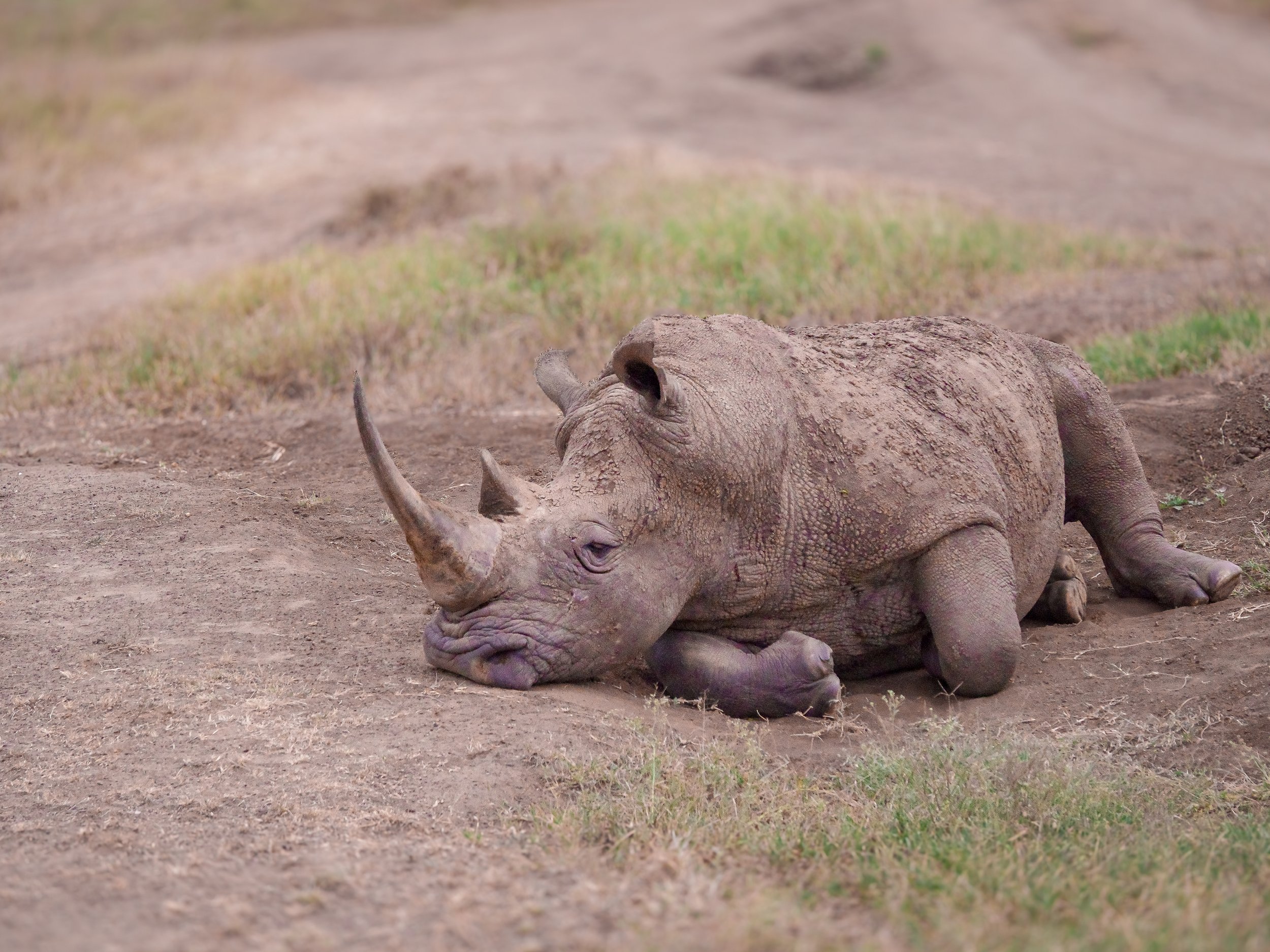
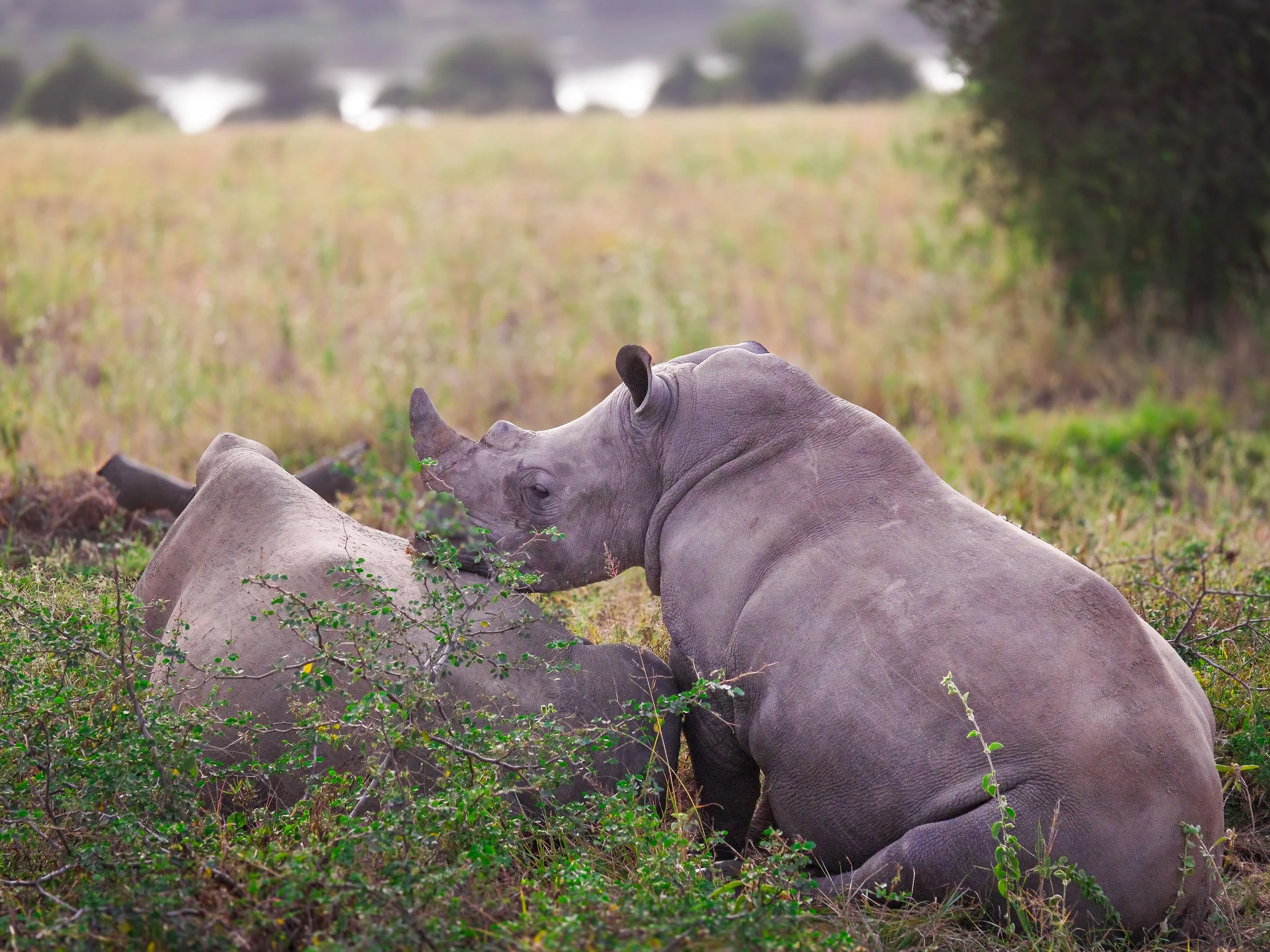
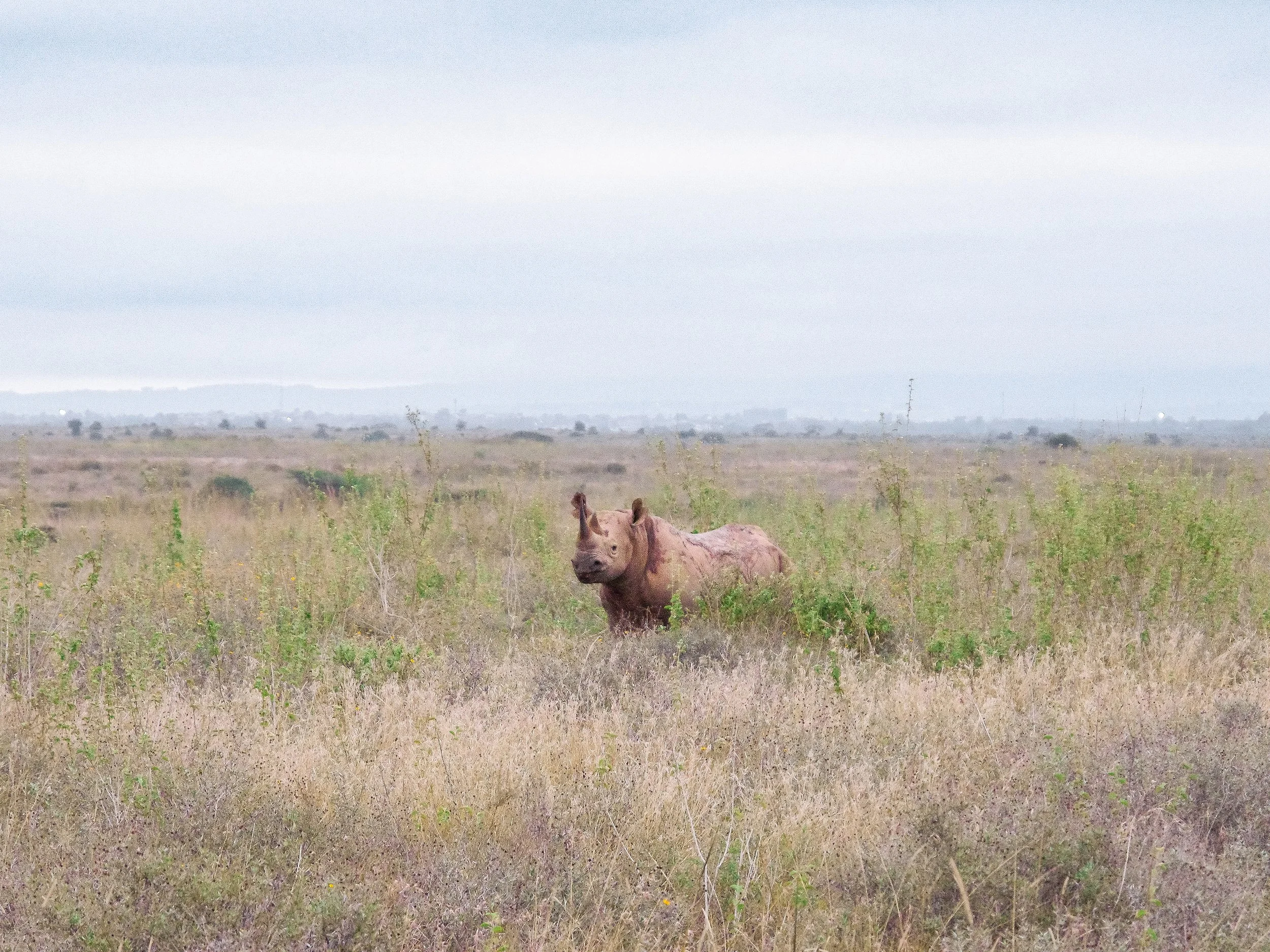
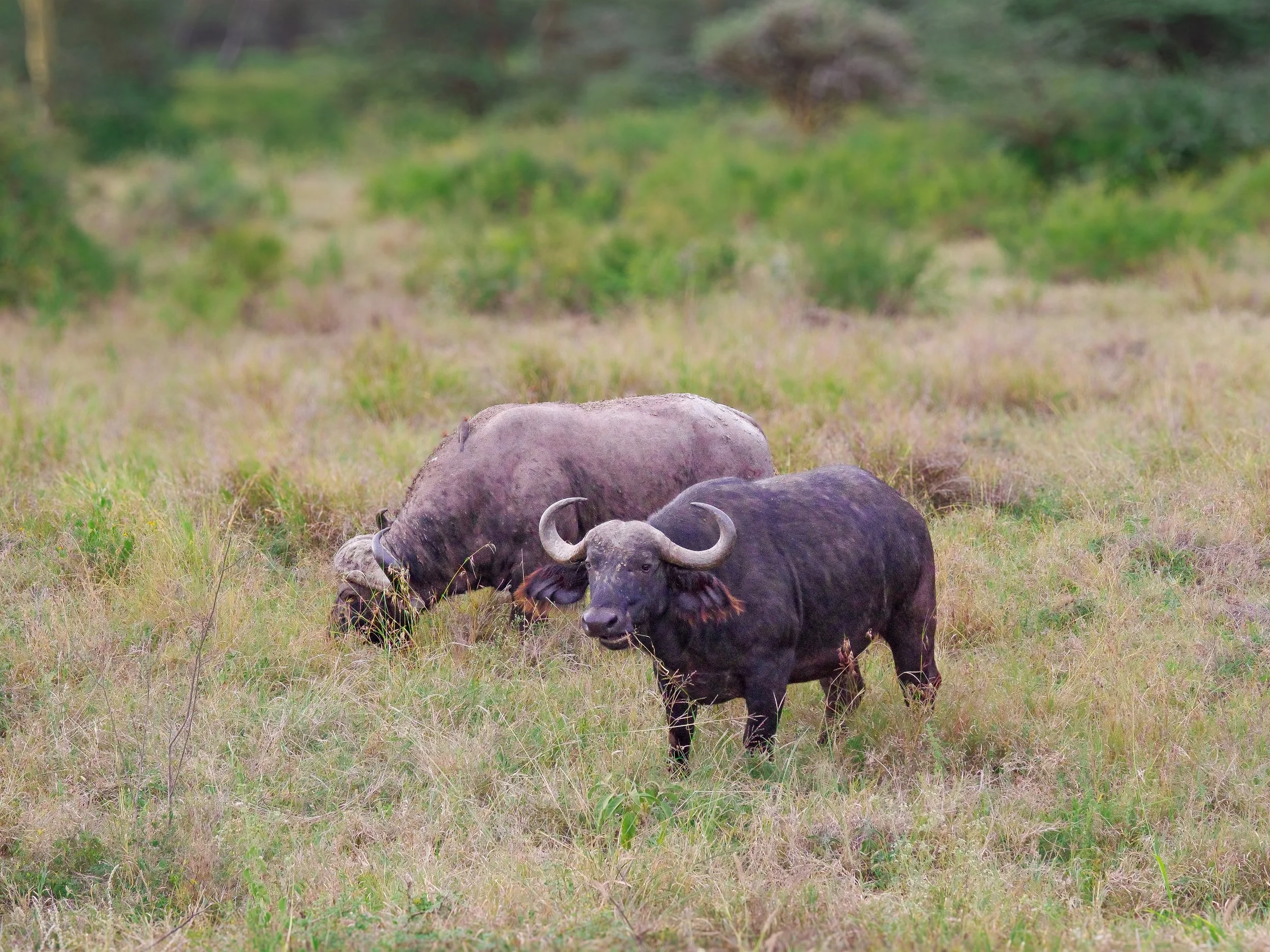
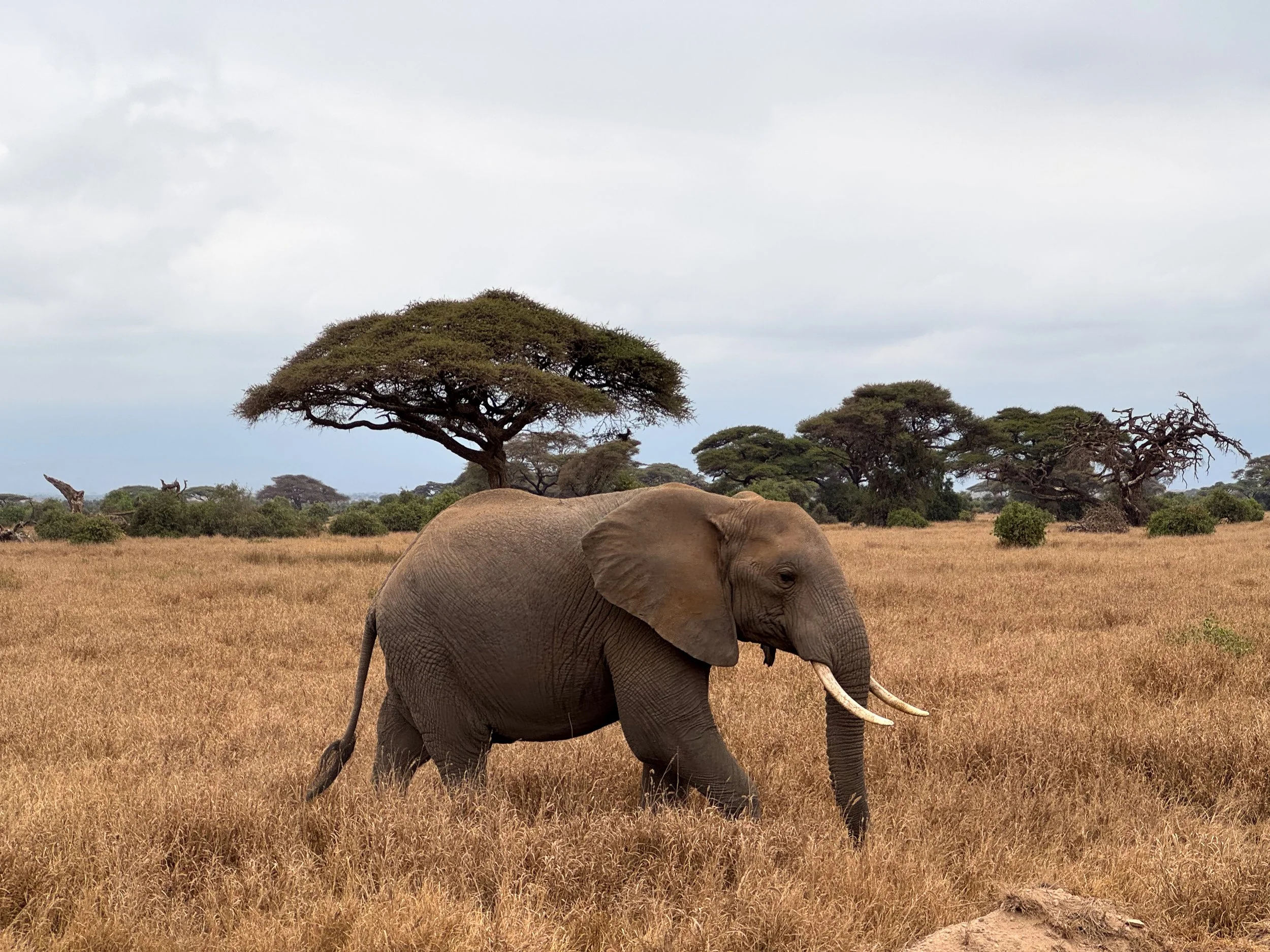
The Big Five. The “Big Five” in Africa refers to the most difficult big game animals to spot on foot. We spotted three of the five during our safari, including rhinos, buffalo and a lion! A solo Lion walked slowly along the park’s dirt road as we observed from our safari truck. A pair of Cape Buffalo, recognizable by their dramatic horns grazed in the grass. A critically endangered Black Rhino lurked in the bush. It offered us a fierce yet cute stare with its pointed horn and wiggling ears. A crash of threatened Southern White Rhinos stood in the savanna and several more slept near the road. We passed up close enough to hear them breathing.
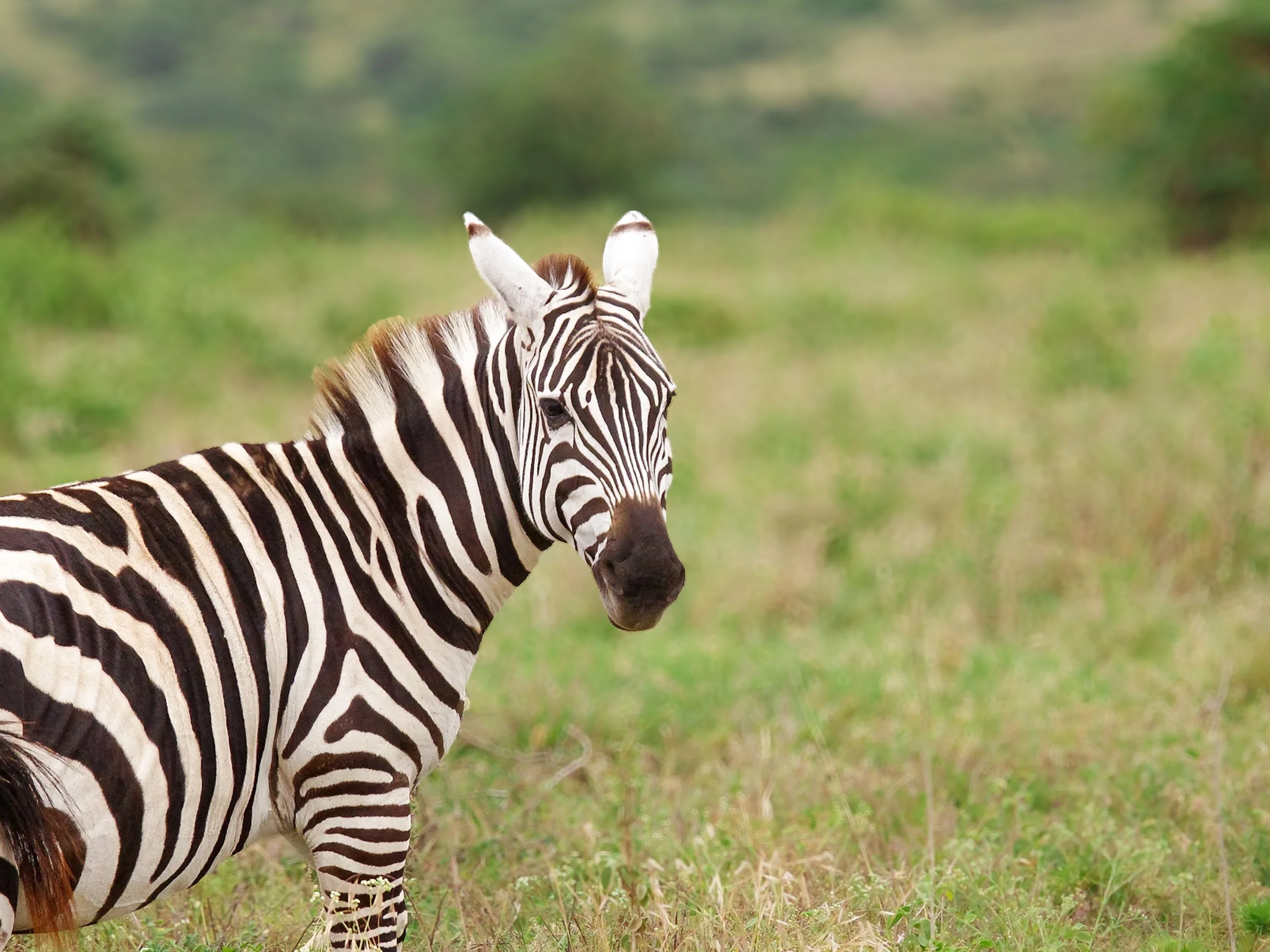
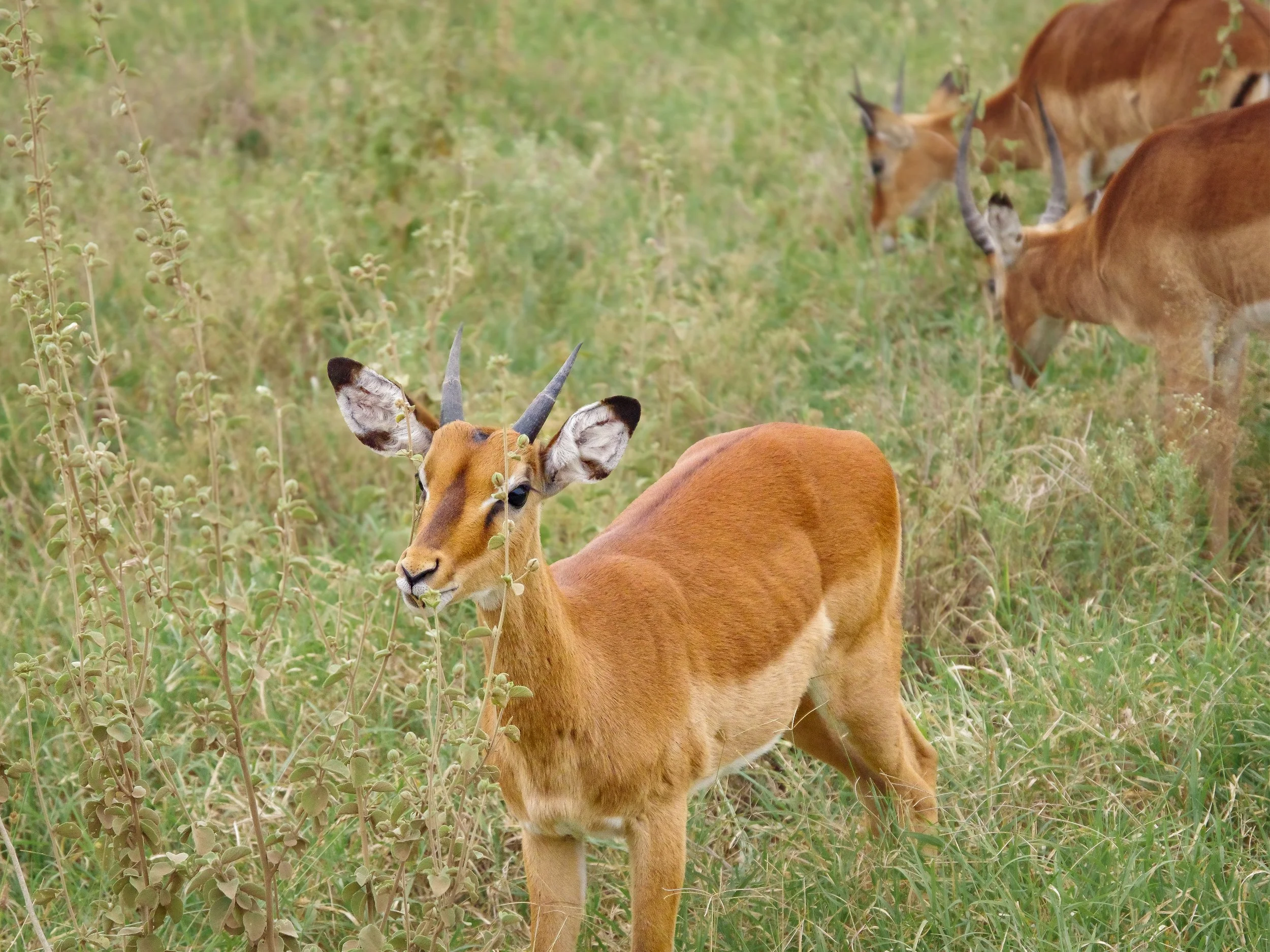
Herds of Animals. The constant herds of animals were an unbelievable sight! Black and white striped zebras, patterned giraffes, horned impalas, antelopes and hartebeests gathered throughout the reserve. A white rhino even surprised us as it walked from beyond a bush as we watched a tower of giraffes graze.
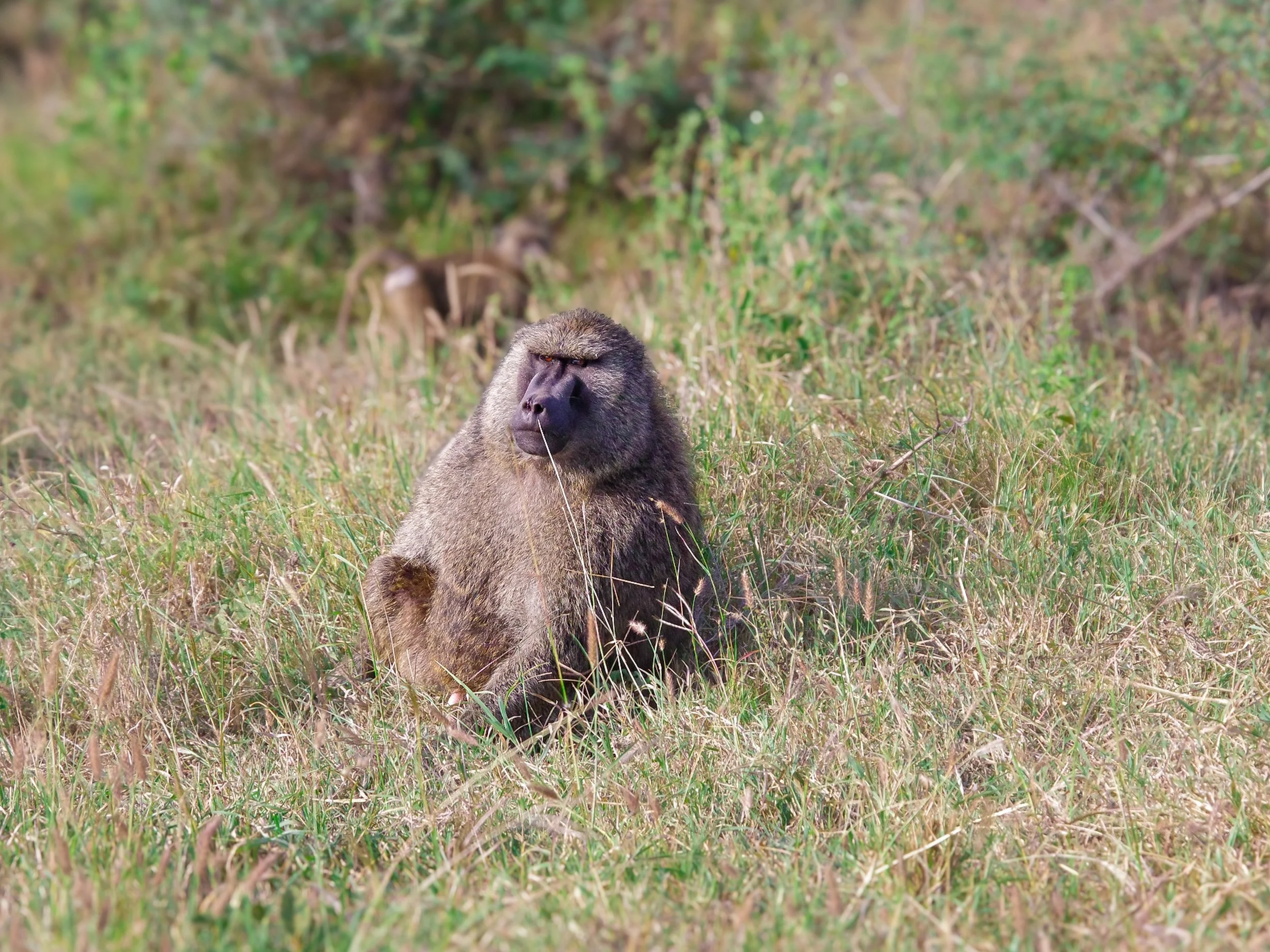
Wild Game. We spotted several other wild game on our safari. A lone hyena and curious jackals ran through the bush. A solo wildebeest tried to blend within a large dazzle of zebras. A warthog nestled in the grass. A troop of baboons sat grooming each other. A family of Rock Hyrax, a tailless rodent, crawled over rocks.
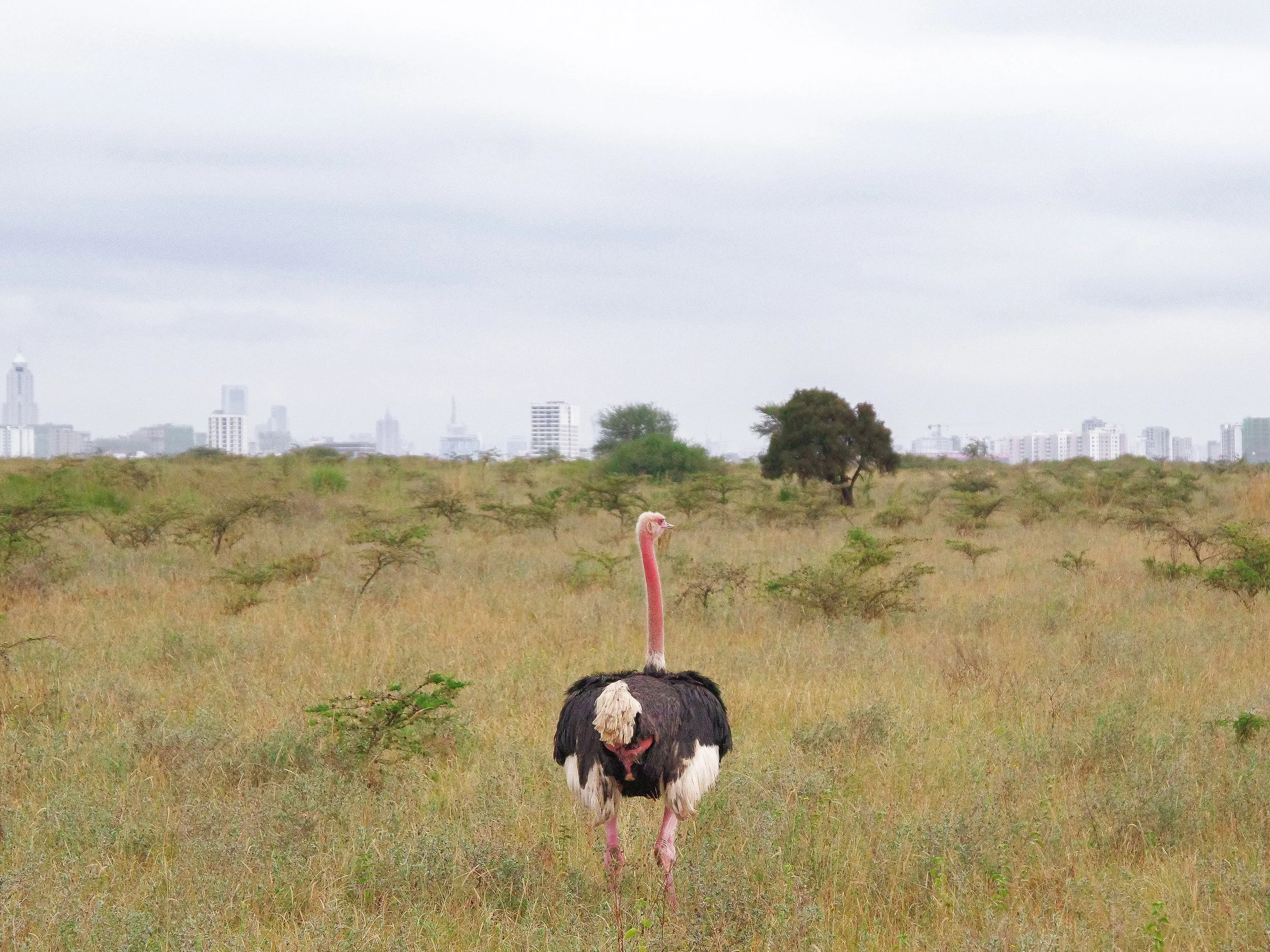
African Birds. The park is home to native Kenyan and East African birds. We spotted varying species from the world’s largest to small and colorful birds. Ugandan Cranes with crowned heads stood near watering holes. Dozens of Guinea Fowl, a wild chicken, ran along the roadside. Vibrant blue and orange kingfishers rested on shrubs. Vultures watched from treetops. Towering ostriches strutted across the savanna.
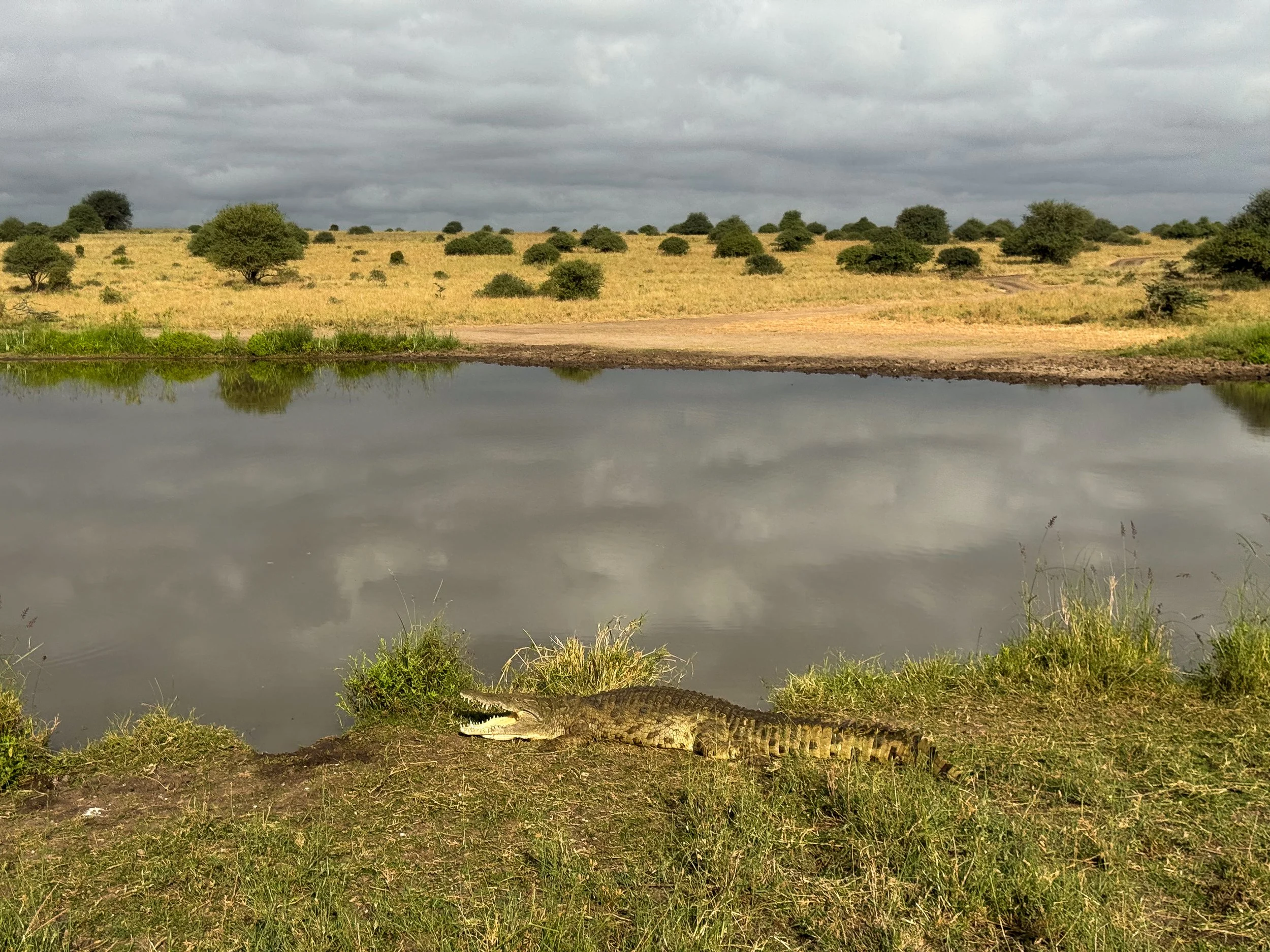
Watering Holes. Watering holes are great gathering spots to observe wild game. Crocodiles lurked at the water’s edge as zebras drank and a flock of African Ibis landed nearby. Adult and baby hippos lounged in water, poking their large heads and backs above the surface.
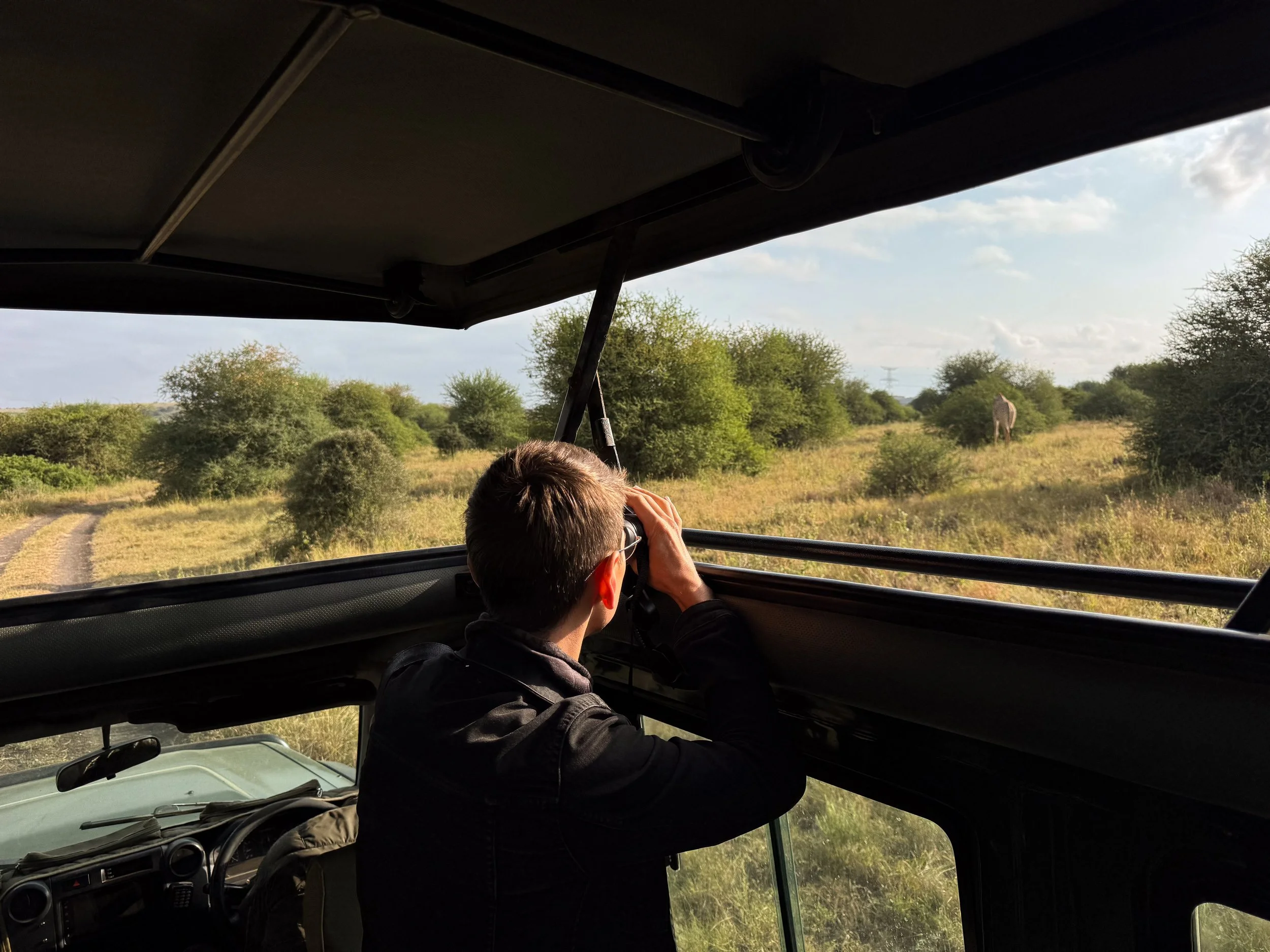
Book a Safari. A guided safari is the best way to visit the Nairobi National Park. We booked our safari with Live in Love Kenya Tours and Travel. It included a guide and transportation in a 4x4 Safari Land Cruiser with a pop up roof.
Good to Know. Park entrance fees are not typically included in safaris and need to be paid separately. The animals and game are purely wild and can only be viewed from safari vehicles. They’re not lured or baited. It’s forbidden to get out of safari vehicles due to safety.
Places to Eat & Drink
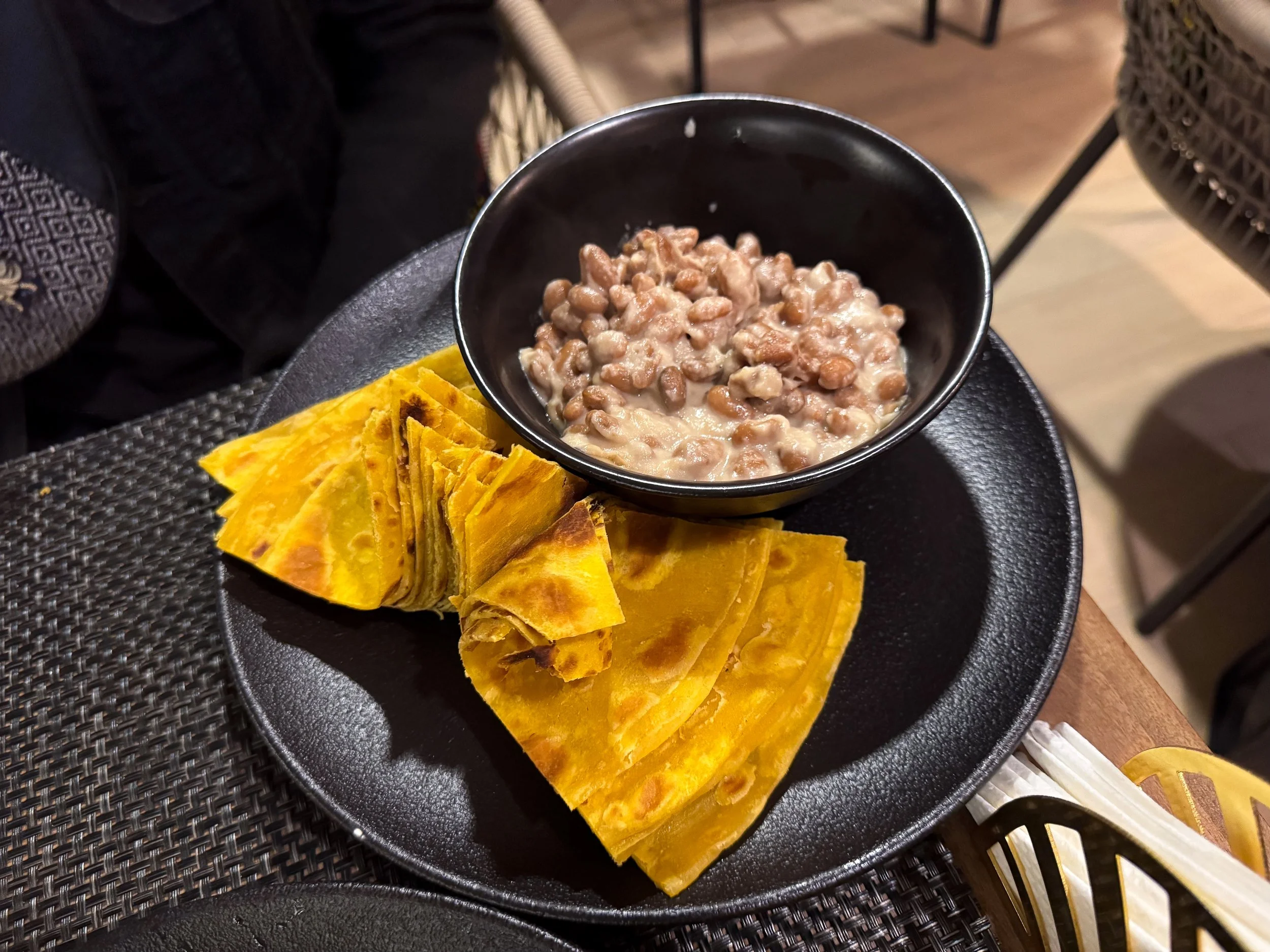
Nana Swahili Restaurant. A Kenyan restaurant with a range of East African dishes. We dined here our first night in Nairobi, ordering two stews eaten by hand with Ugali and Chapatis. Try the red snapper cooked in coconut curry and maharagwe ya nazi, kidney beans cooked in a coconut béchamel.
Connect Coffee. A coffee shop and roastery with house roasted Kenyan coffee and fresh baked pastries. Try their hand brewed coffees or their specialty, Mt. Kilimanjaro, a layered coffee made with espresso, cream and chocolate.
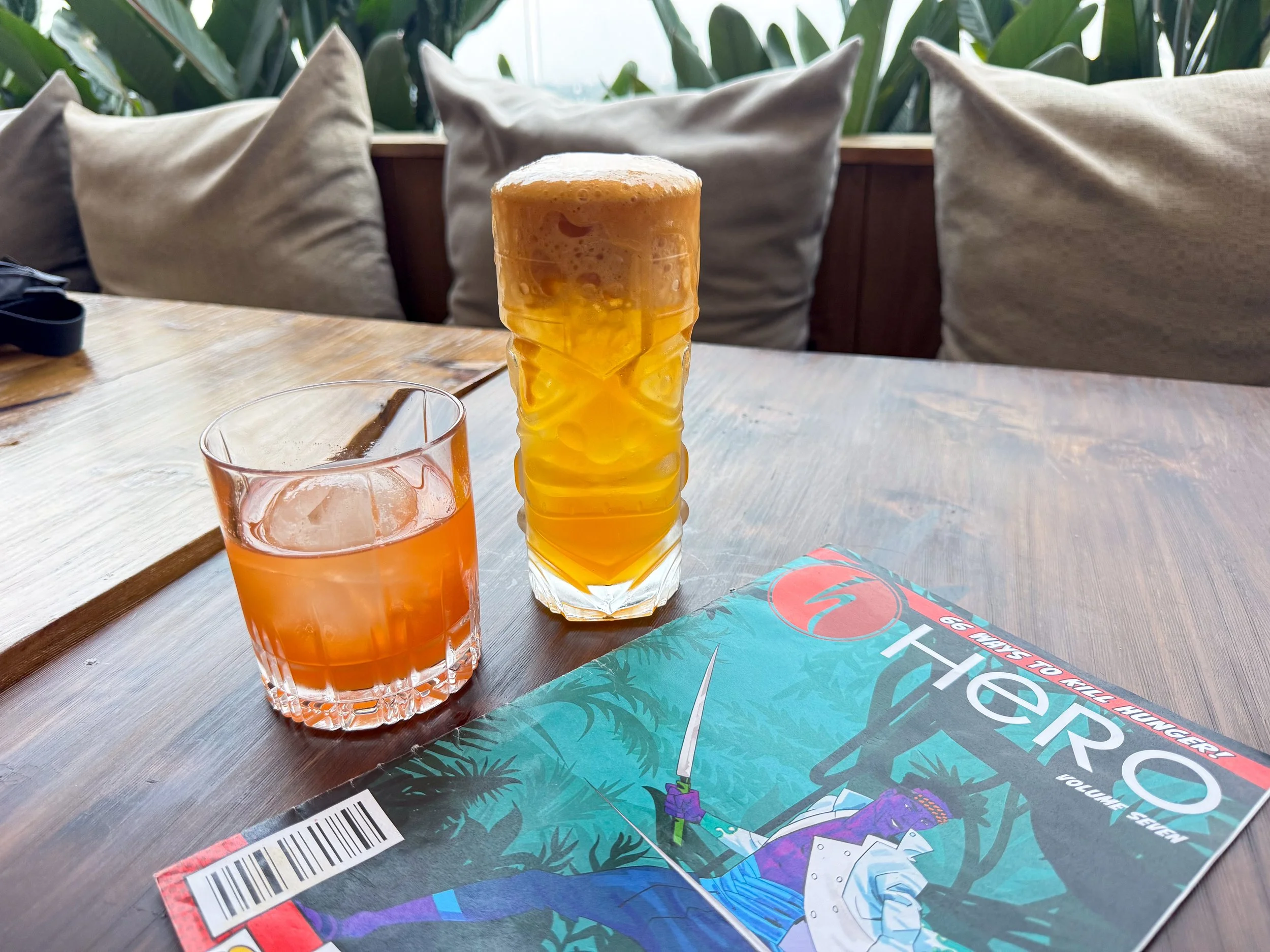
Hero Restaurant & Bar. A super hero themed bar on a roof top overlooking the Gigiri neighborhood and Nairobi skyline. The interior is painted in murals of superheroes and chairs are embellished with their logos. Order cocktails from their superhero and sidekick inspired menu printed on a comic book. It’s been rated as one of the Top 50 Bars in the world. Try the Captain’s Tea, Highly Sassy, Kijabe Kayama or Plantain Old Fashioned.
Rosina’s. A Swahili and Indian fusion restaurant. We ordered a curried and spiced seafood platter to share with lobster, calamari, crab, oysters, shrimp and fish. It came with Kenyan chipati and a spread of sauces. For dessert, a saffron ice cream with peanuts, chia, jellies and noodles.
Kenyan Cuisine
Kenyan cuisine is flavorful, fresh and aromatic. A staple of the cuisine are various forms of one pot dishes. We tasted and cooked several local meals consisting of hearty grains, warm spices and a range of vegetables.
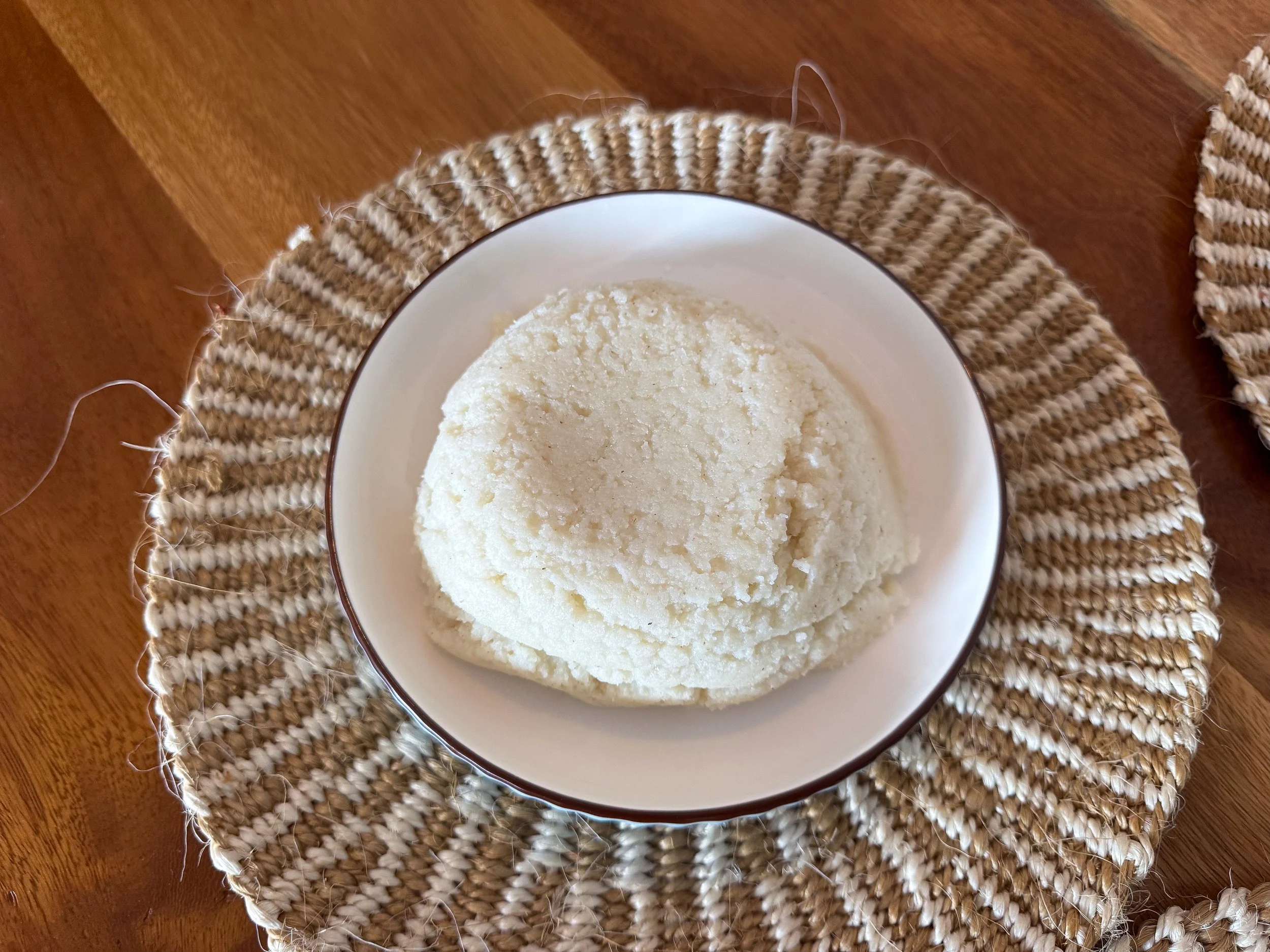
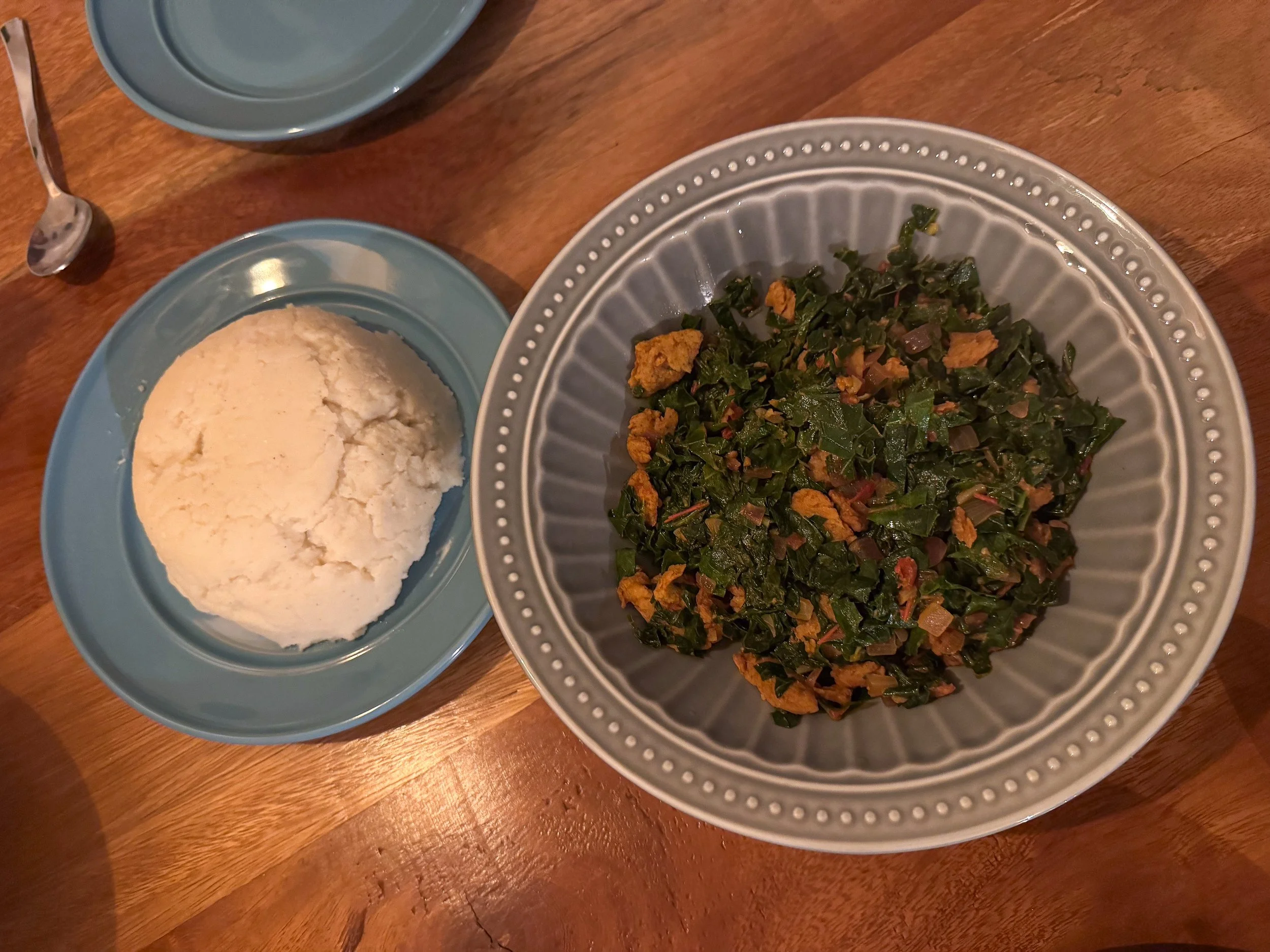
Ugali. A commonly eaten white corn flour mash used to scoop stews and curries by hand. Roll a small lump into a ball, press an indentation in the center and scoop using your right hand.
Chapati. A type of roti used to scoop stews and curries by hand.
Sukuma Wiki. A dish made from sautéed collared greens or spinach, onions, tomatoes and spices. It’s eaten by hand with Ugali.
Kachumbari. A salad made with chopped tomatoes, red onions and chili peppers.
Pilau. A hearty and flavorful “one pot” rice dish made with aromatic spices, onions, tomatoes, potatoes and a protein like beef, chicken or soy.
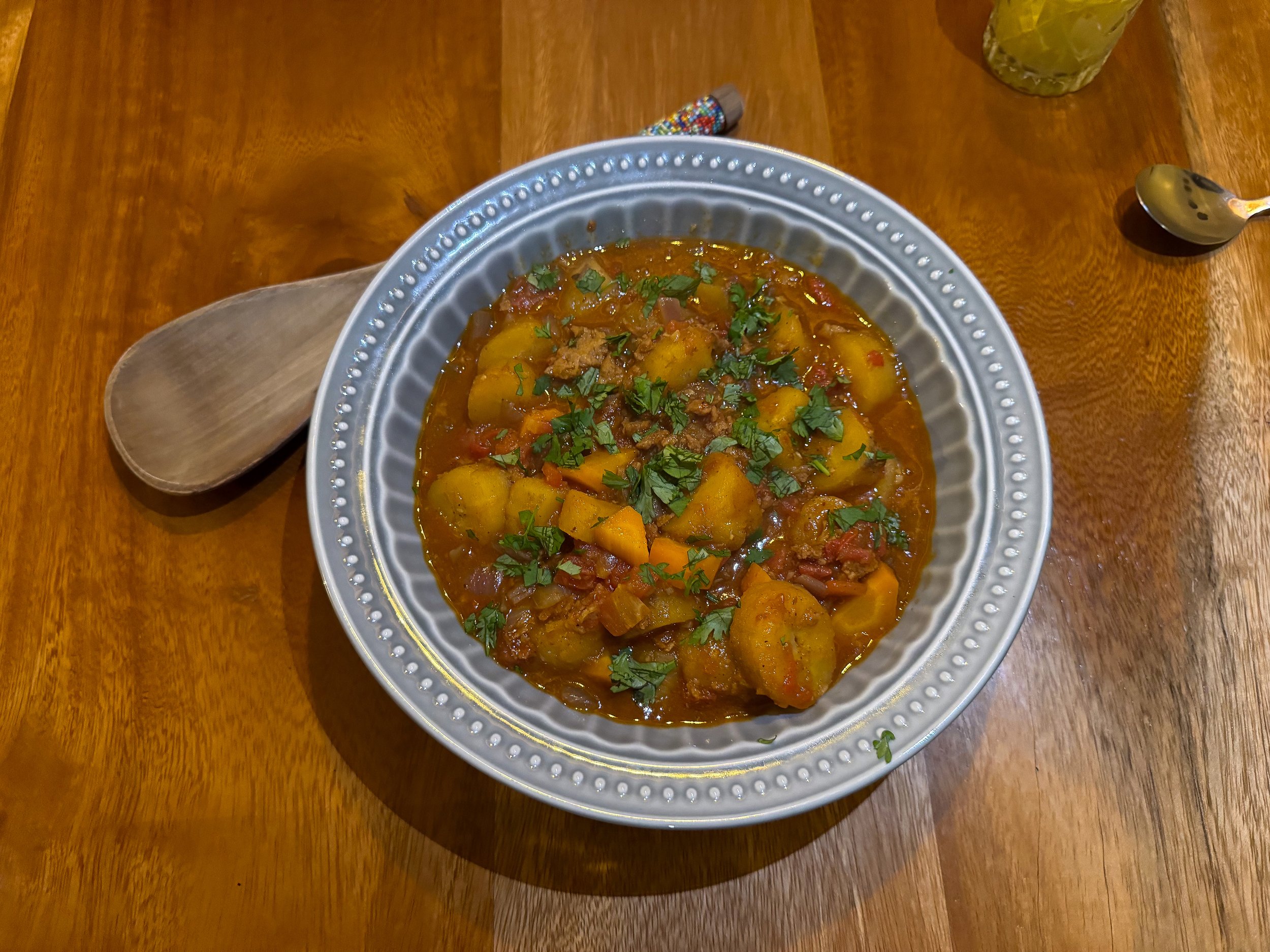
Matoke. A one pot dish made with stewed green bananas, vegetables and a range of savory spices.
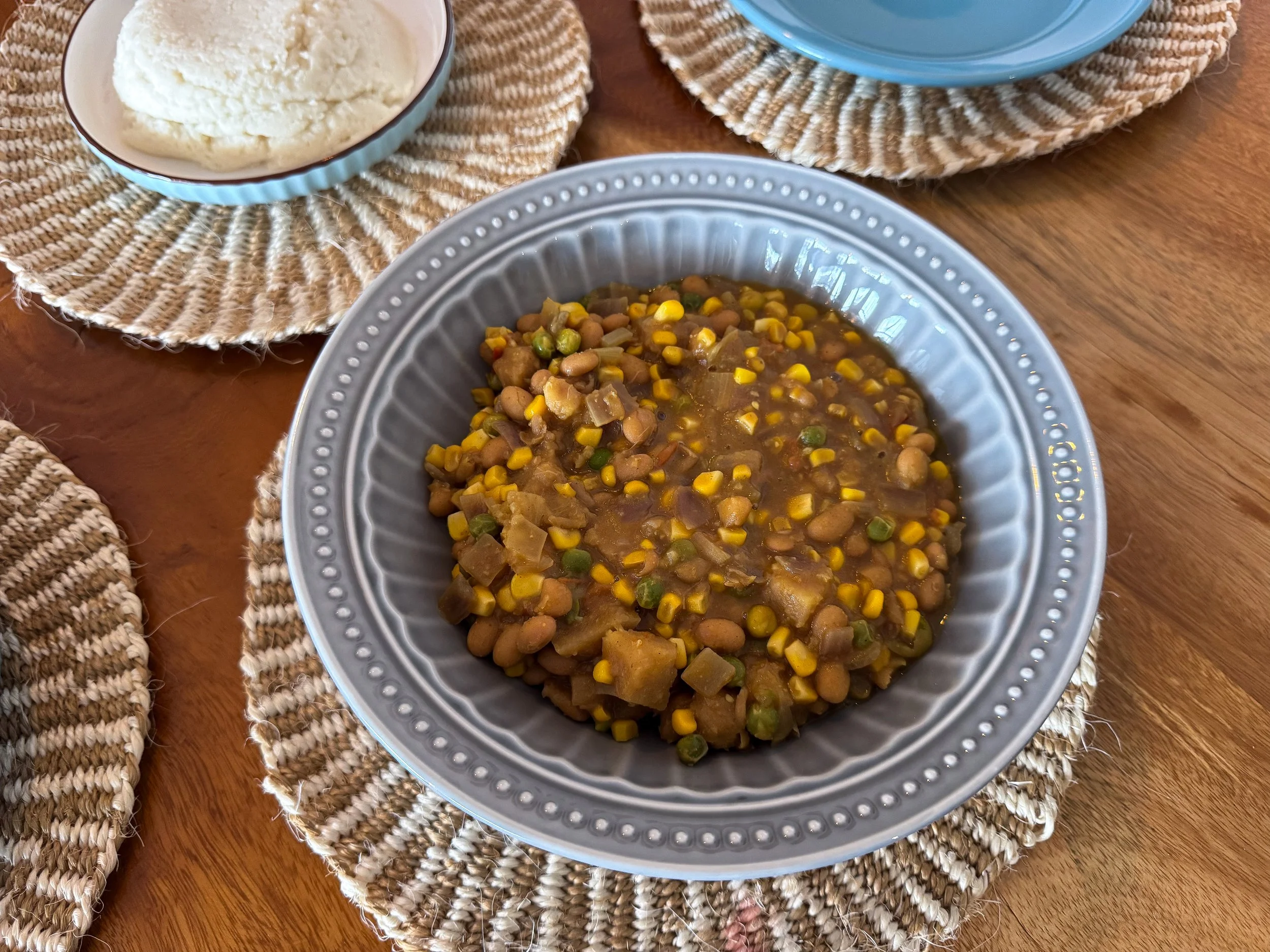
Githeri. A stew made from corn, beans, arrowroot and a mix of aromatic spices. It’s eaten with Ugali.
Rolex. A chipati with an omelette rolled up inside. It gets its name from the phrase, “rolled eggs.”
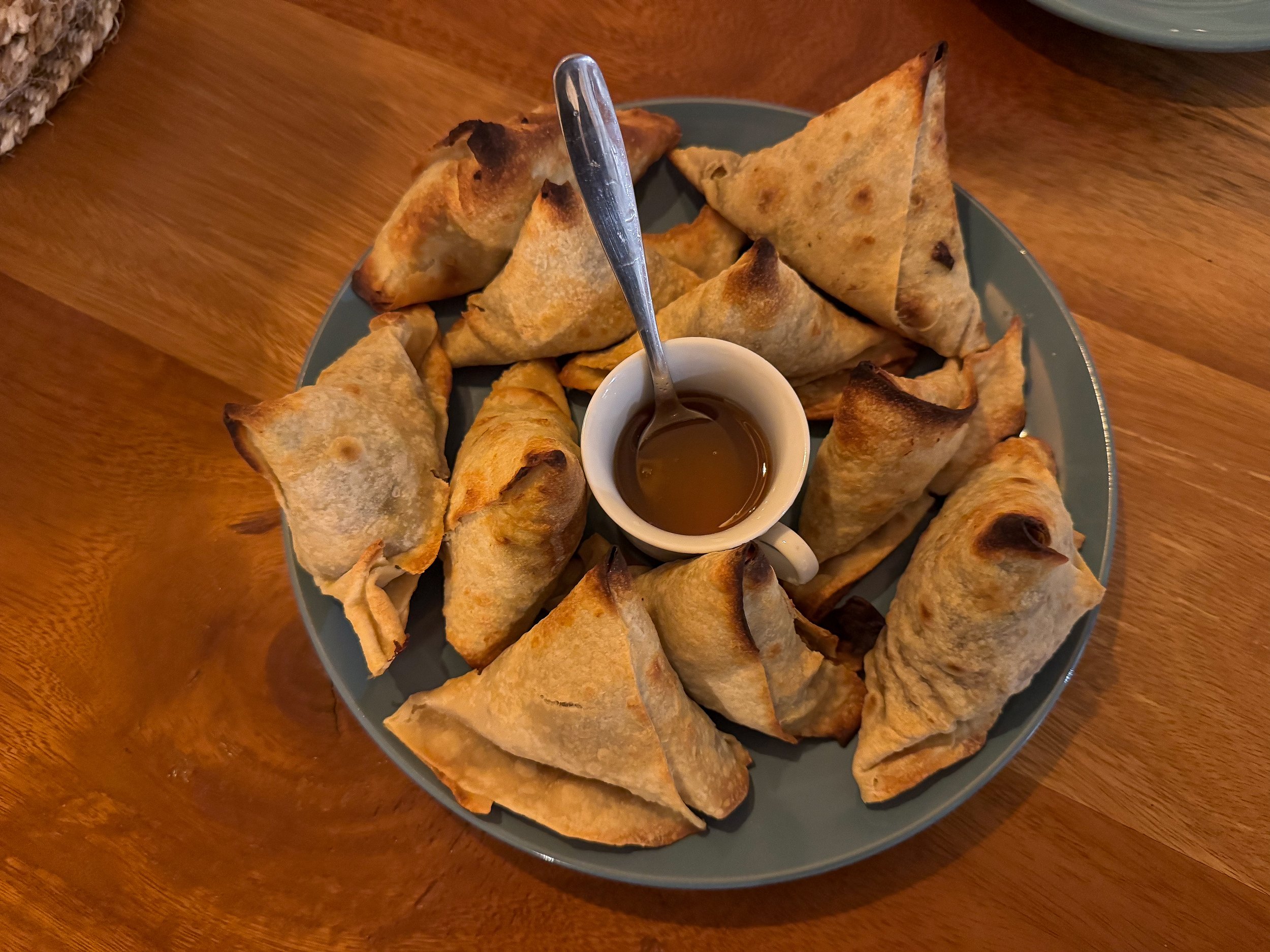
Samosas. A common snack across Kenya brought over by Indian influences. The dough packets are stuffed with spices, potatoes and peas.
Ugi. A hearty porridge made from finger millet grains and warm spices. It’s a common breakfast dish across East Africa.
Mandazi. Fried donuts made from puff pastry and a hint of cardamom. They’re eaten with coffee or tea.
Bush Honey. Wild flower honey produced by bush bees. It has a dark color and very floral flavor.
Chai. A black milk tea brewed with warm spices like pepper, cardamom, cinnamon, ginger and coriander.
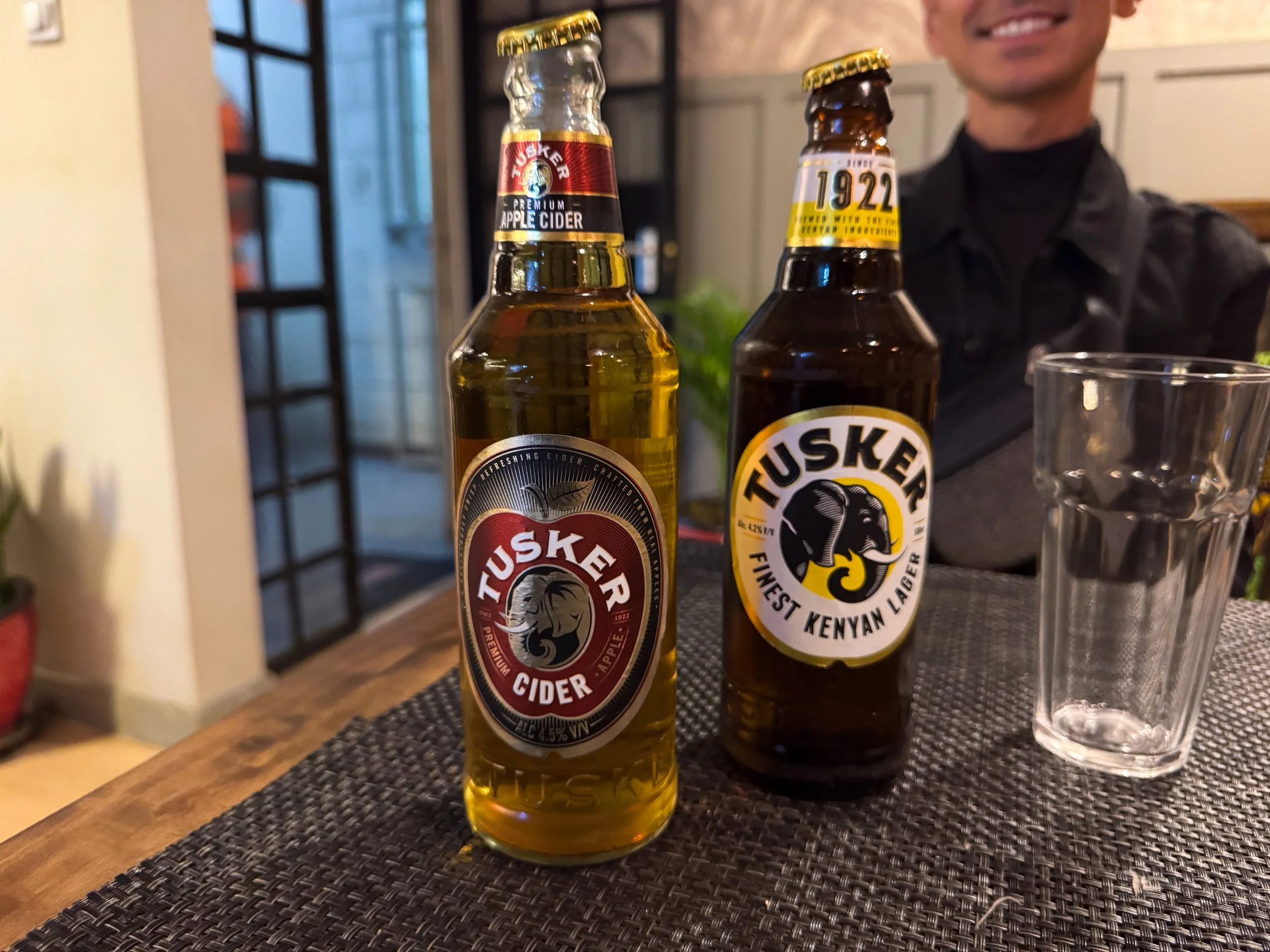
Tusker Beer. One of Kenya’s national beers. Its logo is of a tusker African elephant. Try the lager and cider.
Where to Stay
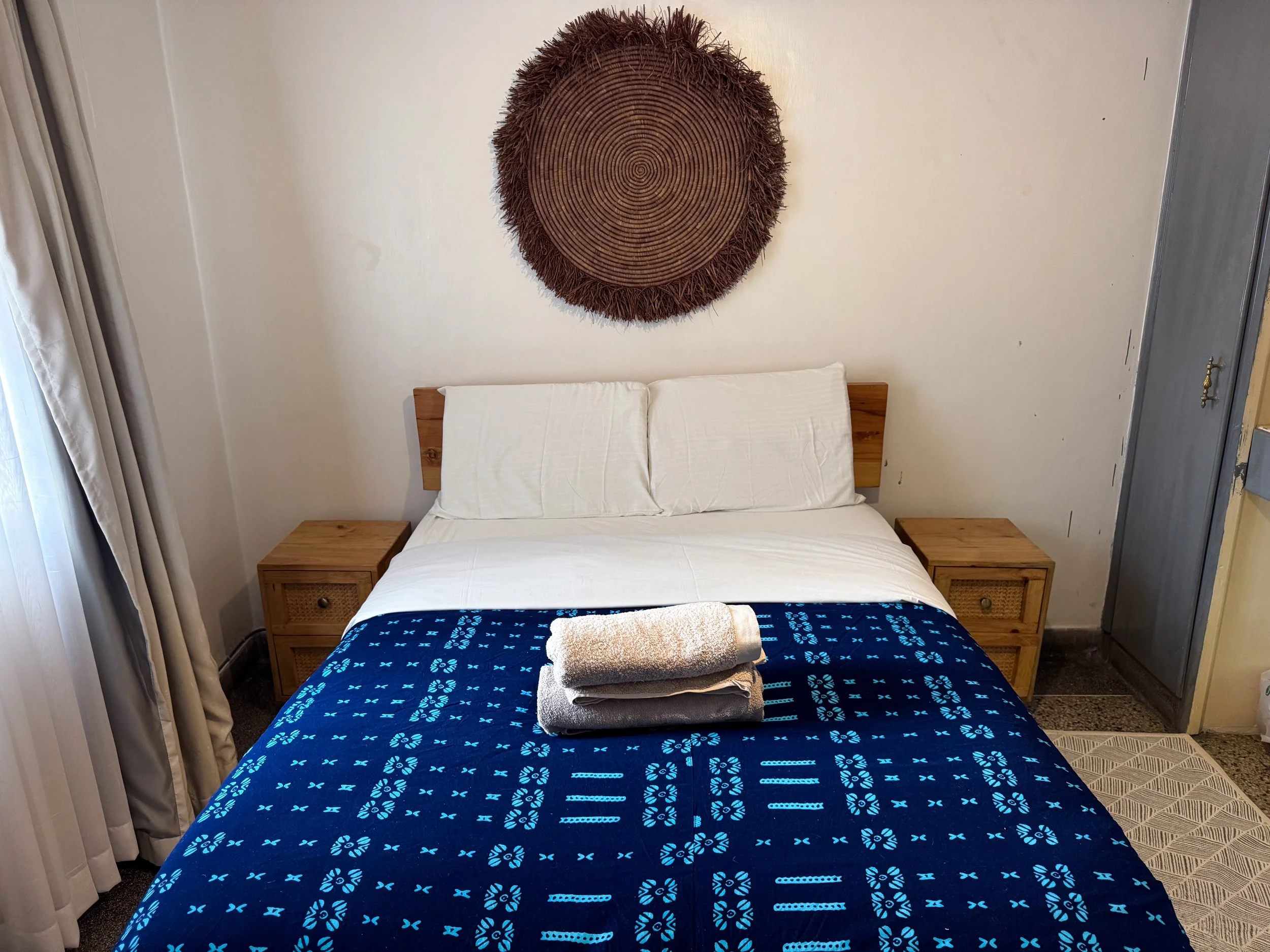
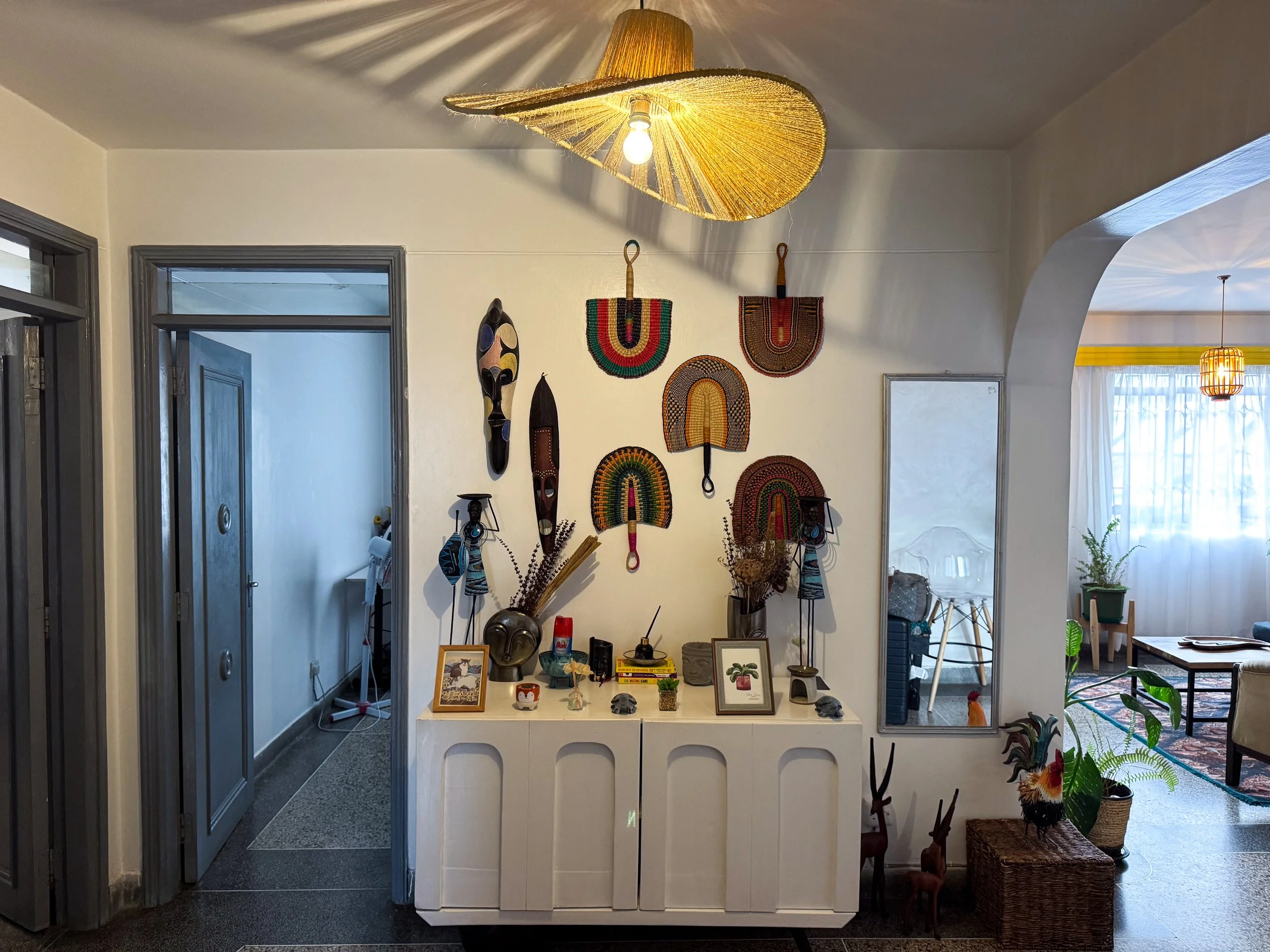
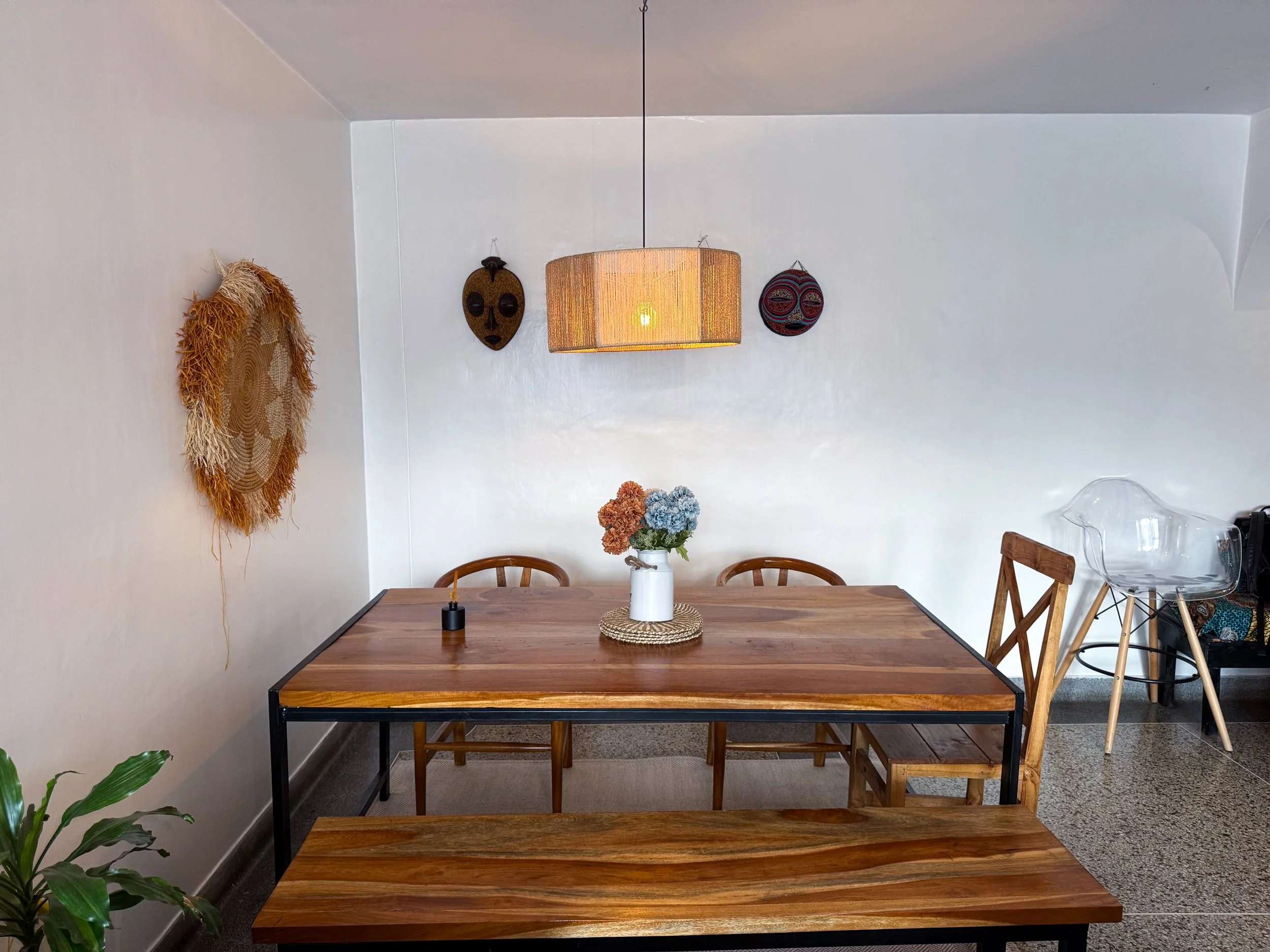
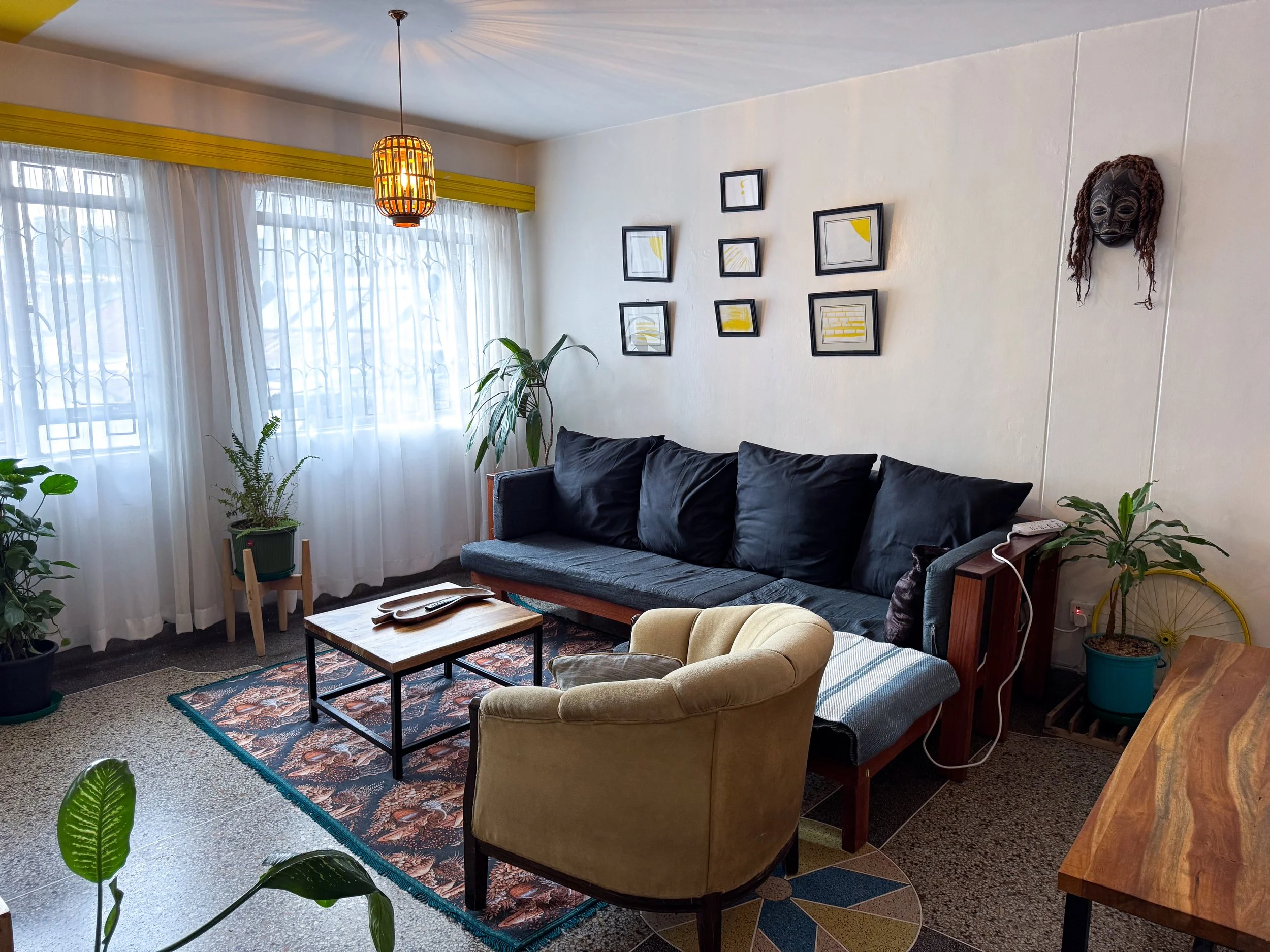
Mushembi Airbnb. We stayed in a two bedroom apartment in Ngara with a kitchen and in unit laundry. It was a comfortable and spacious place with Kenyan decor including beaded masks, woven baskets, colorful textiles and wooden animal sculptures.
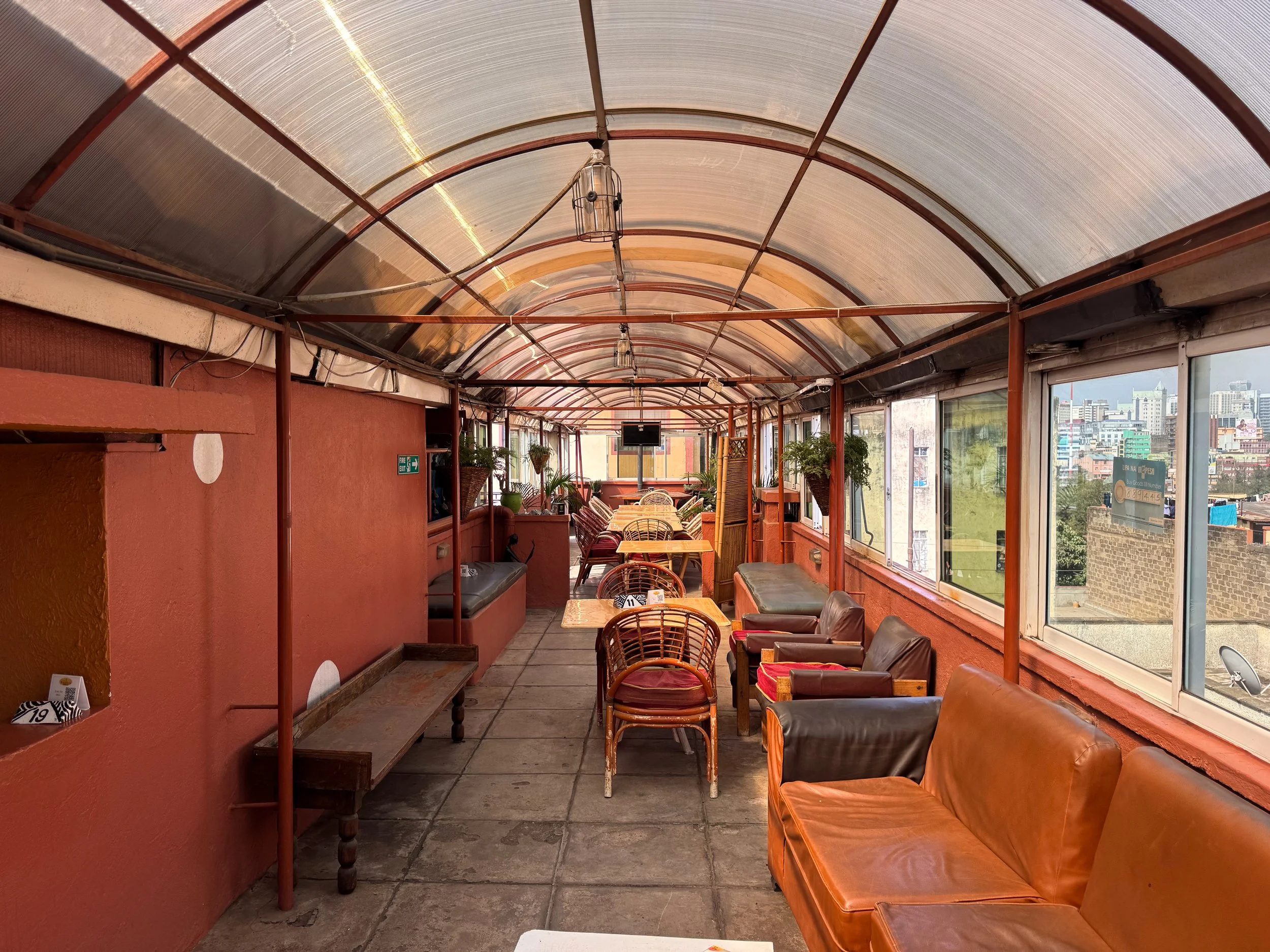
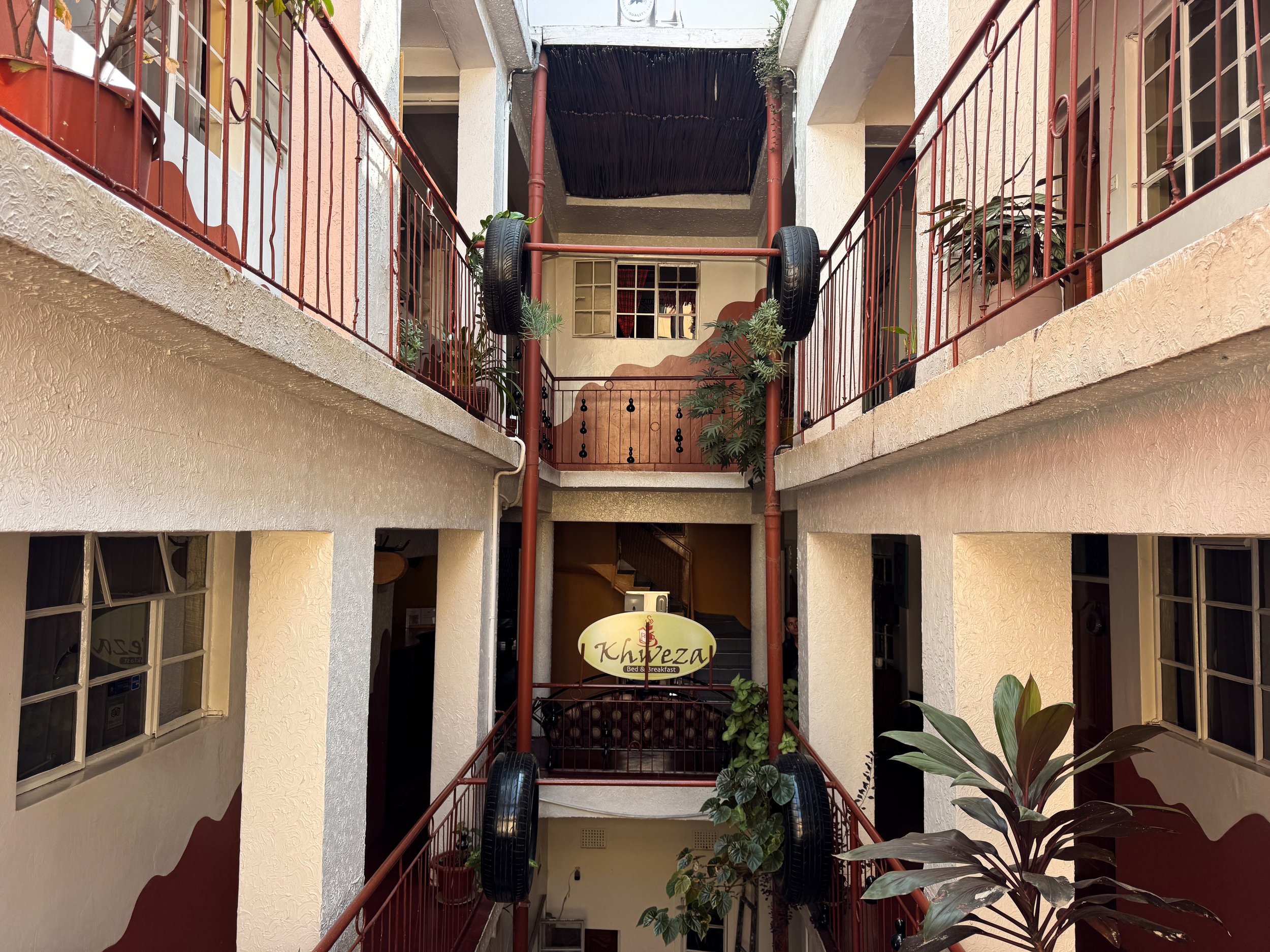
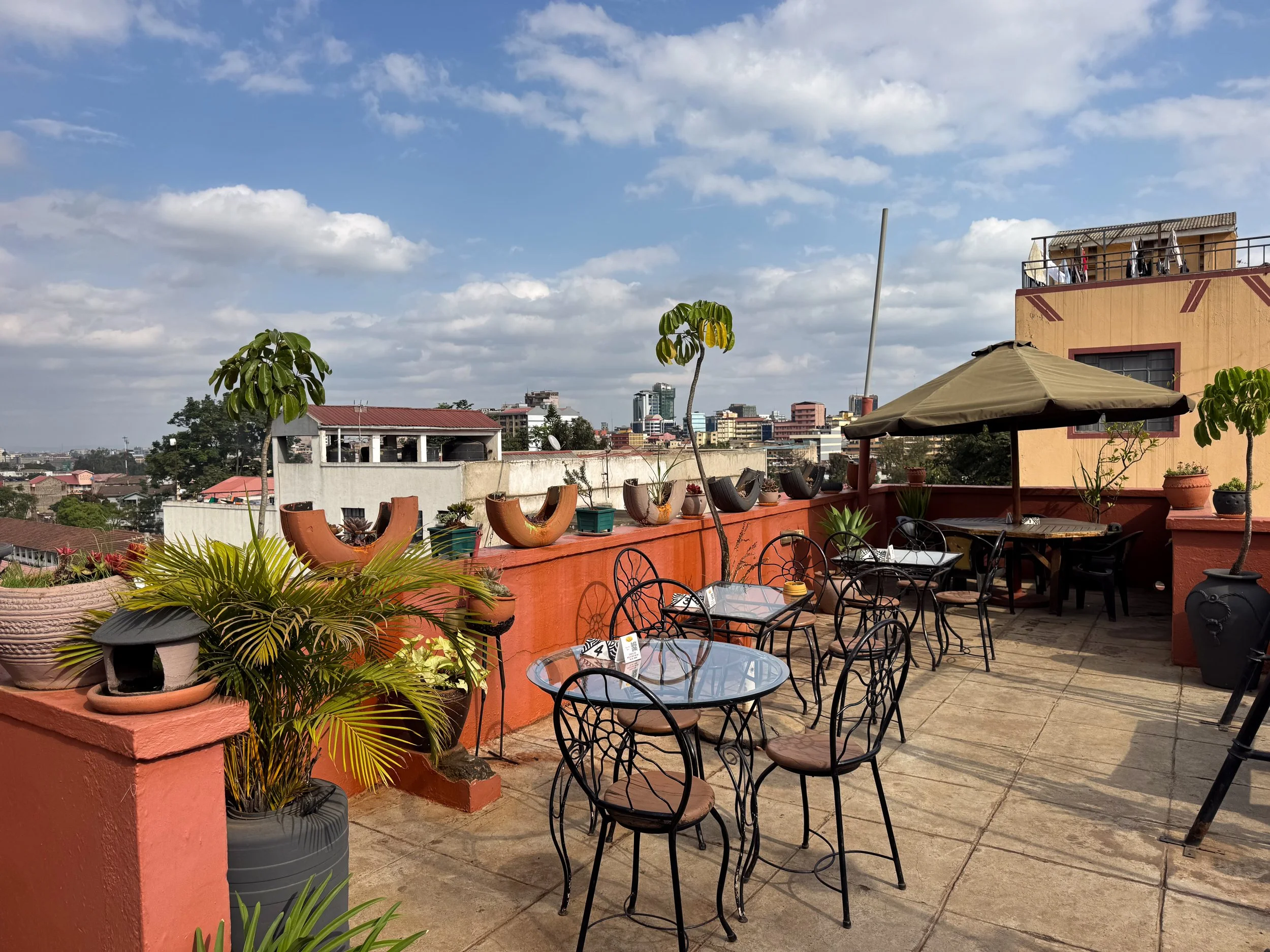
Khweza Bed and Breakfast. A centrally located and affordable hotel with comfortable rooms, included breakfast, laundry service and a rooftop restaurant serving traditional Kenyan cuisine. We ordered the coconut fish, ugali with sukuma, a rolex and masala fires. Reserve on Booking.
Location Specifics
The Dry Season. The best time to visit Kenya is from June to August during the dry season. It makes for the best time to spot wild game in the parks and reserves. The “Big Five,” Lions, Cheetahs, Elephants, Rhinos and Buffalos are most active during the cooler months while in search of water. This time of year also coincides with winter. Temperatures around Nairobi are chilly, ranging between lows of 50F to highs of 70F.
Right vs Left Hand. The right hand is used for everything from eating, receiving or giving and greeting people. The left hand is considered dirty and used for personal hygiene. Avoid using it when interacting with others or eating.
Drinking Water. Tap water in Nairobi is not safe to drink unless boiled or treated. Generally stick to filtered or bottled water for drinking, brushing teeth and cooking with.
Tipping. Tipping when dining out is not expected however leaving 10% is greatly appreciated for good service. Tipping tour guides, drivers, cooks and porters while on safari is expected. In general, plan to tip the equivalent of $10 USD per day per guide and $5 USD per day per cook, porter and driver.
Cash vs Card. Businesses in Nairobi are mostly cash free, accepting credit card payments. Still, it's valuable to carry Kenyan Shillings in case card is not accepted.
General Safety. Nairobi is rough around the edges. Be aware of your surroundings and maintain a low profile. Don’t walk around alone or in unfamiliar areas at night. Don’t wear jewelry or name brands. Don’t openly carry valuables like phones or cash. Avoid taking photos on the streets or of people. Dismiss people that approach you on the street. Avoid protests, police and any situation that could lead to confrontation.
LGBTQ+ Safety. Kenyan laws and customs are not very accepting of LGBTQ+ individuals. Stay up to date with the latest laws and suggestions while traveling. Refer to our guide on LGBTQ+ Travel Safety for more advice.
Pre-Airport Security Check. Before entering the airport, there is a roadside security check. Passengers have to pass through metal detectors while their bags are scanned or sniffed by dogs. It’s common practice in East Africa.
Language. English is commonly spoken across Kenya. Many people also speak Swahili, an East African language.
Swahili Phrases
Jambo. A common greeting. When someone says Jambo, respond back with Jambo as a sign of mutual respect.
Mambo. A more informal version of Jambo. It’s often said amongst friends.
Karibu. A greeting meaning welcome or used as you’re welcome.
Asante. Thank you.
Asante Sana. Thank you very much.
Hakuna Matata. To quote the Lion King, it means “no worries” or no troubles. It is a genuine Swahili phrase though mostly said between locals and travelers.
Getting Around
Bolt or Uber. Both ride hailing apps are popular and readily available across Nairobi. Bolt is generally cheaper. Uber specifically has an affordable ride option called Chap Chaps for short distances within the city. We used them to get around everywhere we needed to go.
Elsewhere in Kenya
From Nairobi's vibrant neighborhoods and food scene to the wildlife rich plains of the Maasai Mara, continue exploring Kenya's diverse experiences.
Kenya Safari Guide: The Great Migration, Big Five & Maasai Mara. Venture across Kenya's sweeping savannas and protected reserves where remarkable wildlife and migratory animals create unforgettable African safaris.
For Next Time…
Next time we visit Kenya, we plan to explore the country’s coastal towns, its highest mountain and largest lake.
Mt. Kenya. The second highest mountain peak in Africa and tallest in Kenya. It’s surrounded by hiking trails, campgrounds and forest reserves. We plan to return and camp overnight along the extinct volcano’s trails.
Lake Victoria. A vast freshwater lake bordering Kenya, Rwanda, Uganda and Tanzania.
Mombasa Old Town. An old town in the port city of Mombasa. Its history and streets have been shaped by a range of colonial powers and influences including the British, Portuguese, Persian, Arab and Indian.
Lamu Old Town. A historic coastal city and one of the oldest Swahili settlements in East Africa.