Ninh Binh Travel Guide: Trang An, Karst Landscapes & Ancient Temples
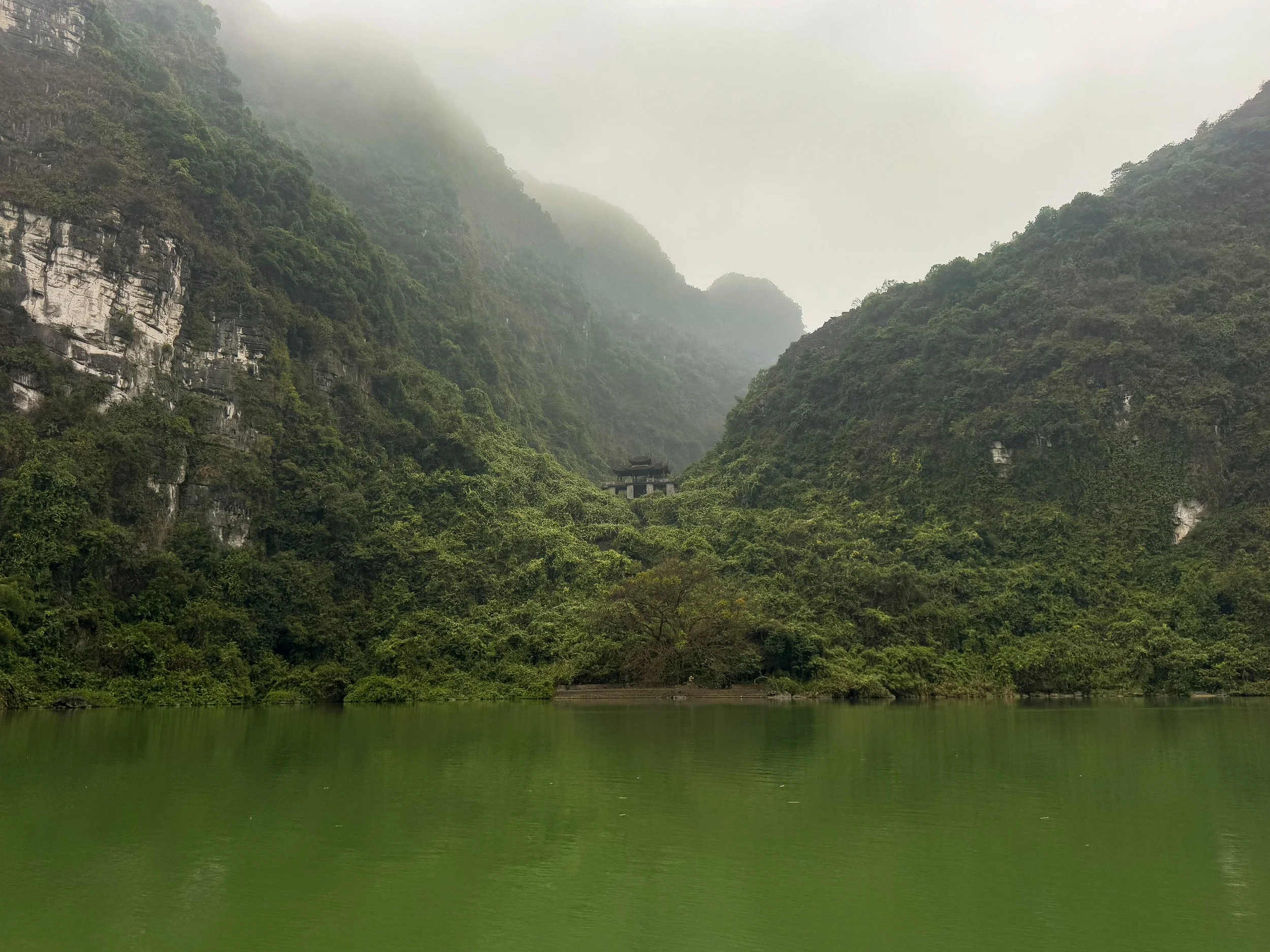
Ninh Binh, The Ancient Capital of Vietnam
Ninh Binh is the ancient capital of Vietnam. It’s a place where history, nature and culture seamlessly blend together. Scenic landscapes are defined by towering karst mountains, underground rivers, deep cave systems and endless fields of rice paddies. Rowers navigate passengers through the tranquil waterways and countryside. Historic temples, royal tombs and modern day pagodas invite visitors and worshippers to their halls. Small villages with charming homestays and restaurants serving regional cuisine provide a welcoming and local atmosphere. We spent a few days here, sightseeing at a relaxing pace.
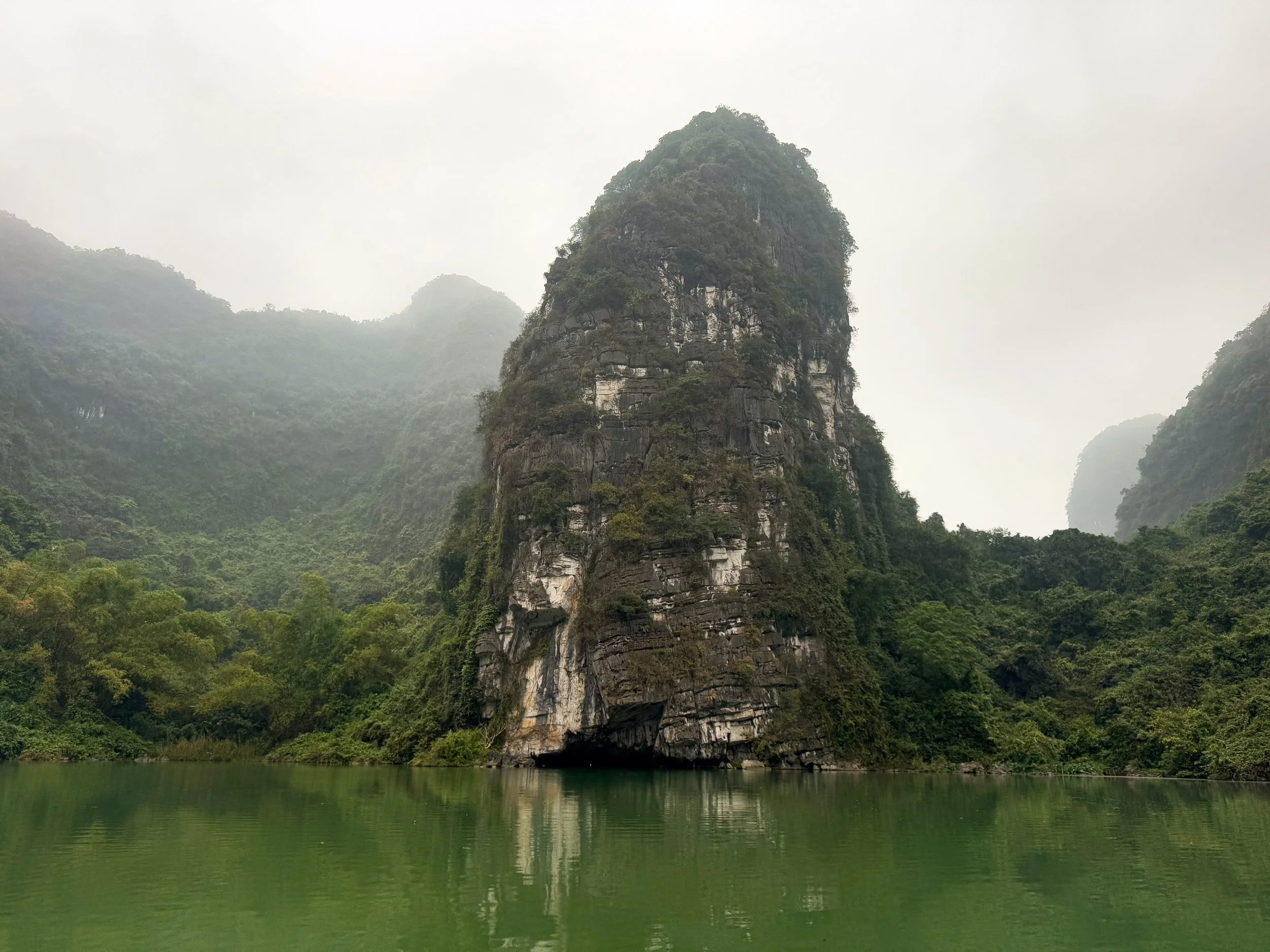
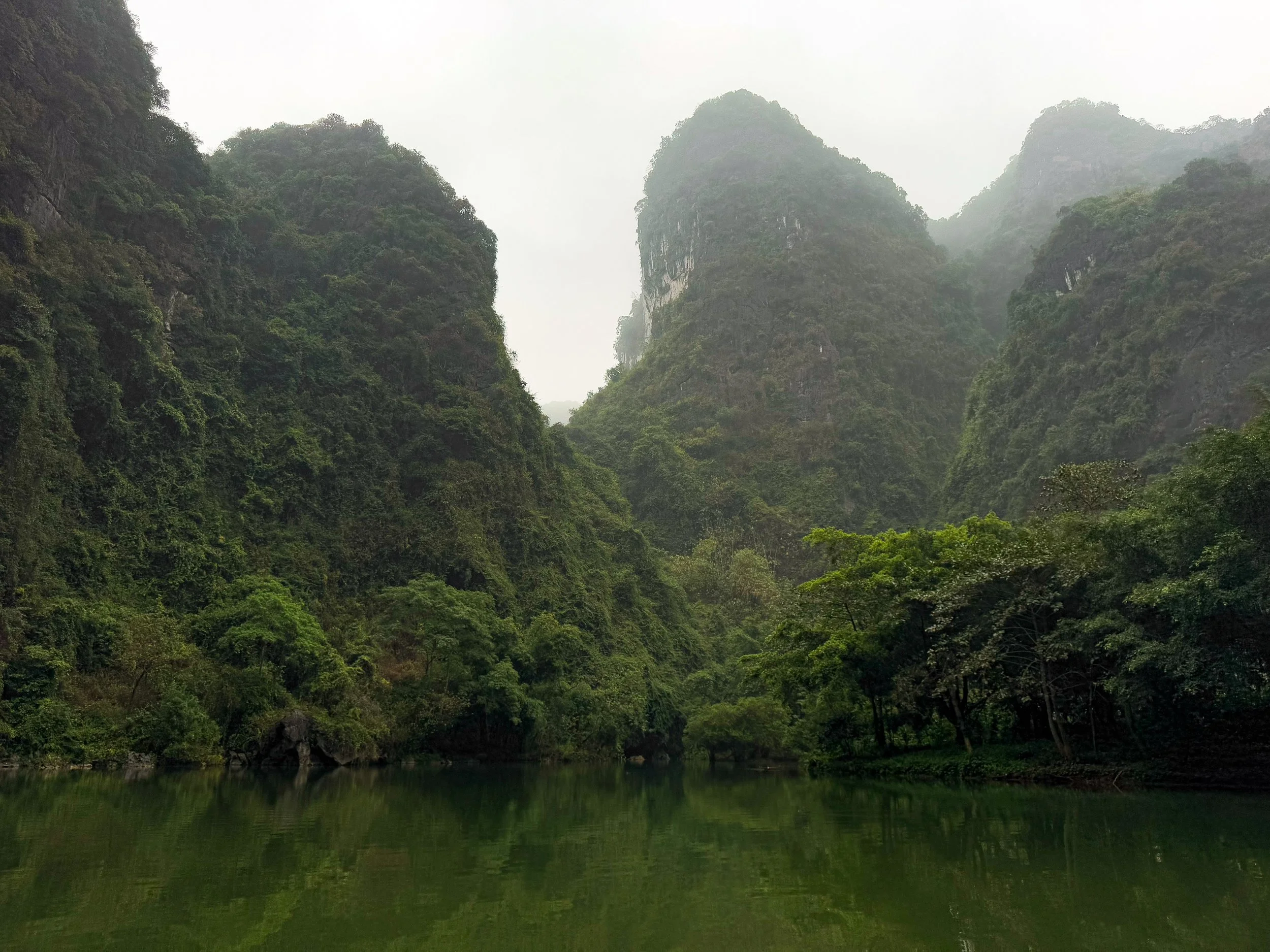
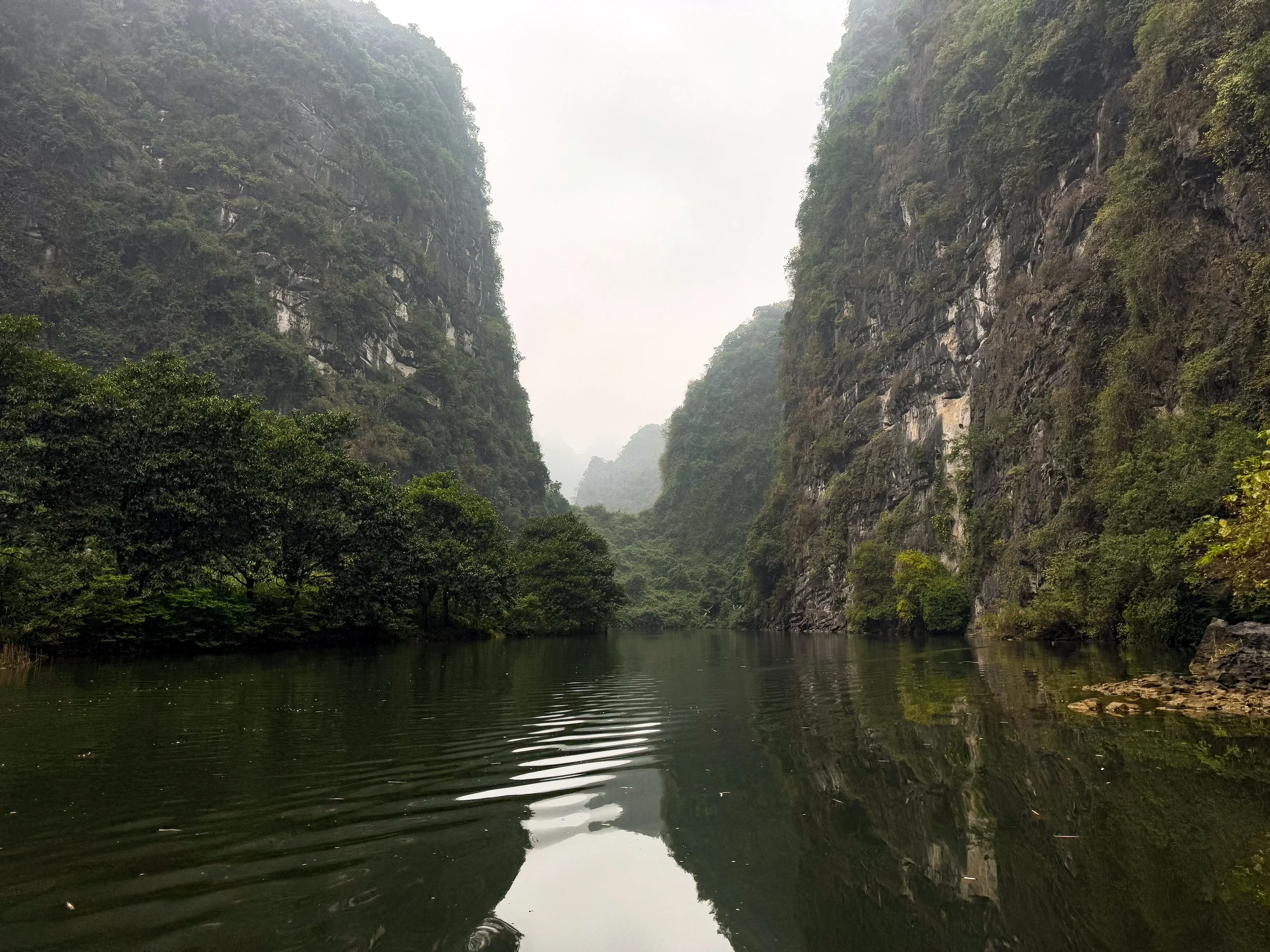
Trang An Boat Tour
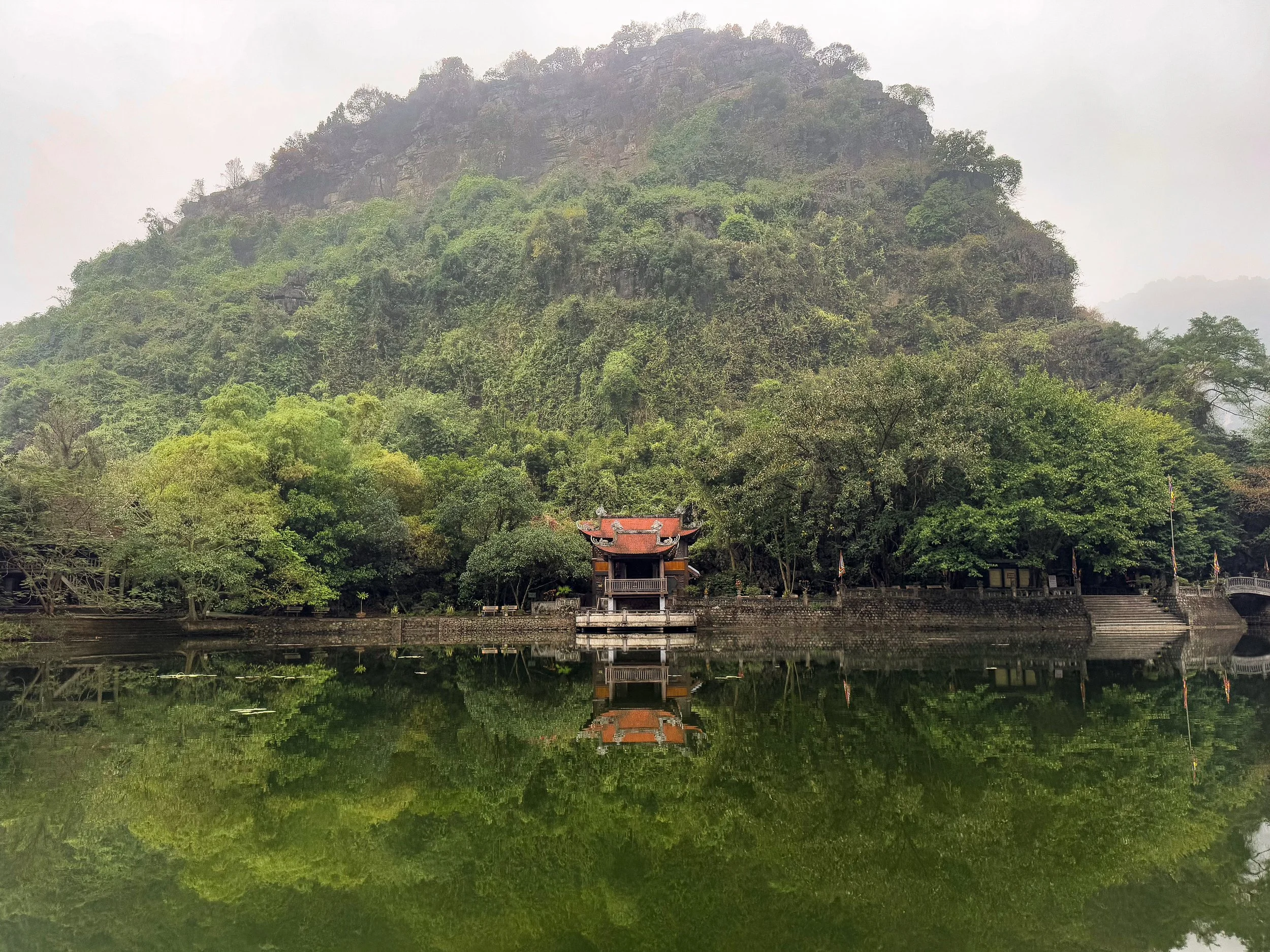
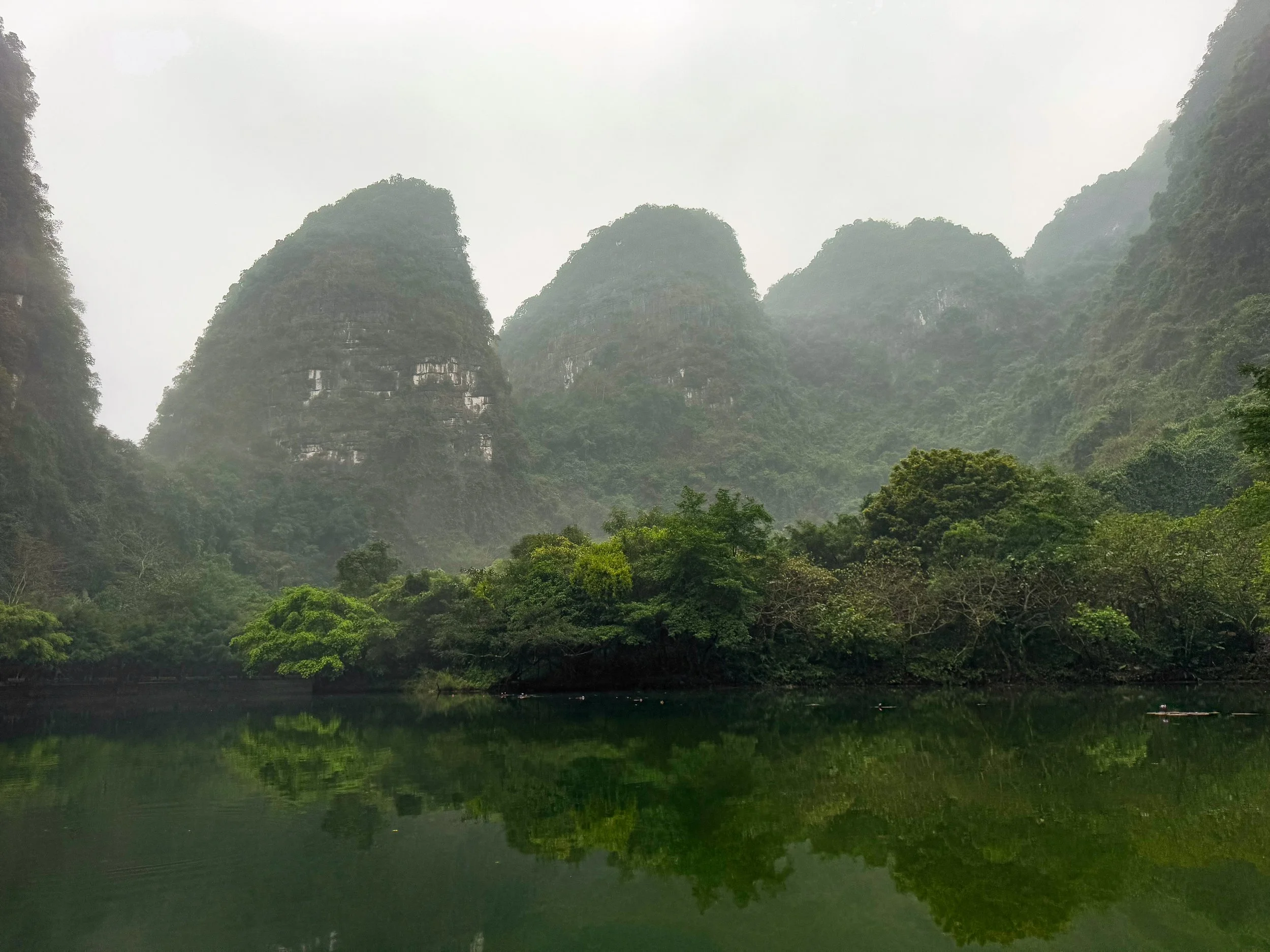
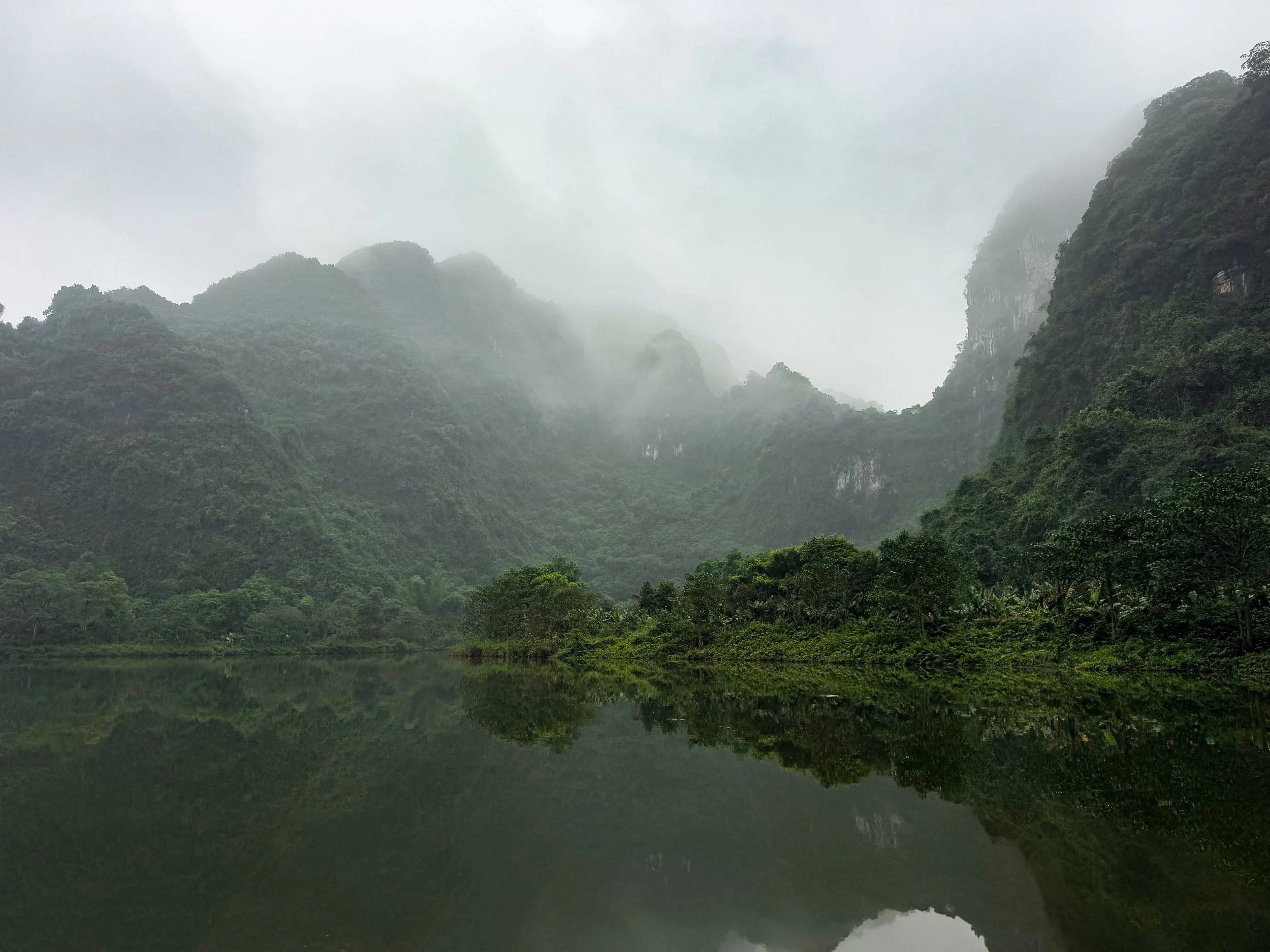
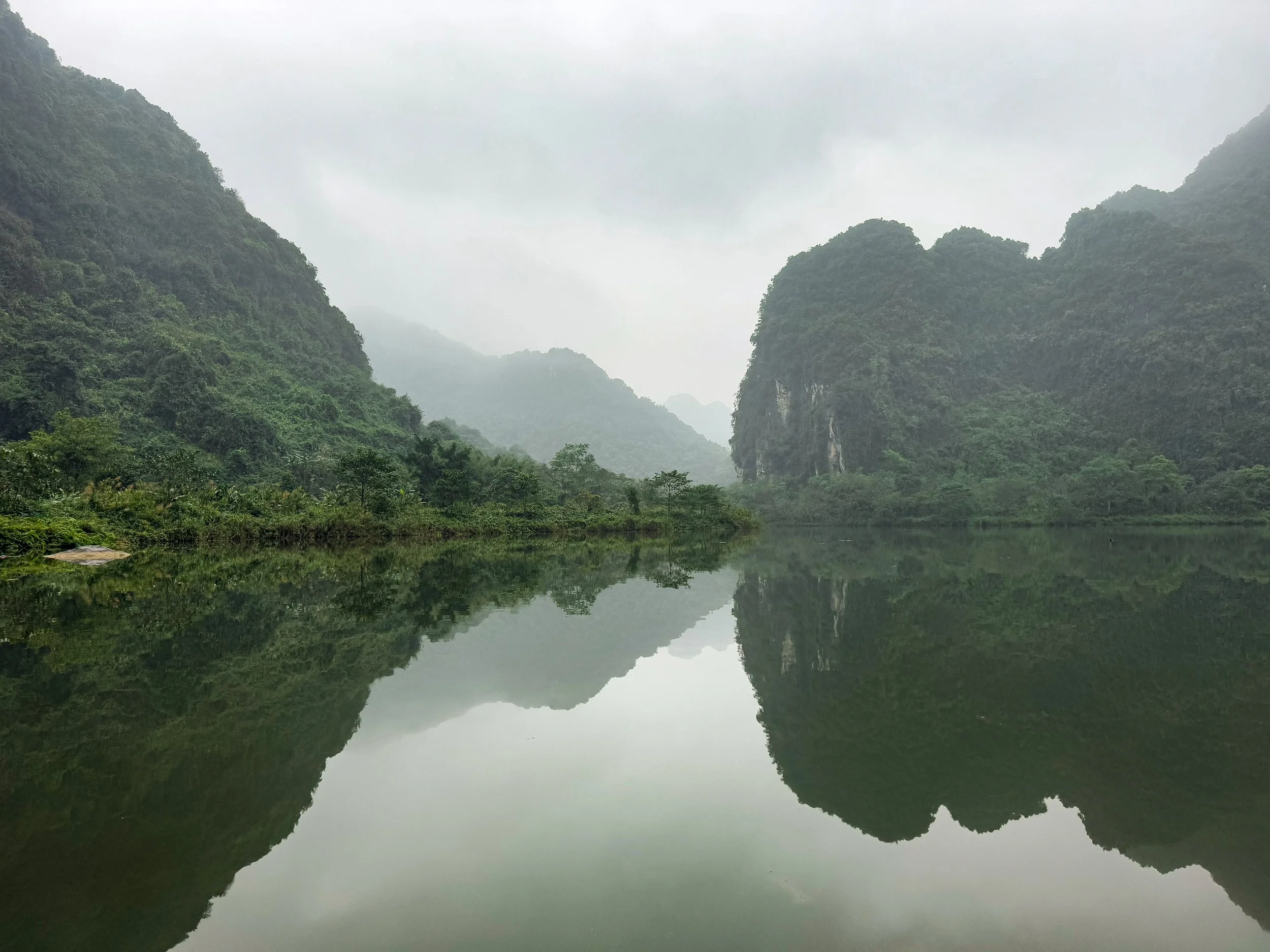
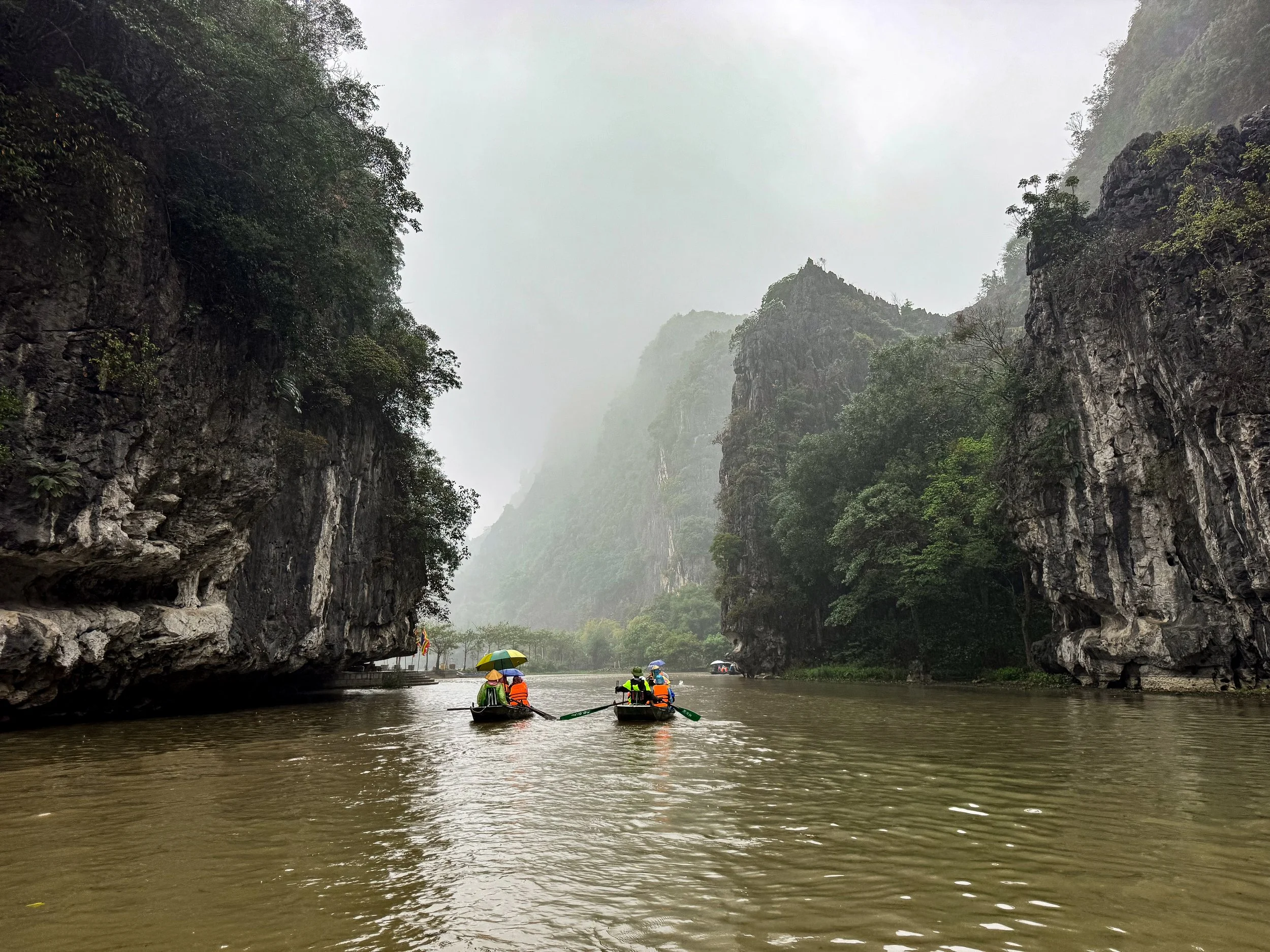
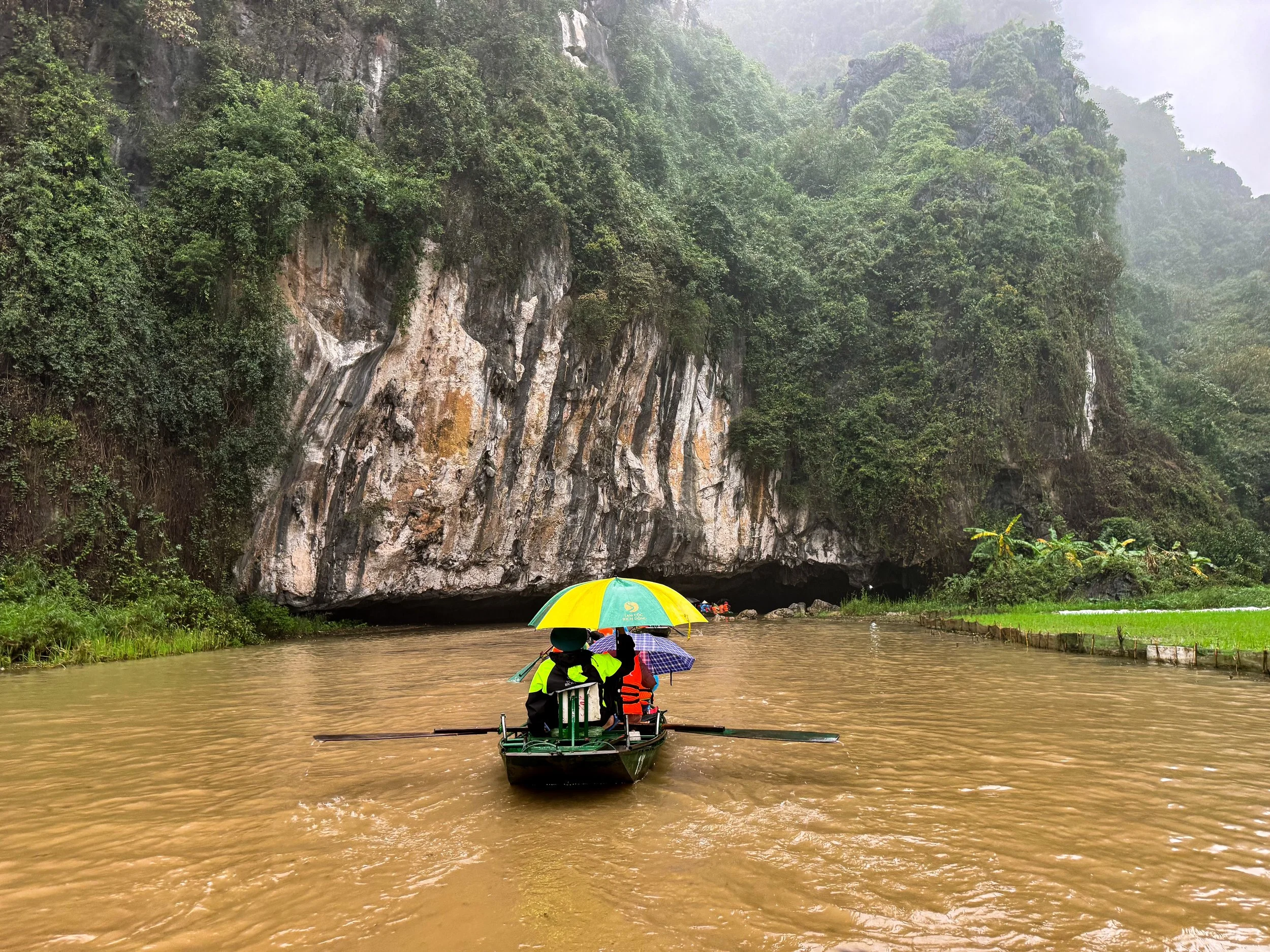
A breathtaking landscape covered in towering rock formations, lush tree covered mountains and underground rivers. Ancient temples and pagodas are perched on the hills and along the waterways, surrounded by nothing but nature. Even on a cloudy day, the haze covered silhouettes of the landscape create a mystifying allure. The best way to visit is by row boat tour.
Trang An Temples
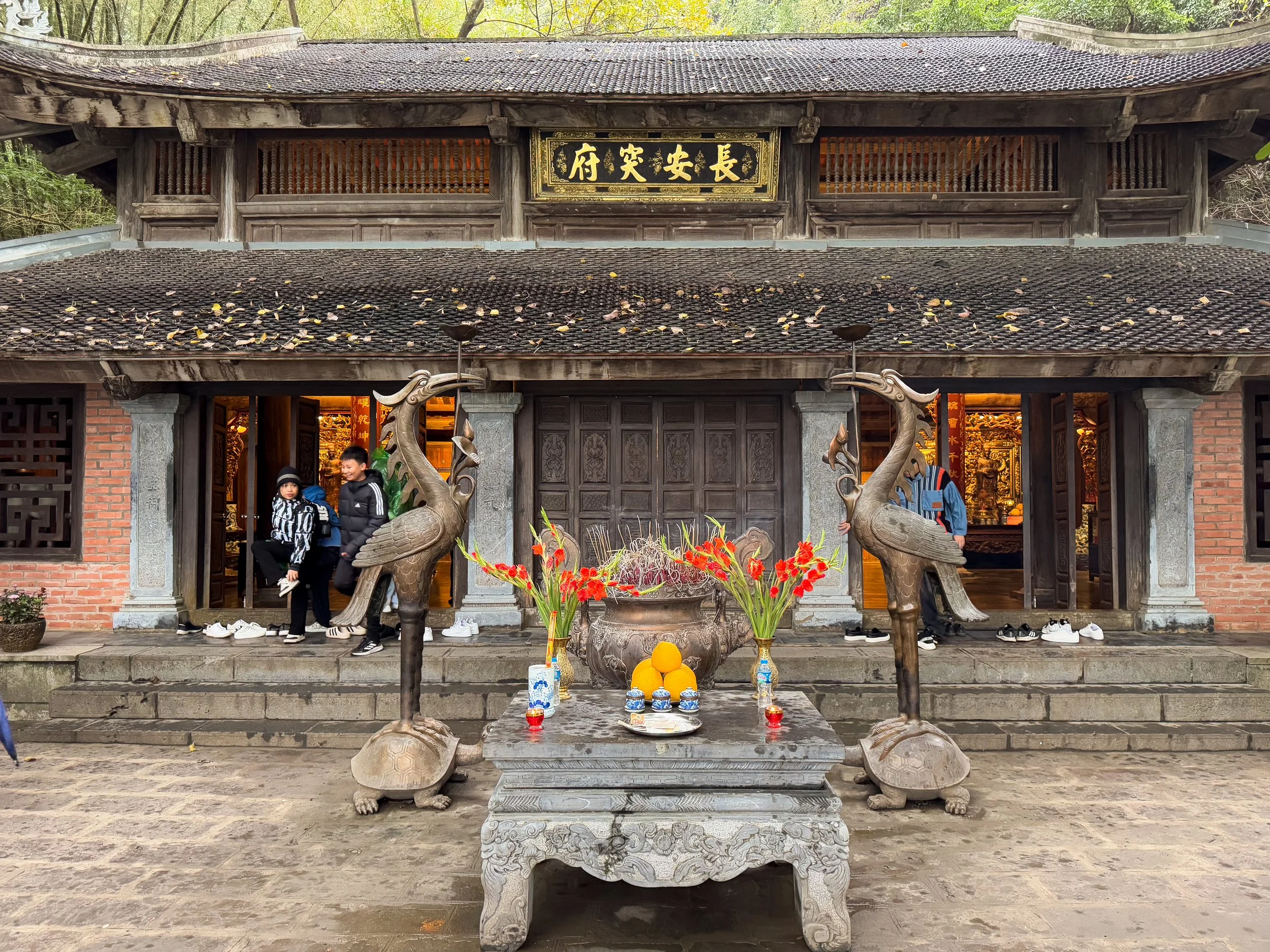
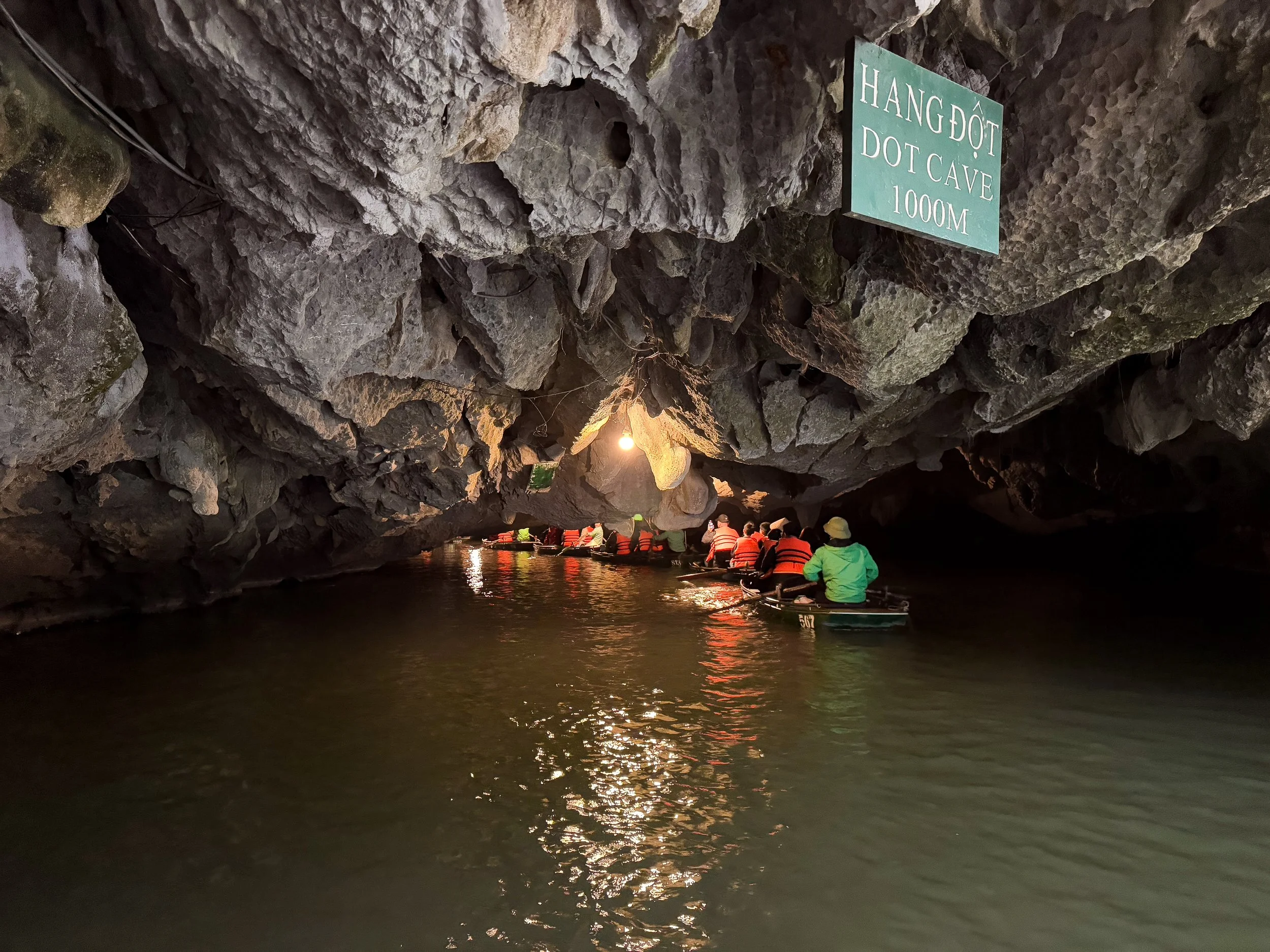
Dinh Dien Temple. A temple dating back over 1,000 years sitting on the edge of a river bank against the backdrop of a karst mountain. Within its wooden and stone facade is a glowing altar with statues, vases, smoldering incense and offerings. It’s located at the entrance of Hang Dot Cave, a 1,000 meter long cave and the longest in Trang An.
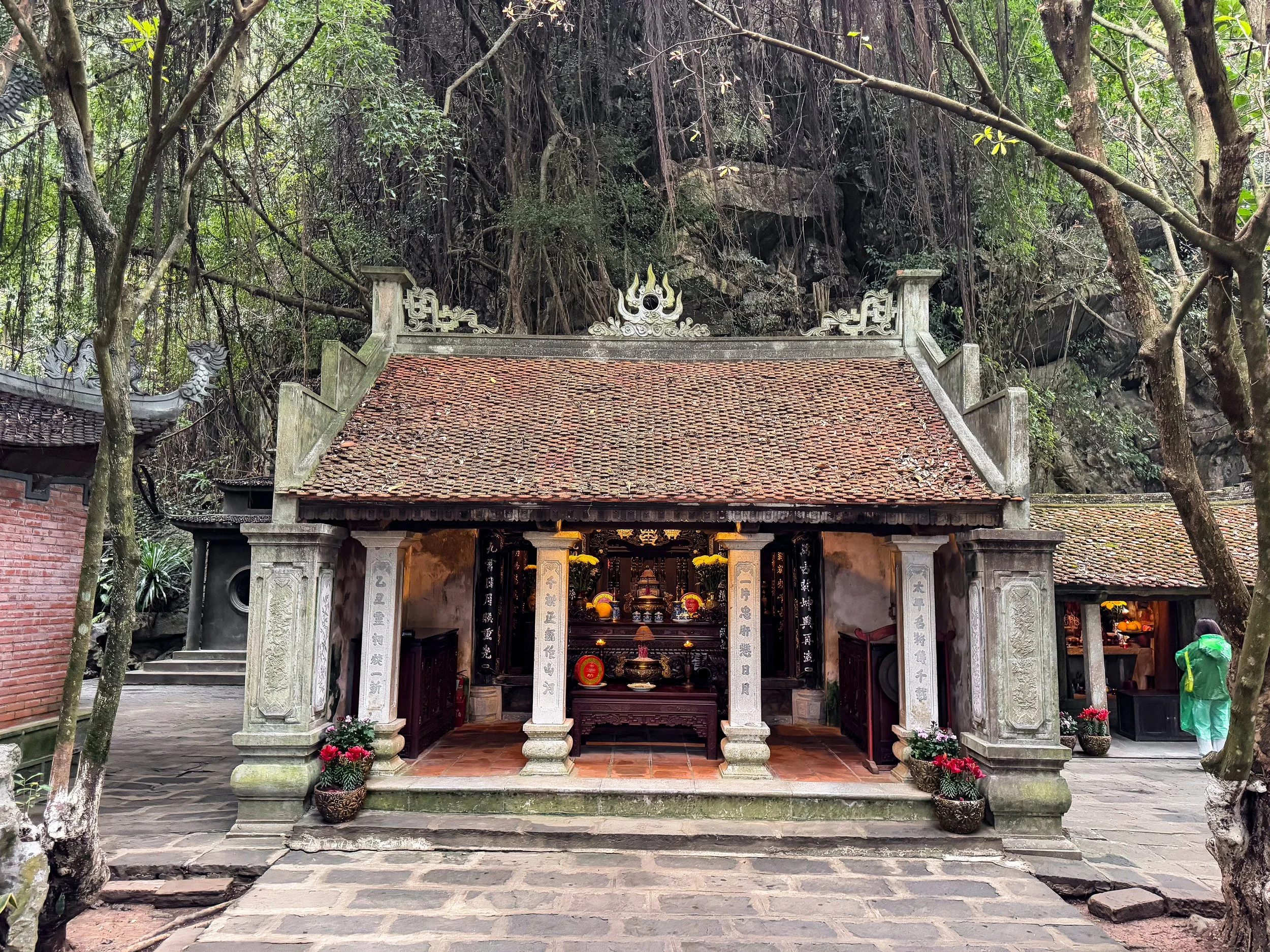
Tran Temple. One of the most sacred and ancient temples in Trang An. It’s decorated with intricate stone carvings featuring the four sacred animals, the dragon, turtle, phoenix and unicorn. It served as a defensive fort for the ancient kingdom over 1,000 years ago. It’s only reachable via a stone staircase between two karst formations.
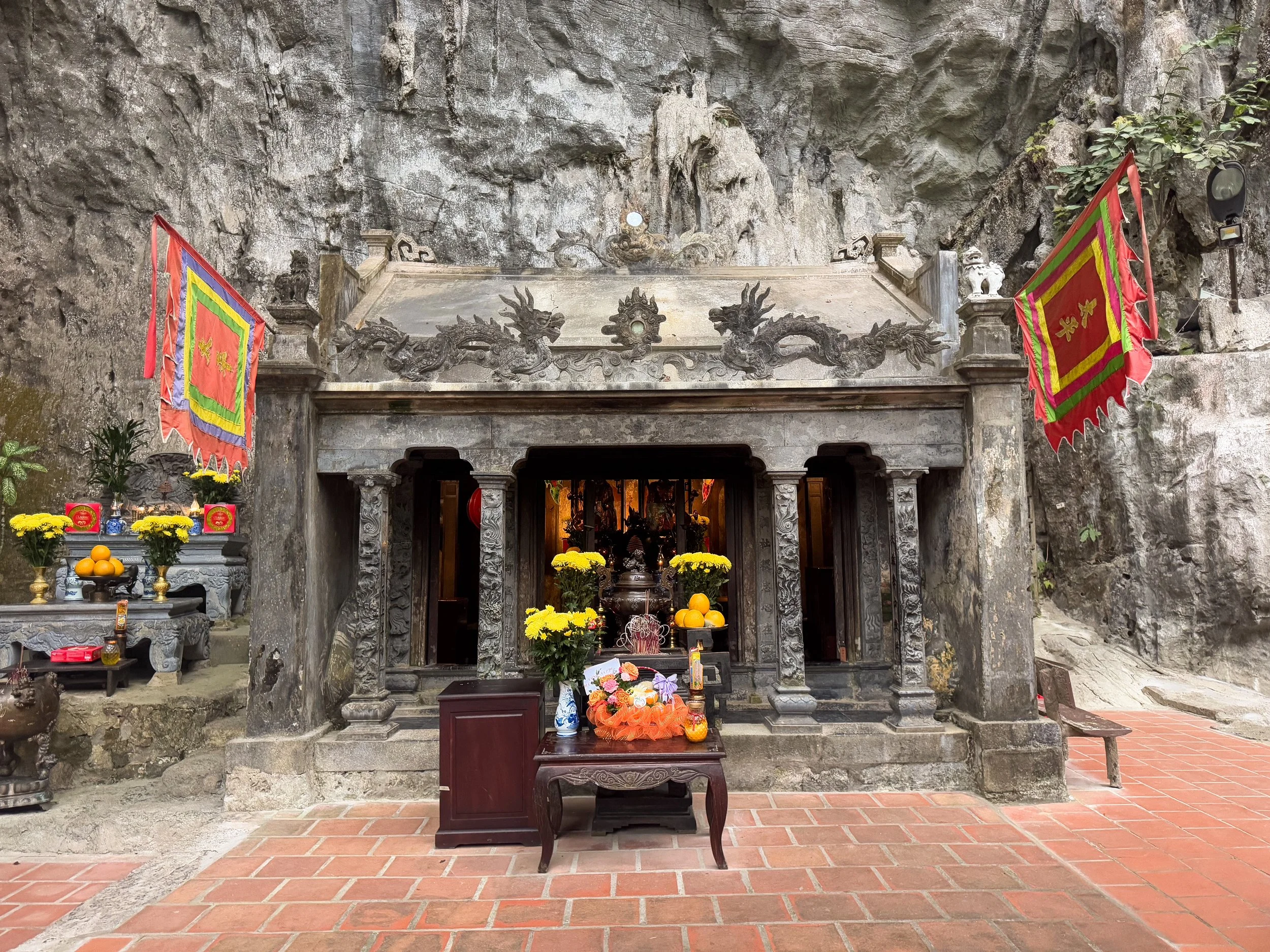
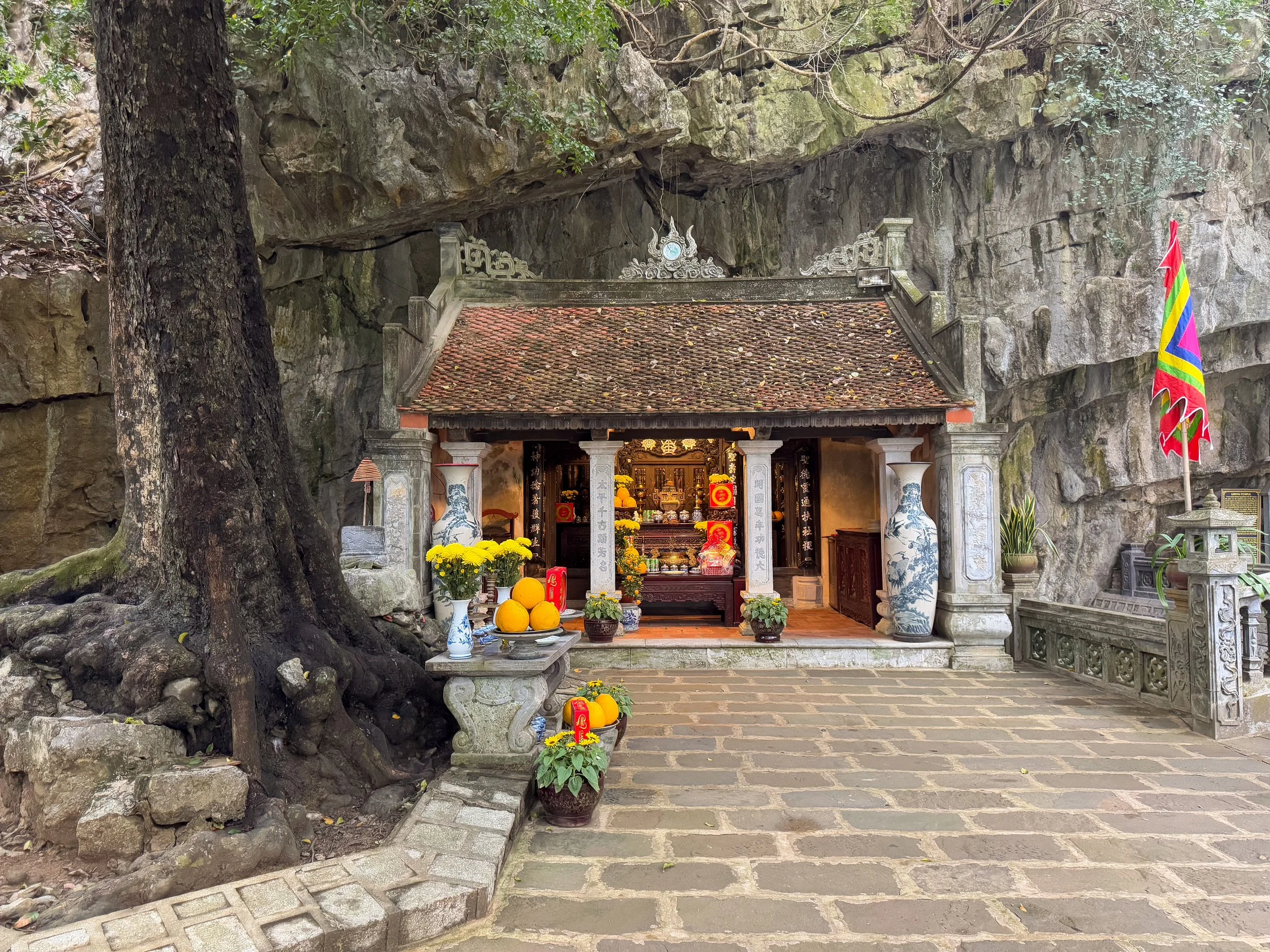
Khong Temple. A legendary temple dating back to the 10th century. It honors an ancient king who was assassinated and his royal officials who secretly buried his body then killed themselves in order to keep the location a secret.
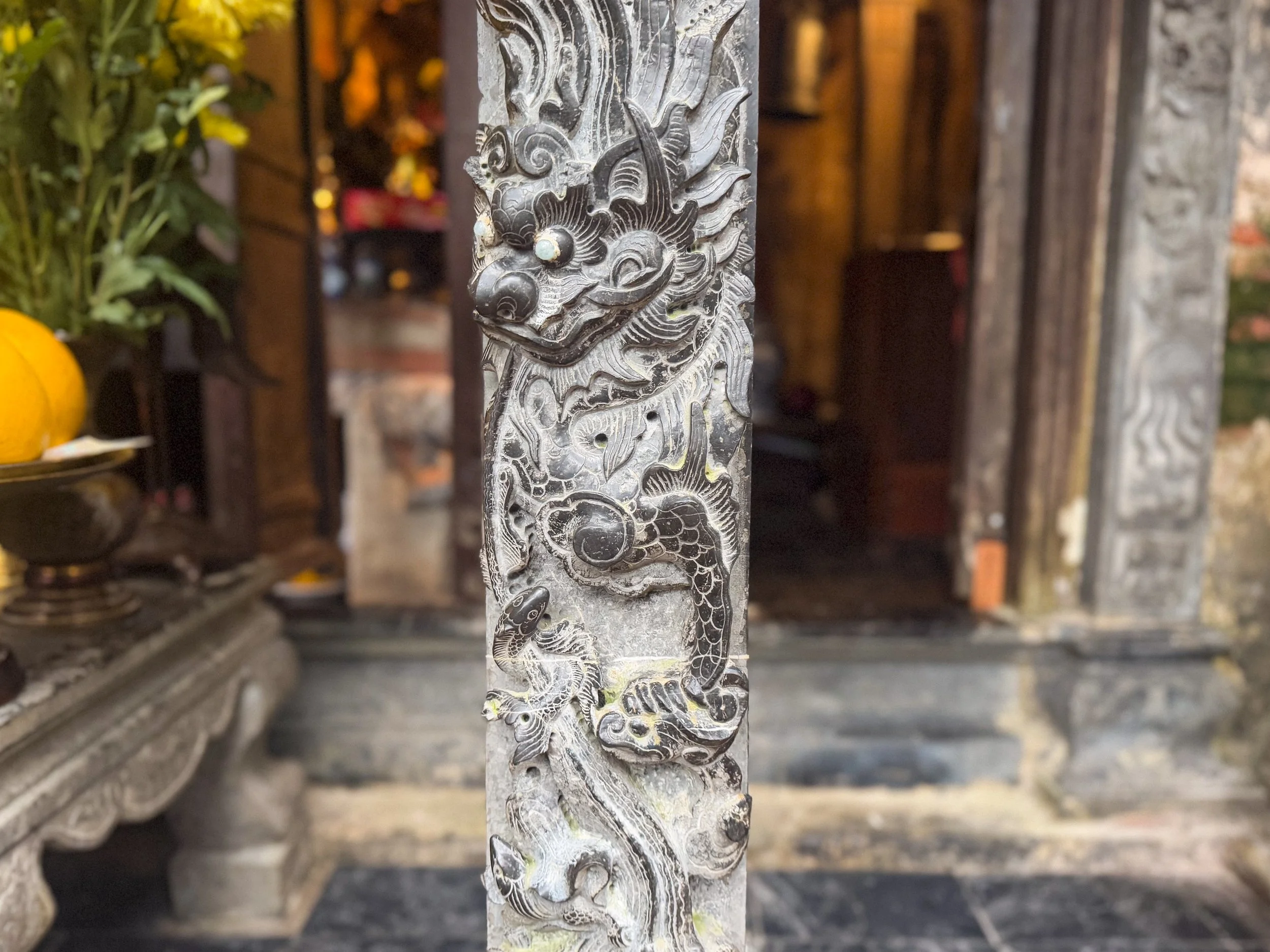
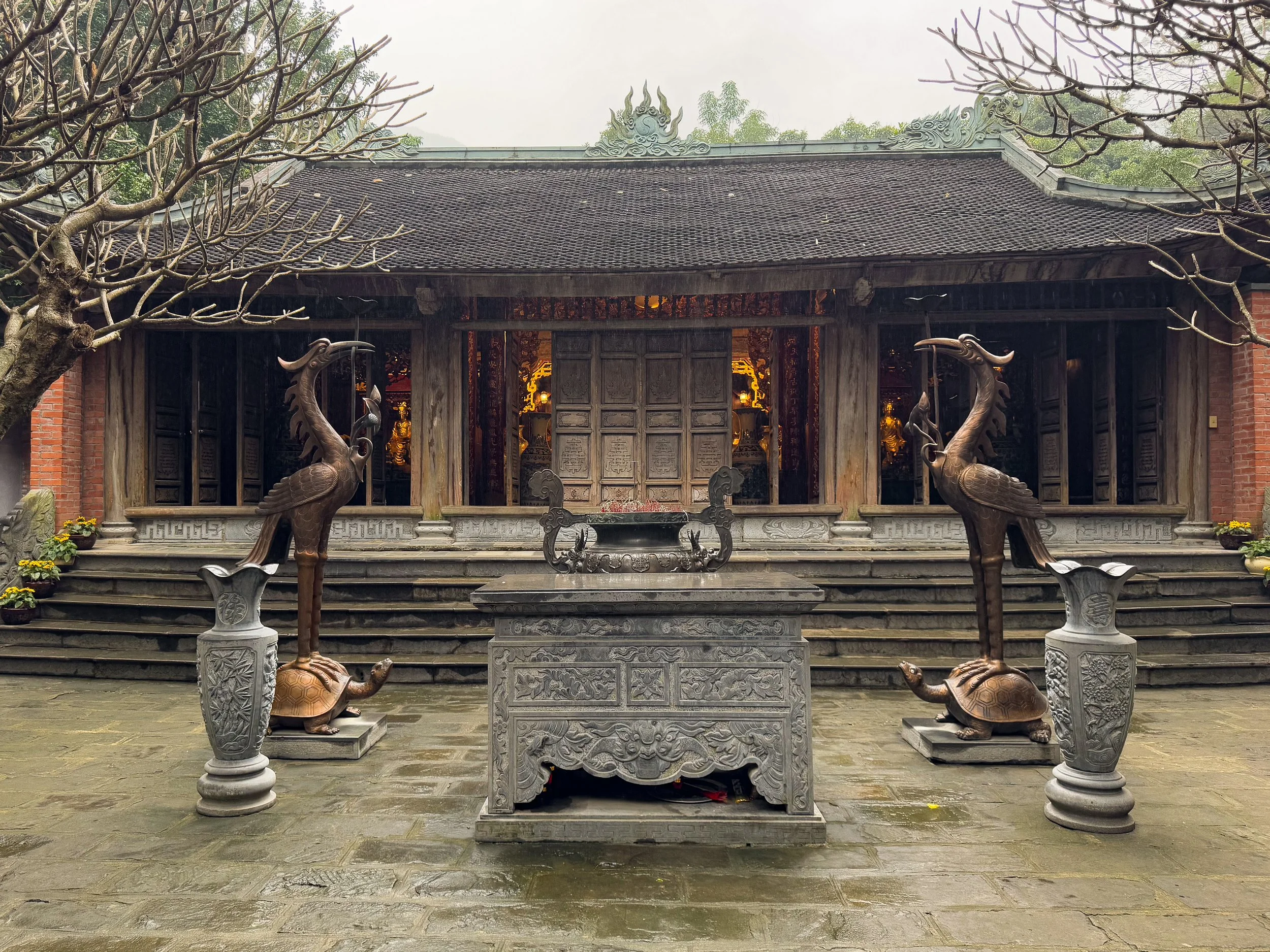
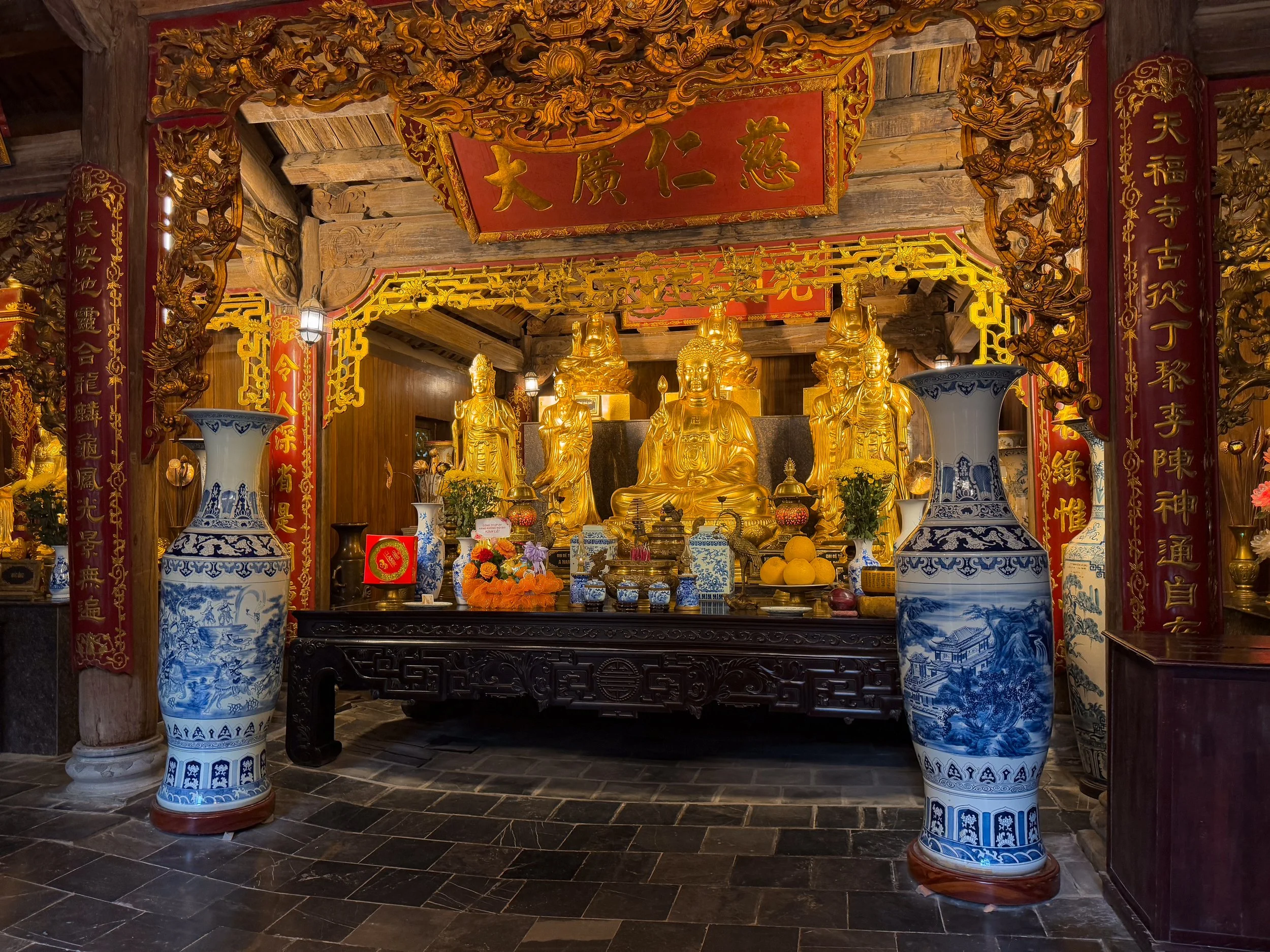
Bao Hieu Pagoda. A modern temple designed in ancient style near the Khong Temple. Its symmetrical facade is made from carved ironwood and limestone. Inside is a glowing shrine with golden statues of the Buddha and several monks. Outside are bronze statues and stone motifs of the four sacred animals.
Trang An Caves
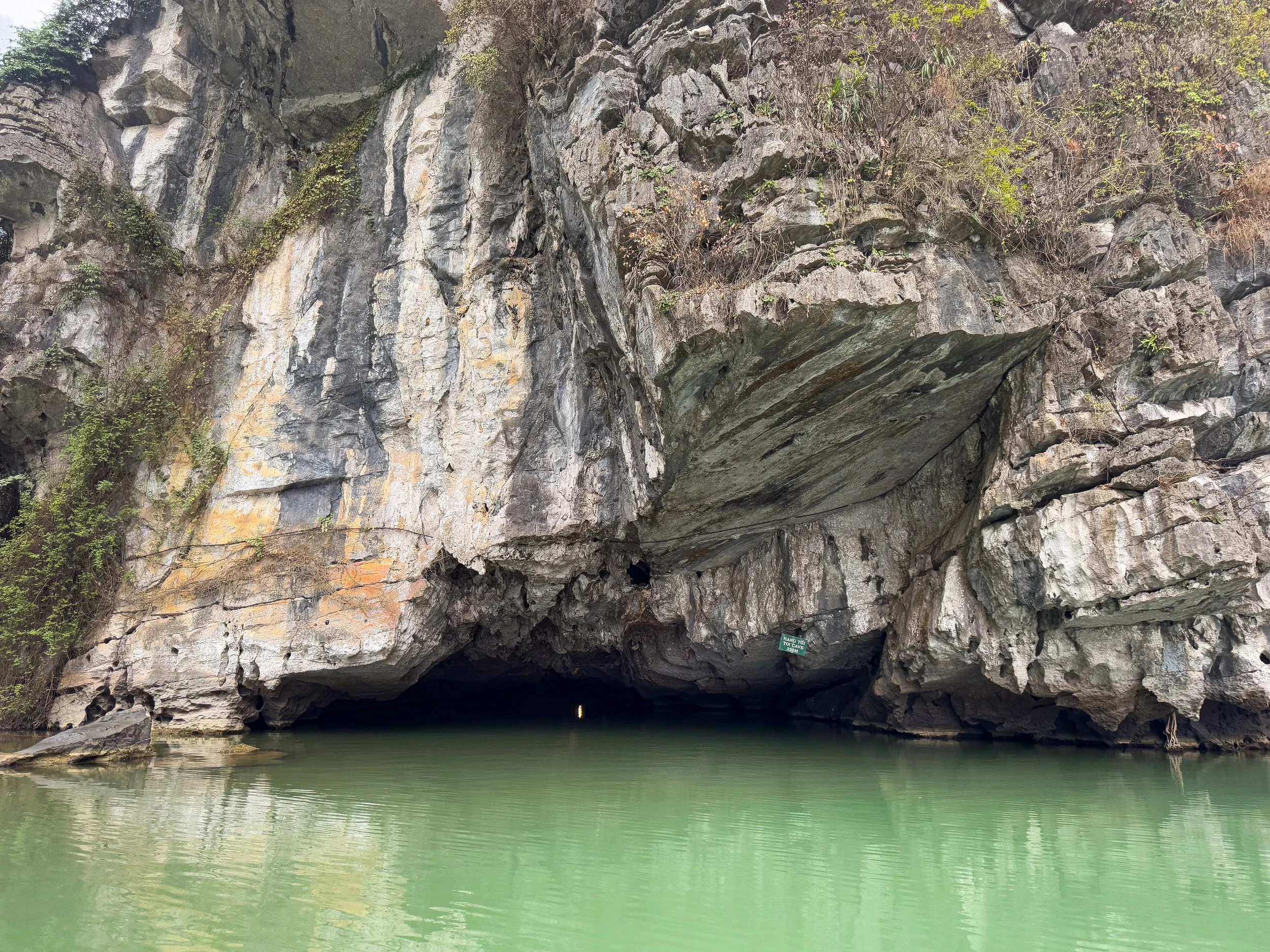
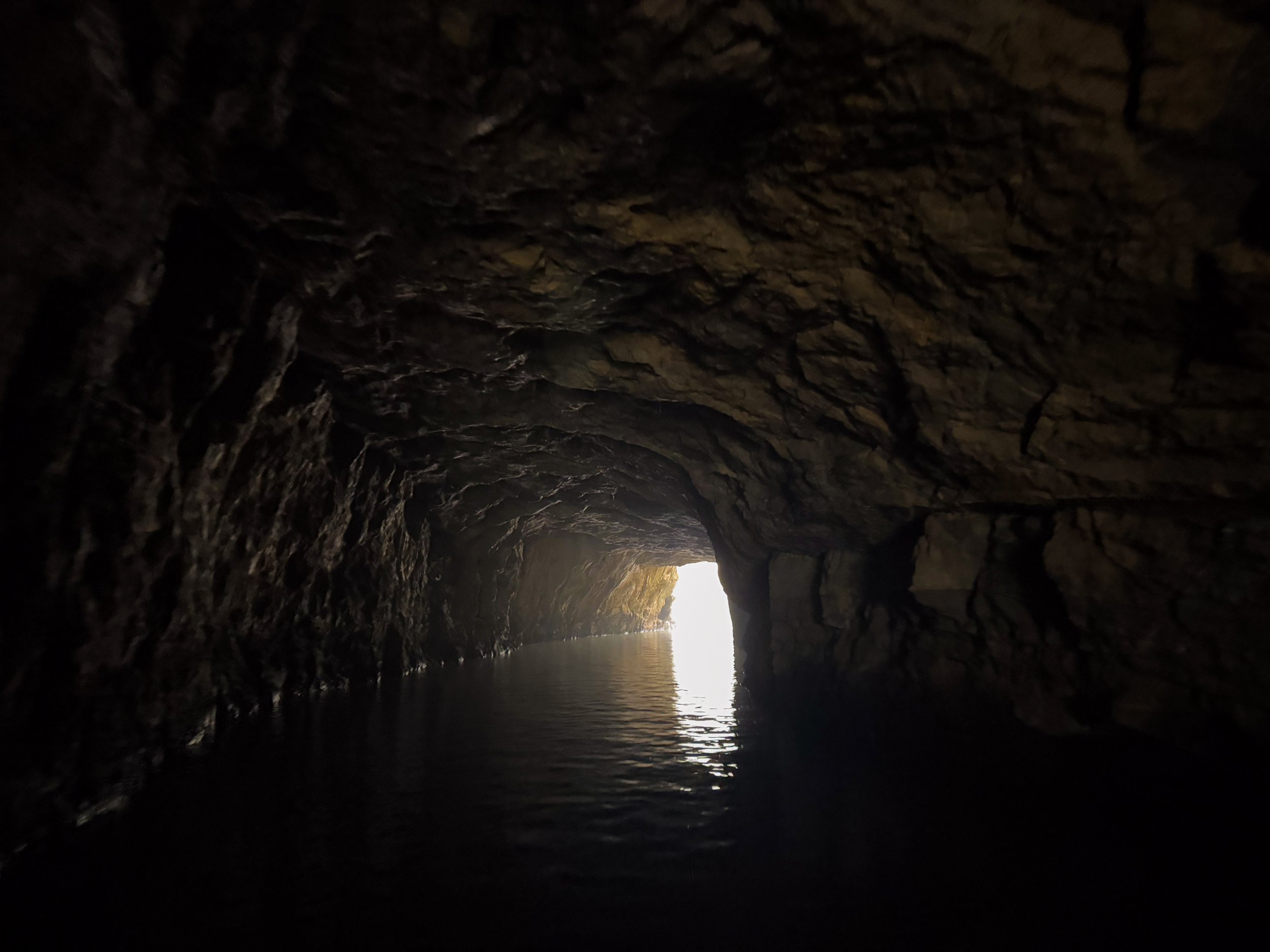
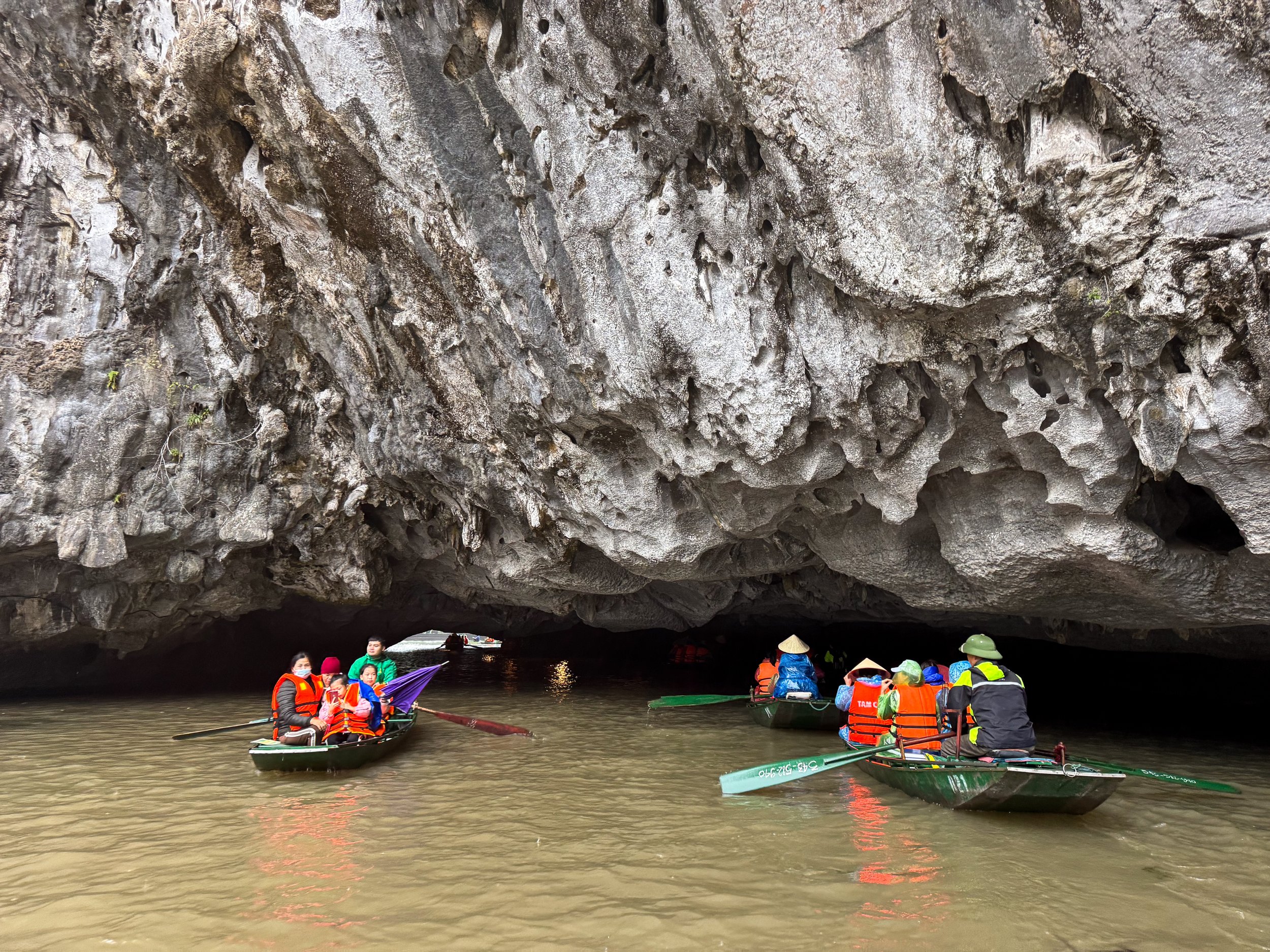
Hang Toi Cave. A 320 meter long cave with very narrow walls and low hanging rock formations. We had to duck several times. It was incredible how the rower was able to navigate through it.
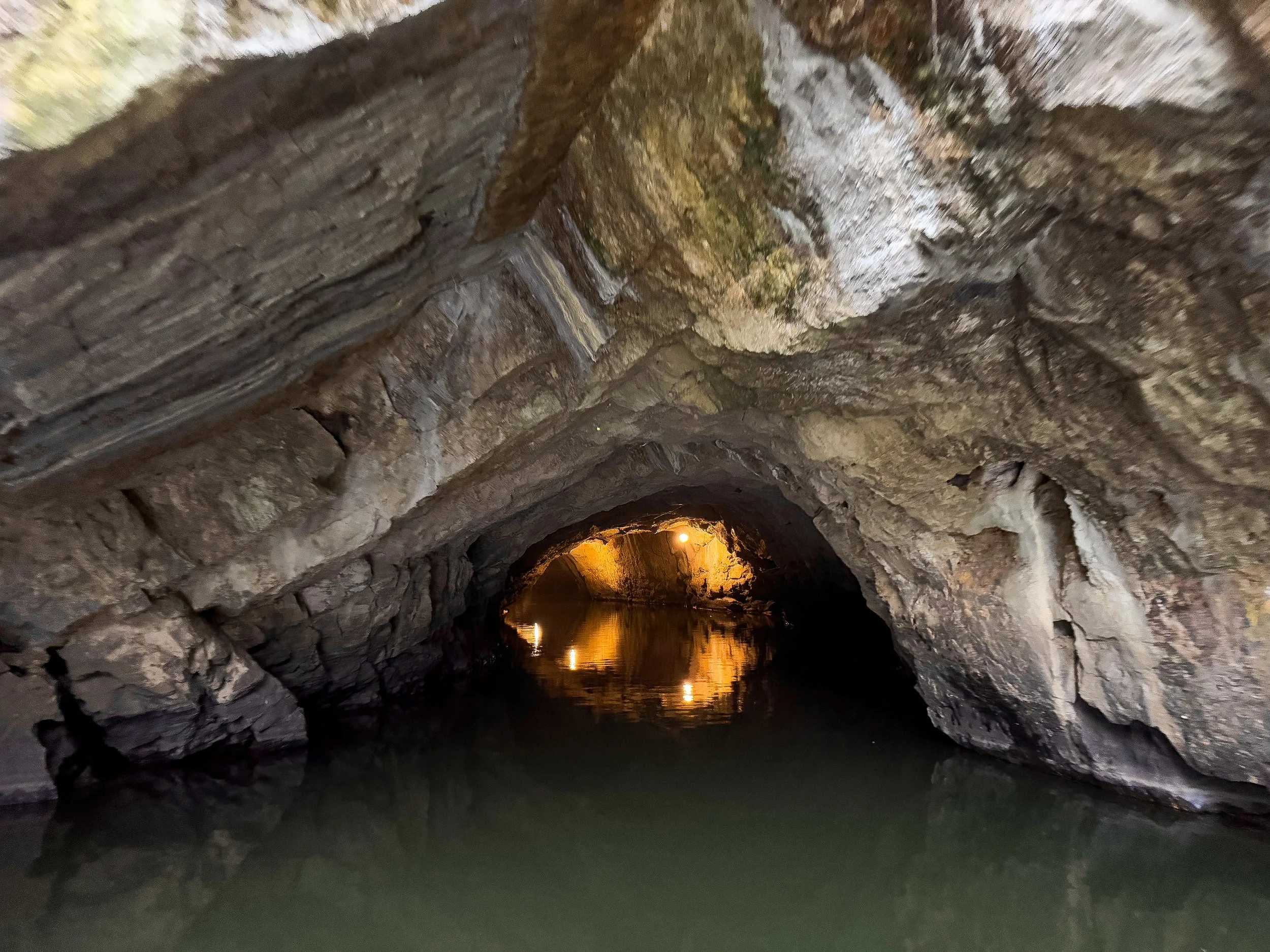
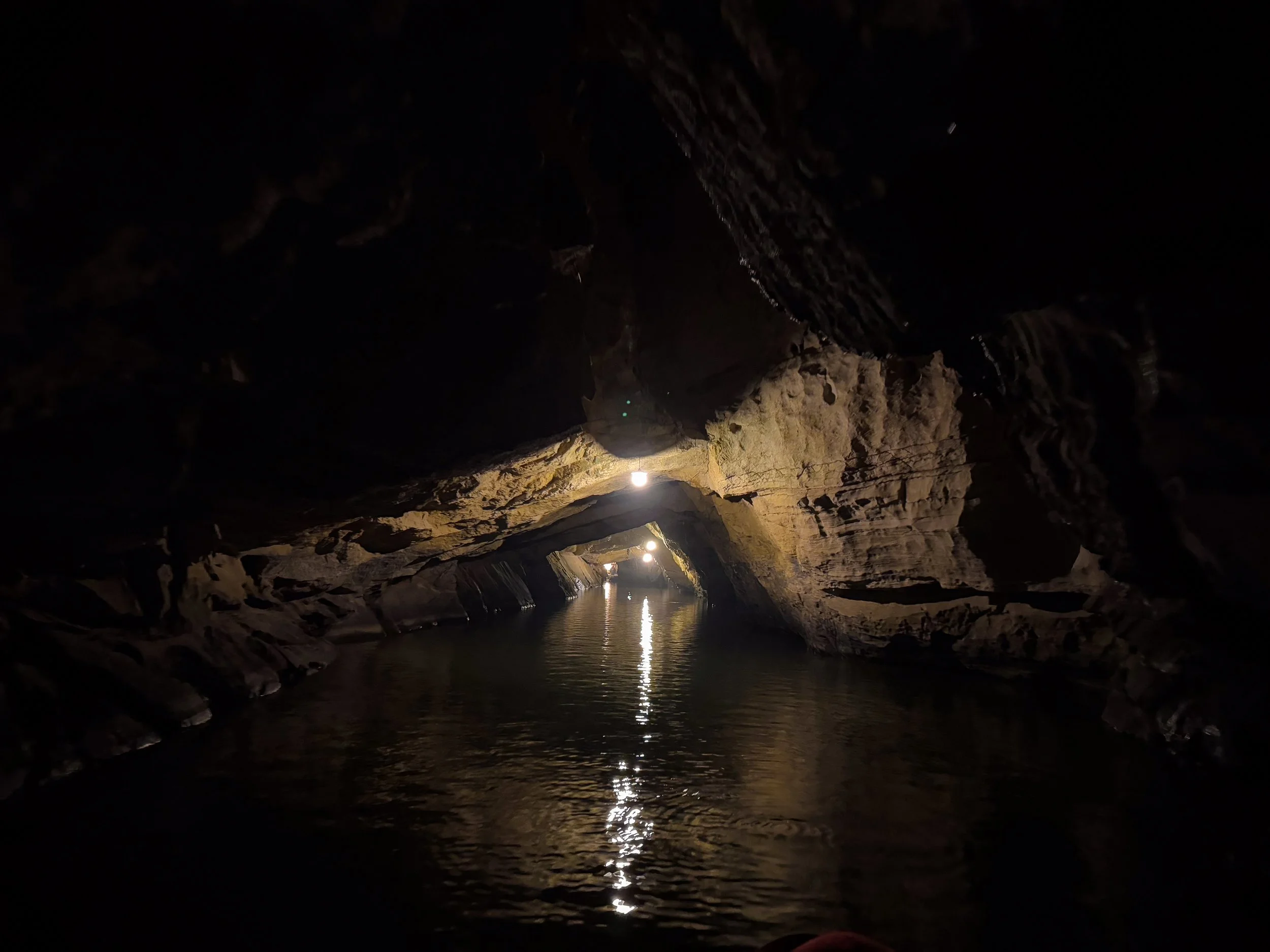
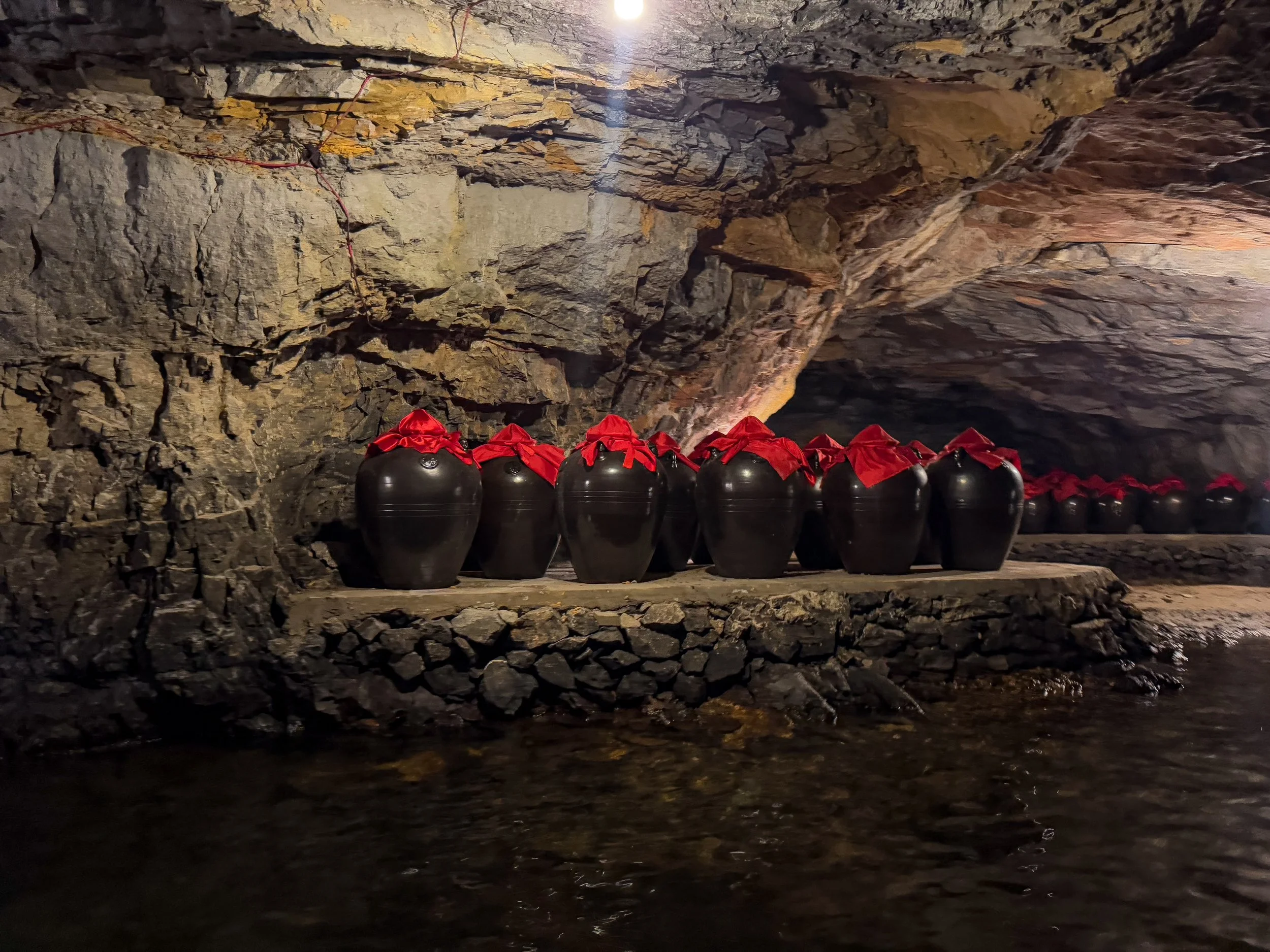
Hang Nau Ruou Cave. A 250 meter long arched cave that weaves through the mountain. Deep inside sheets of sediment create angular walls and ceilings resembling the shape of a rhombus. The exit chamber holds large ceramic jars of aging wine.
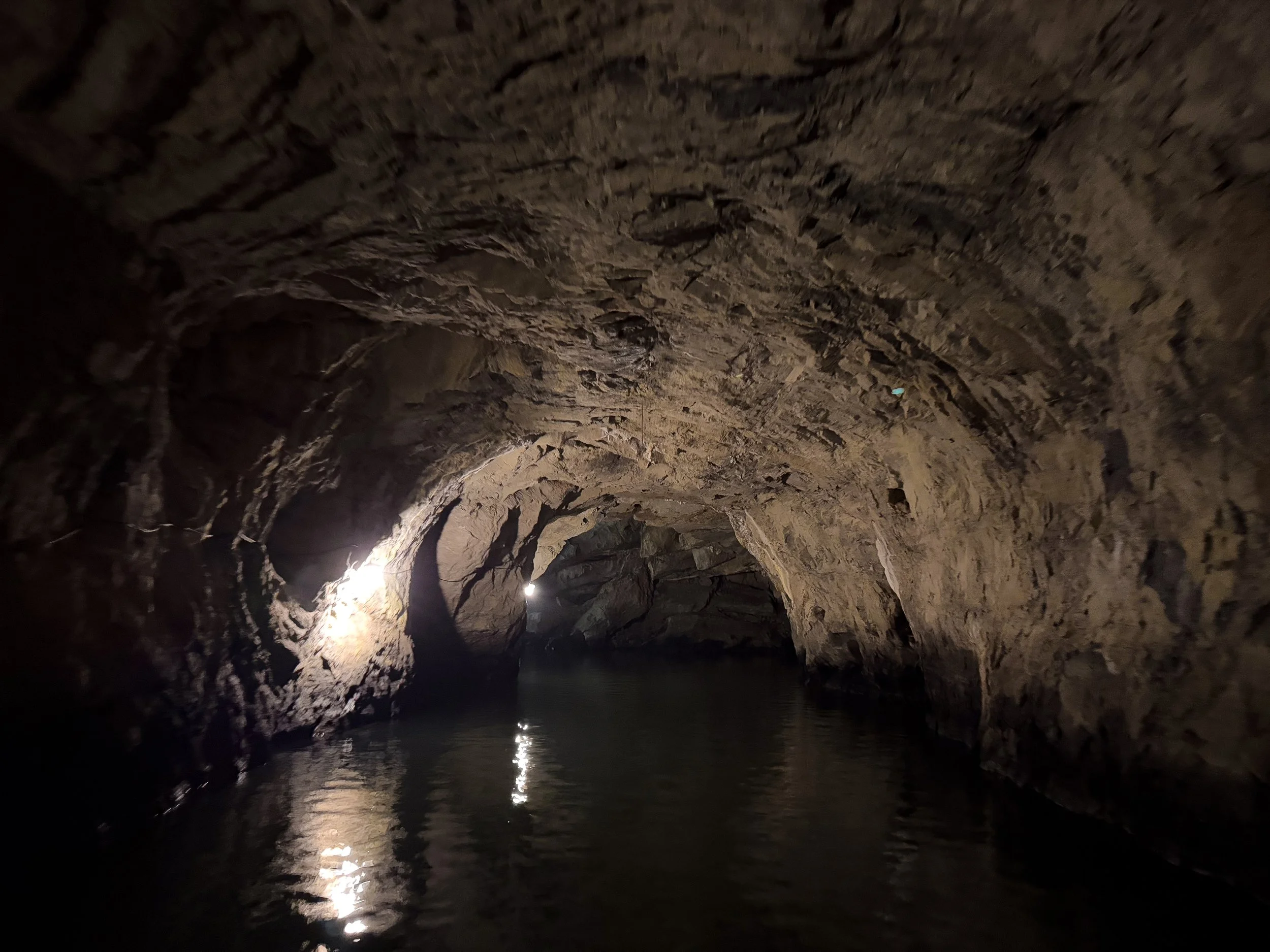
Son Duong Cave. A 250 meter long cave tunneling through the karst mountains with hundreds of stalactites suspended from the ceiling.
Quy Hau Cave. A short 100 meter cave with no artificial illumination giving it an untouched natural feeling.
Tips for Visiting Trang An
Arrive Early. Get an early start before thousands of people arrive by bus. We arrived just before 7am and quickly made it to a row boat.
Choose A Route. There are three different routes through Trang An. We chose Route 1, the longest route and least crowded. It brought us through 9 different caves and to multiple temples.
Boat Size. Boats fit four people. We were paired with another couple.
Tipping. Tipping is expected. Tip the rower 10% of the ticket fee.
Skull Island
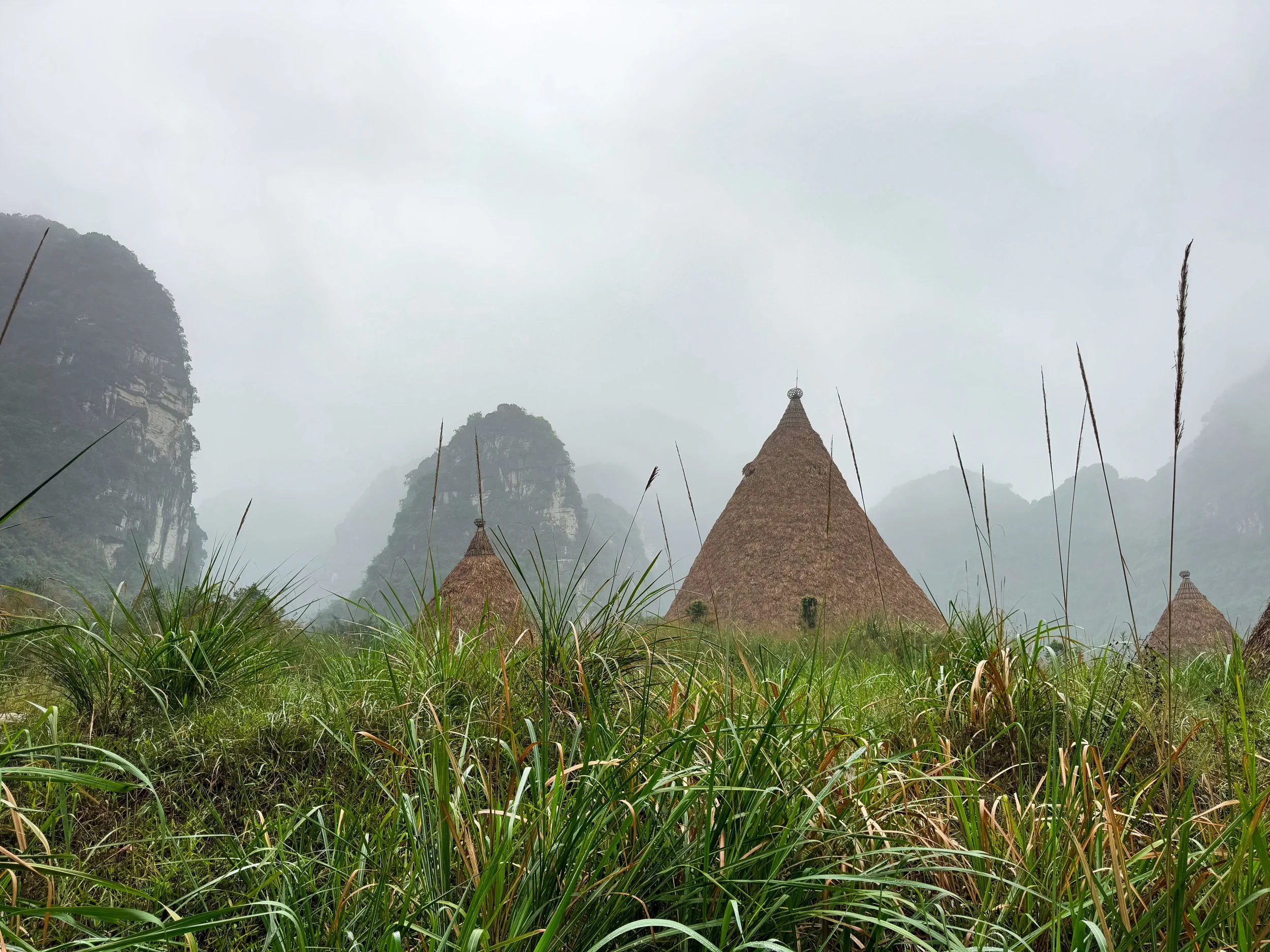
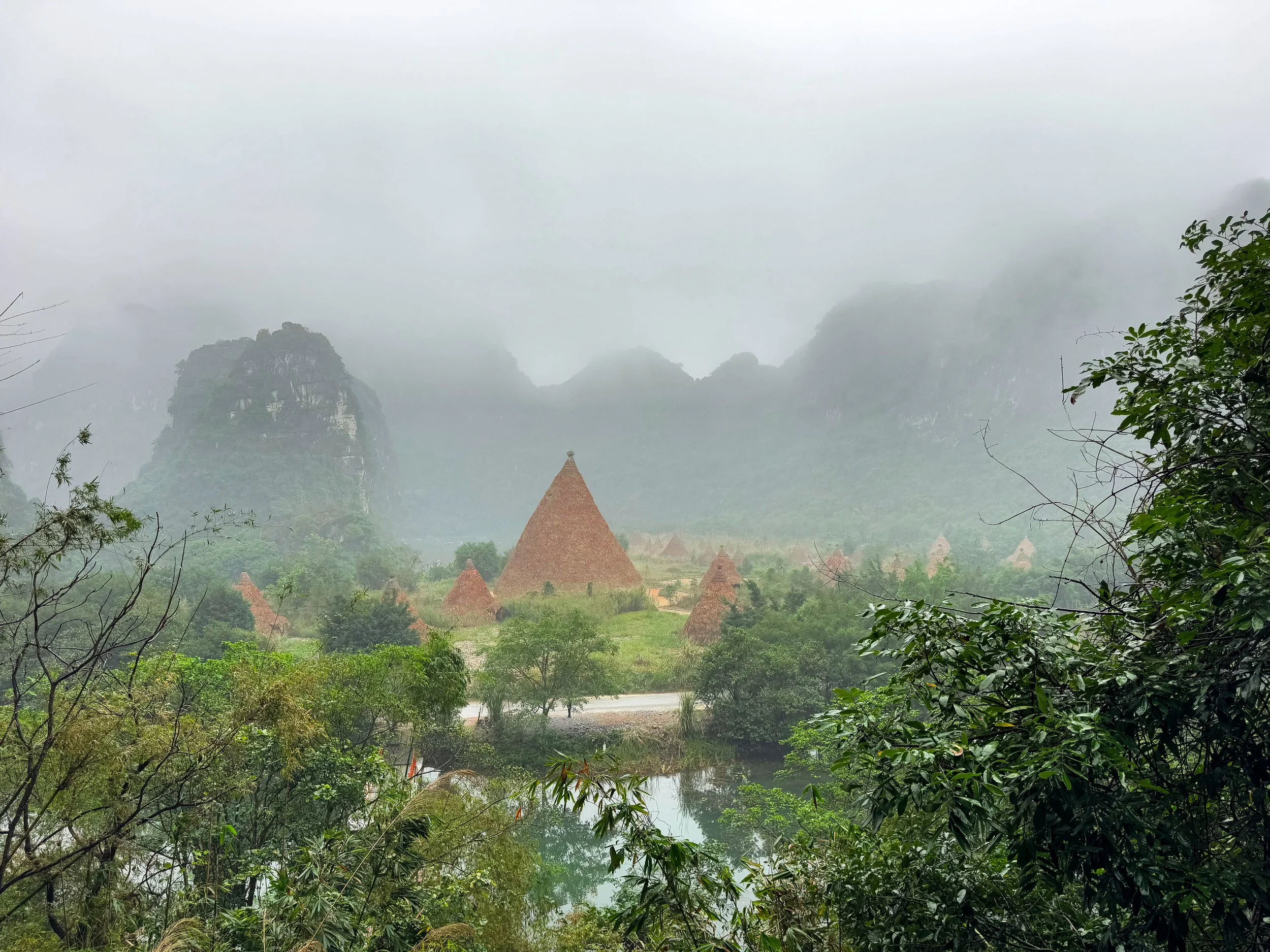
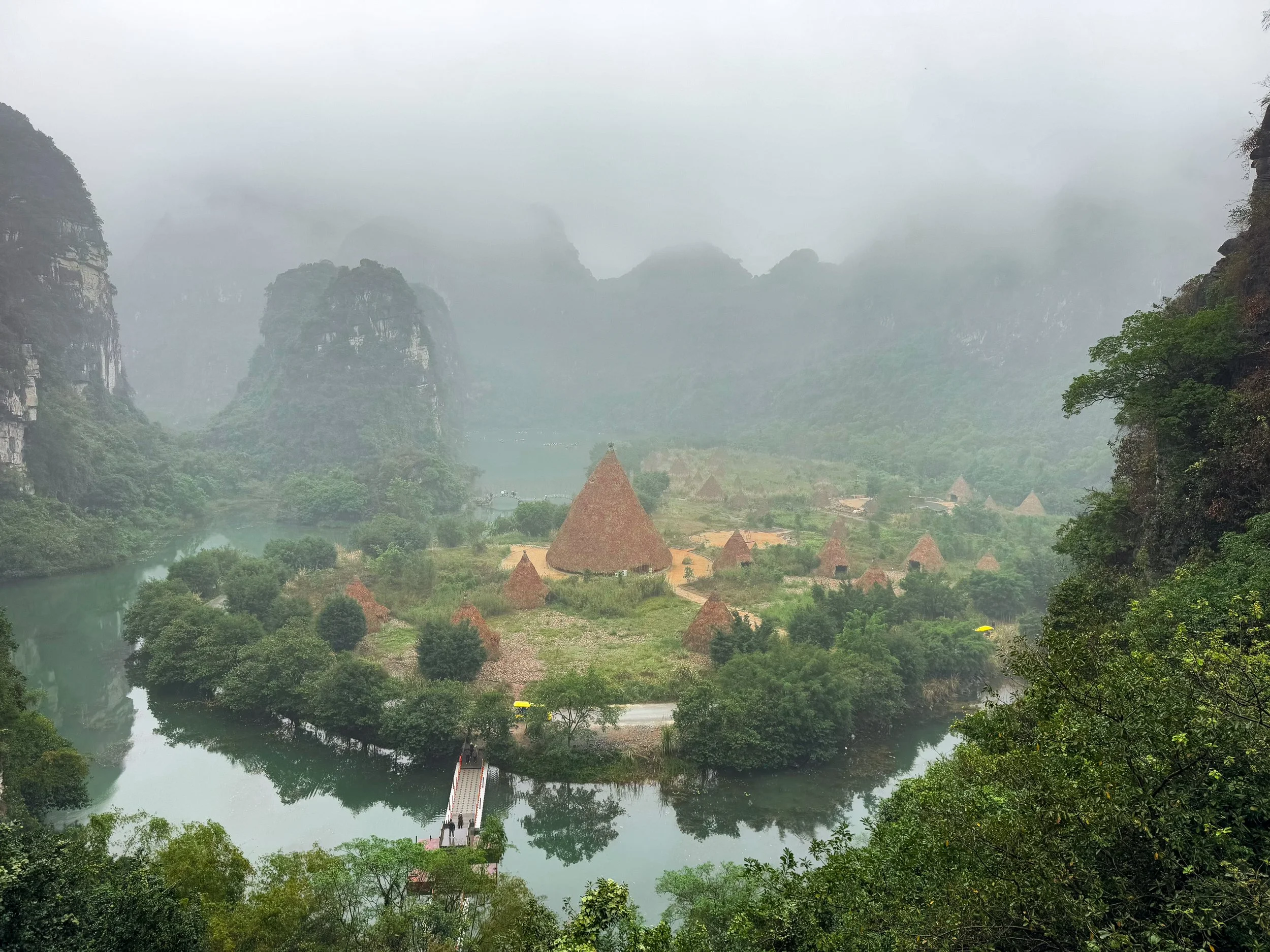
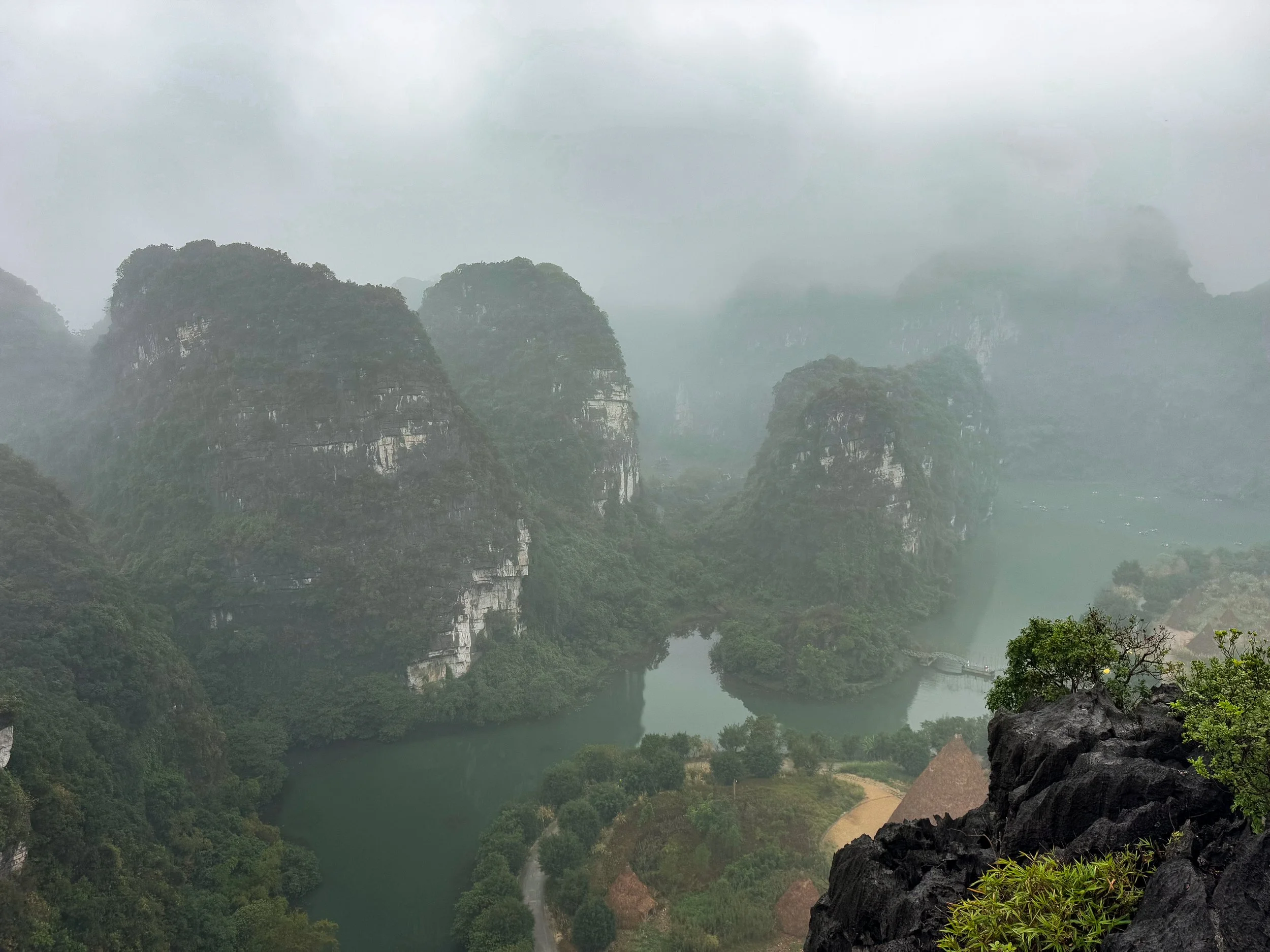
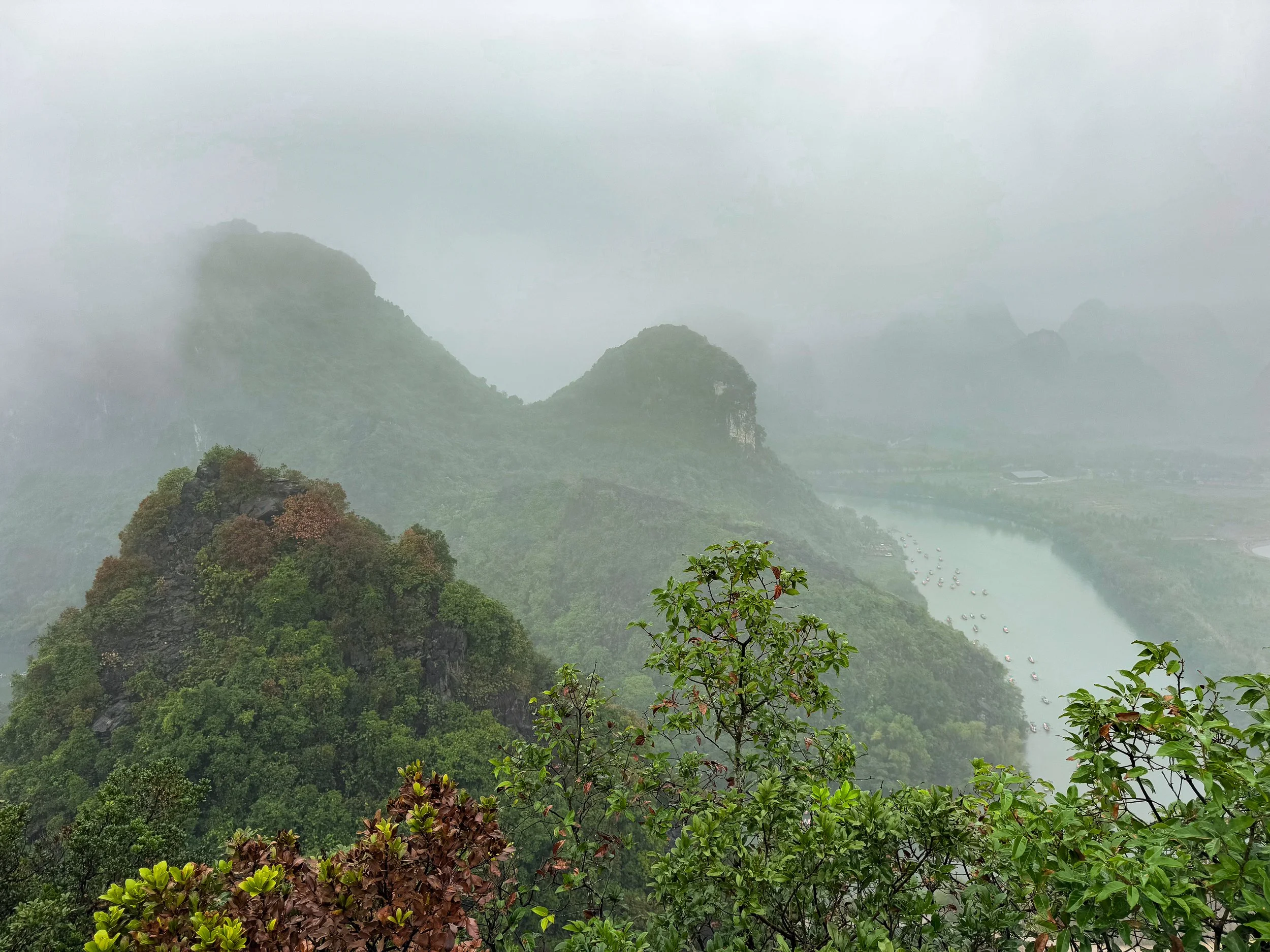
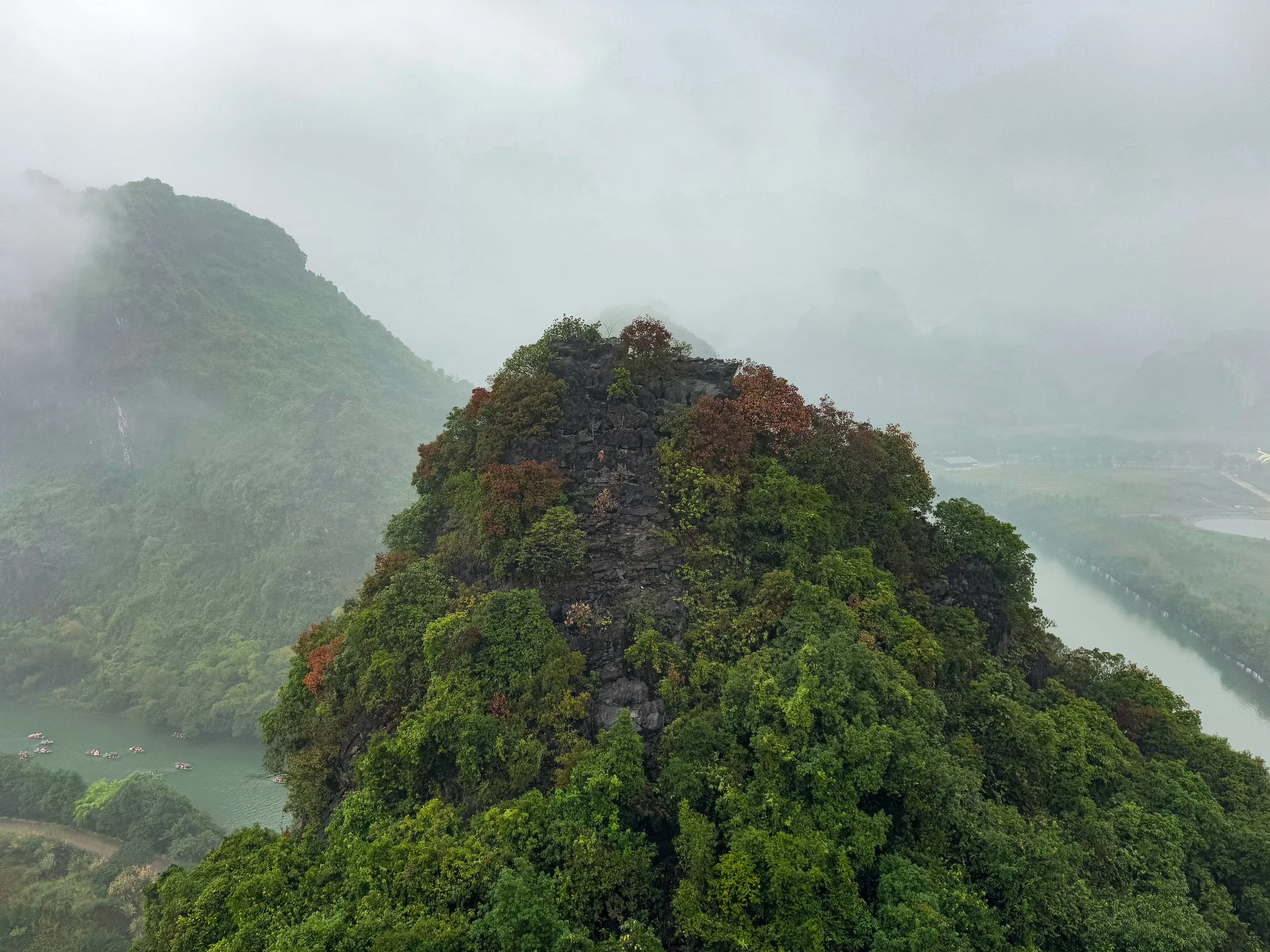
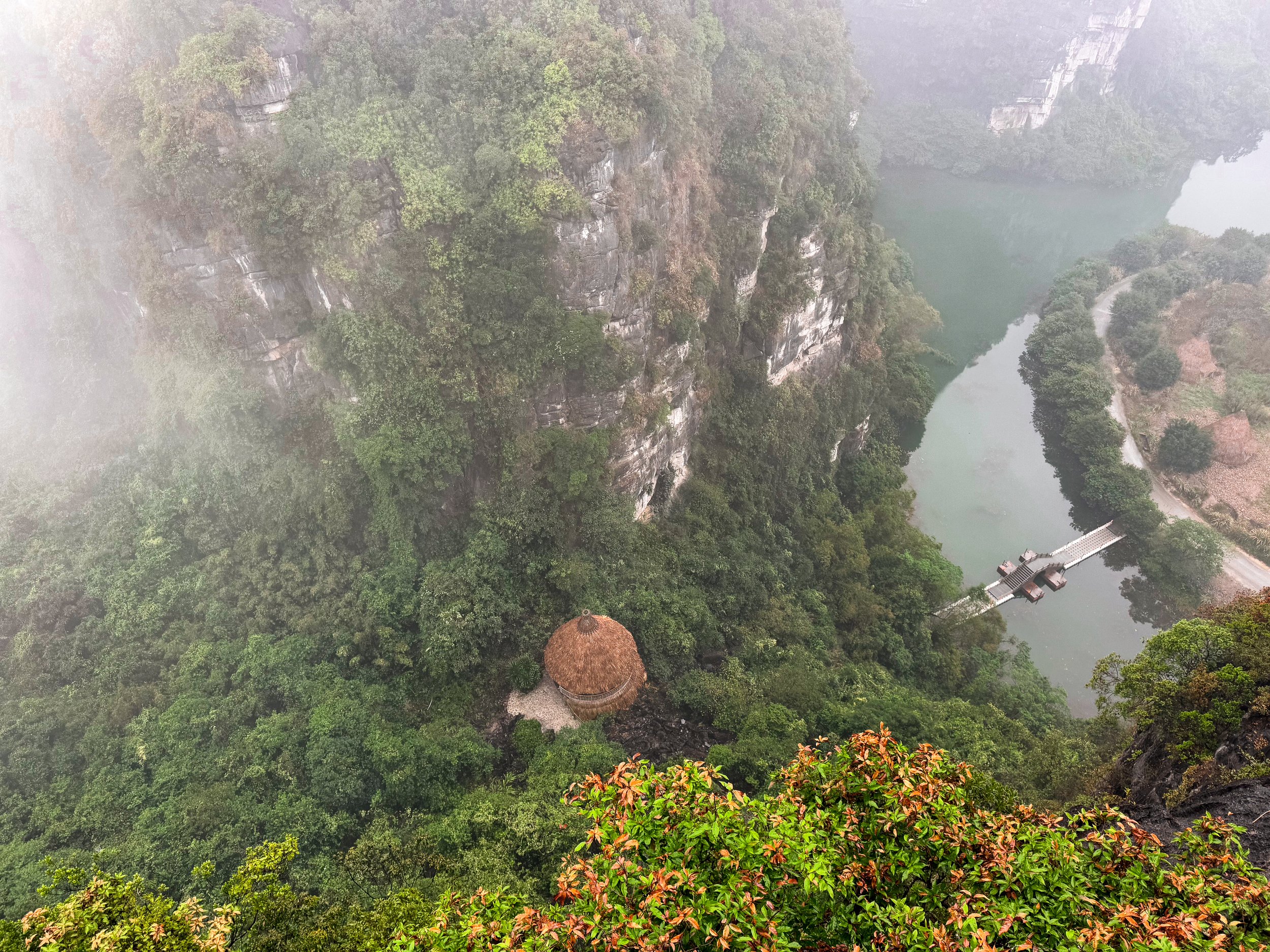
A movie set created for King Kong Skull Island with a village of thatched conical huts. It’s viewable from one route through Trang An and from a mountainous hike overlooking it. A trail leads from just outside of the village into the karst mountains. At its summit is a bamboo hut with views of the Island and the surrounding landscape. We visited on a foggy day which created a mysterious allure. The park has several replica conical huts that can be visited, an outdoor restaurant and bamboo platforms above the river for swimming and sunning during the warmer months.
Tam Coc Boat Tour
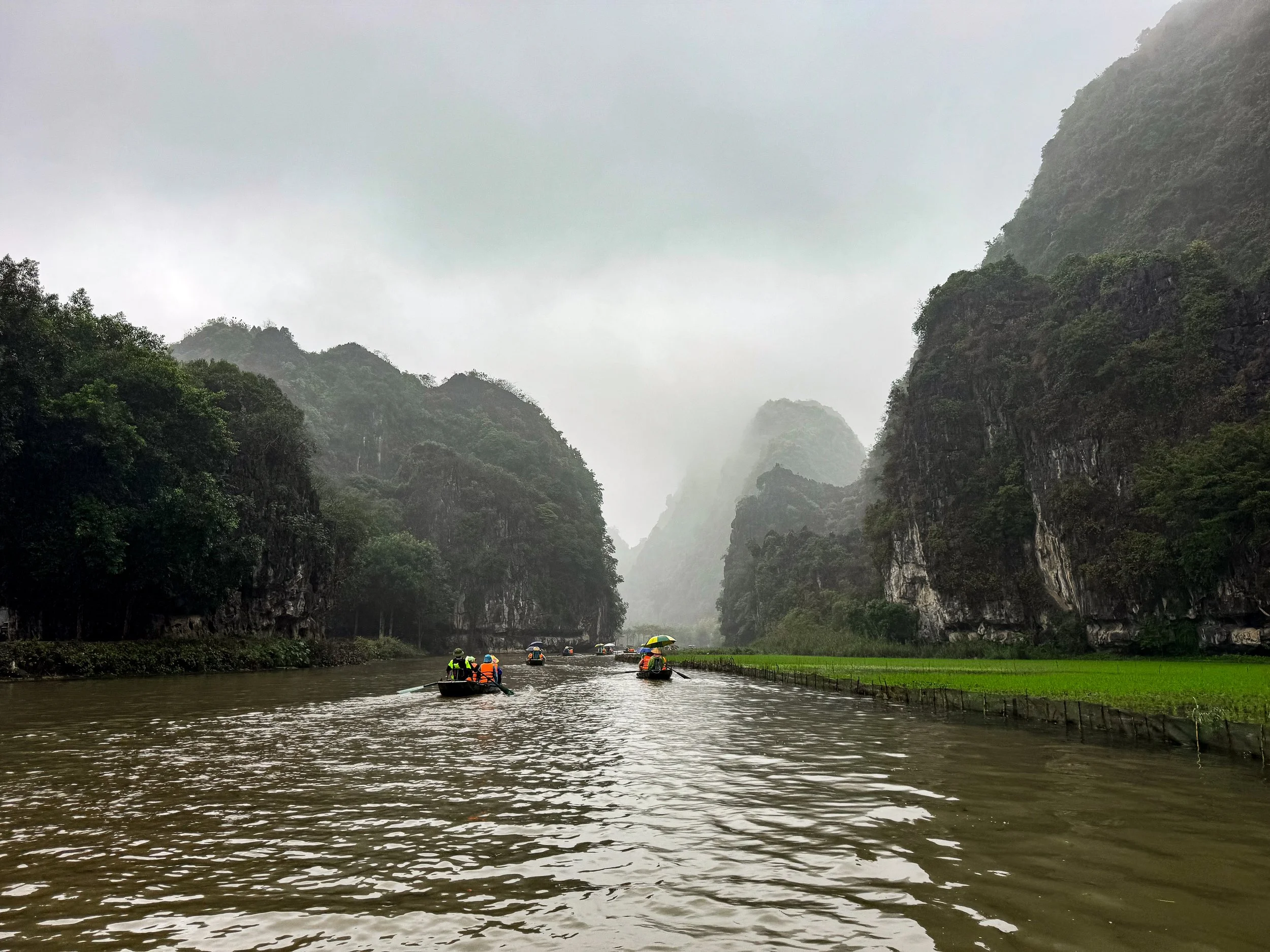
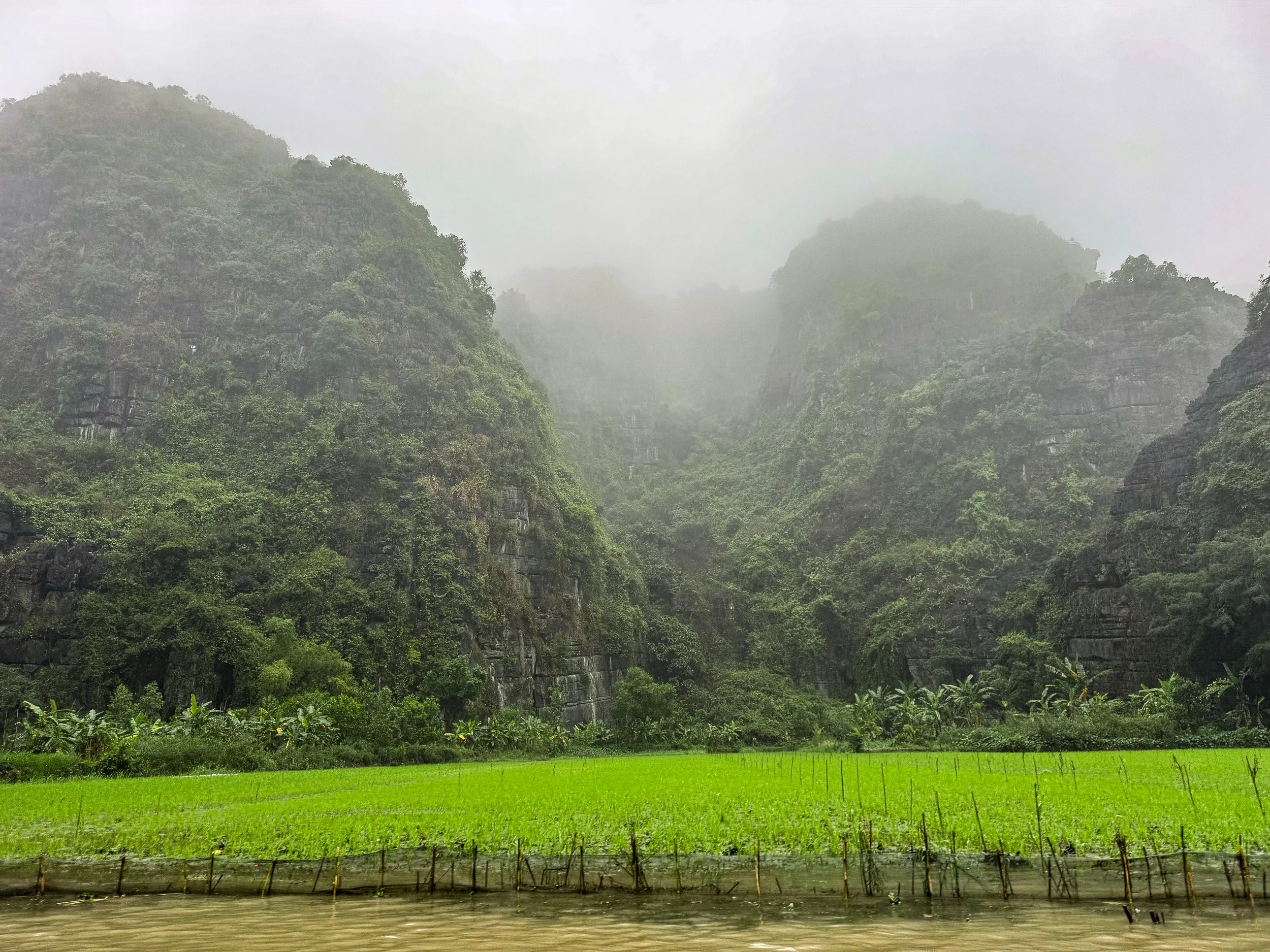
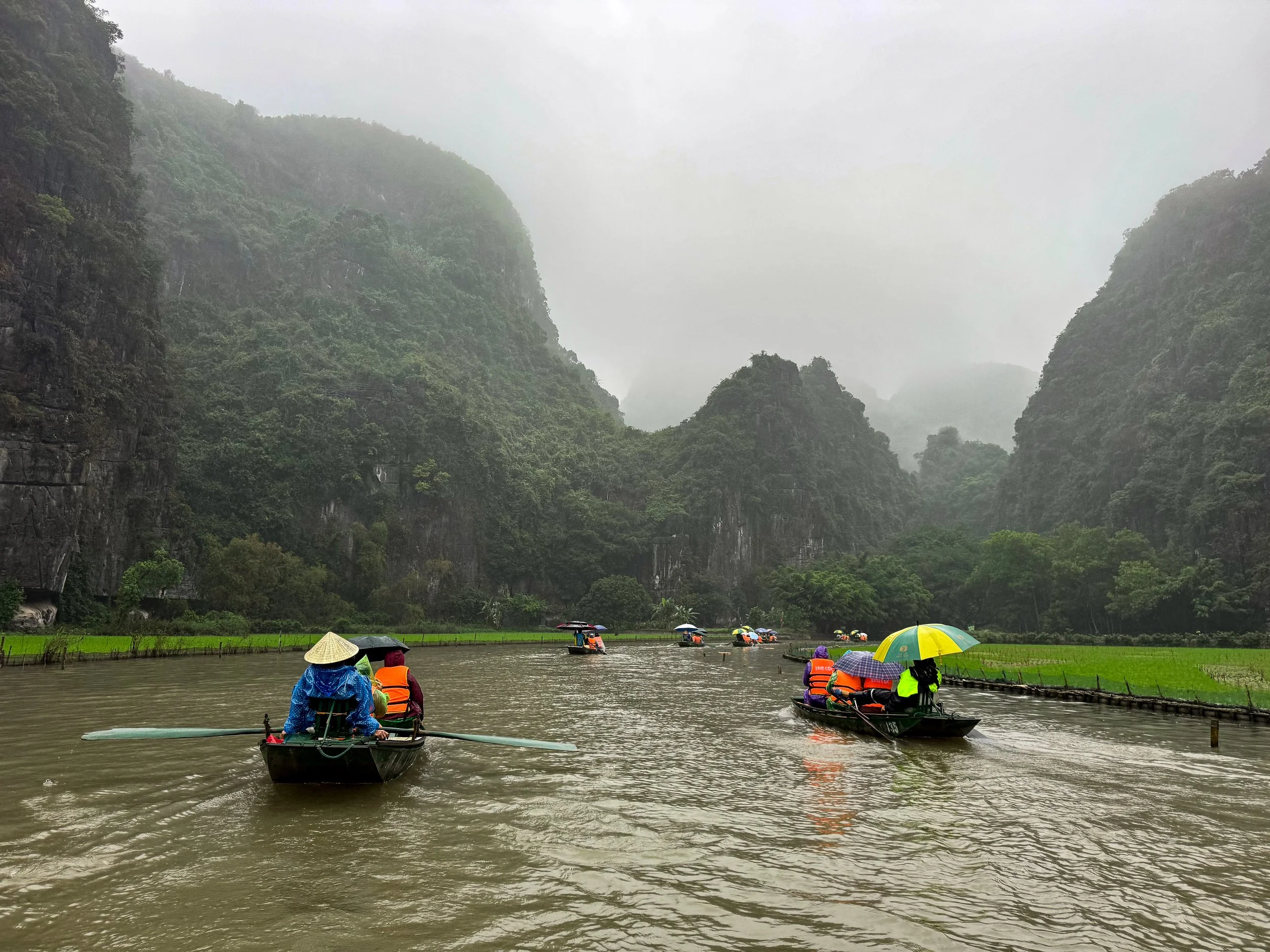
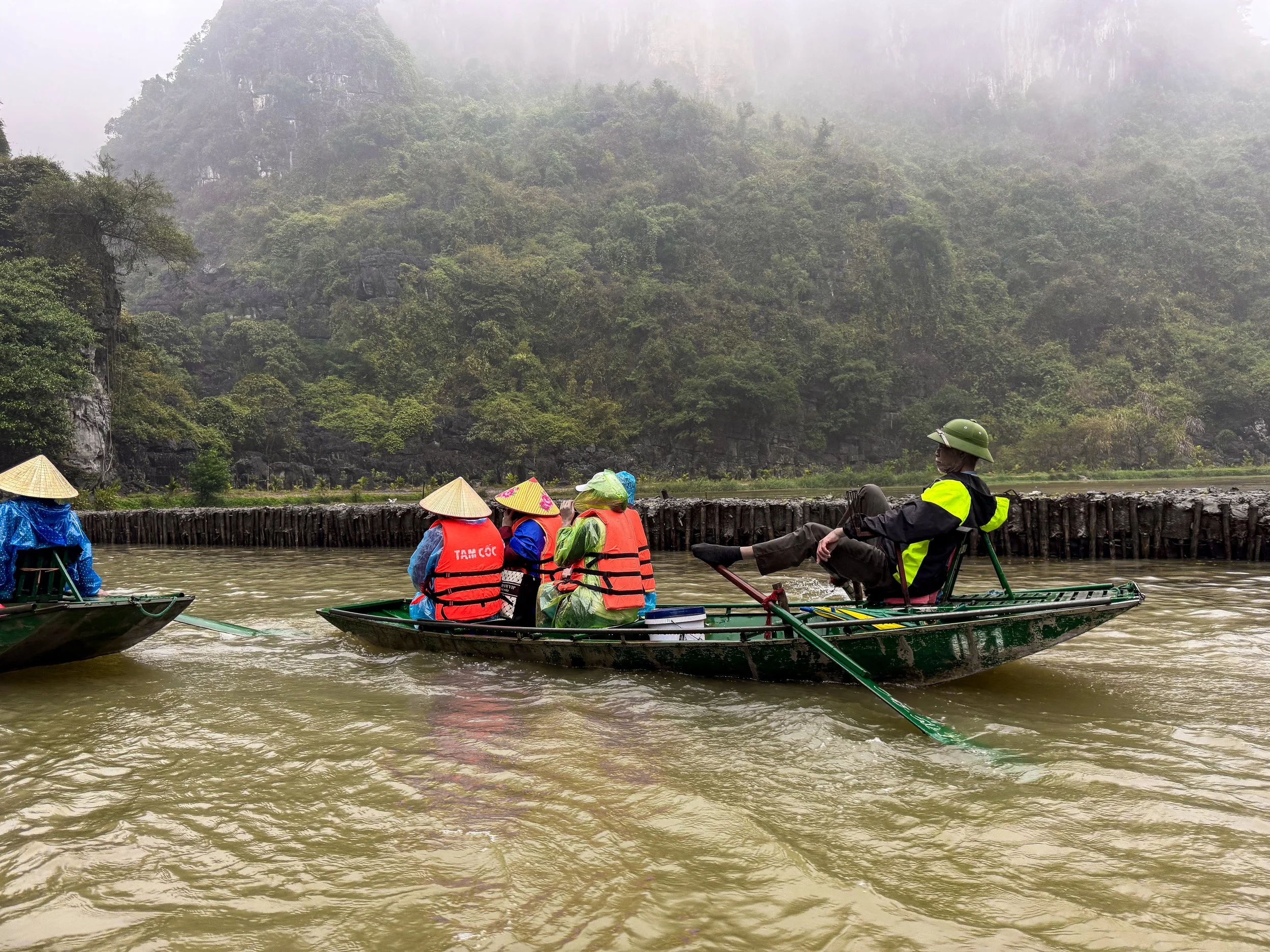
Tam Coc is a river valley flanked by the famed karst mountains and sprouting rice paddies of Ninh Binh’s landscape. Much like Trang An, the best way to tour the waterway is by row boat tour. Rowers often paddle using their feet, a surprisingly common sight. The river weaves through the valley and into tiny slits within the mountains to dark caves. On a cloudy day, the mountains fade into the haze creating a mysterious atmosphere that spans across the landscape.
Tips for Visiting Tam Coc
Arrive Early. Arrive by 7:30am or earlier to avoid the large tour groups. Buy tickets from the tour office and take the electric shuttle to the boat launch.
Choose A Route. There is only one boat route however there is an additional option to see multiple temples along the waterway by electric shuttle.
Boat Size. Boats are assigned by group, ranging from individual to groups as large as six.
Tipping. Tipping is expected. Tip the rower 10% of the ticket fee.
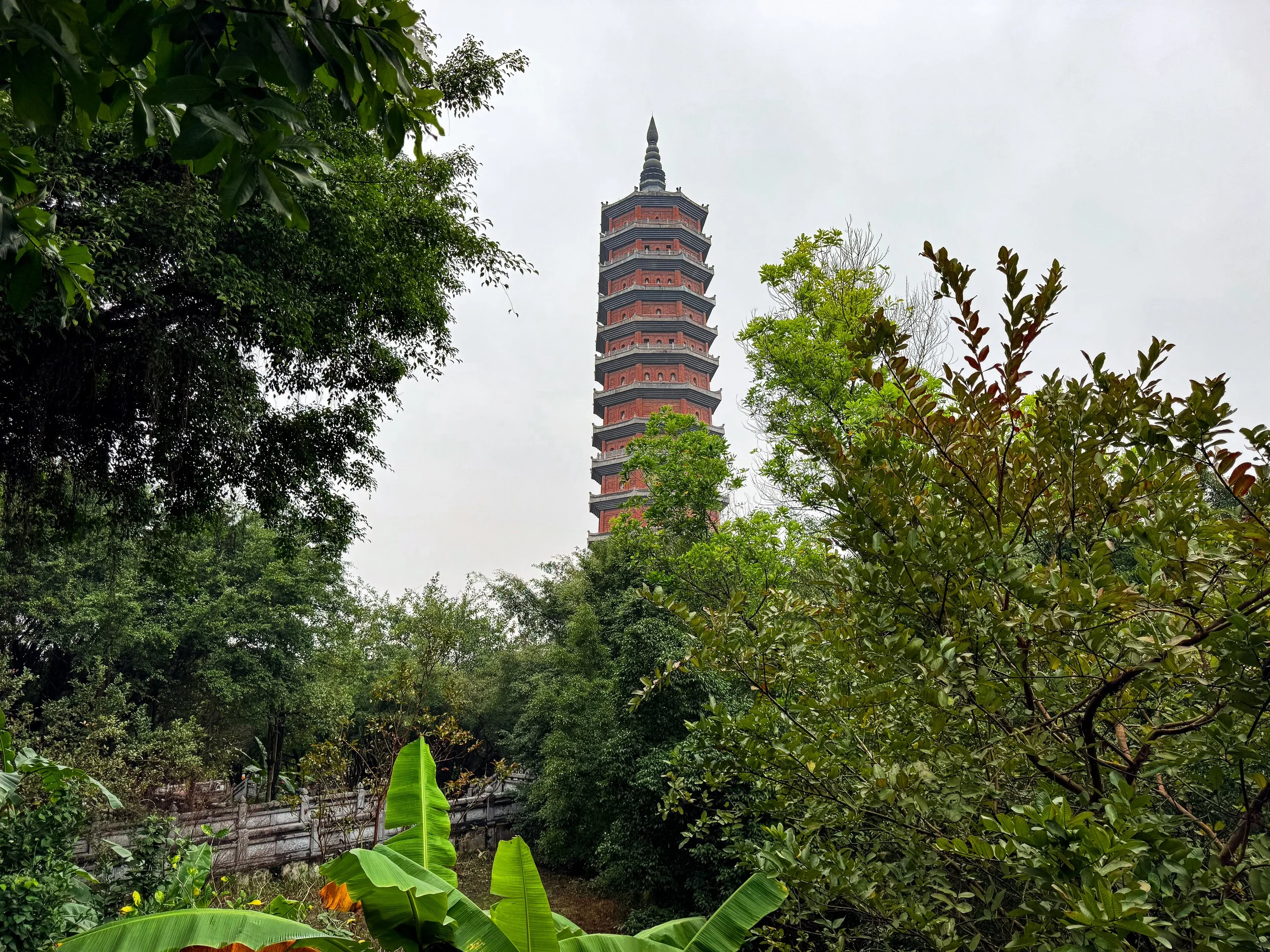
Bai Dinh Pagoda Complex
Bai Dinh is one of the most impressive Buddhist sights in the world and the largest temple complex in Vietnam. It dates back to the 11th century and has a developing modern day expansion keeping true to the original architectural styles and symmetry.
Internal Three Gates. An entrance temple with three large doorways. Together, they symbolize entering the world of the Buddha. Inside are two giant bronze statues of an armored warrior. One encouraging people to do good deeds and one warning people against doing evil deeds.

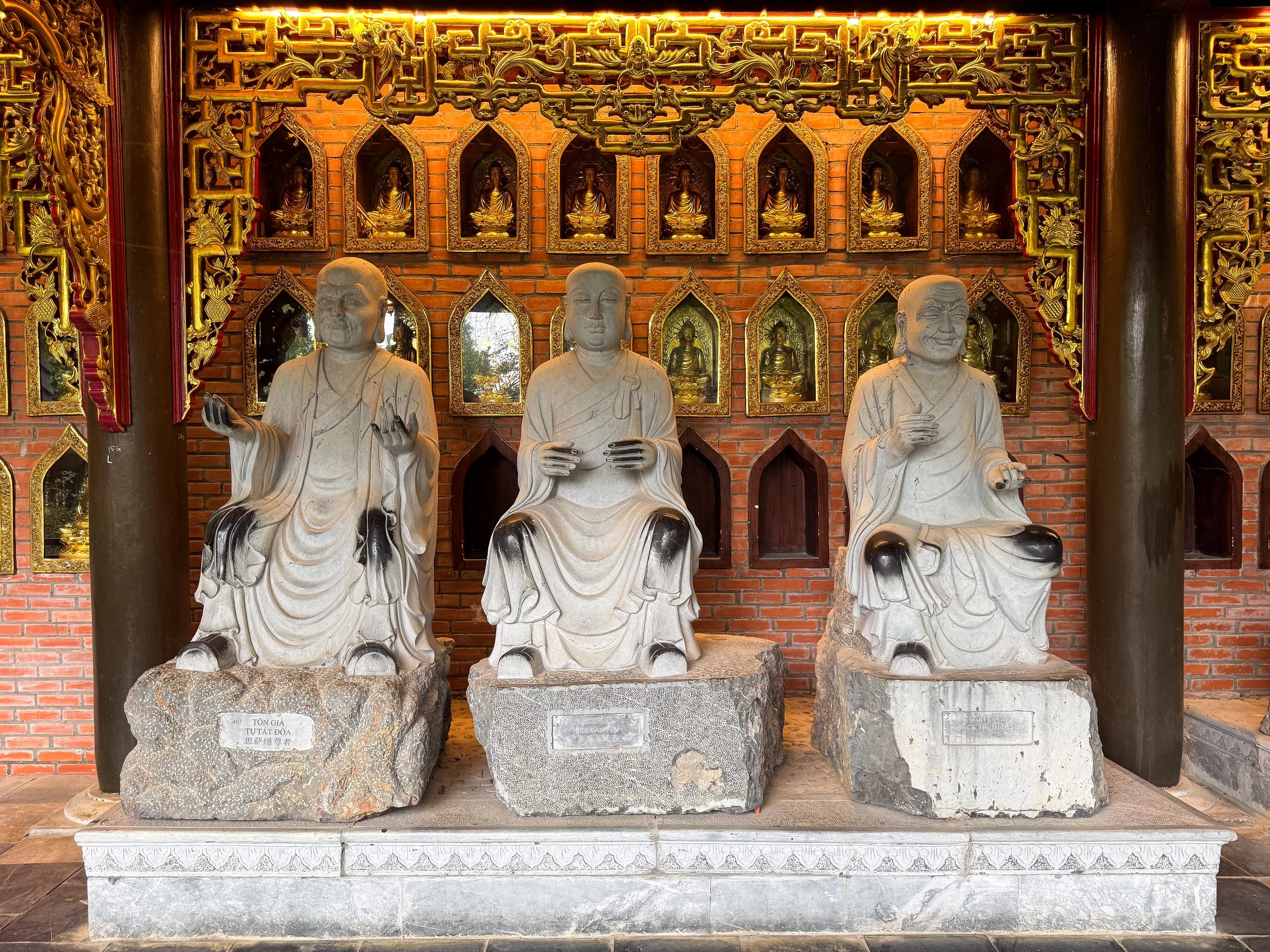
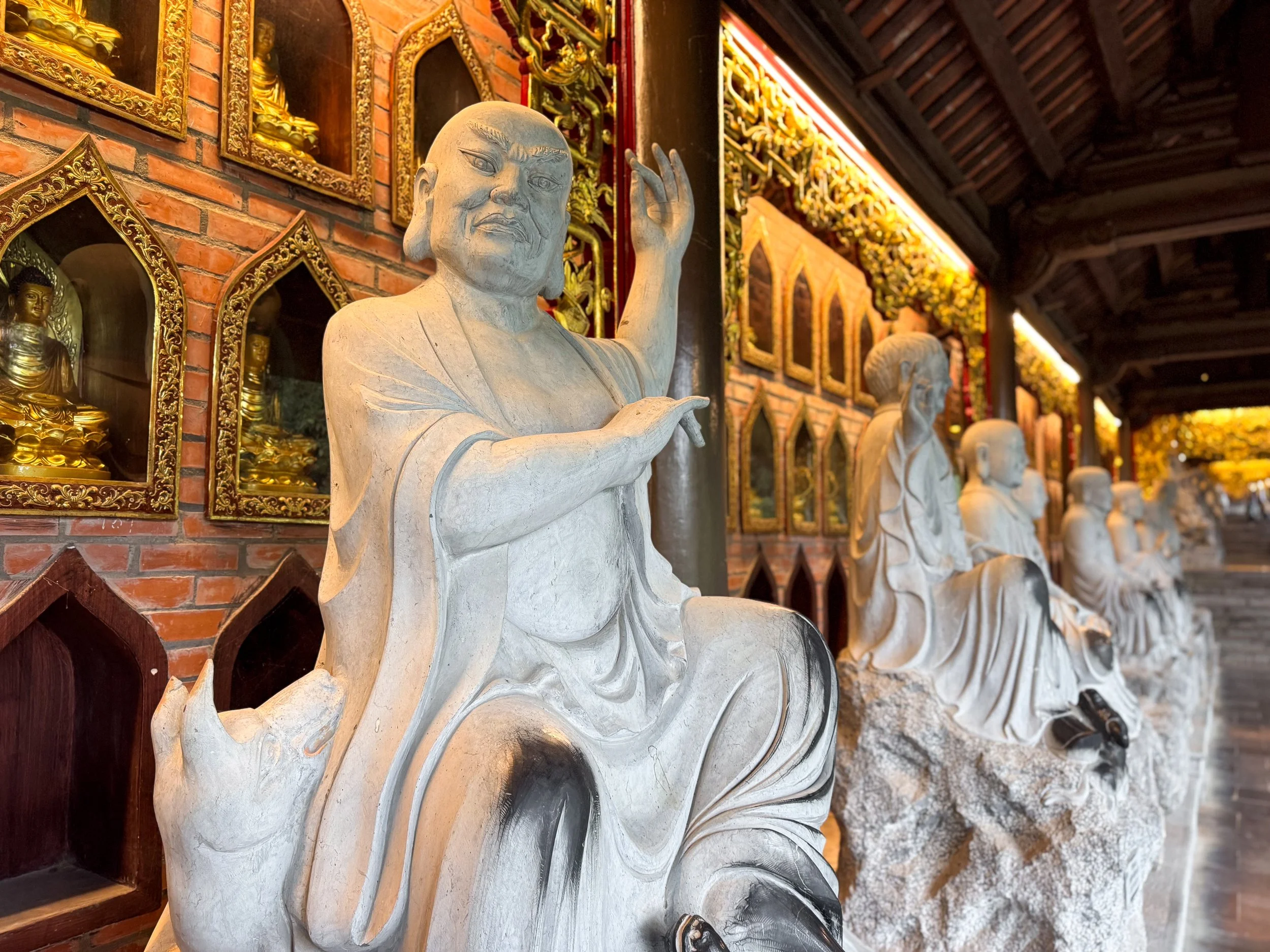
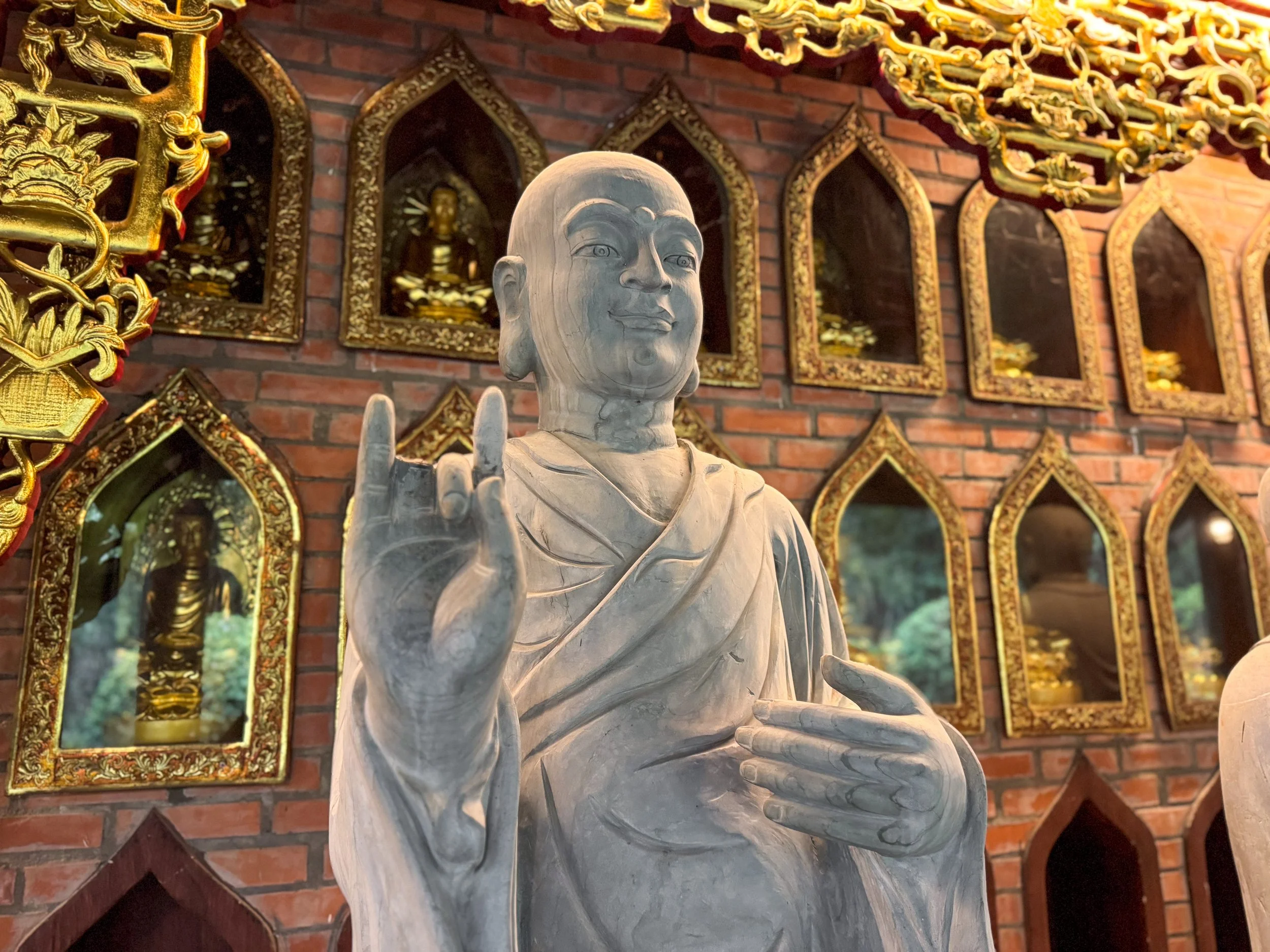
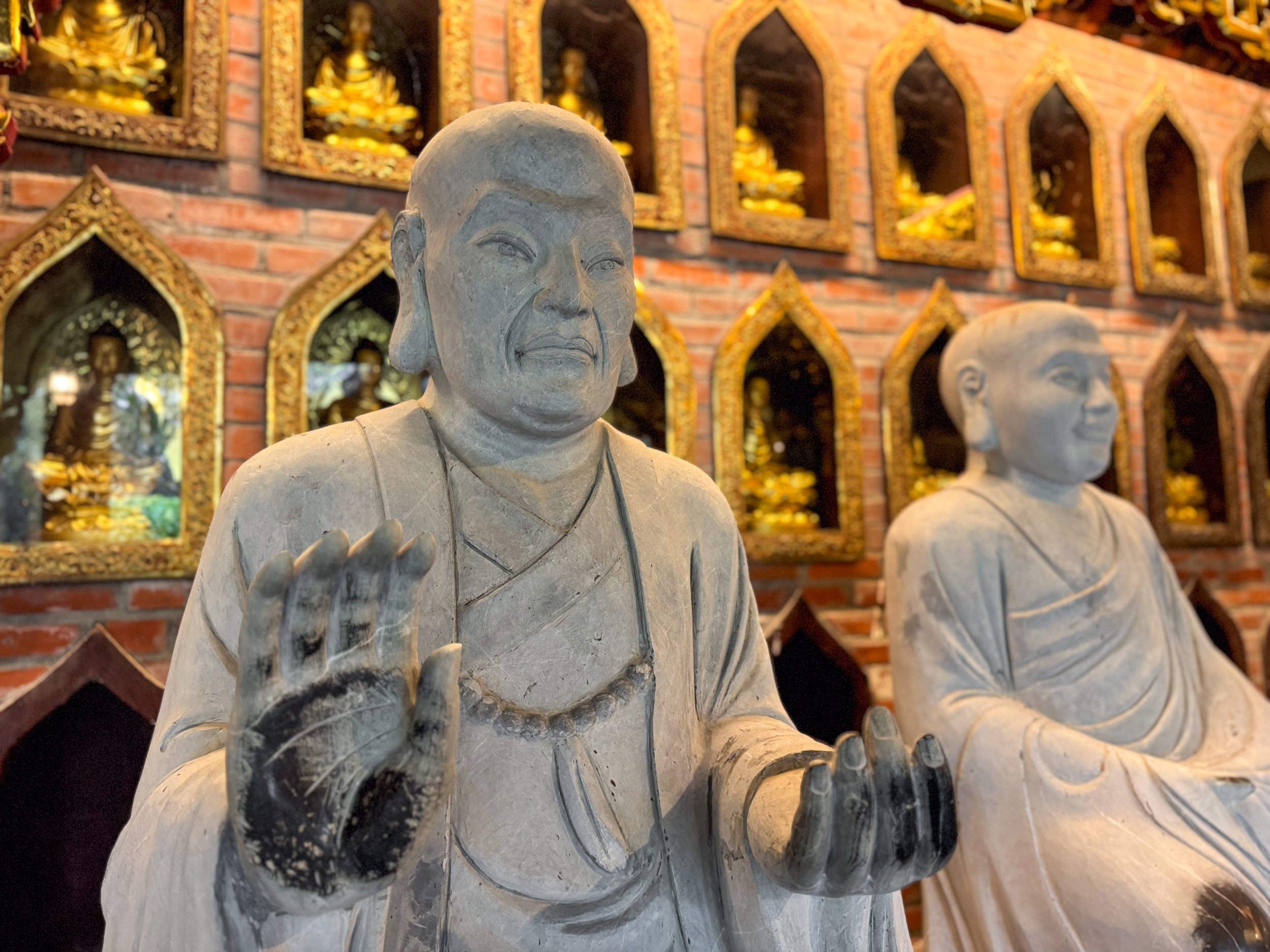
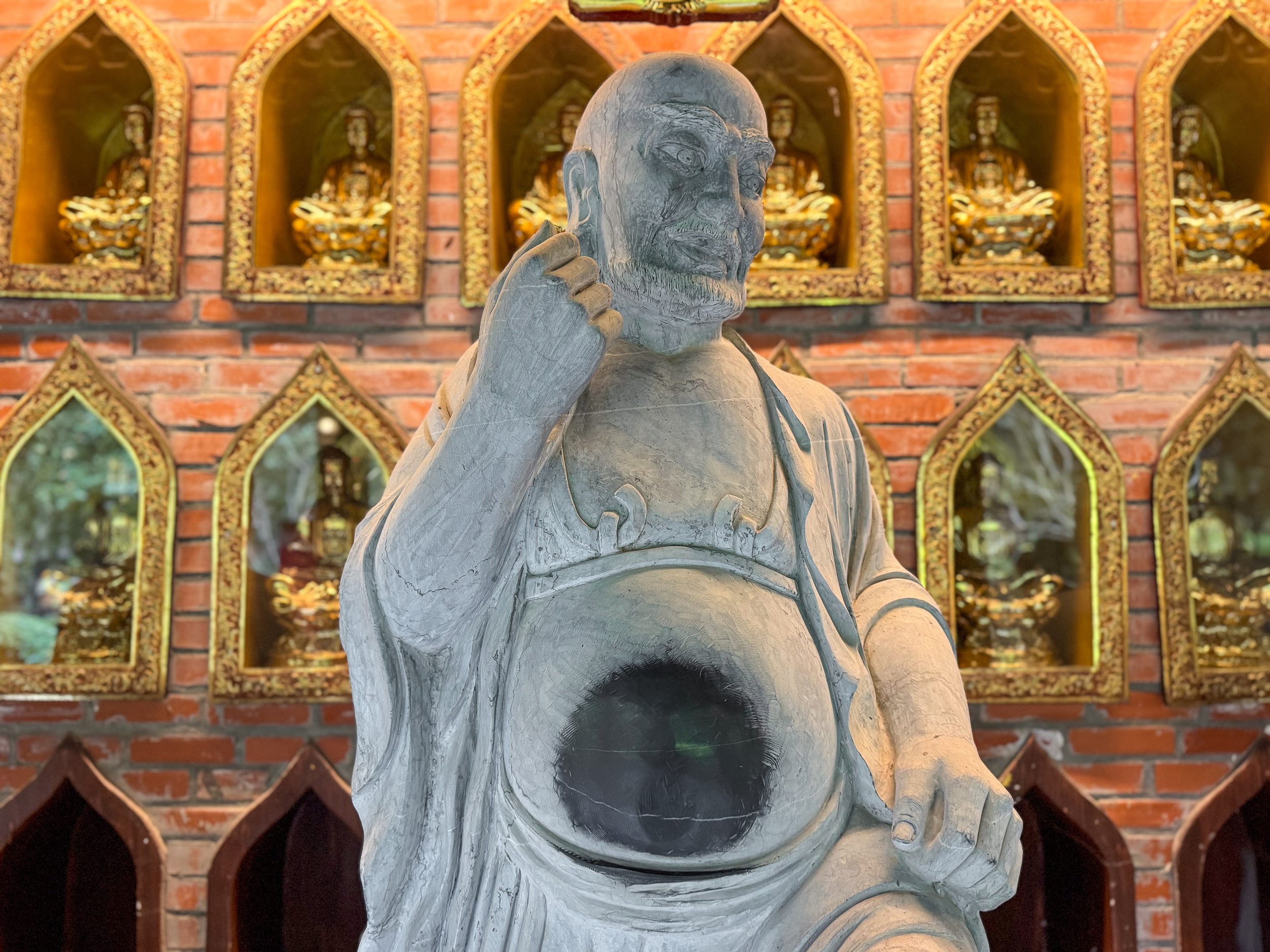
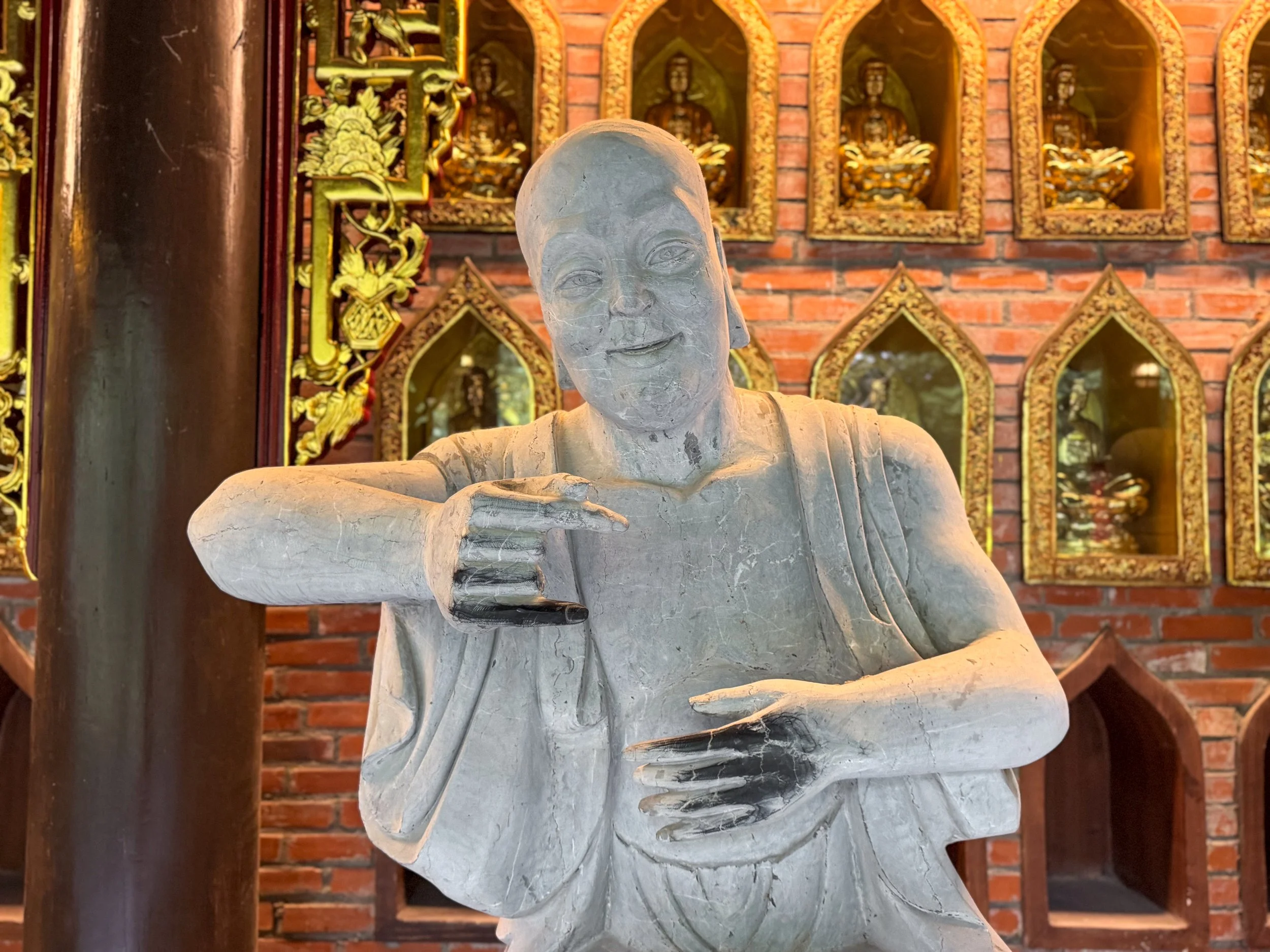
Arhat Corridor. A lively corridor stretching across the temple complex and landscape with 500 stone statues of monks that have reached enlightenment. They are all unique and incredibly animated, each holding different postures and expressions. Some range from stoic and wise to laughing and humorous, peaceful and calm, young and old. People often rub their knees, feet, bellies or objects they’re holding for good luck. It holds the record for the longest Arhat corridor in Asia and largest number of Arhat statues in Vietnam.
Bell Tower. An octagonal three tiered pagoda housing the largest bronze bell in Vietnam. Steps lead to the dark wooden pagoda’s belfry where the trunk of an entire ironwood tree is used to ring it. We could only imagine the echoing noise it must make. Below the bell is an equally impressive 70 ton bronze drum.
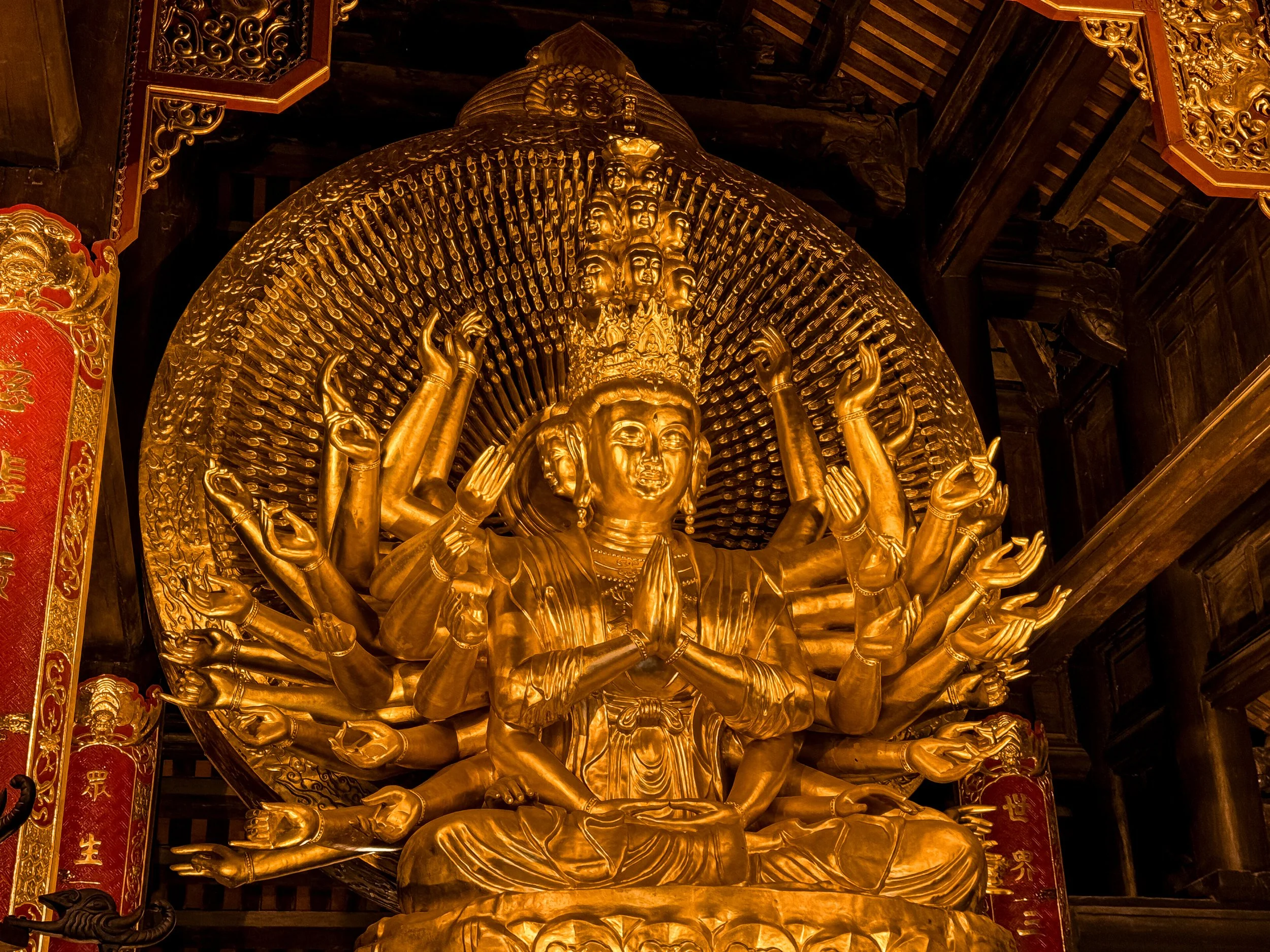
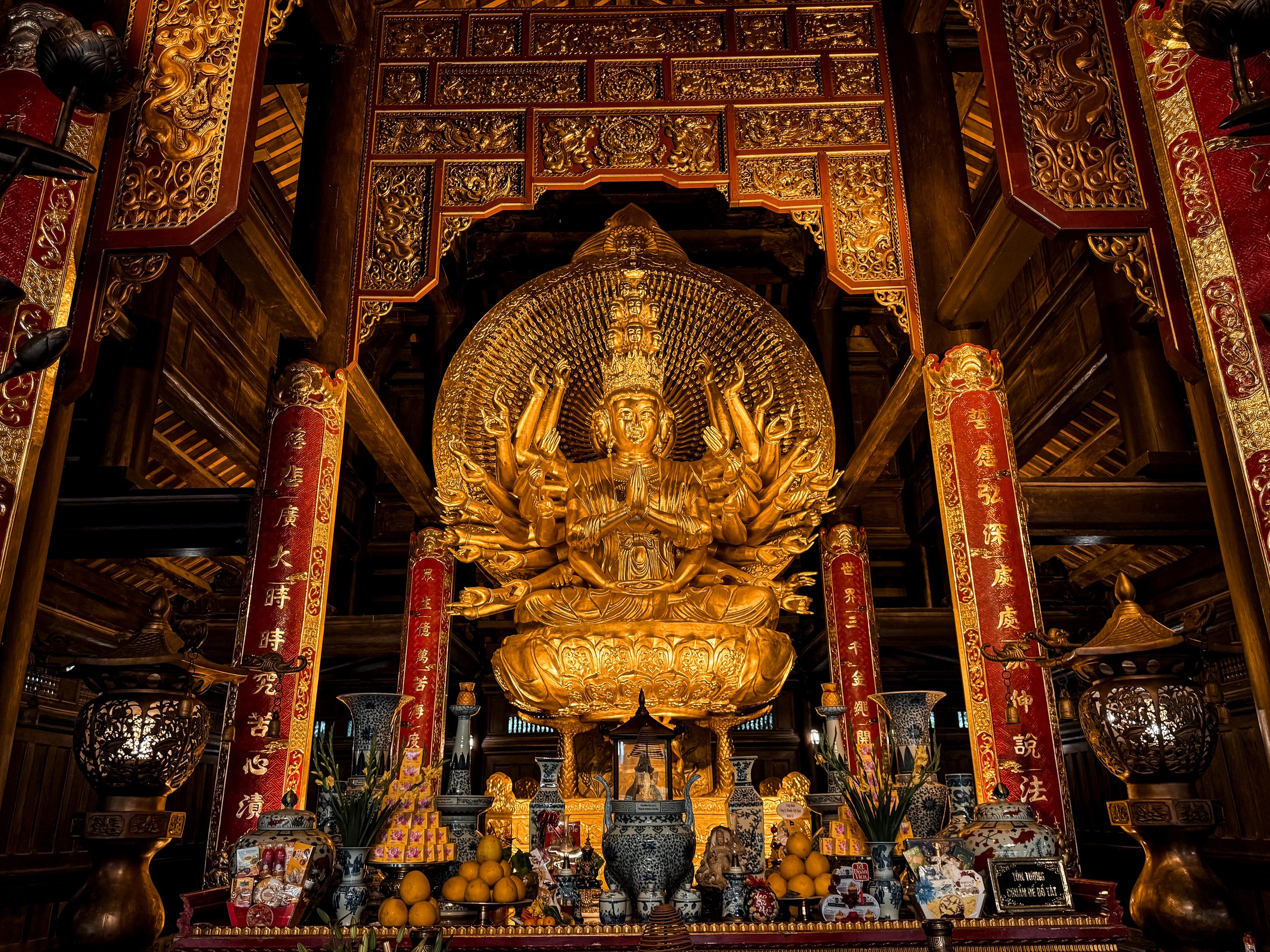
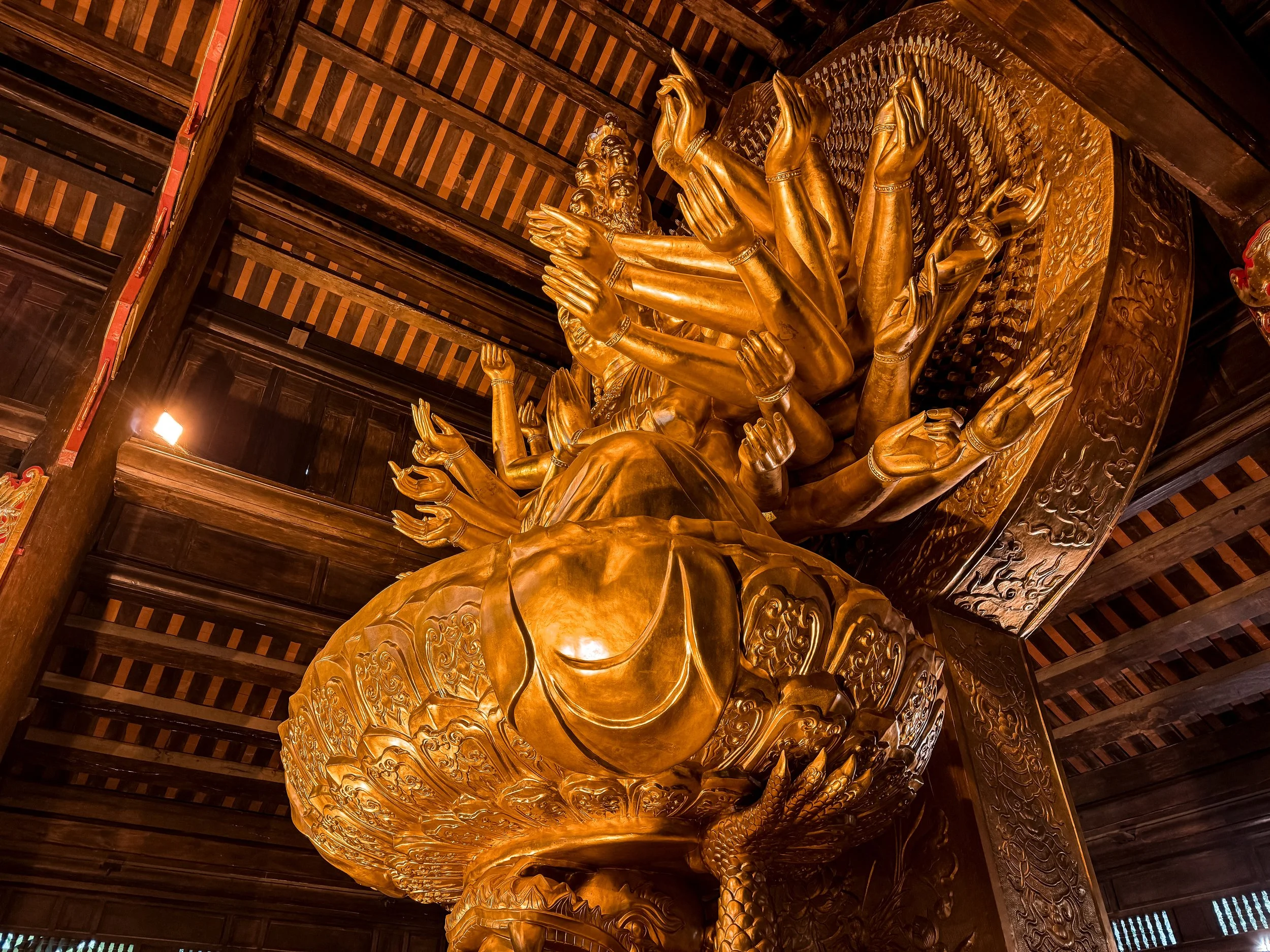
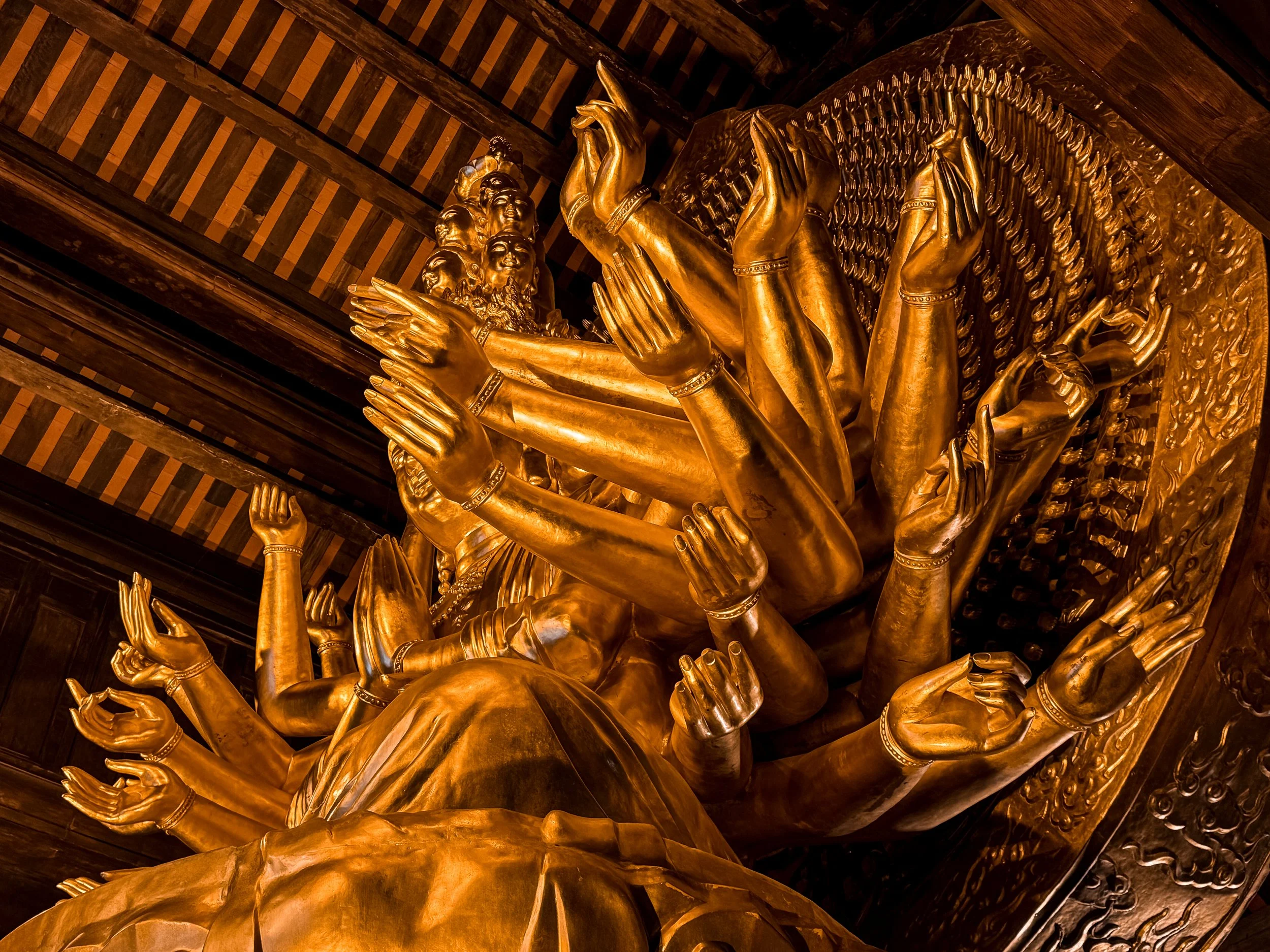
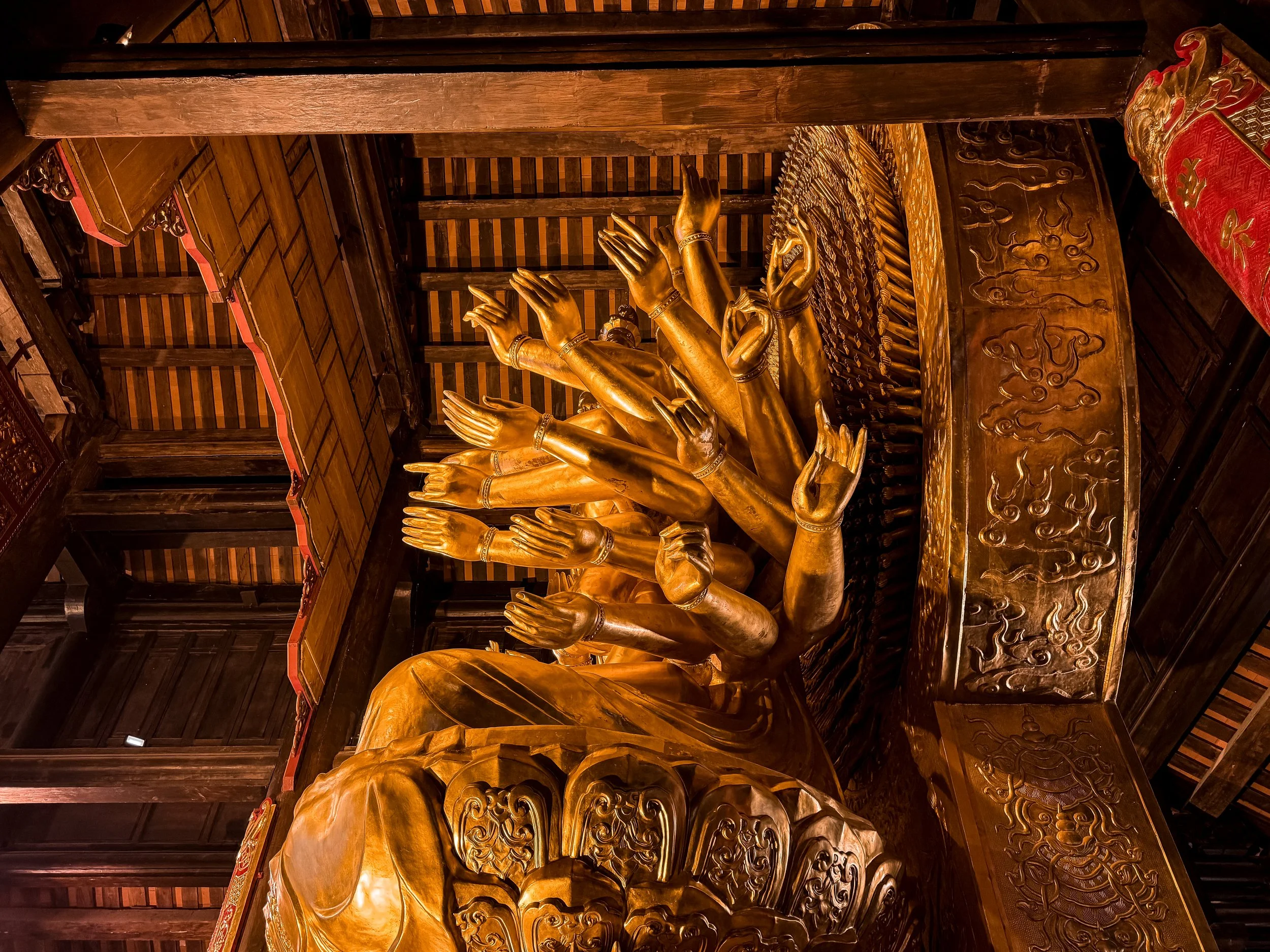
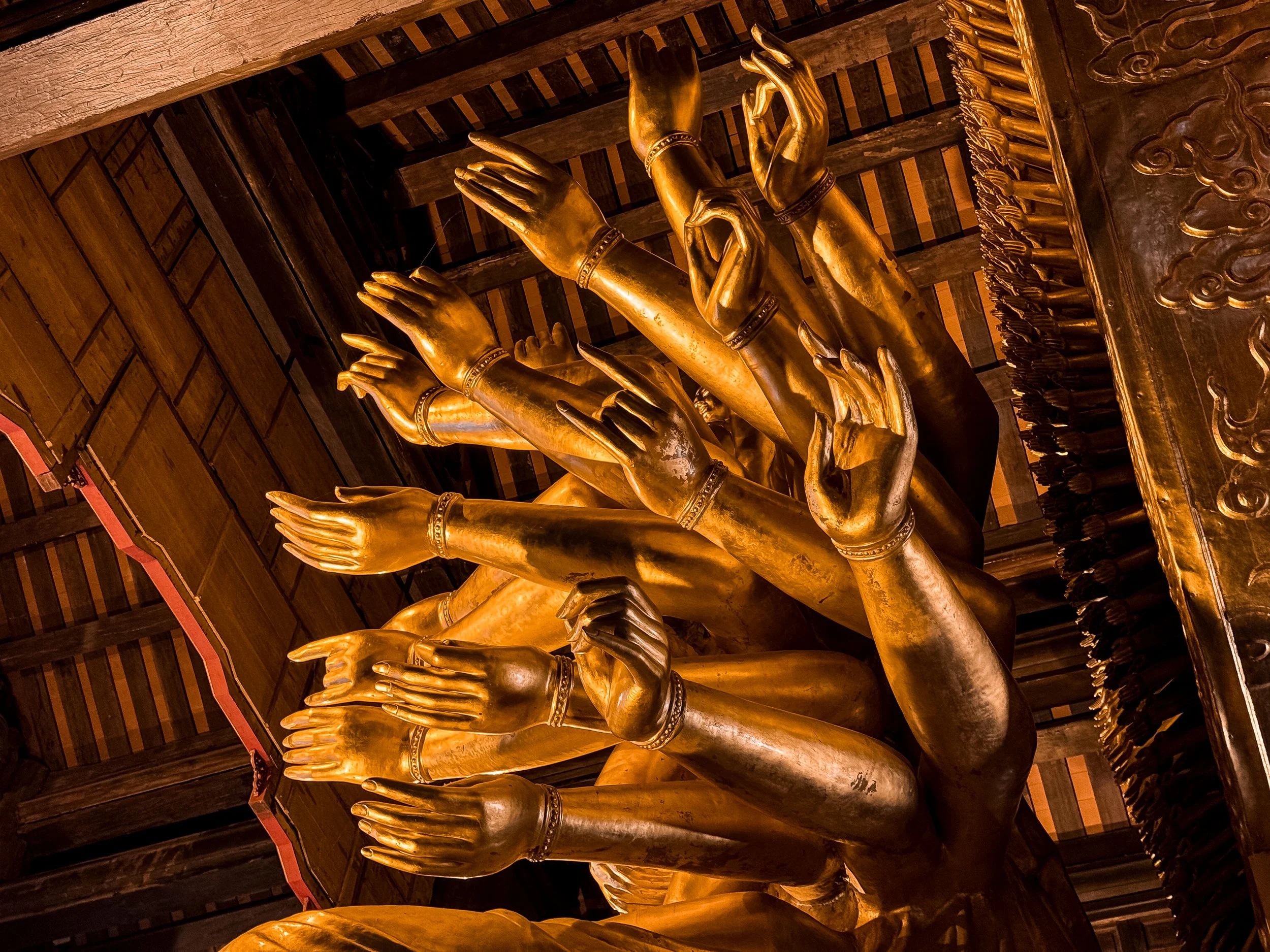
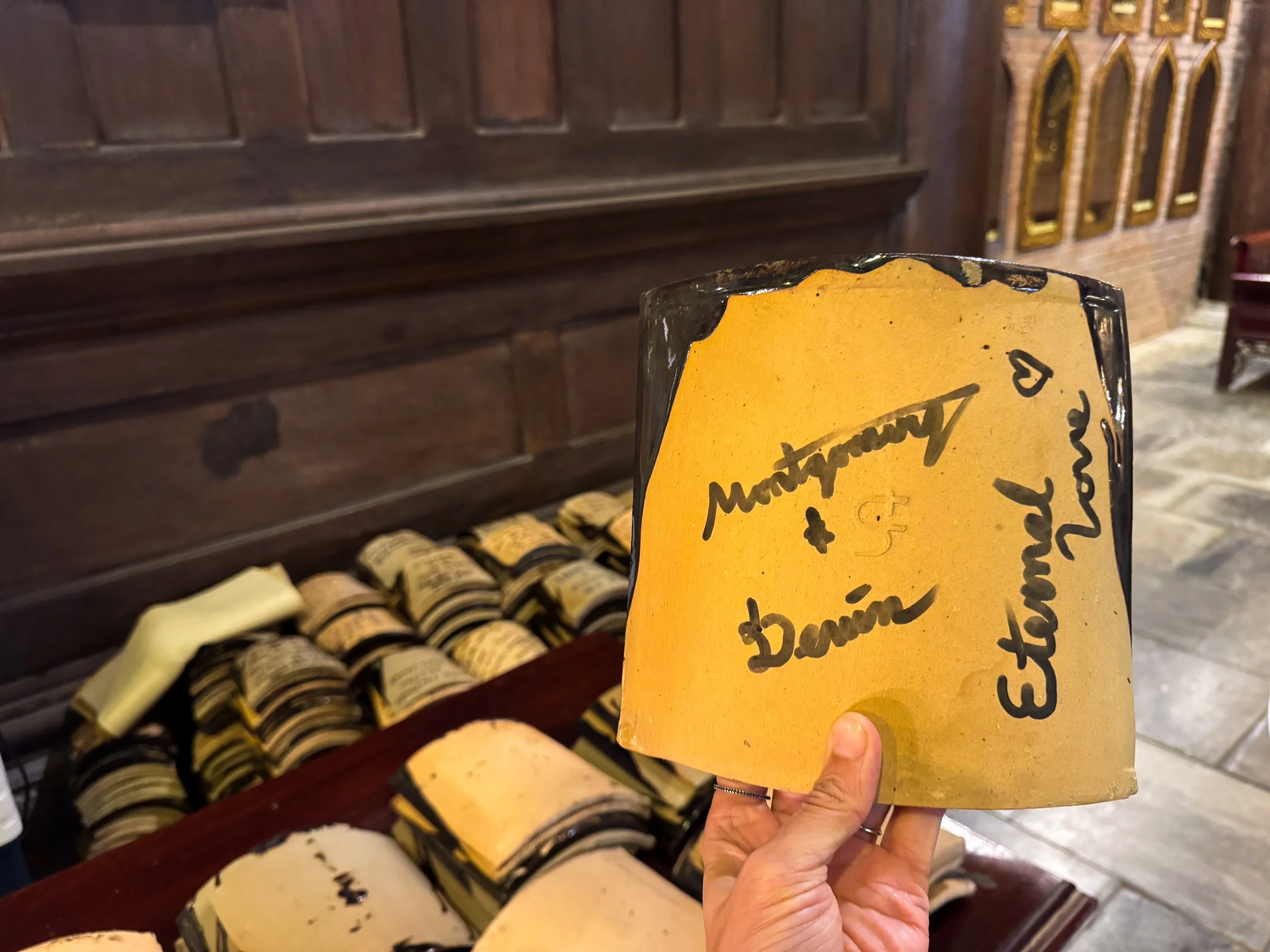
The Kuan-Yin Hall. A major temple housing a giant gilded statue of the Avalokiteshvara Buddha. A version of the Buddha with 11 heads and 1000 arms seated on a lotus flower. This is a modern addition to the complex built with historical accuracy. It has an ironwood and brick facade, three large gates or doors and a brown terracotta tiled roof with tail feather tipped cornices. We bought and donated a terracotta roof tile to the pagoda for its future repairs. We signed our names with the words “eternal love.”
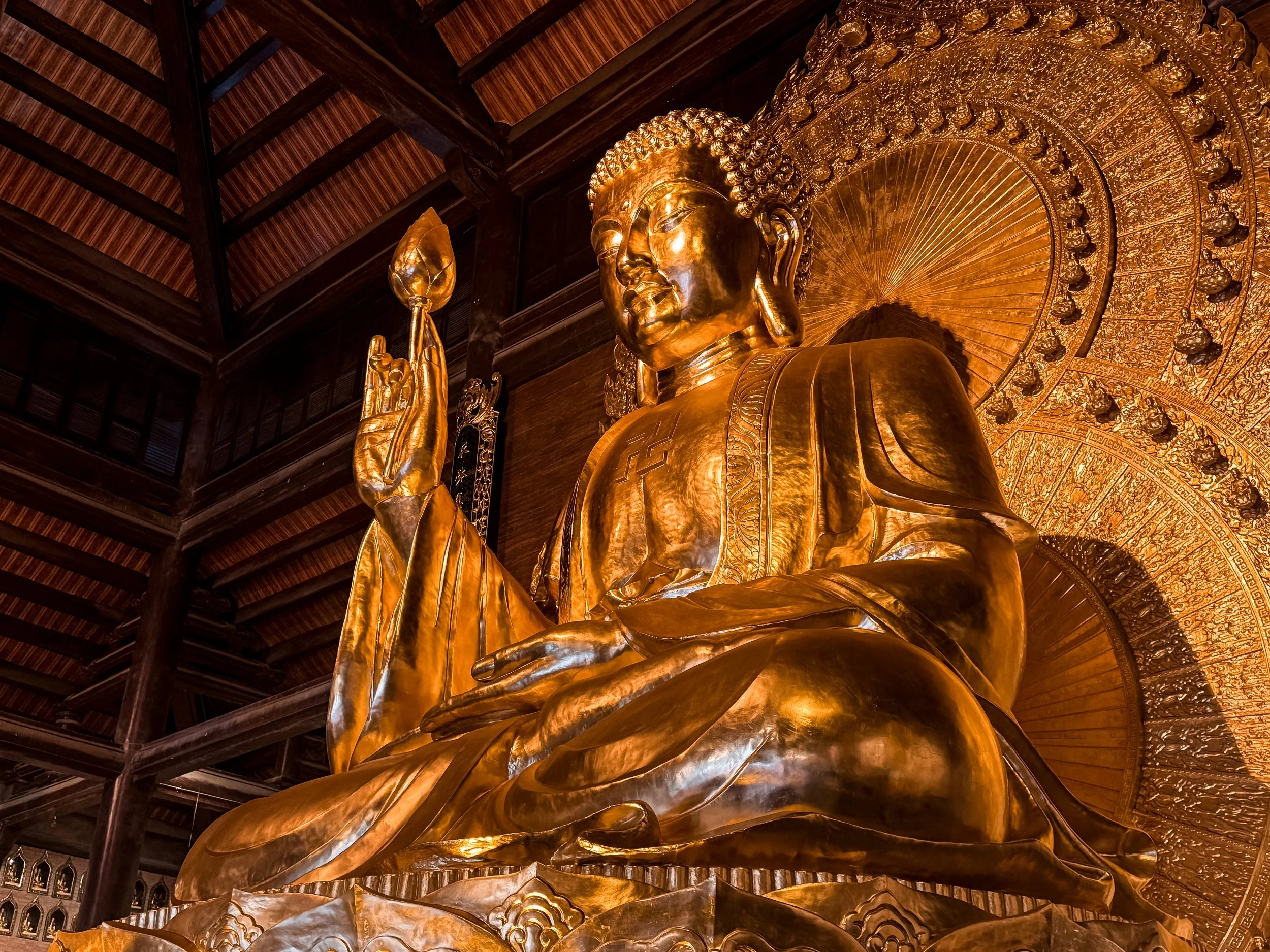
The Buddha Sakyamuni Hall. A major temple taller than the previous with a large gilded Buddha sitting on a lotus flower at its center. Its walls are lined with hundreds of niches containing smaller Buddha statues. Its ceiling features an arched structure carved in motifs of dragons as if flying across the sky above. In front of the Buddha is an altar with large ceramic vases and offerings of fruits, sweets, flowers and money.

The Three Periods Hall. The final major temple and largest of the three. Inside are three gilded statues of the Buddha representing the past, present and future. Each sits on a lotus flower with a golden backdrop behind them, making different signs with their hands. It is the largest set of Period Buddhas in Vietnam. Like the previous temples, there are altars for offering and its walls are decorated in niches of gilded sitting Buddhas.
Maitreya Buddha Statue. A giant bronze statue of the happy looking big bellied Buddha. It stands on a pedestal in the open air and is the largest of its type in Asia.
The Sacred Bodhi Tree. A propagation of the world’s longest living tree, aged over 2,500 years. It is thought that Buddha attained enlightenment underneath it.
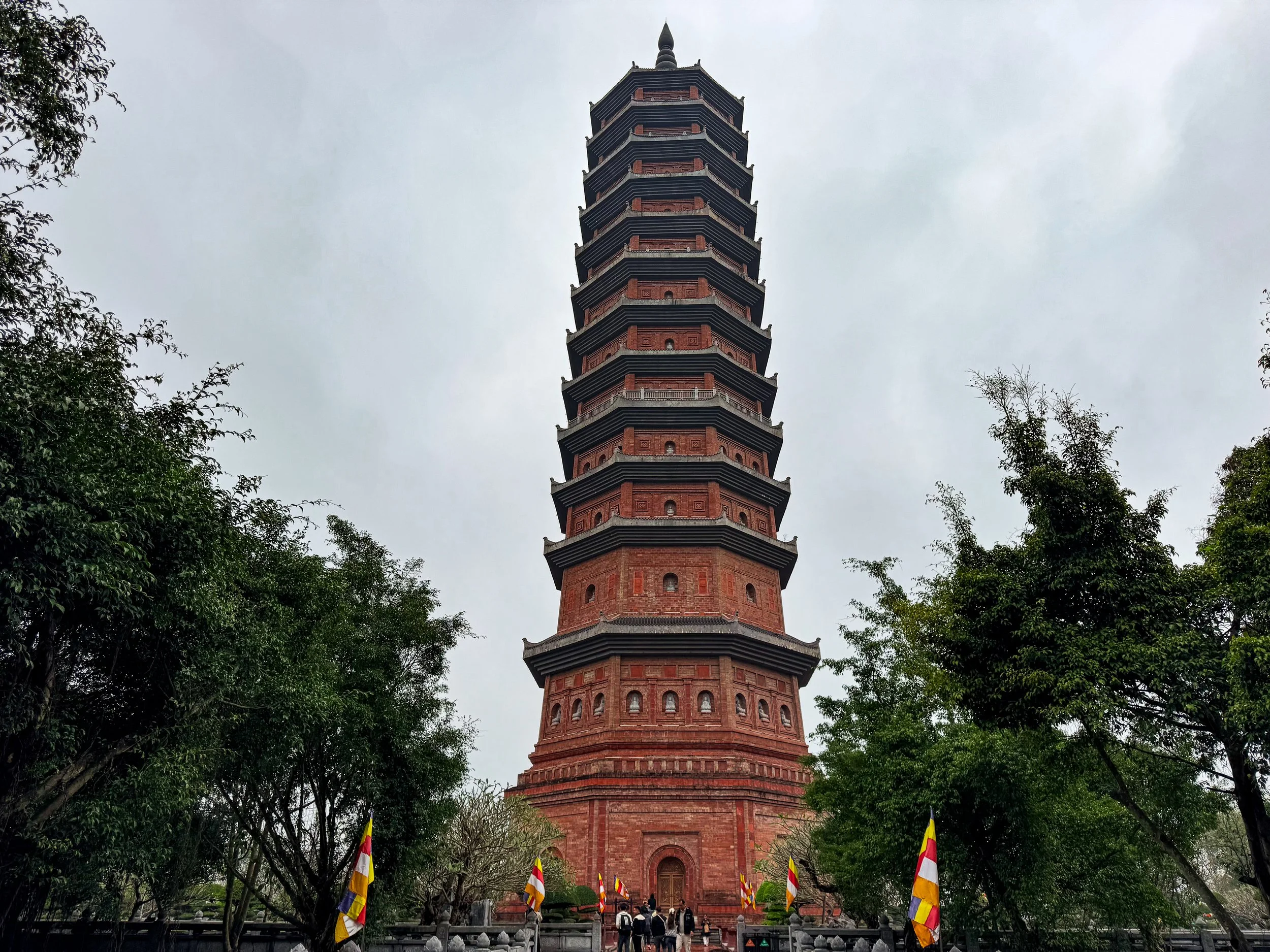
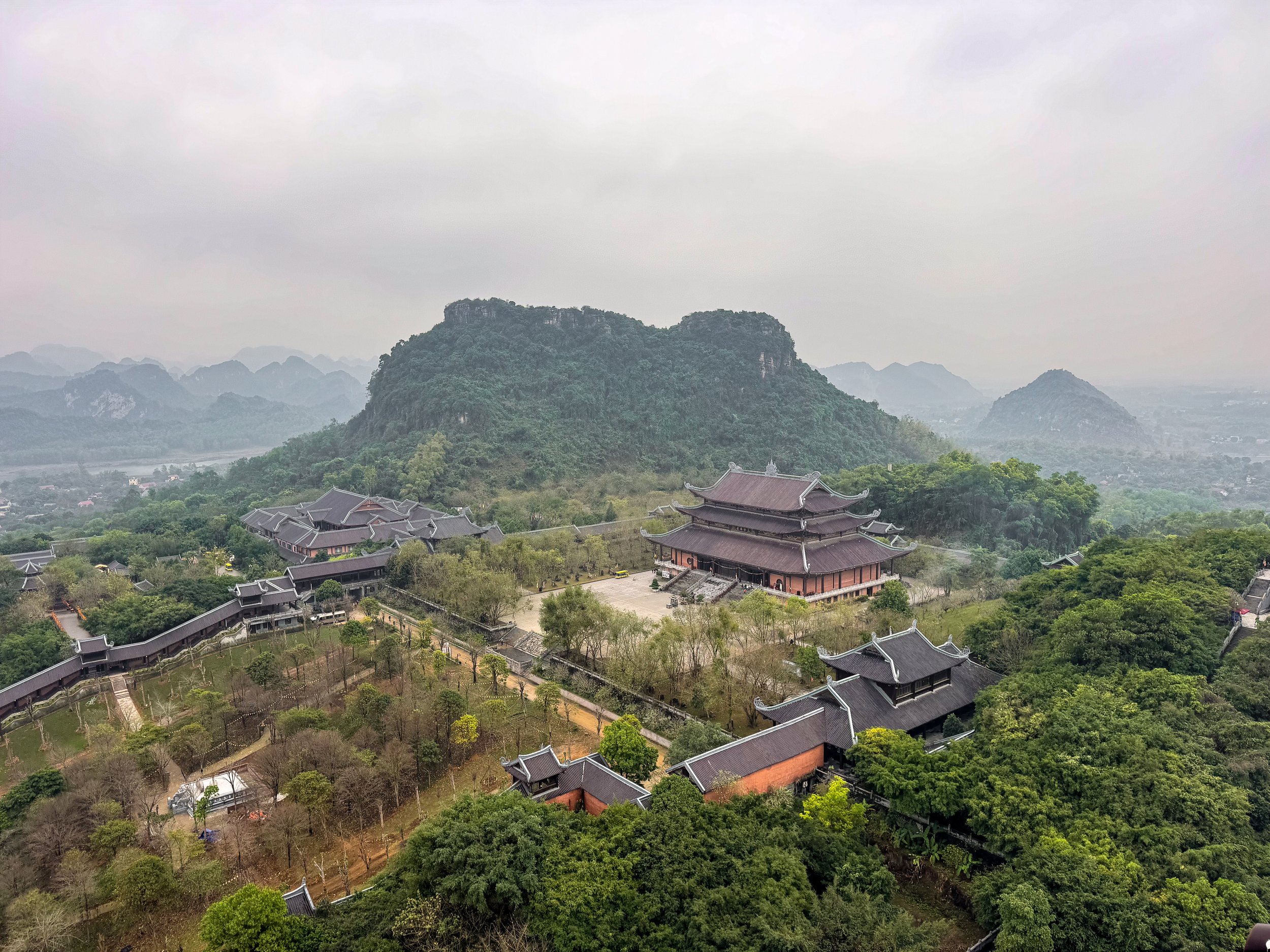
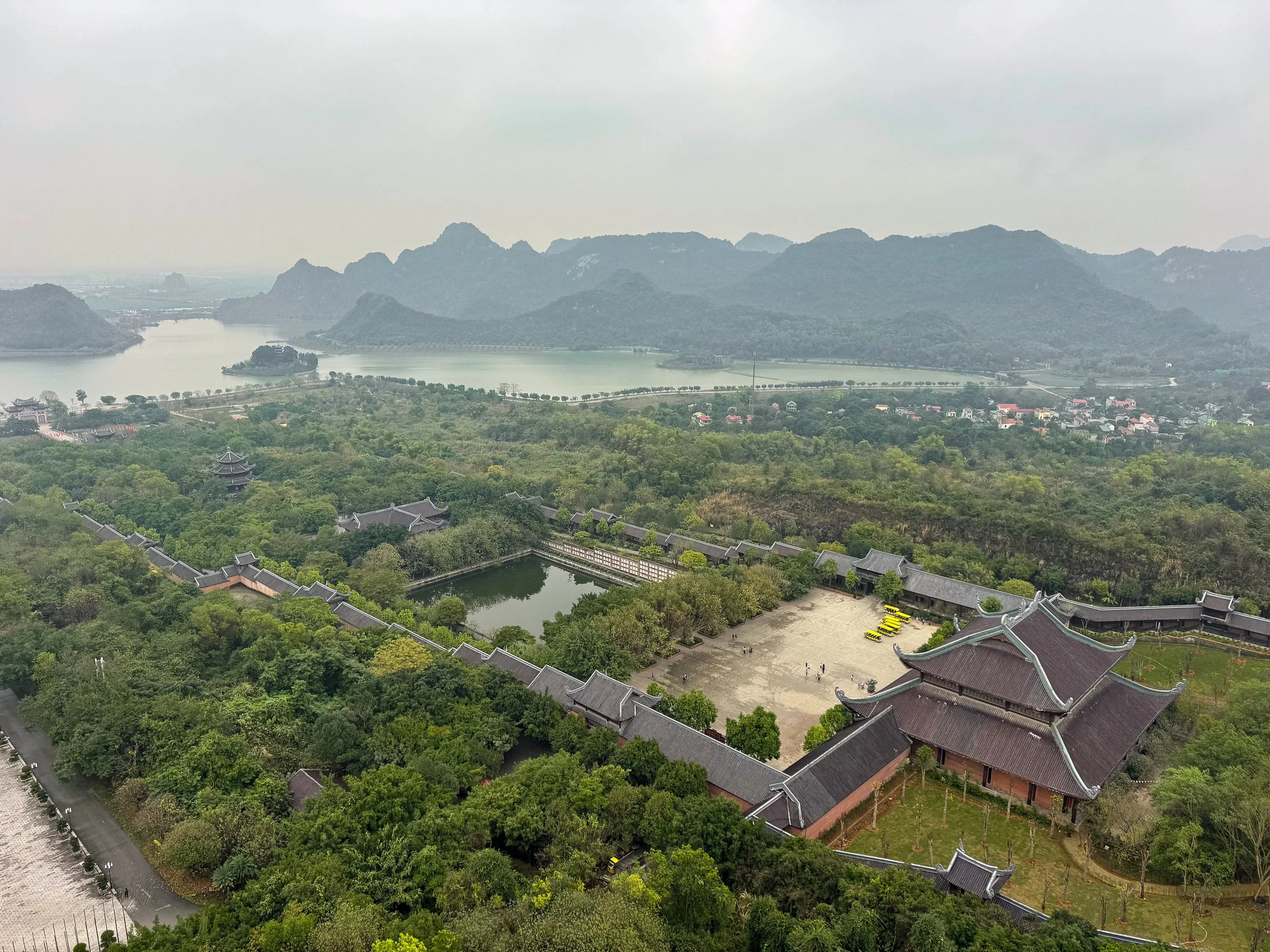
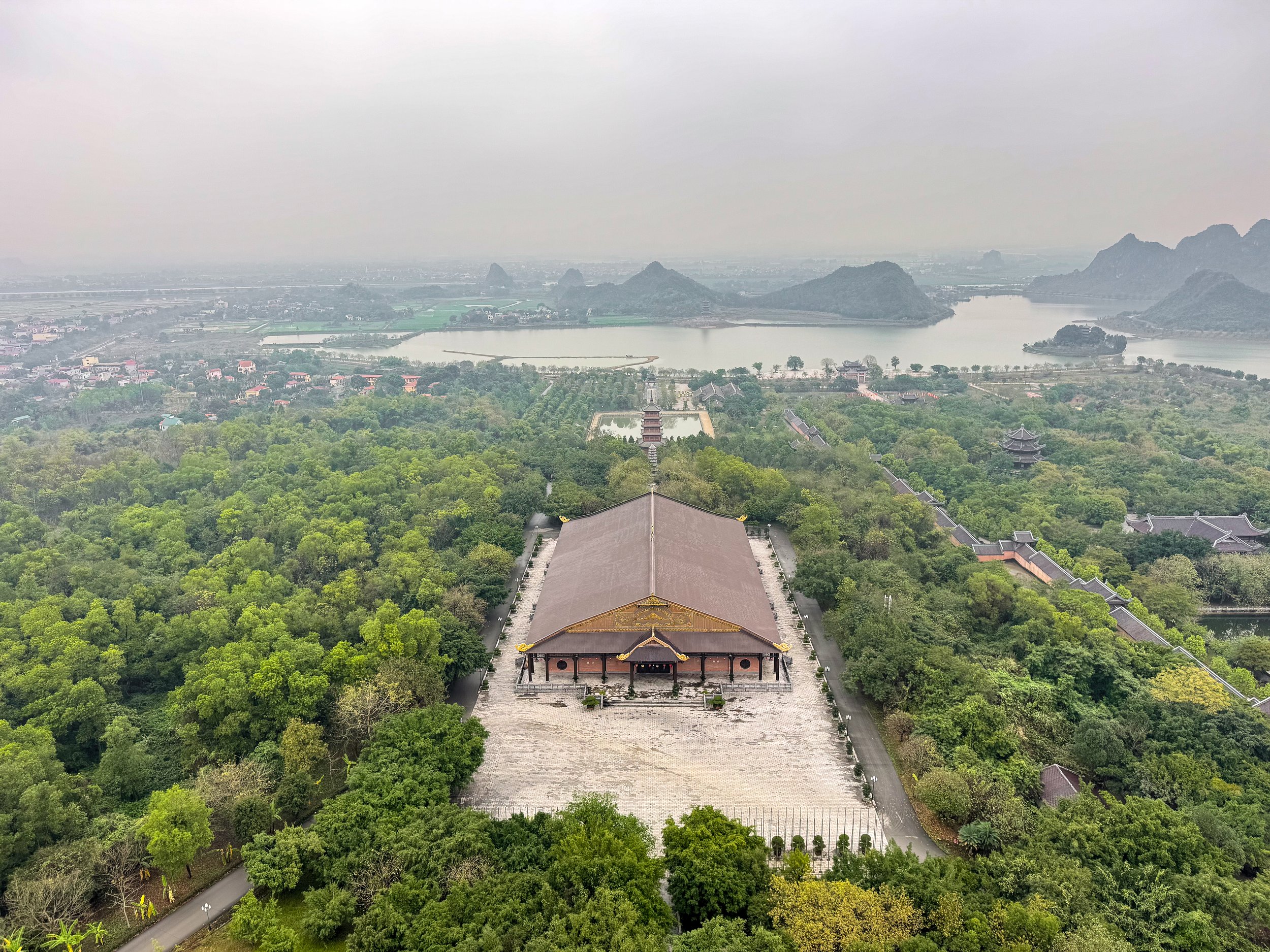
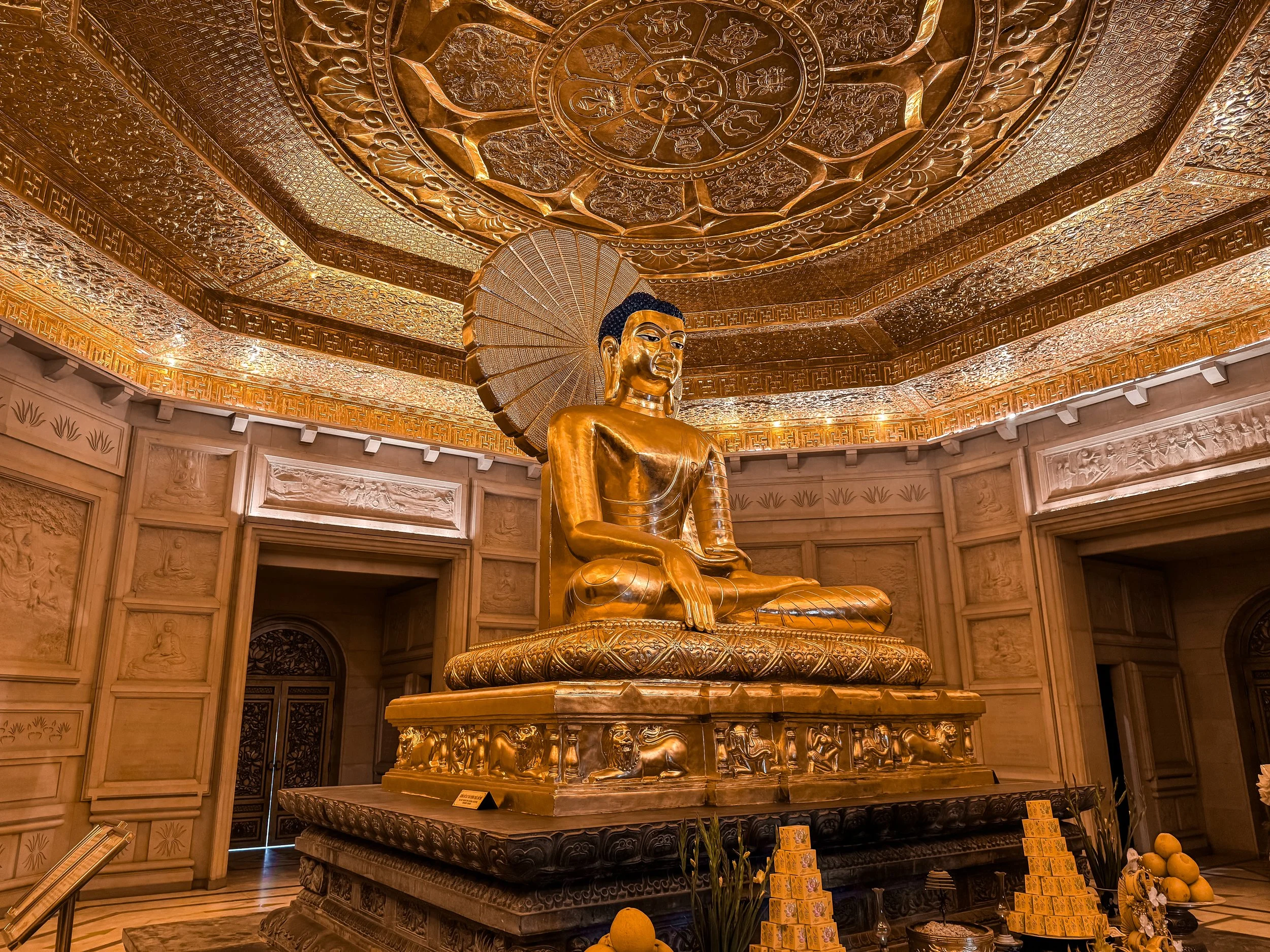
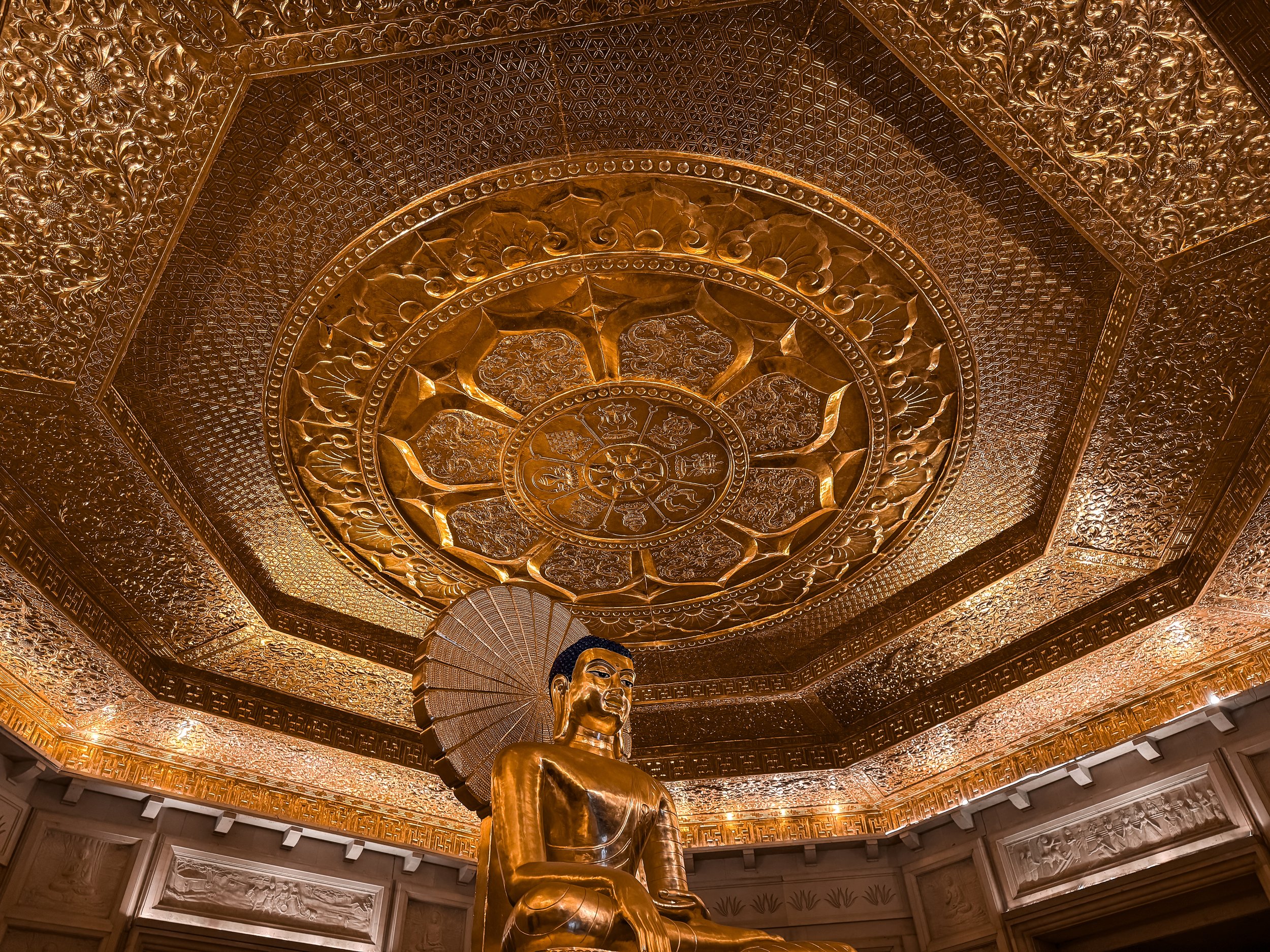
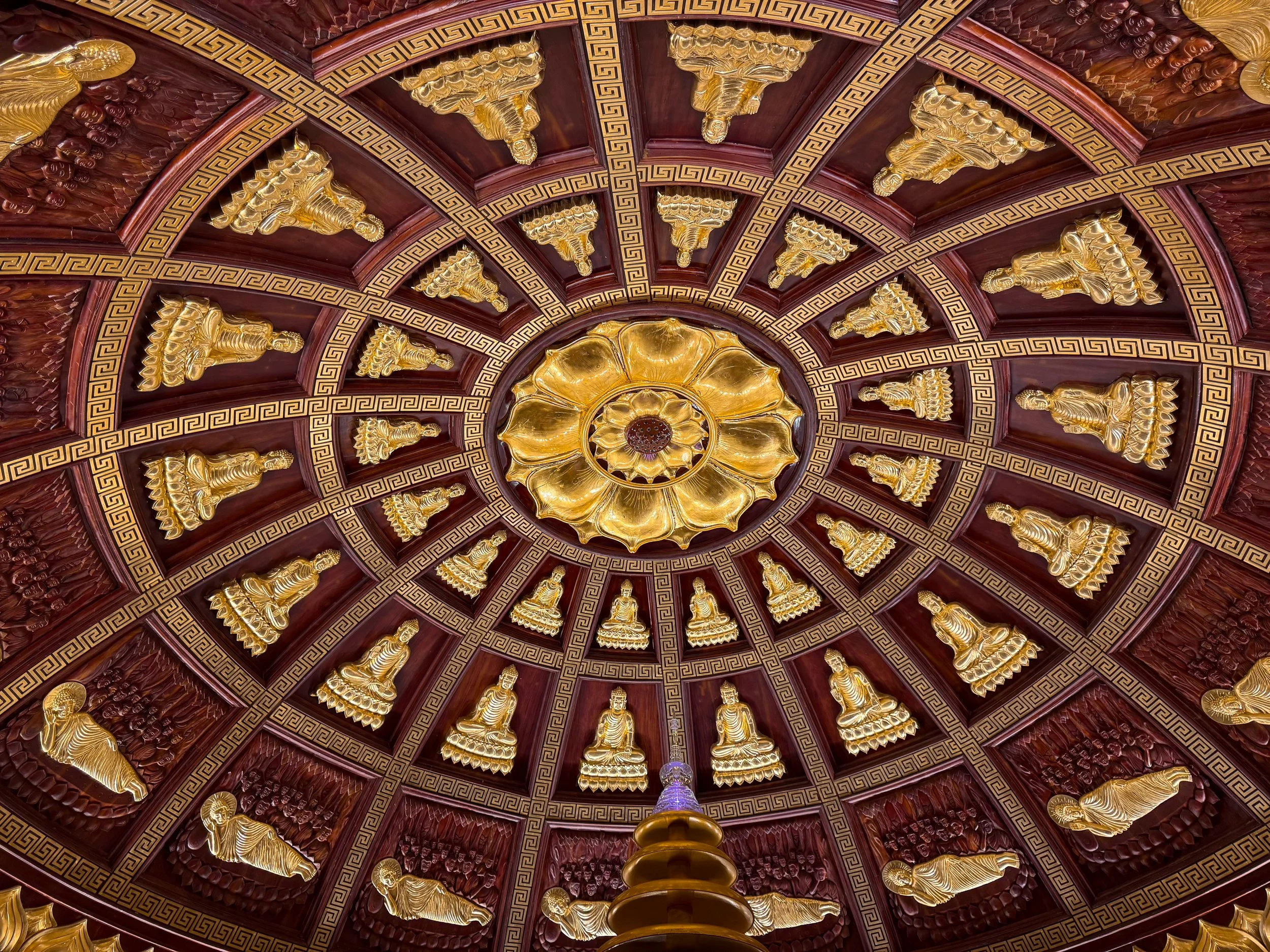
Bao Thien Stupa. The tallest stupa in all of Asia, measuring 100 meters tall. It’s an impressive sight visible from around the temple complex. An elevator leads to the 12th floor with views of the landscape and surroundings temples. Stairs lead to the 13th floor with a gilded altar and domed ceiling with reliefs of various posed Buddhas. It’s a modern addition to the complex, completed in 2008.
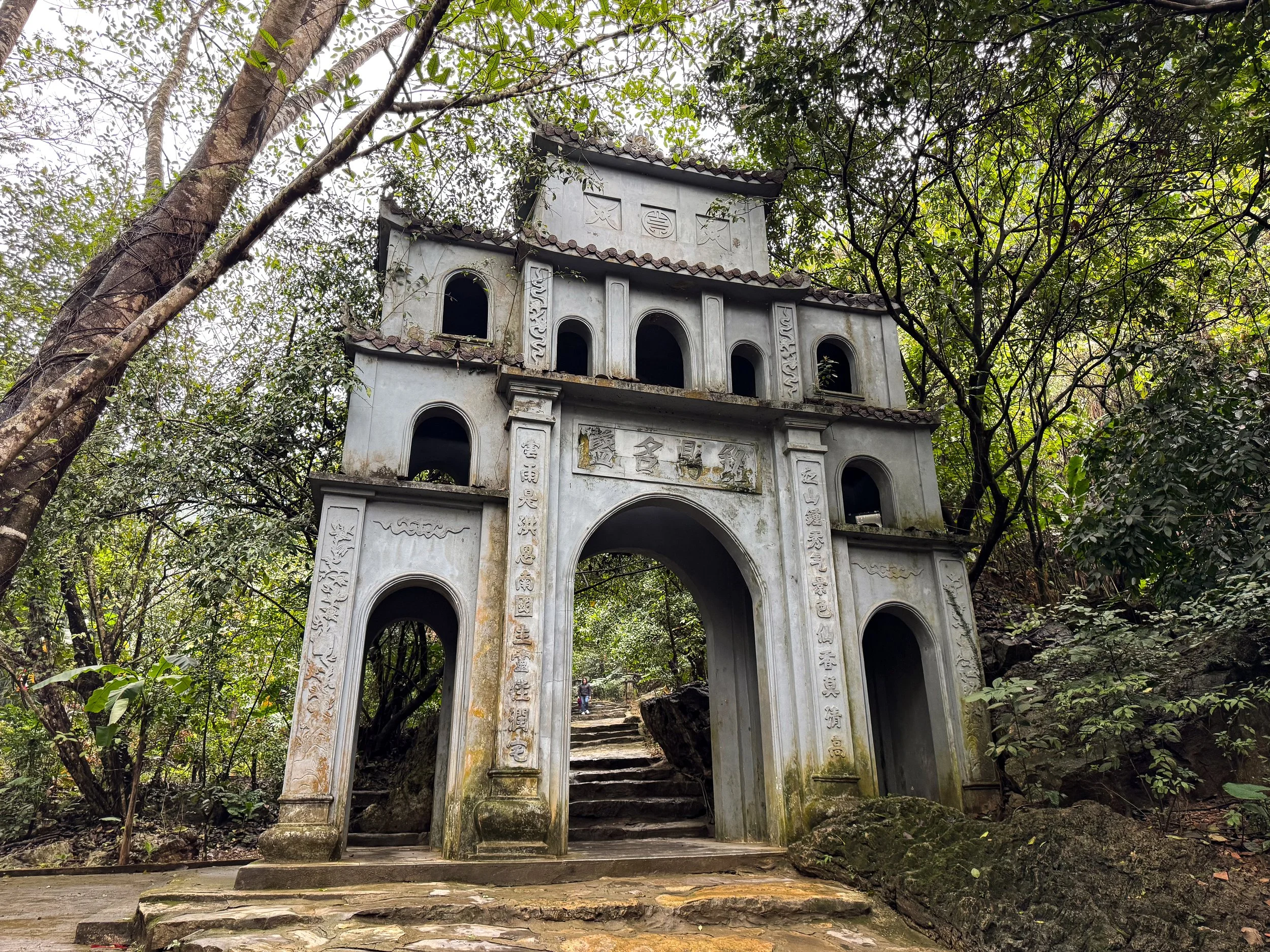
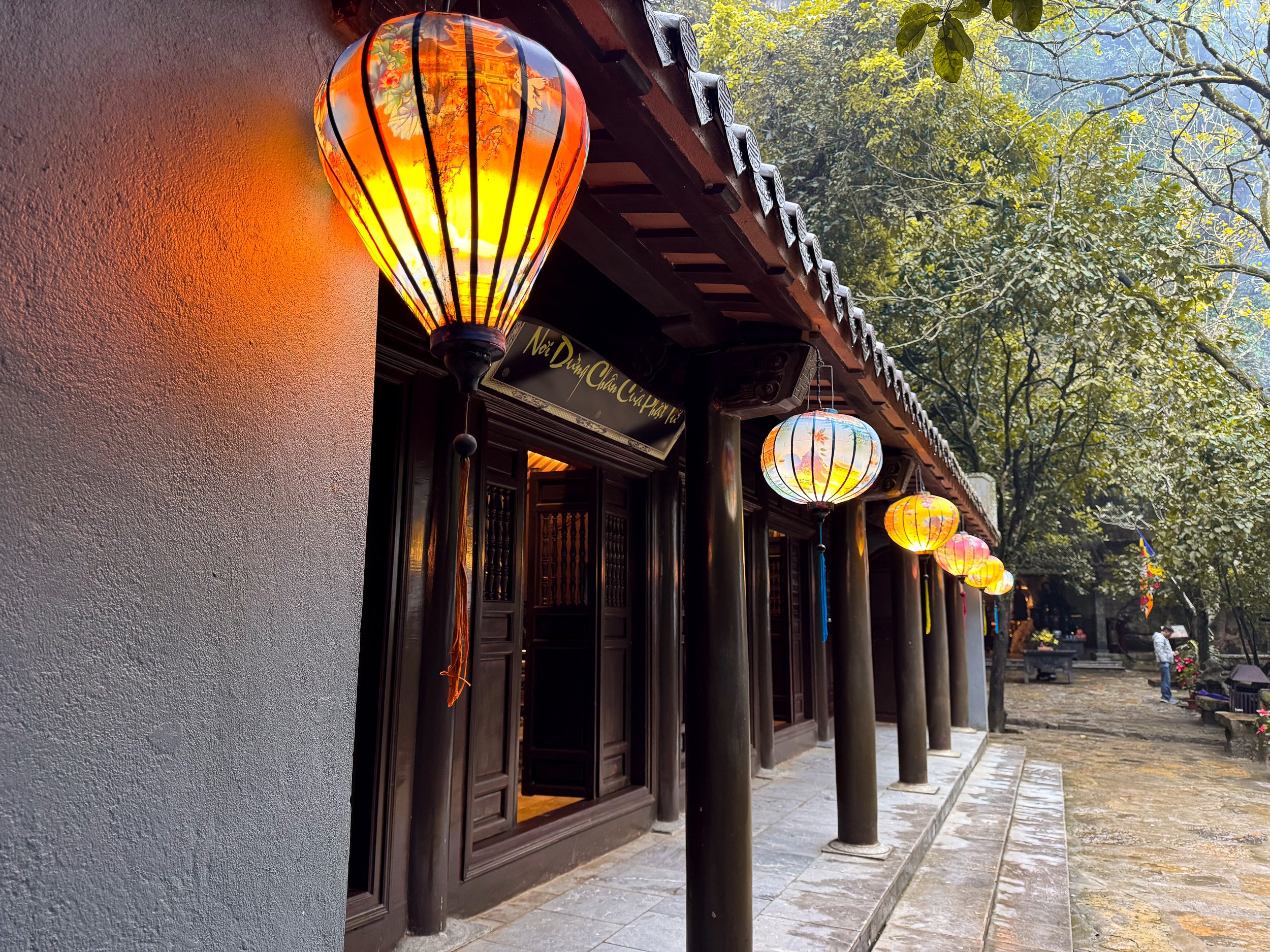
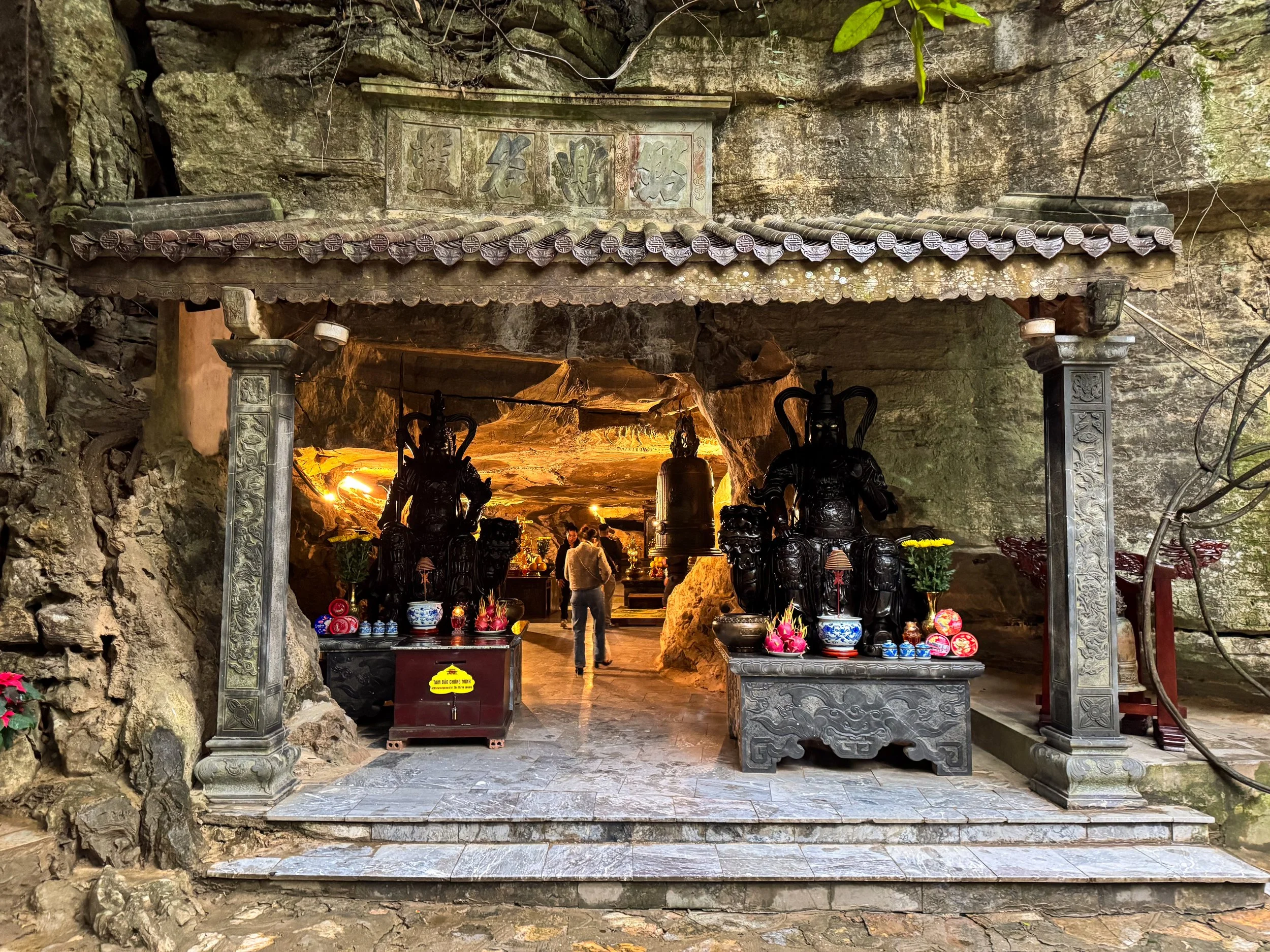
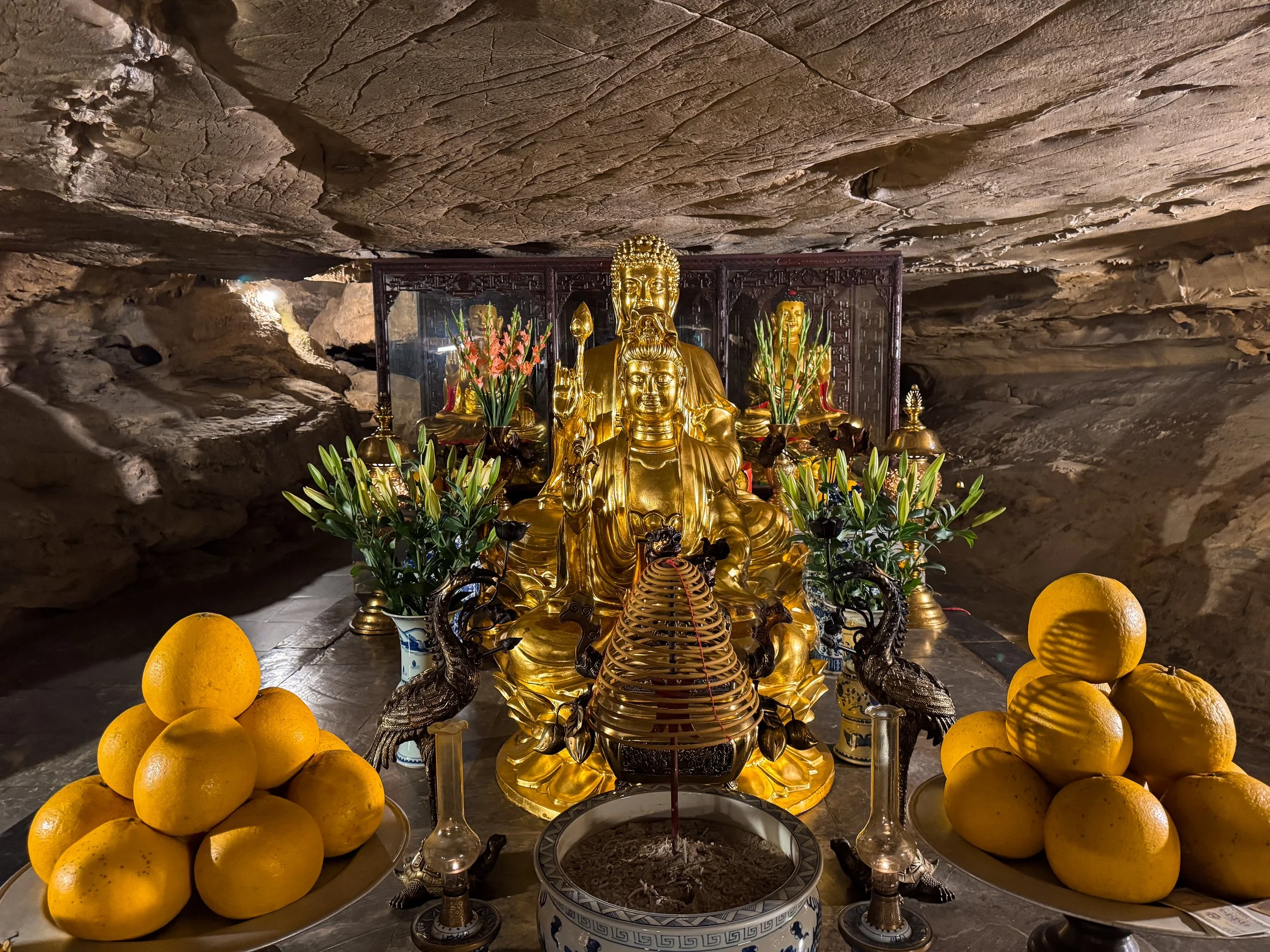
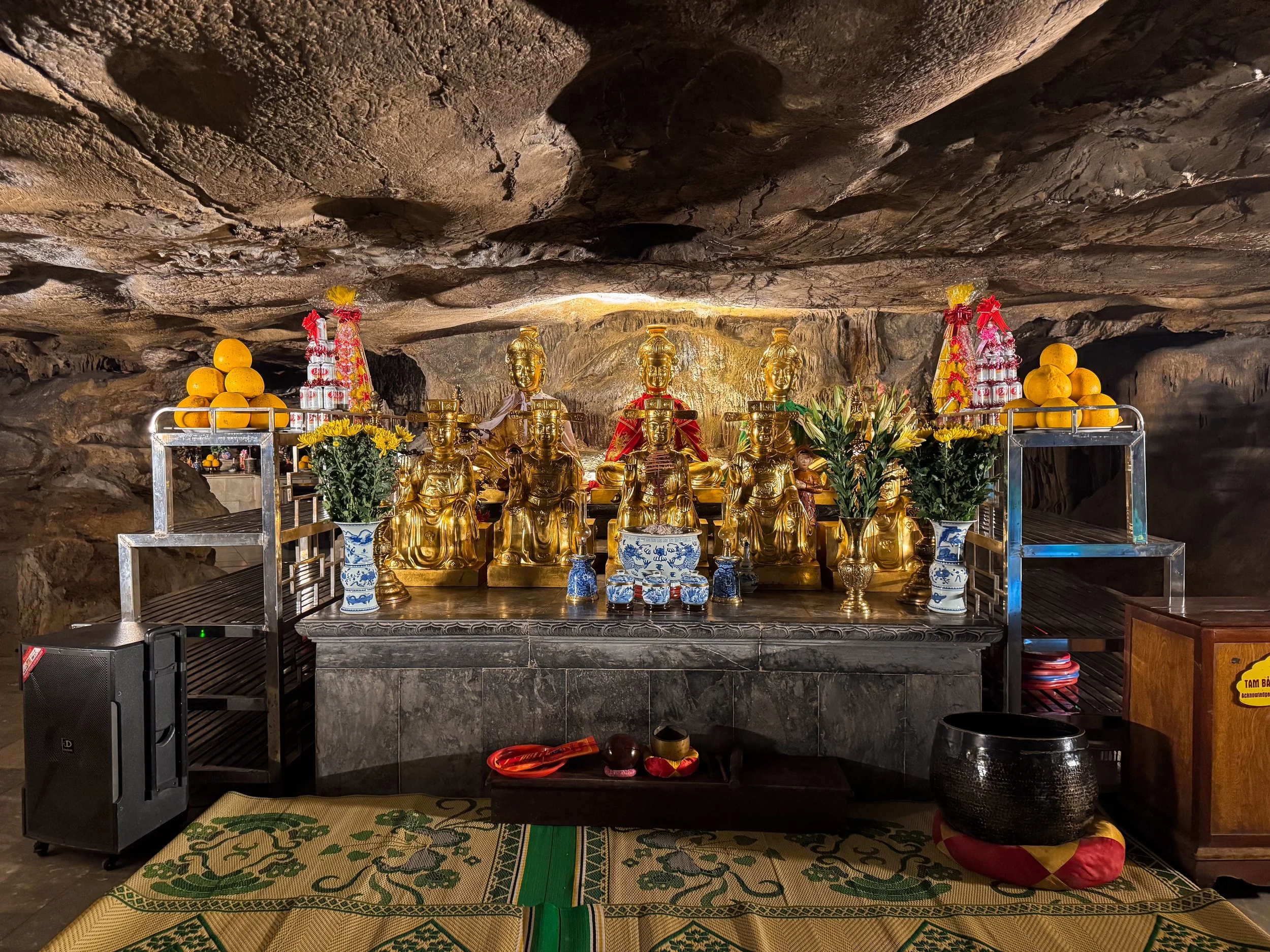
Ancient Pagoda. A 1,000 year old pagoda at the entrance of the ancient mountain temple complex. It has a simple four tiered design with various arches and reliefs. It leads up a trail to two sacred cave temples.
Buddha Worshiping Cave. A cave temple in the mountainous part of the ancient complex. Inside of its cavernous walls are altars and statues of Buddha built upon rock formations.
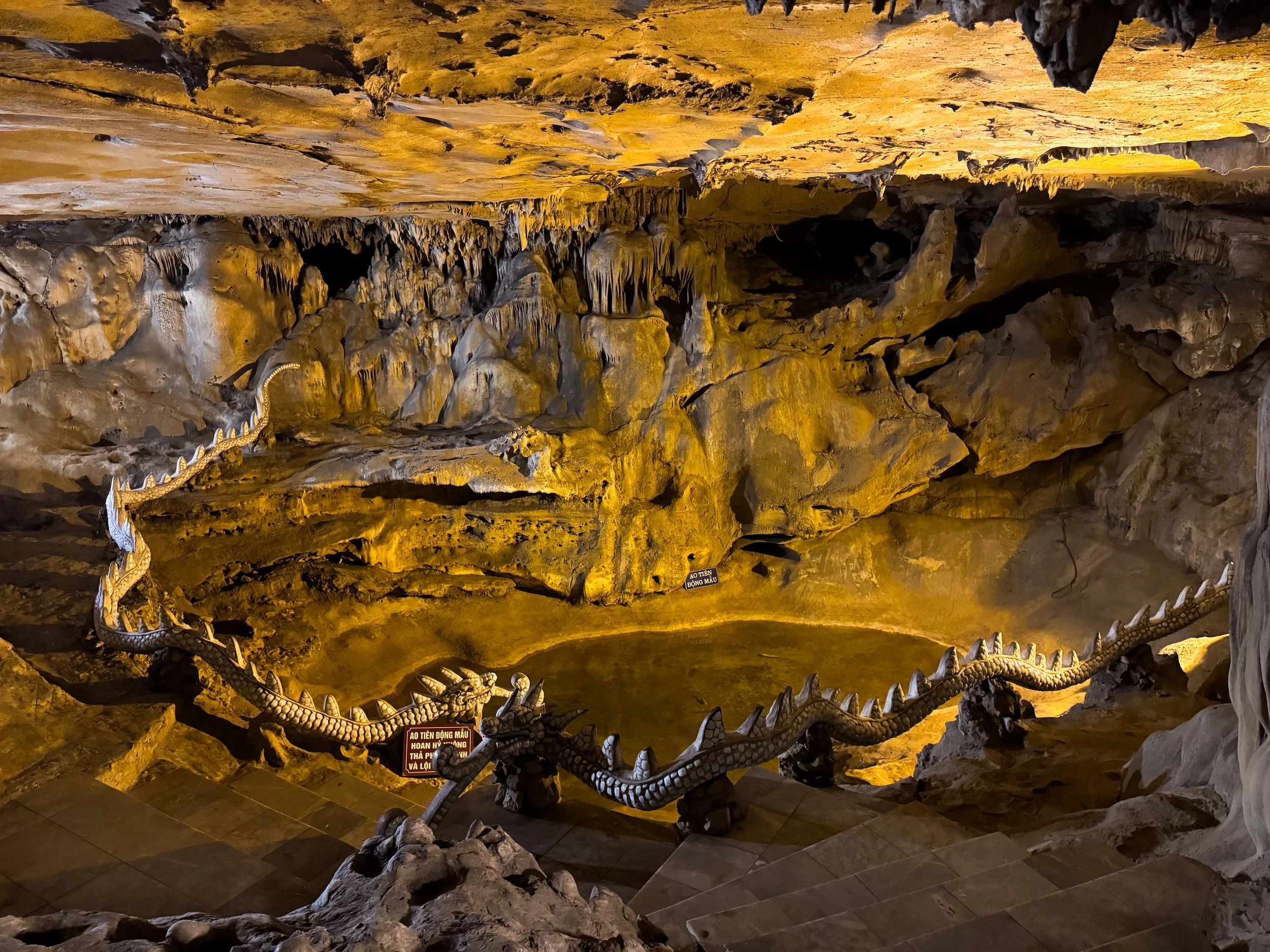
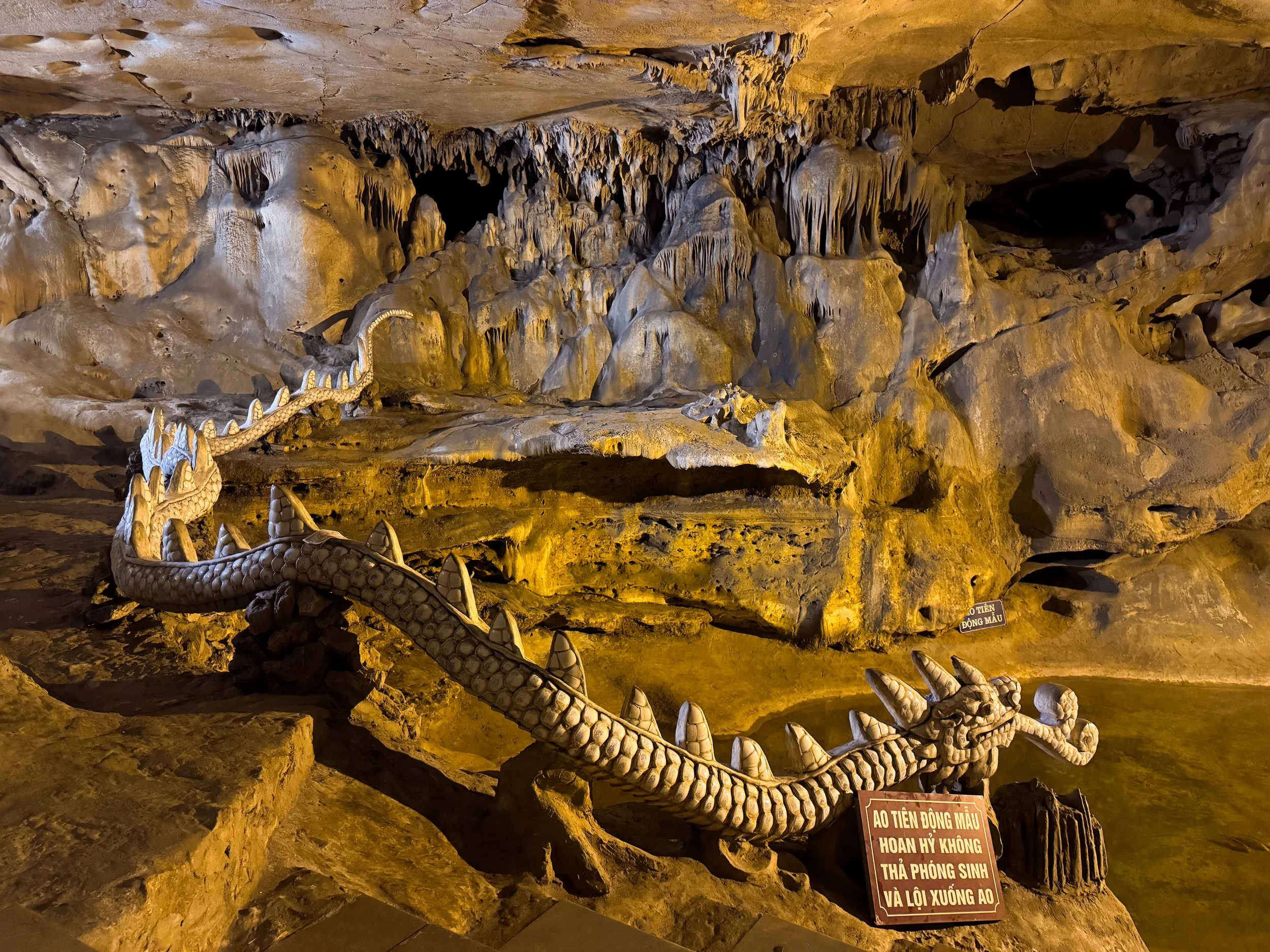
Mother Goddess Worshiping Cave. A sacred cave with several Buddhist altars and a natural hot spring surrounded by winding statues of two sea dragons.
The Hoa Lu Ancient Capital
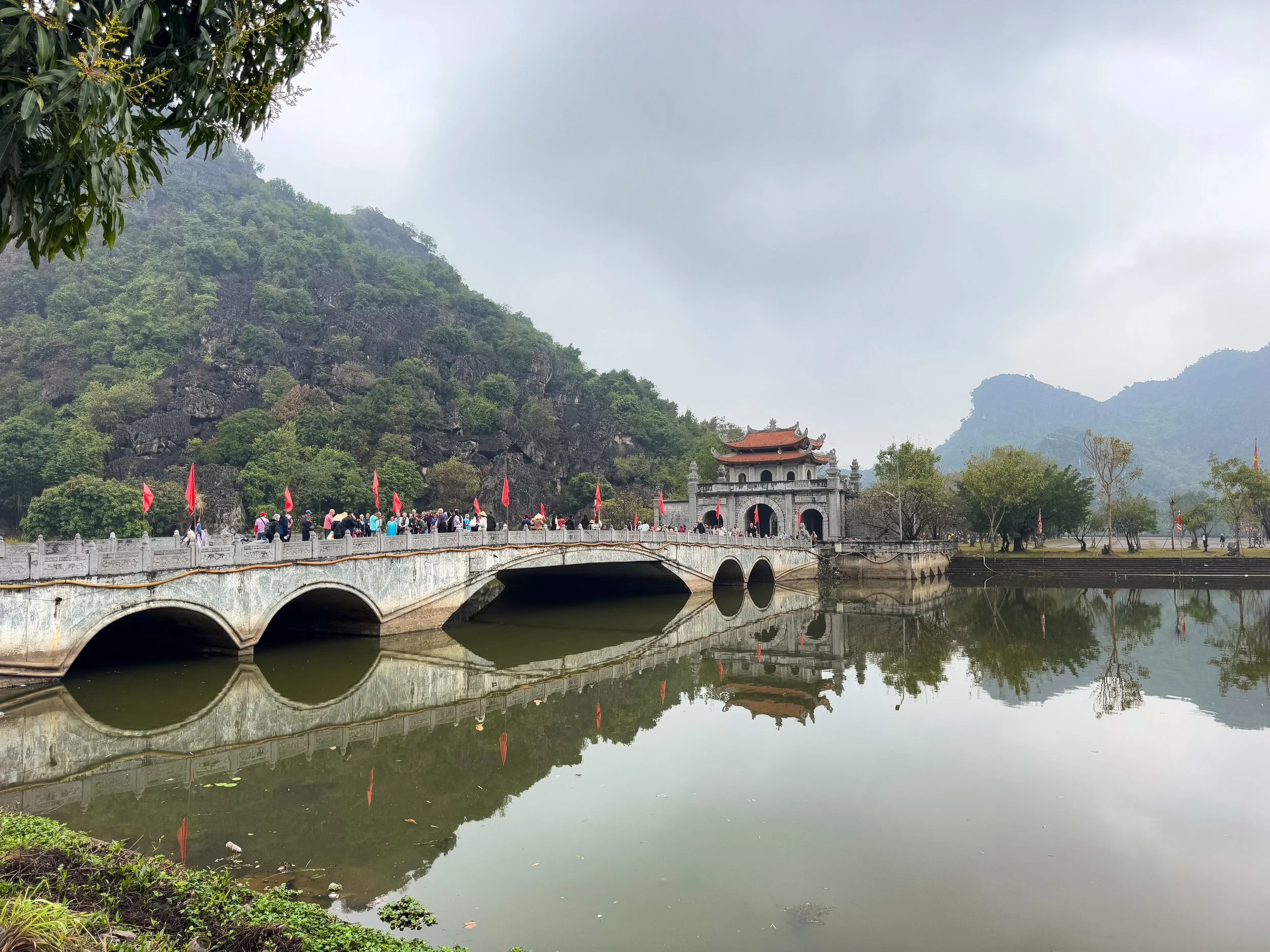
Hoa Lu is the site of Vietnam’s Ancient Capital with royal temples, pagodas and the tombs of past emperors. It’s culturally significant to the Vietnamese and an important part of the country’s history.
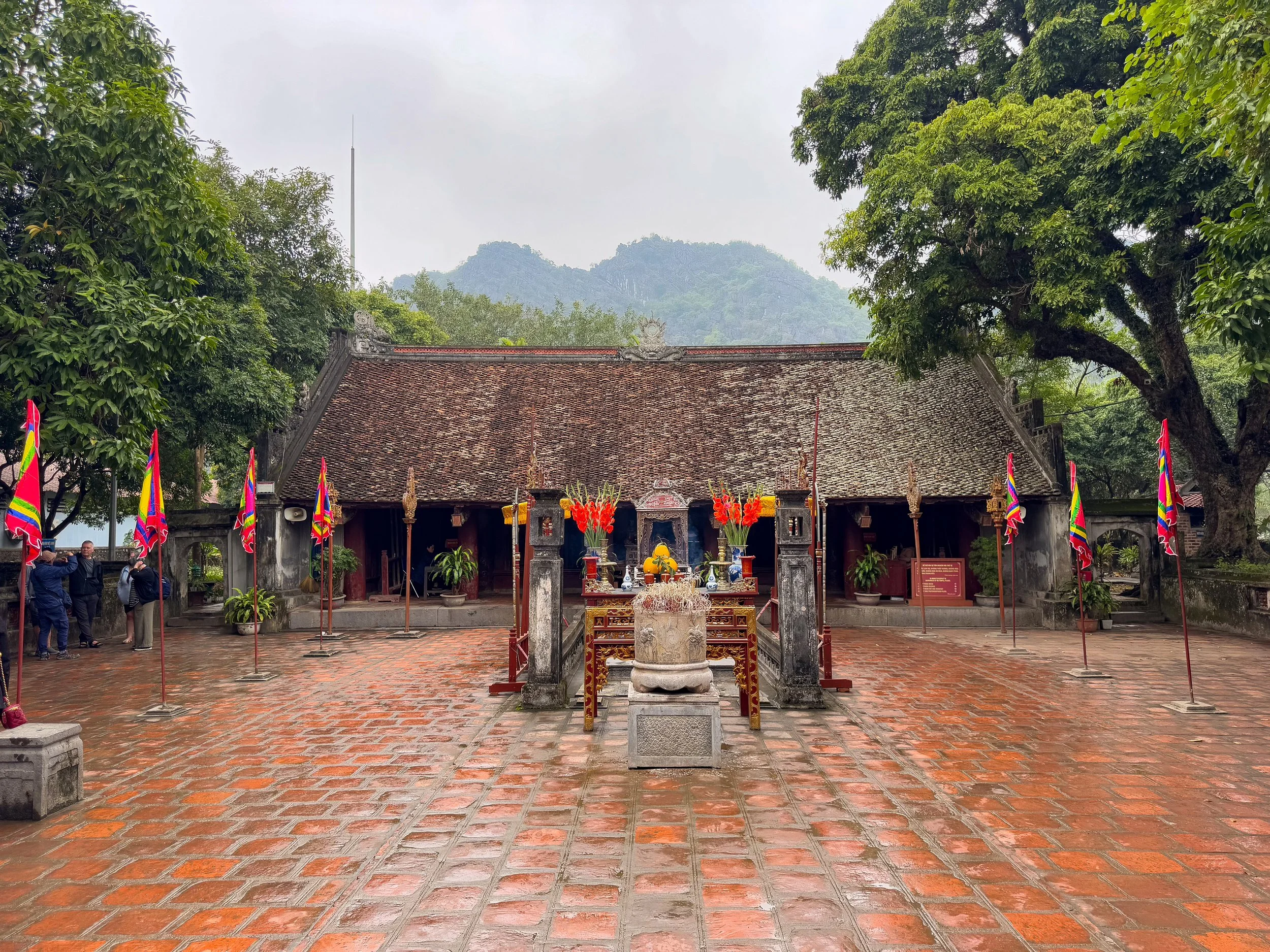
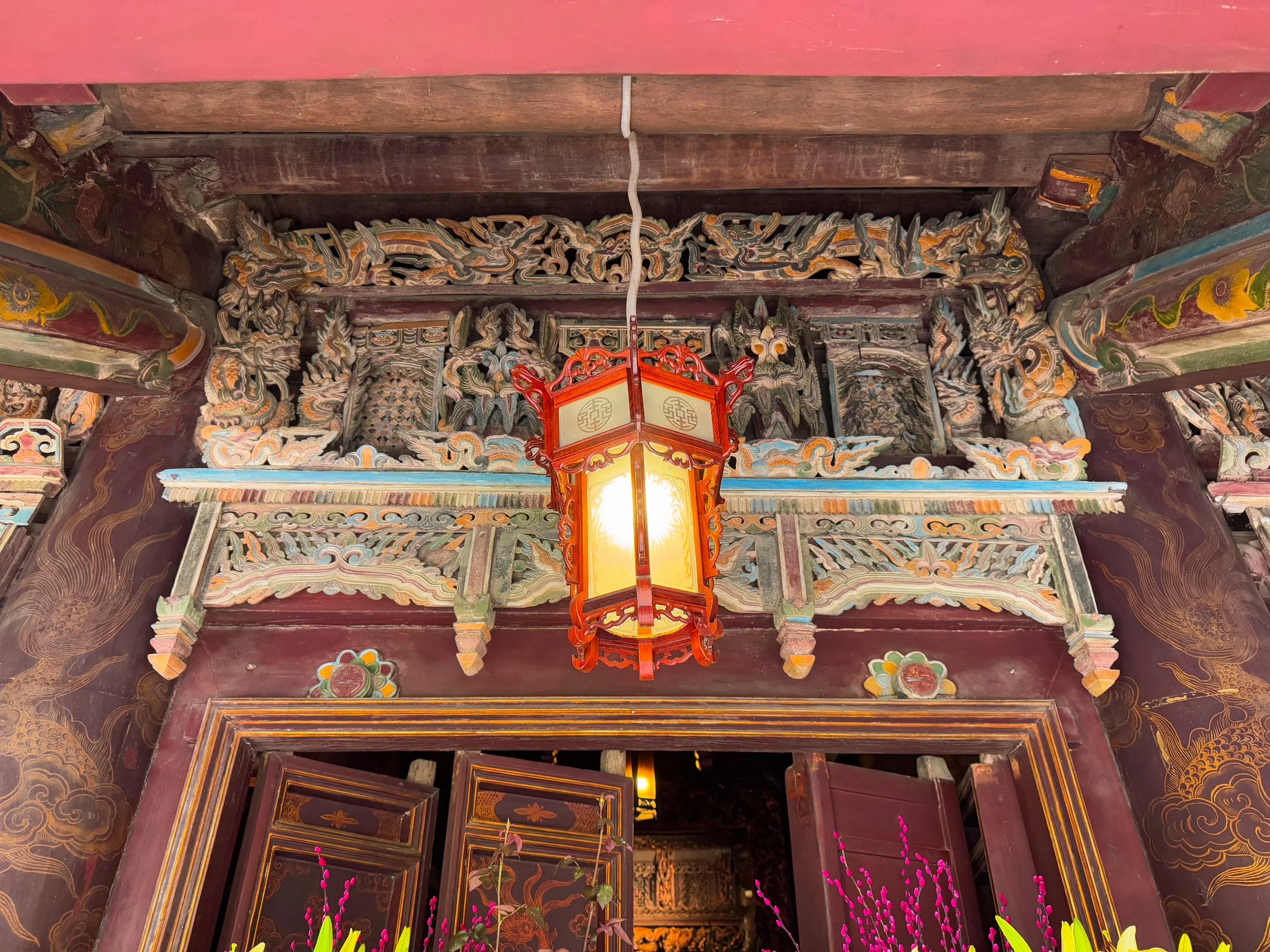
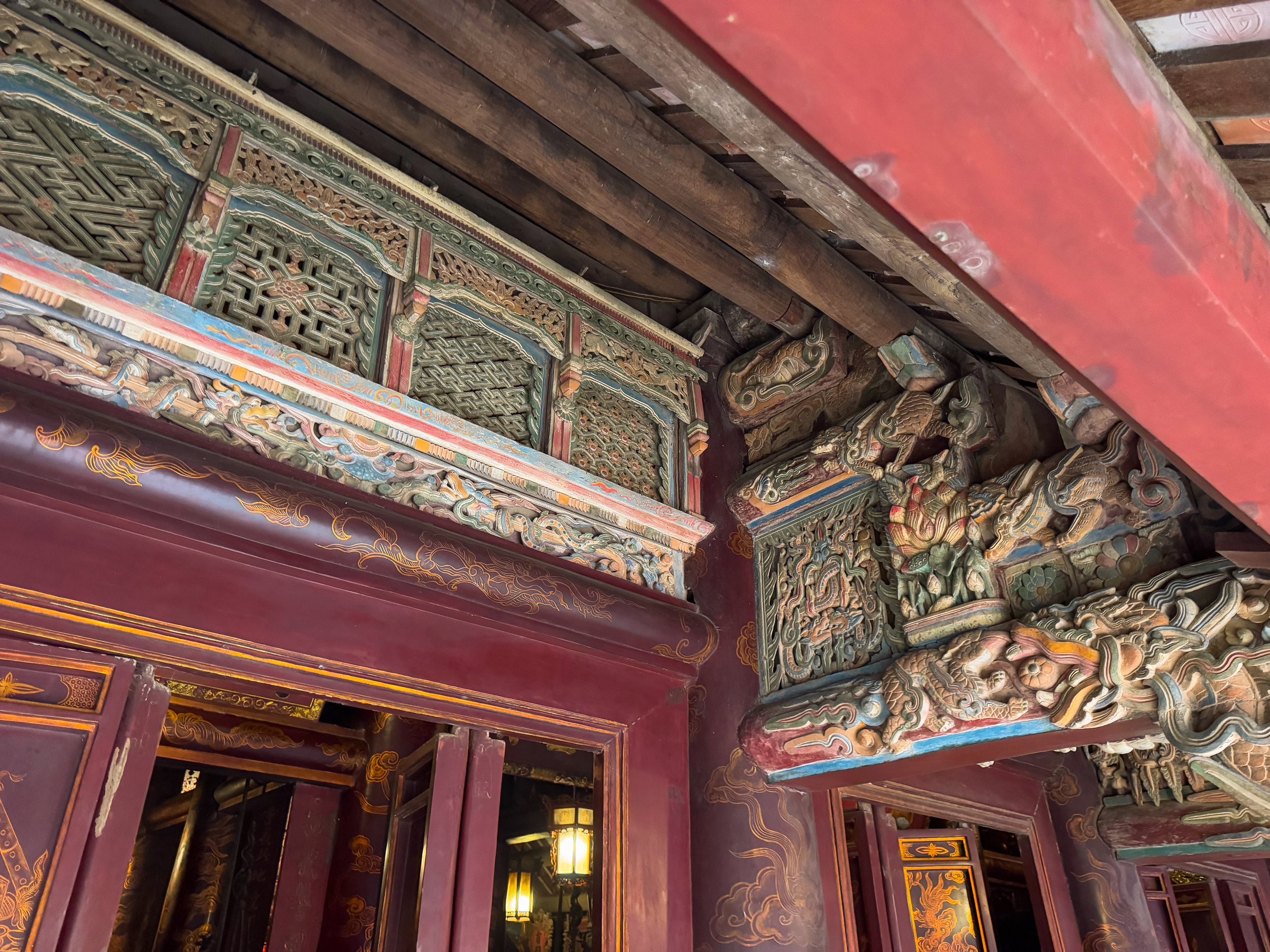
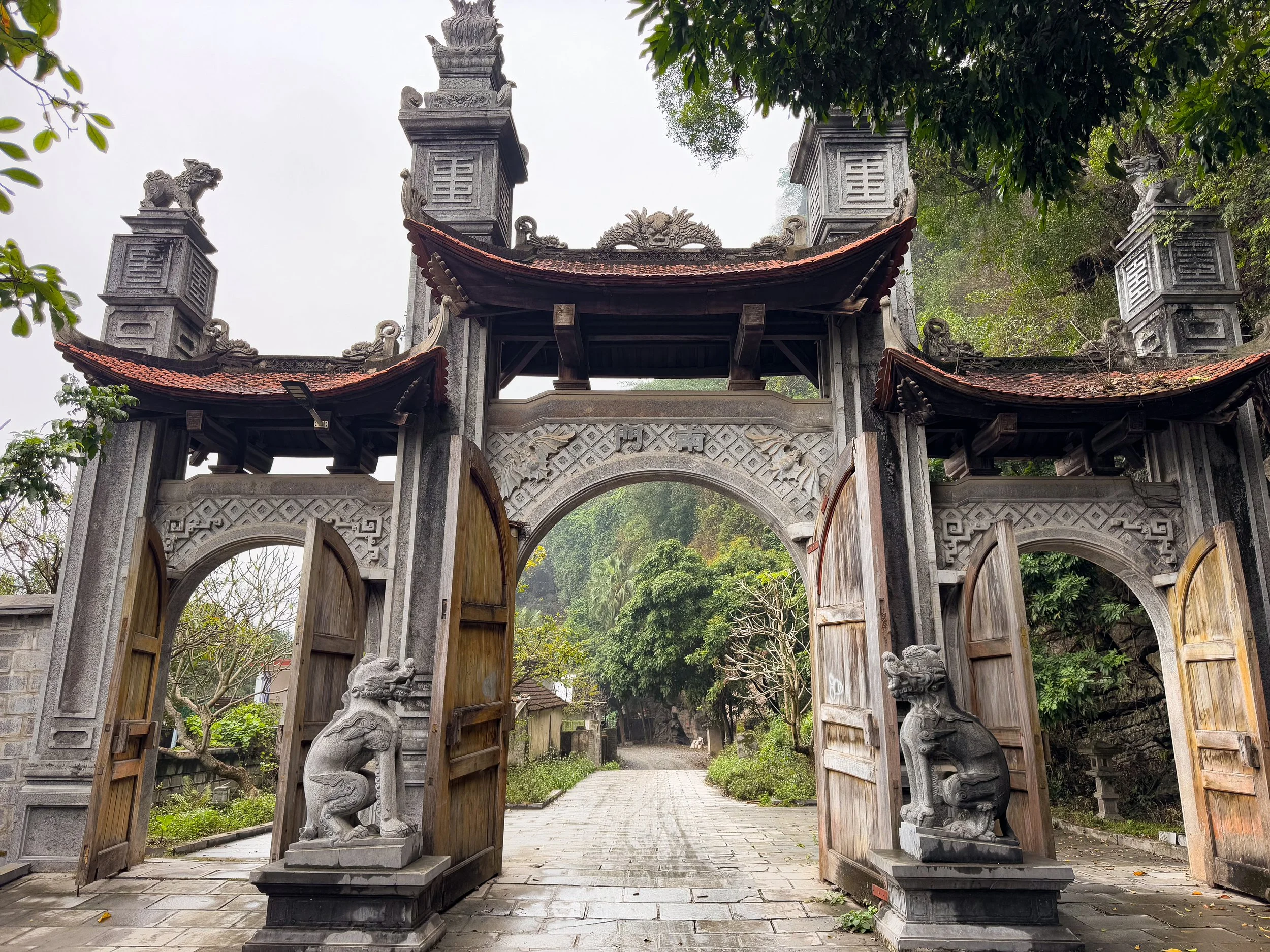
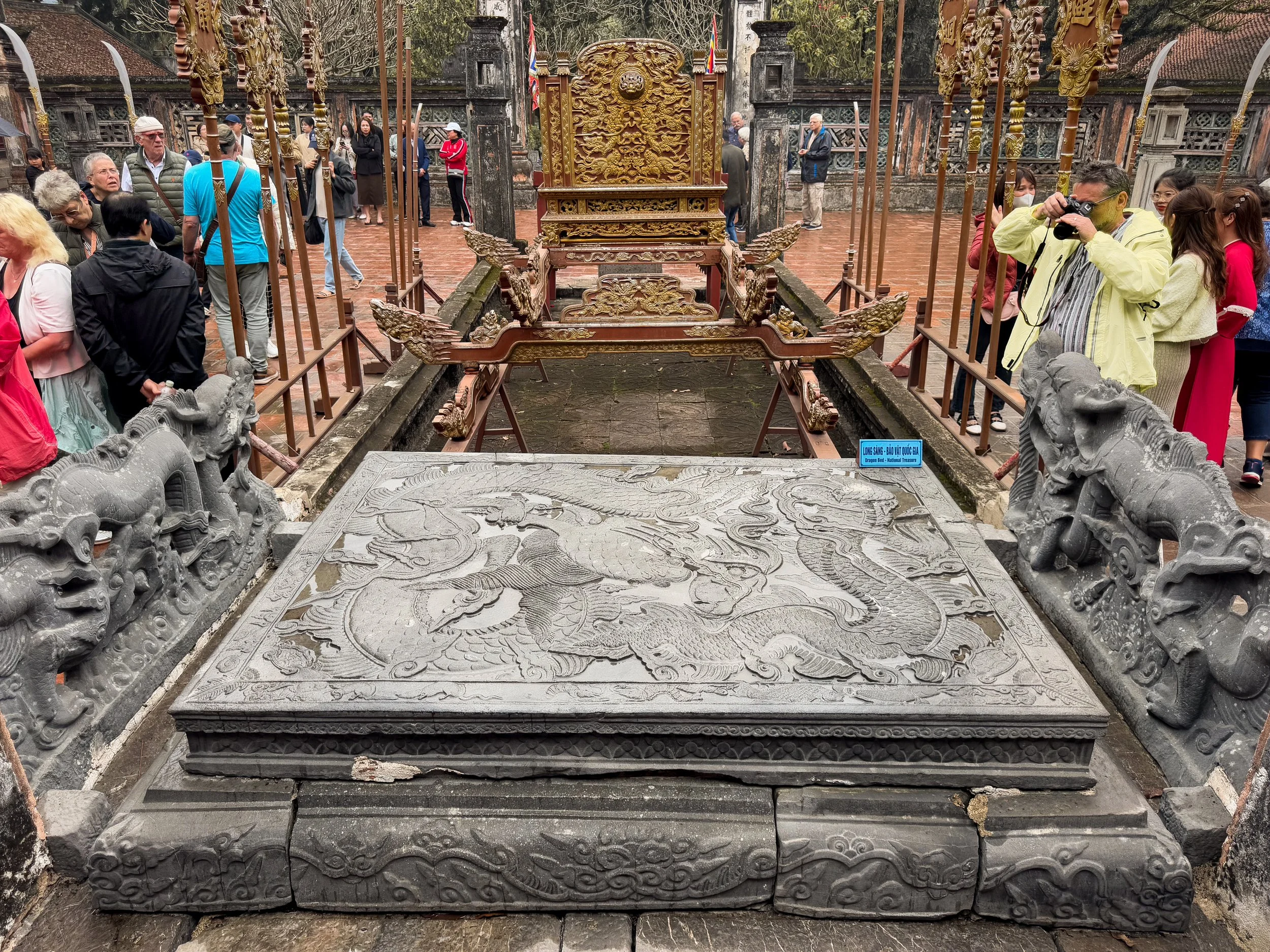
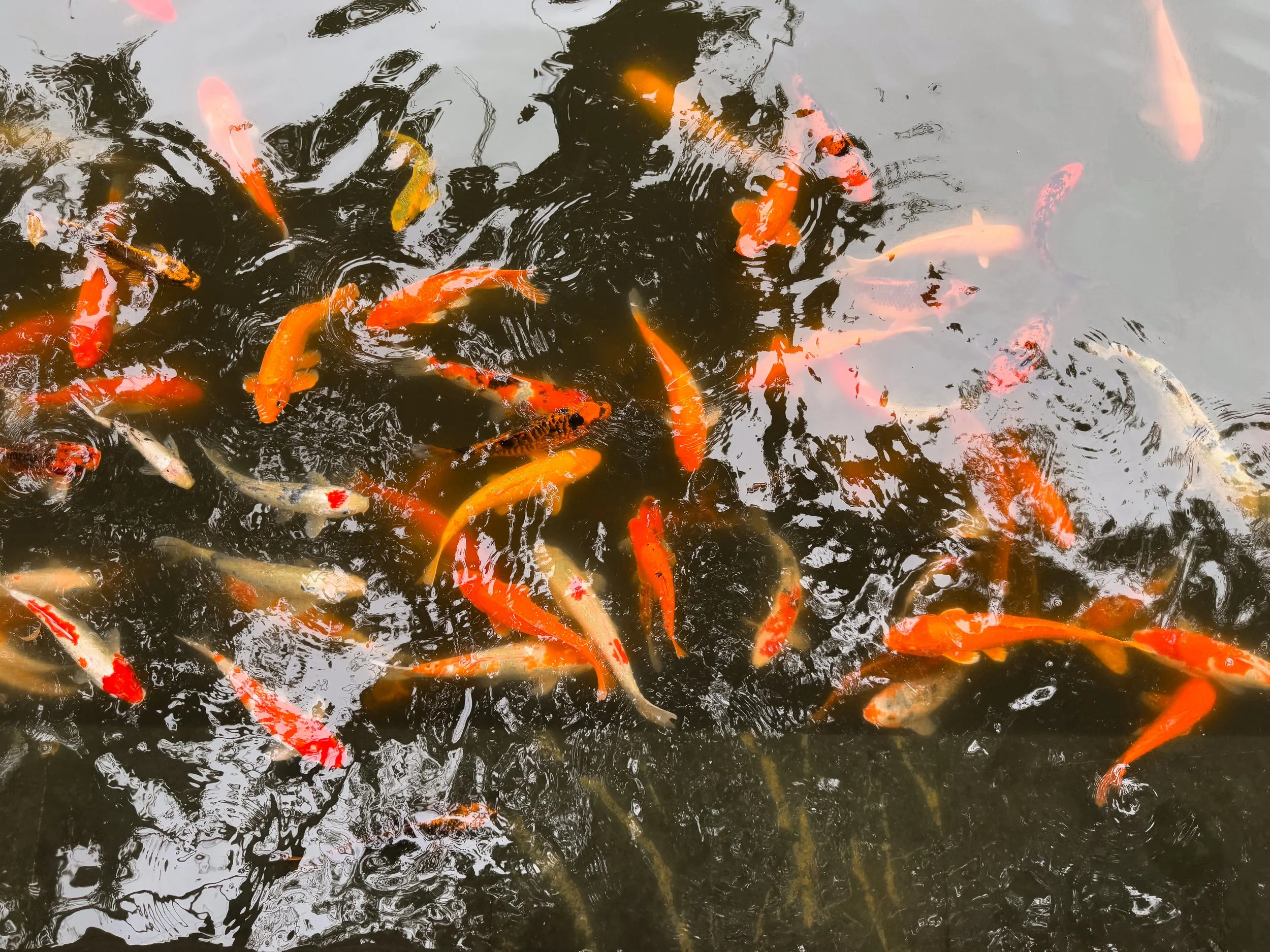
Dinh Tien Hong King Temple. A temple dedicated to the first king of ancient Vietnam credited with unifying the country during the 9th century. Multiple gates and tranquil courtyards with koi ponds lead to the main temple. Stone stelae sitting on statues of turtles, a reproduction of the emperor’s throne and a stone dragon bed are placed throughout. Inside its intricately carved wooden and stone facade are statues of the former emperor. People often pray to him and pay him tribute.
Le Dai Hanh King Temple. A temple dedicated to a revered king from the 9th century responsible for expanding ancient Vietnam’s growth and prosperity. It’s very similar to the previous temple with a slightly different courtyard.
Tomb of Emperor Le Dai Hanh. The burial site of a Vietnamese emperor built against the backdrop of the mountains facing a rice paddy. It’s located 1km from the temple and much lesser visited.
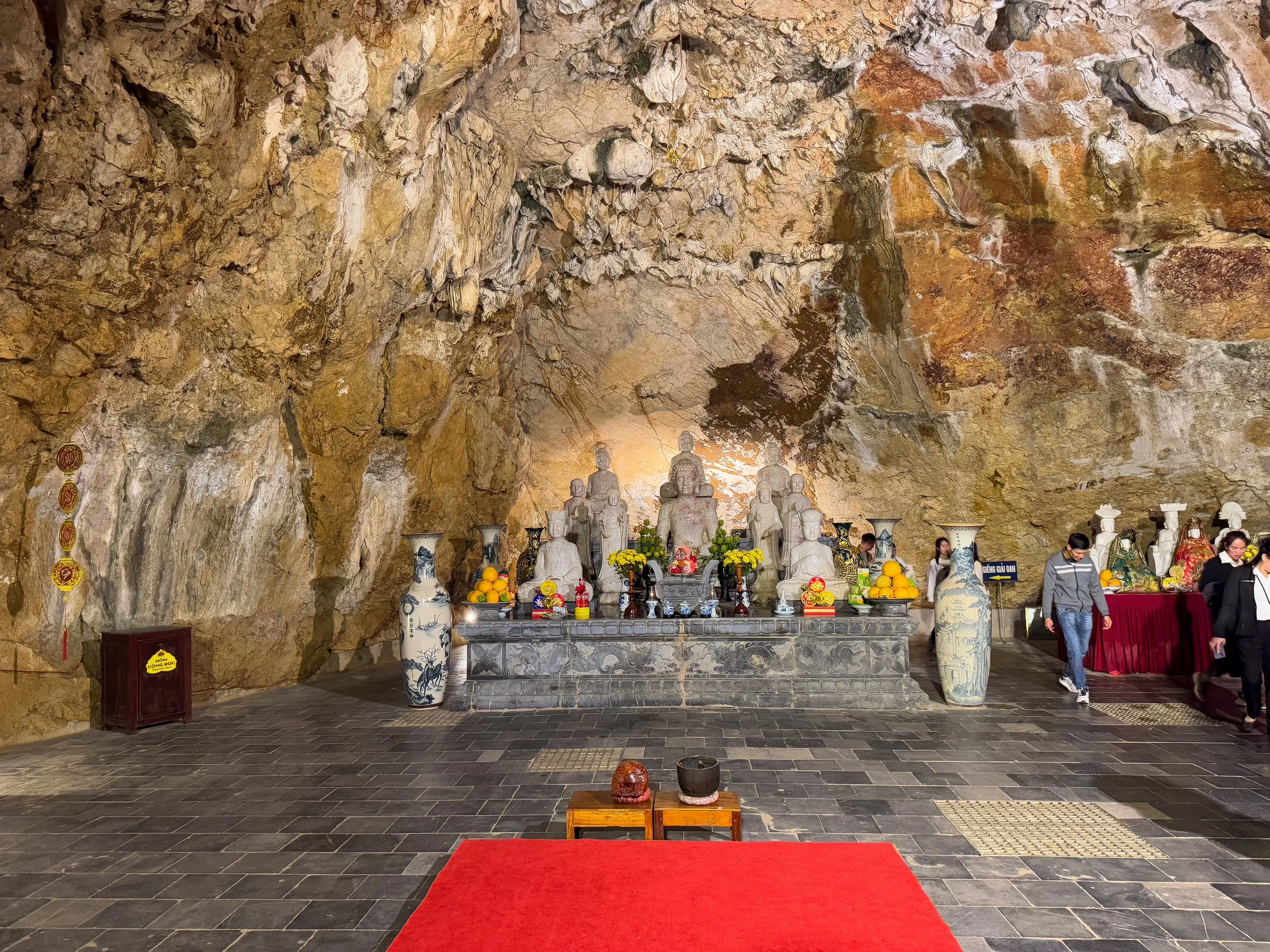
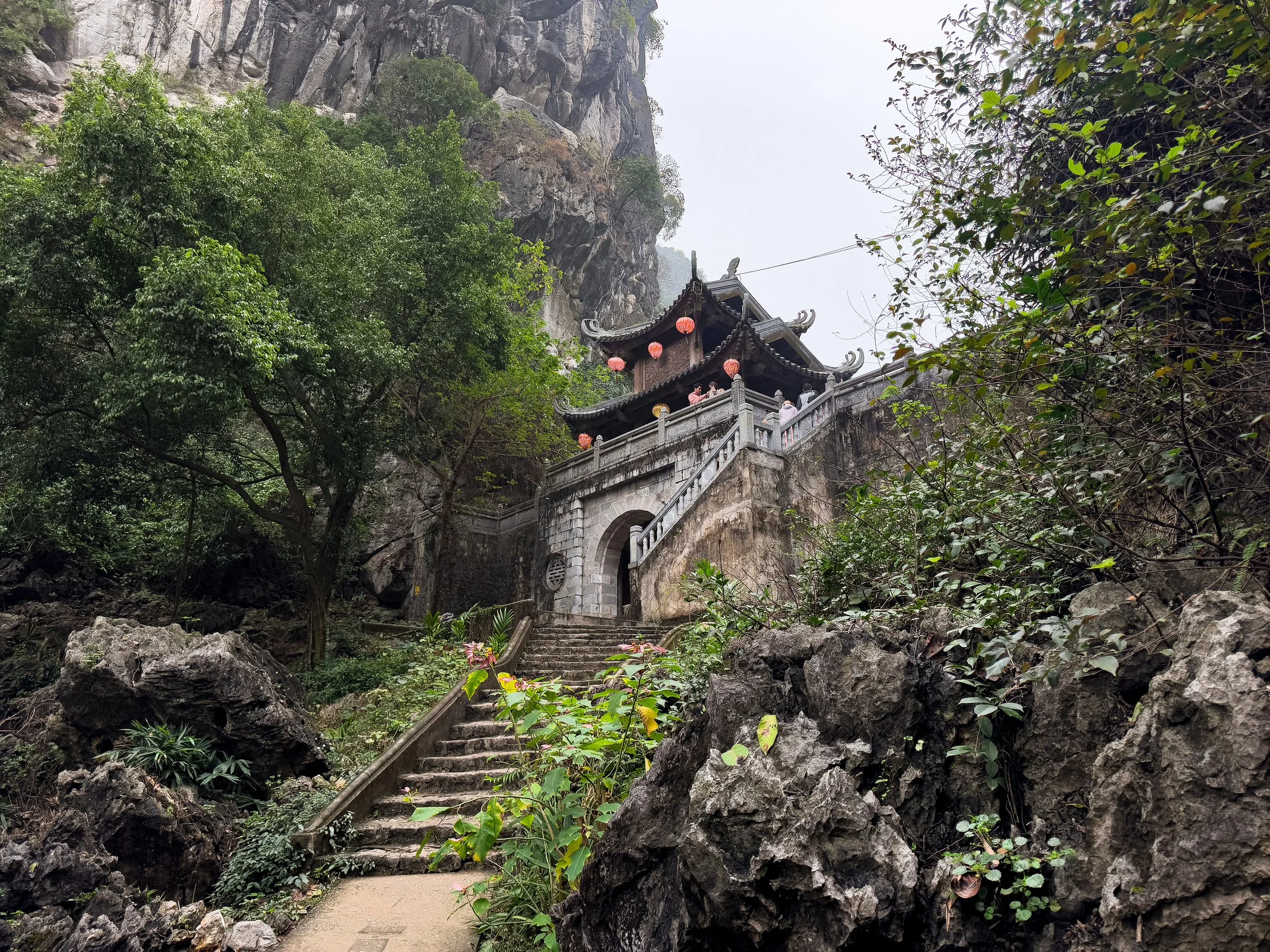
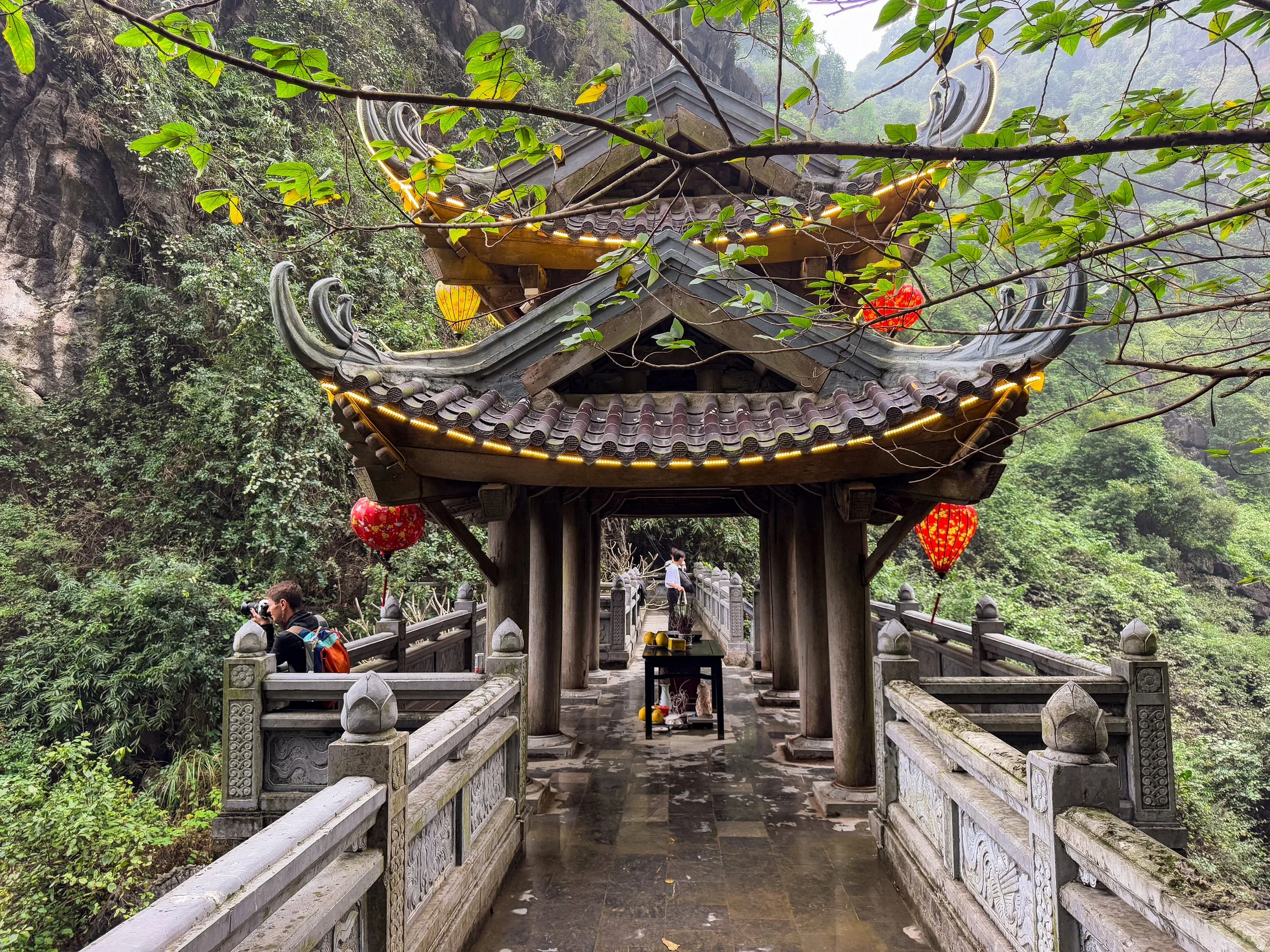
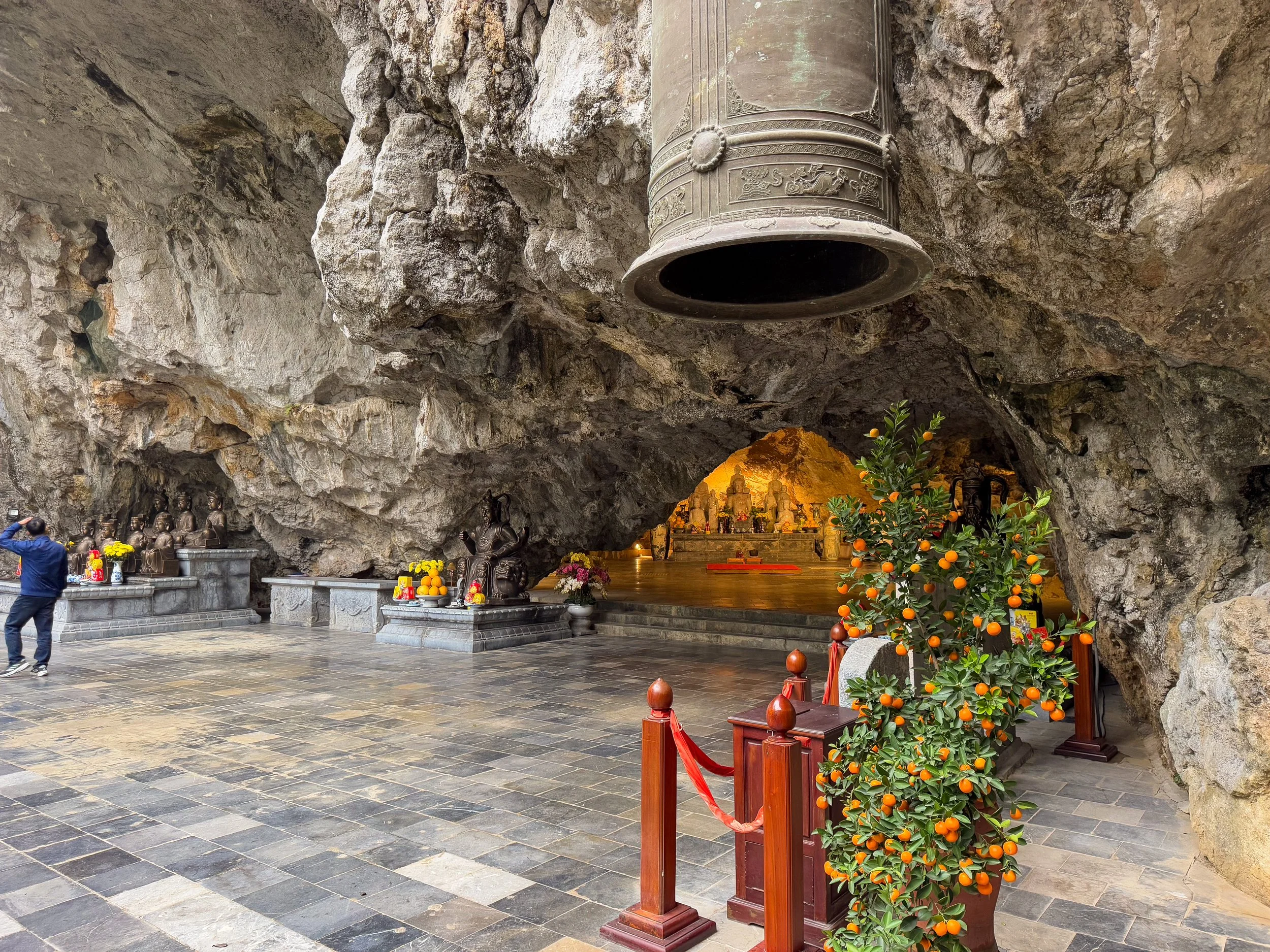
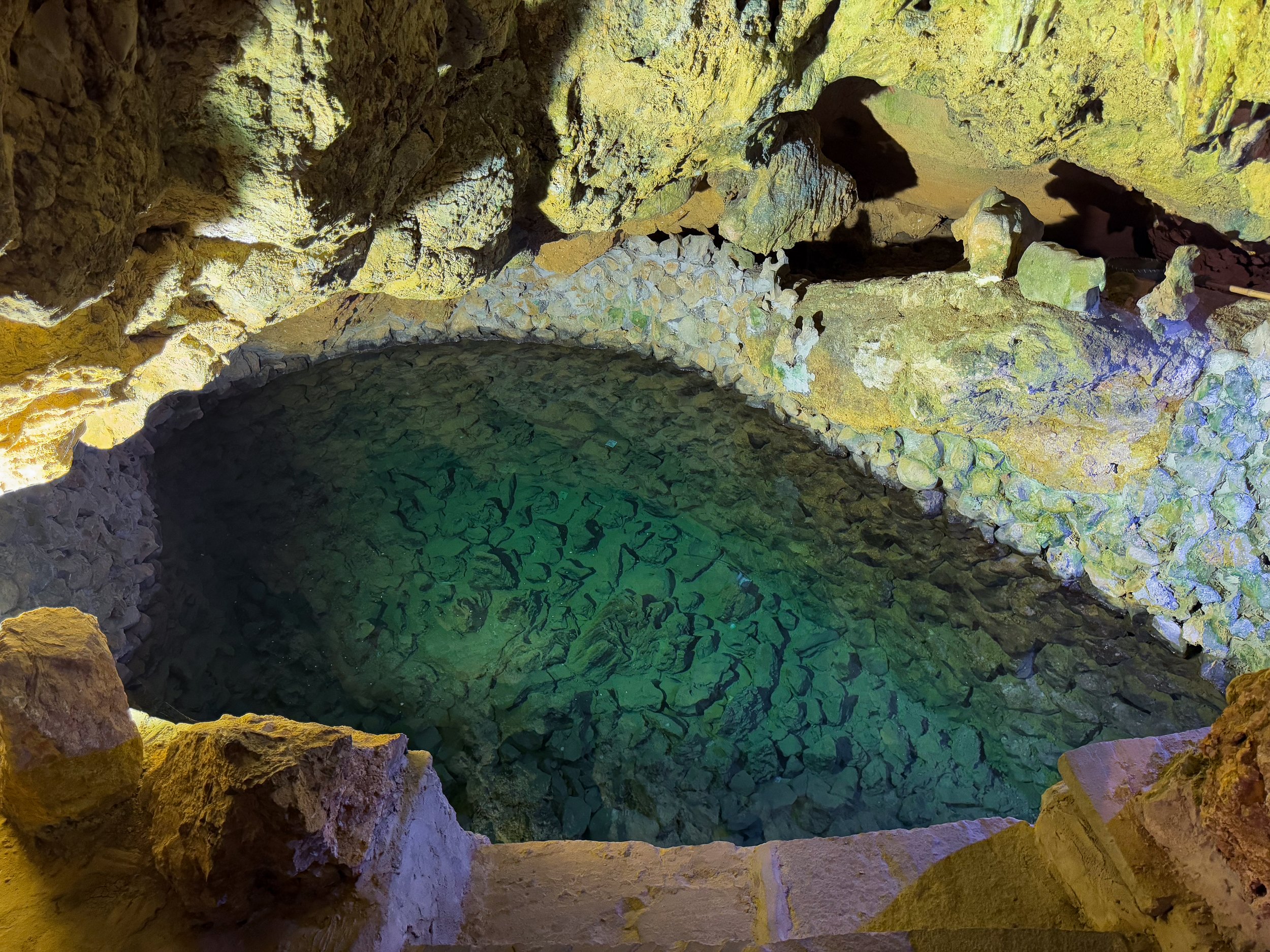
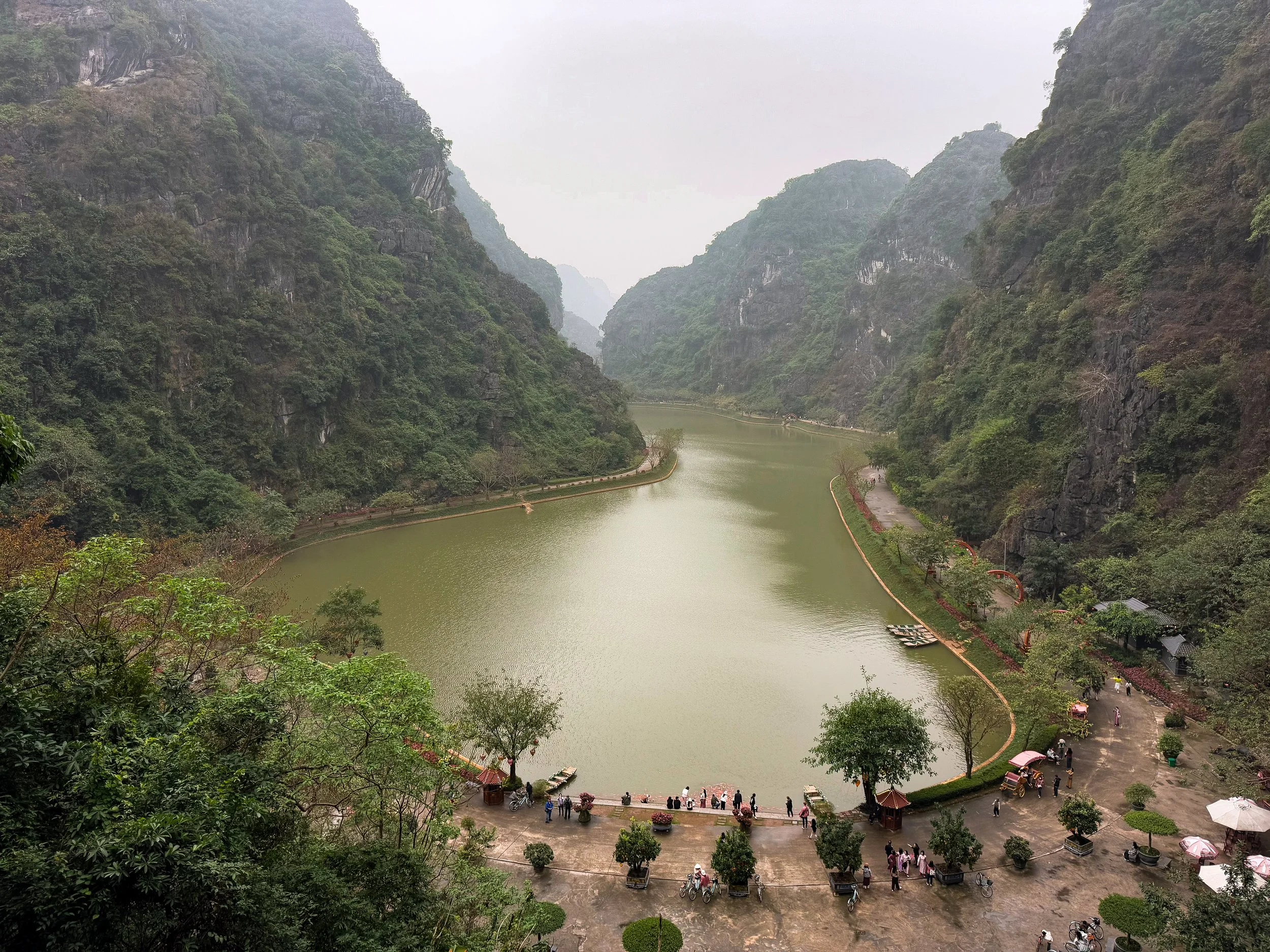
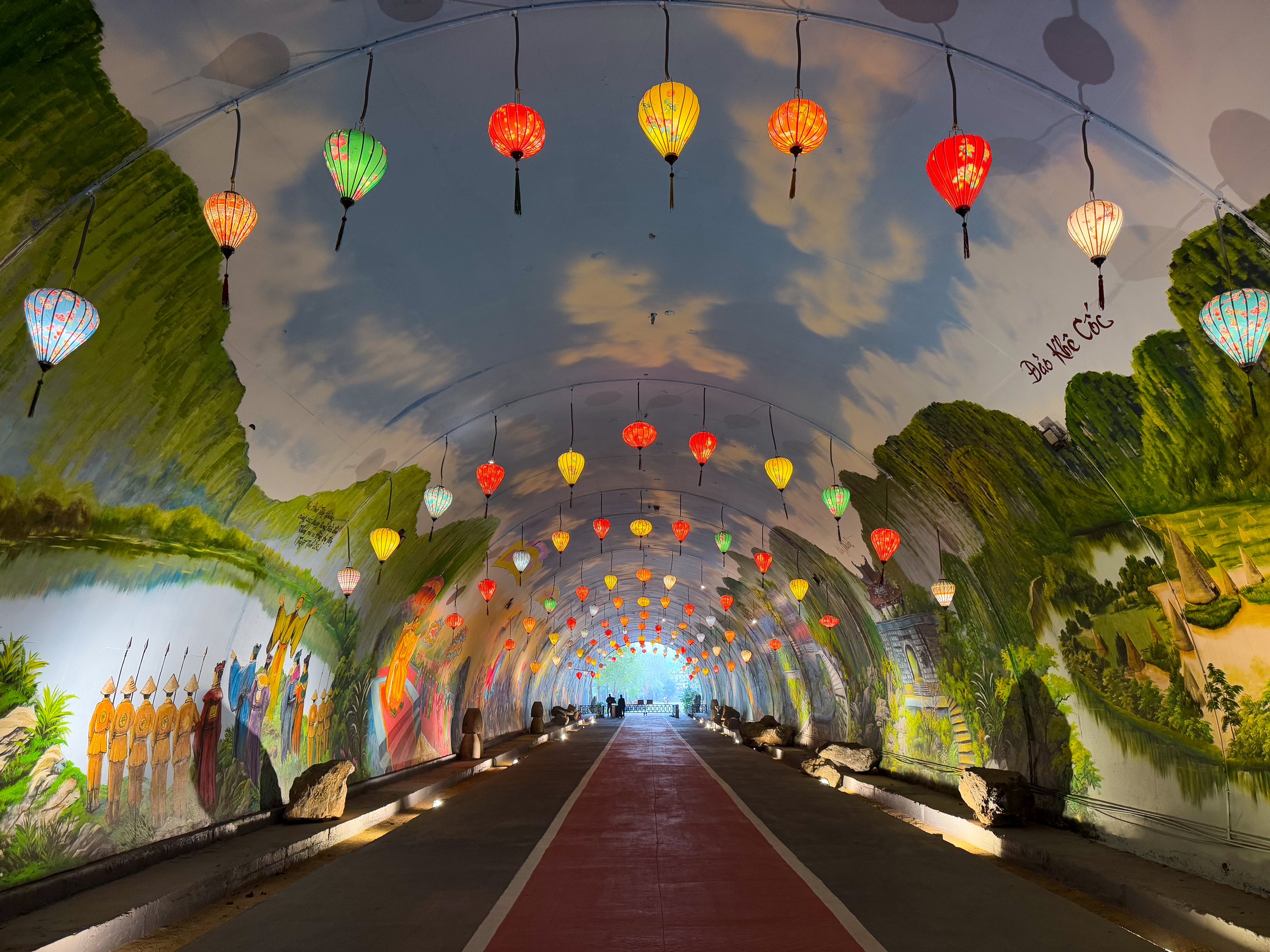
Tuyet Tinh Coc (Buddha Cave)
A lake park surrounded by karst mountains with Buddhist temples at its two ends. The park is accessible through a tunnel, painted with vibrant murals of Vietnam’s landscape, history and legends. At one end of the lake is a cliffside cave with golden Buddha statues and a sacred spring inside. On the opposite end of the lake is a wooden pagoda built upon a rocky ridge. People often come here to run loops around the lake, feed the koi fish and picnic.
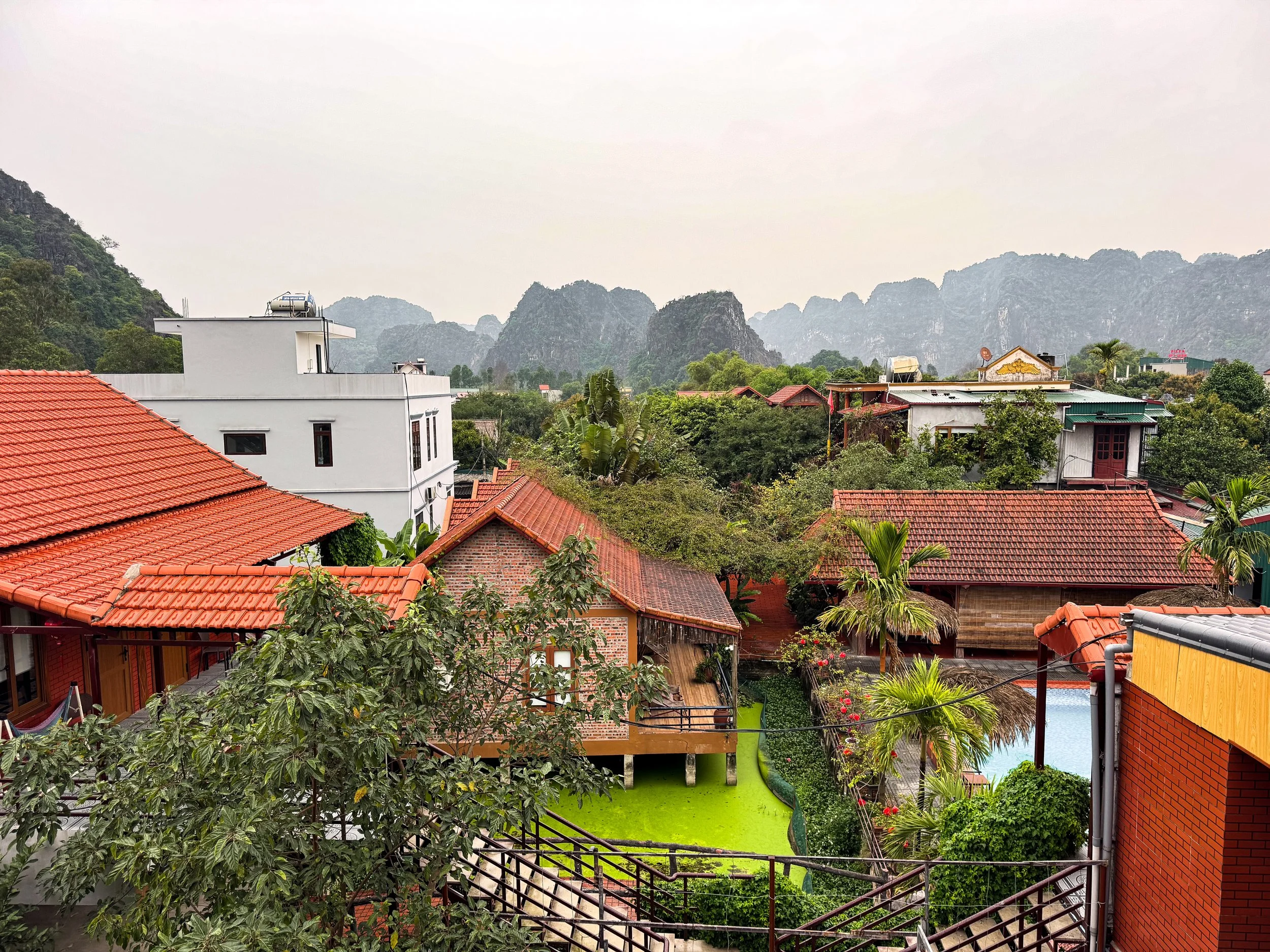
Trang An Village
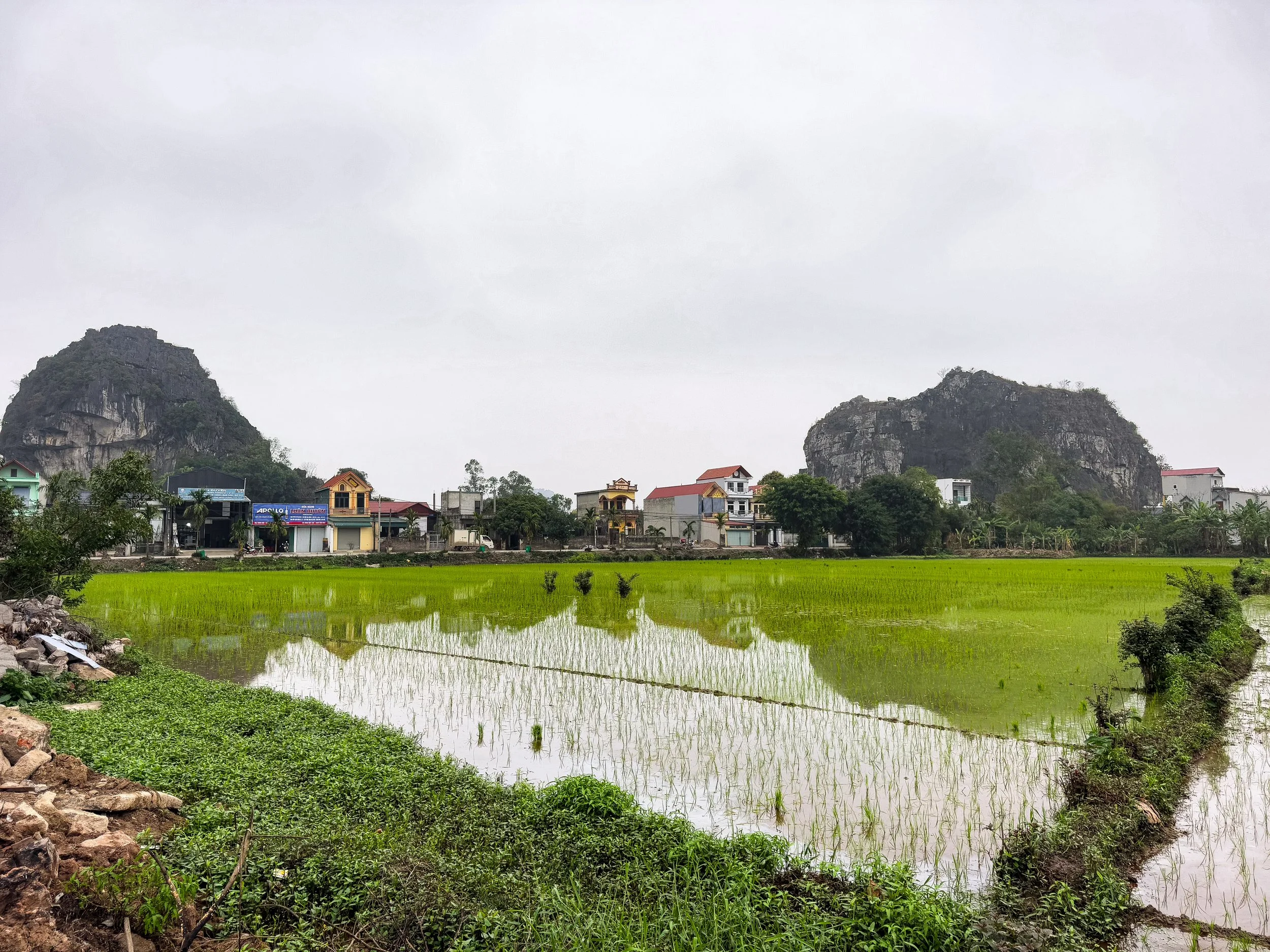
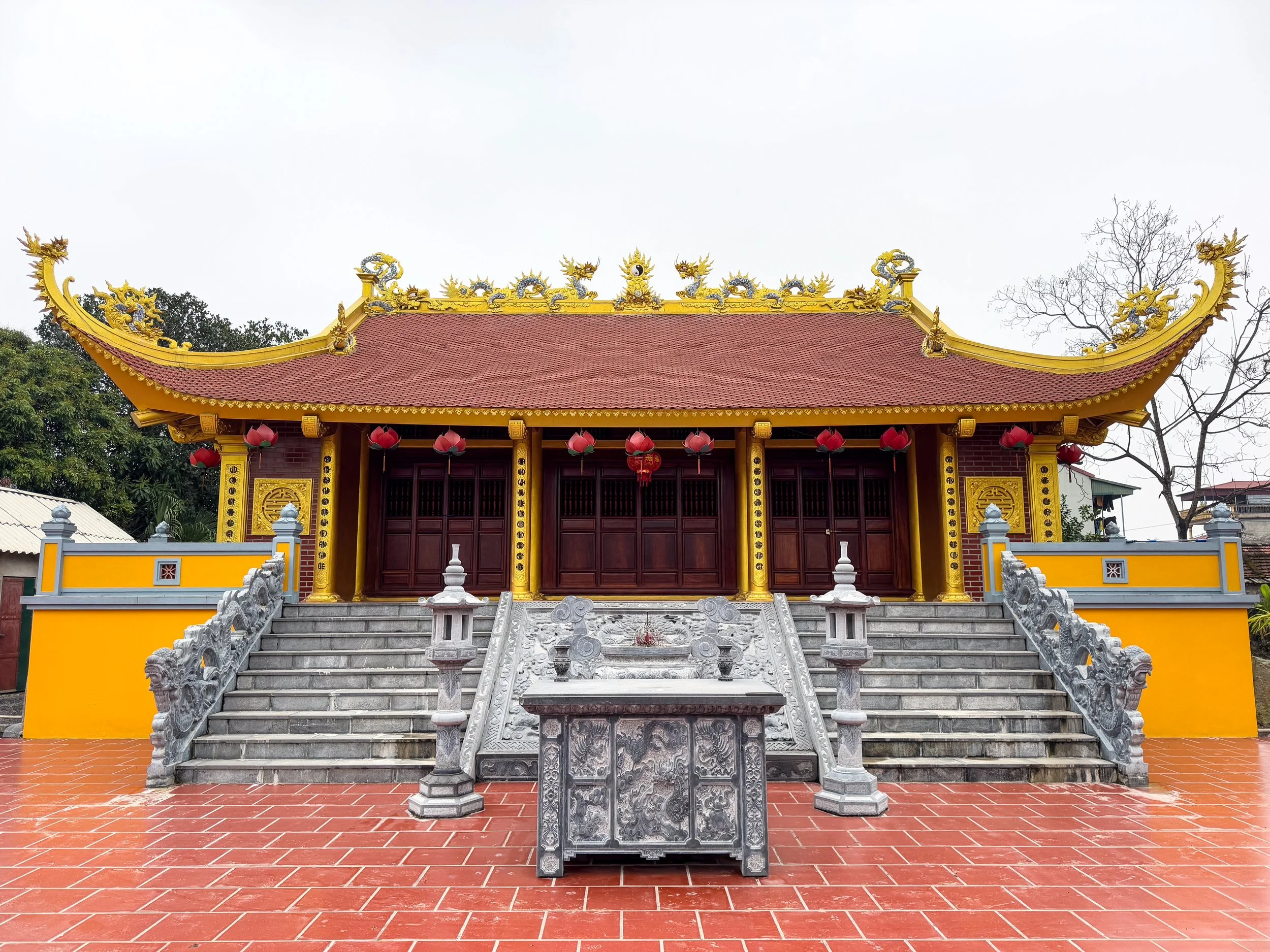
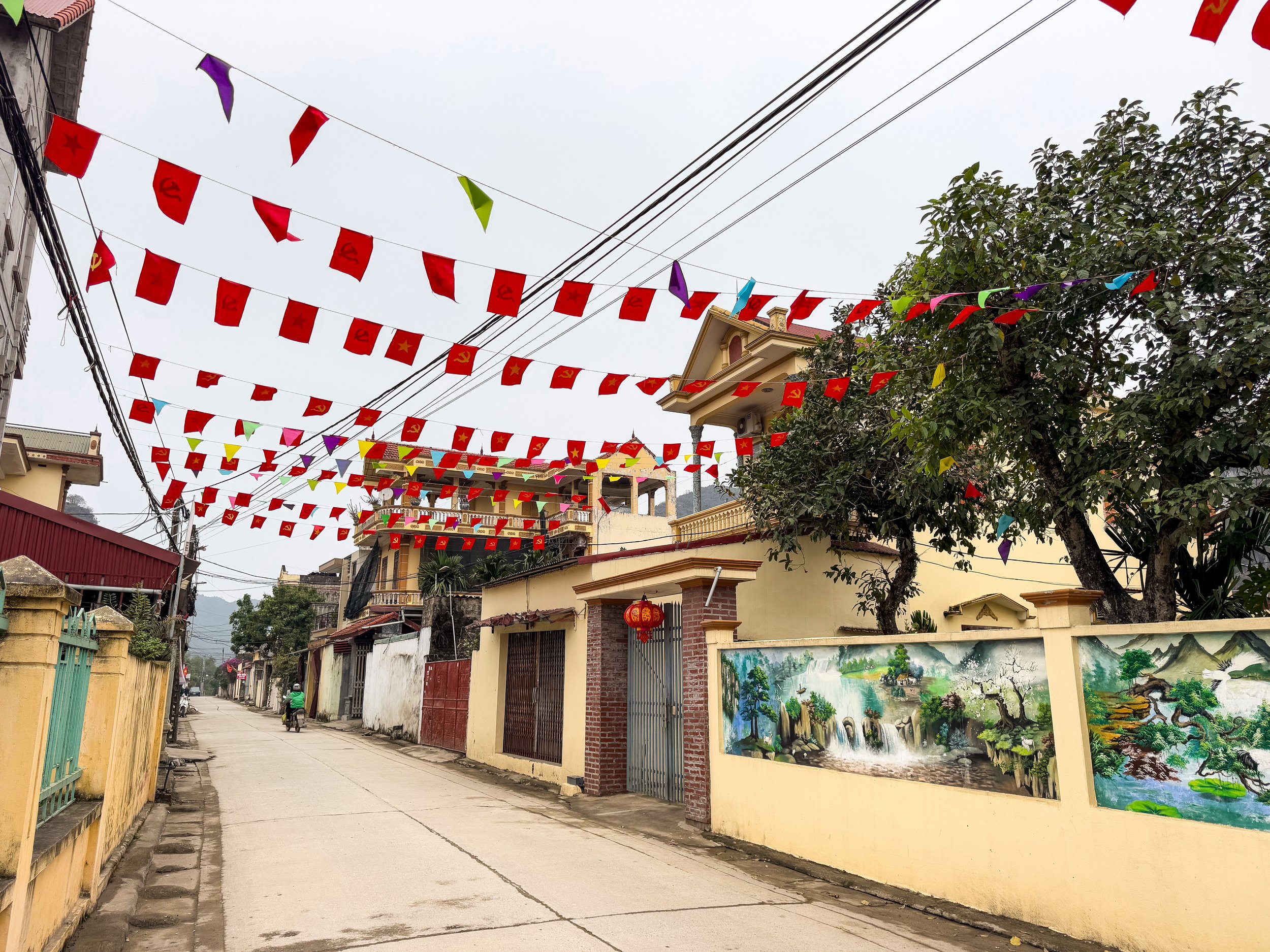
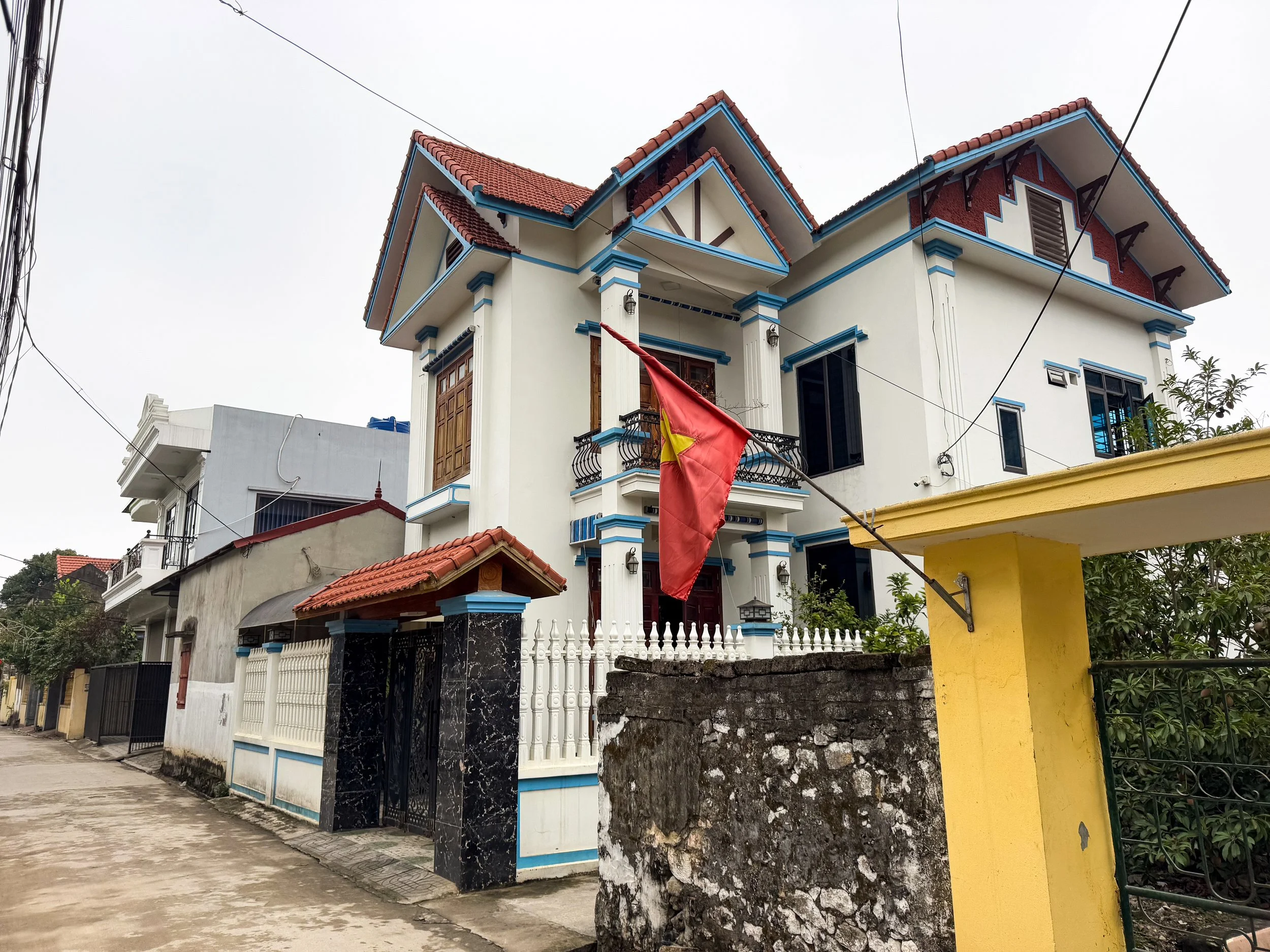
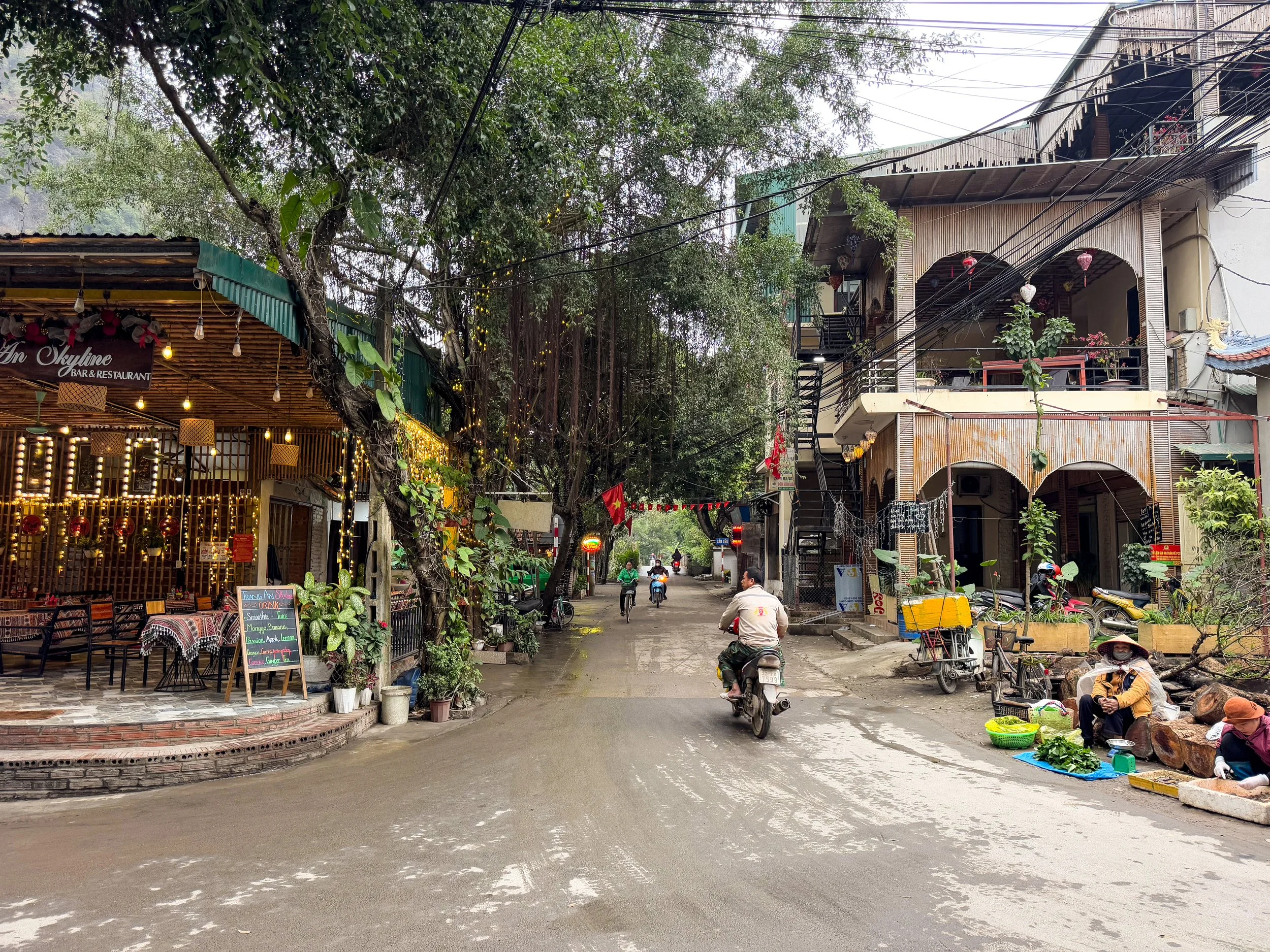
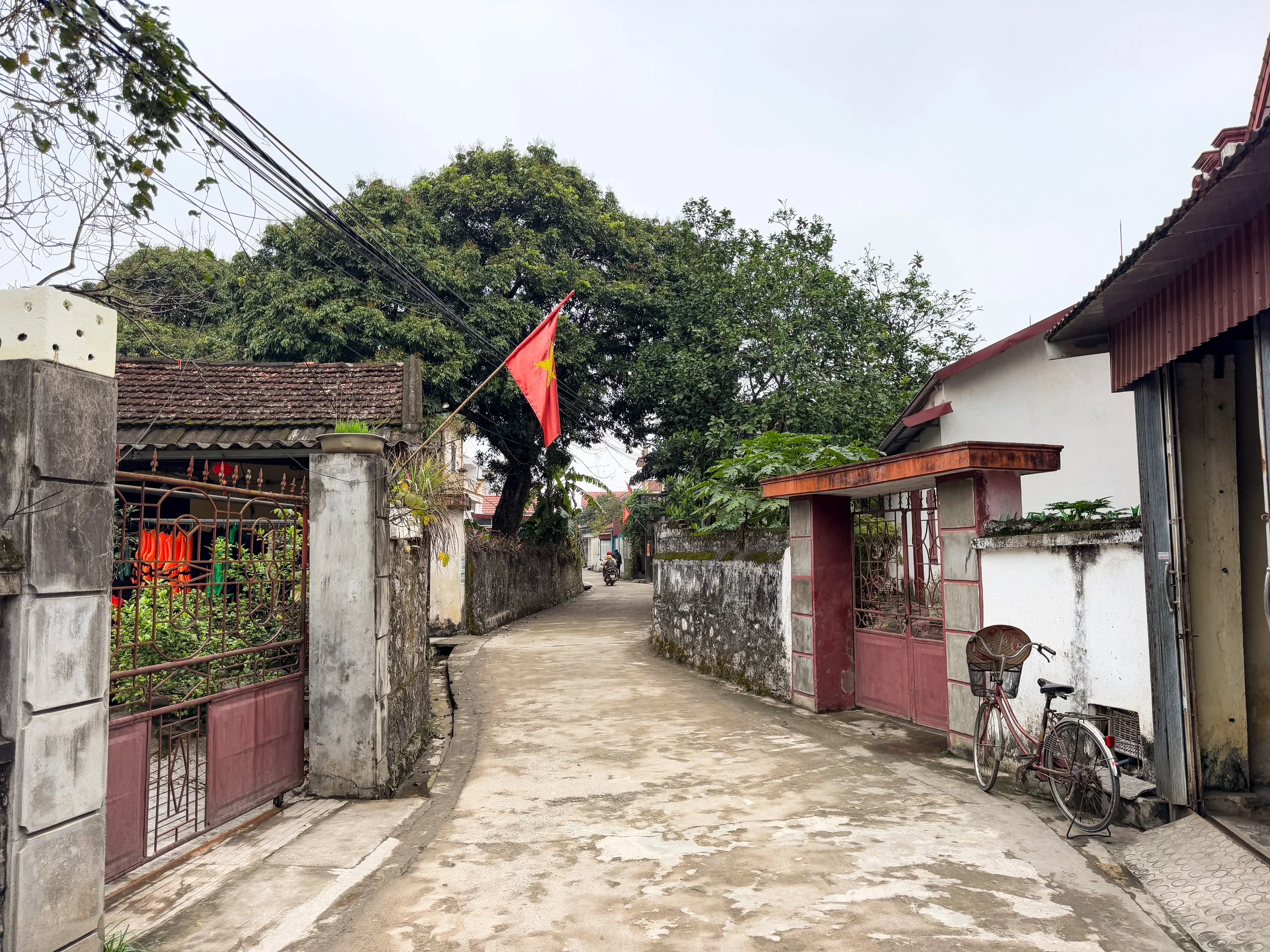
Located near the entrance in Trang An between rice paddies and karst formations is the rural village of Xuan Ang Ngoai. It’s lesser visited and has an authentic atmosphere. People fish in the canals, older women sell produce at tiny roadside shops, children play soccer in front of the temple and karaoke echoes from people’s homes at night. The village is popular with backpackers and budget travelers for its homestays. A homestay is a small local run hotel that offers room and board. Throughout the town are affordable restaurants and cafés. It’s the perfect spot for biking to Trang An, Tam Coc and the Ancient Citadel without the need to hire a guide or join a tour.
Vietnamese Cuisine in Ninh Binh
The cuisine in Ninh Binh is similar to that of many other places in Vietnam. Dishes like pho, banh mi, spring rolls, rice and noodles are commonly eaten and served. There are some dishes that stand out.
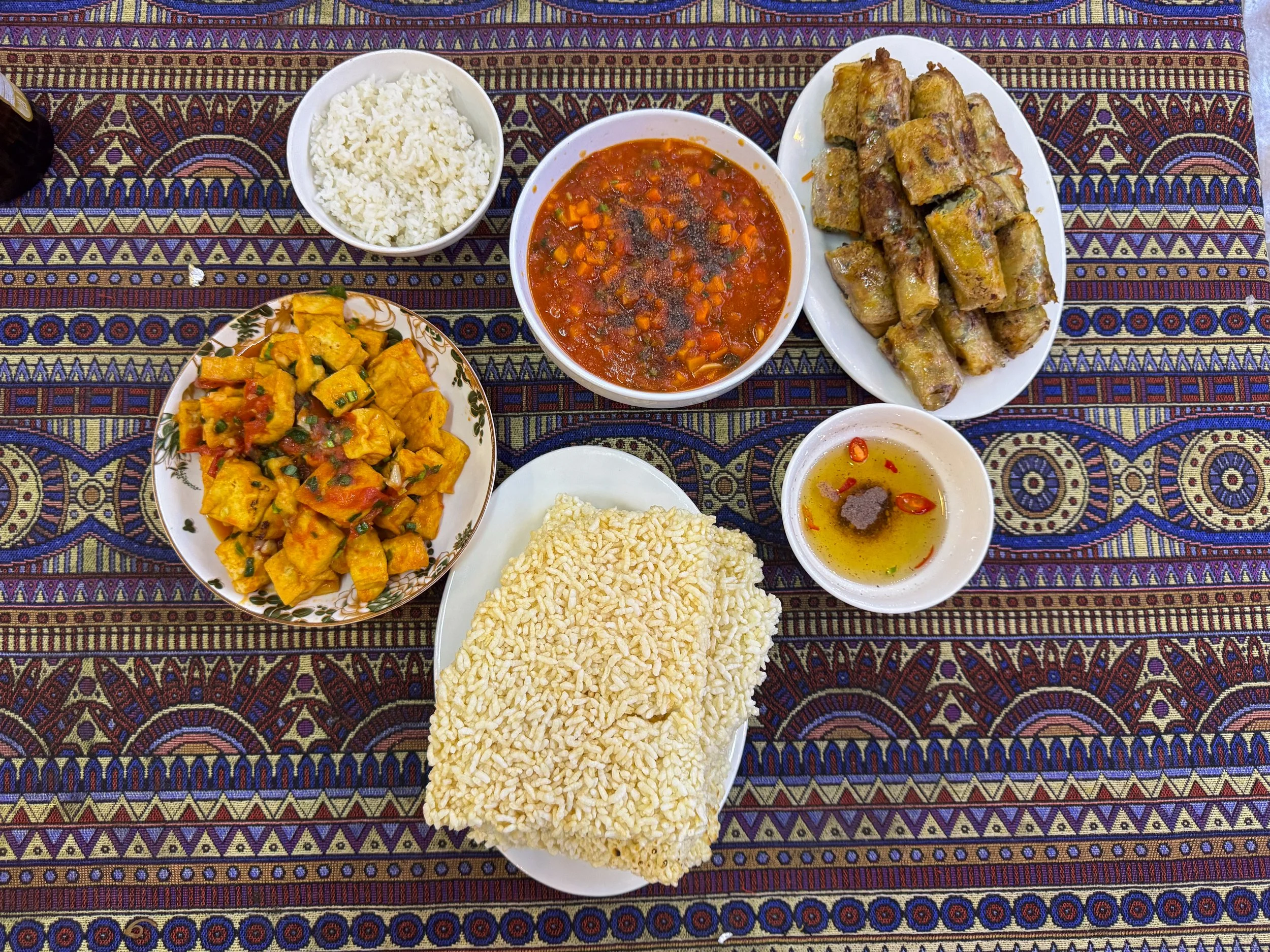
Fried Tofu. Fried tofu stewed in a variety of sauces. The two most common styles are tofu with lemongrass and tofu with tomatoes.
Burnt Rice. Large puffed rice crackers served with a savory dipping sauce or stew made from meats and vegetables.
Dumplings. Crispy pan fried dumplings stuffed with meats, vegetables or seafood.
Bao. Puffy steamed bread rolls. They’re eaten at breakfast or as a snack.
Places to Eat & Drink
Restaurant Trang A Riverside Garden. A riverside restaurant with Vietnamese dishes common in Ninh Binh. We ordered the lemongrass tofu and crispy fish dumplings. The next day, we returned for a round of local beers and game of pool.
Trang An NP. A roadside restaurant in the village with generous portions of local dishes. We tried the burnt rice with vegetable stew, the crispy spring rolls and tomato tofu.
Café The Began. A small café with Vietnamese and European style coffees. We visited one morning for a brown coffee (coffee with sweetened condensed milk). While sipping on coffee, we played a game of chess.
Getting Here & Around
By Transfer. To reach Ninh Binh, we took a door to door transfer from Hanoi. The trip took about two hours. On our return, we were dropped off at the airport in Hanoi. Book here to reach Ninh Binh. Book here to return from Ninh Binh.
By Bike. The best way to get around Ninh Binh is on a bicycle. From our homestay, we were able to reach Trang An, Tam Coc and the Ancient Citadel each within 30 minutes. Most homestays offer bike rentals for a small fee. We paid the equivalent of $4 for 2 bikes during our entire stay.
Location Specifics
Card vs. Cash. Cash is the preferred method of payment. Many businesses will not accept credit or debit cards. The Vietnamese Dong is the local currency.
Drinking Water. Tap water is not safe for consumption. It’s best to buy bottled or filtered water.
Safety. Like most of Vietnam, Ninh Binh is safe to visit with no need for extra precautions.
Language. Vietnamese and English are widely spoken, seen on street signs and restaurant menus across the country. That said, it’s still good to know a few Vietnamese phrases.
Hello = Xin chào (Sing-Chow)
Thank you = Cảm ơn (Com-Un)
Good bye = Tạm biệt (Tam-Be-Et)
See you later = Hẹn gặp lại (Hen-Gap-Lie)
Where to Stay
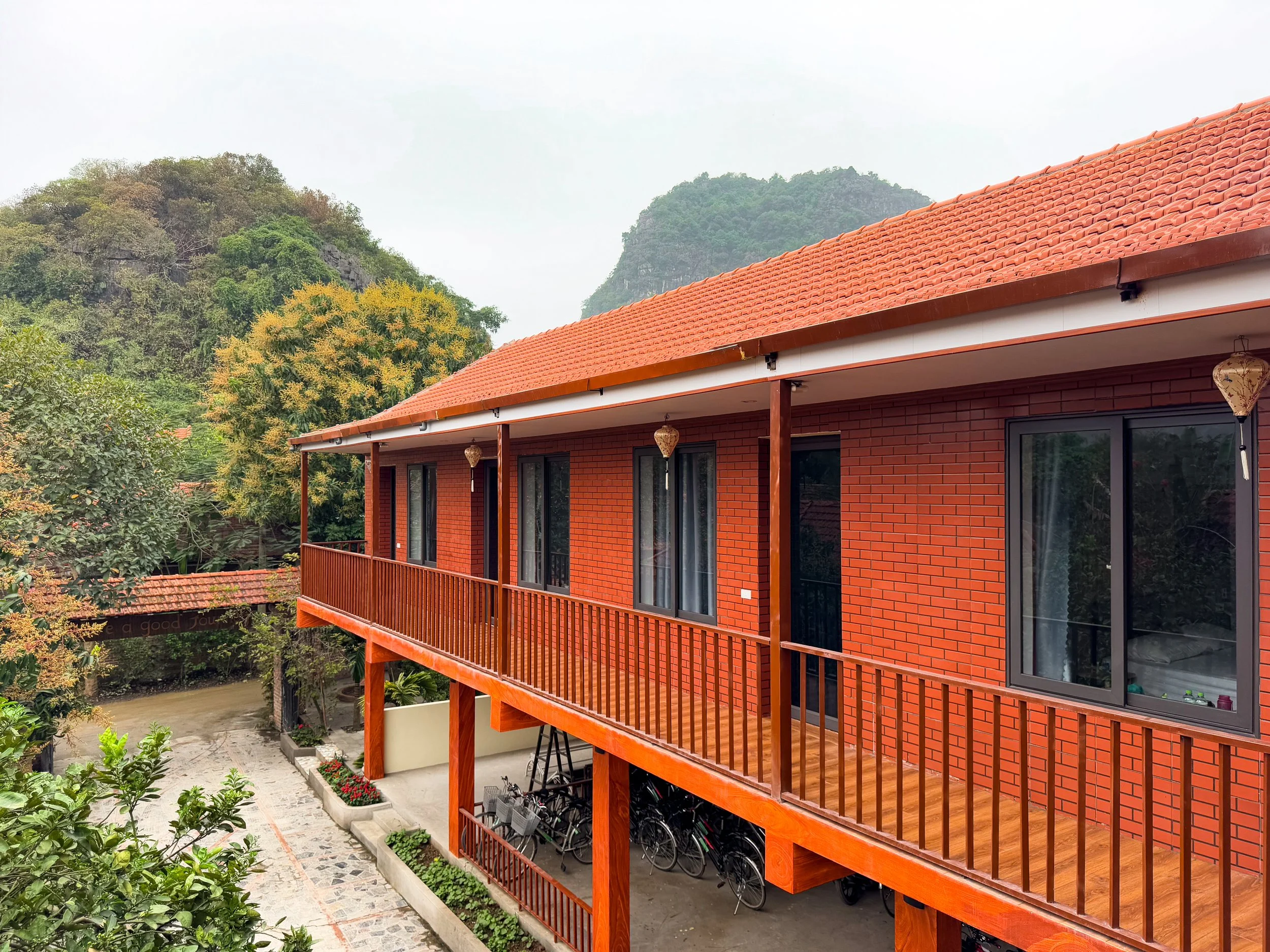
Greenland Homestay. A homestay in a small village near Trang An. We stayed here during our time in Ninh Binh, biking to the nearby sights. The homestay has private rooms, bike rentals, free breakfast, a beer fridge, restaurant and a pool. Reserve on Booking.
Elsewhere in Vietnam
From Ninh Binh's limestone landscapes and ancient temples to Hanoi's historic streets, Hoi An's lantern lined alleys and Saigon's urban energy, discover more of Vietnam through these travel guides:
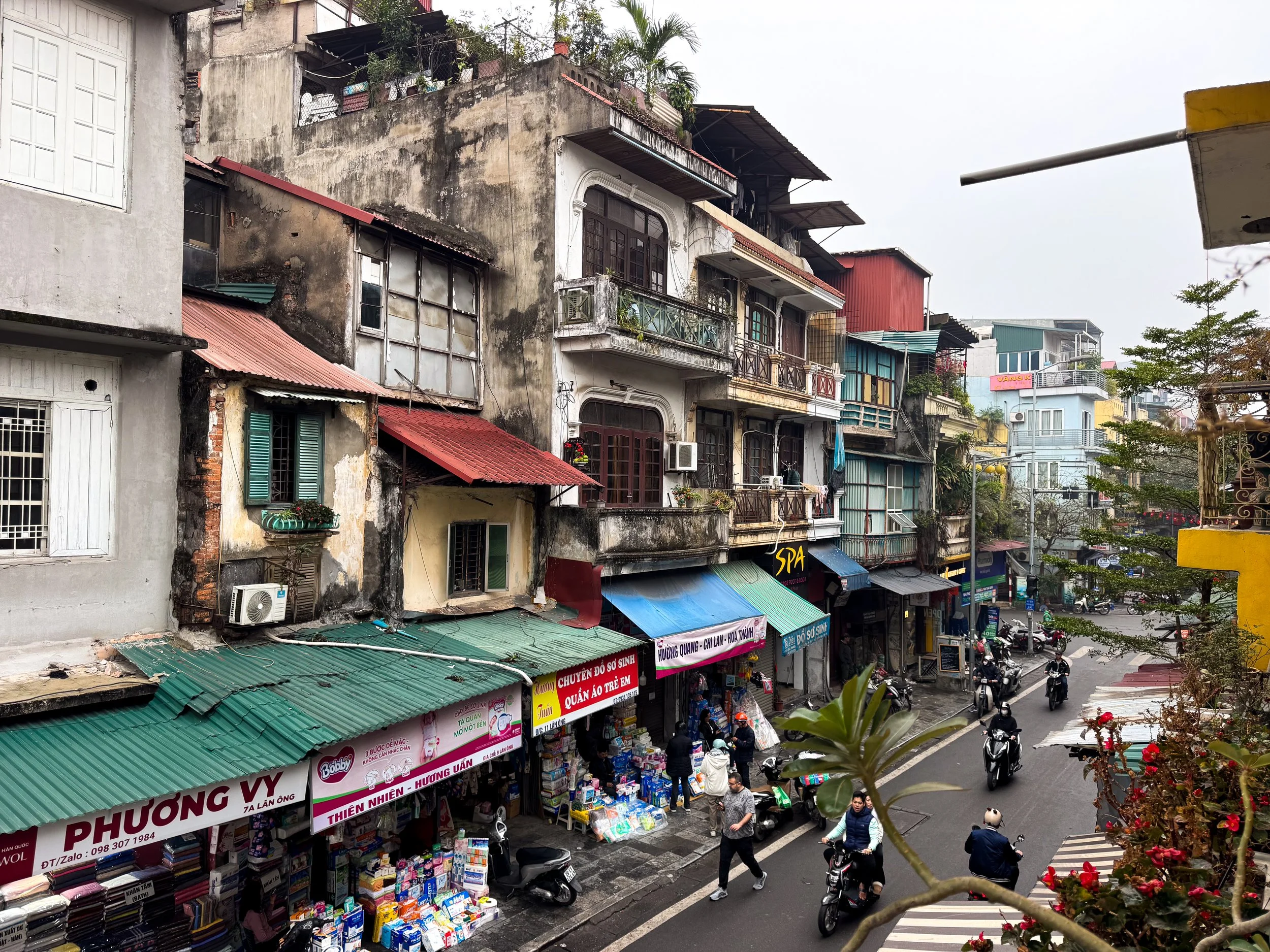
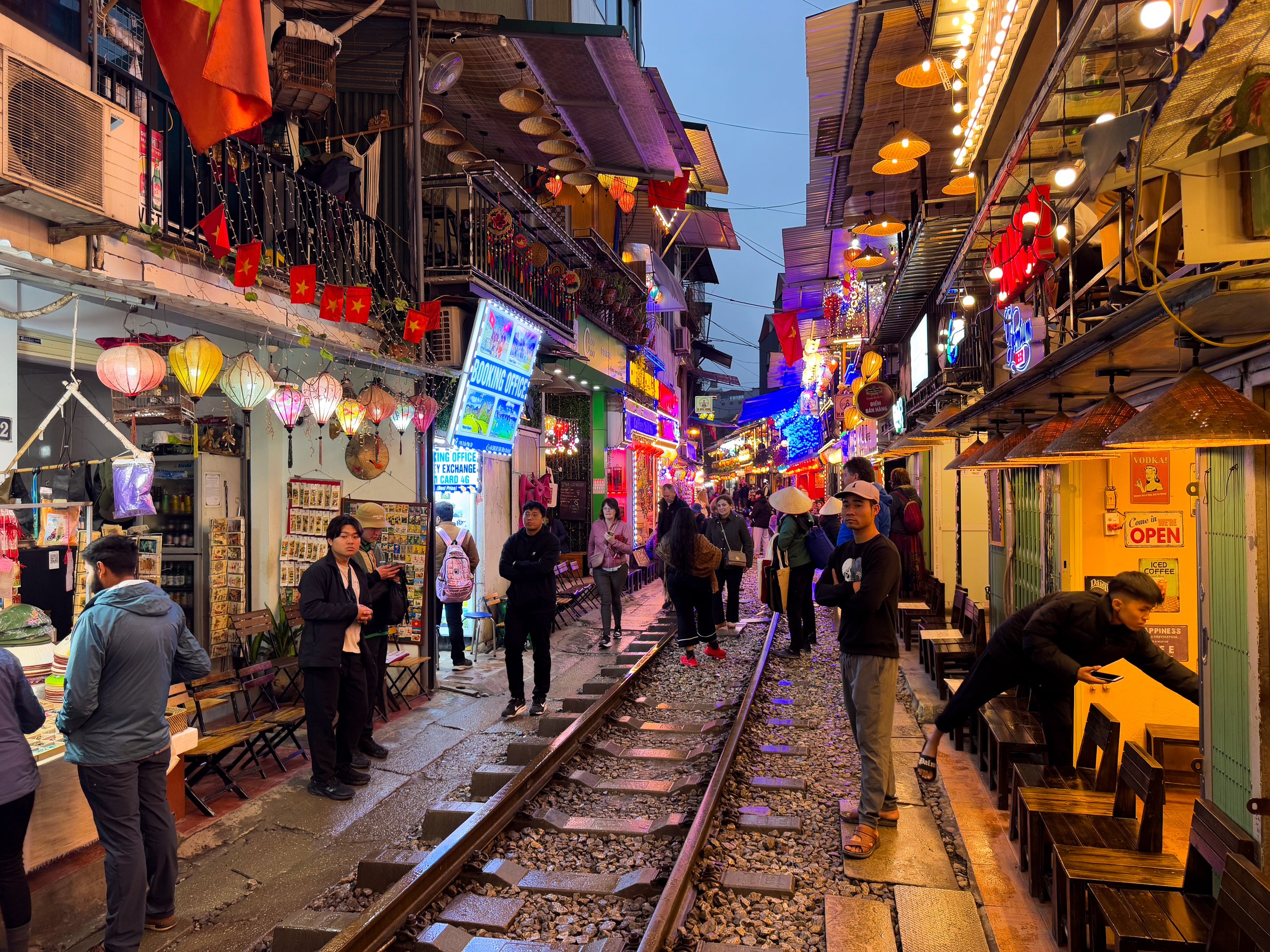
Hanoi Travel Guide: Old Quarter, Street Food & Vietnamese Culture. Explore Hanoi's Old Quarter and neighborhoods where sacred temples, night markets, Train Street and Vietnamese street food capture the spirit of Vietnam's capital.
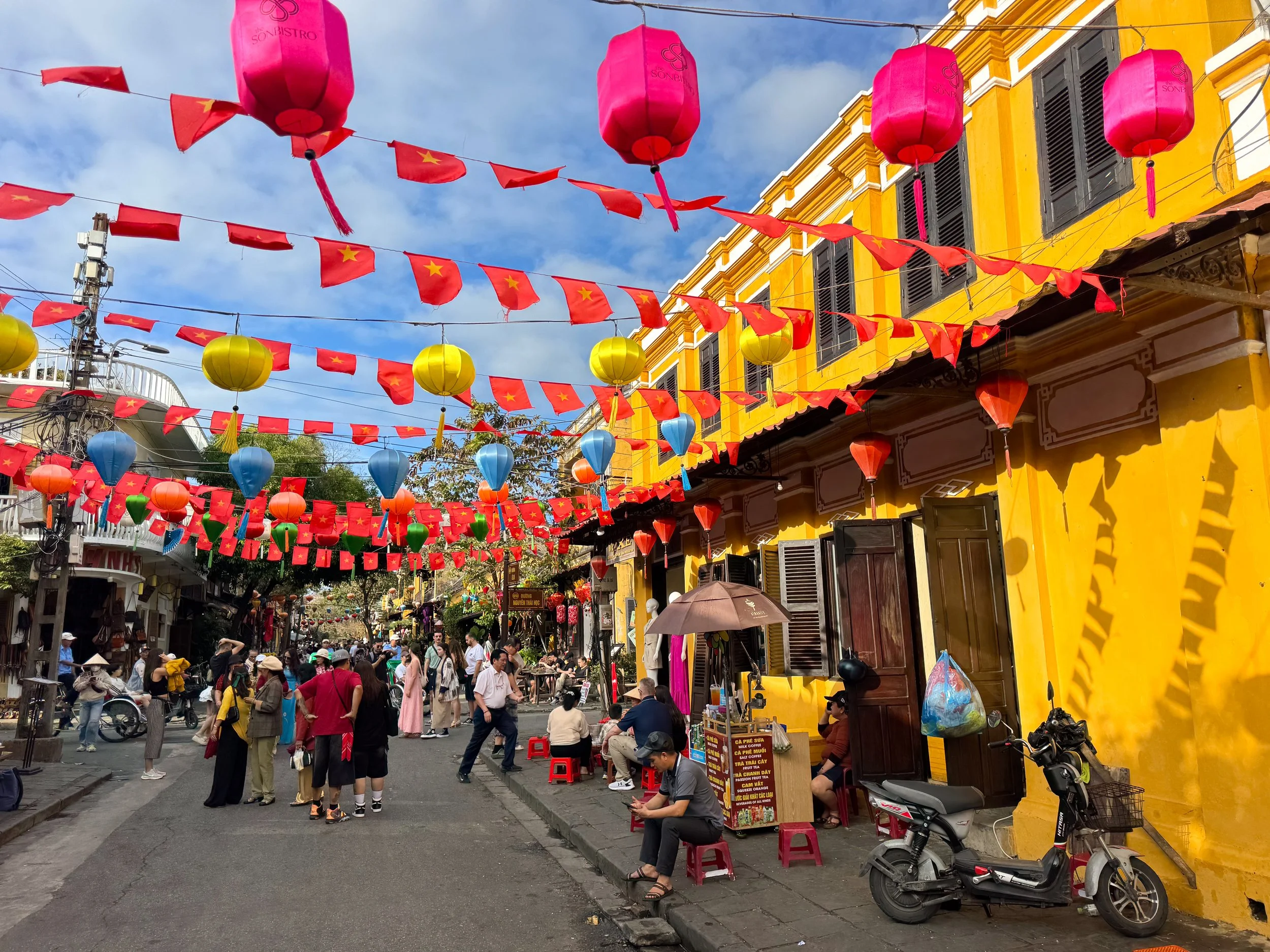
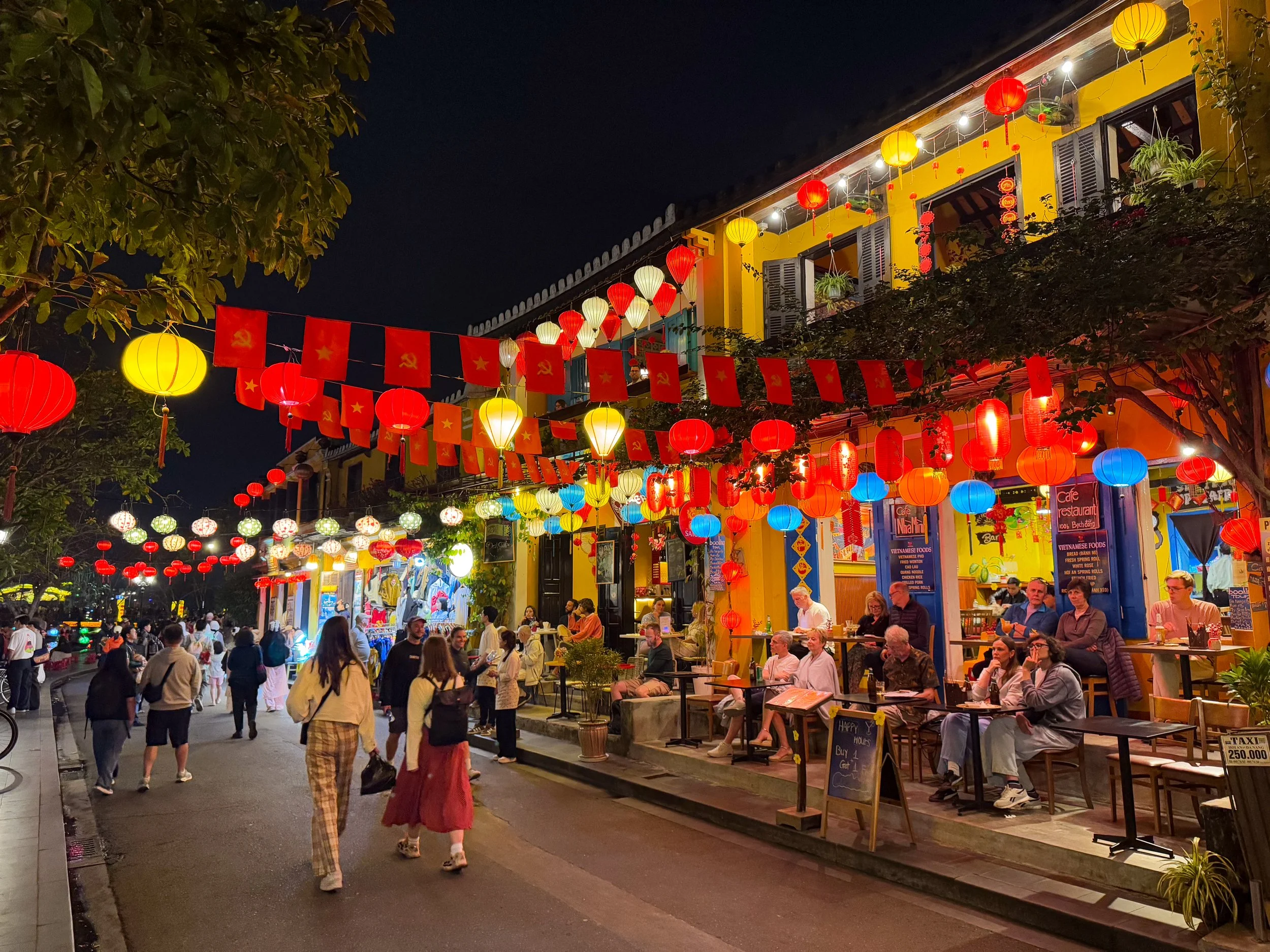
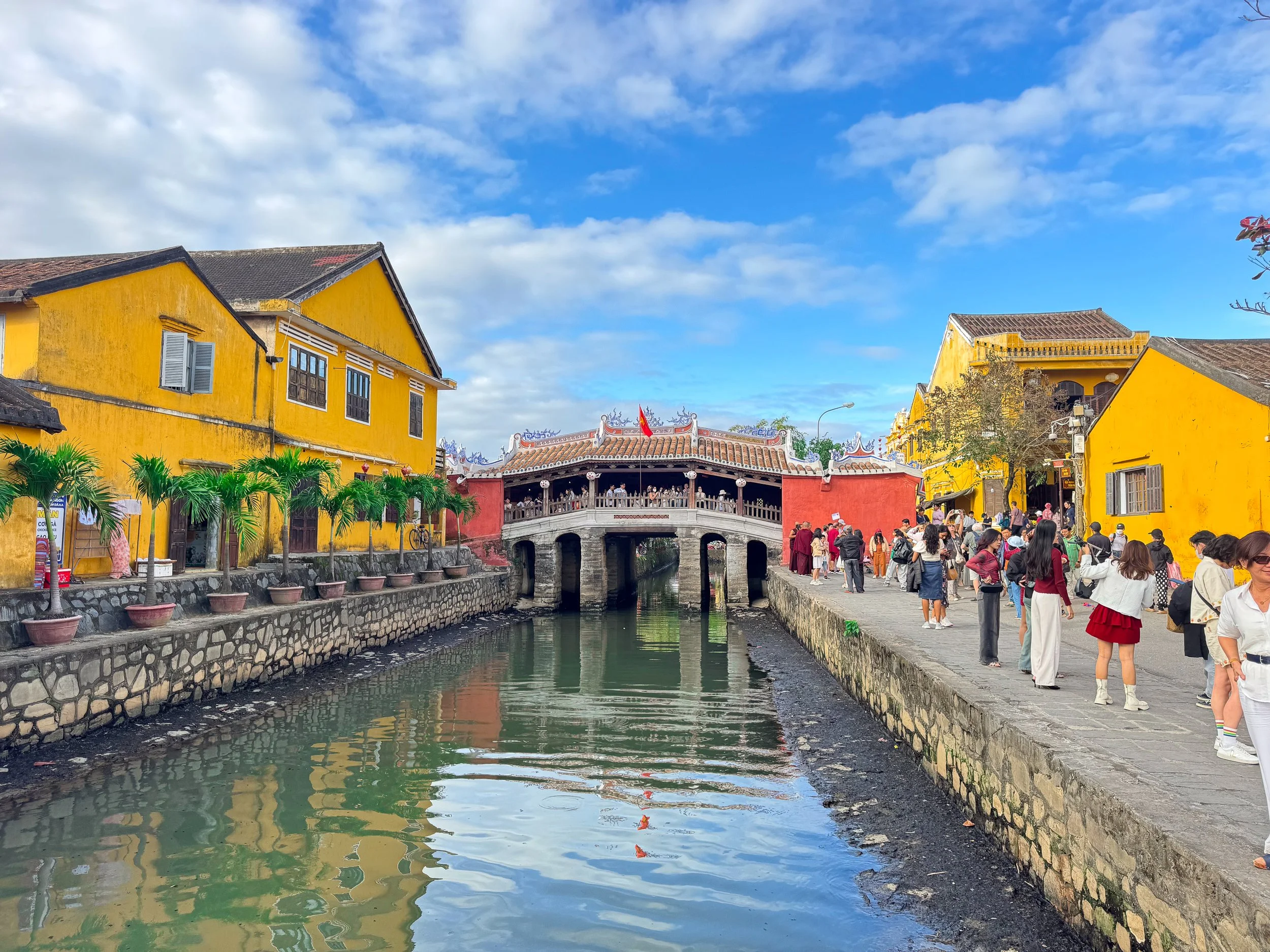
Hoi An Travel Guide: Ancient Town, Lanterns & Vietnamese Street Food. Wander through Hoi An's ancient town where glowing lanterns, bustling markets, historic temples & Vietnamese street food preserve centuries of tradition.
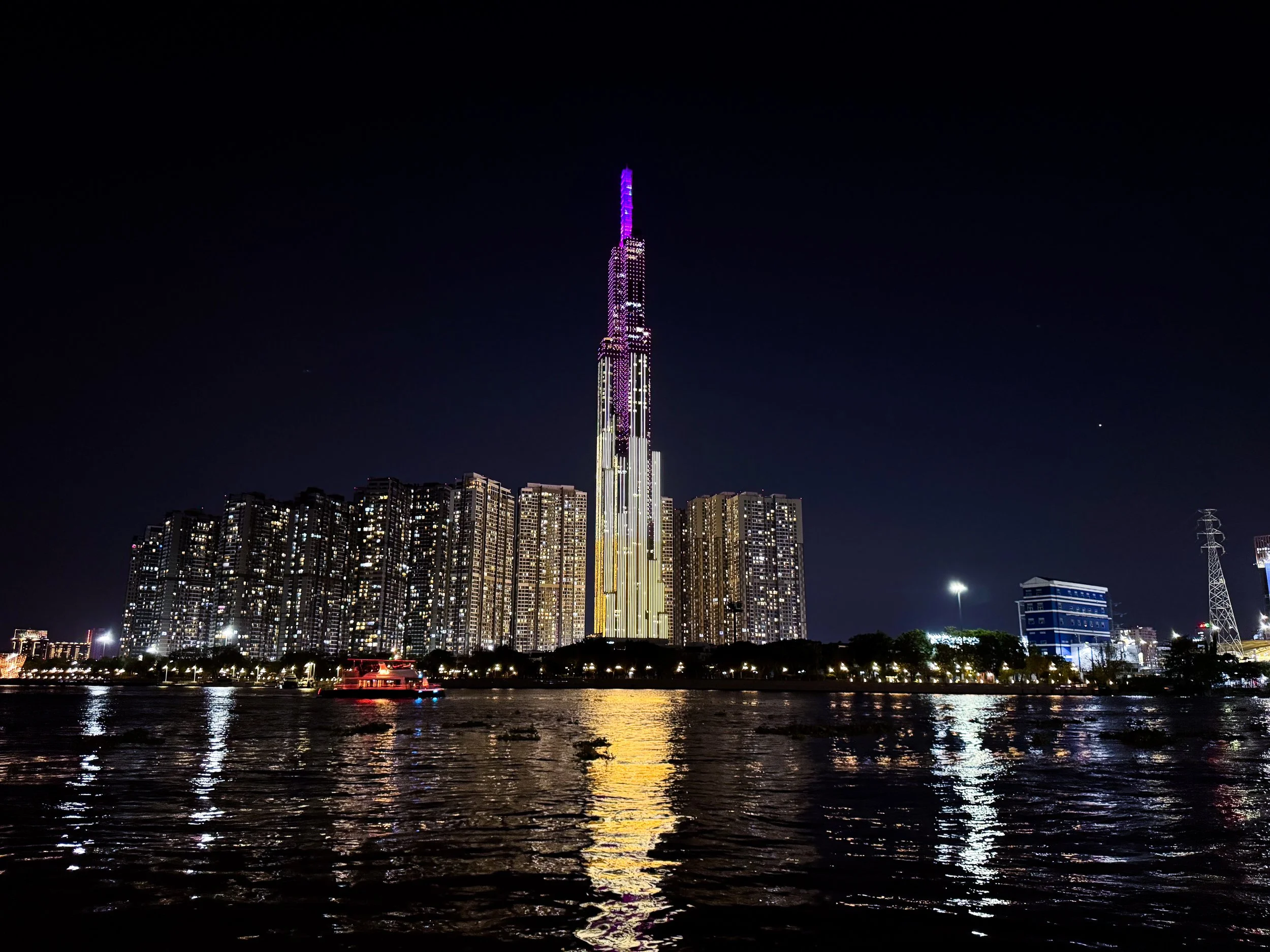
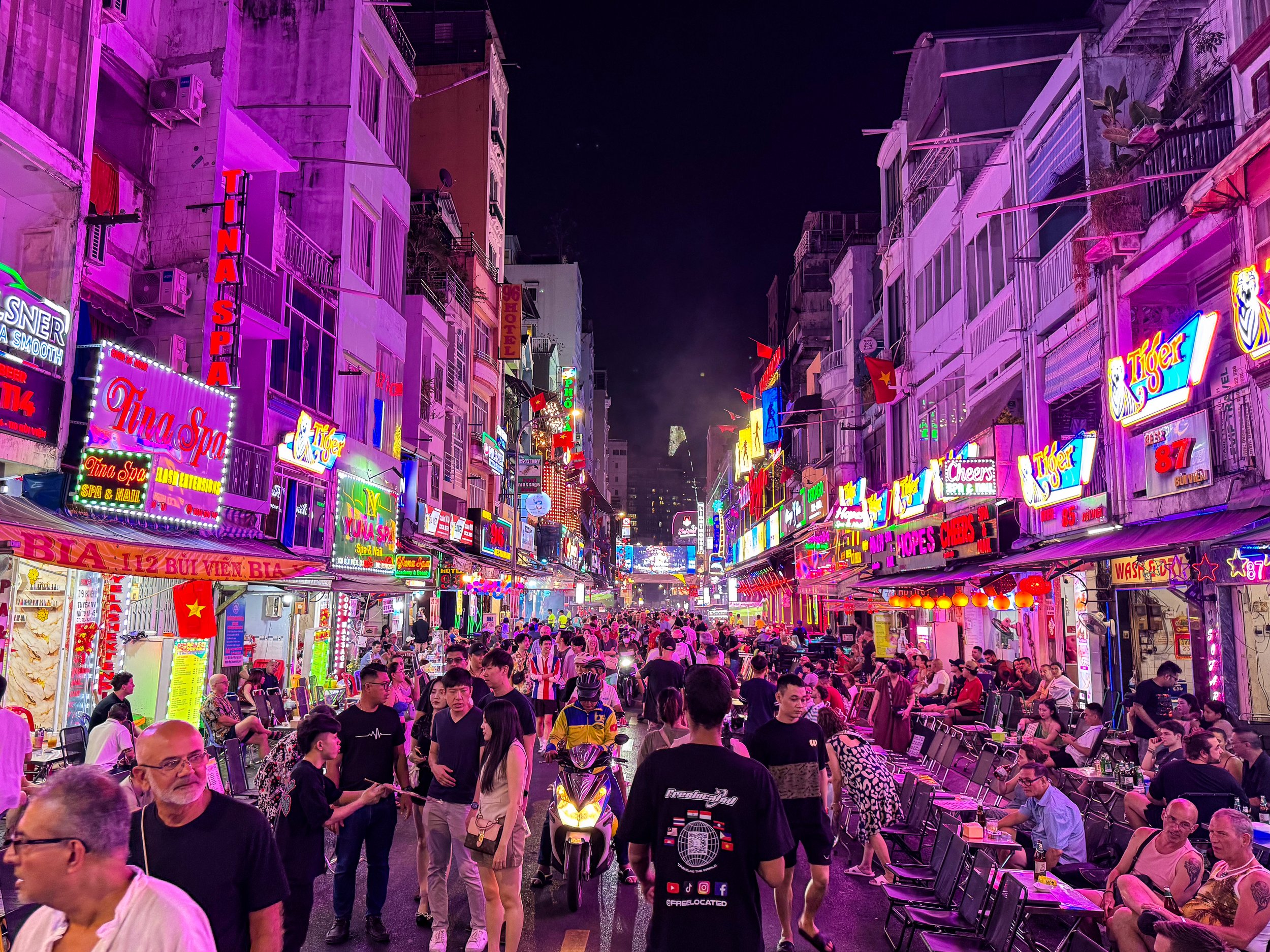
Saigon Travel Guide: Markets, Nightlife & Vietnamese Culture. Experience Saigon where bustling markets, vibrant nightlife, historic landmarks, neon lit skyscrapers and street food stalls bring modern Vietnam to life.
For Next Time…
We would re-do our entire trip to Ninh Binh during a different time of year with a lesser chance of cloudy and cold weather. If we return, we may choose the peak season during November or December as opposed to mid February.