Tunis Travel Guide: Carthage, Medina & Tunisian Culture
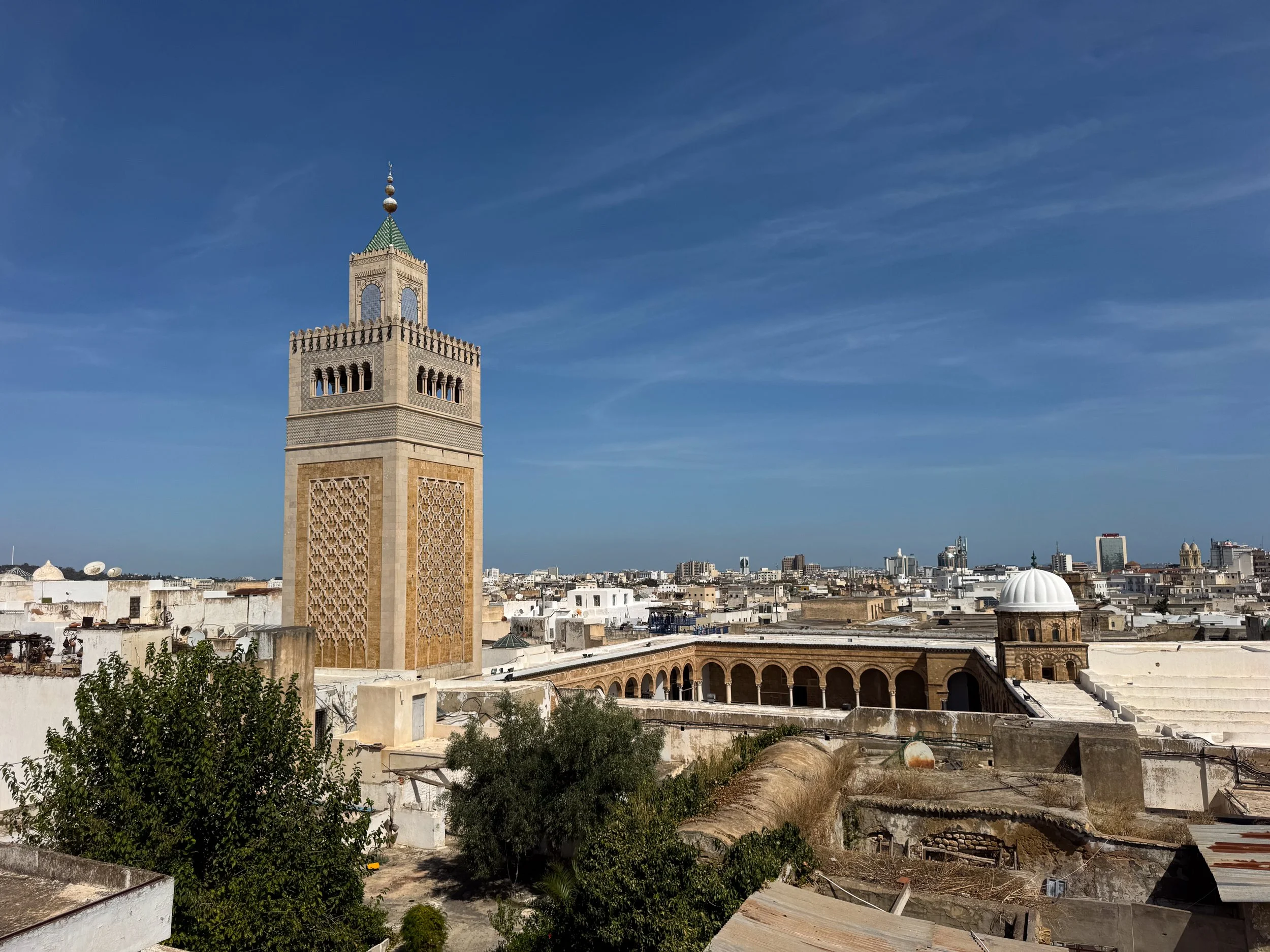
Tunis, Tunisia
Tunis is a vibrant Mediterranean city in the North African country of Tunisia. Its history dates back thousands of years, spanning numerous civilizations and cultures. Tunis is famed for its ancient Carthaginian ruins, historic mosques and picturesque Medina.
The Medina of Tunis
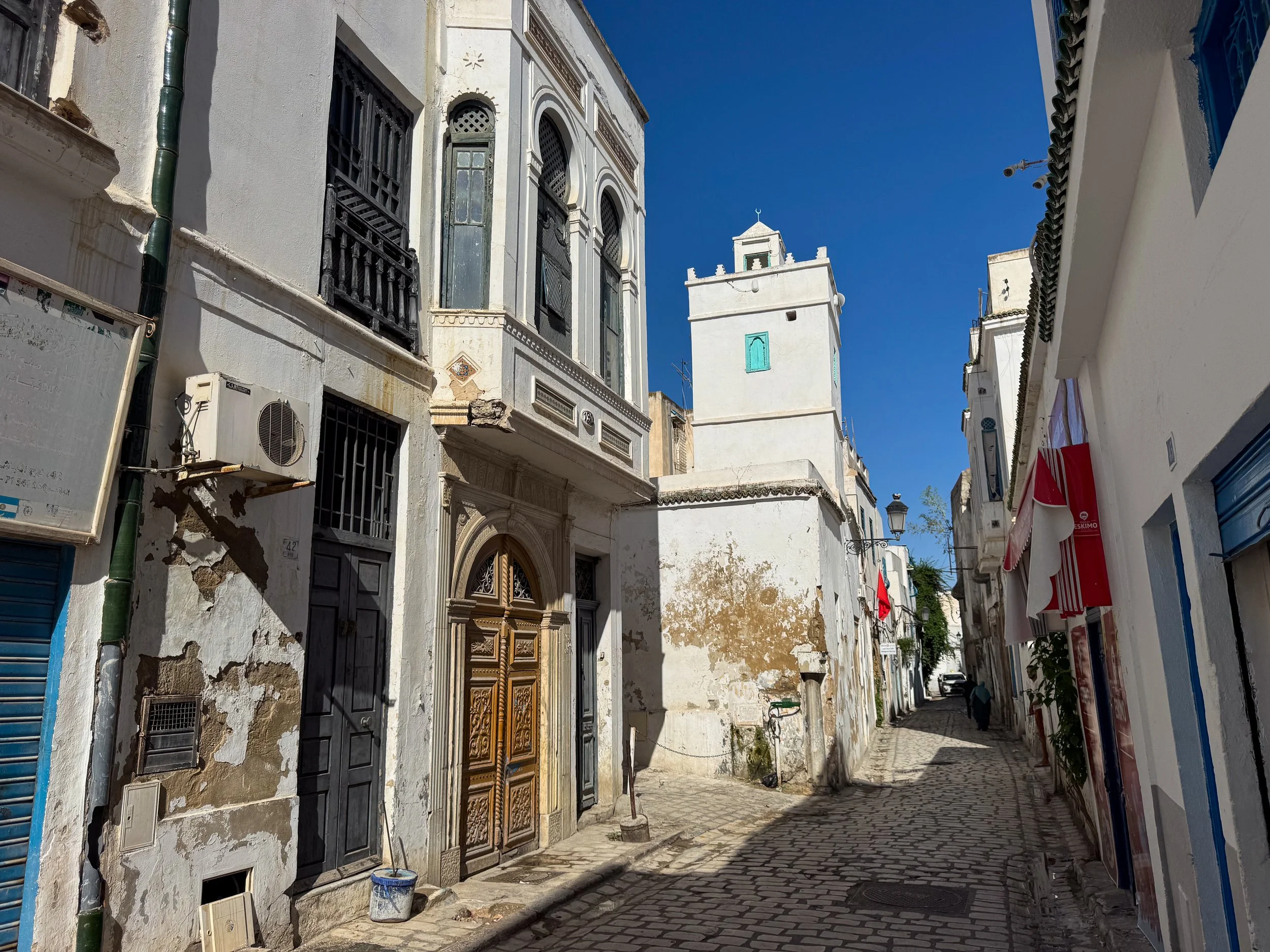
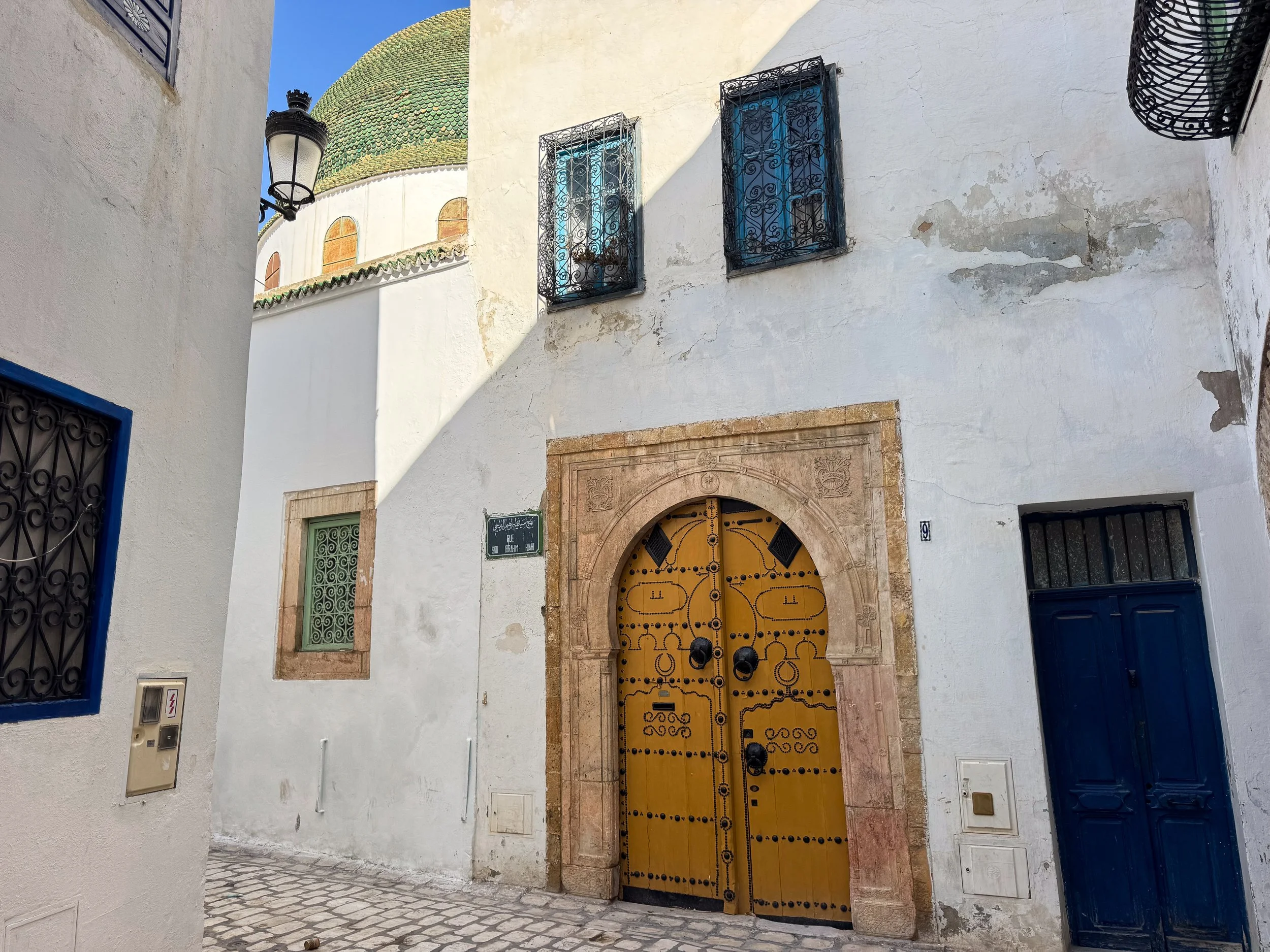
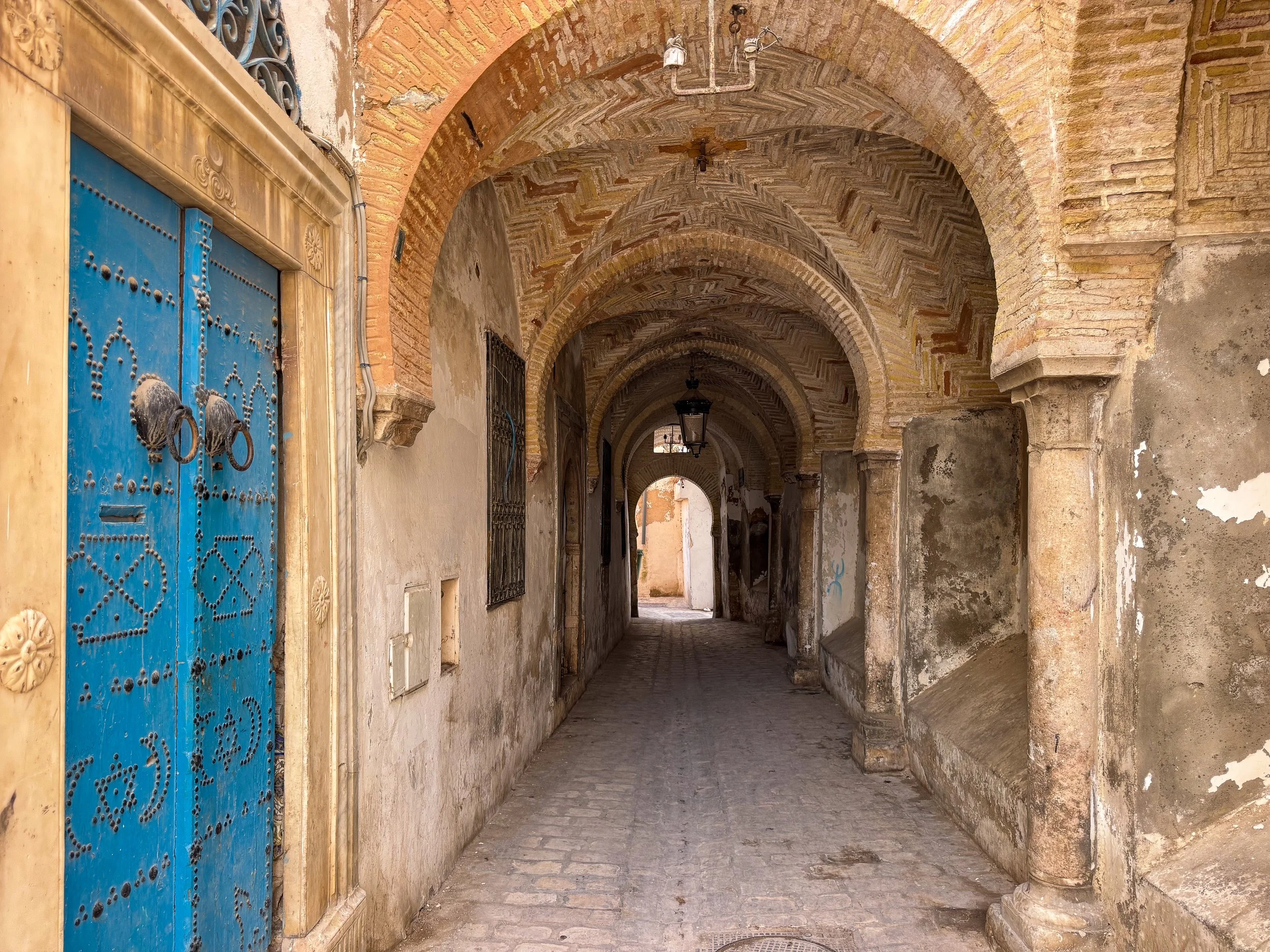
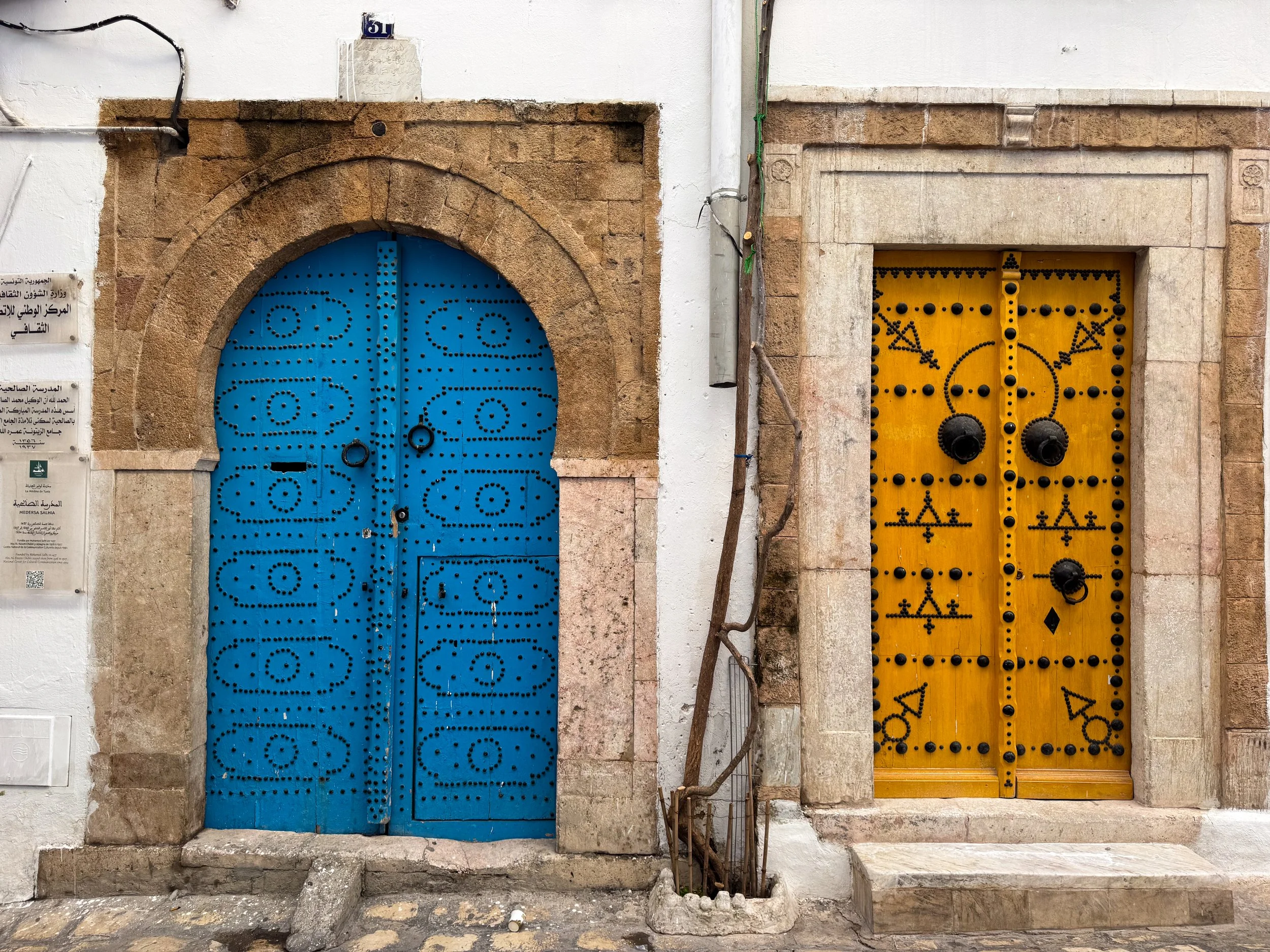
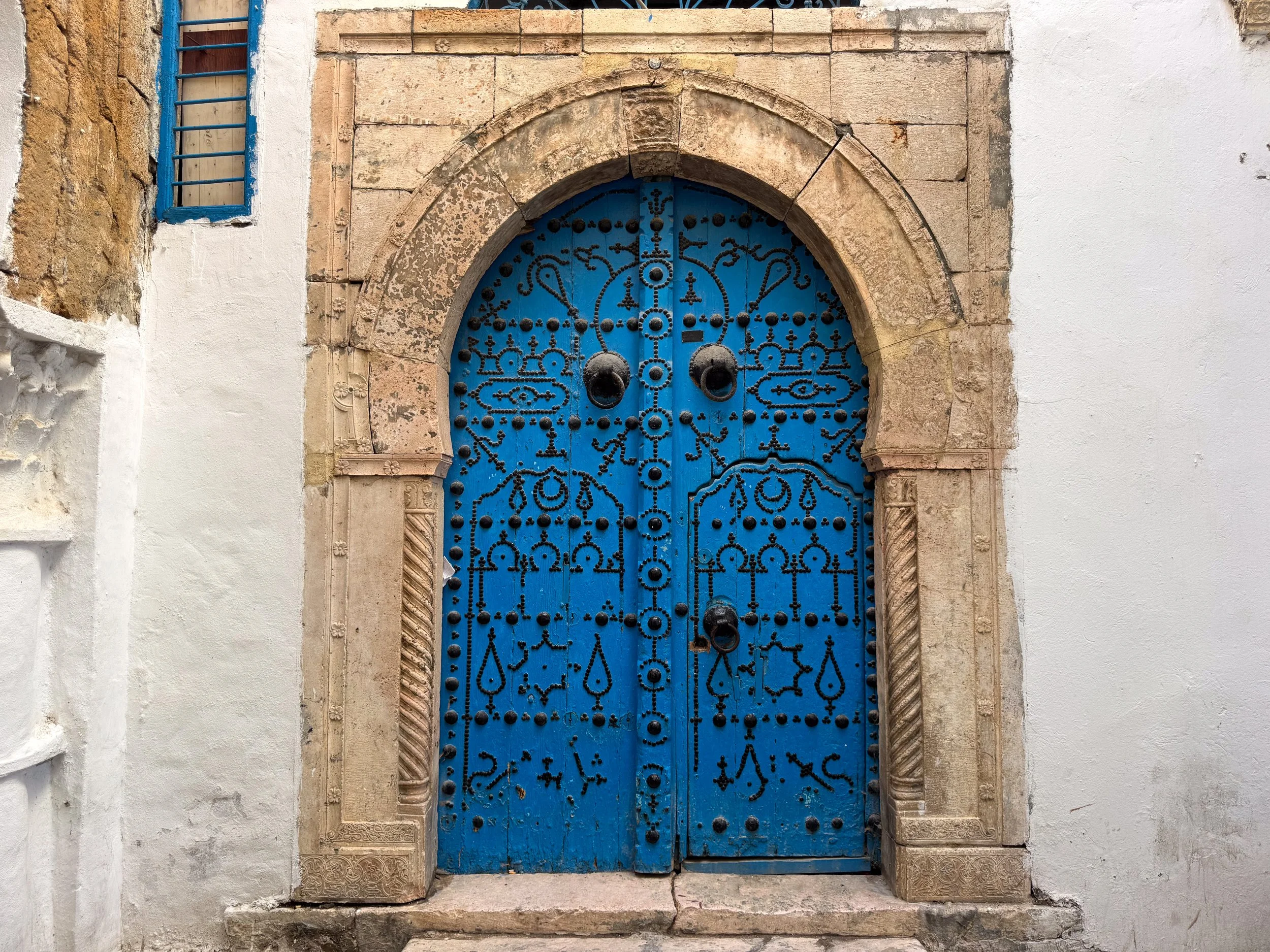
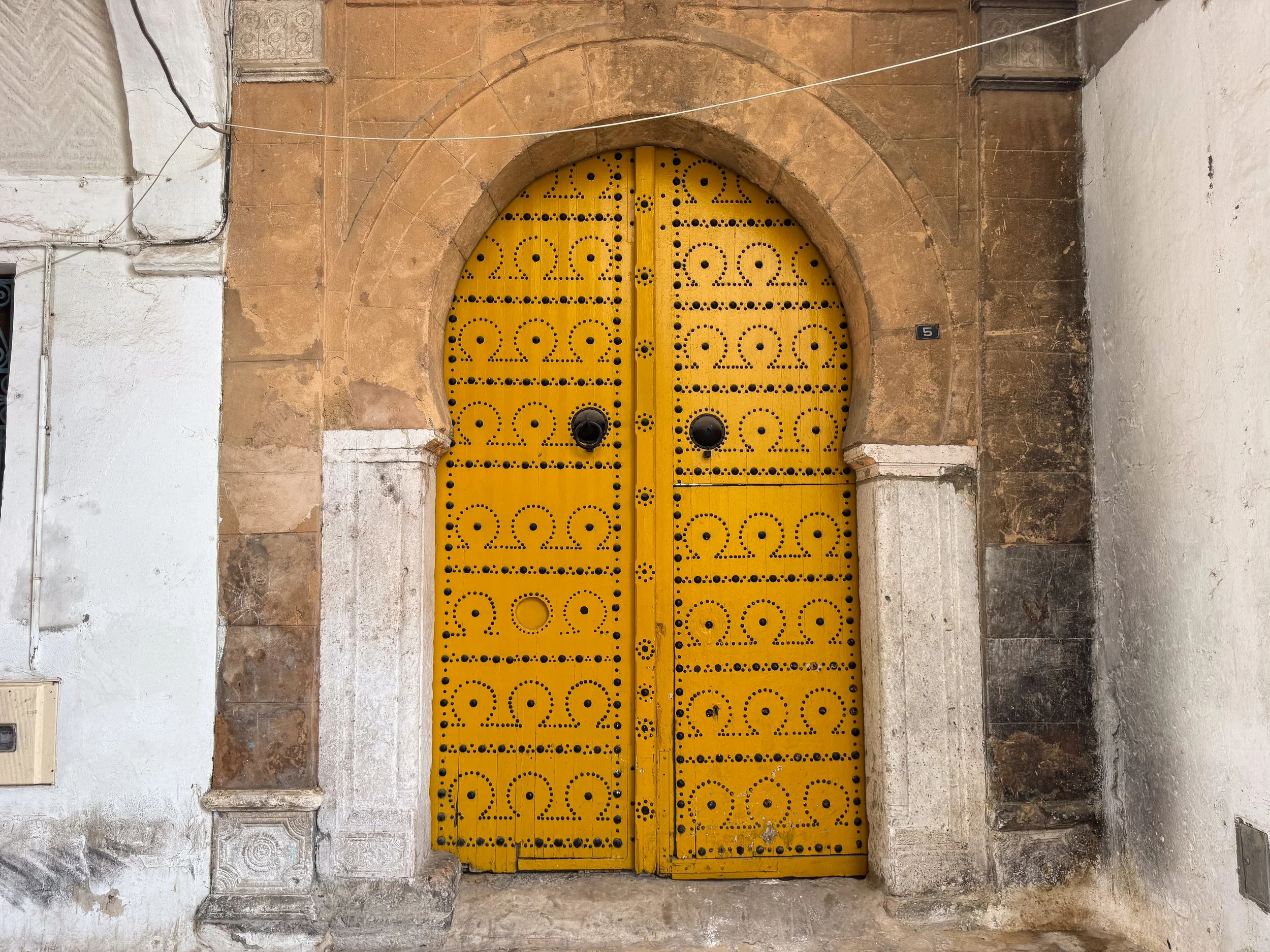
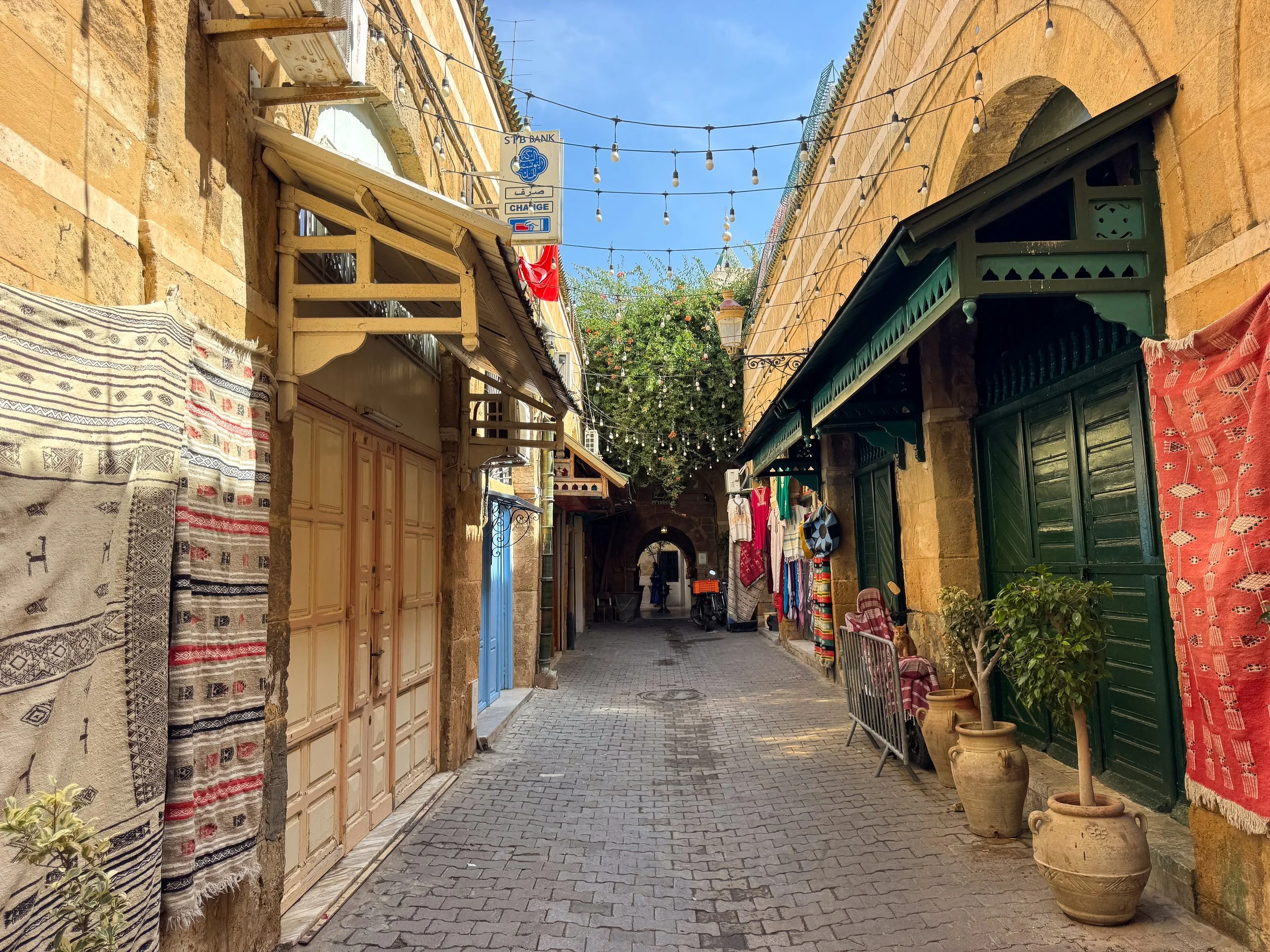
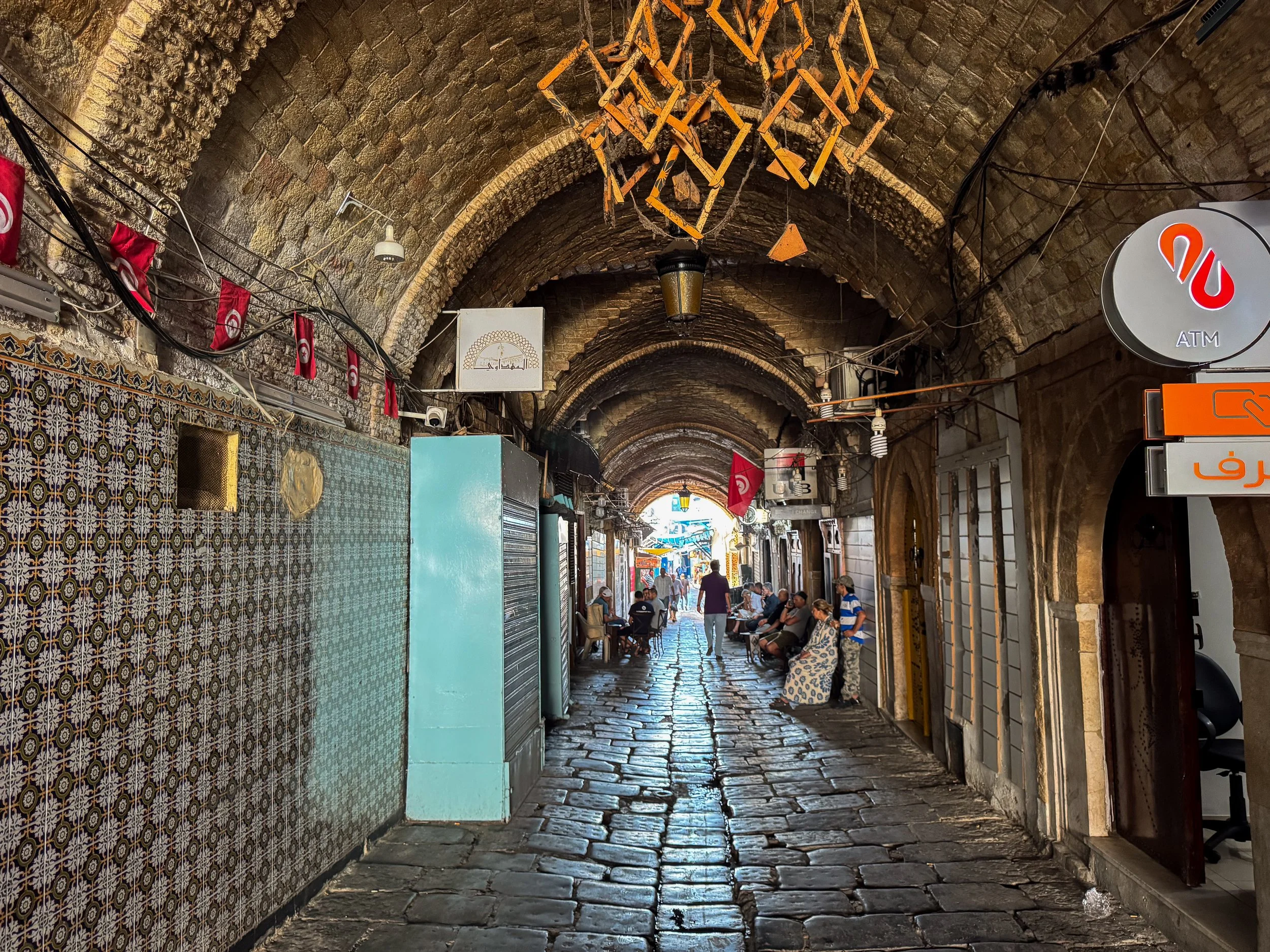
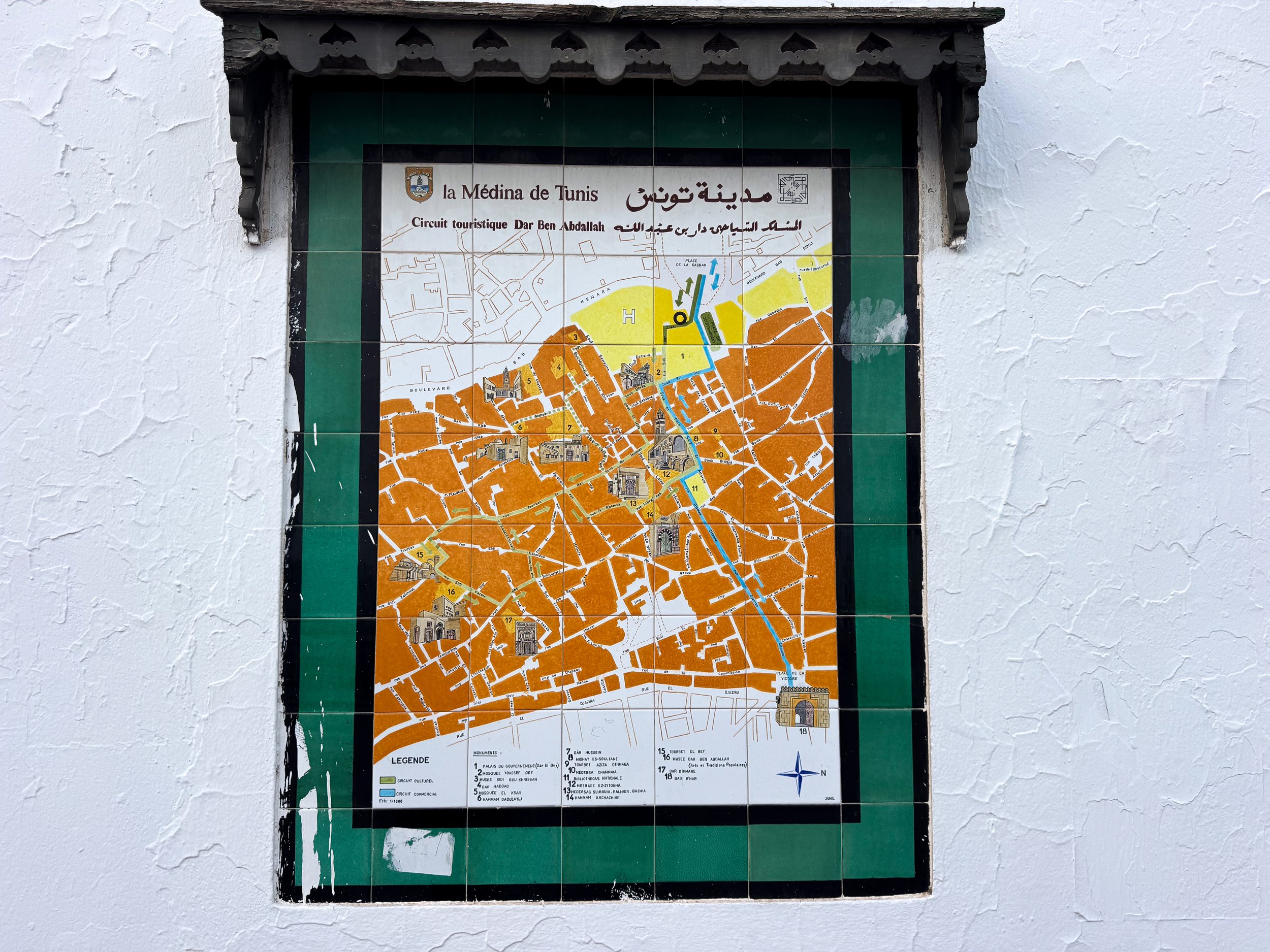
The Medina of Tunis is a maze of historic buildings, energetic souks and bustling sidewalk cafes. Cobblestone streets and vaulted tunnels weave through the old town. Brightly colored wooden doors embellished with studded designs and bronze knockers accent facades of simple white painted buildings. There’s truly beauty in getting lost here and exploring the Medina’s history, sights and souks.
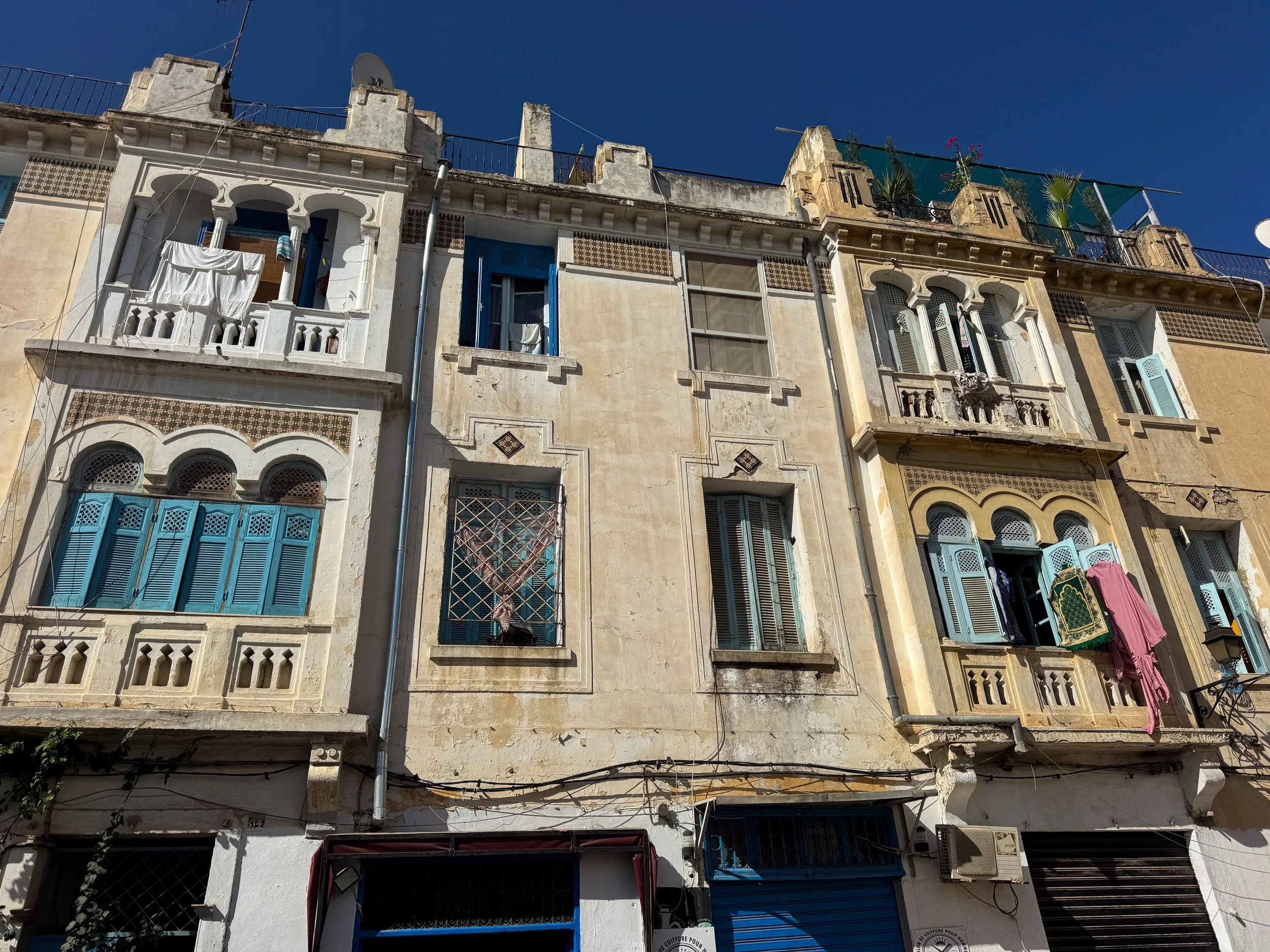
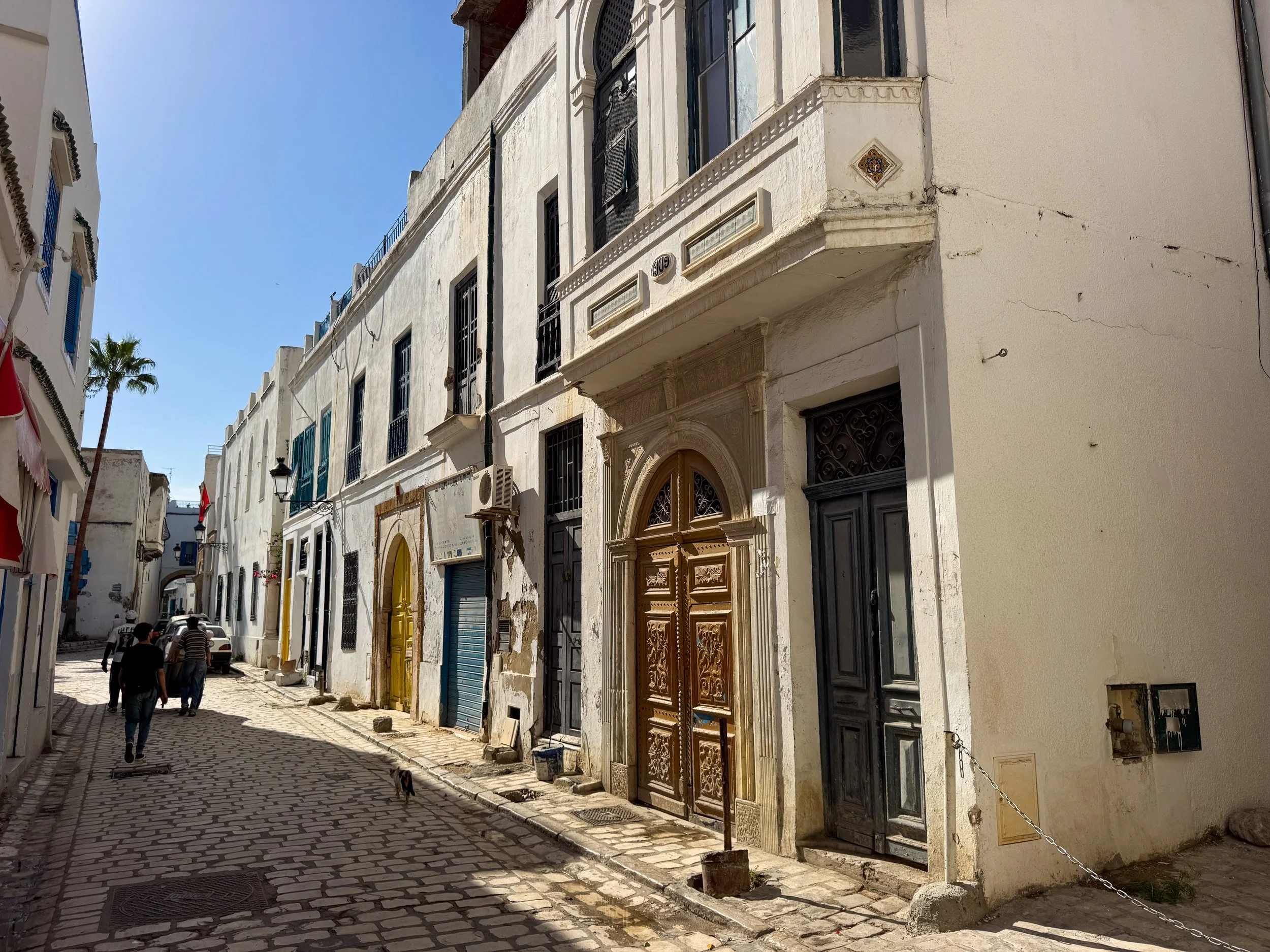
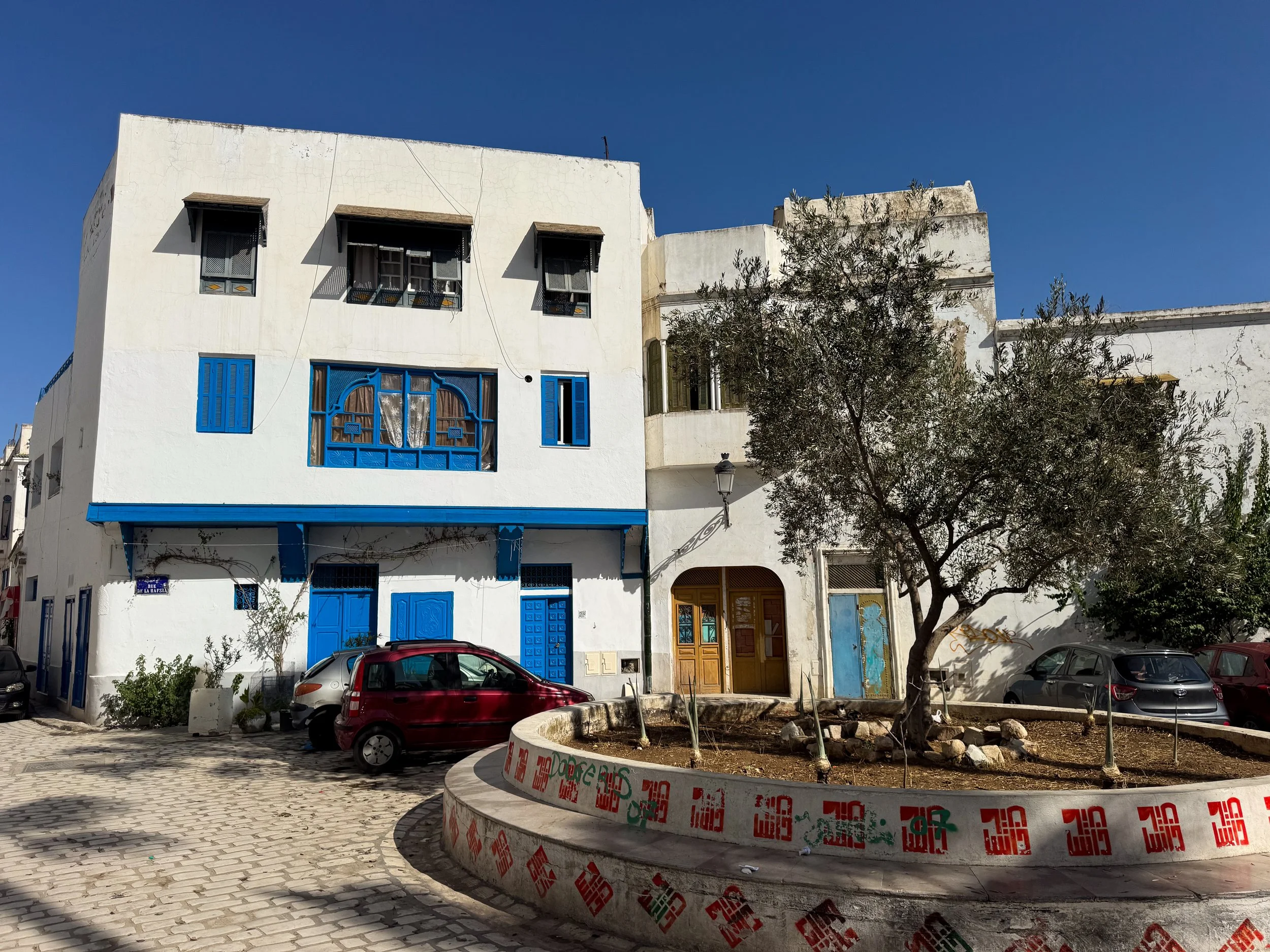
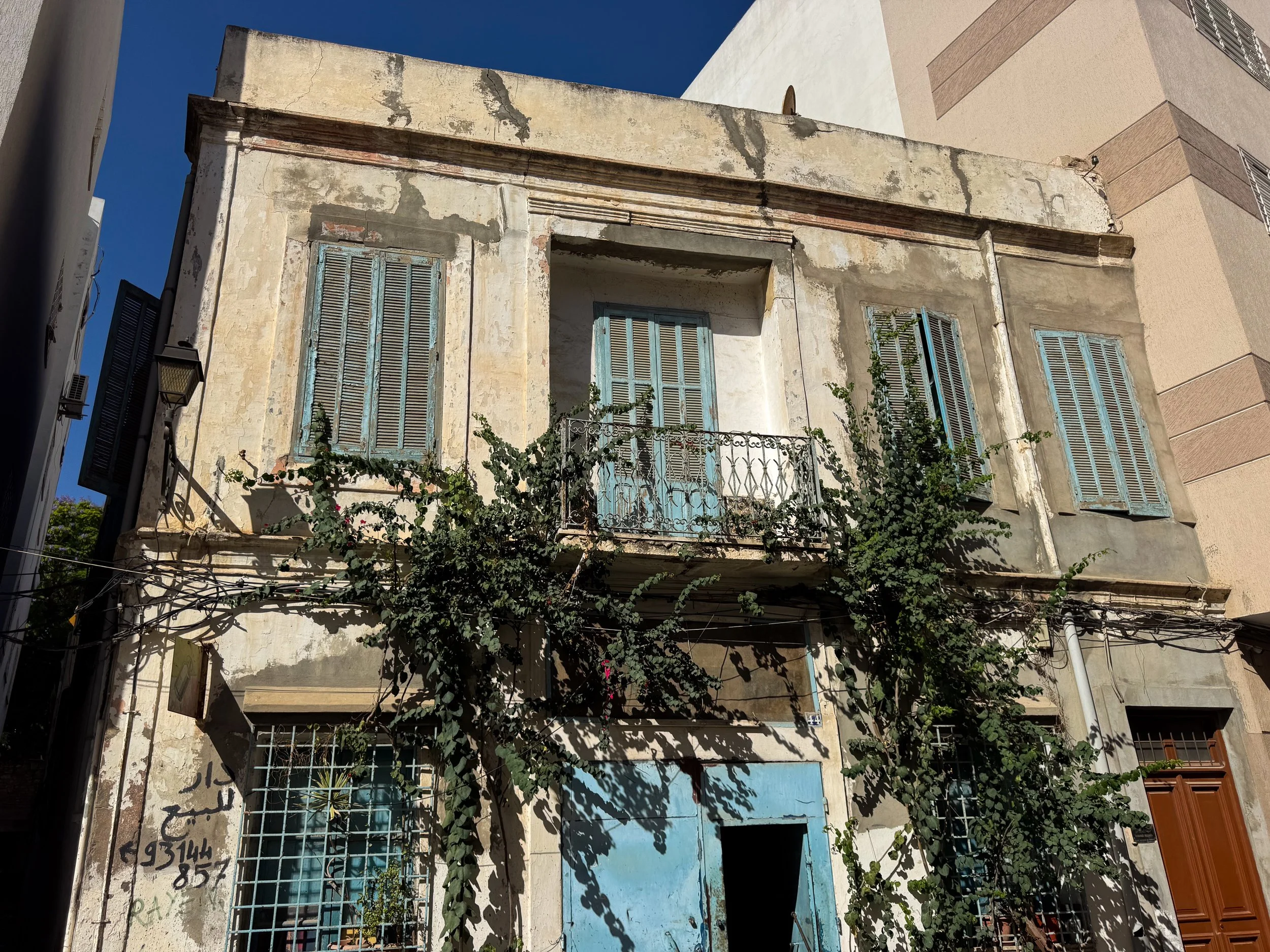
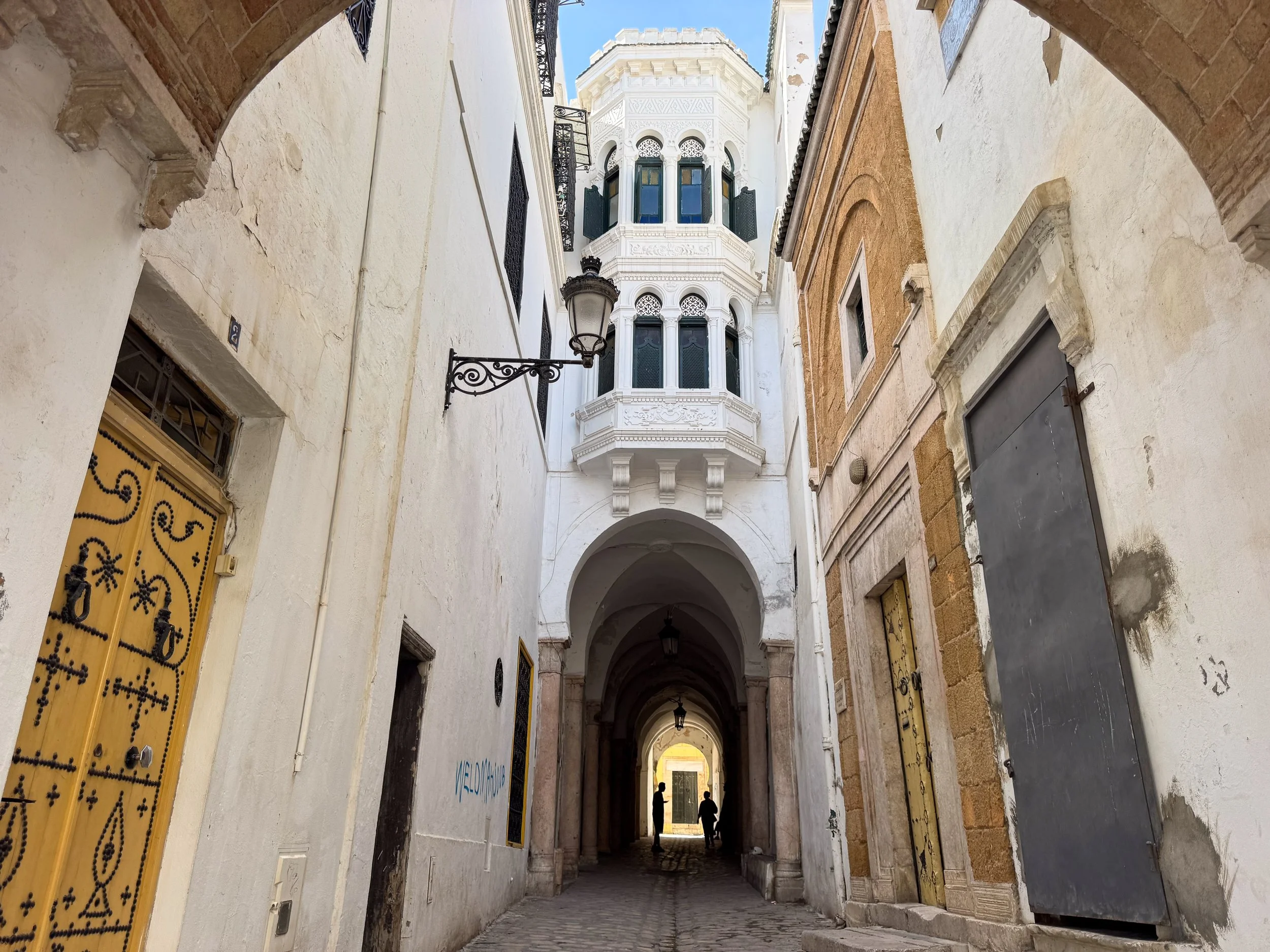
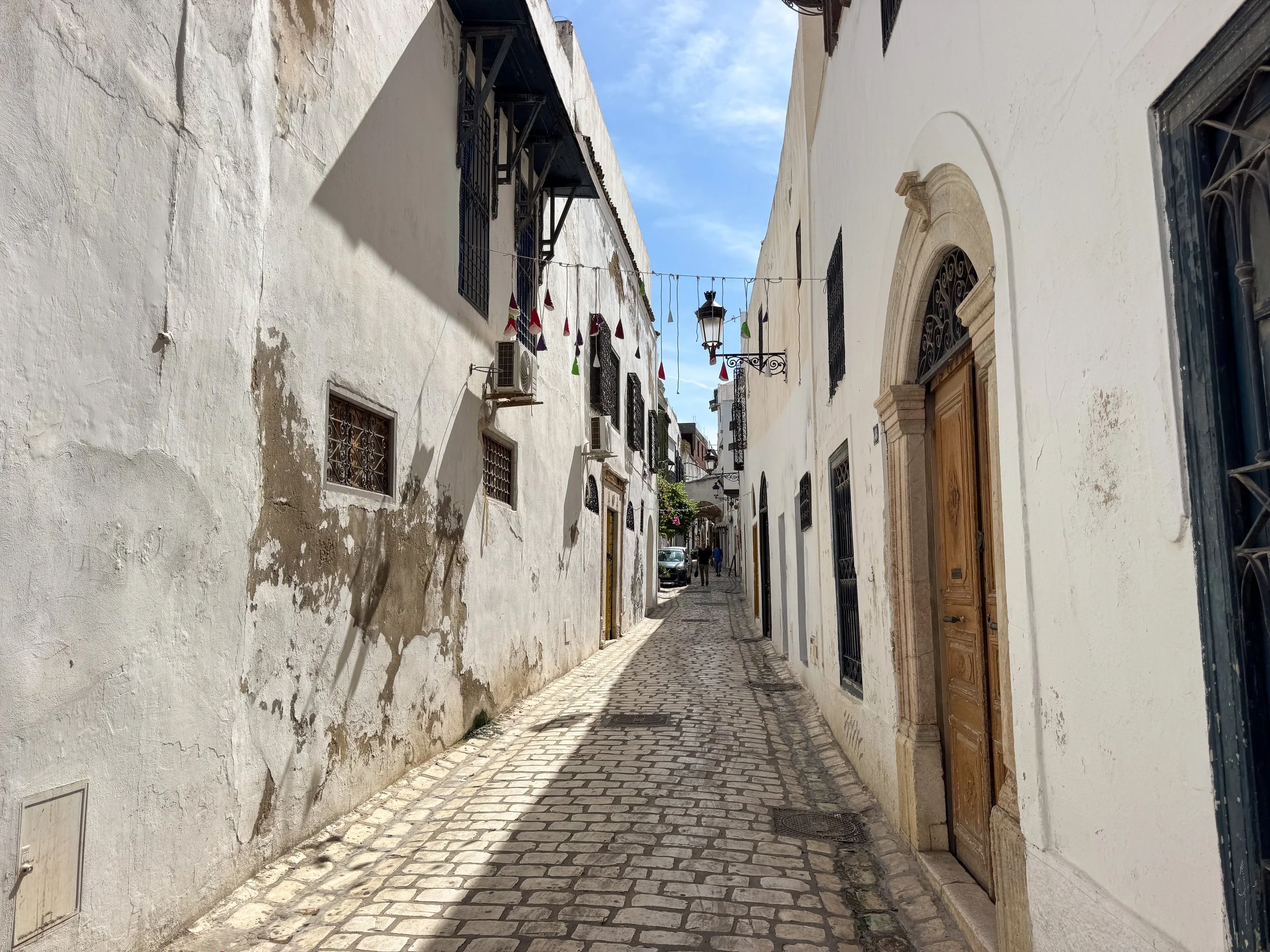
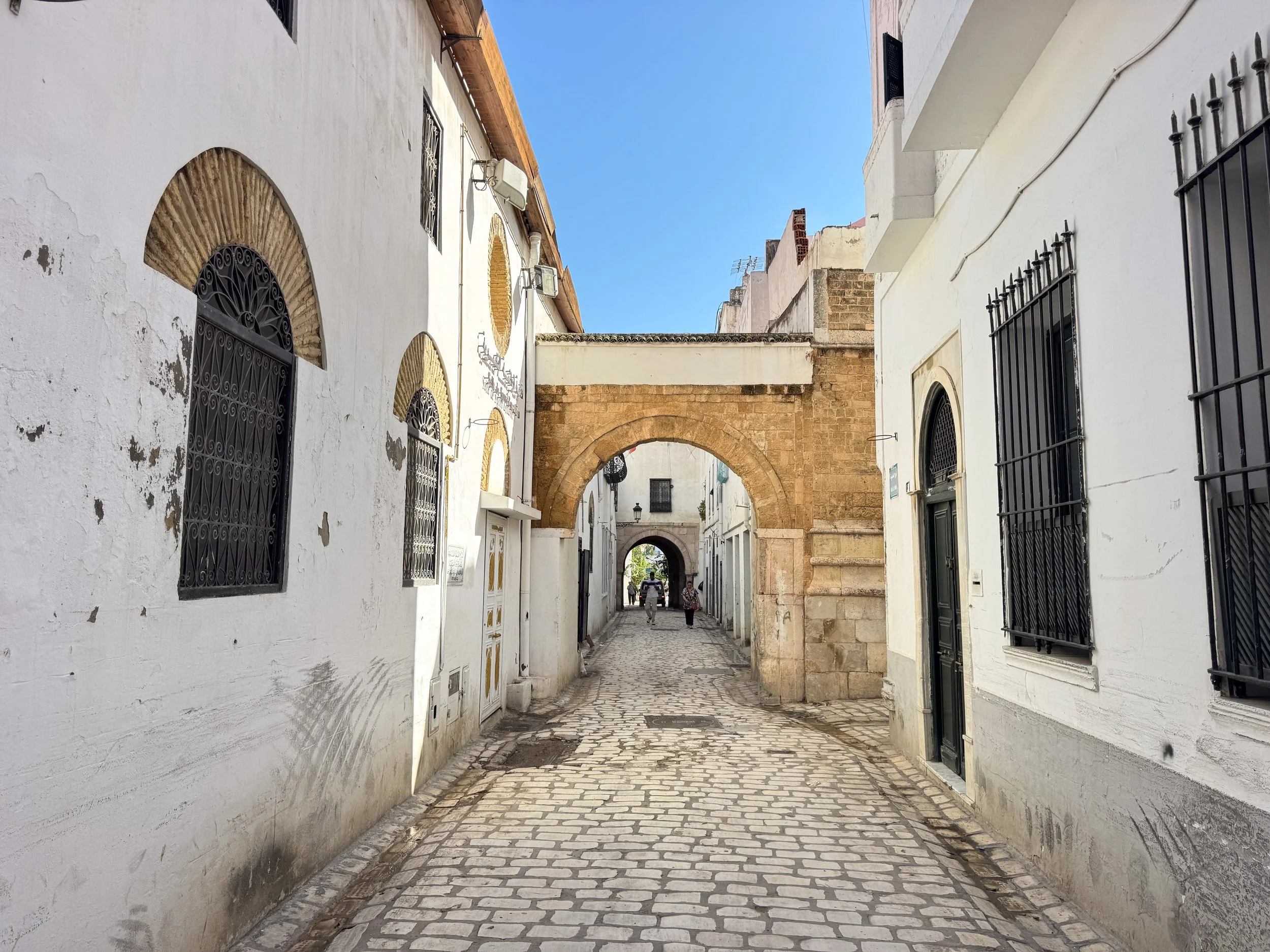
Rue Achour. A cobblestone street on the northern side of the Medina lined with a series of beautiful stone buildings designed with blue painted shutters, arched windows and hand painted tiles.
Rue de la Kasbah. A narrow street leading through the center of the Medina from Bab El Bhar to the Kasbah Square. The half closest to the gate is full of clothing and shoe vendors. The half closest to the square is lined with many street food and takeaway restaurants.
Rue Sidi Ben Arous. A lengthy street that passes through the middle of the Medina past quiet residential areas, bustling souks and historic mosques.
Rue du Pacha. A quiet street of the Medina leading to a hidden plaza with a large fountain at its center.
The Sights of The Medina
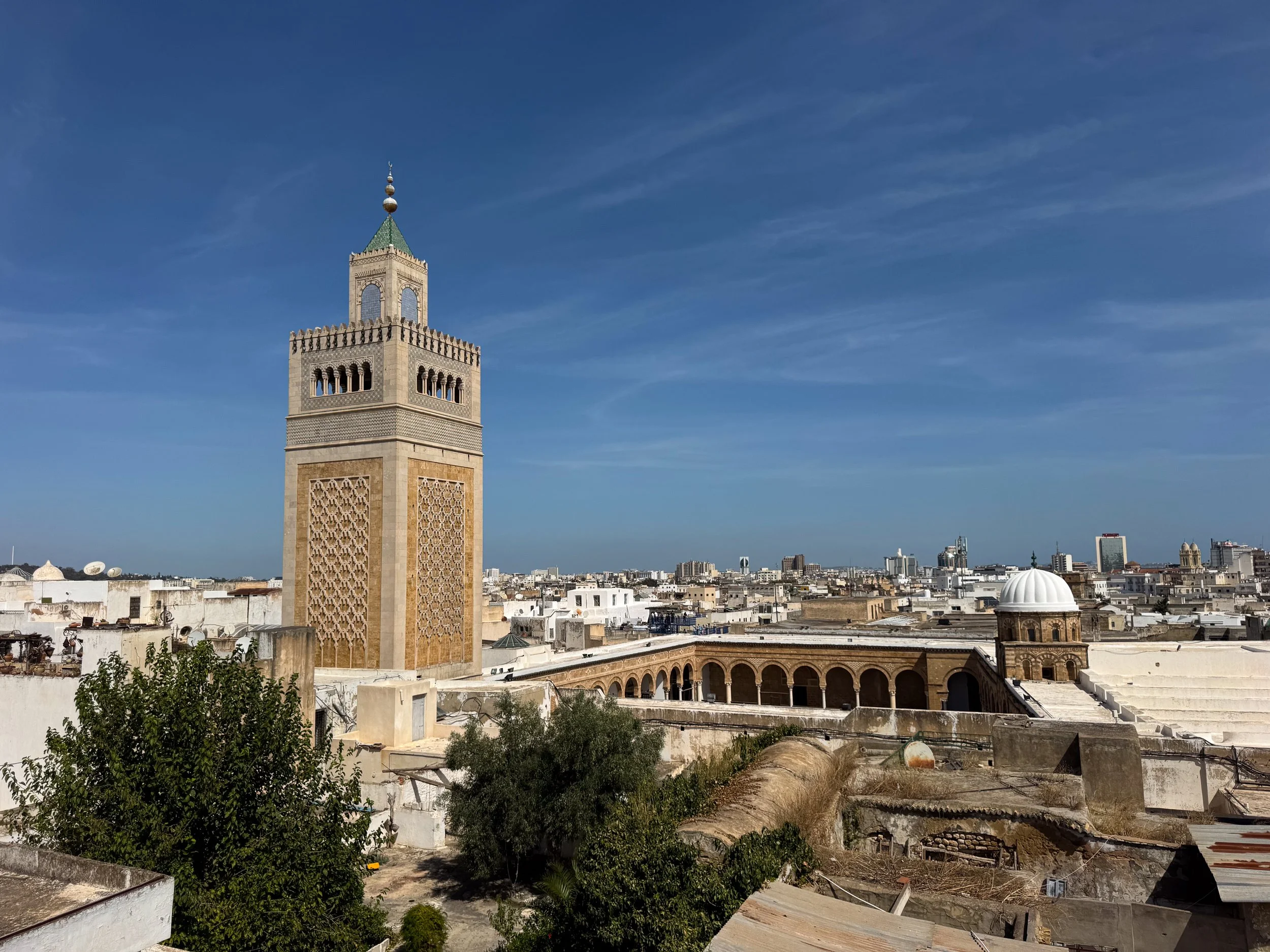
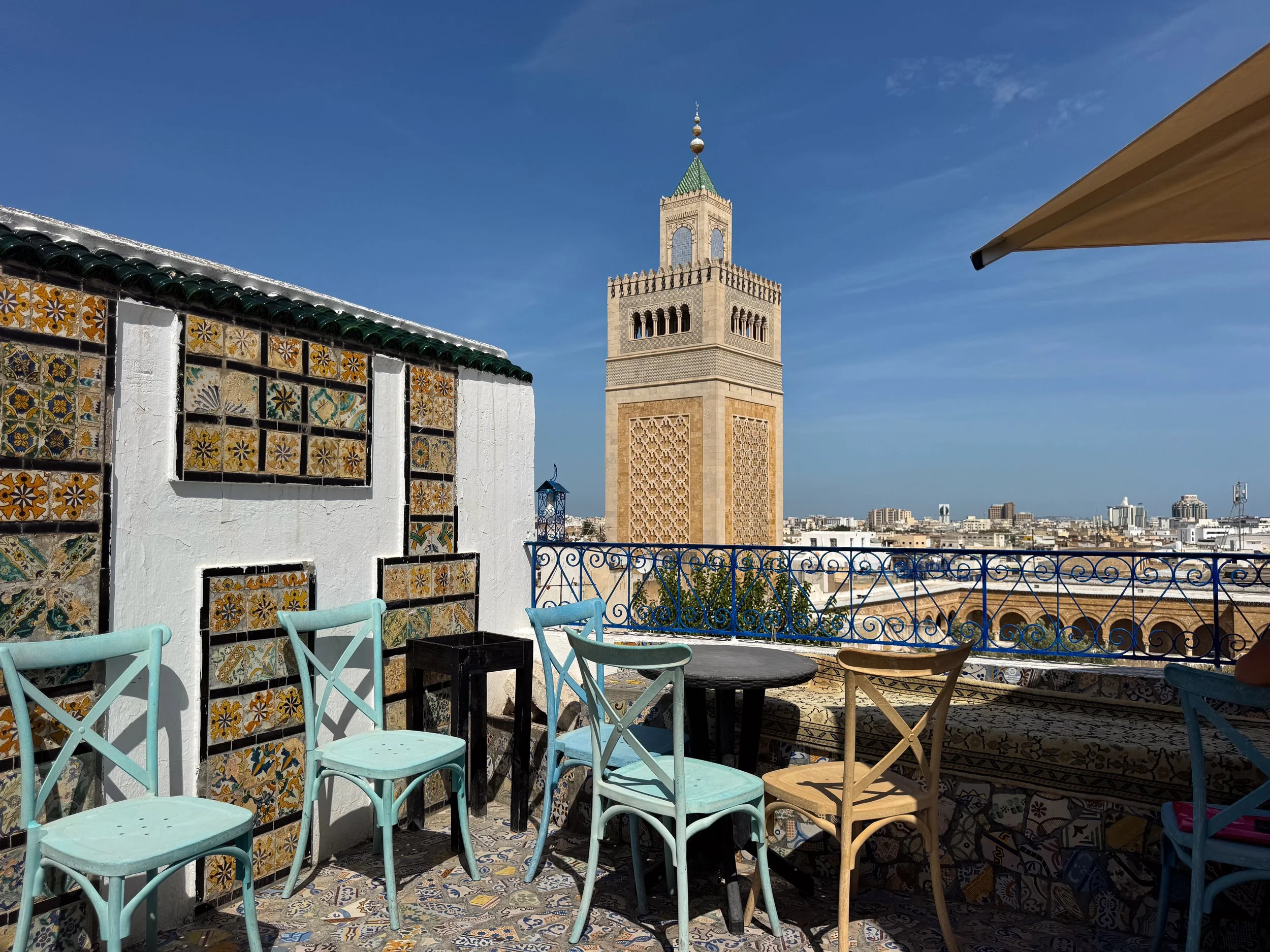
Zitouna Mosque. A historic mosque and Islamic university in the center of the Medina dating back to the 7th century. It features a grand minaret, column lined courtyard and stone masonry repurposed from the ruins of Carthage. It’s not accessible to non Muslims but can be viewed from nearby rooftops like Café Panorama.
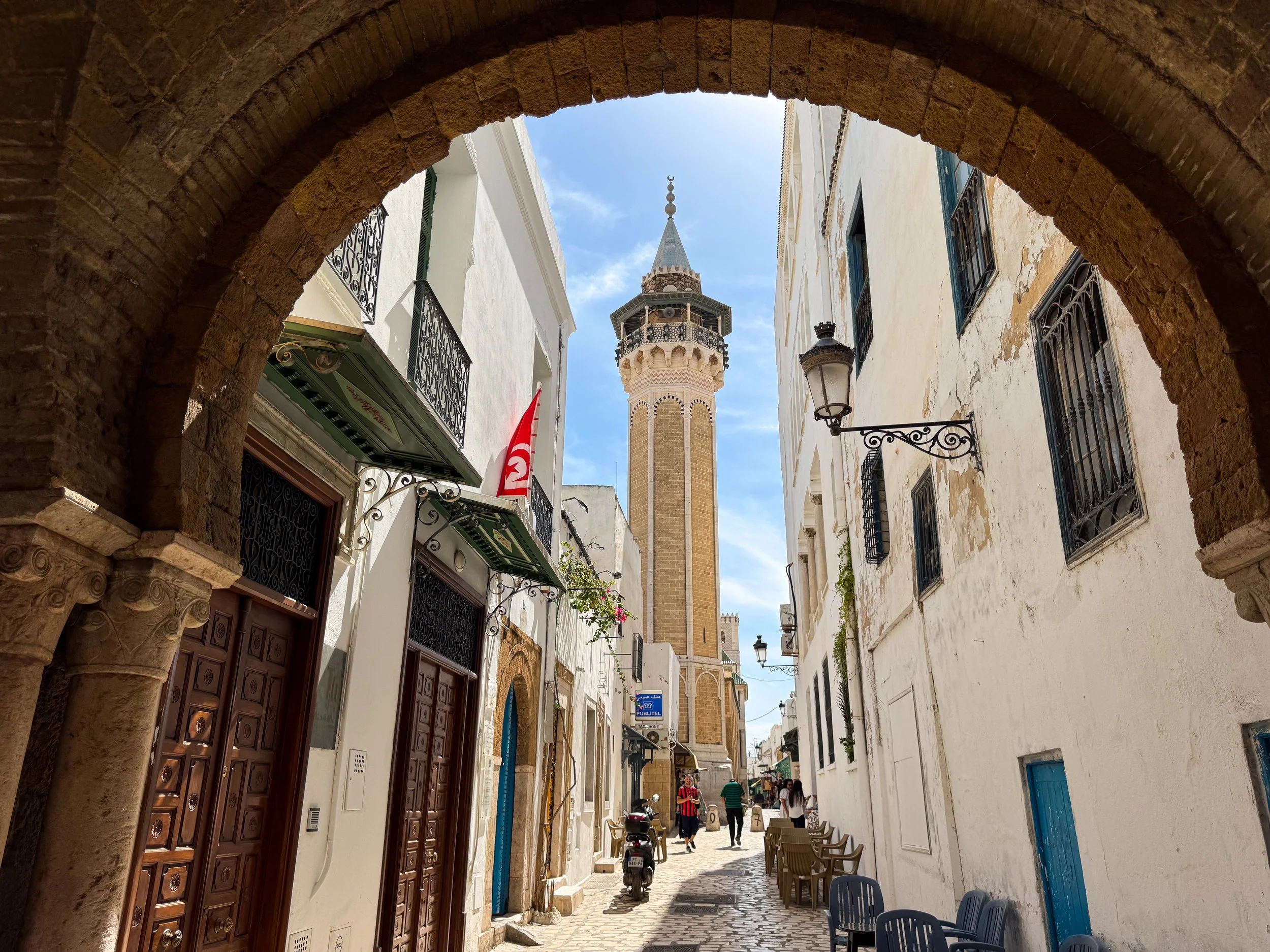
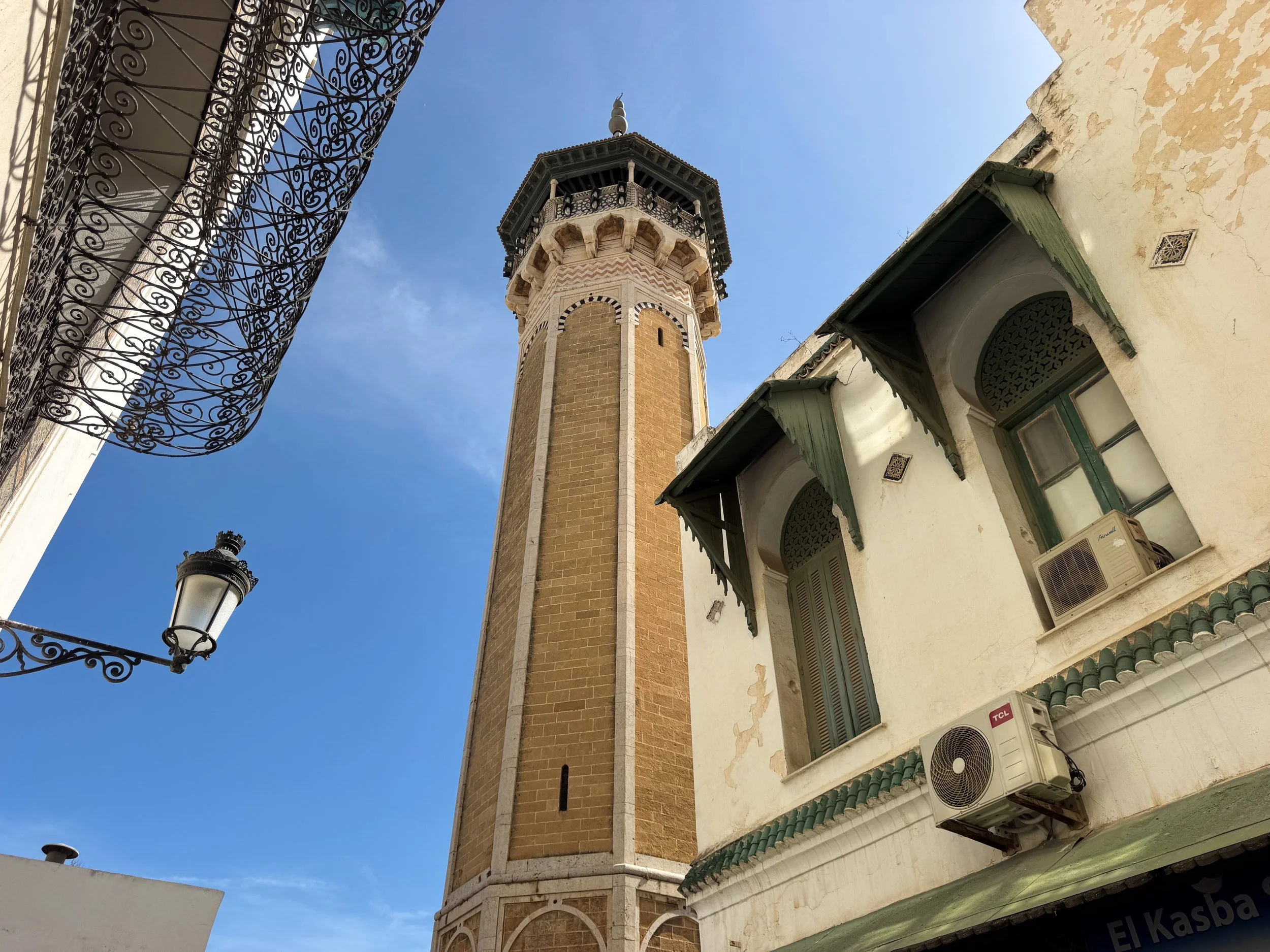
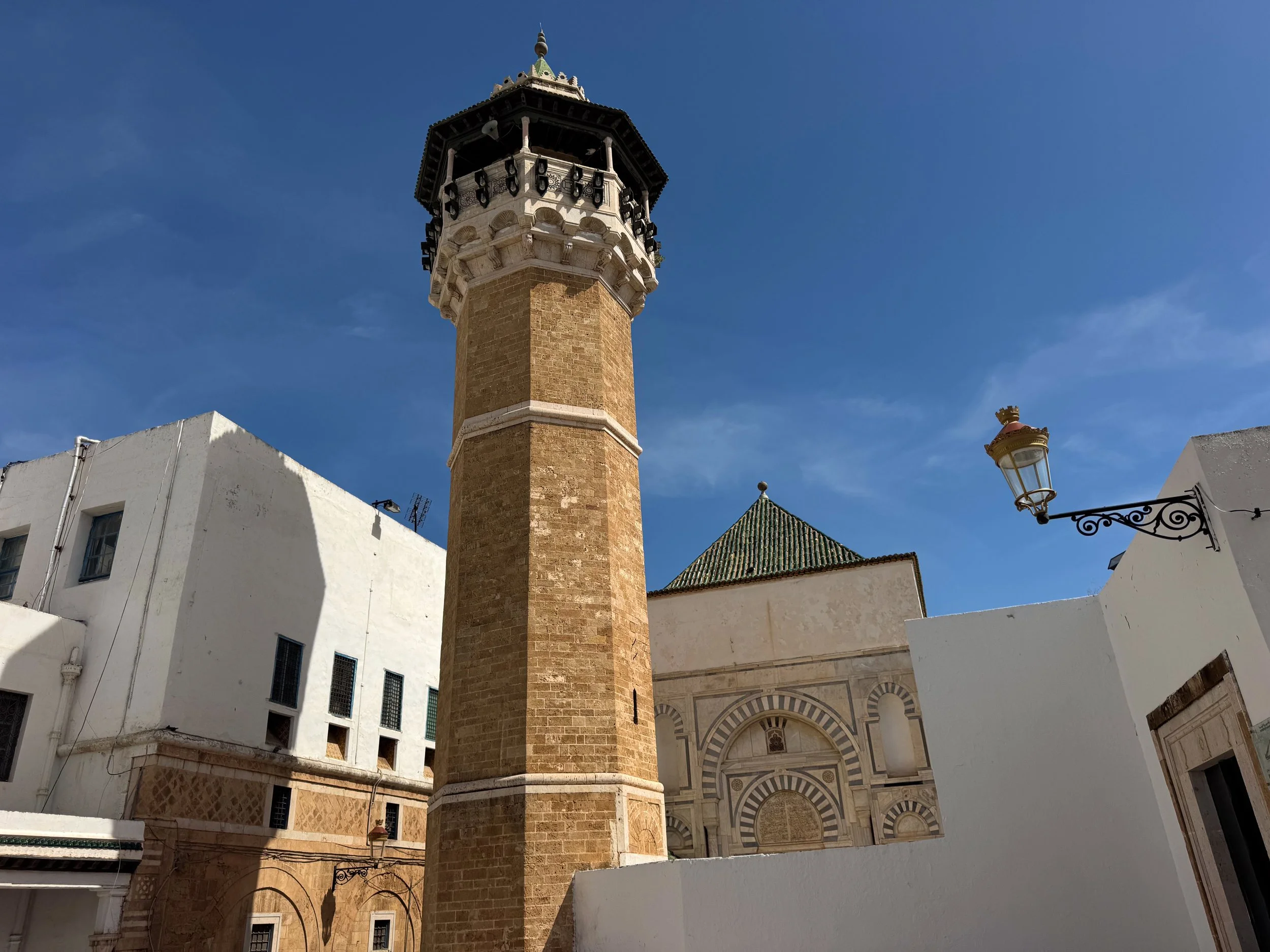
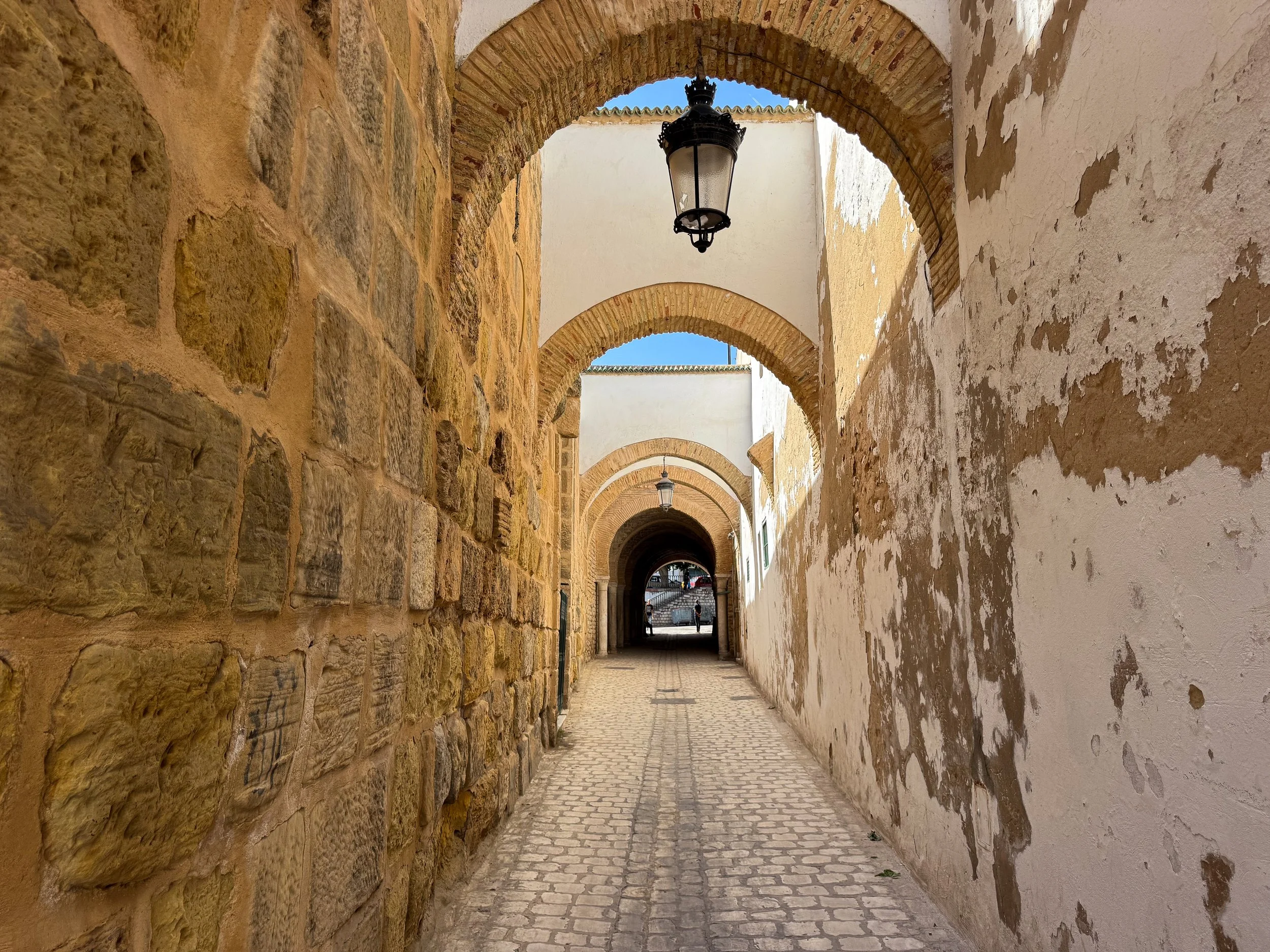
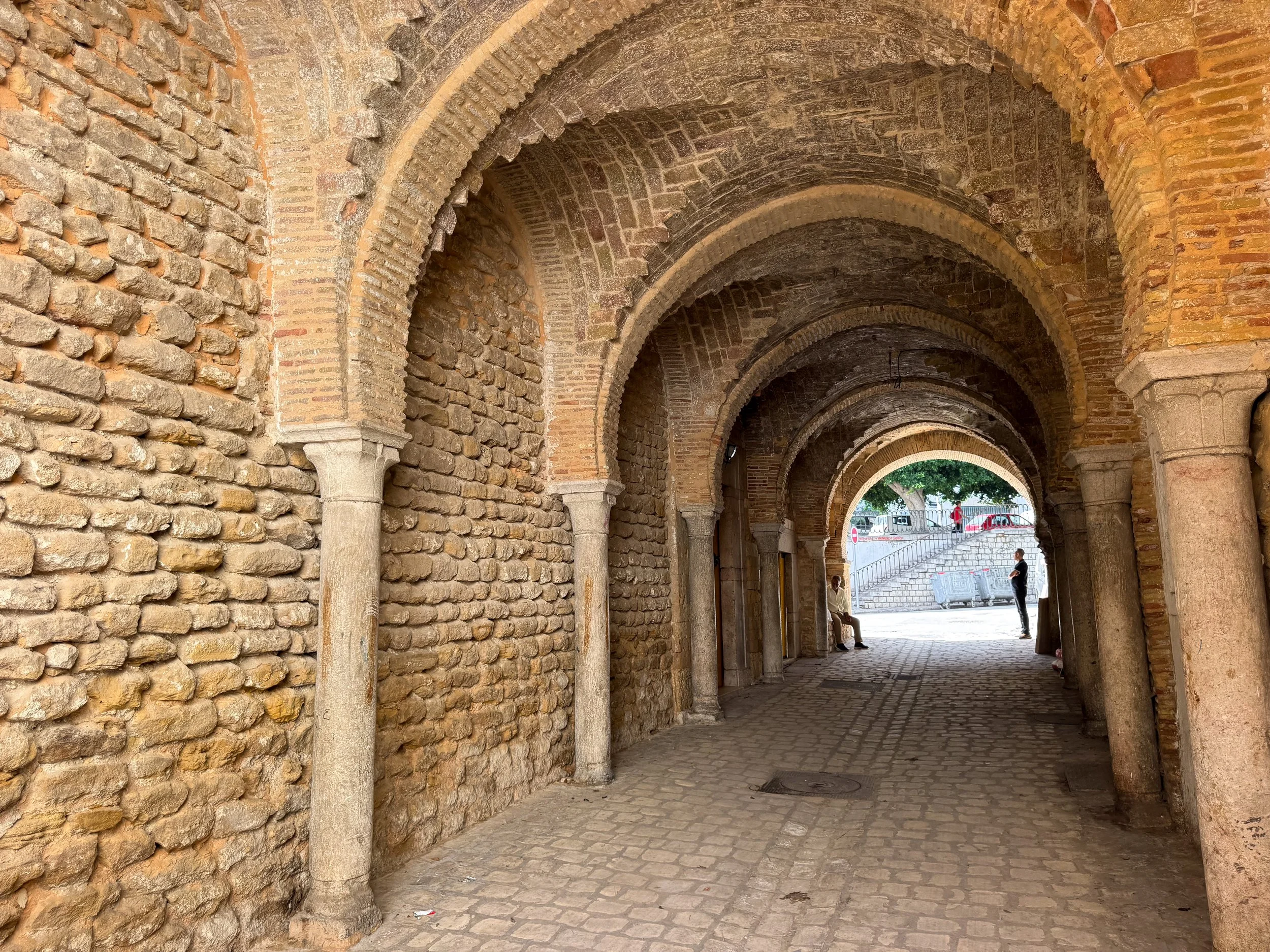
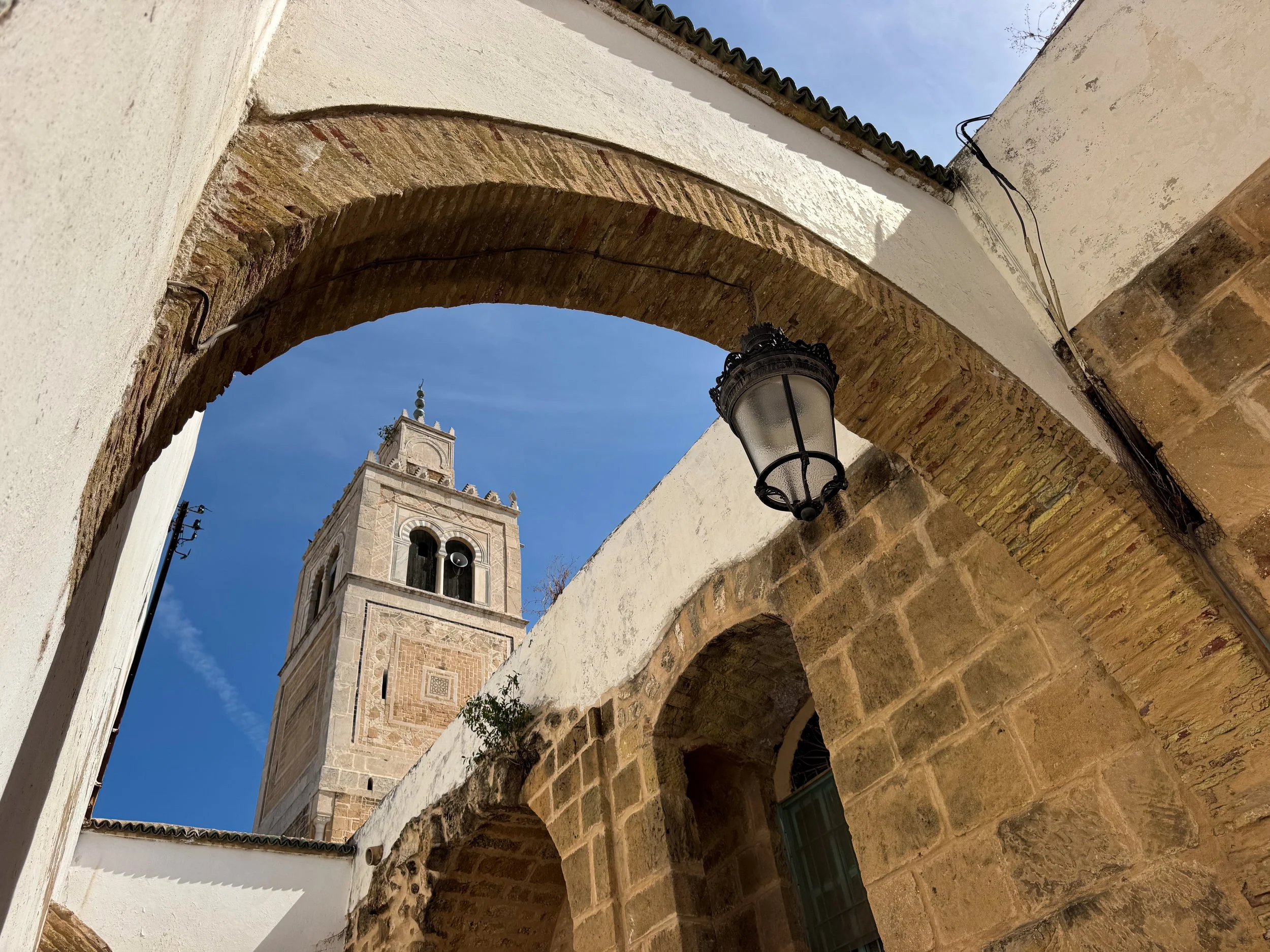
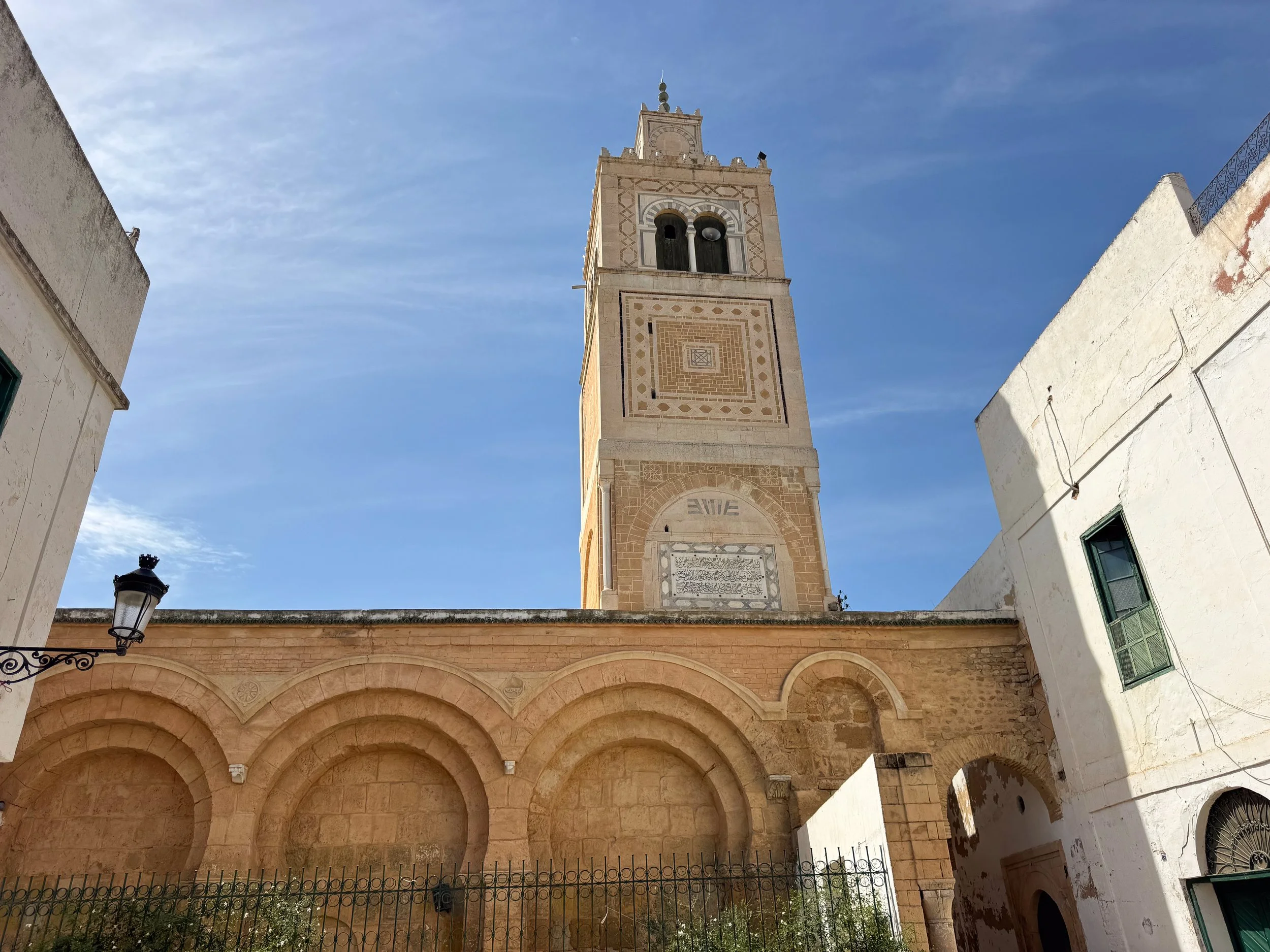
Hamouda Bay Mosque. An Ottoman style mosque with an octagonal stone minaret. It’s one of the most iconic mosques on Rue Sidi Ben Arous, framed by a series of arched tunnels.
Sidi Youssef Dey Mosque. A 17th century mosque and mausoleum, famed for being the first Ottoman mosque built in Tunis. Like most mosques, non Muslims cannot enter.
Bab Mnara. A 12th century gate leading into the Medina. It passes through a vaulted stone tunnel built using Carthaginian columns. The historic minaret of the El Ksar Mosque towers above it.
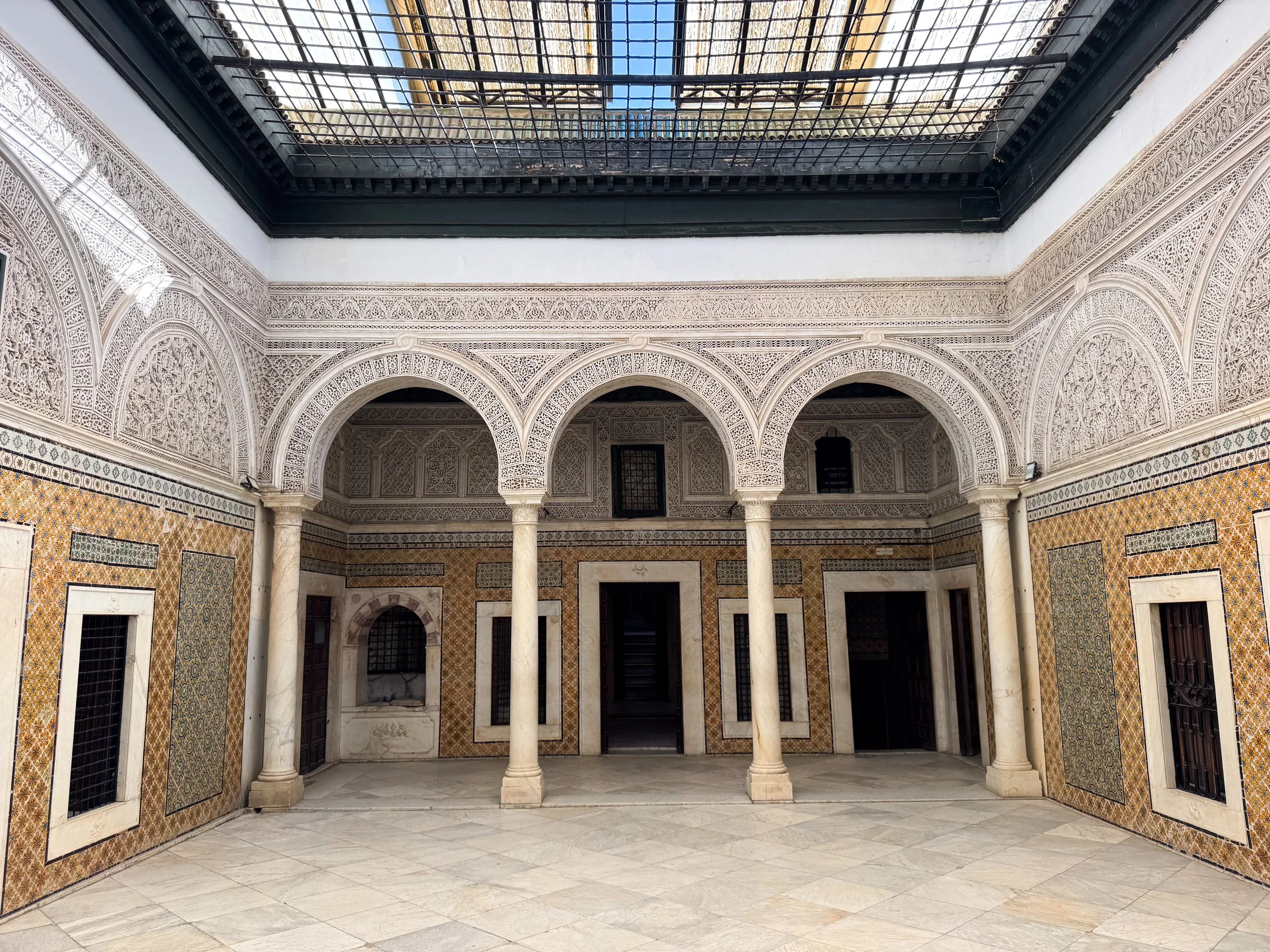
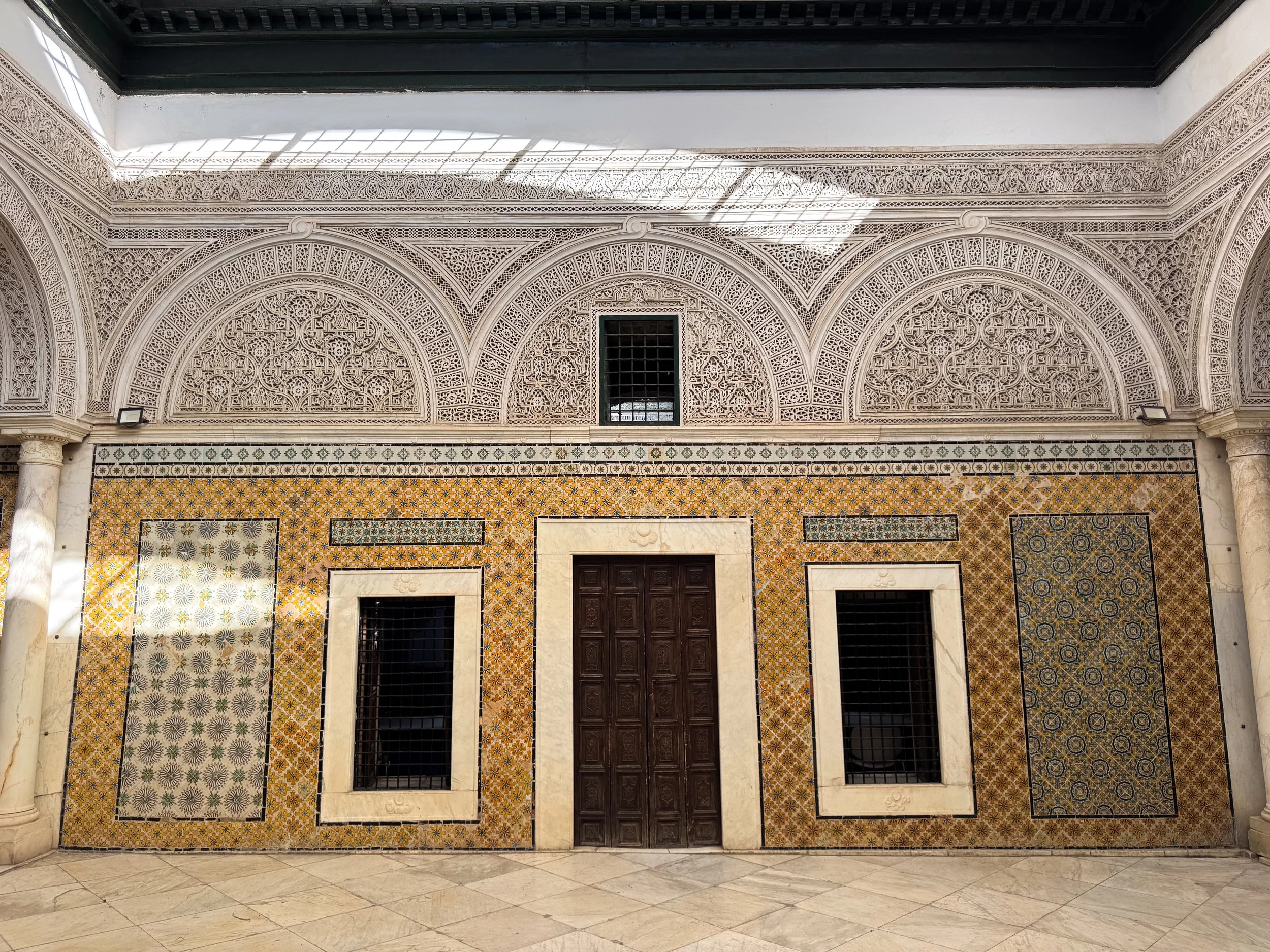
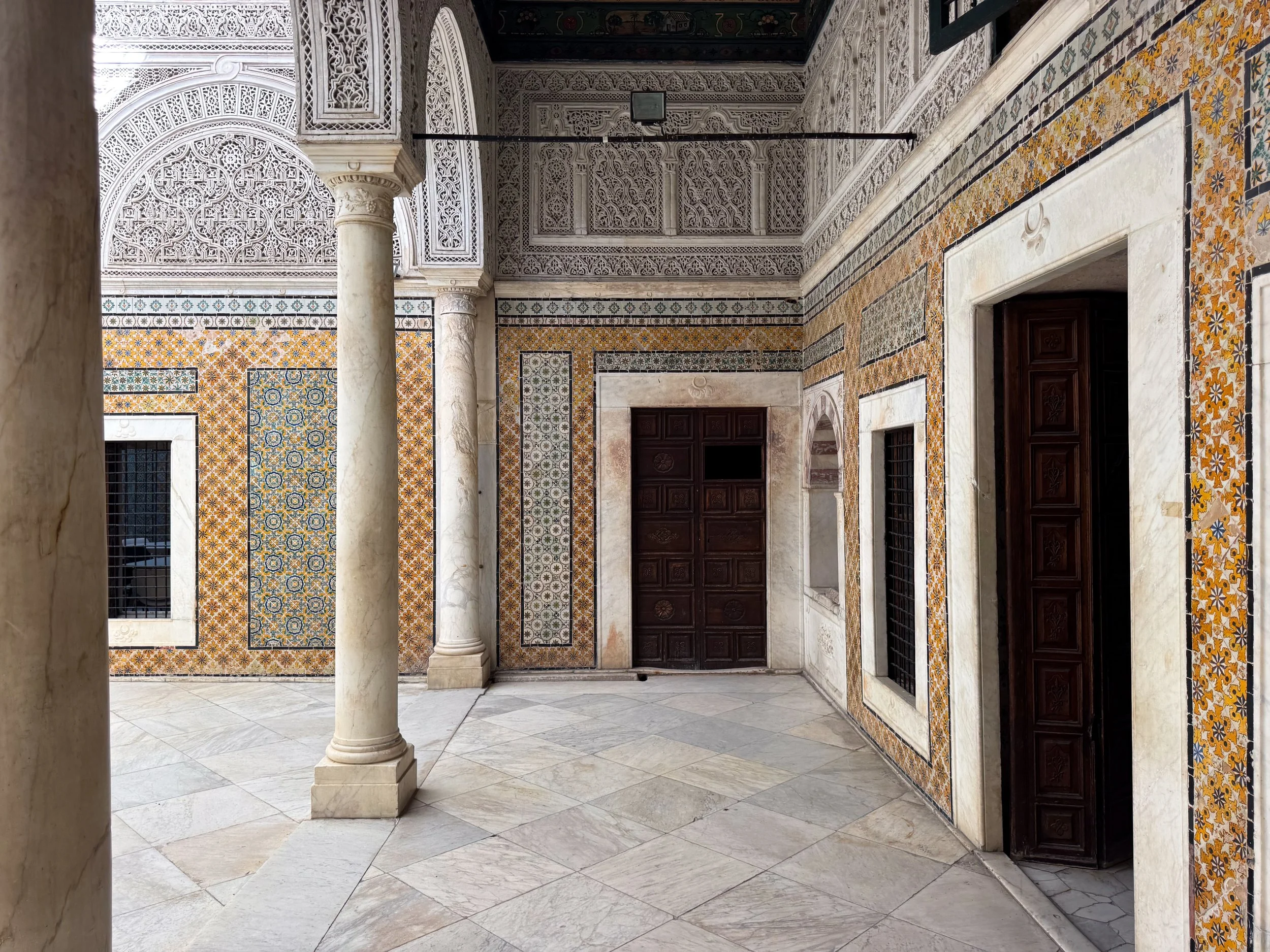
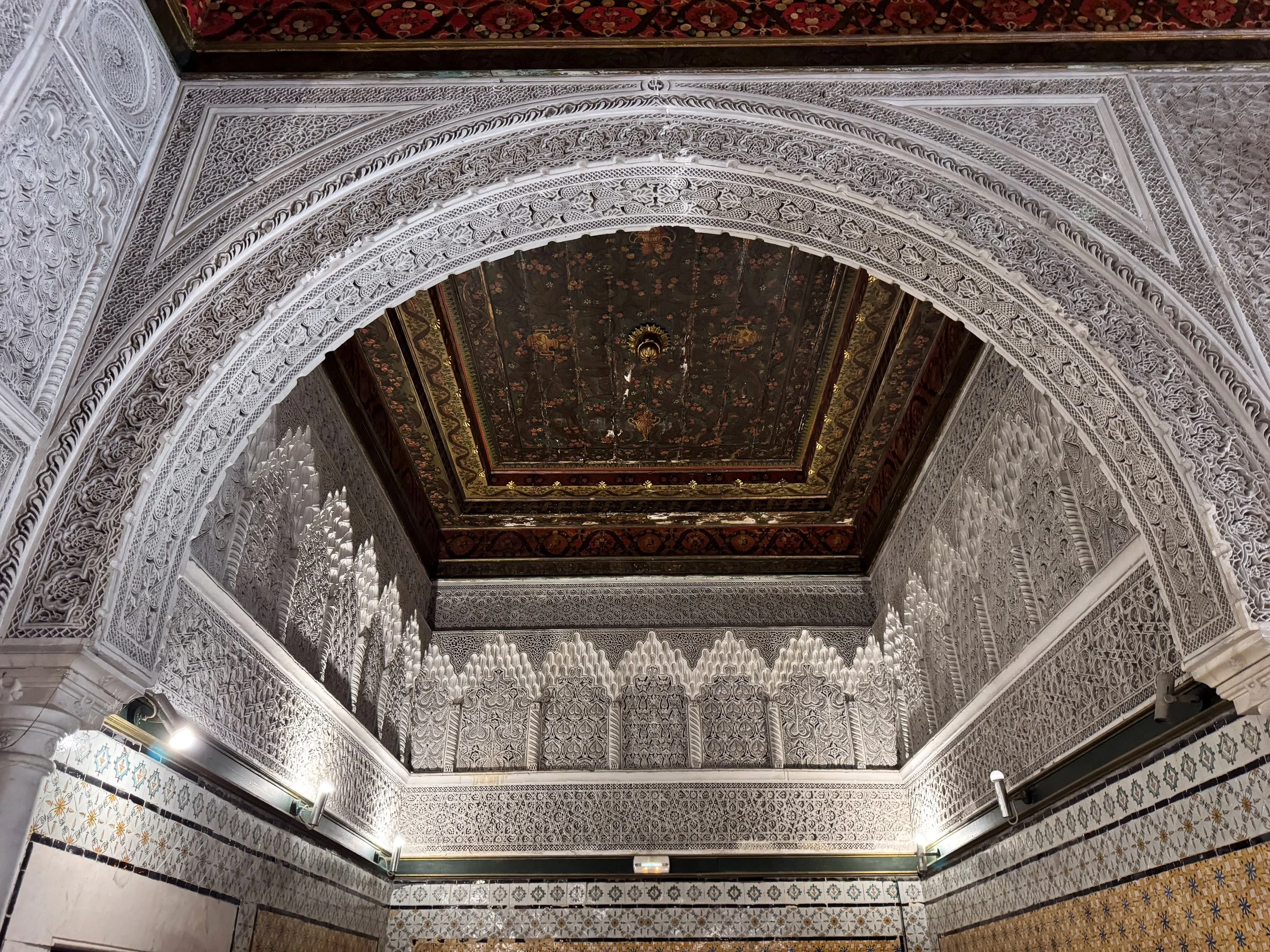
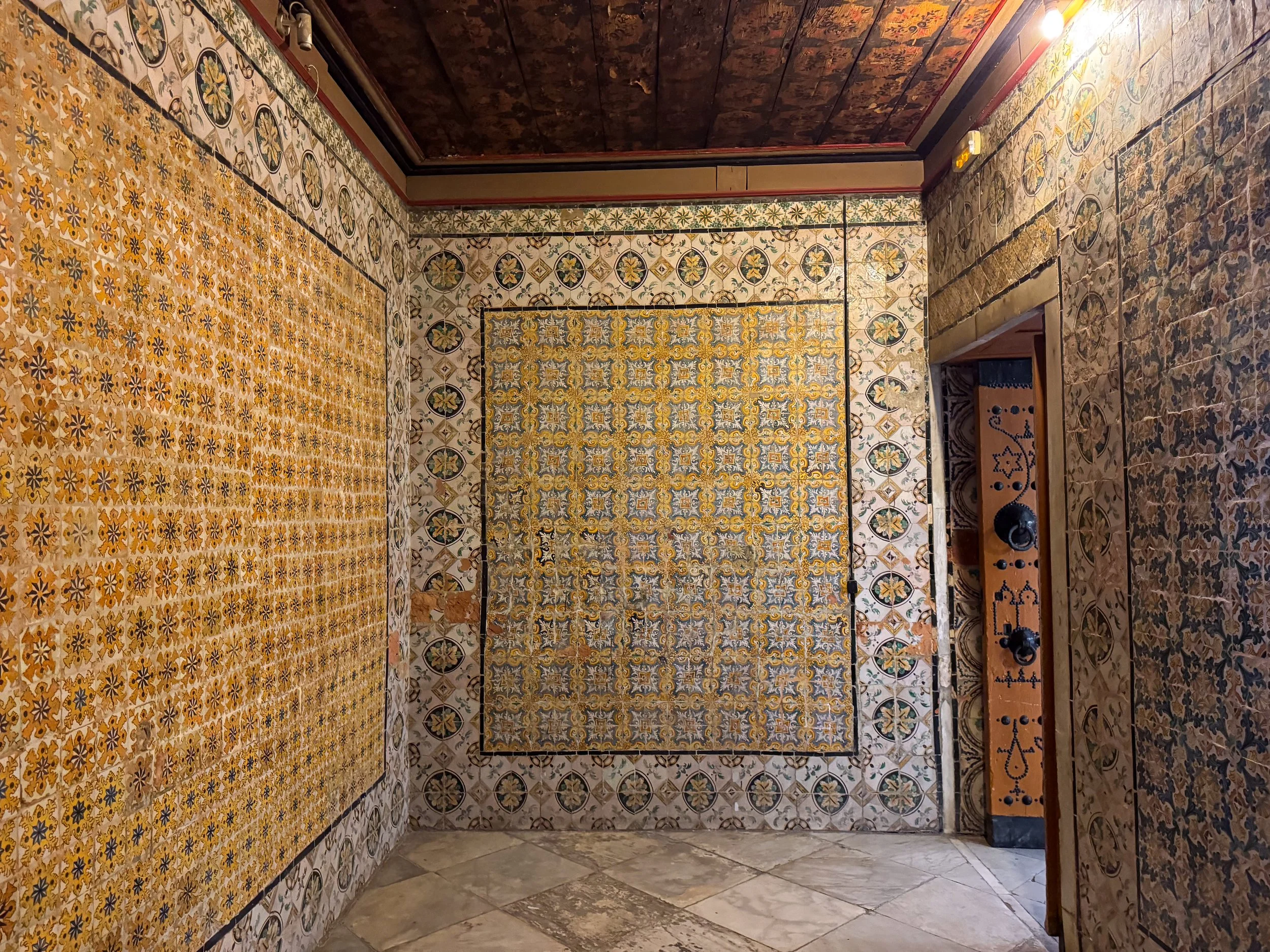
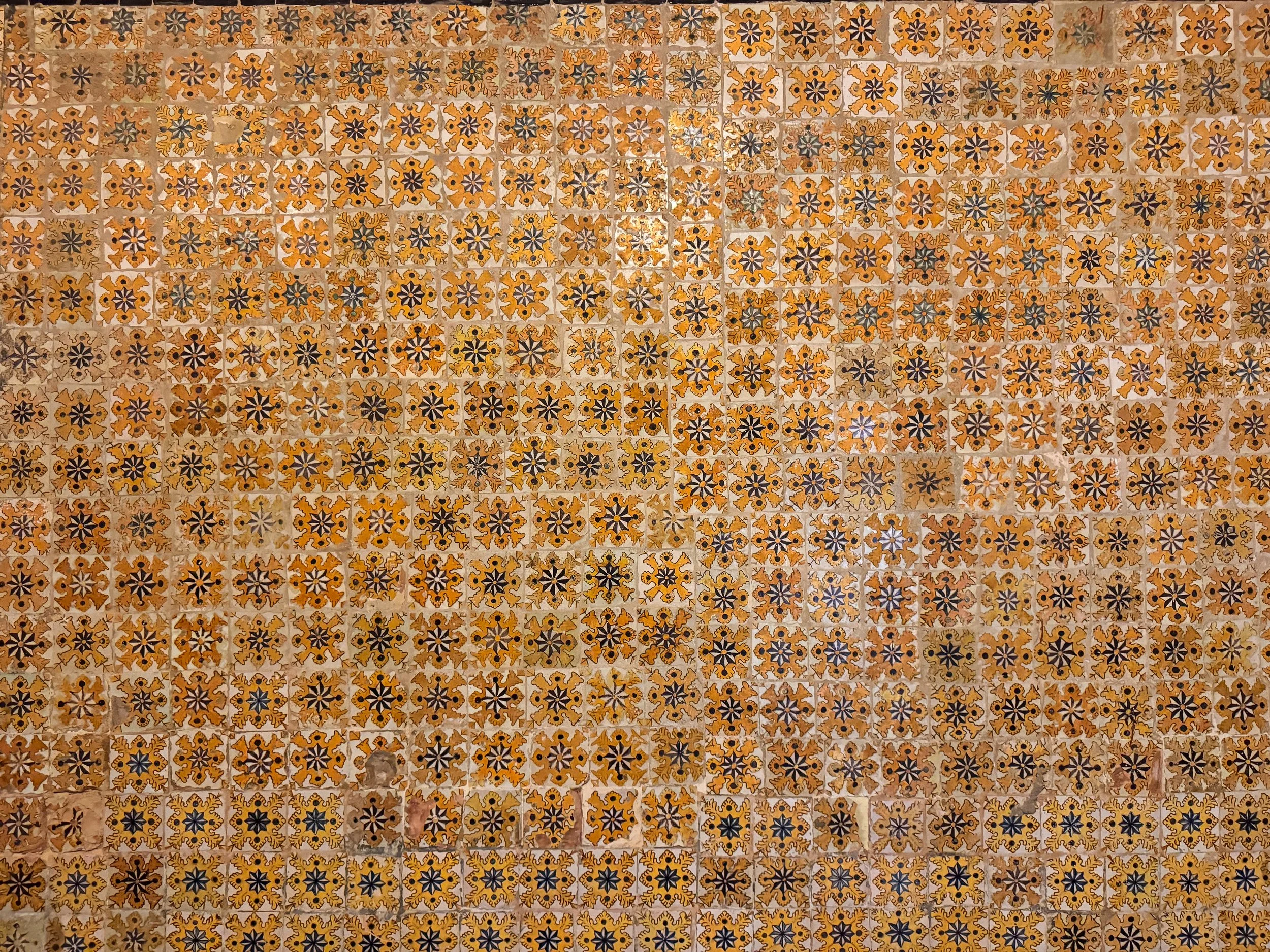
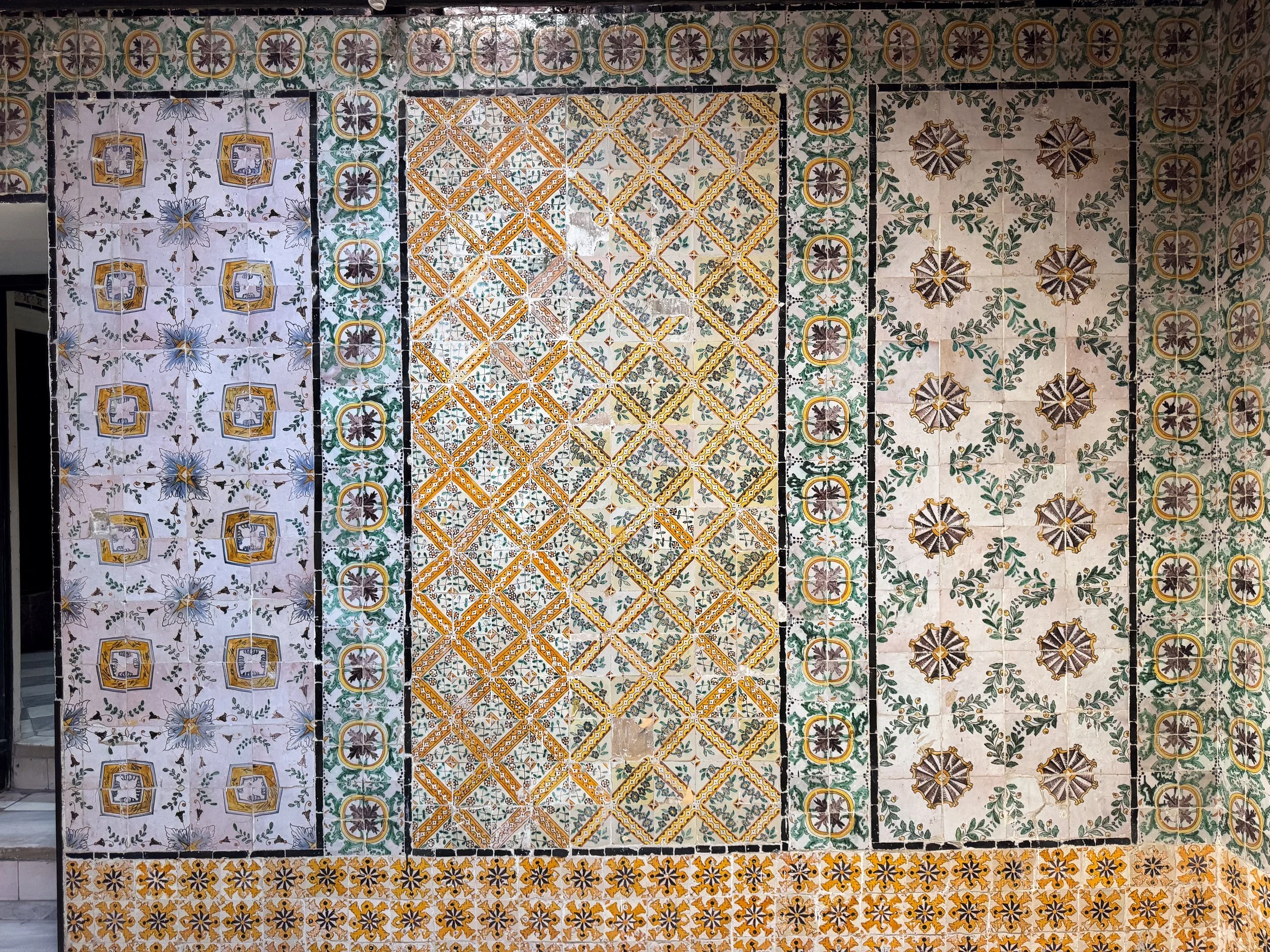
Dar Lasram Palace. An elaborately designed 19th century palace in the center of the Medina. Its interior walls are covered in colorful hand painted tiles. Tall ceilings are adorned with gold leafed and painted wooden panels. The central courtyard features marble columns, highly ornamented plaster arches and carved wooden doors leading to stately rooms.
Good to Know. There are no official hours. If the front door is open, the palace is available to tour. Tickets cost 5 TND.
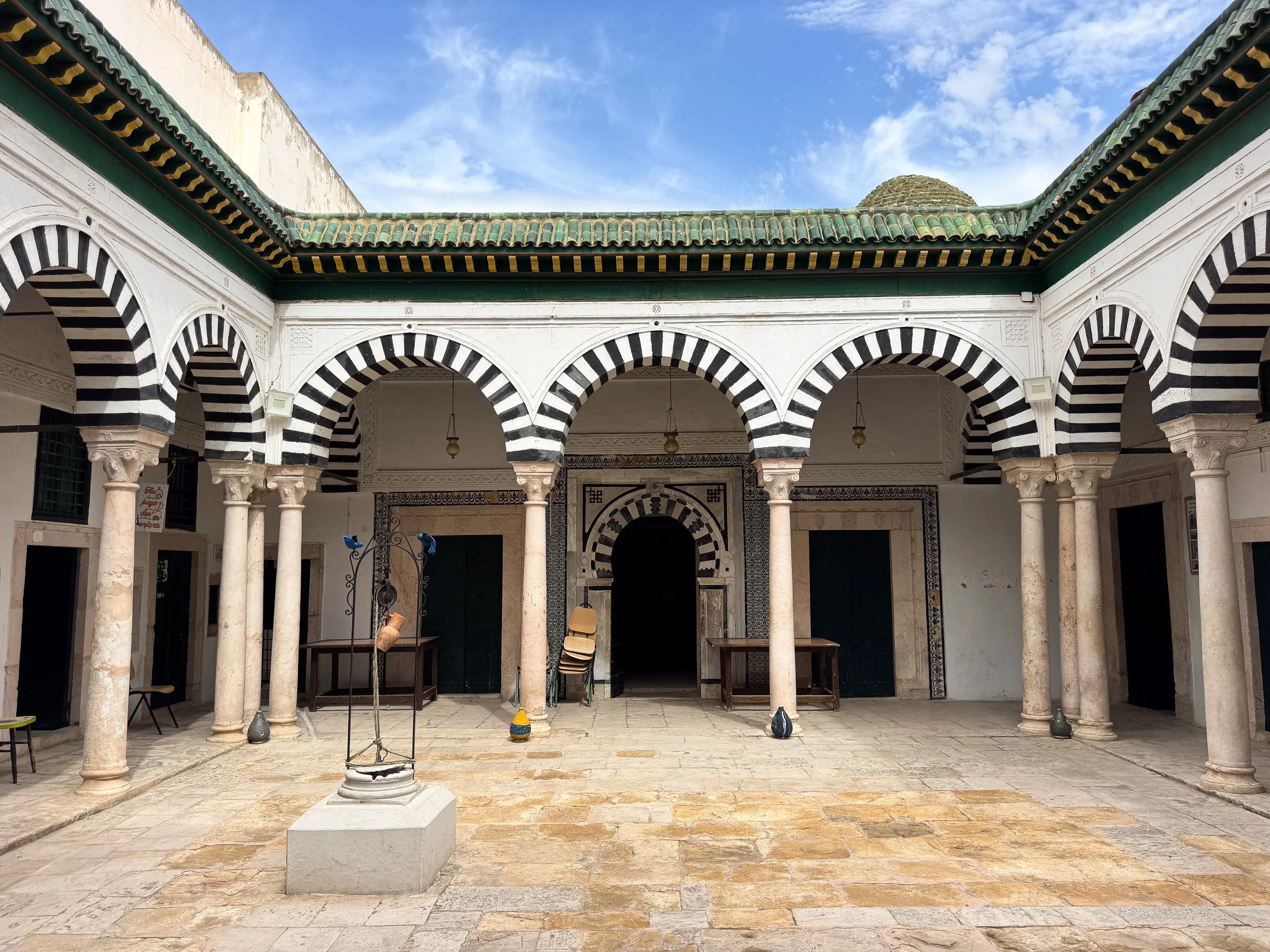
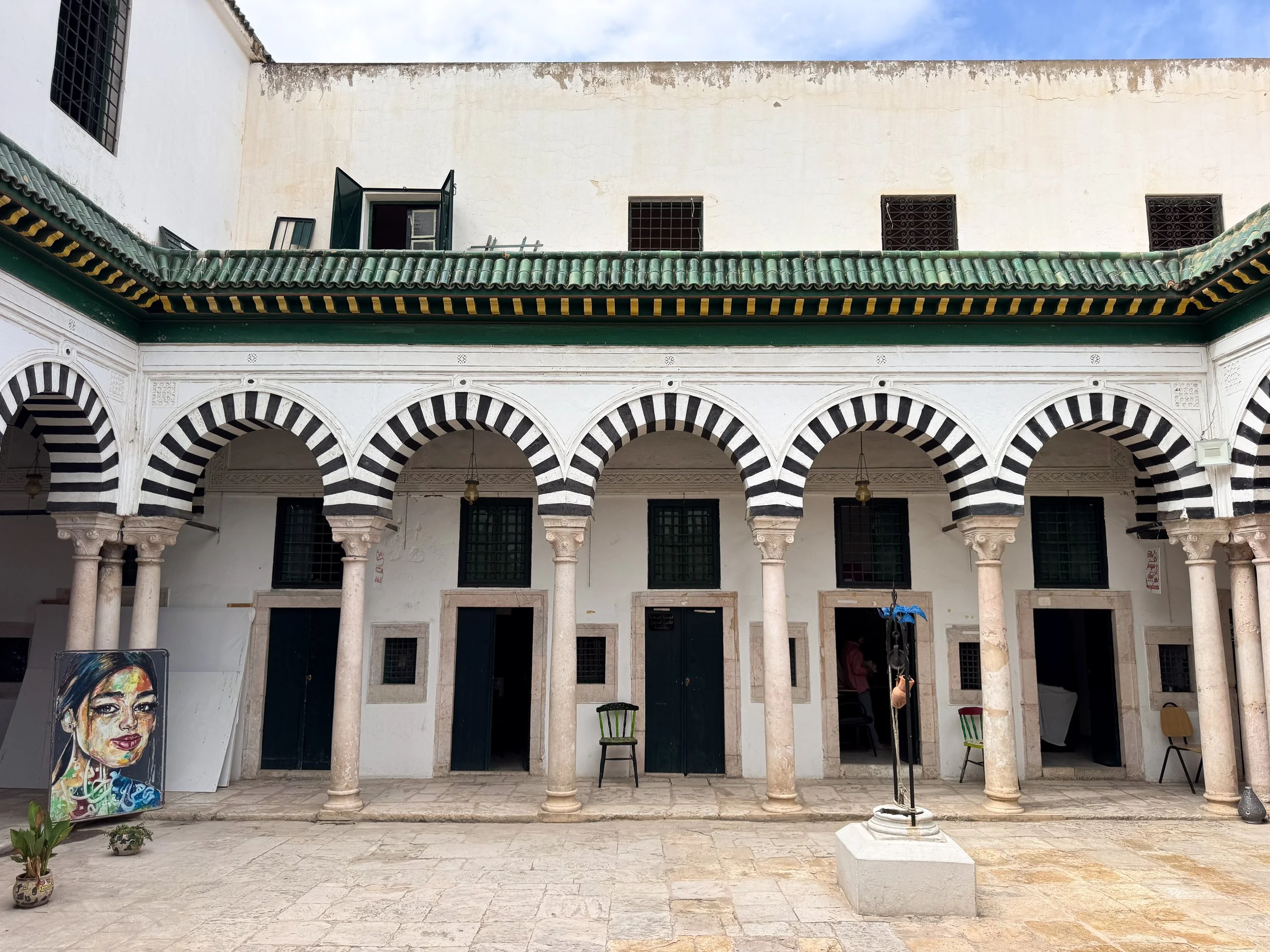
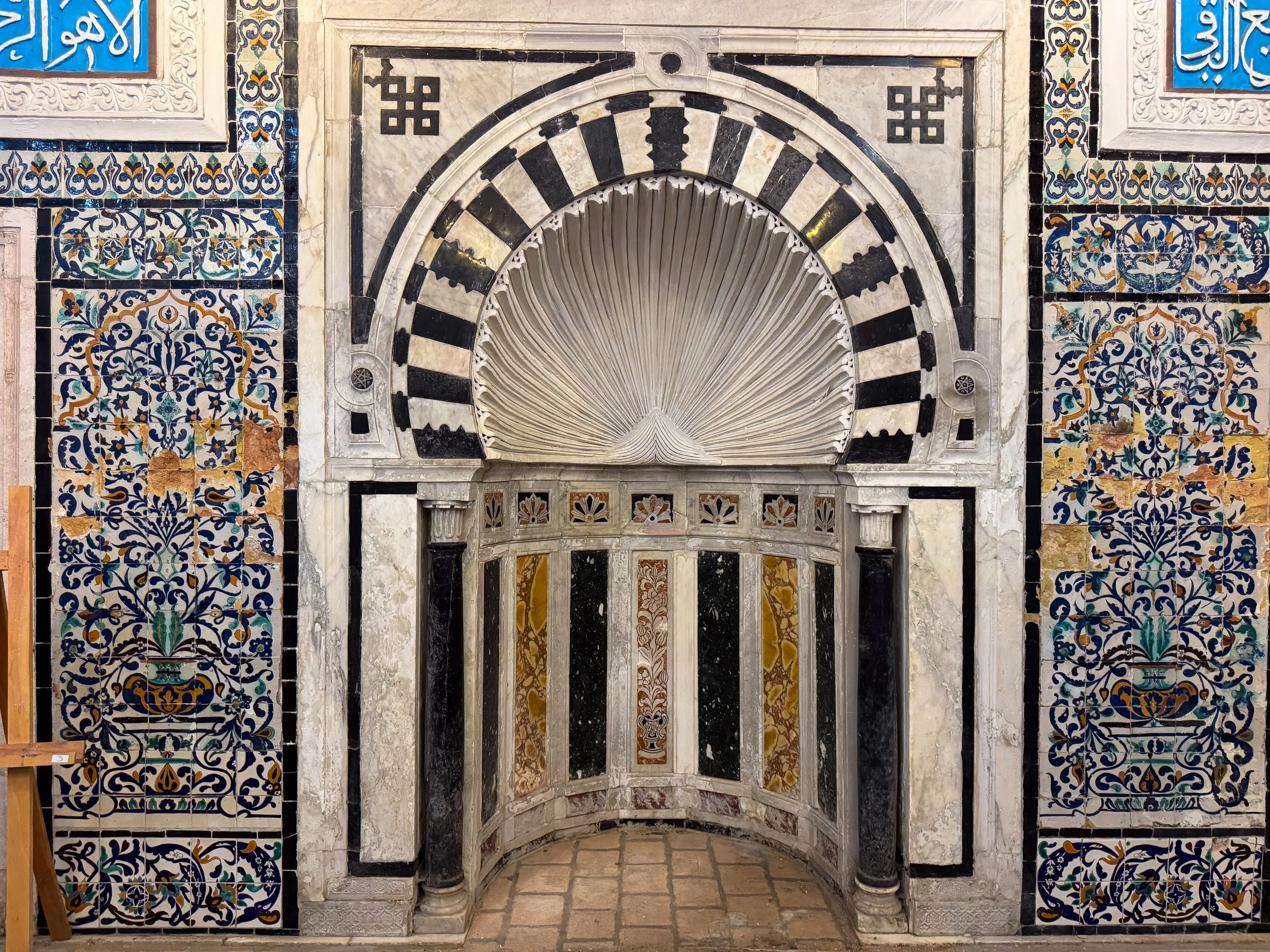
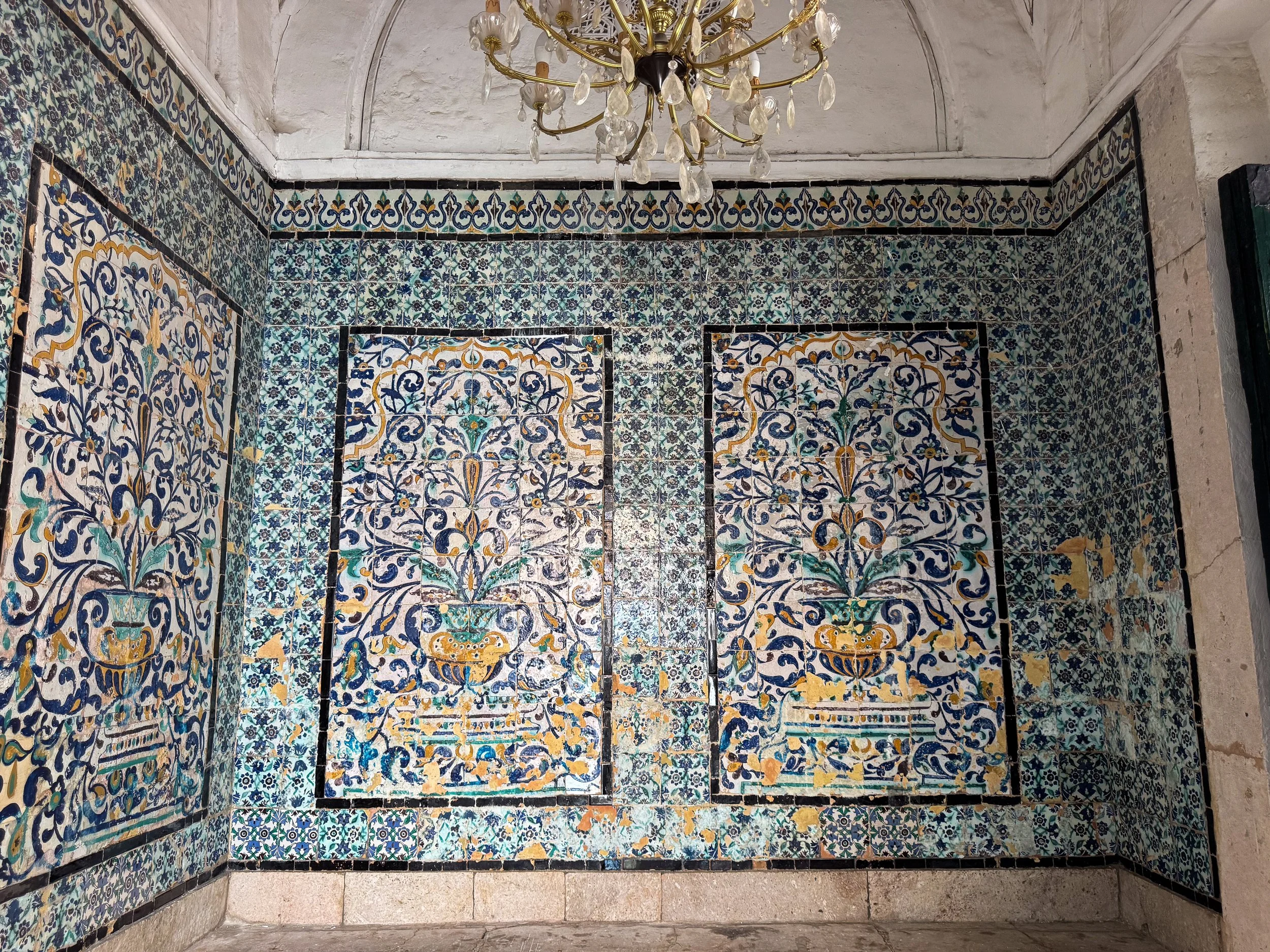
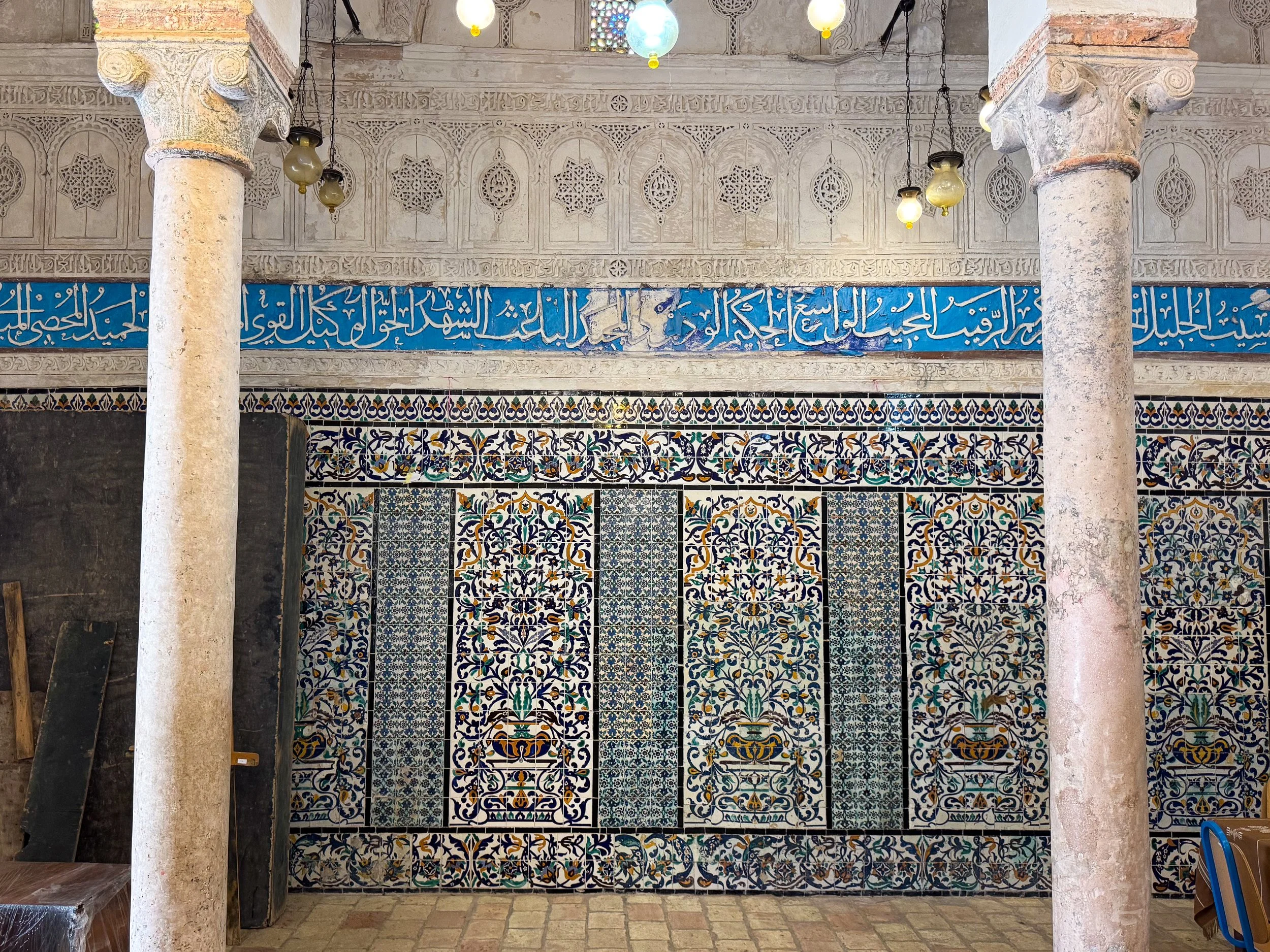
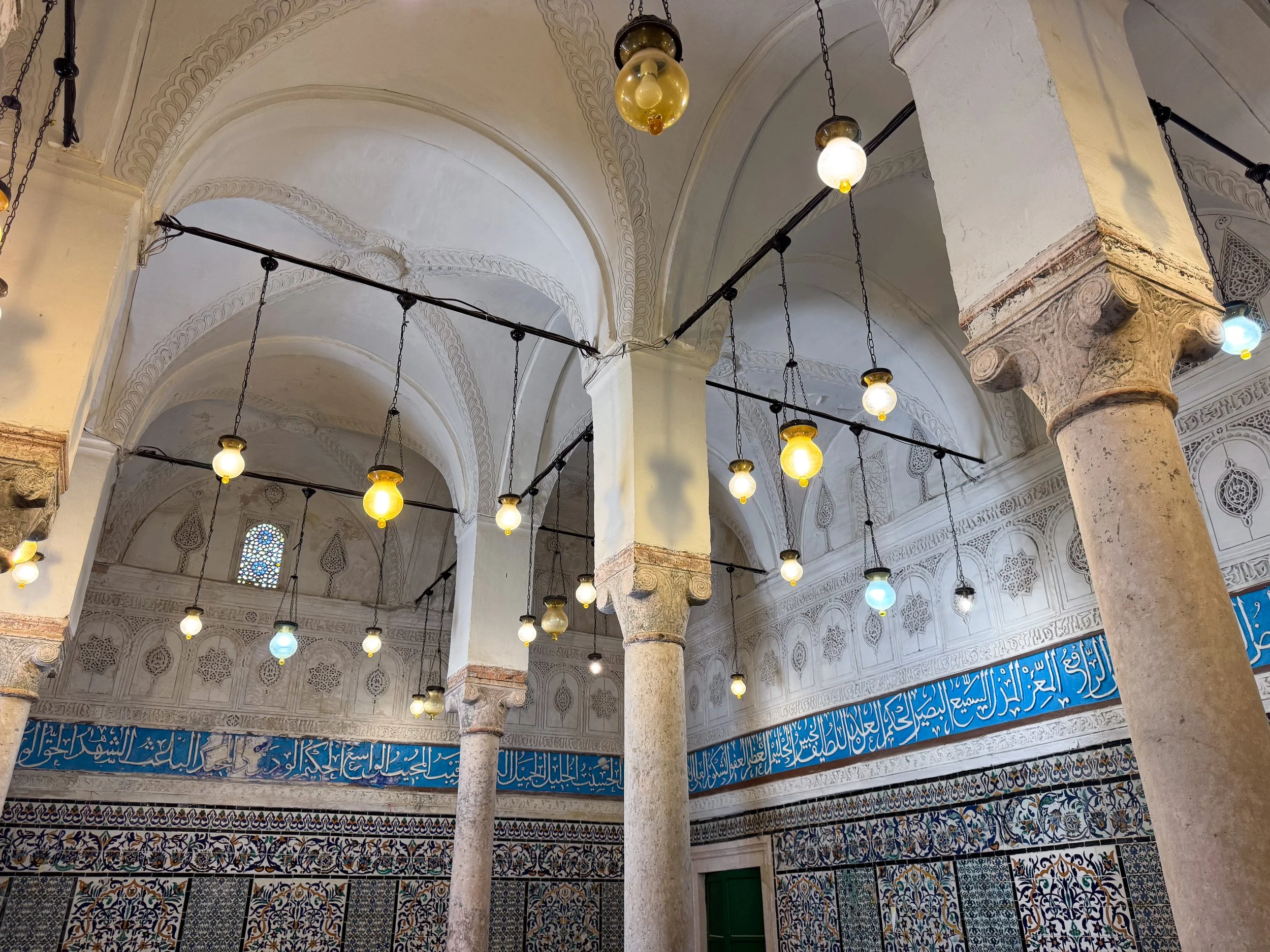
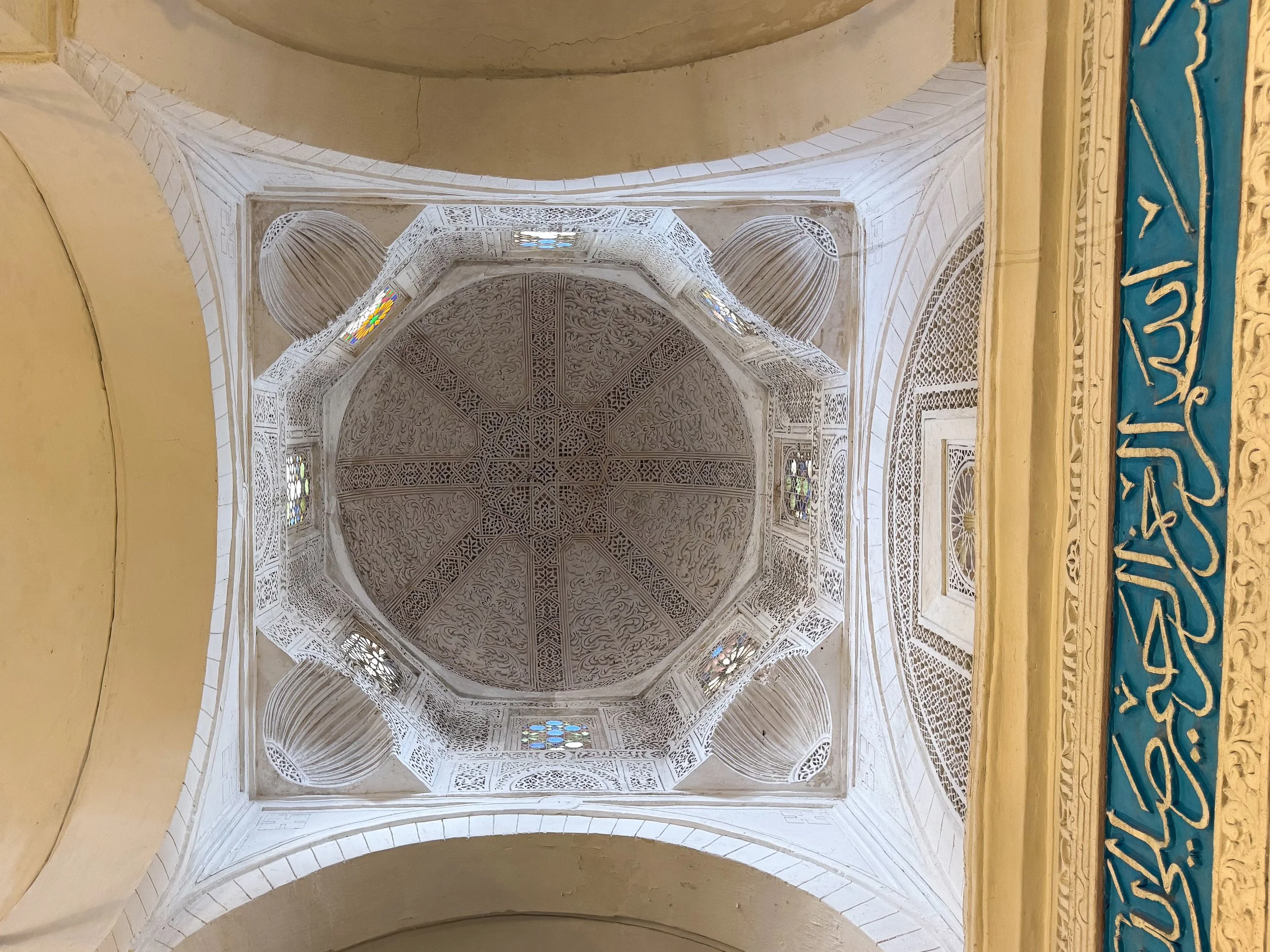
Madrasa Slimania. A former Islamic University built in the mid 18th century during Ottoman rule. Its central courtyard features black and white arches, marble columns and green roof tiles. An ornately tiled foyer, prayer room and series of individual studies surround the courtyard.
Good to Know. Now a cultural center, it’s free to enter if the doors are open.
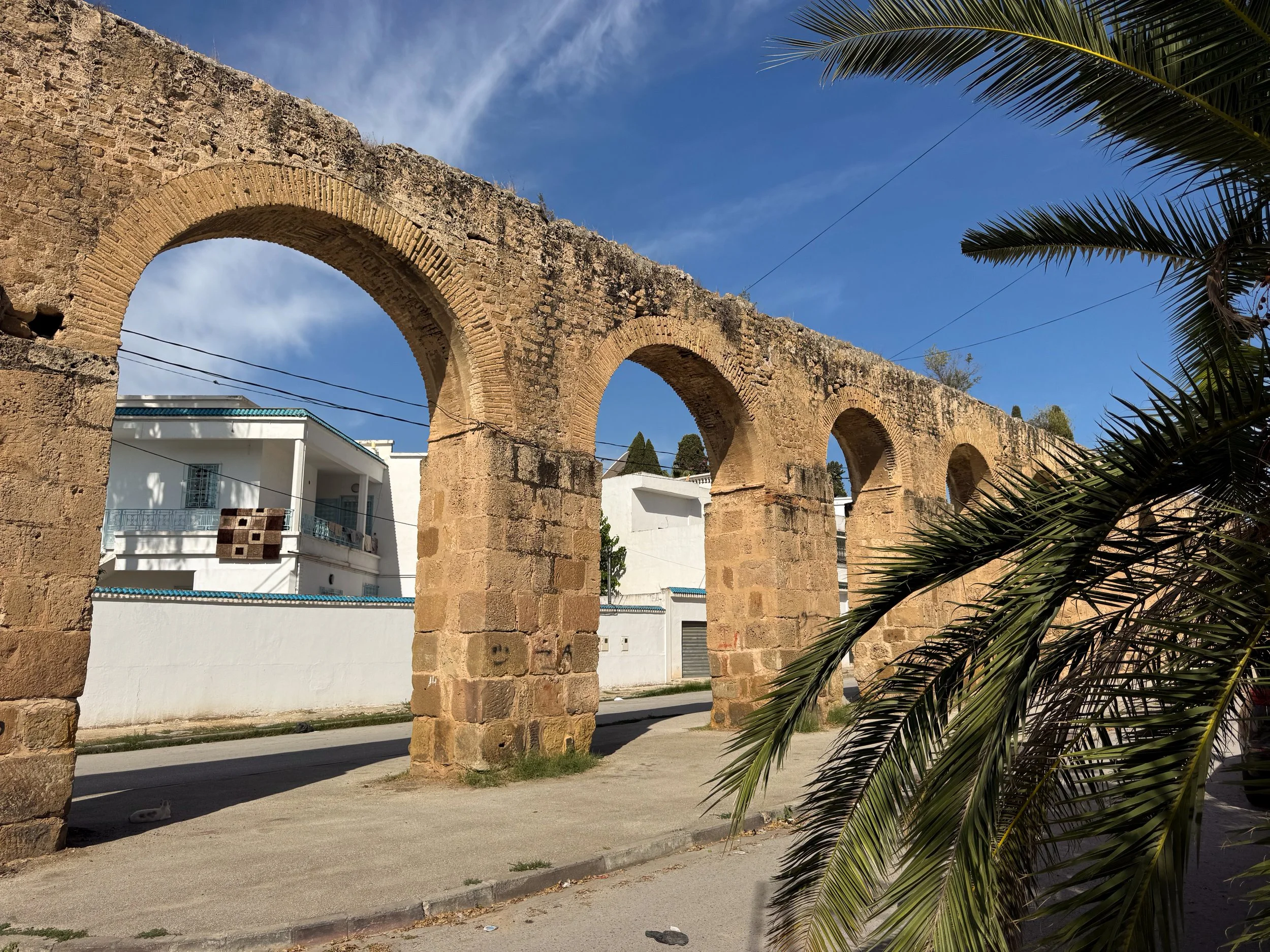
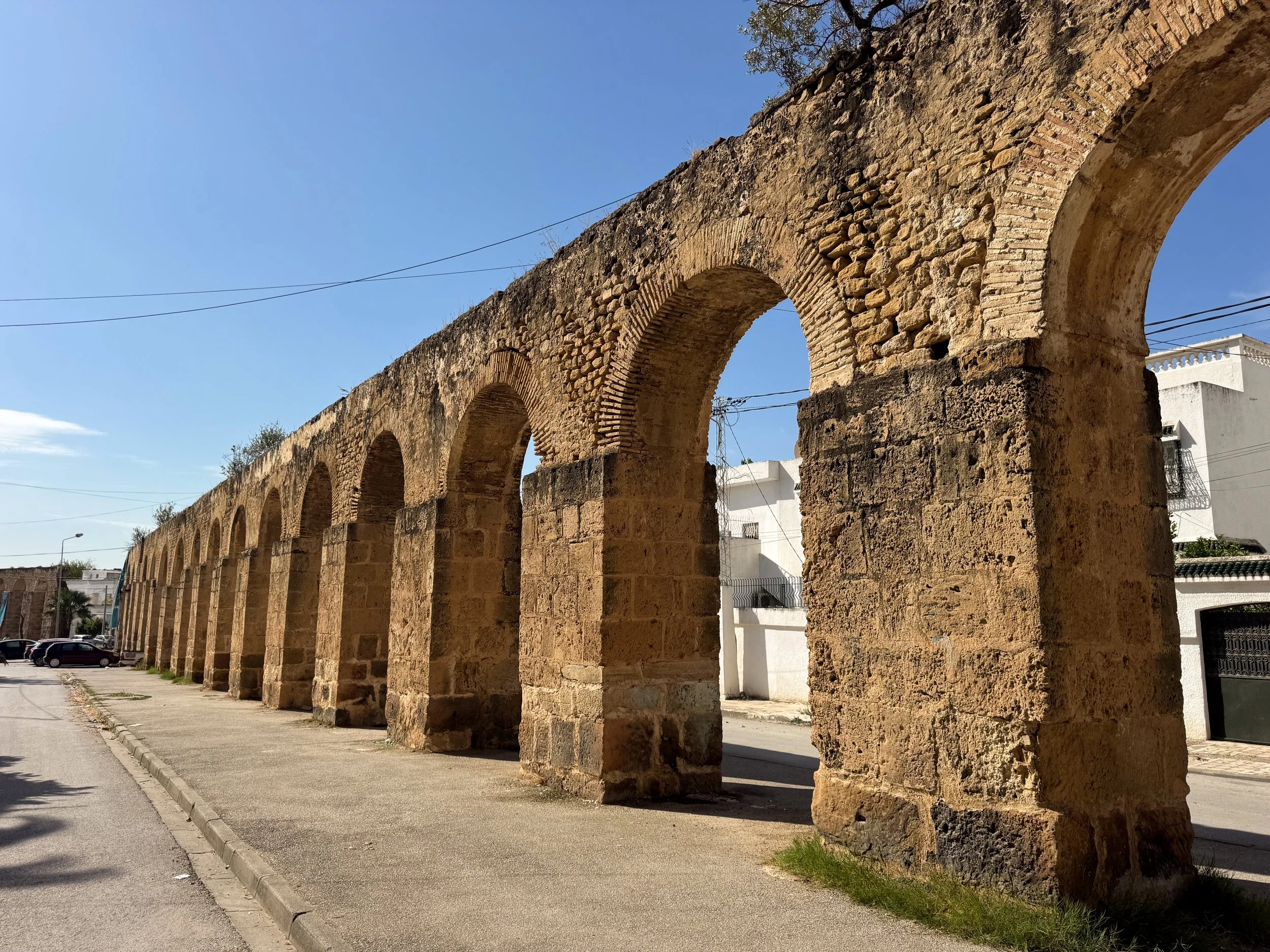
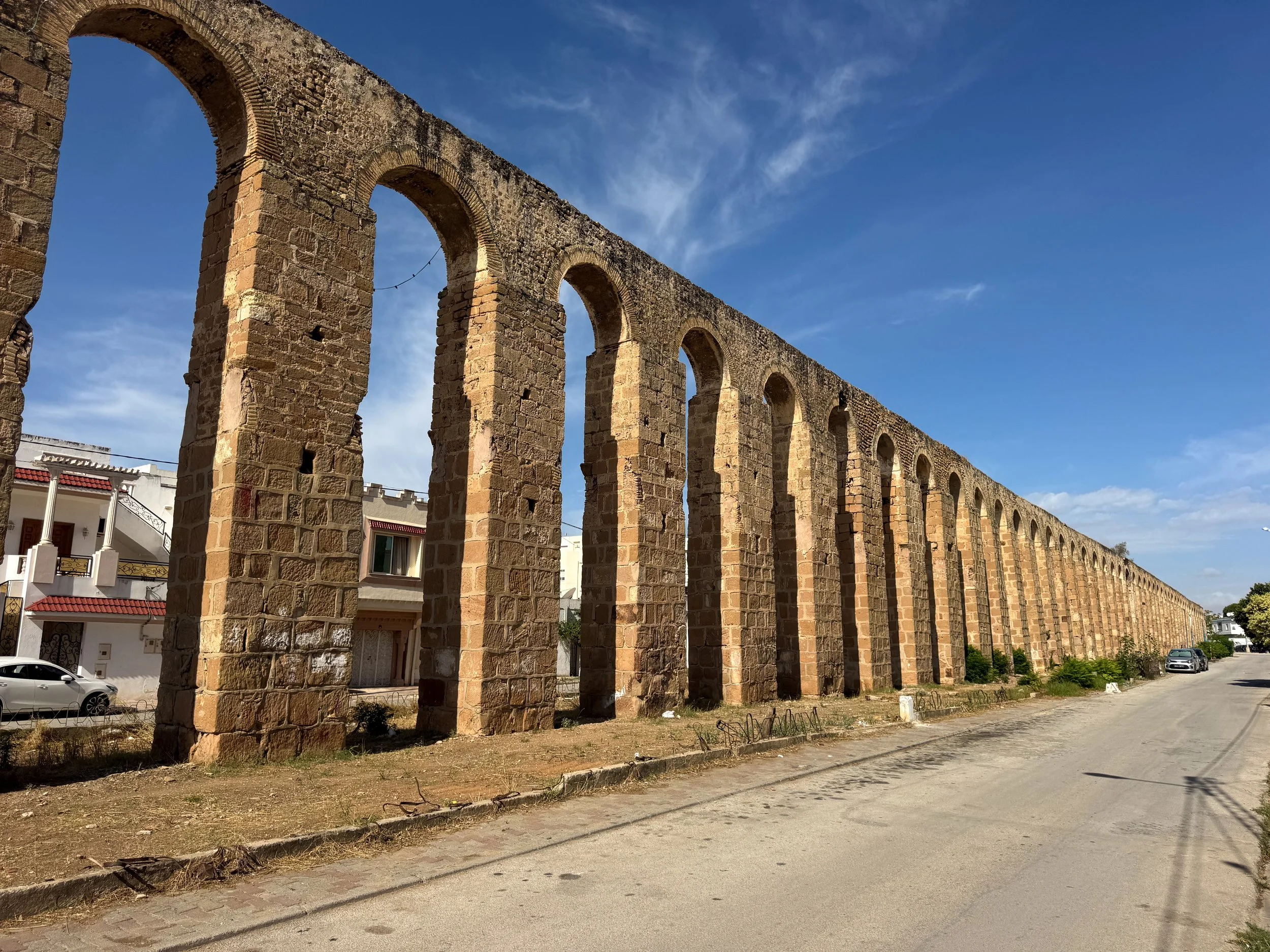
Roman Aqueducts of Bardo. The lengthy ruins of a 2nd century Roman aqueduct. Its tall stone and brick columns are bridged by a series of arches. It spans a street in the middle of a residential neighborhood, towering over adjacent houses.
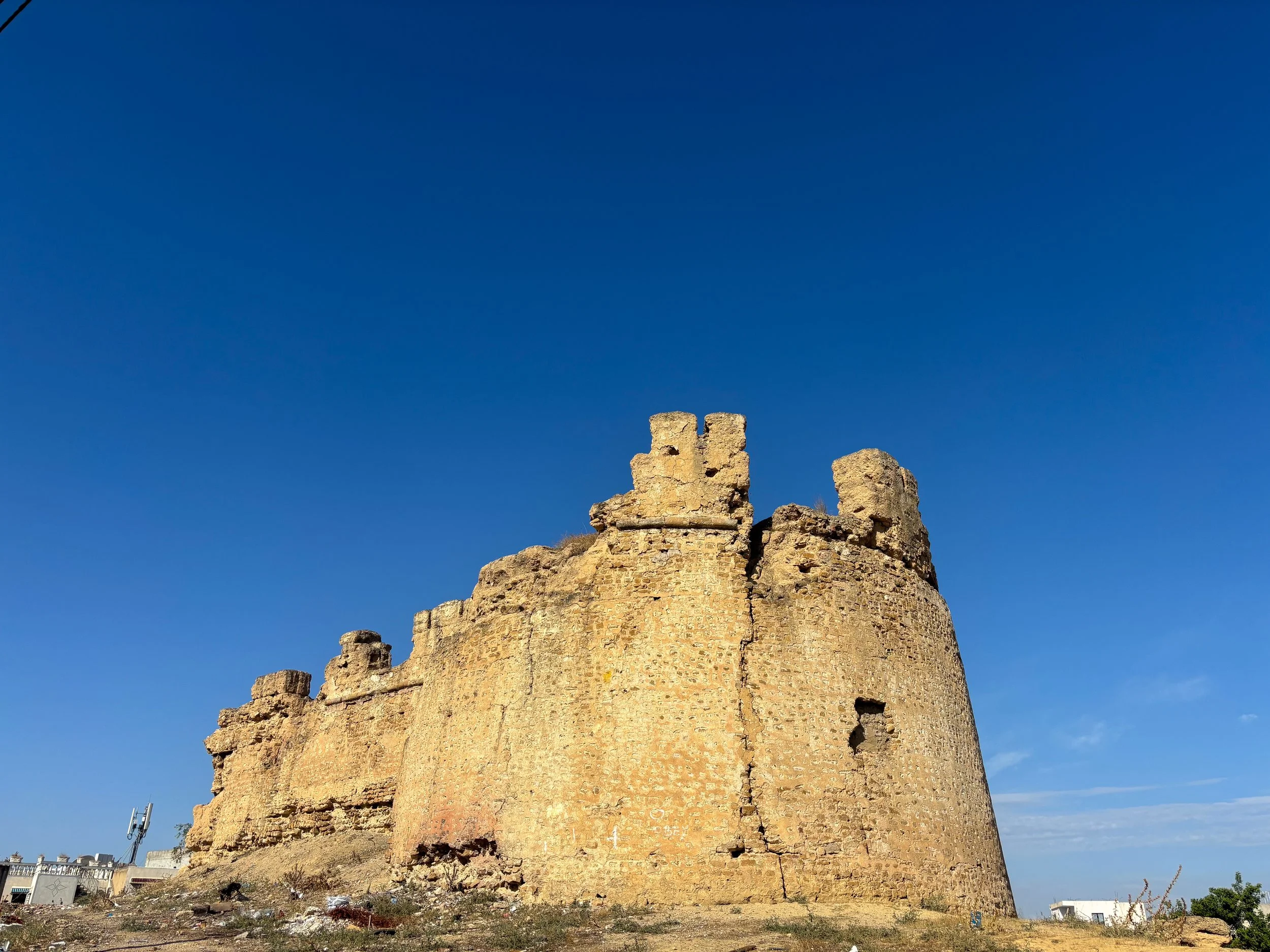
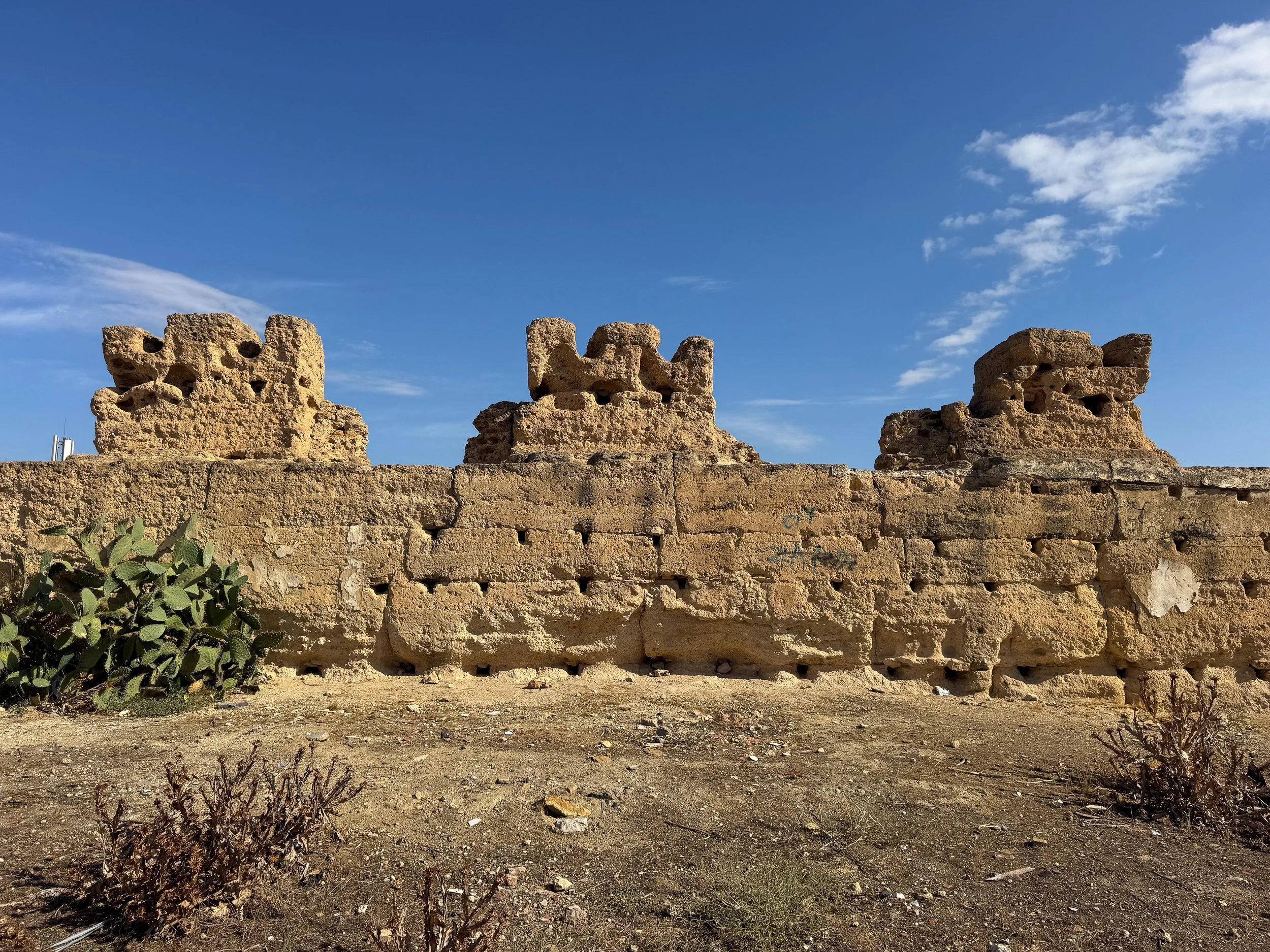
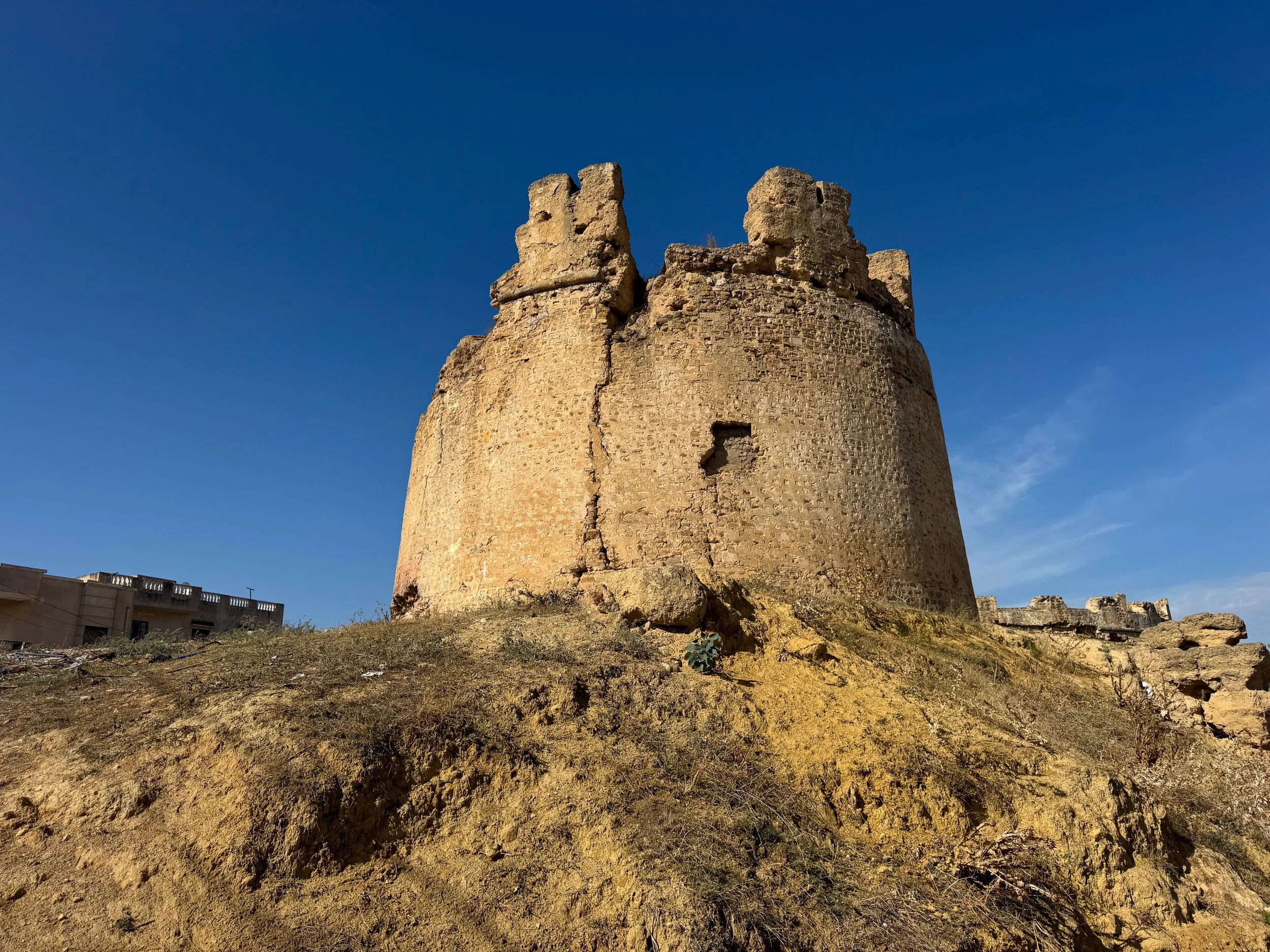
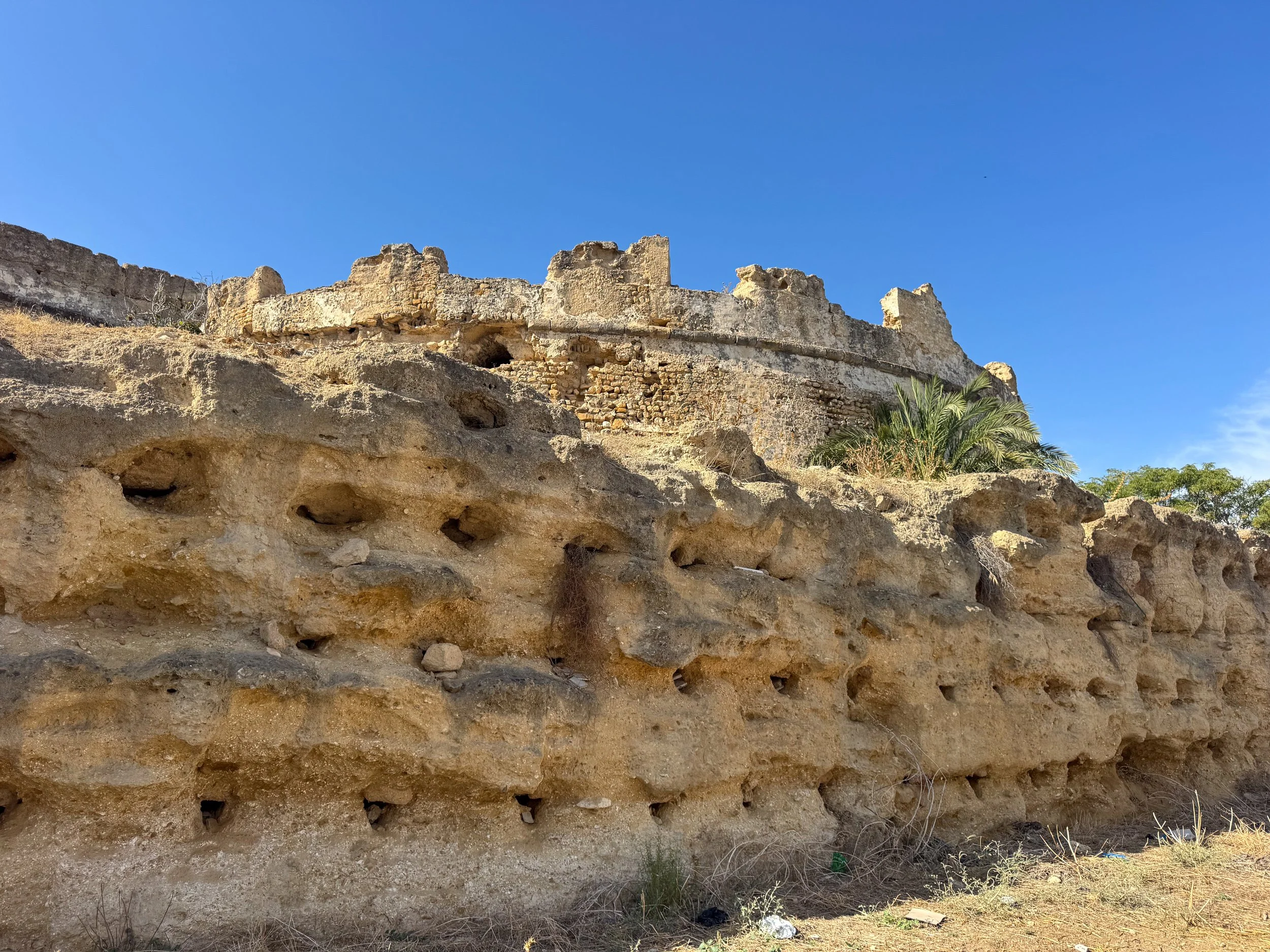
Borj Zouwara Fort. The crumbling ruins of a stone fortress. Its round turrets and walls are perched on a hill in a residential area with panoramic views of the city. It’s free to visit and explore, though not well maintained are littered with broken glass and trash.
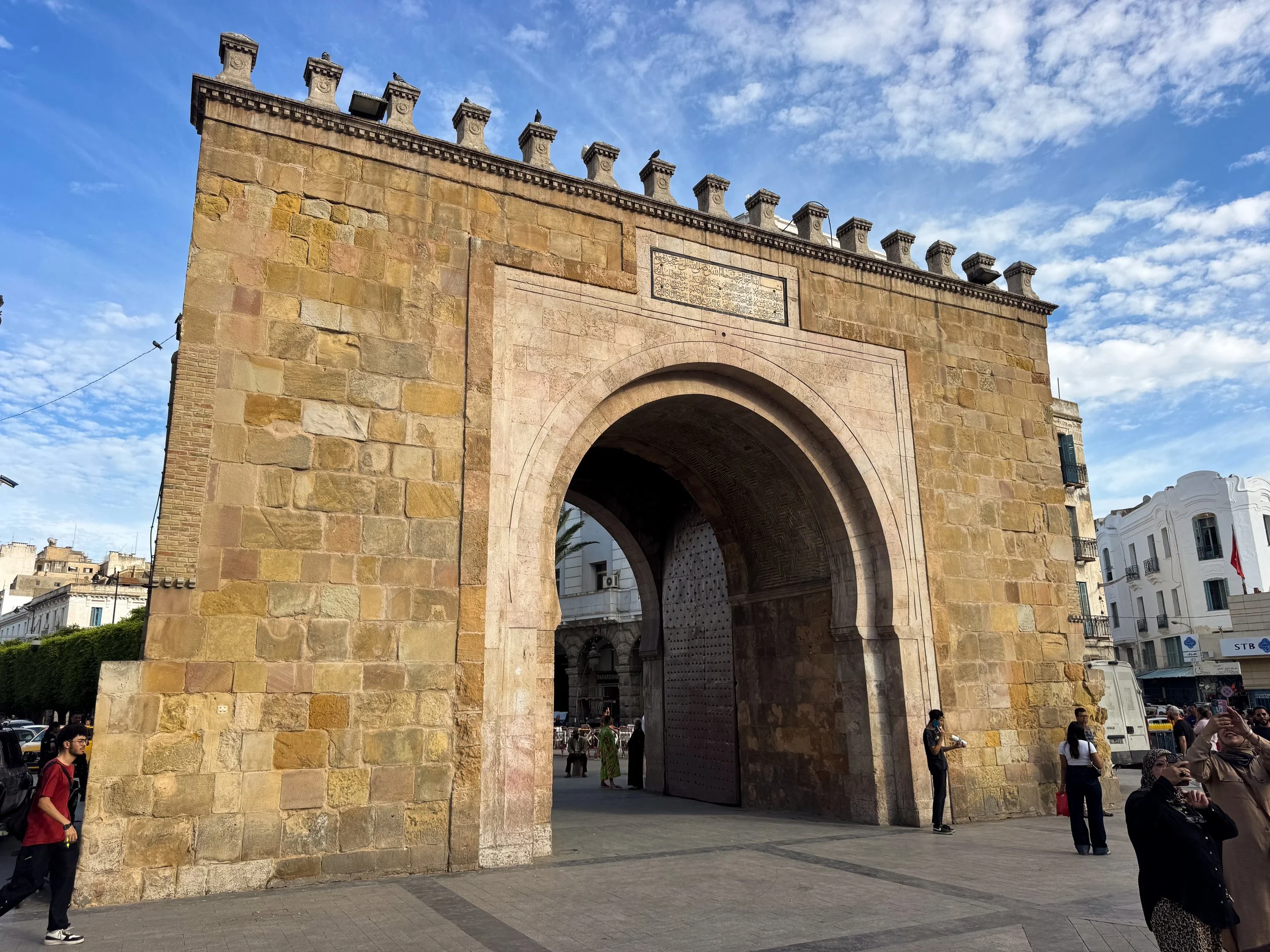
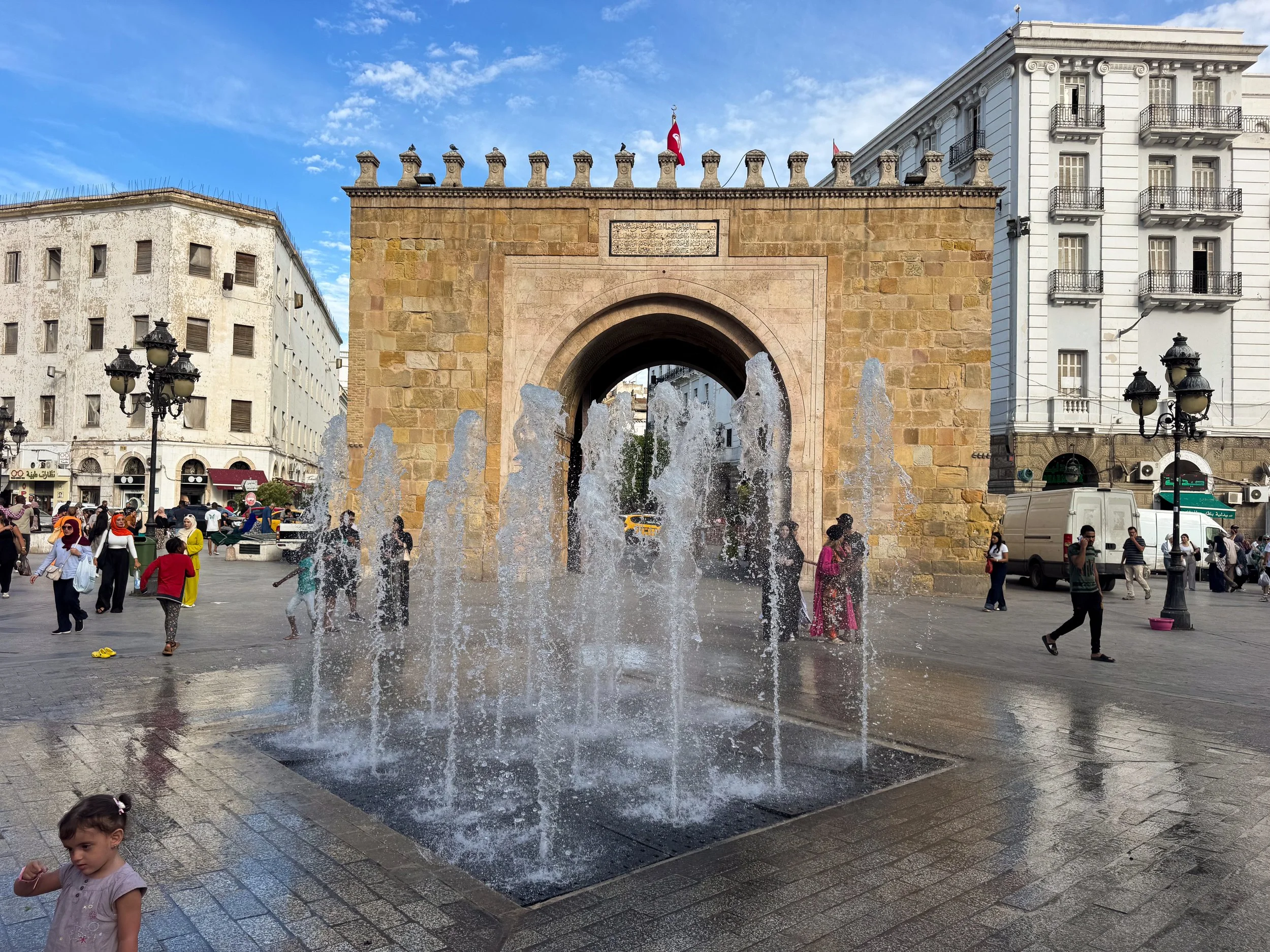
Bab El Bhar. A historic stone gate connecting the Medina and new city located in Victory Square.
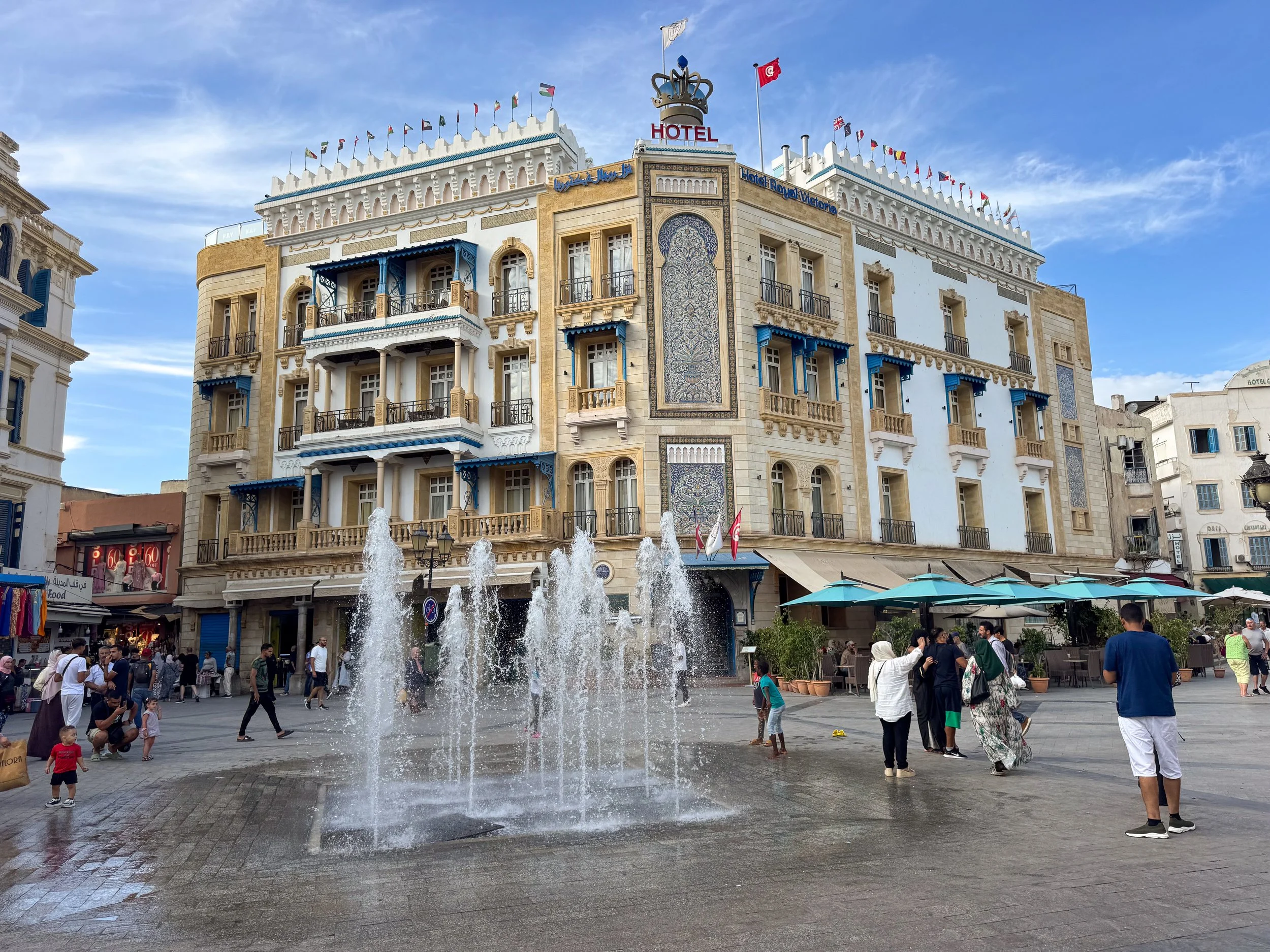
Victory Square. A small plaza located on the edge of the Medina with two fountains, historic buildings and access to the souks.
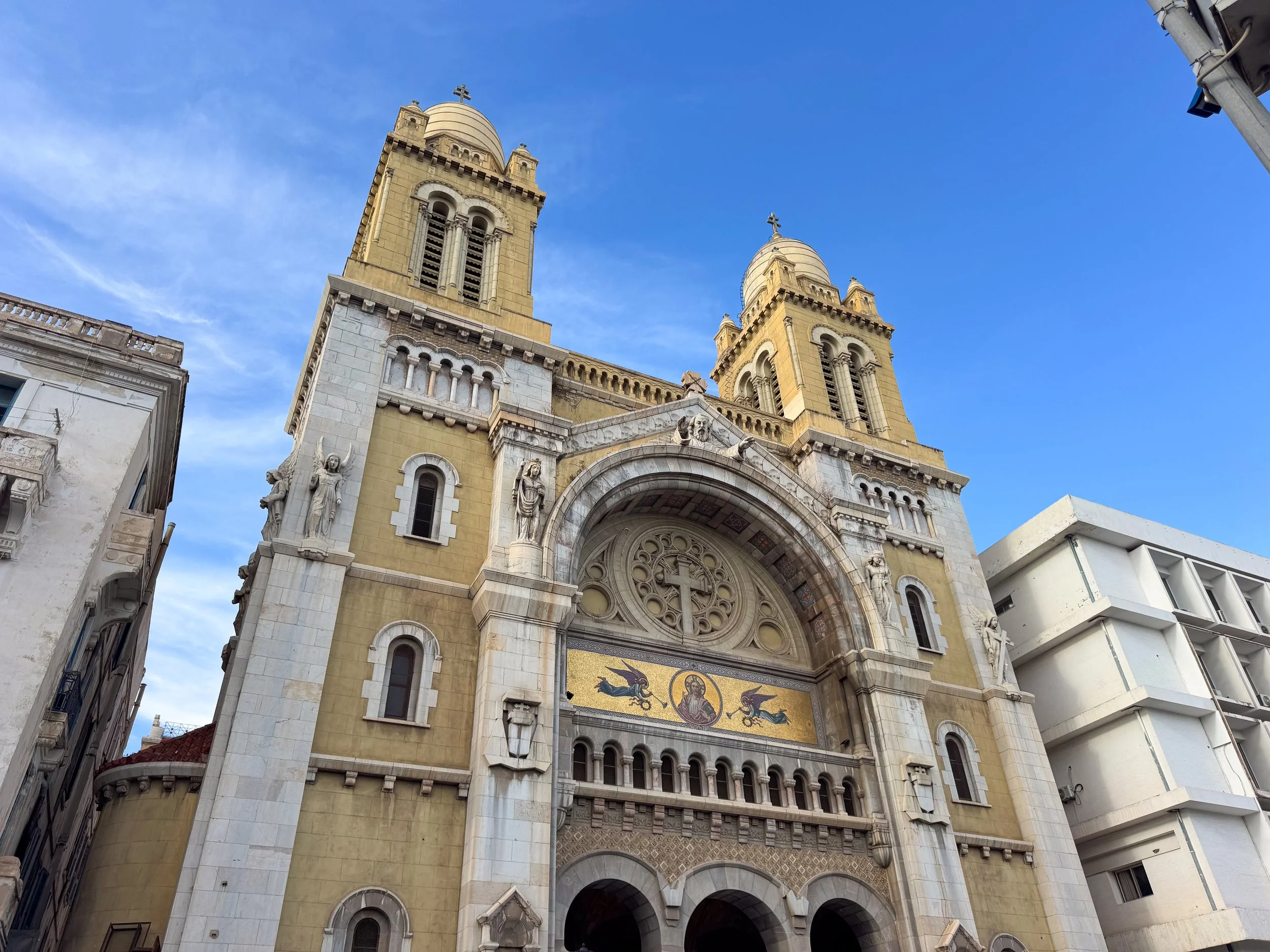
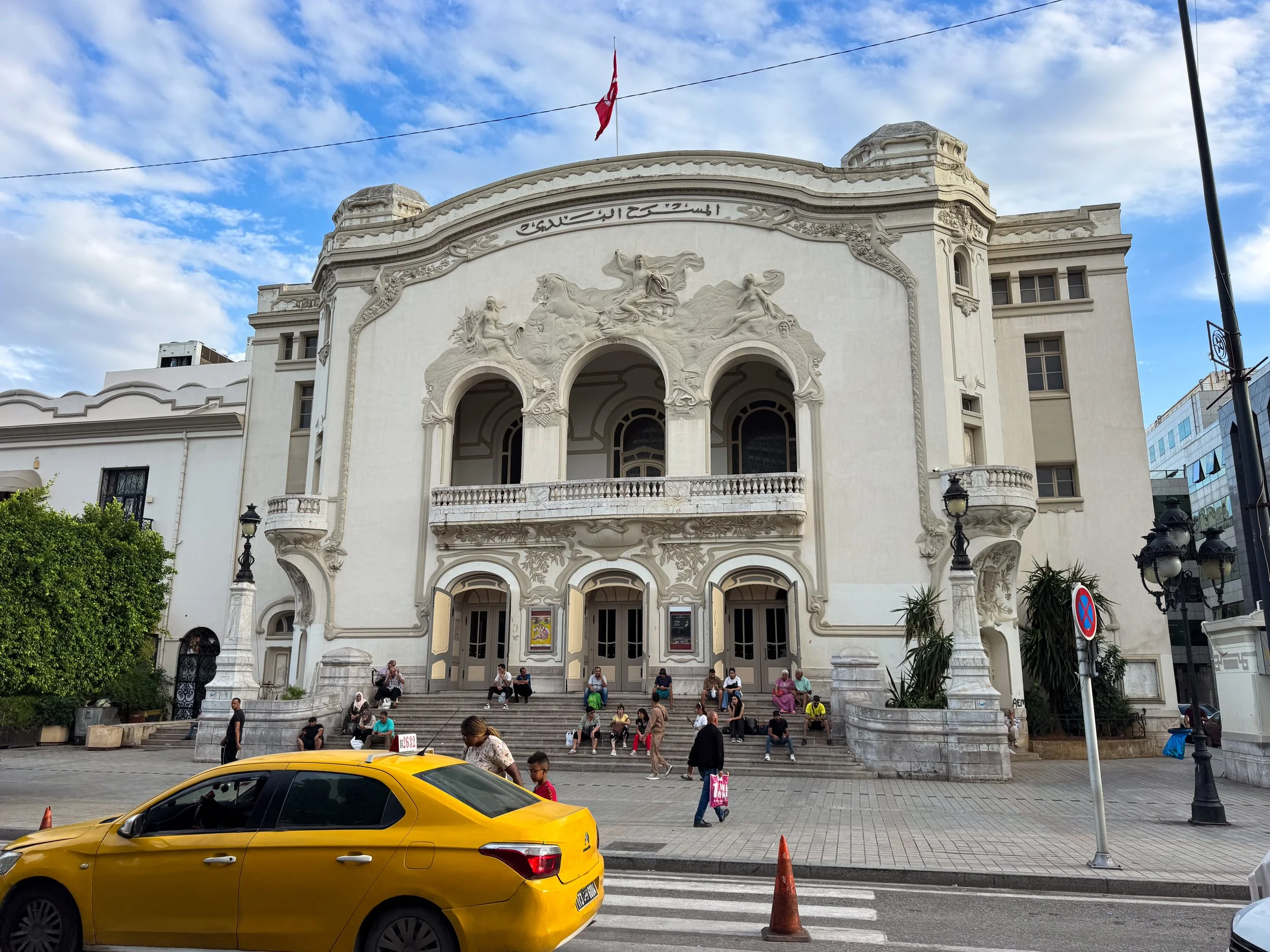
Avenue Habib Bourguiba. A tree lined avenue leading from Bab El Bhar to the Tunis Clock Tower. It’s lined with historic buildings like the French Embassy, Municipal Theater and St Vincent de Paul Theater.
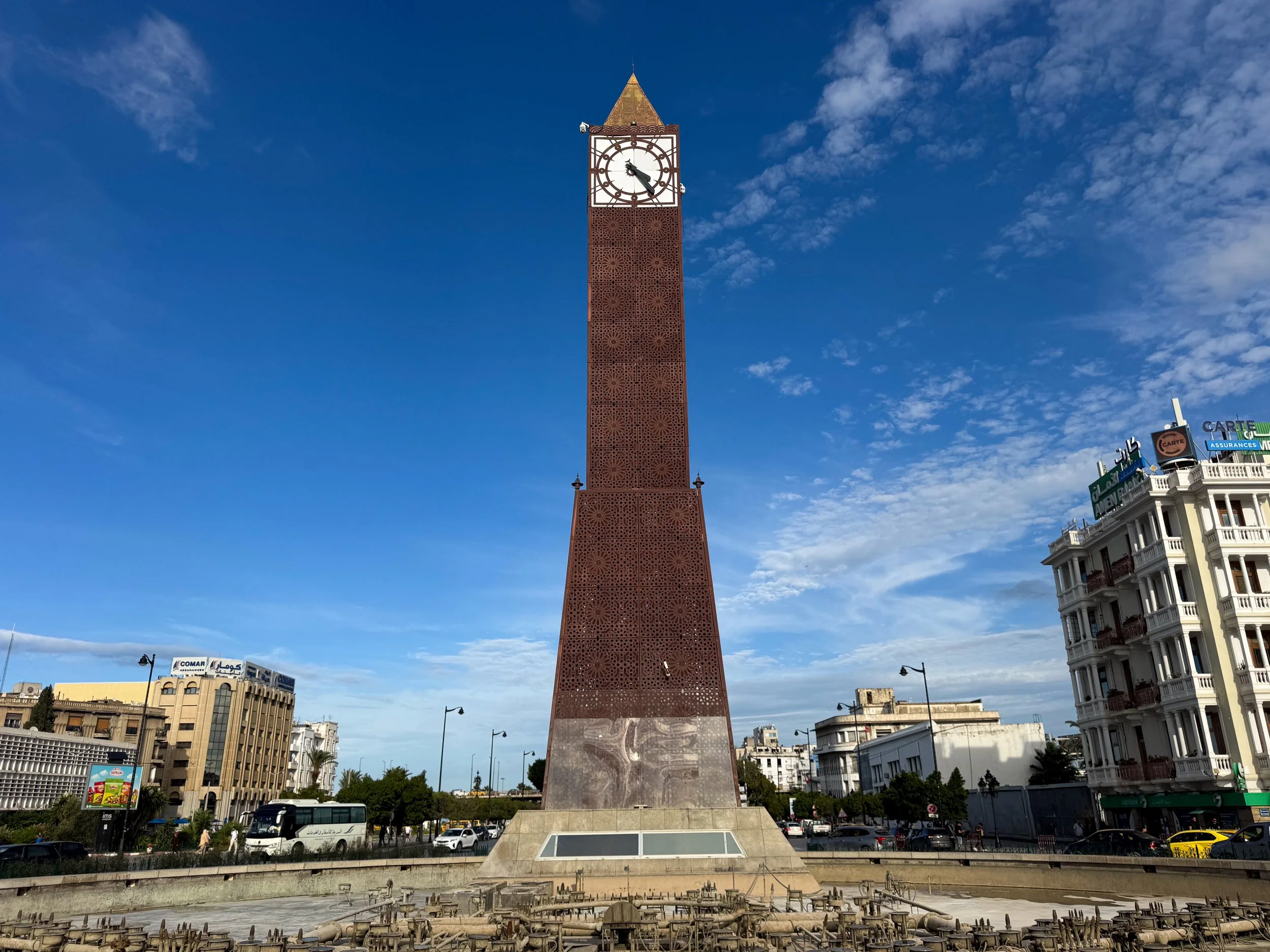
Tunis Clock Tower. An obelisk shaped clock tower in the city center covered in arabesque patterns.
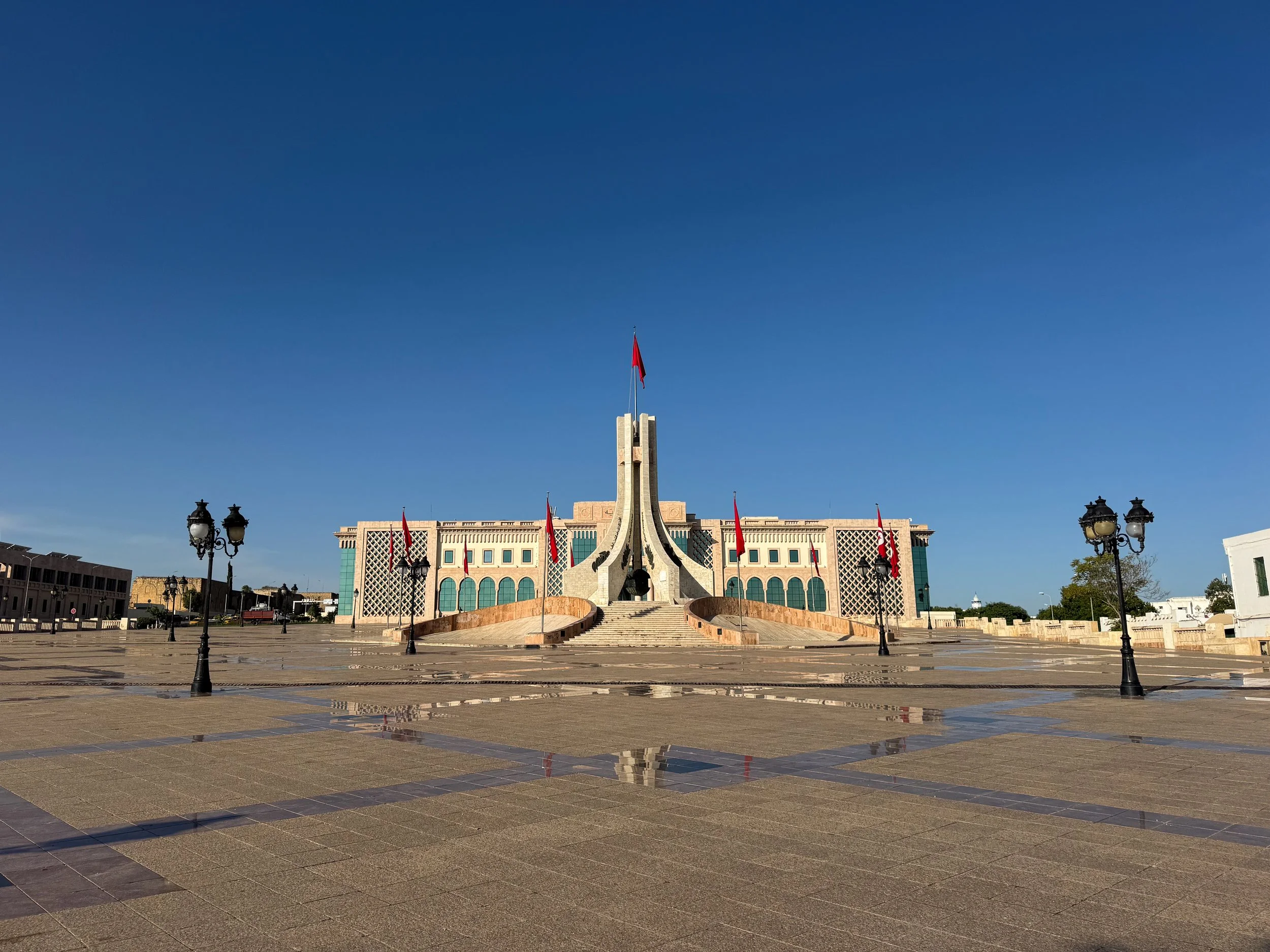
Kasbah Square. A large tiled plaza in the Medina surrounded by stately government buildings, a mosque. historic school and walled ruins. Visit in the early morning to watch the military raise the Tunisian flag. Avoid taking photos of any uniformed officers.
Visit The Bardo National Museum
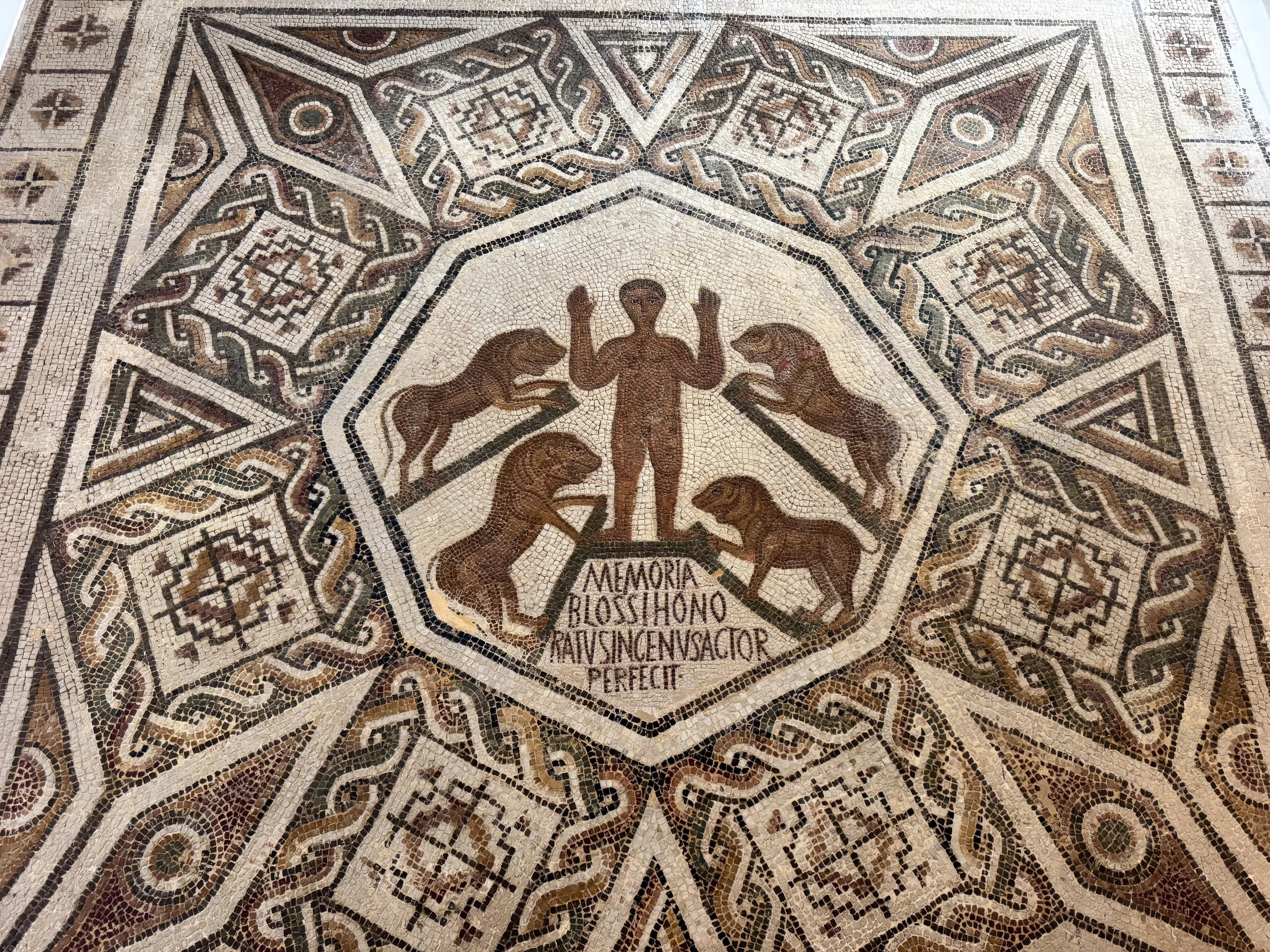
The Bardo National Museum is a vast museum housing the world’s largest collection of Roman mosaics and artifacts from the ancient city of Carthage and past Mediterranean civilizations. The museum itself is an architectural and historical wonder, built within the former 19th century palace. Spend a half to full day here, exploring the galleries and rooms.
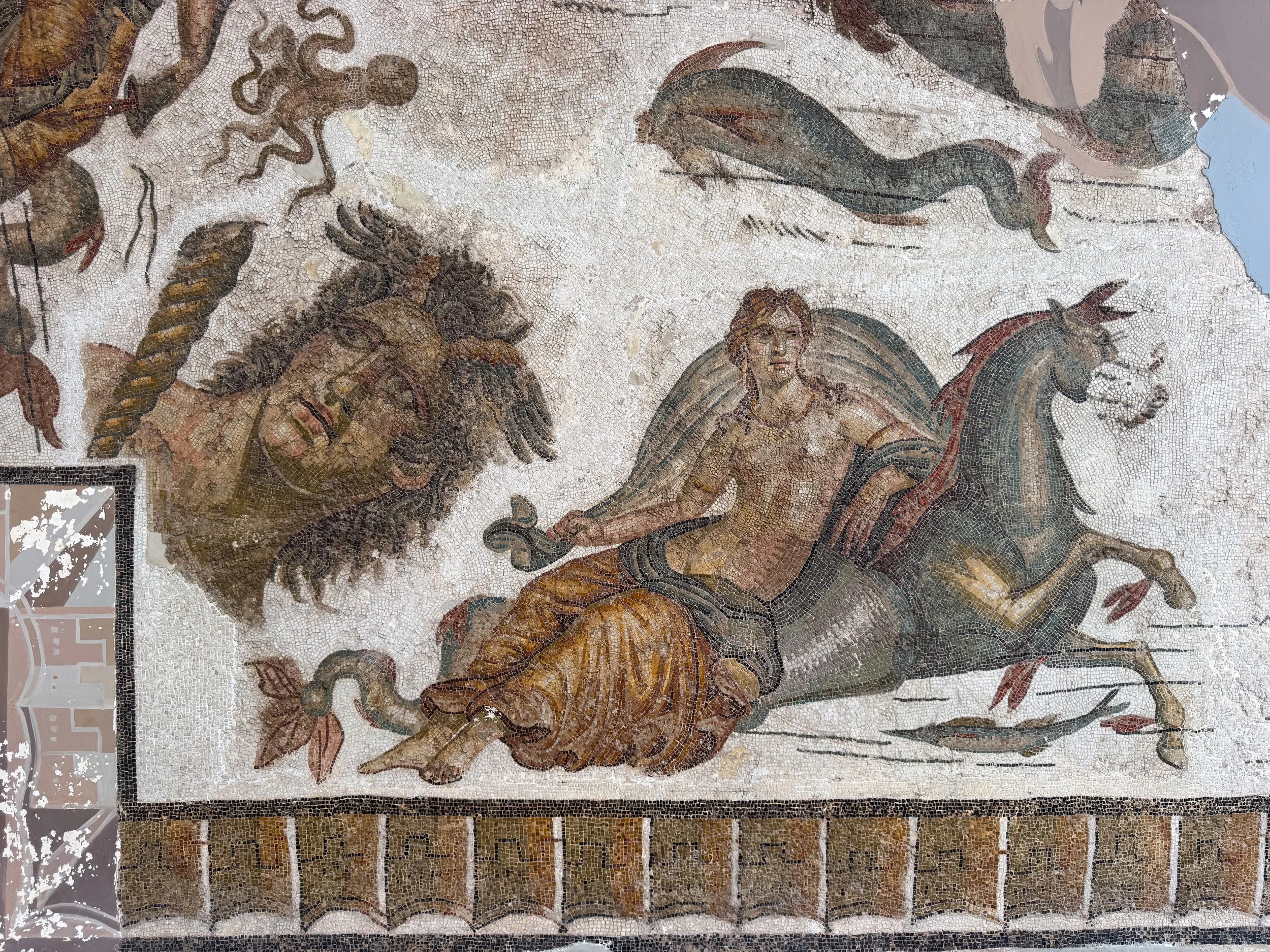
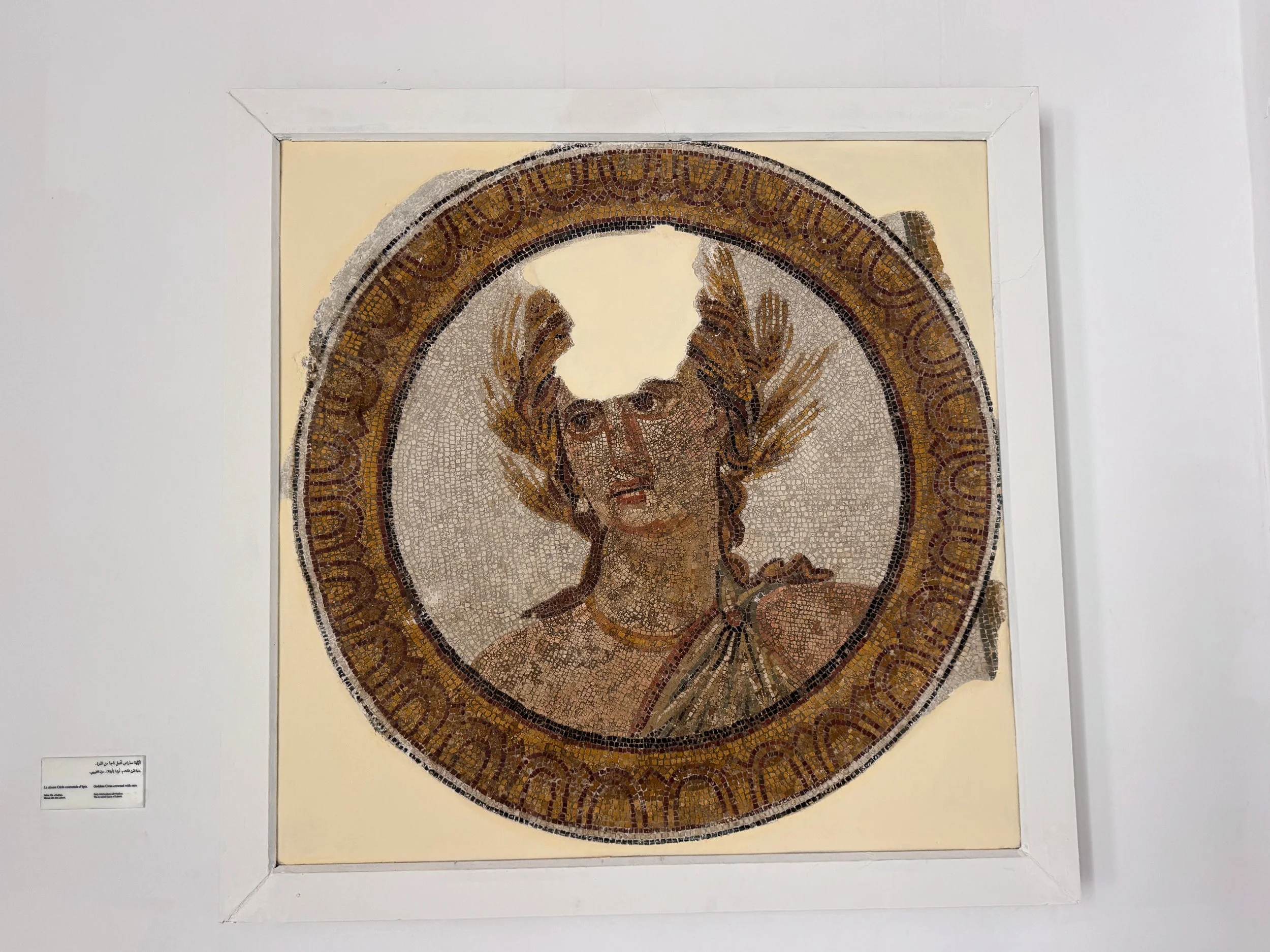
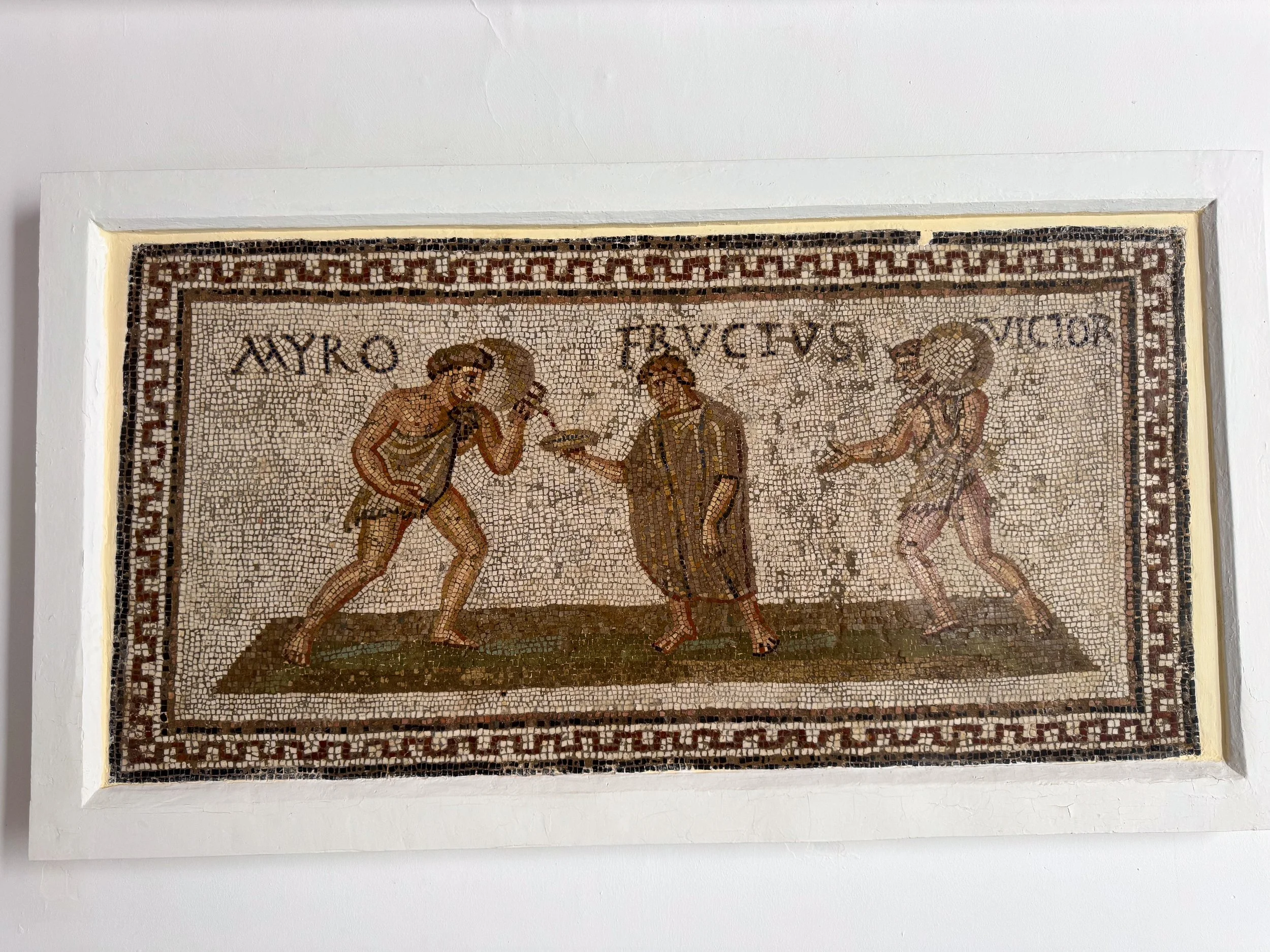
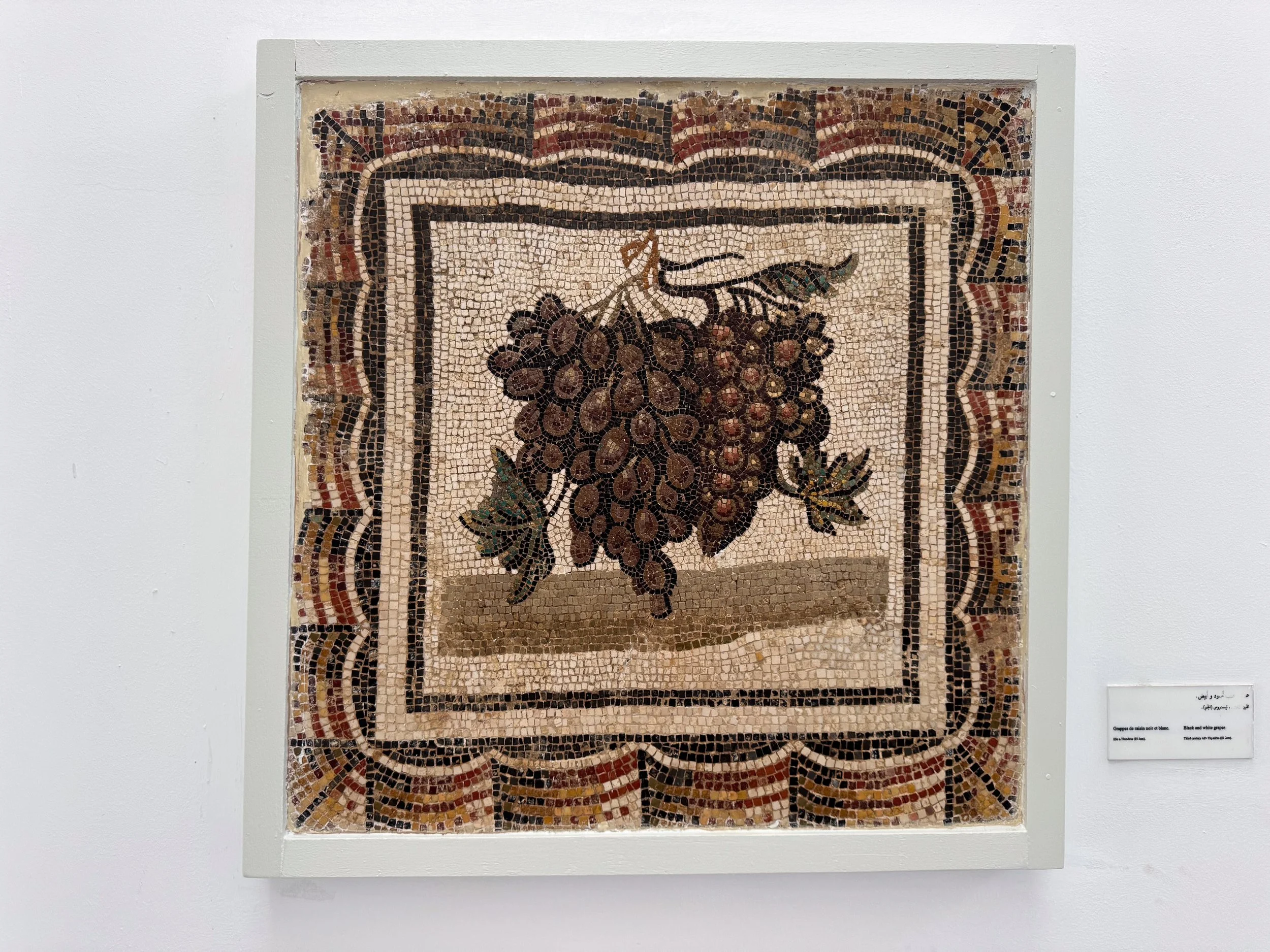
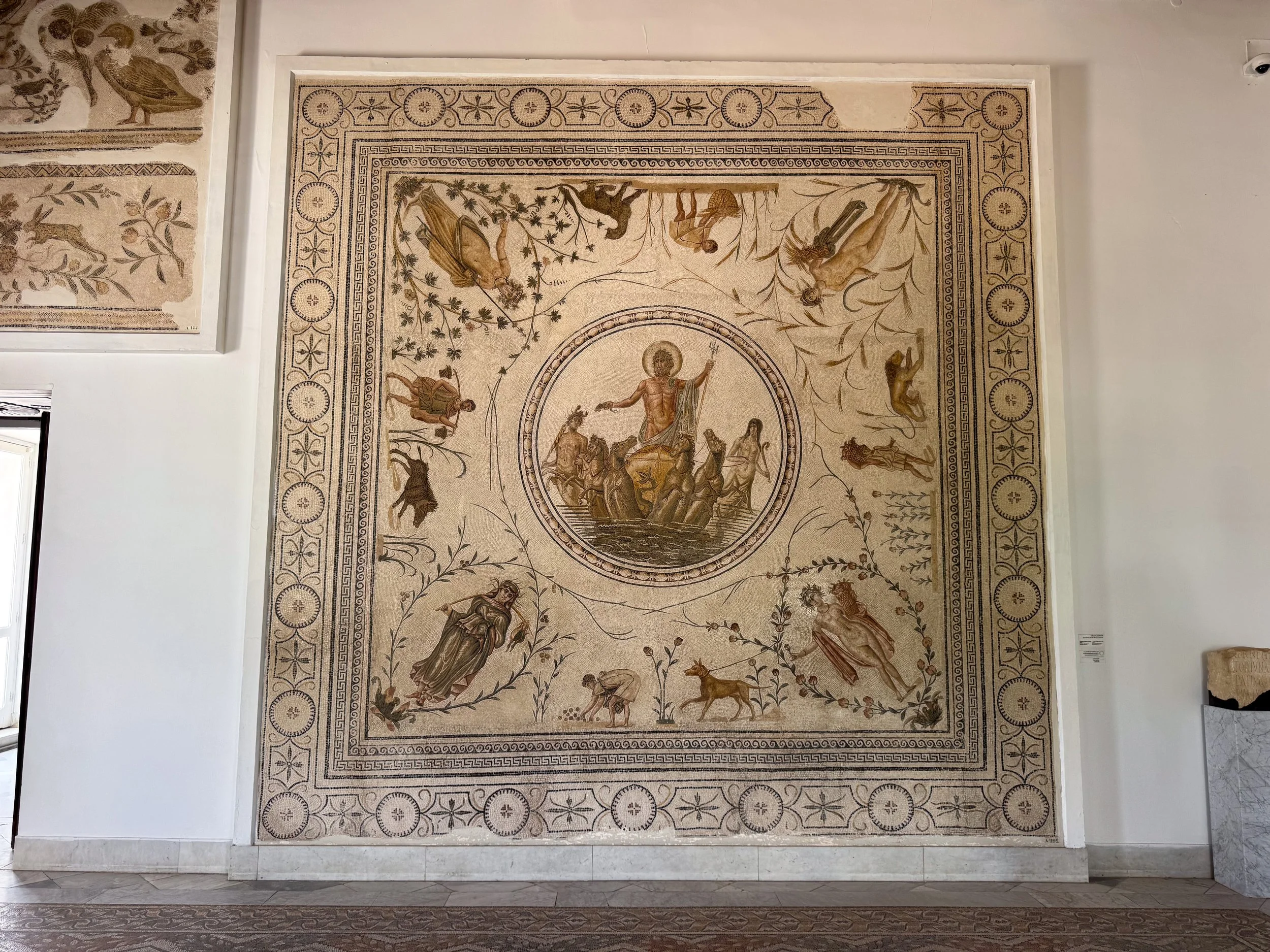
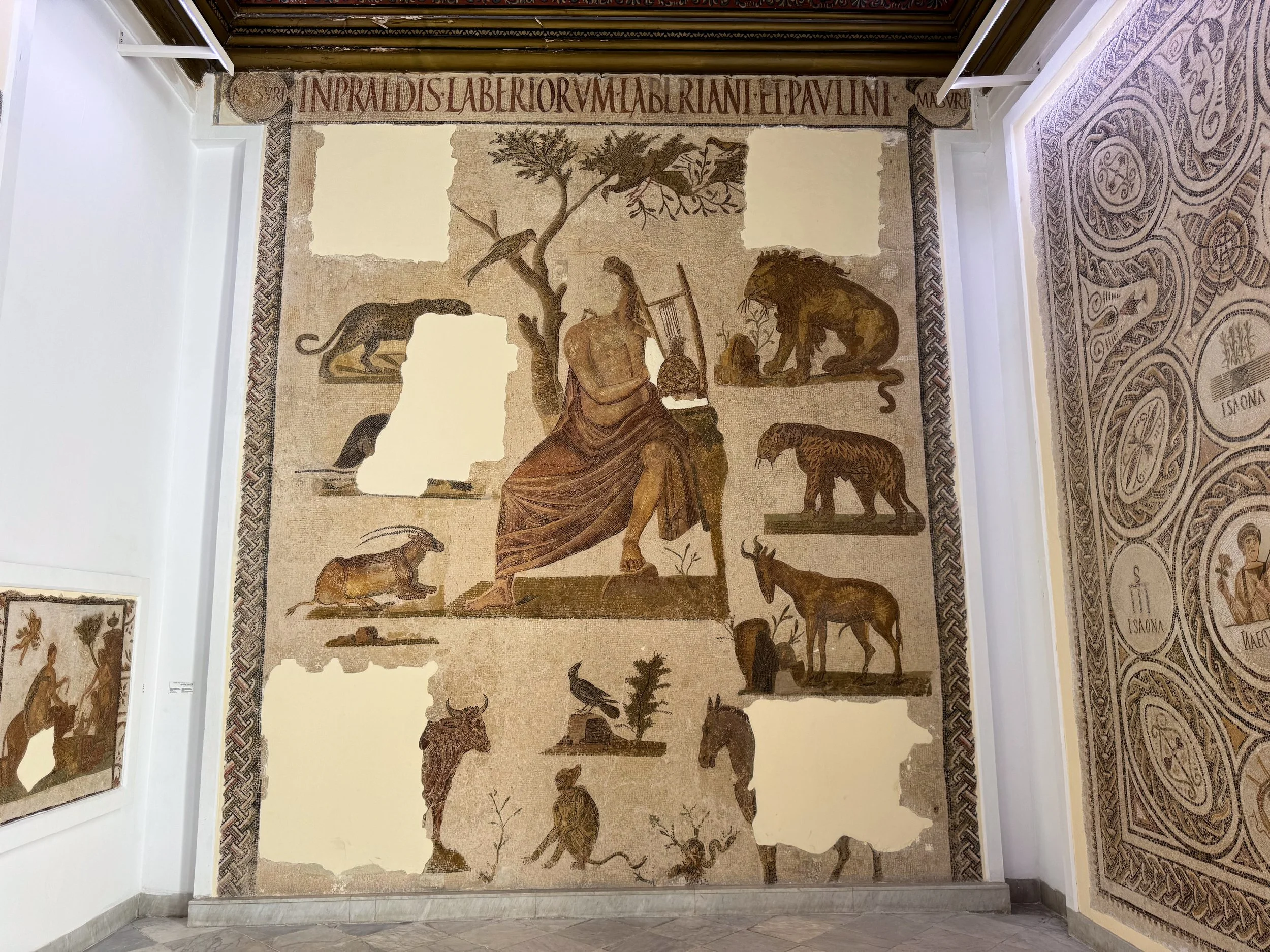
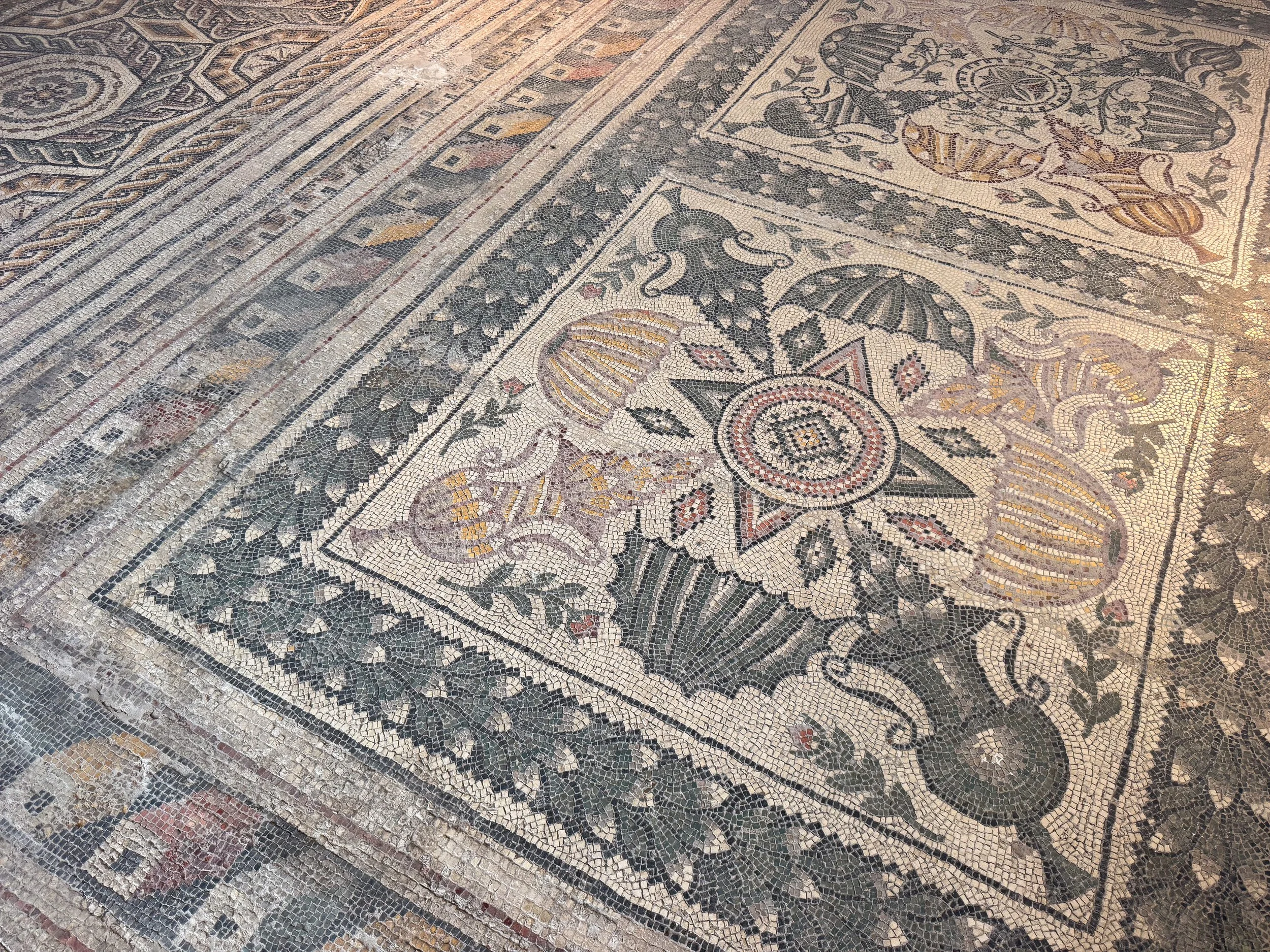
Carthage Room. A grand hall with rows of marble statues and well preserved mosaics of Roman gods and the Emperor Augustus.
Roman Villas Room. A reception room of the 19th century palace with an elaborately designed domed ceiling. It features exquisite mosaics from the 4th century depicting scenes of daily life including fishing, wildlife, hunting and the ancient gods.
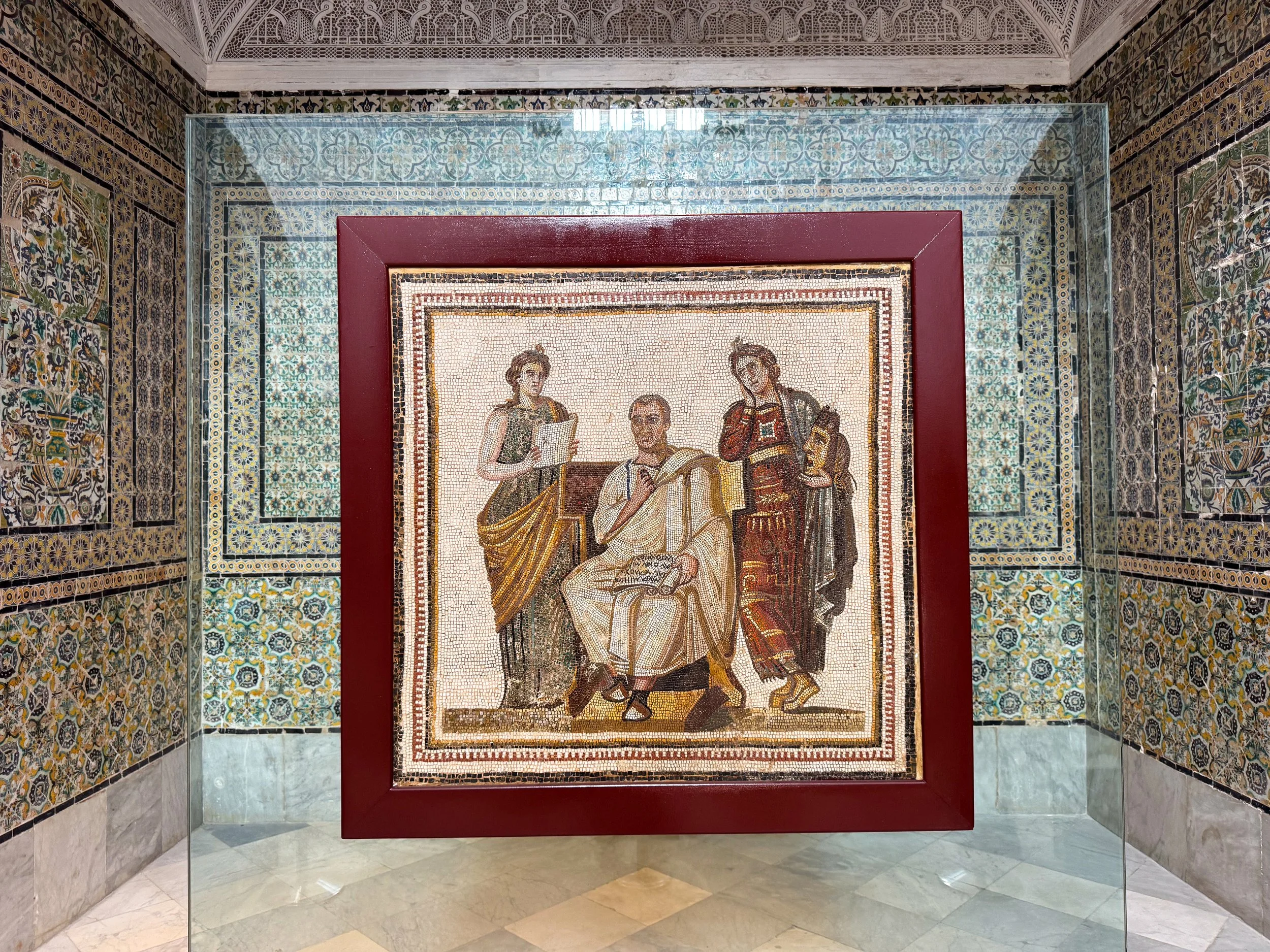
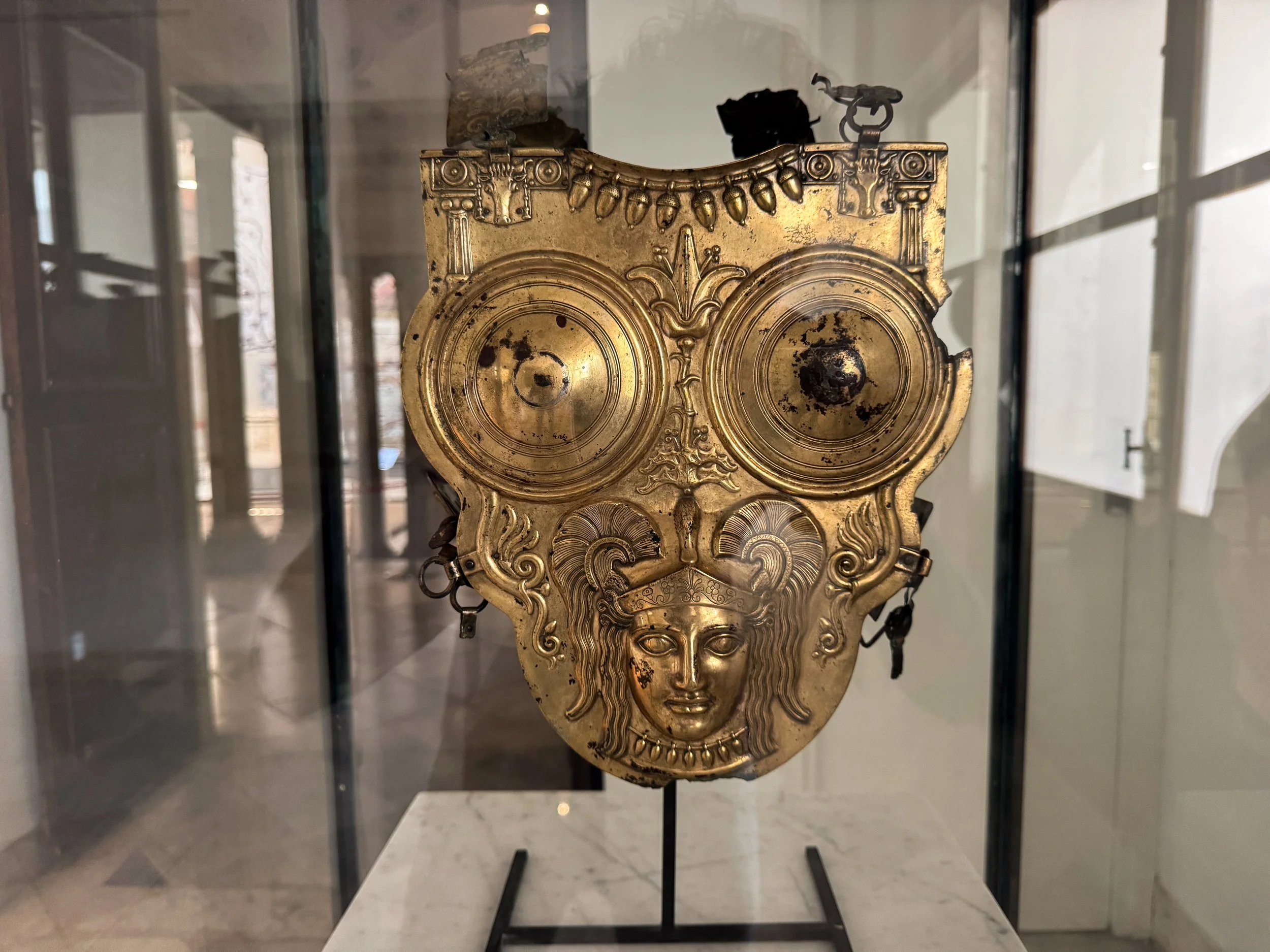
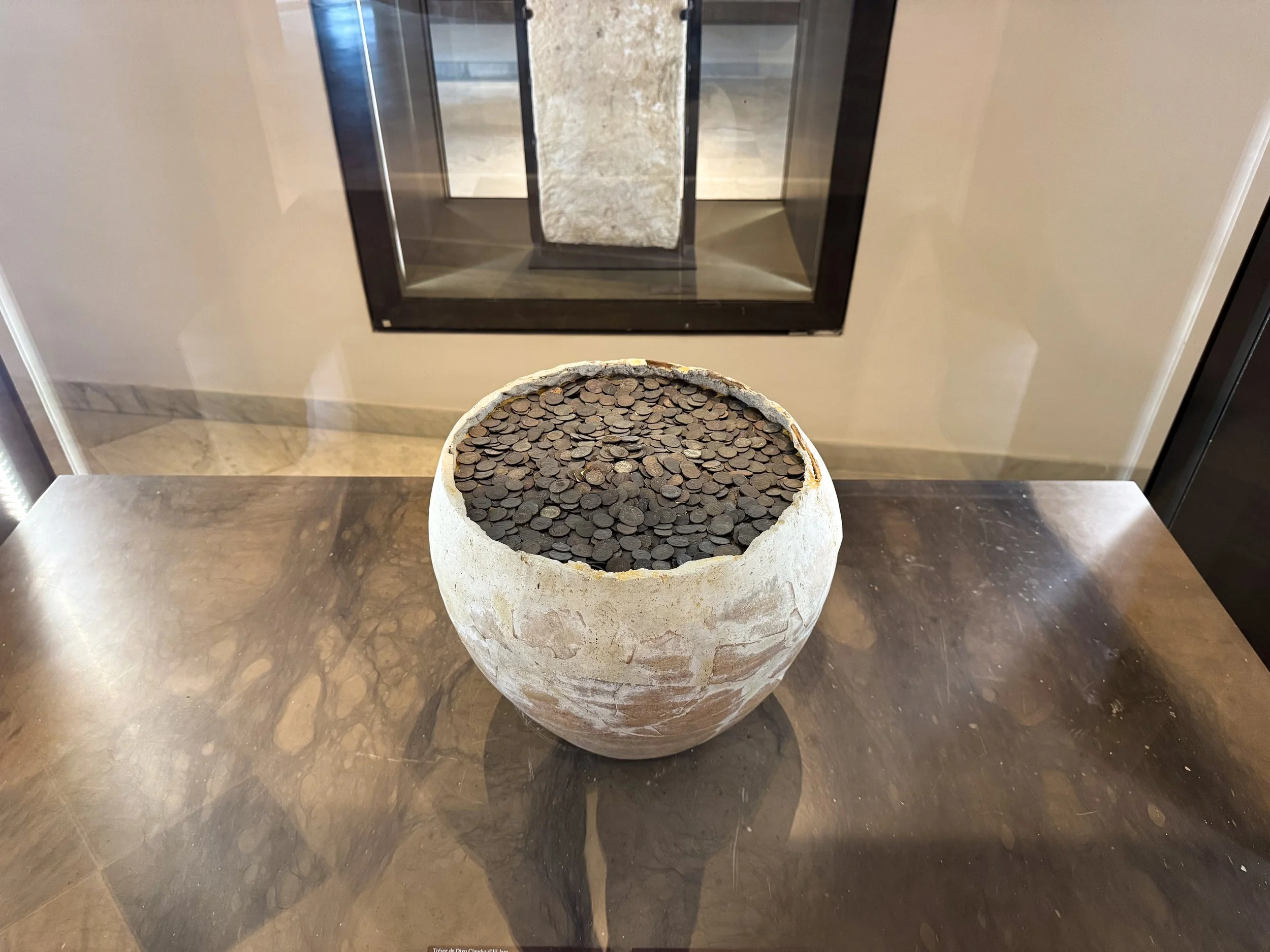
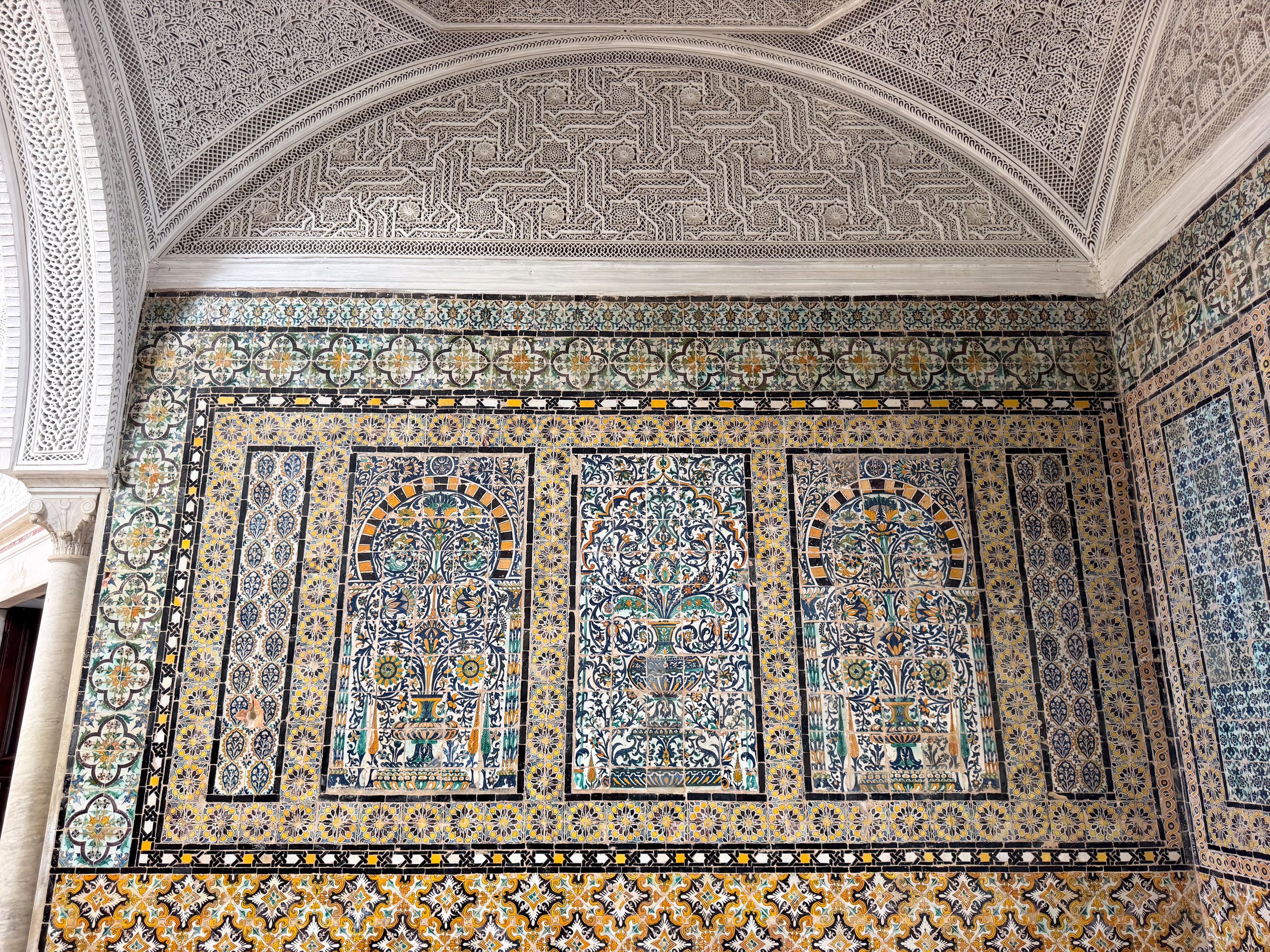
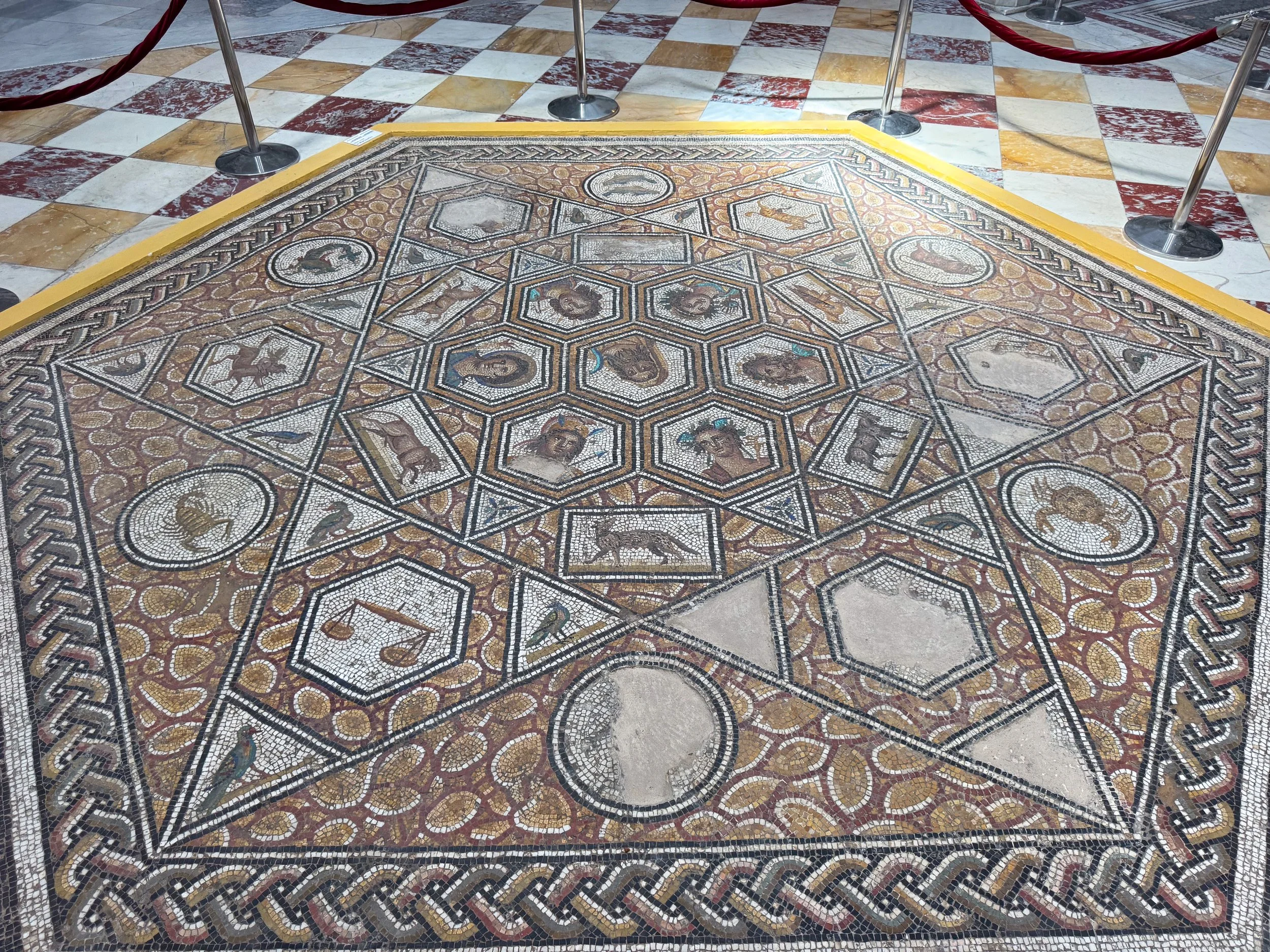
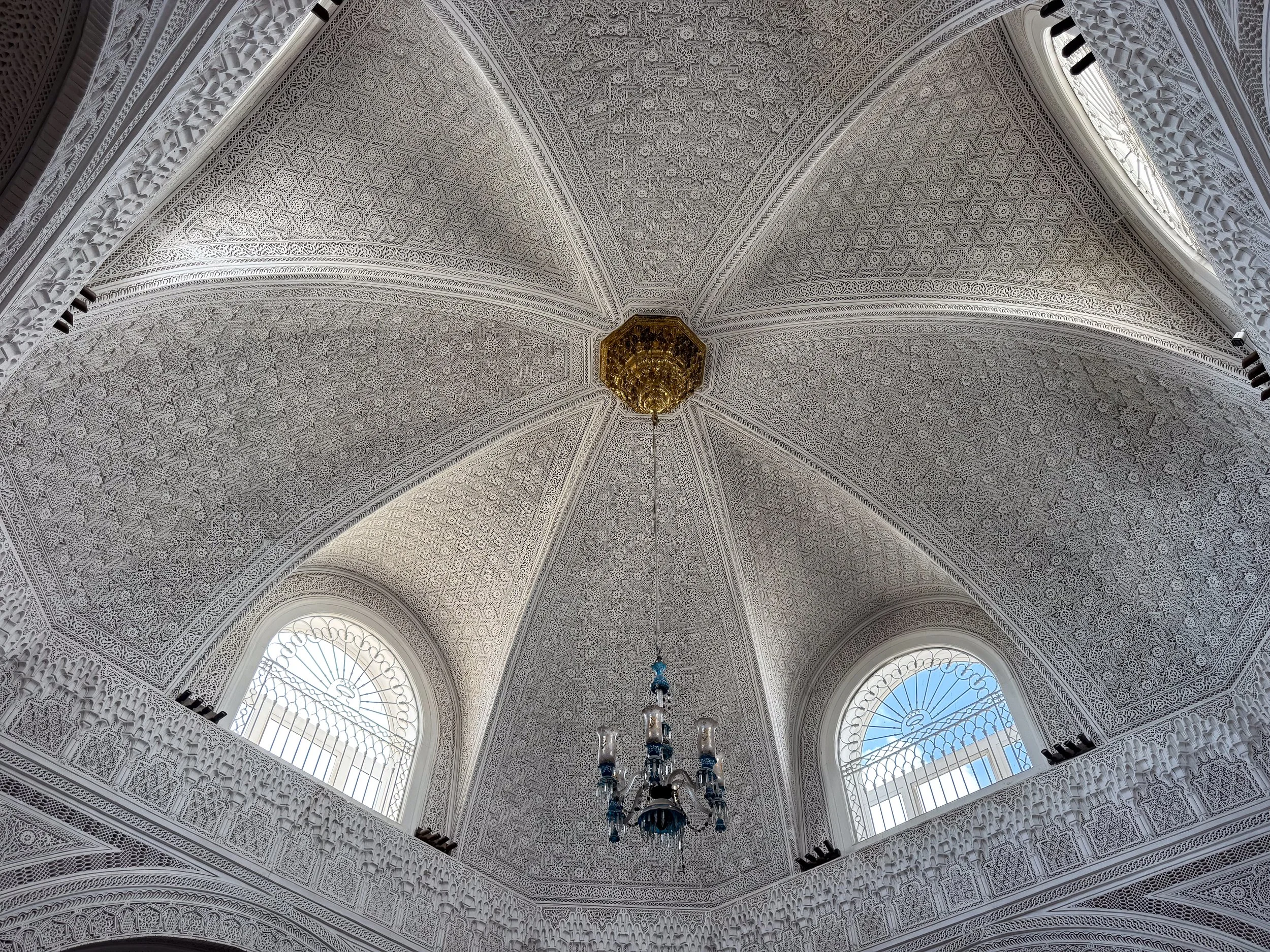
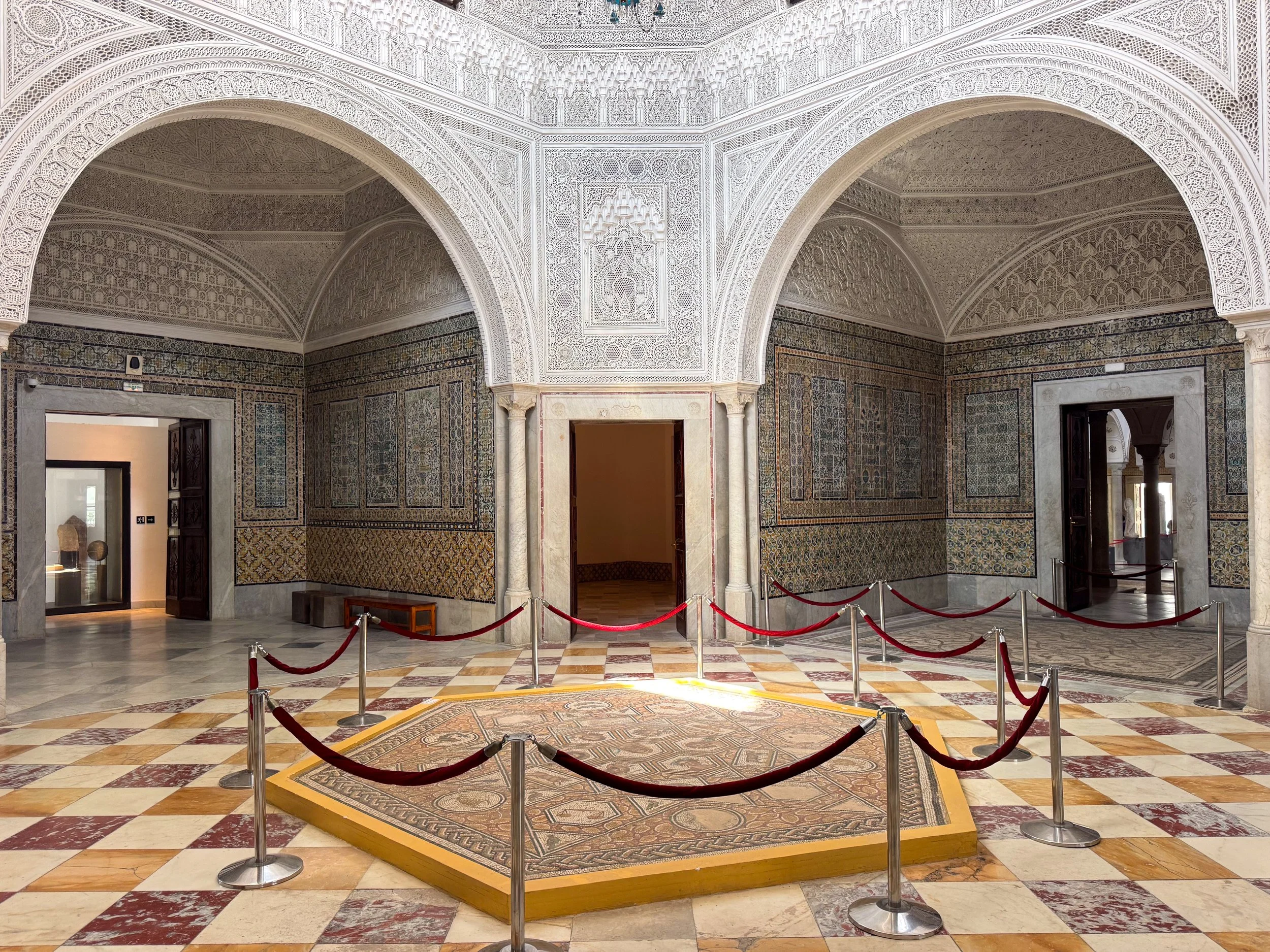
The Virgile Room. An elaborately designed room with an intricate plaster dome. It features important mosaics and sub-rooms with treasures like bronze statues, a golden breast plate, a jar with over 40,000 ancient coins and gold jewelry from the Punic, Roman and Egyptian periods.
Marine Mosaics Room. A large room with sprawling mosaics of the sea gods, sea creatures and fishing voyages.
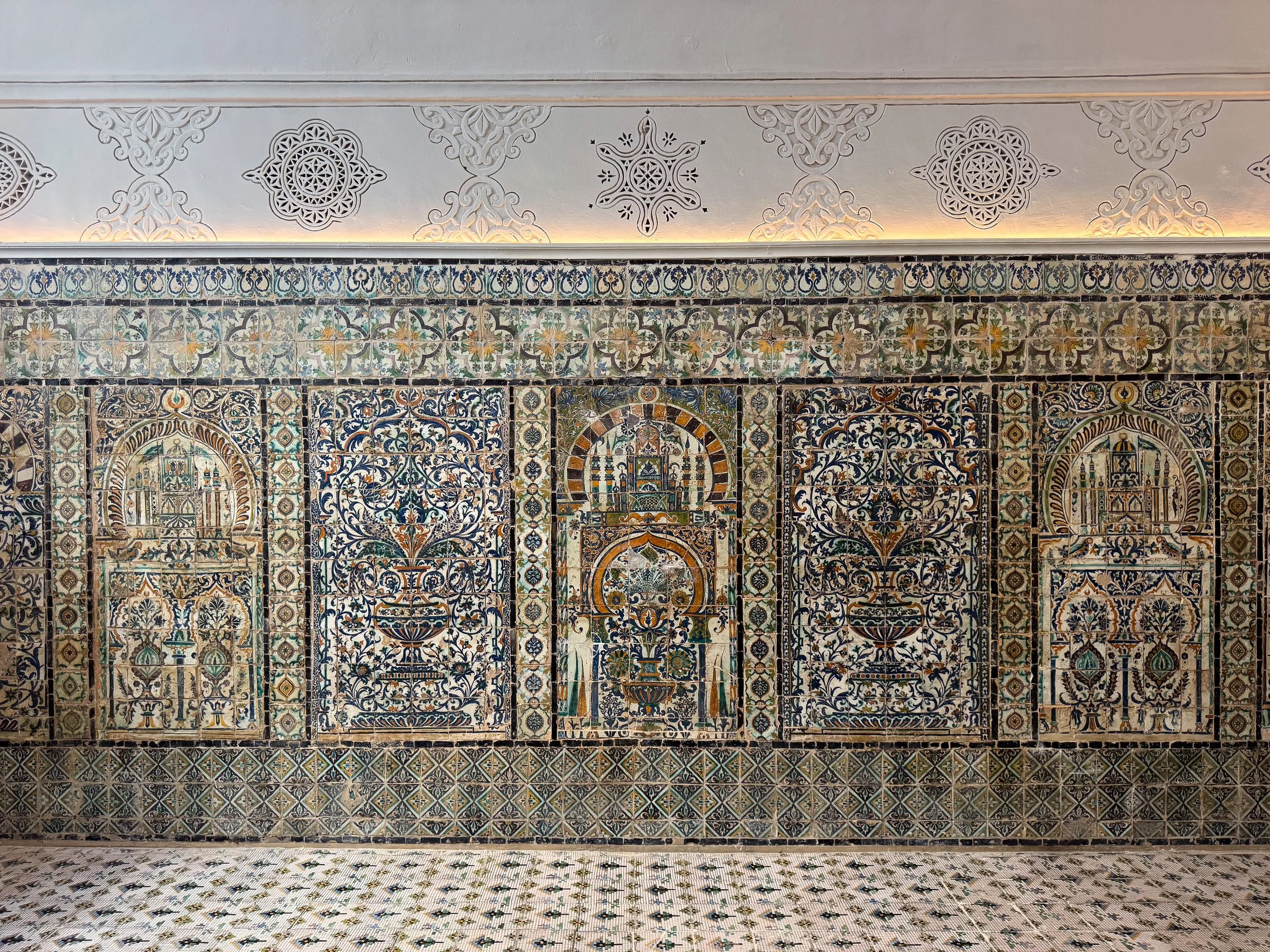
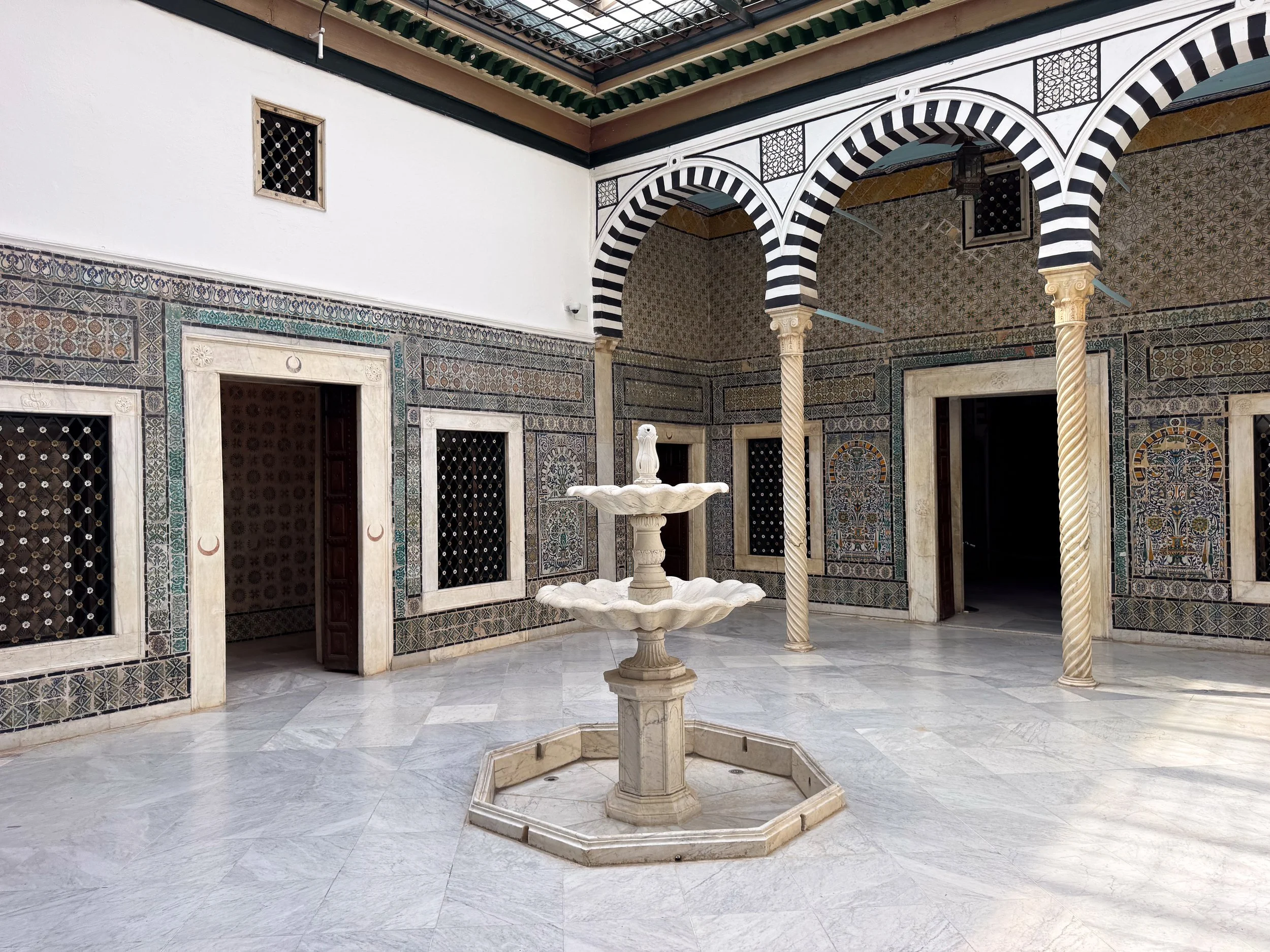
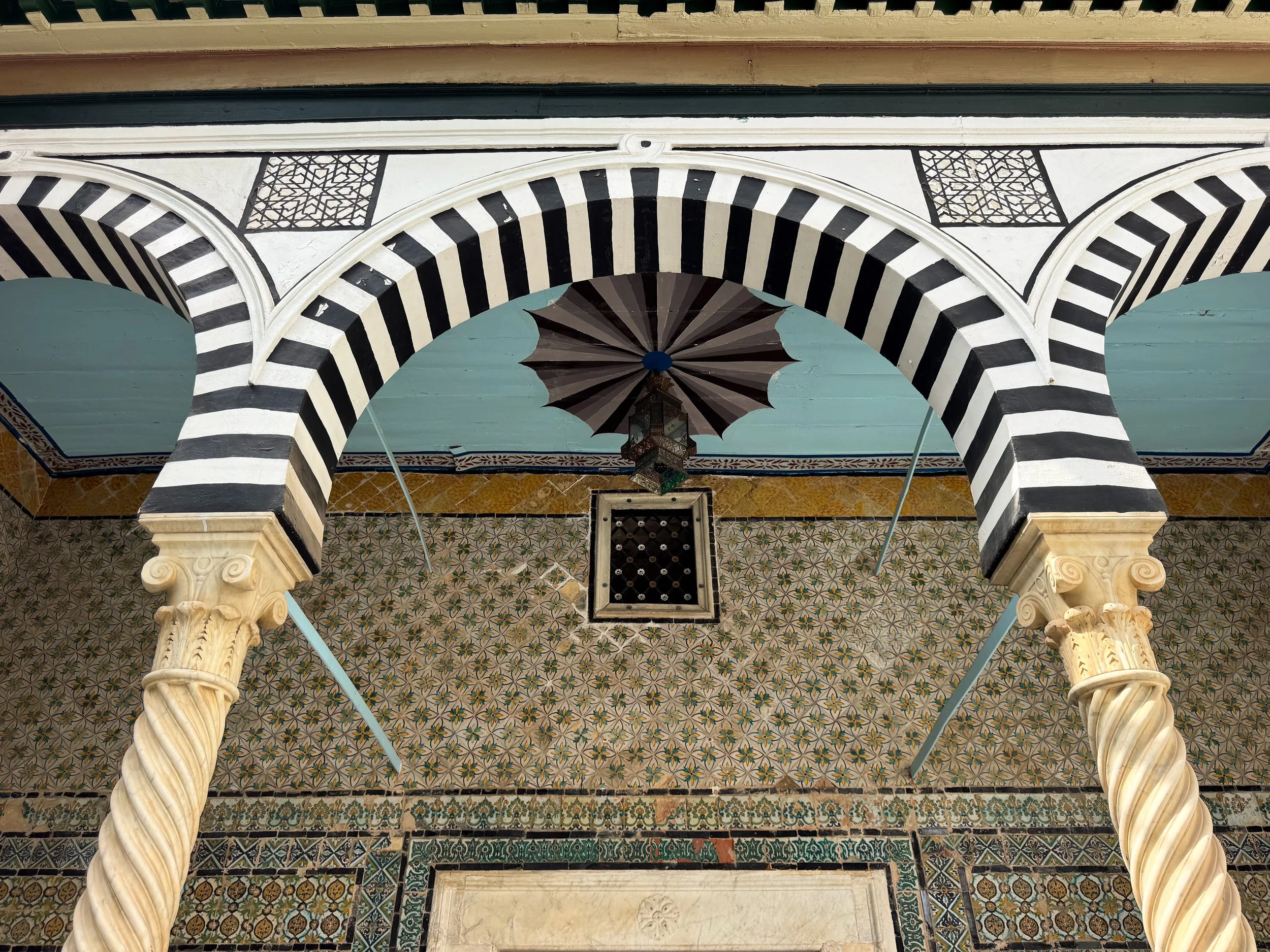
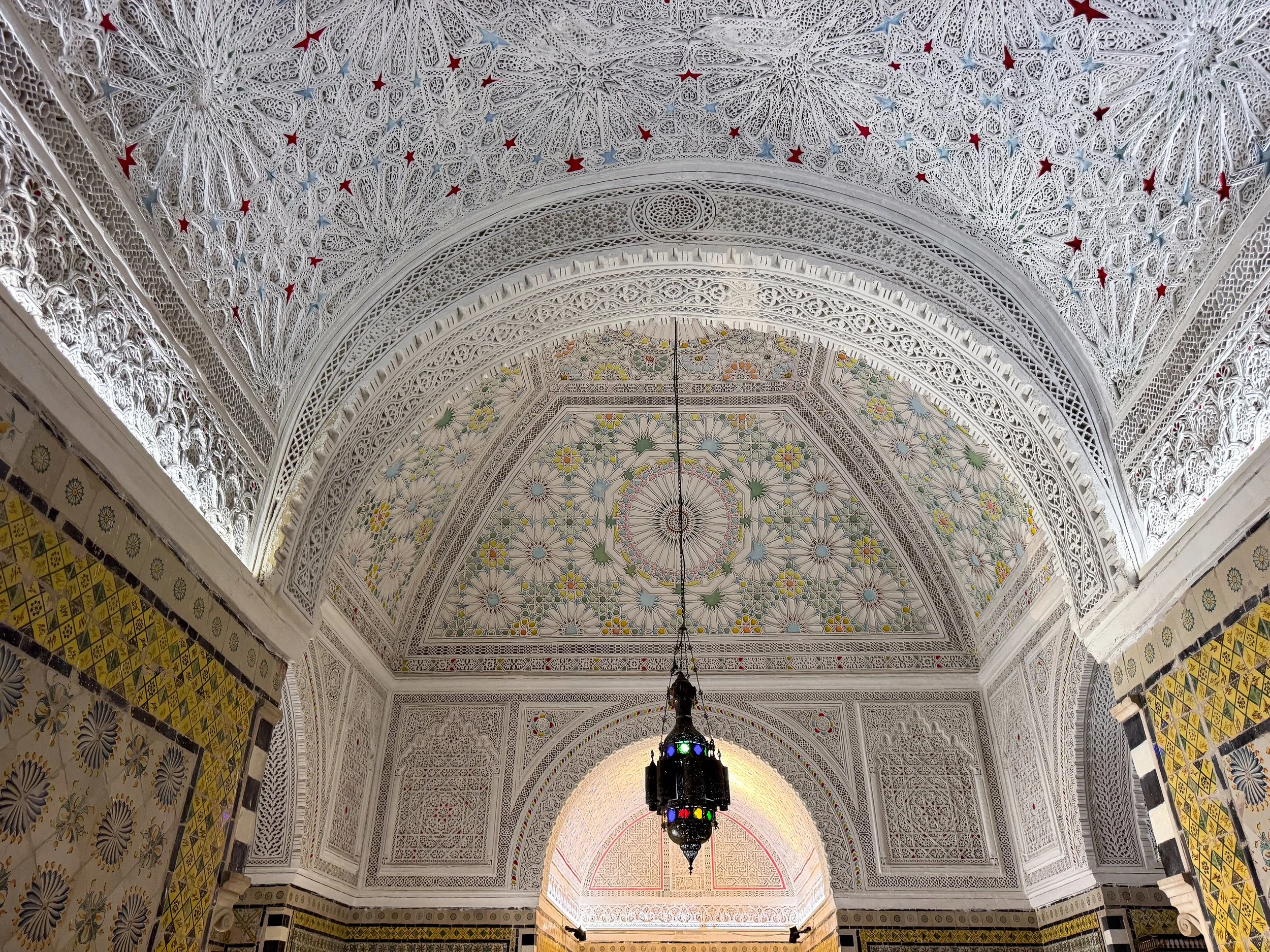
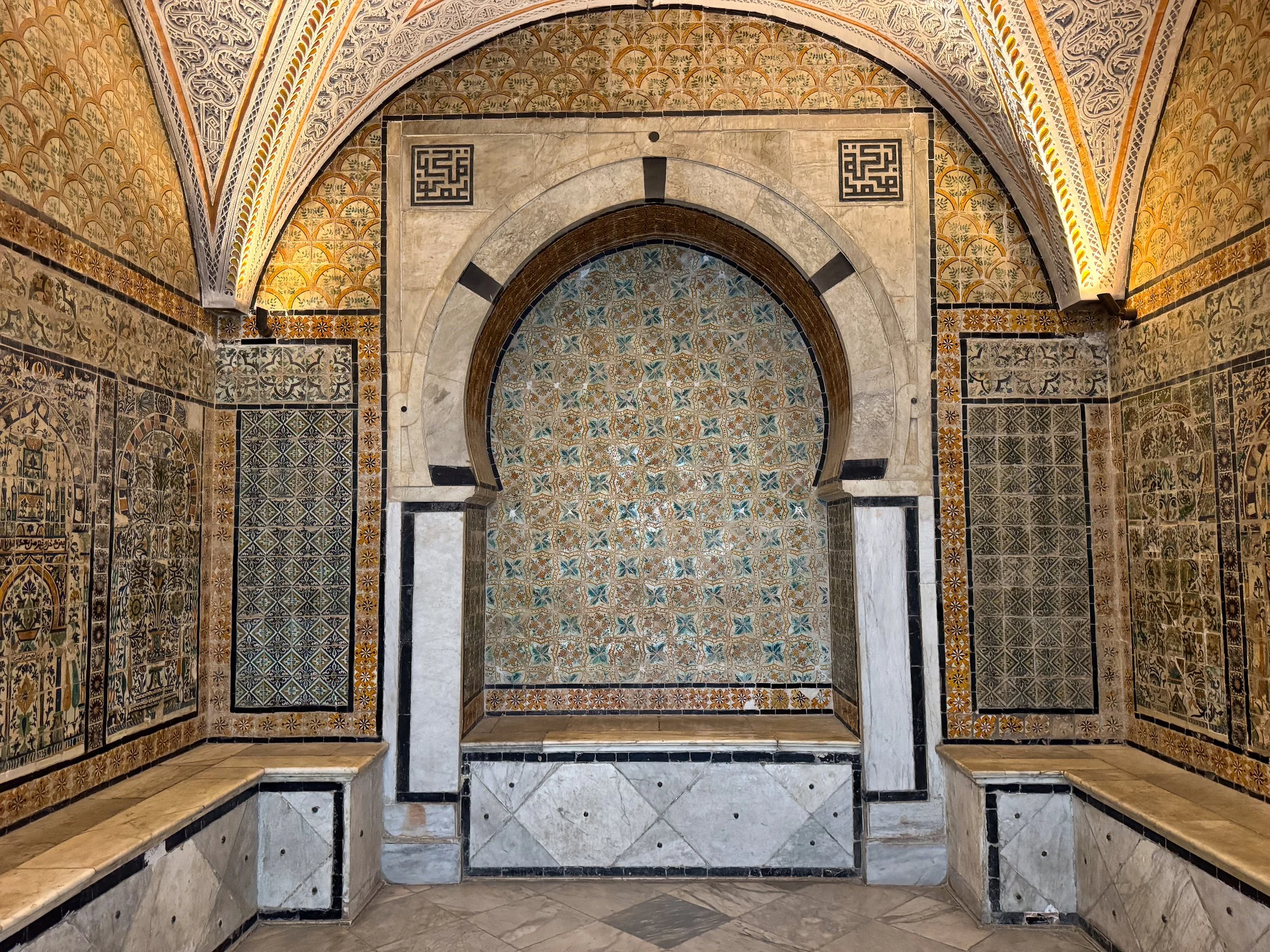
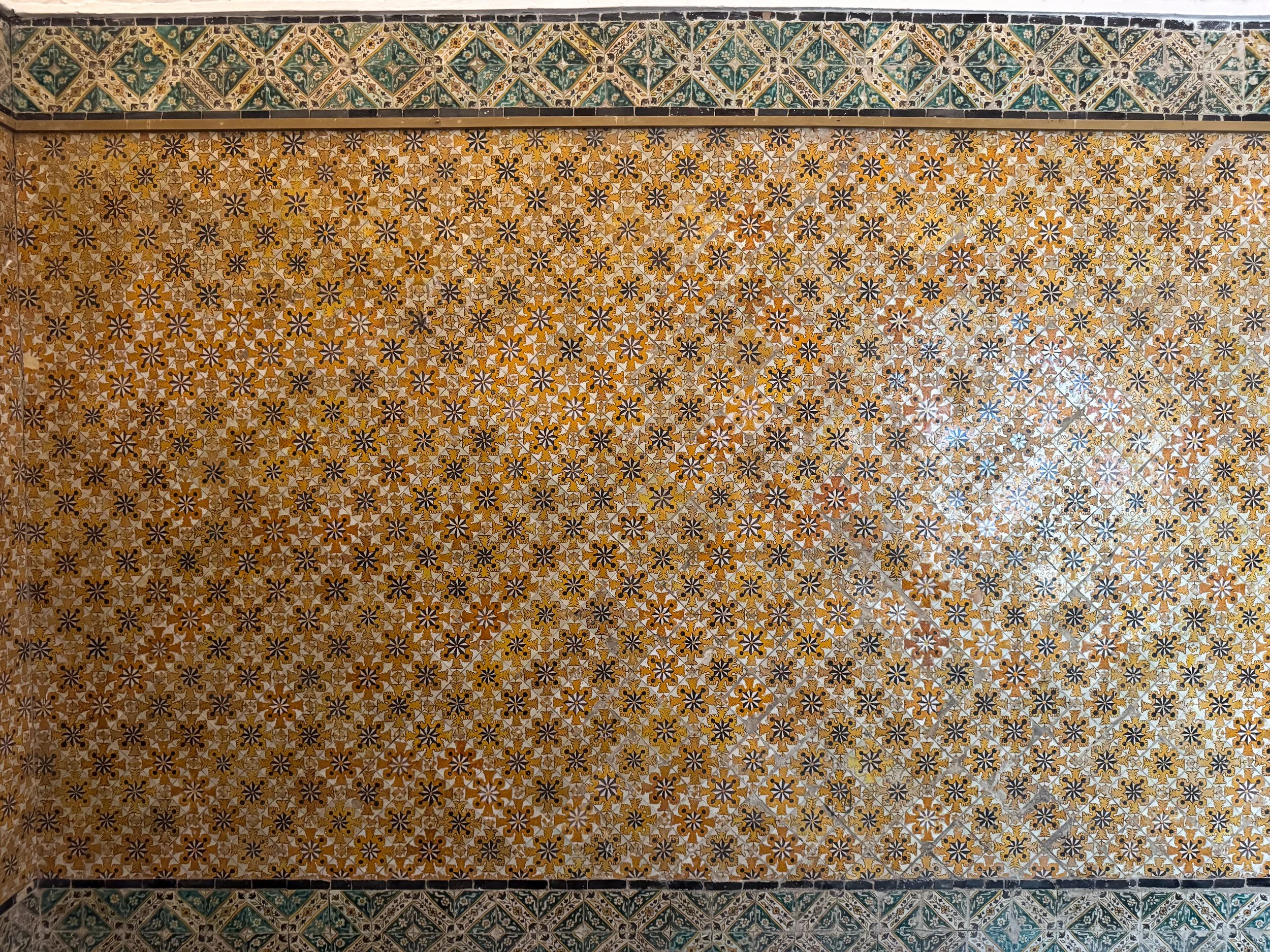
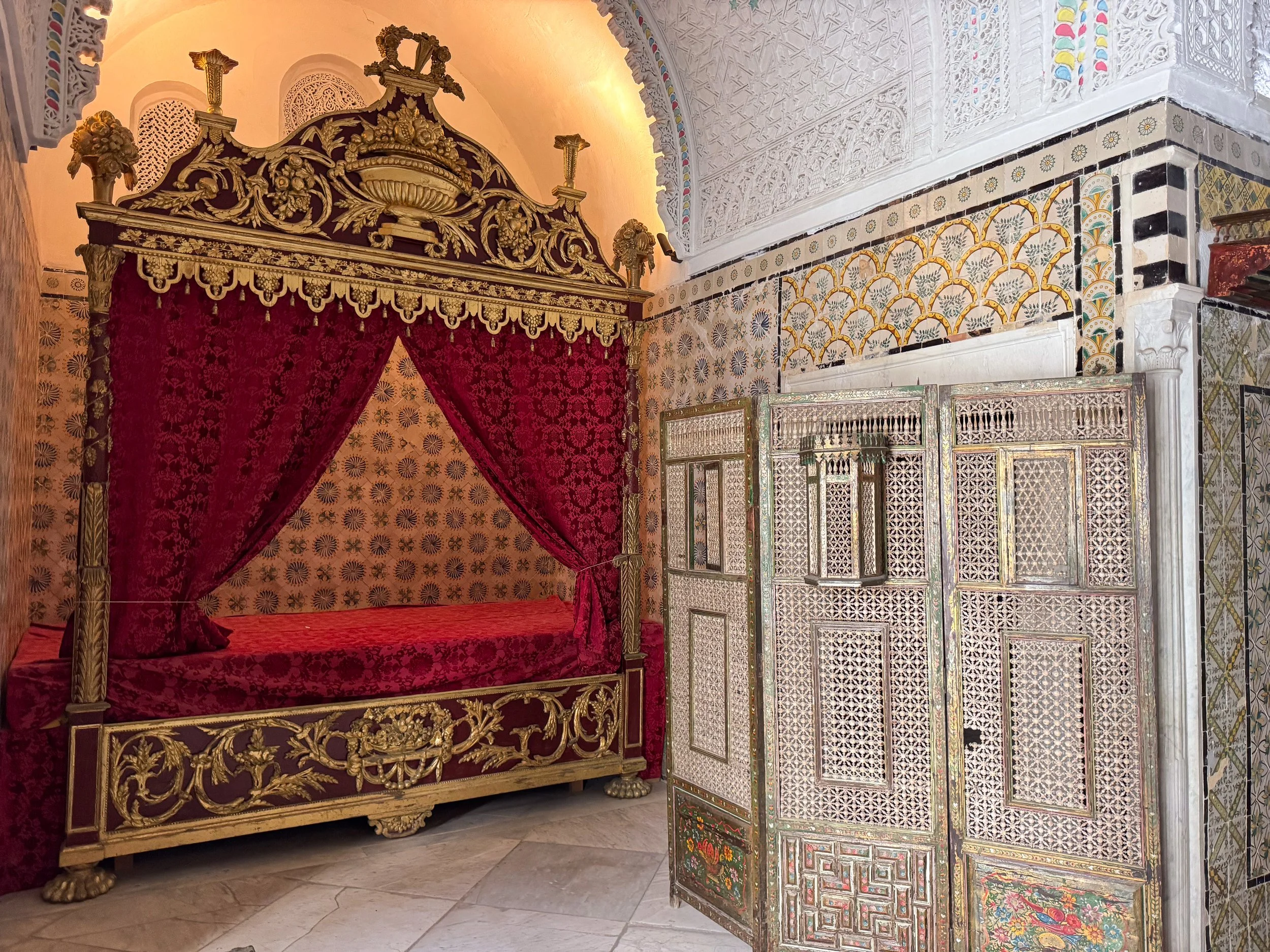
Petite Palace. A palace relocated from the Tunis Medina with extremely well preserved rooms and courtyards featuring hand painted tiled walls, marble floors and columns, ornately carved plaster ceilings and original furniture.
Constantine Room. A room displaying stone funerary stelae and marble sarcophagi carved with portraits, motifs and poems of the deceased.
Shop the Souks & Markets
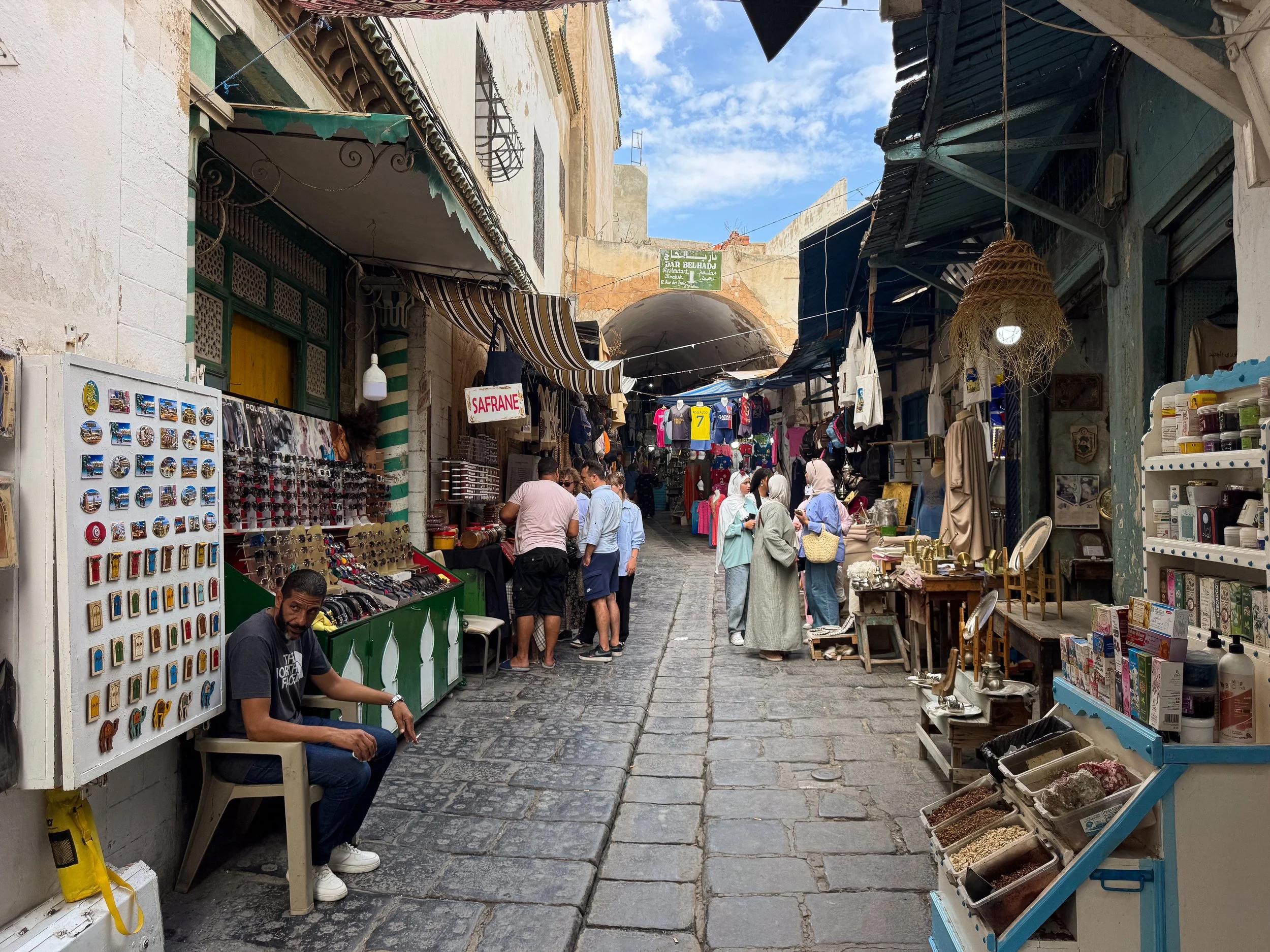
The Medina of Tunis is home to a variety of souks, traditional marketplaces full of shops, artisans, cafes and vendors. The souks meander through the heart of the Medina, encompassing narrow cobblestone streets and vaulted passageways.
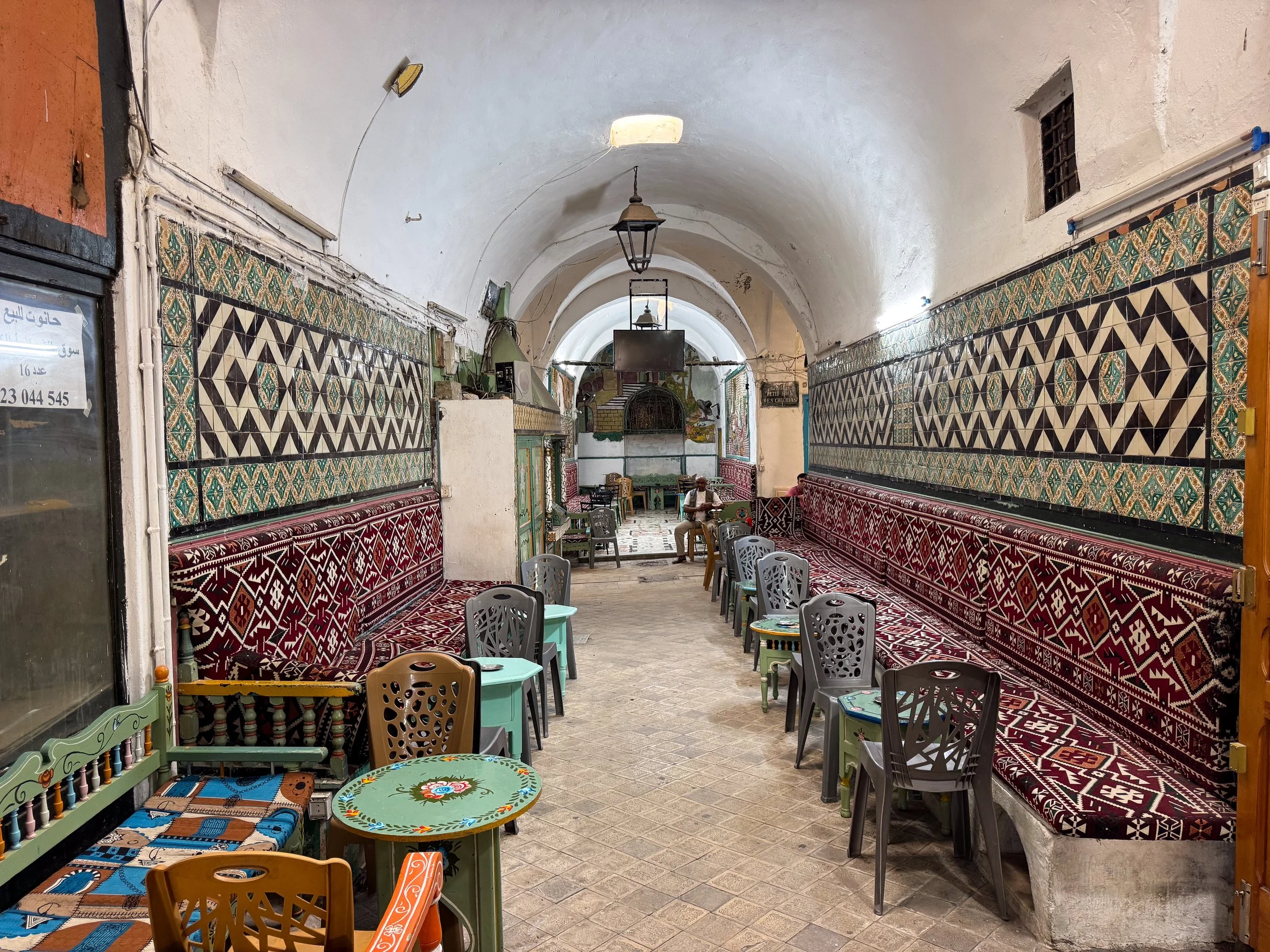
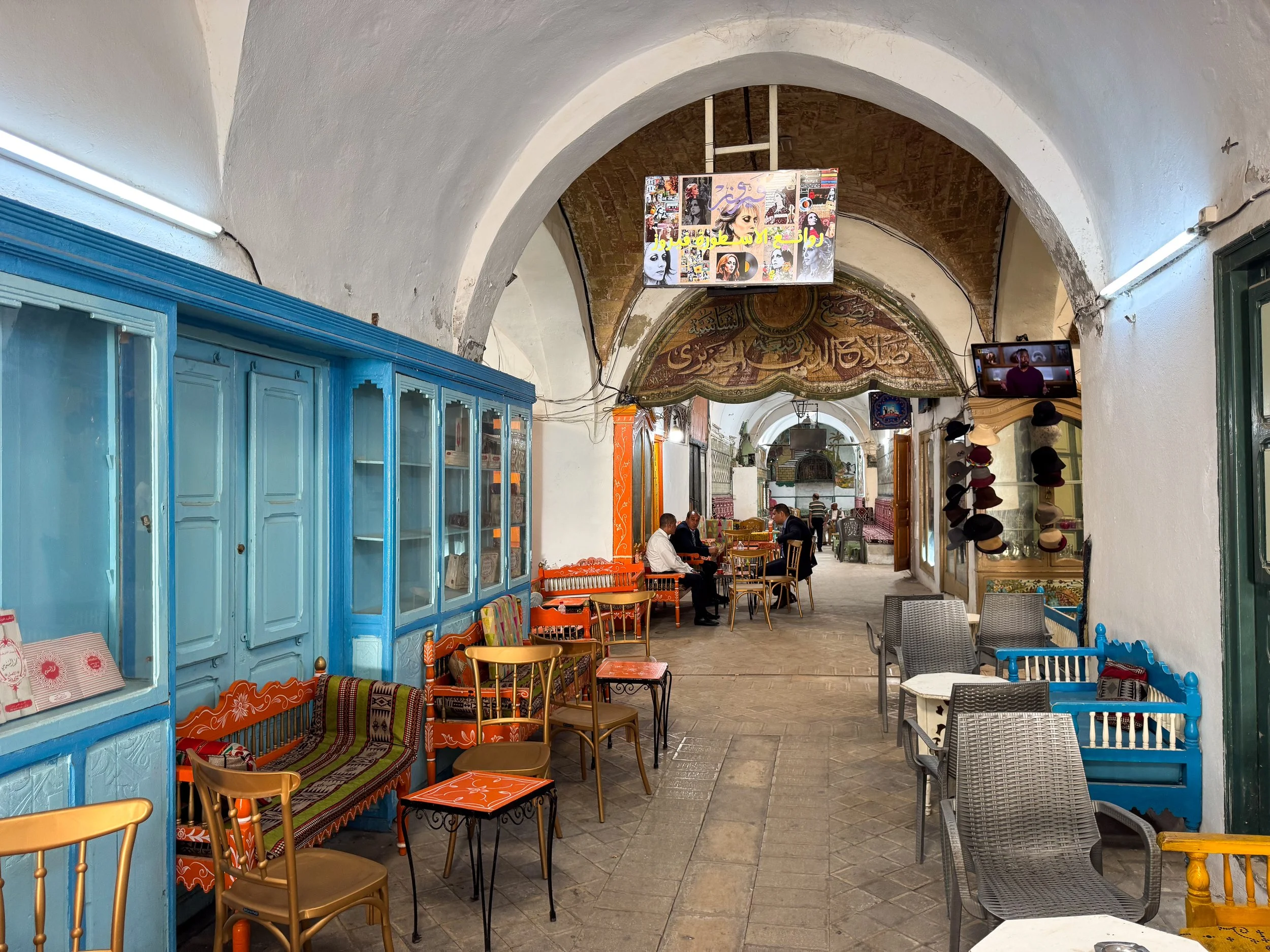
Souk el Bey. A vaulted complex with coffee shops, cafés, take away restaurants and hat shops. An eclectic variety of tables and chairs litter the corridors. Locals come here to relax, meet, sip on coffee and smoke.
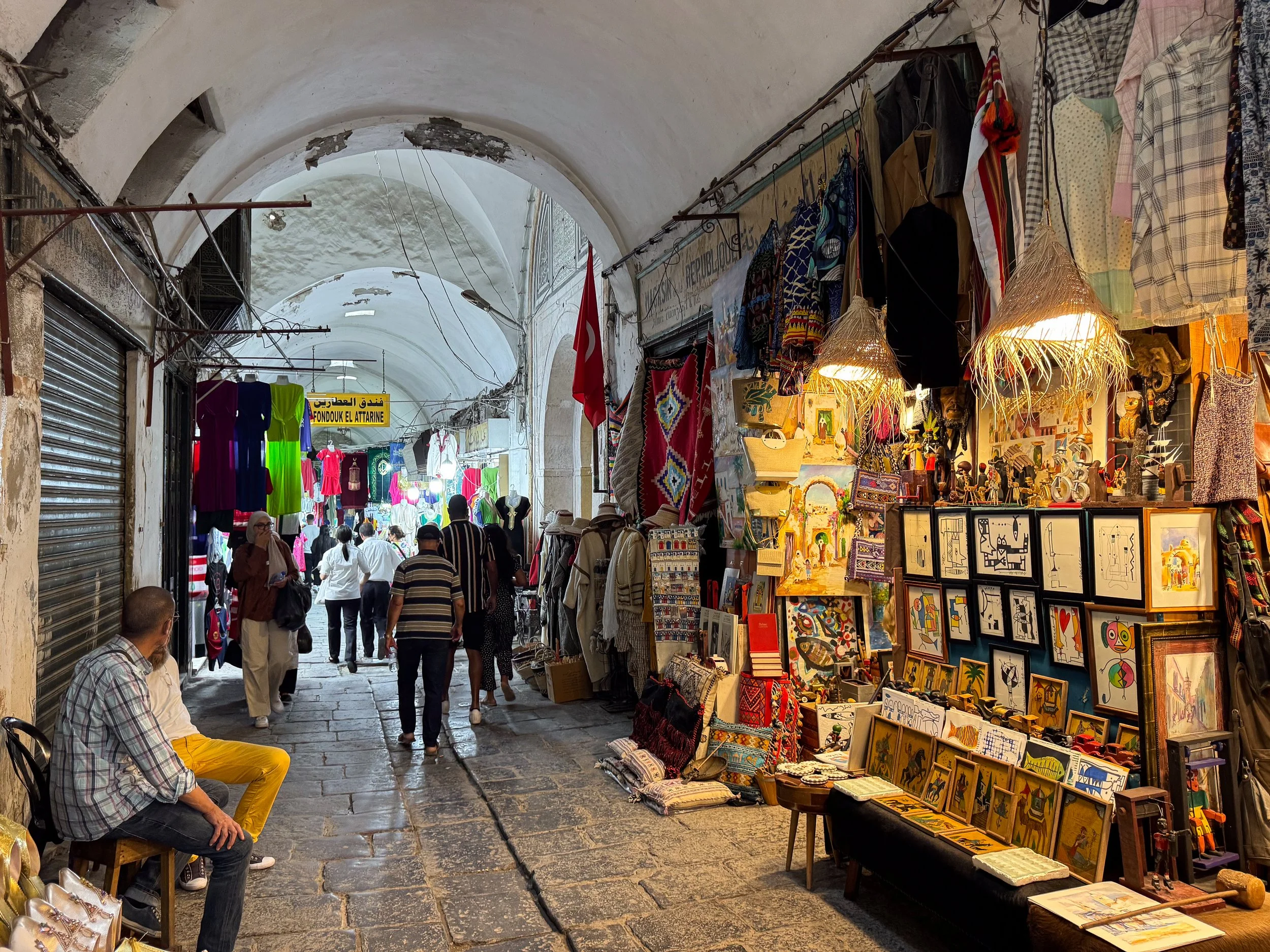
Souk El Attarine. One of the most bustling souks in the Medina. Its variety of shops and authentic atmosphere attracts both locals and tourists. Vendors sell perfumes, brass jewelry, linen clothes, leather bags, woven textiles, brassware, paintings, olive wood cookware and souvenirs.
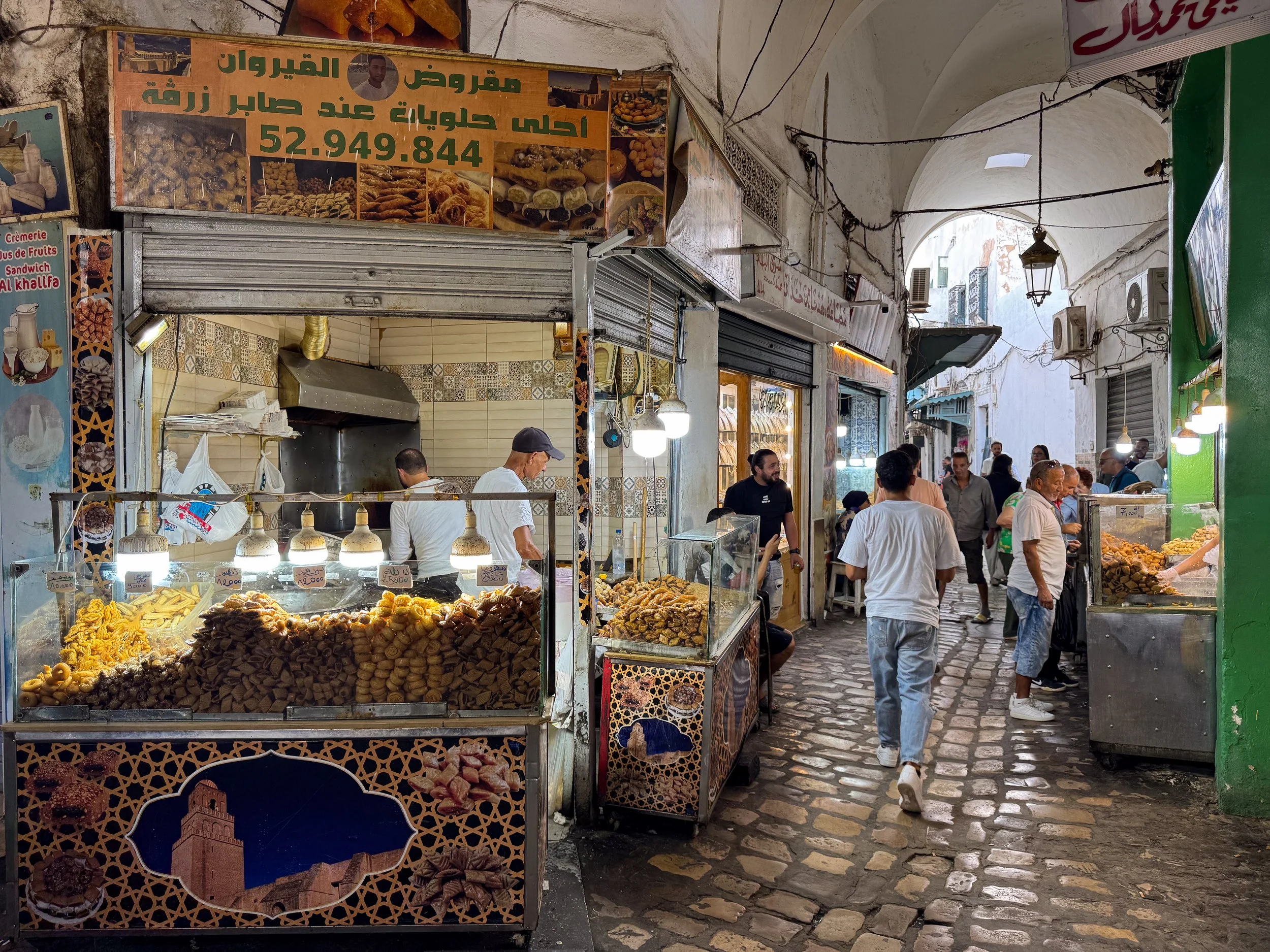
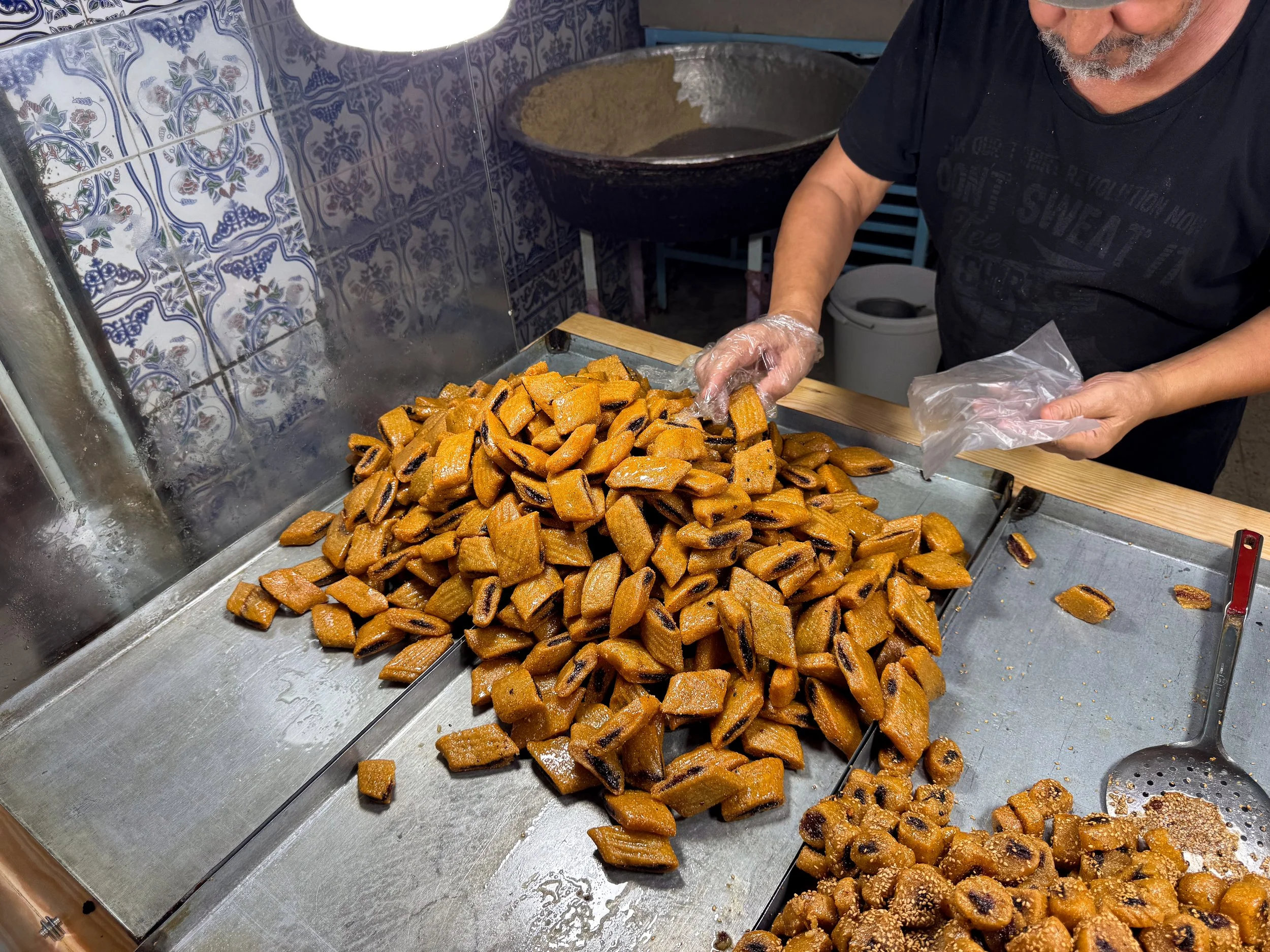
Pastry Souk. Though not officially a souk, a corner within Souk El Attarine is lined with a dozen bakeries and food carts selling Tunisian sweets and patisserie. Some vendors even hand out free samples. Try the Makroudh, a fried date filled cookie made with semolina flour. They’re covered in a honey glaze and garnished with sesame seeds.
Souk Trok & Souk Al Berka. Two large covered streets with numerous jewelers selling antique silver, golden wearables and sparkling stones.
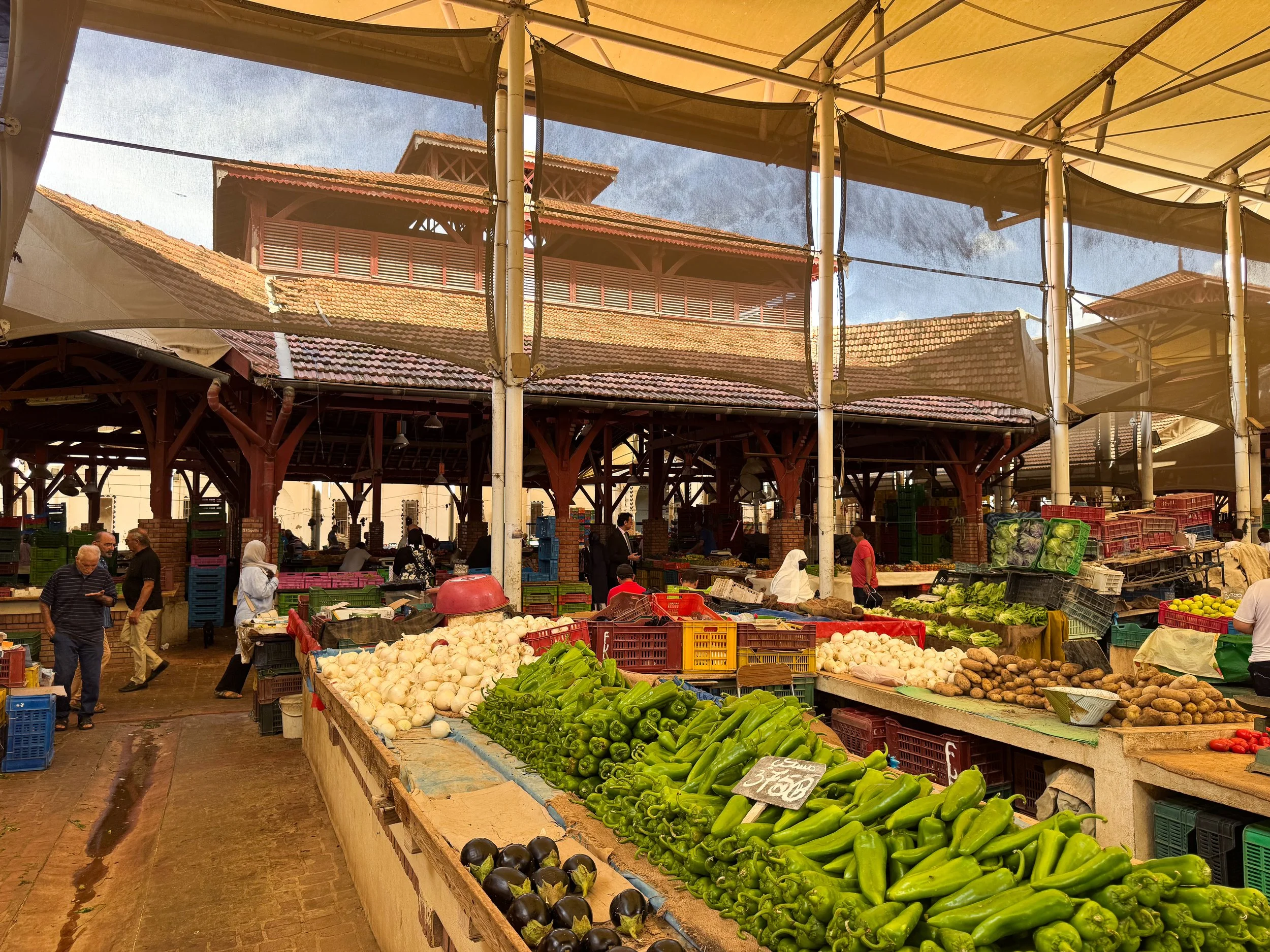
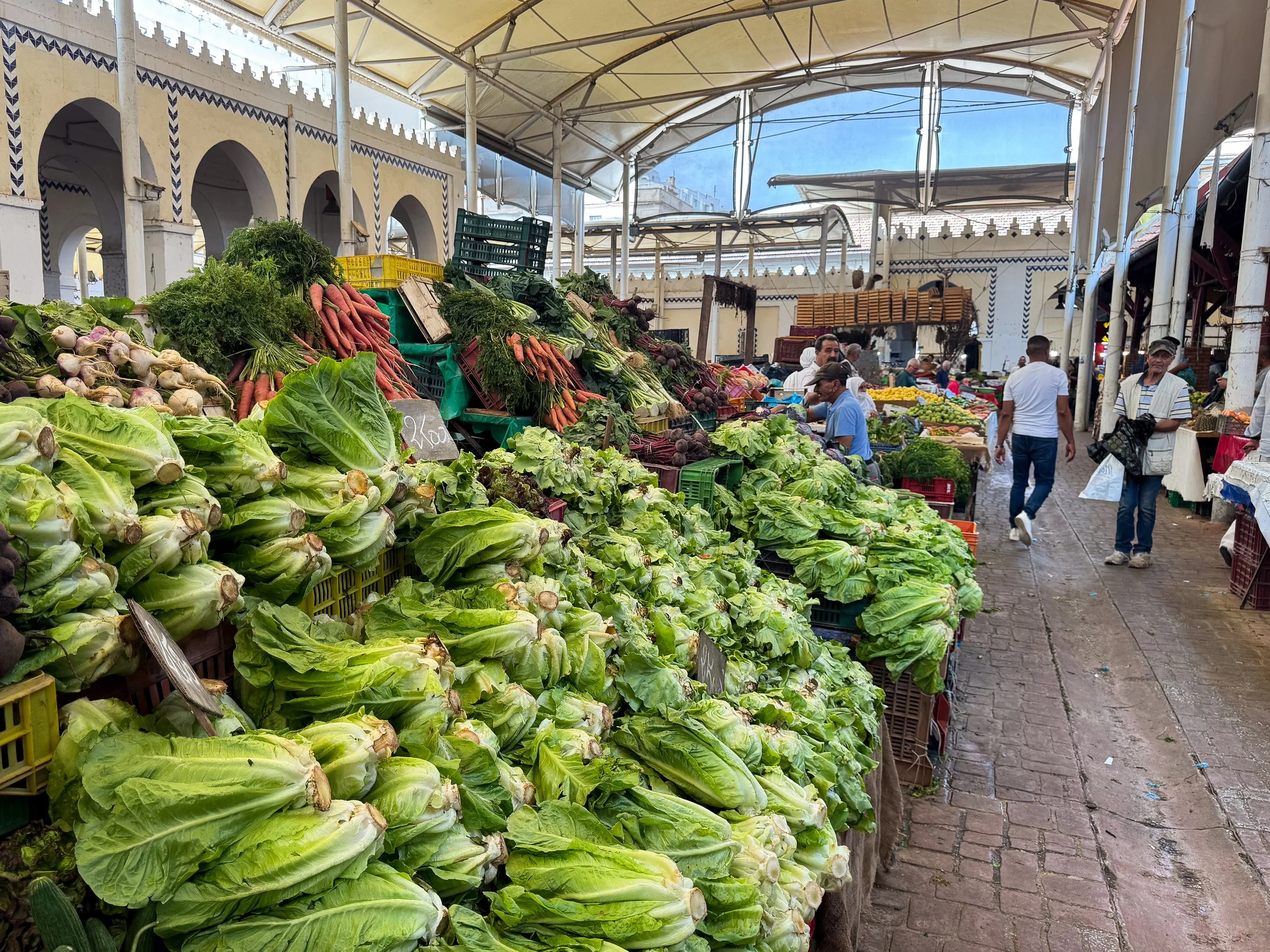
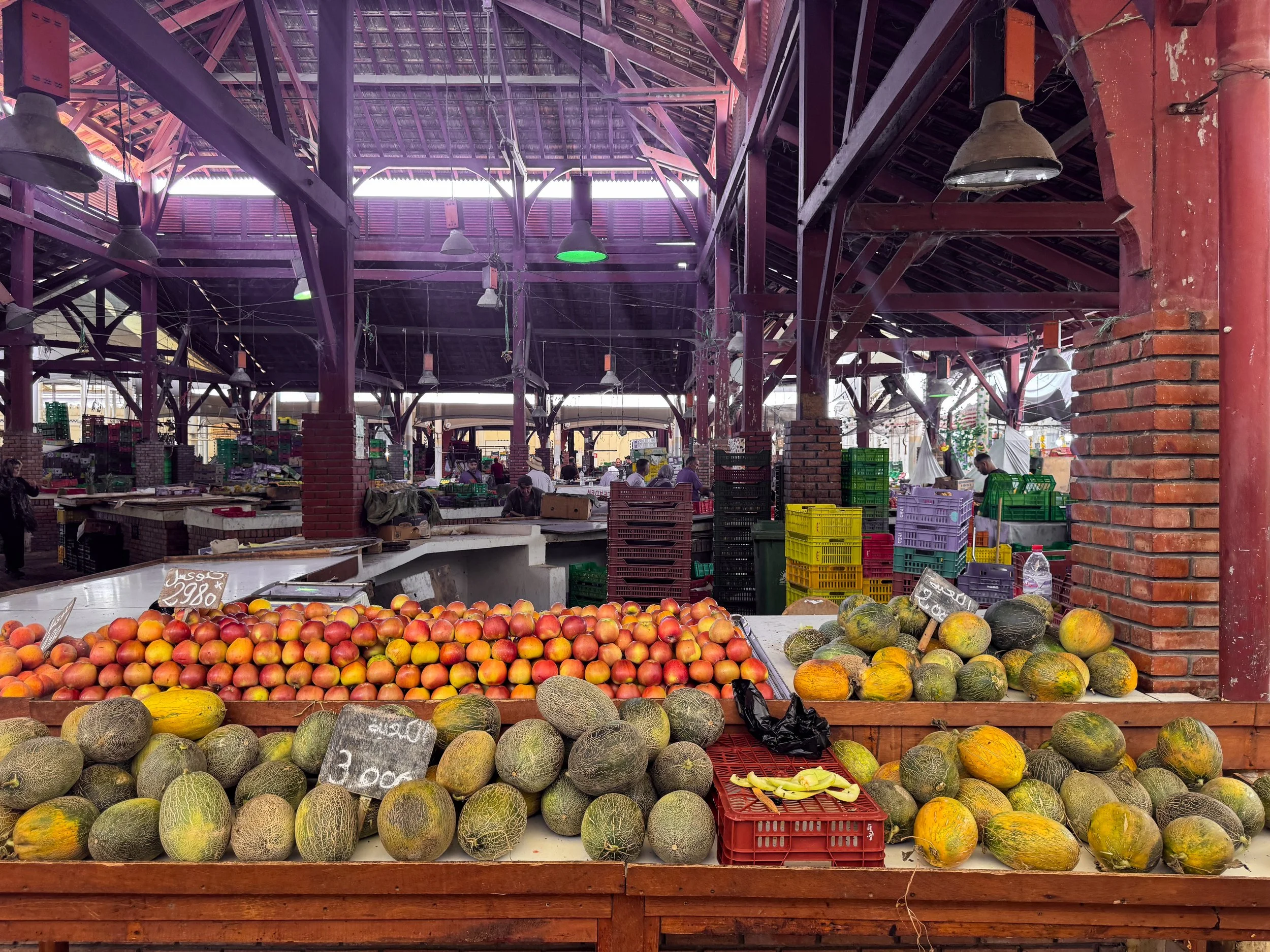
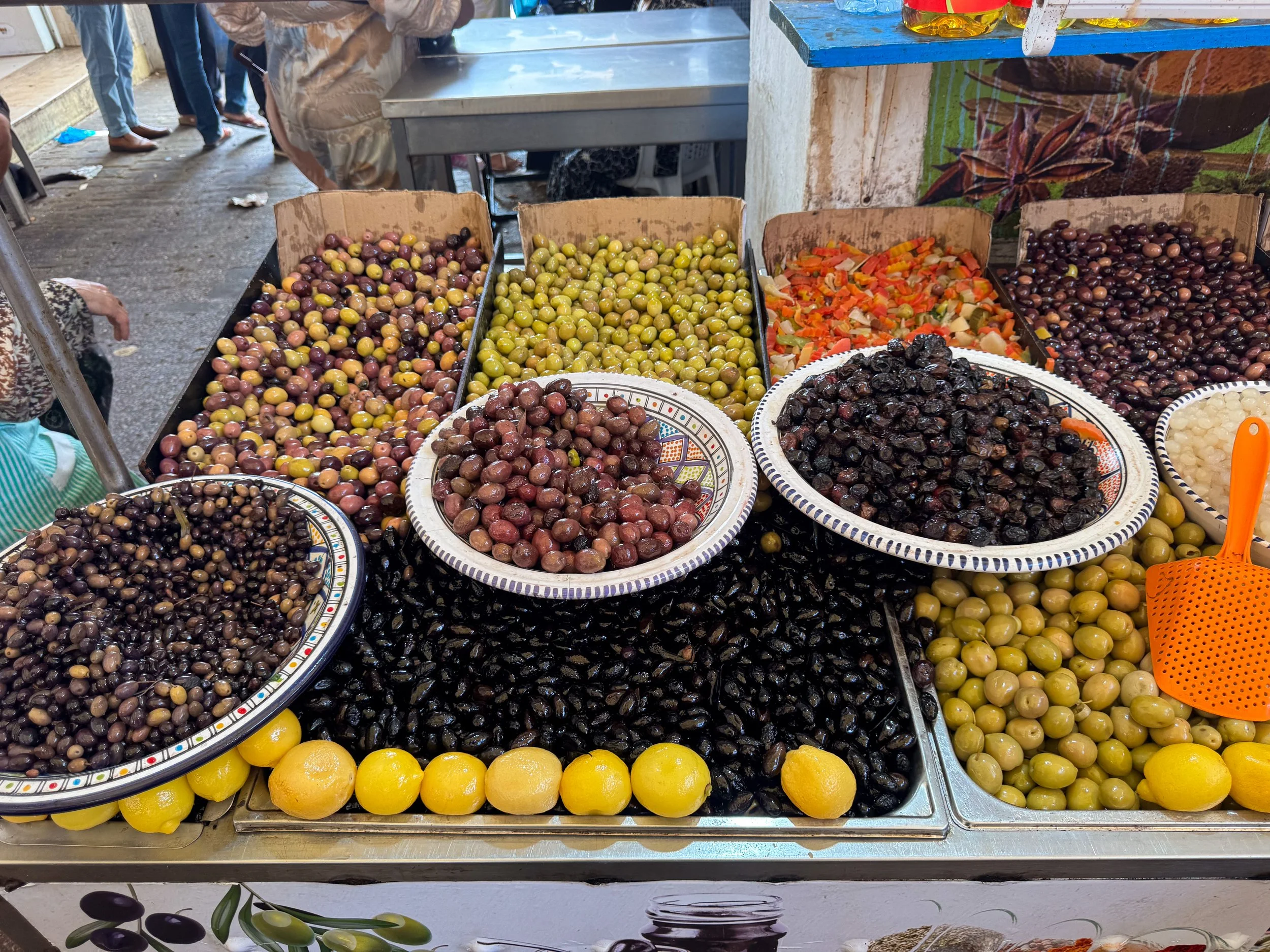
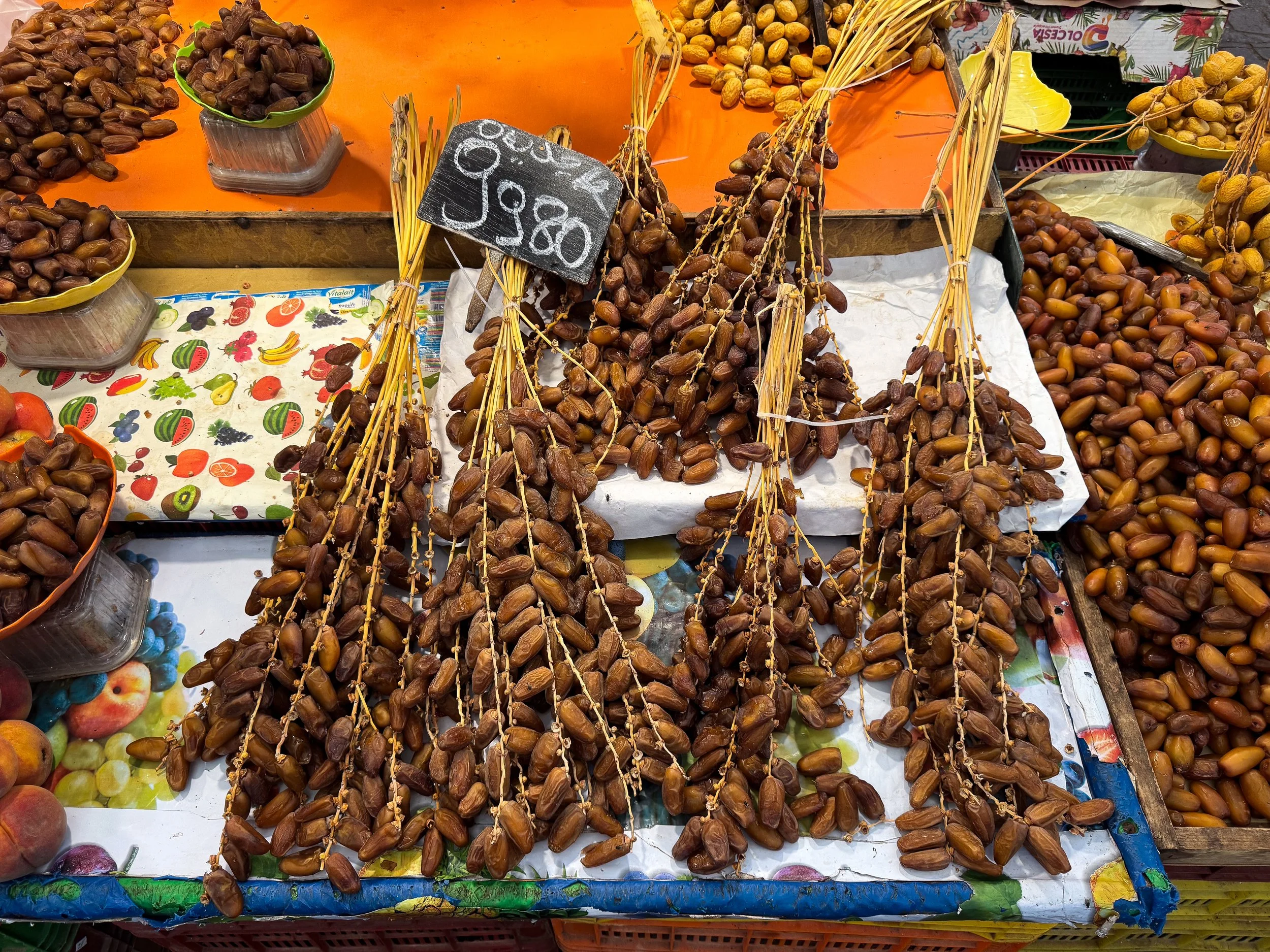
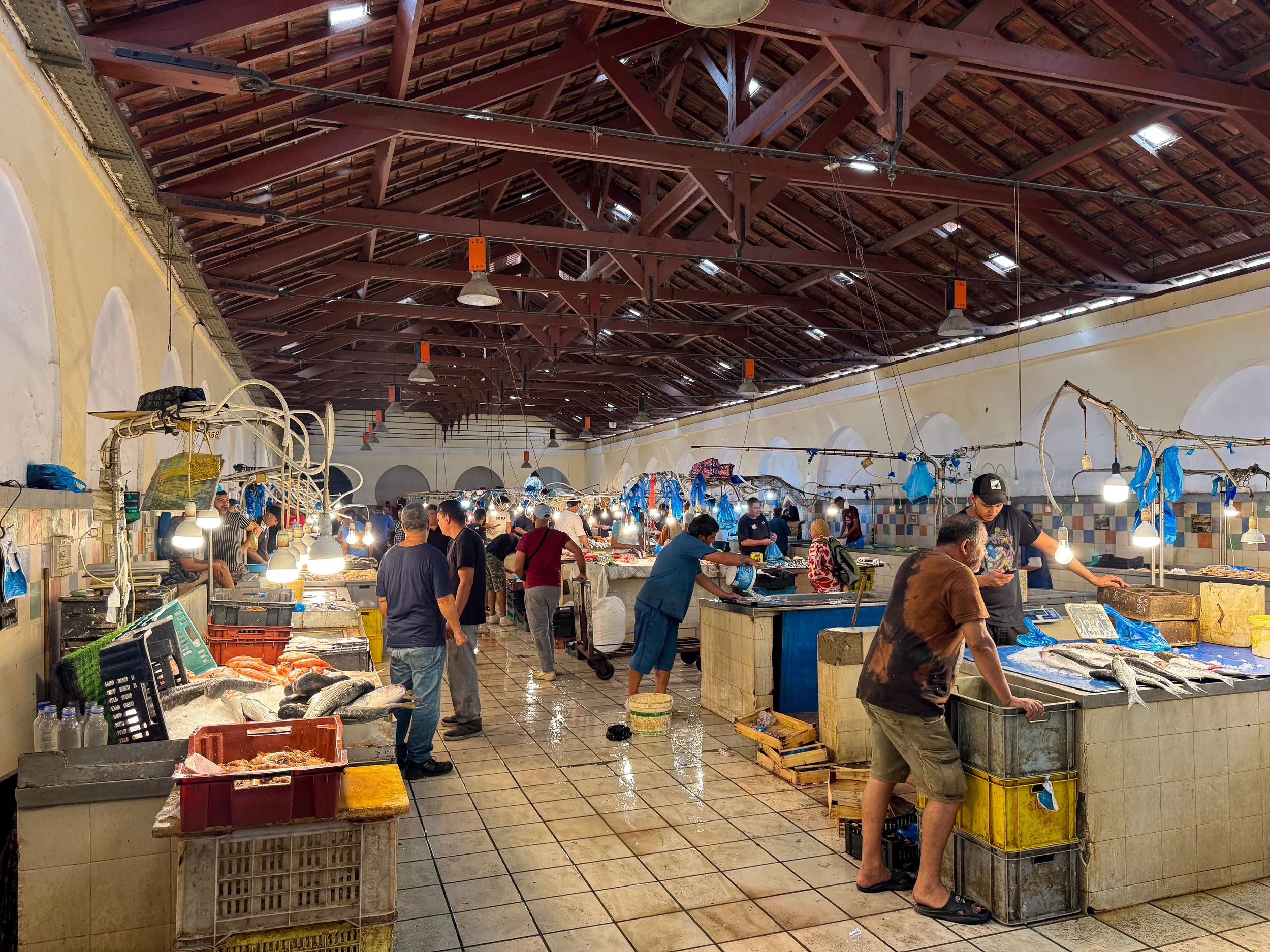
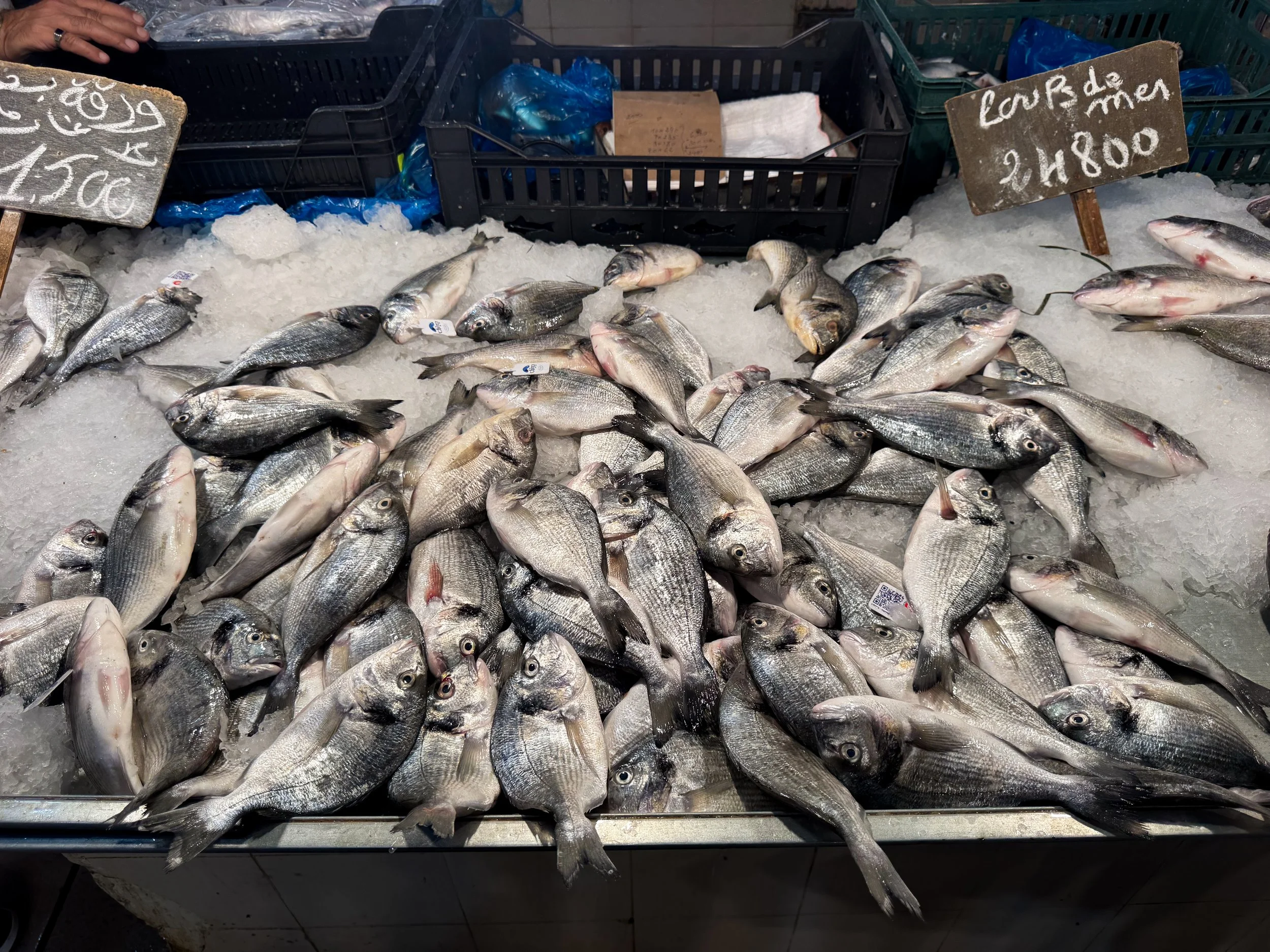
Central Market of Tunis. A large farmers market outside of the Medina with tables of vendors selling fresh vegetables, fruits, herbs, meats and seafood. Shop for strings of dried dates, various types of brined olives, fresh baked French and Tunisian breads, creamy farmers cheeses, homemade harissa and Mediterranean seafood!
Explore the Ancient Ruins of Carthage
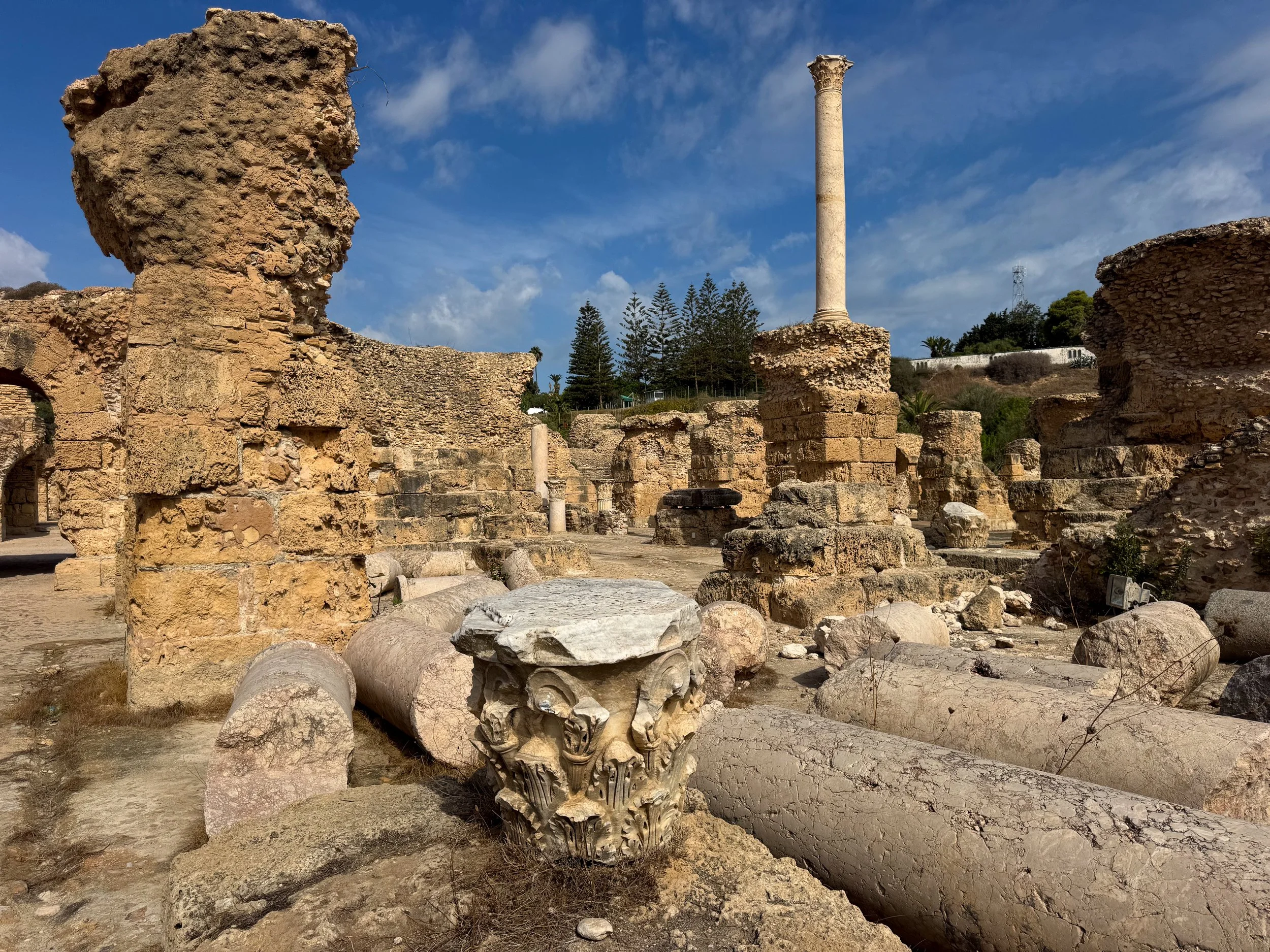
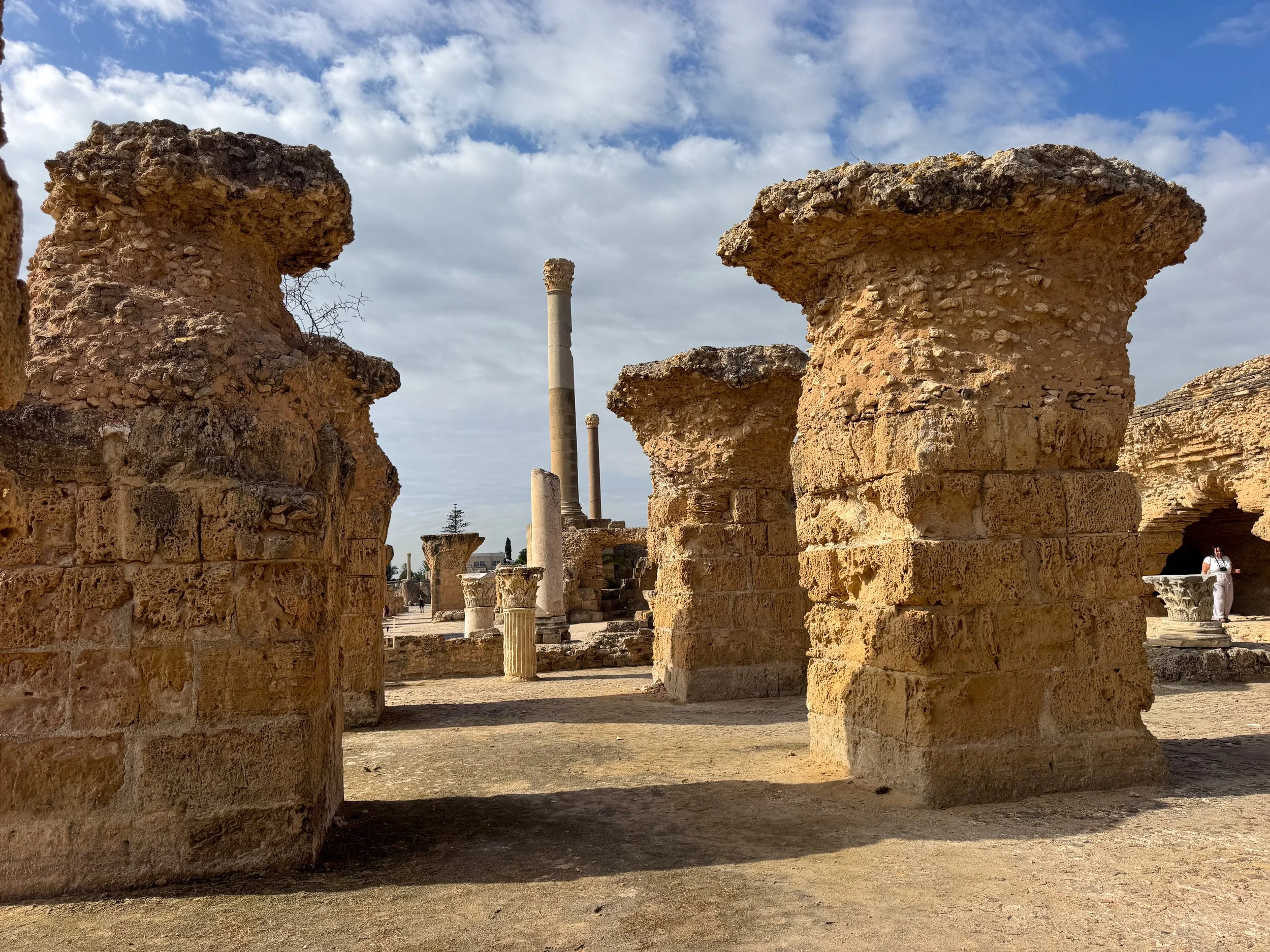
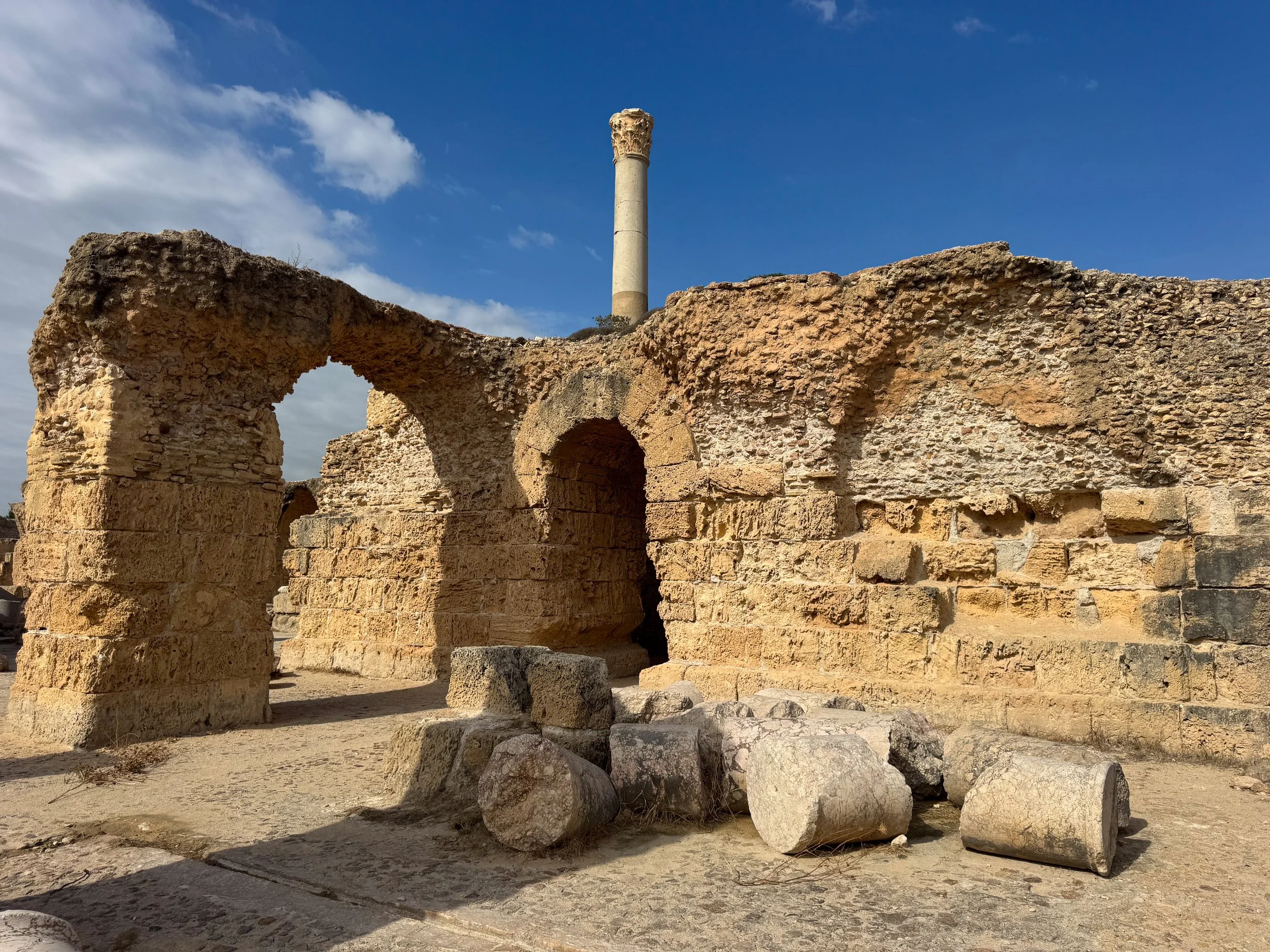
Carthage is the ancient capital city of the Carthaginian Empire. It ruled the Western Mediterranean for nearly a millennium from 800 BCE until defeat by the Romans in the Punic Wars. The city is home to Roman ruins of ancient baths, amphitheaters, villas, aqueducts, cisterns and tiled mosaics.
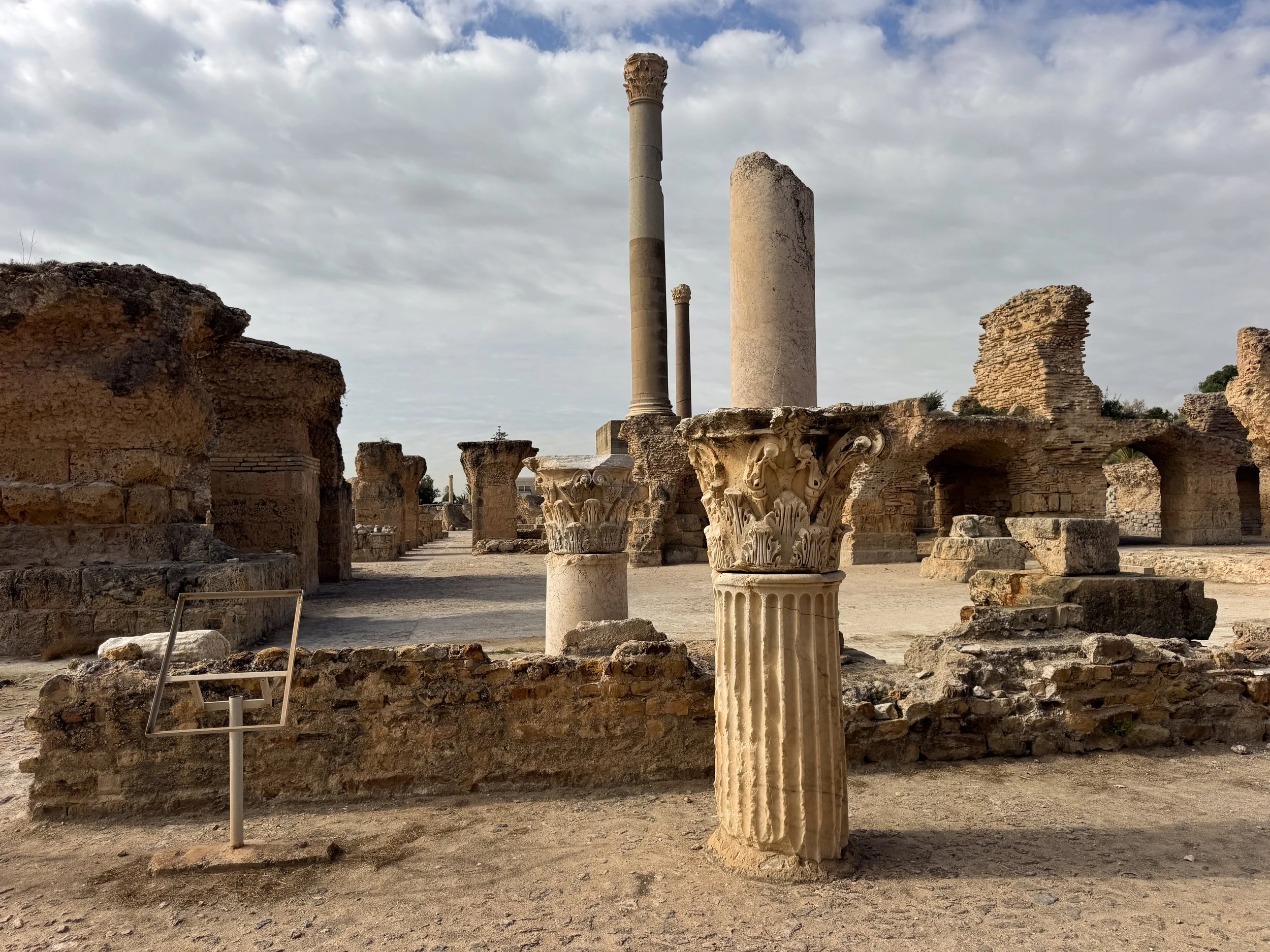
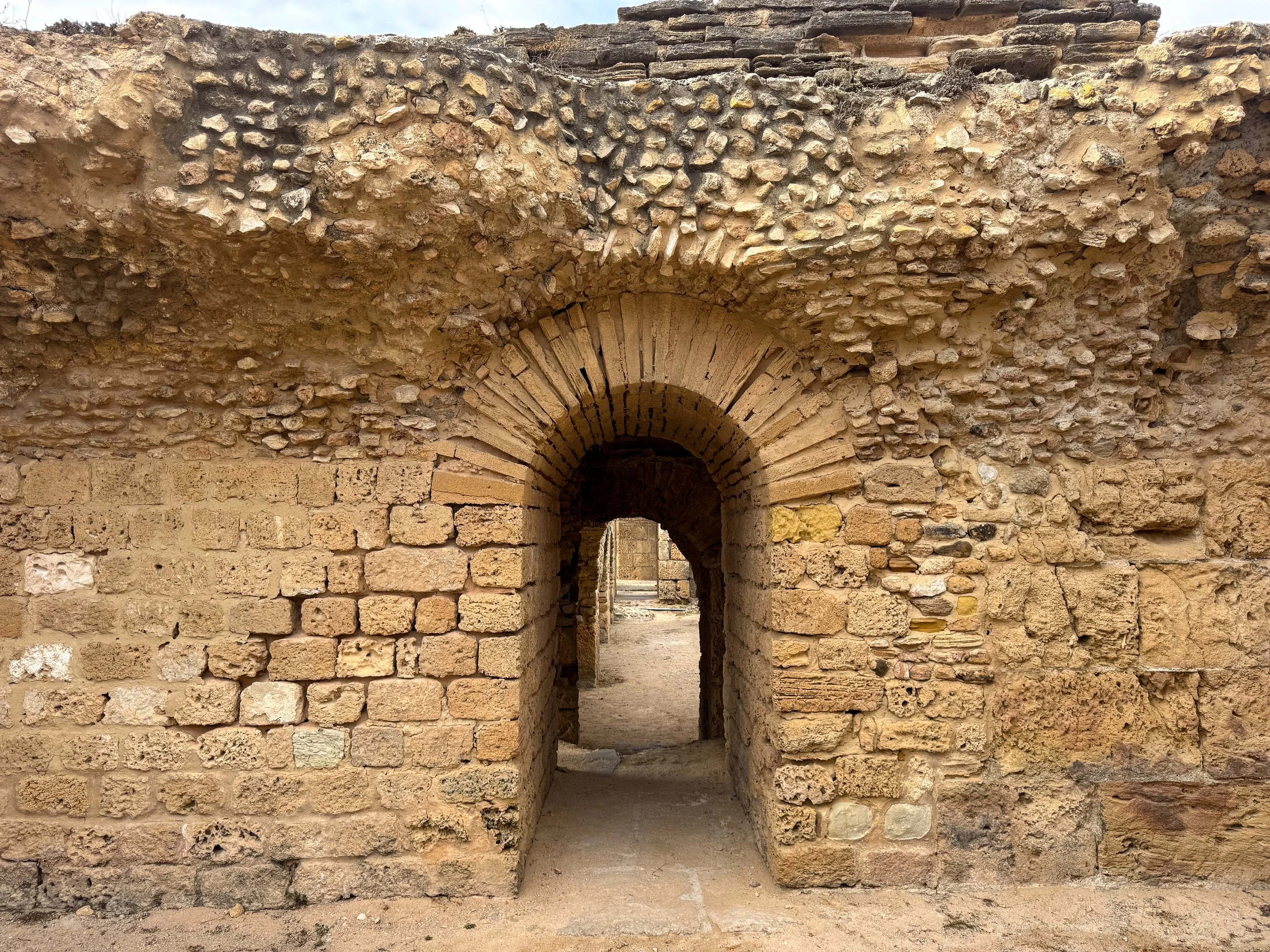
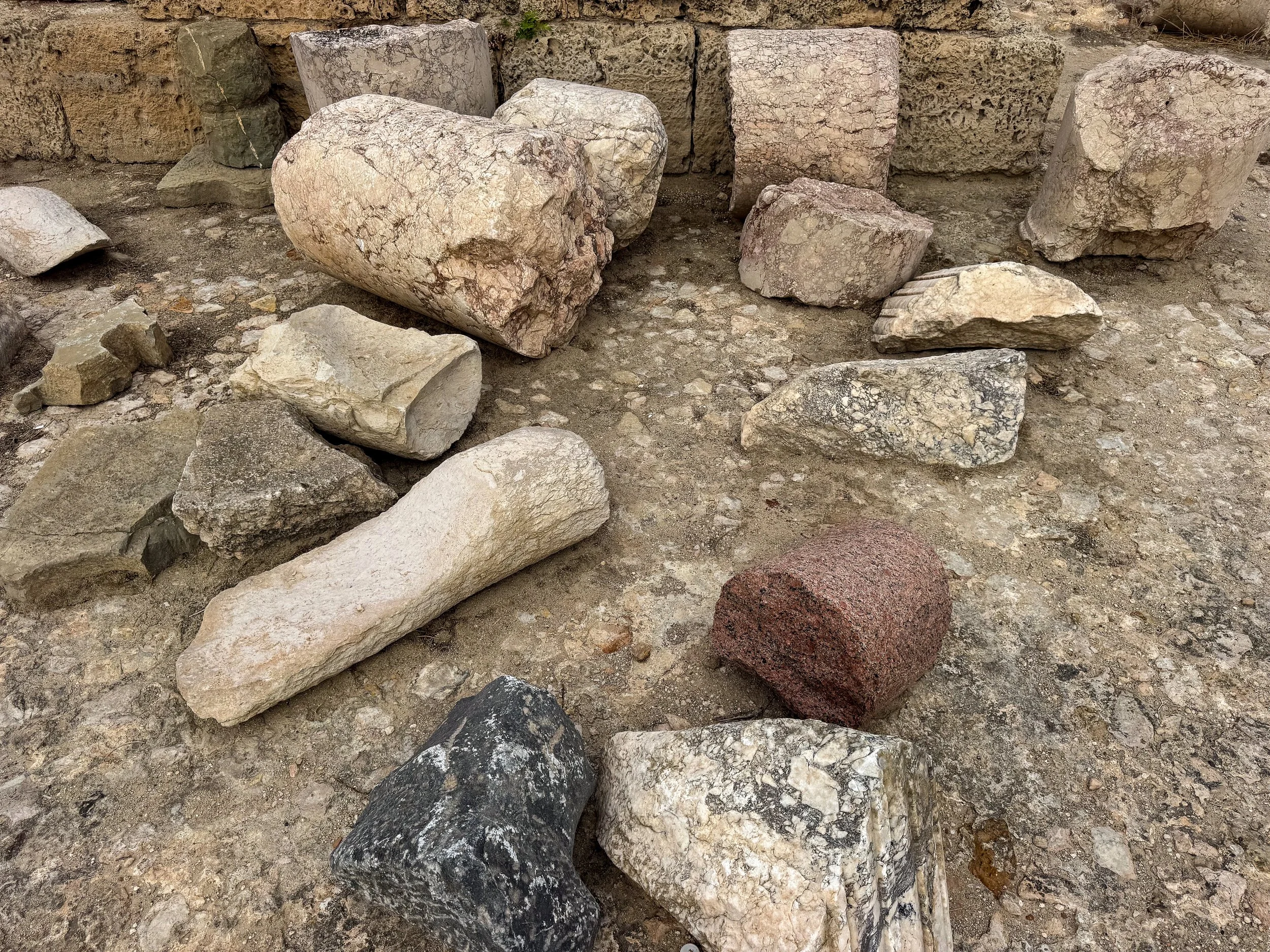
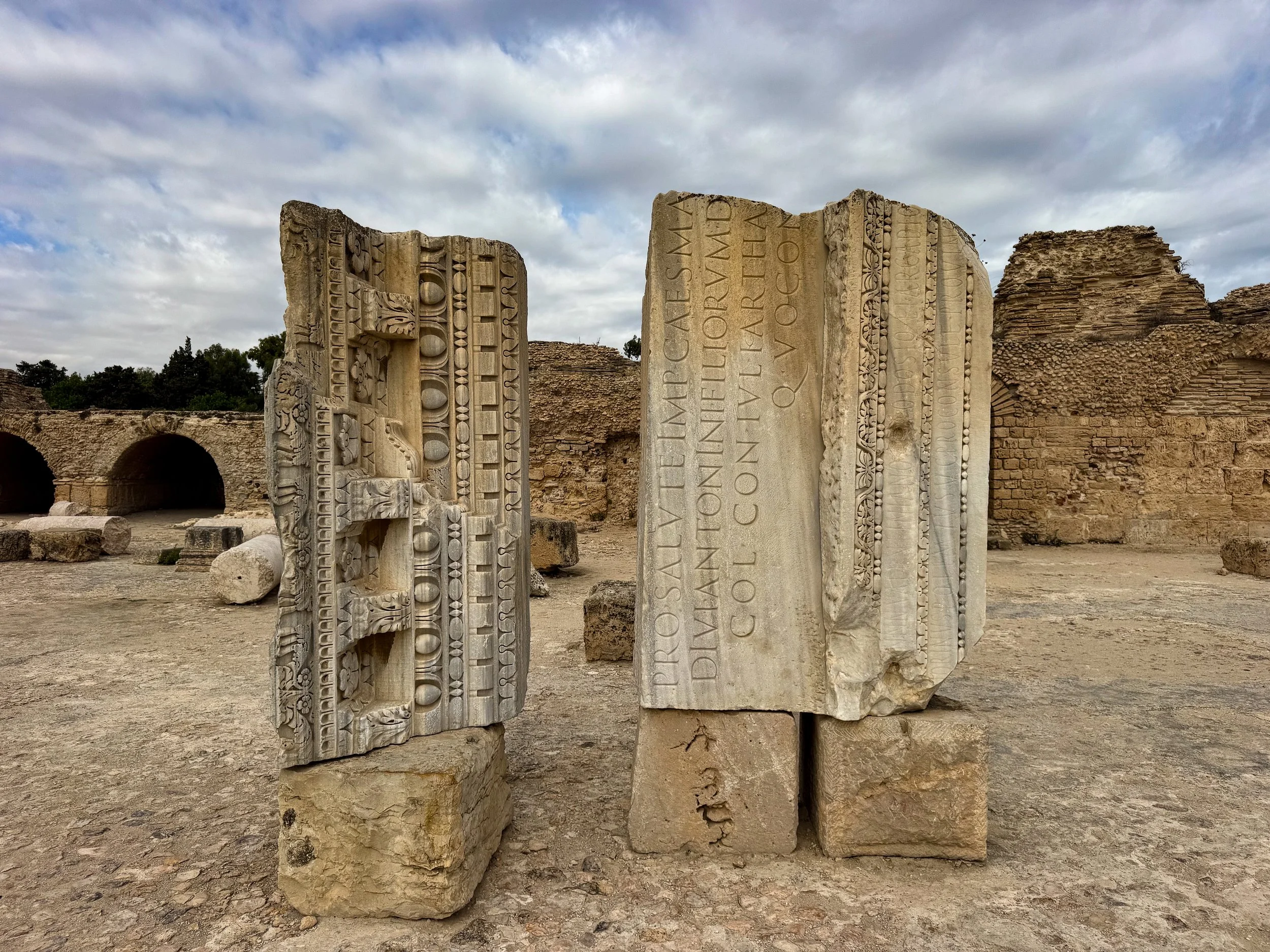
Baths of Antoninus. The ruins of an ancient seaside bathing complex built during the 2nd century. The baths are one of the largest built during the Roman Empire, featuring swimming pools, gyms, hot and cold rooms. Walkways lead through crumbling stone tunnels and arches, into open areas, cisterns and former rooms. Remains of stone mosaics, colorful marbles, limestone capitals of Corinthian columns and Latin lettered engravings litter the ruins.
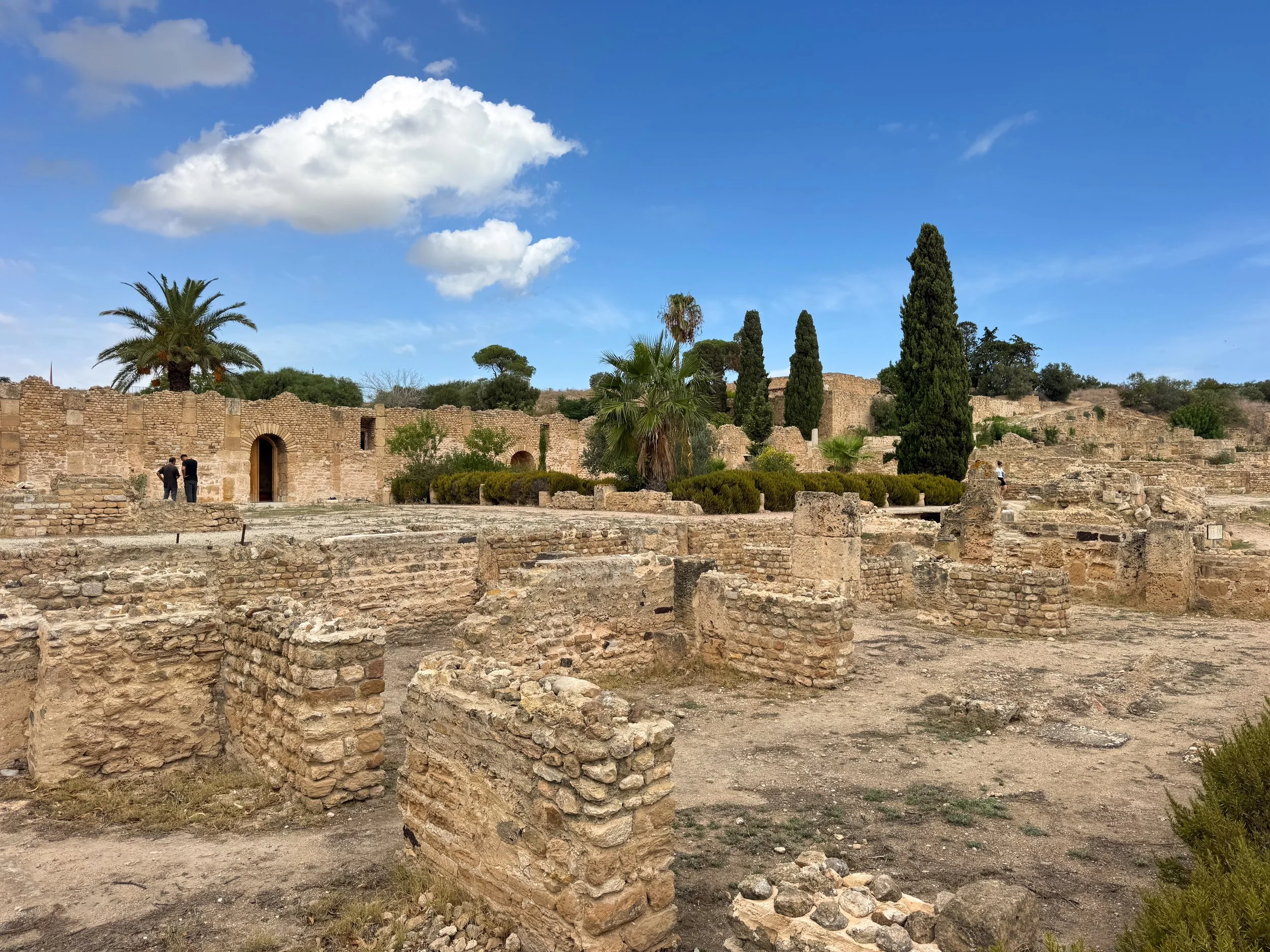
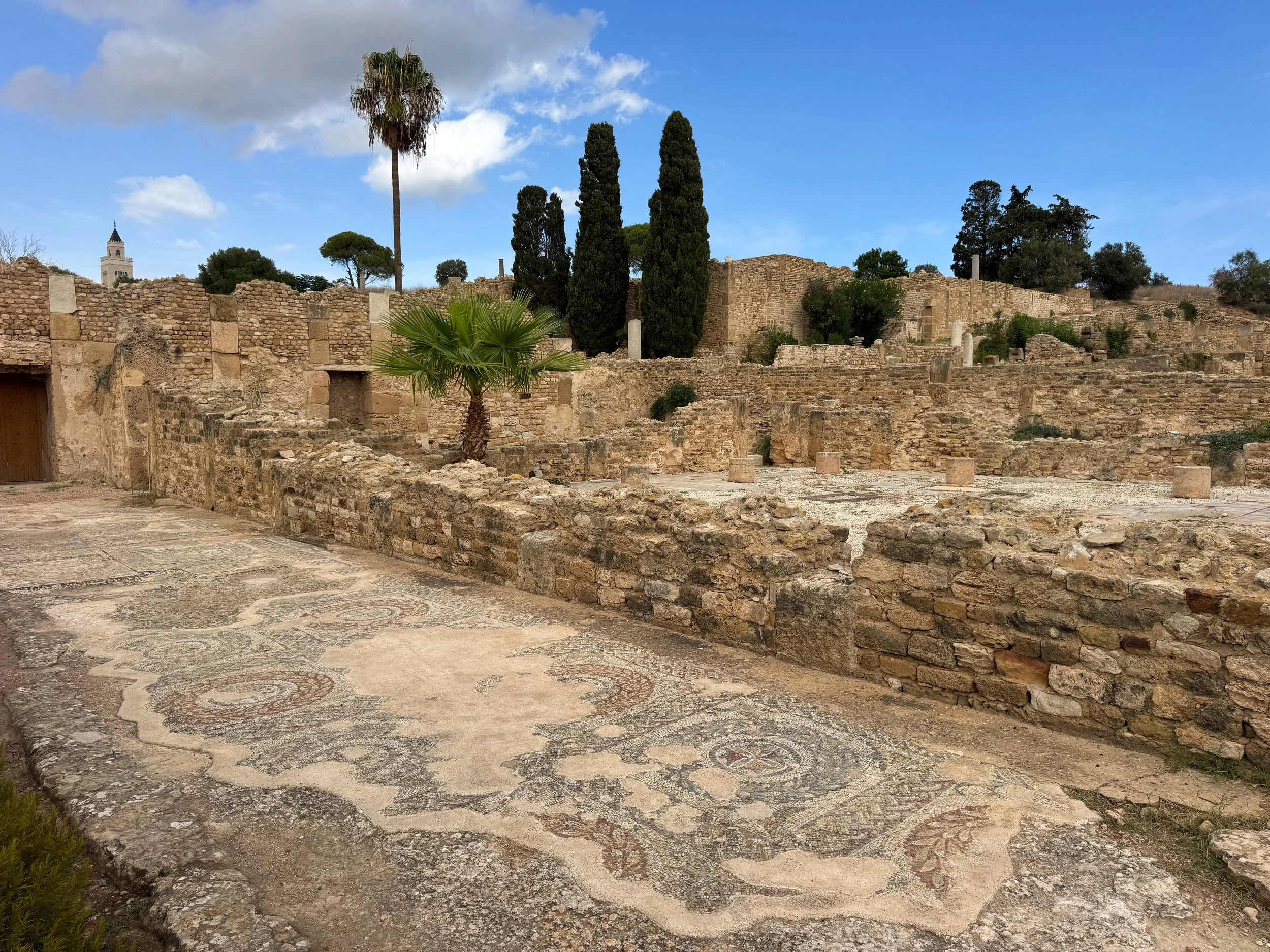
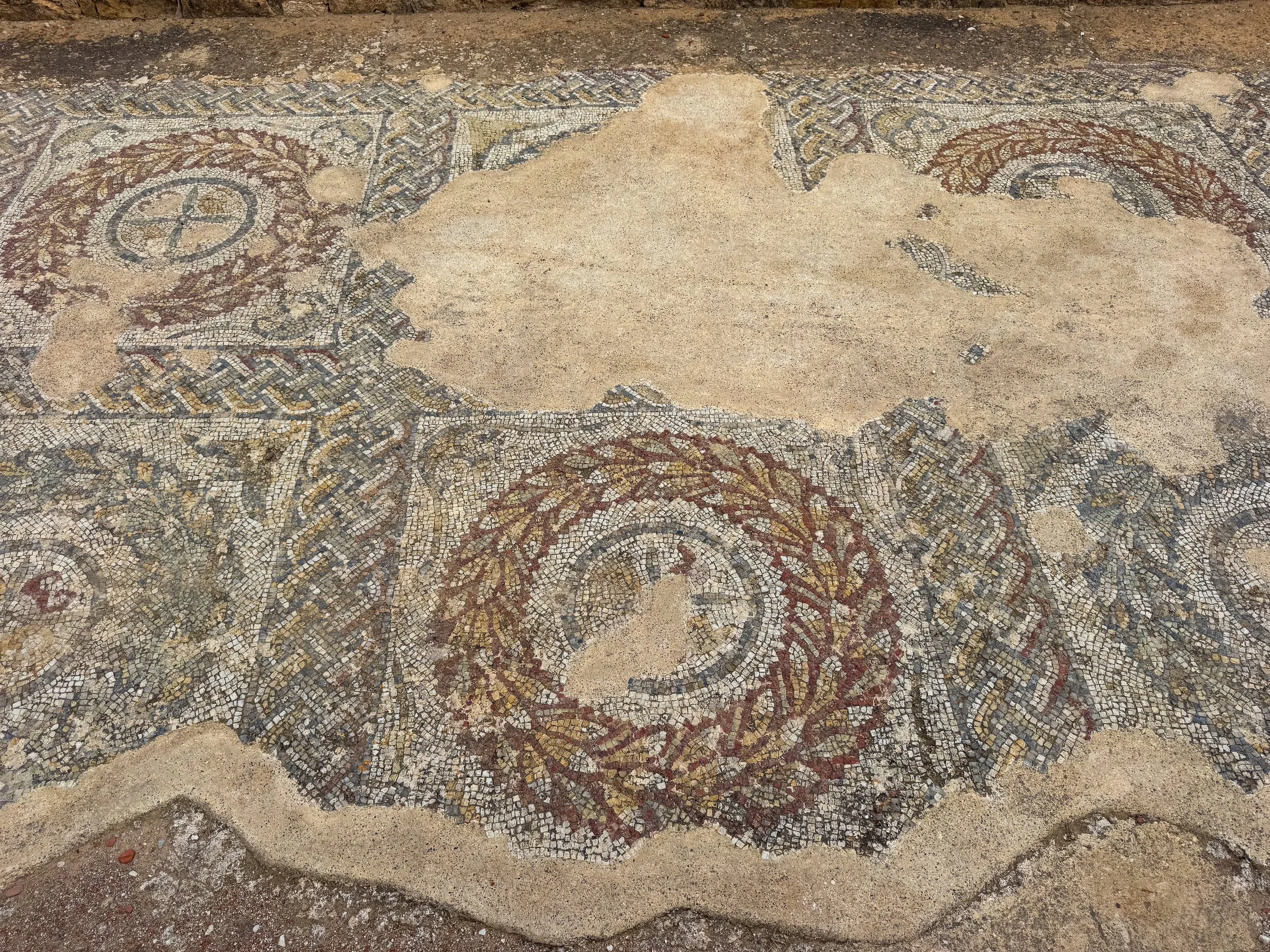
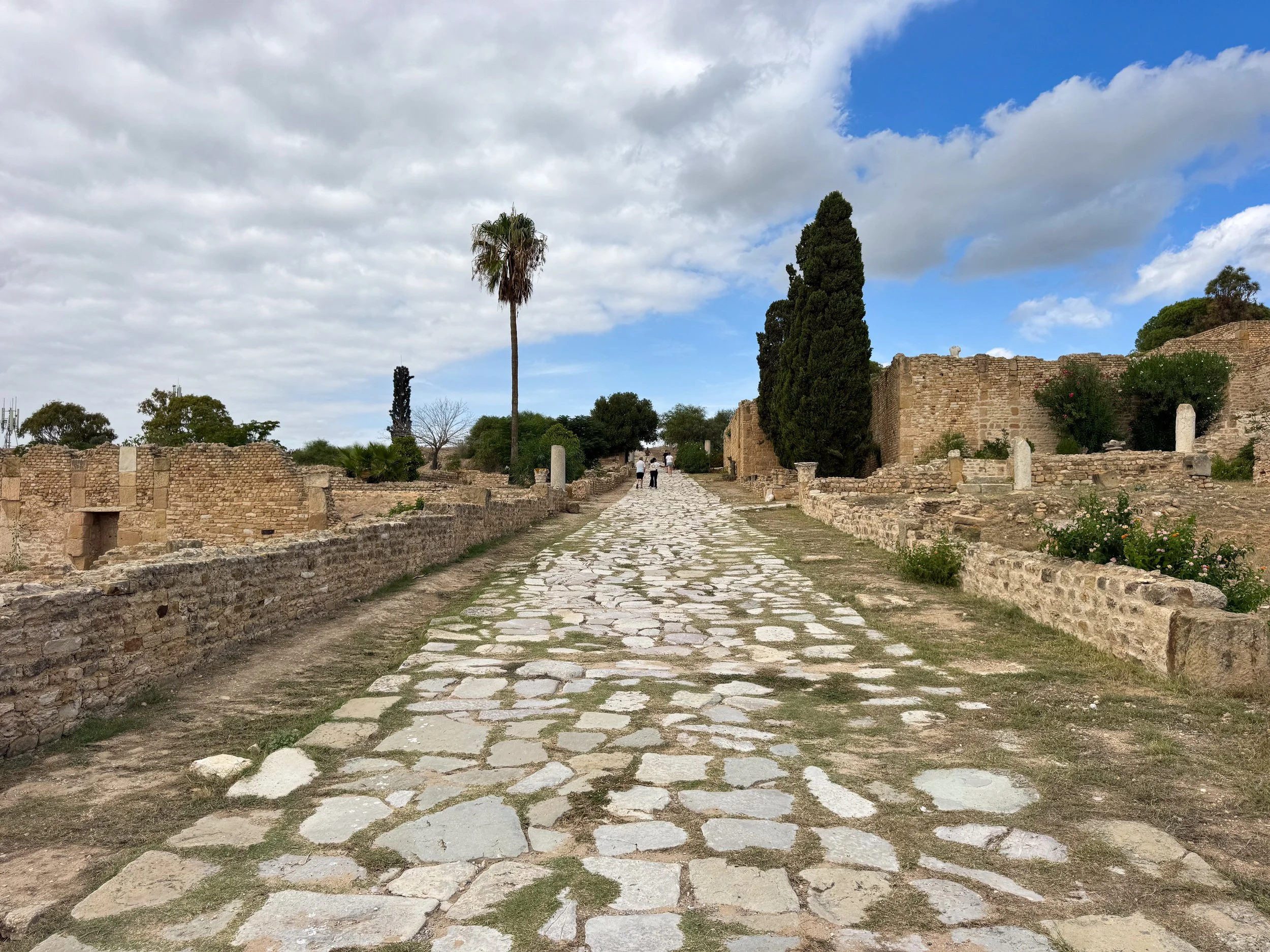
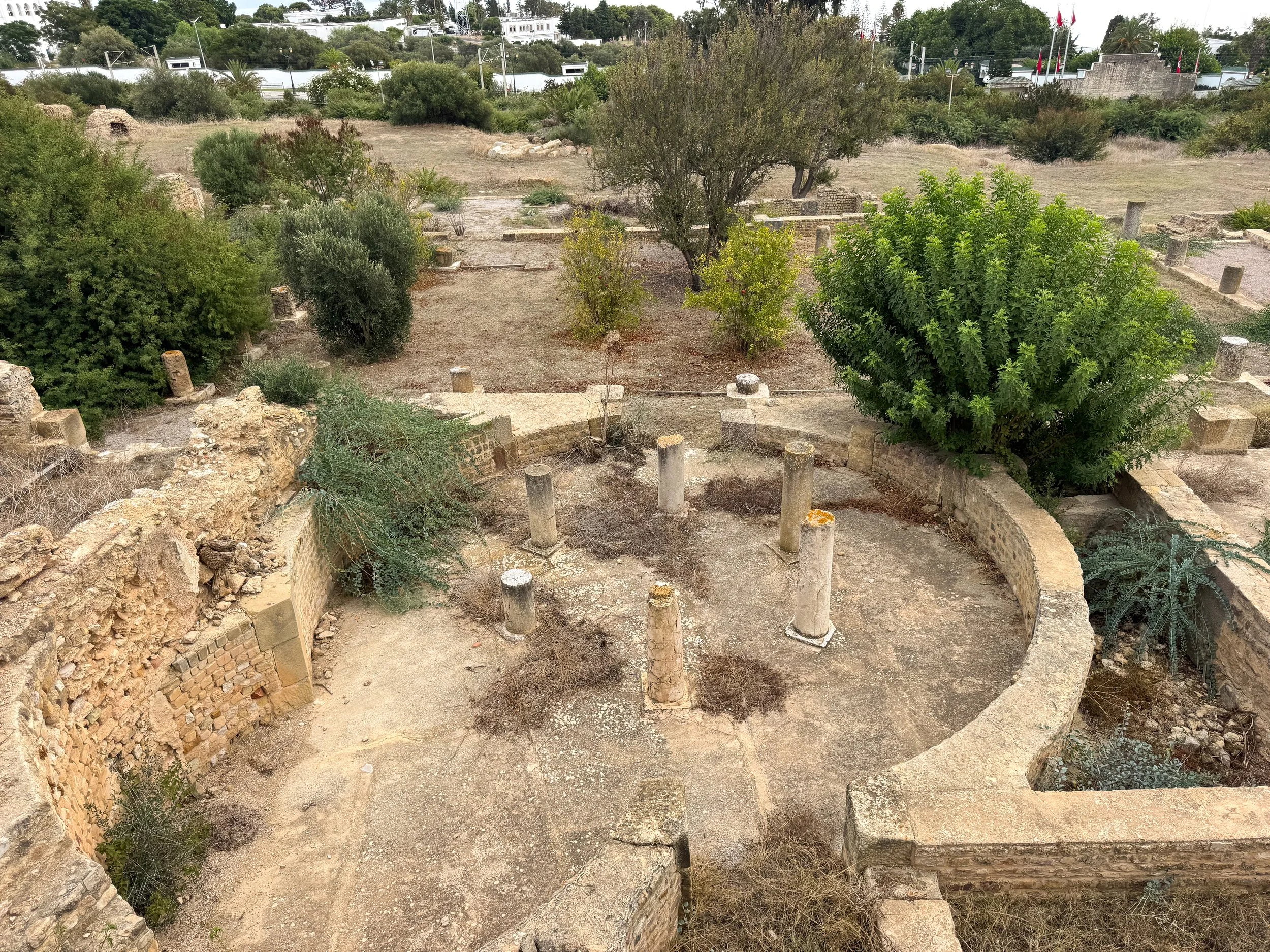
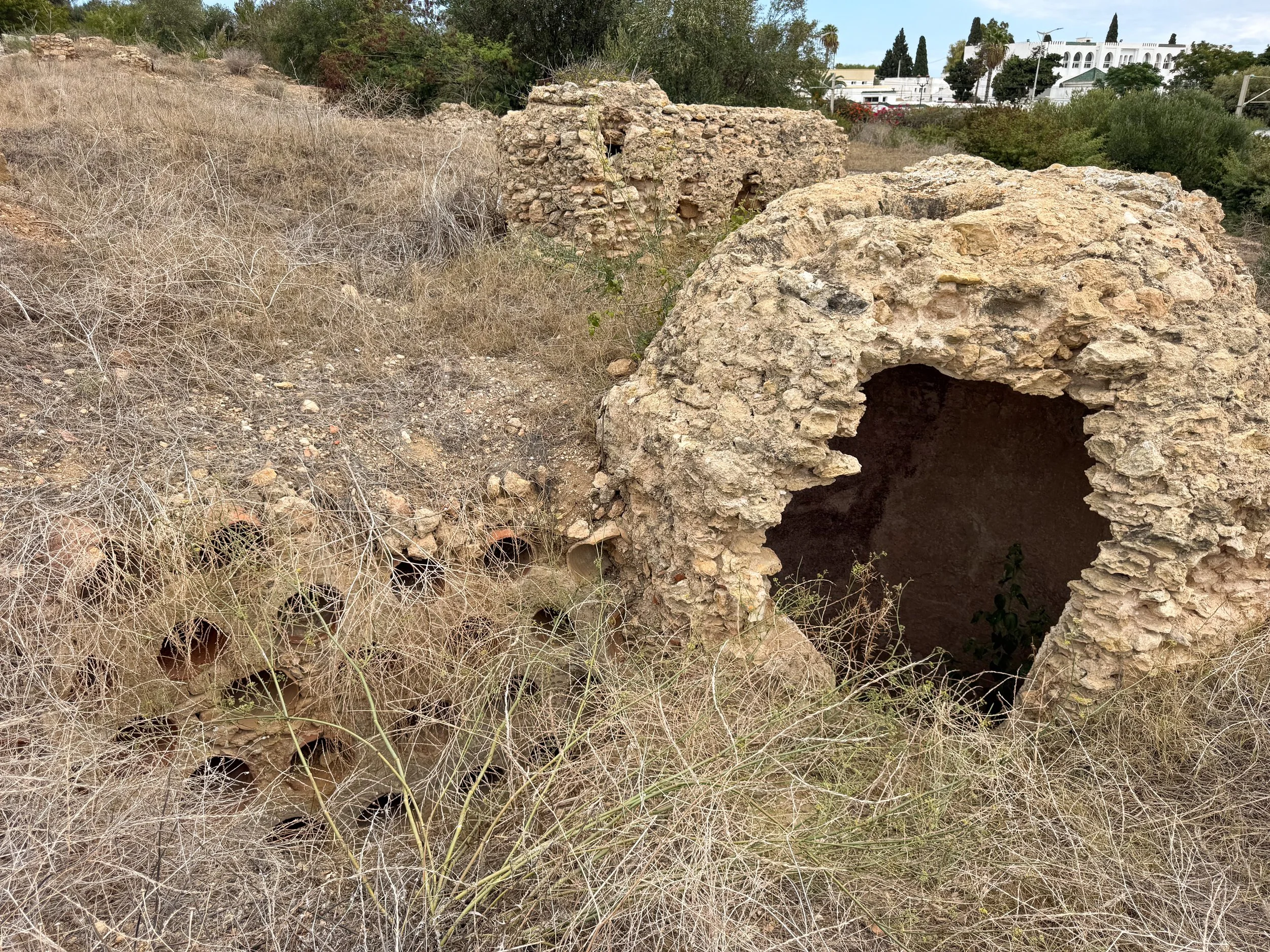
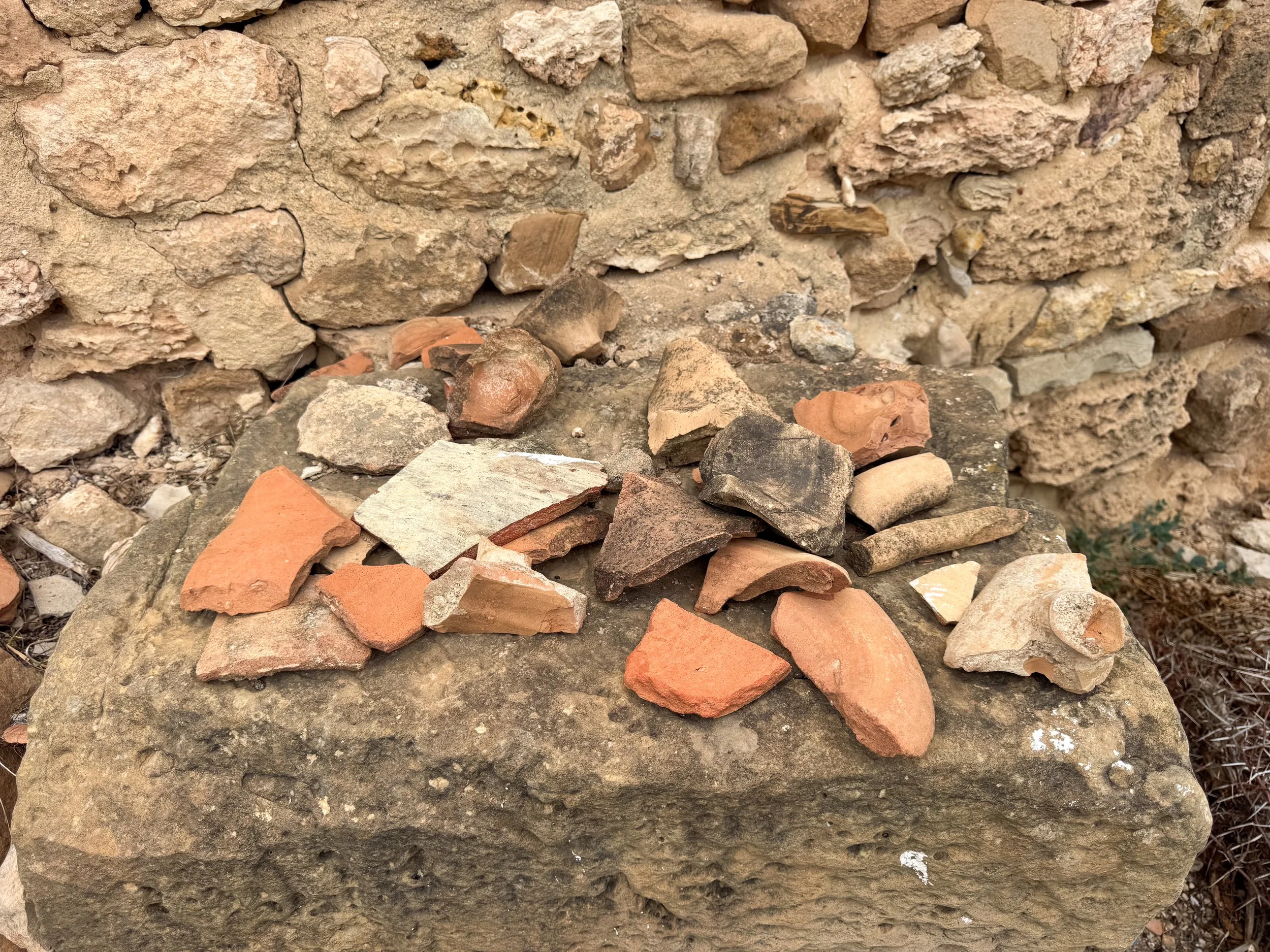
The Roman Villas District. A former Roman neighborhood home to the Carthaginian elite. Stone foundations, low height walls and columns from the ruined villas remain. Sections of ancient mosaics and marble tiles still decorate several floors. Pieces of clay pottery can be found scattered throughout. Olive and pomegranate trees grow from the ruins of several villas. Exposed wells peer into underground storage chambers.
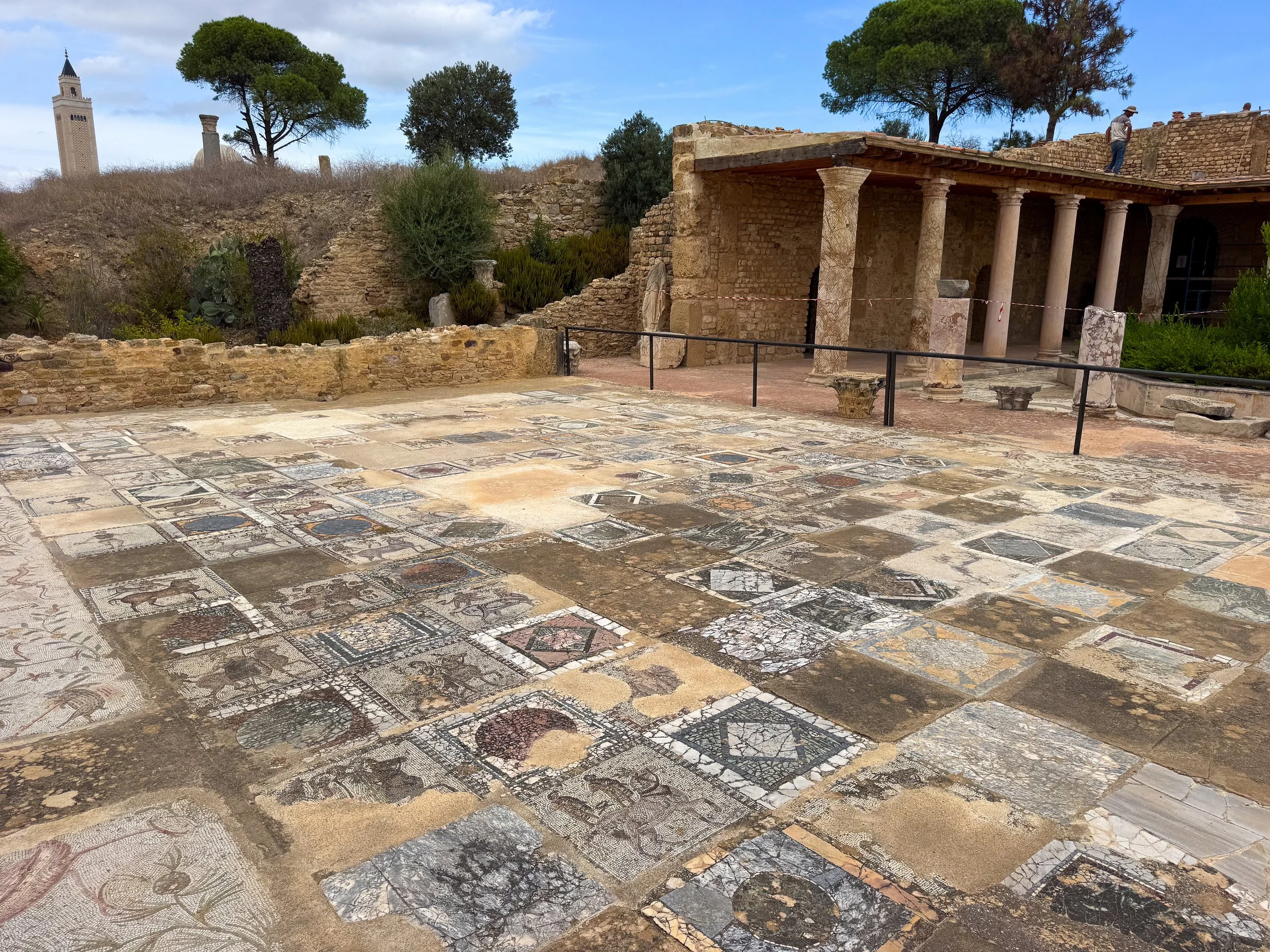
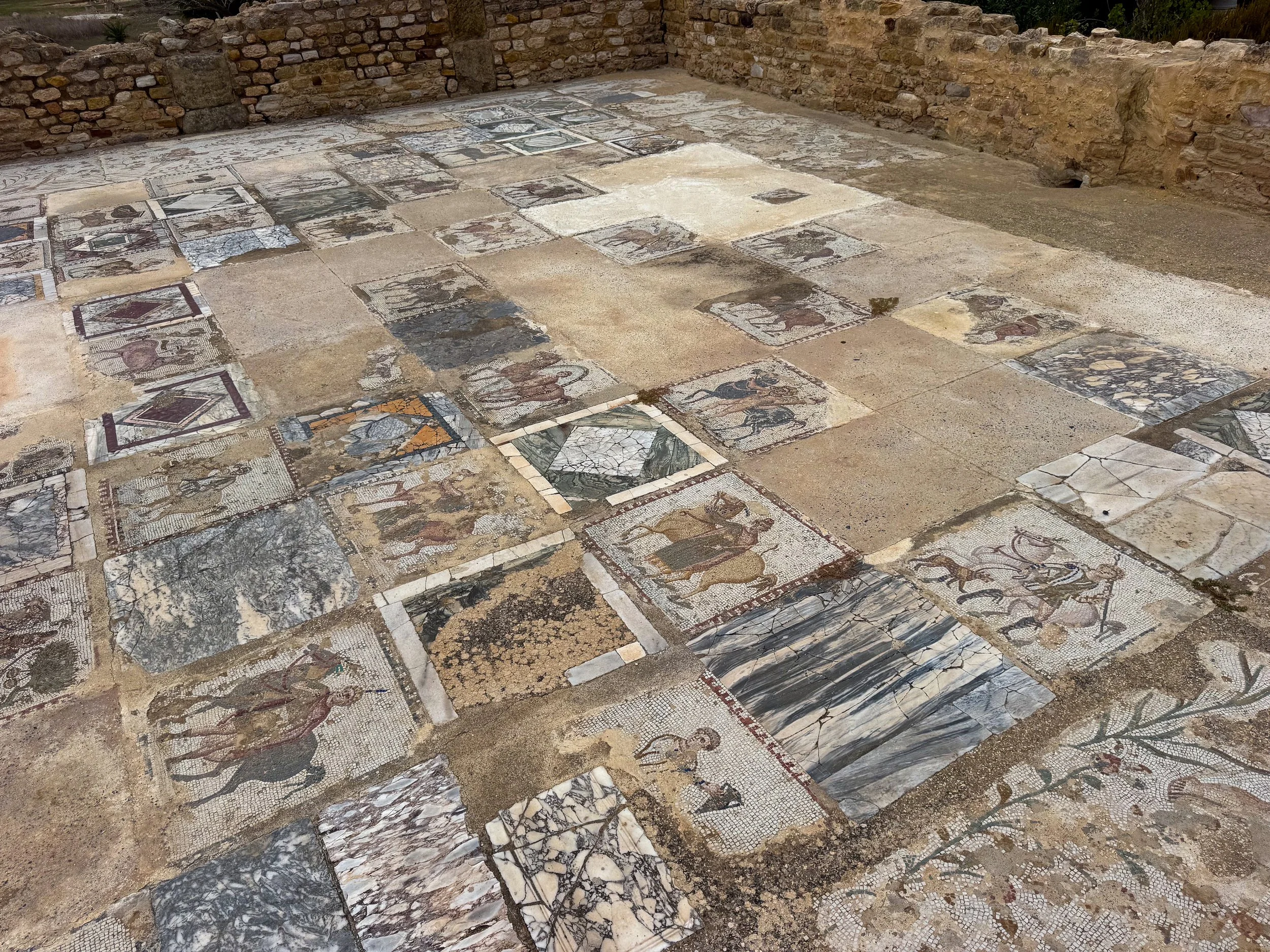
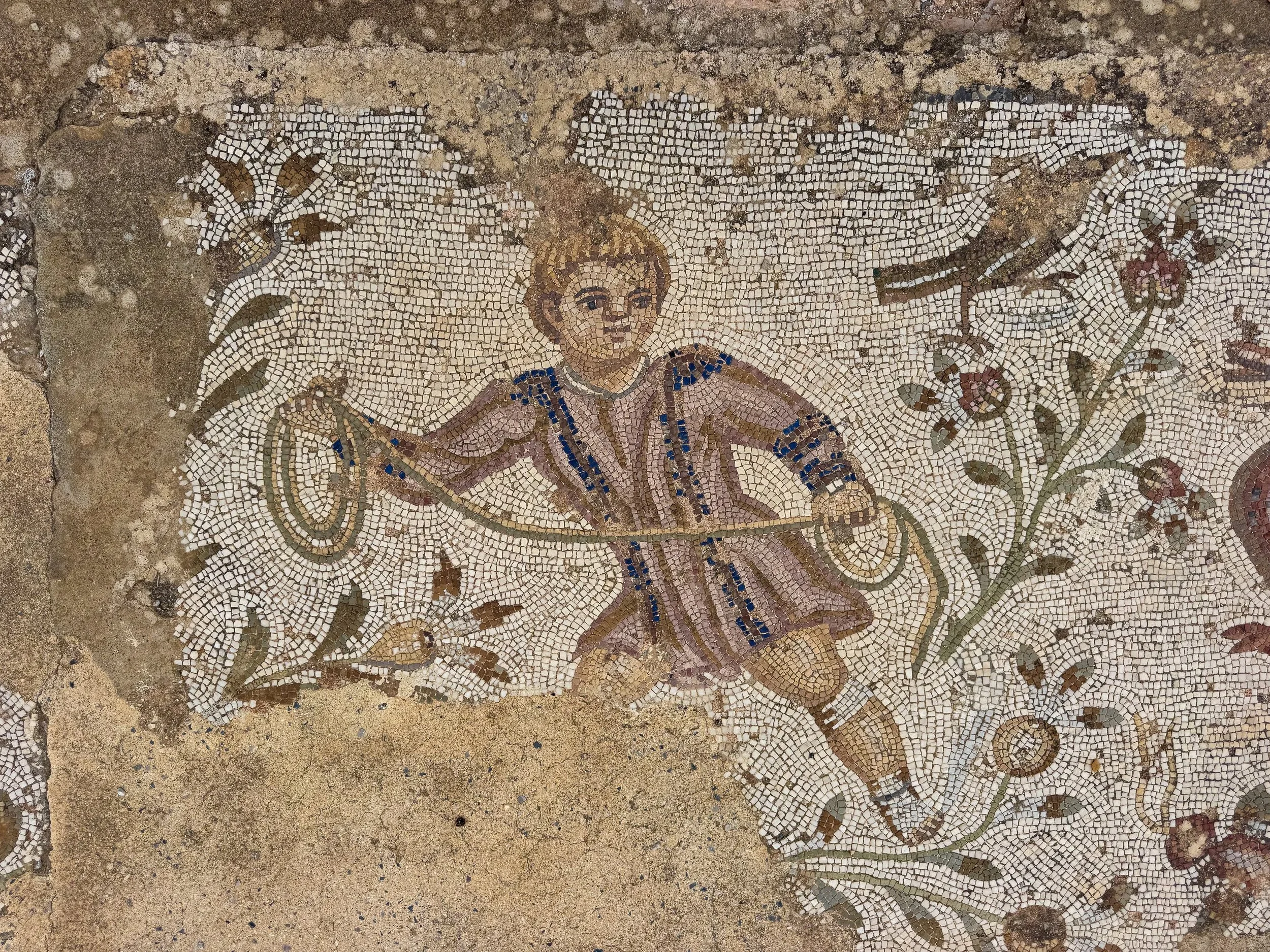
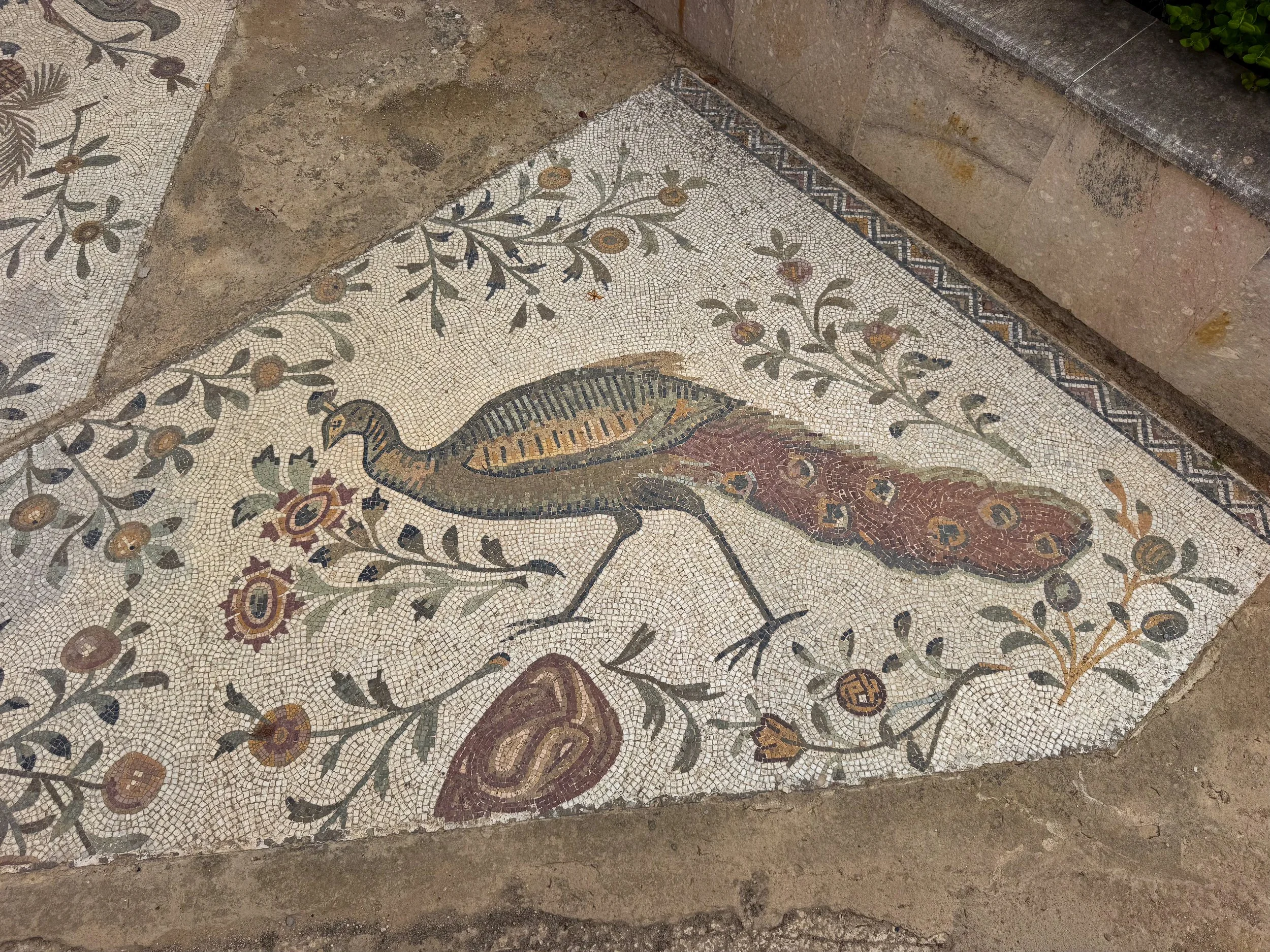
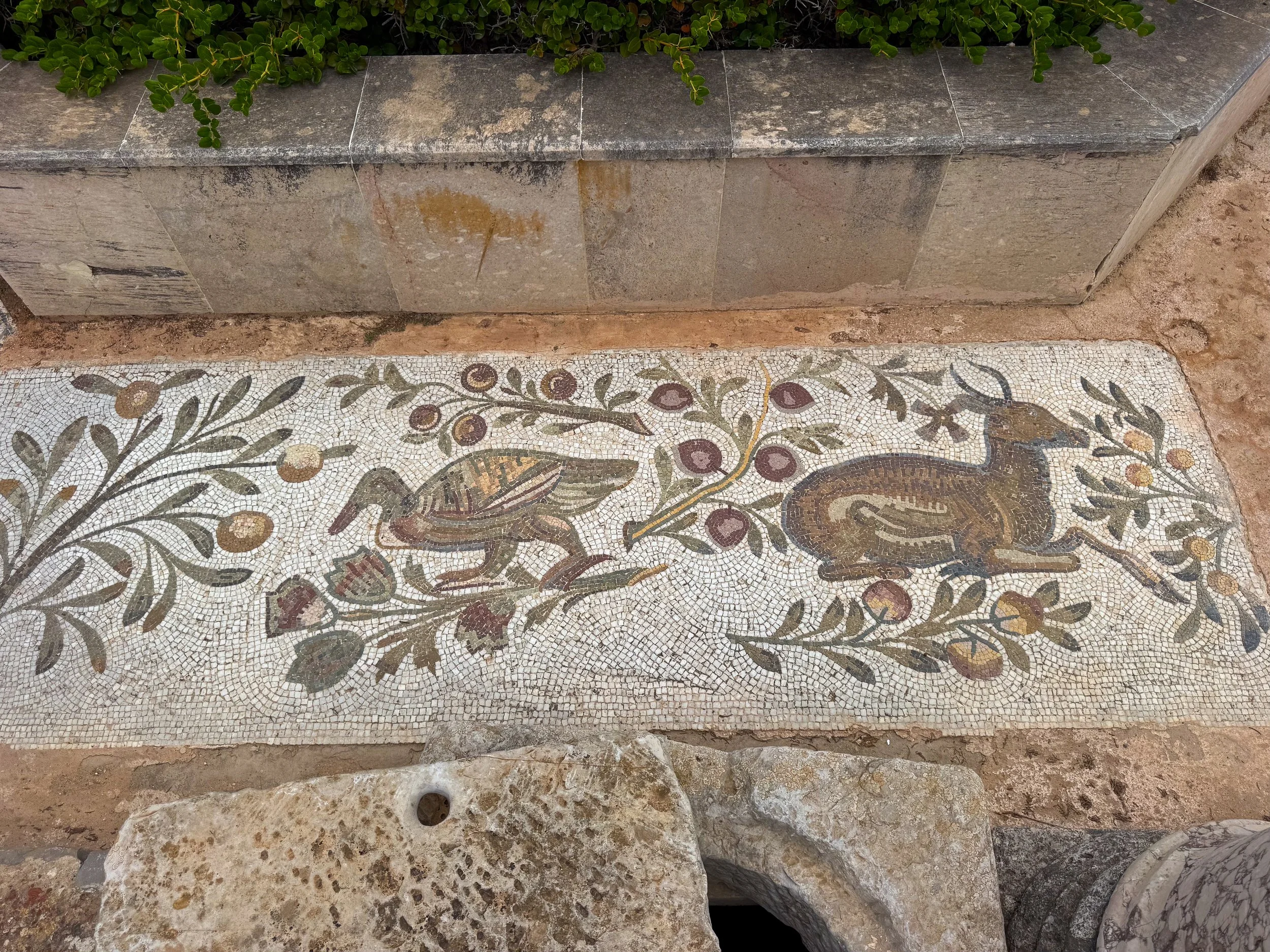
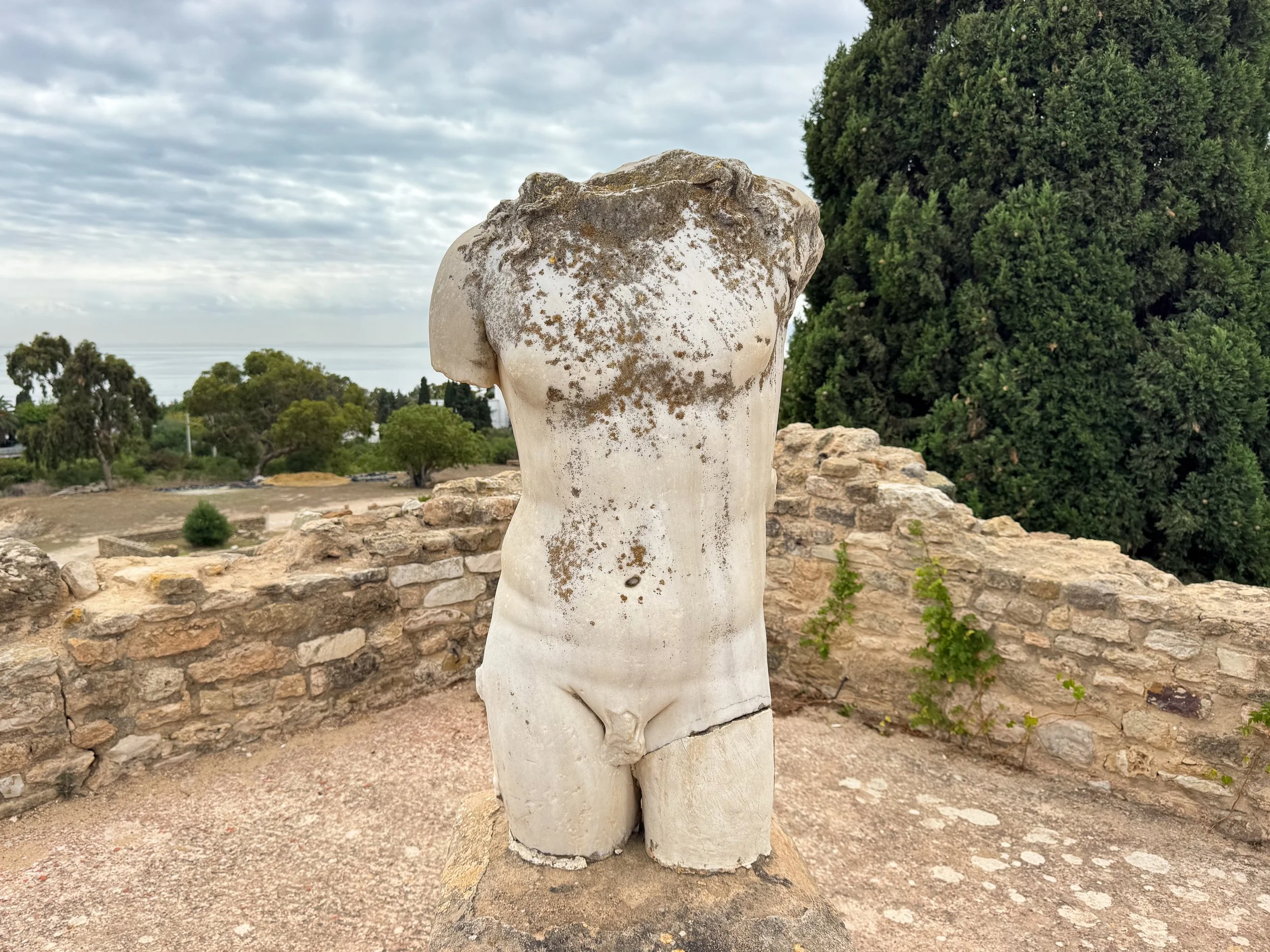
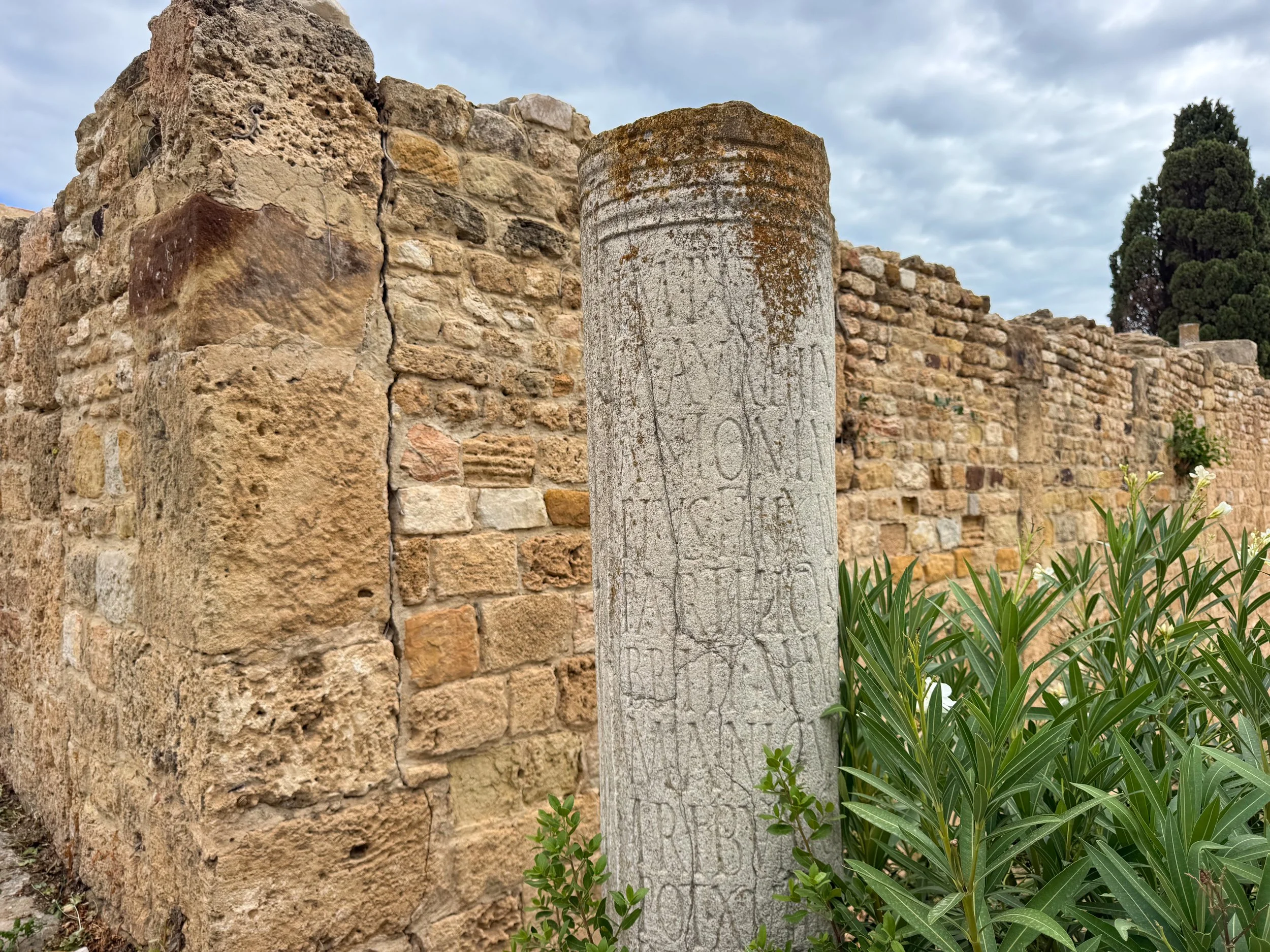
The Roman Villas of the Aviary. The partially preserved ruins of a hilltop villa in the Roman Villas District. It’s named after a series of exquisite mosaics featuring birds and other animals. The villa displays the torsos of marble statues, granite columns and stone walls from likely once grand rooms.
Mosaic of the Winning Horses. A well preserved floor mosaic at The Roman Villas of the Aviary. The finely detailed mosaic features sections of equestrian scenes, horses, people, florals and birds. Colorful marble tiles with geometric patterns alternate between the mosaics.
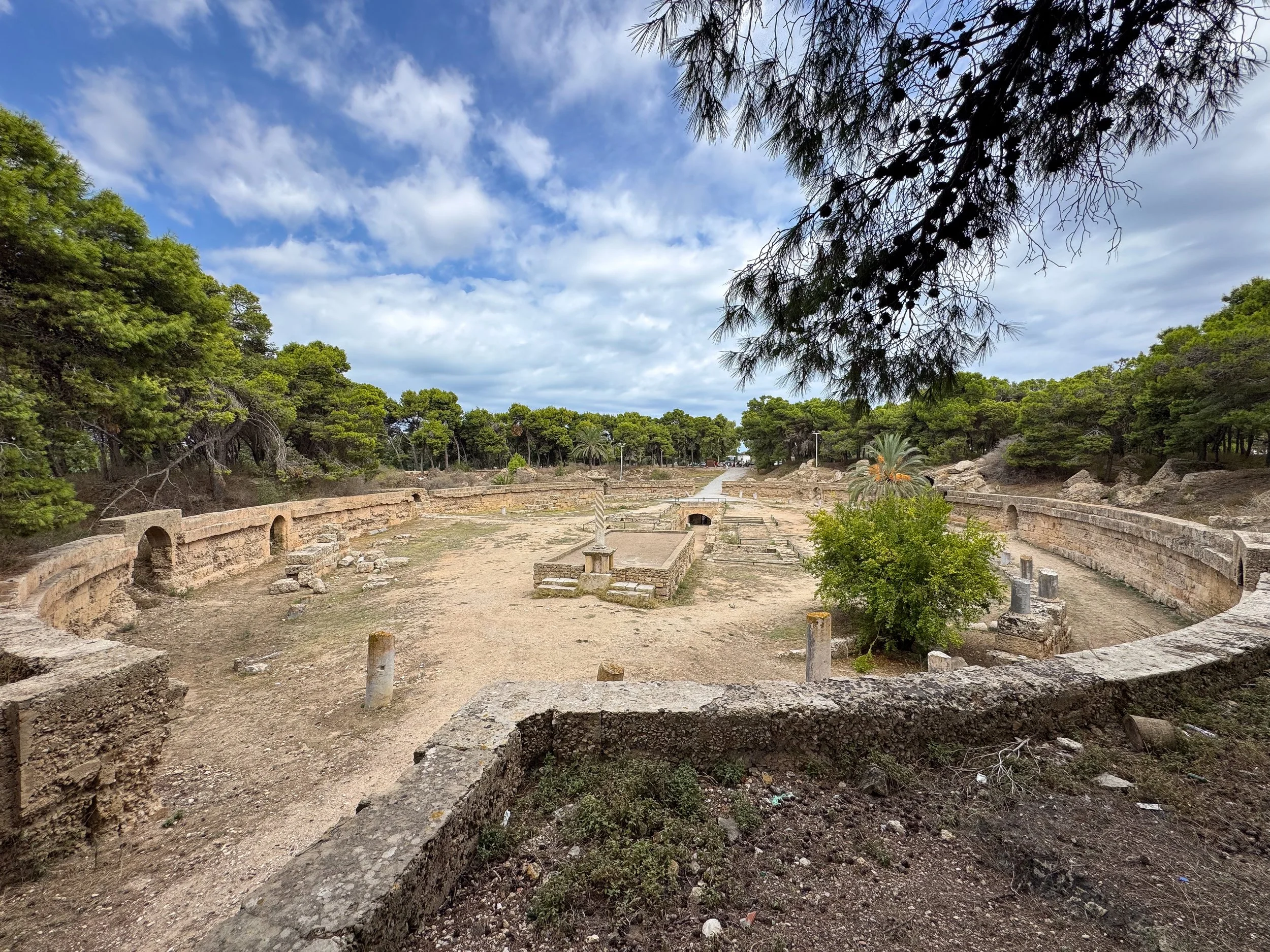
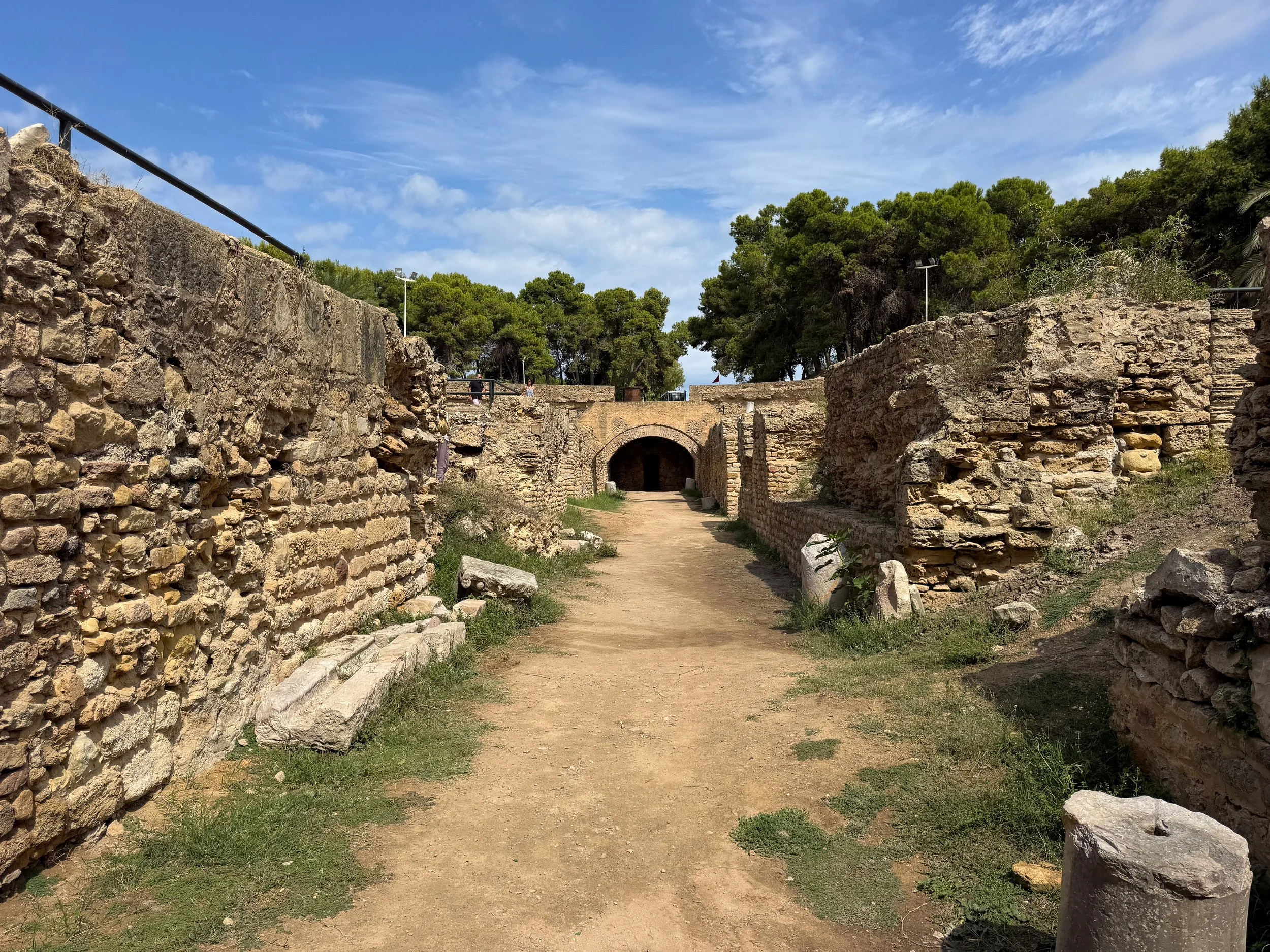
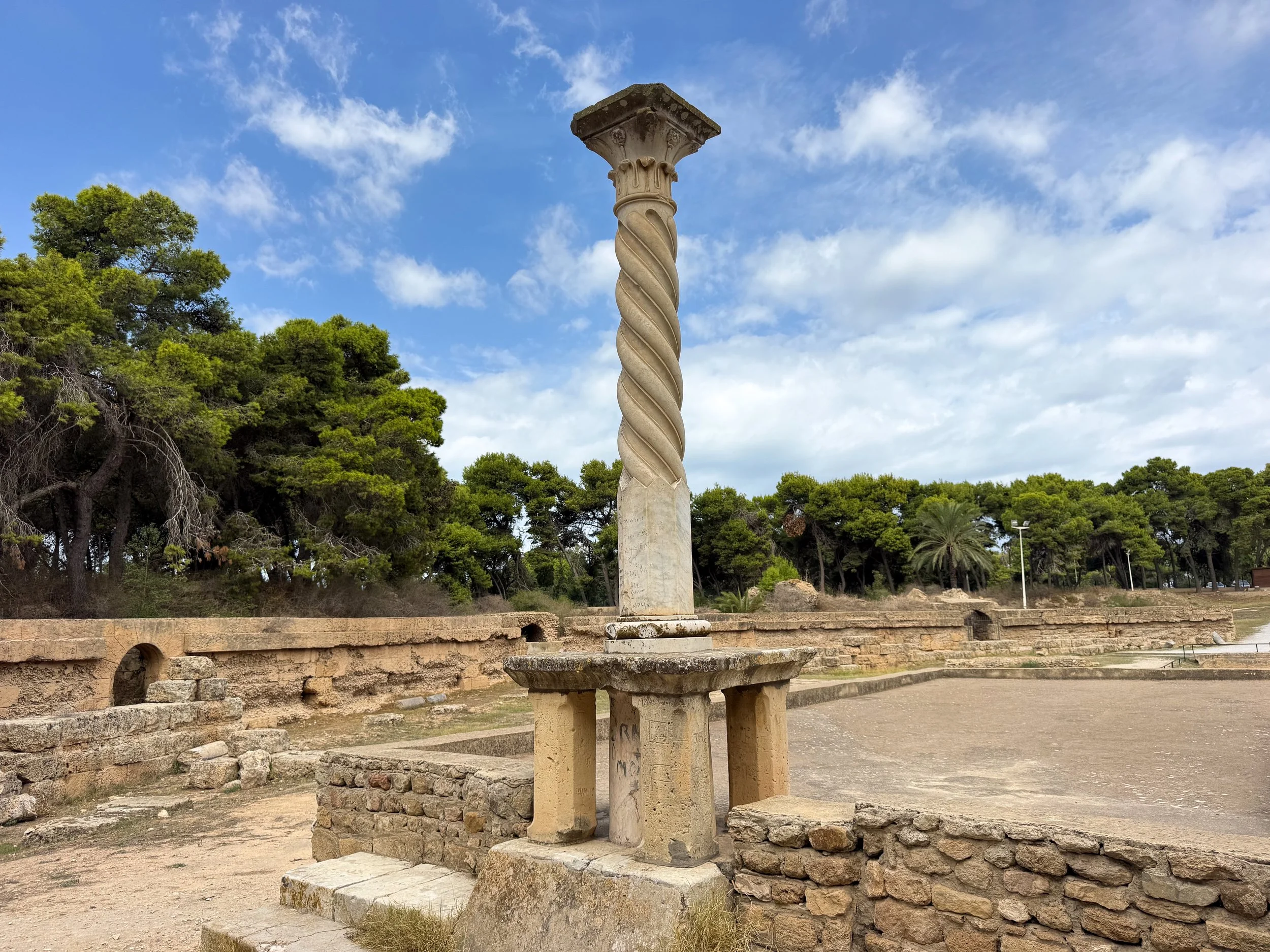
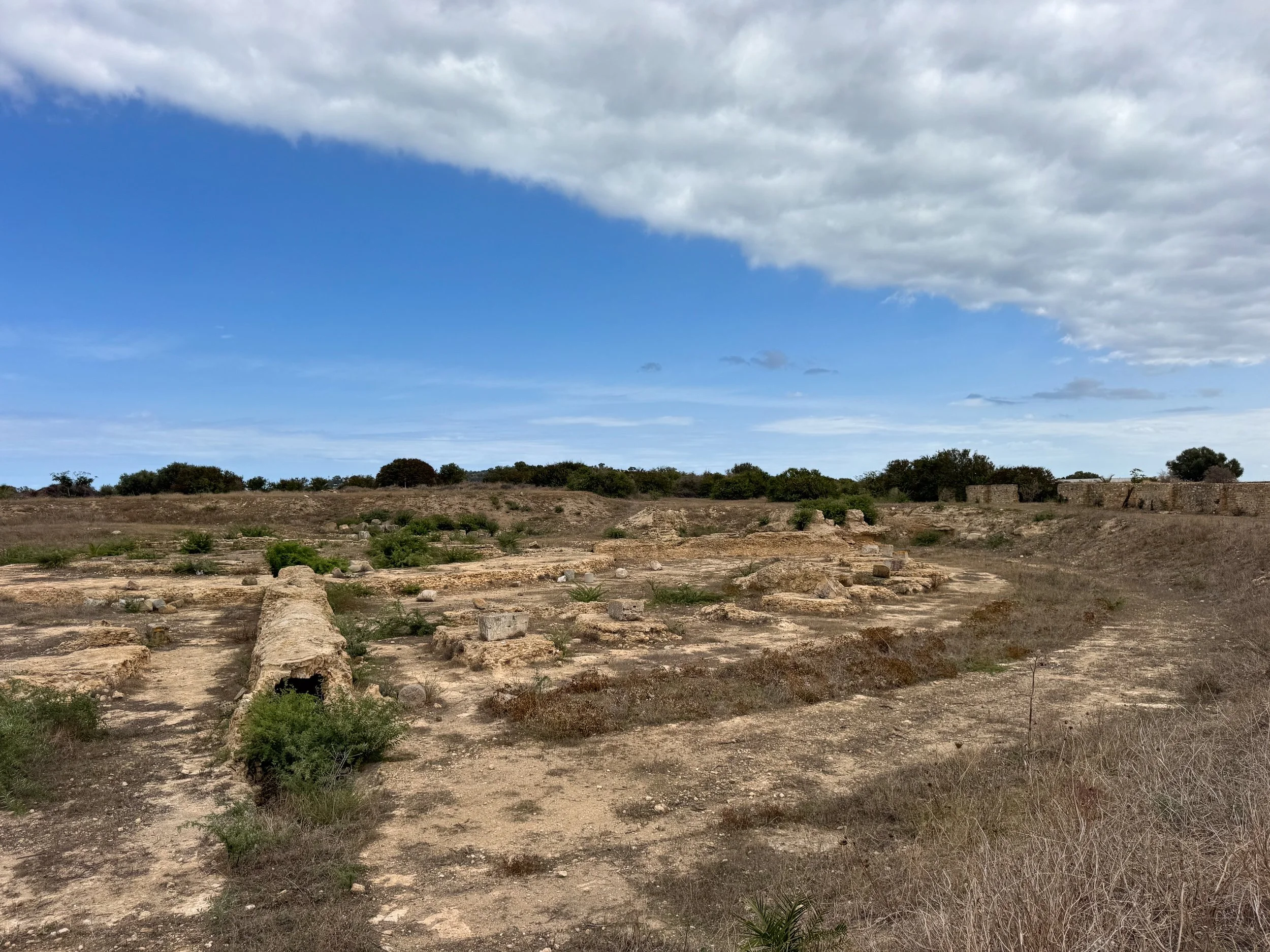
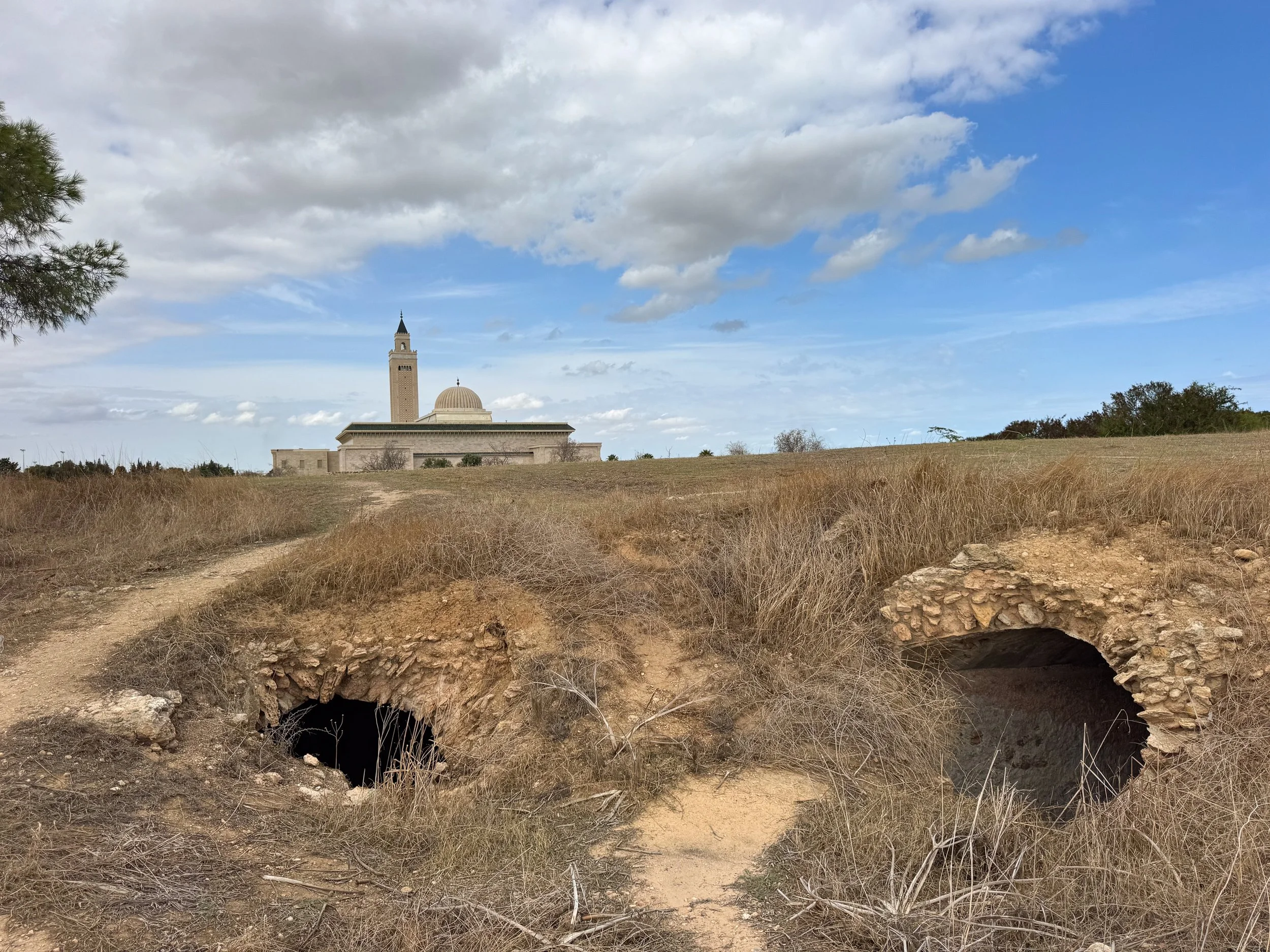
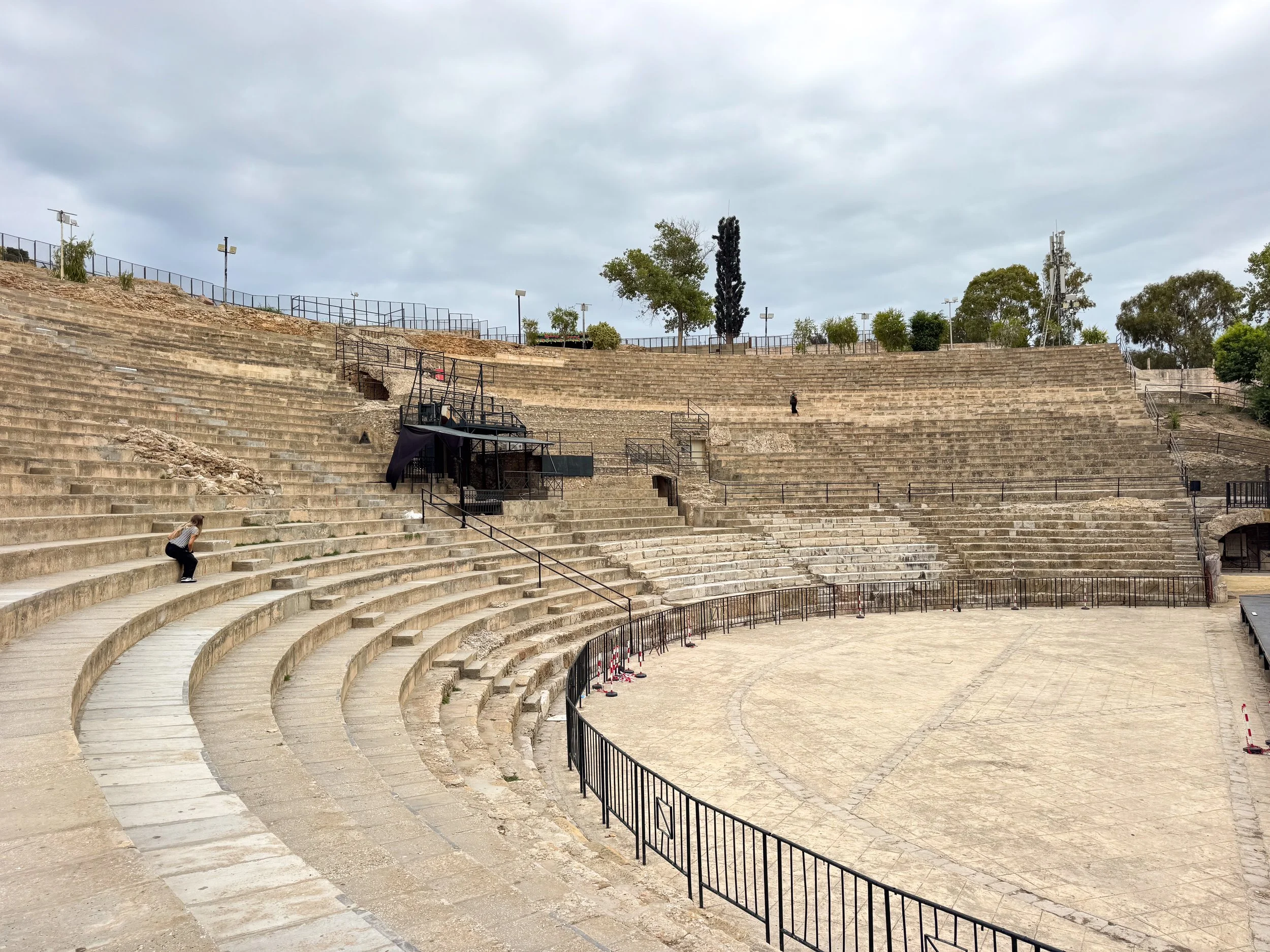
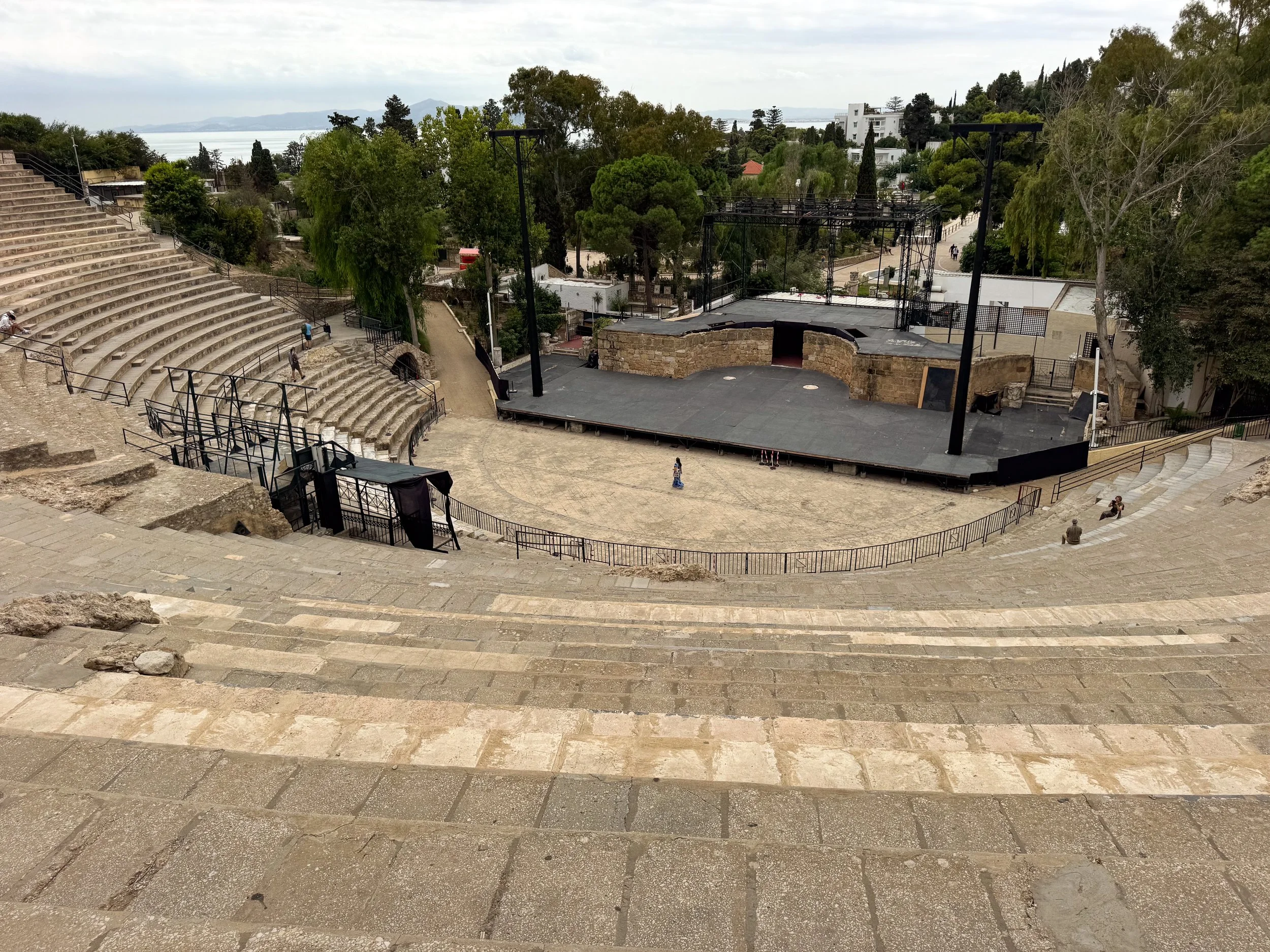
The Amphitheater of Carthage. The ruins of a 1st century amphitheater used for gladiator battles and public executions. Its ovular stone walls, toppled columns, underground tunnels and prison cells remain.
The Odeon Theatre of Iklibis Carthage. The ruins of a half circular amphitheater. A viewing hill, stone foundations and toppled columns form a ring around the central stage. Exposed tunnels and passageways once transported lions, gladiators and prisoners for public spectacles.
The Roman Theater of Carthage. A restored Roman amphitheater dating back to ancient times and still in use today. Its crescent shaped stone bleachers have held spectators and performances over the millennia.
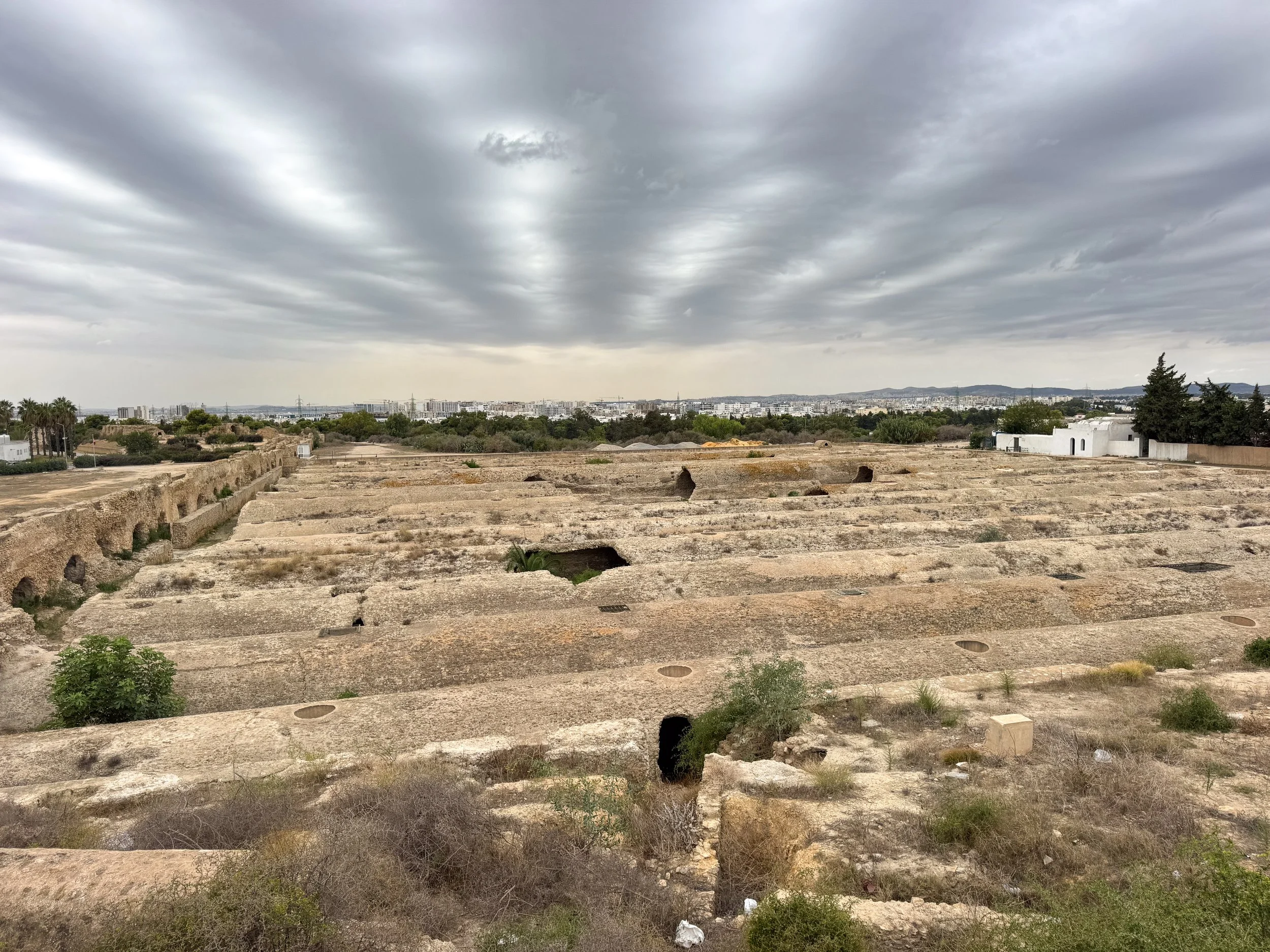
Cisterns of La Malga. A vast complex of Roman cisterns and aqueducts used to supply Carthage and the Baths of Antoninus with fresh water. The ruins can be viewed from a roadside lookout.
Tips for Visiting Carthage:
Time Needed. Many of the ruins are within walking distance of each other, making them easily accessible. The major sights can be visited in a half day however a full day is needed to explore many of the smaller sights. Plan to begin exploring at 8am before tour buses from the cruises arrive.
Tickets. A single ticket allows entry to most ruins. It can be purchased from any of the major sights like the Baths of Antoninus or The Roman Villas District.
Getting to Carthage. Take the 347 Bus from Tunis (Tunis Gare Marine) to Carthage (Carthage-Hannibal Station). Buses leave regularly from in front of the station, taking between 30 minutes and one hour. Tickets cost 1 Dinar one way.
Visit Sidi Bou Said
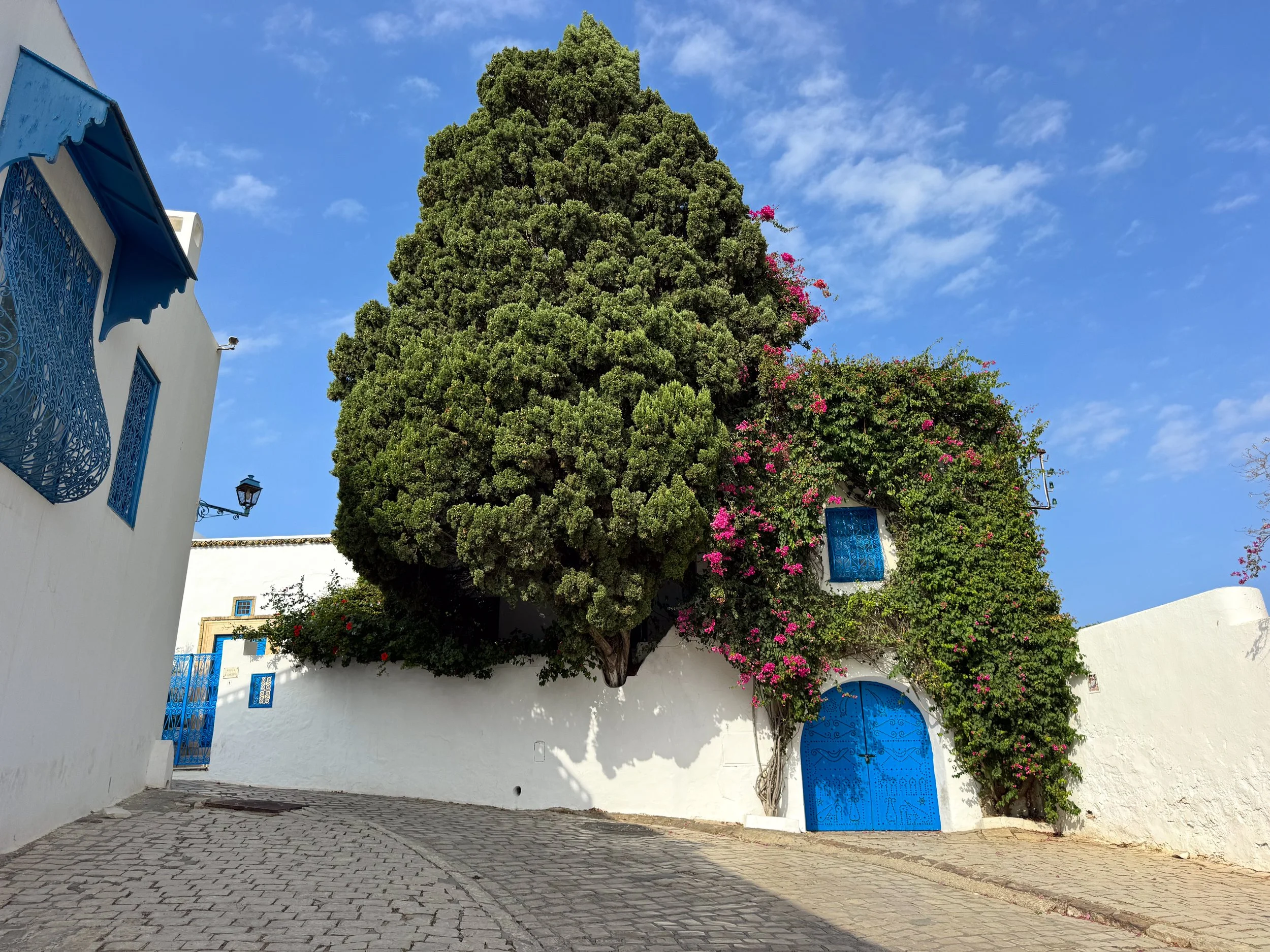
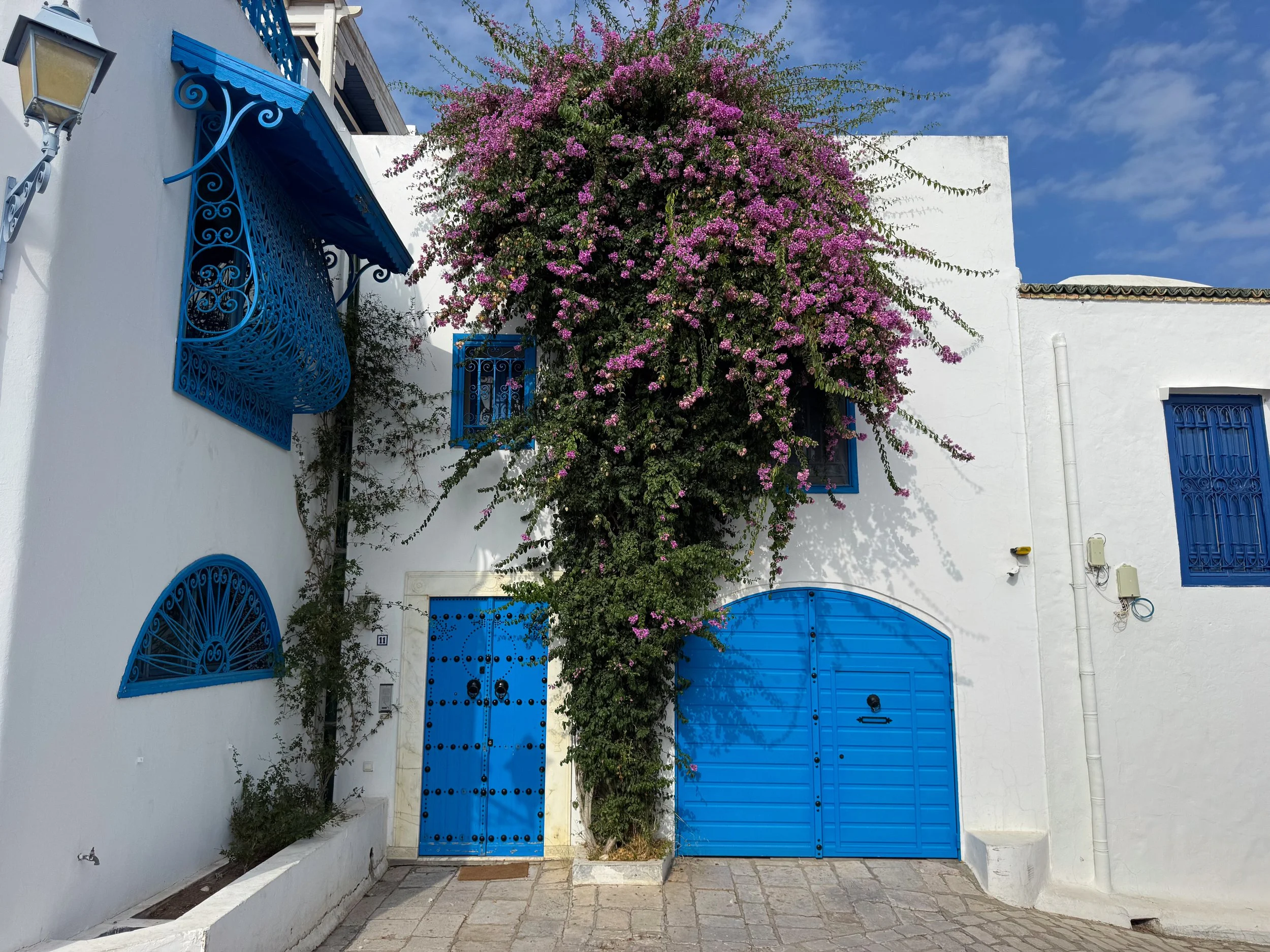
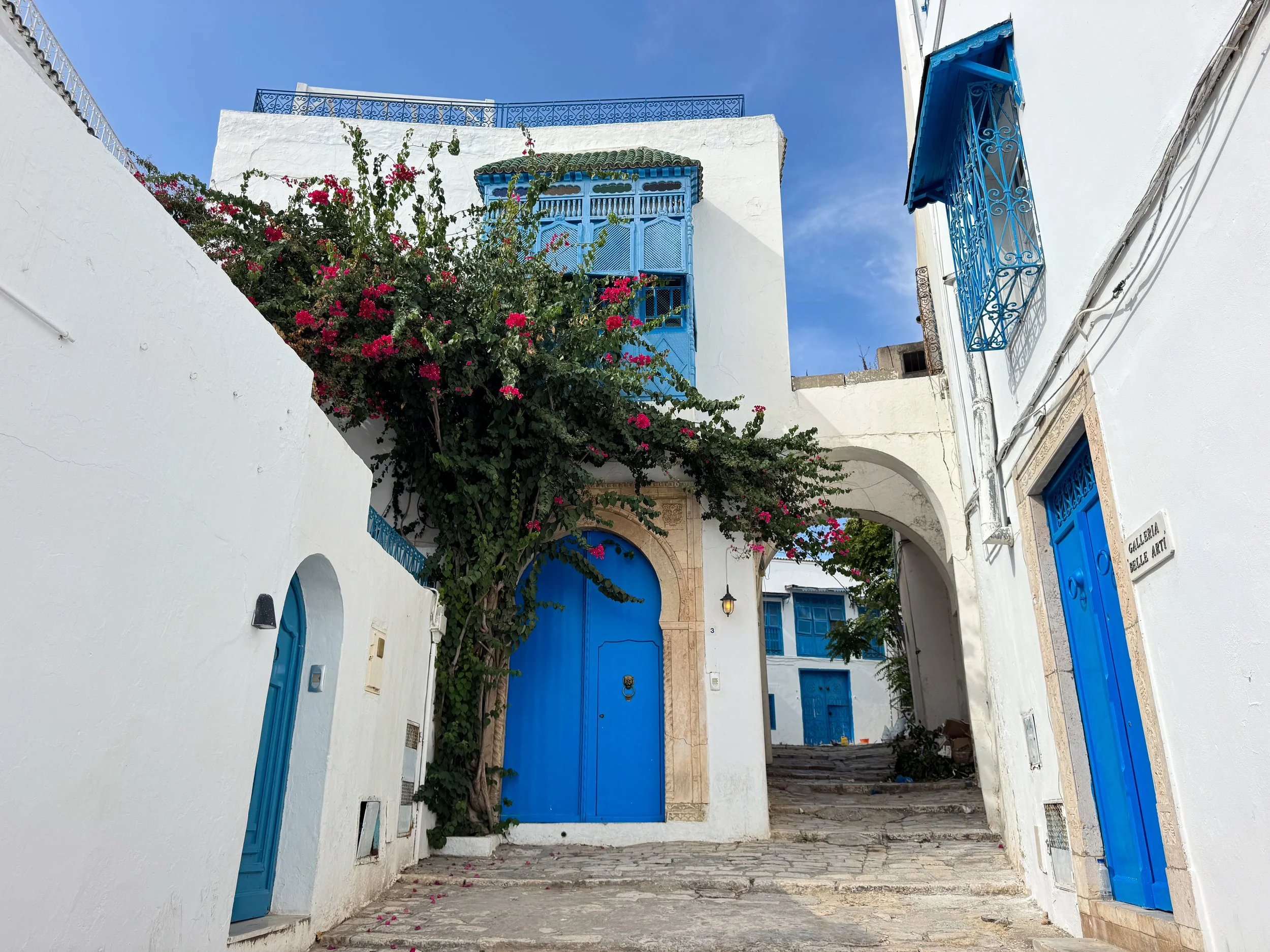
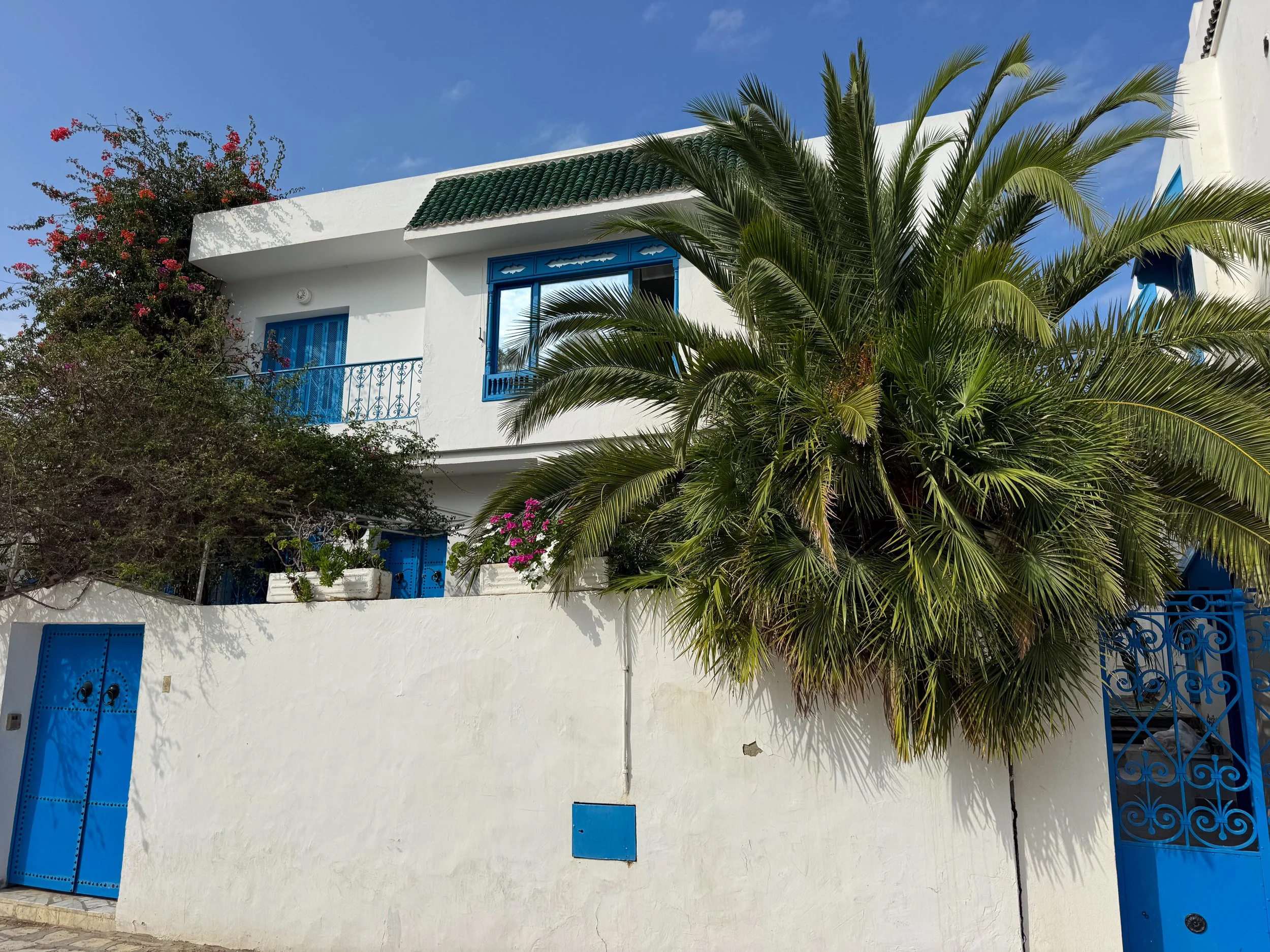
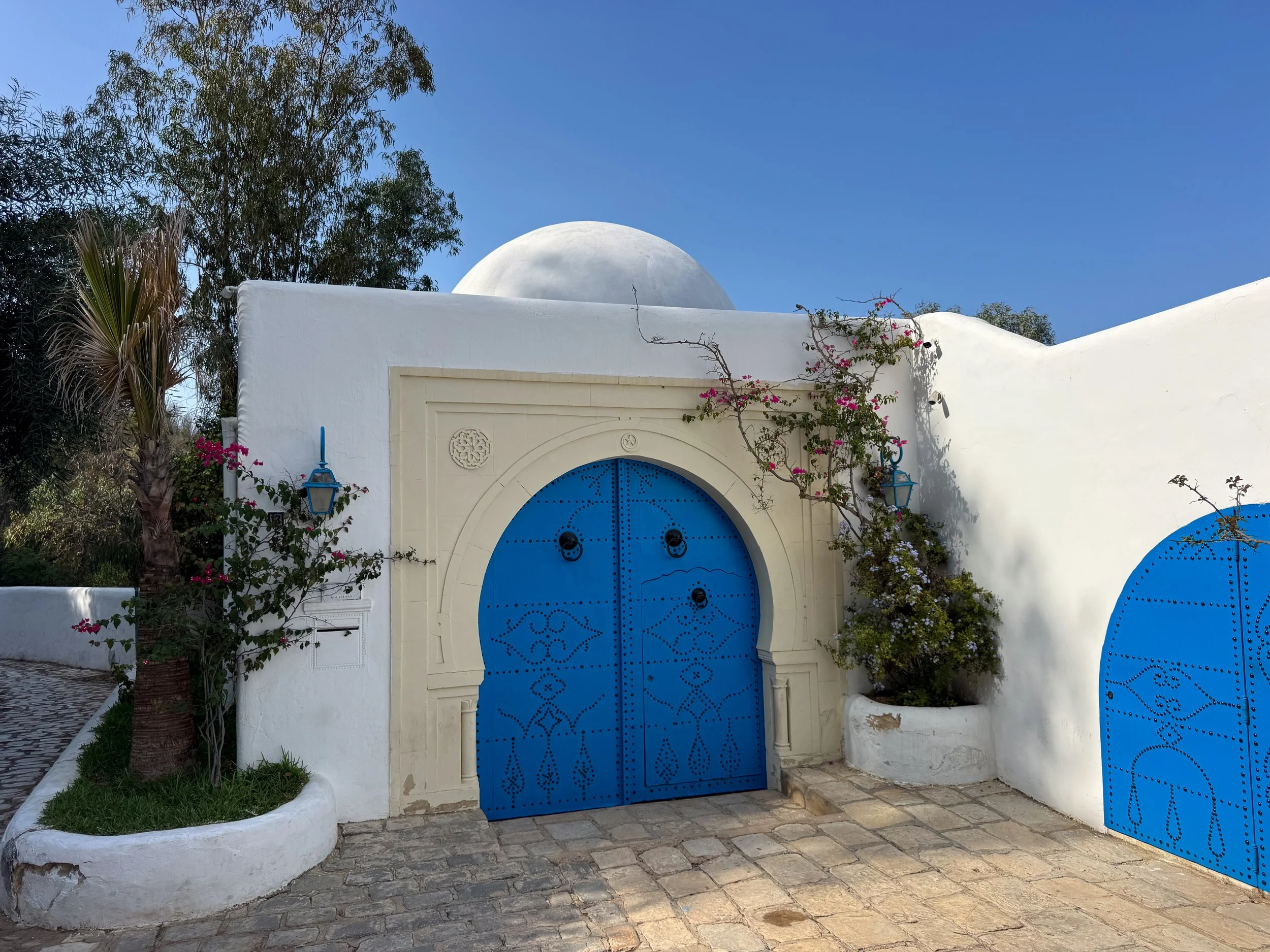
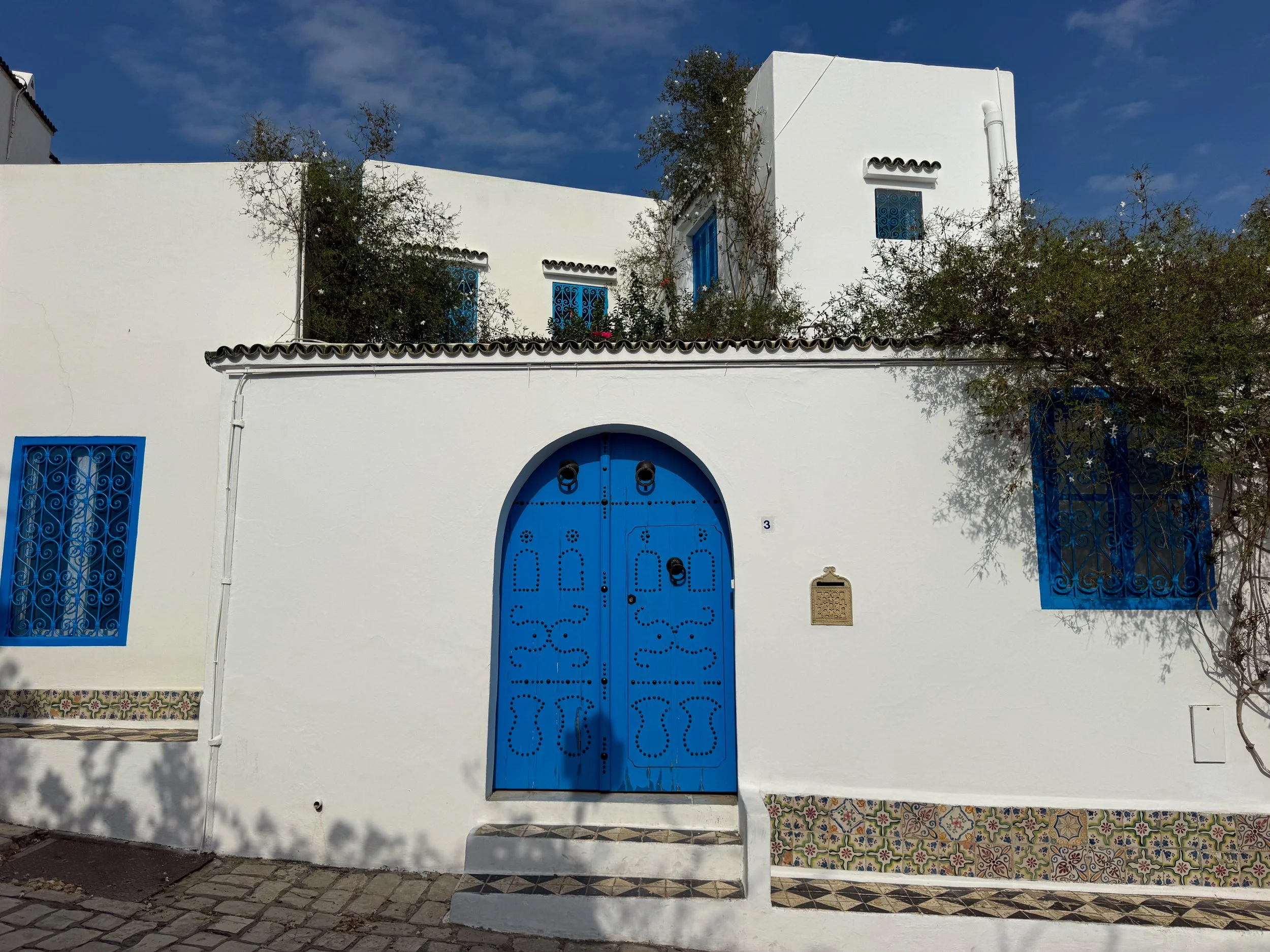
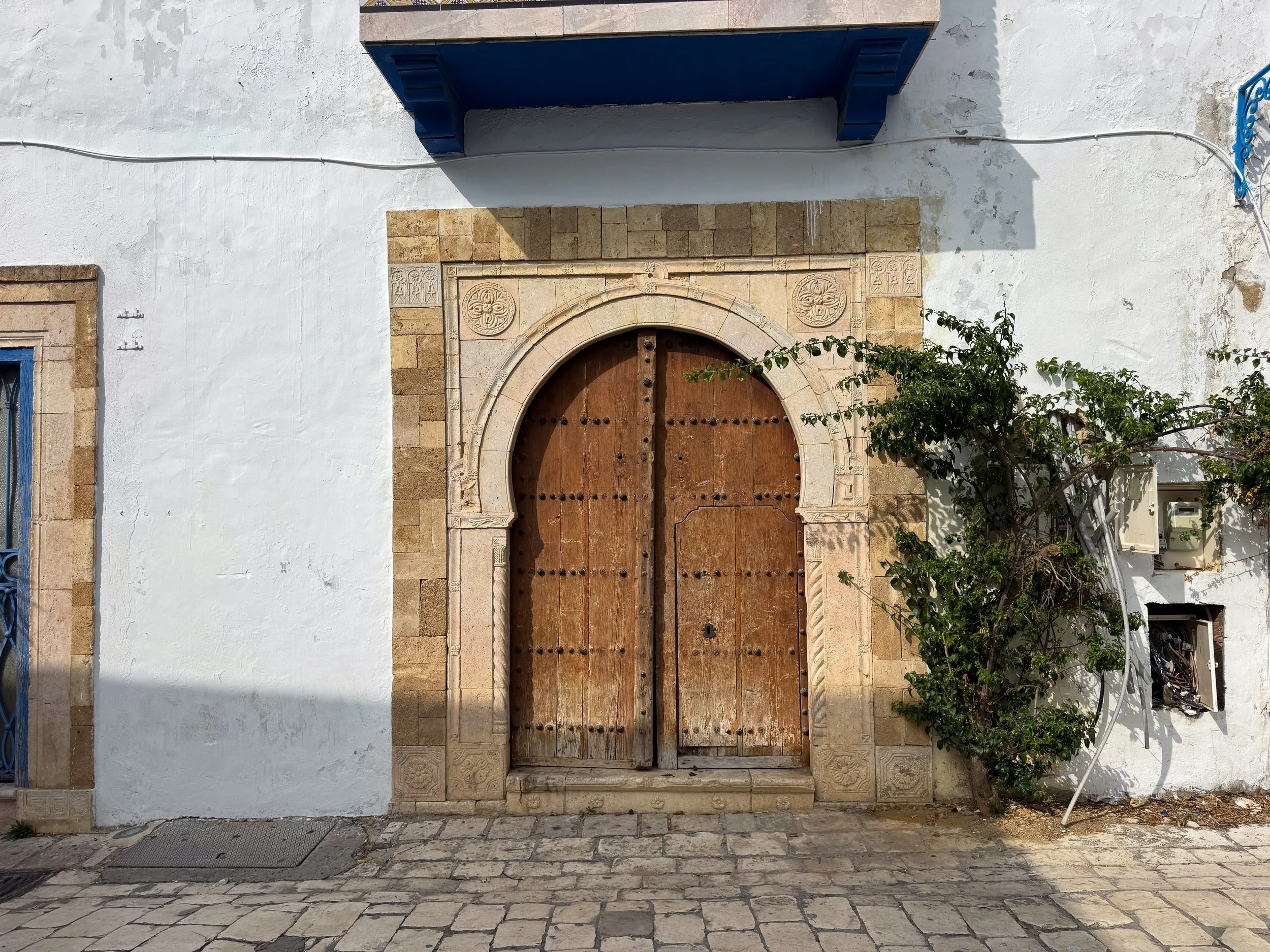
Sidi Bou Said is a dreamy and picturesque town perched on an evergreen hillside overlooking the Mediterranean Sea. Cobblestone streets and narrow alleyways lead past white buildings accented with blue painted windows and doors. A floral fragrance fills the air as flowering trees overhang homes. It can be visited in tandem with a day trip to Carthage from Tunis.
Rue Hedi Zarrouk. The main street leading through Sidi Bou Said. Its cobblestone streets lead past blue and white painted buildings, restaurants, cafés and numerous souvenir shops.
Good to Know. Sidi Bou Said can get crowded when there’s a cruise ship in docked in Tunis.
Pro Tip. Most visitors don’t leave the main street, making the quiet and picturesque side streets a dream to explore.
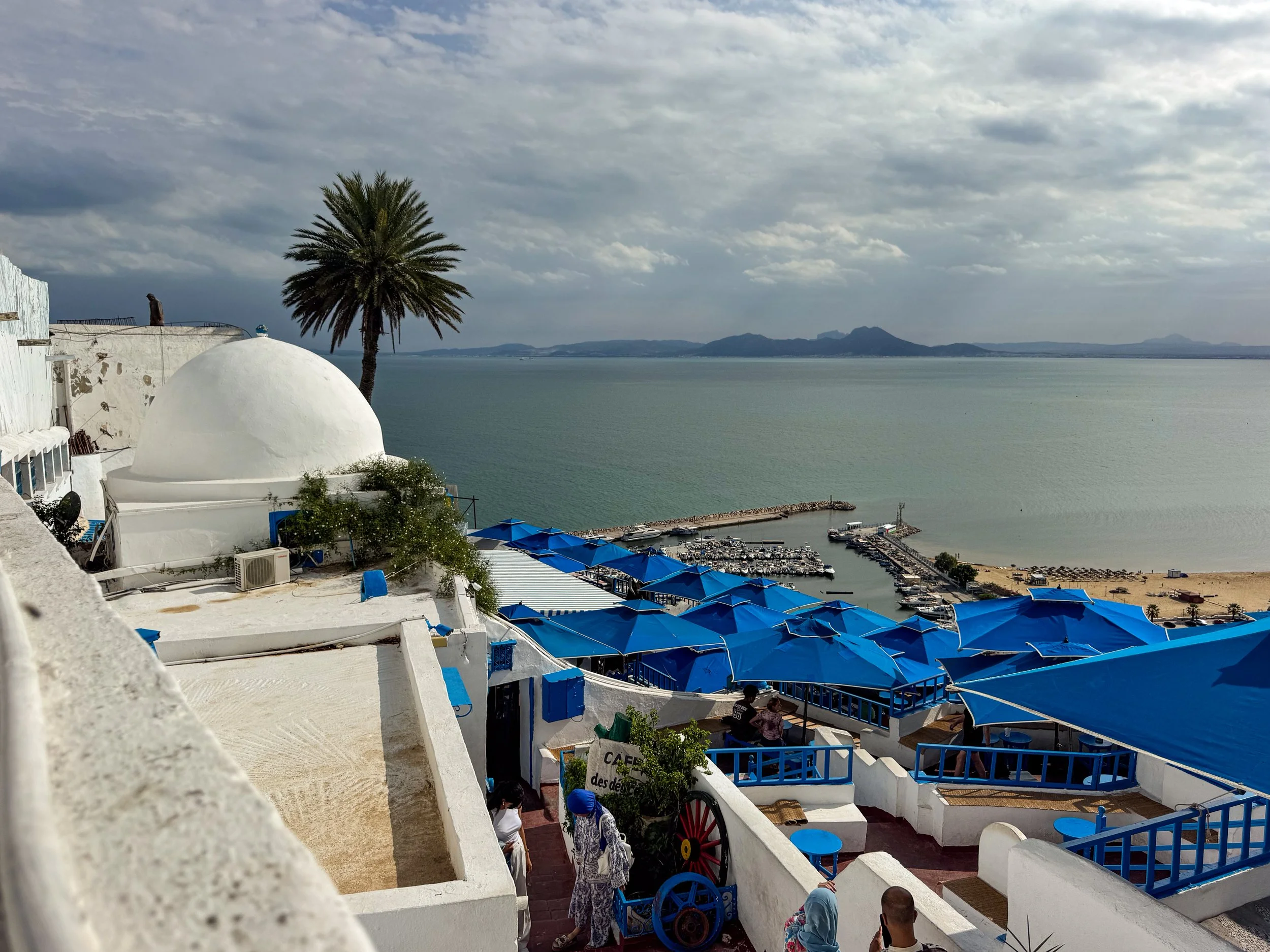
Panoramic Viewpoints. There are multiple panoramic viewpoints of Sidi Bou Said and the Mediterranean Sea throughout town. They’re all free with photogenic views.
City View Panorama. A hilltop panoramic lookout of the Sidi Bou Said’s rooftops and the Mediterranean Sea.
Mediterranean Panorama. A lookout point at the end of a narrow alleyway with cliffside views of the Mediterranean Sea.
Sidi Bou Said Viewing Point. A cliffside lookout point of the Mediterranean Sea near the end of town on Rue Hedi Zarrouk.
365 Steps Punto Panoramico. A scenic lookout of Sidi Bou Said’s verdant hillside. The steps connect Rue Hedi Zarrouk and Sidi Bou Said Beach.
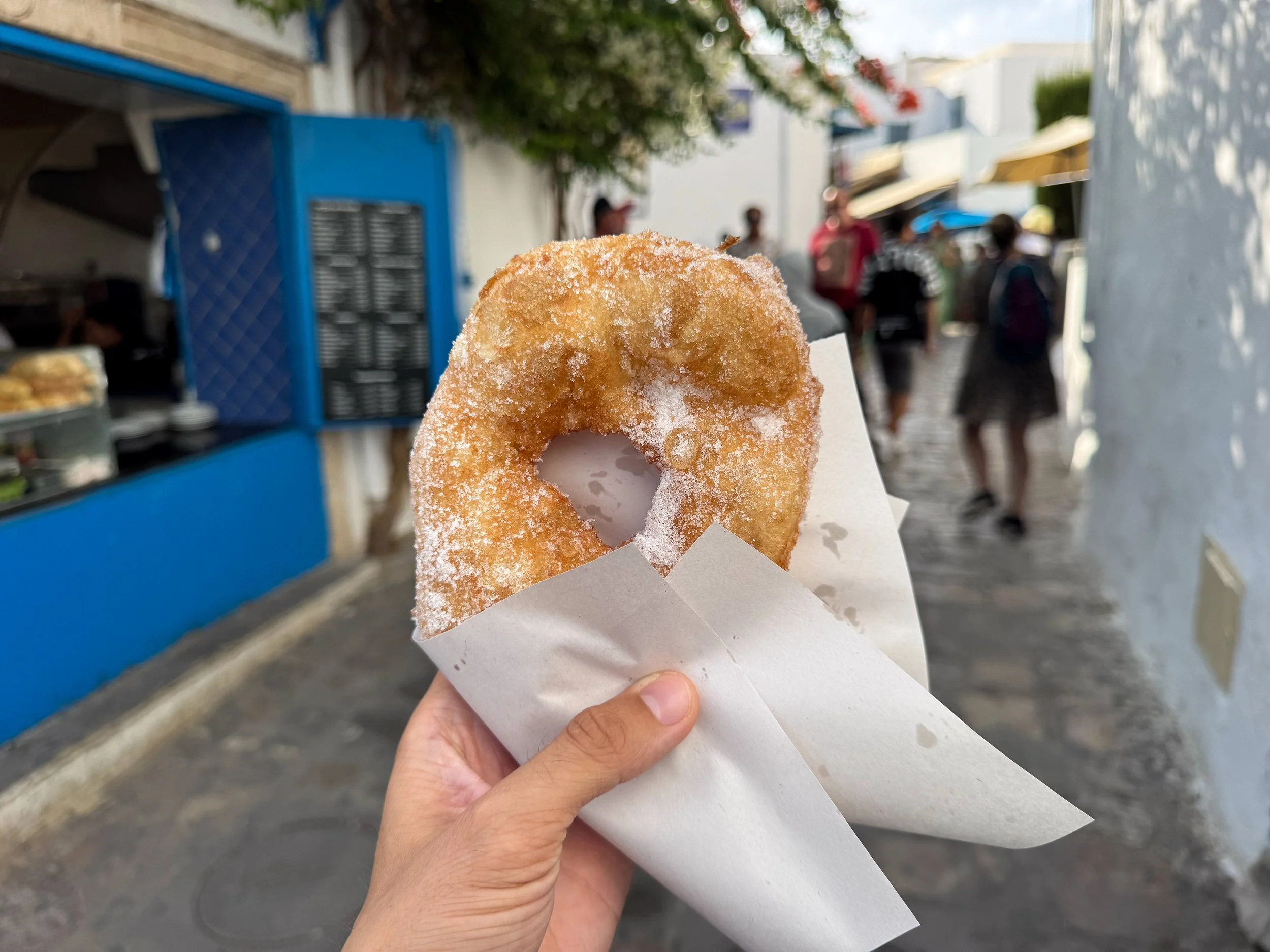
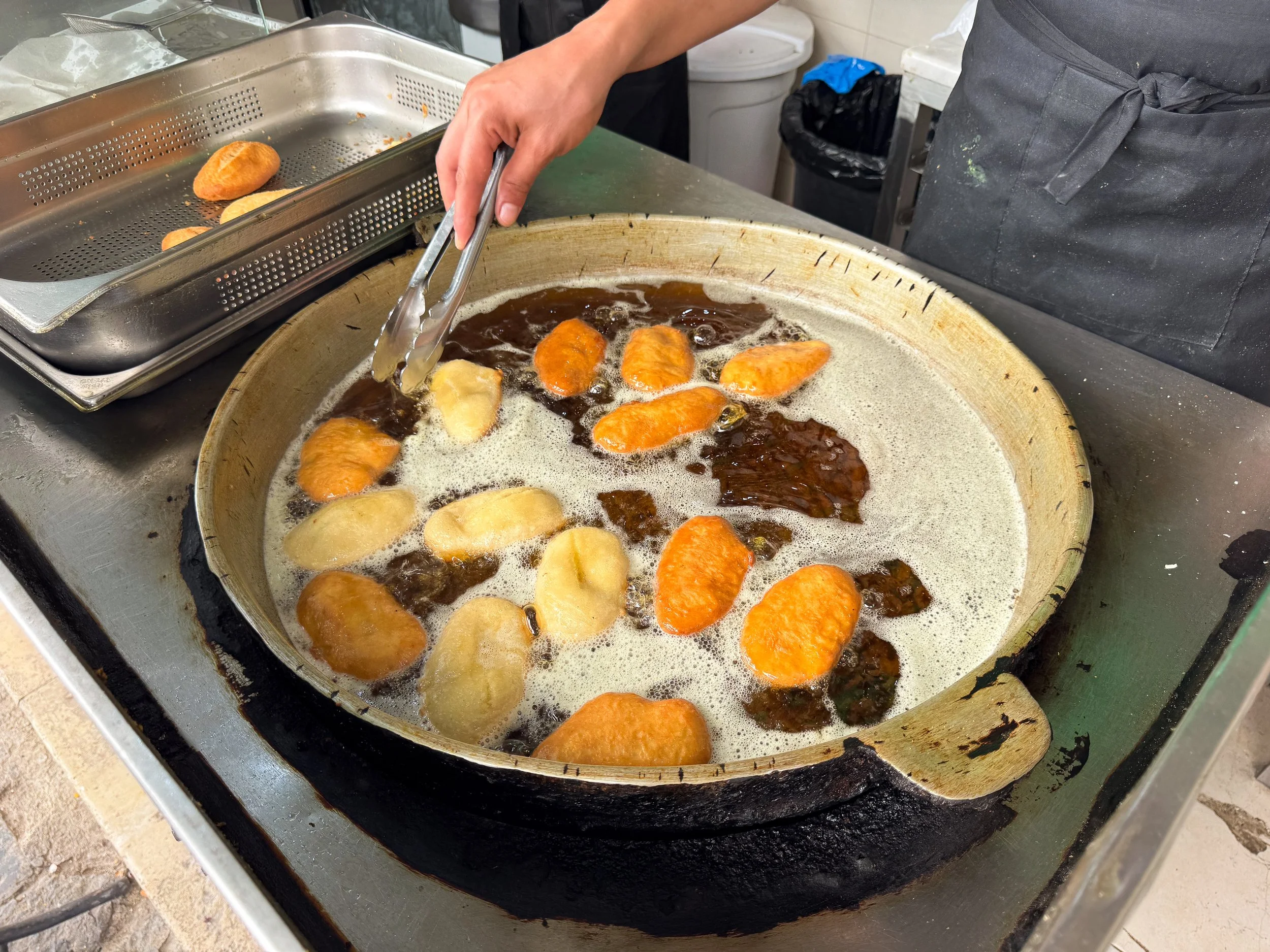
Bambalouni Sidi Bou Said. A street side kitchen frying Bambalouni, Tunisian donuts dusted in sugar. They are obligatory treats to enjoy while walking through town.
Getting Here. Sidi Bou Said is easily accessible from Carthage. There are multiple ways to get here.
By Taxi. Hail a yellow cab off the street. Ask to be taken to Mosque Al-Ghufran at the entrance to town. Negotiate price before getting in, expect to pay no more than 10 Dinar. Rides take less than 10 minutes.
By Bus. Take the 347 Bus from any of the roadside bus stops. Tickets can be purchased onboard for 1 Dinar.
On Foot. It takes 45 minutes to walk from Carthage to Sidi Bou Said. This is a great option if not on a schedule.
Places to Eat & Drink
Café Panorama. A rooftop café with panoramic views of the Medina and Zitouna Mosque. Order an overpriced Tunisian mint and almond tea to enjoy along with the views. The café is free to visit and accessible through a souvenir store off one of the souks.
Café Slimania. A street café on an alley in the Medina covered with leafy vines. Come here for an early morning coffee as the city slowly comes to life.
Café Souk. A café hidden inside the garment souk on the northern side of the Medina. Join locals sipping on coffees and chain smoking cigarettes.
Beignets de la Médina. A take away kitchen in the Medina specializing in fried Tunisian street food dishes like fricassee and brik. It’s a very popular local lunch spot.
Chez Bilel. A hole in the wall Tunisian restaurant in the Medina with flavorful local dishes like Mechouia Salad, Ojja, Kafteji and a combination of stews eaten by hand with fresh pillowy baguettes.
Restaurant Neptune. A Tunisian seafood restaurant in Carthage with an outdoor patio on the Mediterranean Sea. Come here for the grilled calamari, sea bass and fresh salads. It’s one of the few places that serves Tunisian beer.
Dar Zarrouk. An elevated restaurant in Sidi Bou Said with dining room views of the beautiful Mediterranean Sea. Their bar has an extensive list of Tunisian wines available by the bottle and half bottle.
Tunisian Cuisine
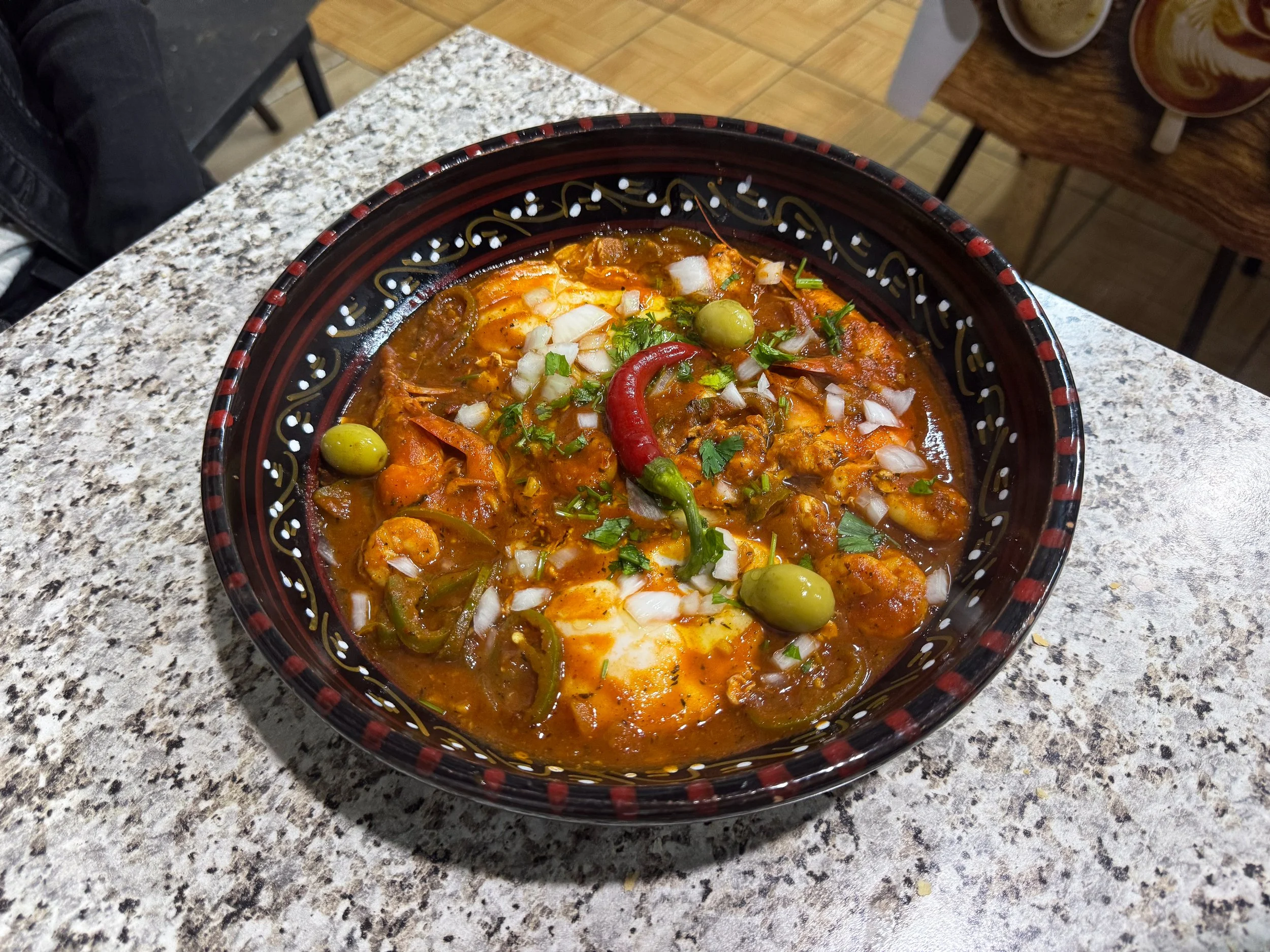
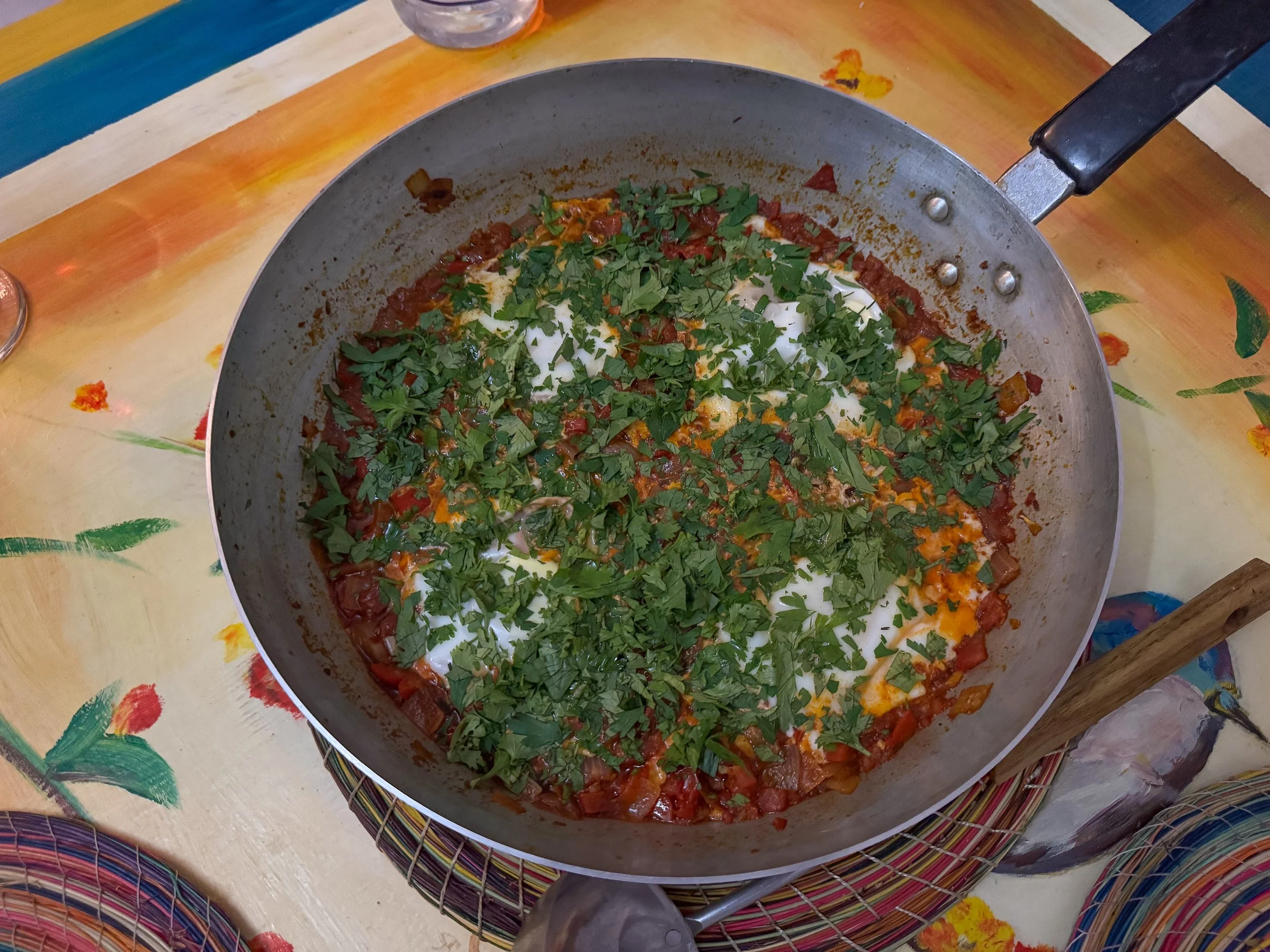
Ojja (Tunisian Shakshouka). A savory tomato stew made with poached eggs, harissa and aromatic vegetables. It can be made vegetarian, with seafood or various meats.
Kafteji. A mix of fried vegetables like eggplants, zucchinis, tomatoes, bell peppers and potatoes. It’s usually stuffed inside or eaten with baguette.
Mechouia Salad. A salsa style Tunisian salad made with grilled vegetables like tomatoes, eggplant, peppers, garlic and onion. It’s garnished with tuna, olives, egg and parsley.
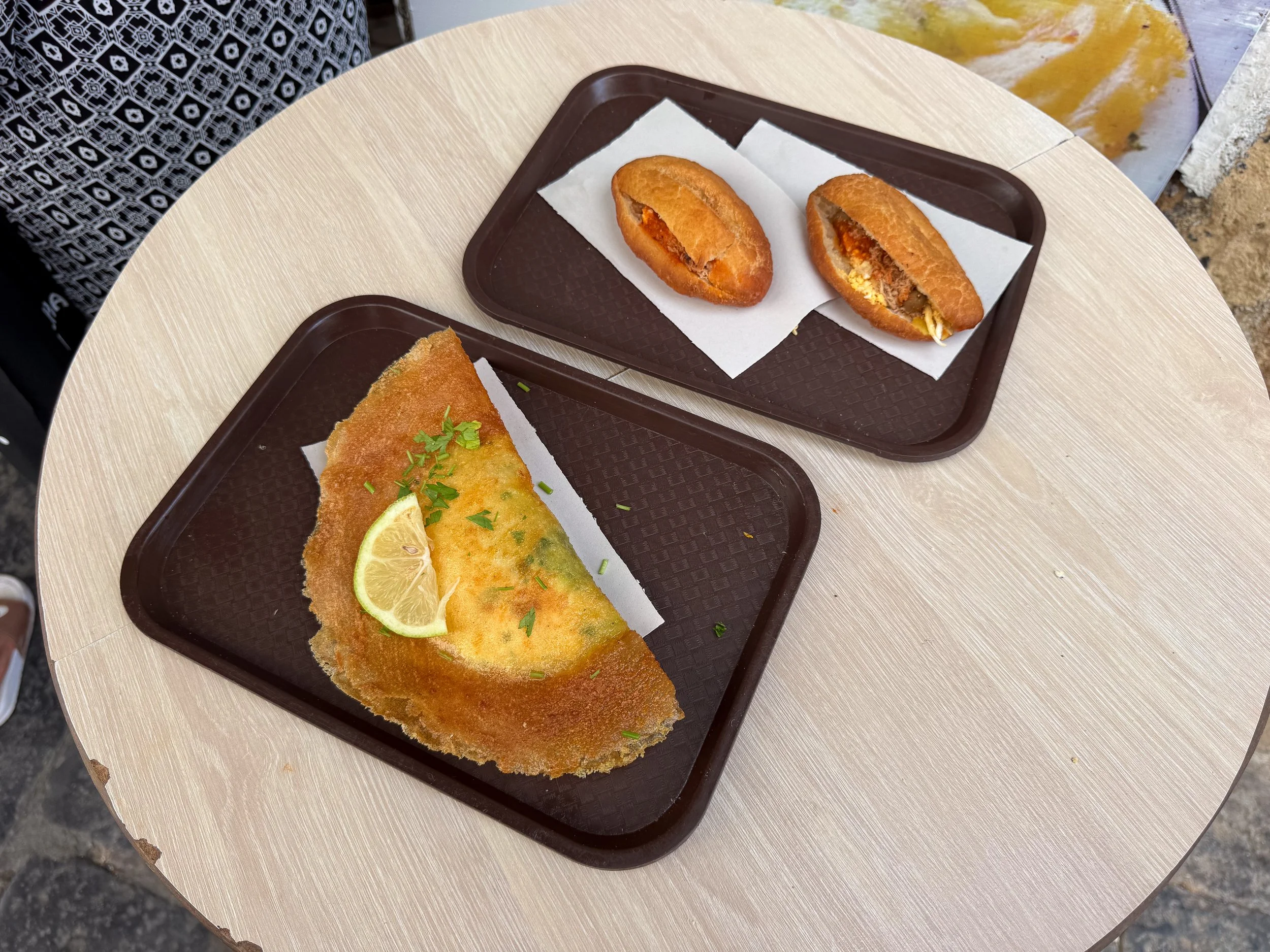
Brik. A deep fried bread roll stuffed with tuna, olives, eggs and harissa. It’s a common street food snack.
Fricassee. A deep fried crepe stuffed with egg, tuna, potatoes, olives and harissa. It’s a common street food snack.
Makroudh. Fried date filled cookies made with semolina flour. They’re covered in a honey glaze and garnished with sesame seeds.
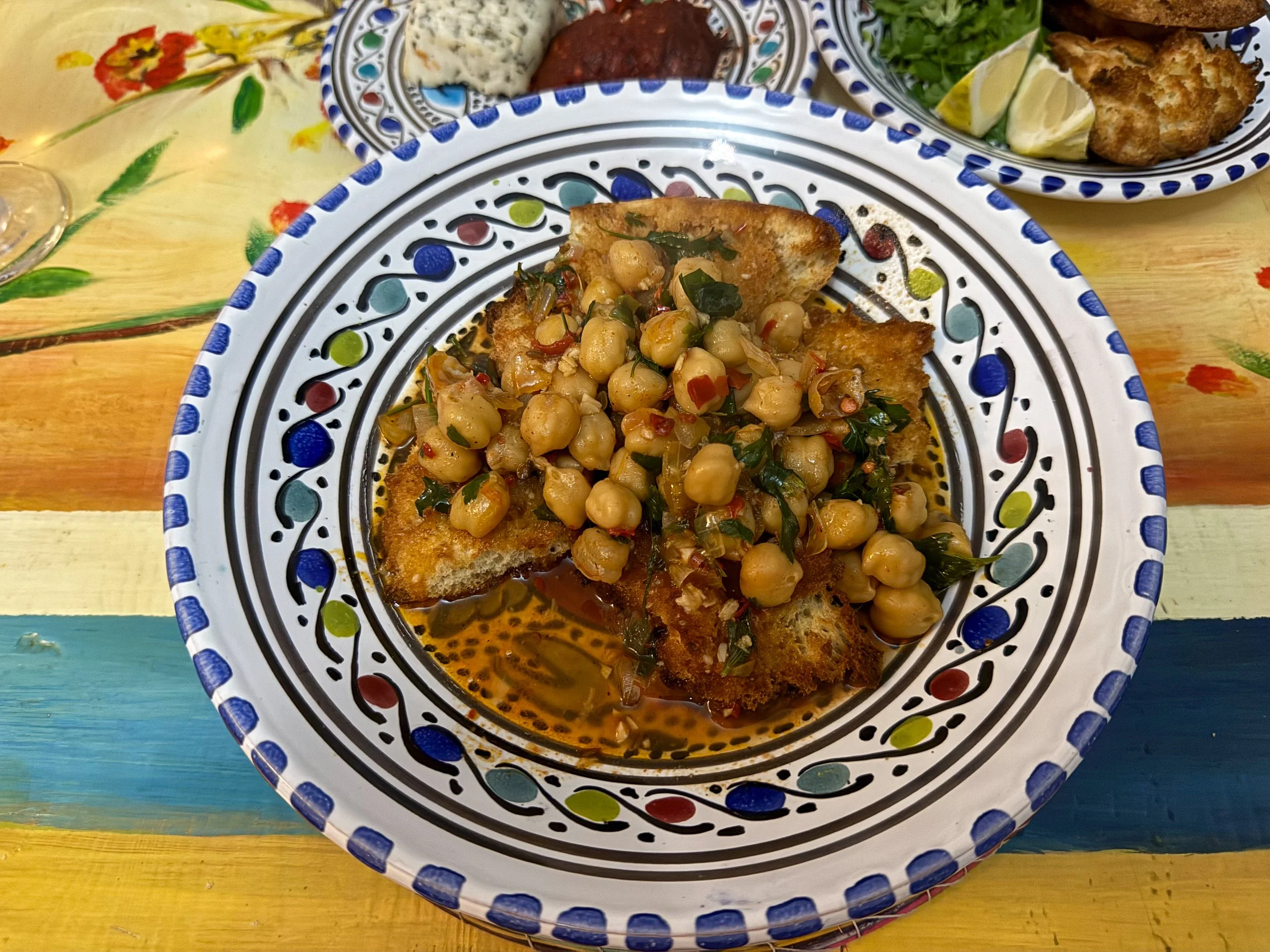
Lablabi. A savory and spiced chickpea stew served on top of toasted garlic bread with olives and fresh parsley.
Chorba. A spiced vegetable and chickpea noodle soup.
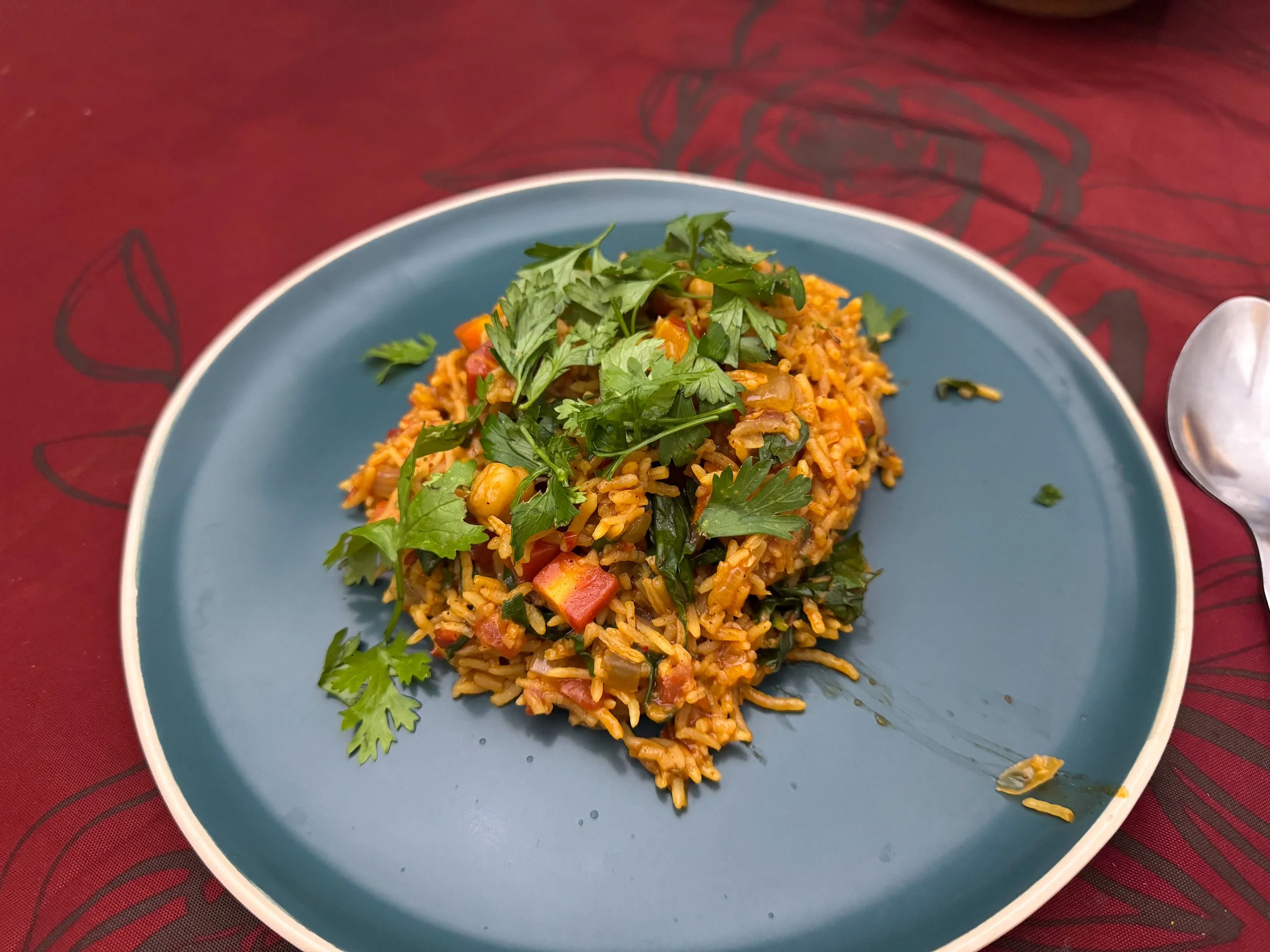
Rouz Jerbi. An aromatic rice dish made with chickpeas, carrots, spinach and a range of North African spices.
Where to Stay
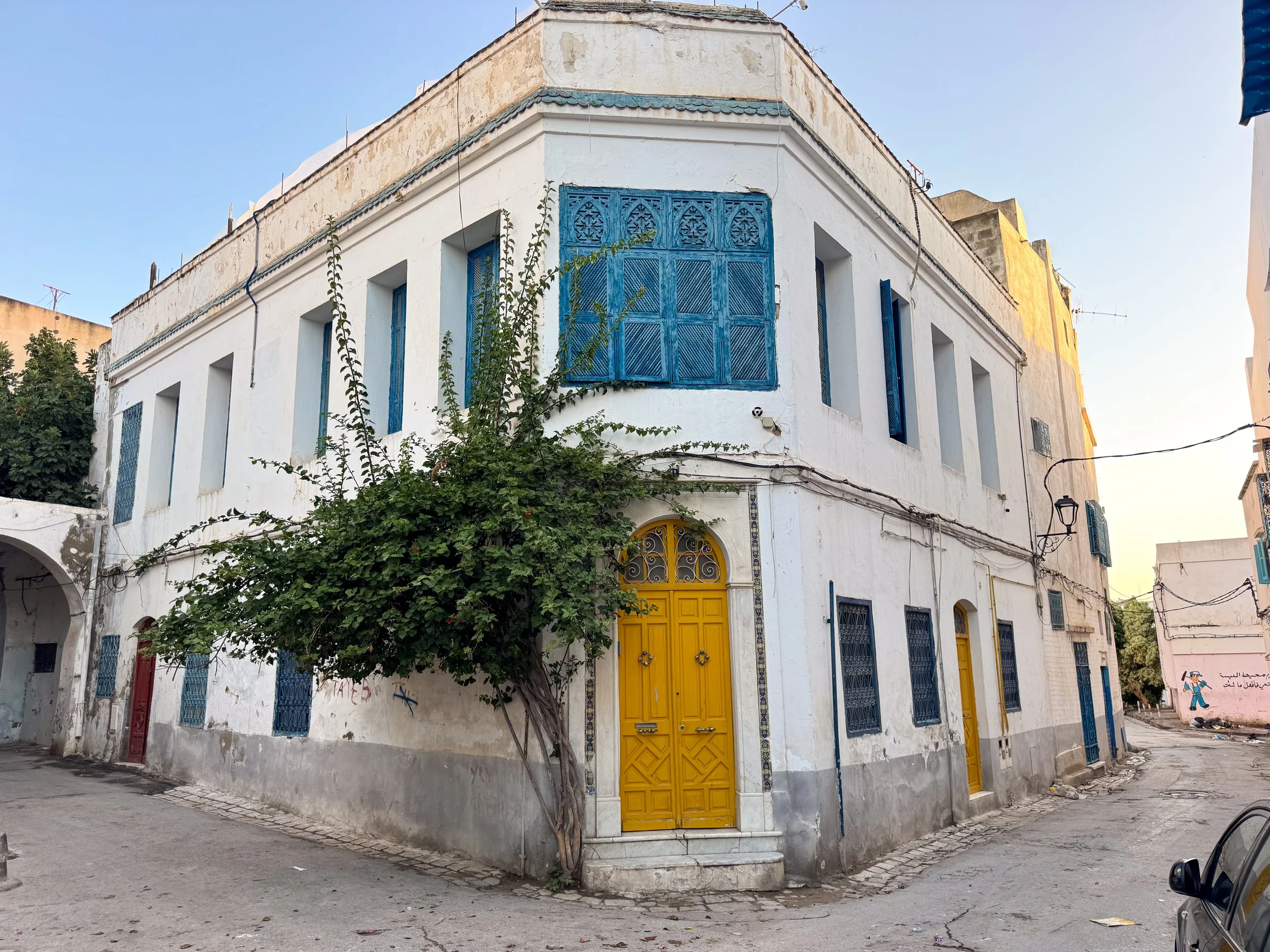
The Yellow House in the Medina of Tunis. We stayed in a large two bedroom apartment on the edge of the Medina. Beyond its golden front doors are rooms decorated in Tunisian antiques, artifacts and paintings of the Medina. We booked on Airbnb.
Getting Around
On Foot. The city center and Medina are best explored on foot! The streets, alleys and souks are easily walkable.
Taxis. Yellow cabs are readily available and can be hailed off the street. Negotiate fares before hand or ask drivers to use their meter. Fares within the city generally cost between 5-20 Dinar depending on distance.
Airport Taxi. Hire a taxi from the taxi line at the airport to get to the Medina. Fares are negotiable, costing between 30-50 Dinar.
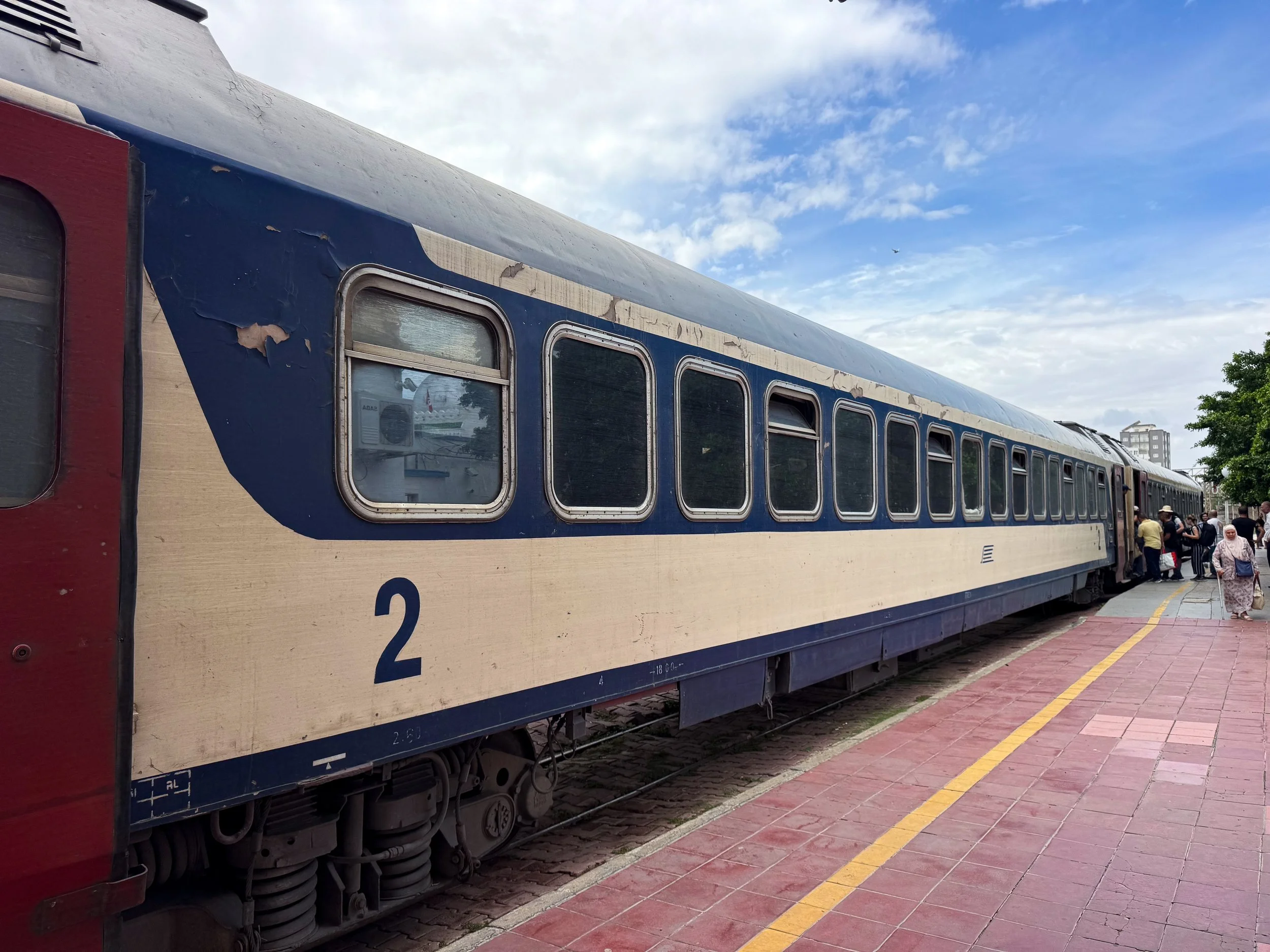
Trains. Local and regional trains are the best way to explore nearby towns and distant cities.
Gare de Tunis. The city’s main train station and regional transportation hub. Come here to book tickets to cities further south like Sousse. Check train schedules and book tickets in person a day ahead. Trains are often delayed by over an hour.
Tunis Gare Marine. A local train station with a train line operating between Tunis, Carthage and Sidi Bou Said. Tickets can be purchased the day of.
Language & Phrases
Arabic and French are commonly spoken throughout Tunisia. Some locals also speak English, Spanish and Italian. Download offline languages with Google Translate to help communicate.
English to Arabic:
Hello = Salem
Goodbye = Ma'a Salama
Thank you = Shukran
You’re Welcome = Marhaba
English to French:
Hello = Bonjour (daytime) Bonsoir (nighttime)
Goodbye = Au Revoir
Thank you = Merci
You’re Welcome = De Rien
Location Specifics
Cash vs. Card. A vast majority of purchases are cash only. Credit cards are rarely accepted. Withdraw Tunisian Dinar from local ATMs or convert foreign cash at the airport.
Affordability. Tunisia is a very budget friendly destination. Accommodations, transportation, dining out and sightseeing are easily inexpensive when traveling on a budget.
Medina Hours. The Medina slowly begins waking up around 7am. It’s fully bustling by mid morning and abruptly shuts down around 4pm.
Mosques. Most mosques are off limits to non Muslims. They can usually be viewed from the outside.
Staring. It’s part of the culture for men to stare. You’ll often be stared down as you walk past shops in the souks, sidewalk cafes and by people sitting in cars. It’s best to ignore it and not think anything of it.
Avoid School Children. Stay clear of groups of tween and teenage school children. They’ll surround you, shout at you, mock you and ask for money.
LGBTQ+ Safety & Dangers
Tunisia is not a safe destination for LGBTQ+ travelers. The government and a large percentage of the population have strong anti LGBTQ+ beliefs. Government policies criminalize LGBTQ+ people with punishments including fines, imprisonment, torture and deportation. Stay up to date with the latest laws and suggestions while traveling. Refer to our guide on LGBTQ+ Travel Safety for more advice.
Entrapment Schemes. Some locals that suspect you of being gay will try to entrap you and make you admit it. Shortly after beginning a conversation, they will abruptly change topics and ask outright, “are you gay?” Irrefutably say no, look offended, end the conversation and leave as quickly as possible. This happened to us multiple times, in different locations including taxis, at markets and on the street.
Elsewhere in Tunisia
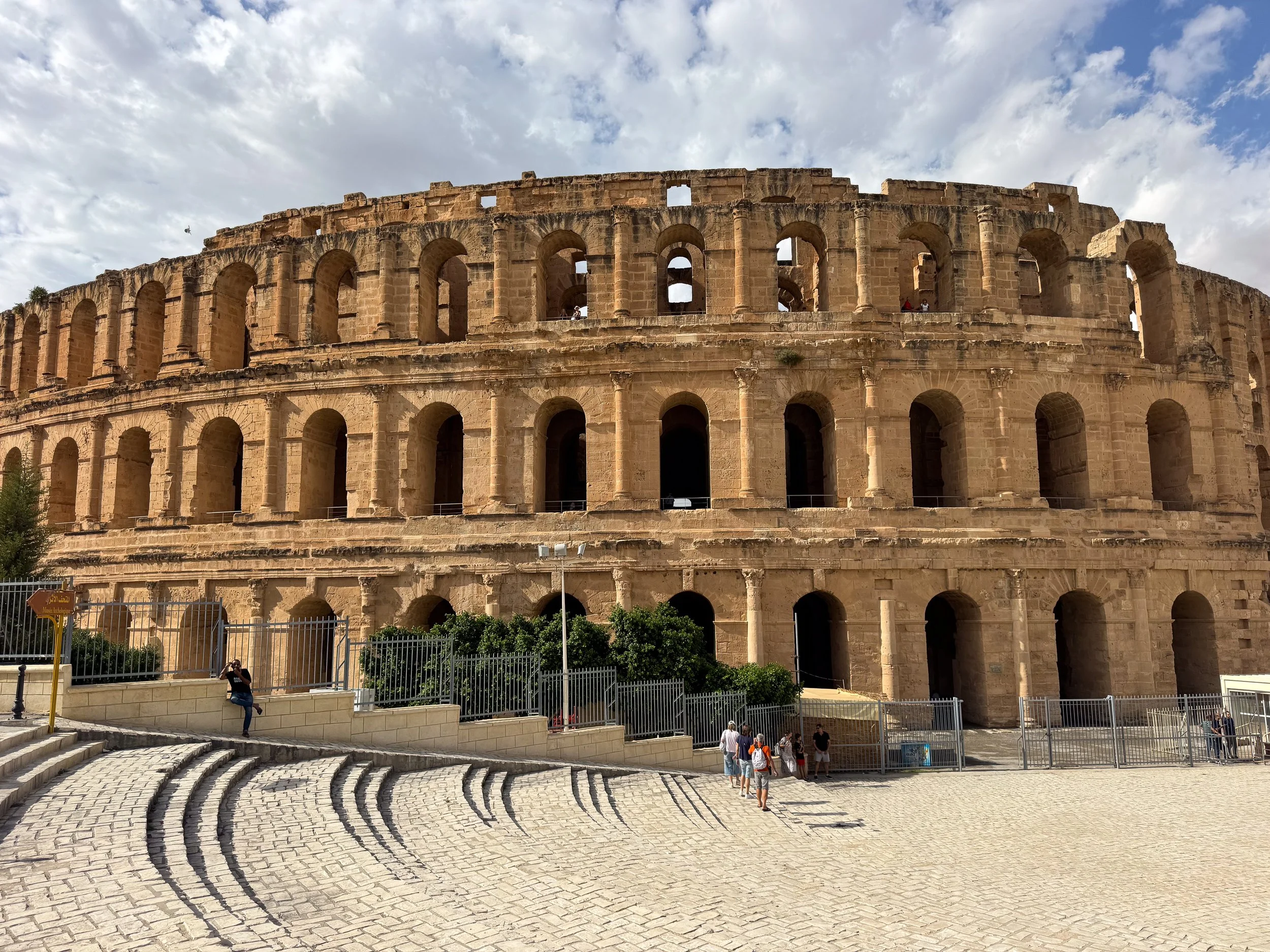
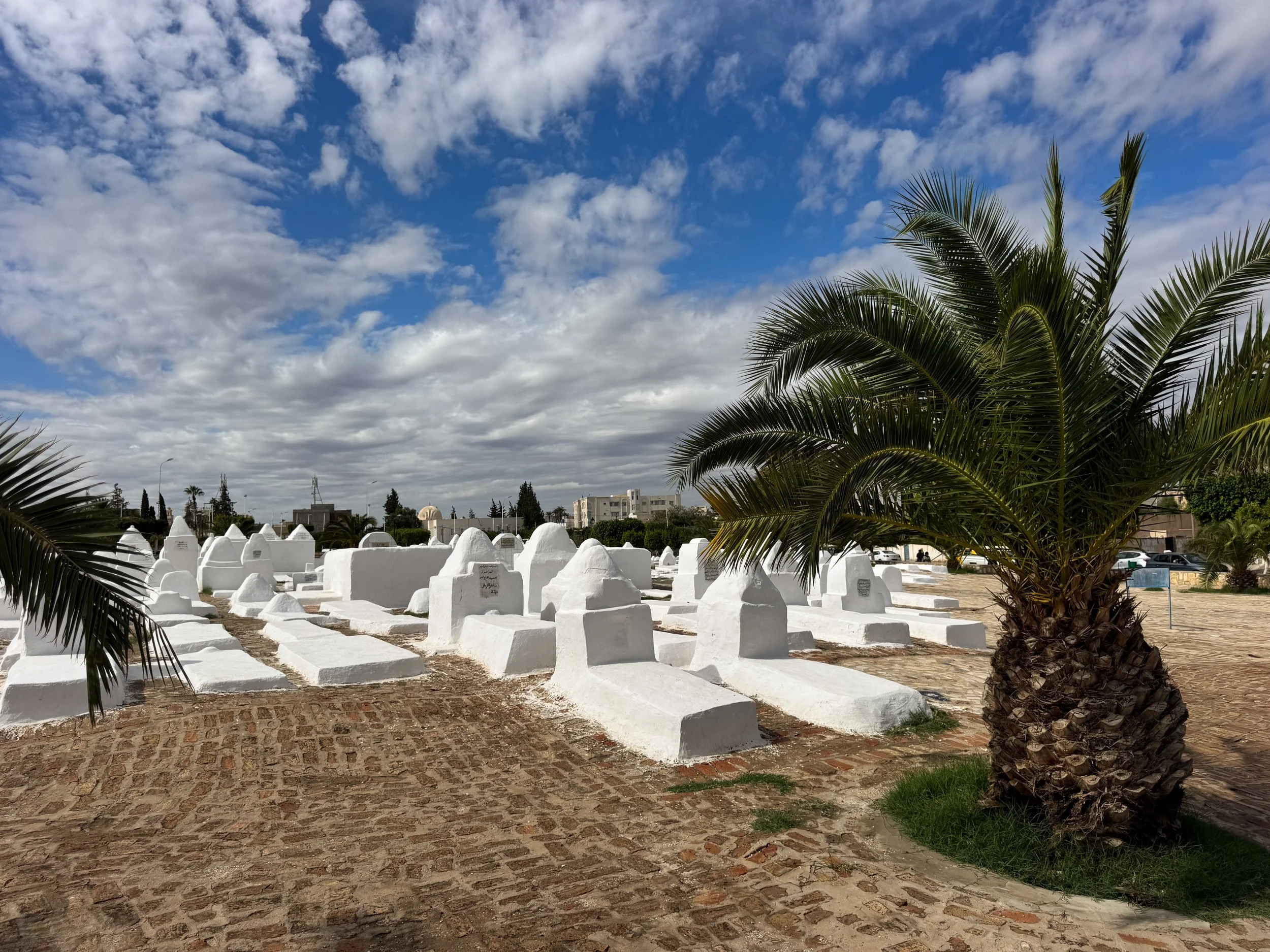
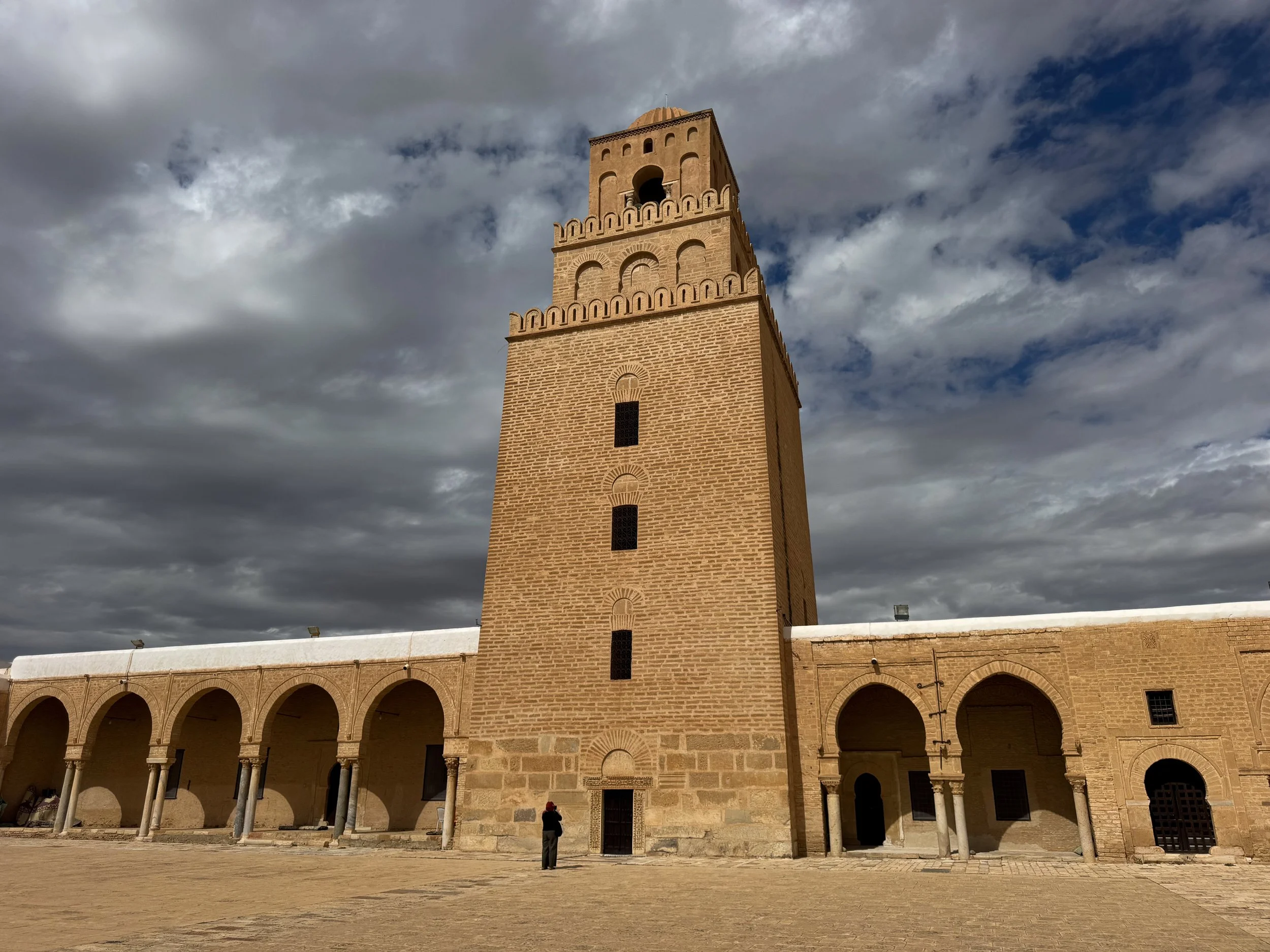
From the ancient ruins of Carthage and the medina of Tunis to the historic streets of Sousse, El Jem and Kairouan, continue exploring Tunisia's rich cultural heritage.
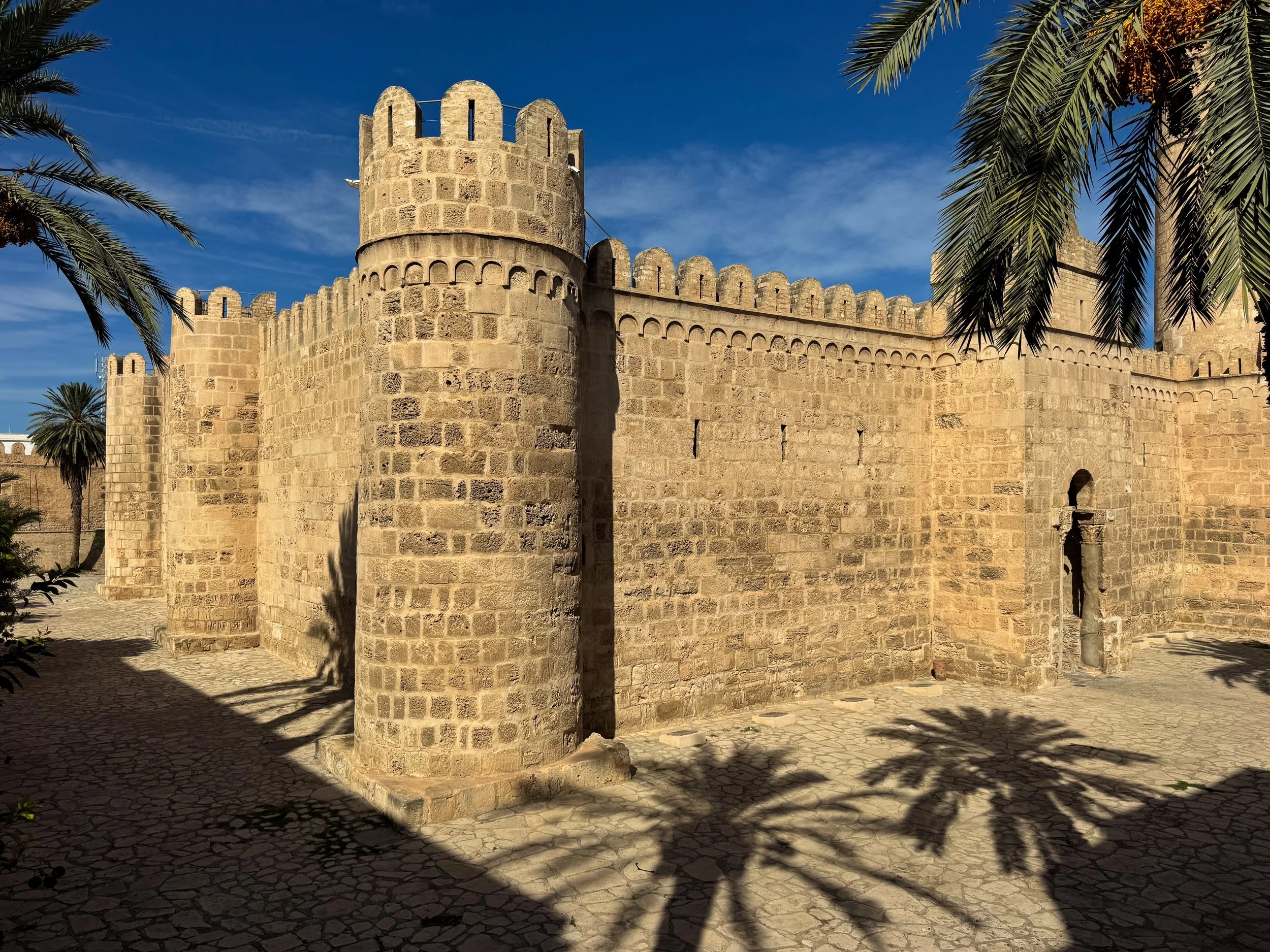
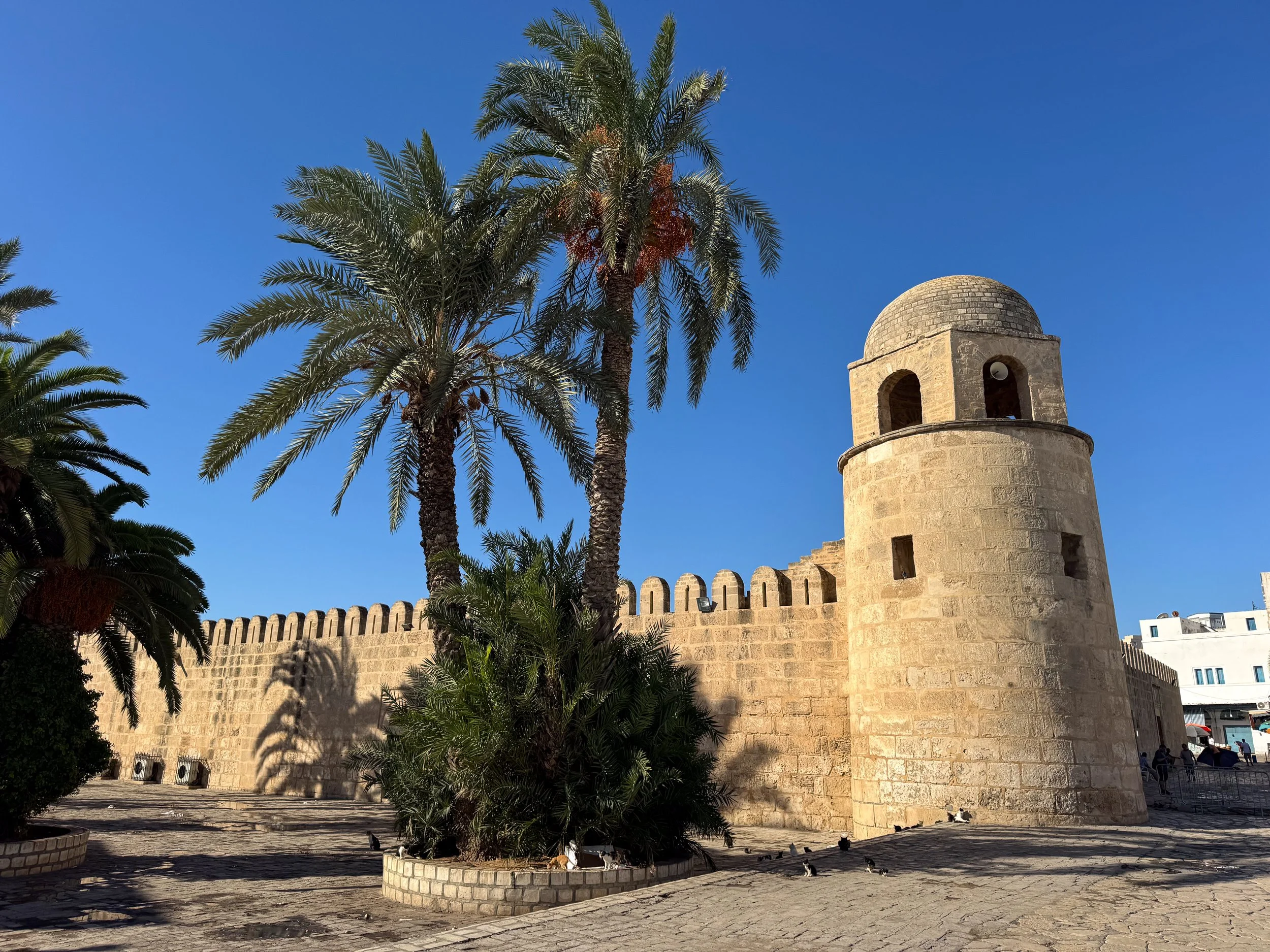
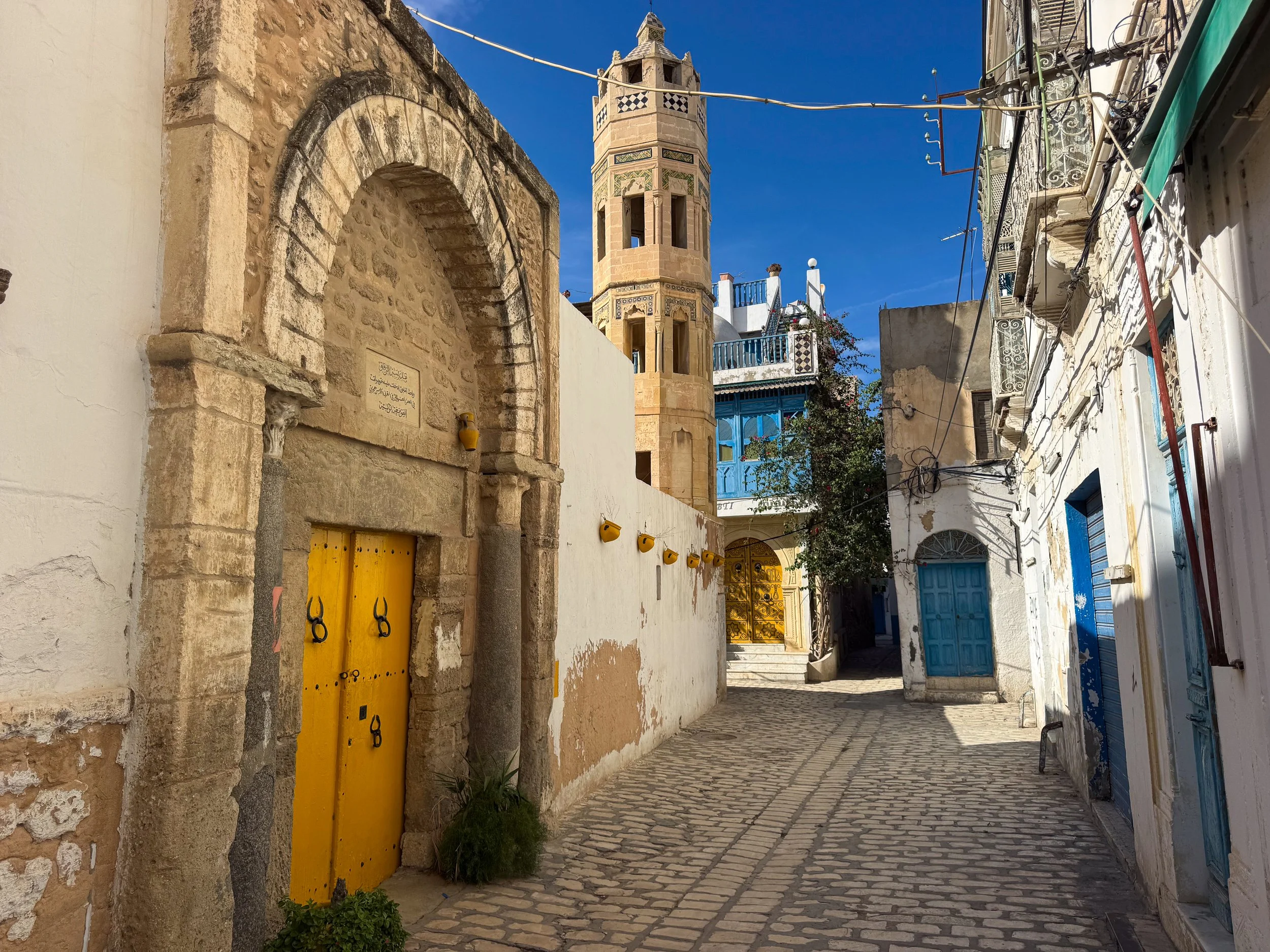
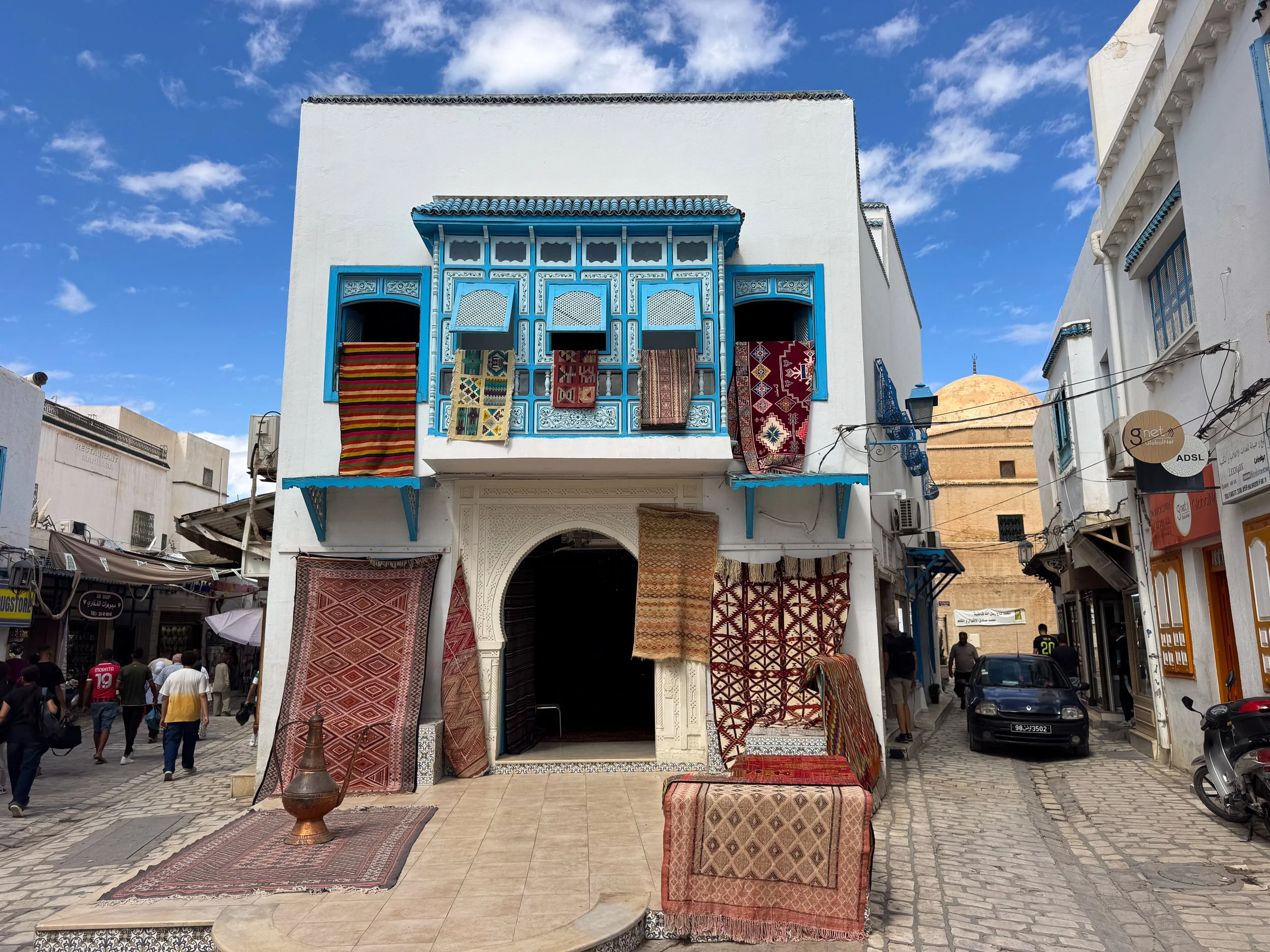
Sousse Travel Guide: Ancient Medina, El Jem & Kairouan. Visit Sousse's walled medina where Islamic landmarks reveal centuries of Tunisian heritage before exploring El Jem's Roman amphitheater and Kairouan's grand mosque.
For Next Time…
If we ever return to Tunisia, we would love to have a “Star Wars” themed adventure.
Stay in a Troglodyte Home. A circular dugout cave dwelling like the one lived in by Luke Skywalker’s aunt and uncle.
Mos Espa Film Set. Tour the film set used in the prequels where Anakin Skywalker grew up.
Visit Tatooine. An actual city in the south of the country that inspired the desert planet.