Casablanca Travel Guide: Hassan II Mosque, Local Markets & Moroccan Cuisine
Casablanca, Morocco
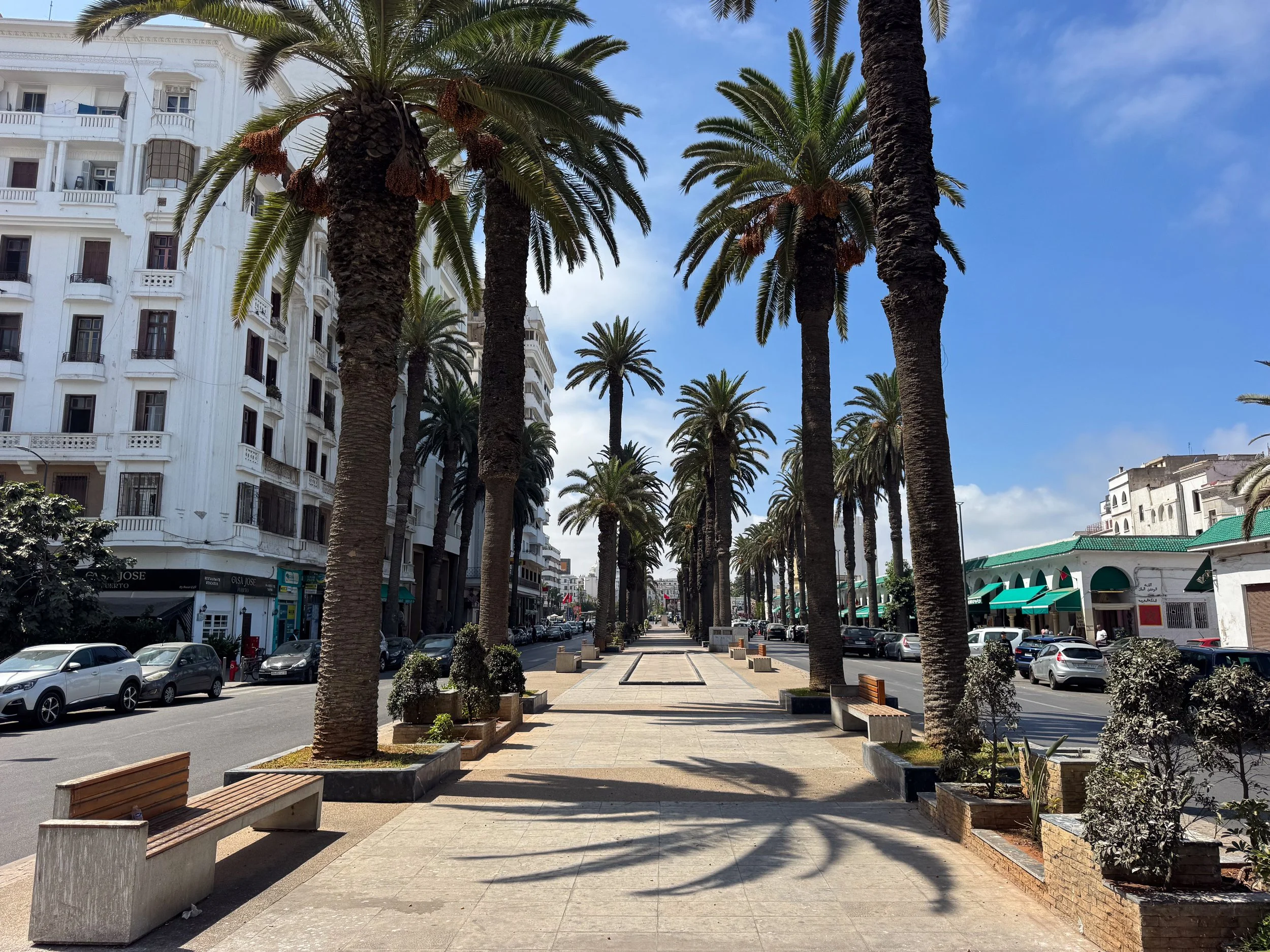
Casablanca is a Moroccan metropolis and long romanticized destination. The city is famed for its historic architecture and landmark sights. Palm lined avenues lead past Moorish style and French art deco buildings. Islamic minarets tower across the skyline as the call to prayer echoes across neighborhoods. Cafes spill out onto geometric tiled sidewalks while lively markets entice the senses. Casablanca is the perfect entry point to Morocco! Plan to spend at least two days here exploring the city prior to continuing onto destinations elsewhere in the country.
Neighborhoods
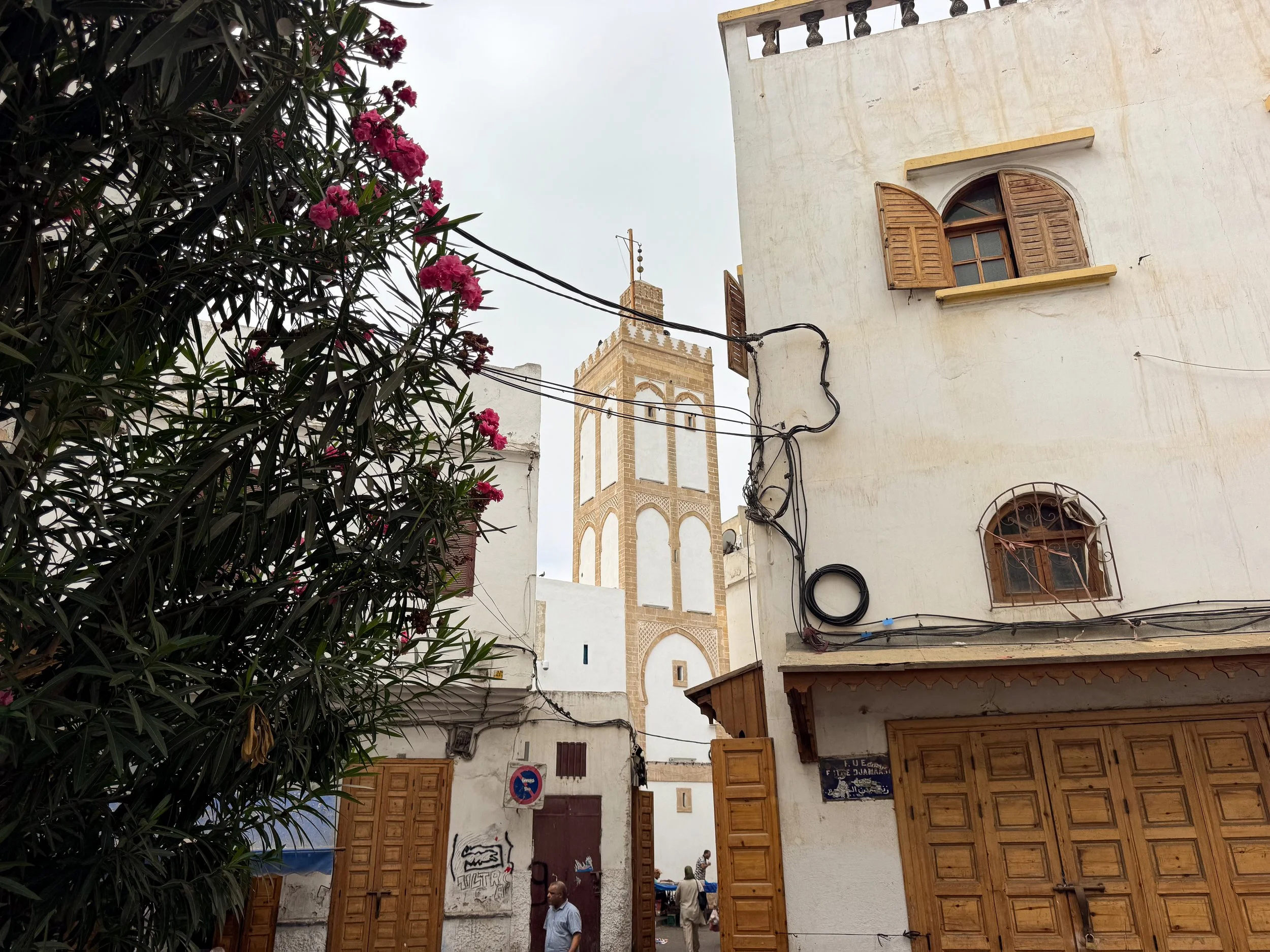
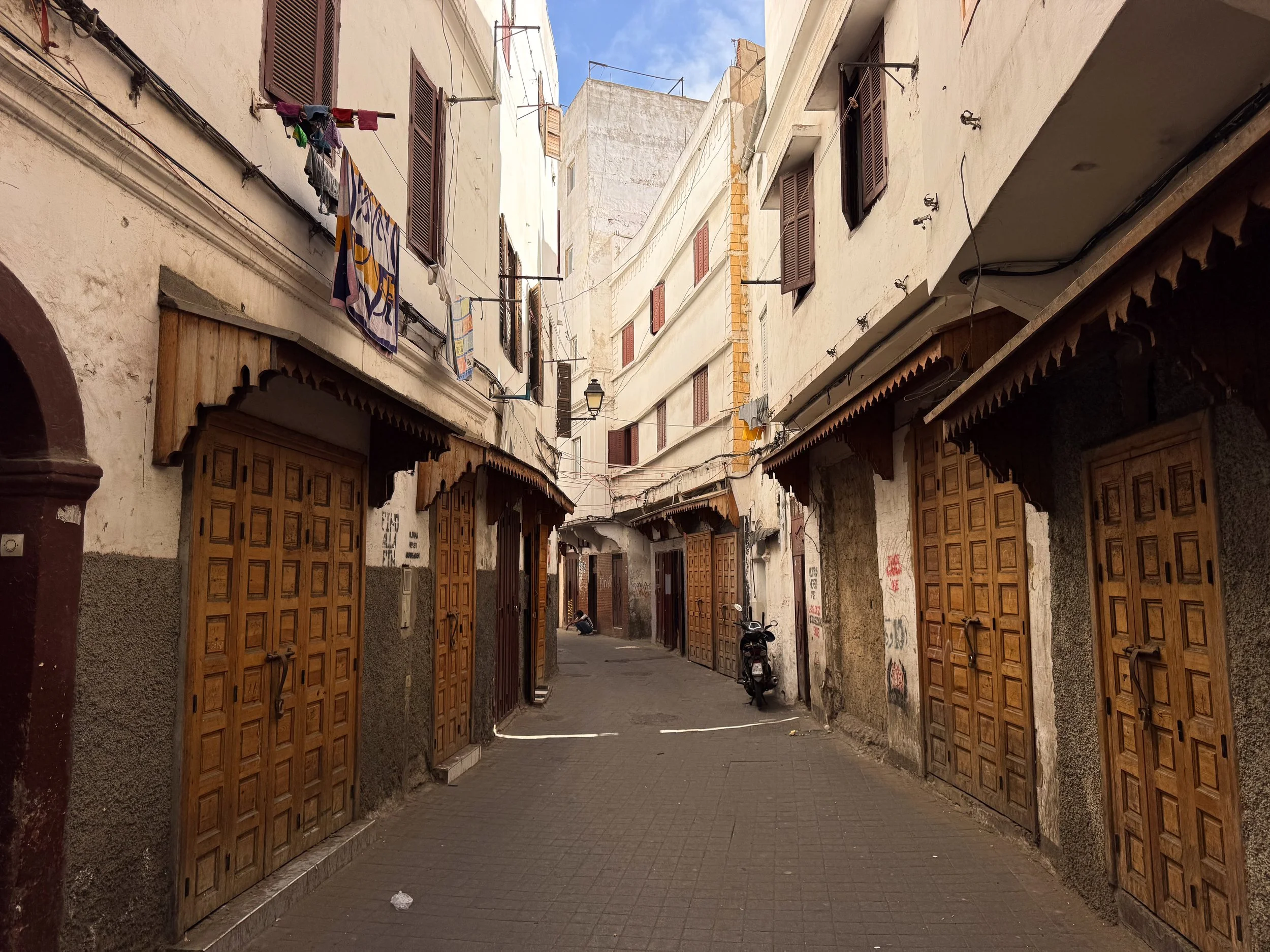
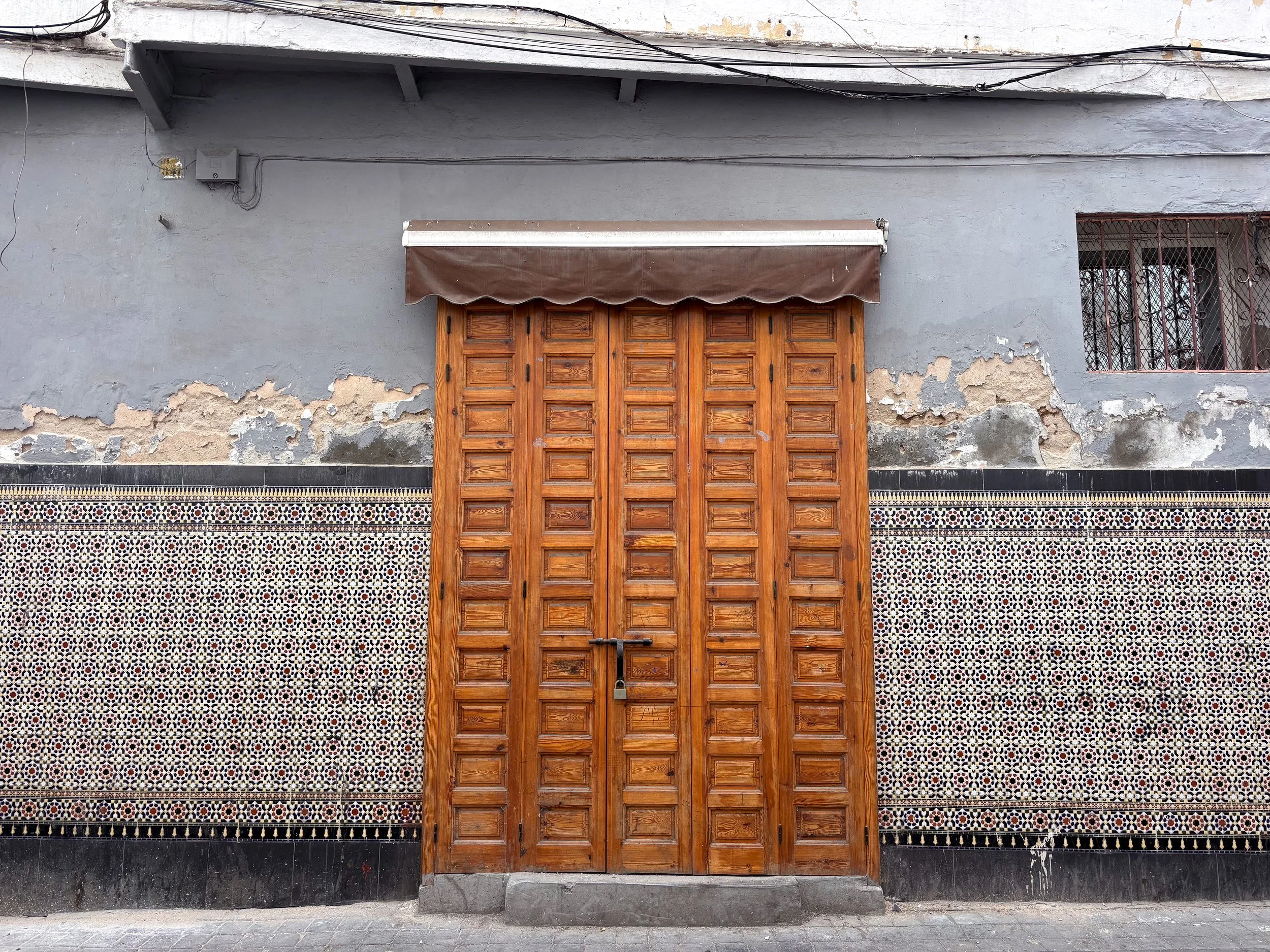
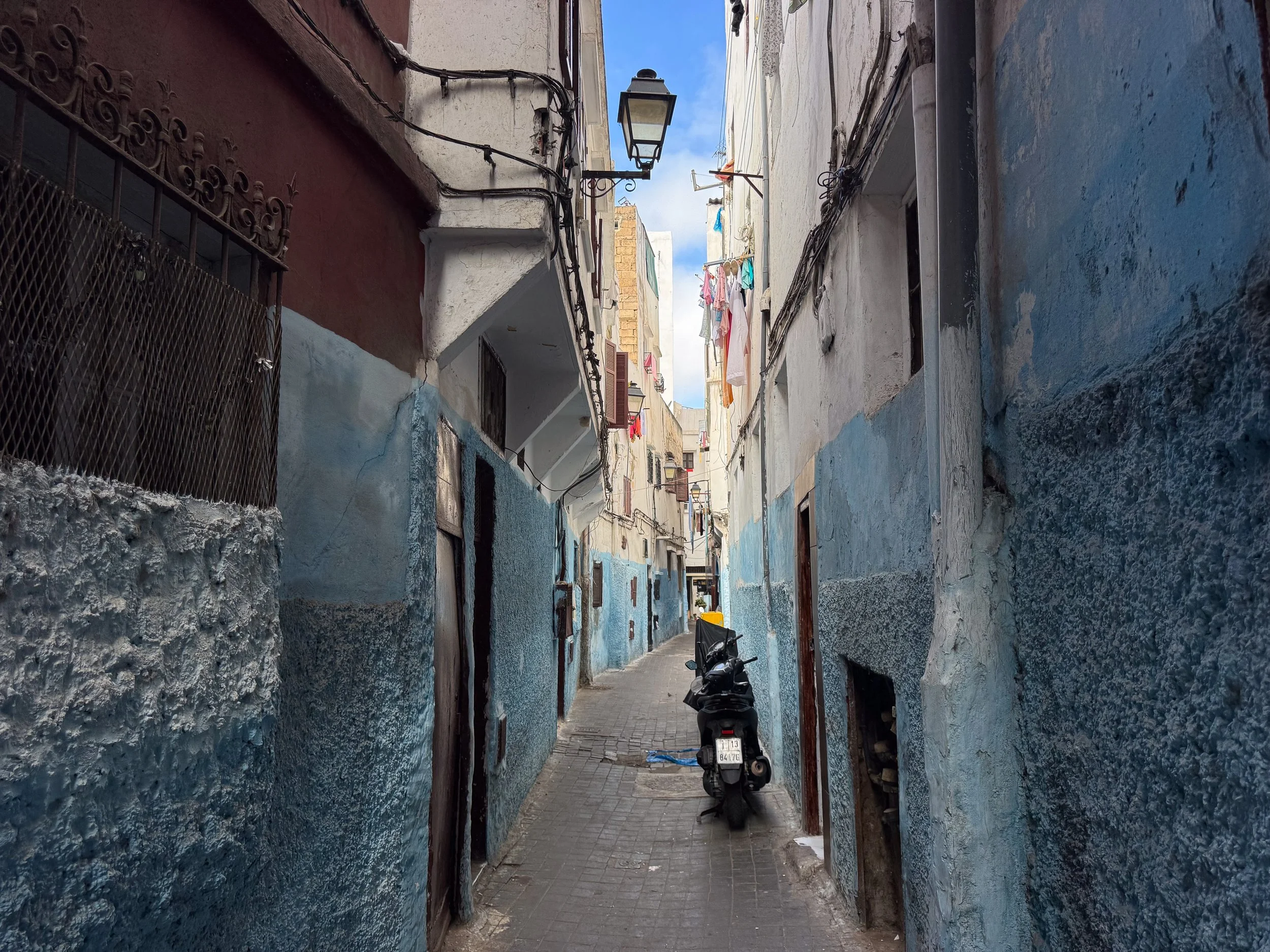
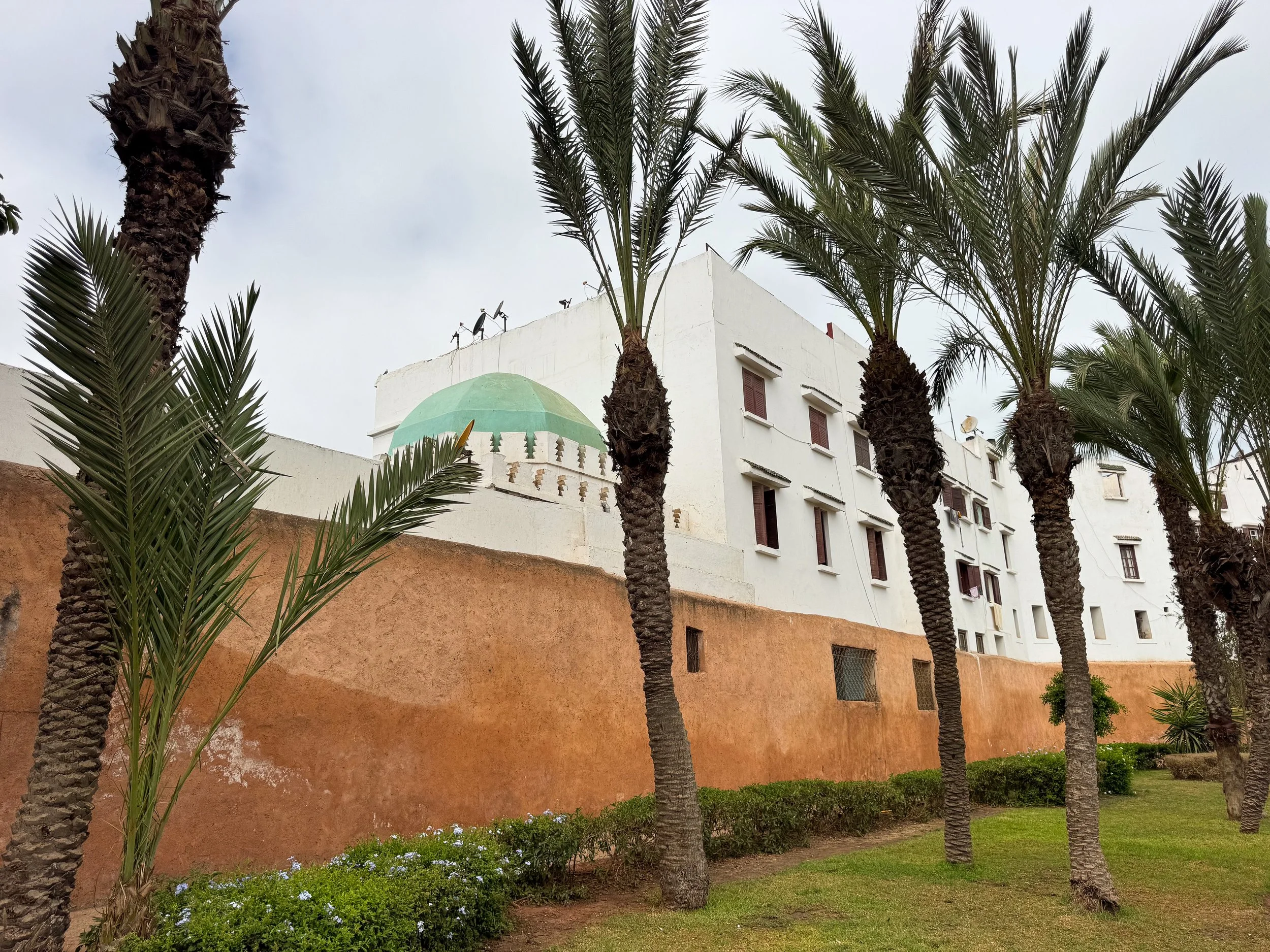
The Ancient Medina. Casablanca’s walled medina is the historic center of the seaside city. Winding streets and narrow alleyways lead past graffitied buildings with tall wooden doors. “Wrong” turns often lead to dead ends or into someone’s home. Stray cats roam freely at nearly every corner. It’s a wonderful place to experience local life with very few tourists. It’s significantly smaller than the medinas of Marrakech and Fes making it especially easy to explore.
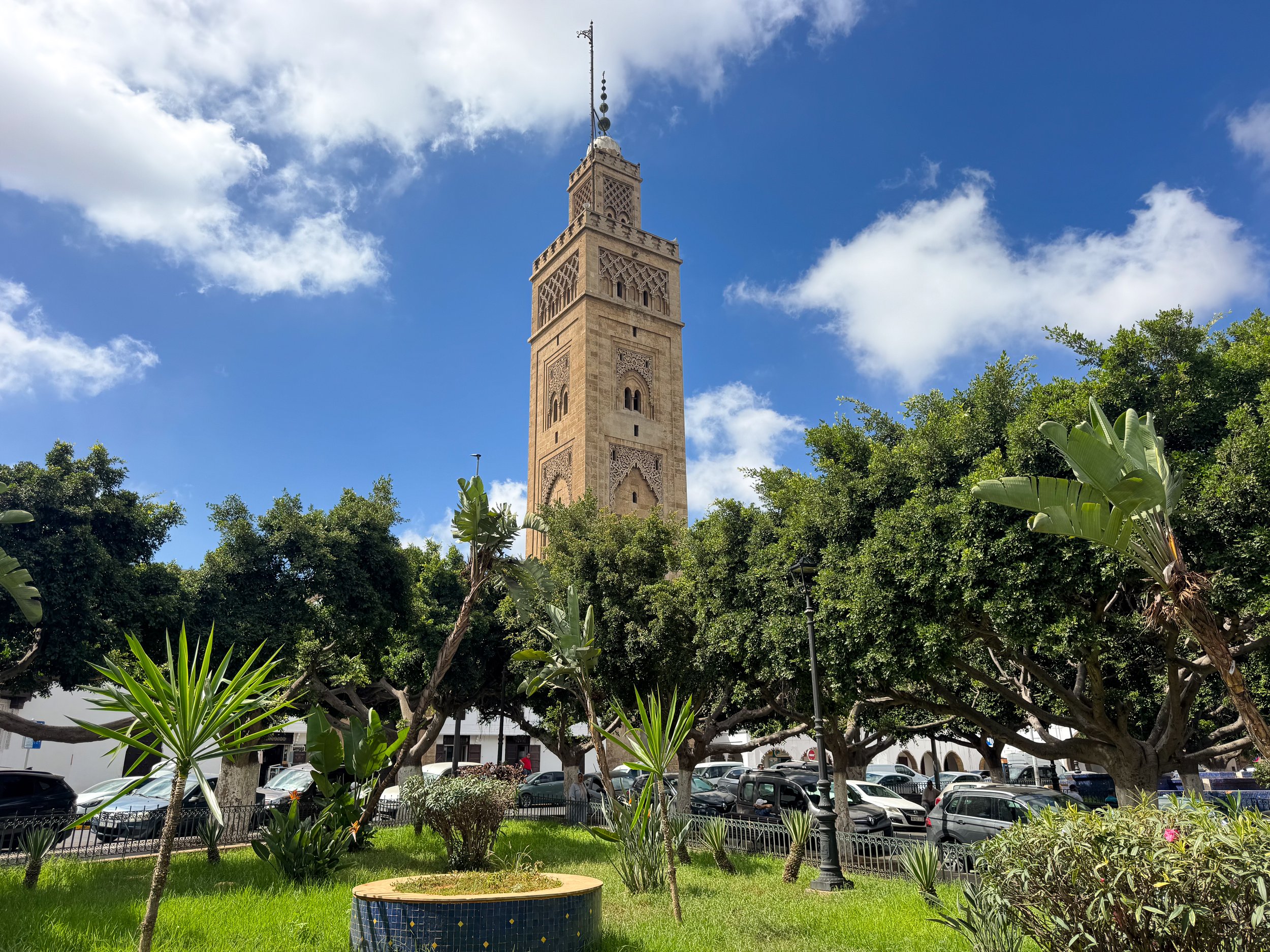
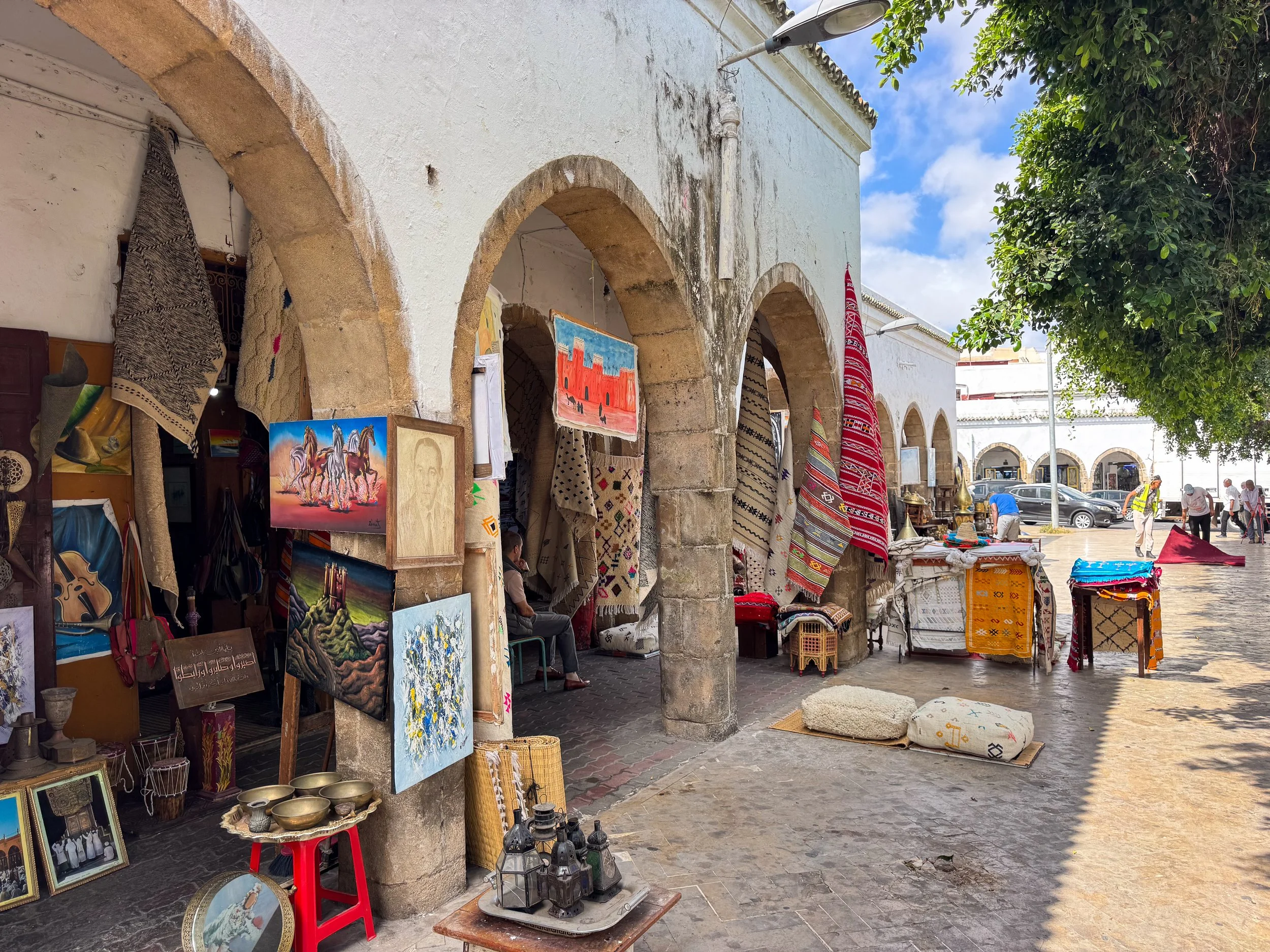
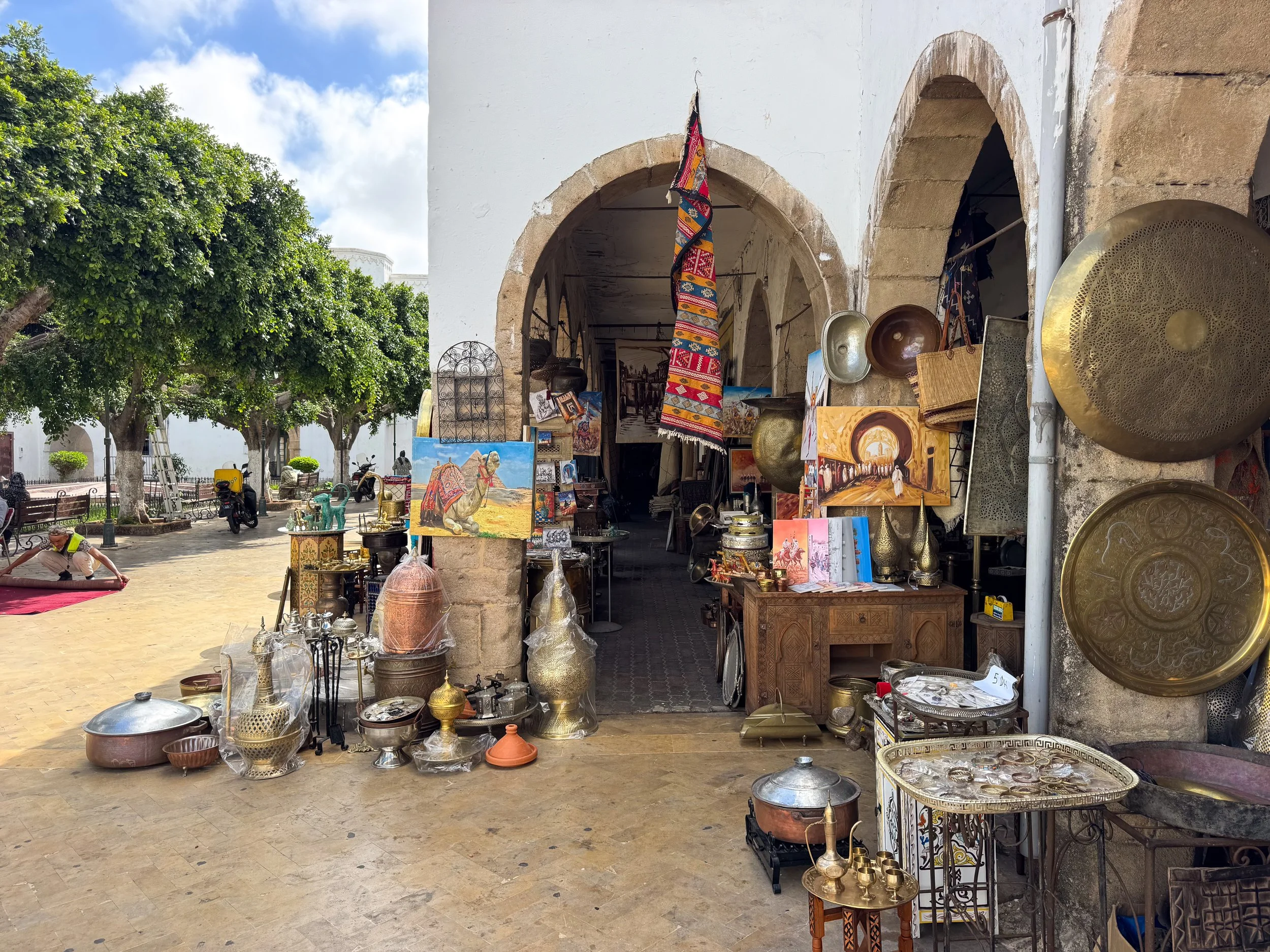
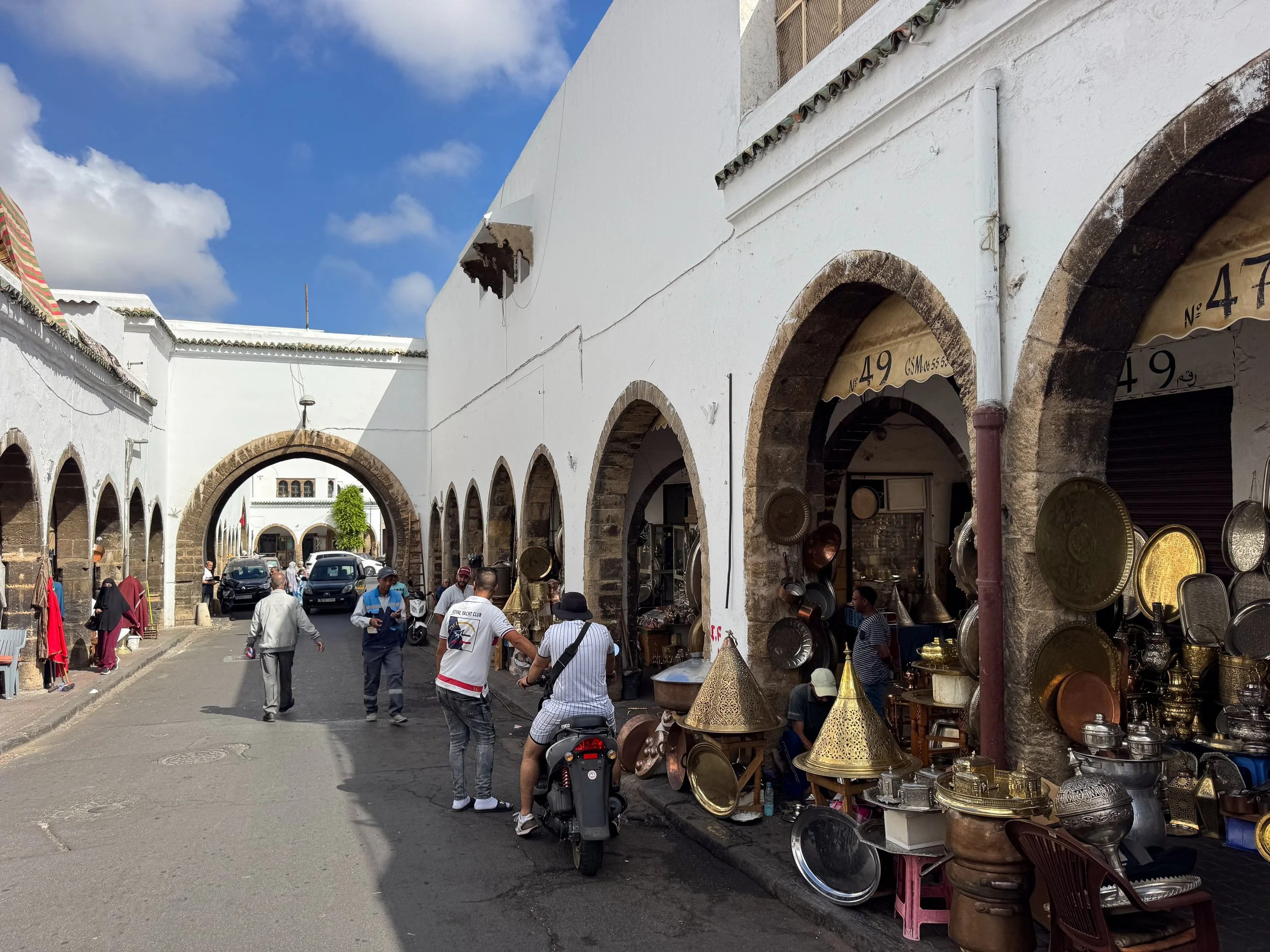
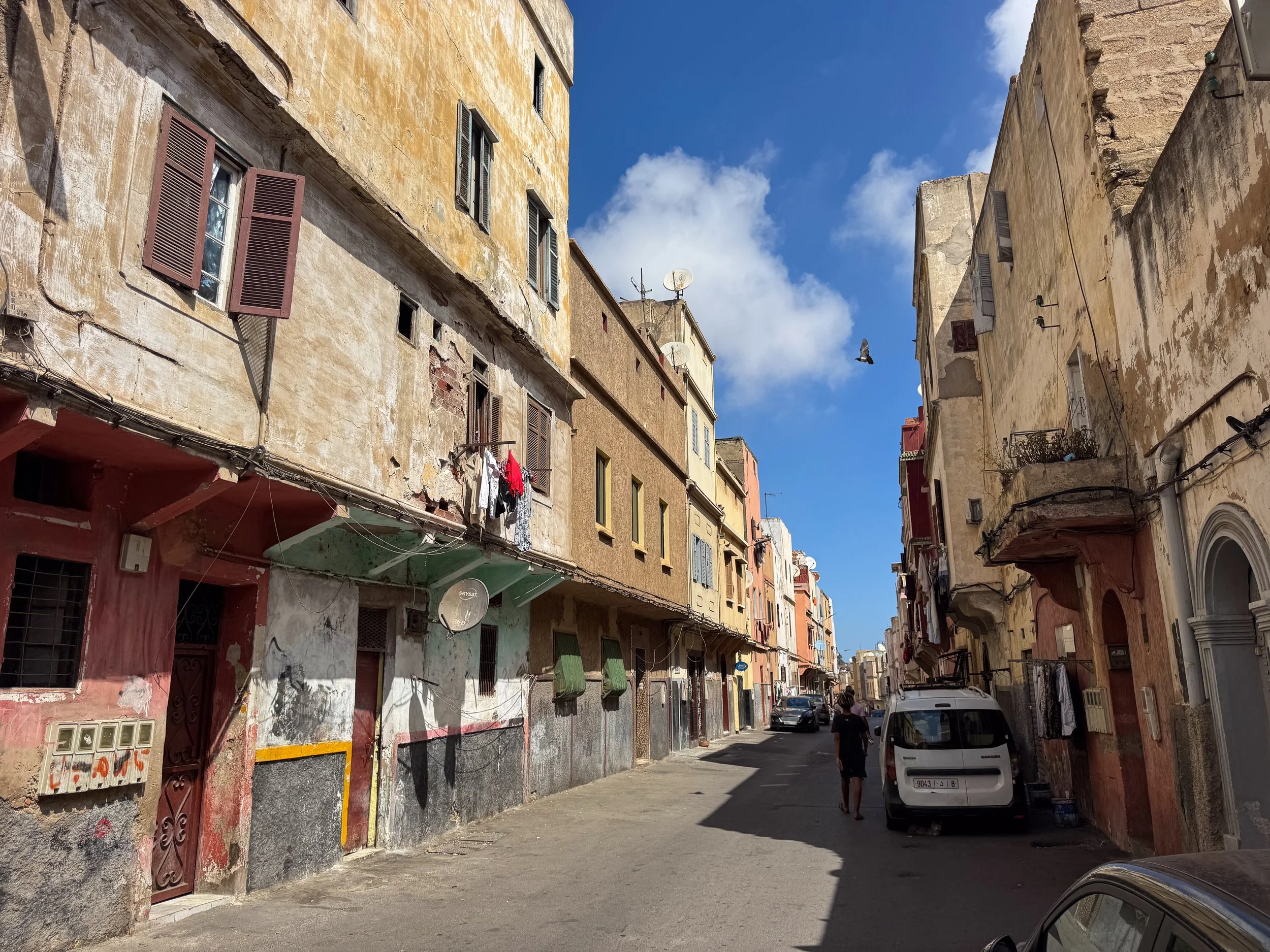
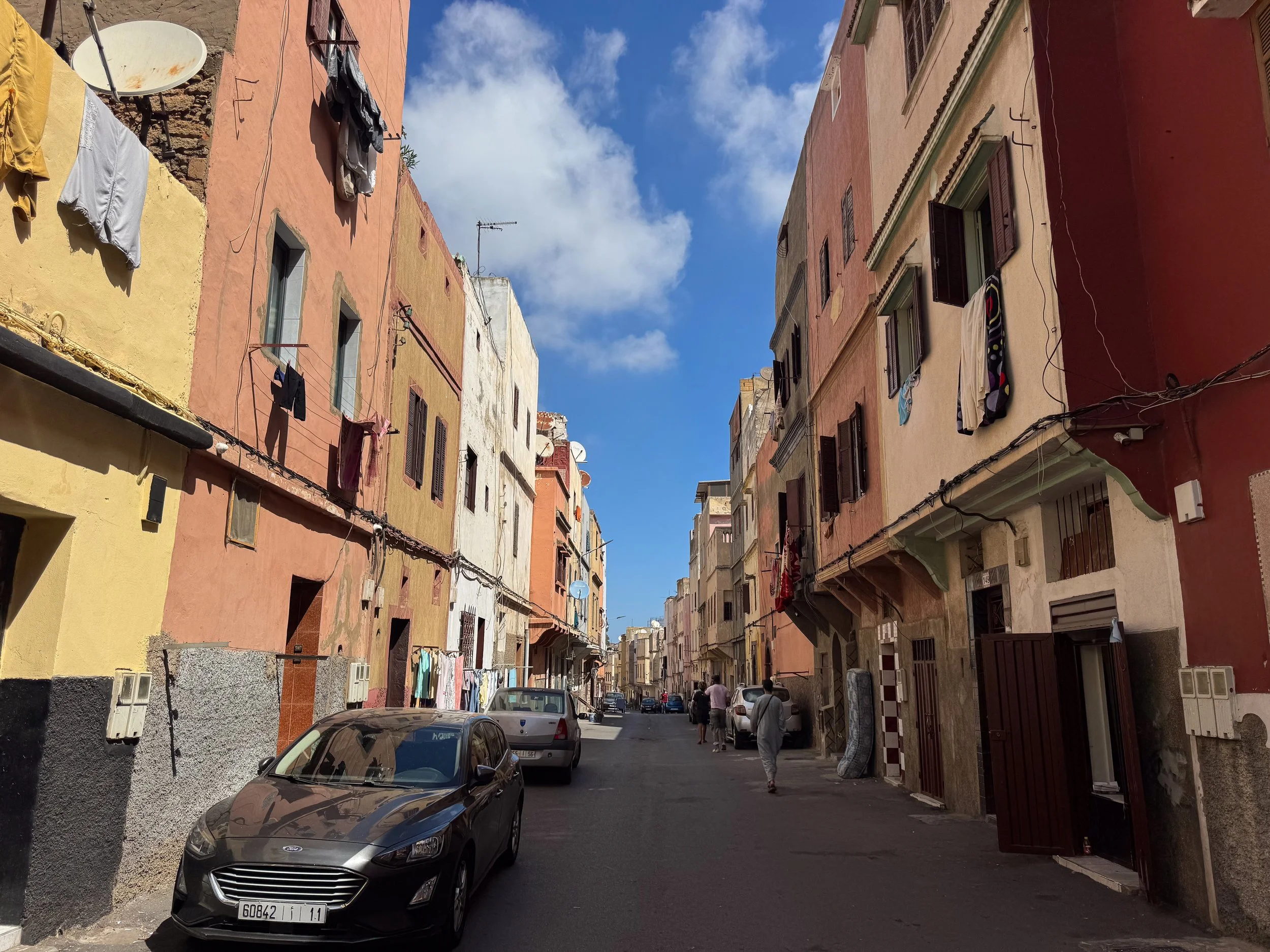
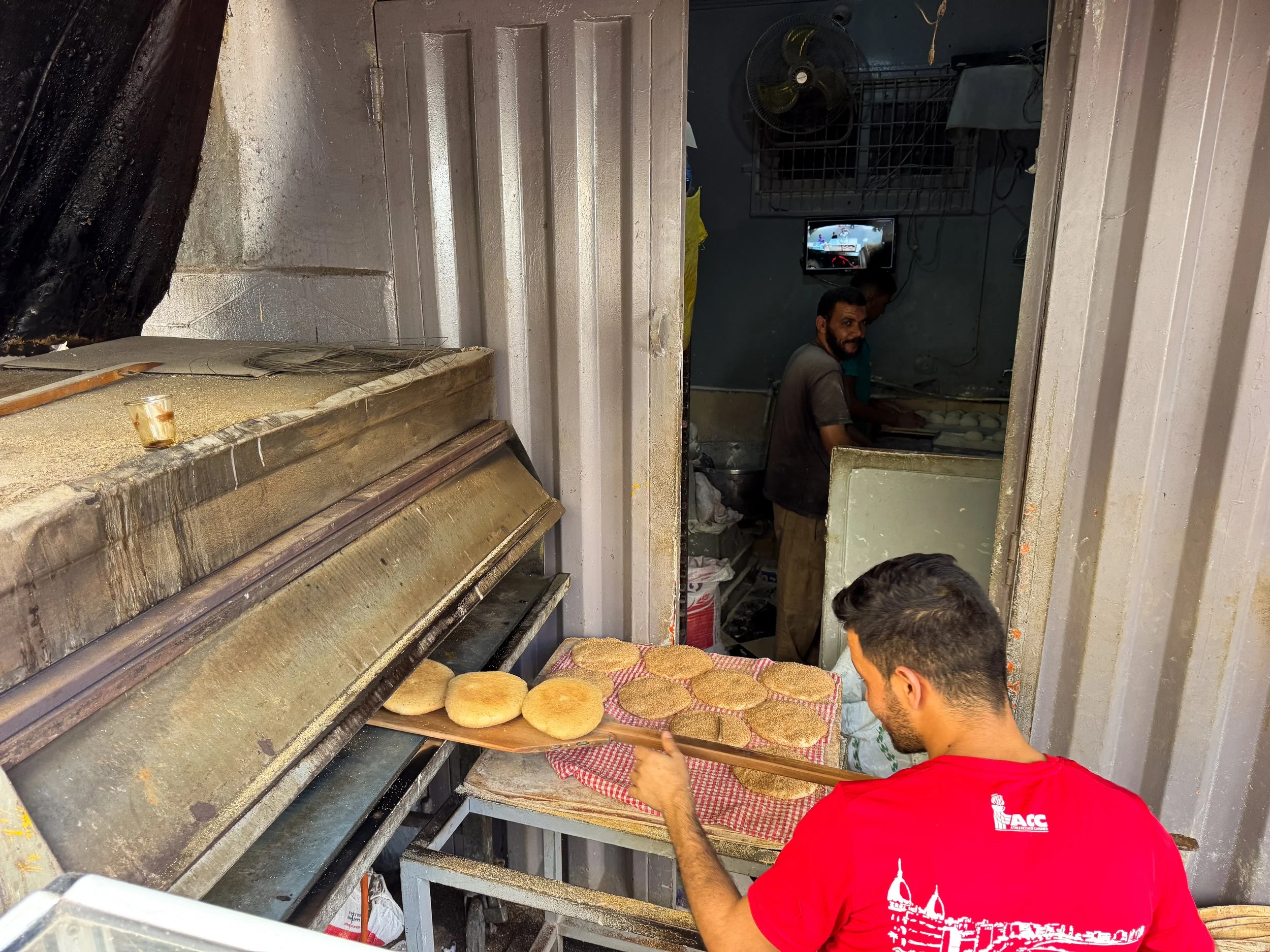
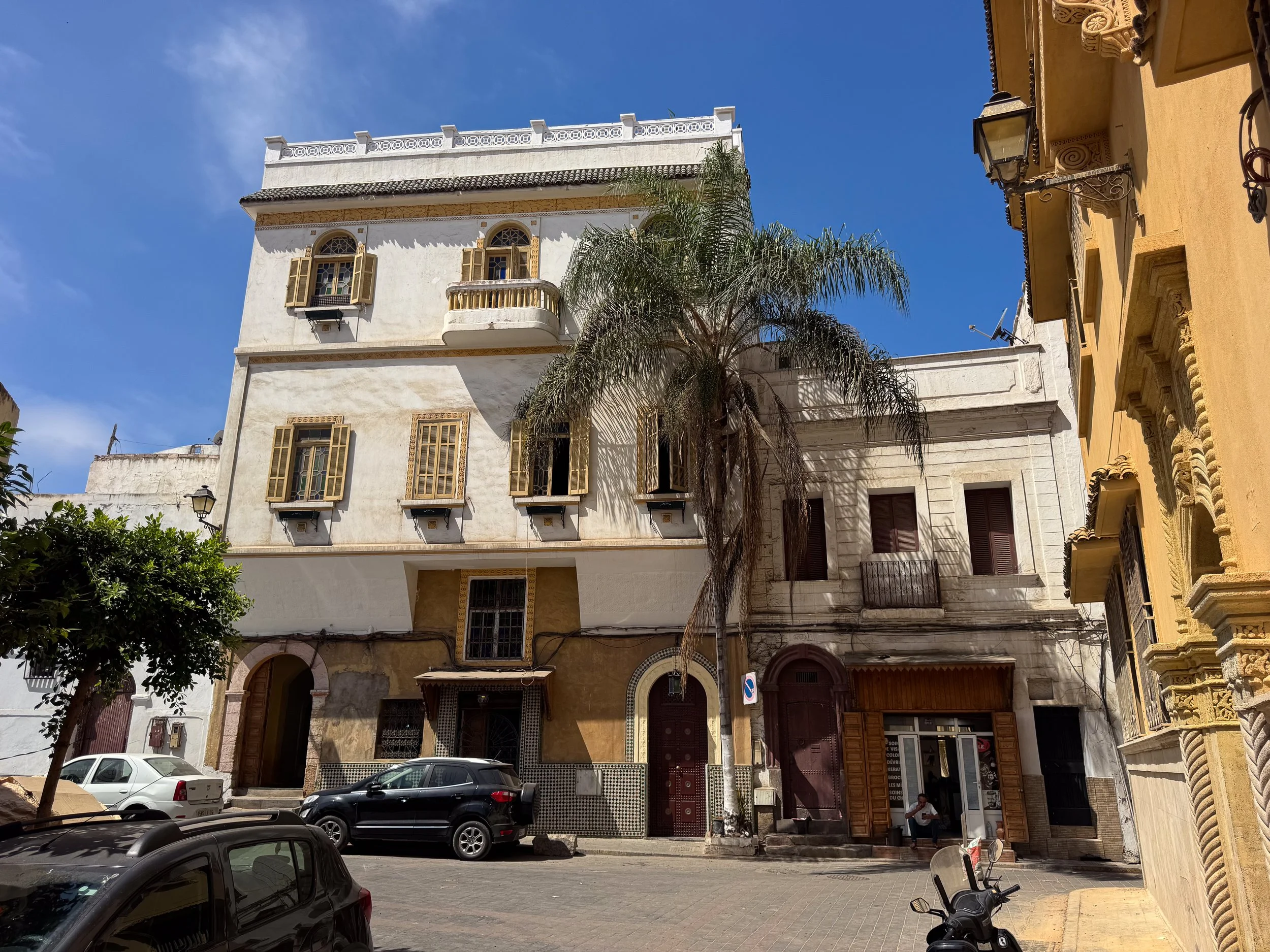
Habous Quarter. The Habous Quarter is one of the most beautiful areas of Casablanca, offering a blend of historic charm and modern glamour. It’s home to everyone from Moroccan royalty to everyday people. Narrow roads with window cafés, bookstores, street side bakeries and fruit carts meander through older areas. Shops display brass artifacts, Moroccan rugs and traditional clothing beneath arched walkways. Intricately carved stone minarets flank lush parks. Tasteful villas and palm lined avenues comprise modern areas. Flowering bushes and lush hedges overhang sidewalks.
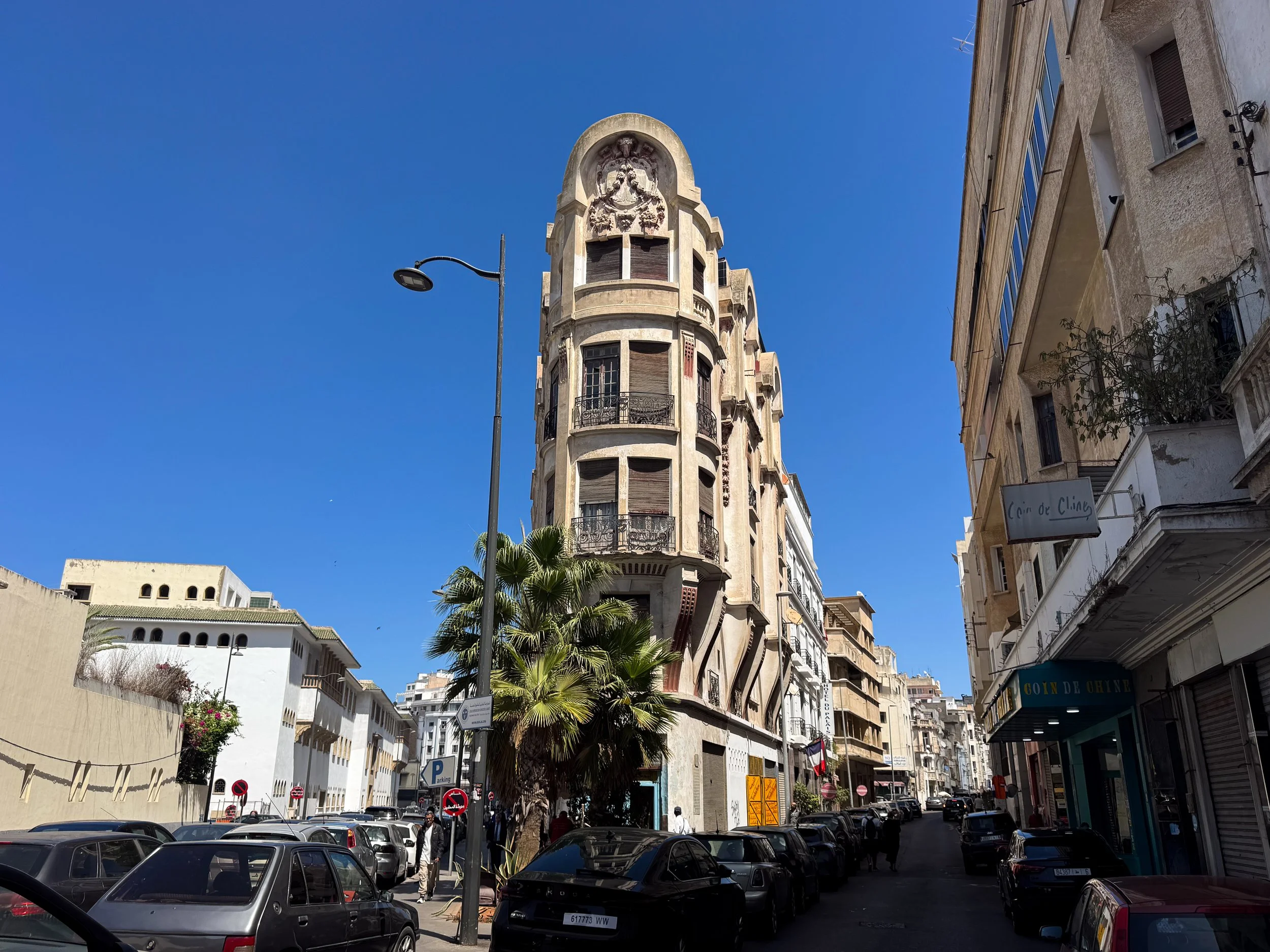
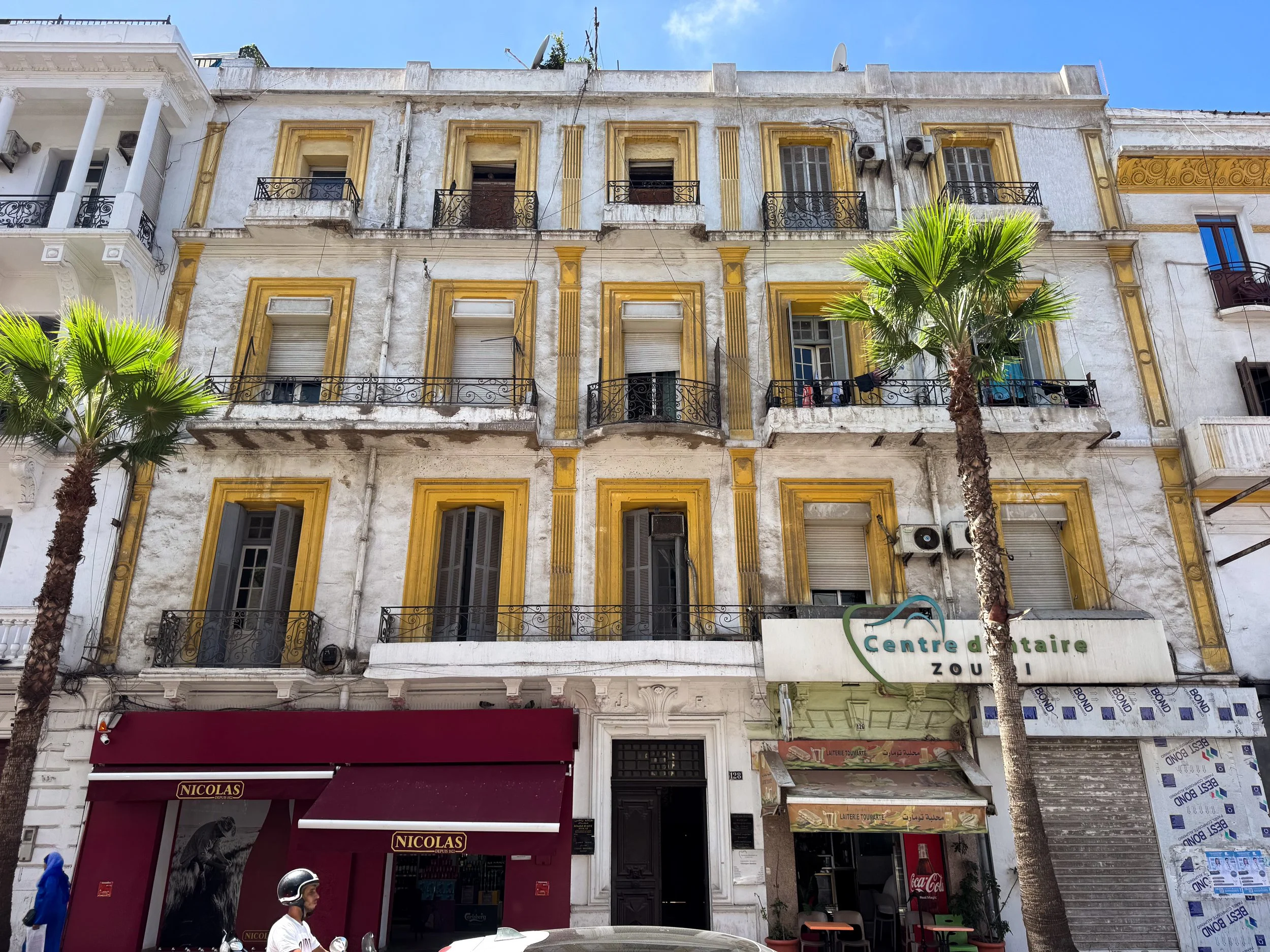
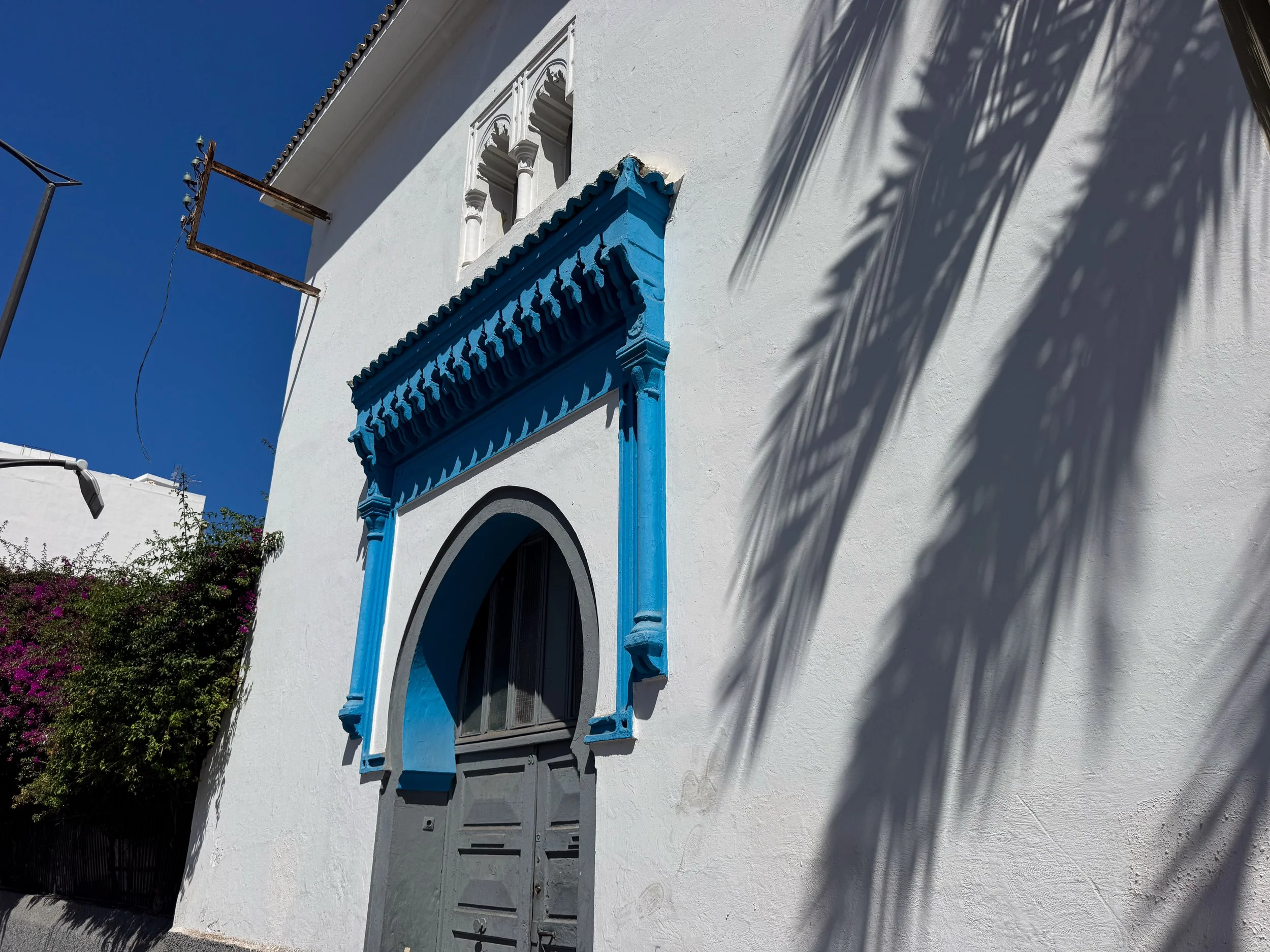
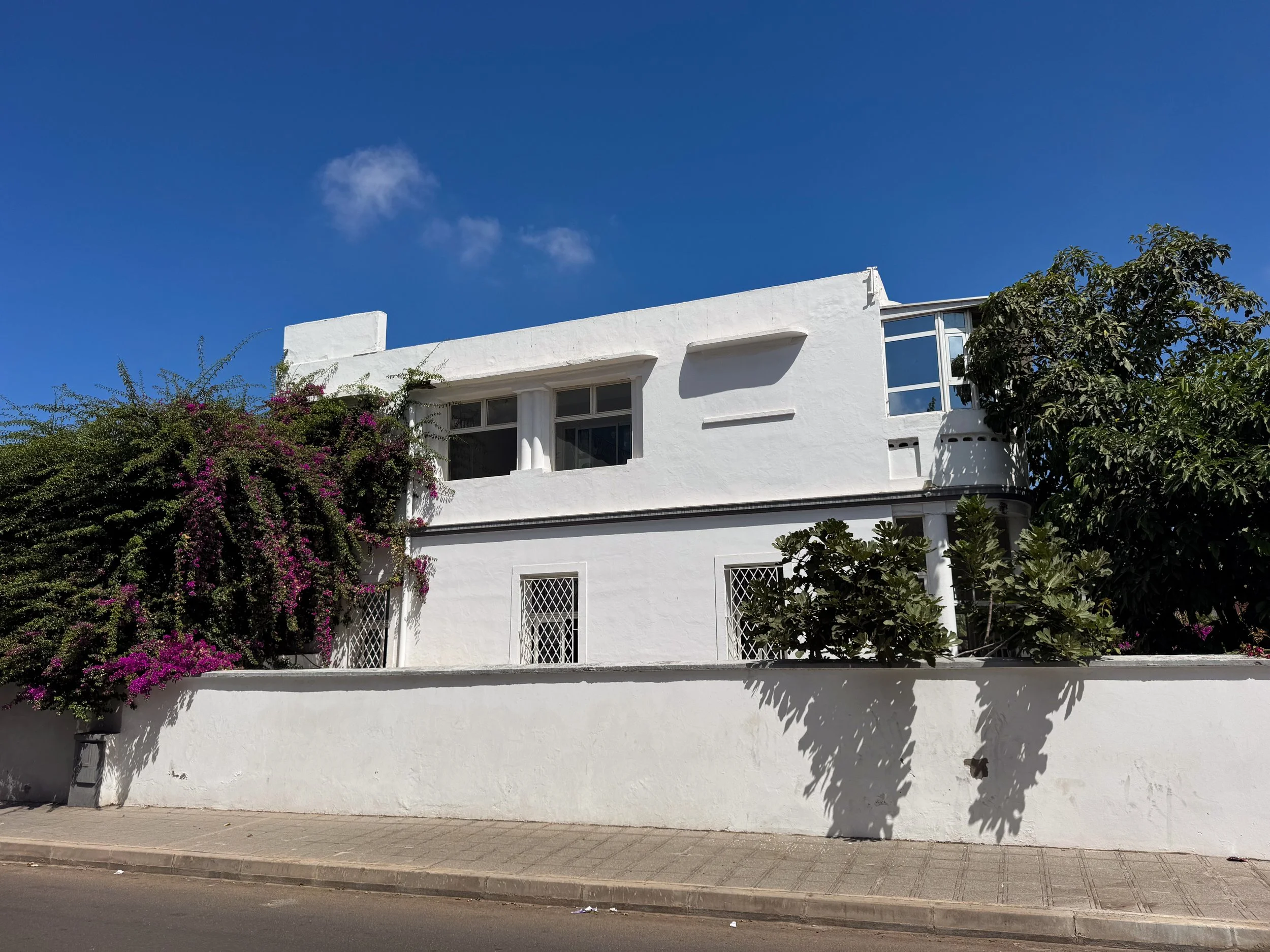
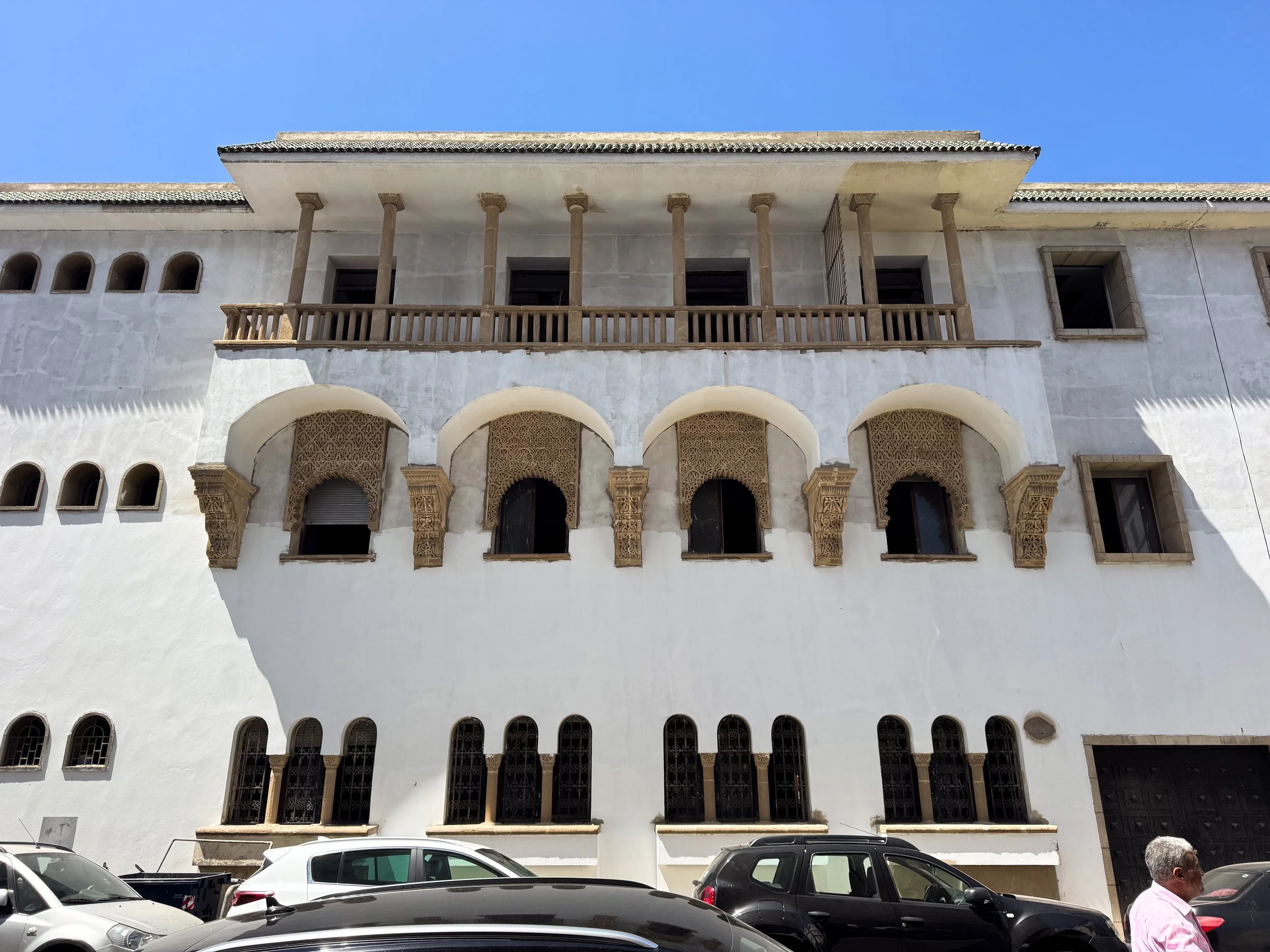
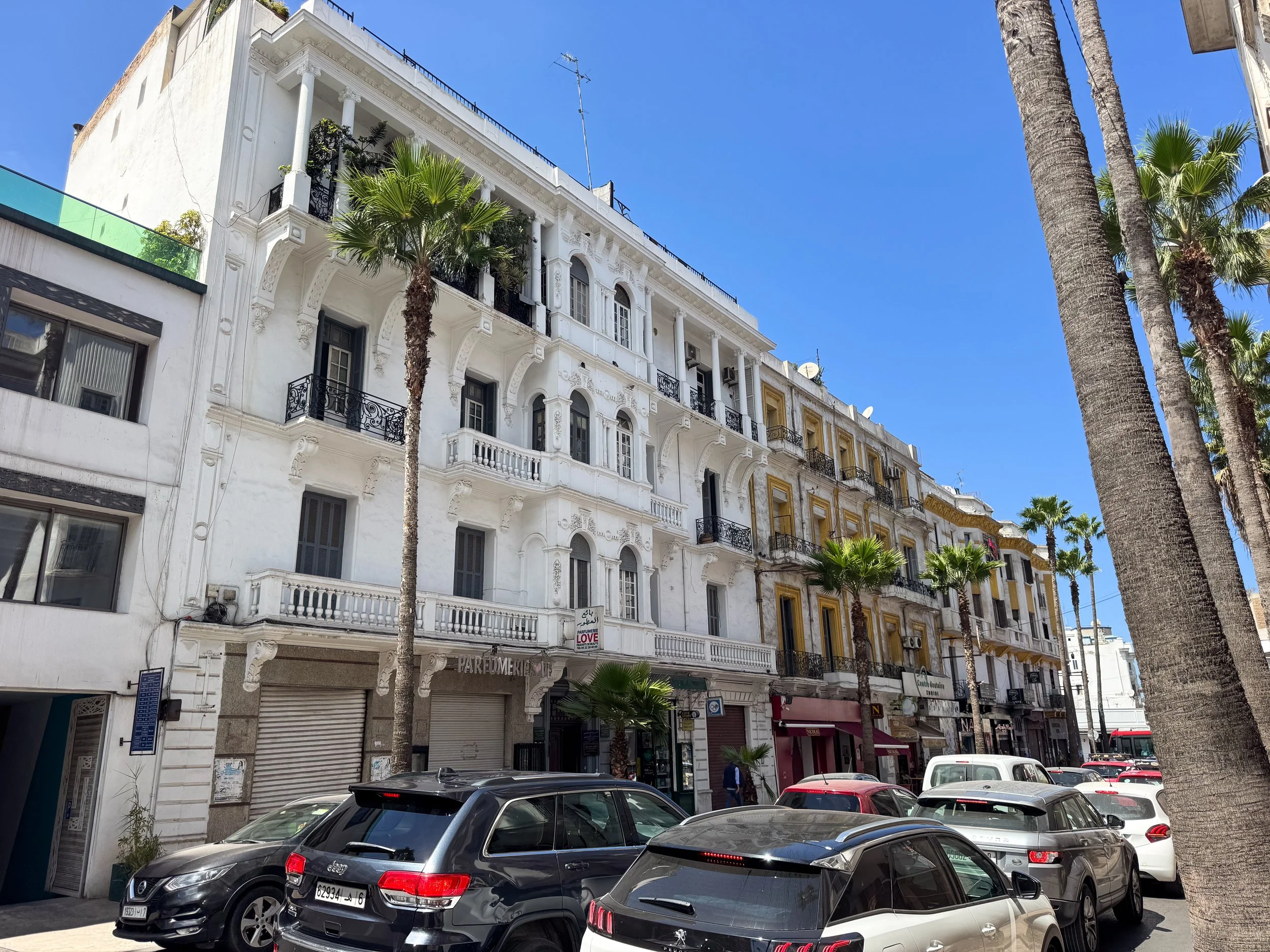
Mers Sultan. Mers Sultan is a mixed residential and commercial neighborhood, known for its walkability and central location. Sidewalk cafés and traditional bakeries line the streets, framed by French Colonial and Moorish architecture, making it an inviting area to explore on foot.
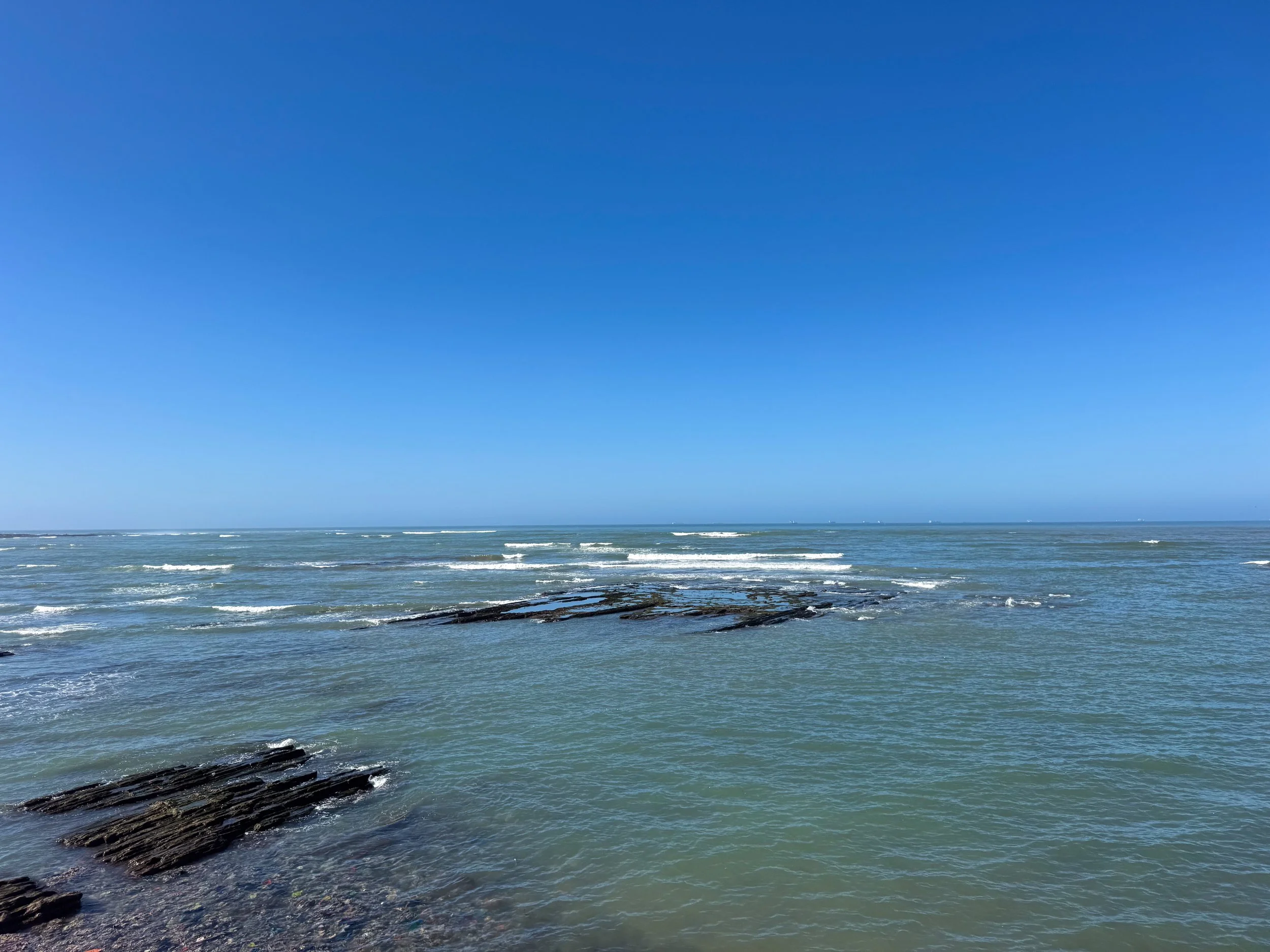
La Corniche. A ritzy seaside neighborhood with city beaches, newly built resorts, luxury restaurants and commercial shopping centers. A cliffside promenade offers views of the Atlantic Ocean, best enjoyed at a restaurant with an afternoon coffee or mint tea. It’s a popular area with tourists but lacks the charm of other areas in the city.
See the Sights
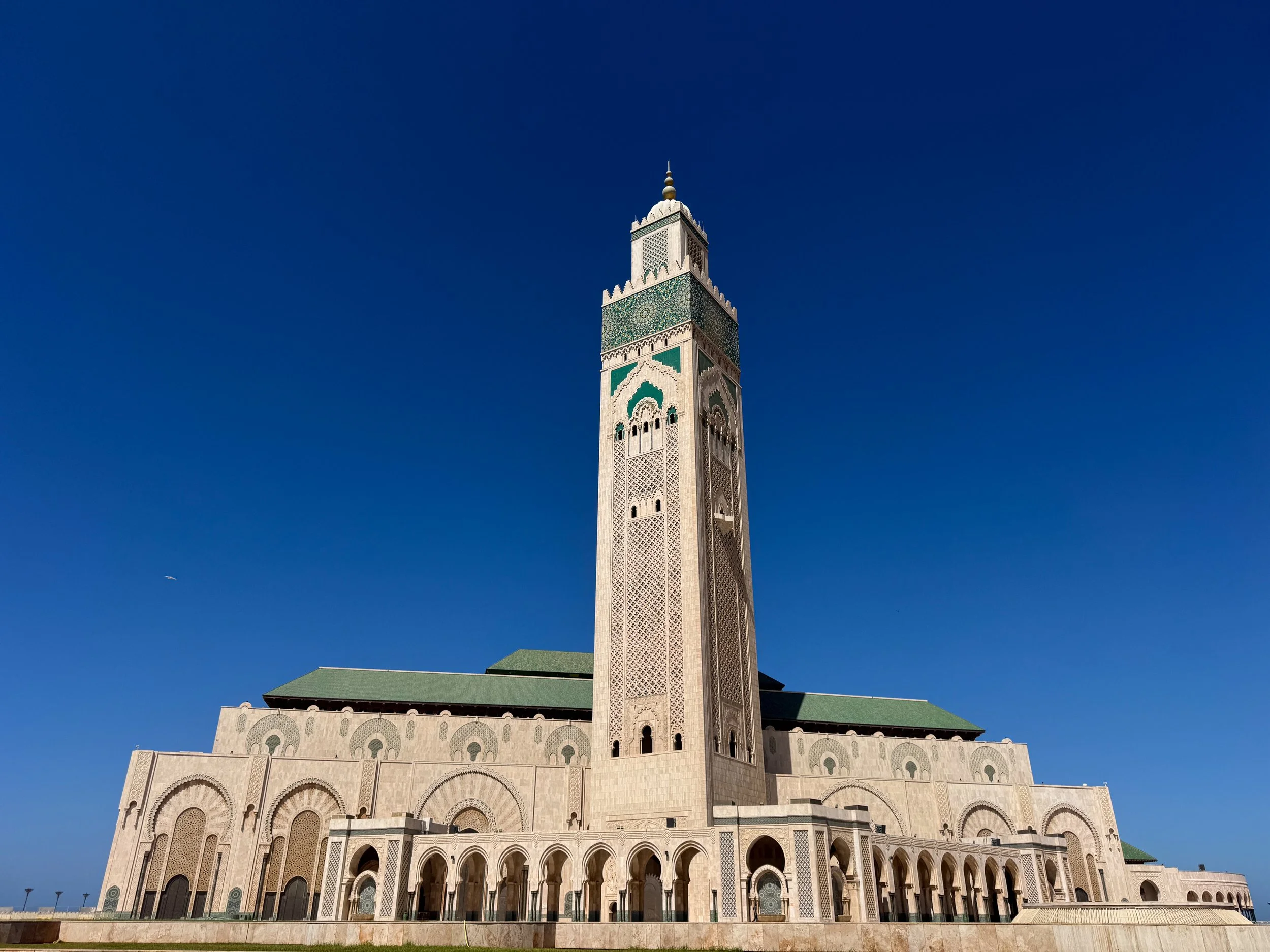
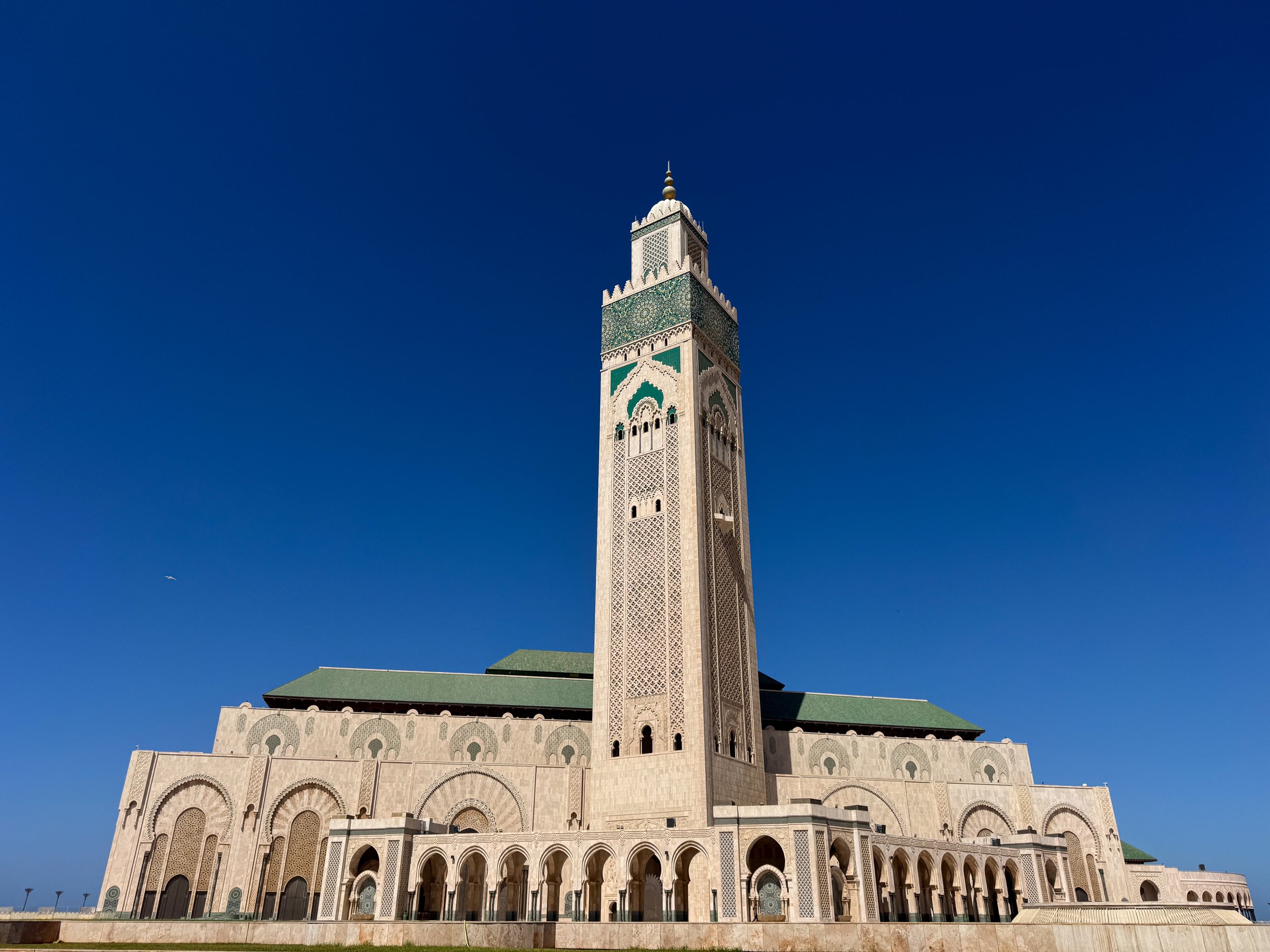
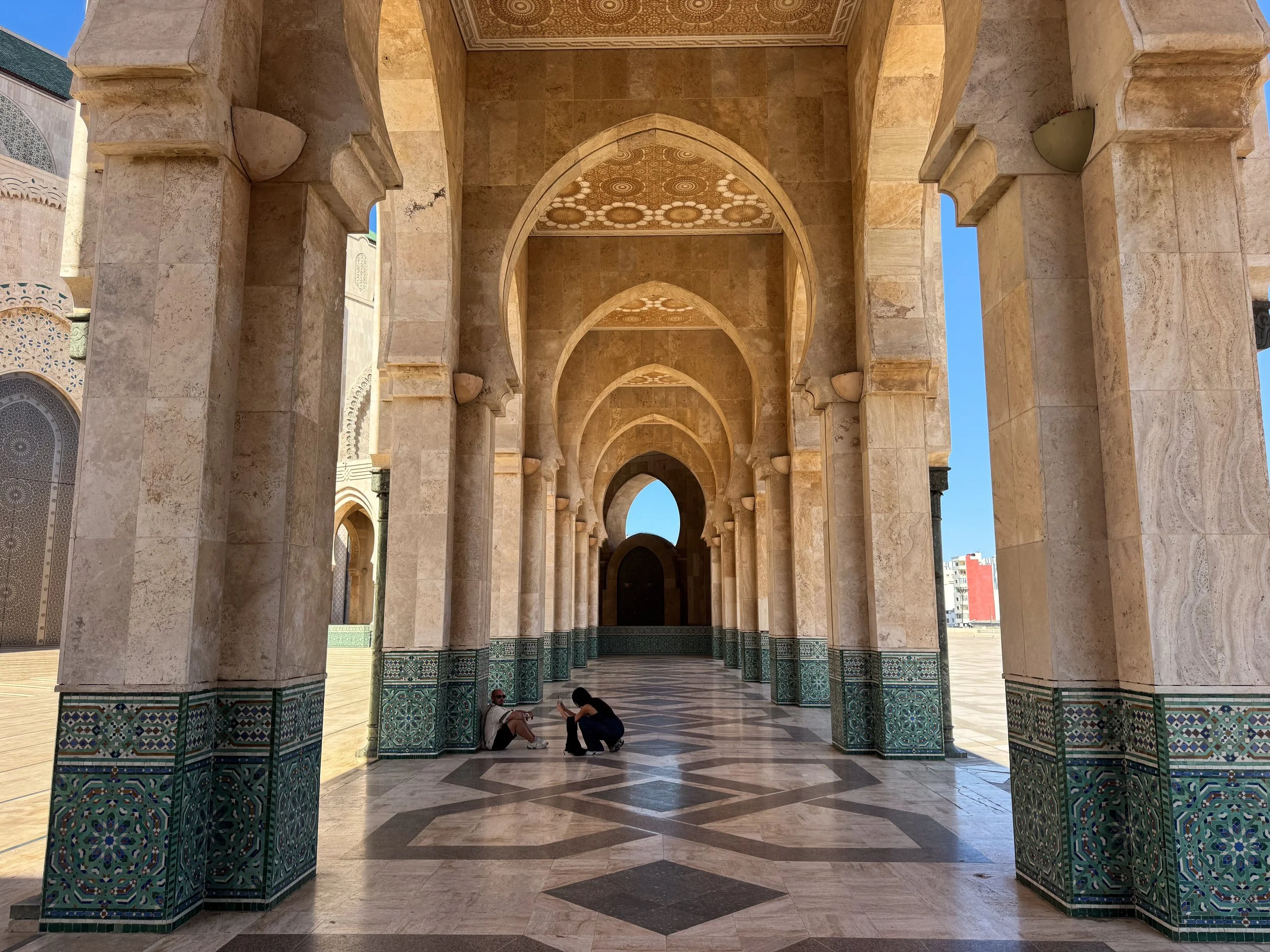
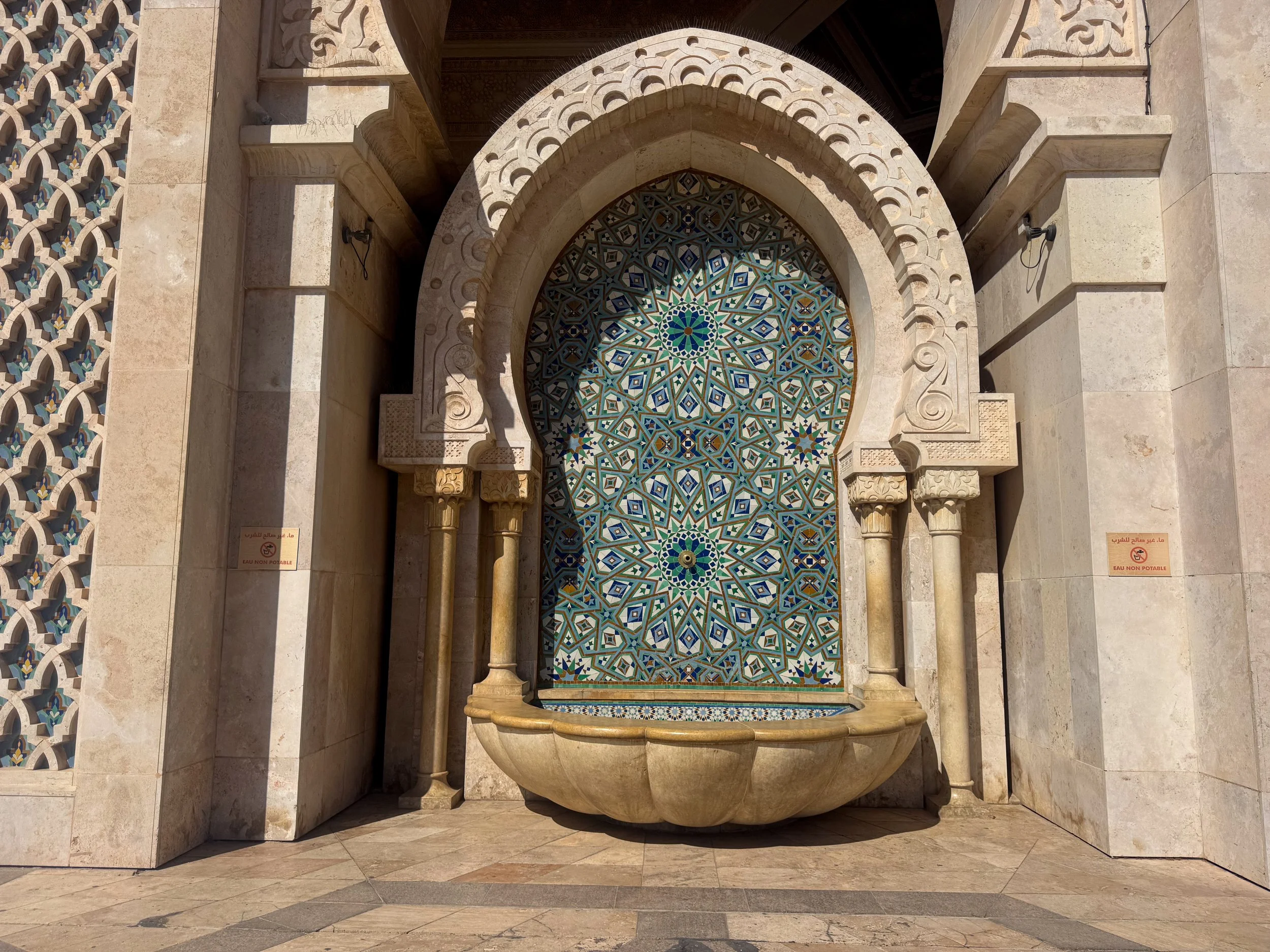
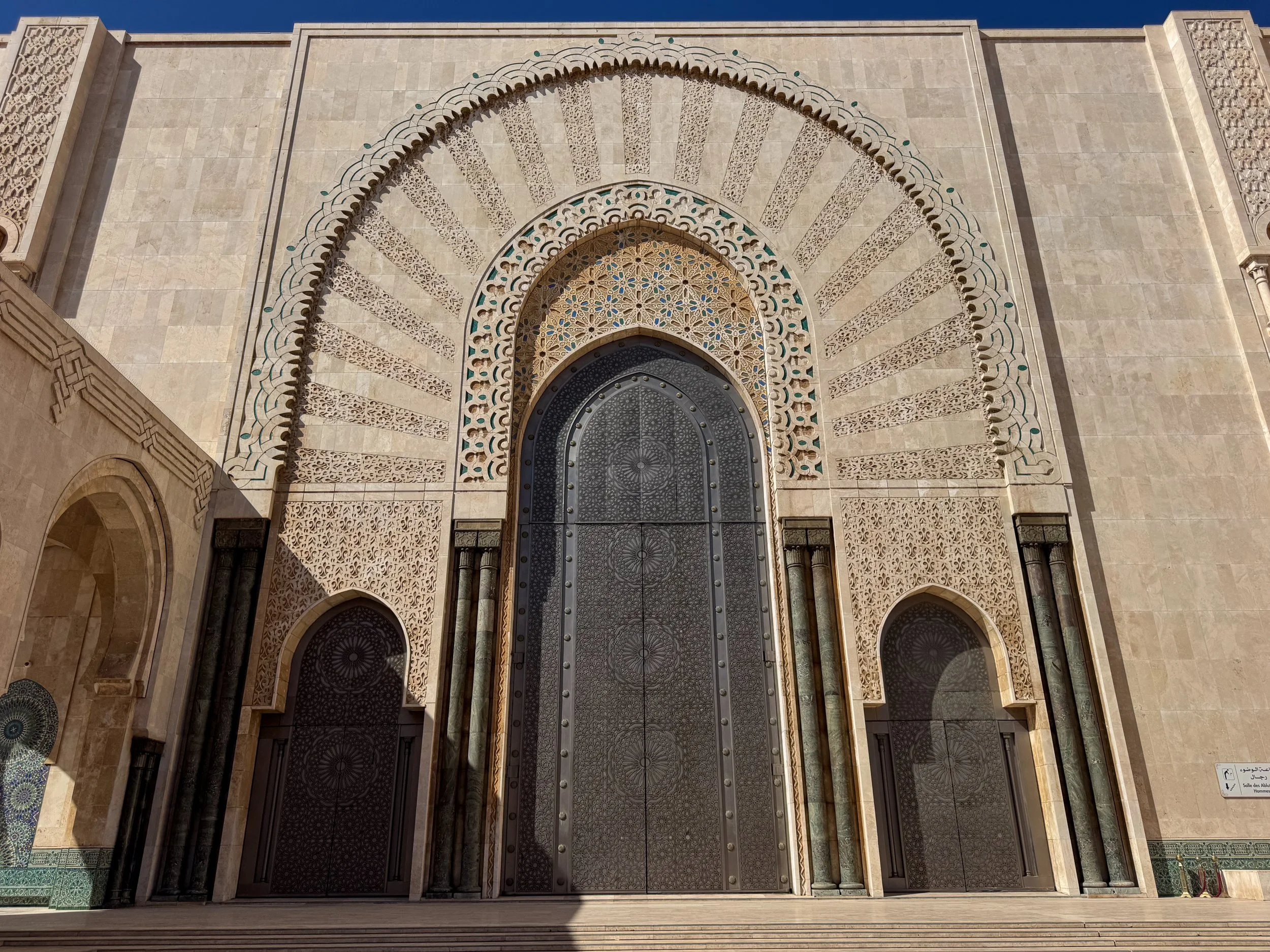
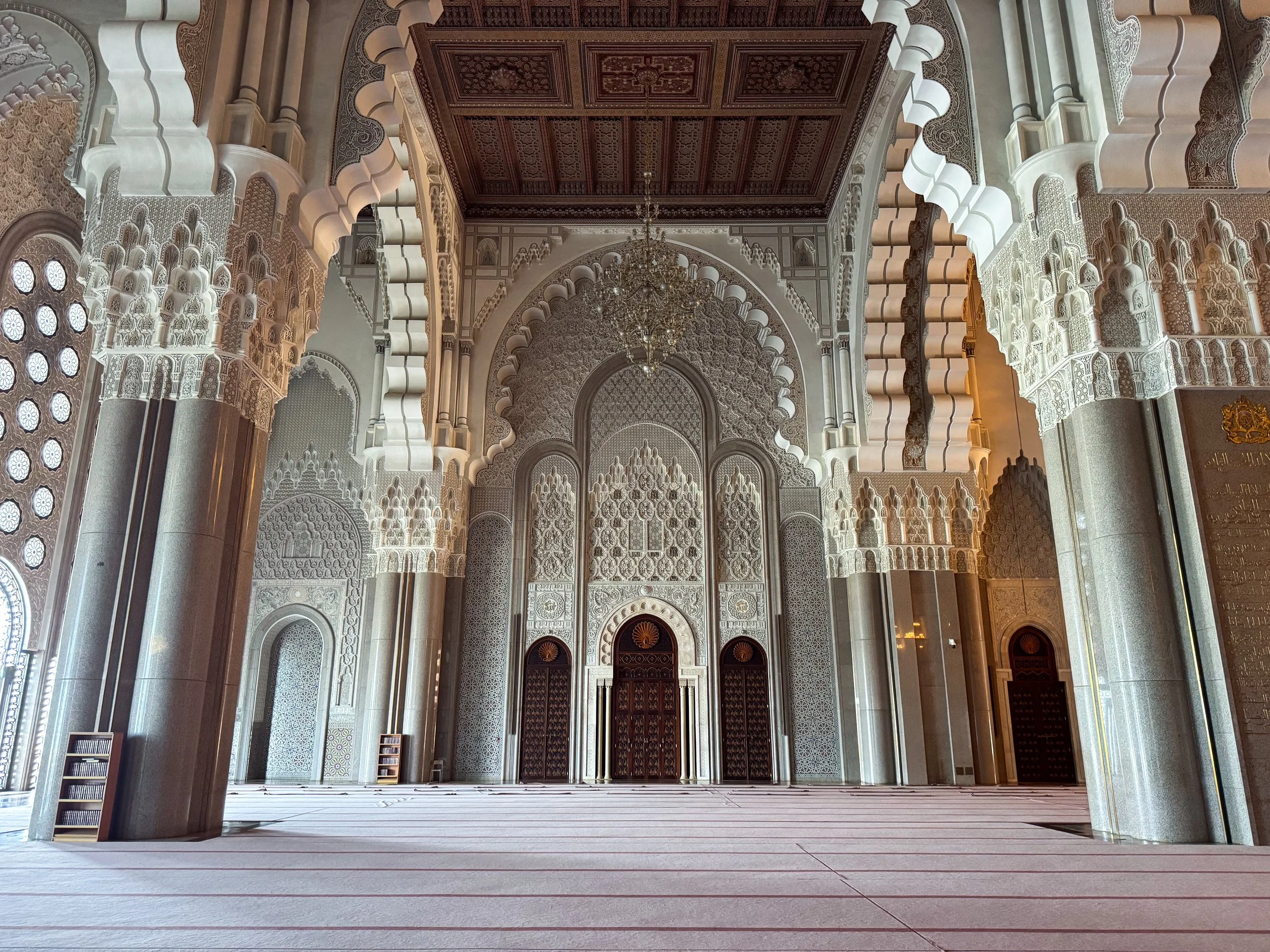
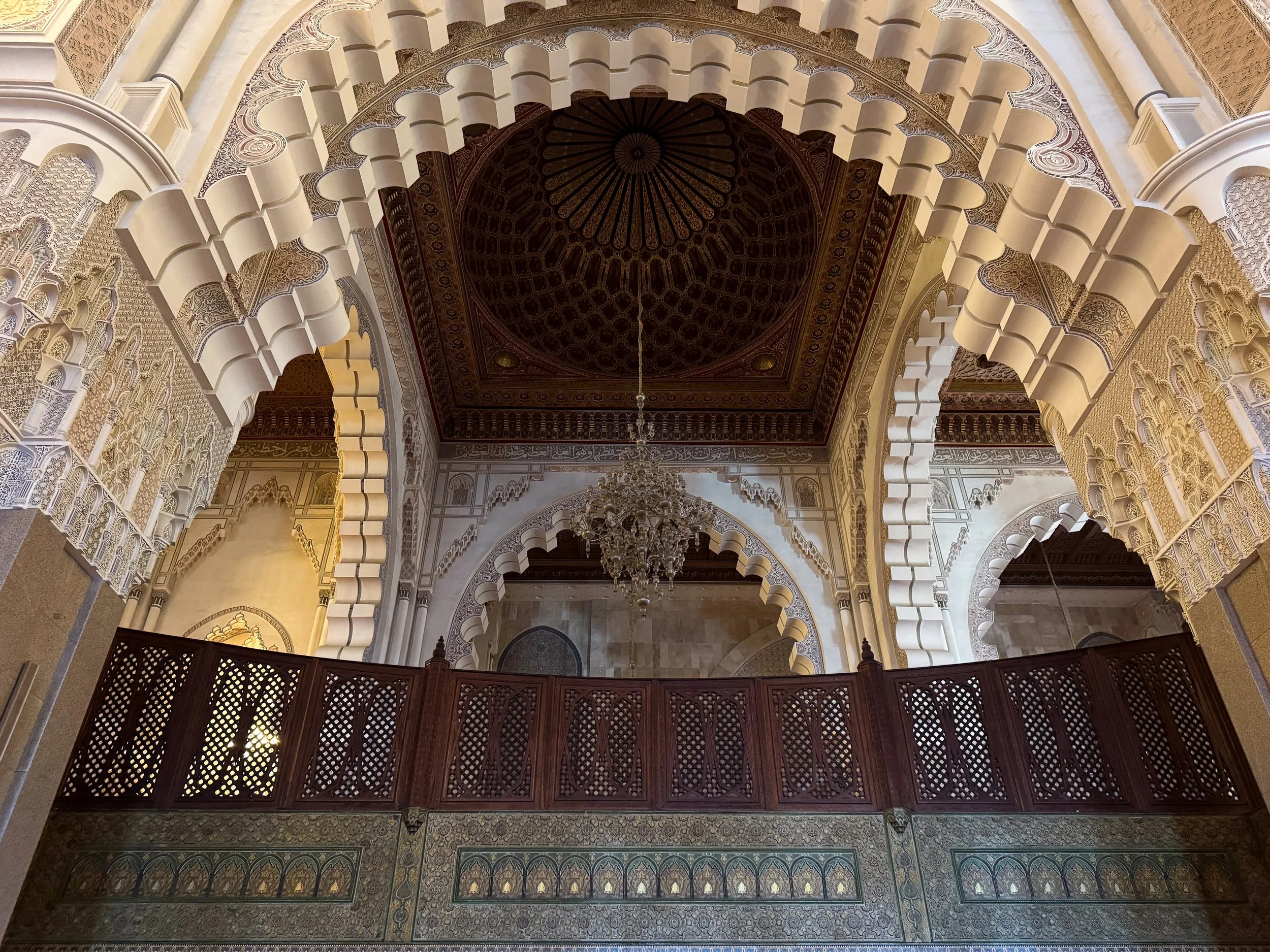
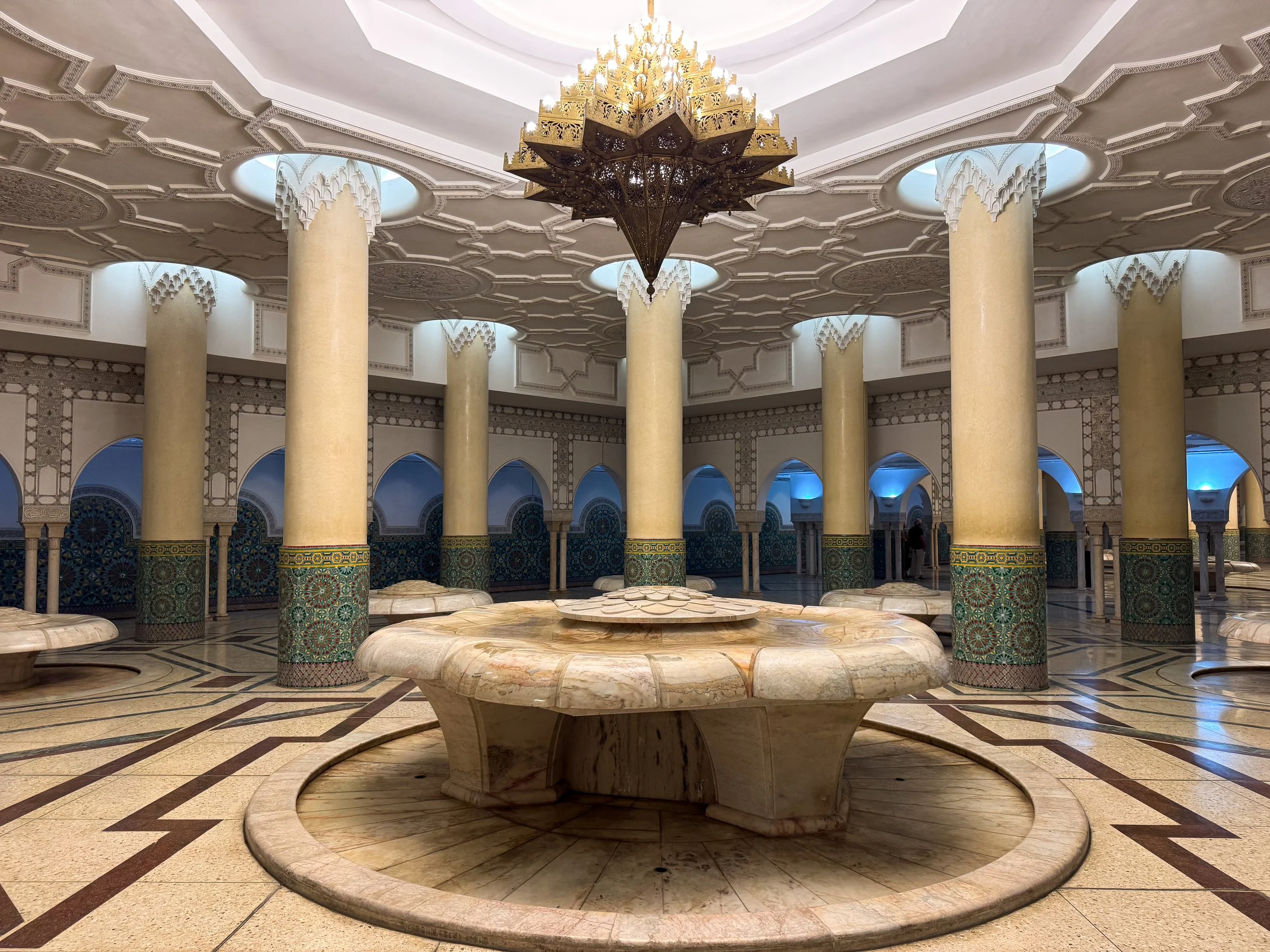
Hassan II Mosque. A grand seaside mosque with a towering minaret. It’s the largest mosque in Morocco and one of the largest in the world. The tan stone facade is adorned with Islamic ornamentation like Moorish arches, geometric patterns and blue-green mosaic tiles. The interior prayer hall is decorated with intricate plasterwork, hand carved wooden features and large chandeliers. A vast plaza leads up to the mosque and serves as an outdoor prayer hall. Arched corridors surround the minaret while large titanium doors lead inside to an underground ablution hall with dozens of lotus shaped marble fountains.
Good to Know. The plaza in front of the mosque is free to visit after 5pm. Paid tours of the interior happen on the hour several times daily.
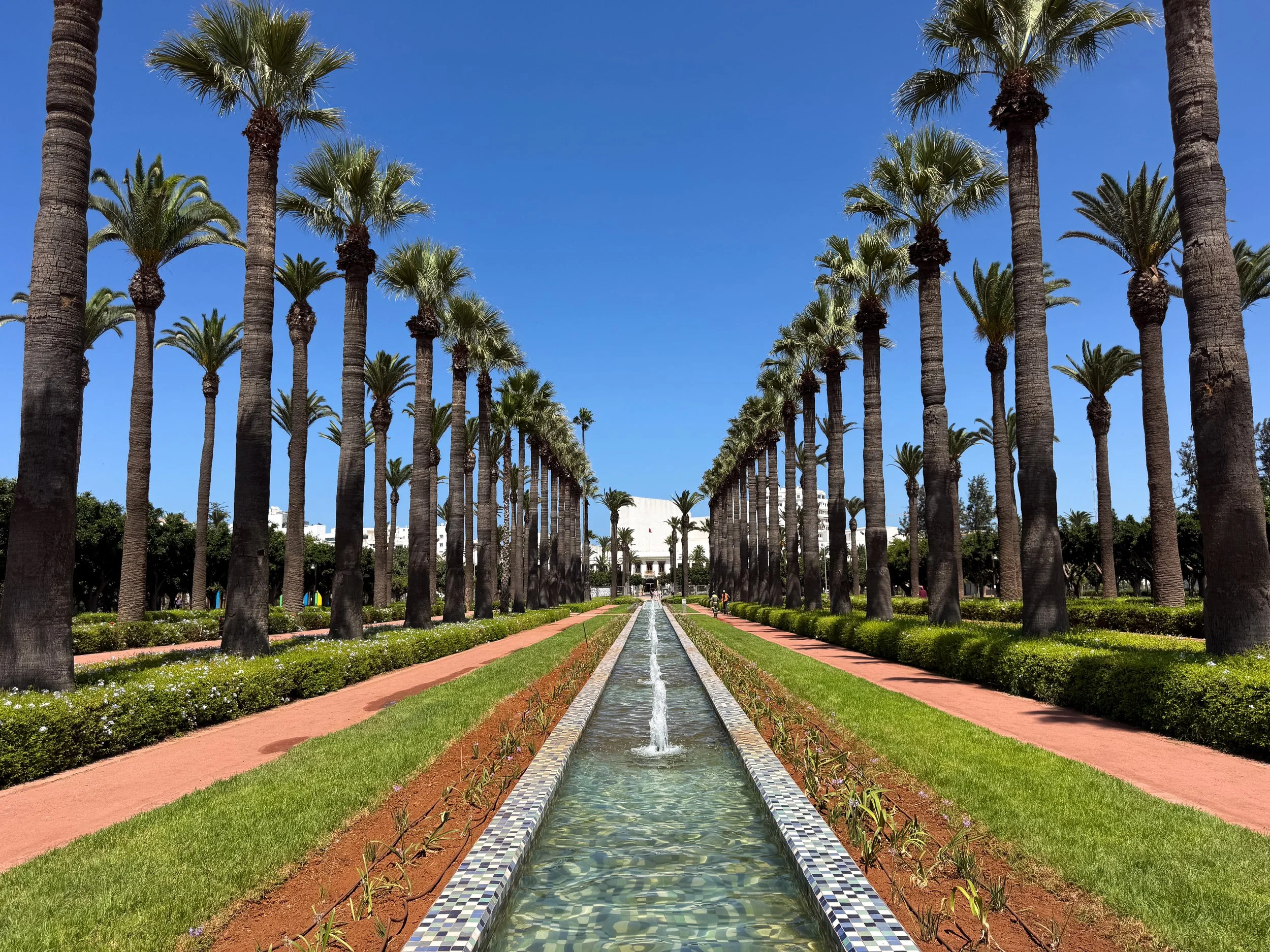
Ligue Arab Park. An immaculate city park with traditional Moroccan elements like symmetry, tiled fountains and native palms. Rows of towering palm trees line a fountain spanning the length of the park. Shaded walkways and grassy lawns flank its edges. Do as locals do and come here to picnic, read a book or enjoy company with friends.
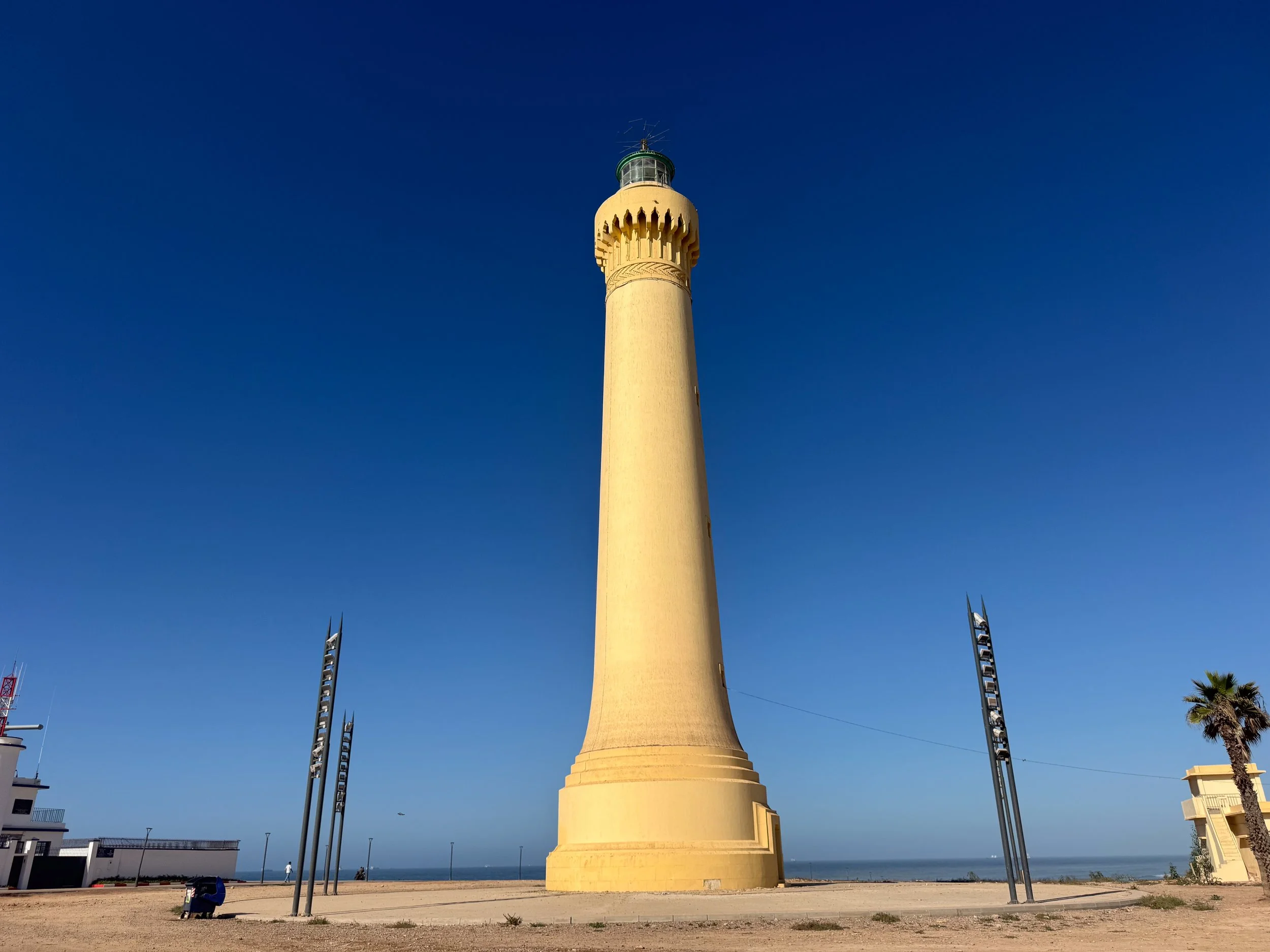
El Hank Lighthouse. A pale yellow lighthouse with an Arabesque crown overlooking the Atlantic Ocean. It’s a scenic spot to watch the waves and popular for sunset.
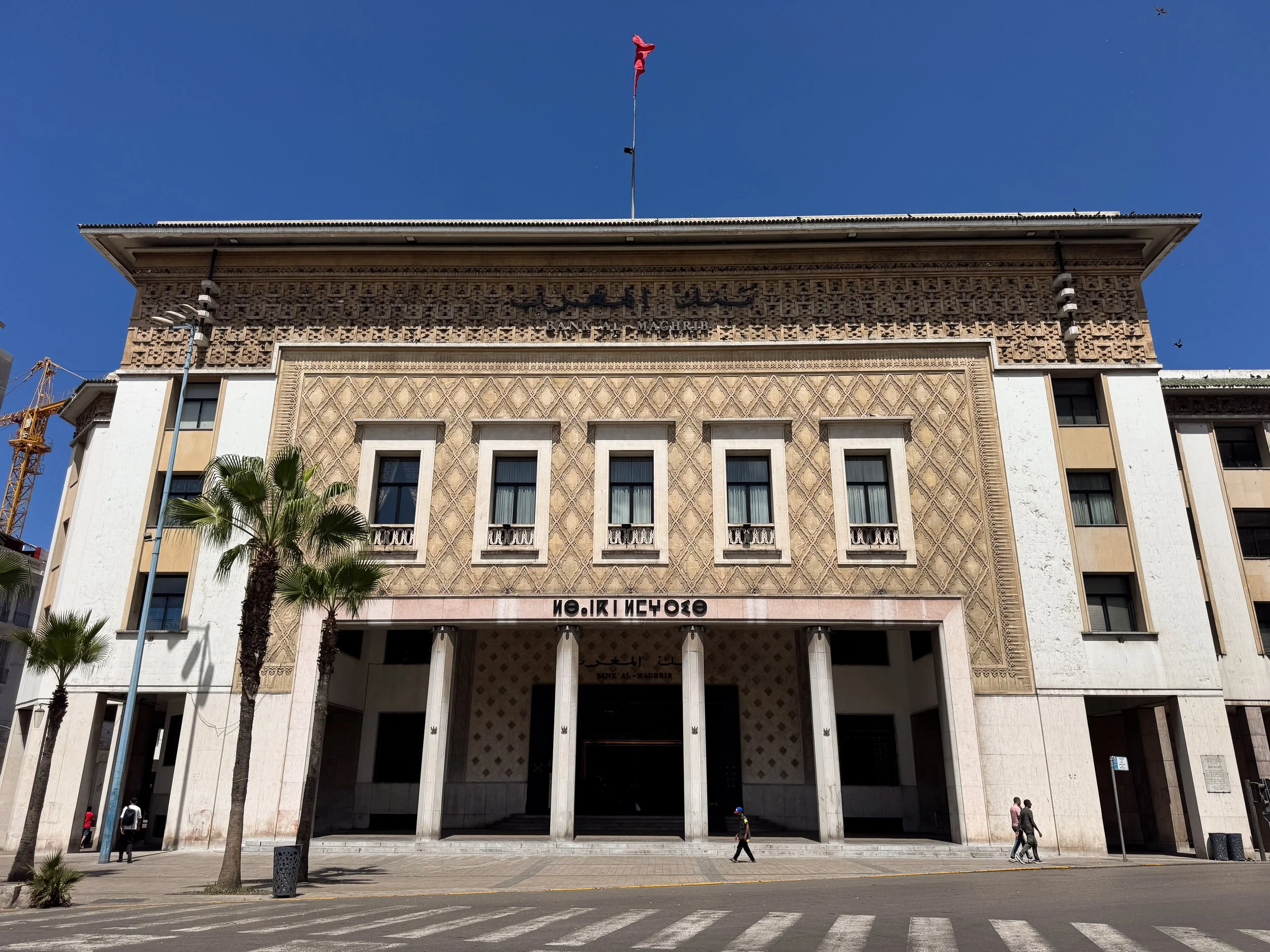
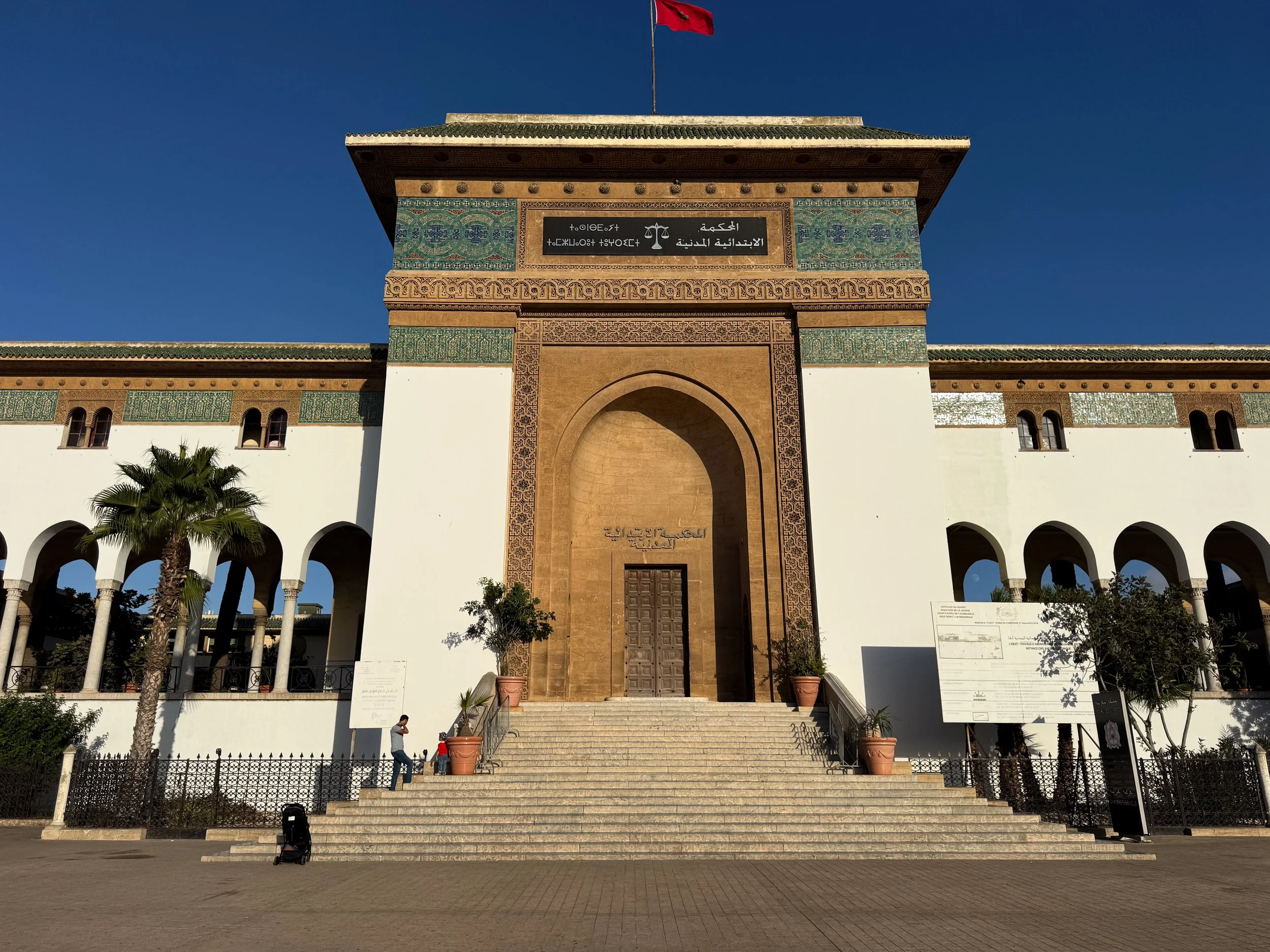
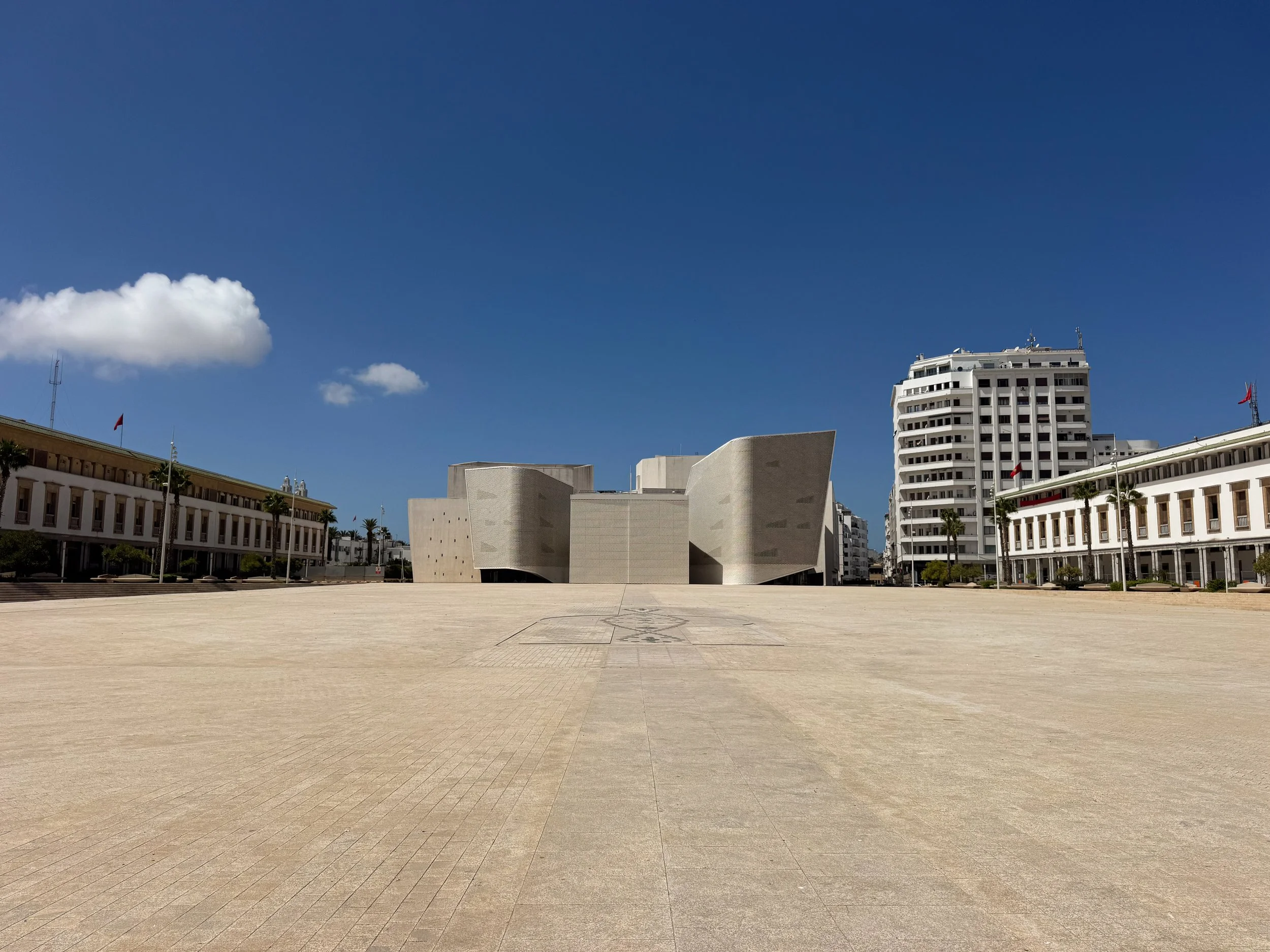
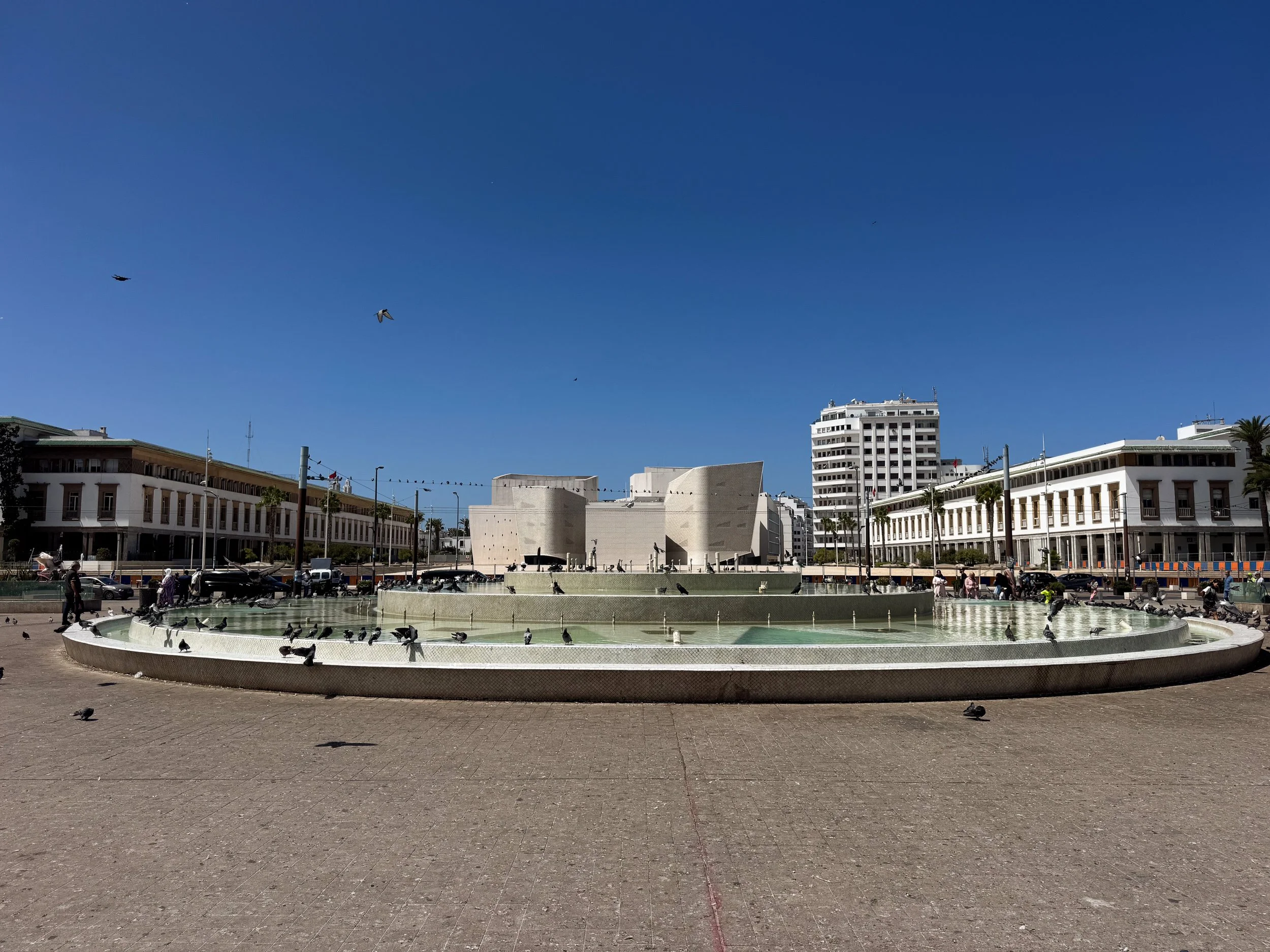
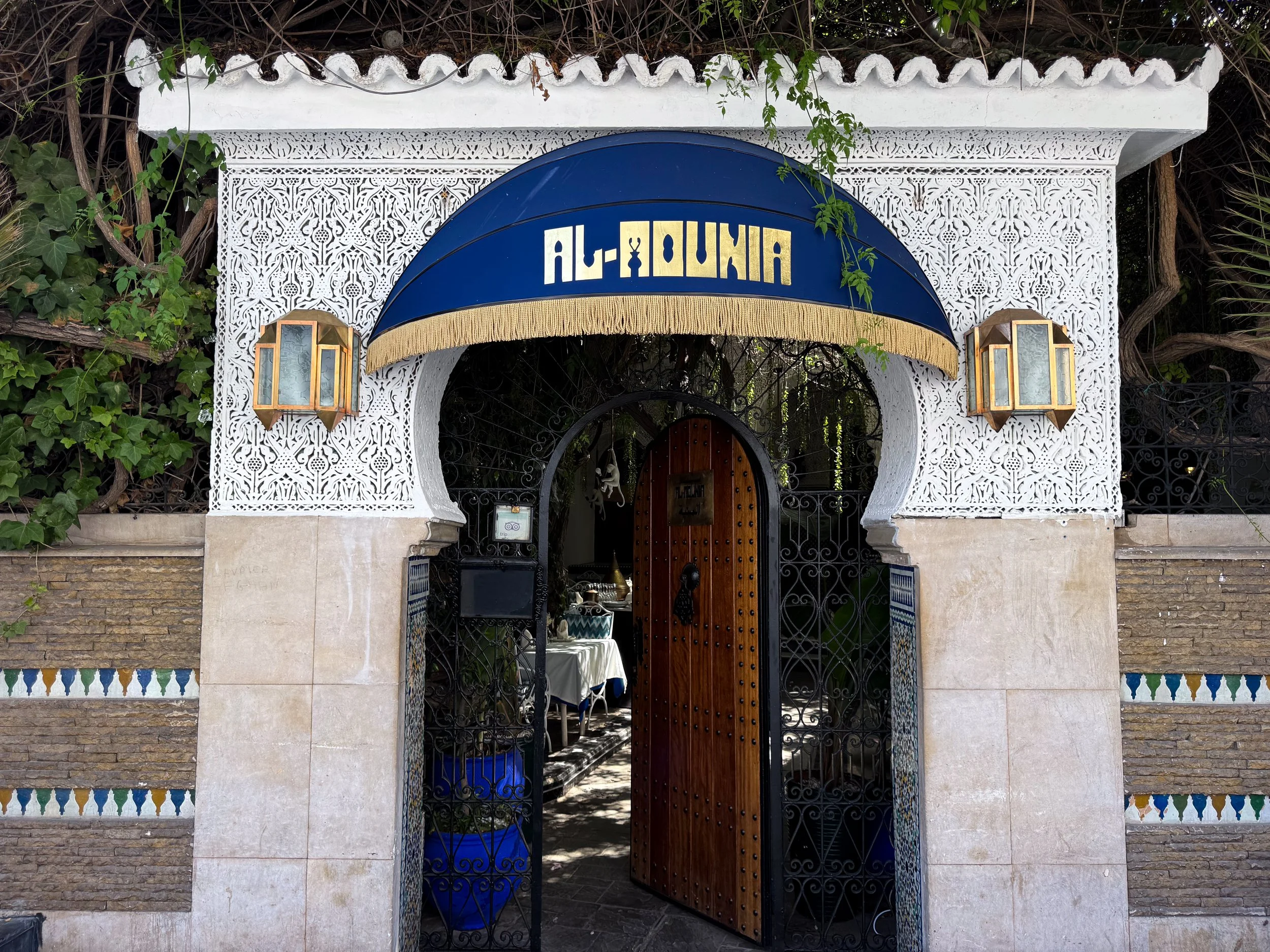
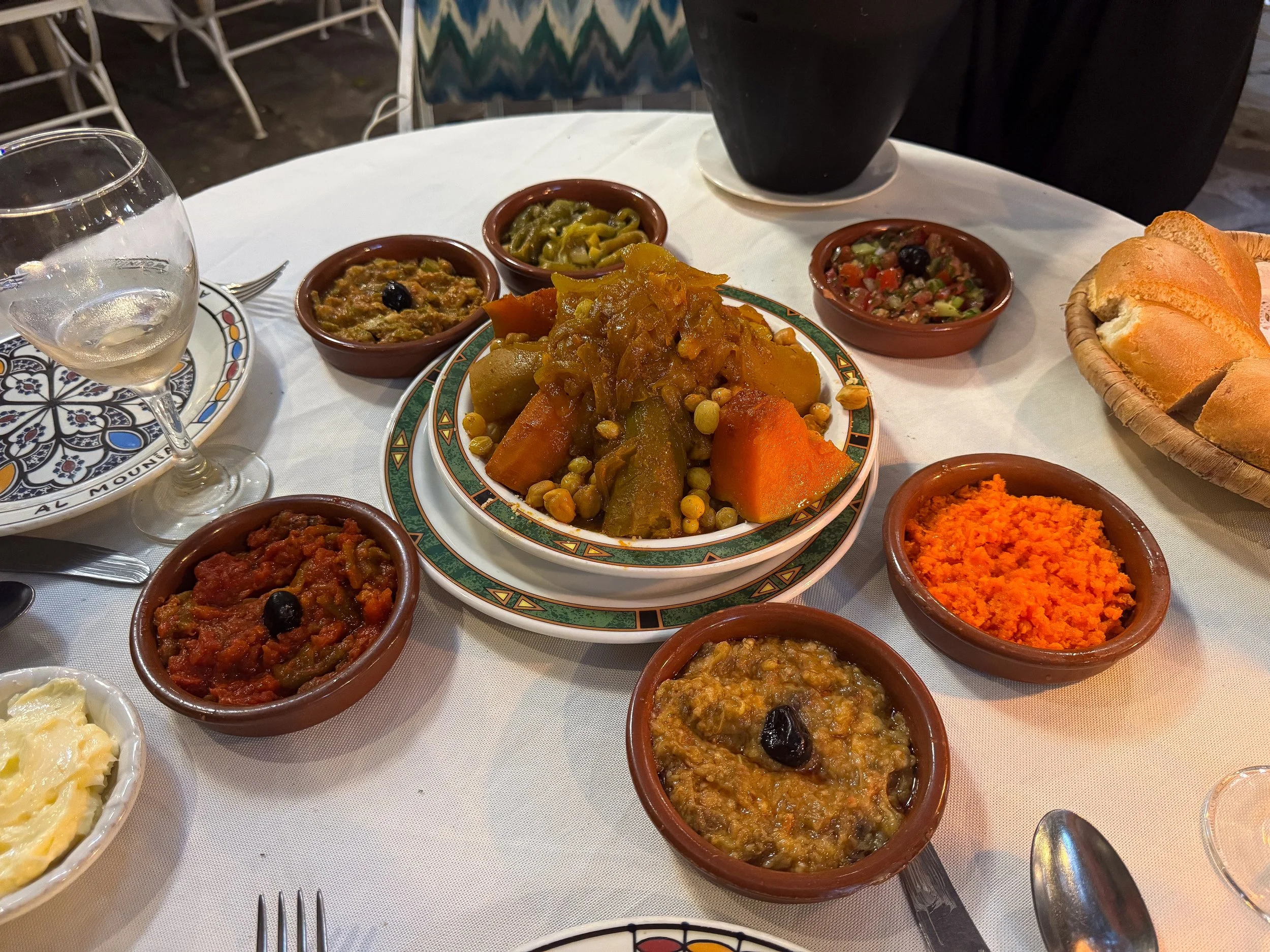
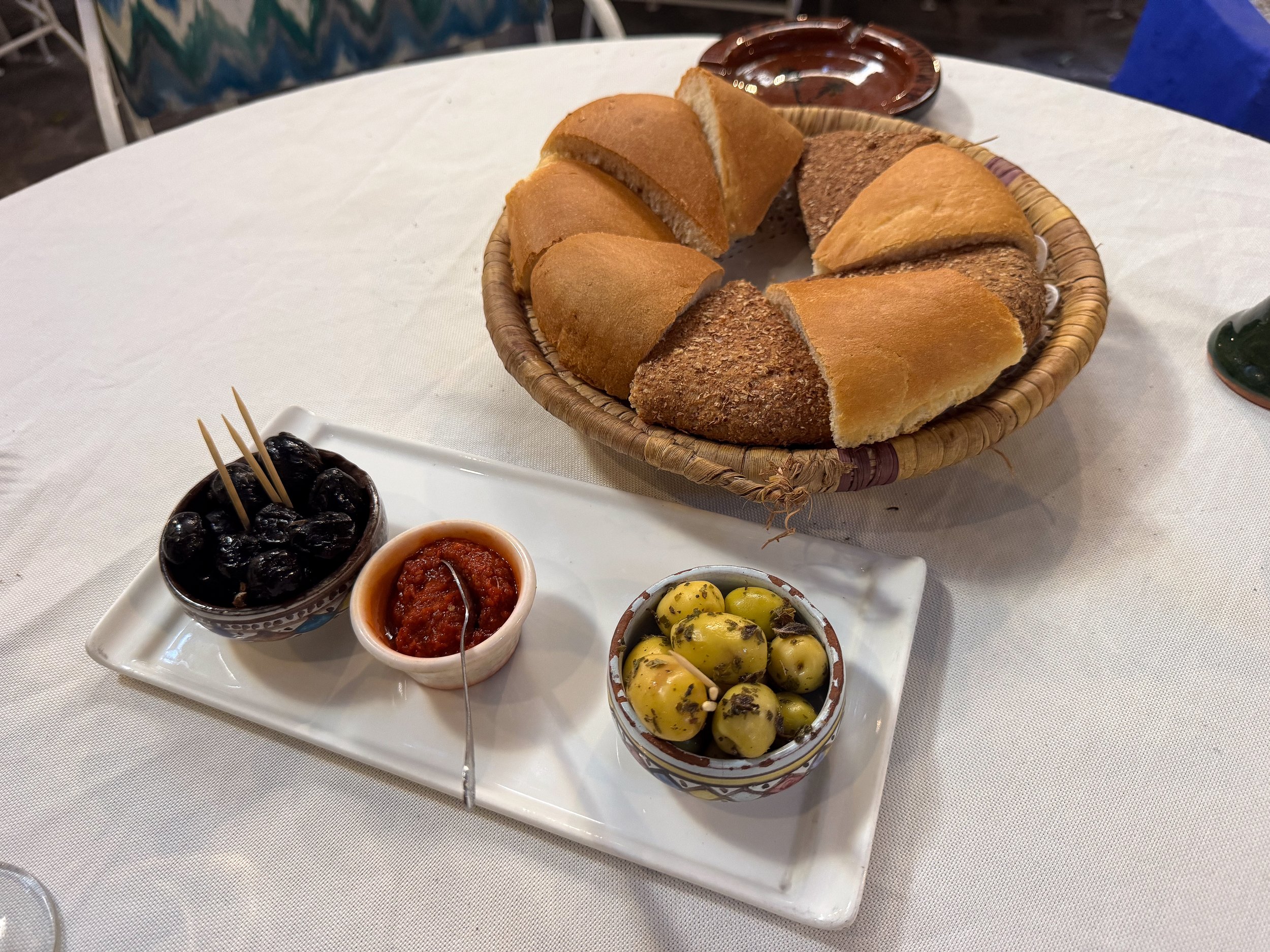
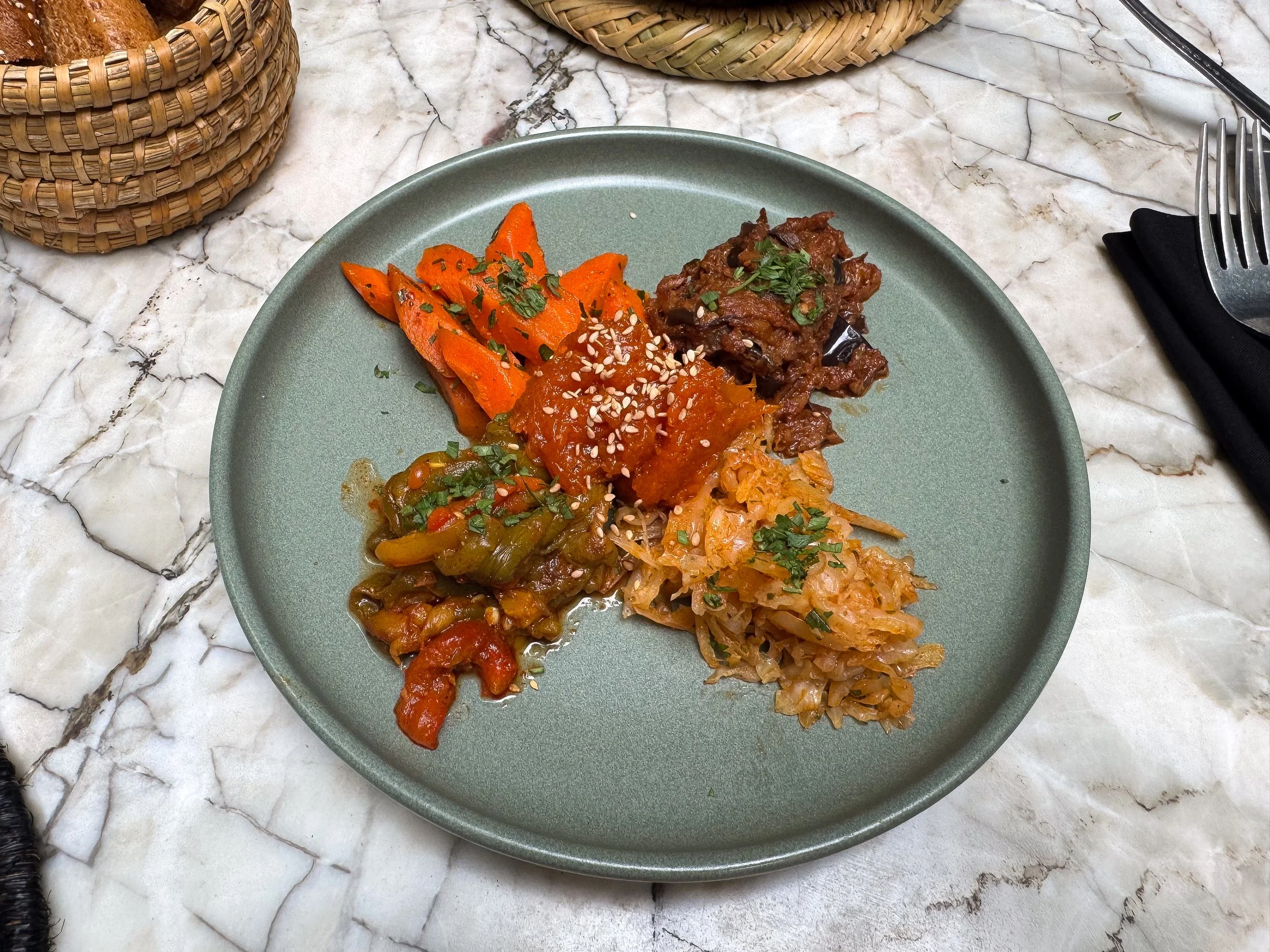
Mohammad V Square. A plaza surrounded by historic and stately government buildings with a large fountain at its center. Wander the square to appreciate the architecture and surrounding neighborhood before sitting down at Al-Mounia, a landmark restaurant serving traditional Moroccan cuisine. Dine in their garden patio or ornate dining room, feasting on couscous and vegetable spreads paired with khobz.
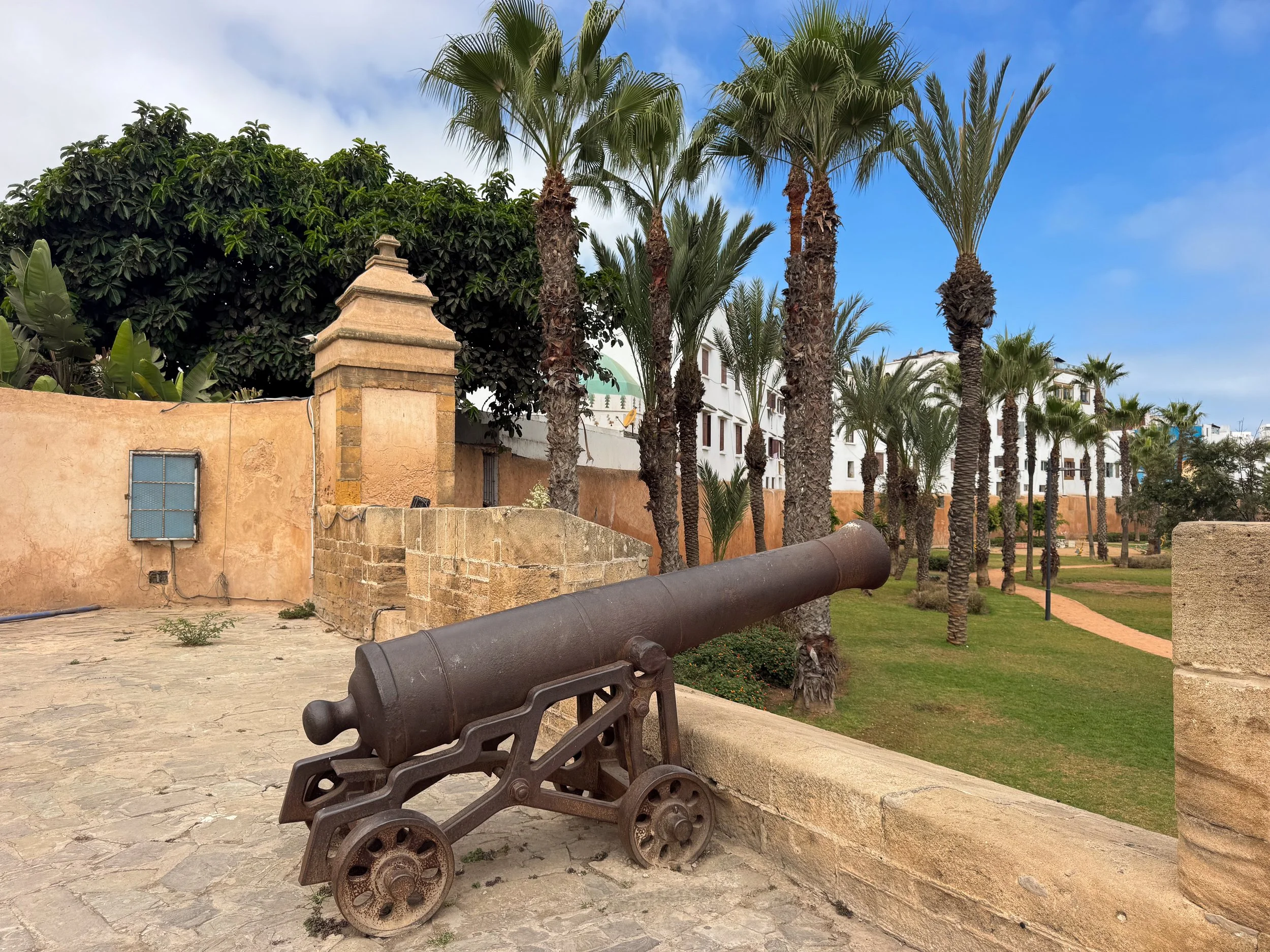
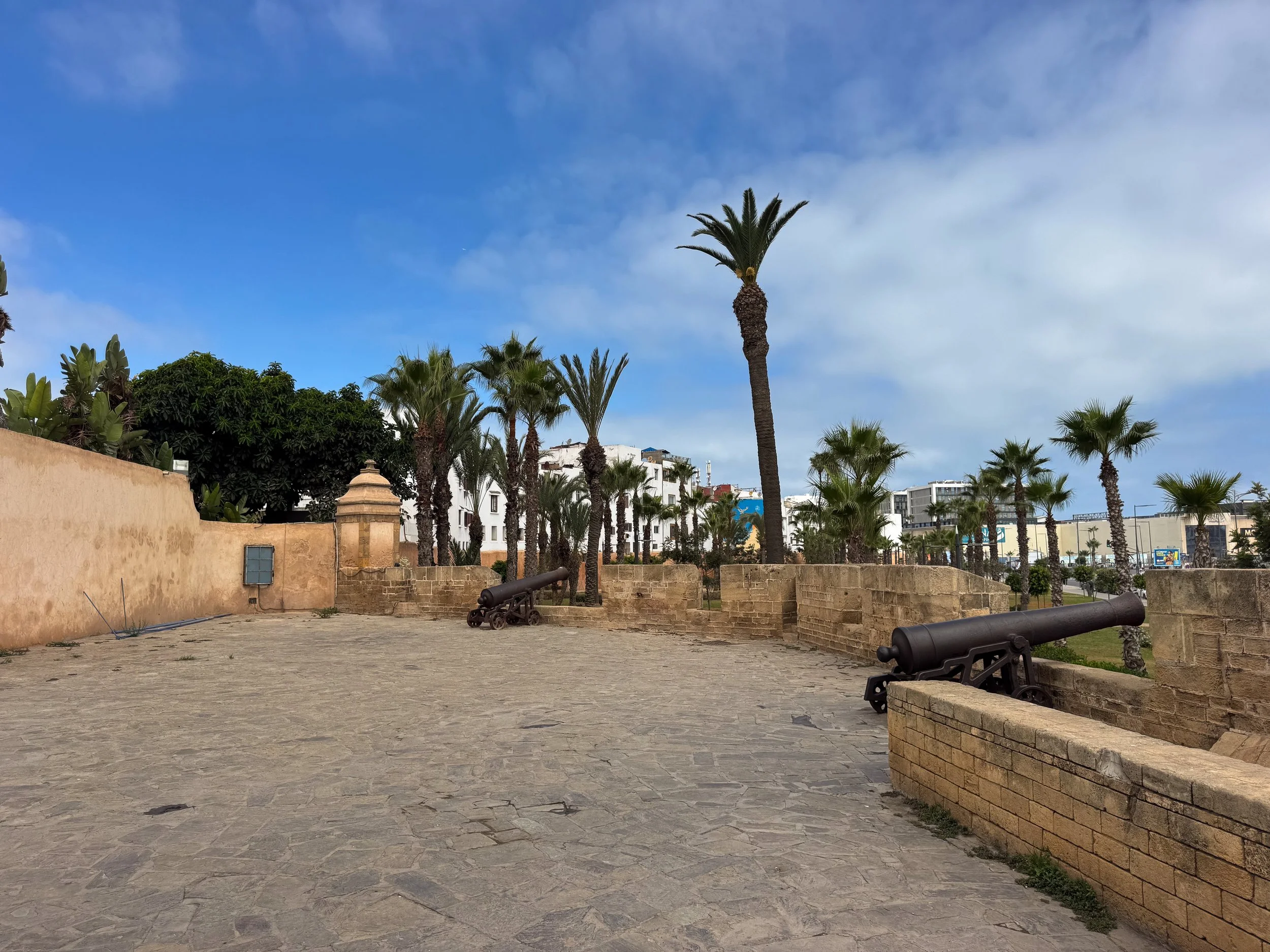
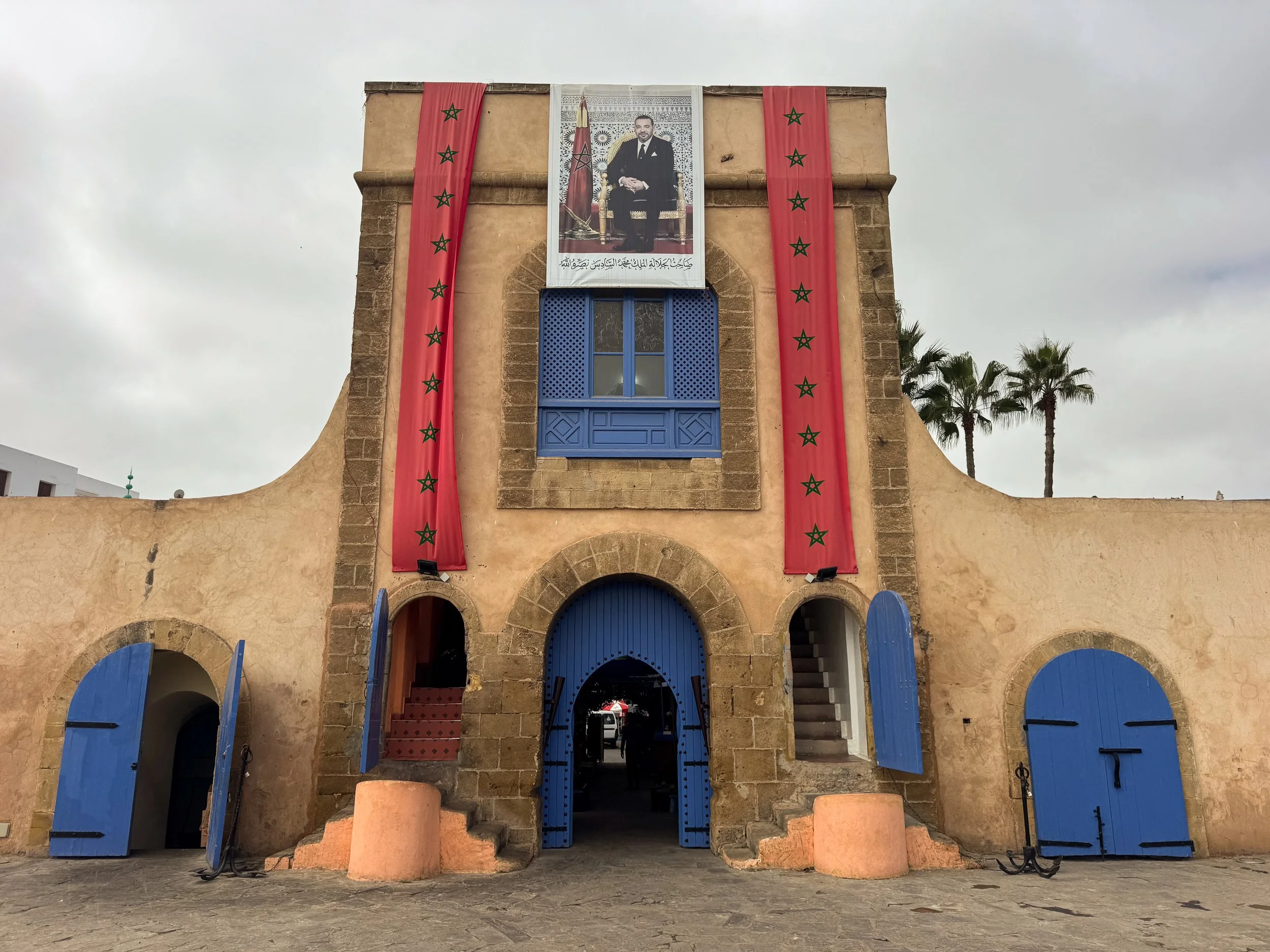
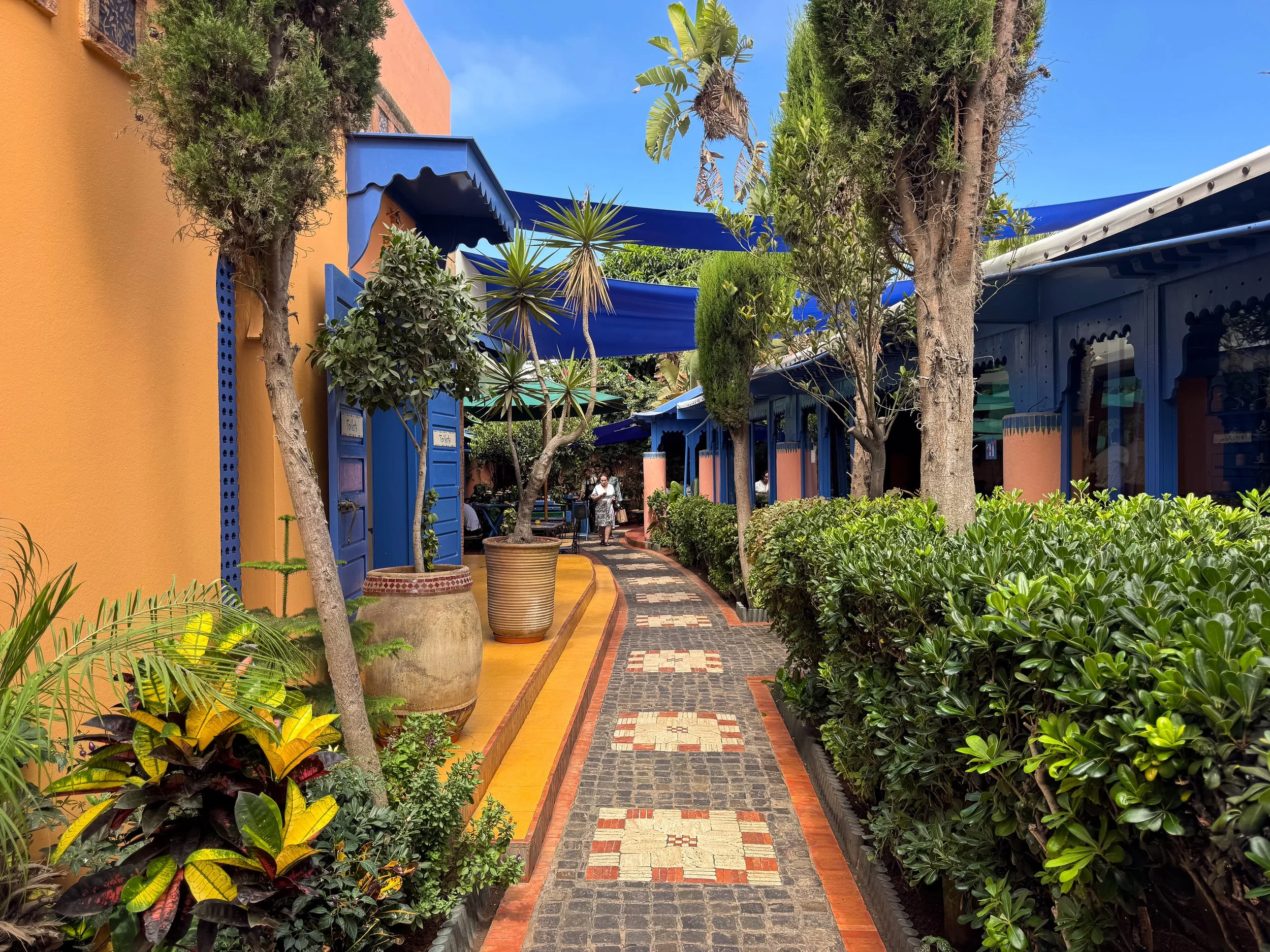
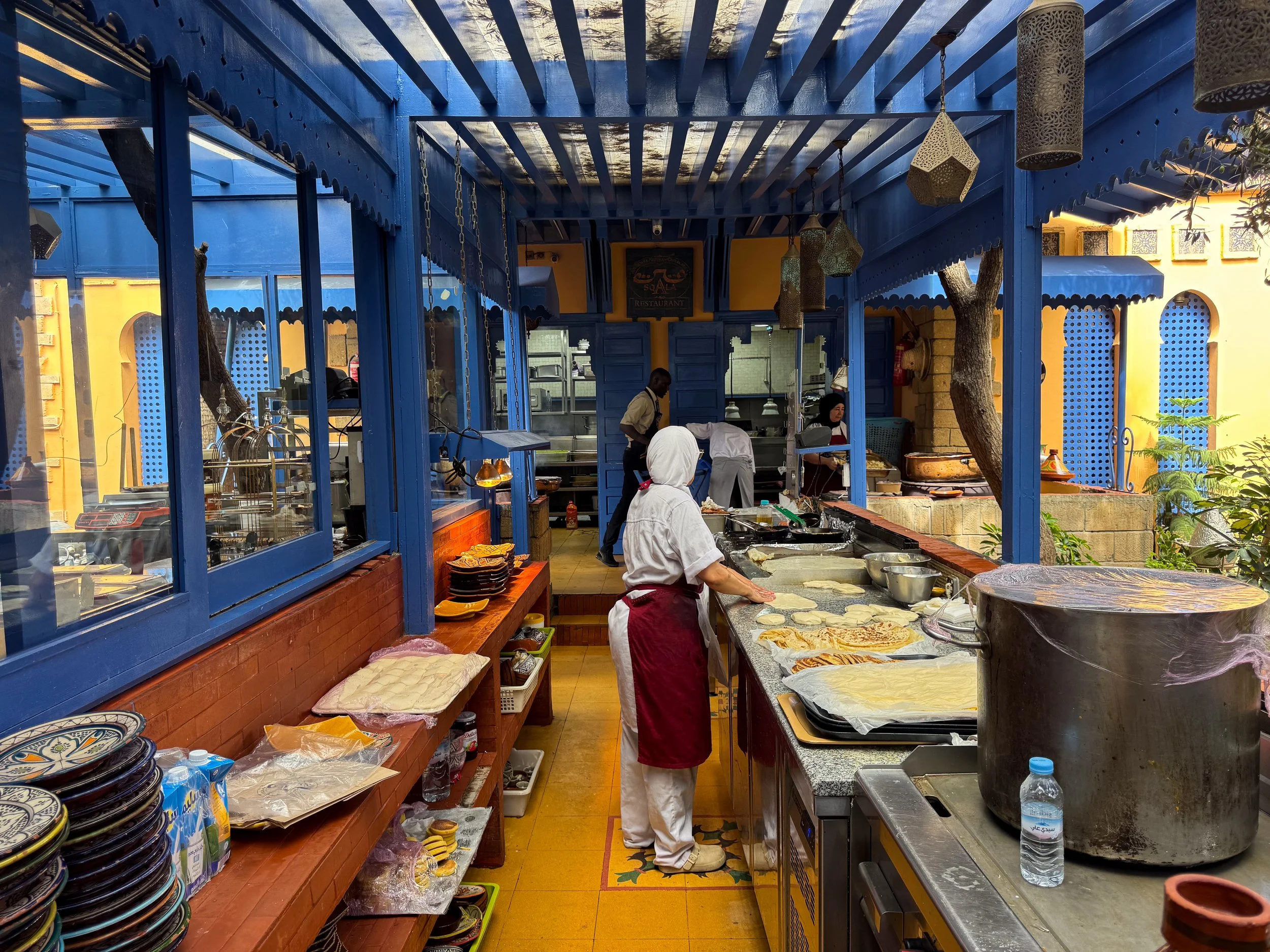
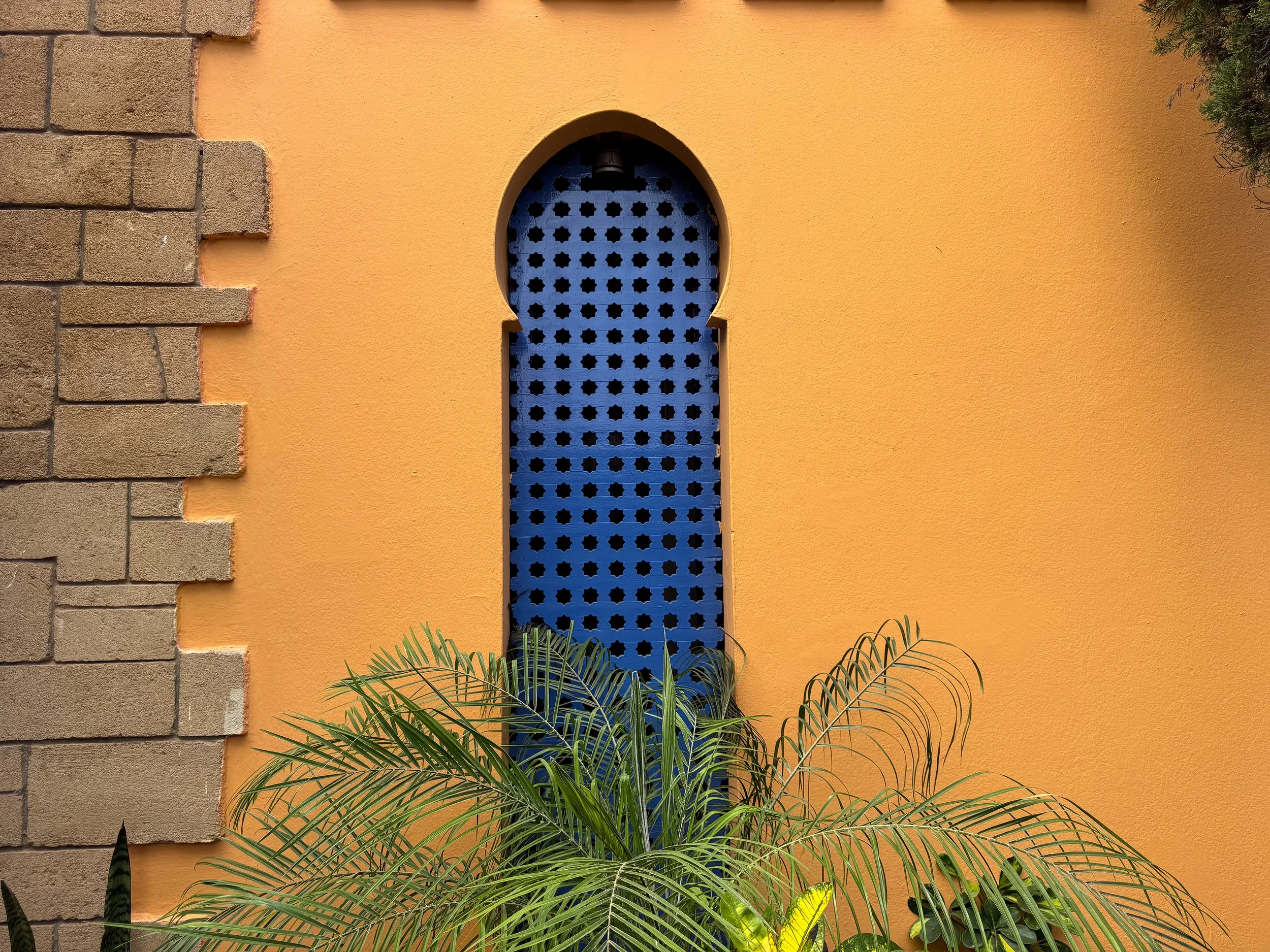
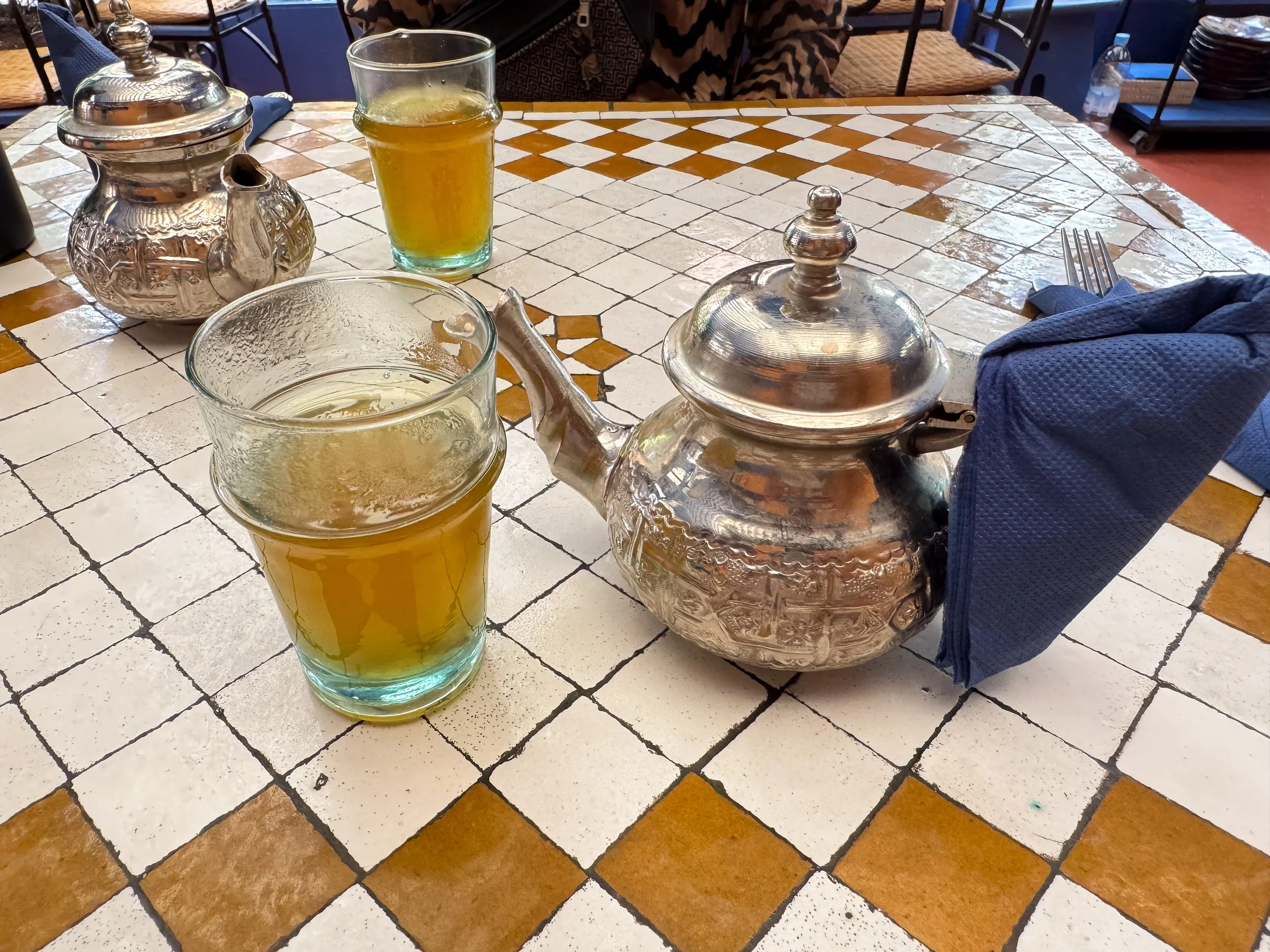
Old Portuguese Fort. A small colonial era fort with bronze cannons and stone turrets built along the wall of the medina. It serves as an entry point to the medina and hosts La Sqala, an atmospheric café and garden restaurant. Peach colored walls, blue painted shutters and Moroccan tiled tables accent the space as verdant plants grow throughout. Come here for afternoon tea, traditional baked goods and savory tagines.
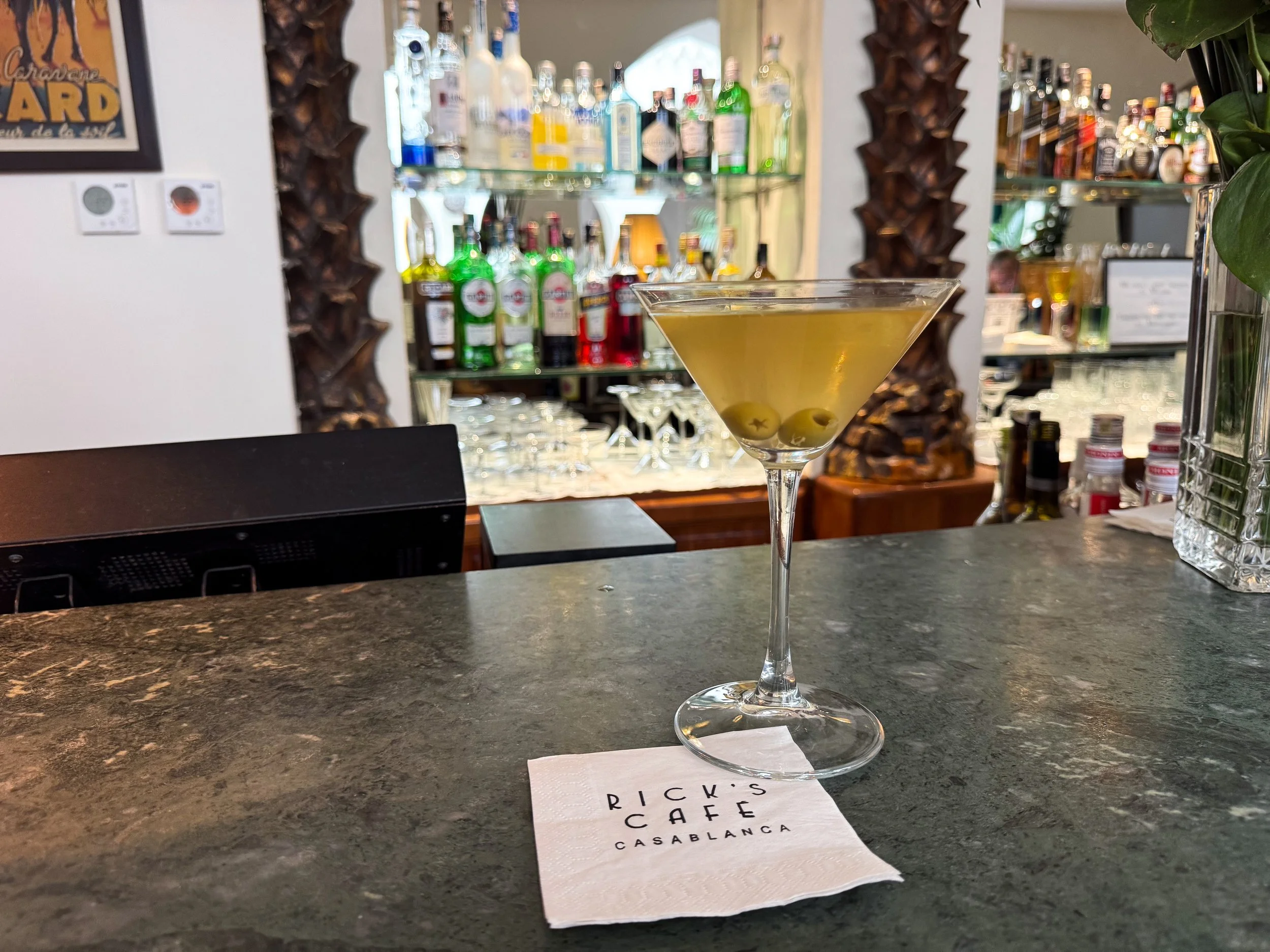
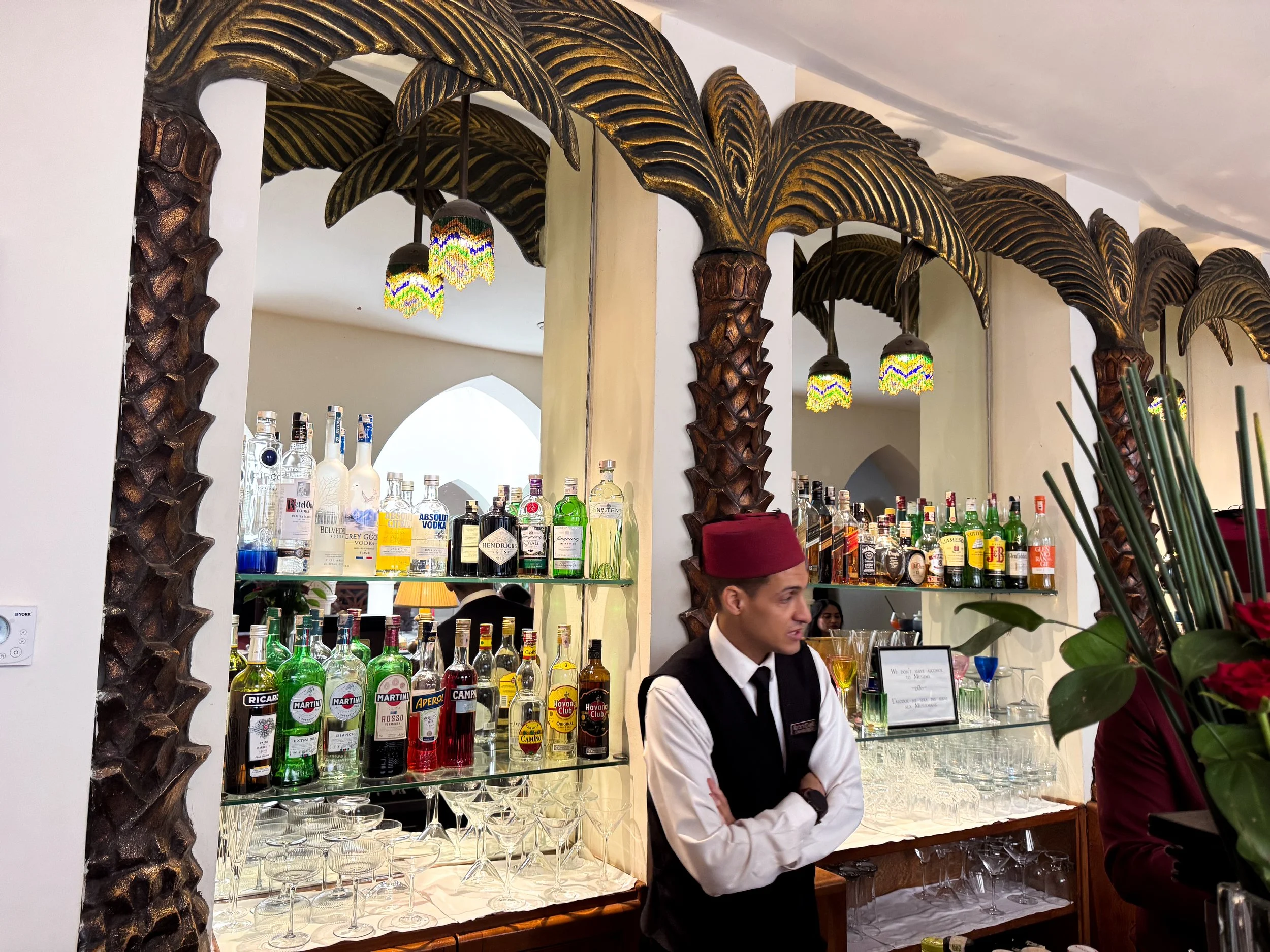
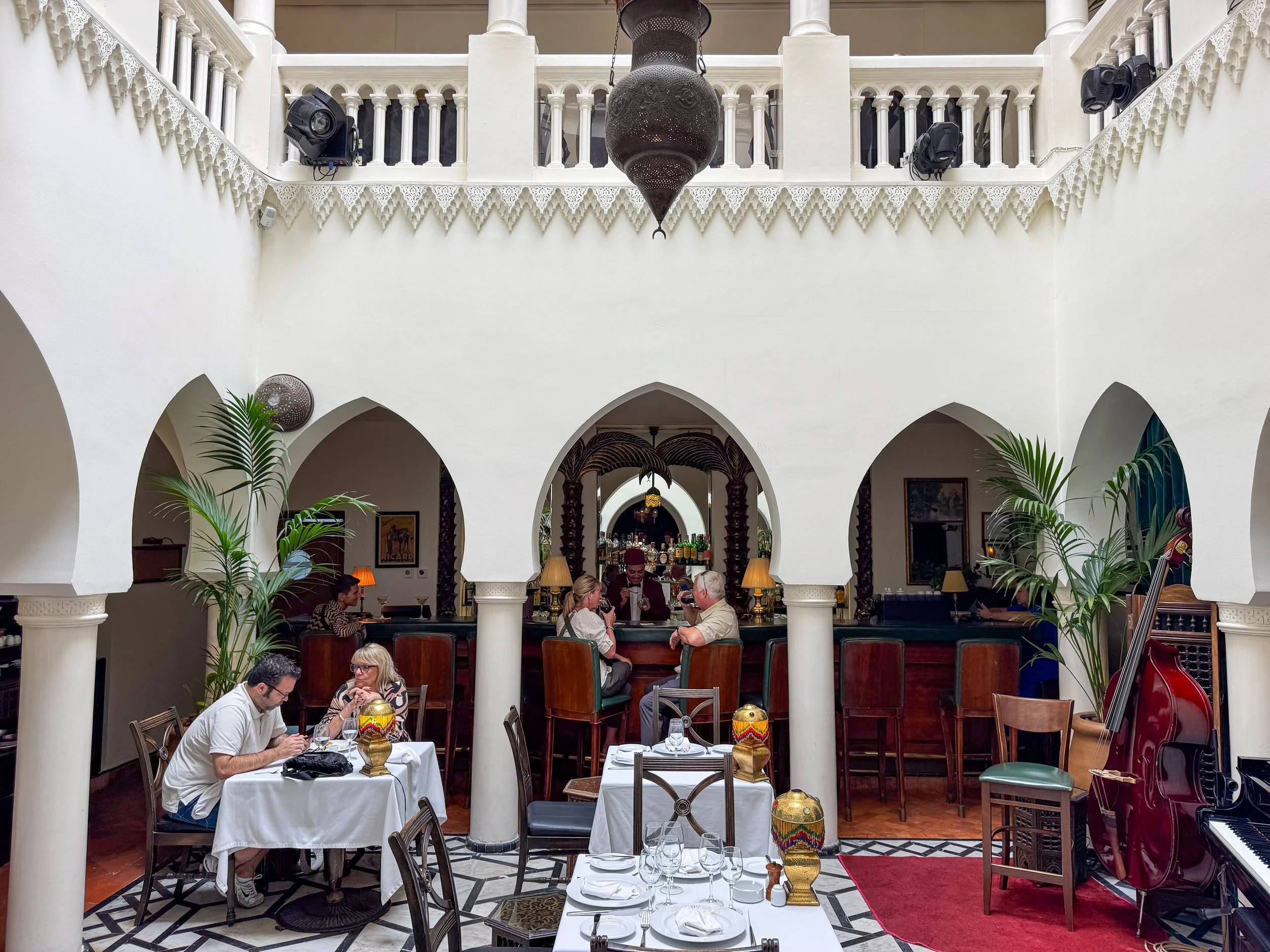
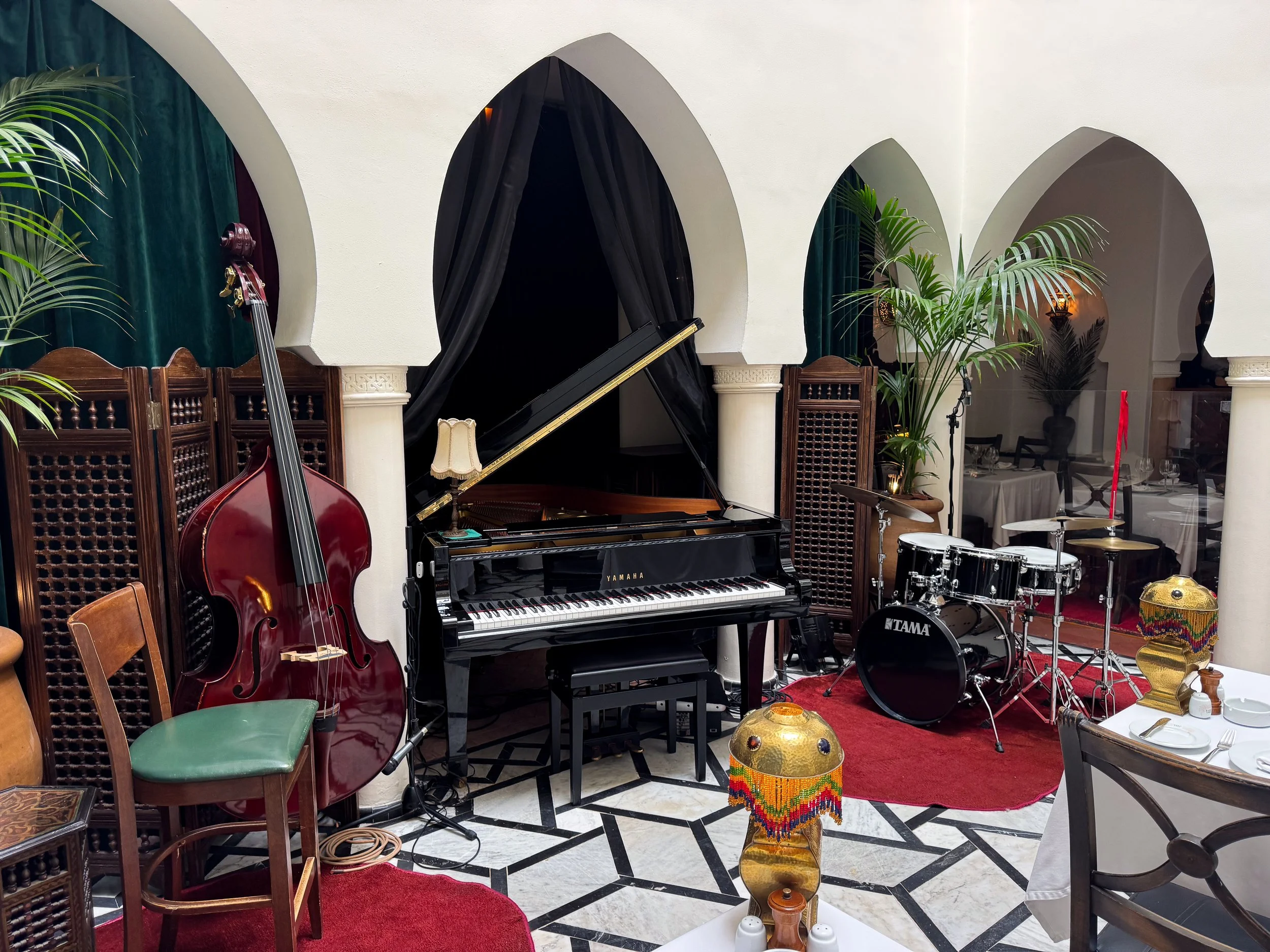
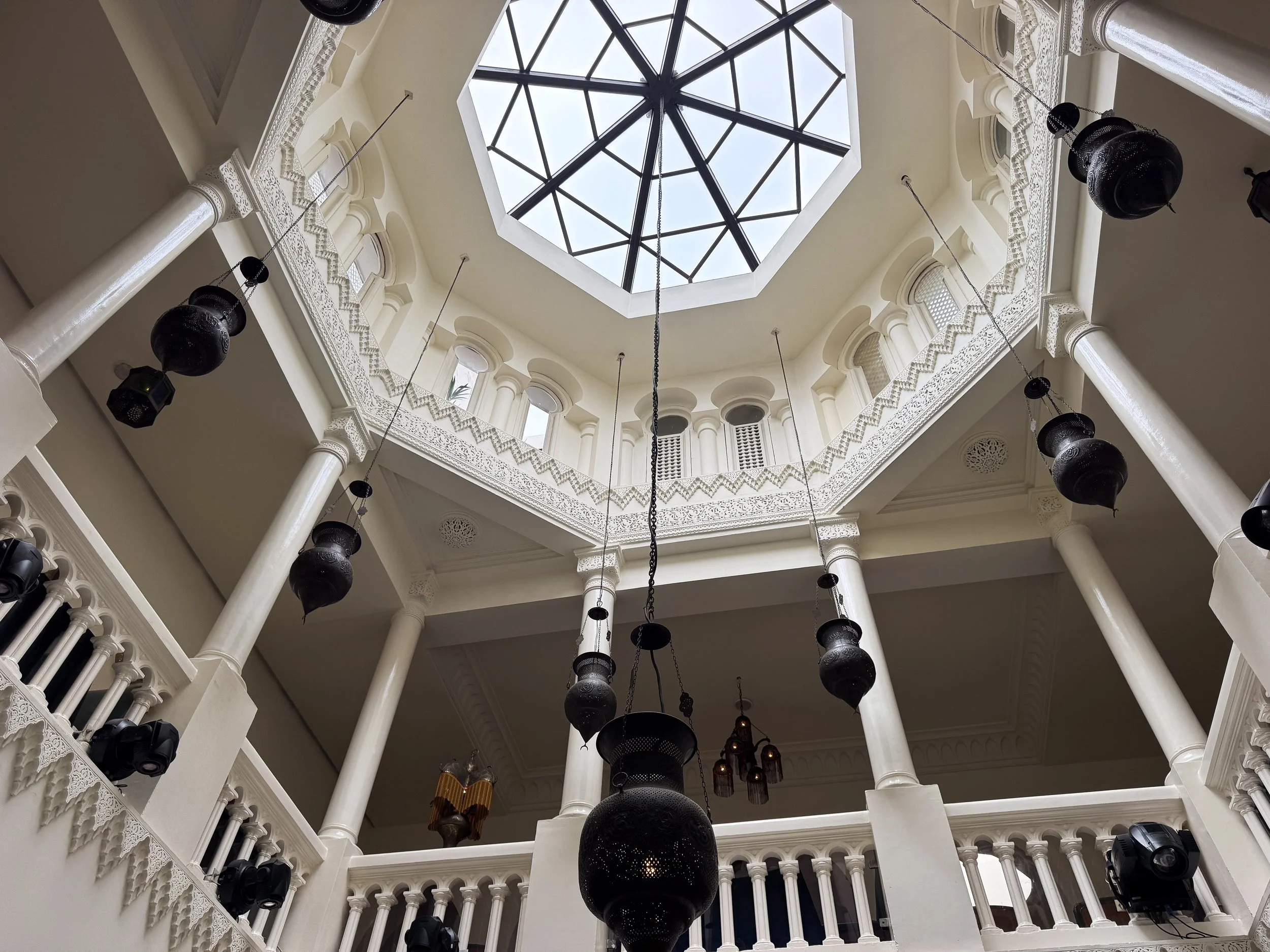
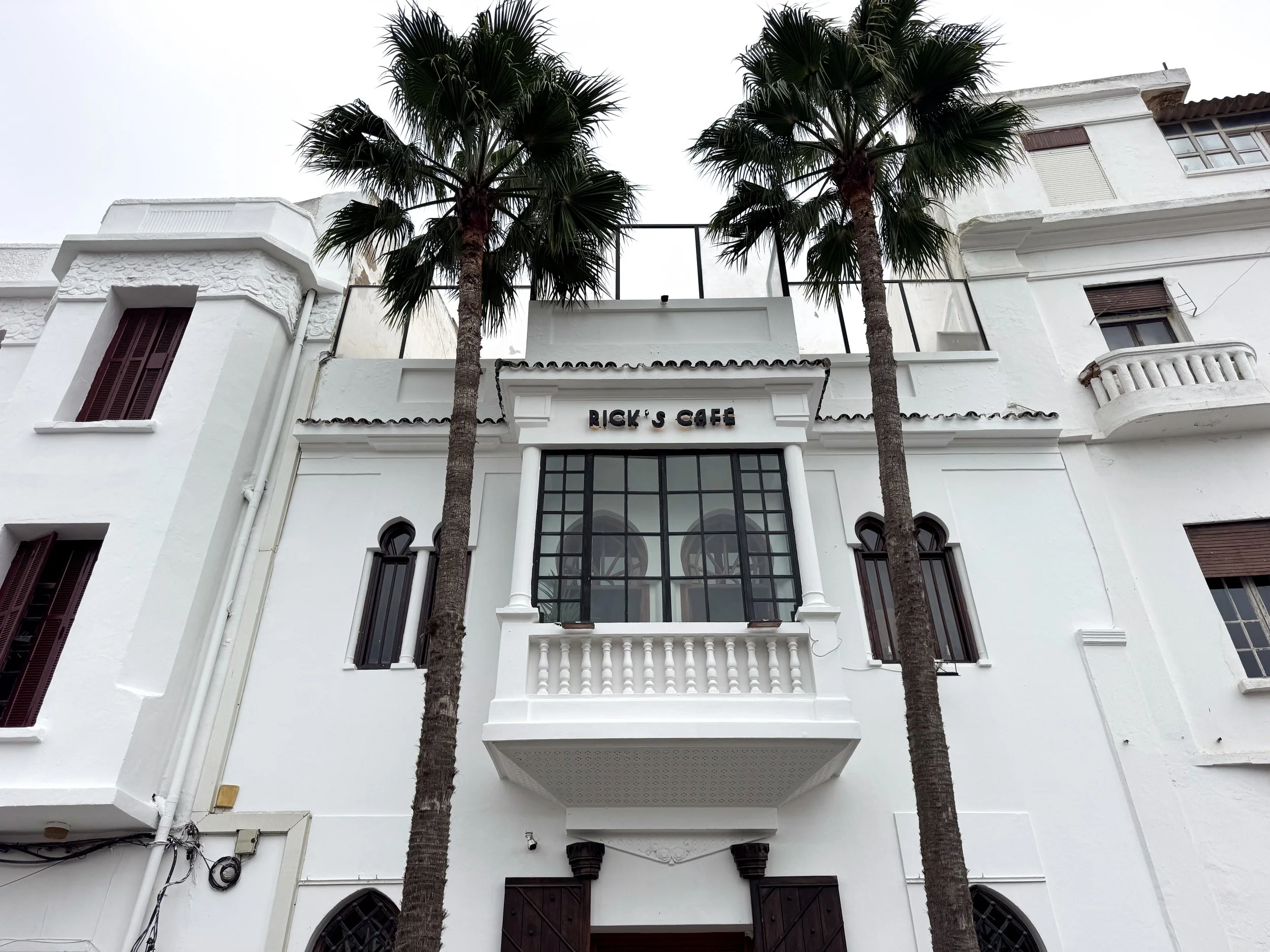
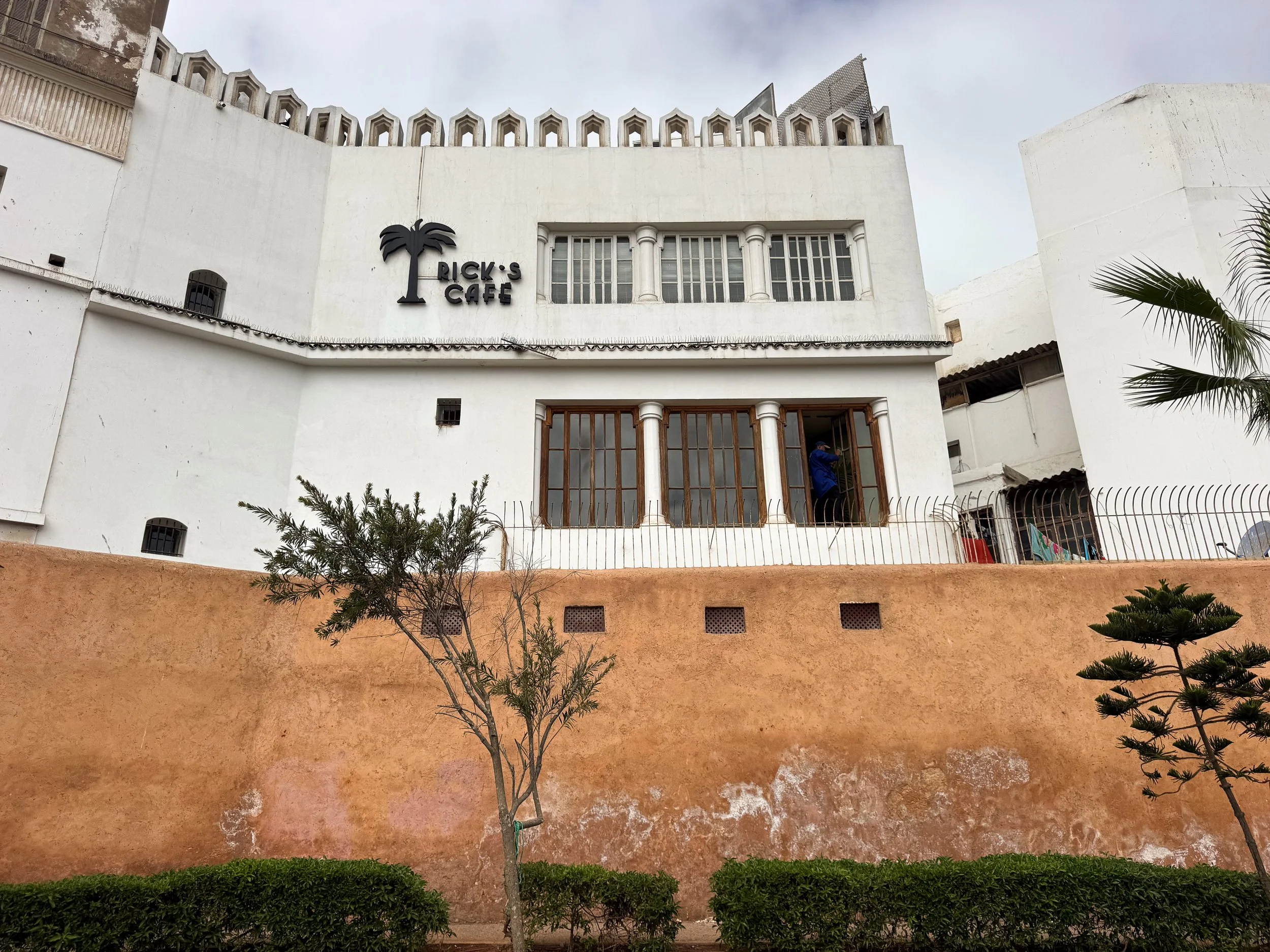
Rick's Café Américain. Of all the gin joints in the world, this one is likely the most famous. The elegant space is styled after Rick's Café Américain from the 1942 film, Casablanca. Without reservations, we sat at the bar sipping on gin martinis and negronis. Call ahead to make dinner reservations and stay for the live jazz performances.
Shop the Local Markets
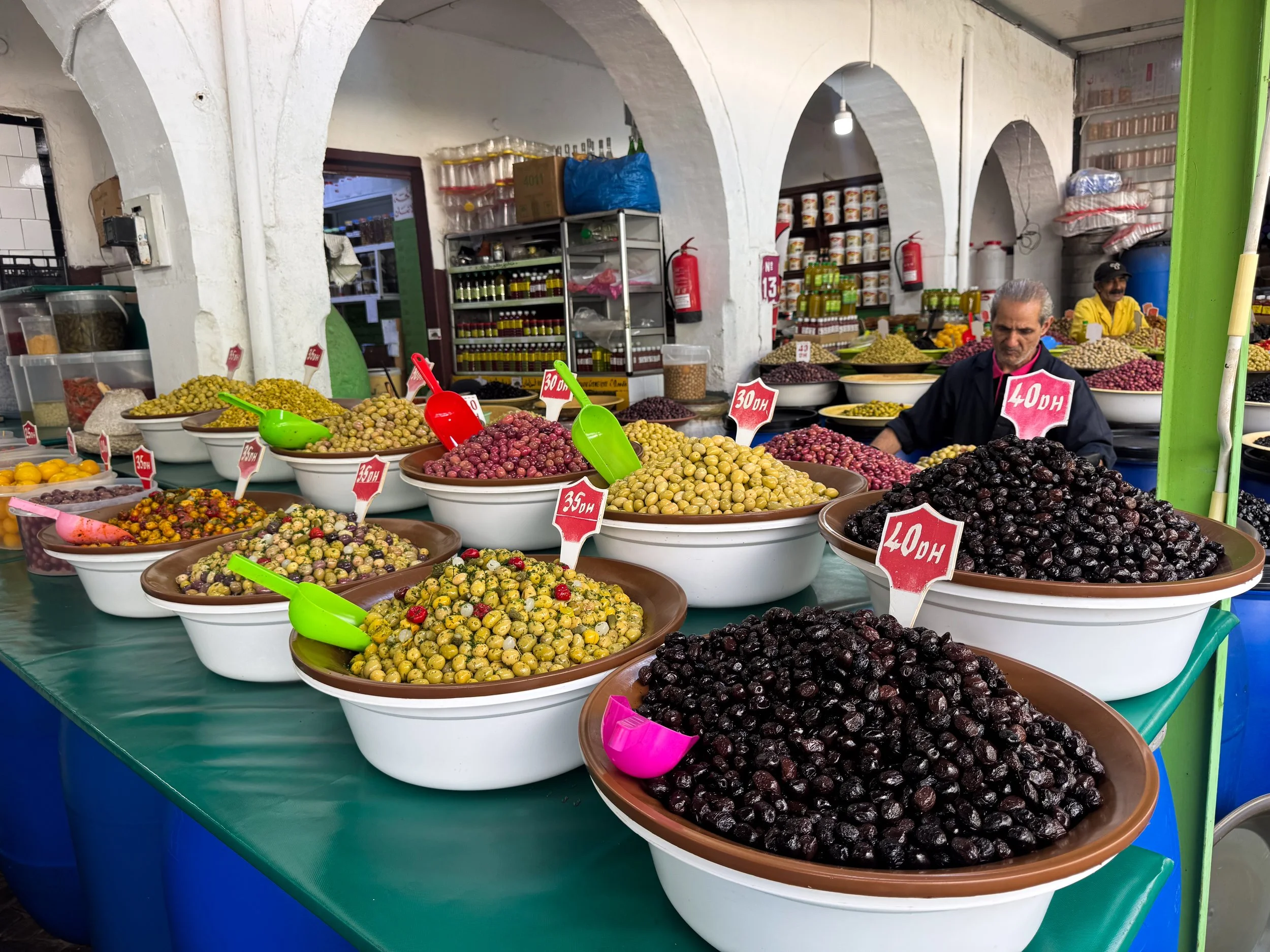
The Great Habous Olive Market. A historic market in the Habous Quarter dedicated solely to the sale of olives and olive oils. Terracotta trays with colorful mounds of olives are displayed on tables throughout the plaza. The tangy smell of brine wafts through the air as welcoming vendors offer free samples. We purchased a half kilo of mixed olives spiced with harissa and a bottle of the purest tasting olive oil.
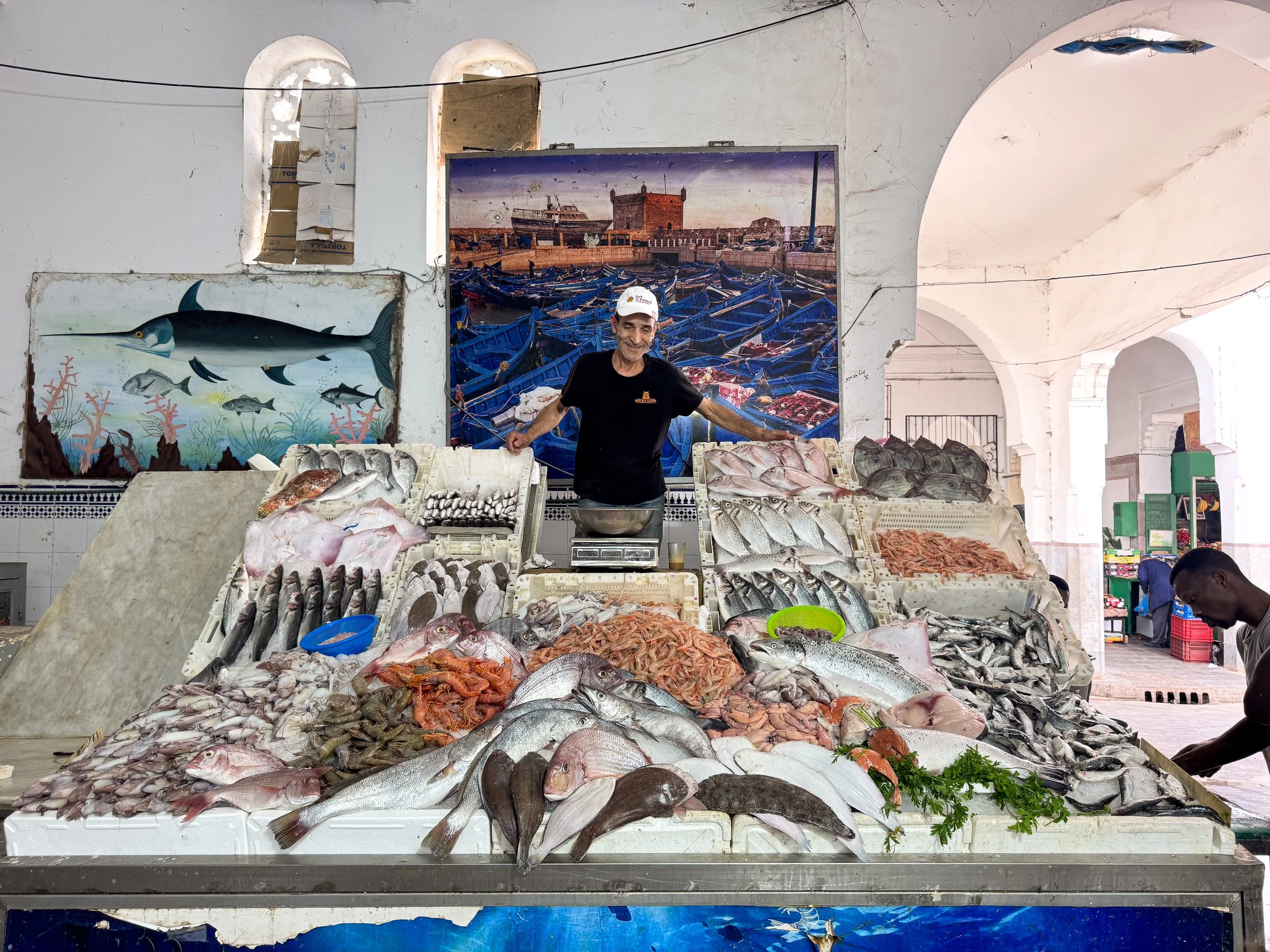
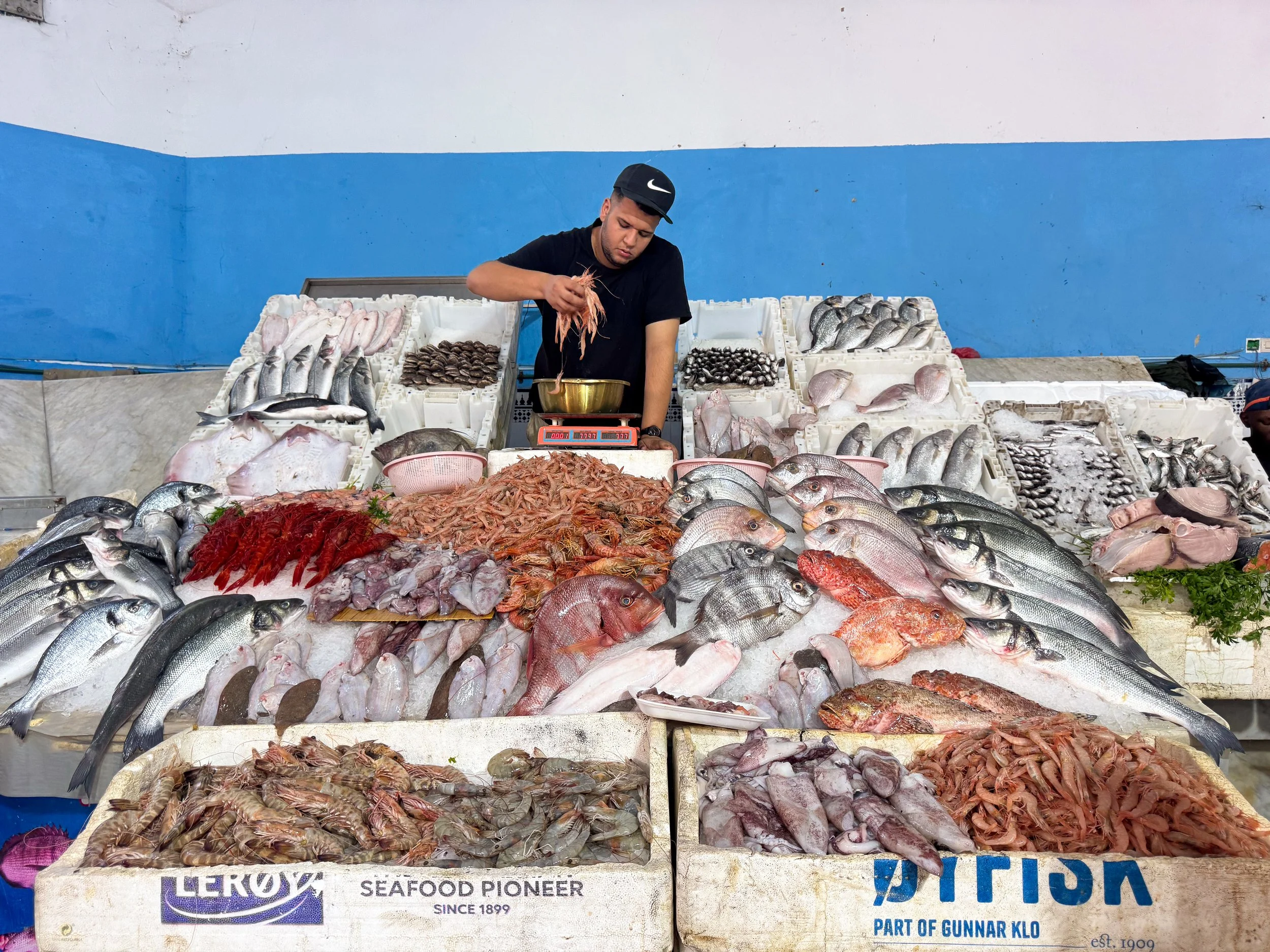
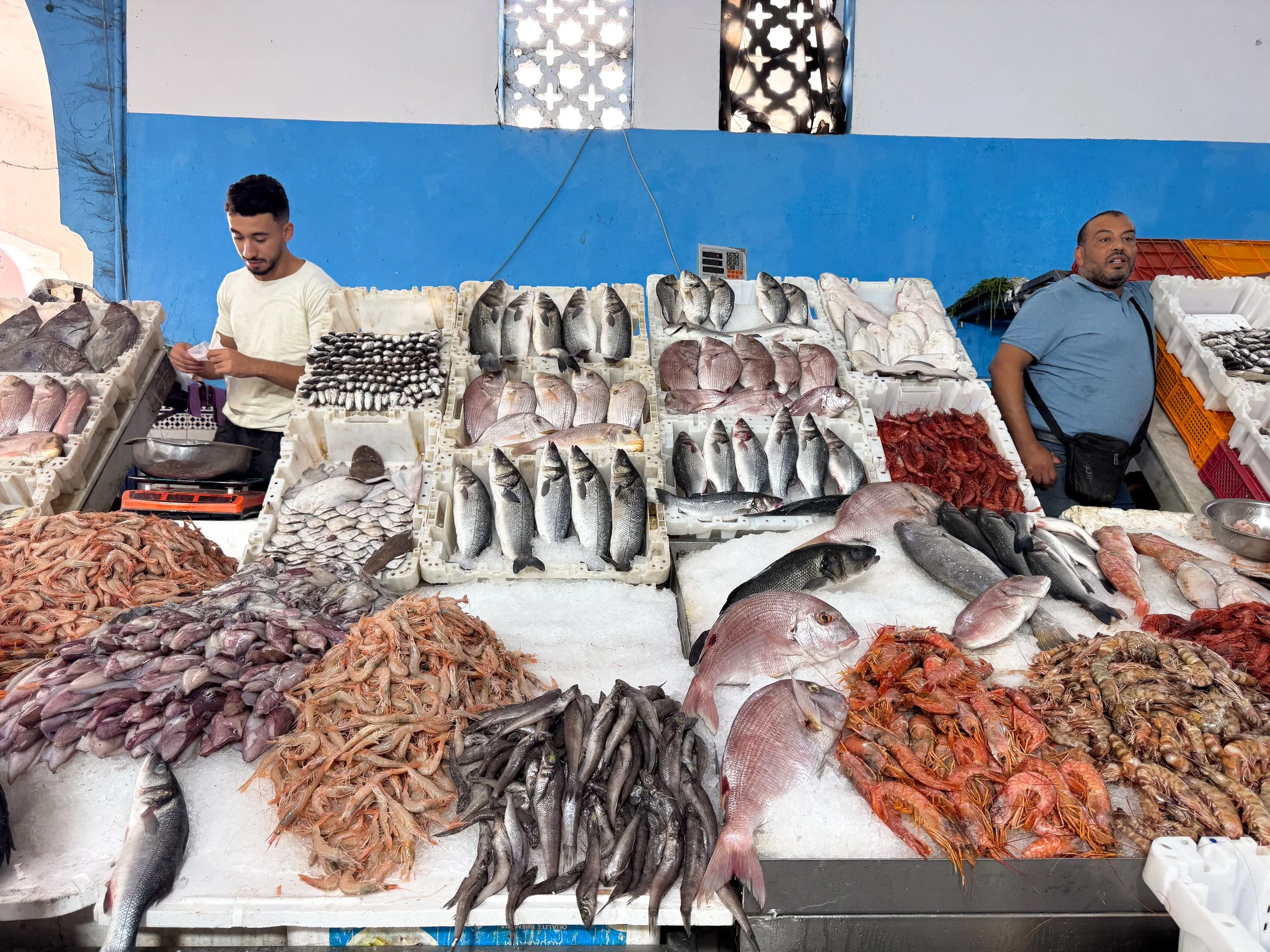
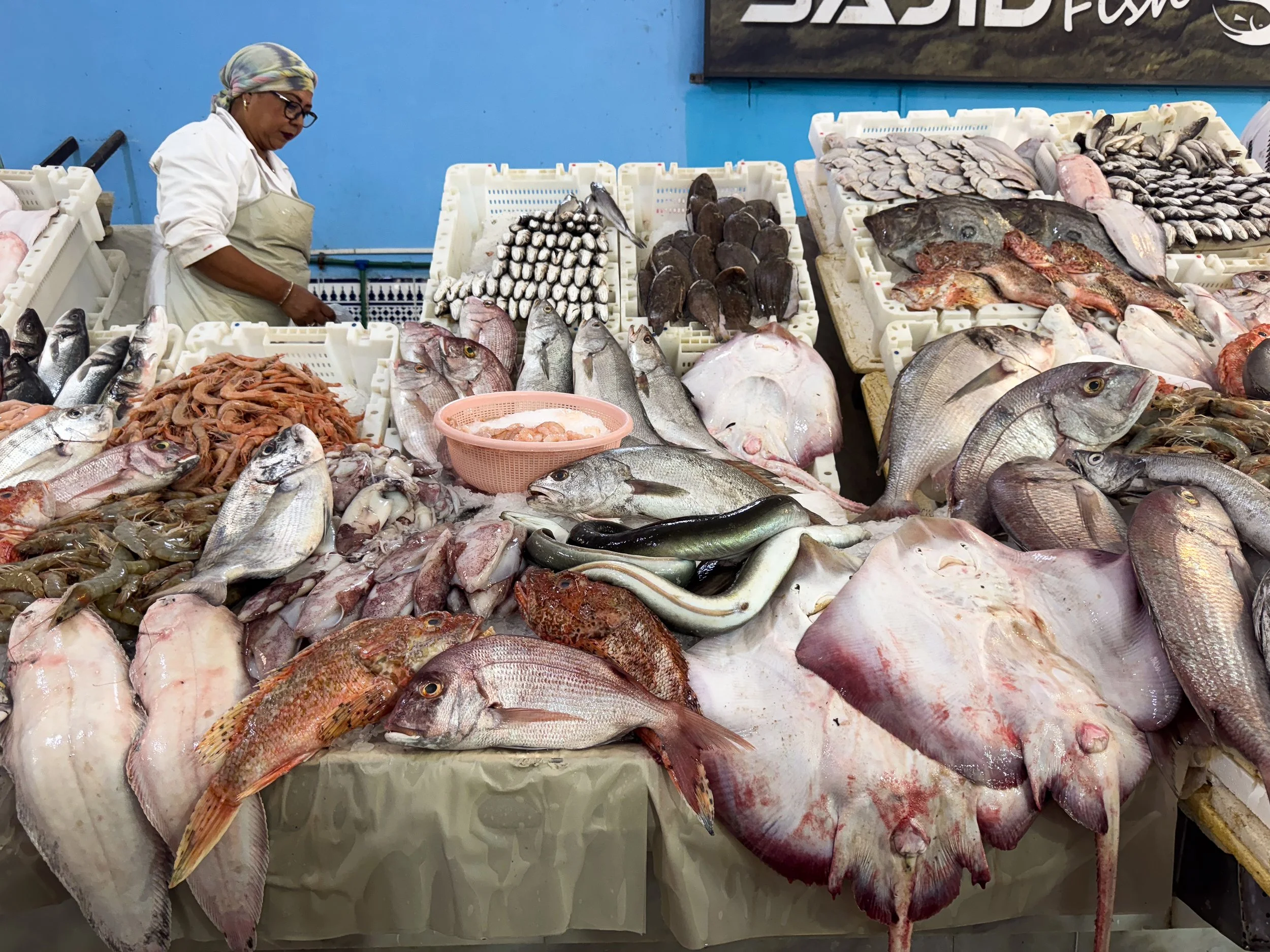
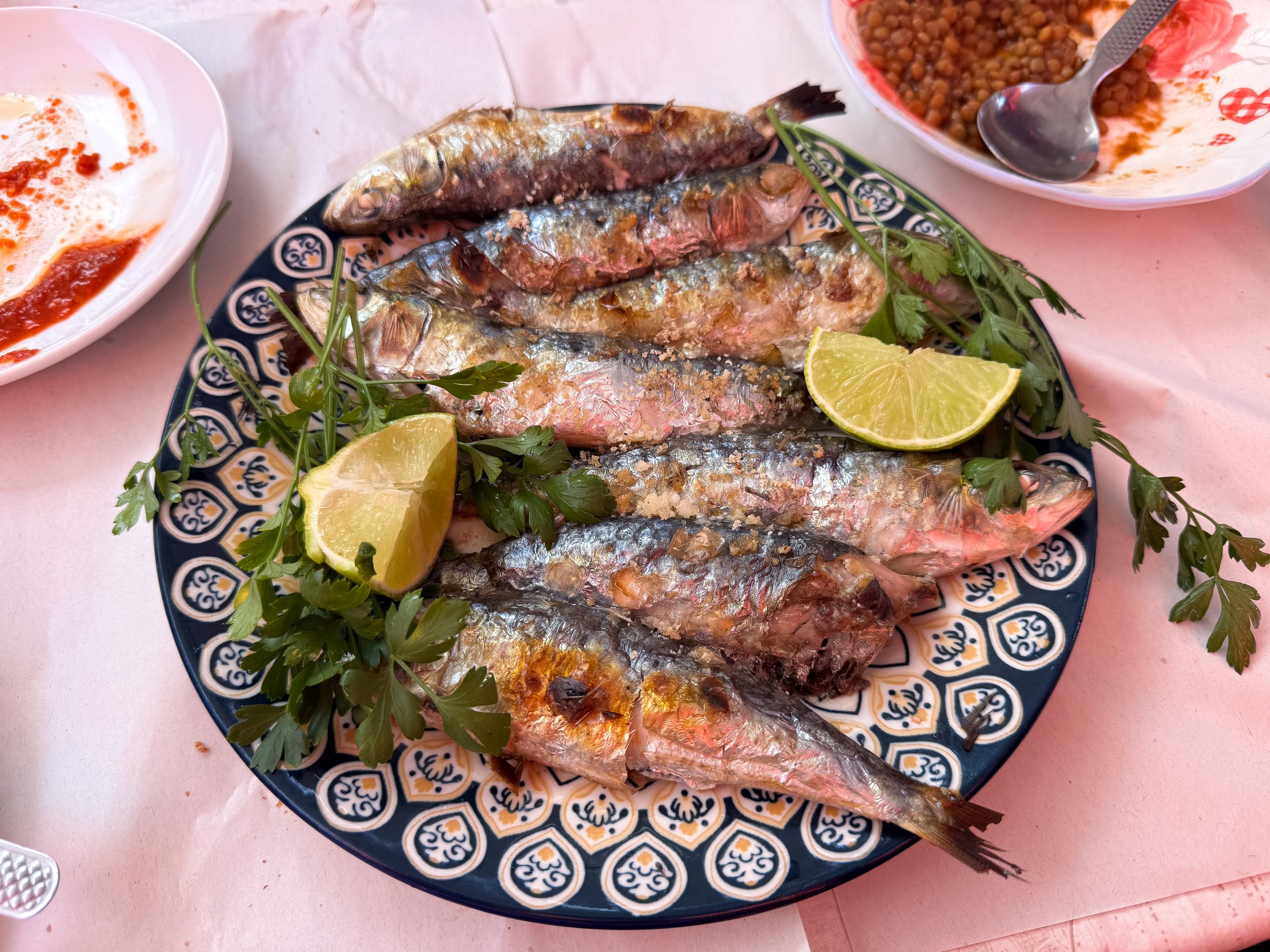
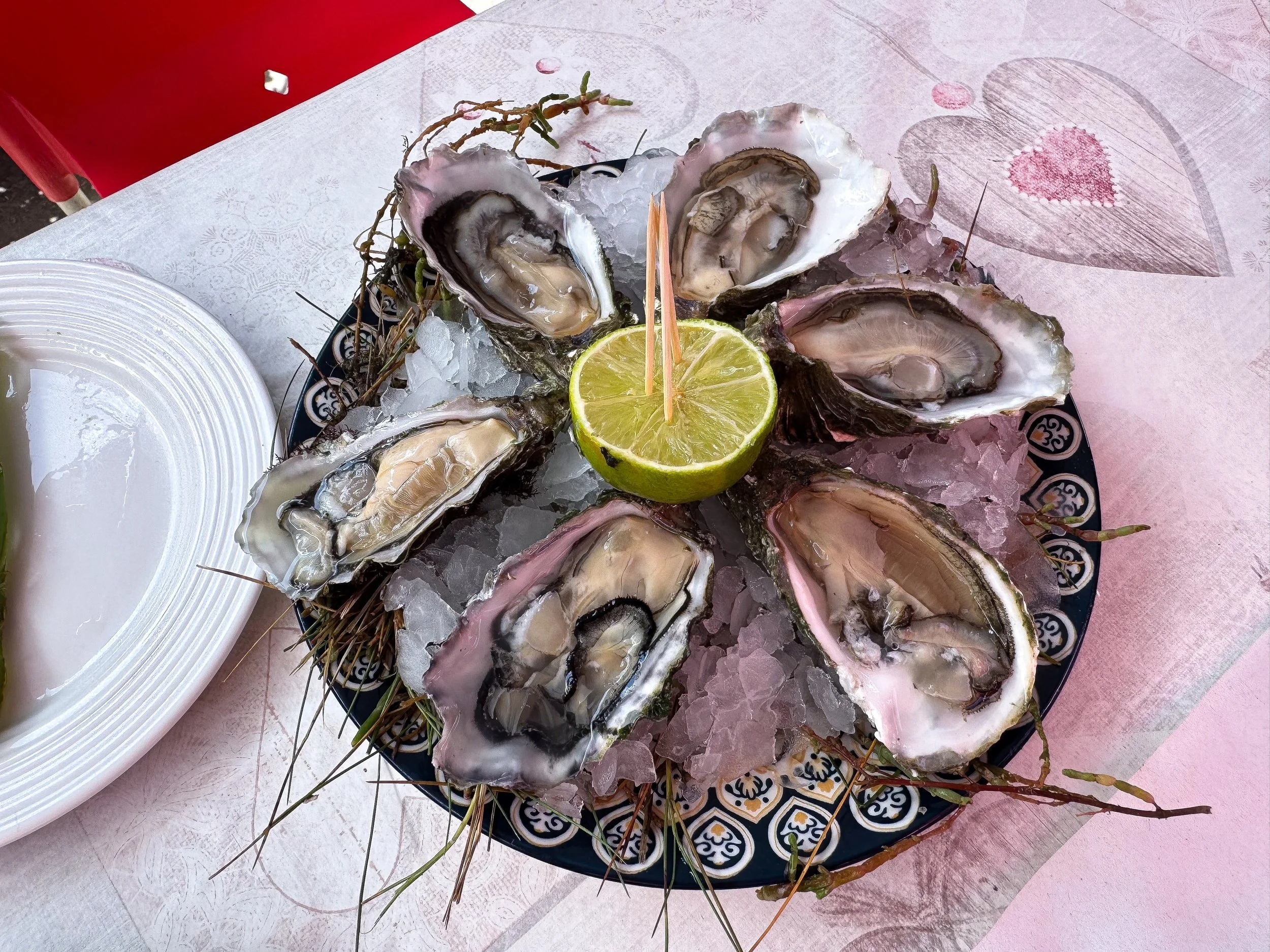
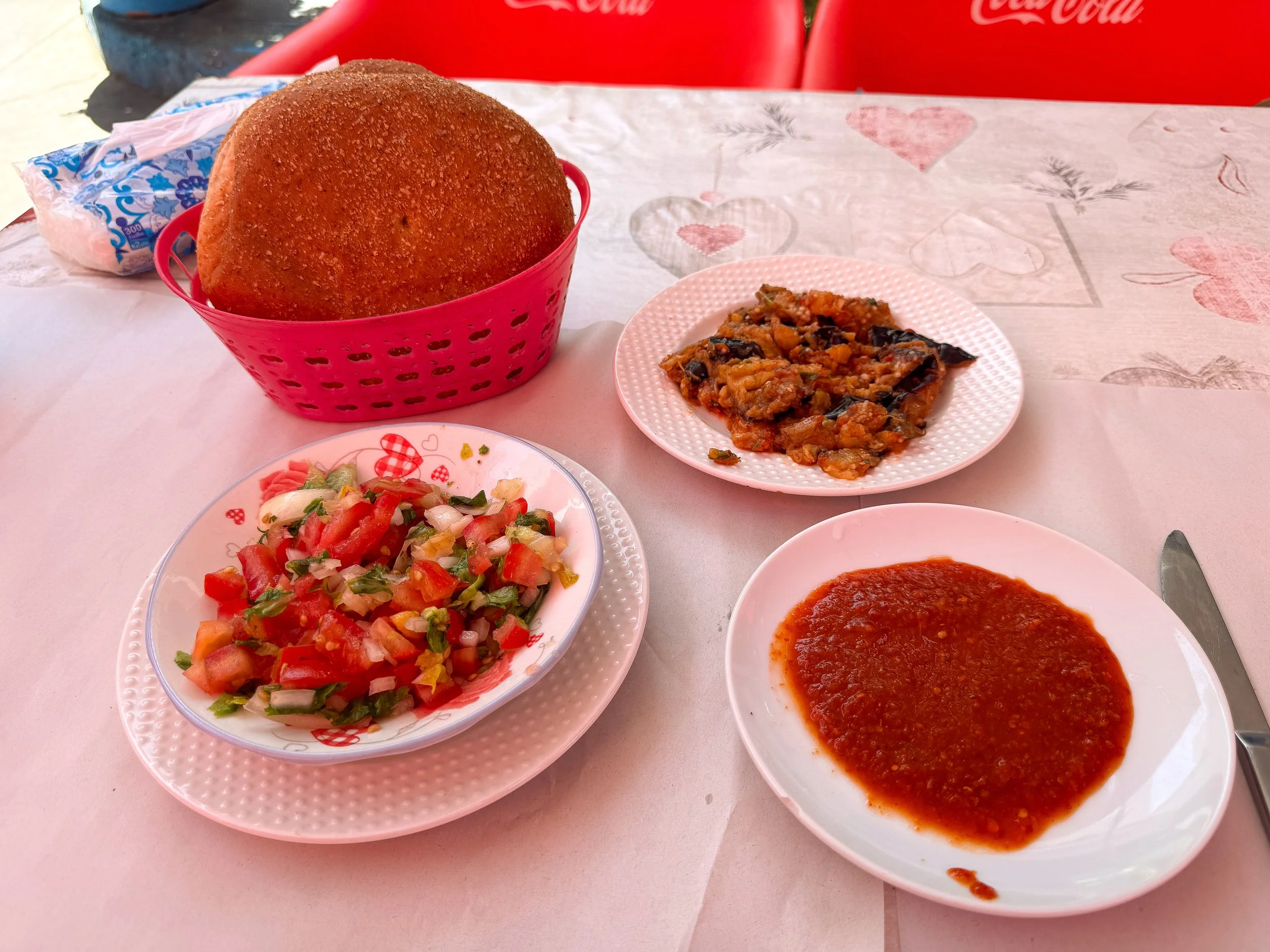
Central Marketplace. A seafood marketplace with icy displays of freshly caught Atlantic seafood. Come here to enjoy a seafood meal prepared at one of the many no frills restaurants. Hosts playfully compete for customers, offering free sides dishes. We dined at Chez Lachen, ordering the pan fried sardines and freshly shucked oysters paired with khobz, za’alook, lentils, tomato salad and harissa.
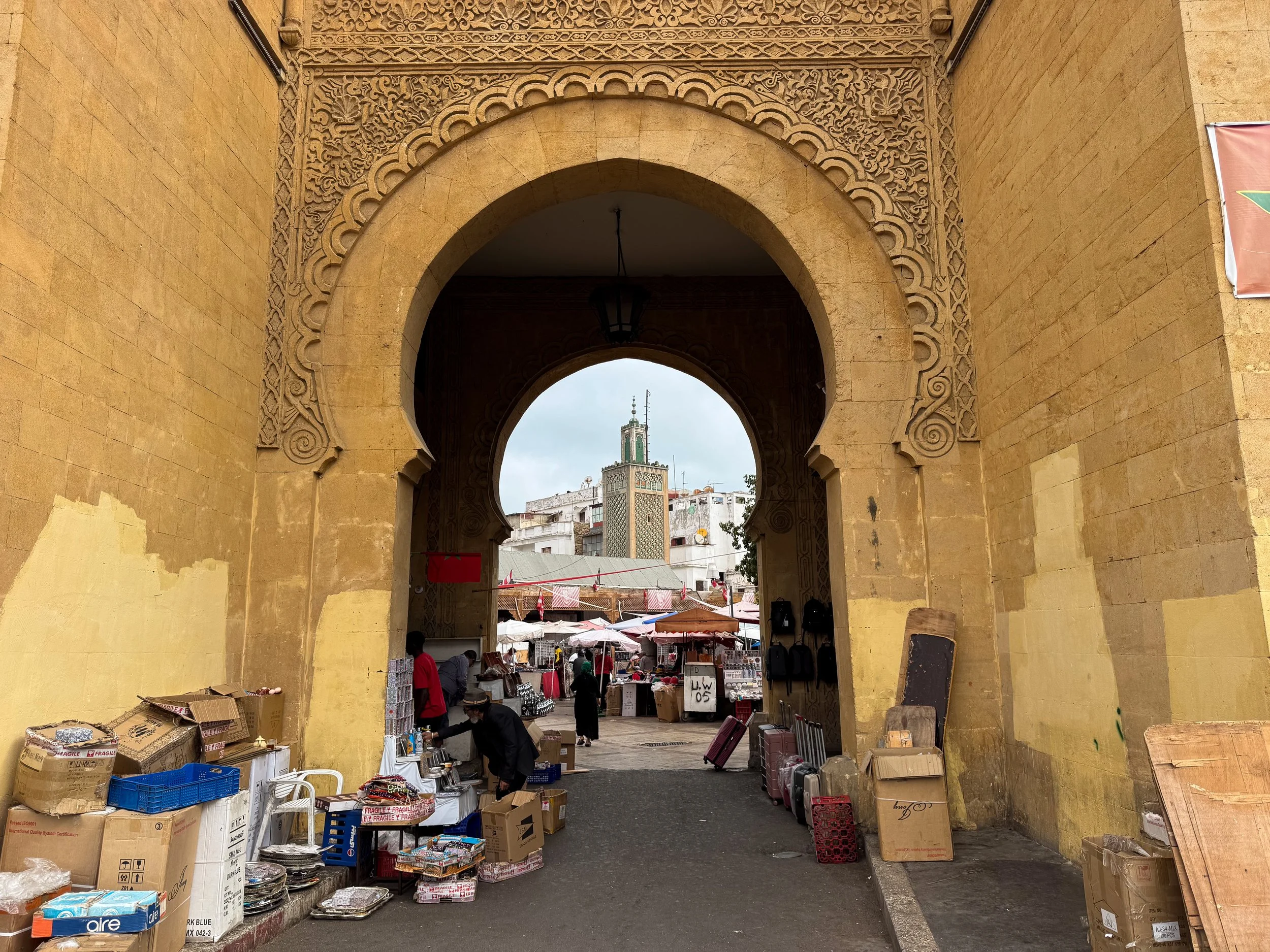
The Medina Market. A market within the Medina lined with shops and vendors selling a range of goods including clothing, shoes, accessories, jewelry, textiles, oils, teas and spices. It caters heavily to locals looking for a deal. Enter the market through Baba el Kebir, an arched sandstone gate within the Medina wall.
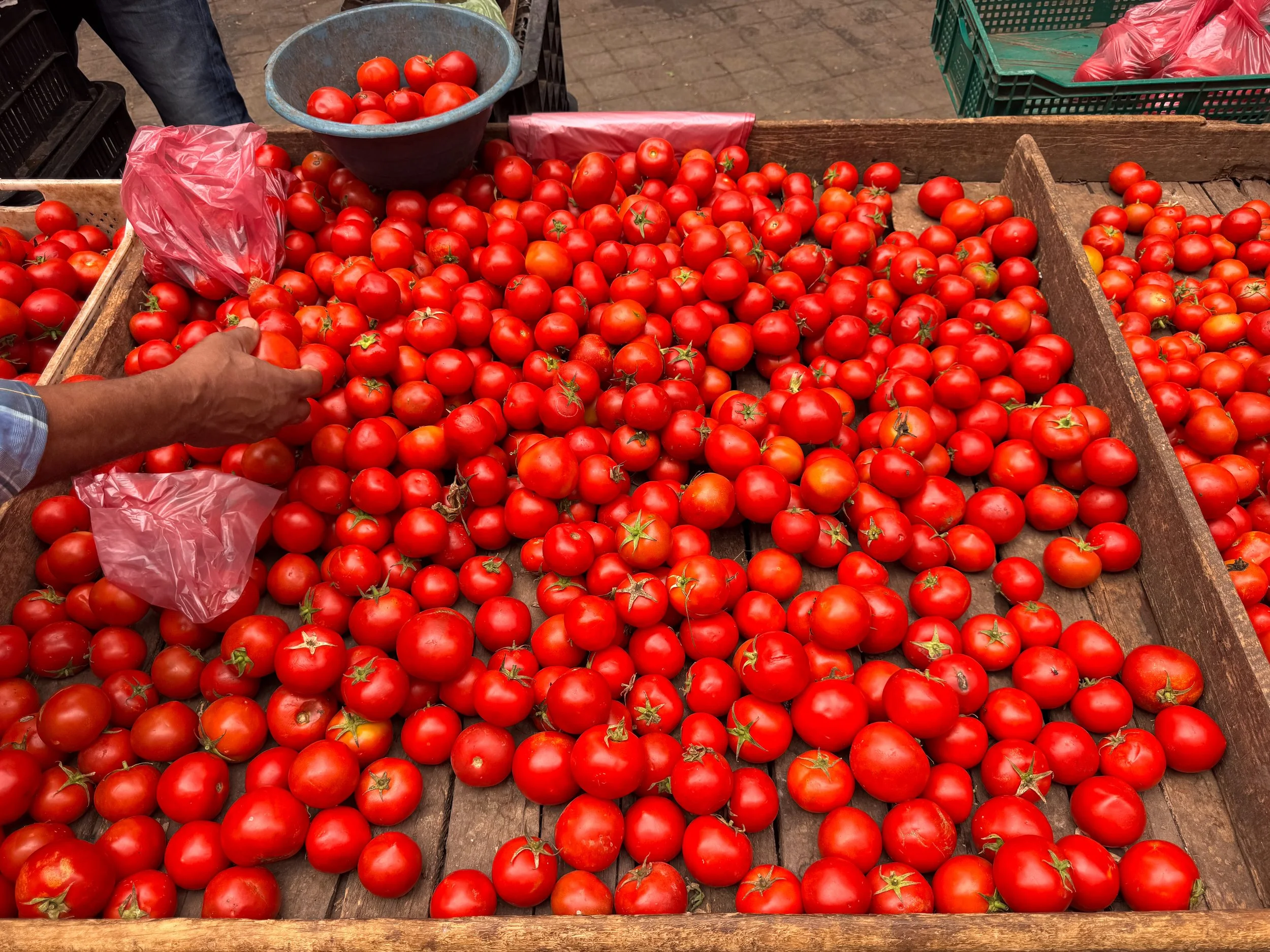
Chleuh Market. A local morning market along Rue Chleuh in the Ancient Medina. Vendors display carts and wooden boxes with vegetables, fruits and freshly caught fish. The scent of fresh mint wafts from piles of herbs. Bakers deliver baskets of aromatic breads. Corner stores sell nuts, trays of dates and stacked cartons of eggs. Butchers behead chickens on the spot for paying customers.
Moroccan Cuisine
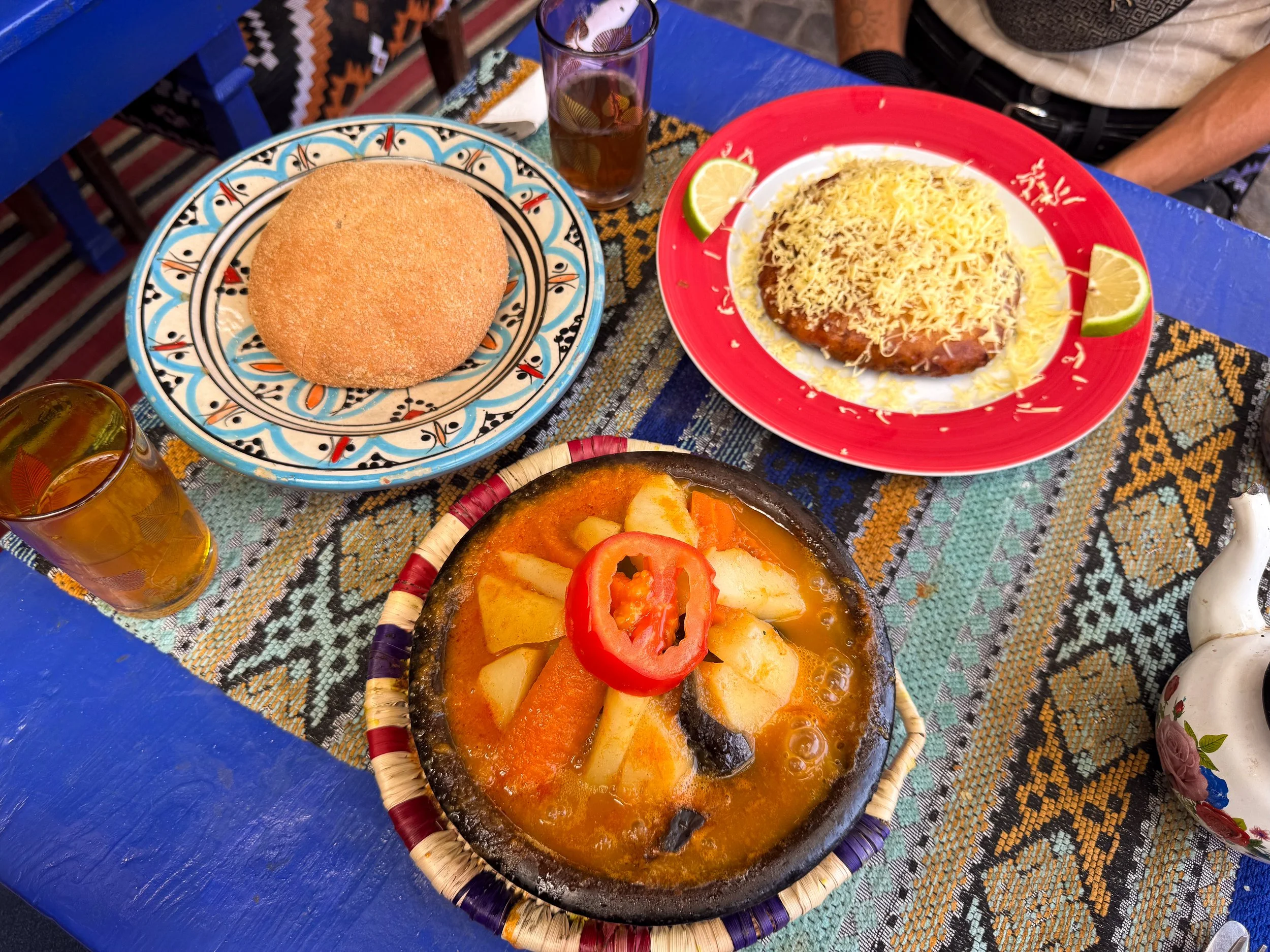
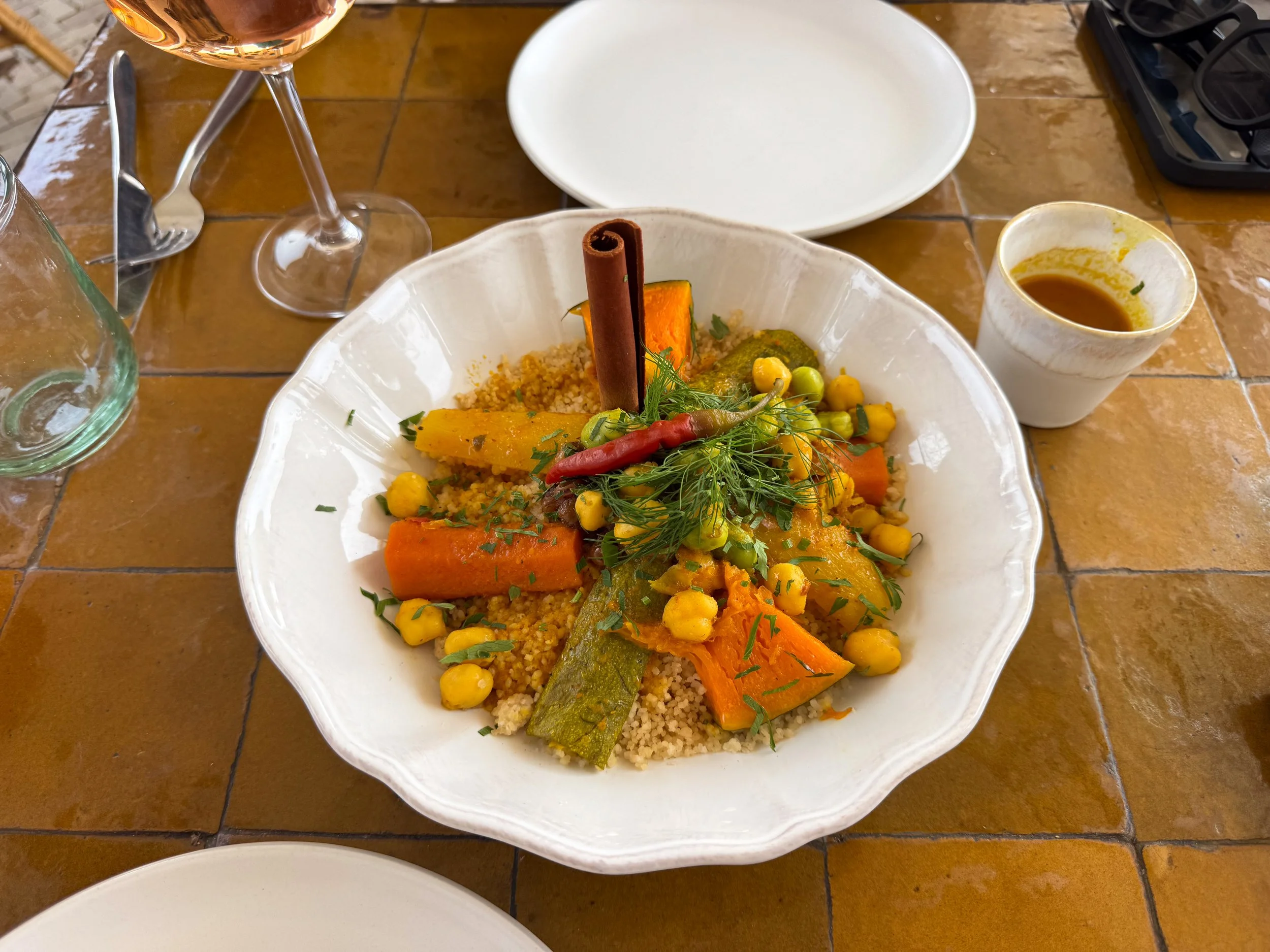
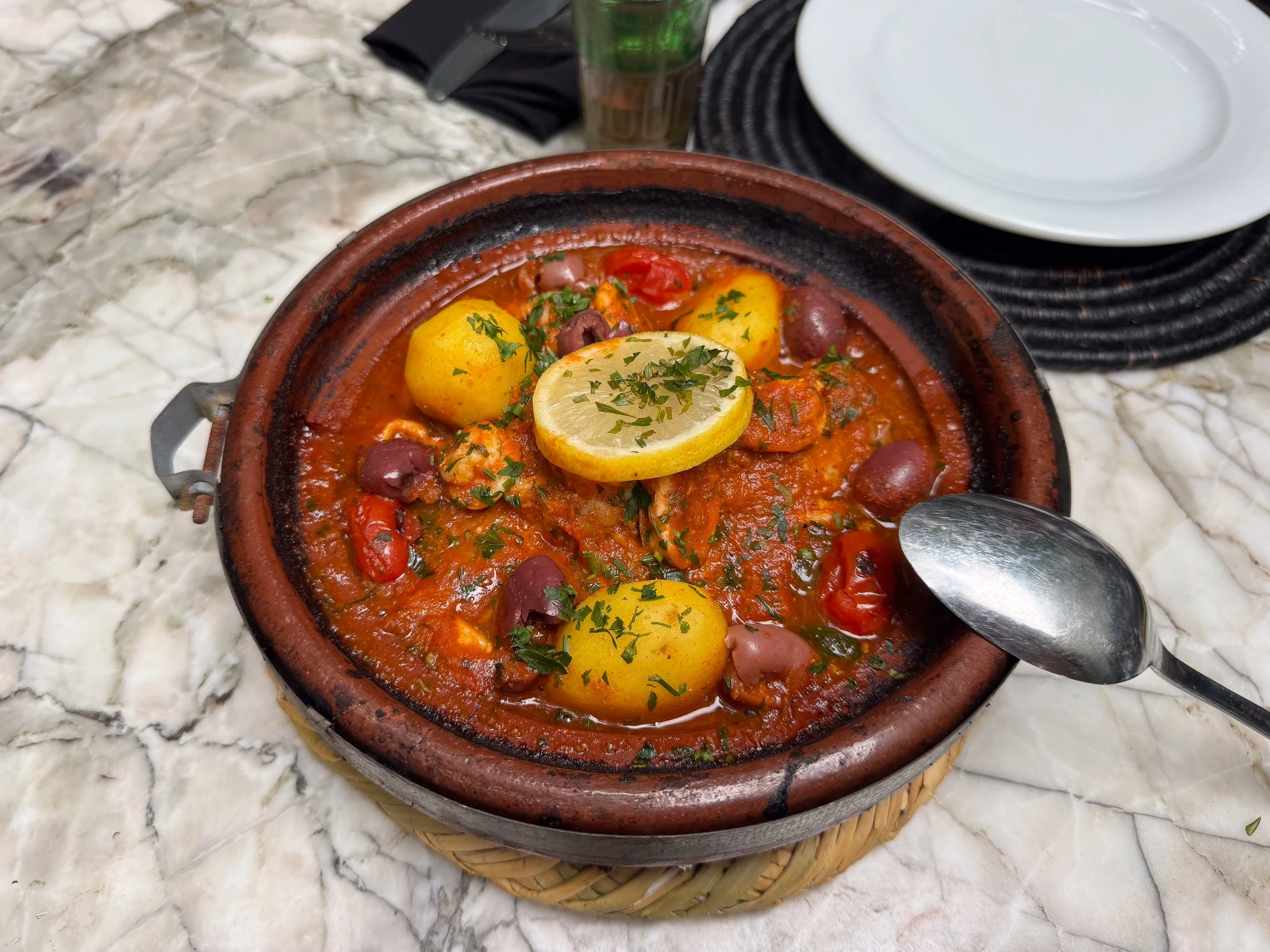
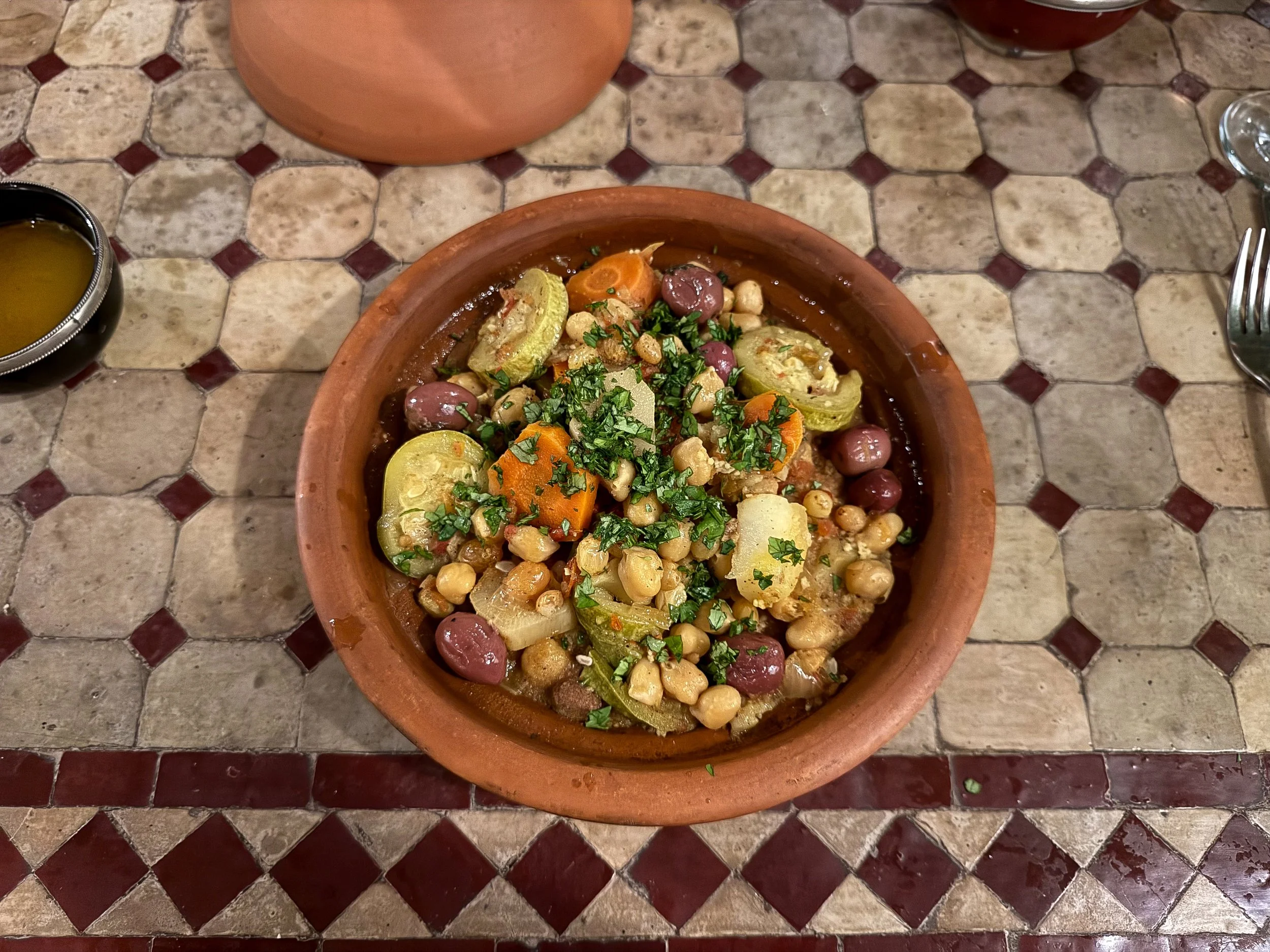
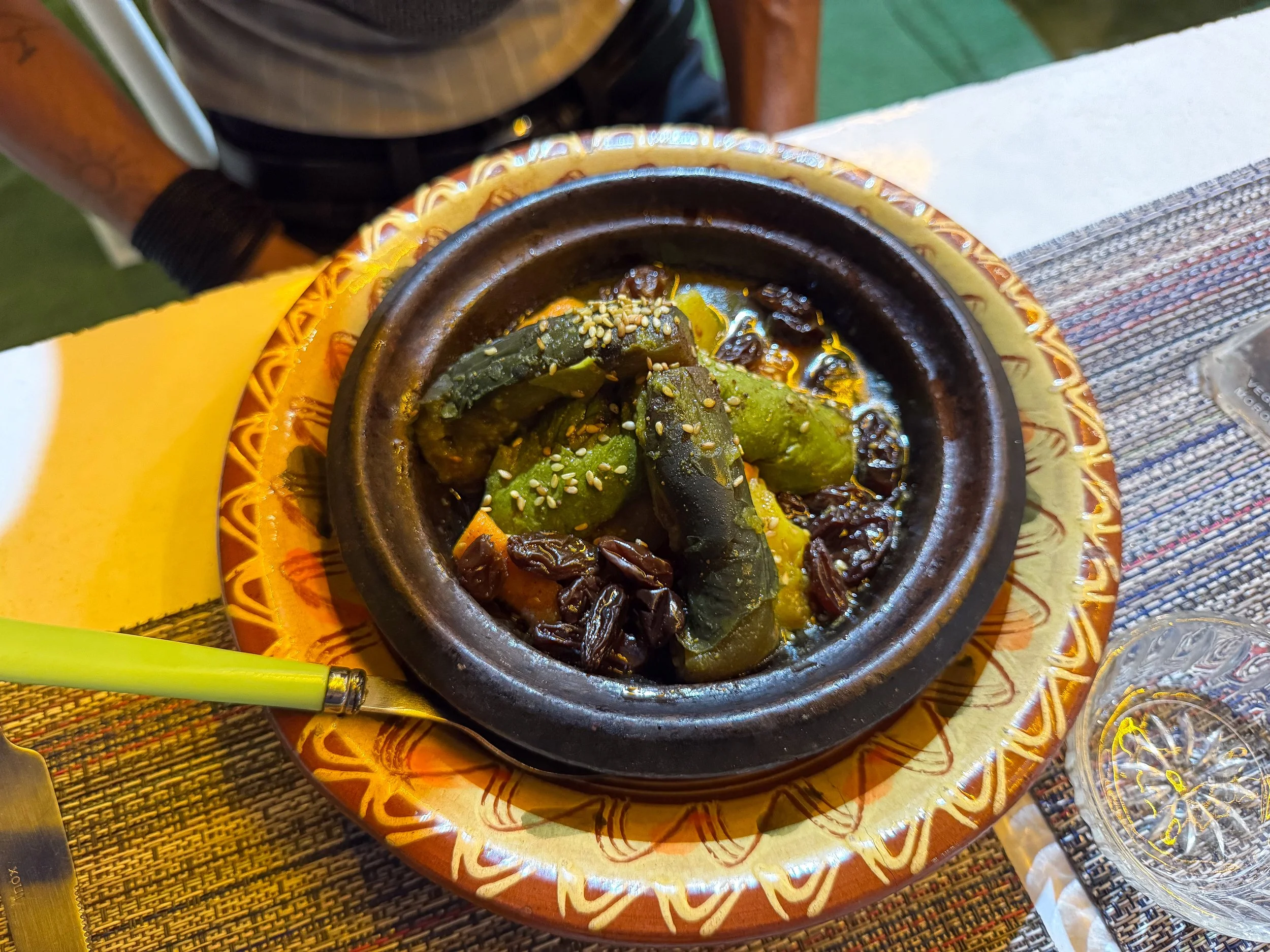
Tagine. A mixture of vegetables, meats, dried fruits and spices stewed together in a conical clay dish. It’s a staple dish of Moroccan cuisine.
Couscous. A steamed grain covered in a savory broth and garnished with vegetables and meats.
Harira. A traditional Moroccan soup made from tomatoes, chickpeas, fresh herbs and aromatic spices.
Khobs Bread. A light and airy flatbread served with every meal. It’s fresh baked daily and can be bought for 1 DH from local bakeries.
Msemmen. A flaky and layered pan fried flat bread often eaten at breakfast with honey. It’s commonly cooked by street vendors on flat top griddles.
Sfenj (Moroccan Donuts). Yeasty rings of fried dough heavily coated in plain sugar. They’re a common street food snack and usually paired with a tiny cup of coffee.
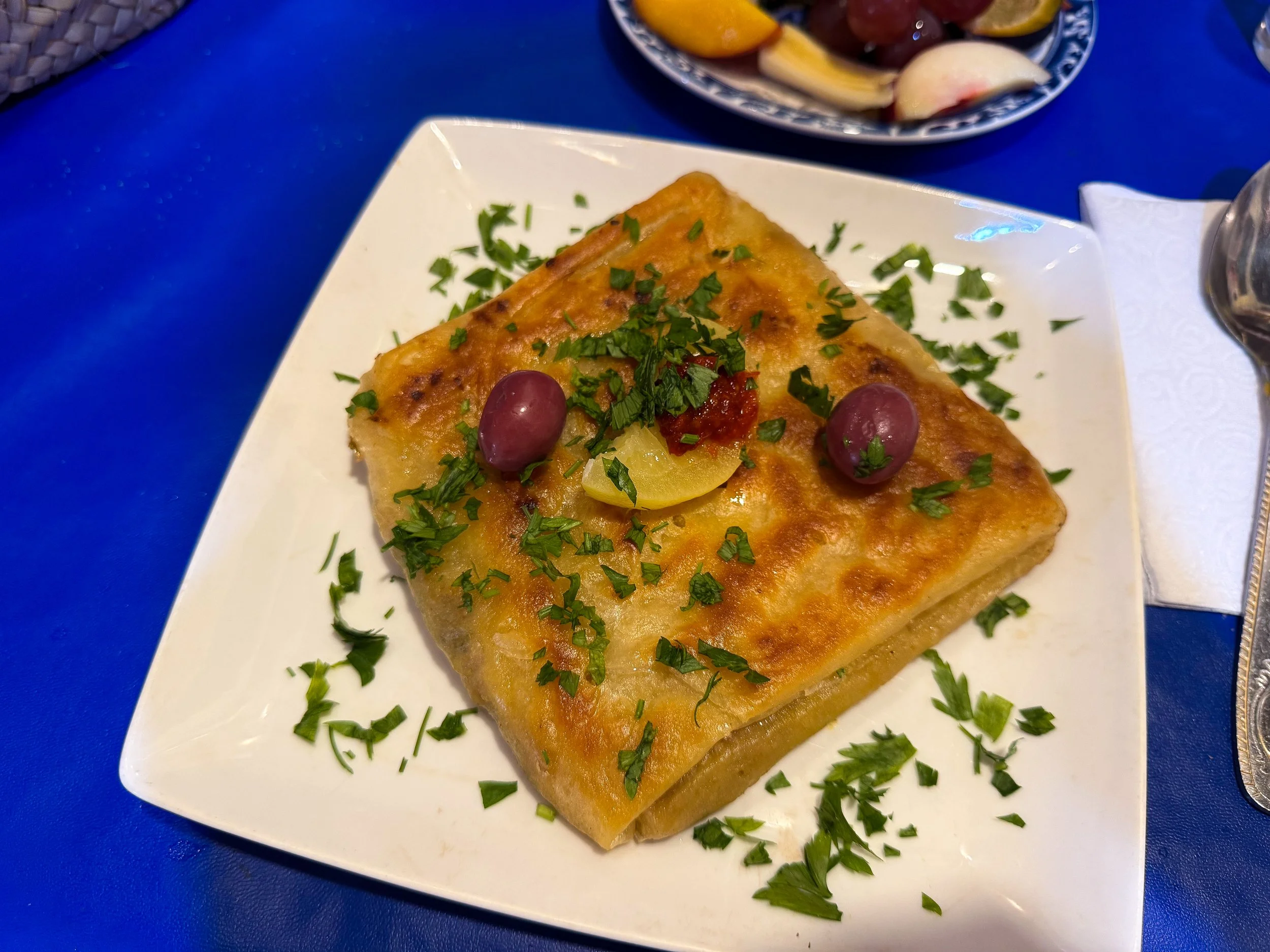
Moroccan Pastry. Small pastries made from filo dough, peanuts, honey, orange blossom water and spices. They are commonly enjoyed with mint tea.
Mint Tea. Hot tea made with fresh mint leaves and sugar cubes. It’s served as a common welcome drink.
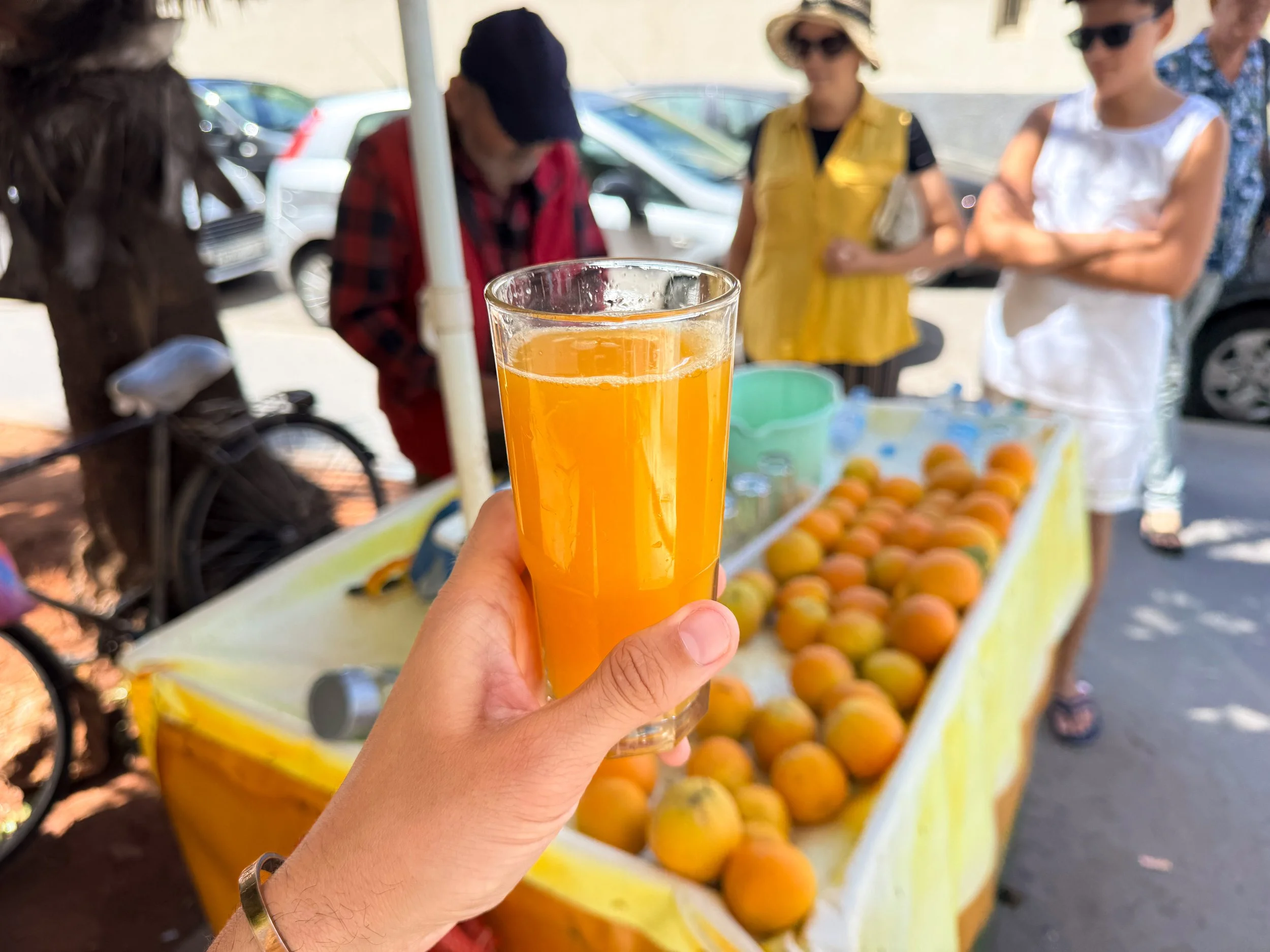
Fresh Squeezed Juice. Juices are commonly drunk across Morocco. Try fresh squeezed orange, pomegranate or sugar cane from a street side juice cart.
Orange Soda. Orange is one of the most popular flavors in Morocco. Try a Moroccan orange soda like Orangina or Hawai.
Arabic Words & Phrases
Knowing a few words and phrases in Arabic goes a long way in Morocco when interacting with locals. Some of the most common and easy to remember are:
Hello = Salama
Goodbye = Beslama
Thank you = Shukran
You’re welcome = Marhaba
Location Specifics
When to Visit. September is the best month of the year to visit Morocco. It’s just before peak travel season with hot to moderate temperatures. Temperatures are typically cooler near the Atlantic coast in Casablanca.
Language. Arabic, French and English are commonly spoken by many people, seen on signage and menus.
Cash vs. Card. Cash is the preferred and often only accepted method of payment at many businesses. Confirm before ordering at restaurants or agreeing to services.
Safety. Casablanca a generally safe destination to visit. Be aware of your surroundings and keep hold of personal belongings to avoid pickpocketing.
Drinking Water. Tap water is not safe for consumption or using to cook with. Only use bottled water.
Alcohol. The sale of alcohol is heavily controlled throughout the country. Only some restaurants will serve cocktails, beer and wine.
LGBTQ+ Safety. Moroccan laws and customs are not very accepting of LGBTQ+ individuals. Stay up to date with the latest laws and suggestions while traveling. Refer to our guide on LGBTQ+ Travel Safety for more advice.
Getting Around
Airport Taxi. There is a taxi stand past customs at the airport with regulated prices for taxis to Casablanca and to cities across the country. Expect to pay around $30 USD from the airport to the city.
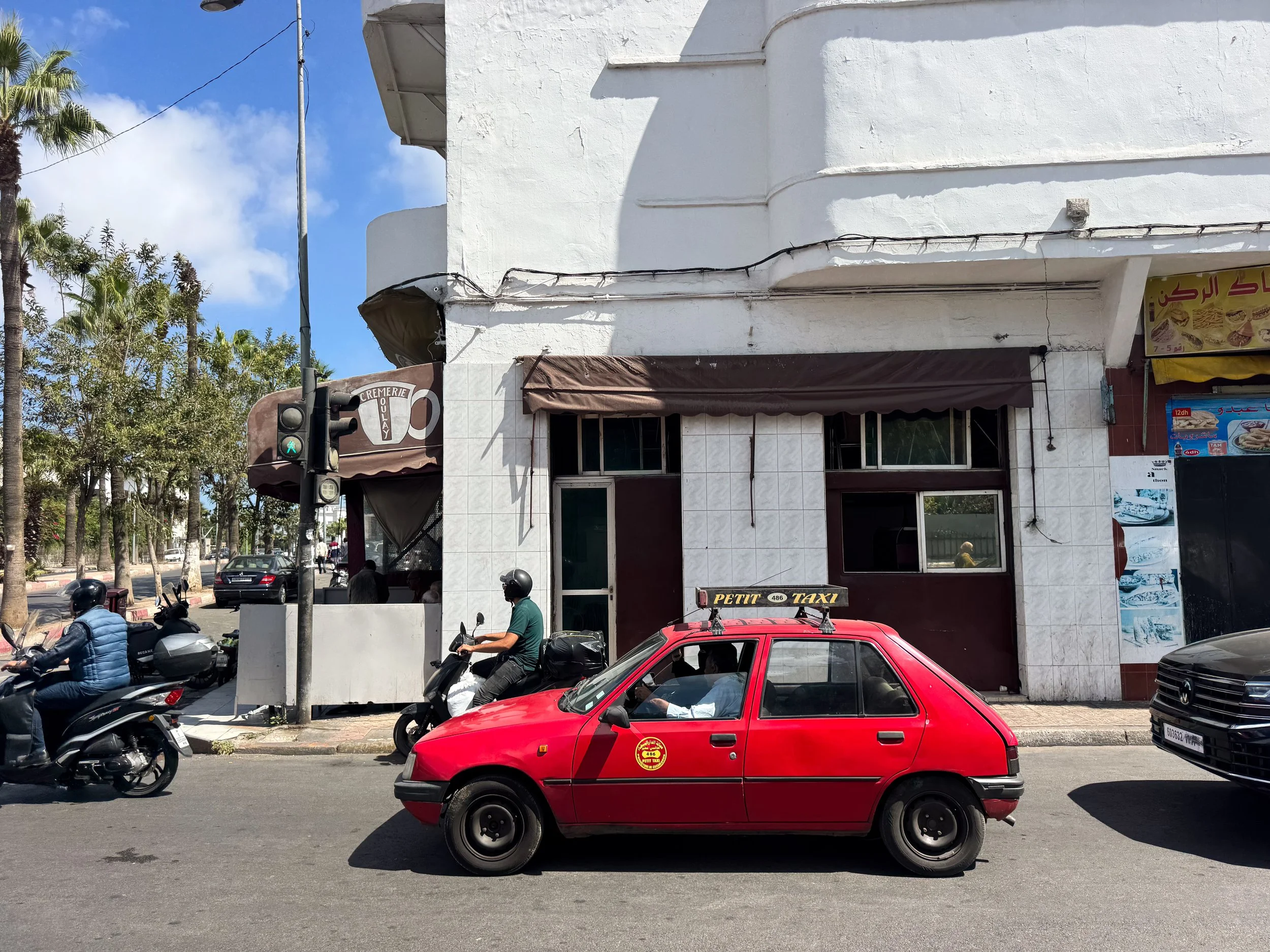
Petit Taxi. Small red taxis present throughout the city. They’re safe, affordable and quick when getting around. Hail one off the street and negotiate price before getting in. Fares are usually under 100.
On Foot. The city is easily walkable and generally safe, making it a fun way to get around and explore.
Elsewhere in Morocco
From Casablanca's Atlantic shoreline and urban culture to Morocco's historic medinas, mountain towns and desert landscapes, continue your journey through Morocco with these travel guides:
Marrakech Travel Guide: Medina, Souks & Moroccan Cuisine. Get lost in Marrakech's maze-like alleyways where vibrant souks, elaborate palaces and historic mosques bring centuries of Moroccan culture, cuisine & tradition to life.
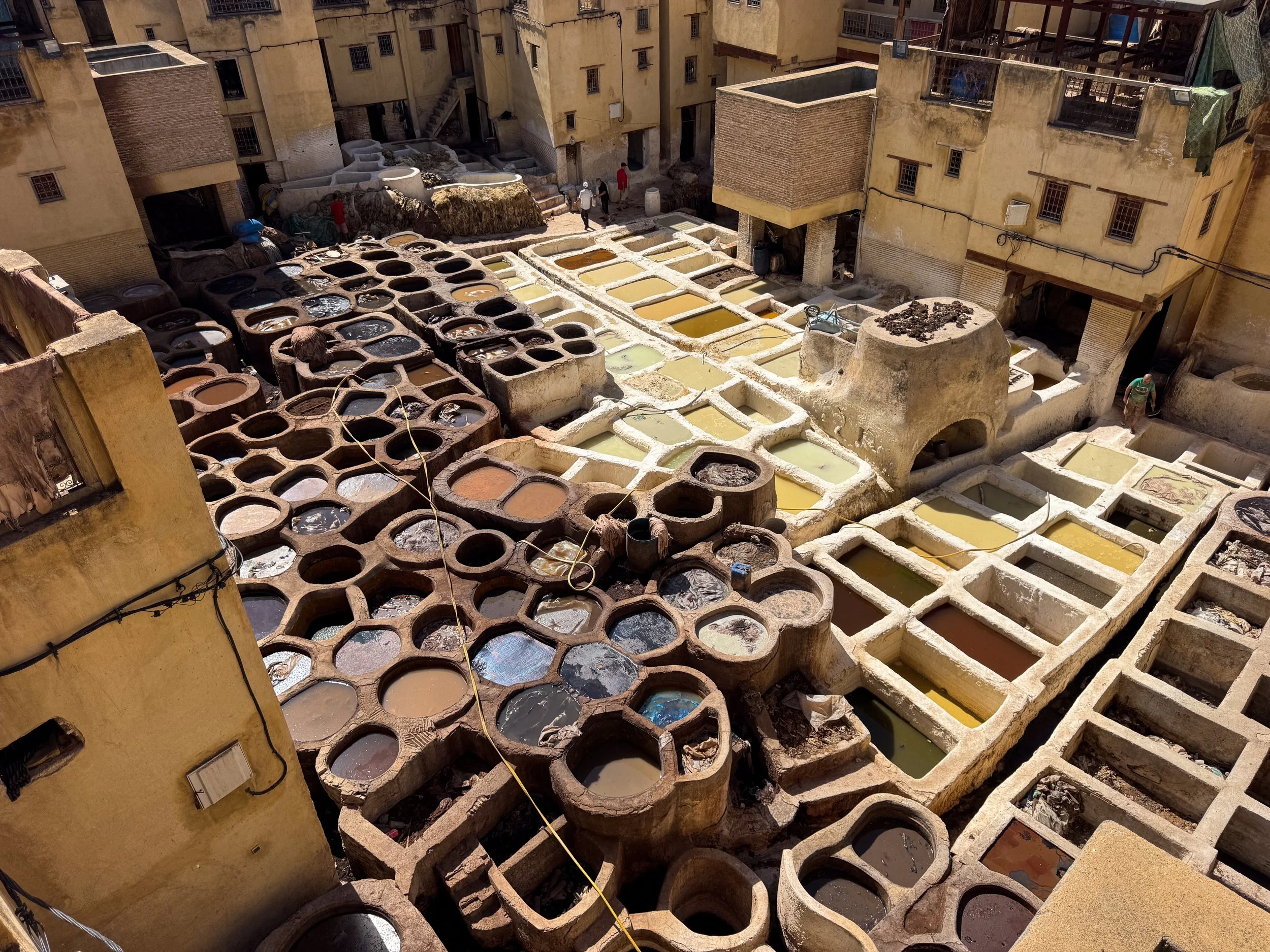
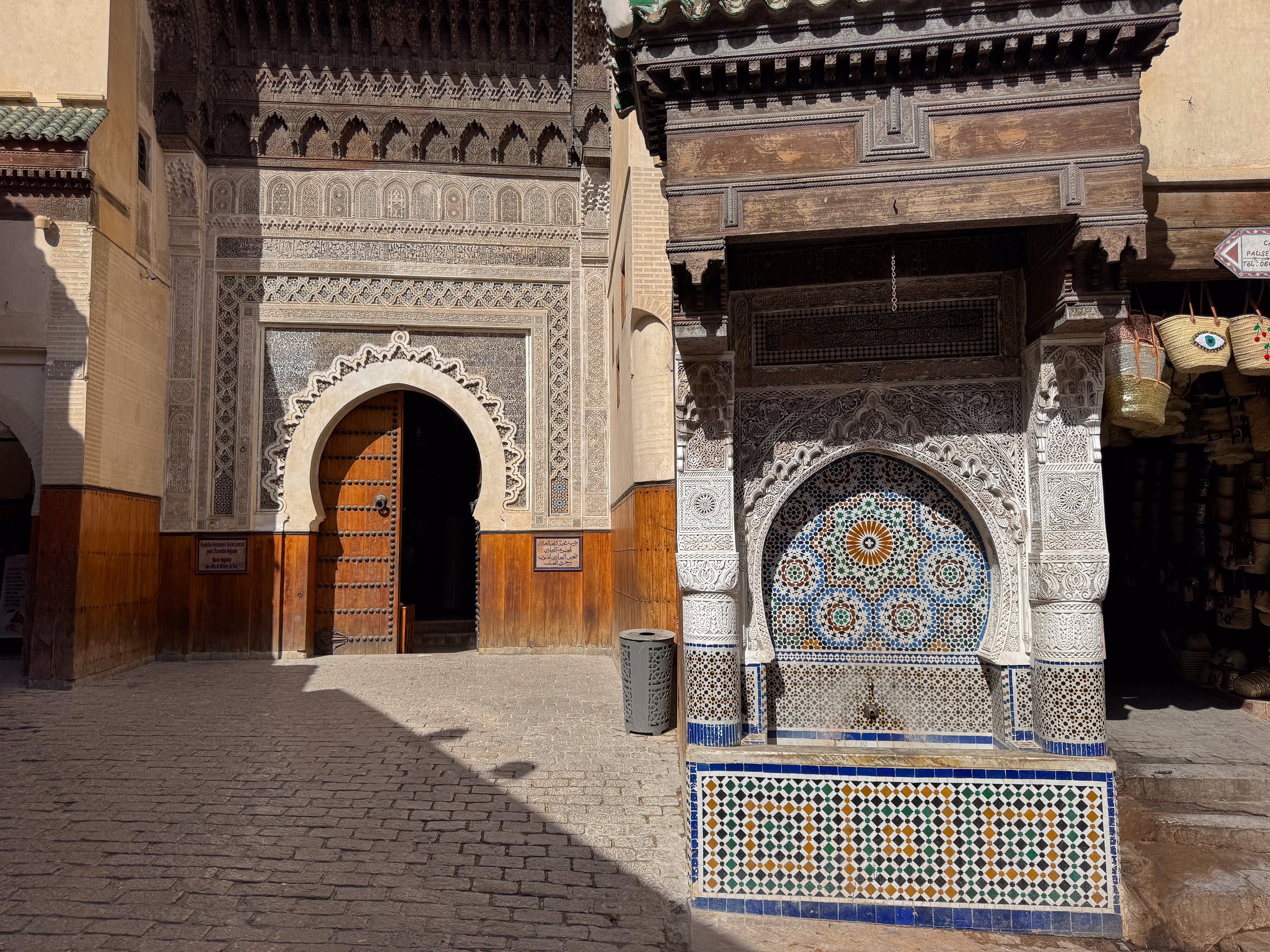
Fes Travel Guide: Medina, Tanneries & Islamic History. Step into Fes's ancient medina where Islamic landmarks, historic tanneries, traditional riads and skilled artisans preserve centuries of Moroccan heritage and tradition.
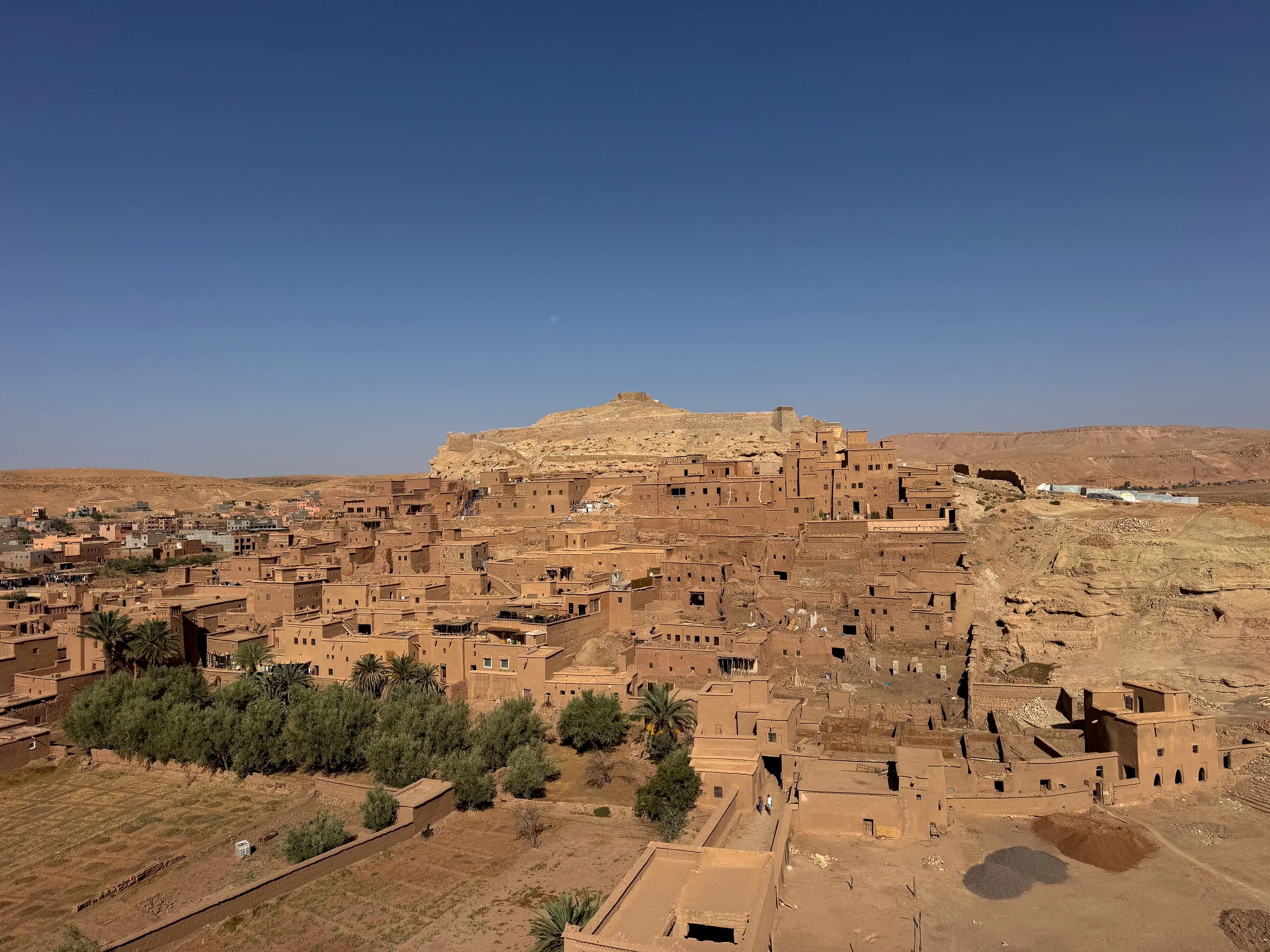
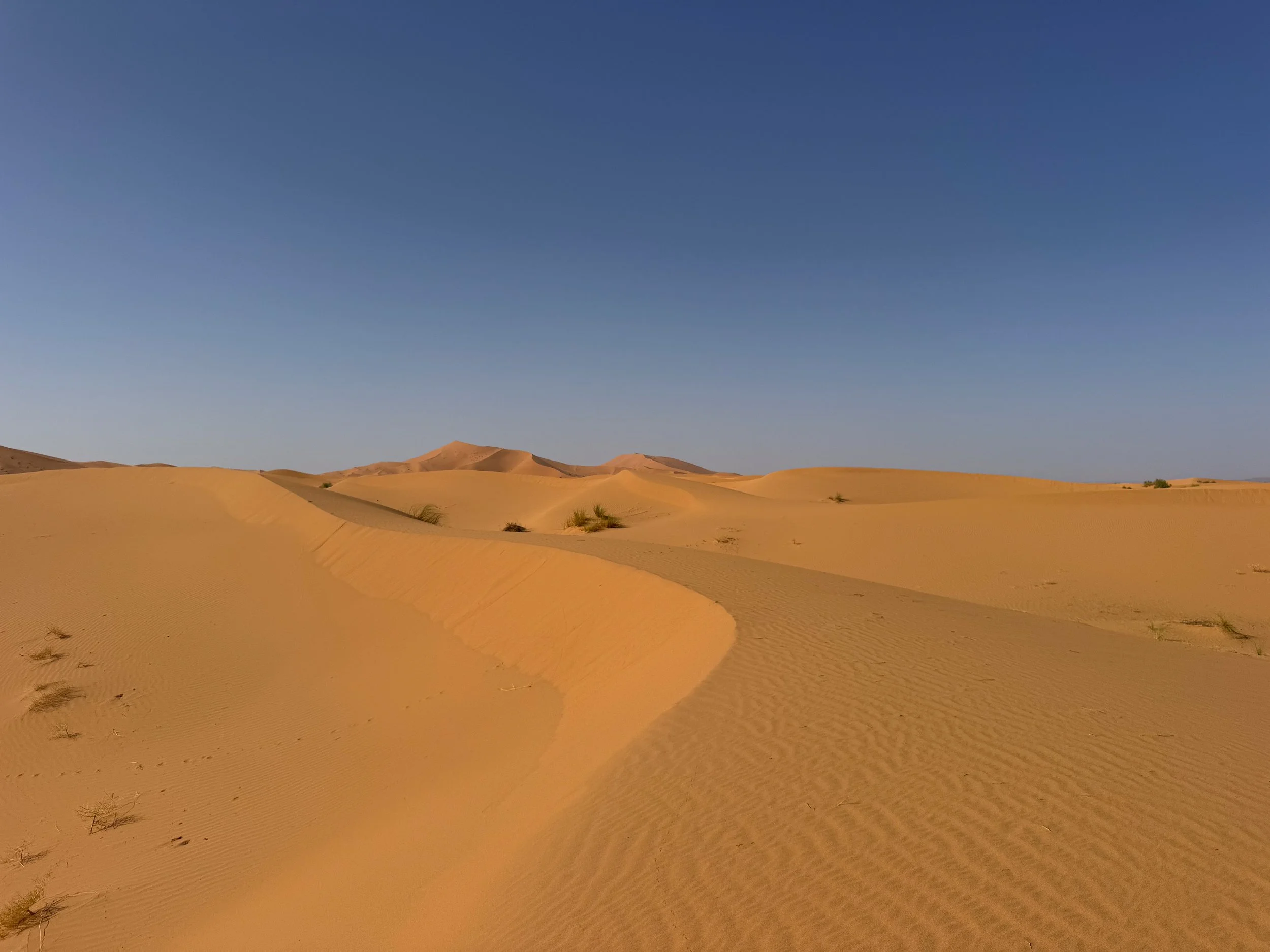
Morocco Road Trip Guide: Sahara Desert, Kasbahs & Berber Culture. Road trip across Morocco's dramatic landscapes where palm oases, ancient kasbahs, towering dunes and Berber camps create an unforgettable Saharan adventure.
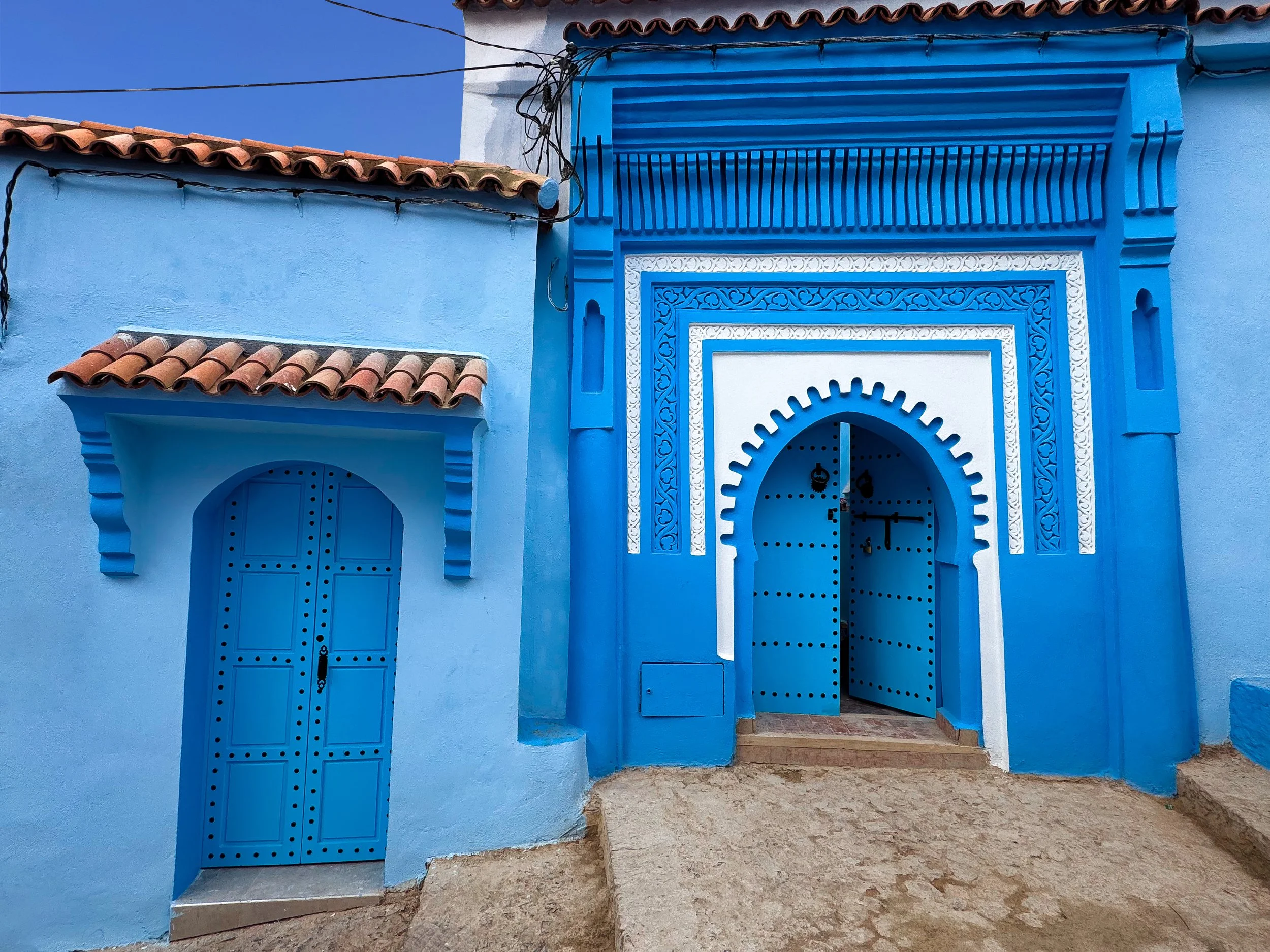
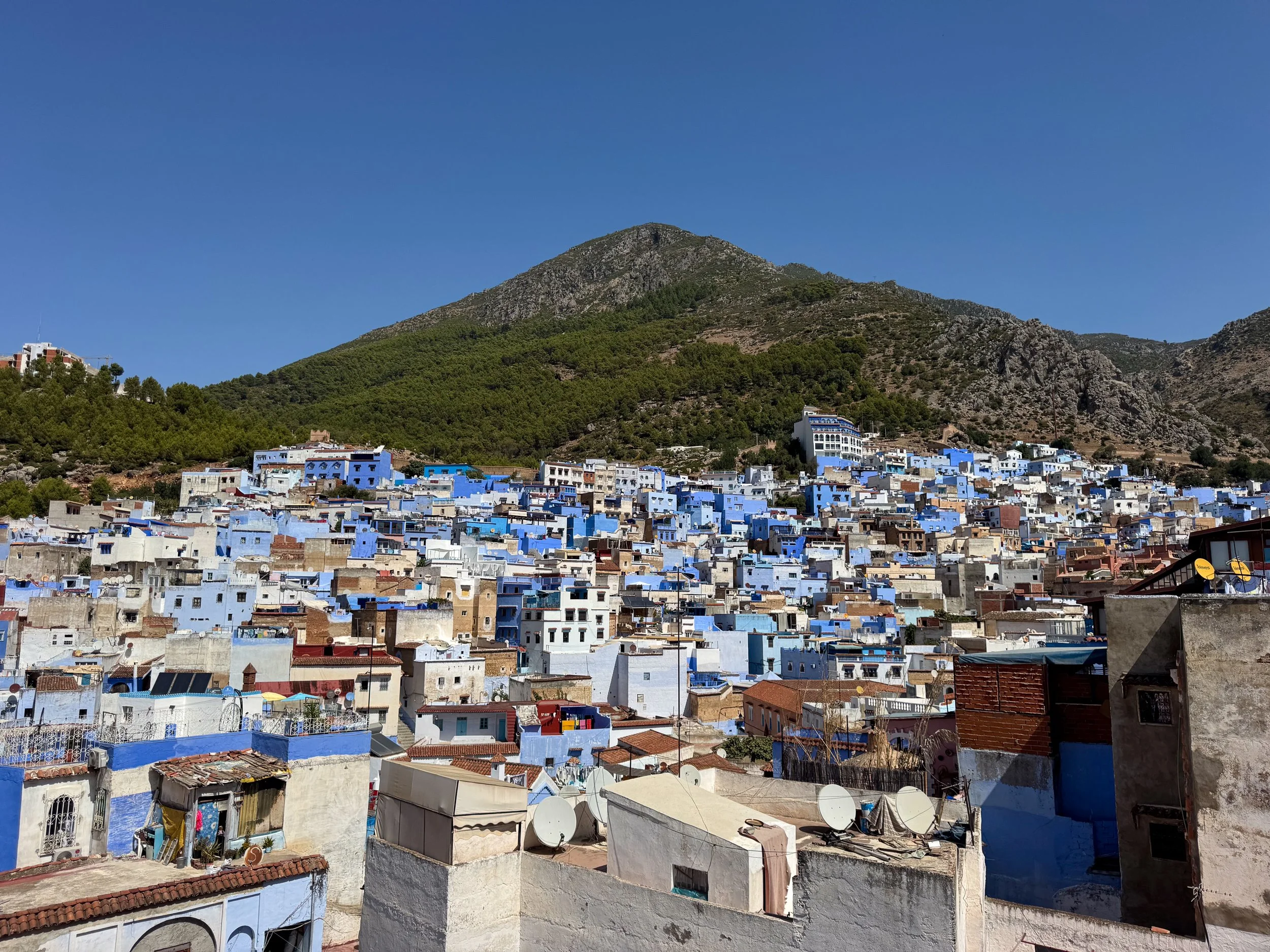
Chefchaouen Travel Guide: The Blue City, Medina & Local Culture. Stroll through Chefchaouen's blue painted medina where historic mosques, fresh juice vendors, Berber artisans and mountain scenery reveal a tranquil side of Morocco.