


La Paz Bolivia Travel Guide: Cable Cars, Markets & Mountain Views
Wander through La Paz where Indigenous culture, bustling markets and Andean flavors thrive beneath dramatic mountain peaks and a network of city wide cable cars.

La Paz, An Andean Metropolis
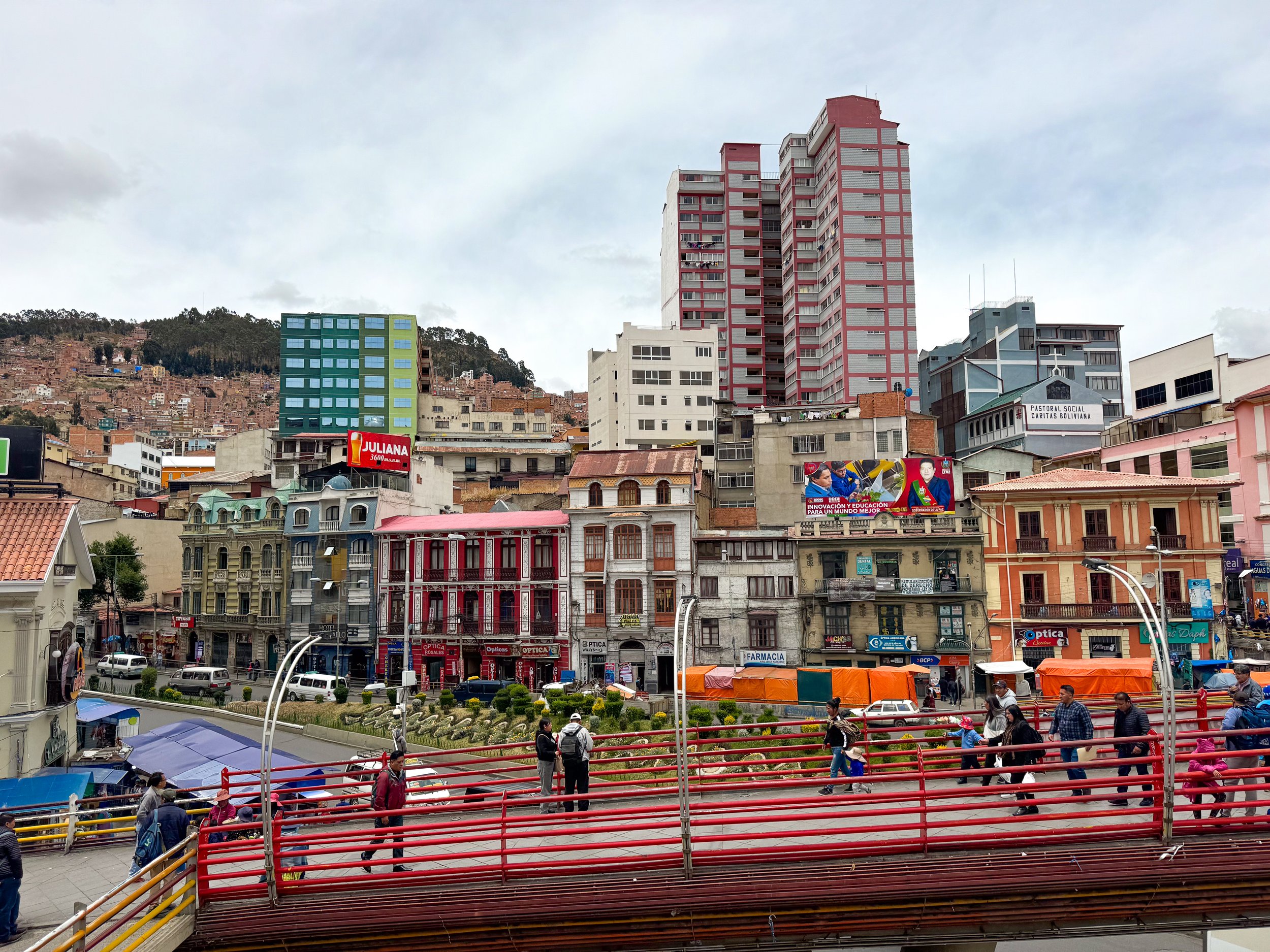
La Paz is the capital of Bolivia sitting nearly 12,000ft above sea level in the Central Andes. It’s a melting pot for Bolivian peoples, both indigenous and urban as well as a gastronomic hub for Andean and Amazonian flavors. Between its green spaces, markets and skyscrapers, the metropolis is a sprawling place to explore. We wandered the busy streets, rode the teleferico high above the city and hiked to urban lookouts. At night, as the colorful roofs fade into darkness, the city begins to glow with the warmth of twinkle lights.
Neighborhoods
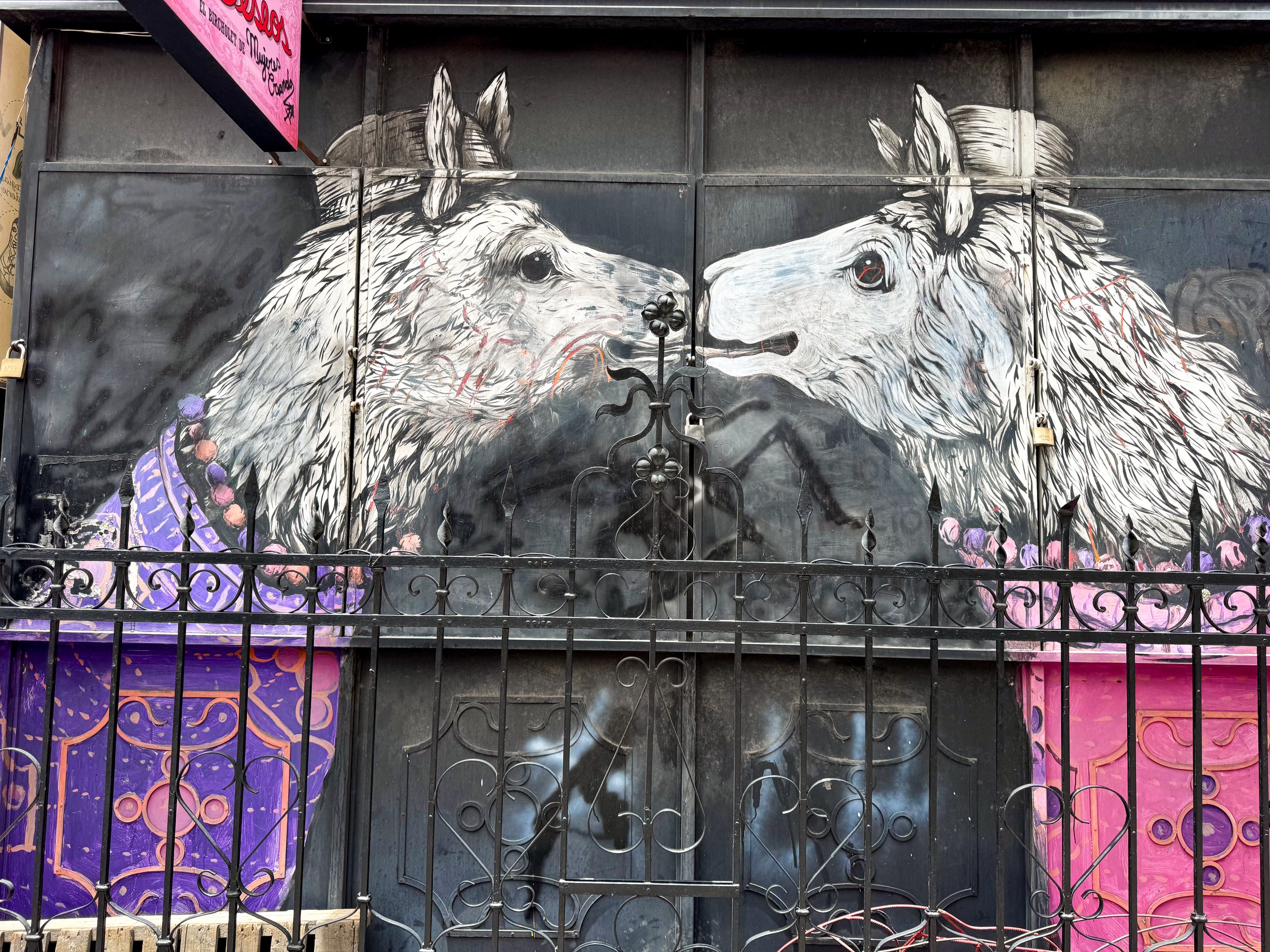
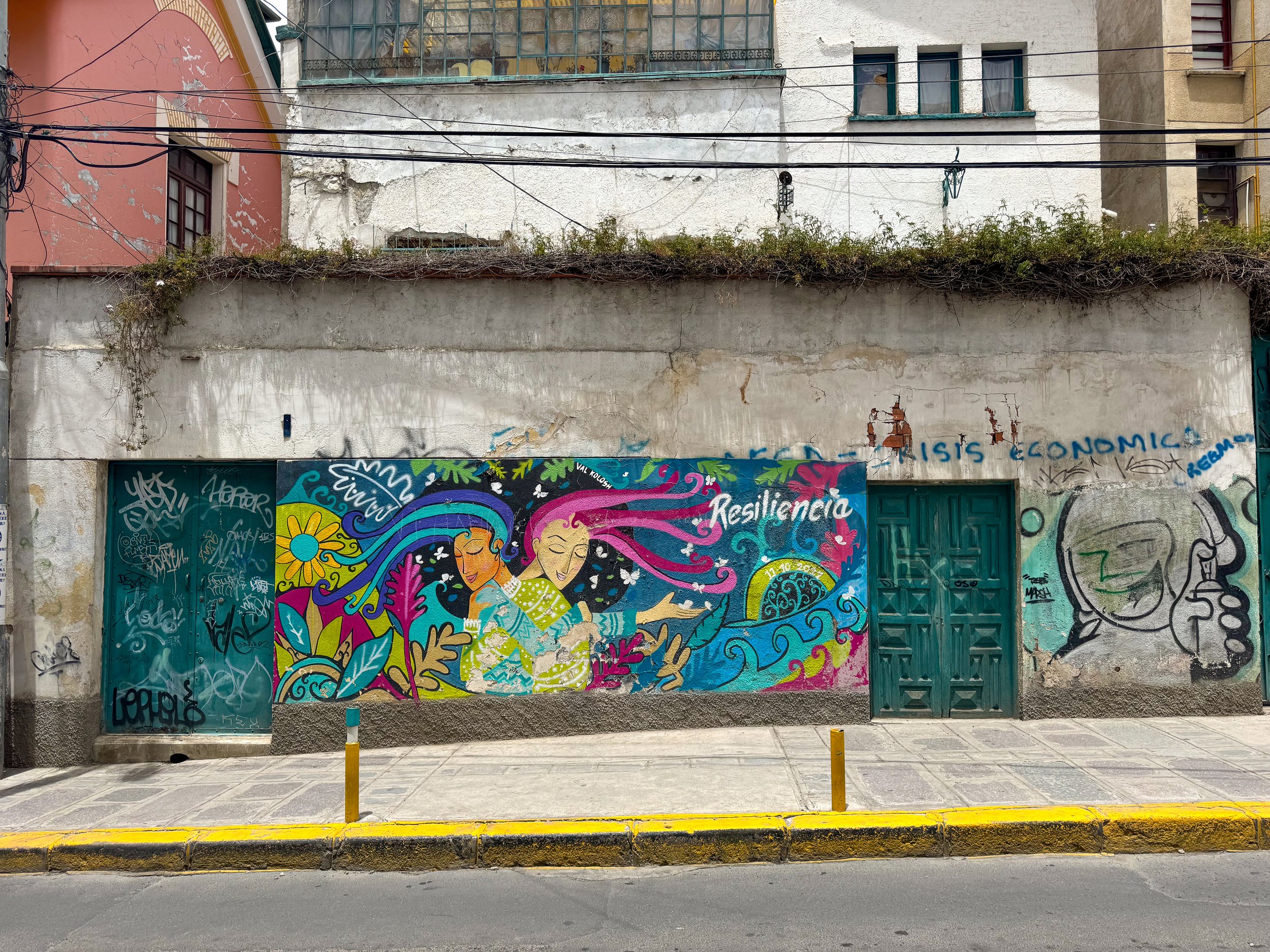
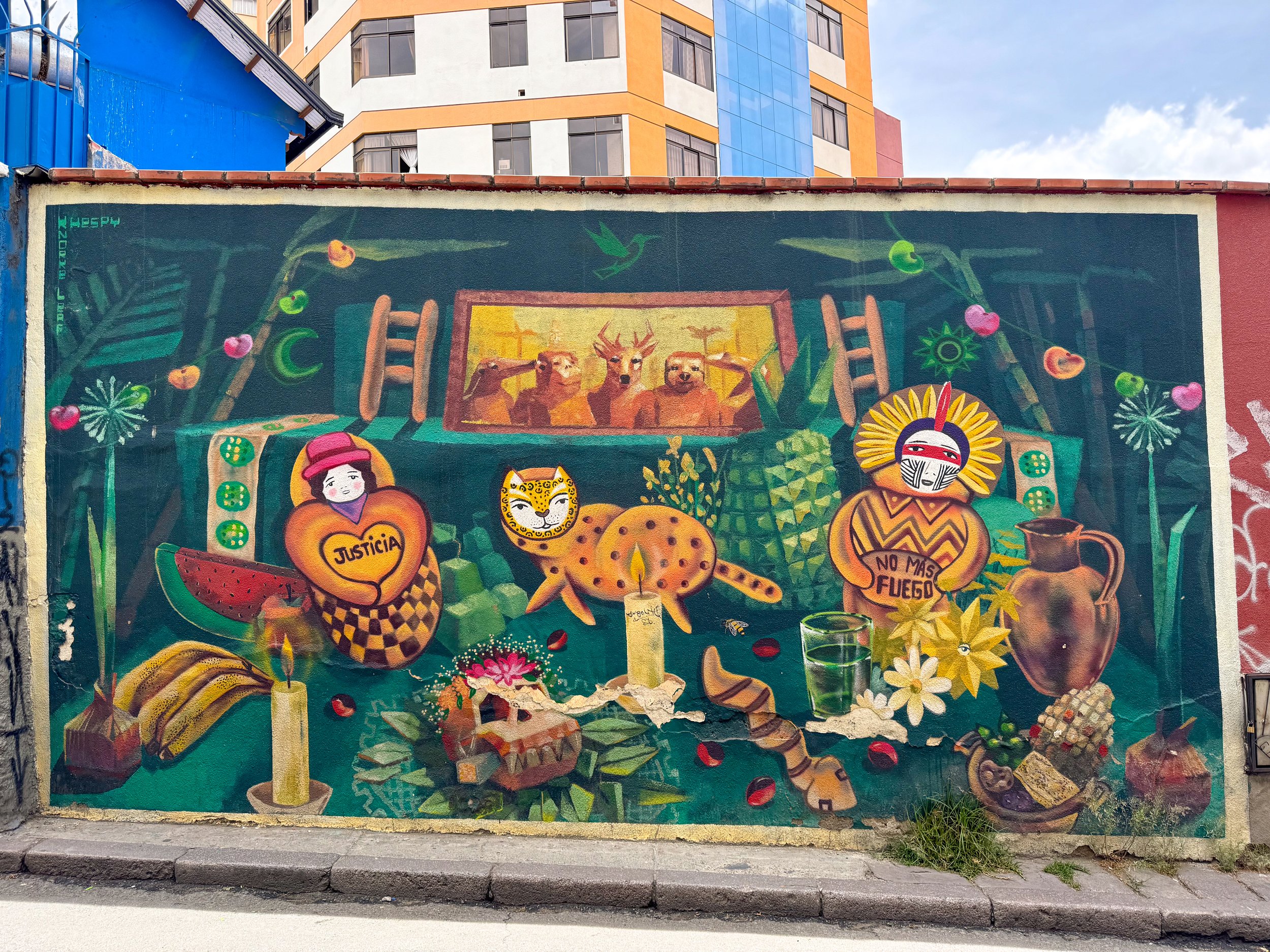
Barrio Sopocachi. A bohemian and artsy neighborhood with murals, small parks, cafes & bars. It’s quieter and removed from the central neighborhood.
El Centro. The historic center of La Paz with museums, government buildings, colonial architecture and markets.
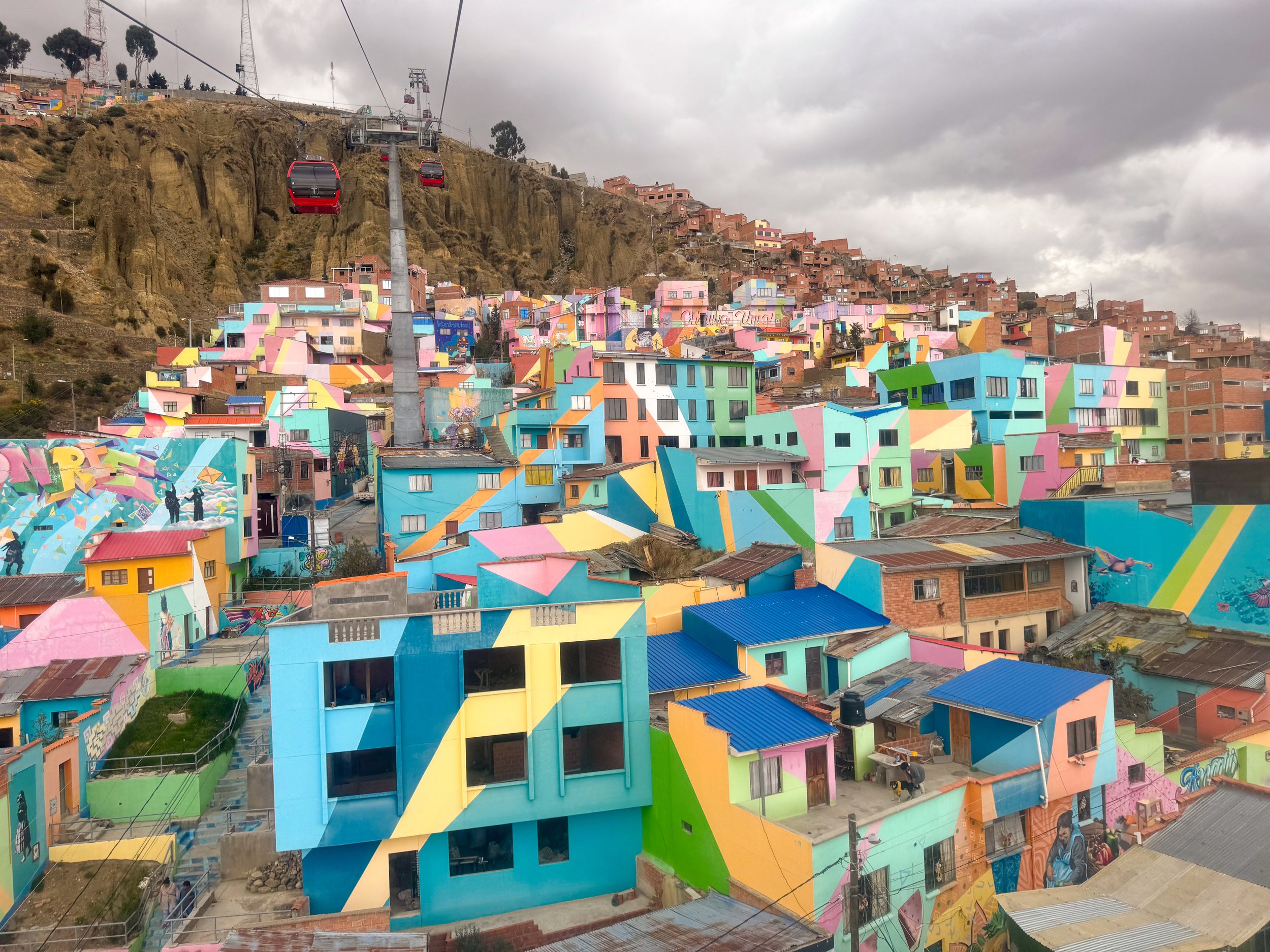
Chualluma. A hilly neighborhood with buildings and steep staircases painted in vibrant and pastel colors. It’s viewable on red teleferico line from the Central Station.
Calacoto. A high end residential and business district at the lower end of the La Paz Valley with elegant homes and towering glass skyscrapers.
See the Sights & Museums
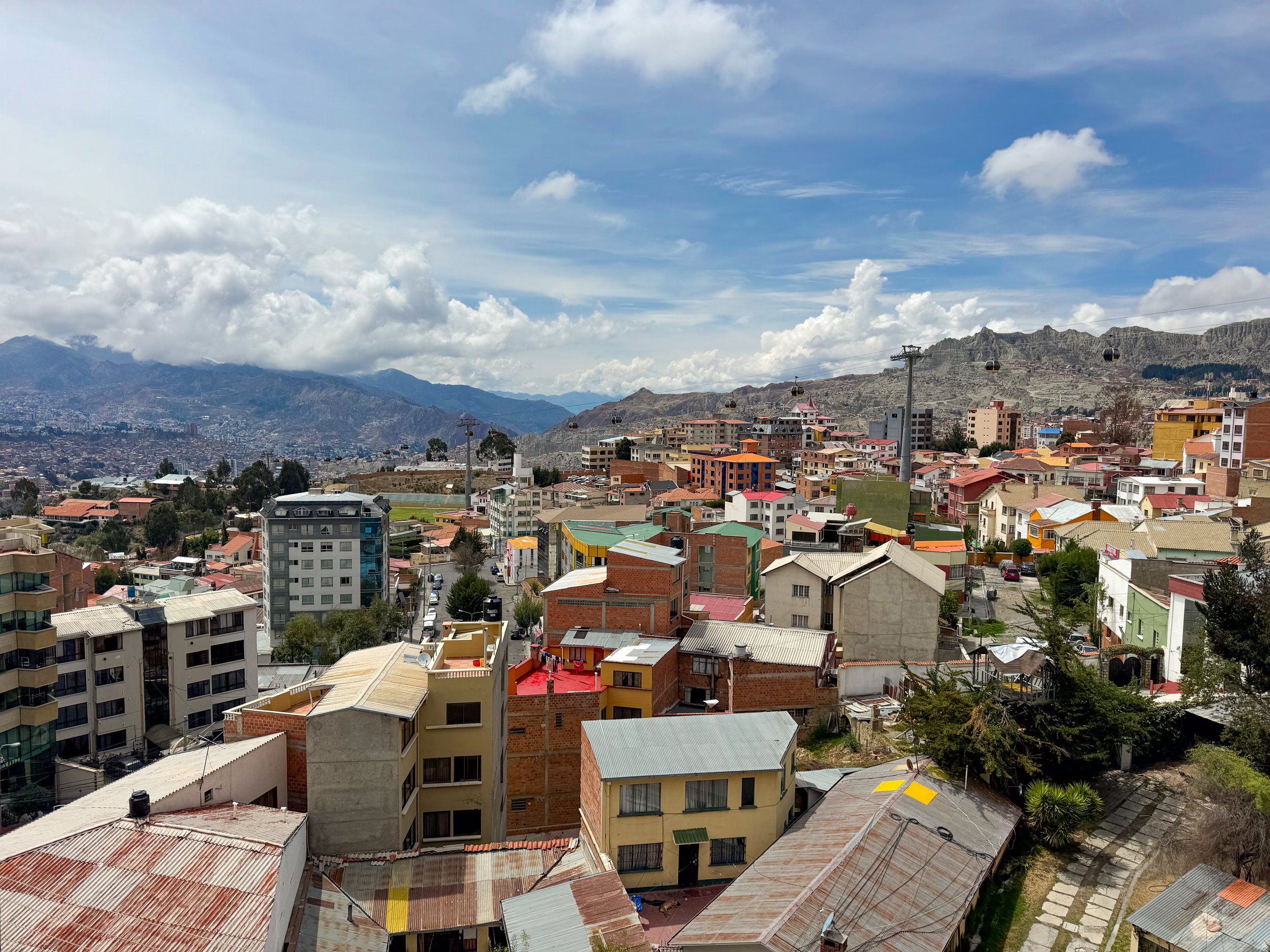
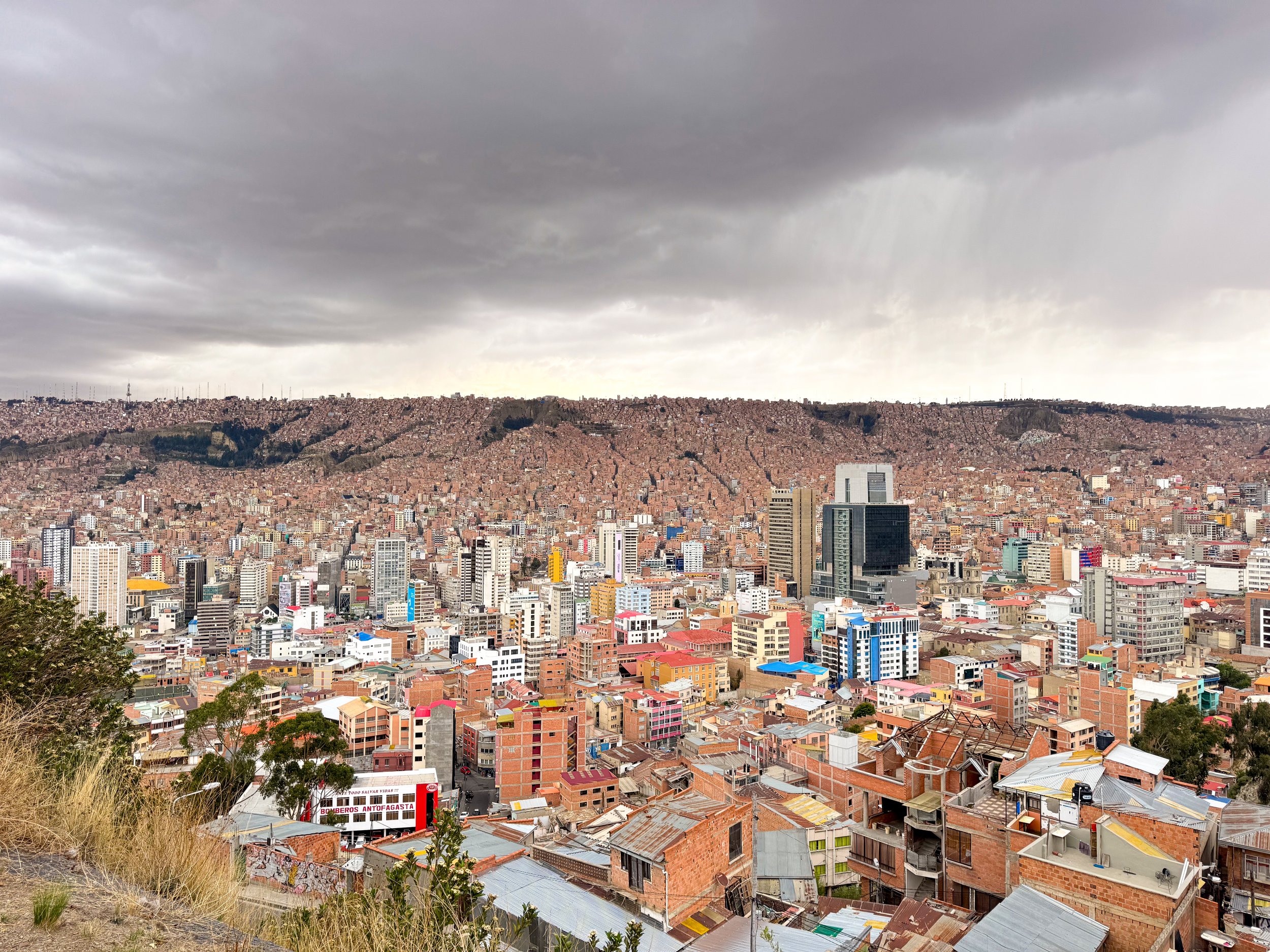
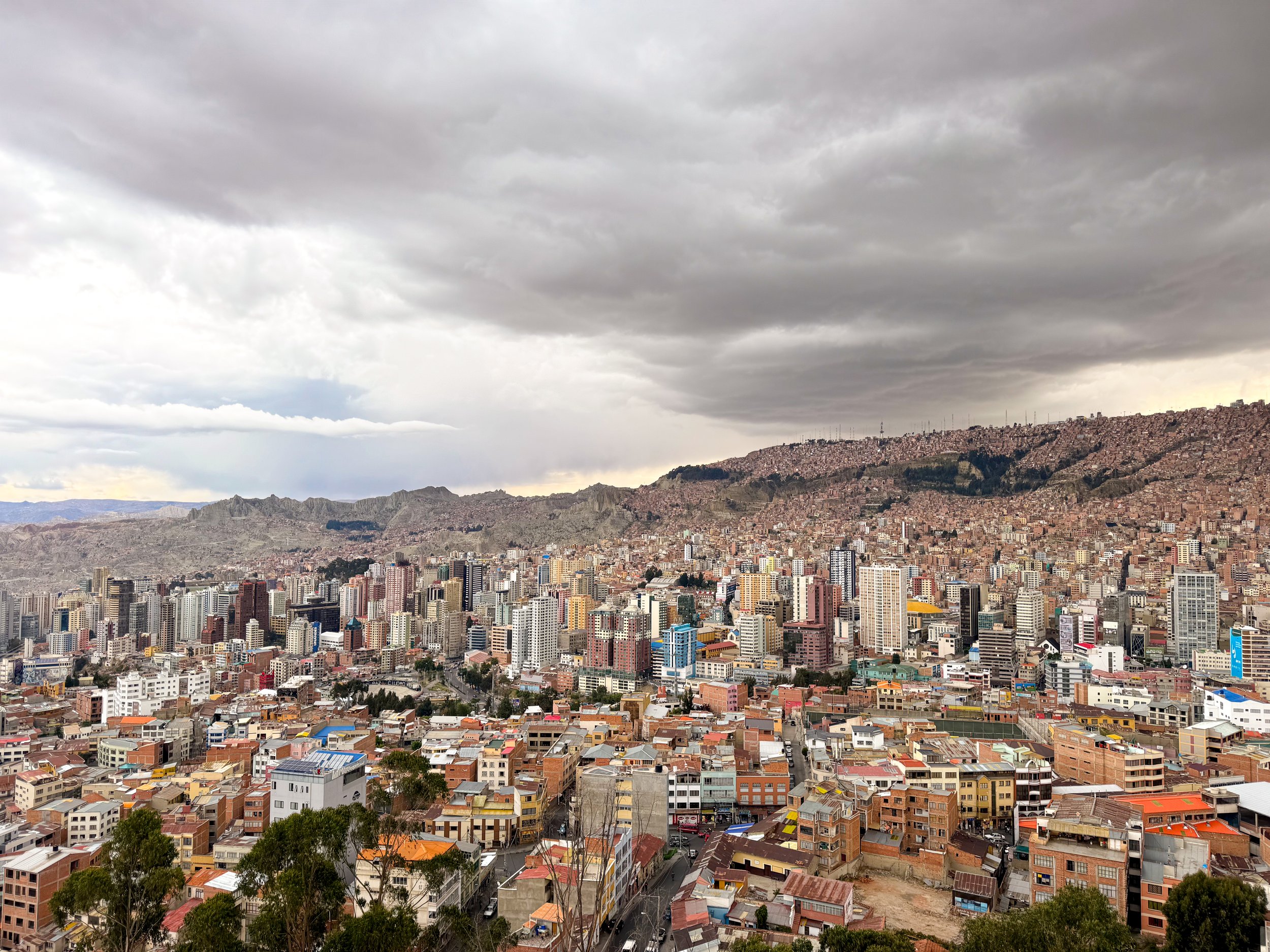
Mirador Killi Killi. A lookout in the middle of La Paz with views of the valley and sprawling city crawling up the mountainsides.
Montículo. A peaceful park and lookout in the middle of Barrio Sopocachi with views of the neighborhood, modern skyscrapers, teleferico and mountains.
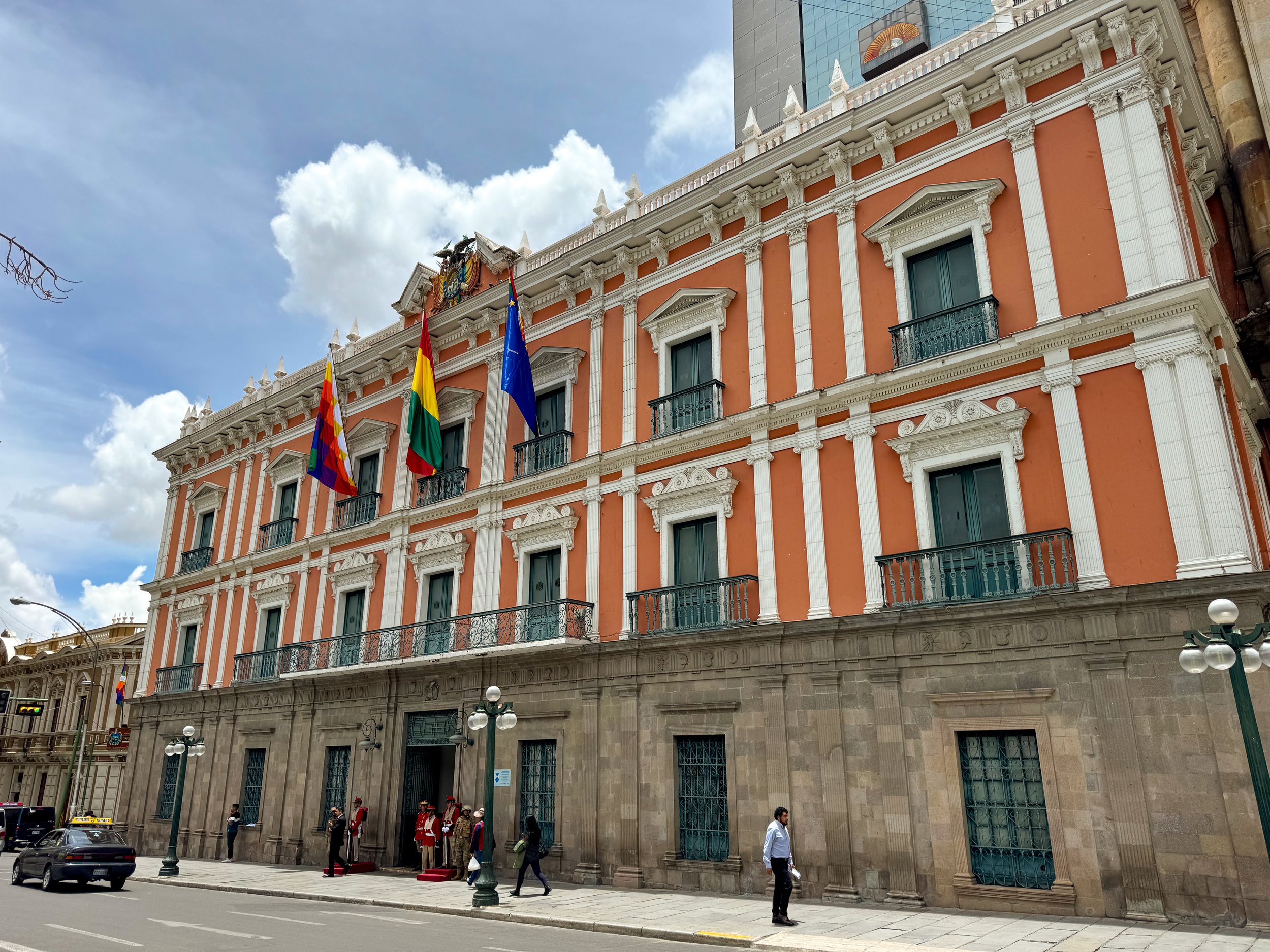
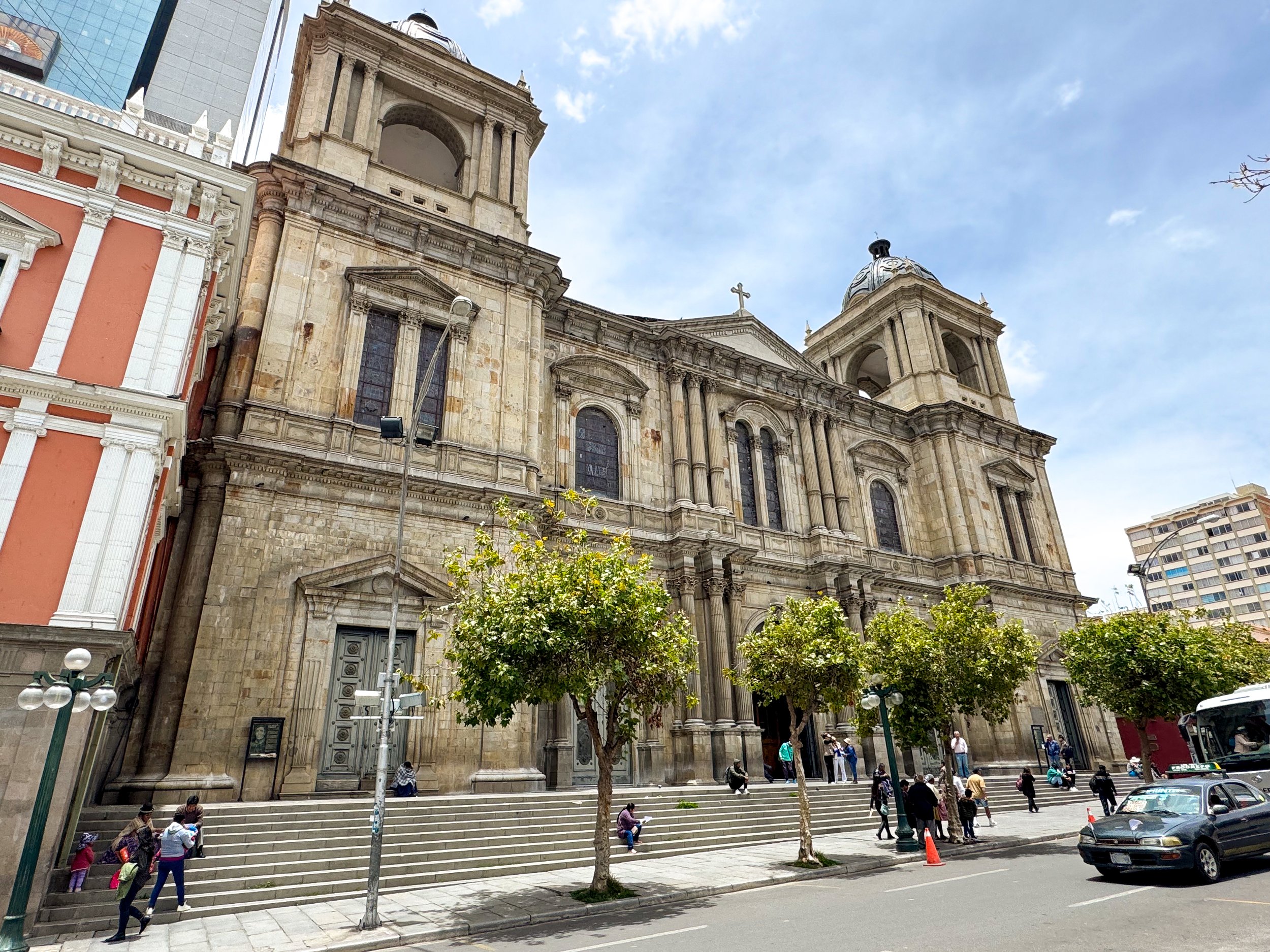
La Plaza Murillo. A central plaza surrounded by stately buildings flying the Bolivian and Andean flags with a large population of pigeons. Notable buildings include:
The Presidential Palace. A stone and red painted building patrolled by military police presidential guard.
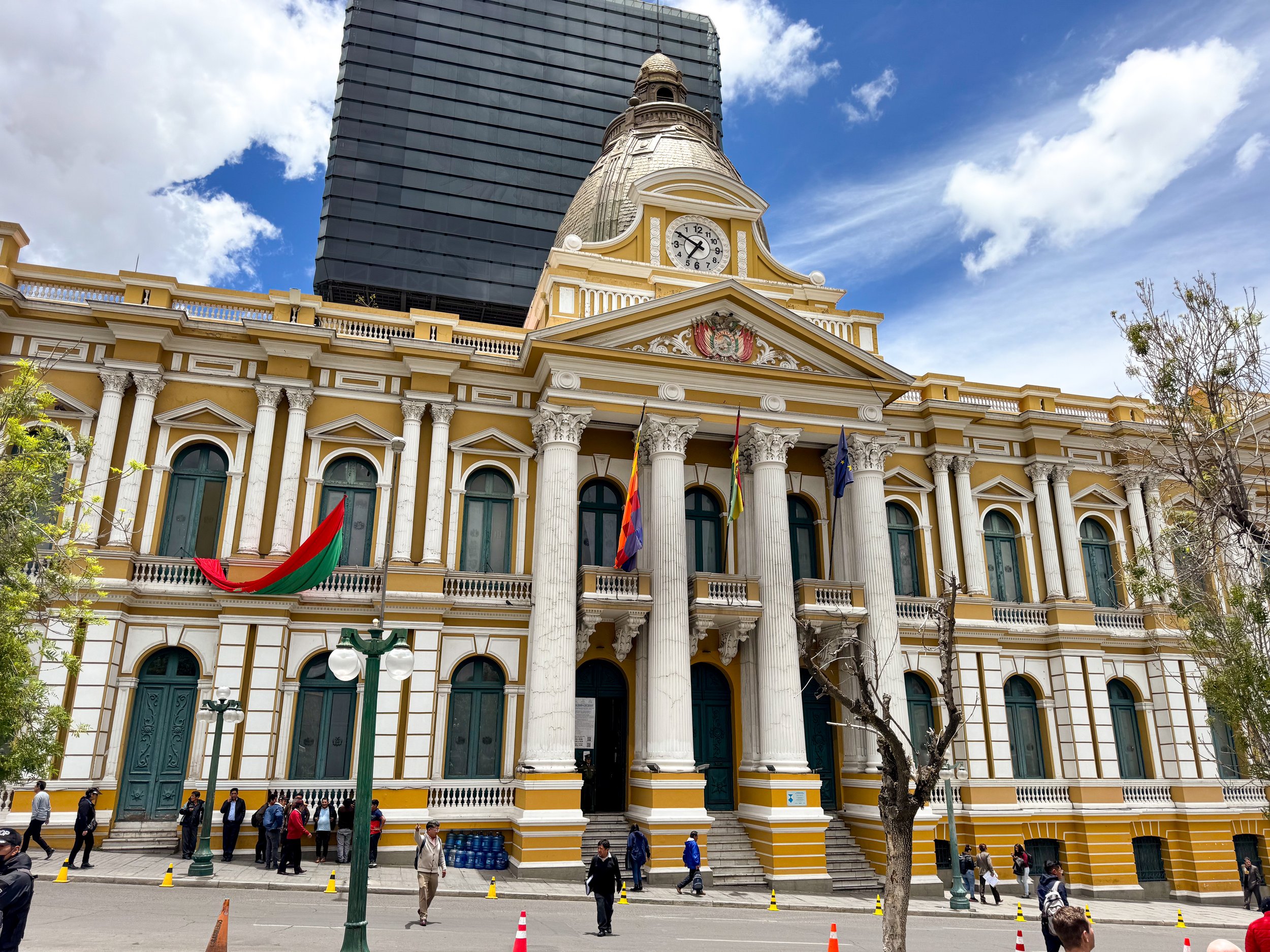
Legislature. A neoclassical building with white marble columns and a backwards clock representative of political change.
Basilica of Our Lady of Peace. A Renaissance style stone cathedral.
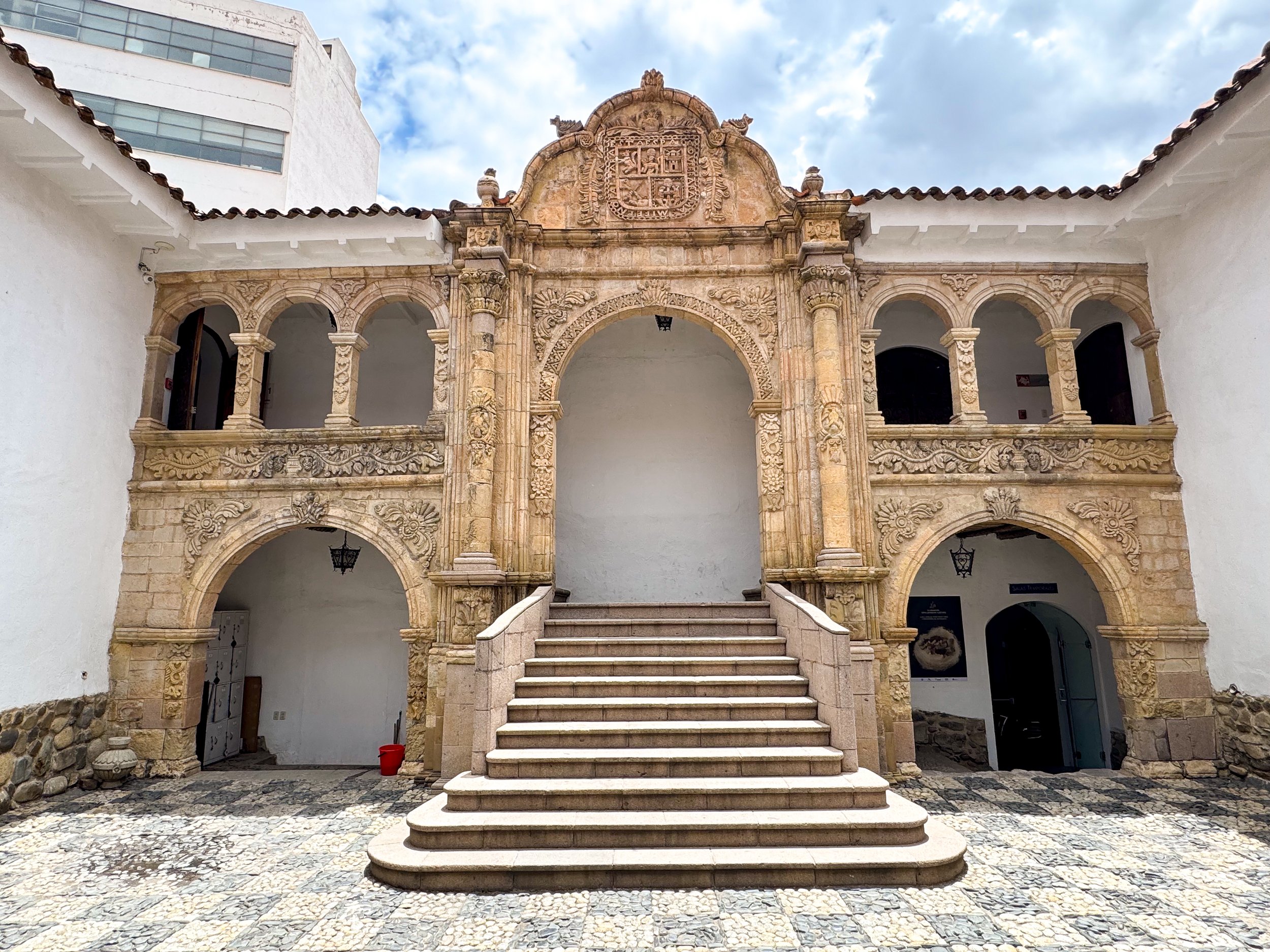
The National Museum of Ethnography & Folklore. A museum with exhibits on the use of natural resources by indigenous Bolivians. The exhibits showcase artifacts including ornate textiles, clothing and hats, elaborate feathered headdresses and totems, colorful Indigenous masks, ceramics and metalwork
Plaza Abaroa. We stumbled upon this plaza while wandering through Barrio Sopocachi. At the time, it had a market with vendors selling textiles, jewelry and clothes. We bought crossbody bags embroidered in Bolivian textiles.
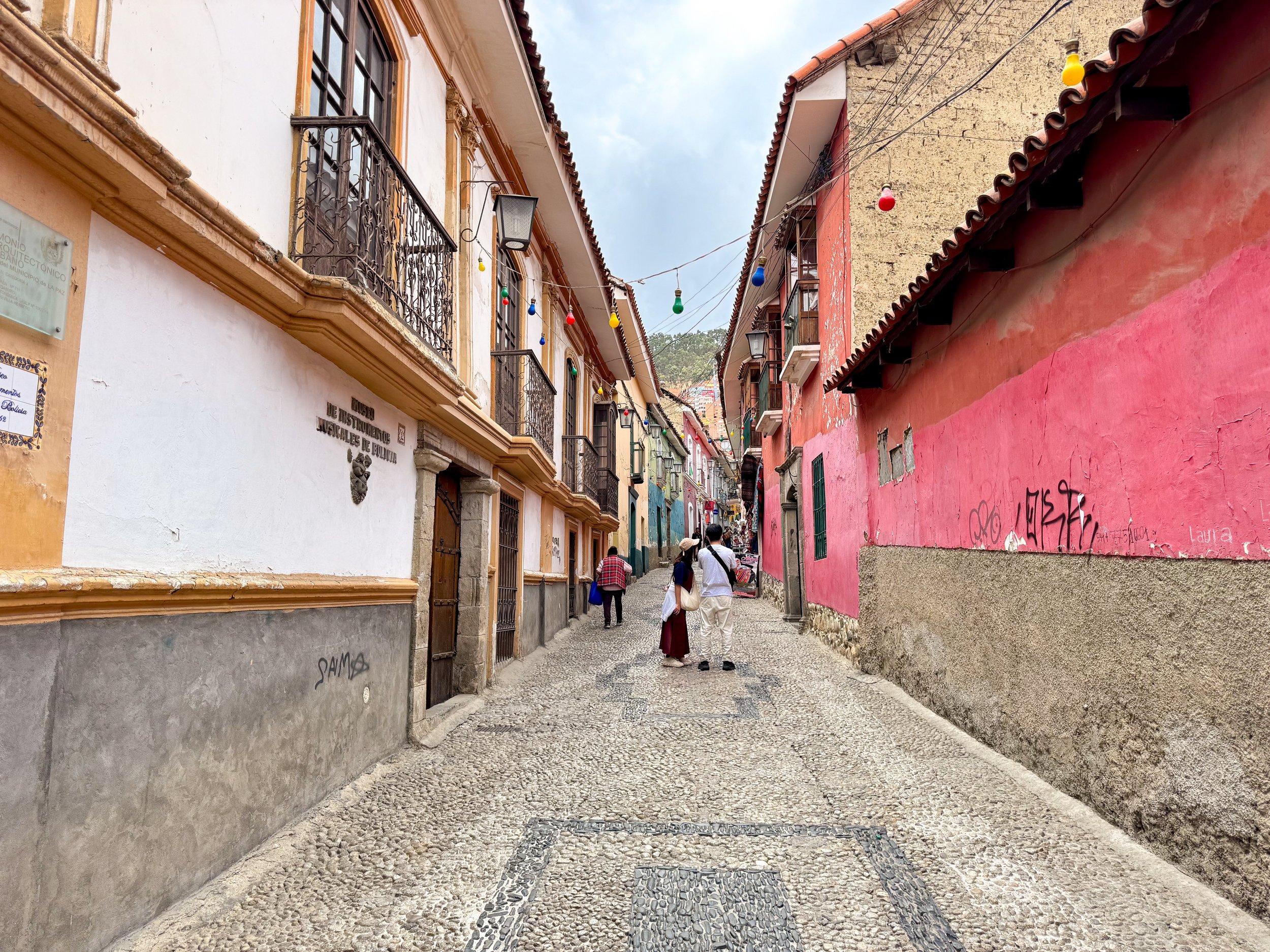
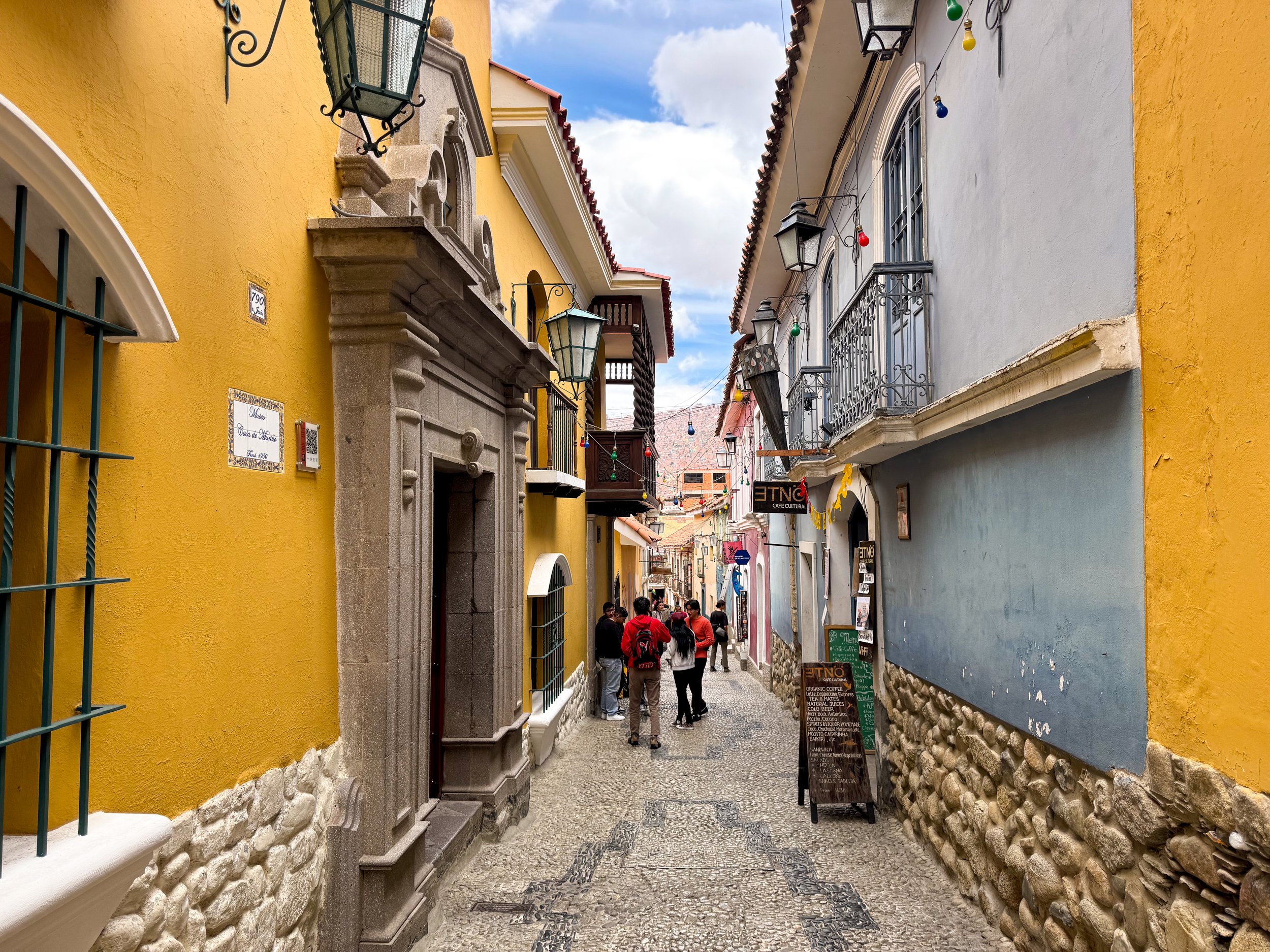
Calle Jean. A cobblestone street with colorful colonial buildings, art galleries, small museums and souvenir shops.
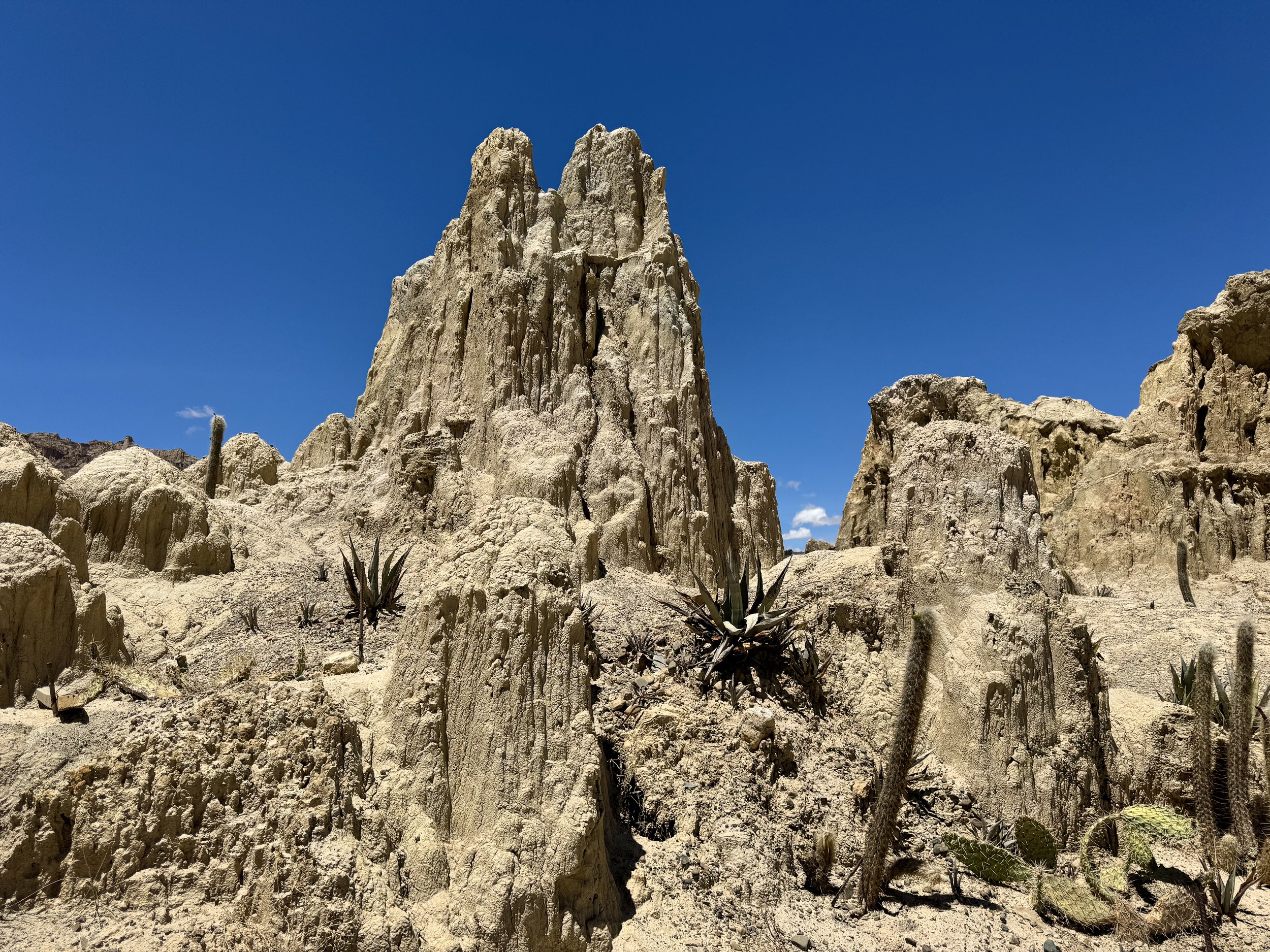

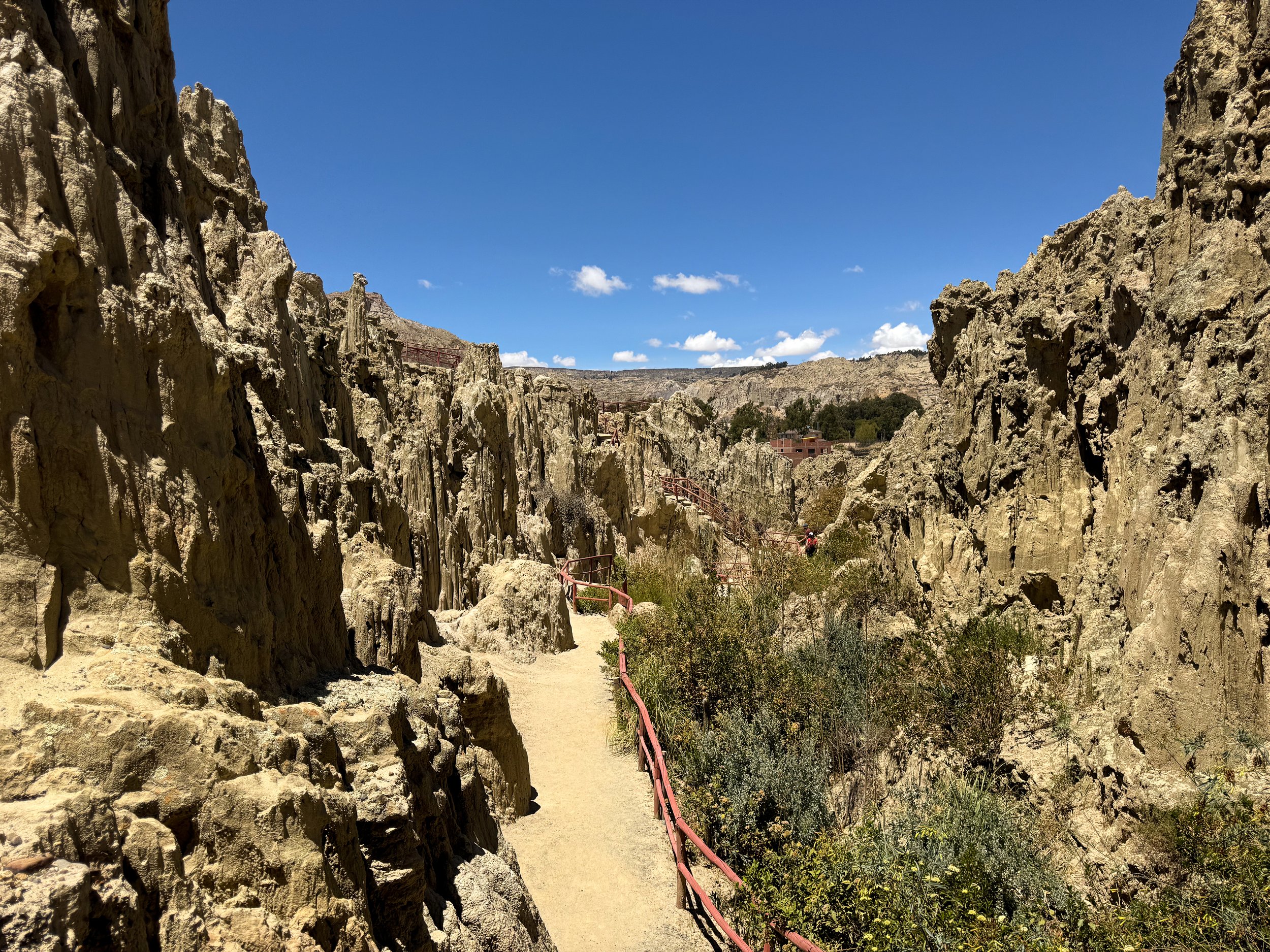
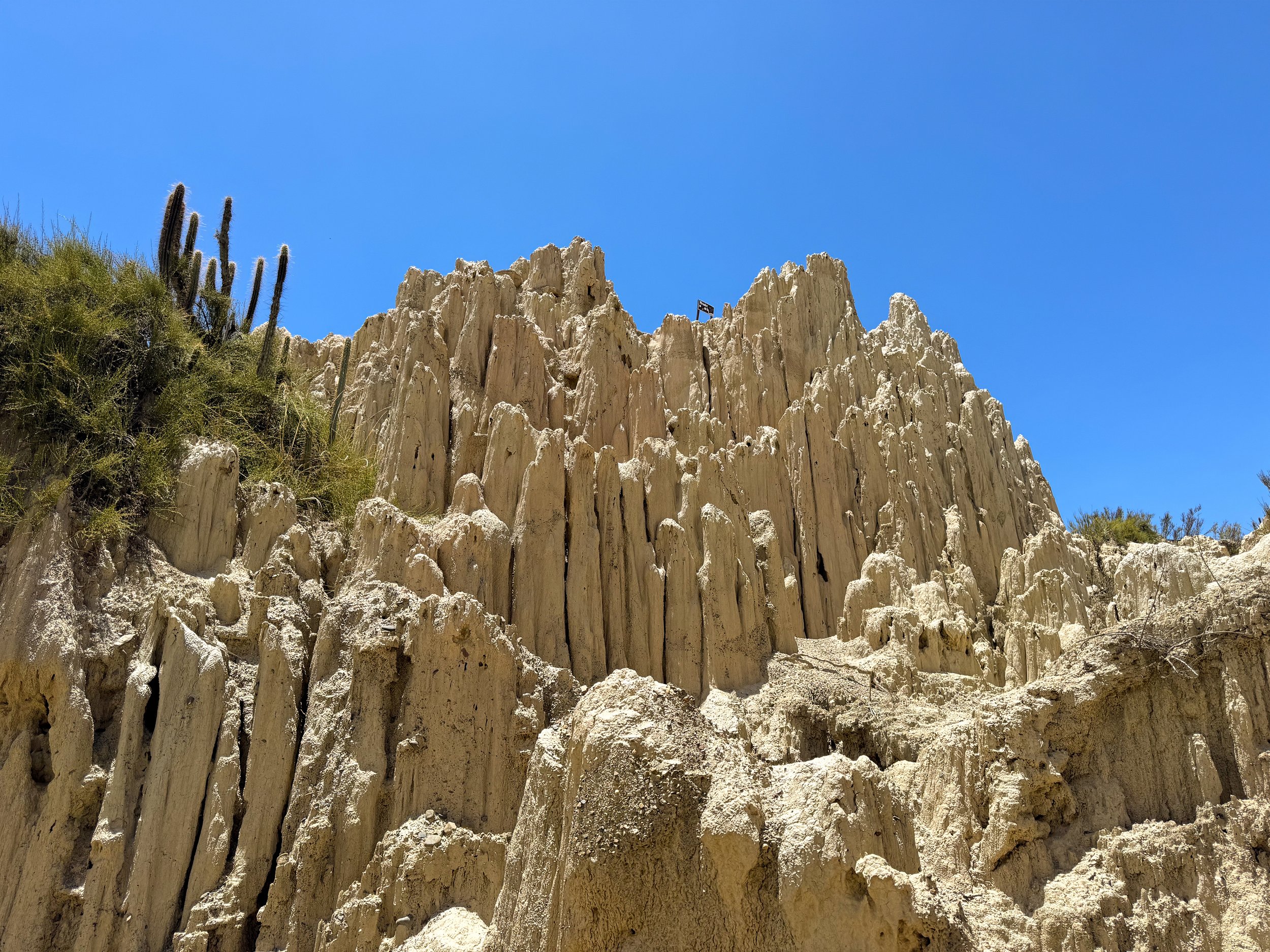
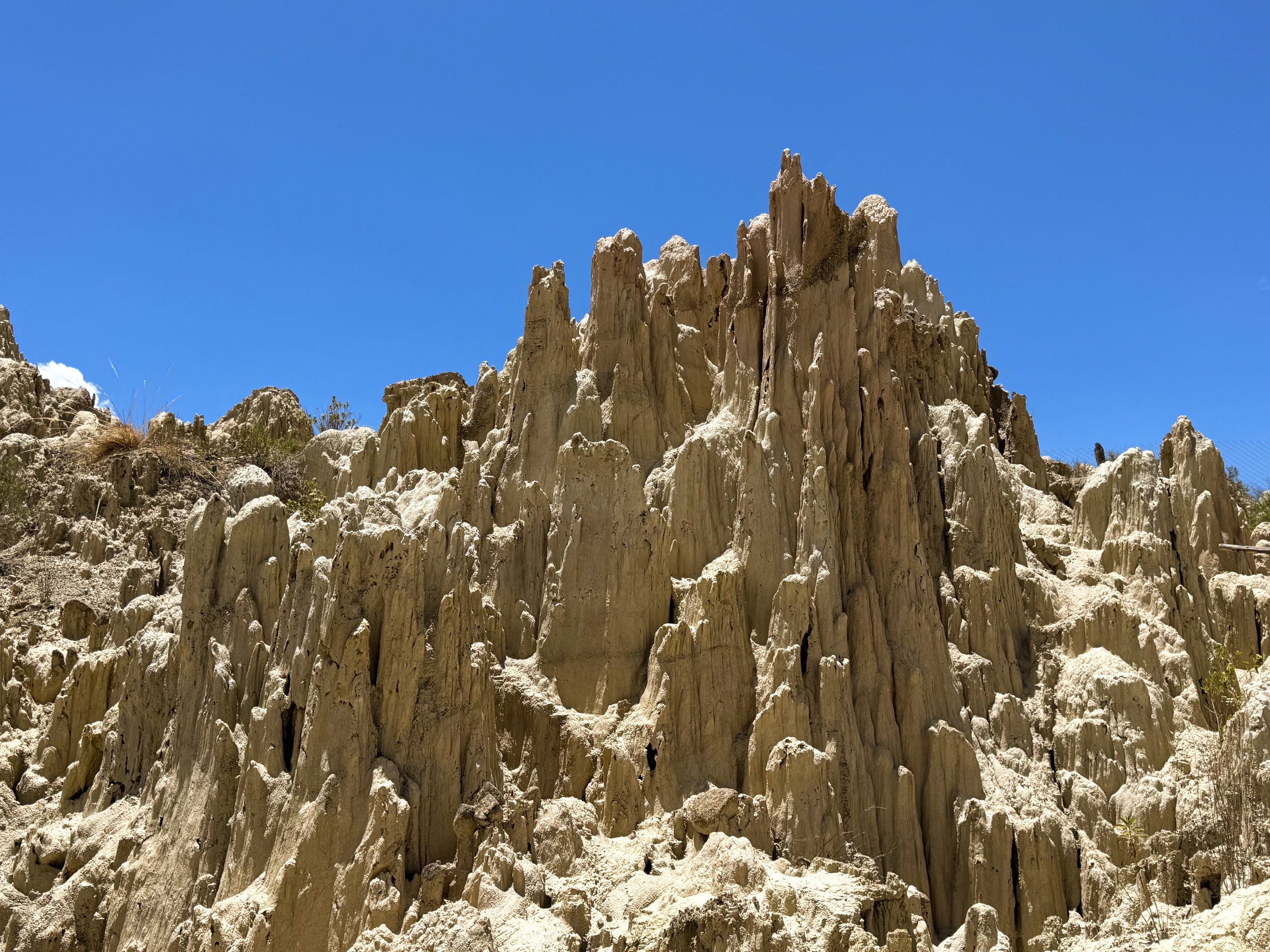
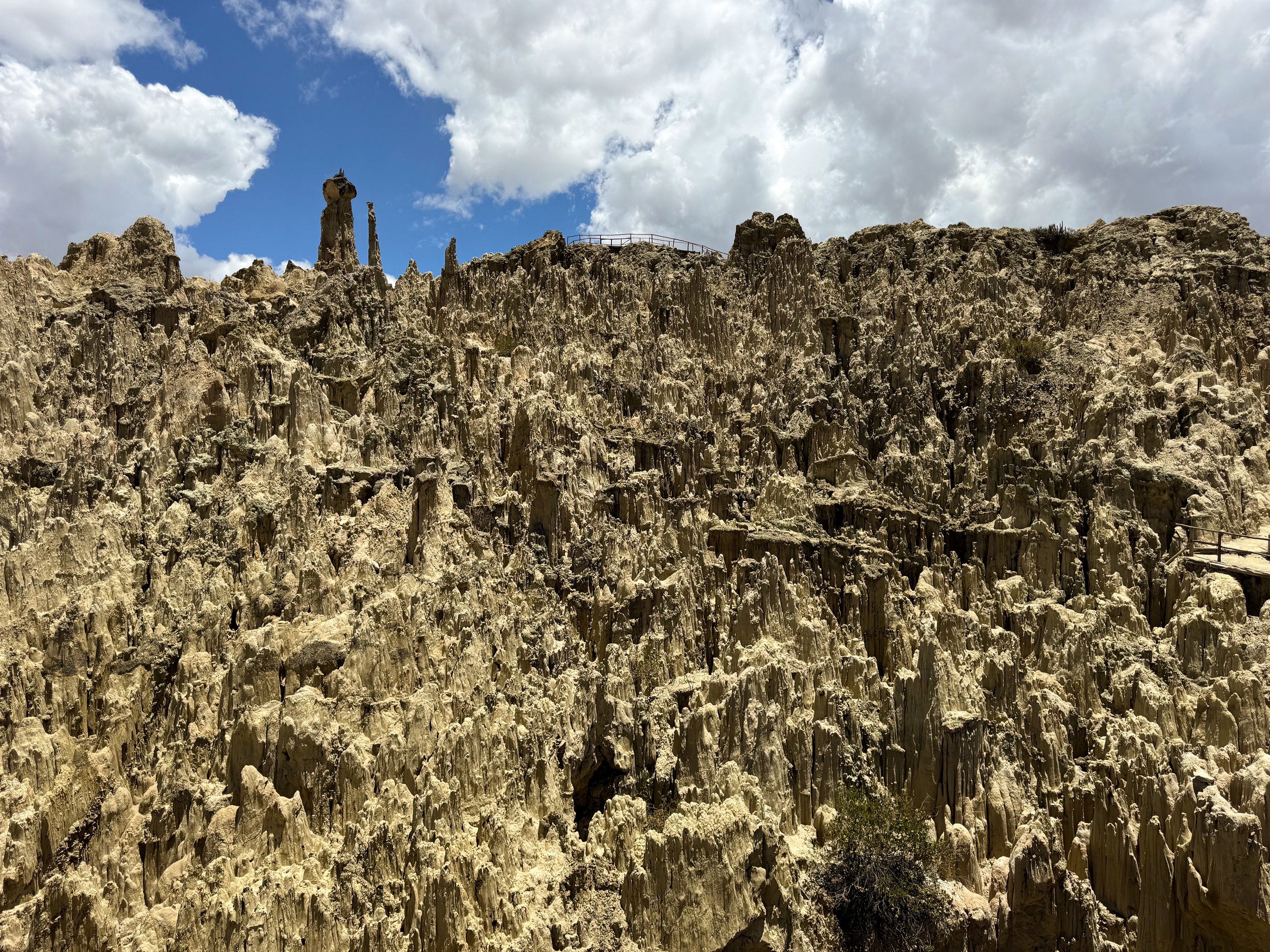
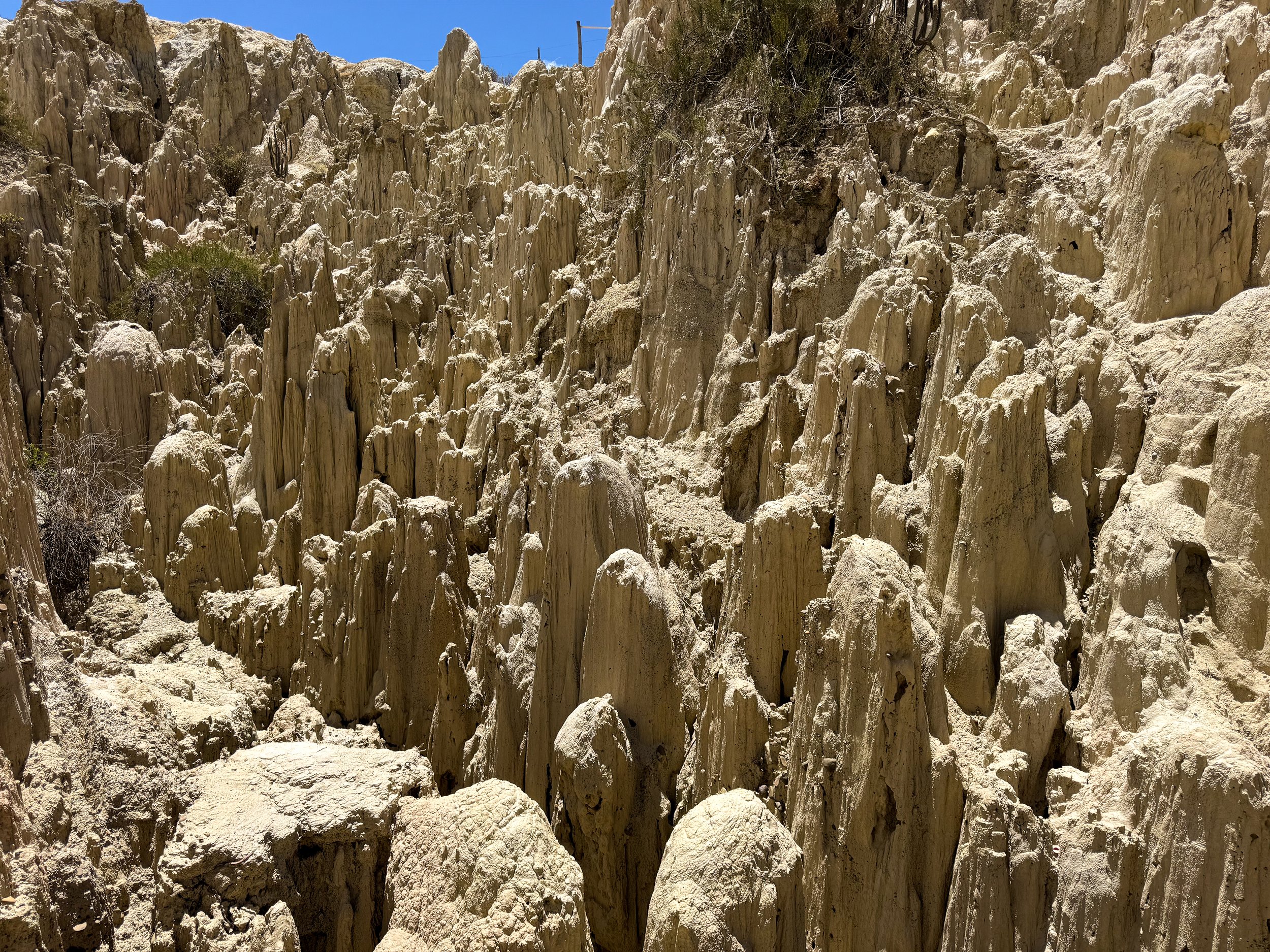
Vallee de la Luna. A nature park just outside of La Paz with trails leading through an otherworldly desert landscape created by eroding rock pillars and jagged geological formations.
Shop the Markets
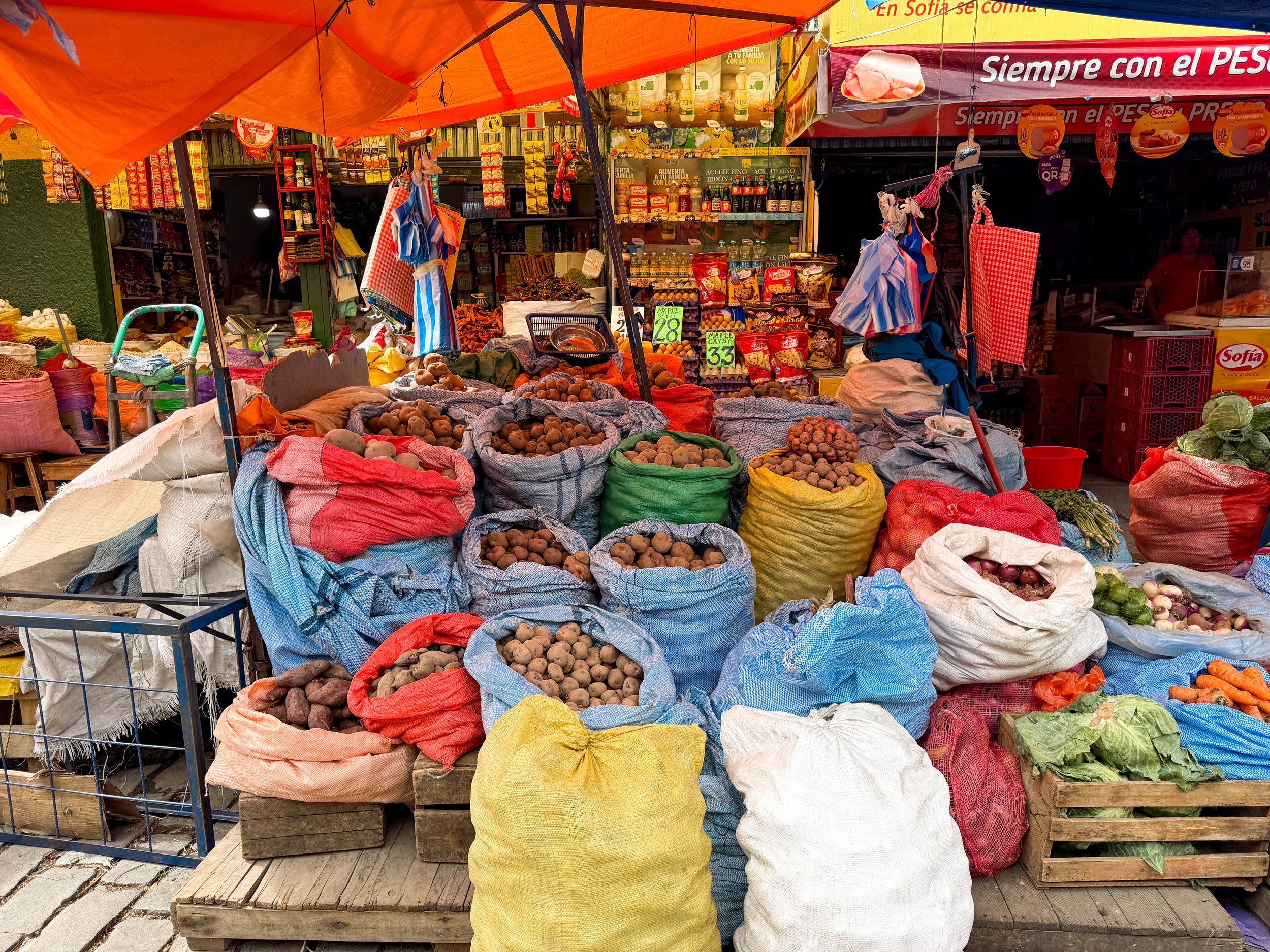
La Paz has numerous markets across the city in almost every neighborhood. We visited three to shop for grocery’s, eat street food and look for handicrafts.
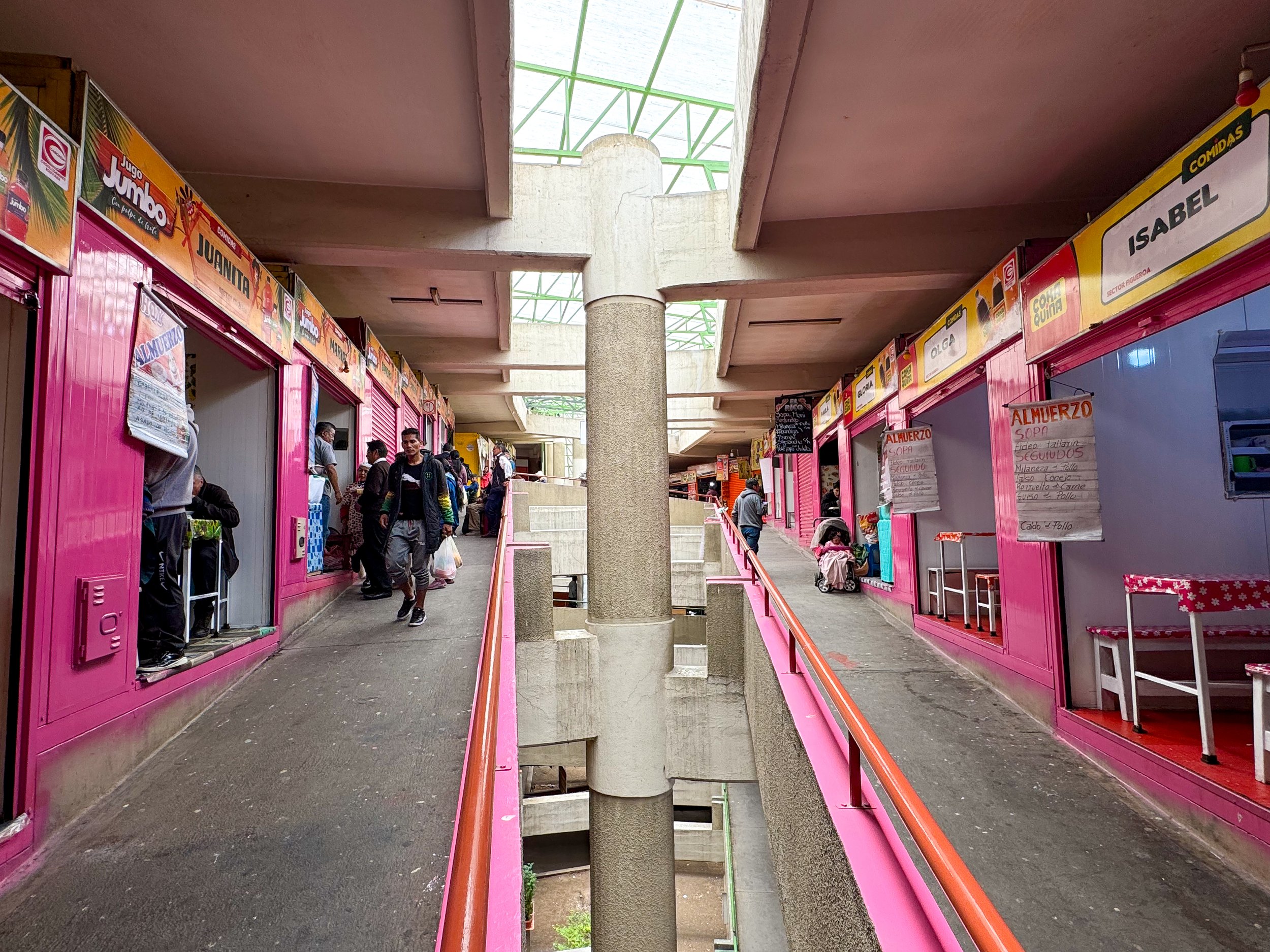
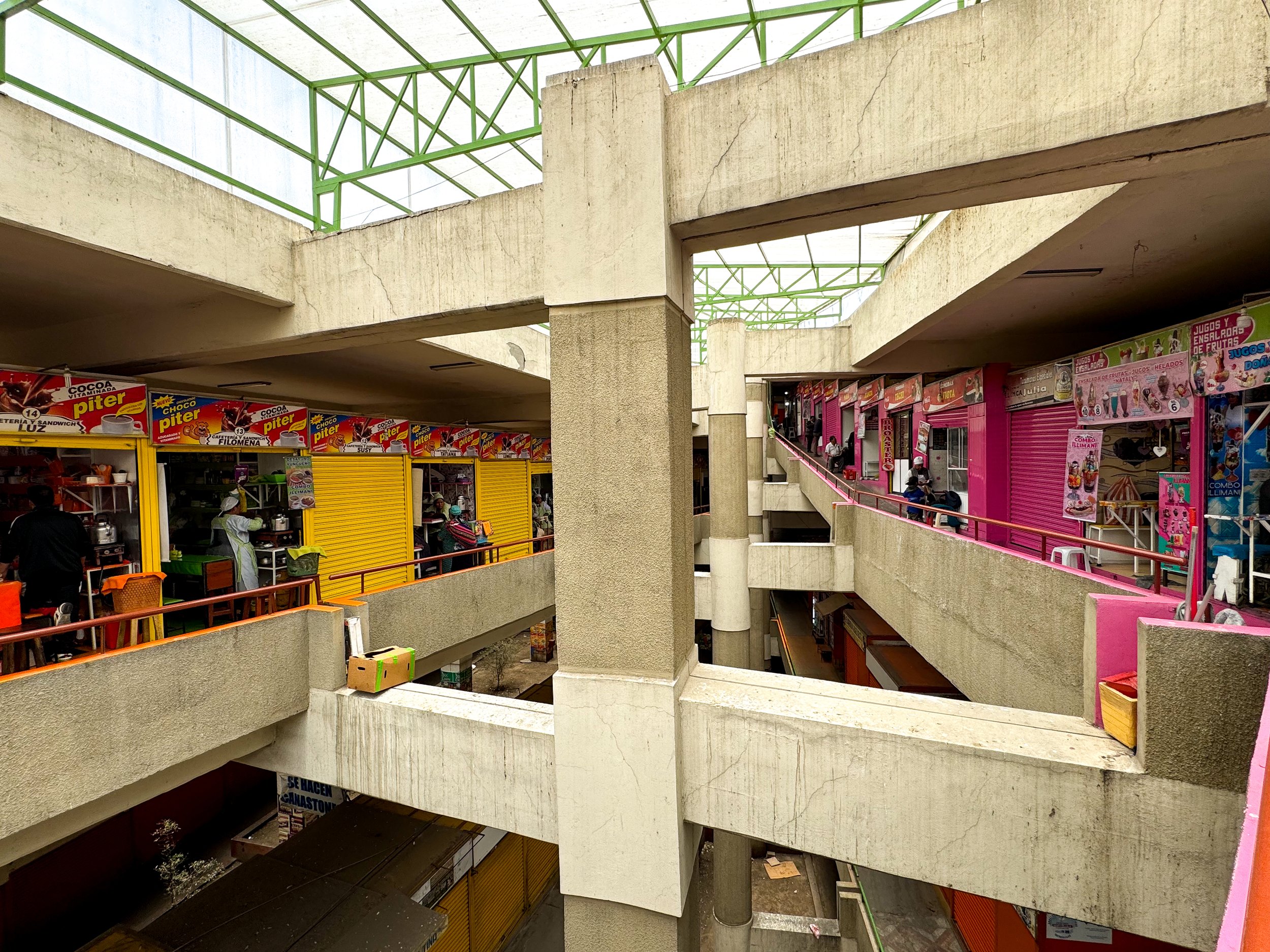
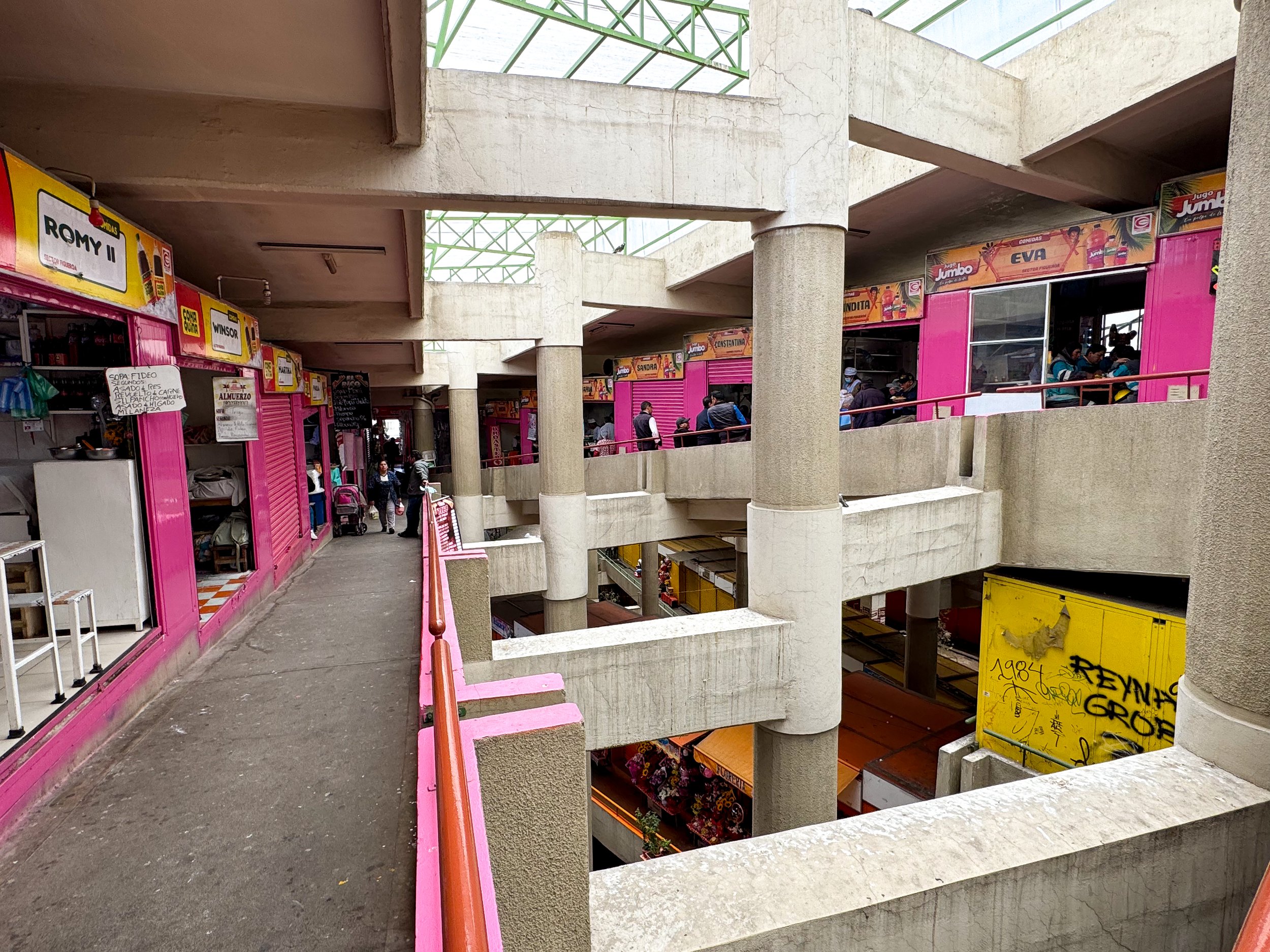
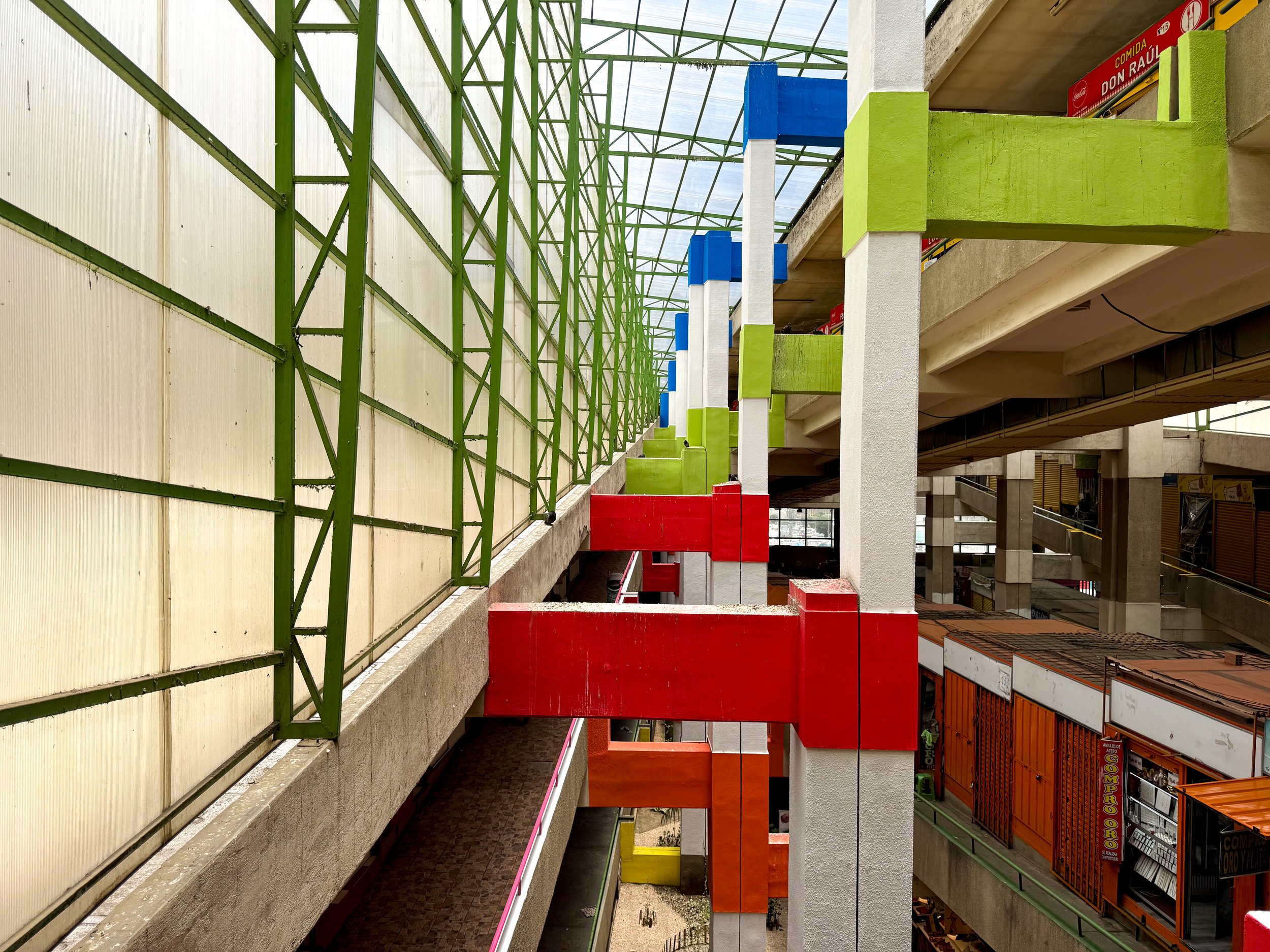
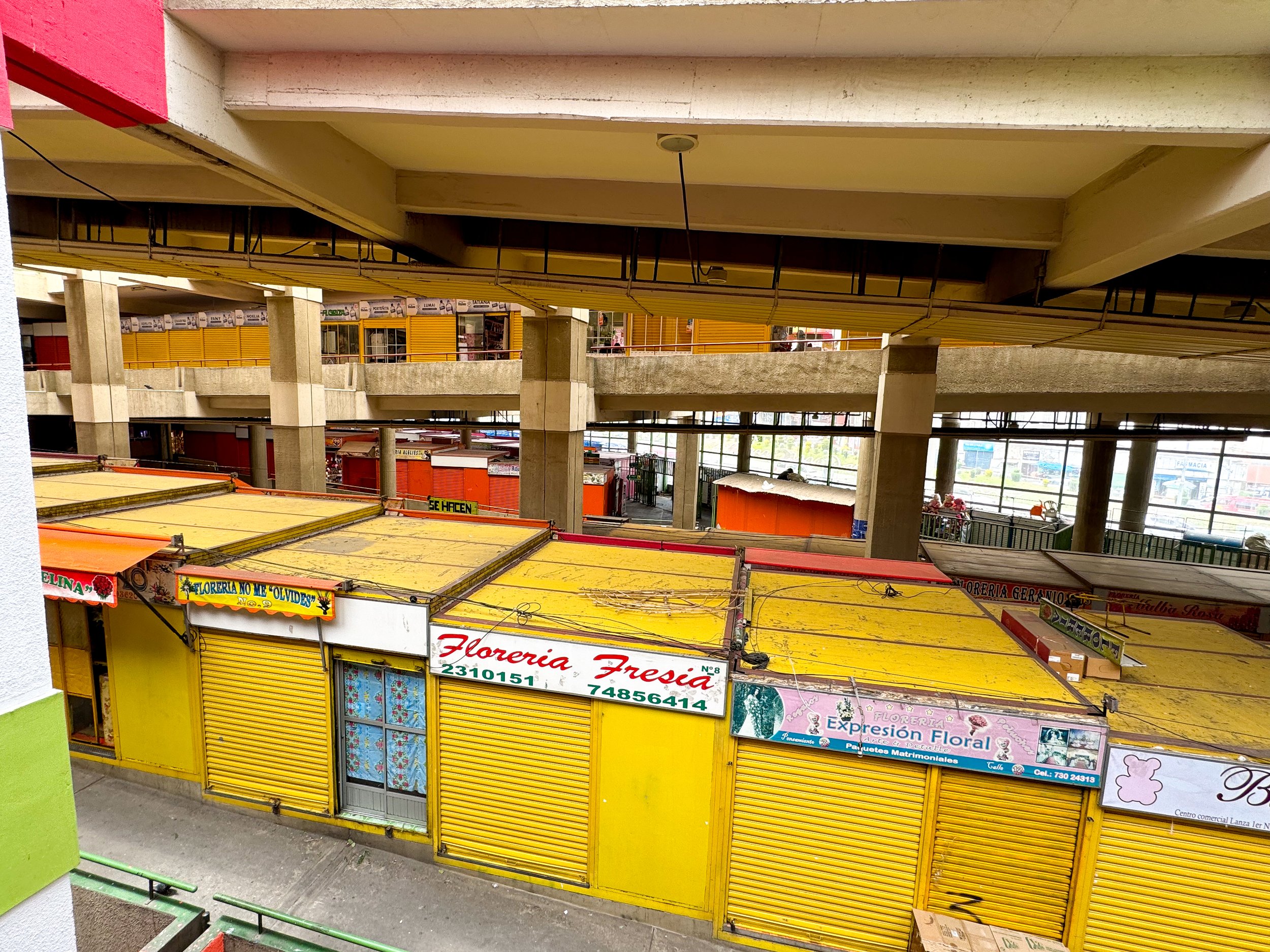
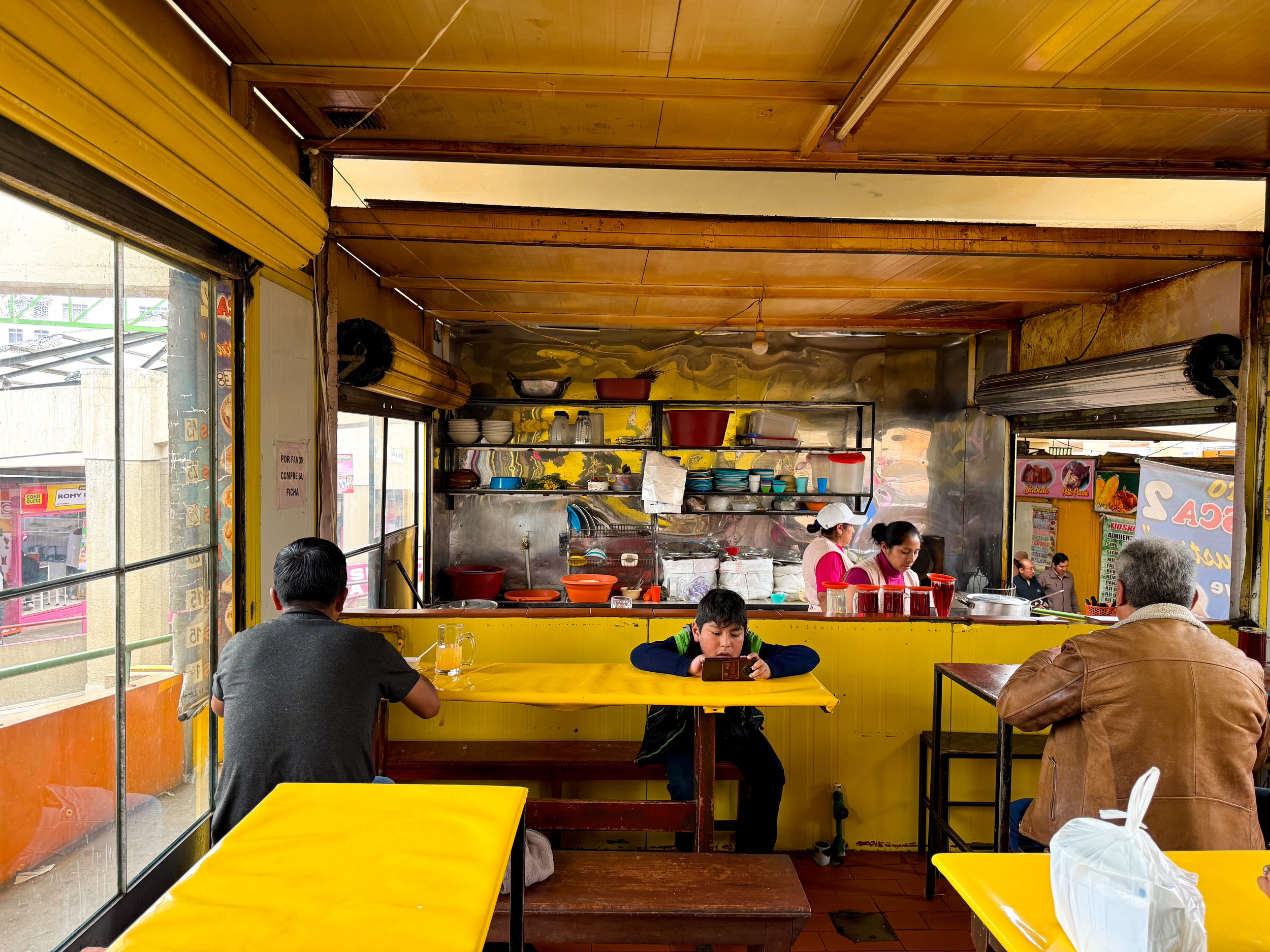
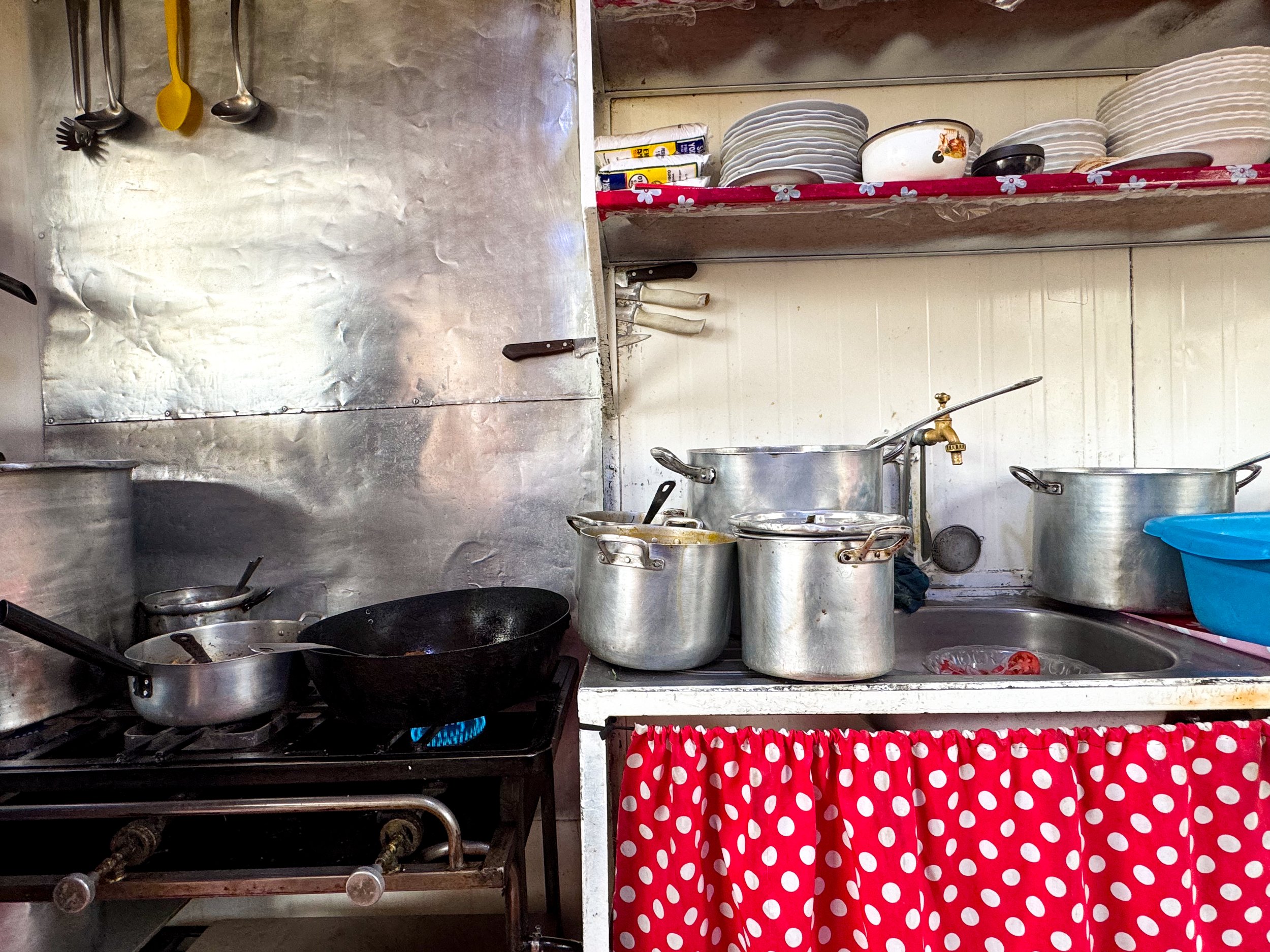
Mercado Lanza. A maze like market in a brutalist building with levels of intertwining ramps of vendors selling all kinds of inexpensive meals and juices. We wandered between sections as cooks called us into their nooks until finally stopping to eat. We sat down at one vendor’s kitchen for Sopa de Mani (peanut soup) and another for fried Mauri (an Andean fish).
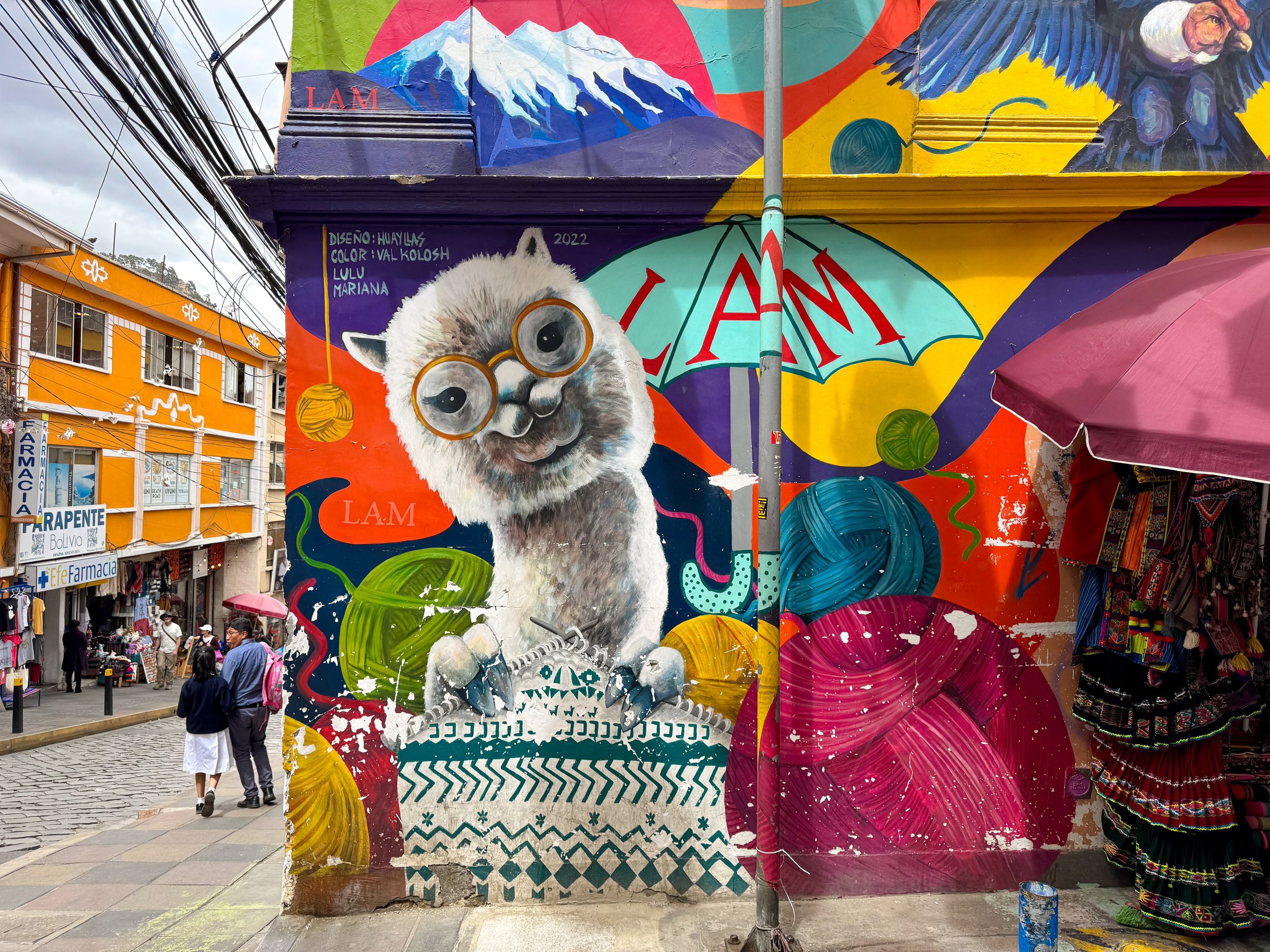
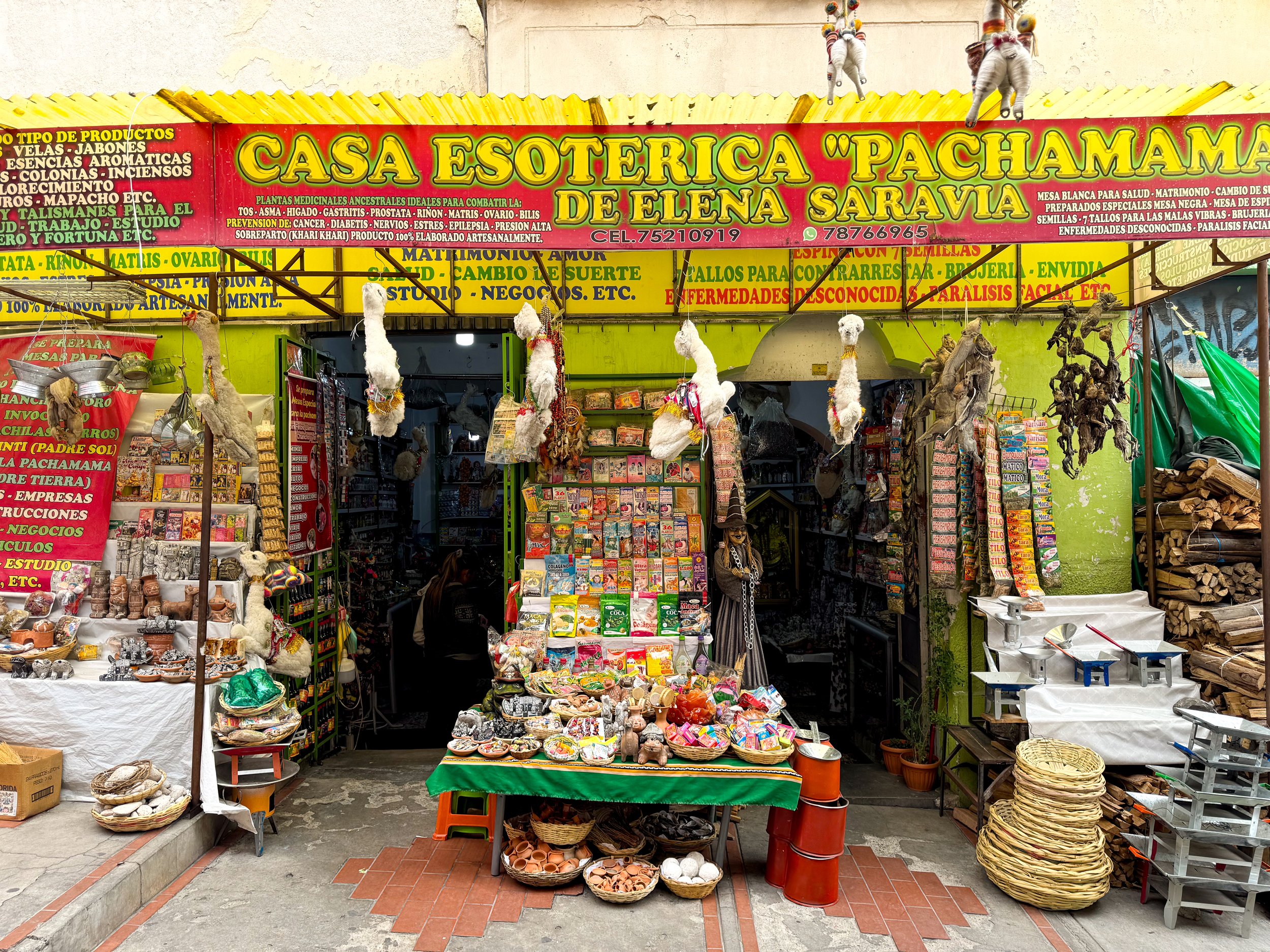
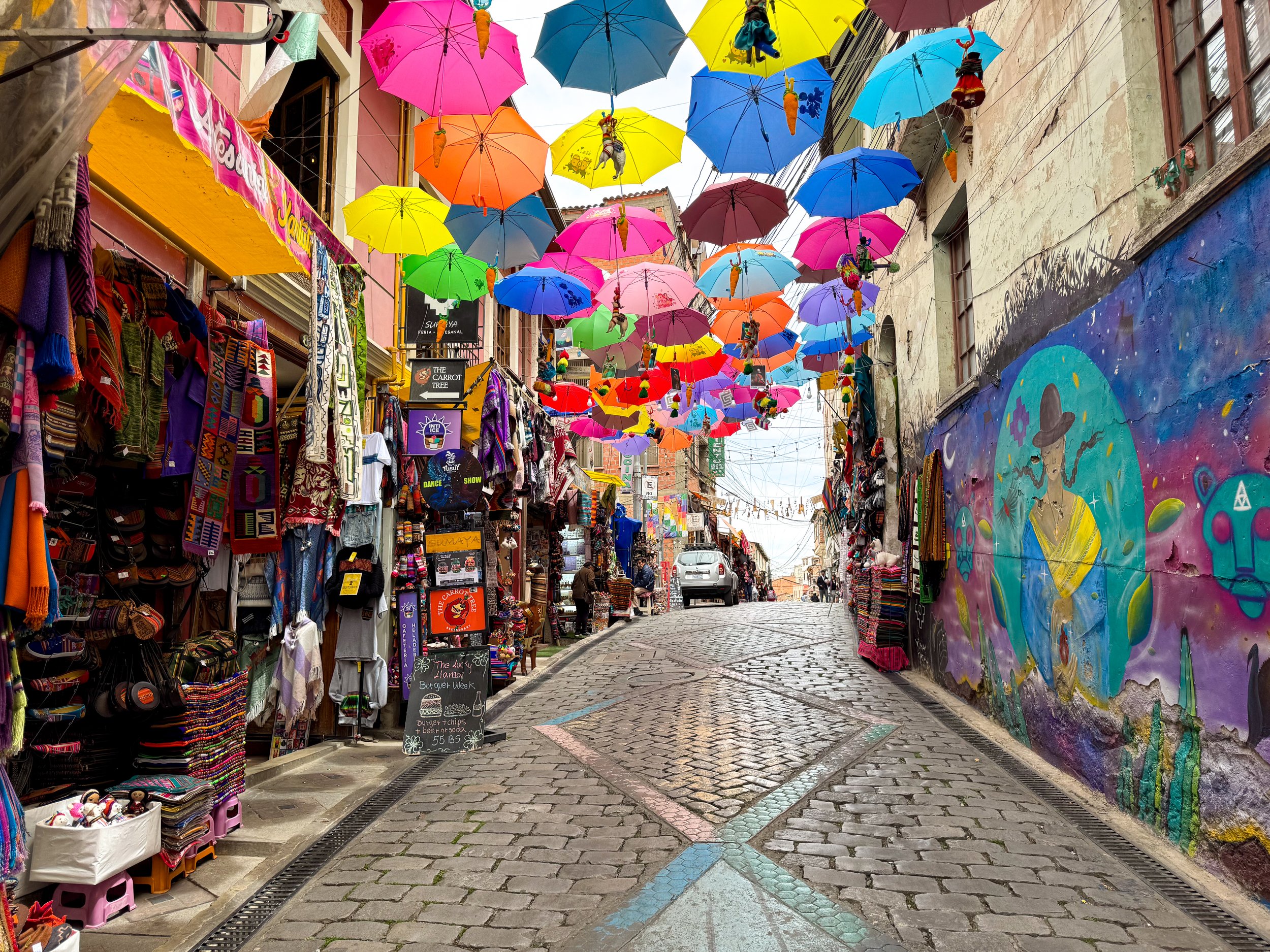
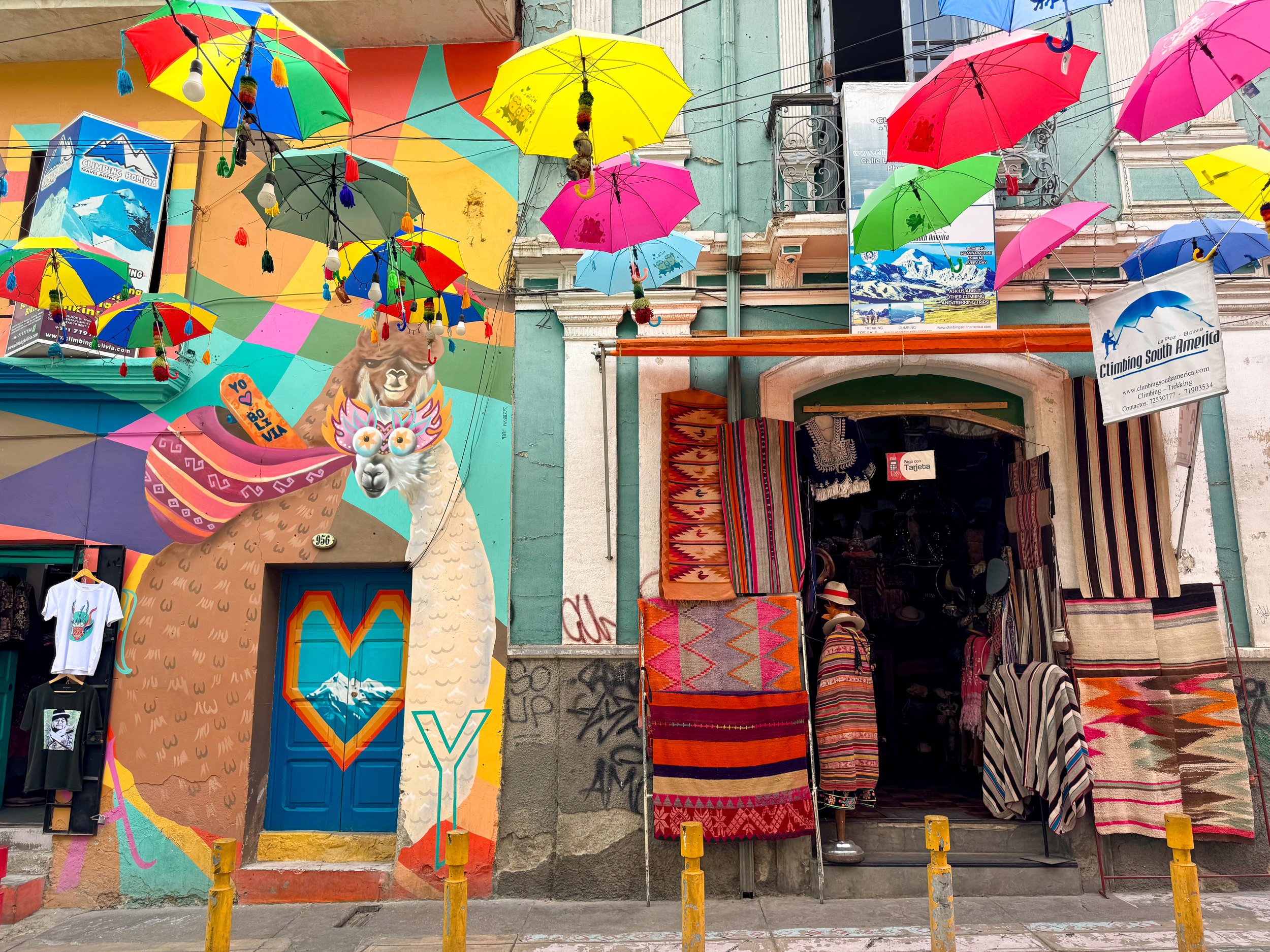
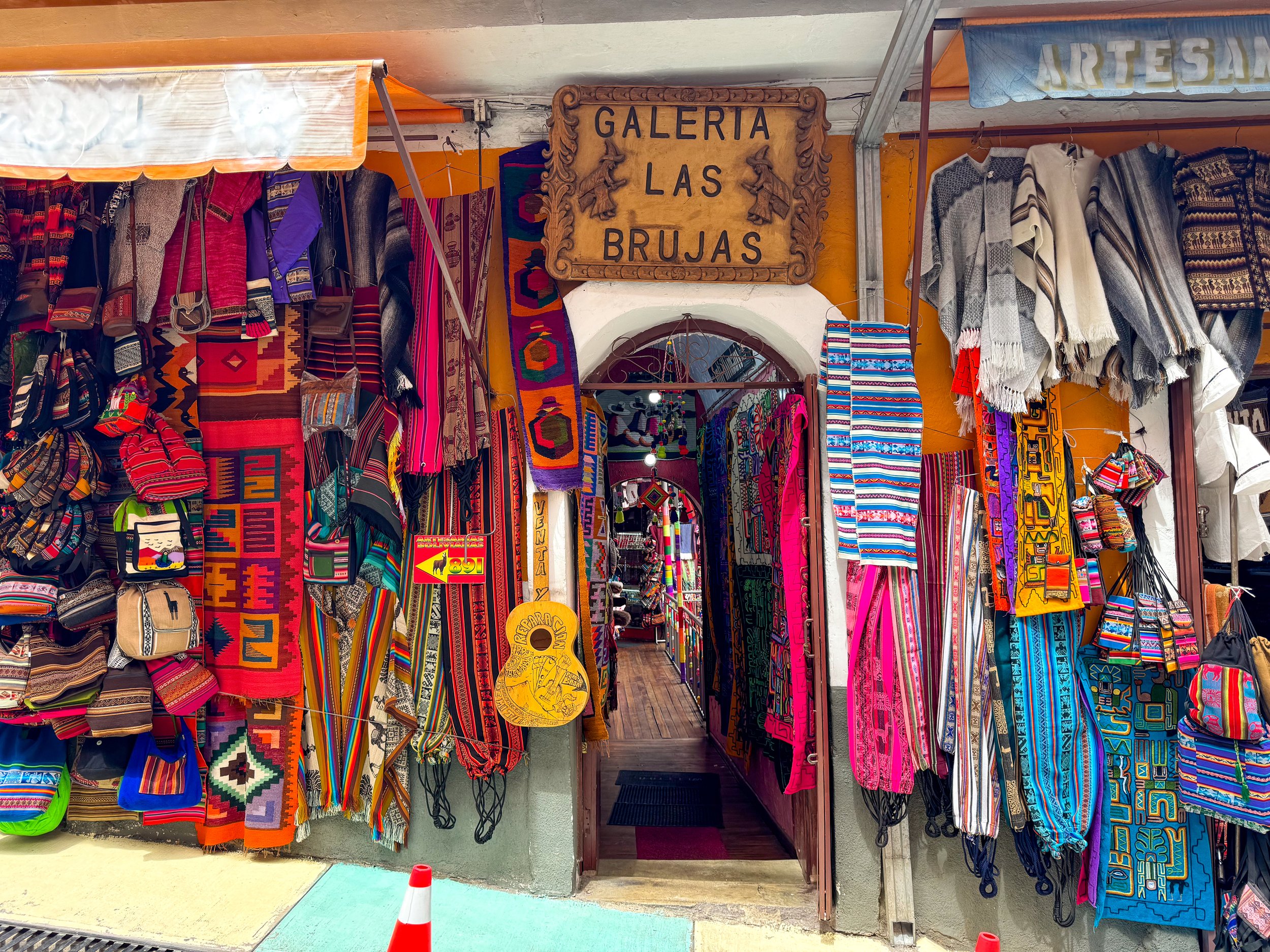
Mercado de las Brujas. A market street covered in upside umbrellas and streamers with vendors selling musical instruments, hand woven textiles, antique indigenous artifacts and all types of machine made souvenirs. One of the draws are the dried llama fetuses and stuffed baby llamas suspended from shops. They’re used as offerings every August to Pachamama (Mother Earth) by the indigenous community.
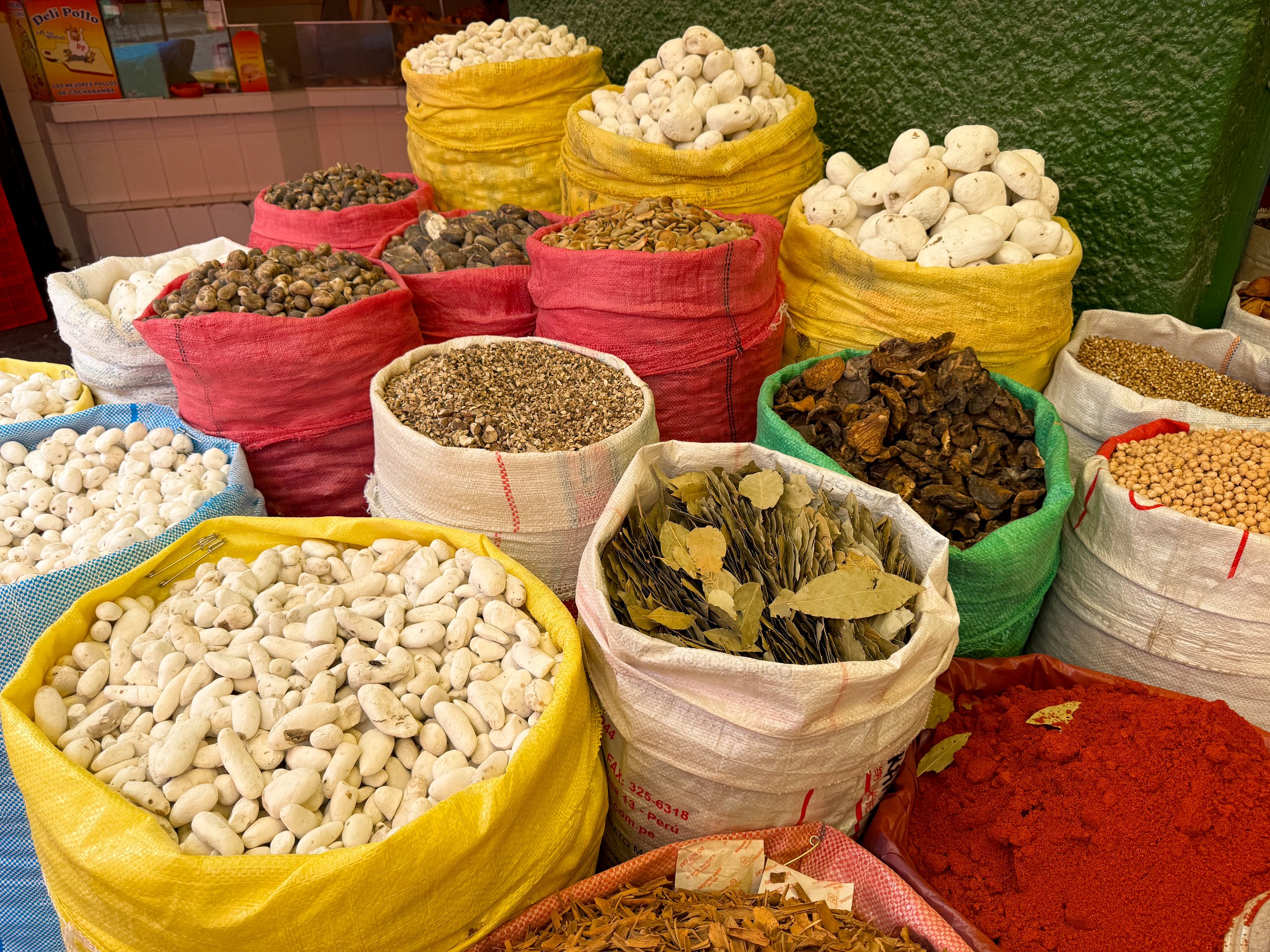
Mercado Rodríguez. A street market with vendors selling vegetables, fruits, herbs, breads and spices. There is an indoor market for fresh cut flowers and meats.

Places to Eat & Drink
Ali Pacha. A fine dining vegetarian restaurant offering surprise tasting menus blending Bolivian ingredients with international cuisine. We celebrated my birthday here opting for the standard tasting menu paired with Bolivian red wine. Our menu came with a cassava croquette, sourdough breads, fermented quinoa stew, purple corn tacos, quinoa dumplings and two deserts.
Paceña La Salteña. A restaurant chain that bakes the beloved Bolivian street food, Salteña. Any location is a reliable spot to find a vegetarian version.
Cielo Bar. A high end feeling cocktail bar in the 38th floor of Bolivia’s tallest building with views of the city and mountains. We came here for drinks at sunset!
El Bestiario. A bohemian style and queer friendly bar that specializes in gin cocktails made from their house gin. We met up with new friends here, sipping on incentive concocterions and classics like the Negroni. Try the Llamero Solitario, an aromatic gin cocktail made with a heavy garnish of Andean herbs or the Api Love made with purple corn.
Retrato Cafe. A cozy cafe in Sopocachi that feels more like someone’s house than a coffee shop. We came here for Bolivian coffee and breakfast dishes.
Hb Bronze Coffee Bar. A romantic coffee bar with table side and candlelight coffee preparation of your choice. They specialize in geisha coffee, coffee infused cocktails and wines.
Eli’s Pizza. A restaurant in an old train car at the Central Station with pizzas and salteñas, including vegetarian options.
Friddo. An ice cream cart at the Central Station serving Bolivian flavors like dulce de leche, mocha, cherimoya and tumbo.

Bolivian Cuisine
From street food to contemporary cuisine, La Paz is a gastronomic hub for Andean and Amazonian flavors.
Salteñas. A savory Bolivian pasty that’s a cross between a baked empanada and a soup dumping. A semi-sweet dough that caramelizes along the crimped edges filled with stewed meats or veggies and a sauce containing Andean spices. They’re often served from morning through mid-afternoon.
Plato Paseño. The national dish made from choclo (corn), potatoes and habas (large green beans) boiled with anise, served with grilled Andean cheese and a portion of meat.
Sopa de Mani. A vegetarian soup made from peanuts, veggies and noodles. It’s often served with a side of a spiced herb sauce.
Trucha. Trout from Lake Titicaca or other Andean bodies of water. It’s often served while, either pan fried in butter and spiced or breaded and deep fried.
Cuñape. A cheesy bread ball made with queso fresco and mozzarella. It’s similar to Brazil’s pao de queijo.
Tropical Fruits. A majority of Bolivia is within the Amazon which supplies the country with an array of tropical and exotic fruits. Some include, tumbo, cherimoya, mango, kiwi, banana, avocado and papaya are common.
Pasankallas. A snack similar to popcorn made from large corn kernels that have been dried, puffed and then coated with sugar, salt or other spices.
Paceña. A classic pilsner and Bolivia’s national beer.
Ch’Ama. A craft beer made with coca leaves.
Chuflay. A traditional Bolivian cocktail made from singani, a distilled grape liquor, a soda such as sprite or ginger ale and sliced of lemon served on the rocks.

Getting Around
Mi Teleferico. A transit network of cable cars used to get around the city. It’s by far the best way to get around La Paz and sight see. There are several different color coded lines that connect the city, cross valleys and reach into the mountains, each with unique aerial views of the city and Andean landscape. We purchased a rechargeable card to share with fares costing a couple Bolivar per ride.
By Uber. For distances not reachable by the Teleferico, we took Ubers to get around. They are readily available and inexpensive.
Location Specifics
Cash vs Card. Cash is most commonly accepted. Very few places accept debit or credit card
Currency. The Bolivian Bolivar is the only accepted currency however US dollars can be exchanged for rates higher than the accepted rate.
Altitude. La Paz is the highest capital city in the world at an altitude of 12,000ft above sea level. It you haven’t acclimated, it can be tiring and different.
UV Protection. With the high altitude, the UV is significantly harsher than at sea level. Pants, long sleeves, sunglasses and broad spectrum sun block is necessary not to burn.
Water. The tap water is unsafe to drink, even if boiled. It’s often contaminated with heavy metals by run off from nearby mines. Drink filtered or bottled water only.
LGBTQ+ Safety. Bolivia is increasingly accepting of LGBTQ travelers though PDA is not common.
Elsewhere in Bolivia
From bustling markets and mountain views to ancient island communities and the otherworldly landscapes of Salar de Uyuni, discover more of Bolivia through these travel guides:
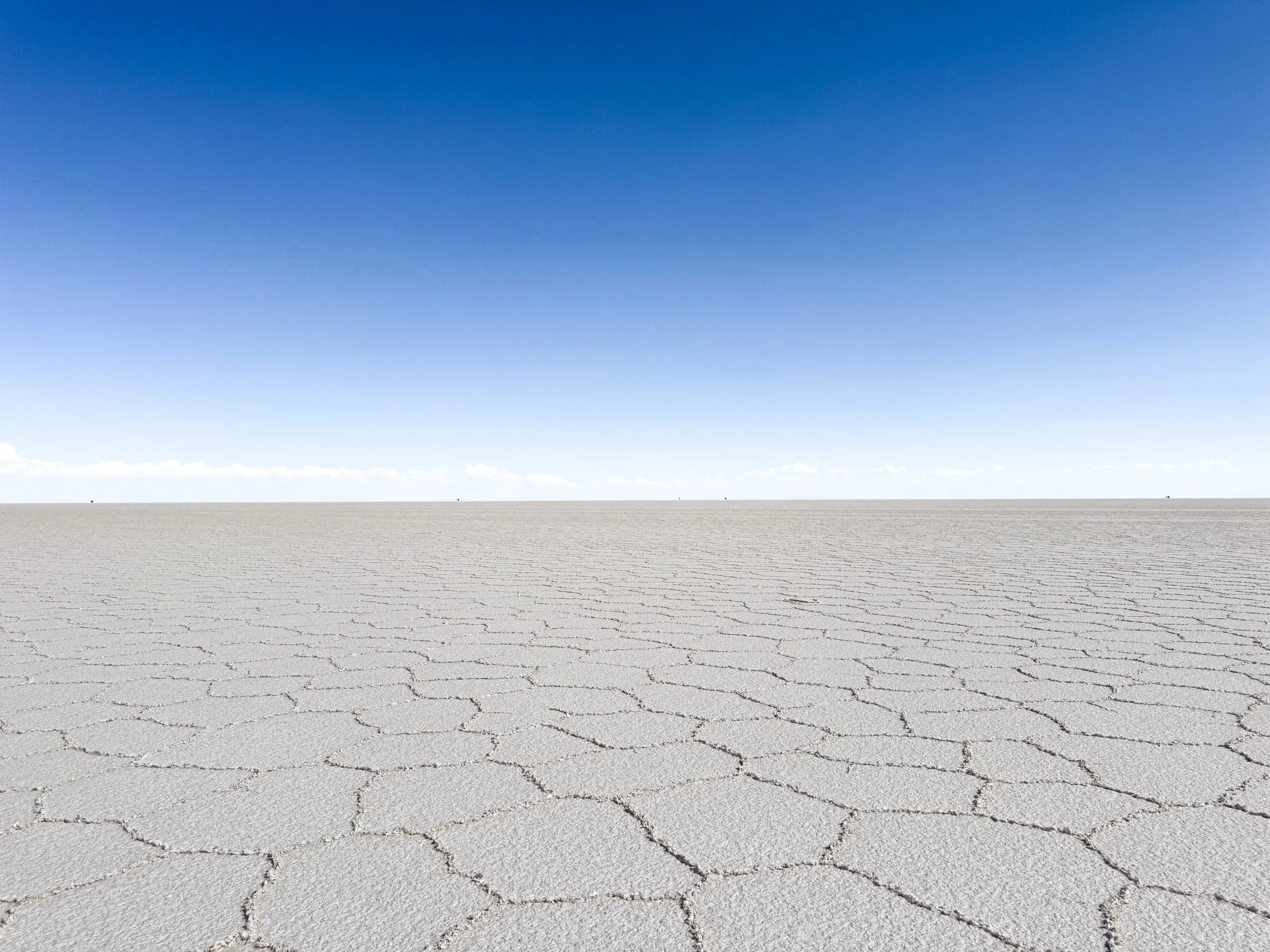
Salar de Uyuni Travel Guide: Salt Flats, Lagoons & Desert Landscapes. Journey across endless salt flats, colorful lagoons, volcanic landscapes and some of South America's most surreal natural scenery.
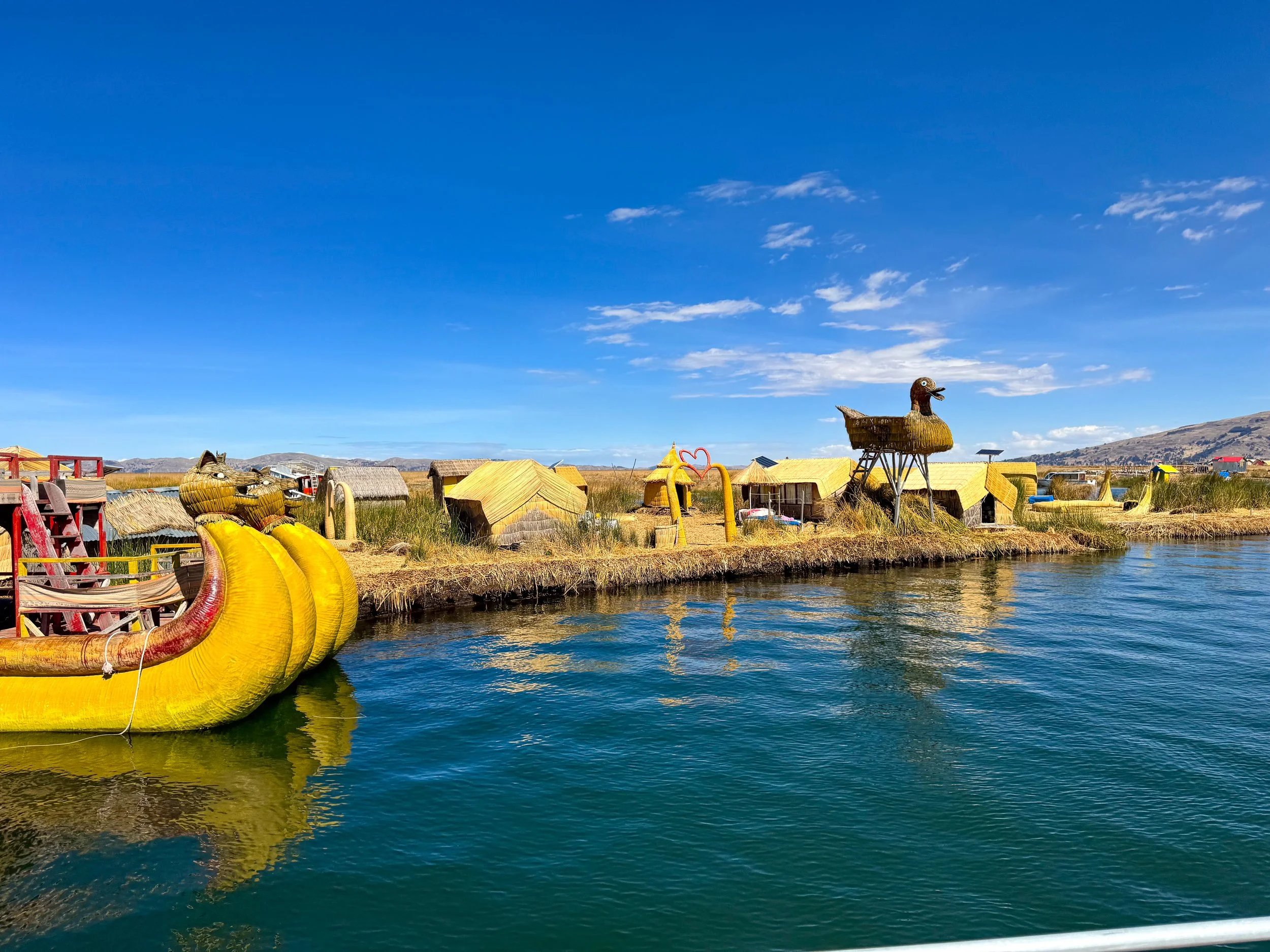
Lake Titicaca Travel Guide: Floating Islands & Indigenous Culture. Explore the sacred waters of Lake Titicaca through Indigenous traditions, island communities, ancient history and high altitude landscapes.
For Next Time…
During our 3 days in La Paz, we spent our time exploring the city and tasting the cuisine. With more time, we would venture out to an archeological complex and the Amazon.
Tiwanaku Archaeological Complex. The ruins of a pre-Incan civilization’s capital with the stone walls, a large gate, statue and plazas. It’s located 2 hours south of La Paz.
The Bolivian Amazon. The sprawling South American Rainforest is located on the other side of the Andes less than 2 hours by car from La Paz.

Atacama Desert Travel Guide: Best Things to Do from San Pedro de Atacama
Explore the Atacama Desert from San Pedro de Atacama where volcanoes, salt flats, vibrant lagoons and geysers create otherworldly landscapes.

Atacama, Chile
The Atacama Desert is driest place on the planet with an aired landscape comprised of countless volcanos, erupting geysers, rocky valleys, jagged mountains, gargantuan sand dunes, vast salt flats, vibrant lagoons, spiraling dust devils and small desert towns. From the adobe town San Pedro de Atacama, we ventured into the remote landscapes of the Atacama Desert.
San Pedro de Atacama, Chile
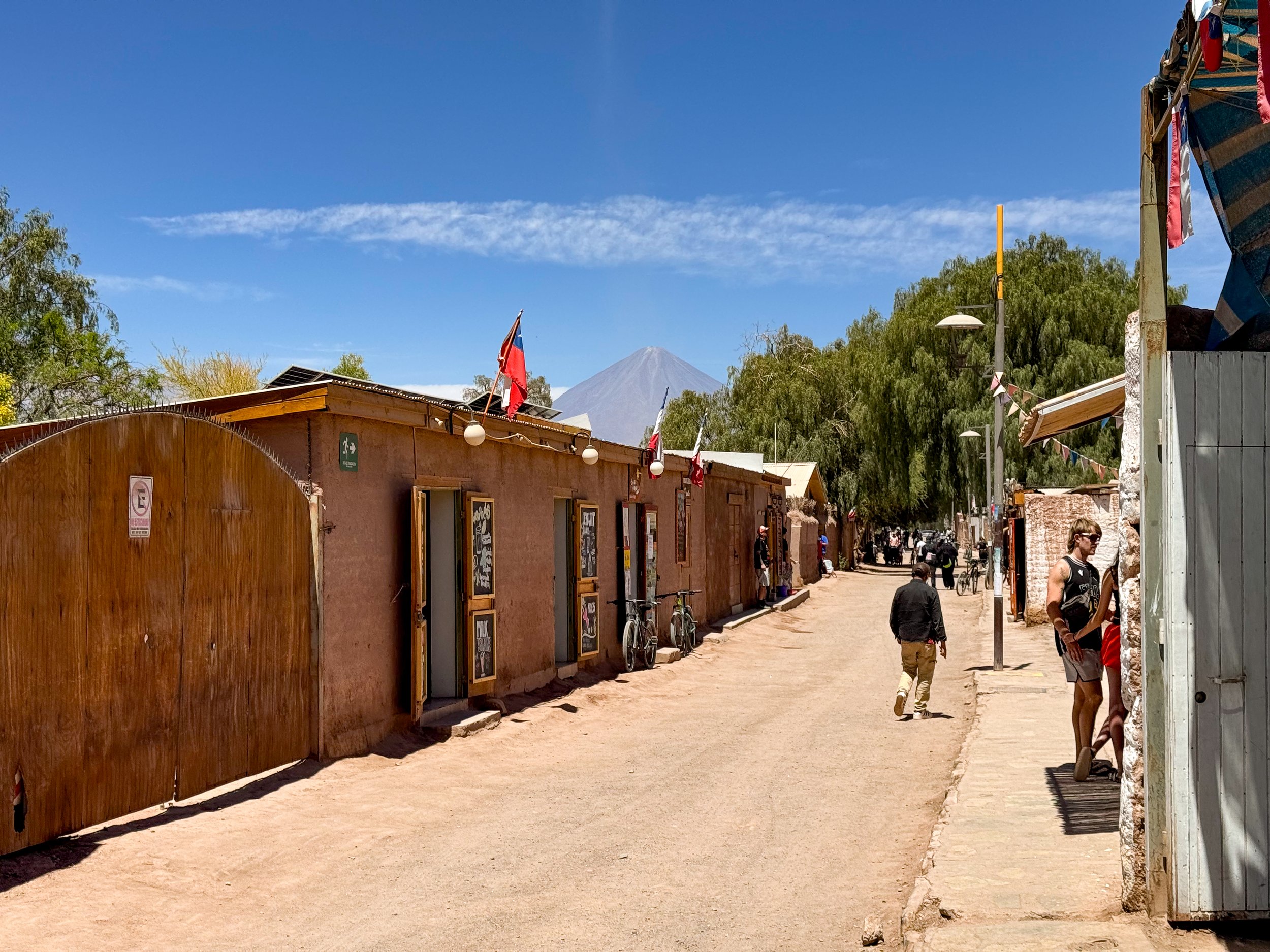
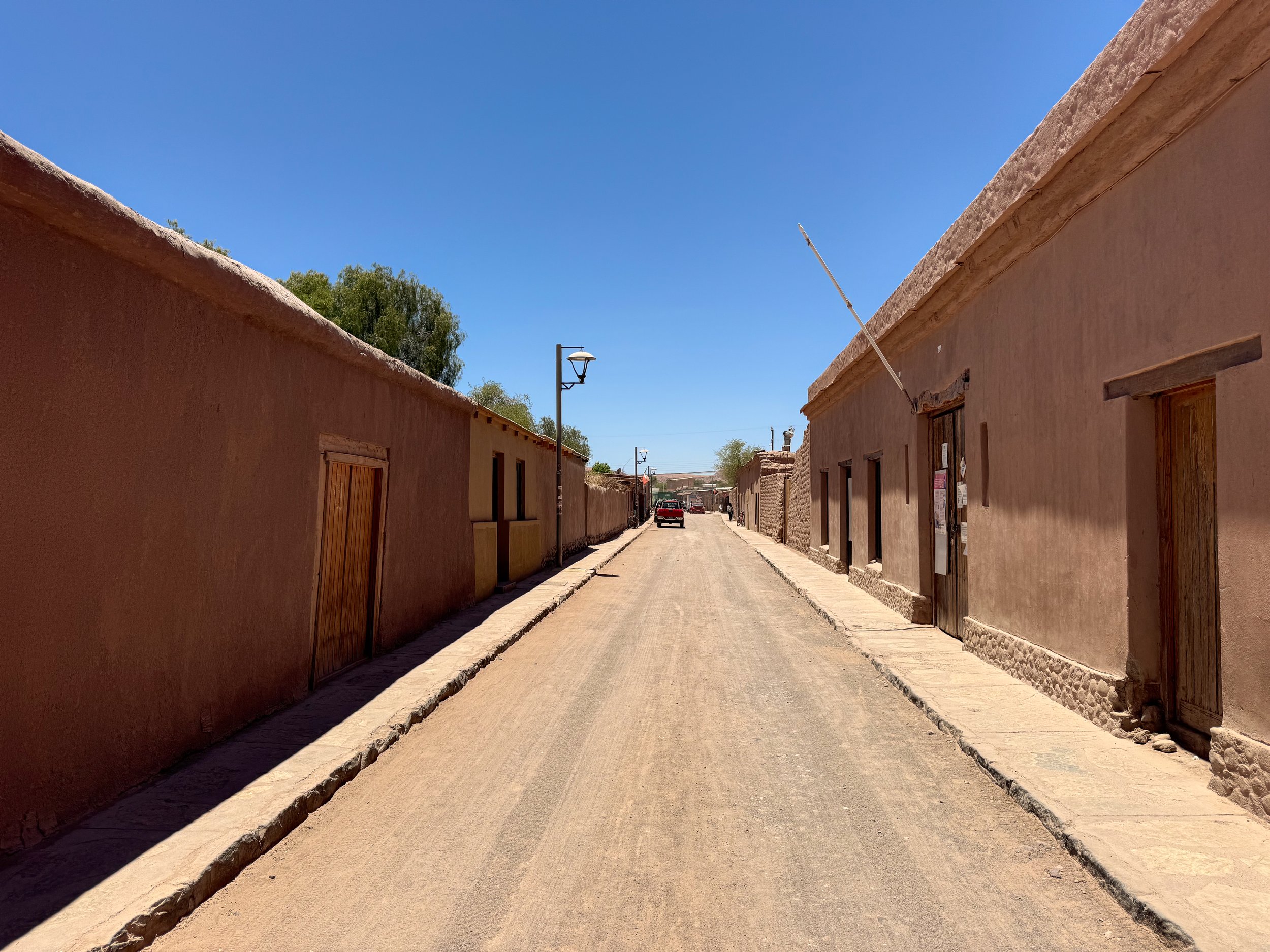
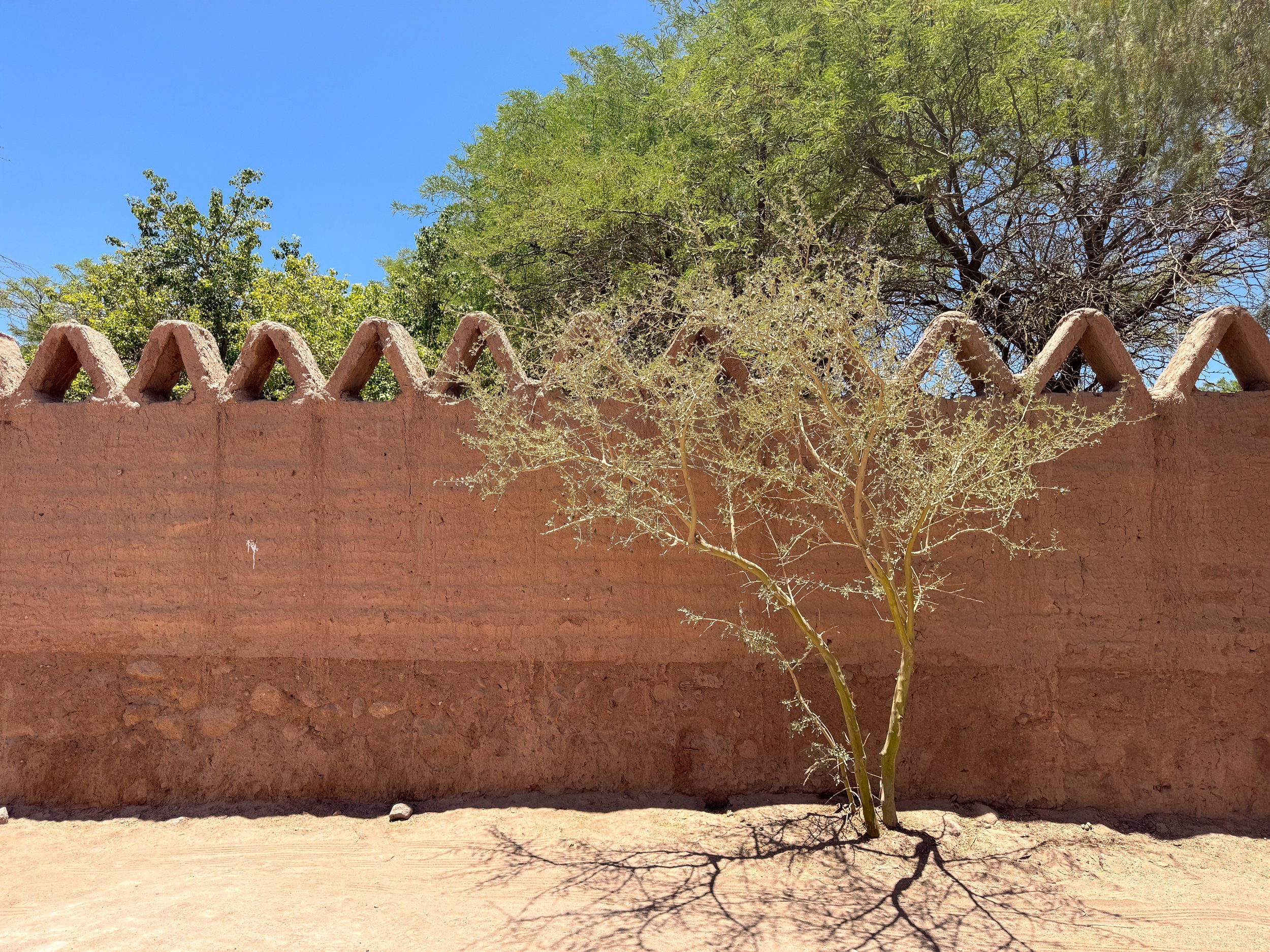
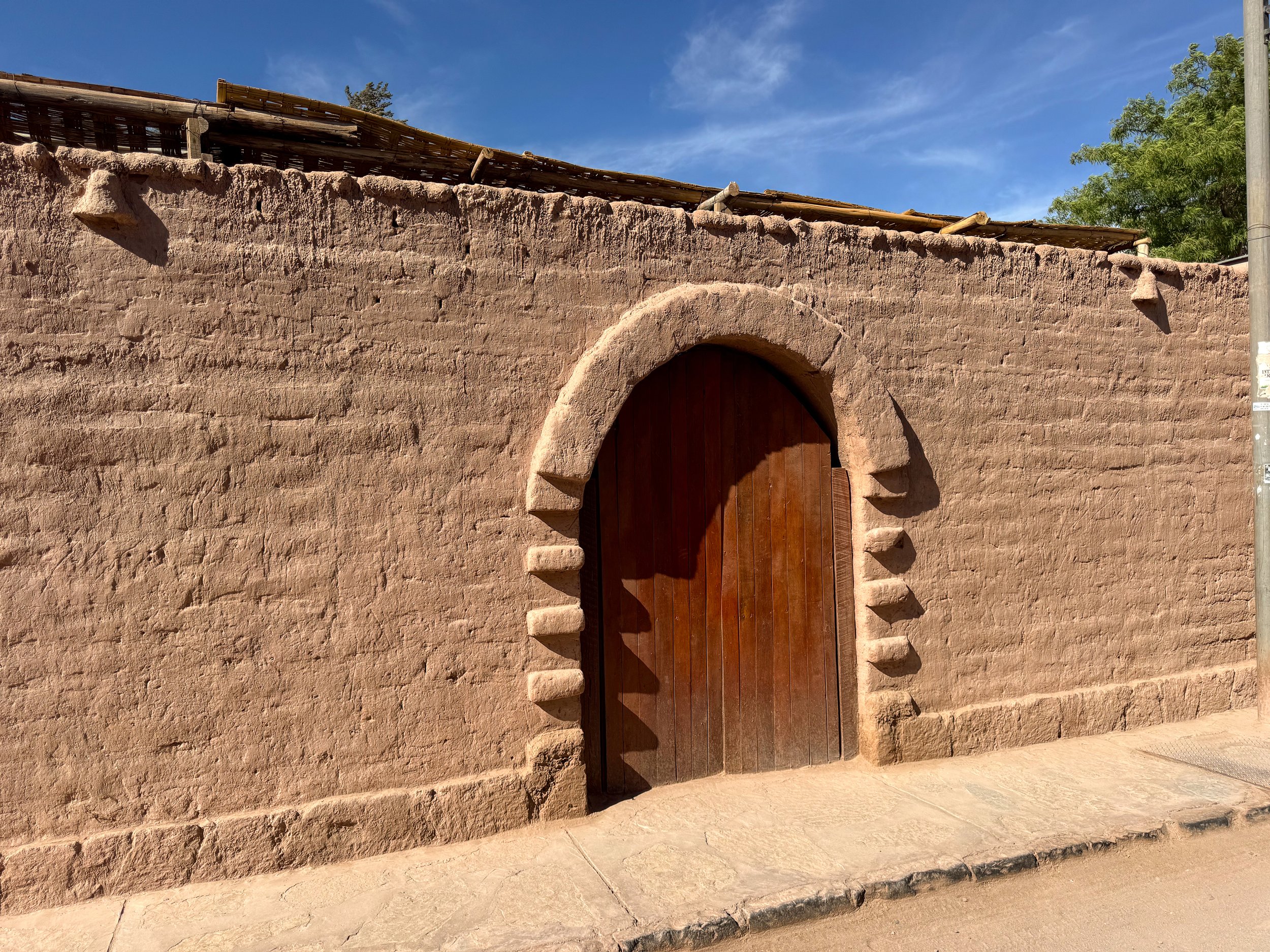
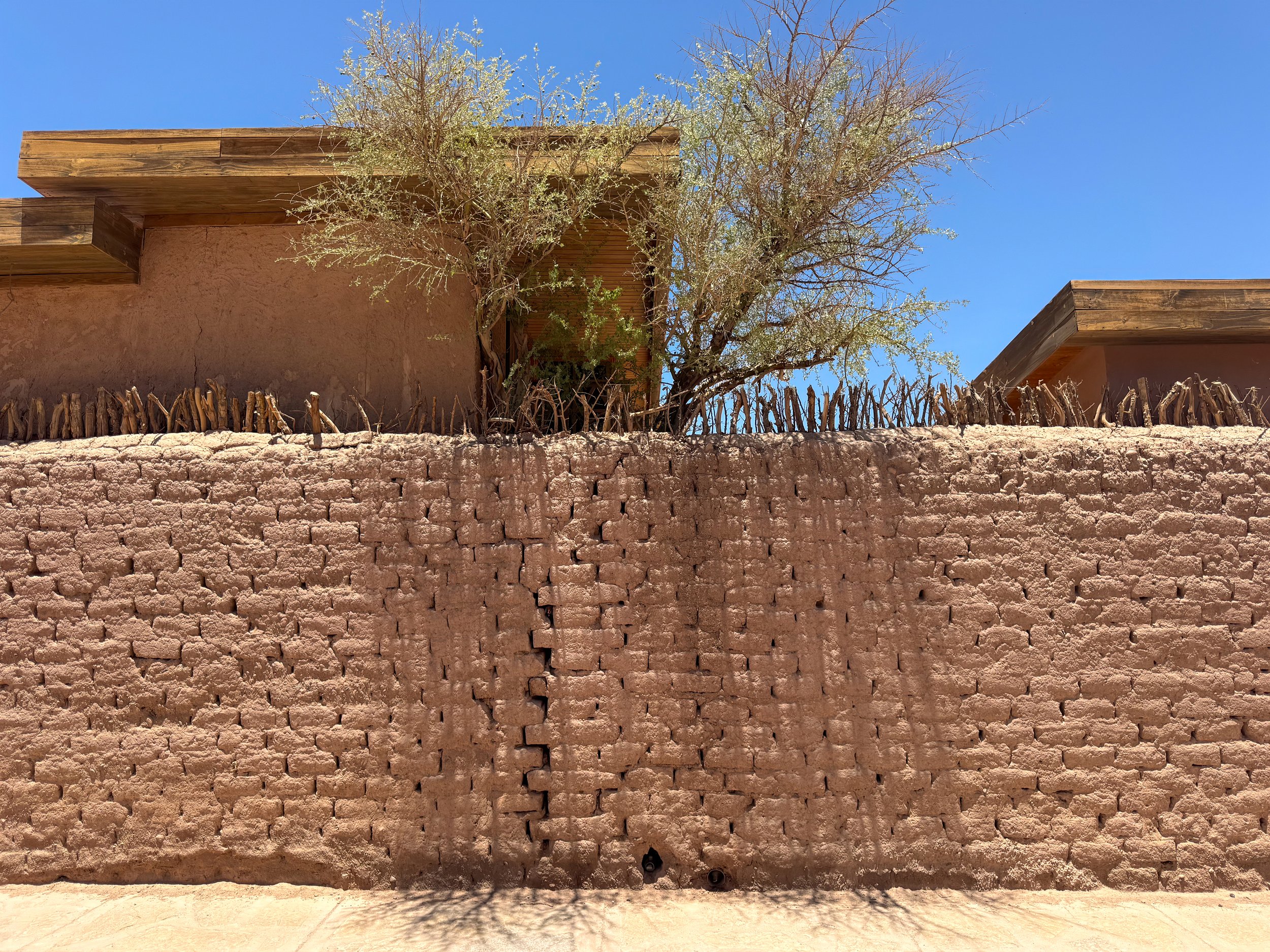
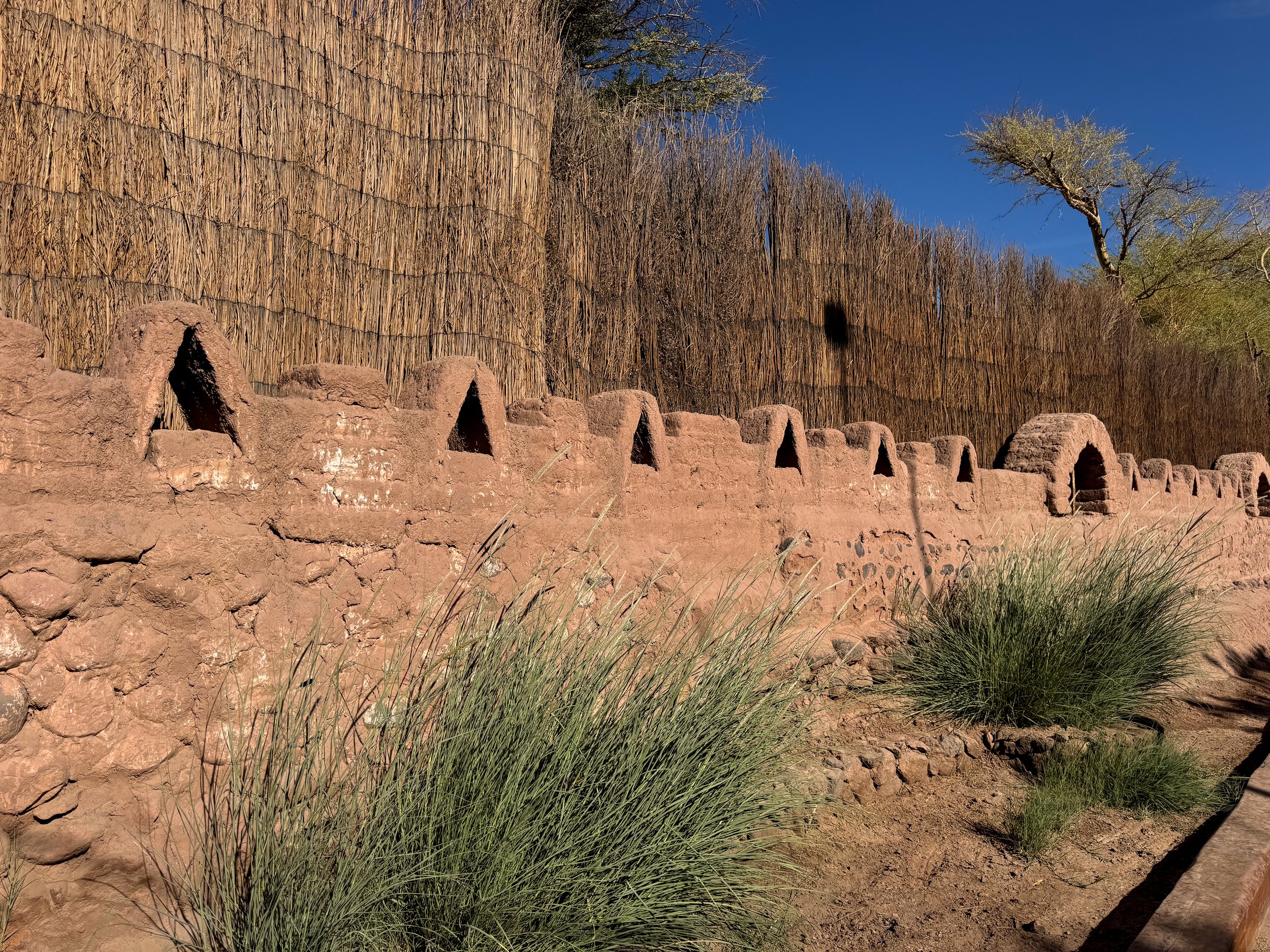
San Pedro de Atacama is a western style town with a bohemian, adventurous and positive touristy vibe. The city is an Oasis in the Chilean Atacama Desert with adobe houses, desert lodges, narrow dirt roads and access to some of the region’s natural sights.
Calle Caracol. A dusty dirt road that passes through the center of San Pedro de Atacama with Chilean restaurants, live music, cocktail bars, ice cream shops, outdoorsy stores and tour operators.
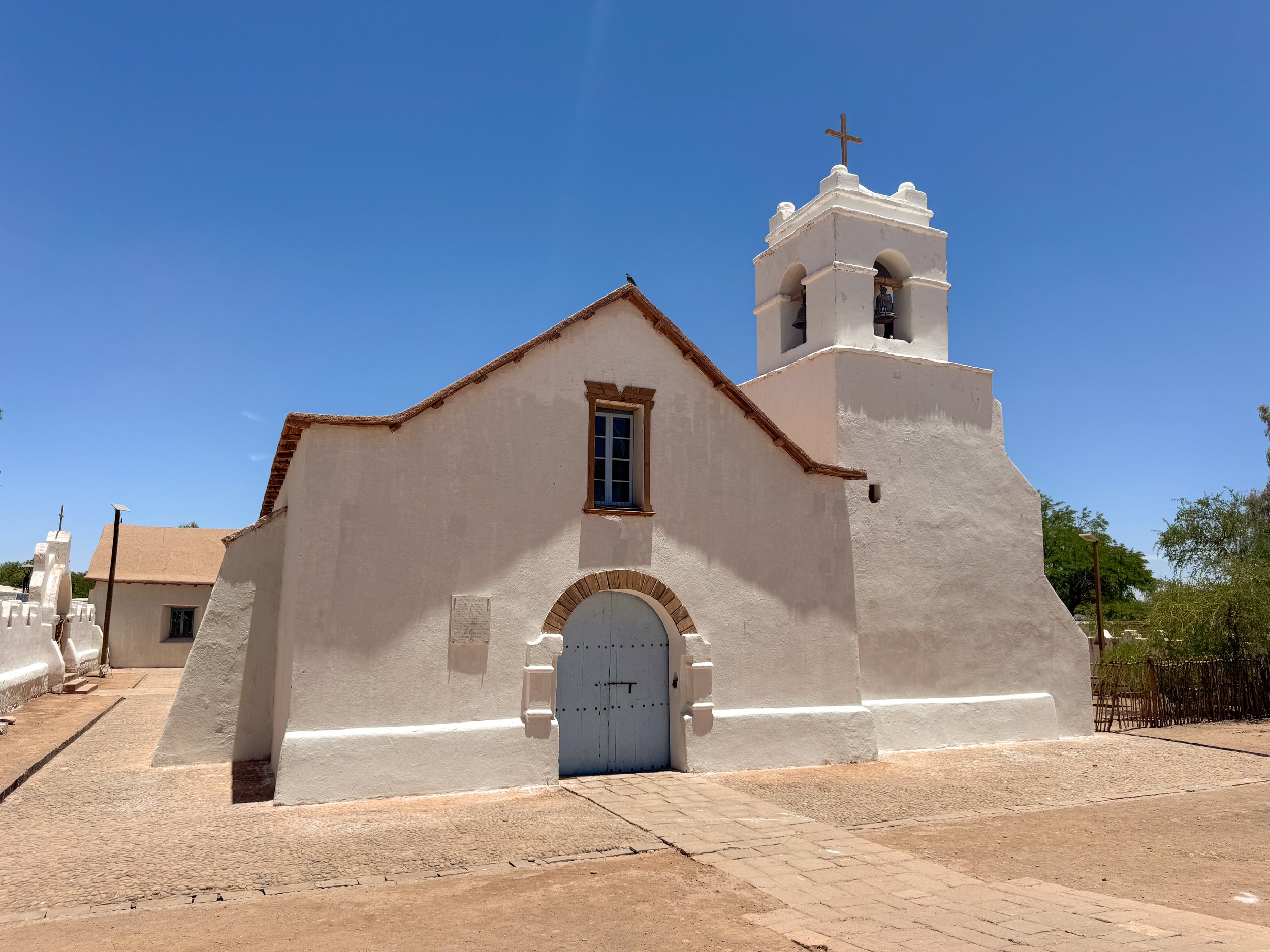
Plaza de San Pedro de Atacama. A tree covered plaza with cacti gardens surrounded by beautiful adobe buildings including a historic church.
Trópico de Capricornio. Located about an hour south of San Pedro de Atacama along Chile Highway 23, a road sign marks the location of the Southern Hemisphere’s tropical latitude, the Tropic of Capricorn.
Salt Flats
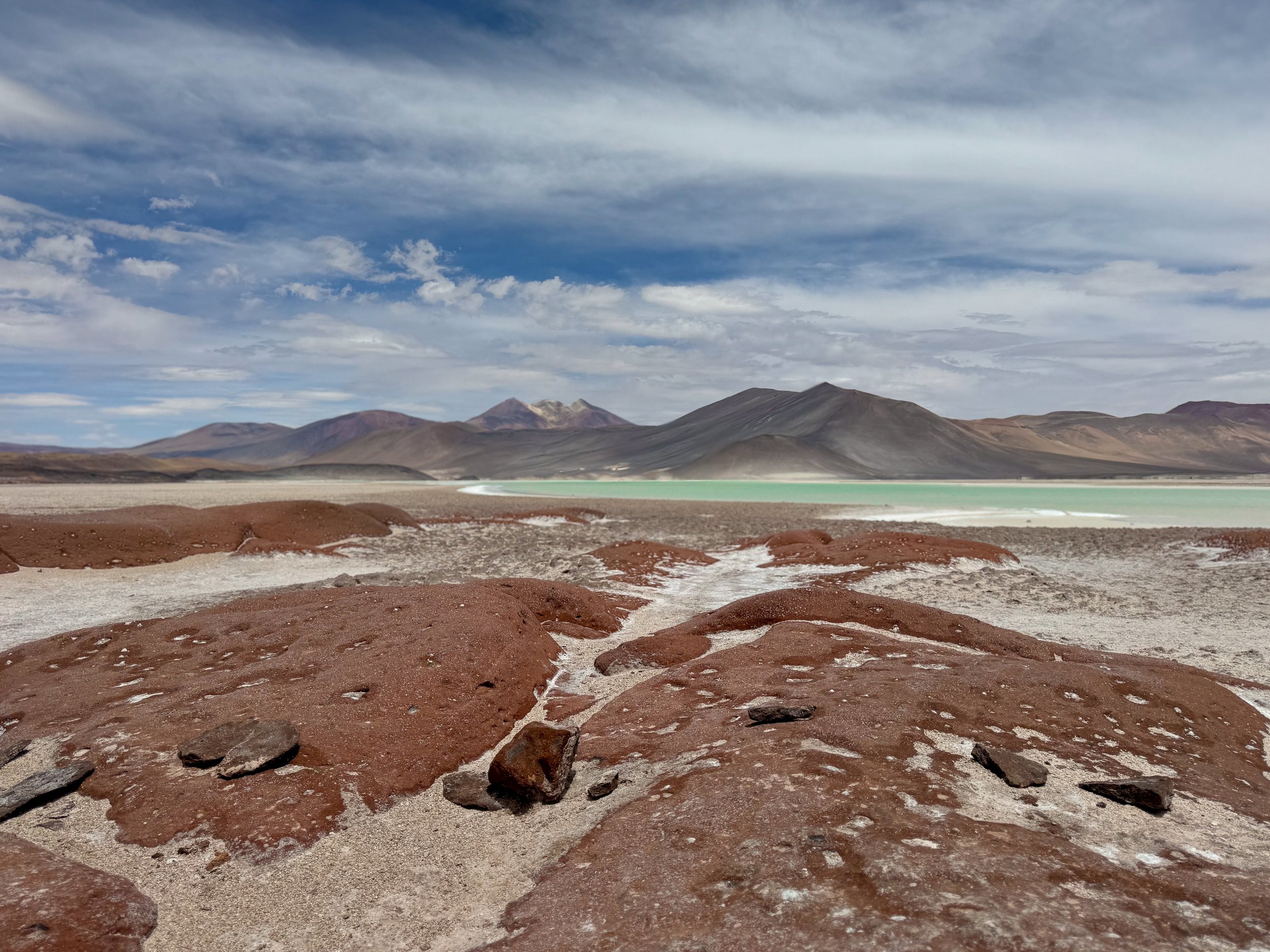
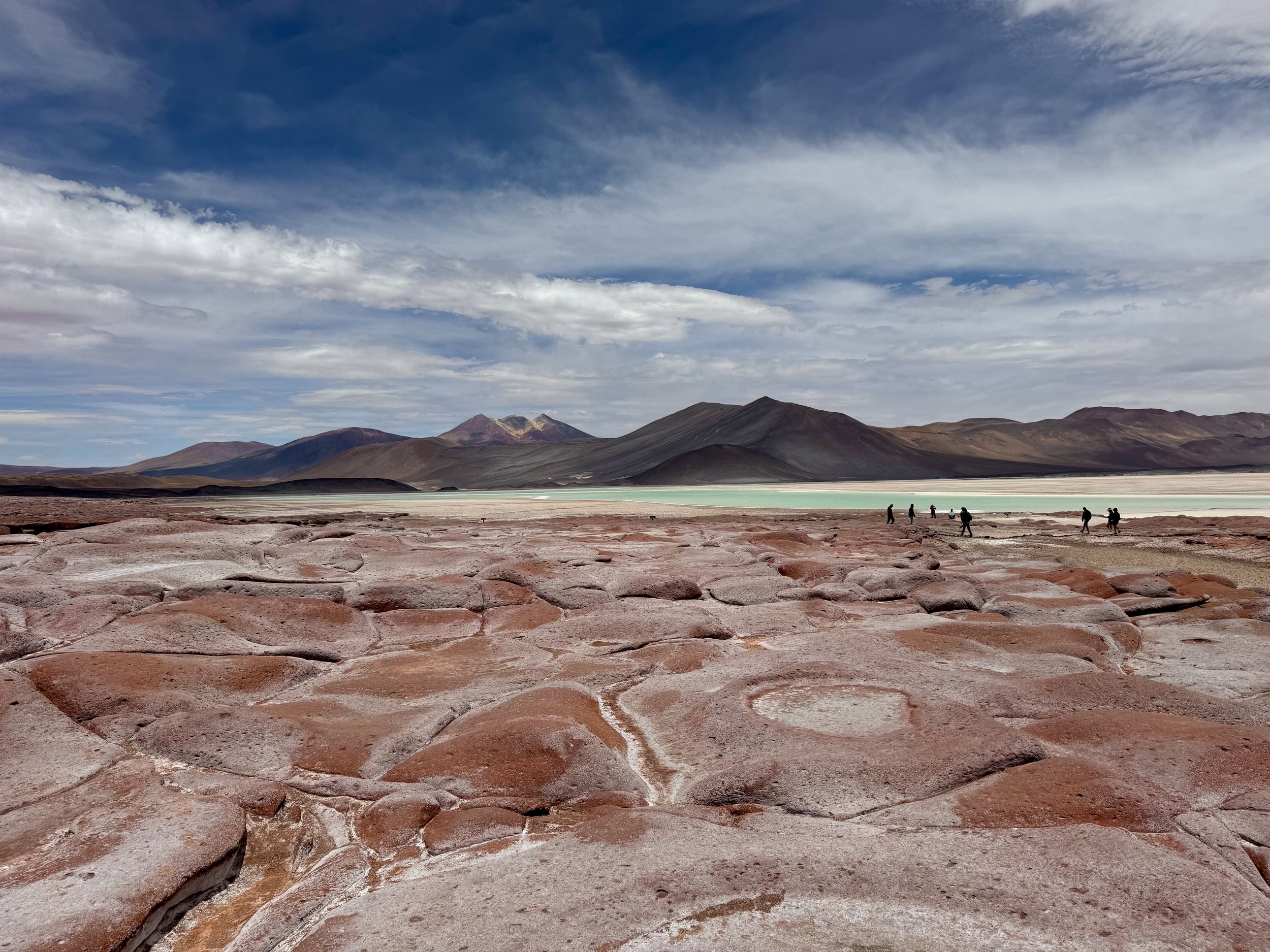
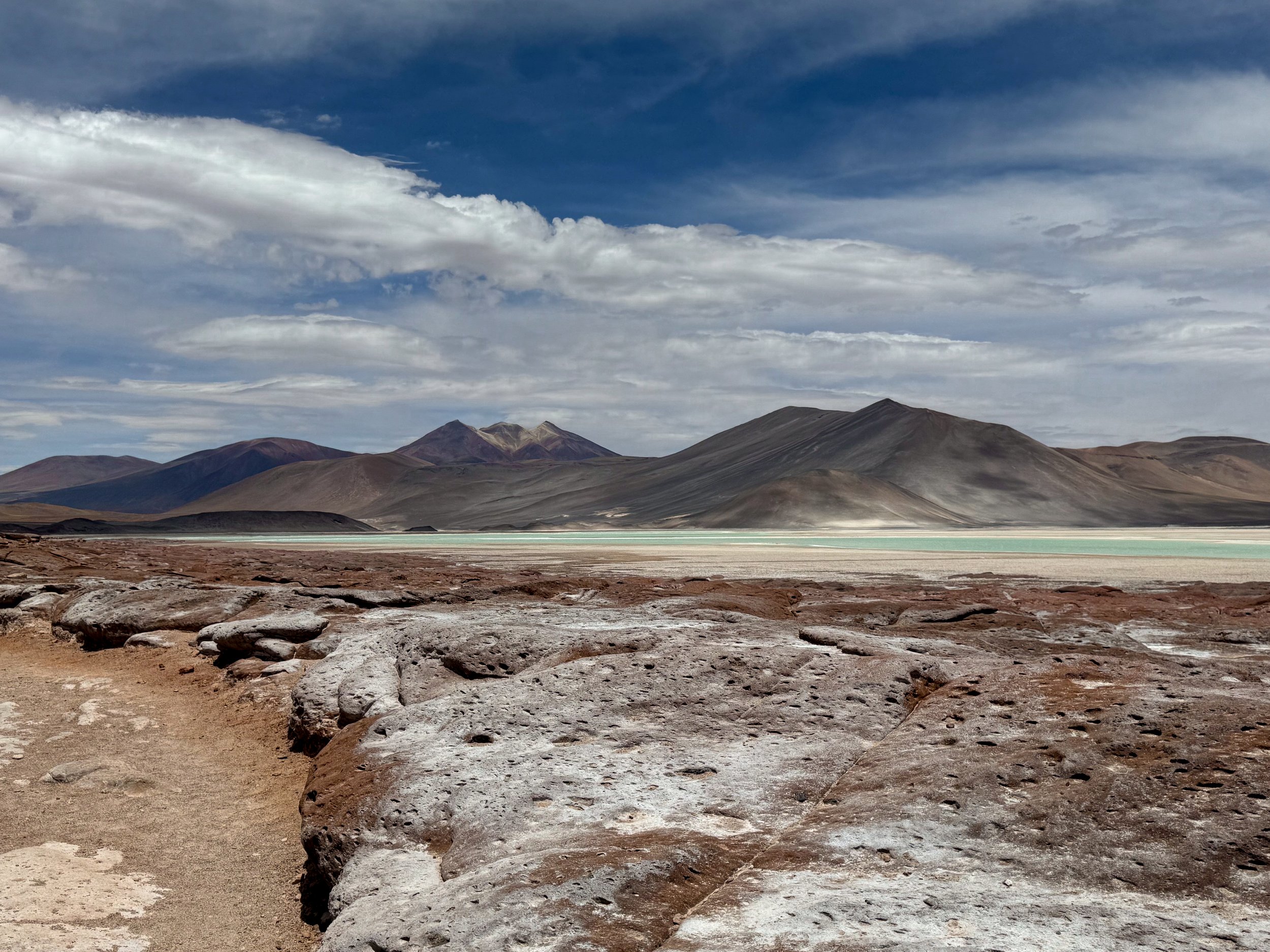
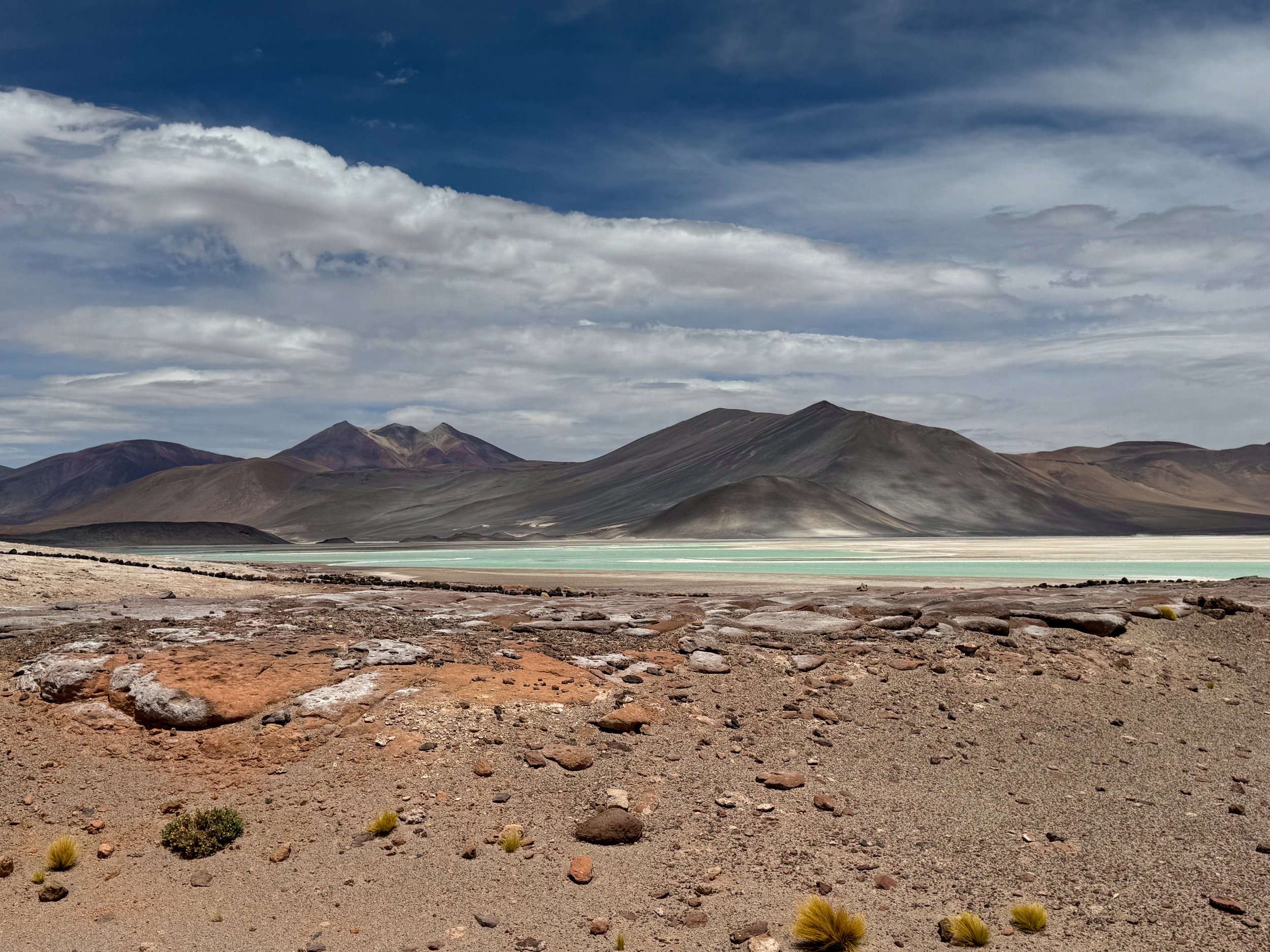
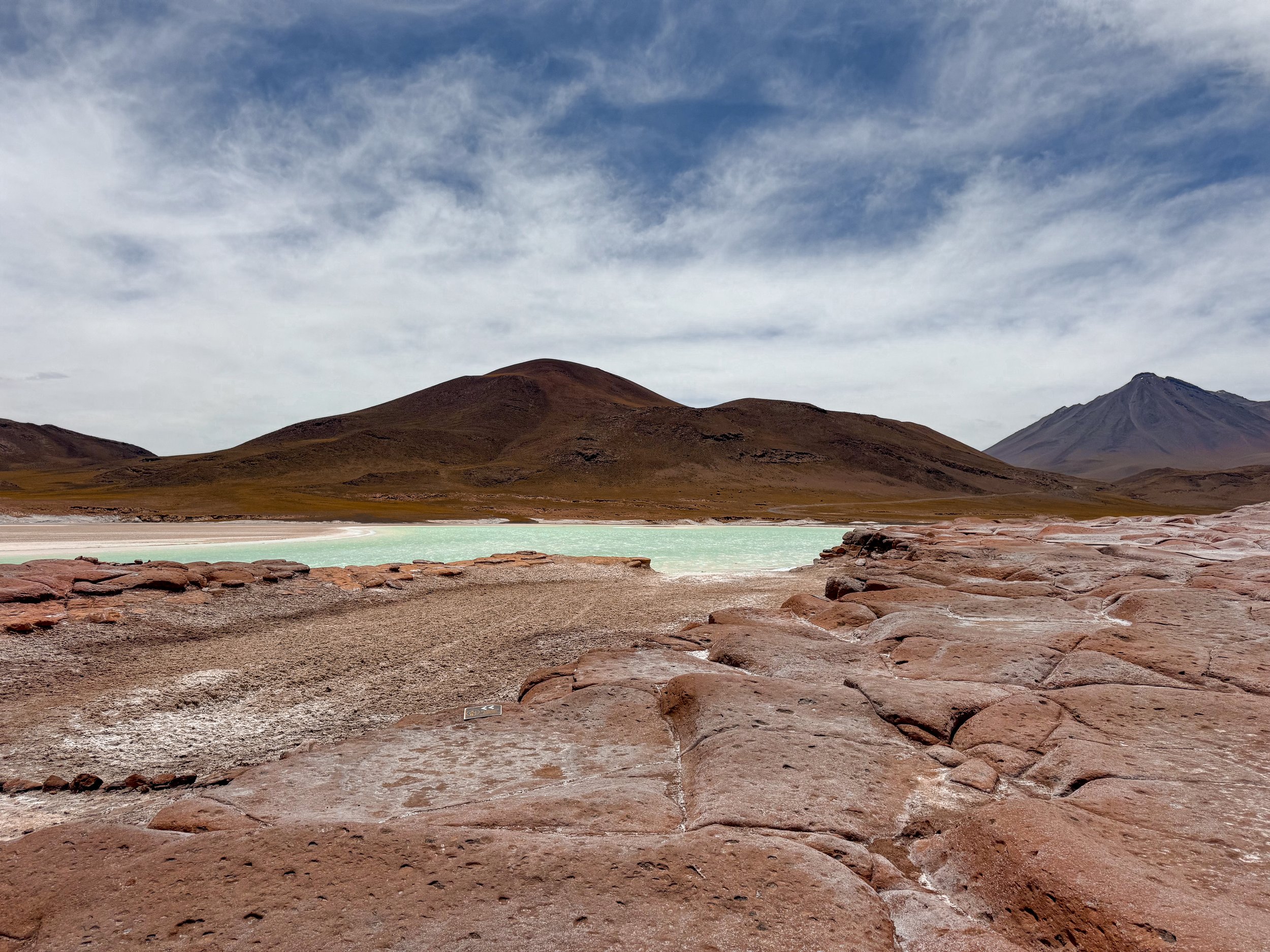
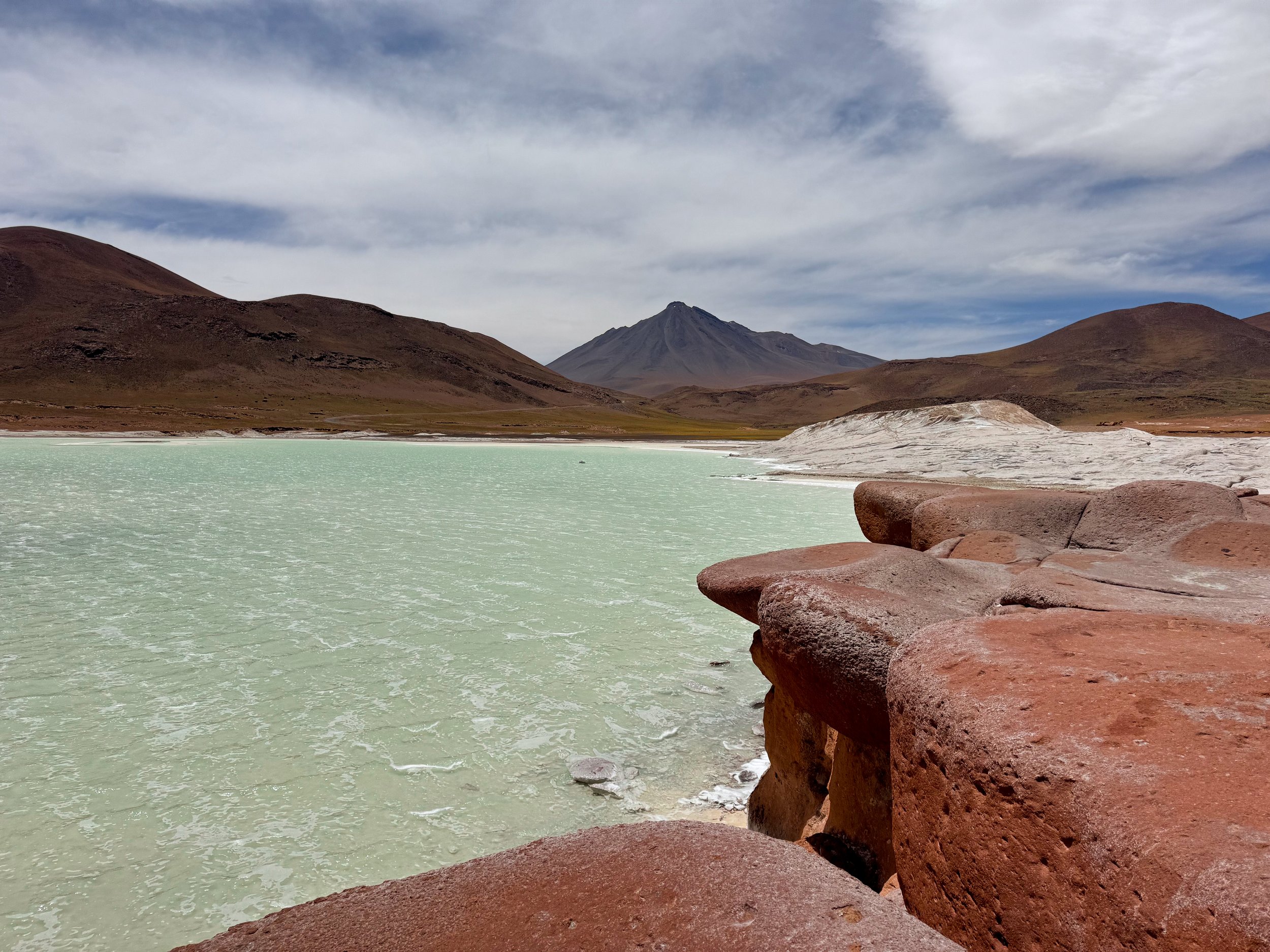
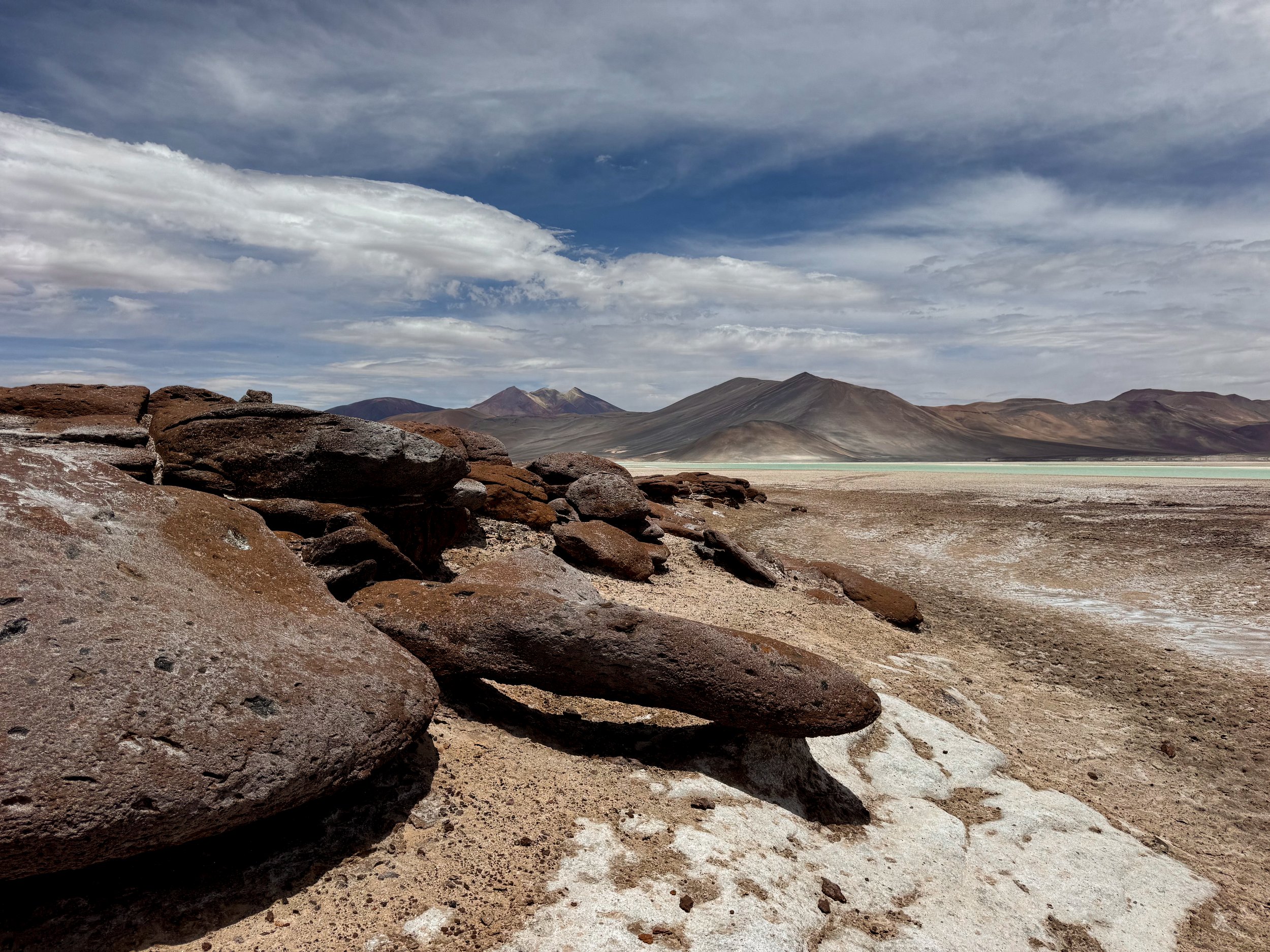
Salar de Aguas Calientes (Piedras Rojas). A milky blue lagoon covering a pure white salt flat juxtaposed by a hardened red rock lava flow with a smooth and wavy texture. The lagoon is surrounded by towering volcanos with dark slopes and streaks of colorful mineral deposits near their summits.

Salar de Atacama. A craggily salt flat flanked by three mountain ranges home to multiple species of flamingos and migratory birds. We walked one of the trails, watching the flamingos feed and fly.
Lagoons
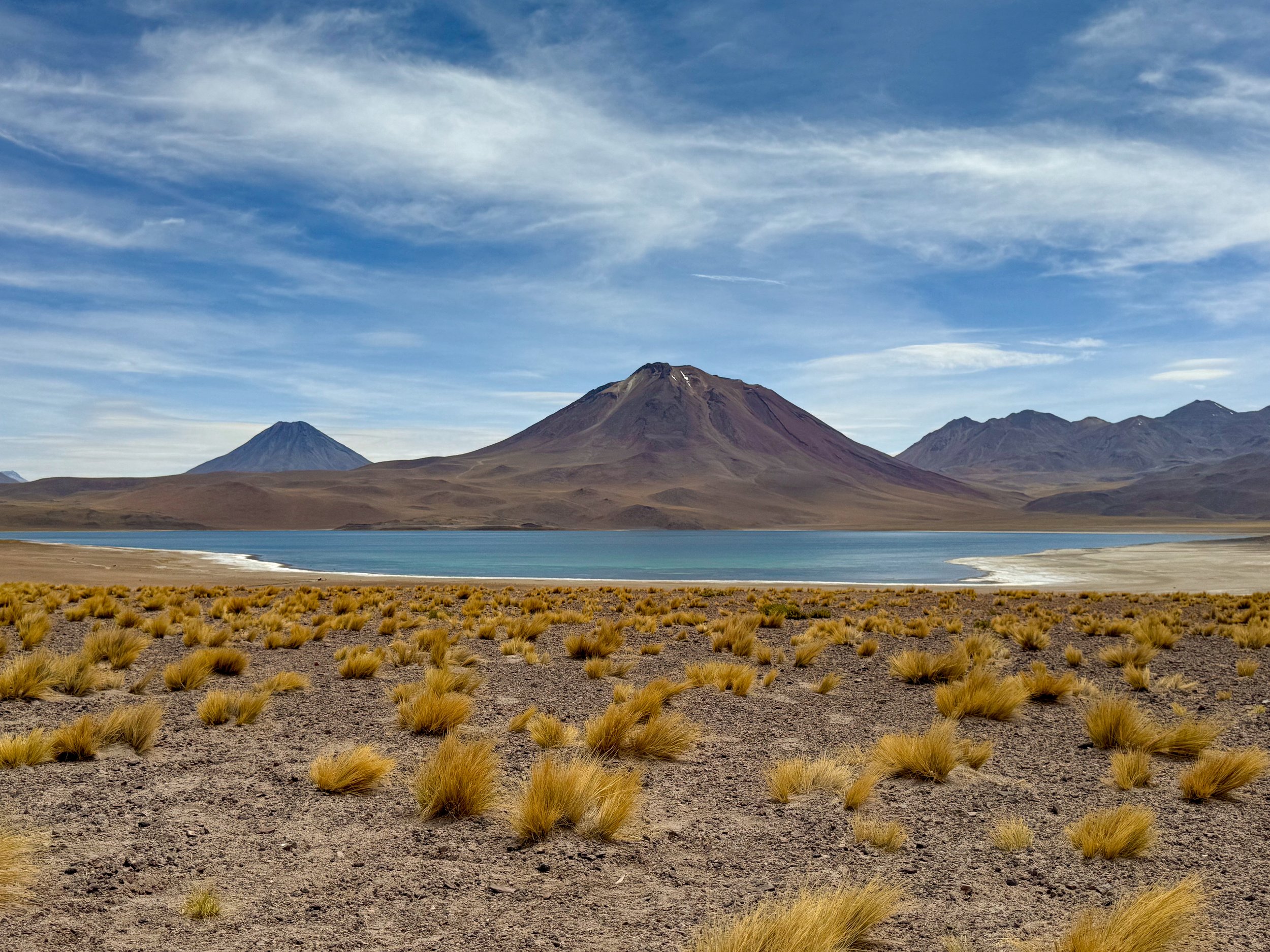
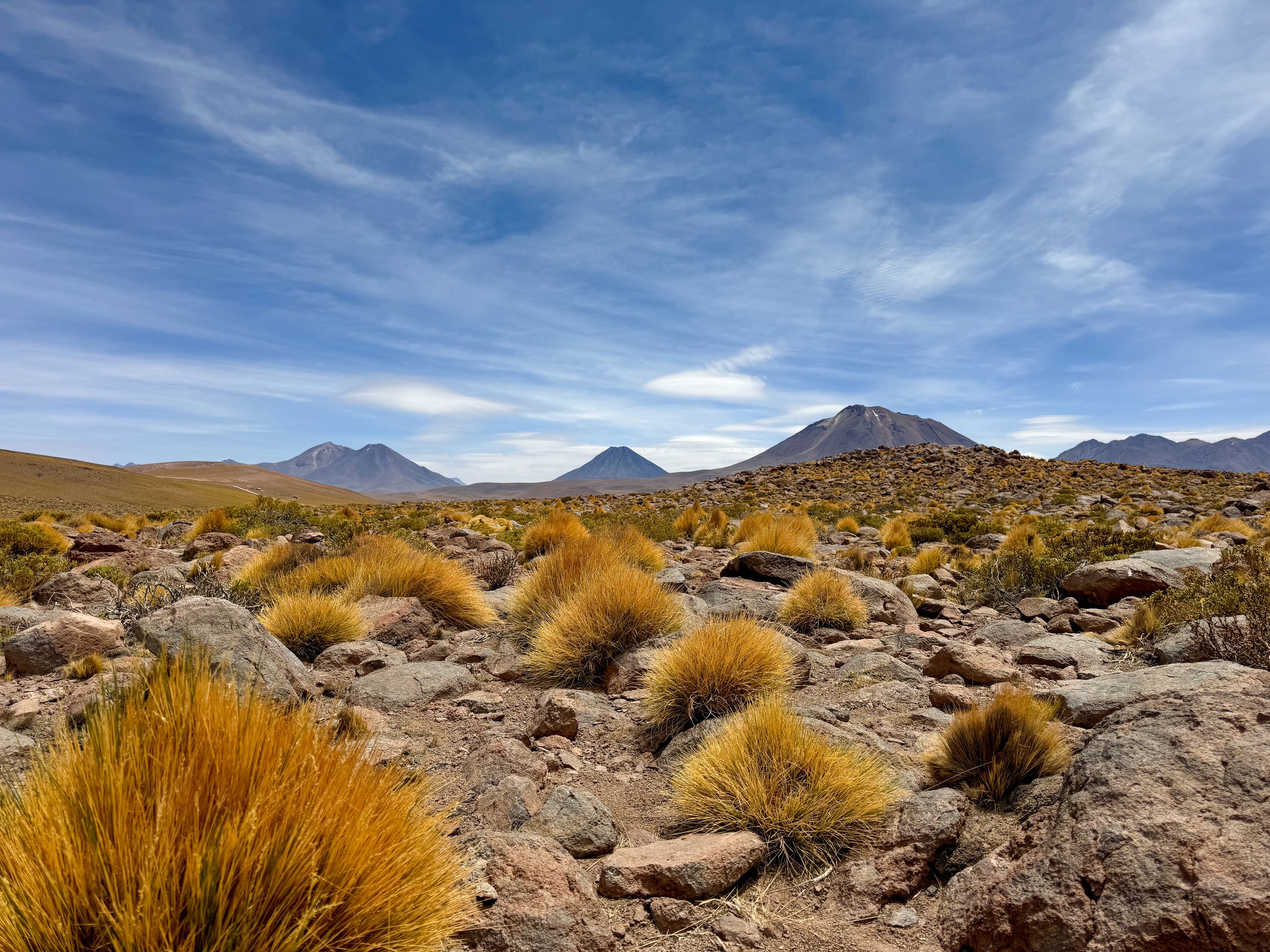
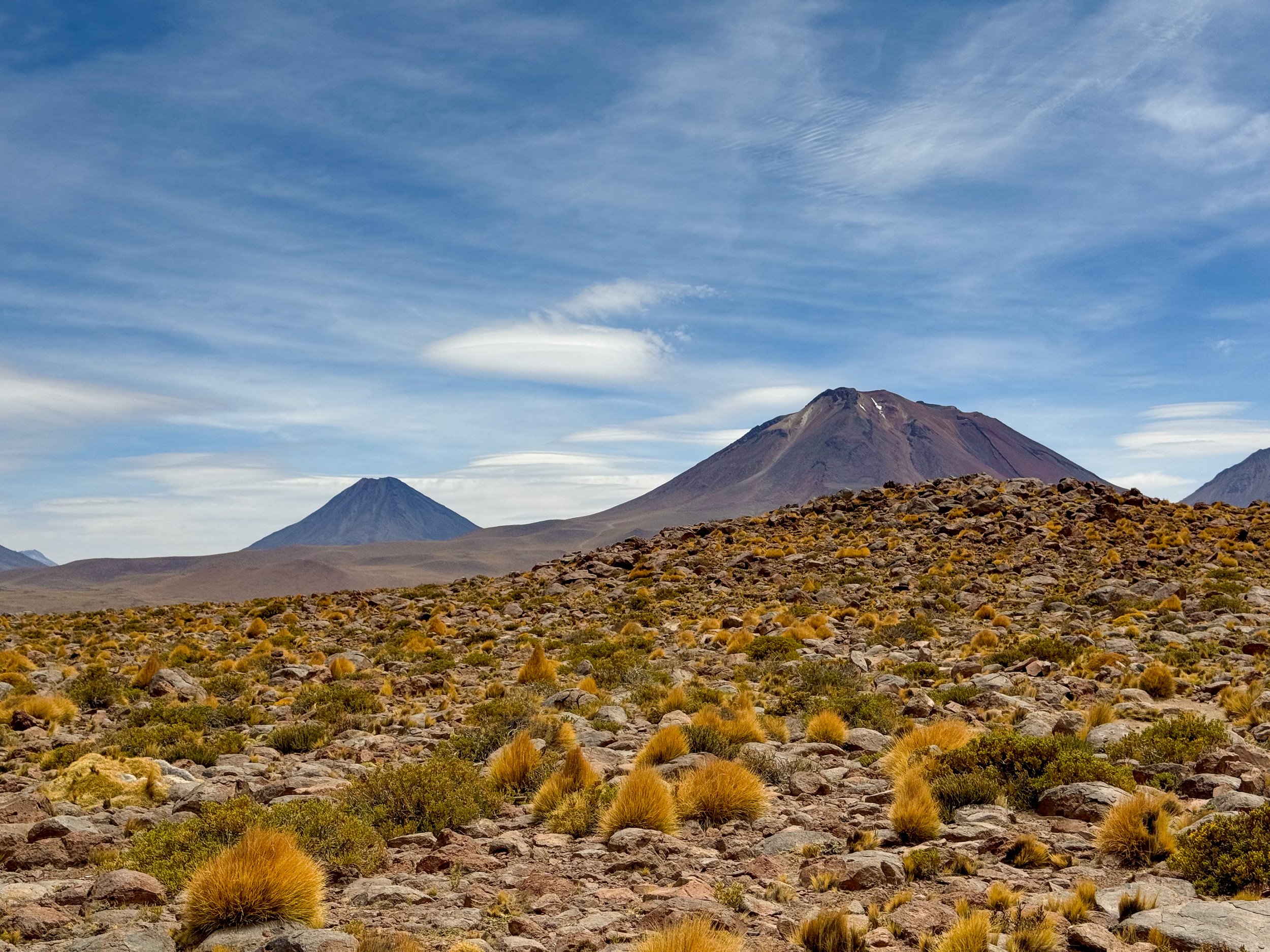
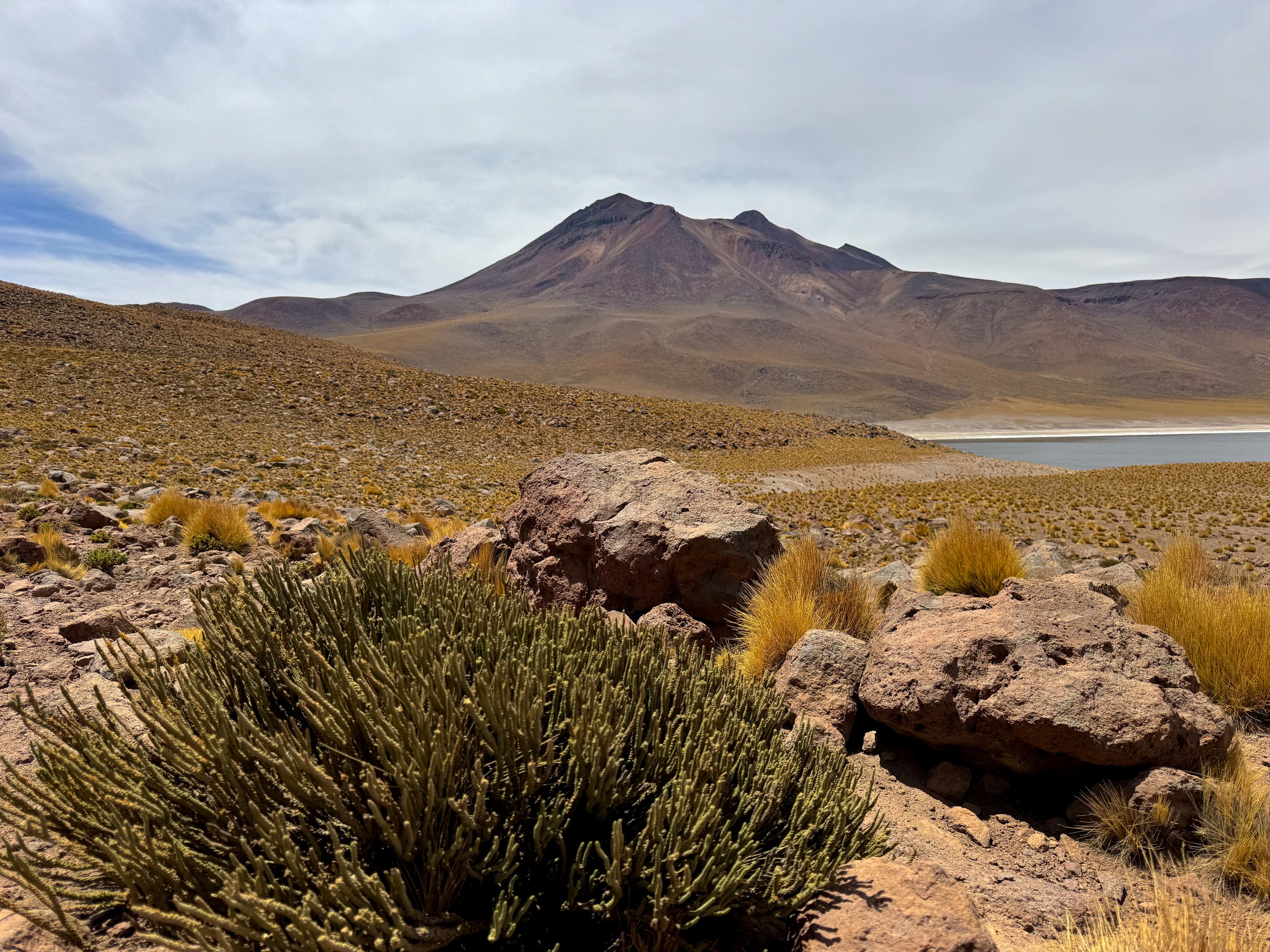
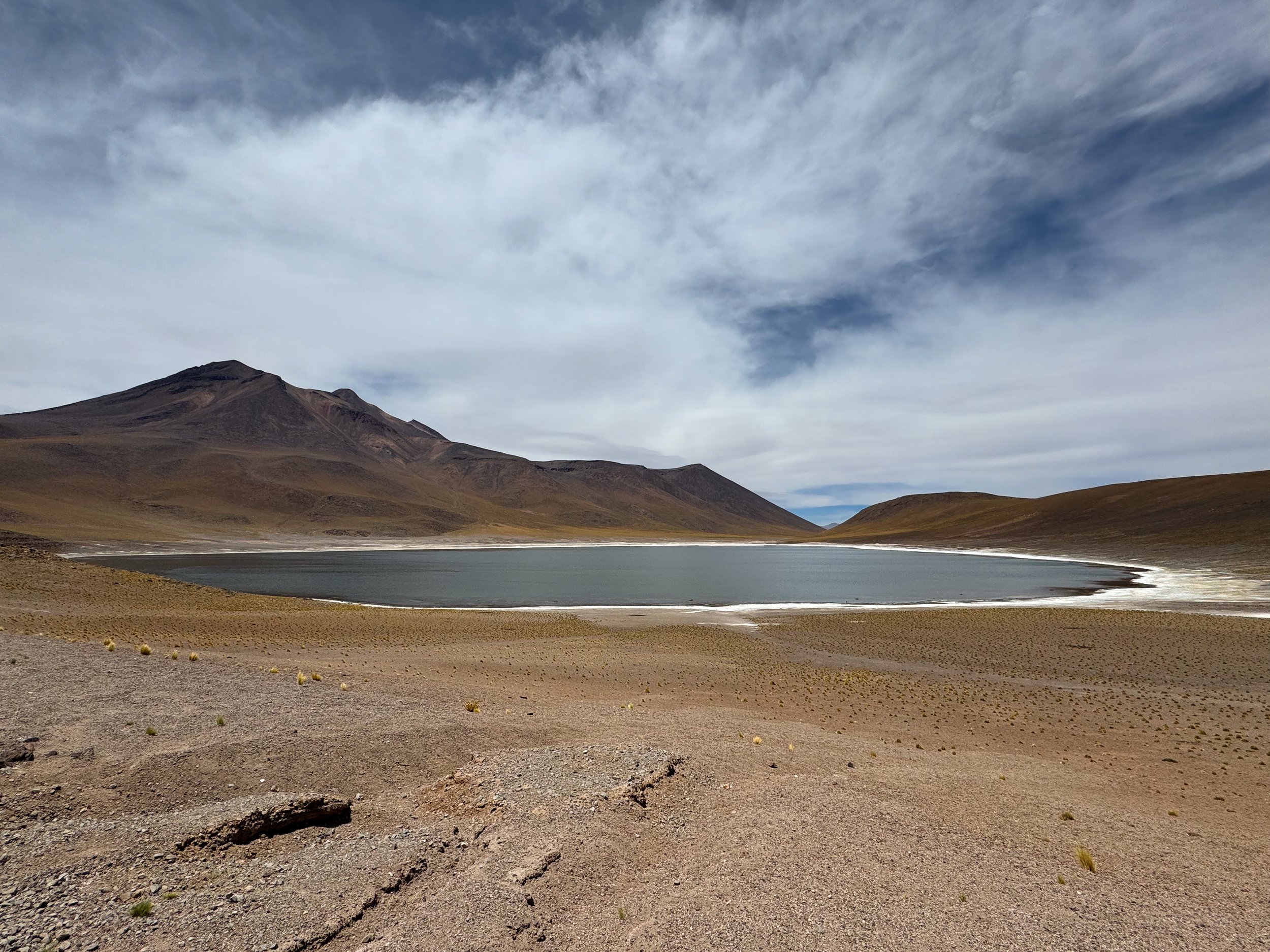
Laguna Miñiques. A large freshwater lagoon with a blue hued color at the base of the Miñiques Volcano. The lookout offers panoramic views of both as well as the volcanic mountain range beyond, shrub covered hills and distance vicuñas (a cute camelid) and suri (a large ostrich like bird)
Laguna Miscanti. A dark hued freshwater lagoon at the base of the Miscanti Volcano home to the Horned Coot, marine birds that build cone shaped mud nests in the lagoon near the shore.
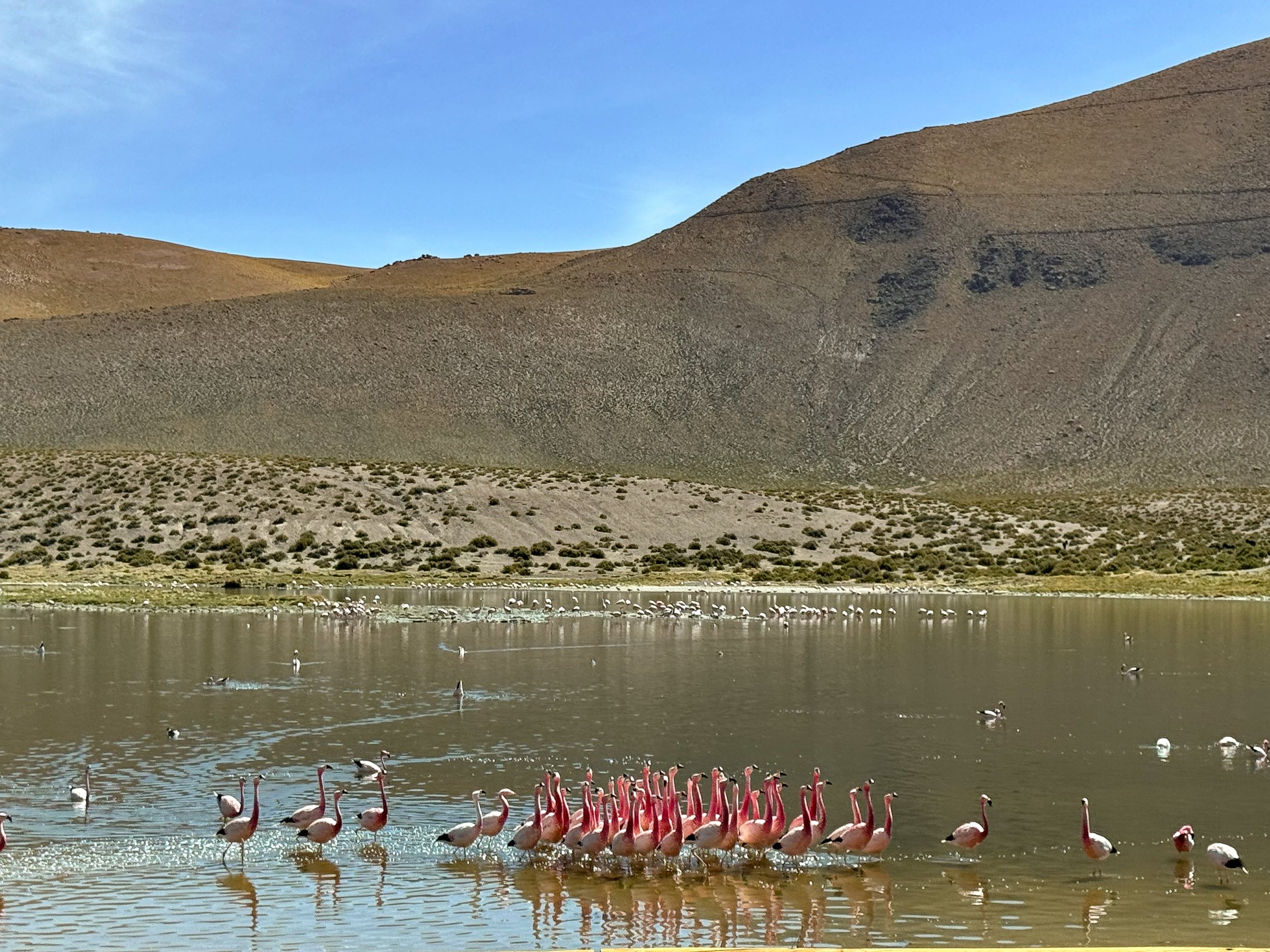
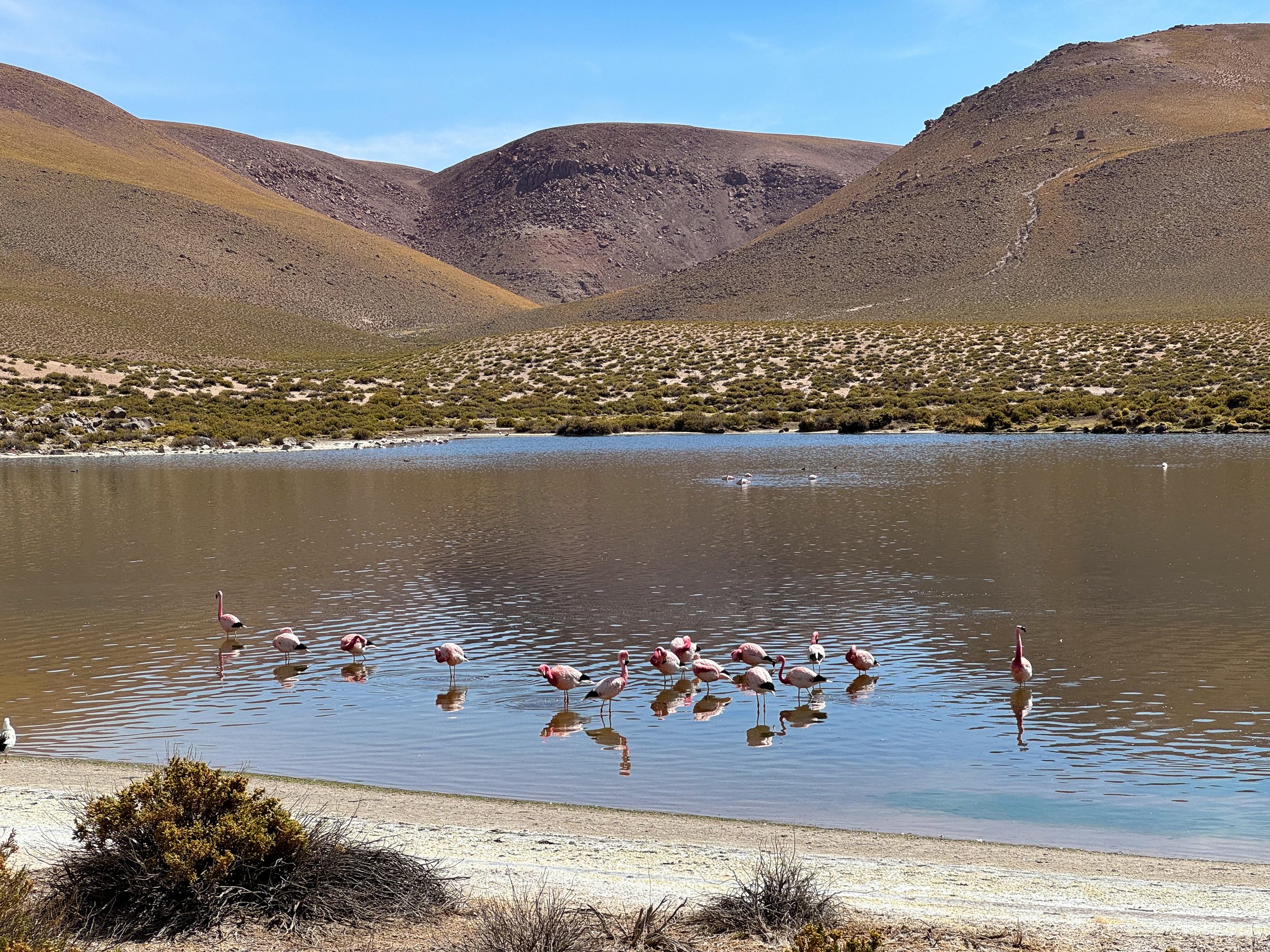
Laguna de Machuca. A freshwater lagoon with hundreds of vibrant pink flamingos feeding, flying and mating around the shallow water. We spotted a large group of male flamingos dancing in unison to attract females.
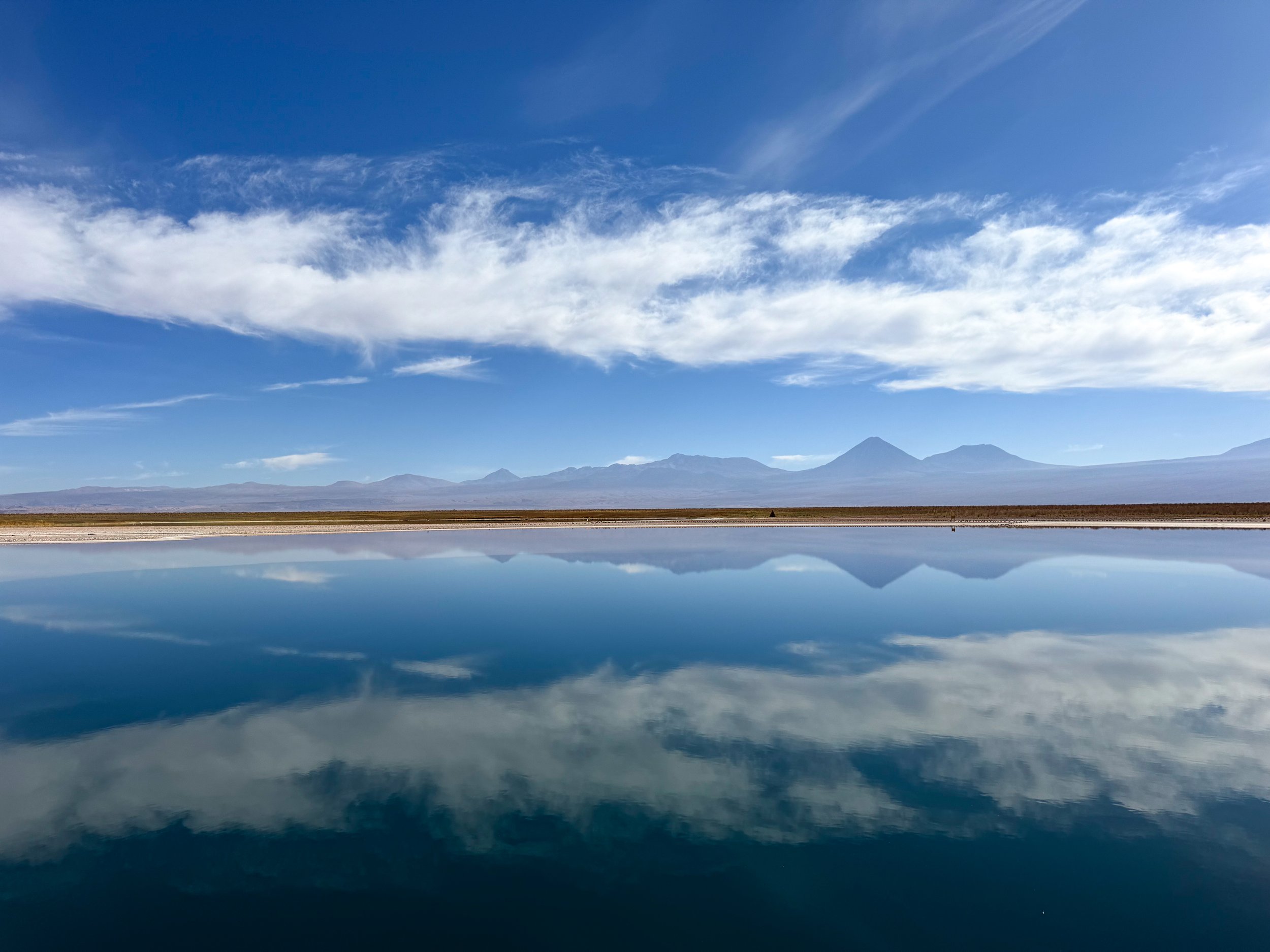
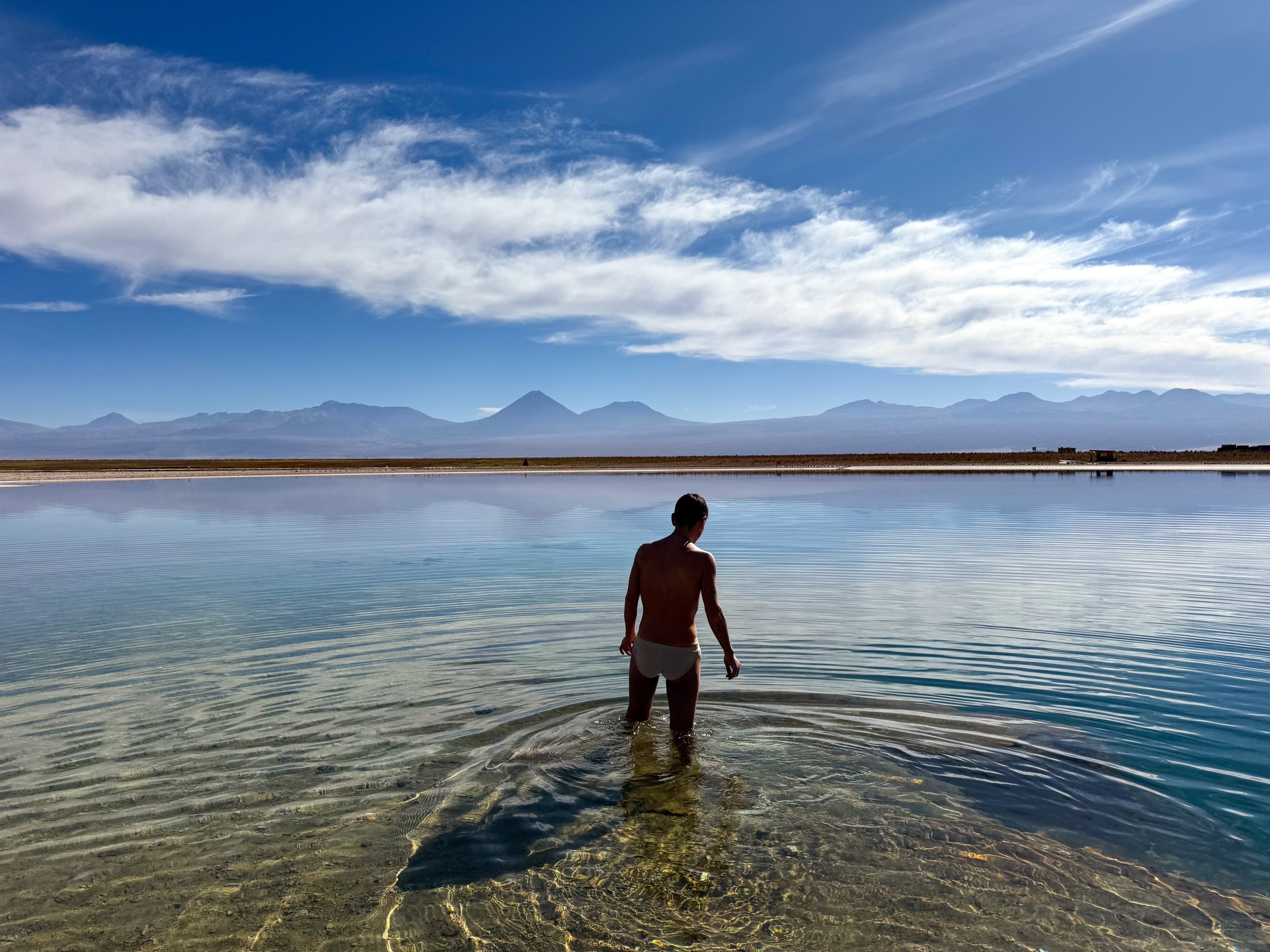
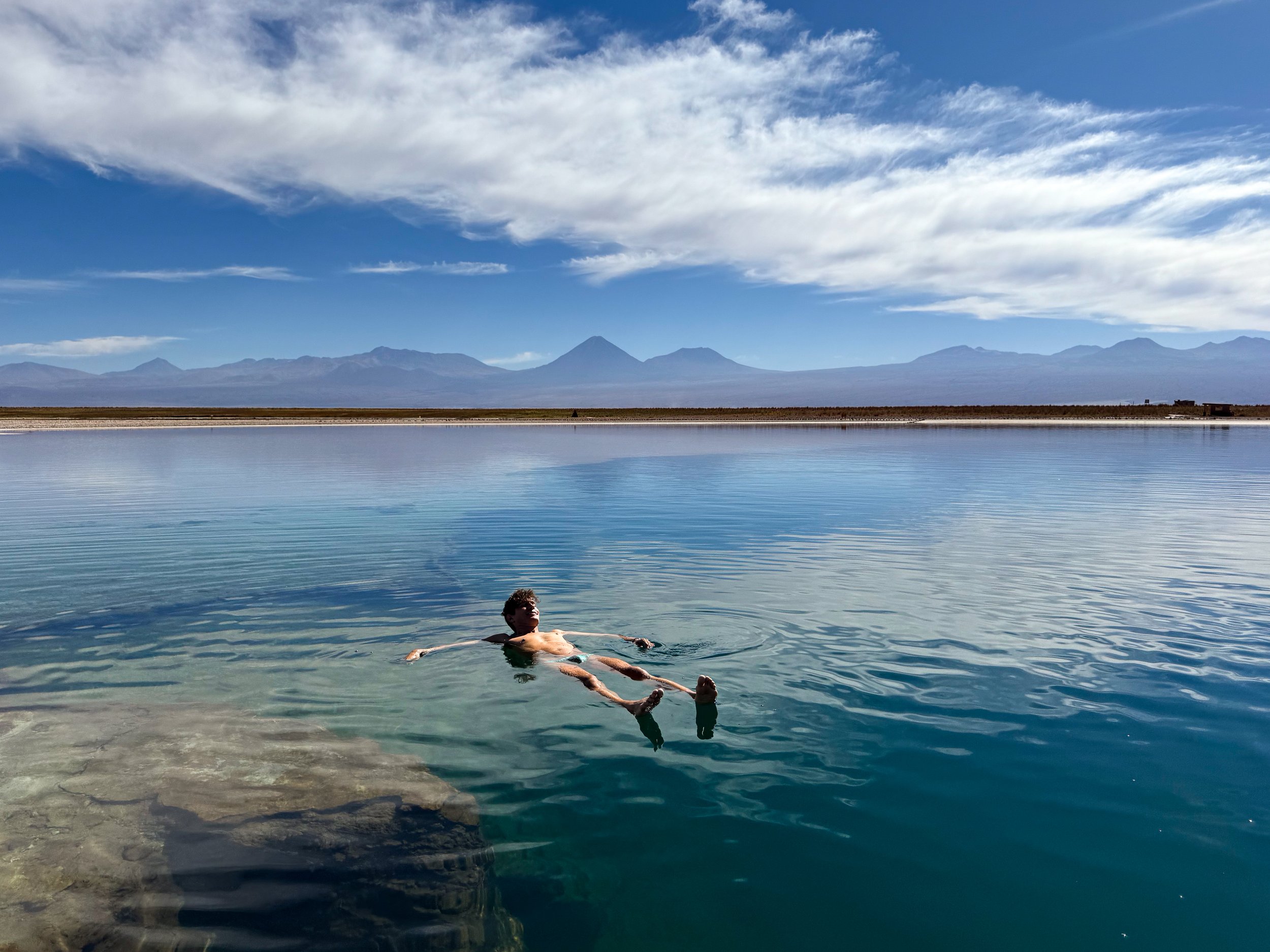
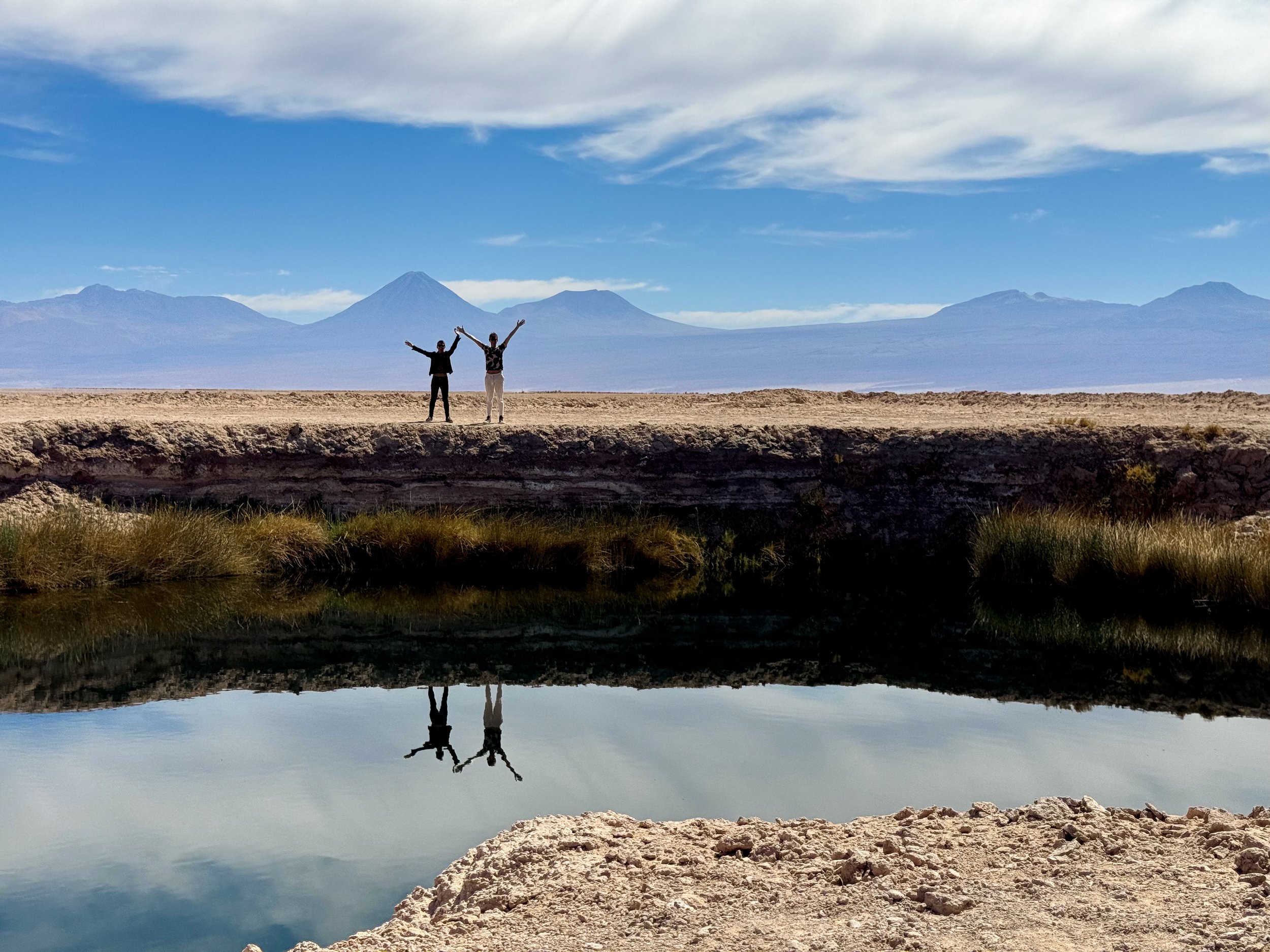
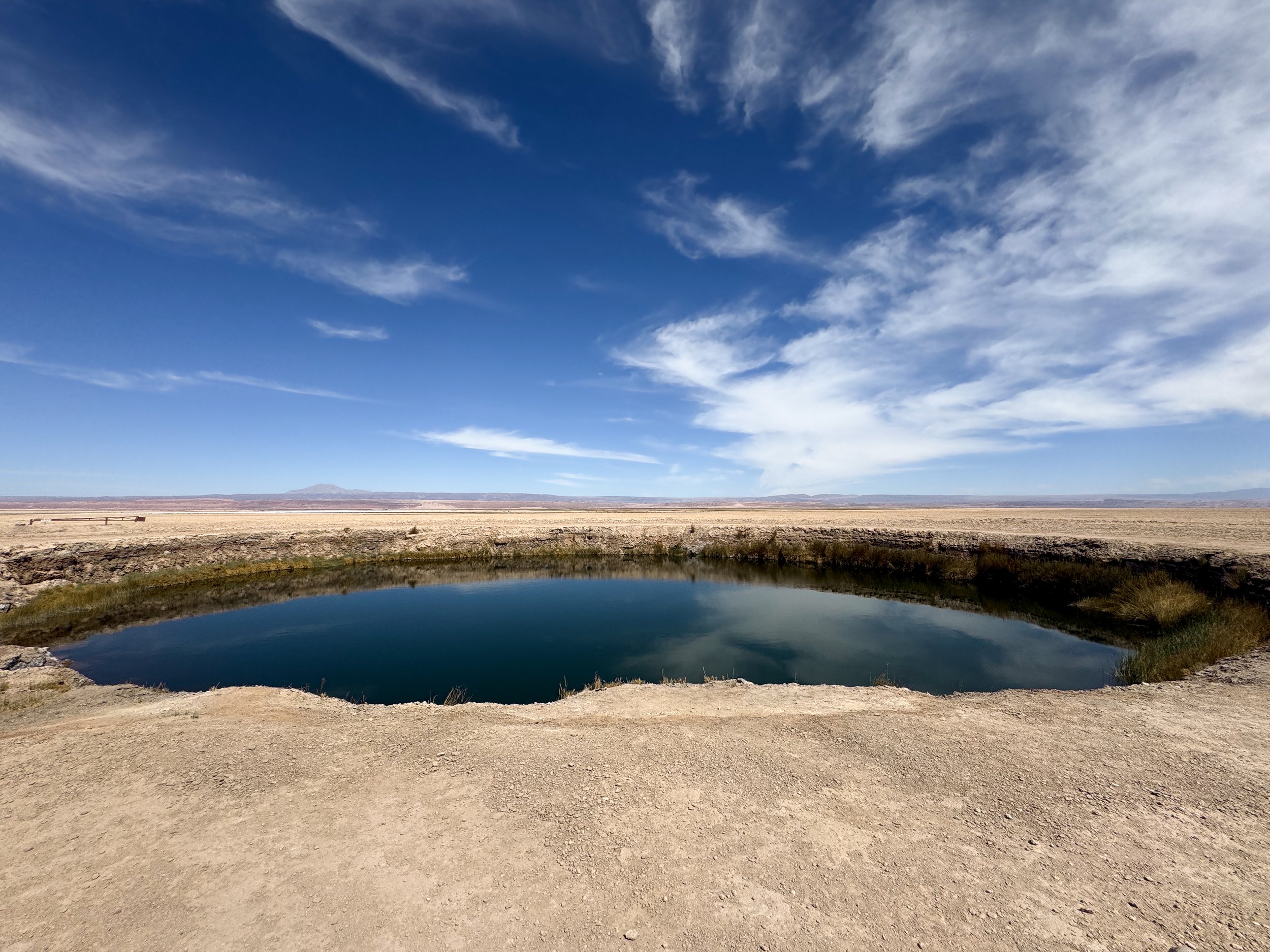
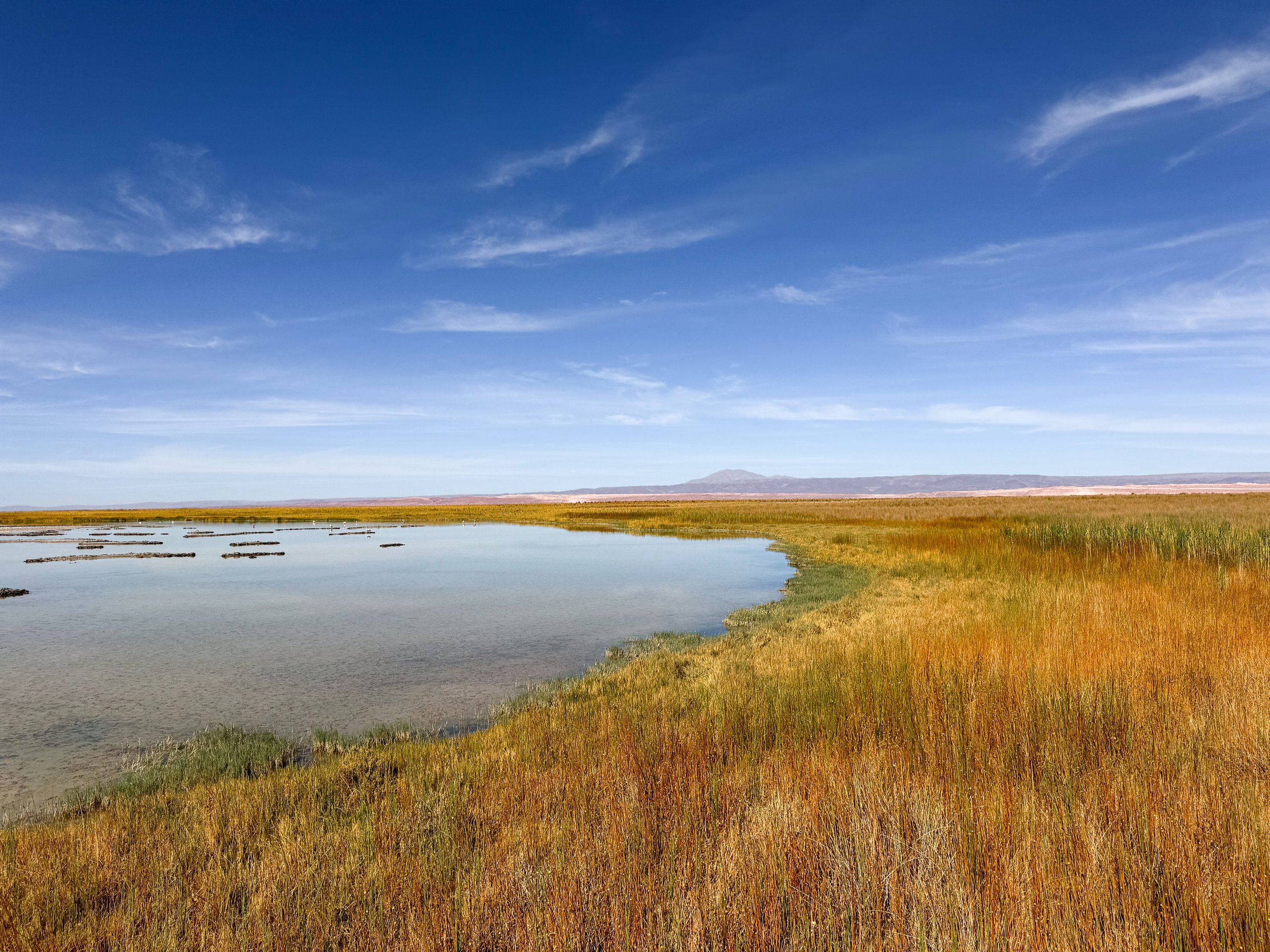
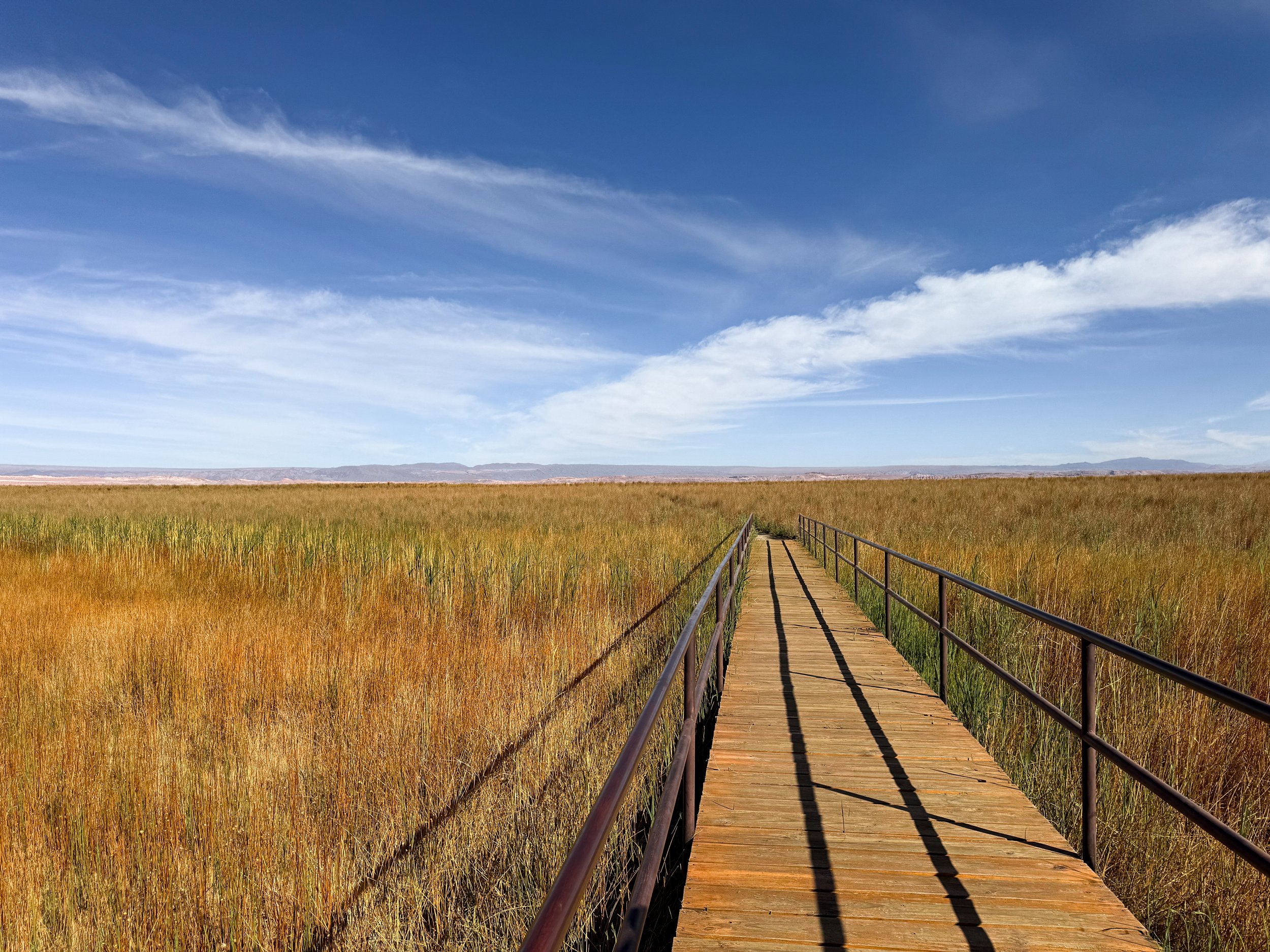
Lagunas Escondidas de Baltinache. A salt water lagoon with a mirror effect reflecting the volcanos and sky. It’s one of the only lagoons in the Atacama that people are allowed to swim in. We walked into the cold water and effortlessly floated at the surface.
Ojos del Salar. Two small, nearly perfectly round lagoons that resemble a pair of eyes.
Laguna Cejar. A lagoon with a boardwalk along its grassy edge and flamingos feeding in the distance.
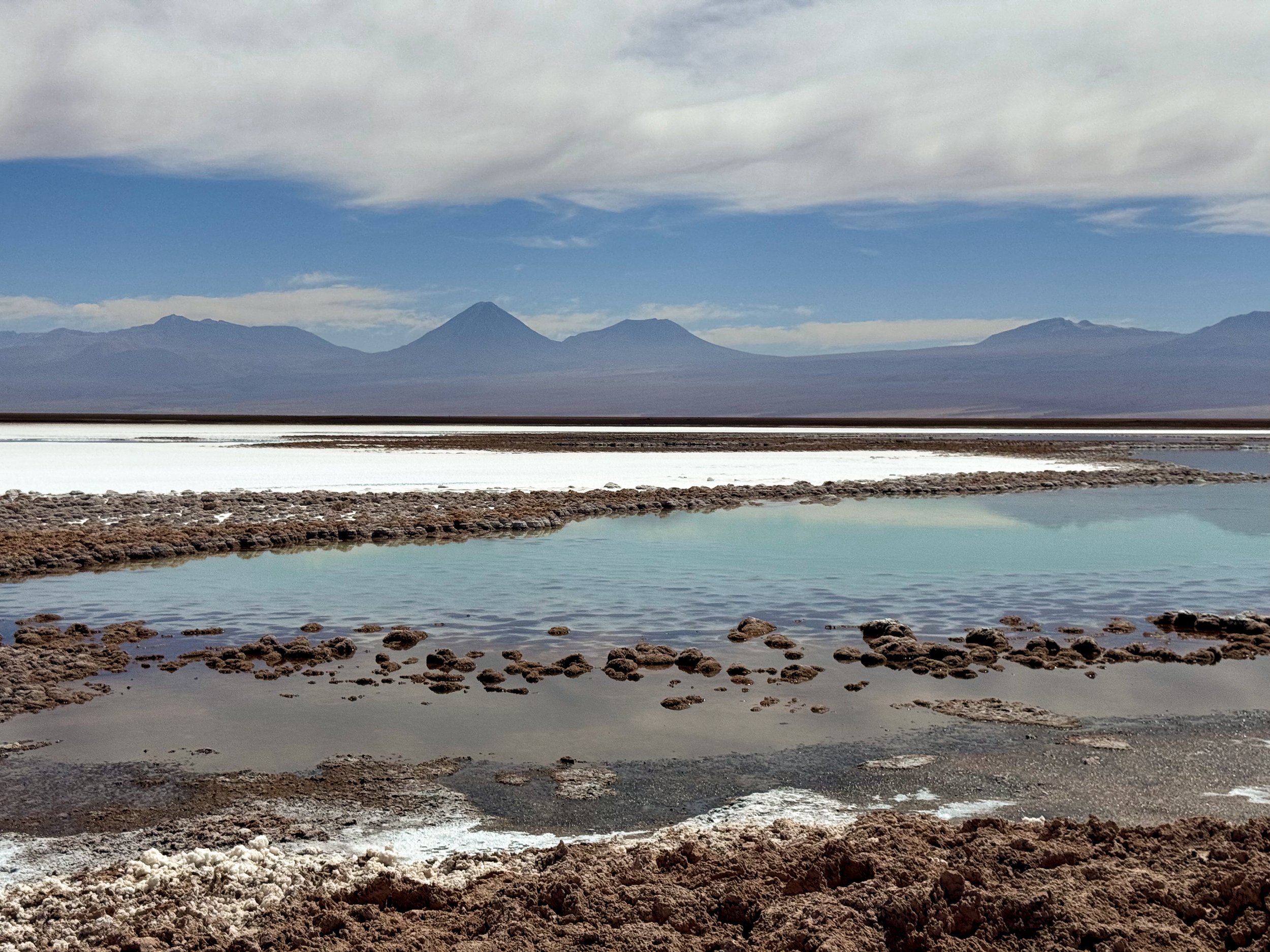
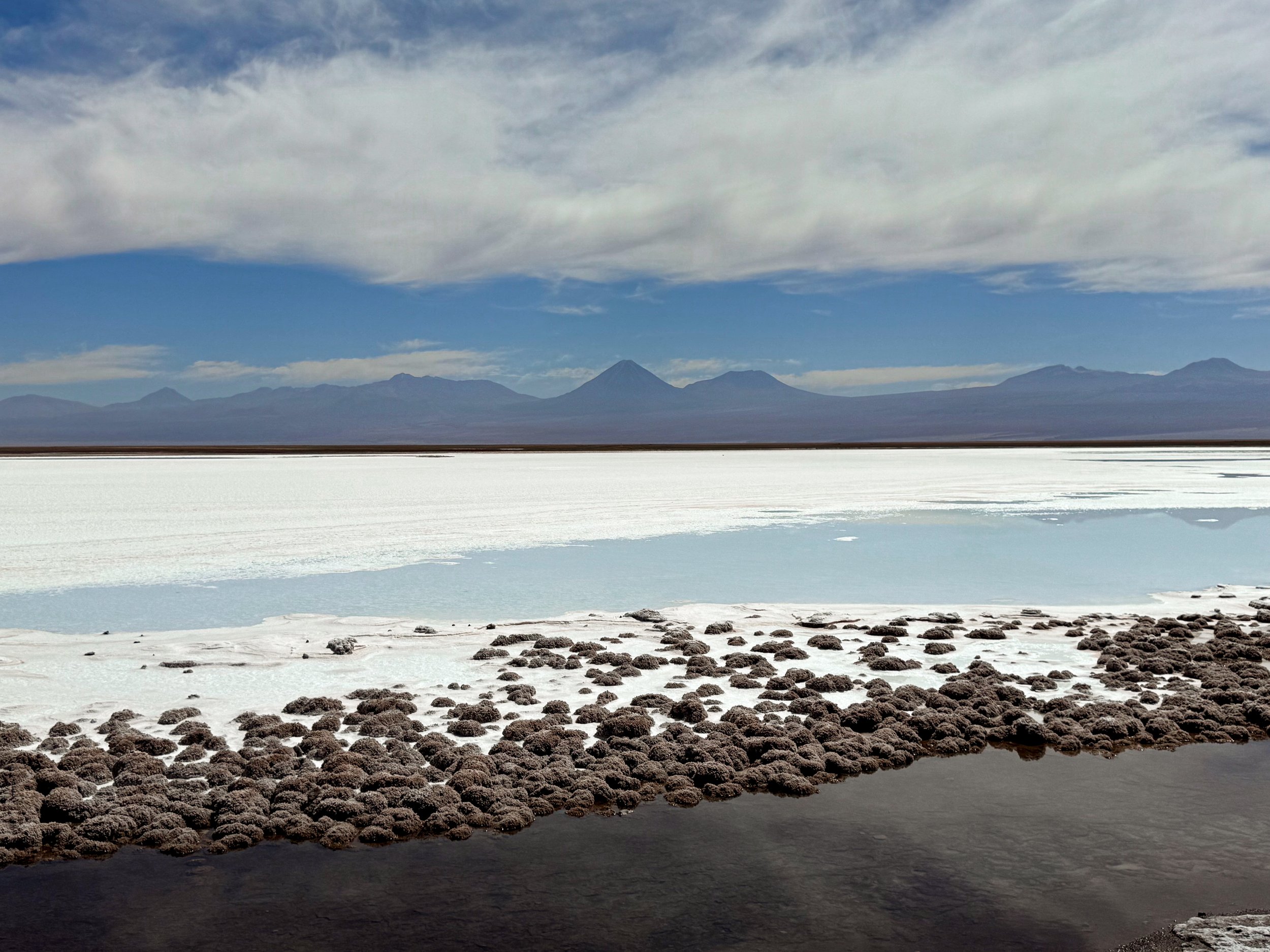
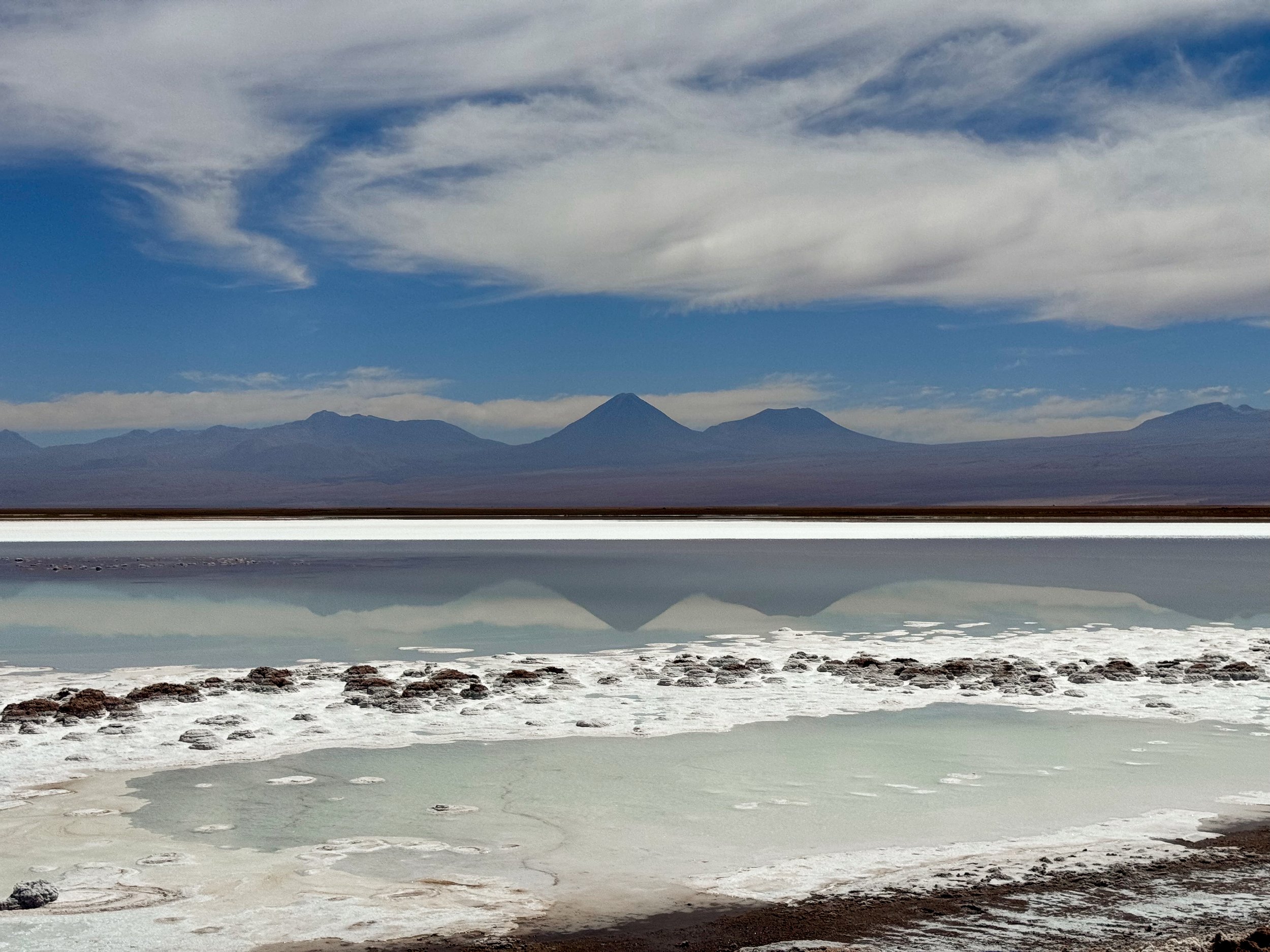
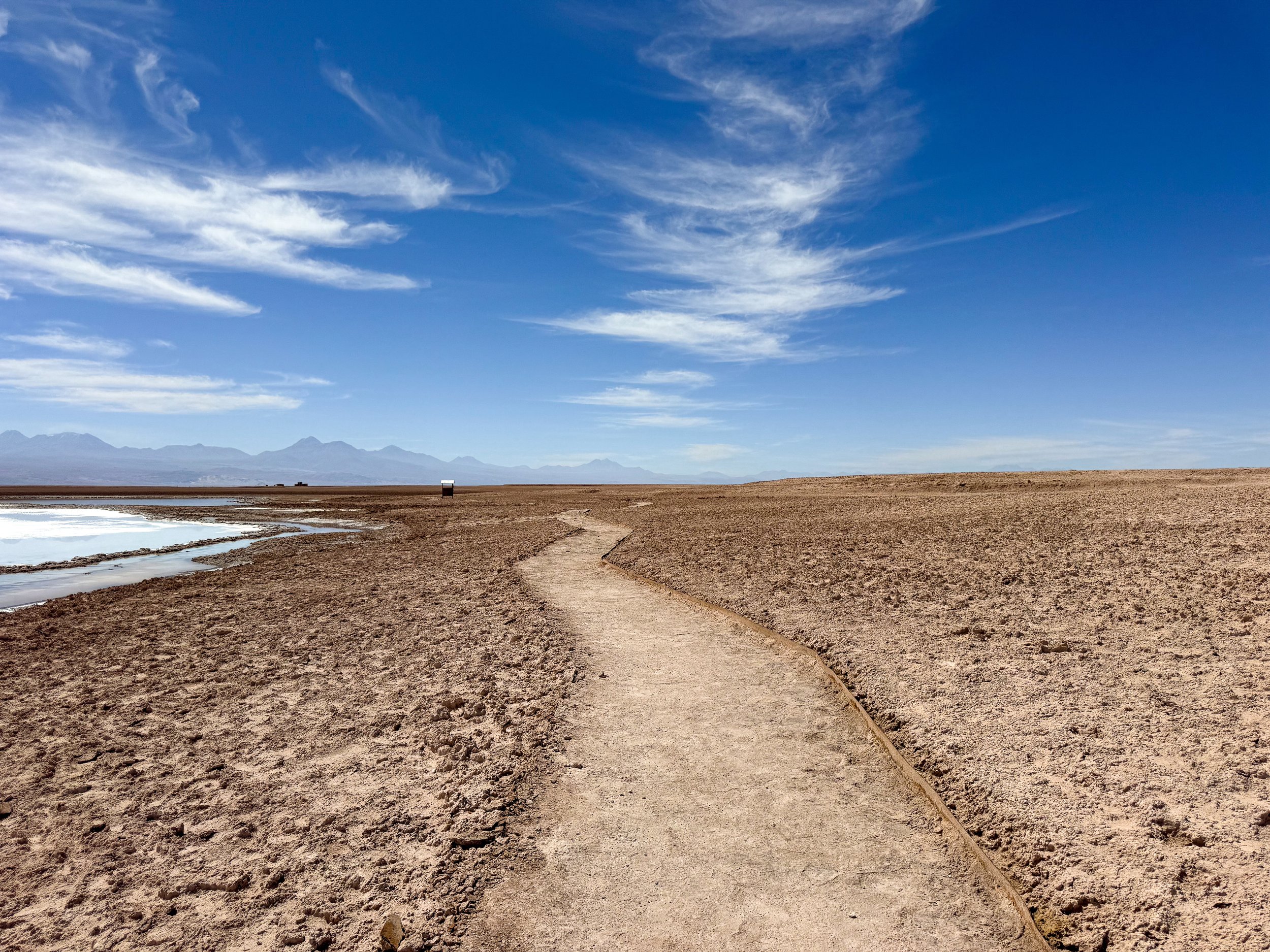
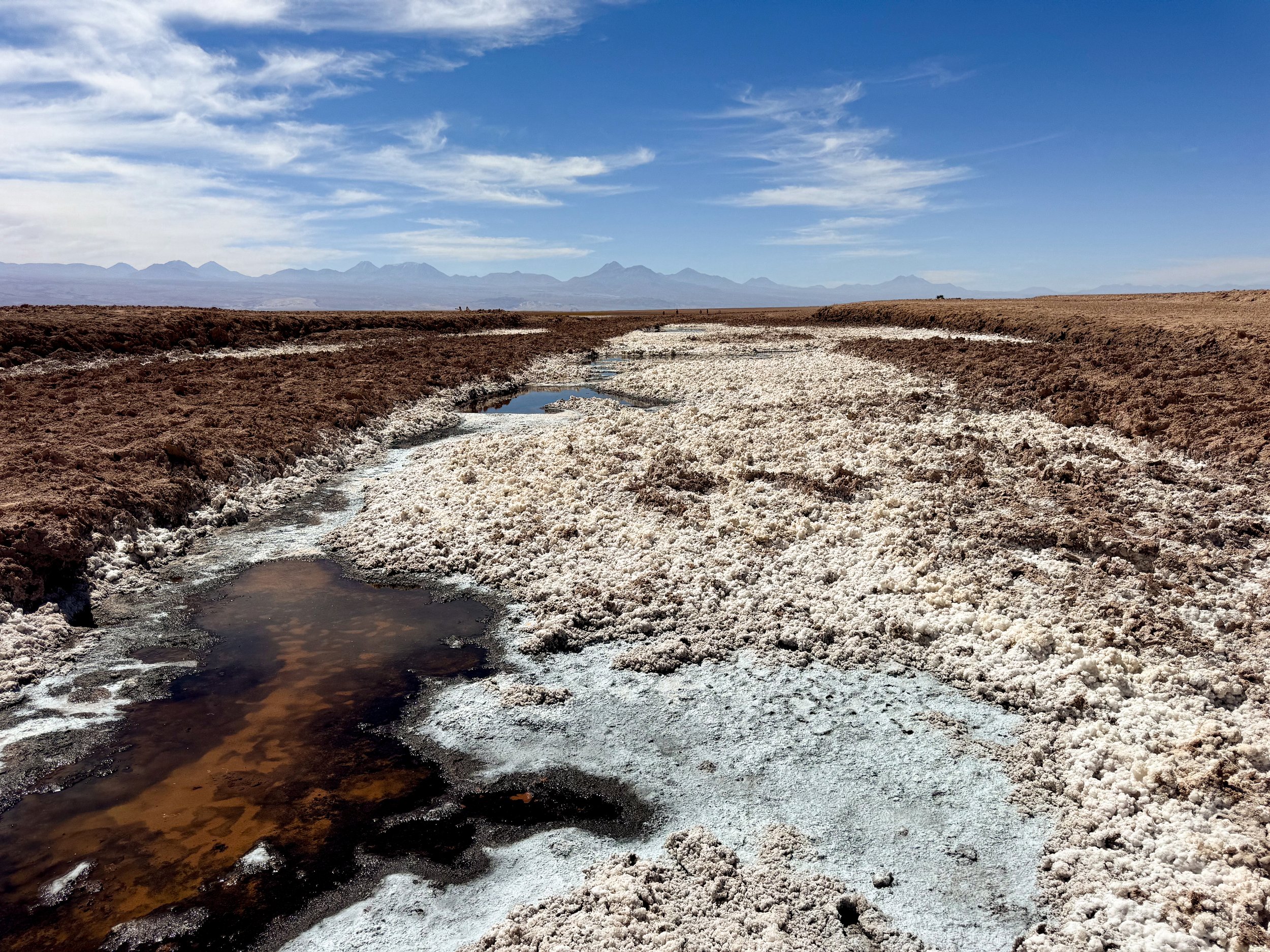
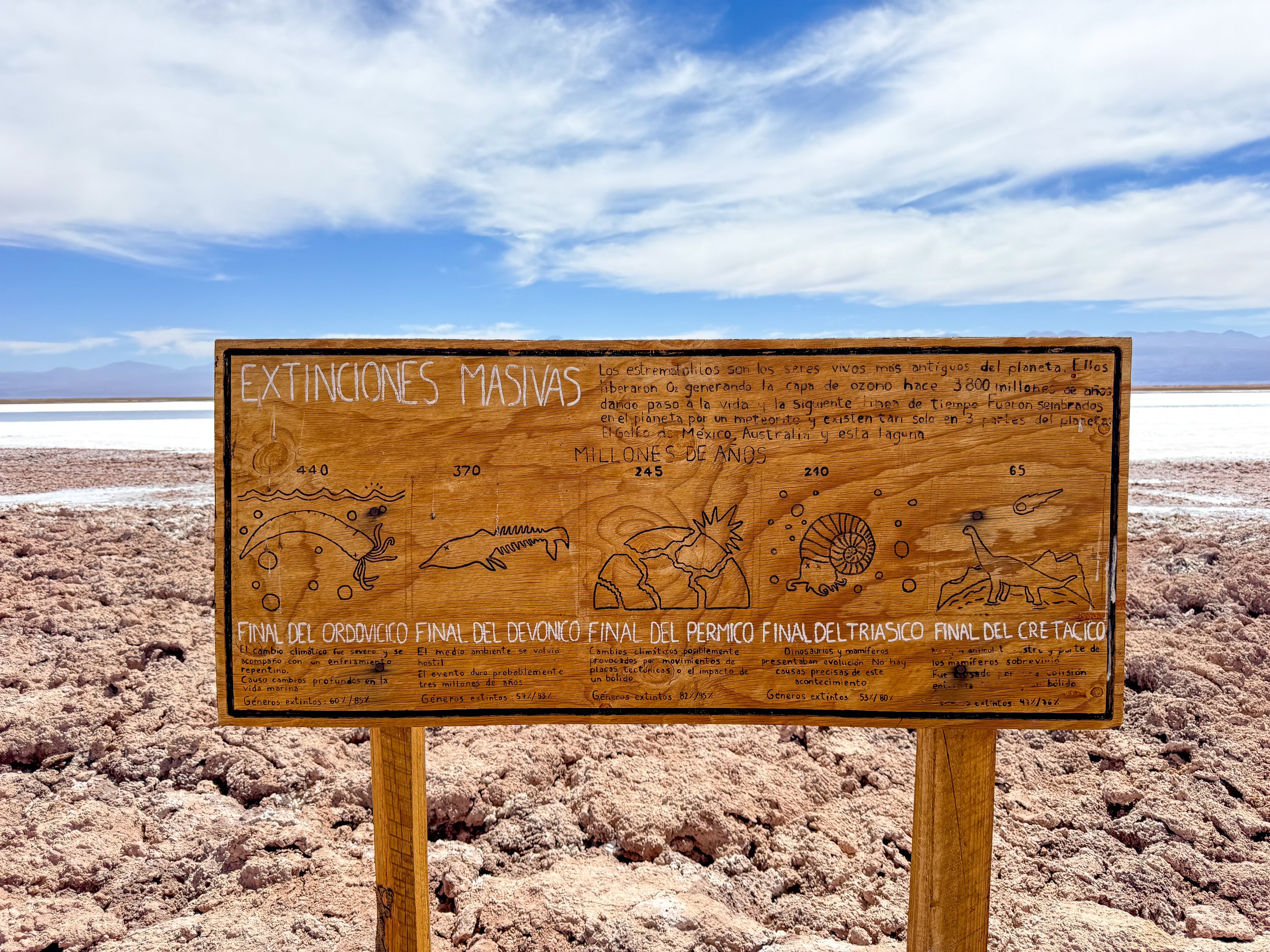
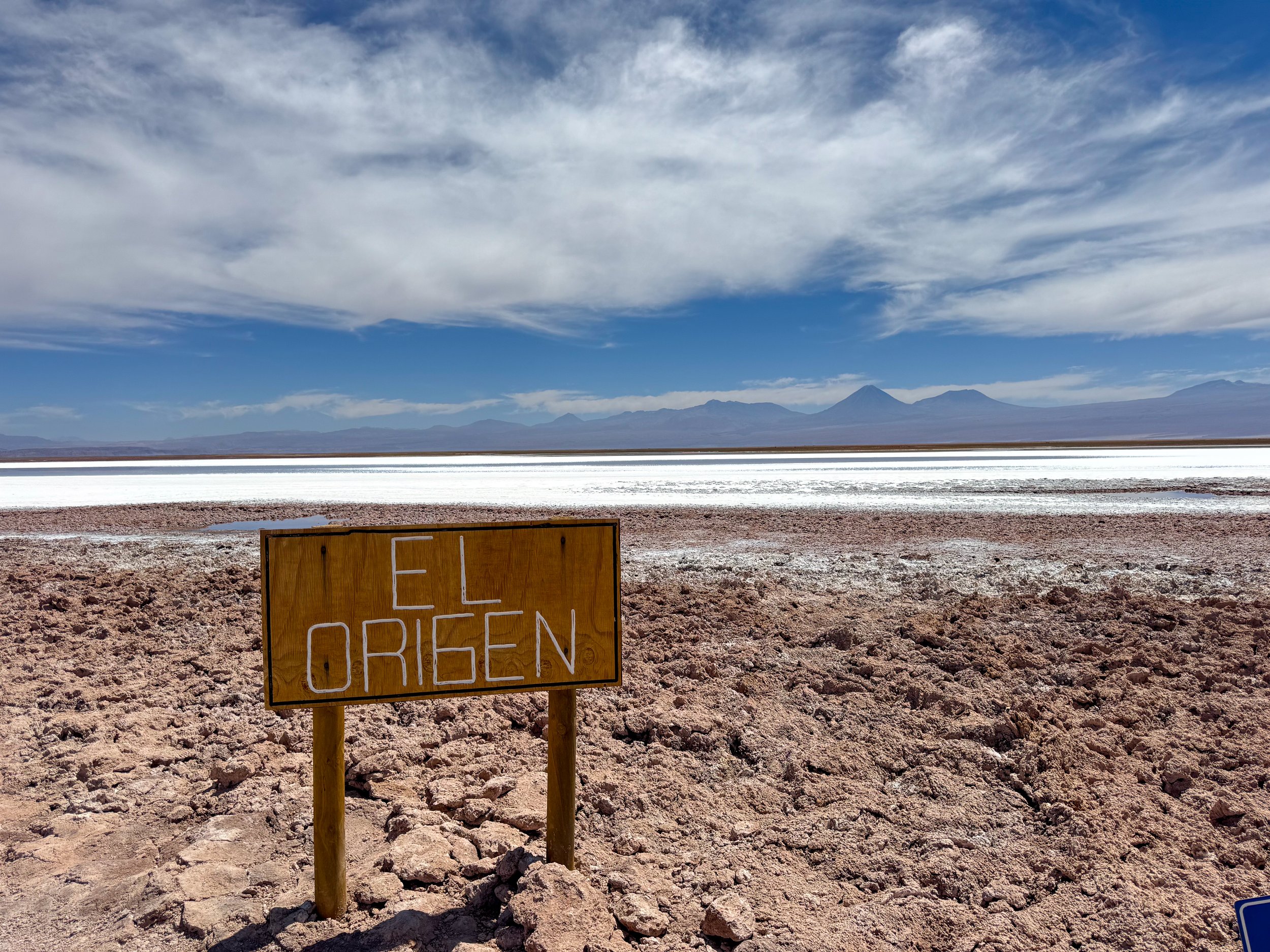
Laguna Tebenquiche. A shallow salty lagoon in a slat flat home to colonies to stomatalites, the first life forms on Earth. The trail emphasizes how they were the origin of life on earth and have played a role in continuing life after the past 5 mass extinction events.
Geysers & Wetlands
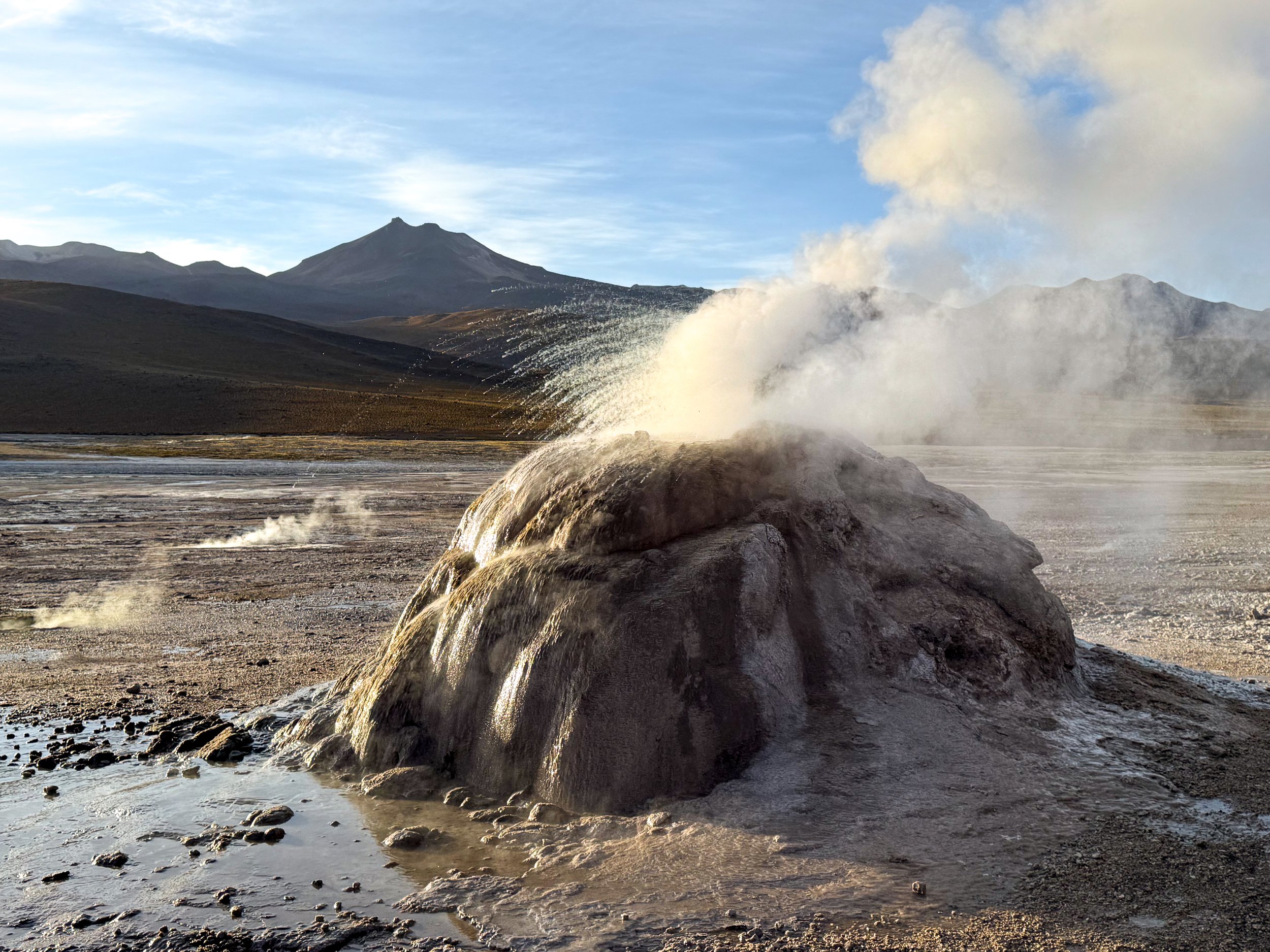
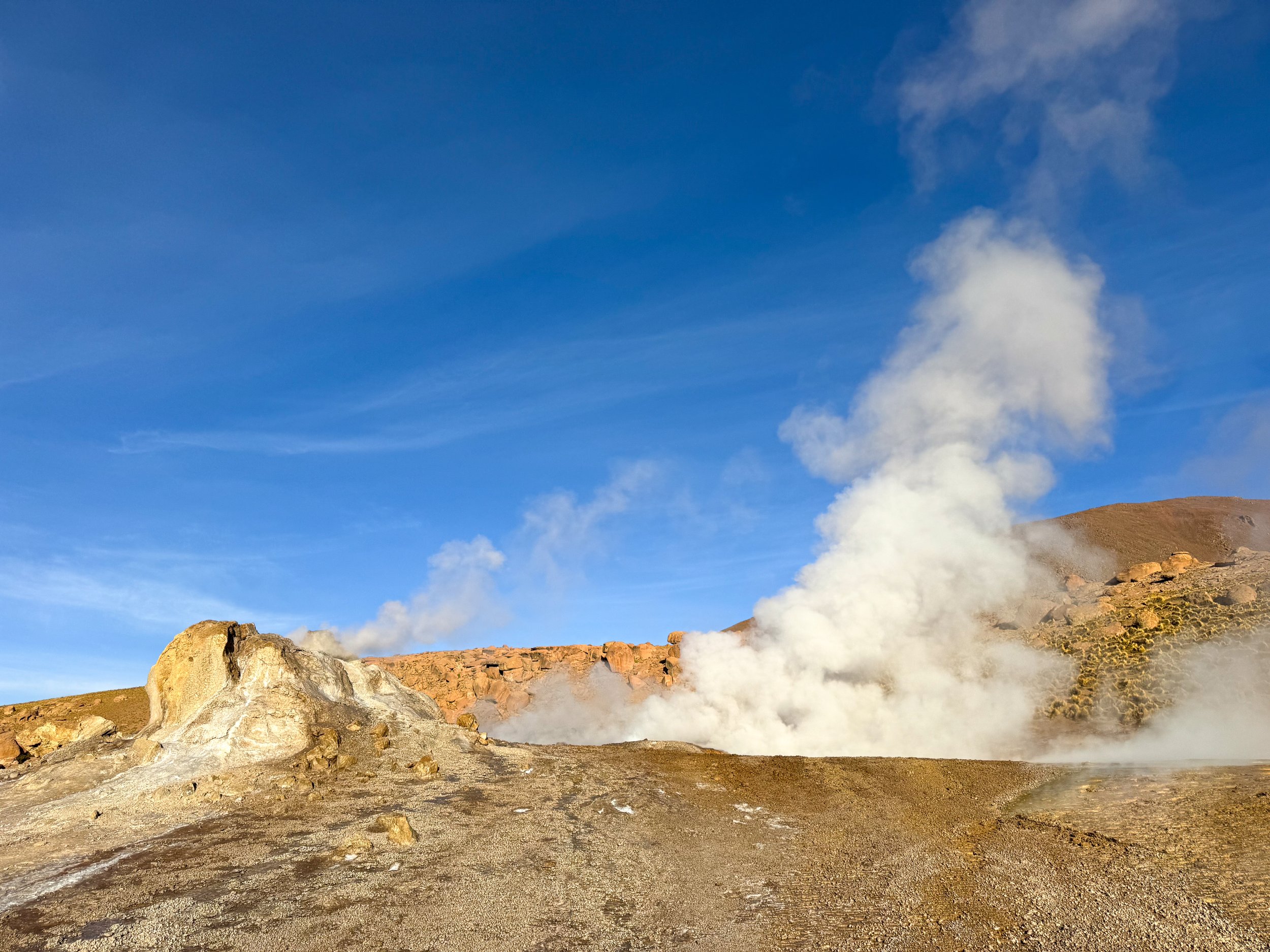
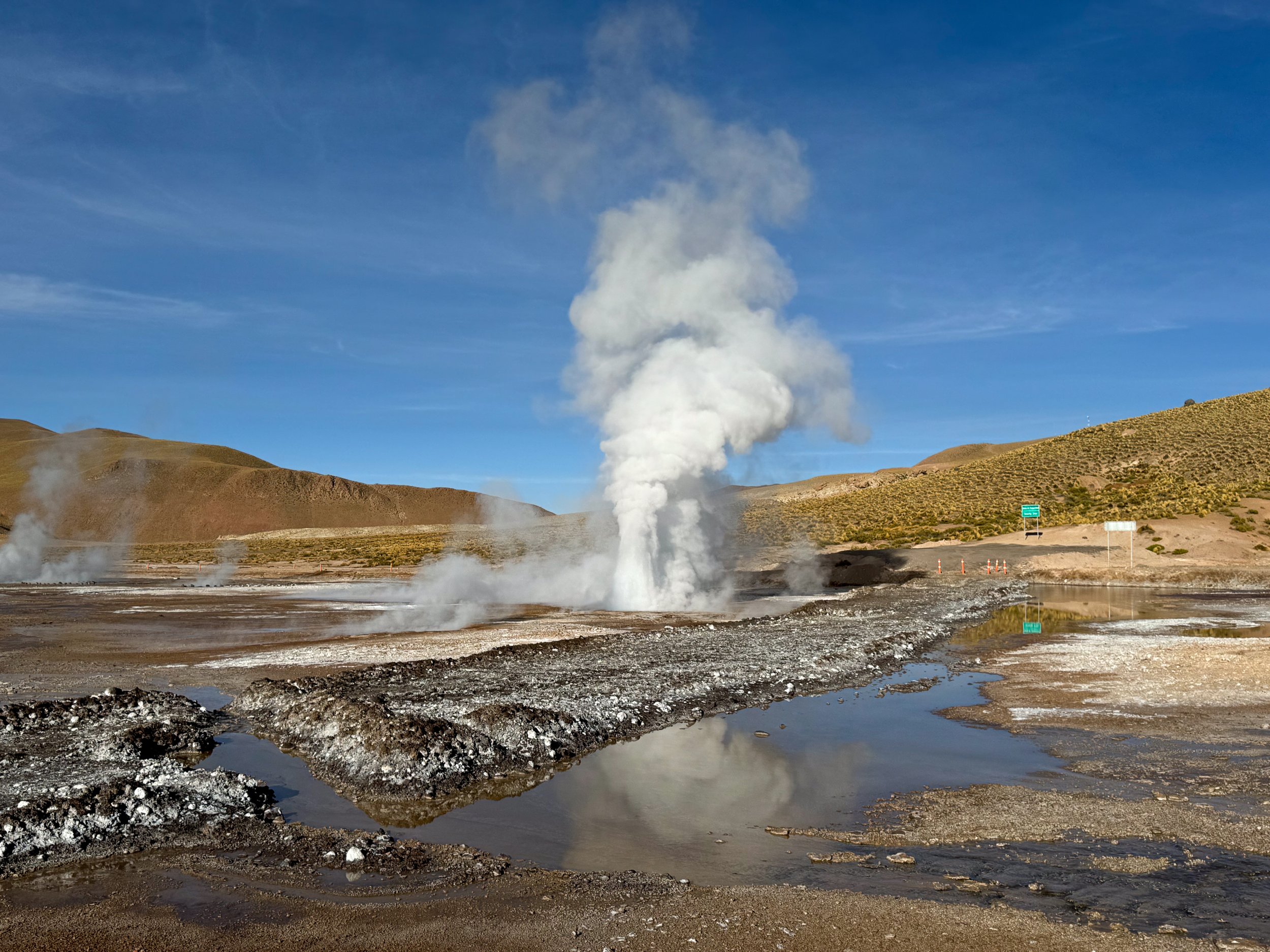
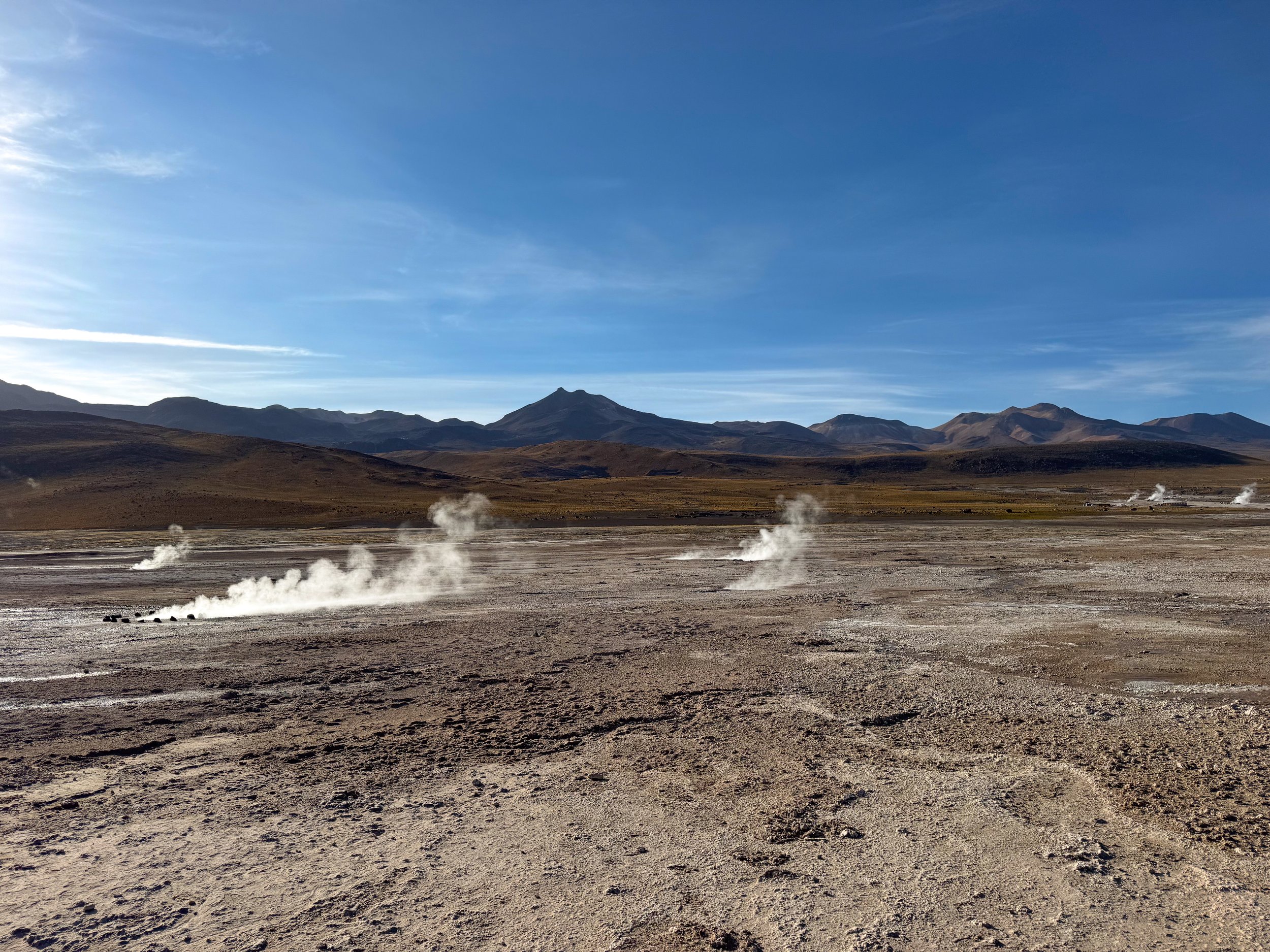
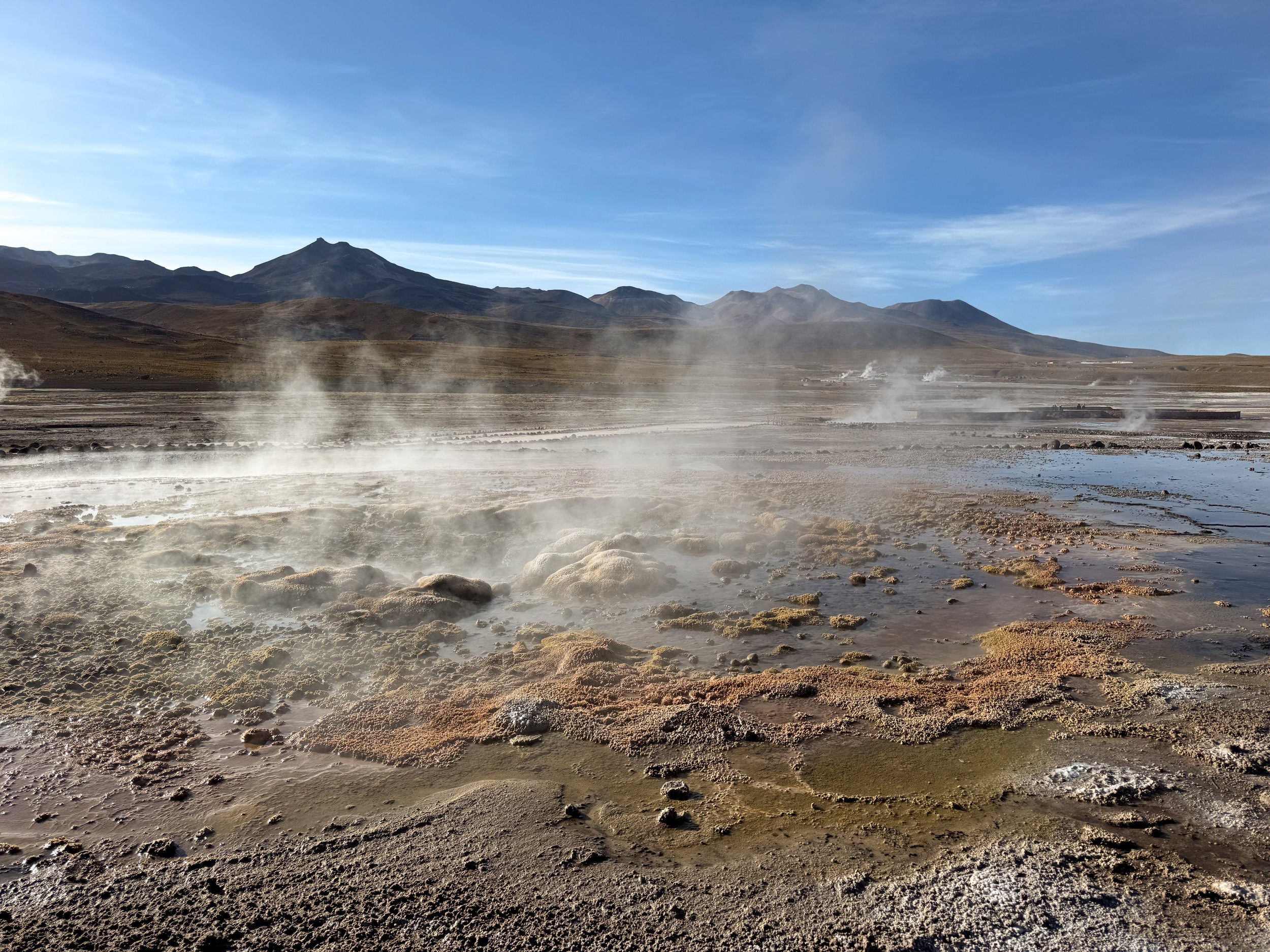
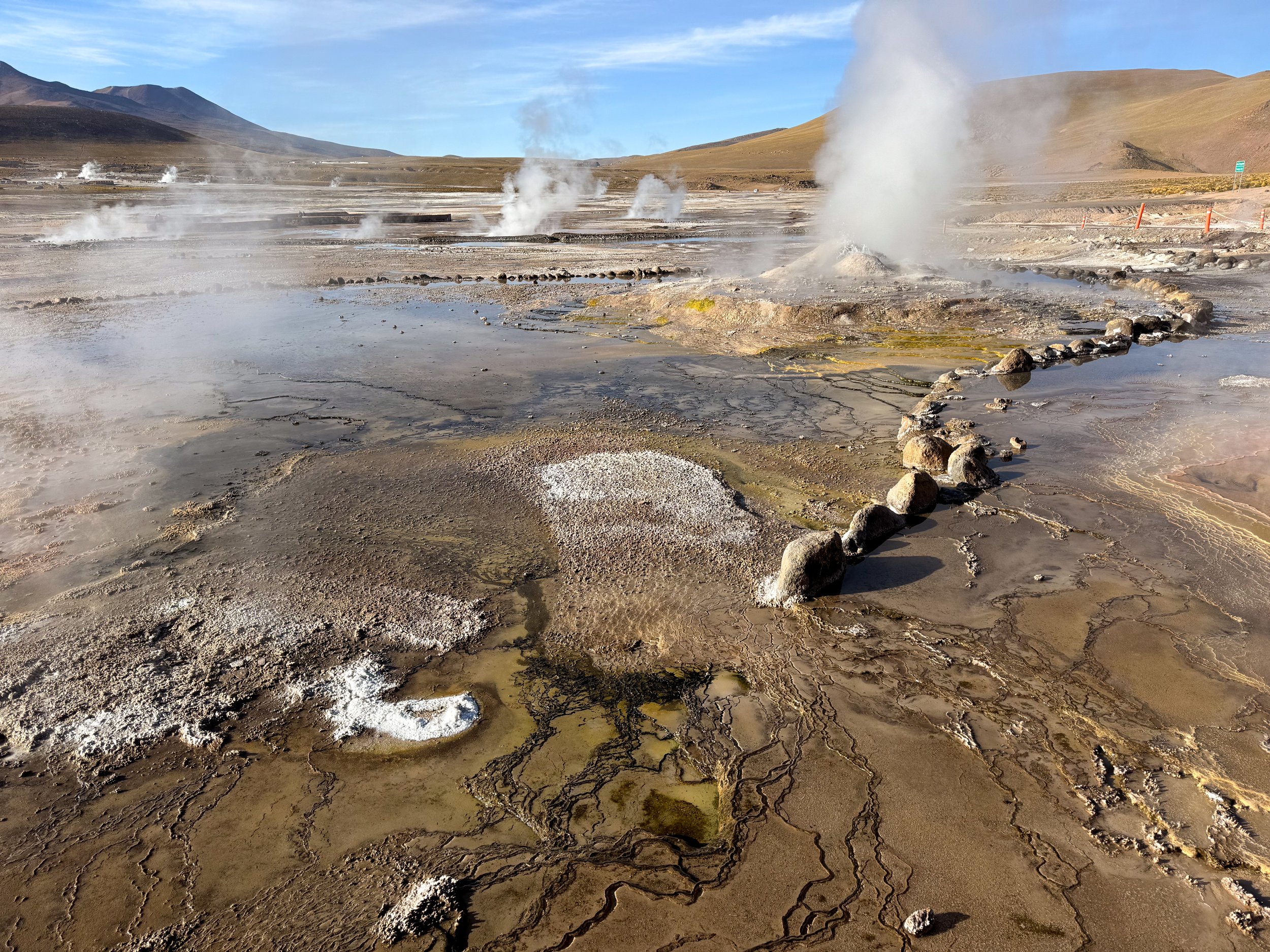
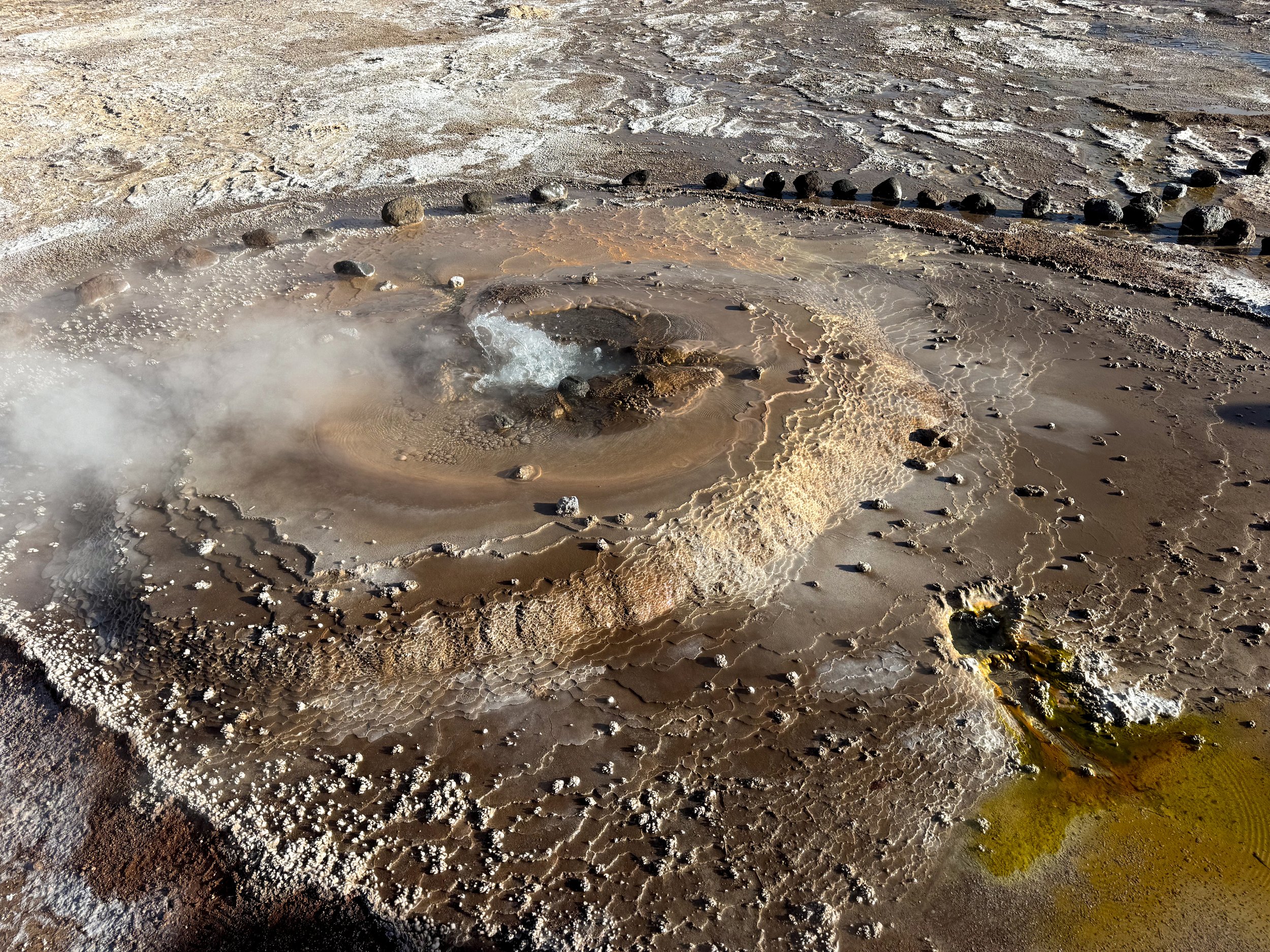
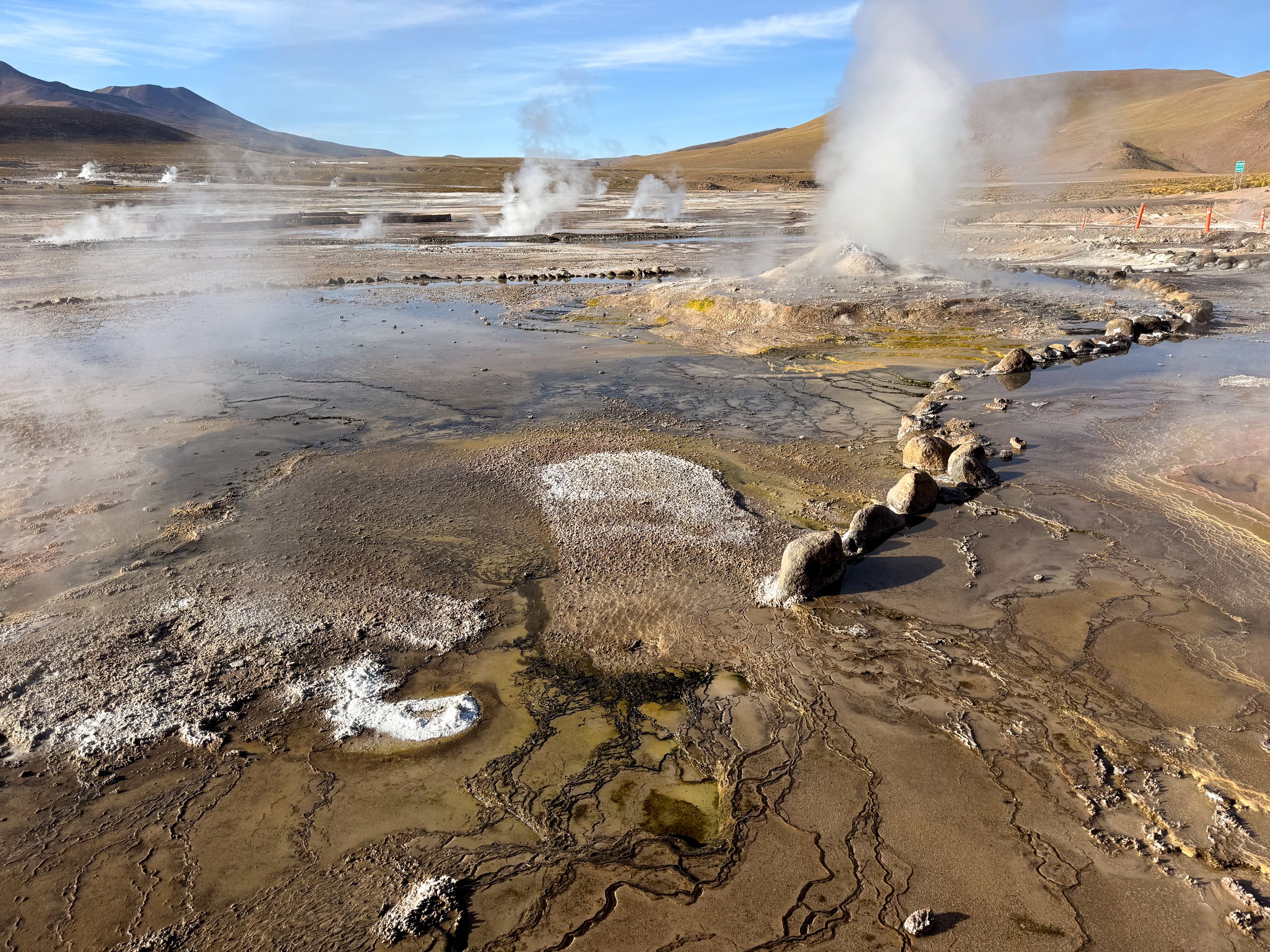
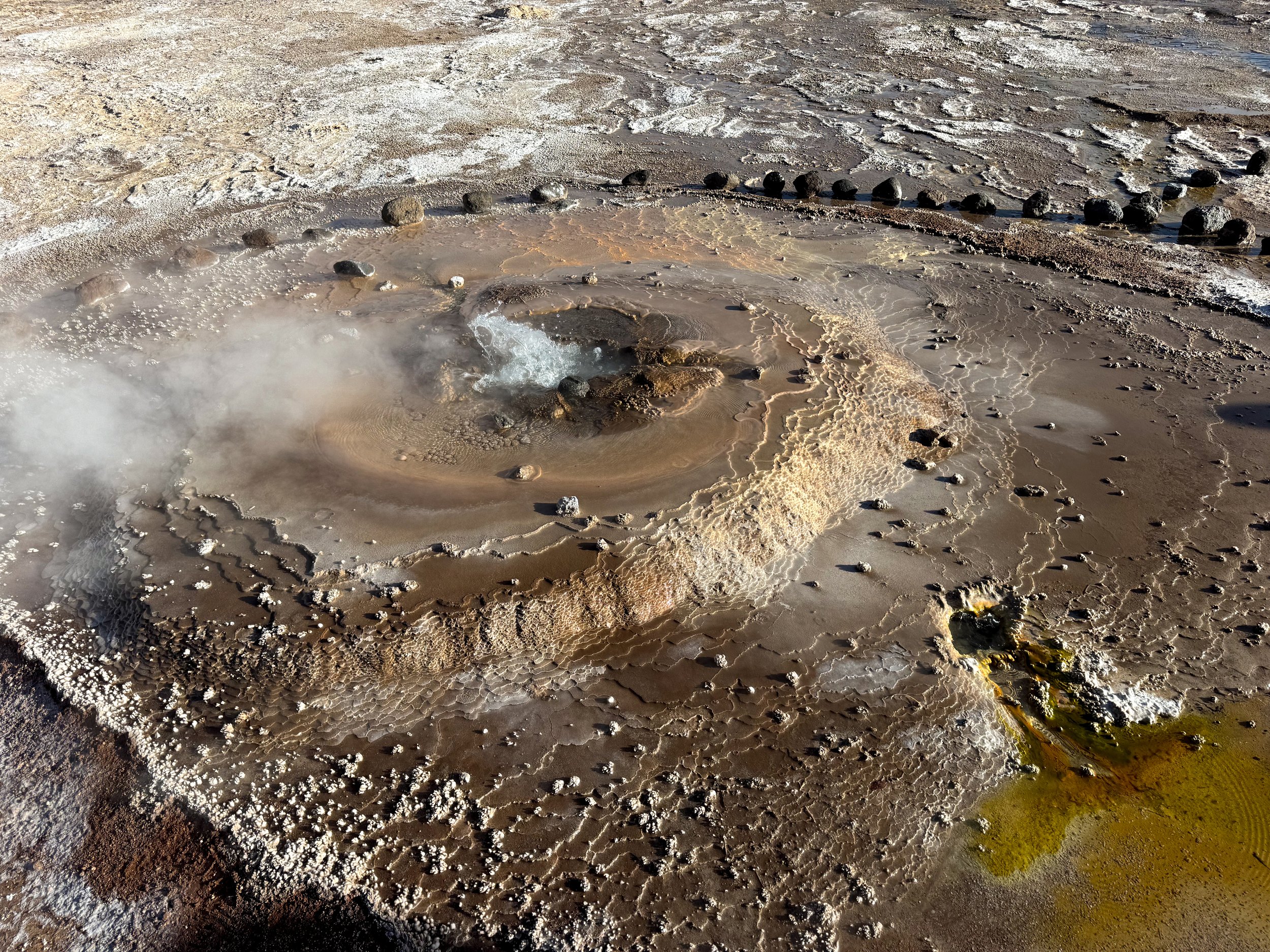
El Tatio Geysers. A large geothermal field in a valley with dozens of steaming vents, bubbling pools, erupting geysers and streams of scolding water. The geysers are small but varied. Some erupt from cone like structures of sediment, others bubble and sputter from shallow pools of water and some steam from tiny holes. The frigid morning temperatures make the steam from the geysers most visible. In the extreme cold, boiling water erupting from the geysers freezes immediately creating sparkling streaks of ice. It was -8C the spring morning we visited so warm clothes and layers were a necessity.

Vado Putana Wetlands. A desert wetland at the base of the Cerro Pabellón Volcano where a variety of birds and wildlife acclimate to. We stopped to admire the green and yellow marshy landscape spotting flamingos, vicuñas, horned koot and blue beaked ducks.

Rock Formations
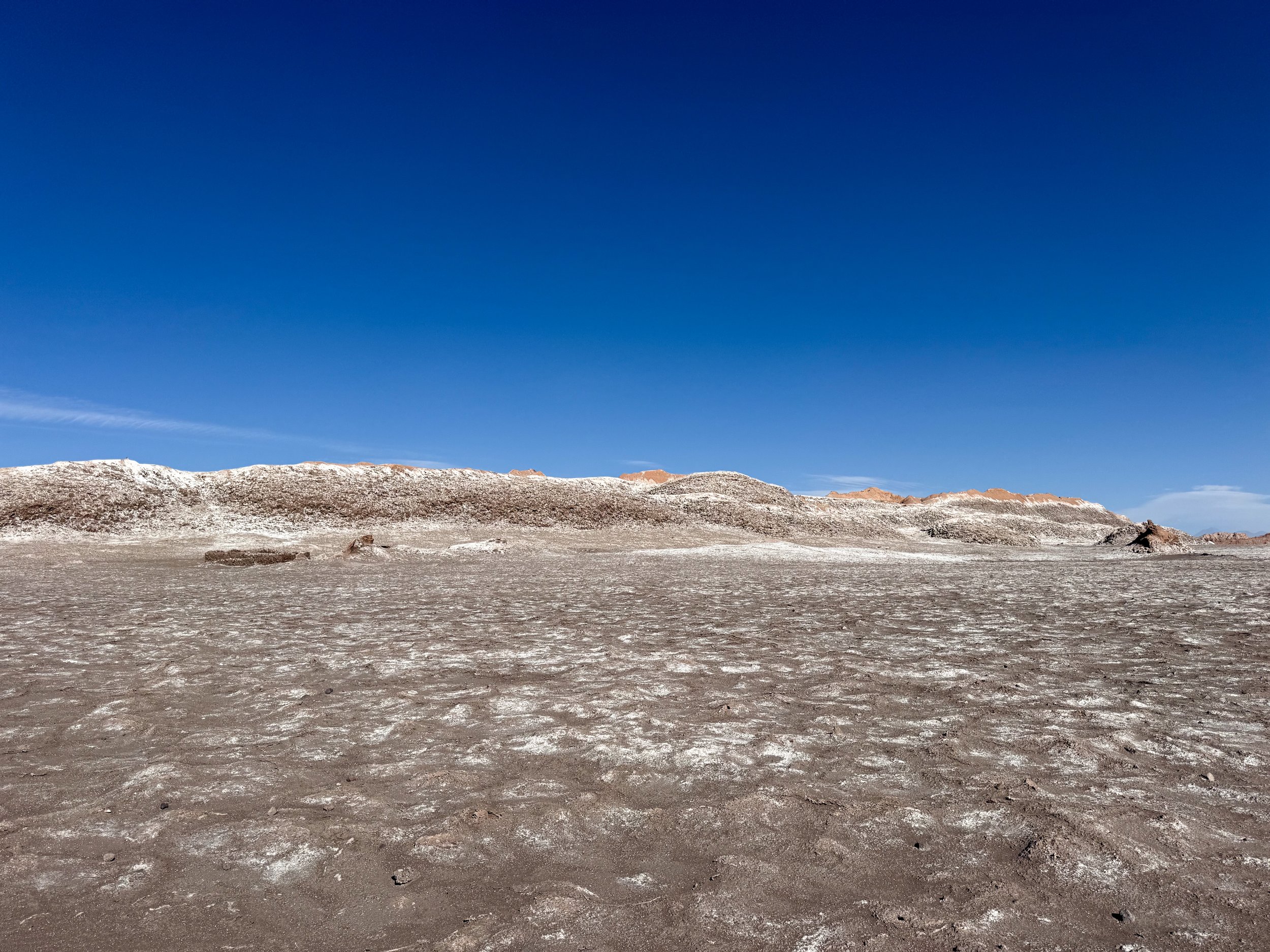
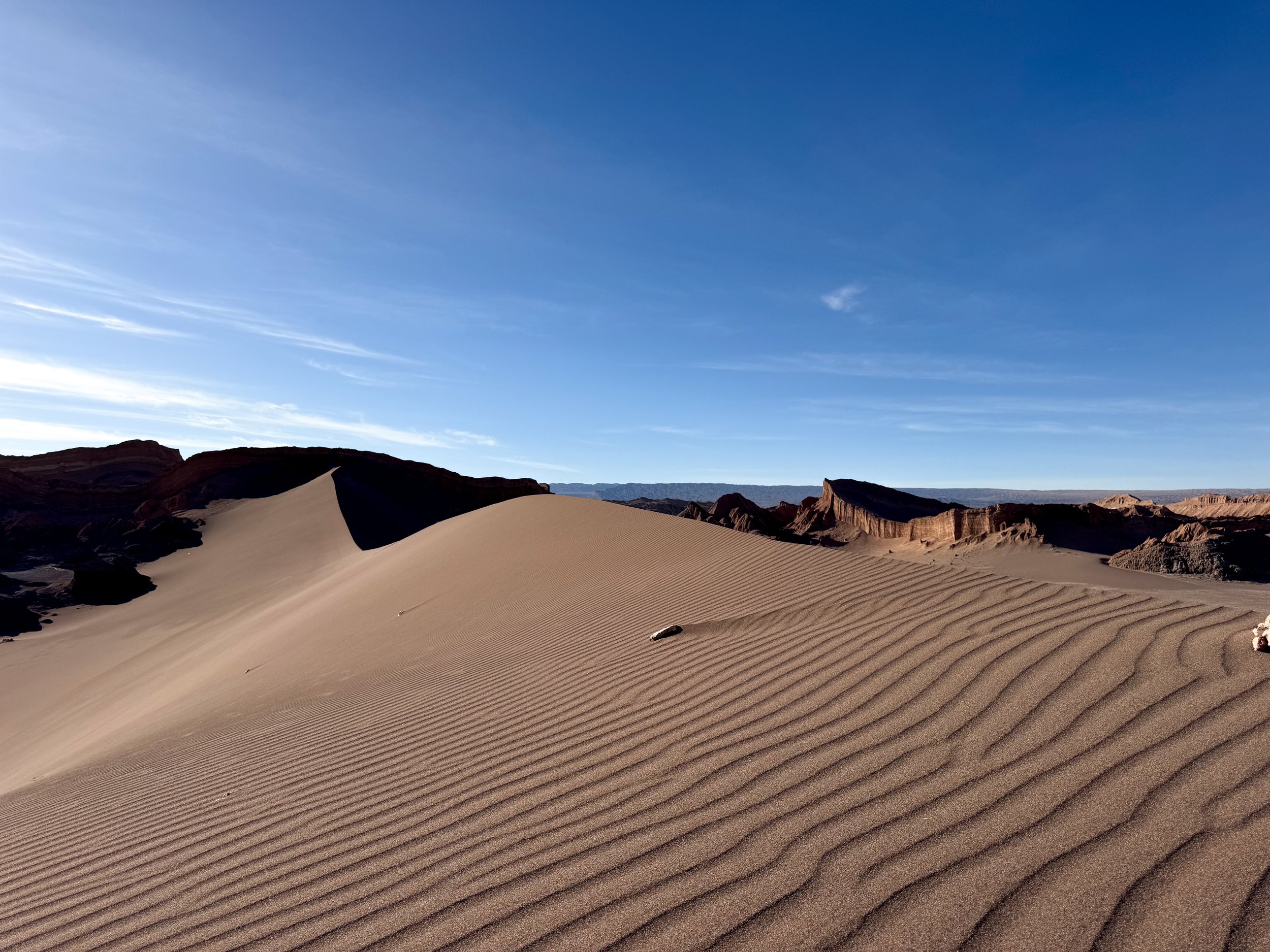
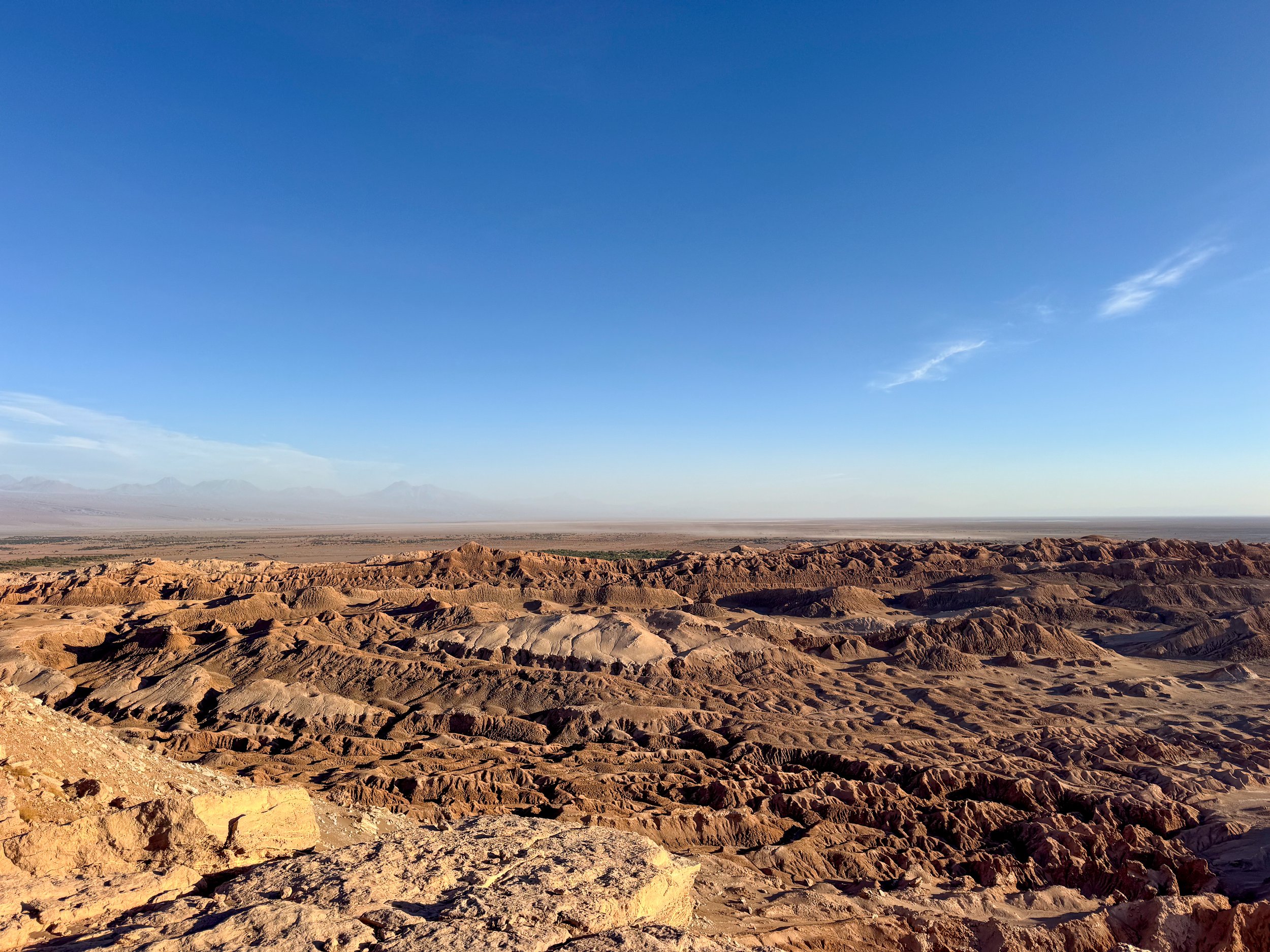
Valle de la Luna (Moon Valley). A desert valley named after white dustings of salt over the valley’s surfaces, resembling the moon. We hiked through the valley, stopping to see rock formations, climb giant dunes and take in the view from scenic overlooks.
Mina Victoria. A former salt mining area to listen to the salt creaking and cracking as the afternoon temperature drops
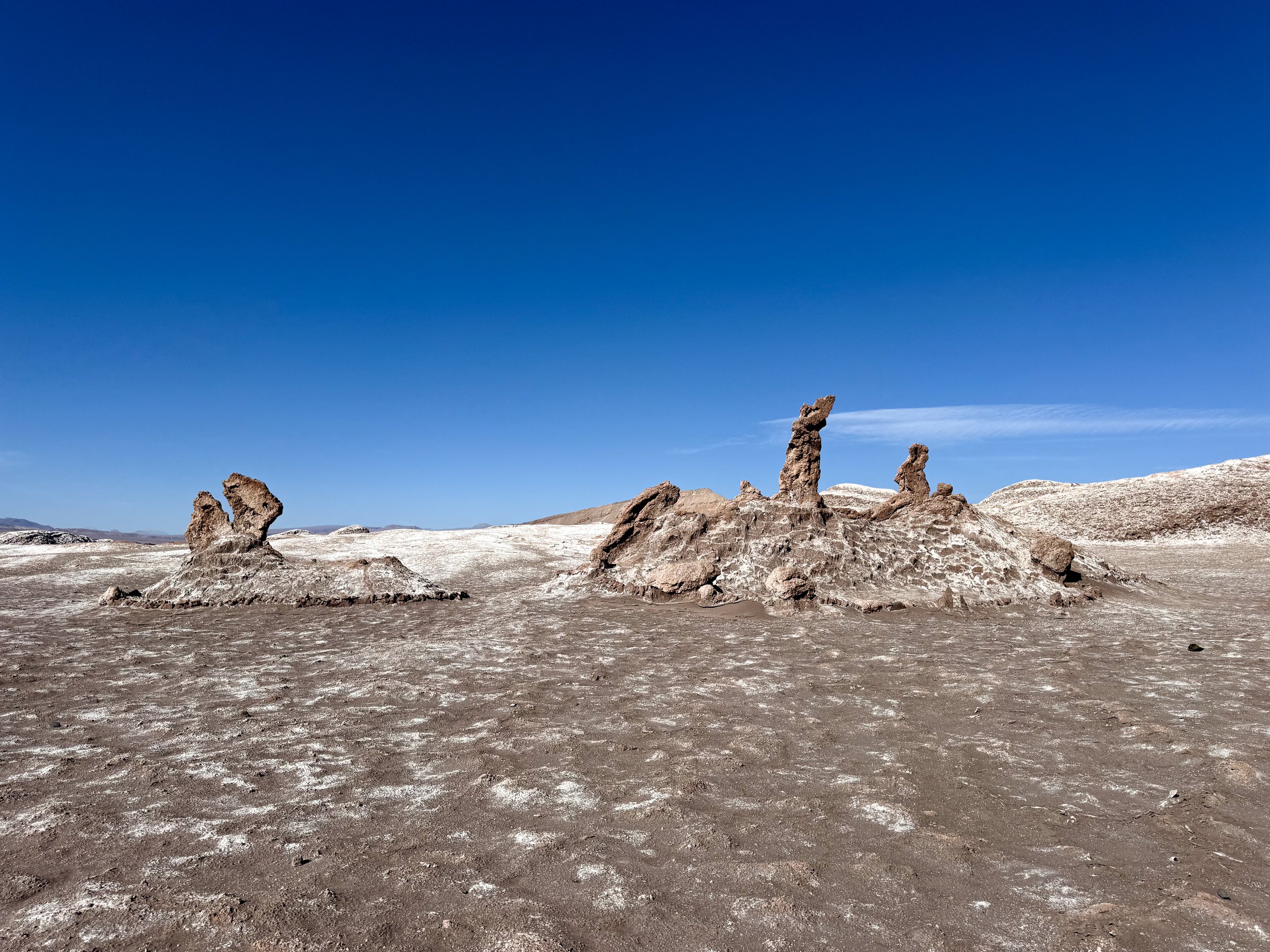
Tres Marias. A rock formation that looks like two women praying with their hands up. The third Maria has eroded.
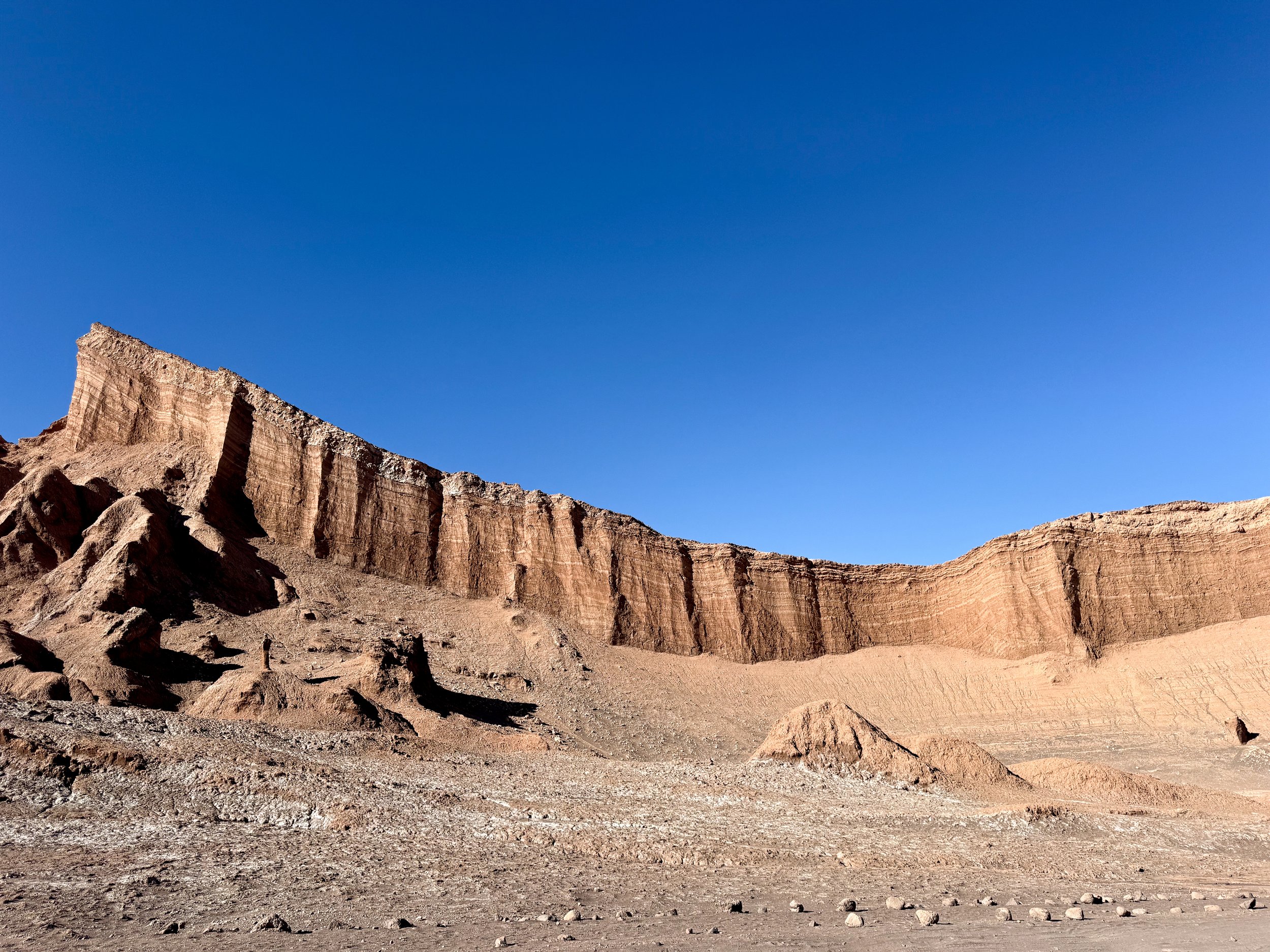
The Amphitheater. A large crescent shaped bluff with layers of brown, orange and salty sediment. We followed a trail leading along its base.
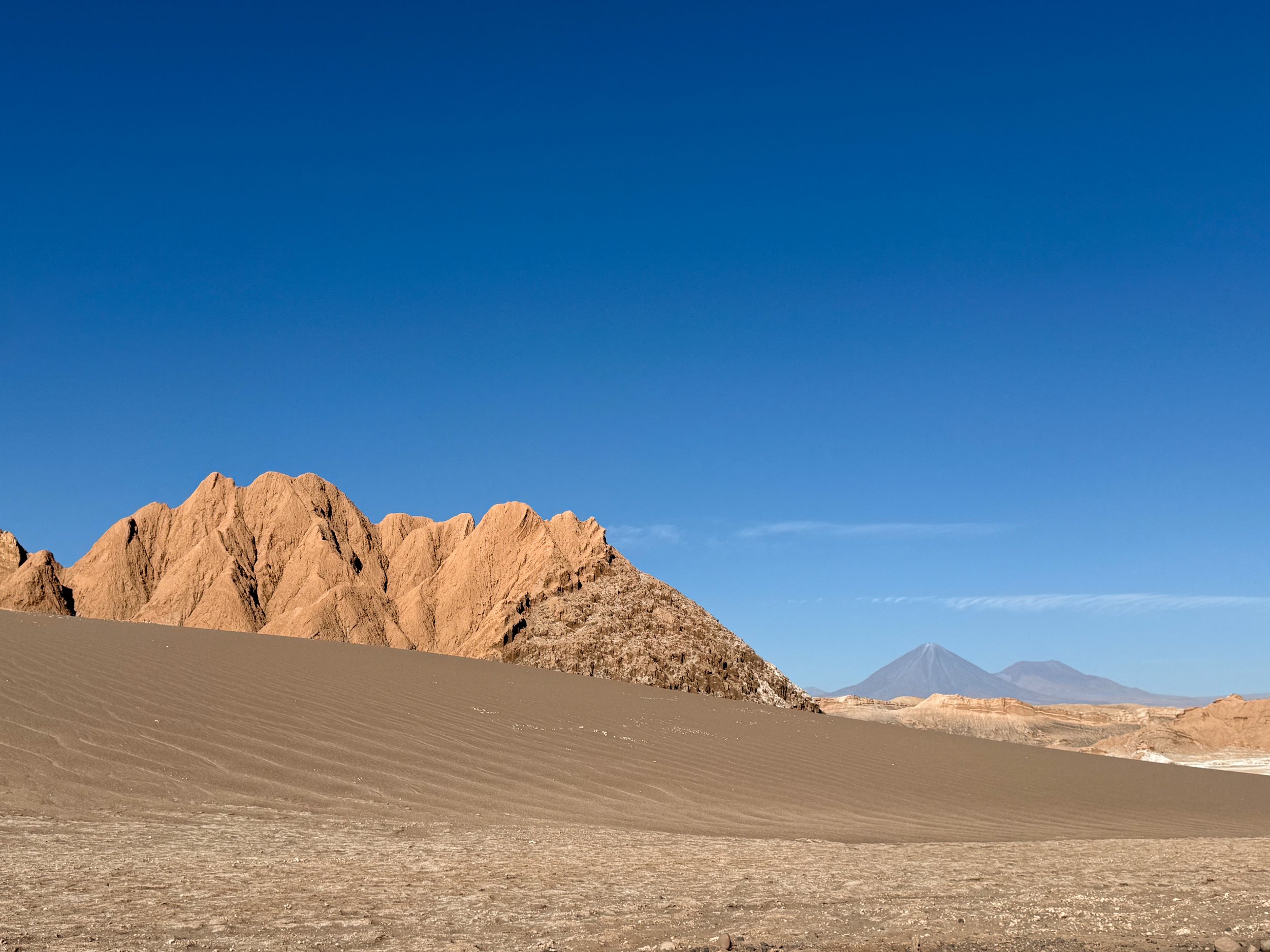
Duna Mayor. A massive tan and grey sand dune with a trail leading up to its crest overlooking the valley.
Good to Know. The park cannot be entered on foot. It can be entered by bike before 11am. Getting here by car our tour company is the best way to visit.
Mirador de Kari & Piedra del Coyote. A popular cliff side overlook to visit at sunset overlooking the Valley of the Moon and canyon below. On a windy day, the dust and sand blowing from the canyon below can be unbearable.

Desert Animals. The Atacama Desert and Chilean Andes are home to a variety of wild animals. On our tours across the region, we spotted several of the most common animals including Chilean flamingos, vicuñas, chinchillas, desert foxes, and ñandús.



Astronomical Sights
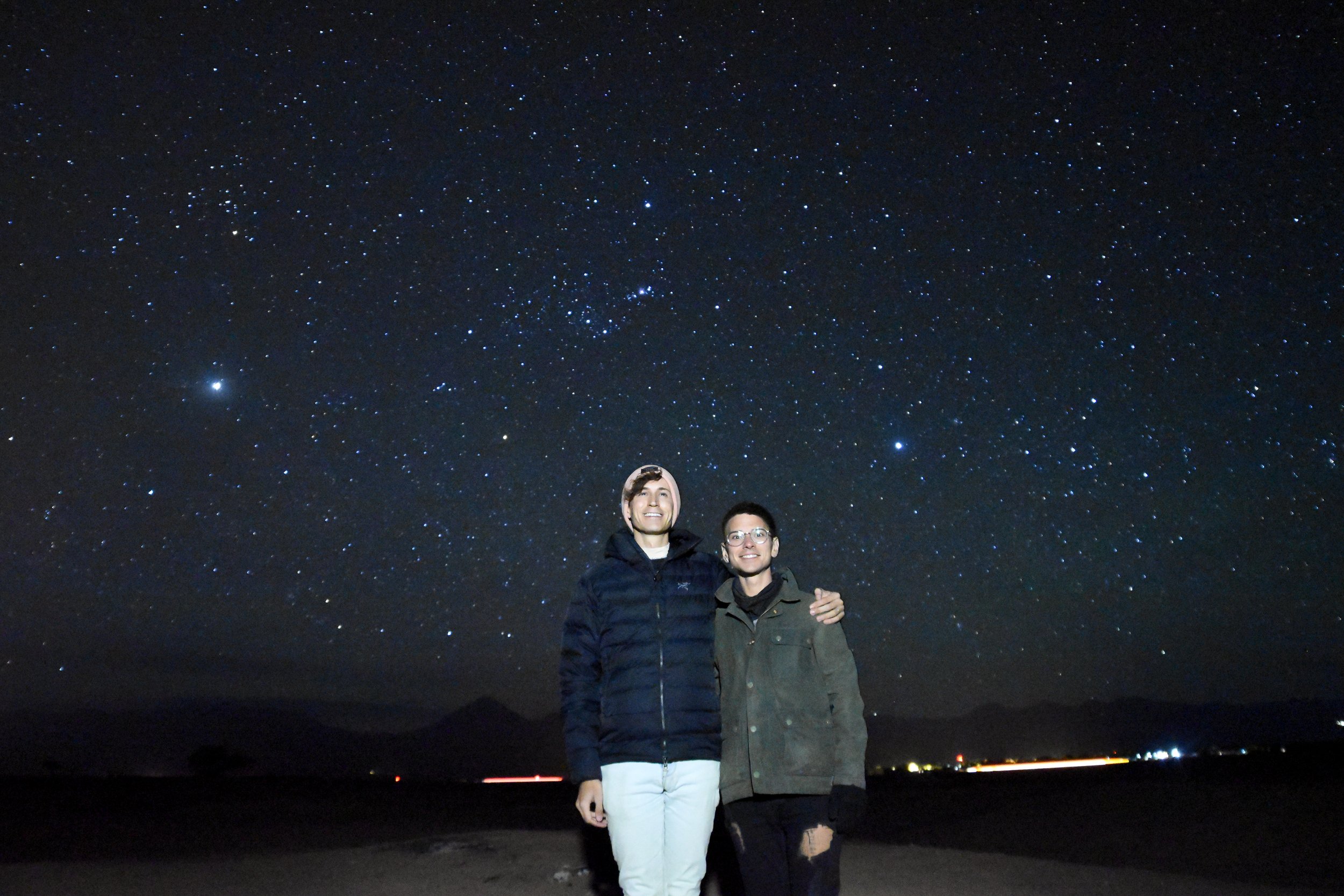
Stargazing Tour. The Atacama Desert is one of the world’s designated dark sky regions. We took a stargazing tour and got to see meteors streaking across the sky, satellites orbiting and an incredible array of celestial objects!
Through three telescopes, the astronomers pointed out two nebula including the cloudy mass of the Orion Nebula and the cosmic veins of the Tarantula Nebula. We observed the blue star cluster of The Pleades and a globular cluster with over 6 million stars held together by a supermassive black hole. We spotted the fuzzy disk of the Andromeda Galaxy and the bright blue star, Achernar. They showed us the planet of Saturn, its rings and 2 of its moons as well as Jupiter and 3 of its moons. We ended the night with wine and photos under the dark sky.
Good to Know: Though the Atacama is a dark sky region, the conditions also need to be right. It’s best to stargaze when the moon is not visible. The light pollution is lesser the further away from San Pedro de Atacama.
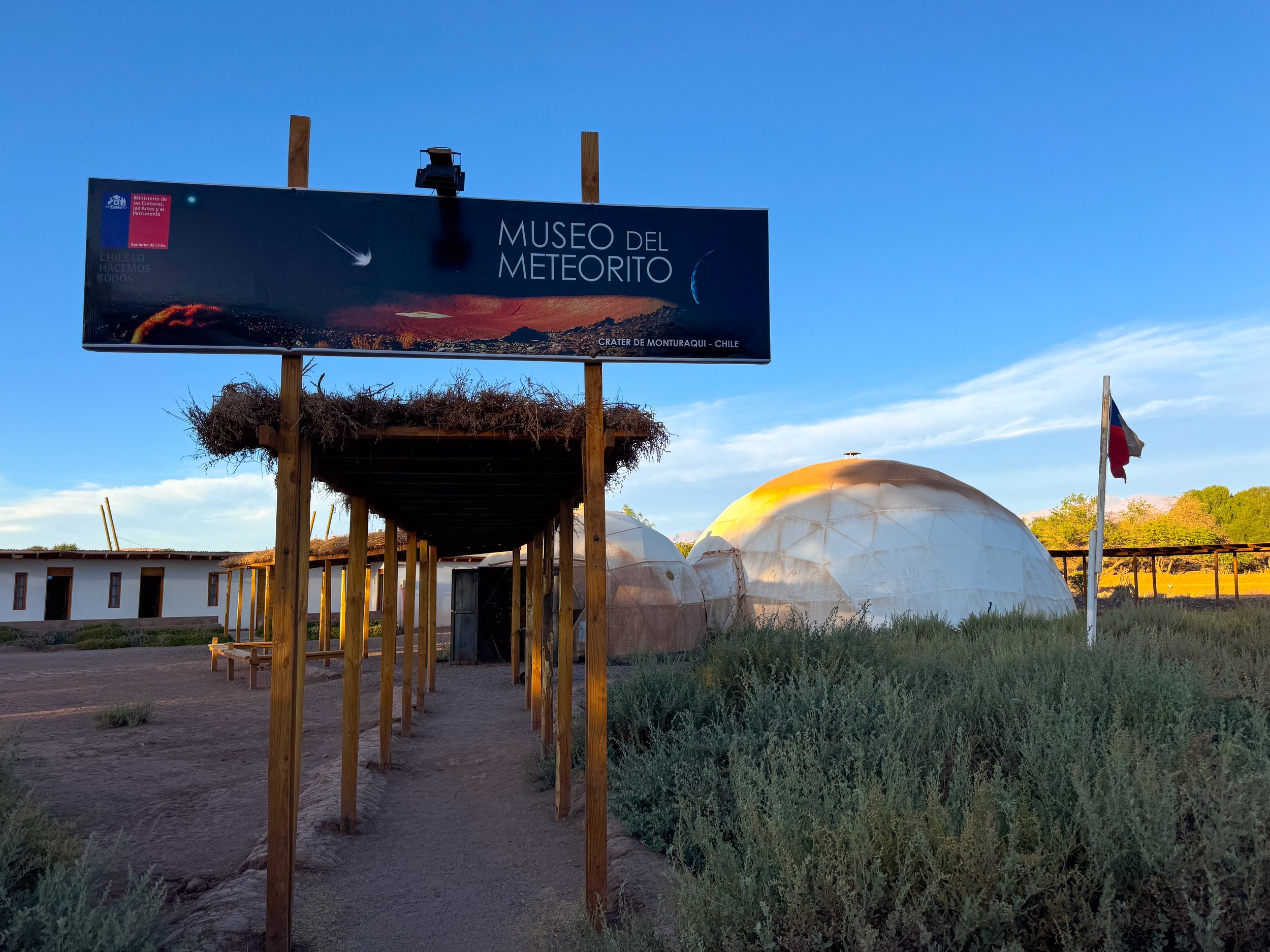
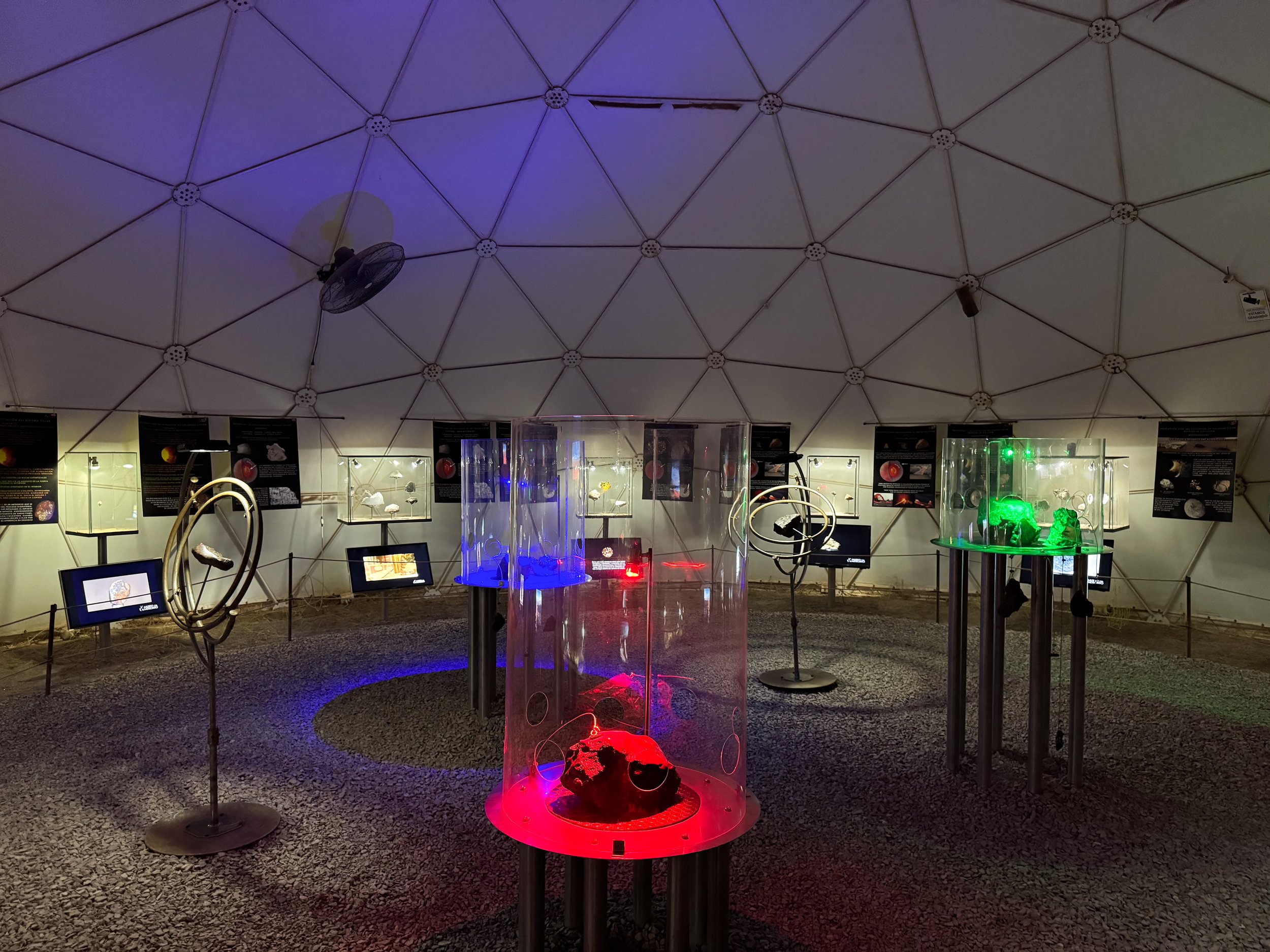
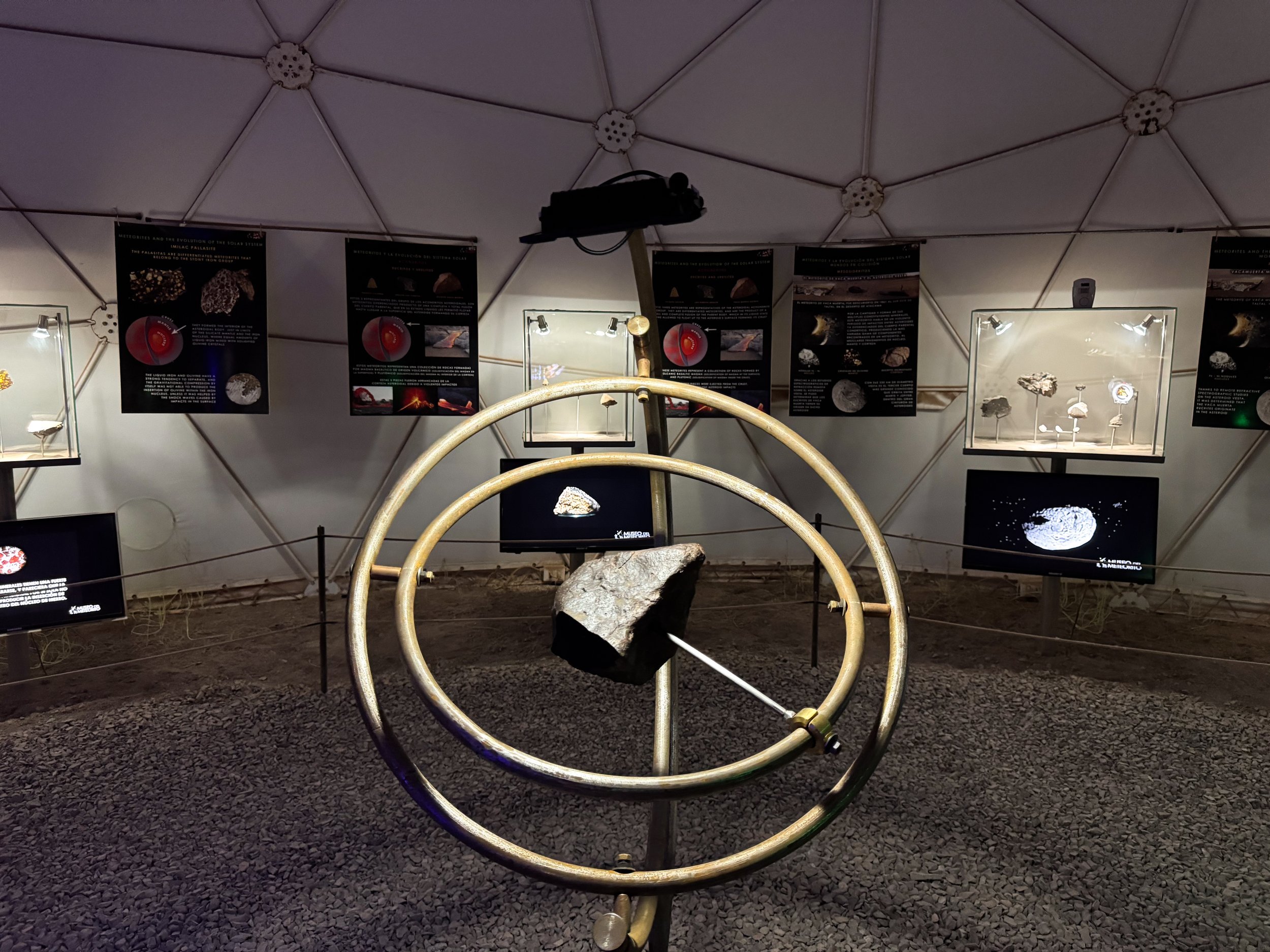
Meteorite Museum. A museum in a geodesic dome housing a collection of meteorites, many of which are from the Chilean Atacama Desert. The guided audio tour explains the types of meteorites and their importance in building the inner planets of our solar system. Some are available to touch and there is even a small display case with slices of of Chilean meteorites for sale ranging in price from $10 to $200
Tour Companies
Dozens of tour companies operate along Calle Caracoles offering excursions throughout the Atacama. We booked our tours with multiple companies in person, on Viator and through Get Your Guide. Most tours offer pick up and include a table spread of food and beverages. Here are the tours we booked:

Places to Eat & Drink
Adobe. A beautiful restaurant with an outdoor patio surrounded by adobe brick walls and shaded by a thatched awning. We dined here at lunch while listening to live music and sipping on spiced Pisco Sours. To eat, we ordered traditional Chilean seafood dishes including the Southern Hake and Camarones al Pil Pil.
La Casona. A popular restaurant with nightly musical performances and an outdoor fire pit. We sat in their outdoor patio, listening to live music, sipping on cocktails and eating vegetarian versions of traditional Chilean dishes like Chorrillana and Pastel de Choclo.
Helderia Babalu. An Ice cream and gelato shop serving a range of Chilean and inventive flavors. We came here three times, trying several flavors like: pineapple-mint, orange-ginger, prickly pear, quinoa lèche, lucuma (similar to passion fruit) and tres leches.
Emporio Andeno. A cafe and empanaderia with coffees and a list of over a dozen empanadas including vegetarian versions the Champiñón made with mushrooms, corn and cheese or the Vegano Verde made with mushrooms, spinach, corn salsa and vegan béchamel.
Karavan Restobar. A restaurant & bar with adobe booths & tables, live music, local dishes and fresh juices. We ordered a few afternoon snacks, Bolitas de Queso y Jalapeño and Sopaipillas with pico de gallo. For drinks, we sipped on fresh pressed lemonade rica rica and passion fruit juice.
La Picada Del Indio. A popular restaurant and bar. Come here for all day happy hour in their back patio, two cocktails for 8,000 Chilean pesos.
Charrua. A pizzeria with a range of thin crust pizzas. We ordered a classic margarita and quarto cheeses, each with rica rica seasoning. It was our first pizza in nearly 3 months and did not disappoint!
La Franchuteria. A bakery and cafe with a peaceful dining area in a lush outdoor patio surrounded by tiny chirping birds. Come here for their pasties, quiche and fresh breads, especially the baguettes sand baguette sandwiches!
El Barro. A beer garden style restaurant with a large shaded patio. Come here for their affordable pre-fix menus and generous portions. Try the ceviche, fried fish, daily desert and red sangria.

Chilean Cuisine
Chorrillana. A traditional Chilean dish made from French fries covered with meat or vegetables and topped with artichoke hearts and cherry tomatoes.
Pastel de Choclo. A Chilean version of shepard’s pie made with a mixture of sautéed vegetables and meat topped with a creamy corn pudding and broiled.
Pil Pil. A traditional style Chilean dish made from meat, seafood or mushrooms cooked in a spicy and savory sauce flavored with garlic and chili cacho de cabra. It’s typically served with papas doradas.
Sopaipillas. Fried flat breads served with a sweet or savory topping like jams, salsa or ceviche. It’s often served as a snack or appetizer.
Bolitas de Queso. Deep fried balls of cream cheese. It’s often served as a snack or appetizer.
Fresh Juice. Freshly pressed fruit, herb and veggie juice blends are incredibly popular across the town with dedicated juice bars and menus dedicated to juices as restaurants.
Rica Rica. A popular herb used in many dishes that tastes and smells similar to oregano.
Olives. Olives and olive oil are typical ingredients in many dishes. Most restaurants even serve olive oil table side with meals.
Wine. Chile has several grape growing regions used to make wine. Malbecs & Merlots are the most common.

Where to Stay
Desert Eco Dome. We stayed in an eco dome outside of the city center that we found on Airbnb. The white domed structure houses a kitchen, living room and lofted bedroom. The desert property has an adobe house, outdoor hammocks and shaded lounge areas. Book here!
Getting Around
On Foot. The town of San Pedro de Atacama is easily walkable. Everything is within 1km of the main street, Calle Caracoles.
By Bike. Several companies around the city center rent bikes by the day. This is a great option to visit sights in the outskirts of the city without a tour.
By Tour. The most efficient way to visit sights across the region is by tour. Tours offer pick up from accommodations, via a sprinter van and return to the city center.
Airport Transfer. Most flights in and out of San Pedro de Atacama leave from the town of Calama 1 hour 30 minutes away. We booked a transfer with Ruta Chile. Book here!
Location Specifics
Drinking Water. Tap water to generally not safe to consume in San Pedro de Atacama. It’s best to drink filtered or bottled water.
Toilets. Like most places in South America, signs advise people not to flush toilet paper due to risk of clogging the plumbing.
Cash vs Card. Many businesses accept credit card but cash is often preferred.
Exchanging Cash. If exchanging US dollars for Chilean Pesos, make sure the bill is in perfect condition (no minor tears or makings) or it will not be accepted.
Language. Spanish is the dominant language however English and Portuguese are commonly spoken.
LGBTQ+ Safety. San Pedro de Atacama is very friendly to and accepting of queer travelers and locals.
Elsewhere in Chile
From the surreal deserts of Atacama to the urban energy of Santiago and the glaciers of Patagonia, continue your journey through Chile's diverse landscapes with these travel guides:
Santiago Chile Travel Guide: Neighborhoods, Food & Local Markets. Experience Chile's capital through lively neighborhoods, local markets, world class food and the cultural rhythm of everyday city life.
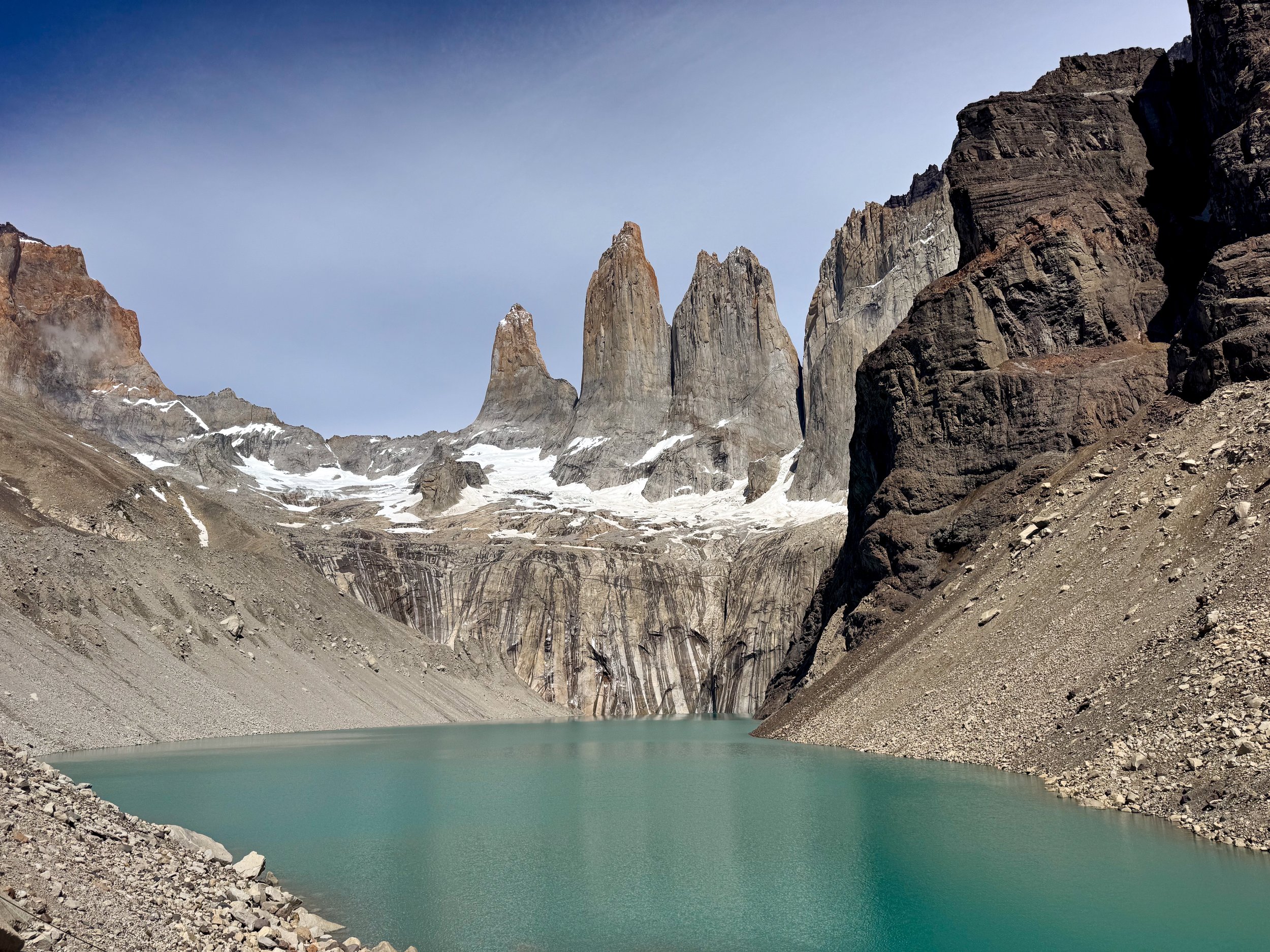
Patagonia Chile Travel Guide: Torres del Paine, Hiking & Road Trips. Journey into Chilean Patagonia to discover dramatic mountain peaks, glaciers, turquoise lakes and some of the world's best hiking and road trip routes.

Santiago Chile Travel Guide: Neighborhoods, Food & Local Markets
Discover Santiago's vibrant neighborhoods, urban green spaces, celebrated food scene and cosmopolitan culture beneath the snow capped peaks of the Andes.

A Weekend in Santiago
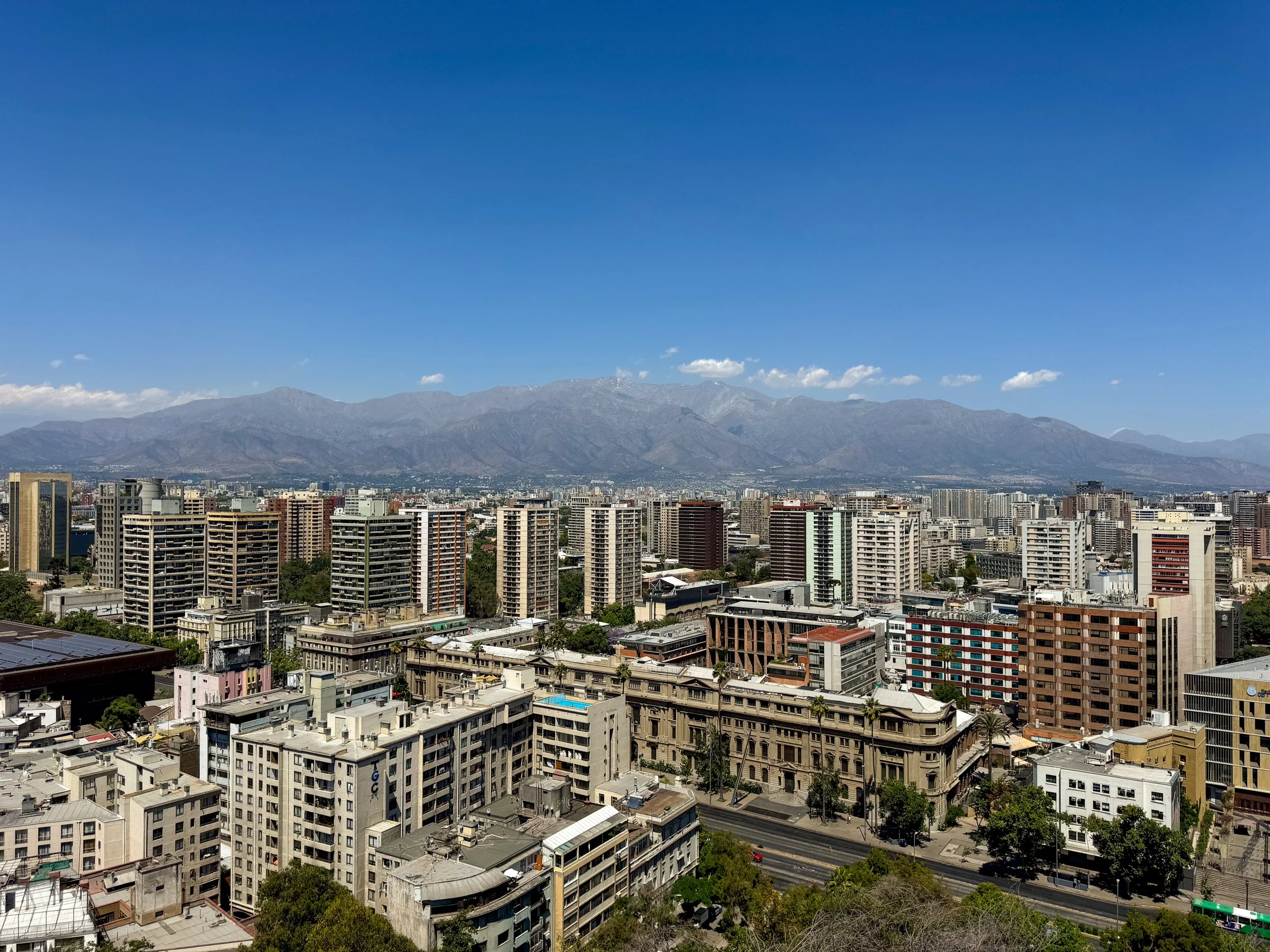
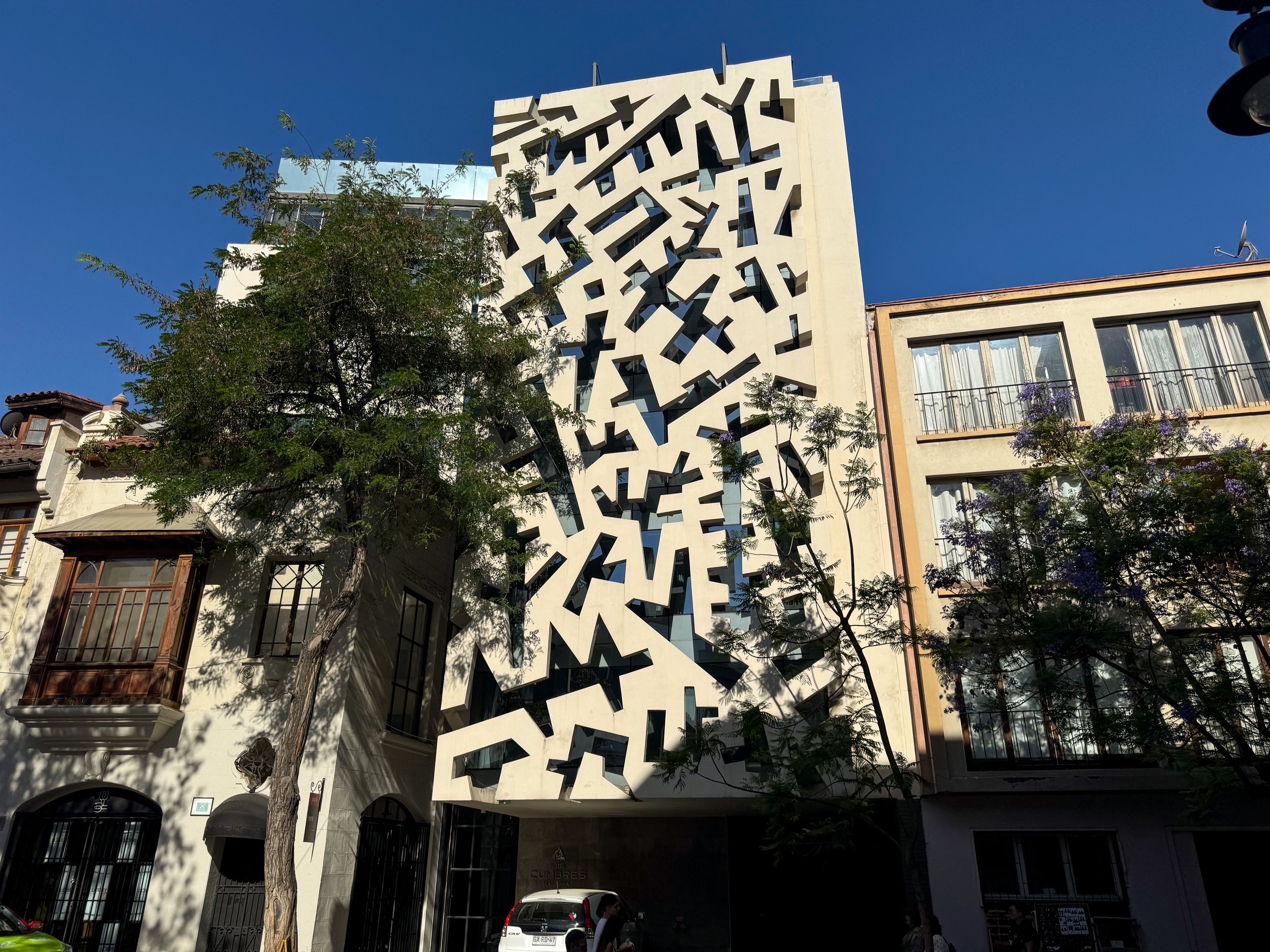
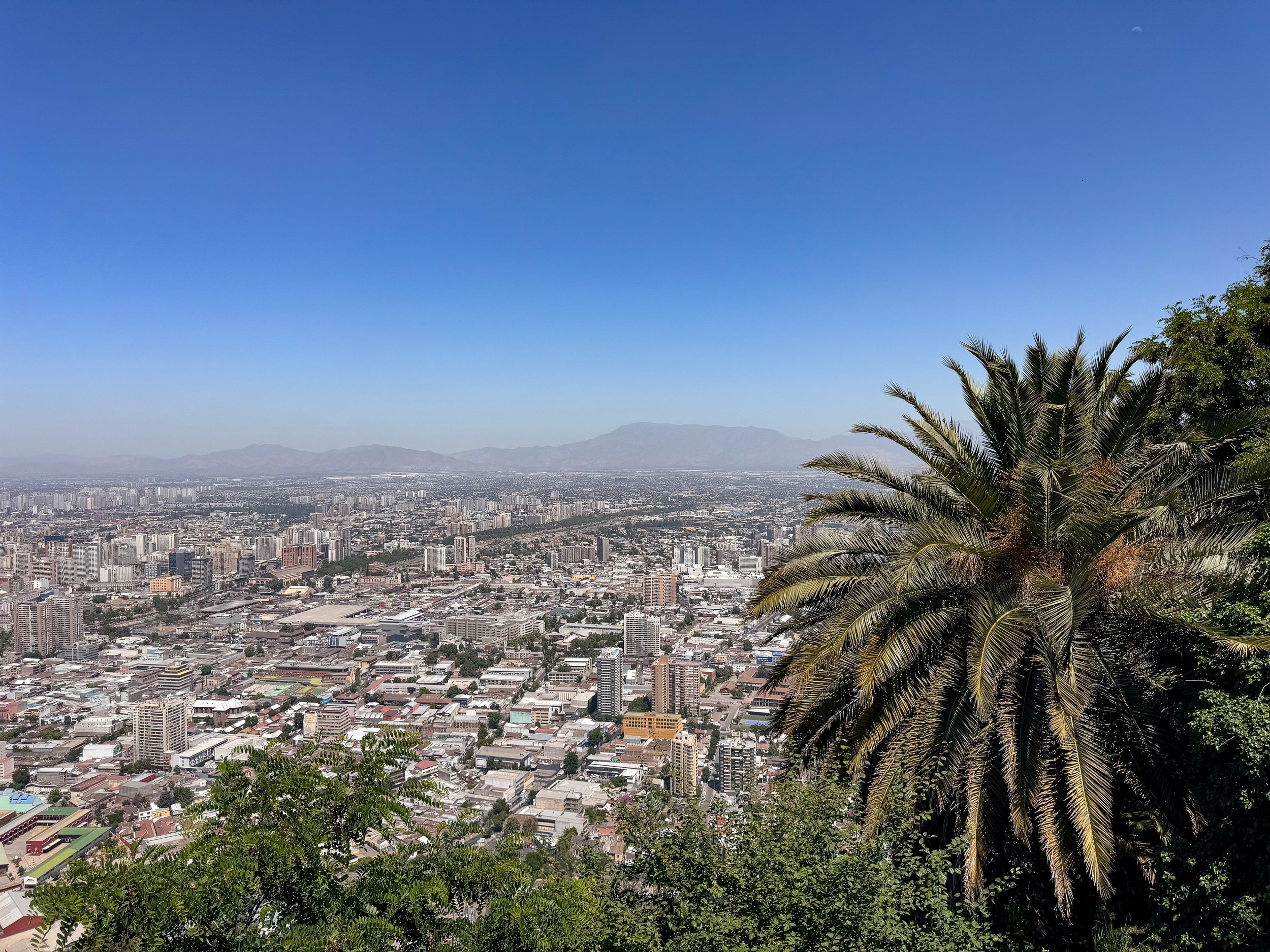
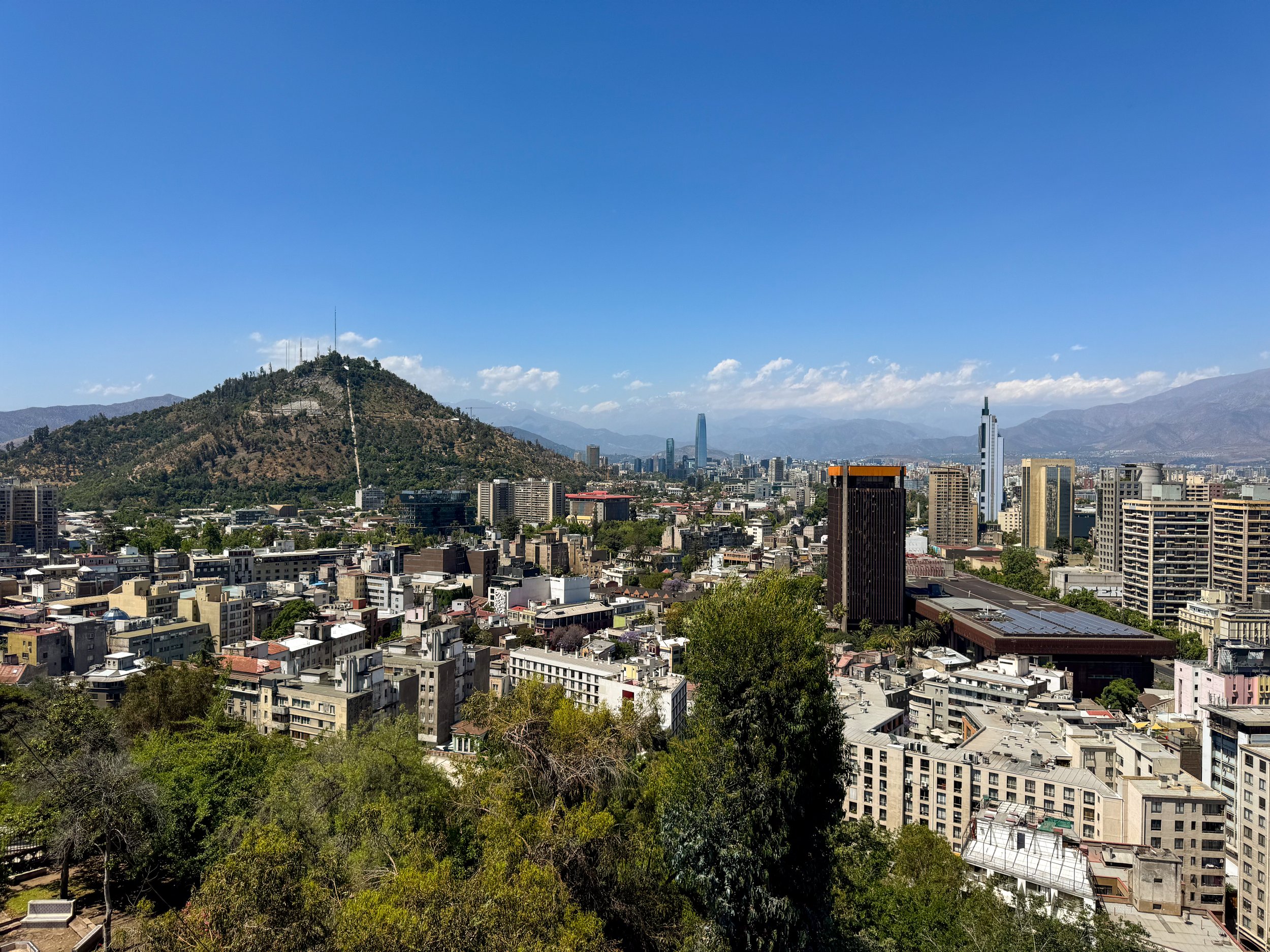
Santiago is an enchanting metropolis with colorful city streets, lush hilltop parks, historic buildings, towering skyscrapers and views of the Andes Mountains. It’s a hub for Chilean wine and cuisine, queer nightlife and cultural sights. We spent a weekend exploring the city, getting a taste of what it has to offer and leaving with a strong desire to return.
Neighborhoods
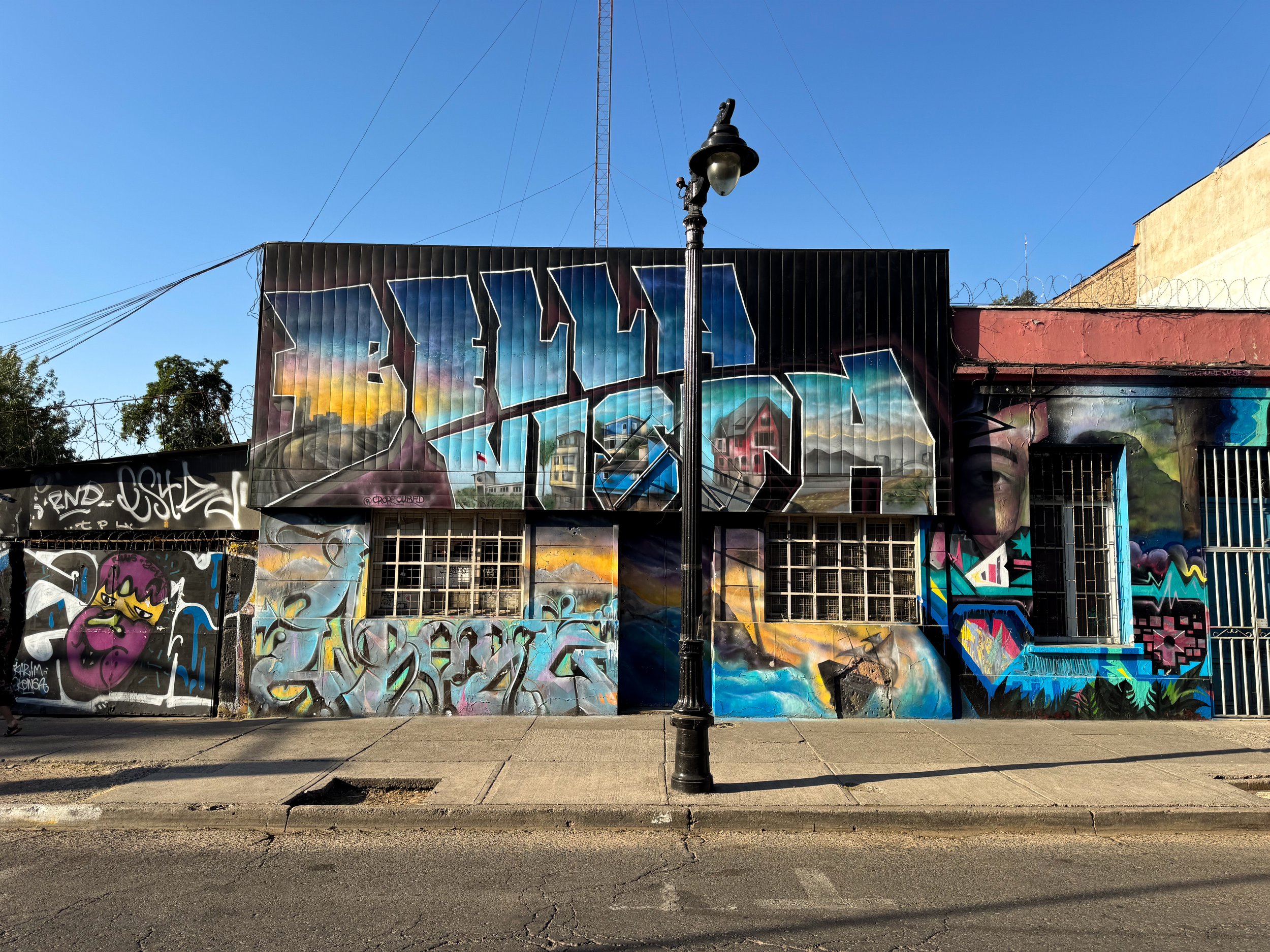
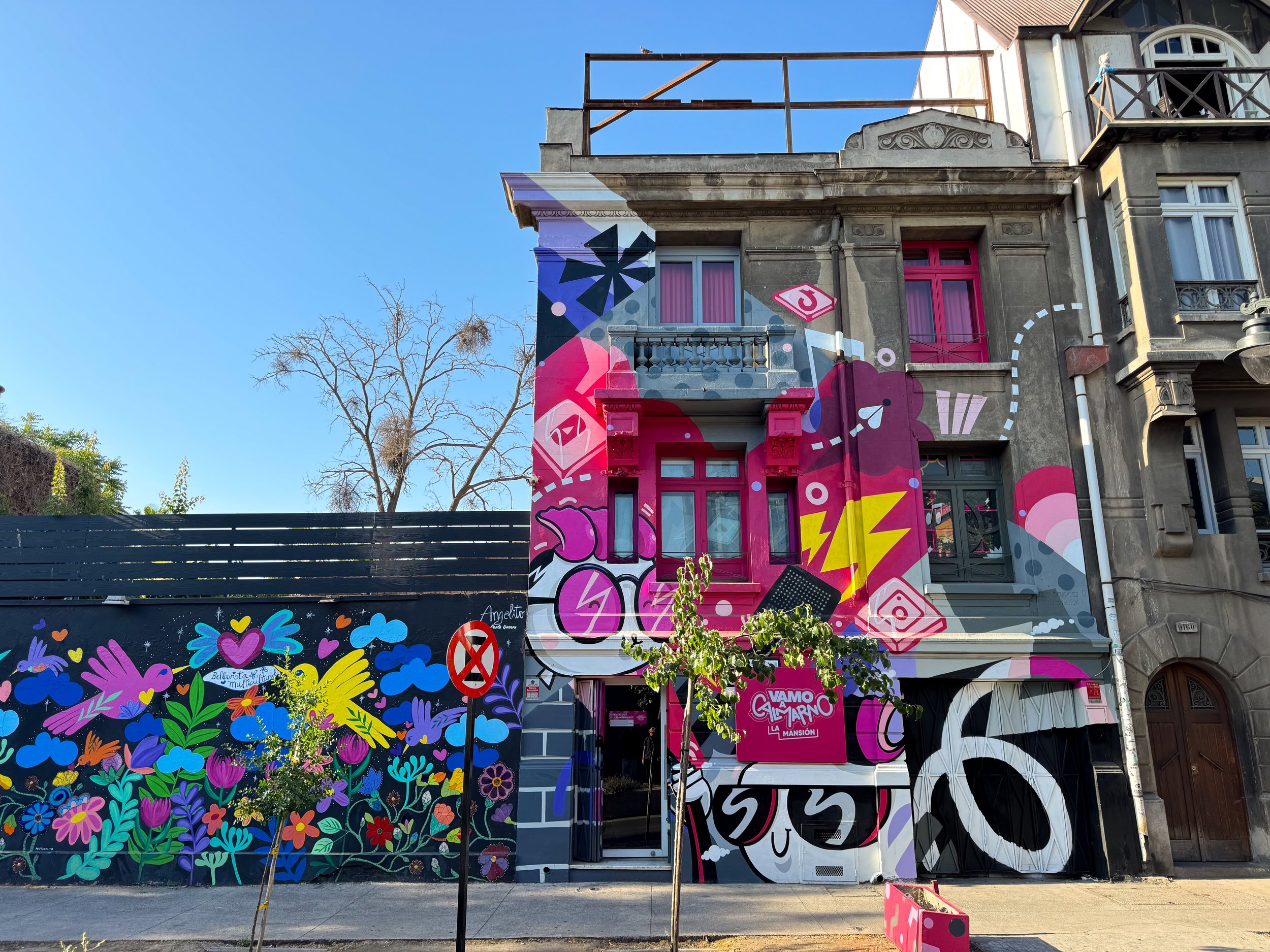
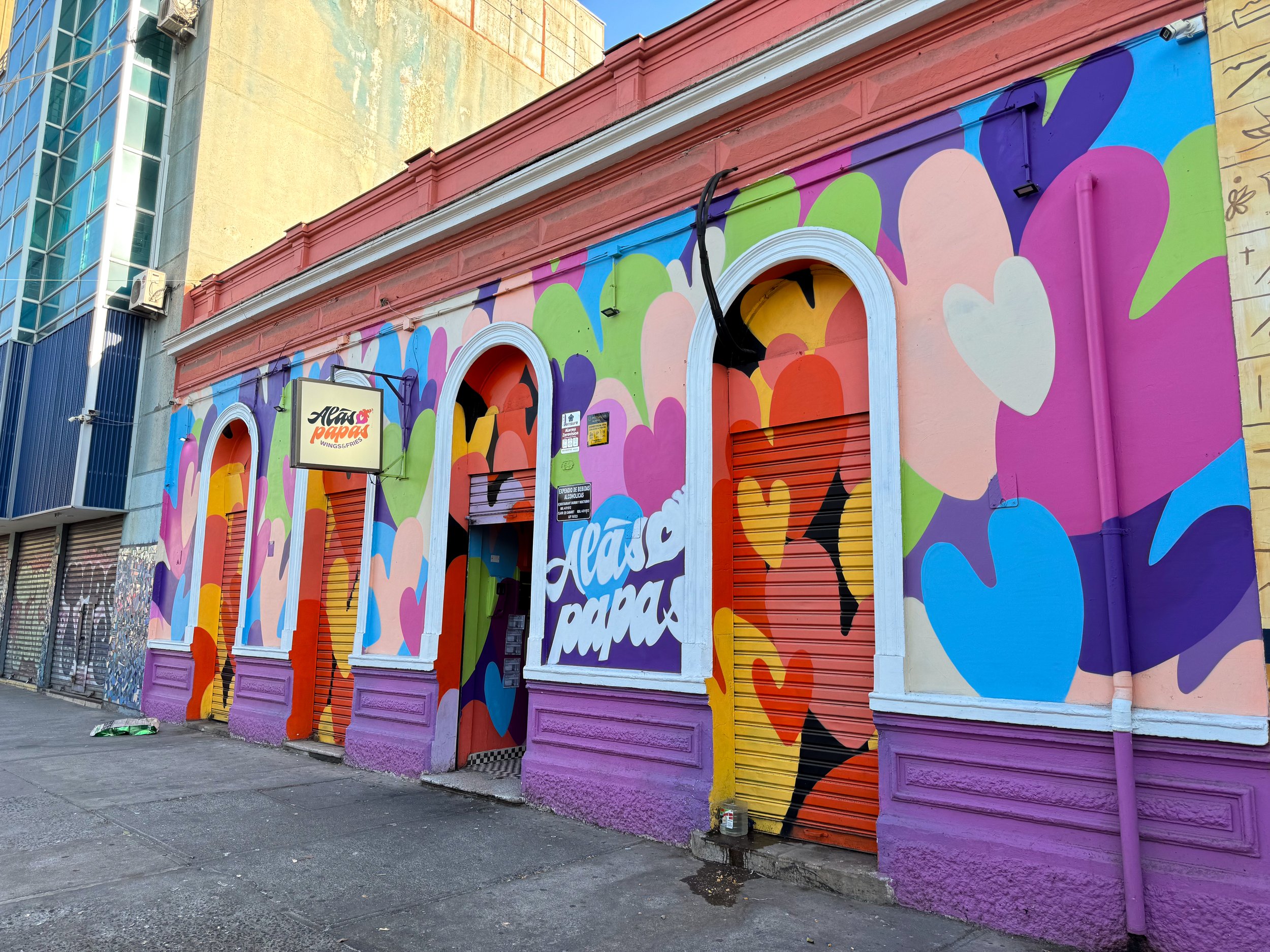
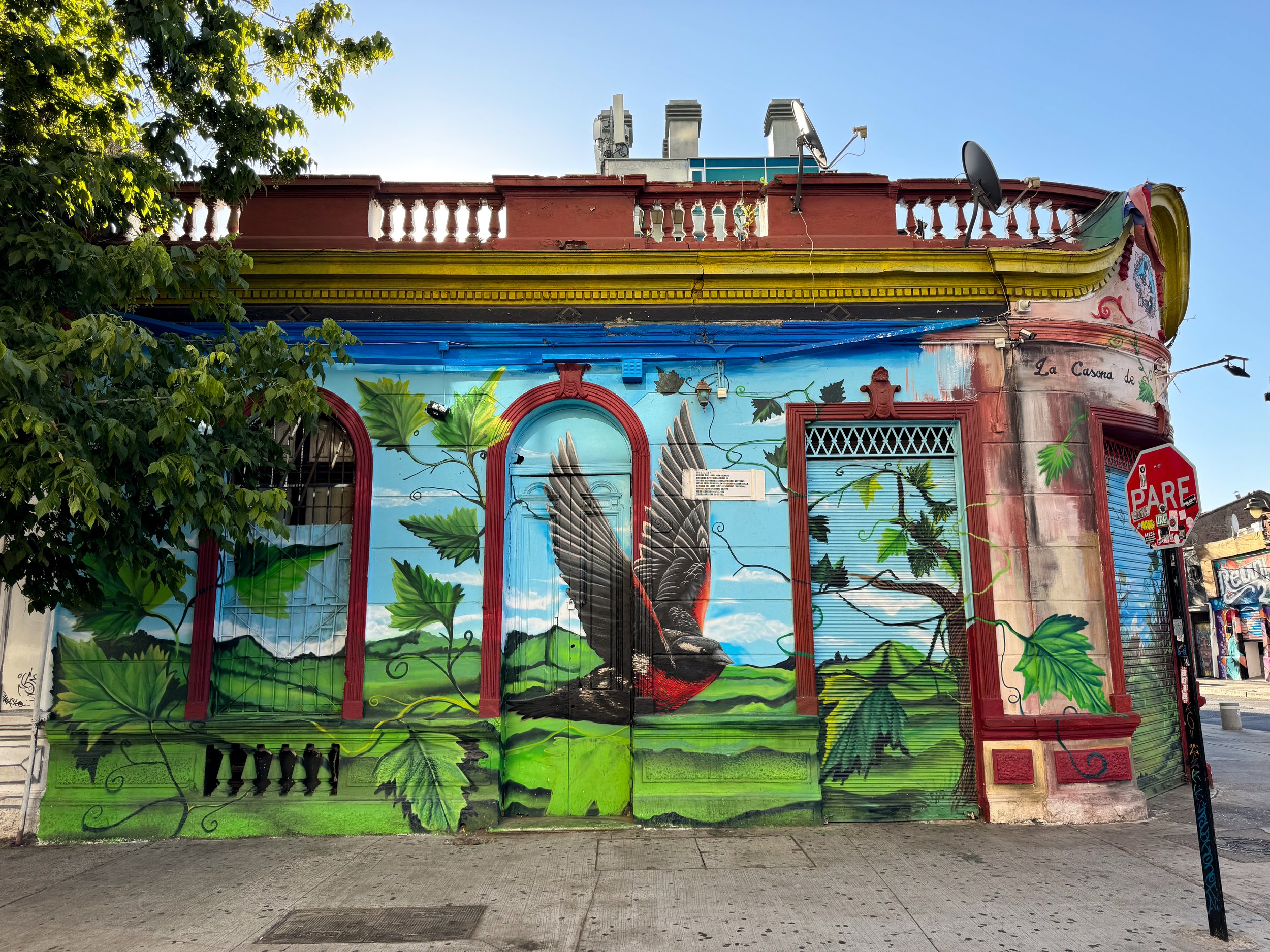
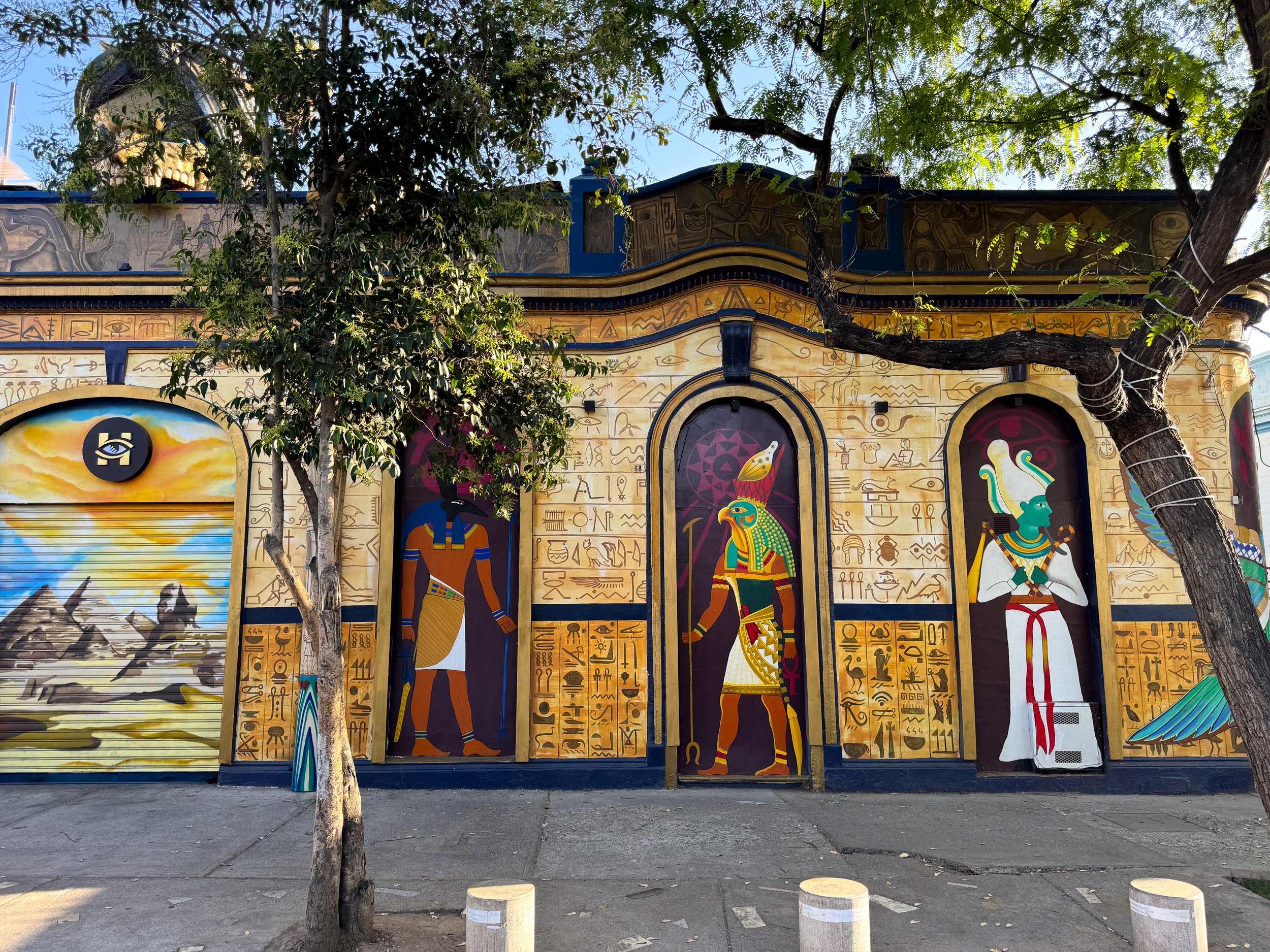
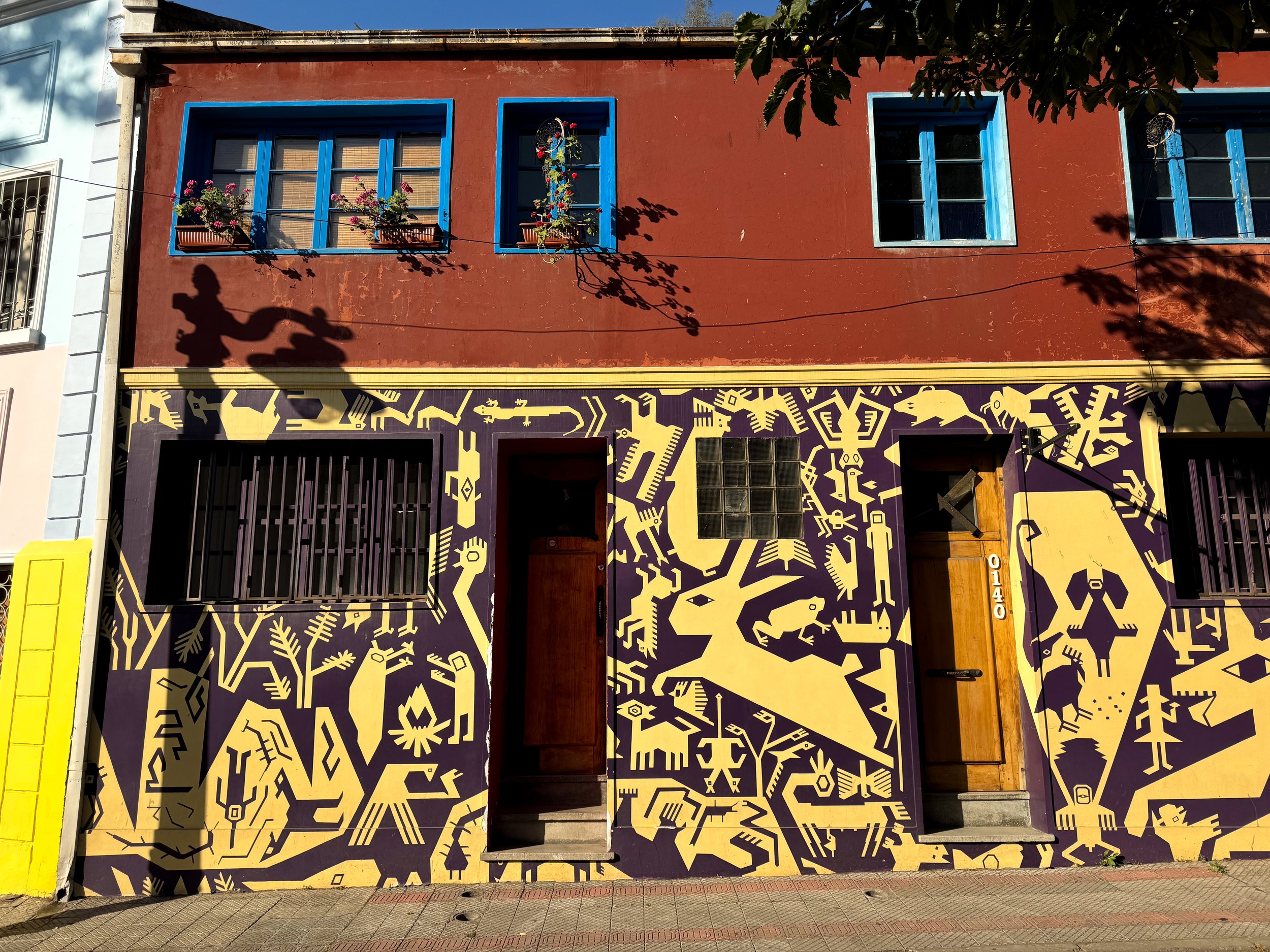
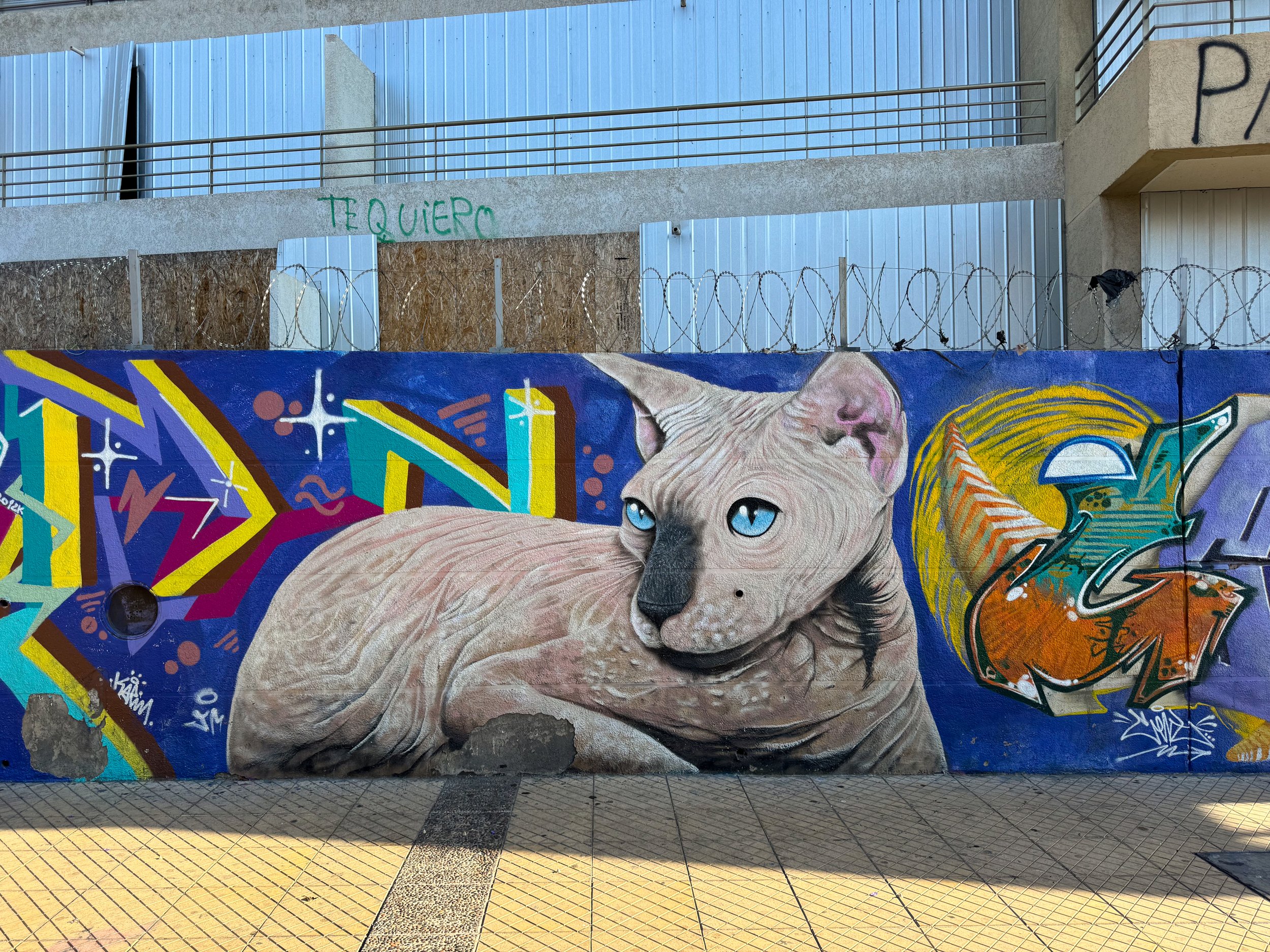
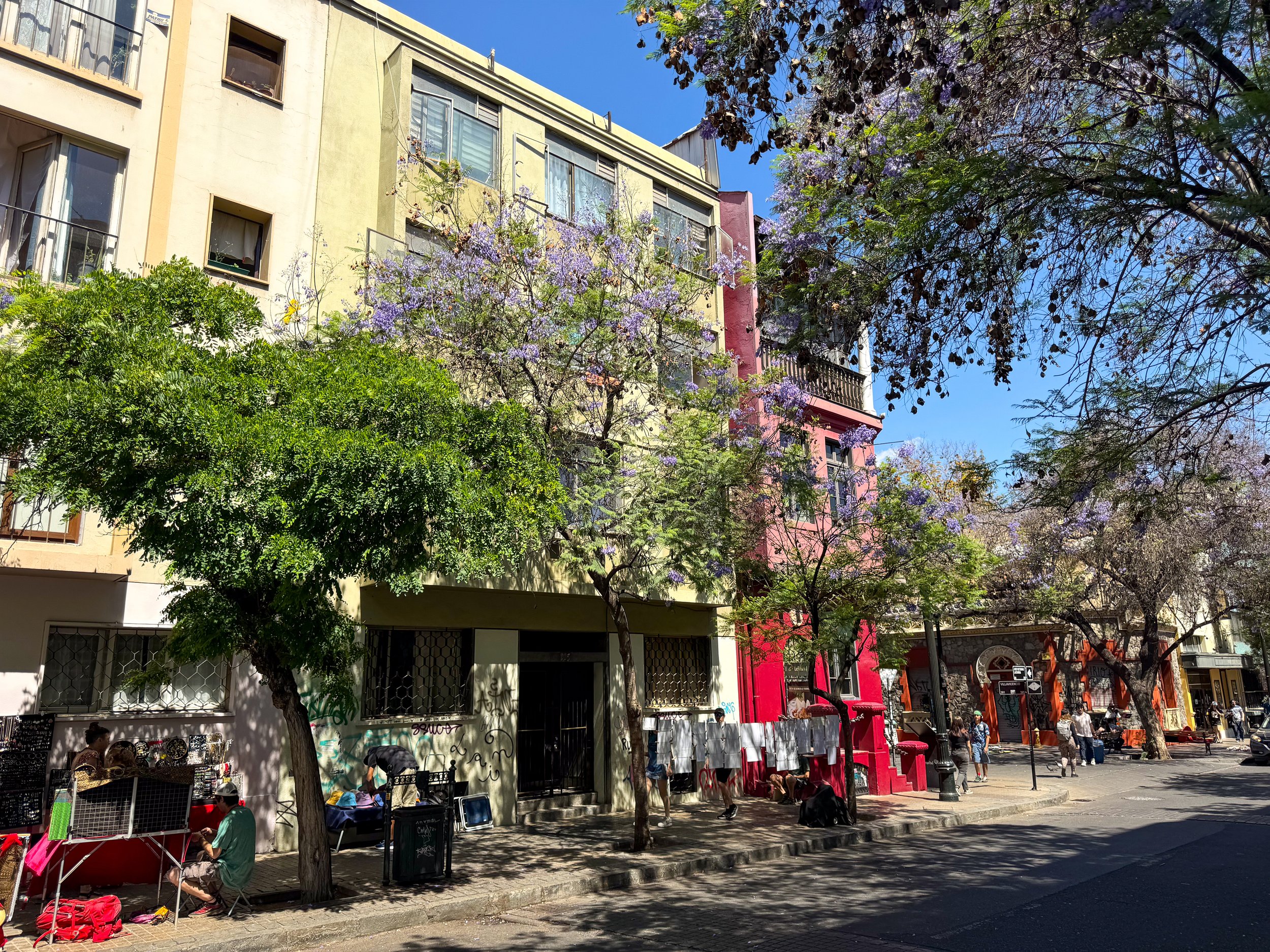
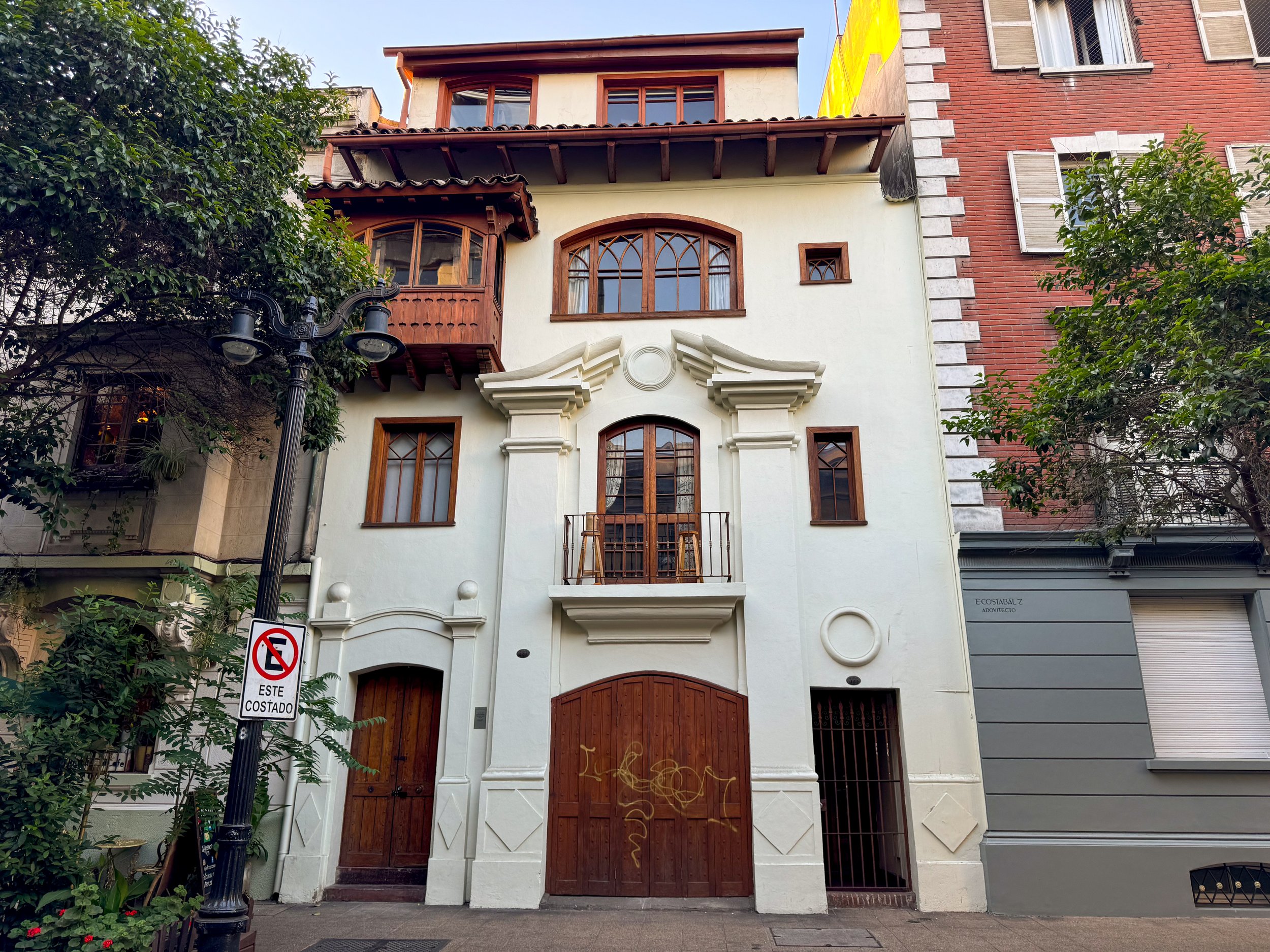
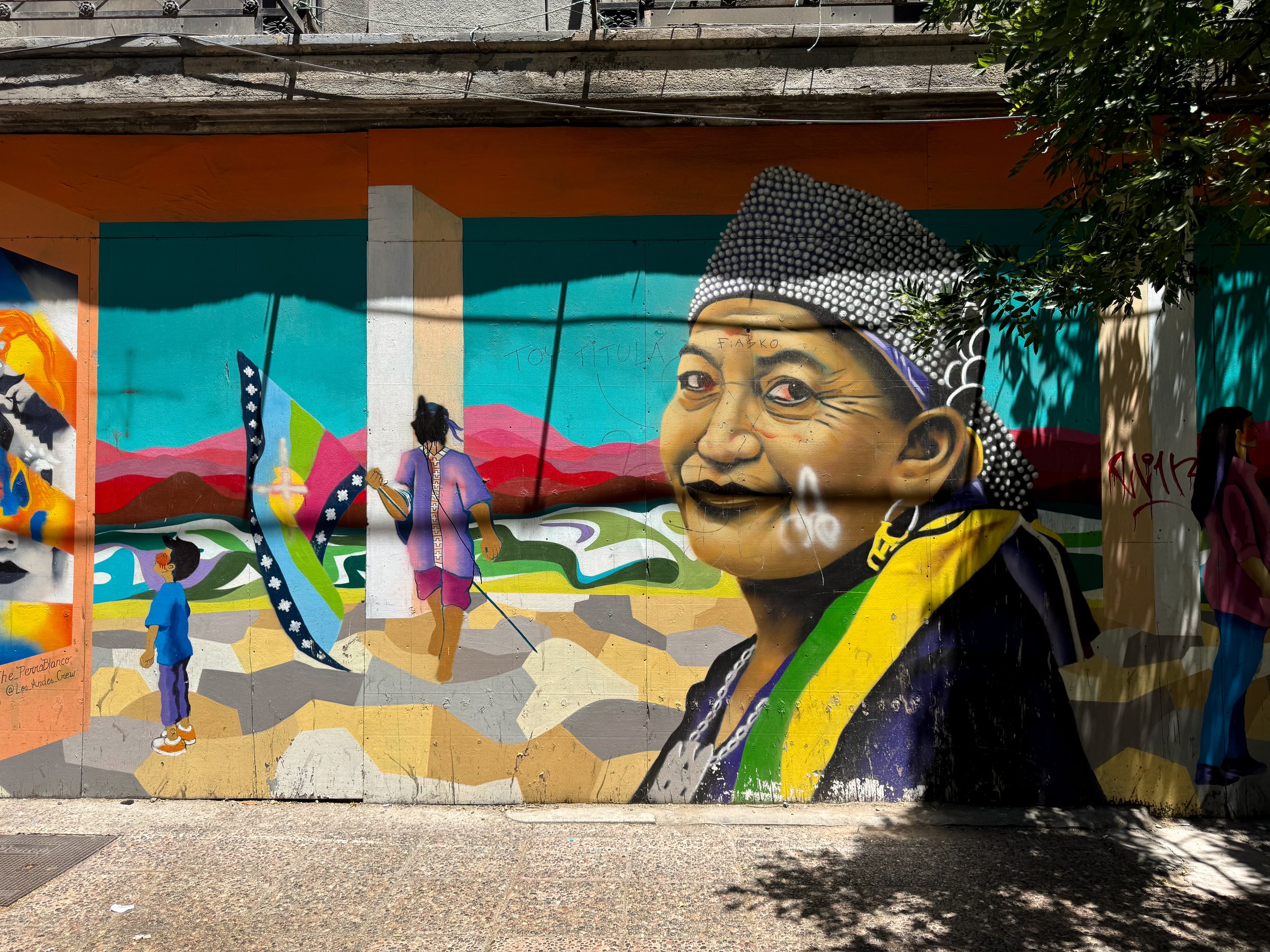
Barrio de Bellavista. A charming neighborhood with treelined streets, colorful historic homes, cute coffee shops and main streets painted in murals and graffiti. The neighborhood is a cultural hub that comes to life at night! Local cuisine is served at Chilean restaurants, fans cheer on their favorite soccer teams at sports bars, glammed up drag queens perform at queer friendly bars and mixologists shake cocktails late into the evening.
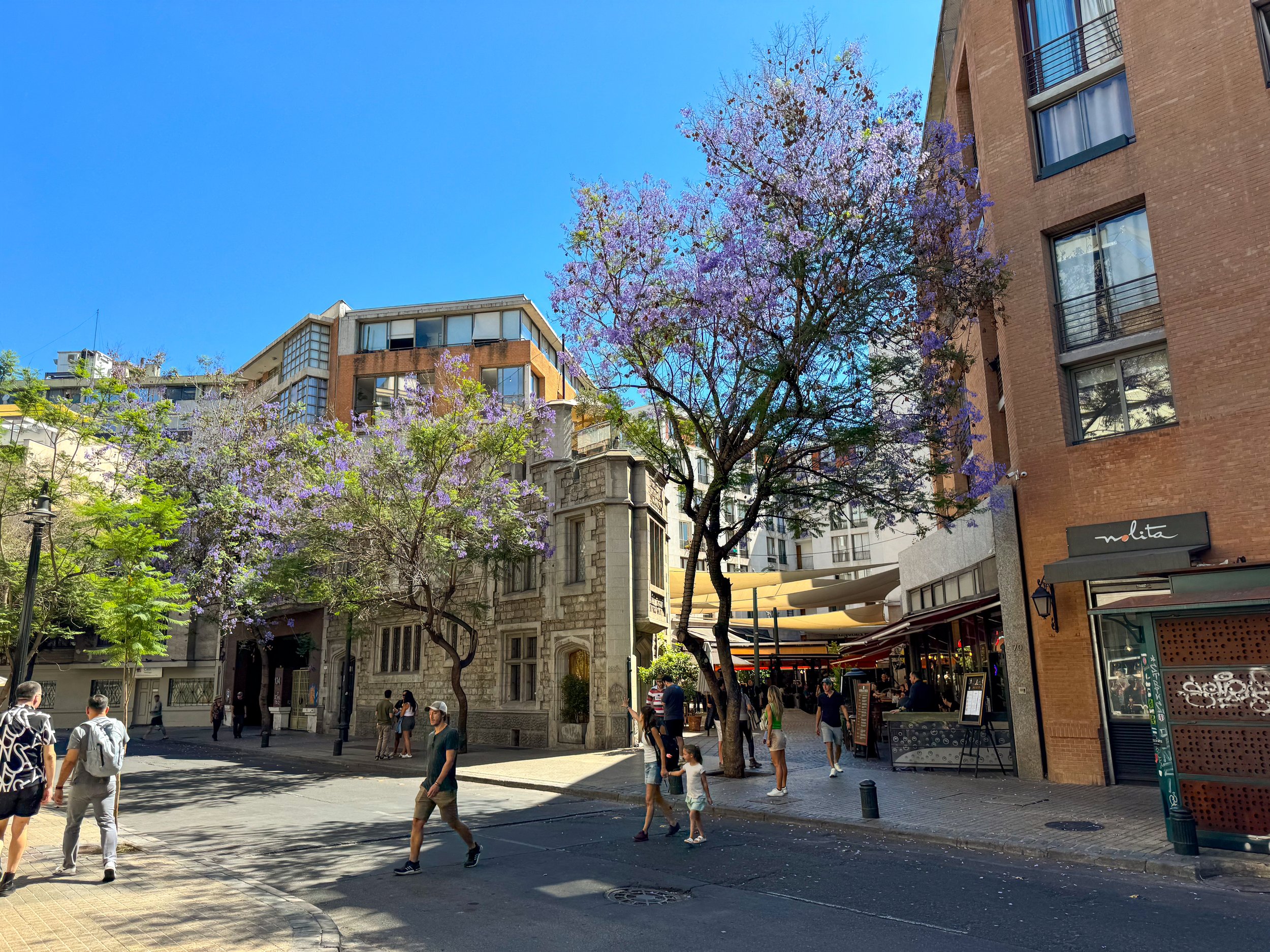
Lastarria Neighborhood. A small and trendy neighborhood with cobble stone streets, colorful ornate buildings, high end restaurants and Chilean wine bars. It’s a calm area to walk around, stop for a glass of wine or dine at a sidewalk patio. To us, it feels very similar to the cute streets of the West Village in NYC.
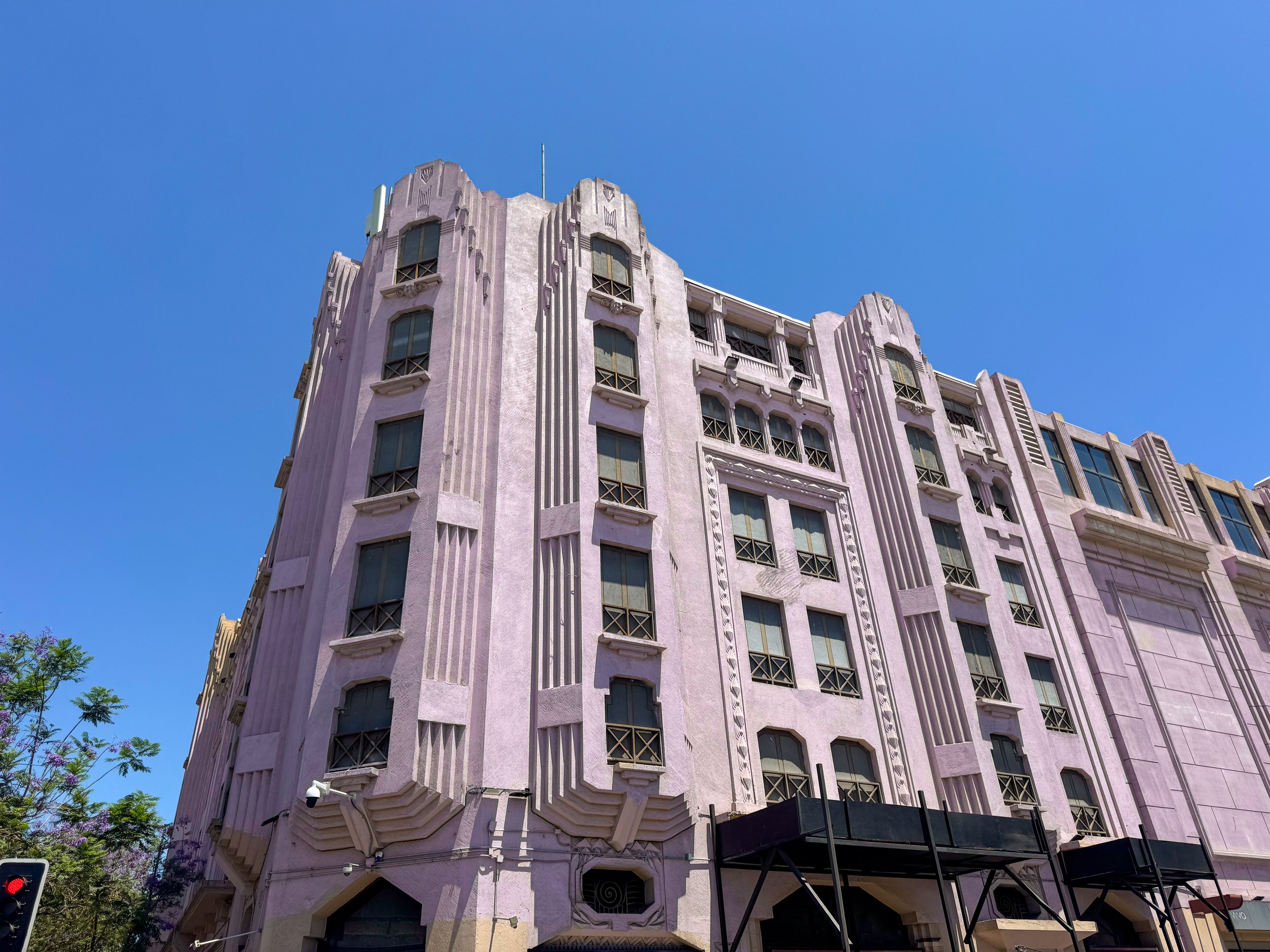
Centro Historico. The historic center of Santiago with tree lined plazas, ornate stone buildings, cultural sights and museums.
City Parks
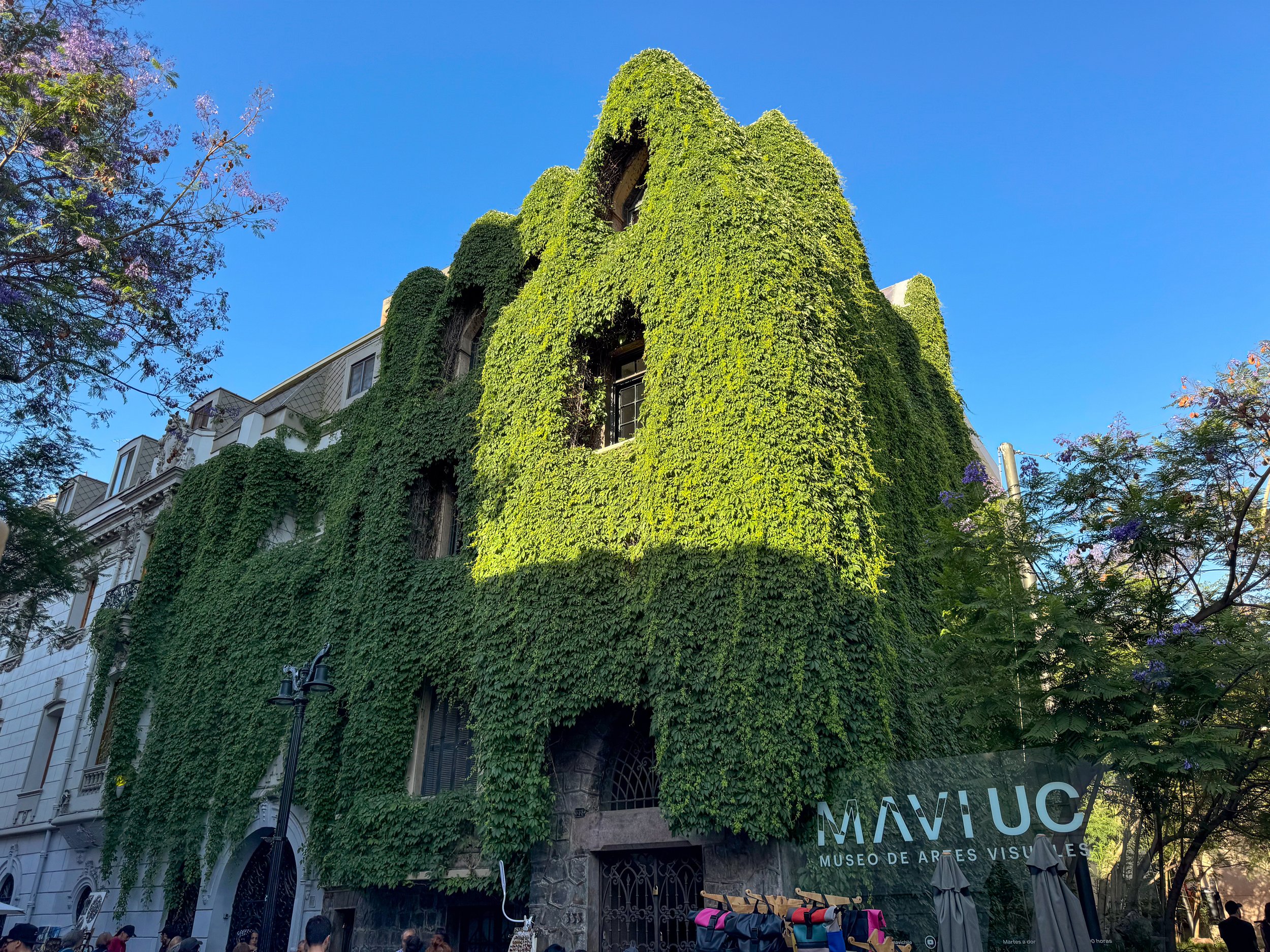
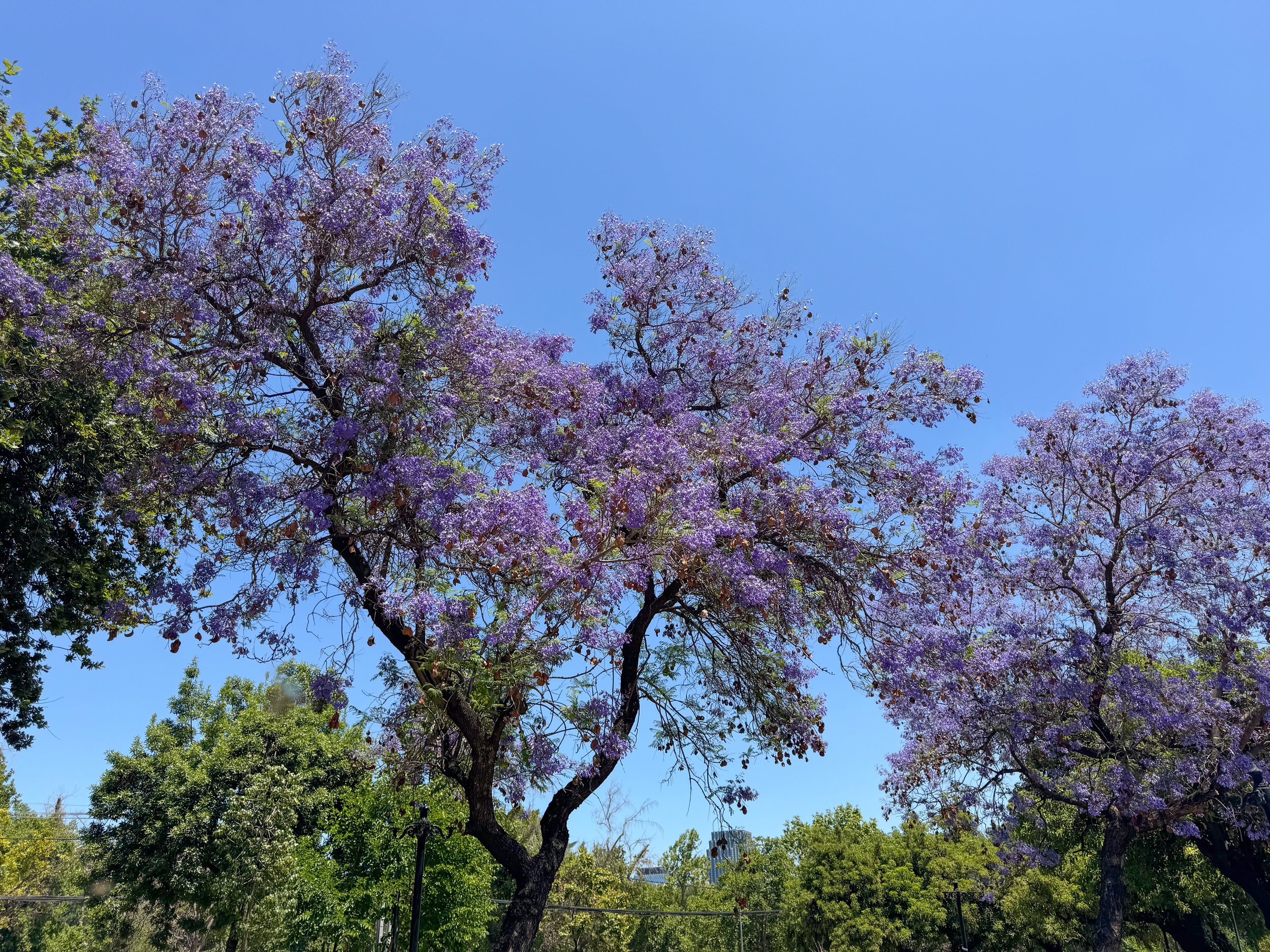
Jacaranda Trees. For one to two weeks during southern spring, the Jacaranda trees are in full bloom. These beautiful trees blossom with tiny bell shaped lavender colored flowers visible around the city streets and from the lookouts. We were lucky enough to see them across the city when we visited in late November.
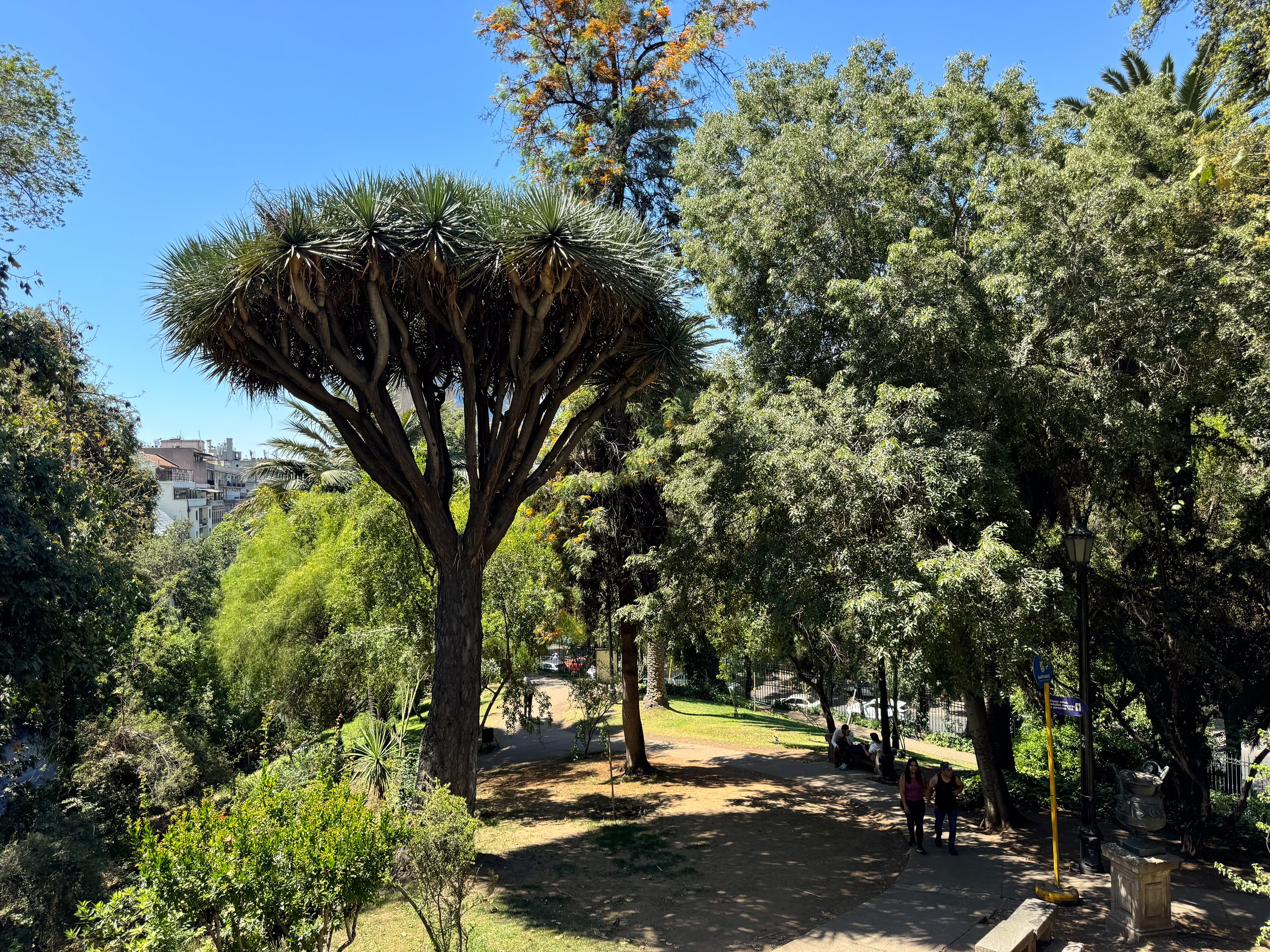
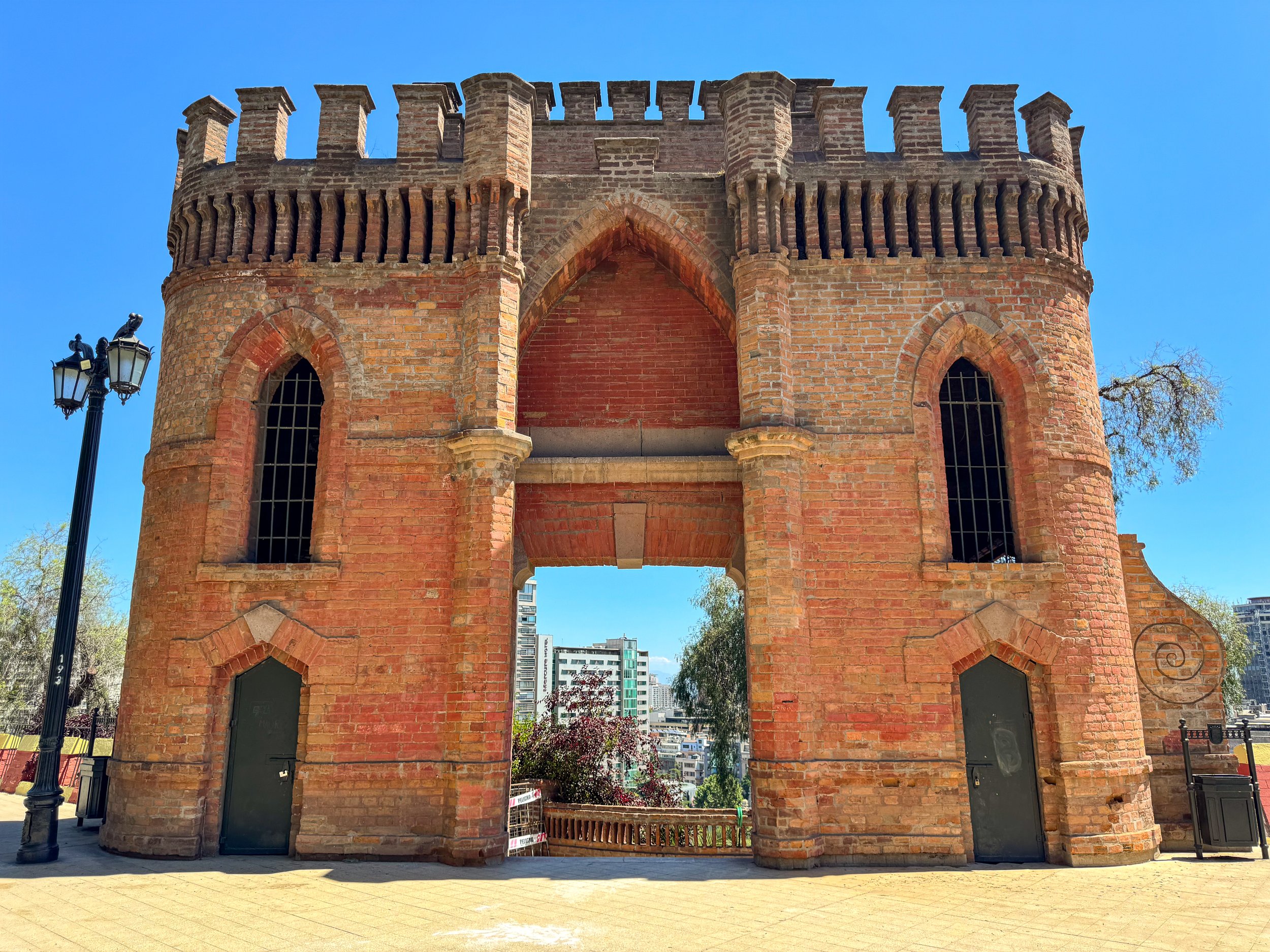
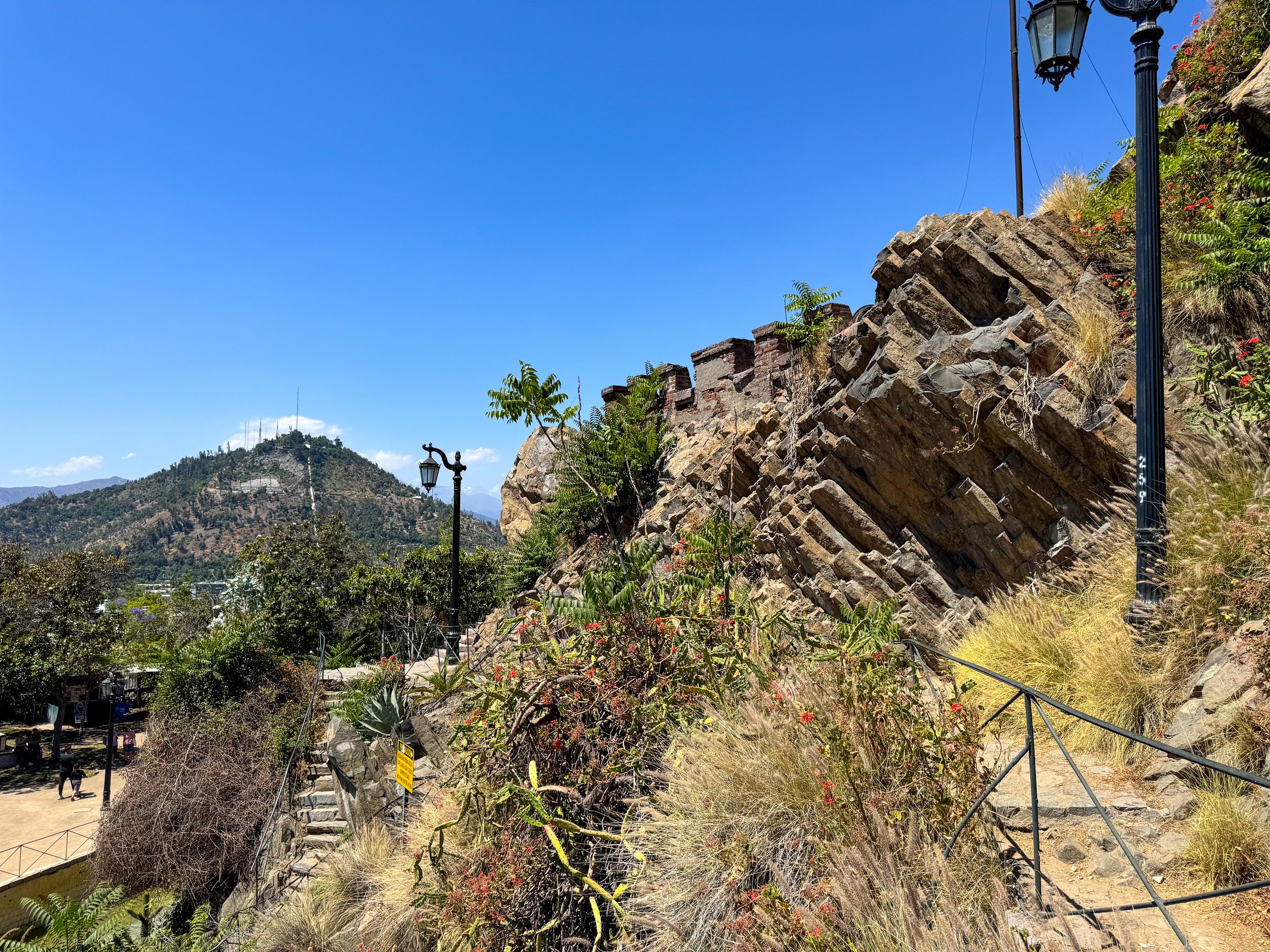
Cerro Santa Lucia. A beautiful hilltop park in the middle of the city with panoramic views of Santiago and the Andes Mountains. We walked the winding cobblestone paths, gradually meandering upwards through the park. Along the way, we passed ornate tiled fountains, bronze statues and medieval style architecture with castle walls, towers, lookouts and canons. The green space is home to natural hexagonal basalt columns, flowering jacaranda trees, towering palms and even a single Socotra Dragon Tree native to an Arabian island in Yemen.
Parque Forestal Museo. A verdant treelined city park with small meadows and walkways. It’s a retreat for locals on the weekend with couples lounging in the grass, pet owners playing fetch with their dogs and cyclists riding down the dirt pathways.
Parque Metropolitano de Santiago. A mountainous park in the middle of Santiago with winding walkways and bicycle paths, picnic areas, scenic lookouts, a zoo, a botanical garden and Japanese garden.
Cerro San Cristobal. A mountaintop lookout in the middle of the Parque Metropolitano de Santiago. It has beautiful views of the city, small cafes and a religious atmosphere with an outdoor church and various Christian shrines.
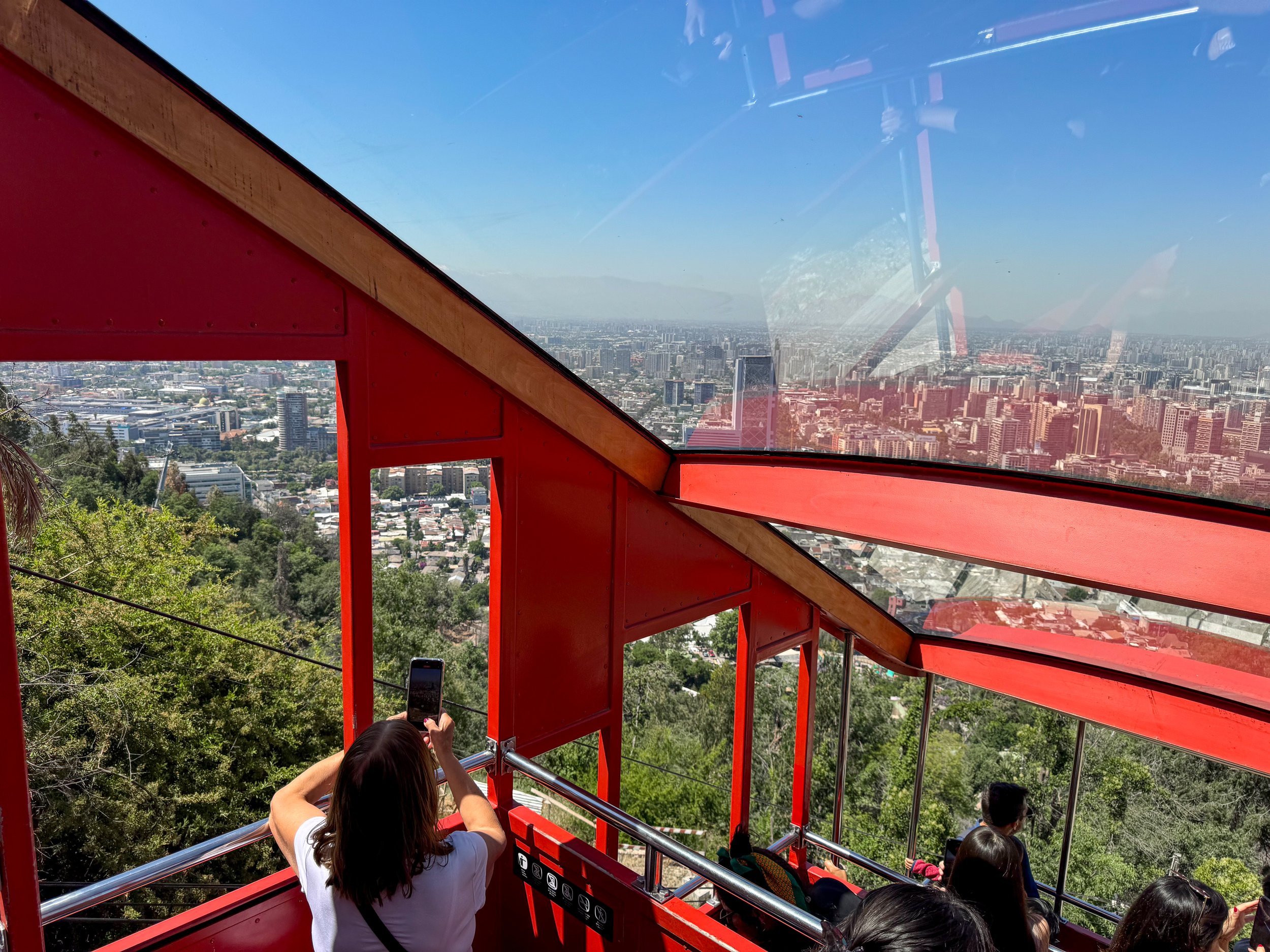
Funicular & Teleferico. We rode the funicular up the mountain from the Bellavista neighborhood to reach the Cerro San Cristobal. From the lookout, we continued on the teleferico across the mountainous park with views of the landscape and surrounding city.
See the Sights
Sky Costanera. A modern glass tower and the tallest building in South America! Come here for a cocktail at its observatory while enjoying panoramic views of Santiago and the Andes Mountains. The 300 Bar serves inventive cocktails served in unique glasses, with bubbles of smoke and floral garnishing.
Plaza de Armas. A palm covered plaza and the city’s main square with several monumental buildings, street performers and vendors. It’s a scenic spot to sit down, people watch and enjoy the city.
Plaza de la Constitución. A stately square lined with Chilean flags surrounded by government buildings including the presidential palace, Palacio de La Moneda.

Shop the Markets
Mercado Central. A historic seafood market in an ornate wrought iron building with seafood restaurants and vendors selling an immense variety of the days fresh catch on large beds of ice. We enjoyed lunch at Donde Augusto, a longtime seafood restaurant in the middle of the market severing Chilean dishes like sautéed sea bass and Paila Marina. Afterwards, we shopped around for ingredients to prepare a traditional Chilean dish, Shrimp Pil Pil.
La Vega Central. A large produce market with vendors selling fruits, vegetables, potatoes, nuts and dry goods. The market is a great spot to shop for fresh and local ingredients at affordable prices. A cute and unexpected scene was the number of cats roaming around the market and even sleeping alongside bins of produce.
Good to know. The scene outside of the market is chaotic with shipments of produce being delivered, vendors selling miscellaneous goods on the sidewalks and unsavory characters stumbling around the area. Avoid the area after dark.
Chilean Cuisine
Chilean Sea Bass. The famed Chilean fish seen on menus at high end restaurants around the world. The tender white fish is often served grilled, sautéed in butter or as ceviche.
Empanadas. Served everywhere across Santiago, these large folded pockets of flaky dough are stuffed with any number of fillings from spiced vegetables, savory seafoods, herbed cheeses and meats are a staple of Chilean cuisine.
Caldillo de Congrio. A very traditional Chilean stew made from a seafood broth boiled with a large piece of conger eel served with its skin and bones still attached.
Pil Pil. A traditional style Chilean dish made from meat, seafood or mushrooms cooked in a spicy and savory sauce flavored with garlic and chili cacho de cabra. It’s typically served with papas doradas.
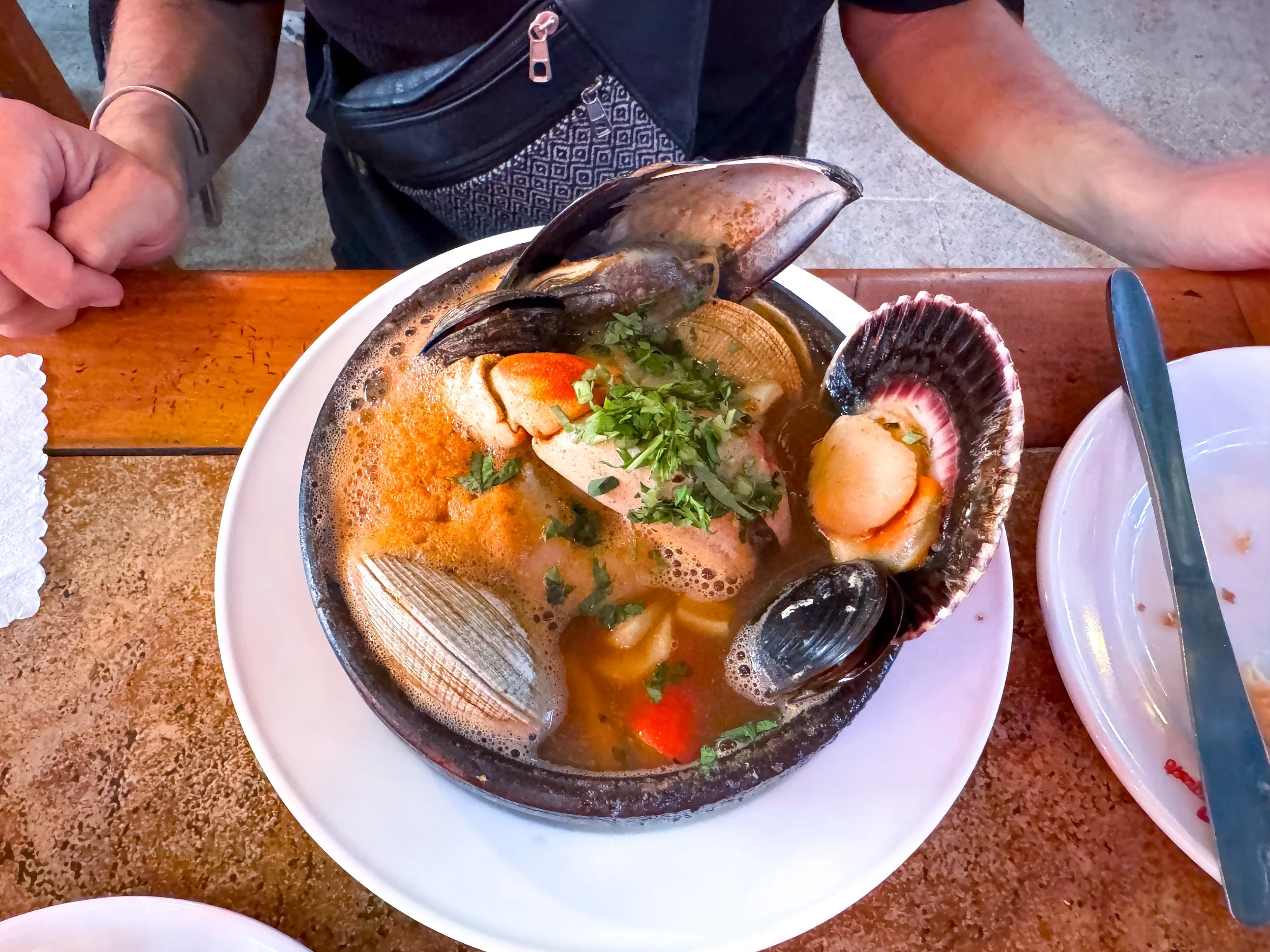
Paila Marina. A traditional Chilean seafood soup made from at least a dozen types of sea creatures including scallop, clam, crab, mussel, octopus, sea bass and shrimp cooked in herbs a savory broth with herbs and spices.
Alfajores. A Chilean dessert with a heavy layer of dulce de leche sandwiched between two cookies or crackers. Some bakeries and cafes even encase them in baked meringue.
Places to Eat & Drink
Viva La Vida. A Chilean restaurant in Bellavista with a menu of local and national dishes. Come here for the Chilean sea bass grilled with veggies and potatoes to the Caldillo de Congrio, a savory seafood and potato soup served with a large piece of eel.
Sanguchería Ciudad Vieja. A multi-level restaurant and cocktail bar in a historic corner building in Bellavista with sophisticated cocktails and late night bites.
El Jardin Cafétéria. A cafe in Bellavista with a garden themed interior and sidewalk patio. Come here for avocado toasts, egg dishes, pastries and coffee.
Marciel Art Cafe. A cozy cafe in Bellavista with an electric art gallery vibe. Come here for croissant sandwiches, pastries and coffee.

Chilean Wine
Bocanáriz. A wine bar with hundreds of Chilean wines served by tasting flights, the glass or full bottle. Short on time in Santiago, we came here to try Chilean wines instead of going on a vineyard tours. We ordered a flight of the “Signature Wines” including a pinot noir, garnacha and merlot. Our second flight, “Carmenere, National Emblem” included 3 of the country’s beloved carmenere wines. We also ordered a tasting of a brut rose and merlot a-la-carte.
Santiago Wine Club. A wine shop in the Lastarria neighborhood specializing in Chilean wines. We came here after our tastings at Bocanáriz and bought two bottles of our favorites, a cabernet franc from the Valle do Lolol and a carmenere from the Calle del Maule.

Where to Stay
We stayed at a studio in the middle of the Bellavistsa neighborhood with views of the Andes Mountains, nearby restaurants, bars and several of the sights we saw. When we return to Santiago, we will definitely be booking here again.
Elsewhere in Chile
From Santiago's vibrant city life to the lunar landscapes of the Atacama Desert and the wild peaks of Patagonia, discover more of Chile beyond the capital through these travel guides:
Atacama Desert Travel Guide: Best Things to Do from San Pedro de Atacama. Explore one of the driest places on Earth through salt flats, geysers, lunar valleys and some of the most surreal desert landscapes in South America.
Patagonia Chile Travel Guide: Torres del Paine, Hiking & Road Trips. Journey into Chilean Patagonia to discover dramatic mountain peaks, glaciers, turquoise lakes and some of the world's best hiking and road trip routes.
For Next Time…
We have a lot to see the next time that we return to Santiago! We plan to return for at least two weeks to explore more of the city and region.
Visit the Vineyards. Having got a taste for Chilean wine at the source, we plan to return and visit some of the wine producing regions like the Maipo Valley and Casablanca Valley.
Hike the Andes. There are several nearby hikes on the outskirts of the city with views of Santiago and the Andes Mountains. In addition, we’d like to venture further into the Andes to see the snow covered mountains, fresh water lagoons and small alpine style towns.
See the Museums. The weekend we visited were the gubernatorial elections and all of the museums we wanted to visit were closed. High on our list are Museo Histórico Nacional, Museo de la Memoria y los Derechos Humanos and Museo Nacional de Bellas Artes
Head to Coast. The Pacific shores are less than two hours from Santiago. We were recommended by locals and other travelers to spend time in the coastal cities of Valparaiso and Viña del Mar.
Rapa Nui National Park. Far from the coast of Chile in the middle of the South Pacific is the Polynesian island of Rapa Nui (aka Easter Island). We plant to visit and see the famed Moai stone faces.

Mendoza Argentina Travel Guide: Wineries, Wine Tours & Cuisine
Cycle through Mendoza's vineyards and wineries where celebrated Malbecs, Argentine cuisine and Andean landscapes define Argentina's premier wine region.

Mendoza, Wine Country
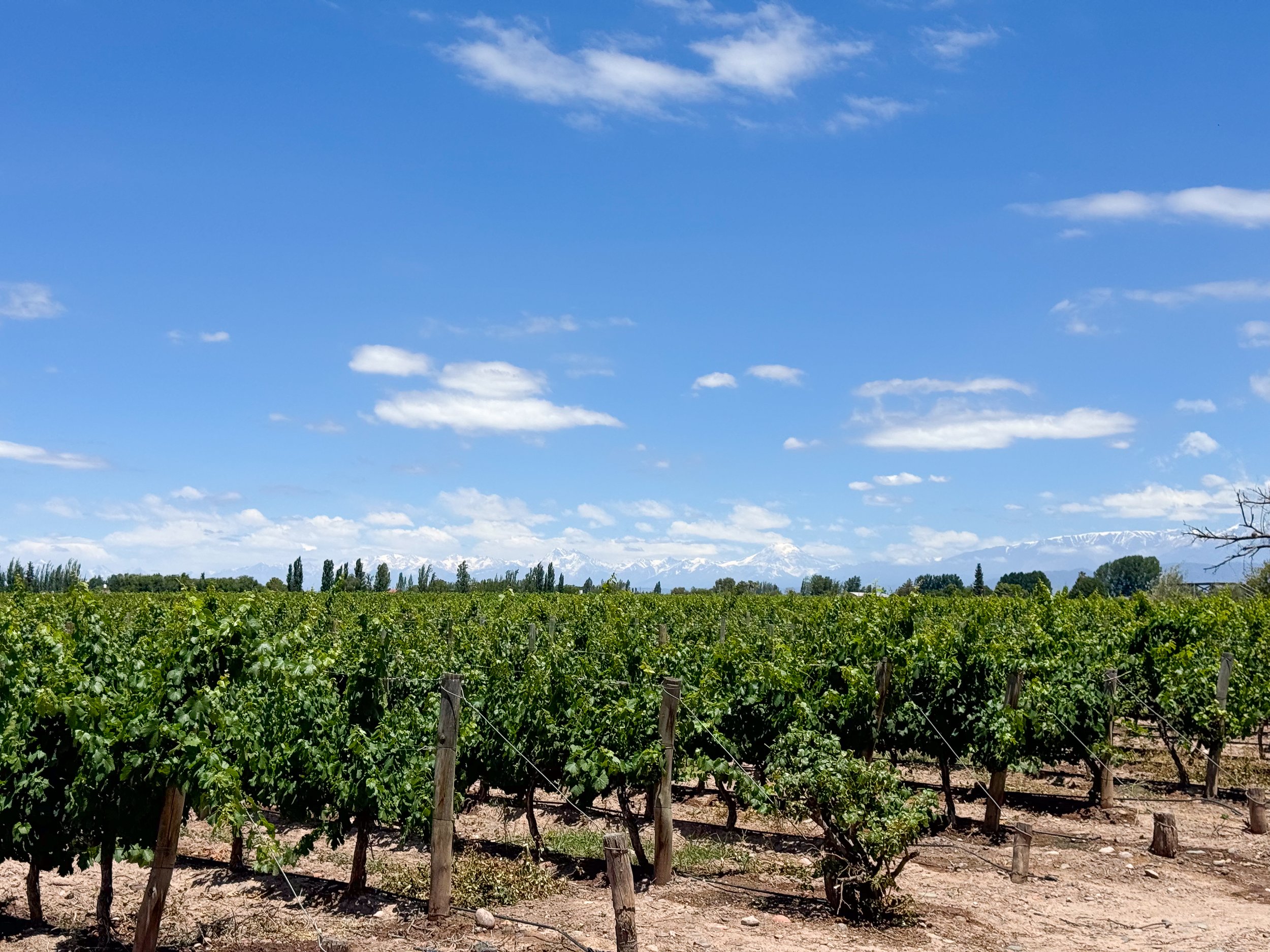
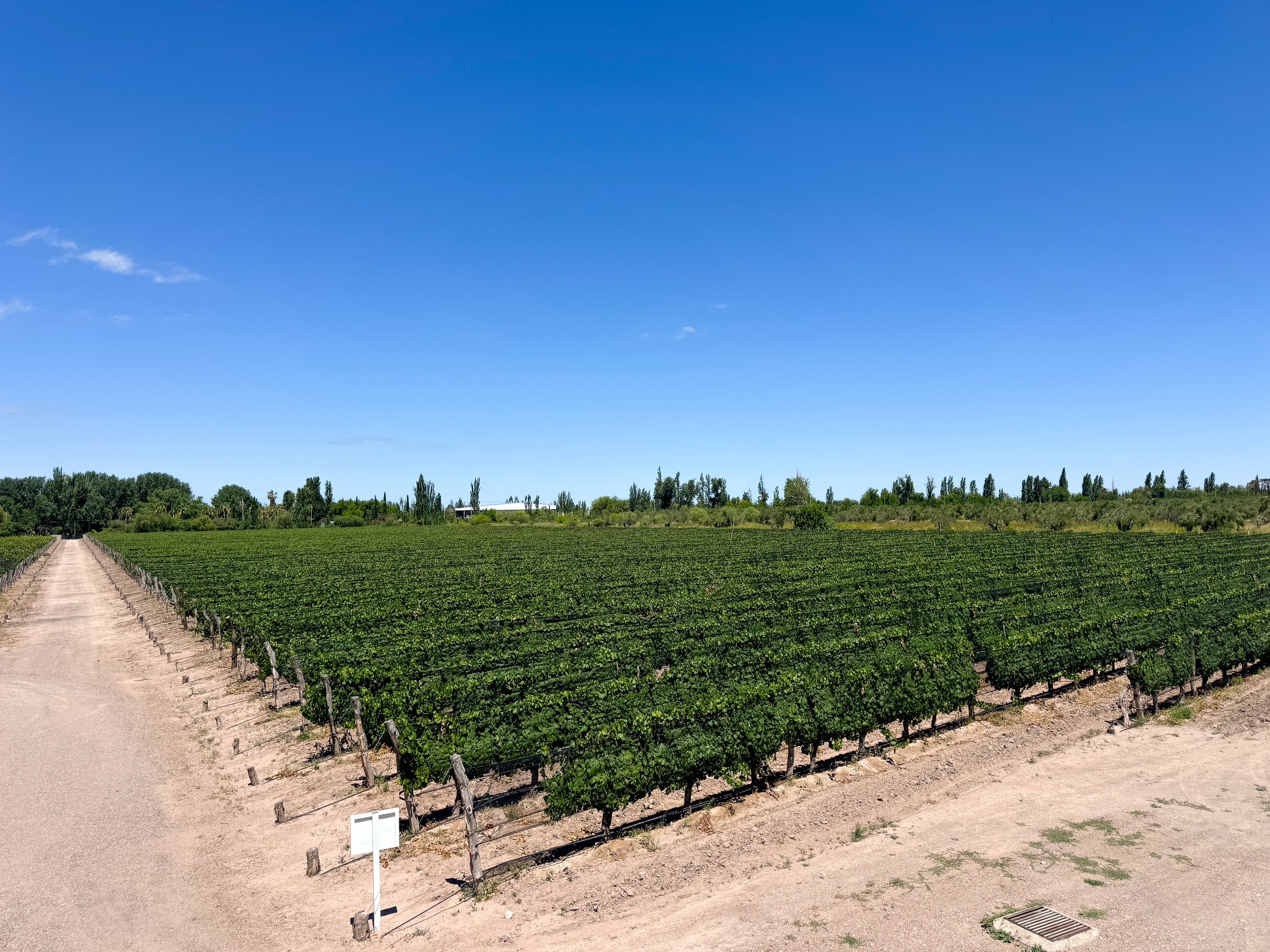
Mendoza is wine country! Here, hundreds of vineyards and countless rows of grape vines blanket the landscape beneath the backdrop of the Andes Mountains. The most notable wines of the many produced across the region are Malbecs and Cabernet Franc.

Wine Tour by Bicycle
There are multiple wine producing regions in Mendoza known for different varieties of grapes and wines. We visited the Maipu and Lujan de Cayo valleys on a self guided bike tours. Both valleys have a range of vineyards in close proximity to each other making it easy to visit multiple in one day. It’s also the most affordable way to visit the vineyards.
Maipu Bikes. A bike rental company in the center of the Maipu Valley with daily bike rentals, route suggestions, a map and vineyard discounts. They’re open from 10am-6pm with a free happy hour between 5-6pm. The cost is $10 ARS in cash only.
Baccus Wine Tours. A bike rental company in the Lujan de Cayo Valley with daily bike rentals, route suggestions and a map. They’re open from 10am-6pm daily. The cost is $15 ARS in cash only.
Tips for Biking Between Vineyards:
It’s best to start between 10-11am and plan out a route to maximize time.
If planning to visit any specific wineries, confirm hours and the need for a reservation before arriving.
Plan to visit anywhere from 2-5 vineyards depending on pace.
Order a meal for lunch or pairings throughout the day.
Bring water to stay hydrated!
Wear sunblock, Mendoza is technically a desert and the UV often reaches extreme levels.
The Maipu Valley
A slightly industrial wine producing valley southeast of Mendoza with many large scale and boutique vineyards. Roadside bike paths follow the main road and branch off onto dirt roads leading to most vineyards. We visited 4 vineyards and an olive oil store during our tour.
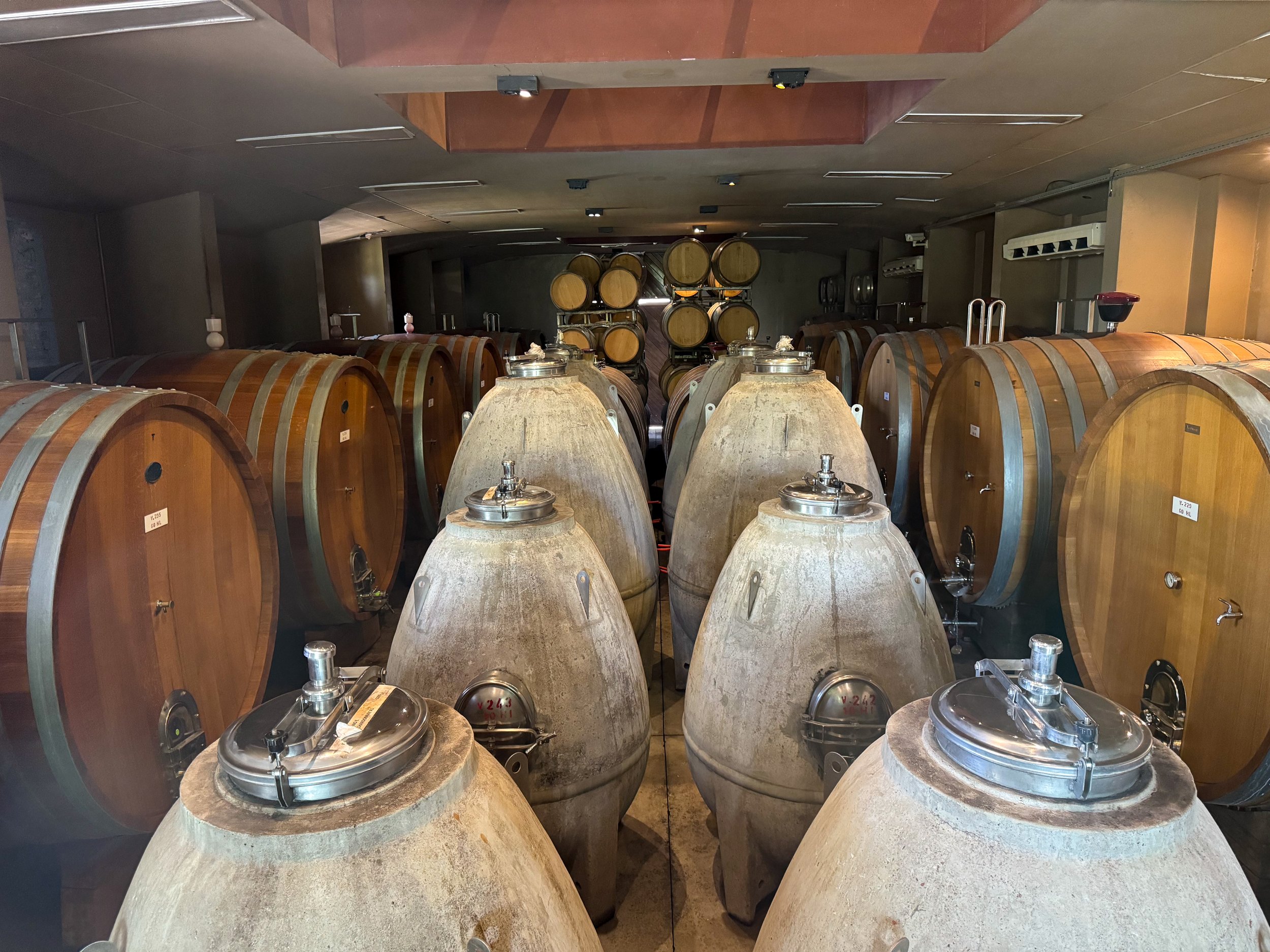
Bodega Trapiche. A grand and historic vineyard with tours, tastings and opportunities to learn about the winemaking process. Our tour started with a stroll through the vineyard with a glass on small batch white wine only served onsite. We transited to a Malbec as we entered a warehouse with massive concrete tanks used to store thousands of liters of wine. The next building housed aerobatic oak barrels and concrete eggs of aging wine. We ended our tour in their tasting room with views of the andes, sampling two more Malbecs, both grand reserves. The vineyard is bike friendly, it’s pricer to visit and reservations are required.
Entre Olivos. A small shop with tastings of locally produced olive oils, olive pates and wine. We stopped here in route to the next vineyard and bought a bottle of oil to bake focaccia.
Viña el Cerno. A small vineyard with a tasting room in there processing warehouse. We didn’t learn much about the vineyard or their wines but got to sample three different types, a sweet rosé, Cabernet Franc and Merlot. The vineyard is bike friendly and no reservations are needed.
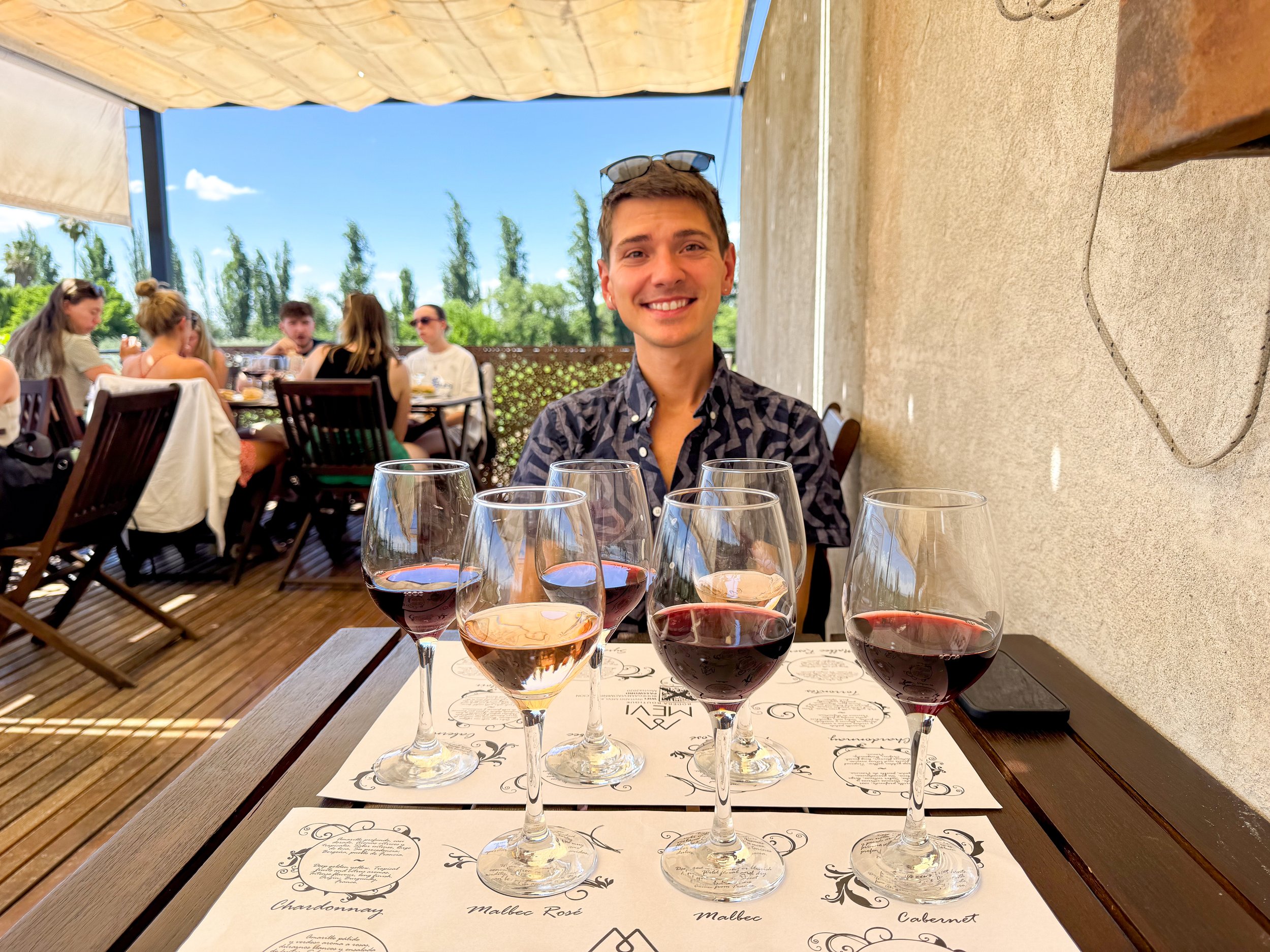
Bodega MEVI. A vineyard with a restaurant and tasting room overlooking their rows of grapes vines, olive trees and the snow covered Andes. We didn’t learn much about the wines but enjoyed the view while drinking them. We sampled three types, a dry rosé, Cabernet Franc and Merlot. The vineyard is bike friendly and no reservations are needed.
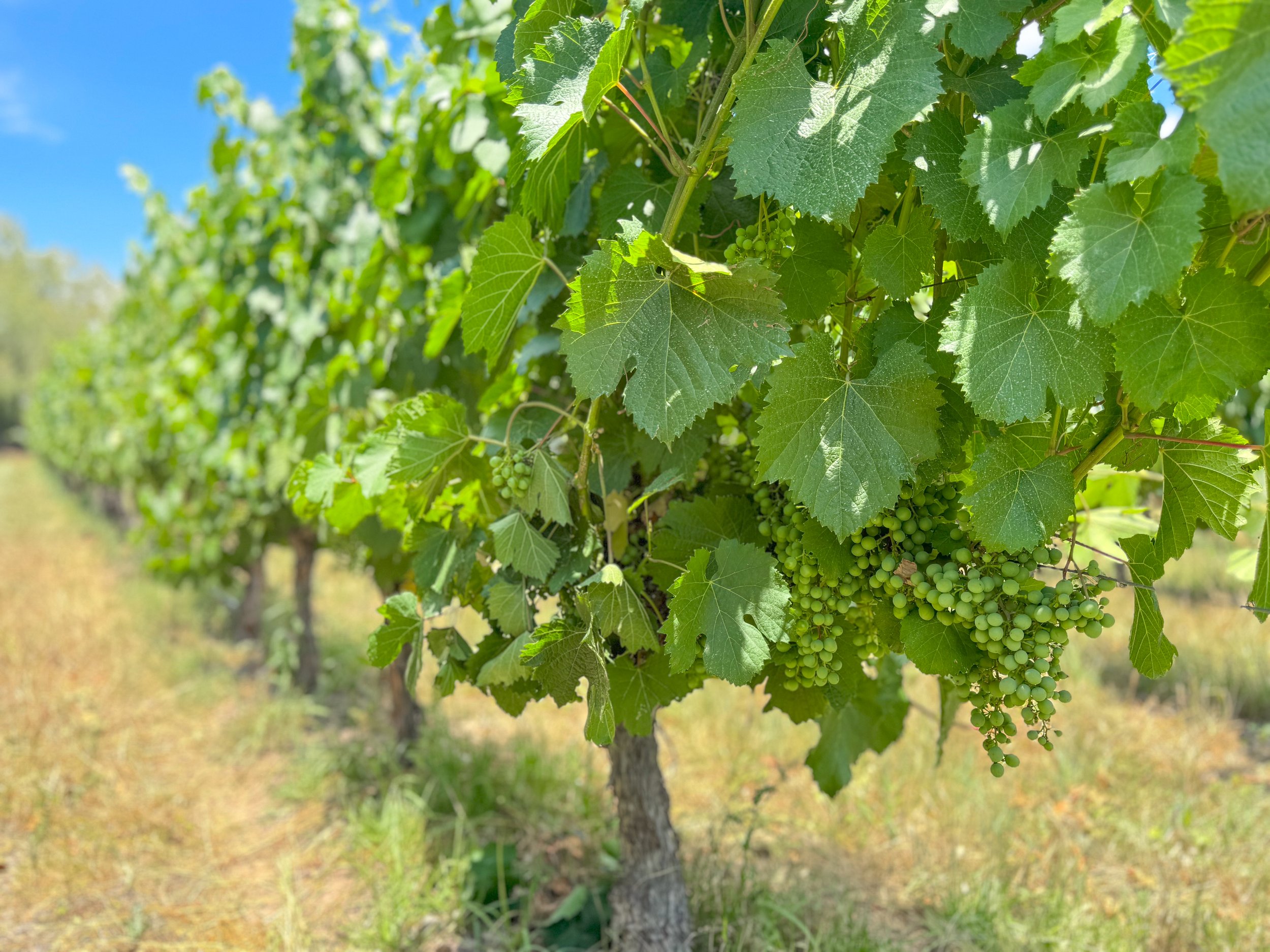
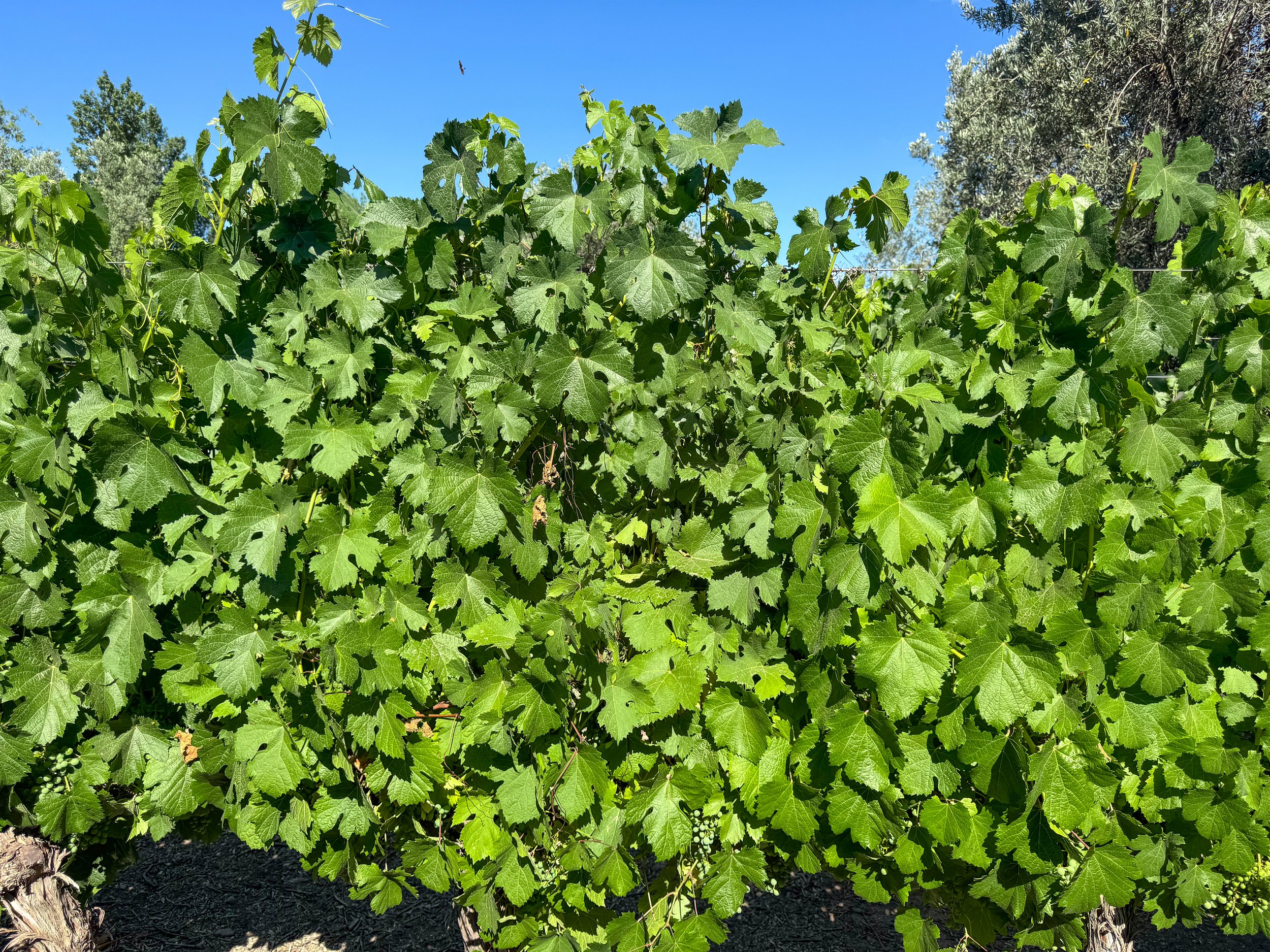
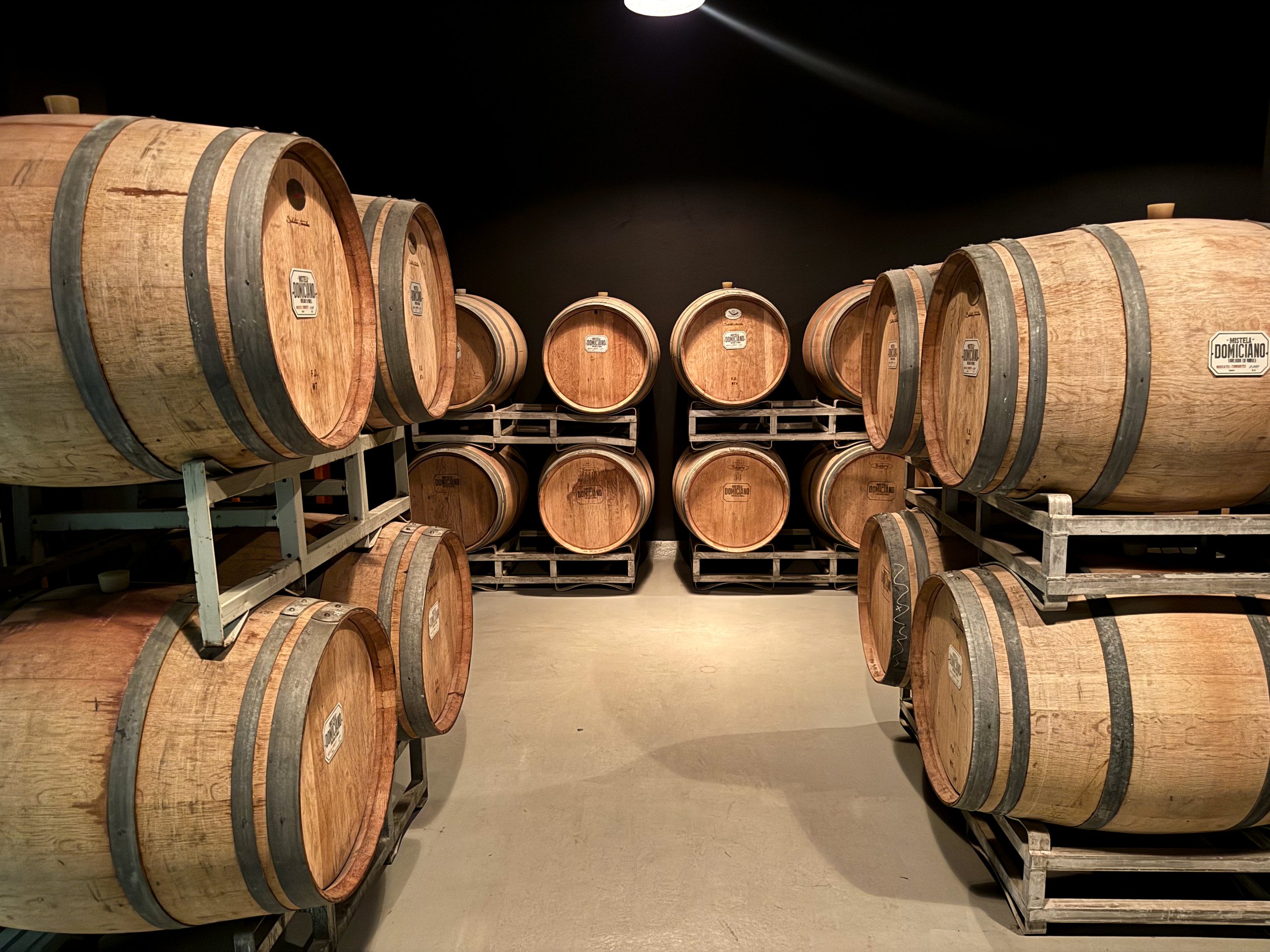
Bodega Domiciano. A winery with a small show vineyard at their production facility. We toured the vineyard with rows of Sarah, Merlot and Cabernet grapes, getting to learn about the vines themselves. Inside their warehouse, we walked past large concrete tanks used to store thousands of liters of wine then to their cellar with oak barrels and bottles of aging reserves. Our tour ended in their tasting room where we sipped on a Sparking Brut, Malbec and Syrah. The vineyard is bike friendly, no reservations are needed however tours happen at set times throughout the day.
Lujan de Cuyo
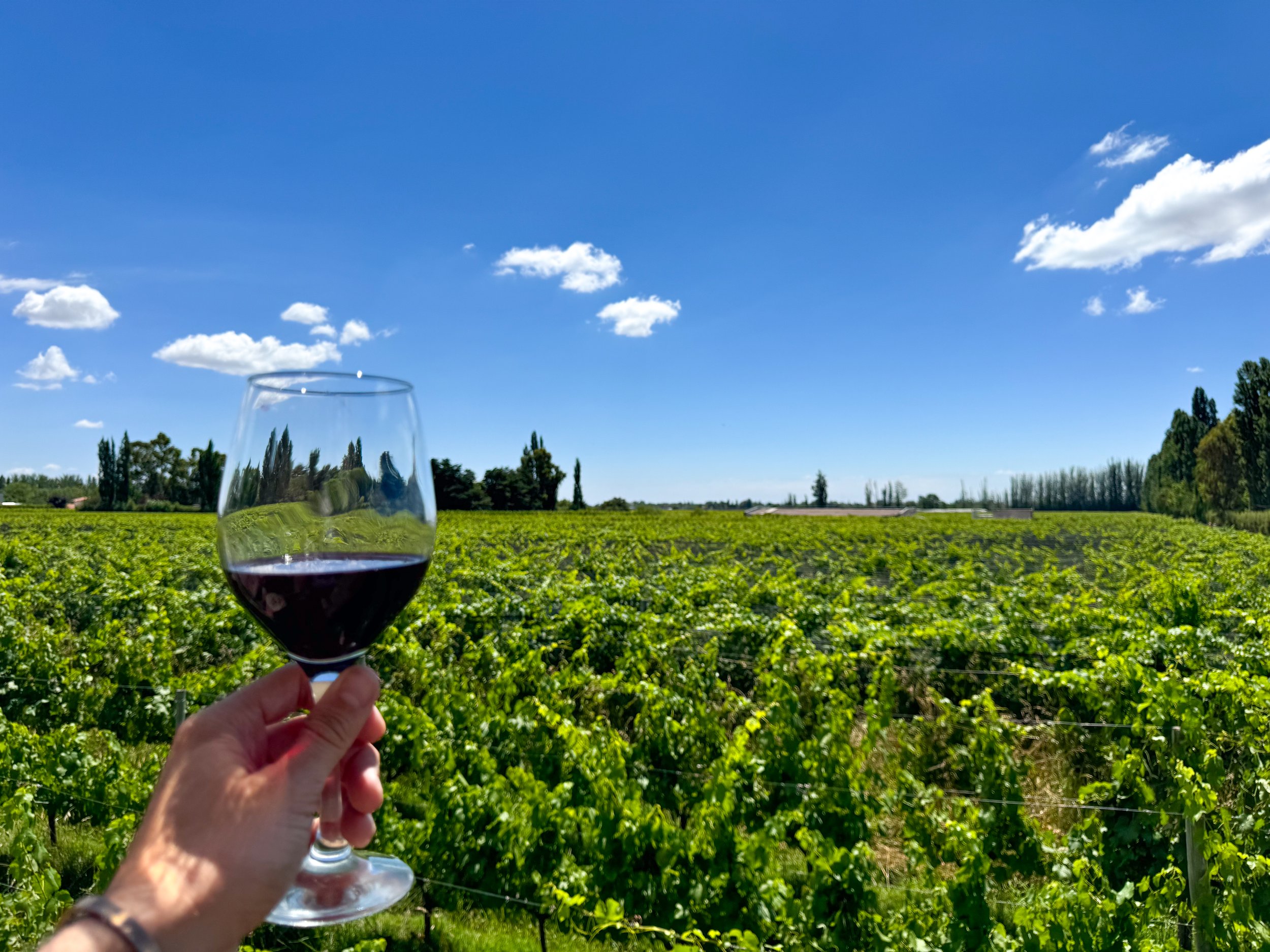
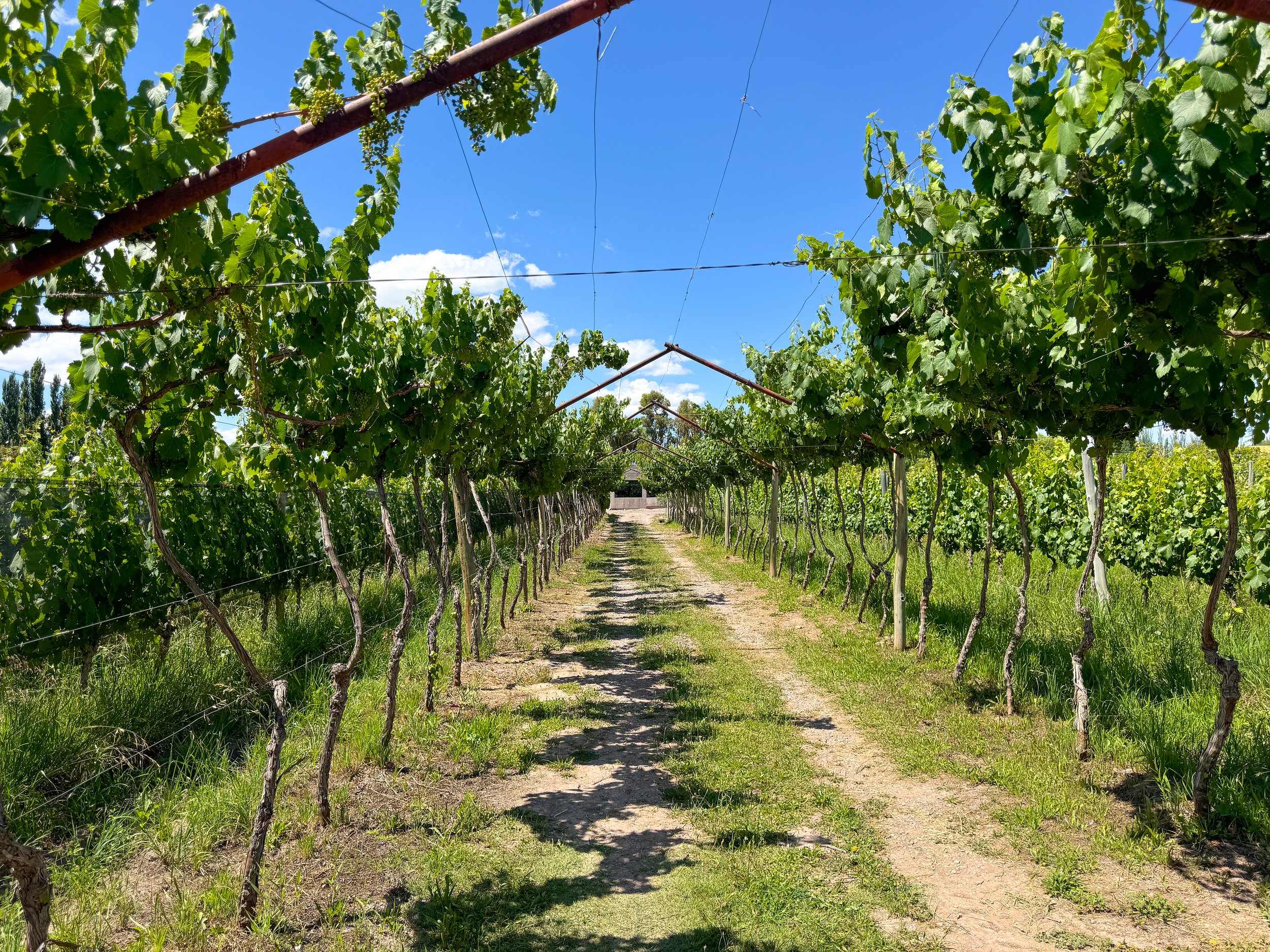
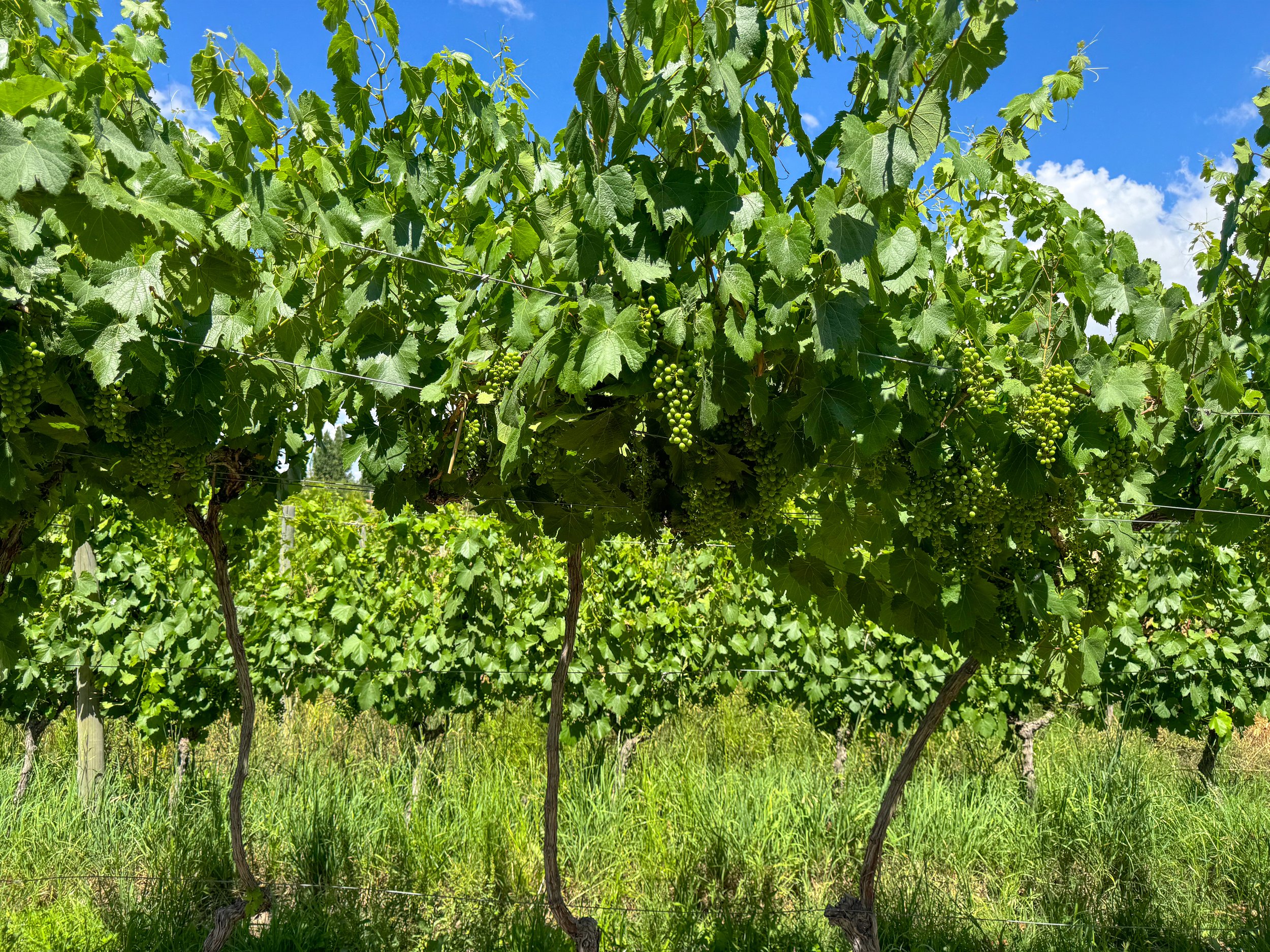
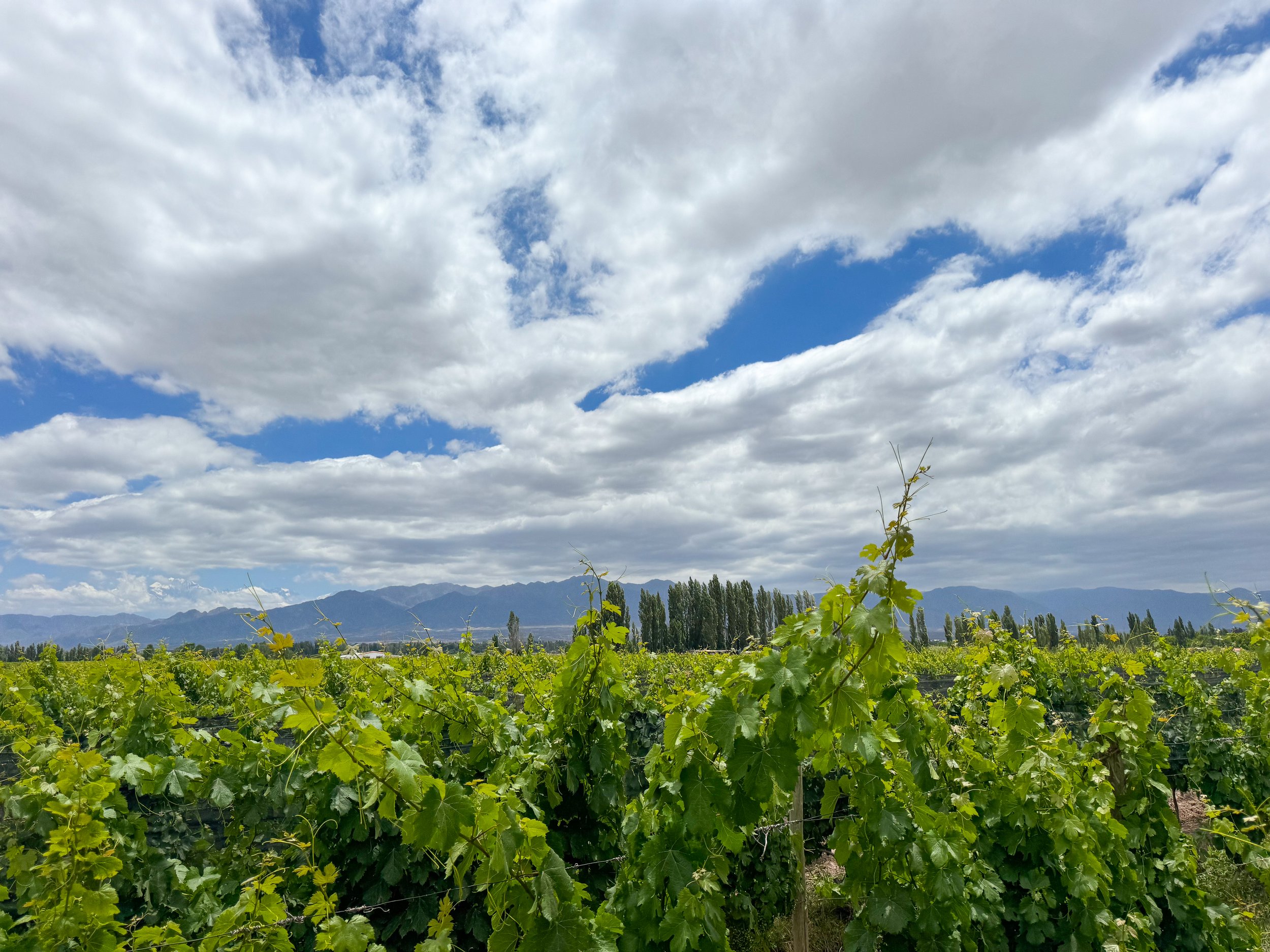
A beautiful valley with grand vineyards, country homes and views of the Andes located south of Mendoza. It has defined and well maintained sidewalk style bike paths that lead directly to most vineyards. We had a lazy day, only visiting two vineyard while enjoying the scenery and wines.
Bodega Gieco. A rustic vineyard with a tasting room, provisions shop, bakery and range outdoor seating areas. We tasted three wines: Malbec, Cabernet Franc and Tannat. We enjoyed our first glass on their elevated deck overlooking the rows of grape vines in vineyard with a house baked vegan ciabatta sandwich. We sipped on the second two in their patios covered with fruiting apricot trees. The vineyard is bike friendly and no reservation is needed.
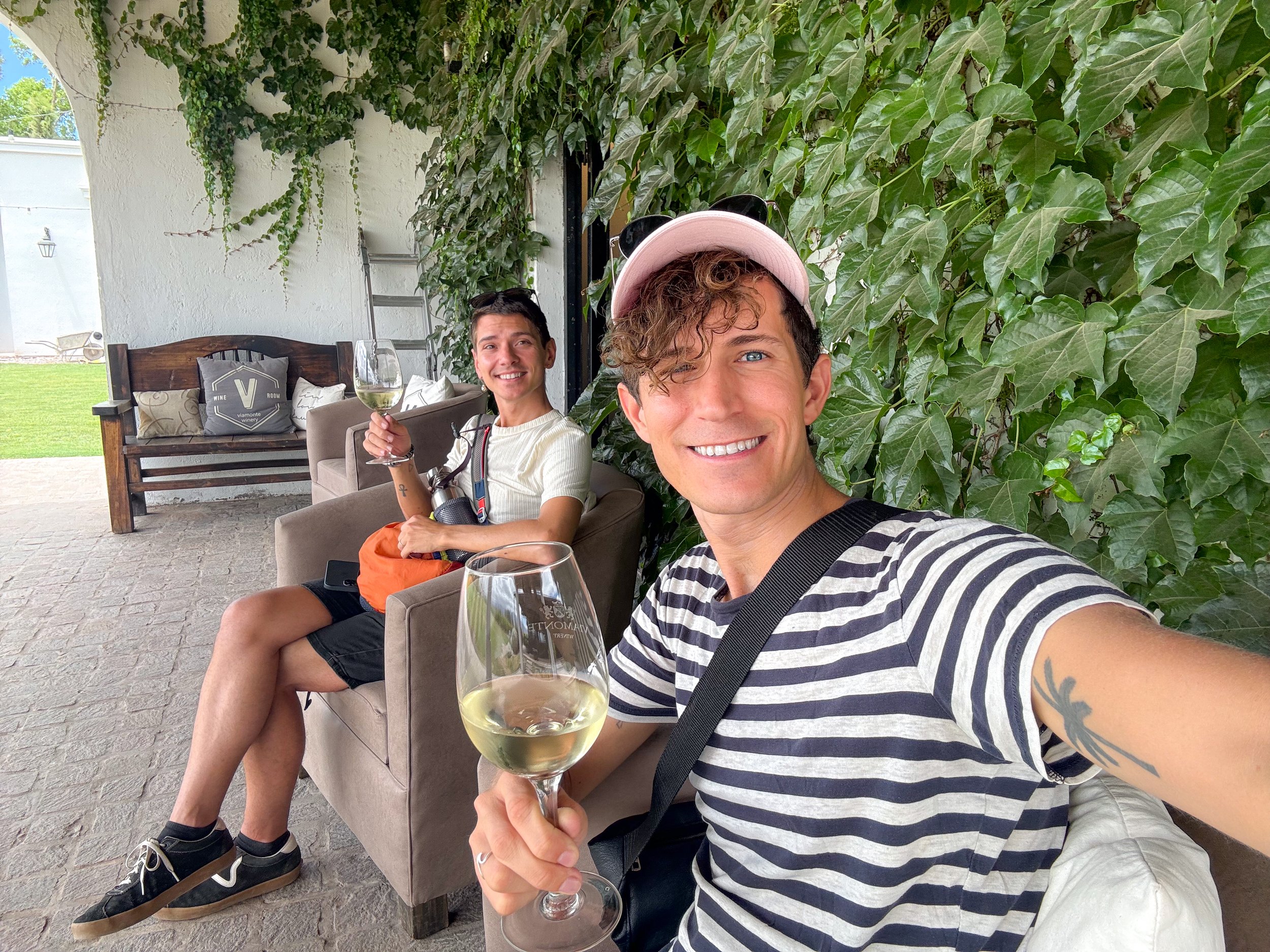
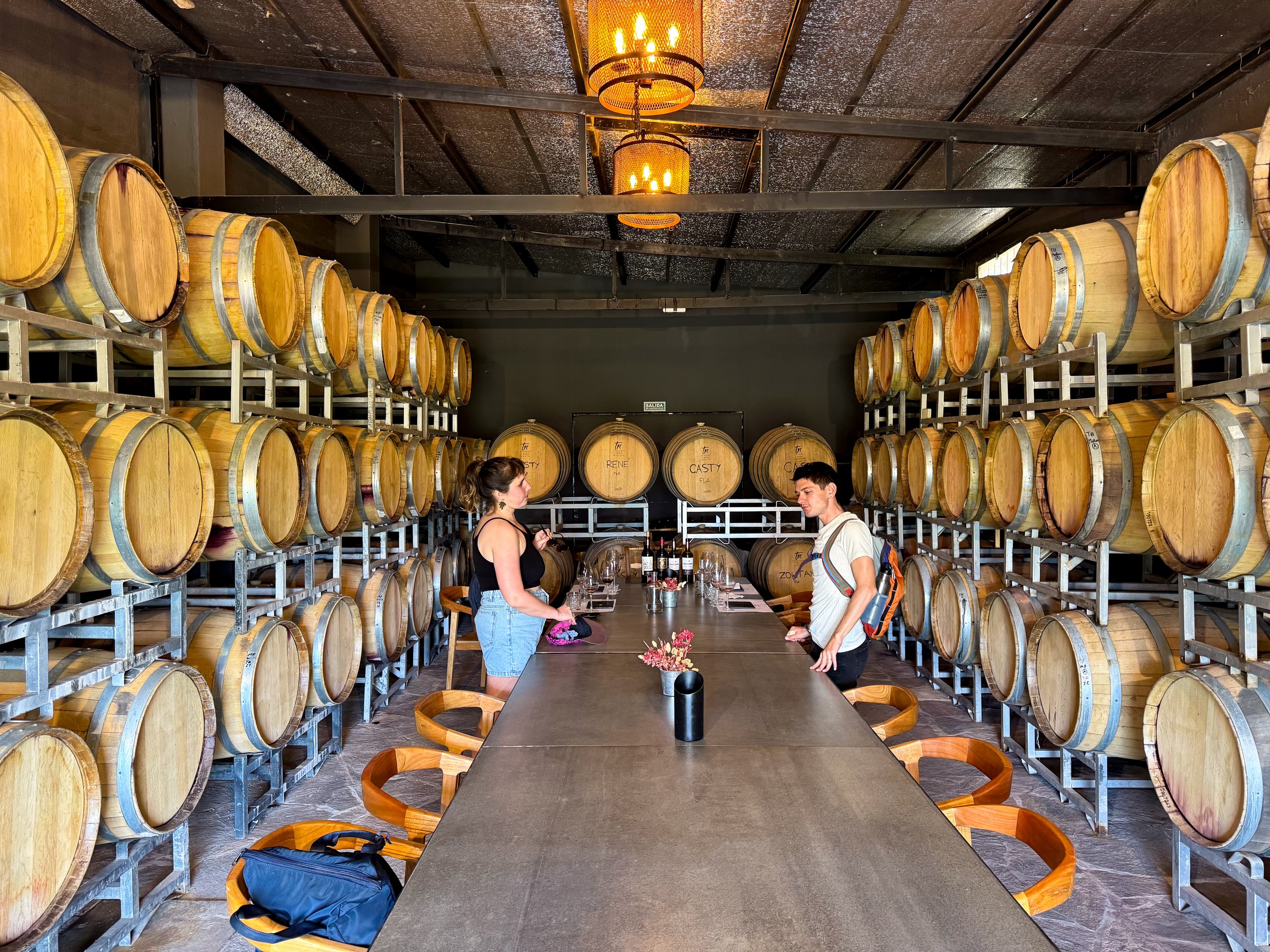
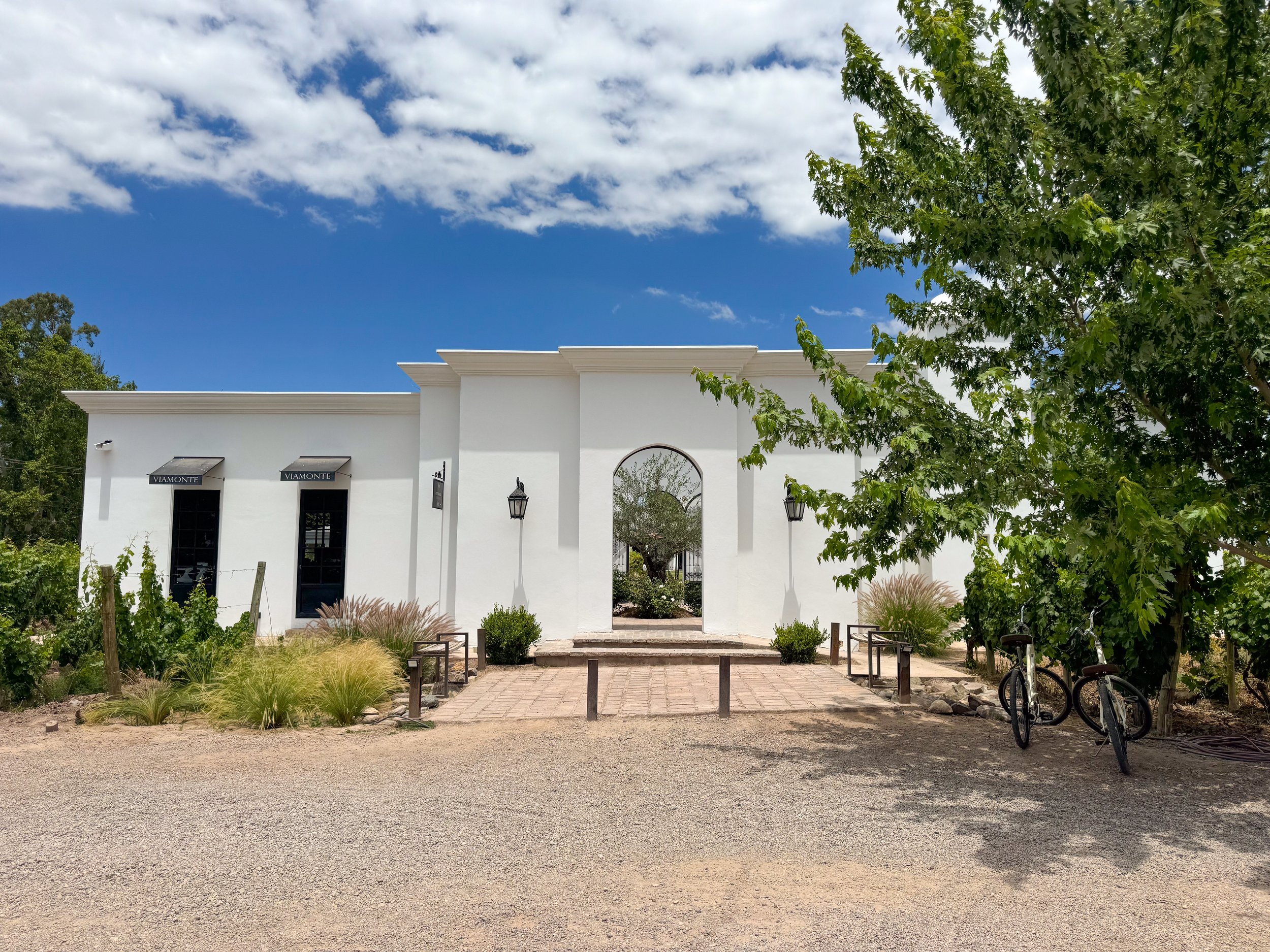
Bodega Viamonte. A very elegant vineyard with seemingly endless rows of grape vines and views of the snow covered Andes. We arrived early and ordered a glass of rosé paired with a chocolate moose pastry. The tour began with a glass of their house white, a walk through the vineyard and white brick processing facilities. We ended in their tasting room surrounded by oak barrels of aging wines. Our tasting included four Malbecs, two entry level, one reserve and grand reserve paired with a chocolate tart, tomato moose cracker and blue cheese. The vineyard is bike friendly and reservations are required.

City Winery
Bodega Las Toneles. A massive winery in the city with historic buildings housing giant concrete containers, steel tanks and stacked oak barrels of aging wine. We tasted a Merlot directly from a stainless steel tank and sampled glasses of Pinot Noir, Rosé, Sauvignon Blanc and two Malbecs. The most exciting part of the tour is the extravagant underground wine vault with painted mermaids swimming in tanks of wine. The winery has a pastel colored cafe, a Michelin stared restaurant and event venue.

Central Mendoza
The city center of Mendoza is a hub for cuisine and wine with restaurant lined streets, tree covered promenades, empanaderas, produce markets and daily happy hours.
Calle Arístides Villanueva. A tree covered street with many restaurants, bars, cafes and breweries popular with both locals and tourists, especially after 8pm. Come here to dine at one of the street patios or high-end restaurants.
Peatonal Sarmiento. A tree covered pedestrian street with cafes, wine shops, restaurants and shopping.
Mercado Central. A historic market with vendors selling wine, olives, bread, meats, cheese, seafood, empanadas, alfajores and produce.
City Plazas and Parks
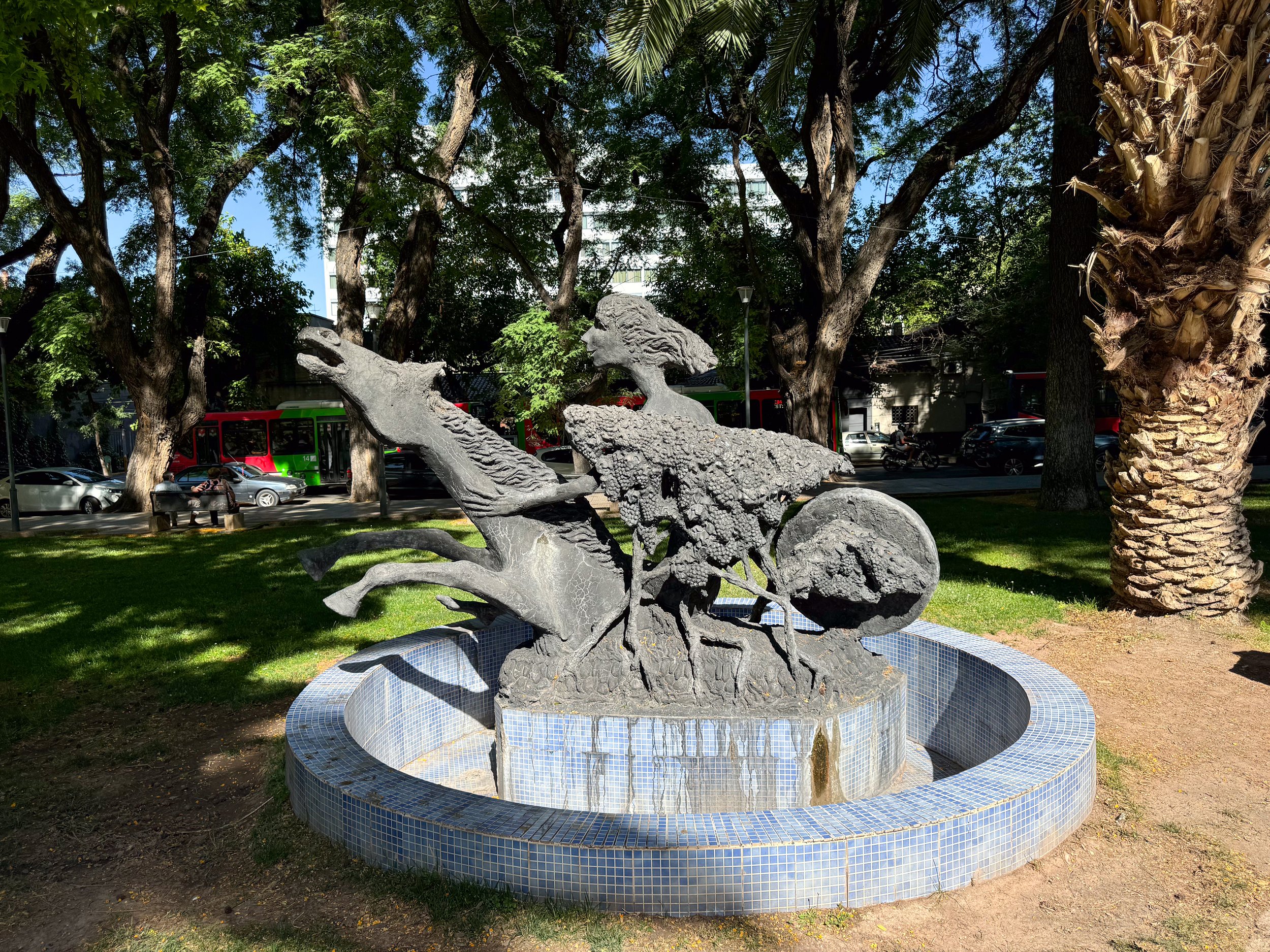
The city center is organized around a large plaza with four smaller squares a few streets away from its corners. They’re all easy to visit on foot and worth exploring while walking around the city center.
Plaza Independencia. A large treelined square at the center of the city with fountains, a theater and a weekend artisan market. Venders sell handcrafted items like wire metal jewelry, knitted items, leather good, ceramics, watercolor paintings, and knives.
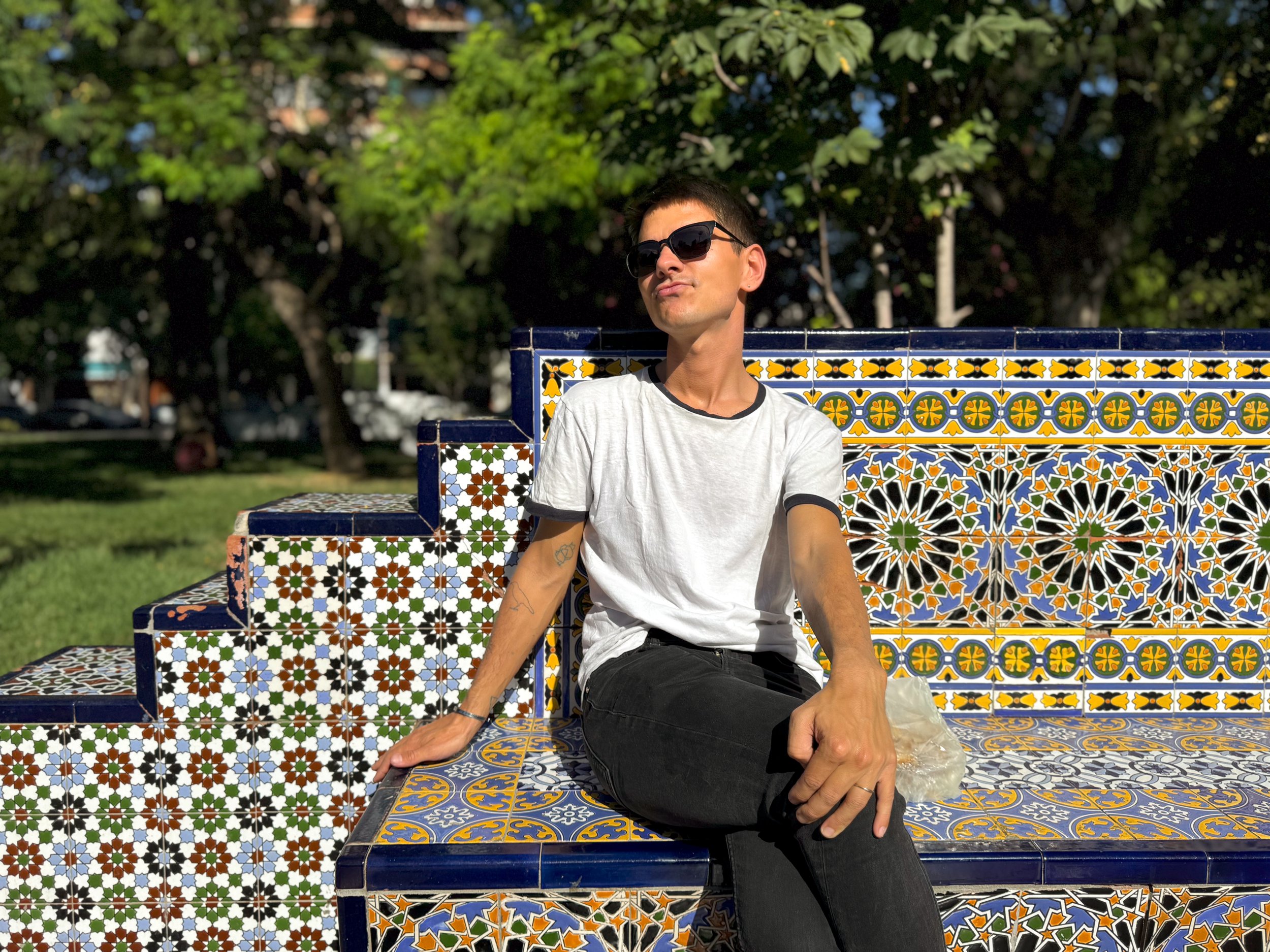
Plaza España. A beautiful plaza with a central fountain, park benches, a monument and walkways covered in colorful and ornate Spanish tiles.
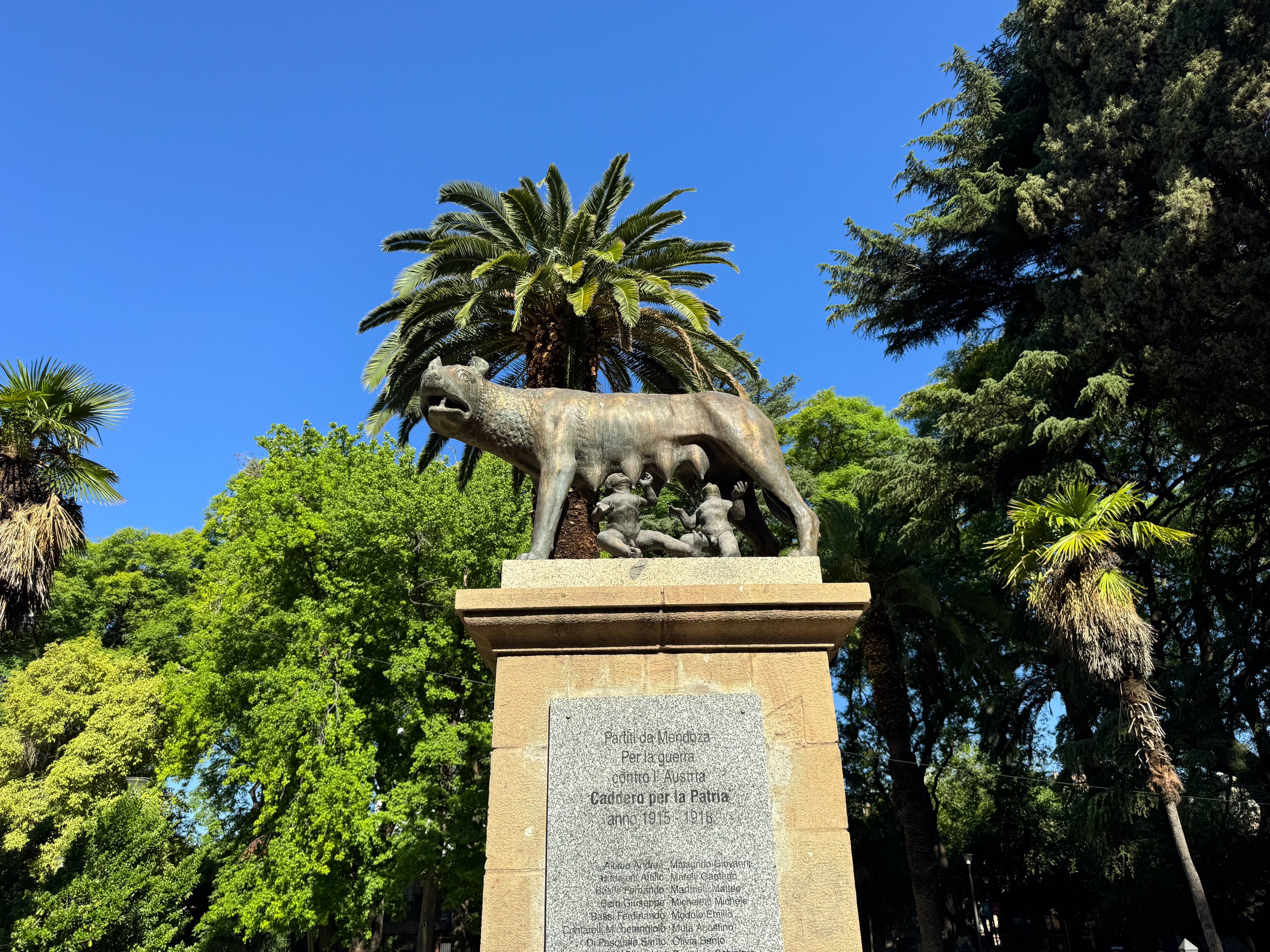
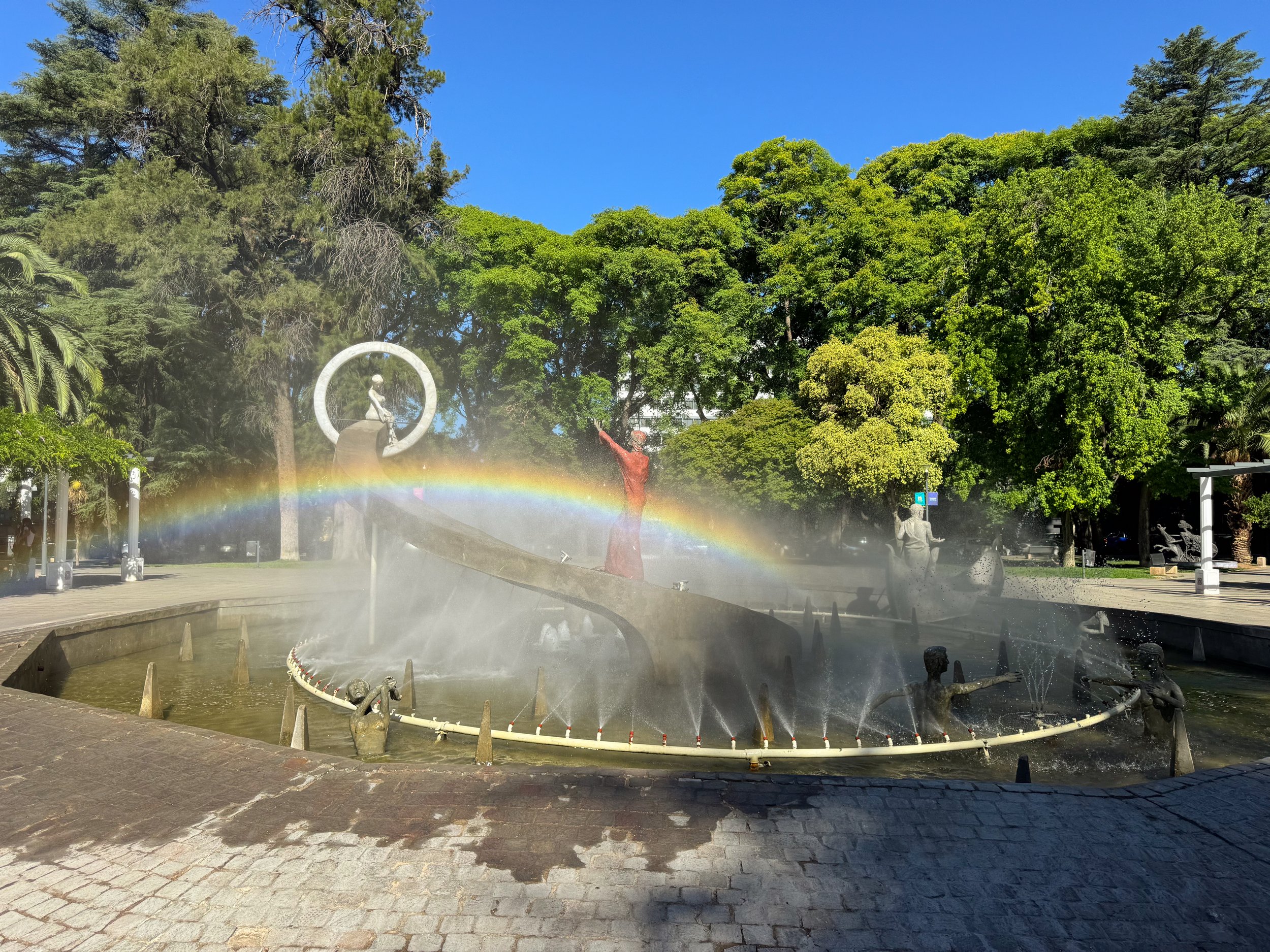
Plaza Italy. A plaza dedicated to Argentina’s Italian immigrants with a fountain at its center telling the story of Dante’s Divine Comedy, a statue of Rome’s iconic wolf, Lupa and numerous others rooted in Italian history.
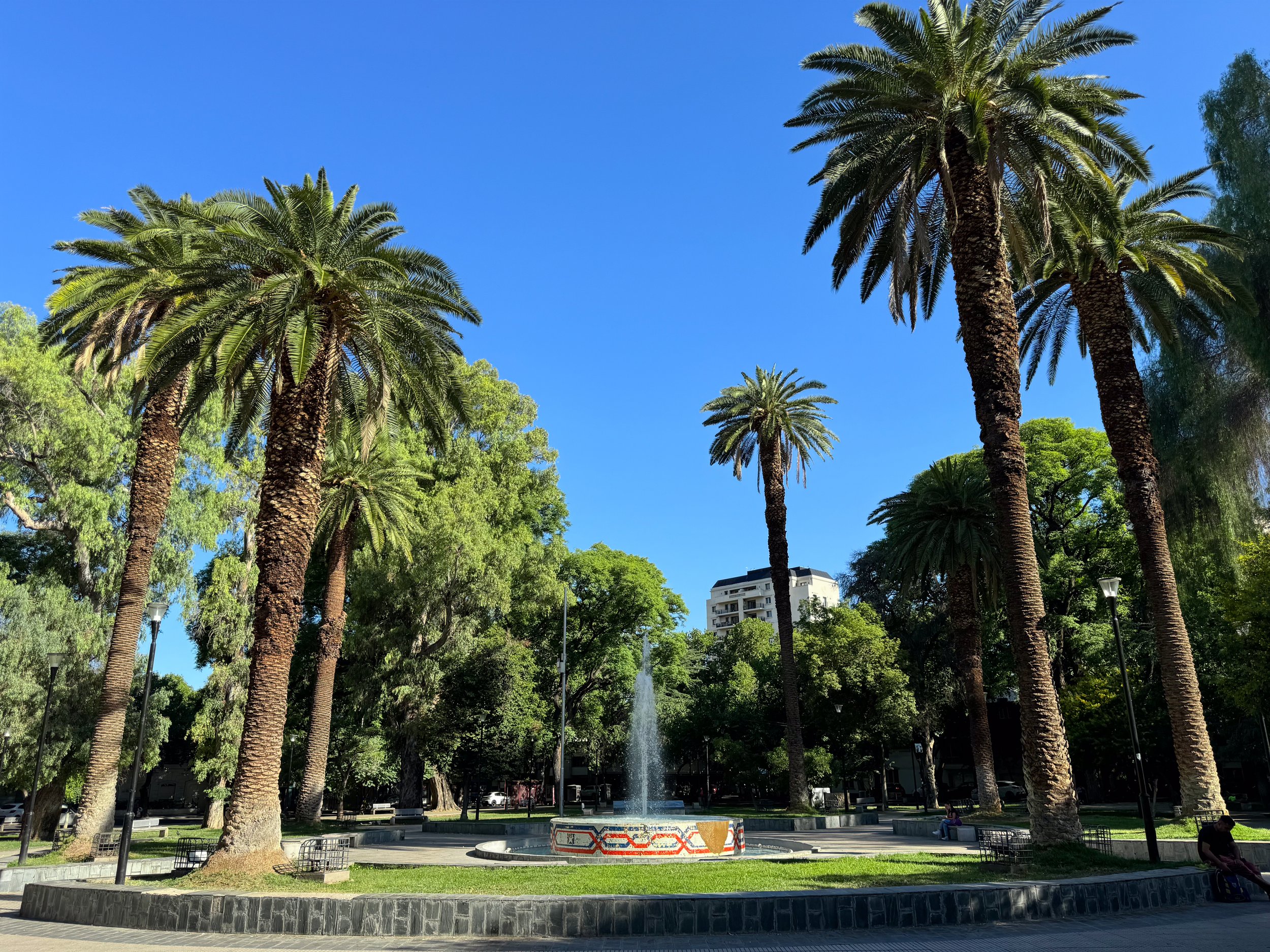
Plaza Chile. A plaza dedicated to Argentina’s close relationship with neighboring Chile. The plaza has a fountain and park benches covered in mosaic tiles in the colors of Chile’s flag.
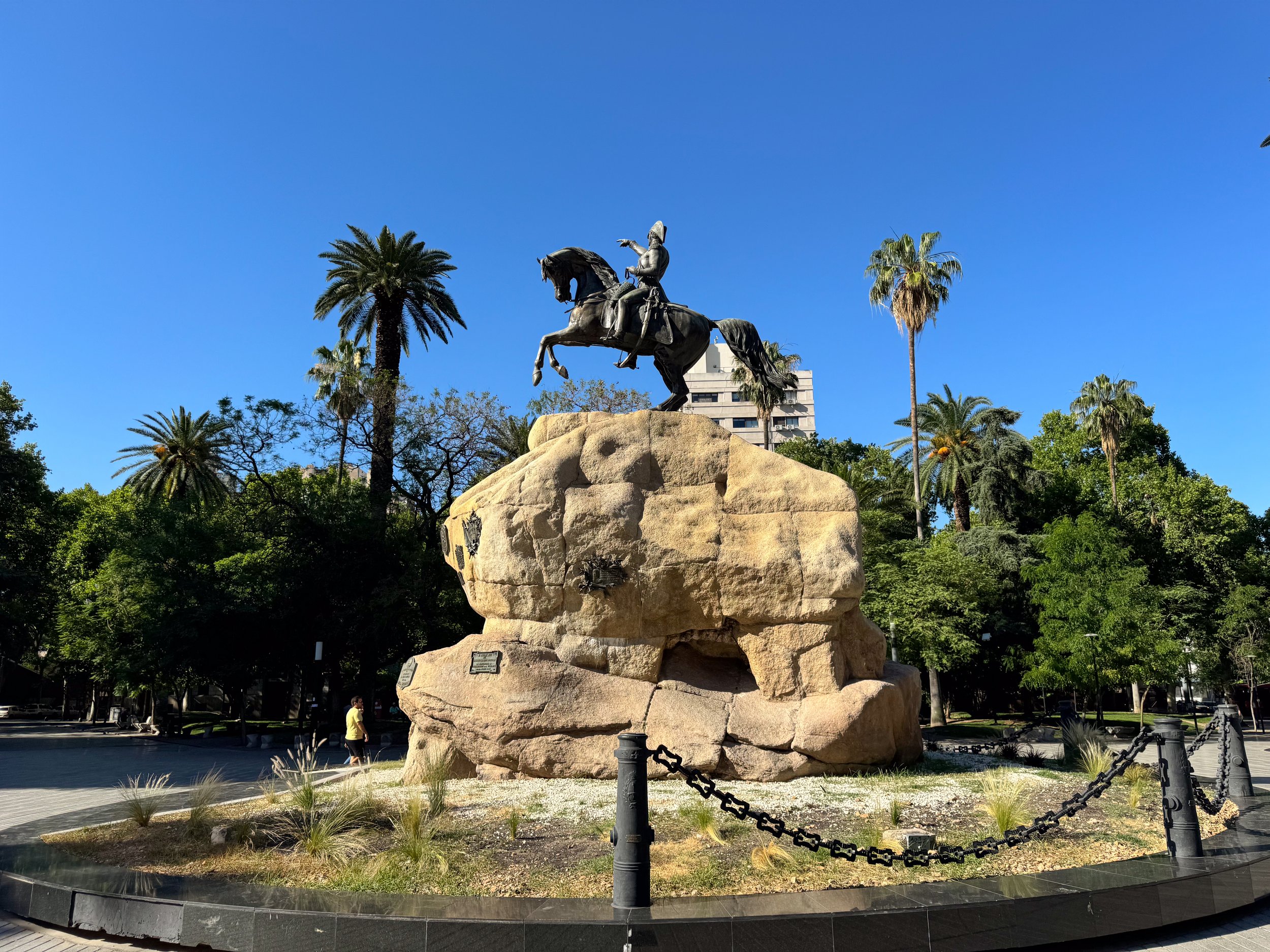
Plaza Army. A plaza dedicated to Argentina’s army with a stone monument and a bronze statue of a bronze general riding on top of it.
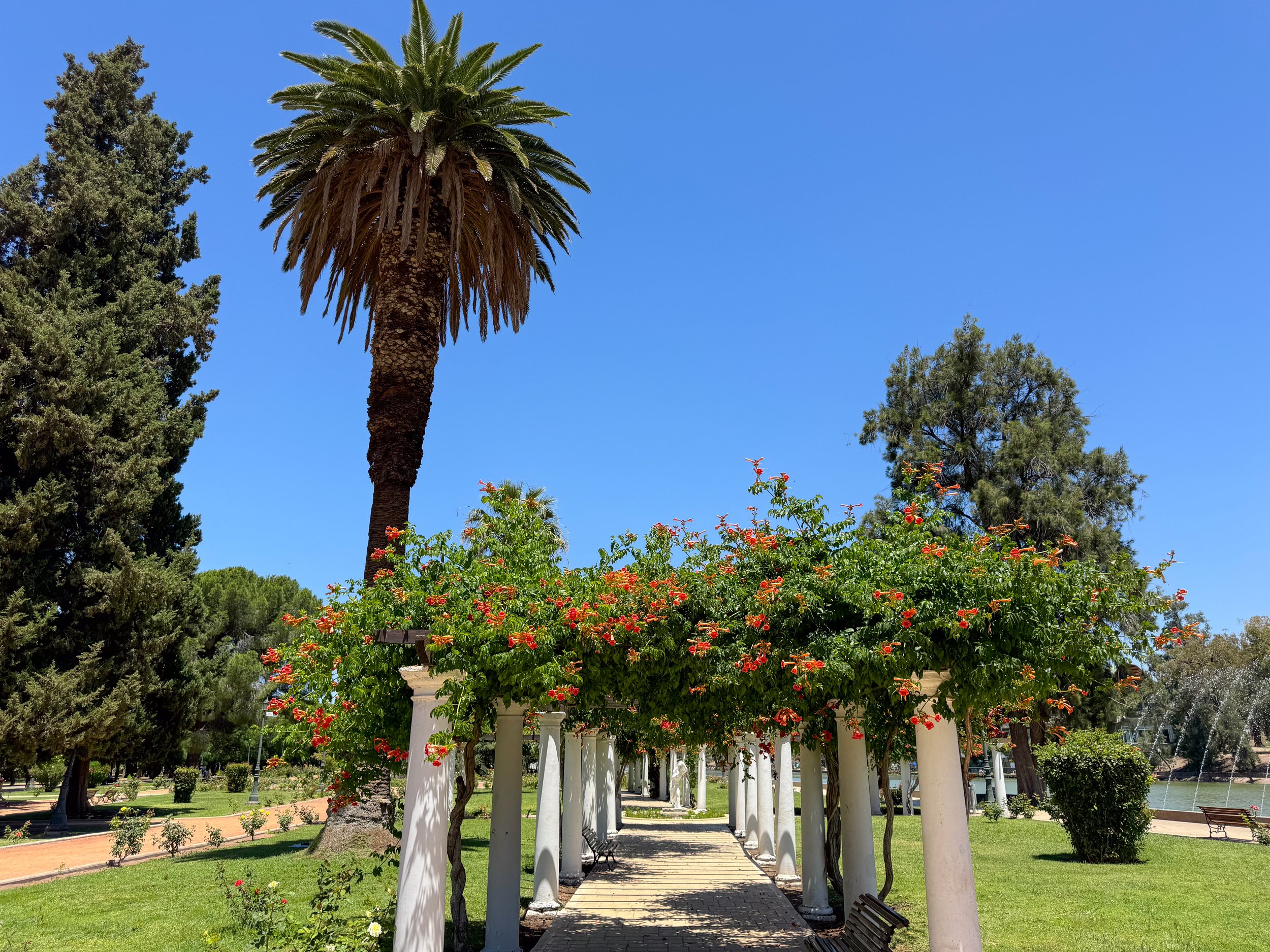
Parque San Martin. A large city park with a central pond, rose garden and biking trails. We picnicked here on a Saturday, walked along the trails and visited a large tented craft market and small organic food market.

Empanada Crawl
Empanadas are one of Argentina’s most popular snacks. The savory packets of dough are stylized with crimped sides and stuffed with fillings including meats, veggies or seafood. We decided to make a meal out of them and go on an empanada crawl across the city, trying as many vegetarian and pescatarian flavors as possible from multiple restaurants.
Los Inmigrantes - Sucursal Ciudad. A pizza parlor and empanadaera with several types of baked empanadas. We tried four types, the corn with cheese, shrimp with cheese, onion with cheese and spinach with onion. They had a homemade look and taste to them.
Harry’s. A chain restaurant and empanadera with a countertop display of dozens of empanadas ready to order. We visited two locations, trying the tuna, sweet corn, corn with cheese and fried shrimp with cheese. They had a homemade look and taste to them.
De un Rincón de la Boca. A pizzeria with pizza flavored empanadas on the menu. Most have meat however we tried the one veggie option, the capresse. The dough wrapped a tasty filling of tomato, mozzarella and basil.
Costumbres Argentinas. A fast food style deli with deserts, sandwiches and of course empanadas. We tried the vegan version with seasoned soy protein and another stuffed with corn, onion and cheese. They looked a little sad and tasted the most processed.

Have a Picnic!
We visited the Mercado Central and bought an assortment of goodies to create our own Picada style picnic. From the various vendors, we bought a bottle of Malbec, baked empanadas, green olives, fresh apricots, cherry tomatoes, a triangle of cheese, dried breads and alfajores. We brought our spoils to a shaded spot overlooking the lake in Parque San Martin and enjoyed for the afternoon.
Argentine Cuisine
Outside of empanadas, wine and meat, Argentina has a few more popular staples of their cuisine.
Picadas. Argentinian style charcuterie or plates of pickings “pickings” often including cheeses, pickled veggies and meats.
Rabas. Fat rings of Argentinian style fried calamari. It’s a common restaurant appetizer and snack at bars.
Milanesa. The classic Italian dish of a breaded and fried protein is popular across Mendoza. Unable to find a vegetarian version, we made our own Eggplant Milanese with a tomato and onion sauce.
Medialunas. Sweet Argentine style croissants often served at breakfast.
Alfajores. Two sugar cookies with a generous layer of dulce de lèche sandwiched in between and coated in coconut shavings or covered in chocolate.
Olives. In addition to grape vineyards, olive groves are plentiful across the region. Pickled olives, olive pate and olive oils are common snacks and ingredients on menus.
Fugazza. Argentinean style pizza made with a thin crust and fluffy dough topped with any number of toppings. Traditional places bake it in a coal or wood fired oven.
Provoleta. Grilled and melted Argentinean provolone cheese seasoned with oregano and olive oil It’s often served with bread for dipping.
Local Beers. Outside of wine, Mendoza has a small beer scene with breweries, beer gardens and local beers.
Cerveza Patagonia. An Argentinian brewery with a range of locally brewed beers. We ordered the Vera IPA, a mildly hoppy and citrusy beer, and the Lager del Sur, an easy drinking beer with a slight sweetness.
Chachingo Arístides. A craft beer garden with a menu of locally brewed beers. We tried the Blonde Ale, light and refreshing, and IPA, mild and hoppy.
Andes Origen. A local brand of beer with several varieties. It’s advertised and seen on menus across the city. We tried the Roja, a light and nutty flavor with a slight sweetness.

Places to Eat & Drink
Soberana. One of the fancier restaurants in the town in a contemporary building. We ordered the buratta, basket breads and seafood pasta to share.
Che Picadas. A restaurant serving Picadas(Argentinian style charcuterie). They provide a platter of them for free with any order of food! We ordered the classic spread for two with a Spanish tortilla, six caprese empanadas and rabas (calamari).
Zitto. A chain restaurant and bar with a 2x5 happy hour. After walking around, we cooled down and relaxed with two Aperol Spritz.
Va Vene. A cafe chain with locations across the city with alfajores, frozen pasta and coffee.
La Dolce. A house in the Maipu Valley converted into a cafe with artisan coffee and sweet breakfast dishes like medialunas, waffles and pancakes. Try the waffles covered in dulce de lèche and sliced bananas.
Location Specifics
Safety. Mendoza is generally safe however petty theft, pickpocketing and snatch and grabs can happen. Keep phones and wallets in front pockets while walking around and never sitting on the table or bar when dining out.
Bottle vs Glass of Wine. Outside of vineyards, most restaurants and bar only serve wine by the bottle though there’s typically a house red and white by the glass. When dining out, a glass of wine is cheaper than a cup of coffee.
Cash vs Card. Credit and debit card is widely accepted.
Tipping. Gratuities are almost always given in cash. 10% is the generally accepted amount.
Restaurant Hours. Many restaurants don’t open for dinner until after 8pm.
Getting Around. The city center is very walkable but use Ubers or taxis for longer distances.
Elsewhere in Argentina
From Mendoza's wine country and Andean foothills to Buenos Aires' cultural energy and Patagonia's glacial wilderness, discover more of Argentina beyond the vineyards through these travel guides:
Buenos Aires Travel Guide: Neighborhoods, Food & Nightlife. Explore Argentina's capital through colorful neighborhoods, tango culture, historic cafes, world class dining and a vibrant nightlife scene.
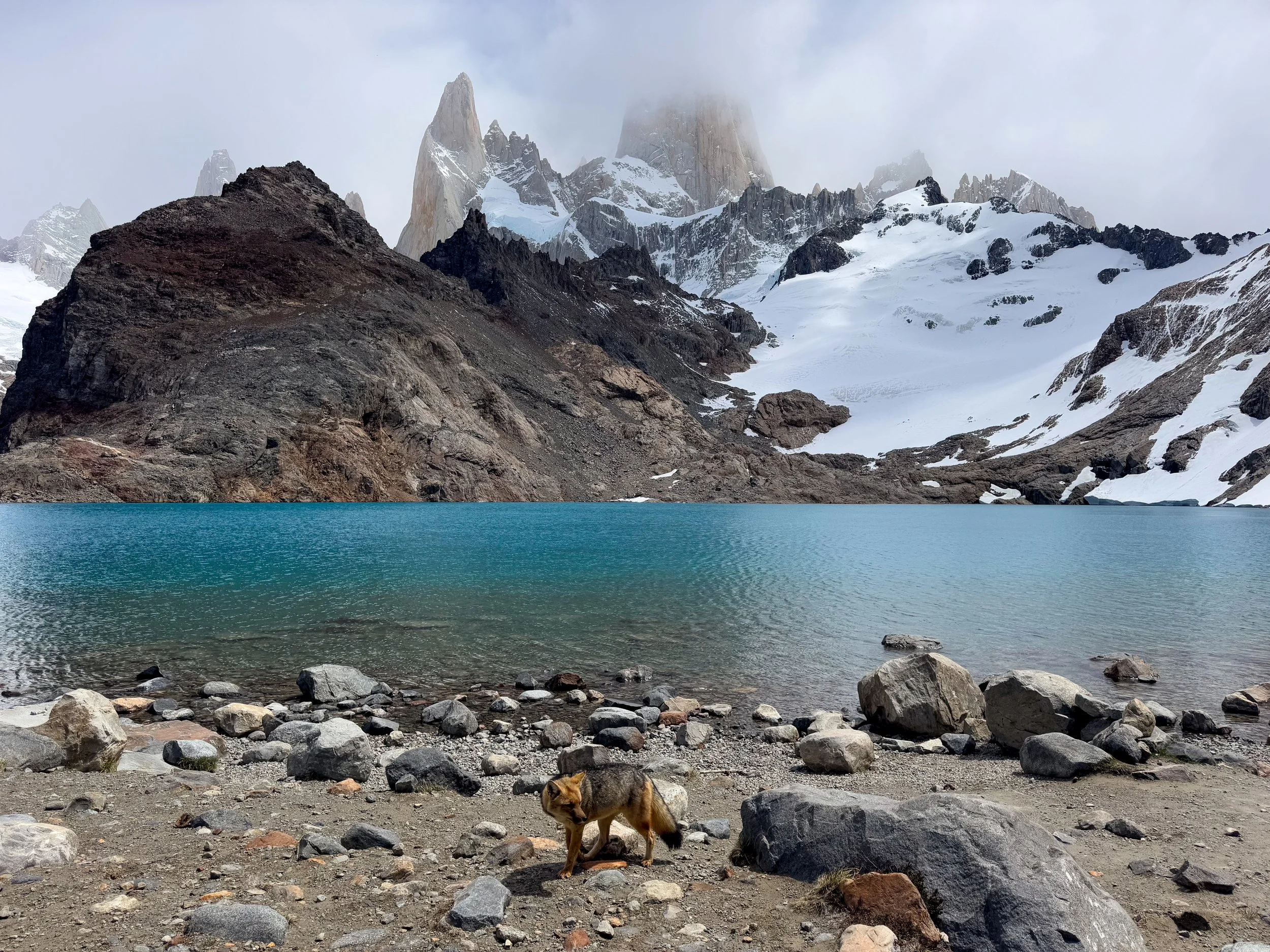
Patagonia Argentina Travel Guide: Perito Moreno Glacier, El Calafate & Fitz Roy. Journey into Argentina's southern frontier to experience massive glaciers, turquoise lakes, El Calafate base town and the iconic peaks of Mount Fitz Roy.
For Next Time…
Tour the Uco Valley. A wine producing region about an hour south of Mendoza with vineyards and wine tours.
Nature Sights. Outside of visiting vineyards and drinking wine, we would return to see some of the regions natural sights including:
Parque Provincial Aconcagua. An Andean park with the tallest mountain in the Southern and Western hemispheres. On a clear day, it’s visible from Mendoza.
Lago Potrerillos. A deep blue reservoir in the foothills of the Andes Mountains with boating, hiking and watching the sunset.

Lake Titicaca Travel Guide: Floating Islands & Indigenous Culture
Voyage between Lake Titicaca's floating islands and lakeside communities where Indigenous culture, Andean traditions and centuries of history live on.

Lake Titicaca
Lake Titicaca is a massive Andean lake bordering both Peru and Bolivia. It’s culturally significant for its floating village, terraced agricultural islands, colorful handmade textiles and dishes made from lake fish. We spent three full days on the lake, exploring both the Peruvian and Bolivian shores.

The Uros Islands, Peru
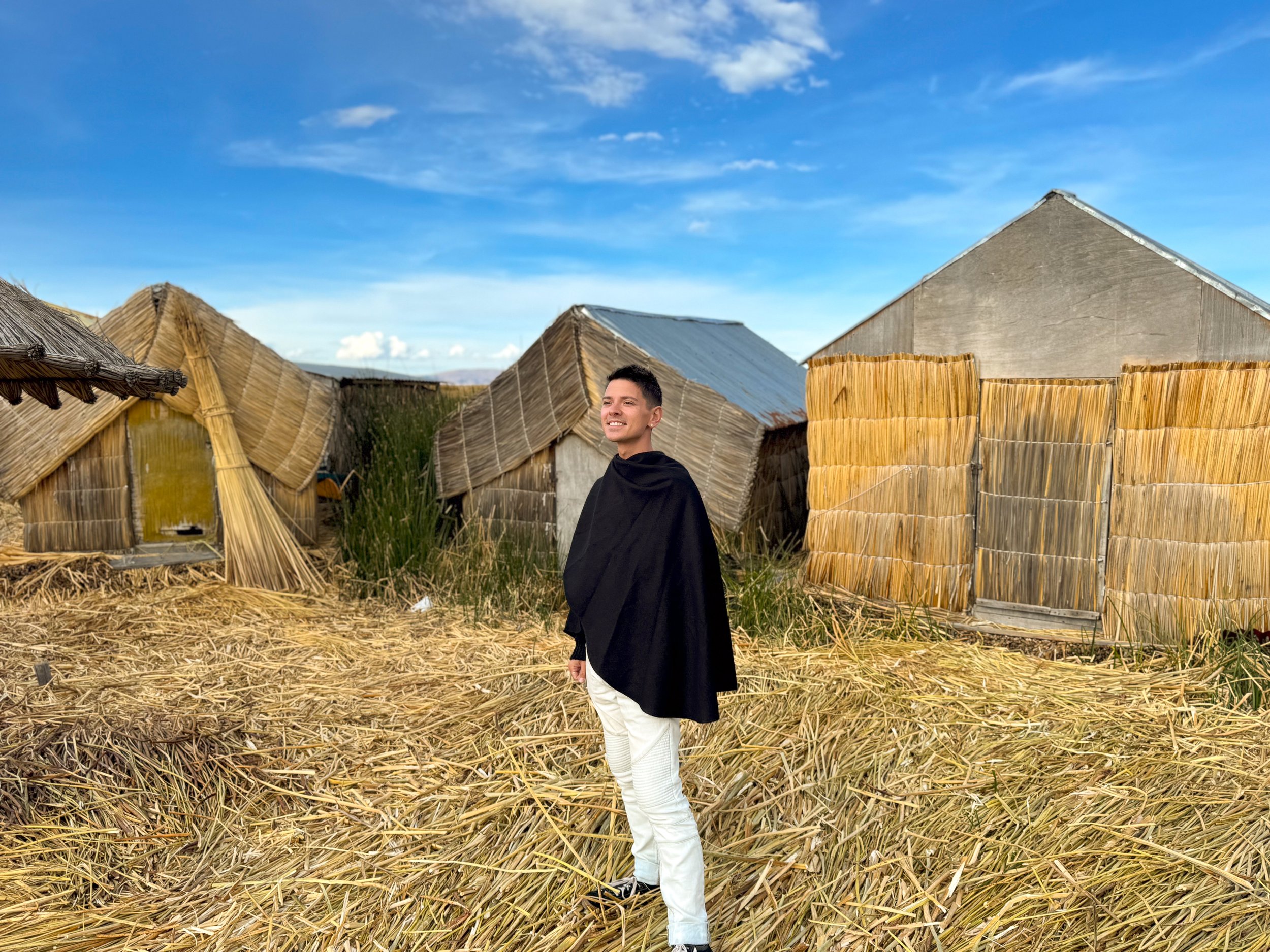
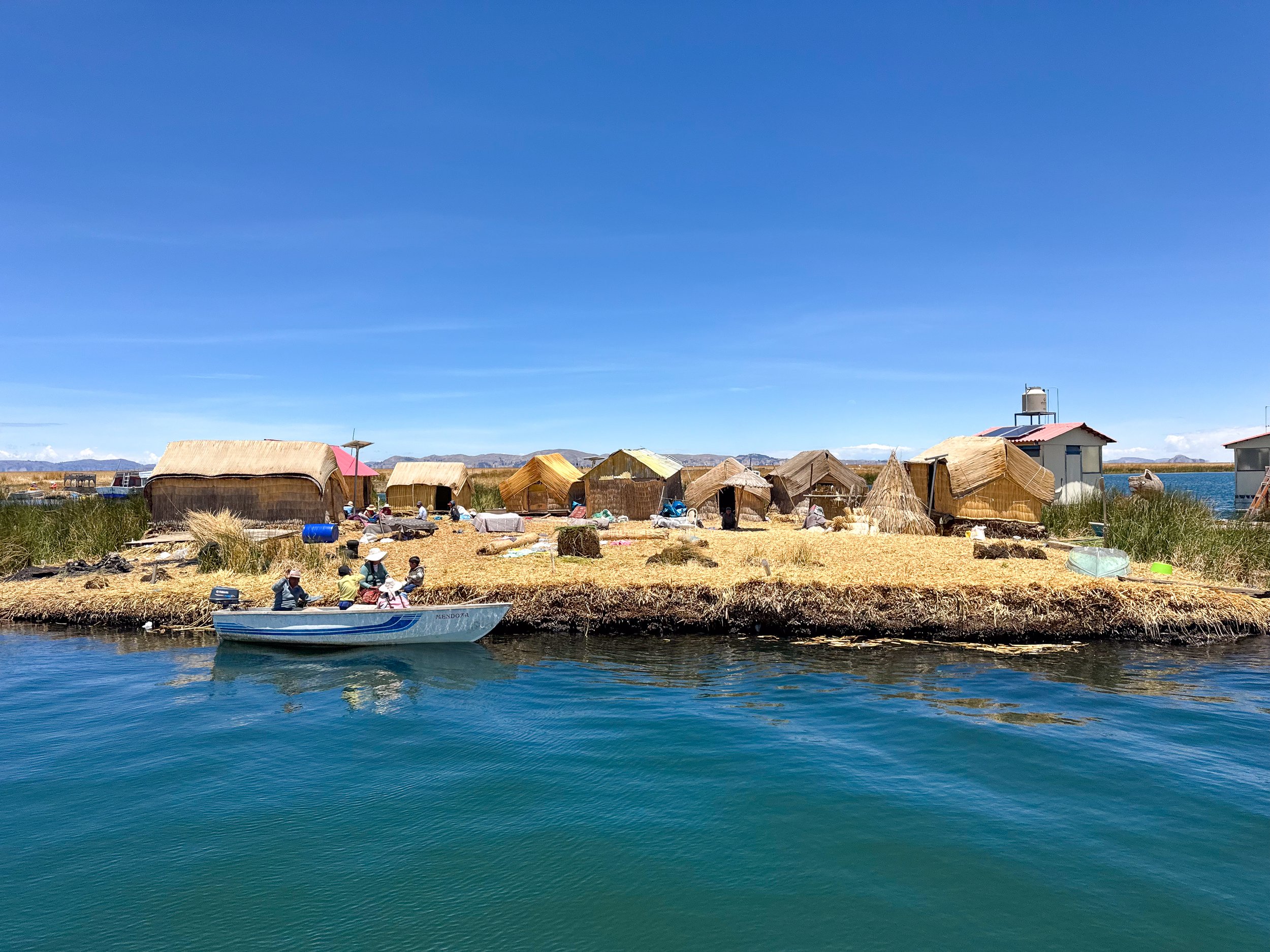
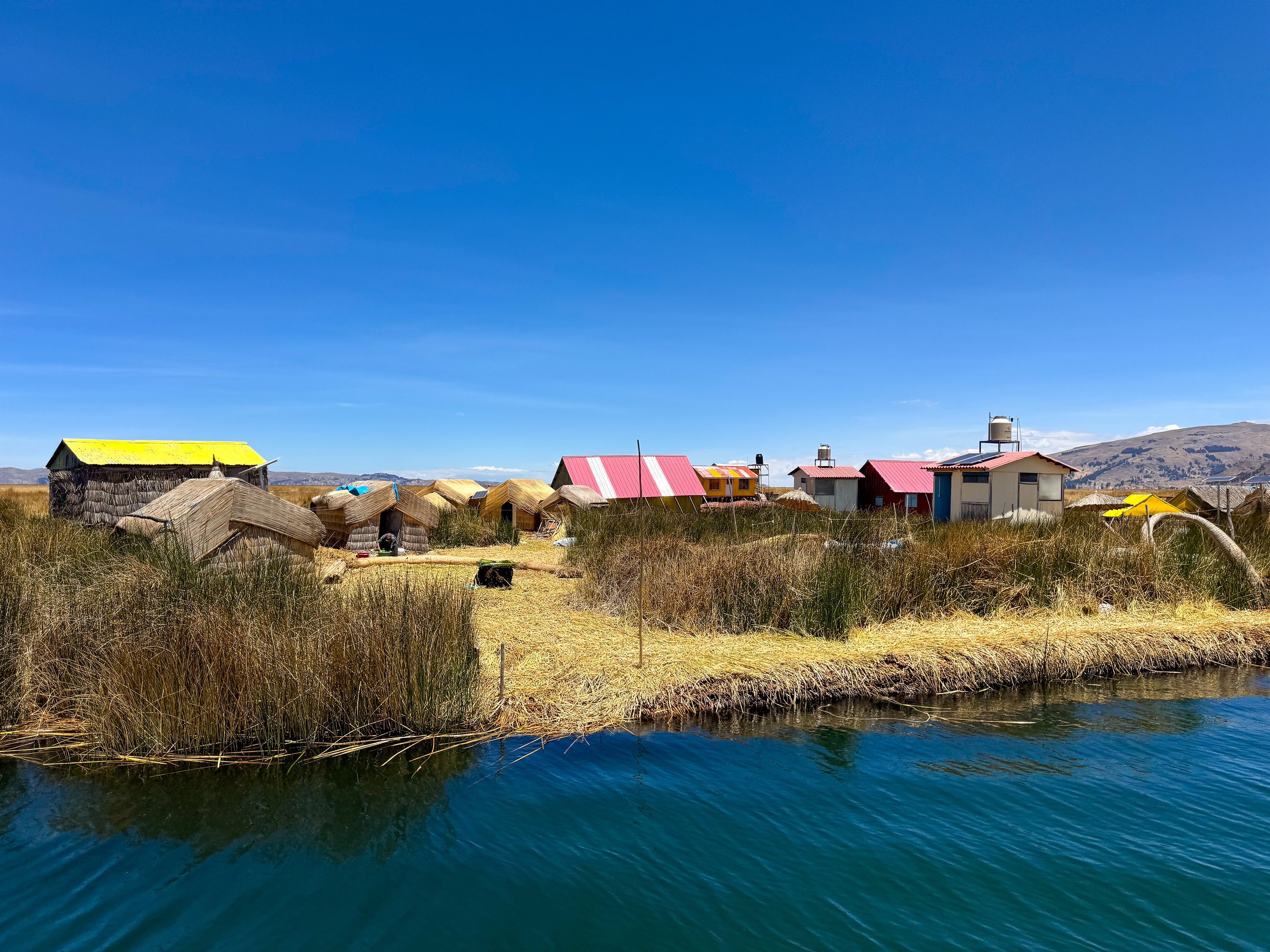
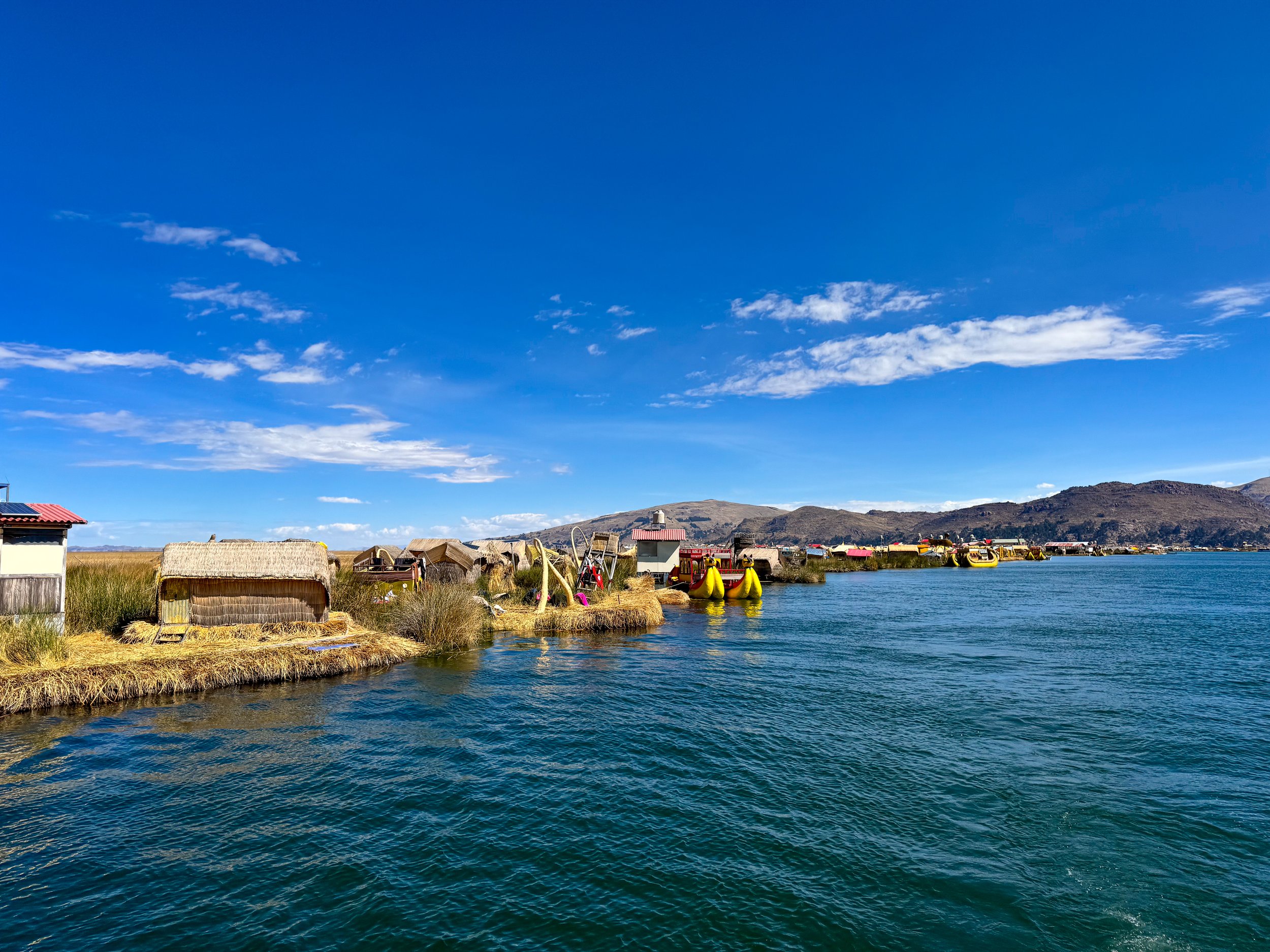
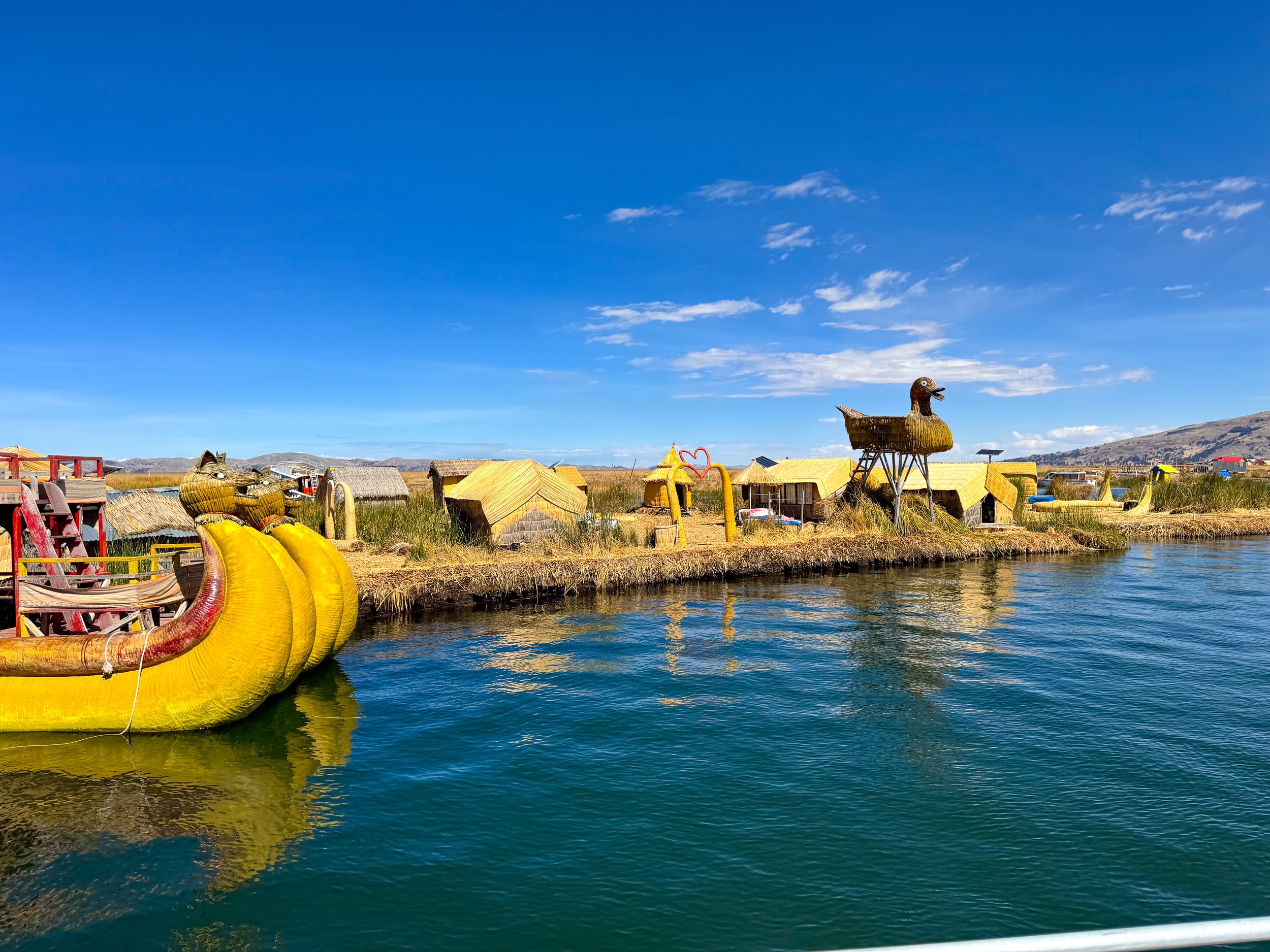
The Uros Islands are a series of floating islands on Lake Titicaca made from buoyant mud bricks and totora, a reedlike grass that grows in the shallows and marshes of the lake.

The Totora
The totora is invaluable to the Uro people. It’s grown, harvested and dried then woven into blankets and bundles for use. It’s used to make everything from the floating islands themselves, to the houses people inhabit, the benches people sit on, the boats they navigate with and even hats, umbrellas and sculptures.
Everything made from the totora needs to be maintained. Each morning, we spotted boats carrying fresh cut totora to the islands. The fresh totora is layered across the surface of the islands monthly while houses, boats & sculptures are remade every two years. The islands, if maintained, can float for up to 40 years before needing to be rebuilt.

Life on the Islands
Each island houses a family with different structures used for sleeping, storage and eating. The grandparents even have a special cone shaped house that sets them apart as the elders while most others have a standard pentagon shape.
Fishing used to be the primary business for the Uro people, today it’s tourism and handicrafts. This allows them to continue their way of life and share their community with the world. They gifted us handmade necklaces, we purchased a table runner and miniature totora boat for breads and fruits.
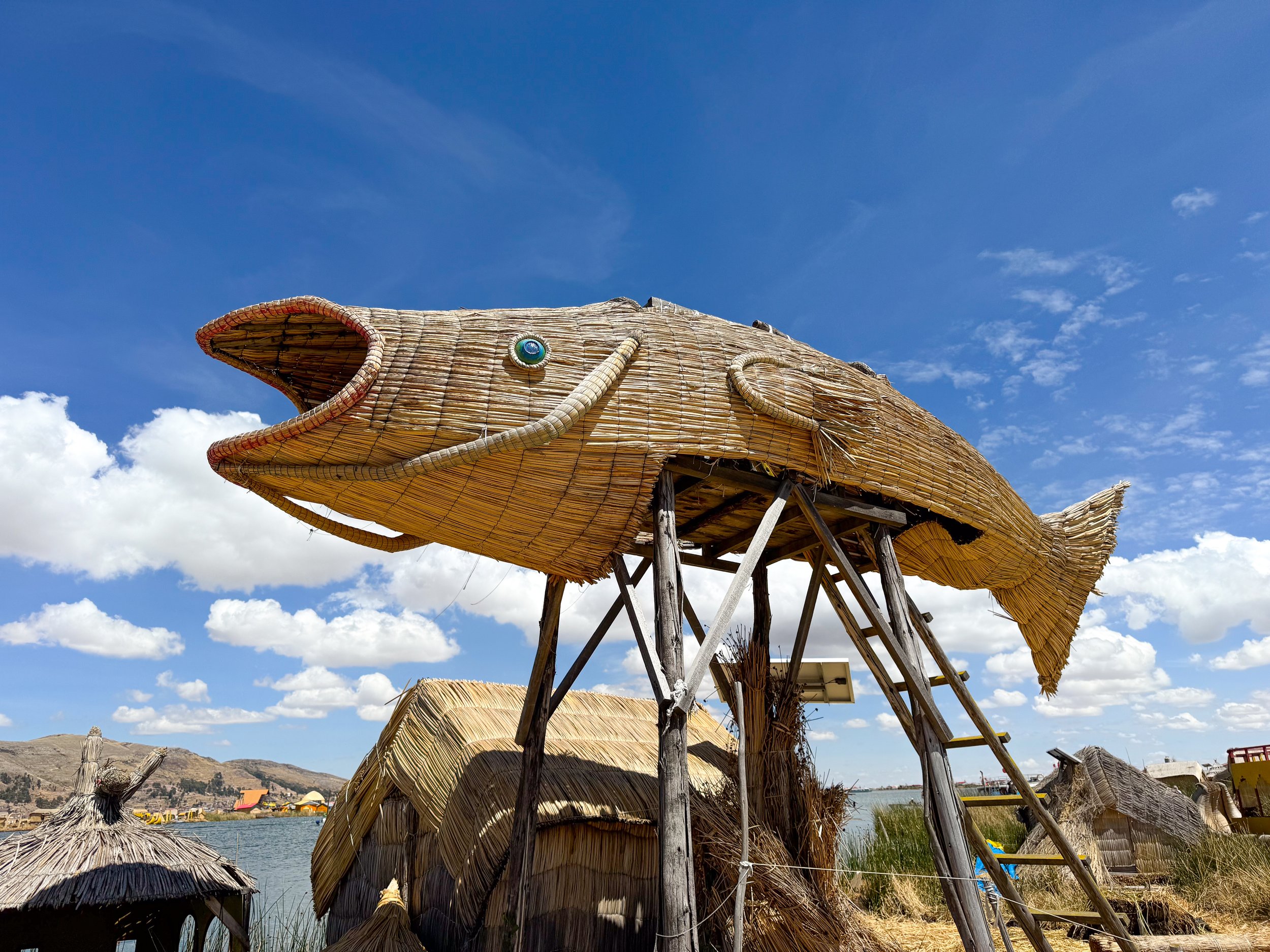
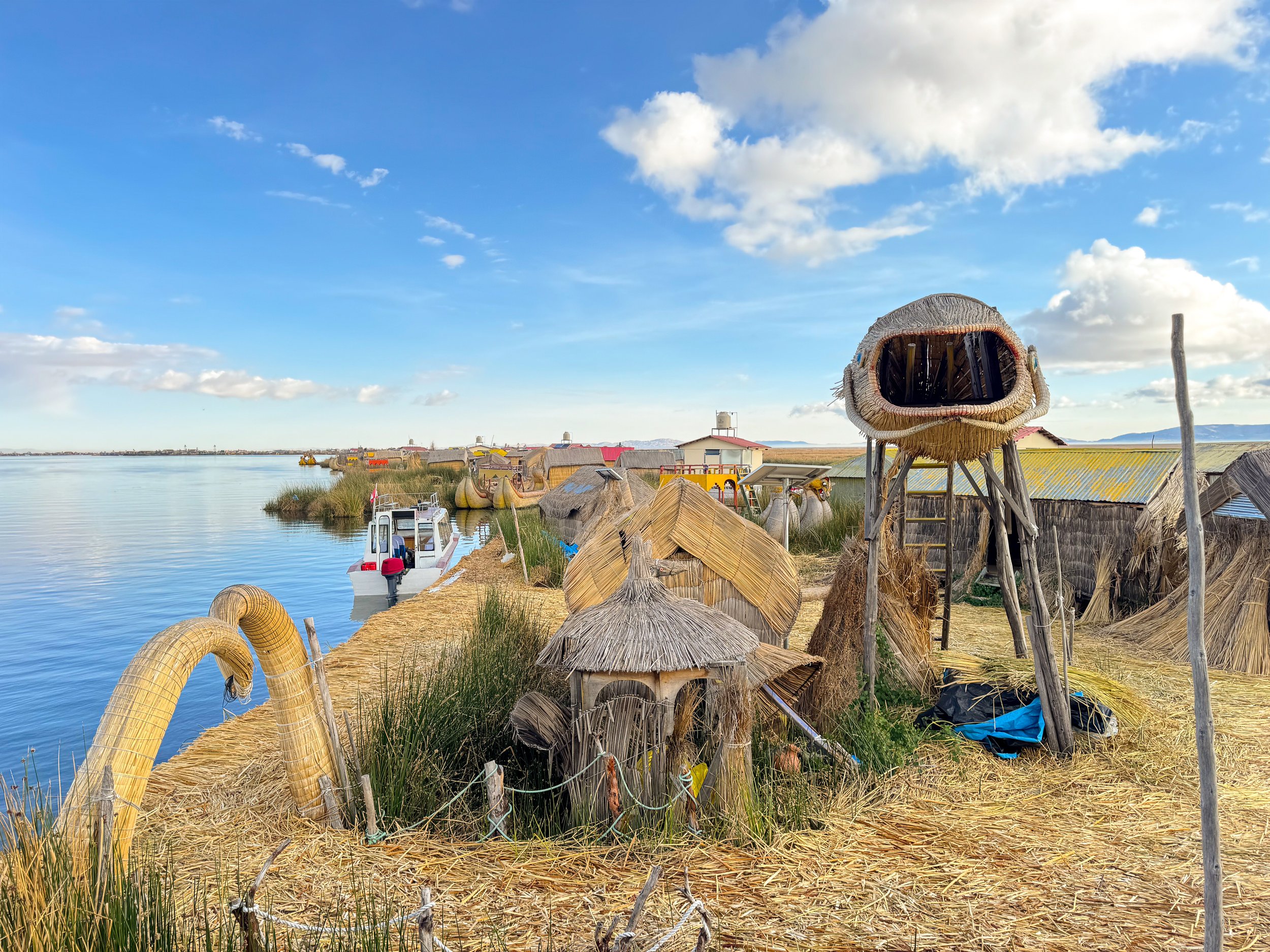
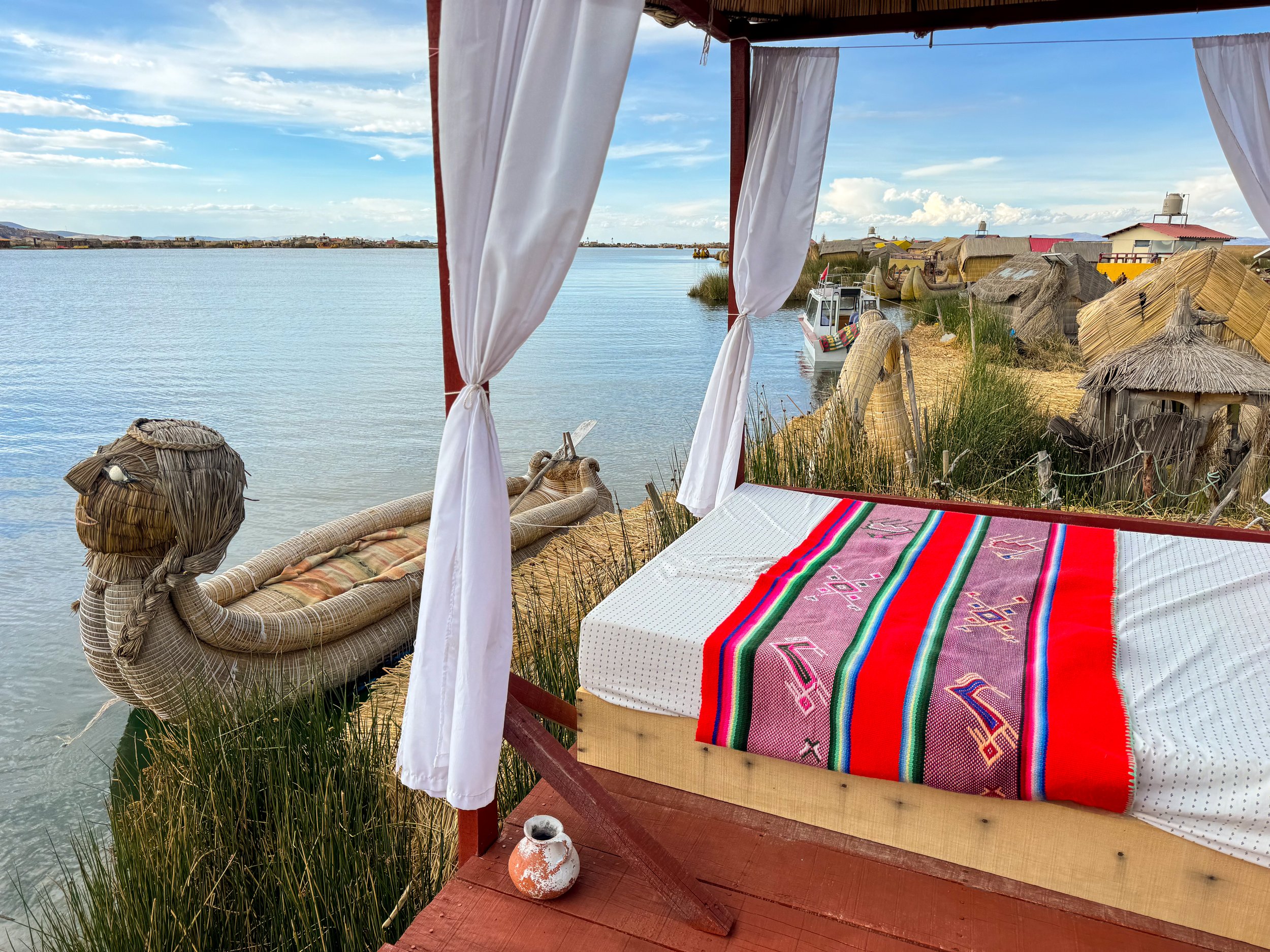
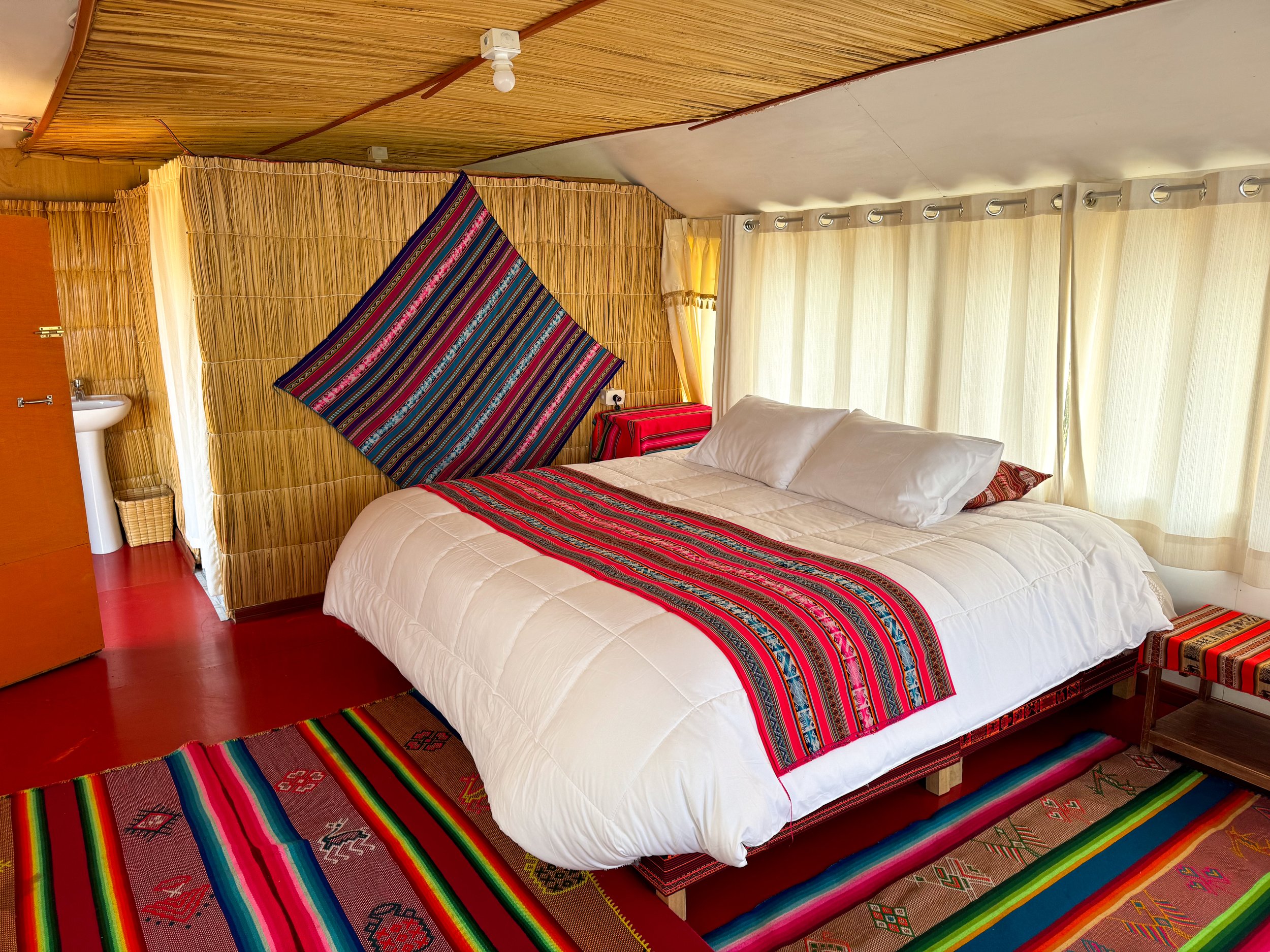
Home Stay at Isla Jacha Challwa
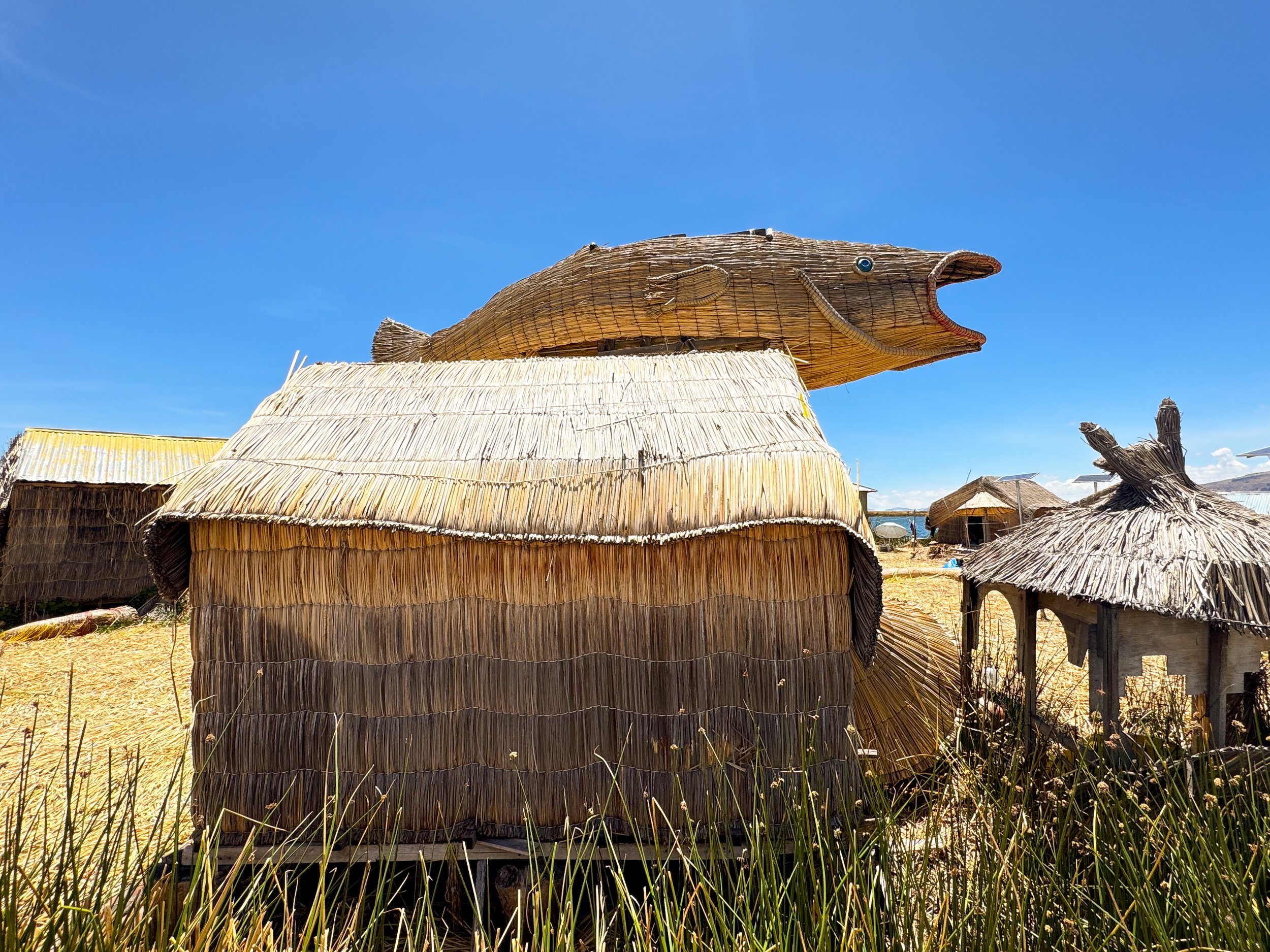
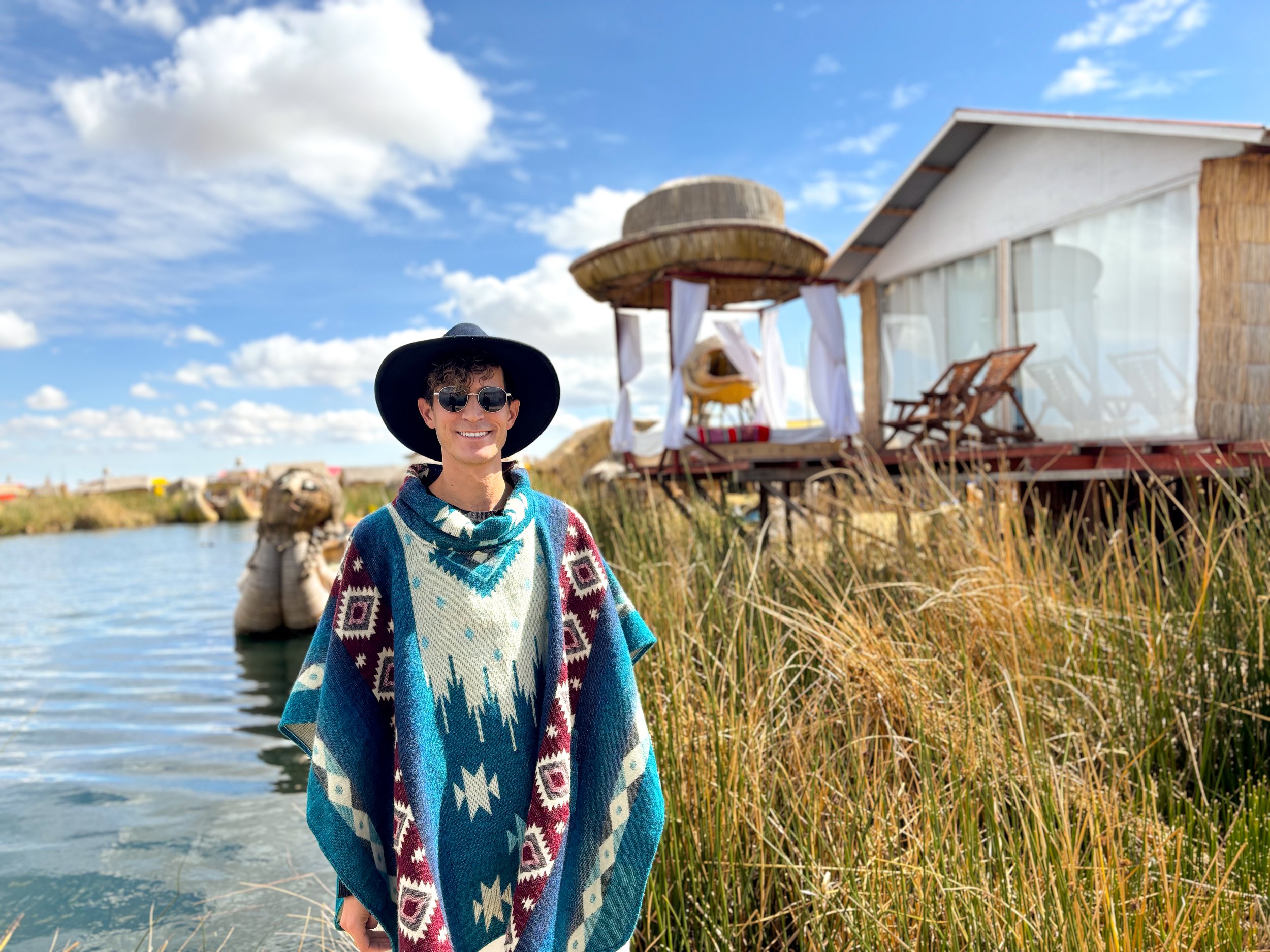
We stayed with a family while visiting the Uros Islands. They named their island, Isla Jacha Challwa, which translates to giant fish. They even built a lookout tower with a giant totora fish for its design! As we explored the island, the totora crunched beneath we our feet and the entire island rocked gently as passing boats created a small wake.
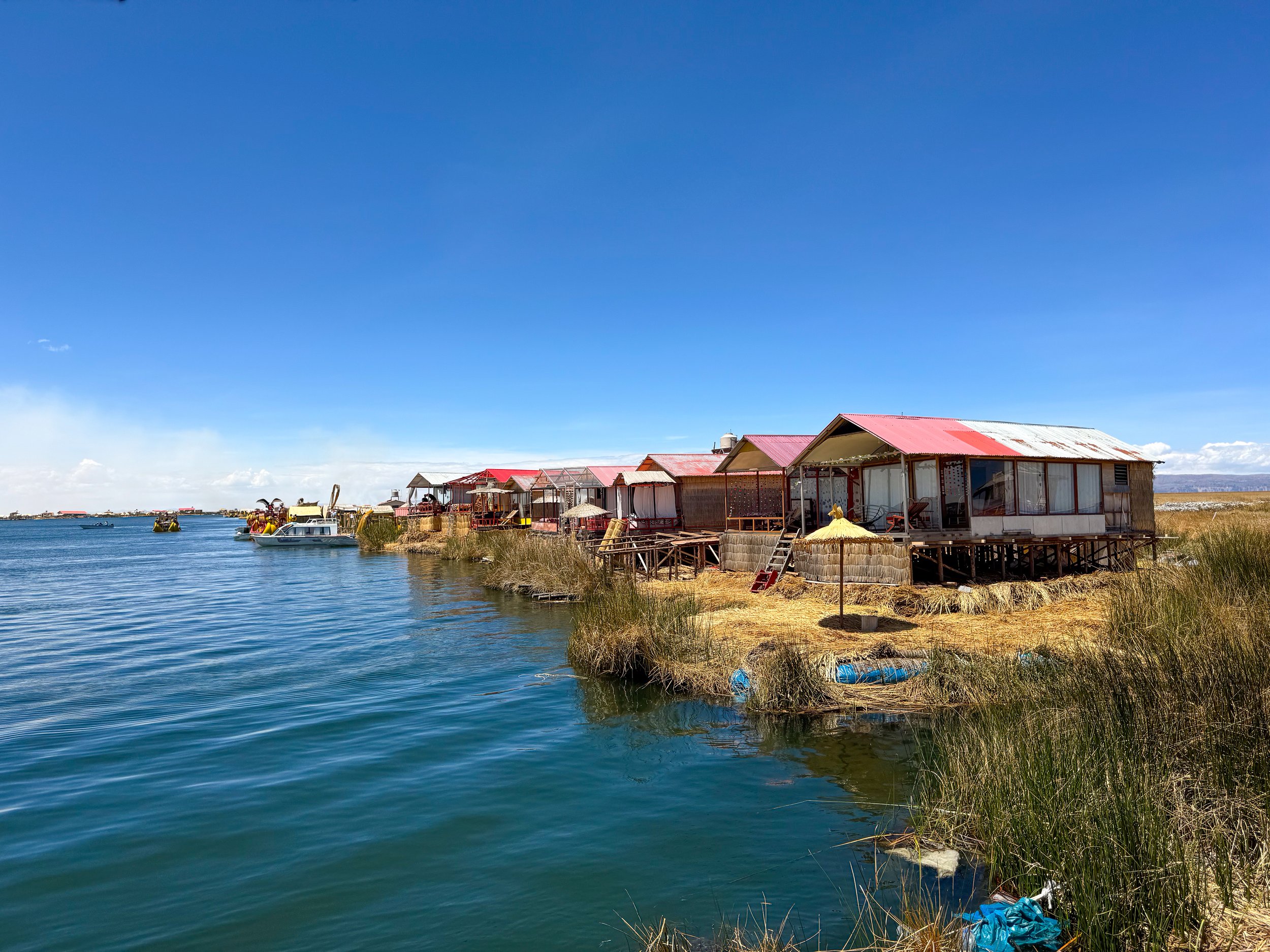
The house we stayed in was covered in the dried totora and the interior was decorated with colorful woven textiles. It had a patio that opened up to the lake with lounge chairs and an outdoor bed topped with a large woven hat for shade. We napped here and watched the sunset. Book here!
Caballitos de Totora (Totora Boats)
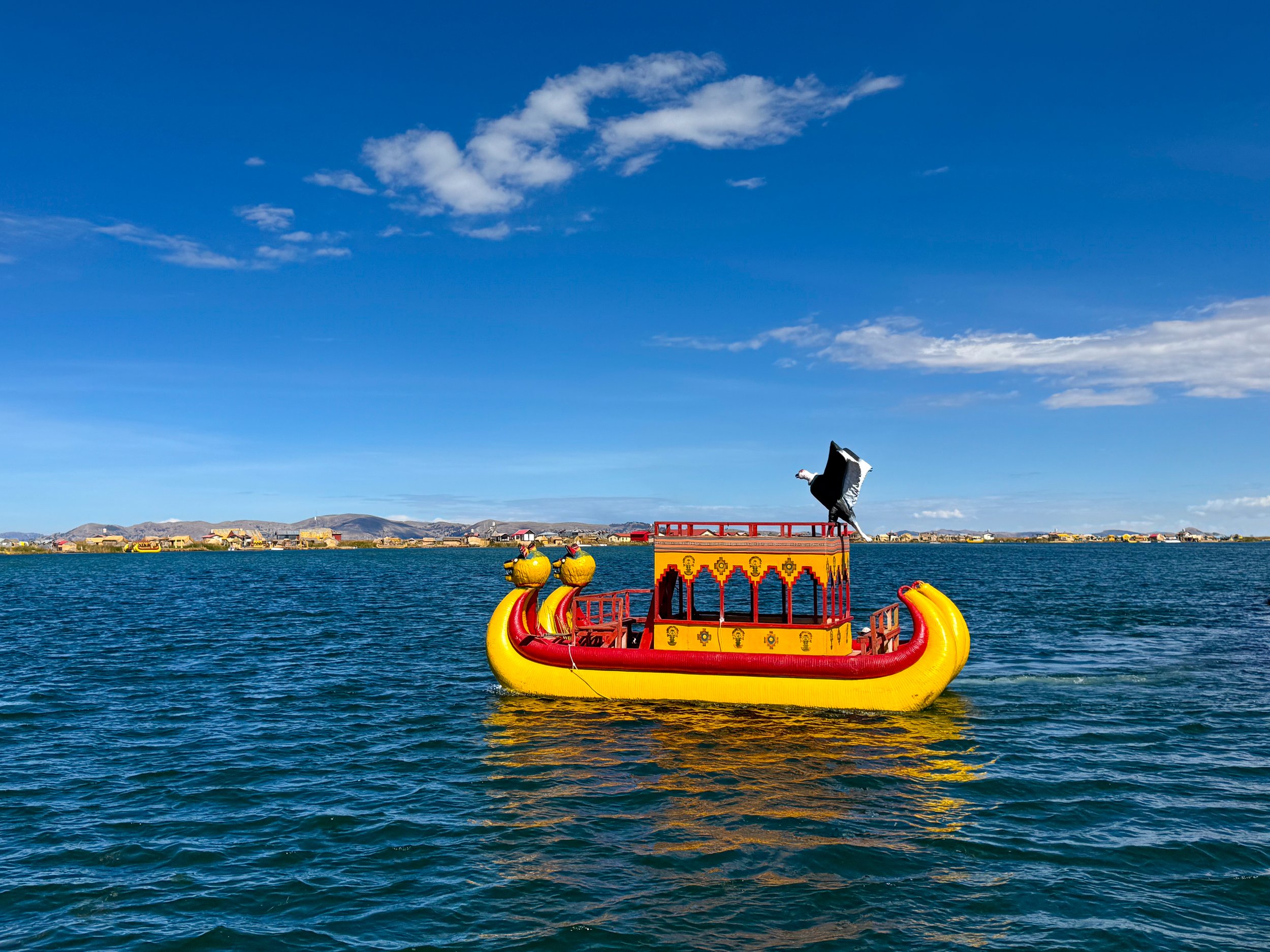
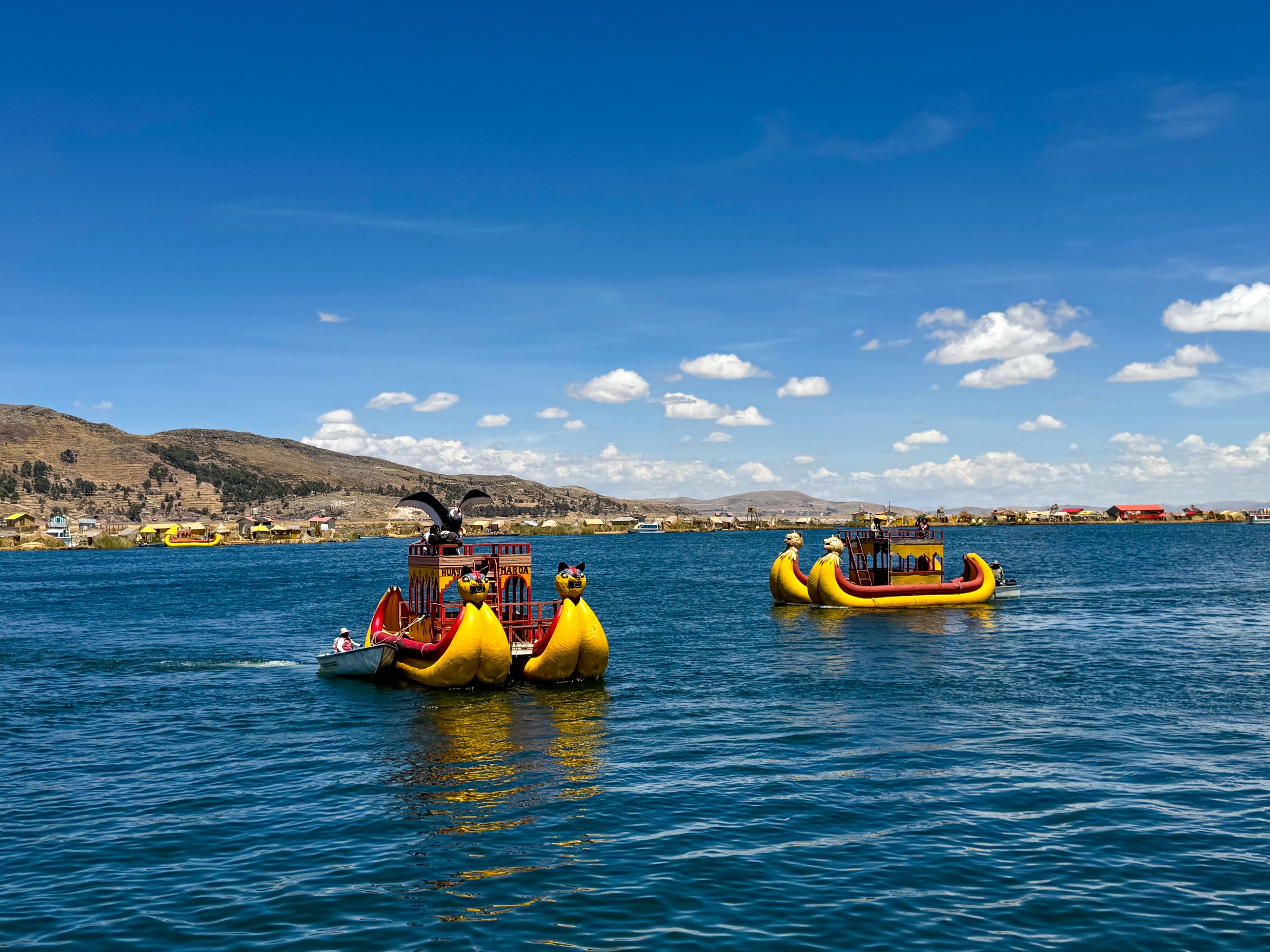
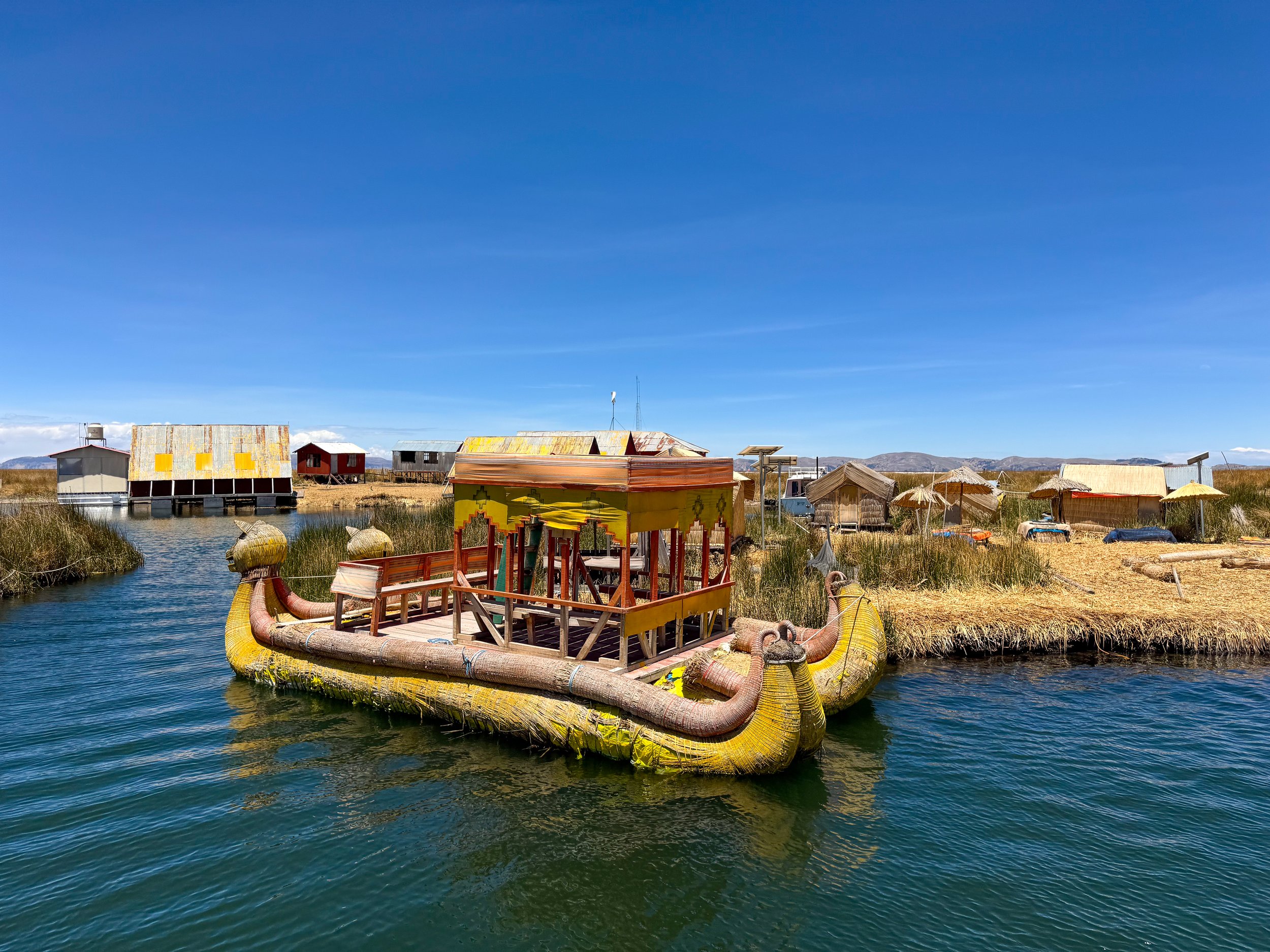
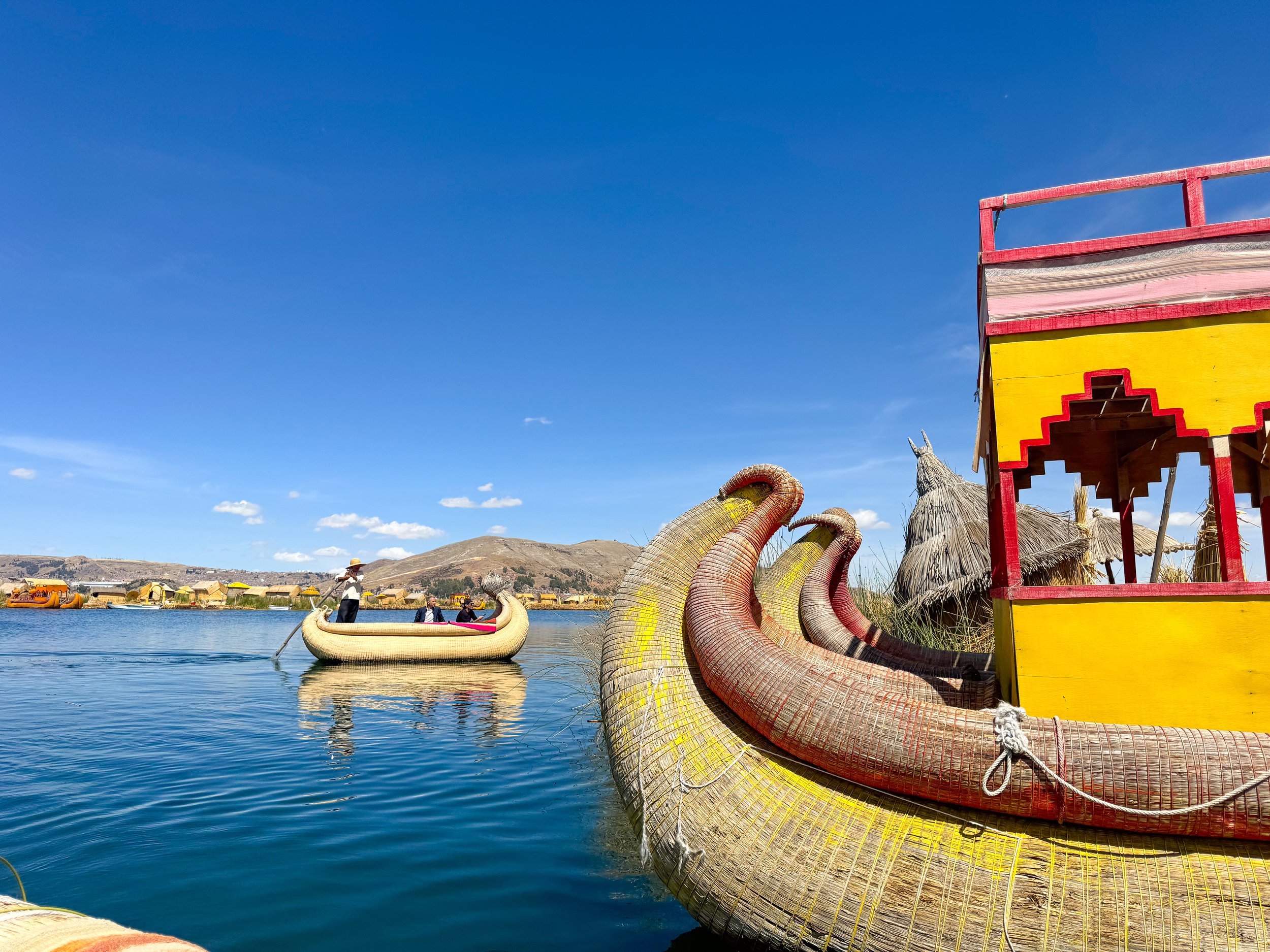
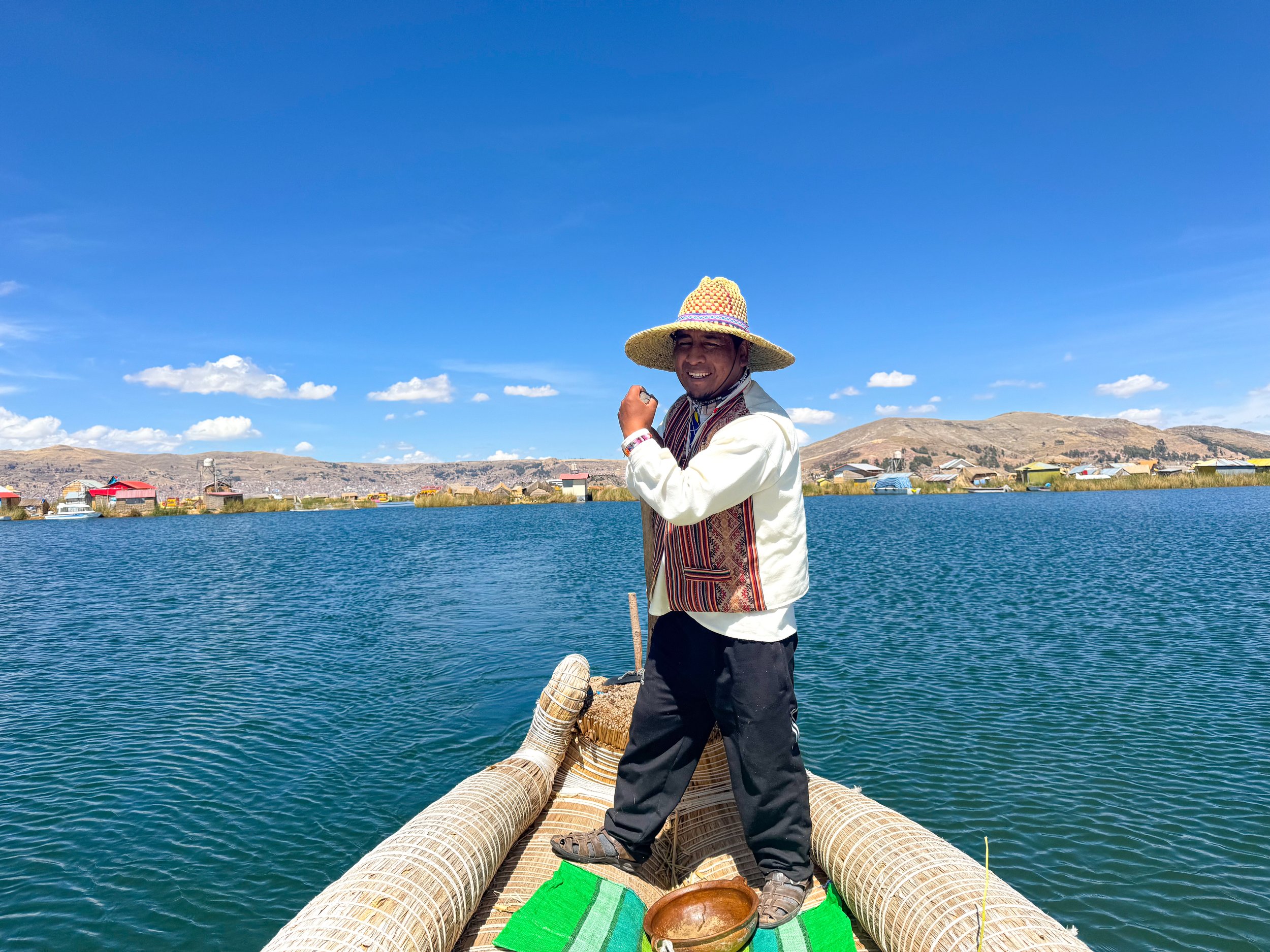
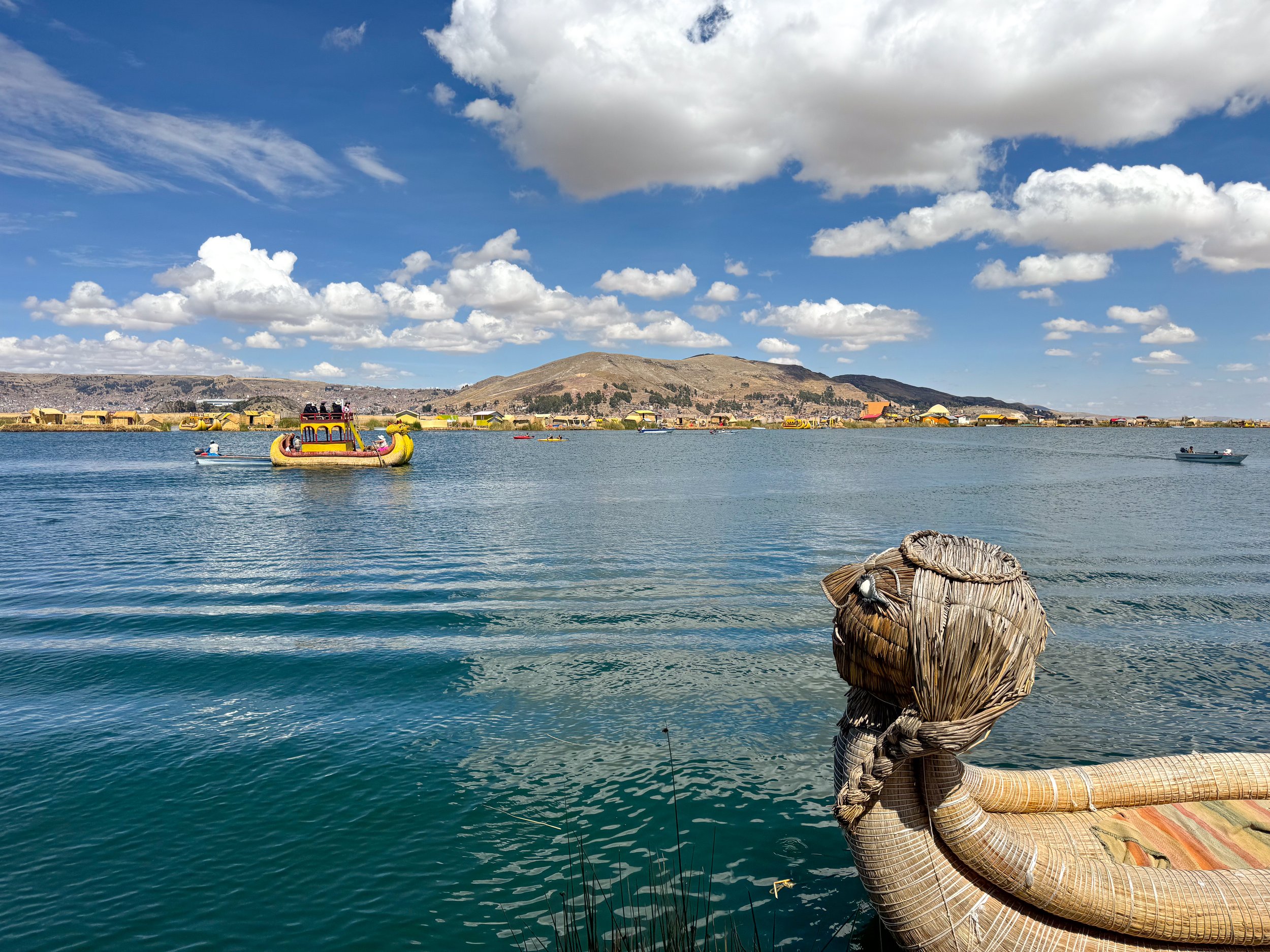
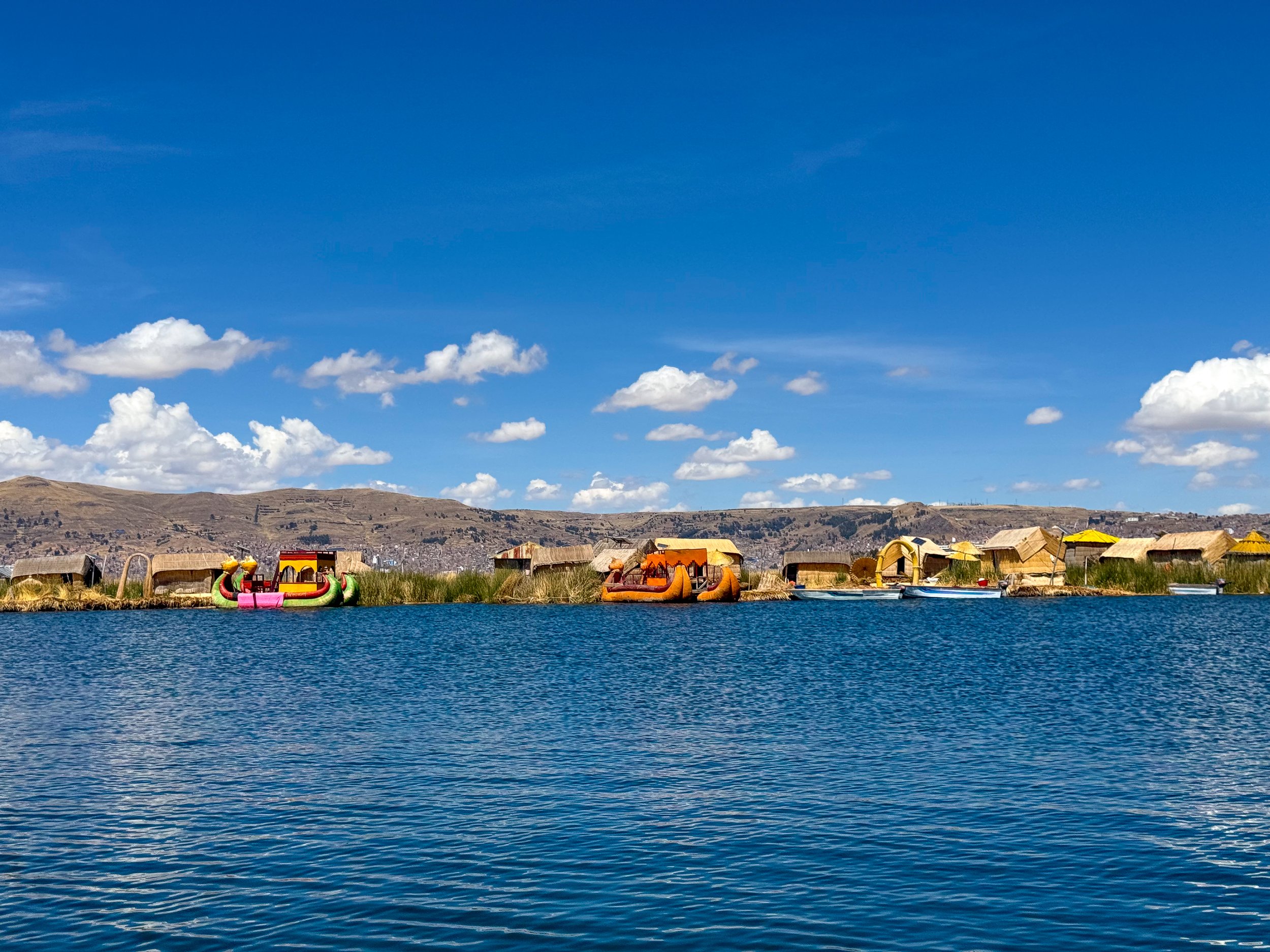
Caballitos de totora are the traditional boats used by the Uro people. Made from totora, they’re shaped into the body of a snake with the head of a puma. The larger boats are made from two smaller ones adjoined by a wooden platform. Some even have a sculpture of a condor or the sun as decoration. Many are left natural while others are painted in a yellow protective coating. The smaller boats are hand paddled while the larger ones are tugged by a motor boat.
Touring the Uros Islands
Our host took us on a tour of the islands, a sunset boat ride, net fishing and even let us attempt to paddle the boat. He shared stories of his father and grandfather, being some of the best fishermen on the lake. The matriarch caught fish and cooked meals for us including pan fried trout from the lake and soup made from our fresh catch.
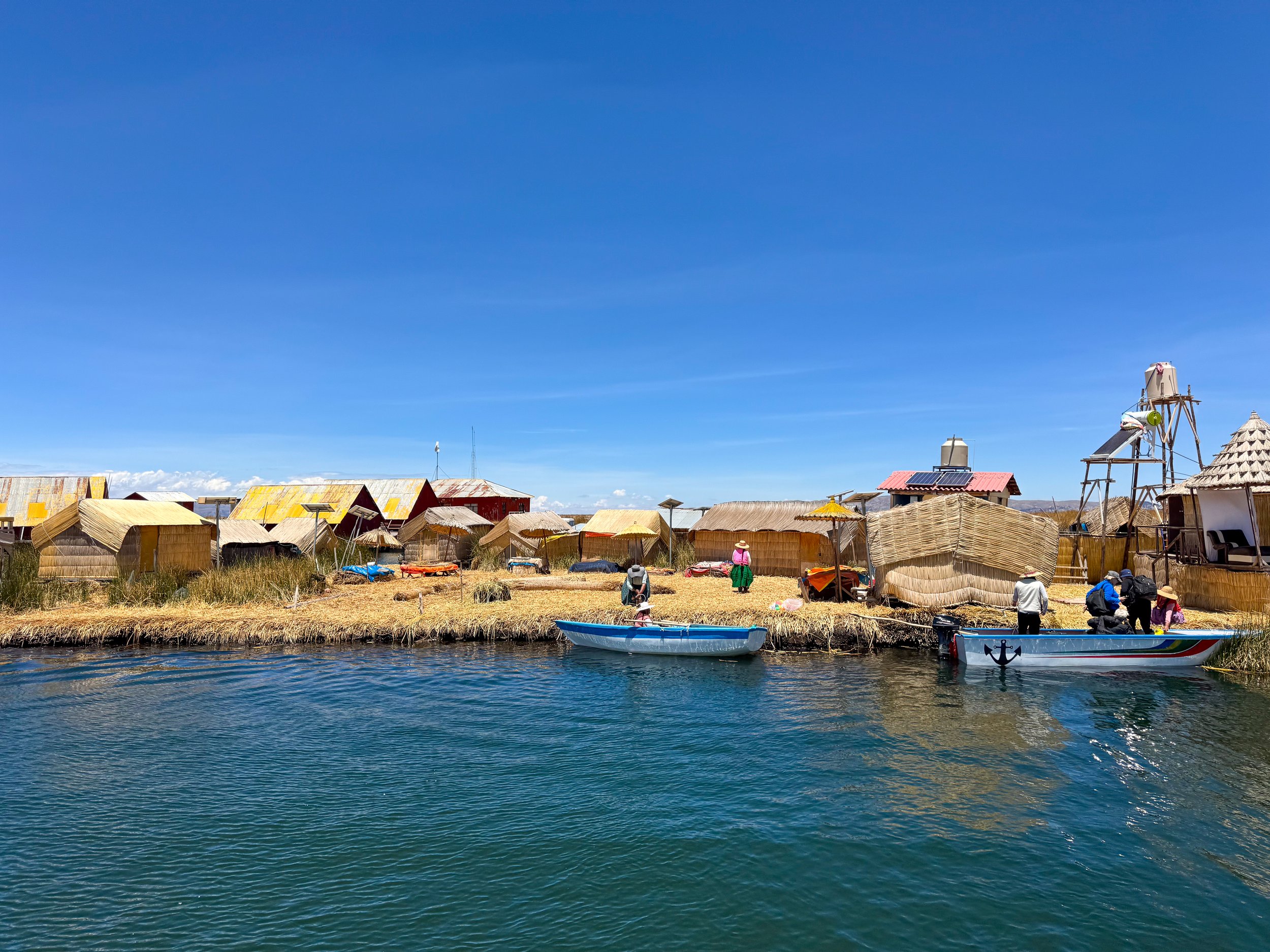
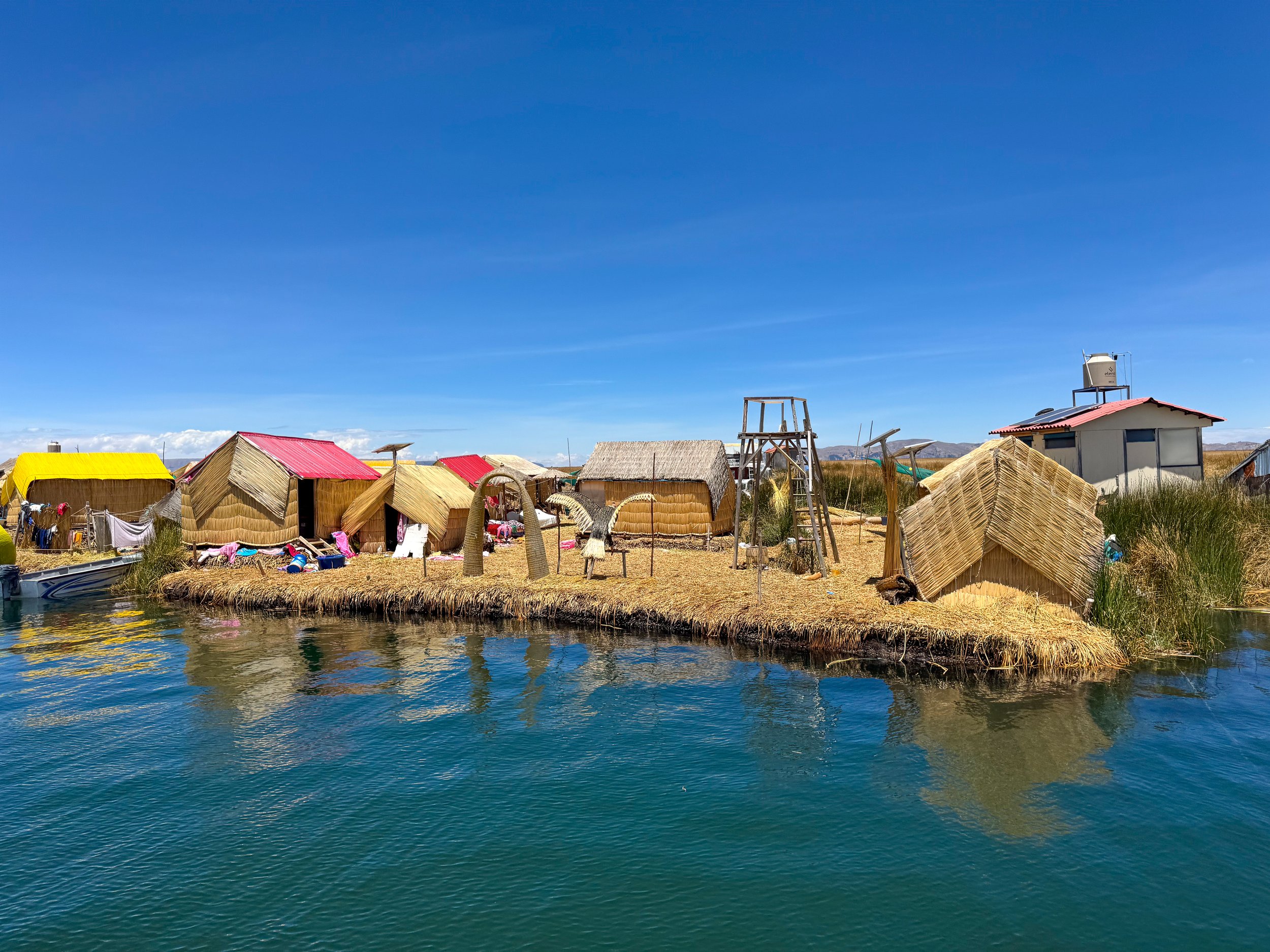
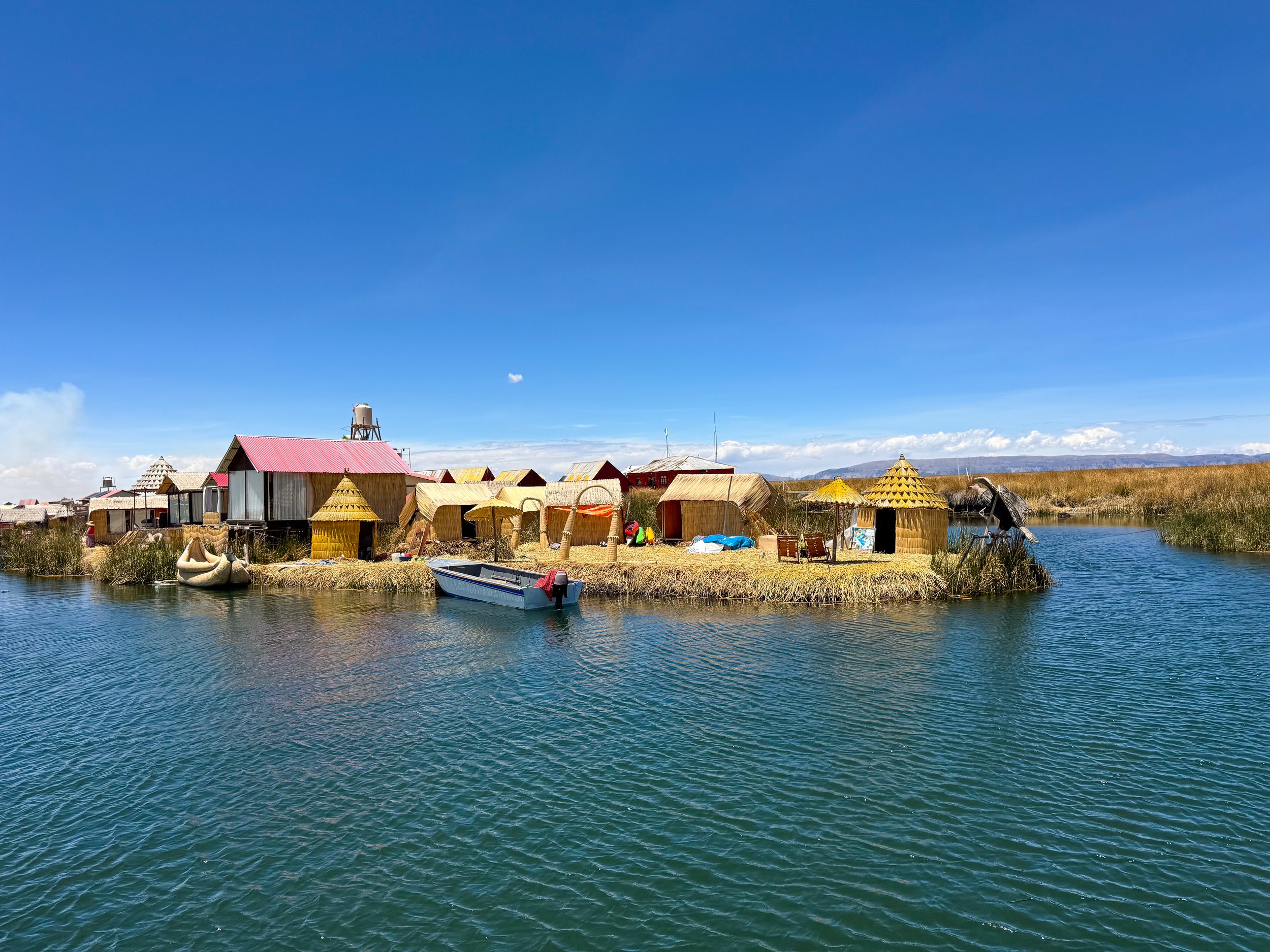
On our boat tour, we slowly passed nearly every island in the community, admiring the golden color from the thatched surfaces, the colorful textiles and unique styles of the boats. The islands are very welcoming of visitors, with home stays, small restaurants serving local cuisine and tiny shops. They have their own hospital, communal place of worship and elementary school.

Restaurant Titicaca
A popular lunch spot on the Uros Islands with traditional cuisine from Lake Titicaca. Trucha (trout) is the star of the menu. It’s prepared pan fried, deep fried or as ceviche, all with sides of Peruvian potatoes and rice. We dined in a pavilion, watching boats colorful boats pass by and enjoying the lake views.
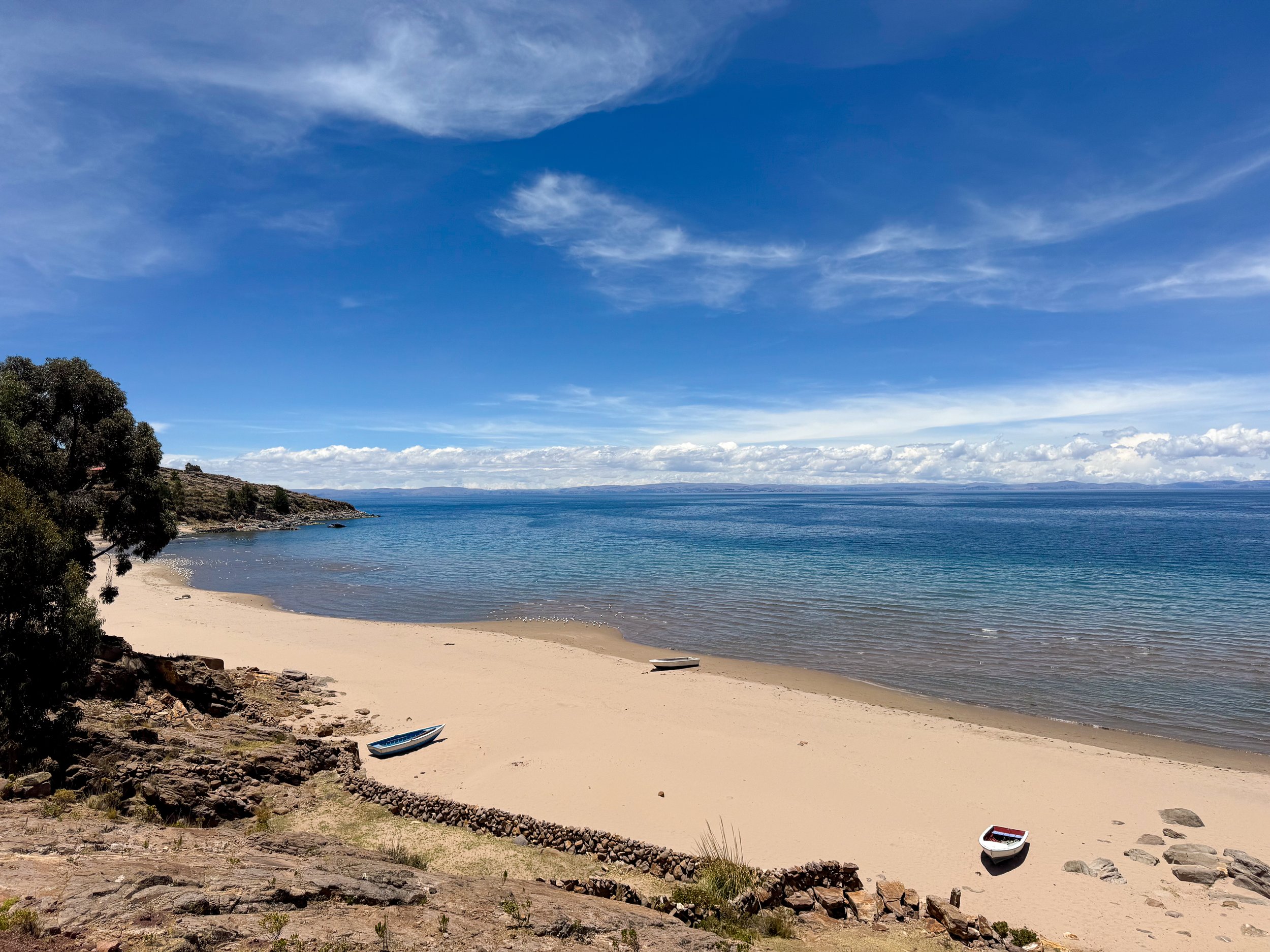
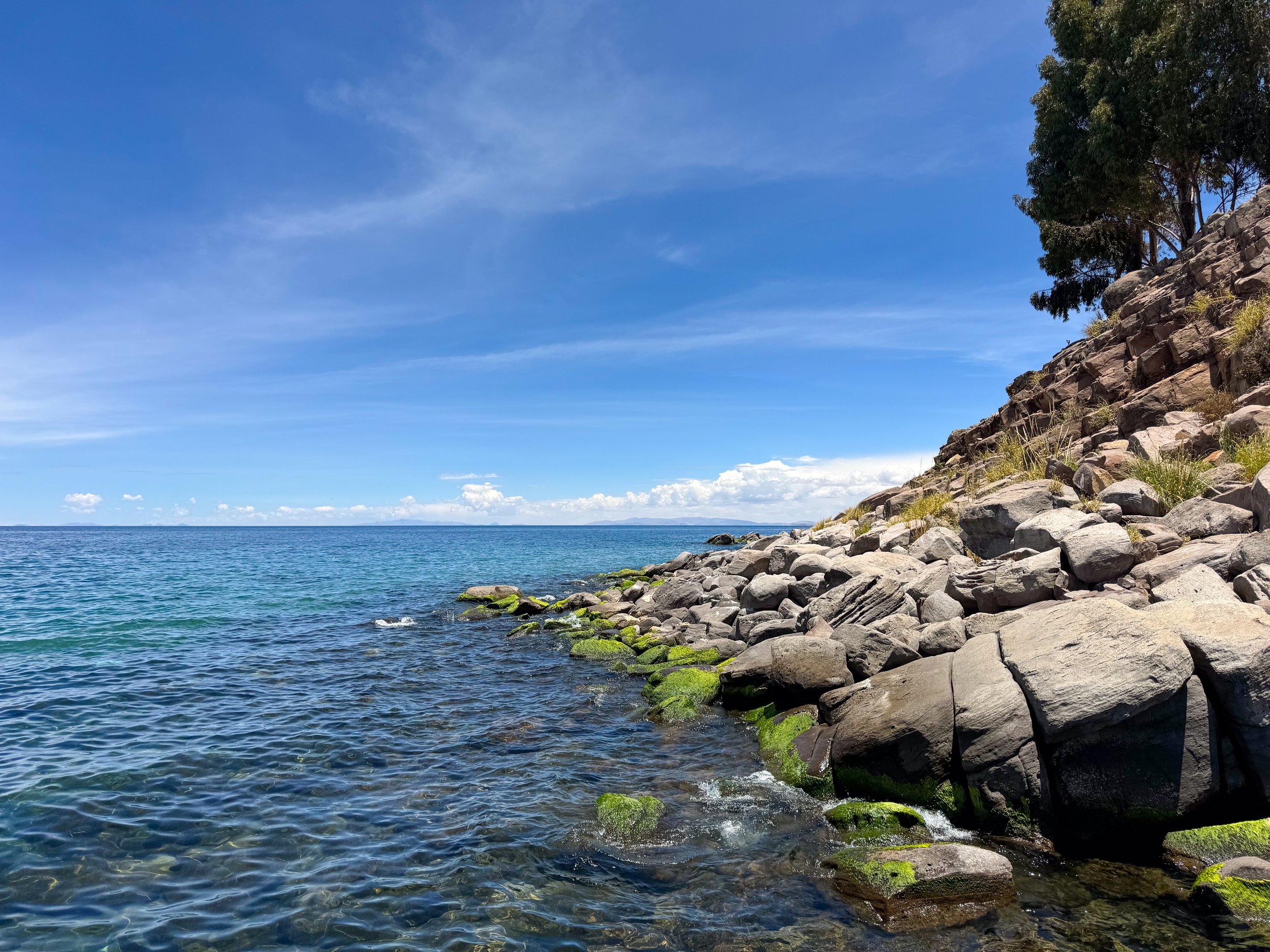
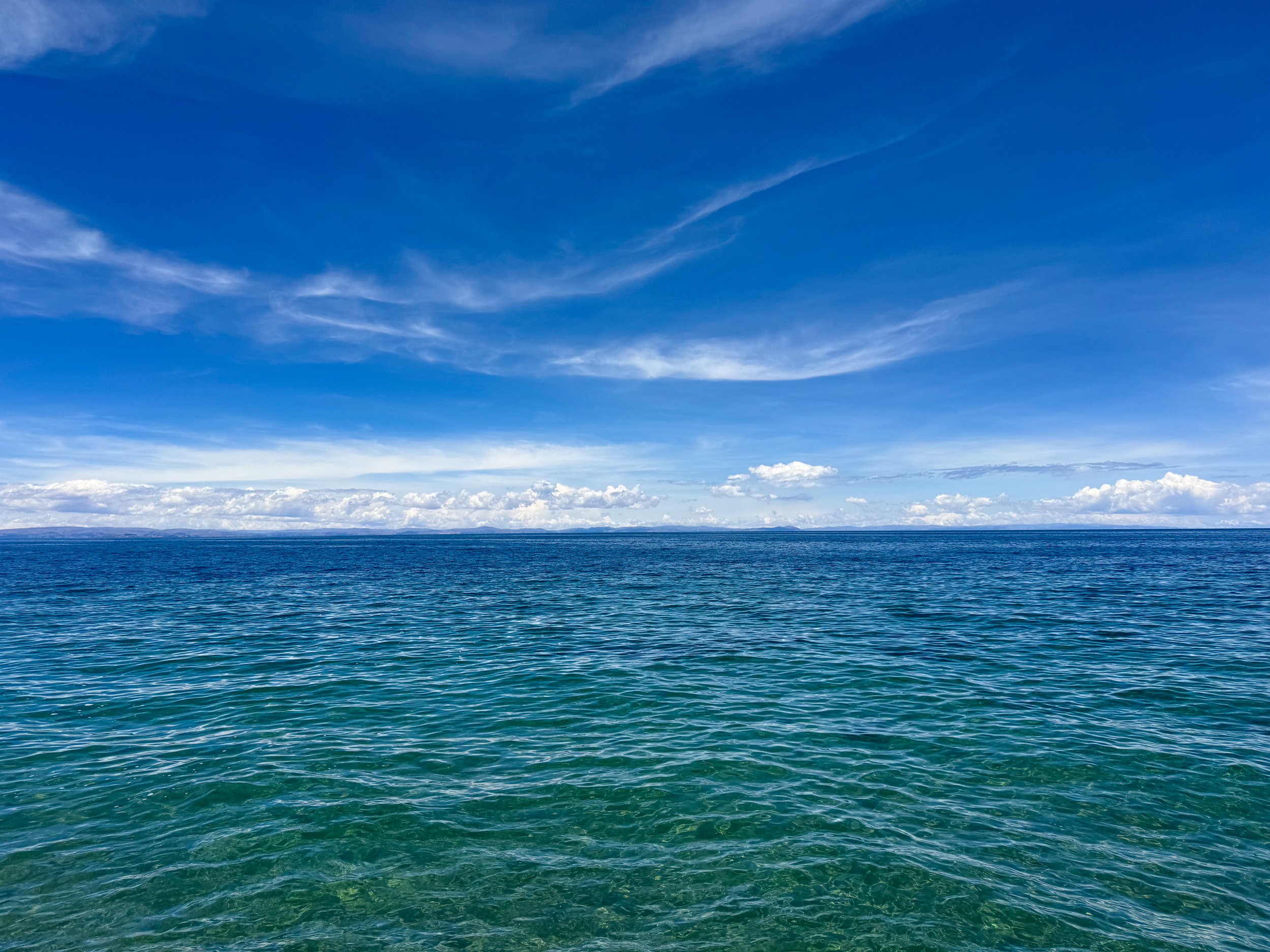
Isla Taquile, Peru
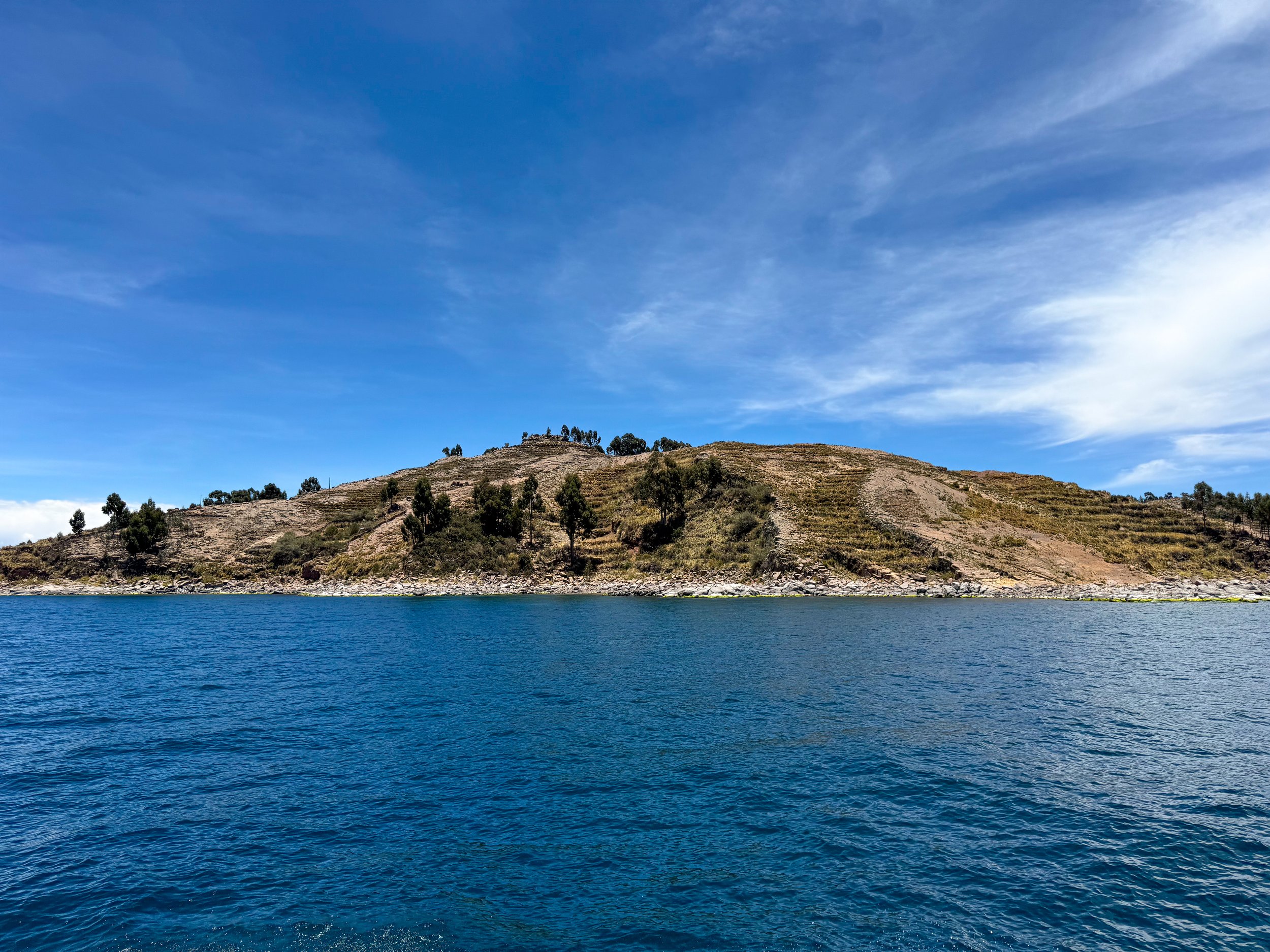
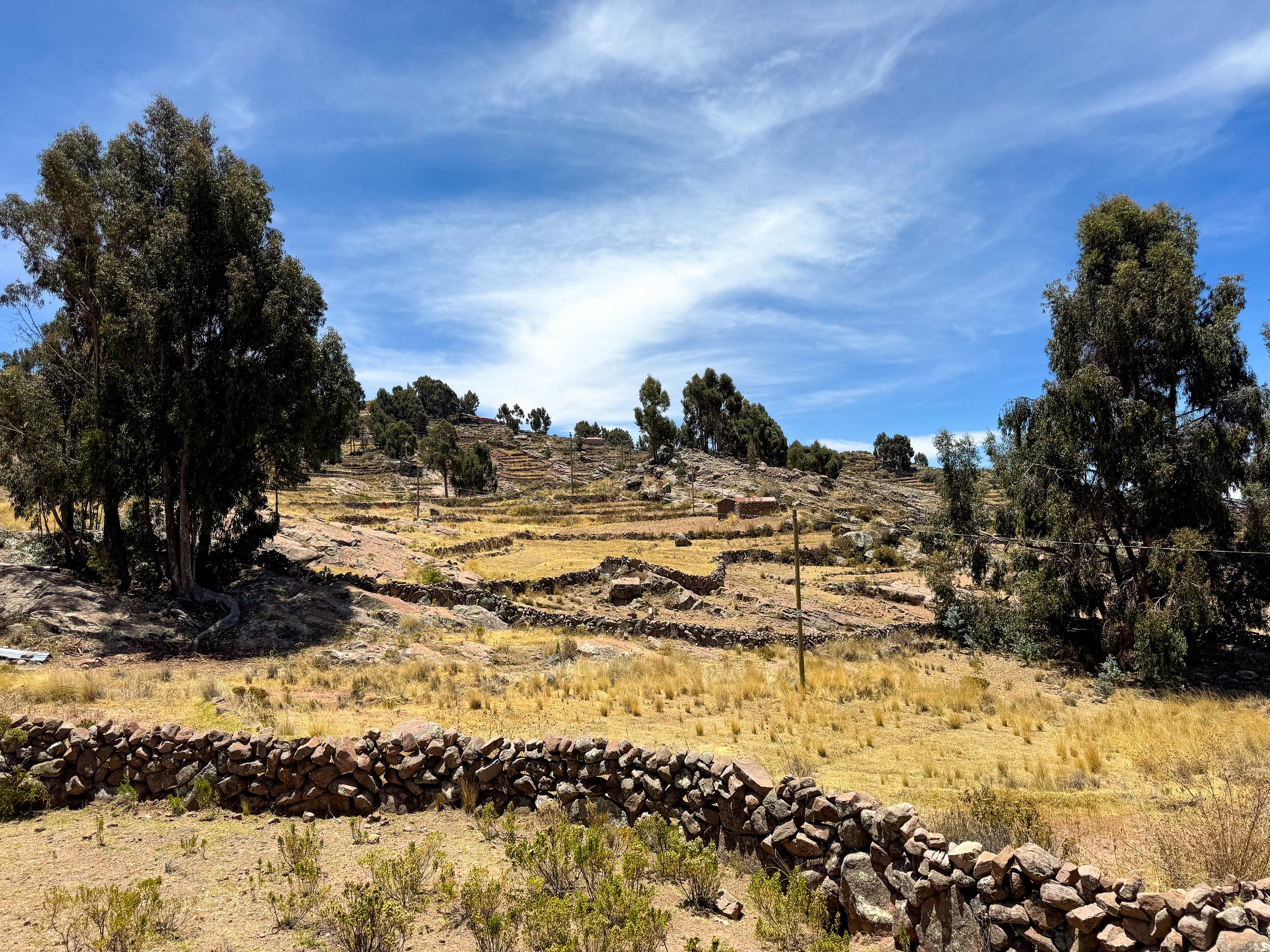
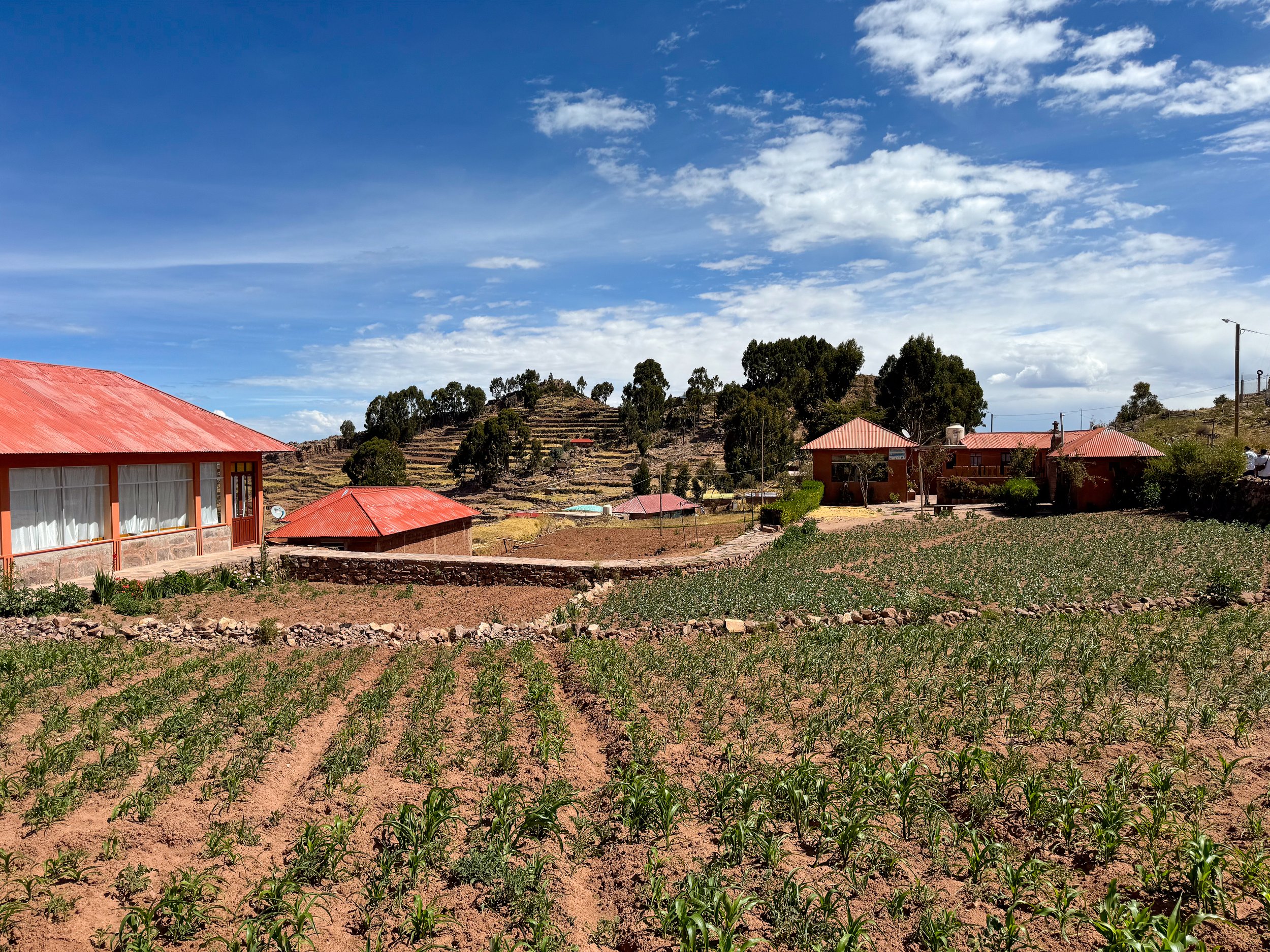
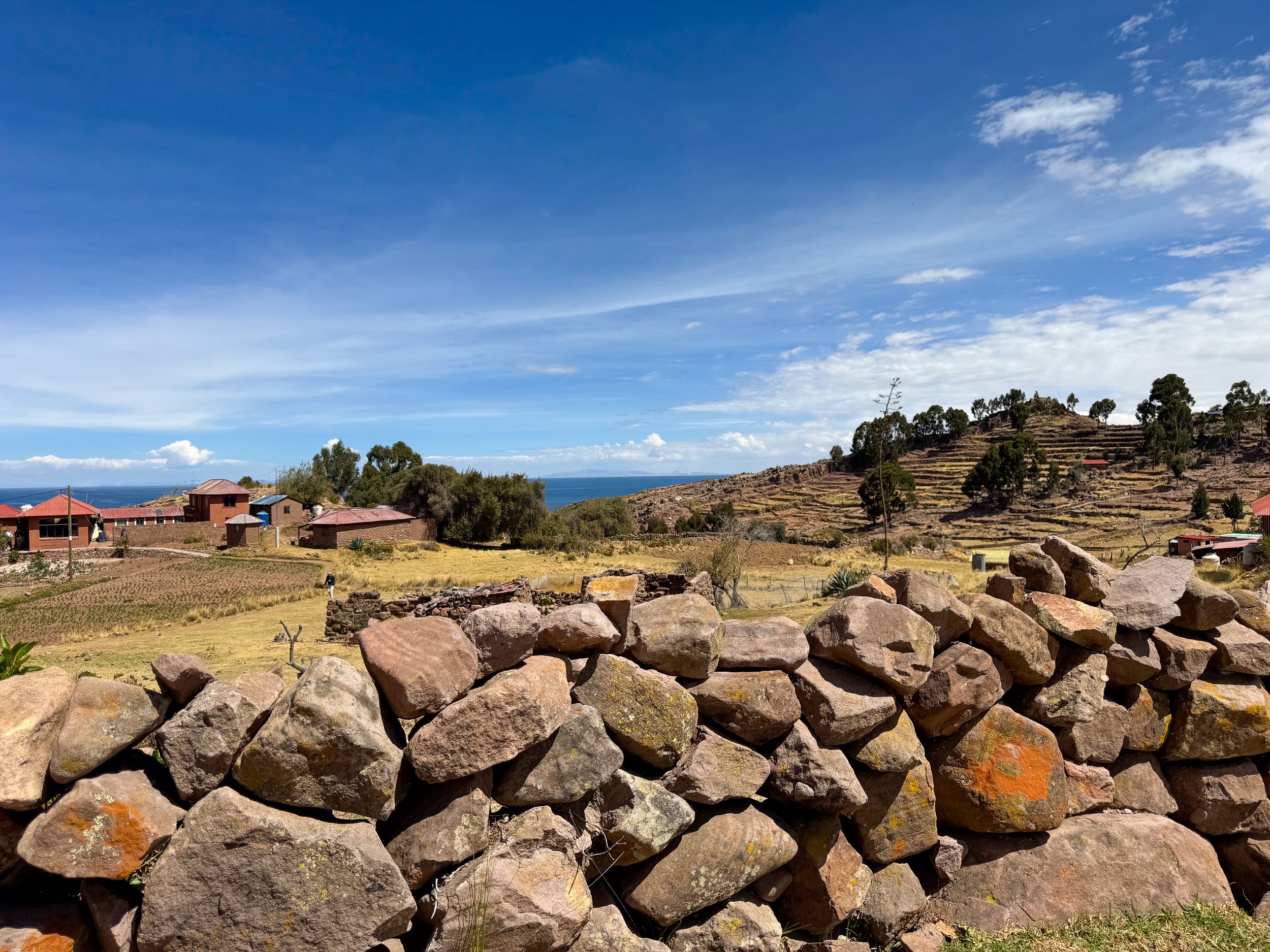
Taquile Island is an island on Lake Titicaca fully covered in agricultural terraces and internationally recognized for the cultural significance of their textiles. We took a half day tour to the island to explore its cuisine, textiles and landscape. Taquile Island is located 1 hour 30 minute by ferry from the Uros Islands with tours departing at 10am and retuning at 4pm.
The tour was simple, stopping on the island for a local lunch of pan fried trout, quinoa bread and quinoa soap. At the same time, we learned about the textiles and hats, primarily used to differentiate relationship status and mood. This was followed by a visit to an artisanal market with colorful and handmade woven items like hats, scarves, gloves, bracelets and bags.
Continuing, we walked along the island, overlooking agricultural terraces primarily used to grow potato, quinoa and corn. We passed walls of precariously stacked stones, pinkband yellow wildflowers used to make textile dyes and cliffs with views of the expansive lake.

Copacabana, Bolivia
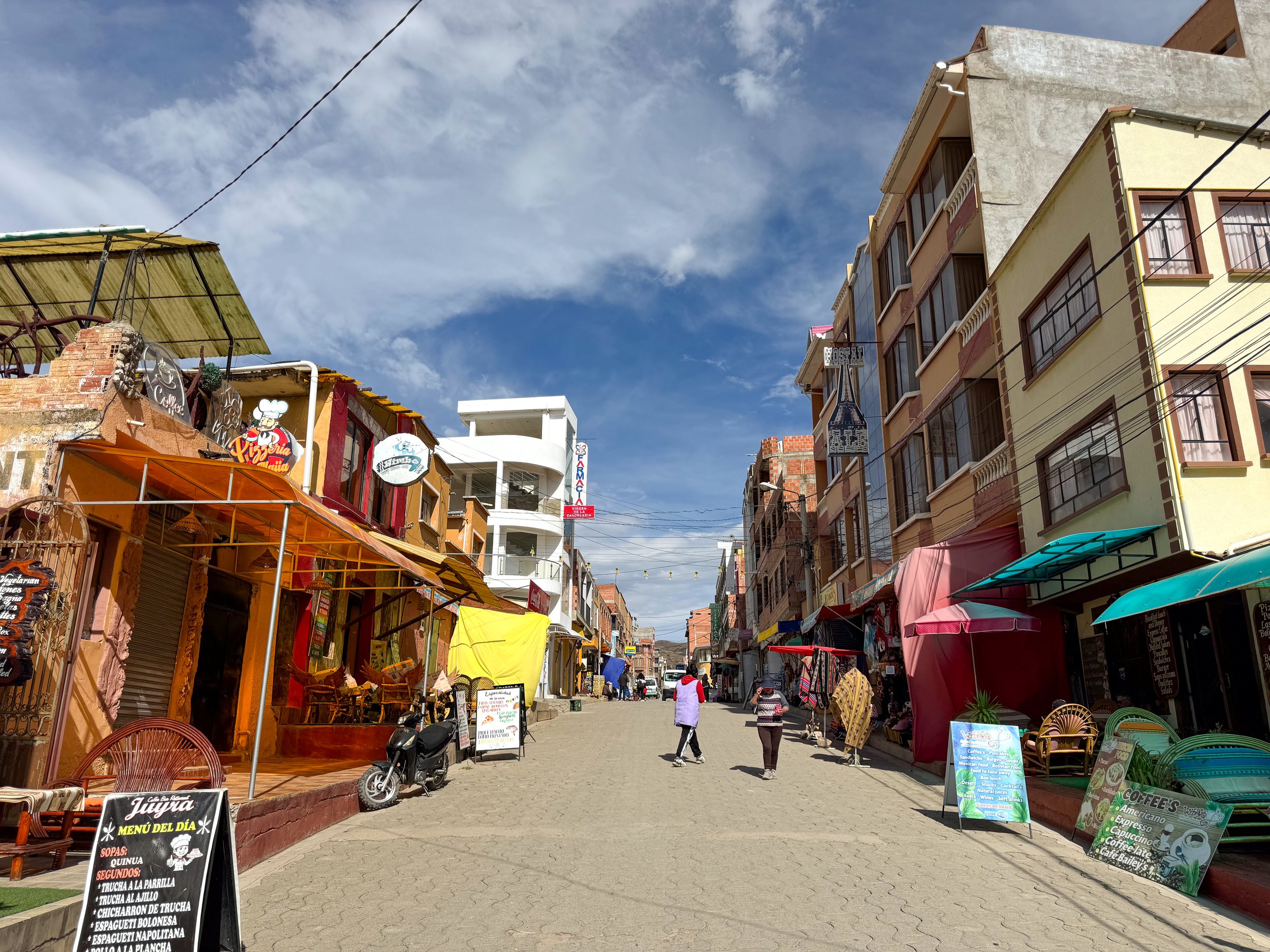
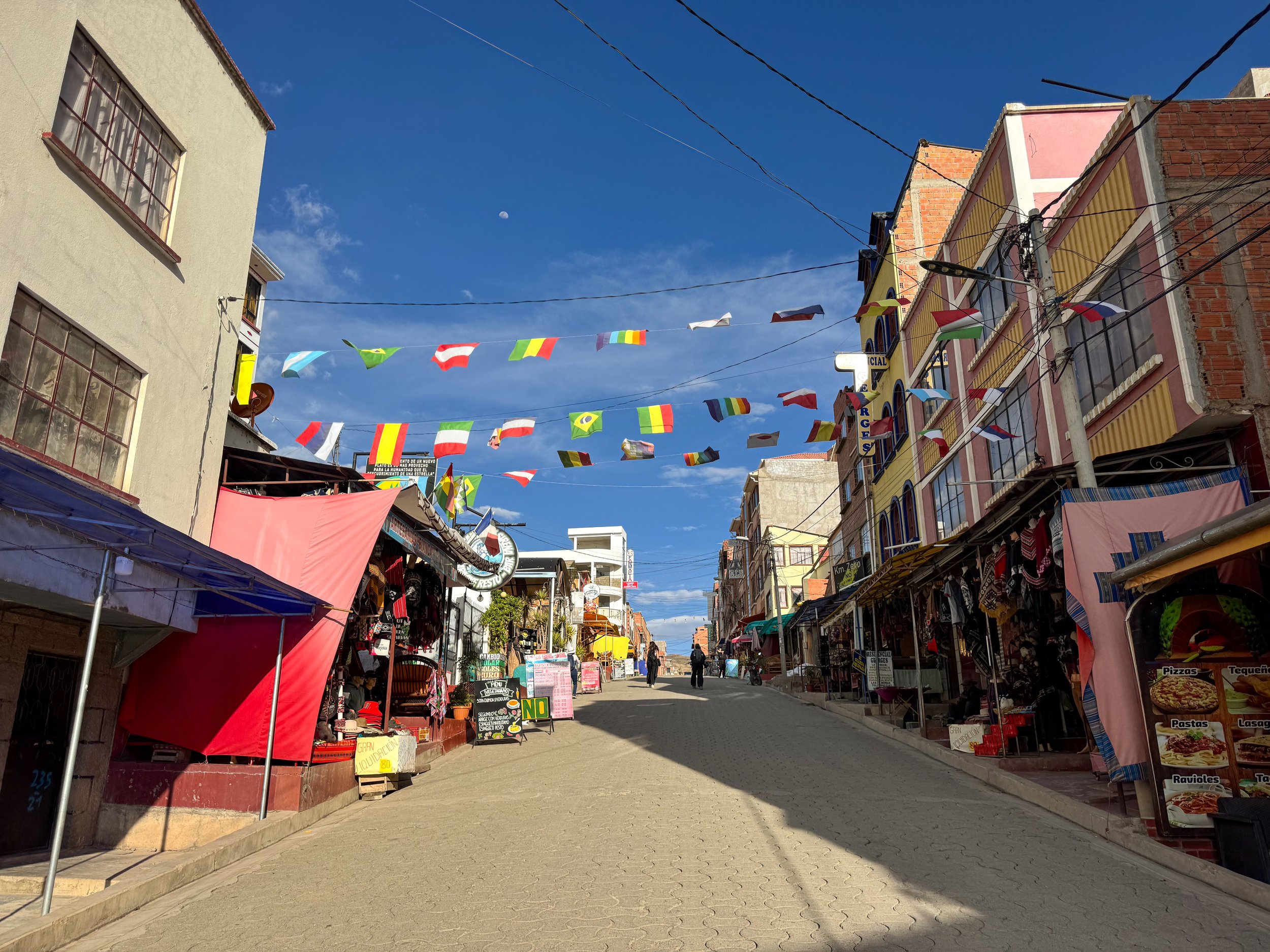
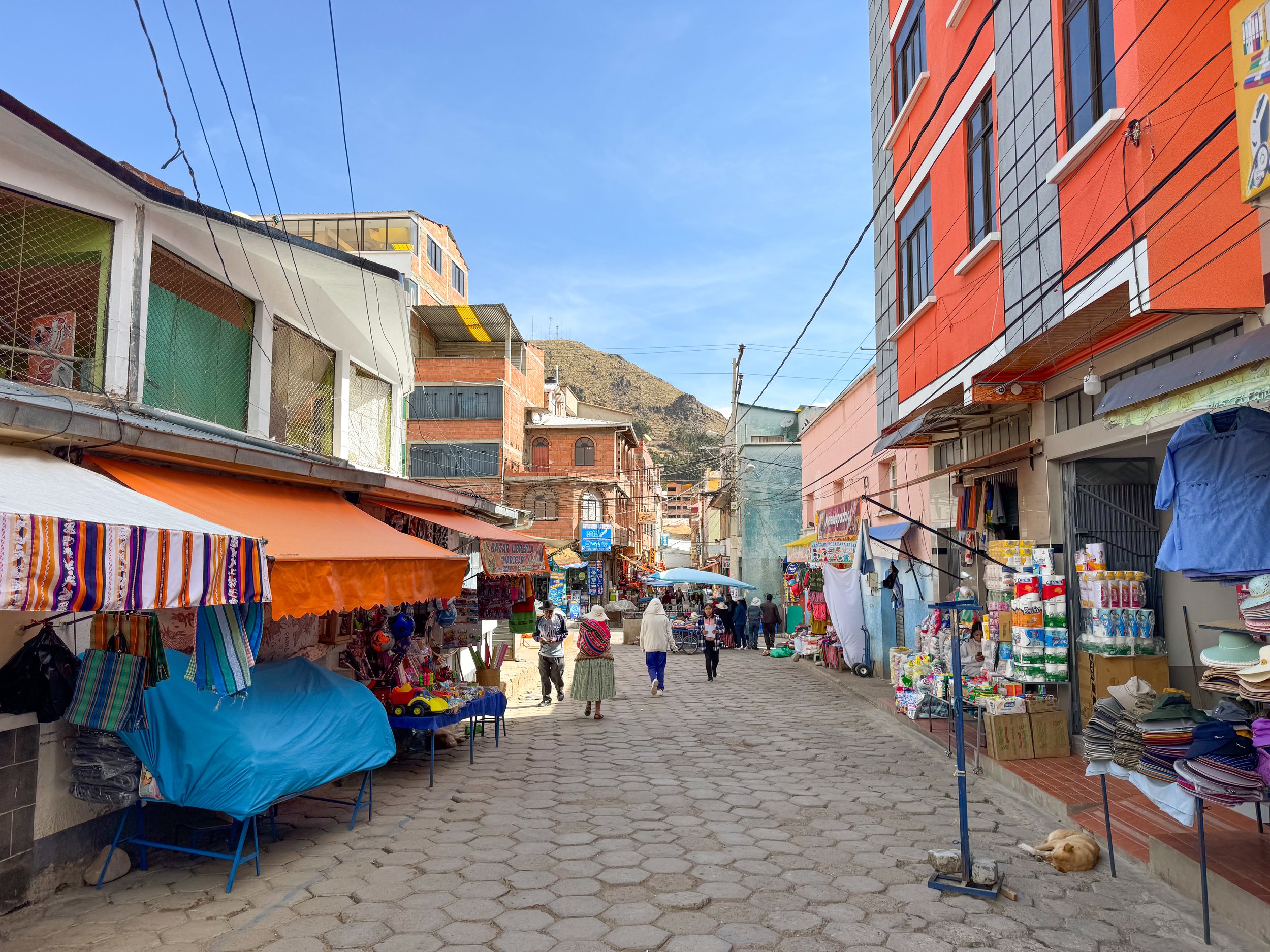
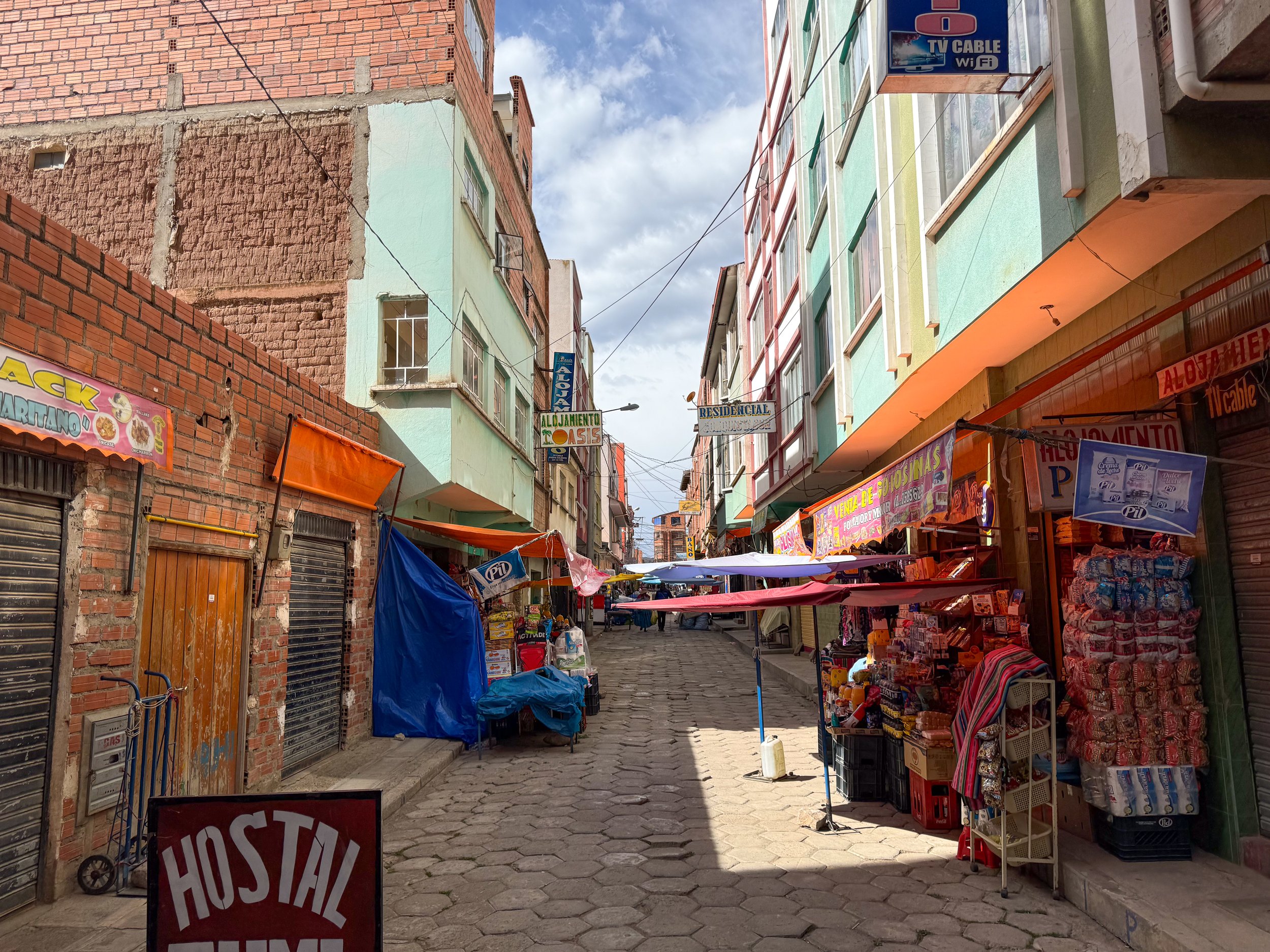
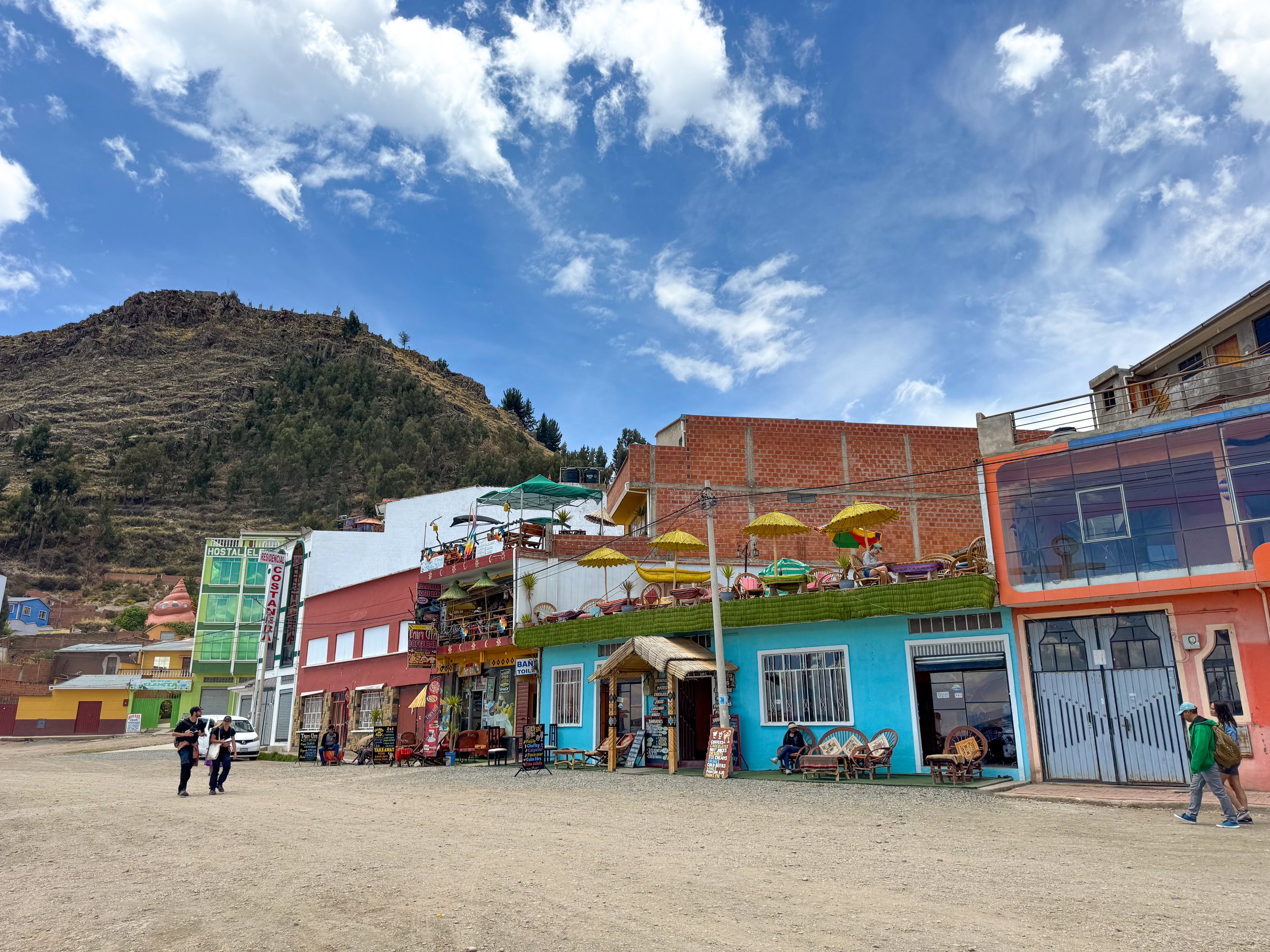
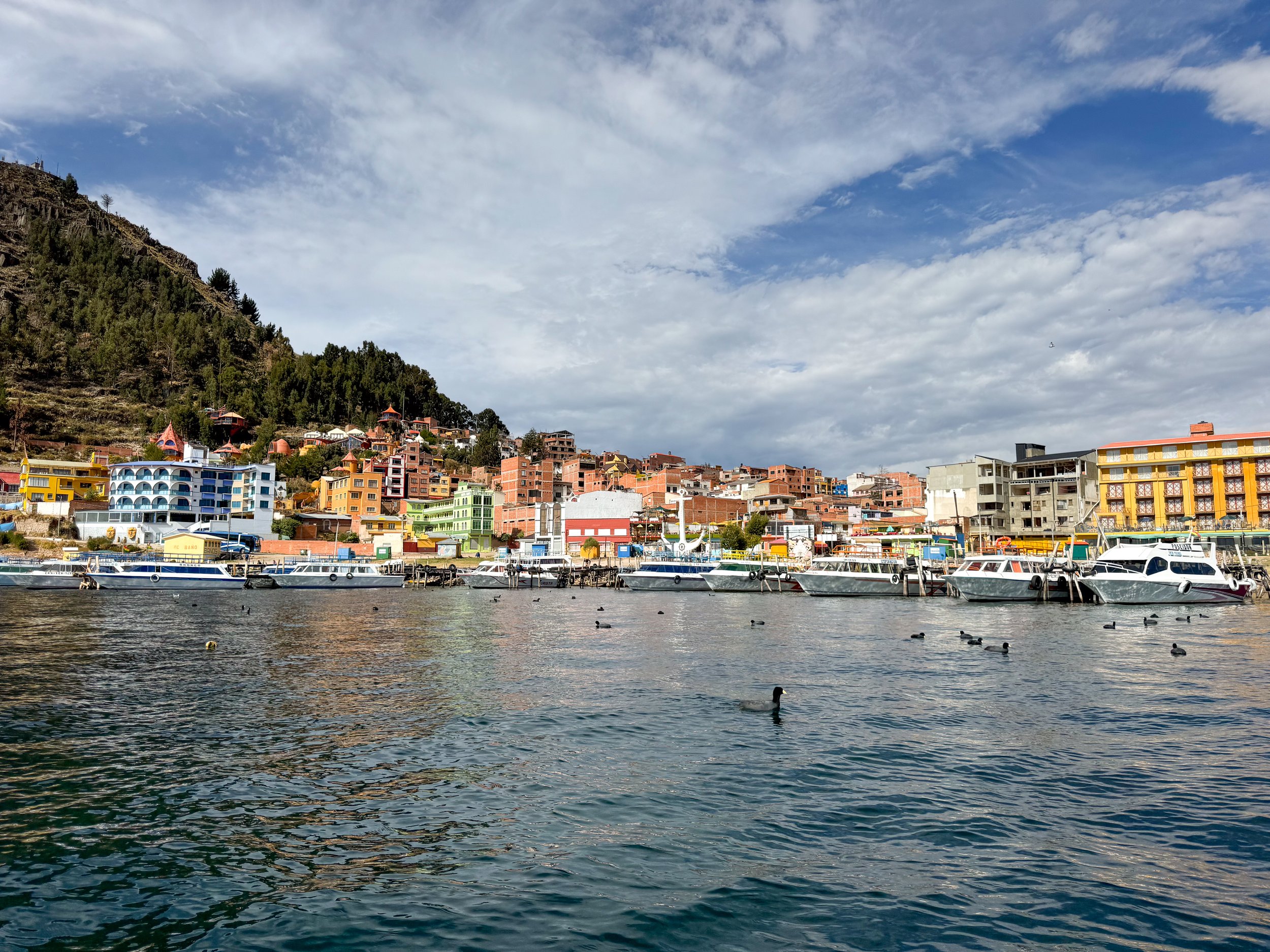
Copacabana is a colorful Bolivian town located on the Eastern shores of Lake Titicaca. We spent an afternoon exploring the city, paddling around the lakefront and hiking to a mountaintop overlook.
While walking through town, women are seen dressed in traditional Andean attire selling fruits and veggies, friendly stray dogs run around and sleep in the streets, backpackers arrive and depart by bus regularly and cars receive blessings while being decorated with strings of flowers and bouquets.
Around Town
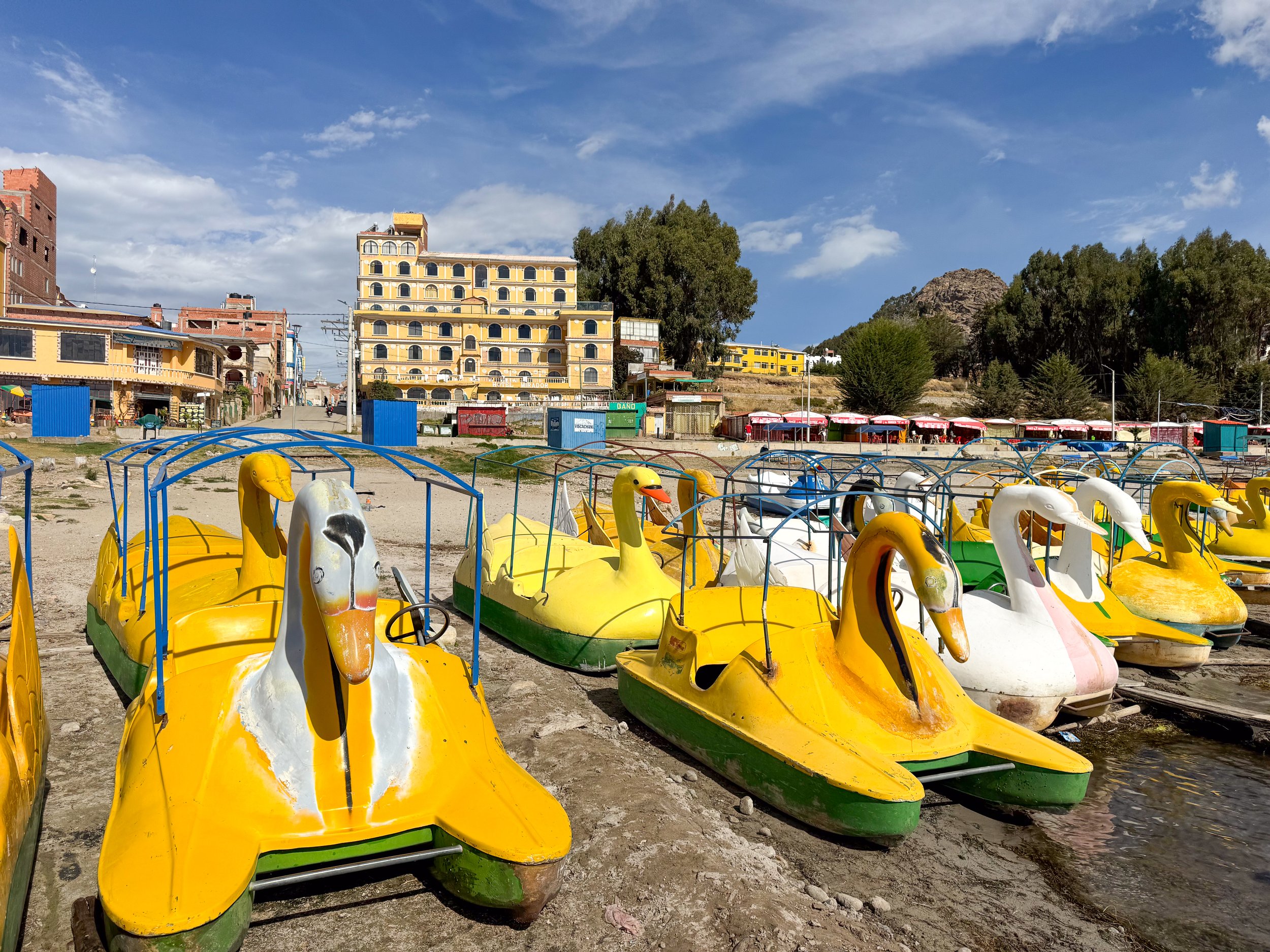
Av. Costanera. A dirt road parallel to the city harbor with local food kiosks, hotels with lake front views, swan style paddle boats and companies selling tours to the nearby islands.
Av 6 de Augusto. The main road through Copacabana with hostels, cafes, bars, restaurants, money exchanges, tour operators and souvenir shops. Many restaurants offer 2x1 happy hours and have simple menus consisting of lake trout, pizza and pasta.
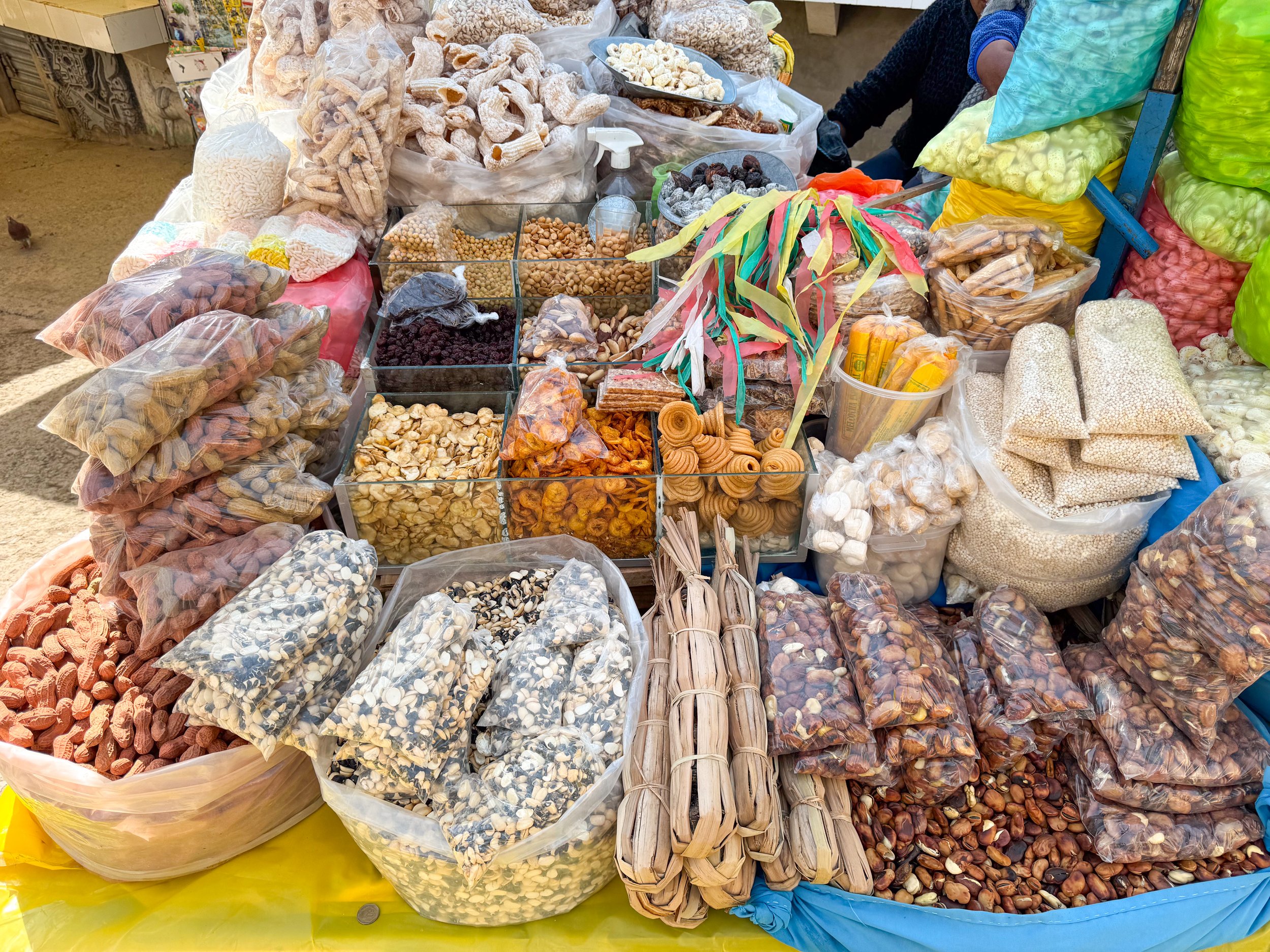
Al Paseo de Las Pasancallas. A market street with local vendors selling dry goods like peanuts, roasted beans, quinoa, puffed grains, popcorn and candies.
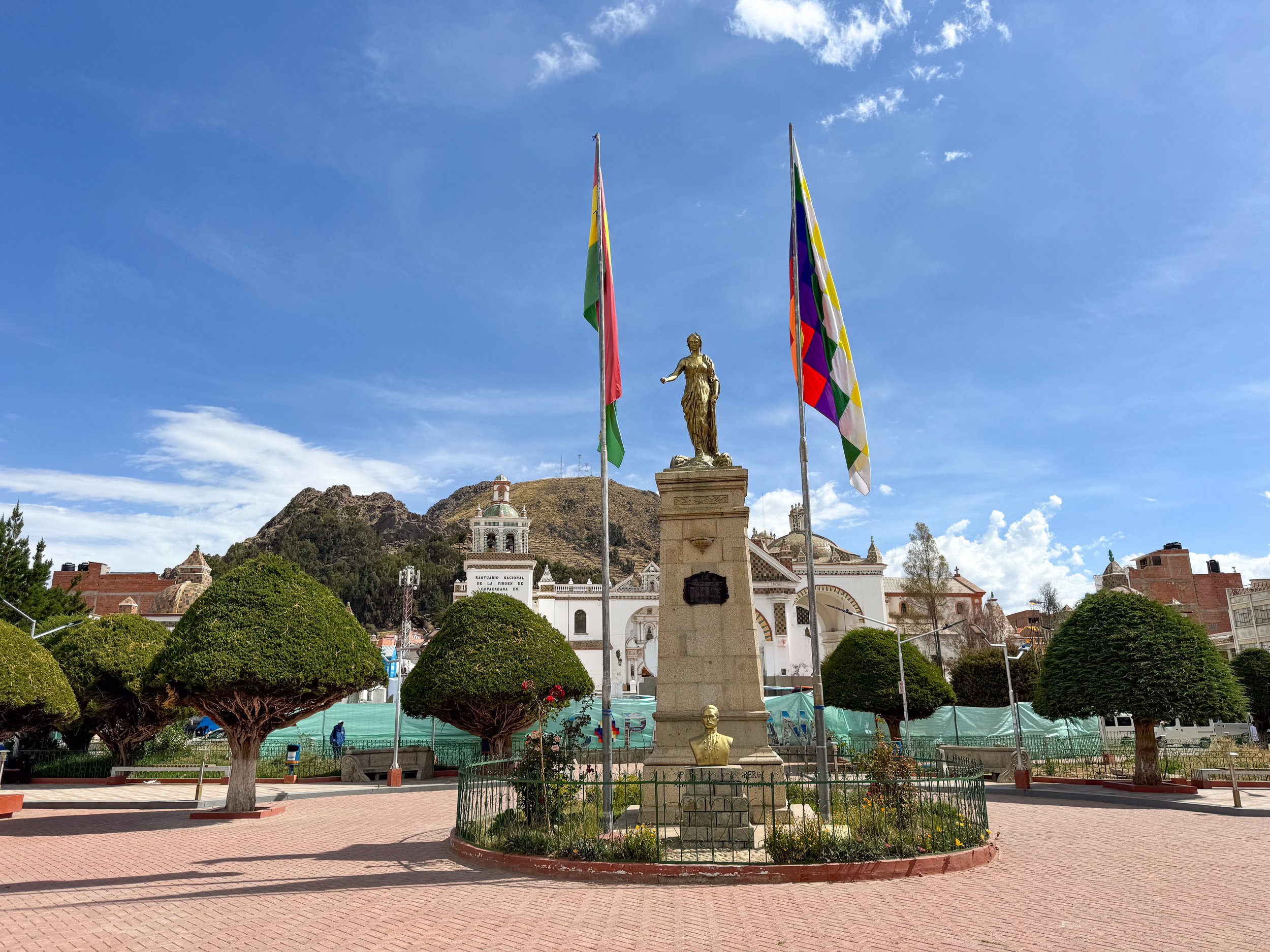
Copacabana Square / Plaza 2 de Febrero. The central town square with a red brick plaza and well manicured trees in front of the Basílica de la Virgen de Copacabana.
Basilica of Our Lady of Copacabana. A historic cathedral with a white painted exterior accented with Portuguese tiled moldings and bell towers.
Things to Do
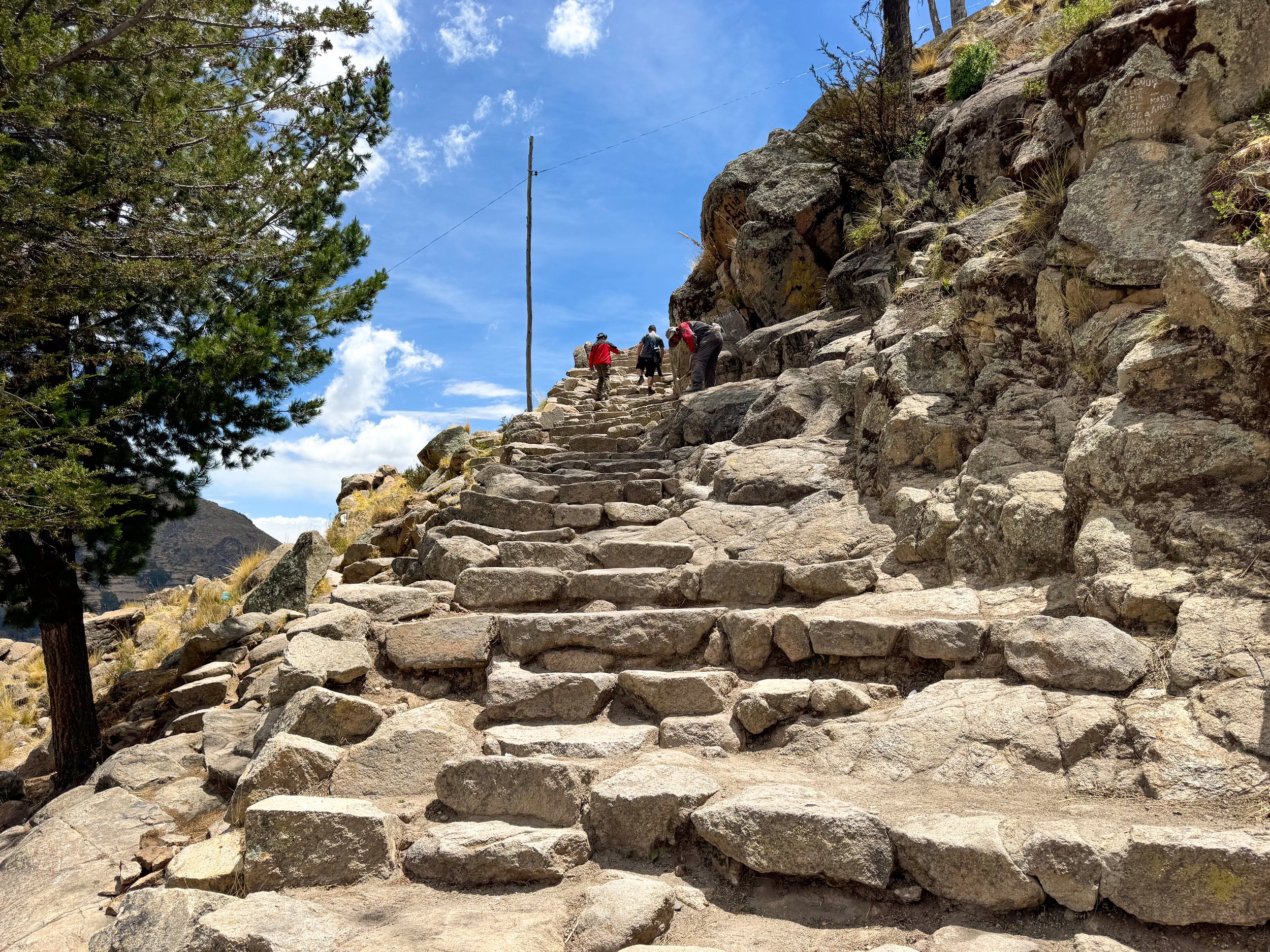
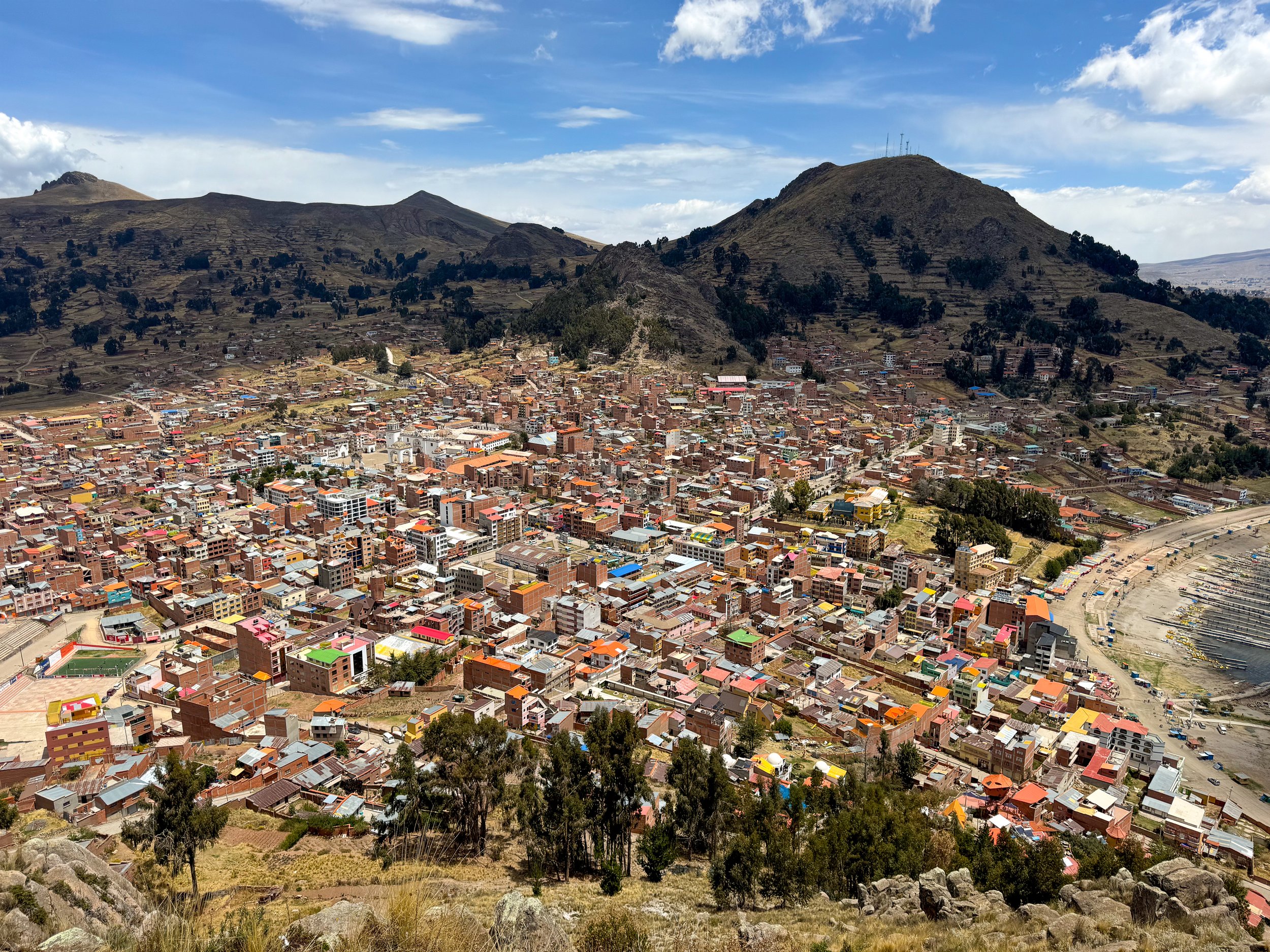
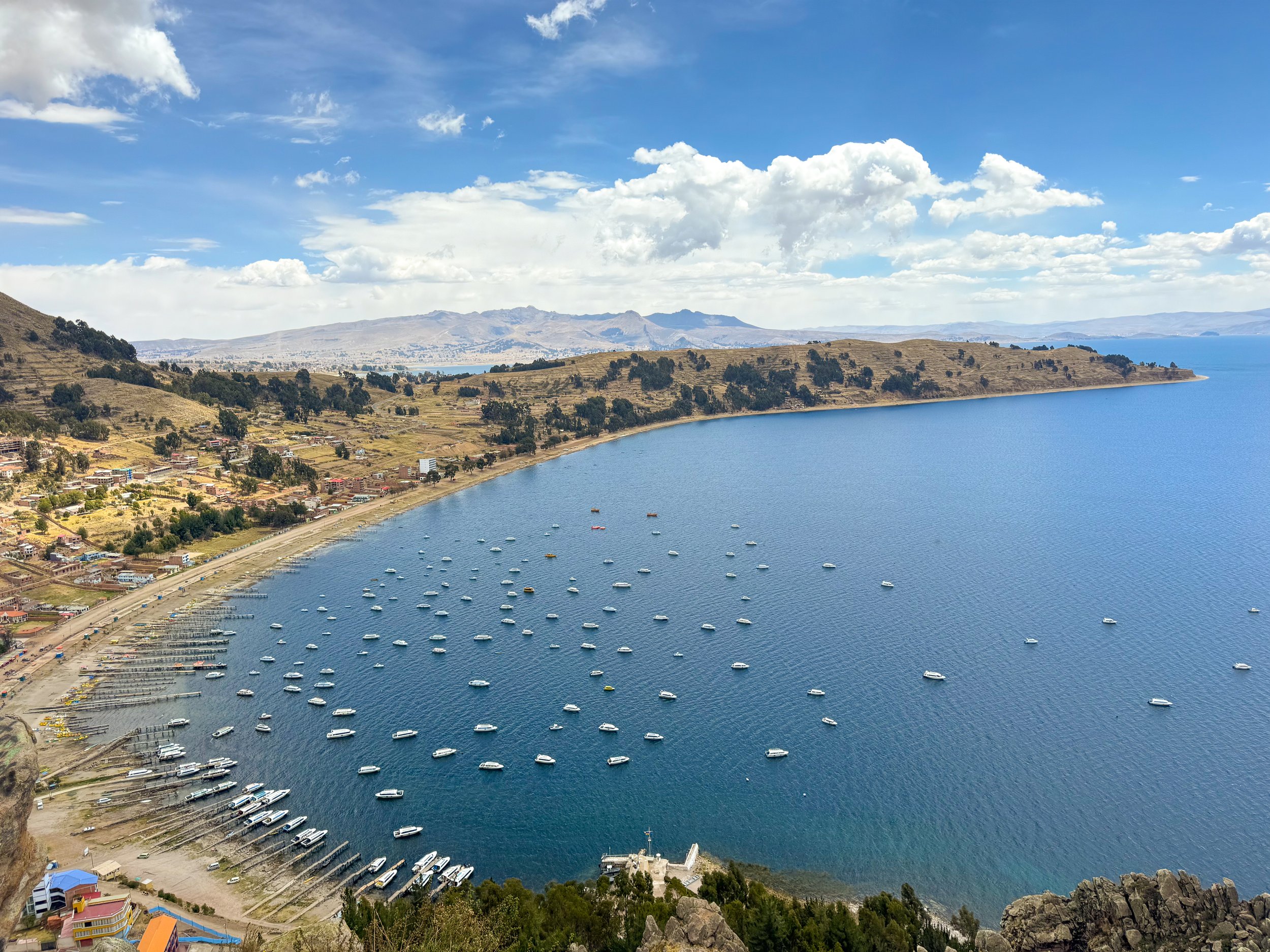
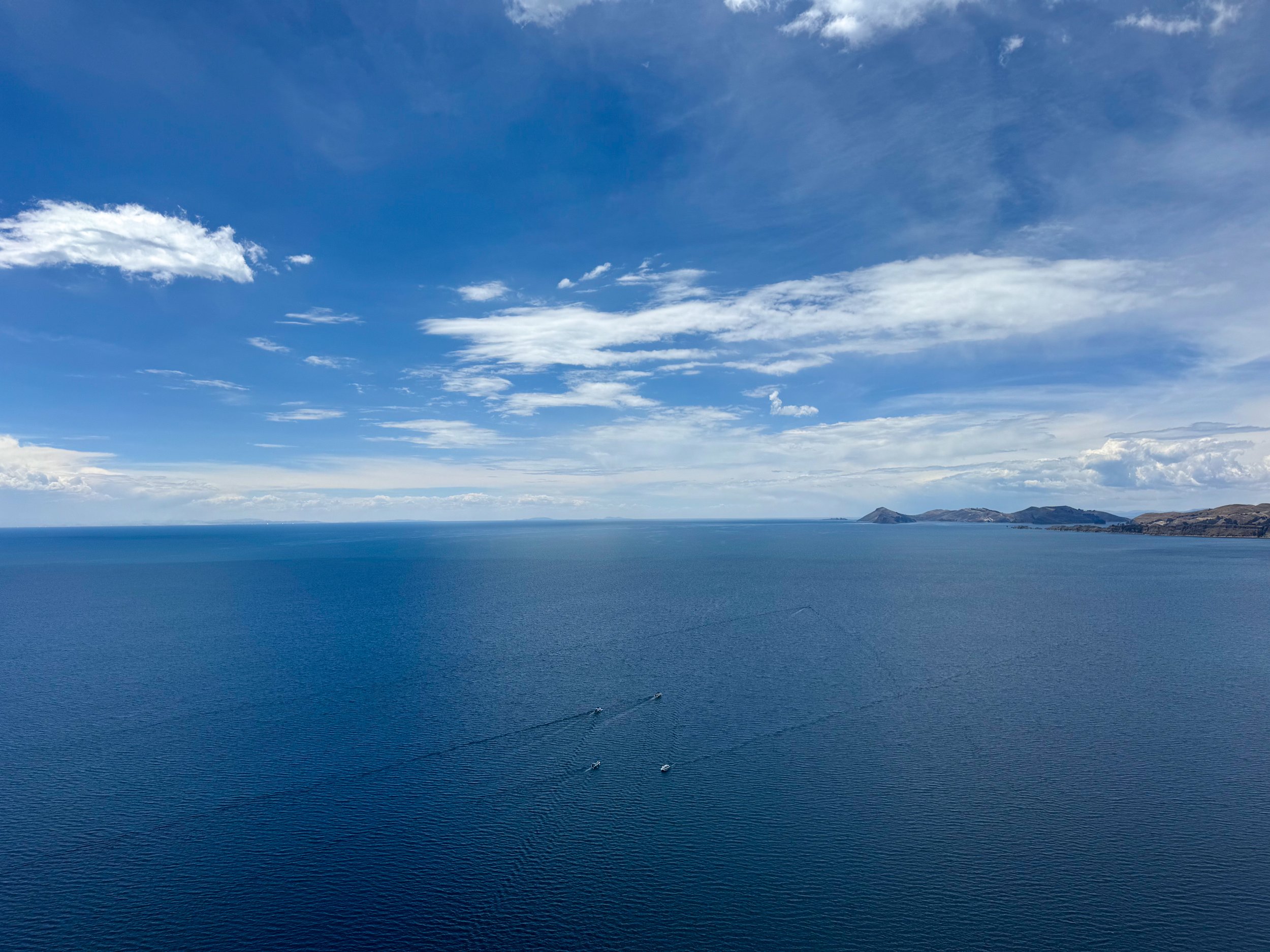
Hike Cerro El Calvario. A steep hike up rocky steps to a mountaintop lookout with views of Copacabana. From the summit, the clay tiled walls, colorful tin roofs and vibrantly painted facades of buildings of the city quickly blur into the countryside. Along shore, fishing boats and tour ships are moored along throughout the crescent shaped harbor while the expansive blue lake stretches far across the horizon.
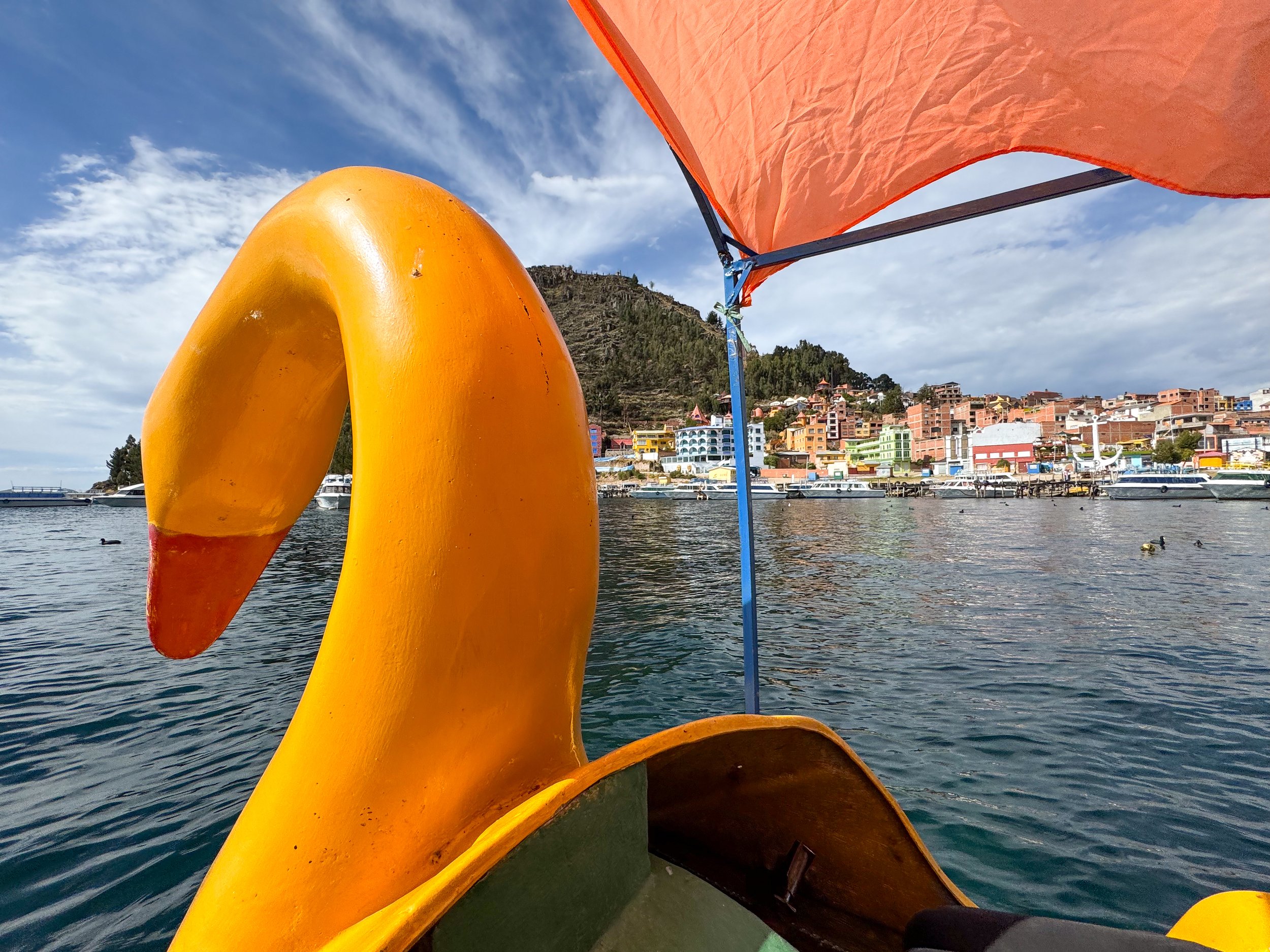
Rent A Paddle Boat. Rent a yellow duck paddle boat and float around the harbor for half an hour, looking back at the colorful city and mountains as the gentle waves rock the boat from side to side.

Places to Eat, Drink & Stay
Hostal La Cúpula. A hotel on the hill overlooking Copacabana with dome shaped buildings and flowering gardens. We came here for lunch at their restaurant, El Condor & The Eagle Cafe, a relaxing spot with a small dining room and outdoor patio with views of the city and harbor. The menu offers sandwiches and salads.
Hostal Las Olas. A one of a kind hotel with organic shell shaped architecture, tree houses, curved walls and colored glass windows on the hill overlooking Copacabana. Though we didn’t stay here, we stopped to admire the property.
Winay Marka. A restaurant and bar with a rooftop overlooking Lake Titicaca and the harbor. A relaxing atmosphere to enjoy a cocktail with Reggae vibes and natural decor like wicker furniture, Bolivian textile cushions and totora umbrellas.
Nimbo Cafe Restaurant. A family run restaurant along Av 6 de Augusto with happy hour cocktails and a large range of pizzas.
Location Specifics
The Climate. The climate is cool year round with slightly warmer temperatures during the day and freezing temperatures at night. It’s dry most of the year except for the rainy season from January to March.
Getting Here. The best way to reach the Uros Islands is by traveling to city of Puno, from either Cusco or Arequipa by bus. The best way to reach Copacabana is from Puno or La Paz by bus. We took the Peru Hop bus on our journey around Lake Titicaca.
Elsewhere in Peru
From the sacred waters of Lake Titicaca to the peaks of the Andes, colonial cities and desert landscapes, explore more of Peru's diverse regions through these travel guides:
Peru Coast Travel Guide: Nazca Lines, Huacachina & Ancient Civilizations. Explore Peru's desert coastline through mysterious Nazca Lines, oasis landscapes of Huacachina and ancient pre-Inca civilizations along the Pacific.
Peru Andes Travel Guide: Machu Picchu, Cusco & Inca Ruins. Journey through the heart of the Andes to discover Machu Picchu, Cusco's historic streets, Sacred Valley landscapes and the legacy of the Inca Empire.
Arequipa Peru Travel Guide: Colonial Architecture, Food & Culture. Wander through Peru's "White City," where volcanic stone architecture, colonial plazas and rich culinary traditions define southern Peruvian culture.
For Next Time…
Since we only spent a day exploring the city in route to La Paz, we had little time to visit the nearby Incan Islands.
Isla del Sol. A sacred island on Lake Titicaca with dozens of Incan temple ruins, a terraced landscape and numerous home stays. The Incan’s believed the sun god originated from here.
Isla del Luna. A small island with a terraced landscape and the ruins of a temple.

Rio de Janeiro Travel Guide: Beaches, Landmarks & Local Culture
Experience Rio de Janeiro's iconic beaches, world famous landmarks, samba culture and breathtaking landscapes where city life and natural beauty intertwine.

A Week in Rio de Janeiro
Rio de Janeiro is a vibrant and magical Brazilian city known for its energetic atmosphere, famed white sand beaches, jungelous hiking trails, breathtaking landscapes, sprawling favelas and all night samba parties. We spent a week in Rio, explored the city by neighborhood, getting a feeling for each one’s character, sights and beaches.
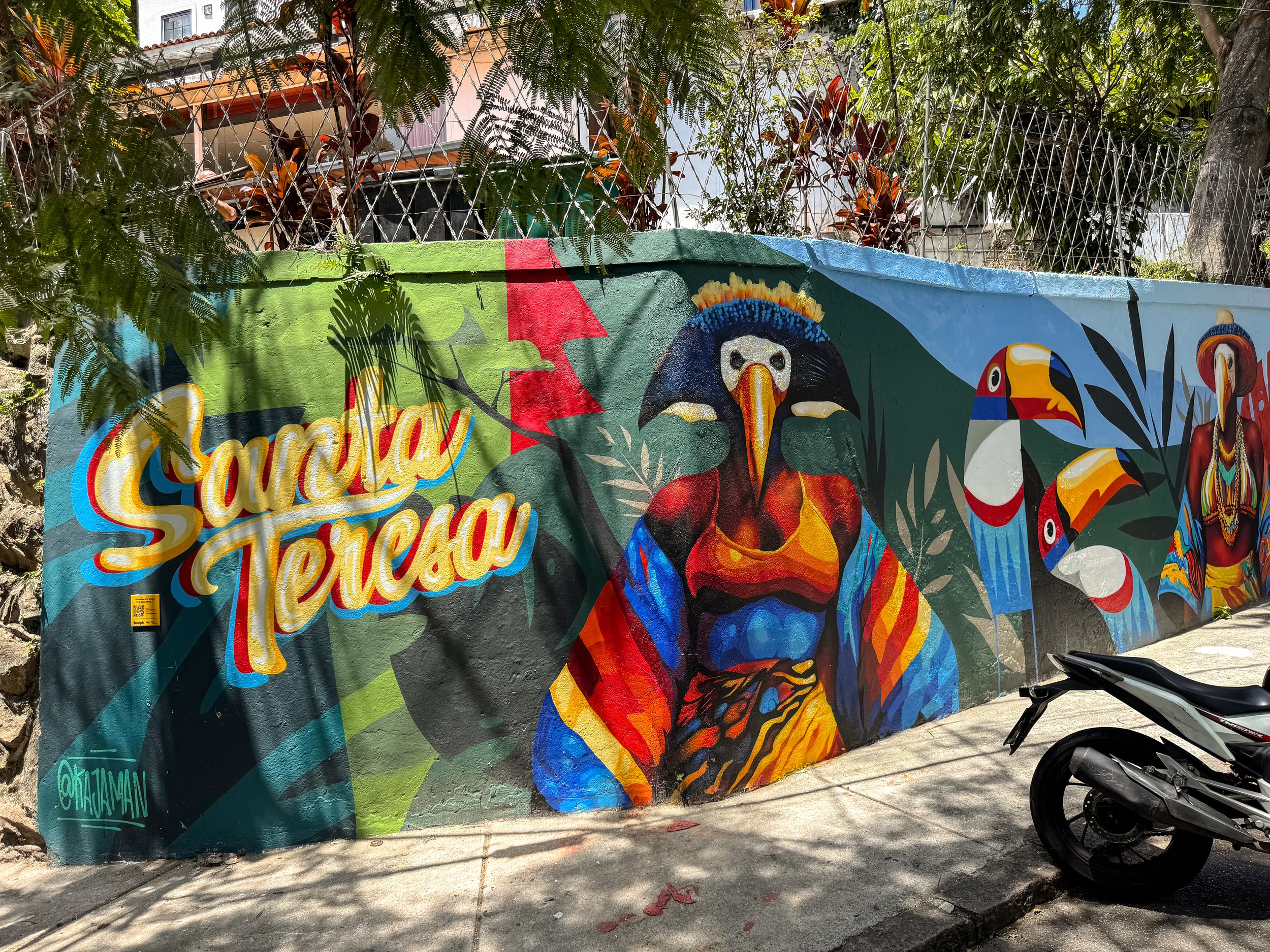
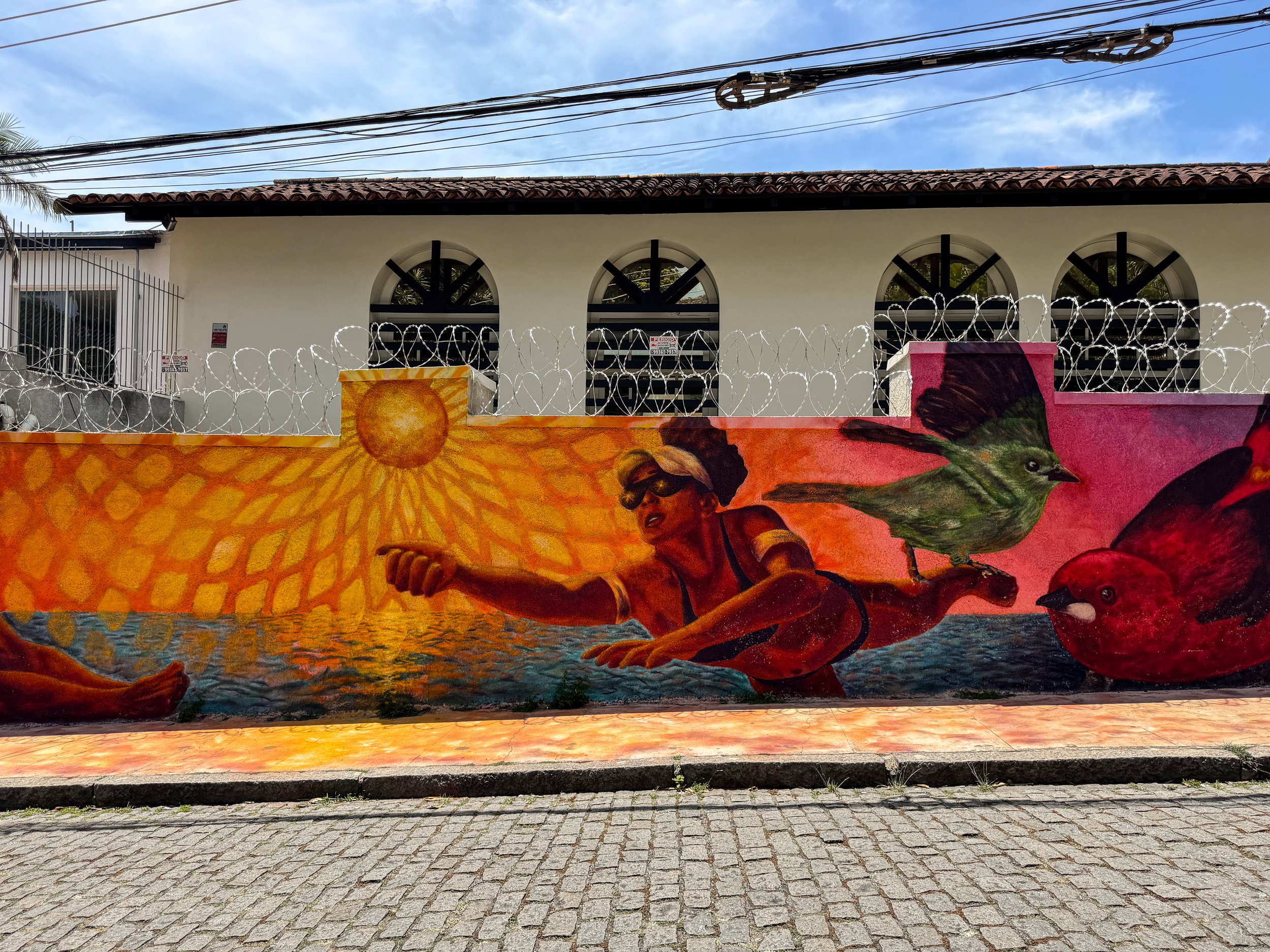
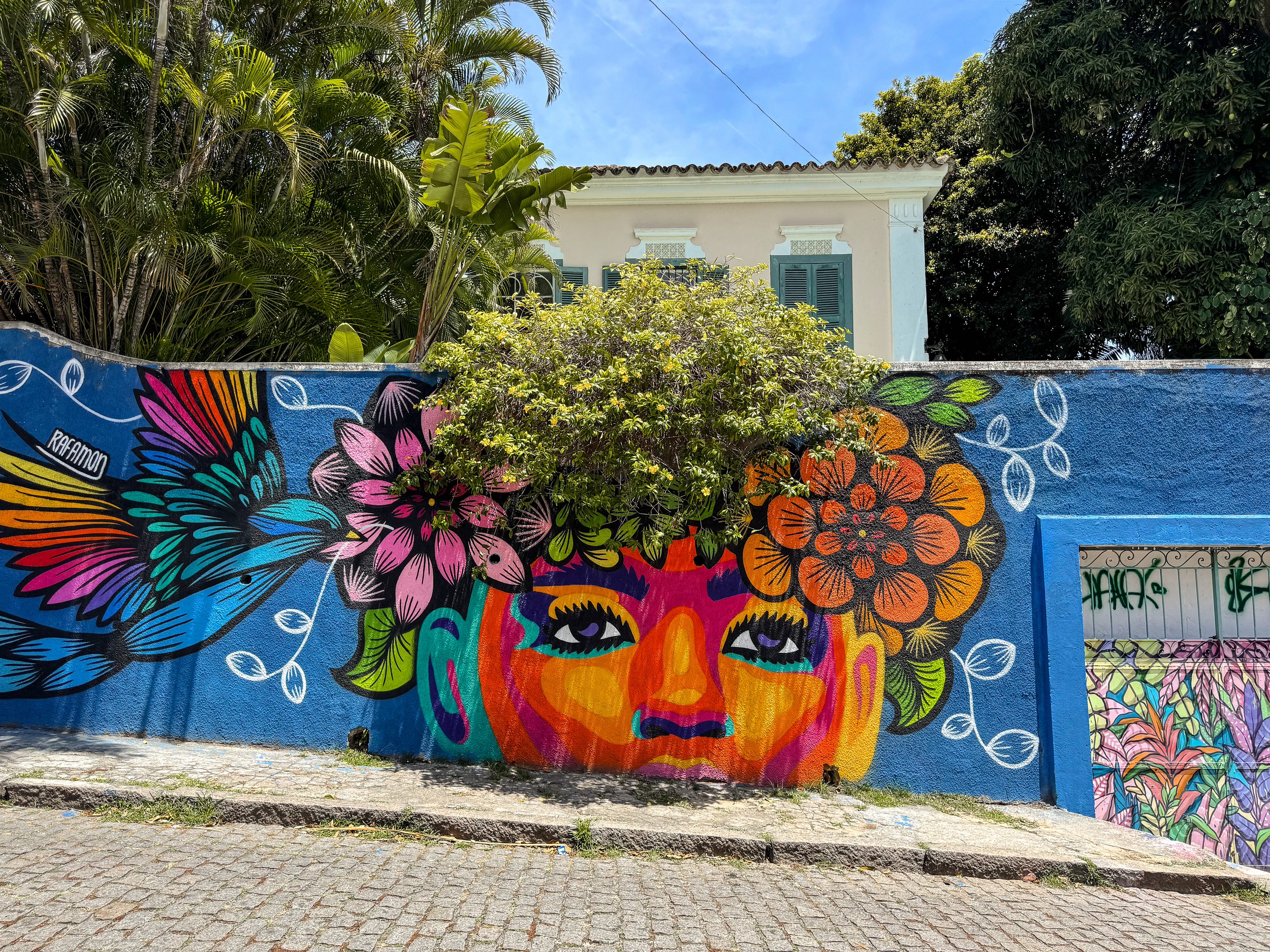
Santa Teresa
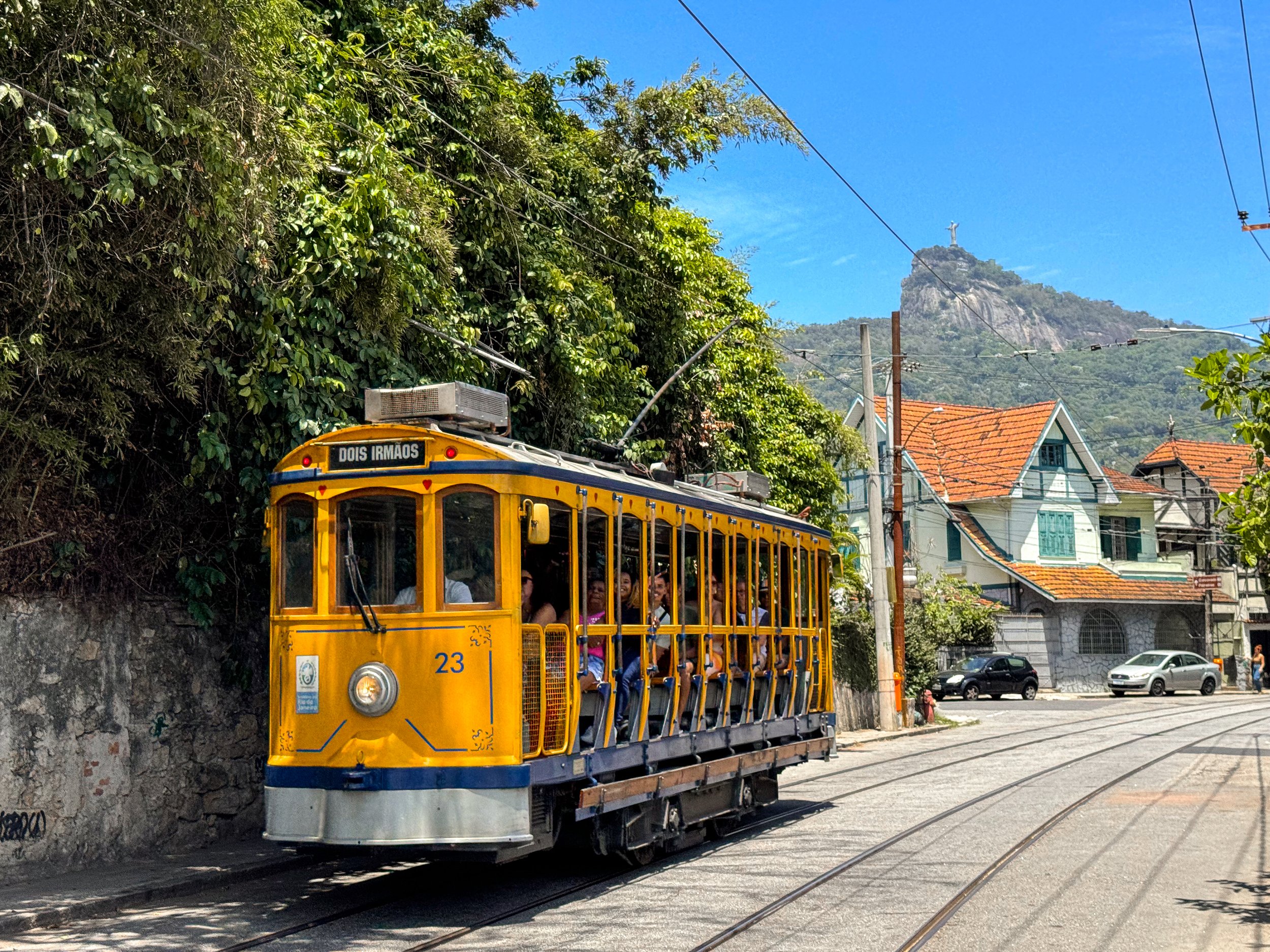
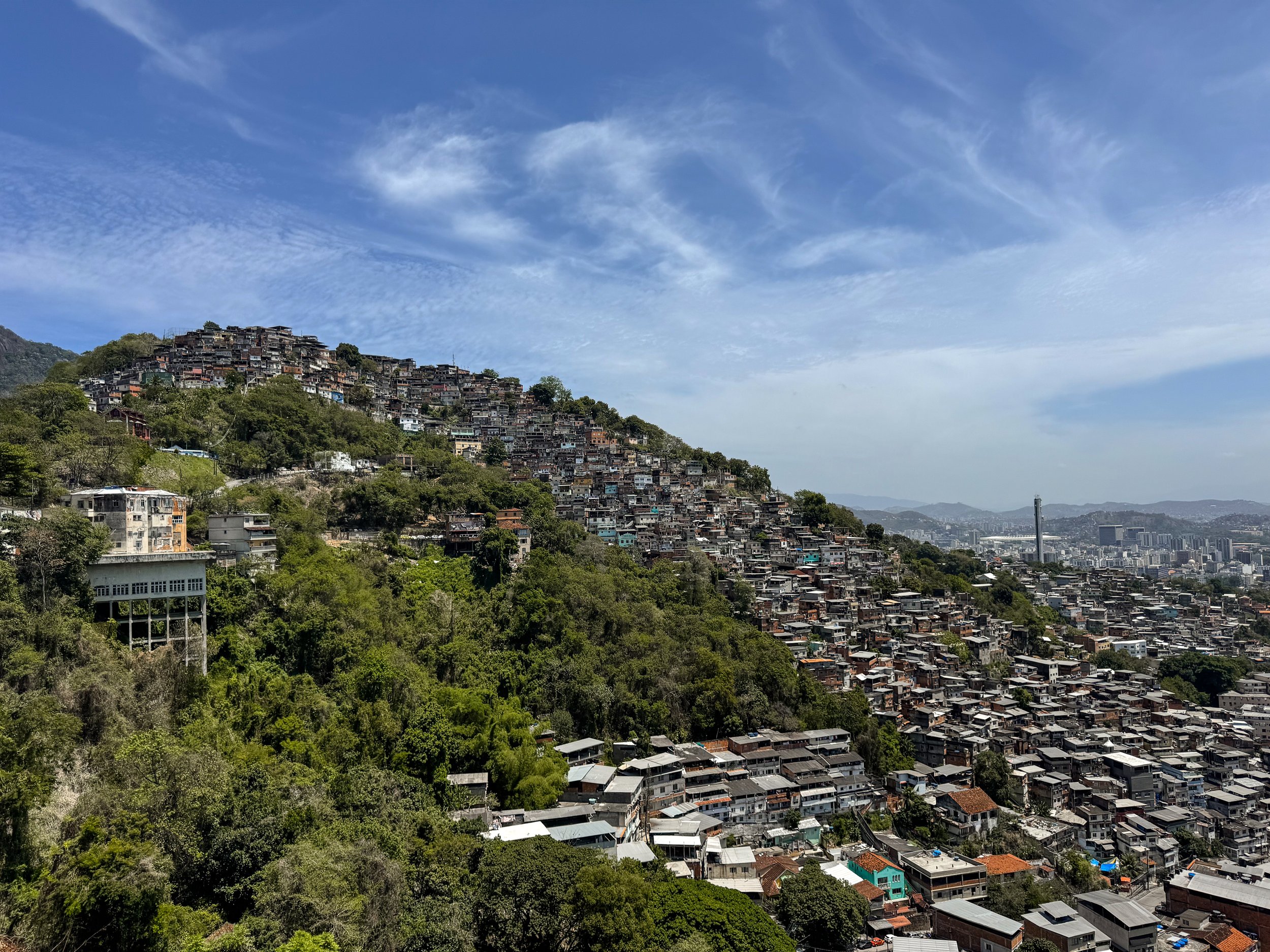
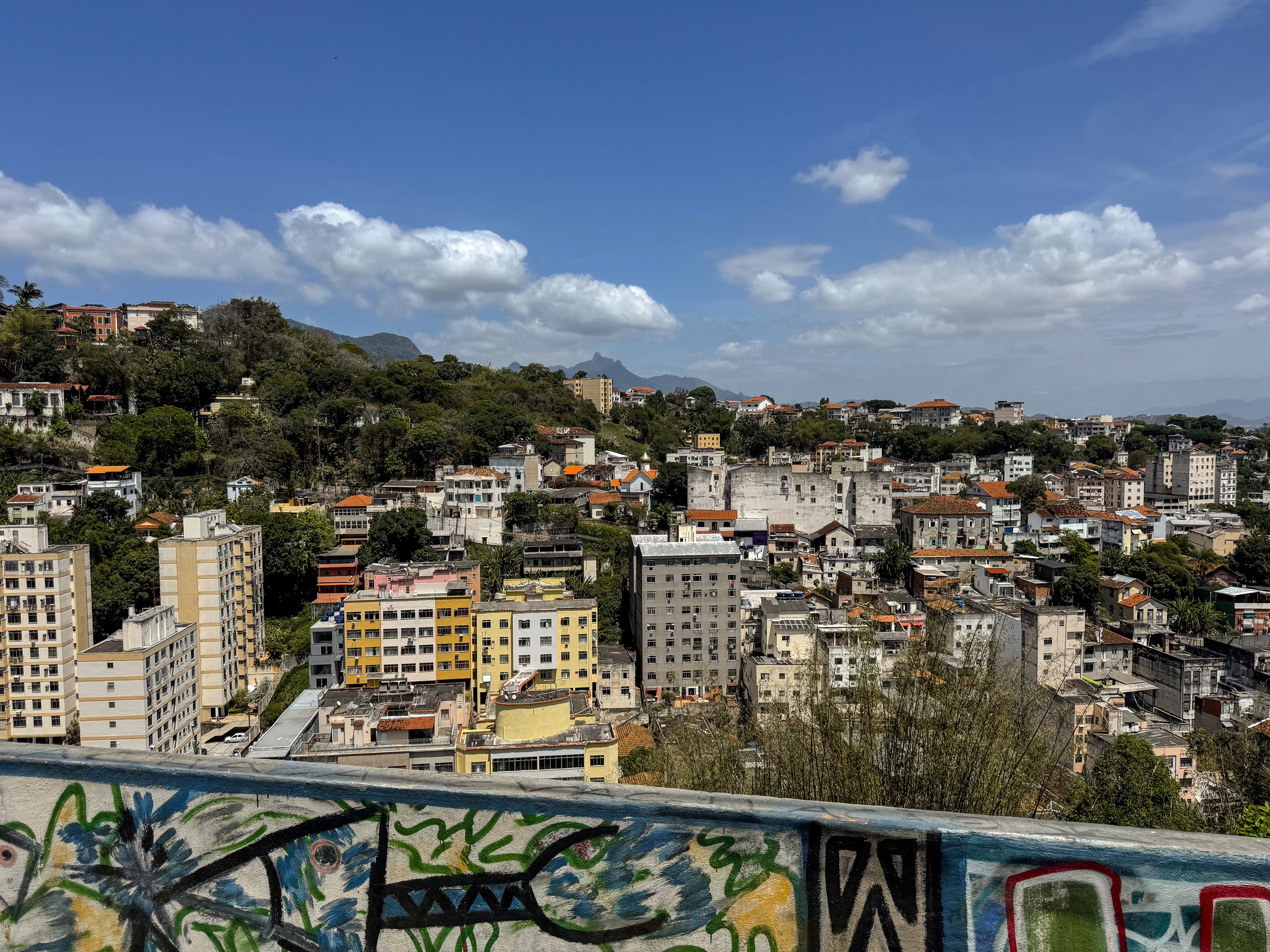
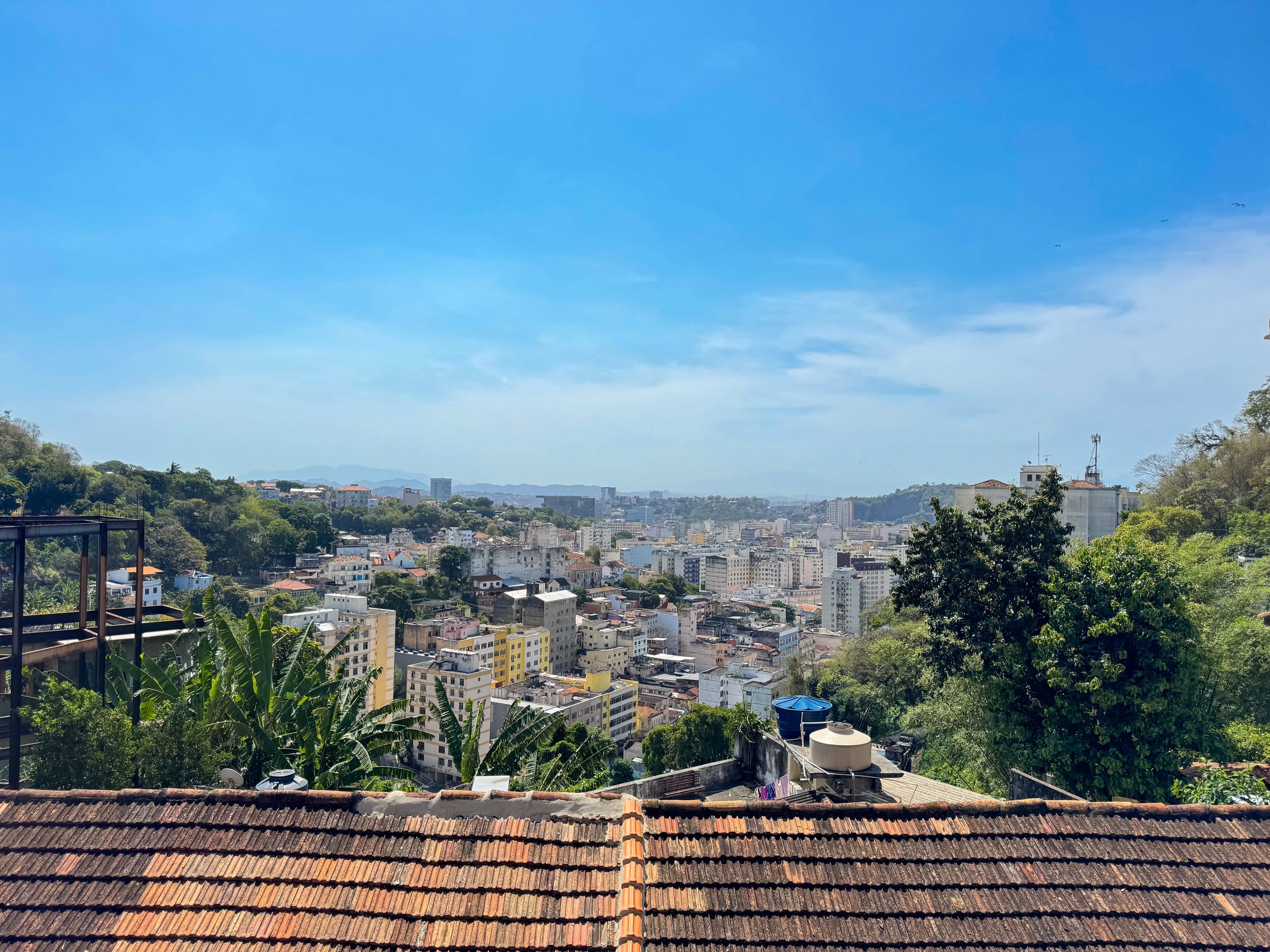
Santa Teresa is a hilly neighborhood with winding cobble stone streets, scenic viewpoints overlooking neighboring favelas, a restored tram, colorful street murals, and Brazilian restaurants.
Santa Teresa Tram. A historic yellow tram that rides through the Santa Teresa neighborhood past its landmarks and sights, making quick stops at stations along the way. We took the tram from the main station near the Metropolitan Cathedral into the neighborhood to the top of the hill. From here, we hopped off and walked back down, exploring the neighborhood on foot.
Good to Know. Purchase tram tickets at the station at 9am to avoid the crowds.
Largo dos Guimarães. The small central plaza in Santa Teresa with a tram station and a street with several cute cafes, vintage style restaurants and Brazilian shops.
Casanossa. A beautiful restaurant along the Santa Teresa tram route with a multilevel outdoor courtyard under the dappled lighting of trees with views of the hilltop architecture. We came here for lunch, ordering the bohlinos de bacalau, ceviche and a cold Brazilian beer.
Urca
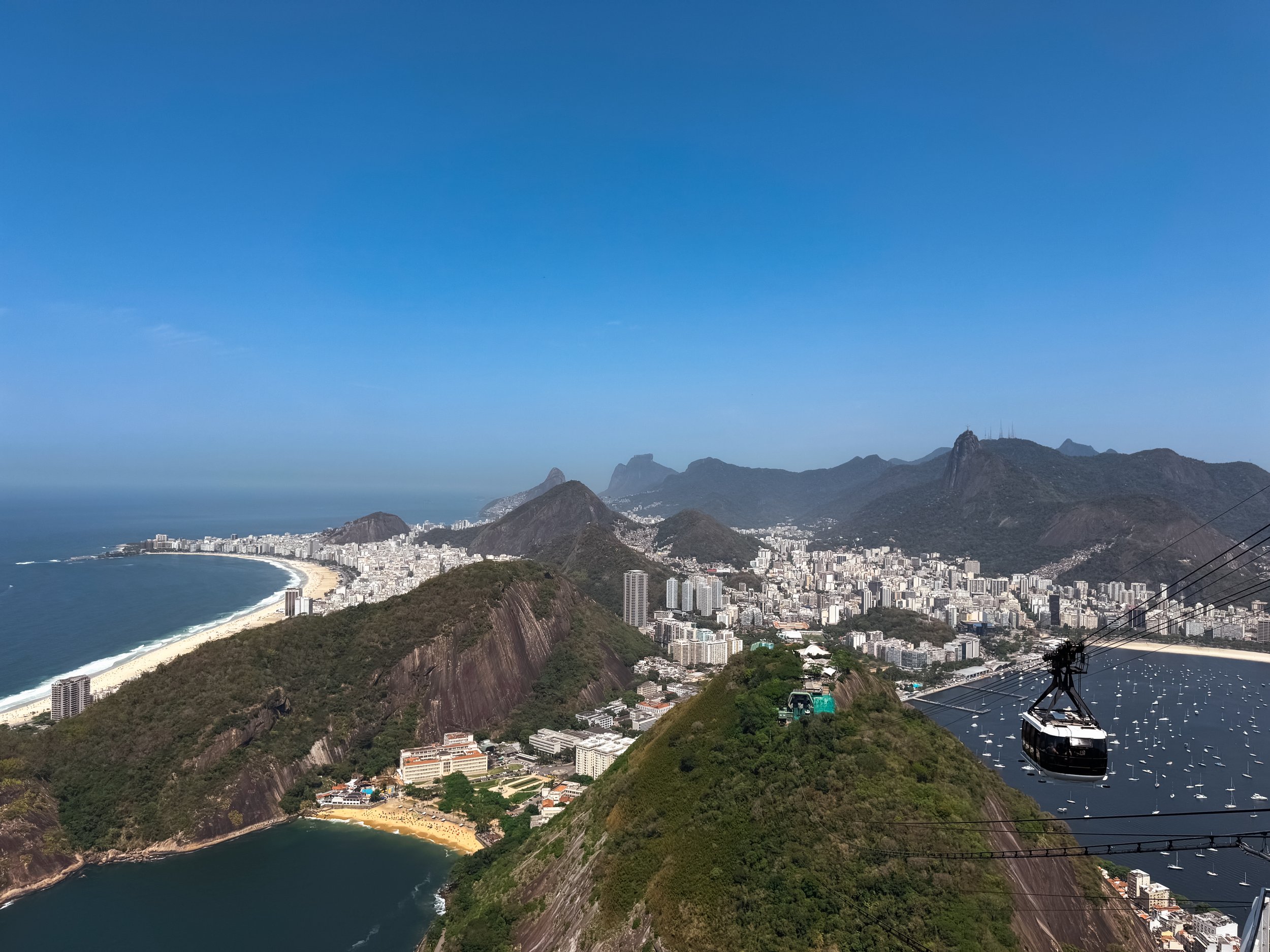
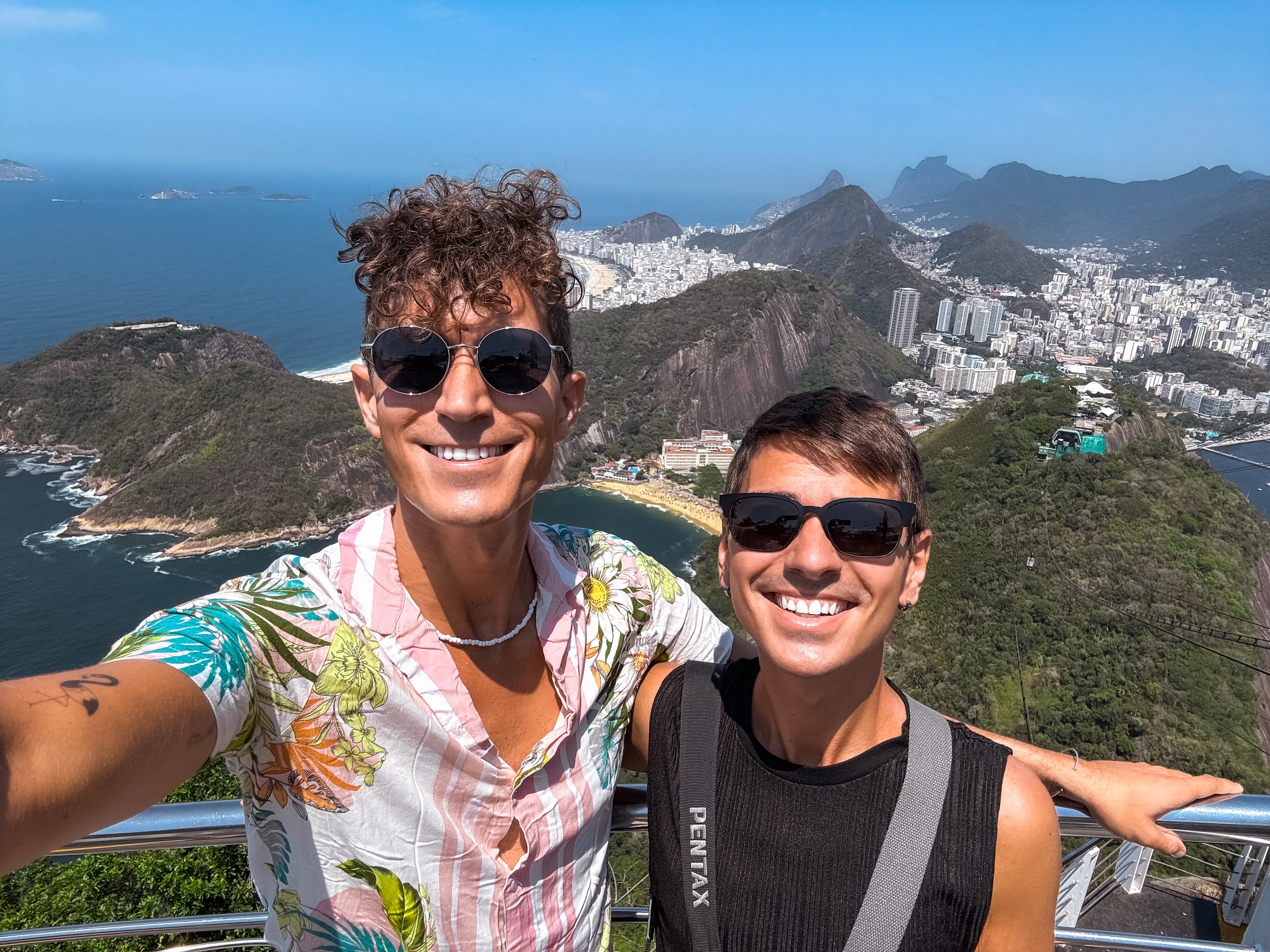
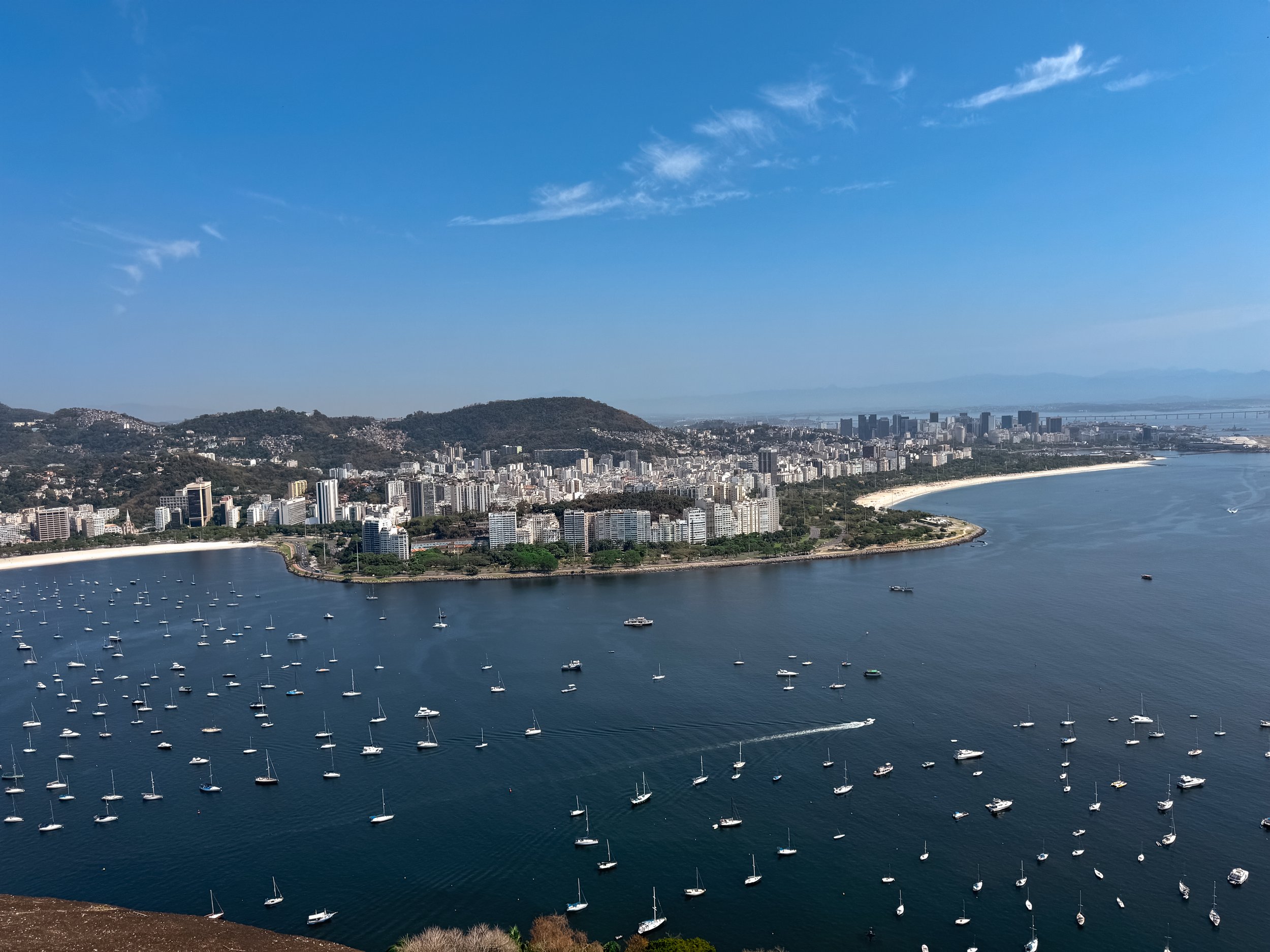
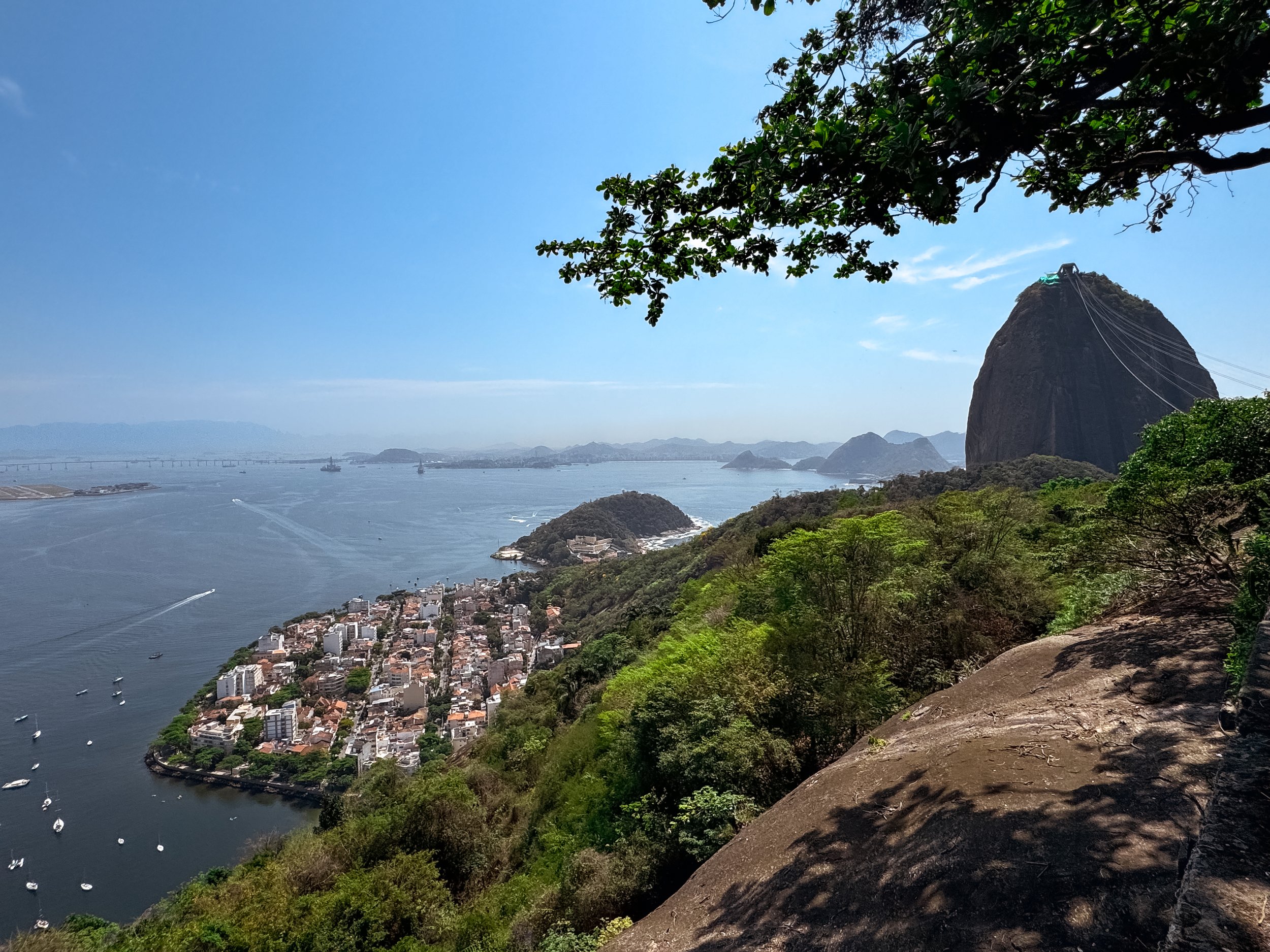
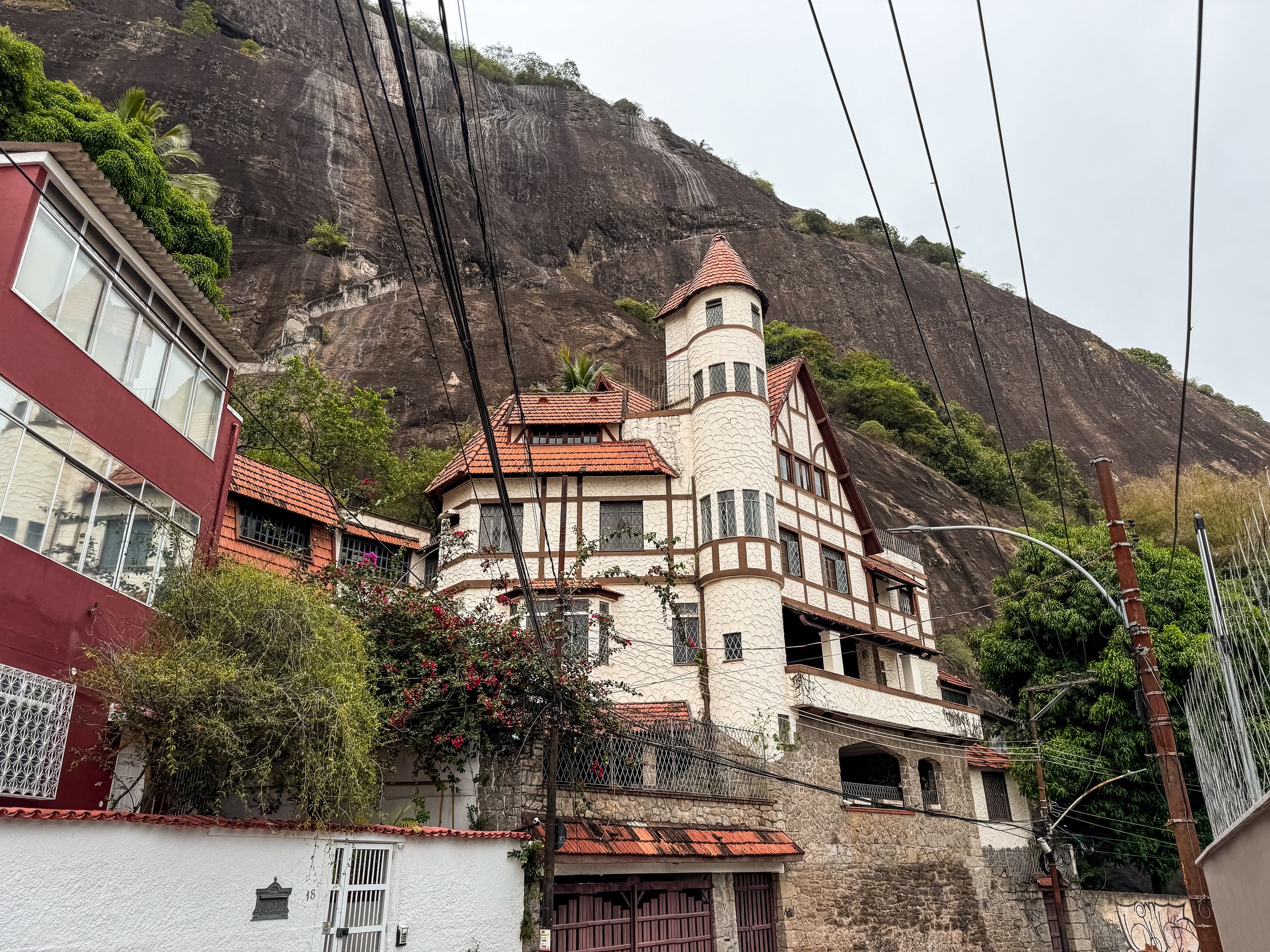
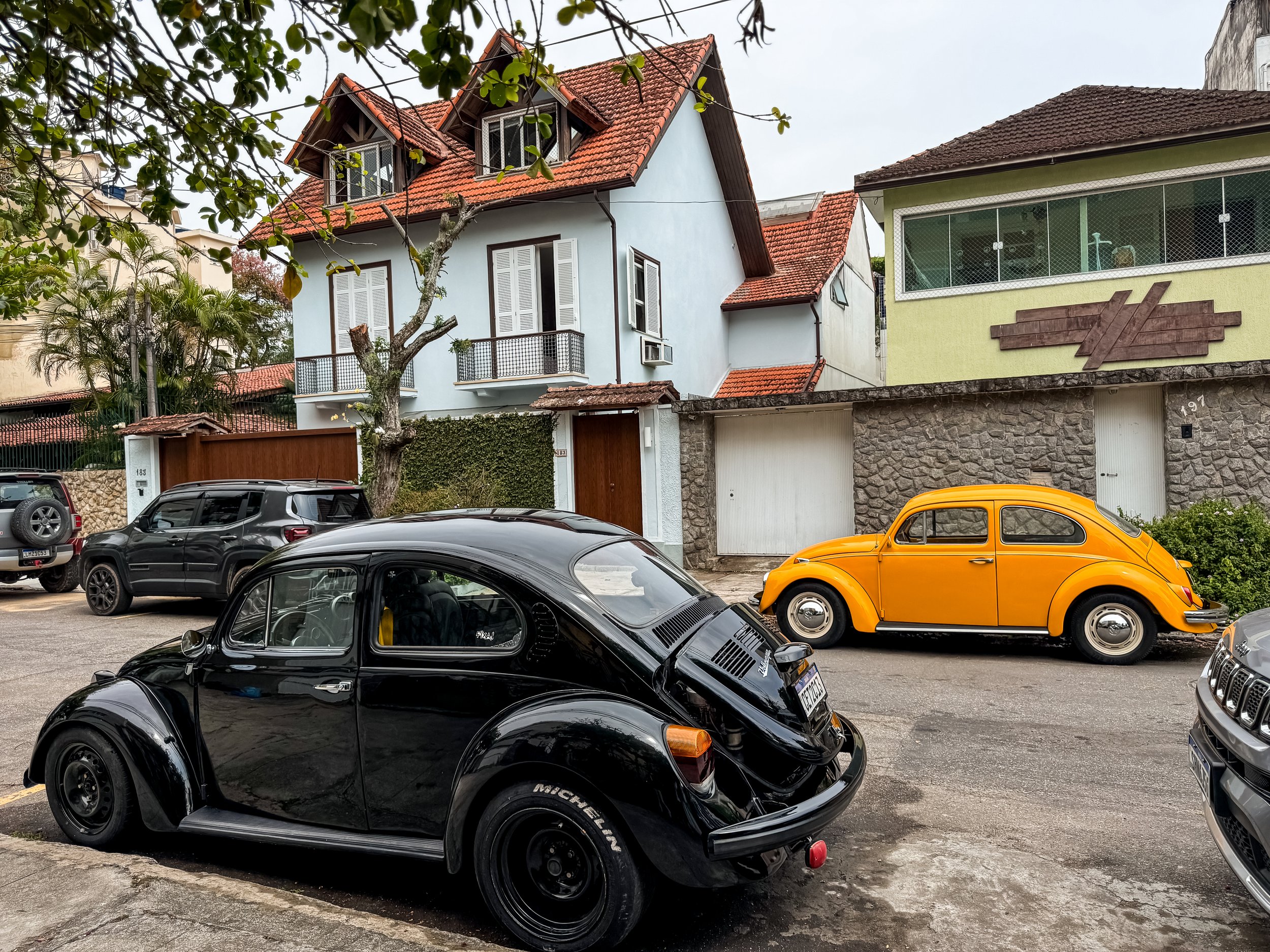
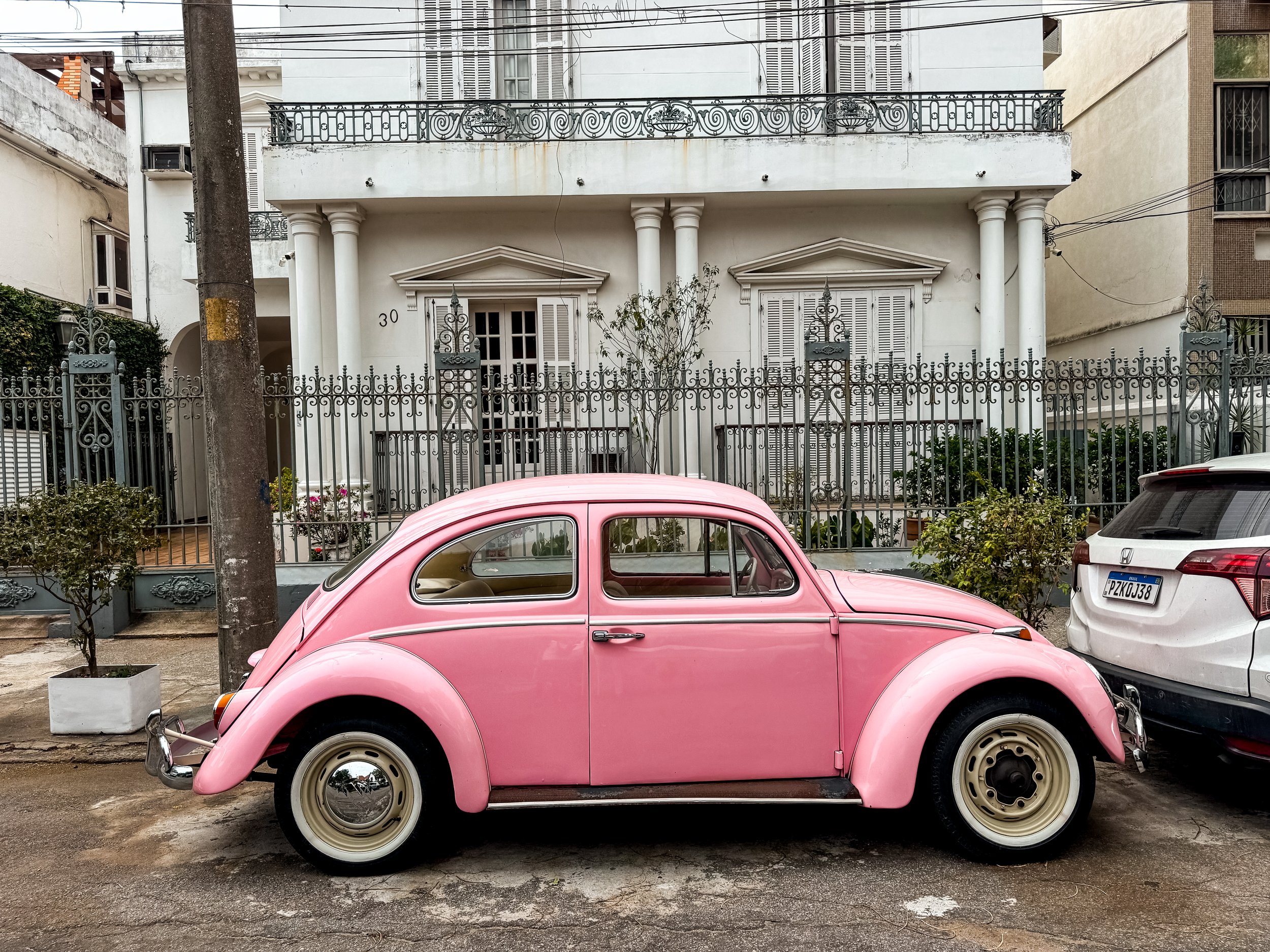
Urca is neighborhood at the base of the Sugarloaf Mountain. The residential are around the mountain has views of the harbor, beautiful small beaches, tree lined streets with flowering plants, German style houses, VW Beetles and a historic military base.
Pão de Açúcar (Sugarloaf Mountain). An iconic granite mountain with panoramic views of Rio, the harbor and ocean. We took the cable car up to smaller Urca Mountain then to Sugarloaf Mountain. From the summit of each, we overlooked the city from all angles, watched airplanes fly closely overheard and spotted people climbing the sheer granite cliffs. The smaller mountain has a garden with nature trails where spotted a tiny monkey climbing in a tree. Both mountains have numerous cafes, restaurants, food stands, bars and shops at their summits. While taking in the views, we ordered a coffee and brigadero, a Brazilian truffle.
Good to Know. Only go on a clear and sunny day. We purchased our tickets online ahead of time for the 9am entry to beat the crowds. Book here!
Praia Vermelha (Red Beach). A small beach named after its red hued sand at the base of the Sugarloaf Mountain. Come here to listen to the waves crash while relaxing in a beach chair under an umbrella with a fresh coconut.
Maria Açaí. A local restaurant chain for sweetened cups of açaí with a range of toppings like coconut, granola and nuts.
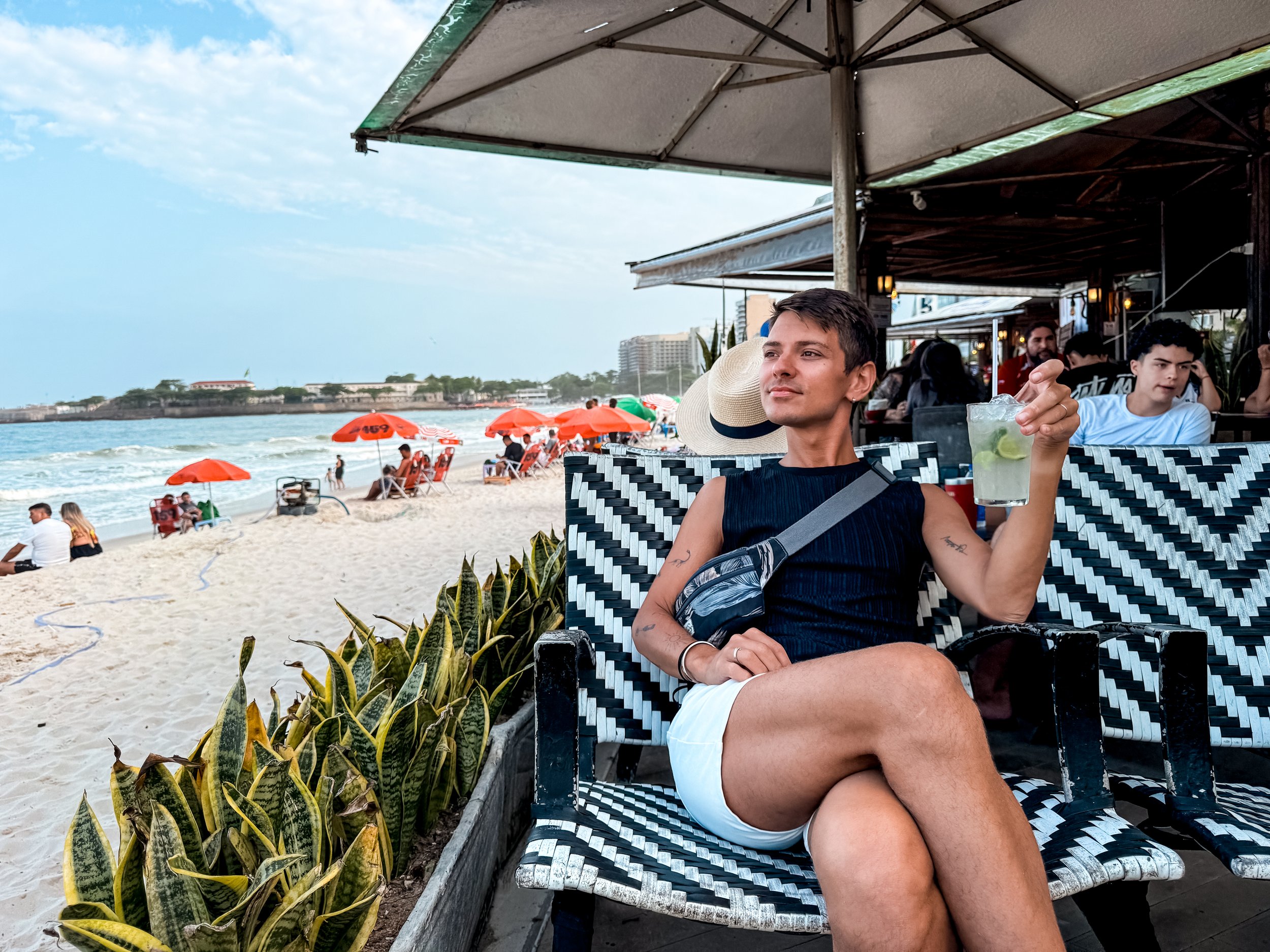
Copacabana Beach
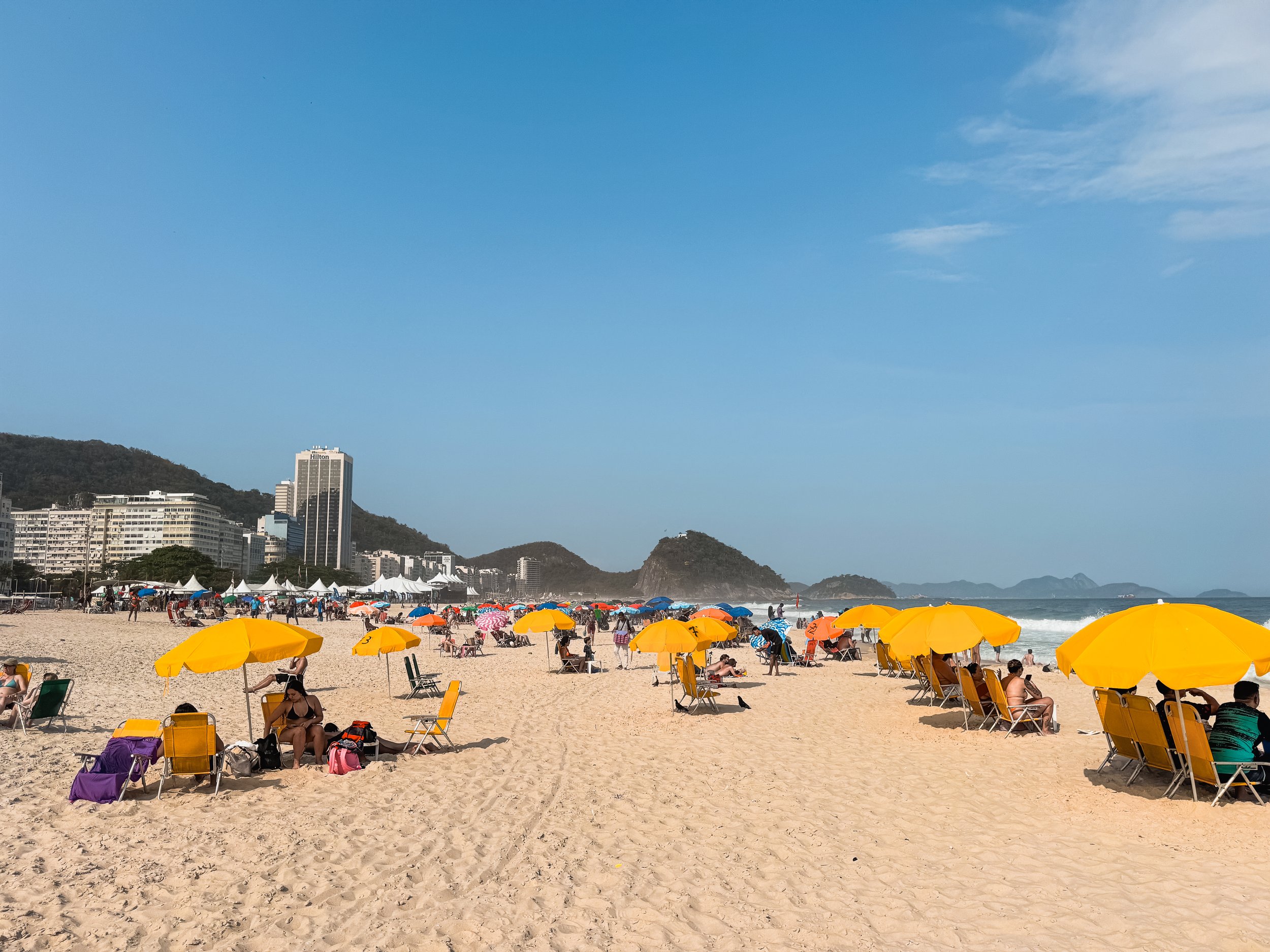
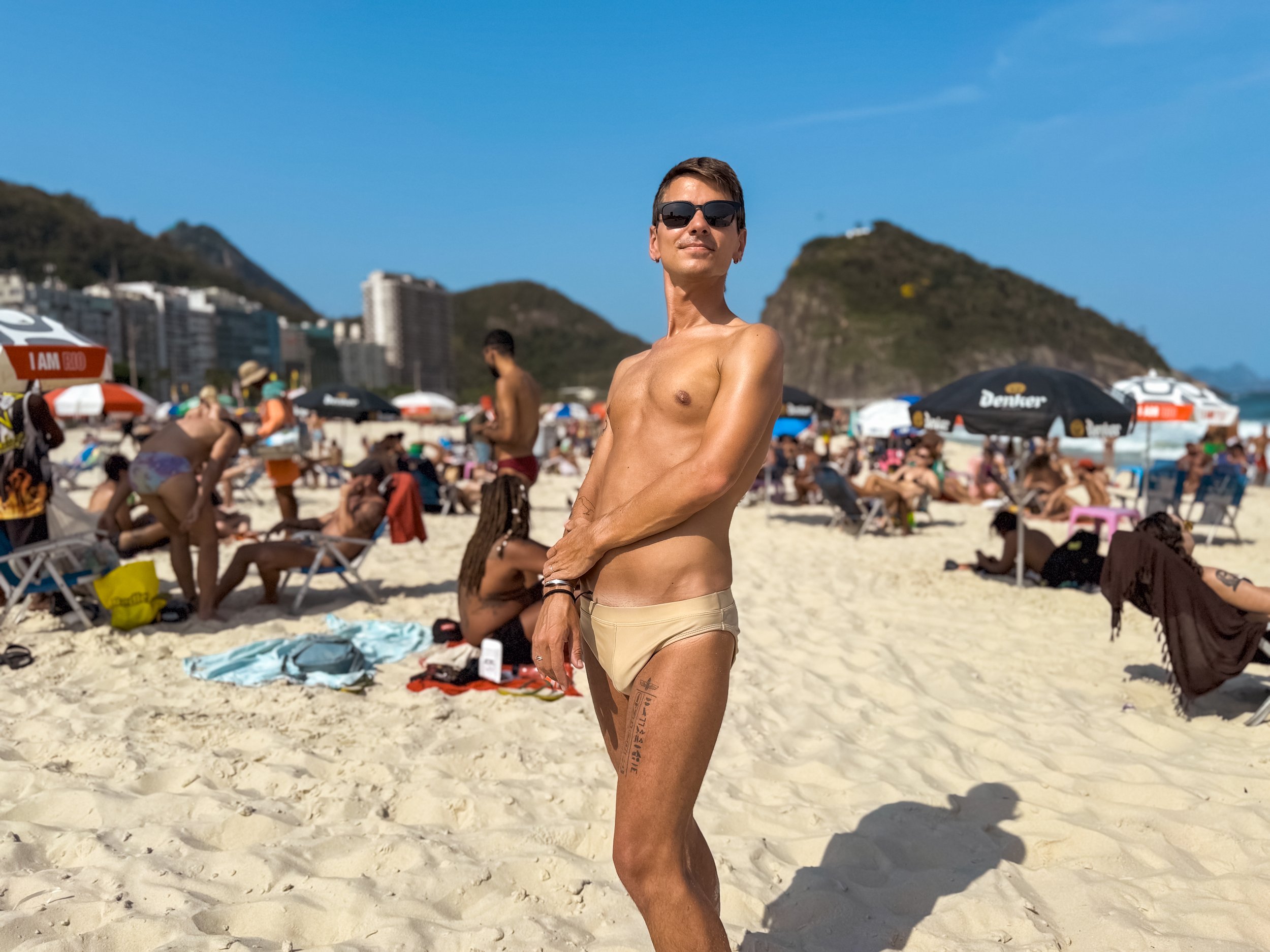
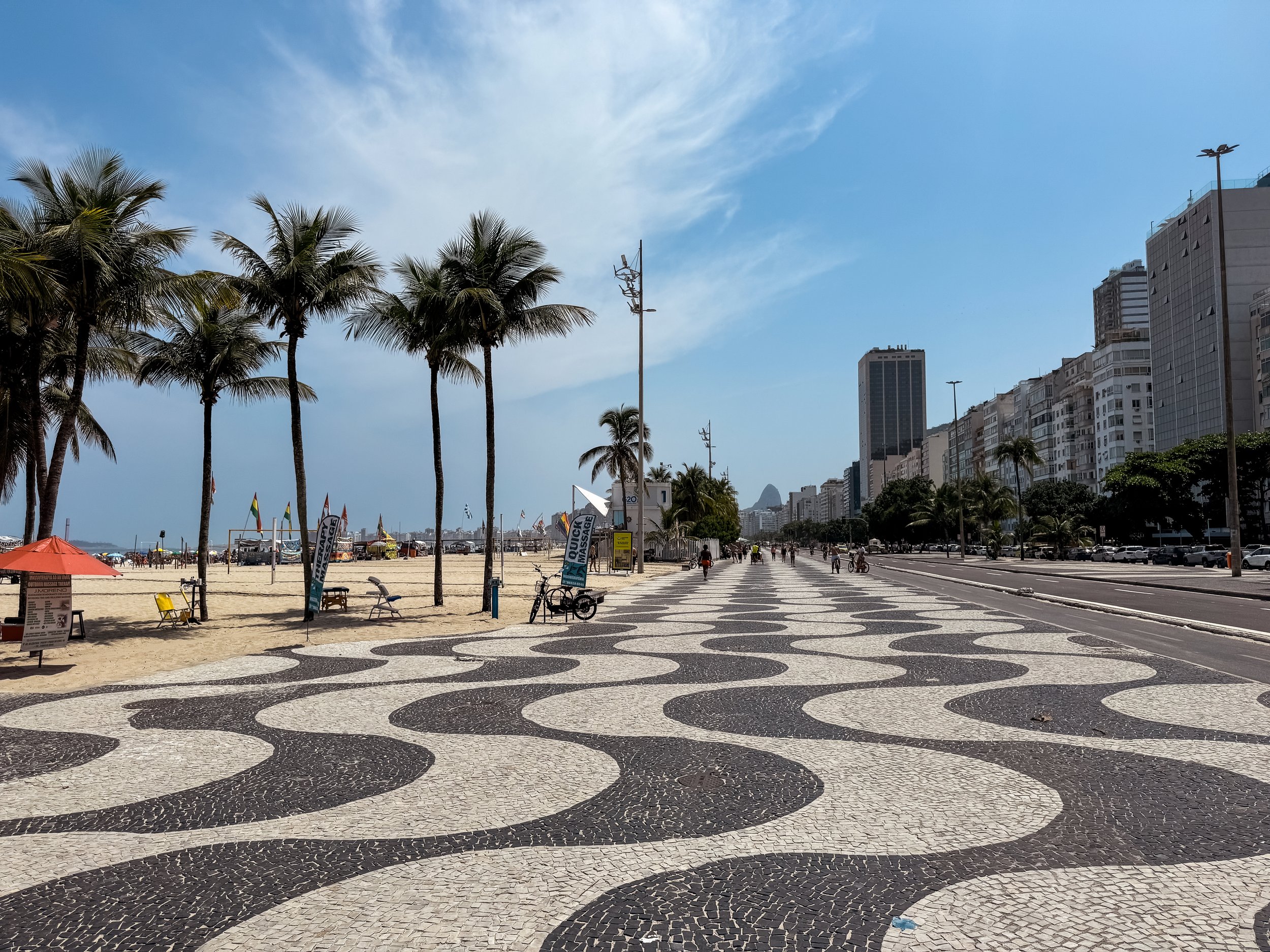
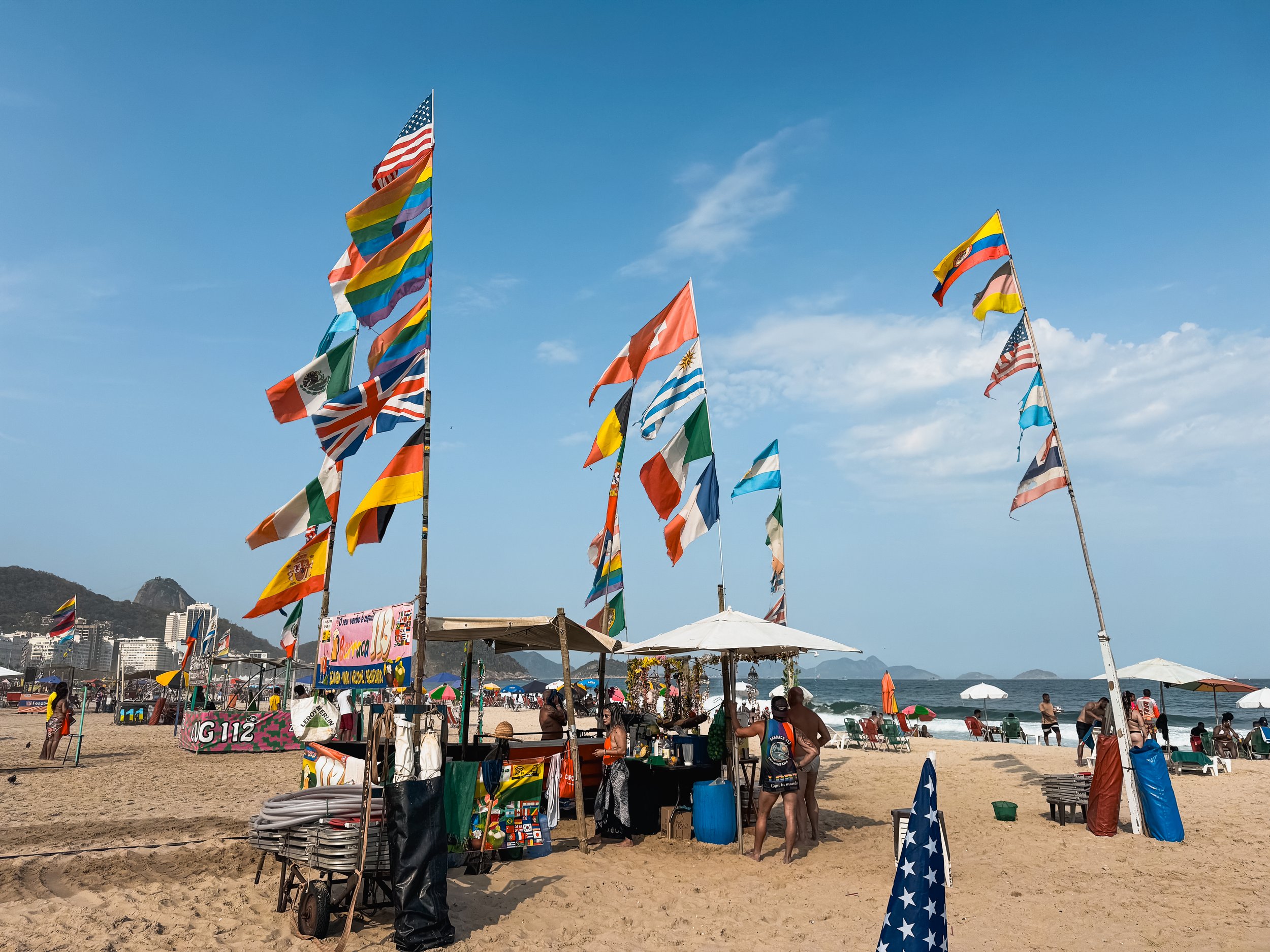
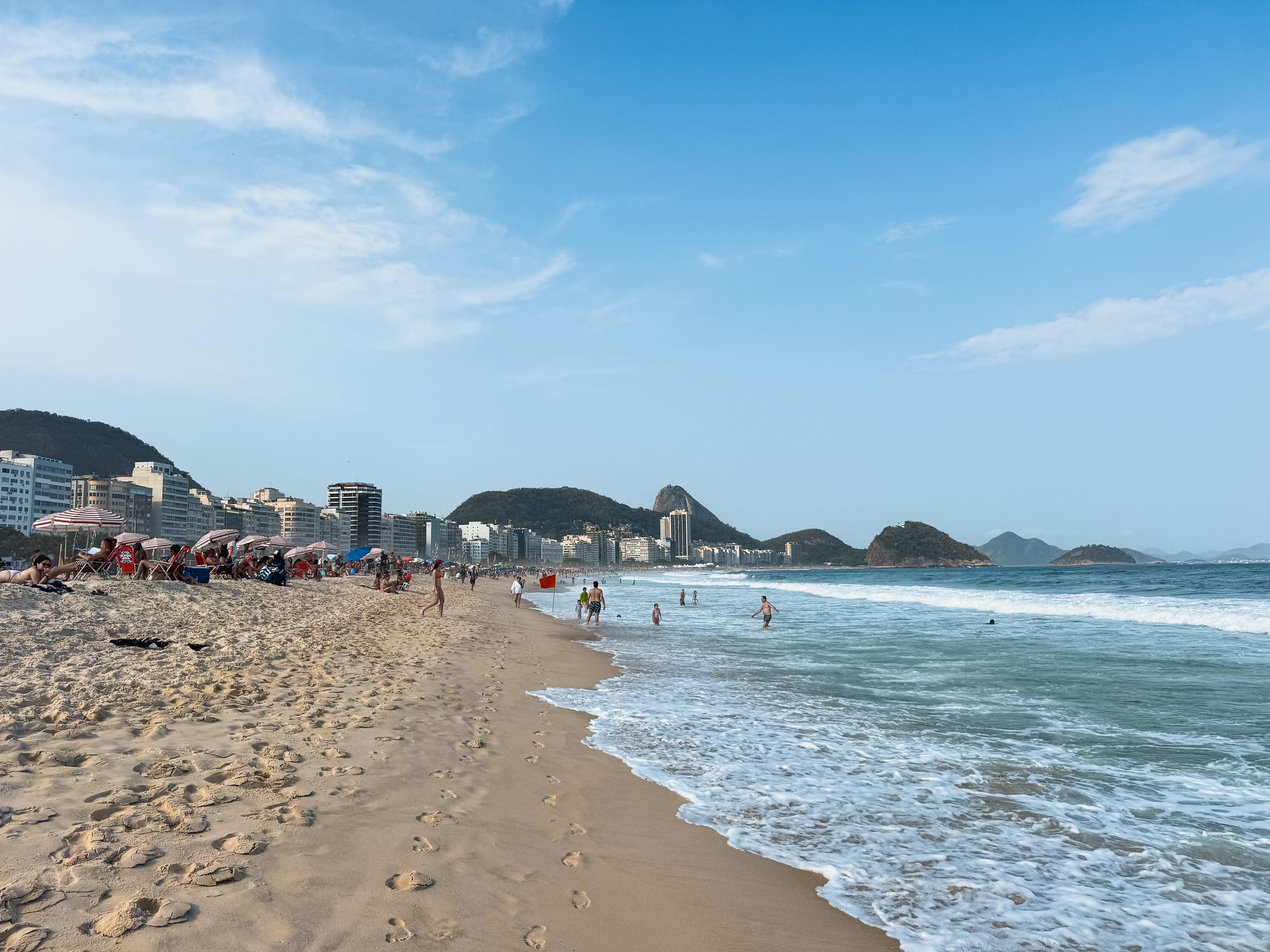
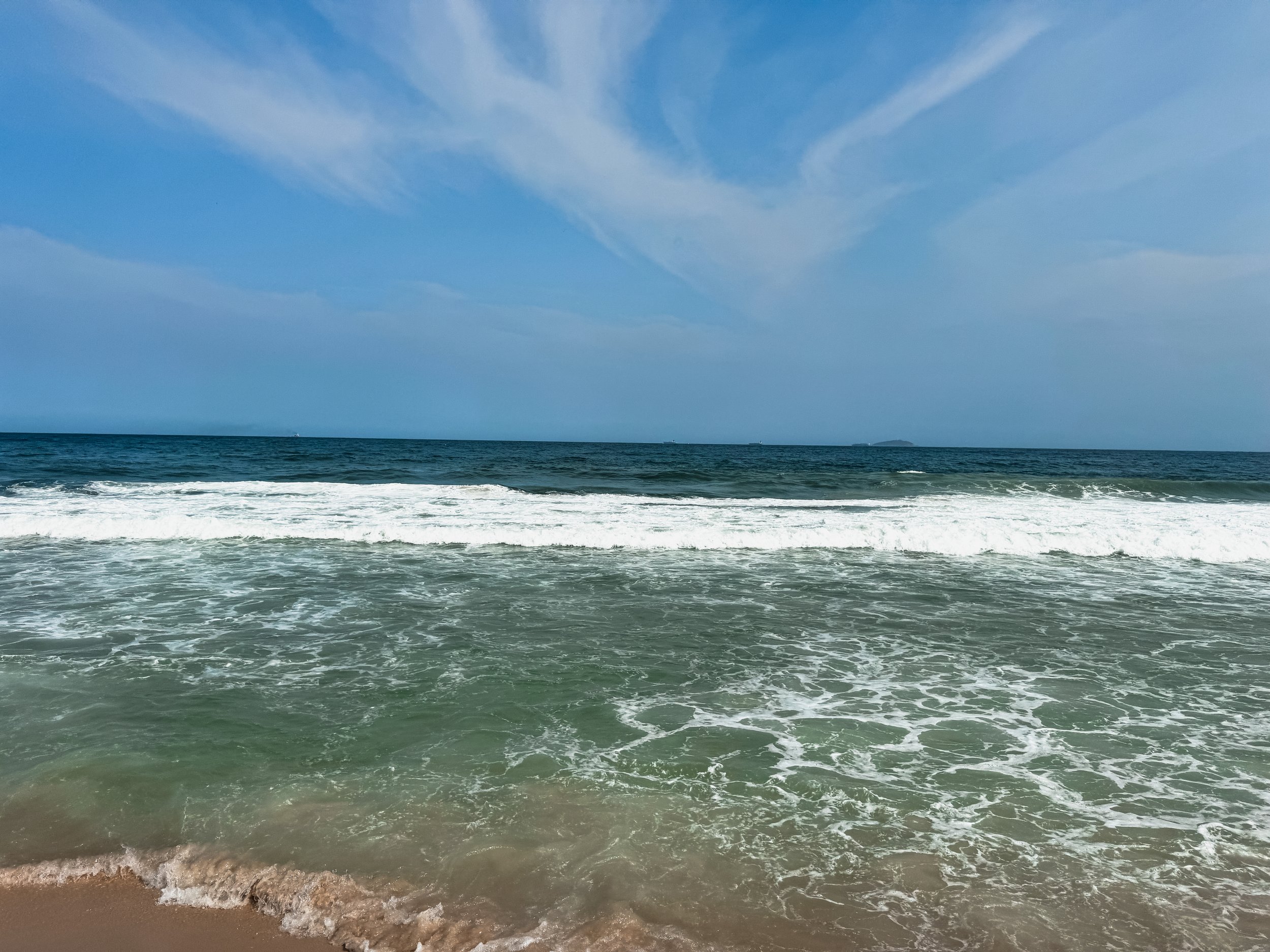
Copacabana is a famous for its yellow sand beach lined with colorful umbrellas and thousands of people relaxing under the Brazilian sun. At Borrachas (beach tents), vendors rent lounge chairs and umbrellas, sell coconuts, tropical cocktails and beverages. Food vendors walk the beach pushing carts with boiled corn, carry portable grills with smoked cheese and trays of skewered shrimp while others sell cigarettes & drugs.
All kinds of people visit Copacabana Beach. Vendors fly dozens flags as welcoming symbols to attract foreign tourists, sports fans, gays and other Brazilians. There’s not a specific gay section though most gays congregate anywhere around the large and numerous rainbow flags. It can be a sporty spot, we watched as guys played competitive games of foot volley and others jogged by shirtless along the promenade as we sipped on caipirinhas.
Atlantic Promenade. The black and white tiled promenade is lined with beachside restaurants and bars. We walked along its entire length, taking advantage of the 2 for $R20 caipirinhas ($3.50 USD). Across the street, along Atlantic Avenue, skyscrapers, upscale restaurants, hotels and residences provide a metropolitan feeling to the beachy atmosphere. There’s no bad spot along Copacabana Beach but the best views are from the west looking towards Sugarloaf Mountain.
Joaquina Restaurant. A restaurant in Copacabana with contemporary versions of classic Brazilian dishes and cocktails made with Brazilian fruits and syrups. We ordered the tapioca breaded shrimp with passion fruit mango sauce and the seafood moqueca made with dorado, plantain, farina and a thick fish broth.
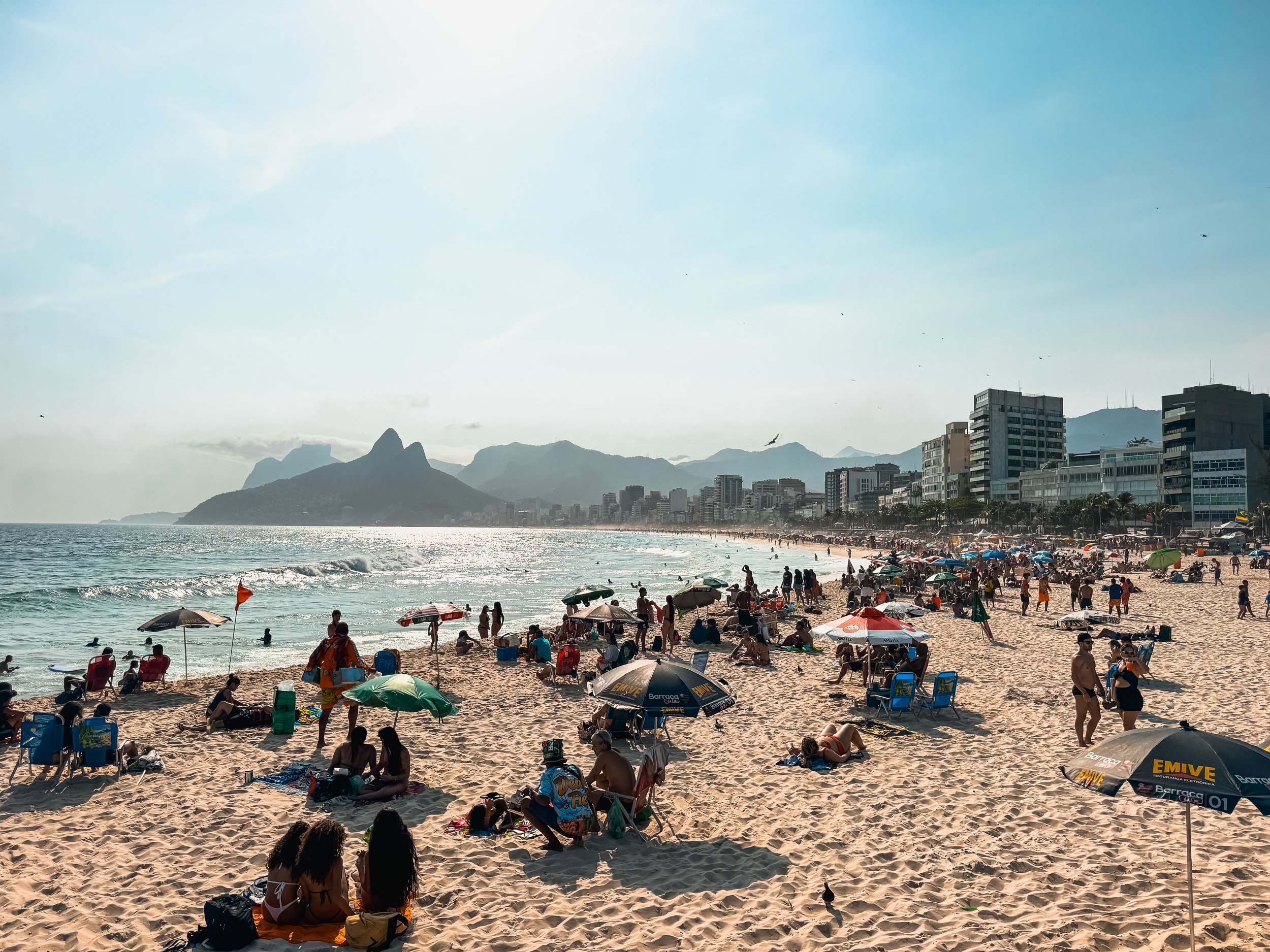
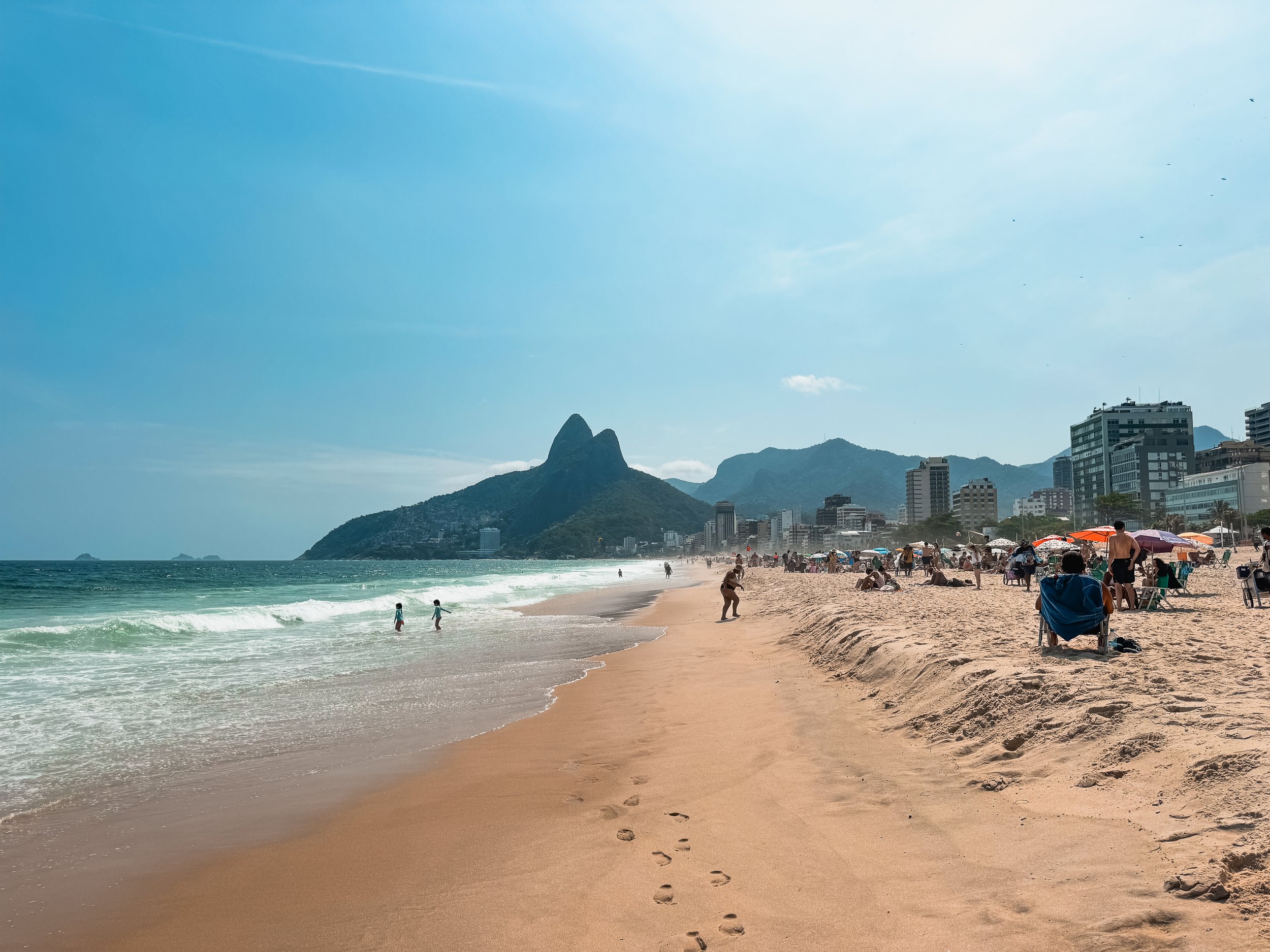
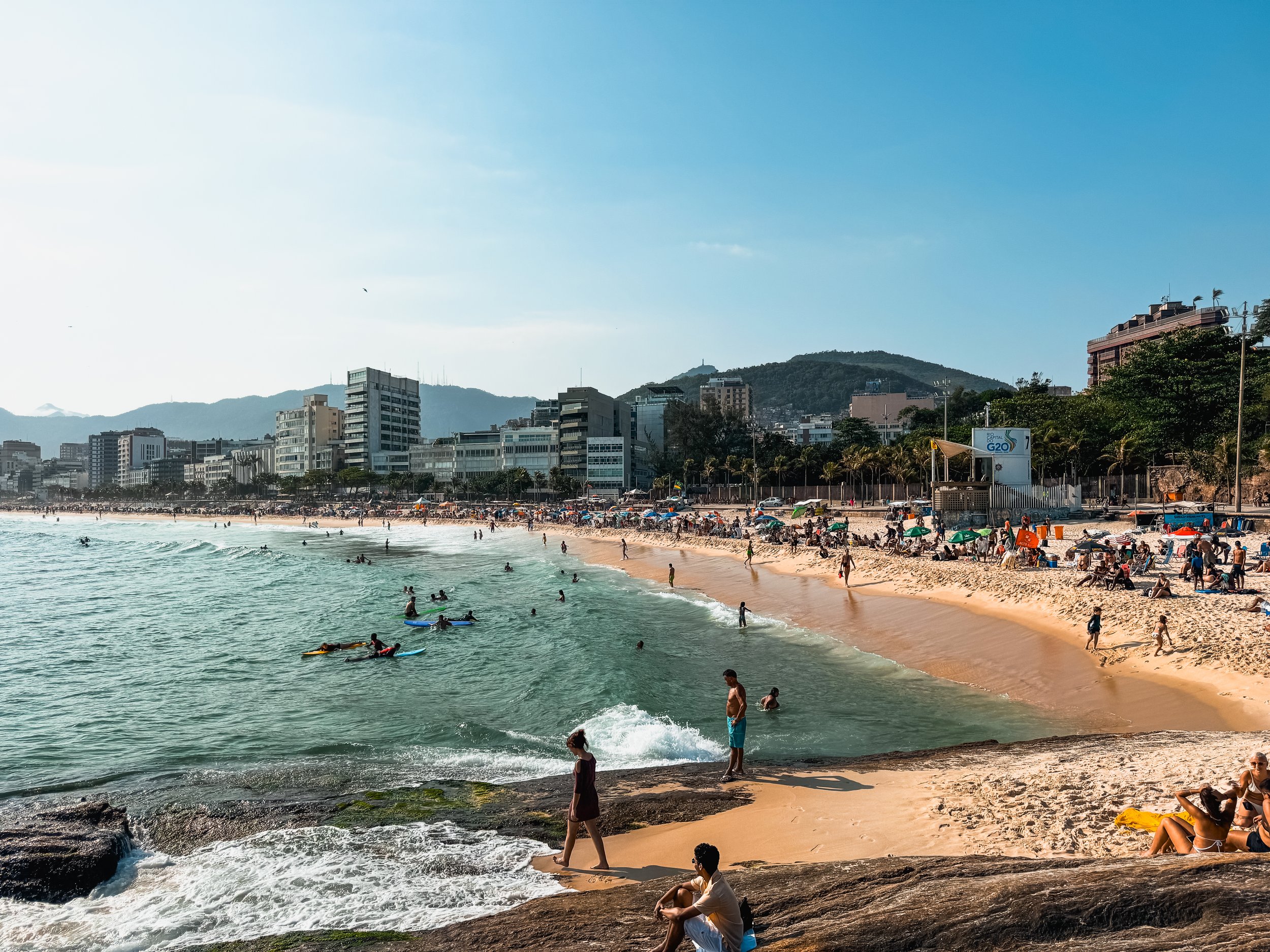
Ipanema Beach
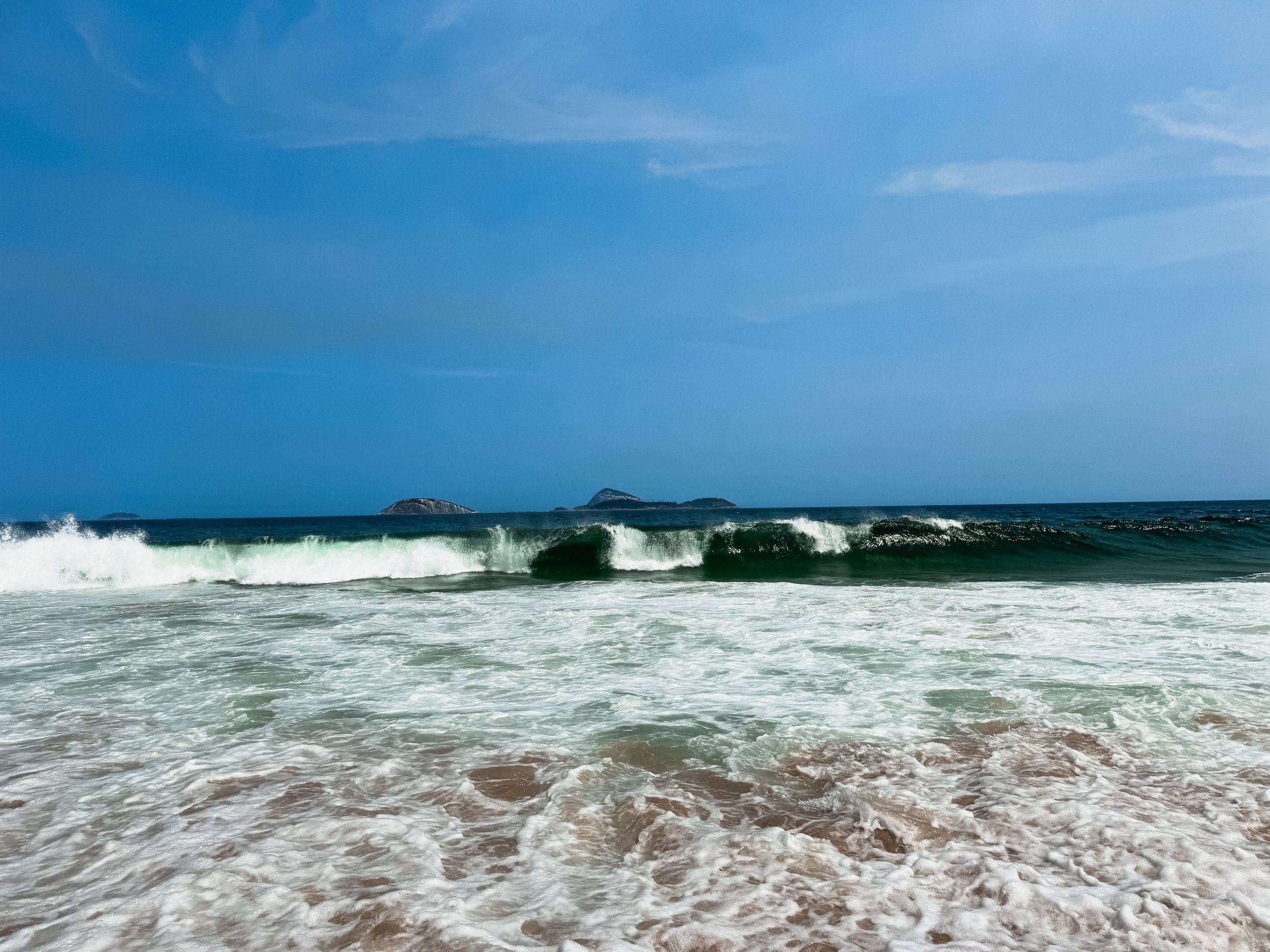
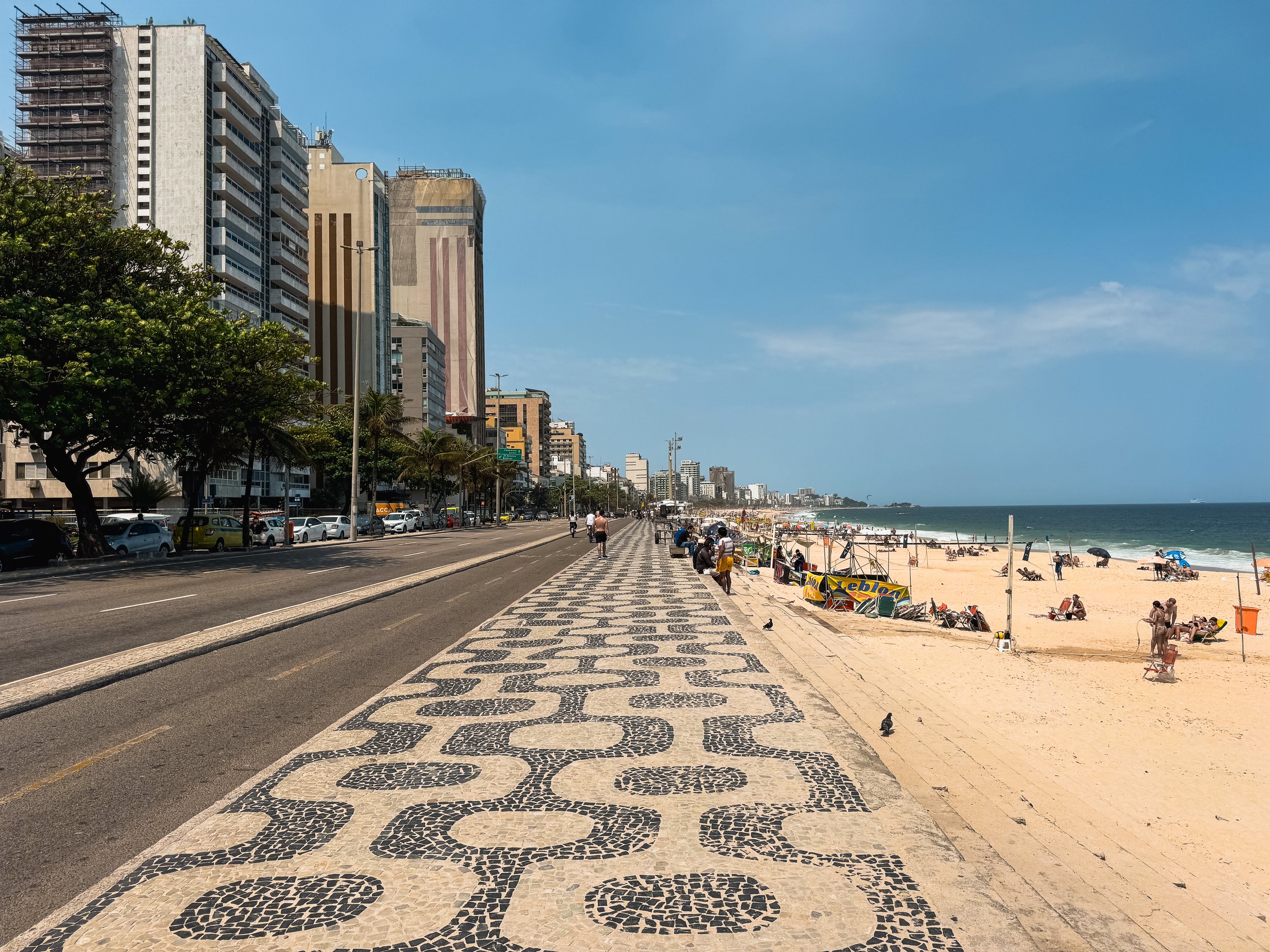
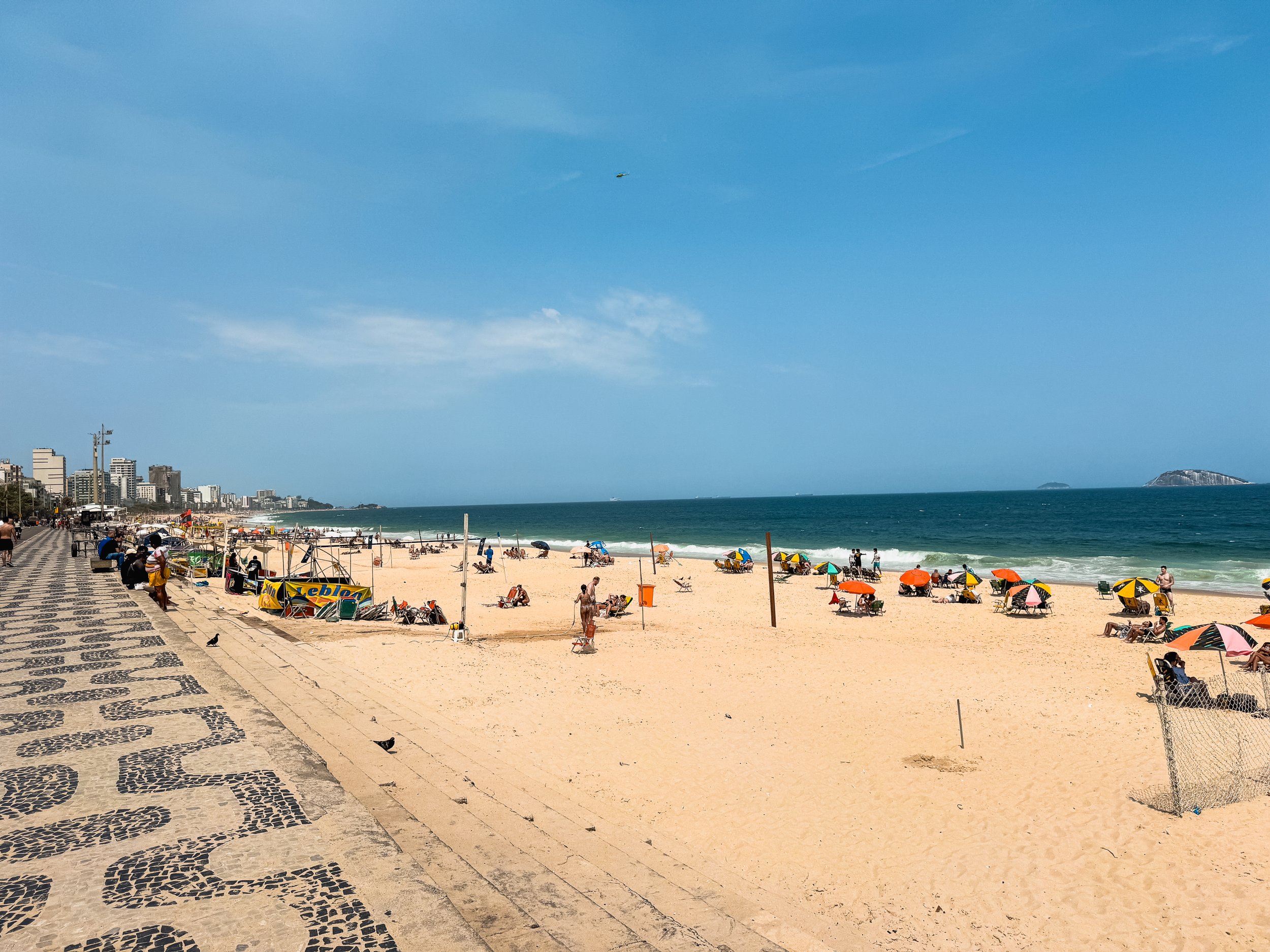
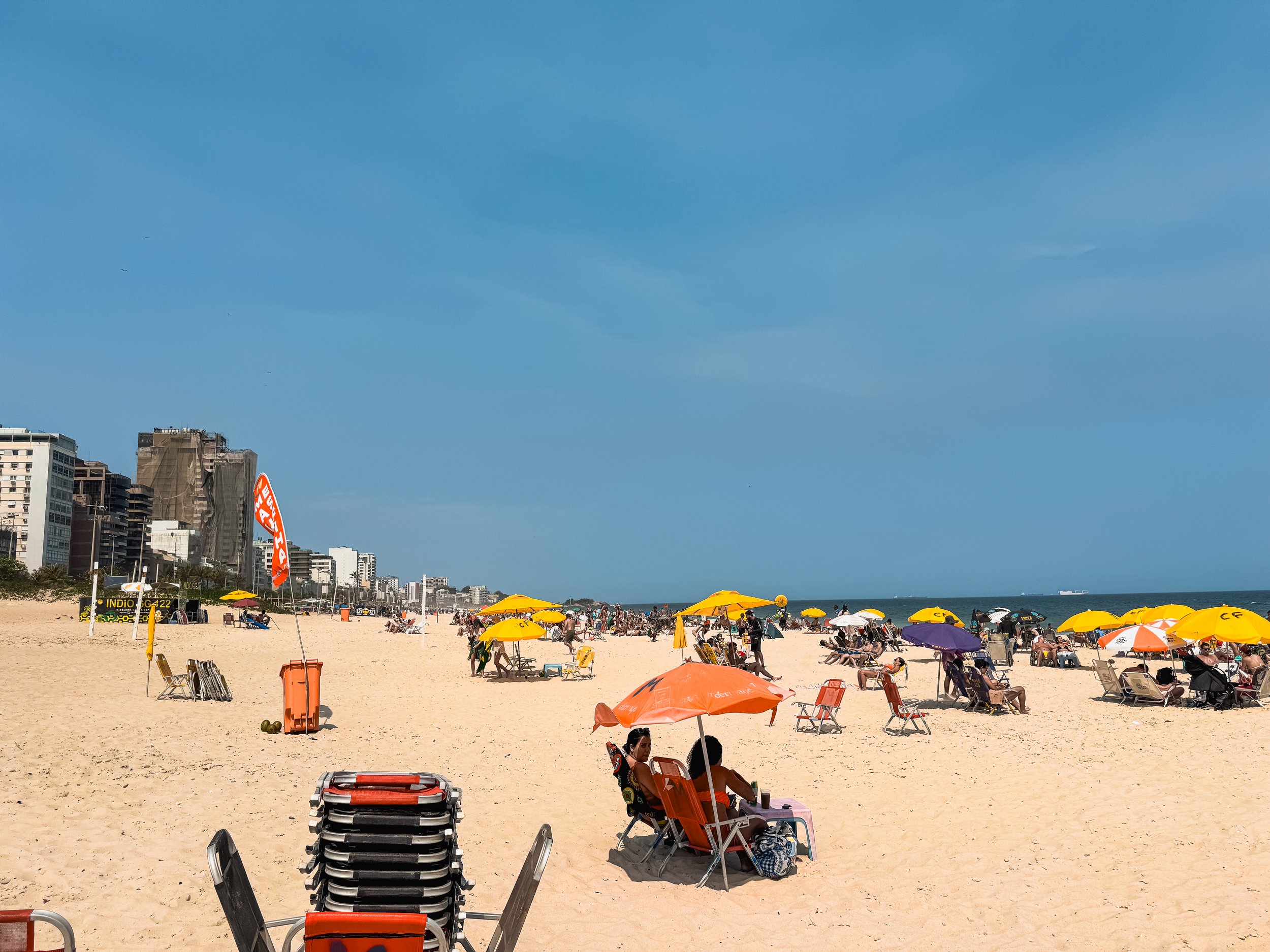
Ipanema is known for its iconic yellow sand beach similar in many regards to Copacabana. It’s popular for swimming, surfing, foot volley and sunsets with over 100 brarrachas selling drinks, snacks and beachwear. The gays like to congregate between Barrachas 57-64. Its tiled promenade is routinely used for walking, jogging and biking and admiring the elegant architecture. The best views are looking west towards Morro Dois Irmãos.
Arpoador Rock. A rocky outcrop with trails overlooking Ipanema Beach. It’s a popular spot to watch the sunset and take surf lessons.
Leblon Beach. A continuation of Ipanema Beach west of the canal in the wealthiest neighborhood of the city.
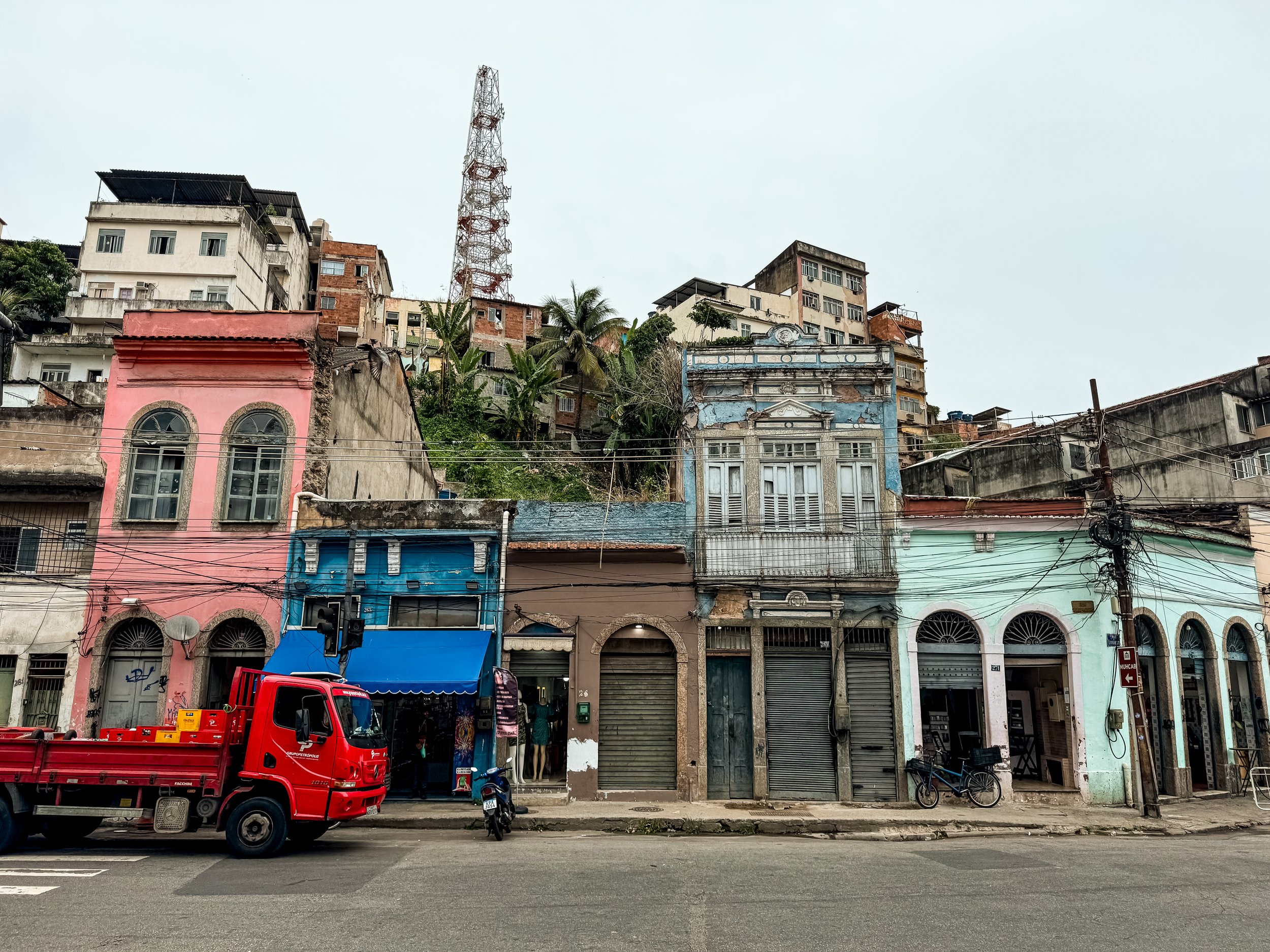
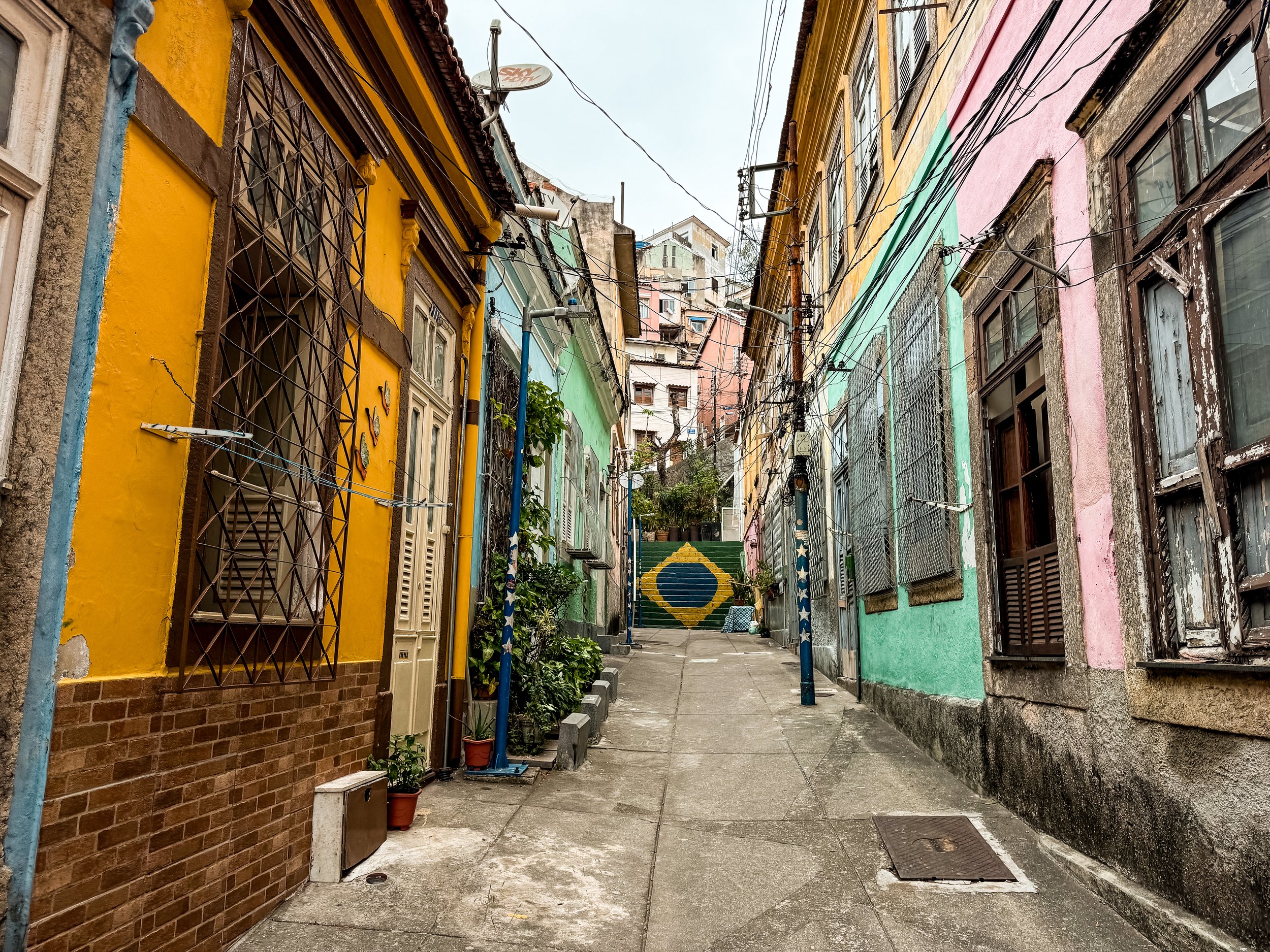
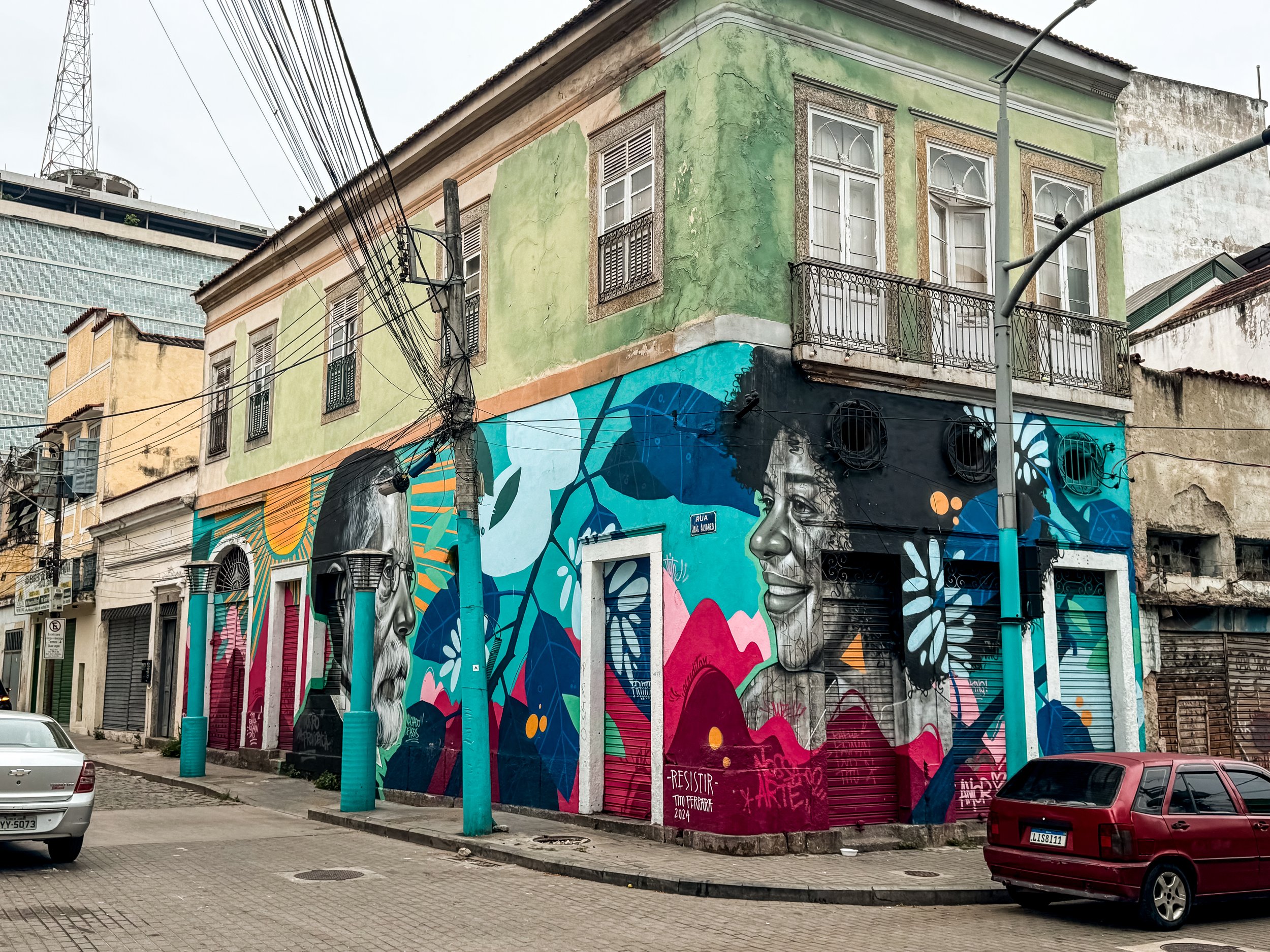
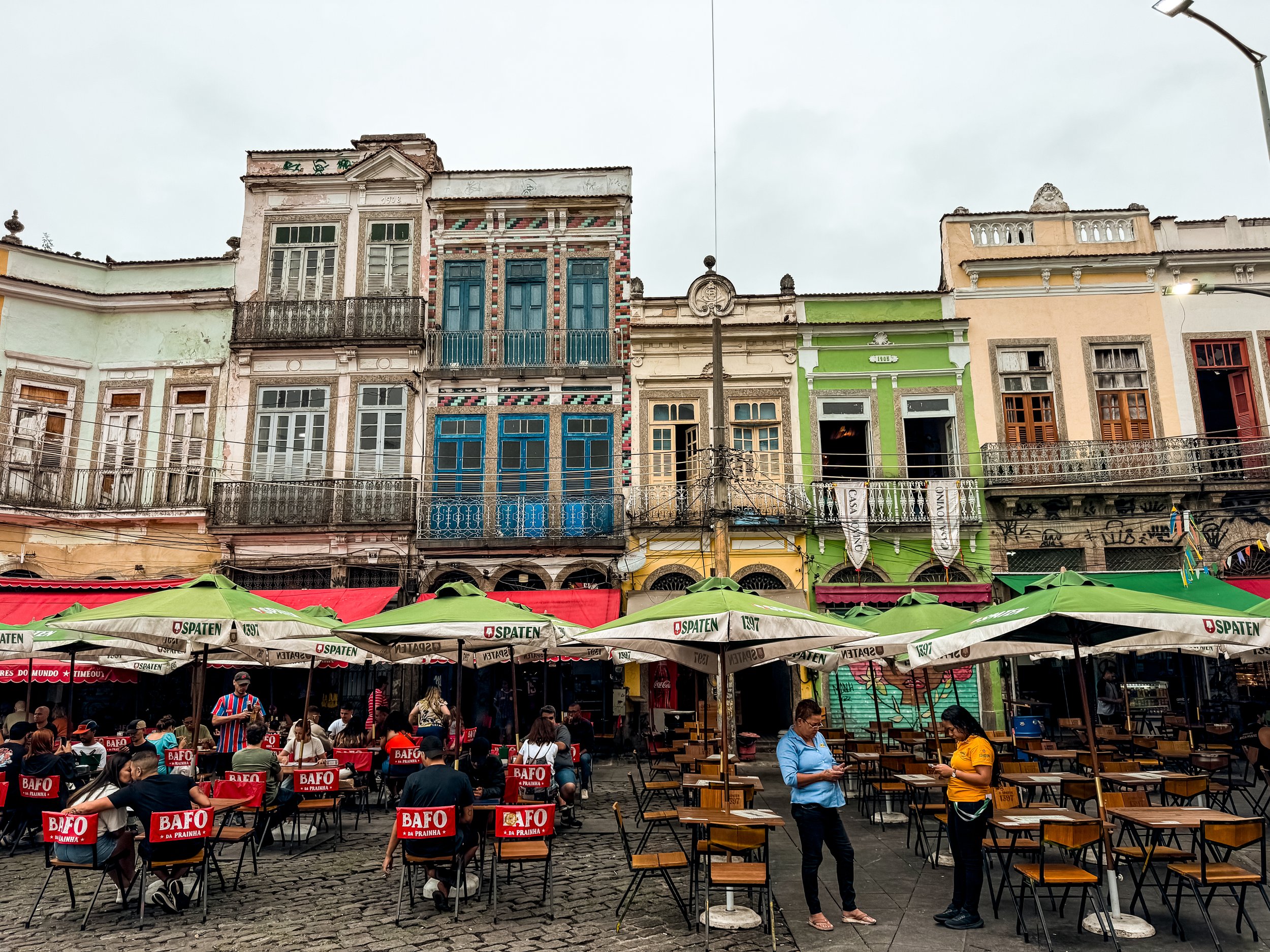
Little Africa
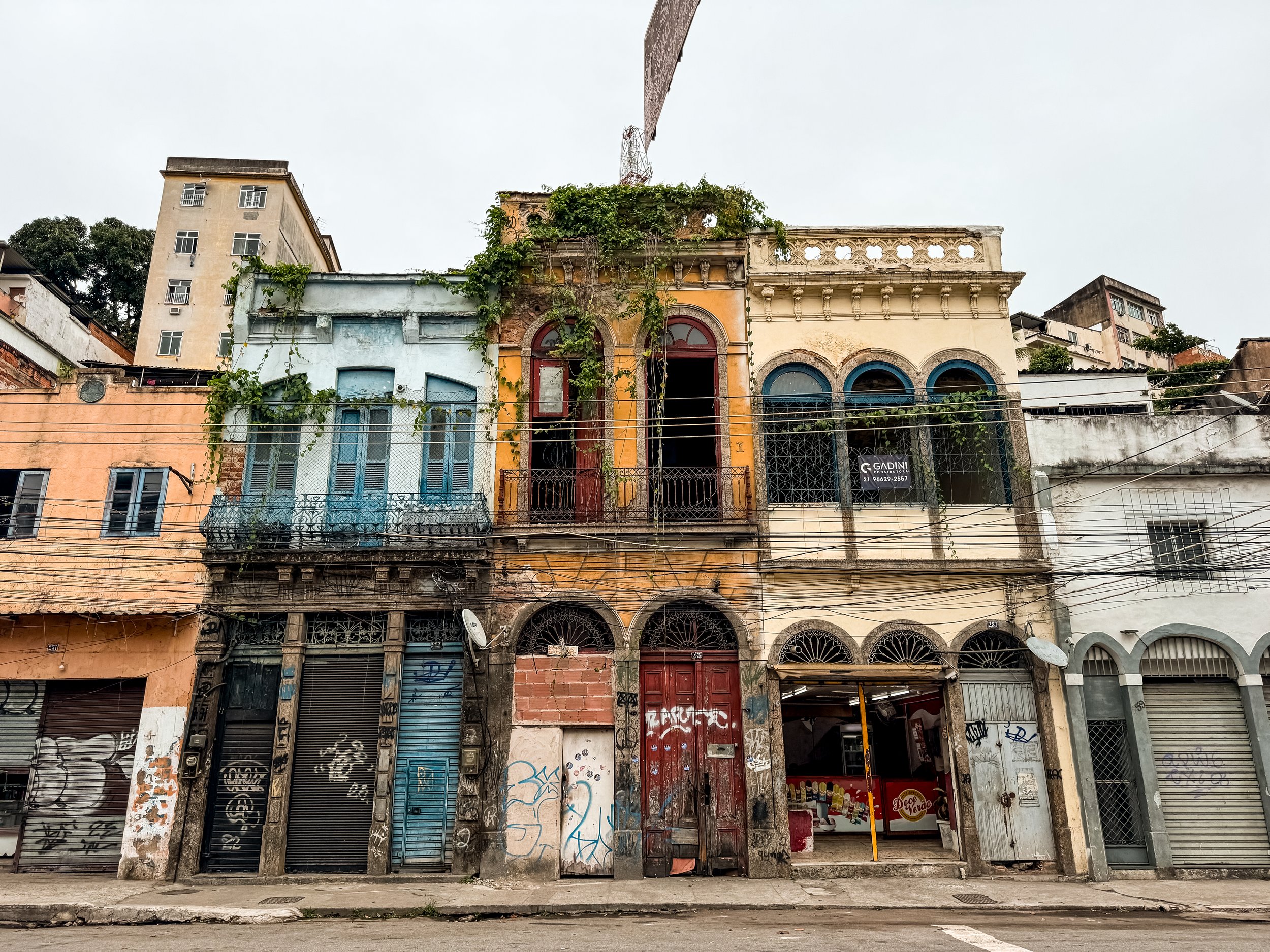
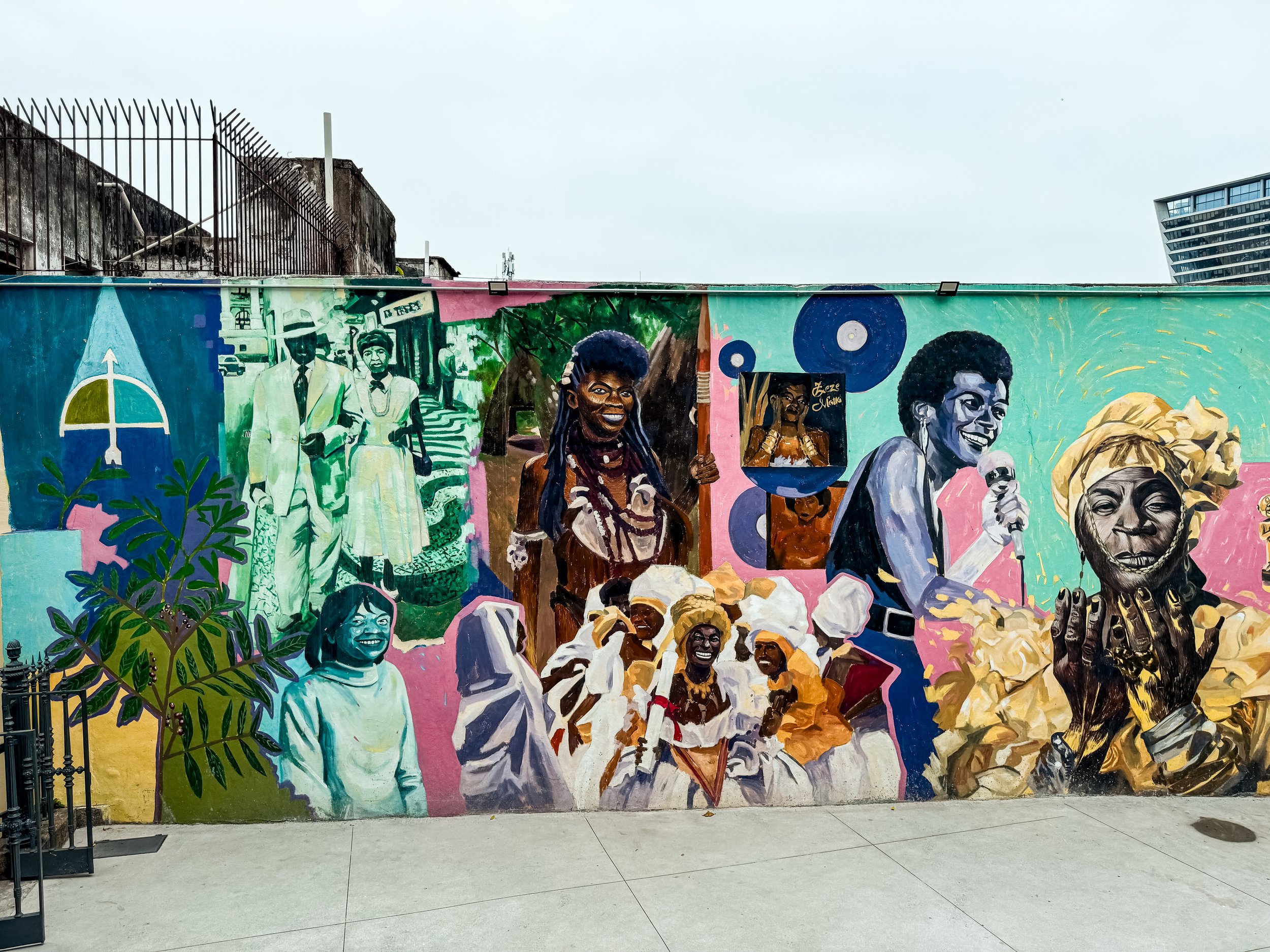
Little Africa is a historic neighborhood home to a large Afro-Brazilian population, many of which are the descendants of enslaved Africans brought to Brazil. Come here to learn about the neighborhood’s history, see the quilombos (favelas), admire the street art and dance to live Samba music.
Museu da História e da Cultura Afro-Brasileira (MUHCAB). Located in Little Africa, this museum is dedicated to Afro-Brazilian history and culture with exhibits on African enslavement, to emancipation and modern day. The museum features artwork, sculptures, textiles, artifacts and Samba music.
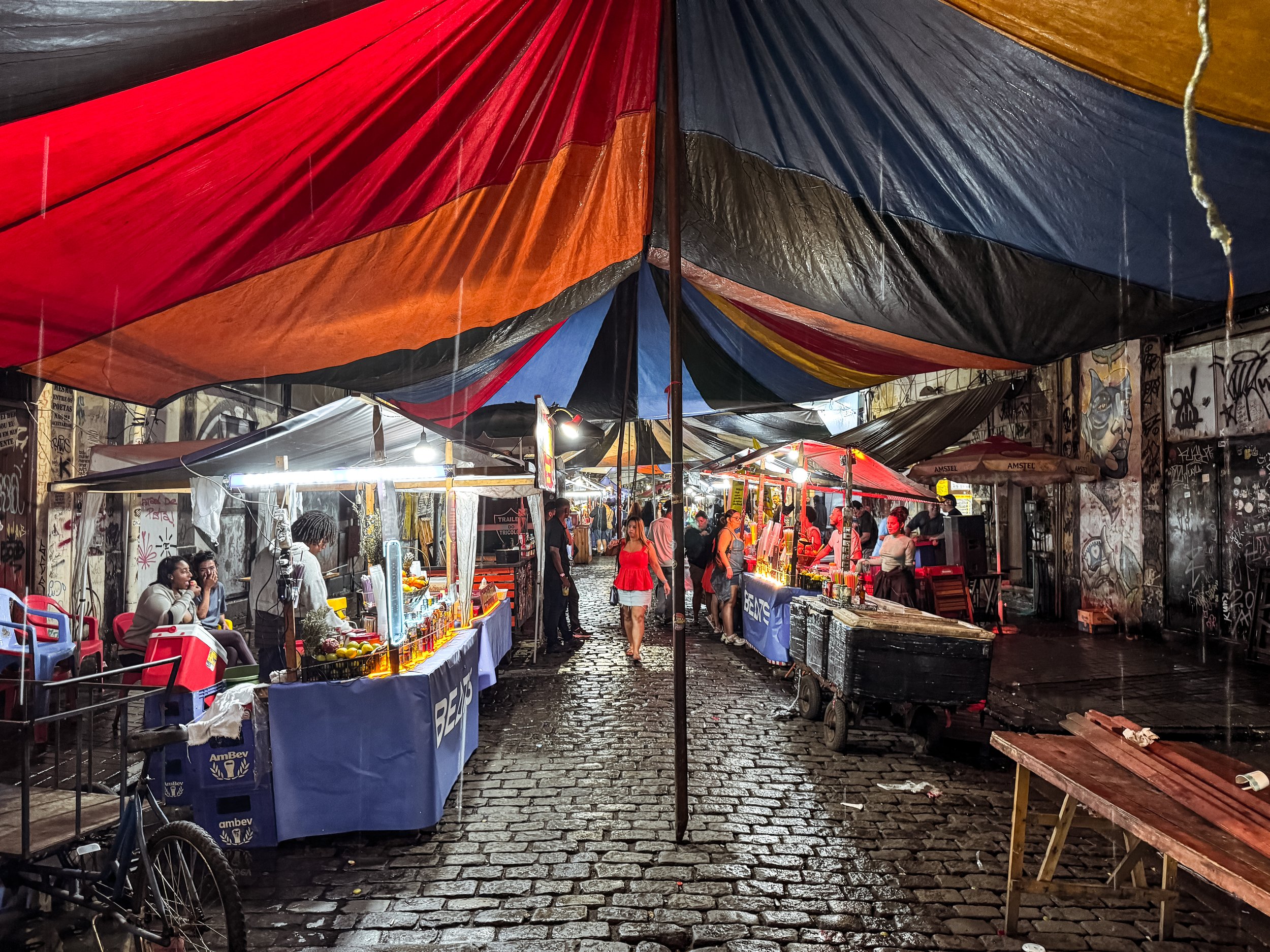
Pedra do Sal. Considered the birthplace of Samba, this historic spot in Rio’s Little Africa is home to a nightly party with live Samba music. Under the cover of a colorful tent, the street has an electric atmosphere with feeling for Favela culture. Music emanates between buildings as people dance in the street and sing along in unison. The street is lined with bar carts serving strong caipirinhas and restaurants selling Brazilian snacks. The party starts at sunset and continues into the early morning with Monday and Friday being the liveliest nights.
Escada da Bandeira do Brasil. A small staircase painted in the Brazilian flag at the end of a historic alleyway.
Vidigal Favela
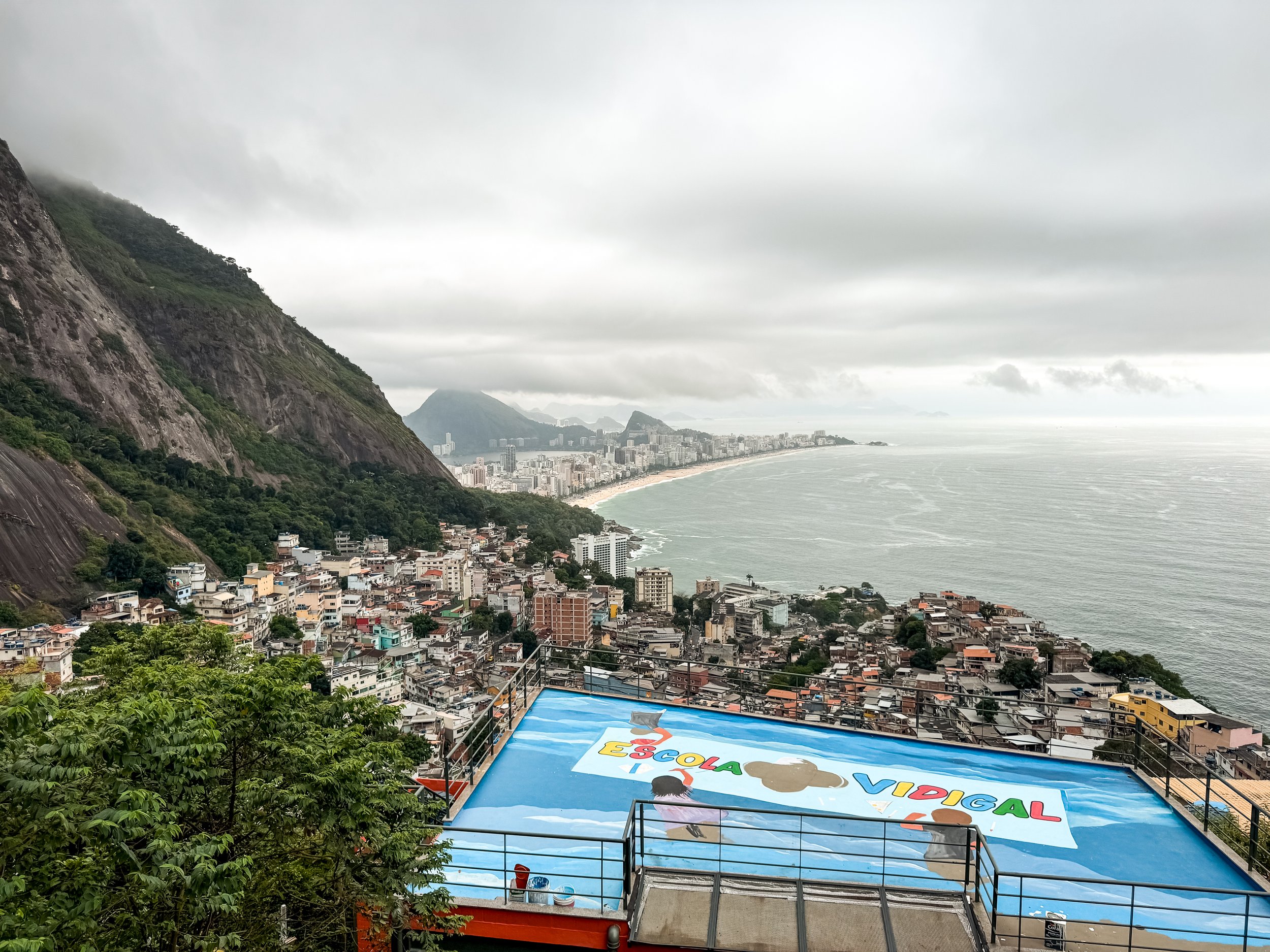
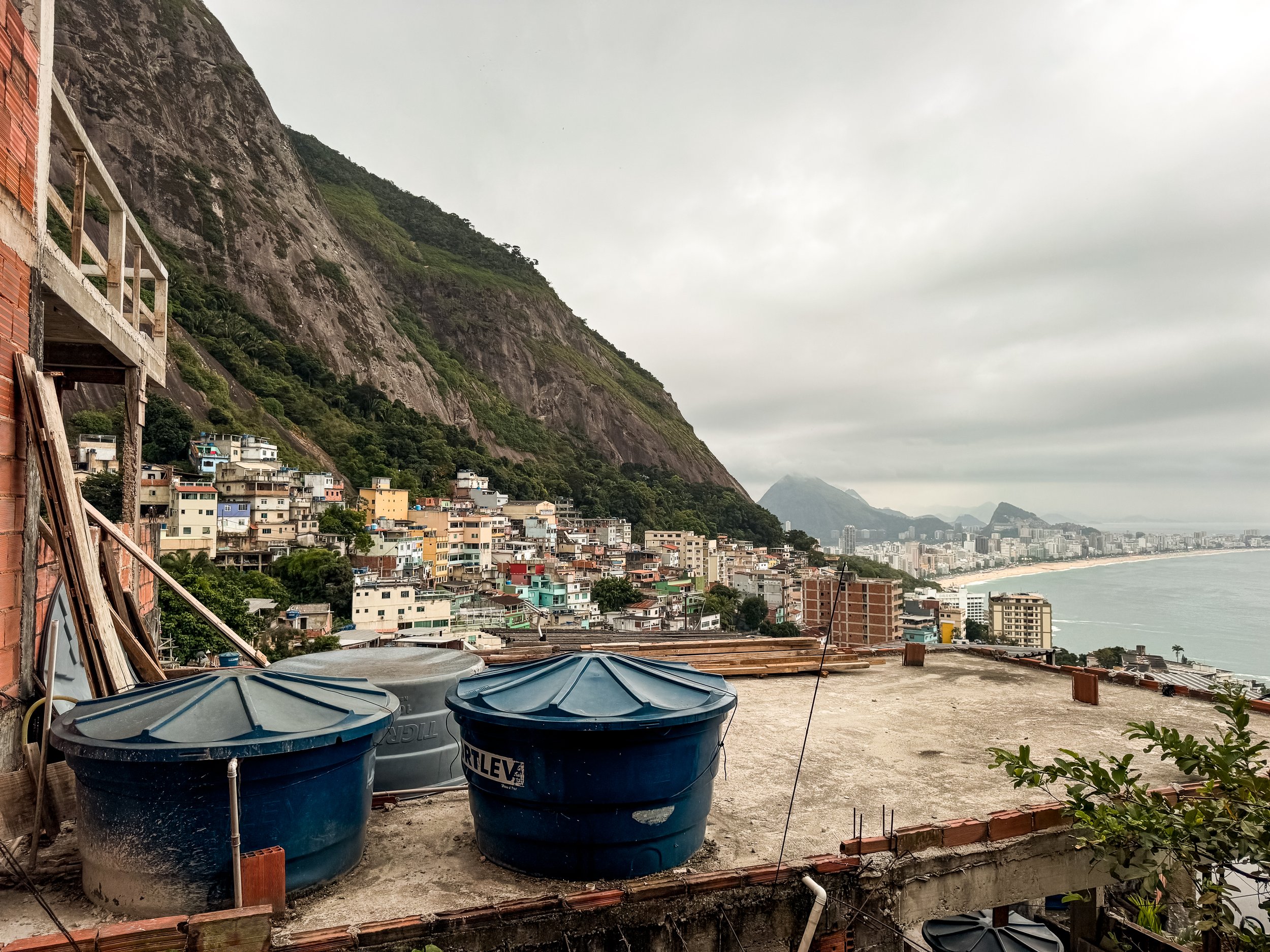
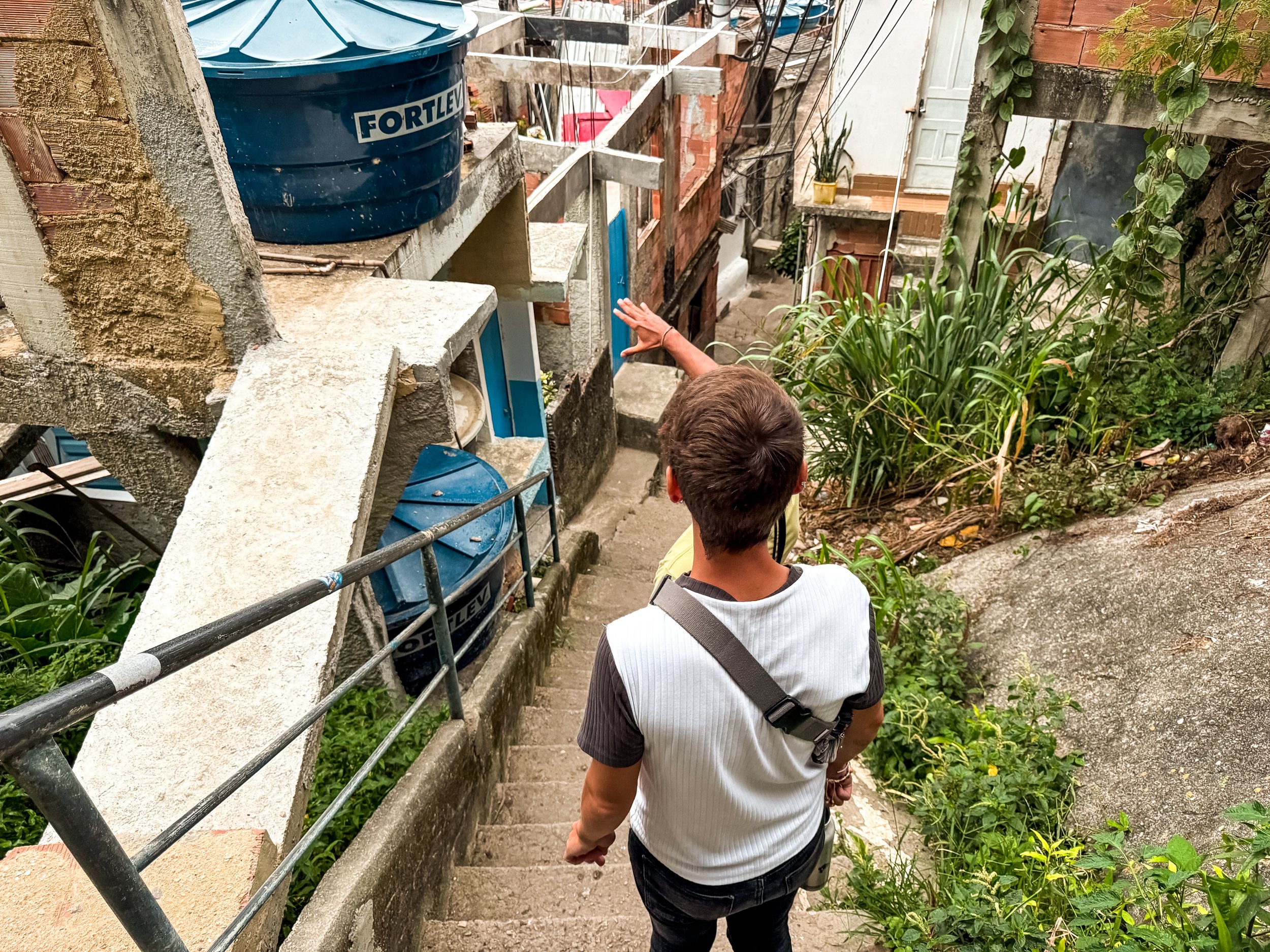
Vidigal is a favela built on the side of the Morro Dois Irmaos. It’s the ‘safest’ of the favelas in Rio and welcoming of tourists with guided tours. We visited with a local guide who toured us through the favela, showed us how people live and explained its history with gangs and government “pacification.”
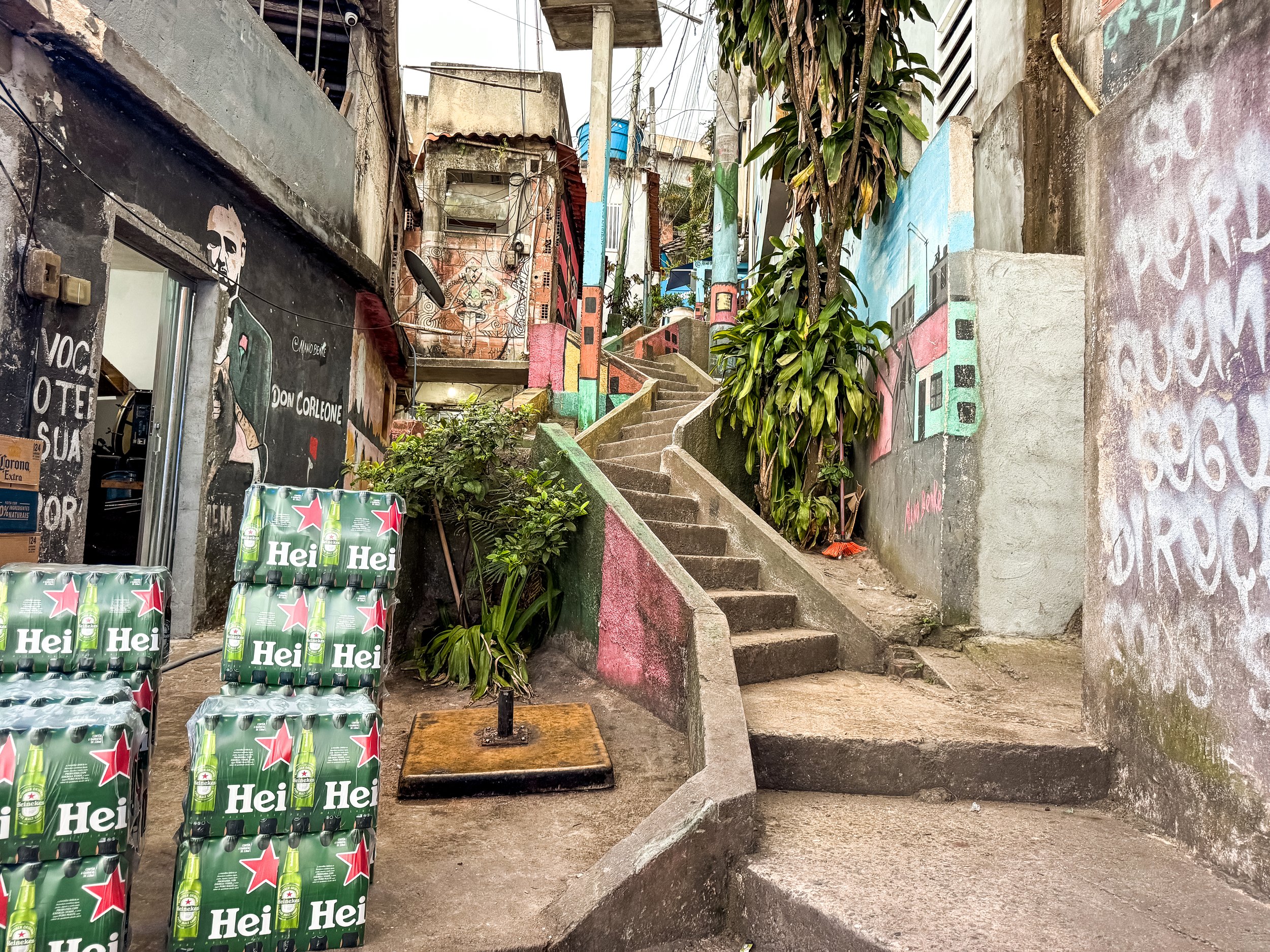
Vidigal is a densely populated community with narrow winding walkways, steep staircases and unfinished houses built on the hill in very close proximity to each other. The main road through the favela has all the businesses you would typically see in a neighborhood including grocery stores, restaurants, bars, auto shops, churches, laundry mats, a health clinic and post office. The upper area of the favéla has a black market, rooftop bars and outdoor patios overlooking it and Ipanema. We stopped at one for a cold beer while enjoying the view.
The favela is “pacified” by the police but controlled by the Comando Vermelho gang. Their gang sign, CV, was gratified everywhere in the favela while gang members carrying assault rifles were omnipresent. Though we didn’t feel unsafe, it was good to have a guide helping us navigate through a traditionally unsafe community.
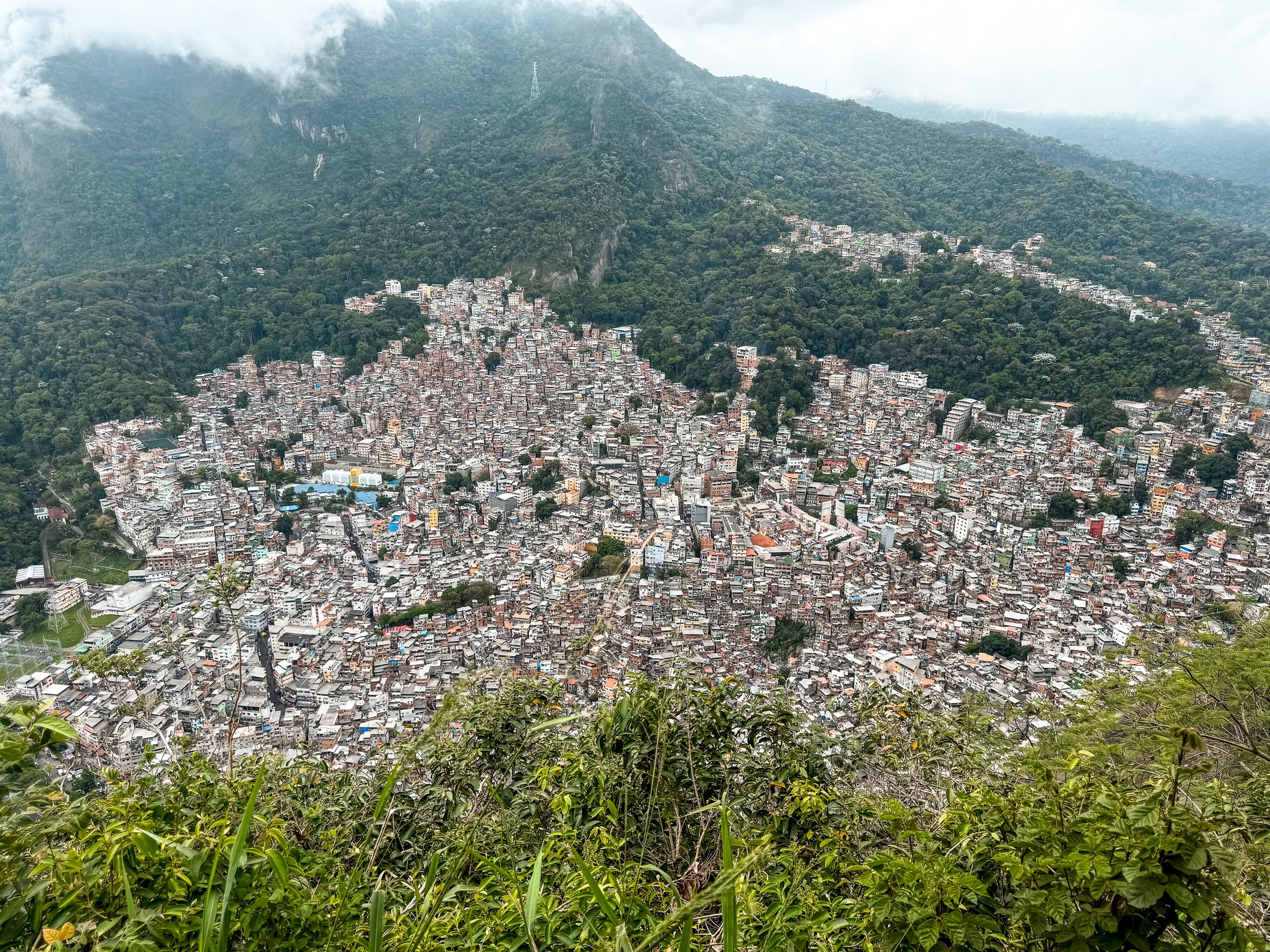
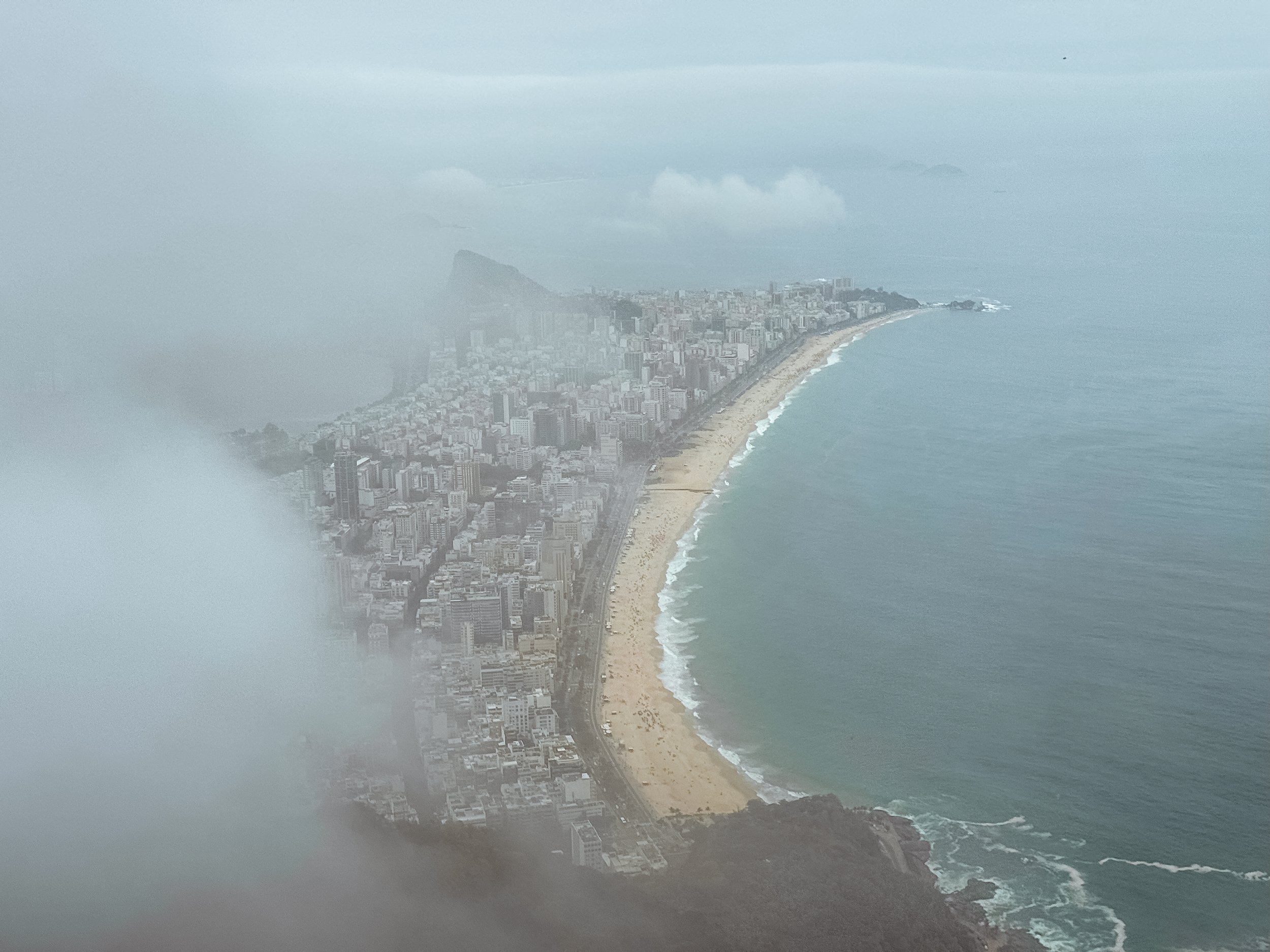
Morro Dois Irmaos. A mountain with twin granite peaks known as “The Two Brothers.” The mountain has hiking trails with views of Rio’s largest favela, Rocinha and of Ipanema Beach from the summit.
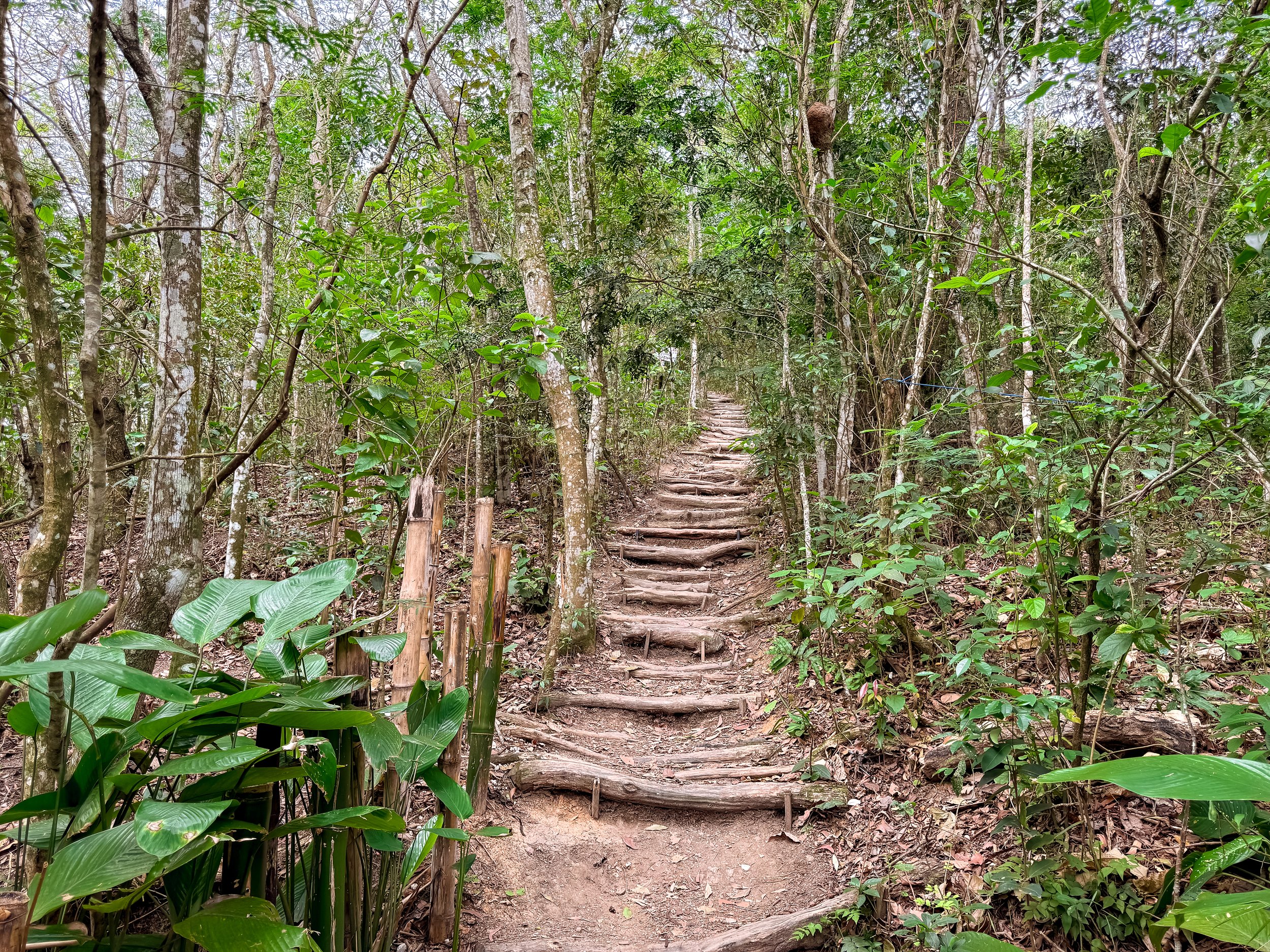
We took moto-taxis through the Vidigal Favela to reach the trail head. The trail led up rustic stairs until reaching a view of Rocinha. Along the way, we spotted a family of capuchin monkeys feating on jack fruit in a tree. We hiked even further up the dirt trail until reaching the summit of “Big Brother” where we were fully in the clouds. After waiting around, we got to see glimpses of Ipanema beach through brief clearings. Book here!
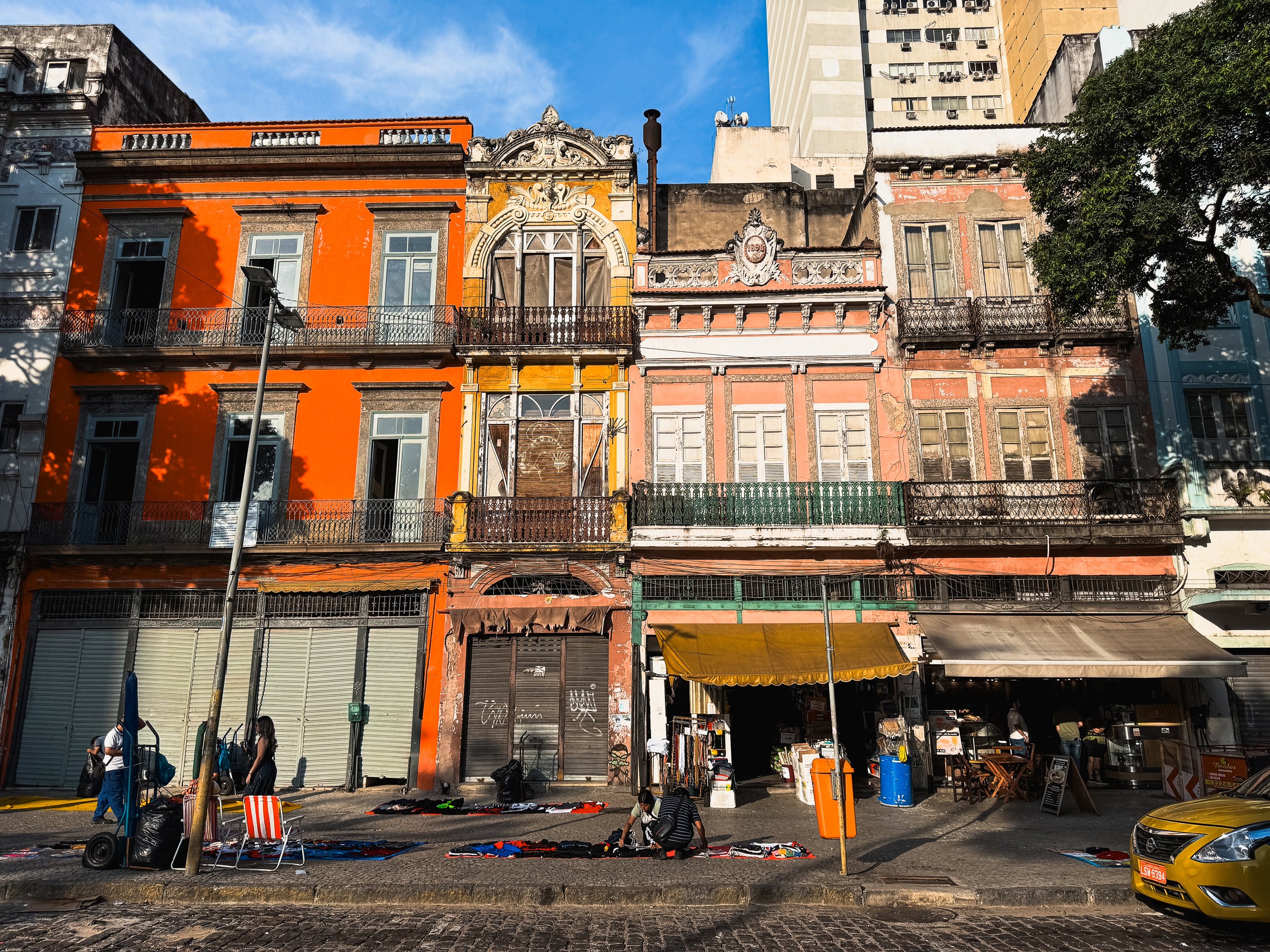
El Centro
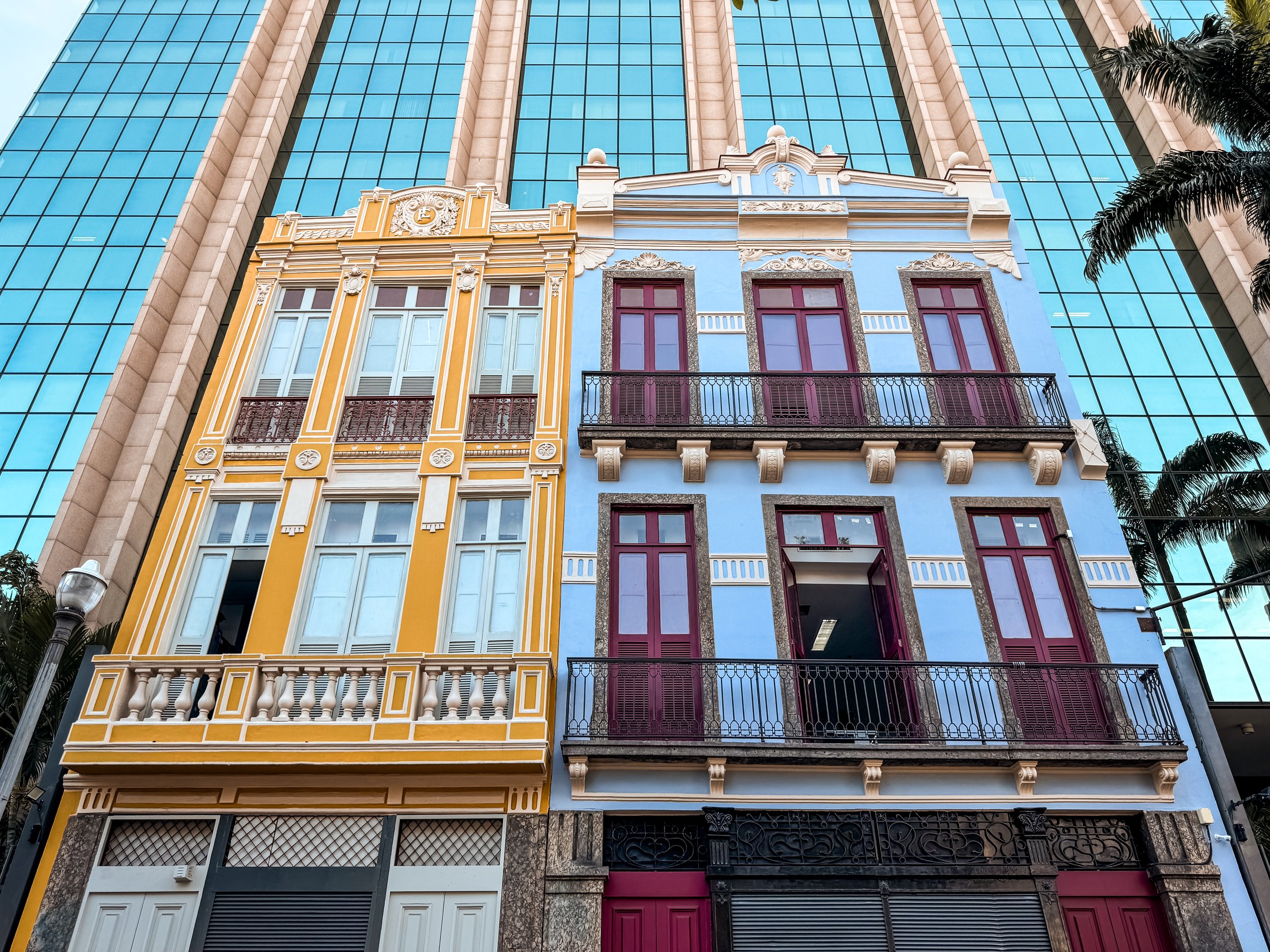
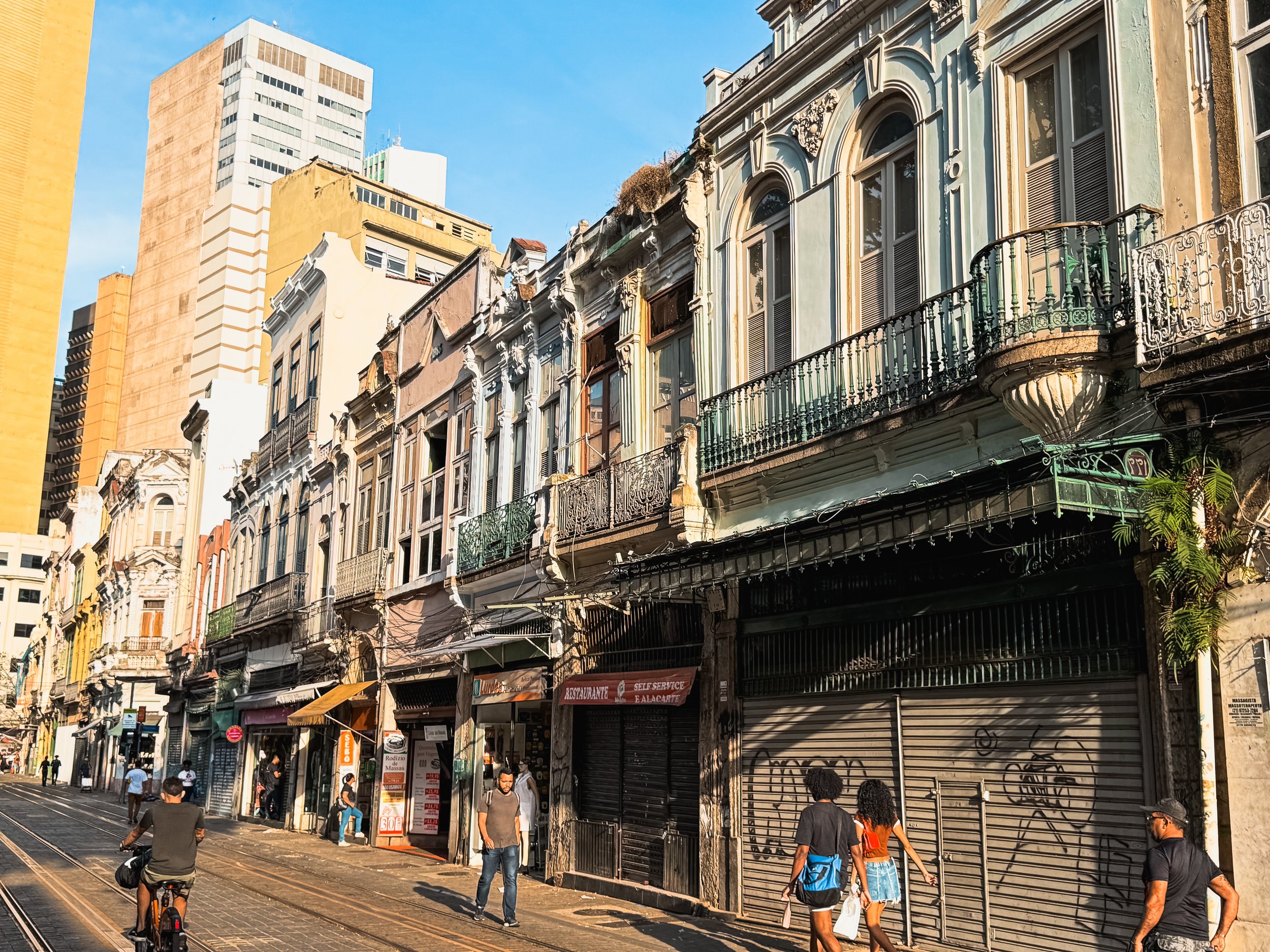
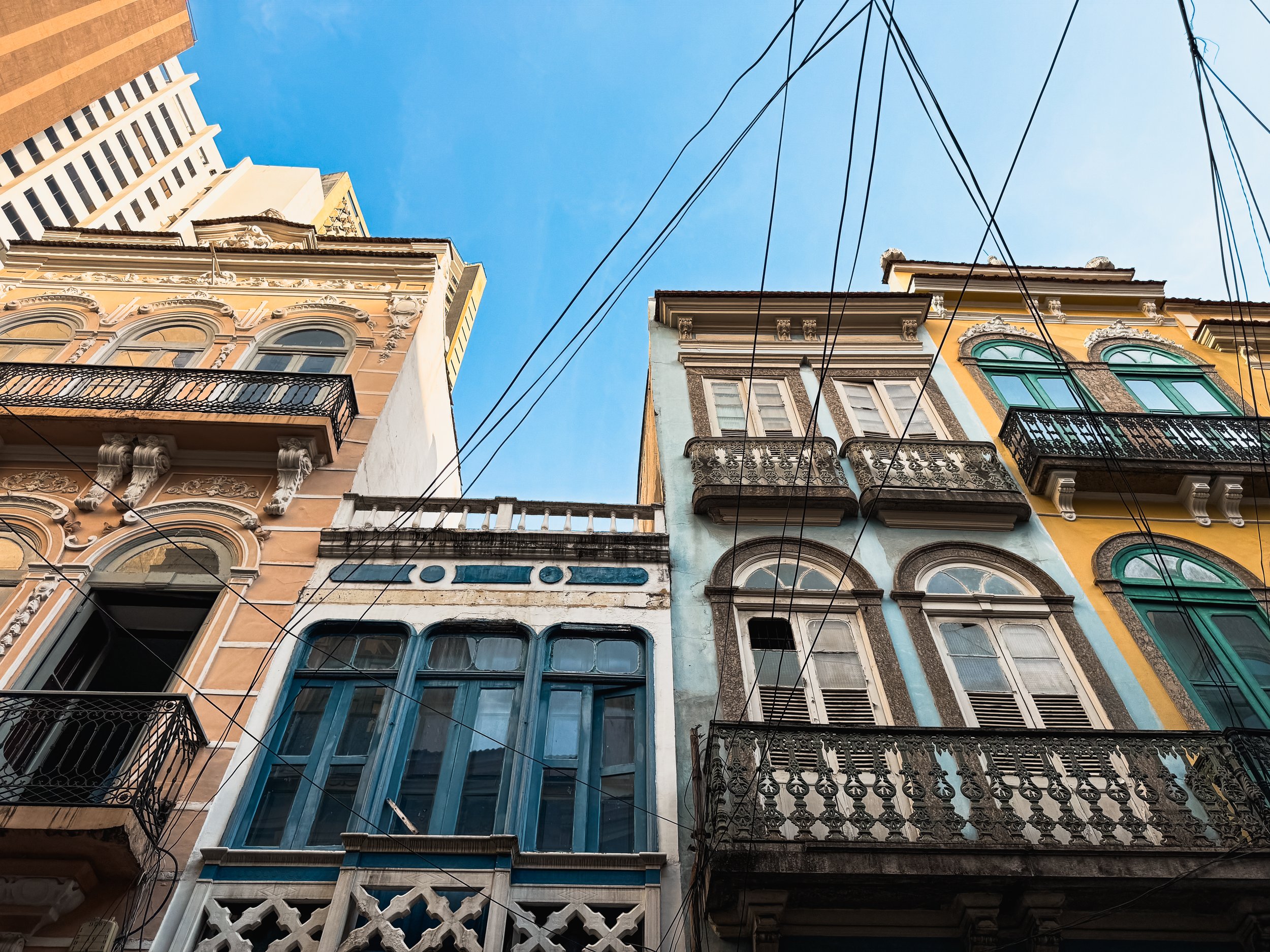
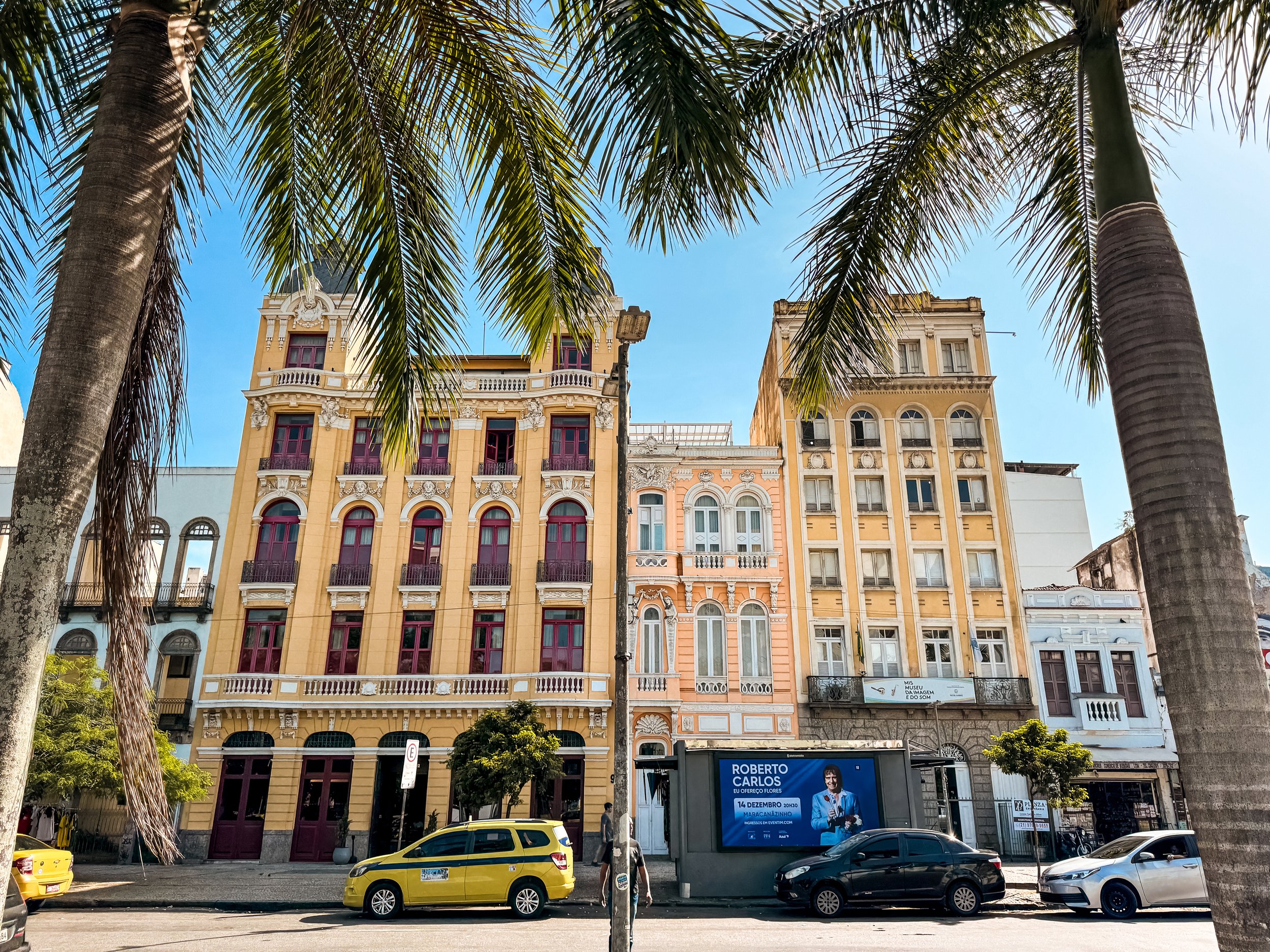
El Centro is the central neighborhood of Rio is the historic and cultural hub of the city known for its architecture, museums and plazas. We spent time walking around the neighborhood, following the patterns of tiny black and white stones laid into the sidewalks. Narrow cobble stone streets are lined with ornate historic buildings and wide avenues with modern skyscrapers and elegant neo-classical landmarks.
Museu de Art do Rio. A contemporary art museum with galleries dedicated to local artists. We visited during their main exhibit on Funk music. The exhibit was laid out in two parts. One related to the historical context of Funk going back to black artists from the 70s. The second, depicting contemporary Funk music in favelas.
Museu di Amanda (Museum of Tomorrow). A beautiful, insightful, thought provoking and at times overwhelming museum dedicated to Earth and humanity. Through a series of interactive, descriptive and digital exhibits, the museum builds empathy and connects us as individuals to each other, the planet and our future.
The museum explains our understanding of the Cosmos and Earth’s place it while highlighting the planet’s natural systems, ecology and biodiversity. Reflecting on humanity, an exhibit depicts what it means to be human and connects different culture’s uniqueness and similarities through photography. Continuing with an exhibit of The Anthropocene and human impacts on the planet through statistics related to overconsumption, population growth, human led degradation and the planet’s inability to keep up. The museum ends, leaving us with a choice of how to move forward as individuals and a civilization.
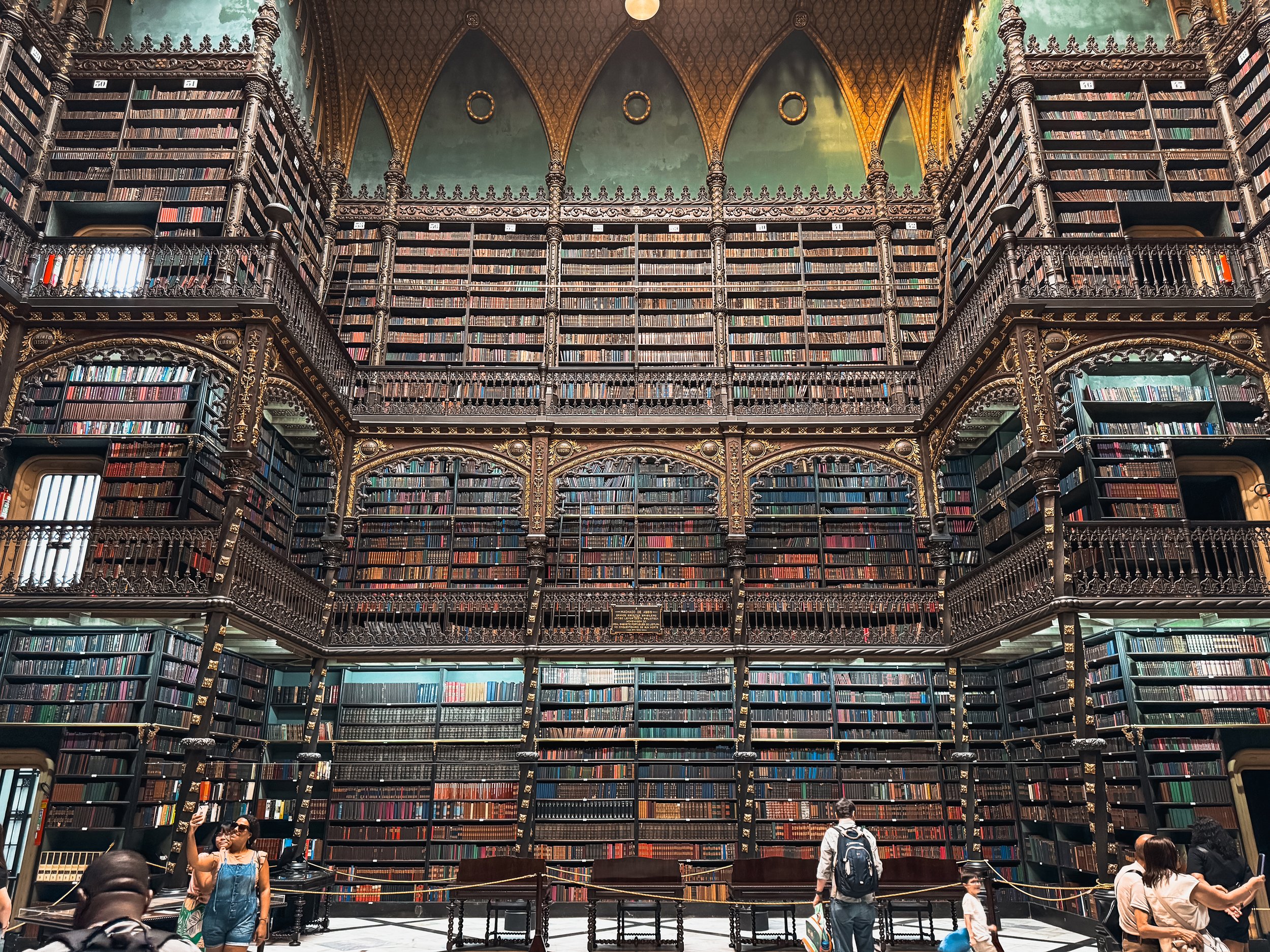
Royal Portuguese Reading Room. A gothic style library with a central atrium surrounded by multiple levels and walls of vertically stacked of antique Portuguese books.
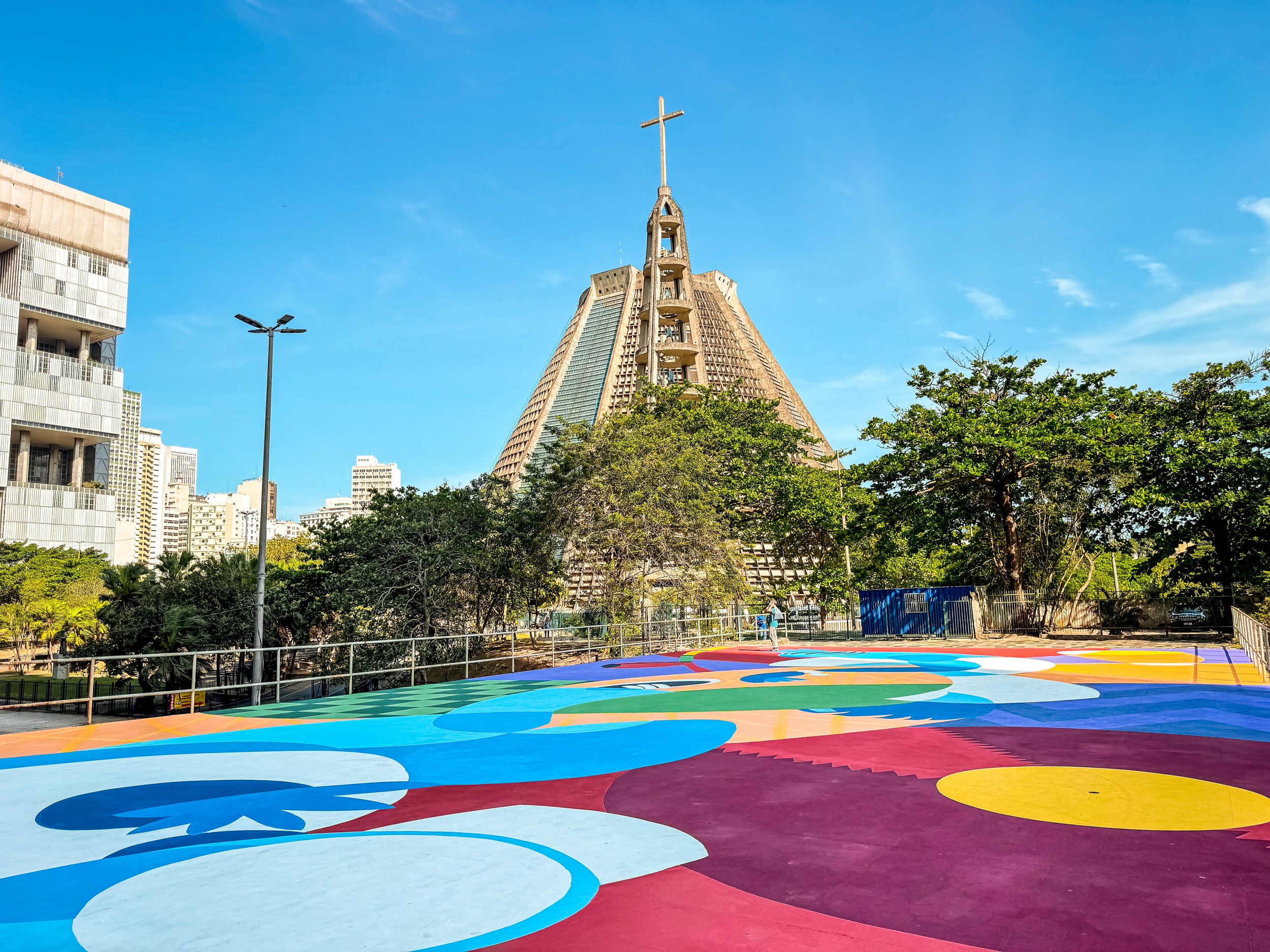
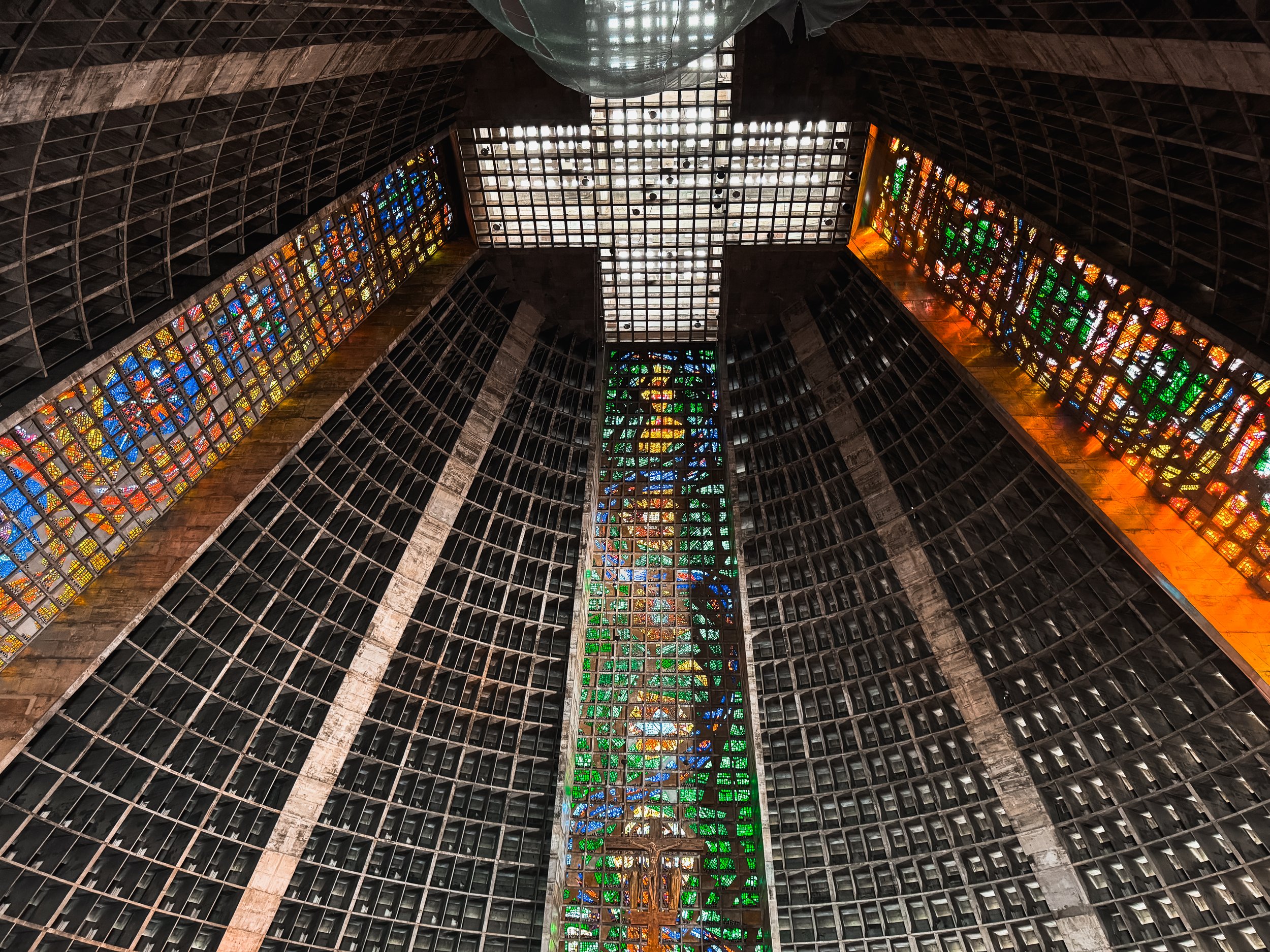
Metropolitan Cathedral. A brutalist concrete cathedral shaped like a cone with 4 vertical stripes of colorful stained glass meeting at a clear cross in the cathedral’s ceiling.
Municipal Theater. An elegant theater with a domed roof, stone exterior, golden statues and bronze moldings.
Praça Quinze de Novembro. A plaza in the central neighborhood with stately neoclassical buildings.
Lapa
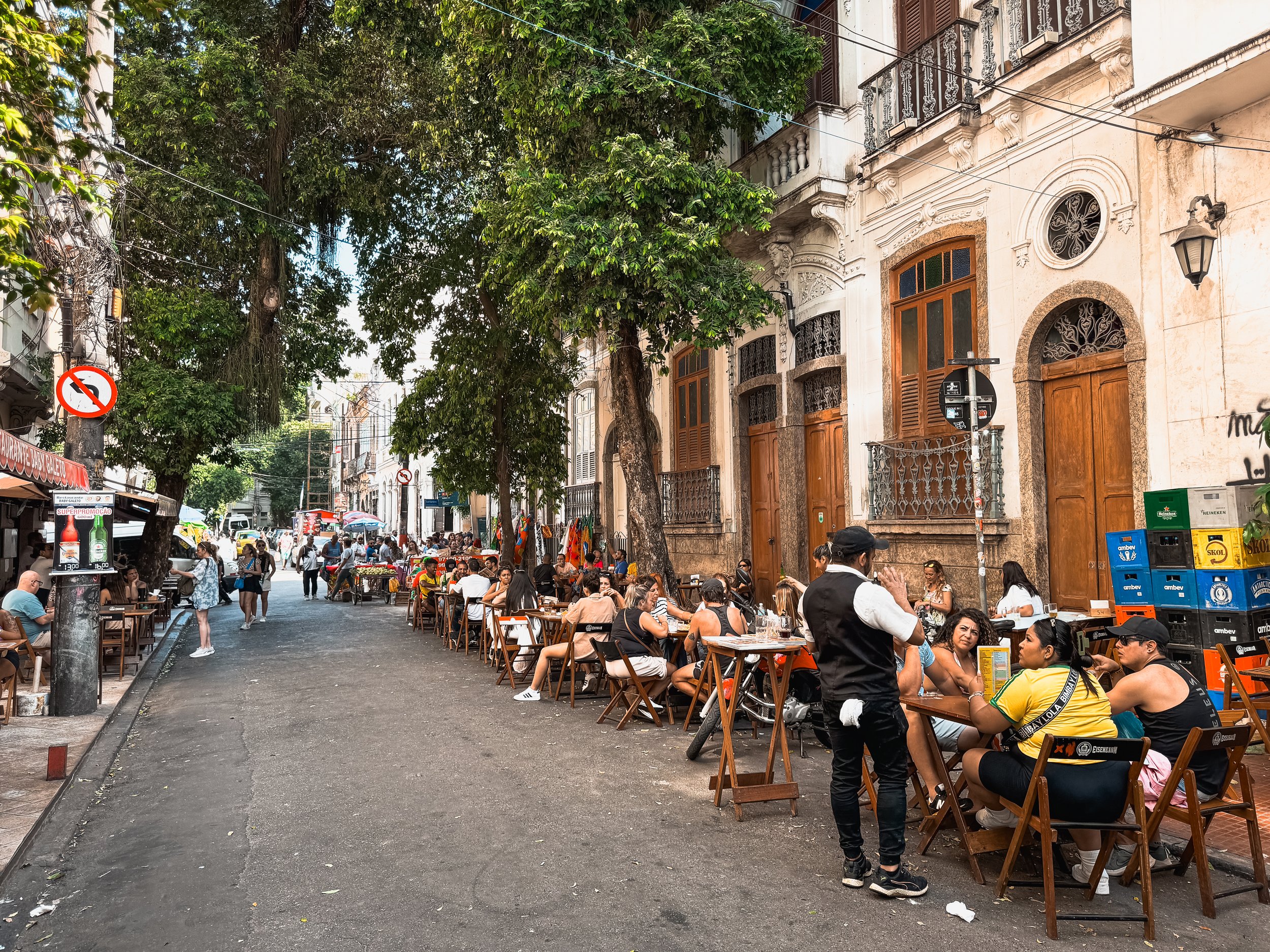
Lapa is small but central neighborhood known for its nightlife, street art and the Escadaria Selarón. The neighborhood can be a bit dicy during the daytime and we suspect even more so at nighttime.
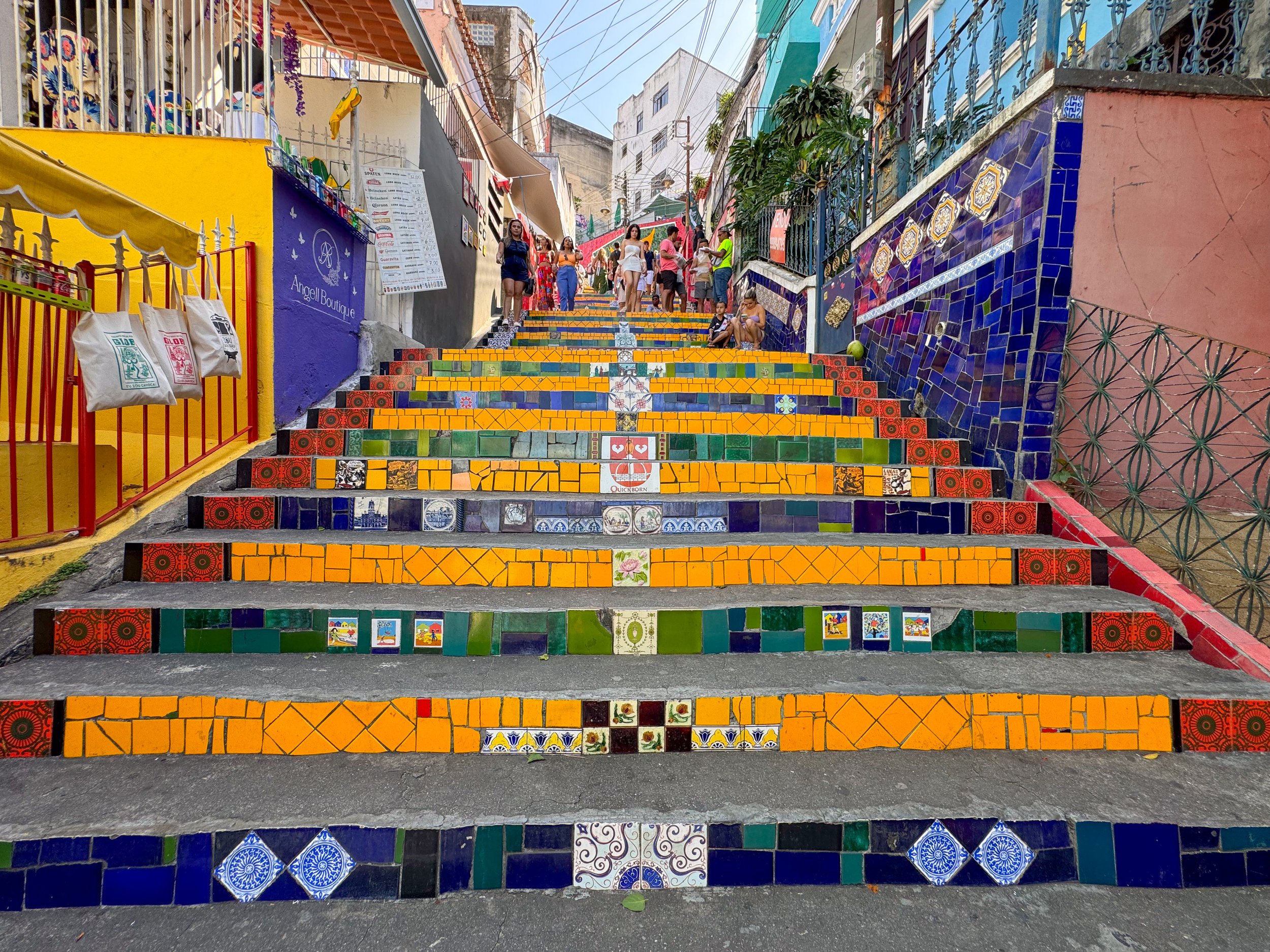
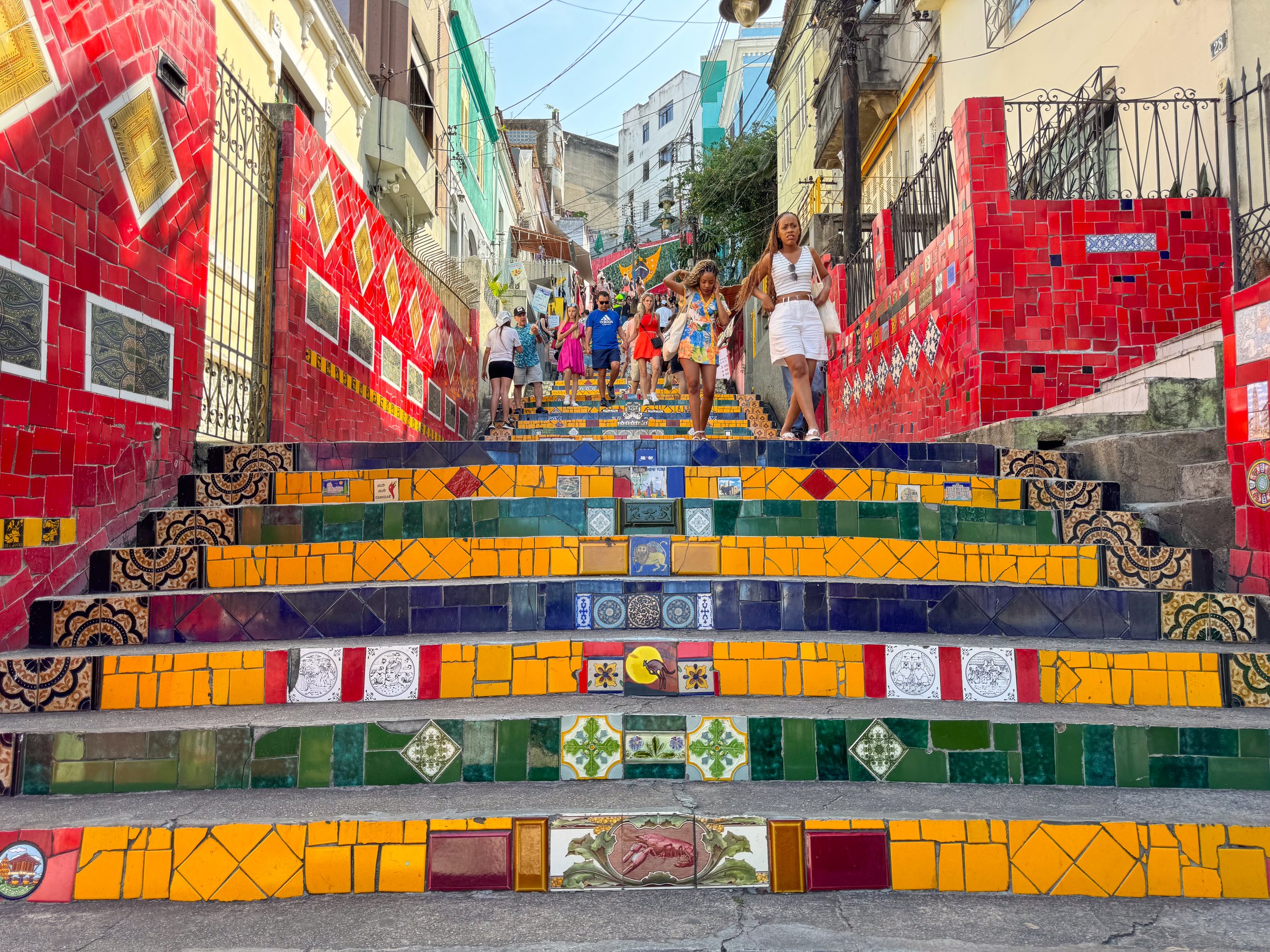
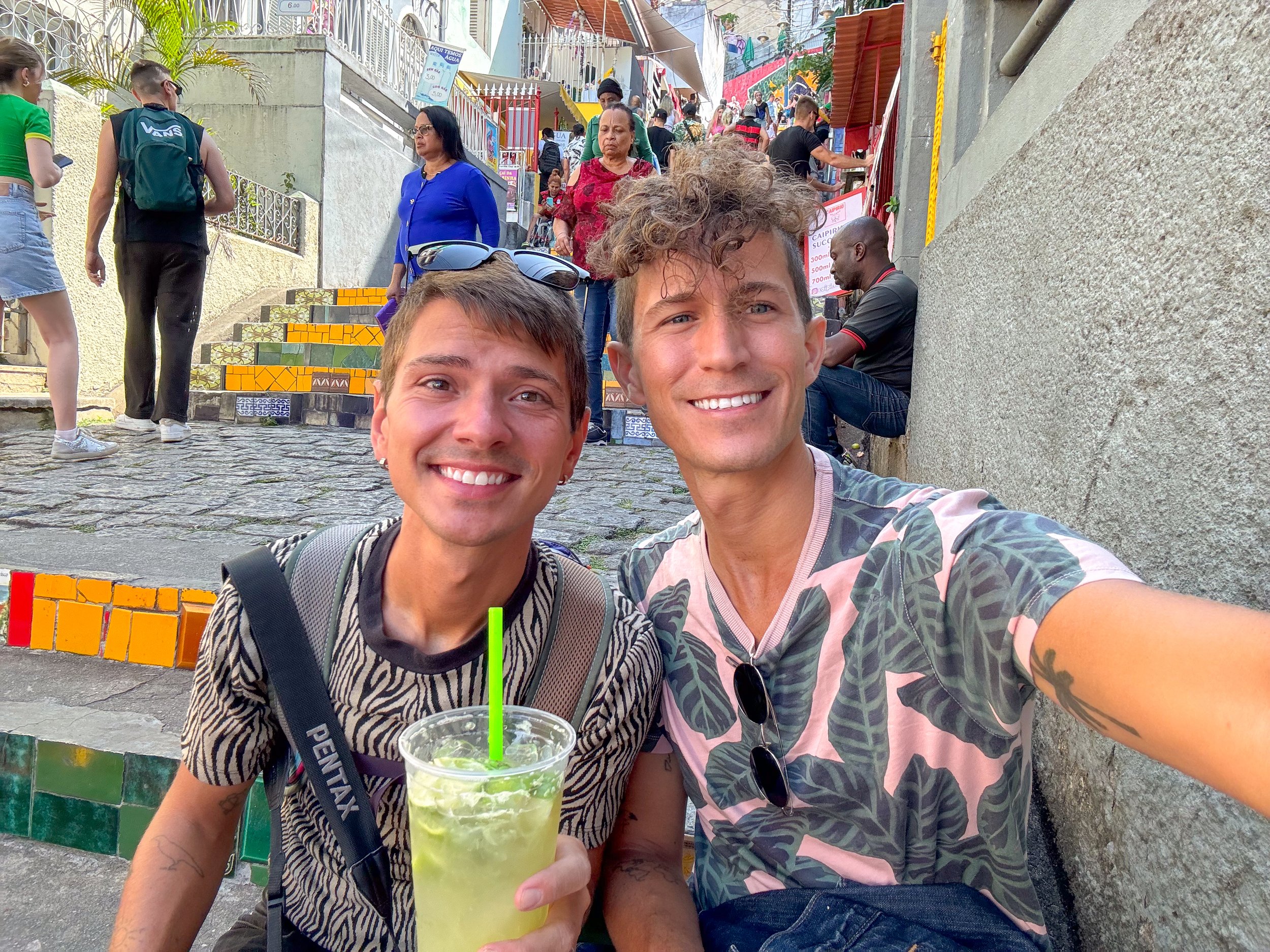
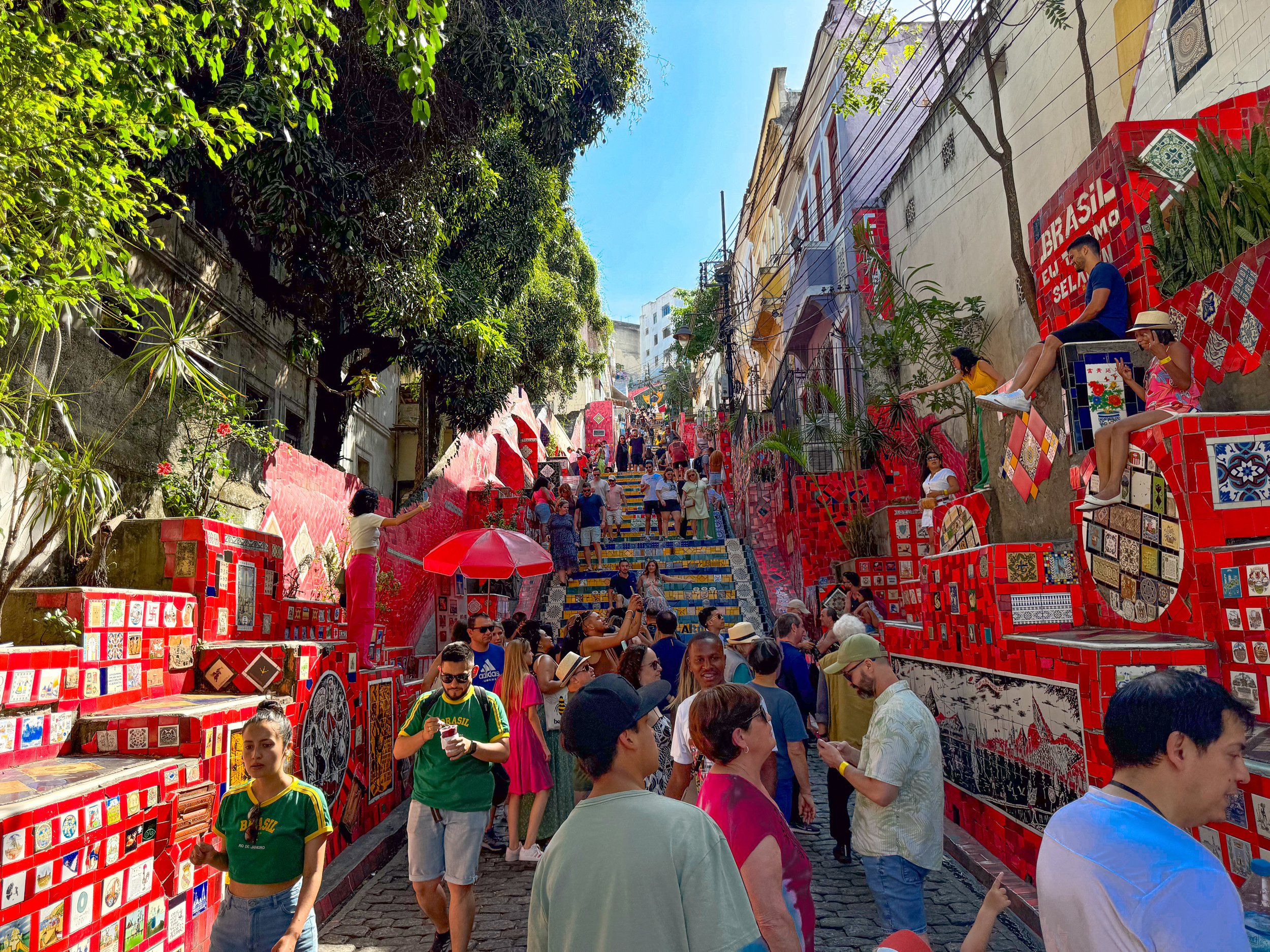
Escadaria Selarón. A beautiful mosaic tiled staircase in the Lapa neighborhood. It’s a very popular selfie spot with many tourists walking up the stairs and posing for photos. There are vendors selling caipirinhas from their homes. We ordered a large one for R$8, sat on the steps and people watched. At its base is a street lined with bars, restaurants and murals.
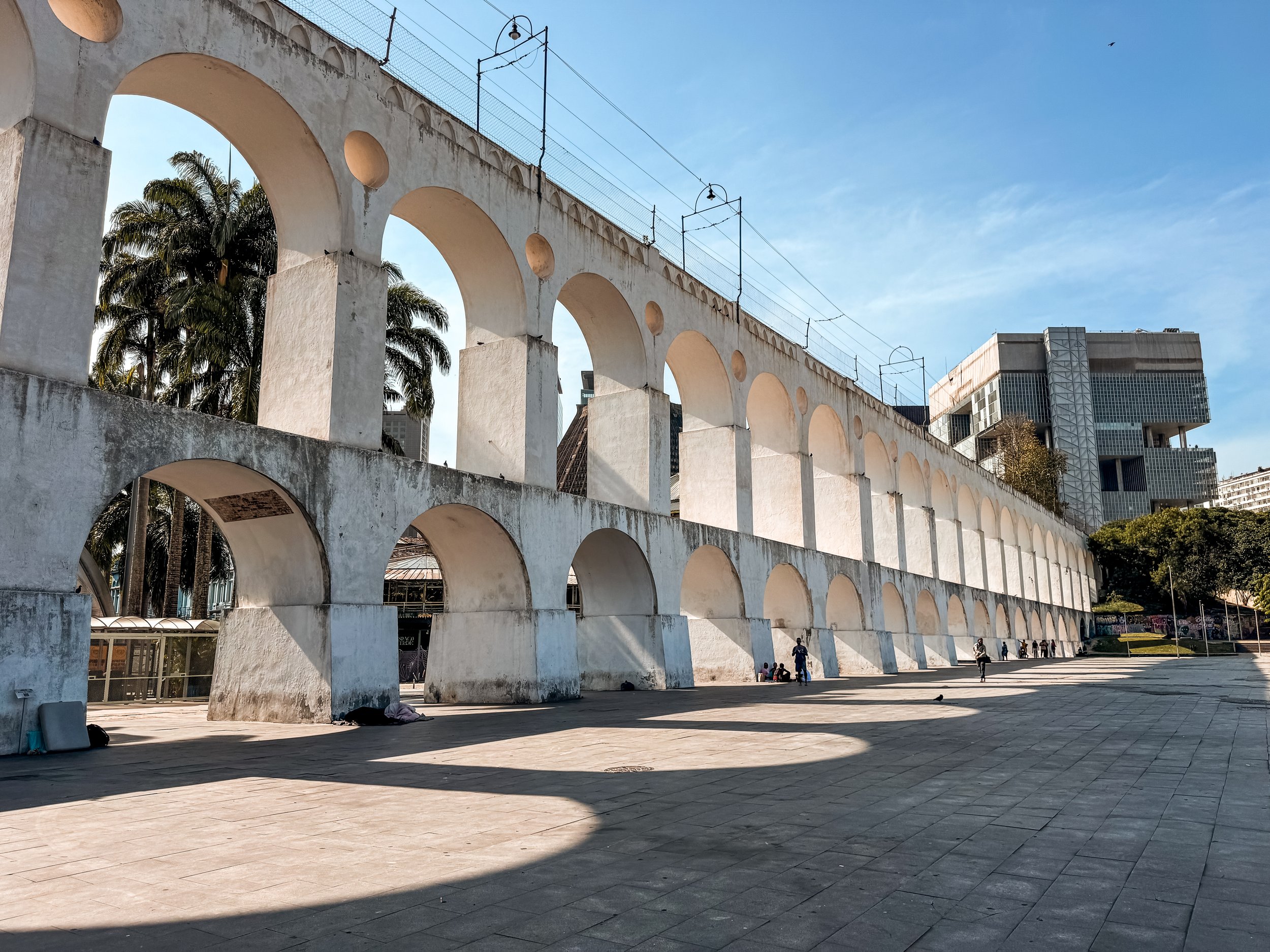
Arcos da Lapa. A white arched aqueduct converted into part of the Santa Teresa Tram route. There are many homeless people sleeping under the arches.
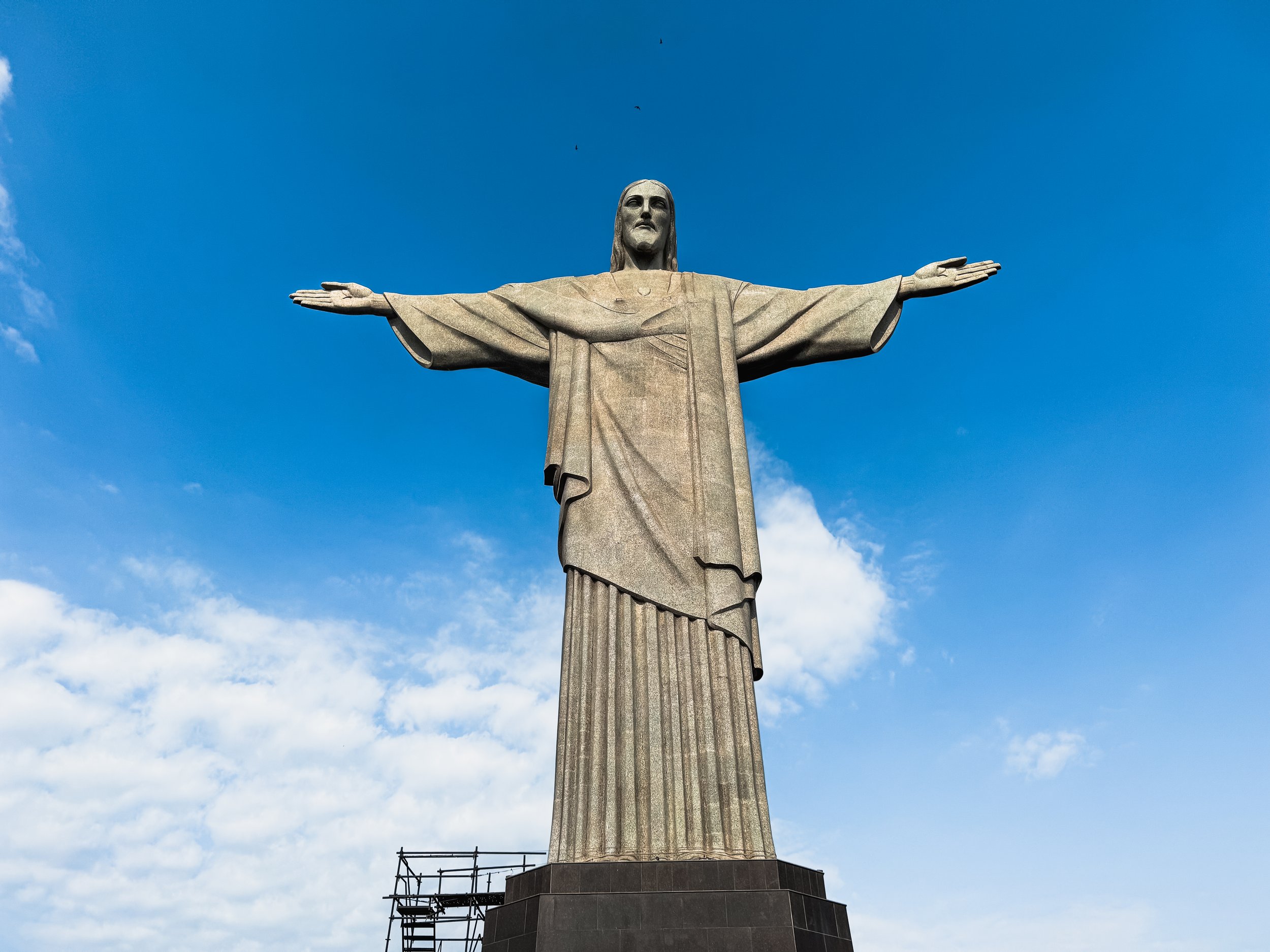
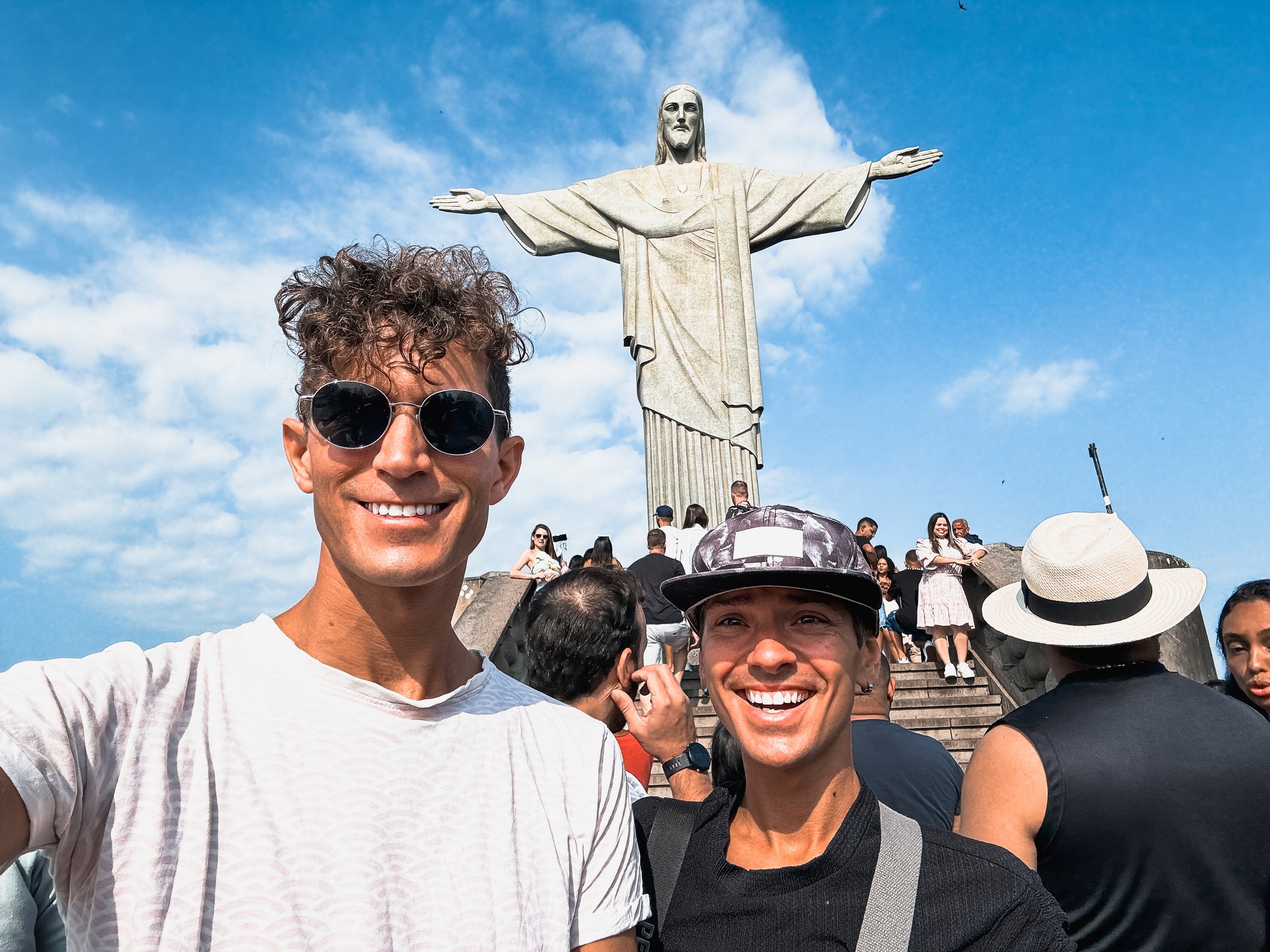
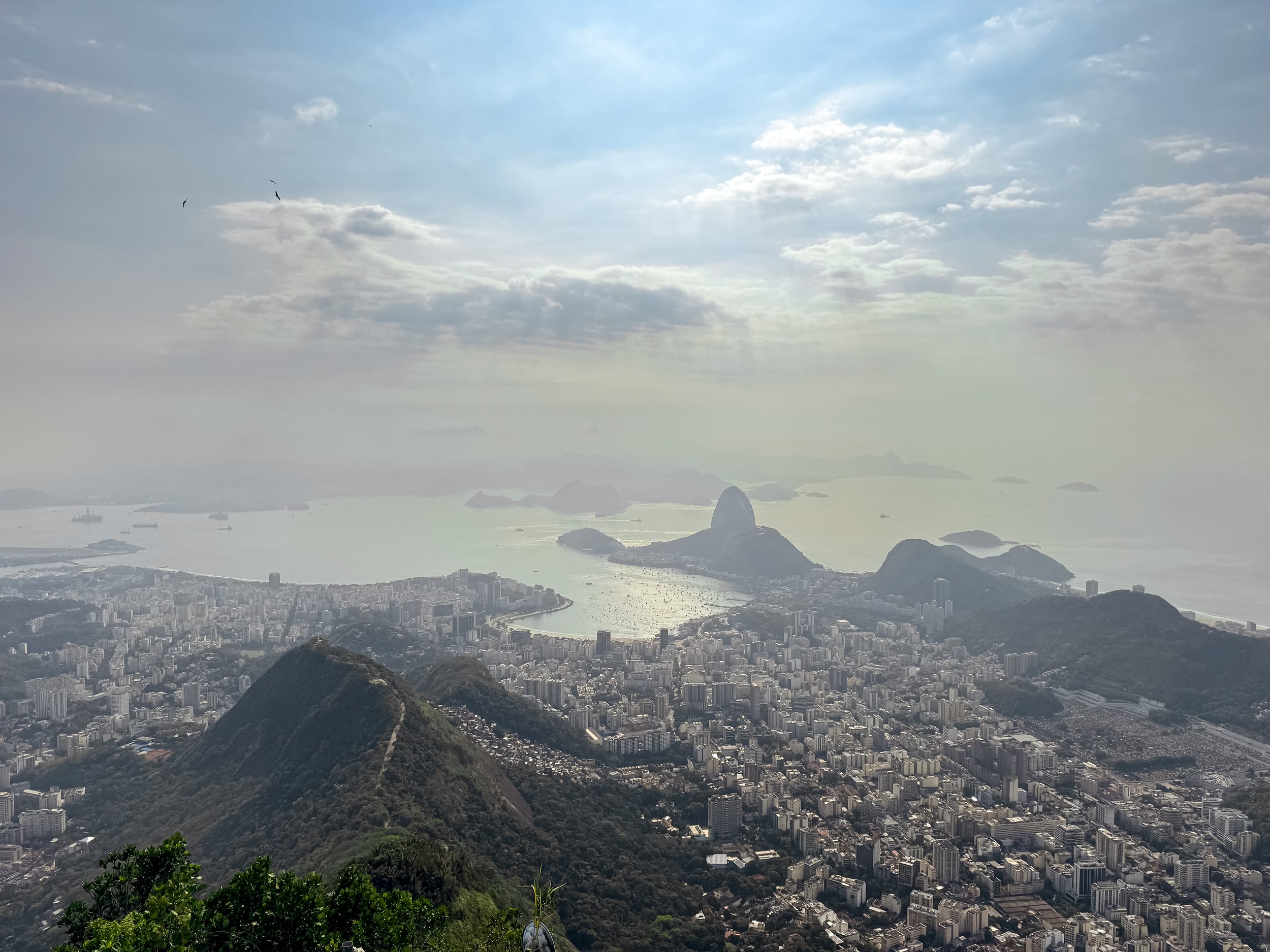
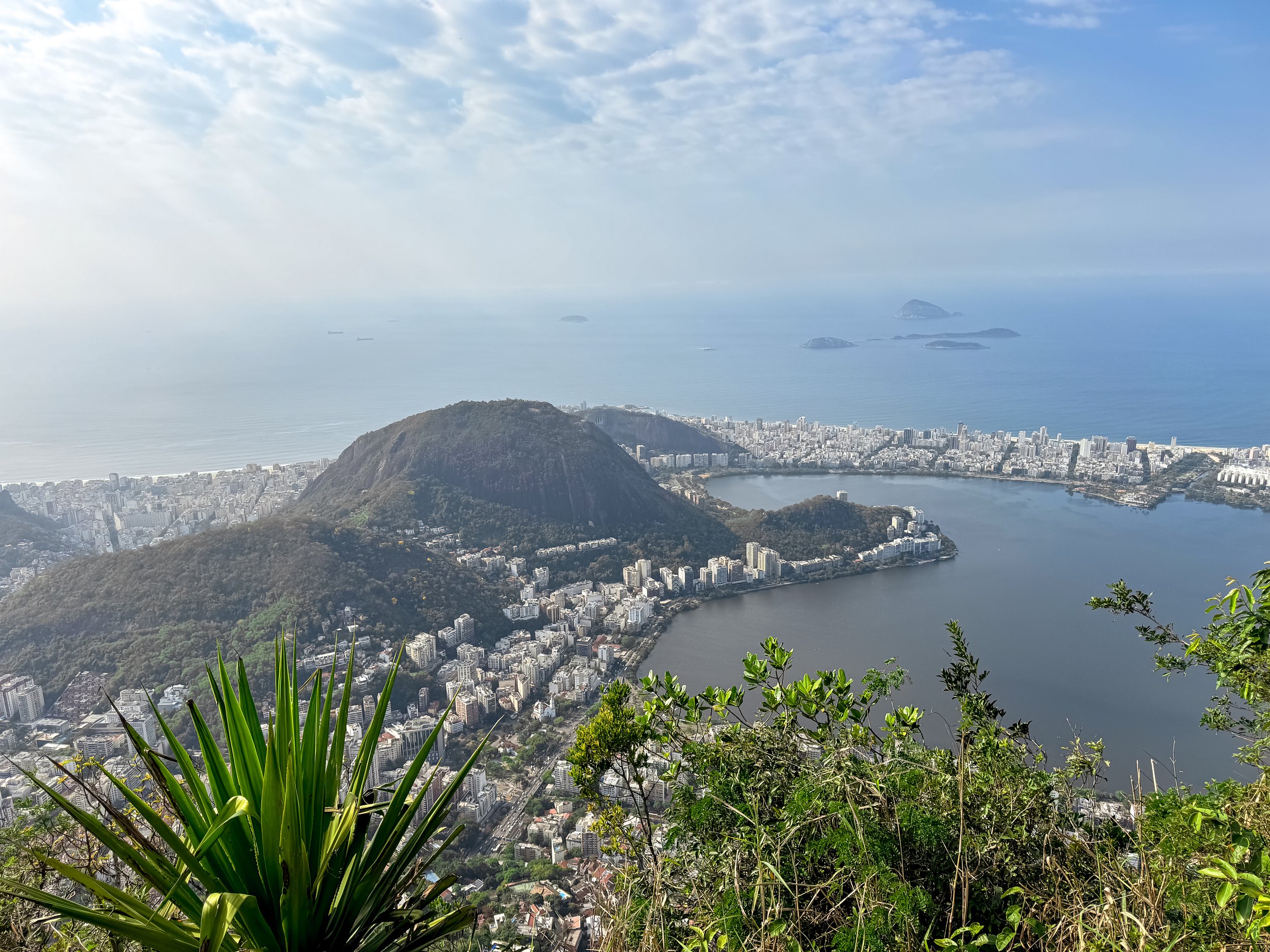
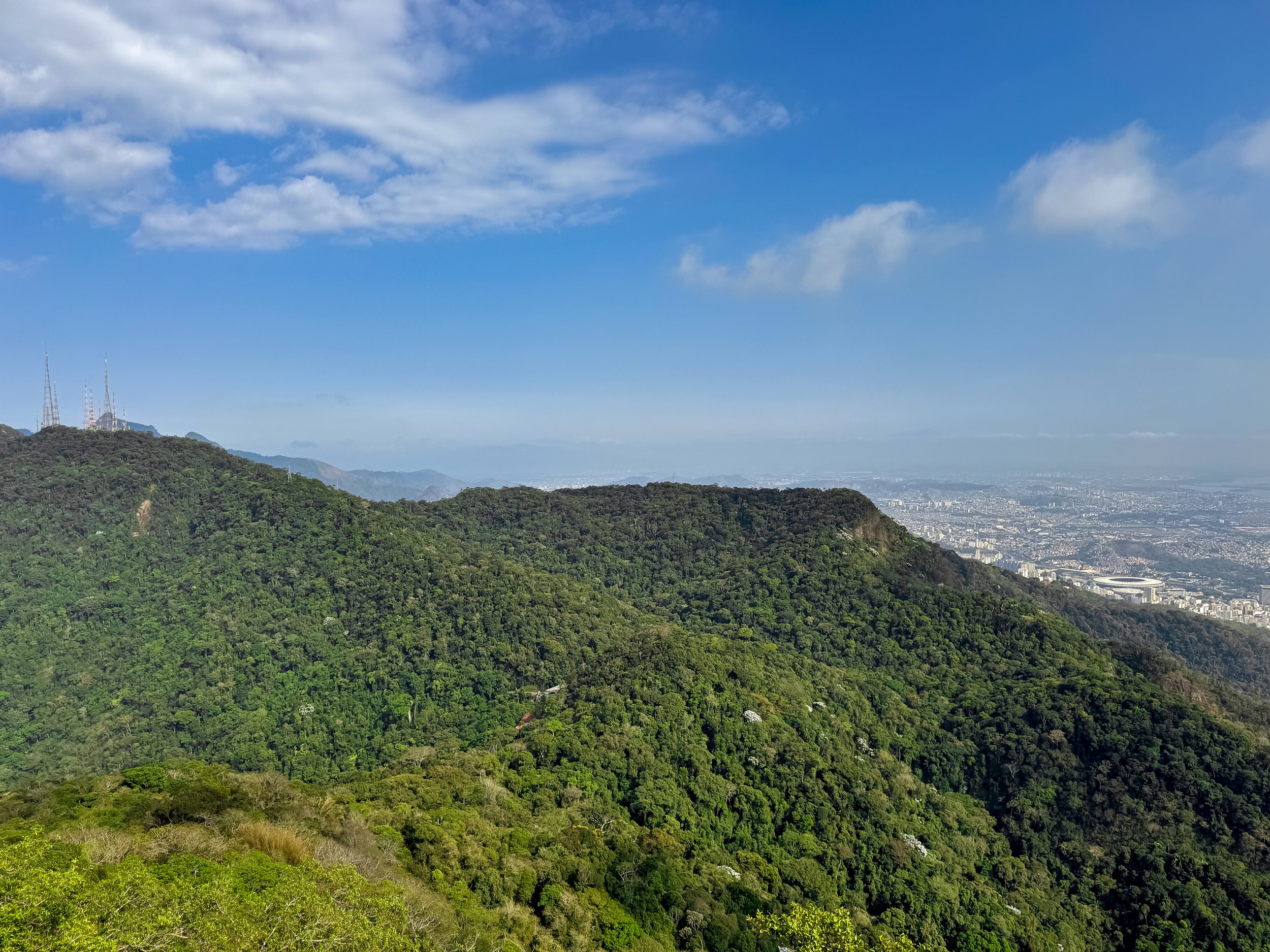
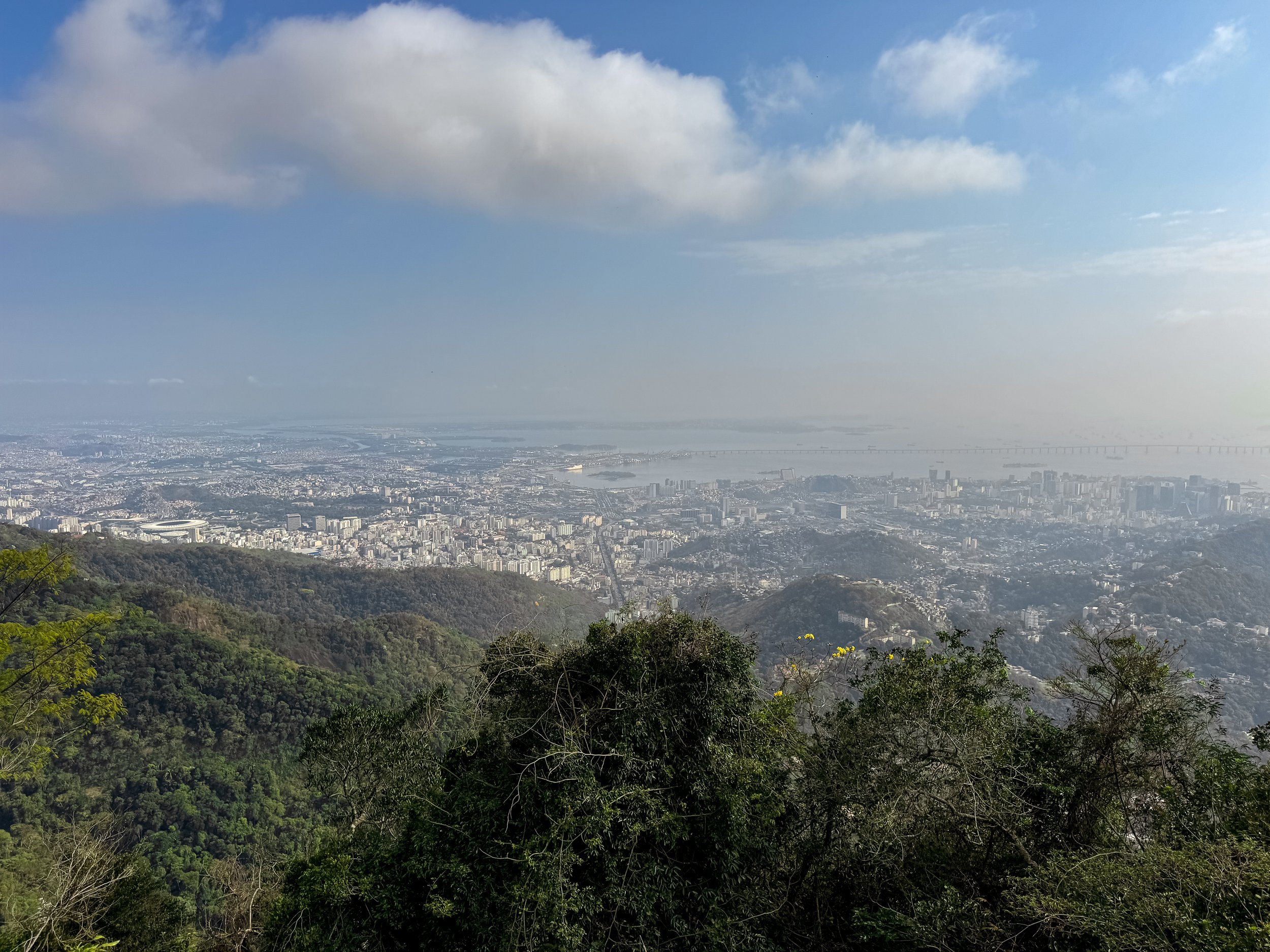
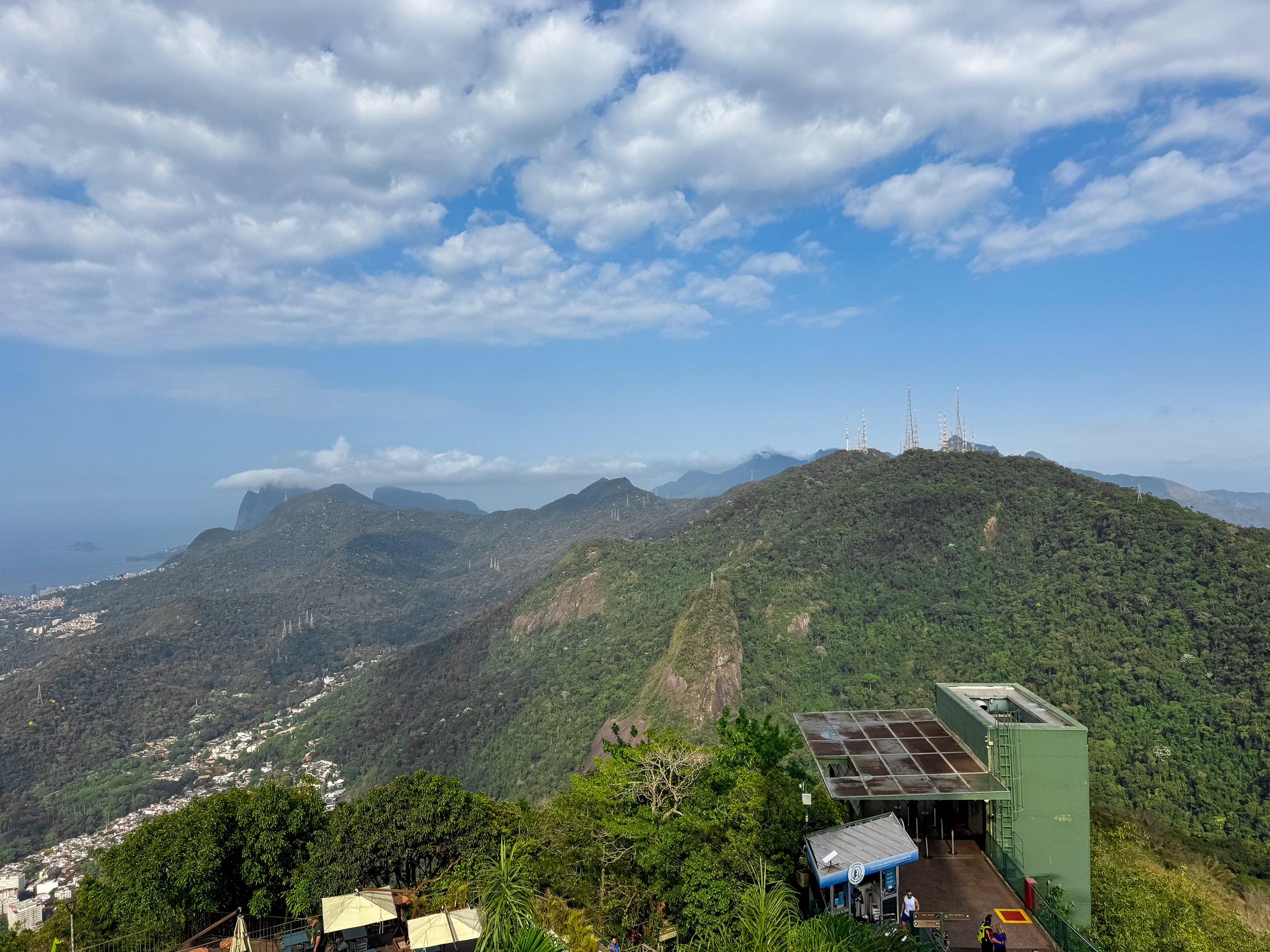
Christ The Redeemer
The iconic statue of Christ with his arms outstretched atop of the mountain overlooking Rio. On a clear day, he’s visible from across the city, peaking between skyscrapers and smaller mountains.
Tremdo Corcovado. A train that goes up the mountain to reach Christ the Redeemer. We booked our tickets a few days ahead of time for 7:20 on a clear morning. The best views of the statue are in the morning light while the best views of the city are in the afternoon. Even in the early morning, the summit was crowded with people taking selfies and admiring the view. Book here!

Botafogo & Flamengo
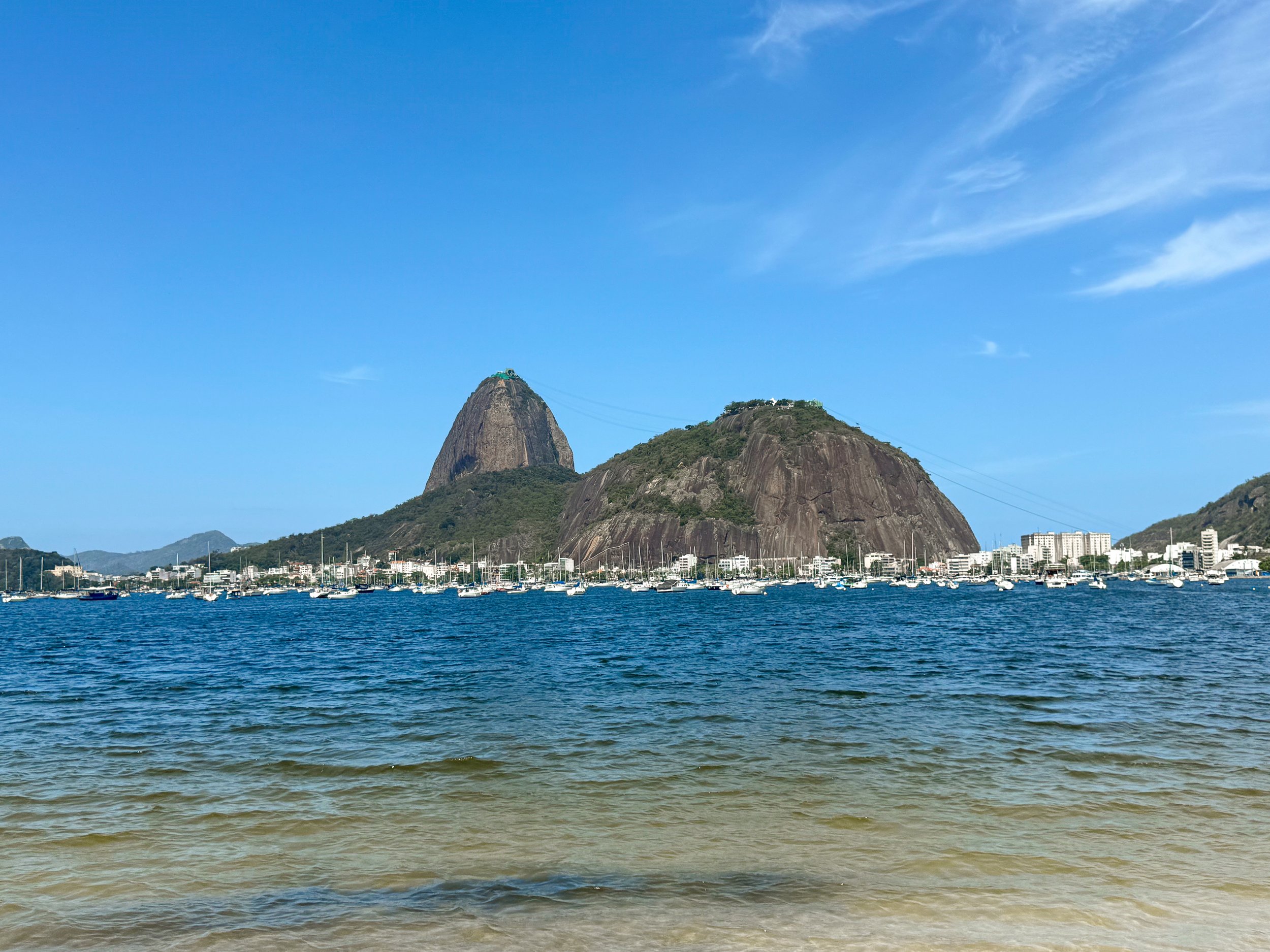
Botafogo & Flamengo are two adjacent neighborhoods with white sand beaches, cafes, restaurants, bars & hotels.
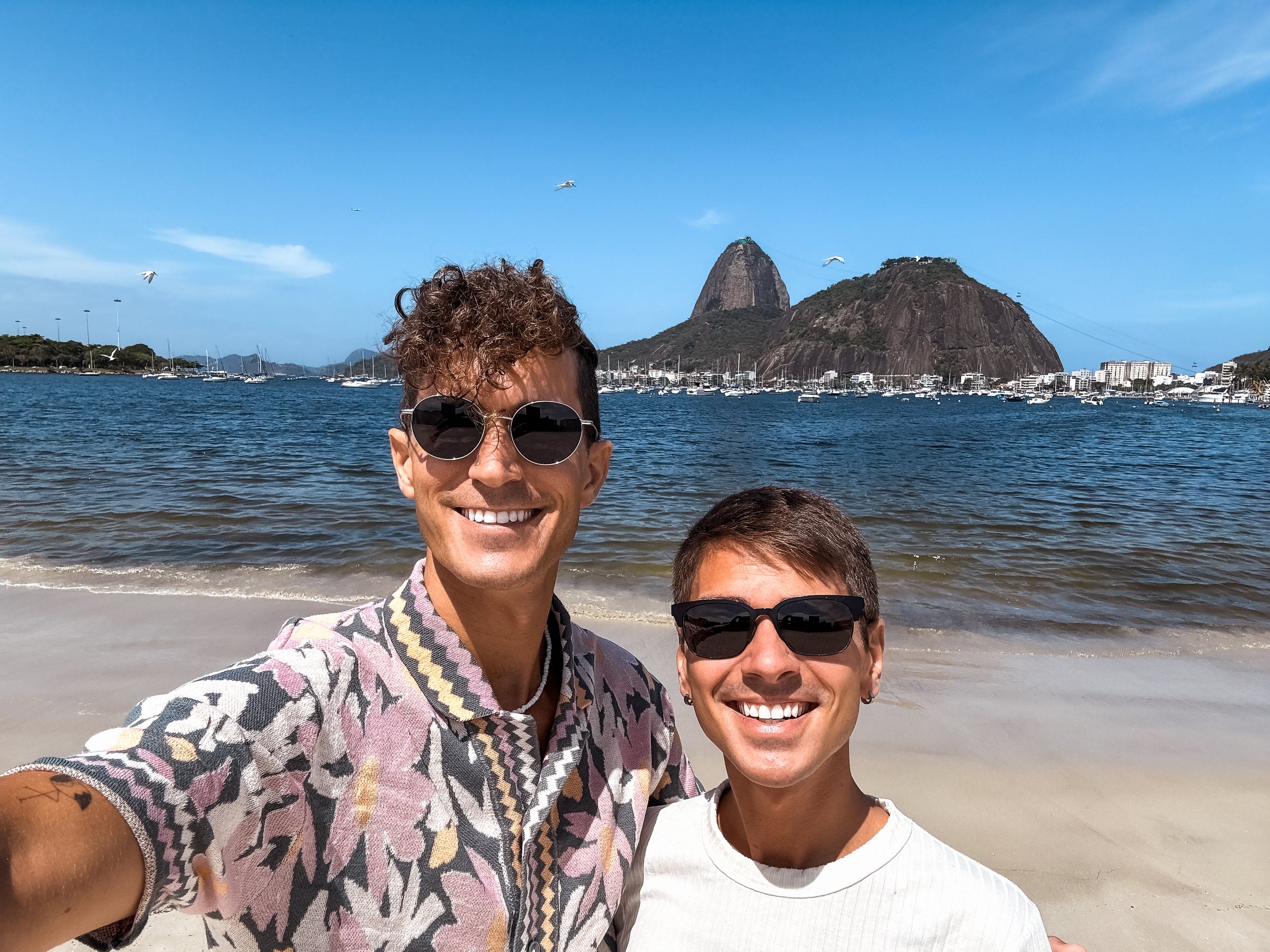
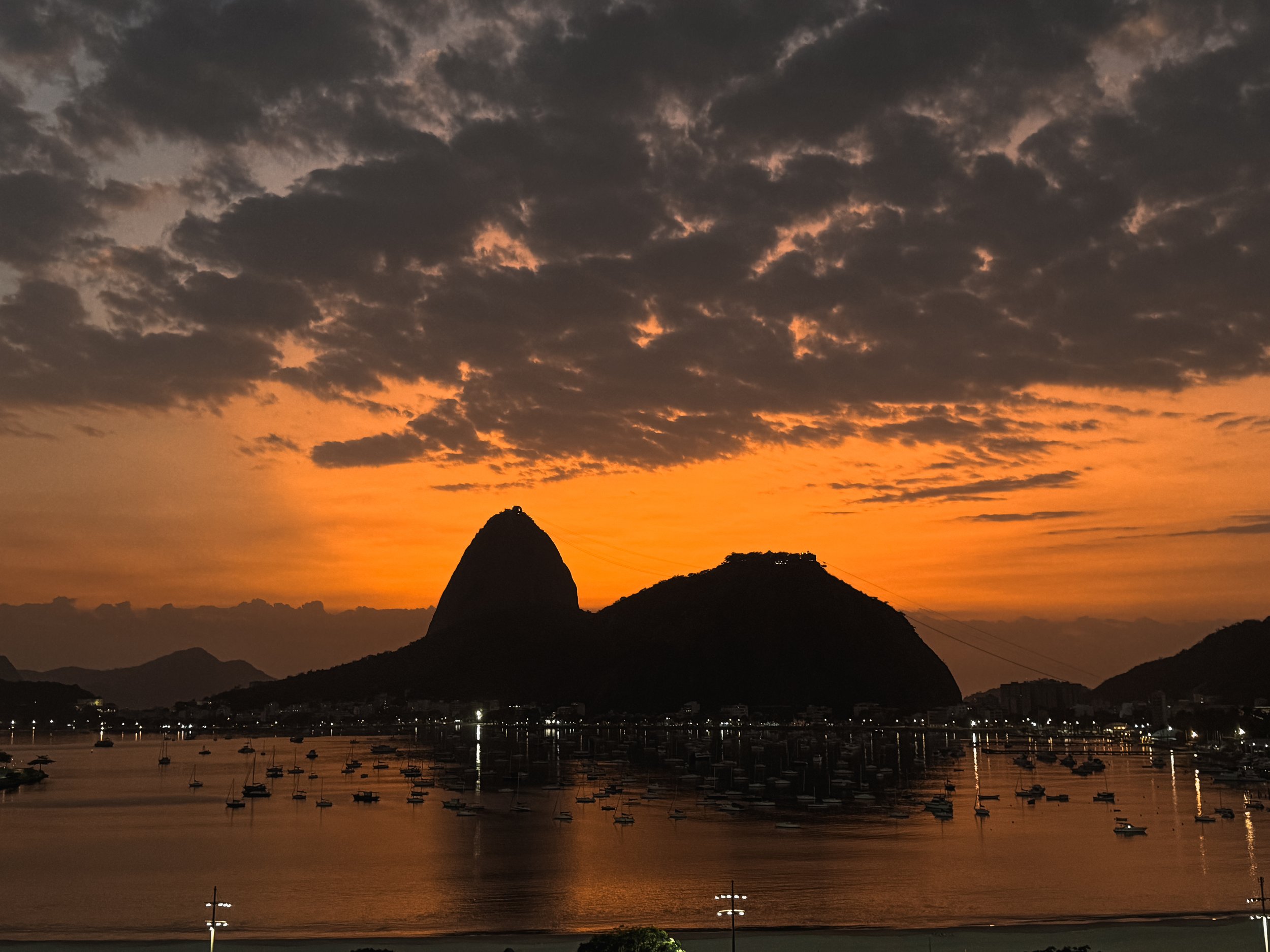
Botafogo Beach. A half moon shaped white sand beach with picturesque views of the ship dotted harbor and Sugarloaf Mountain. The water is often non-swimmable due to swim in due to sewage and pollution.
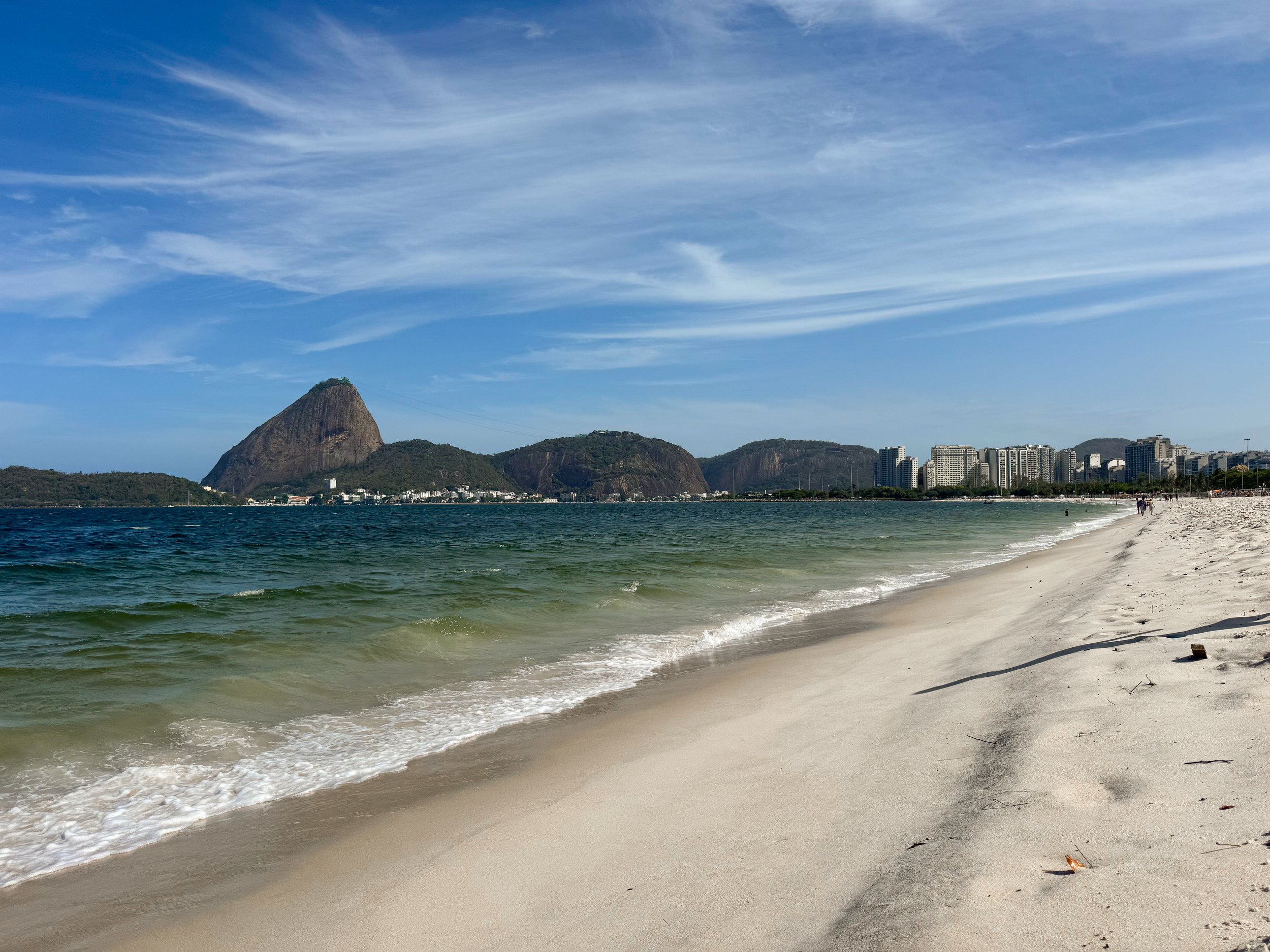
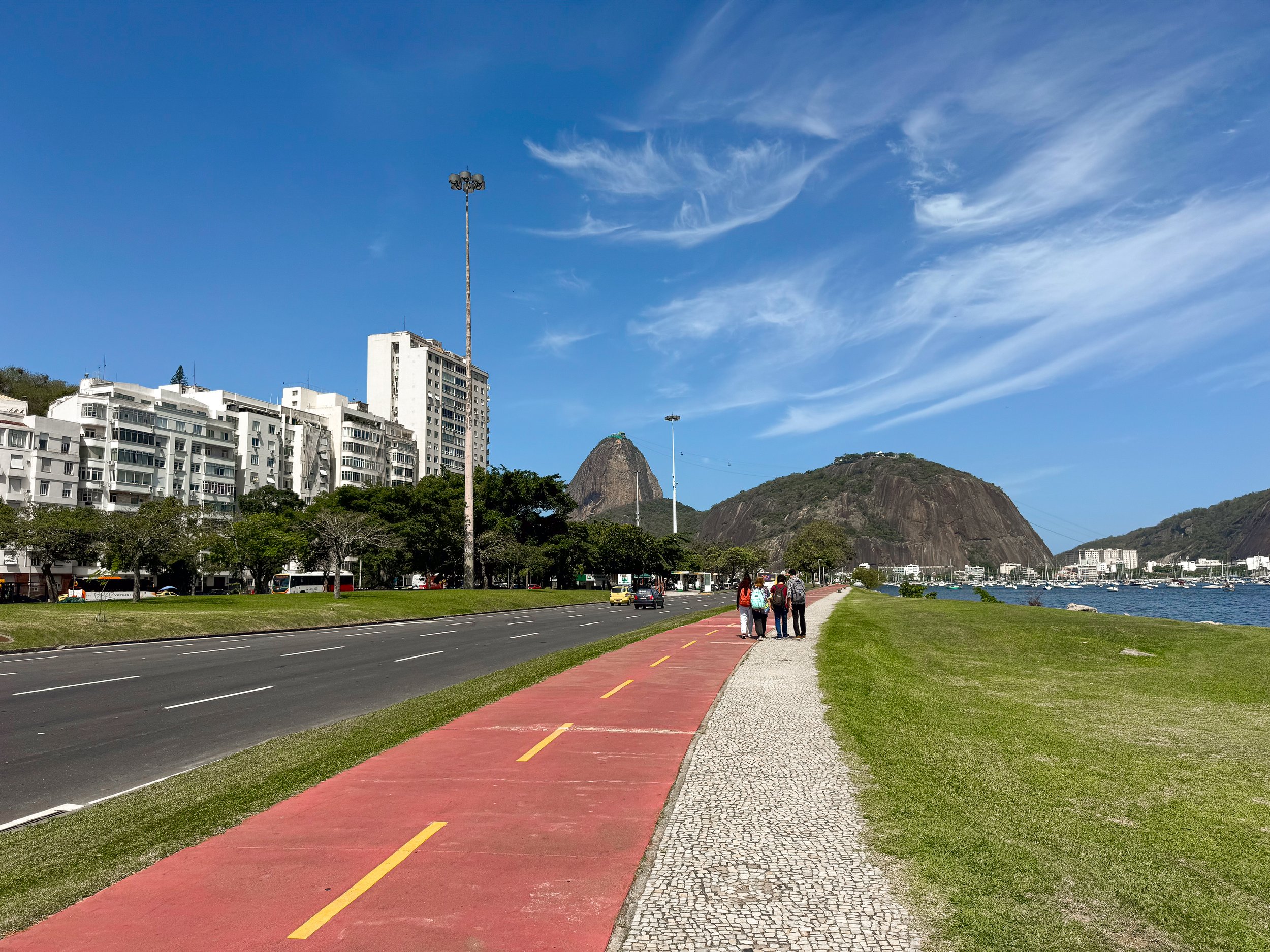
Flamengo Beach. A lengthy white sand beach with sun-kissed beach goers, vendors selling fresh coconuts, toned people flexing at the outdoor gyms, tournaments of Brazilian foot volley and a park with gardens and cycling paths.
Av. Infante Don Henrique. A scenic waterfront trail connecting both Flamengo and Botafogo Beaches with views of the harbor, sugarloaf mountain and Christ redeemer. People come here to take a leisurely stroll, jog, exercise and bike.
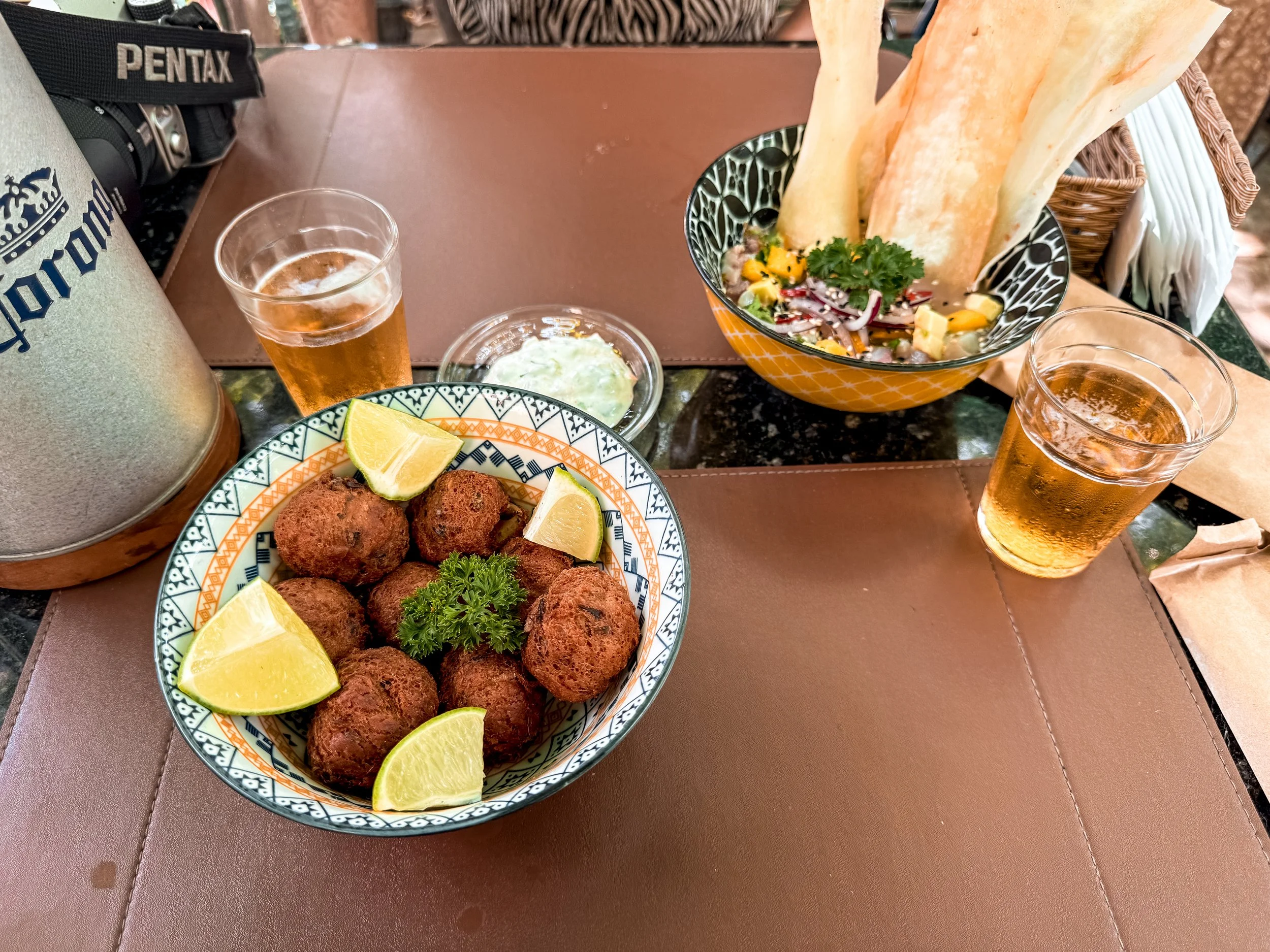
Brewteco Botafogo. A rooftop restaurant and bar overlooking Botafogo Beach and Sugarloaf Mountain. Come here for shareable appetizers like fried tapioca cheese bites and Brazilian beers including their house brewed beers.
Flor de Cactus. A coffee shop with sandwiches, pastries and locally made goods like honey, dried beans, hot sauce and juice.
Brazilian Cuisine
Feijoada. A traditional Brazilian stew made from black beans and multiple meats. It’s commonly served with rice and sliced oranges. We cooked a vegan version of it at our Airbnb.
Moqueca. A traditional Brazilian stew made with fish, shrimp, plantains, coconut milk, tomatoes and spices.
Pastel. A fried or baked squared shaped pastry filled with any number of proteins from meats to cheese.
Pao de Quejo. Tasty and addicting Brazilian rolls made with cheese and tapioca flour. They popular everywhere in Brazil and common at breakfast.
Queijo Coalho. A popular Brazilian snack made from skewered cheese grilled over coals, covered in honey and sprinkled with oregano.
Bolhinos. Crispy fried cod fritters. They’re popular as appetizers at restaurants and bars.
Brigadeiro. A Brazilian truffle made from a chocolatey caramel covered in chocolate sprinkles.
Pipoca (Popcorn). The tasty snack is served in food carts across the streets of Rio. Try is served buttered & salted or glazed in caramel.
Palmito. Known as heart of palm, it’s common in salads.
Açaí. The tiny Amazonian super fruit from the Açaí palm. By itself, it has a bitter blackberry like flavor. It’s often served as a sorbet with other fruits, granola and honey.
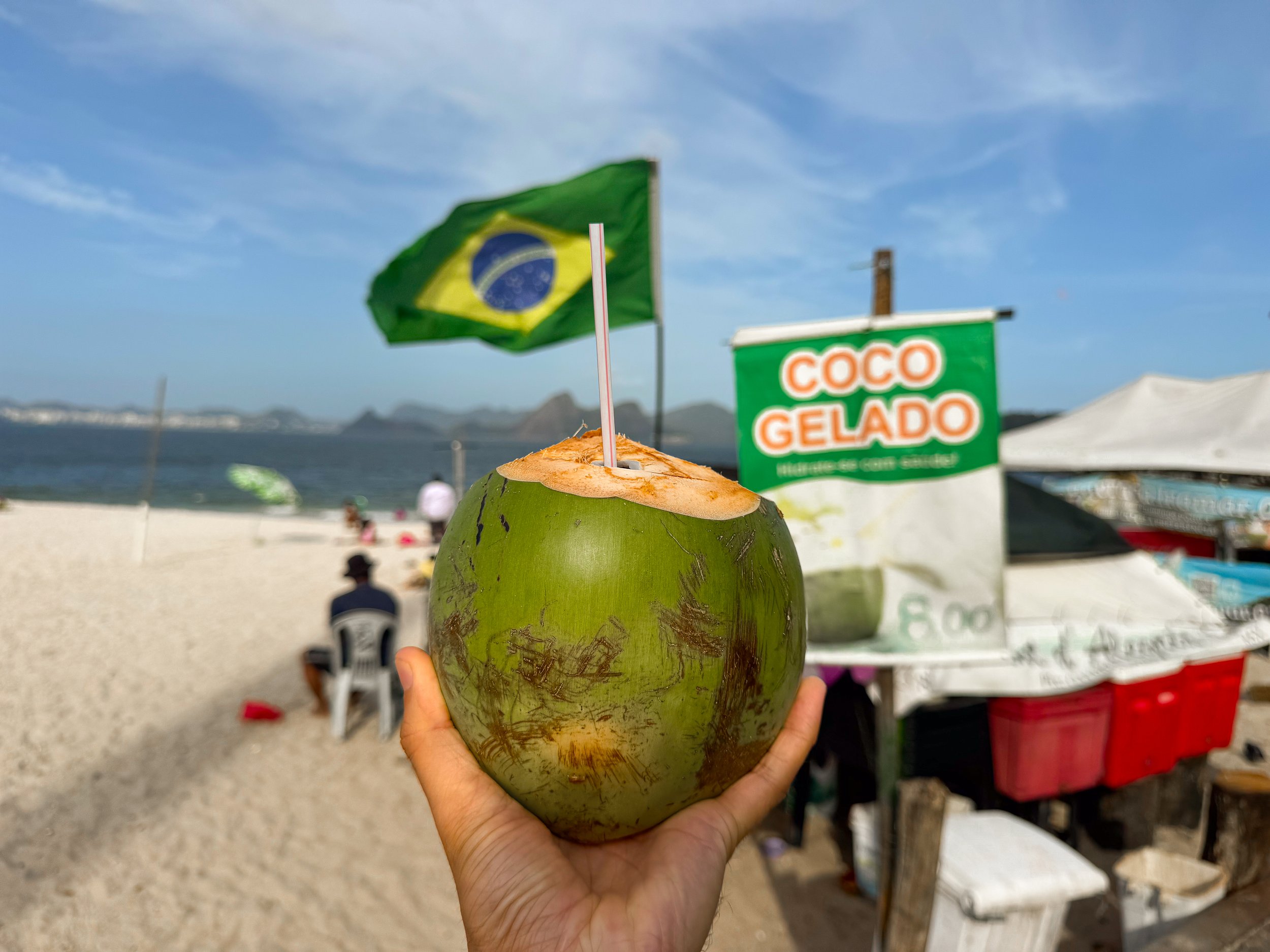
Coconuts. Fresh coconuts sold whole and sliced open with a machete are synonymous with Brazil! The refreshing and tasty drinks are served on beaches across Rio for around $R10.
Caipirinha. A cocktail made from sliced limes and sugar muddled together shaken with cachaça, a little water and ice. It’s essentially a Brazilian margarita. They’re sold from street vendors, at beaches, bars and restaurants across Rio.
Guaraná Antarctica. A very popular Brazilian soda made from the guaraná fruit. It has a fuzzy cane sugar like flavor.
Brazilian Beers. There are three popular and inexpensive Brazilian beers sold almost everywhere. Brahma which is the most popular followed by Skol and Original.

Where to Stay
We stayed at an Airbnb overlooking Botafogo Beach and Sugarloaf Mountain. With is views, it was the most dreamy location we could have imagined staying in Rio while giving us beach access to layout under the Brazilian sun.
Location Specifics
Language. Portuguese is the national language of Brazil. Even is a city like Rio, very few people speak English. We got by on some basic Portuguese phrases and words combined with some Spanish and Google Translate.
LGBTQ+ Acceptance. From rainbow flags at beaches to meeting other Brazilians from across the spectrum, Rio is very welcoming of LGBTQ+ tourists.
Drinking Water. The tap water is technically safe to drink in Rio although it has an unpleasant taste, not even boiling water will eliminate the flavor. Unfortunately, we drank mostly bottled water while in Rio.
Cash. Very few places accept cash. The ones that do don’t often have change for larger bills like 50s or 100s.
Beaches. The beaches were surprisingly clean across Rio with little to no trash anywhere on shore.
Weather. Though the air temperature was warm, the water was still very cold in the early spring (mid October).
Getting Around. Ubers and yellow taxis are plentiful & inexpensive to get around the city as well as the airport.
Safety
Be Aware. Despite everyone’s warning,we felt very safe in Rio. Like in most cities, we were aware of our surroundings, kept our phones and wallets in our front pockets, double checked directions and use instincts before walking down a street.
Avoiding Favelas. Favelas are notoriously dangerous due to the high risk of violent crime and best avoided. Even on a guided tour like we took in Vidigal, our safety couldn’t be guaranteed.
We used the satellite view on our maps app to determine if an area may be a favela. Generally, high density areas with tin roofs and no defined streets are favelas. Areas with clay tiled roofs, skyscrapers with streets are generally safer neighborhoods.
The north side of the city between the international airport and El Centro should be avoided. This is the most dangerous region with several favelas.
Beaches. To avoid theft on the beaches, we kept our valuables out of reach of anyone passing by. People mentioned not to visit the beaches at night however we didn’t see any issues. Most beaches including Copacabana, Ipanema and Botafogo are well lit and well utilized at night.
Elsewhere in Brazil
From Rio’s iconic beaches and mountain viewpoints to the depths of the Amazon rainforest and river systems, discover more of Brazil’s diverse landscapes.
Brazilian Amazon Travel Guide: Manaus, River Cruises & Indigenous Culture. Journey deep into the world’s largest rainforest through Manaus, Amazon River cruises, remote villages and Indigenous cultural experiences.
For Next Time…
Having caught a cold during our week in Rio, it limited our ability to do and see everything we had hoped. Luckily, Rio is now near the top of our list of places to return to. For next time, we plan to:
Take Surf Lessons at Amador or Grumari beaches.
Go on a boat tour of the Cargarras Islands, a protected nature reserve off the coast of Rio.
Hike to the summit of Piedra Bonita, one of the city’s tallest granite peaks.
Visit during Carnival, the world’s largest party with parades, music festivals & feathered dancers.

Brazilian Amazon Travel Guide: Manaus, River Cruises & Indigenous Culture
Cruise through the Brazilian Amazon where remarkable wildlife, Indigenous cultures and vast rainforest landscapes define one of Earth's greatest ecosystems.

The Amazon Rainforest
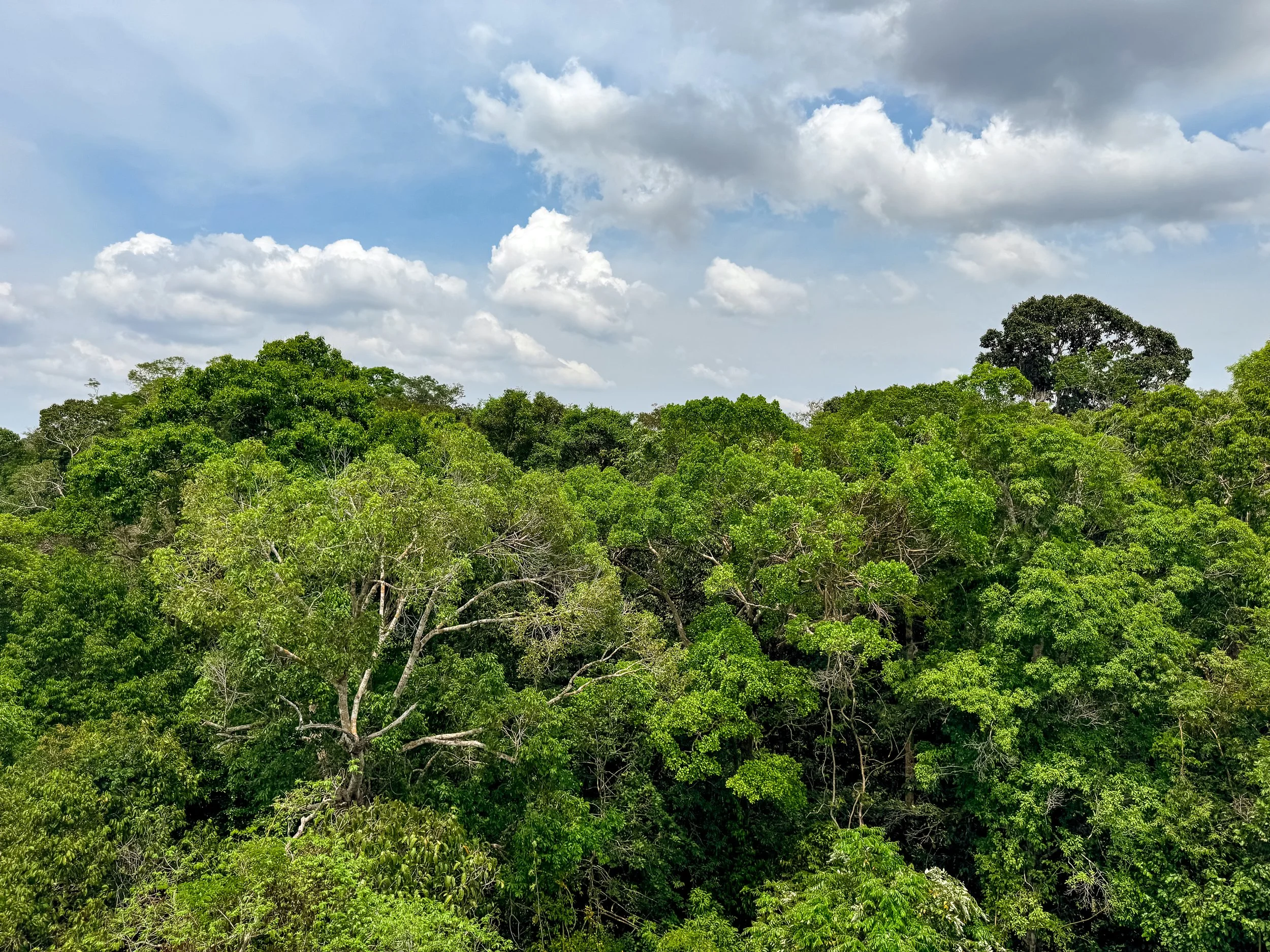
The Brazilian Amazon is a vast rainforest covering Northern Brazil and a large area of the South American continent. It’s home to the Amazon Rainforest and River, an immense amount of biodiversity and wildlife, indigenous tribes, eco-activities, river cruises and millions of people. We spent over a week in the region, splitting our time between a multi night river boat tour and in the city of Manaus.
Multi Day River Cruise
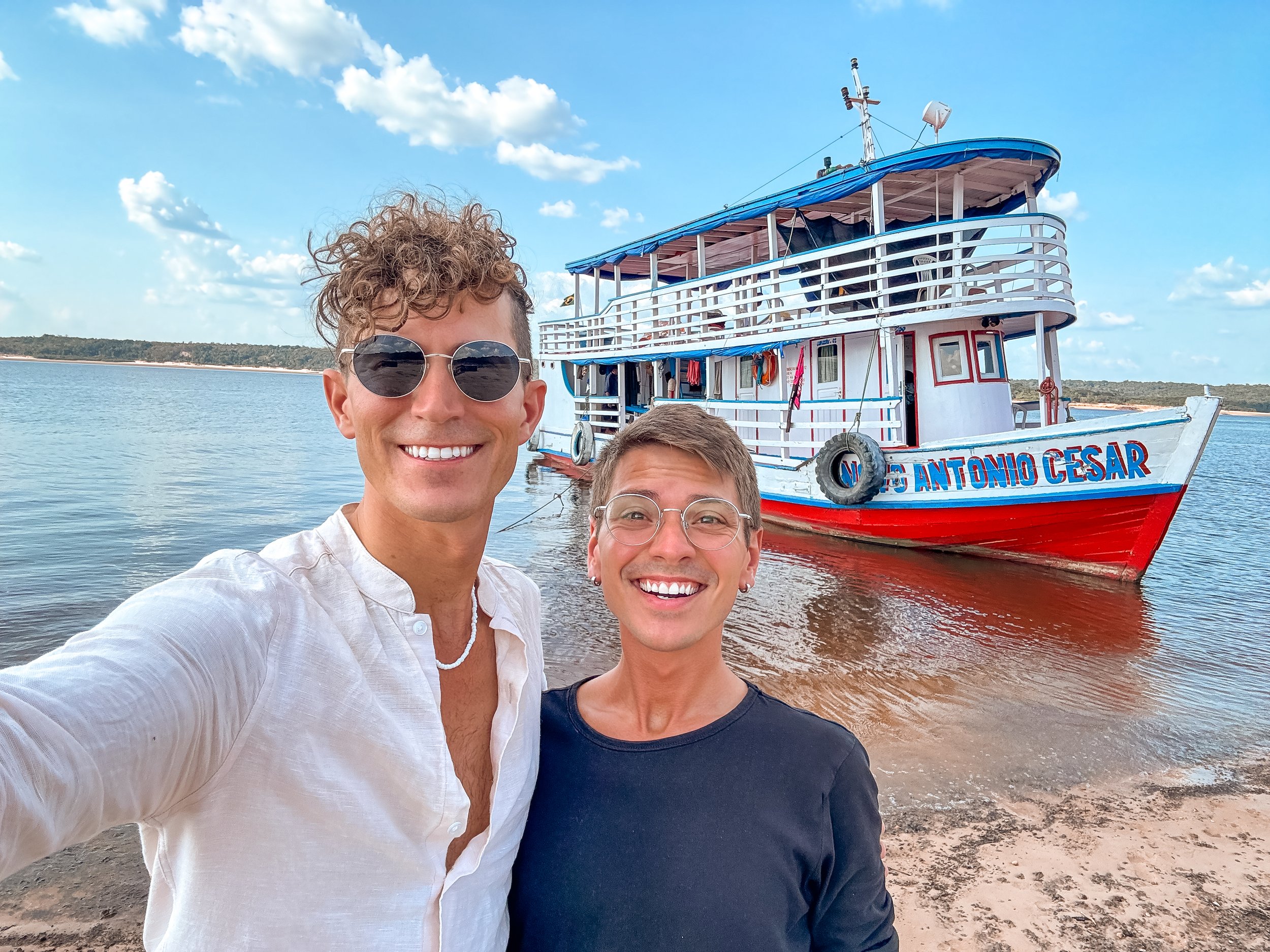
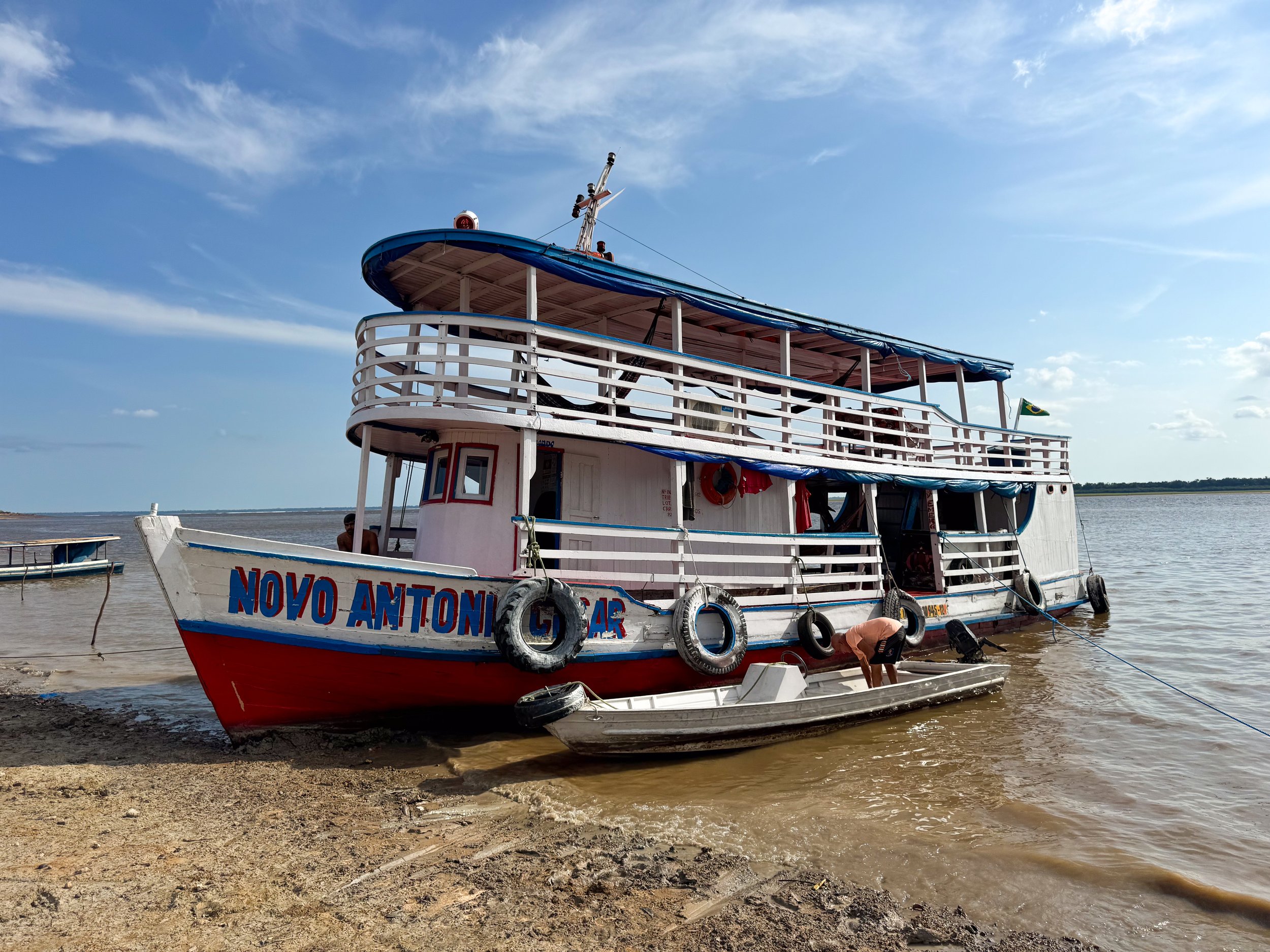
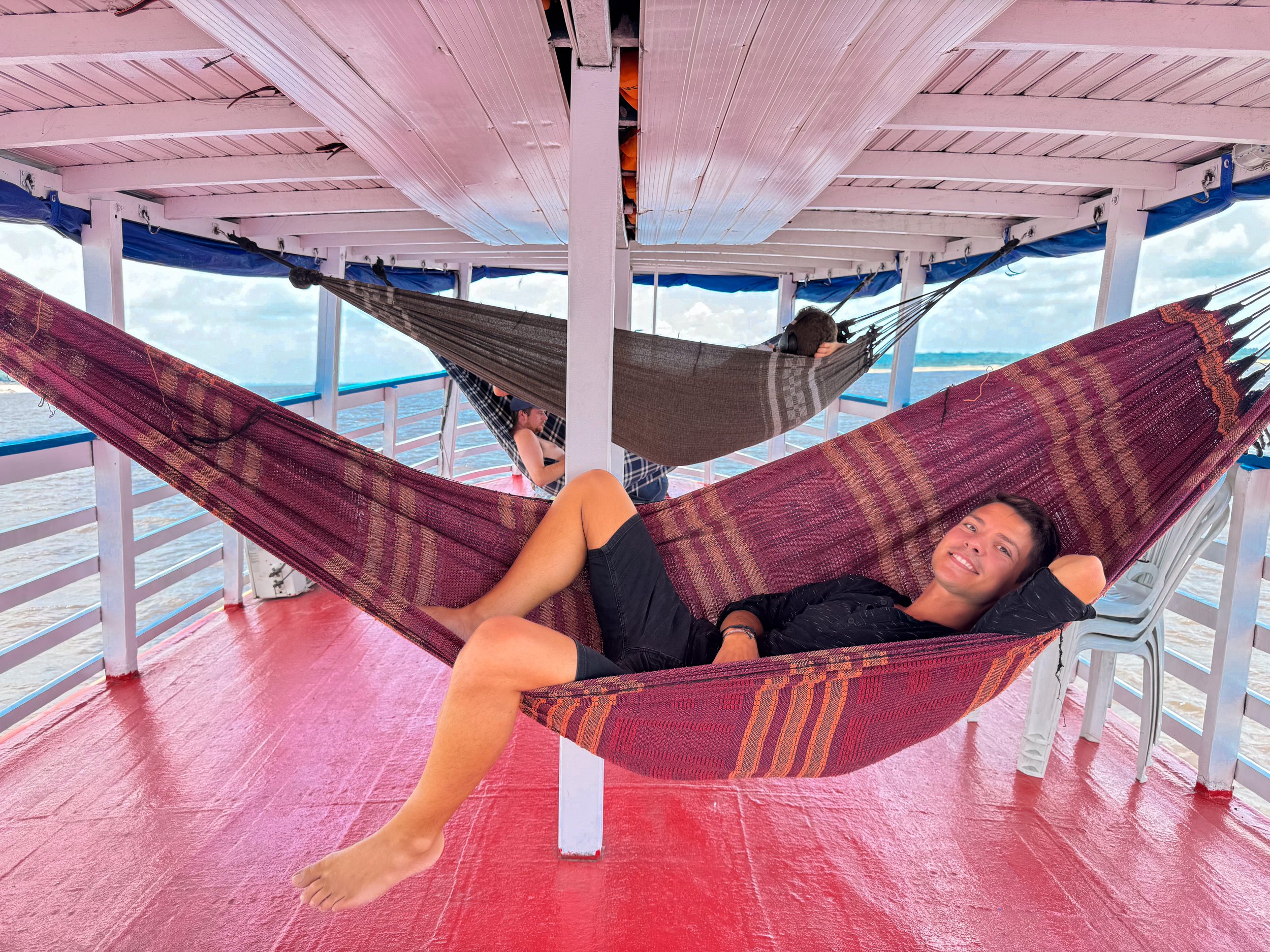
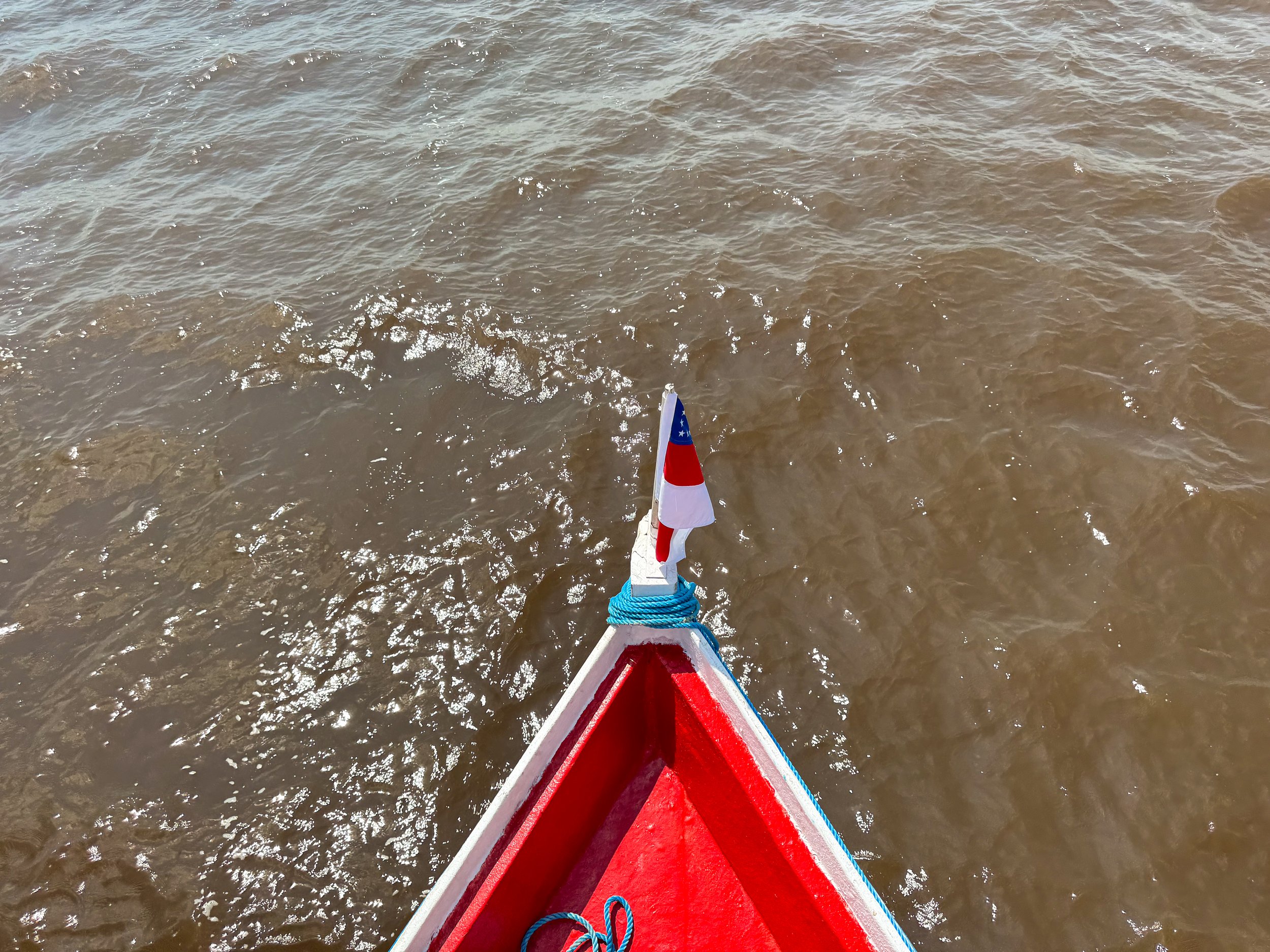
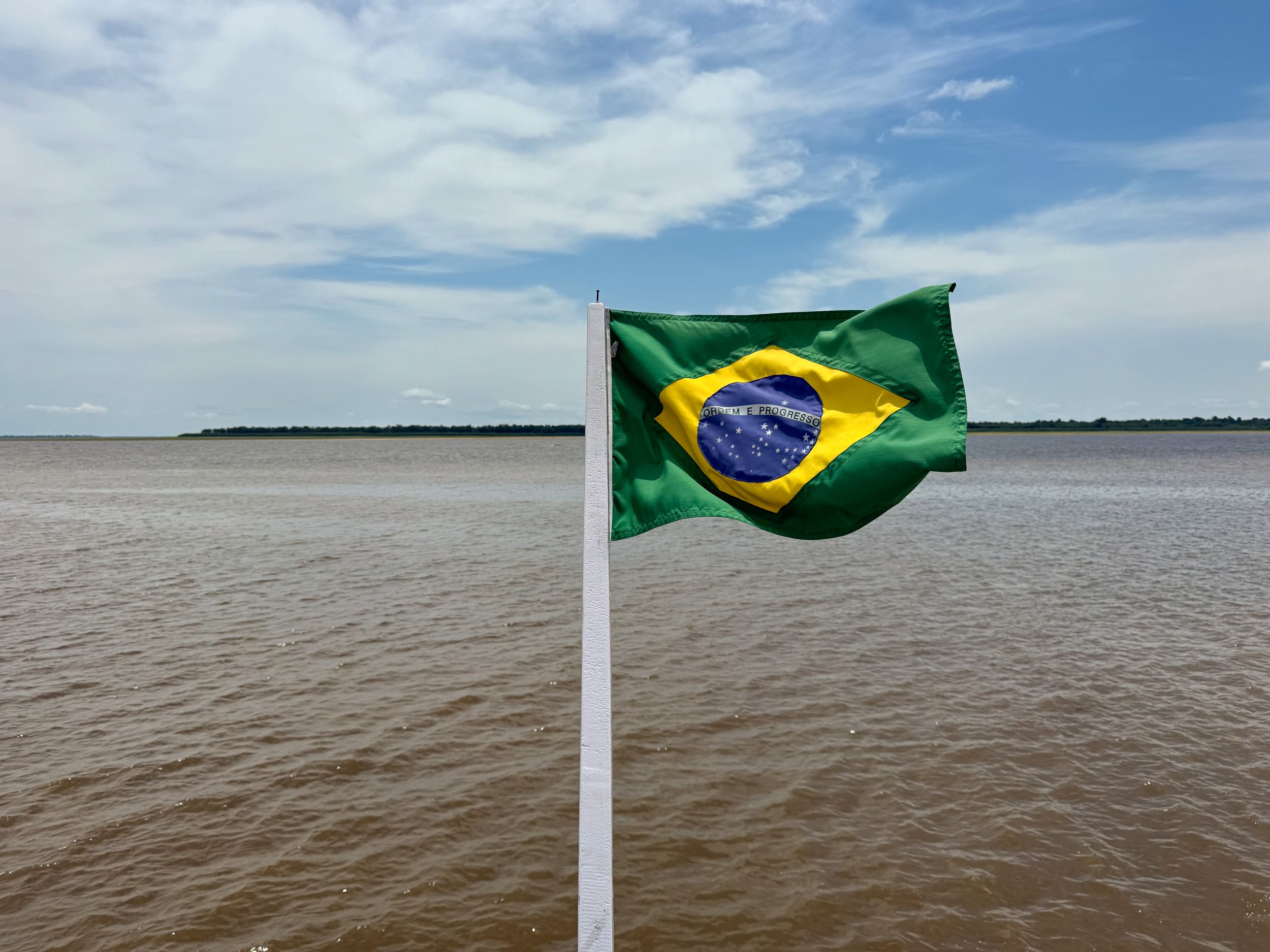
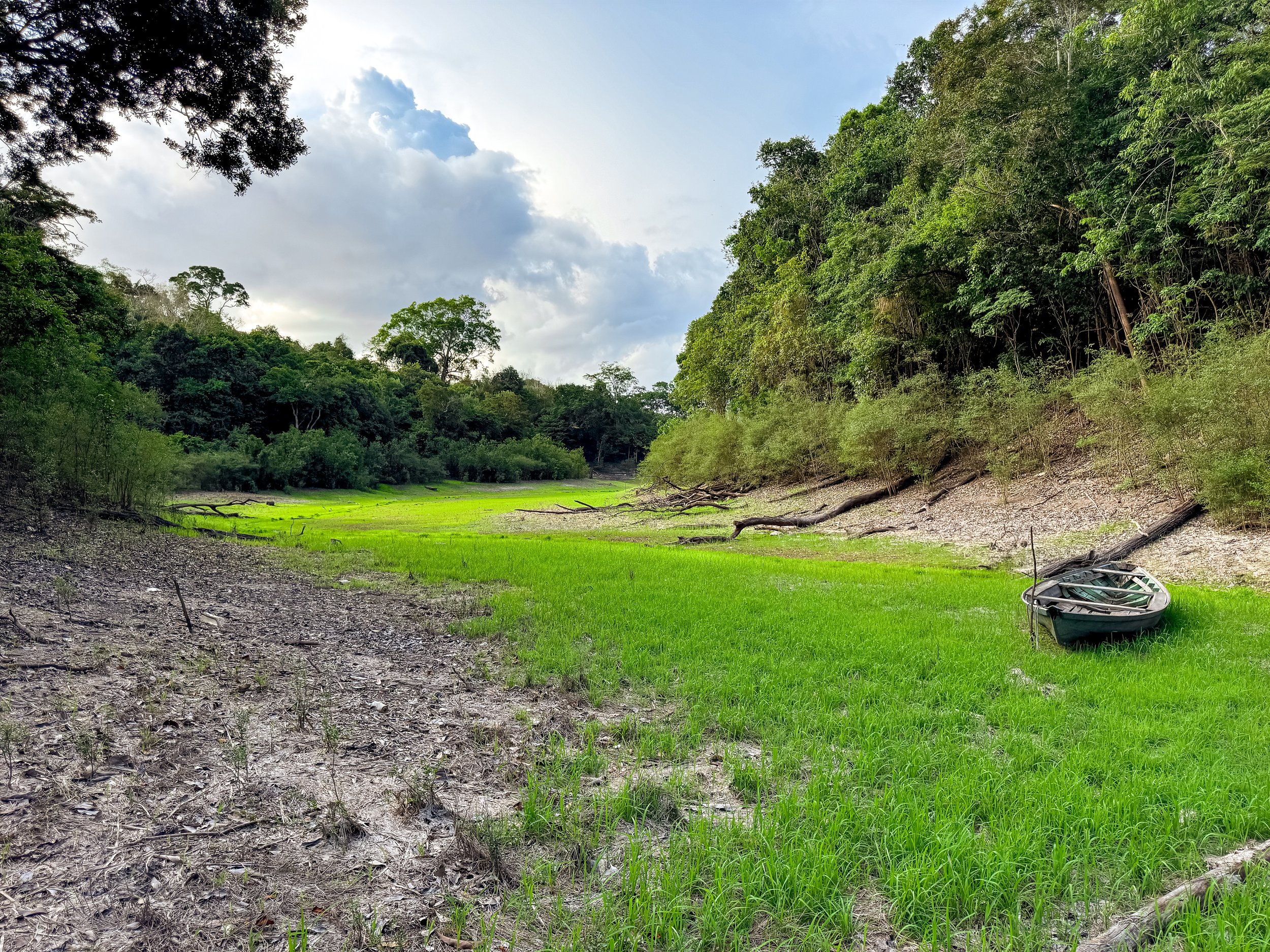
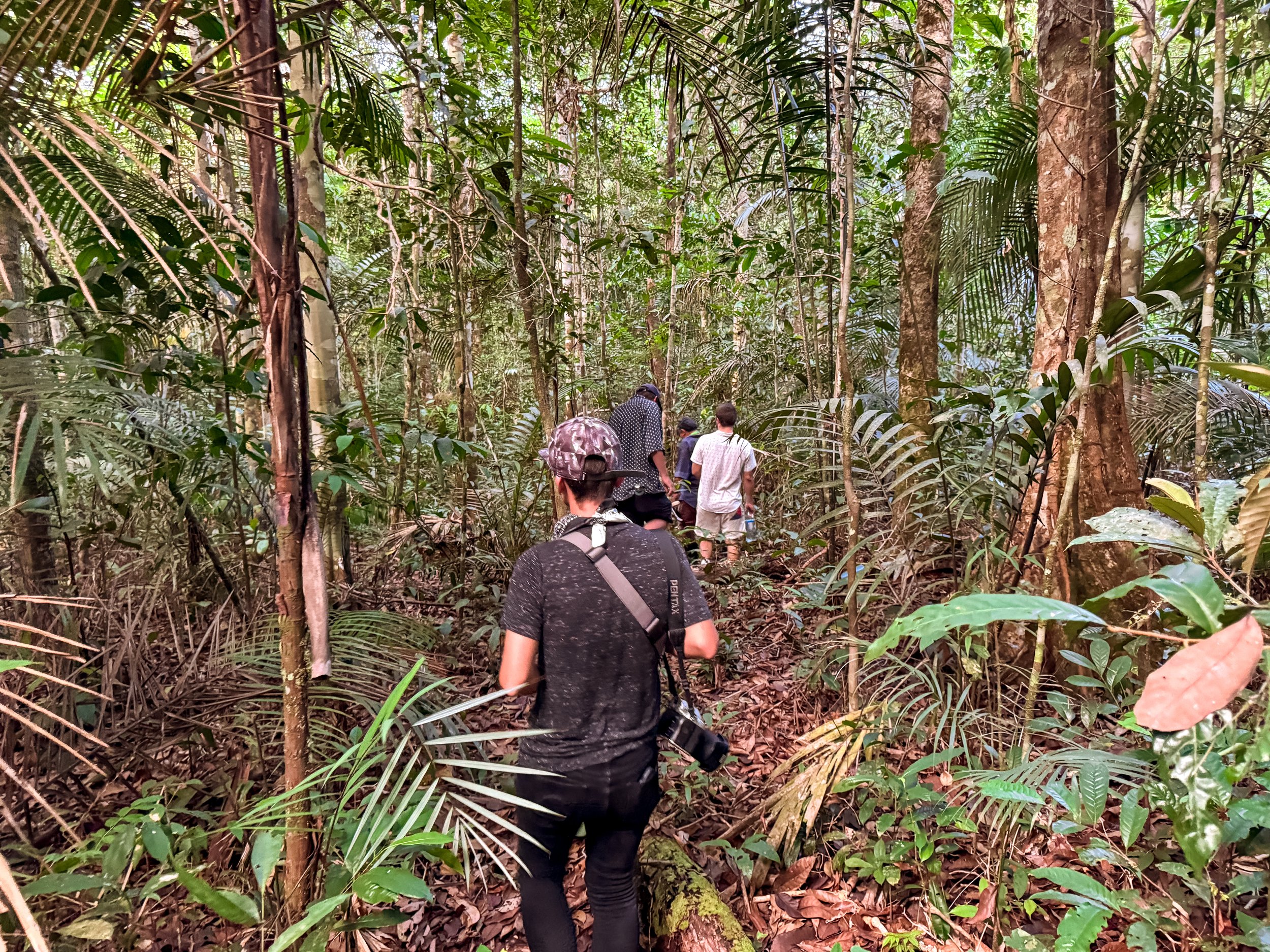
We booked a four day, three night river boat tour of the Amazon and Rio Negro from Manaus. We cruised up and down the river, stopping at various white sand beaches to swim in the piranha infested waters and with pink river dolphins. By day, our guide brought us hiking and camping in the rainforest, to cooling cold springs, on a tour of an indigenous village, fishing for piranha and searching for caiman. At night, we slept in woven hammocks stretching across the upper deck of the wooden river boat. All meals were included, including several Amazonian fish dishes and fruit juices.

Amazonian Rivers
We visited two Amazonian rivers on our tour. The mighty Amazon River, its largest tributary, The Rio Negro and the location where both rivers meet.
The Amazon River. The world’s largest river, winding 4,000 miles across South America. Its muddy brown waters are a lifeline to the Amazon Rainforest, its biodiversity and indigenous communities.
The Rio Negro. The largest tributary feeding the Amazon River named after its dark colored water. By volume, it’s one of the largest rivers in the world.
The Meeting Waters. The location where the milky brown water of The Amazon River and dark brown waters of the Rio Negro meet.
Day One
We spent our first day in the Amazon on the Rio Negro and our first night, sleeping in a hammock within the jungle.
At the Manaus Harbor, we boarded a speed boat and navigated through a storm and choppy water along the Rio Negro to reach The Meeting Waters where we floated between both rivers. We retuned to Manaus where we refueled, stocked up on groceries and ate breakfast at a floating gas station before continuing up river. From the bow of the boat, the Rio Negro stretched far over the horizon. Along its banks were surprisingly white sand beaches, dense tree lines and the occasional river boat, eventually including ours. Arriving at the boat, the crew welcomed us on board and showed us to the upper deck where we would be sleeping in hammocks for the following nights. We relaxed for the afternoon, enjoying fried pirarucu and cashew juice for lunch.
Late in the afternoon, we packed an overnight bag with our hammocks and were led ashore and into the jungle by our guide. Along the trail, he stopped to point out Amazonian fruits, medicinal plants, poisonous spiders and demonstrated how the rubber tree is processed. As night fell, we made camp under a small hut, hung our hammocks and ate fried piranha for dinner. While lying in our hammocks, the noise of the jungle kept us awake for some time. We listened to the roar of howler monkeys, chirps of crickets, croaks of frogs, squawks of birds and hum of cicadas fill the air.
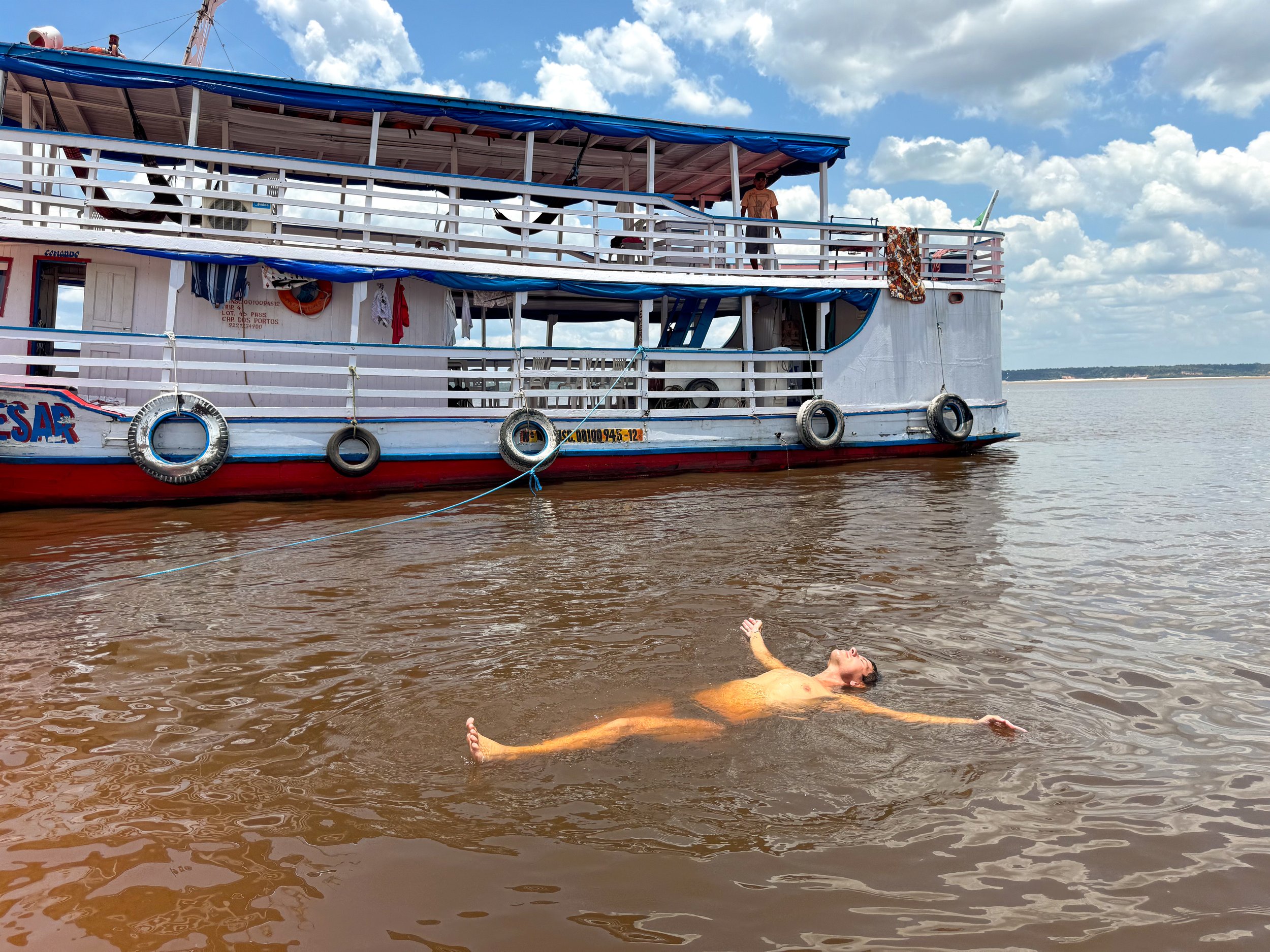
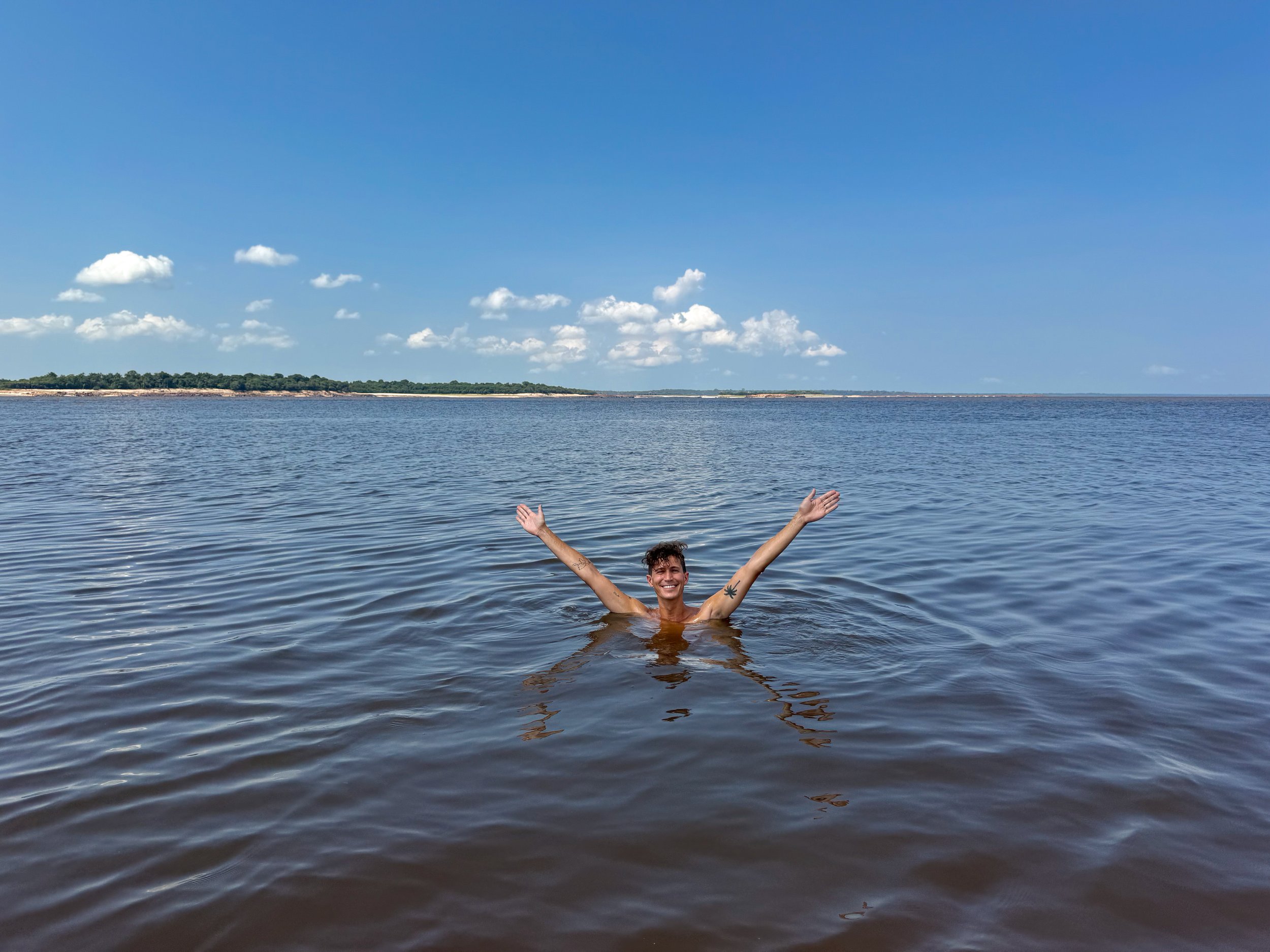
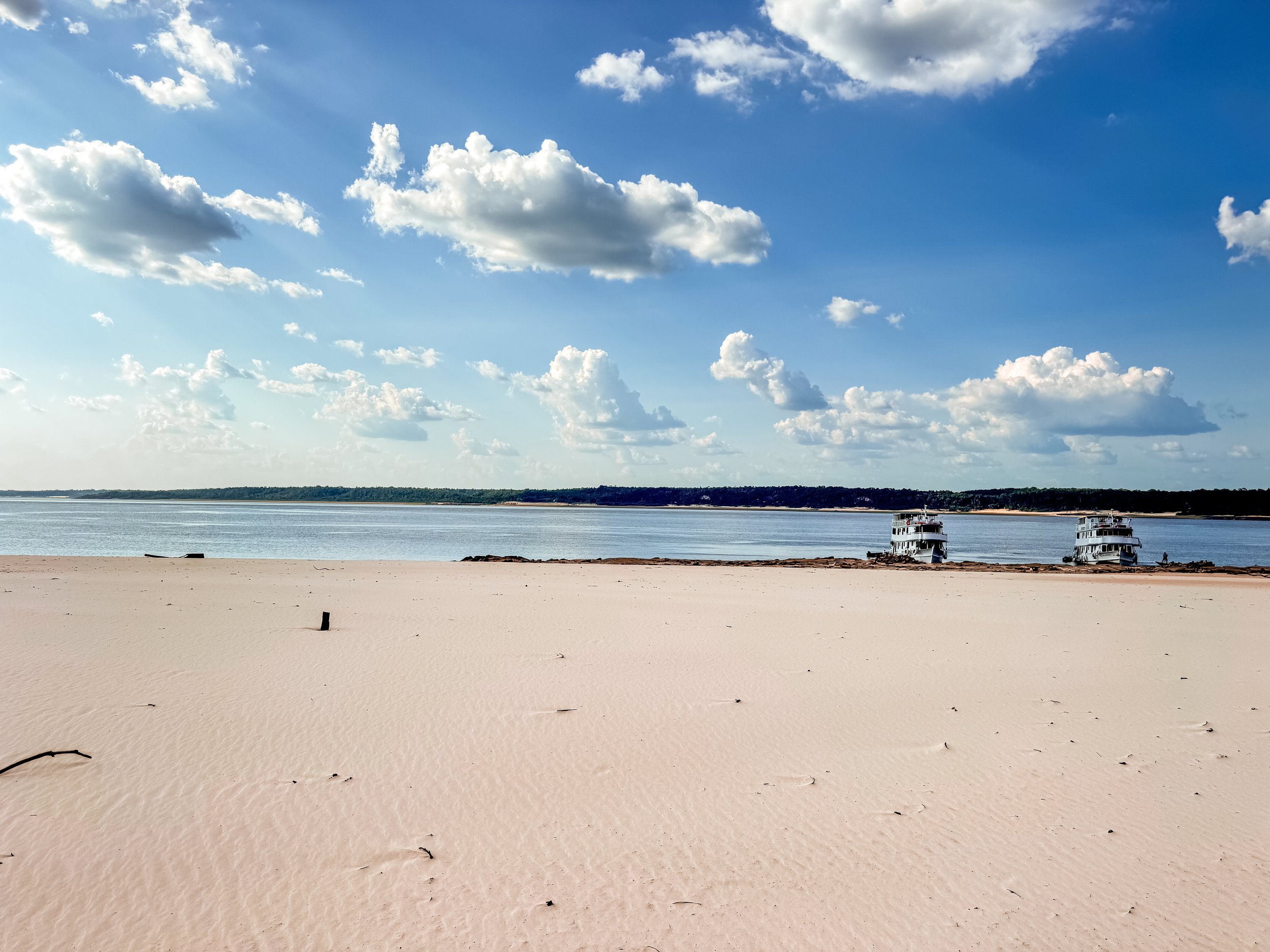
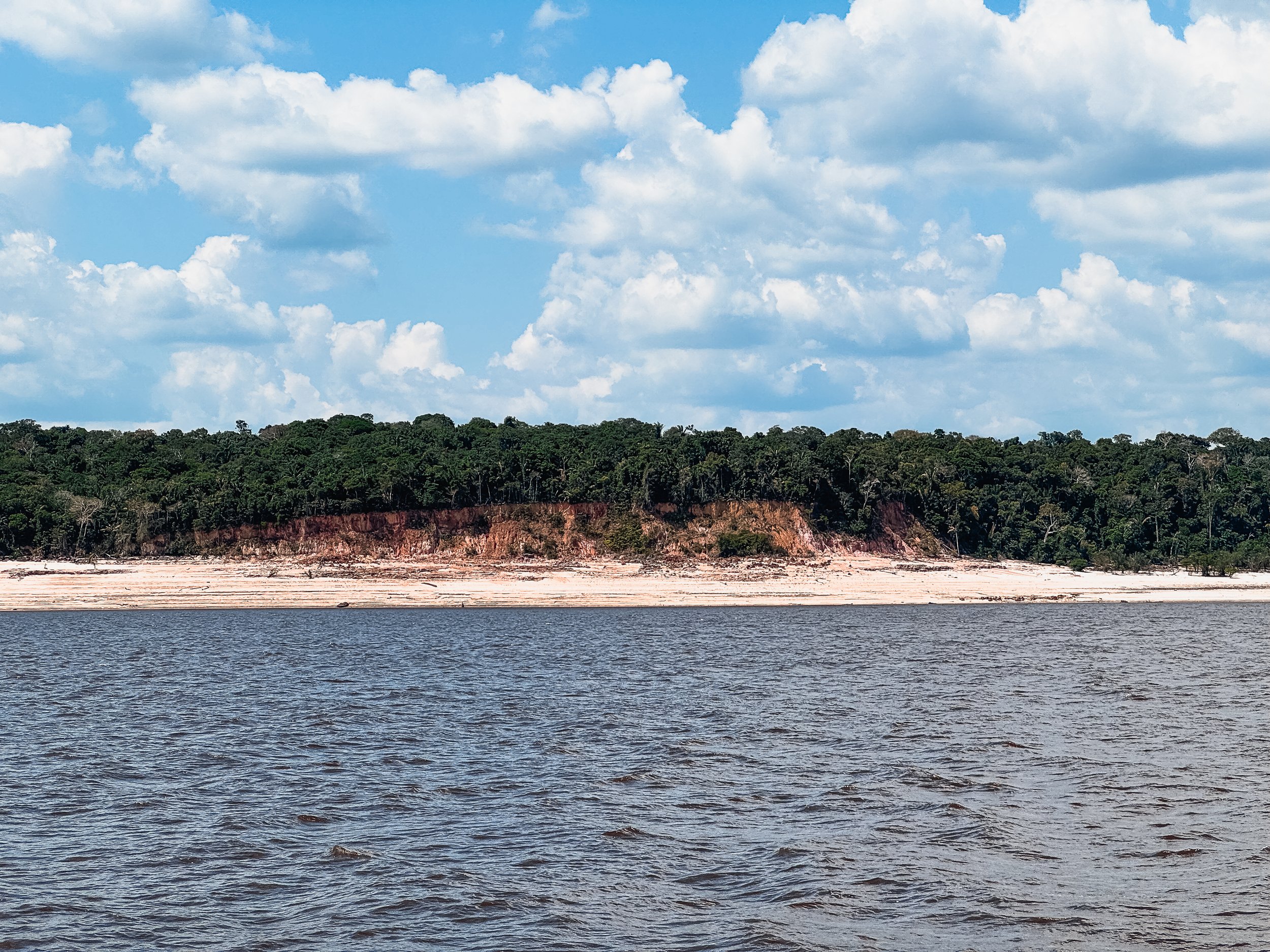
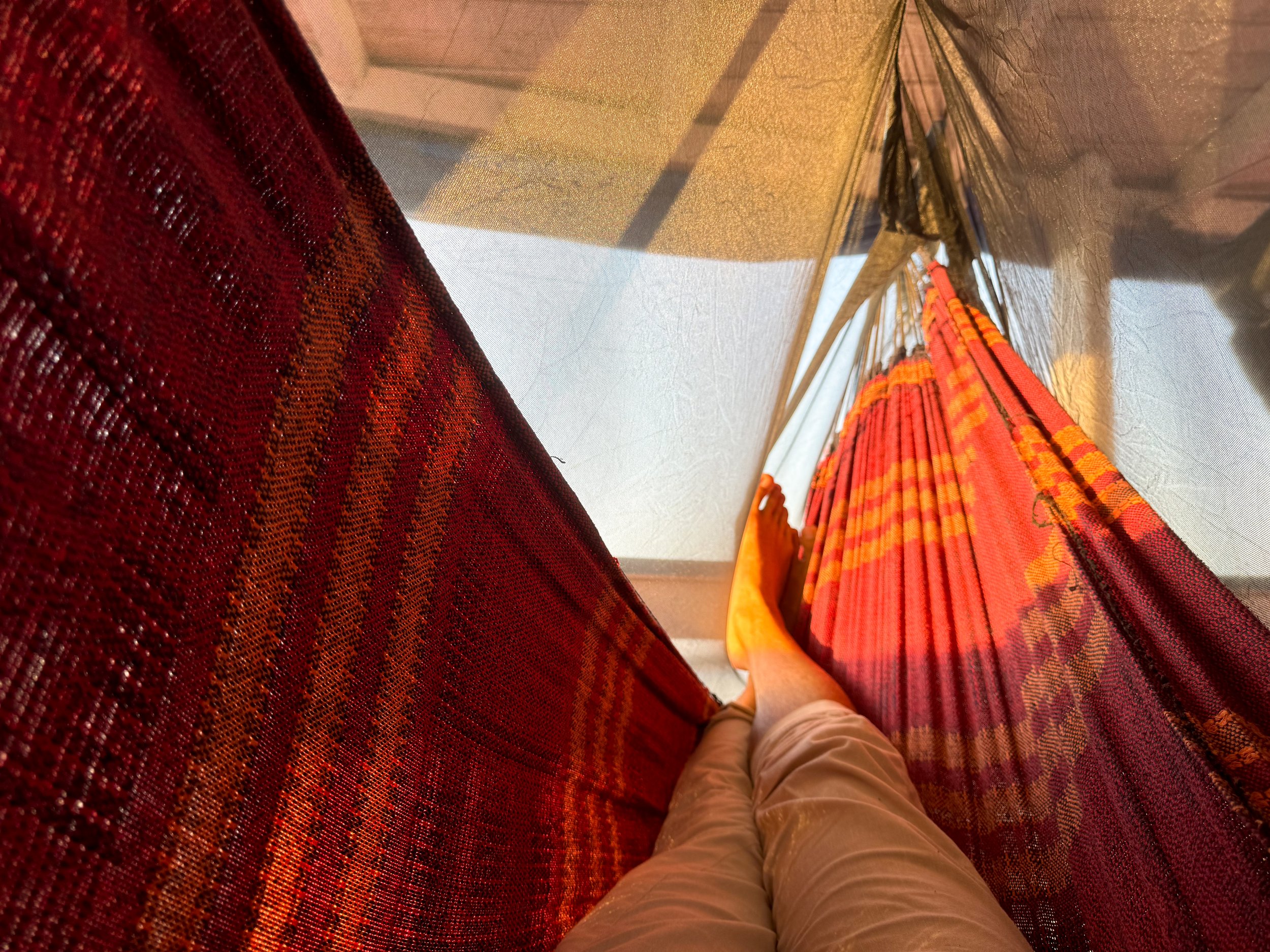
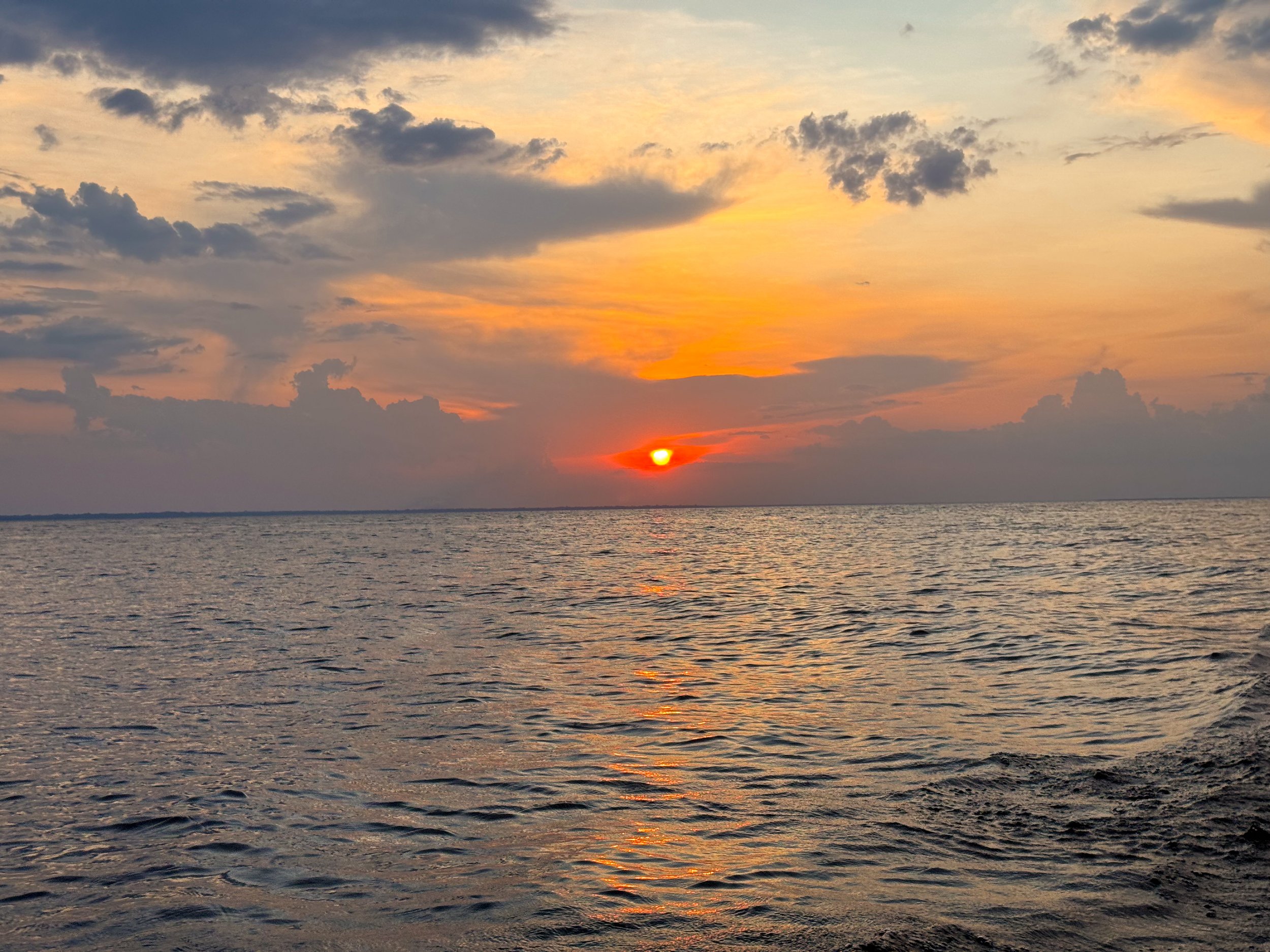
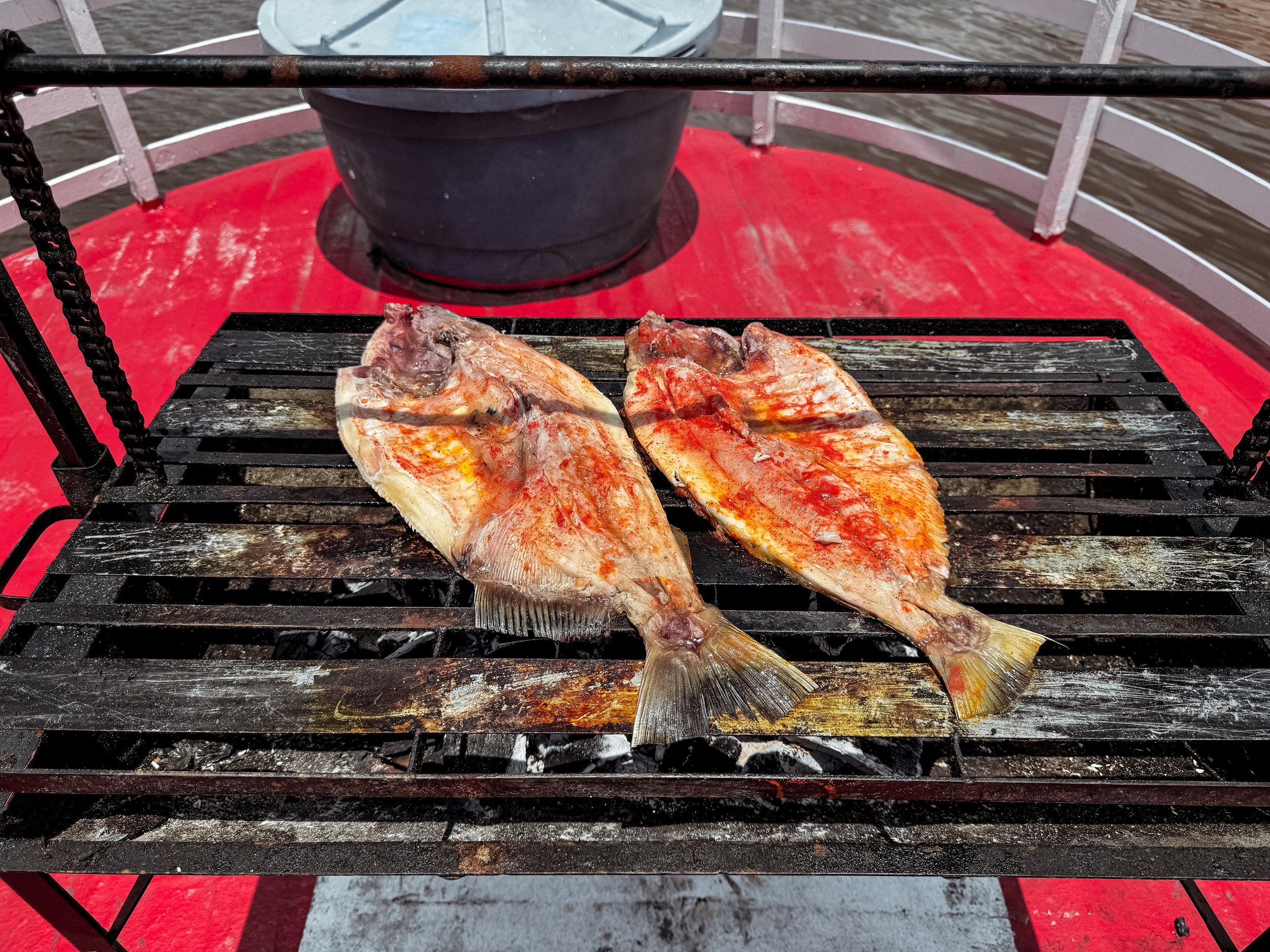
Day Two
We spent our second day in the Amazon swimming in the Rio Negro, relaxing in our hammocks and cooling off in cold stream.
After our night in the jungle, we retuned to the river boat for eggs, tropical fruits and avocado juice. While eating, we cruised down river and moored at white sand beach. We spent the morning here sunbathing on shore, spotting dolphins and swimming in the warm waters of the Rio Negro. As we swam, little fish nibbled at our toes, thankfully not a school of piranha! For lunch, the crew grilled fish, tambaqui de banda, an Amazonian staple. We spent the afternoon on board, feasting on the meal, sipping on Brazilian beer and relaxing in our hammocks.
As the late afternoon heat peaked, our guide brought us ashore to bathe in a cold stream at the base of the indigenous Tatuyo Village, which translates to “Big Snake.” In the village, we visited an indigenous friend of our guide, who invited us into his palm thatched home for coffee. At sunset, we made our way back to the boat, meeting the village Shaman along the way. He invited us back to the village the next morning for a ceremonial ritual.
After sunset and dinner, we laid in our hammocks, reminiscing on the day as the gentle waves rocked the boat and us to sleep.
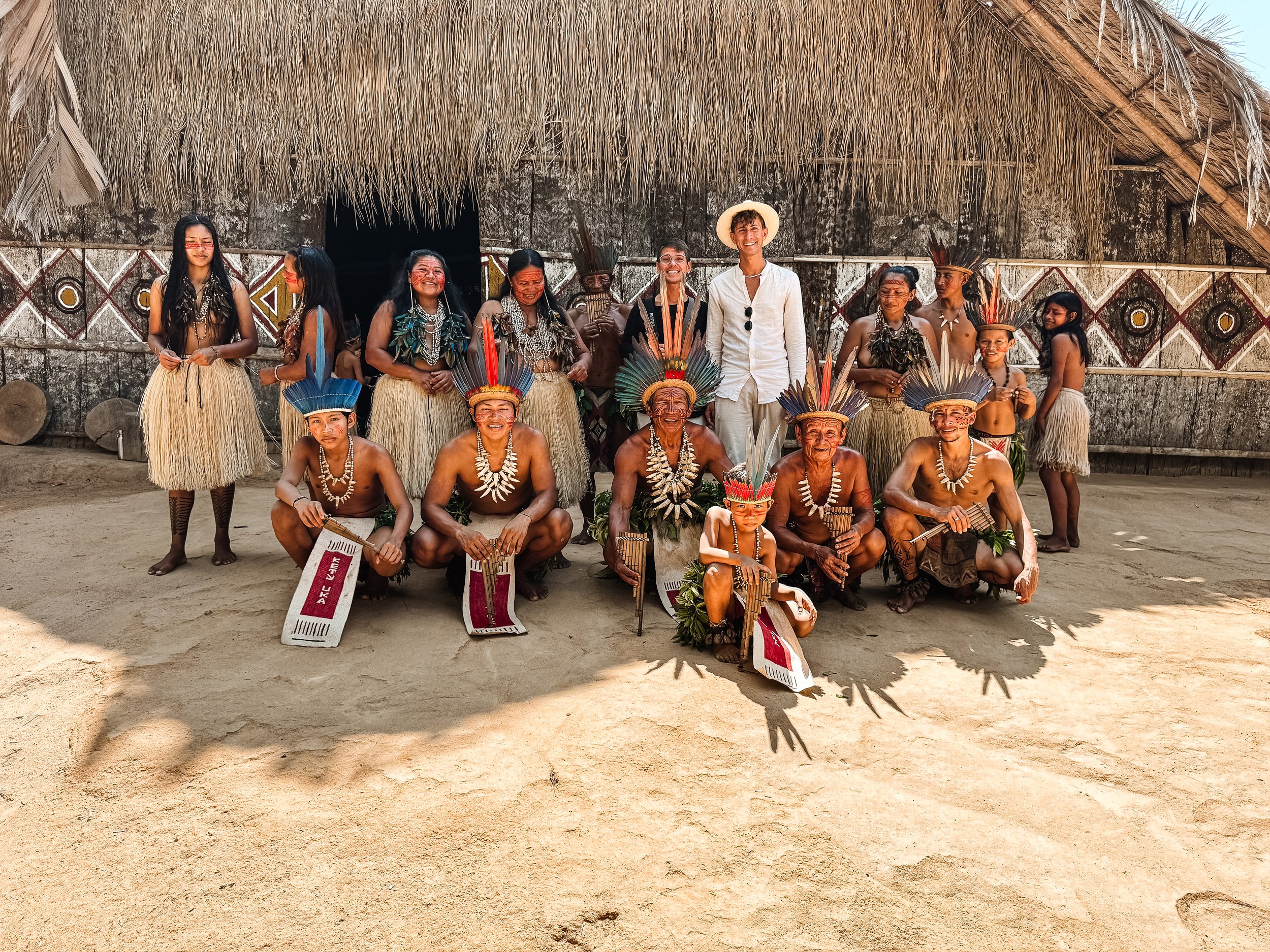
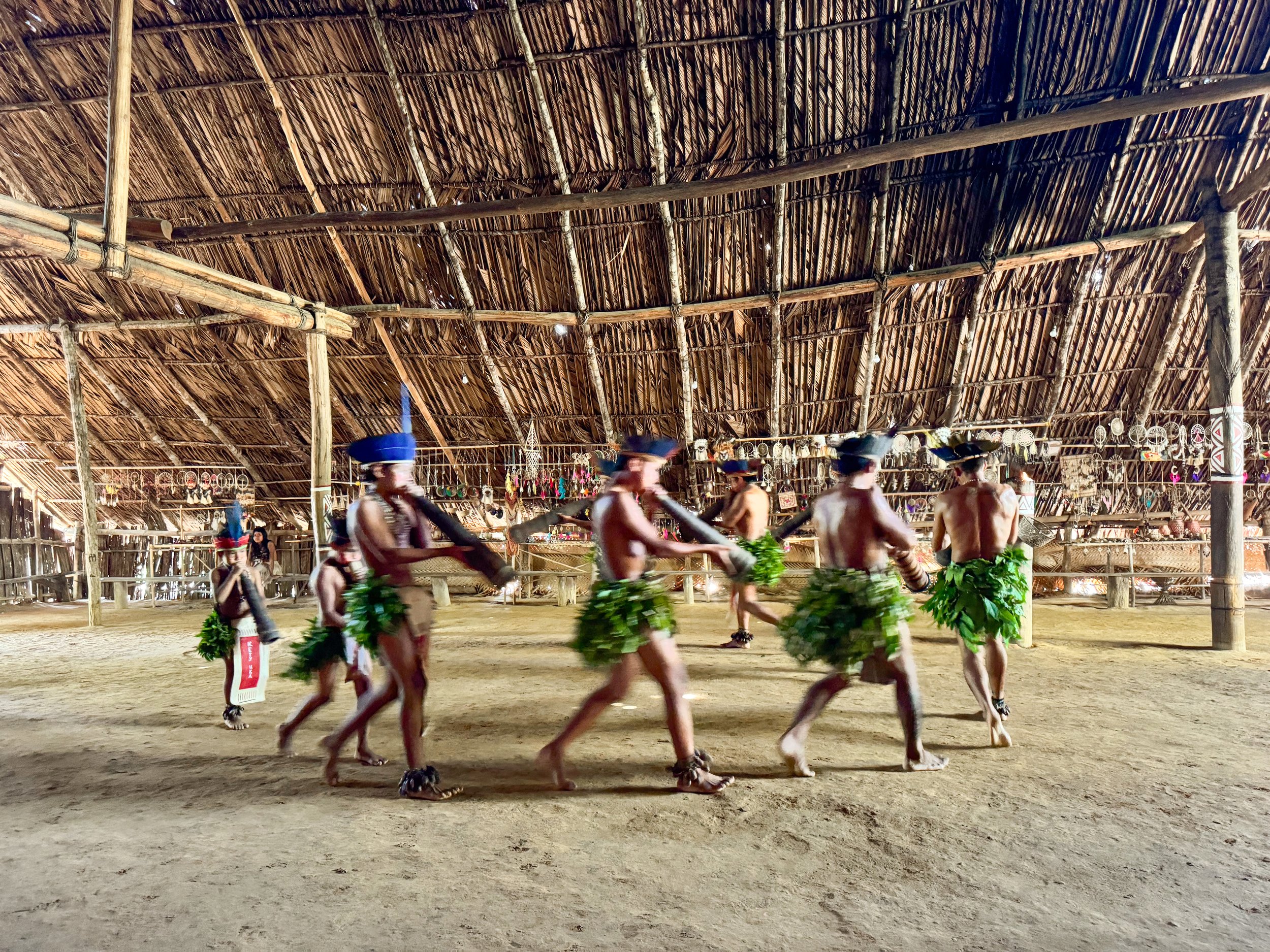
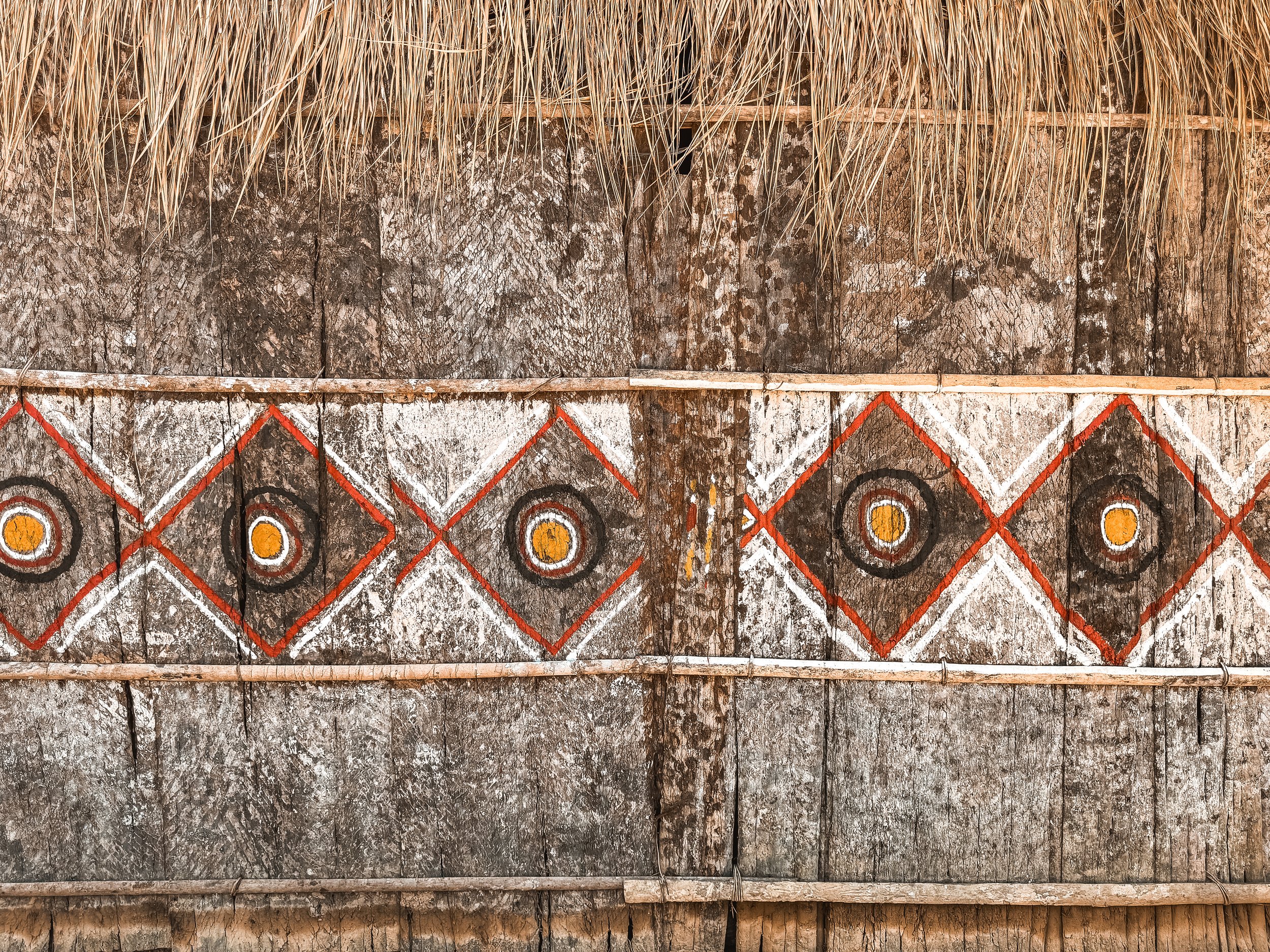
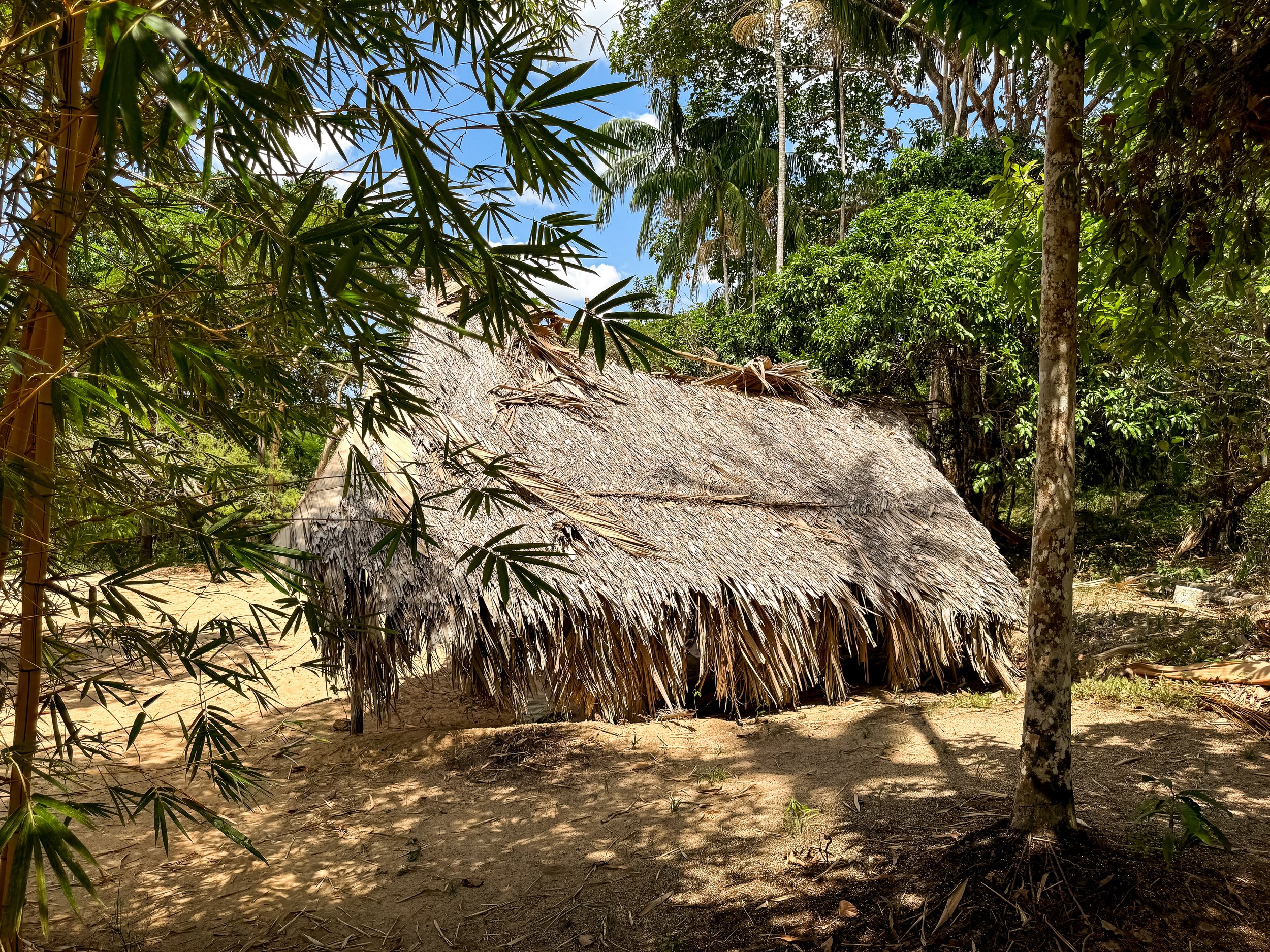
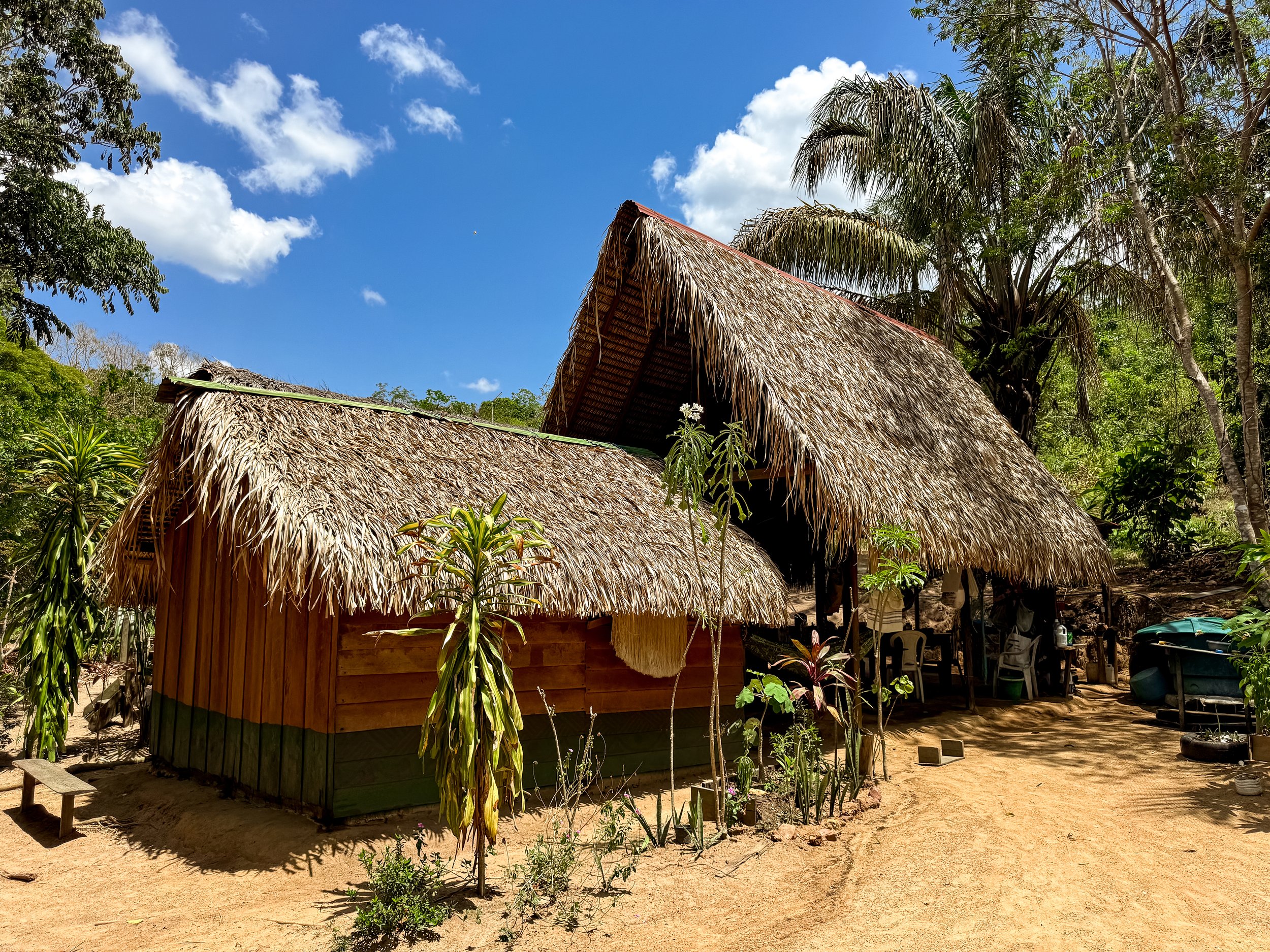
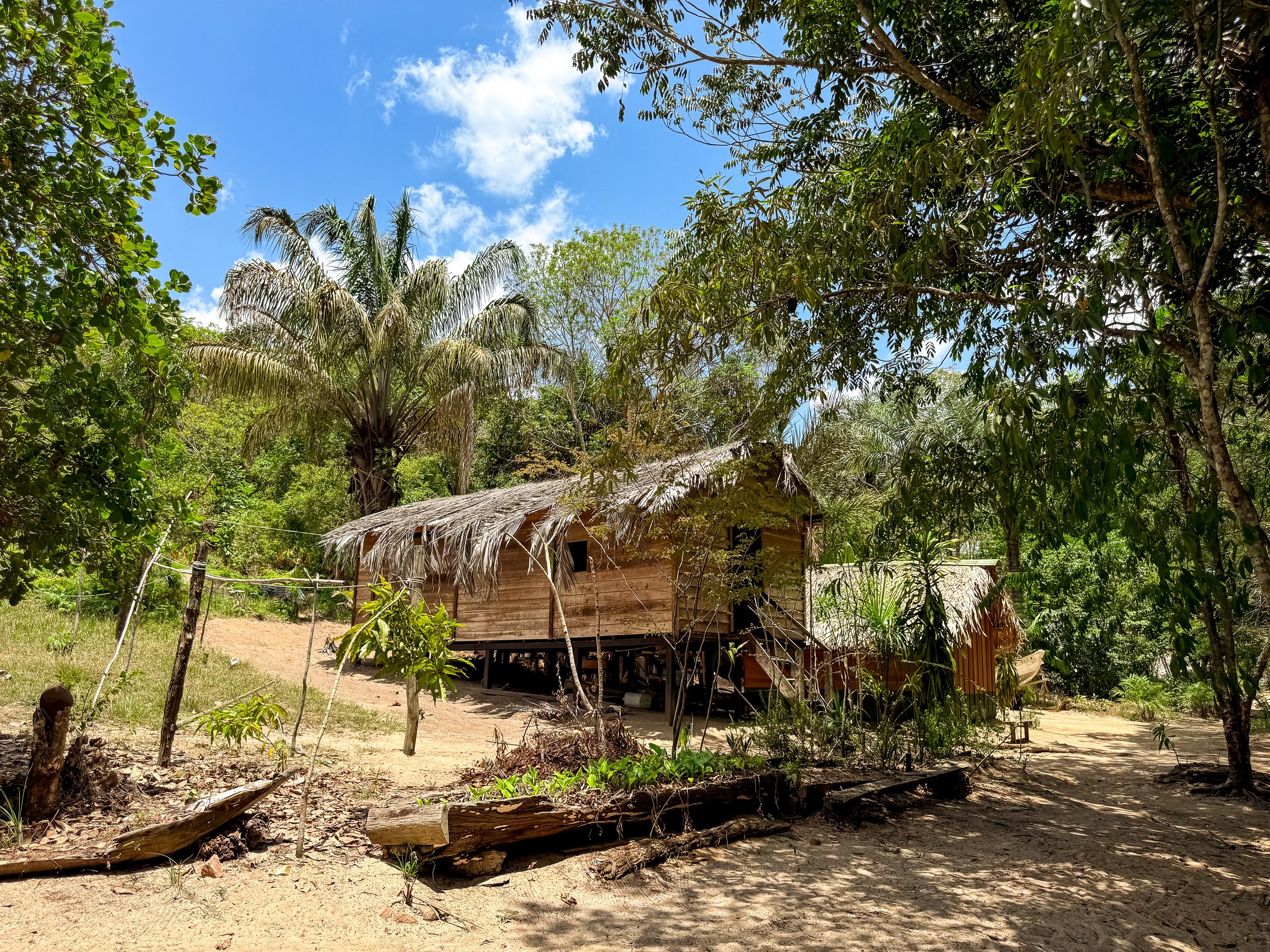
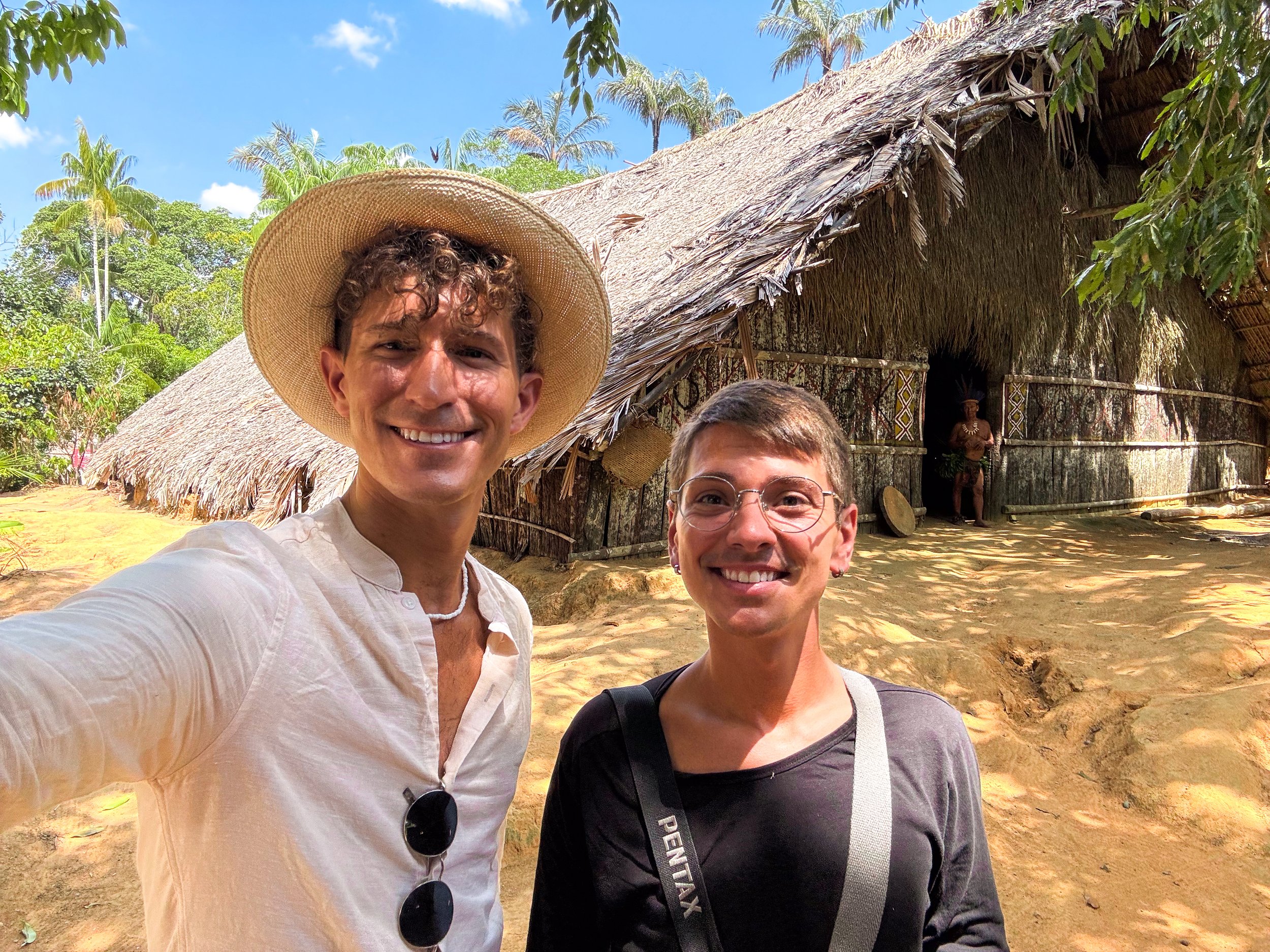
Day Three
We spent our third day in the Amazon at the indigenous village of Tatuyo for a ritual ceremony, bathing in a cold spring, fishing for piranha and spotting caiman.
As dawn broke, we woke up to warmth of the sun hitting our hammocks and met the crew downstairs for breakfast. Once we finished eating, we retuned to the Village of Tatuyo for the ceremonial ritual. The shaman and several others, dressed in ceremonial attire, greeted us at a large palm thatched pavilion with wooden walls painted in a snake like pattern. Women wore large feather earrings that covered their breasts, açaí bead necklaces and grass skirts. Men wore feather headpieces, caiman and jaguar teeth necklaces and skirts made of leaves. All of which had red painted patterns on their faces similar to the ones on the walls of the pavilion.
The shaman explained the ritual and ceremonial dances they were going to share with us. Each symbolized and important moment in a person’s life while the final dance is used for general celebrations. Led by two women, we were able to participate in the latter. Each dance was unique, involving different flute like musical instruments, songs and choreography. The group danced in circular, spiral and figure eight patterns as the smell on incense filled the pavilion.
Once the ritual ceremony had completed, we met our guide’s friend who showed us a cold spring where we bathed in the refreshingly cool water. After cooling off, we retuned to the boat for lunch and to hike along the river bank listening to macaws and howler monkeys in the jungle.

Near sunset, we cruised to a cove to fish for piranha! Using bamboo poles baited with meat, we splashed them around in the water to attract piranha. Within seconds one would bite, often tearing off the bait. Luckily our guide caught several piranha which the crew fried in farina for dinner.
After dark, we took the speedboat to look for caiman, shining a light along the shoreline looking for the glow of their eyes. The light attracted tiny fish that jumped out of the water, one landing in my lap (thankfully not a piranha). Within moments, we spotted a caiman lurking in the shallows. After a very full day, we returned to the riverboat and fell asleep of on deck in our hammocks.
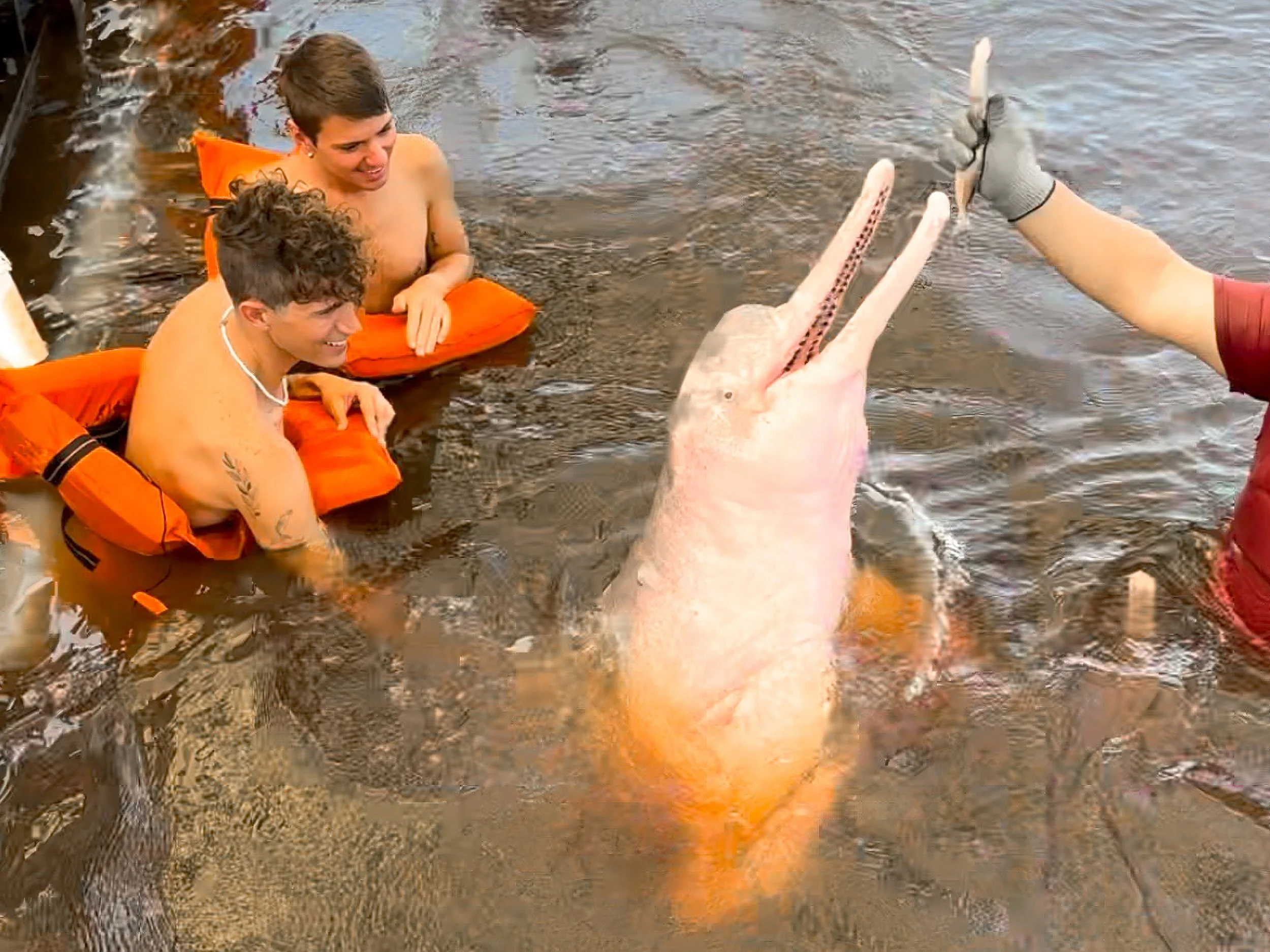
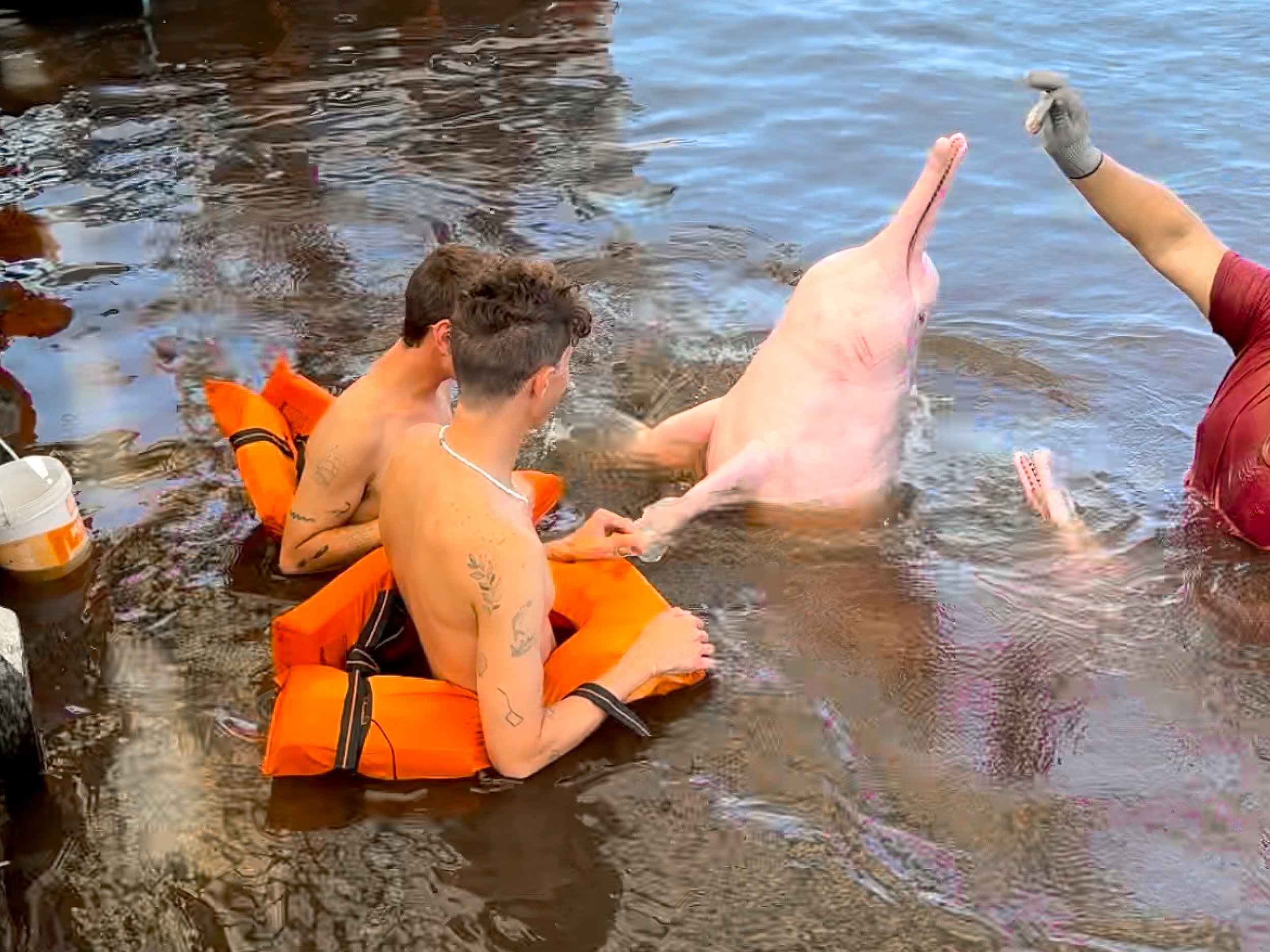
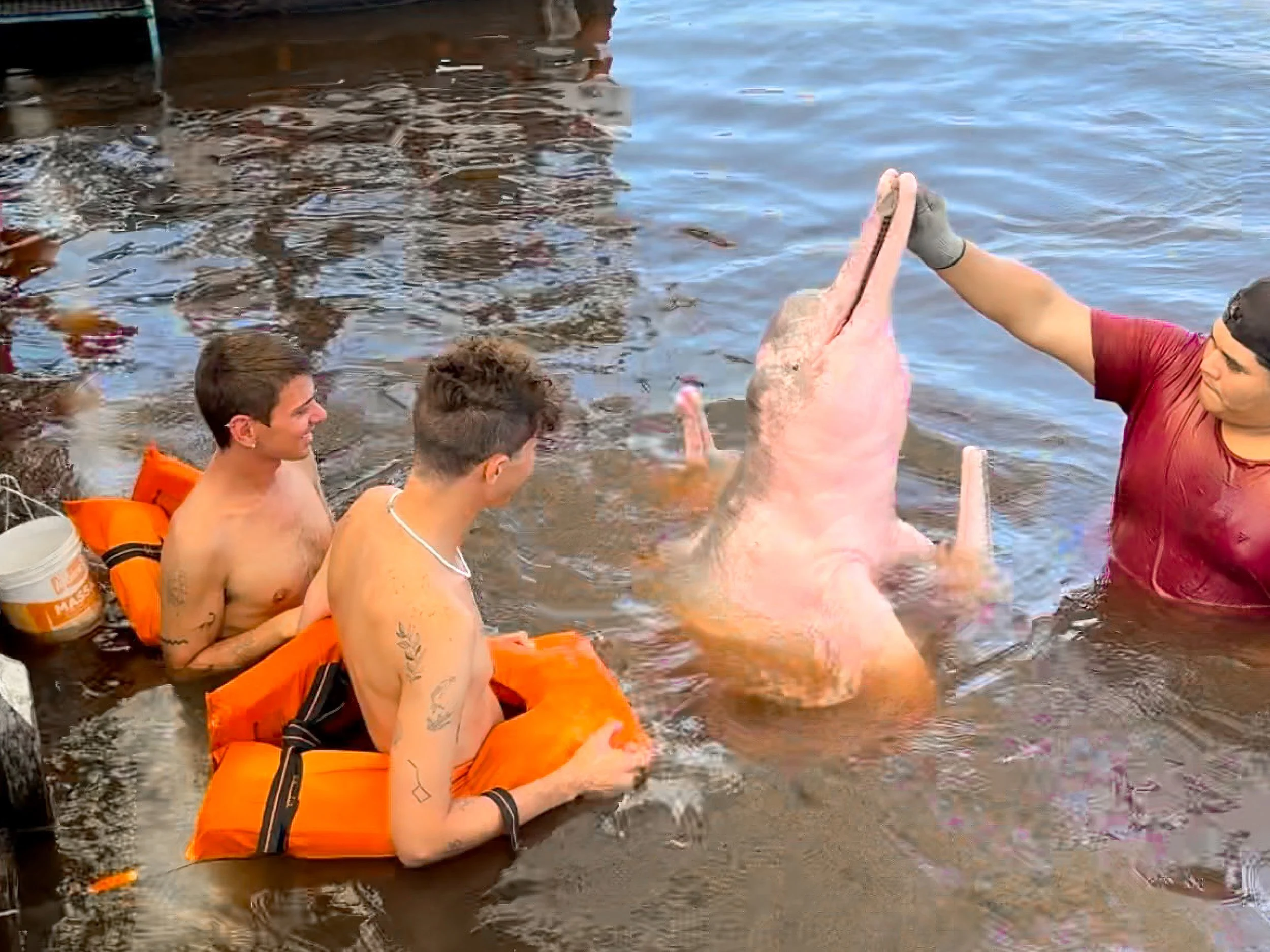
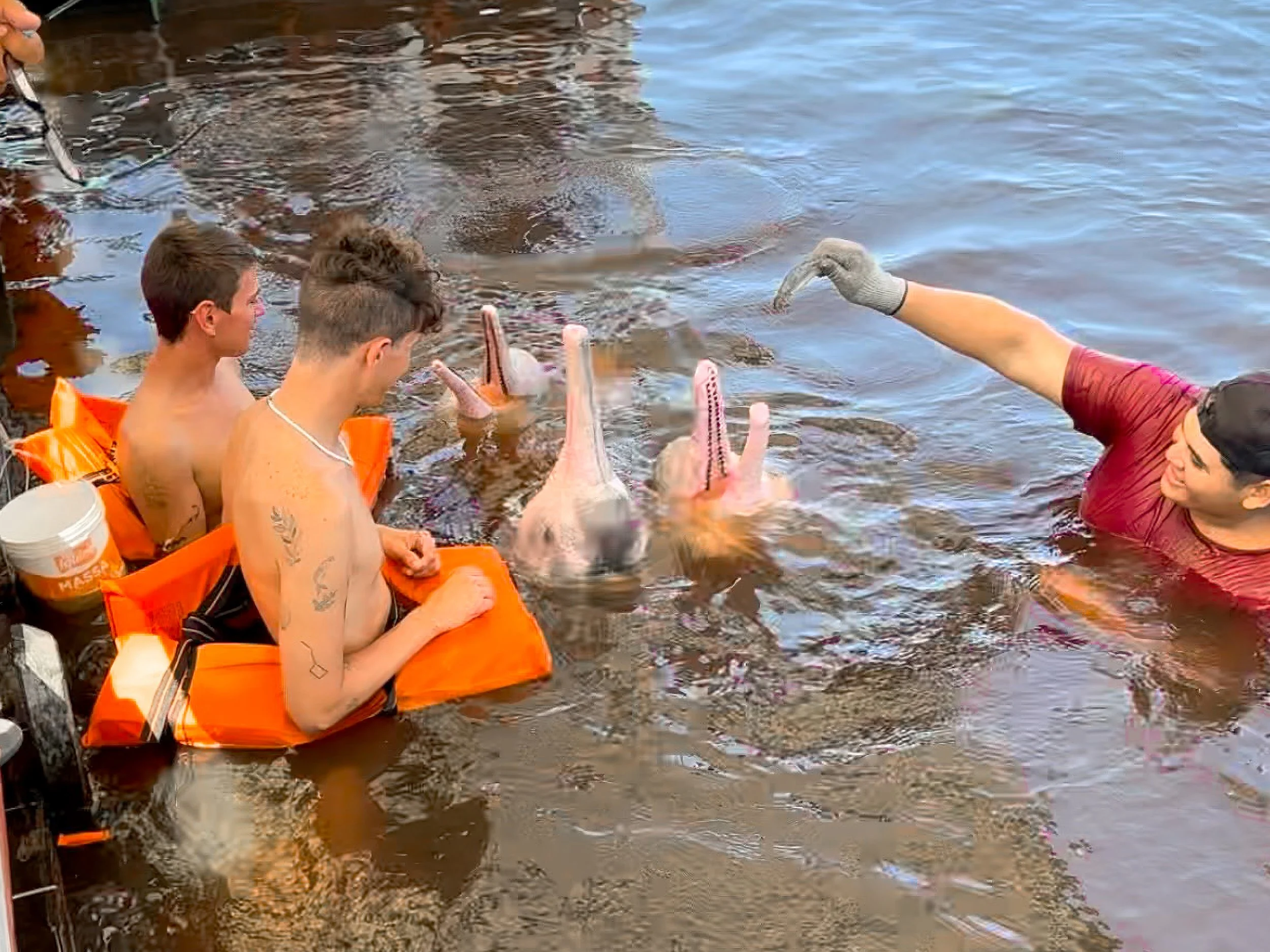
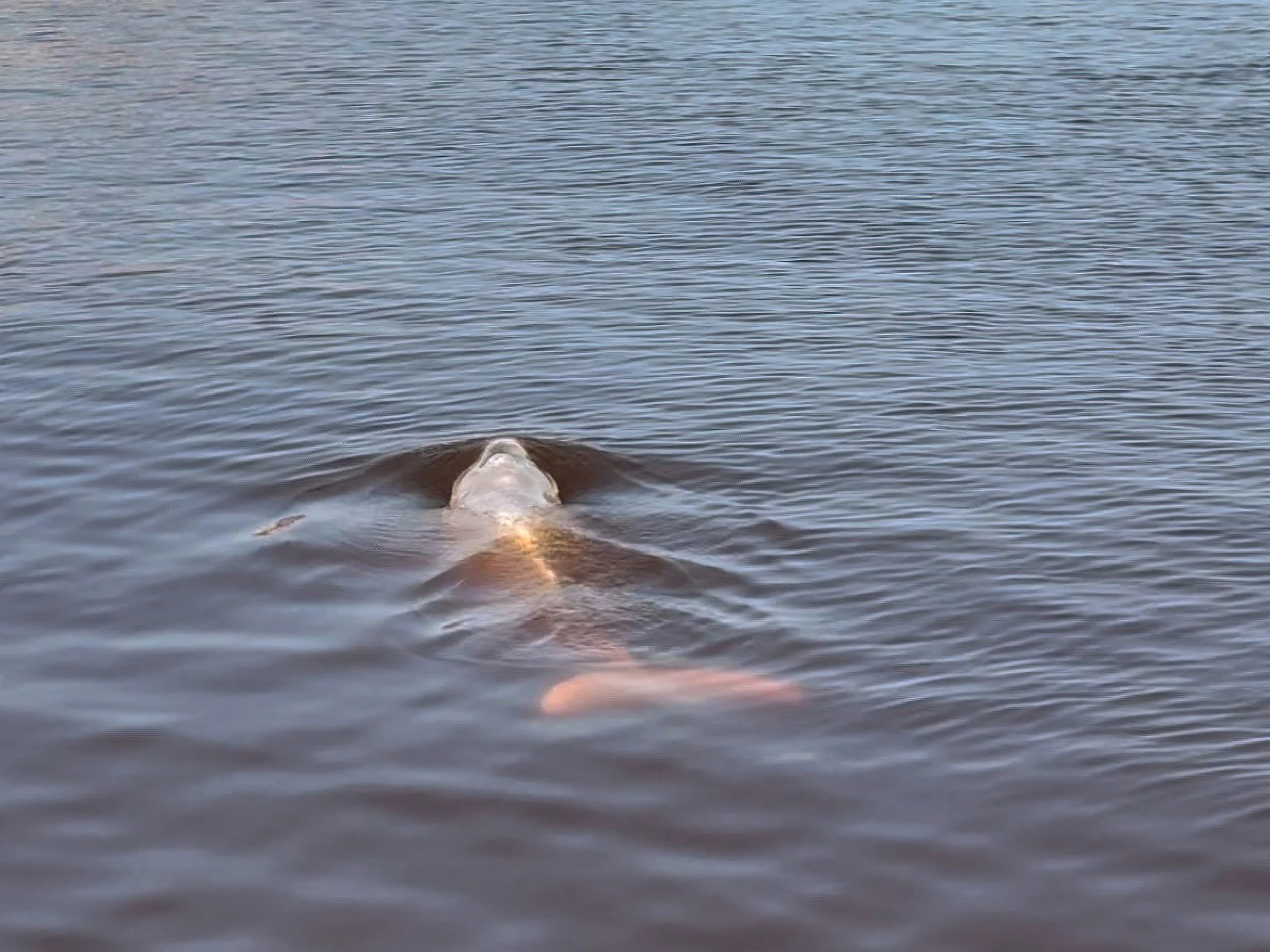
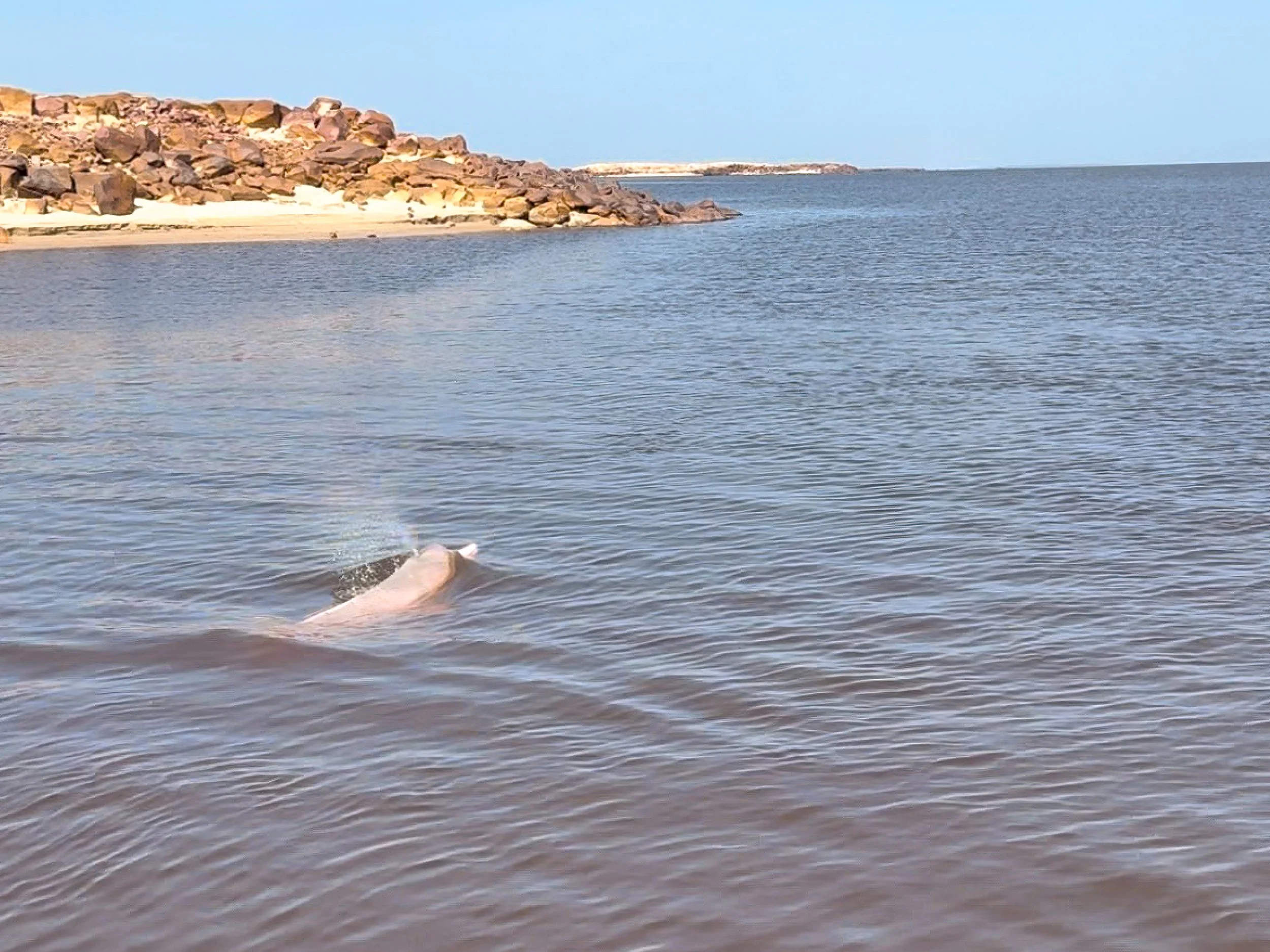
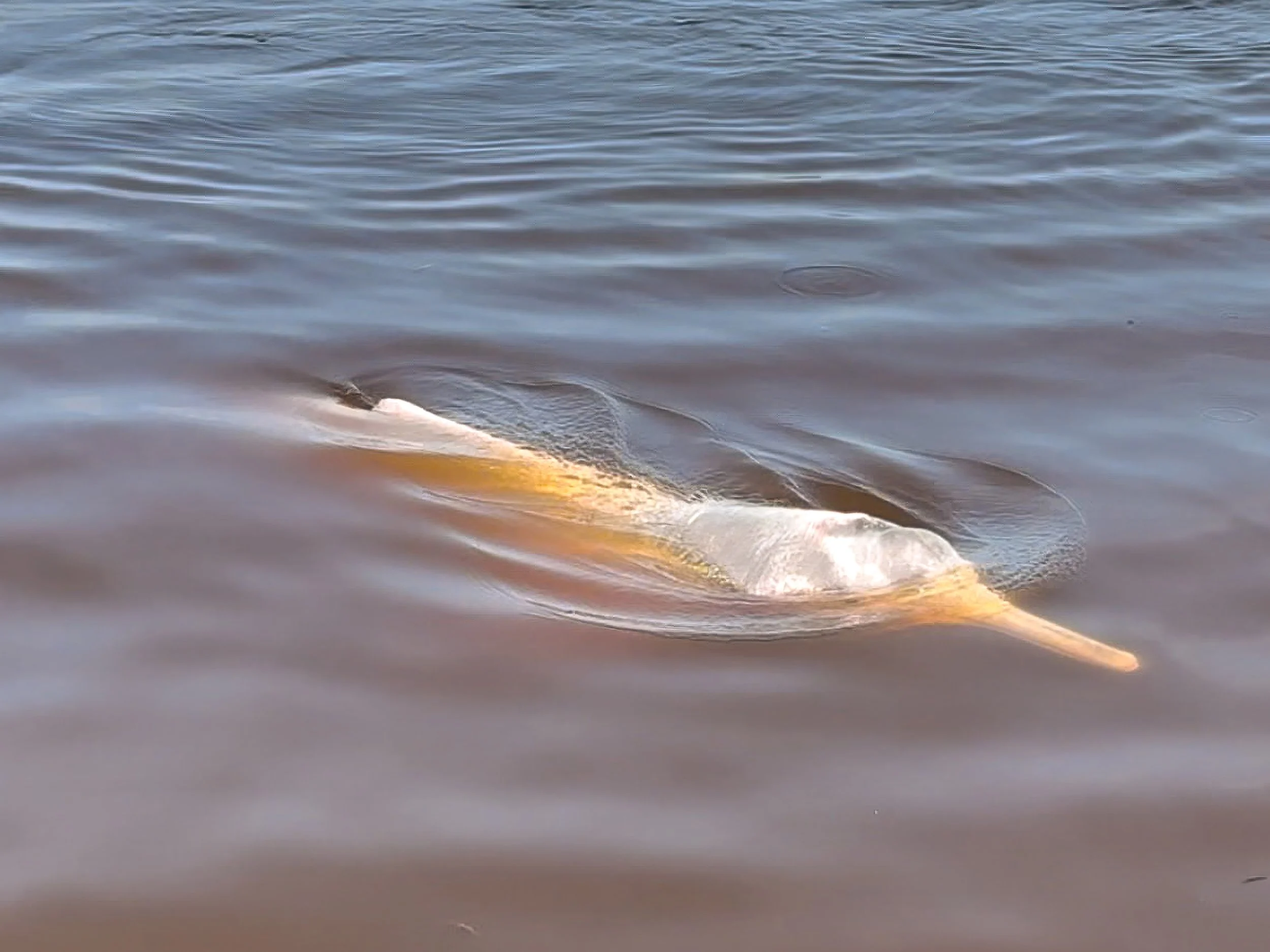
Day Four
We spent our fourth day in the Amazon swimming with pink river dolphins and relaxing at a beach before retuning to Manaus.
We woke up to breakfast with fresh fruit and tapioquinha while watching pink river dolphins swim around the boat. In a nearby cove, we watched as a handler fed the dolphins fish. Up close, we could admire them in detail. They have pink skin with grey splotches, long mouths lined with rows of nail like teeth and a wide upper fin. In the water, the dolphins swam around our legs, poked their heads up and swam off when fed. It was truly an incredible Amazonian experience!
After swimming with the dolphins, the crew began preparing lunch, tambaqui de banda. As the fish grilled, we stopped to swim at a white sand beach and enjoyed the last meal onboard the boat. After lunch, we napped in our hammocks as we cruised back to Manaus.
Tips for Cruising The Amazon
Cell Service. As we expected, this area is very remote, there is little to no cell service or data outside of Manaus.
Mosquitos. We brought a mosquito net specifically to cover our hammock at night. In addition, we wore copious amounts of insect repellants when in the jungle.
Piranha. The carnivorous fish are generally not attracted to humans. Still, it’s best to avoid entering the water with an open wound, making sudden movements and splashing around.
Pink River Dolphins. Unlike many “dolphin encounters” the pink river dolphins are protected and remain wild. It’s regulated how many fish can be fed to them per day as not to build a dependency.
Cost. Multi night Amazon tours are not cheap. They can range from several hundred dollars well into the thousands per person.
Where to Book. We booked our tour with Amazon Amazing Tours on Get Your Guide. It was one of the more cost effective tours and well worth the experience!

Amazonian Cuisine
A huge part of our time in the Amazon was trying the cuisine! The flavors of the Amazon are as vast as the rainforest itself including tropical fruits, starchy root vegetables, fresh water river fish and even insects.
Amazonian Fruit
Açaí. The tiny Amazonian super fruit from the Açaí palm. By itself, it has a bitter blackberry like flavor. It’s often served as a sorbet with other fruits, granola and honey. Its pits are used for jewelry and decor.
Cupuaçu. A brown podlike fruit with a with seeded spongy interior. It’s often processed into a cream and added to drinks, deserts and açaí.
Tapereba. An Amazonian fruit with an orange skin and the flavor of a plum and mango but less sweet. It’s served in juices, ice cream, fresh or peeled and sautéed.
Brazil Nut. Technically not a fruit, however the nut is sold at some food carts and stands around Manaus.
Tropical Juices. Many Amazonian fruits are used to make tropical juices including avocado, cashew, maracujá and guava.
Avocado Juice. Avocado blended with milk and sugar. If you’ve never had it, it sounds strange but is tasty and mildly addicting.
Cashew Juice. Juice made from the cashew fruit, the source of the cashew nut. It has a unique, slightly acrid, sweet flavor. When underripe, it has a mango like flavor.
Maracujá Juice. The sweet sour juice from passion fruit, with seeds and all.
Guava Juice. Juice made from guava, it has a tangy plumelike flavory and creamy texture.
Other common fruits are watermelon, papaya, pineapple, mango, banana, orange and coconut.
Amazonian Fish
Tambaqui. A popular freshwater fish from the Amazonian rivers. At restaurants, halves of the fish called Tambaqui Banda, are often served grilled or fried for multiple people to share. Its ribs (yes literal ribs), called Tambaqui Costela, are served as individual portions either grilled or fried. The fish can also be prepared in a savory vegetable stew called Caldeirada de Tambaqui. We tried it all ways and it’s easily one of the most flavorful fish we’ve ever tasted!
Pirarucu. A very large freshwater fish from the Amazonian rivers. It’s a common menu item at restaurants served alone or inside various dishes. It has a tender, buttery texture and the flavor of a white fish. It’s locally known as the “Cod of the Amazon.” Filets measuring a few inches to several feet long can be bought fresh or salted from the fish market.
Red Bellied Piranha. The well known tiny carnivorous Amazonian fish with razor like teeth. They are served fried or grilled and have a tender flavor similar to any white fish. Multiple are typically served at one since each only has a few bites of meat.
Amazonian Dishes
Farinha. An Amazonian “grain” specific to the region made from ground cassava prepared in fine to large granules. It’s served as a side and topping on many dishes.
Tapioquinha. A Brazilian style crepe made from tapioca flower and filled with Amazonian fruits, eggs, cheese or meats. It’s a popular breakfast dish.
Ants. Though not common, they are a delicacy stemming from Indigenous Amazonian tribes. The two most popular are Saúva Ants and Maniwara Ants. The first is a burgundy colored leaf cutter ant with a tangy grassy flavor. The second is a larger tan ant with a sweet toasty flavor.
Vatapá. A creamy paste like strew made with coconut milk, shrimp and tomatoes. It has a savory, somewhat bitter and starchy flavor.
Tacacá. A soup made from boiled cassava broth, cassava gel, herbal jambu leaves and salted shrimp. It’s traditionally served in a calabash (a bowl made from a gourd) and sipped on using a wooden skewer to eat the jambu greens and shrimp. It’s popular in Amazonia, even on scorching hot days.
Amazonian Beverages
Guaraná Antarctica. A very popular soda made from the guaraná fruit. It has a bubbly honey like flavor.
Guaraná Baré. Manaus’s version of Guaraná Antartica. It has a similar flavor, it is less carbonated and slightly sweeter.
Guaraná Smoothie. A smoothie made with guaraná syrup and power mixed with peanuts and milks.
Caipirinha. A cocktail made with Cachaça (a Brazilian rum), muddled limes, sugar and ice. It’s commonly served at bars in its classic form or with Amazonian fruit flavors.

Manaus, Amazonia
Manaus is a city in the heart of the Brazilian Amazon where concrete jungle meets literal jungle. It’s an adventurous hub for Amazonian excursions including multi-night river tours, cultural experiences with indigenous tribes, rainforest hikes and swimming with pink river dolphins. The city is famed across the region for its Amazonian markets, restaurants and historic architecture dating back to the “rubber boom” of the late 1800s.
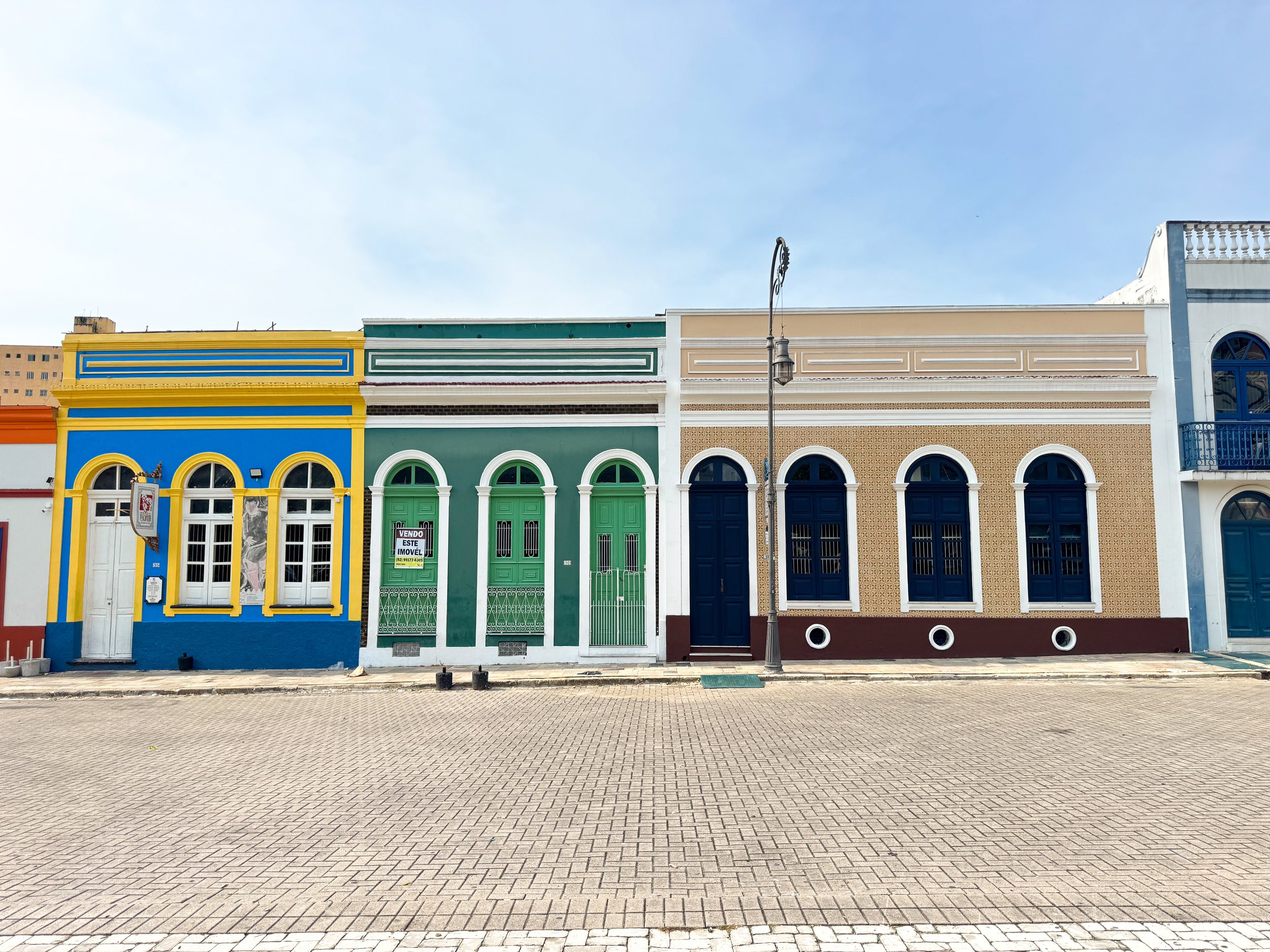
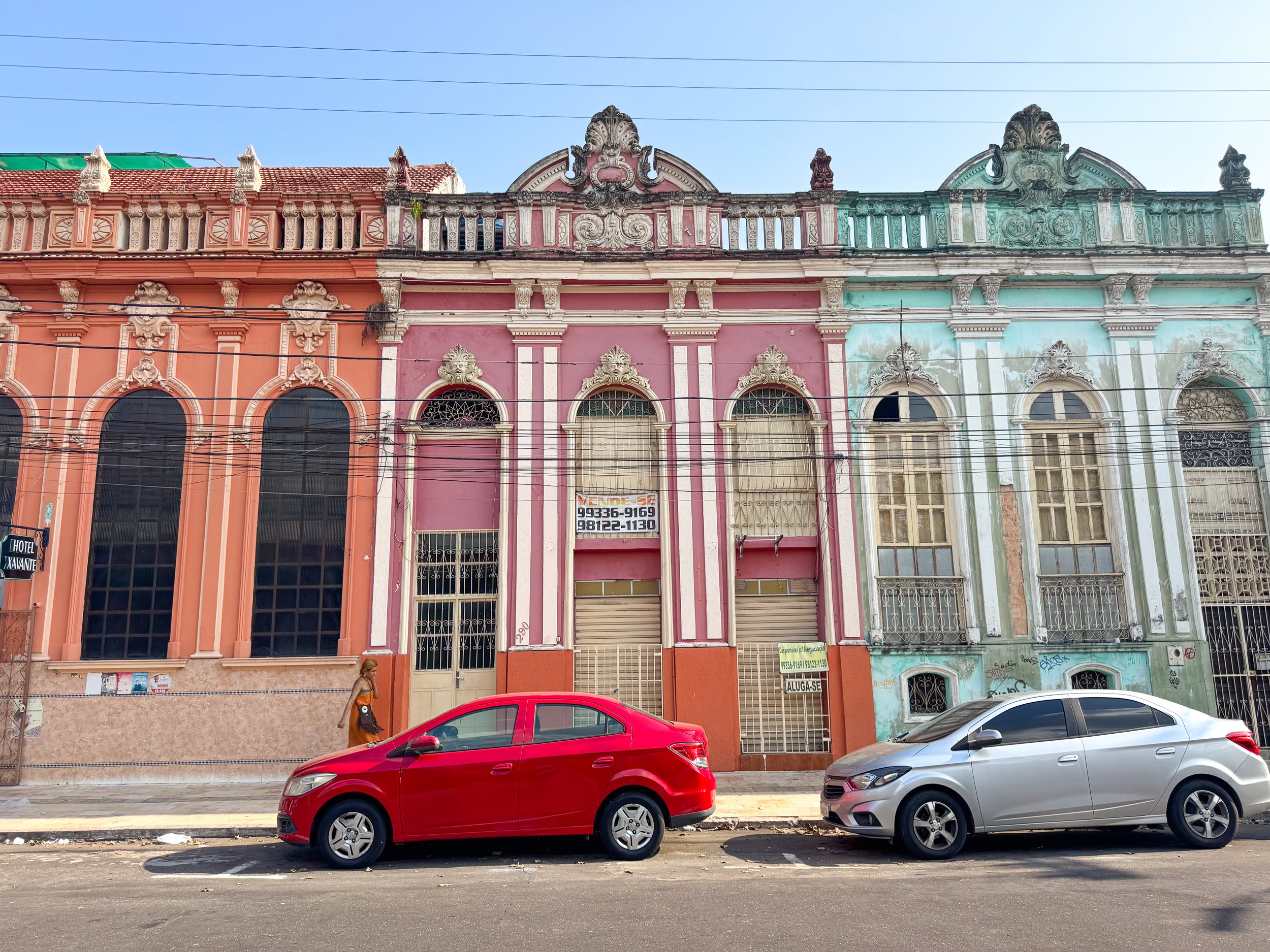
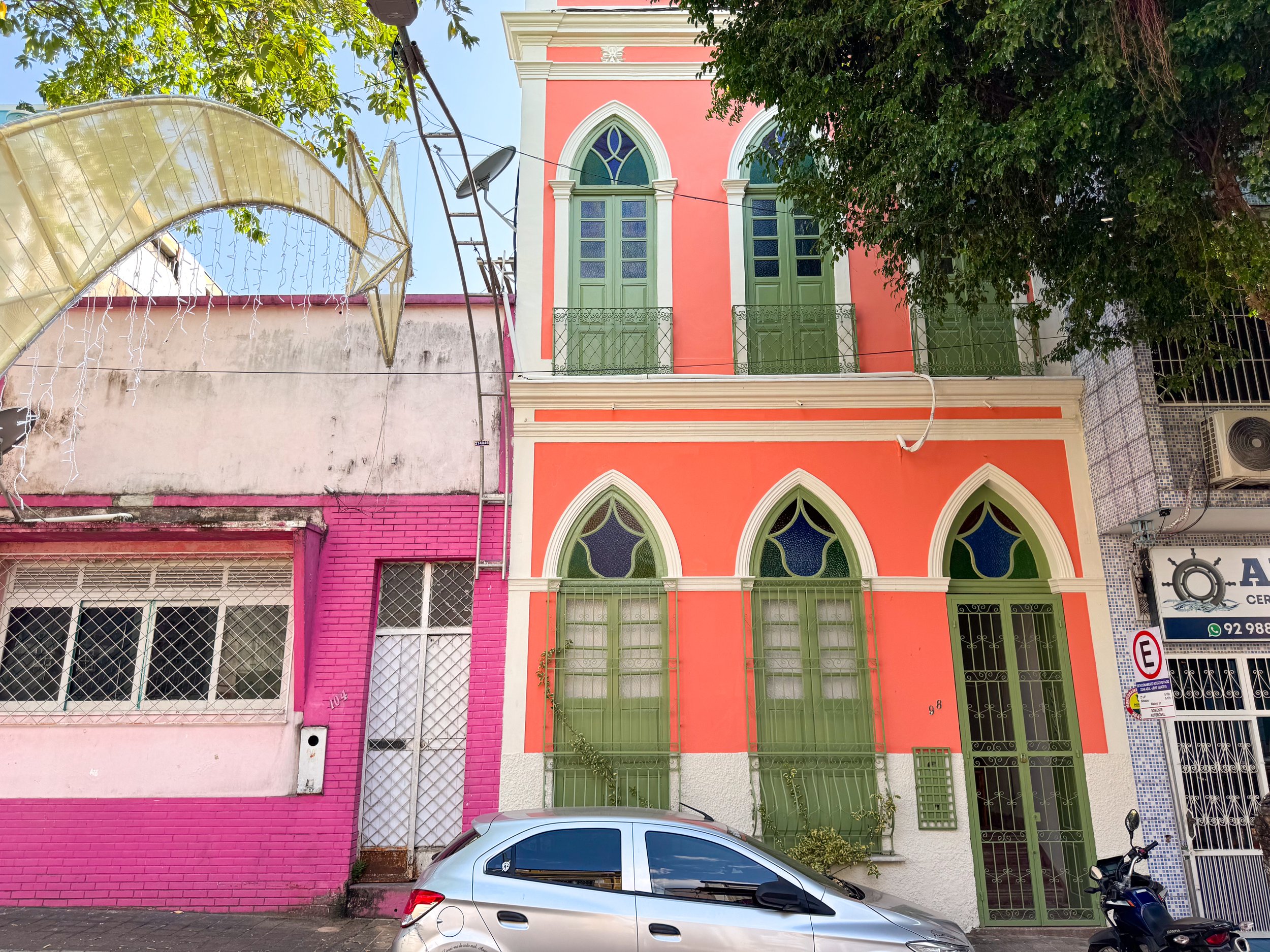
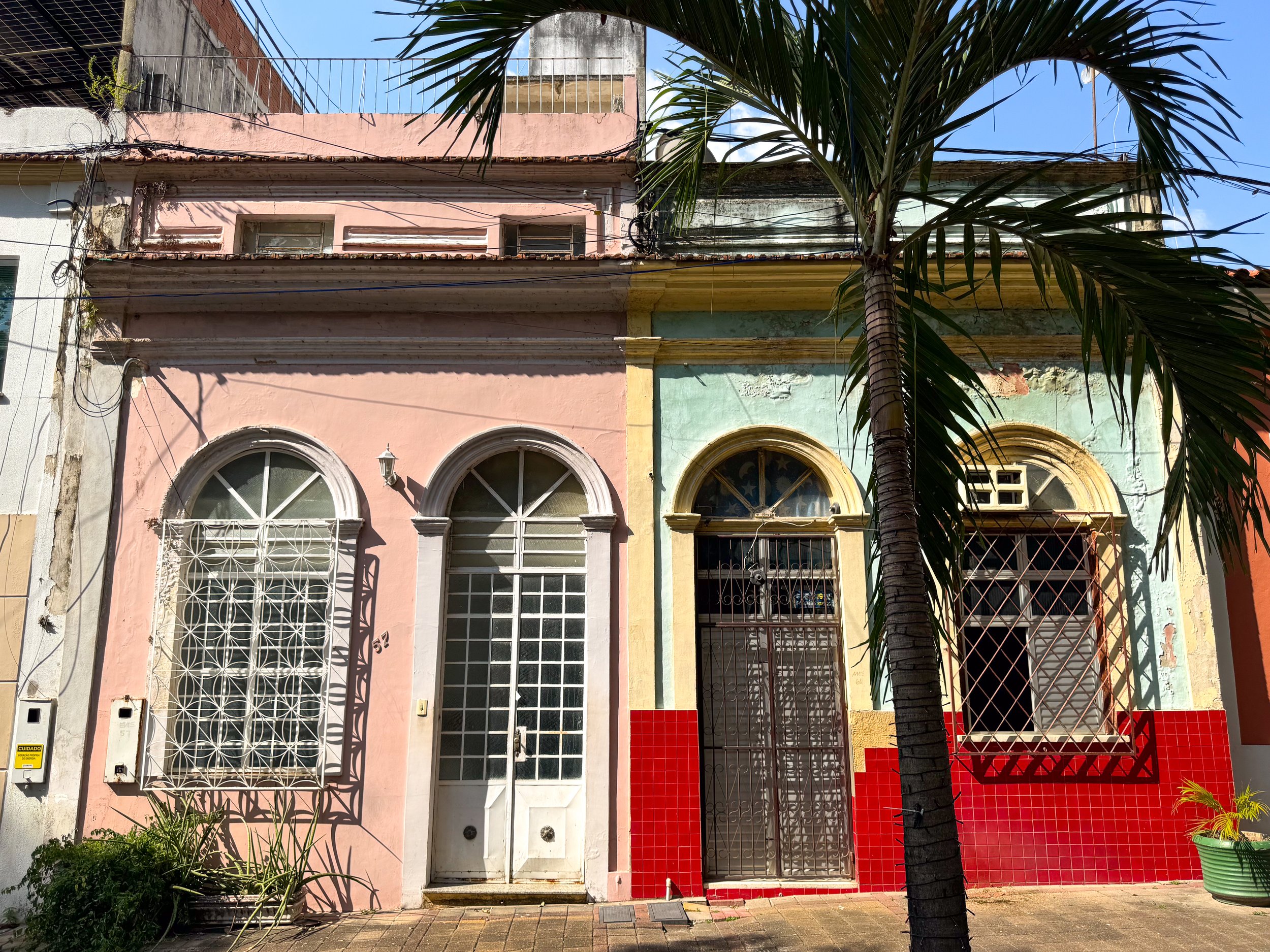
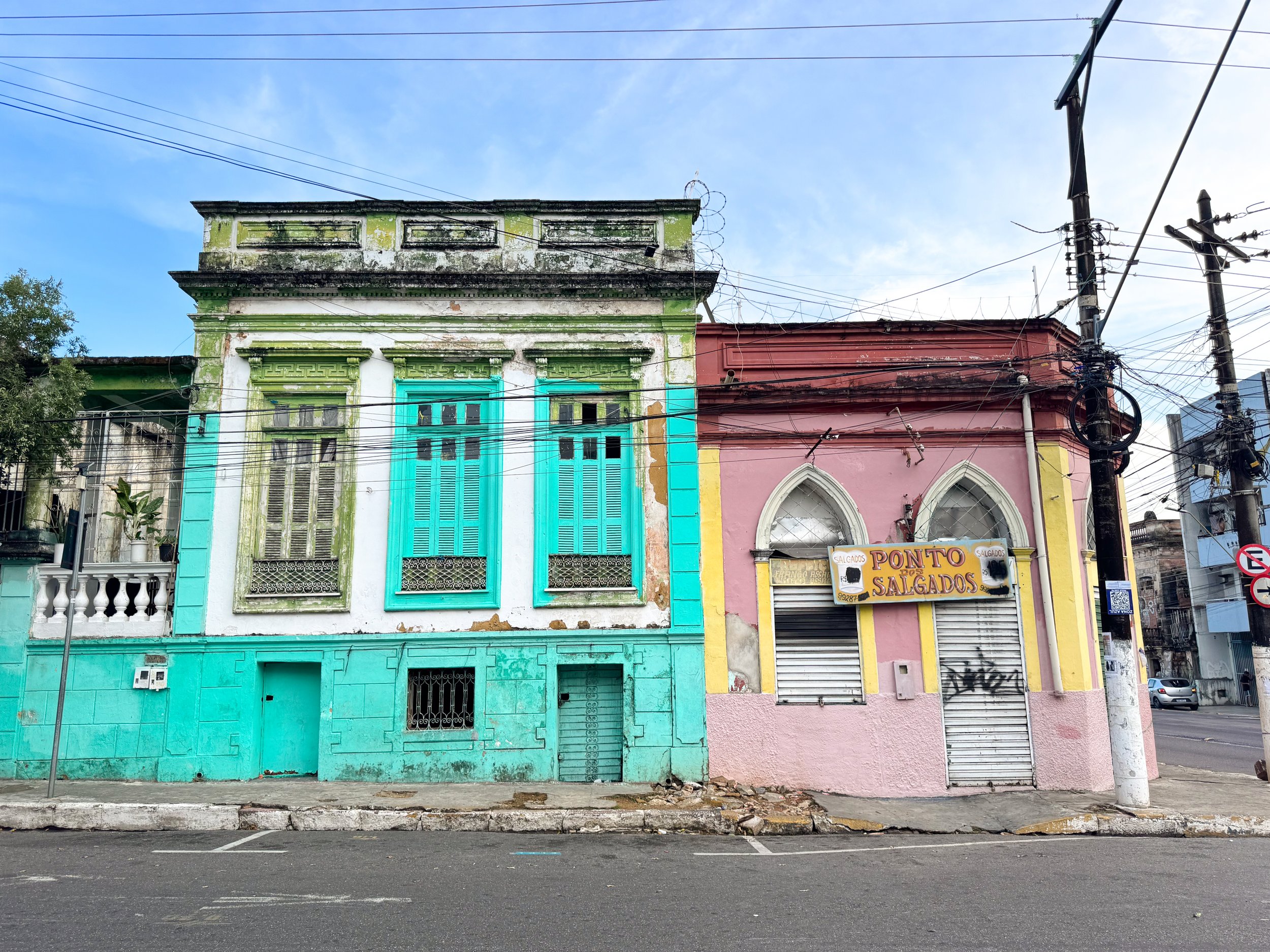
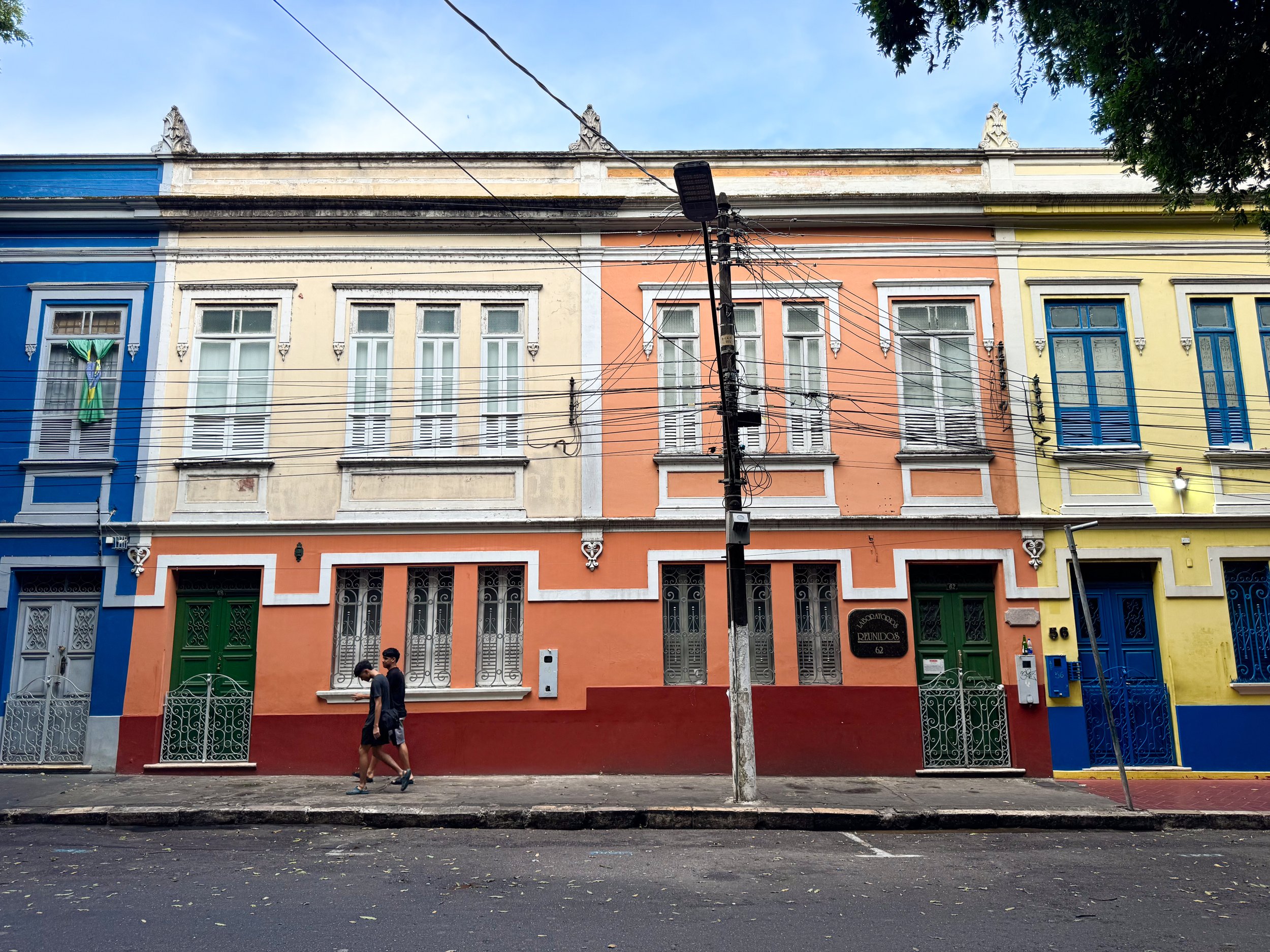
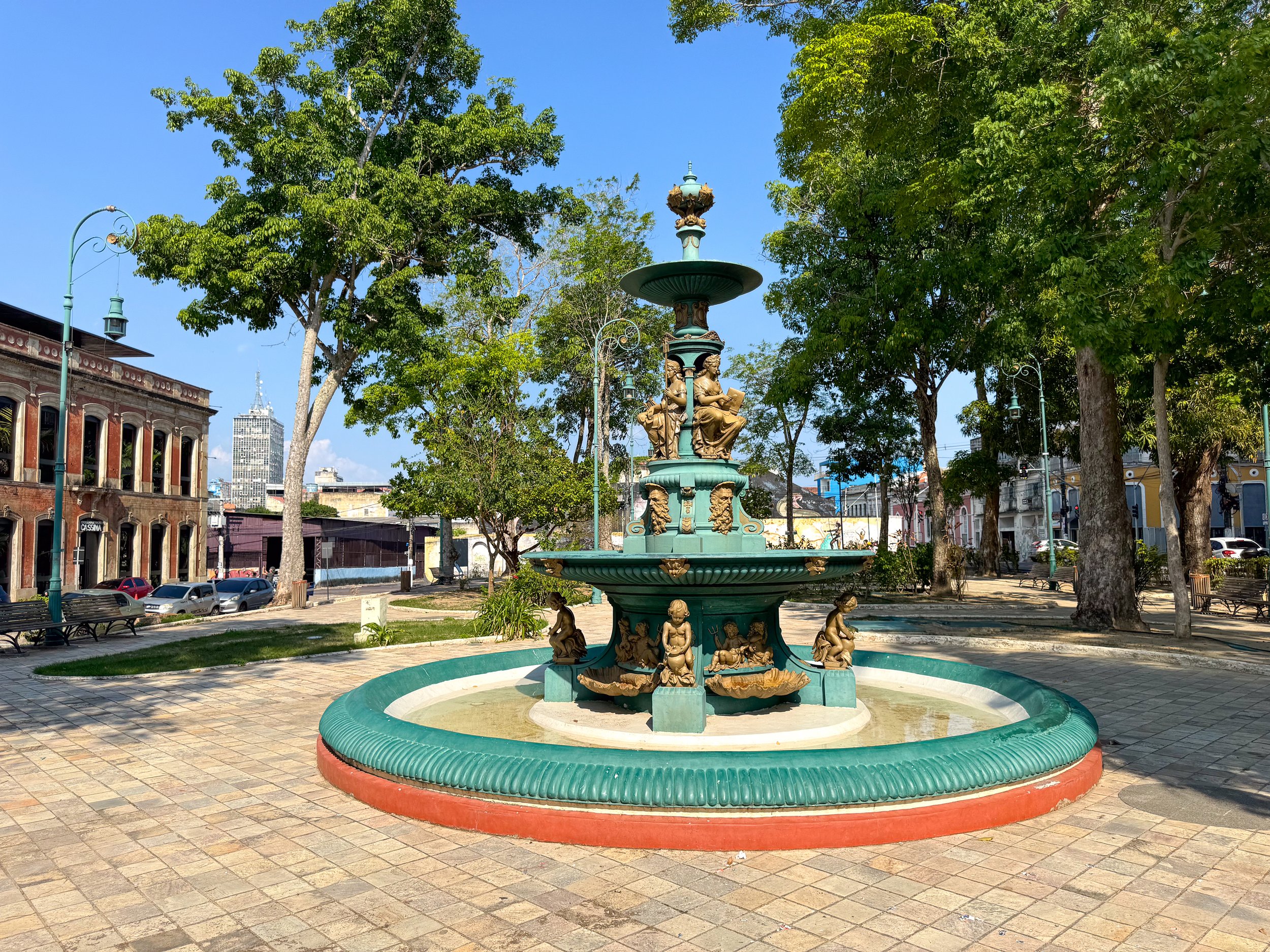
See the Sights
There are many sights to see around Manaus, especially in the city’s central neighborhood including historic landmarks, treelined plazas and indigenous themed murals. Across the city are nature parks, beaches and harbors overlooking the river.
El Centro. The historic neighborhood of Manaus with tree lined streets, pink stone roads, beautiful plazas, countless food carts, Amazonian restaurants and colorful Portuguese style architecture decorated with tiled facades.
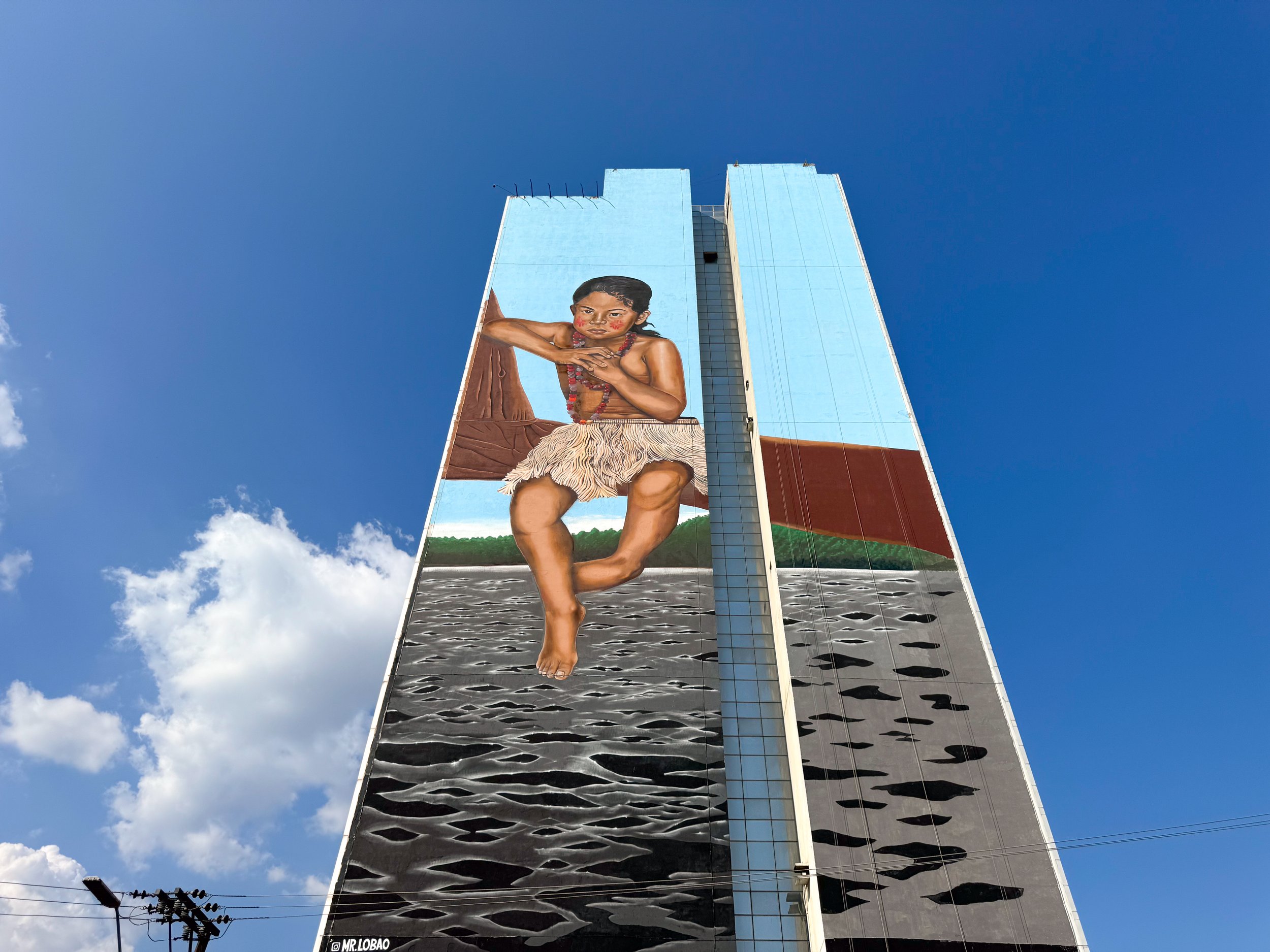
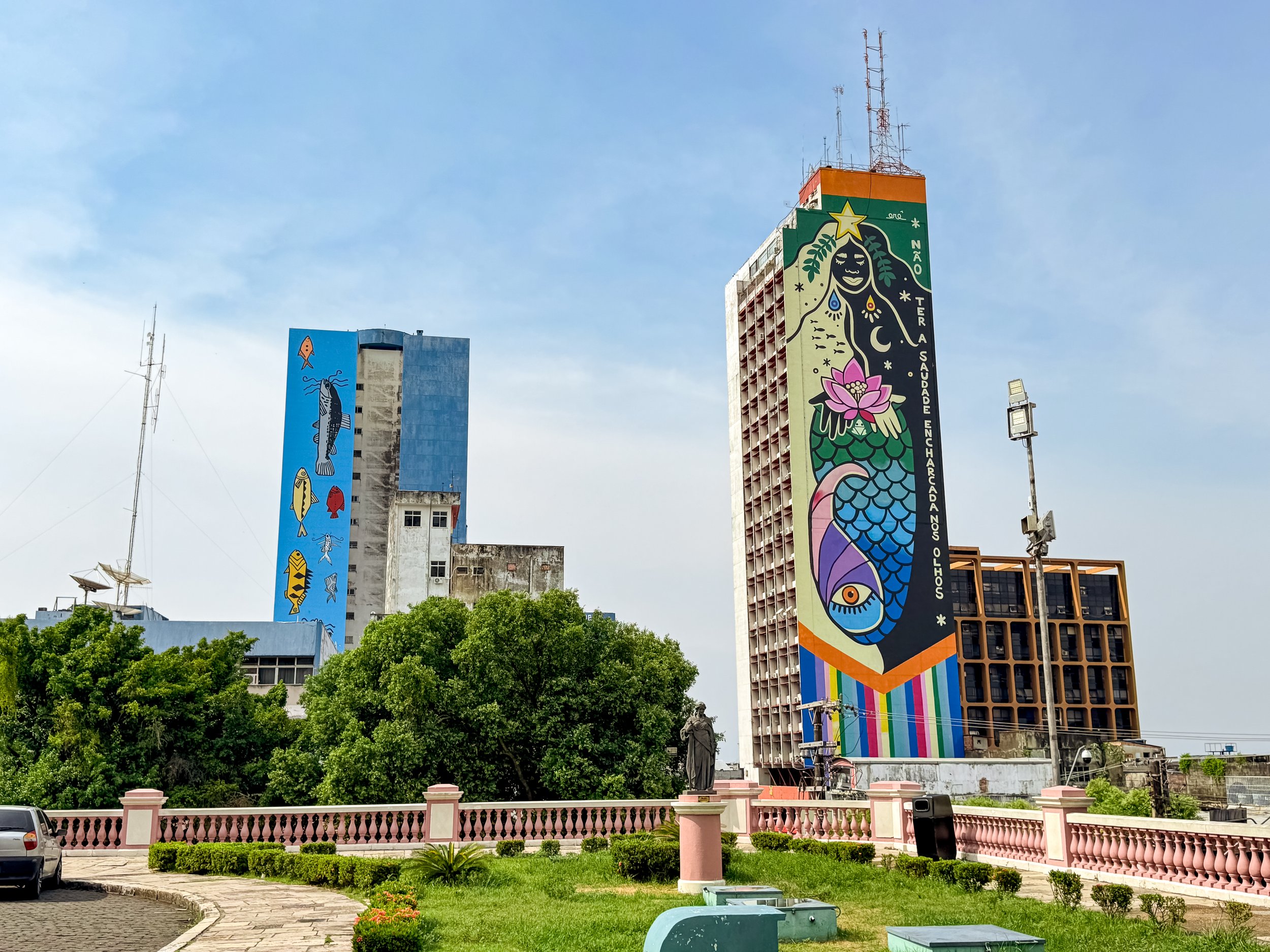
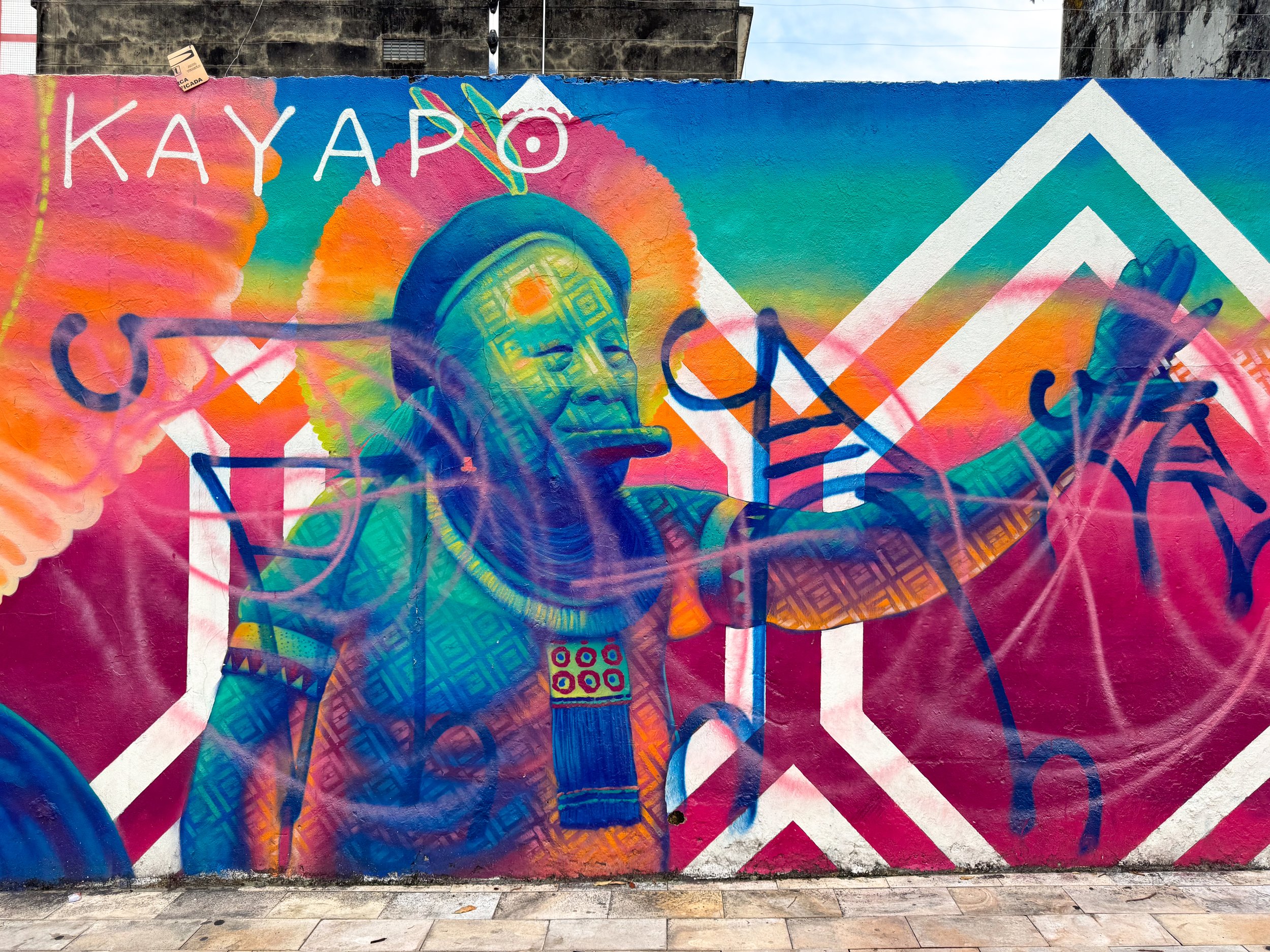
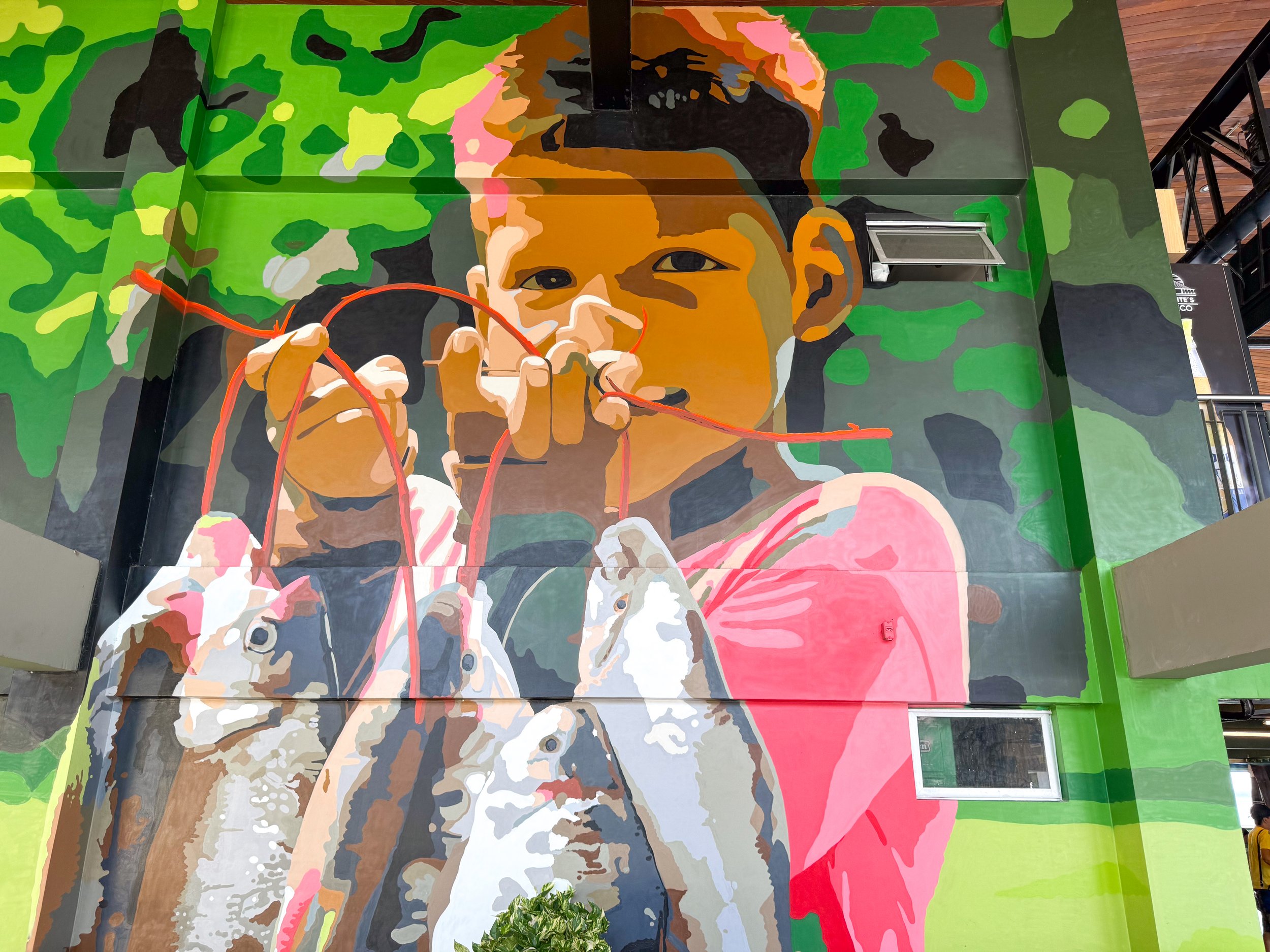
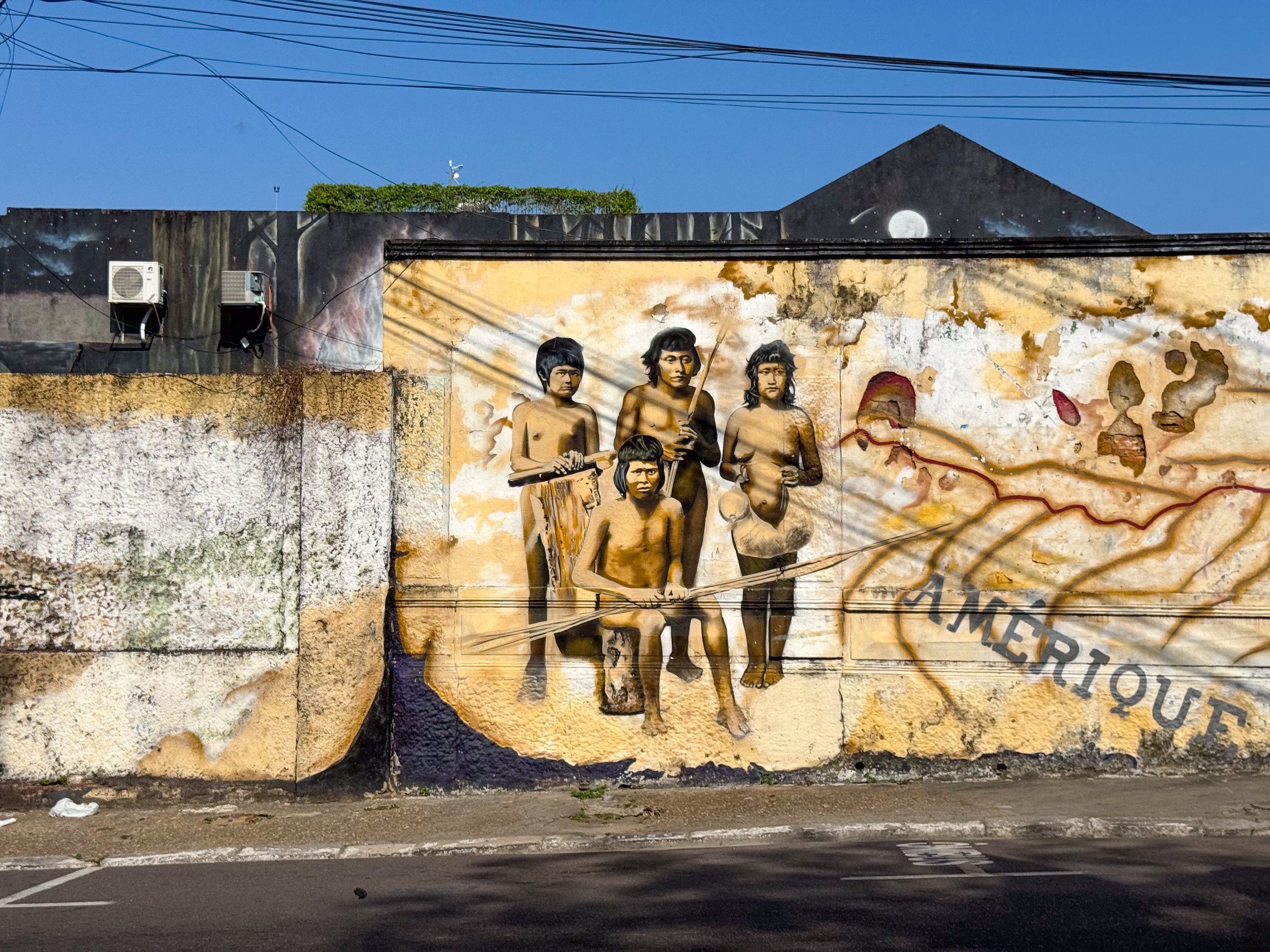
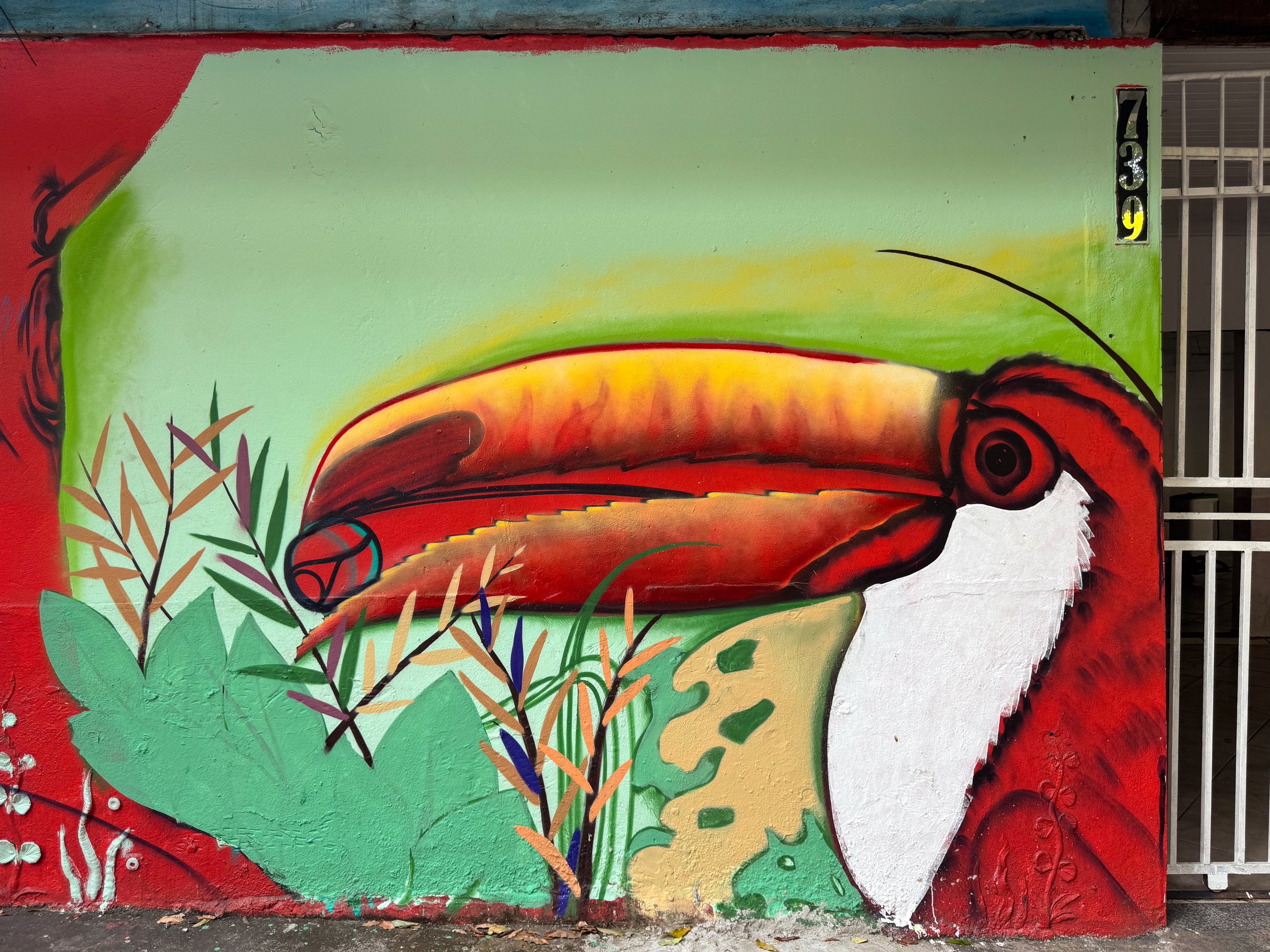
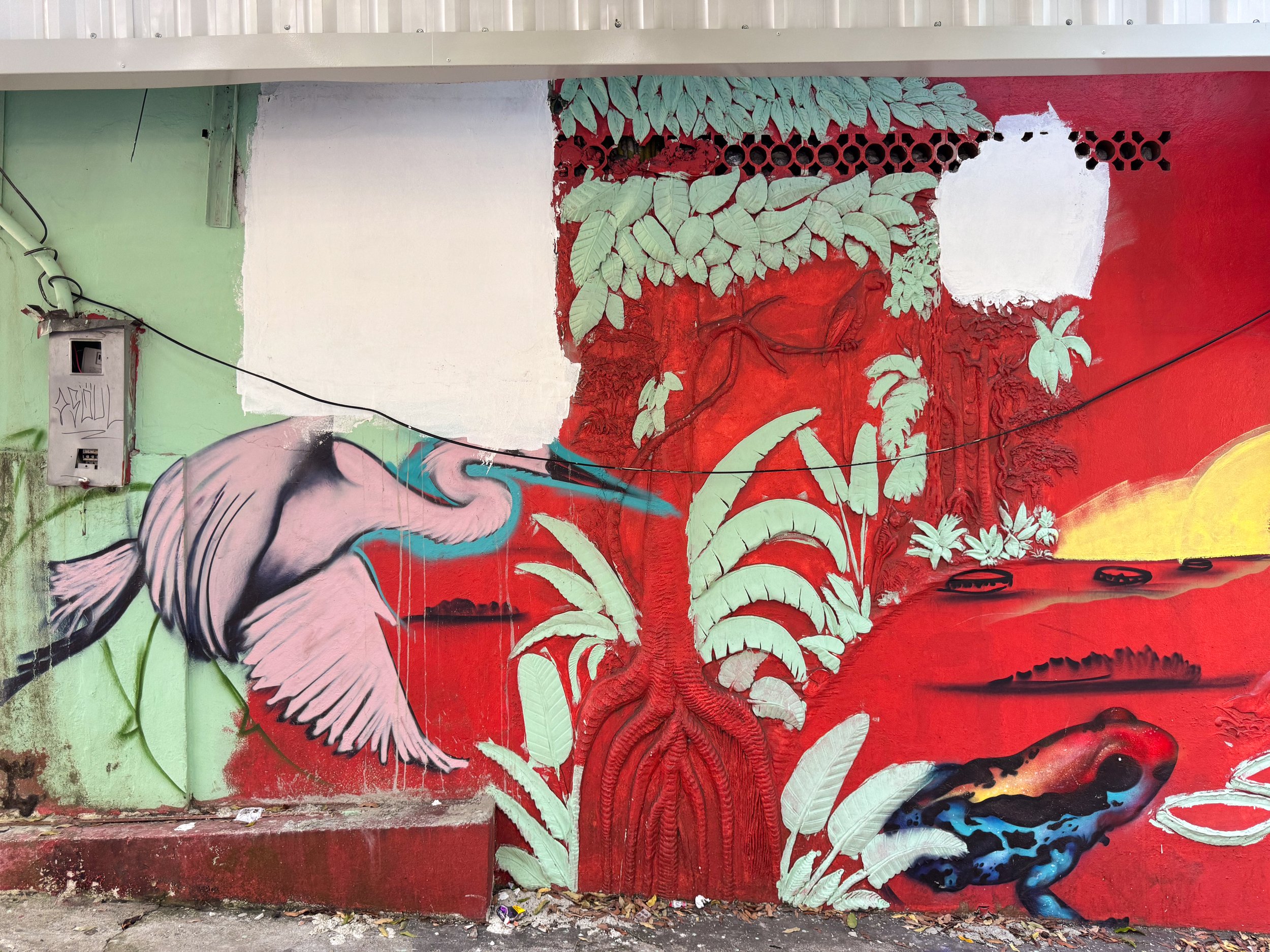
Indigenous Artwork. There is indigenous themed artwork and murals across the city, some spanning the height of entire skyscrapers. The best place to admire the art is around the streets of El Centro.
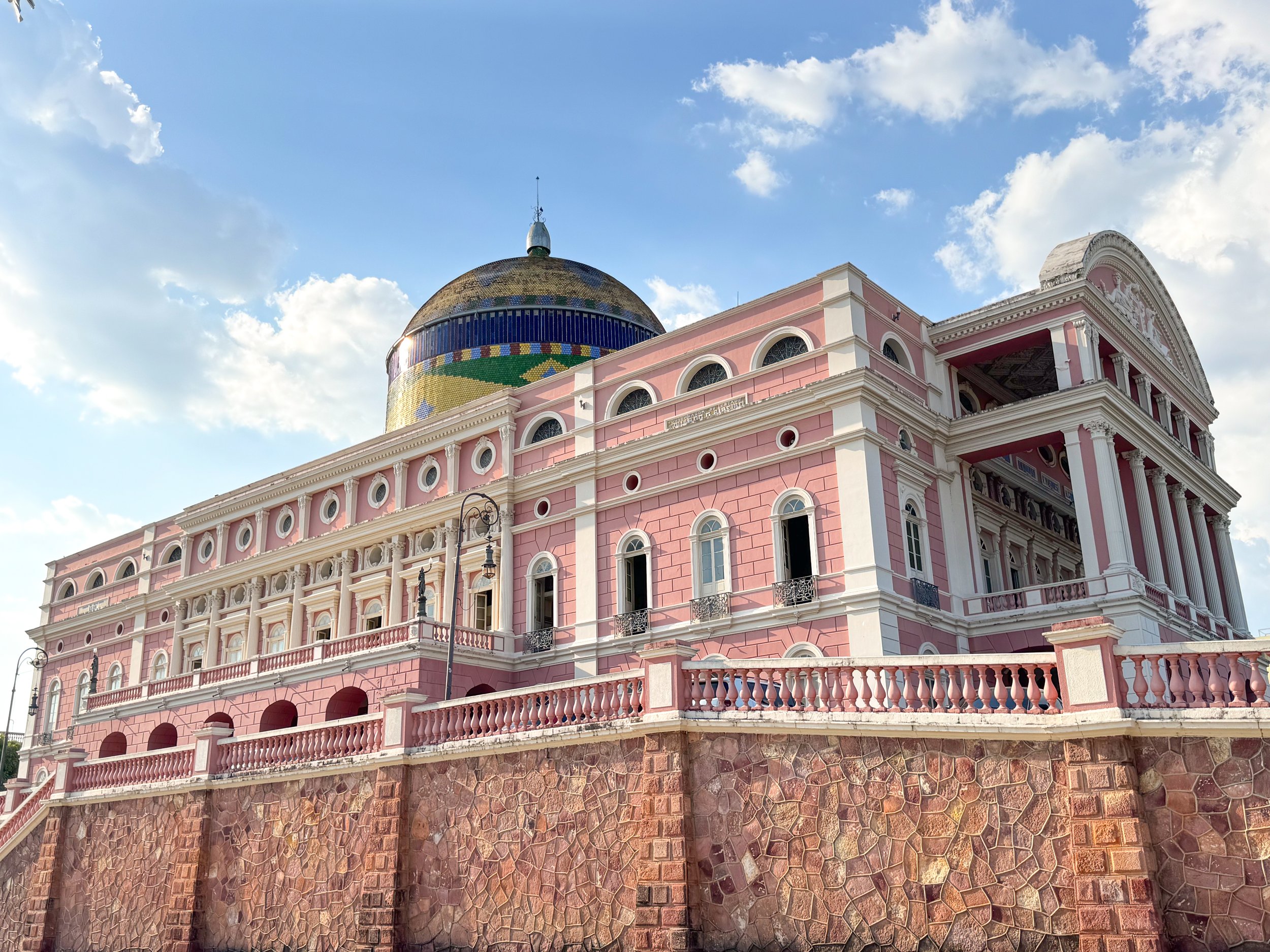
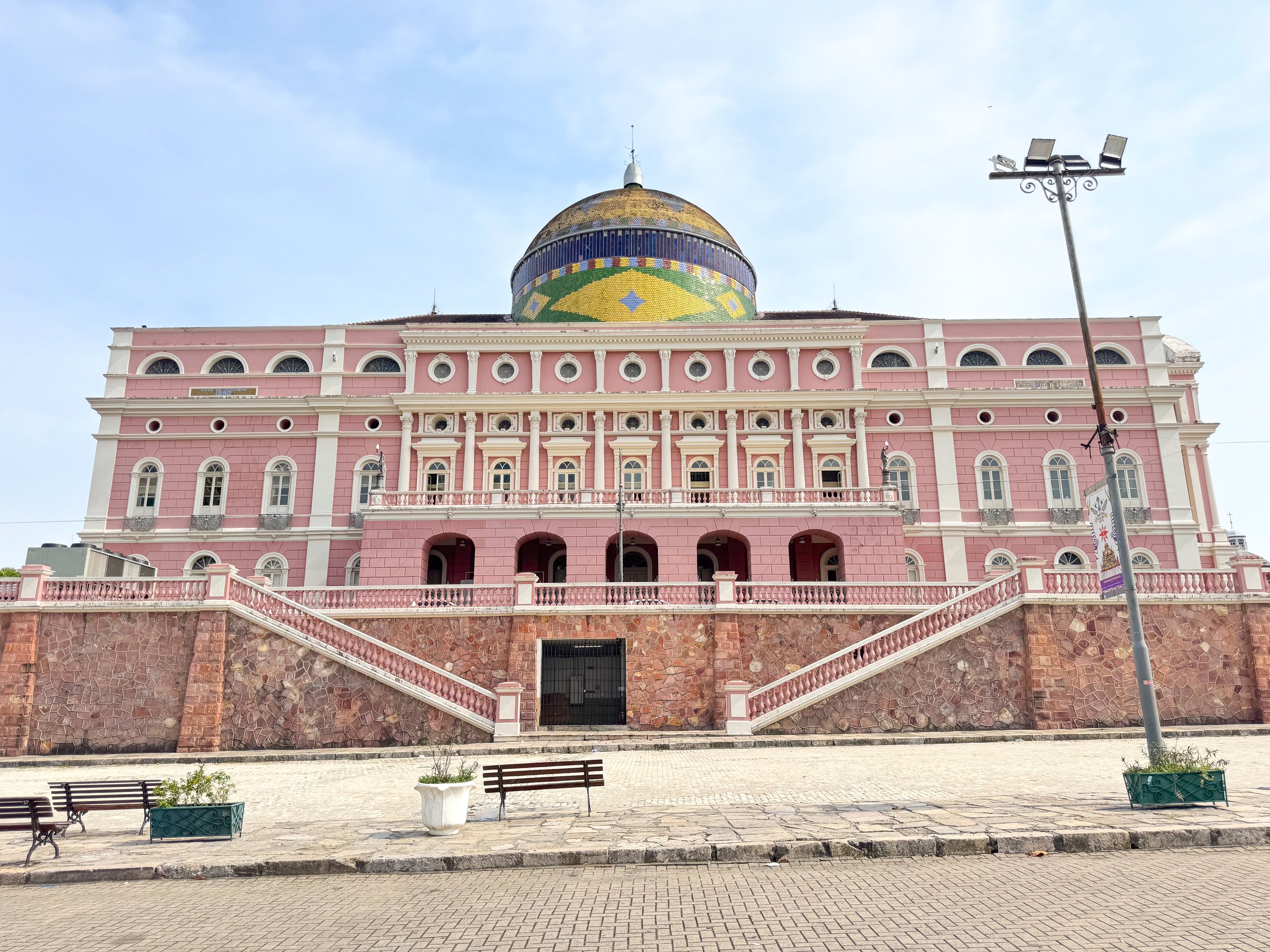
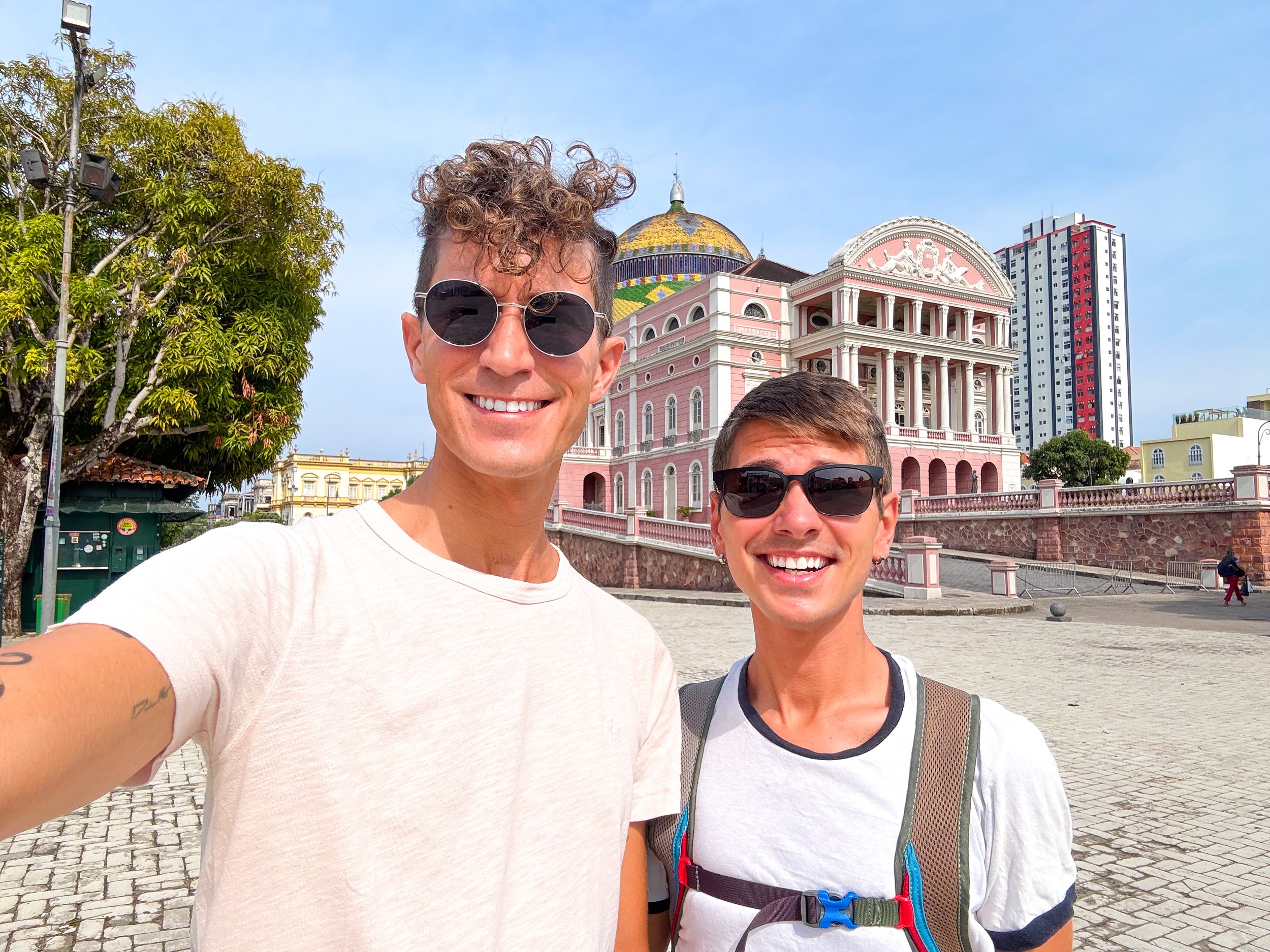
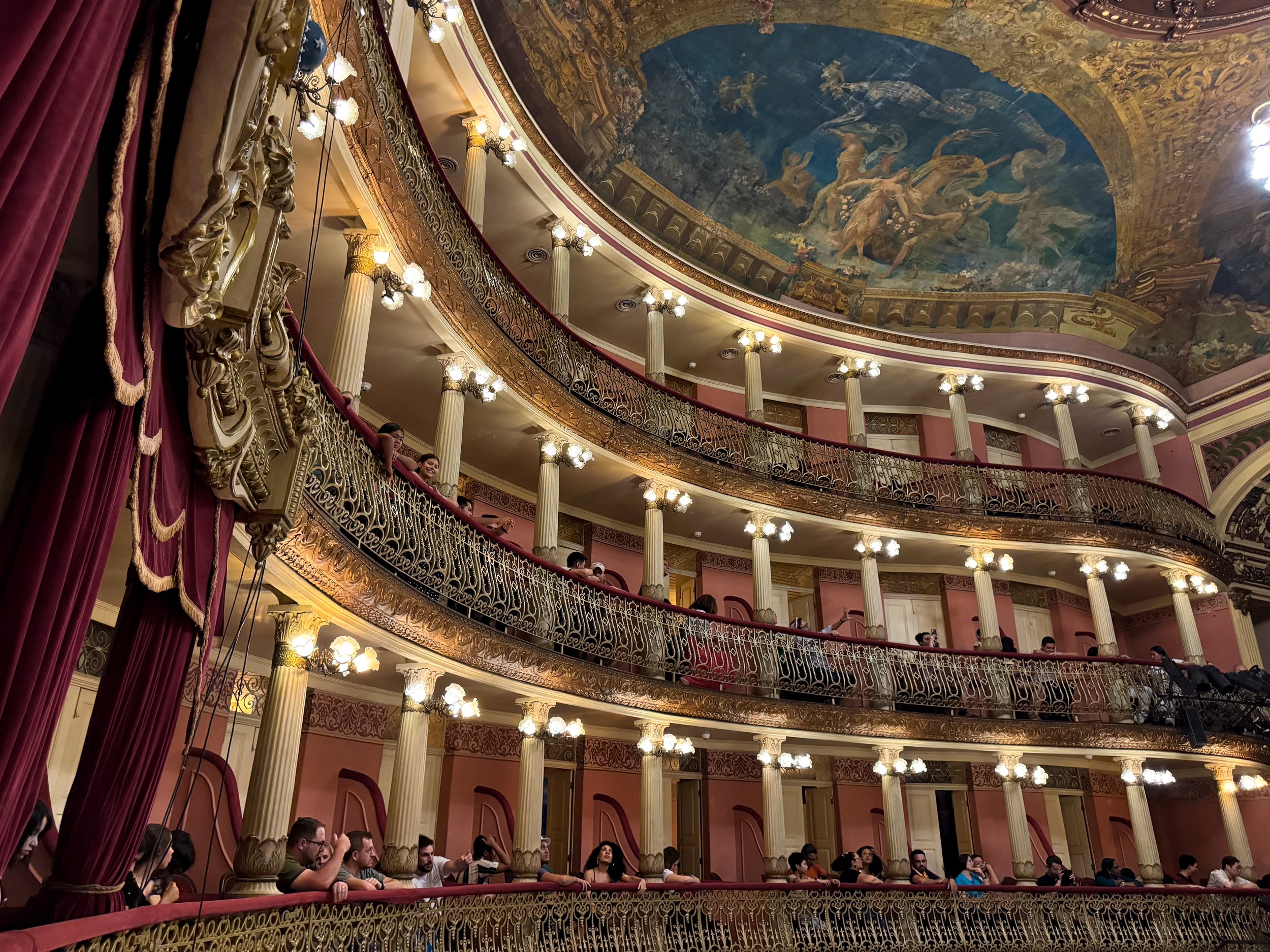
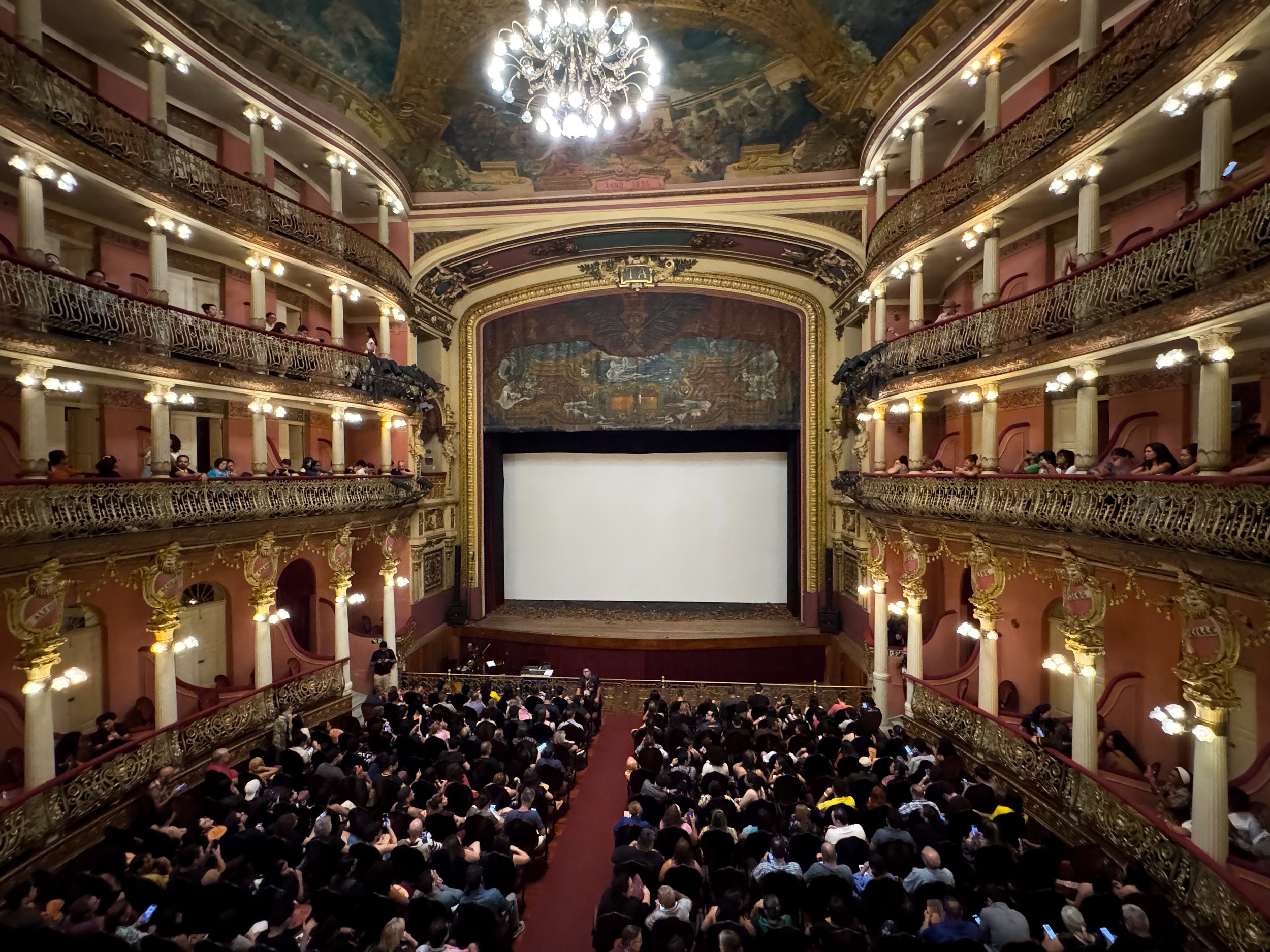
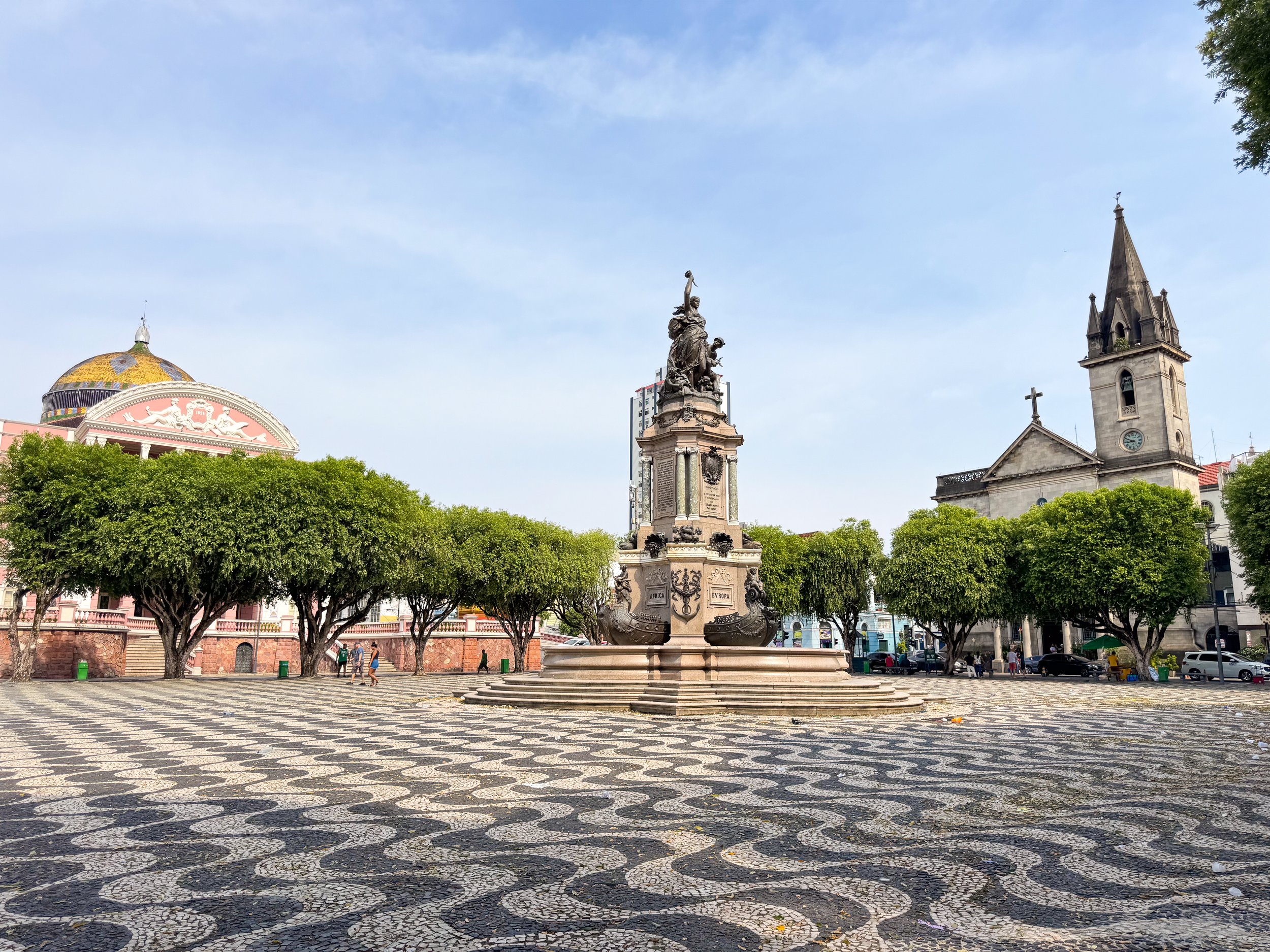
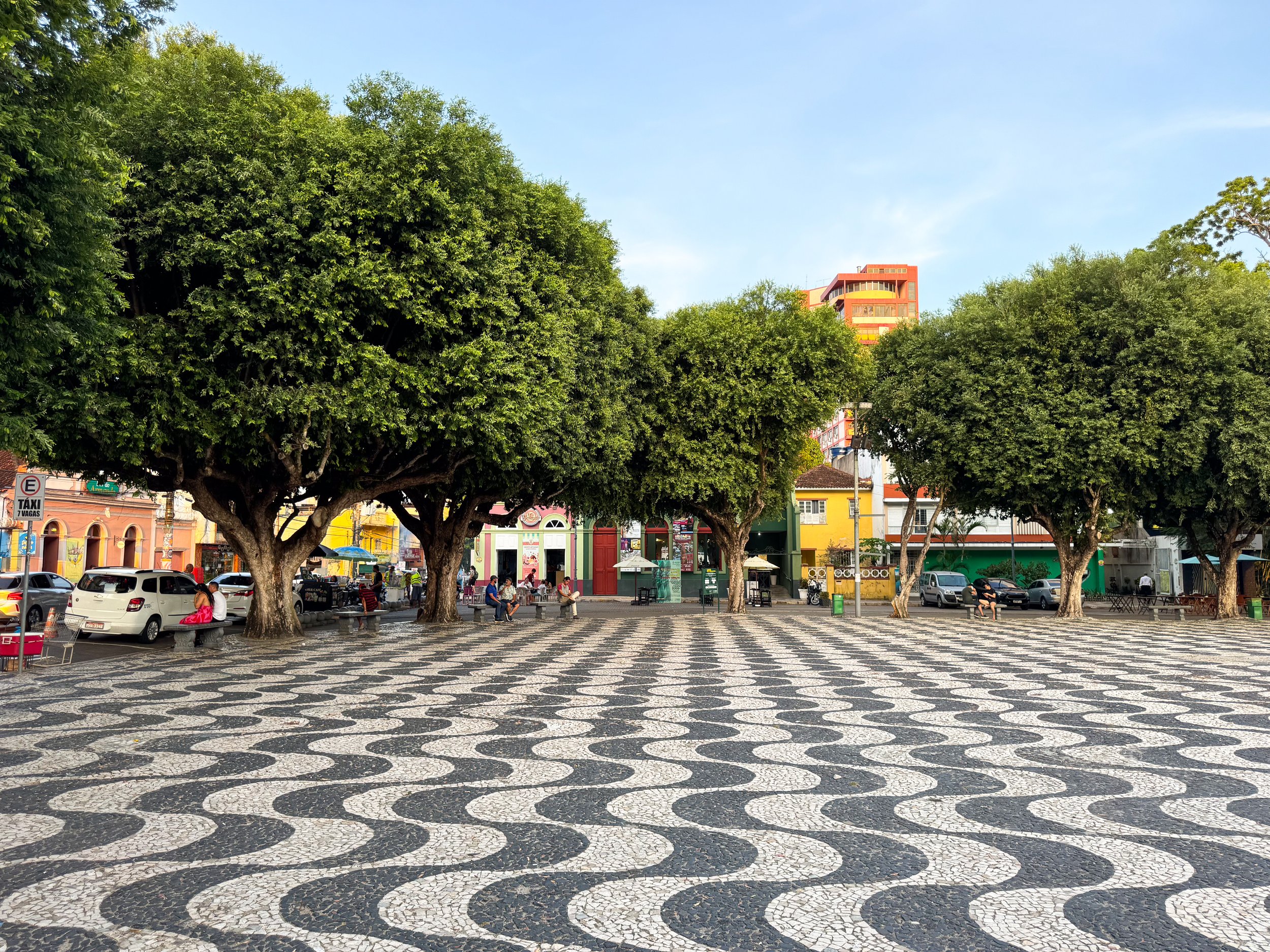
Amazon Theater. A grand and historic theater built from pink and white stones topped in with mosaic tiled dome featuring the Brazilian flag. The interior is elaborately designed with ornate details, velvet seats, warm lighting and multiple levels of opera boxes.
We visited during the Festival of the Theater of the Amazon and saw a free live performance dedicated to the women of the Amazon. The story spoke to the loss of tradition and indifference felt by many indigenous women through male control and westernization. We watched from an opera box with new friends we met in line.
Largo de Sao Sebastiao. A wavy black and white tiled plaza with a large nautical fountain at its center in front of the Amazon Theater. It’s lined with native trees home tropical birds. We saw a flock a macaws and parquets fly over, a reminder we were in the Amazon even within the city. The plaza is a hub for music and food! Surrounding restaurants serve Amazonian cuisine while vendors sell tacacá, açaí, cassava chips, popcorn and caipirinhas.
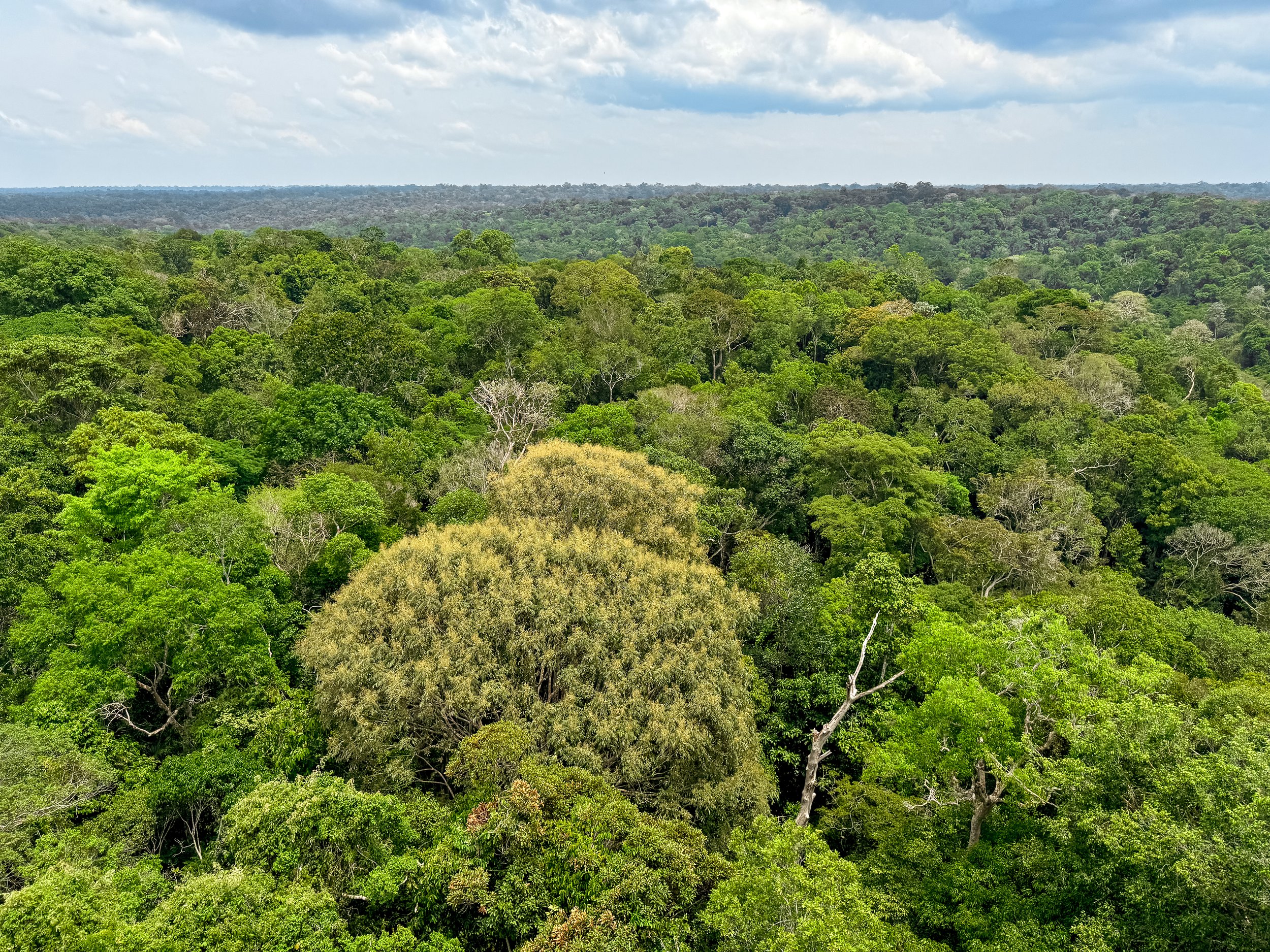
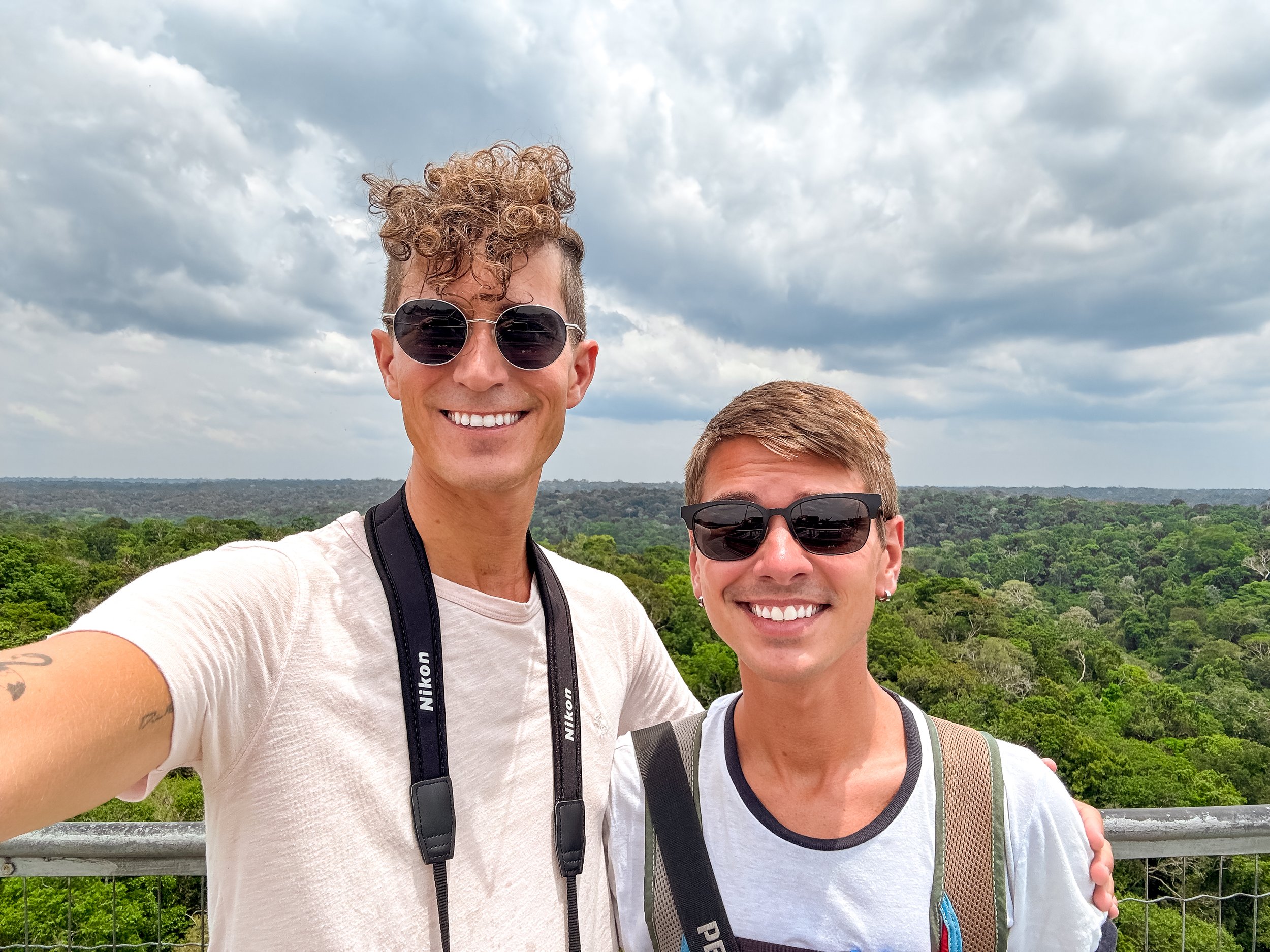
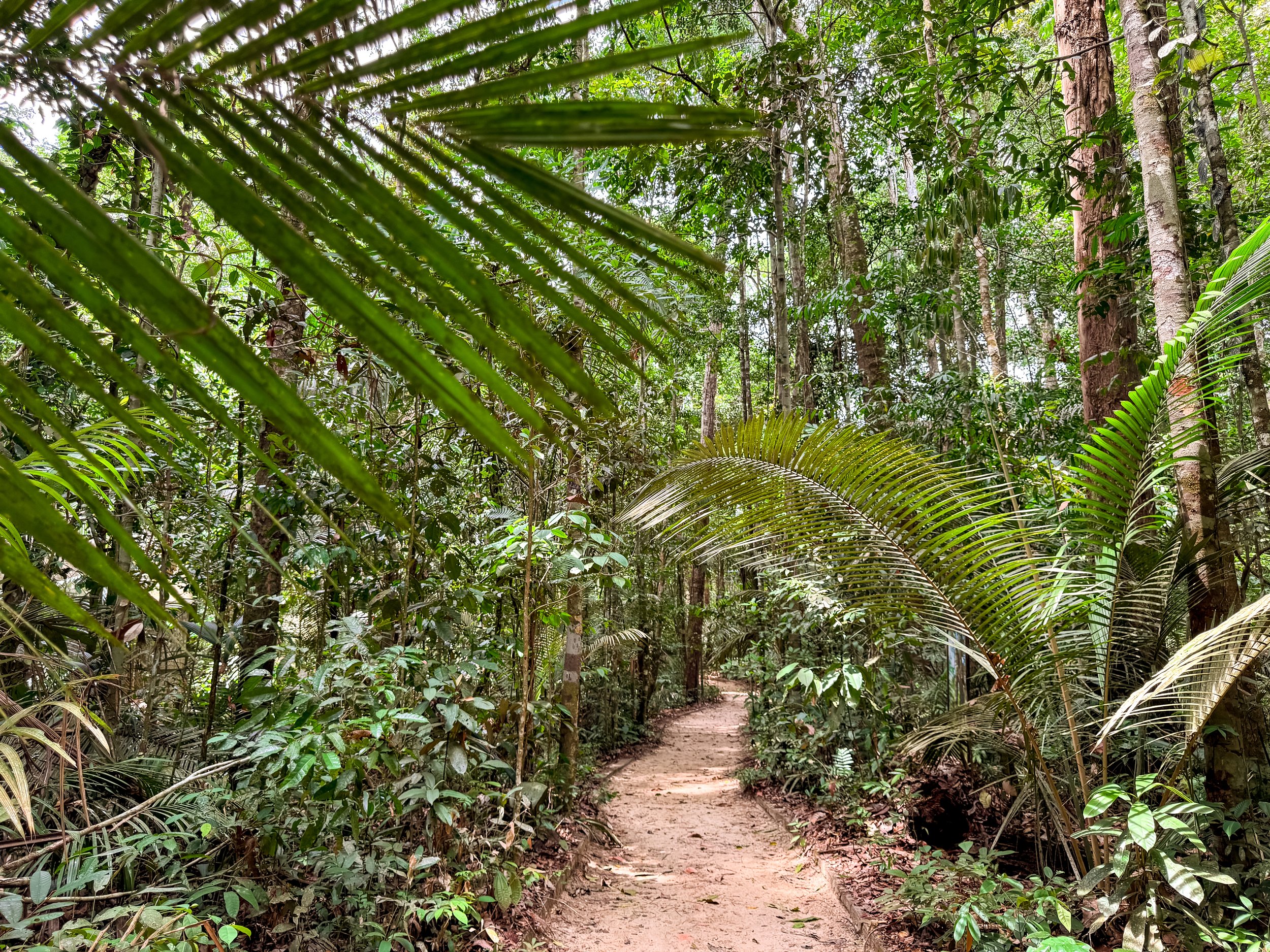
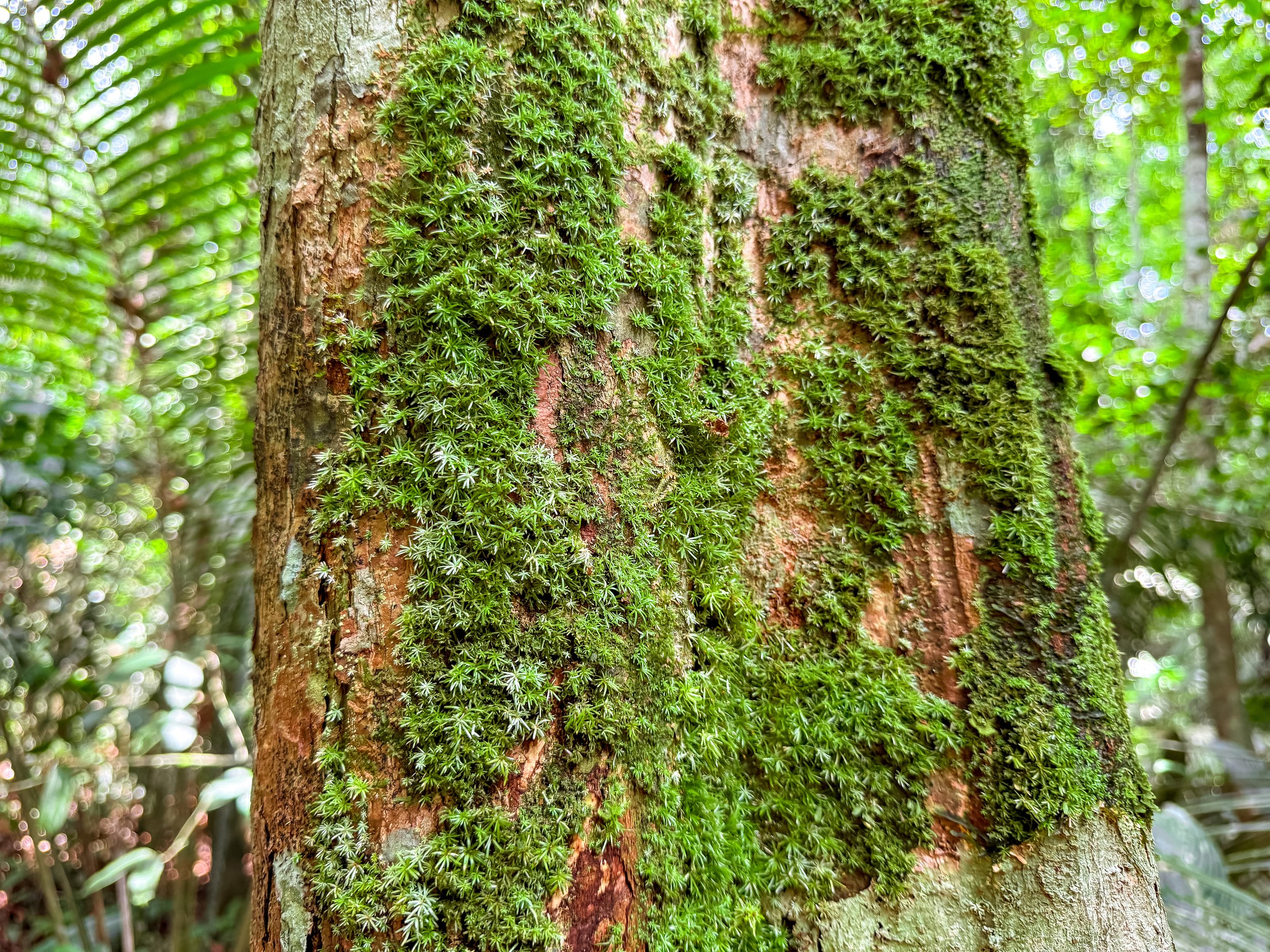
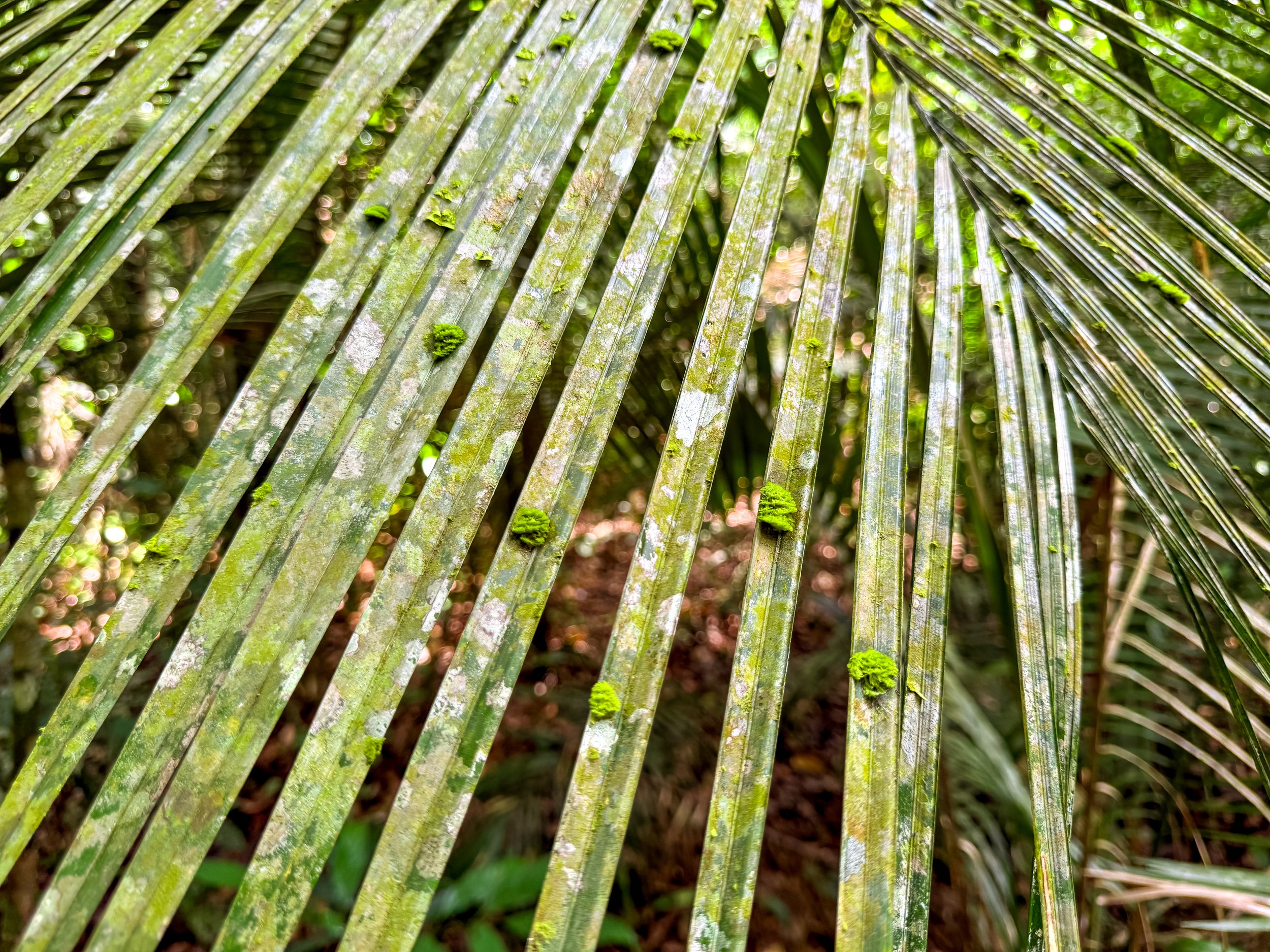
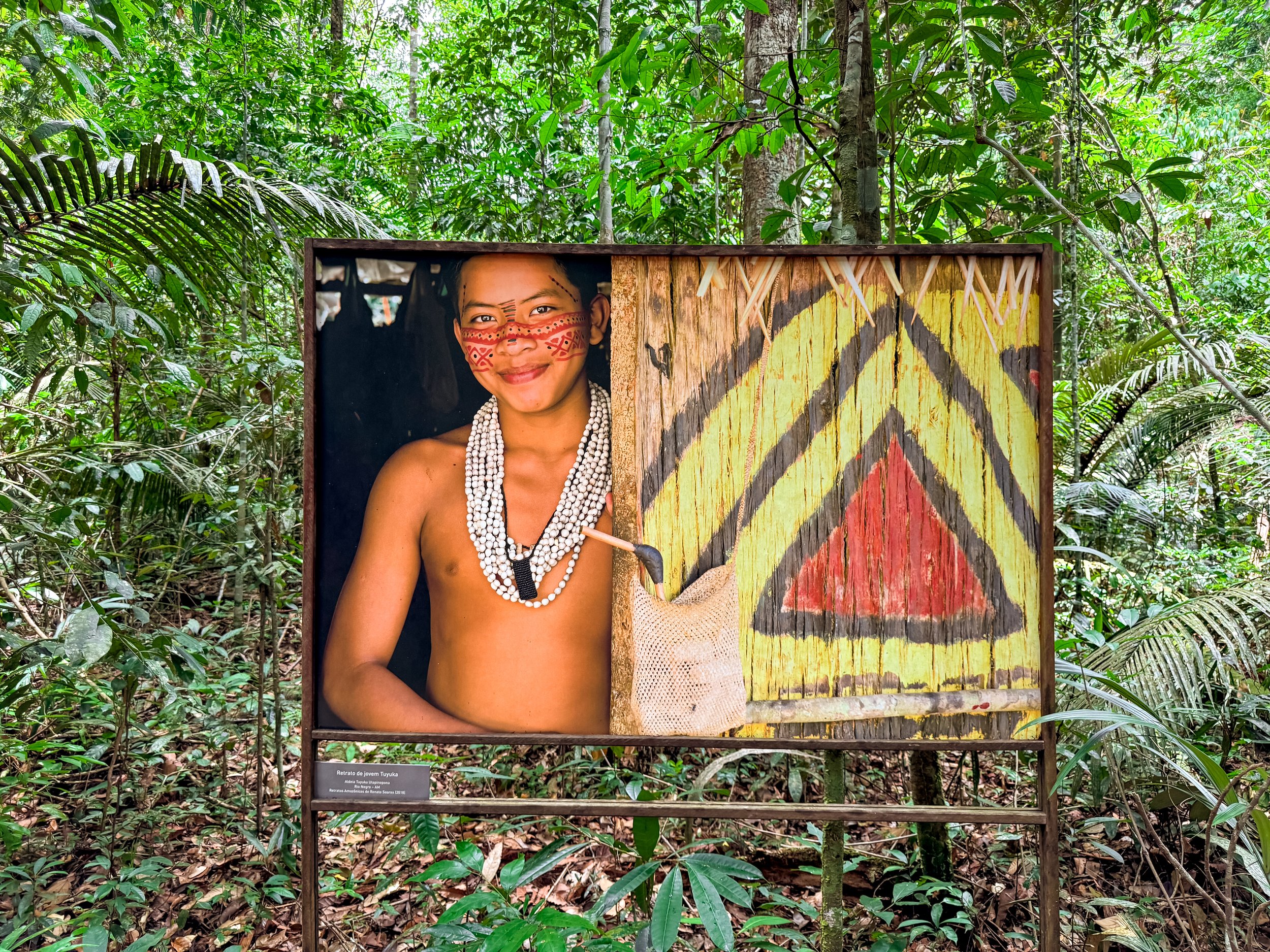
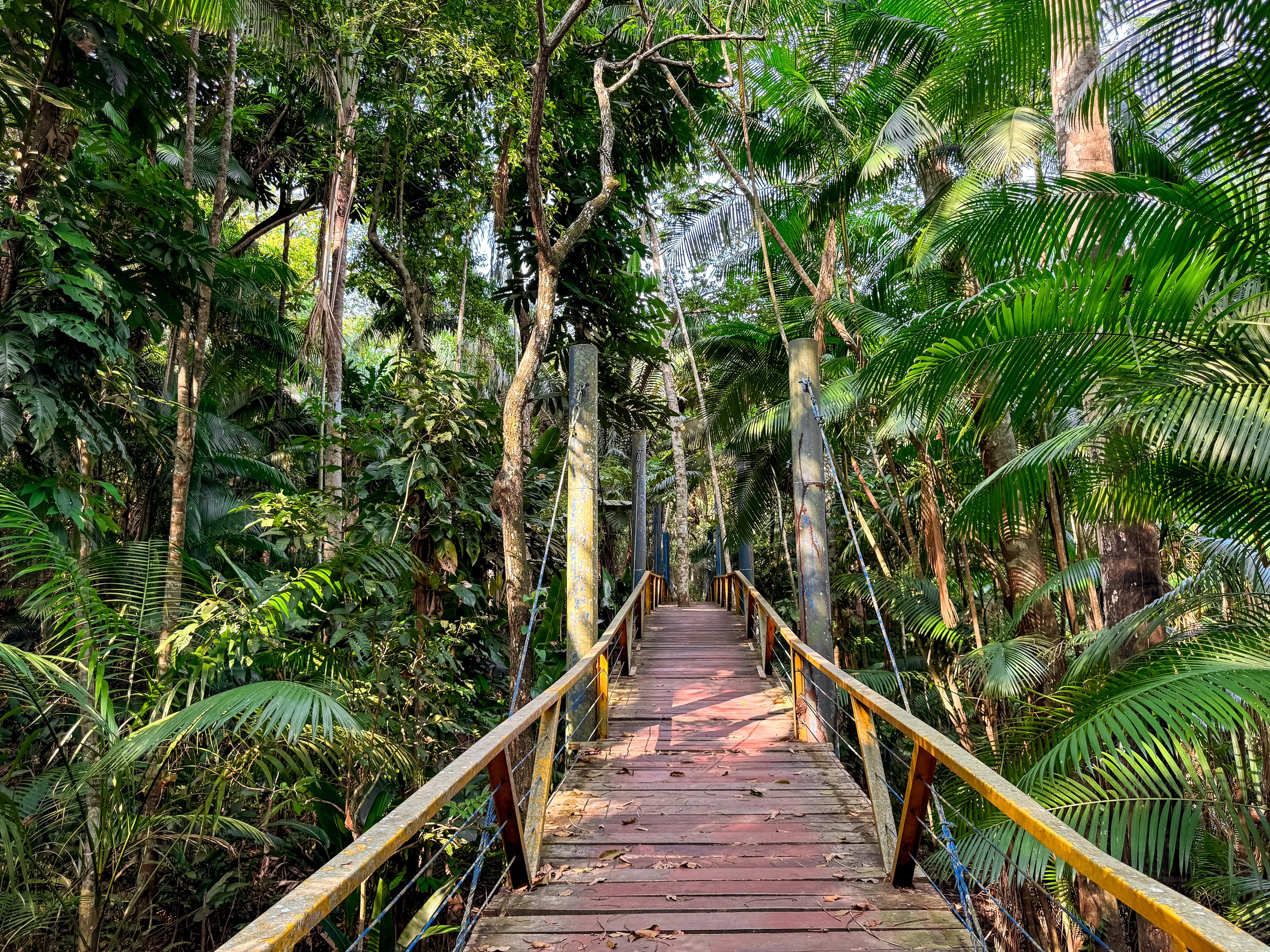
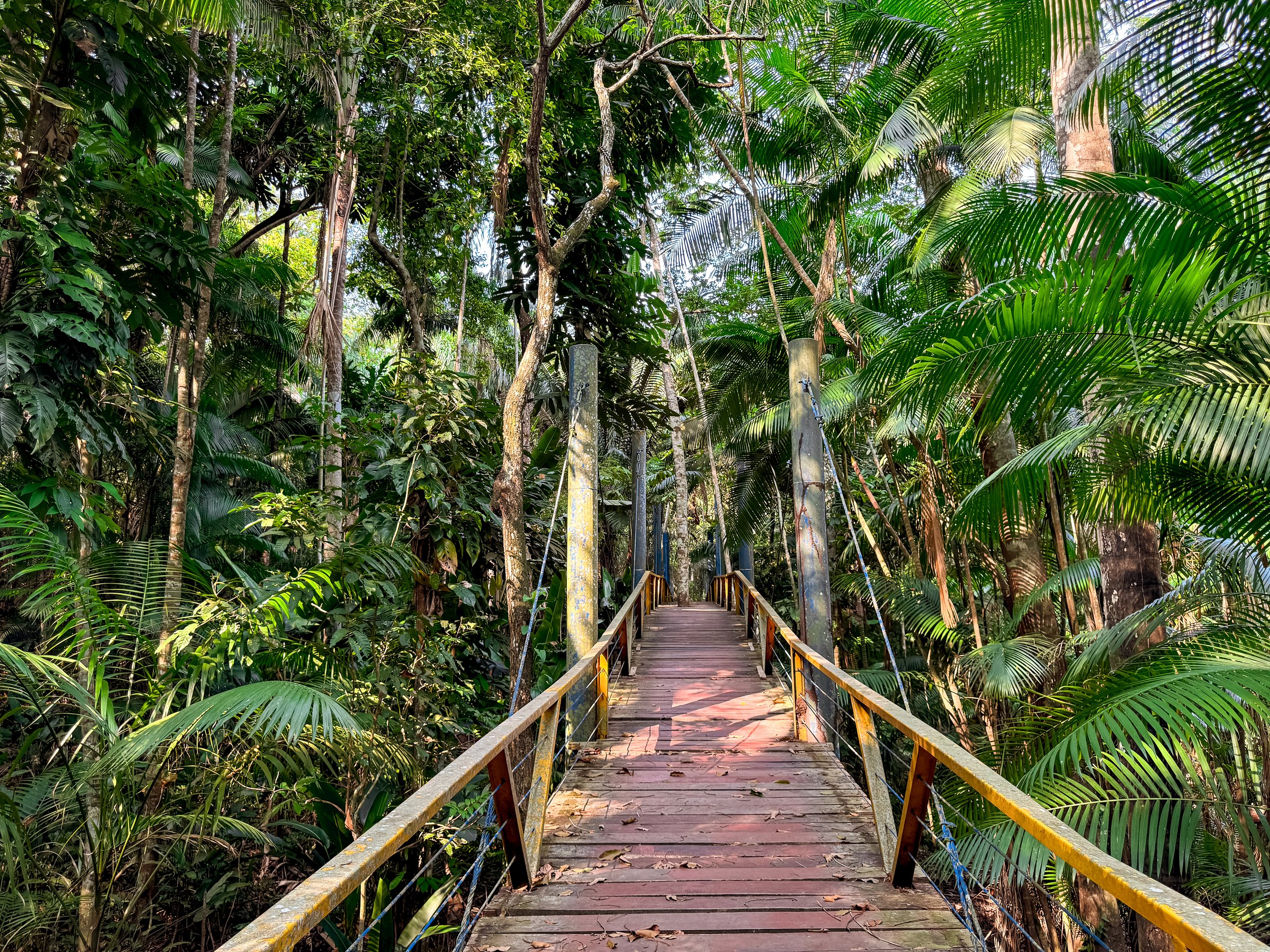
Museu da Amazonia (MUSA). A rainforest reserve at the edge of the city with nature trails through the jungle. Come here to overlook the treetop canopy and spot monkeys from the lookout tower, admire the indigenous photography lining the trails and visit exhibits and gardens with Amazonian species including palms, ferns, snakes, spiders, butterflies, cicadas and mushrooms. The park is located about 40-45min from El Centro by Uber or car. Ubers cost about $15 one way.
Parque do Mindu. A lesser maintained city park with nature trails, açaí palm trees, flocks of parquets, leaf cutter ants and many flying insects. We walked the trails while listening to the calls of birds including macaws, toucans and mocking birds. Wear plenty of insect repellant when visiting.
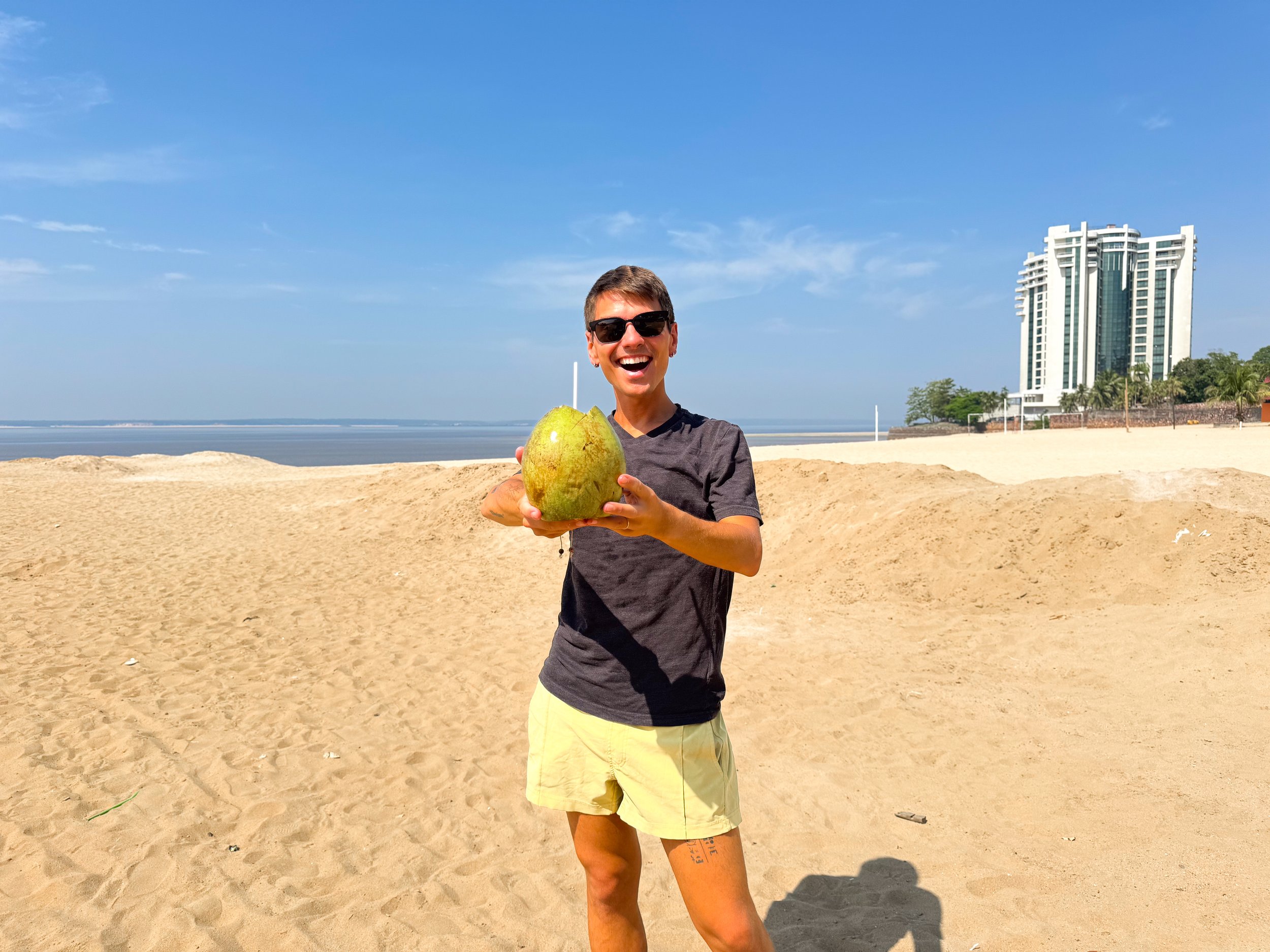
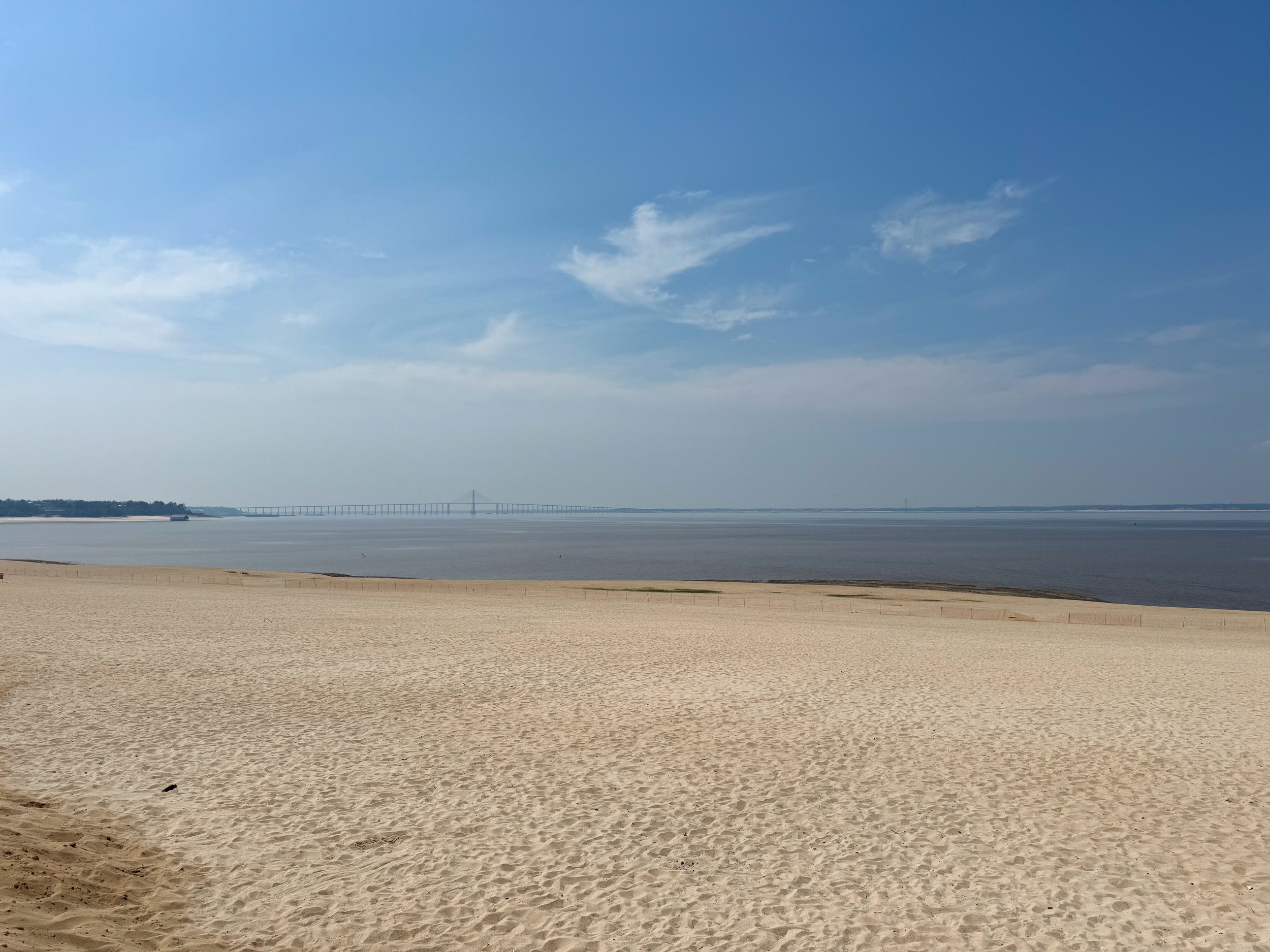
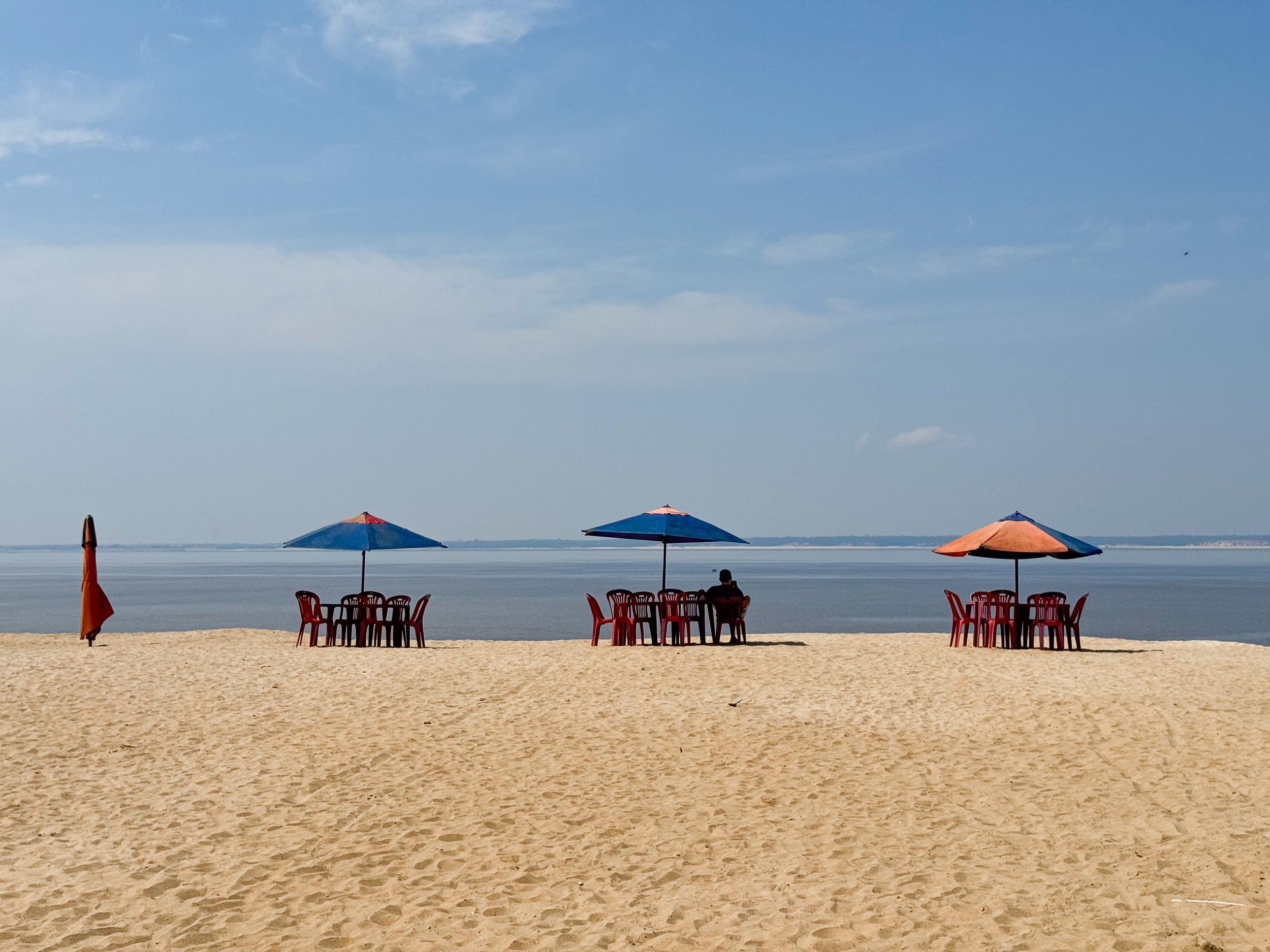
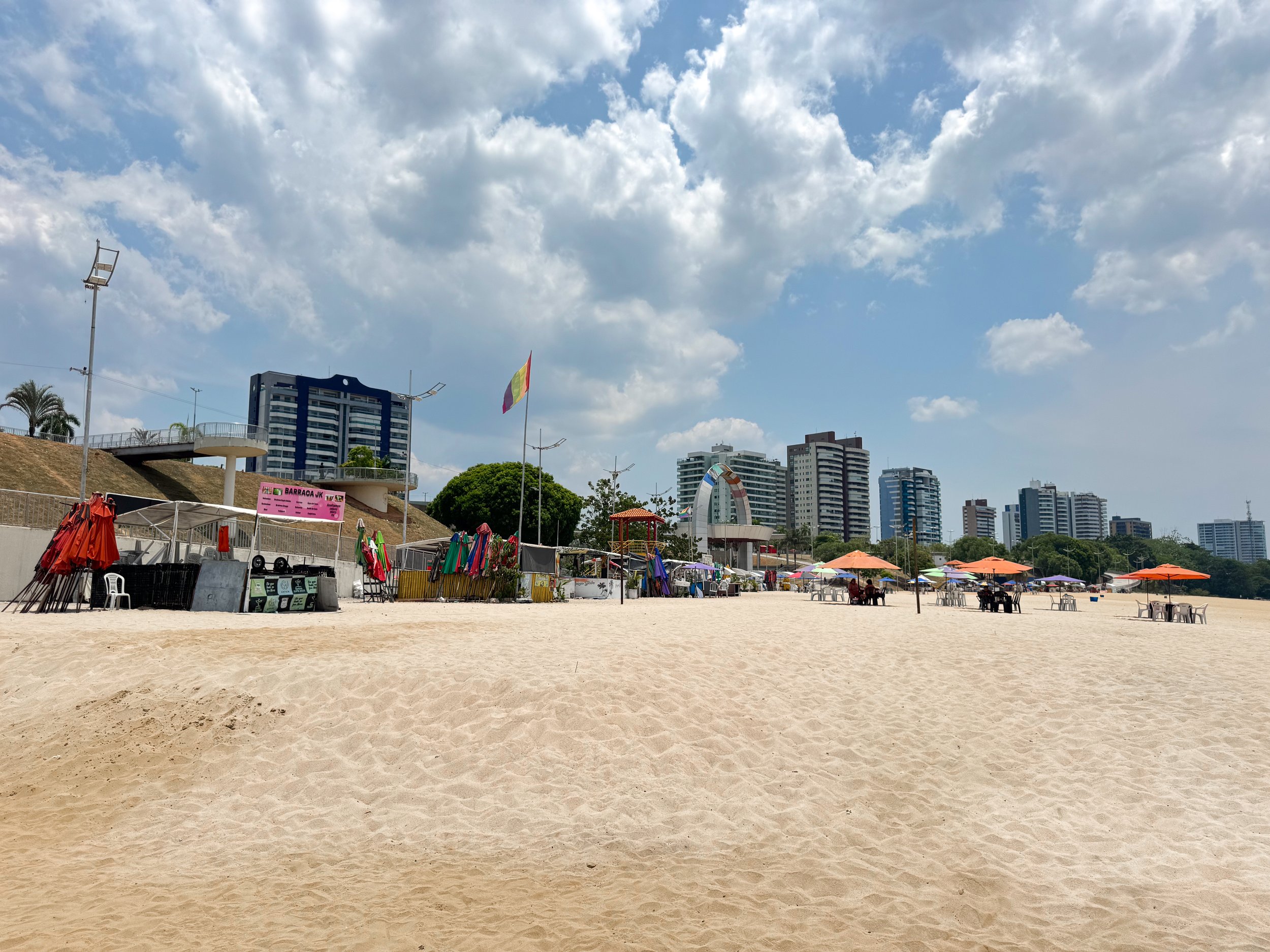
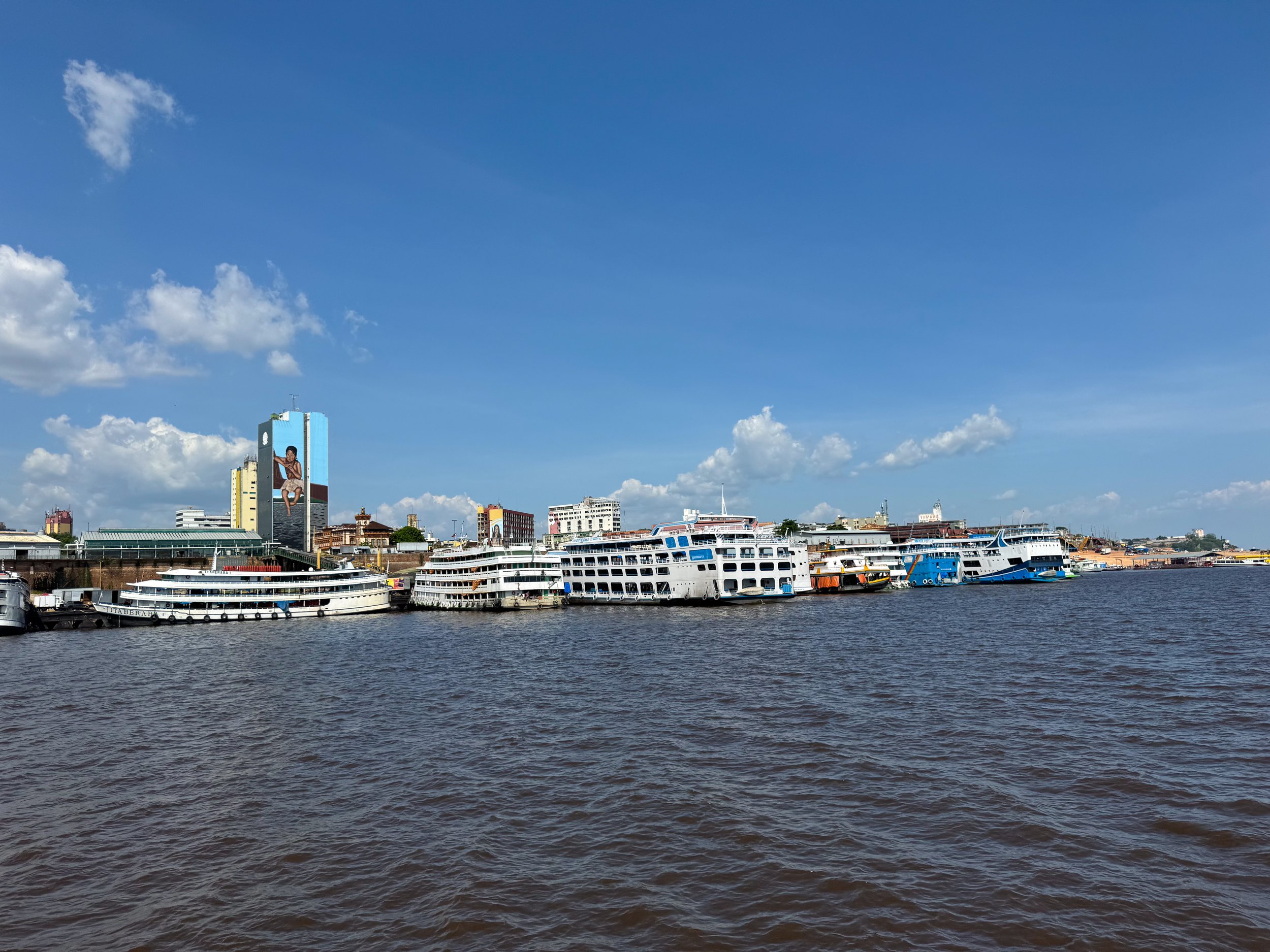
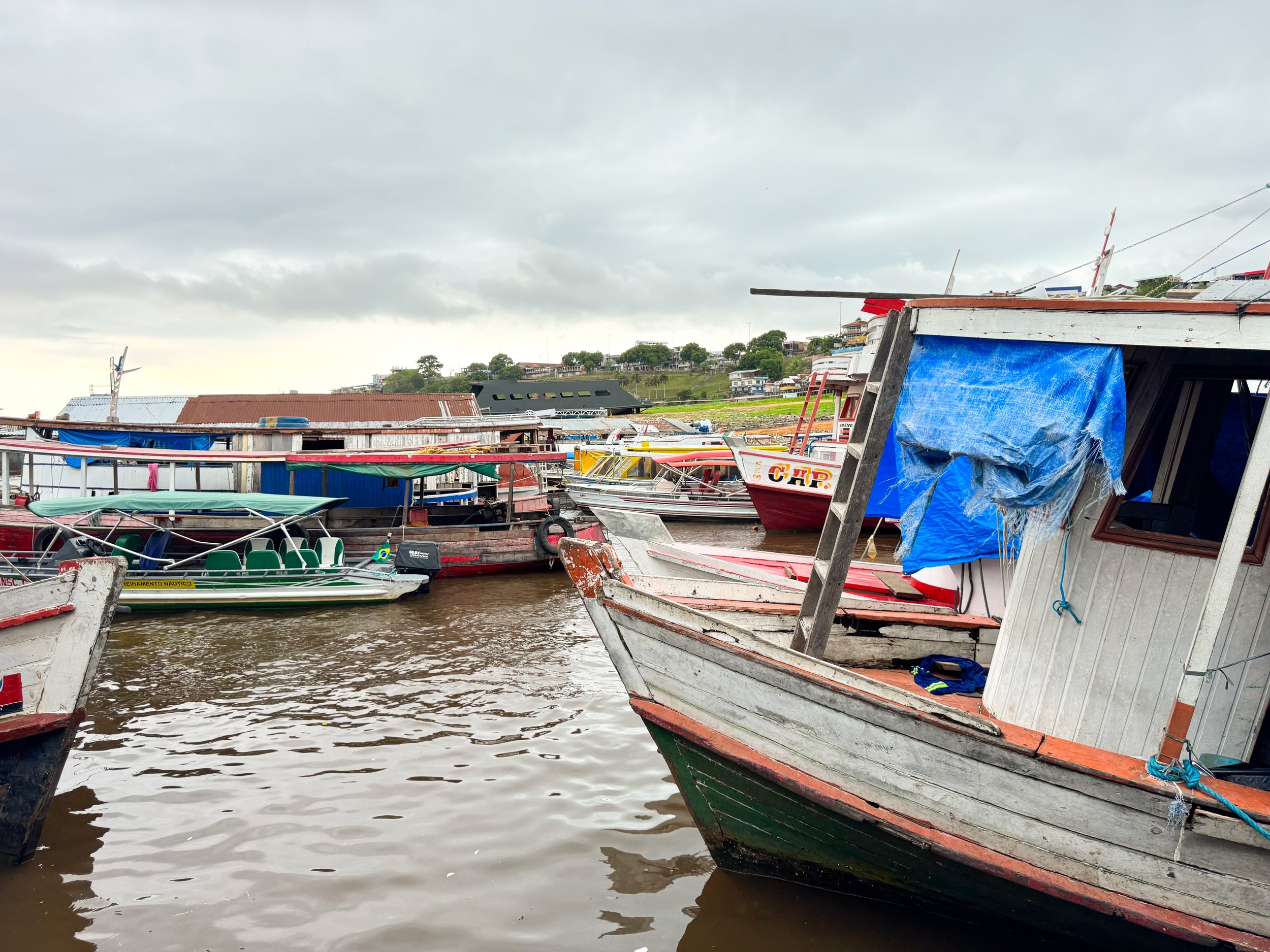
Praia de Ponta Negra Beach. A large sandy beach on the Rio Negro with a treelined promenade, volleyball courts, an amphitheater and Barracas, food vendors in beach tents. We bought fresh coconuts to hydrate and açaí sorbet to cool down. There is no shade on the beach however the Barracas also offer chair and umbrella rentals. People often come here to swim, however when we visited, swimming was banned due to the record drought. The beach is a 20 min Uber ride from El Centro.
Manaus Harbor. The harbor is the transport and shipping hub for Manaus and the Amazon region. Many tours and cruises leave from here. When we visited, the water level was so low due to the record drought that the Brazilian government had to begin dredging the harbor.
Mirante. A multi-floor complex and port for Amazon cruises with restaurants, cafes, bars, a lookout over the Rio Negro and indigenous themed artwork.
Places to Eat & Drink
One of the best ways to try Amazonian cuisine is by eating at local restaurants in Manaus, trying the street food and exploring the markets.
Tambaqui de Banda. A restaurant in Largo de São Sebastião that specializes in Amazon fish like the restaurant’s namesake, tambaqui. We ordered the fried tambaqui costela, barbecued pirarucu and shrimp vatapa with sides of farinha. The bar offers specialty cocktails and juices made from Amazonian fruits and Cachaça. Our favorite was the Todo de Amazon, made with açaí, capuaçu foam and guaraná grated using a dried pirarucu tongue. Stick around for happy hour for half off caipirinhas, discounted snacks and live music.
Biatuwi. A restaurant specializing in Amazonian dishes traditionally prepared by indigenous tribes. We ordered the tambaqui costela cooked in a cocoa leaf, toasted Saúva and Maniwara ants, and Aluá, a fermented pineapple drink similar to kombucha. All dishes and drinks came out in calabash bowls resting on a ring of dried açaí seeds.
Coreto dos Manaós. A restaurant at the Mercado Municipal Adolpho Lisboa with a lush shaded garden. We came here for breakfast to try Tapioquena. We ordered two, one stuffed with tacumã and banana, the other with egg and cheese.
Tacacá da Gisela. A popular soup stand specializing in Tacacá located in Largo de São Sebastião.
Açaí do Largo. An açaí stand specializing in “Creme de Cupuaçu with Açaí” located in Largo de São Sebastião.
Sorveteria Glacial - Self Service (Loja 1). A self service ice cream shop that sells by weight. Come here for exotic flavors only found in the Amazon including fruits and nuts like, Açaí, Castanha do Brazil (Brazil nut), Maracujá (passion fruit), Cupuaçu, Tapereba and Doce de Leite.
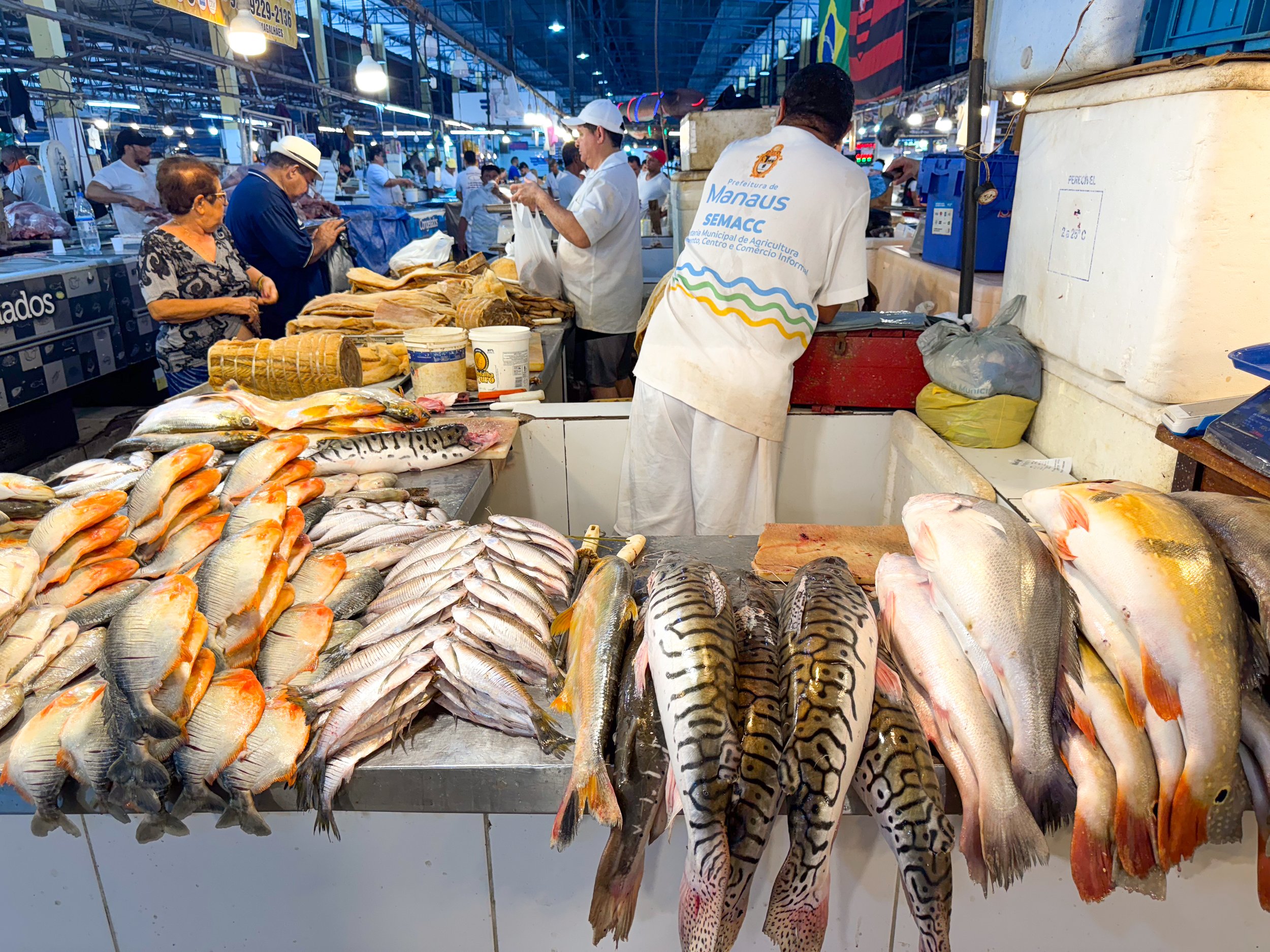
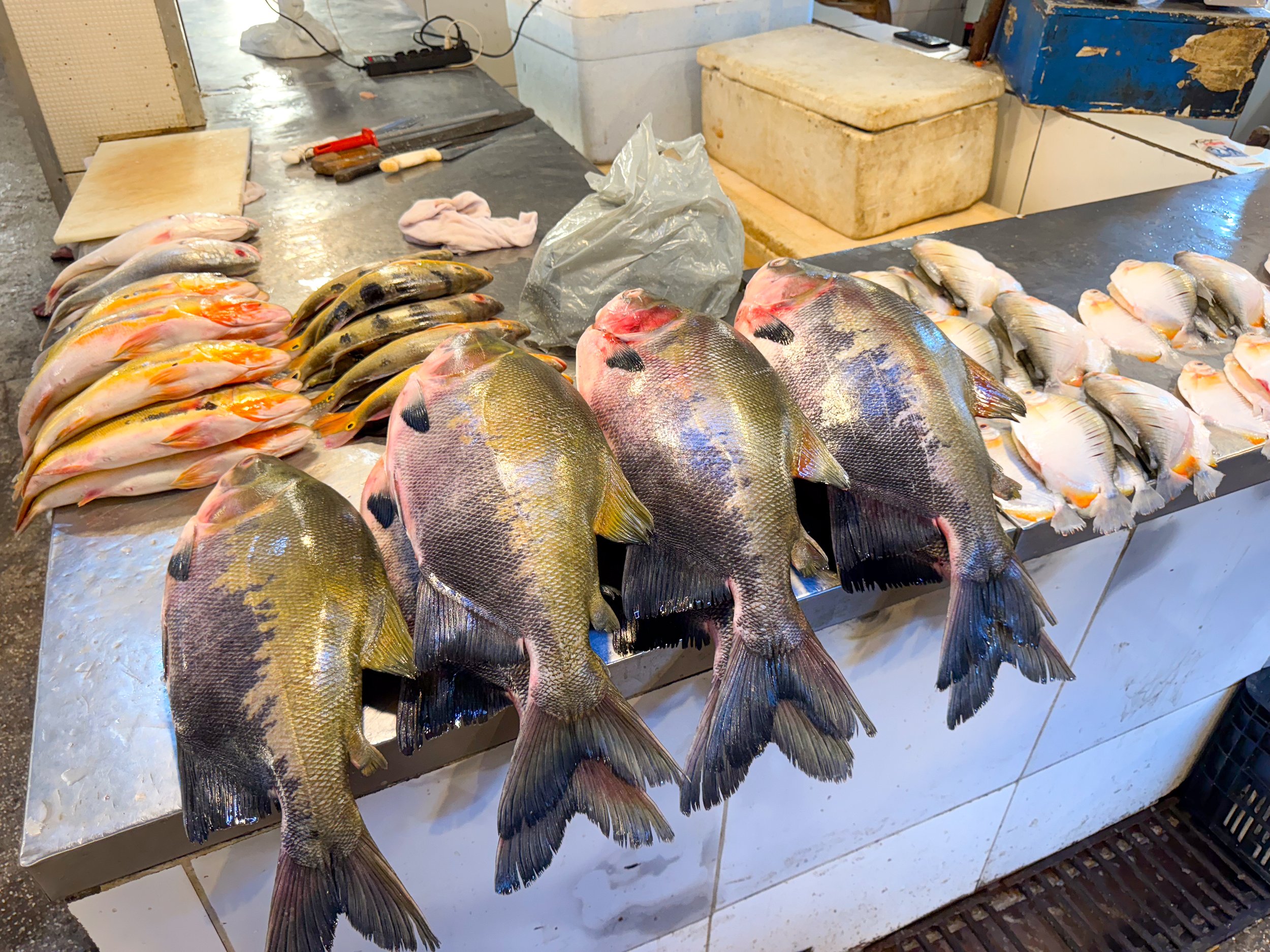
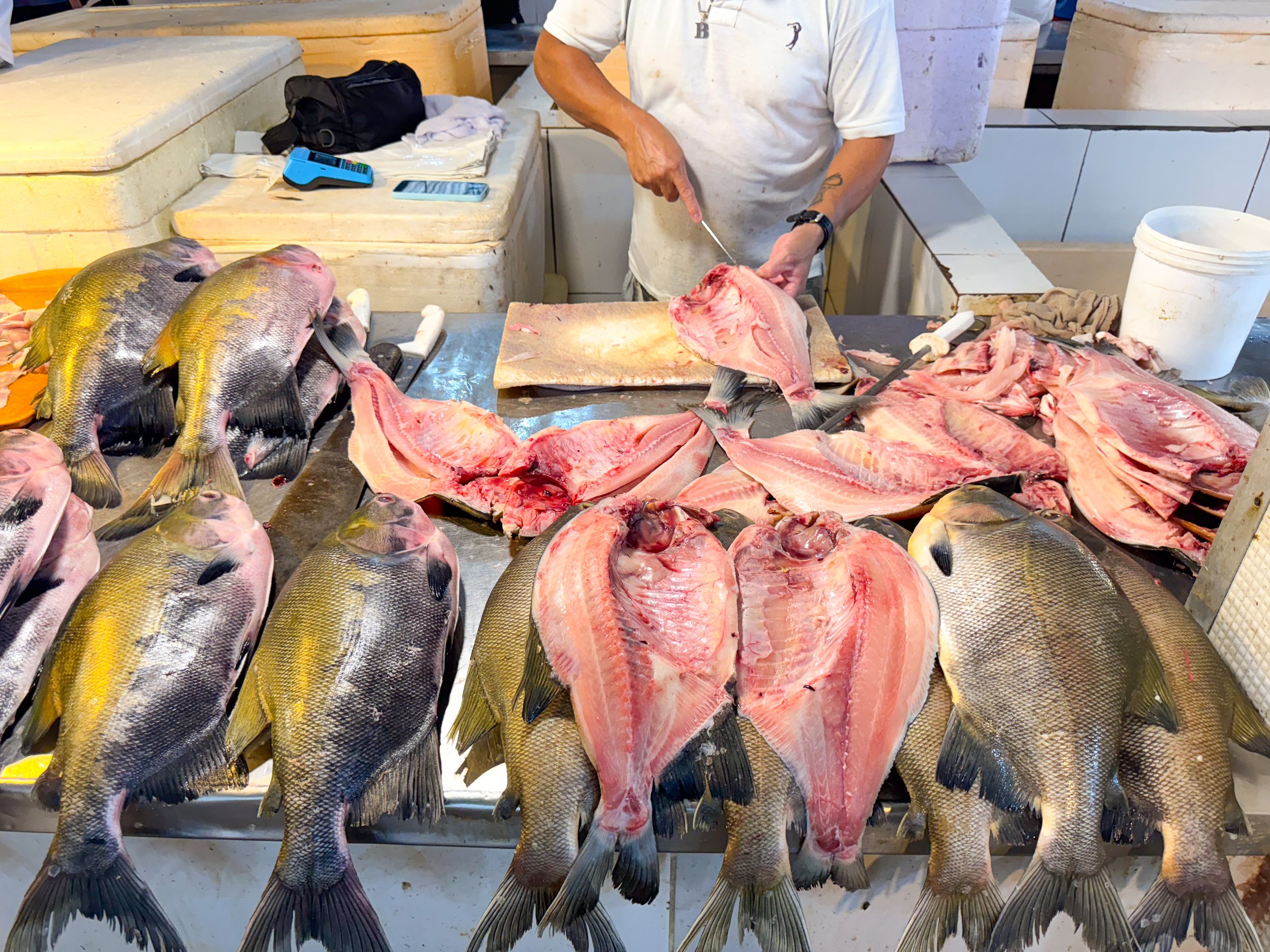
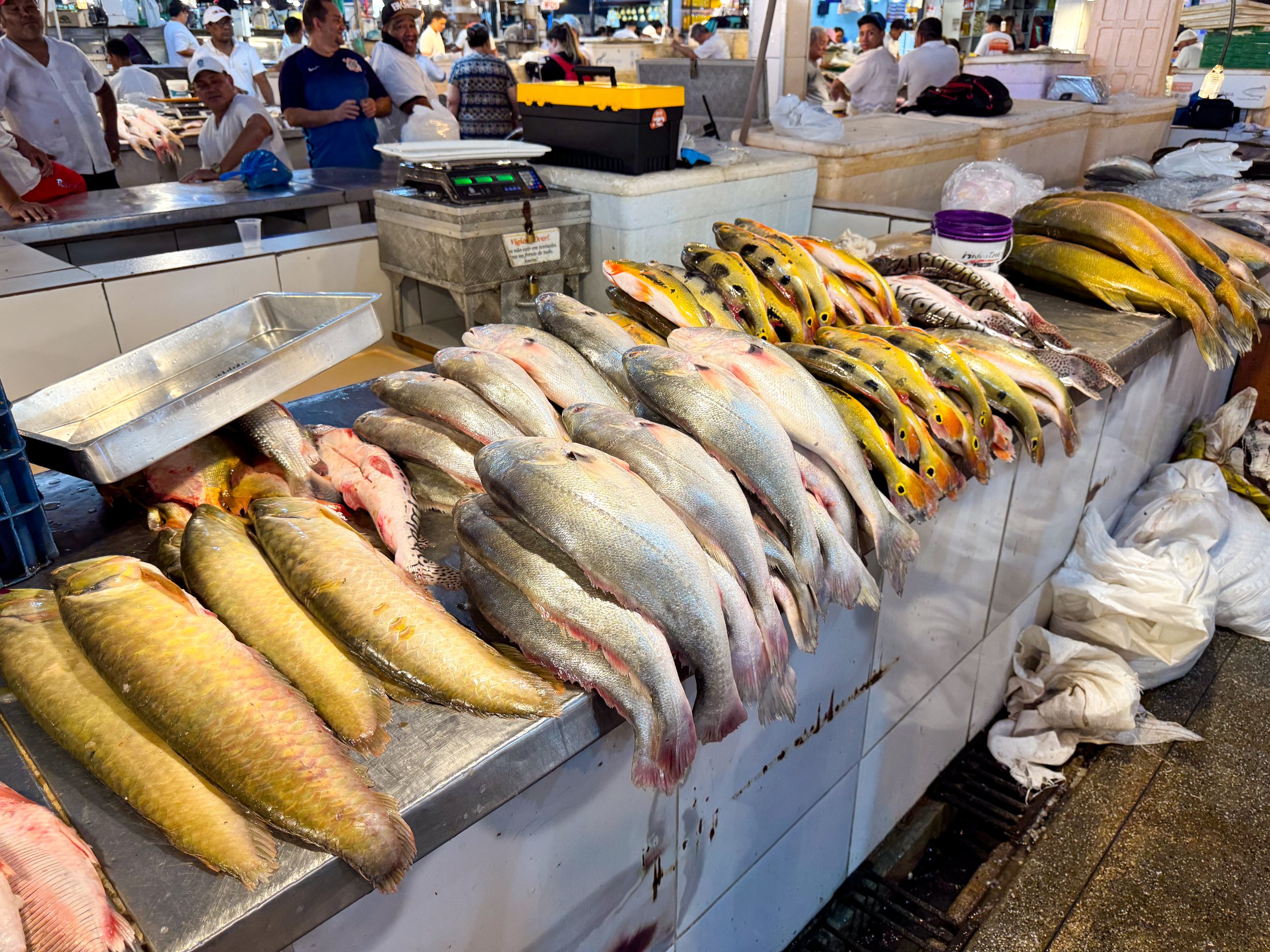
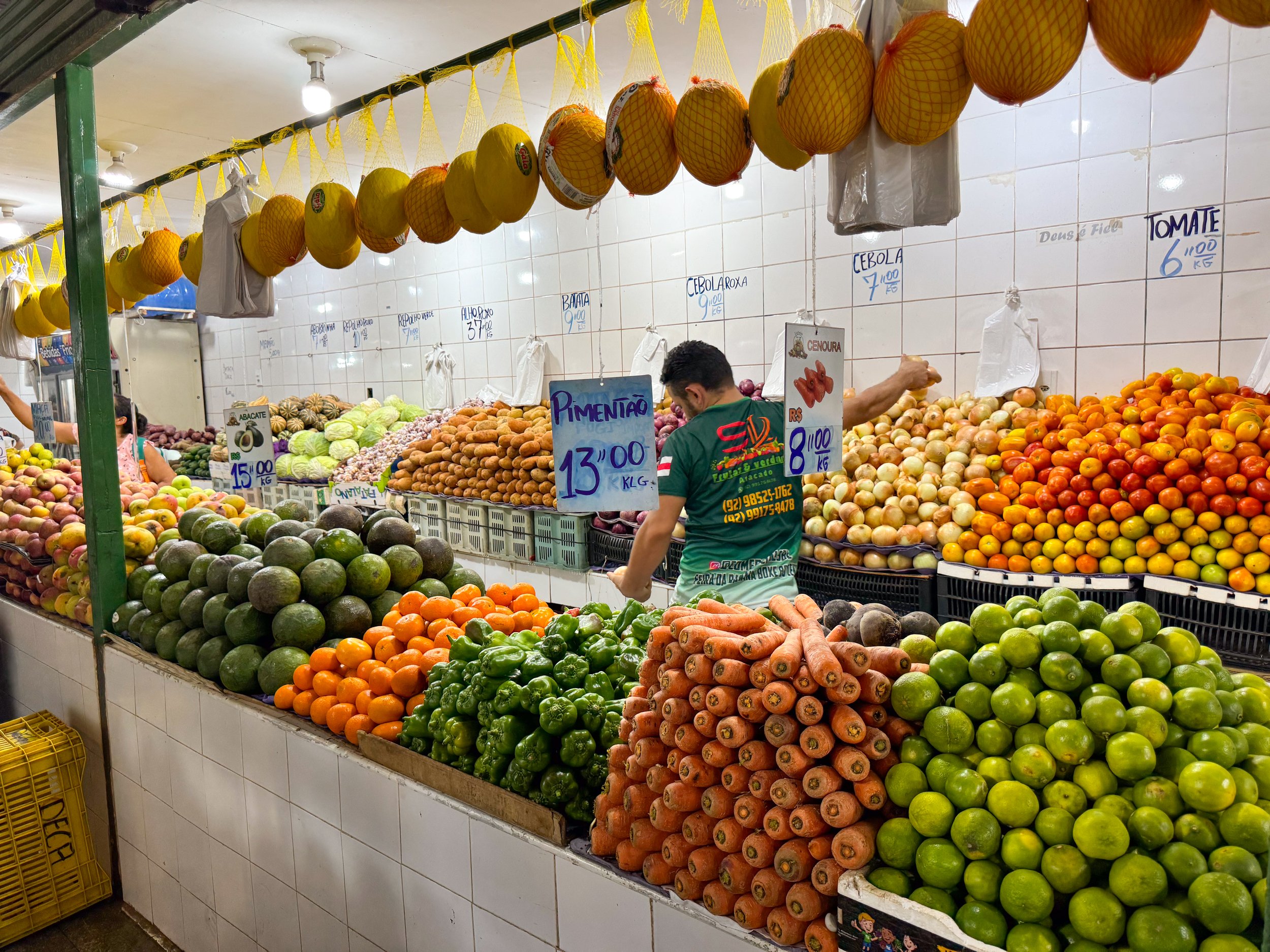
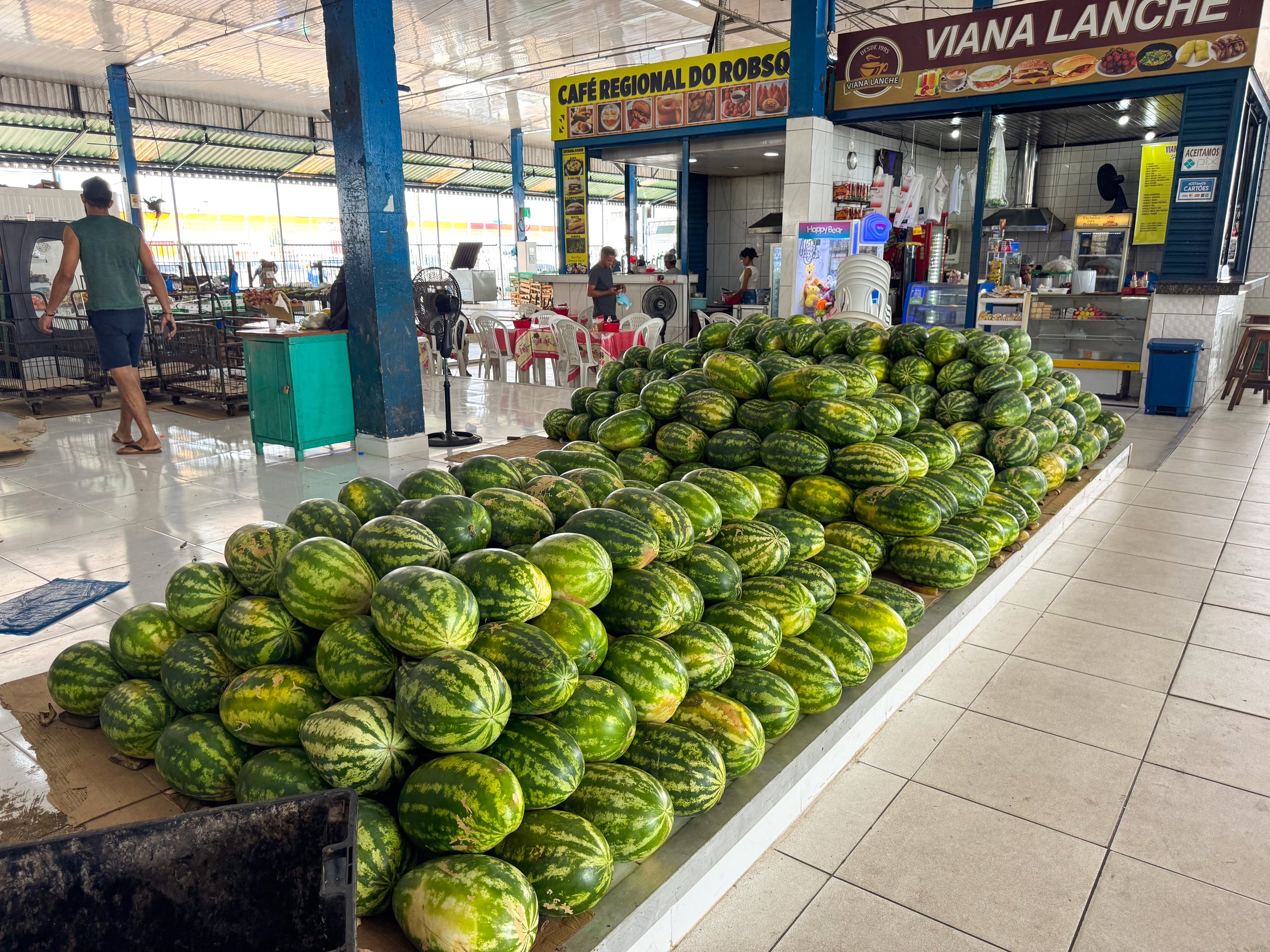
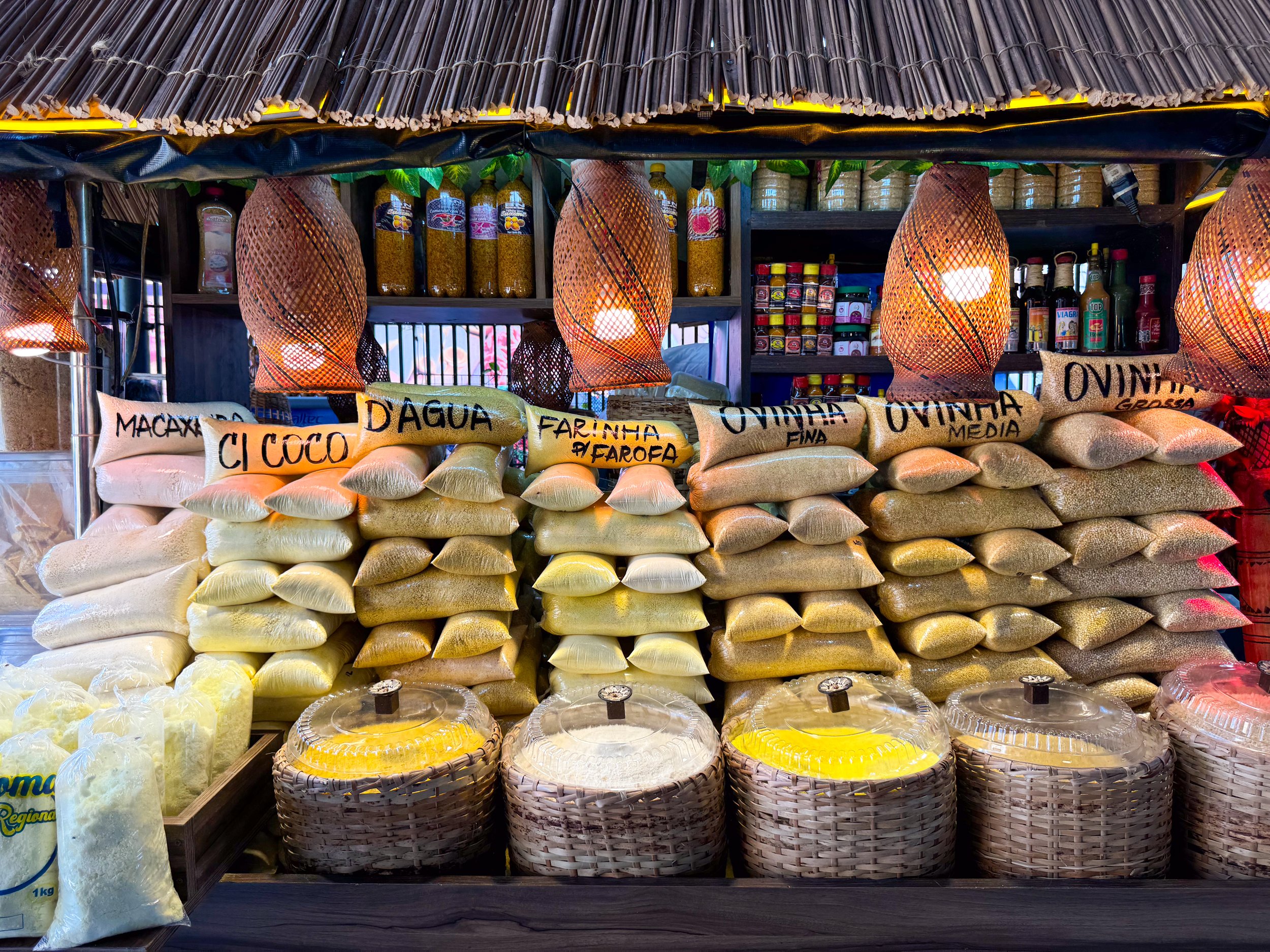
Shop the Markets
Manaus is well known across the Amazon region for its food markets, especially when it comes to Amazonian fish.
Feira Manaus Moderna. A massive and bustling food market with aisles of hundreds of vendors selling fish, meats, produce, fruit, cheese and grains. Freshly caught Amazonian fish are delivered directly from the outside pier to fish mongers sharpening knives and preparing them for consumption. Tables are covered in all manner of fish including Tambaqui, Pirarucu, Red Bellied Piranha, Peacock Bass and Spotted Catfish. Elsewhere outside the market, merchants sell fishing supplies including nets, hooks and coolers.
Feira Moderna da Banana de Manaus. A large fruit market under a shed with vendors selling bunches of plantains, crates of bananas, fresh juices, sacs of oranges, crates of mangos, piles of water melons and tables covered in papayas, pineapples and limes.
Mercado Municipal Adolpho Lisboa. A historic wrought iron market with restaurants and cafes, Amazonian crafts, meat and fish vendors and medicinal goods including oils, herbs & natural supplements.
Getting Around
By Uber. We took Ubers to get around the city. They are extremely affordable, costing $2 - $5 to get around the city and $10 to/from the airport to the city center.
On Foot. The El Centro neighborhood of the city is walkable.
Location Specifics
Safety. It’s smart to be aware of your surroundings. The city has pockets of dodgy areas, even around the El Centro.
Language. Portuguese is the national language of Brazil. Very few people speak English. We got by on some basic Portuguese phrases and words combined with some Spanish and Google Translate.
LGBTQ+ We felt safe and welcomed as a gay couple in Manaus, especially in the El Centro. We saw many queer people from across the spectrum, progress flags and even befriended another gay visiting from São Paulo.
Temperature. We visited during the dry season. Temperatures reached a peak of 102 Fahrenheit! We avoided the heat when possible and drank between 2-3 liters of water per day to stay hydrated.
Drinking Water. It’s not recommended to drink the tap water in Manaus. It should be filtered or boiled before consumption. Stick to bottled water when possible.
Wear Sunblock. During the dry season, the UV was often very high. Sunblock and umbrellas were necessary to prevent sunburns.
Insects. It’s the Amazon; there are insects and mosquitos anywhere near water and in the forest. Insect repellant and mosquito nets are necessary to reduce bites.
Vaccinations. We took malaria pills daily while visiting the Amazon as well as received the Yellow Fever vaccine prior to traveling.
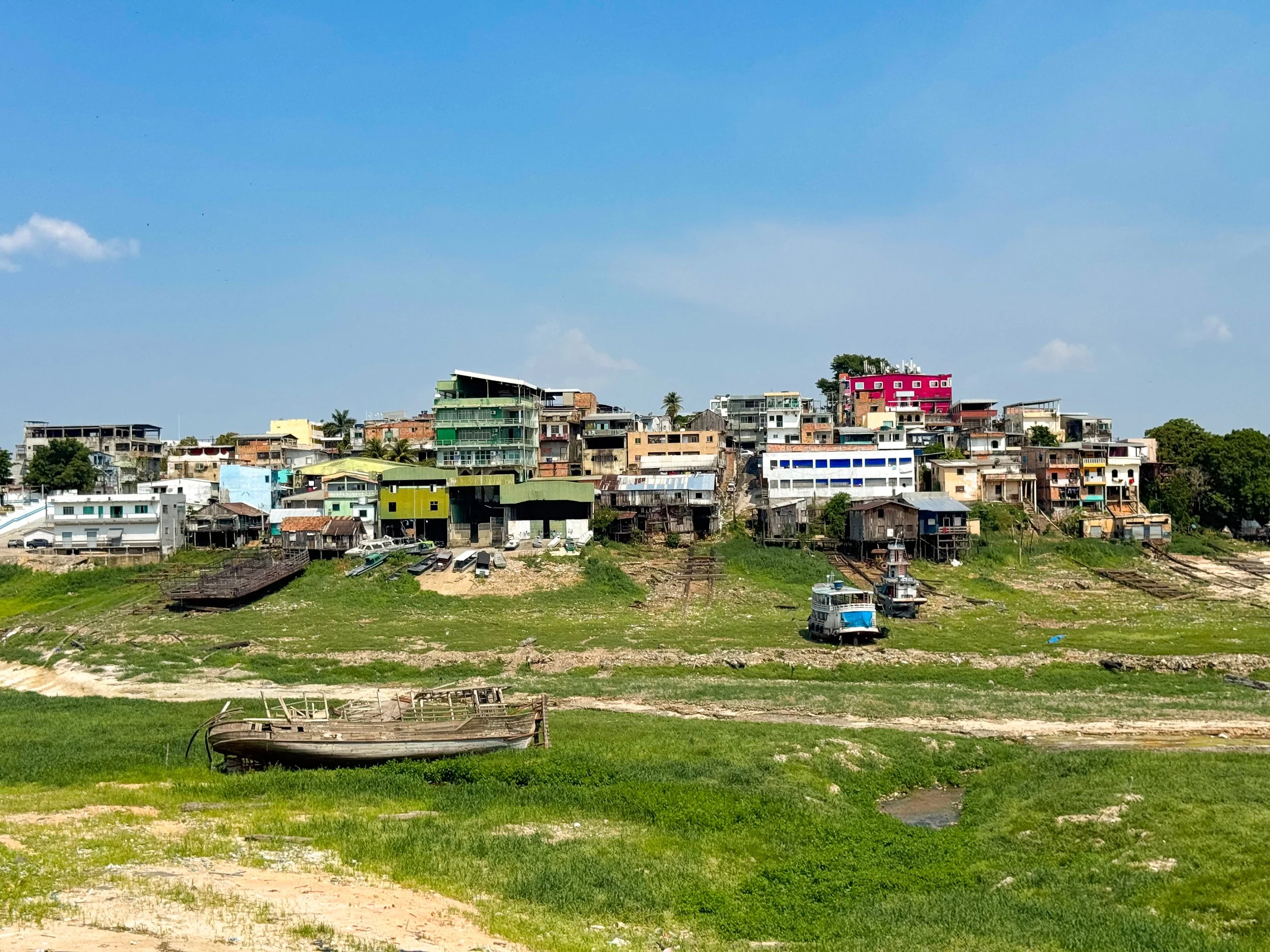
Climate Change
The Amazon is directly affected by climate change through pollution, deforestation and drought. This was evident during our time in Manaus as we toured the region, spoke with locals and read recent news headlines.
Pollution Problem. Manaus has an unfortunate pollution problem. There is trash blowing around the central plaza, piling up in the streets and large amounts of waste building up in the waterways, piers and beaches. When we left for our river cruise, the Manaus Harbor looked like a landfill. Fortunately, days later when we retuned, city workers had began cleaning enough waste to fill an entire barge.
Deforestation. The signs of climate change and habitat loss were visible as we flew over the Amazon. From the air, vast regions of Amazon had been deforested, burnt down or converted to farmland. Even during our river tour, there were ash clouds rising in the distance from forest being burned for agriculture.
Record Drought. We visited during the Amazon’s worst drought on record, going back 144 years. The mighty Amazon River and its largest tributary, the Rio Negro had reached record lows. Large sand banks and islands formed in both rivers while floating houses and boats sat on the bottom of dried river beds and smaller tributaries. Even our river boat ran aground in the shallows while the city’s main beach was closed for swimming.
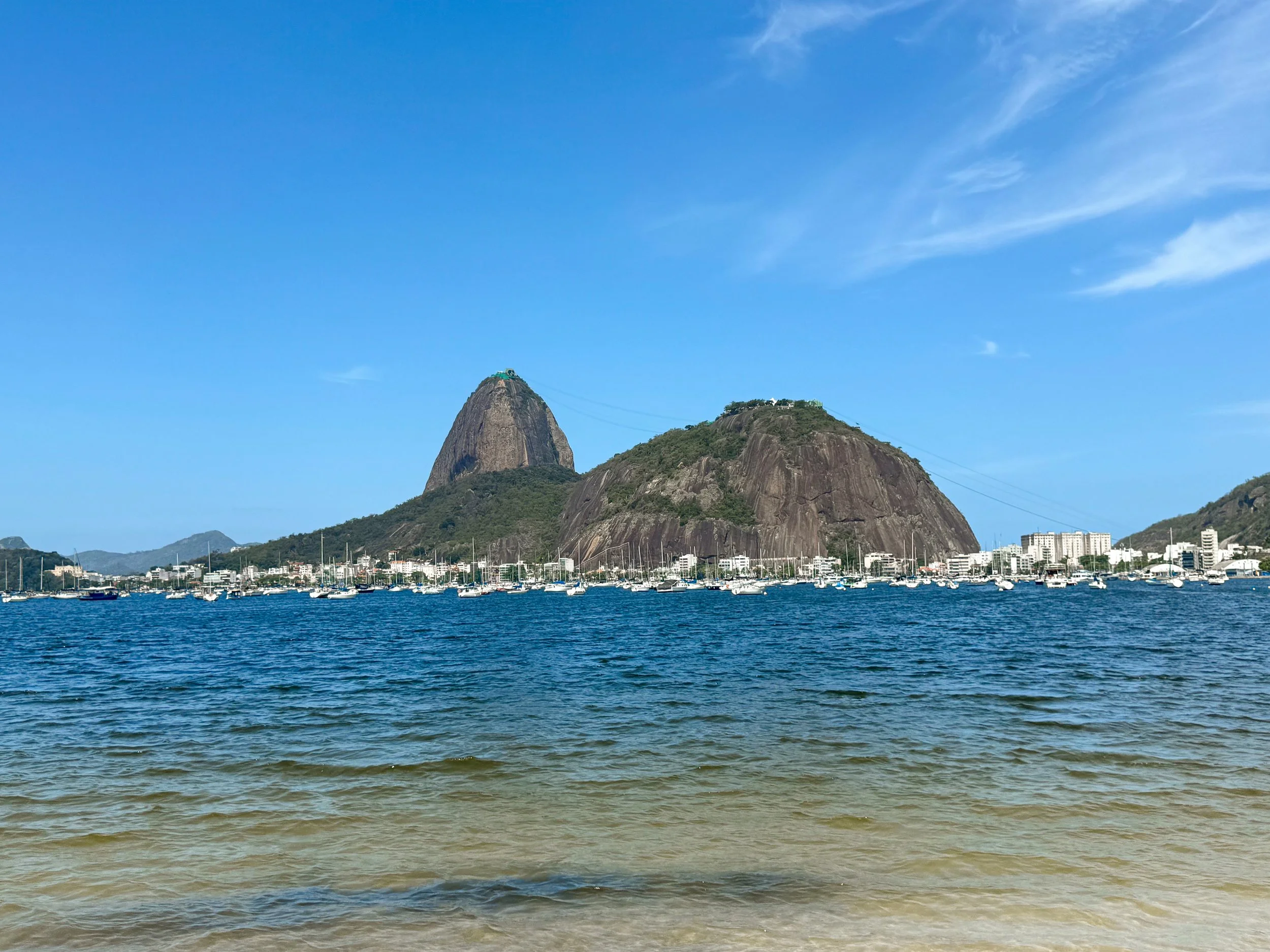
Elsewhere in Brazil
From the vast Amazon rainforest to Rio de Janeiro’s beaches, landmarks and coastal neighborhoods, continue exploring Brazil’s contrasting environments.
Rio de Janeiro Travel Guide: Beaches, Landmarks & Local Culture. Explore Brazil’s most iconic city through Copacabana and Ipanema beaches, Christ the Redeemer, vibrant neighborhoods and a rich coastal culture.
For Next Time…
The Rainy Season. Having visited during the during the dry season and worst recorded drought, we would love to return to the Amazon during the rainy season to see the difference in water levels and climate.
The Western Amazon. The Amazon stretches across several countries in South America. Having visiting the Brazilian and Surinamese Amazon, we have our eyes of seeing areas to the west in Bolivia, Peru, Colombia and Ecuador.

Suriname Travel Guide: Paramaribo, Rainforest Adventures & Maroon Culture
Journey from Paramaribo into Suriname's rainforests where Maroon heritage, diverse cultures and Amazonian wildlife shape one of South America's most unique destinations.

Suriname
Suriname is a country in the north east of South America with a Dutch colonial past, vast rainforest and melting pot of cultural influences. We spent over a week exploring is capital city, Paramaribo as well as the Amazon region deep within the interior of the country.
Paramaribo
Paramaribo is the Dutch Colonial capital of Suriname, also called “the wooden city” for its dutch style wooden houses and buildings. It’s home to markets, former plantations and museums. It’s the perfect starting point to venture to the interior of the country or along the coast to nature reserves and the neighboring counties.
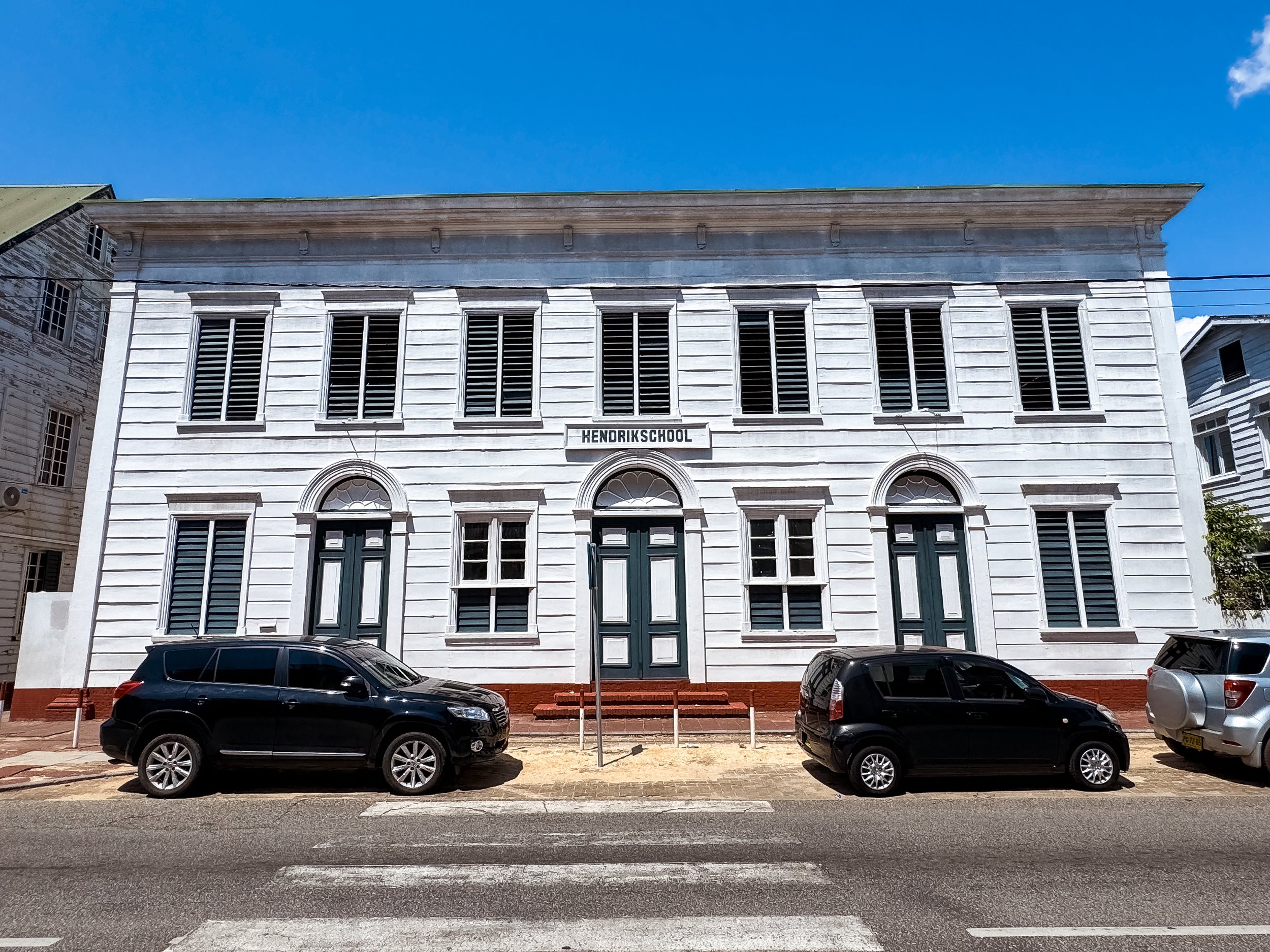
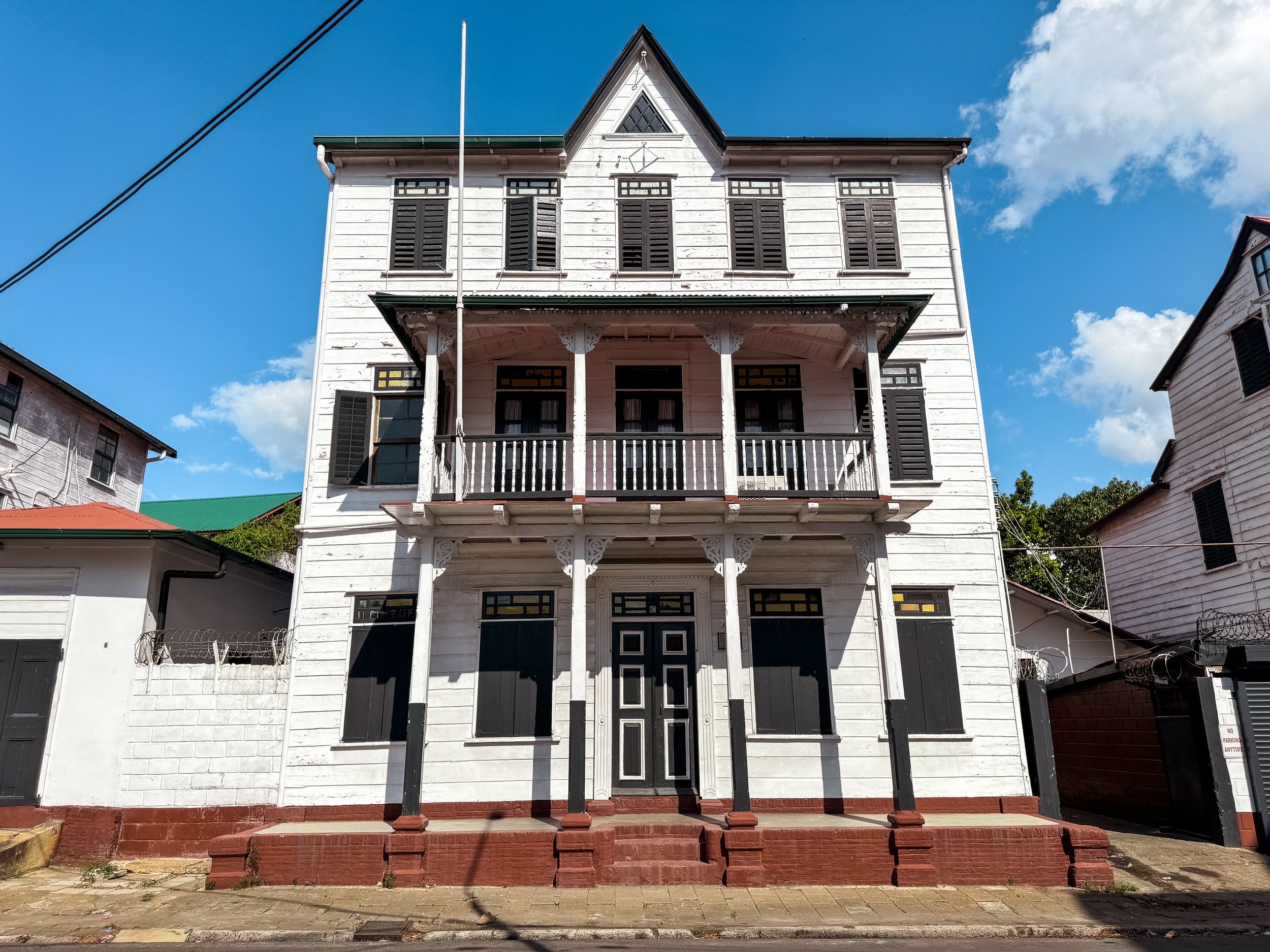
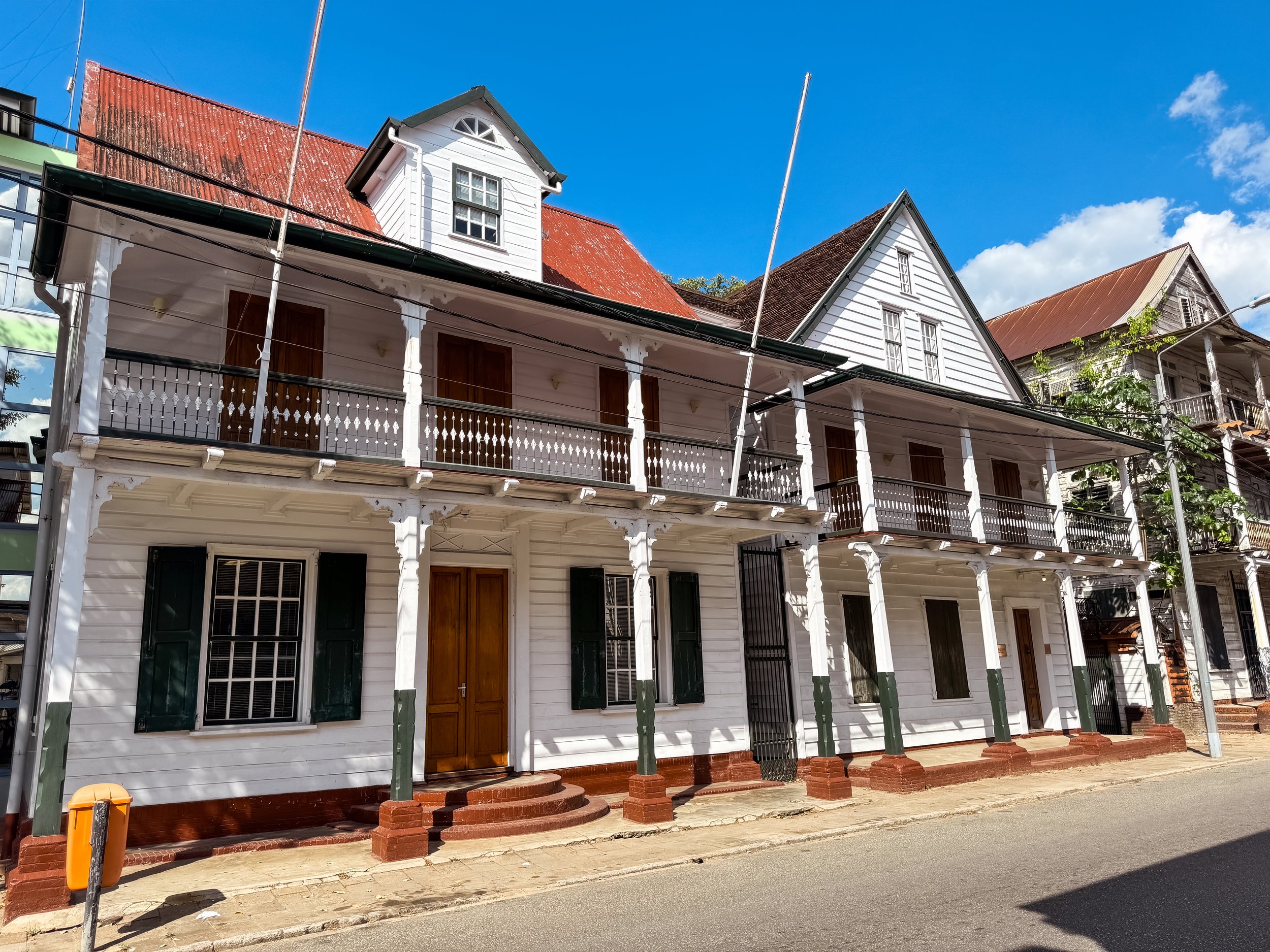
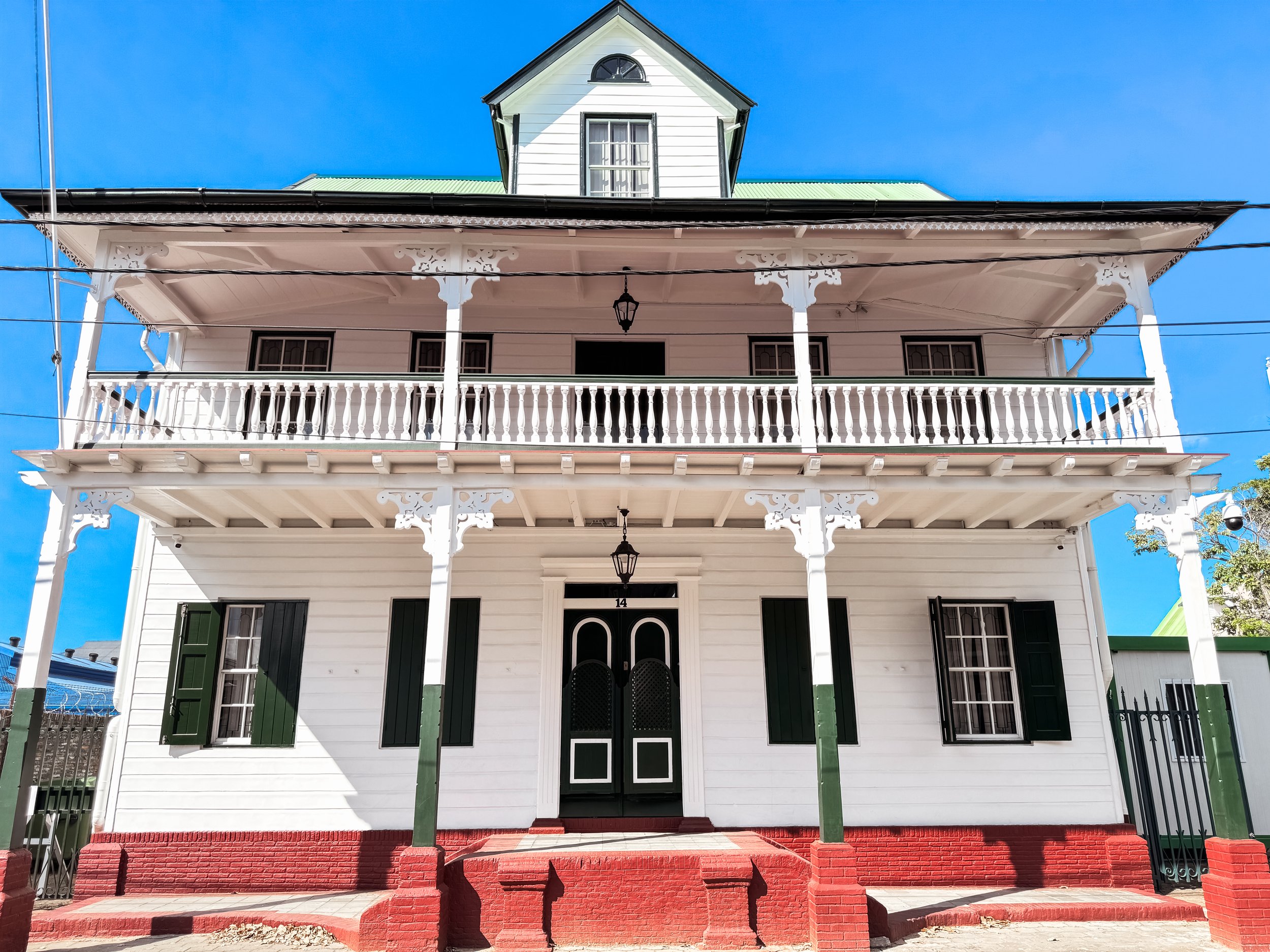
Neighborhoods & Streets
Combe. A neighborhood at the heart of Paramaribo with many historical sights, markets, restaurants & bars, hotels & hostels.
Van Sommelsdijck Street. A street with restaurants and various cuisines including Indian, Italian, Indonesian, Mediterranean and Japanese.
Jessurunstraat. A street with Dutch style houses, cafes, small inns and hostels, including the one we stayed at.
See the Sights
Fort Zelandia. A historic waterfront fort with a hexagonal stone wall, brick courtyard and buildings within. Outside of its walls is the old town with multiple Dutch colonial wooden houses, cannons, and tall trees.
The fort houses the Suriname Museum, with exhibits telling the history of Suriname from its colonial past to independence with artifacts from enslaved Africans, the Maroon people and Pre-Colombia cultures.
On the ground floor of the fort is, Baka Foto, a refined feeling restaurant and bar with a garden overlooking river. After touring the fort, we stopped in to sip on Borgoe, a Surinamese rum. It had the sweet spiciness of a rum and flavor of a cognac.
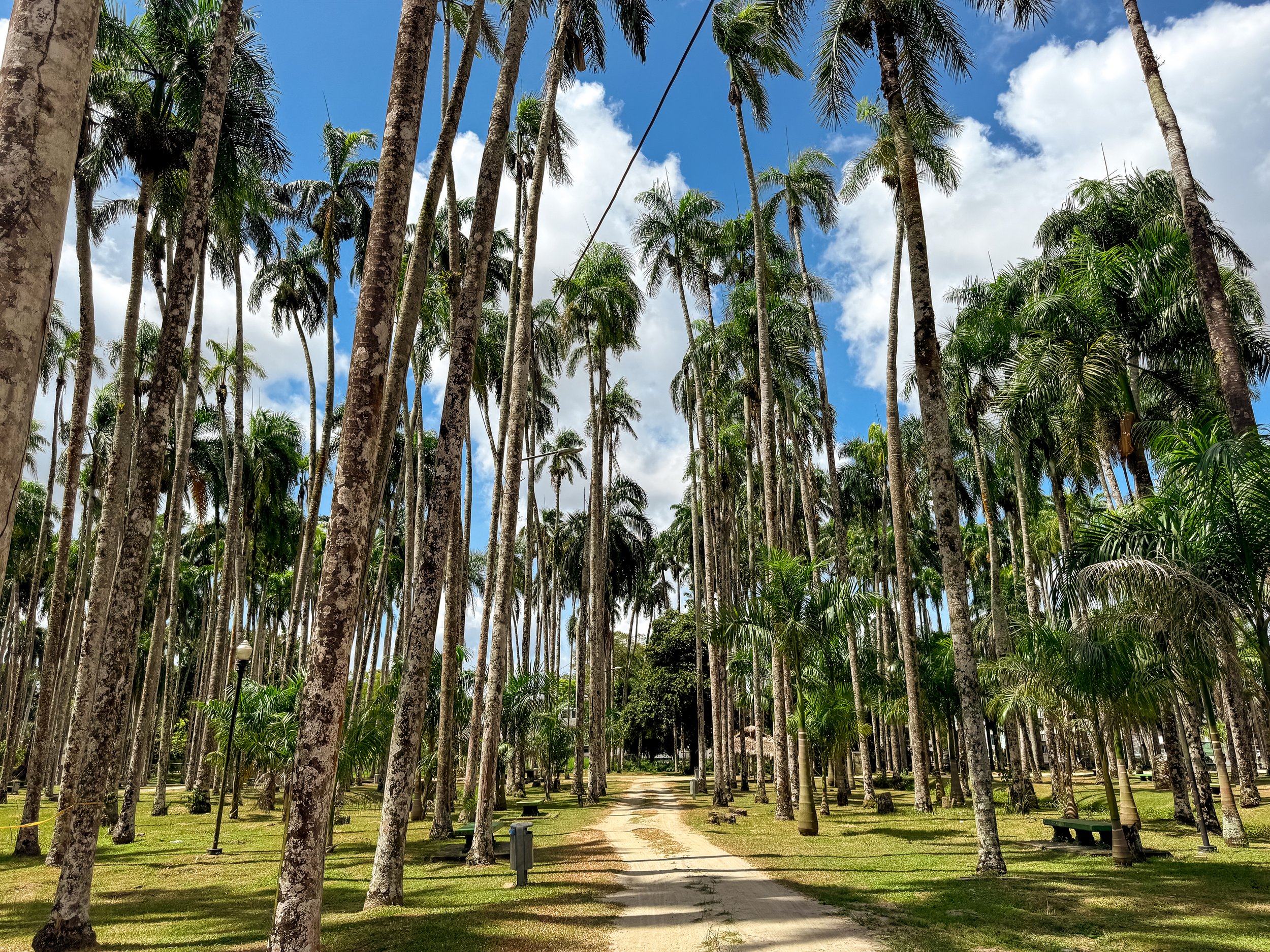
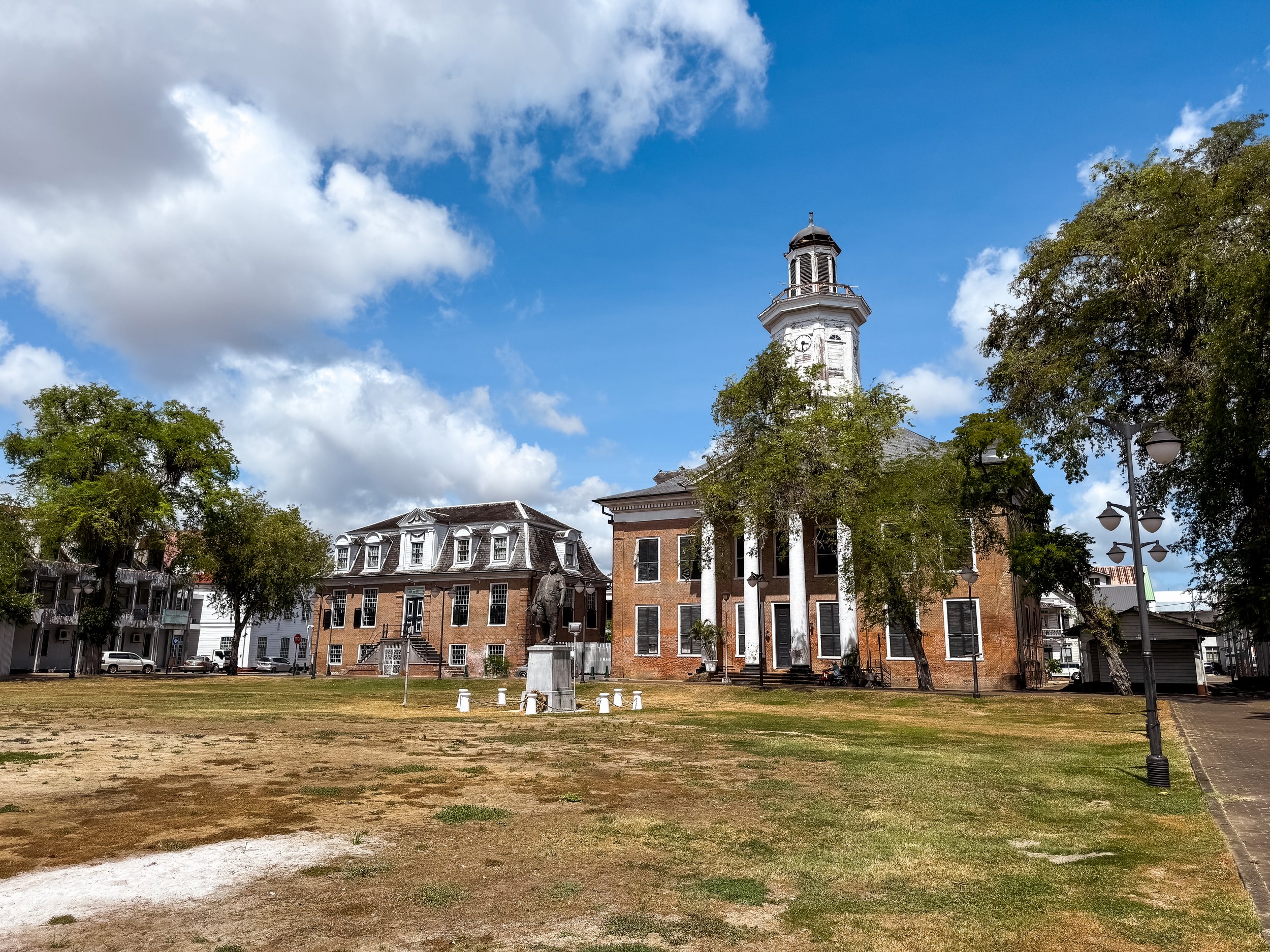
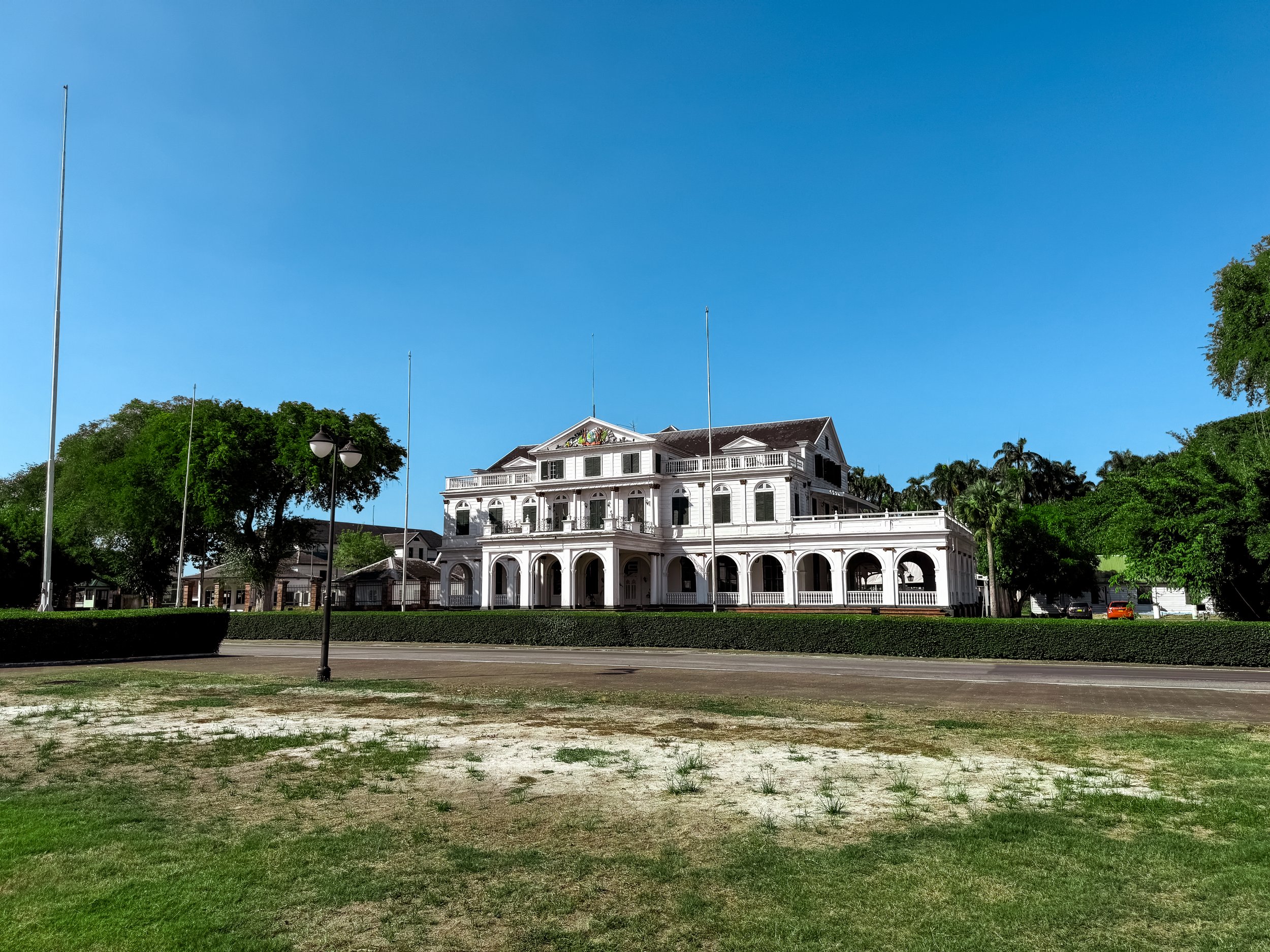
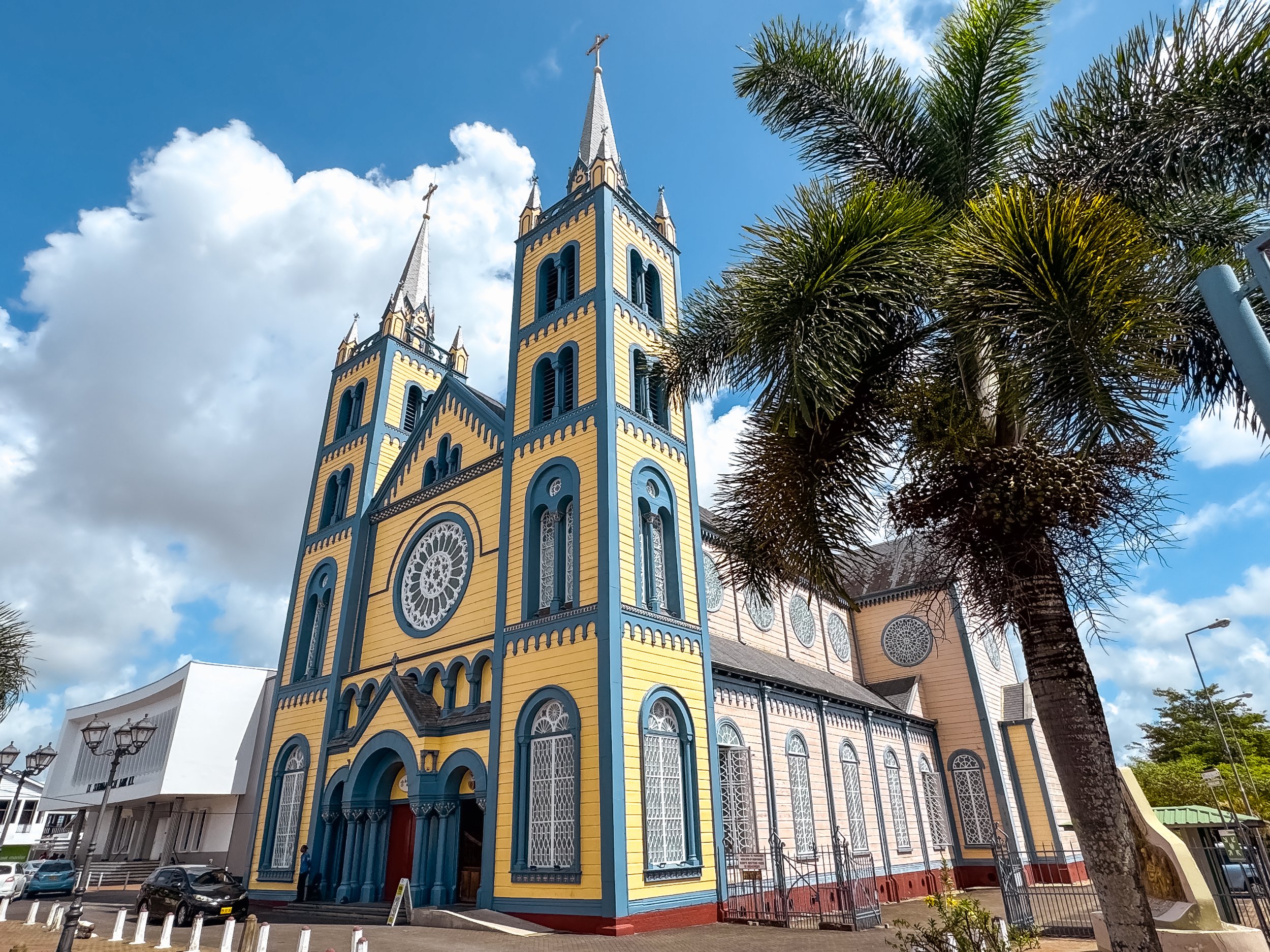
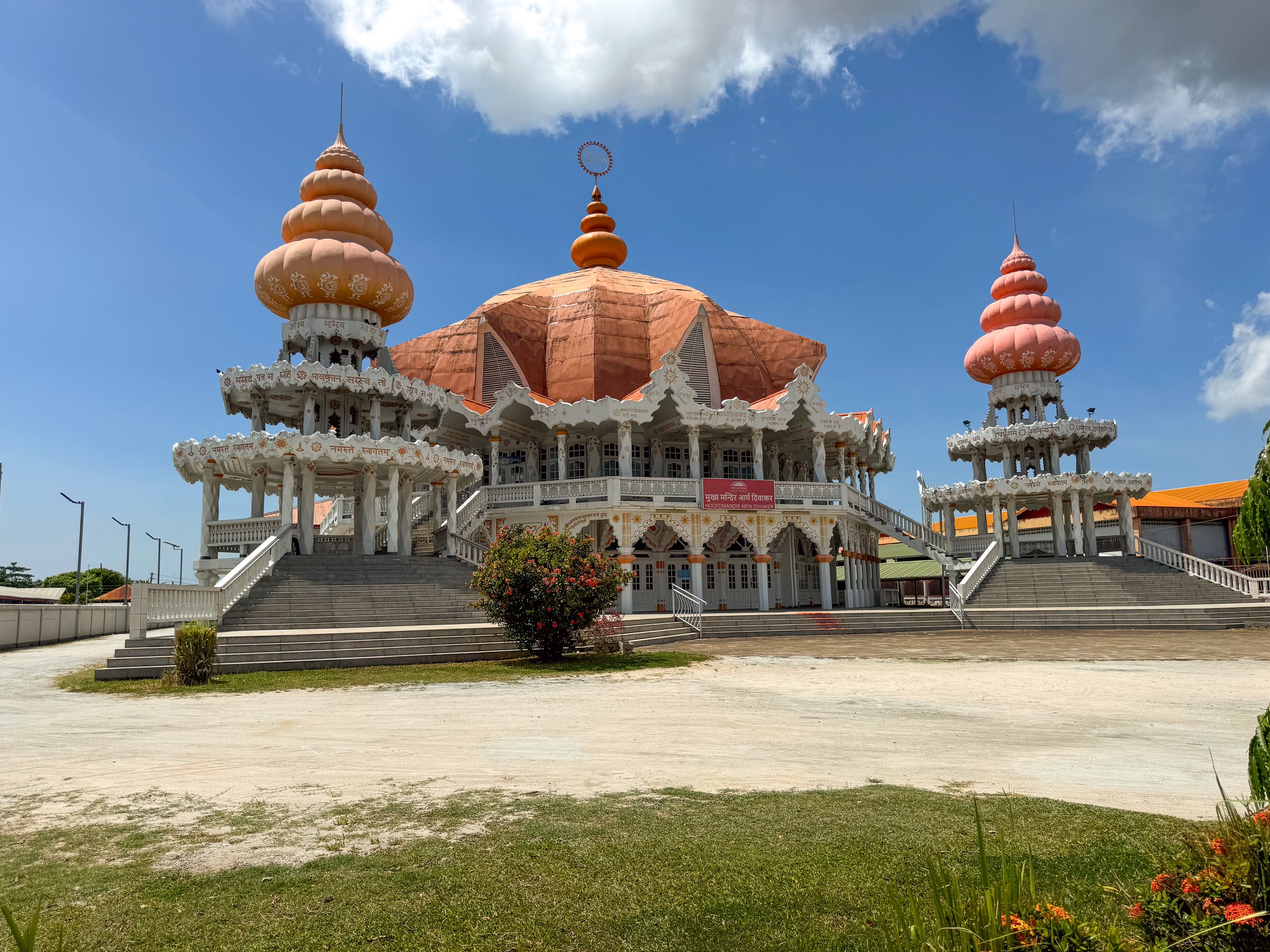
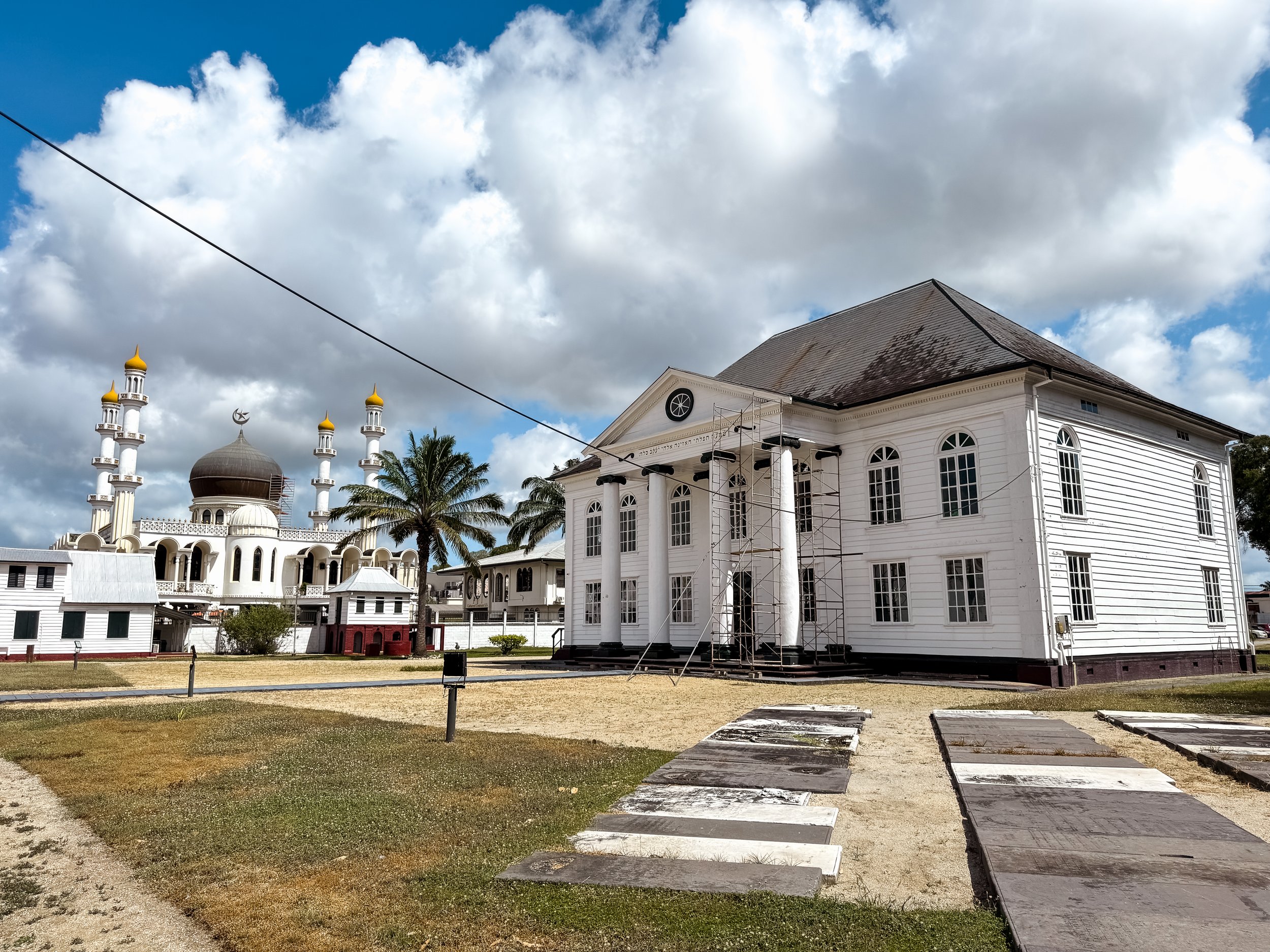
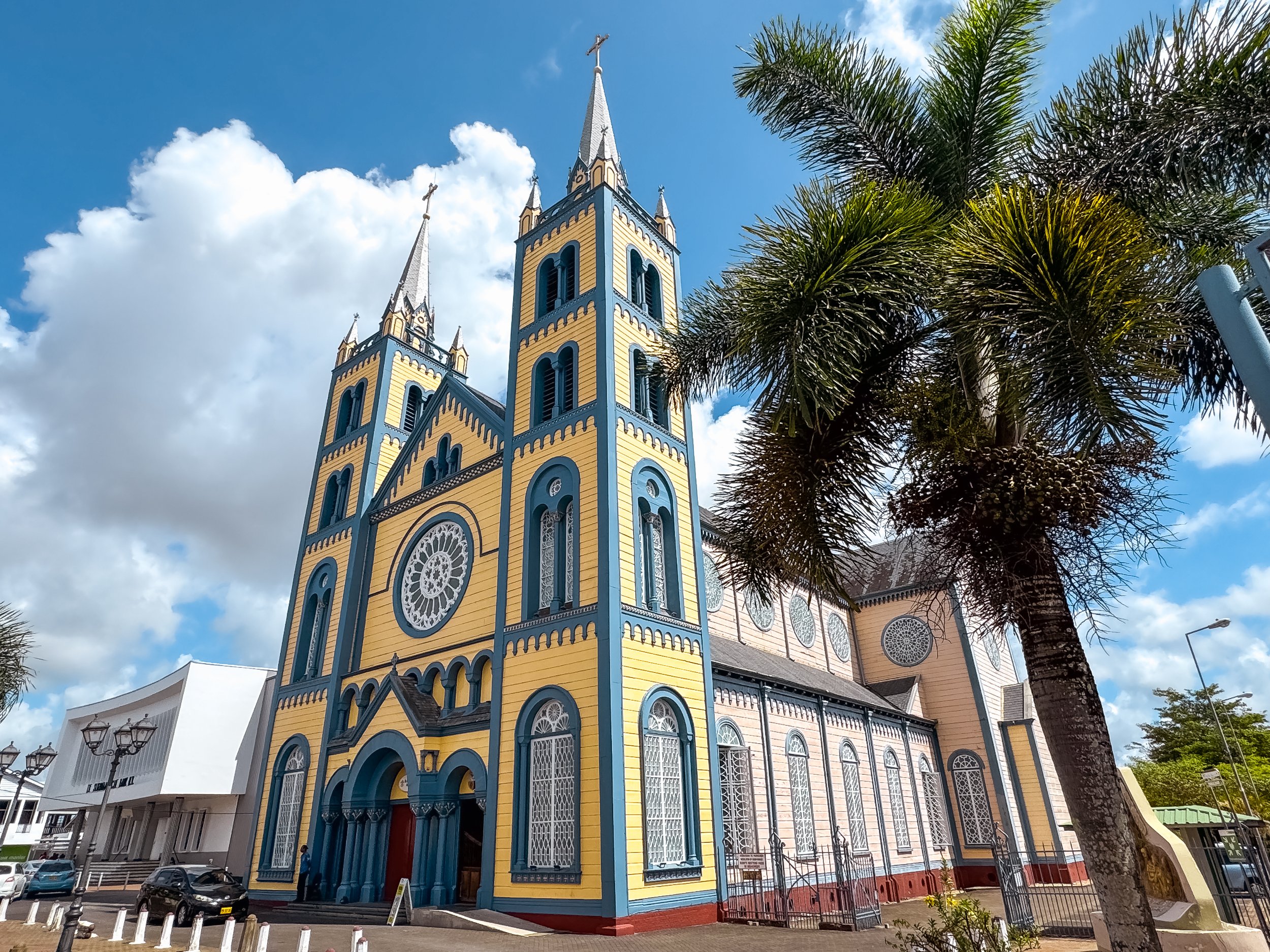
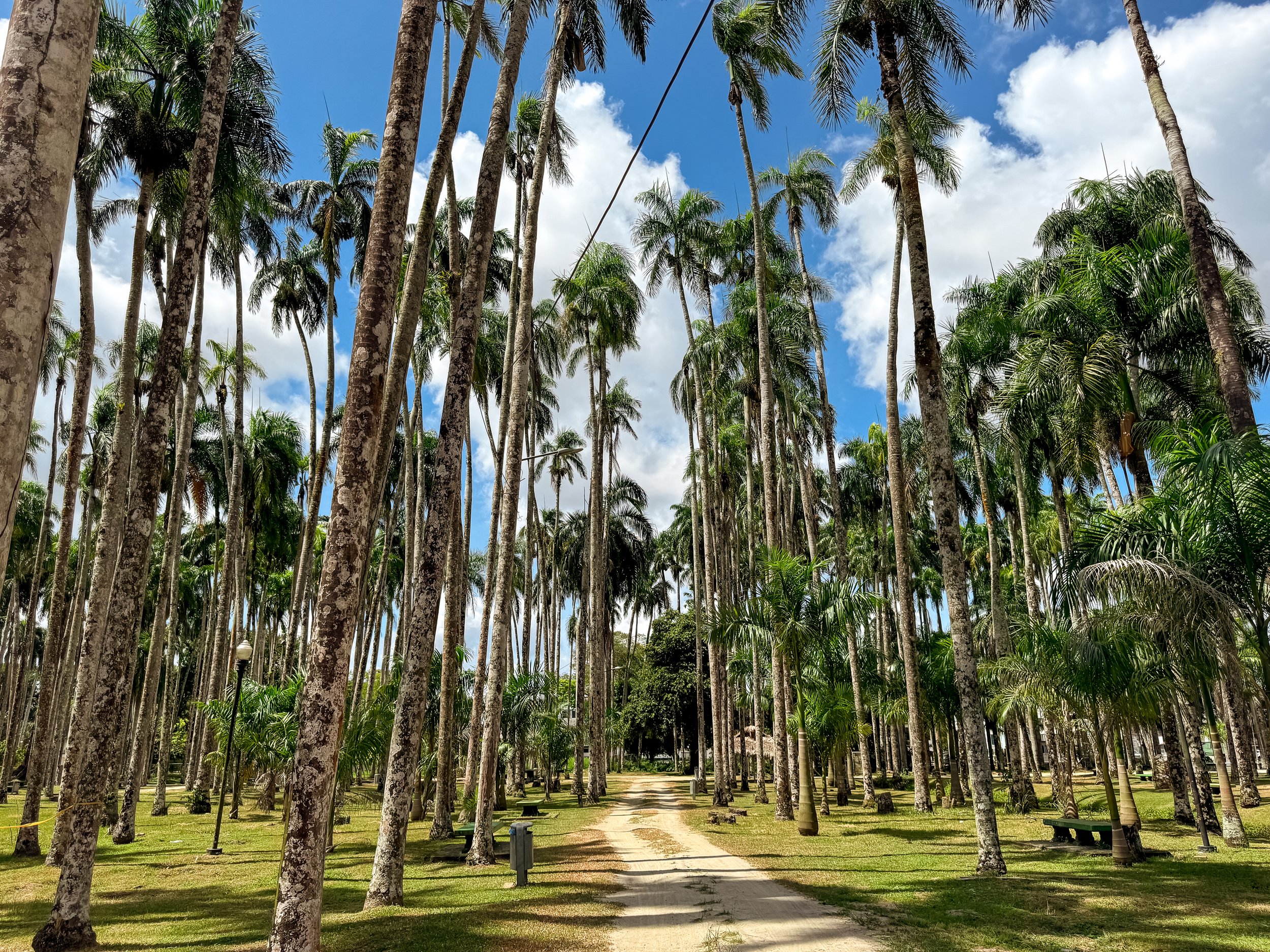
Waterkant Boulevard. A waterfront park on the Suriname River with historic Dutch colonial buildings. When we visited, the park was closed for a lengthy renovation. Even so, we got to admire the architecture characterized by its white painted wooden facades, tiled roofs, green window and door moldings and red brick foundation.
Independence Square. A gravel plaza surrounded by Suriname’s government buildings including the Presidential Palace, House of Justice, National Assembly and Ministry of Finance.
Presidential Palace. A large wooden Dutch style mansion home to Suriname’s presidency.
Palmentuin. The presidential palm garden with hundreds of towering palm trees, walkways and monuments. Come here to listen to the birds chirping and singing.
Religious Sights. Suriname is proud of its cultural diversity, a fact that is evident by their various sights of worship including churches, mosques and Hindu temples across the city.
St Peter & Paul Cathedral. A large wooden basilica with a painted blue, yellow and peach colored facade decorated in Dutch style moldings.
Arya Dewaker. A large Hindu temple with a domed temple hall and Dutch style influences like its symmetrical design and paned windows.
Mosque Keizerstraat. A large beautifully designed mosque with four minarets and a central domed hall.
Nevah Shalom Synagogue. A Dutch style wooden temple with a symmetrical design, white facade, paned windows and tall columns.
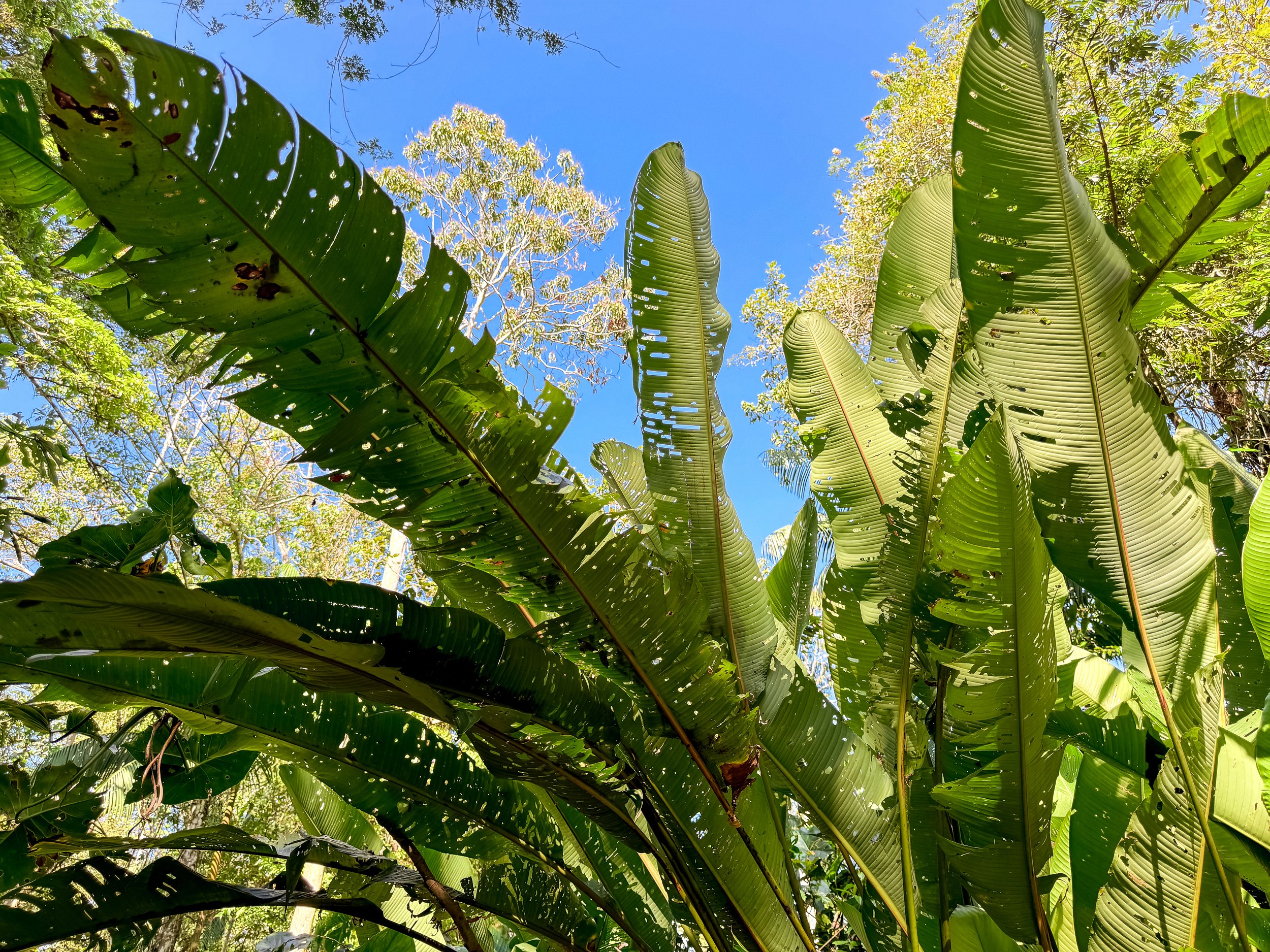
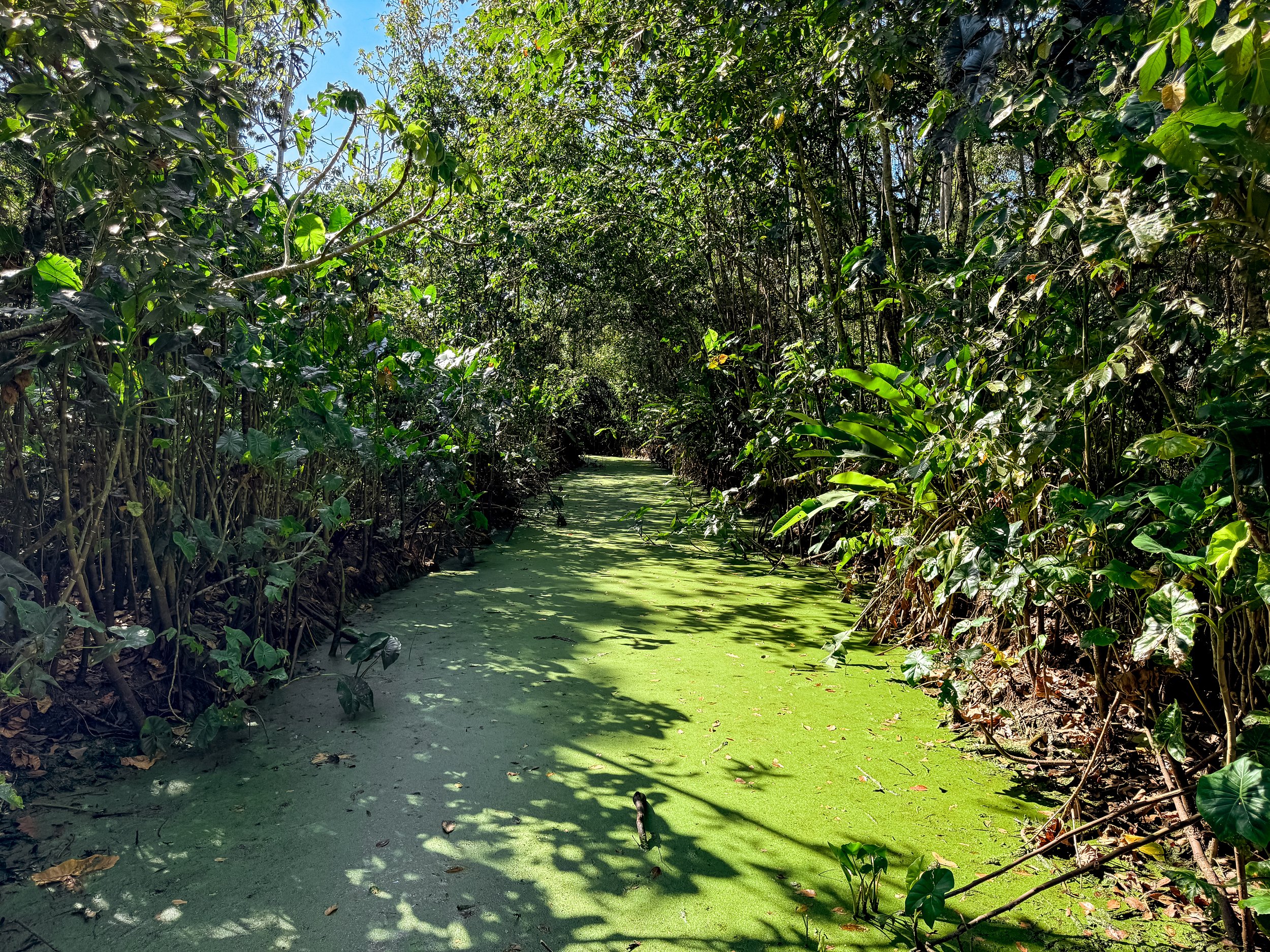
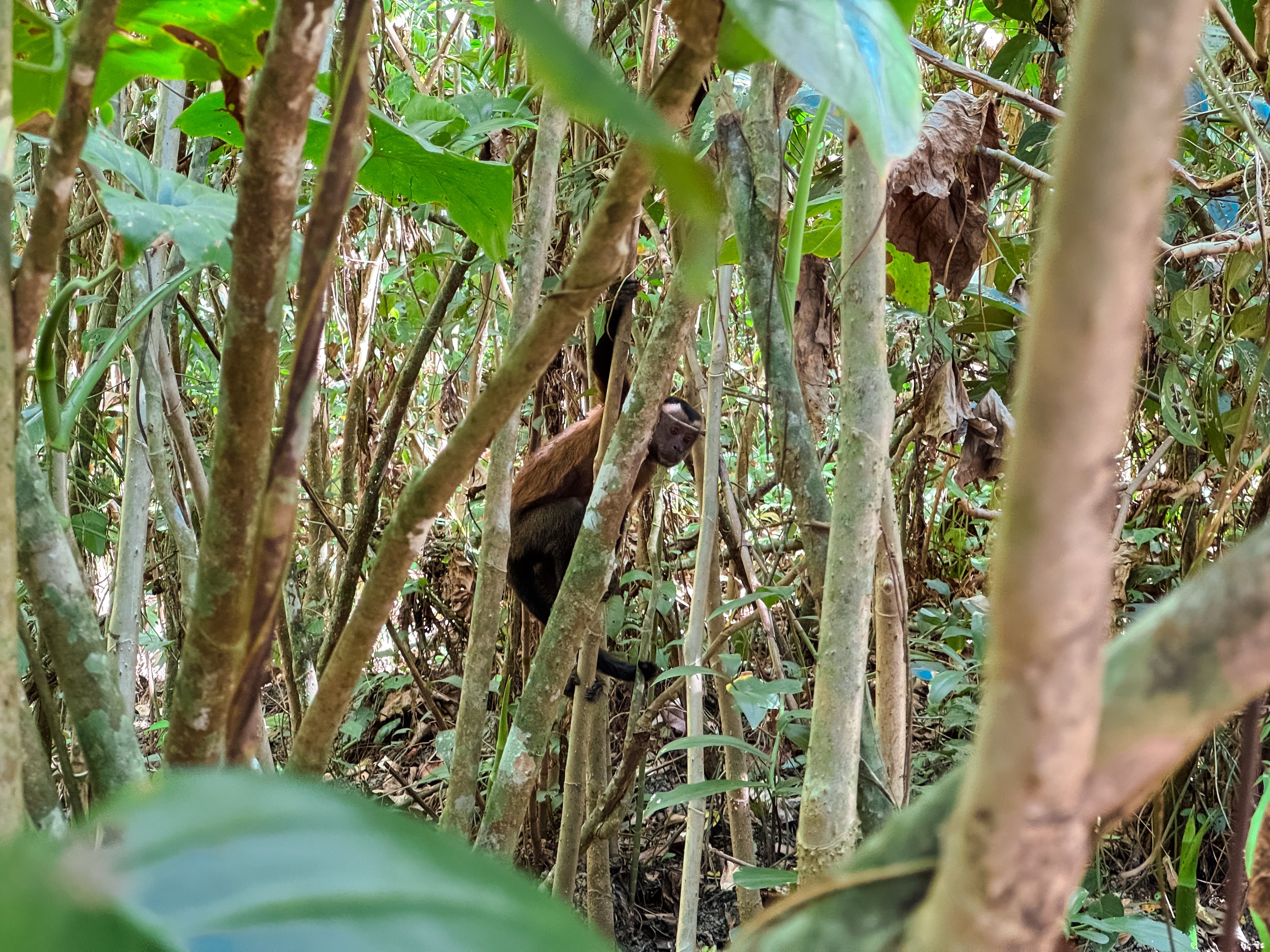
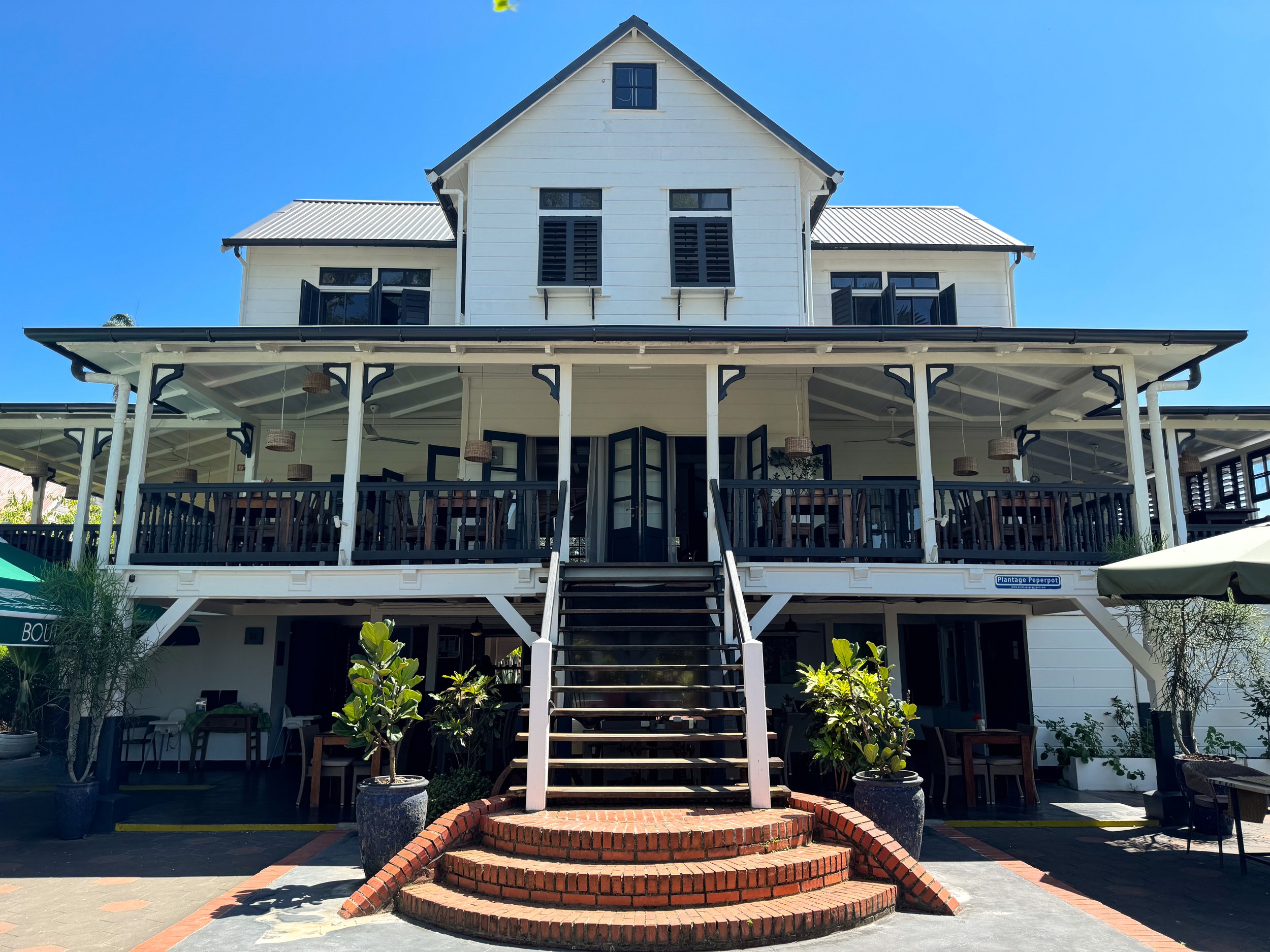
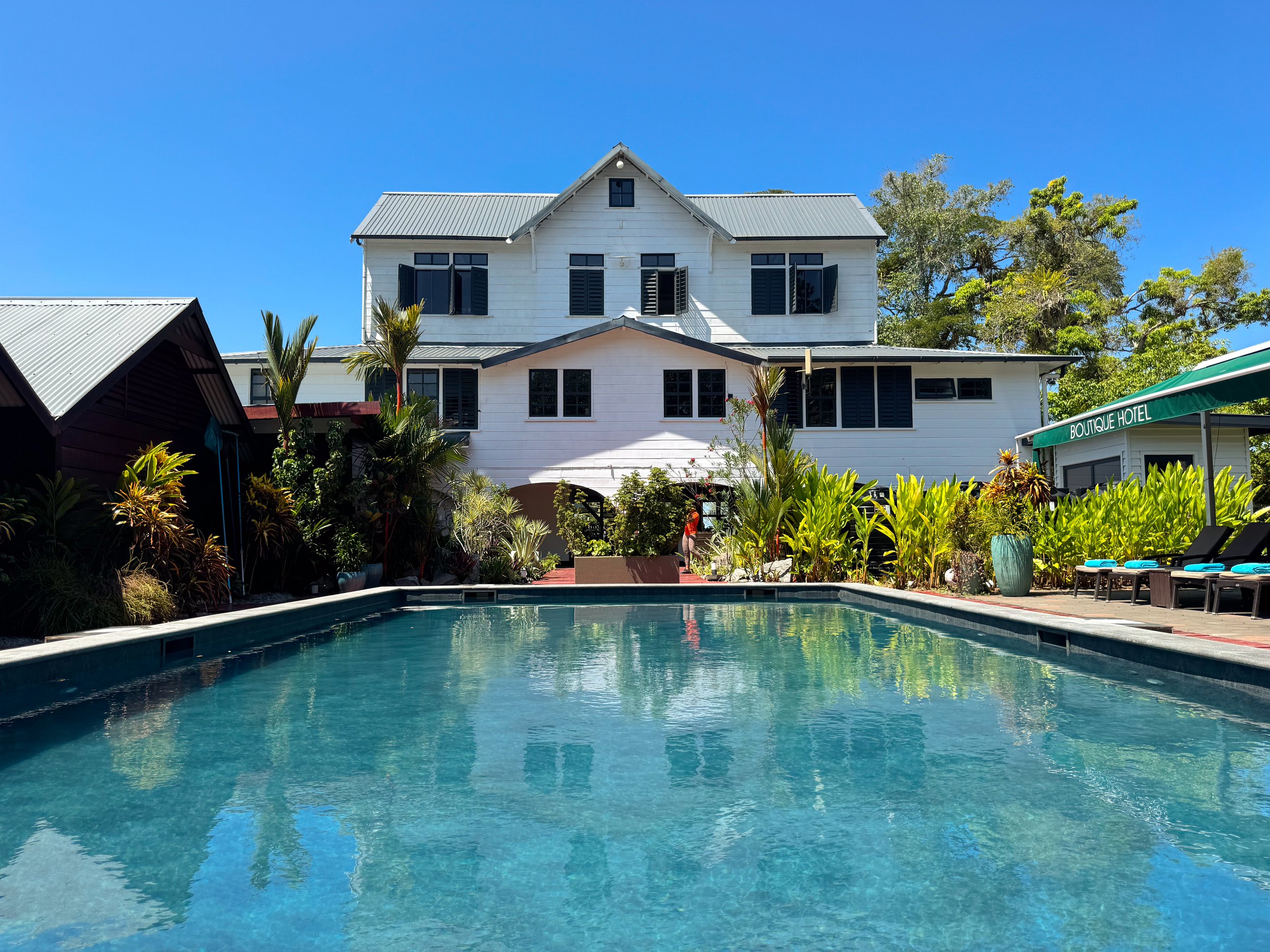
Peper Pot Nature Park. Across from Paramaribo on the other side of the Suriname River are many former sugar cane and coffee plantations, since converted into farmland, nature reserves and residential neighborhoods.
We visited Peper Pot, a nature park with lush trails and dirt roadways for walking and biking. Along the trails, we spotted families of squirrel and capuchin monkeys, rainbow lizards, yellow breasted corn birds and scarlet peacock butterflies. Pepper Pot continued to produce coffee through the mid 1990s. Since then the former Dutch colonial plantation buildings have been converted into a boutique hotel with a restaurant and pool.
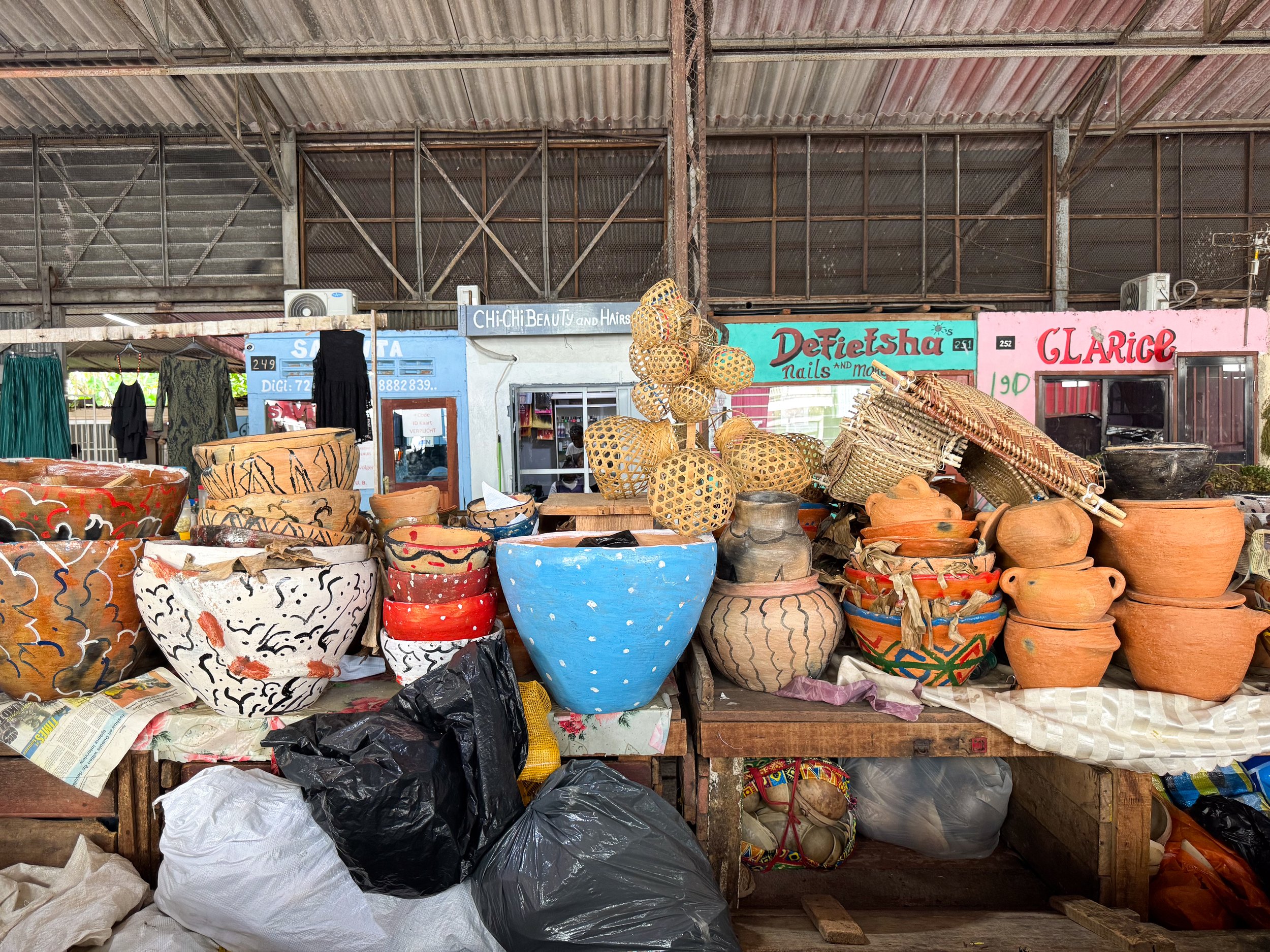
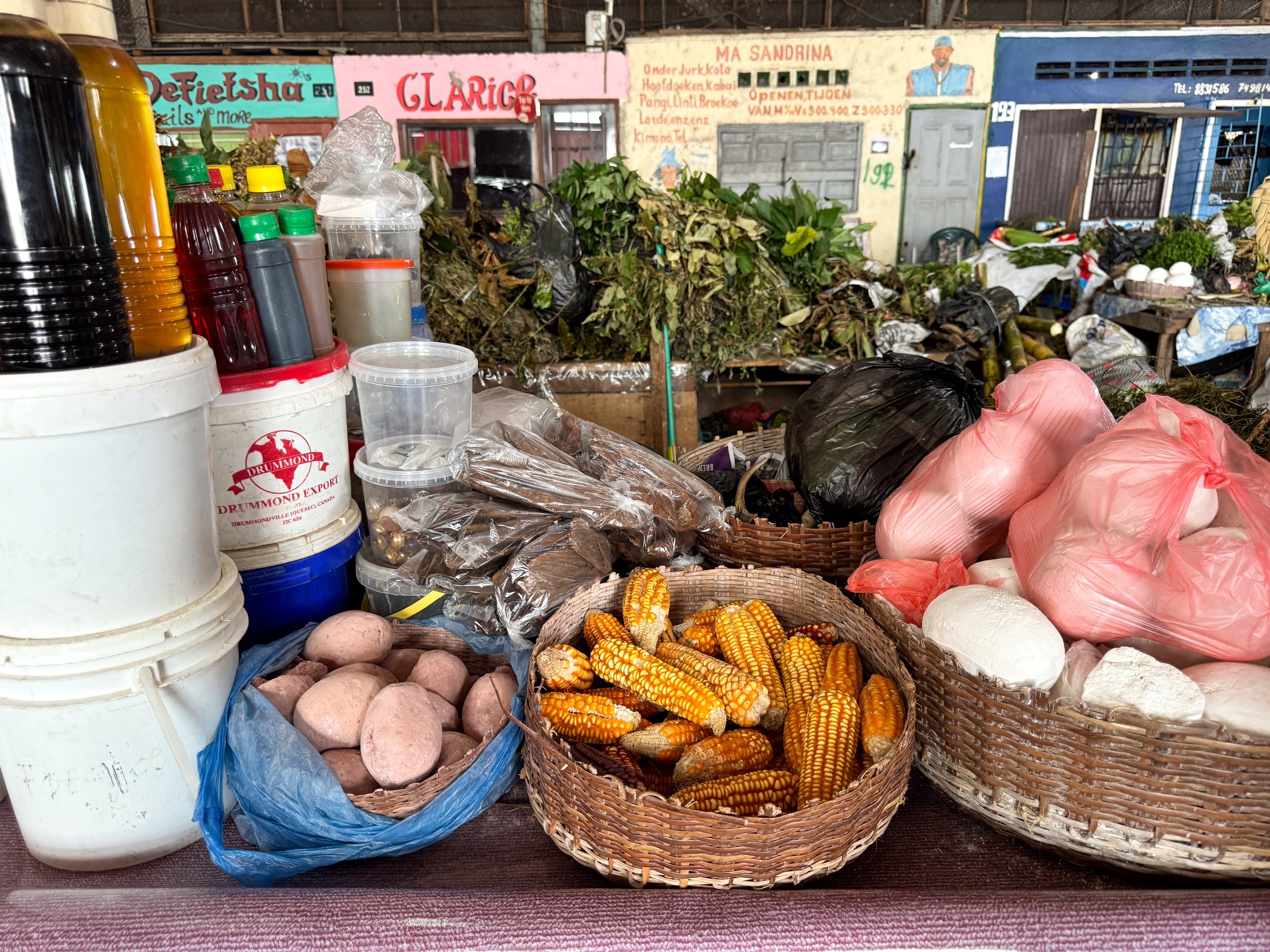
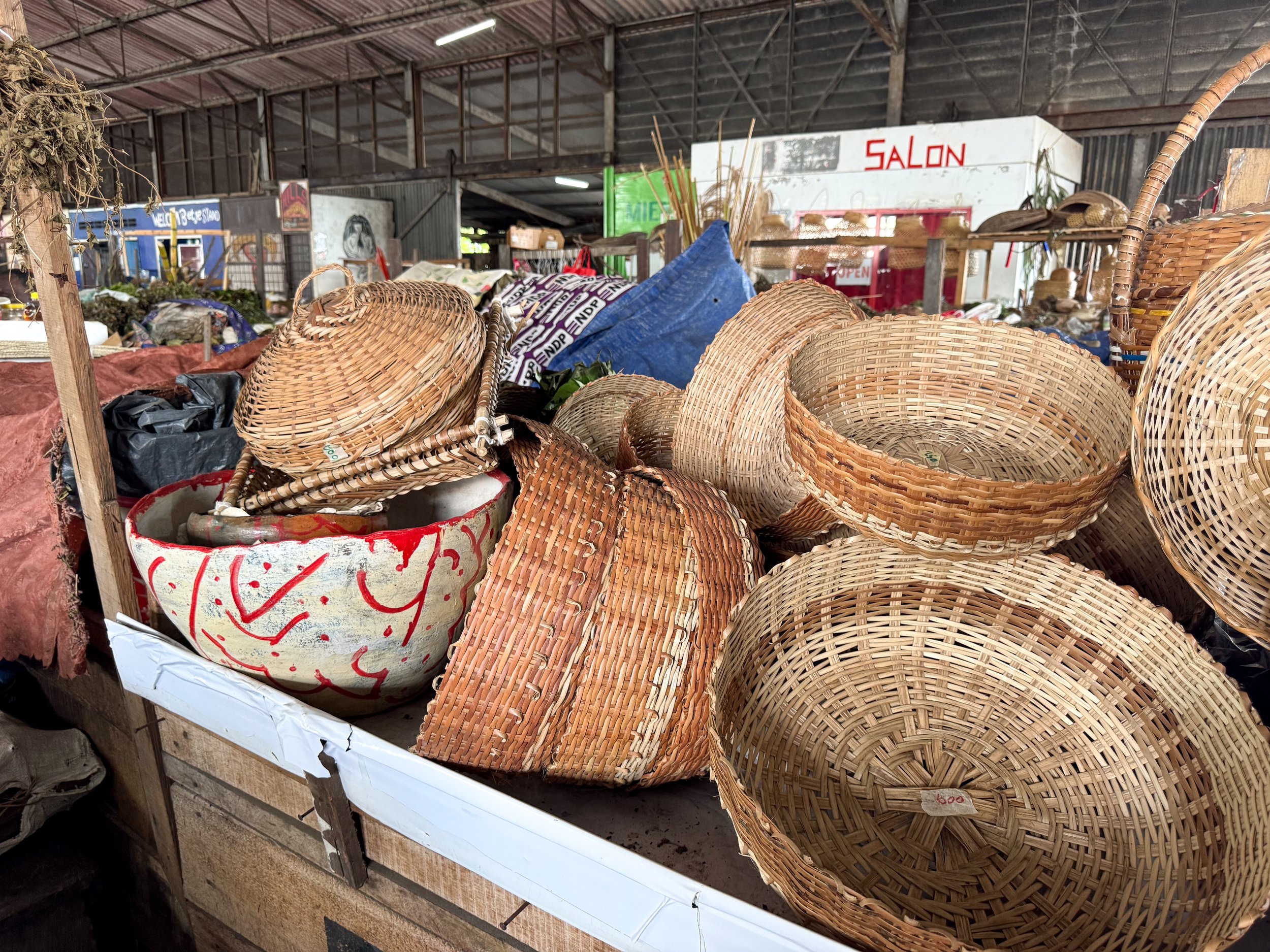
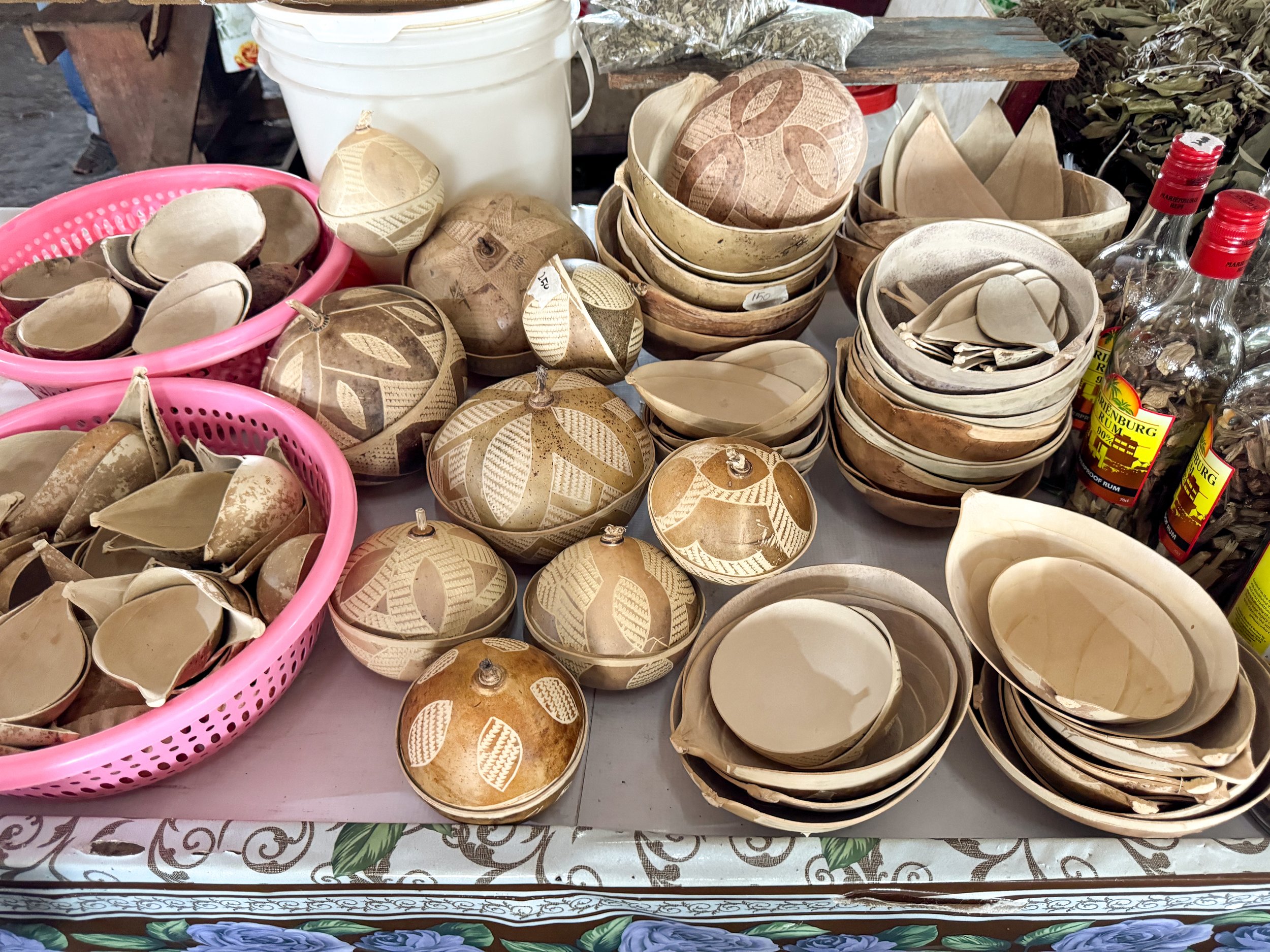
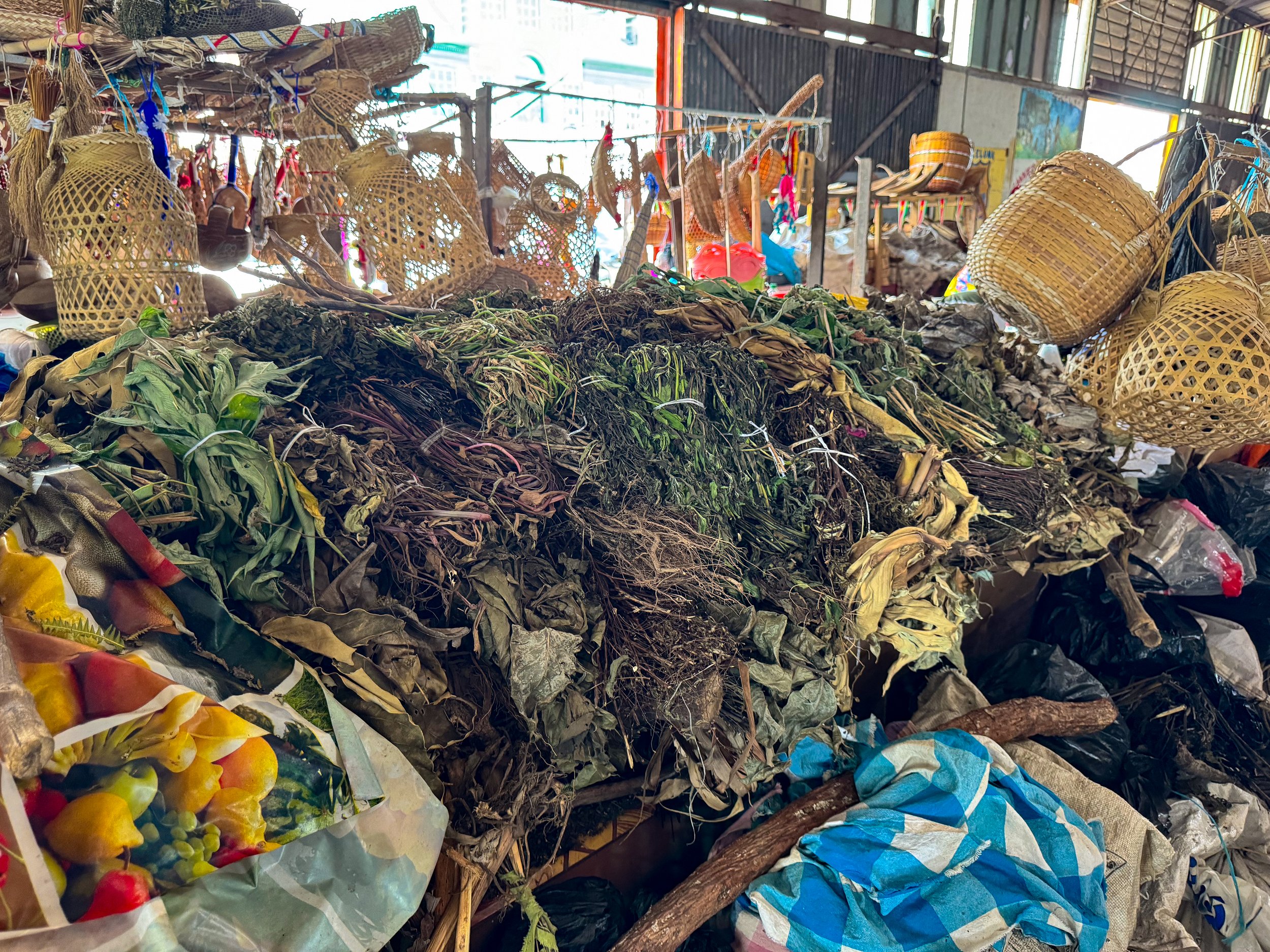
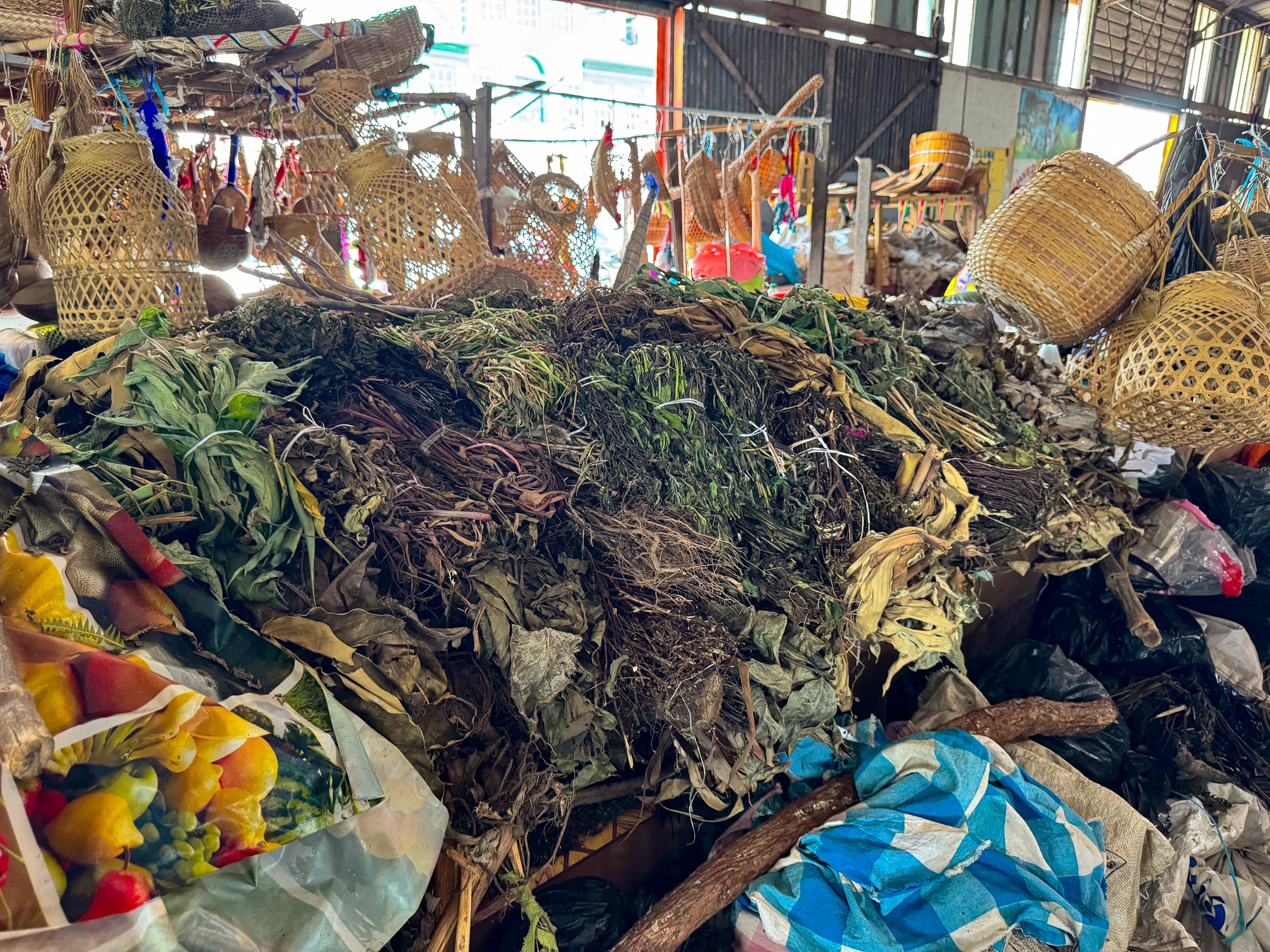
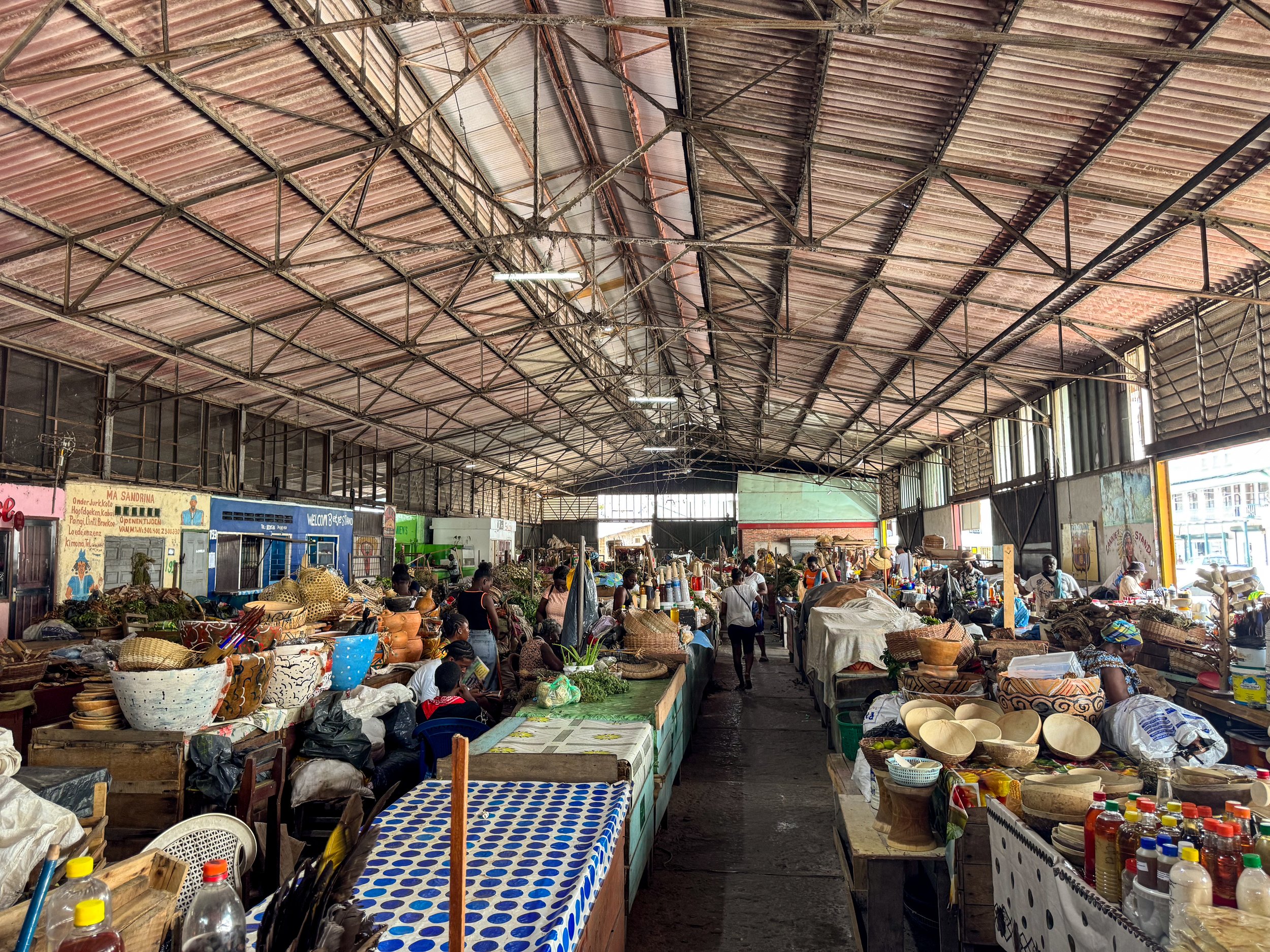
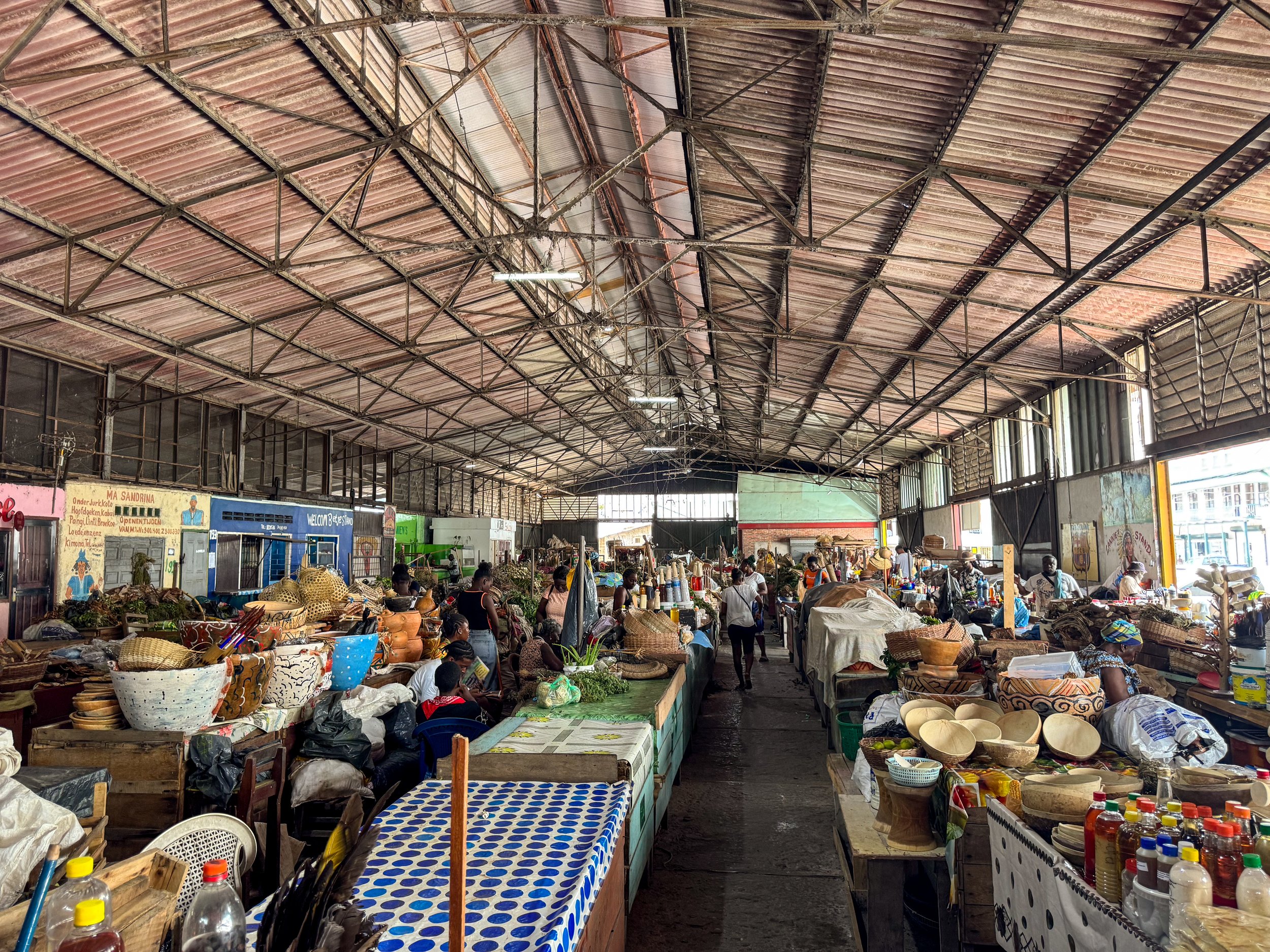
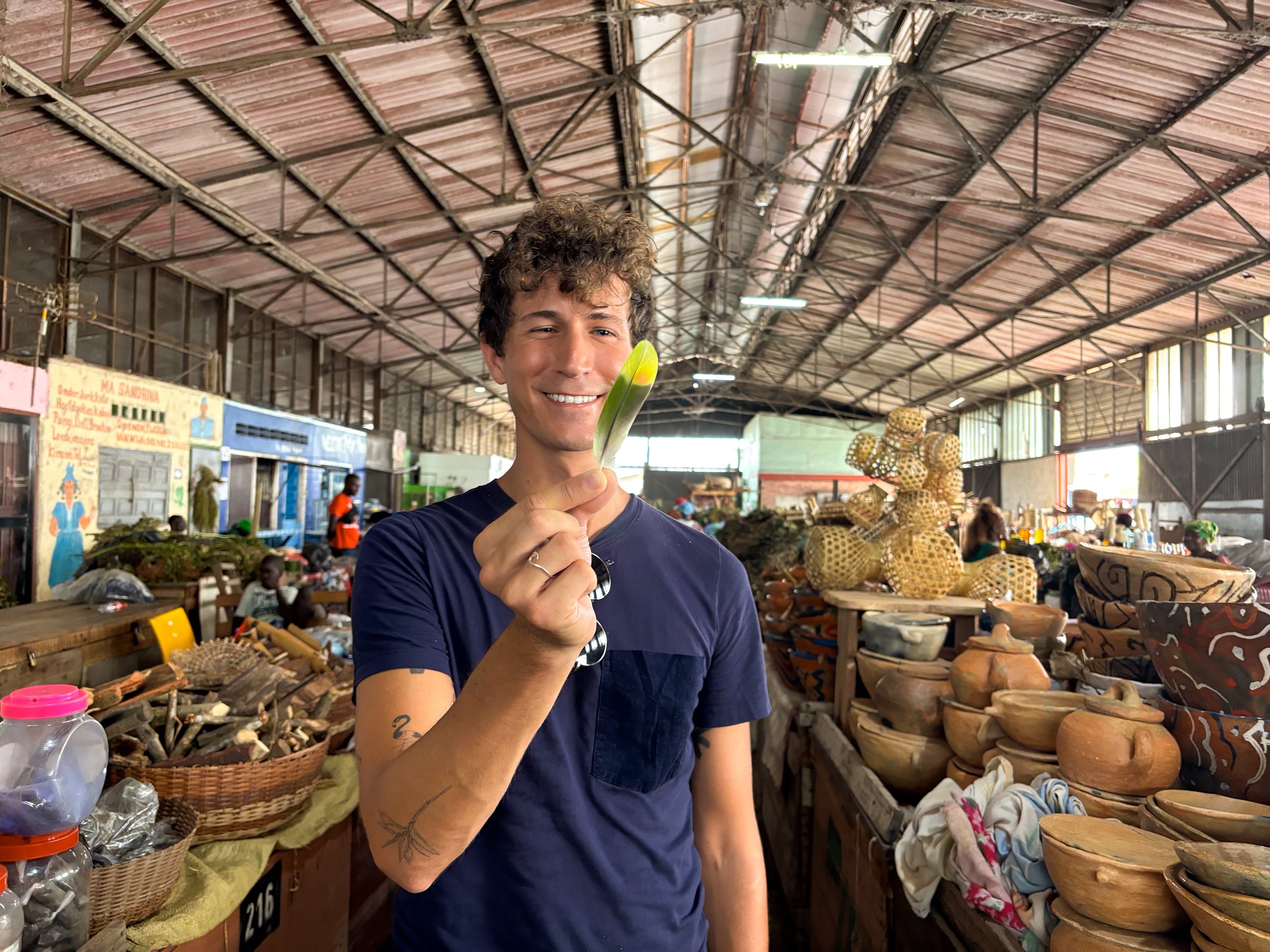
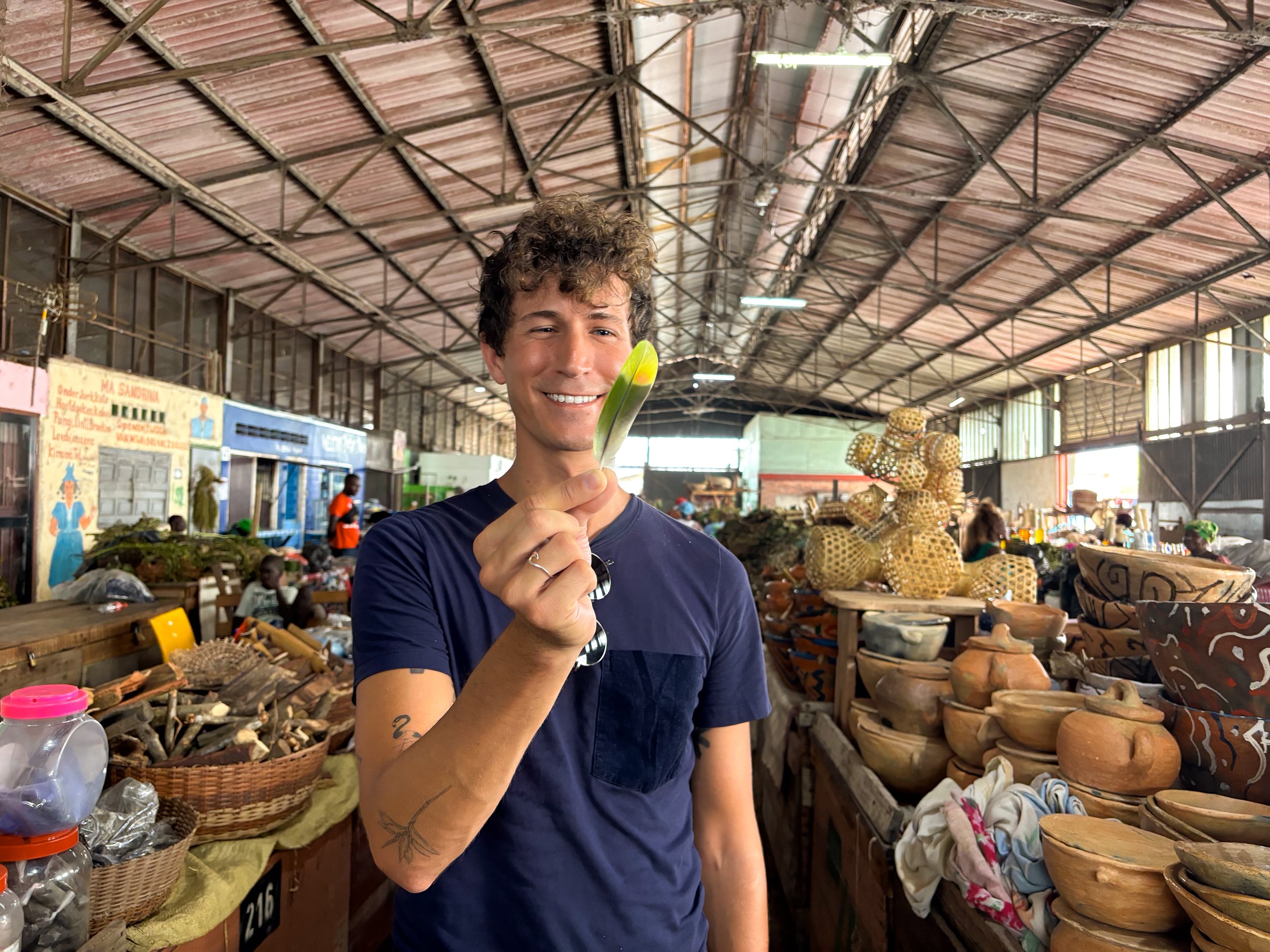
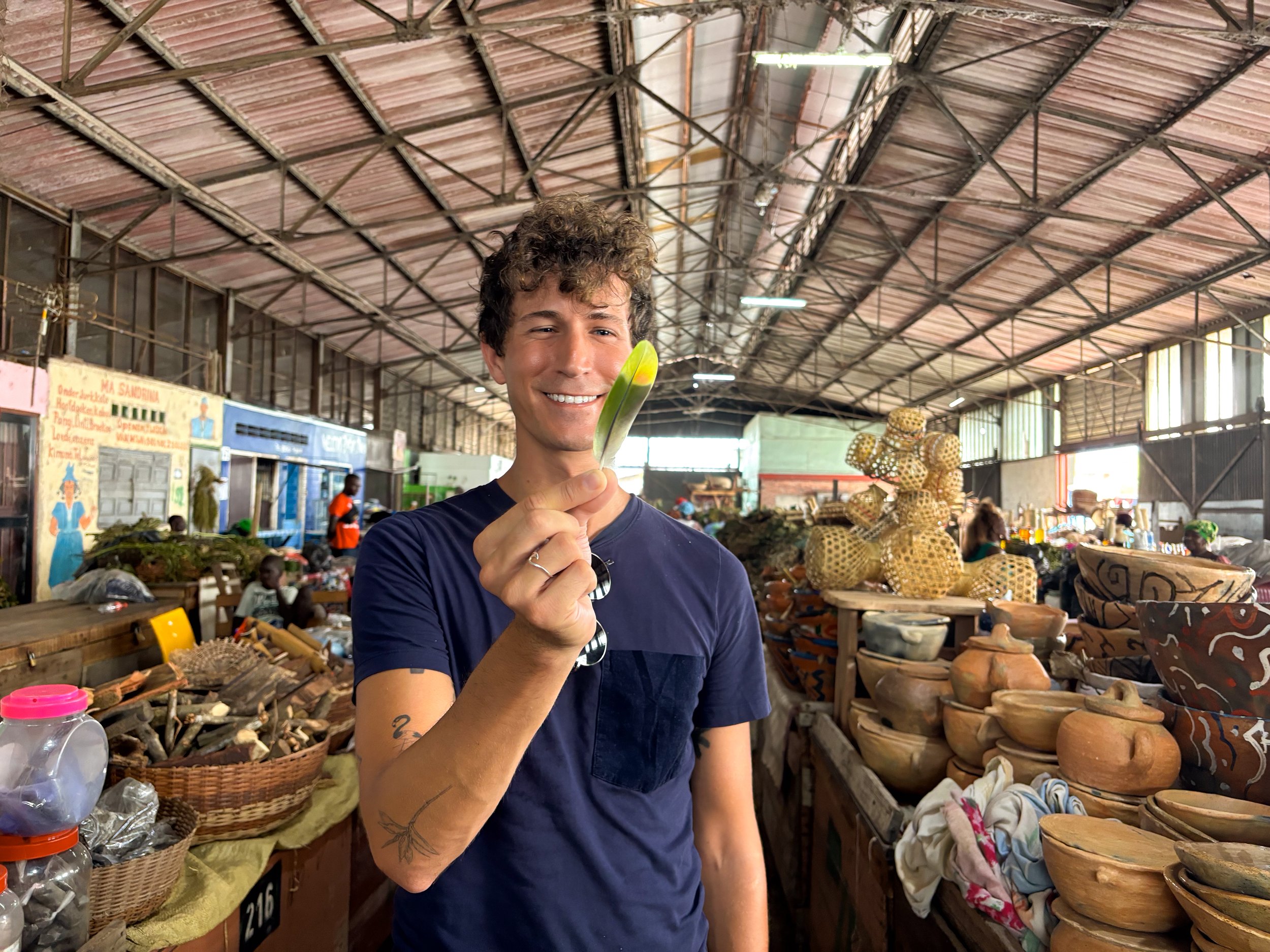
Shop the Markets
Maroon Market. A market with Maroon women selling organic and handmade items from the Surinamese Amazon. Across the tables of the dimly lit shed are jars with colorful feathers, stacked turtle shells, rams horns, large bunches of leaves used for washing with, oils for skin and hair care, pieces of bark and dried tree sap for burning as incense, wood and root used for medicinal purposes, cassava flower and spices. The women here are friendly and spoke with us about what several items were and how they’re used. Other vendors sell beautifully woven baskets, painted clay pots, bowls carved out of gourds and beaded necklaces.
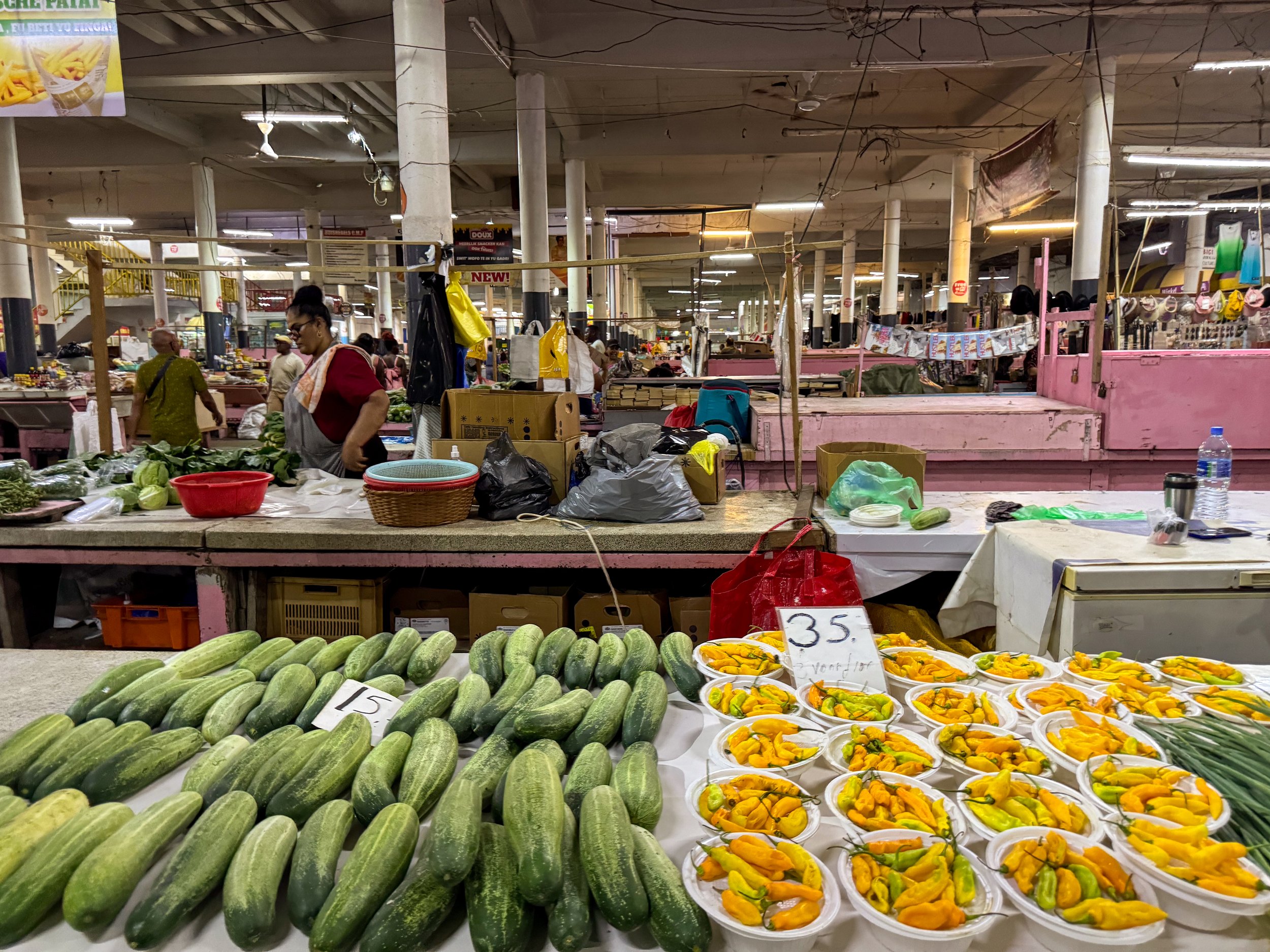
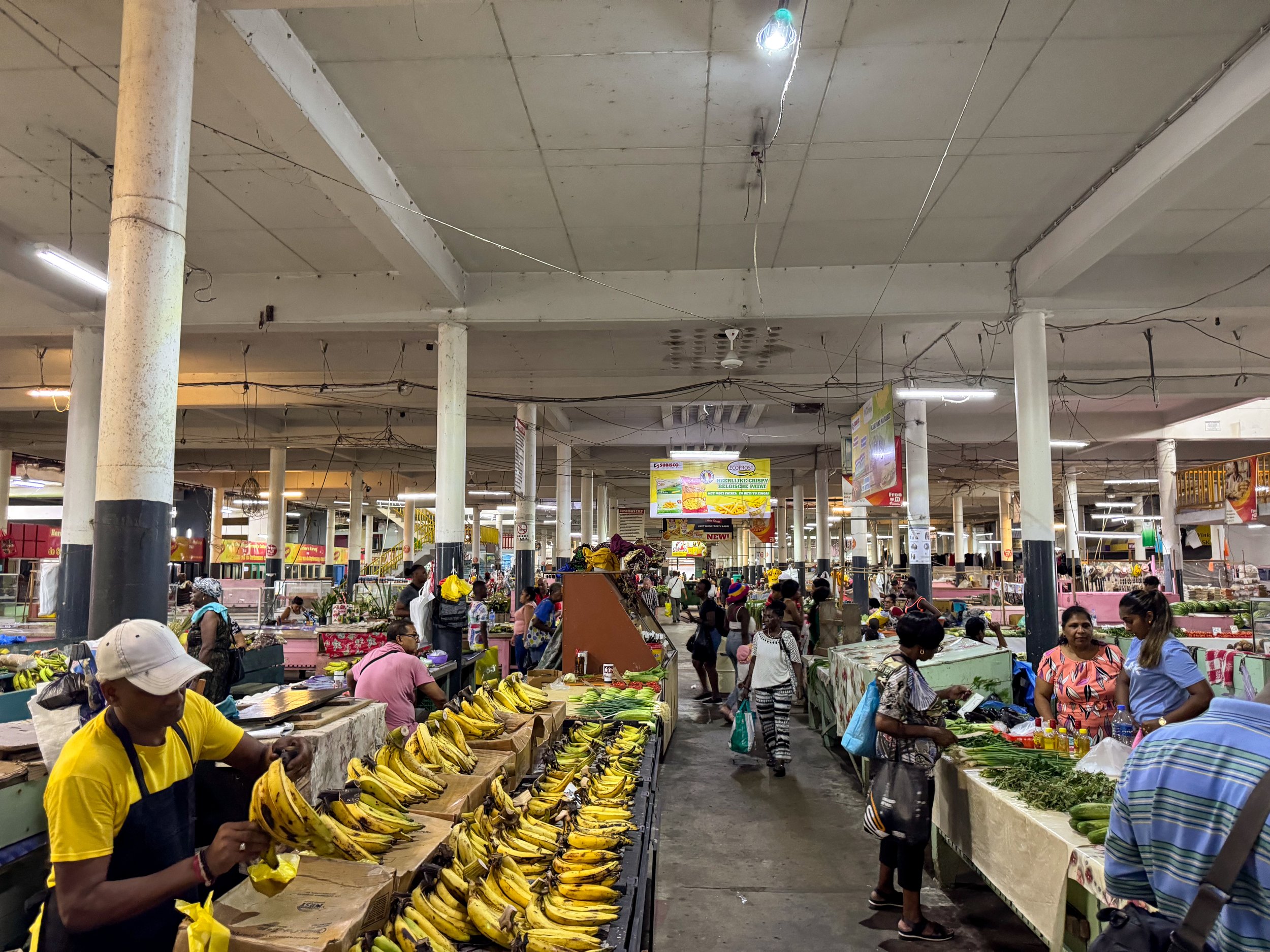
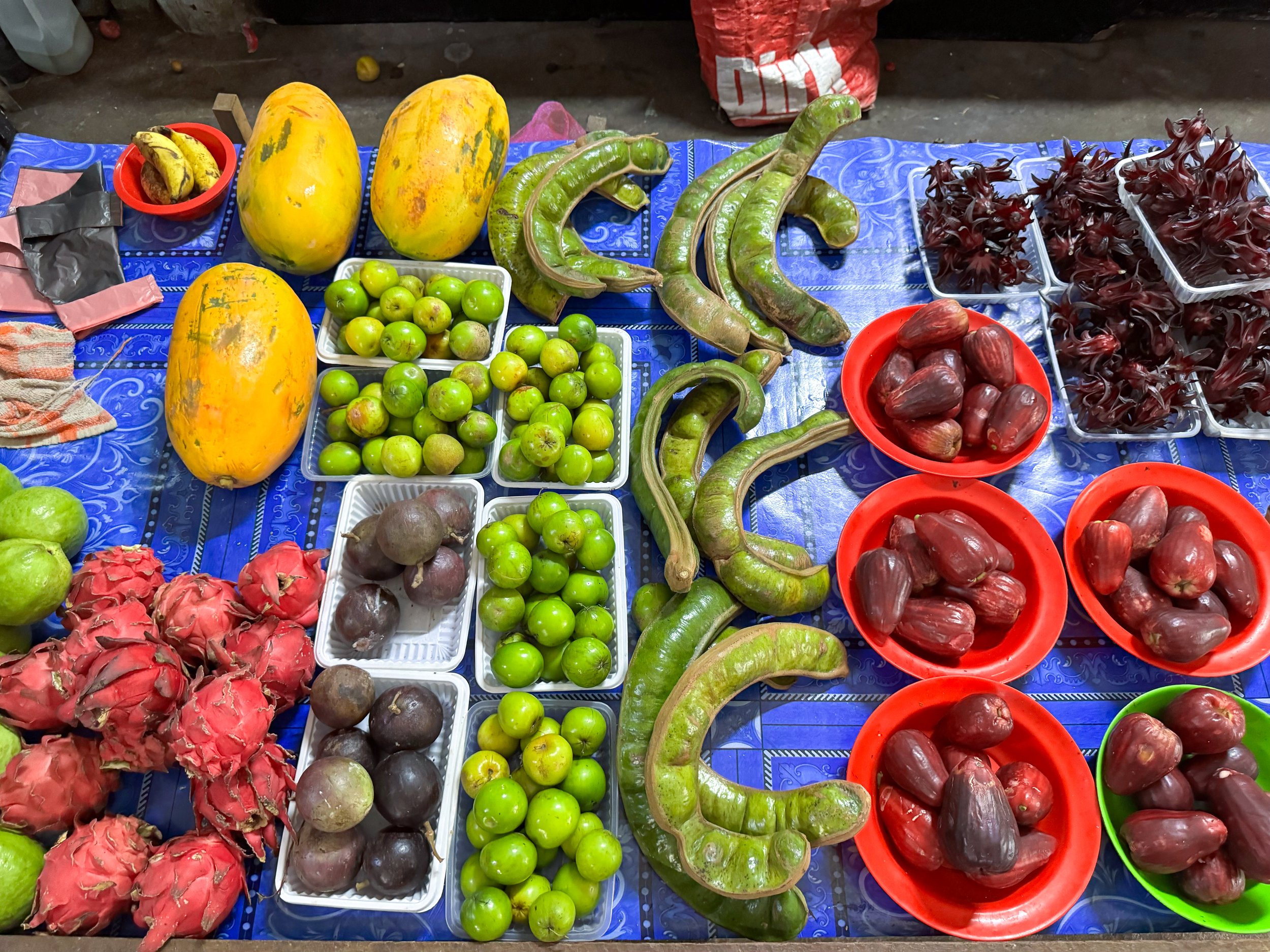
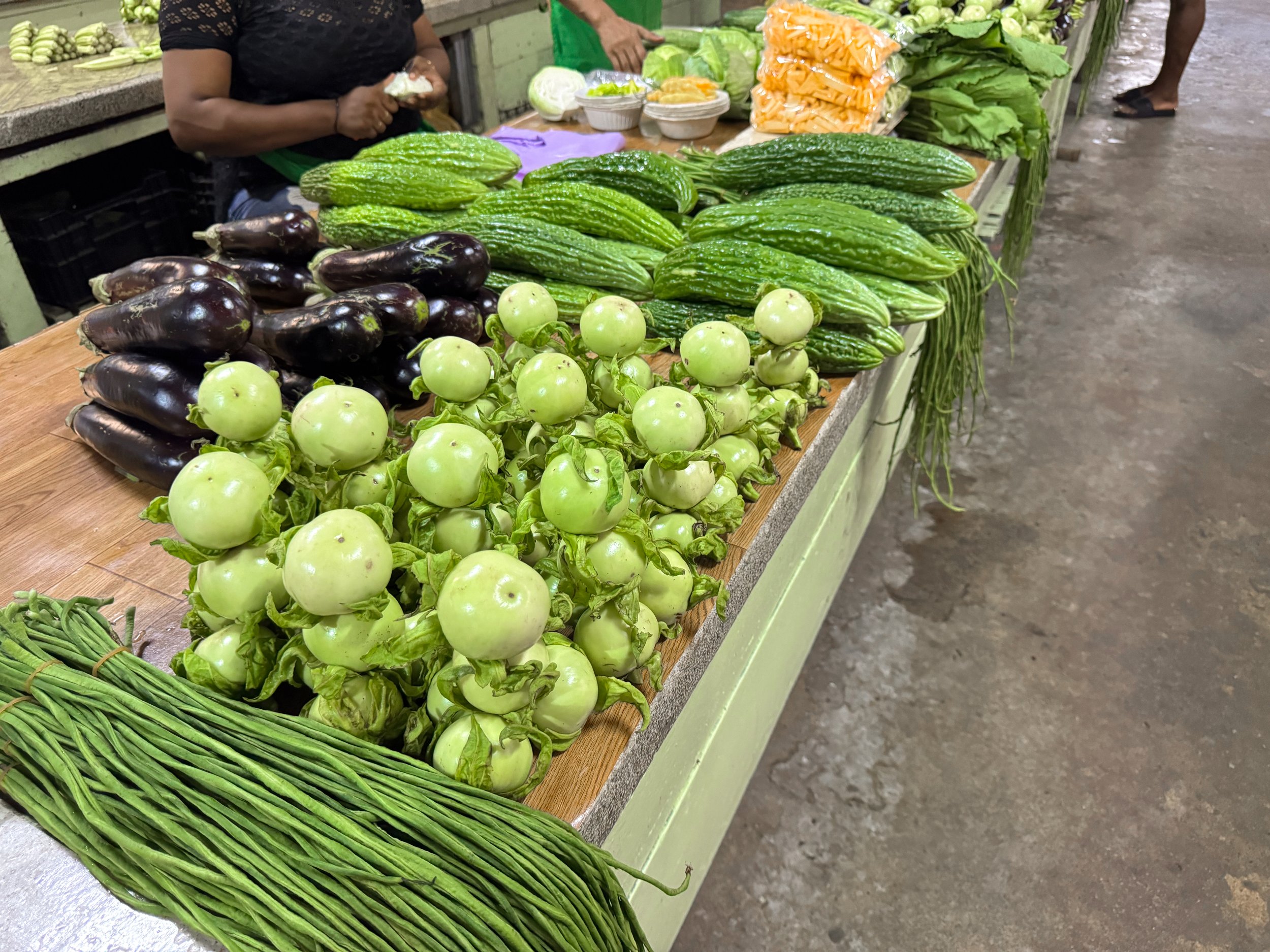
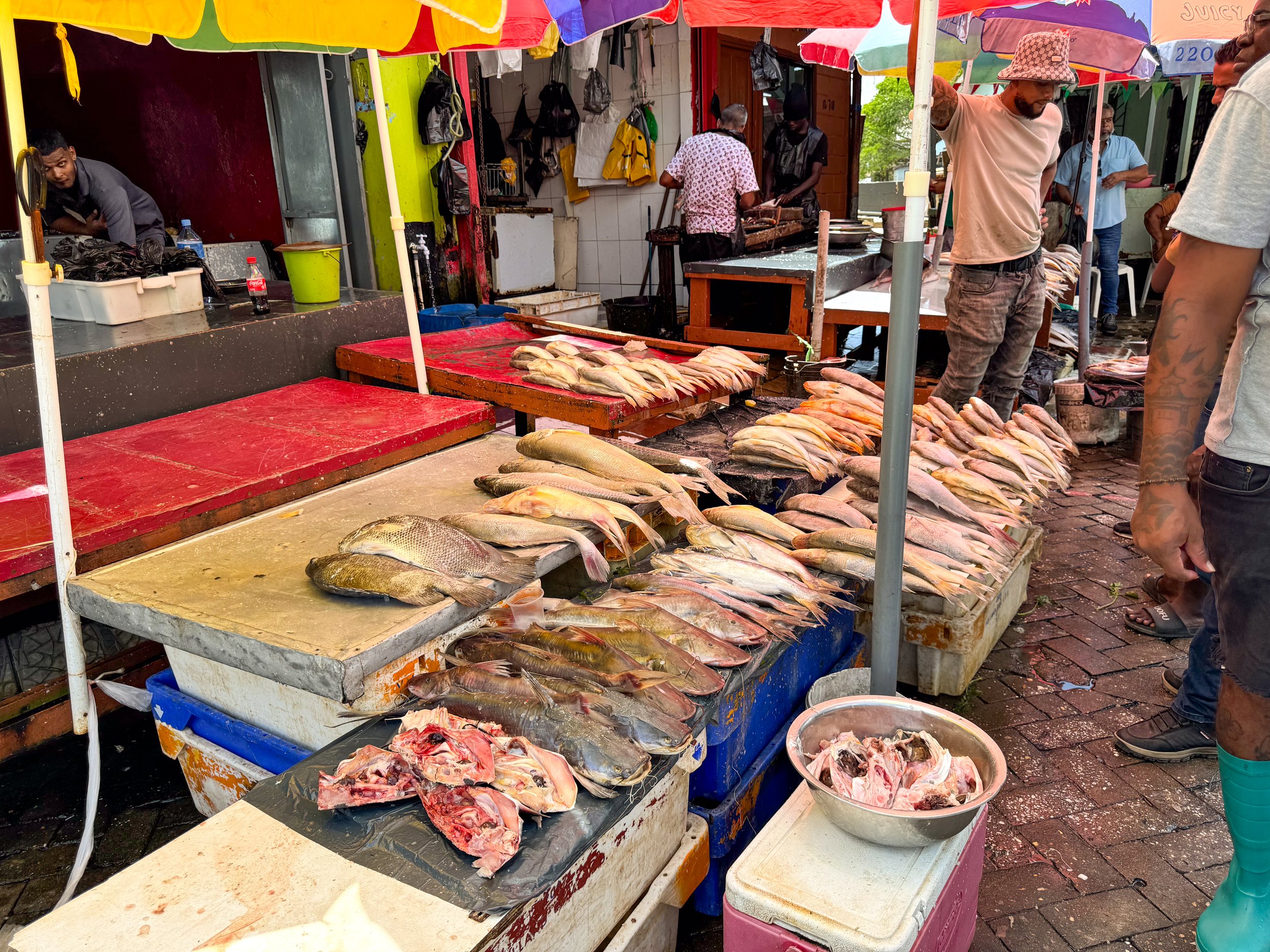
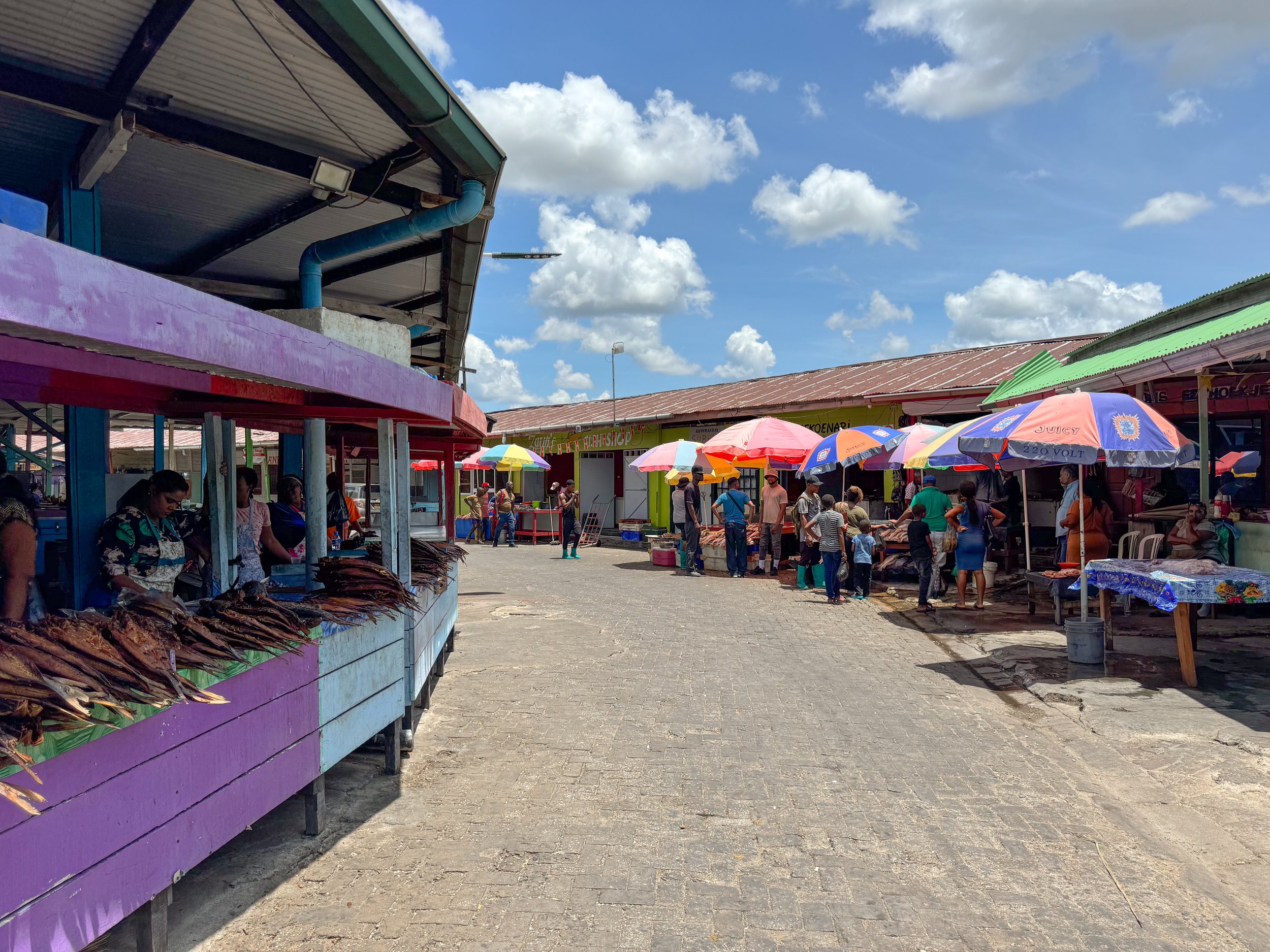
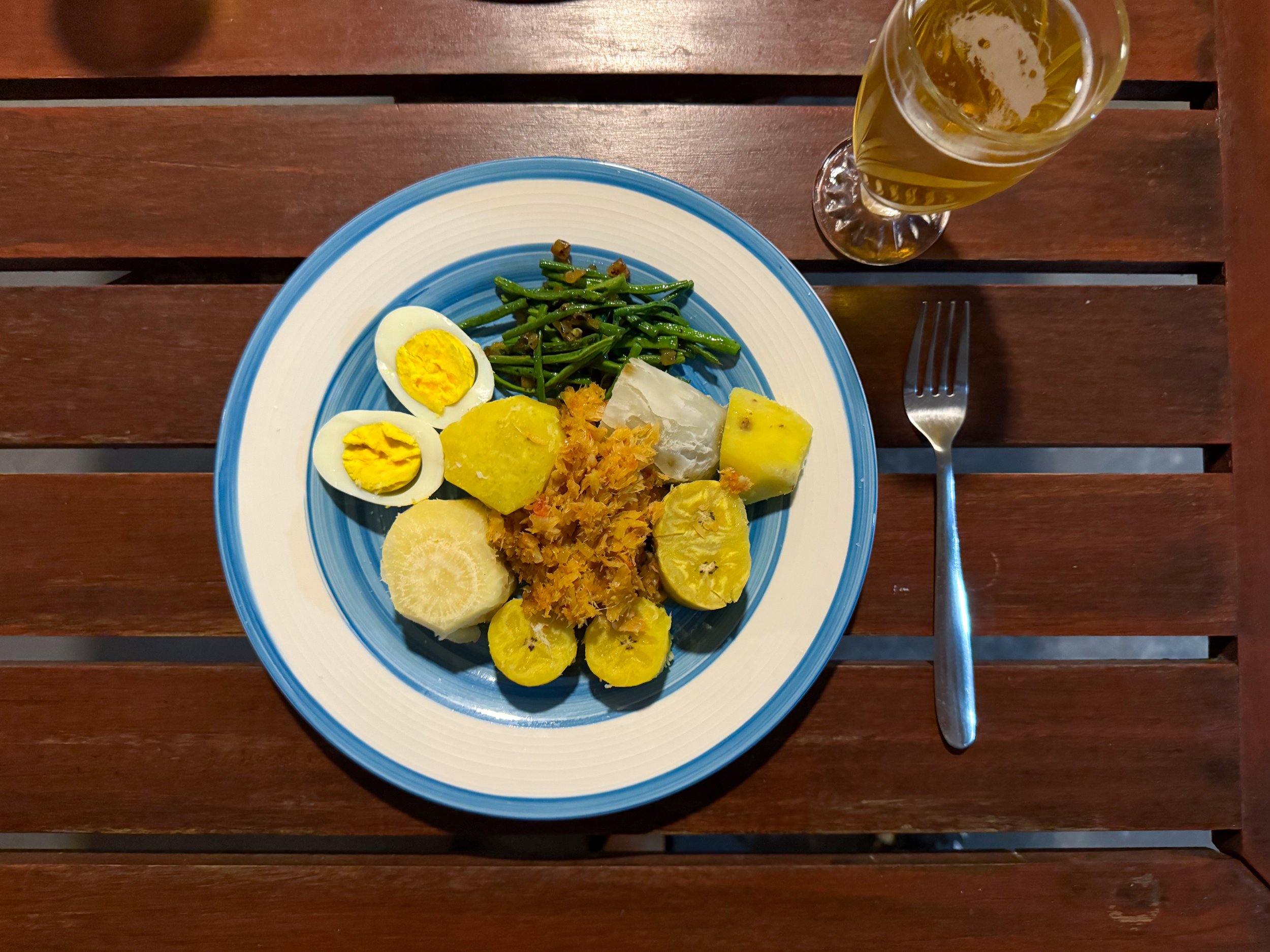
Central Market. A large market with vendors selling local produce, fish (fresh, smoked and salted), meats, live chicken, herbs, spices, oils, sauces, dried noodles, rices, cassava and plantain chips. We spent over an hour walking from table to table inspecting the exotic fruits, bunches of herbs and carefully stacked arrangements of vegetables before returning to buy groceries to prepare our own meals.
For breakfasts, we ate Amazon fruits. For one dinner, we cooked Heri Heri, Suriname’s national dish. The dish is made with an assortment of boiled vegetables including cassava, white sweet potato, potato, yellow plantain and green plantain served with fried salted cod, yardlong beans and a hard boiled egg.
Exotic Vegetables
Yardlong Beans. Very long thin strands of green bumpy beans.
Antroewa. A small round and green eggplant.
Sopropo. A bitter melon that has to be cooked. It looks like a bumpy cucumber.
White Sweet Potatoes. Small potatoes with a brown skin, white interior and sweet savory flavor.
Kaisoi. A large leafy green similar to spinach.
Exotic Fruits
Pommerak. A tasty deep pink pear shaped fruit with sweet and starchy flavor. Can bite right into it.
Rose Apple. A tiny pinkish red pear shaped fruit that tastes slightly sweet and floral. Can bite right into it.
Star Apple. A fruit similar in flavor to a lychee with the exterior of a passion fruit. Cut in half & spoon out the fruit.
Pomelo. A giant grapefruit with a light and refreshing flavor. The strands of fruit easily pull out of each slice.
Other more commonly known vegetables and fruits sold at the market are plantains, okra, turmeric, cassava, squash, oranges and watermelon.
Deserts
Boyo. A semi sweet cake with a gelatinous spongy texture made from cassava and coconut.
Fiadu. A sweet cake made with raisins, currants, almonds and citrus.
Drinks
Parbo Bier. A classic Pilsner brewed in Paramaribo.
Parbo Bier Chiller Lime. A refreshing local beer with flavors of lime and passion fruit.

Fruit Stands. There are colorful and fragrant fruit stands around the outer roads of Paramaribo. We stopped at one for a fresh coconut, mango and pineapple for breakfast.
Waka Pasi. An outdoor market along the canal behind the Palmentuin with cocktail bars, cafes, ice cream shops, souvenir stands, a tourist desk and vendors selling fried foods.

Places to Eat & Drink
Raja Ji. An Indian restaurant with a wide range of vegetarian dishes cooked in savory sauces and warm spices.
Souposo. A cafe with Surinamese soups. Try the Peanut Soup made from peanuts, plantain, spices and smoked fish. Or try the Saoto Soup, a savory vegetable soup with greens, spices, bean sprouts and ramen noodles.
Tangelo. A cafe with strong coffee, artesian pastries, fruit forward breakfast dishes and savory bites with Indian spices. Try the Aloo Gobhi Pita with spiced cauliflower, potato and chickpeas.
Sweetie Coffee Suriname. A cafe at the Waka Pasi market with shaded seating, coffee, water, beers and homemade cakes.
Coffee Mama. A cafe in a Dutch colonial house with a cozy backyard. Come here for the coffee, Surinamese, Caribbean and Brazilian snacks, breakfast and lunch dishes.

The Surinamese Amazon
With its lush jungles, flowing by rivers and immense biodiversity, Suriname resides firmly in the Amazon Basin with over 90% of its landmass covered by rainforest. We traveled into this region and spent 4 days at the Anaula Nature Reserve.
Anaula Nature Reserve
Anaula is an eco-resort on an island in the Suriname River with jungle bungalows, nature trails, natural river pools, cultural activities and prepared local dishes. We spent our time relaxing in nature, exploring the Amazon and experiencing the local culture through tours and cuisine.
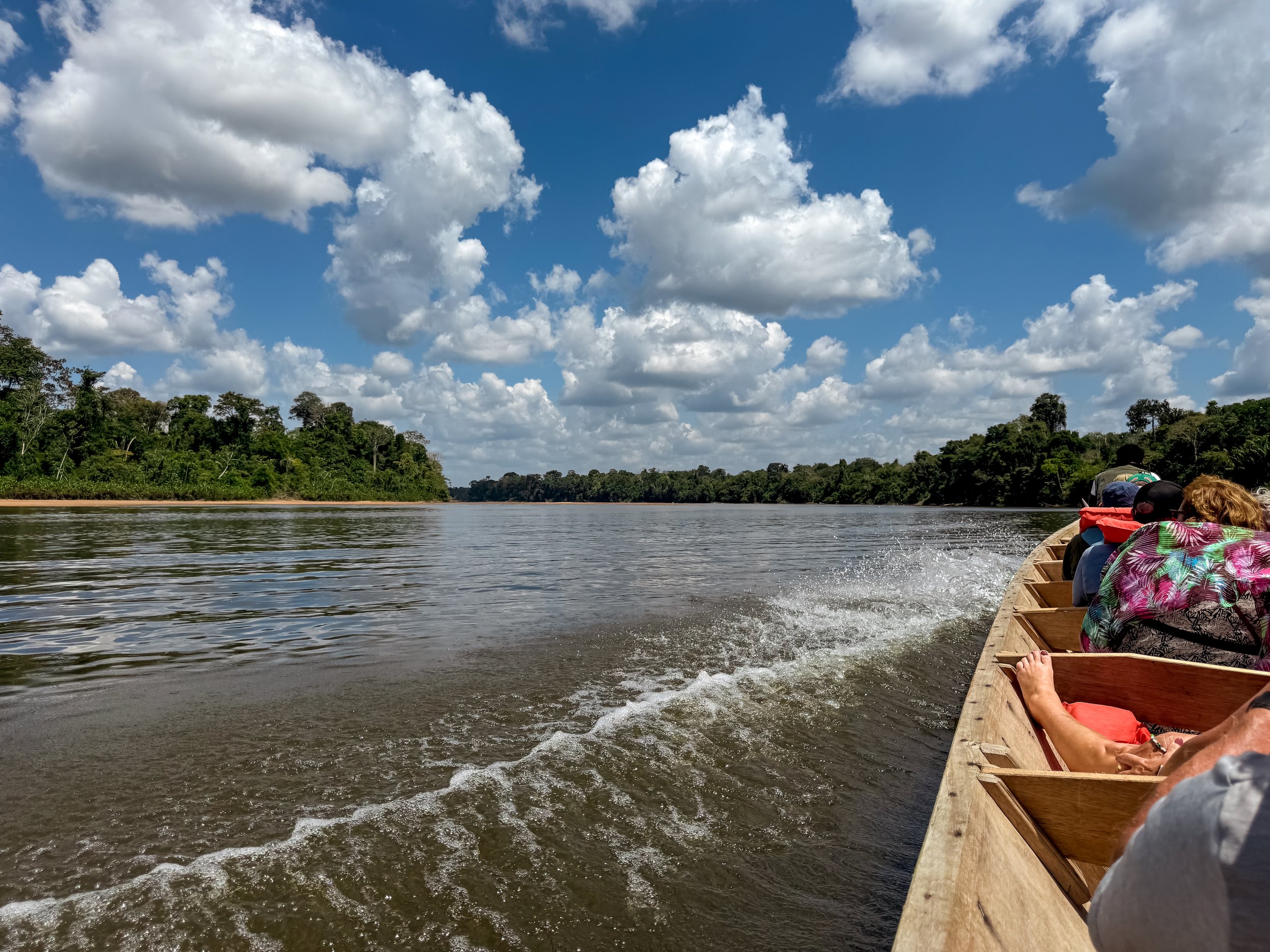
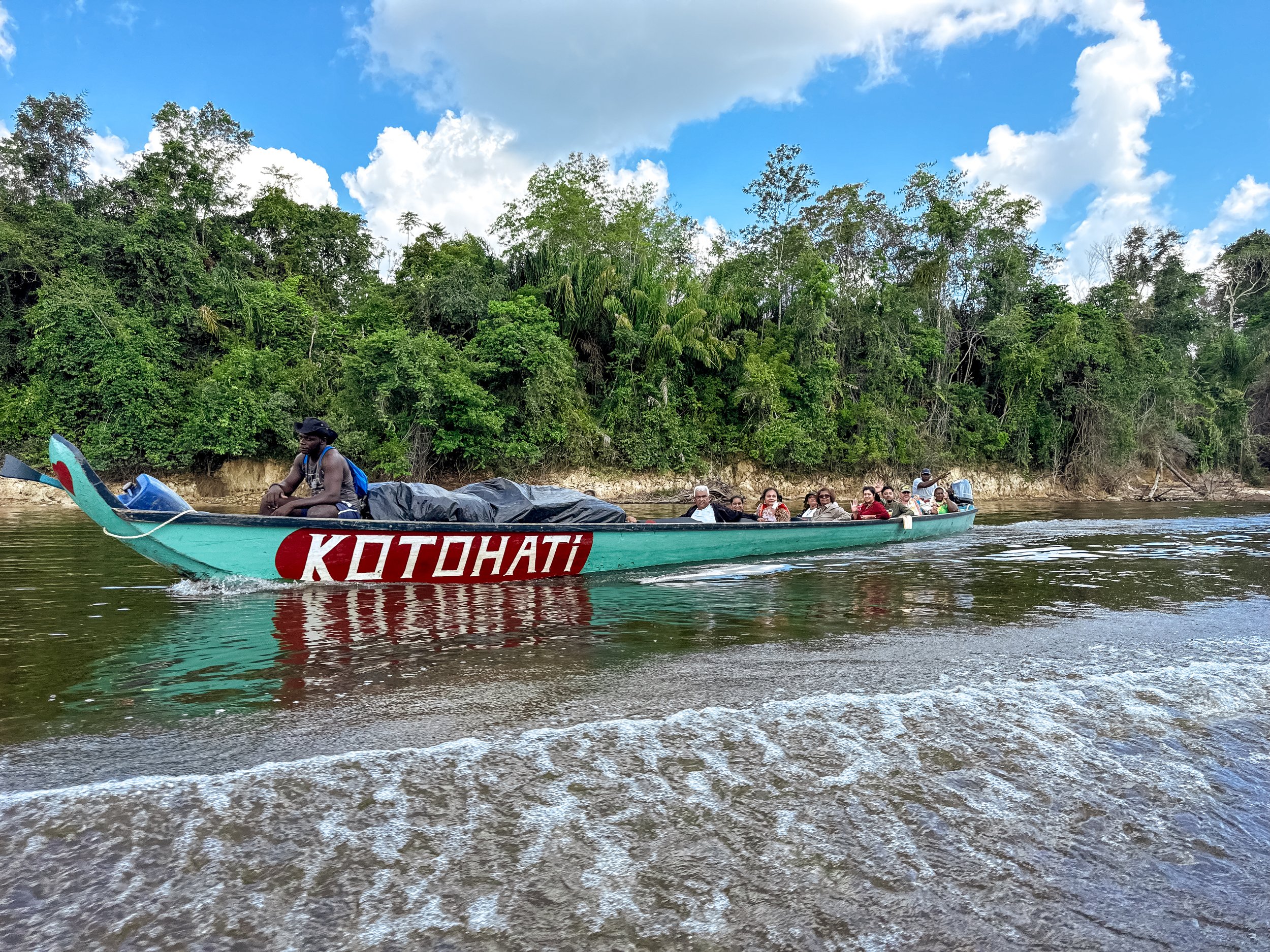
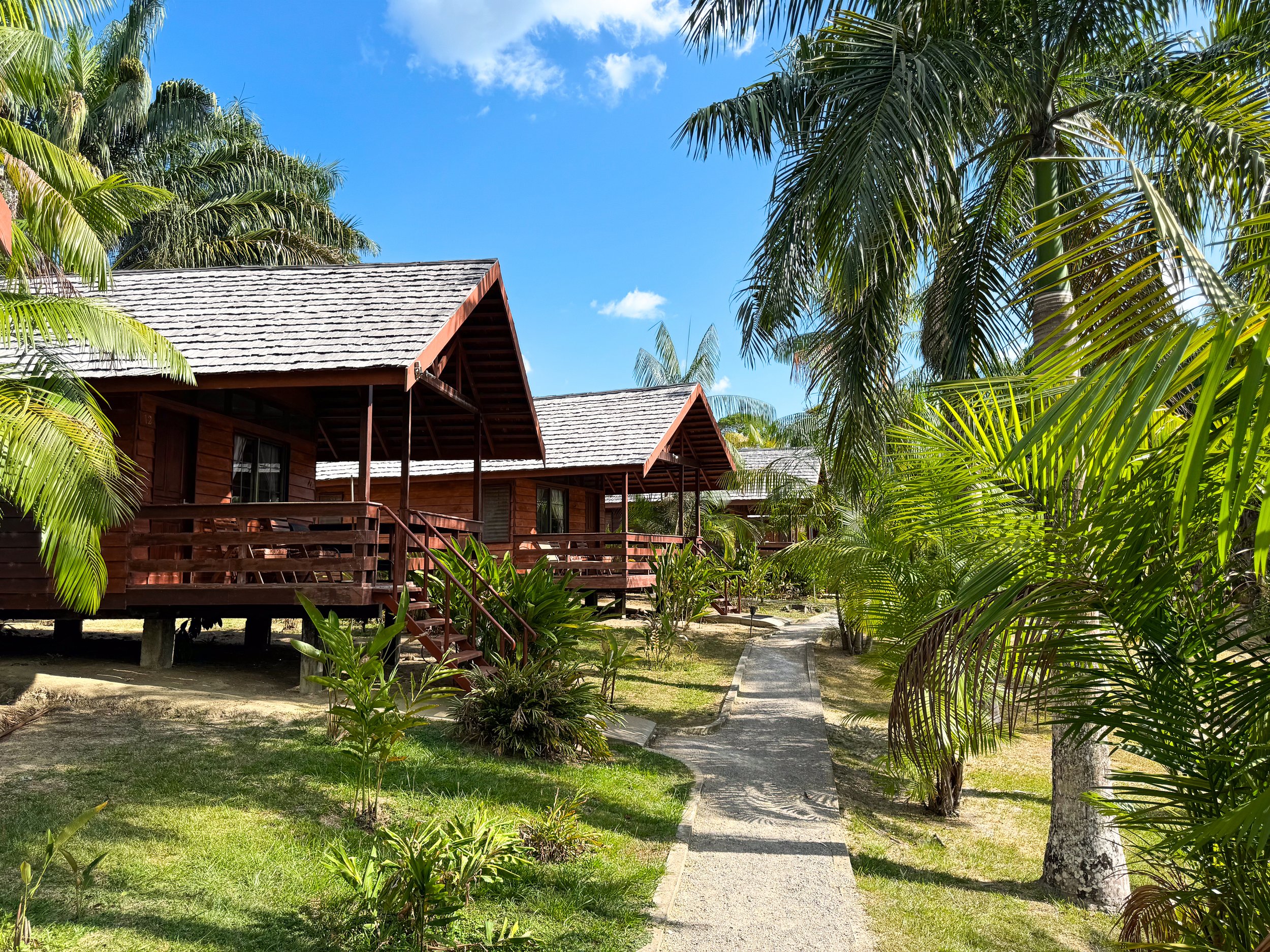
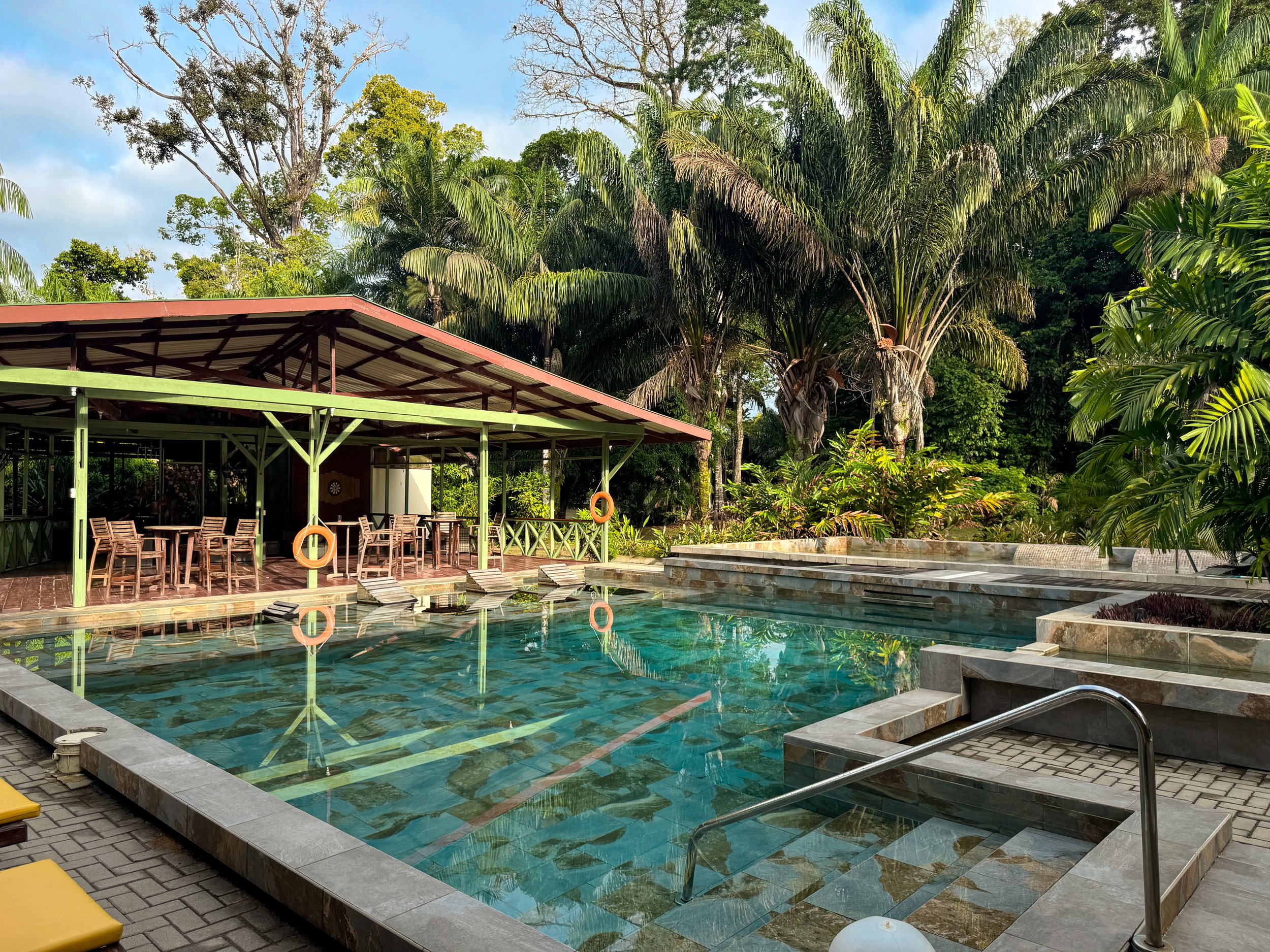
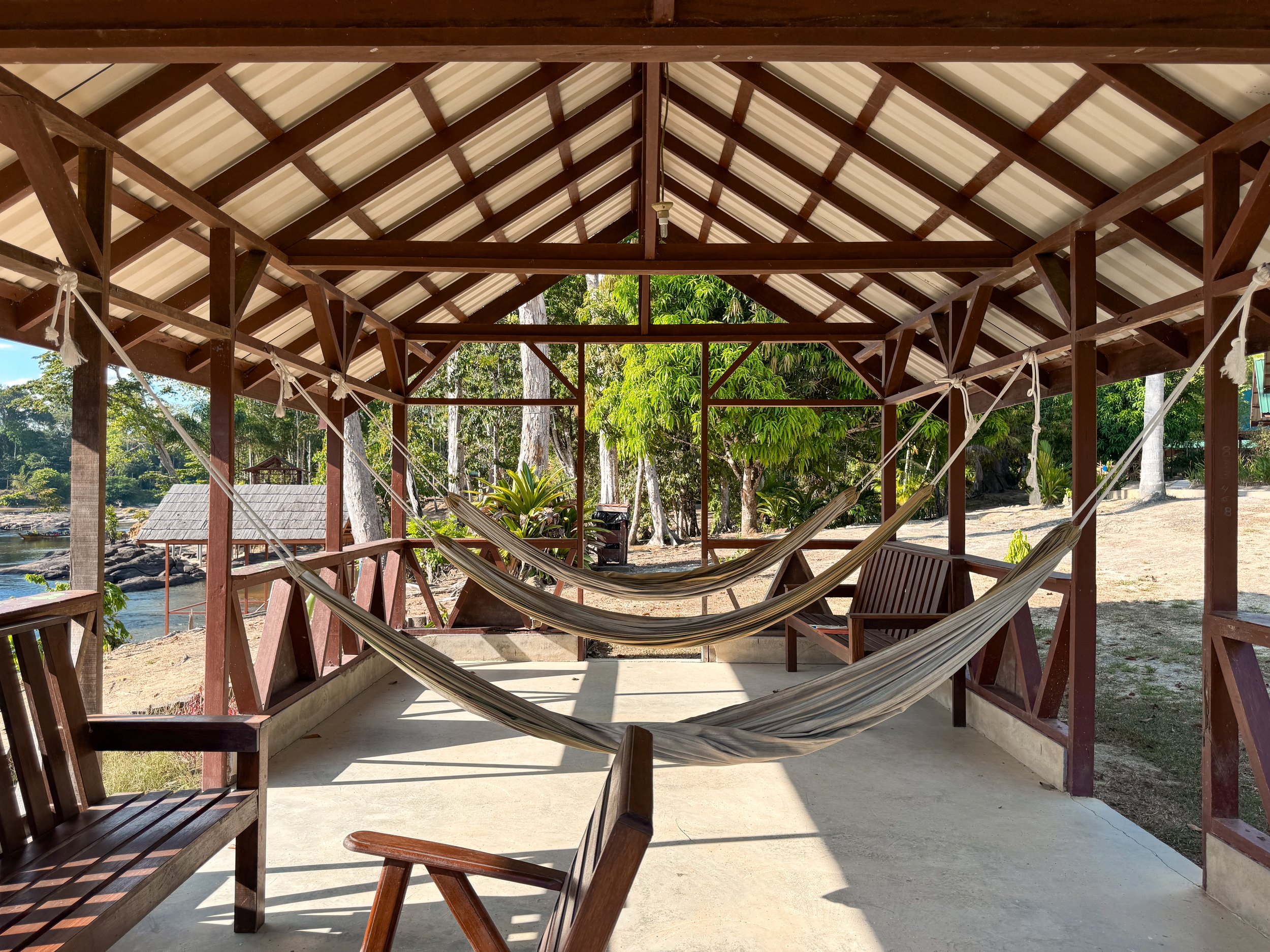
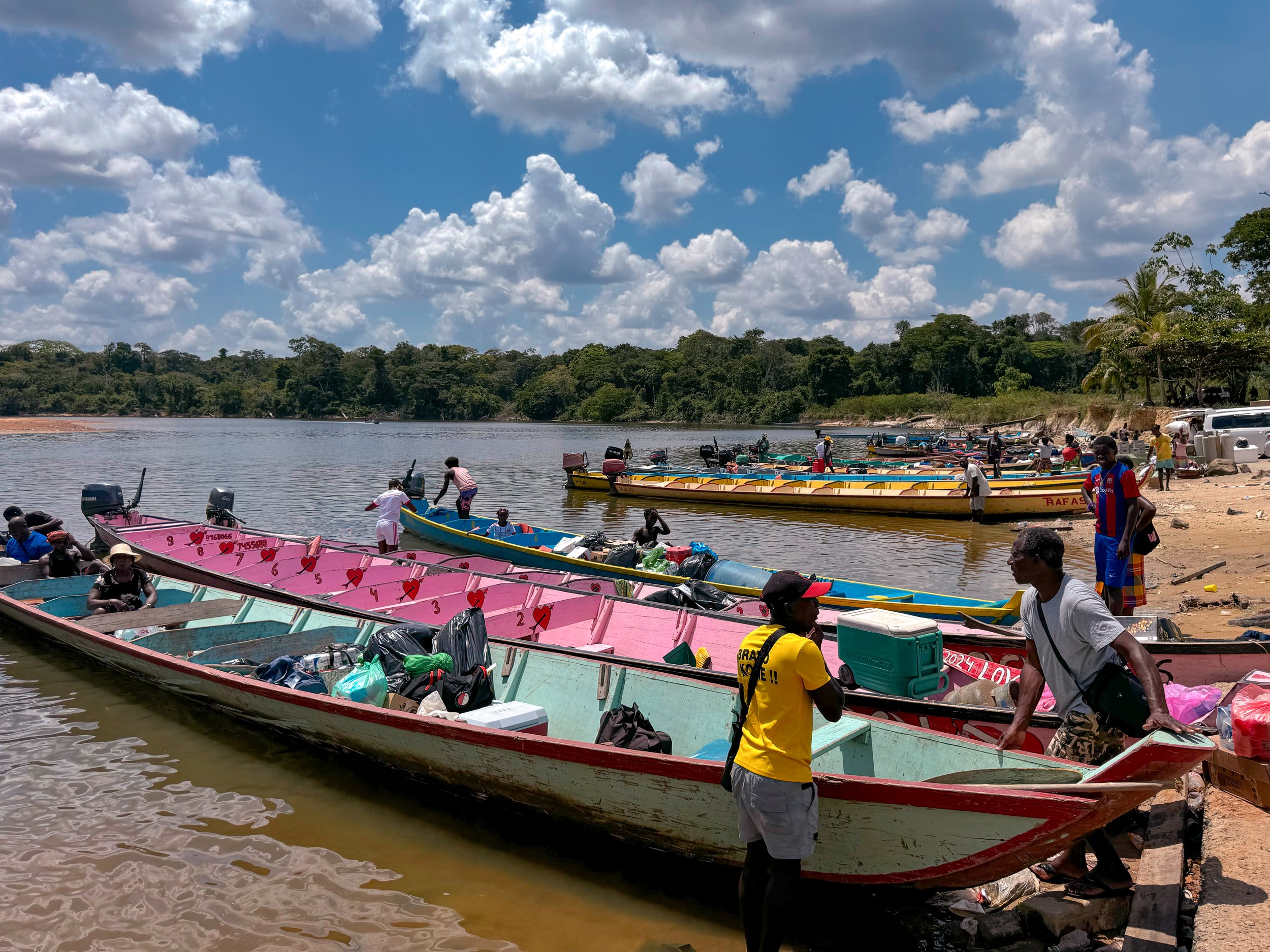
Day One, The Journey
Day one was all about the journey and exploring the eco resort. From Paramaribo, we took a 4 hour bus ride towards the interior of the country until reaching the port of Atjoni on the Suriname River. At this point, the only method of transportation further into the country is by motorized dugout canoe.
As we waited for our captain, guides tossed our bags onto a canoe ferrying everything from luggage, bulk groceries, small appliances, large propane tanks and corrugated metal. Once on the river, we glided through the brown water and looked upon the lush tree lined banks, passing several Maroon villages, locals swimming in natural river pools and washing clothes. The captain skillfully weaved the long canoe past rocks, sand bars and oncoming boats.
Towards the end of the journey, we passed through The Jaw Jaw Rapids, a notoriously turbulent section of the river. The captain sped the boat up the rapids through a narrow passageway where we hit and bounced off a rock but were redirected by several men waiting to steer us back on course. Once successfully passing through, the others re-boarded the boat and we continued the journey, docking at Anaula after a total 1 hour and 15 min canoe ride.

Arrival at Anaula
The resort has beautiful wooden bungalows and open air amenities like a dining hall where meals are served, a lobby with wooden lounge furniture, a relaxing outdoor pool and river overlooks with hammocks.
The beautiful property is built on an island, surrounded by lush Amazonian trees and views of the rapids. We used down time to wade in the surprisingly warm shallow river pools, bird watch and stargaze upon the Milky Way. In the middle of the night a strong rainstorm provided white noise as we drifted asleep.
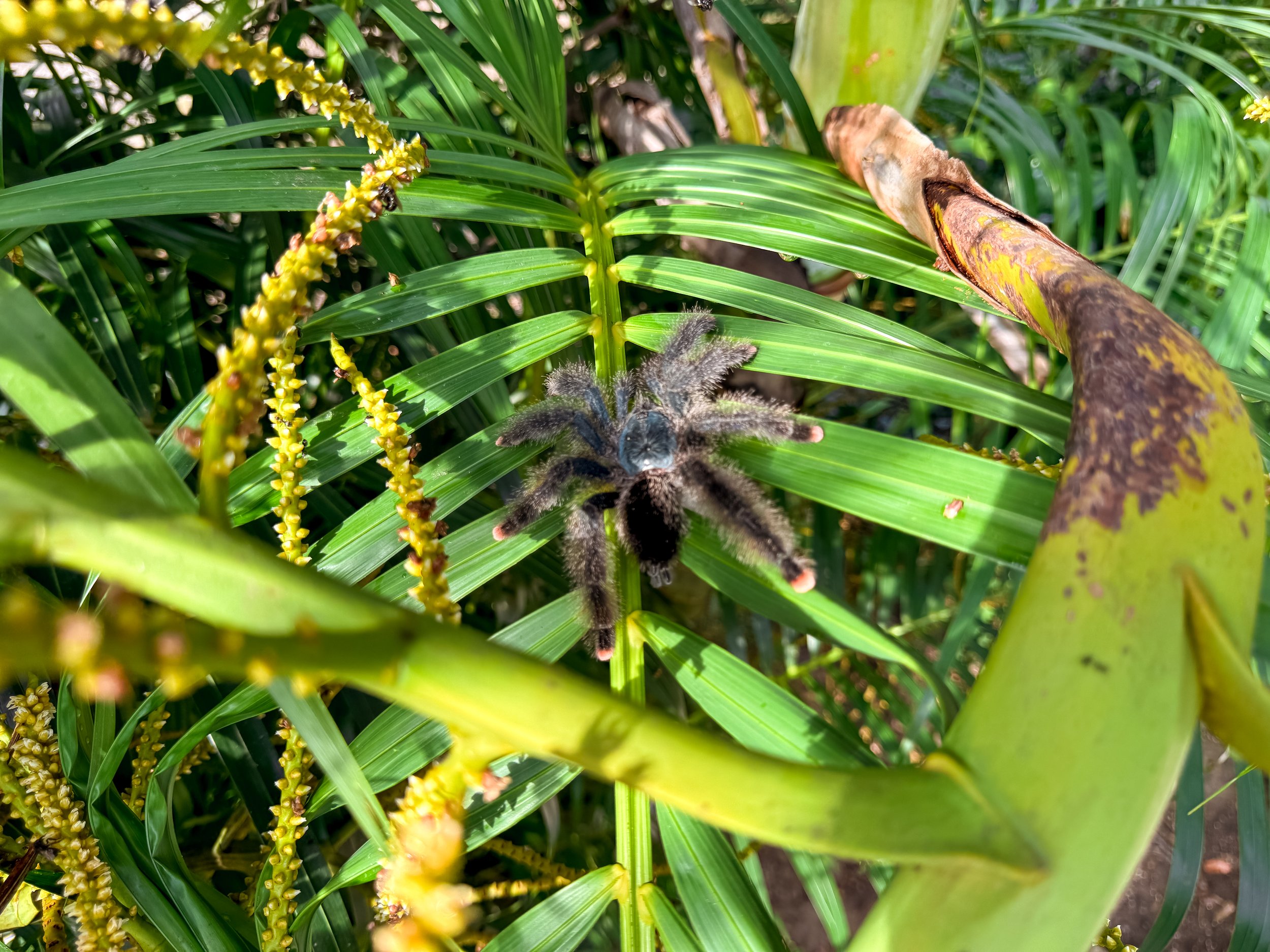
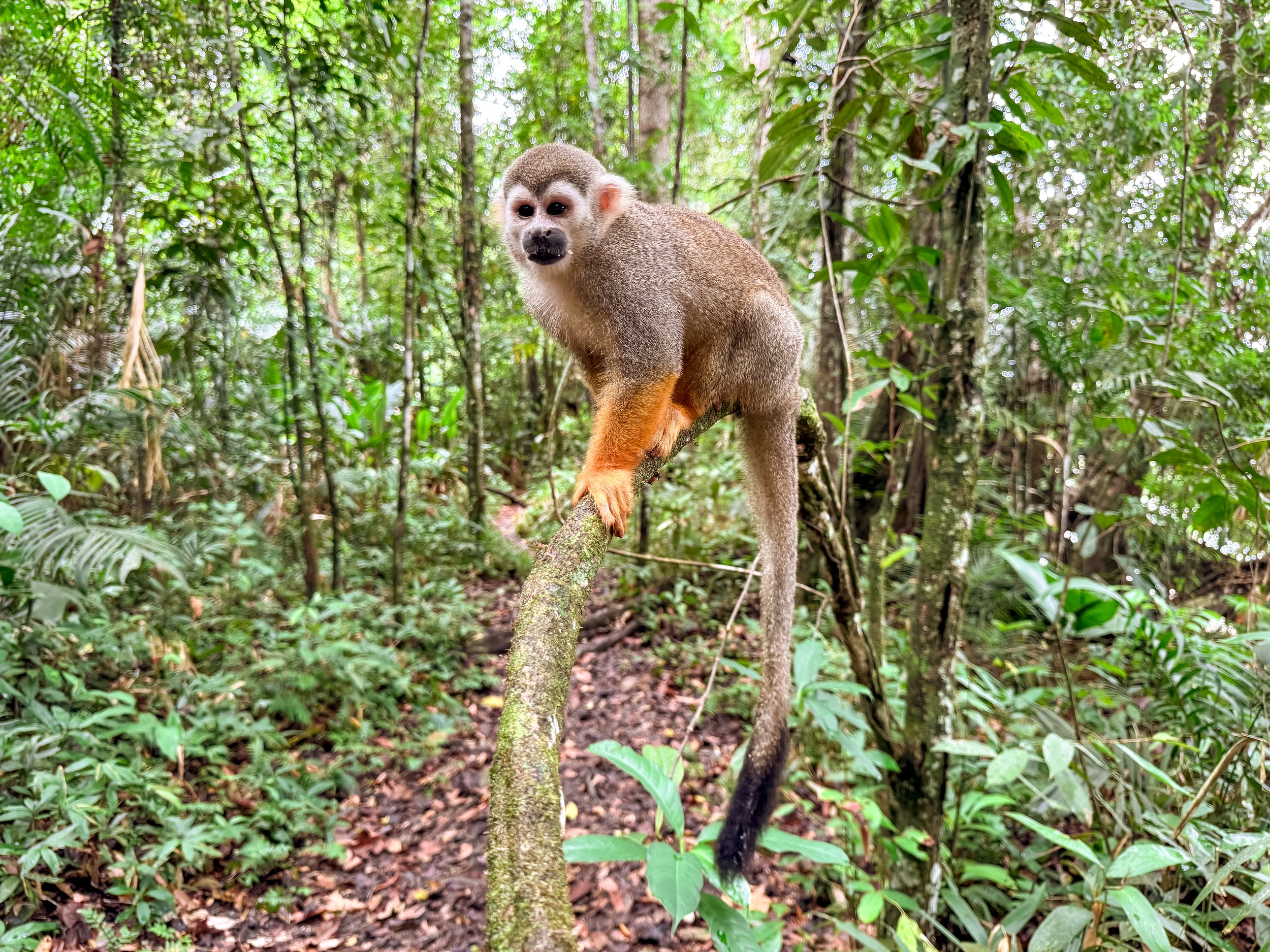
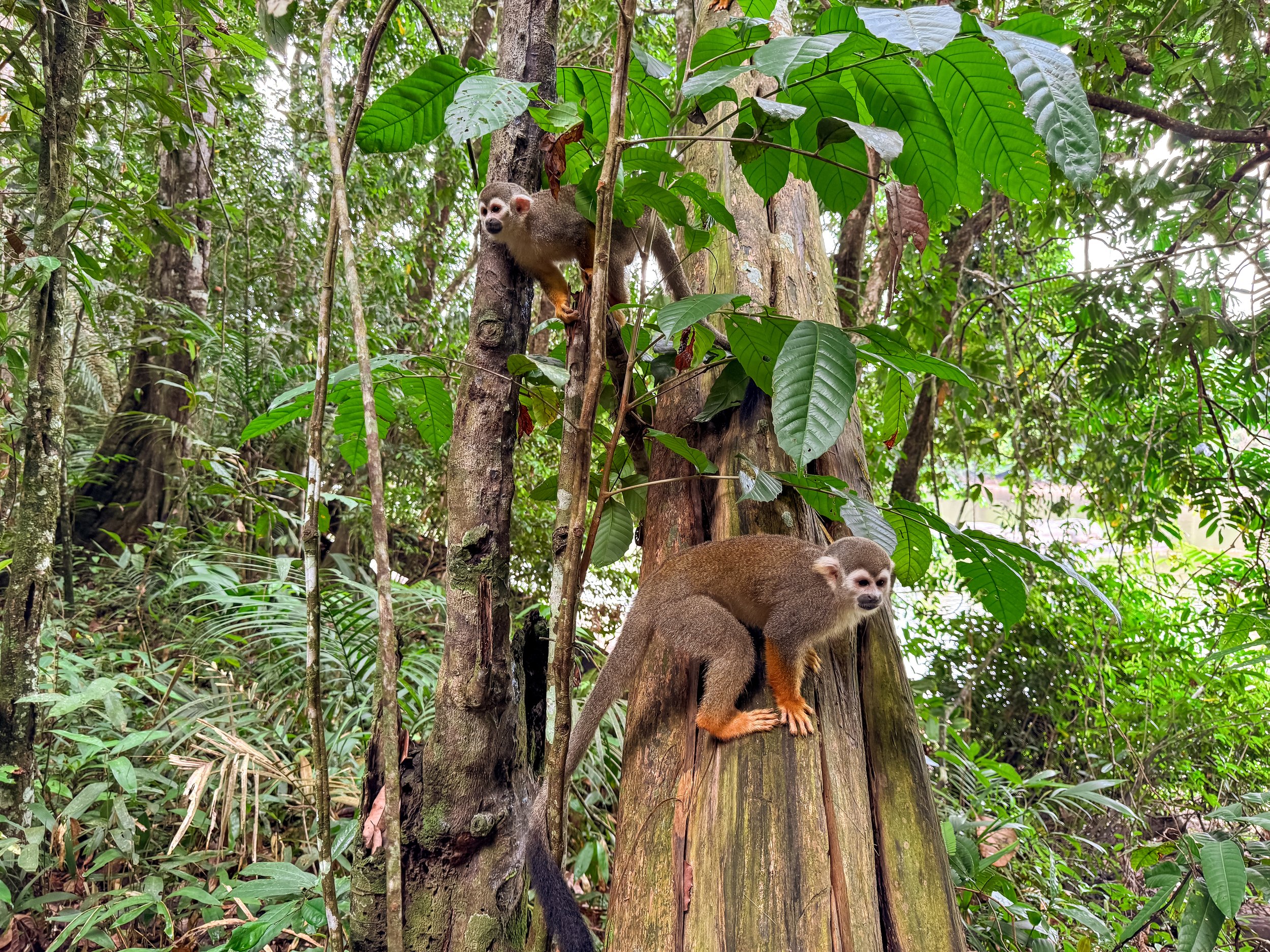
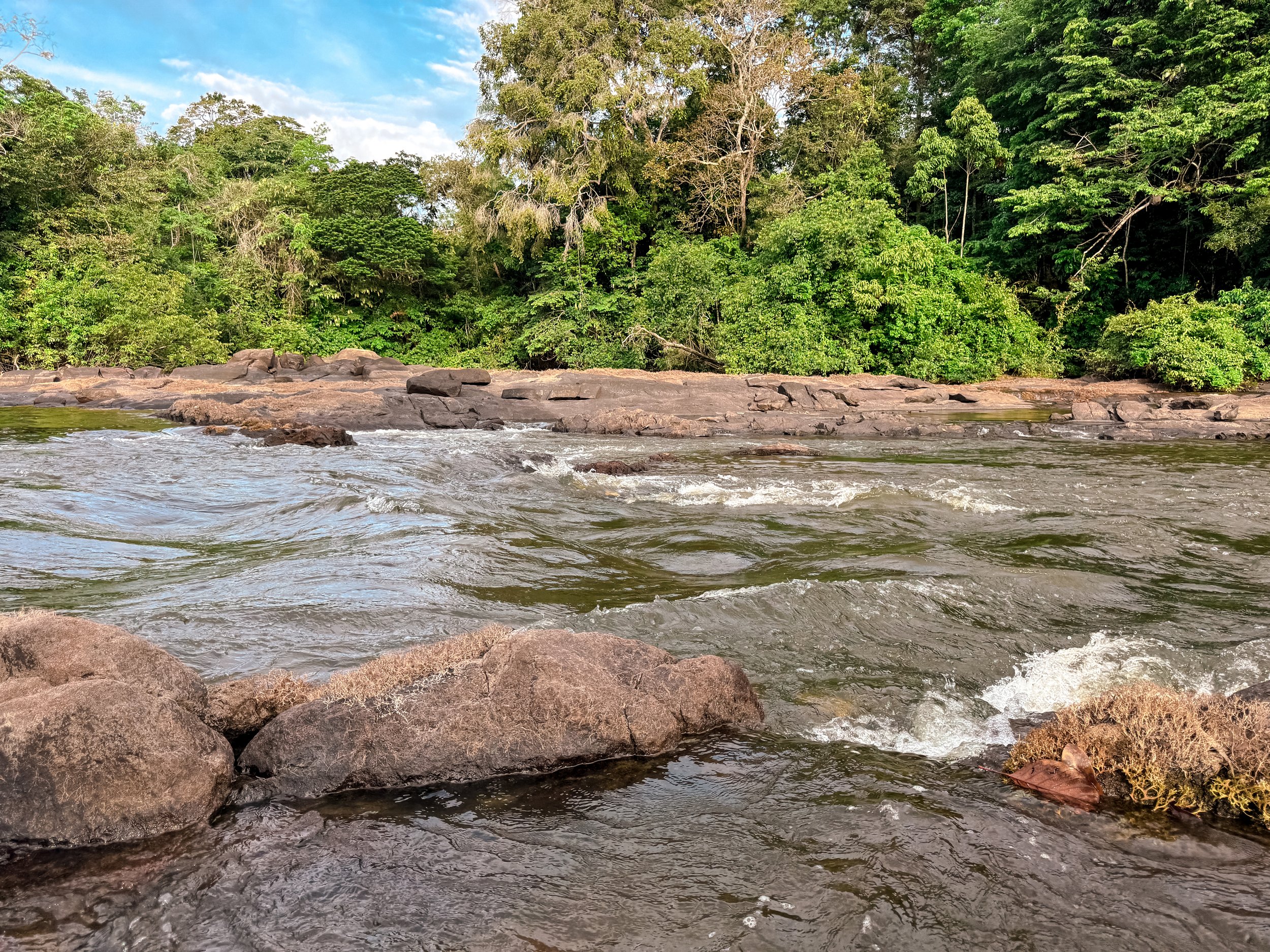
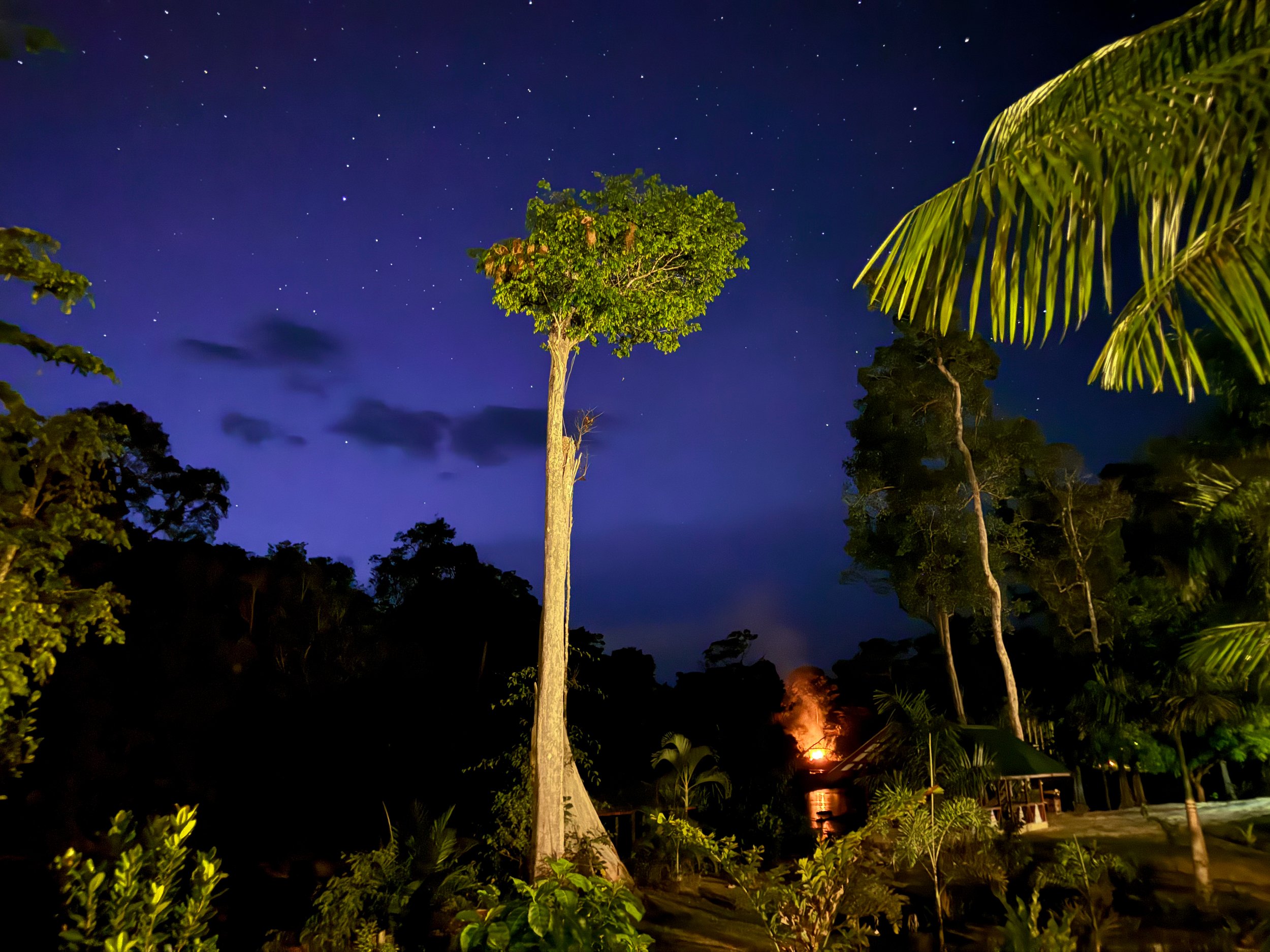
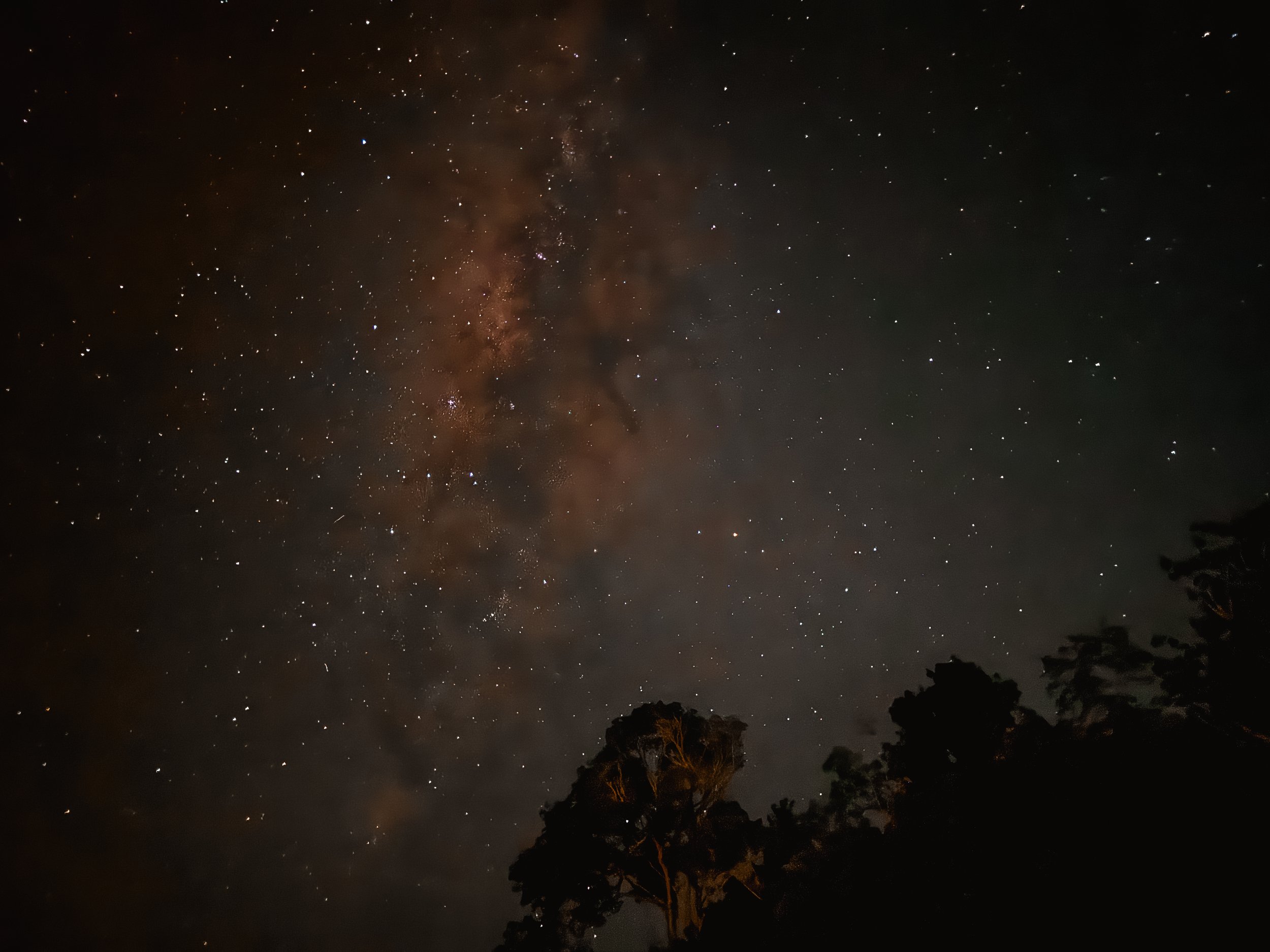
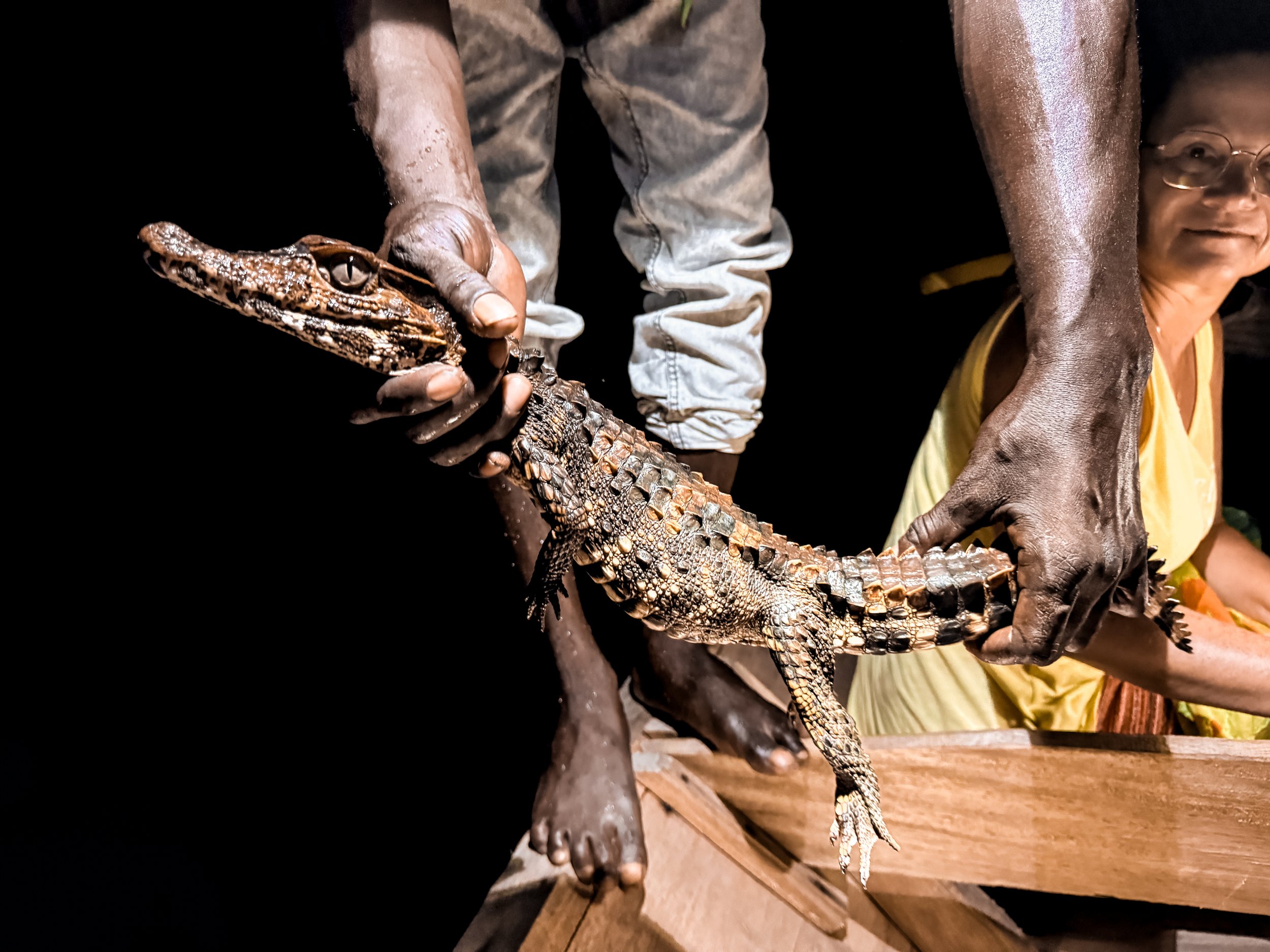
Day Two, Exploring Nature
Waking up in the Amazon
The noises of the rainforest, birds chirping, frogs croaking and cicadas humming all around our bungalow provided a fitting wake up call for our second day in the Amazon. At breakfast, our guide found a tarantula in the palm trees and placed it on us. The furry spider slowly crawled on our arms, applying subtle pressure as its tiny feet climbed.
Hiking the Amazon
We began our hike along the perimeter trail of the island, walking through dense primary forest with hundred year old trees and newly grown foliage. Along the way, our guide taught us Amazon survival skills including how to call for help if lost, snake warning signs and to learn from the monkeys to know what’s safe to eat.
Among the sounds of the rainforest, we heard some squeaks in the canopy and spotted a group of curious capuchin monkeys. Knowing we may have had food, the cute monkeys paid us a visit. We fed them pieces of banana which they quickly snatched from our hands while some even jumped onto our shoulder, wrapping their furry tails around our arms.
Nighttime Caiman Tour
As night fell, we took a canoe tour downriver to spot caiman under the stars. We shined a bright light towards the river bank, looking for the reflection of the caiman’s eyes. After several minutes, we caught an amber glow reflecting back. Our guide approached the small caiman and snatched it out of the water for everyone to see up close. After releasing it, we canoed further down river spotting one more, twice as large as the first, before returning back to Anaula.
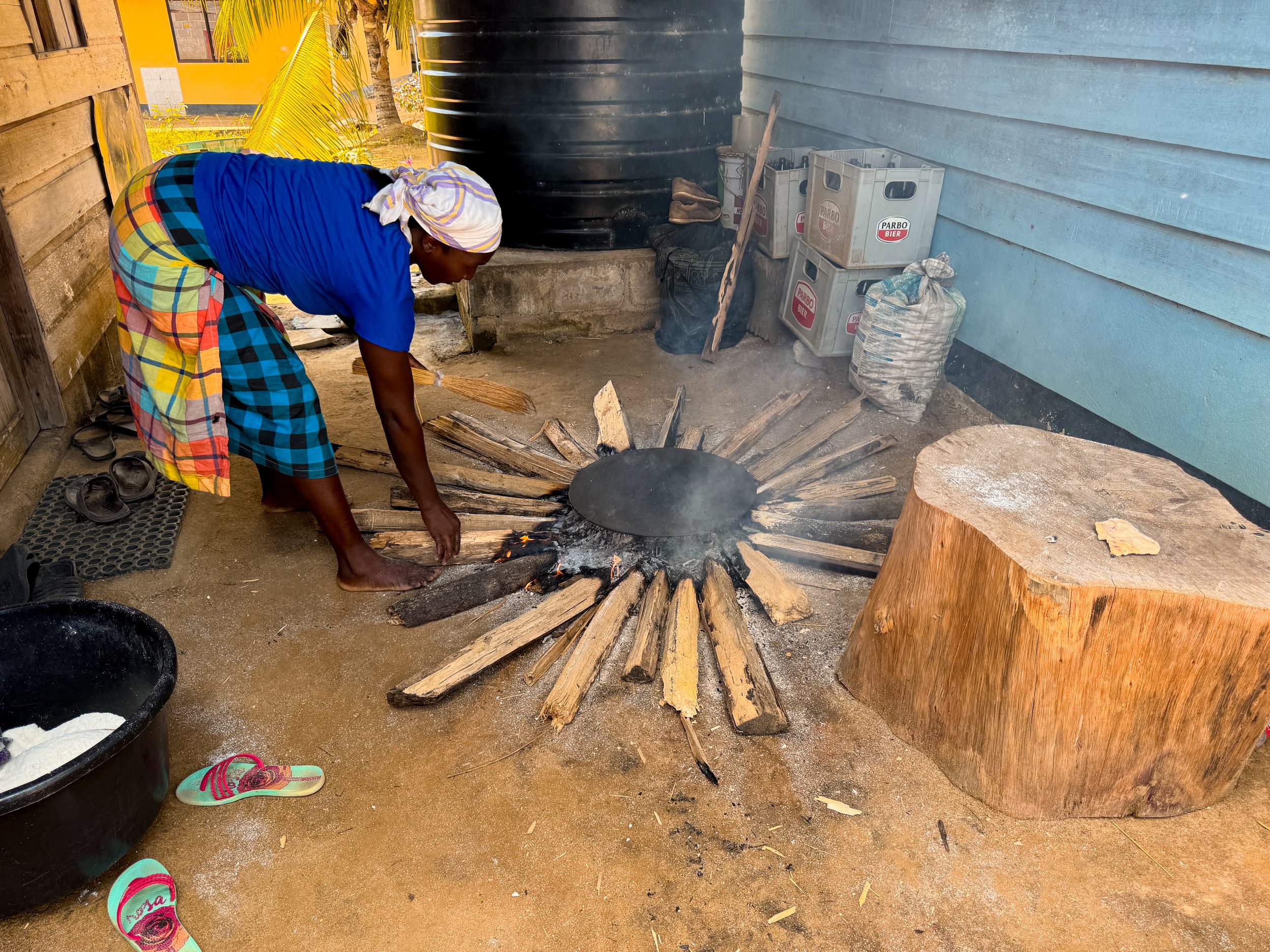
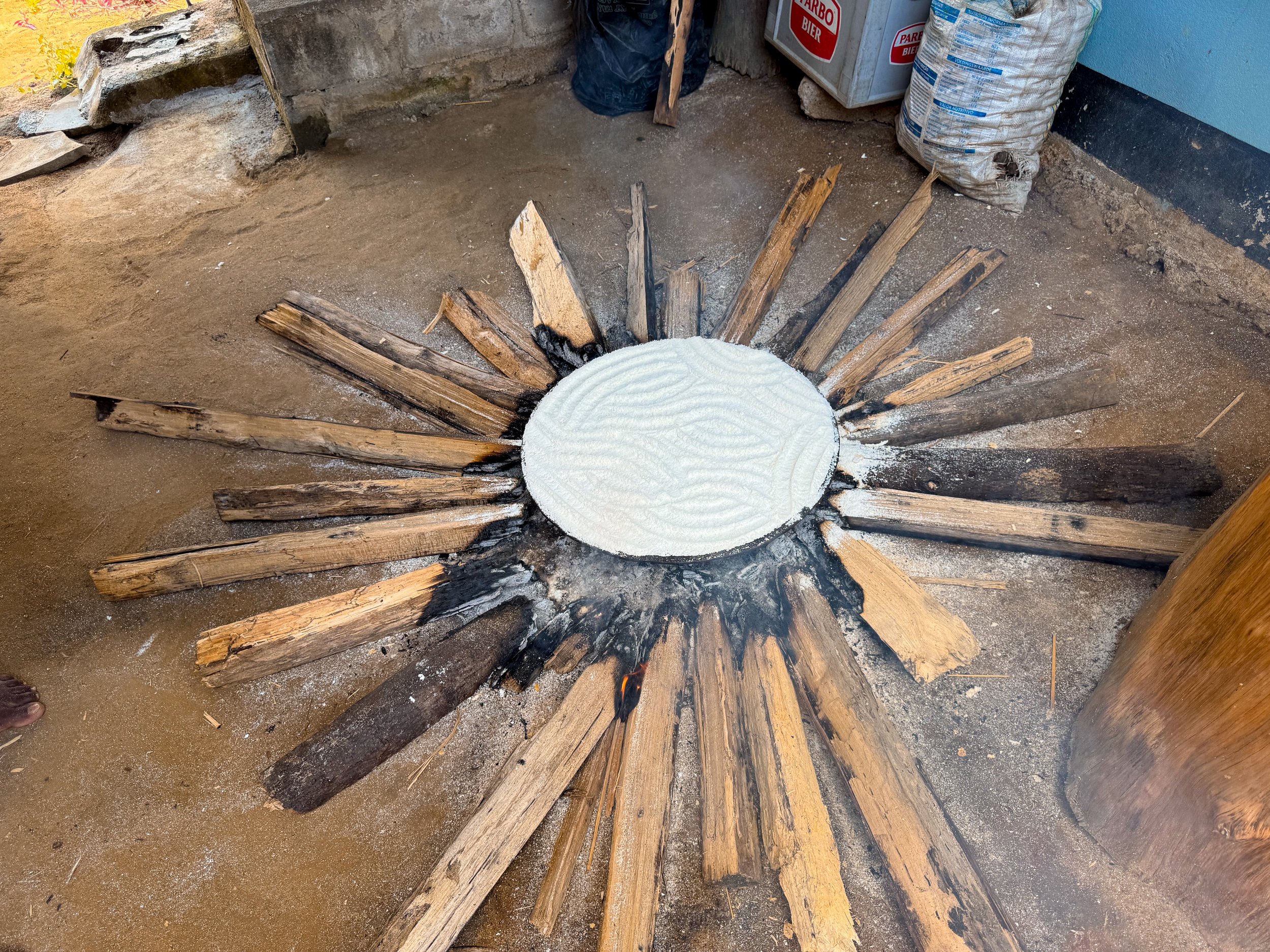
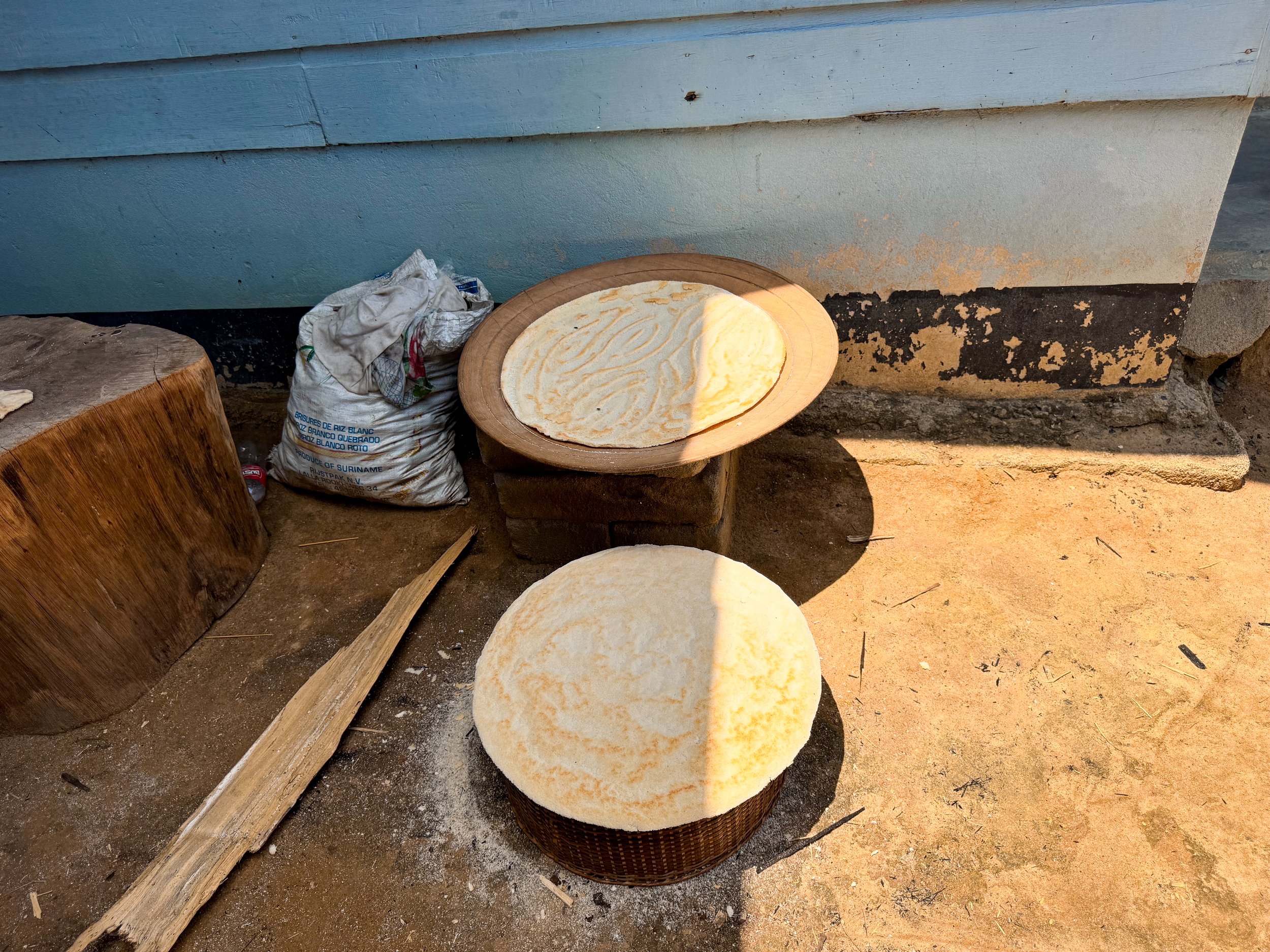
Day 3, Culture & Relaxation
The Village Walk
We visited the Village of Ladoani further up the Suriname River. The village is home to the Saamaka, 1 of the 6 Maroon people in the country. The Maroon people are the descendants of enslaved Africans brought to Suriname who have lived upriver for generations. Traveling by canoe, on foot and then by canoe again, we reached the village of nearly 3,000 people.
During our guided village walk, we learned about the village, its people, culture, language and history. The village is comprised of wooden plank houses with tin roofs and dirt pathways, a hospital, school, church and at least two mini marts. Trees producing papaya, coconut, banana, star apple, mango, cashew and breadfruit flourish here while gardens with okra and cassava grow outside of peoples’ homes.
It’s quiet during the day. The men have left to harvest crops, hunt within the jungle and fish further up river. The elders, women, children and young men remain with jobs of their own. Women harvest leaves for bathing, grind cassava to bake bread, wash laundry in the river and roast palm seeds to produce oil. Children play together, learn at school, empty rainwater from canoes and show off their pet parrots while younger men mix concrete to build foundations for new homes.
Relaxation Mode
After retuning for lunch, we spent the remainder of the afternoon napping in hammocks by the river, watching canoes navigate upstream, listening to the flow of the rapids, hum of cicadas and chirping birds. Towards the late afternoon, we migrated to the pool for a snack and a local beer.
Saamaka Performance
After dinner on our final night, we were treated to a cultural dance performance by drummers and dancers from the Ladoani Village. They performed several songs and dances that originated during the plantation era when enslaved Africans would use the performances to distract their oppressors while others escaped. Since then, the Saamaka have continued these performances but for reasons of joy and happiness.

Day 4, Relaxation & Return to Paramaribo
The Last Morning At Anaula
We woke up early to listen to the birds as the sun rose followed by a nature walk where we spotted the same family as monkeys from day two. They were feasting on the fruit and nuts of a palm tree near the river. In the early afternoon, we began our scenic and exciting boat ride back to Atjoni where we boarded the bus returning to Paramaribo.
The Cuisine at Anaula
Over the four days at Anaula, we got to taste many Surinamese dishes cooked by the Maroon people as well as dishes brought to Suriname by its culturally diverse population of Indians, Indonesians and Dutch. The kitchen prepared 3 buffet meals a day, a mid afternoon snack and accommodated our pescatarian preference.
Fresh Fruit. Pomelo, watermelon, papaya & banana
Poffertjes. Tiny Dutch pancakes
Roti. Flat bread served with masala eggs, curried potatoes, pureed squash, sautéed eggplant and rice.
Pakabana. Sliced, battered and fried plantains.
Witi Fis. Fried white fish.
Salt Fish. Salted and shredded cod.
Menu Vada. A savory dough flavored with spices and shaped into a donuts.
Nasi. A mixed rice dish, influenced by Indonesian and Chinese cuisine. It can be served with vegetables or meats.
Surinamese Vegetables and Greens:
Sautéed antroewa (white eggplant) and soproro (bitter melon)
Steamed yardlong beans
Boiled white sweet potatoes & cassava
Blanched Kaisoi (a type of spinach)
Okra Soup, cooked with okra and greens

Where to Stay
In Paramaribo, we stayed in a private room at the Twenty4 Hostel. The hostel has communal areas like a reception, kitchen and back patio. They offer simple breakfasts, luggage storage, taxi services and can arrange tours across the country.
Location Specifics
Language. Dutch, English, Sranan Tongo and several Maroon languages are commonly spoken.
Currency. The Suriname Dollar is the local currency. Cash is frequently preferred over credit card.
Credit Cards. Visa is not accepted anywhere. Mastercard is accepted. There is typically a 5% credit card fee.
Tipping. 10% is customary
Drinking Water. T ap water is not safe for consumption unless rapidly boiled for at least one minute. Avoid ice as it’s often frozen tap water.
Climate. Paramaribo is hot and dry during September to October. Make sure to drink plenty of water.
Insects. When in the interior of the country, wear long socks and insect repellant to avoid bites, especially at night time or after the rain.
Driving. People drive on the left side of the road. Cars have their steering wheels on the right side of the car. Speed limits and milage are in km.
LGBTQ+ Though there are some restrictions one LGBTQ+ rights, October is the unofficial Pride month. We saw rainbow and progress flags at embassies, large hotels and WHO buildings.
Visas. We needed to apply for an E-Visa a minimum of 72 hours before visiting Suriname and pay a $59 fee.
Getting Around
Airport Taxi: The airport is located a little over an hour from Paramaribo. Taxis typically cost $50 one way.
On Foot: The city center near most sights is easily walkable.
For Next Time…
One thing we learned in Suriname is that 9 days is hardly enough time. Next time we return, we hope to see more of the interior, coast and even the neighboring countries of Guyana and French Guiana.
Raleighvallen. A scenic and long cascading waterfall deep in the interior.
Voltzberg Dome. A 240 meter granite dome in the middle of the interior. From what we read, it takes two days to reach but has incredible views overlooking the jungle.

Panama City Travel Guide: Casco Viejo, Local Food & Tropical Nature
Explore Panama City's historic Casco Viejo, vibrant culture, local food scene and tropical landscapes where rainforest and skyline meet.

Panama
Panama is a Central American country at the crossroads of North and South America. It’s home to Caribbean beaches, Pacific marine reserves, lush rain forests, an urban metropolis, the Panama Canal and a diversity of cultural backgrounds.
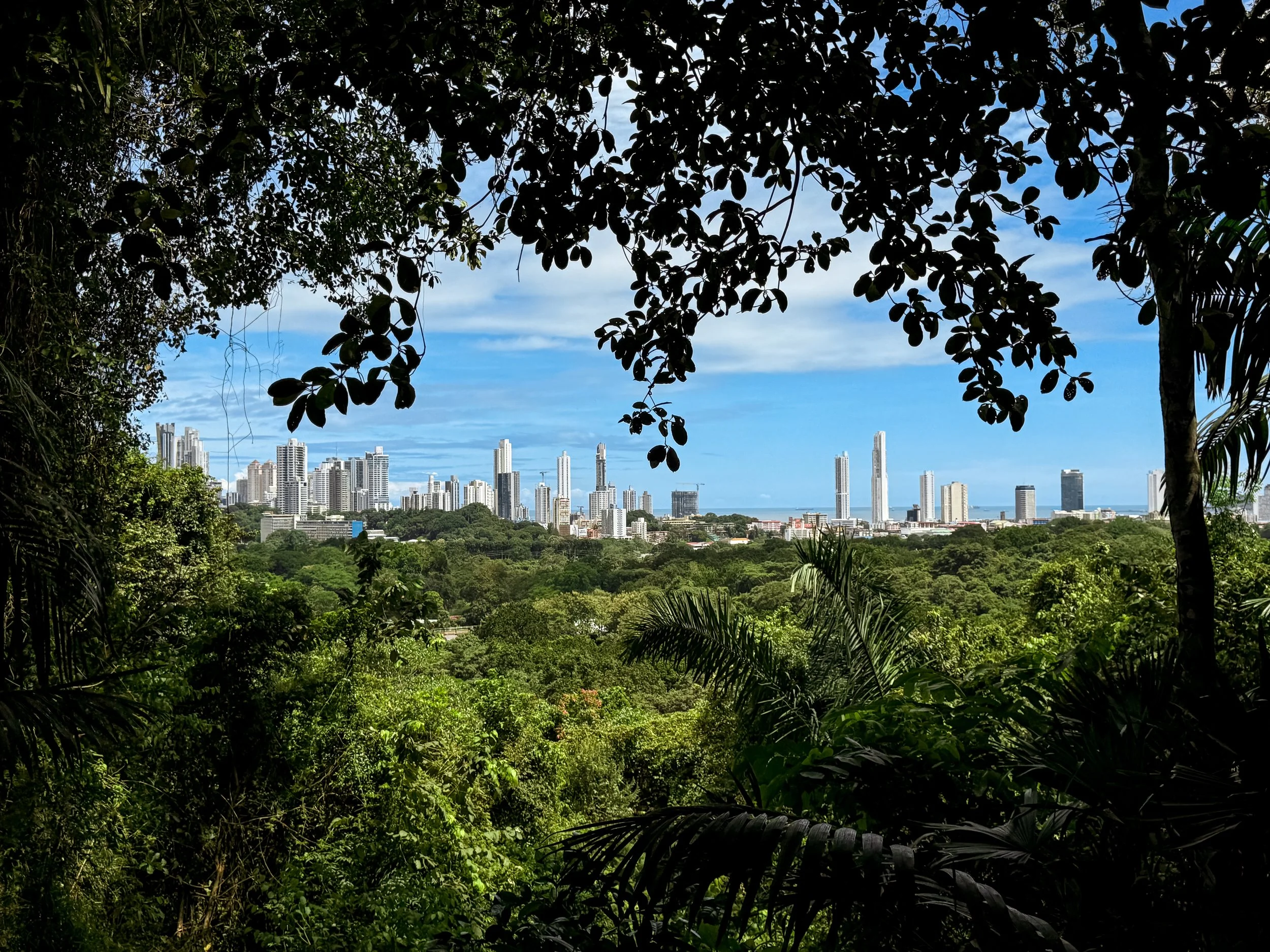
Panama City
Panama City is a sprawling city on the Pacific side of the country with towering skyscrapers, colonial architecture and historic ruins. It’s a starting point to reach many of the country’s nature reserves, and hub for other destinations across Central and South America.
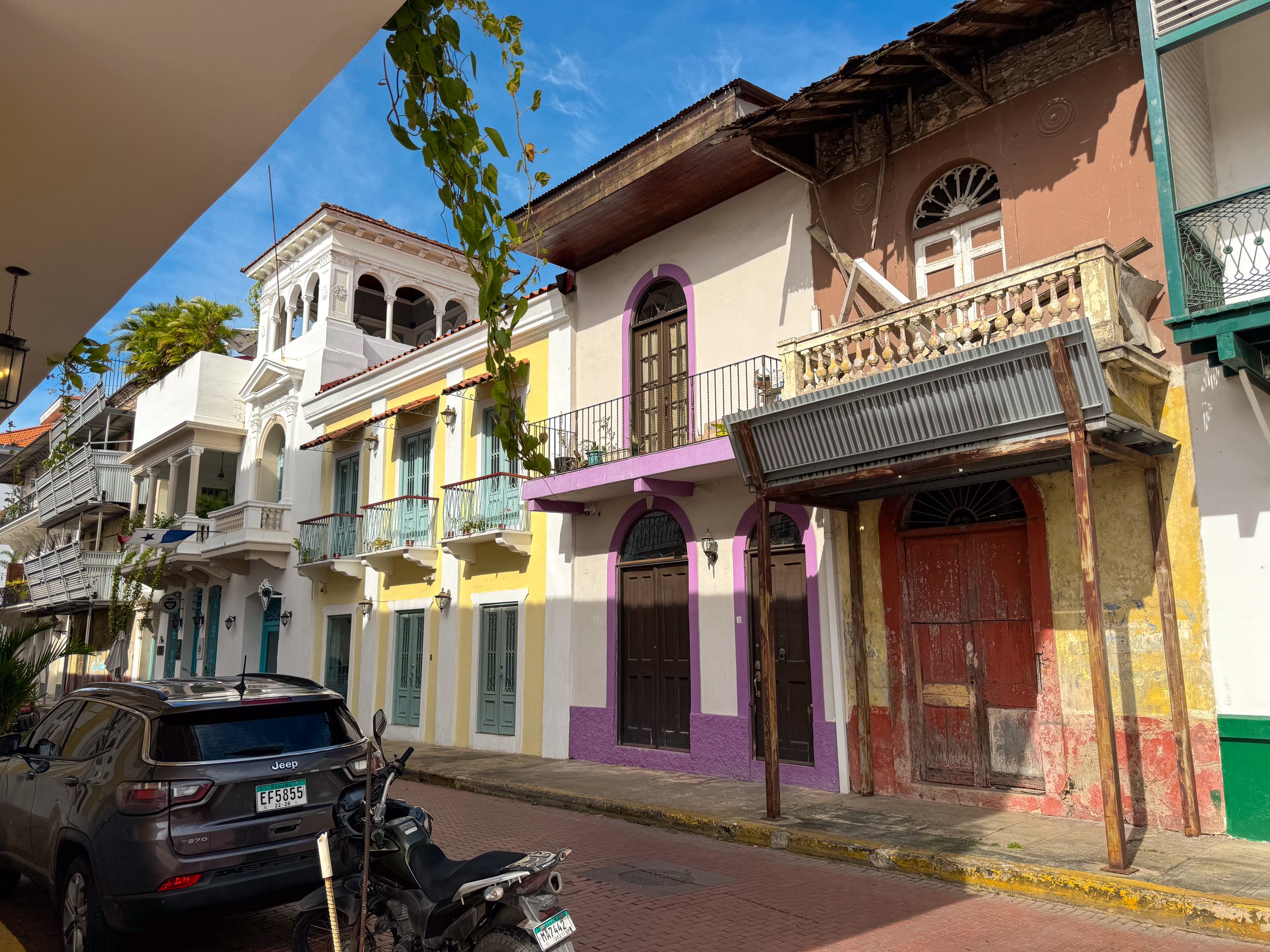
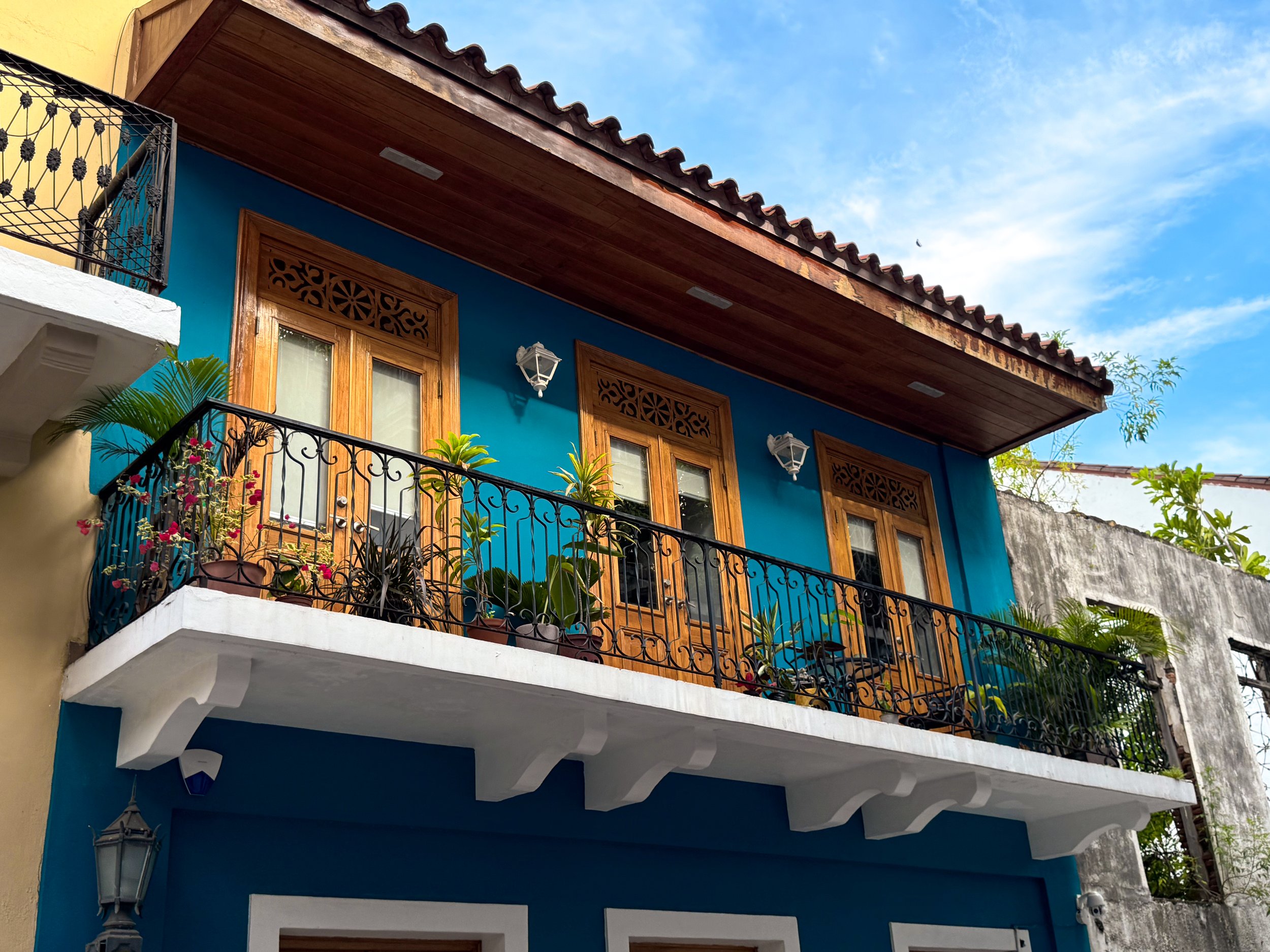
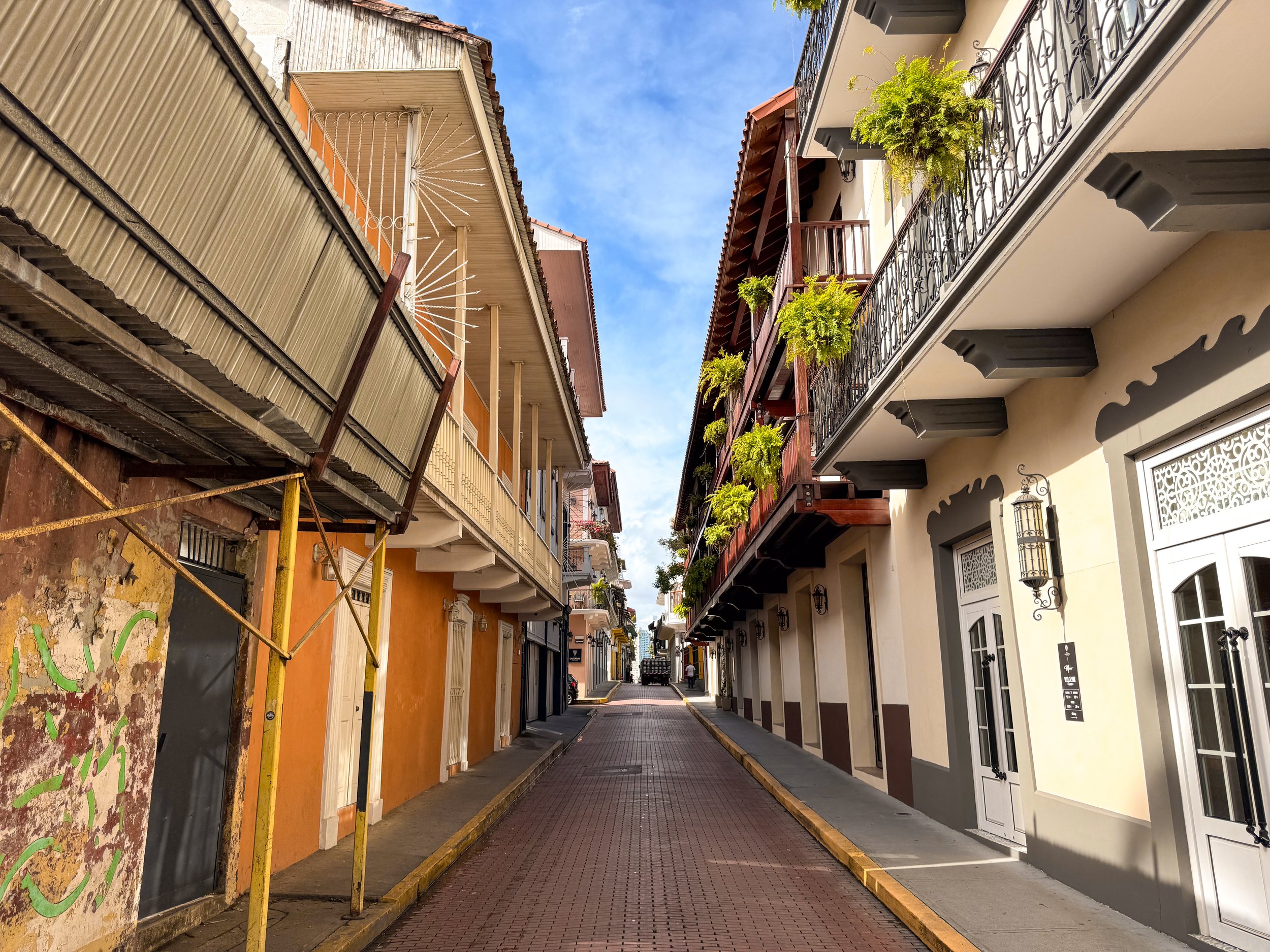
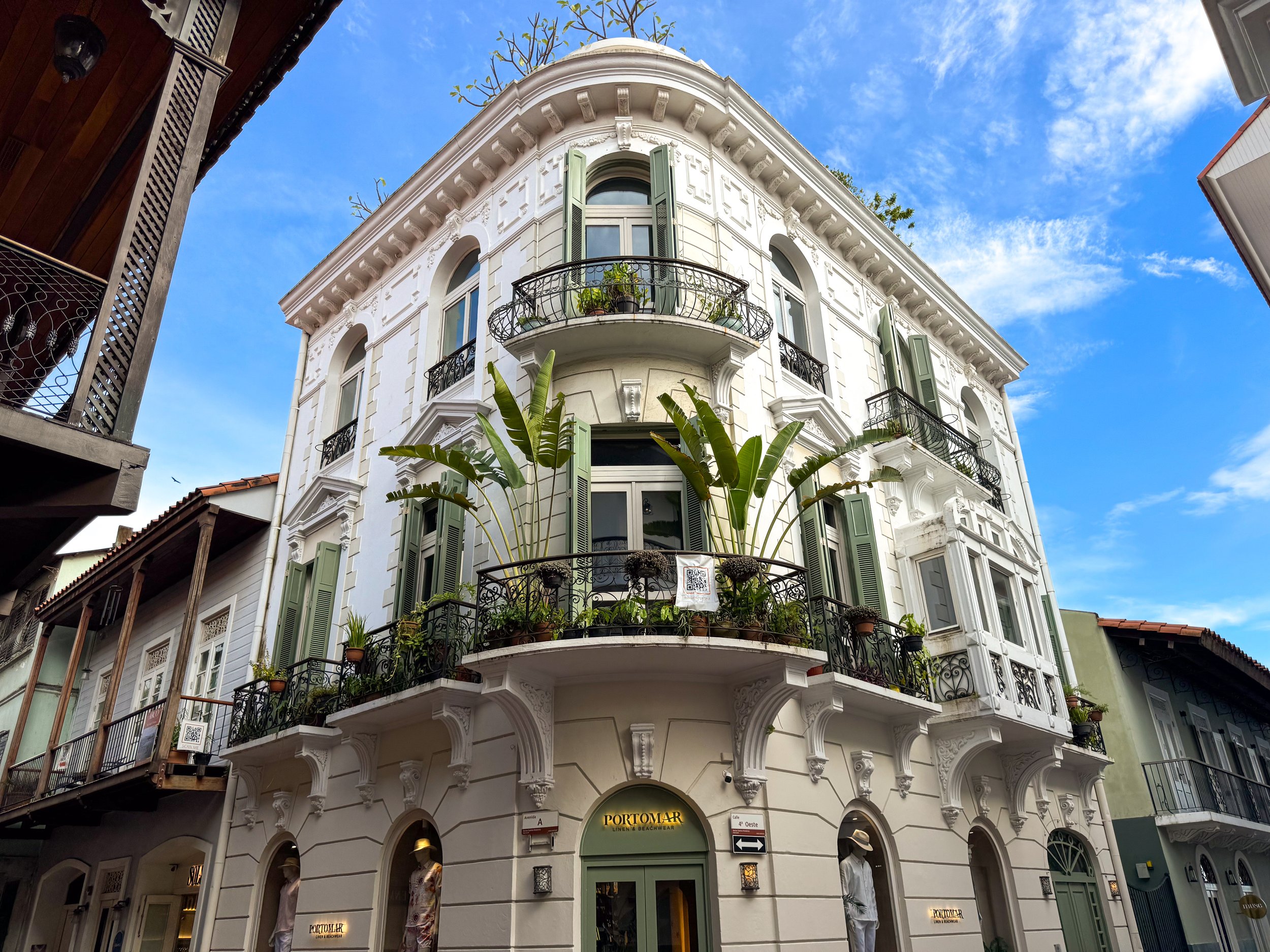
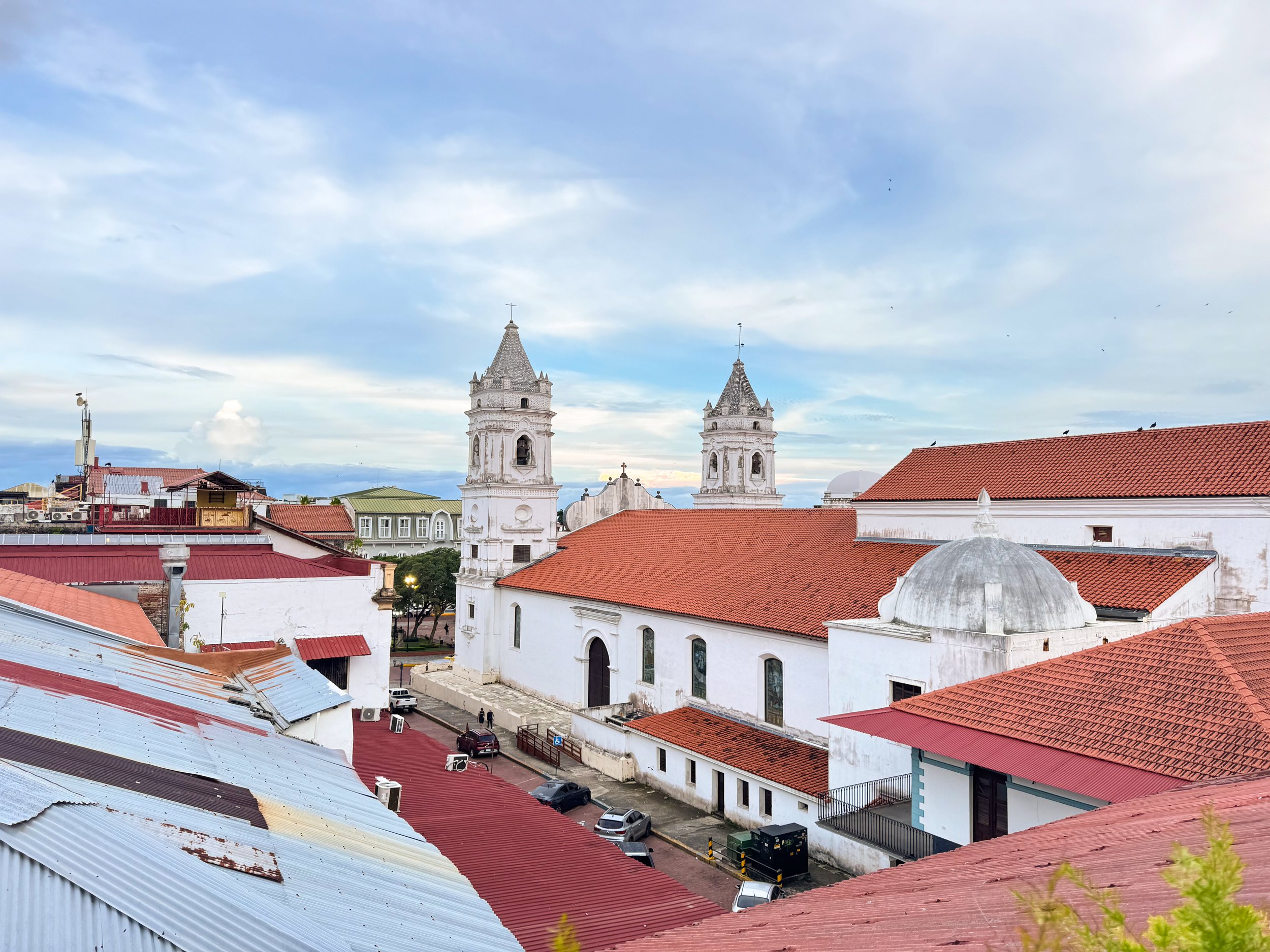
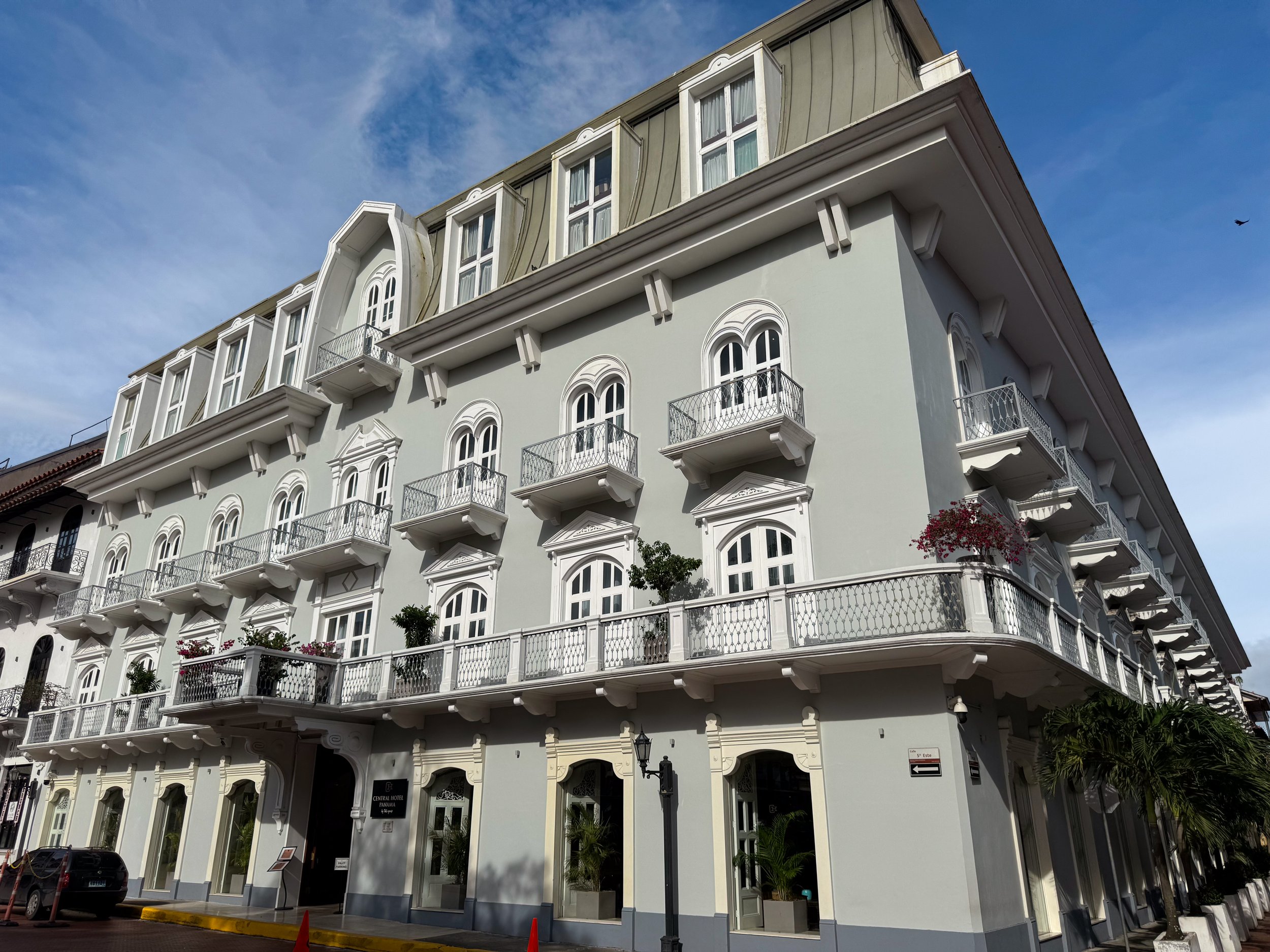
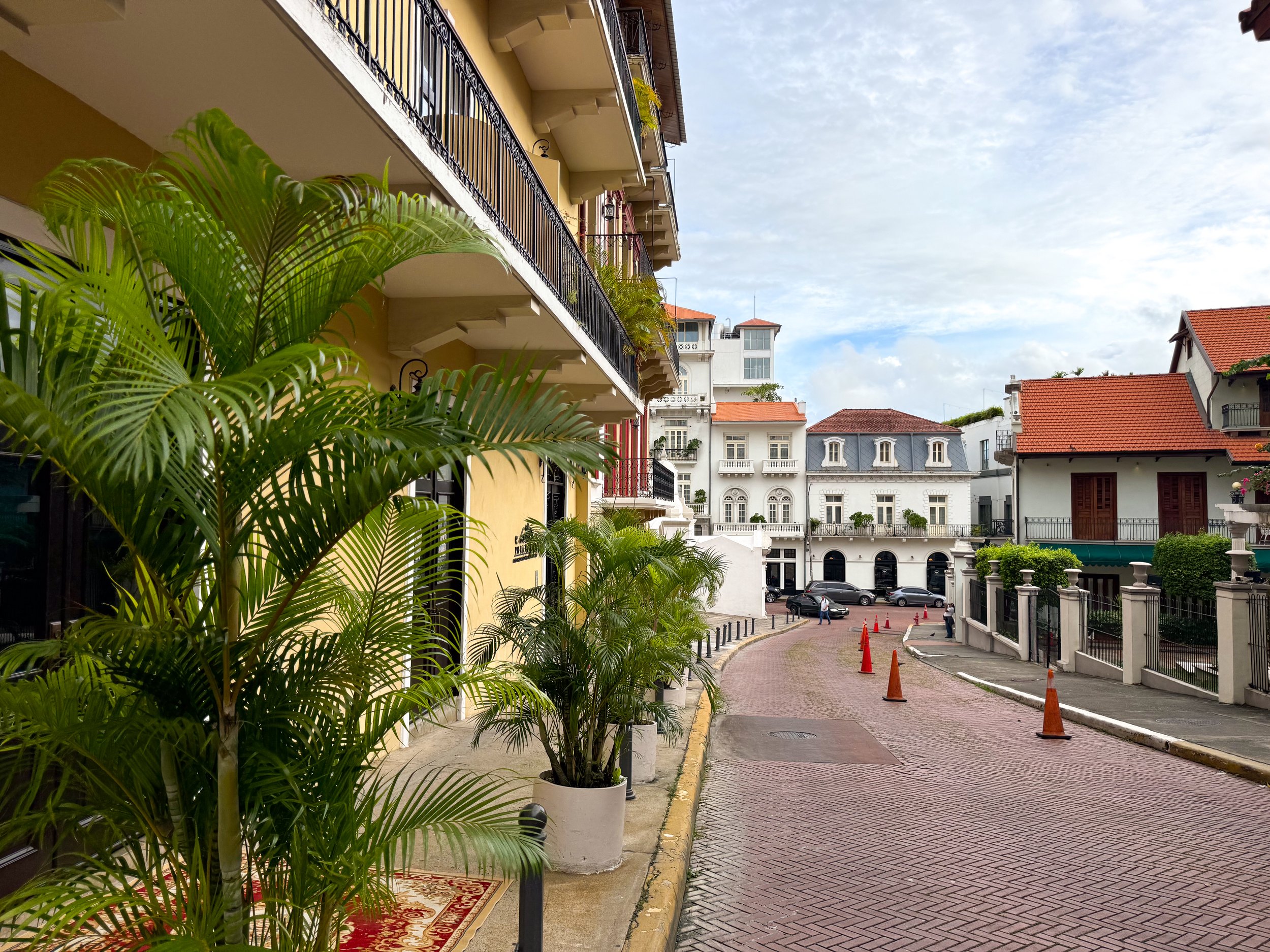
Casco Viejo
Panama City’s old town is a beautiful colonial era neighborhood built on a peninsula overlooking the Panama Bay with walled sections, seafood restaurants, rooftop bars, clothing shops, lush plazas, free museums, beautiful cathedrals and cultural sights.
Elegant Architecture
Walking down the narrow brick streets with the rails of the old street cars still visible feels like stepping through a time capsule. The elegant architecture is akin to the historic neighborhoods of Madrid with ornate facades painted in muted neutrals and pops of color, thin balconies decorated with tropical plants, warmly lit antique lanterns and clay tiled roofs. Some buildings have been well preserved while others juxtapose them as ruins now overtaken by nature.
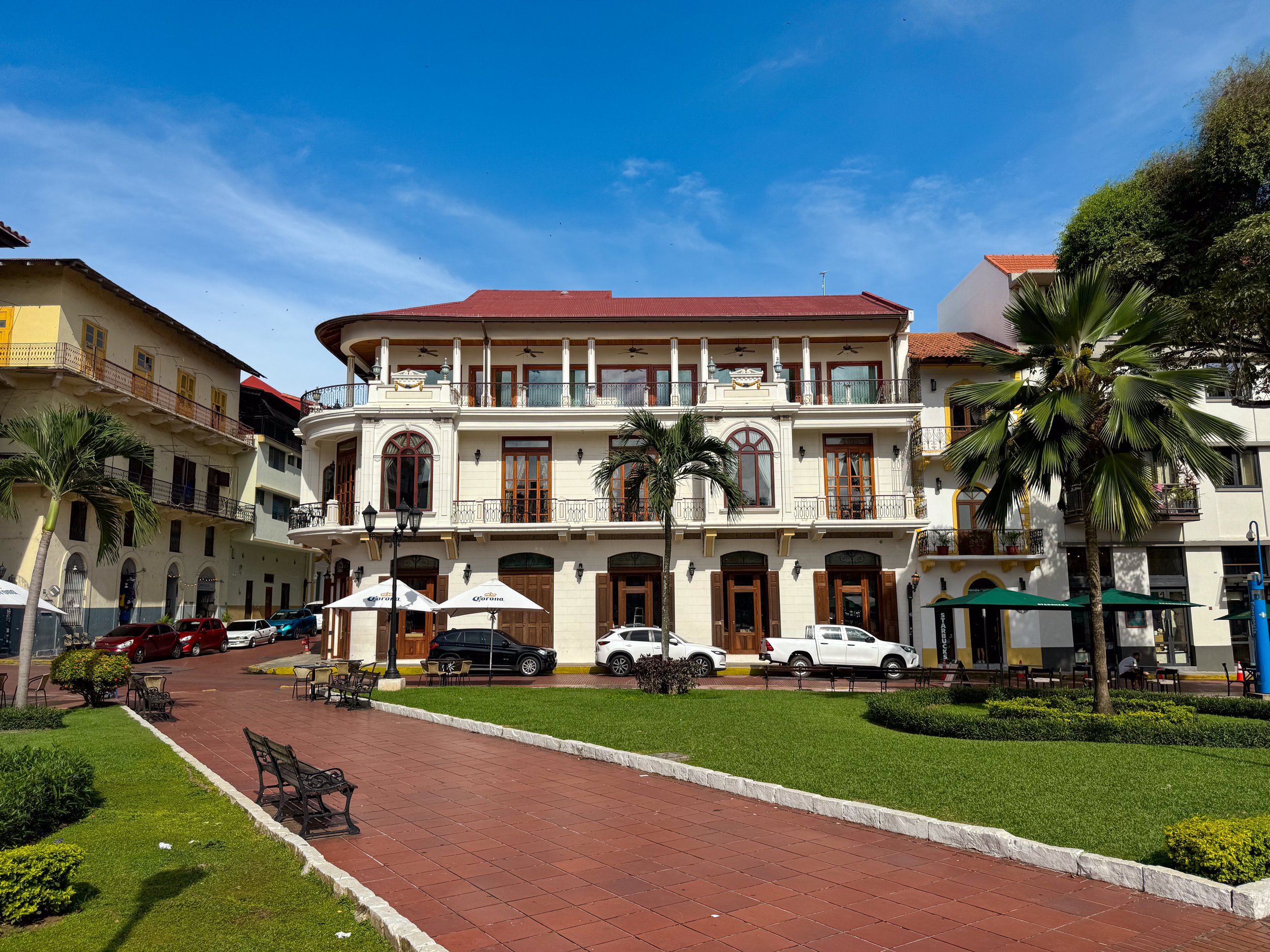
See the Sights
Plaza Herrera. A romantic and scenic plaza surrounded by elegant architecture, luxury hotels, boutiques and restaurants.
Plaza de la Catedral. A brick paved plaza in the center of Casco Viejo with a gazebo, trees and park benches. It’s flanked by the La Catedral de Panama, colonial architecture and museums. Artists often come here in the early morning with sketchbooks to draw the sights around the plaza.
La Catedral de Panama. The city’s main cathedral built with an ornate stone facade, large wooden door and two white bell towers.
Cintra Costera. A road and walkway several miles along the coast from the modern financial center to the old town of Casco Viejo with city views.
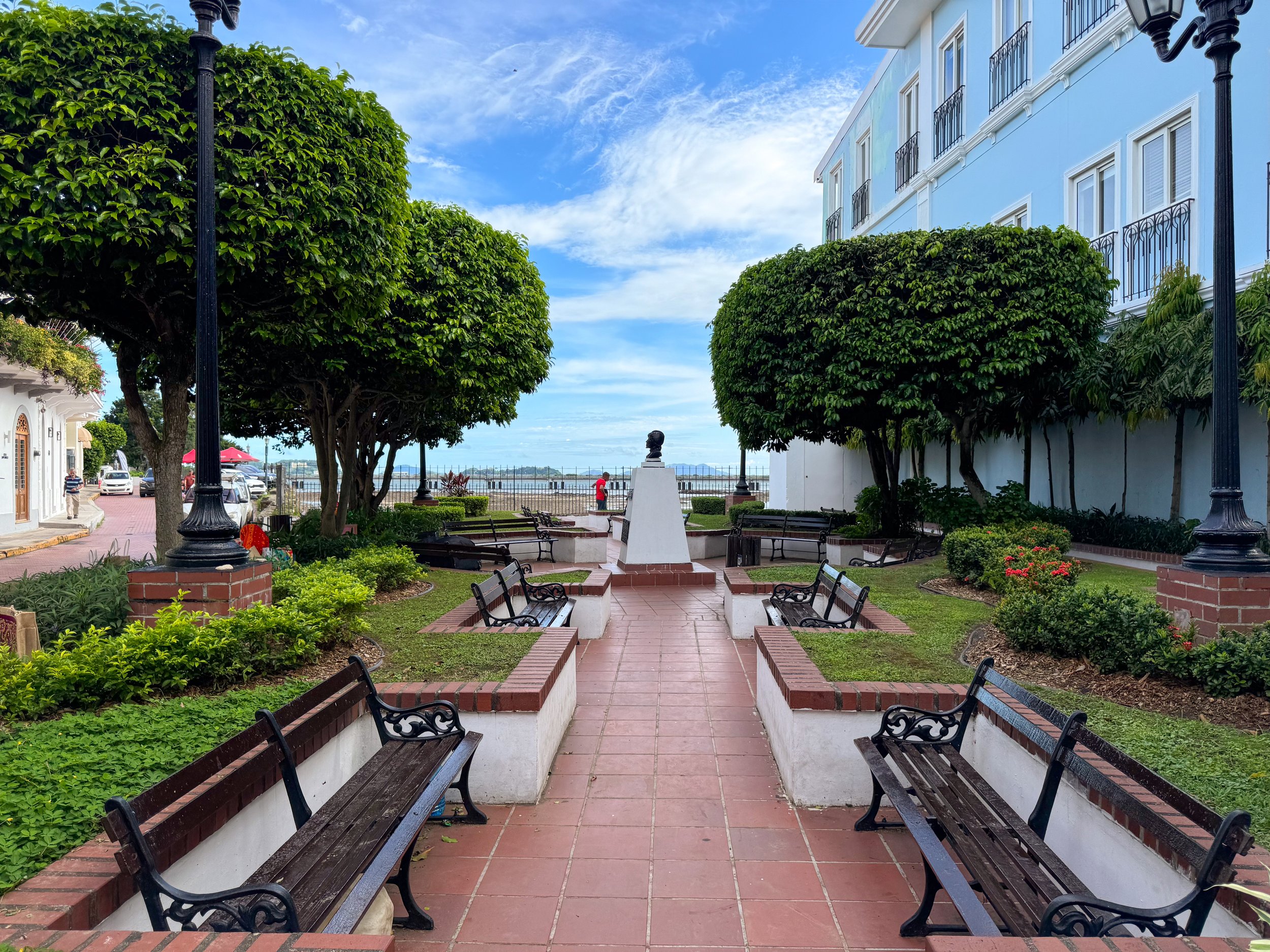
Iglesia de la Compañía de Jesús. The stone and brick ruins of a former church. All that remains is the crumbling facade, walls and interior courtyard
Convento de Santo Domingo. The crumbling brick ruins of a historic convent and church with an adjacent chapel hosing a museum of religious artifacts.
Iglesia Nuestra Señora de La Merced. A stone facade cathedral with two simplistic white bell and clocktowers. We passed by here when the bells were in full swing letting out dongs heard across the old town.
Paseo de las Bovedas. A scenic waterfront walkway along the colonial wall in Casco Viejo. There is a monument dedicated to the history of Panama, views of the modern city and a floral covered walkway with vendors selling handicrafts and souvenirs.
Corridor La Quince. An arts district outside of Casco Viejo with graffiti and murals covering the buildings & string lights draping the streets. Many of the colonial buildings are in disrepair while others have been renovated to modern standards.
Plaza Carlos V. A small garden plaza overlooking the Panama Bay dedicated to one of the first Spanish rulers of Panama credited with the idea of creating the Panama Canal. Guna women often sell their Molas and other handcrafted products from here.
Plaza Medio Baluarte. A small but photogenic plaza with colorful colonial buildings, a central fountain and an overlook along the wall. We watched as artists painted the city scenery early one morning.
Plaza Simón Bolívar. A plaza with a large monument dedicated to Simón Bolívar, the leader who lead several Central and South American countries to independence from Spain. The plaza is flanked by a cathedral and restaurants.
Amador Causeway. A palm lined road and walkway connecting three islands near the mouth of the Panama Canal. Come here to walk the scenic 3km road, watch ship waiting to enter the Panama Canal and admire views of the city skyline. Along the road are bike rentals, restrooms, overlooks and historical placards. Towards the islands are numerous restaurants, hotels, a marina and cruise terminal.
Miraflores Visitor Center. A lock system and lookout on the Panama Canal. Come watch ships pass through, learn about the canal’s history and watch a movie about it narrated by Morgan Freeman.
Good to Know. Plan your visit around when ships pass through the locks. Not knowing that ships pass through at infrequent times, the next one wasn’t for over 3 hours when we visited.
Getting Here. The visitor center is reachable by bus from Albrook Station or taxi. It can take a little over an hour to reach from Casco Viejo by bus or 20min by car.
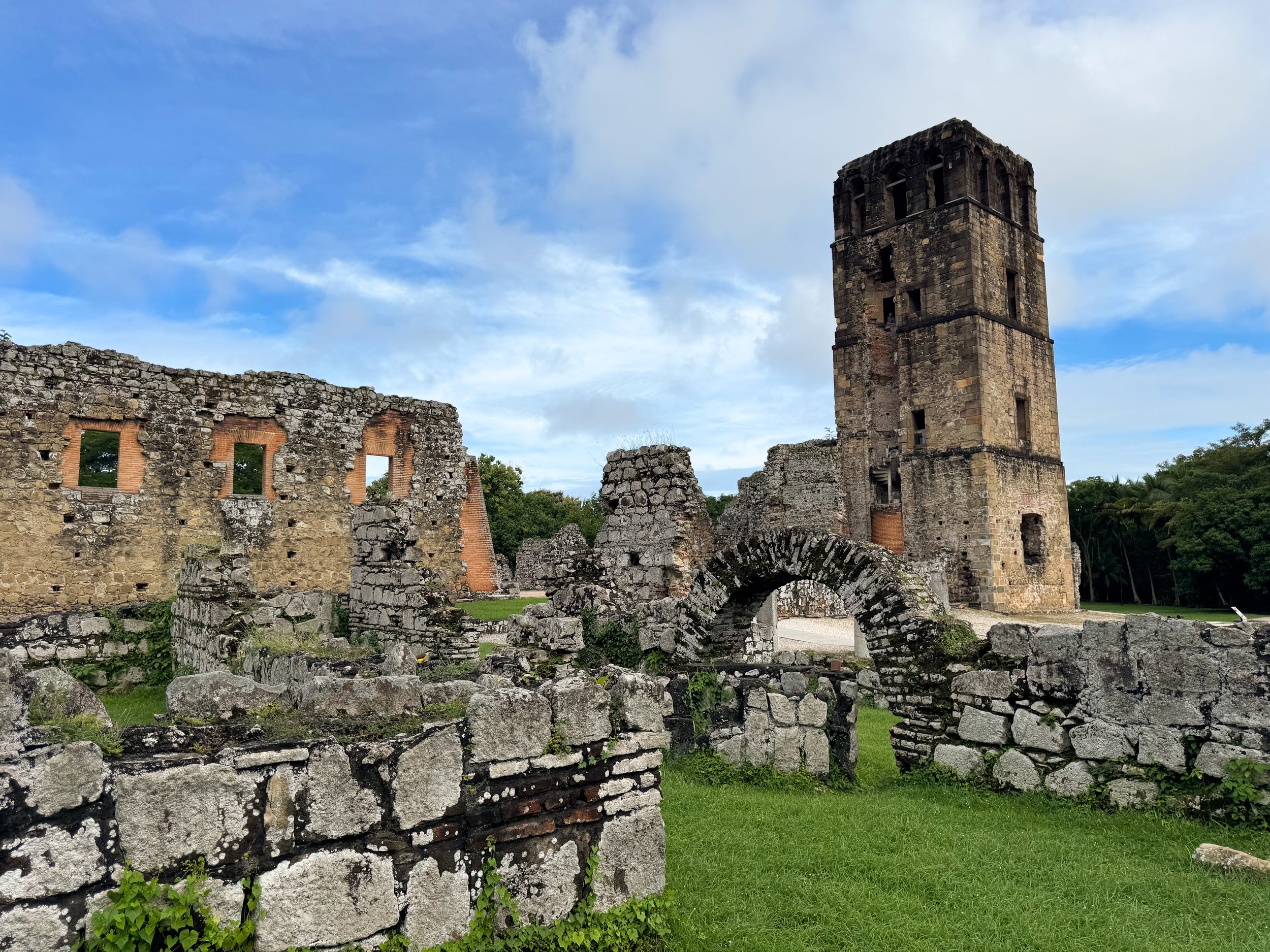
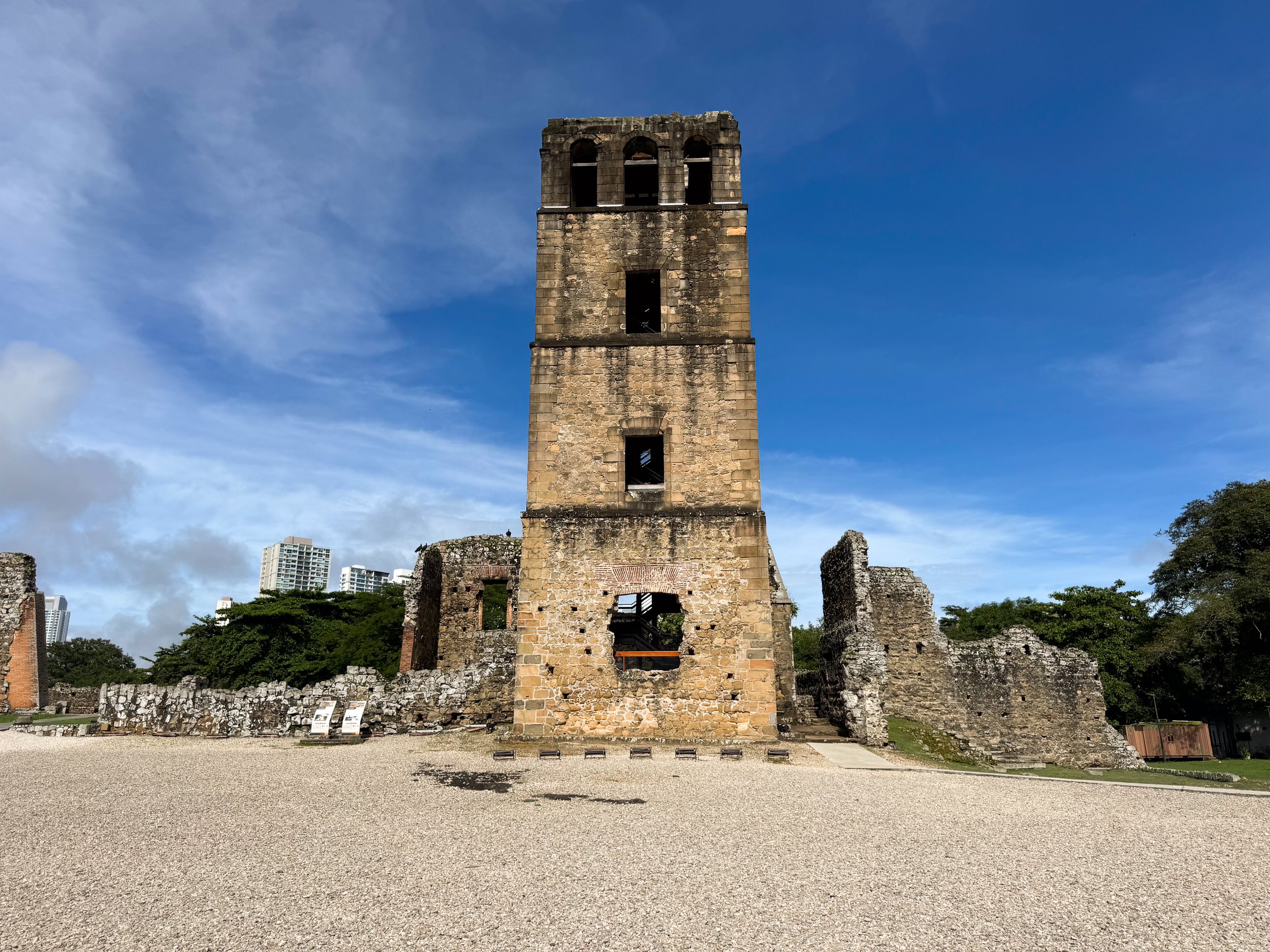
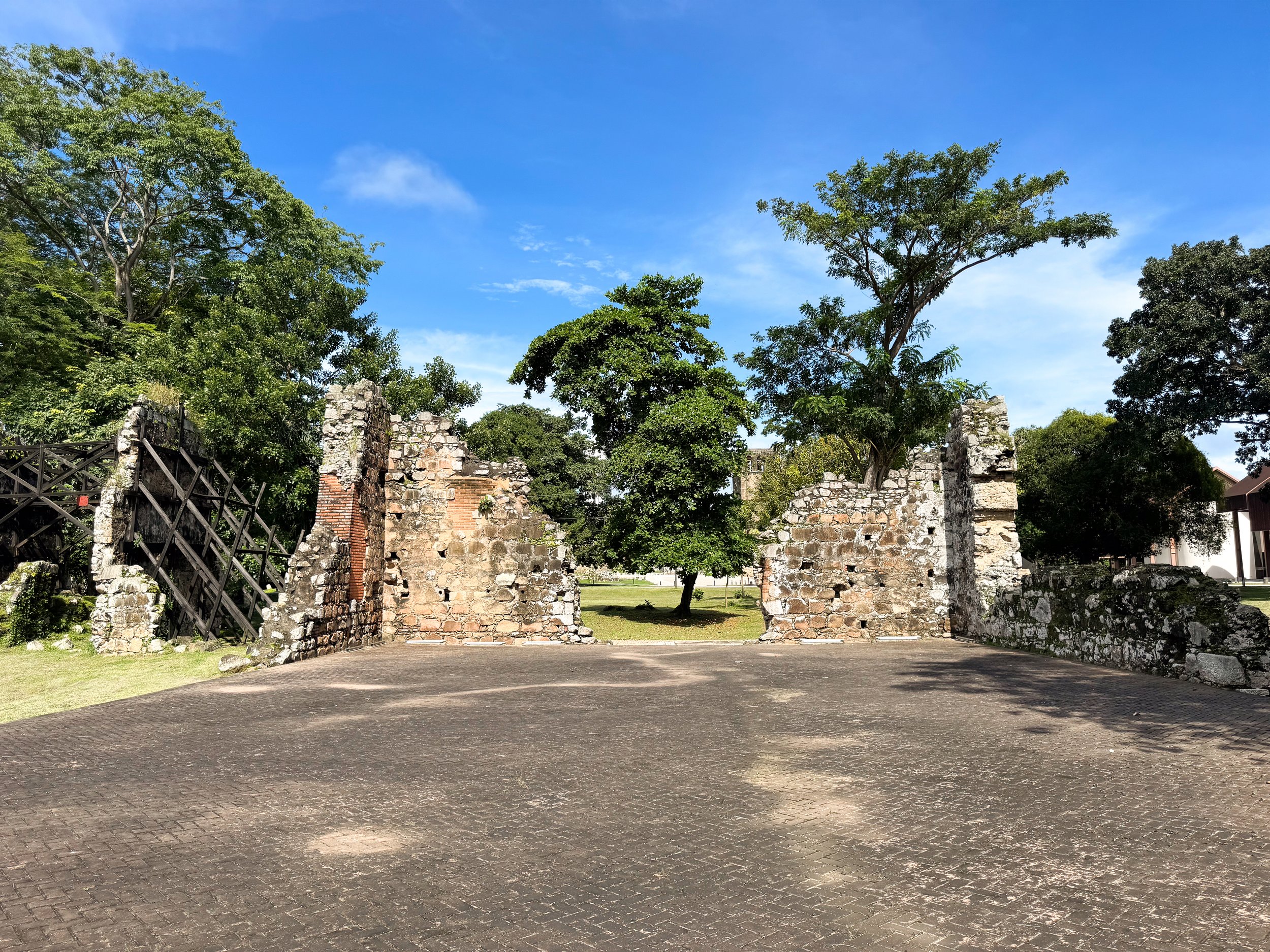
Visit the Museums
Panama Viejo. An archeological park with the crumbling brick and stone ruins of the original colonial Panama City. The city had many houses, multiple churches, roads, a grand plaza, market, cistern, bridge and tall bell tower. It was left to ruin after a major earthquake, multiple fires and pirate attacks. Come here to climb the 116 step tower with lookouts over the ruins, modern day skyline and Pacific Ocean. The view offers a unique contrast to the bustling city surrounding it.
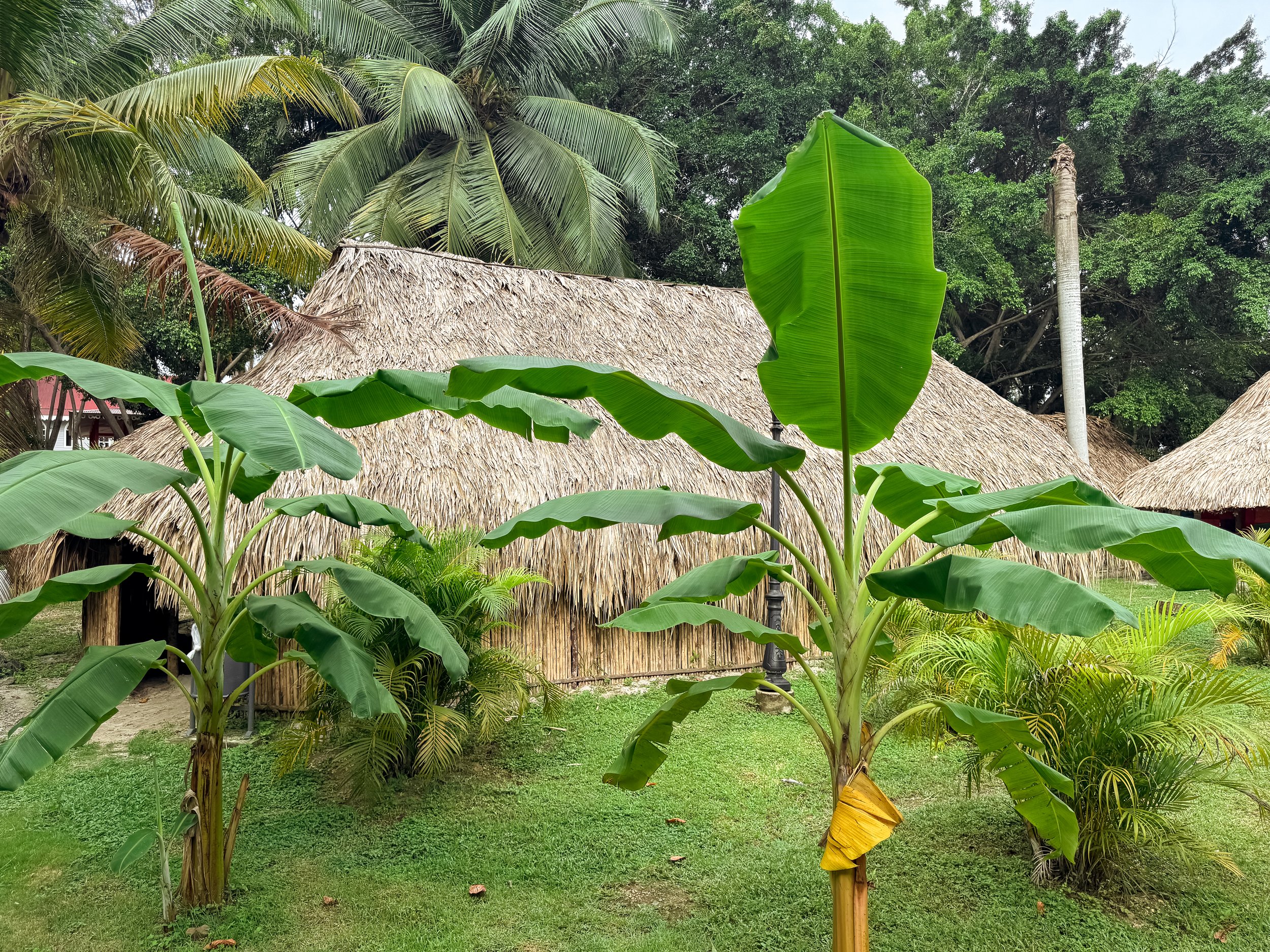
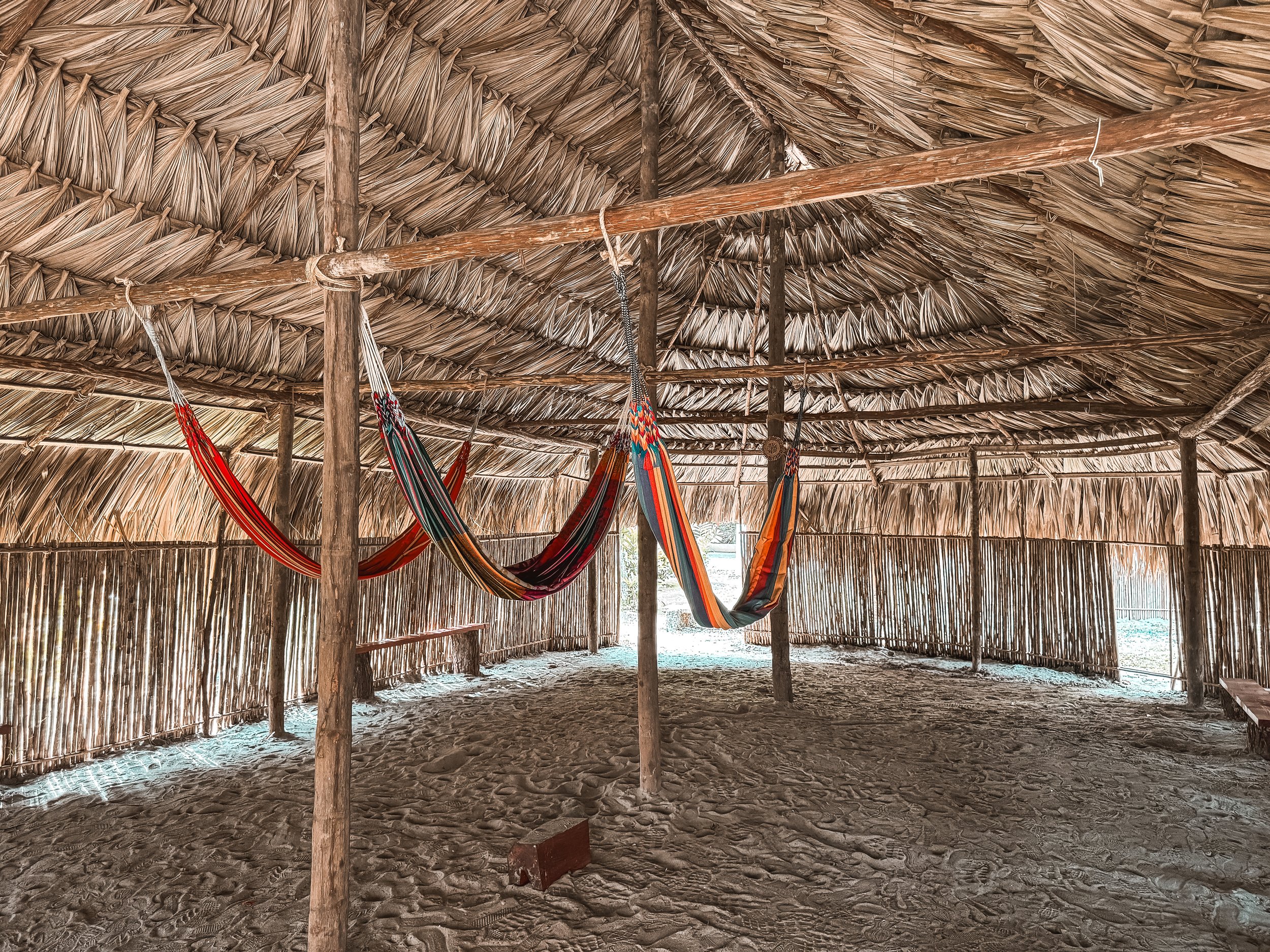
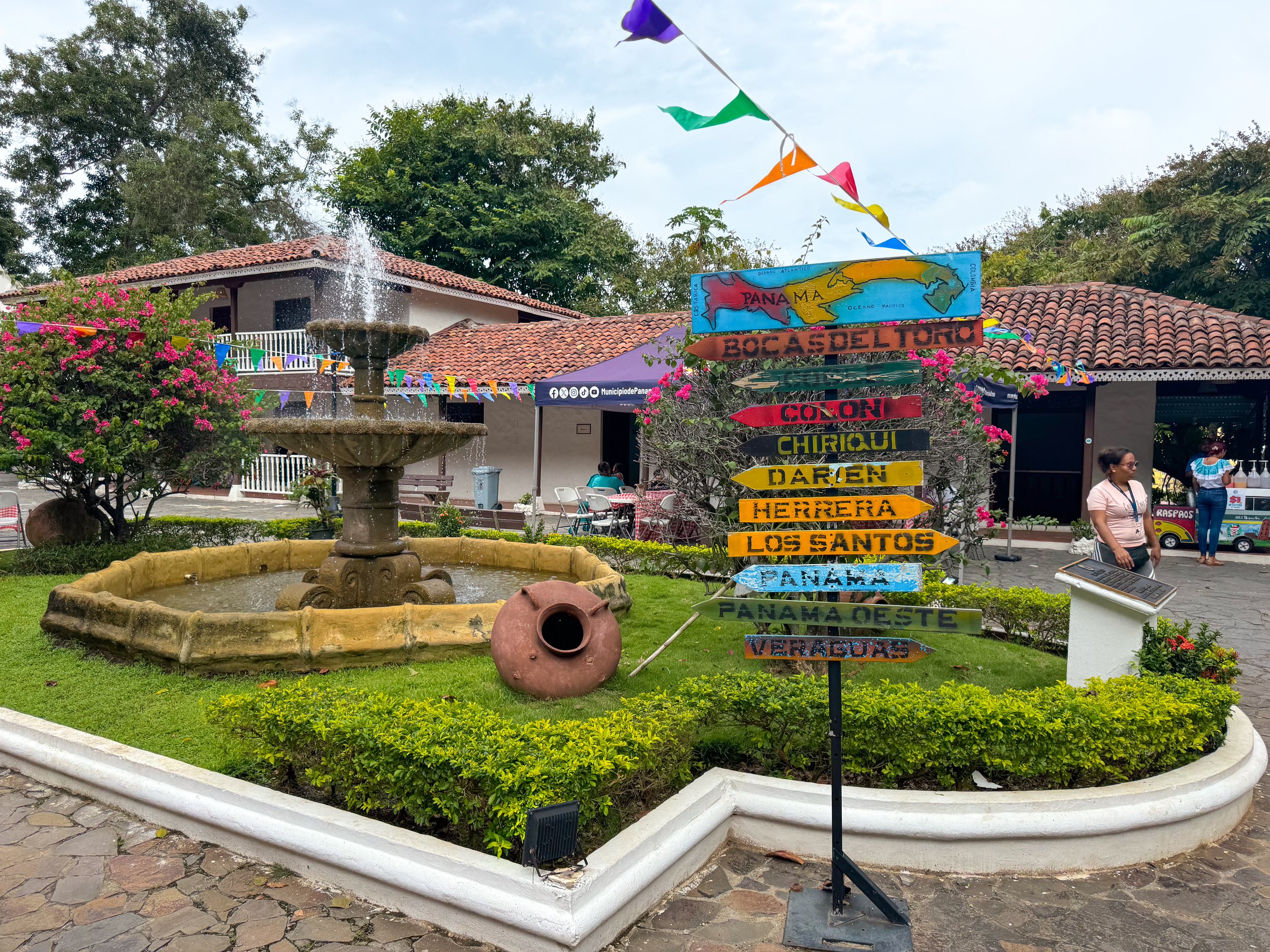
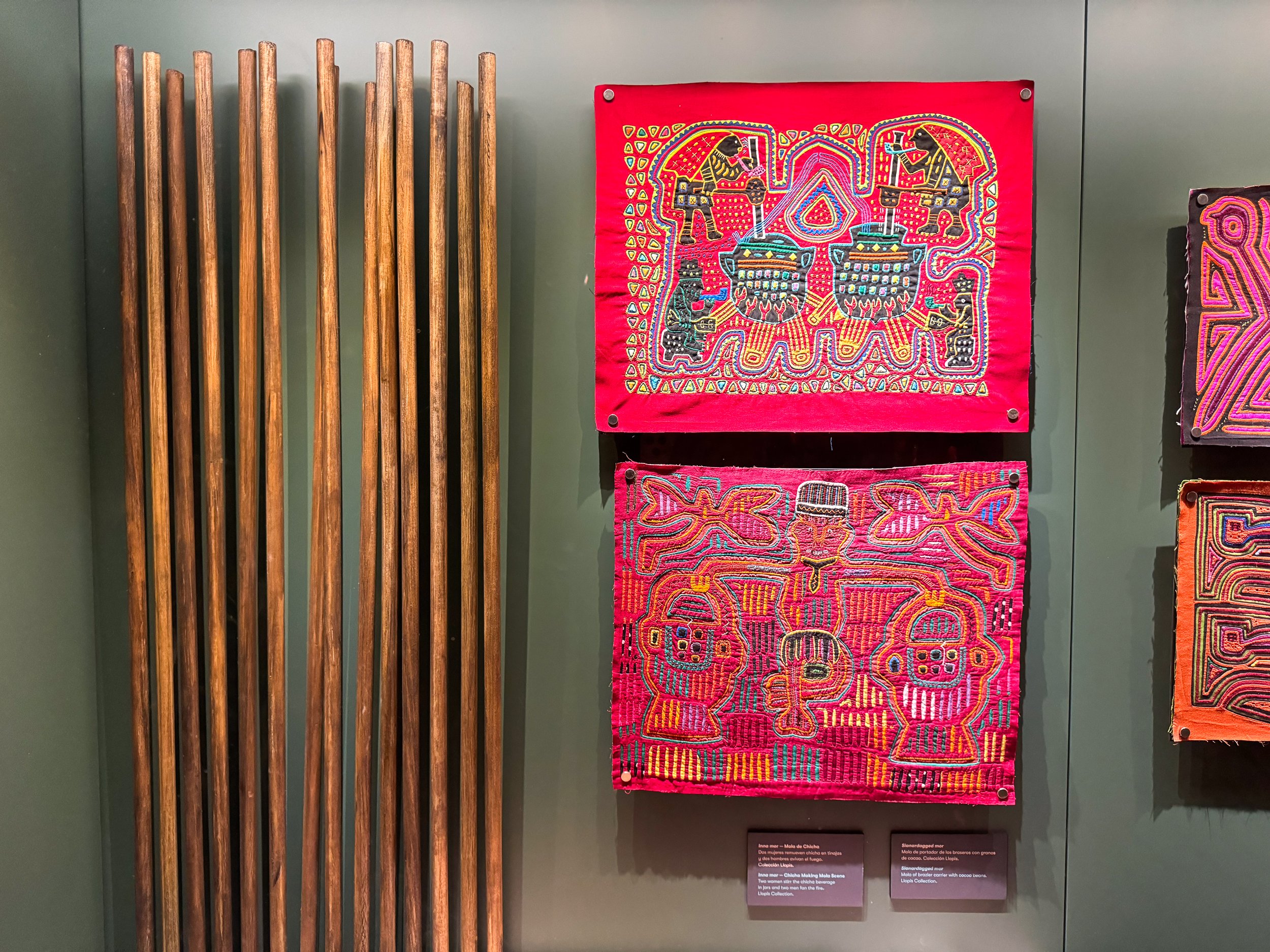
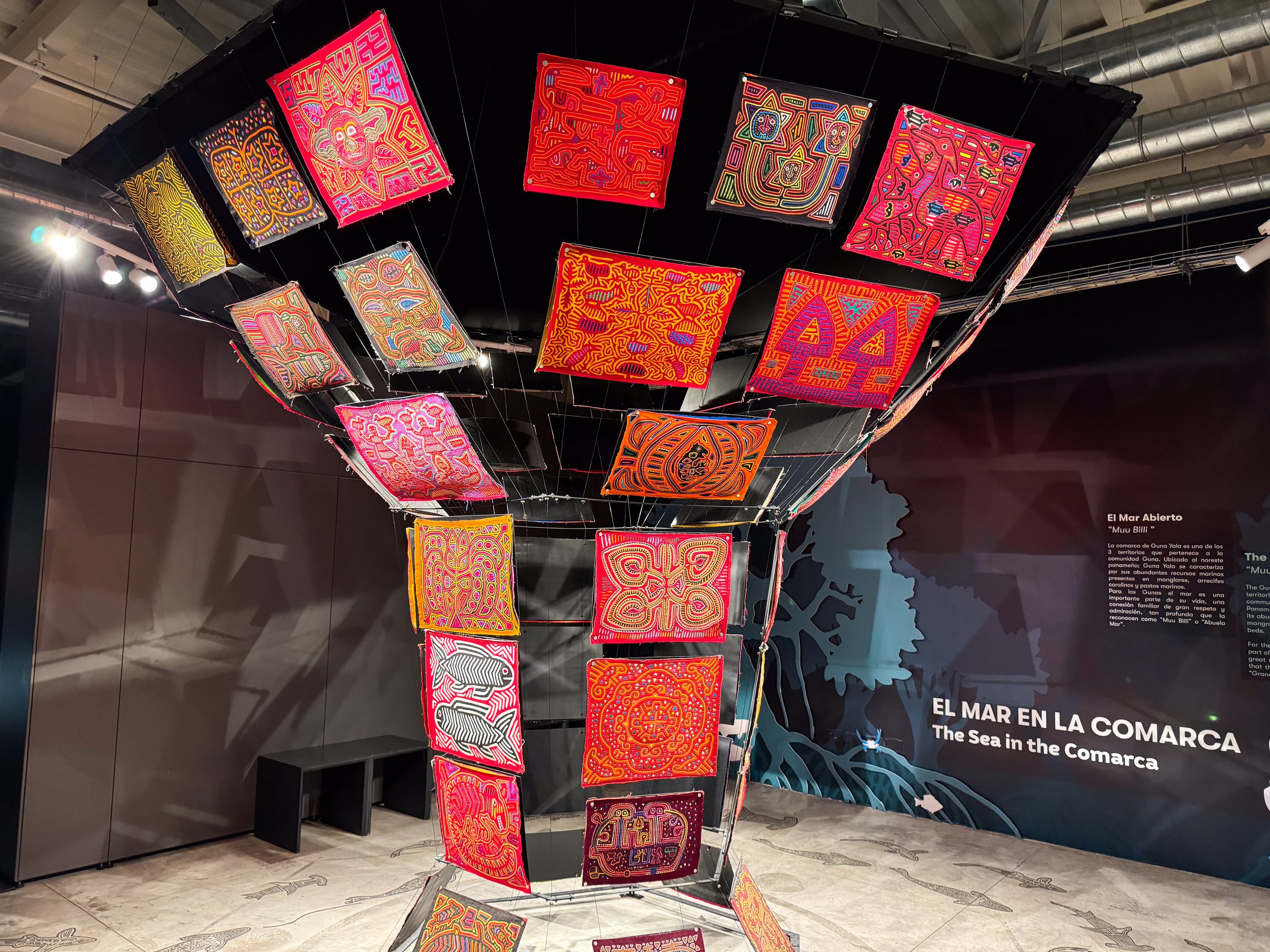
Museo de la Mola. A museum dedicated to the colorful and intricately patterned textiles made by Panama’s indigenous Guna Women. The well curated exhibit explains the cultural importance of the women and their textiles, how they’re handcrafted and the stories behind them. It also features an interactive sound and light exhibit, an origami station and a magnetic wall to add to the museum’s Mola. The museum is free to enter.
Museo de la Historia. A small history museum in Casco Viejo about the founding of Panama and its independence from Spain and Colombia, the diverse cultures that make up Panama and the history of the Panama Canal. Come to see one of Panama’s first ever flags, a constitutional manuscript, and the national anthem. It’s free to enter.
Mi Pueblito. An open air museum set up like small towns with reproductions of colonial buildings and a nature trail with reproductions of thatched structures from Panama’s indigenous tribes. When we visited, there were many food vendors set up selling local and local dishes and snacks.
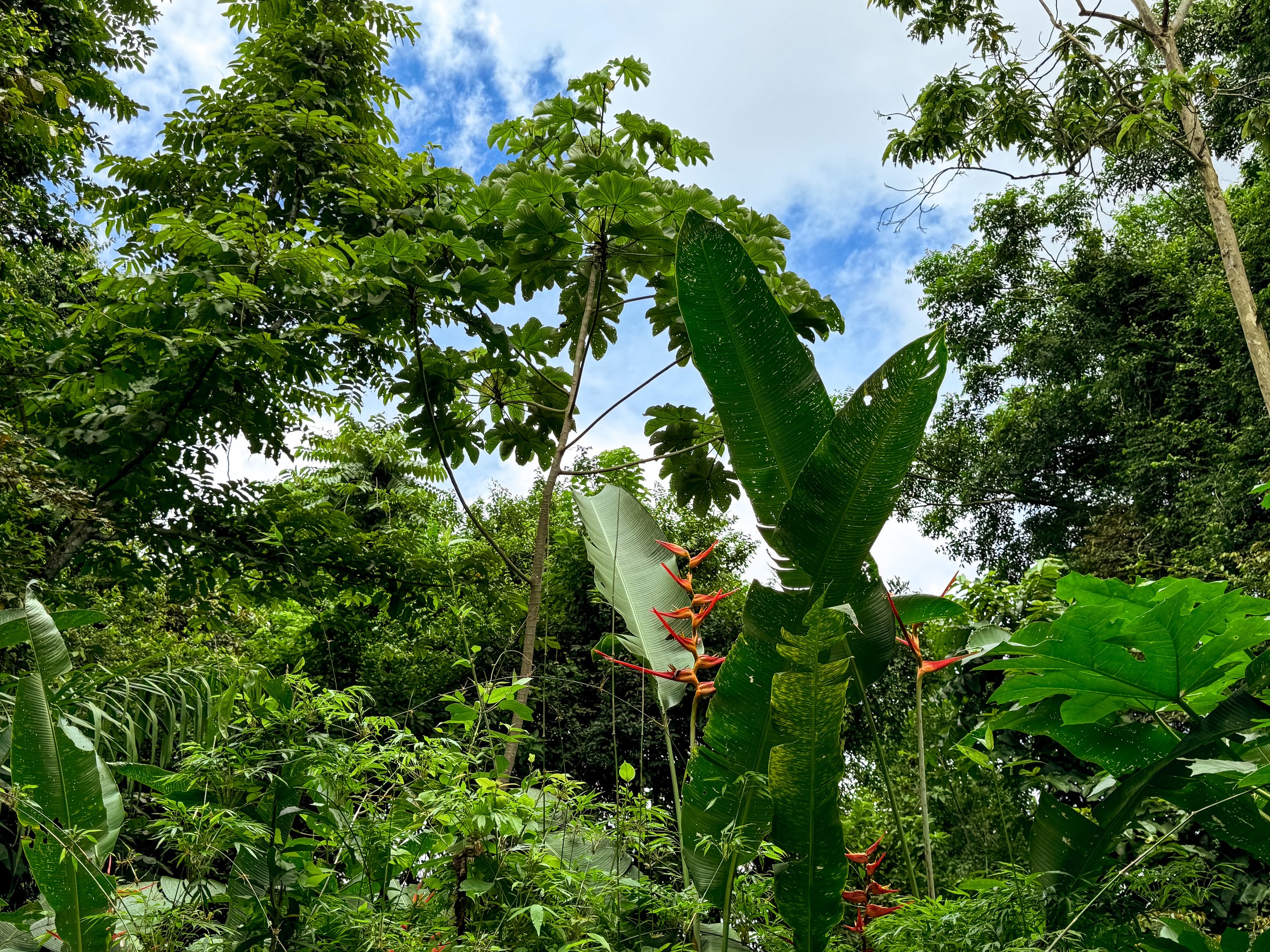
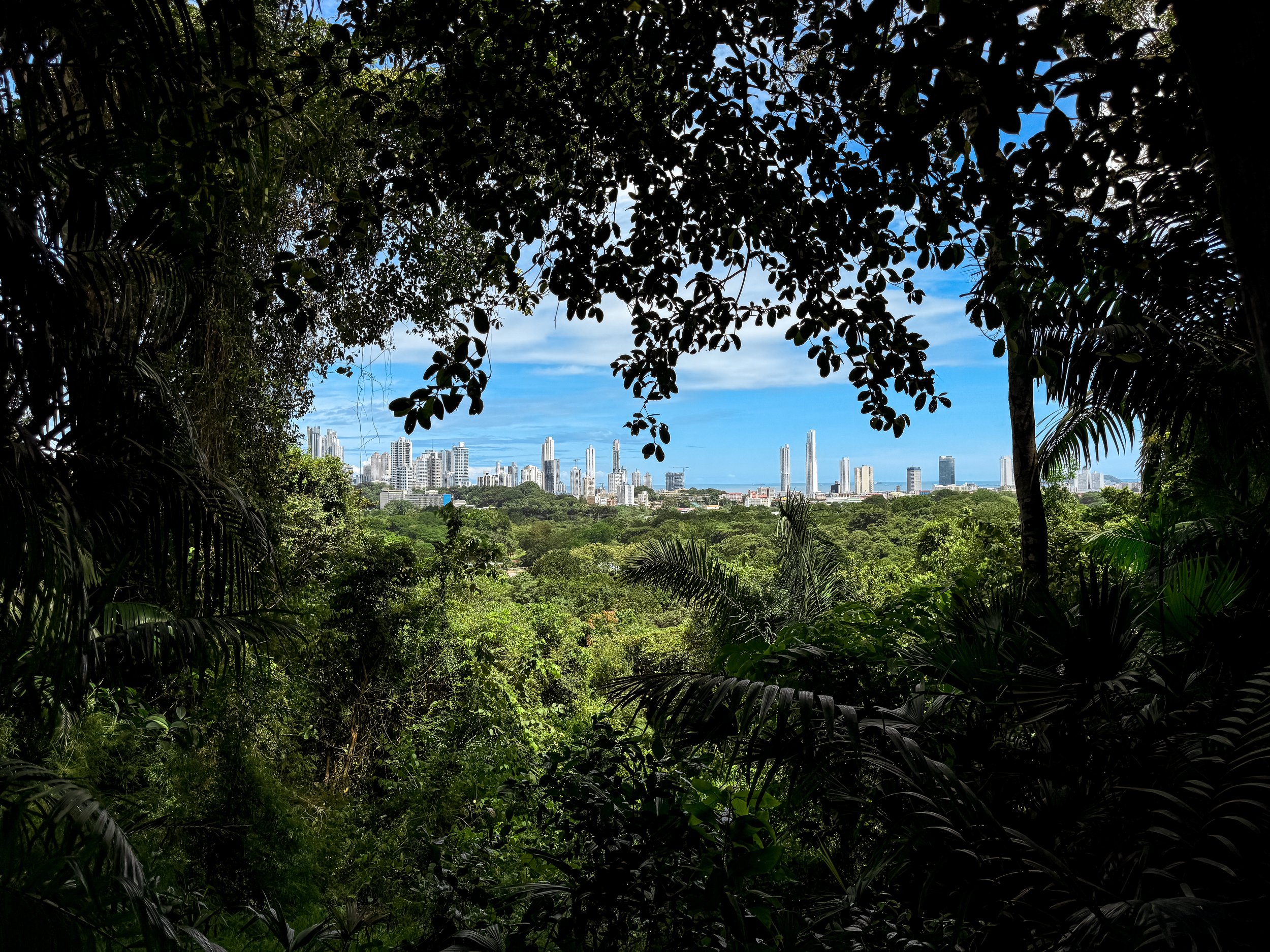
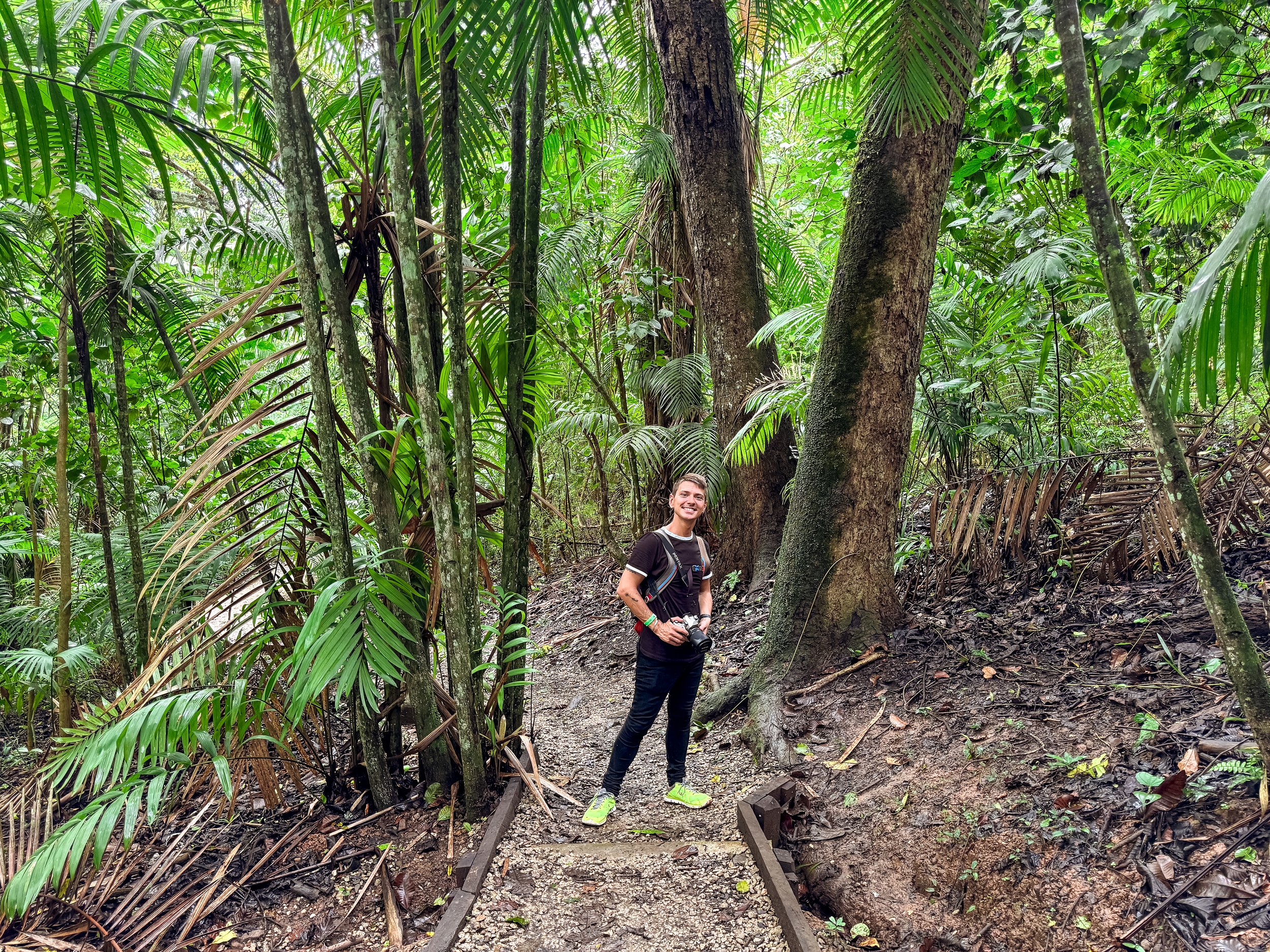
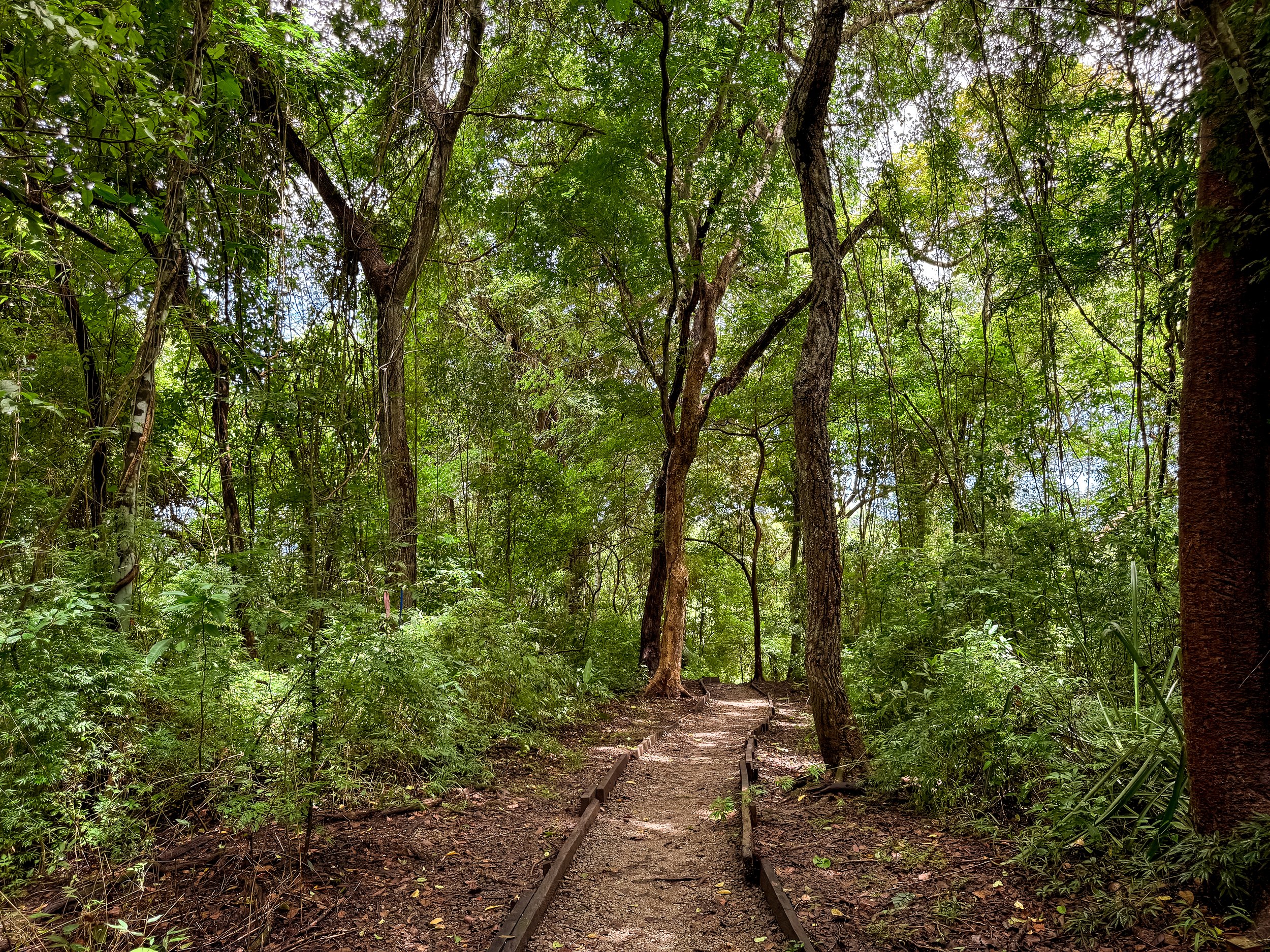
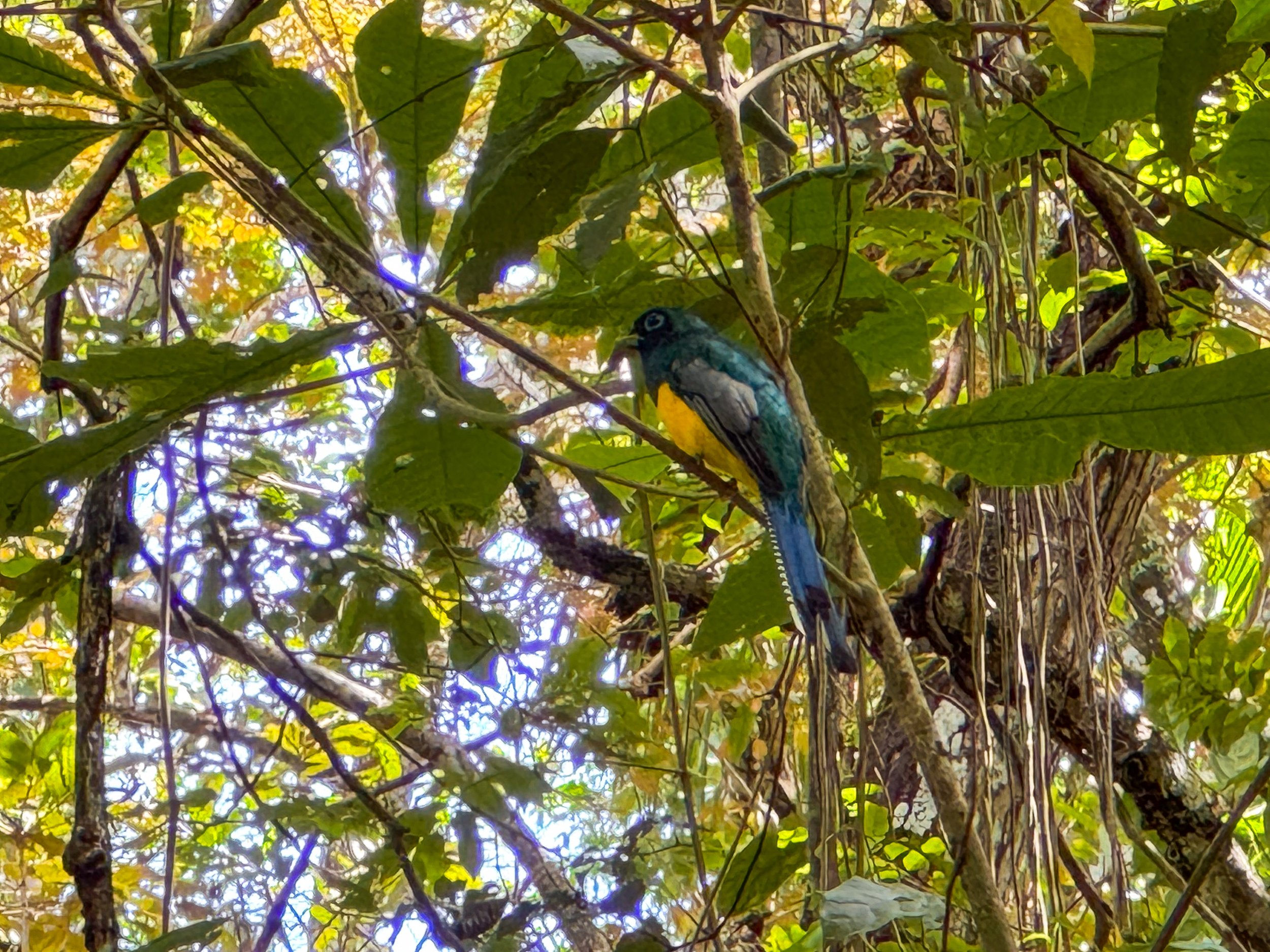
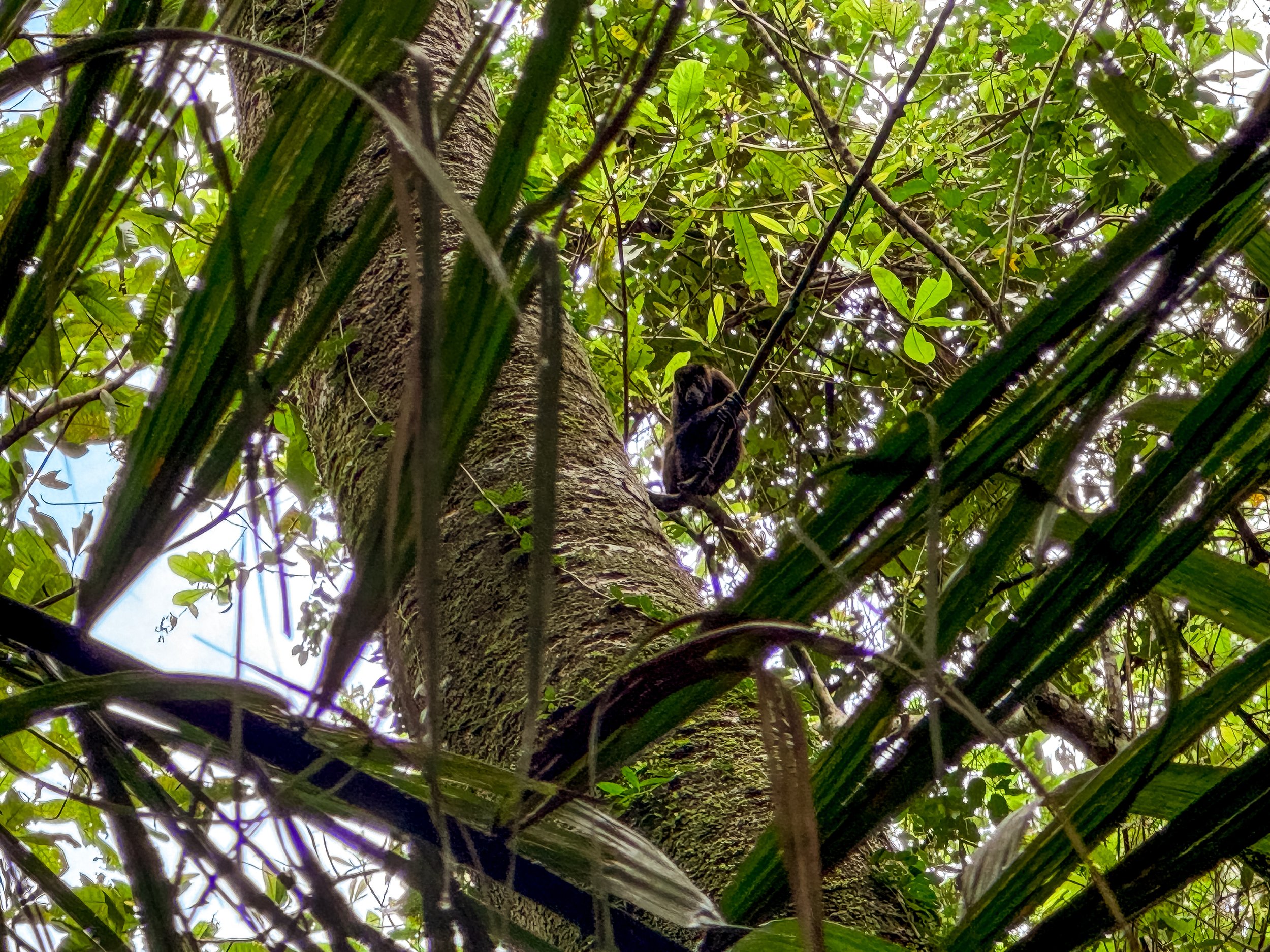
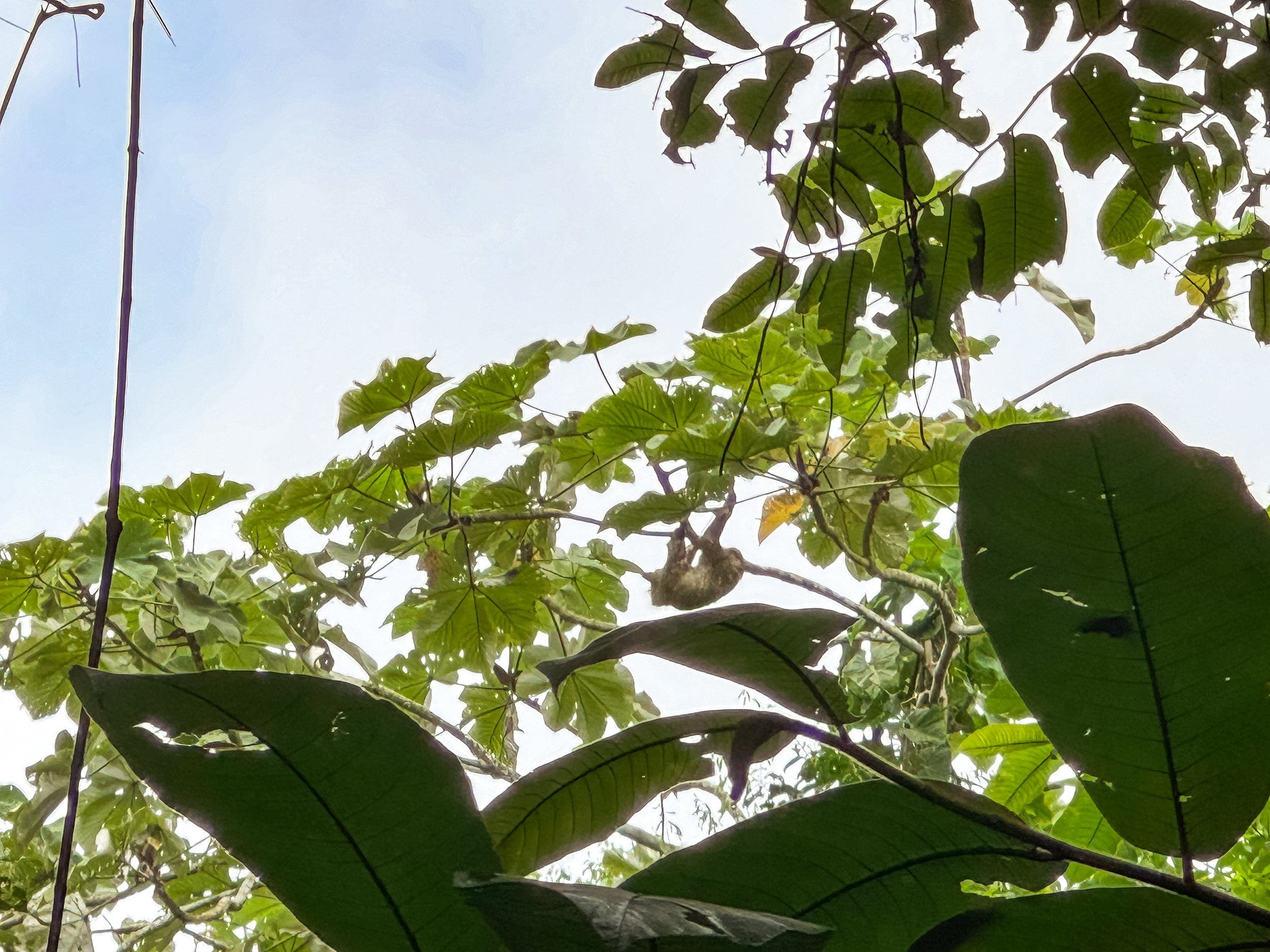
Explore the Parks
Parque Natural Metropolitano. A tropical nature park with hiking trails and scenic overlooks of Panama City’s skyline. Come here to spot monkeys, sloths, agoutis and humming birds. We spent over 3 hours walking the trails and spotting wildlife through our binoculars.
Trails
El Roble. A 0.7km trail and road leading from the visitor center to the Mono Titi trail
Camino de Mono Titi. A 1.2km trail through the forest ending with views of Panama City’s skyline.
La Cienaguita. A 1.1km trail through the lush forest leading from end of the Mono Titi trail back to the El Roble trail.
Los Caobos. A 0.8km trail branding off of the El Roble trail and ending at the Visitor Center. This trail passed through dense forest where we spotted monkeys, a sloth and agouti.
Getting Here. The park is reachable by bus one stop on the bus from Albrook Station. It can take a little over an hour to reach from Casco Viejo.
Cerro Ancon. A paved nature trail leading from Mi Pueblito to the city’s tallest natural point. Come here to overlook Casco Viejo, the city’s modern skyscrapers and ships passing through the Panama Canal.

Soberania National Park. A large national park in the center of the country located along the Panama Canal. We came here hoping to hike, spot wildlife and watch ships on the Canal.
Unfortunately after hours of trying to reach certain sights in the park via bus, on foot and Uber, we learned many of the park’s activities are run by private resorts with high ticket prices, require advance reservation or are inaccessible. Tired and a little defeated, we decided to return to Panama City and make the most of our day.
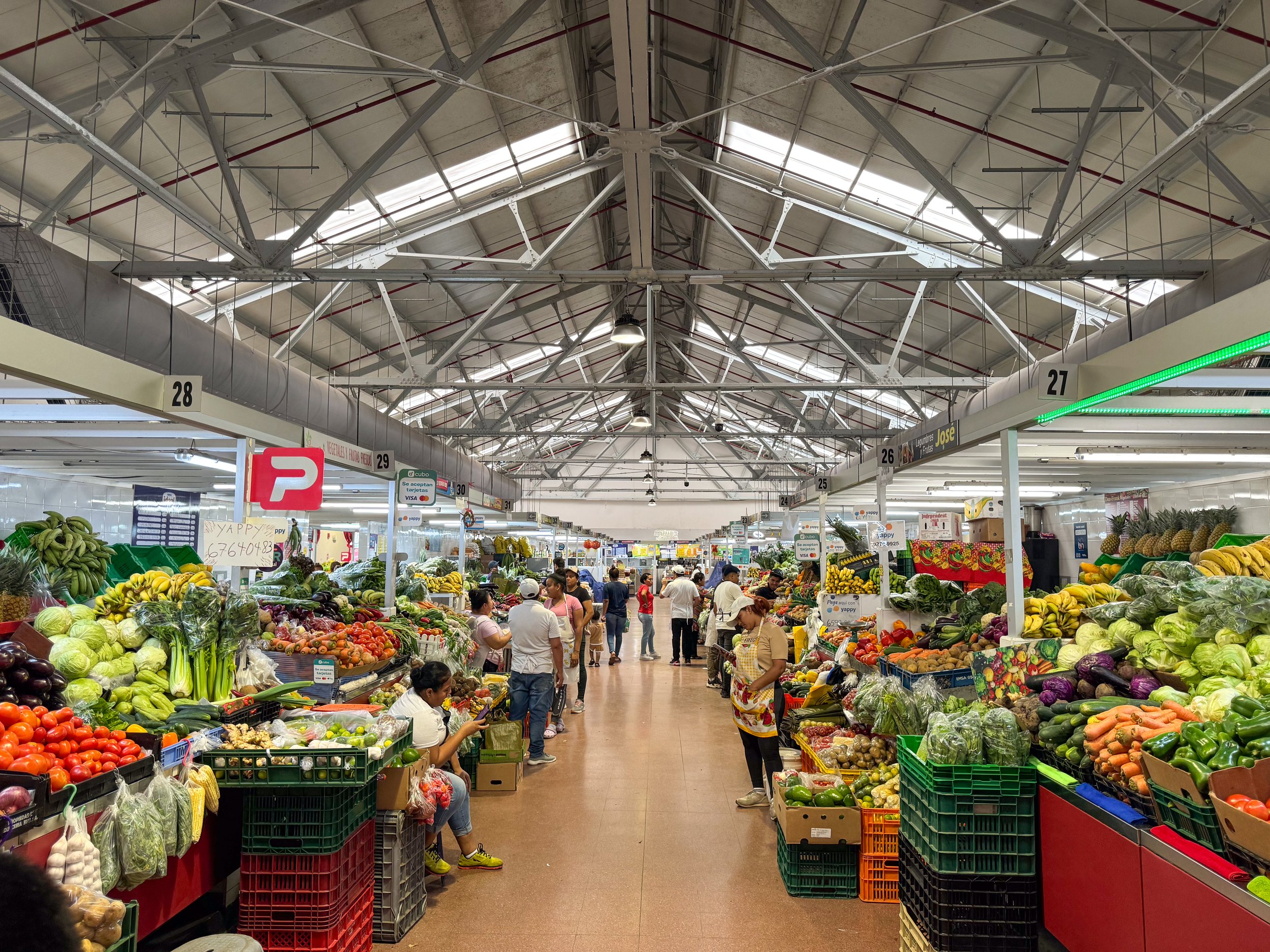
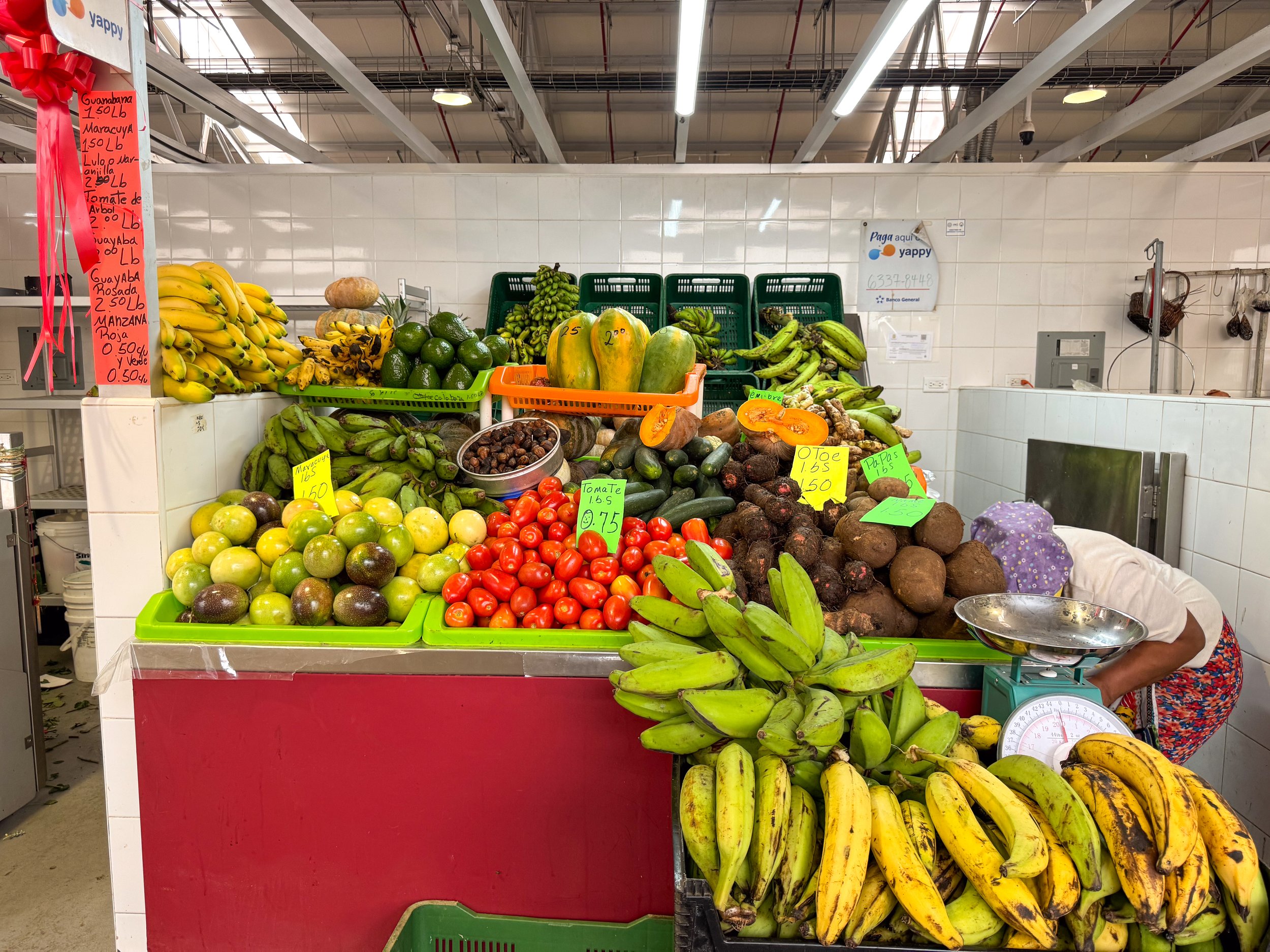
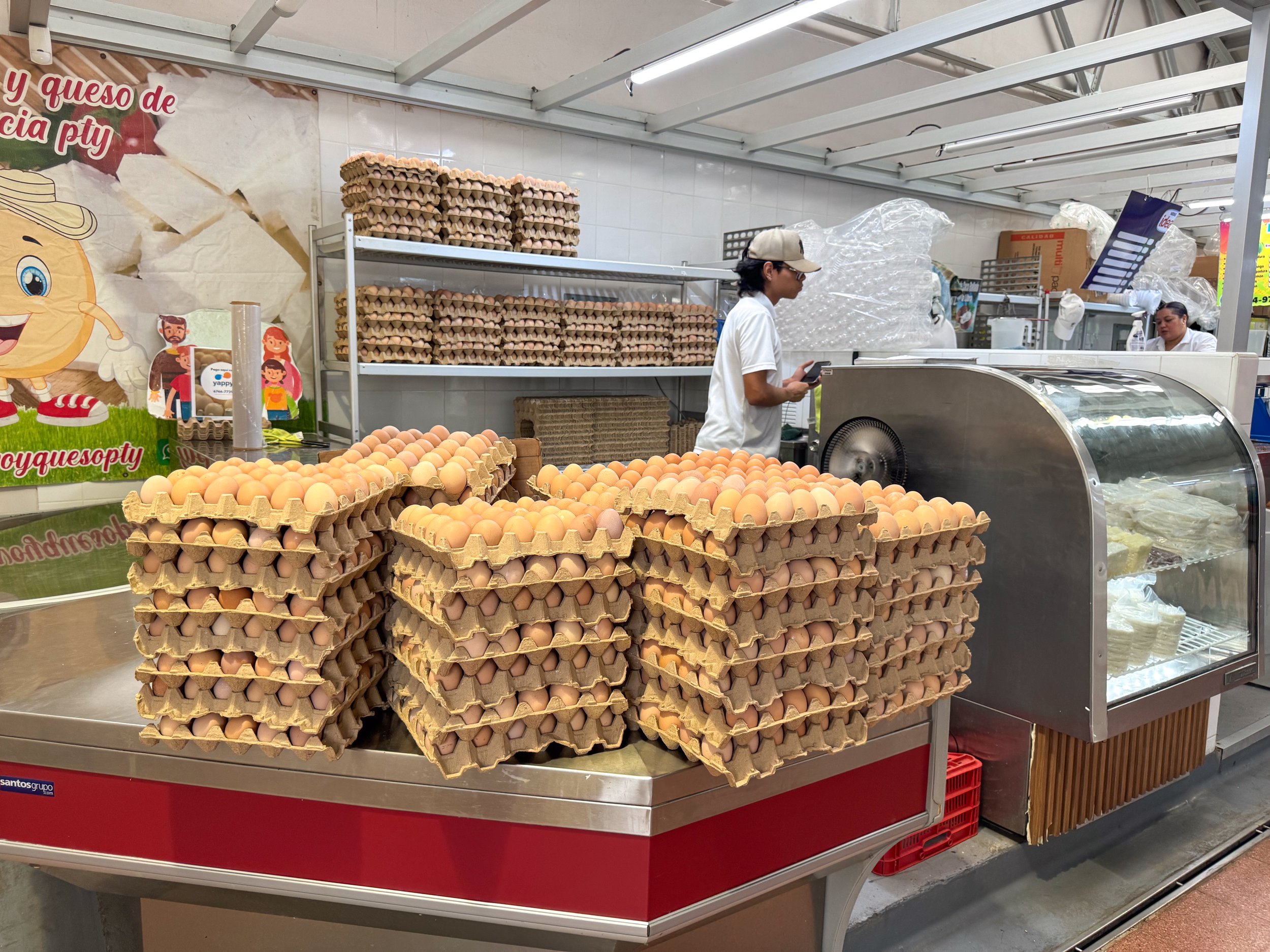
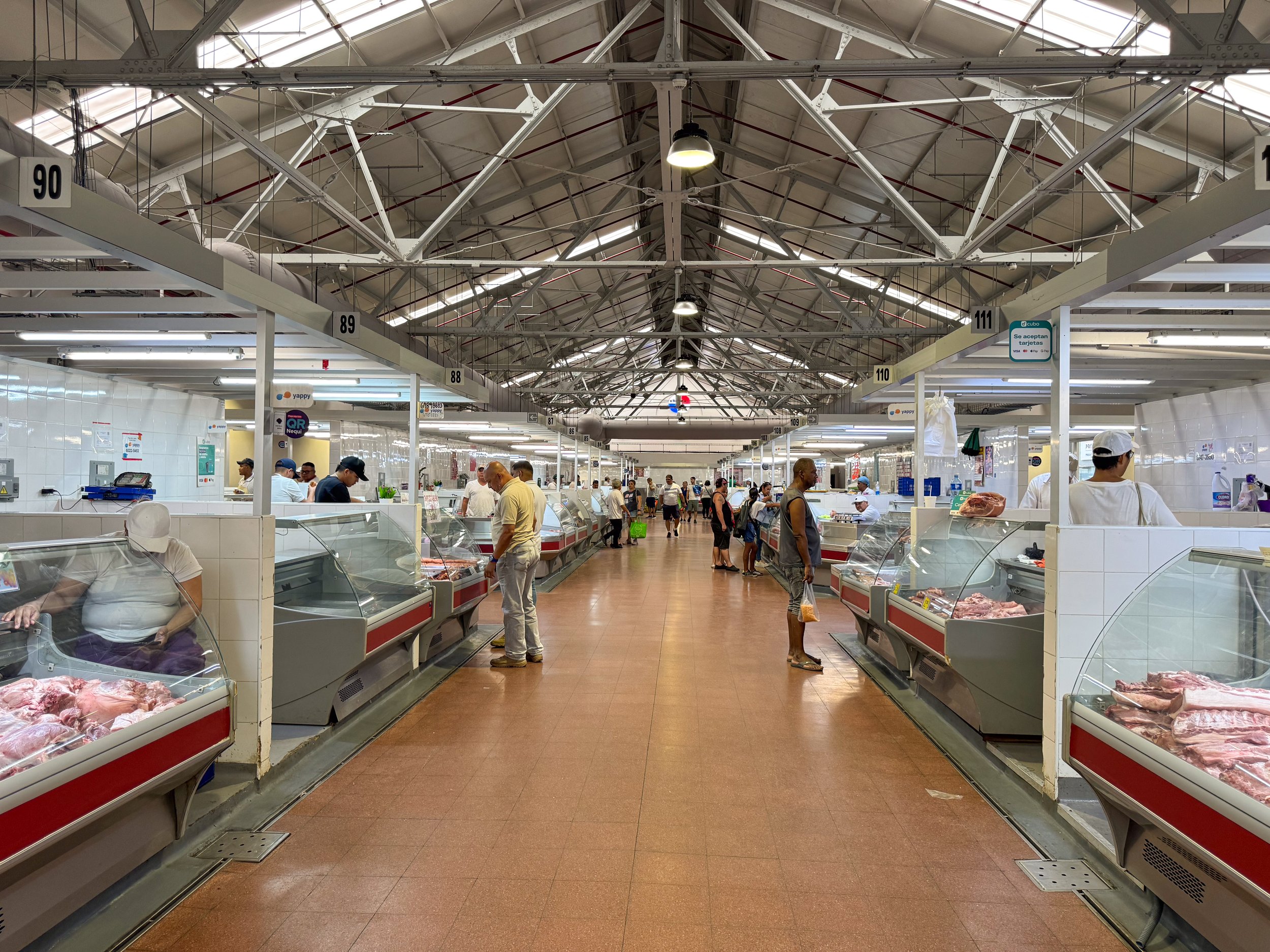
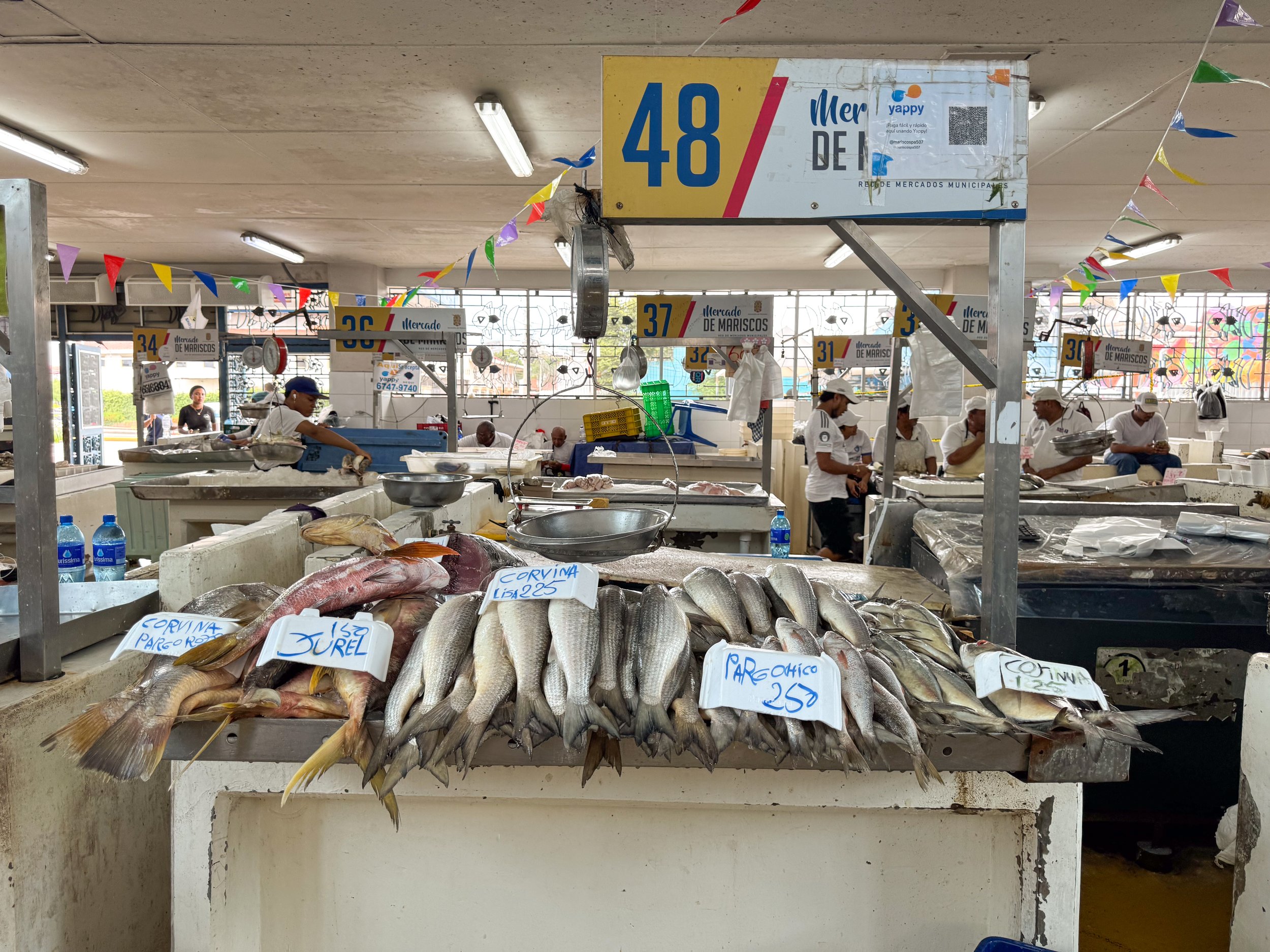
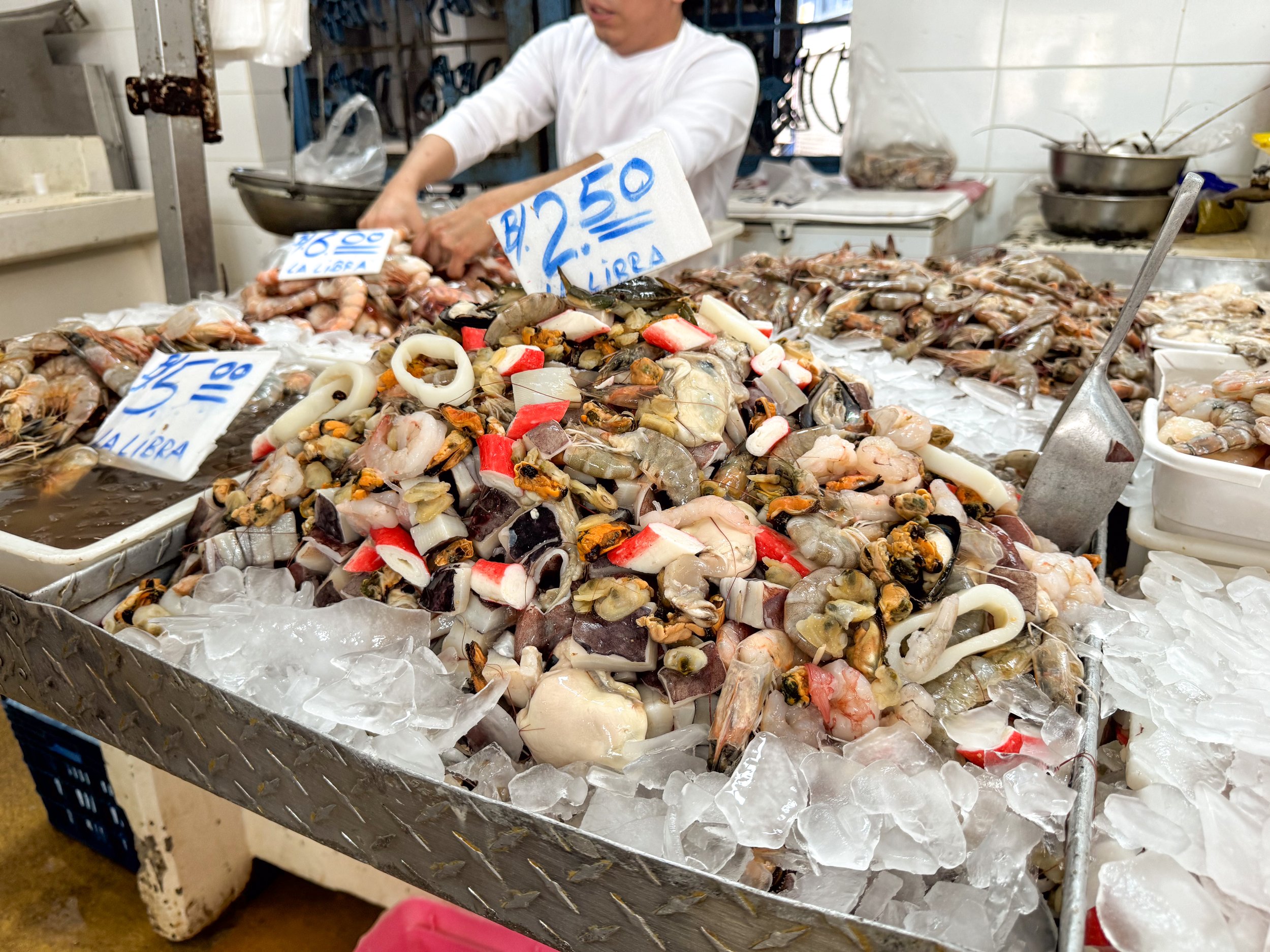
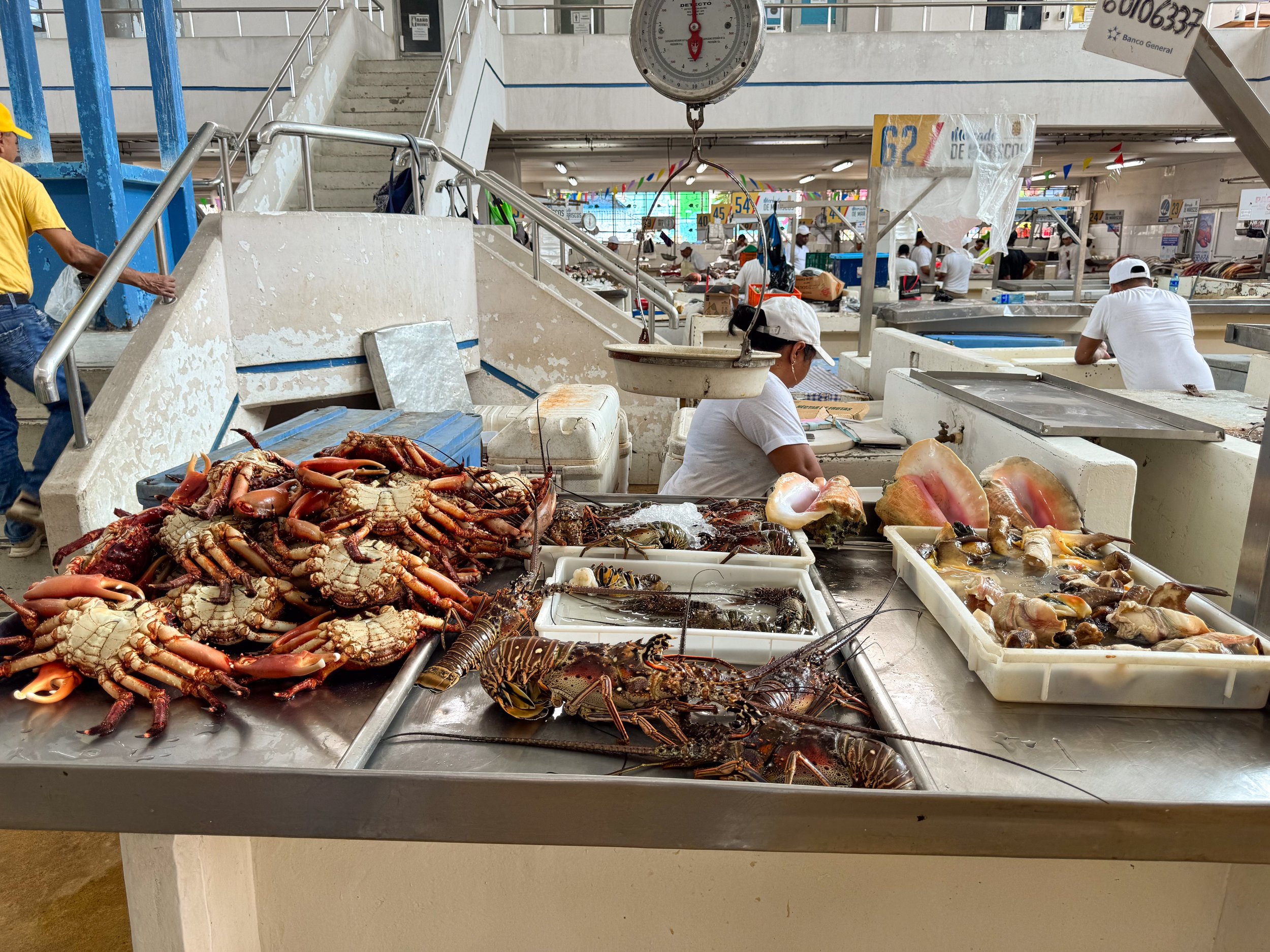
Shop the Markets
Mercado San Felipe Neri. A food market with butchers selling locally farmed meats and vendors selling locally grown produce, fruits, eggs, grains, herbs, oils and juices. We shopped for a week’s worth of groceries to cook with at our Airbnb.
Mercado de Mariscos. A seafood market with vendor selling piles of whole fish on ice, trays of shrimp, live crab and lobster, queen conch and mixed seafood. We bought a 2 lb Corvina, Panama’s favorite fish, and fried it in traditional methods. Opposite of the market is a second building with restaurants and vendors cooking up the day’s fresh catch. Here we ordered Caribbean shrimp, coconut rice and locals beers from Restaurante Allison.
Avienda Central. A pedestrian street stretching from Cinco de Mayo station to Casco Viejo with commercial shops, grocery stores, restaurants, cafes and street vendors selling produce, especially plantains stacked on tables and pineapples in the backs of trucks.
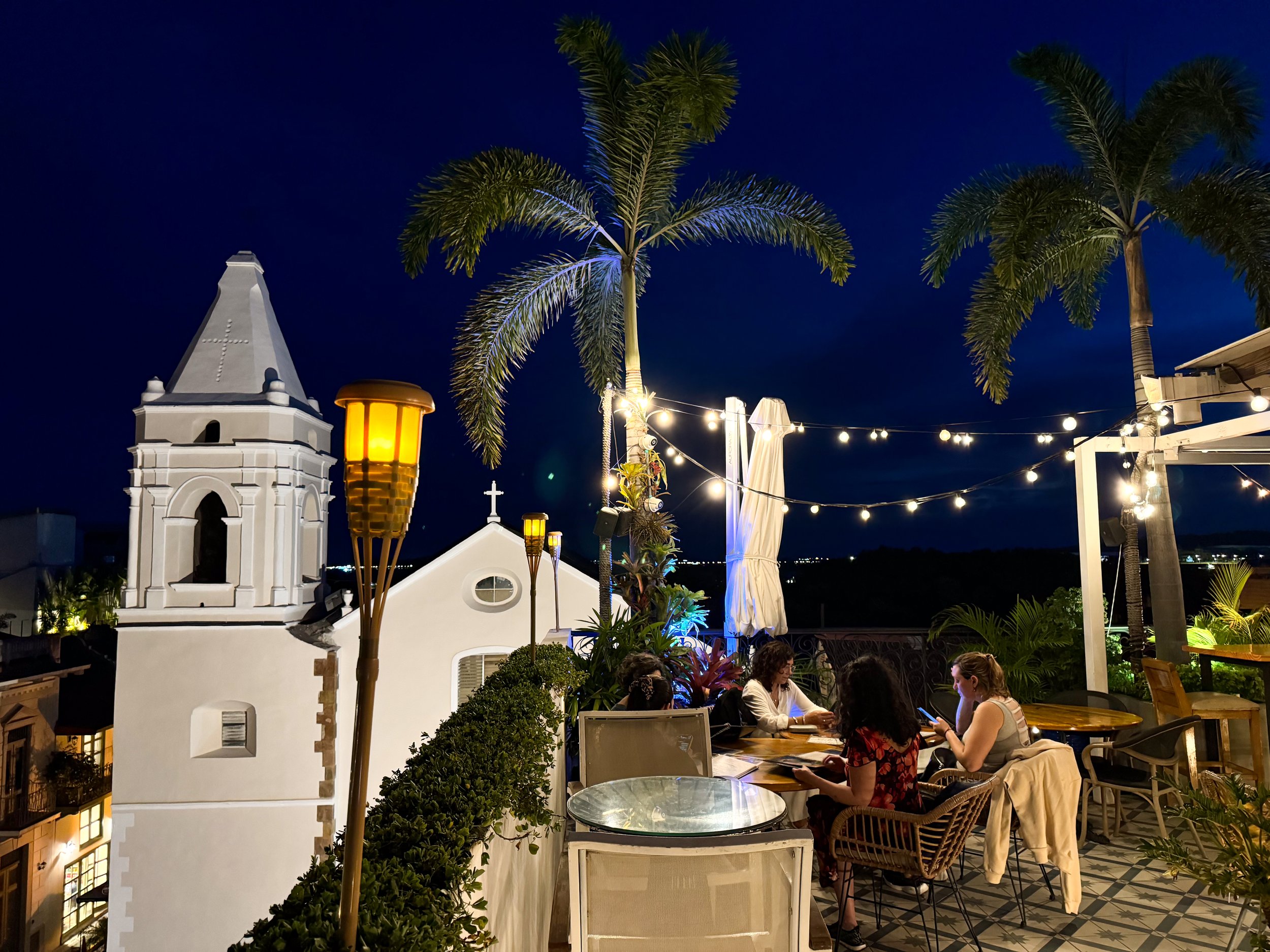
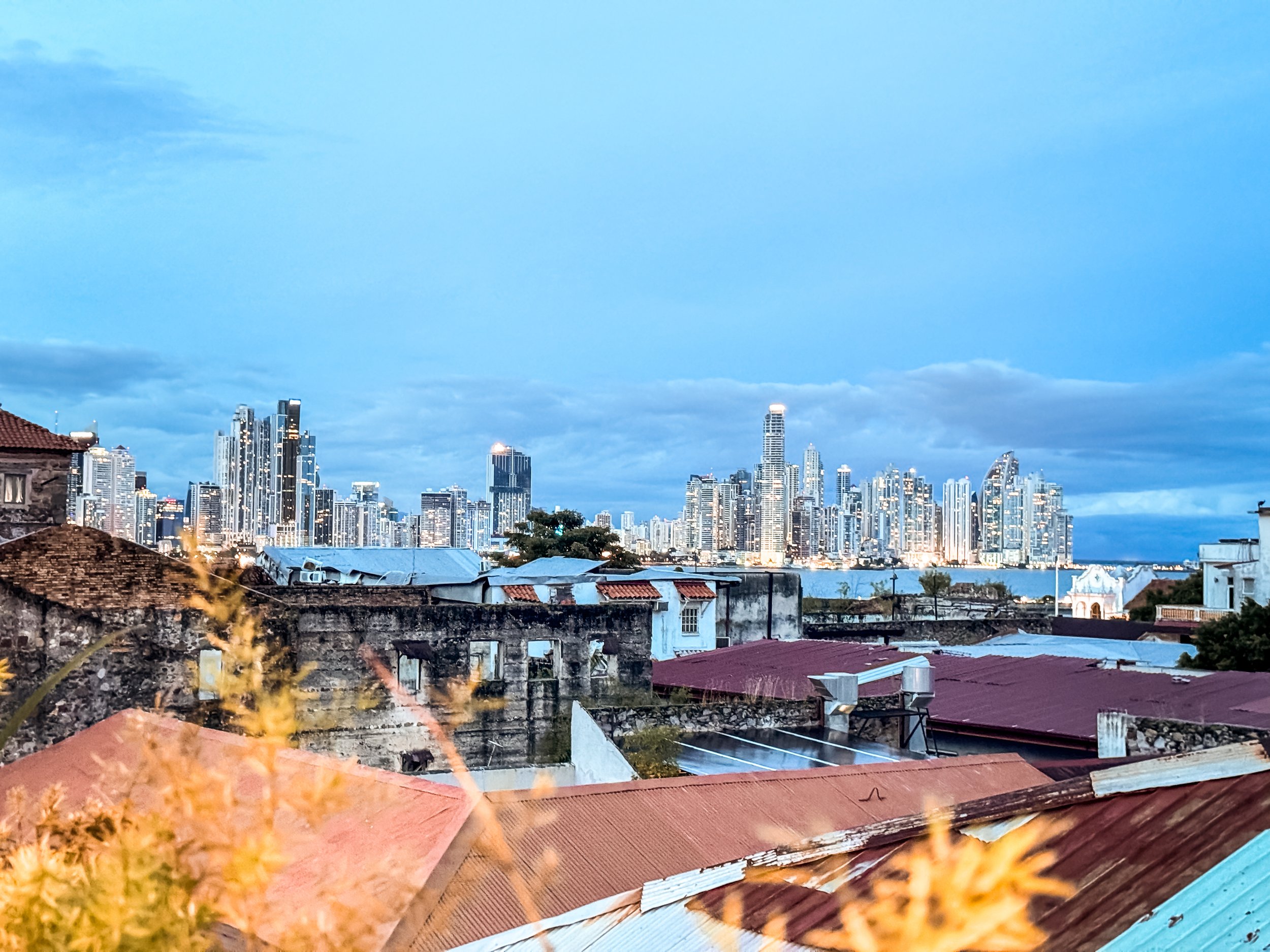
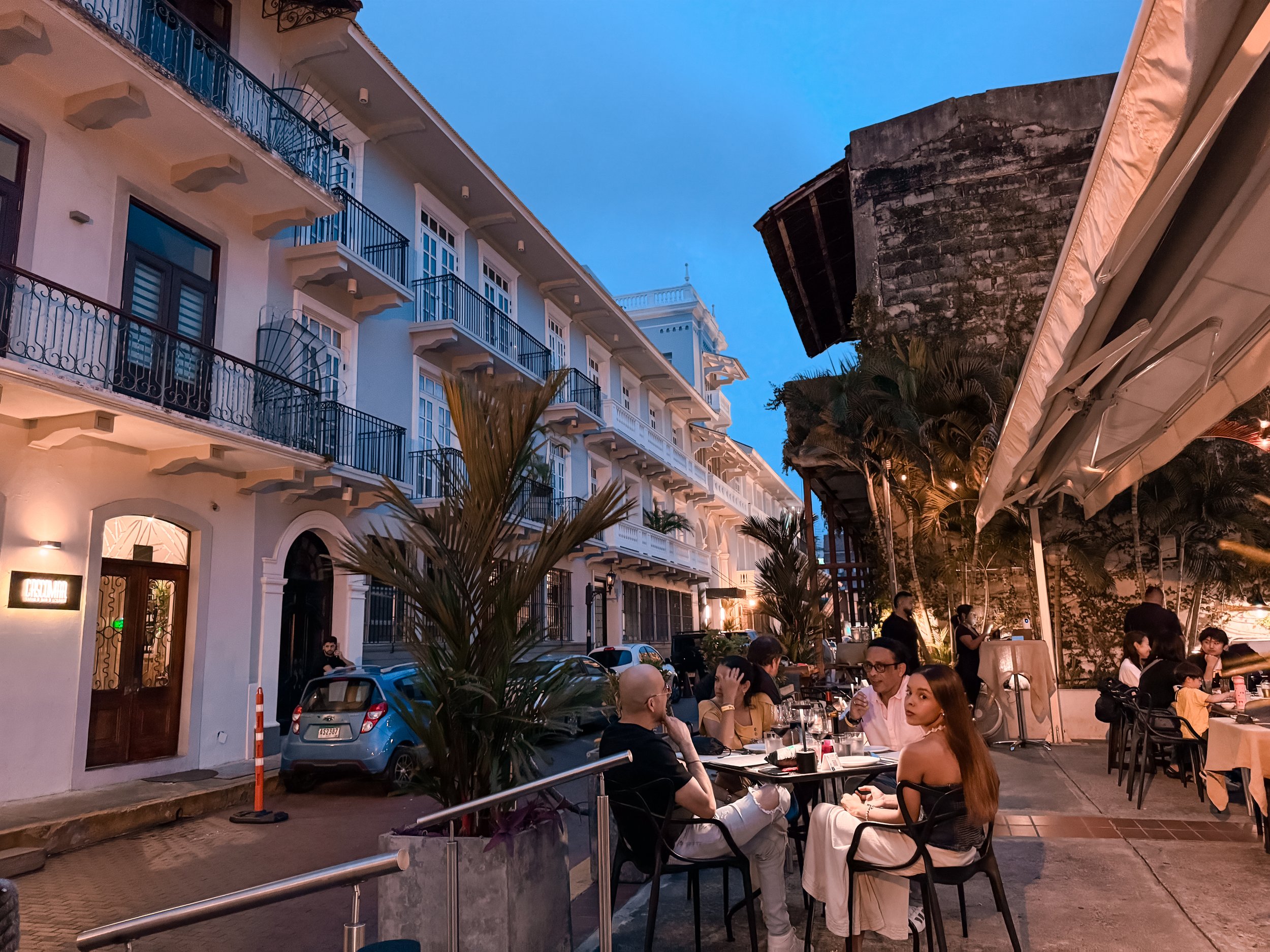
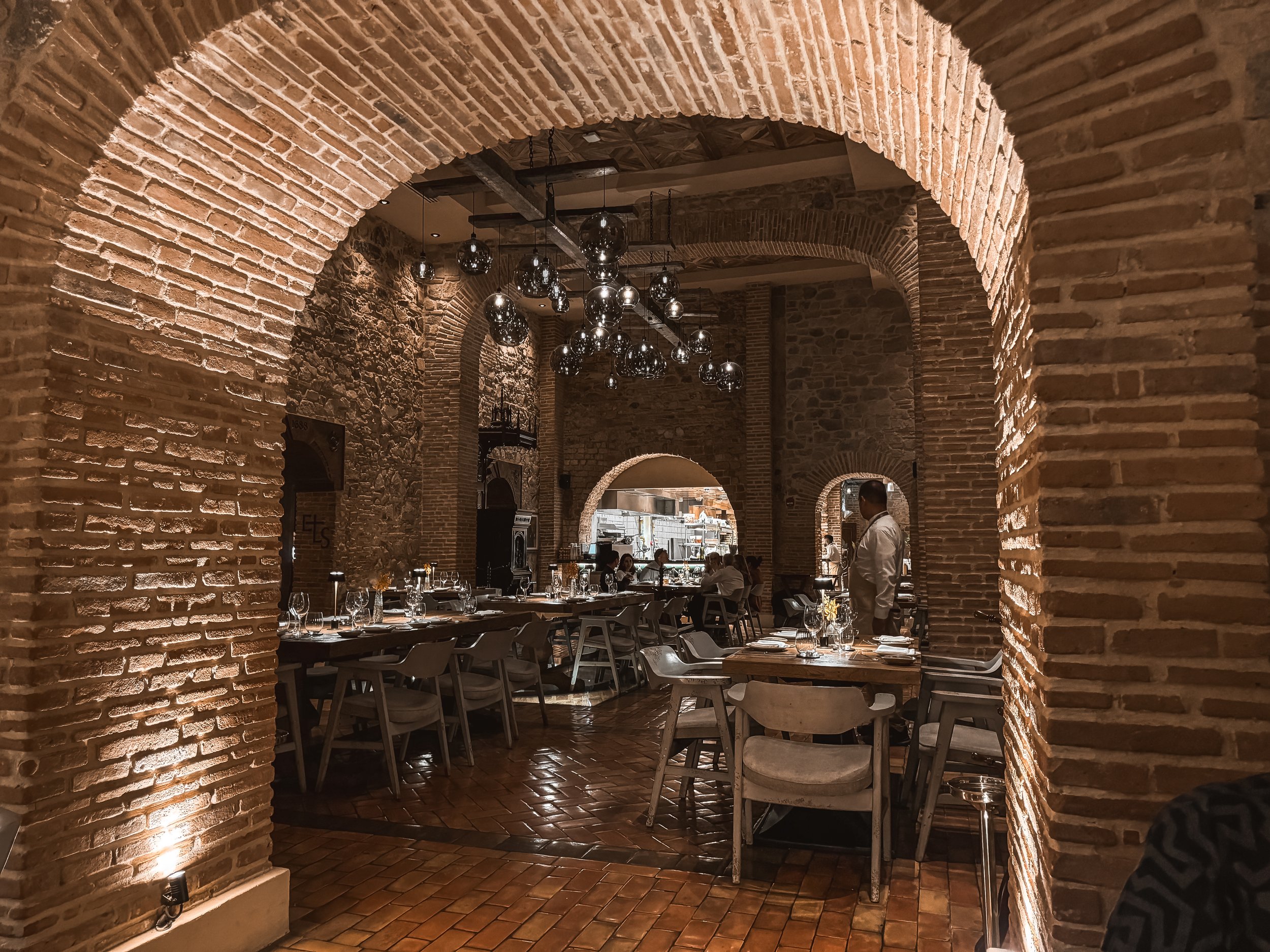
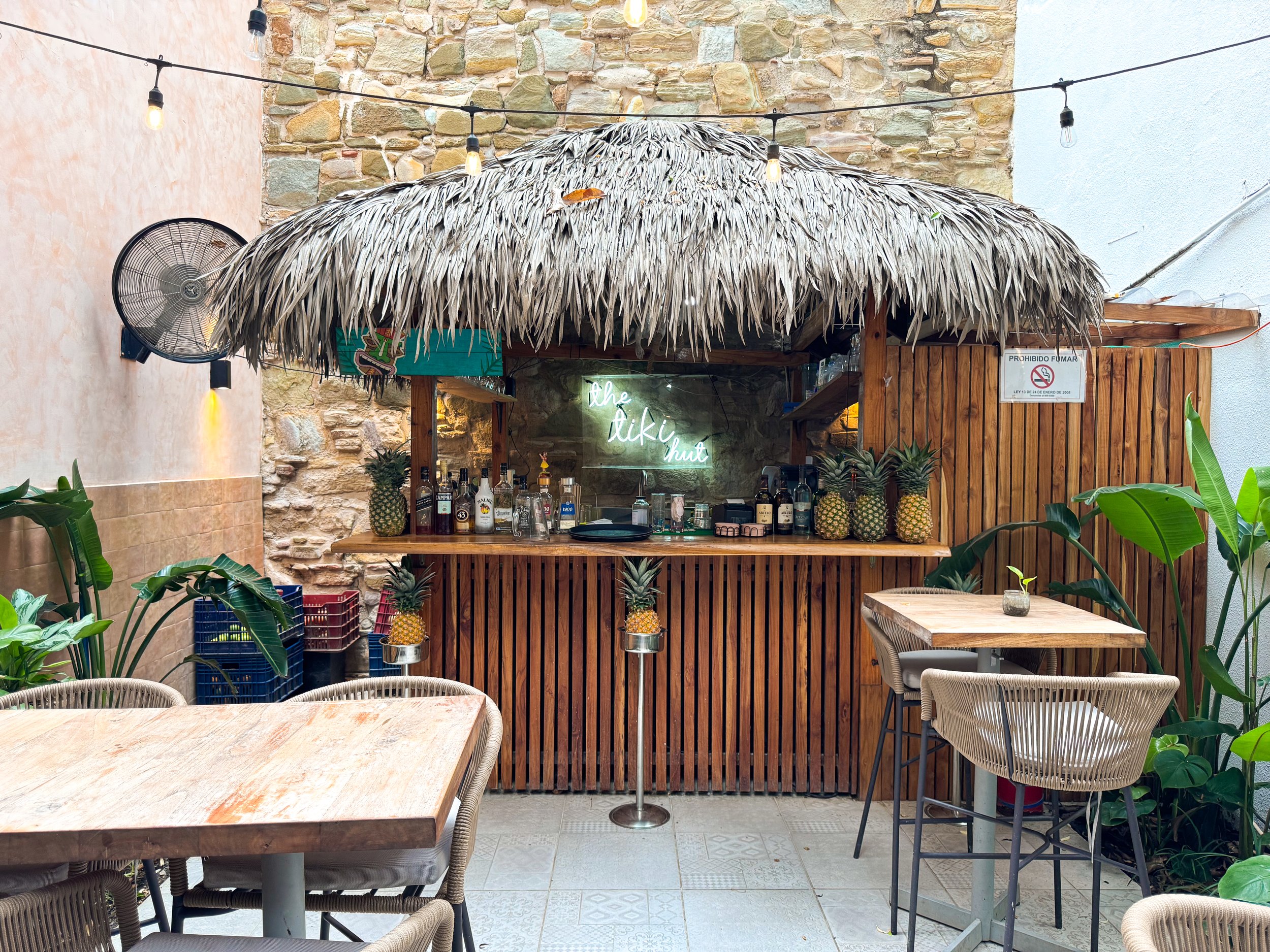
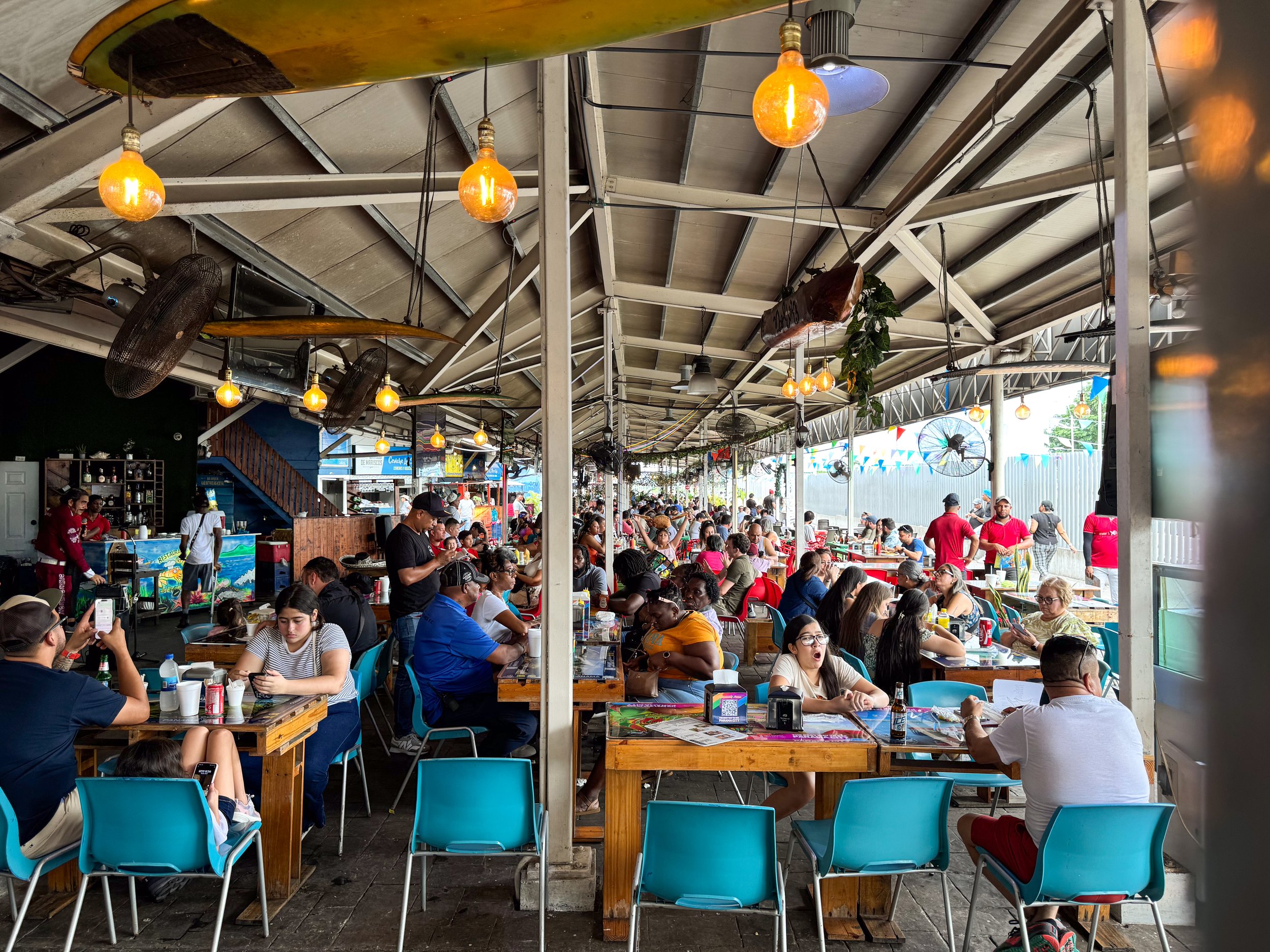
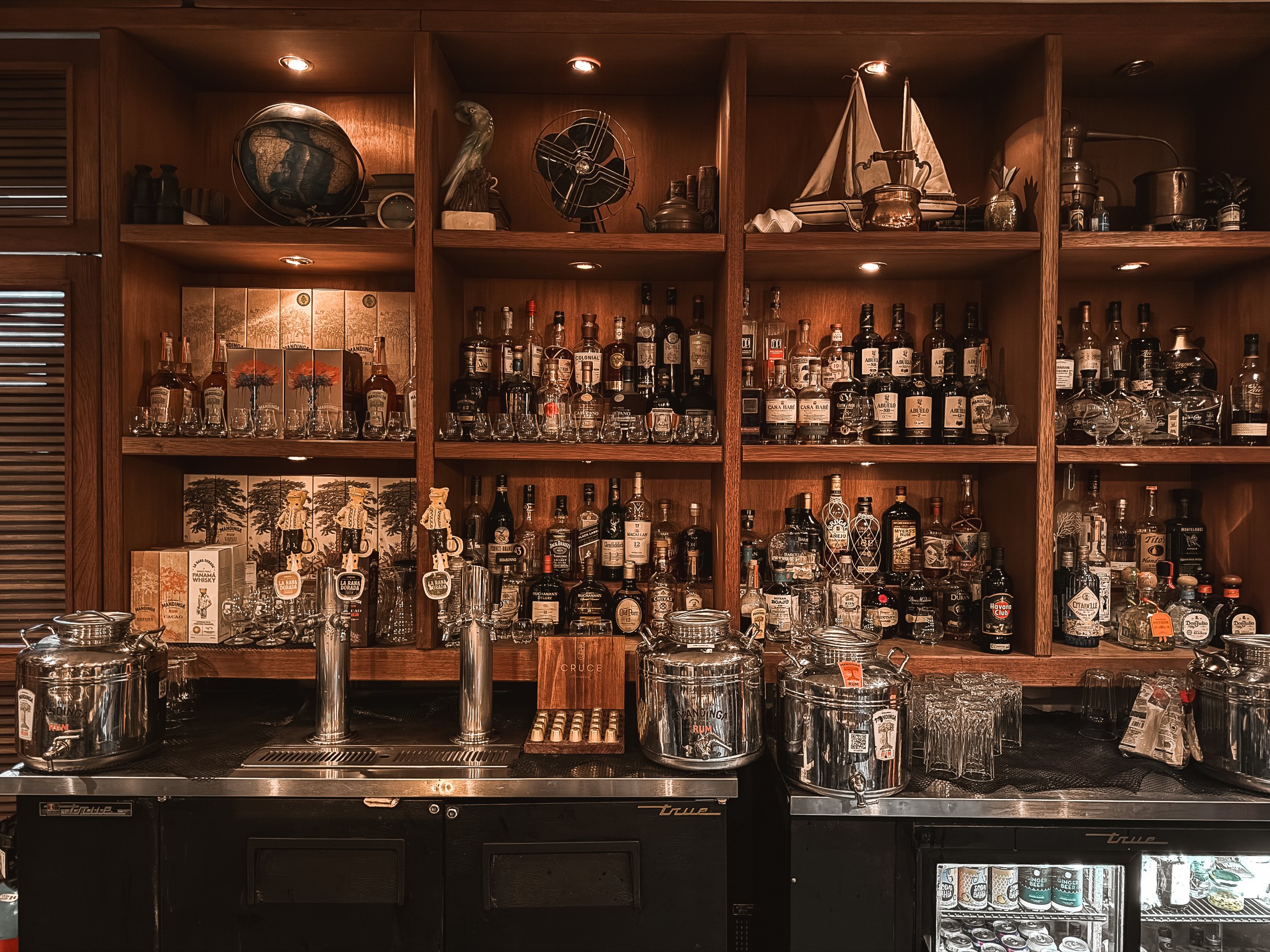
Places to Eat & Drink
Casco Mar. A restaurant along the seaside of Casco Viejo with a Spanish style tapas and paella menu. We sat outside listening to the waves and sounds of the city. To eat, we shared the plantains, passion fruit ceviche, white fish stuffed peppers, coconut flan and the most refreshing mojitos.
El Santuario. A very romantic and higher end restaurant built within the ruins of a former monetary. The interior is defined by its exposed stone walls, brick arches, high ceilings, terracotta tiled and patterned wood floors. The menu specializes in Panamanian and Spanish dishes. We shared a seafood paella with scallops, langoustine, mussels and calamari. To drink, we each ordered a glass of red sangria.
Snack Shack. A beautiful restaurant in Casco Viejo. W ordered a breakfast bowl of tropical fruits (mango, pineapple, banana and papaya) with a coconut cream sauce as well as a traditional breakfast with fried eggs, toast, potatoes and avocado. There is a Tiki Bar in the garden area at the back of the restaurant.
Café Unido Casco Viejo. An old town coffee shop and cafe with Panama grown and roasted beans.
Vista Corona Panama. A tropical rooftop restaurant and bar with palm trees, tiki torches, house music, a bar built from a VW bettle and views of the old towns rooftops and spires. We came here to relax with a cocktail after a long day of hiking and busing. Try the rum cocktails like an Old Cuban and Tobaga.
Tantalo Rooftop Bar. A rooftop bar in Casco Viejo with cocktails and local beers. We came here for sunset drinks overlooking the city’s terracotta roofs, cathedral towers and modern skyscrapers across the bay. Fittingly, we ordered a drink called, Noche en el Casco (Night in The Old Town).
Pedro Mandinga Rum Bar. A warmly lit rum bar with a wooden interior and old world charm. The bar features rums from countries across the Caribbean and Central America including Panama and their own distillations. Try a glass neat, order a flight of rums, a classic cocktail or
VIP. A boutique and juice bar connected to Monos con Arte. Order a fresh Pepa Fria (cold coconut) to enjoy while walking around the old town.
Places to Shop
Casco Viejo is a very fashionable place with well dressed locals and tourists, boutiques and clothing shops selling Panama hats, linen clothes, colorful outfits and items made with tropical patterns and natural materials.
Boho Shack. A resort style street wear boutique with patterned shirts, shorts and pants. We bought a palm embroidered linen shirt! We’ve also visited their location in Cartagena where the brand is based.
Bellezas de Panama. A shop selling Panama hats, hand woven Molas and various souvenirs. We found this location to have the best selection and most affordable authentic Panama hats. The typical price is $40-$45 but the shop owner sold ours to us for $30.
Mansion Herrera Clothing Shop. A boutique clothing shop with elegant linen clothes and custom Panama Hats.
Lu Maca Coffee Shop & Store. A cafe and clothing store with tropical shirts, accessories and a small selection of Panama Hats.
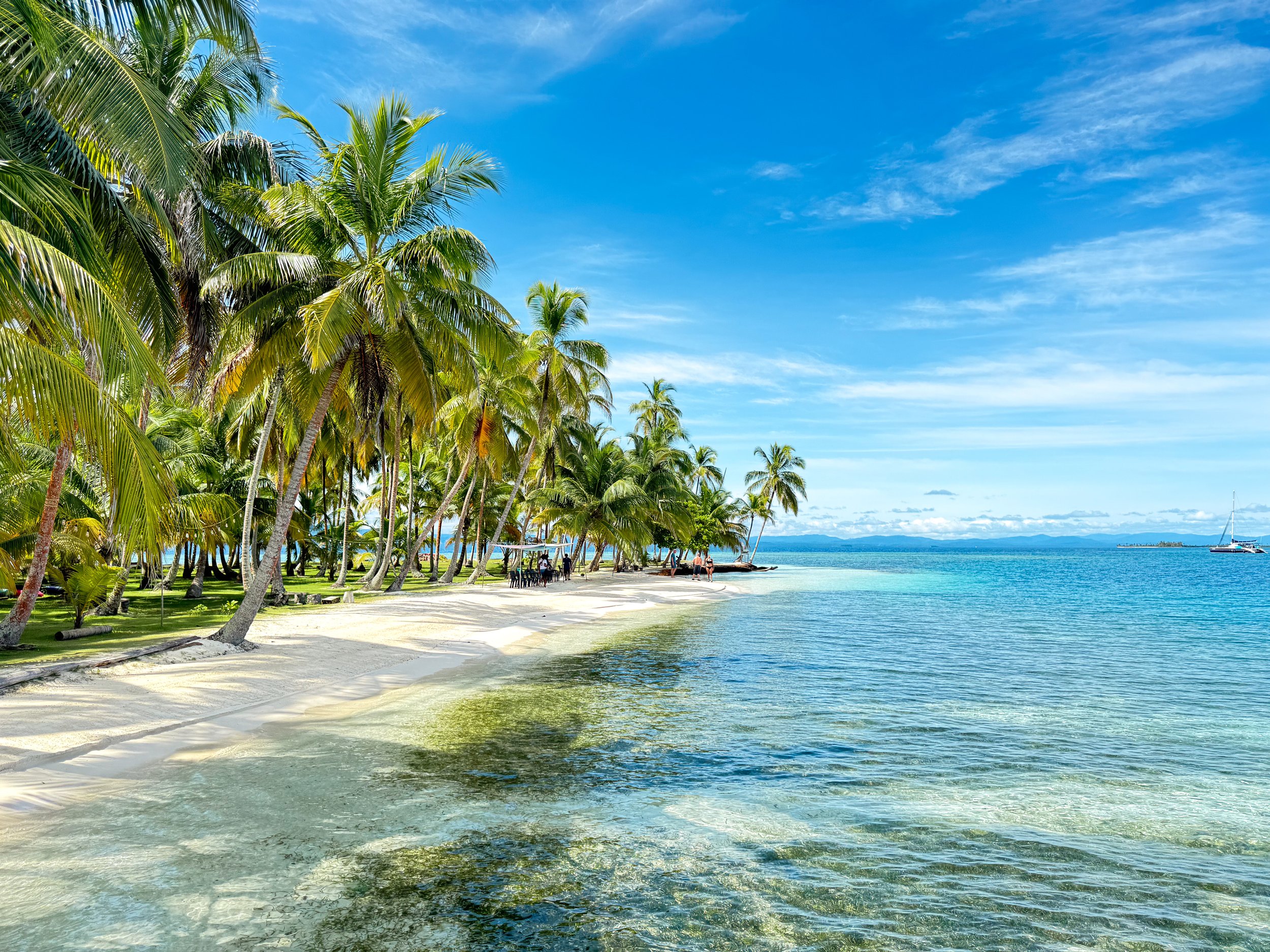
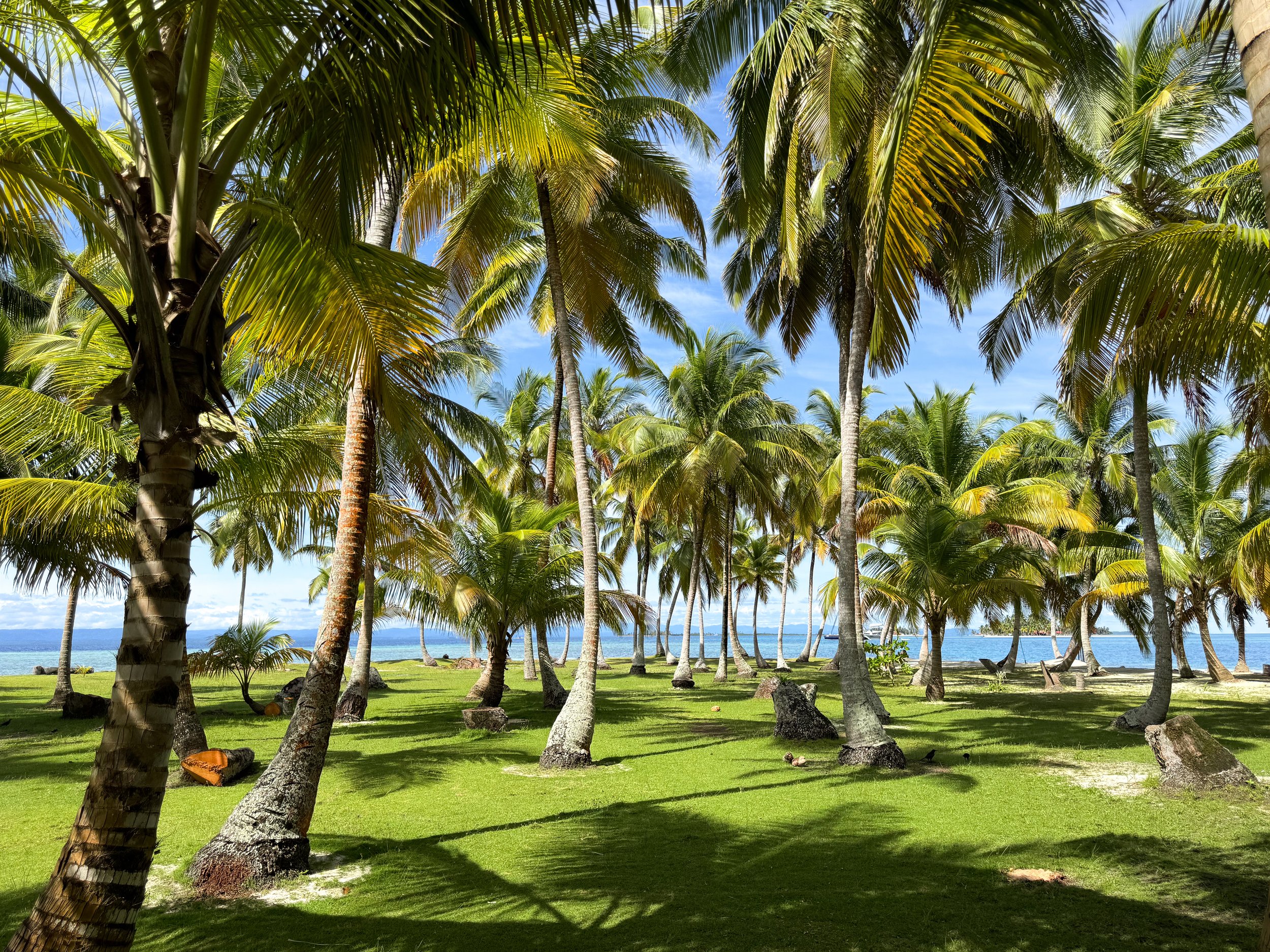
The San Blas Islands
The San Blas Islands are a series of many low lying islands and shills on the Caribbean side of the country. They are a tropical paradise for beach hopping, snorkeling and learning about the Guna Yana indigenous community.
The Guna Yana Indigenous People. The region is an autonomous zone in Panama home to and managed by the Guna Yana. While here, it’s common to see islands covered in palm reed and thatched houses, women wearing traditional Molas and fishermen paddling between islands in dugout canoes.
Touring the Islands. We voyaged into the sea passing palm covered islands, looking back to see views of Panama’s mountains as the spray of the sea misted across our faces.
Private Island. After a scenic boat ride, we arrived at a beautiful private island covered in palm trees and surrounded by sandy shores with vibrant blue water and patches of seagrass.
Sand Bar. Two hours later, our guides brought us to a shallow sand bar with crystal clear water, star fish and a small coral reef to snorkel above.
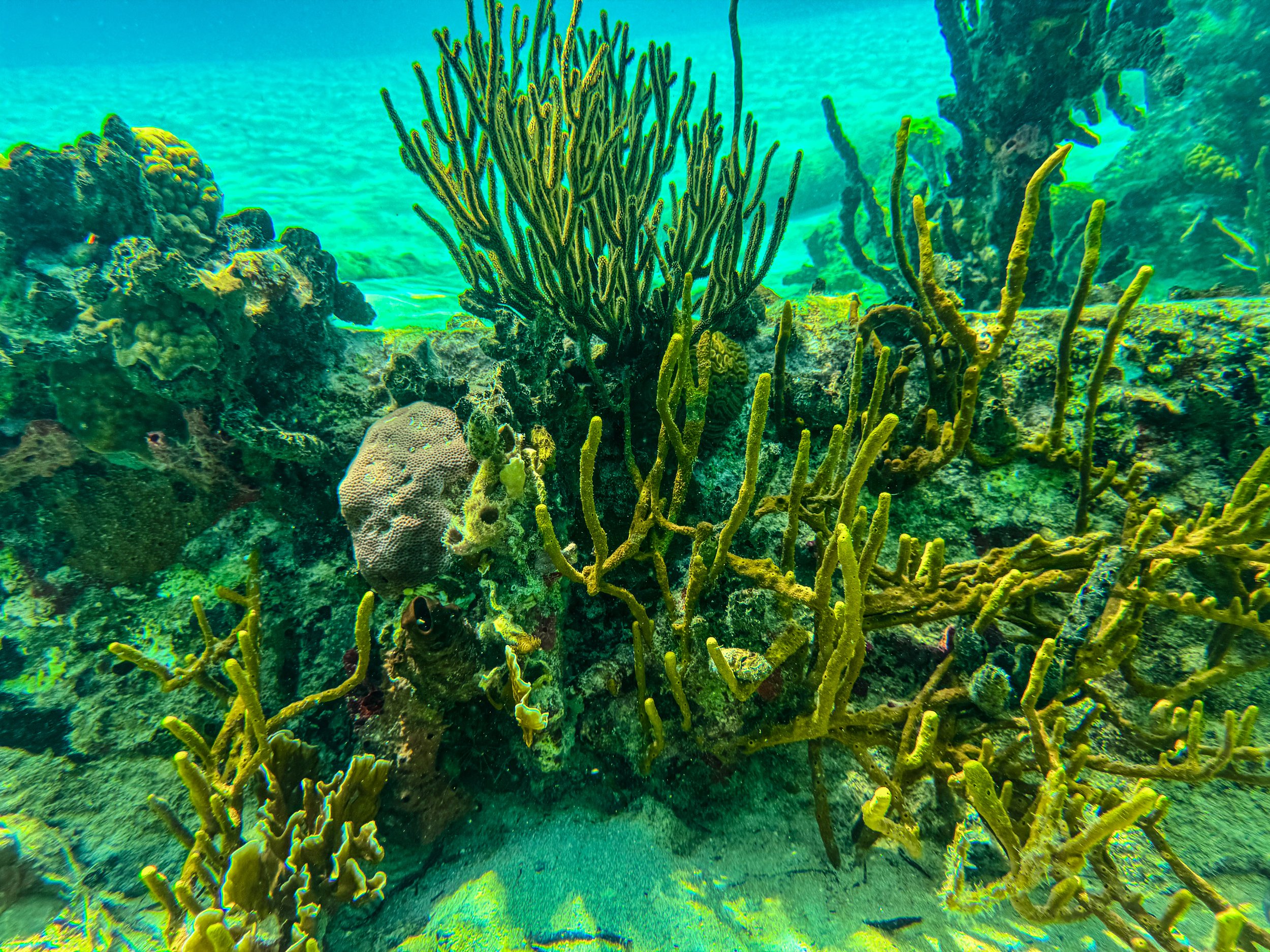
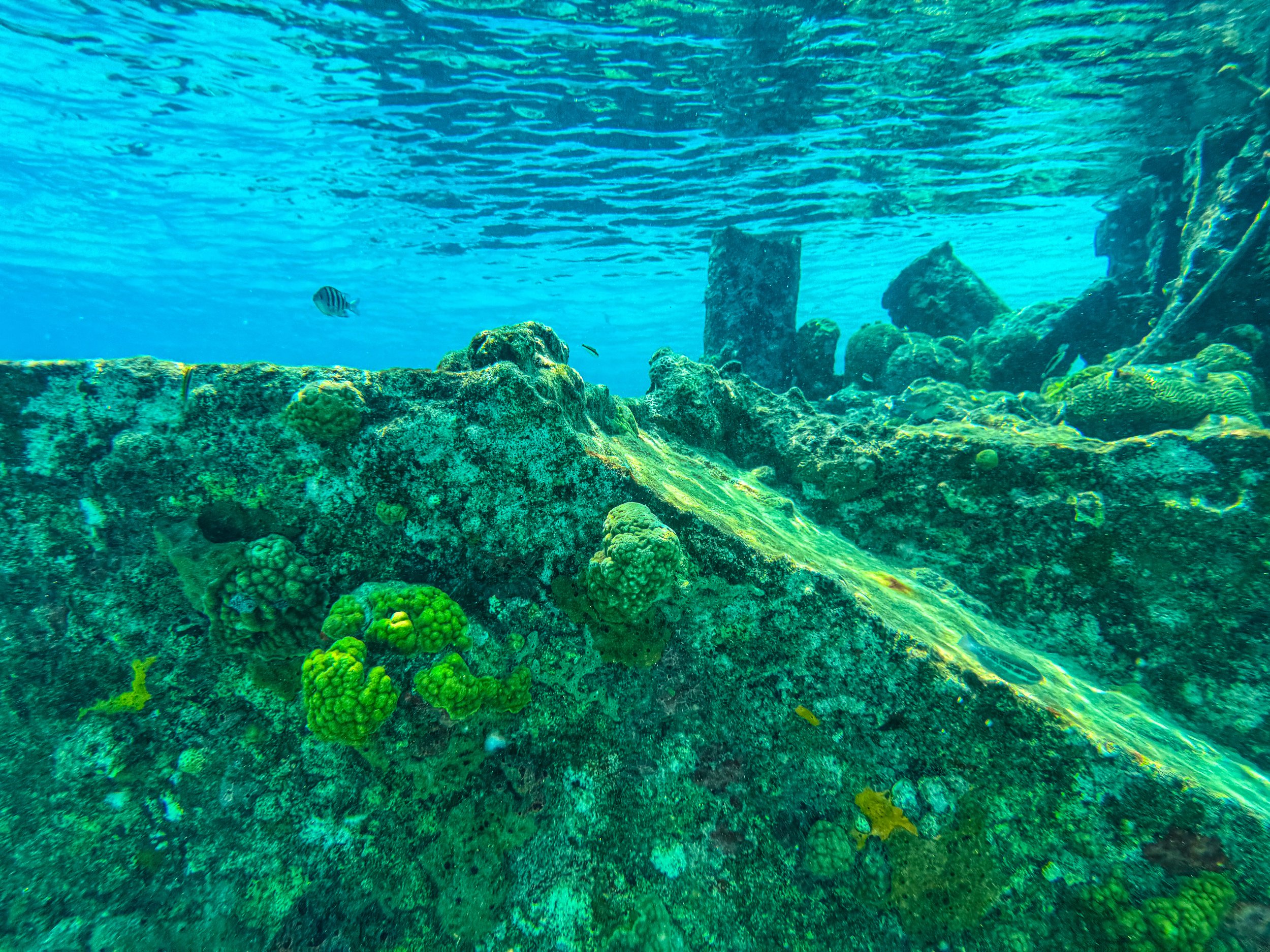
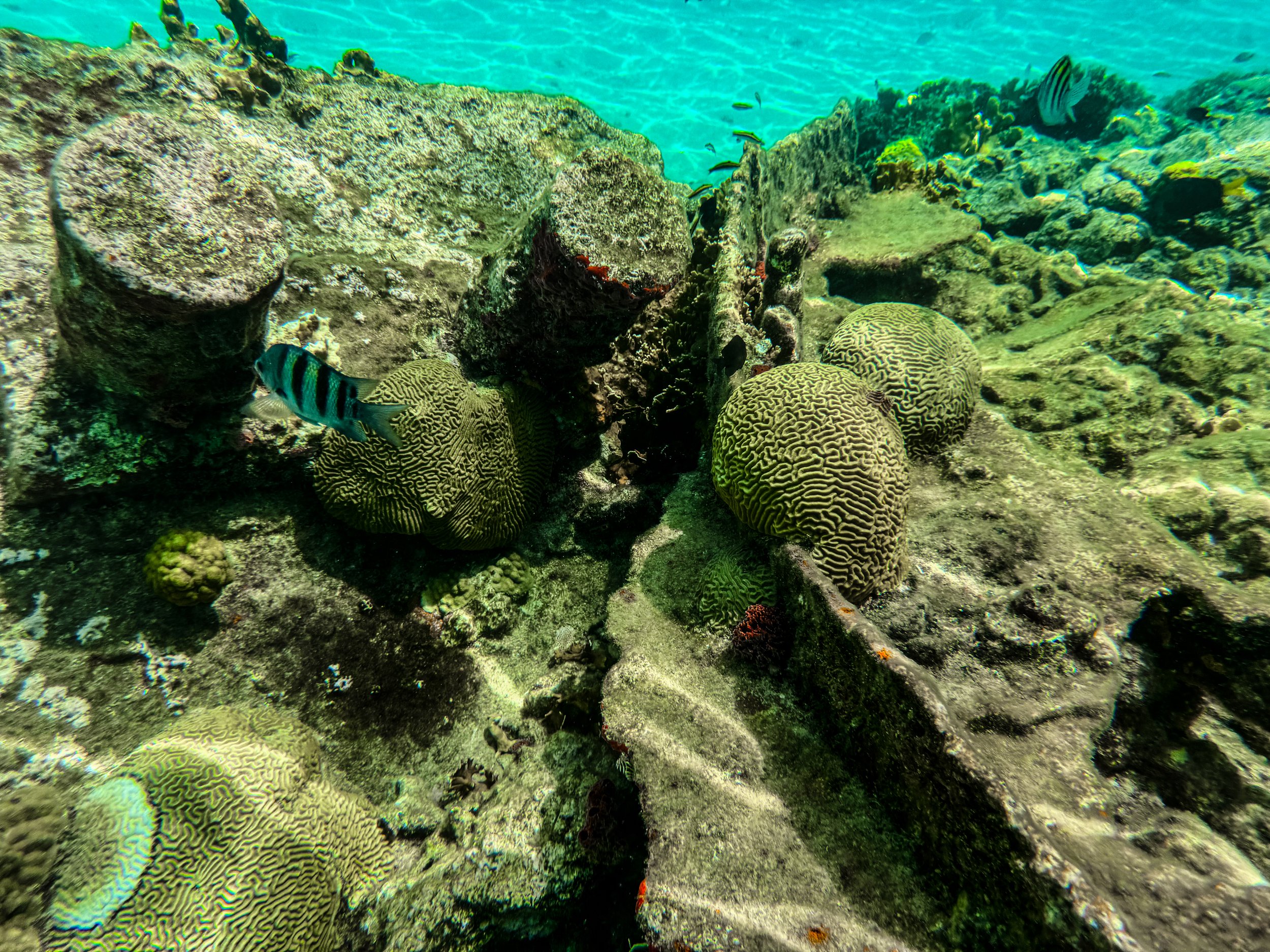
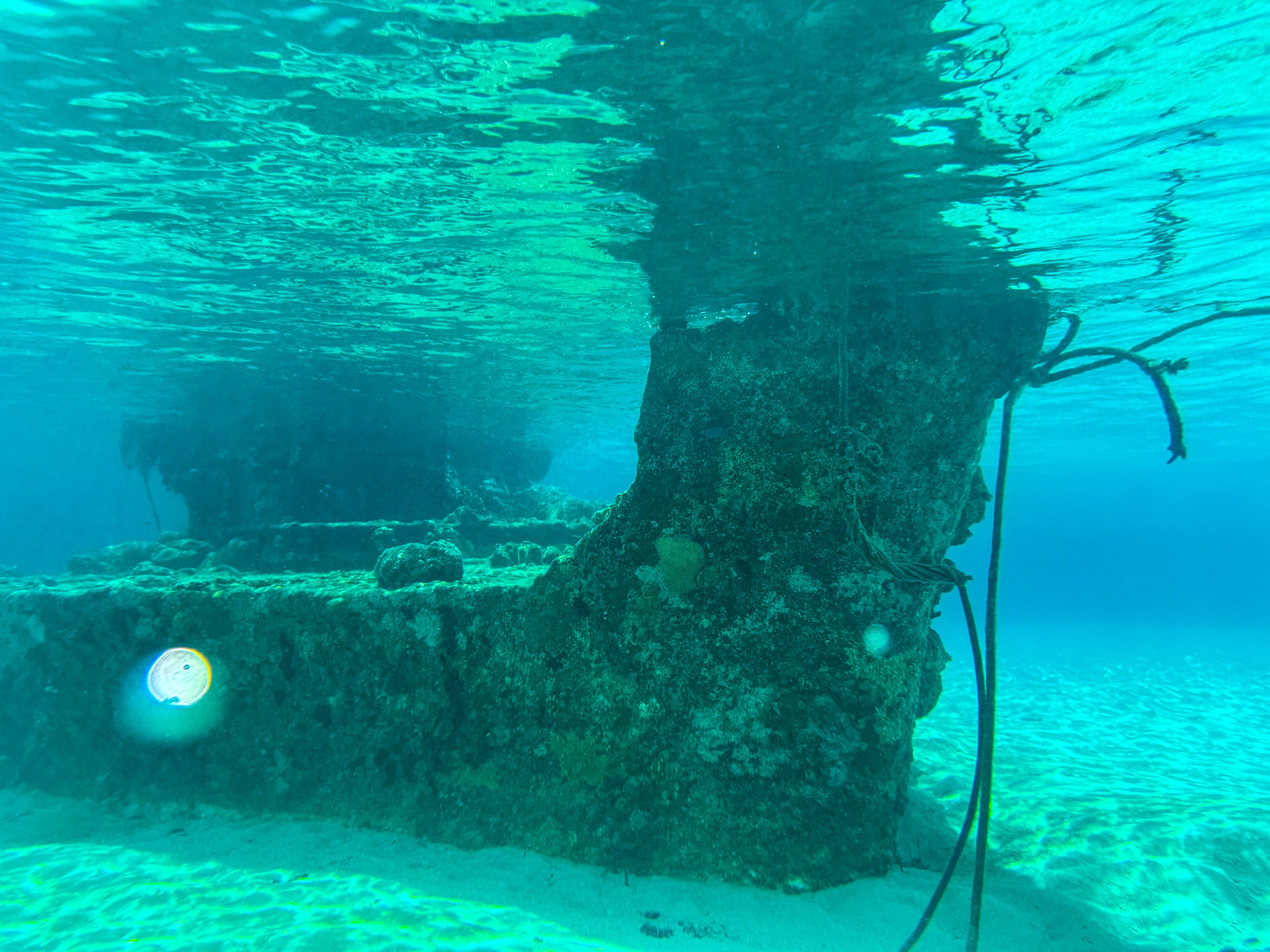
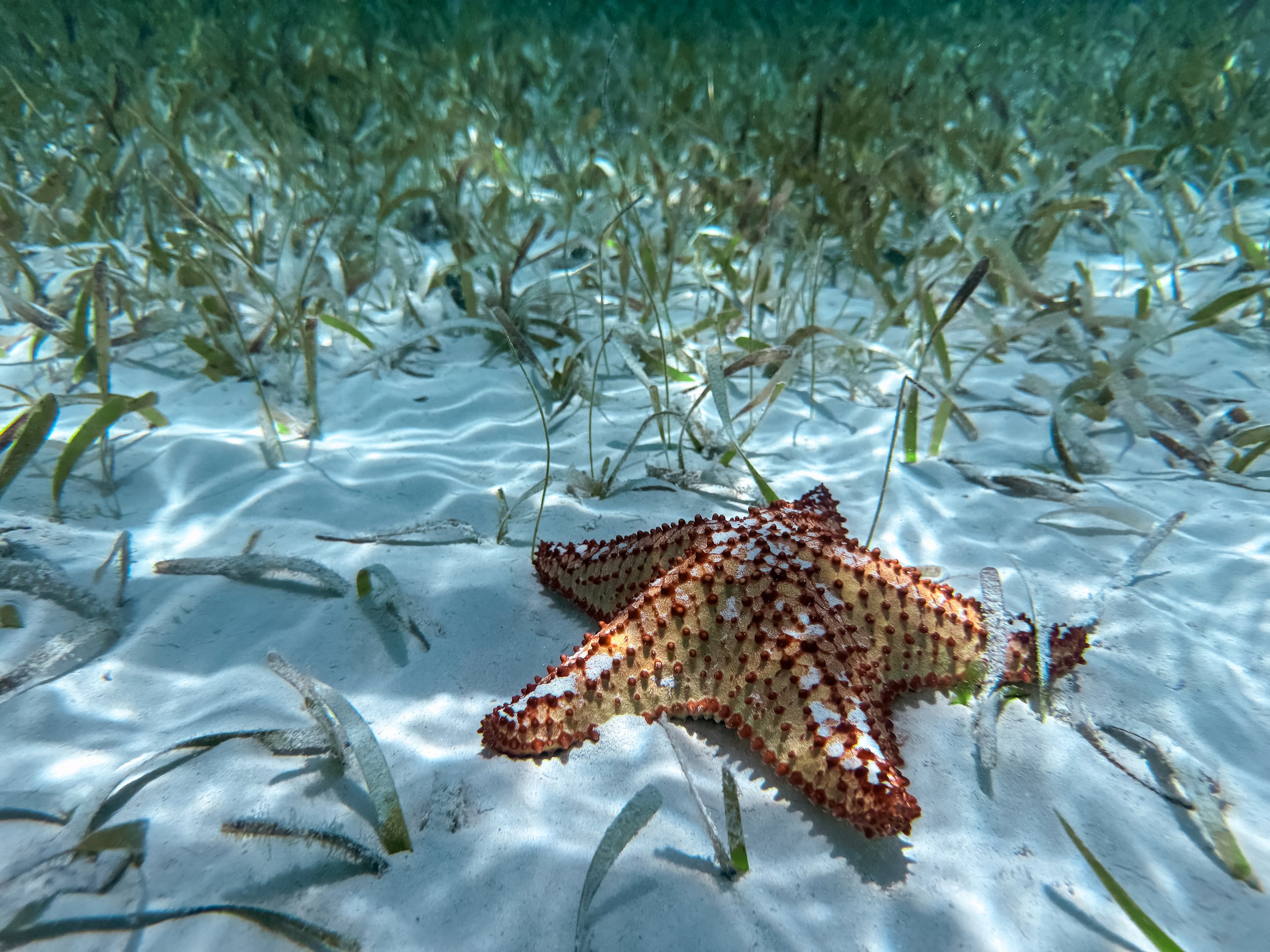
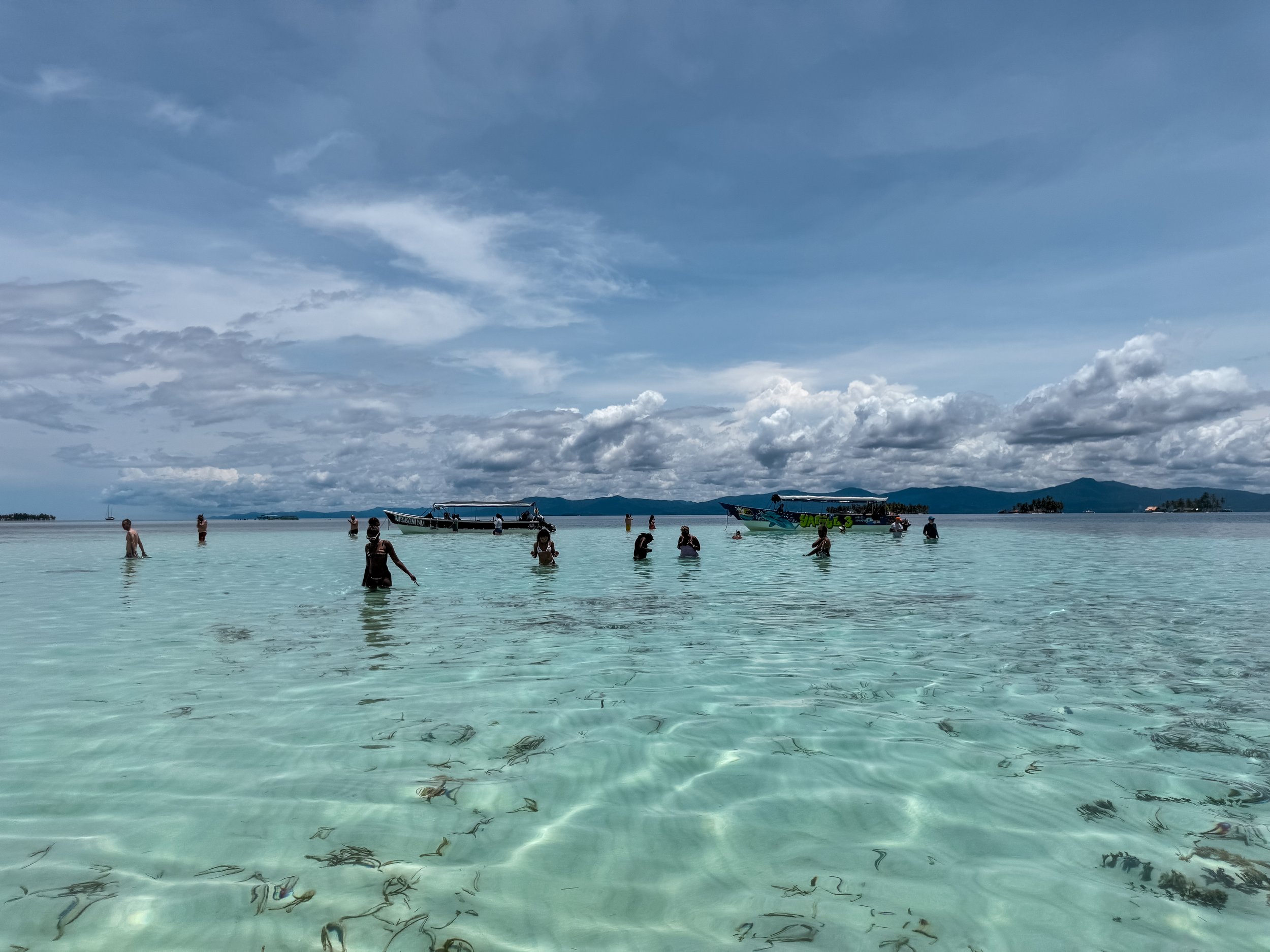
Dog Island. In the early afternoon, we arrived a an island with a sunken ship taken over by a thriving reef with all types of colorful corals and tropical fish. On shore, we were each served a whole fried corvina fish with patacones, fresh fruit and a local beer.
Isla Diablo. Towards the late afternoon, we visited one more island for beach time and tropical drinks before returning to Panama City.
Getting Here. We booked a tour with Panama San Blas Tours through Viator. Our guide picked us up at 5:15am and drove us 3 hours across the country through verdant forest and hilly terrain to reach the Caribbean coast and San Blas Islands. The last 30min of the drive are nauseating and extremely curvy with steep hills. Overall, the full day tour was incredibly memorable, very relaxing and well organized.
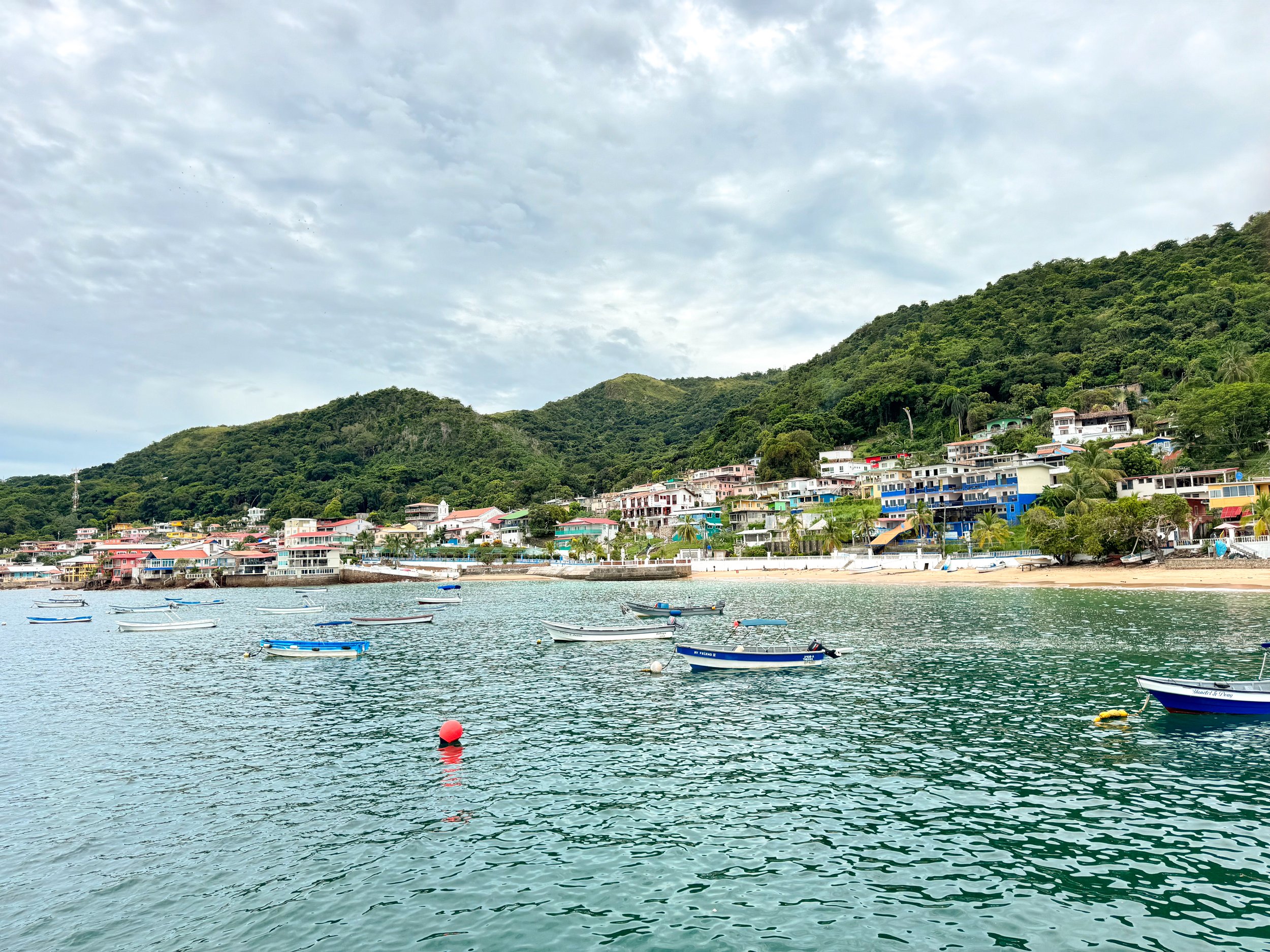
Taboga Island
The City of Taboga. Taboga is a colorful town built into the lush hillside of the island with laidback vibes, beaches and hiking trails. Here, locals drive around on golf carts and say hola (hello) or buenas (short for good day) as they pass by. The narrow streets and alleyways are lined with flowering trees and bushes with many light boxes housing statues of the Virgin Mary.
Playa La Restinga. A clean sandy beach that bridges Taboga and Morro Islands with views of the ship dotted harbor and Panama City skyline in the distance. The shore is covered in pink and white sea shells seen as decor on houses across the island. There are vendors selling beachwear, serving piña coladas in pineapples, preparing fried seafood and renting umbrellas, lounges and boats.
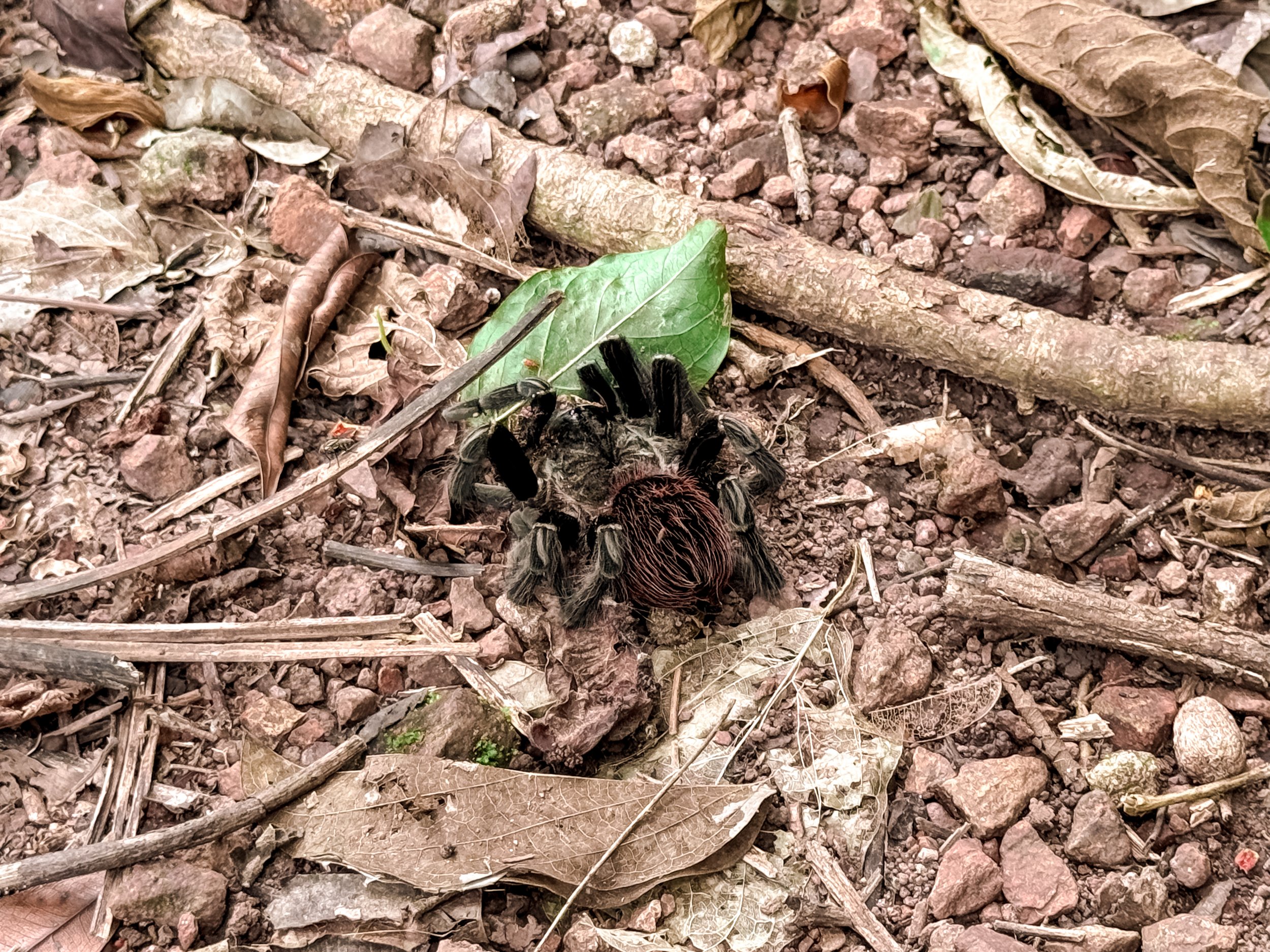
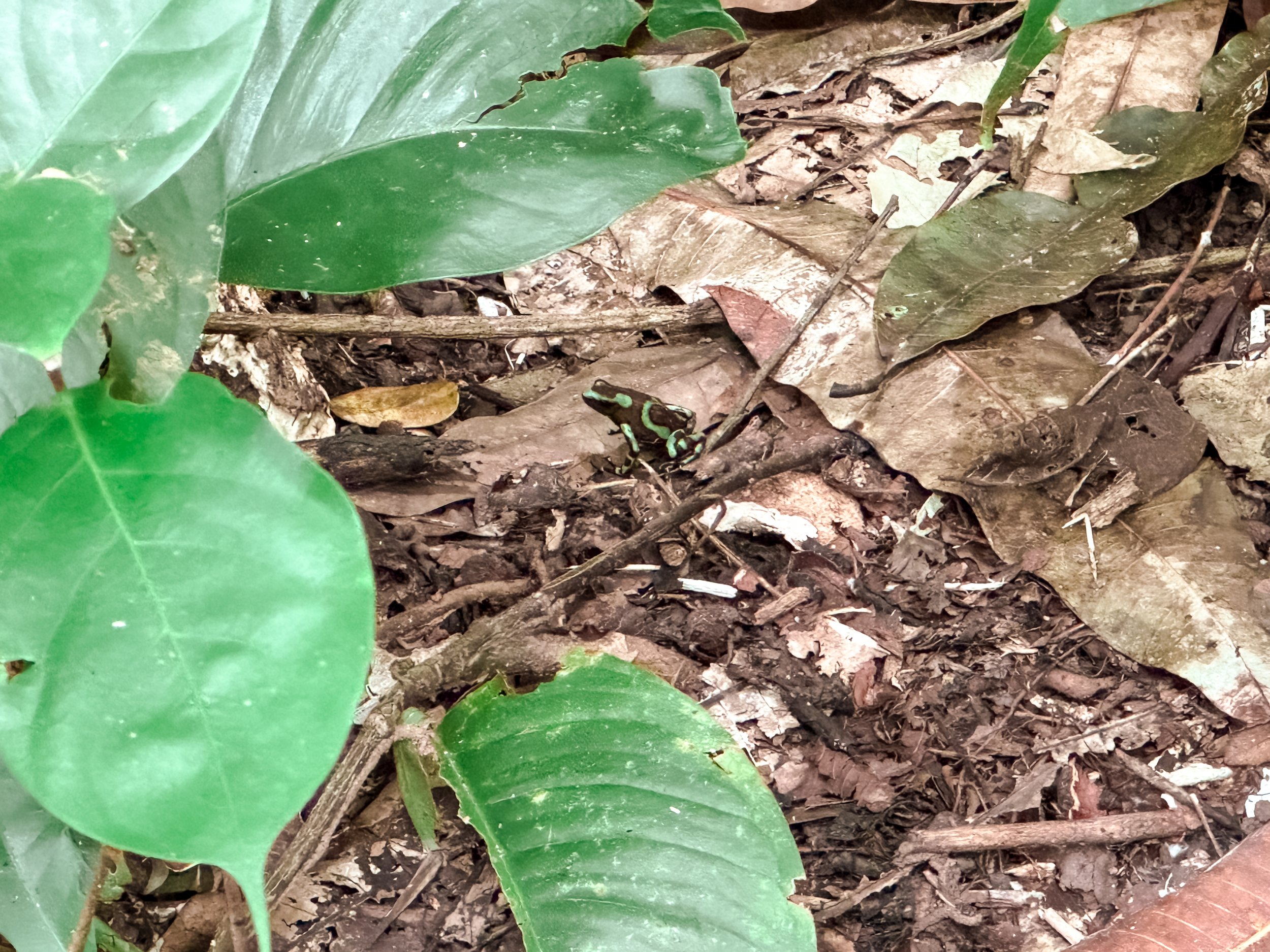
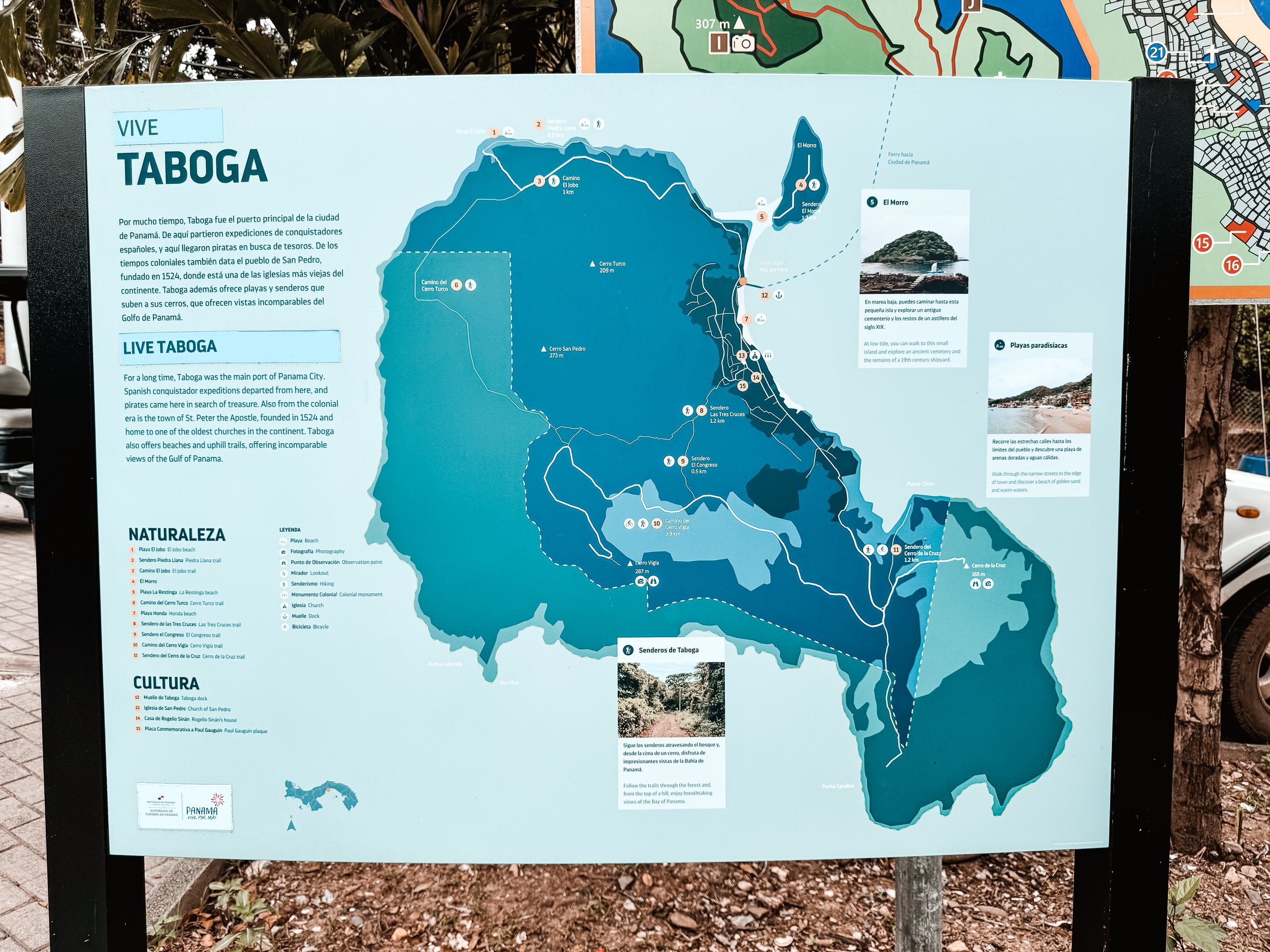
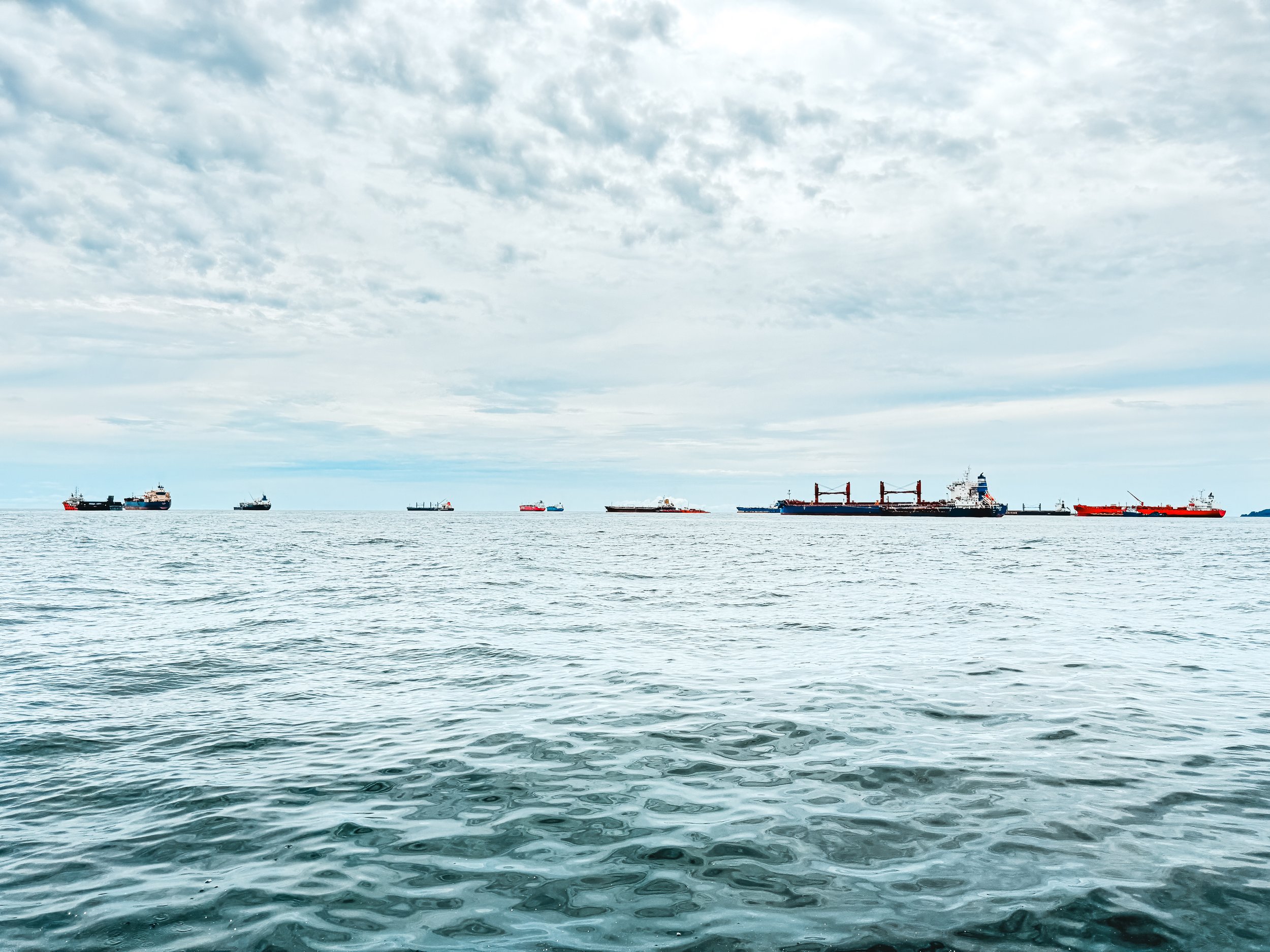
Sendero de Tres Cruzas. Following the winding walkways up the hillside, we reached the trail head. The trail leads deep into nature so much so that you forget about that a sprawling metropolis is still nearby. As we hiked through the humid forest, we heard the sounds of breaking of branches, the falling of fruit, bussing insects and squawking birds. Along the way, we spotted tarantula, numerous neon green and black poison tree frogs, large iridescent blue butterflies, skittish lizards and spiraling vortexes of vultures.
Cerro El Vigía. Sendero de Tres Cruzes leads to an uphill but easy to walk road to the island’s summit, Cerro El Vigía. From the summit, the town of Taboga is dwarfed by the panoramic views of the lush island, hundreds of ships anchored in the bay and city beyond.
Getting Here. Visiting Taboga is an easy day trip from Panama City. We took the Taboga Express Ferry from the Amador Causeway. Along the 30min boat ride, the ferry passes dozens of anchored freighters and ships from all over the world waiting to enter the Panama Canal.

Panamanian Cuisine
Ceviche. White fish cured in lime juice with peppers, red onion and cilantro. It’s one of the most poplar dishes seen at restaurants across Panama.
Corvina. A white fish popular in Panama. It’s often grilled or fried whole.
Paella. A pan rice dish cooked in a pan with broth, spices, veggies, and meat. It’s also called One Pot on the Caribbean side of the country.
Patacones. Twice fried and smashed plantain.
Rice & Beans. The classic Central American dish made from the two ingredients with spices.
Hojaldra. Fried dough often served at breakfast.
National Beers
Balboa. A semi nutty bear similar to a Modelo.
Panamá. A light beer similar to a Bud Light.
San Felipe. A pretty standard and easy drinking lager.
Where to Stay
La Manzana. A large mixed use building with modern apartment rentals, artist studios and a co-working space. It’s a quick 10 minute walk through the arts district to Casco Viejo. We stayed in well equipped and designed a studio here during our time in Panama City. Book here on Airbnb.
Getting Around
By Metro. Panama City has a very modern and efficient metro system with two lines crossing town. We took the metro from the airport to just outside of Casco Viejo neighborhood.
By MetroBus. Buses are the most economical way to navigate the Panama City though inefficient. Expect to wait a minimum of 30 to 45 minutes for most lines.
Albrook Station. Panama’s Central Terminal for the metro and buses. City buses from here are generally efficient and affordable. There are routes from here to destinations across Panama.
Tarjeta Recargable Para Metro y Metrobus. Buy a re-loadable card at any metro station for $2. Fares cost around $0.25 to $0.50 for both metro and metrobus.
Yellow Cabs. Taxis are all over the city. Drivers looking for fares will often tap their horn looking for passengers as they drive around the city.
Uber. A secure alternative to taxis. Fares cost $1-$10 to get around the city depending on distance and time of day or $20-$30 to/from the airport.
On Foot. Casco Viejo is very walkable. Any further distances will require public transit or an Uber.
Panama Stop Over
We booked our flights with Copa Airlines taking advantage of their stopover program when transiting through Panama City. The airline paid for our flight to Panama City in route to your our destination. Stopovers can last anywhere from a minimum of 24 hours to a maximum of 7 days. We stayed the full 7 days. This saved us hundreds of dollars on flights and allowed us to visit a county that’s been on our list for years!
Location Specifics
Currency. Panama uses the Panama Balboa and US dollar interchangeably. They are valued equally.
Toilets. Like many places in Central and South America, the plumbing can’t handle toilet paper. If there is a bin next to a toilet, that’s where it’s intended to go.
Language. Spanish and English are widely spoken by most people, restaurant menus and most museums have descriptions in both languages.
Ticket Prices. The costs for foreign tourists at most sights and museums are about 20-30% higher.
Tipping. 10-15% is standard for tipping
Safety. We found Panama to be a very safe country. People are friendly and helpful. There is a strong tourist police and military presence throughout Casco Viejo, likely due to the location of the president’s residence.
Tourism. We did not come across a single American tourist. Many people visiting came from across Panama and other country’s in South America.
LGBTQ+ Safety. Panama is a very welcoming country to the LGBTQ+ community. We saw many other gay couples, travelers and tour operators.
For Next Time…
We loved our time in Panama and with Copa Airline’s Stopover Program, we will certainly be returning. When we do, we hope to visit more areas along the Pacific and Caribbean coasts.
Coiba National Park. A bio reserve with beaches, reefs and rainforest. Come to hike the rainforest, snorkel with marine life, swim with whale sharks, surf pacific waves, spot tropical birds, monkeys and sloths.
Bocas del Toro Archipelago. A chain of 300 plus Caribbean islands with beaches, coral reefs and surfing spots. It’s hub for Afro-Caribbean cultures with calypso, reggae and soca music and cuisine made from seafood cooked in coconuts and seasoned with spices. Popular islands to visit are Colon, the Bastimentos and Carenero.

Key West Travel Guide: Beaches, Bars & Island Life
Escape to Key West for tropical beaches, lively bars, waterfront sunsets and laid-back island life in the heart of the Florida Keys.

Key West
Key West is a tropical island at the end of the Florida Keys where roosters roam free, flip flops are worn as dress shoes and beach vibes rule above all else. The key is home to many restaurants, bars, boutique hotels, historic sights, colorful wooden houses and waters dotted with sailboats.

The Overseas Highway
The Overseas Highway is scenic stretch of road crossing the ocean and connecting the Florida Keys with mainland Florida. We made a day trip of our drive on the highway, stopping at multiple keys along the way.
Tiki Bar at Postcard Inn. A hotel bar on Islamorada credited with inventing the Rum Runner cocktail. We stopped for a drink to find the restaurant under renovation.
Robbie’s. We ordered a Rum Runner here and stopped to hand feed the tarpon swimming around the restaurant’s dock. For $5, we bought a bucket of fish and dangled them over the edge of the dock. Soon after, a tarpon jumped from the water snatching the fish directly from our hands.
Keys Fisheries. A restaurant on Islamorada with all manner of fresh caught seafood. We stopped here for their famous lobster ruebens.
Sea Turtle Hospital. A sanctuary to rehabilitate rescued sea turtles on Marathon Key. Tour the facility and its tanks of sea turtles. I visited here on a trip to the keys years ago.
7 Mile Bridge. A stretch of the overseas highway crossing 7 miles of open ocean. Stop at the 7 Mile Bridge Vista to walk onto the pedestrian bridge and overlook and the blue tropical seas. We spotted manatees swimming here.
Bahia Honda State Park. We stopped here for some afternoon sun and beach time. We lounged in the shallow waters of Loggerhead and Sandspur beaches.
Big Pine Key. One of the last keys before reaching Key West. We kept an eye out for the Key Deer, an endangered species of tiny deer native to the island.
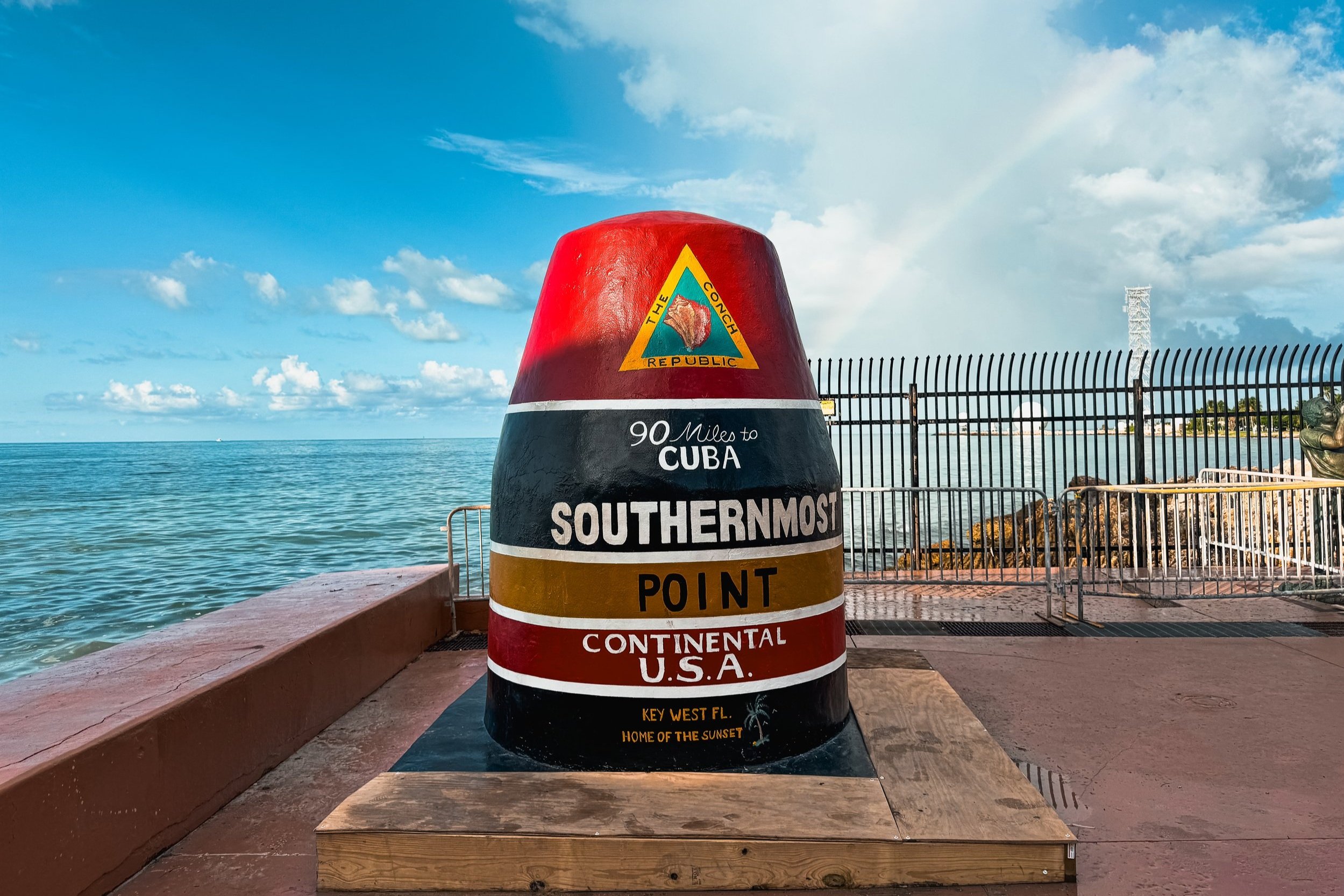
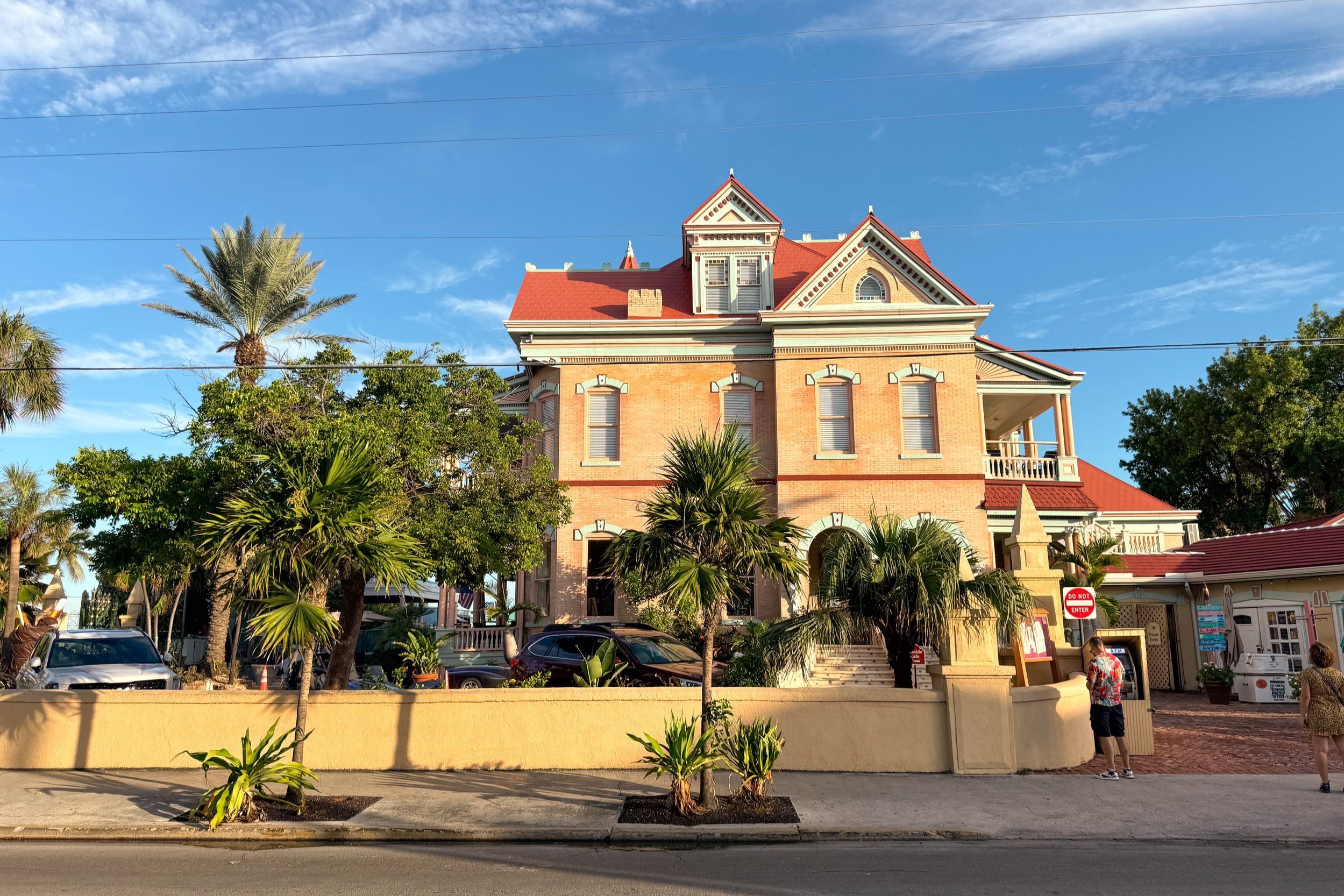
The Conch Republic
Key West, also called The Conch Republic, is truly an island paradise! While here, eat fried conch fritters and conch ceviche from one of the islands many restaurants, buy a conch shell from a souvenir shop and spot Conch Republic flags flying from local’s homes.
See the Sights
Duval Street. A famed and historic street stretching a mile across the key with seafood restaurants, cocktail bars, Cuban cafes, art galleries and souvenir shops.The north end is the most touristy while the south end is quieter and more local.
The Old Town. A historic area with colorful wooden house located at the north end of Duval street.
Southern Most Point Buoy. A striped concrete buoy and monument marking the southern most point in the continental US only 90 miles from Cuba.
Bahamas Village. A neighborhood in the south side of the key settled by immigrants from the Bahamas. Come to see the colorful houses and tropical gardens.
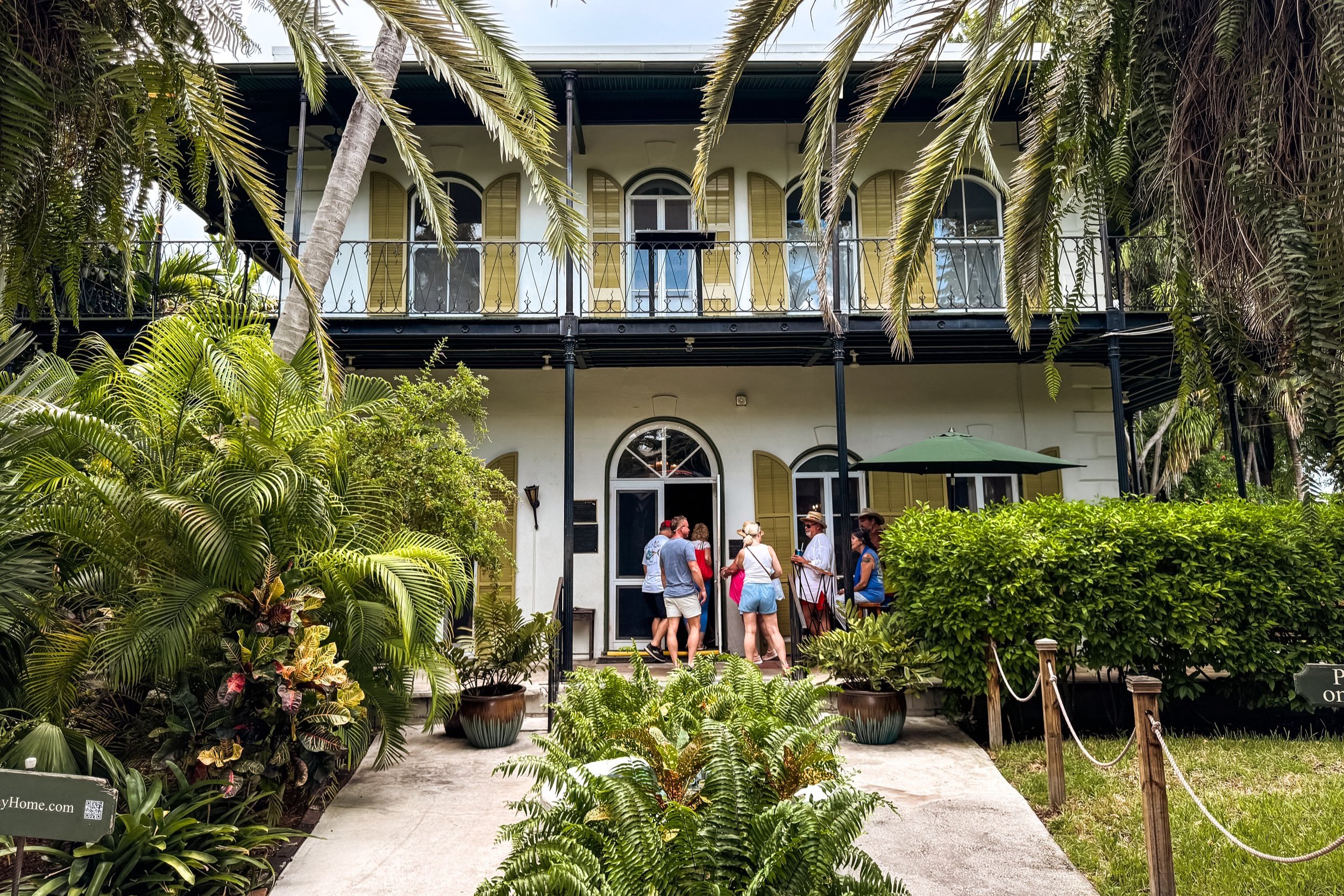
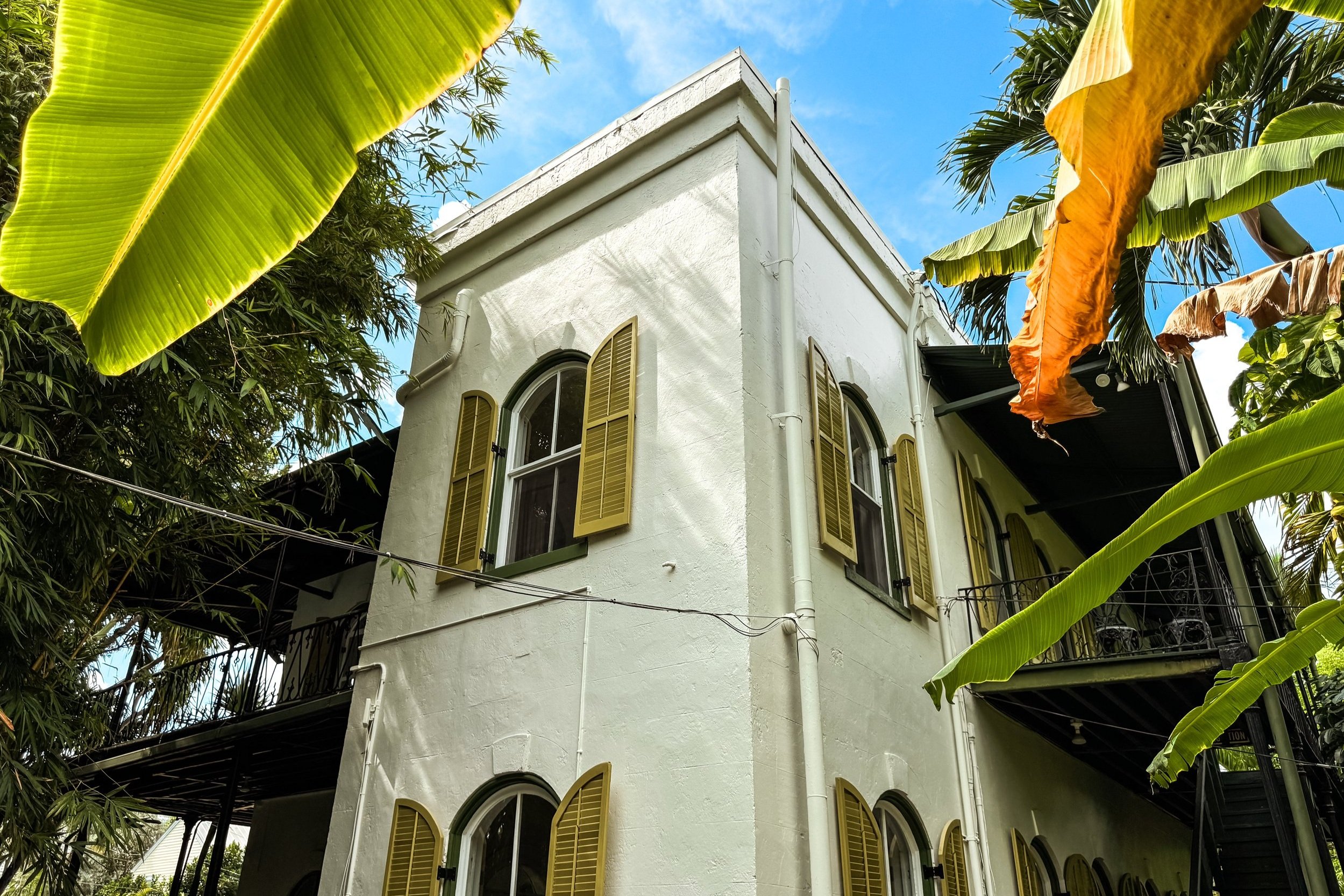
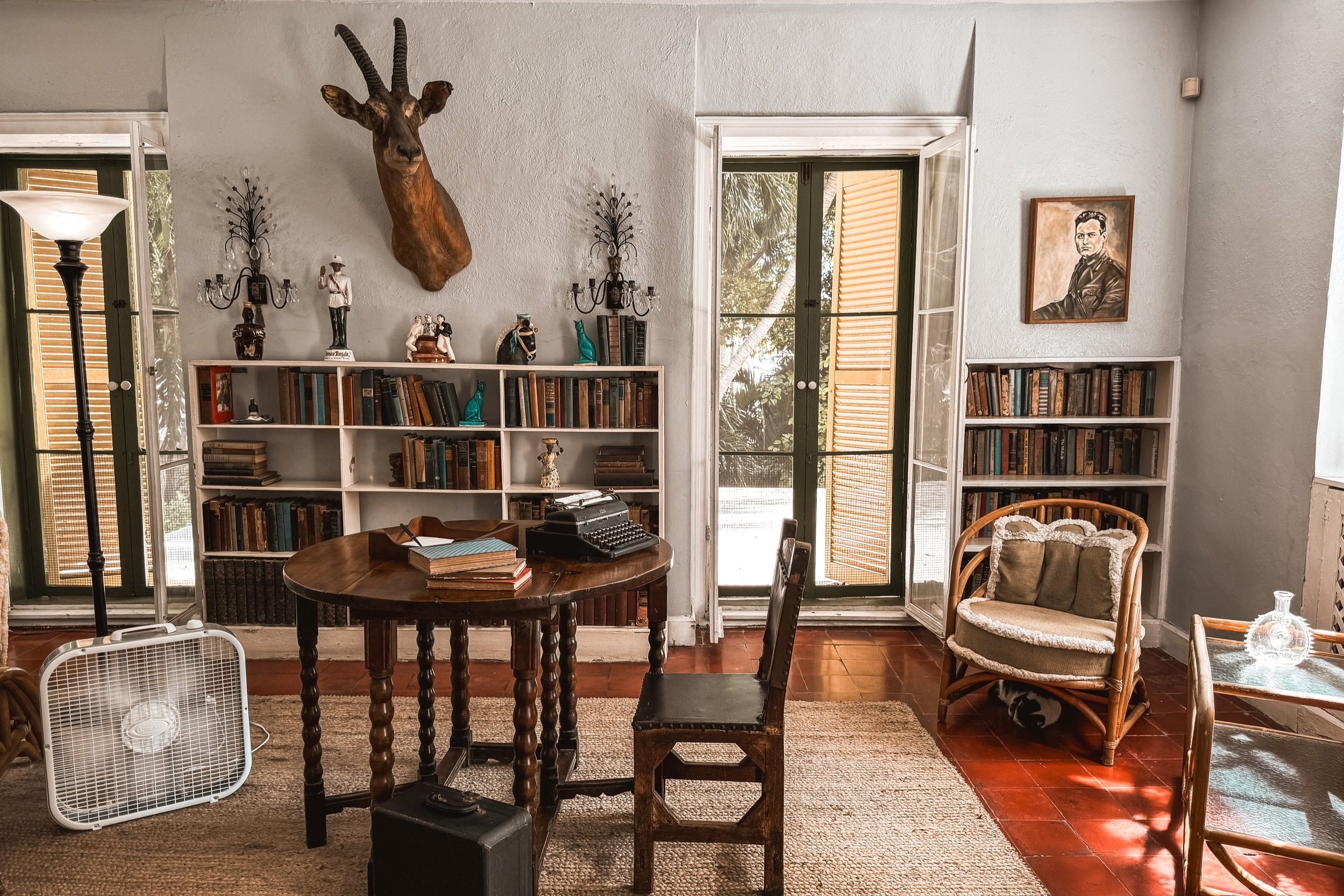
The Hemingway Museum. The former residence of American writer Ernest Hemingway. Tour his home and writing studio where he wrote many of his iconic novels and short stories. Walk through the grounds lush gardens and pet Hemingway’s cats.
Key West Lighthouse. A short white lighthouse with a spiral stair case leading to the crown with panoramic views of the key. The light house keeper’s house is a small museum dedicated the history of Key West.
Fort Zachary Taylor Beach. A park with a coral beach, short nature trails and a civil war era fort. Come here to swim and sunbathe, walk the nature trails and explore the cannon lined red brick and black cement fortress. The beach has a snack & beverage hut renting umbrellas & lounges. Wear beach shoes to avoid the jagged coral lining the beach. Along the shore is a shaded park with picnic tables and grills.
Higgs Beach. A small but sandy beach between two piers for snorkeling, swimming and swimming. I came here several years ago on a previous trip to Key West.

Mallory Square. No night in Key West would be complete without joining hundreds of people and watching the sunset from Mallory Square during the daily sunset festival. Arrive early with a drink in hand as the day ends and the night begins.
Truman Waterfront Farmers Market. A Thursday afternoon market with vendors selling boozy popsicles, empanadas, samosas, honey, breads, cheeses, vegetables and tropical fruits like dragon fruit, pineapple, papaya, star fruit, lychee & star fruit.
Places to Eat and Drink
Key West is where “it’s 5 o’clock somewhere” and “island time” meet. There are many restaurants with laid back vibes and bars serving tropical cocktails.
Tiki Bar. A cocktail bar with classic tiki drinks like the Mai Tai, Jungle Bird, Zombie and Hurricane. There is live music nightly, a shop selling tiki mugs and hidden tiki bar in the back.
Eaton Street Seafood Market. A seafood market and restaurant serving the day’s fresh catch. We came for conch ceviche, stone crab claws and beers from Islamorada Brewing.
Schooner Wharf Bar. Come here for the shrimp! They source their shrimp from Key West’s last shrimping boat docked in front of the restaurant. We devoured the coconut shrimp and drunken shrimp, a peel and eat shrimp boiled in beer and spices!
Speakeasy Inn and Rum Bar. An inn with several rooms and a rum bar with one of the largest collections of rum in the US. Sip on rum neat the at bar chatting with locals and other vacationers or sit on their porch overlooking Duval Street while enjoying a Painkiller.
Hemingway Social Club. A cocktail bar attached to the Hemingway Rum Distillery. Come here for cocktails like a Hemingway Daiquiri made with their house run while listening to the live music.
Cafelito. A cafe with a walk up window selling iced Cuban coffees and Cuban pastries like the guava and cheese turn over.
Sally Frog’s. A bar near Malloy Square with cocktails and local beers like the Crazy Lady Honey Blonde Ale brewed at The Waterfront Brewery.
Cuban Coffee Queen. A small coffee shack by the harbor selling cups of Cuban coffee.
Cocomelon. A juice bar and cafe selling ice cold fresh coconuts. Come here to sip coconut water from the tropical fruit while relaxing in their patio.
Kermit’s Key Lime Shop. Come for the key lime pie! They sell it by the slice, whole and frozen on a stick.
Dry Tortugas National Park
60 miles from Key West are the Dry Tortugas, a national park with several low lying islands, protected marine and avian reserves, a massive civil war fortress, a light house and a campground.
Fort Jefferson. An hexagonal three level civil war fort rising from the sea. The historic red brick fort is surrounded by a mote with a large interior court yard and the ruins of many military structures.
We spent time exploring the 3 levels of the fort. The ground level houses many of the forts supportive facilities like a bakery, cistern and the barracks. The second level was dedicated to the prisoner’s cells and the hospital. The third level is overgrown with trails leading along the wall past cannons and to the fort’s lighthouse.
Outside of the fort is a mote and wall designed to protect the main fort from the sea. Walk along it to admire its historic outer walls, look out towards the sea and spot tropical fish.

Beaches. Outside of the fort, there are two coral beaches to swim at with warm and shallow water. The South Beach was the calmest and clearest for swimming and snorkeling. There is some sea grass, fragments of broken coral throughout the bay. The North Beach was a little choppier with less visibility for snorkeling.
Snorkeling. Along the wall of the South Beach, we spotted smaller tropical fish, some living coral, sea anemones, pink jelly fish and the carcus of a giant spiny lobsters.
Land Bridge. Walk the tidal land bridge towards the avian reserve of Long Key. The shallow stretch of sand it covered in conch shells, sand dollars and broken coral. Come here to spot pelicans and sand pipers.
Loggerhead Lighthouse. A black and white lighthouse visible on the horizon from Fort Jefferson on Loggerhead Key, nearly two miles away.
Camping. There’s something special about camping on a desert island in the middle of the sea! I camped here overnight on my last trip to Key West and the Dry Tortugas between some of the islands only few trees and bushes.
Yankee Freedom. The main company ferrying between Key West and the Dry Tortugas. The ticket includes transit, a tour of the fort, snorkel equipment, breakfast and lunch, cocktails for purchase.
Getting Here. It takes 2 hours 30min to reach the Dry Tortugas from Key West with 4 hours on the island. Book in August and September for $50 off an order of 2 tickets. Book here!

Where to Stay
We stayed at the Speakeasy Inn & Rum Bar! The boutique inn on the south end of Duval Street has two floors of newly renovated rooms and is stumbling distance away from their rum bar. Our stay included free parking, a welcome cocktail and discounted drinks!
Getting Around
Key west is very walkable, especially along the mile long stretch of Duval Street. Even so, there are many rentals offering bikes, scooter and golf cart.
Bikes $10 / day
Scooters $35 / day
Golf carts $100 / day
The Conch Train. A multi car trolly that rides around the city passing most of the sights with a narrated guide.
Location Specifics
Locals leave during the month of September to vacation elsewhere. As a result, some restaurants and bars are closed. However, as this is the slow season, many hotels offer deals making the island more affordable to visit.
For Next Time…
We loved our time visiting Key West! We hope to return for more rum cocktails, sunset views and the tropical atmosphere. Outside of Key West, we would love to spend a few nights exploring the other keys more.

Sustainable Travel Tips for Lower Impact, More Meaningful Trips
Travel more sustainably with practical tips that reduce your environmental impact, support local communities and create more meaningful travel experiences.

Our Impact
No matter the reason for traveling, there is always a reason to do so sustainably. Traveling sustainably is a great way to minimize our negative environmental impact and help preserve the natural environment. Knowing how and putting it into practice is not difficult nor does not have to be expensive. Even some of the smallest efforts can do good. We’ve identified several ways we aim to reduce our negative impact while traveling. Everything from getting to the destination, choosing when to go and where to stay as well as the habits and activities we engage in all provide opportunities to travel sustainably.
Ways of Travel
Getting to the Destination. Air Travel is often the most efficient way to get to a destination but it is easily the largest contributor of emissions while traveling. There are multiple ways to help reduce or offset your emissions on a global and local scale.
Purchase Carbon Offsets. Carbon offsets do not reduce emissions but are designed to counteract them by investing in green energy, planting trees and funding the protection of vulnerable species and environments. A number of airlines offer ways to purchase carbon offsets separately from your tickets either on their site or through a partner company. Carbon Fund is an easy and reputable way to purchase offsets based on the number of miles flown.
Choose Direct Flights. The more times you take off, the more fuel is burned resulting in extra emissions. Choose direct flights whenever possible, especially for traveling short distances.
Travel by Bus or Train. If you’re traveling regionally, look into buses or trains. In some cases, these are often comparable in time, more cost effective and result in less emissions.
At the Destination. Once you’ve made it to your destination, minimizing your local impact is the goal. Here are a few ways to get around.
Choose to bike, walk or hike. In addition to being the best way to see and experience a destination, it results in little to no emissions.
Take public transit or shuttles opposed to taxis or renting a car.
If you do rent a car, opt for the eco model. Many rentals also allow you to purchase carbon offsets as well.
Depending on the destination, there may be alternative methods of travel like pedi-cabs, cable cars or electric scooters.
The Destination
When to Go. Travel to a place during the off season. This helps limit the strain on the environment and local community. We’ve found you’ll often have a much more enjoyable time with less crowds, better service and be able to make stronger connections with local culture and other travelers.
Where to Stay. Research your destination and the options available. We often stay at small and communal accommodations like hostels, eco-hotels, camp grounds, treehouses and bed and breakfasts. They typically have the least negative environmental impact and often benefit the local community.
Stay at a Hostel. Hostels often have a low environmental impact. They typically consume less energy and produce less waste than traditional hotels. In many cases, they’re often run by locals who care for and promote their community, culture and environment. Hostel World is a great place to book!
Book an Airbnb. Our favorite site to search for accommodations. You can search by property types including: earth homes, cabins, huts, tents and treehouses. These types of listings are often sustainable and make for unique places to stay!
Look for Eco Ratings. Many hotels, whether large chains or small boutiques, may have eco ratings. There are dozens or organizations that award ratings. The Global Sustainable Tourism Council (GSTC) serves as a basis for many of these. GSTC sets standards that other organizations follow as well as issues their own certifications. Look for any of their approved ratings here.
What to Avoid.
Avoid cruise ships, mega resorts and big hotels without eco-friendly ratings.
Don’t leave the AC, heat or lights on when not in your room.
Don’t request new/extra towels or sheets daily to avoid an extra wash and dry cycle.
Sustainable Habits & Activities
Outside of getting to the destination and where you stay, there are number of ways to minimize your emissions, waste and negative environmental impact.
Participate in low impact activities like visiting museums or parks, go on a picnic, take a snorkeling lesson, go hiking, zip-lining or stargazing.
Search for locally made souvenirs opposed to mass produced ones seen everywhere. Try visiting vintage shops, local markets and kitchenware stores. We usually bring home something small for our apartment or food items like spices, wine and chocolate.
Participate in a beach, trail or roadside clean up. Whether on your own or with a local organization, bring a bag and collect as much waste as you can carry in it. Recycle what you can.
Bring a reusable water bottle and metal straw. Don’t buy single-use or plastic ones.
Avoid using cosmetics and toiletries with harmful chemicals. Research the products you use regularly.
Wear reef safe sunblock and eco-friendly insect repellent, especially when visiting bodies of water.
Pay attention to waste/recycling bins. Color-coded bins often differ from country to country.
Eat more plant based and locally sourced meals. Visit a farmers market for local produce.
Don’t waste food, always take home leftovers or give them to someone in need.
Back Home
Many of these sustainable efforts can be practiced back home and continue to minimize our negative environmental impact on a daily basis. The privilege to travel is a wonderful thing, doing it sustainably helps ensure that the natural environment as well as the cultures and species it supports have a better chance at being preserved.

Traveling During Covid: Lessons from Pandemic Era Travel
Explore the lessons of pandemic-era travel, from empty skies and shifting restrictions to a renewed appreciation for meaningful journeys.

Lockdown
Early during the lockdown, I remember looking into the sky and not seeing a single airplane for weeks. The pandemic, travel bans and lockdowns seemed to cause the world to stand still. Our flights to Hawaii, Mexico, Japan and Morocco were all canceled. With the spare time, we started Afar Atlas as a way to remember and relive out past travels.
Eventually as lockdowns eased, we managed to take a couple regional trips to view wedding venues and get away during the winter. Though it wasn’t advisable to travel, we wanted to share the precautions we took and the considerations we made.
Travel Precautions & Considerations
Keep up to date with entry requirements. Many states have mandatory quarantines as well as ways to test out. Before traveling, we have gotten PCR covid tests with in 72 hours of traveling, had to fill out contract tracing forms and have quarantined from 3 to 14 days depending on the location.
Keep up to date with local lockdowns. Knowing what to expect before traveling and planning how to safely follow local mandates is key to enjoying your trip. Requirements change almost daily and differ from place to place. Some we encountered are mask mandates, occupancy limits, social distancing, contact tracing surveys, stay at home orders, curfews, alcohol bans and business closures. Follow the rules put in place in order to keep yourself and others safe.
Read up on airport procedures. Many airports limit terminal seating, ask travelers to distance themselves in lines and have control points set up on arrival by the National Guard to verify if you’ve been tested or not. Some airports also offer onsite rapid and PCR testing.
Read up on airline procedures.
Most airlines have HEPA filters installed inside their airplanes and re-circulate filtered air every 3-5minutes. Many have also adapted advanced cleaning methods, fogging the airplane with disinfectant after passengers deplane and before boarding. Many also offer wipes to clean your seat, window and tray table.
We flew Delta, which spaced out every other seat. We also flew Jet Blue, which did not. At the time Jet Blue did have free cancelations and re-bookings with no questions asked.
Our Daily Precautions
Whenever in transit, we wore KN-95 masks and sanitized our hands frequently. Bring extra masks and sanitizer.
We tracked our temperature, monitored for symptoms and checked our blood oxygen level with a pulse oximeter each morning and night.
We only dined outdoors at restaurants with social distanced and open air seating.
We walked whenever possible or had the windows open/cracked whenever in a taxi, even when it was cold or raining.
Because requirements differ so much from place to place, we would often defer to stricter guidelines and follow CDC advice. The main advice we followed and strongly encourage are wearing a mask, social distancing, sanitizing and getting tested.
Alternatives to Traveling
There are plenty of alternatives to traveling that we’ve engaged in over the past year. These are our 5 favorite:
Airbnb Virtual Experiences. Airbnb rolled out virtual experiences for people to connect with other cultures around the world. We’ve taken multiple cooking classes to experience the food and culture in other countries.
Balinese Cooking Class. We cooked Gado-Gado, vegetables with peanut sauce and Nasi Goreng, Balinese fried rice then toured the home of our hosts.
Okonomiyaki Cooking Class. We cooked Okonomiyaki, a savory Japanese pancake with a home cook in Osaka, Japan
Paella Cooking Class. We cooked paella and made sangria with a chef at a cooking school in Sevilla, Spain.
Experiences go further than cooking classes to local tours of neighborhoods, dance classes, drag shows and history lessons.
Start a Travel Blog. We had been wanting to start a travel blog for years. The spare time and loss of being able to freely travel gave us the perfect opportunity to start Afar Atlas. Pick out a Squarespace template and start blogging!
Plan Future Trips. Think about the first place you want to travel to after the pandemic ends and start researching the destination!
Go Near. Explore your own backyard, walk down the road less traveled, go on urban hikes or visit nearby nature sights & parks. It’s fun to reacquaint yourself with your local surroundings.
Travel on Google Maps. Choose a random location on the map and tour the streets of a foreign city or countryside, popping into places with photo sphere views. Start here and explore St. Helena.
Post Covid Travel
Until the pandemic officially ends, be smart and safe about how you travel and why. Though there’s still a ways to go, we look forward to society beating this pandemic, being able to travel to far out places, experience different cultures and interact with other travelers.

LGBTQ+ Travel Safety Guide: Tips for Traveling Safely
Travel the world with greater confidence using LGBTQ+ travel safety tips, destination research strategies and cultural insights for every journey.

LGBTQ+ Travel Safety
Traveling as a same sex couple is an incredible way to explore the world, but it often requires an added level of awareness to plan confidently and stay safe while traveling. While many destinations are becoming more LGBTQ+ friendly and recognizing the rights of the queer community, others still have restrictive laws or lower levels of social acceptance.
The Statistics
As of 2026, more than 60 countries still criminalize same sex relationships, making it important for LGBTQ+ travelers to understand the legal environment before visiting a destination. In some places, same sex relationships can result in serious penalties including fines, deportation, imprisonment, forced anal examinations or even death sentences. Many countries do not recognize same sex marriage or nonbinary gender markers on identification documents, which can create additional challenges when passing through immigration.
Our Experience
In our travels as a same sex couple, we’ve visited many welcoming places as well as some that were less accepting. That doesn’t mean you should avoid destinations that are more challenging, but it does mean being informed and prepared. Even in LGBTQ+ friendly places, situations can arise. Through our experiences, we share recommendations and resources to help LGBTQ+ travelers navigate destinations respectfully and safely.
Do Your Research
As travelers in a marginalized group, it’s important to research the laws, cultural norms and general attitudes toward LGBTQ+ people before visiting a new destination to avoid unexpected challenges. Legal protections, religious beliefs, and social attitudes toward LGBTQ+ individuals can vary widely from country to country. Taking time to research your destination, including any layovers, in advance is one of the most important steps LGBTQ+ travelers can take to plan a safer and more informed trip. Here are some of the resources we reference before and during our travels.
Equal Dex. A valuable resource for understanding how a country or region currently compares in terms of LGBTQ+ equality. The Equality Index tracks the status of LGBTQ+ rights, laws, and freedoms, along with public attitudes toward LGBTQ+ people around the world.
Amnesty International. An international organization dedicated to preventing and ending human rights abuses worldwide. They publish current articles and reports on human rights issues across the globe, making it a useful resource for finding the most up-to-date information about a country.
IGLTA (International Gay and Lesbian Travel Association). An organization dedicated to advancing LGBTQ+ tourism and promoting equality worldwide. They offer LGBTQ+ tailored travel guides, safety recommendations as well as highlight events, tours and accommodations that are welcoming to the community.
Western Governments. Many Western countries provide detailed and up-to-date guidance for LGBTQ+ travelers. We often review multiple sources before a trip to compare perspectives and gather the most current information.
Precautions for Unfriendly Destinations
When traveling as a same sex couple to destinations that may be less accepting, especially in places where being gay is criminalized or punishable by law, we have taken a number of difficult but necessary precautions before and during our trips to help maximize our safety.
Review Accommodations. Book stays with well reviewed hosts or at international hotel chains. Make sure accommodations have separate beds or multiple bedrooms. This raises less questions and prevents assumptions. Make sure both beds or bedrooms look utilized.
Expect Personal Questions. Expect people to ask personal or insinuating questions. Plan responses and rehearse them for times when it could be dangerous to share the truth. If traveling as a same sex couple, decide who responds to avoid answering at the same time. Here are some common questions we’ve been asked and the responses we’ve given:
Question 1. “Are you gay?”
Response 1. “No” Respond firmly and seem insulted. Quickly change the subject, end the conversation or remove yourselves from the situation.
Question 2. “Are you married?”
Response 2. “No. I prefer to be single.” This answers the question and redirects the conversation away from related follow up questions.
Question 3. “Are you a couple?”
Response 3. “No. We’re step brothers.” This answers the question and creates slight moment of awkwardness for the person asking. It helps explain why you seem close, look different and have different last names.
Never Volunteer Information. We enjoy meeting people while traveling, but in certain places it’s important to keep your distance and be careful about what you share. Avoid volunteering personal information, as there is a risk of entrapment, miscommunication or someone overhearing.
Have A Code Word. When traveling as a same sex couple, we often use a code word or phase to quietly raise our alert or let the other know we’re uncomfortable in a situation. Choose a phrase that can be easily woven into conversation. Often, we would say something related to “ice cream.” Some examples being, “I’m craving ice cream.” or “Let’s find somewhere to get ice cream.”
Avoid PDA. Avoid all displays of public affection such as standing too close to one another, making long eye contact, holding hands, kissing, using pet names, etc.
Manage Your Appearance. Remove wedding rings or leave them at home before traveling. Dress modestly, either try to blend in or look like the average tourist. Avoid wearing shorts, most of the world wears pants. Don’t wear anything with rainbows or LGBTQ+ symbols.
Social Media. Make social media accounts private and log out before entering or exiting immigration. Avoid sharing profiles with strangers. Avoid tagging locations if posting while in the country.
Stay In Contact. Maintain contact and communication with close family or friends back home. Share your itinerary and travel documents before traveling and send daily updates with selfies while traveling.
Register With Your Embassy. Register your travel plans with country’s embassy or consulate prior to traveling. Save their location and keep their contact information accessible during your travels.
Purge Devices. Remove photographs together from home and lock screens. Hide or remove photos and certain apps. Turn off fingerprint and Face ID. Lock devices and apps with a passcodes. Turn off devices when transiting immigration. Do not completely wipe your devices. All of this helps if your device is lost, stolen or confiscated.
Have A Burner Phone. Purging devices takes a lot of work. The easiest alternate is bringing an old phone with minimal information stored on it.
Final Thoughts…
We’ve learned not to let who we are keep us from exploring the world and experiencing new cultures. Safety is always a priority when we travel, especially in destinations that may be less accepting. These precautions have helped us many times, but ultimately it comes down to your own judgment and comfort level. To quote Anthony Bourdain, "Travel isn't always pretty. It isn't always comfortable. Sometimes it hurts, it even breaks your heart. But that's okay. The journey changes you; it should change you. It leaves marks on your memory, on your consciousness, on your heart, and on your body. You take something with you. Hopefully, you leave something good behind."

Why Travel is Important
Travel is important for so many reasons. It cultivates connections, builds empathy, makes us more worldly and appreciative of other cultures.

Our Perspective
Travel is important for so many reasons. It cultivates connections, builds empathy, makes us more worldly and appreciative of other cultures. Traveling becomes a part of our own self discovery.
On our first international trip together, to Foz do Iguacu in Brazil, we met another gay couple from Peru on a city bus tour. They didn’t speak English and our Spanish wasn’t the best but we kept chatting as we toured the city. We ended up spending the entire day together, laughing, enjoying meals and becoming friends before going our separate ways. The following year, they invited us to visit them in Peru. During the week we visited, we stayed at their home, with their relatives, toured Lima where they live and explored the Peruvian coast visiting numerous towns by bus. To this day, that week is one of our most memorable of times. You can read more about our adventures along the Peruvian Coast here.
These types of connections that are so important to make while traveling. Our first two trips together have driven our passion for travel, exposed us to new ideas, allowed us to welcome unique experiences, given us the opportunity to make friends abroad and celebrate our cultural differences and diversity.

Responsible Travel
A level of responsibility comes with traveling. Travel allows us to step outside of our comfort zone, build empathy and expand our world view.

Our Perspective
As a citizen of the world, a level of responsibility comes with traveling to different destinations. You should be open-minded to other cultures, peoples, ways of living and perspectives. Travel allows us to step outside of our comfort zone, build empathy and expand our world view. In our opinion, it’s what makes every trip so memorable.
Responsible Travel Tips
Below are some things we’ve learning while traveling. We hope they’ll be useful to you on your adventures.
Remember that you’re a guest in a foreign land, be respectful of local customs, laws and traditions.
Read up on local customs, foods and phrases. Having an understanding of the culture before arriving will make your experience more authentic.
Knowing a few phrases in the local language or dialect always goes a long way. Saying hello, thank you, good-bye shows locals you have an interest in them and their culture.
Often, many people in the tourist or hospitality industries will enjoy conversation and practicing speaking with you. Be patient and open to the conversation.
Always be cautious when taking photographs of sights and people, you should ask first if you’re unsure.
Get cultured. Visit museums and learn about your destination’s history, art and heritage.
Support local businesses. Whether a corner cafe, a hostel, a solo tour guide, a boutique, etc… Locals often thrive on a healthy level of tourism.
Try to visit off the beaten path places to avoid over tourism or consider traveling to trendy destinations during the off season.
Know if you need a Visa or not before entering a country.
Recycle, compost, and manage your personal waste responsibly. Pollution is a serious issue around the world and we can all do our part to reduce it.
Be open to new perspectives. Many cultures live differently than you might. Our differences are what makes us all so unique. Use these opportunities to learn.
Always have your host country’s currency on hand. Many places don’t accept credit, especially when you’re in remote areas.
Know the value of the local currency compared to yours. It helps with budgeting, spending and tipping.
Know if it’s acceptable to tip after meals or drinks. Research how much to tip.