Kenyan Safari
Kenyan Safari
Kenya’s protected reserves and sprawling savannas are home to African wildlife, migratory animals and endangered species, making the biodiverse country a classic destination to experience an unforgettable safari. Large herds move in unison as the fragrant scent of grasses wafts across the savanna. Majestic animals graze peacefully while predators stalk their prey and birds fly overhead.
We crossed the landscape on a six day safari, participating in multiple game drives and guided nature walks through the African bush with Explorers Wild Adventures. We spotted Africa’s “Big Five,” witnessed The Great Migration and visited a Maasai village to learn about indigenous culture and traditions. The safari included parks fees, transportation, camp accommodations and all meals.
Maasai Mara National Park
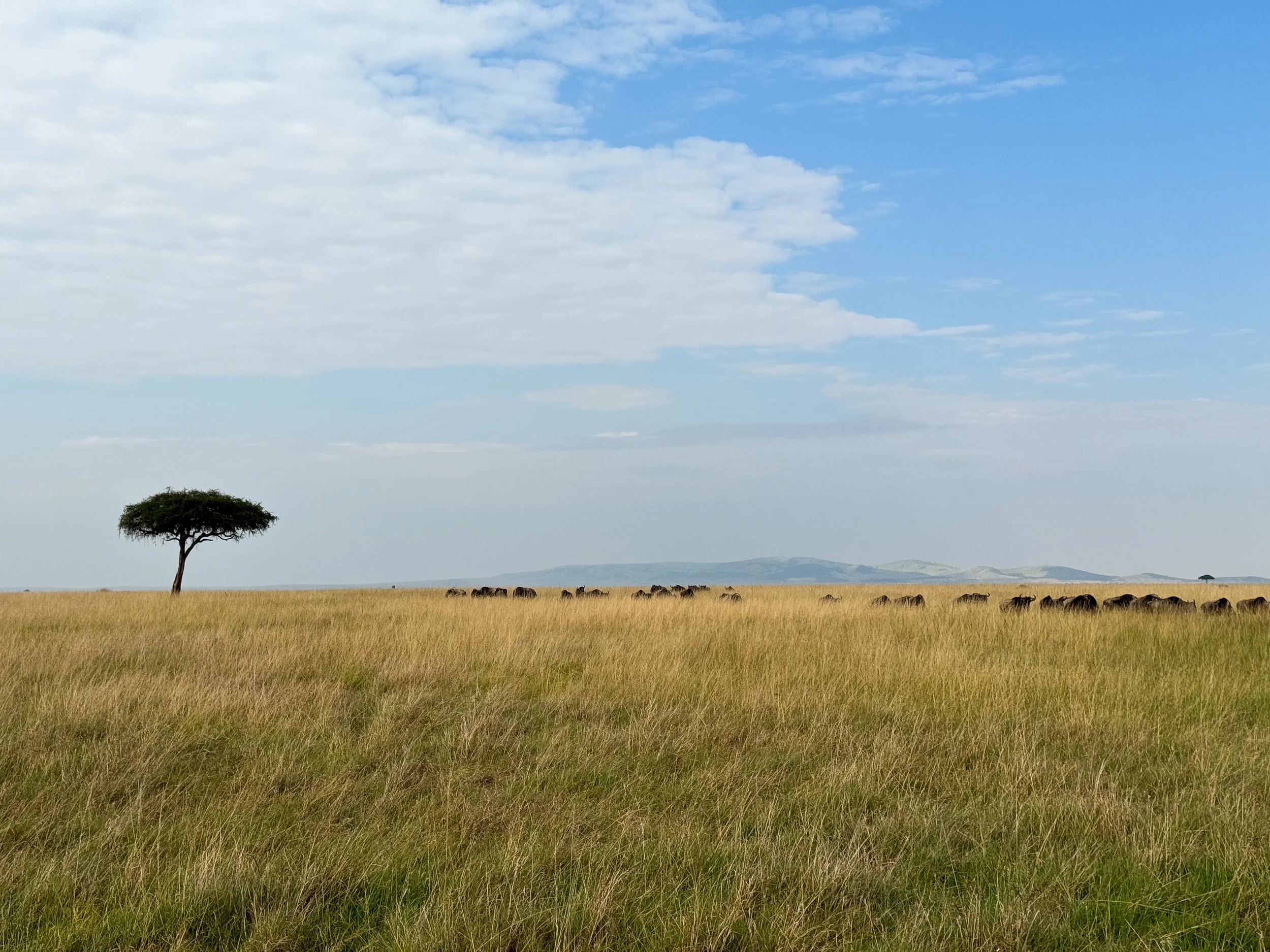
The Maasai Mara is one of Africa’s largest wild game reserves, sight of The Great Migration and home to endangered species, herds of animals, ferocious predators and seemingly endless savannas. We spent two days on Safari in the park witnessing some of nature’s most impressive sights and wildlife.
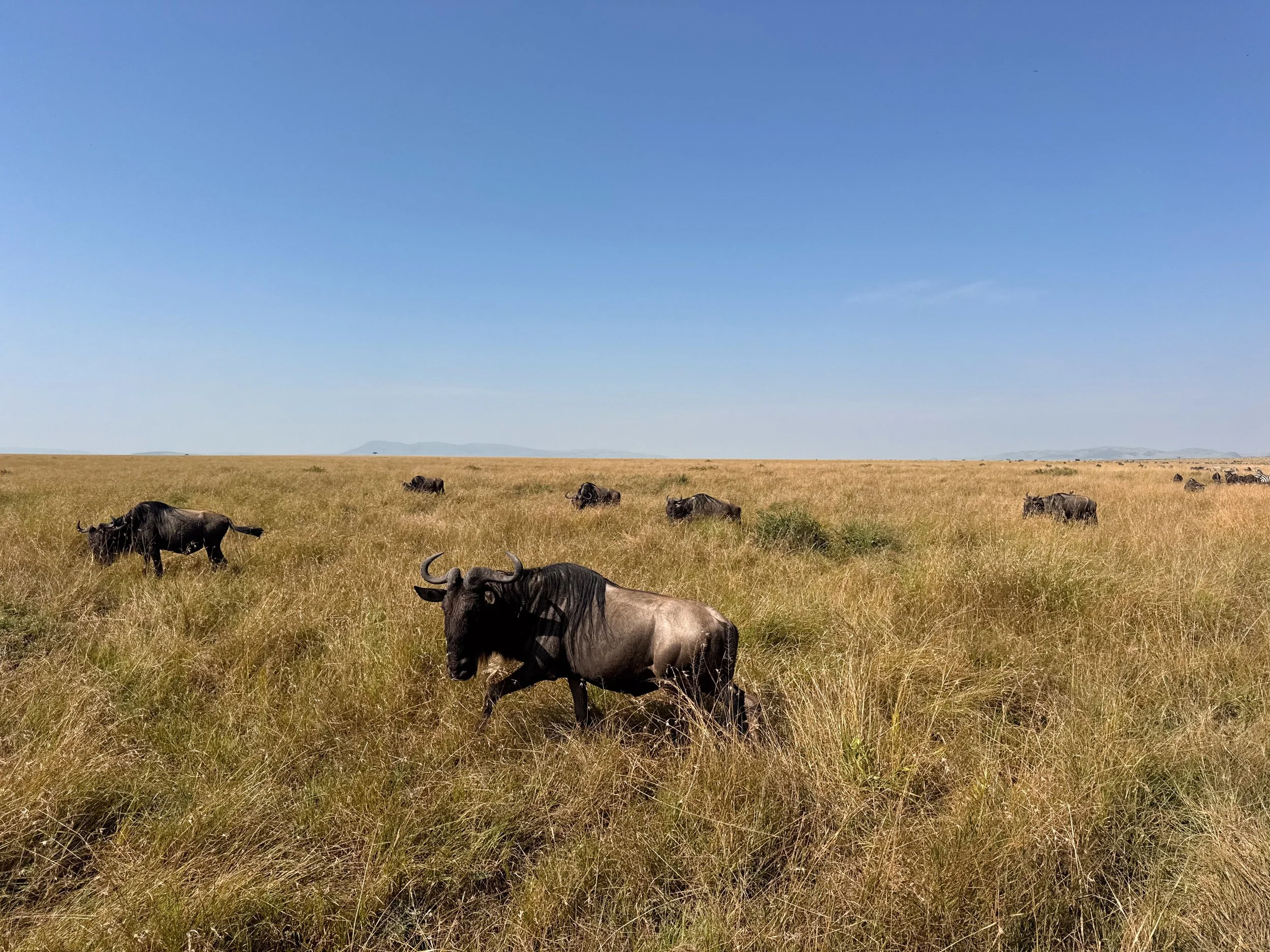
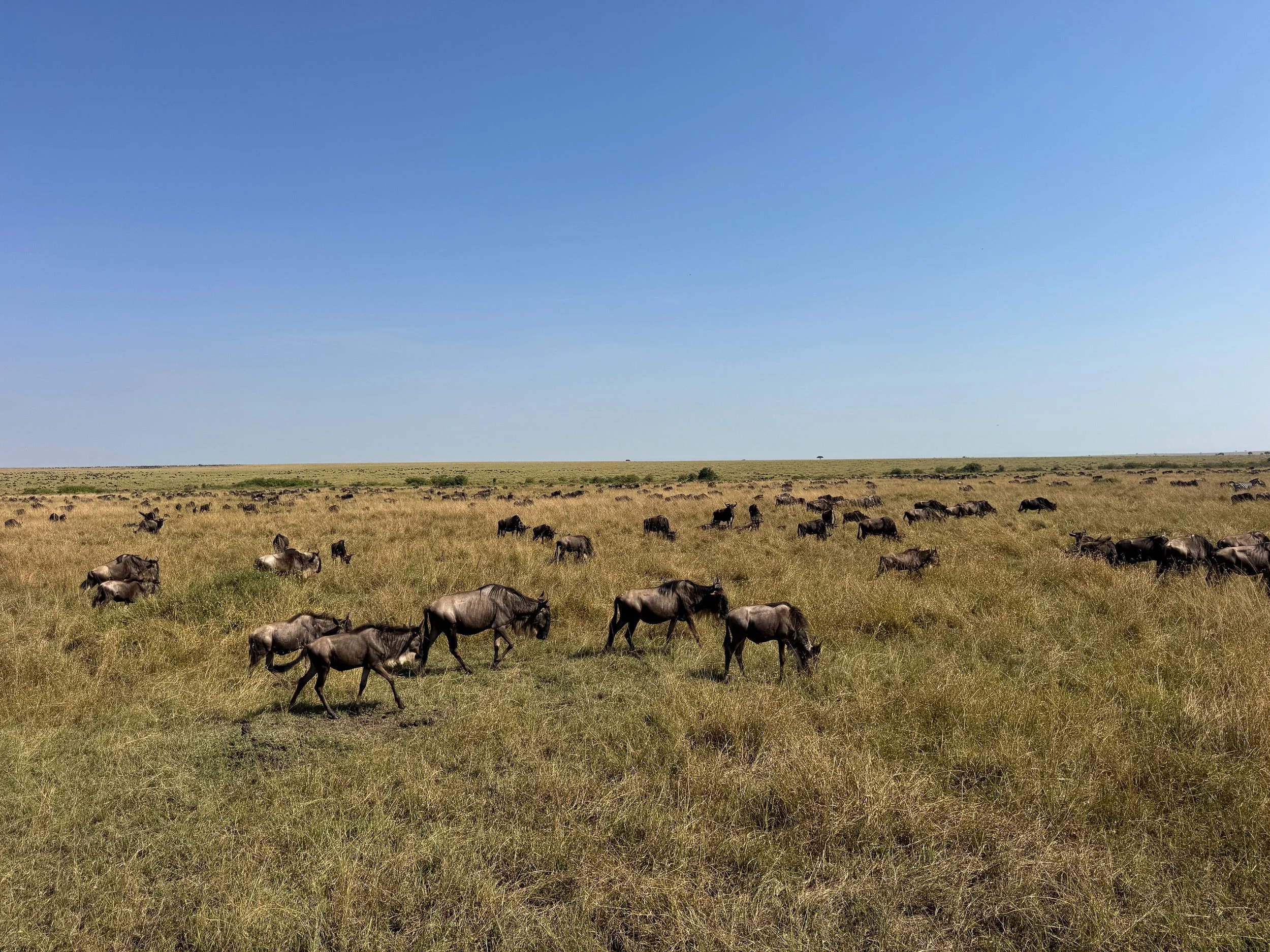
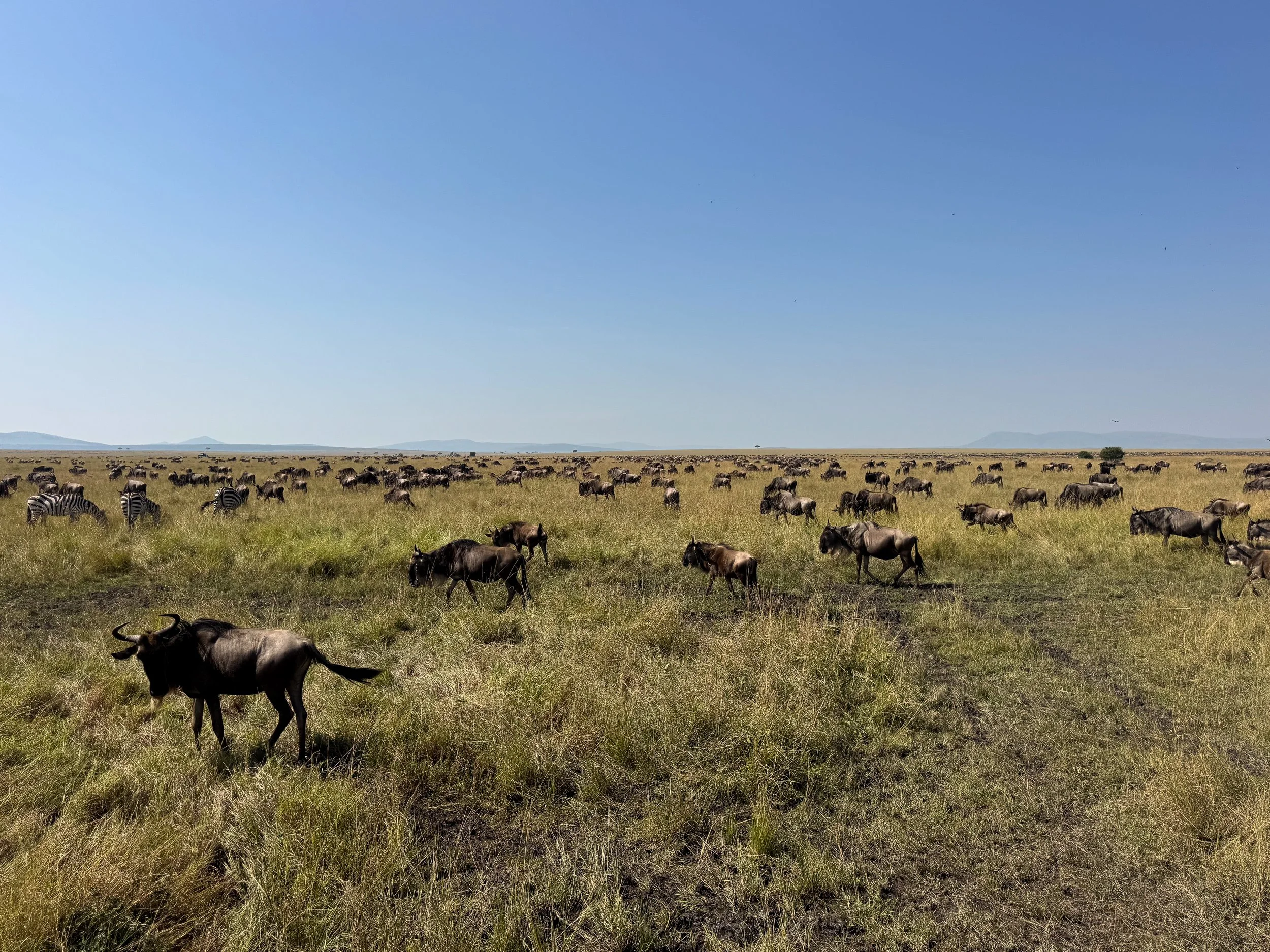
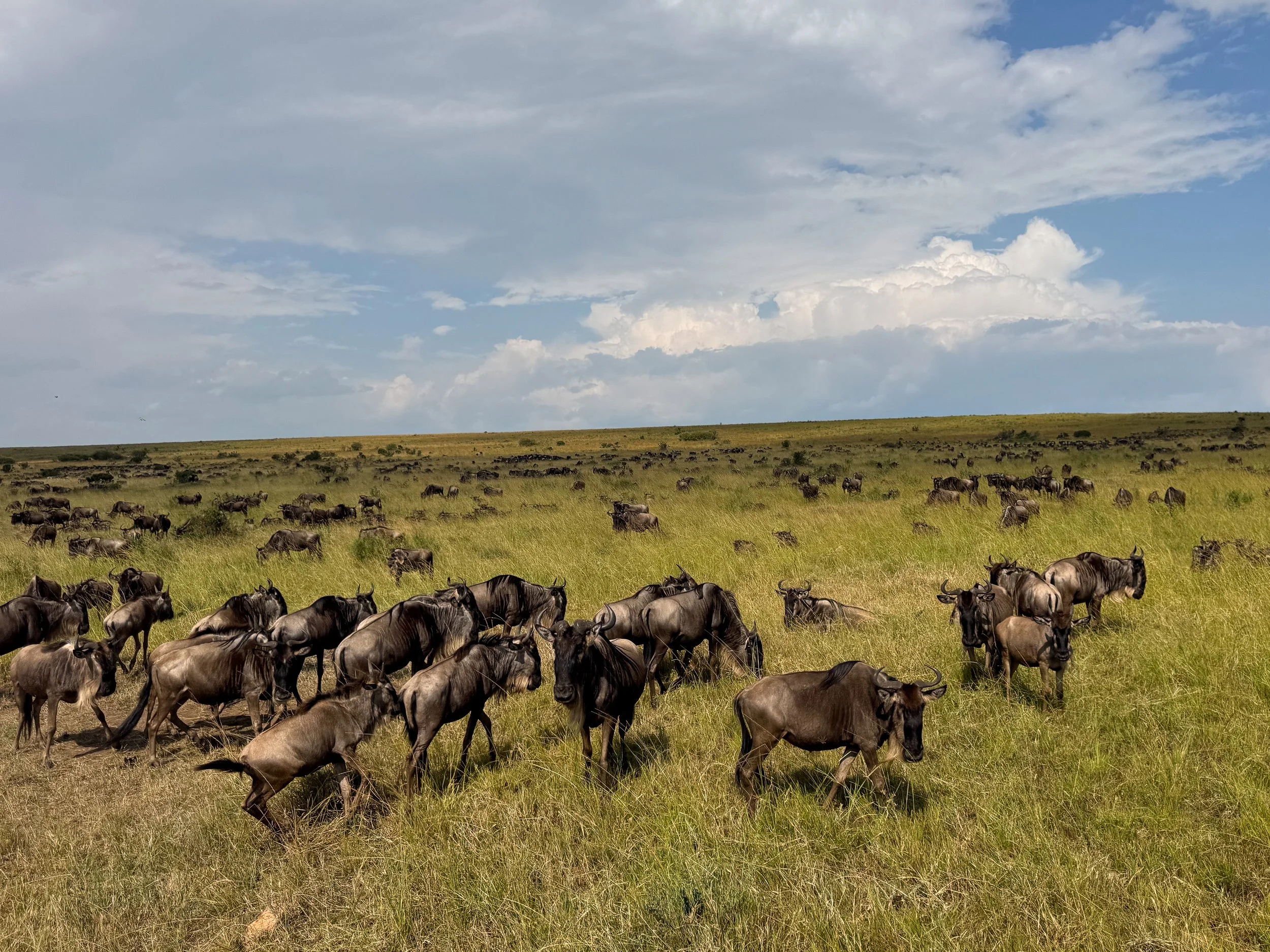
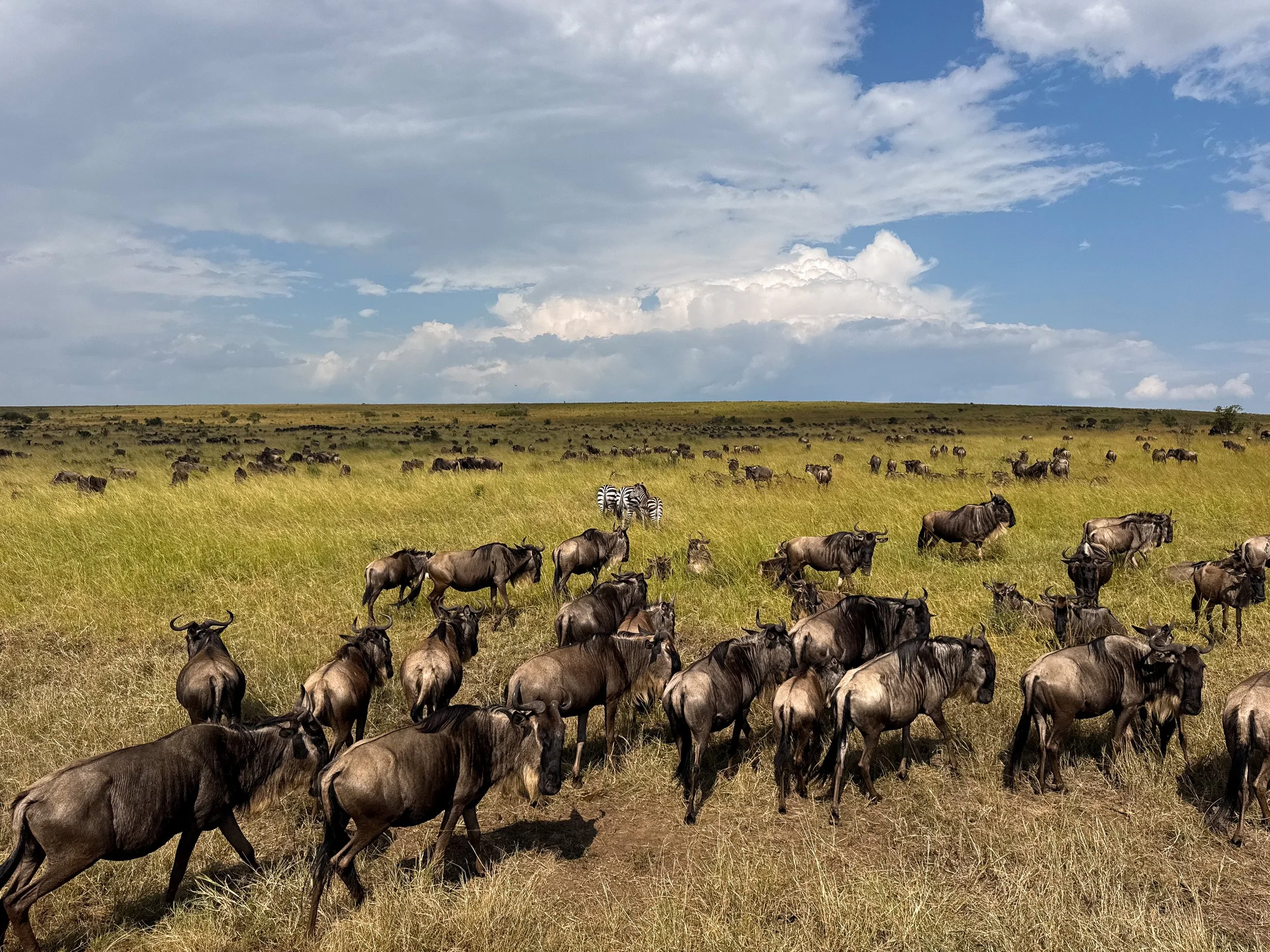
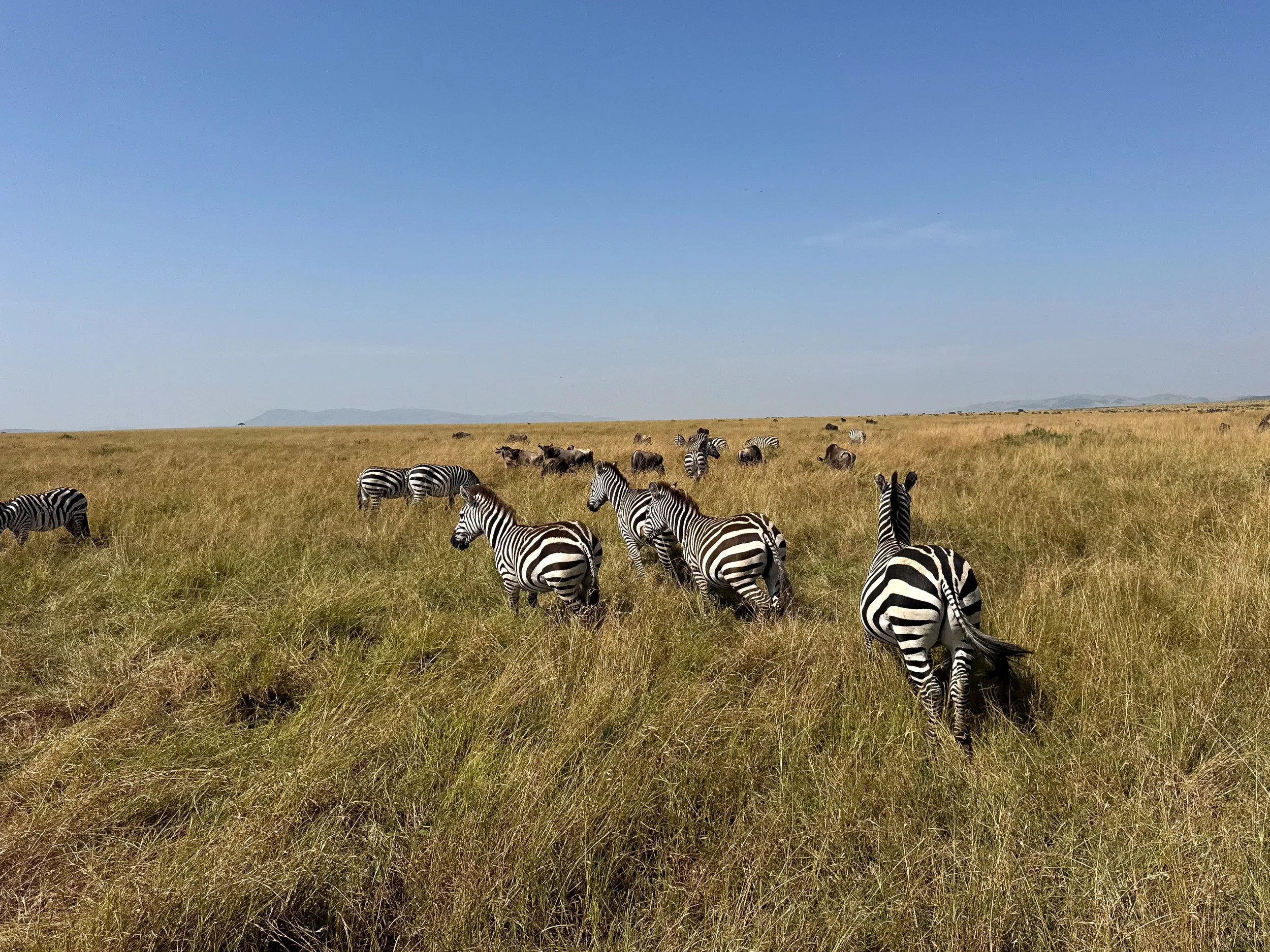
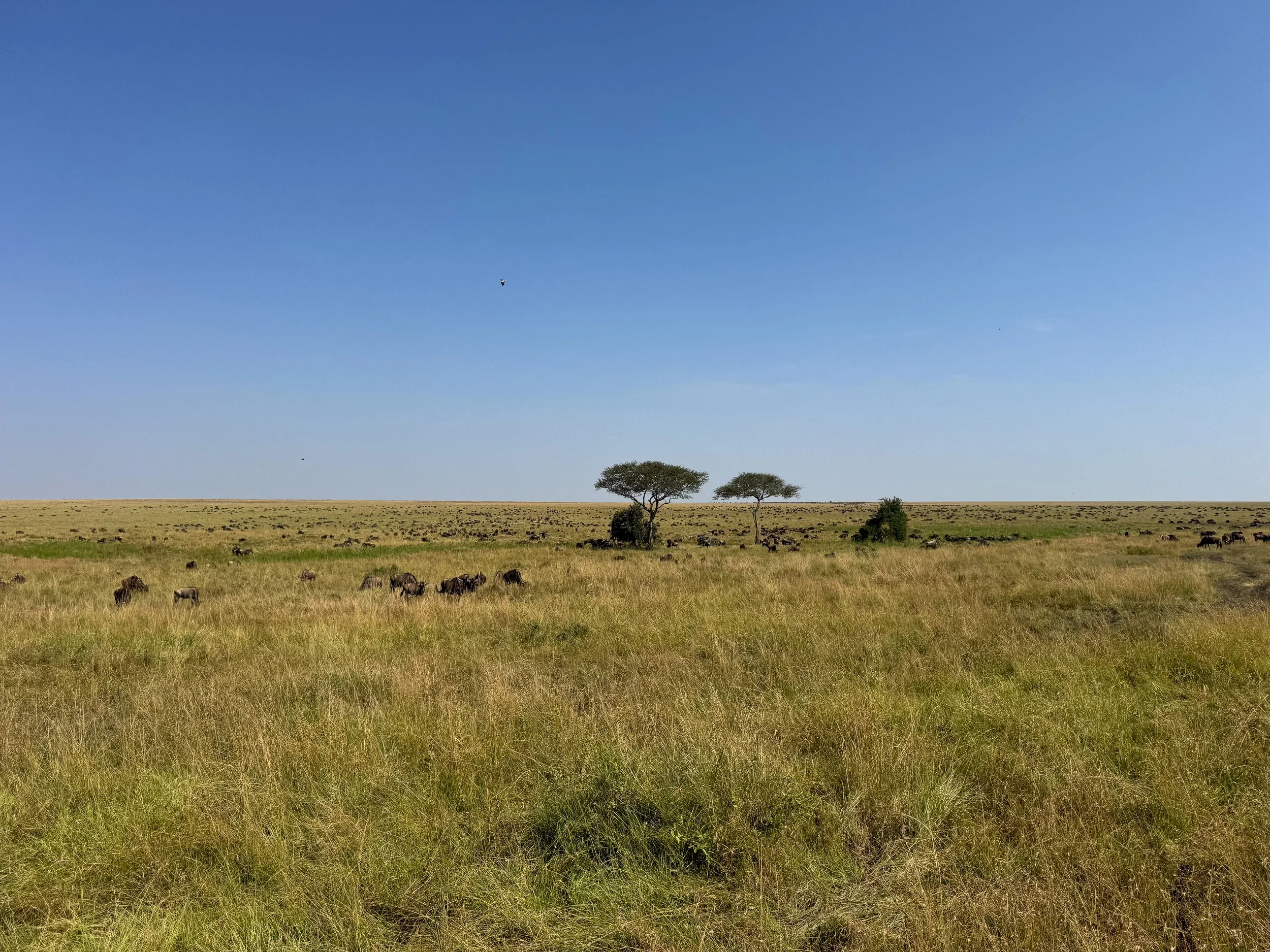
The Great Migration. The Great Migration is the largest migration event on the planet. Over a million wildebeests migrate alongside hundreds of thousands of zebras and antelopes from the Serengeti to the Maasai Mara in search of food and water. We witnessed the incredible event unfold across the vast landscape. Organized lines of wildebeests snaked across the savanna, trotting and honking as they migrated. A herd passed by a pride of male lions and later crossed the crocodile infested Mara River. Mass herds of wildebeests, zebras and antelopes gathered in the savanna grazing on grasses after migrating long distances.
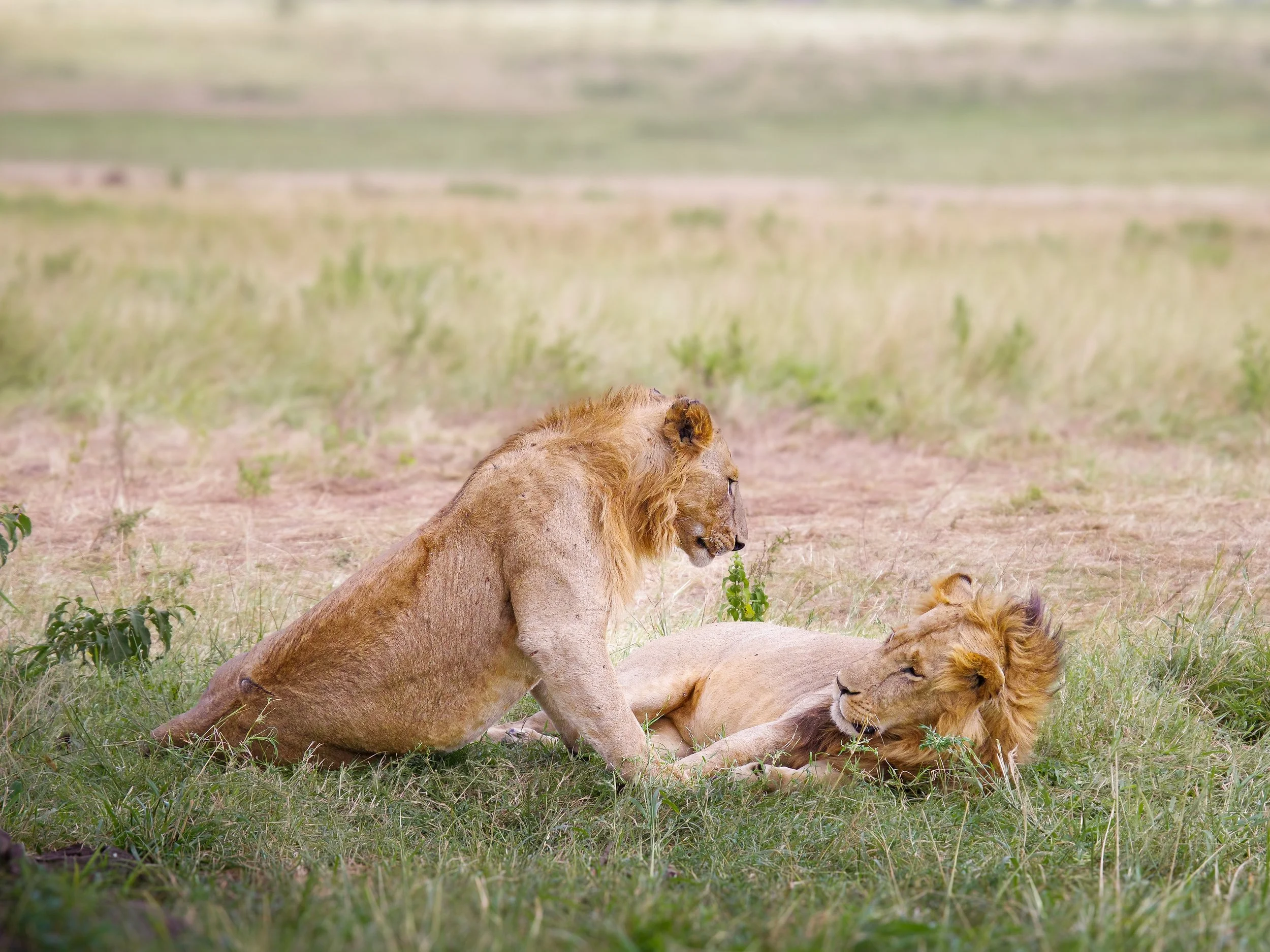
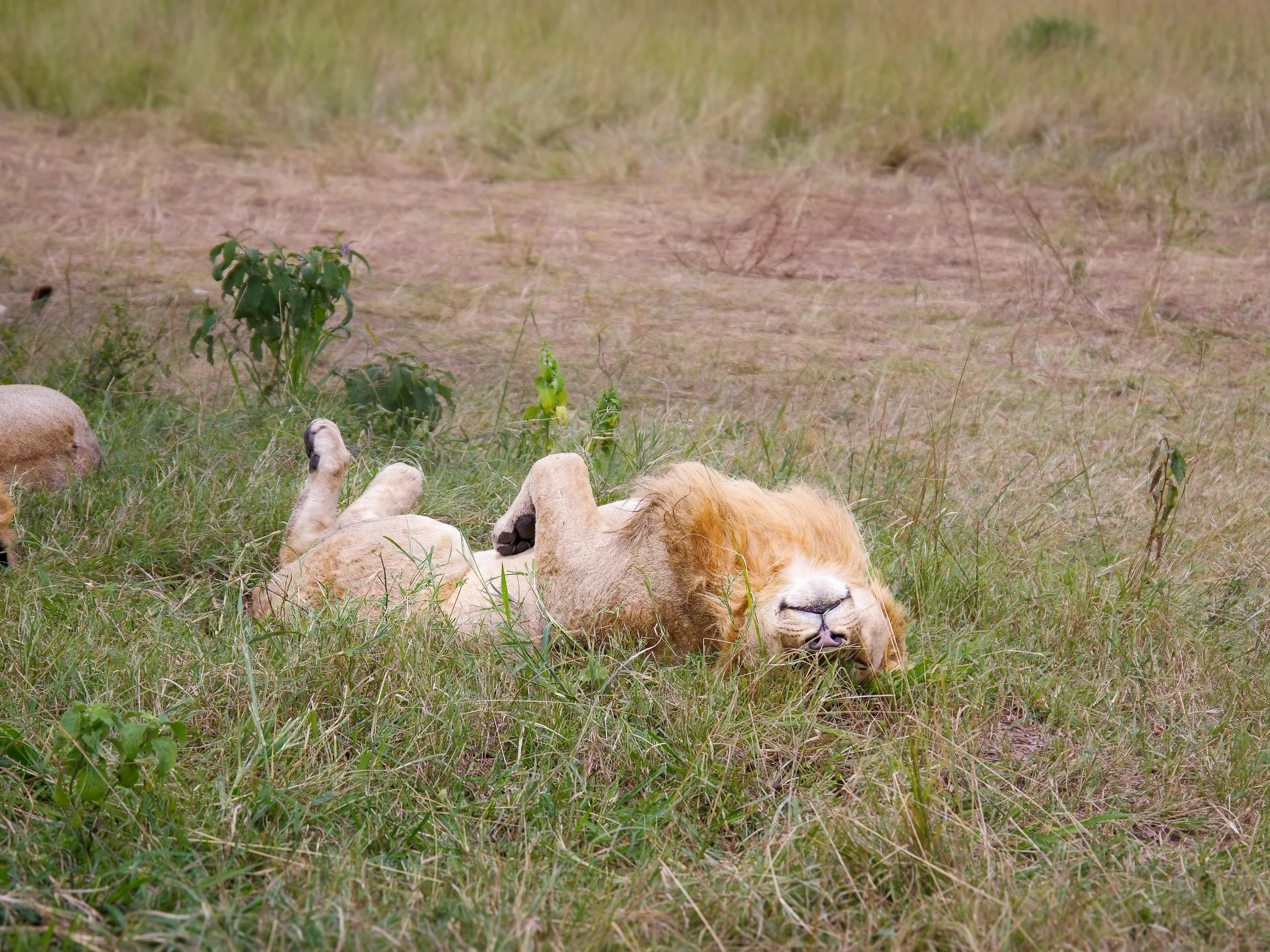
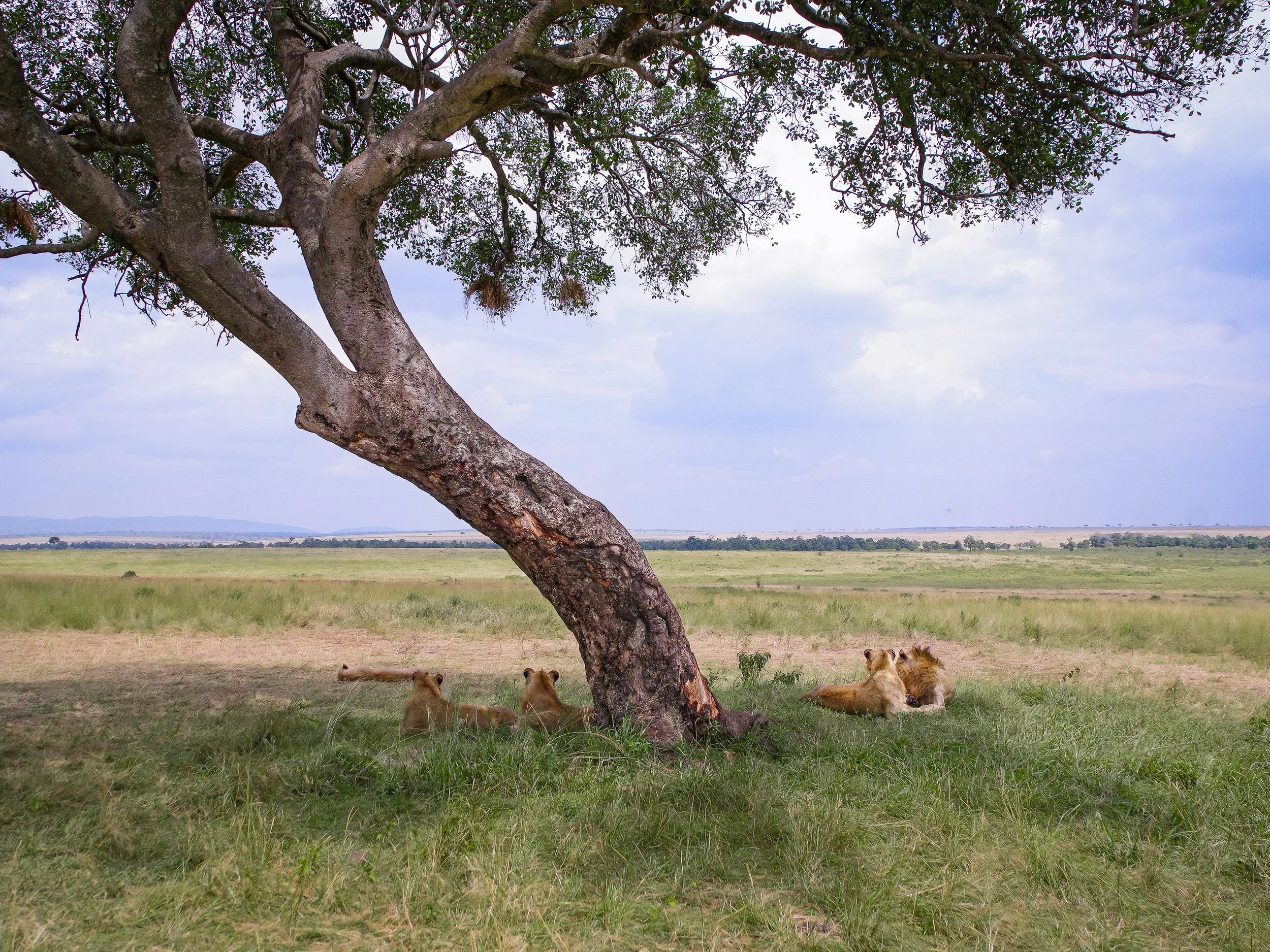
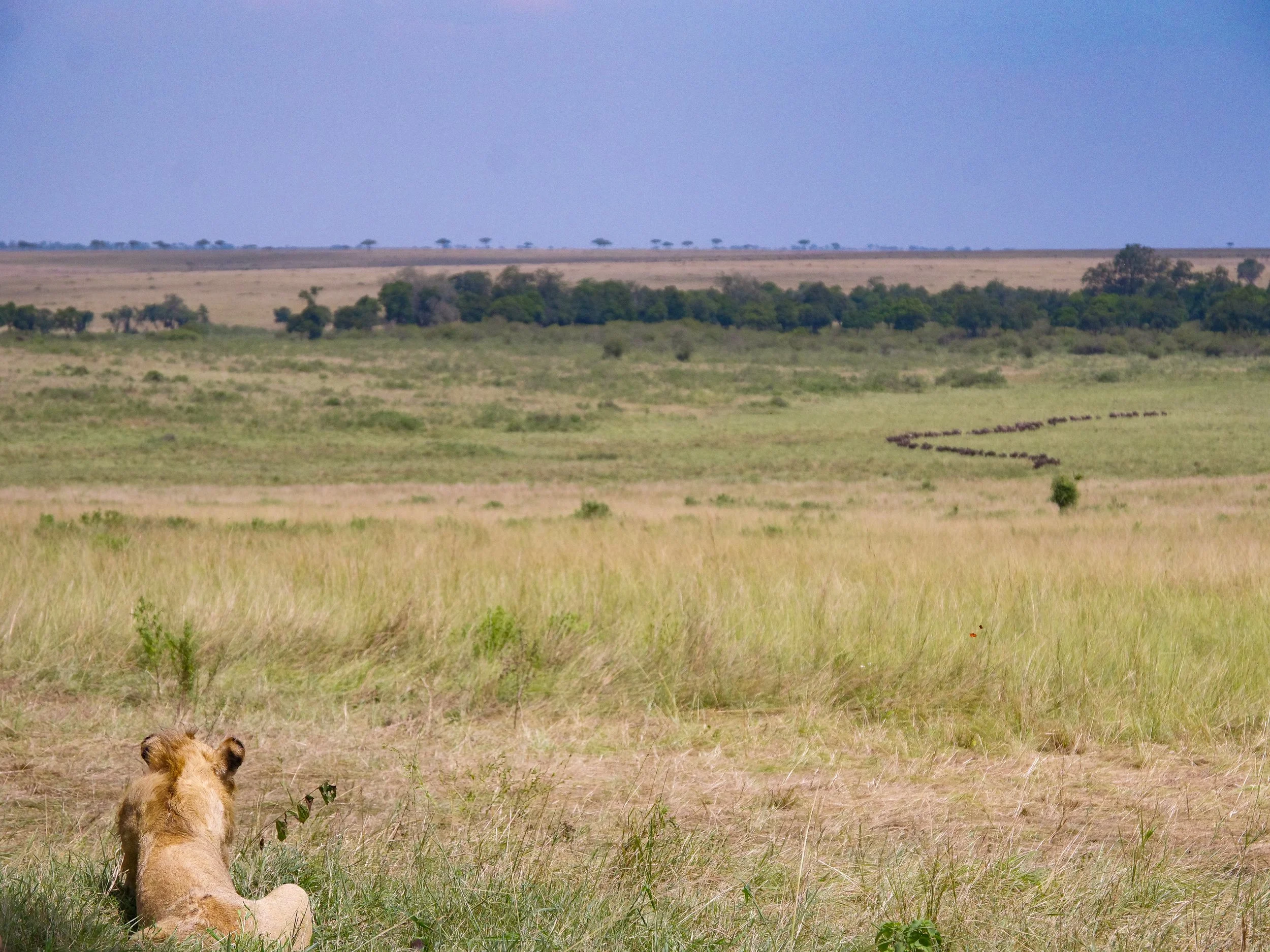
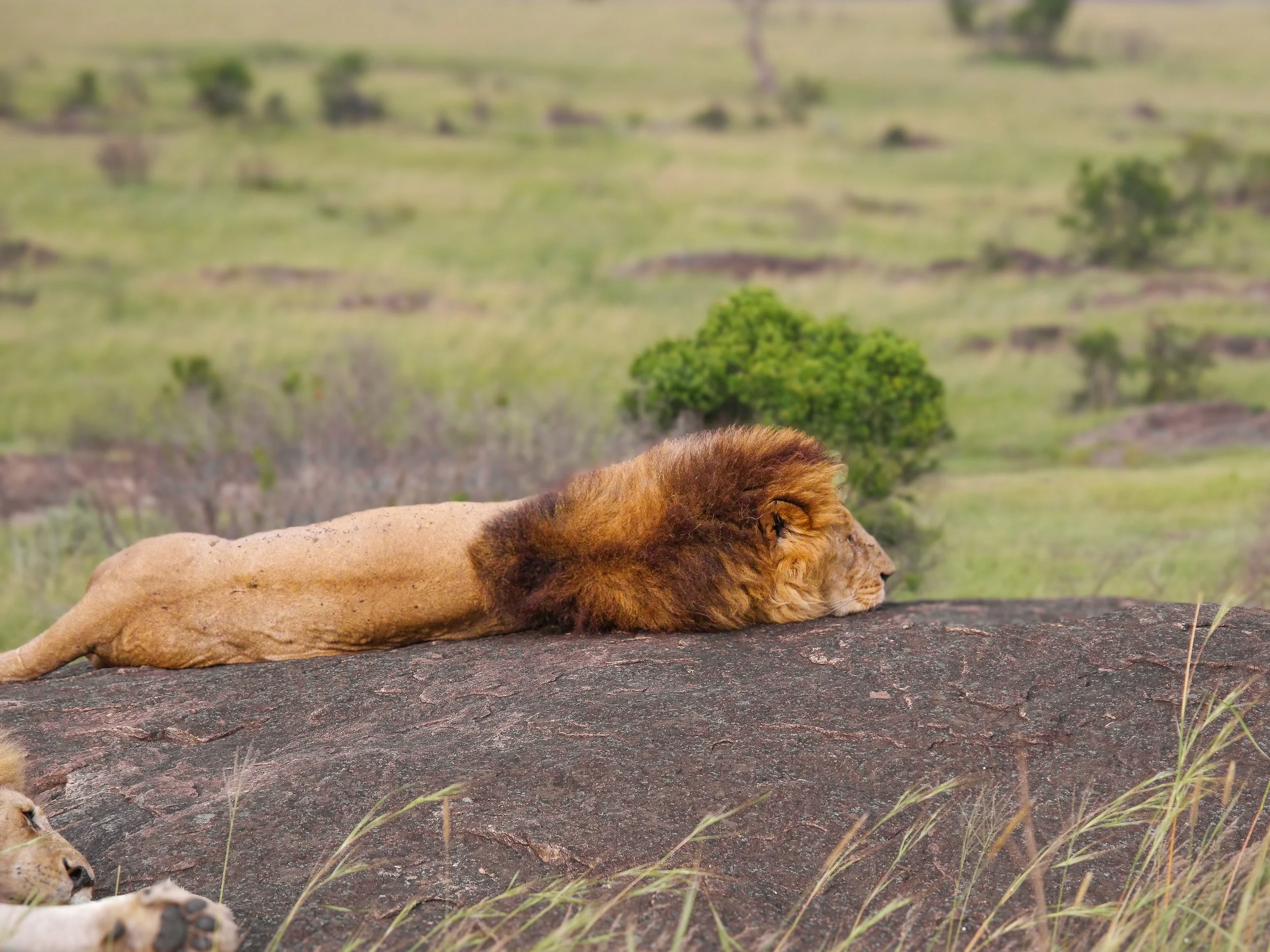
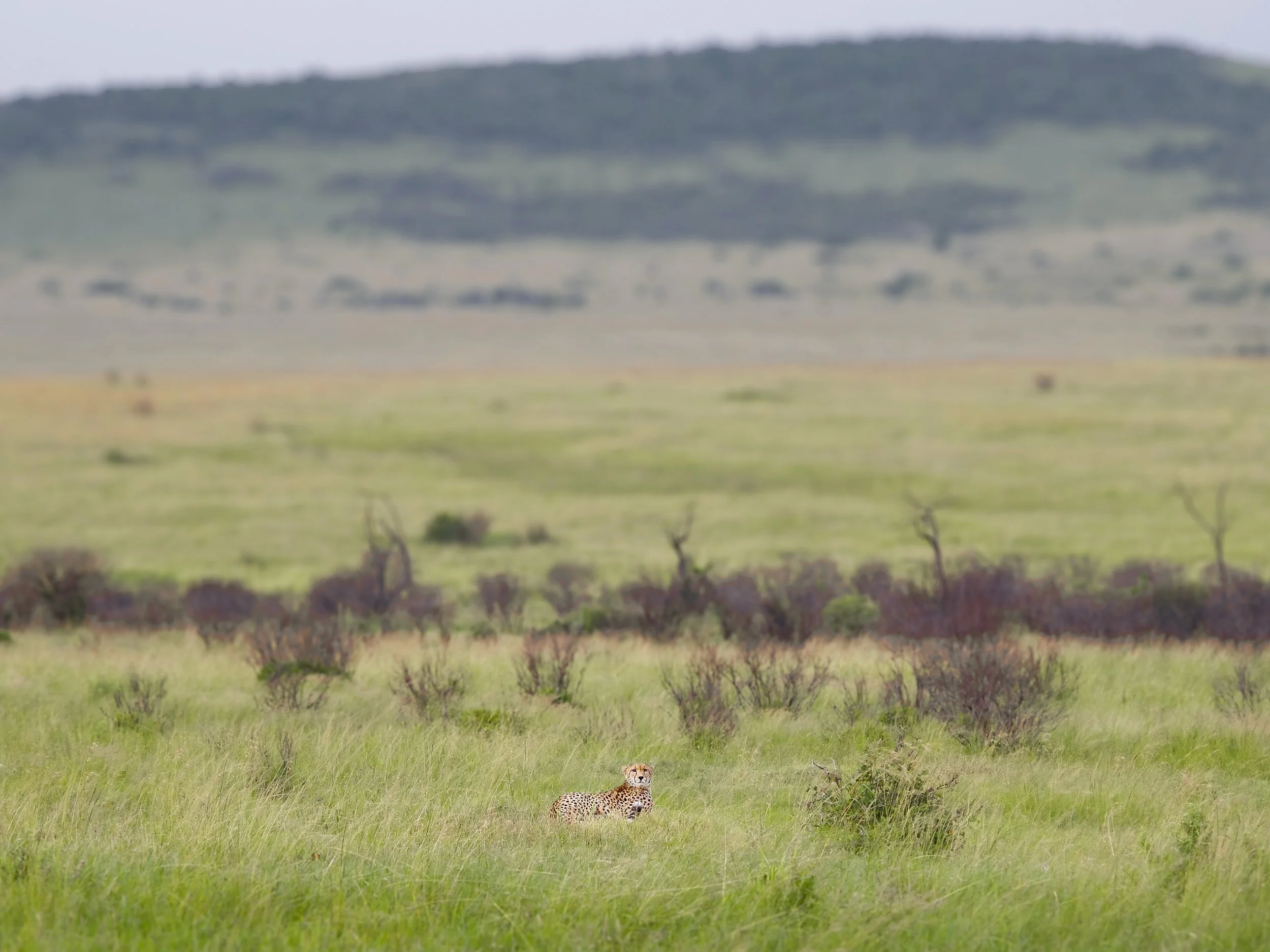
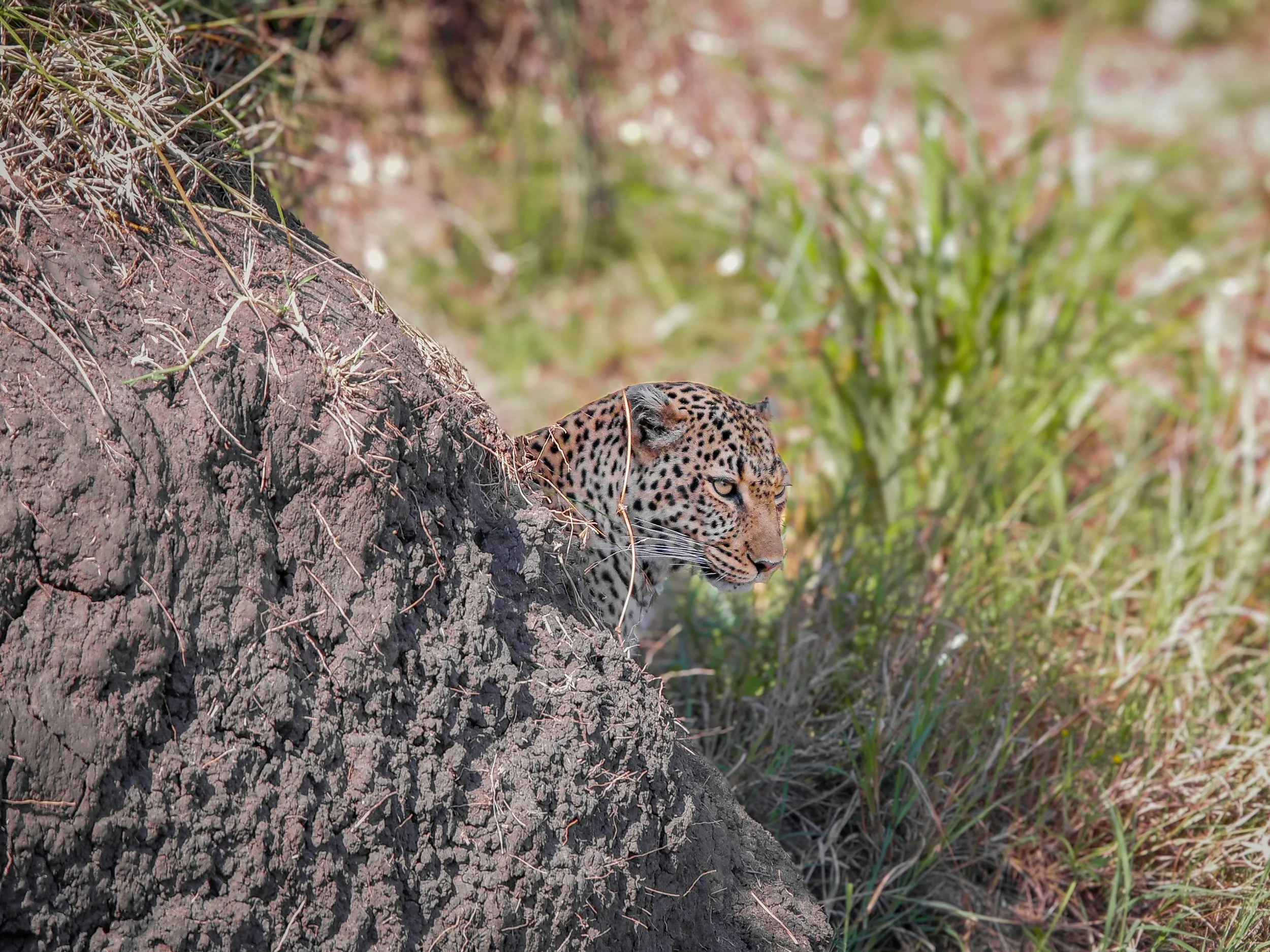
Predators & Big Cats. The Maasai Mara is known for its high concentration of predators and big cats, especially during the Great Migration. Lions were a common sight while cheetahs and leopards were more illusive.
Lions. Lions are a familiar sight in the Maasai Mara. We spotted several pairs enjoying afternoon cat naps and watched as a pride rest under a tree as a herd of wildebeests migrated passed. The devoured carcass of a buffalo alerted us to another pride. Through our binoculars, we spotted a male, a cub and several lionesses prowling on distant rocks.
Cheetahs & Leopards. A beautiful cheetah sat on a small hill overlooking the landscape. It groomed its orange black spotted fur while twirling its tail and looking around. Another quickly trotted across the savanna into the tree covered highlands. A well hidden leopard napped in the shade of a grassy riverbank, waking up briefly to change position.
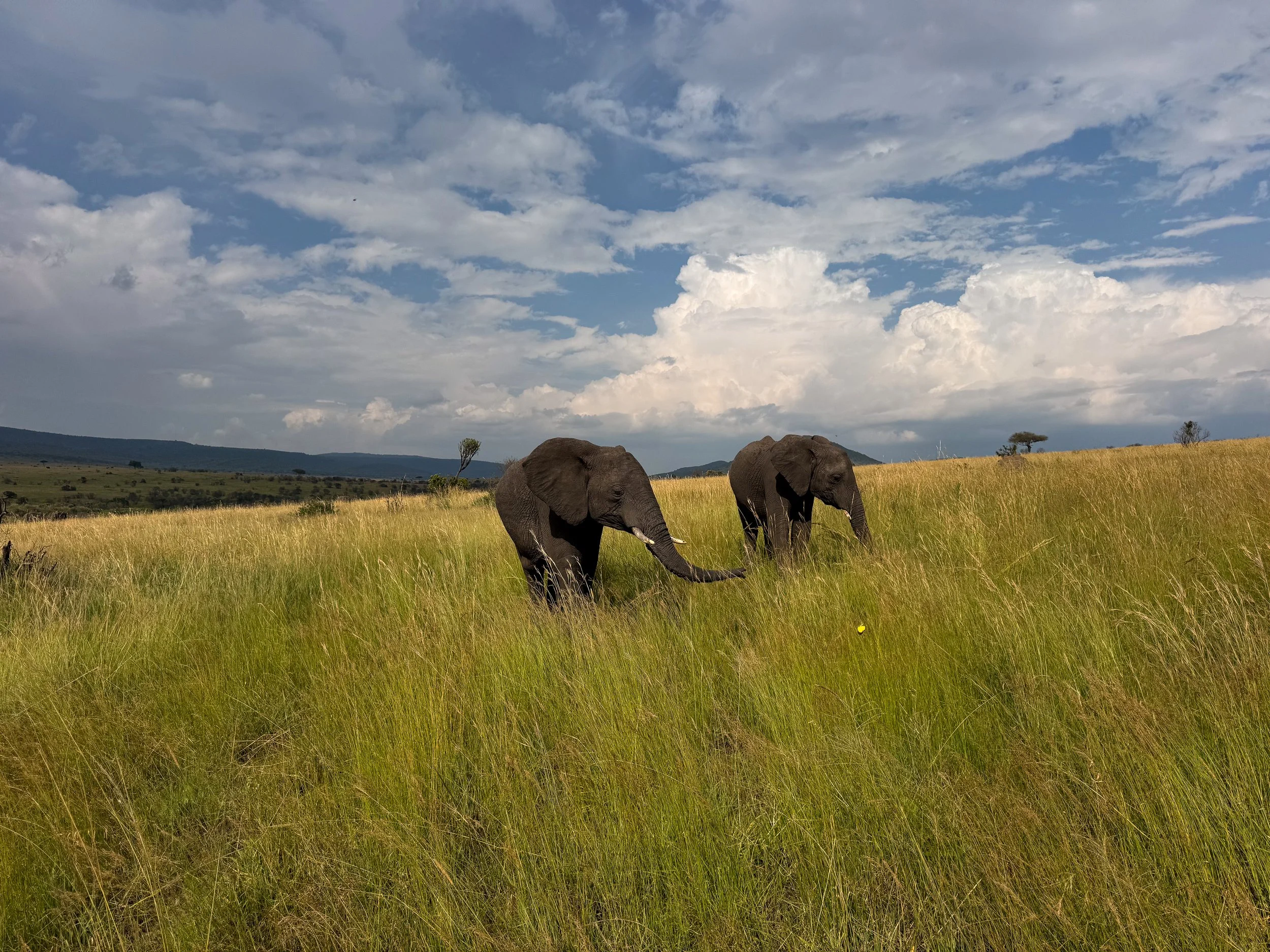
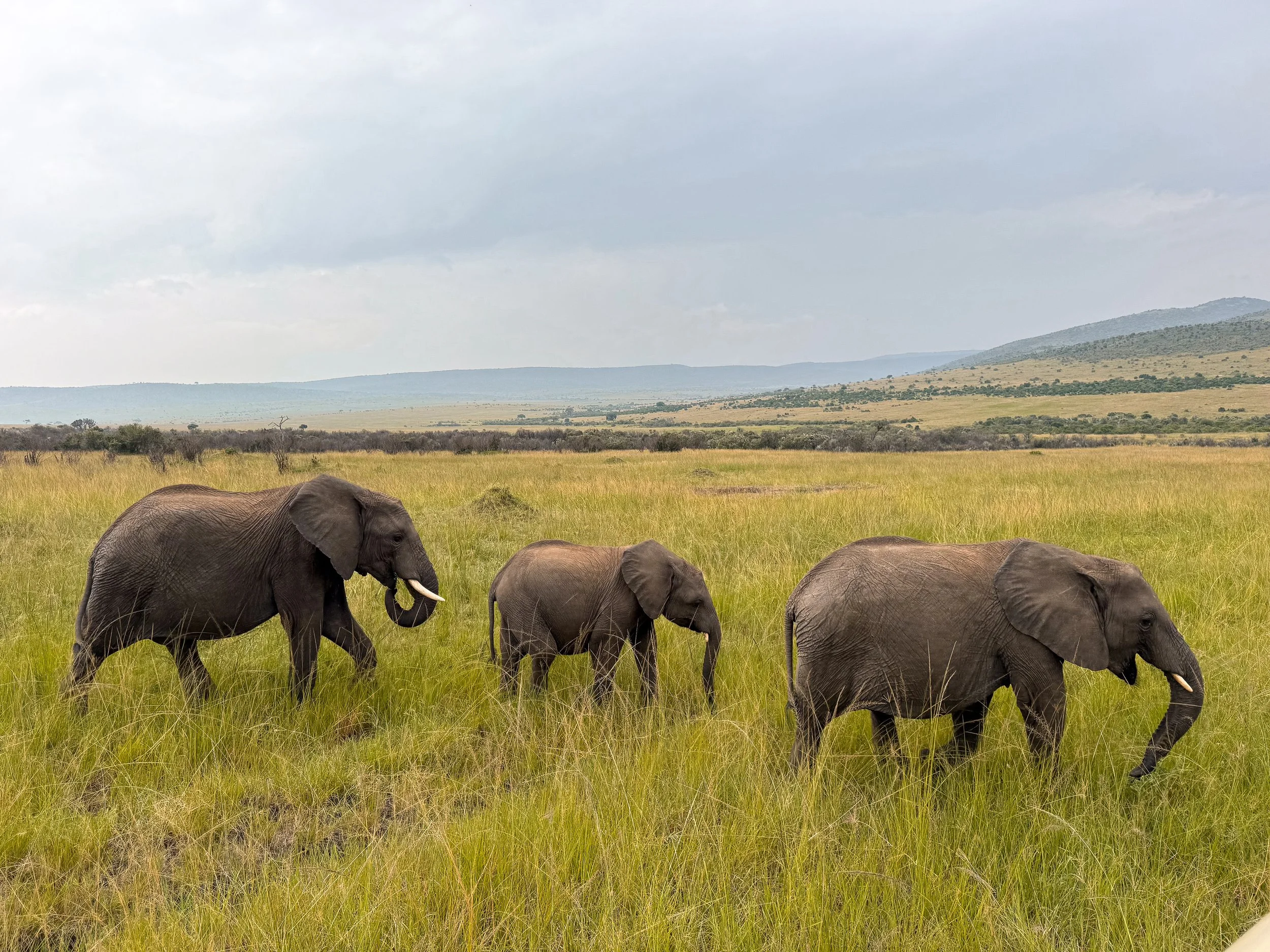
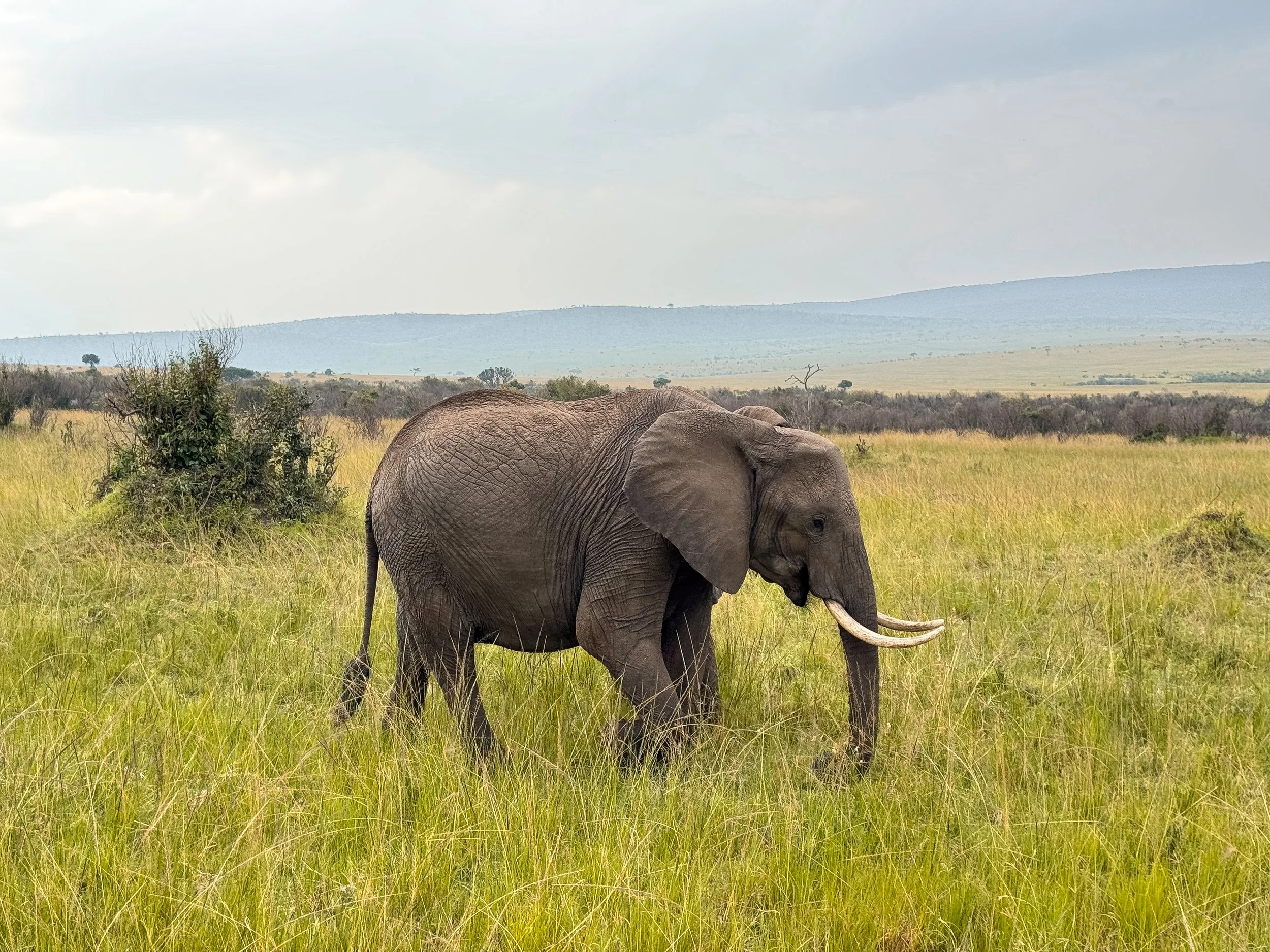
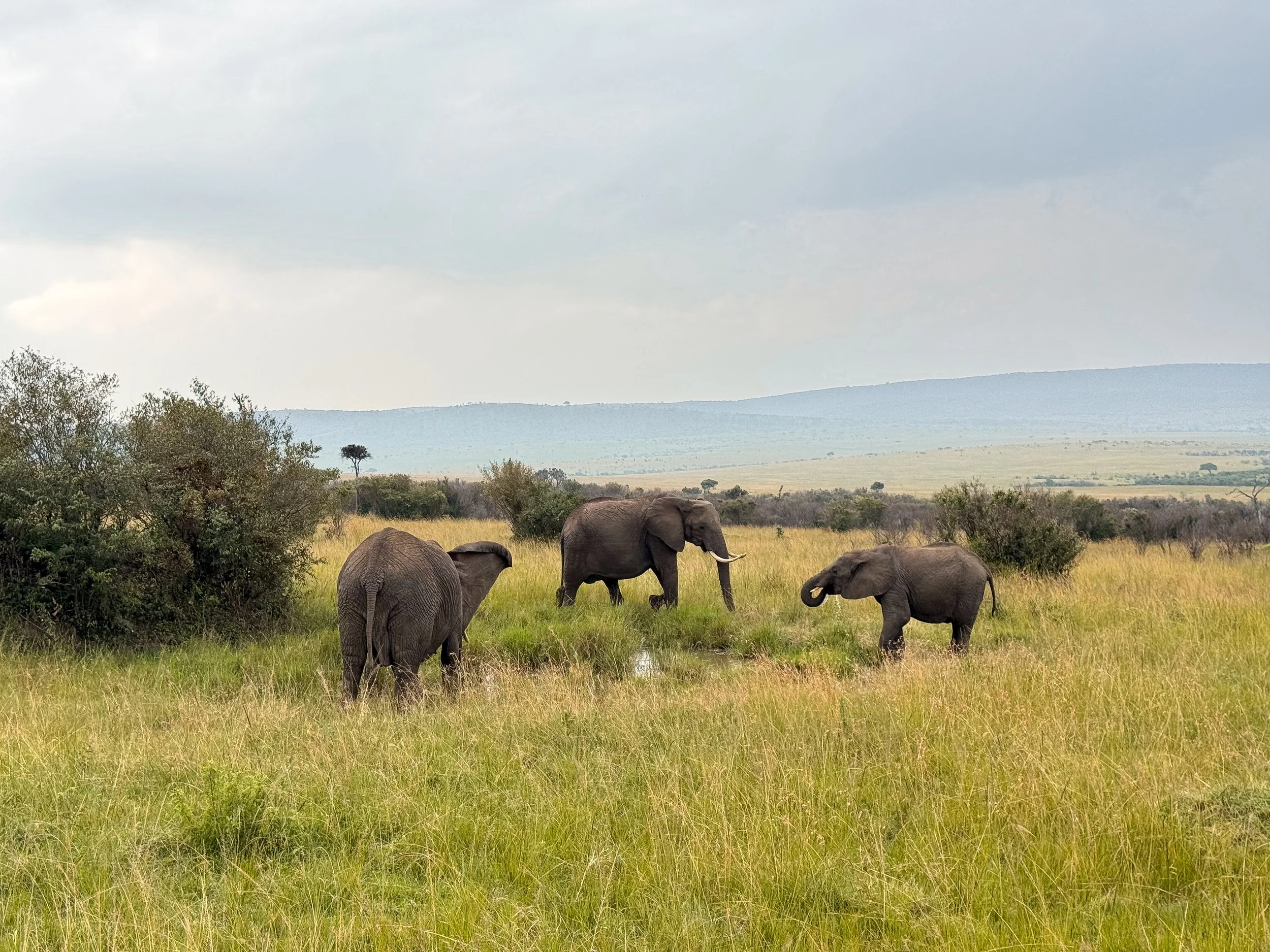
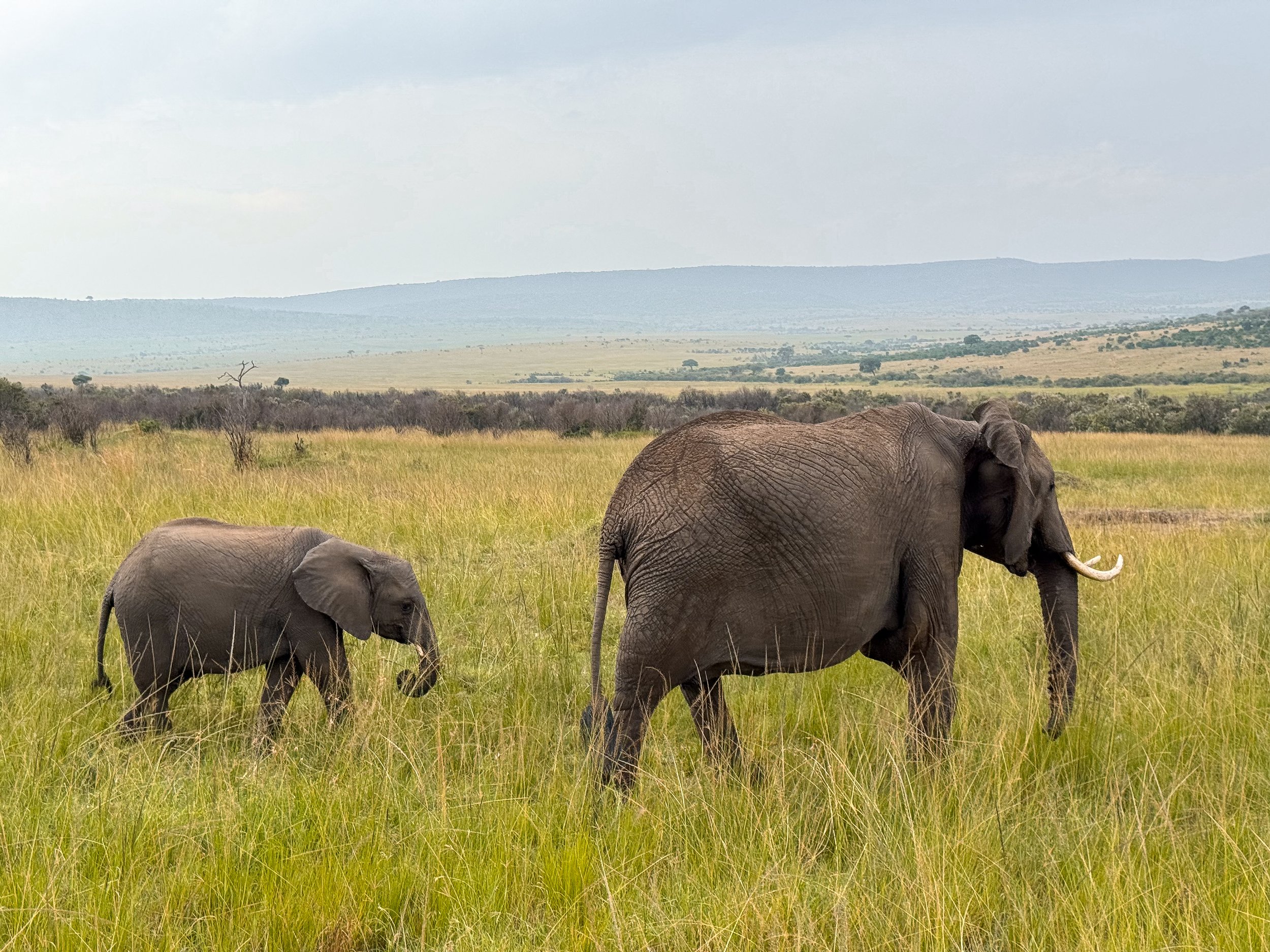
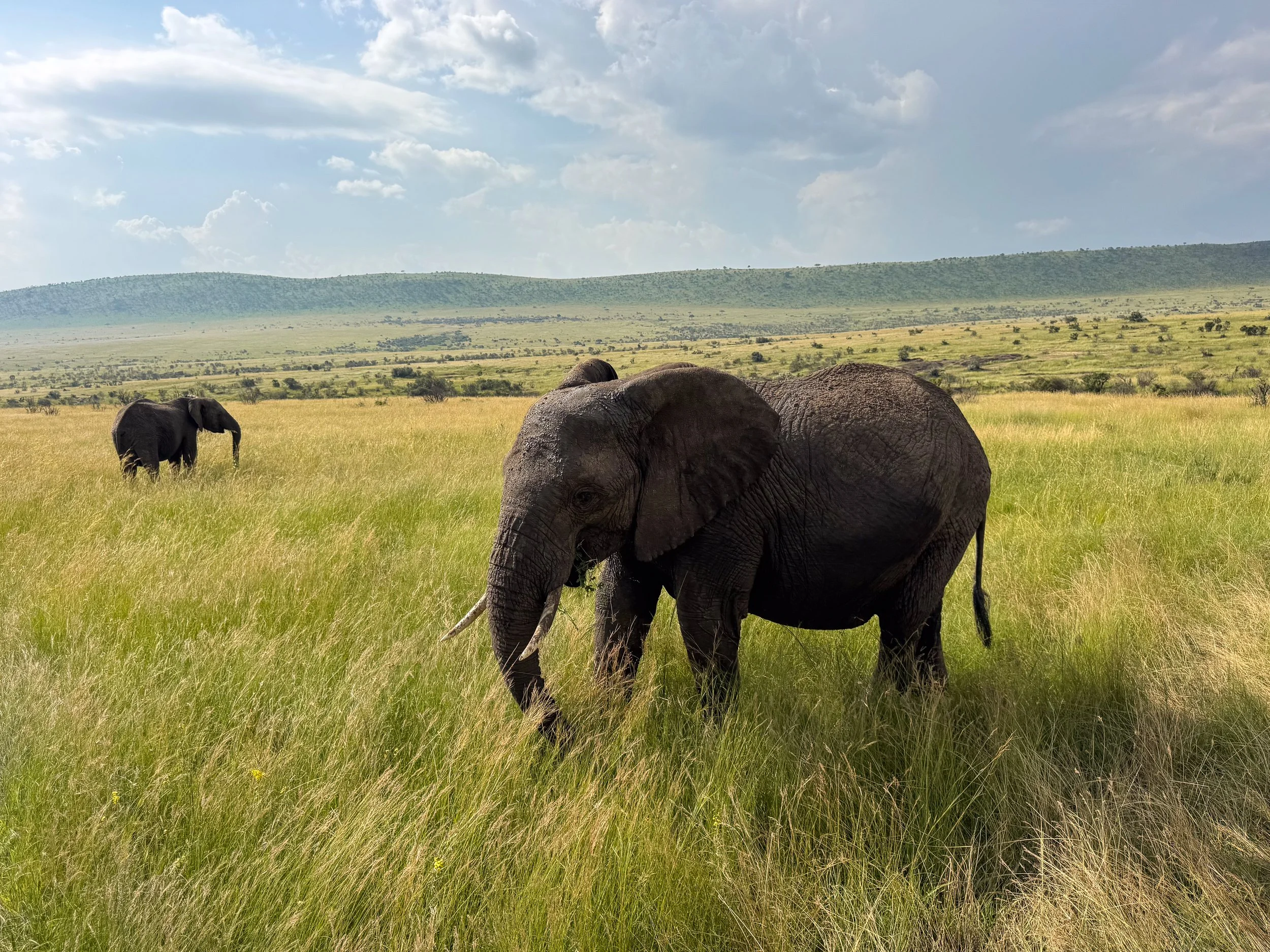
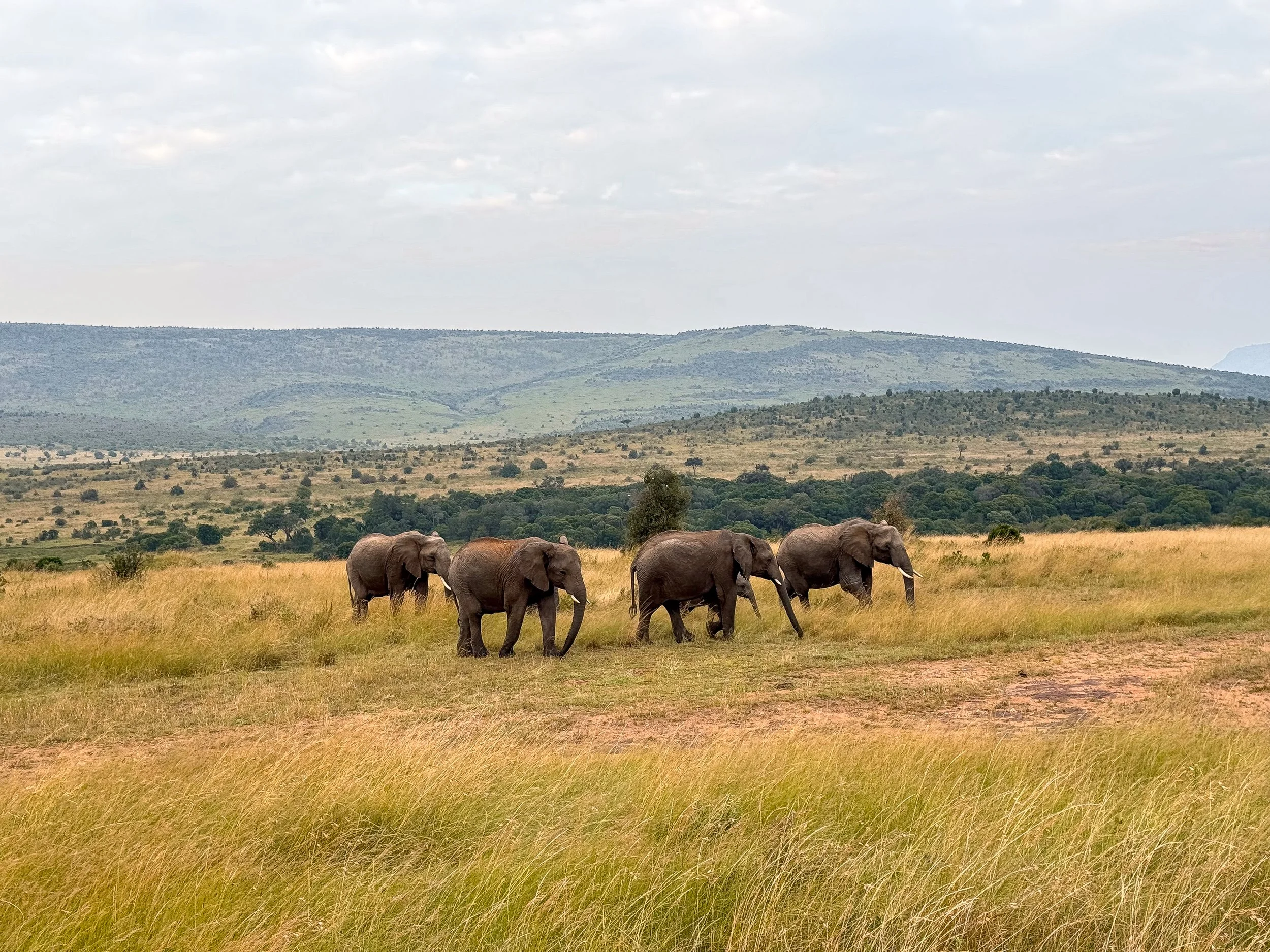
African Elephants. Parades of African Elephants grazed in the grasses, drank from watering holes and rolled in mud puddles of the Maasai Mara. Two parades marched by allowing for an up close encounter. One of the babies even wanted to play, running towards us and waving its trunk before trotting back to its mama. The remaining adults and calves joined a larger group gathering in the distant plains.
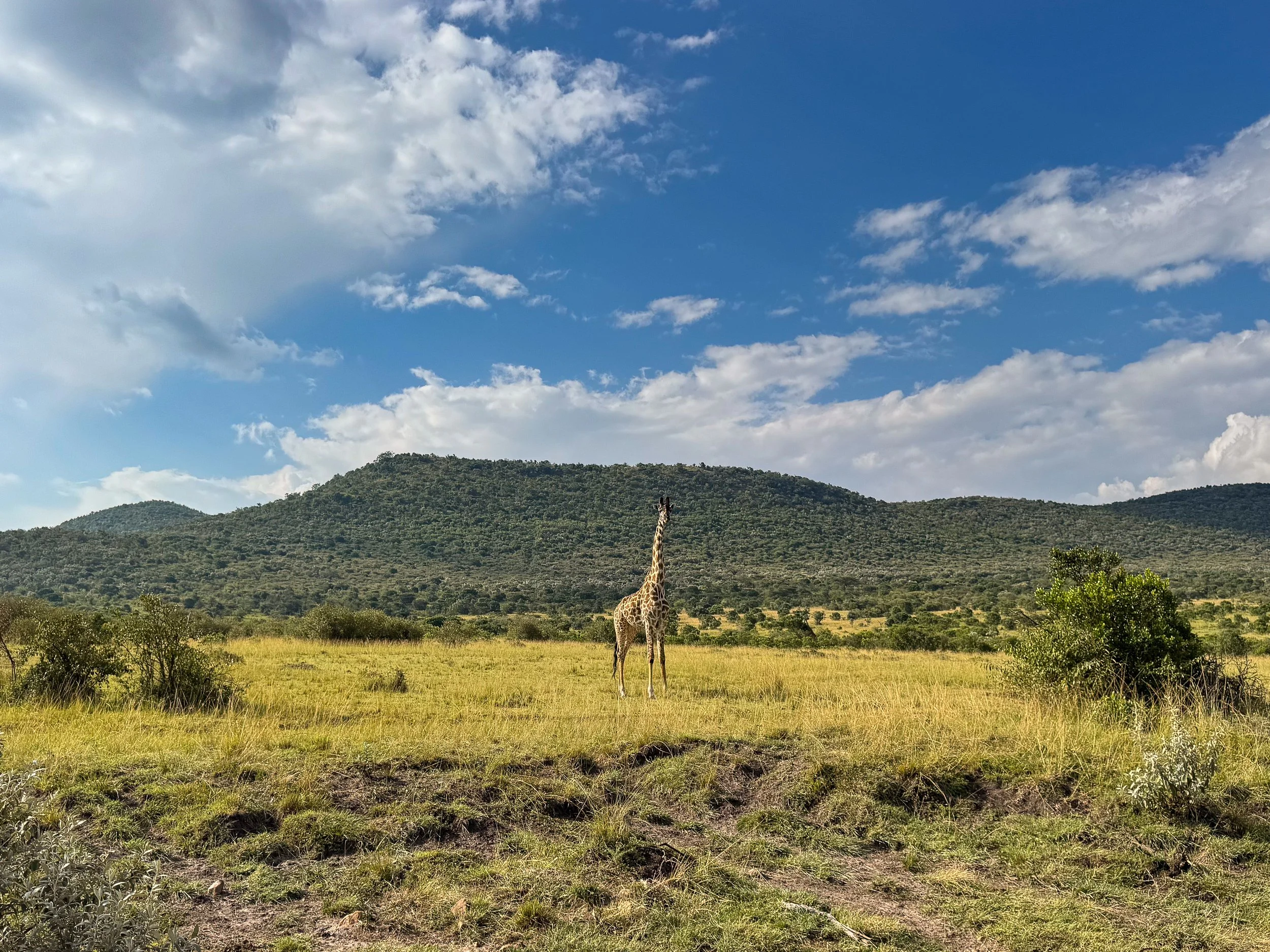
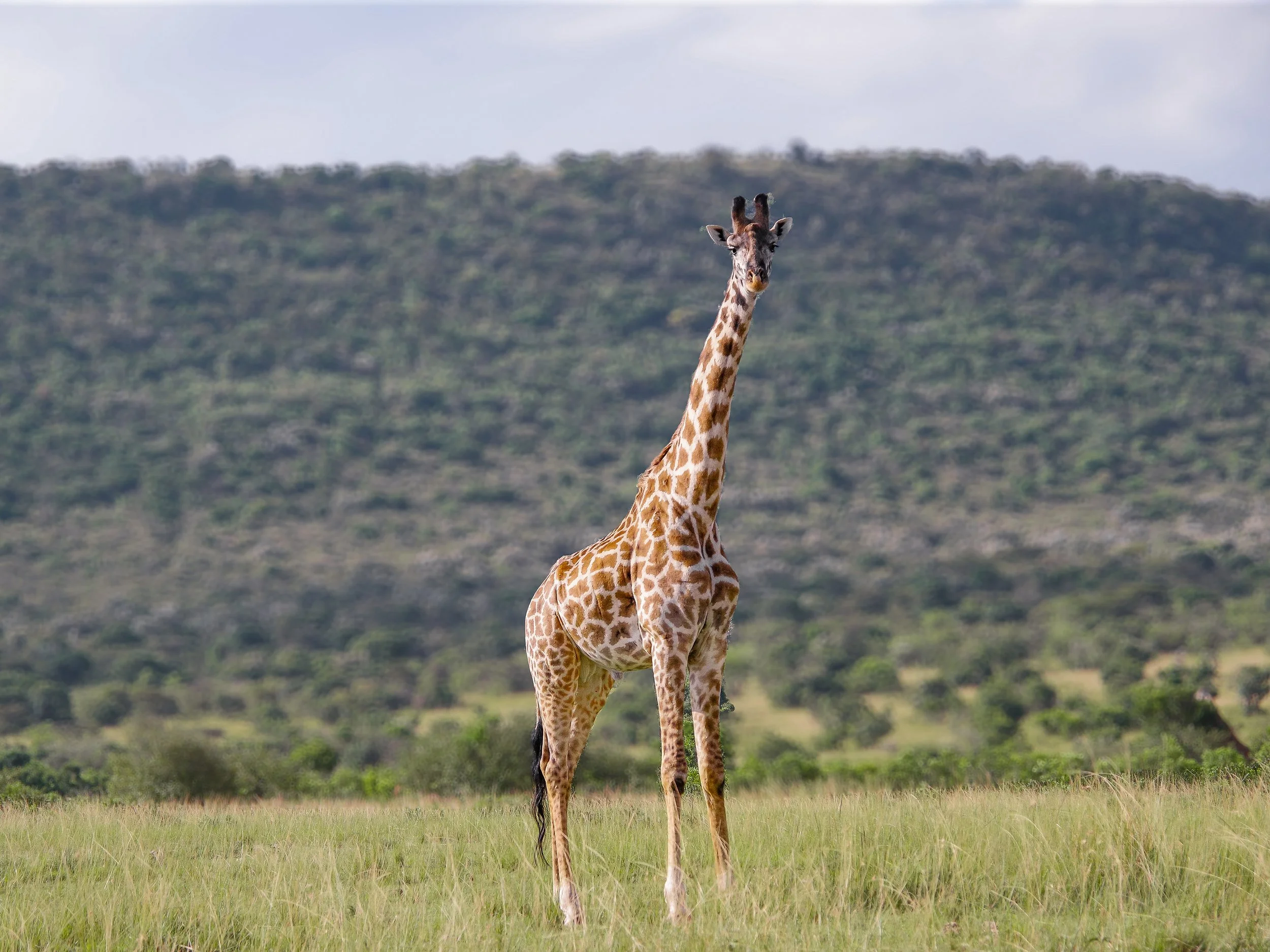
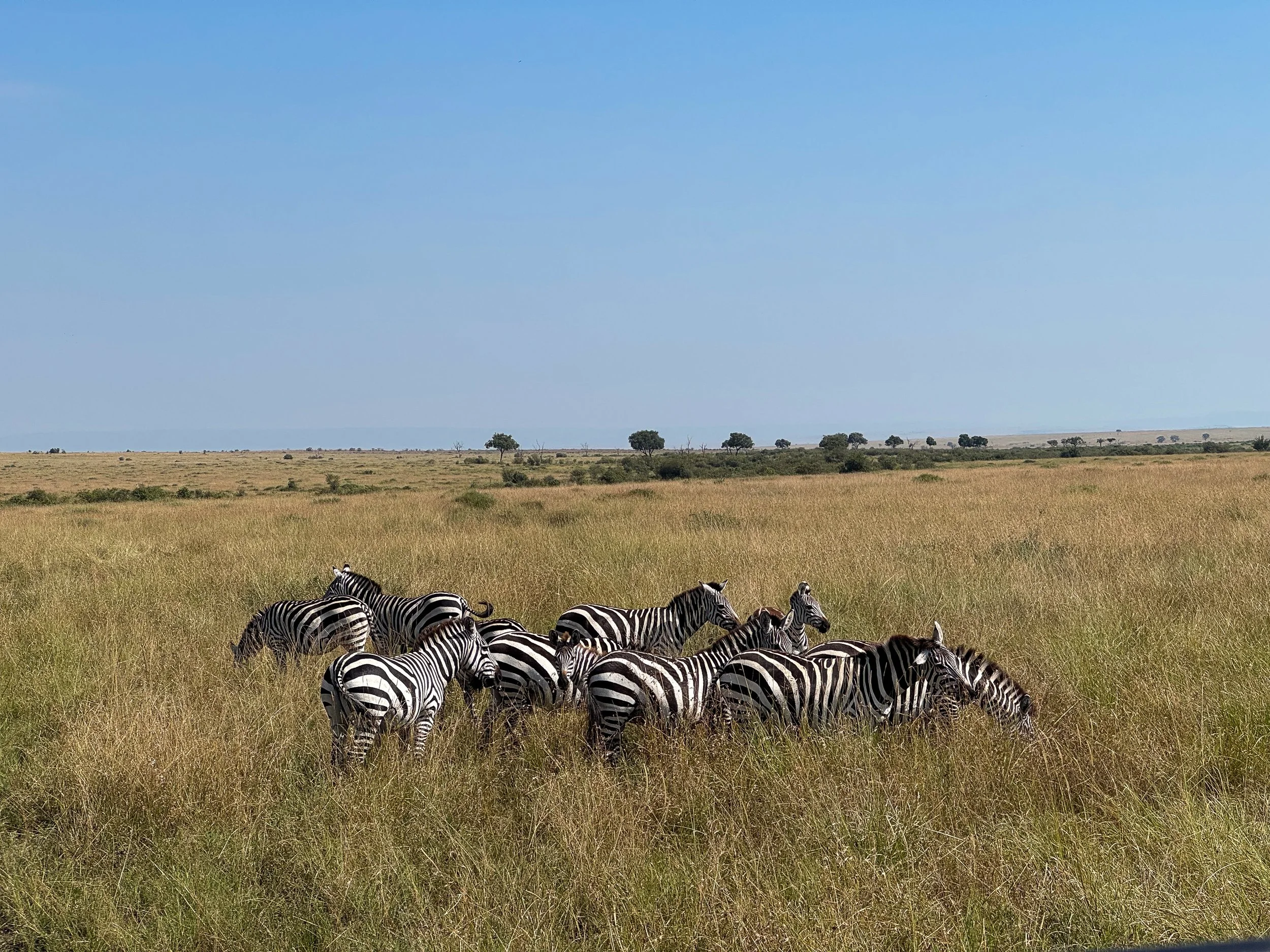
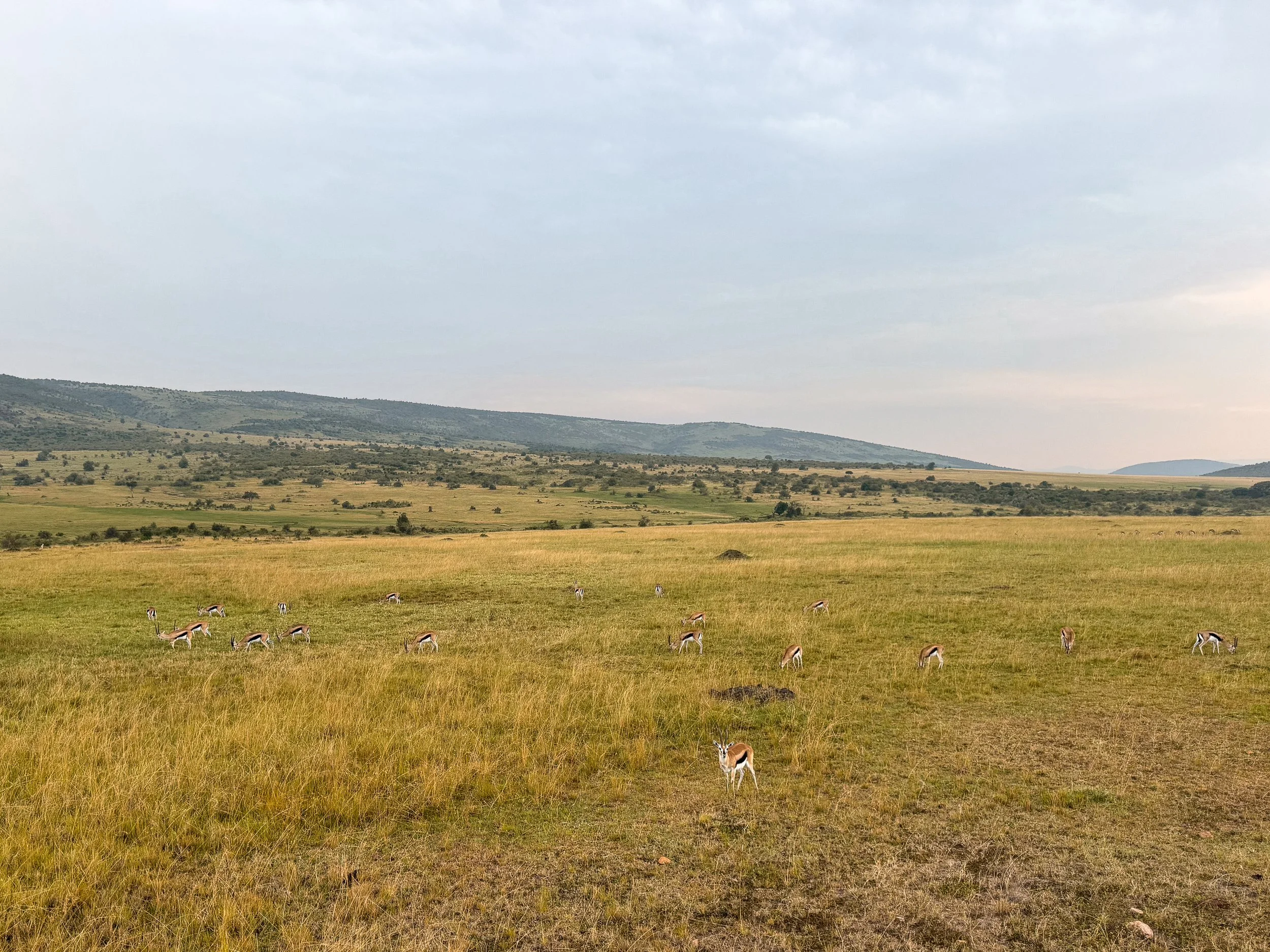
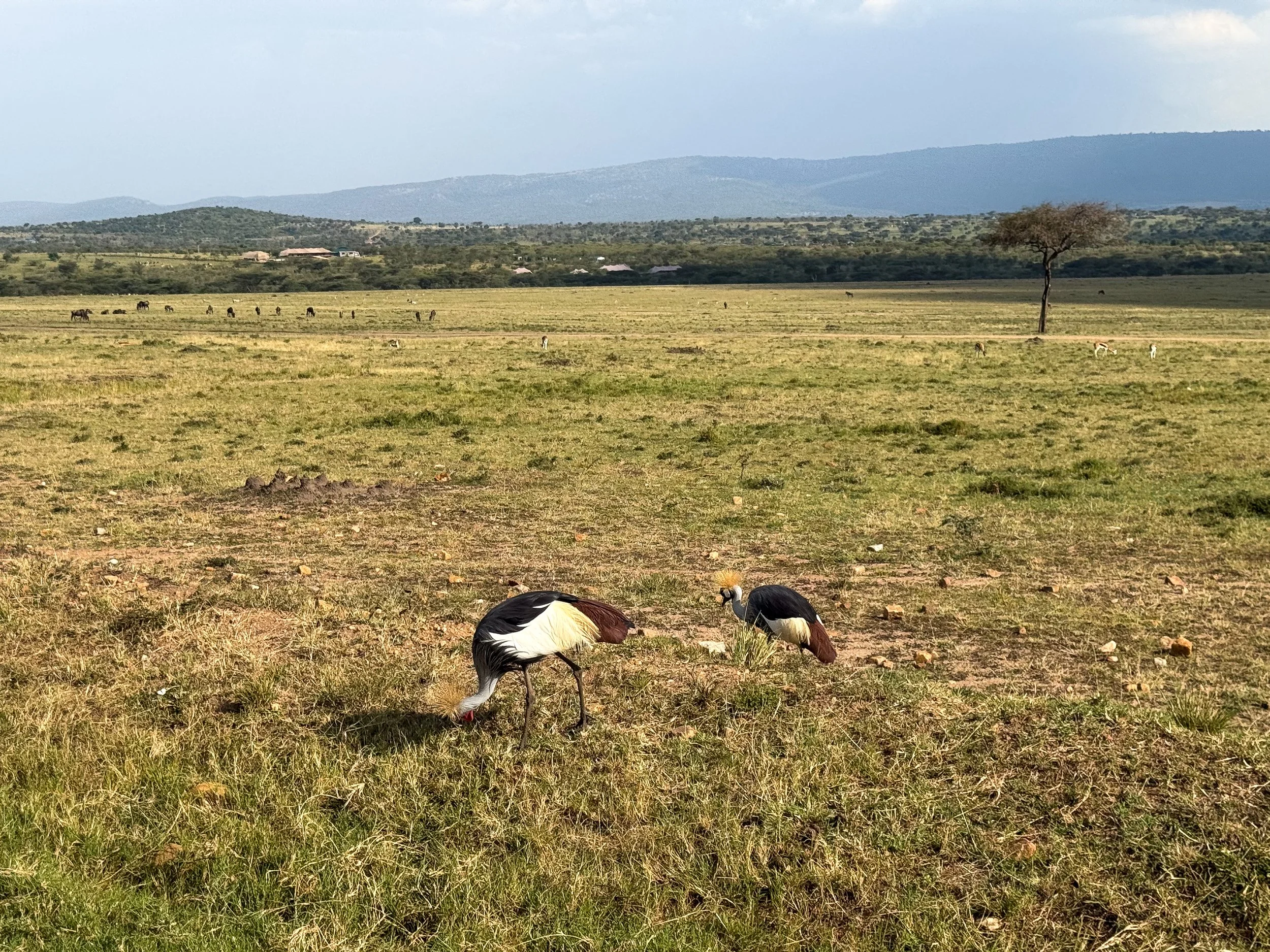
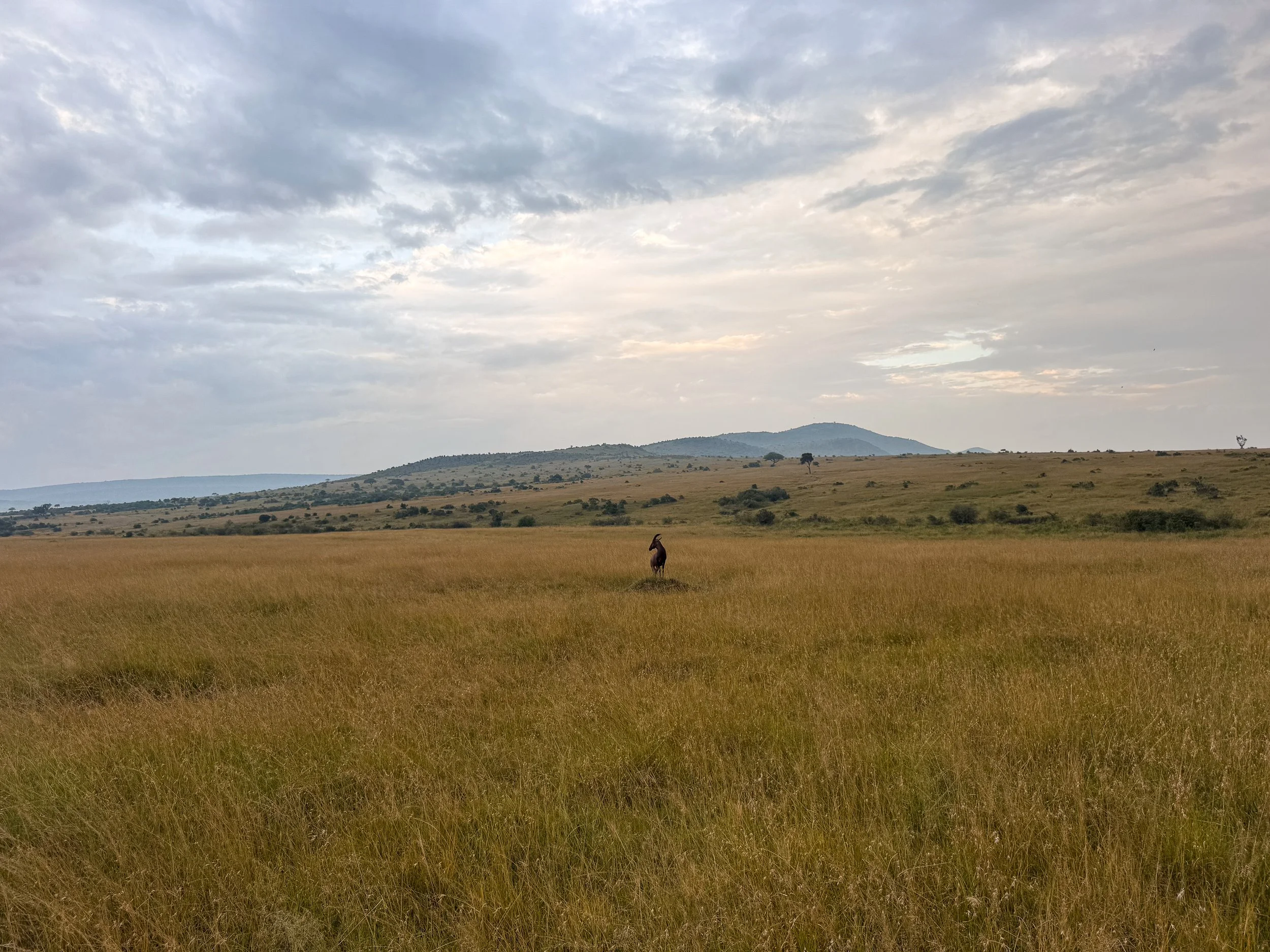
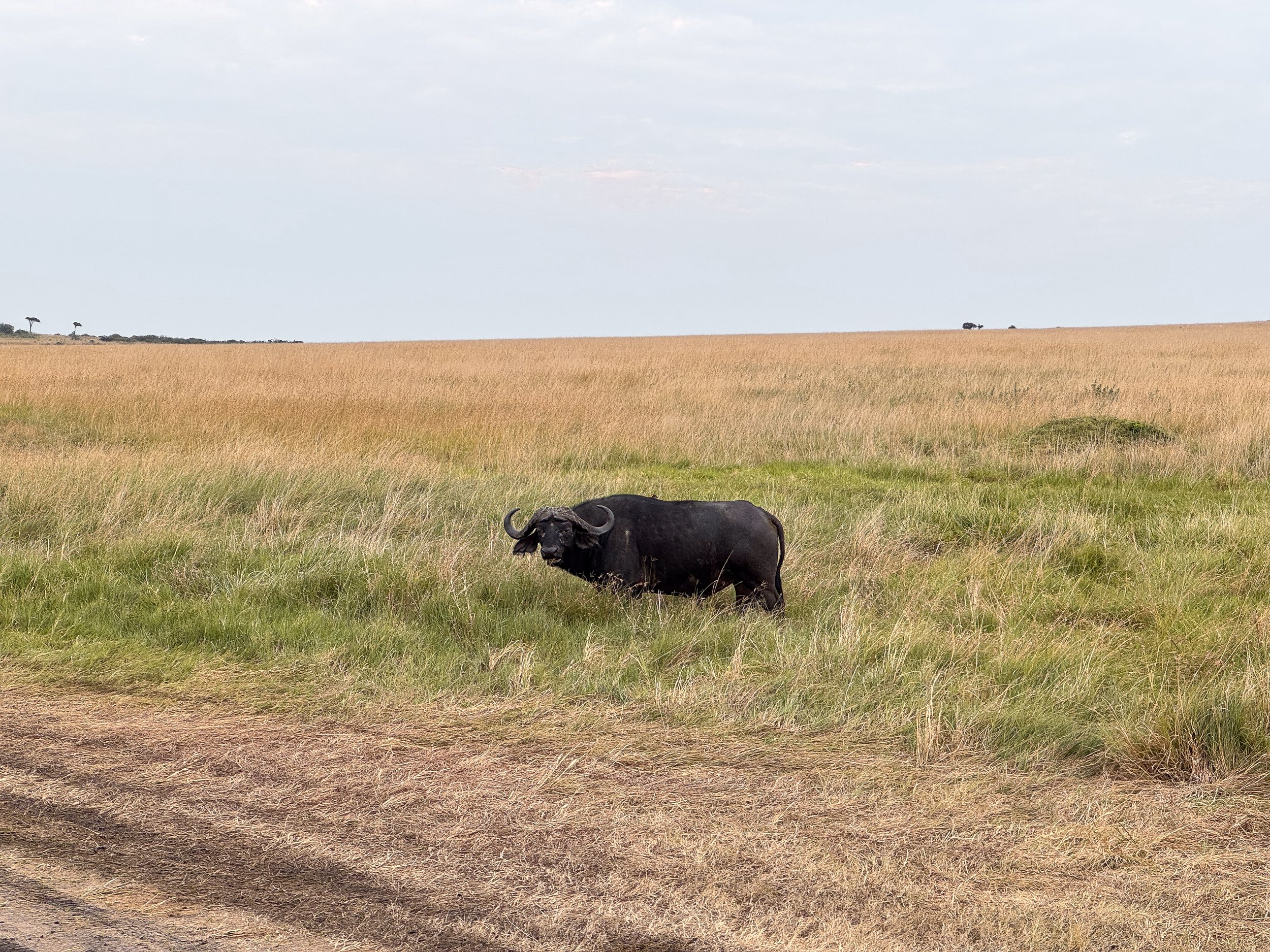
Big & Small Game. We drove deeper into the Maasai Mara with our windows ajar and roof hatch opened. We spotted lone animals and herds of impala, zebra, wildebeest, hartebeest, antelopes and buffalo grazing in the savannas. Giraffes stood majestically in the bush, ostriches ruffled their feathers, jackals scavenged for food, warthogs scurried through the grasses, baboons stared off mischievously and Ugandan Crowned Cranes strutted along the roadside.
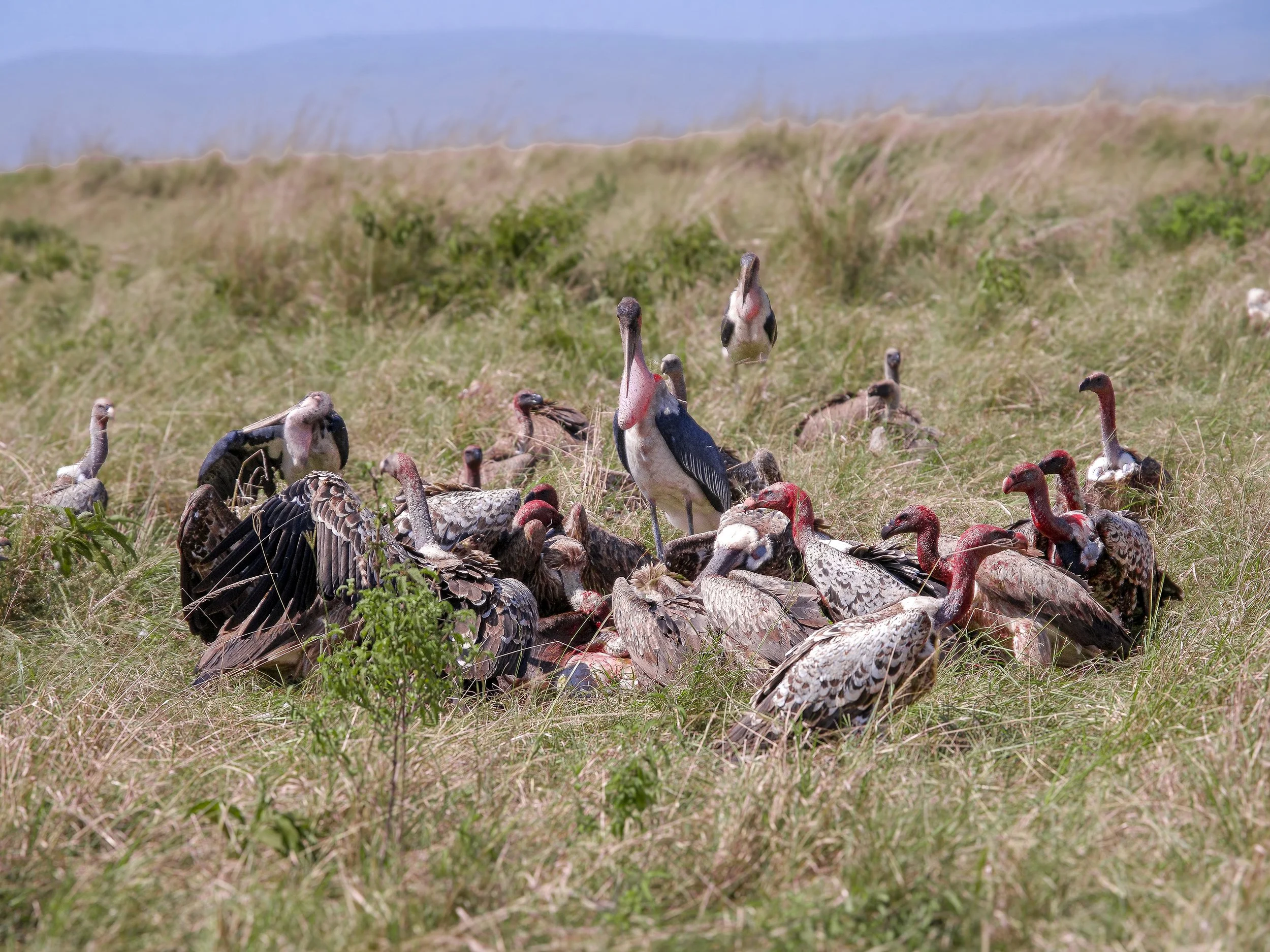
Birds of Prey. Vultures and storks circle in the sky and nest in trees waiting to scavenge on leftover remains. They descended on a freshly killed wildebeest as a pair of lions rested in the distance. The birds ferociously ripped apart the carcass, bloodying their faces in the carnage.
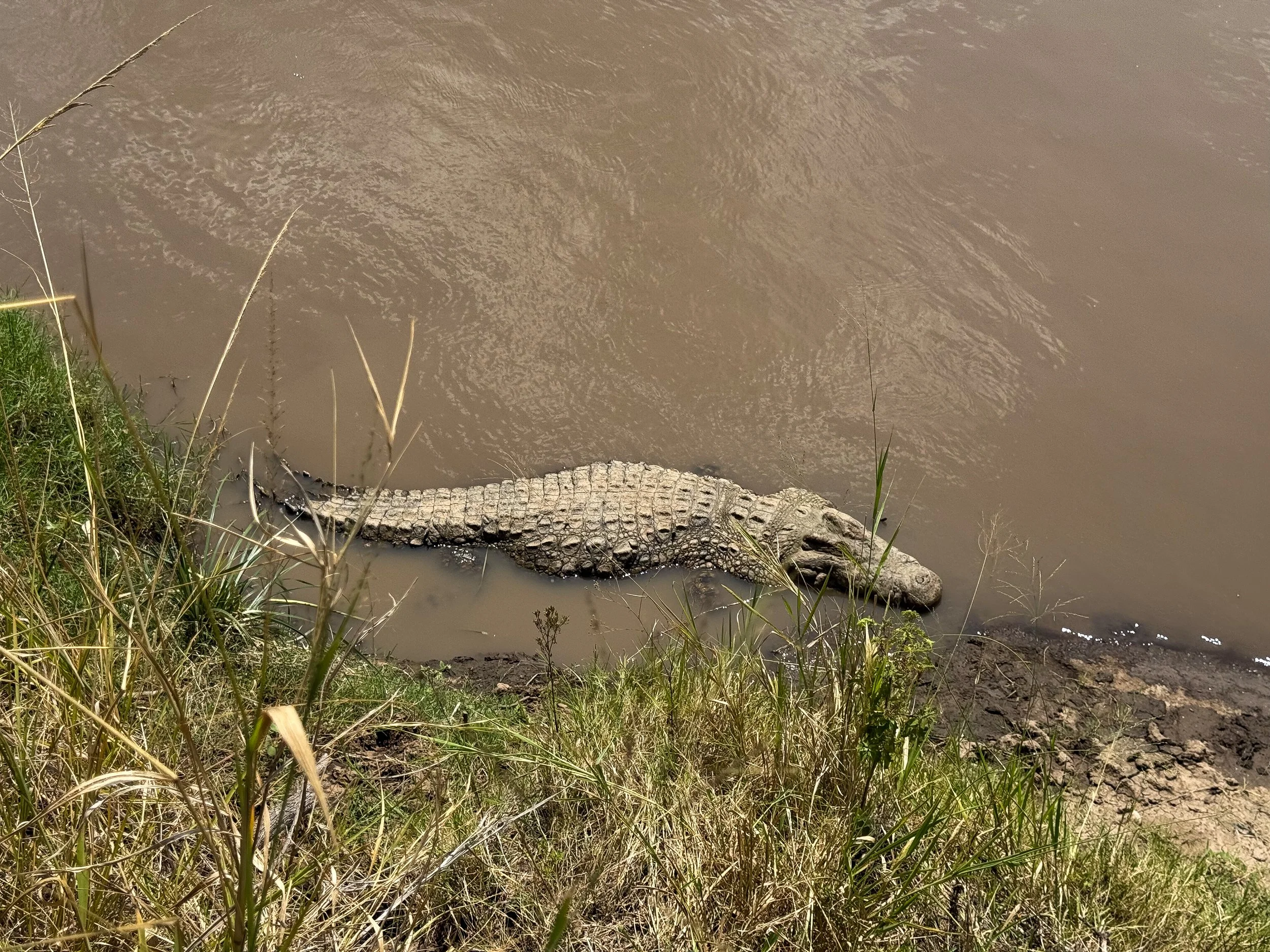
Mara River. The Mara River is one of the most dangerous parts of the Maasai Mara. A heavily armed ranger led us along its banks on a bush walk. Families of hippopotamuses bathed in the water, lifting their faces and backs above the surface, occasionally coming ashore. Nile crocodiles, both large and small, sunbathed along its banks while waiting for their next meal.
Guides. A guide is needed to visit The Maasai Mara. One was included with our multi day safari tour.
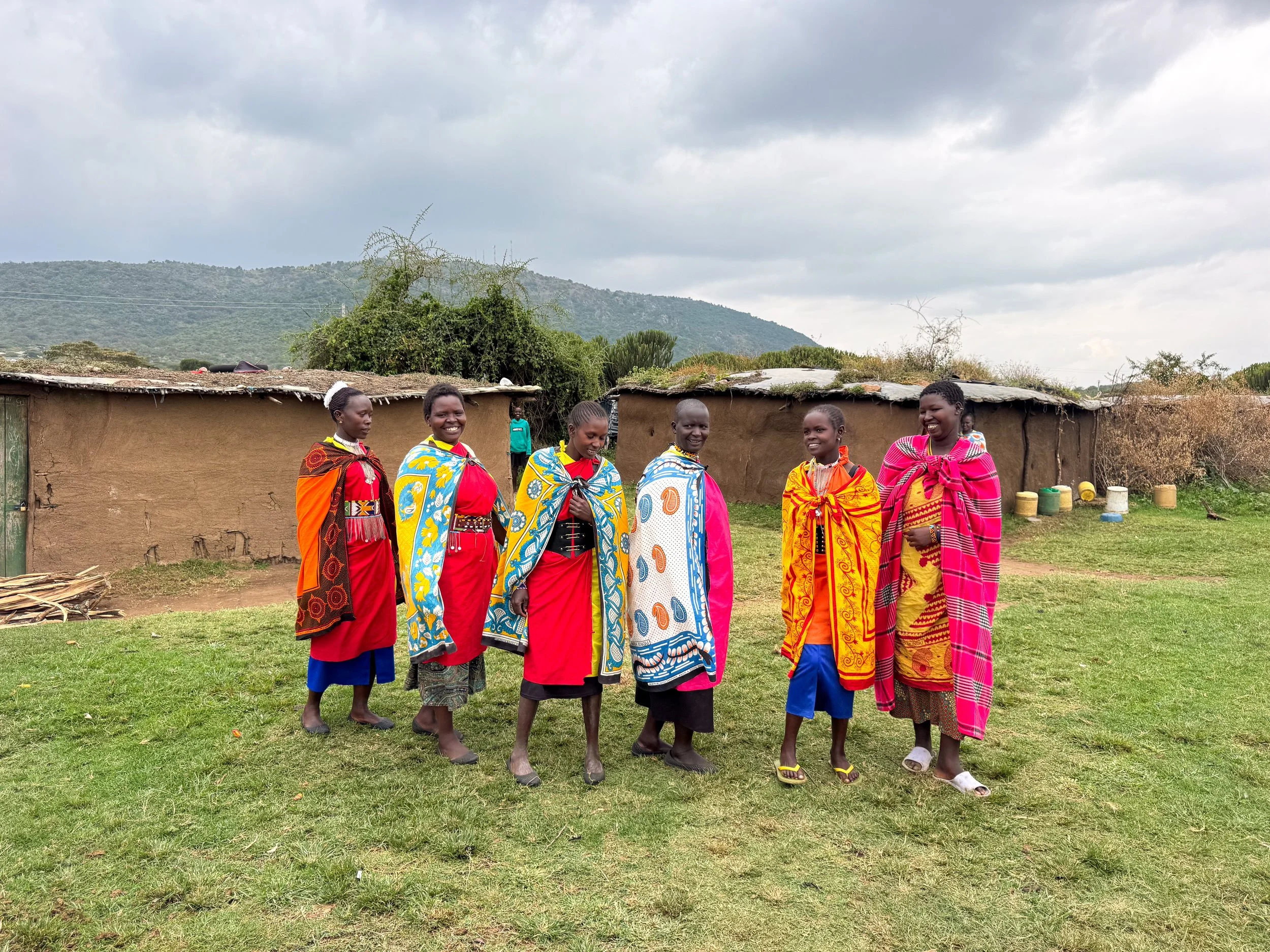
Massai Village Walk
The Massai are a tribal group native to southern Kenya. We walked through a small village with a chief’s son learning more about their culture, traditions, way of life and reliance on cattle. The tribe wears brightly patterned shawls and colorful beaded accessories to distinguish between families. Men and women each performed traditional dances, inviting us to participate. We toured a Maasai house, like all others in the village, it’s made from clay and cow dung supported by olive wood. The snug interior is compartmentalized into three small bedrooms and a kitchen. Once the village walk ended, women displayed handmade beaded jewelry and wooden animal carvings for sale.
Lake Nakuru National Park
Lake Nakuru is a salt water lake in the Kenyan highlands famed for its array of aquatic bird species, endangered rhino and giraffes populations.
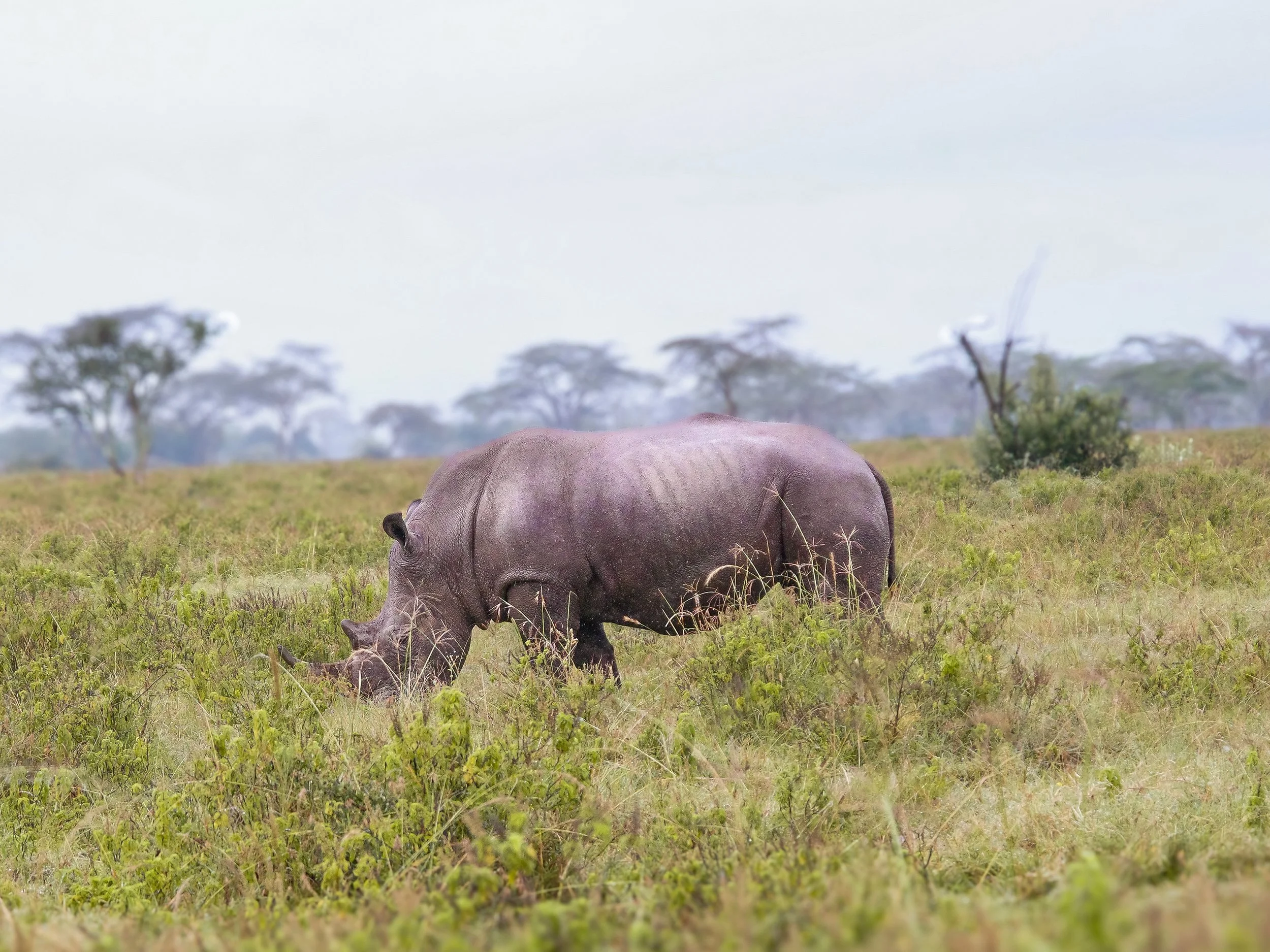
Southern White Rhino. The reserve surrounding Lake Nakuru is home to a growing population of Southern White Rhinos. We spotted several on our safari around the lake. A mother and calf stood together in the bushes, a group of three grazed in the a field and a full crush of six rested in the distance grasses.
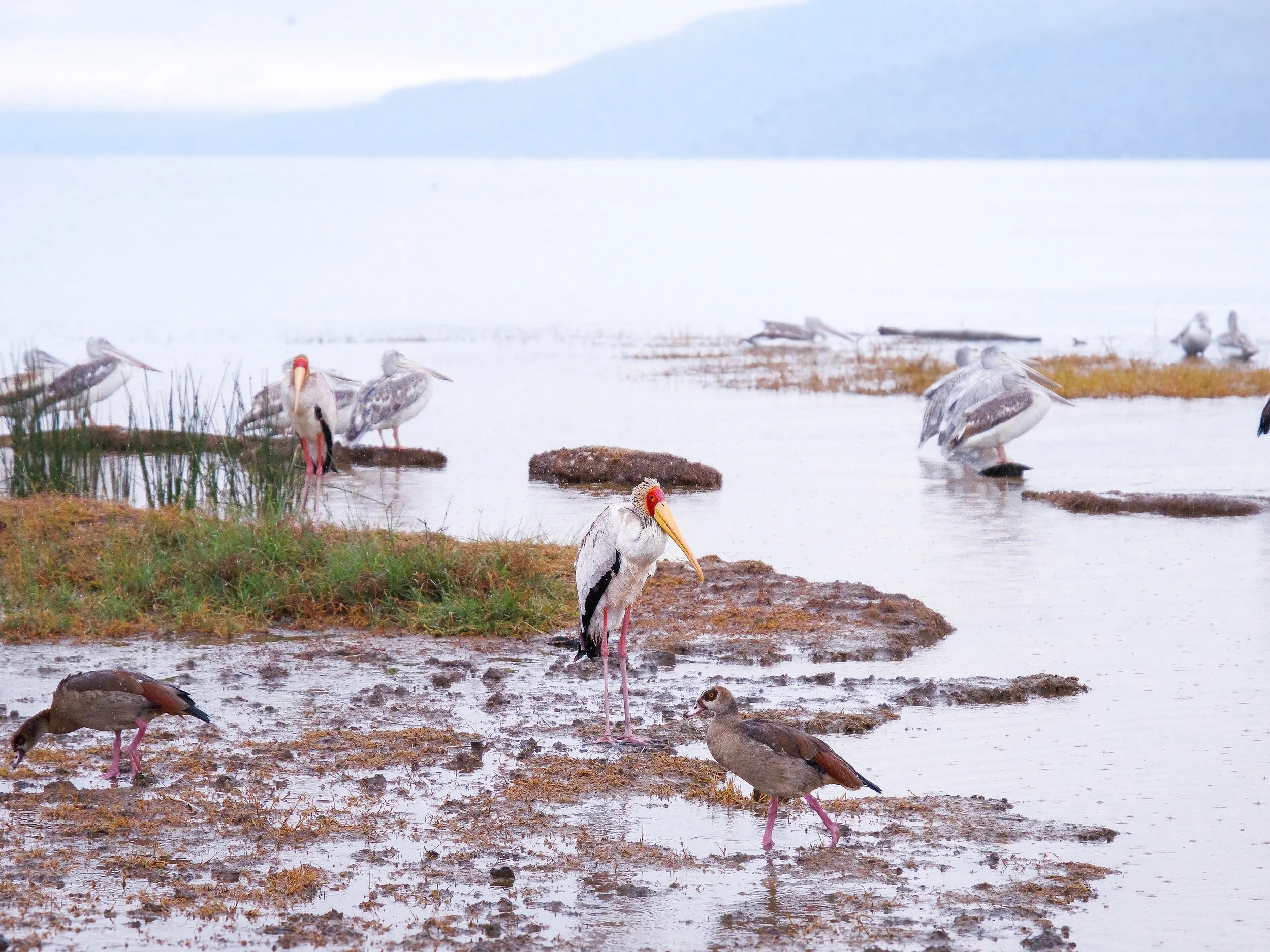
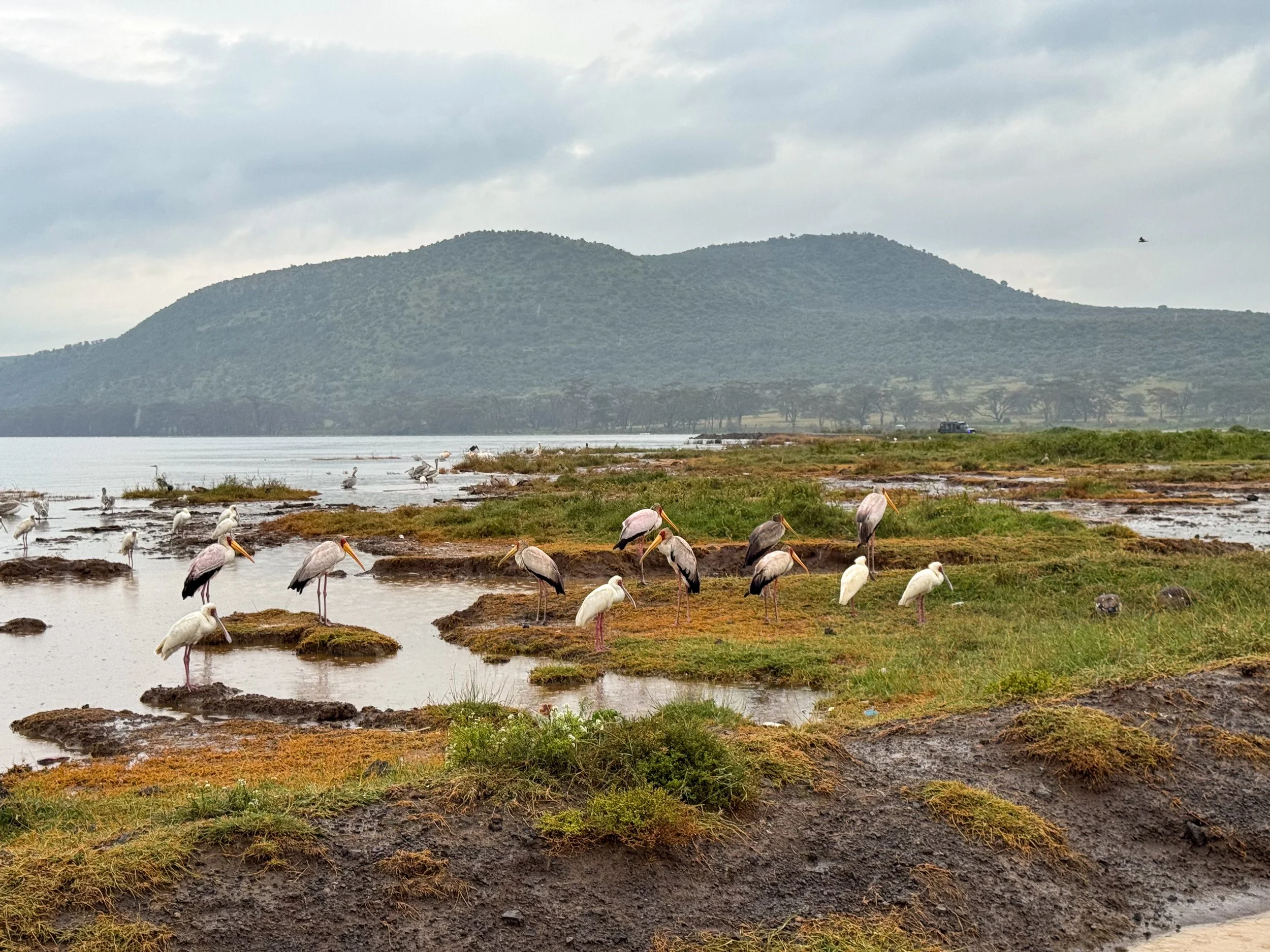
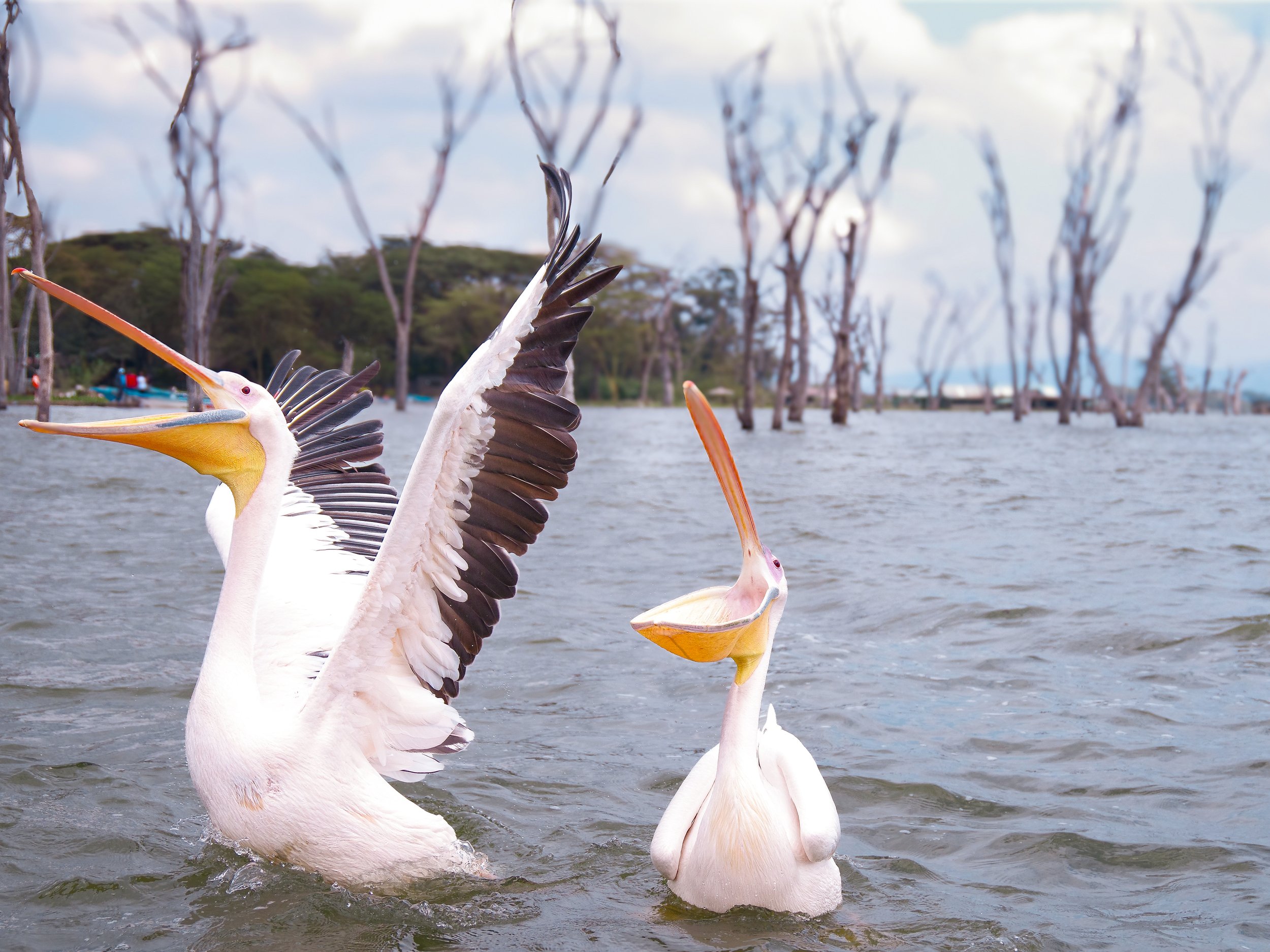
Birdwatching. Hundreds of migratory birds flock to Lake Nakuru. We spotted a flamboyant of lesser flamingos, giant white pelicans hunting, Egyptian geese, cormorants and various types of storks. Flocks of guinea fowl are commonly spotted scurrying in the park’s roadside bushes.
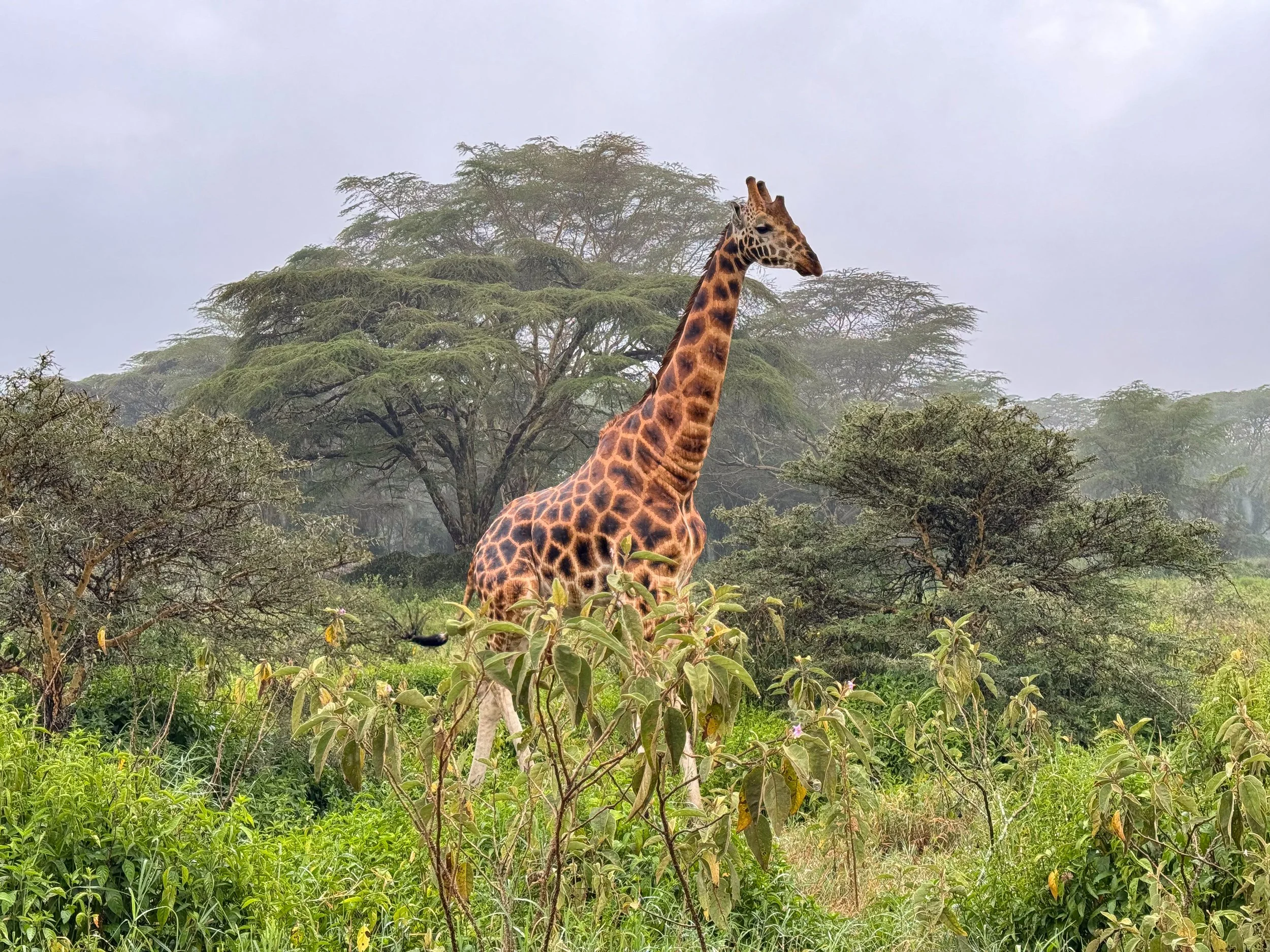
Nubian Giraffe. Lake Nakuru is home to about 65 Nubian Giraffes. There are less than 1,400 of the critically endangered species remaining in the wild. We observed at least half of the park’s population as they strutted through fields and grazed on tall trees.
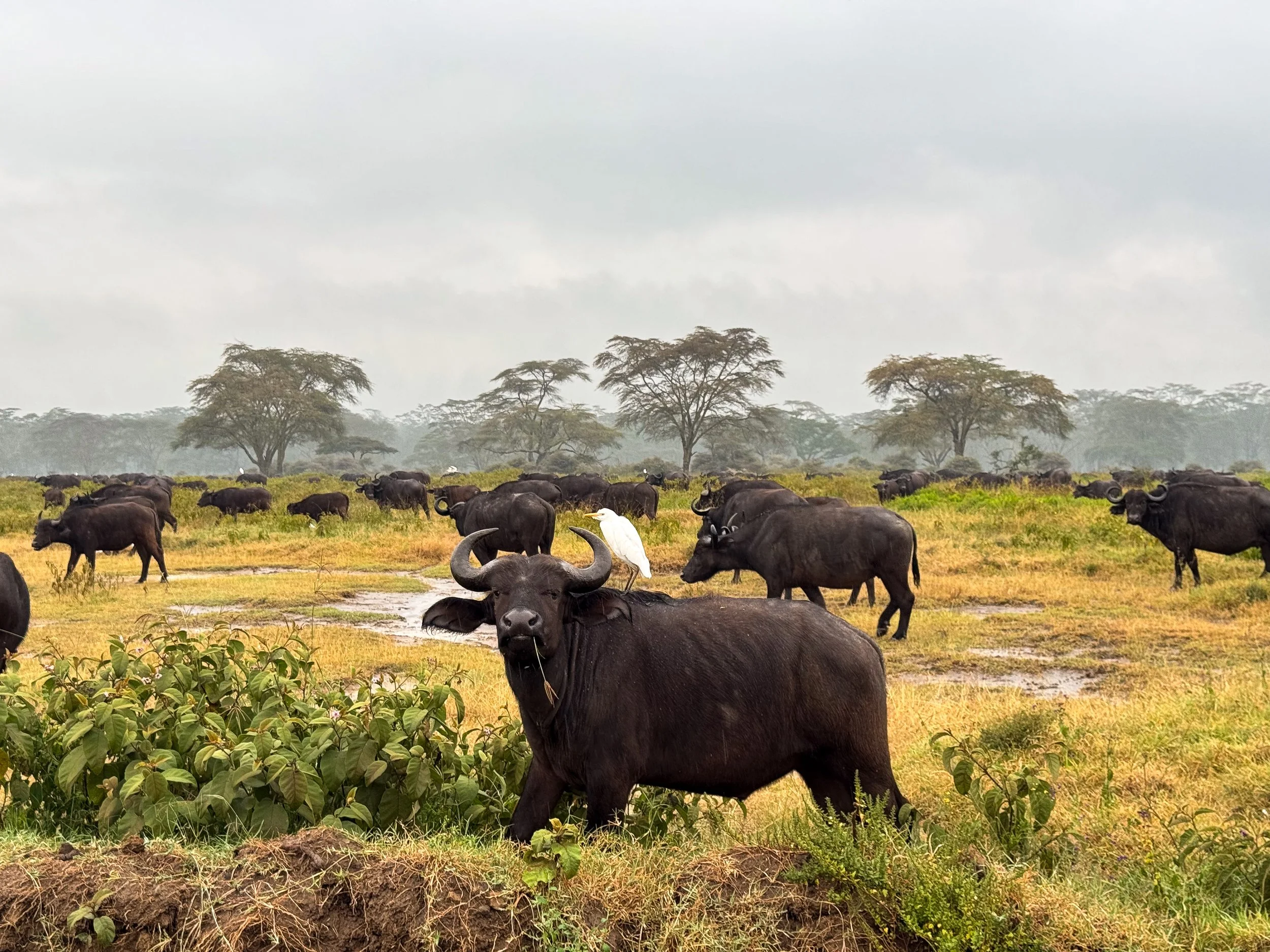
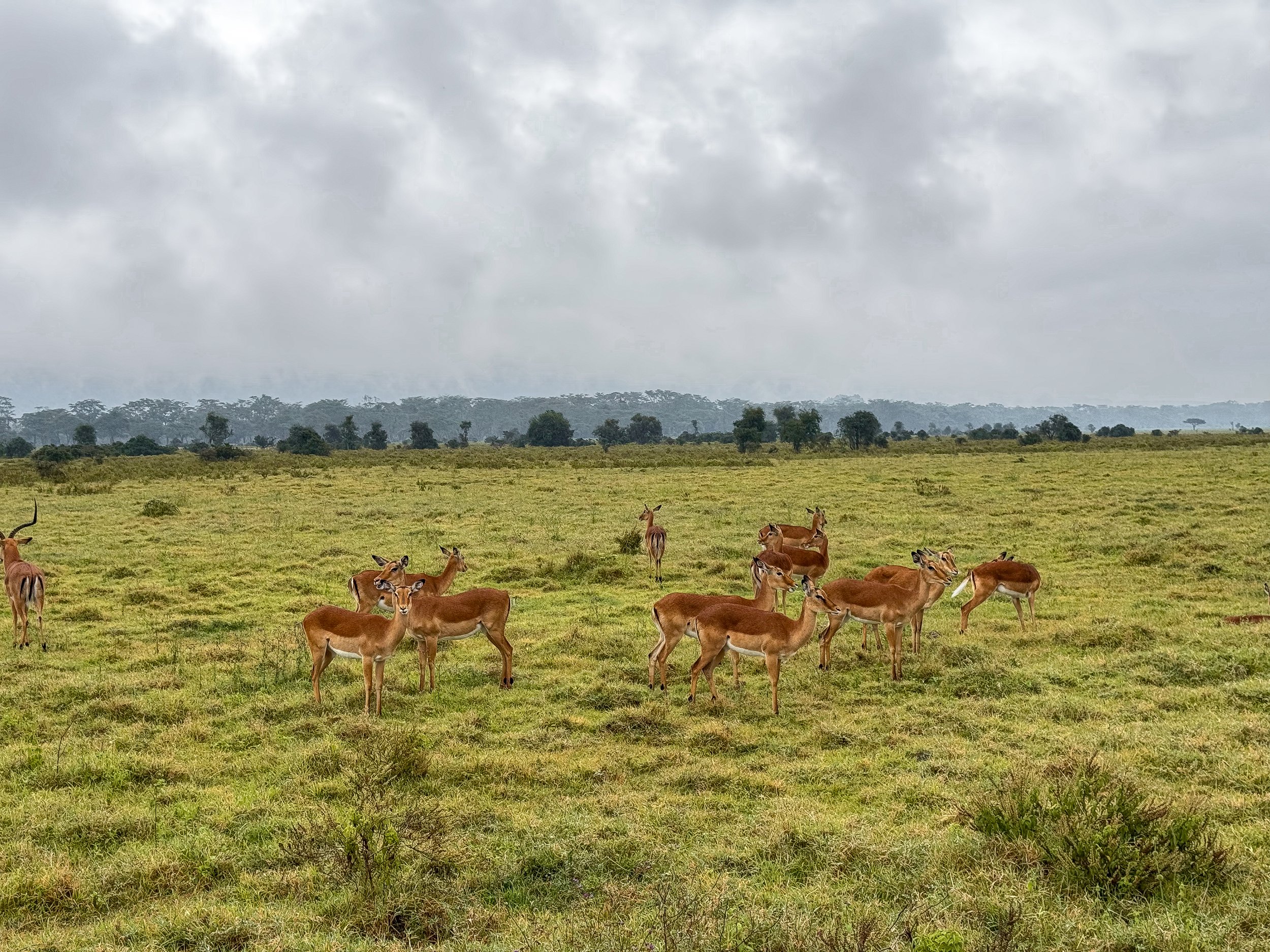
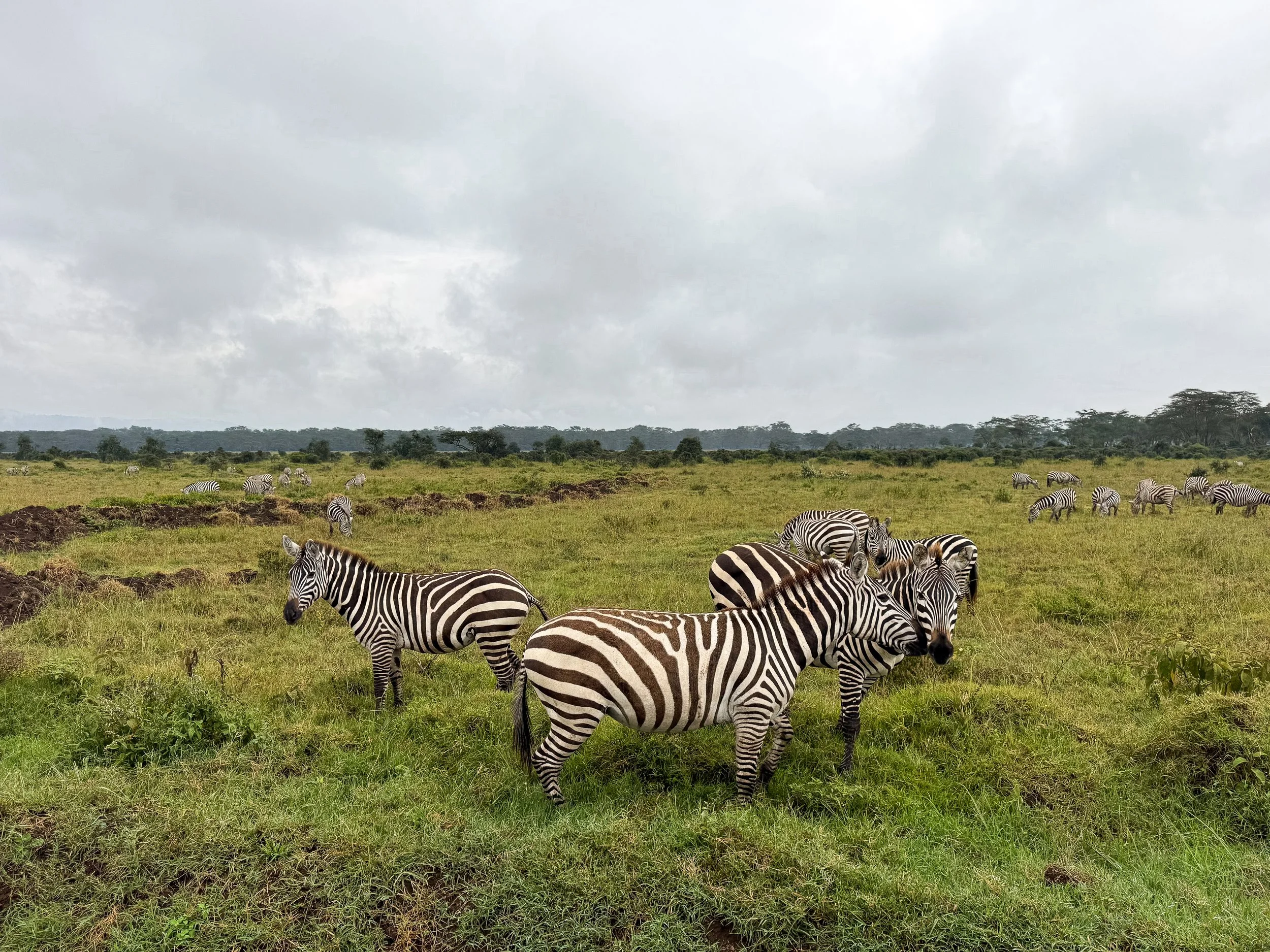
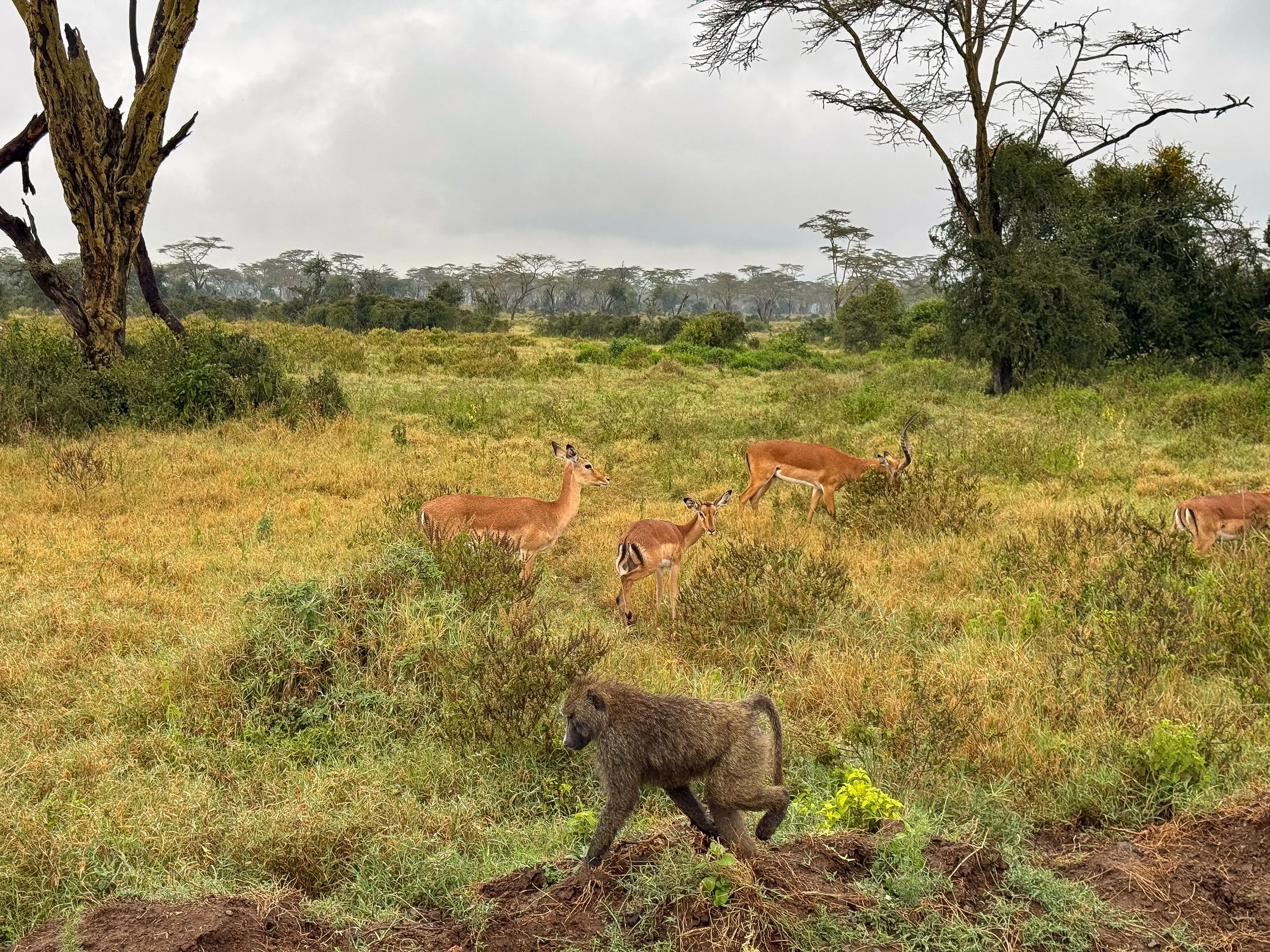
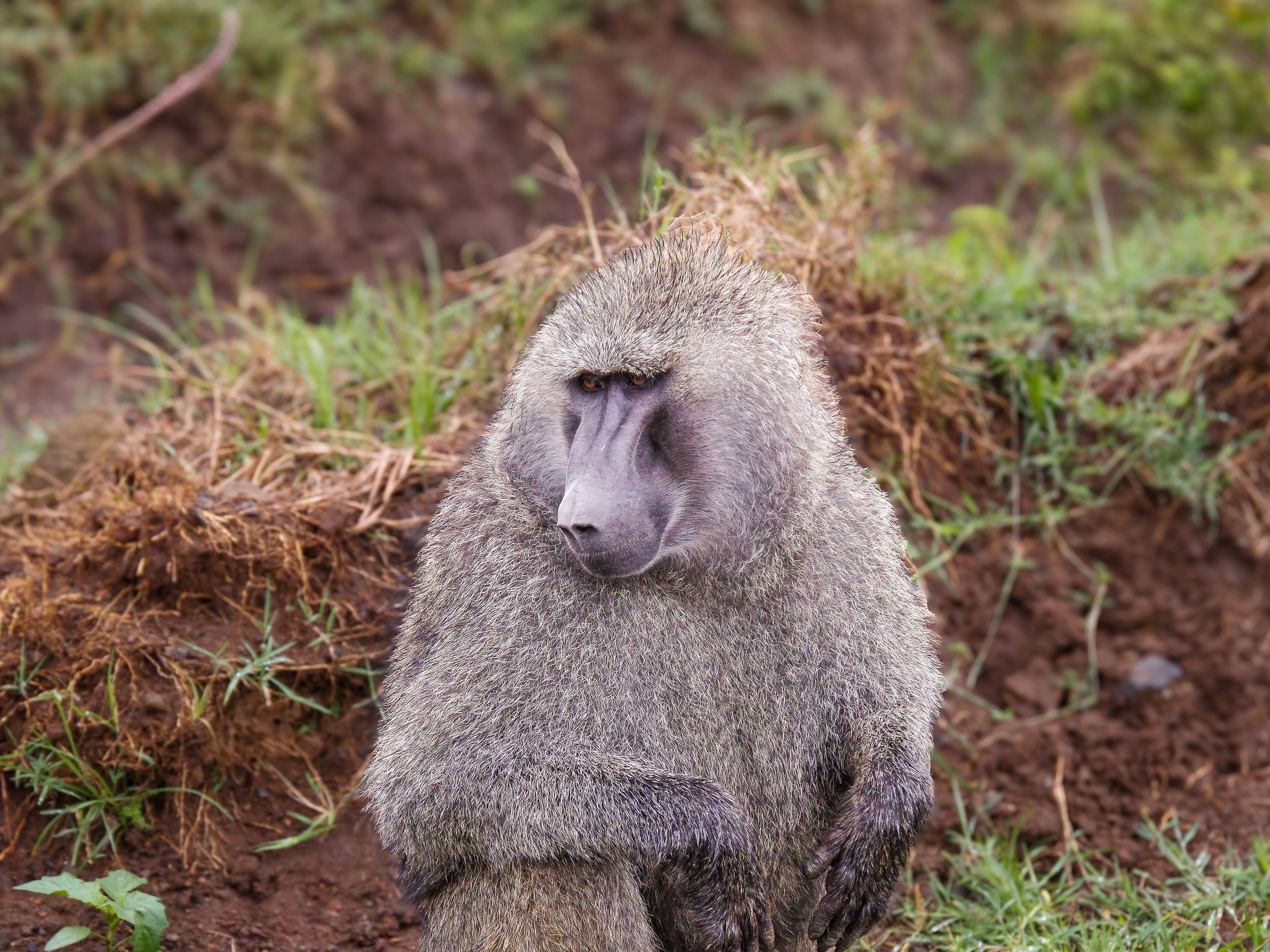
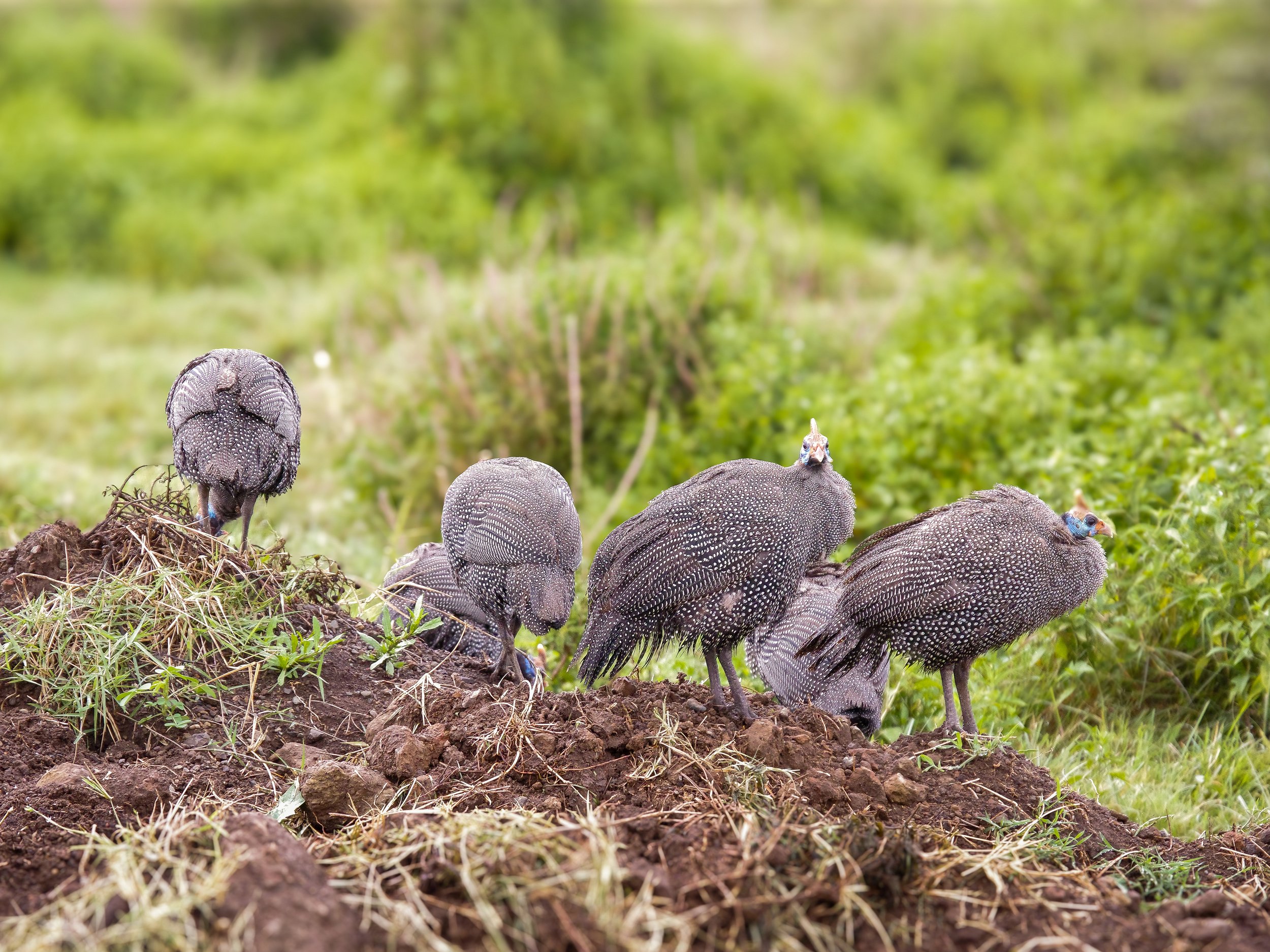
Wildlife Spotting. Lake Nakuru is home to variety of wildlife. Large herds of water buffalo, impalas, grand gazelle and zebras are common sights. Groups of warthogs appeared from their dens, chasing each other around and grazing on grasses. Troops of baboons patrol the roadsides, often trotting after impalas encroaching on their territory. Hyena lurk in the grasses while jackals slink between bushes.
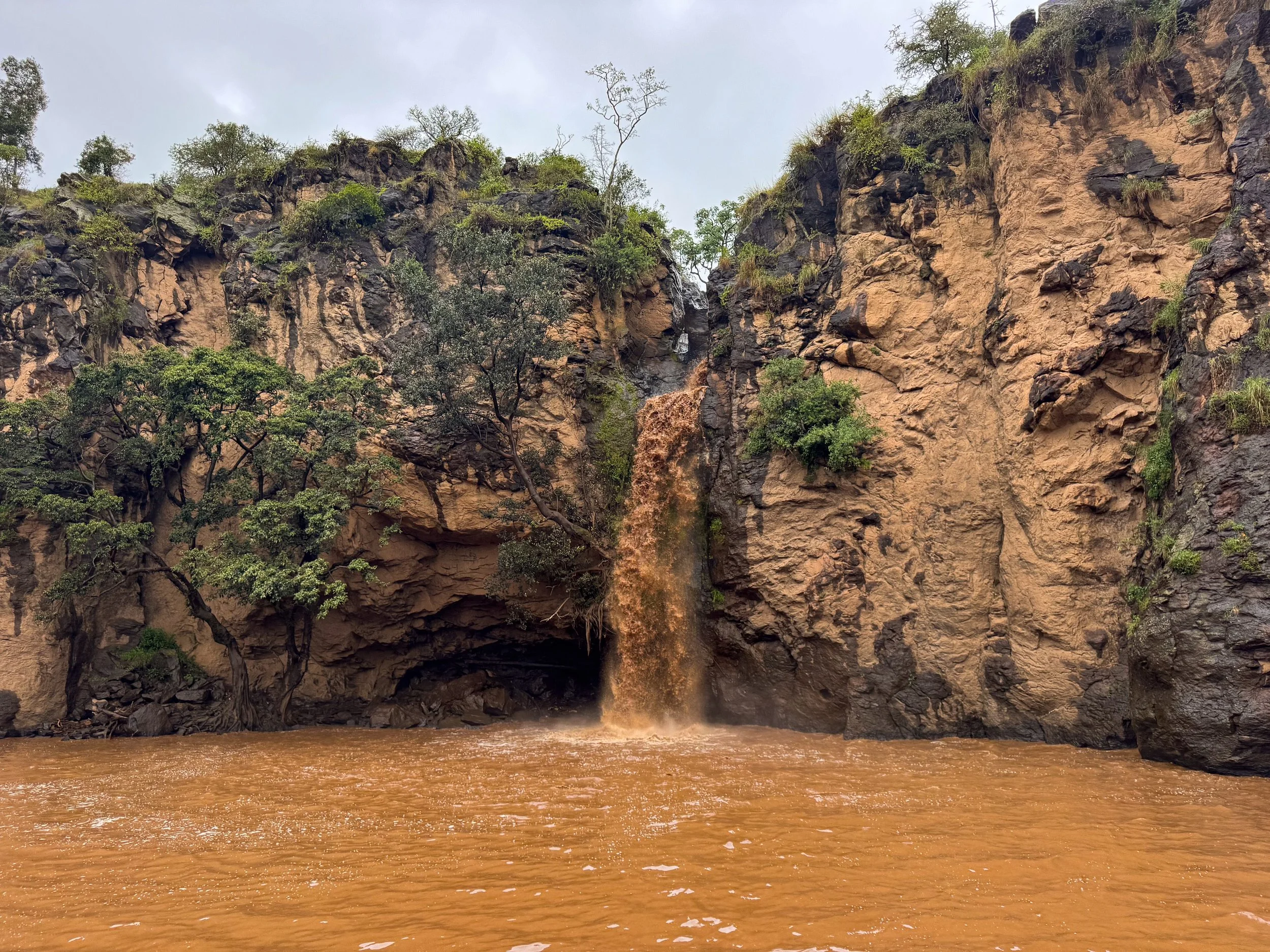
Makalia Falls. A 10 meter tall waterfall spilling over a rocky cliff into a river pool. The water was a rich chocolaty brown color due to recent strong rains.
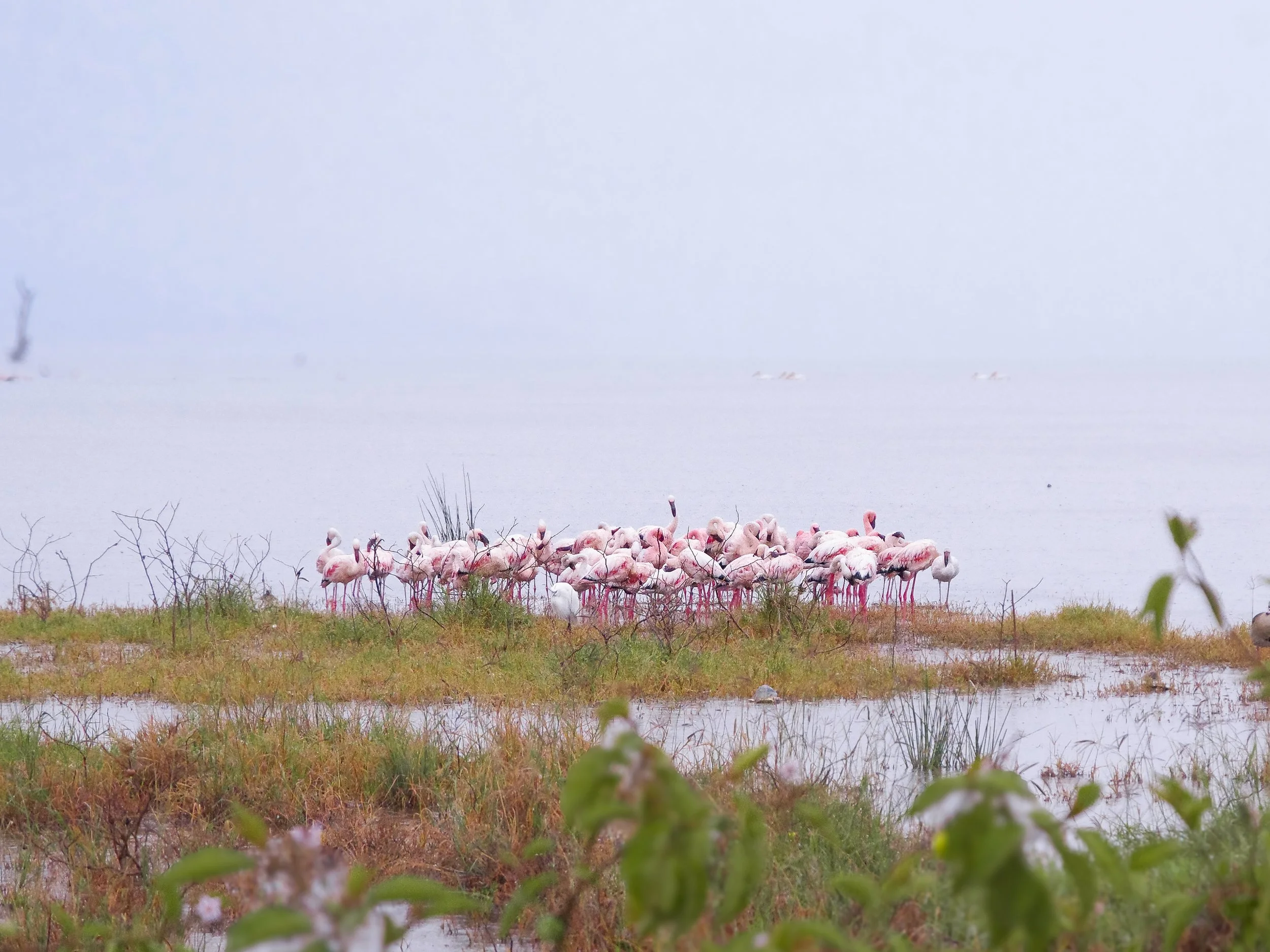
Climate Change. Lake Nakuru used to be known for its millions of pink flamingos, accounting for a third of the world’s population. In recent years, flooding has reduced the salinity of the lake and a majority of the flamingos have migrated elsewhere.
Guides. Lake Nakuru can can be visited without a guide or 4x4 vehicle. We visited with a guide, included in our multi day safari.
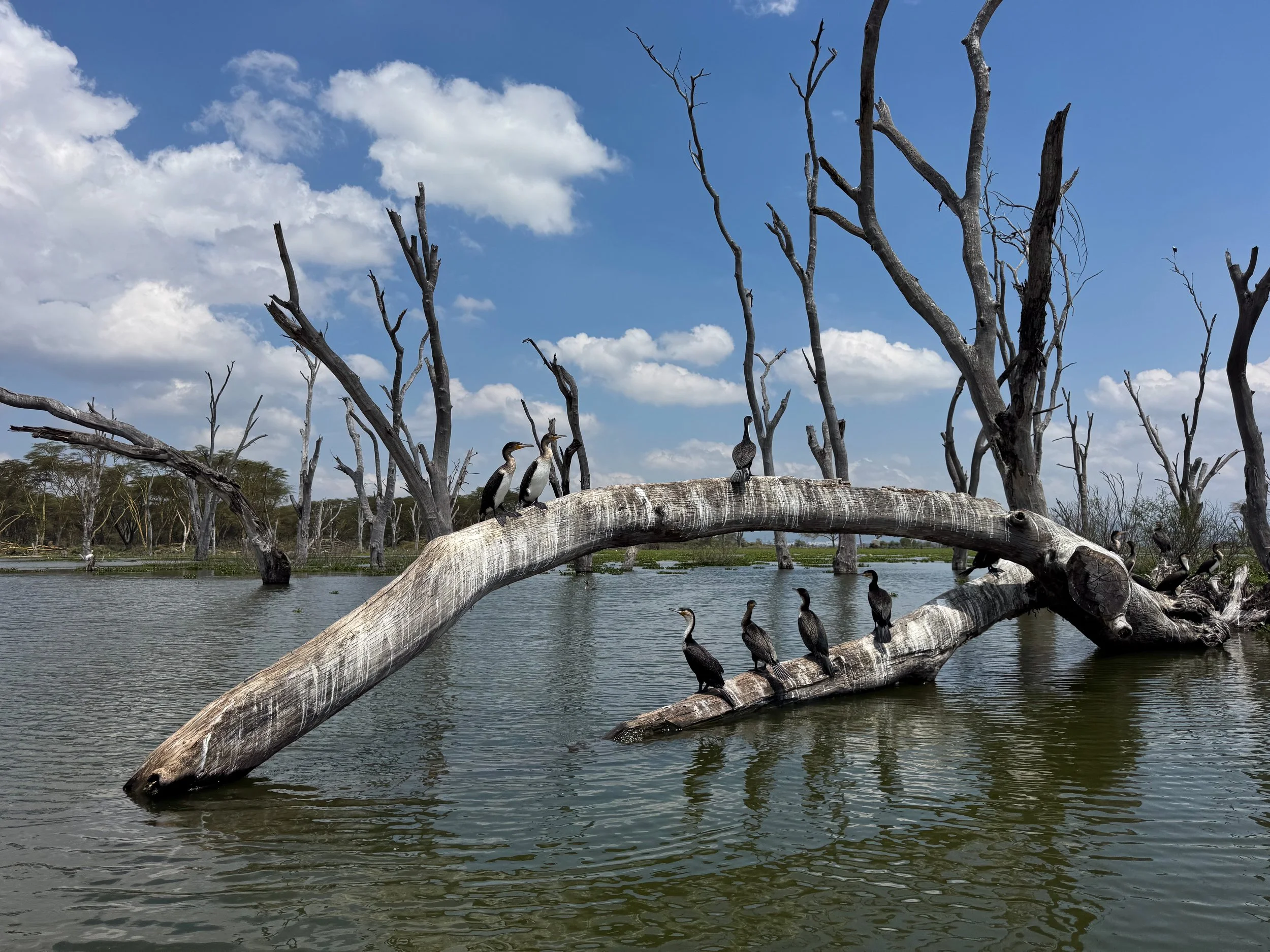
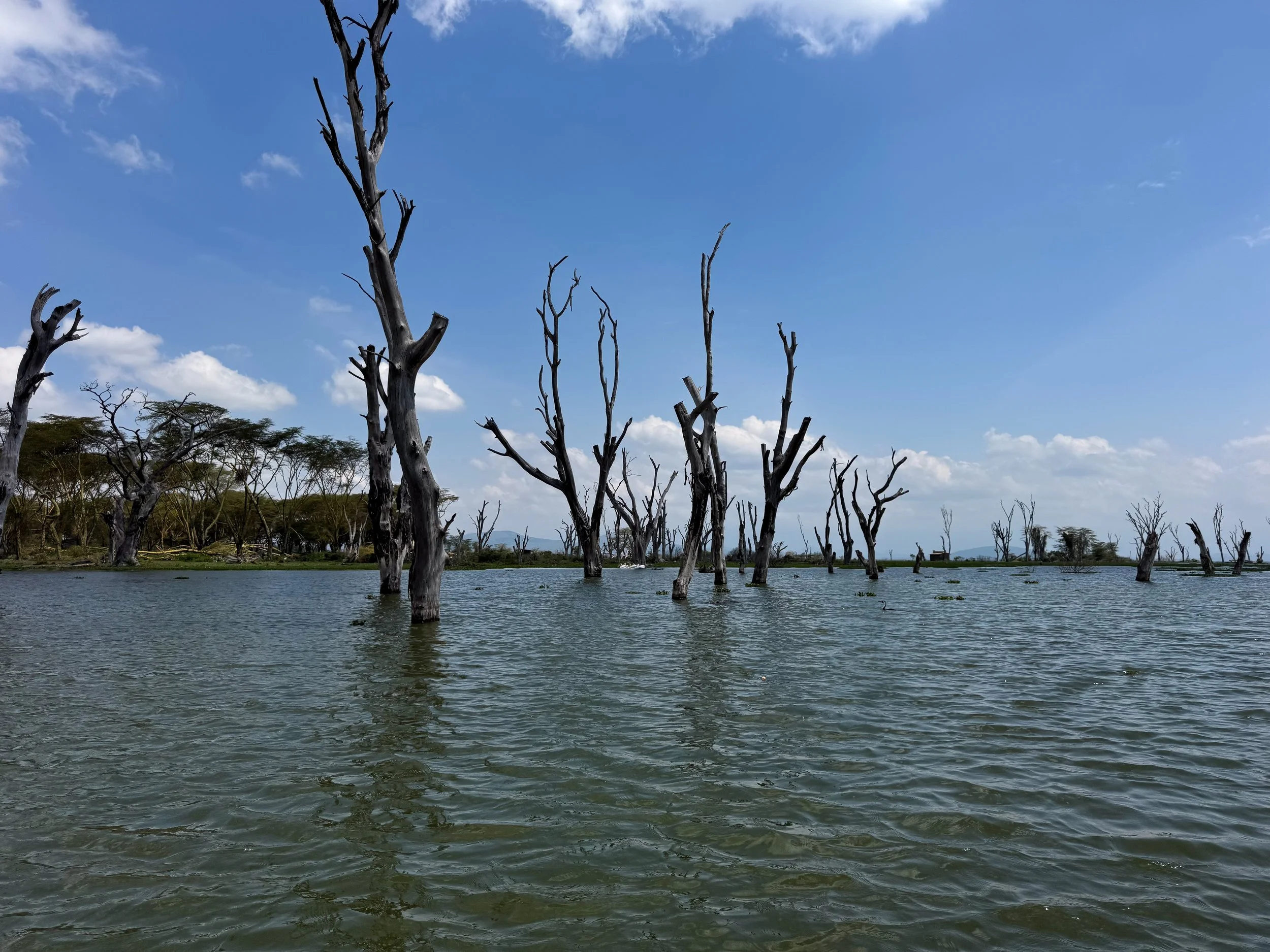
Lake Naivasha
Lake Naivasha is a high altitude freshwater lake home to native hippos, aquatic birds and wildlife relocated from the Maasai Mara. We took a boat safari on its waters and walking safari along its shores.
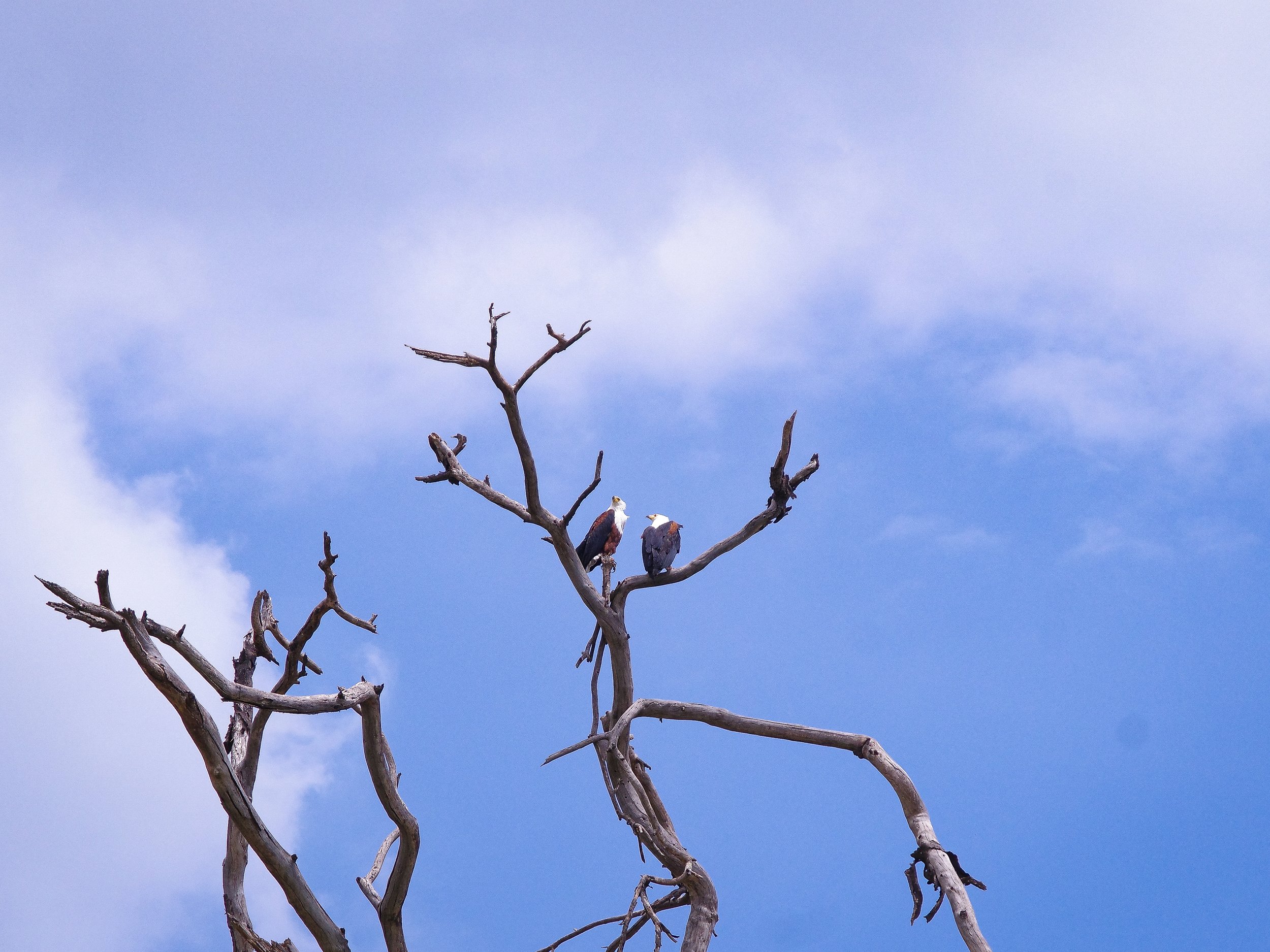
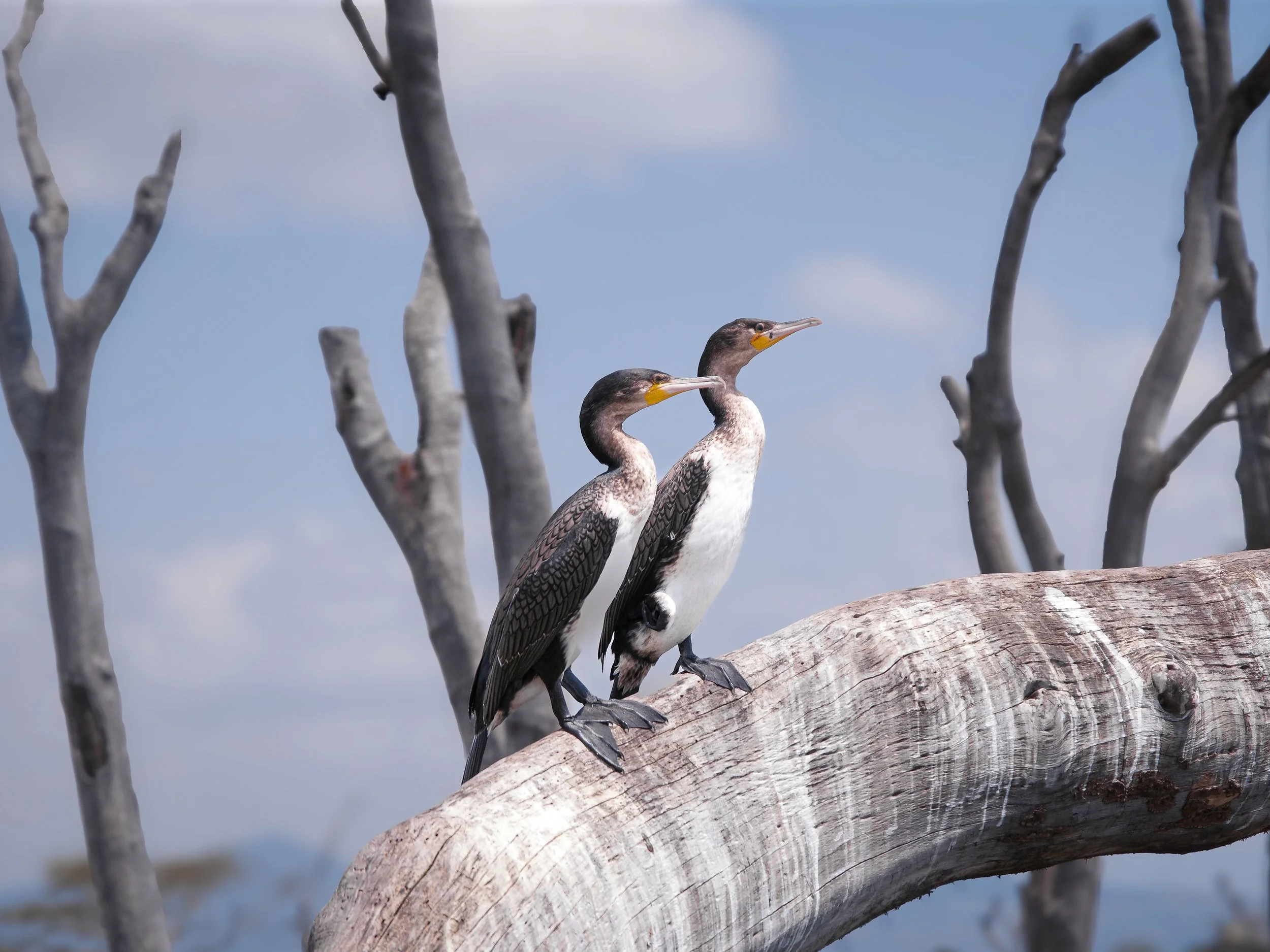
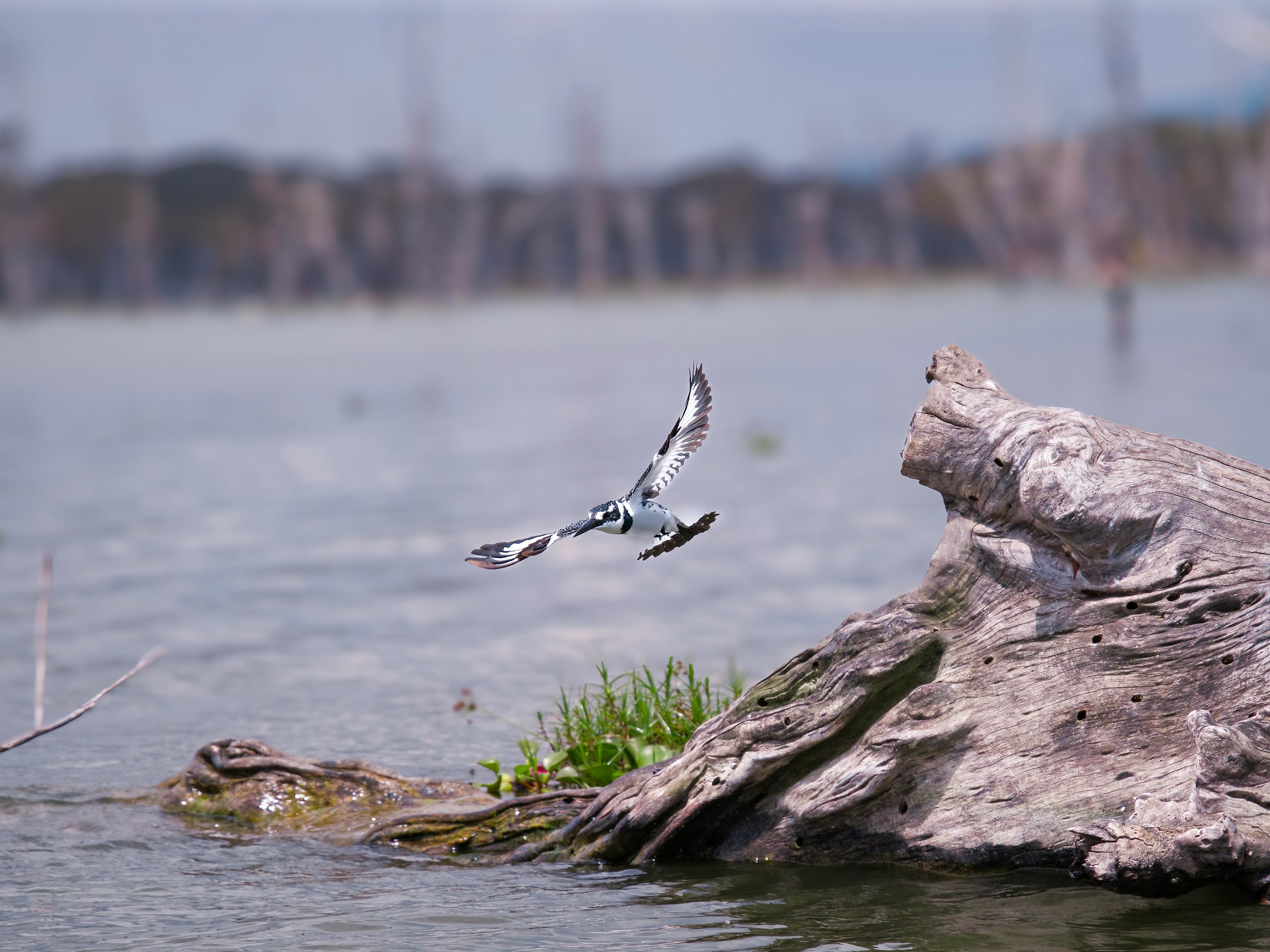
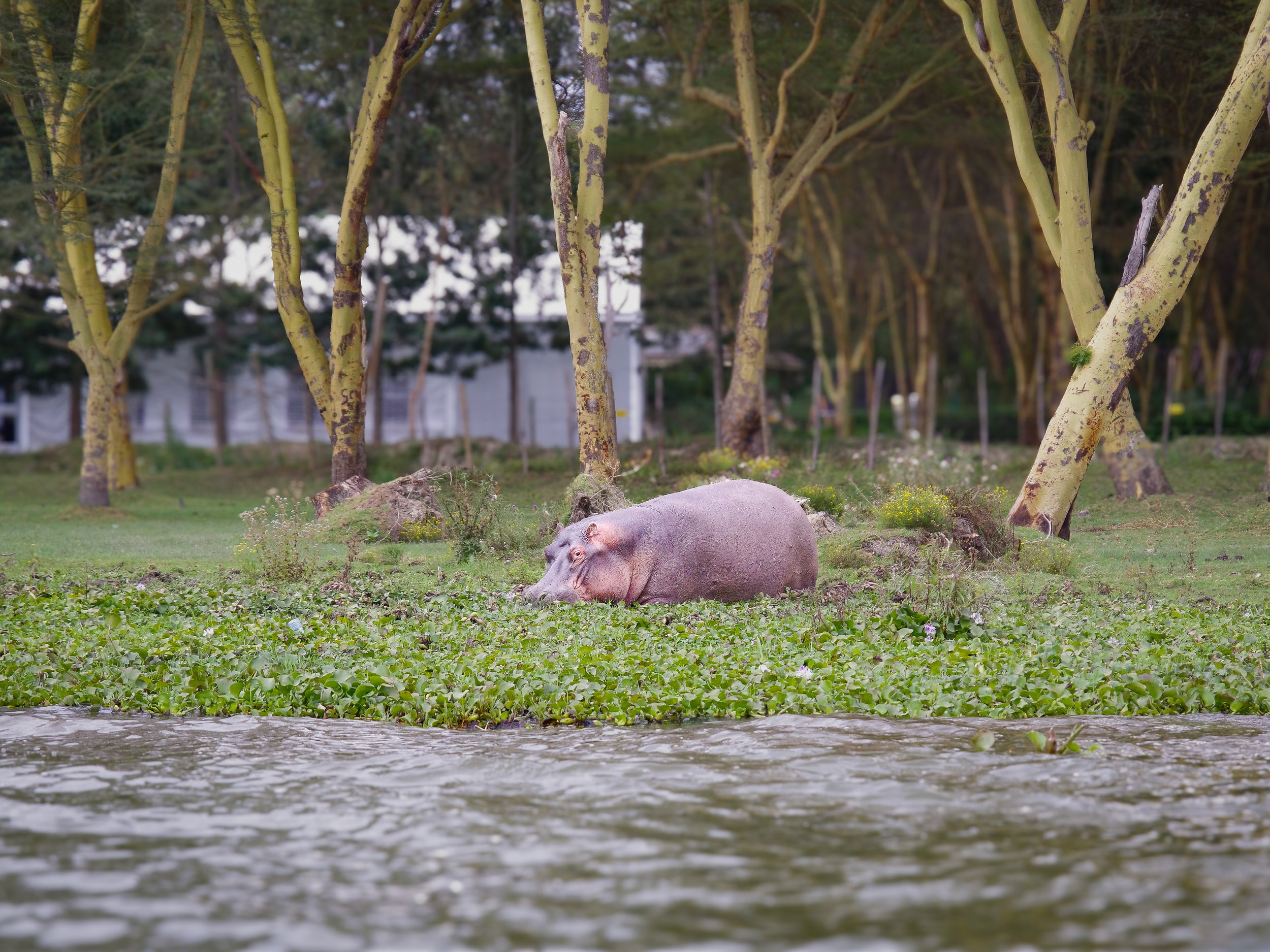
Lake Naivasha Boat Safari. A tranquil ride across the Lake Naivasha allowed us to spot wild hippos and aquatic birds. The hippos lounged in the shallows near shore, lifting the head above the surface for air before fully submerging. For safety, we kept a distance of 50 to 100 feet. The lake is full of bird life like nesting cormorants, king fishers, hamerkops, sacred ibises, vibrant starlings, great white pelicans and fish eagles. The lake is commercialized with eco-resorts, hotels, summer cottages and campgrounds tracing its shoreline. Locals wade in the shallows fishing for tilapia and other lake fish.
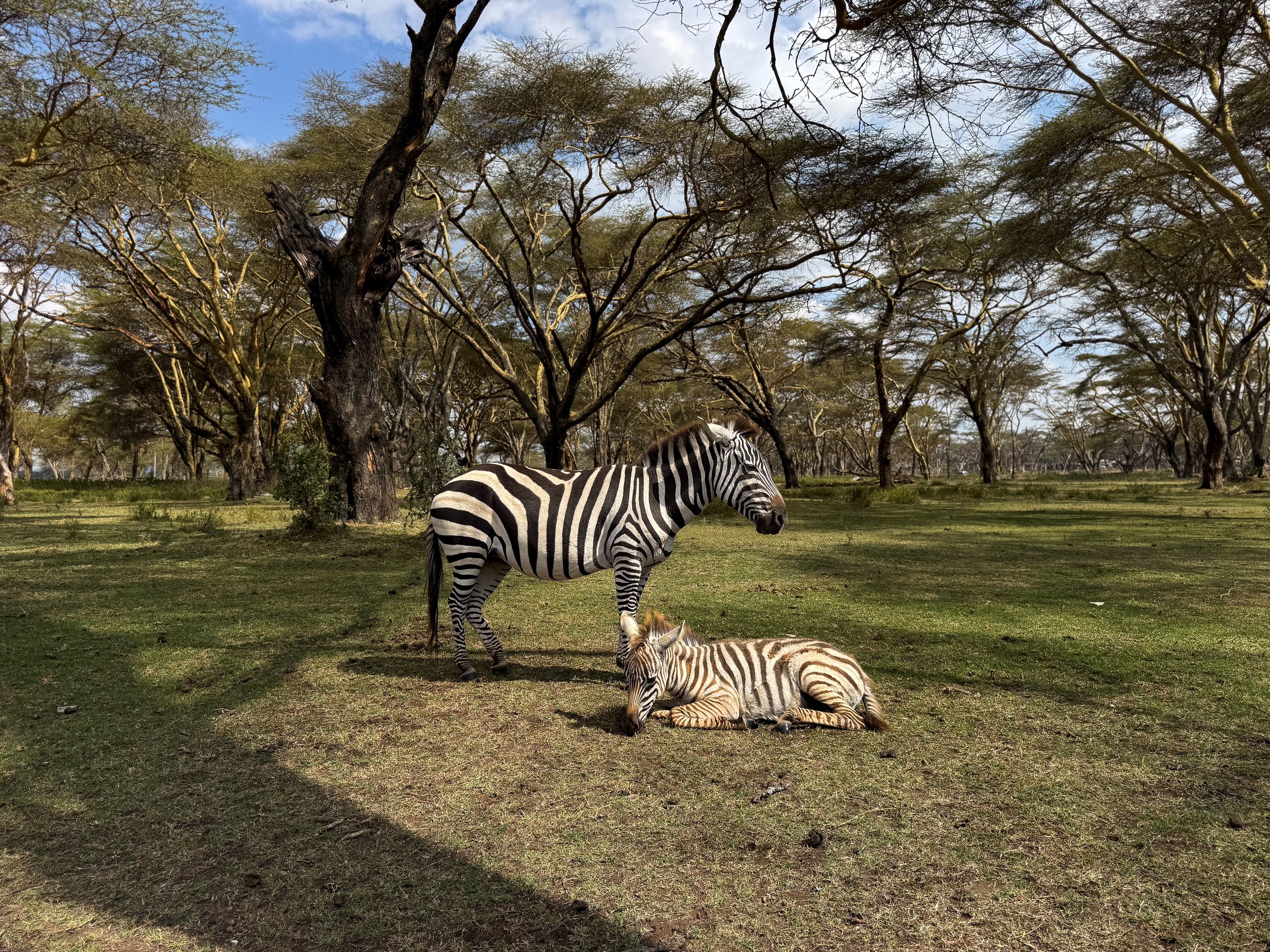
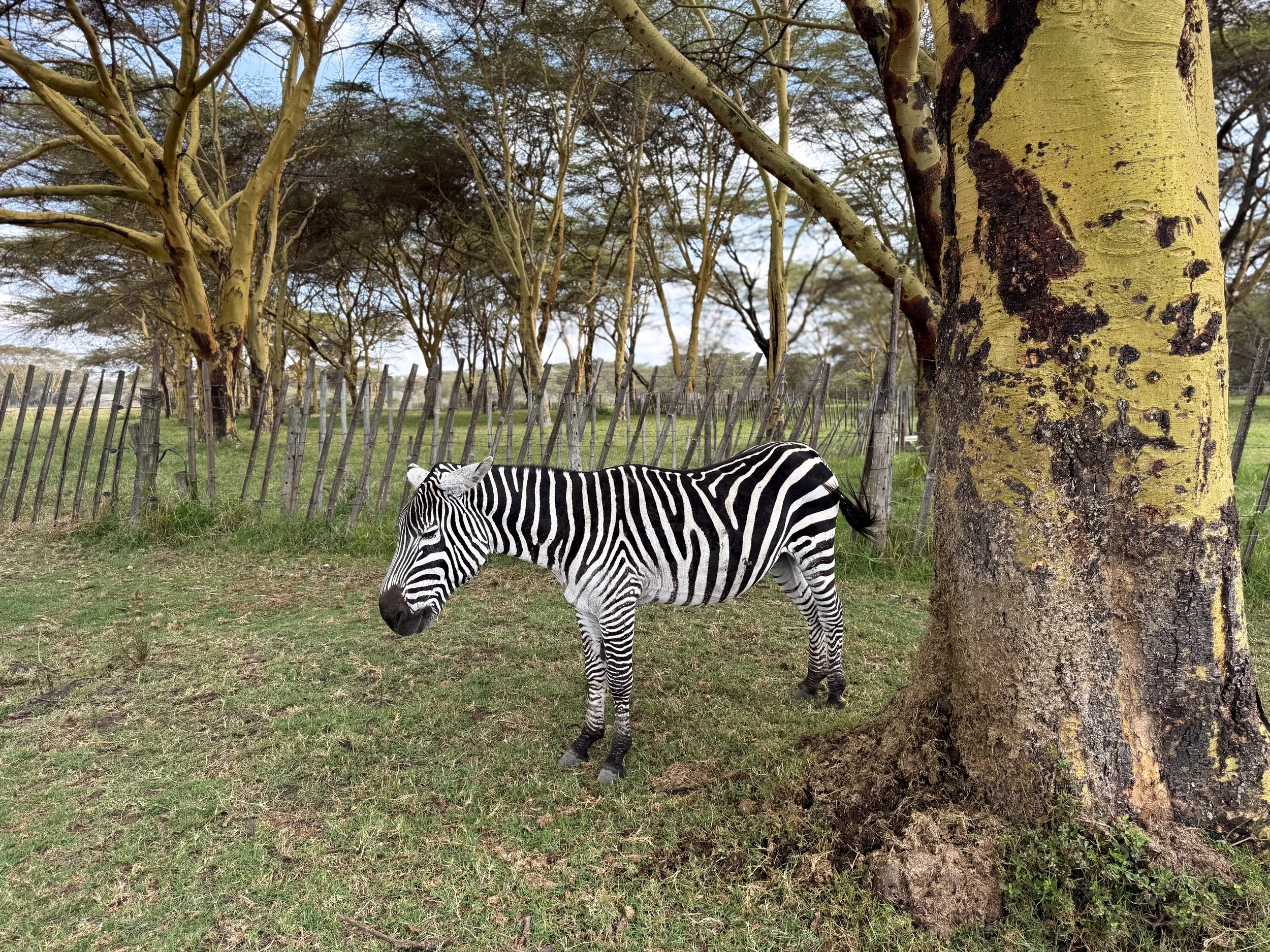
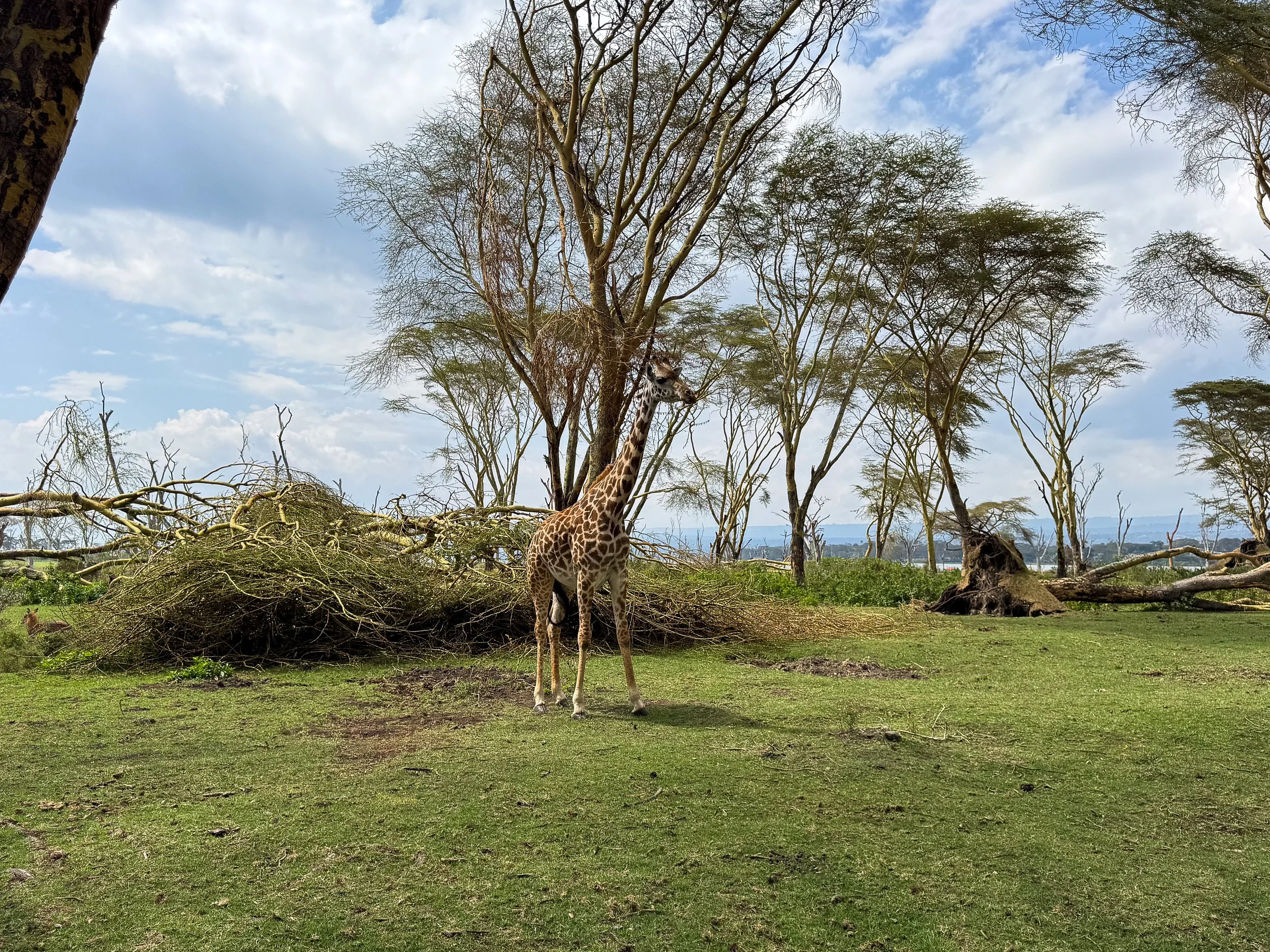
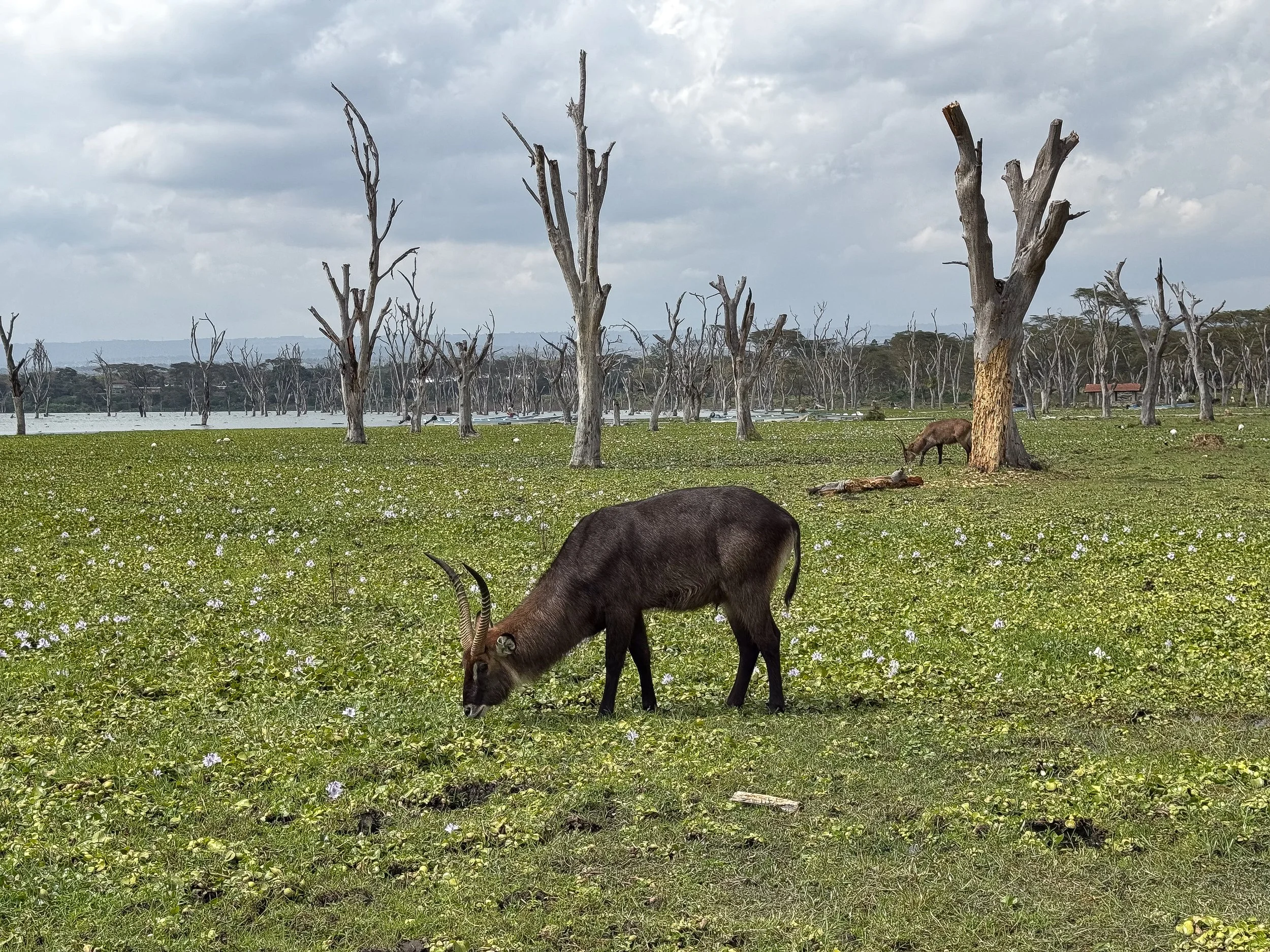
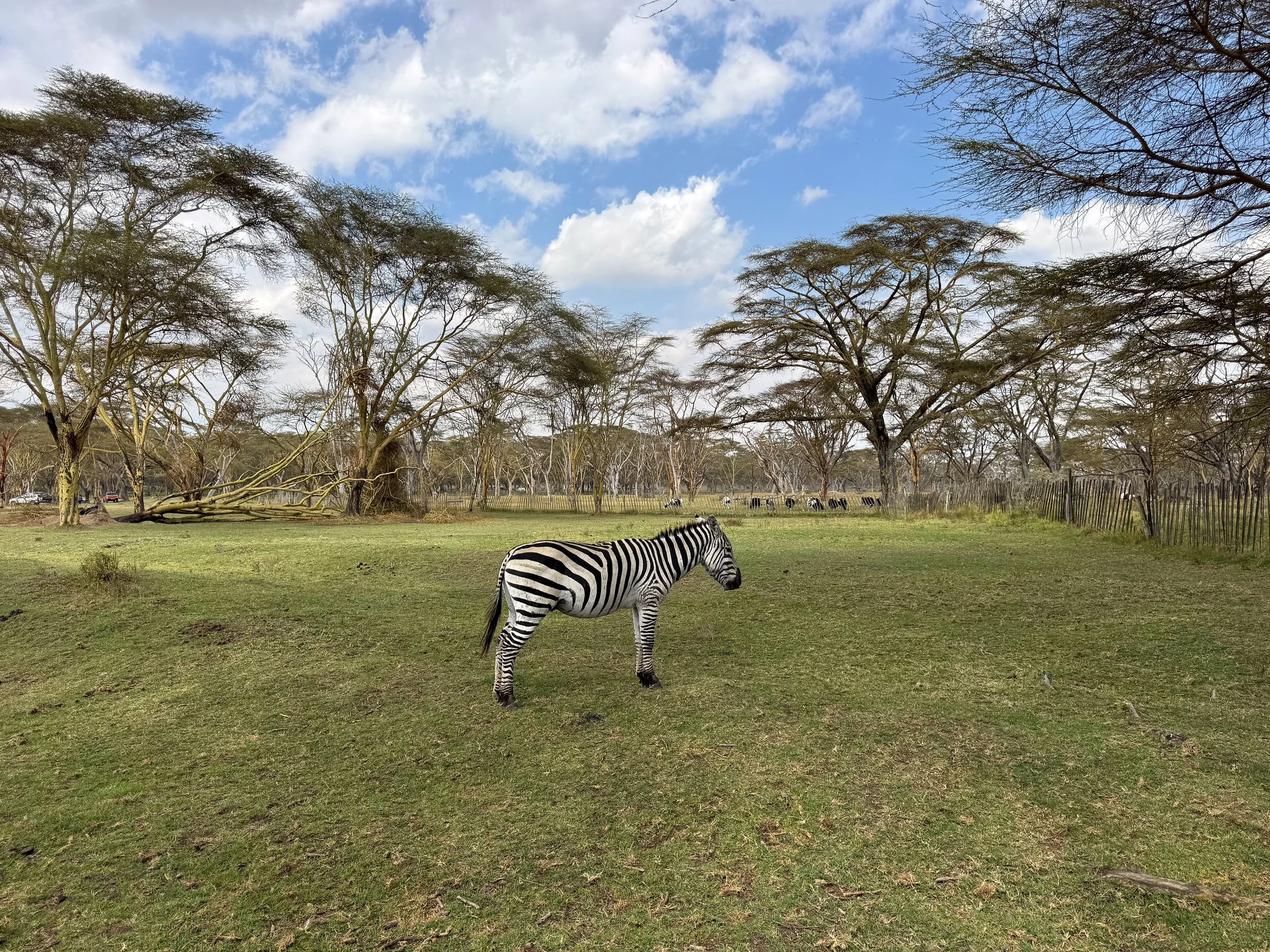
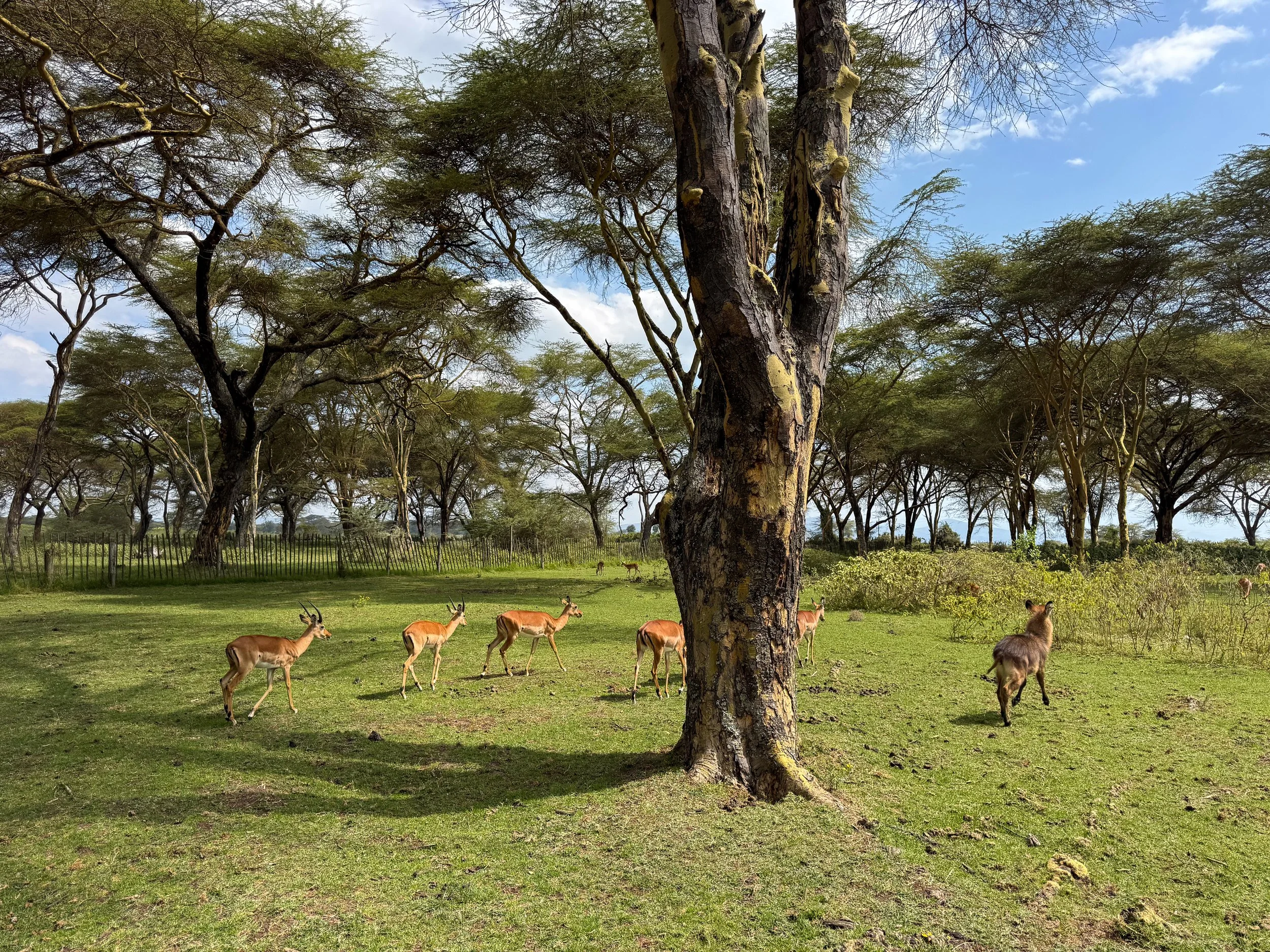
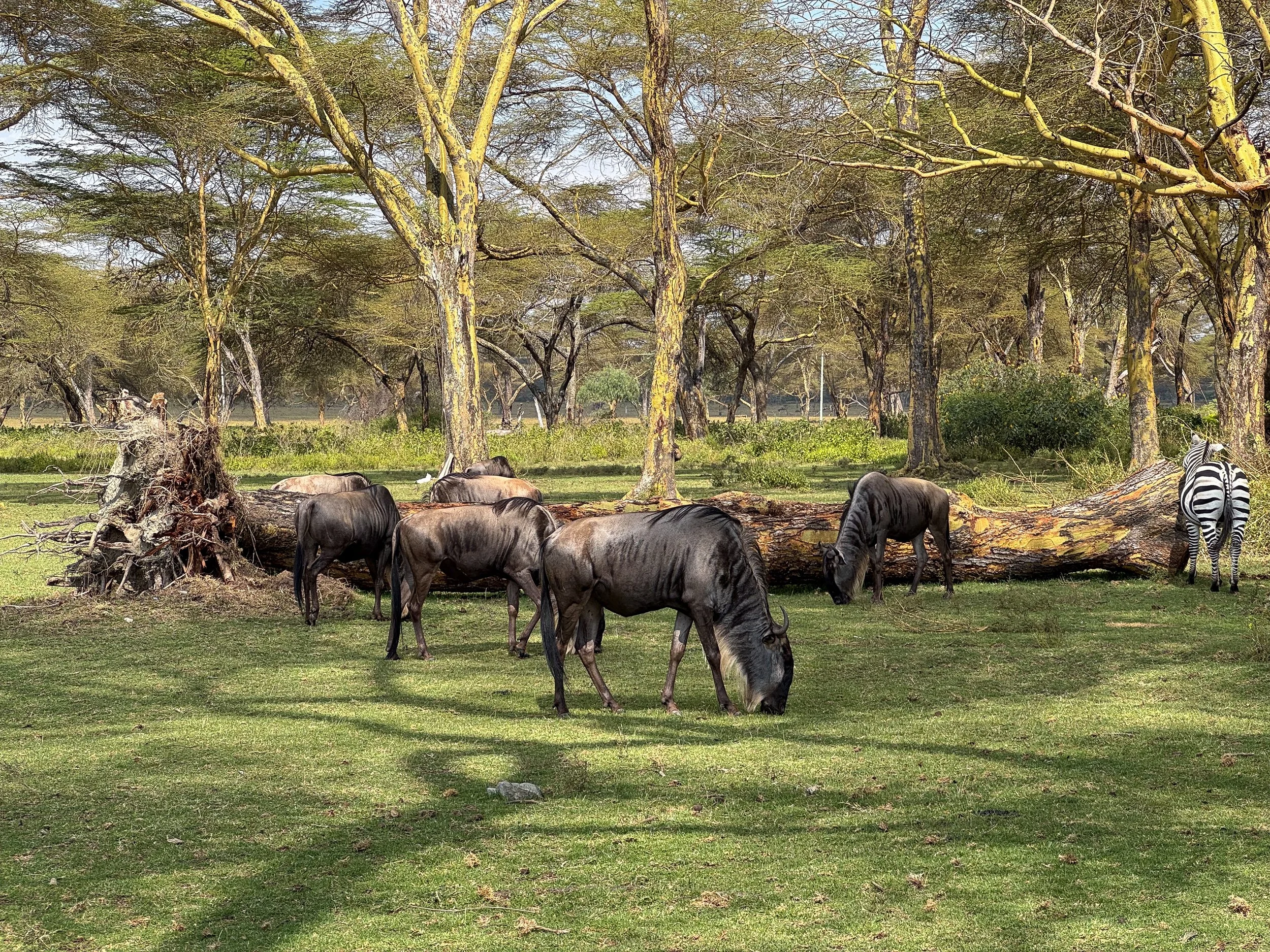
Lake Naivasha Walking Safari. A wildlife reserve encompasses the shores of Lake Naivasha. It’s home to animals found in the Maasai Mara like waterbuck antelope, impala, zebra, wildebeest and giraffe. A walking safari brought us up close to the animals as they grazed. We listened as the exotic sounds of birds sang out around us. The animals are not allowed to be touched or fed in order to keep them wild. Most are even skittish and stray away from humans despite their habitualization.
Amboseli National Park
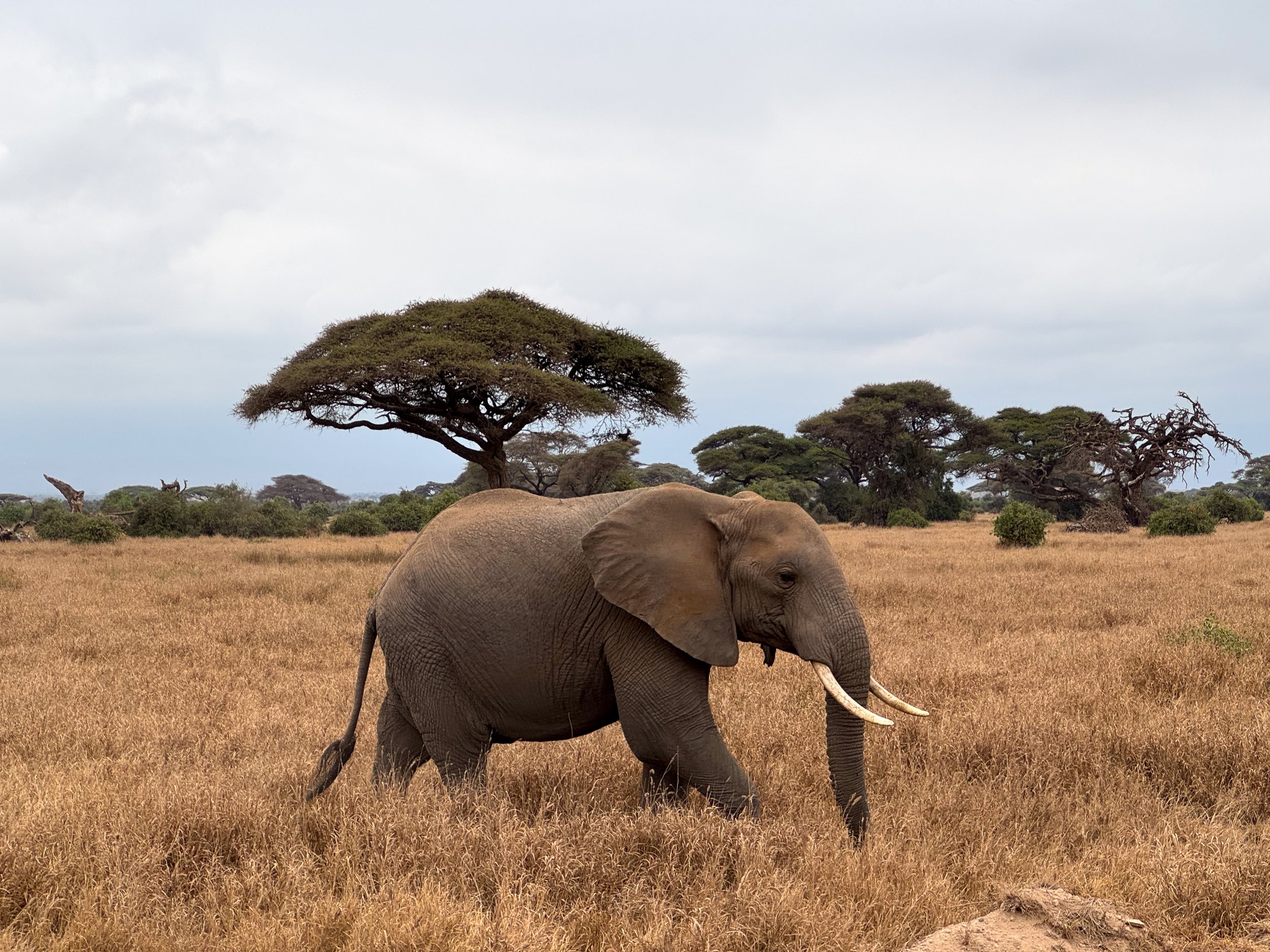
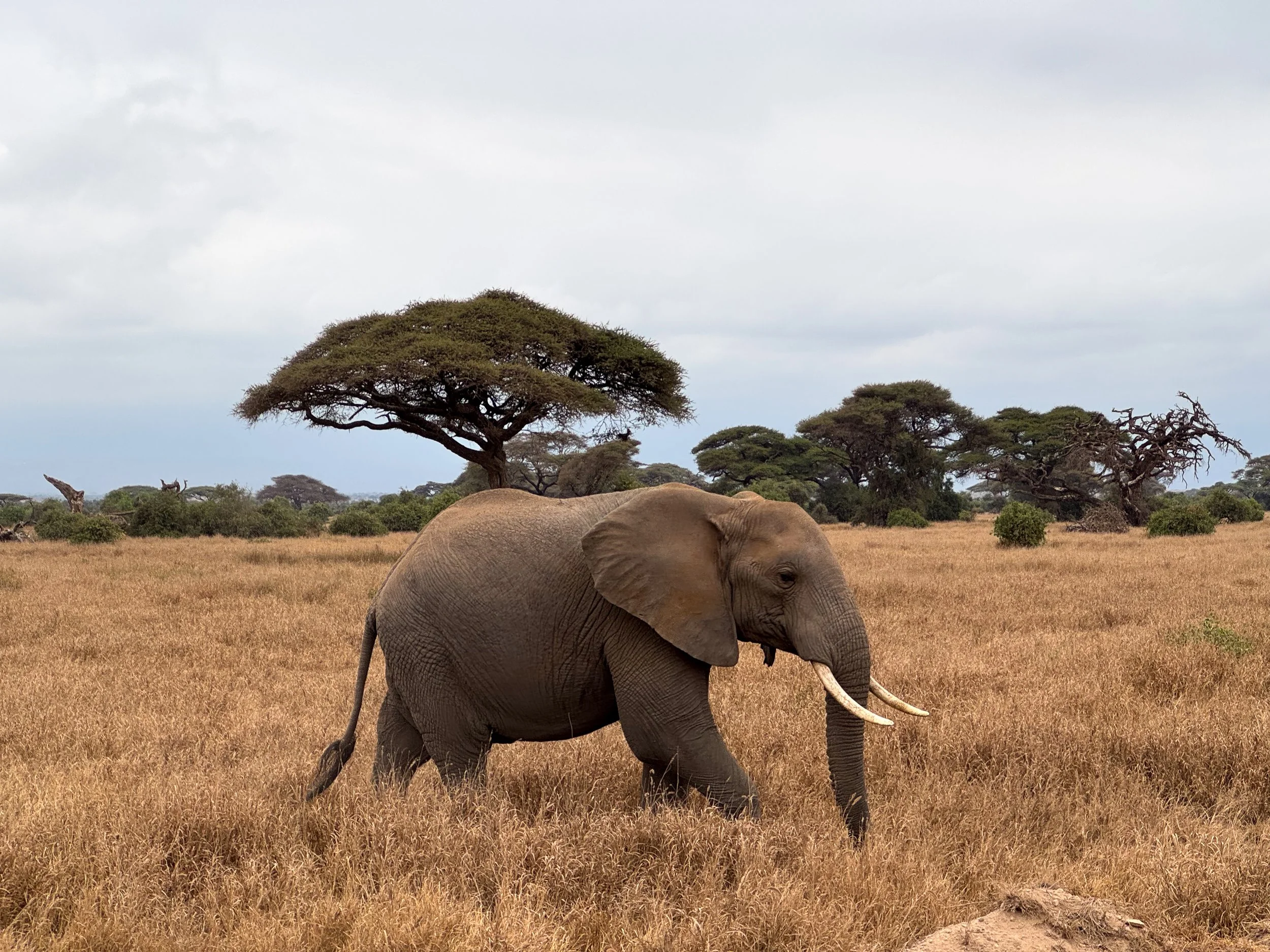
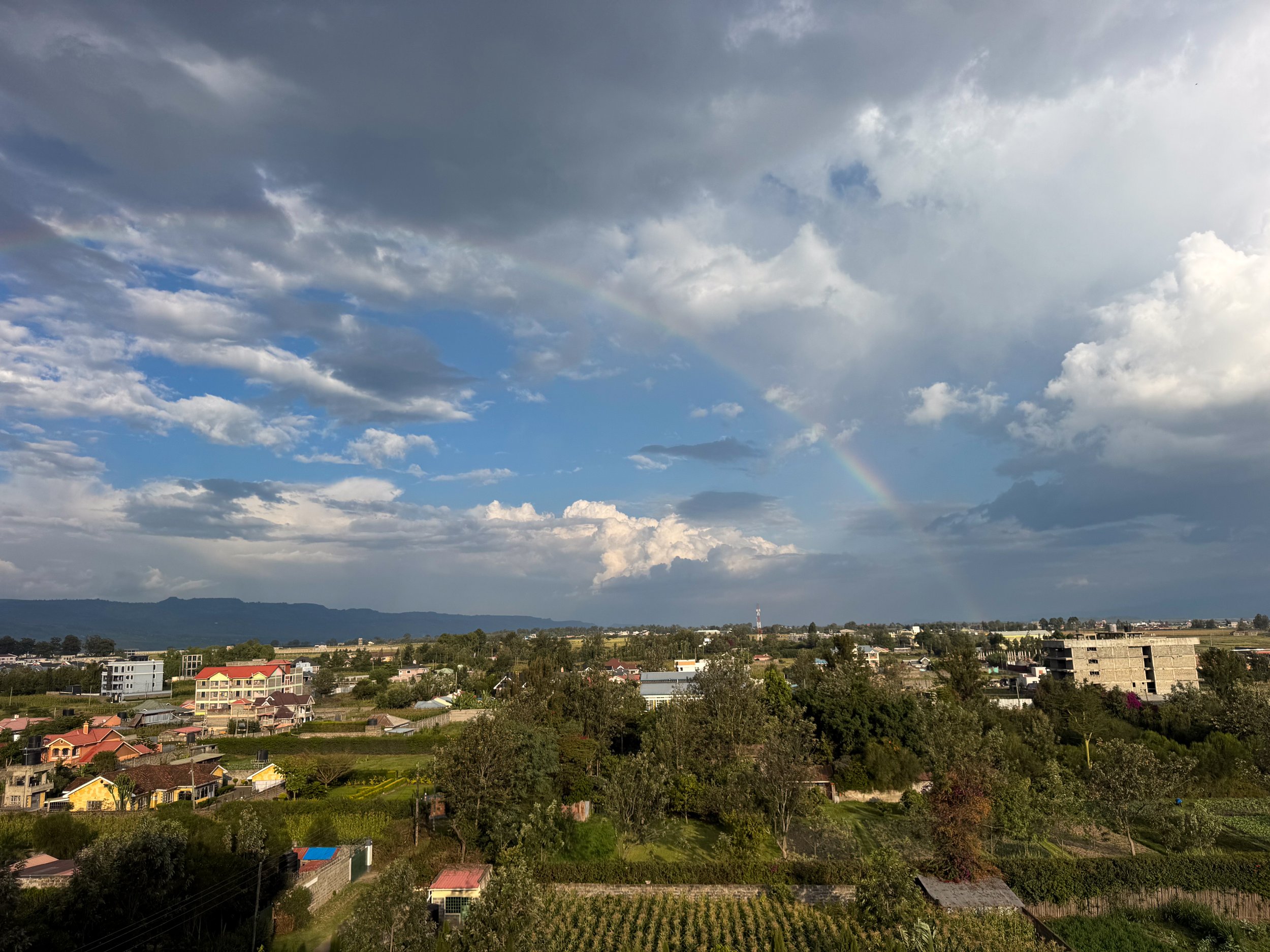
Amboseli National Park is famed for its large population of African elephants, wild game and dramatic landscapes. Its wetlands create a lush oasis and shallow lake visited by elephants and migratory birds. Wild game graze in vast lowlands covered in bush and Acacia trees. Dust devils spiral into the sky across the dry savanna. Clouds completely obscured views of Mt Kilimanjaro.
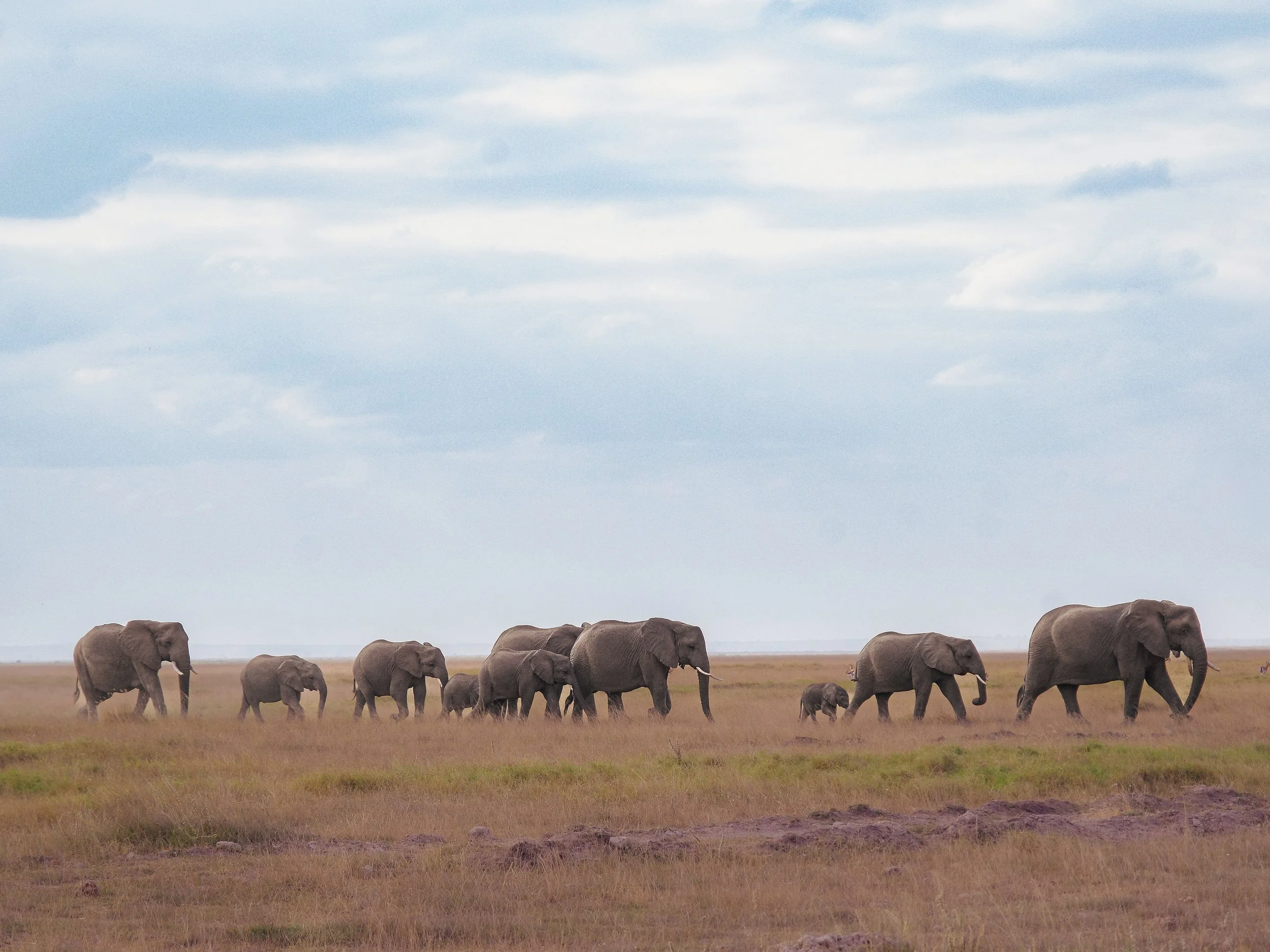
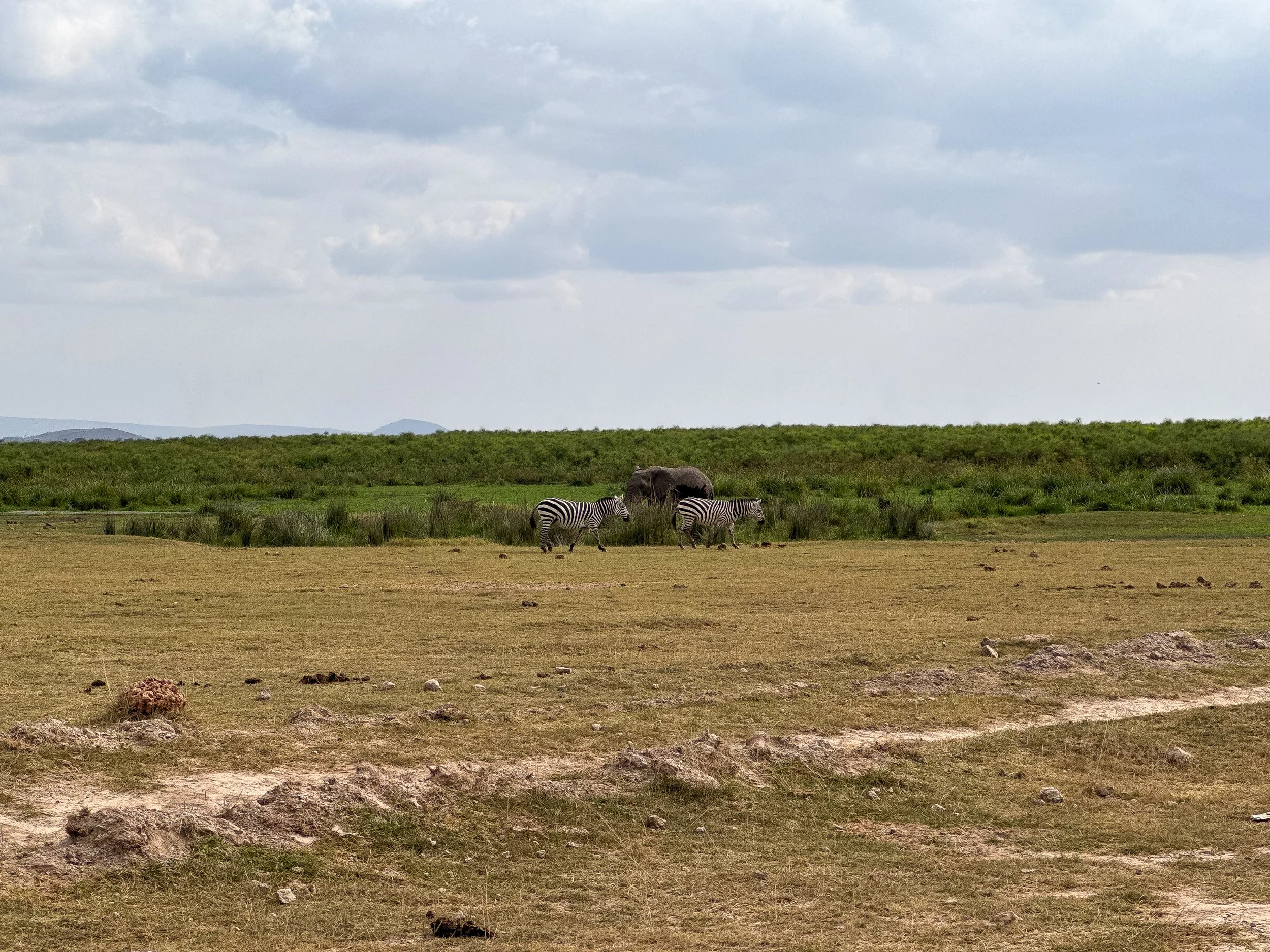
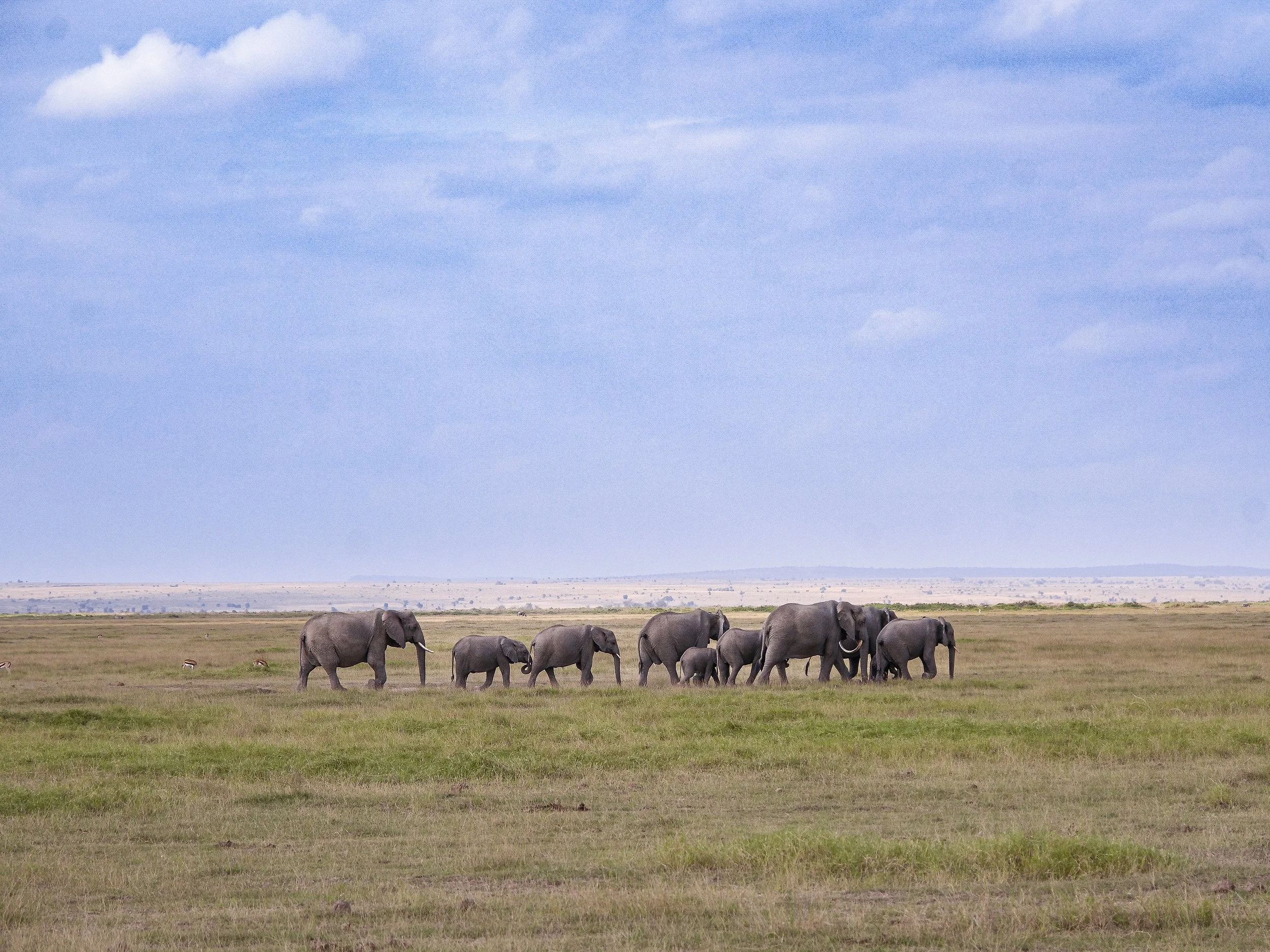
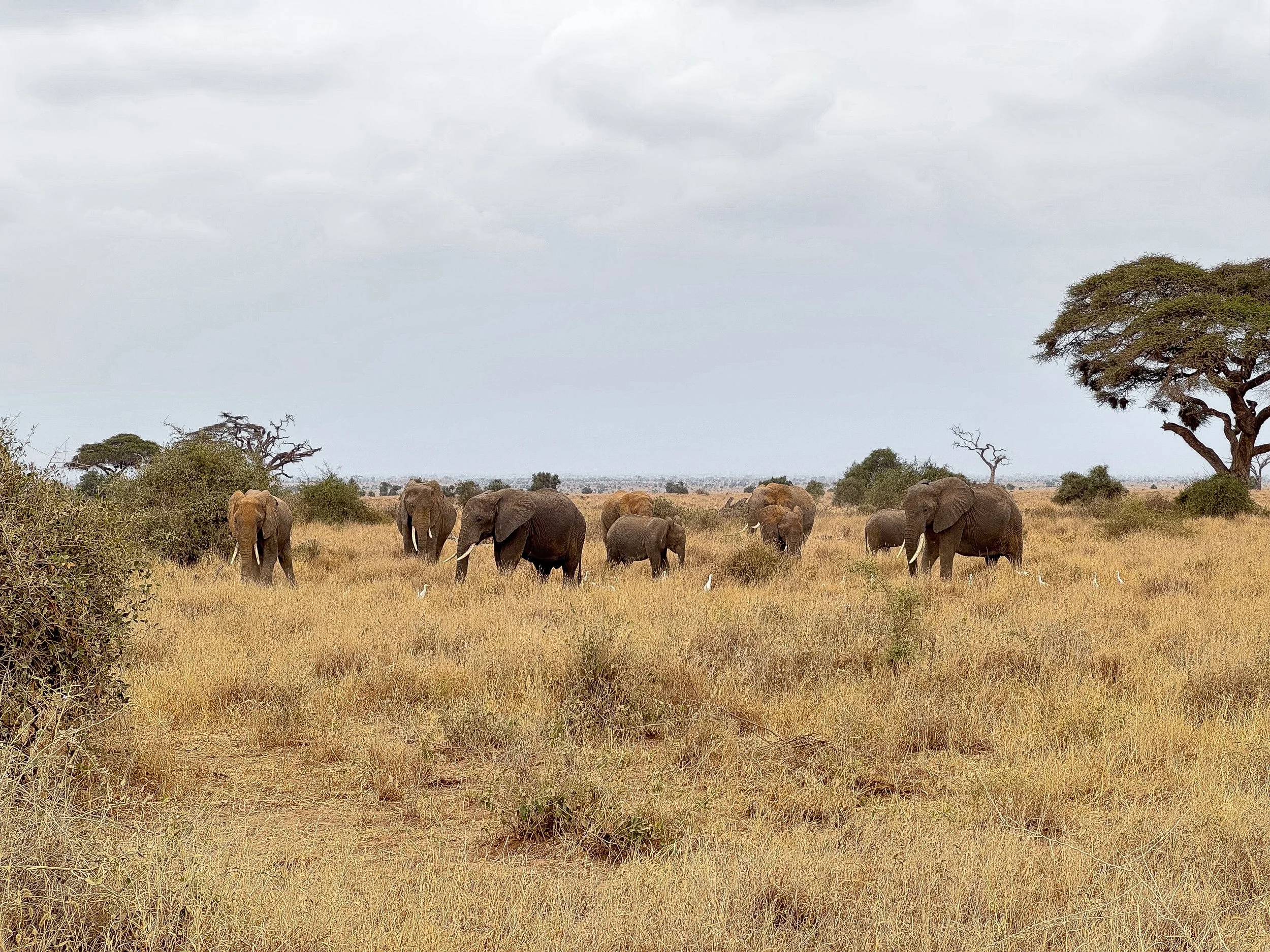
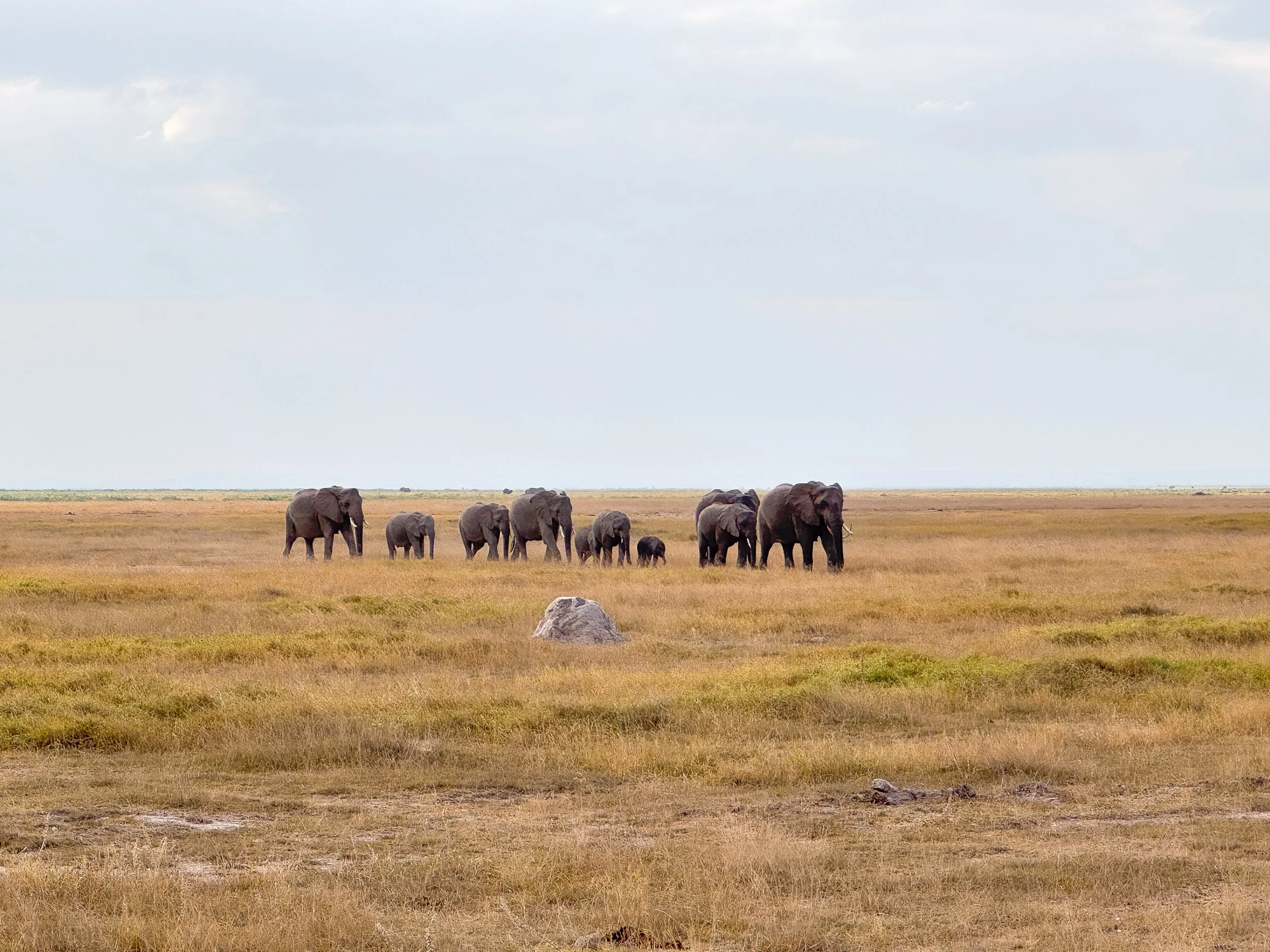
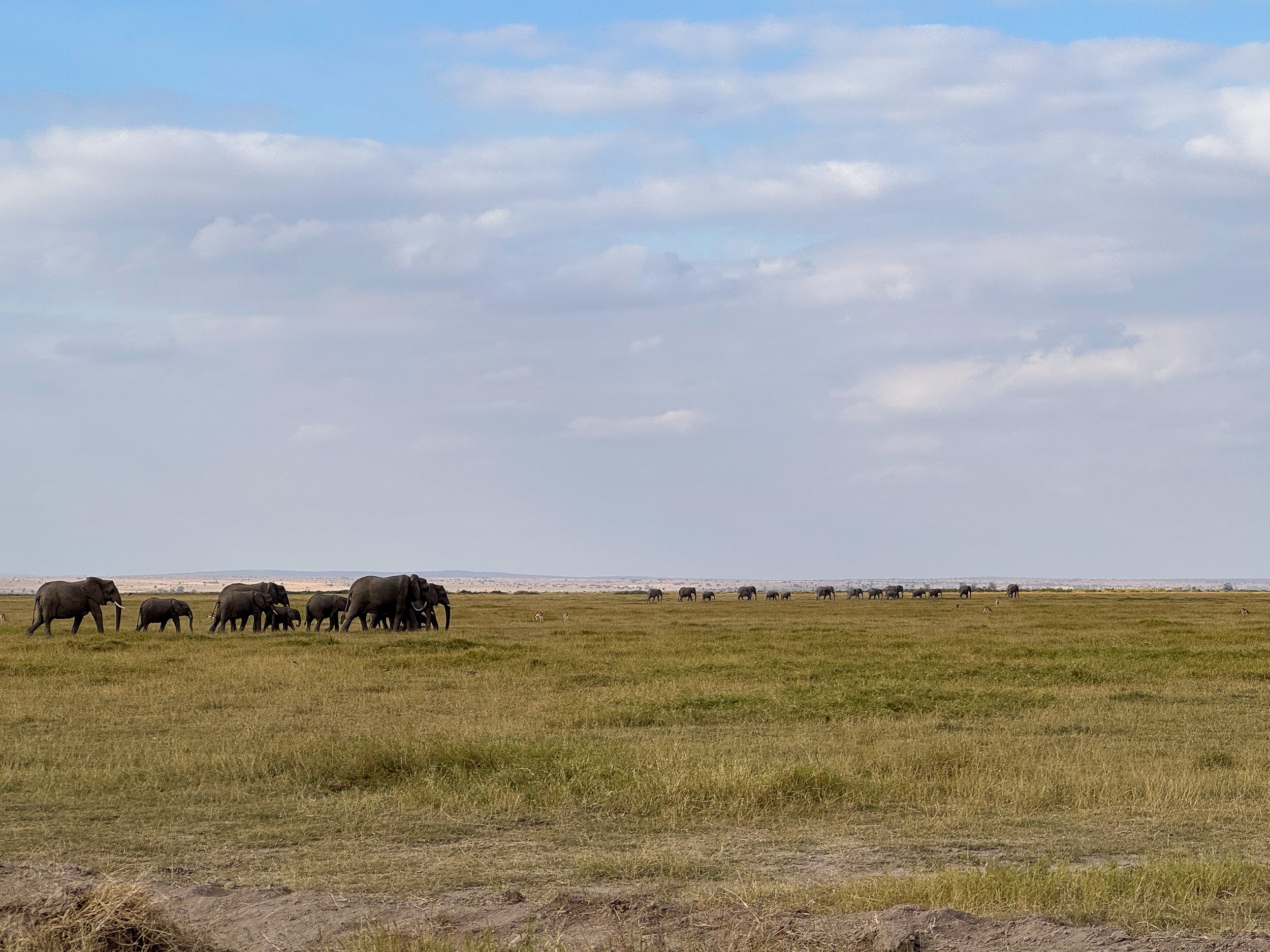
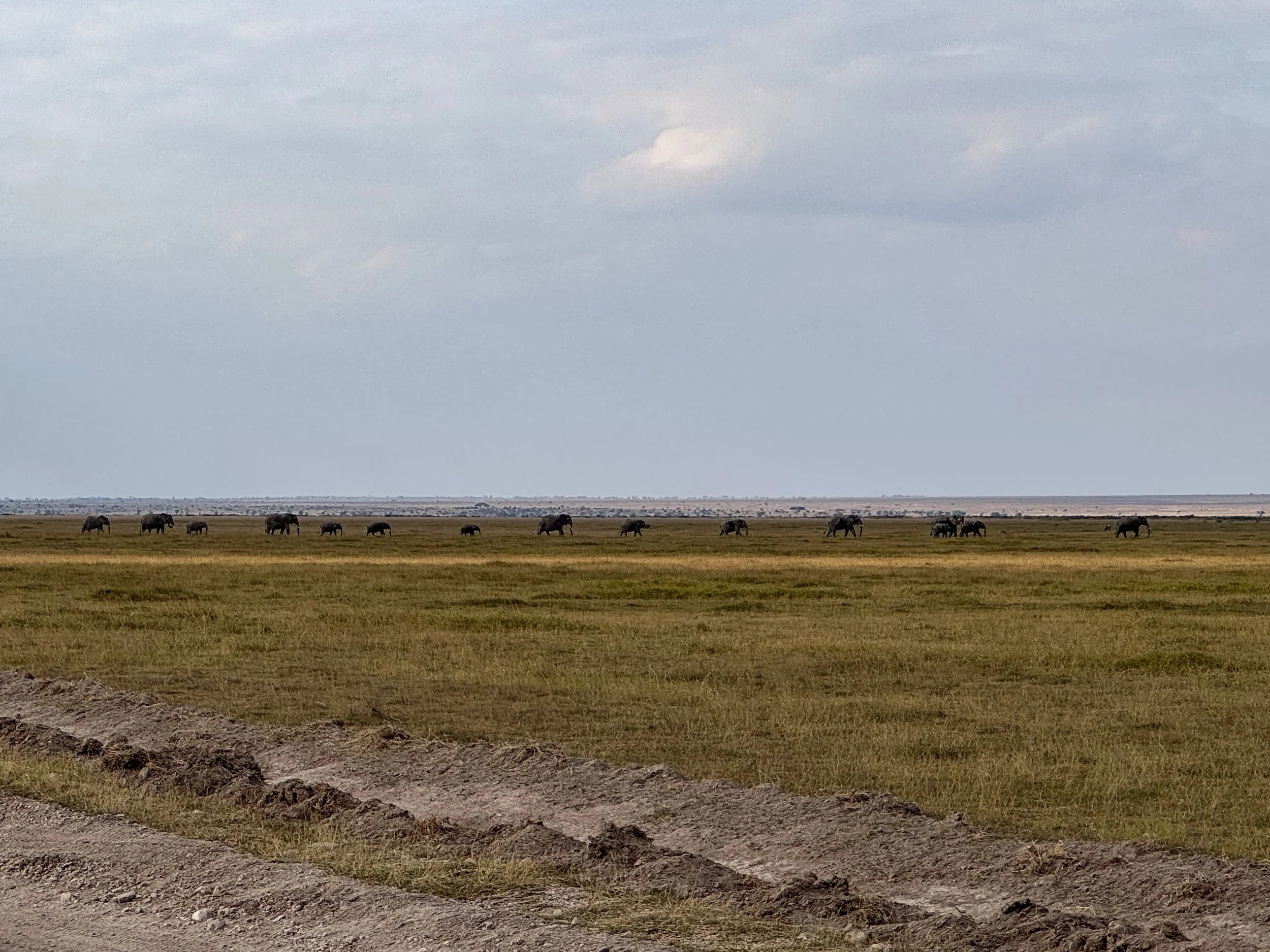
African Elephants. African elephants frequently travel in large groups across the Amboseli. Several parades comprised of the smallest of calfs and the largest of matriarchs marched in lines across the savanna towards a lush oasis. By the mid afternoon, well over one hundred had met to graze, bathe and socialize. A parade of the gentle giants passed closely by us ripping up grass with their trunks, sporting pairs of large white tusks and flapping their giant ears. We even spotted one of the park’s famed “super tuskers,” recognizable by their massive tusks.
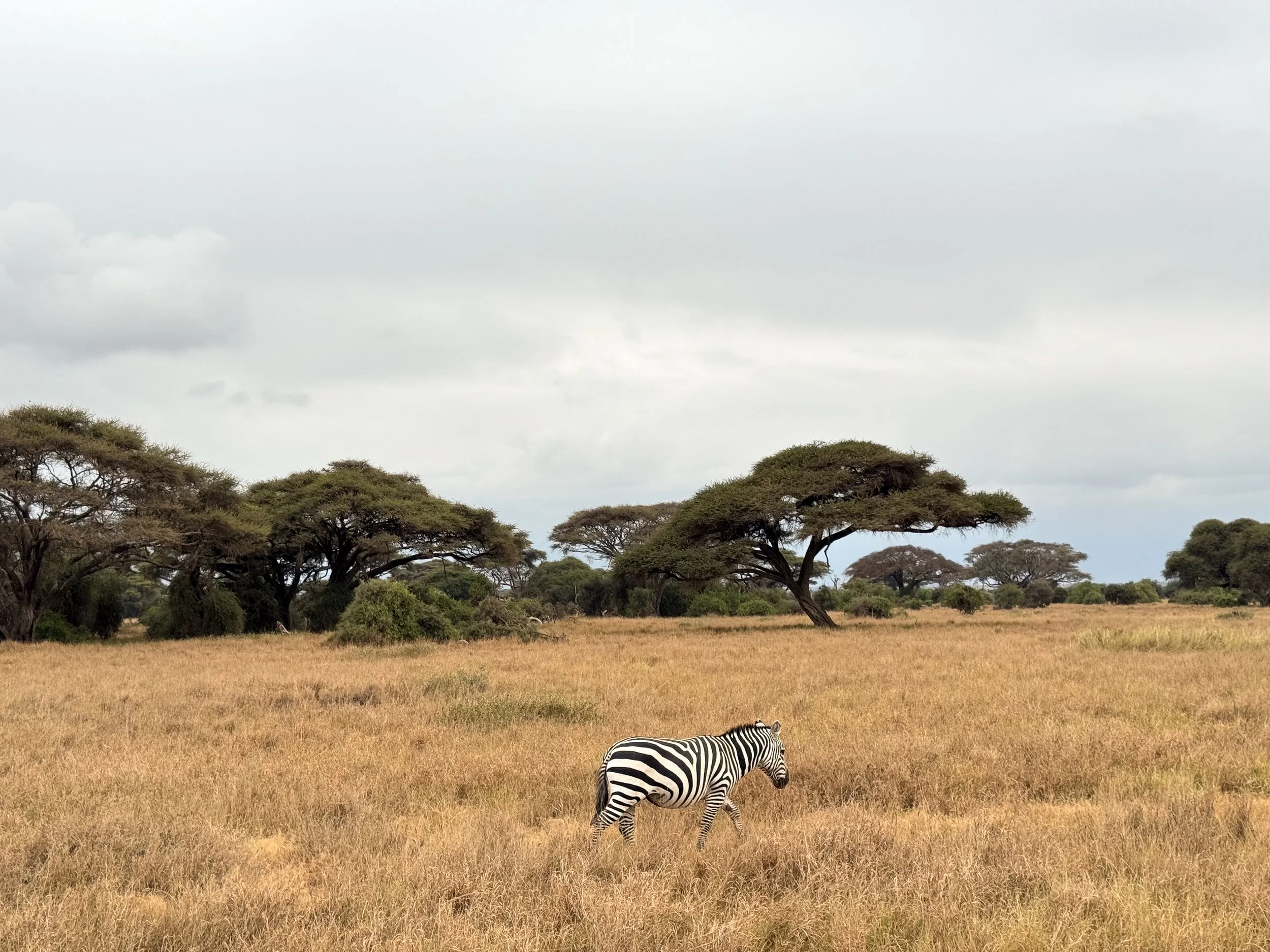
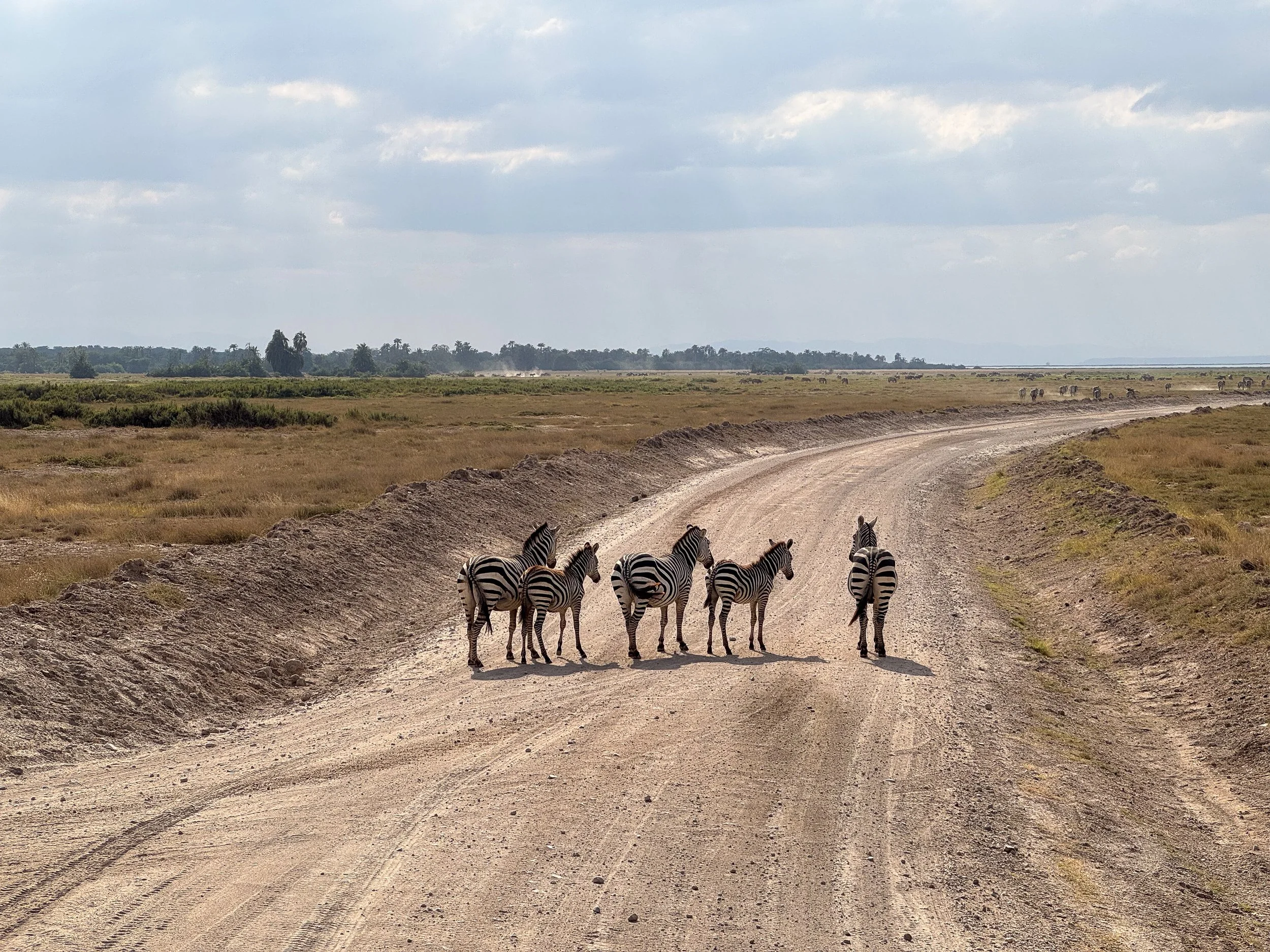
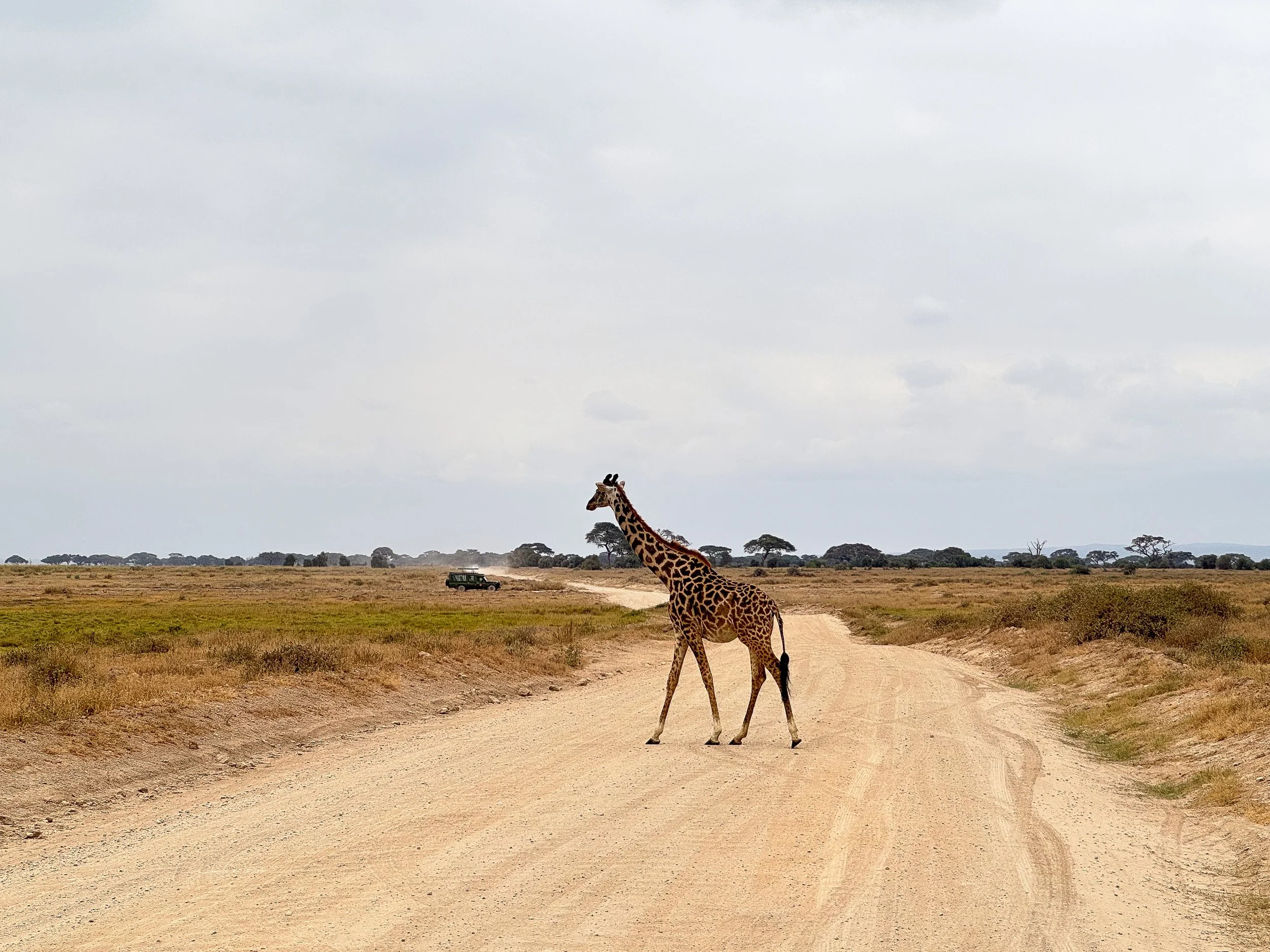
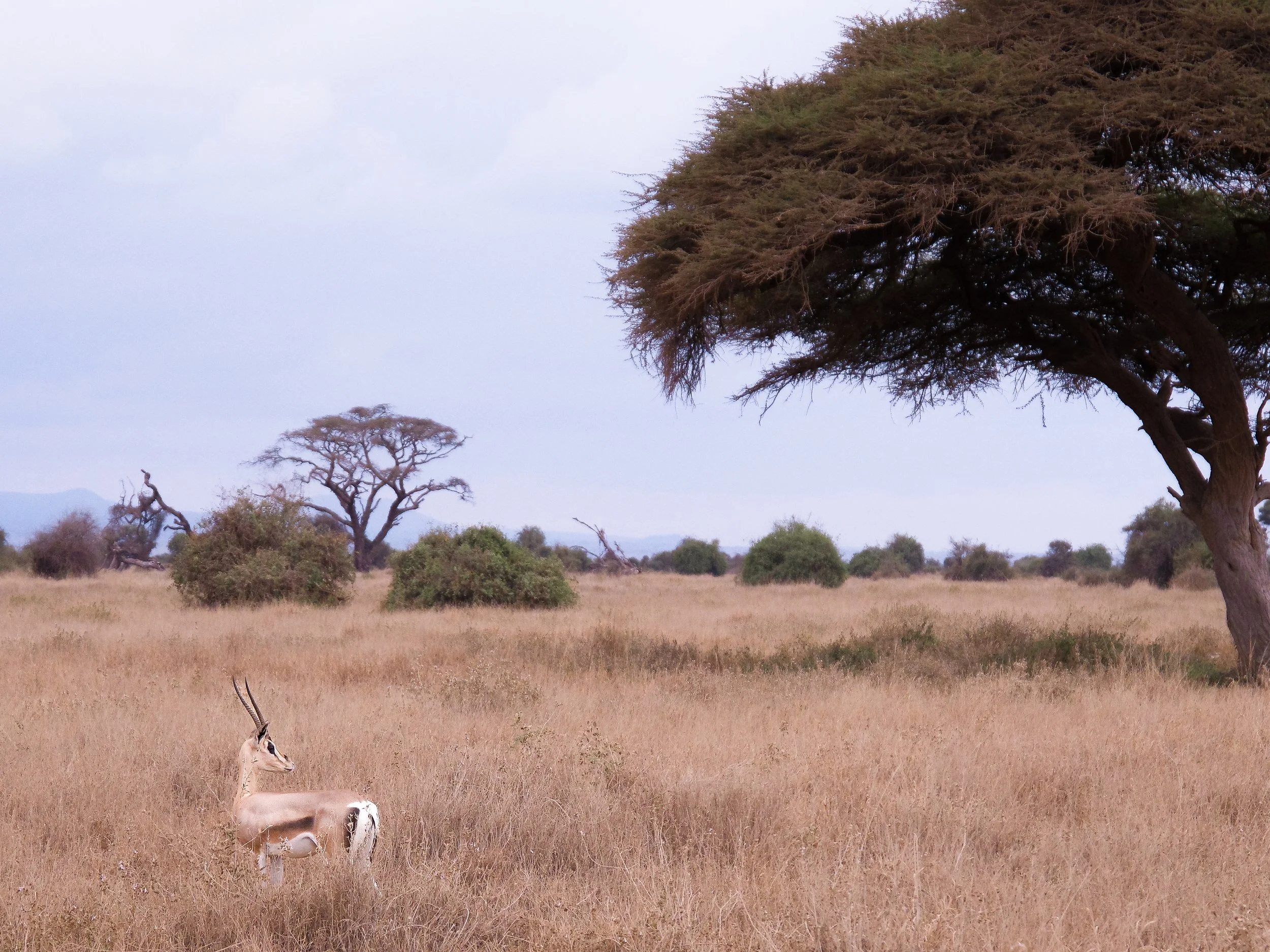
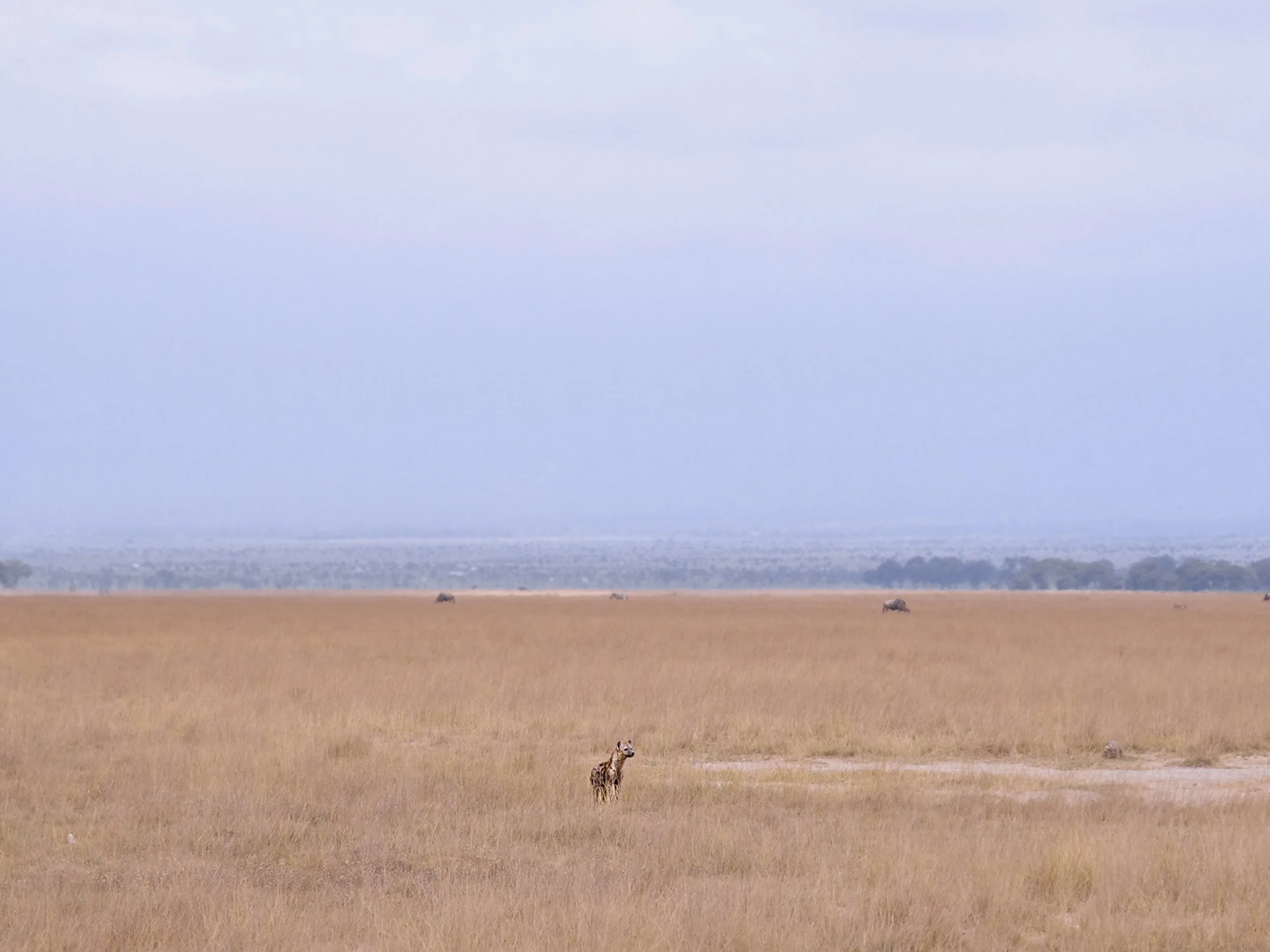
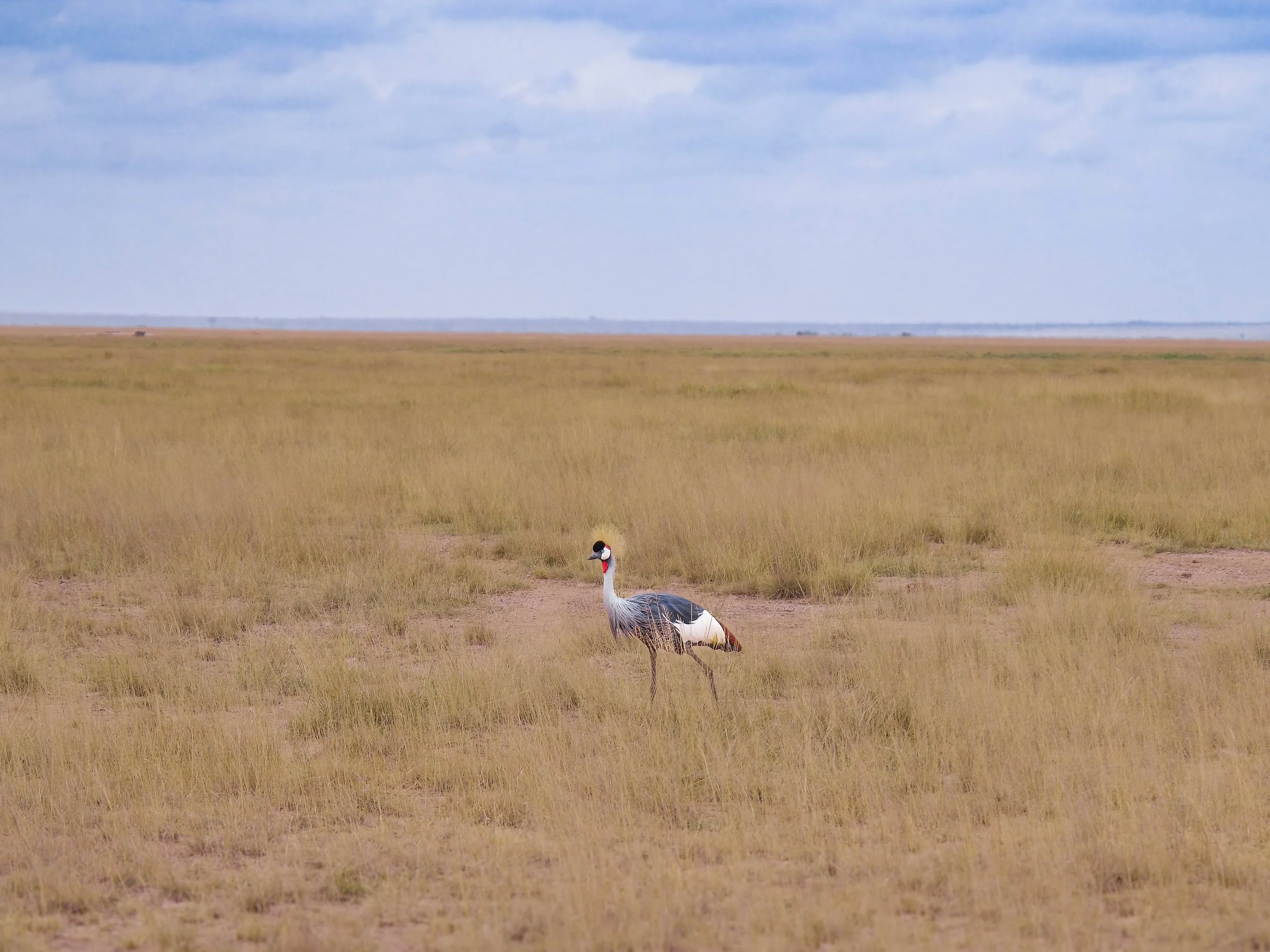
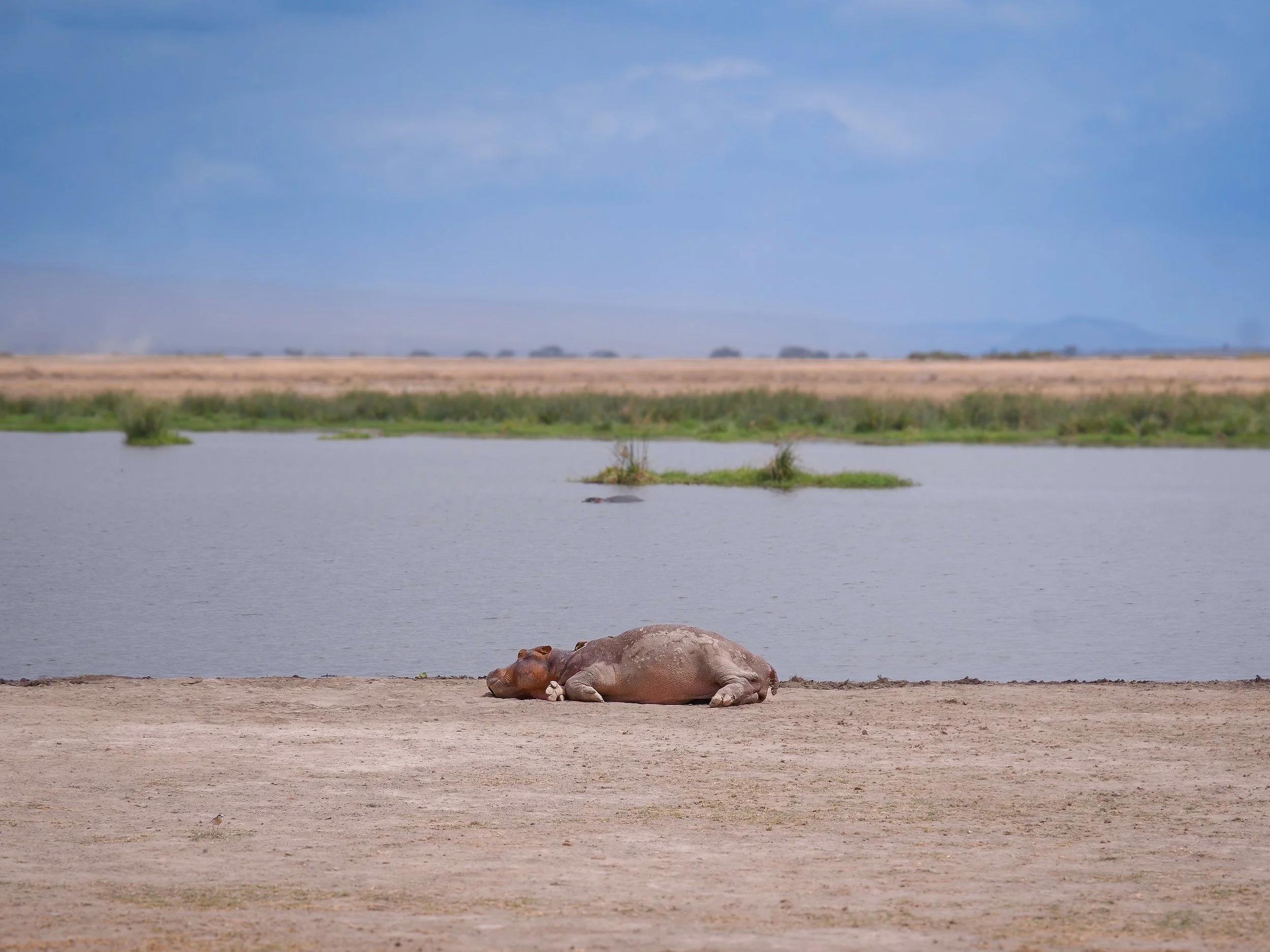
Game Spotting. The expanses of the Amboseli are thriving with all kinds of African animals. Towers of giraffes grazed on trees. Small herds of zebras, wildebeest and gazelle roamed freely. A trio of fearsome lionesses lay in the grasses as cautious zebras passed by. A pair of jackals chased away an impala. A serval sprinted quickly past. Ostriches strut across the savanna like giant feather dusters. Warthogs scurried together in the bush. Two sleepy hyena woke from their den to look around.
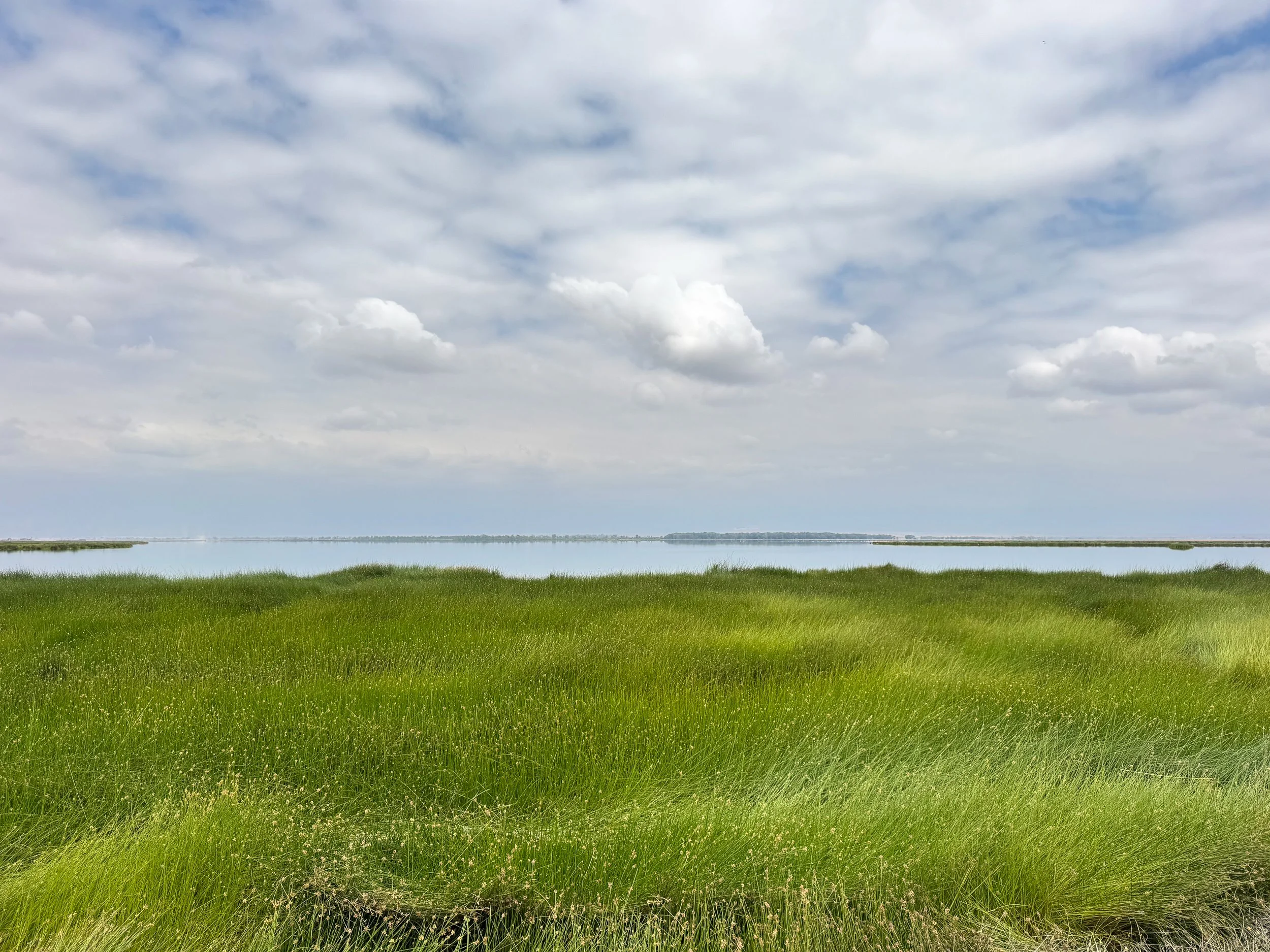
Wetlands. The wetlands of the Amboseli are a gathering place and a habitat for birdlife. At their center is a mirror-like lake surrounded by lush grasses where flocks of pink and white flamingos gather. Storks, herons, cranes and hamerkops hunt for fish in narrow streams. Hippos bathe in watering holes and lounge along the muddy shores.
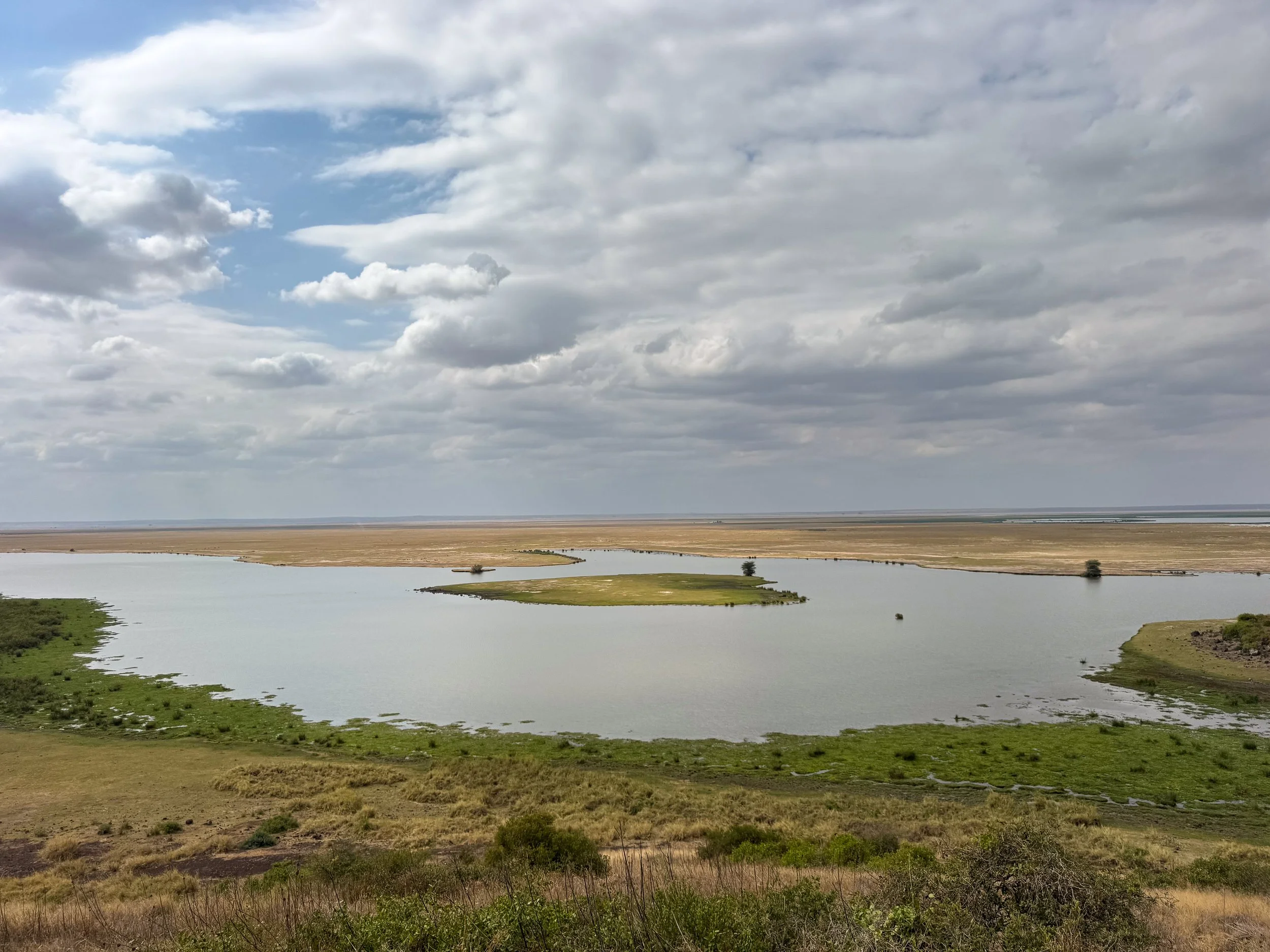
Noomotio Observation Point. A panoramic lookout on an extinct volcano with views of the wetland, savanna and on a clear day, Mt. Kilimanjaro. Wildebeest and zebra roam freely around the slopes while elephants march in the distance. A short trail leads to a picnic area at the top with beautiful starlings and canaries chirping in the bushes.
Guides. The Amboseli can can be visited without a guide or 4x4 vehicle. We visited with a guide, included in our multi day safari.
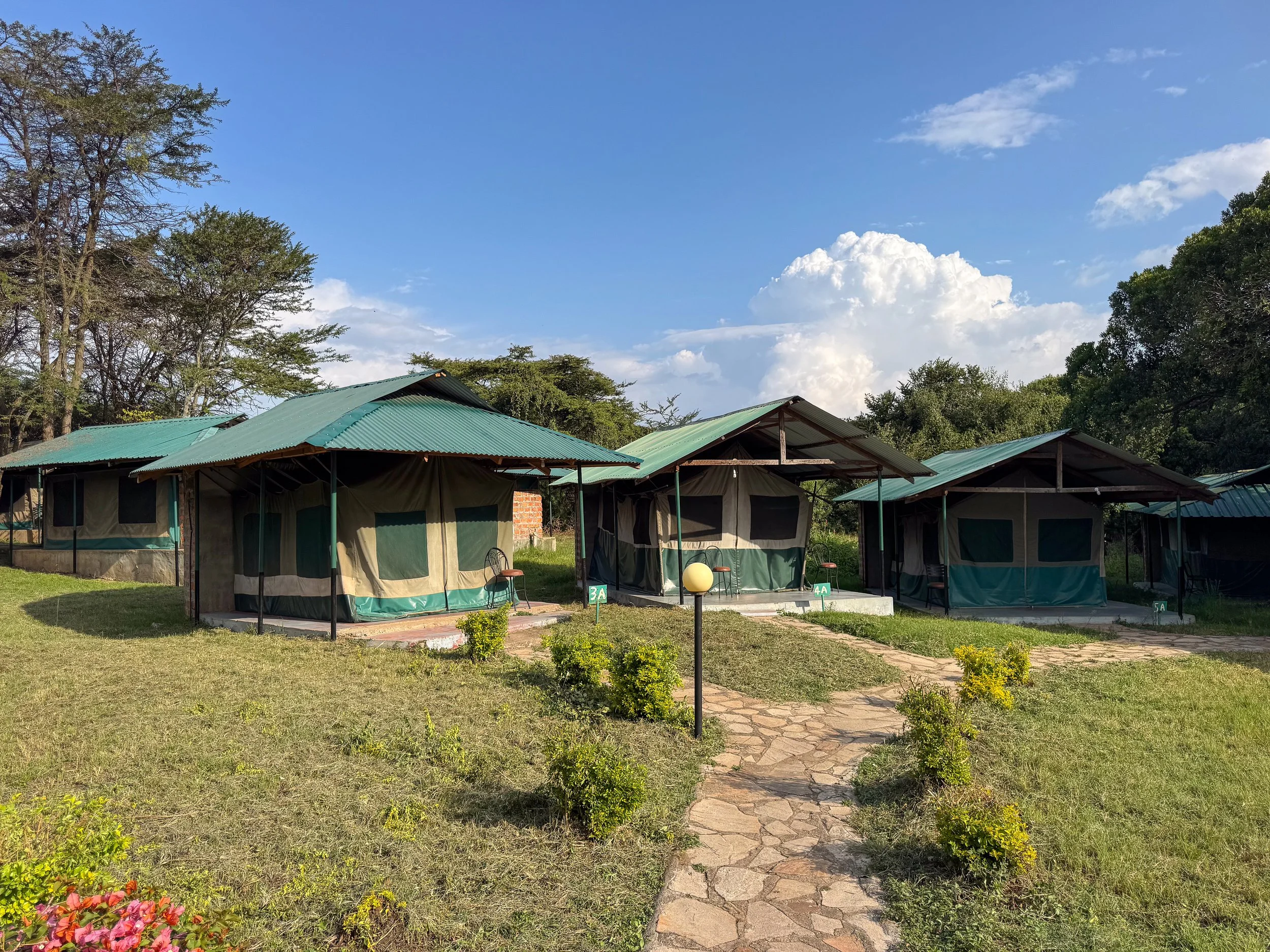
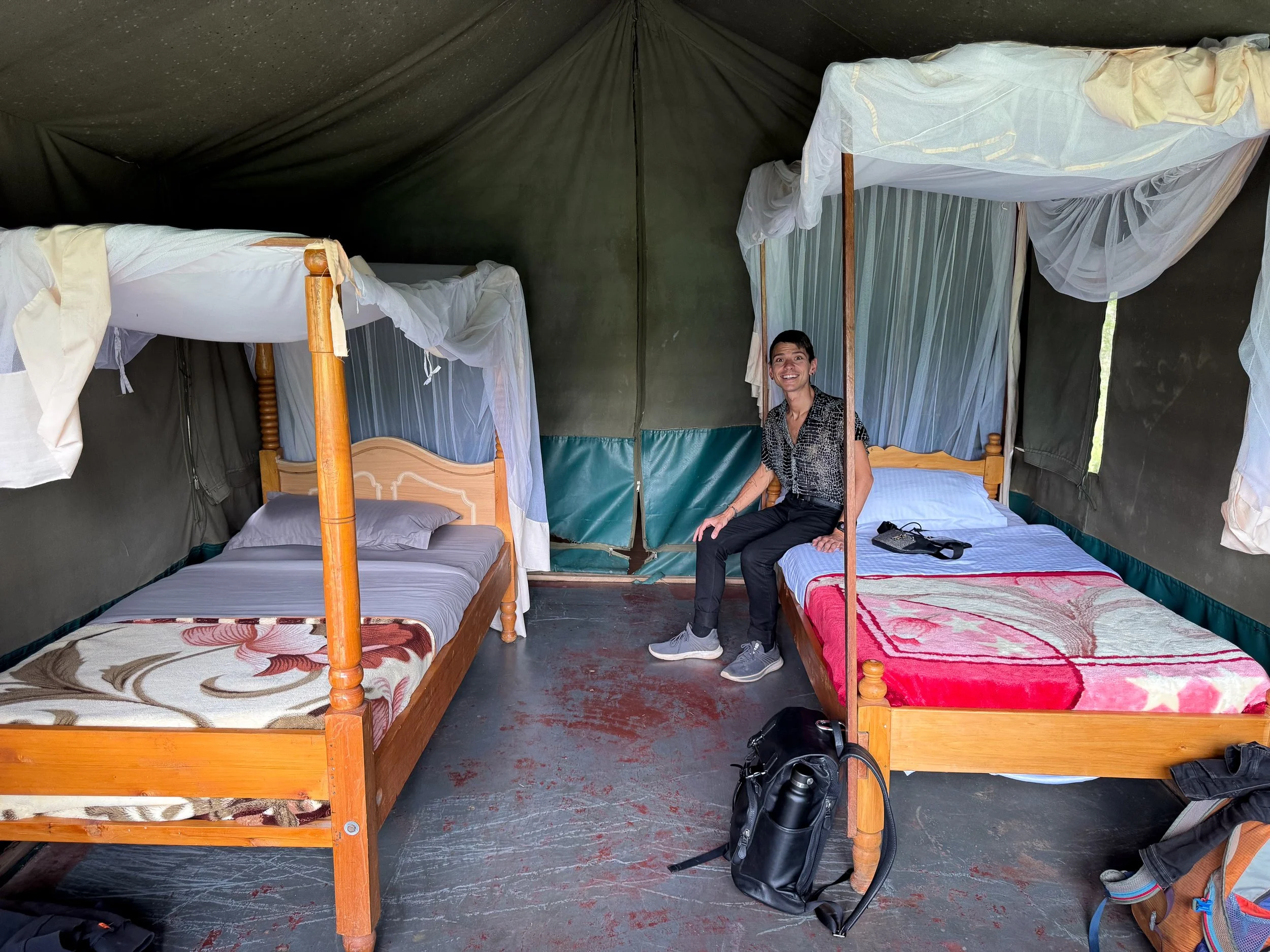
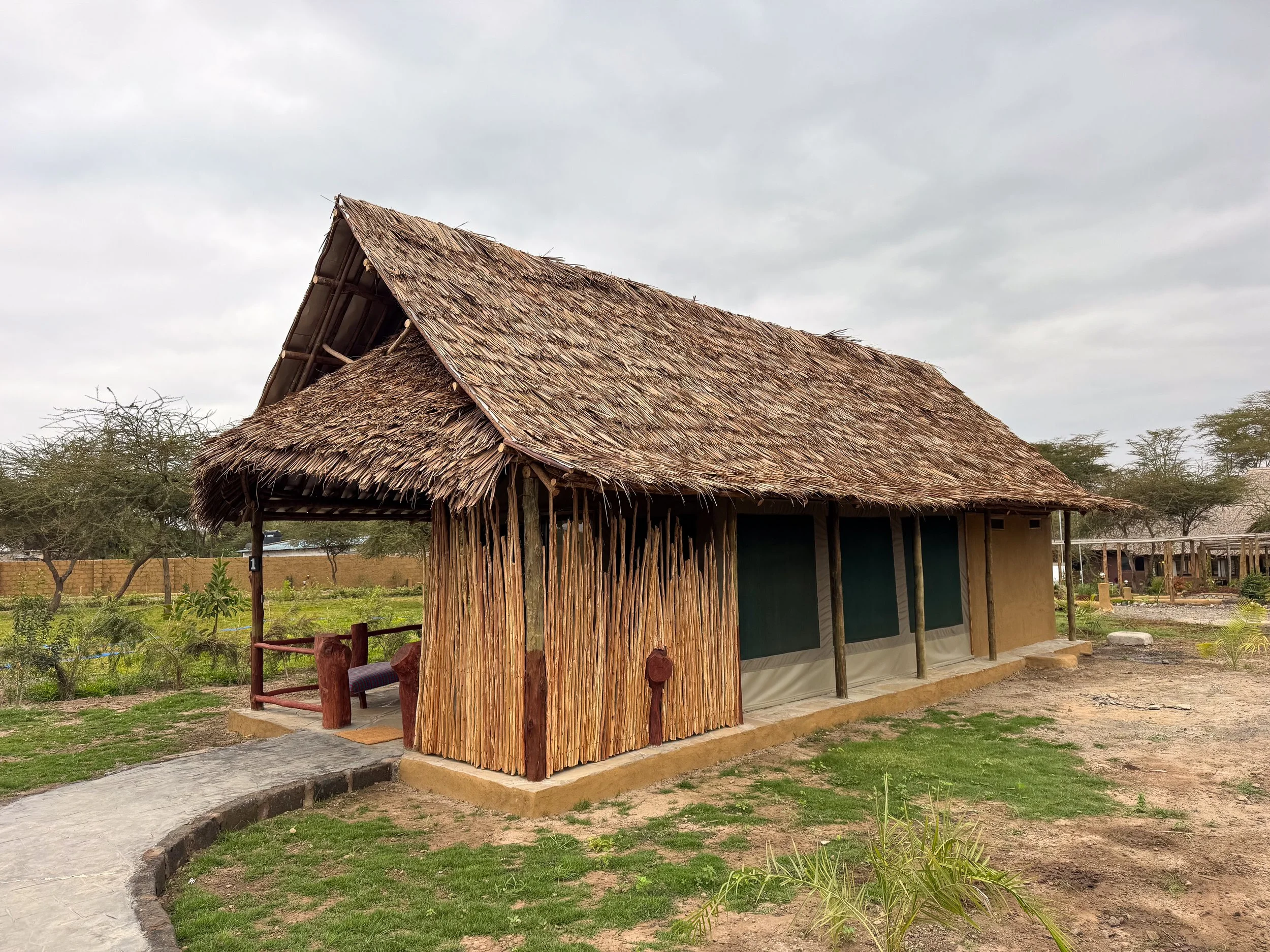
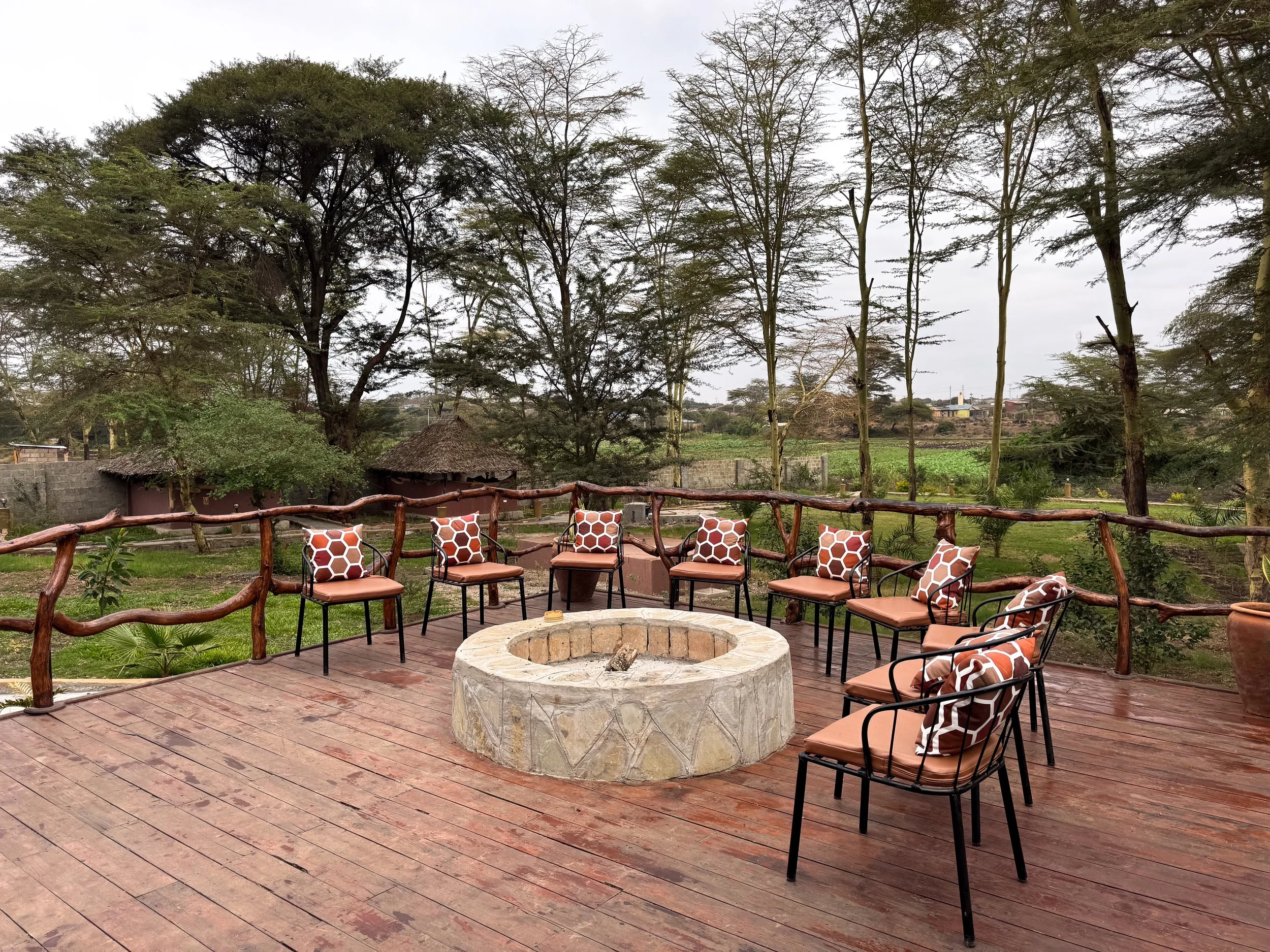
Safari Camps & Hotels
We spent the 6 days of our safari, migrating between campsites and and hotels nearby the national parks and nature preserves.
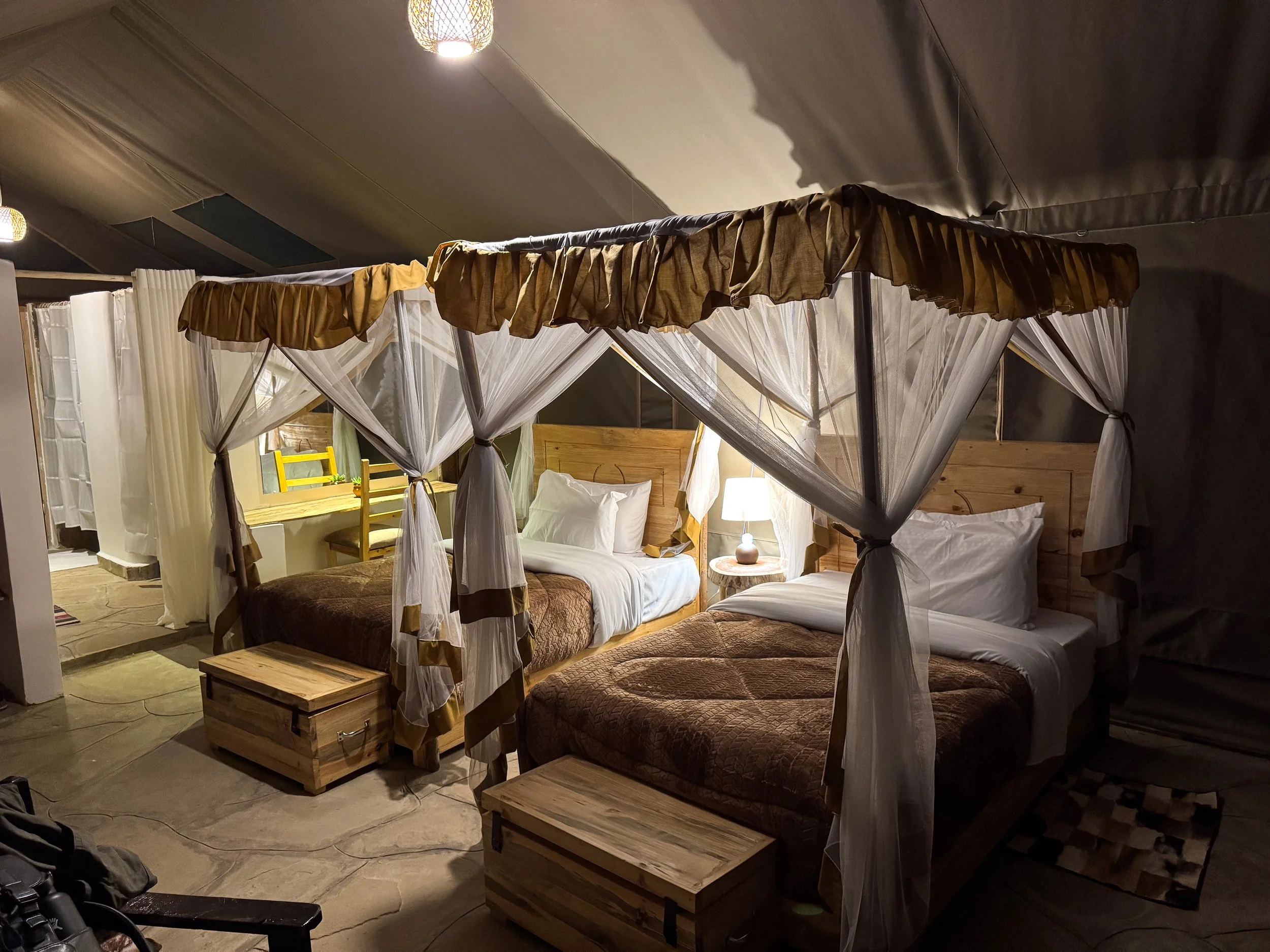
Miti Mingi Eco Camp. A safari camp on the edge of the Maasai Mara National Park with a few dozen walk in style tents. Each tent is equipped with beds, mosquito nets, electricity, running water and restrooms. A dining hall offers buffet meals, local beers and Kenyan tea. We stayed here the first two nights of our safari.
Hunters Luxury Manor Amboseli. A luxurious safari camp with spacious canvas tents, an outdoor swimming pool, a communal dining area and bon fire pit. The tent’s interiors are furnished wooden furniture, mosquito netted beds, cow hide rugs and a free standing soaking tub. Outside is a cozy patio and an outdoor shower. The manor offers full room and board.
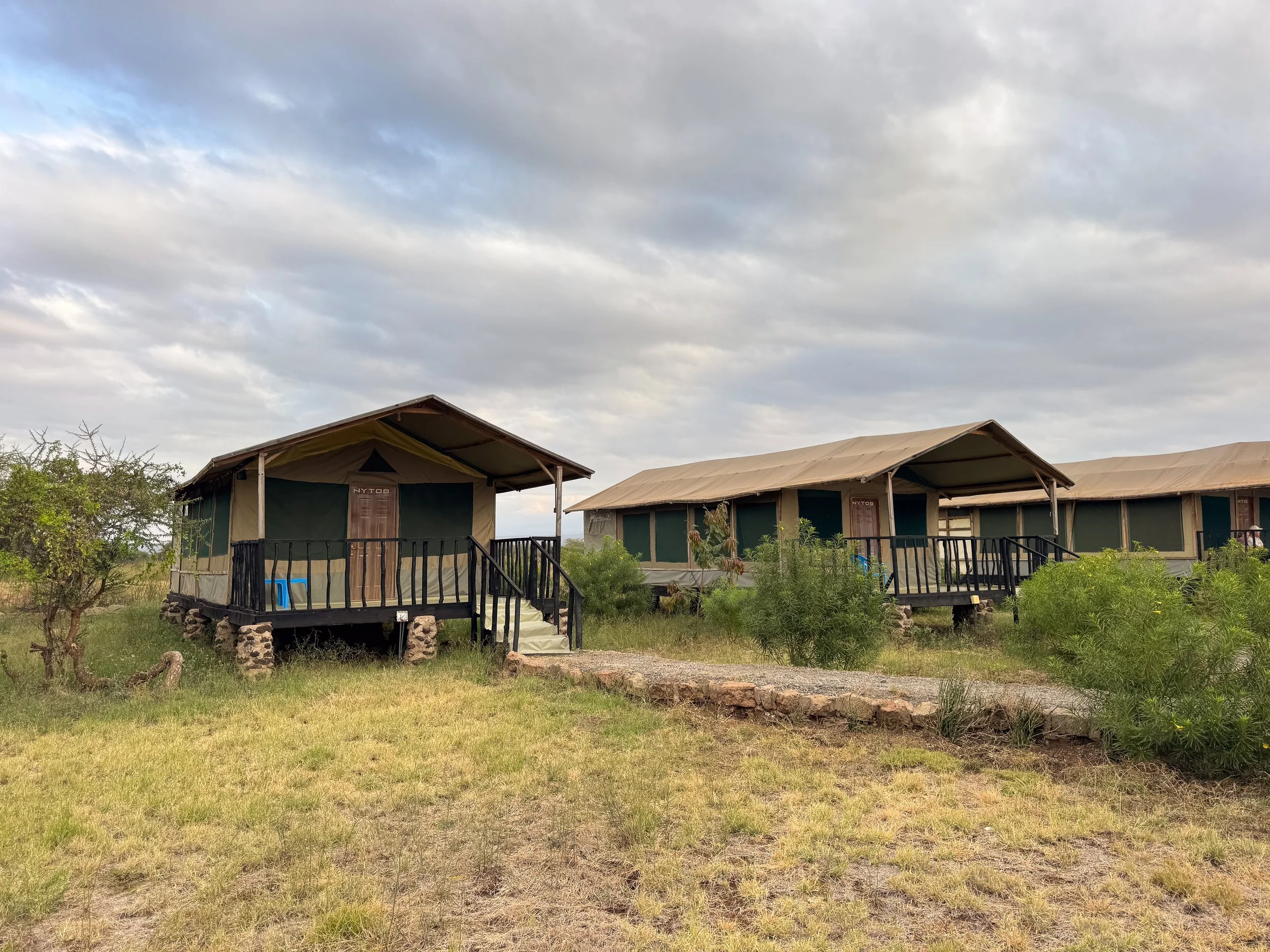
Nyati Safari Camp. A budget safari camp near the entrance of Amboseli National Park. They offer a range of accommodations from motel style rooms to semi luxurious tents. Buffet breakfasts and dinners are provided along with packed lunches for full day game drives. There are evening bonfires and morning nature walks.
Buraha Zenoni Hotel & Resort. A hotel nearby Lake Nakuru with decent rooms, a roof top restaurant and bar, an outdoor pool and evening Maasai dance performances. Their buffet meals included a mix of Kenyan cuisine and western dishes. We stayed here for one night while exploring lake.
Safari Tips
4x4 Vehicle. Only book a safari with a 4x4 Land Cruiser or Jeep and pop up roof. They’re the only vehicles that can handle the rugged terrain. Safari vans are slow and can’t access more treacherous parts of the parks.
Binoculars. Being a pair of good binoculars to view distant animals and close up details of nearby game. We bought a pair of Nikon Monarch M5 with 10x42 magnification.
Camera. Phone can great for social media photo however, a professional camera is much better for detailed and close up photos.
Wear Layers. It’s cool in the mornings and evening but warm during the day. Plan to easily add or subtract layers.
Dust. The savanna can be extremely dusty during the dry season. Bring wipes to clean off with and wear clothes you don’t mind getting dirty.
Tipping. Plan to tip Safari guides between $10-$20 USD per day per person.
When to Visit. One of the best times of year to visit the Maasai Mara is during the Great Migration between July and August. Millions of migrating animals cross the savanna in search of food and water while attracting predators. This coincides with Kenya’s winter. The temperatures are often cooler and day are cloudy.
Swahili Words & Phrases
English is commonly spoken across Kenya. Many people also speak Swahili, an East African language.
Jambo. A common greeting. When someone says Jambo, respond back with Jambo as a sign of mutual respect.
Mambo. A more informal version of Jambo. It’s often said amongst friends.
Karibu. A greeting meaning welcome or used as you’re welcome.
Asante. Thank you.
Asante Sana. Thank you very much.
Hakuna Matata. To quote the Lion King, it means “no worries” or no troubles. It is a genuine Swahili phrase though mostly said between locals and travelers.