Tanzanian Safari
Tanzanian Safari
Tanzania is the land of safaris and African adventures! Its vast nature reserves and national parks are home to scenic landscapes teeming with wildlife, herds of animals and endangered species. We spent four days roadtripping on a safari across the country visiting Tarangire National Park, The Serengeti and Ngorongoro Crater.
Tarangire National Park
Tarangire National Park is a popular safari park home to parades of African elephants and ancient baobab trees. We joined a half day game drive through the park on the first day of our safari.
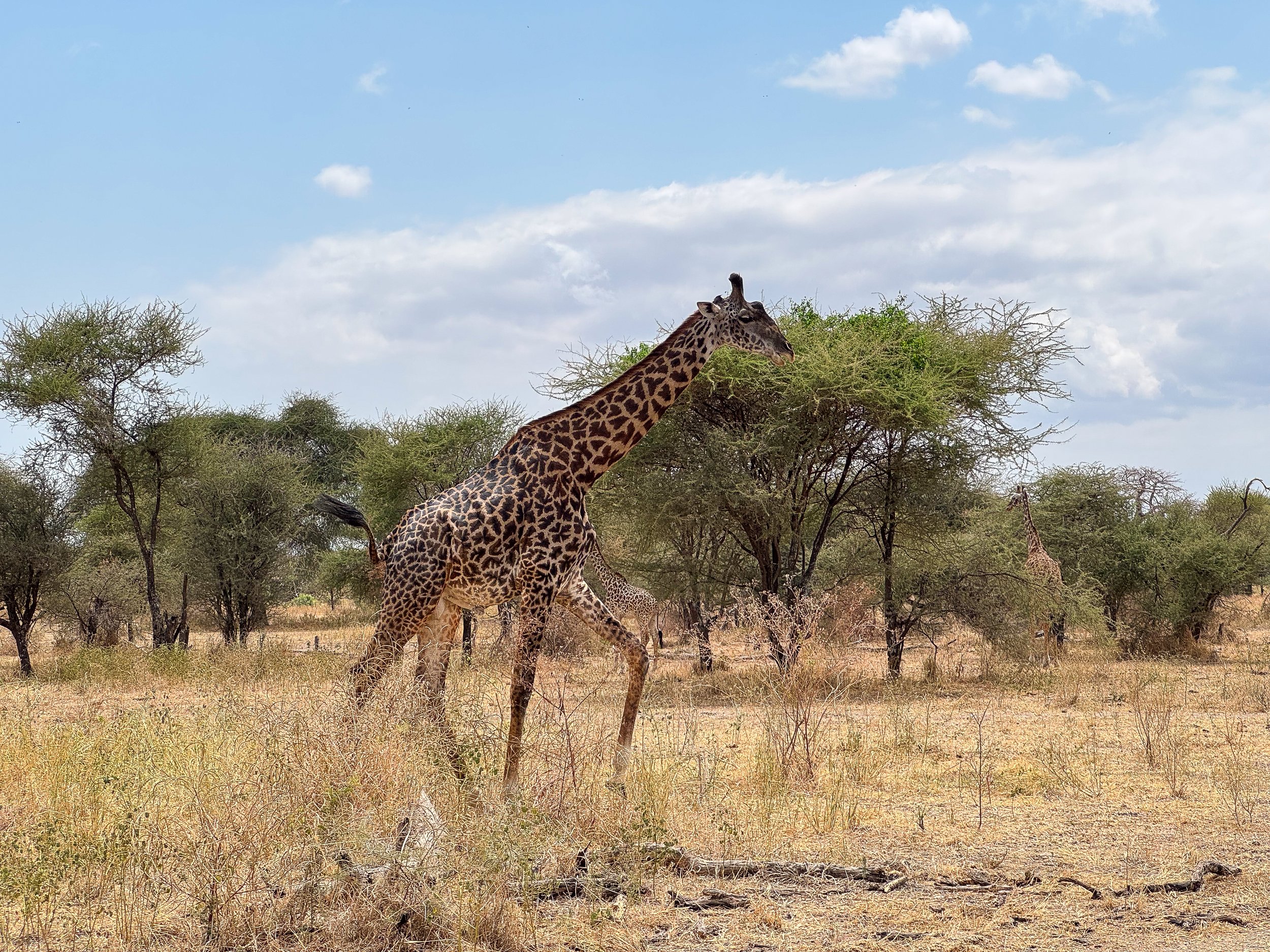
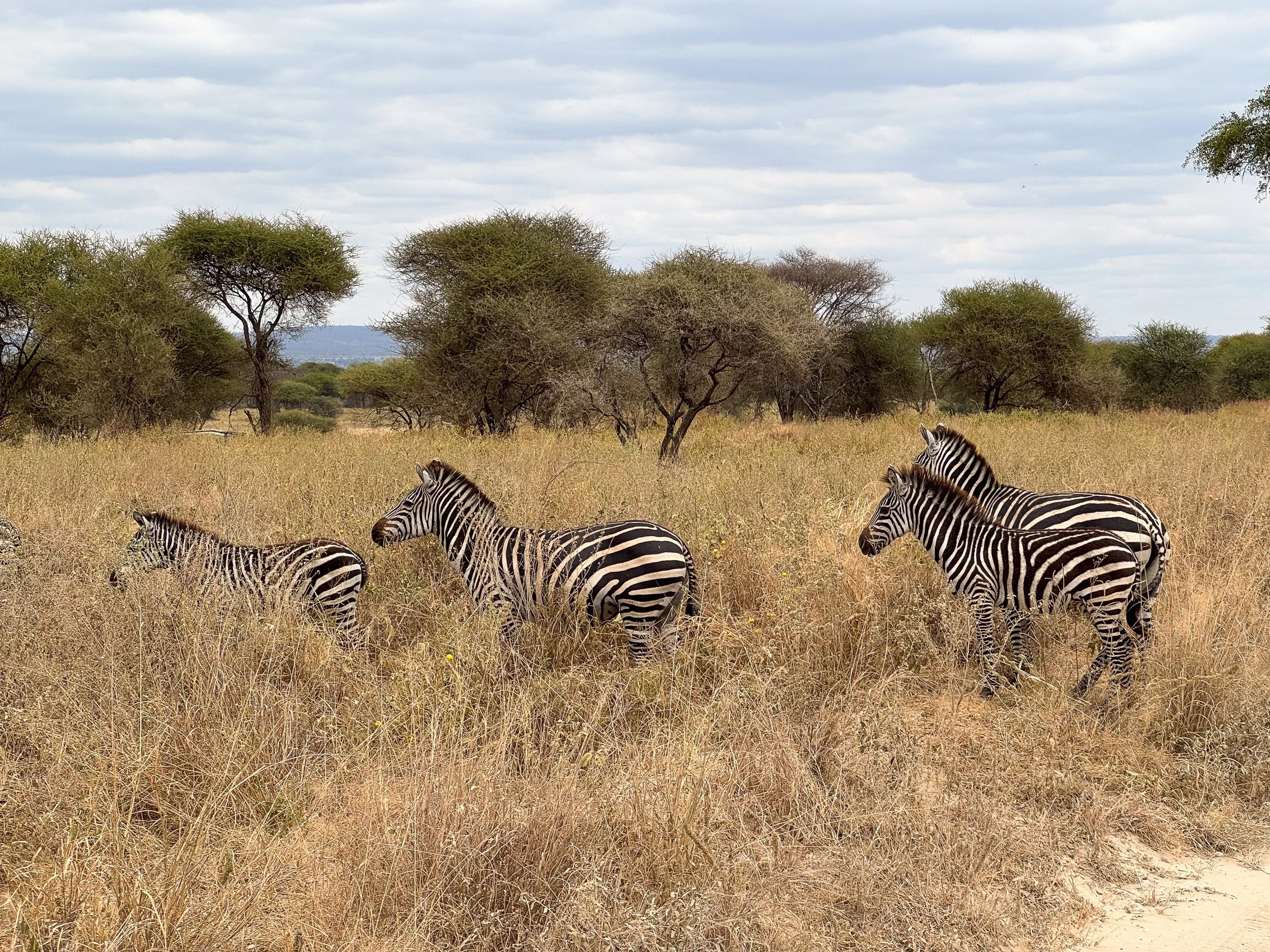
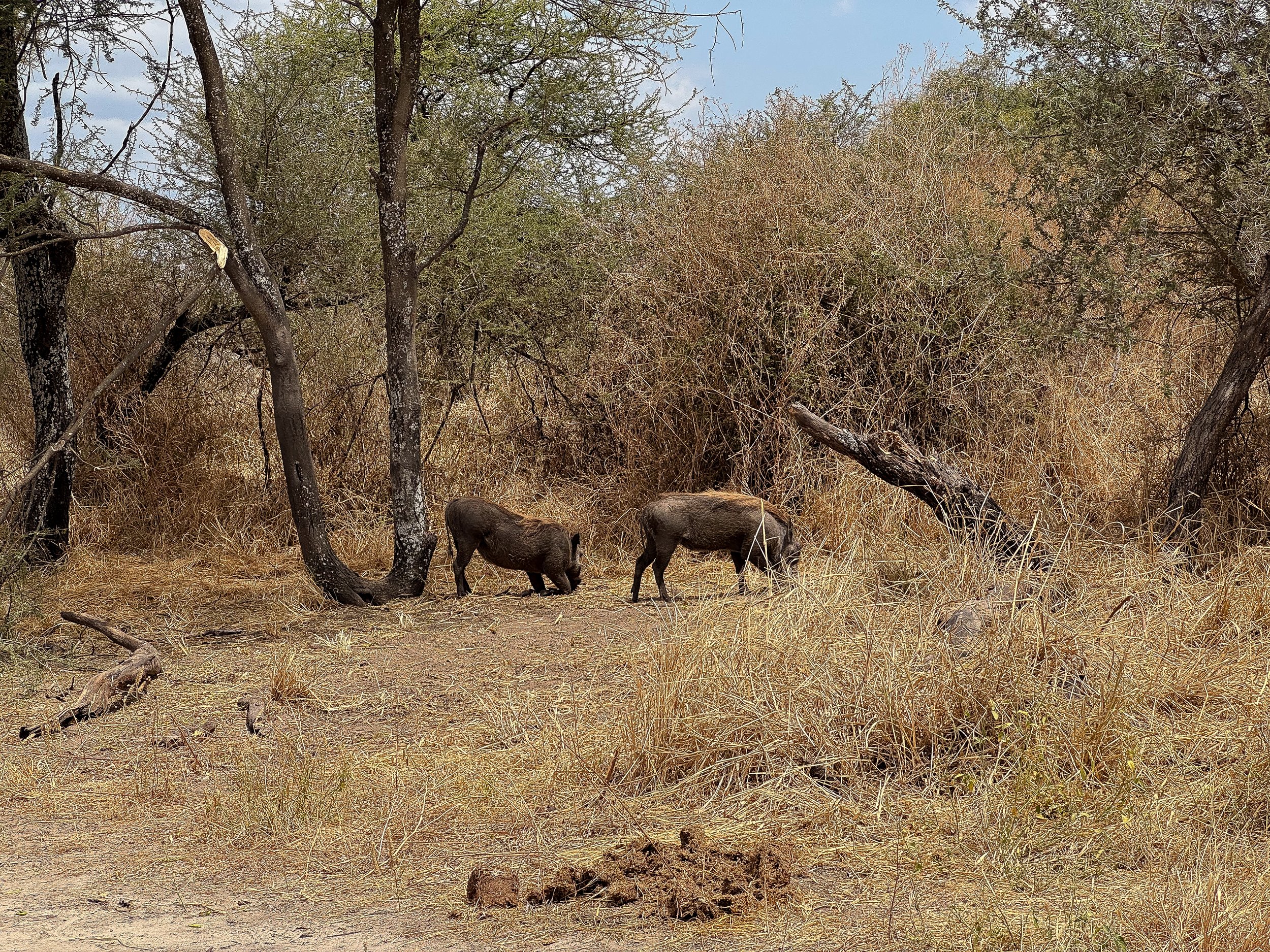
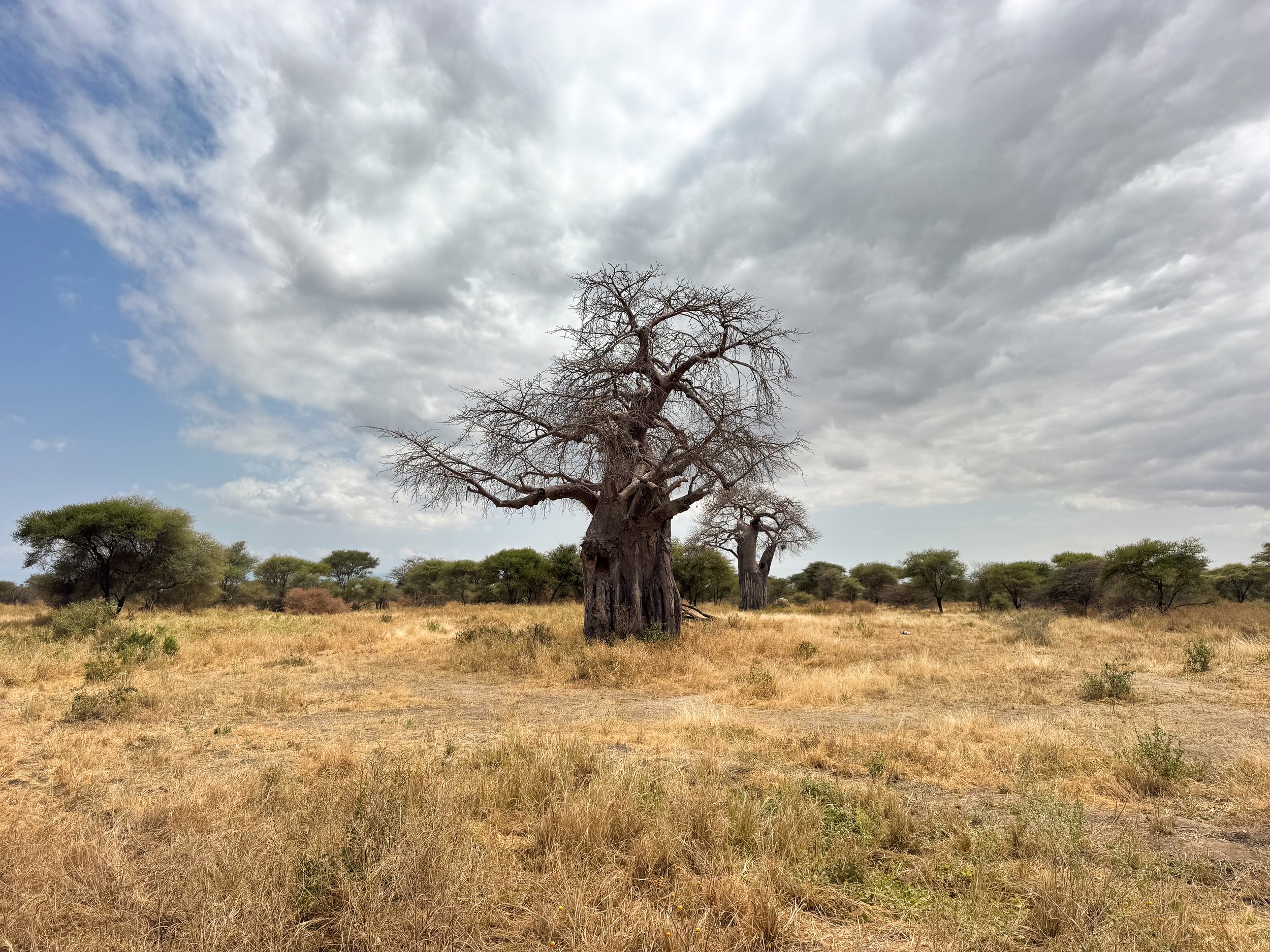
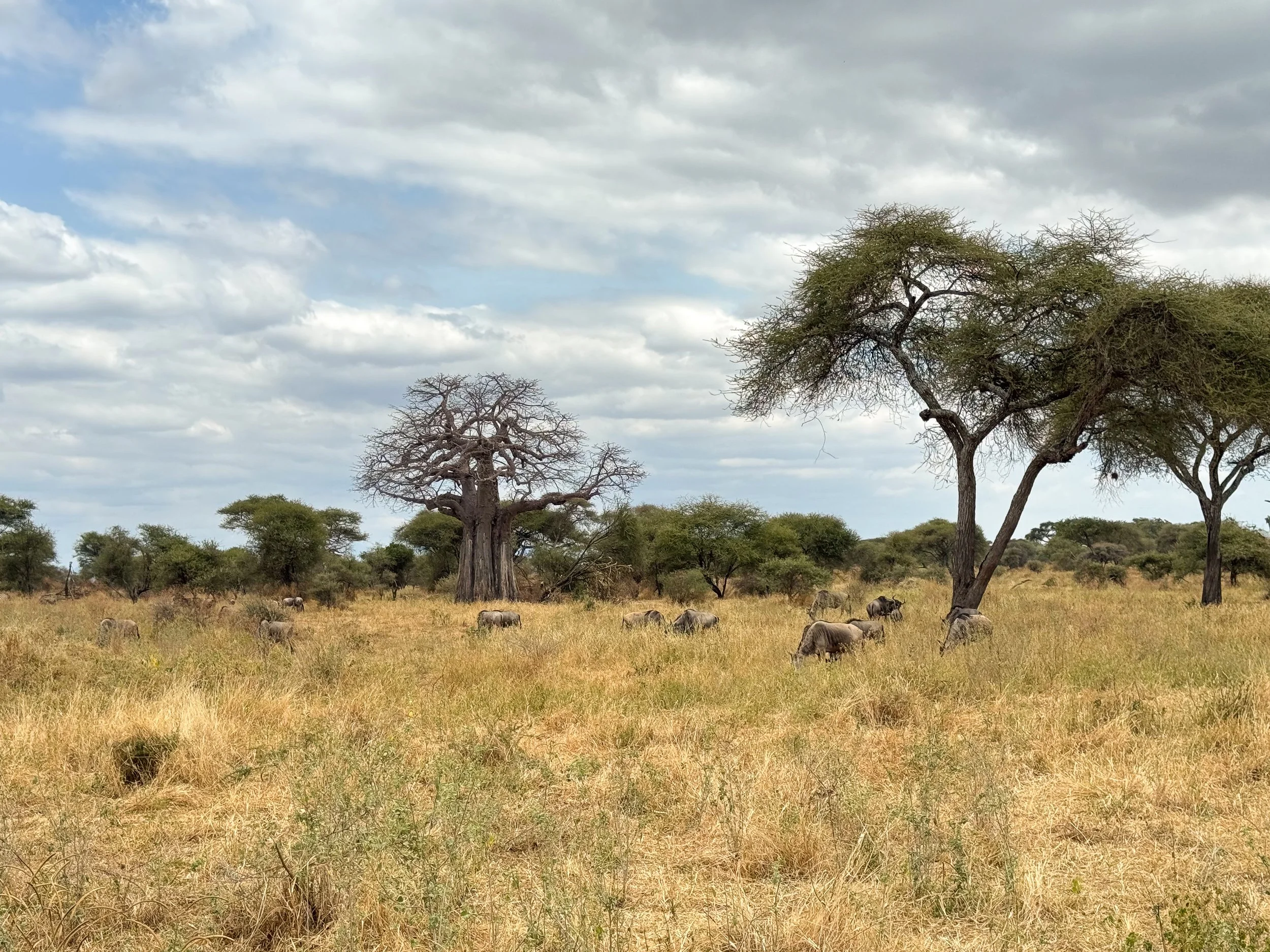
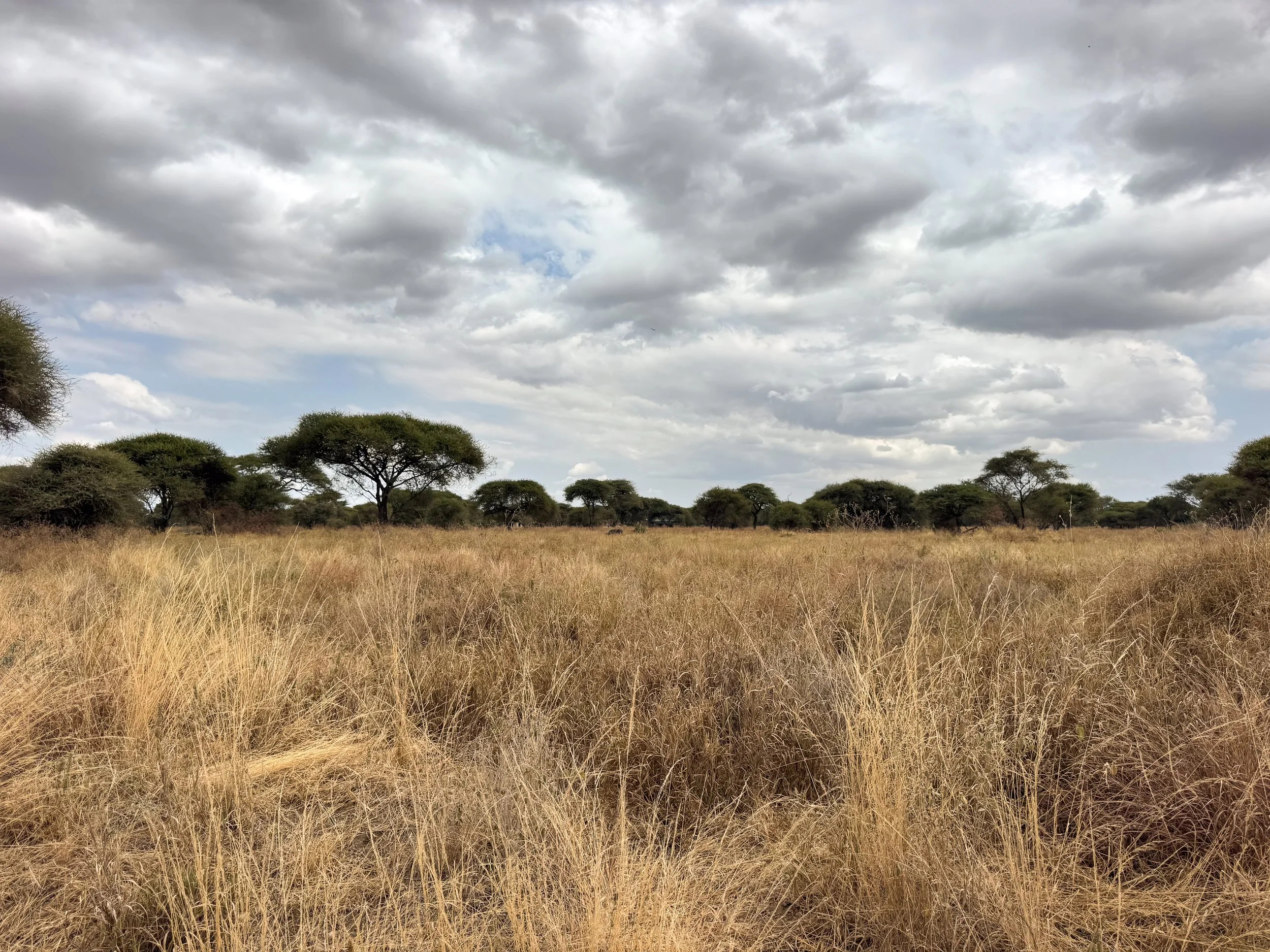
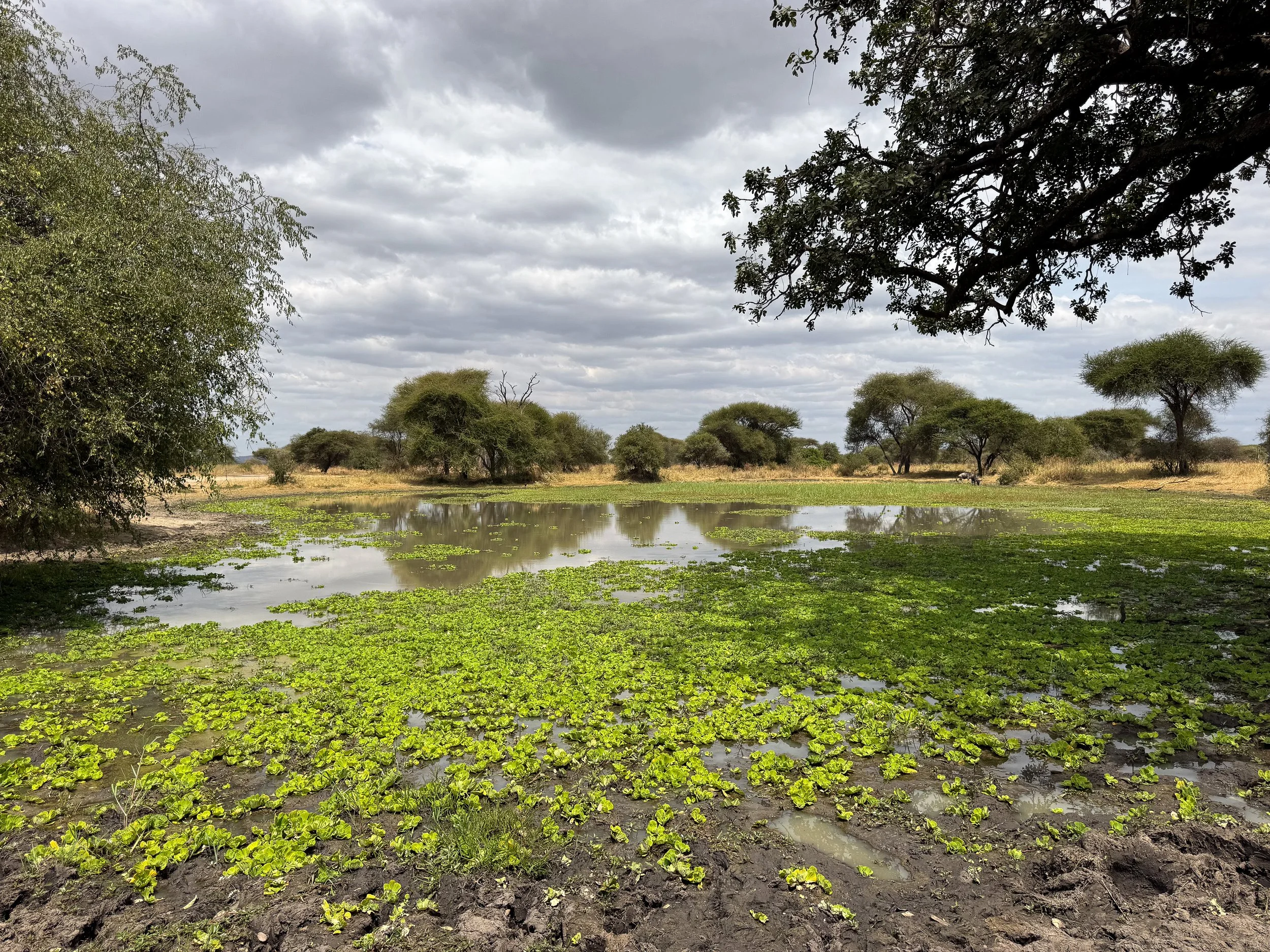
Tarangire Landscapes. Dusty roads lead through the scenic landscapes of Tarangire National Park. The terrain is defined by massive baobab trees, umbrella shaped acacia trees, dry grasslands and towering termite mounds. The baobab trees are easily recognizable by their massive trunks and large branching limbs. Some live to be several hundred years old.
Wild Animals. The Tarangire is plentiful with African animals and wildlife. Small herds of wildebeests, zebra and giraffes gathered together to feed on trees and grasses. A pair of cape buffalo raised their heads from the bush, showing off their massive horns. Warthogs kneeled in the savanna, nibbling on dry grasses as they scurried around. Hornbill toucans and vibrant starlings hopped between tree branches and fluttered away. Waterback antelopes gazed back at us through our binoculars. Baboons and mischievous monkeys sat along roadsides and picnic areas waiting for opportunities to steal food.
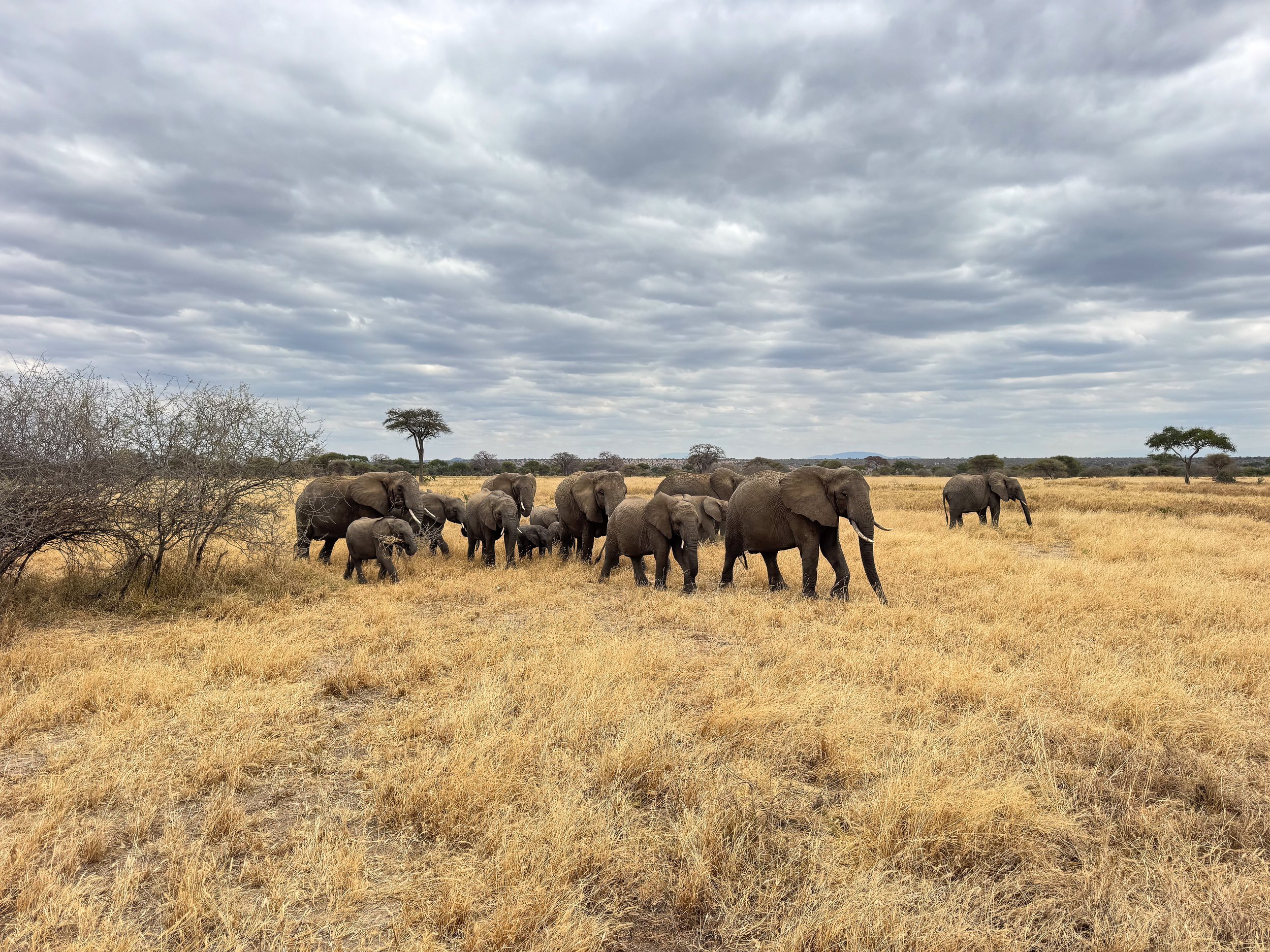
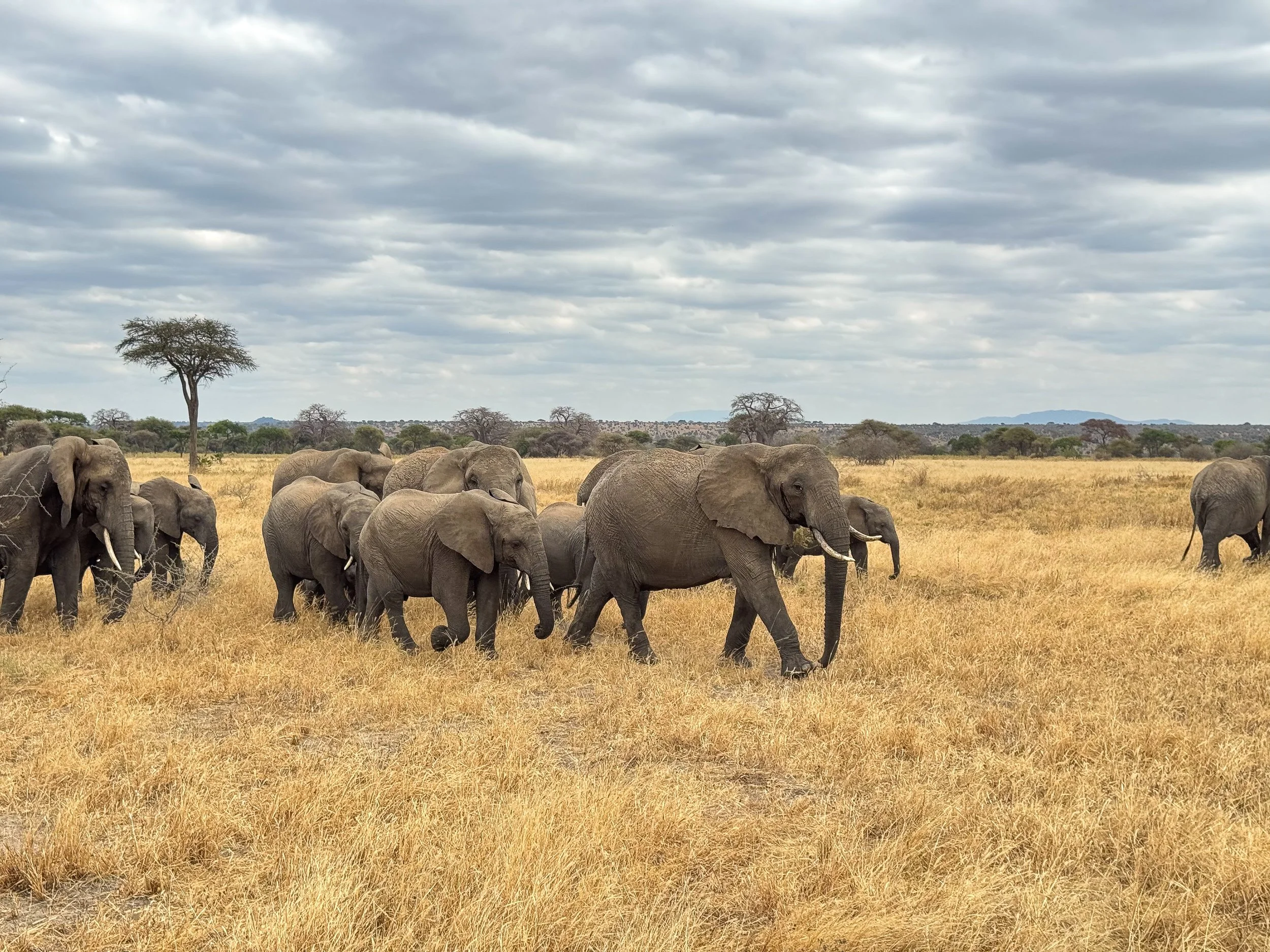
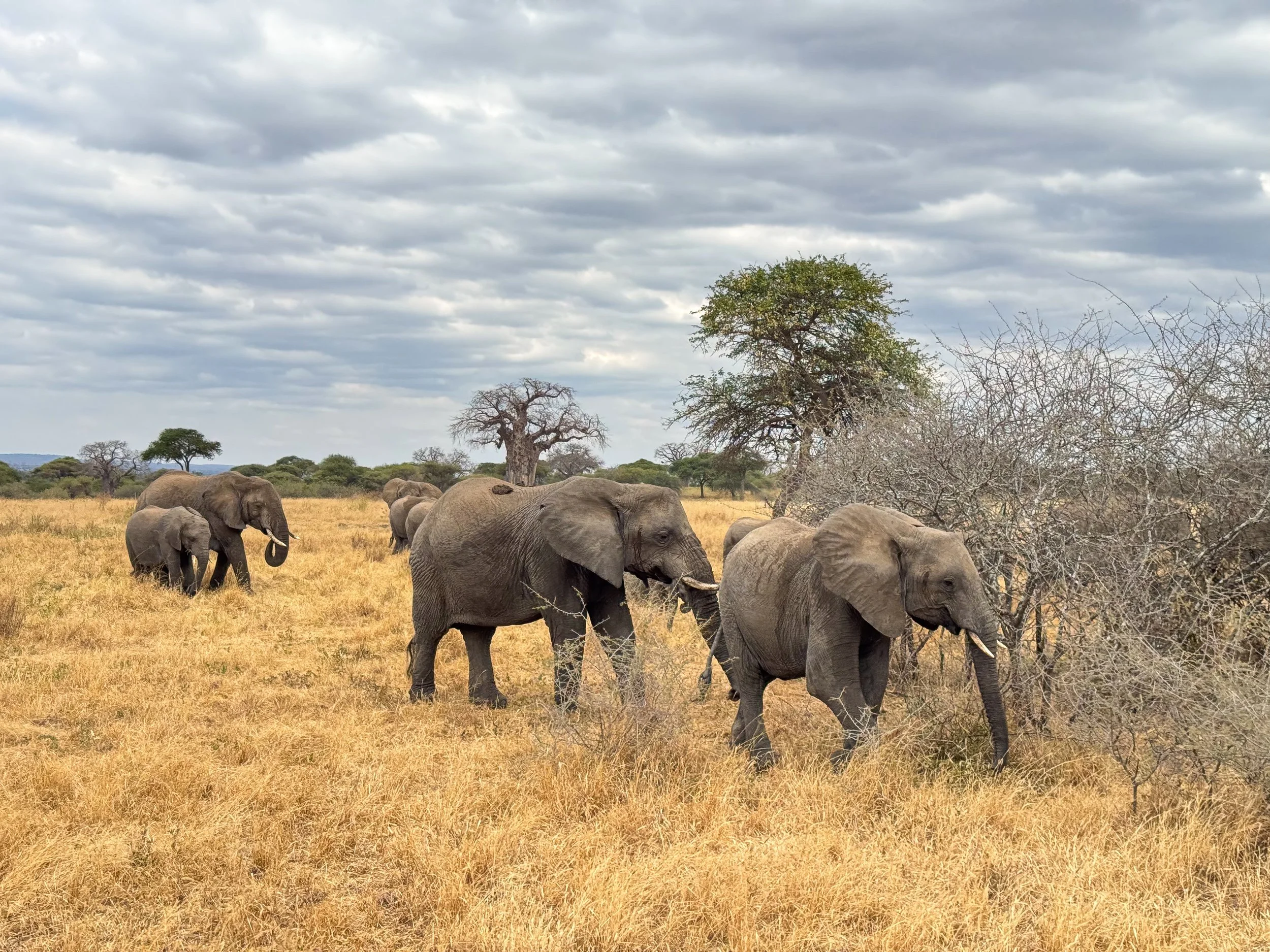
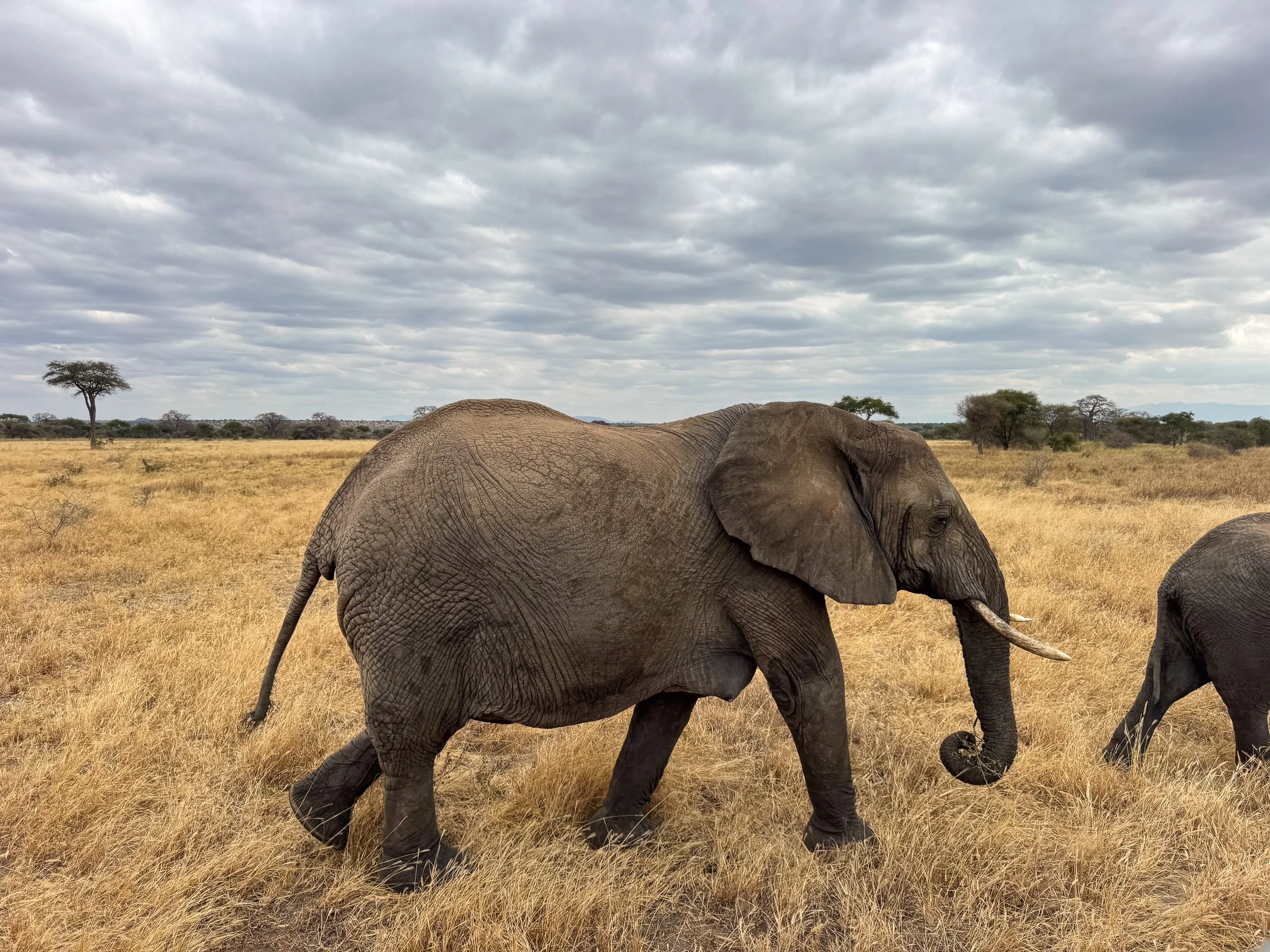
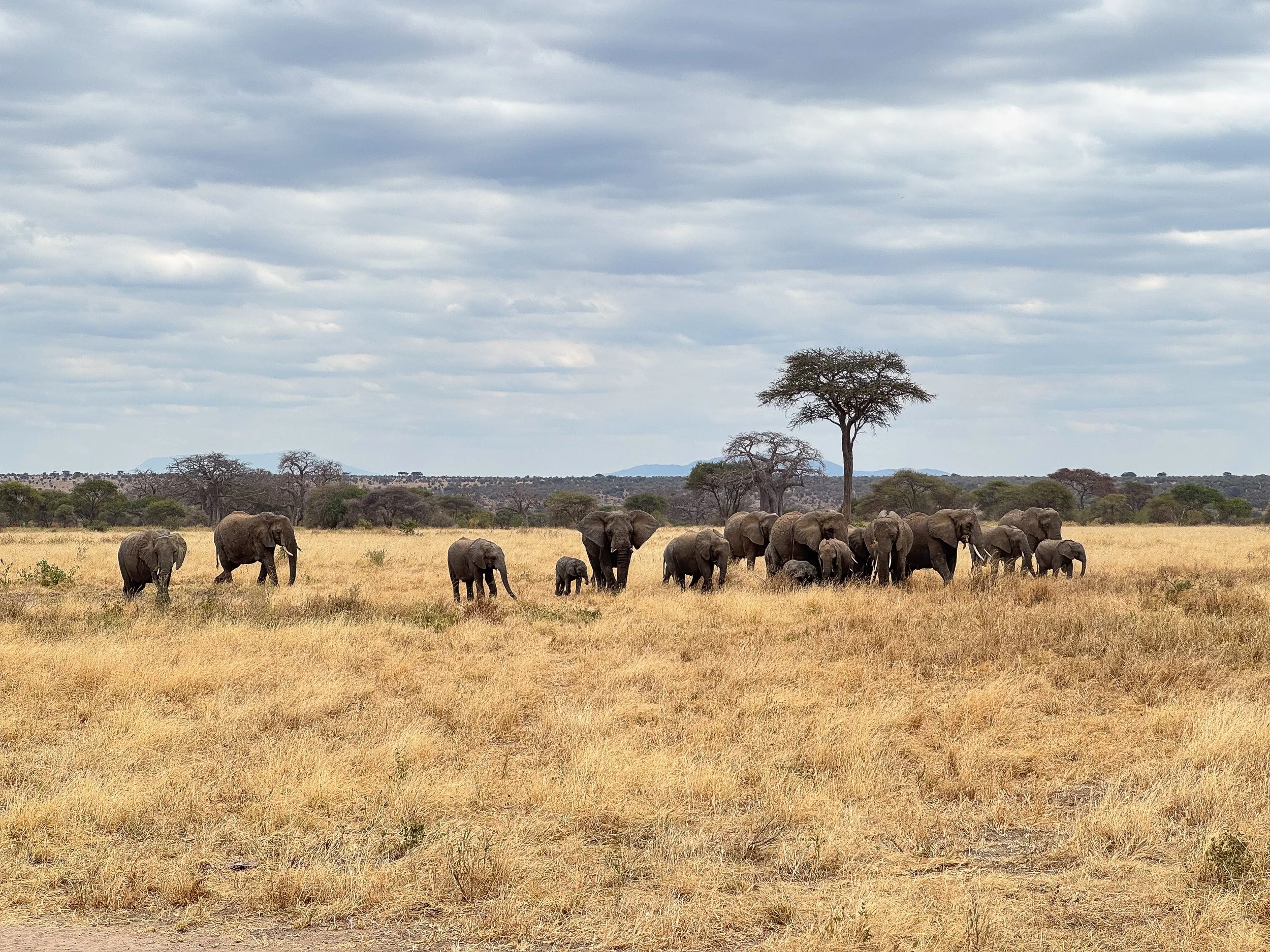
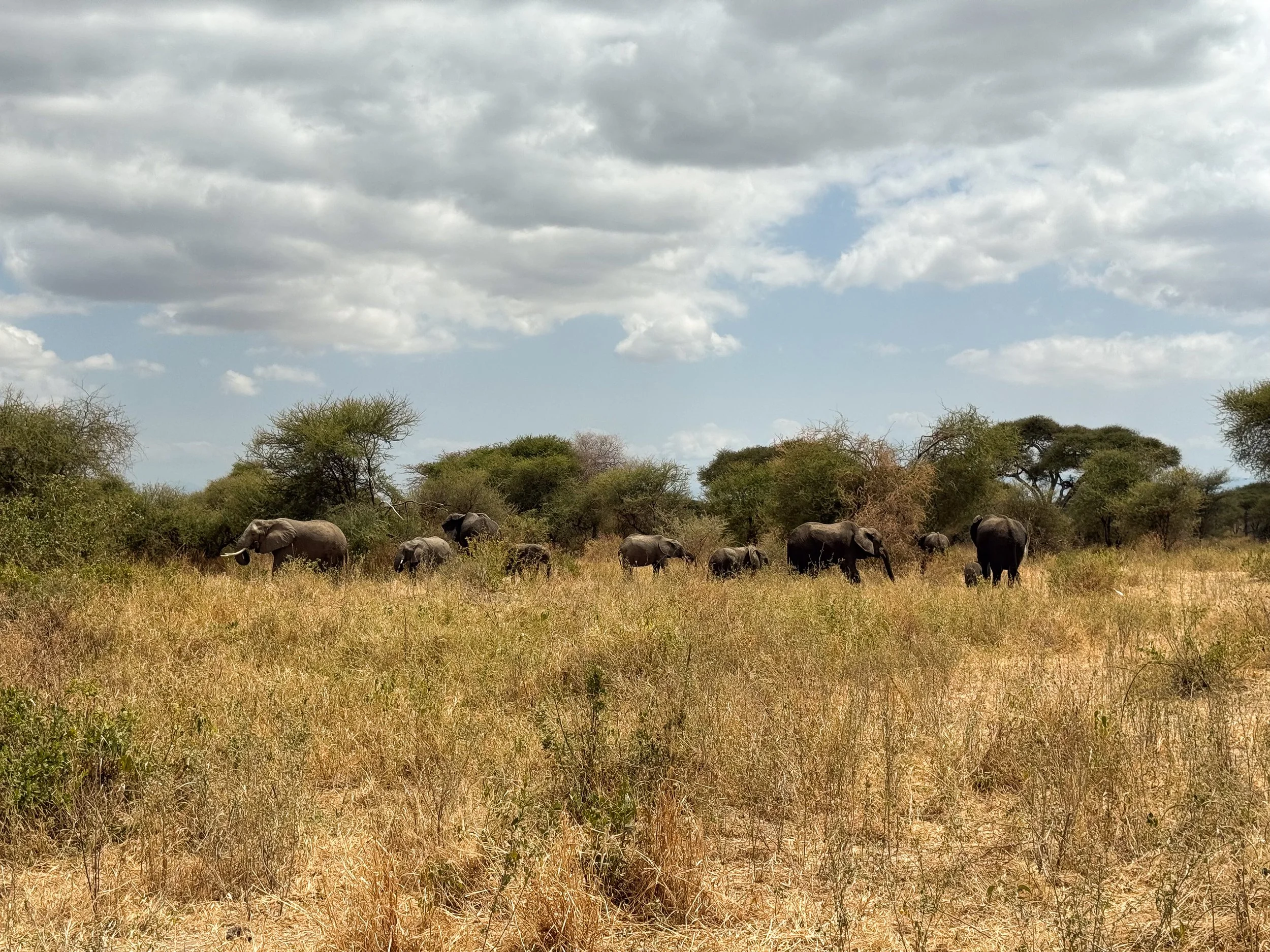
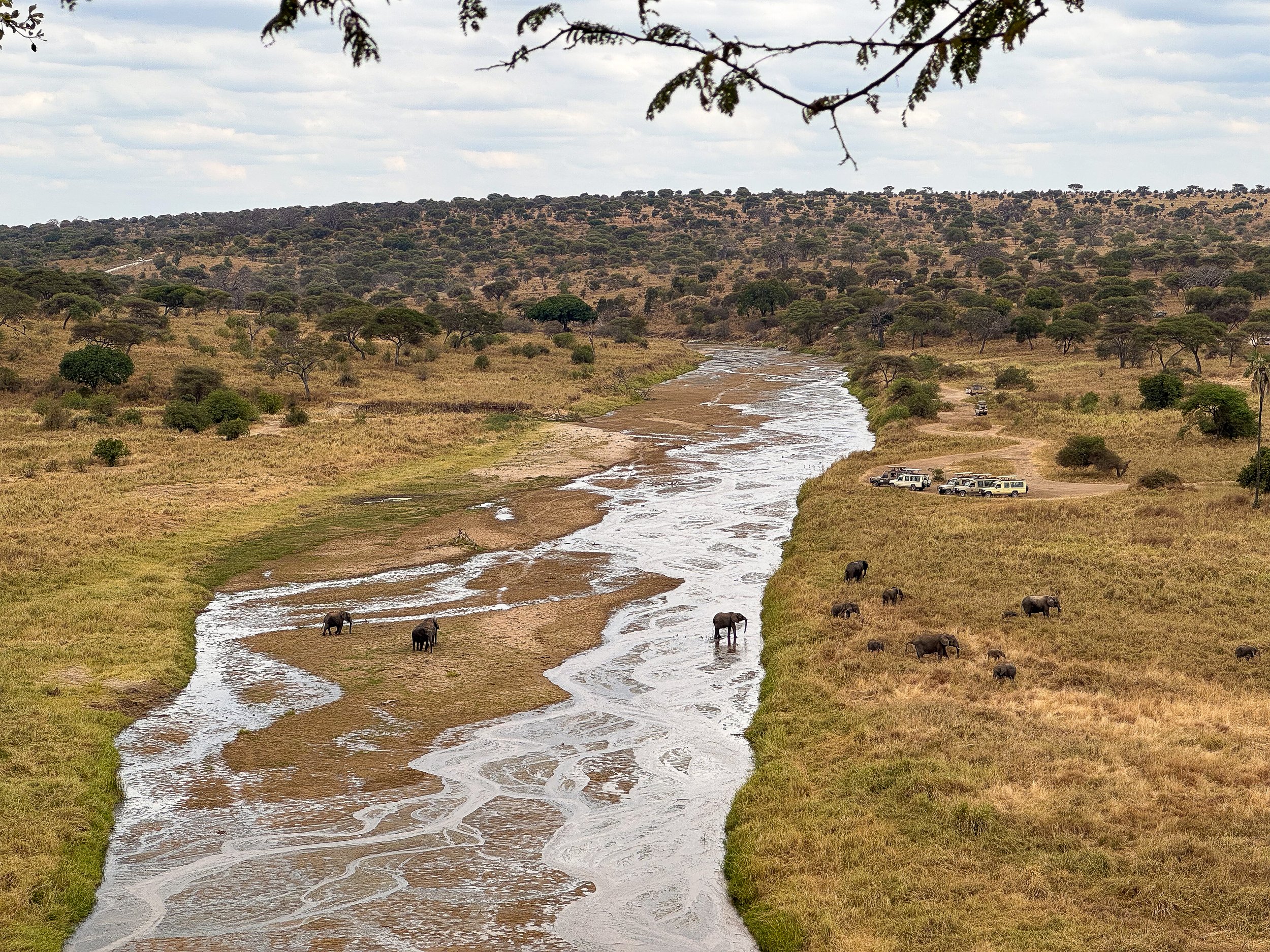
African Elephants. Large parades of African elephants roam freely around the Tarangire. Soon after entering the park, we spotted over 20 elephants pulling down branches from acacia trees and feeding on grasses. We spotted a second herd marching through a valley. Tiny infants walked slowly alongside parents with lengthy tusks as one. They later crossed a river as we watched from a picnic area at lunch. We parked along the dirt road as a third parade crossed in front of us. A dozen elephants trotted by like a slow moving stampede, raising their trunks and rocking their heads as they passed.
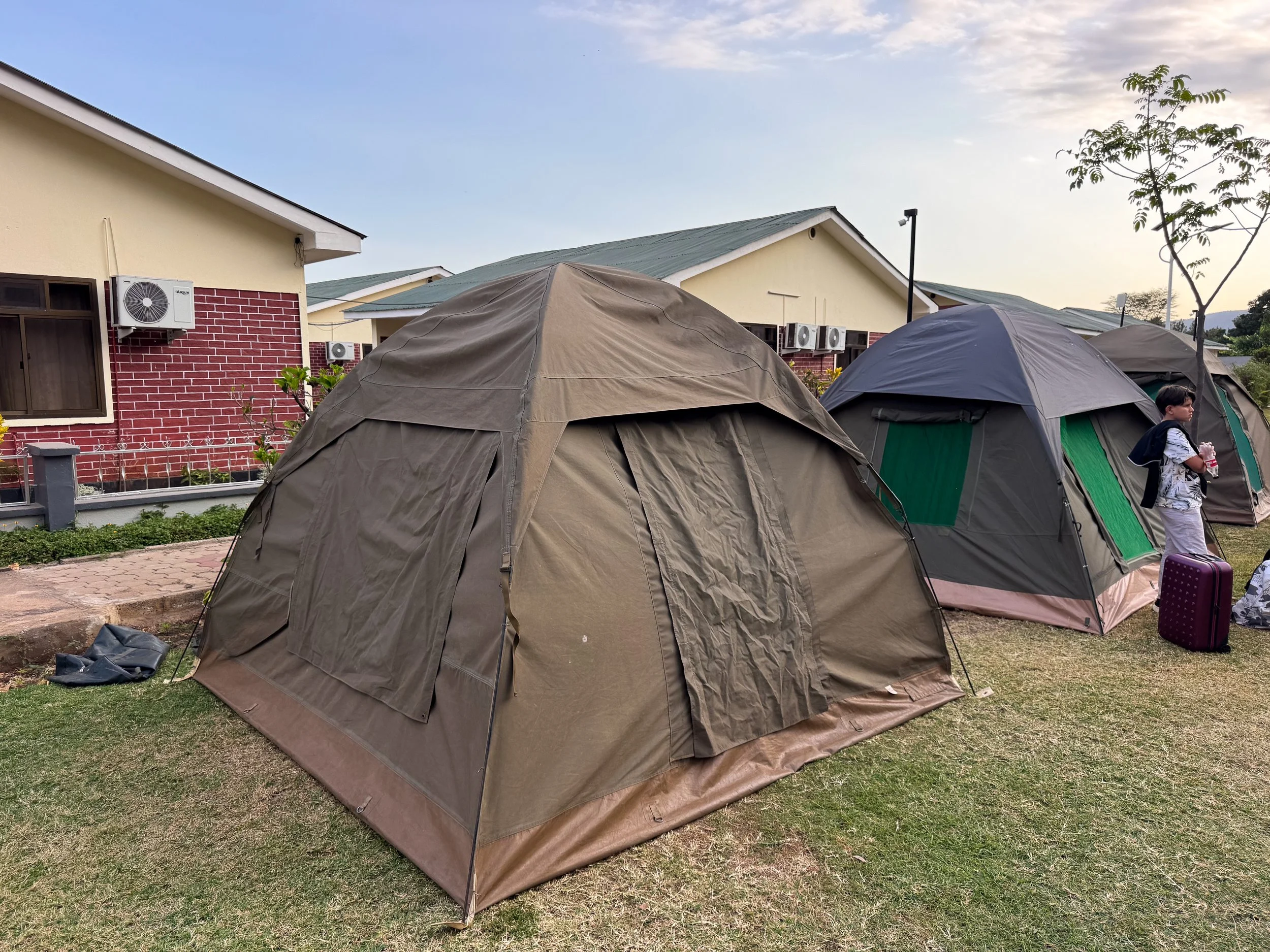
Twiga Campsite & Lodge. A budget hotel with a small campground, communal restrooms, buffet restaurant and outdoor pool. Three rows of Safari style tents line the lawn in front of the hotel. Inside are Massai woven bed cushions and standard sleeping bags. We camped here overnight after exploring Tarangire National Park.
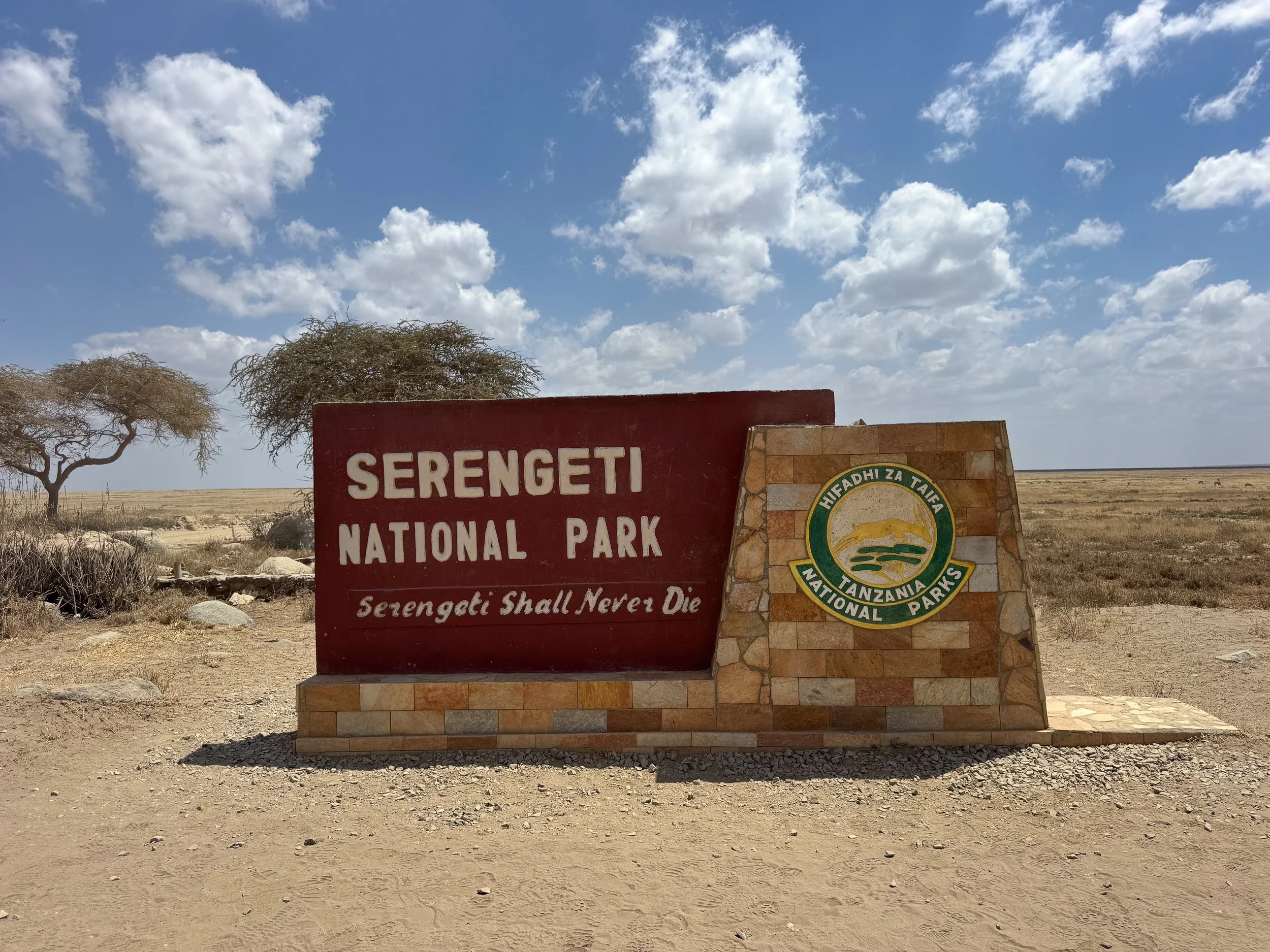
Serengeti National Park
The Serengeti is one of Africa’s most famed national park’s and wildlife reserves. Its vast savannas are home to a large population of big cats, predators and African animals. We spent two days on safari in the park, camping overnight in the bush.
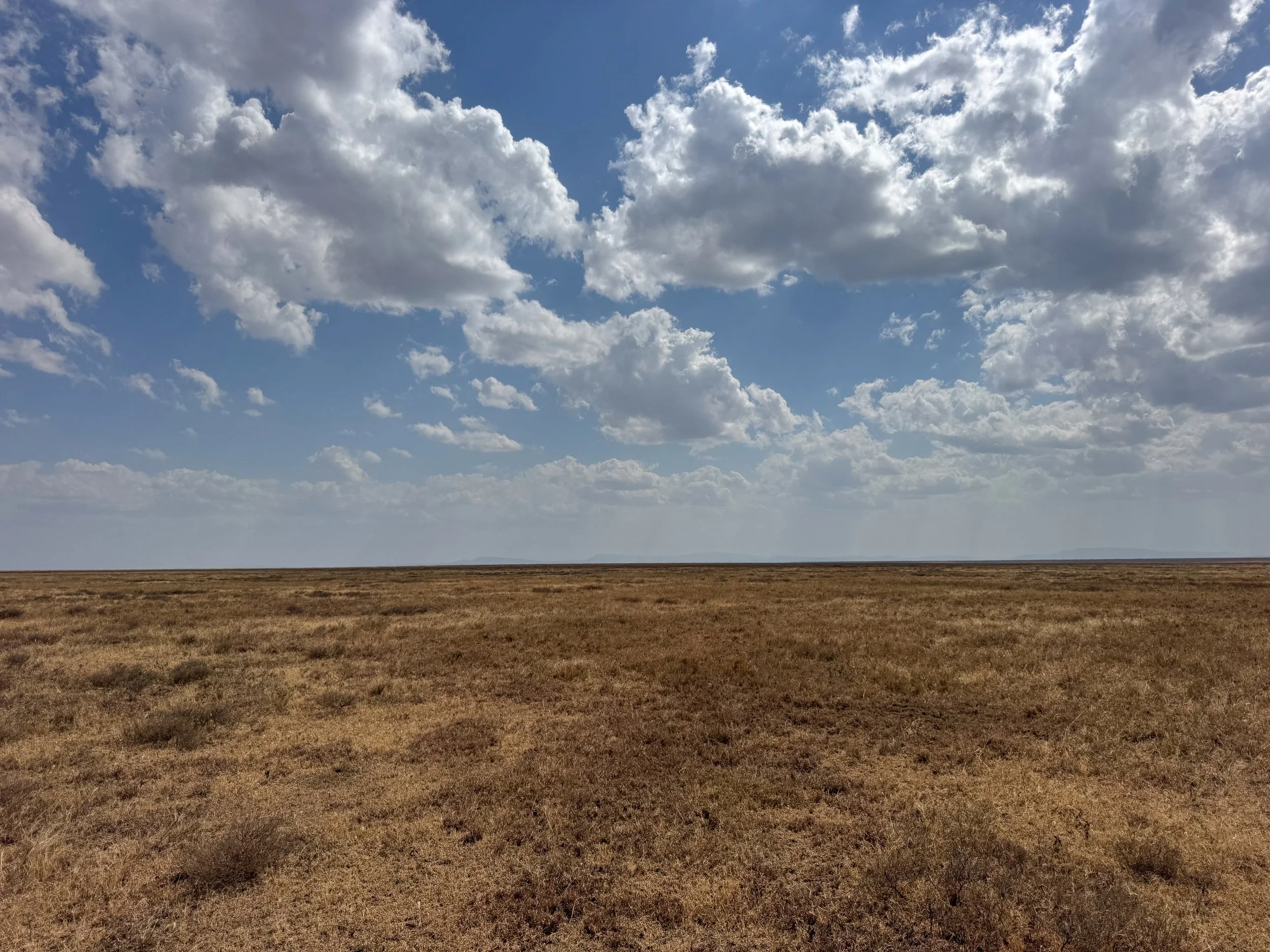
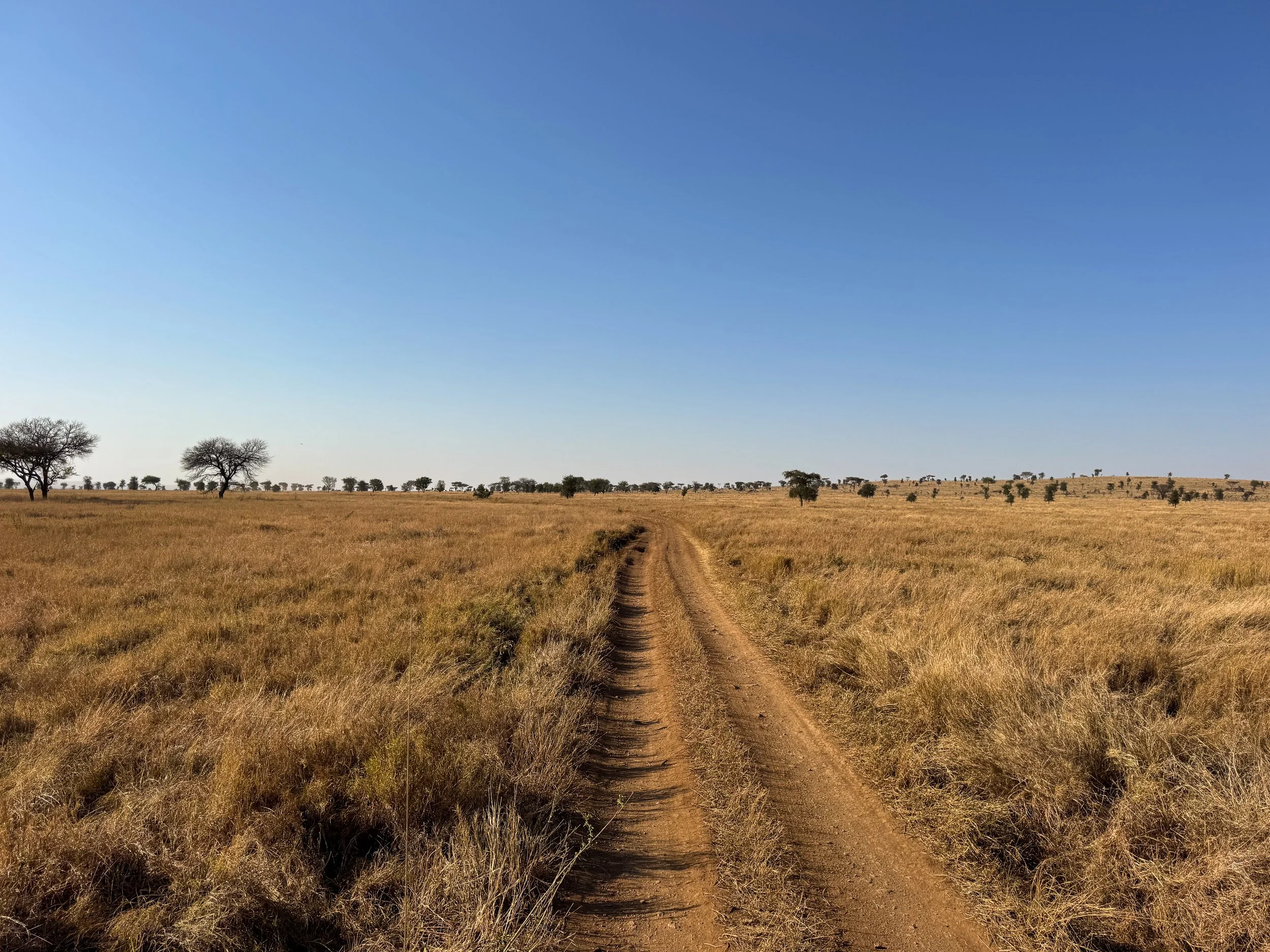
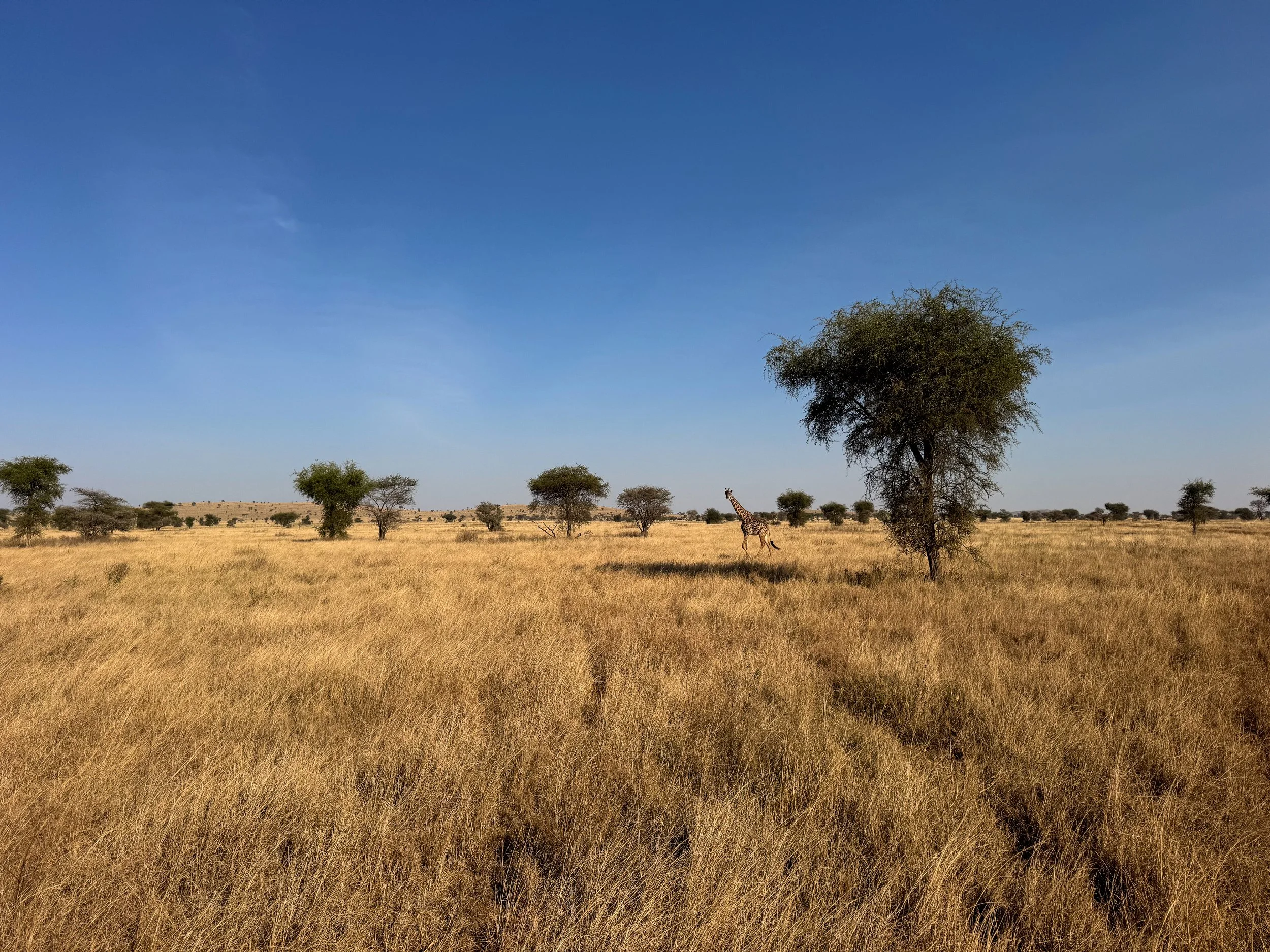
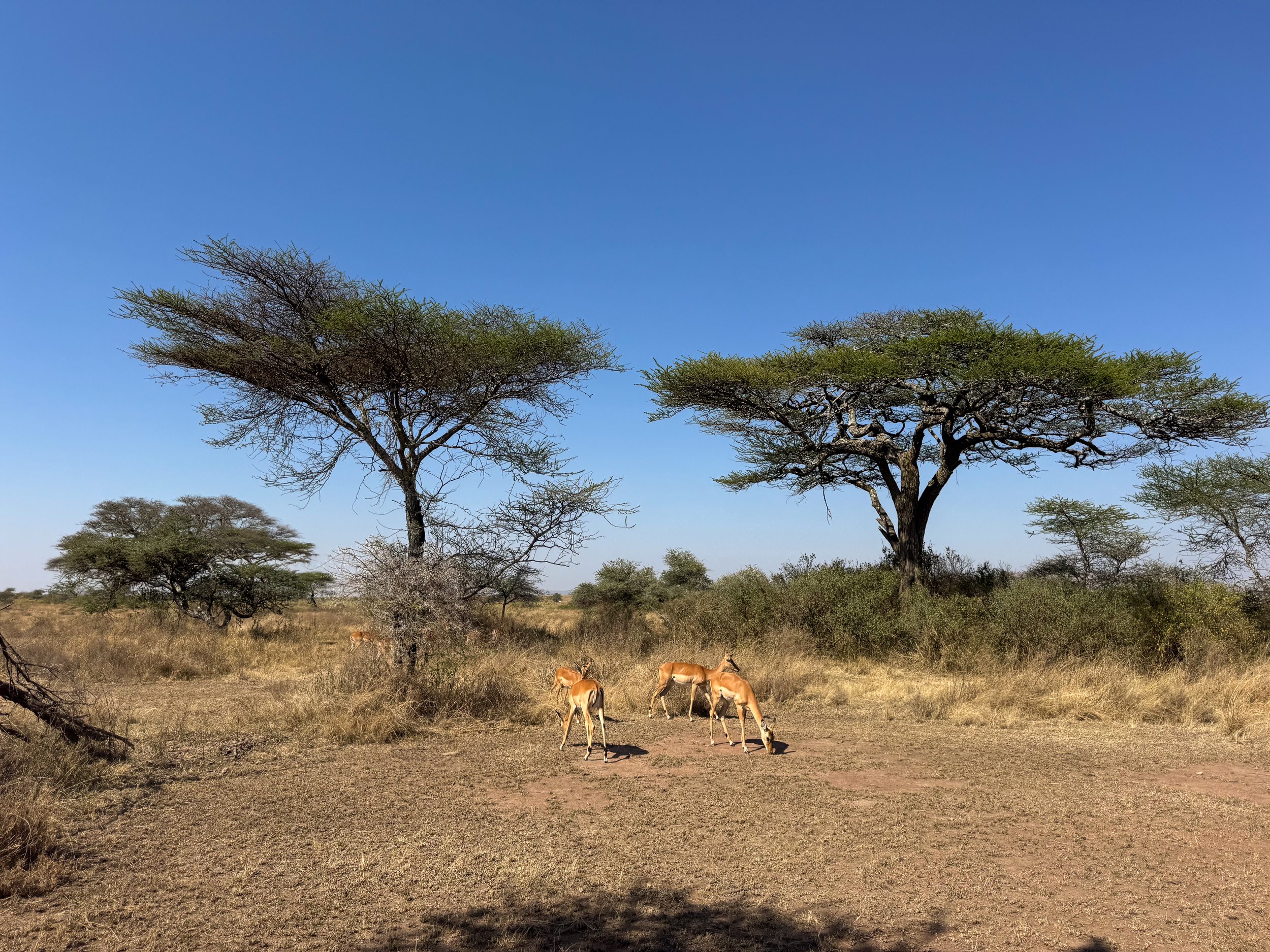
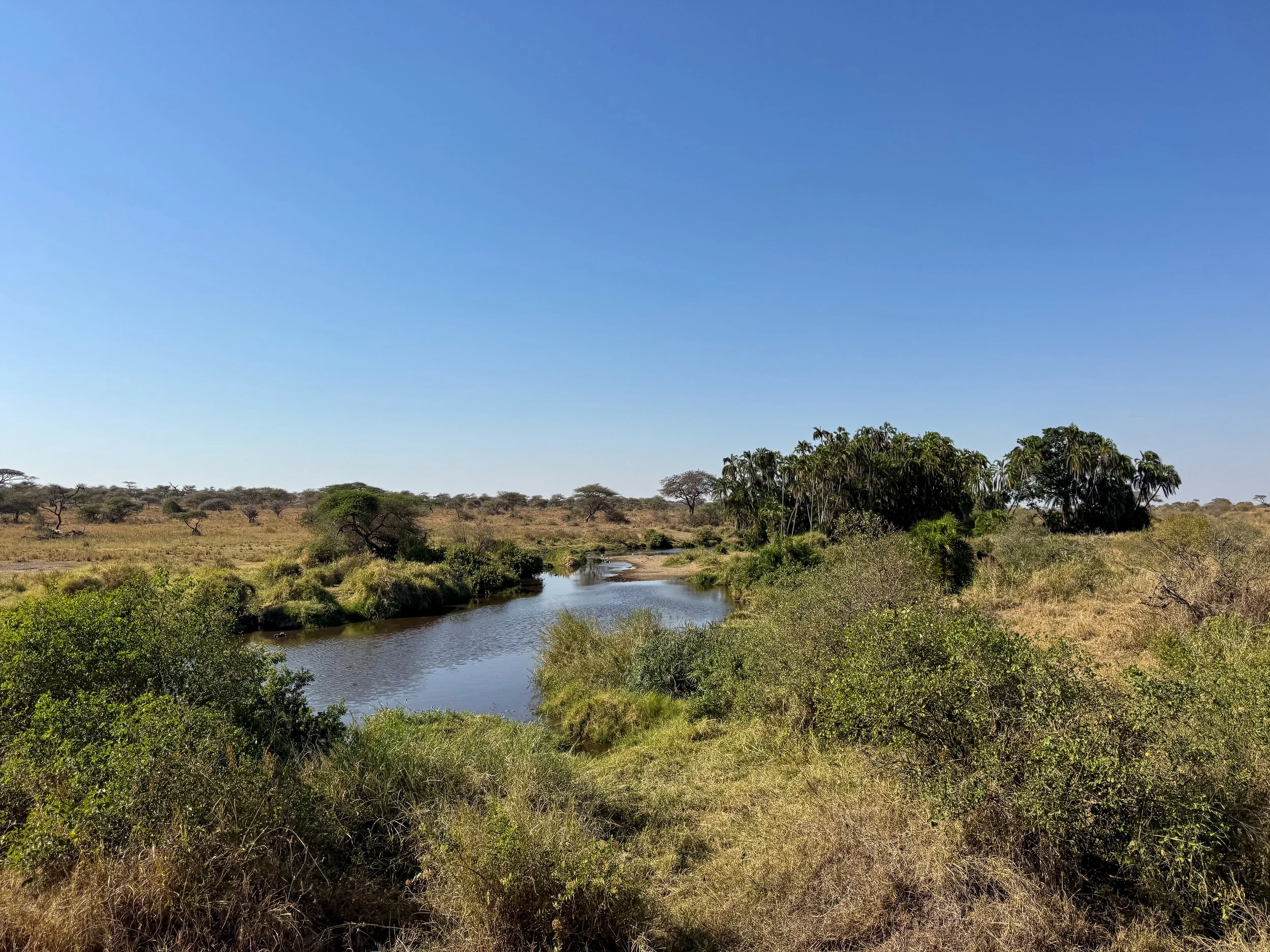
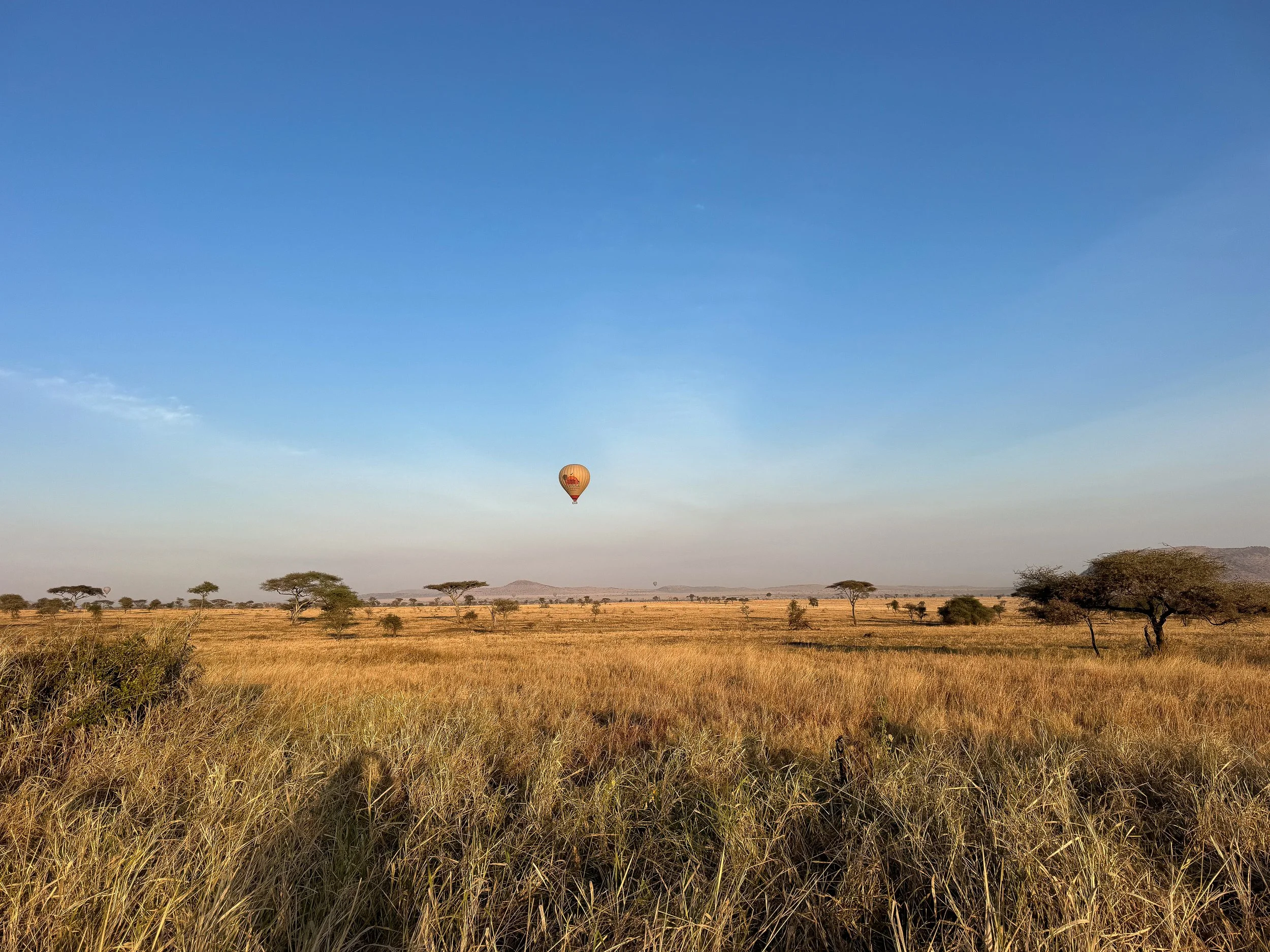
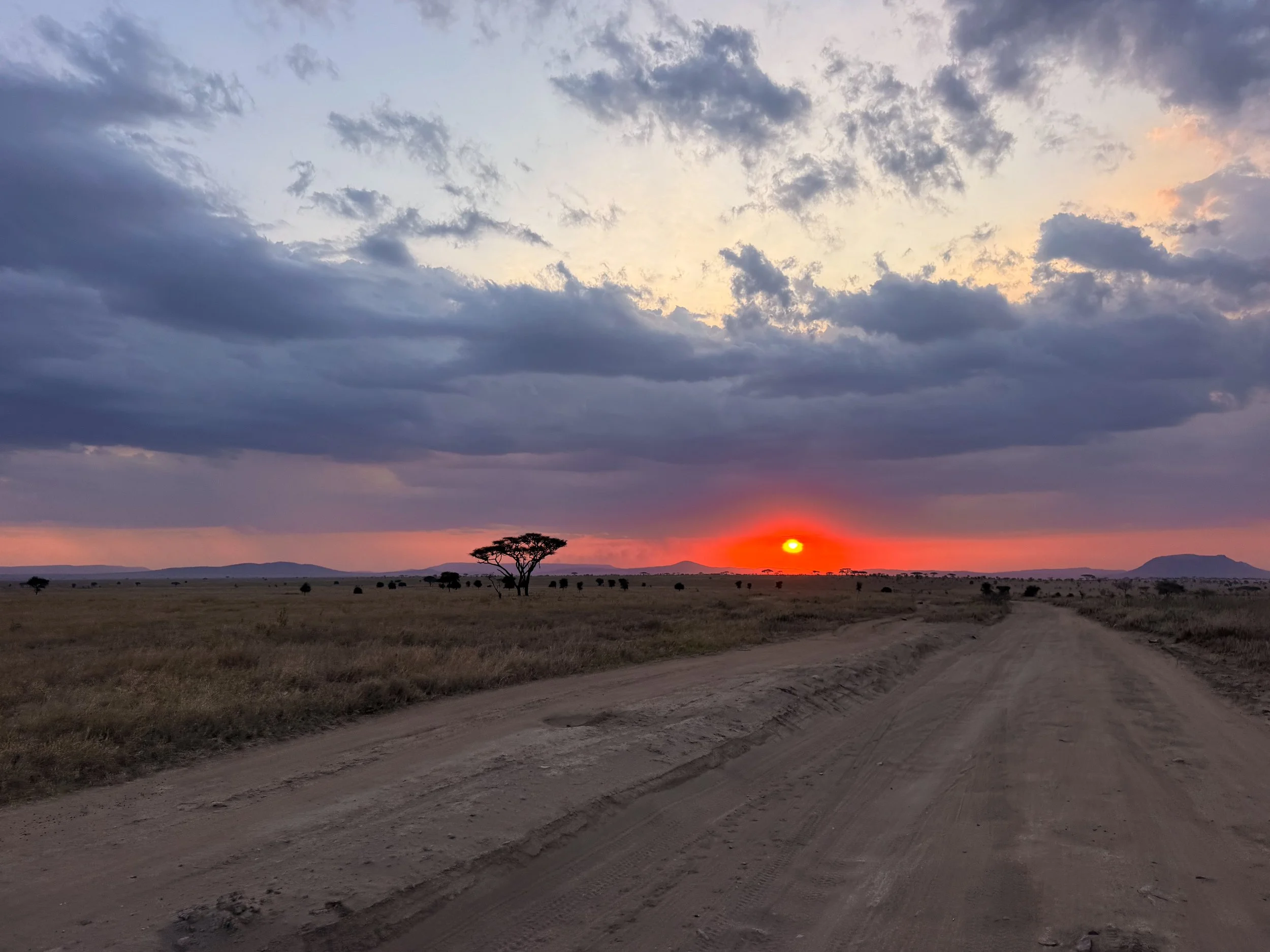
Serengeti Landscapes. Vast savannas and dry grasslands stretch across the horizon of the Serengeti, occasionally interrupted by the lone acacia tree, termite mound or Kopjes. Safari vehicles zoom down dirt roads, leaving clouds of dust in their wake. Fiery sunsets cast shades of magenta and orange across the sky as silhouettes of acacia trees contrast the horizon.
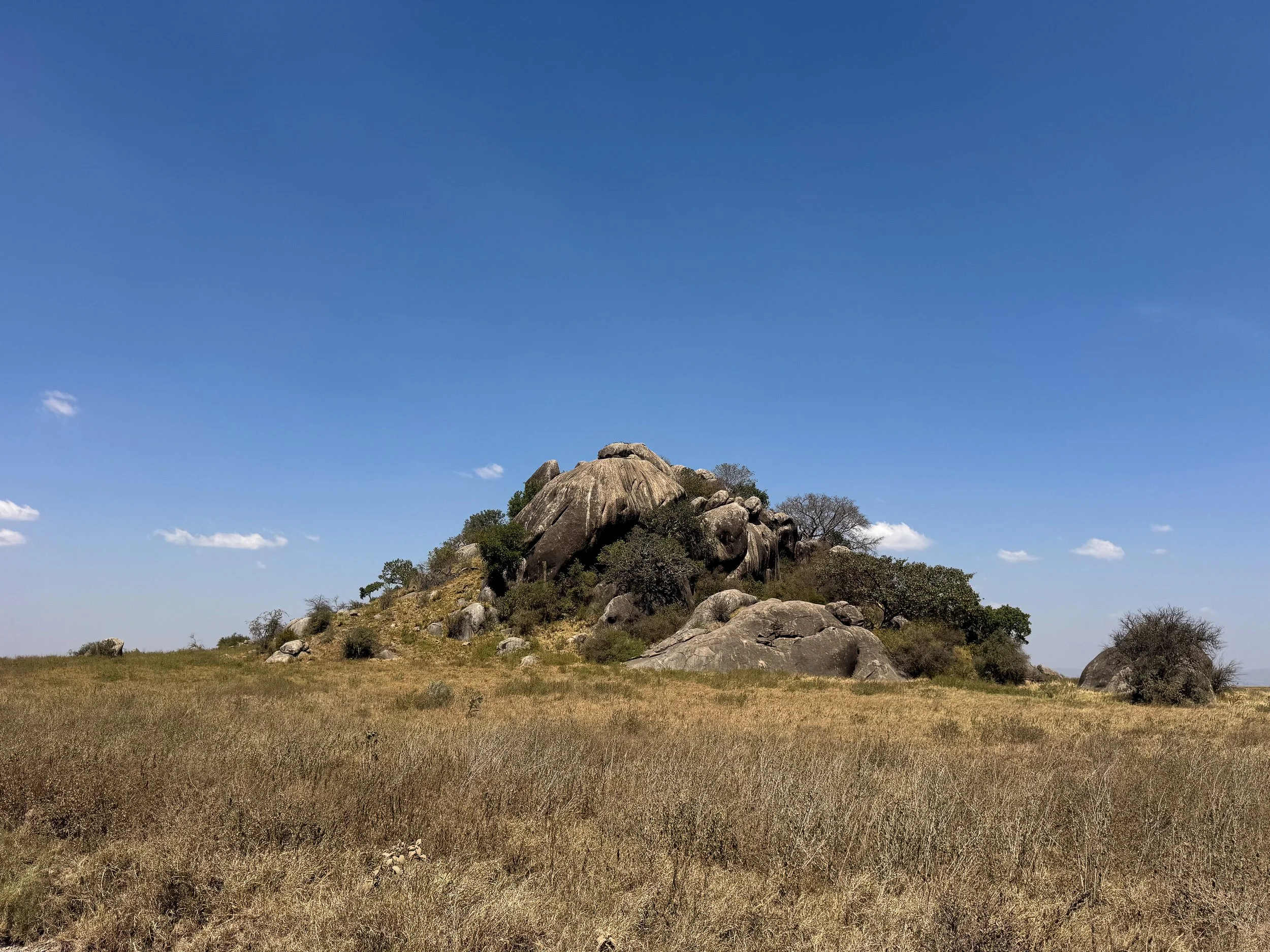
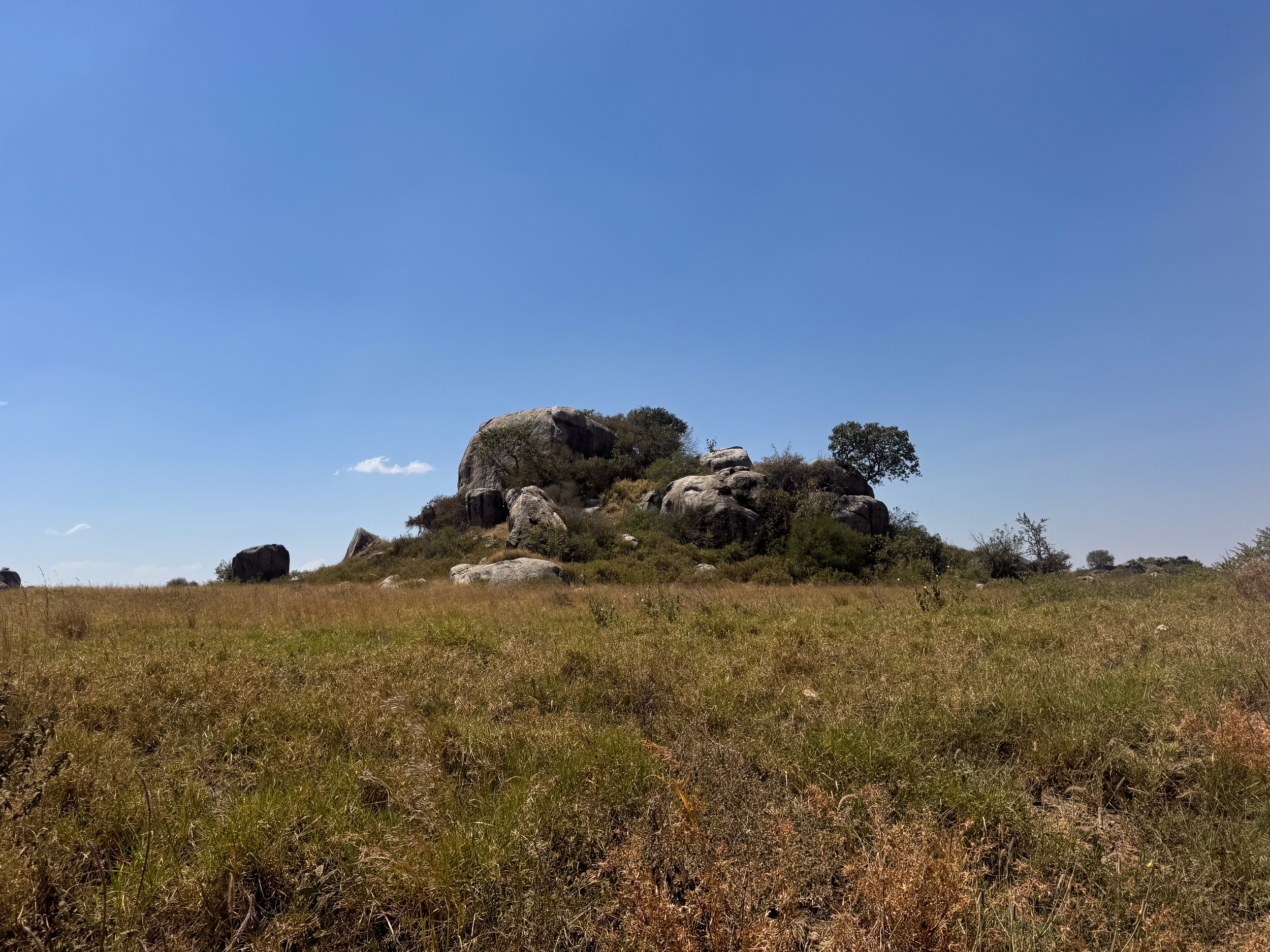
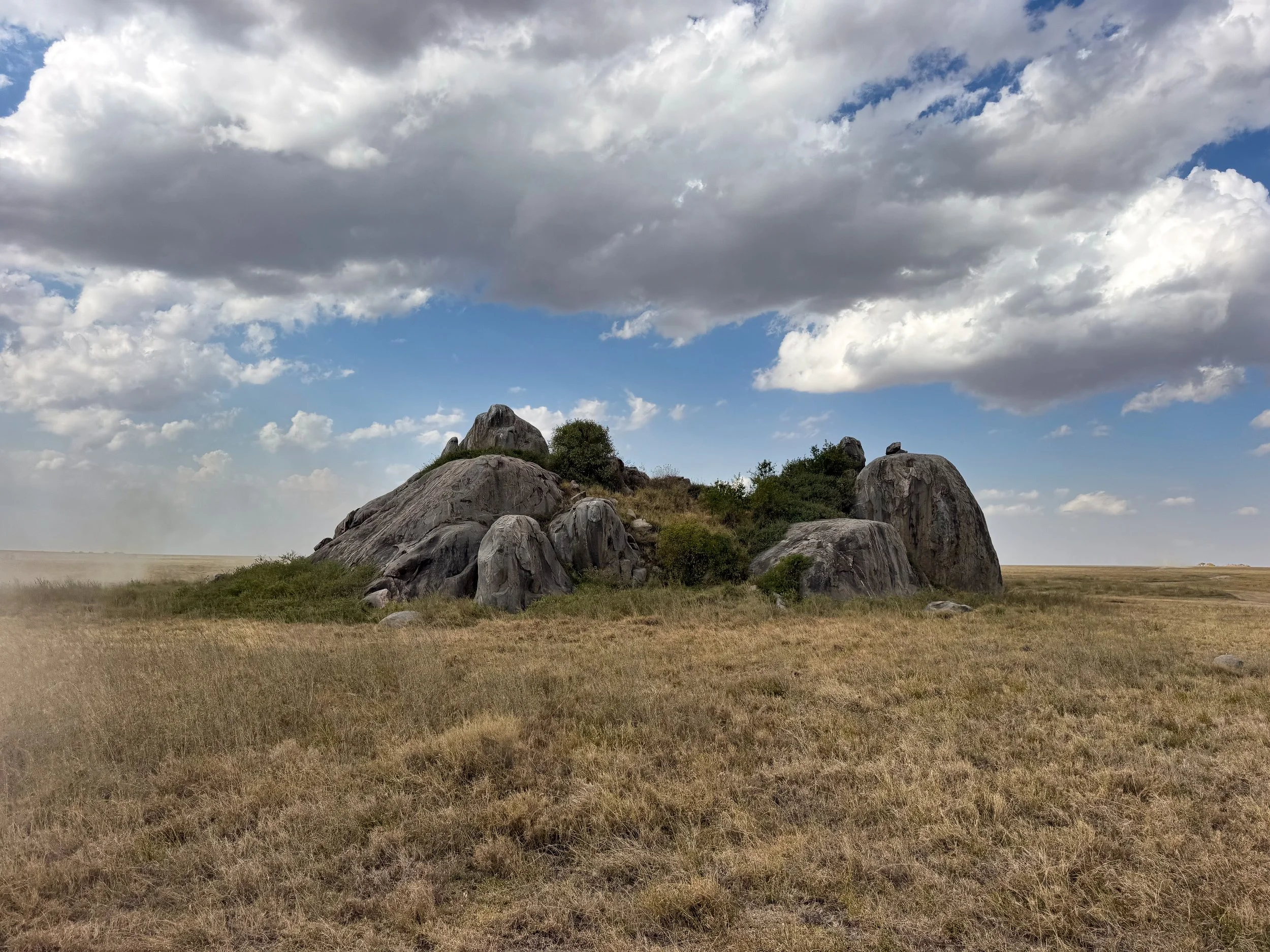
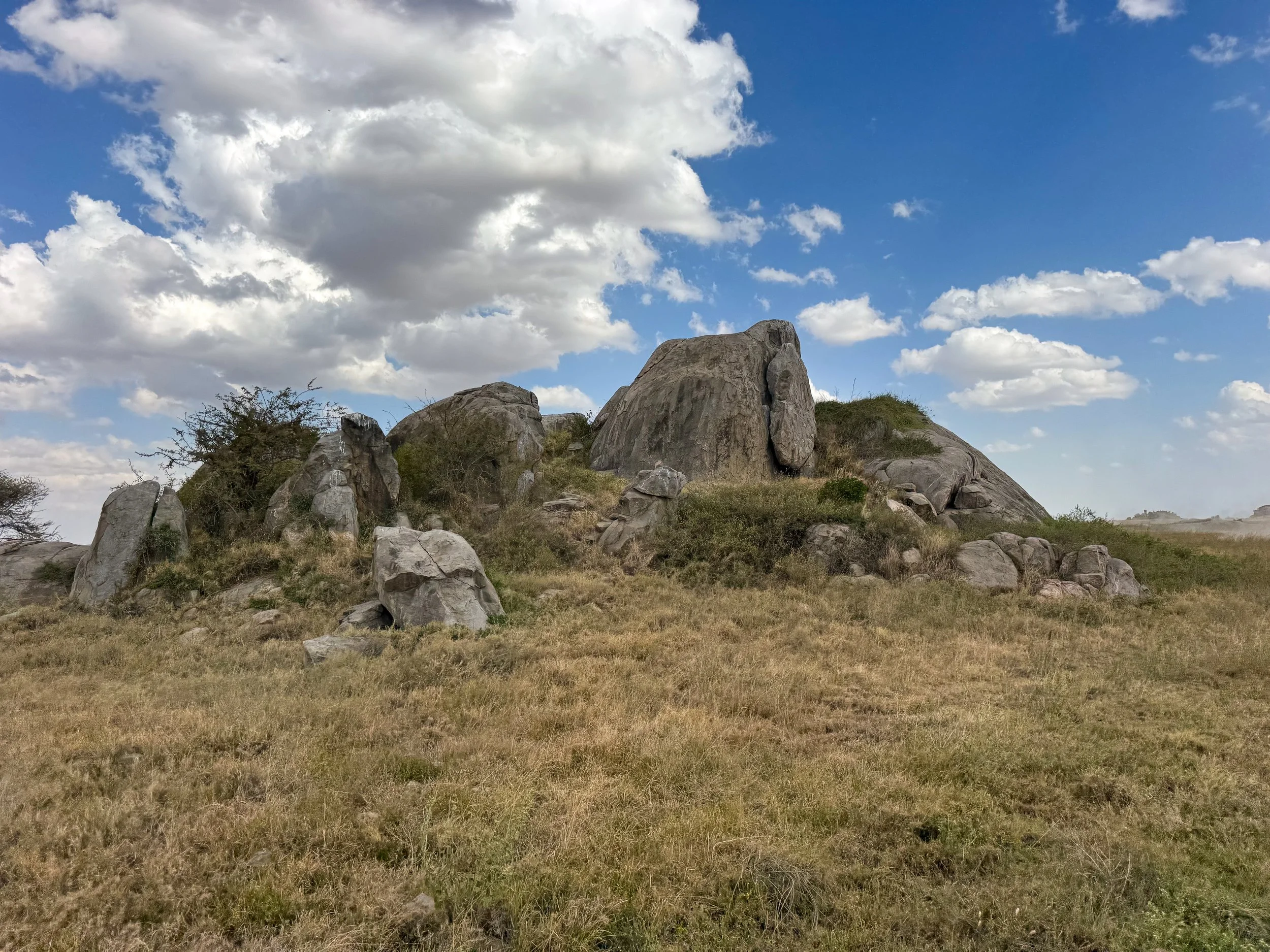
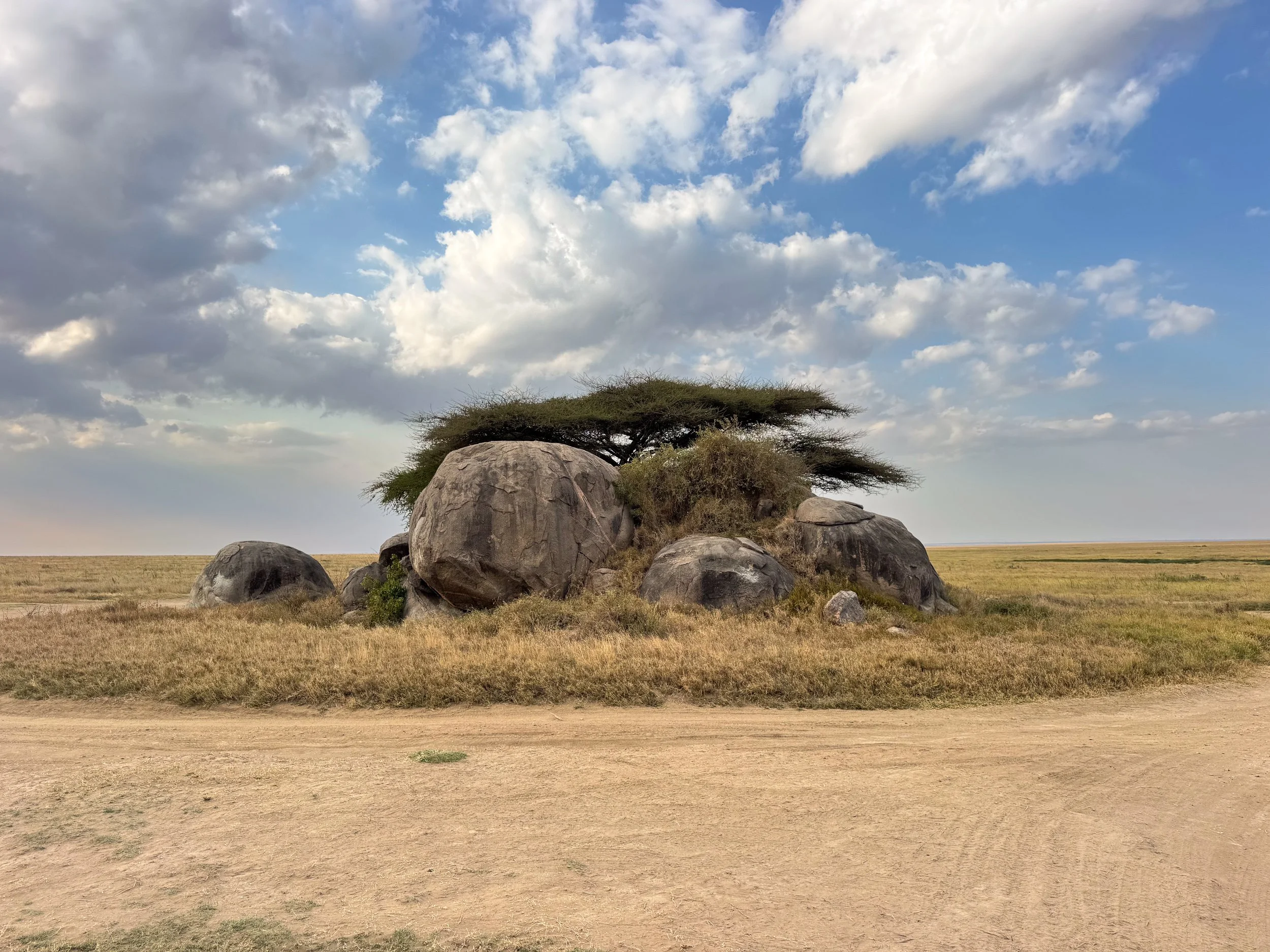
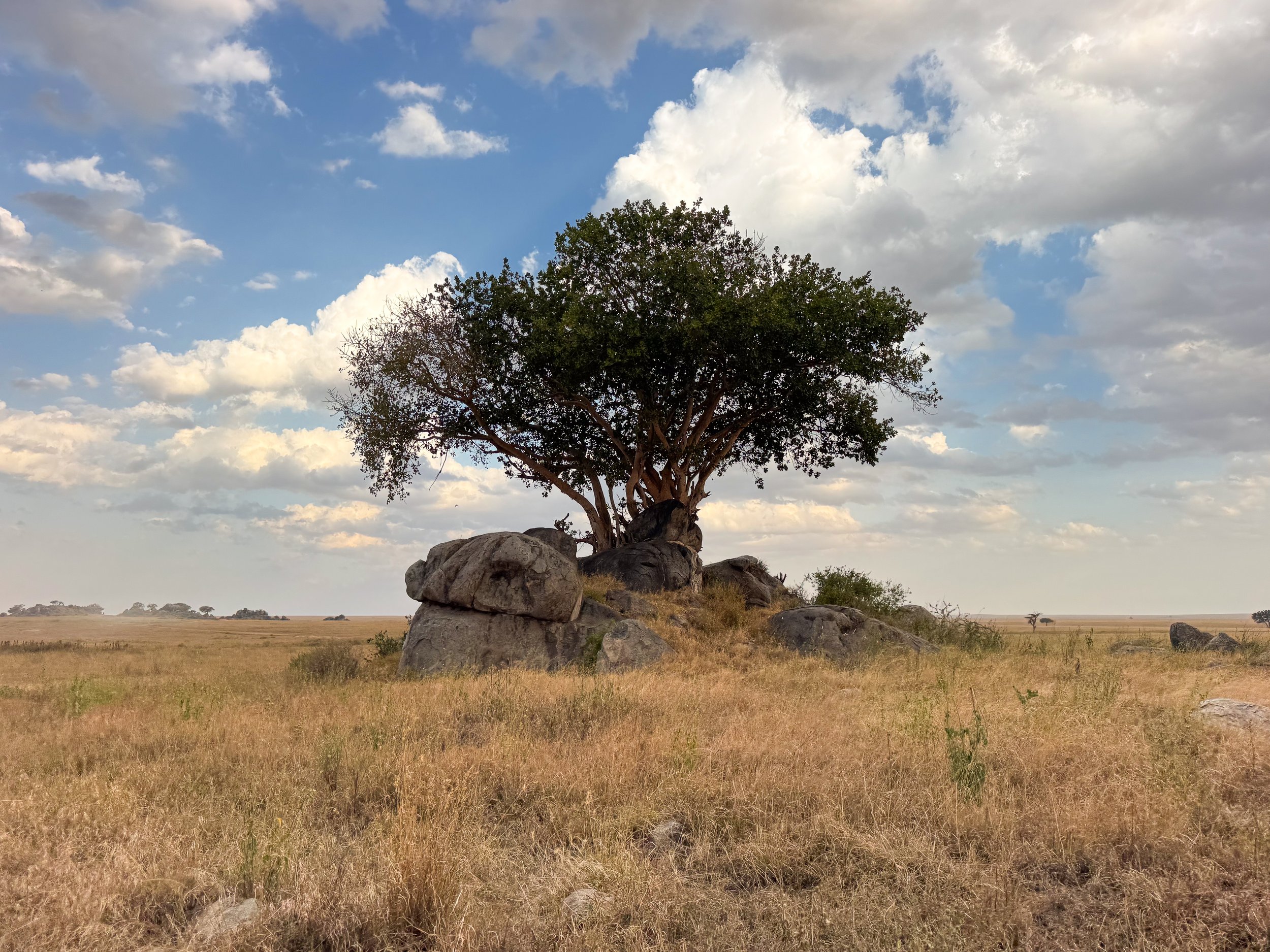
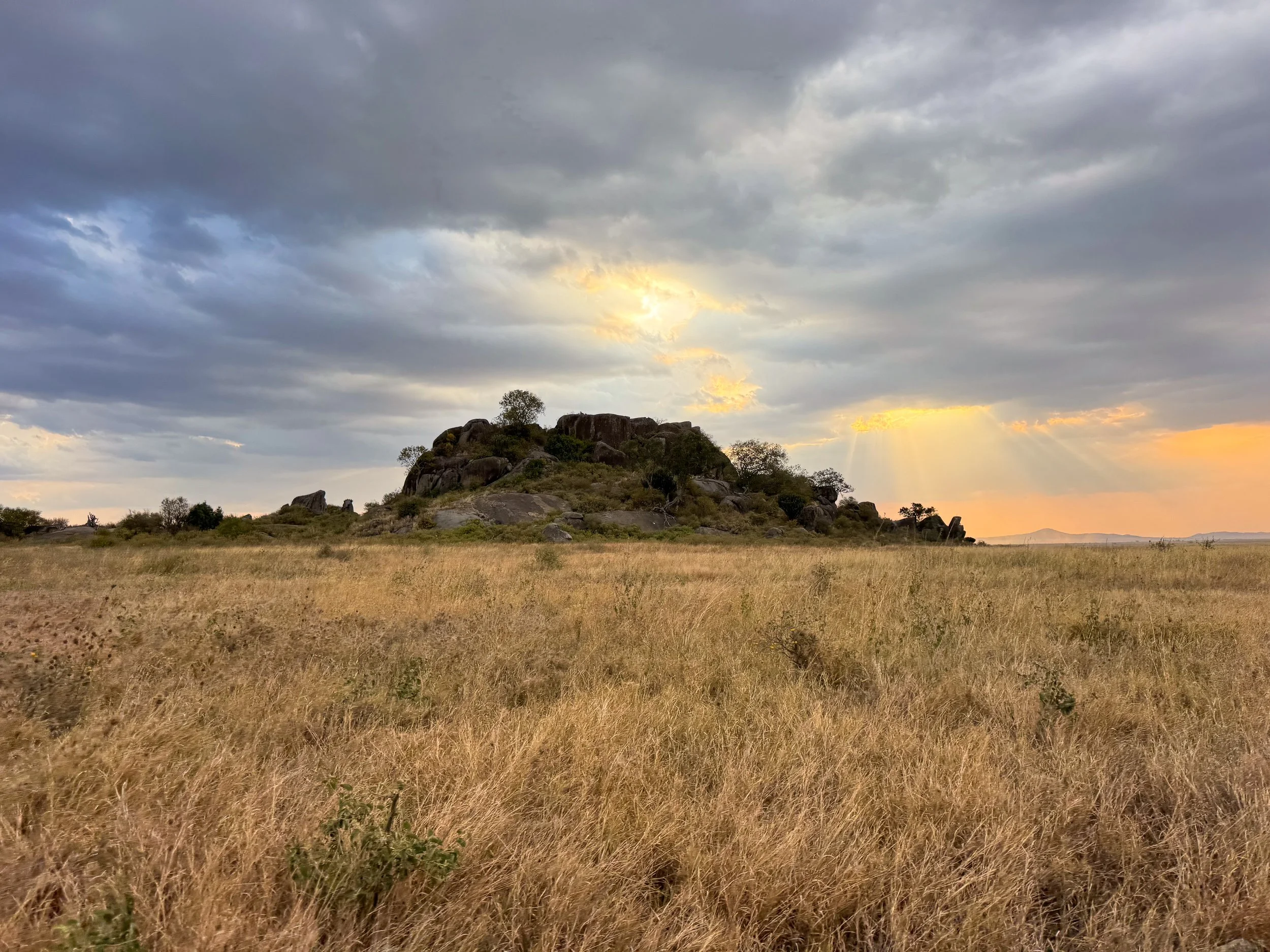
Kopjes. Dramatic granite outcrops that rise from the savanna like an island in a sea of grass. They’re also known as “pride rocks” and serve as important habitats for big cats like lions, cheetahs and leopards.
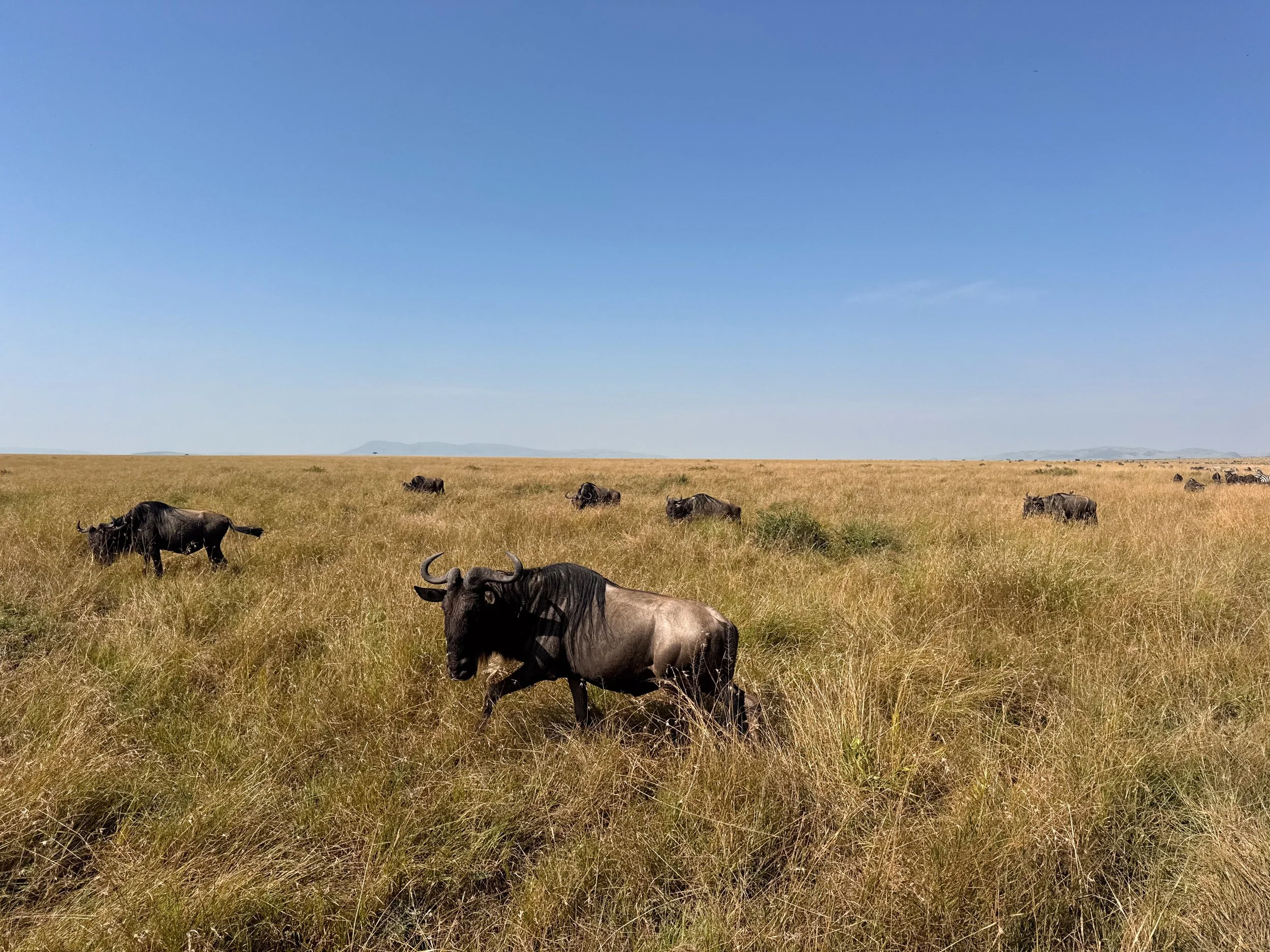
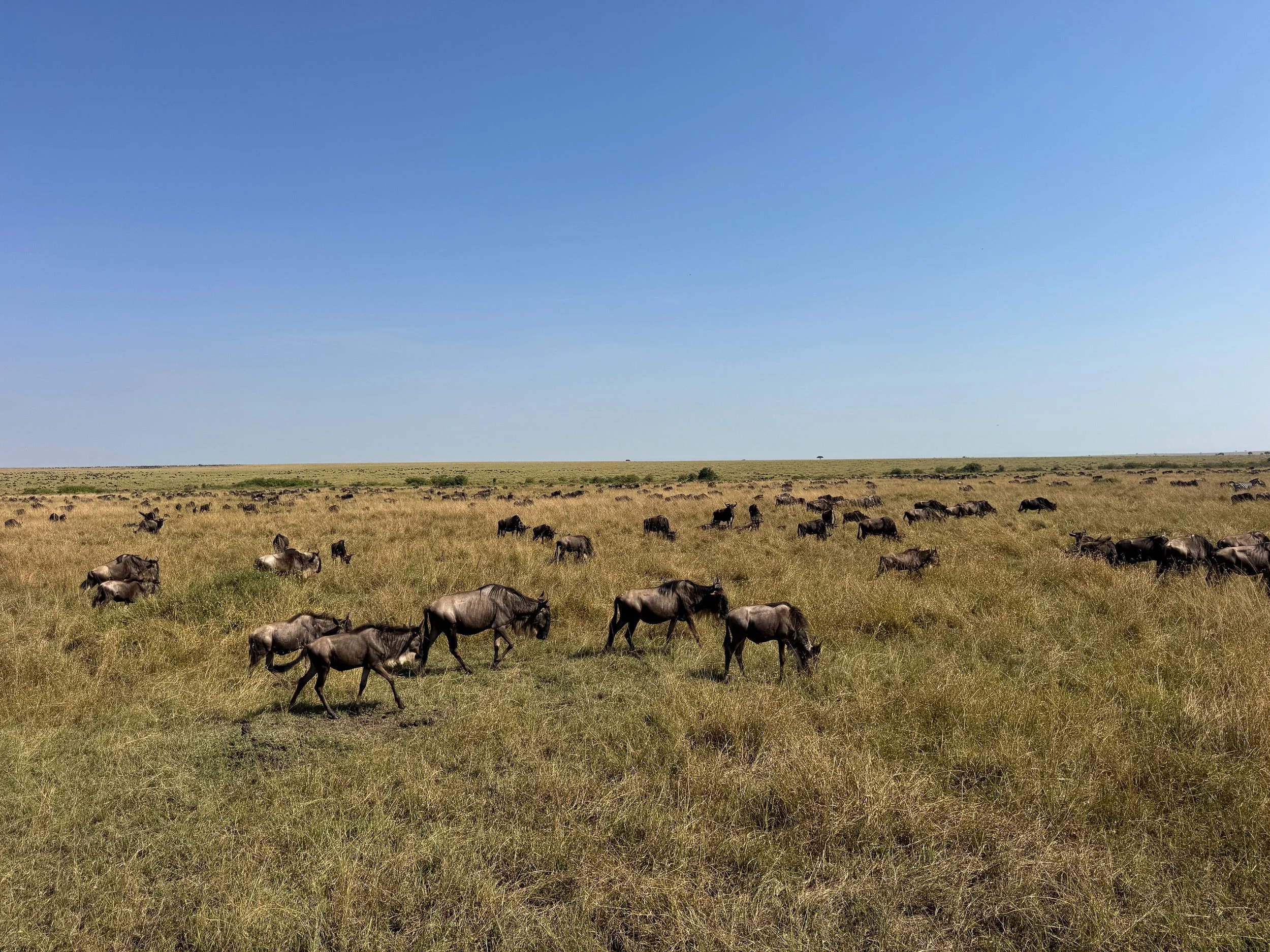
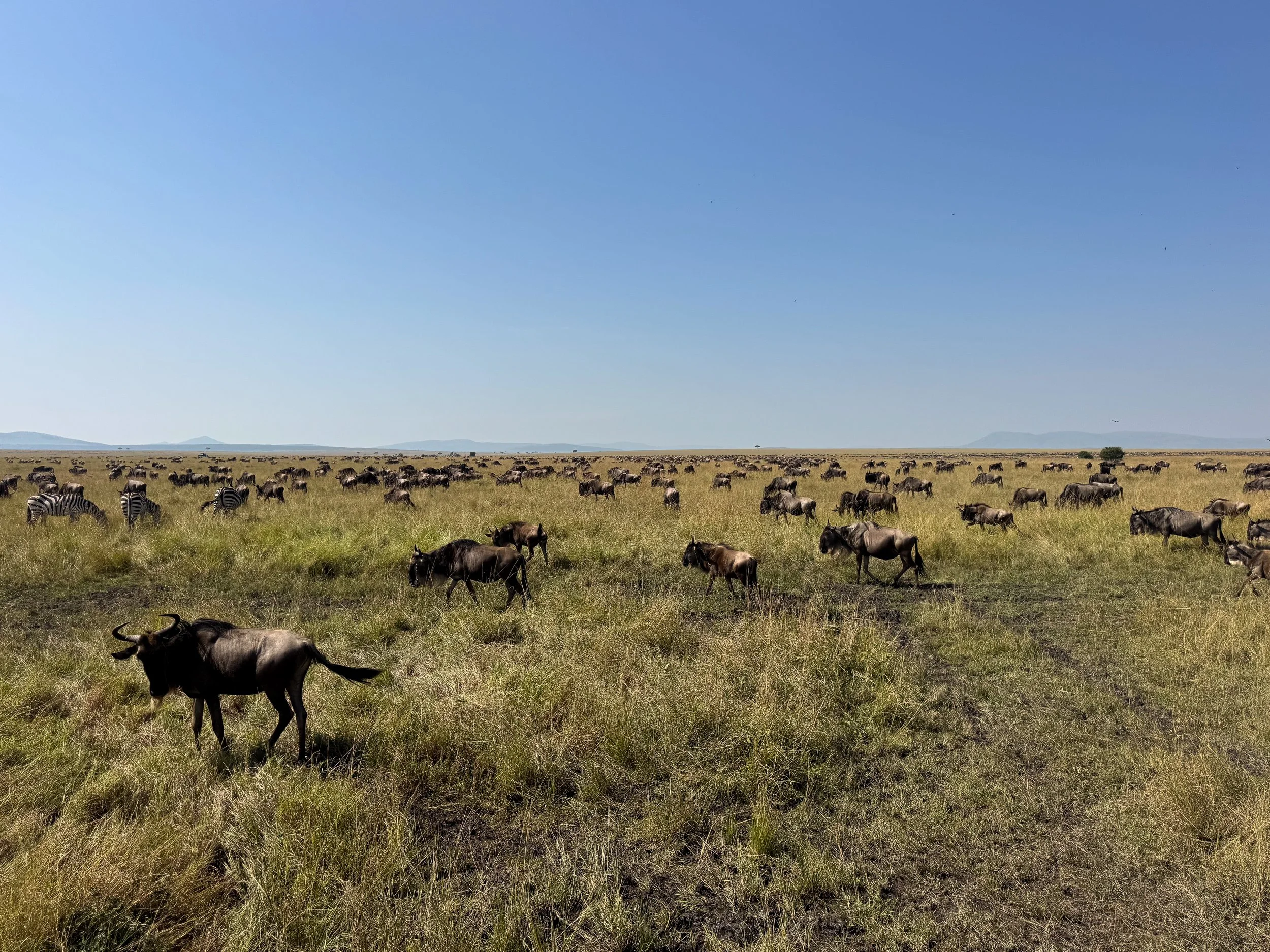
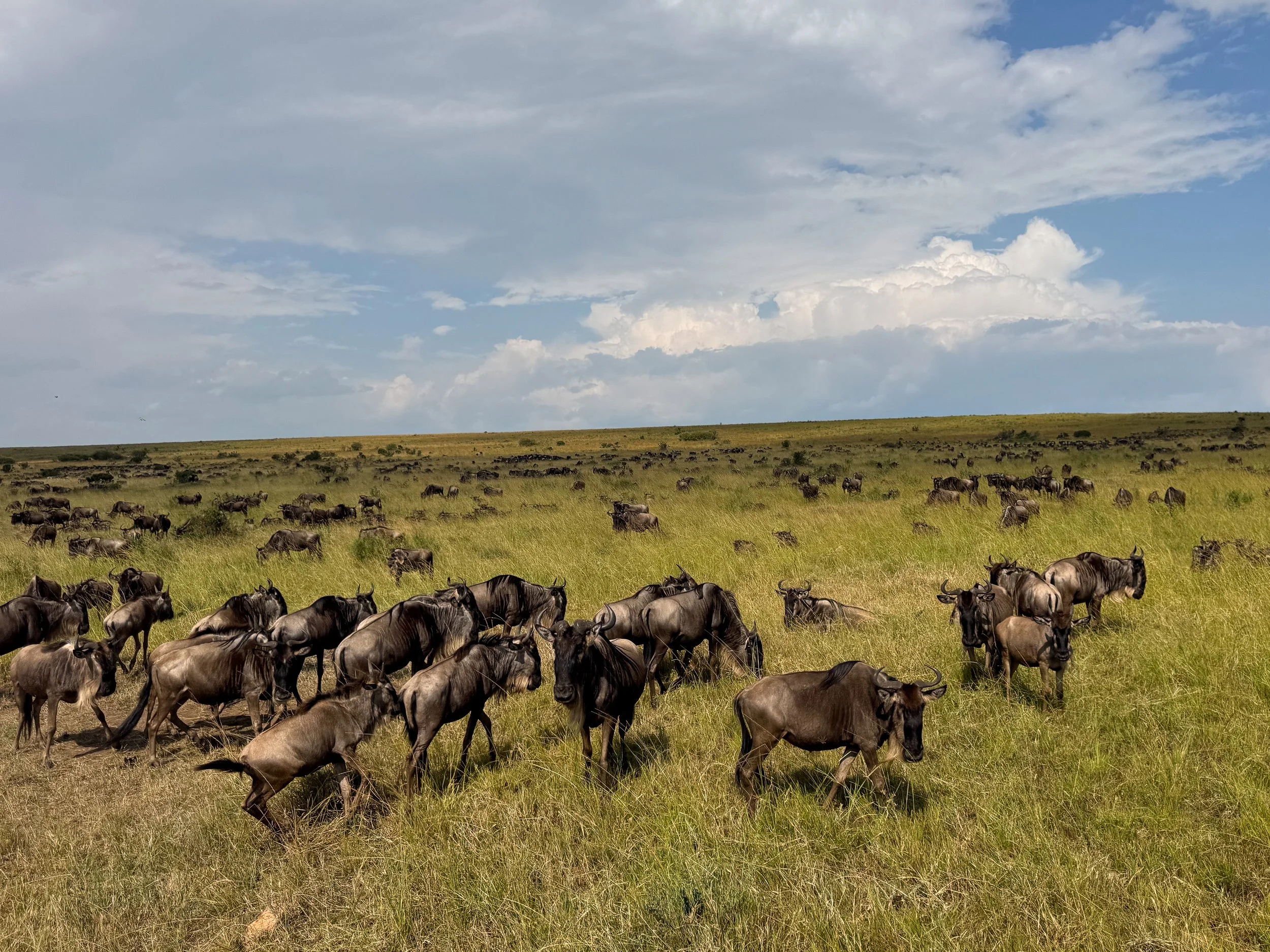
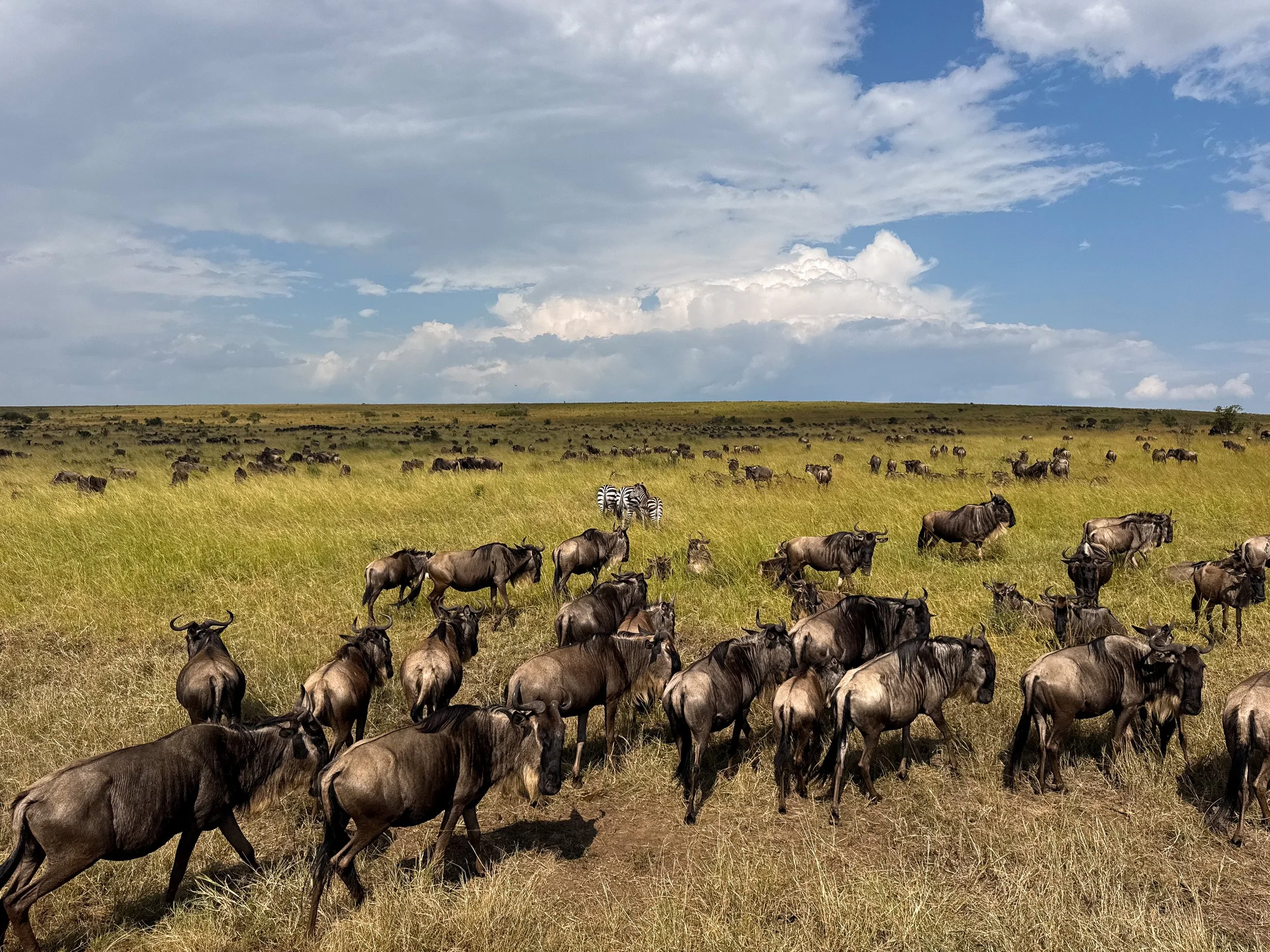
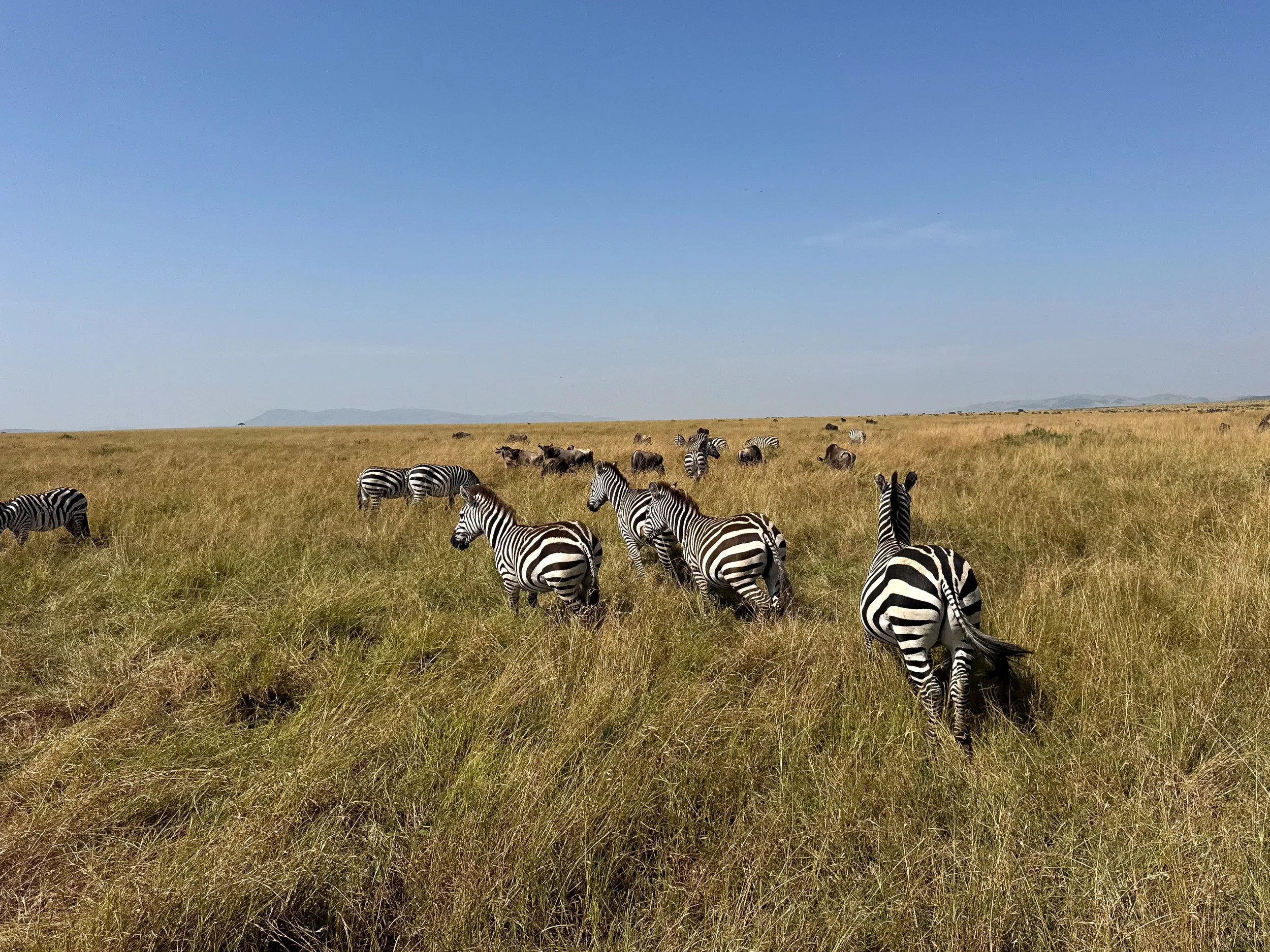
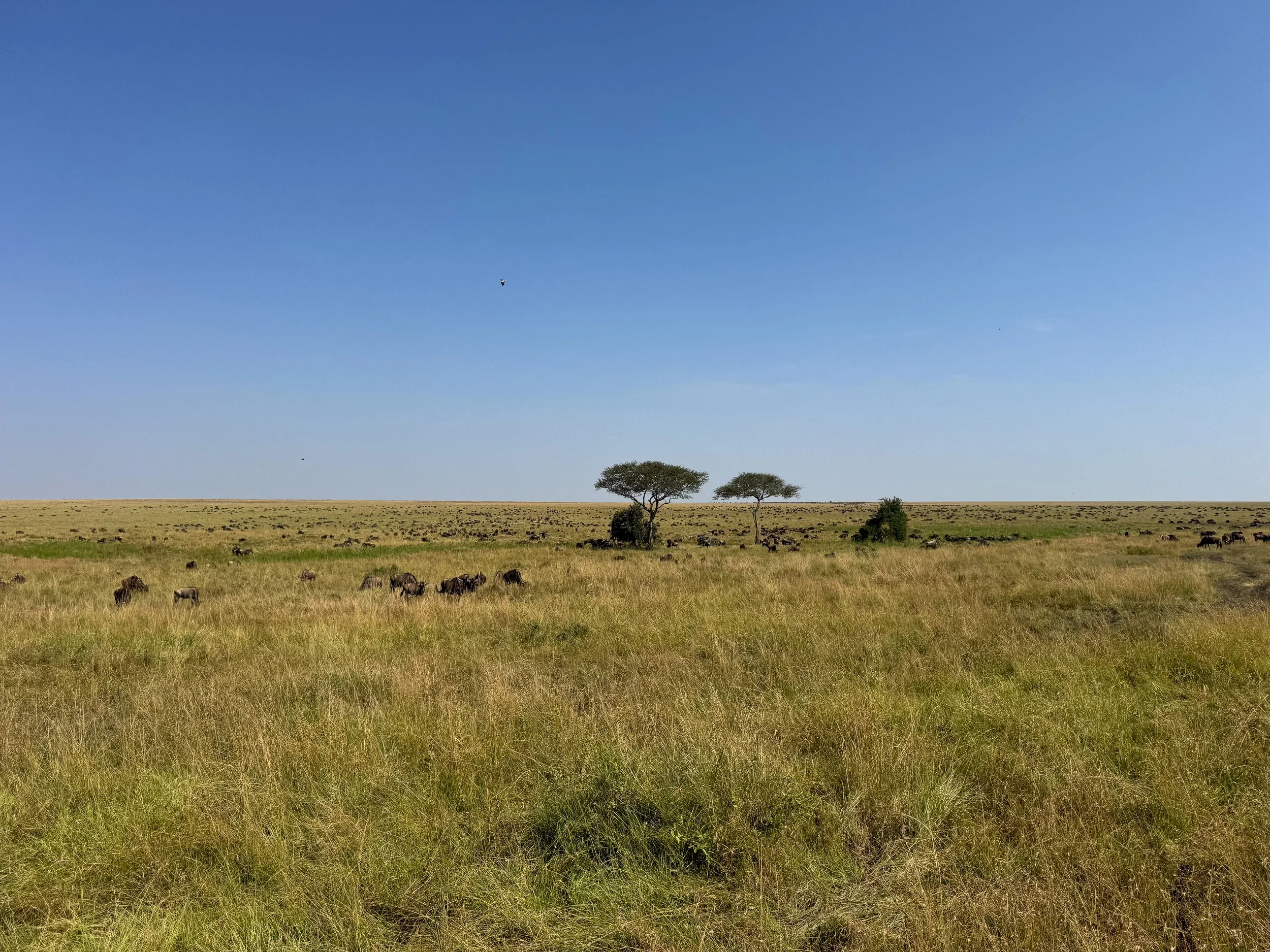
The Great Migration. The Great Migration is the largest migration event on the planet. Over a million wildebeests migrate alongside hundreds of thousands of zebras and antelopes from the Serengeti to the Maasai Mara in search of food and water. We witnessed the incredible event unfold across the vast landscape. Organized lines of wildebeests snaked across the savanna, trotting and honking as they migrated. A herd passed by a pride of male lions and later crossed the crocodile infested Mara River. Mass herds of wildebeests, zebras and antelopes gathered in the savanna grazing on grasses after migrating long distances.
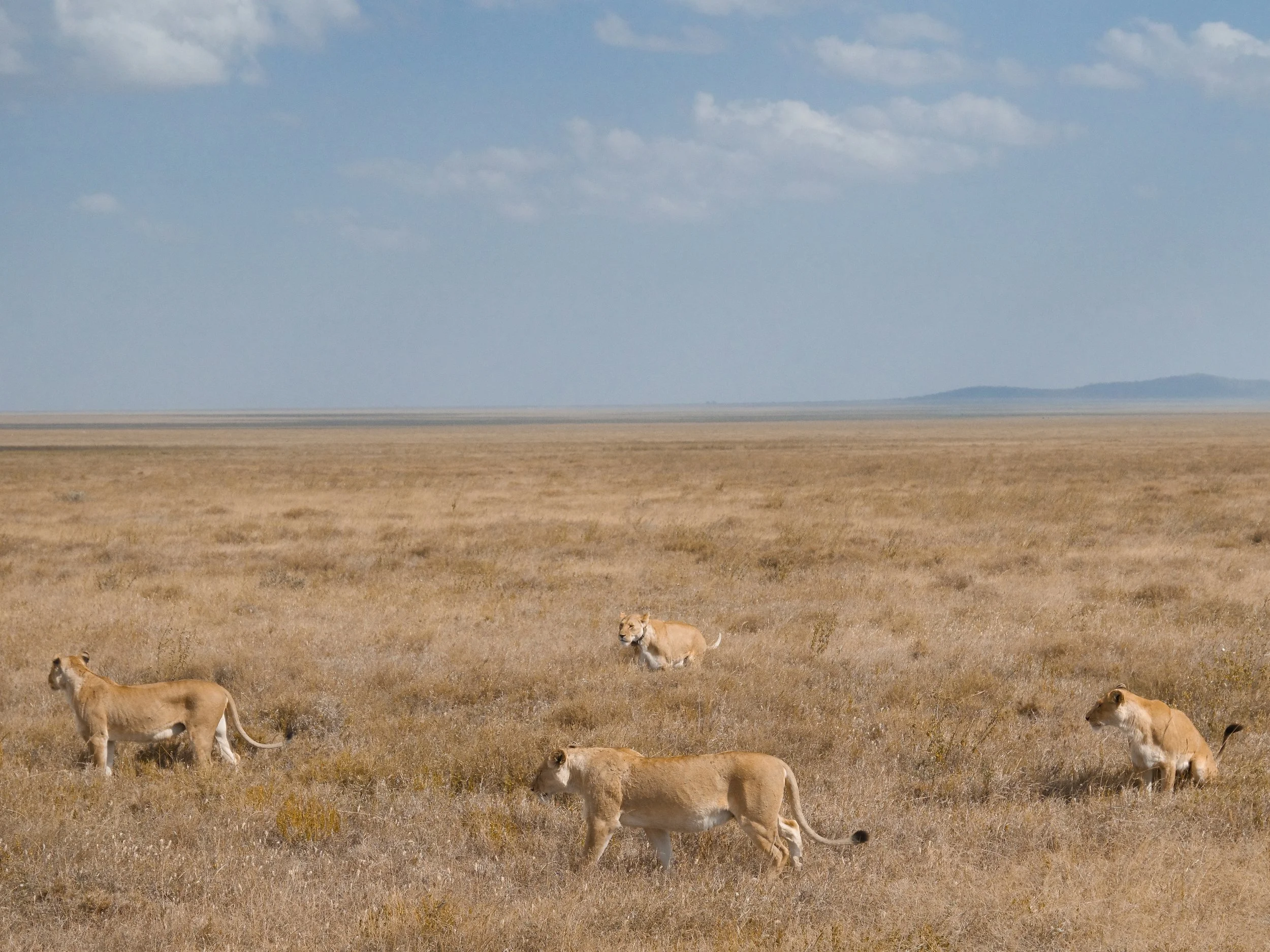
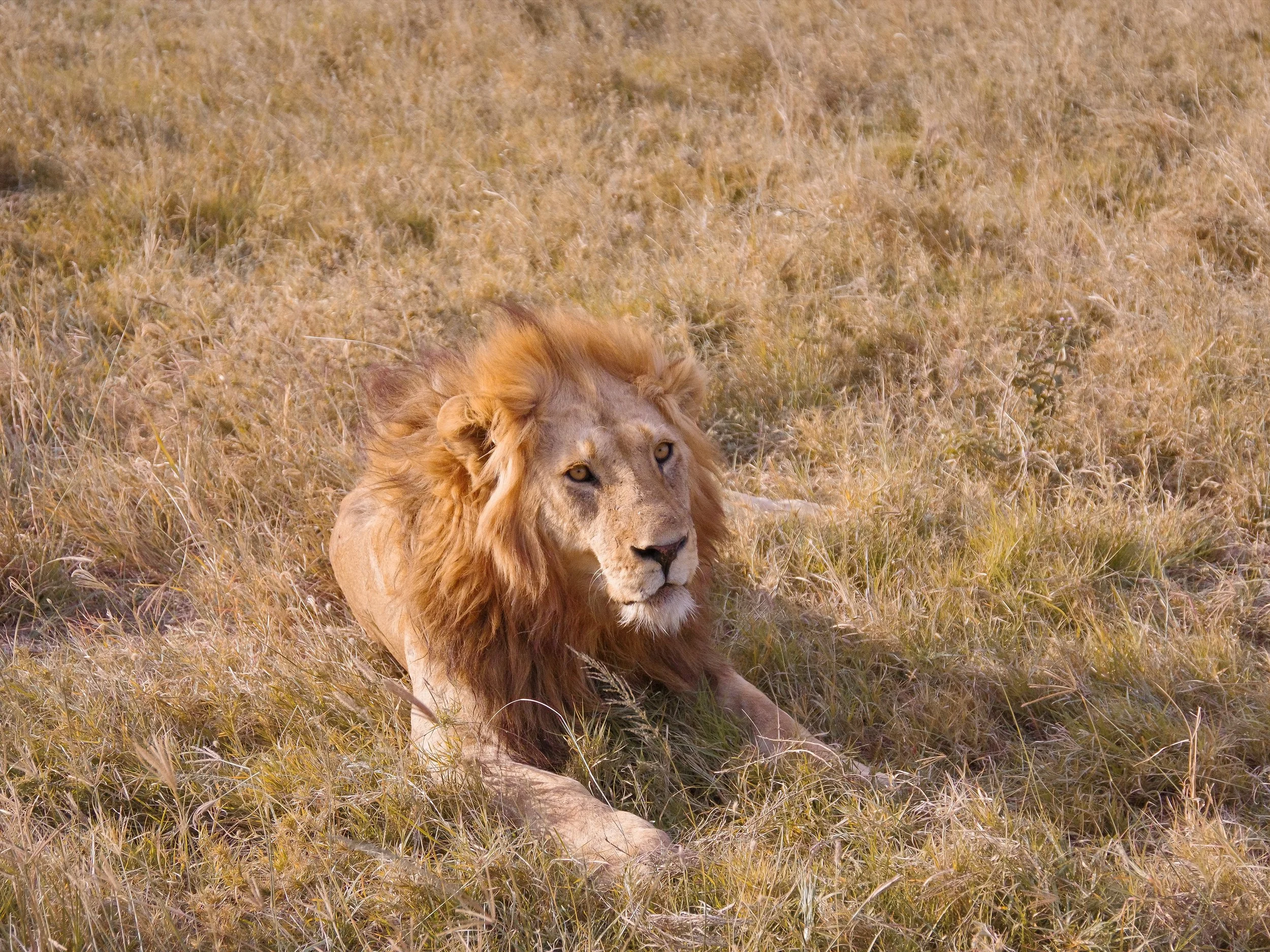
Lions. Lions rein in the Serengeti! Three greeted us just before entering the Nkuyu Gate. One patrolled the roadway, another shaded under a bridge and the third drank from a puddle beside our Land Cruiser, its orange fur and fluffy mane within reaching distance. Several lions napped under a lone acacia tree in the middle of the savanna. Four lionesses prowled through the golden grasses. A majestic lion posed for photos, its amber eyes stared back at us with a genuine fearsomeness.
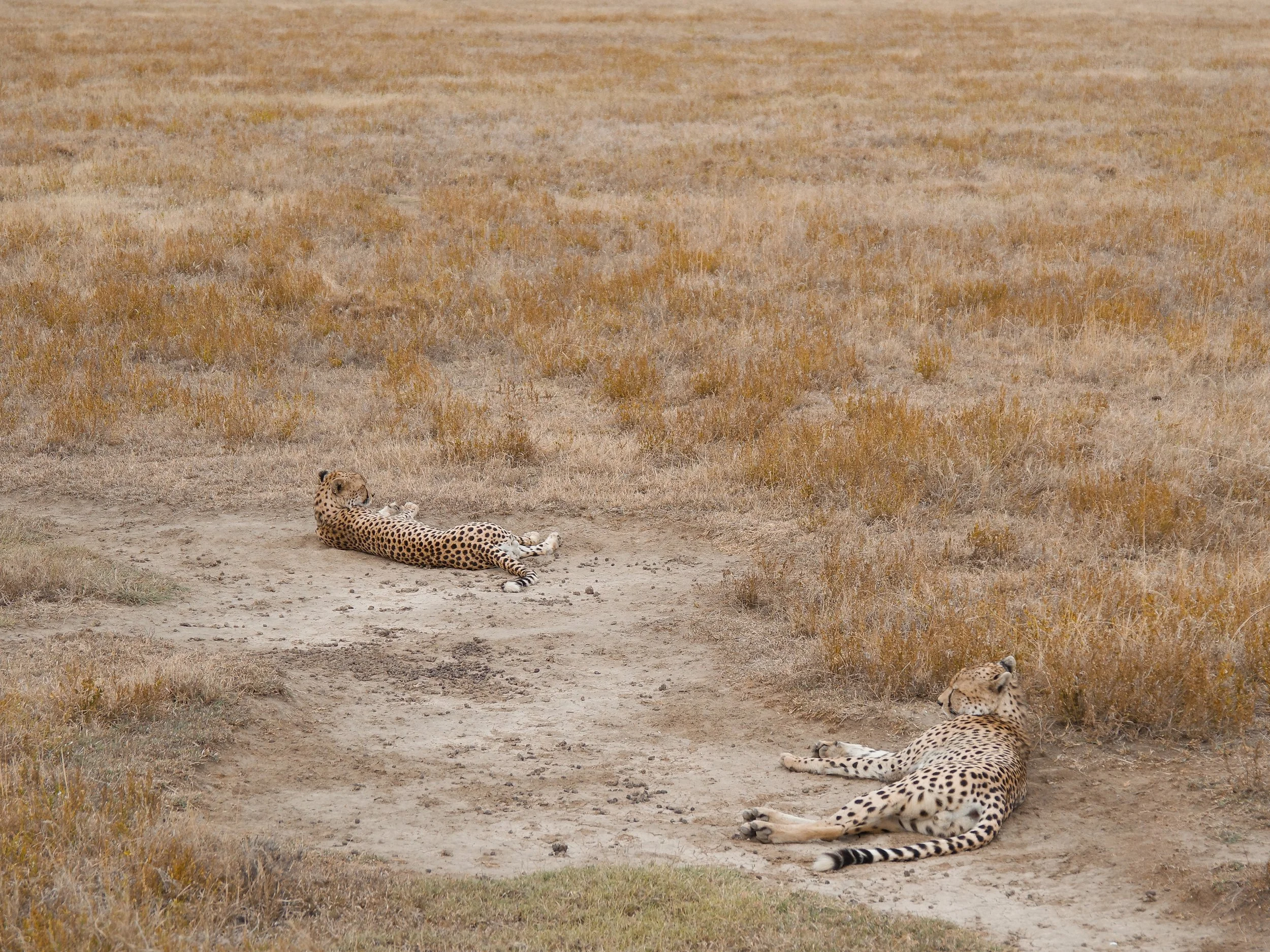
Cheetahs. Cheetahs are one of the most beautiful and powerful animals on the savanna. We encountered a trio napping and watching the horizon for approaching prey.
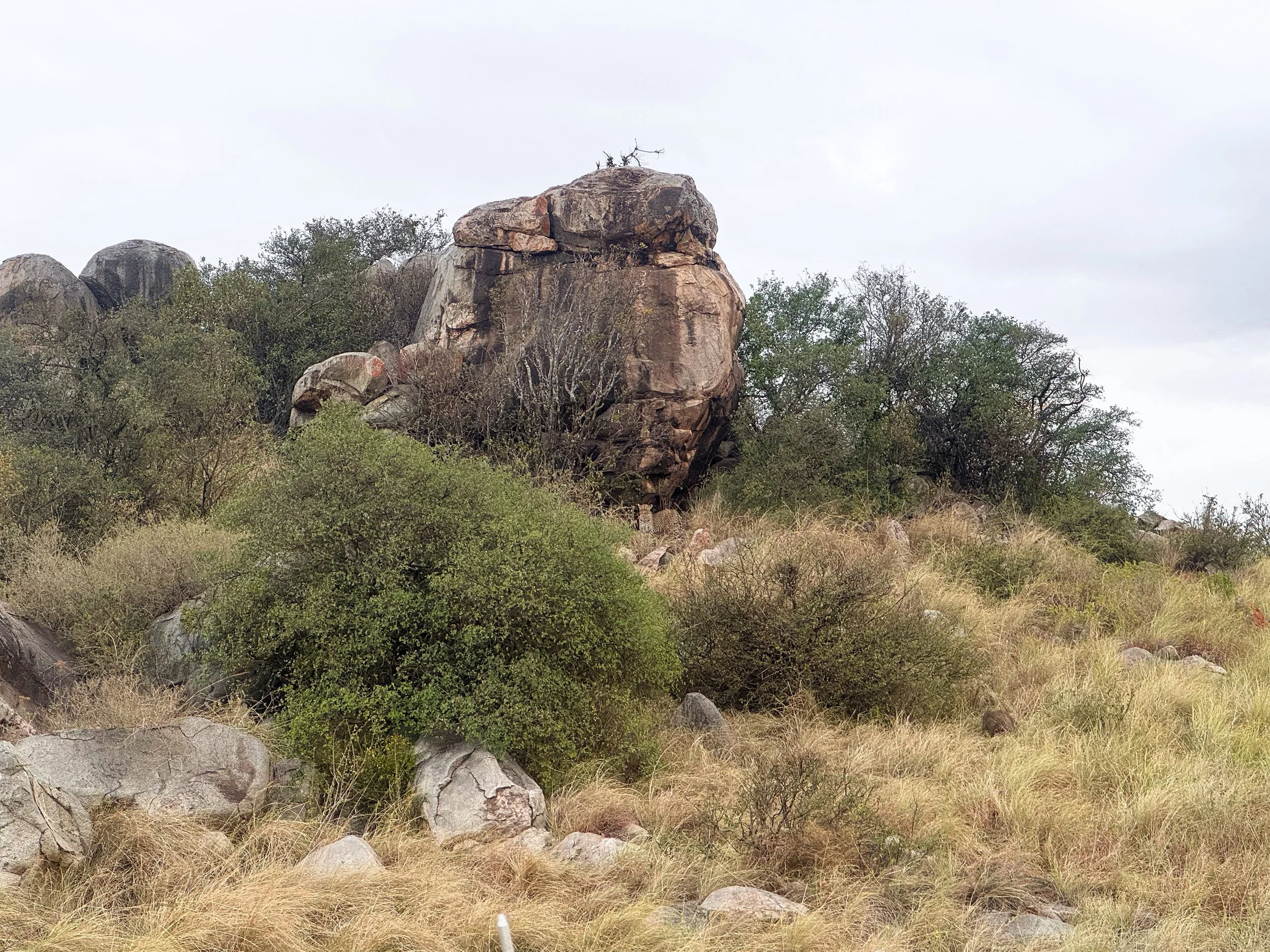
Leopards. Leopards are one of the most difficult animals to spot on the savanna. Our guide spotted one, very well camouflaged and perched on a Kopjes. To our surprise, two cute leopard cubs appeared and began licking the larger one before walking off together.
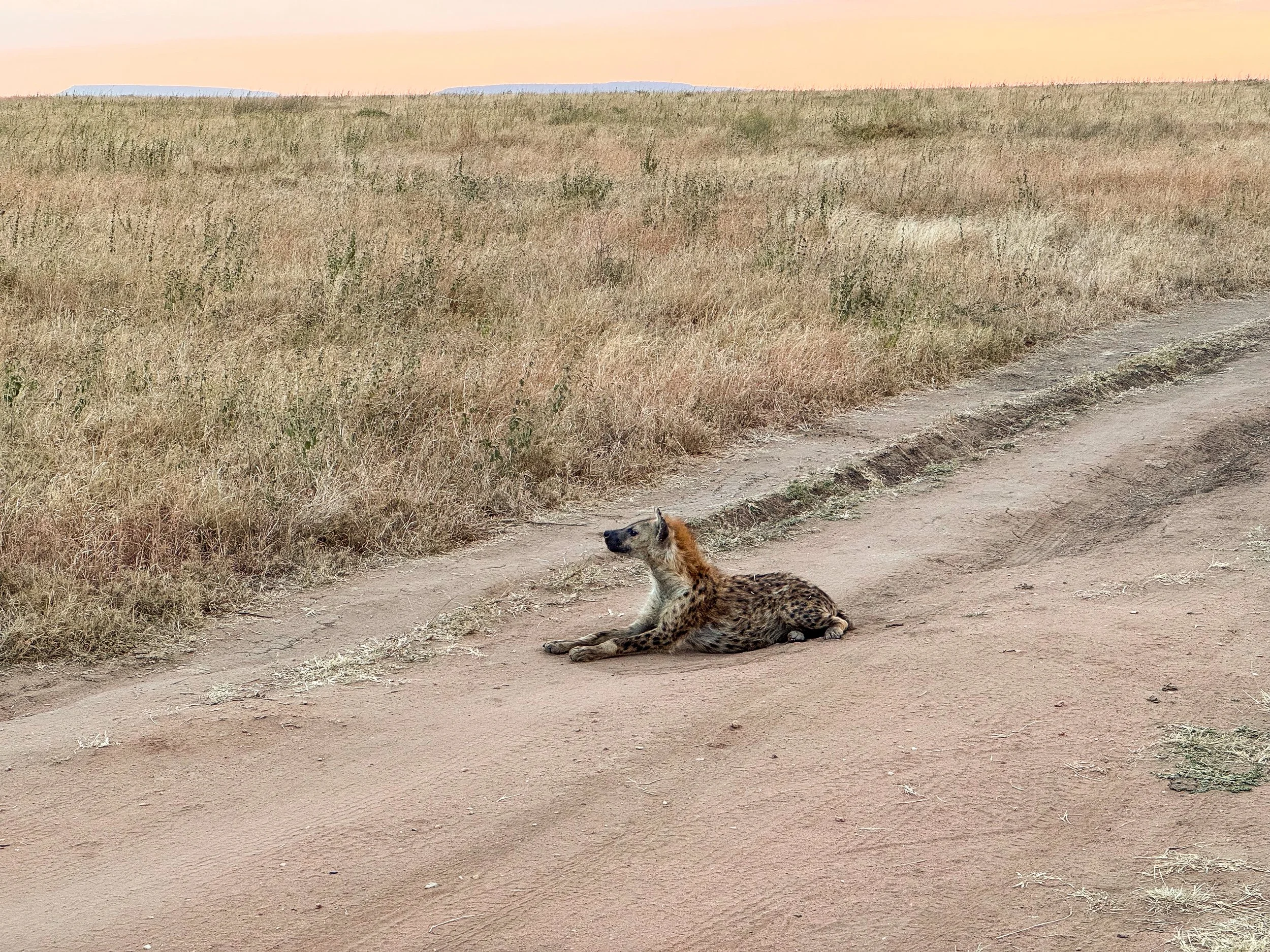
Hyena. A solo hyena blocked the road as night fell. It yawned, showing off its pointed teeth before stretching and walking off into the sunset.
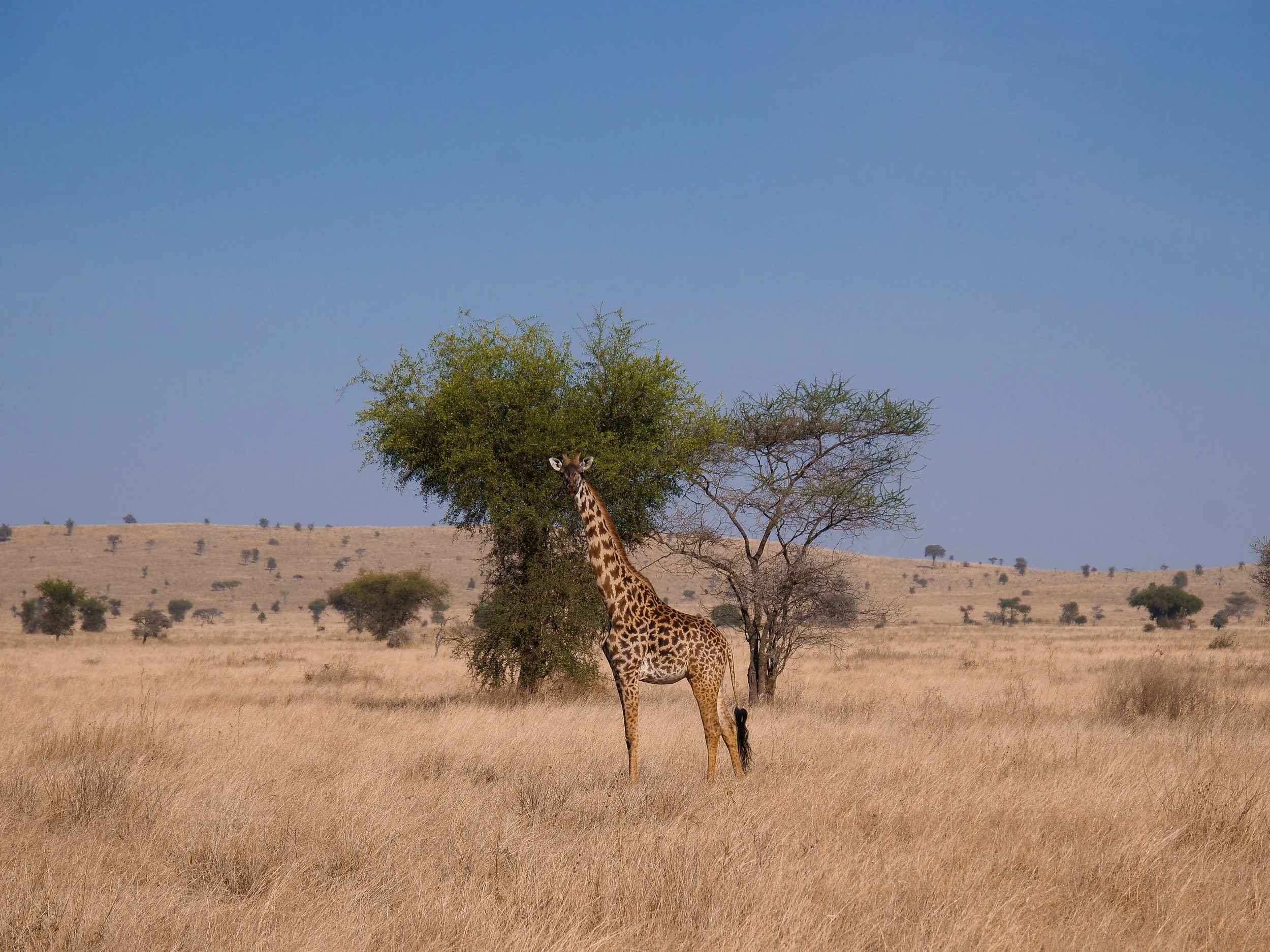
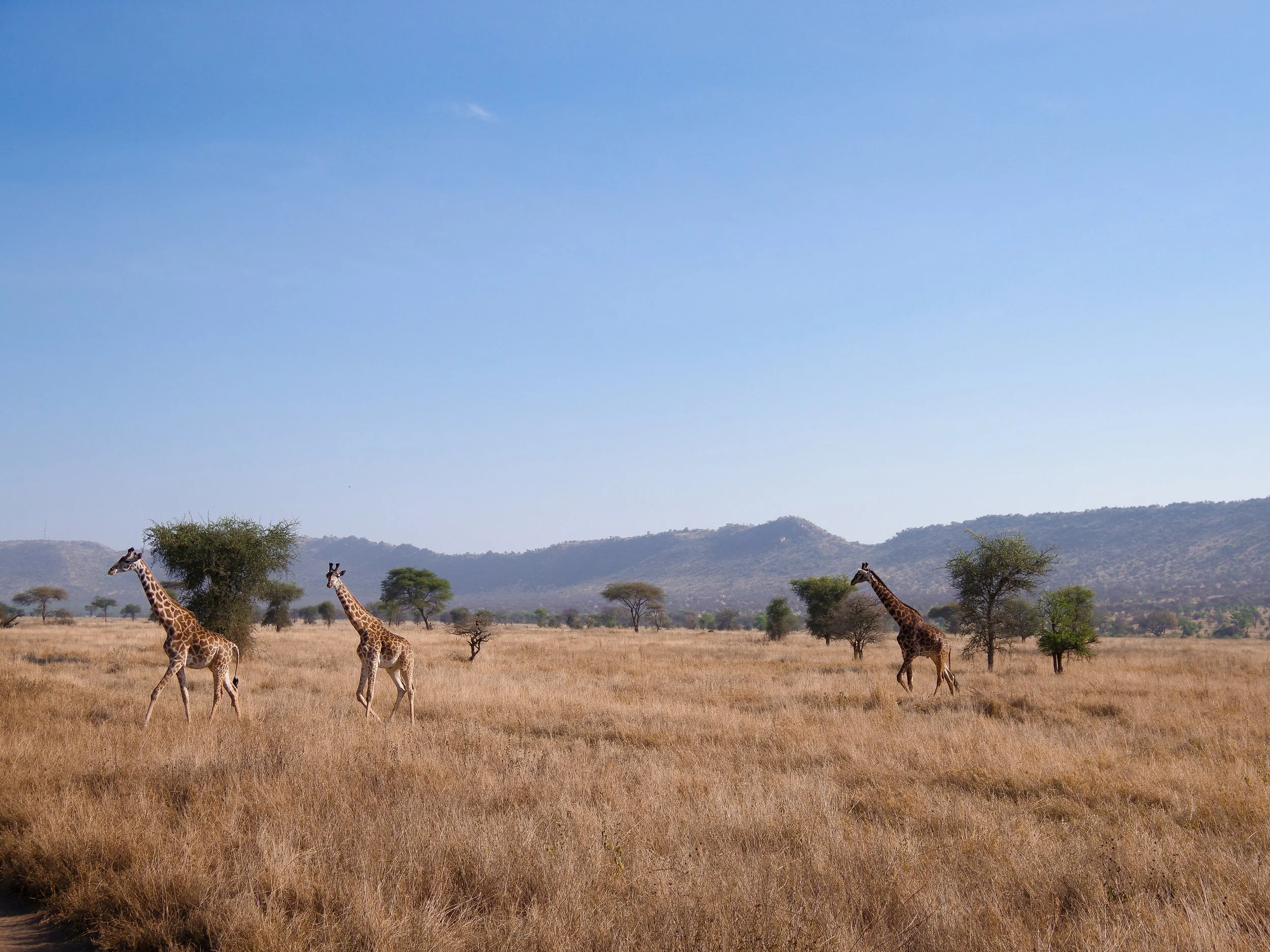
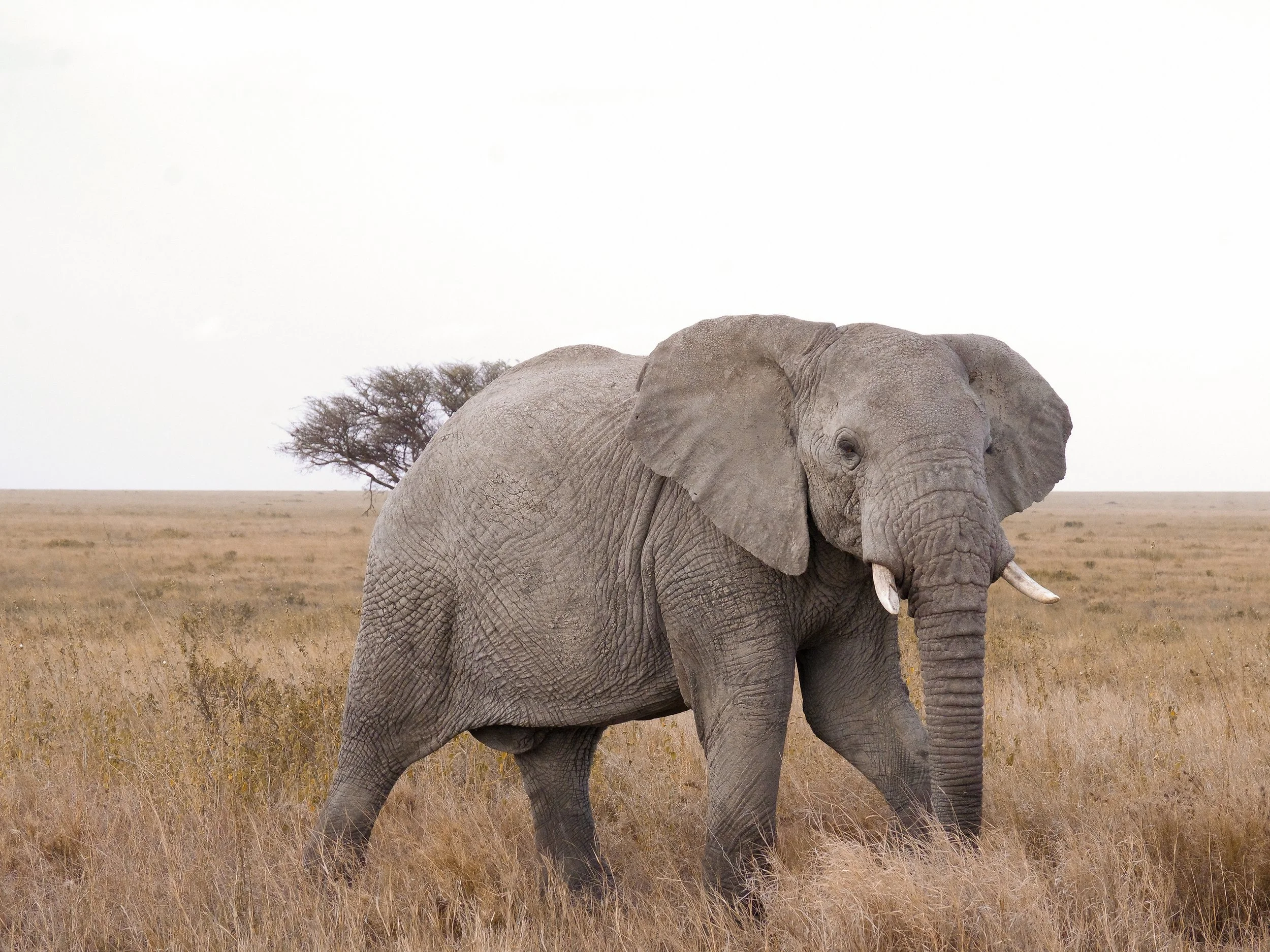
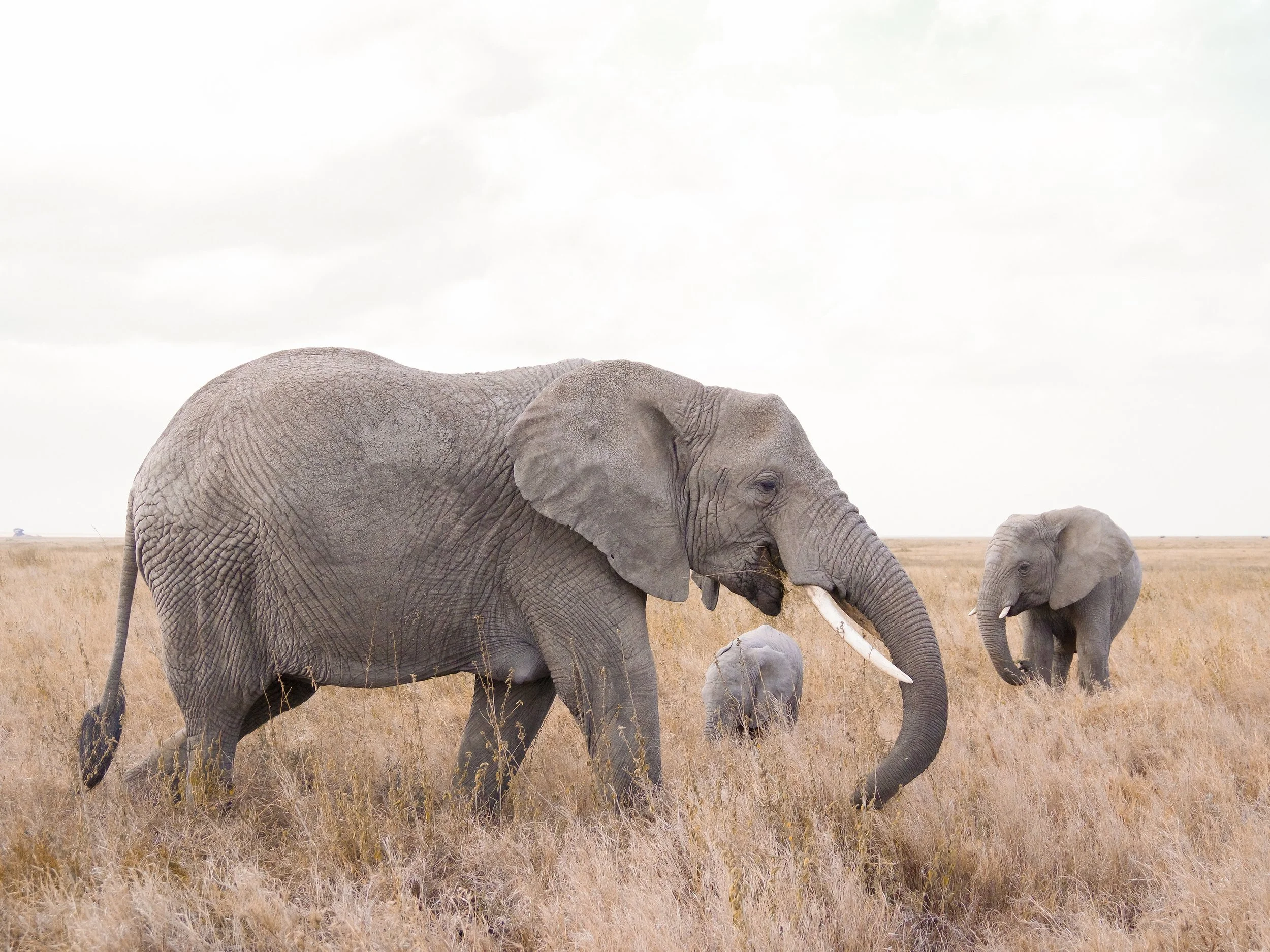
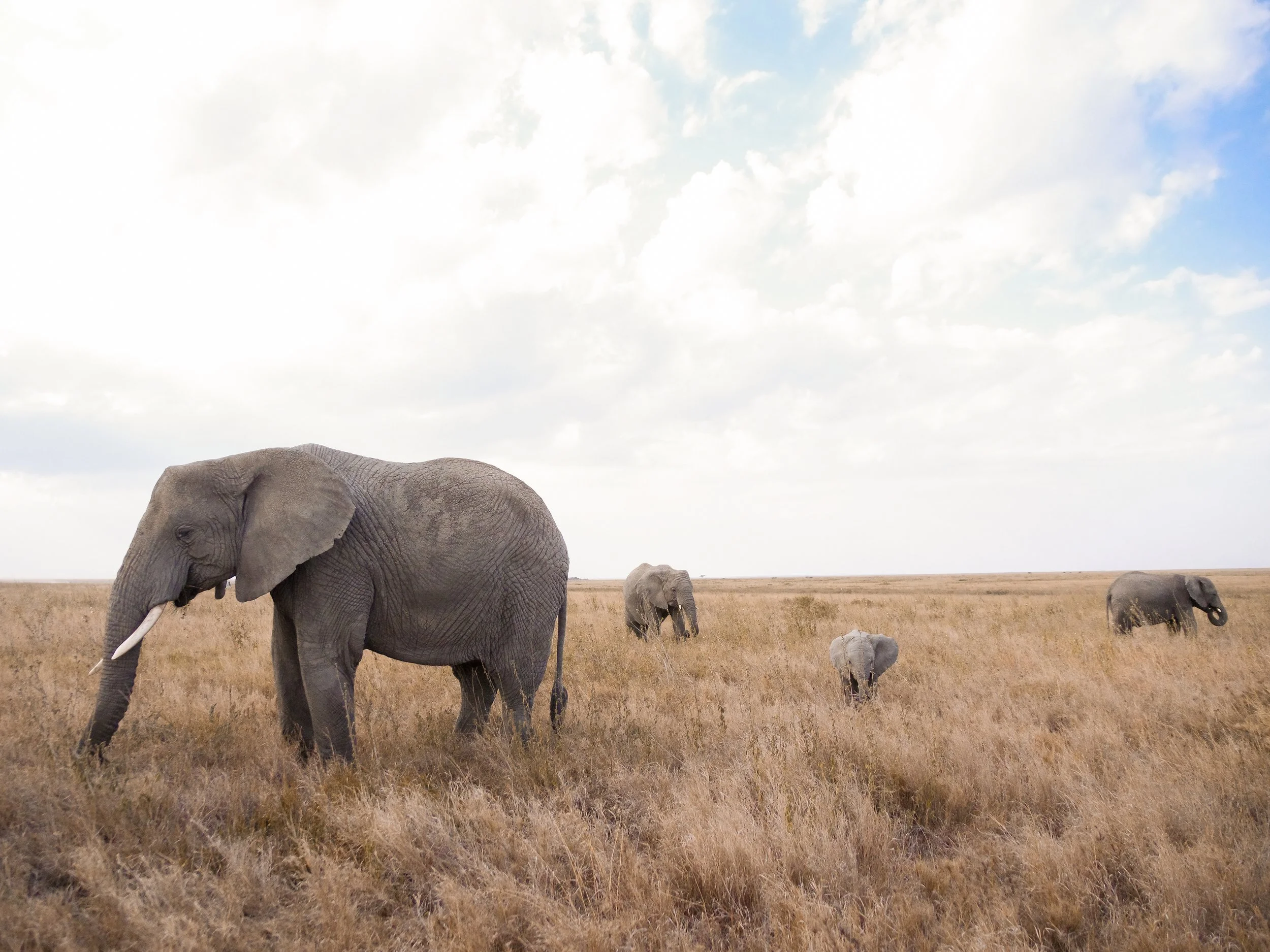
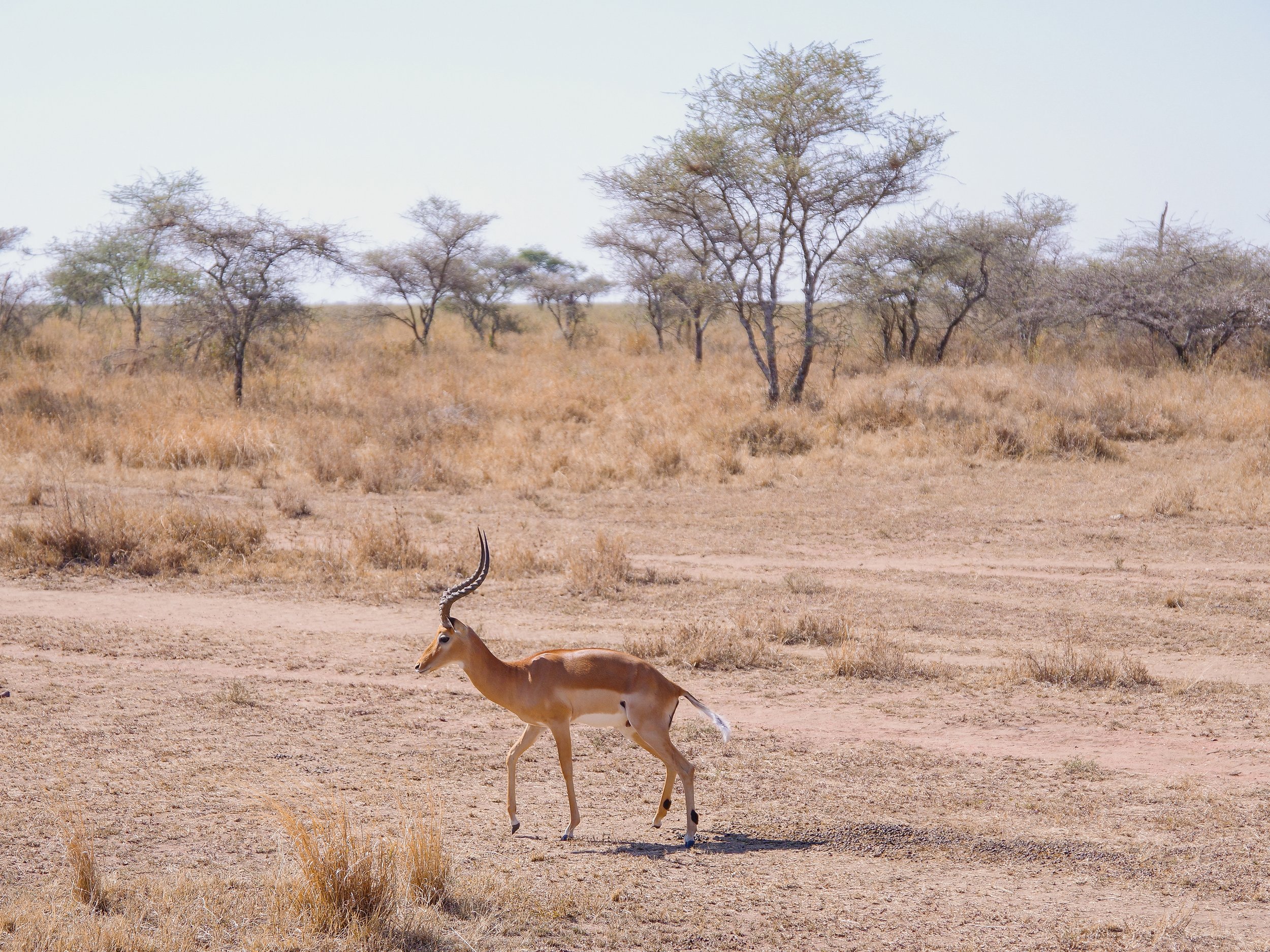
Herds & Wildlife. Herds of impala, gazelle and zebra roam freely across the dry plaines of the Serengeti. Rarer sights were wildebeest and hartebeest, having migrated on their annual migration to the Maasai Mara in Kenya. Towers of giraffe and parades of elephants march across the savanna in search of food and water. Though more difficult to see, small game like warthogs, jackals and mongoose forage in the low grasses.
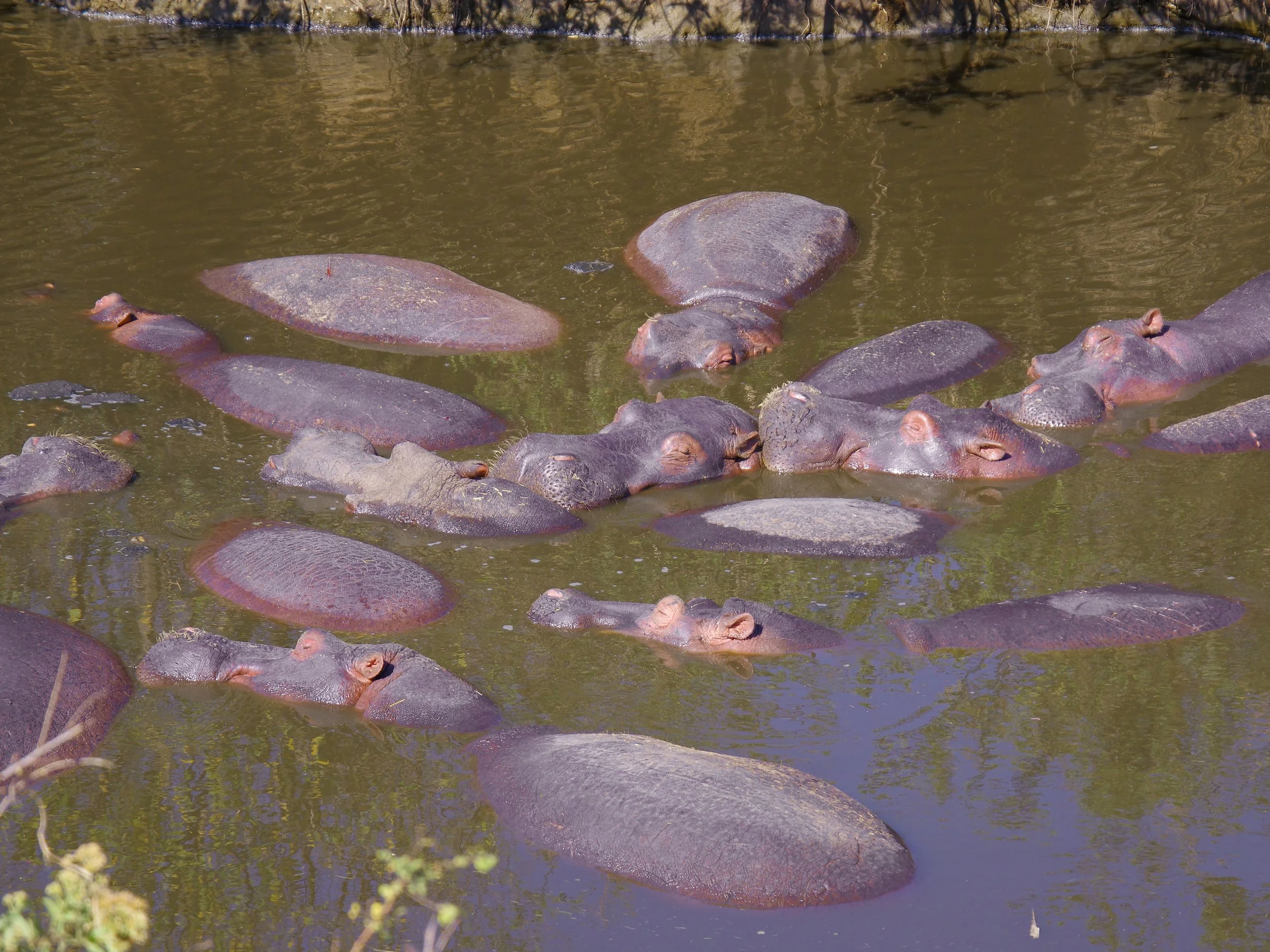
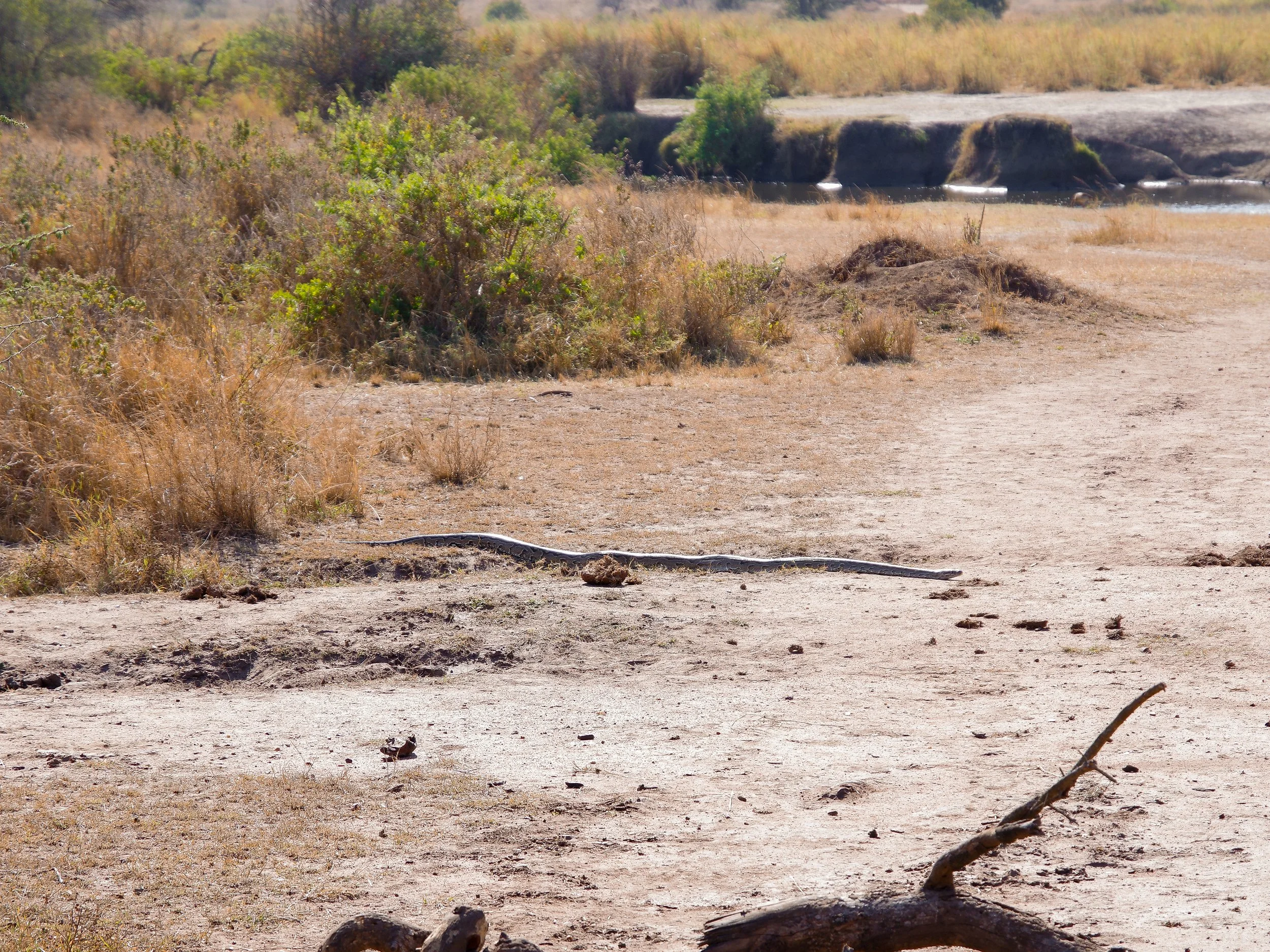
Seronera River. A narrow river flowing through the south eastern Serengeti. Its lush banks are an oasis for Nile crocodile and large families of bathing hippos. Hundreds of hippos soak with their heads and backs above the water, huffing, puffing and snorting after fully submerging. A rare sight was an 8 ft long python slowly slithering across the ground not far from a large crocodile.
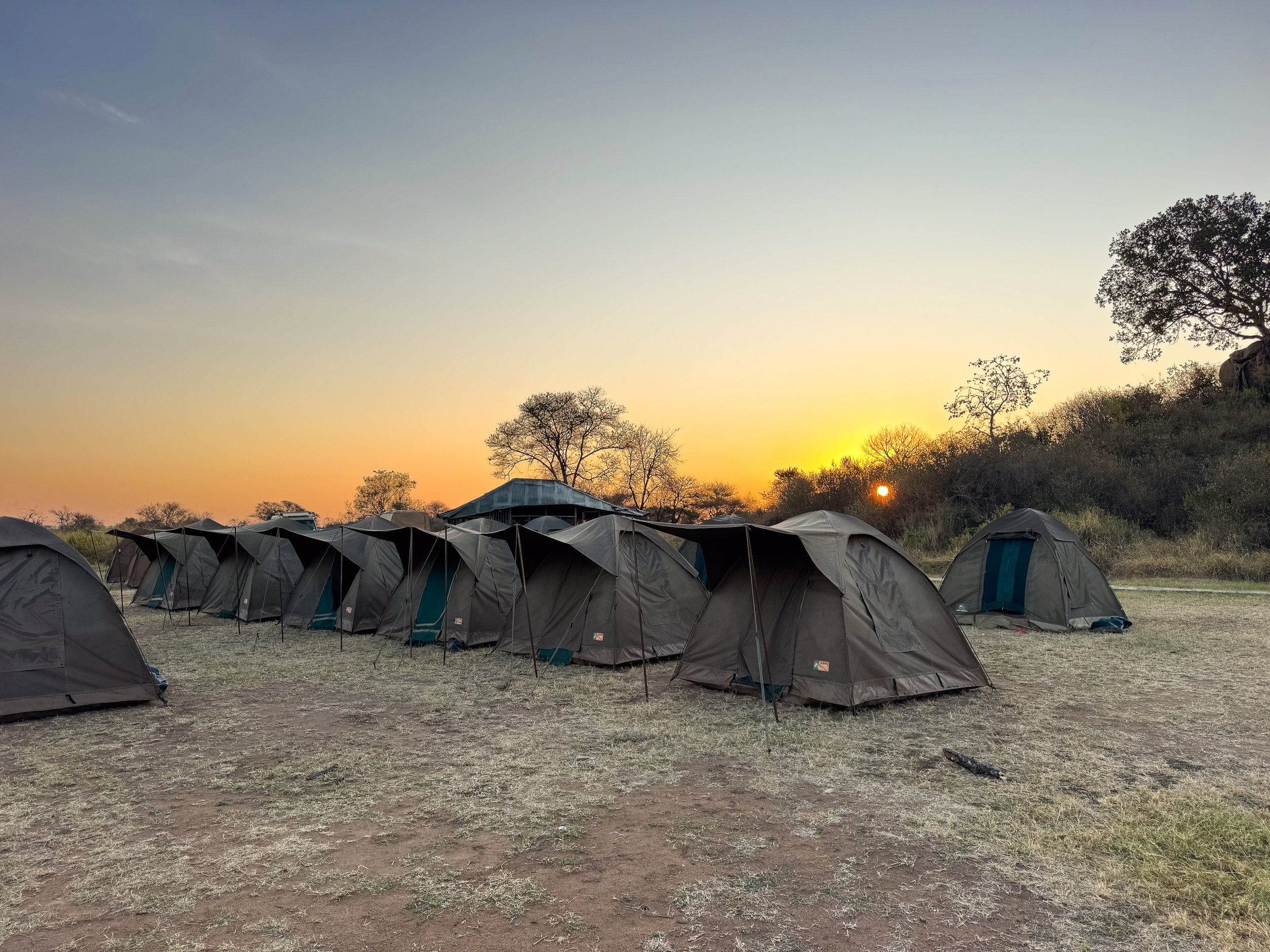
Pimbi Public Campsite. Camping in the Serengeti is one of the most exciting way to experience the national park. The Pimbi Public Campsite is located in the middle of the Serengeti, completely exposed to the grassy plains and animals that roam them. We camped in tents for one night, arriving shortly after sunset. The cackle of hyena could be heard somewhere in the distance. The roars of lions reverberated across the savanna at night. We woke up to two leopards retuning from their hunt, climbing onto the rocks less than 300 meters from our camp.
Ngorongoro Conservation Area
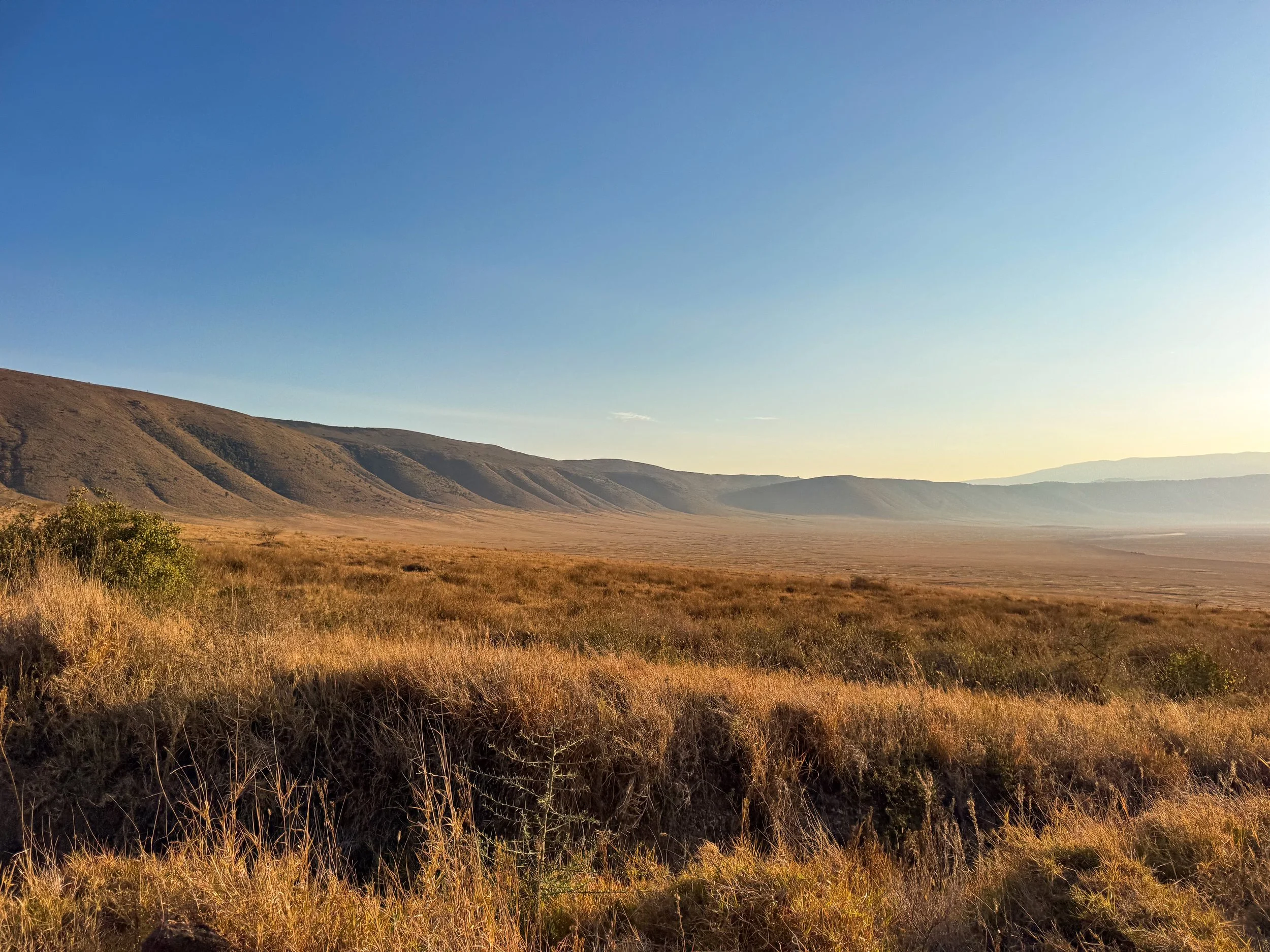
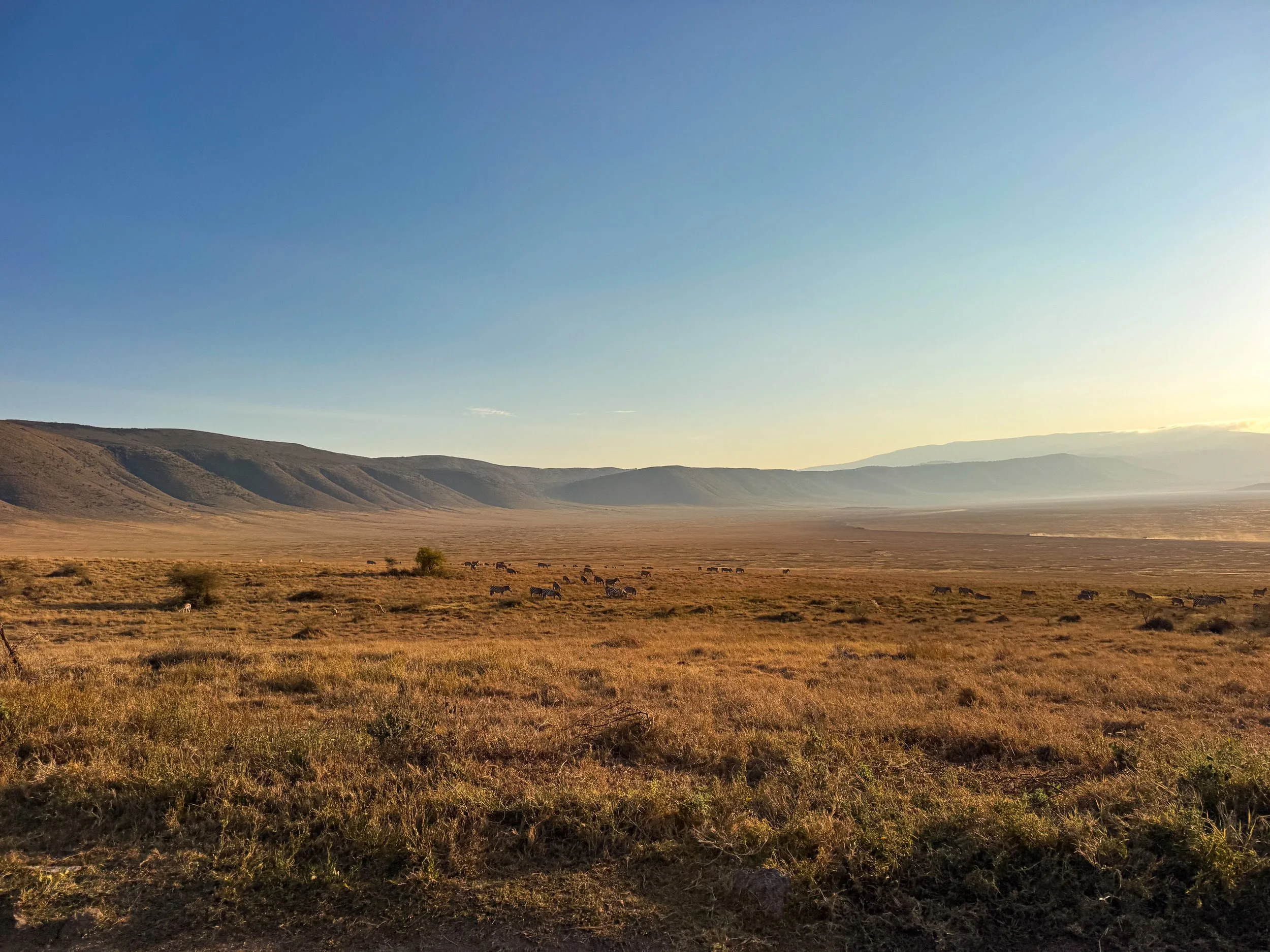
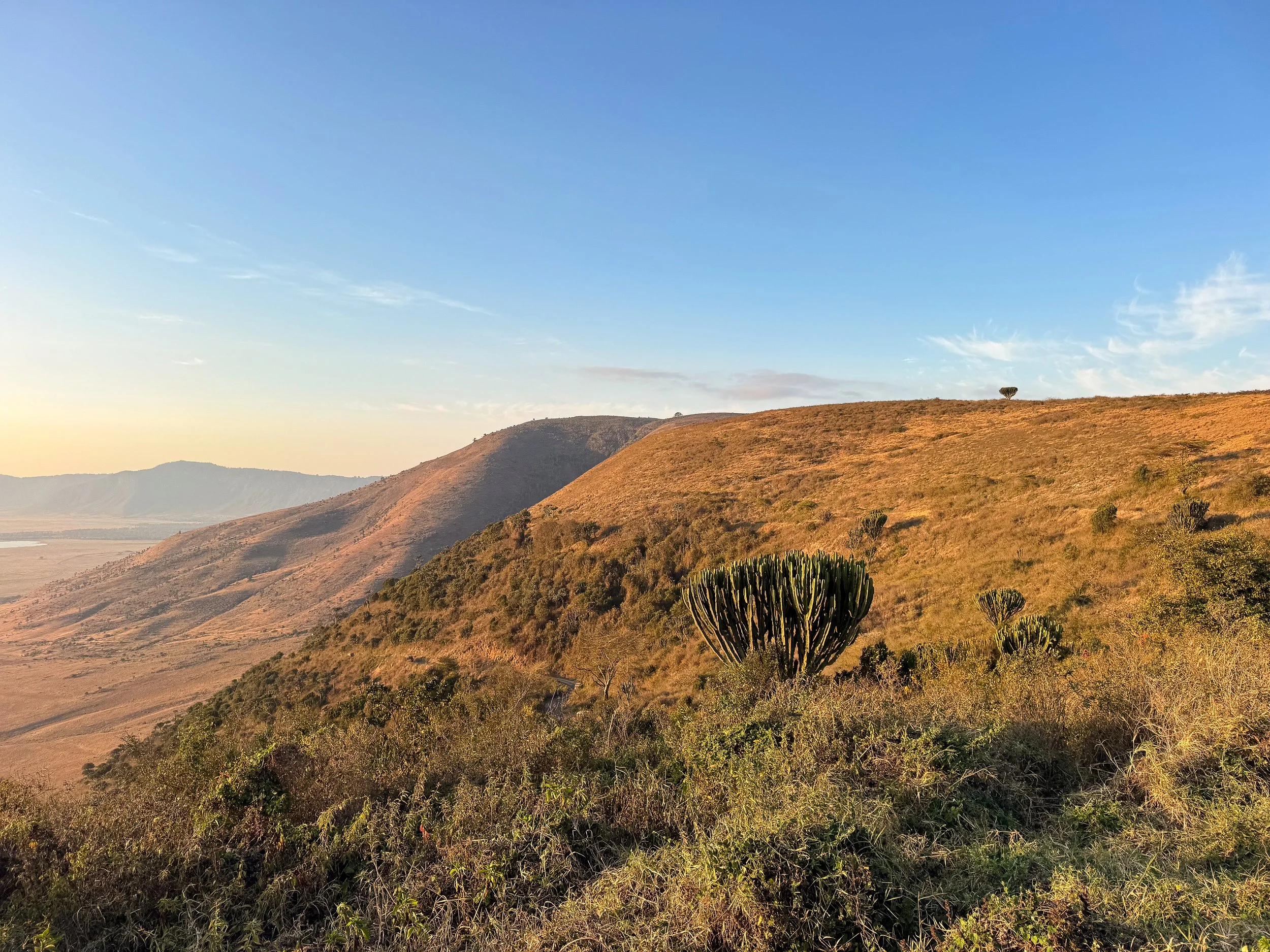
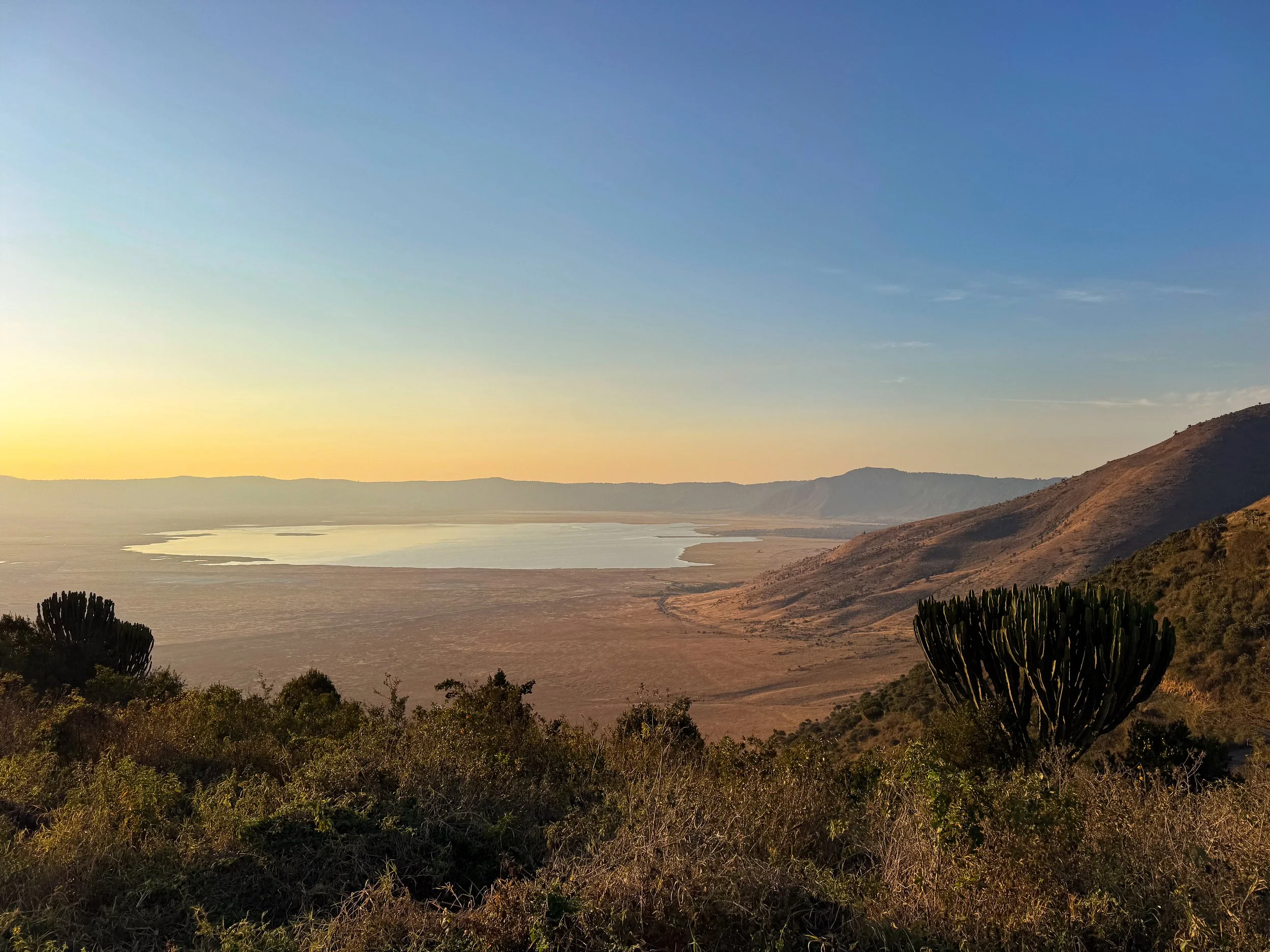
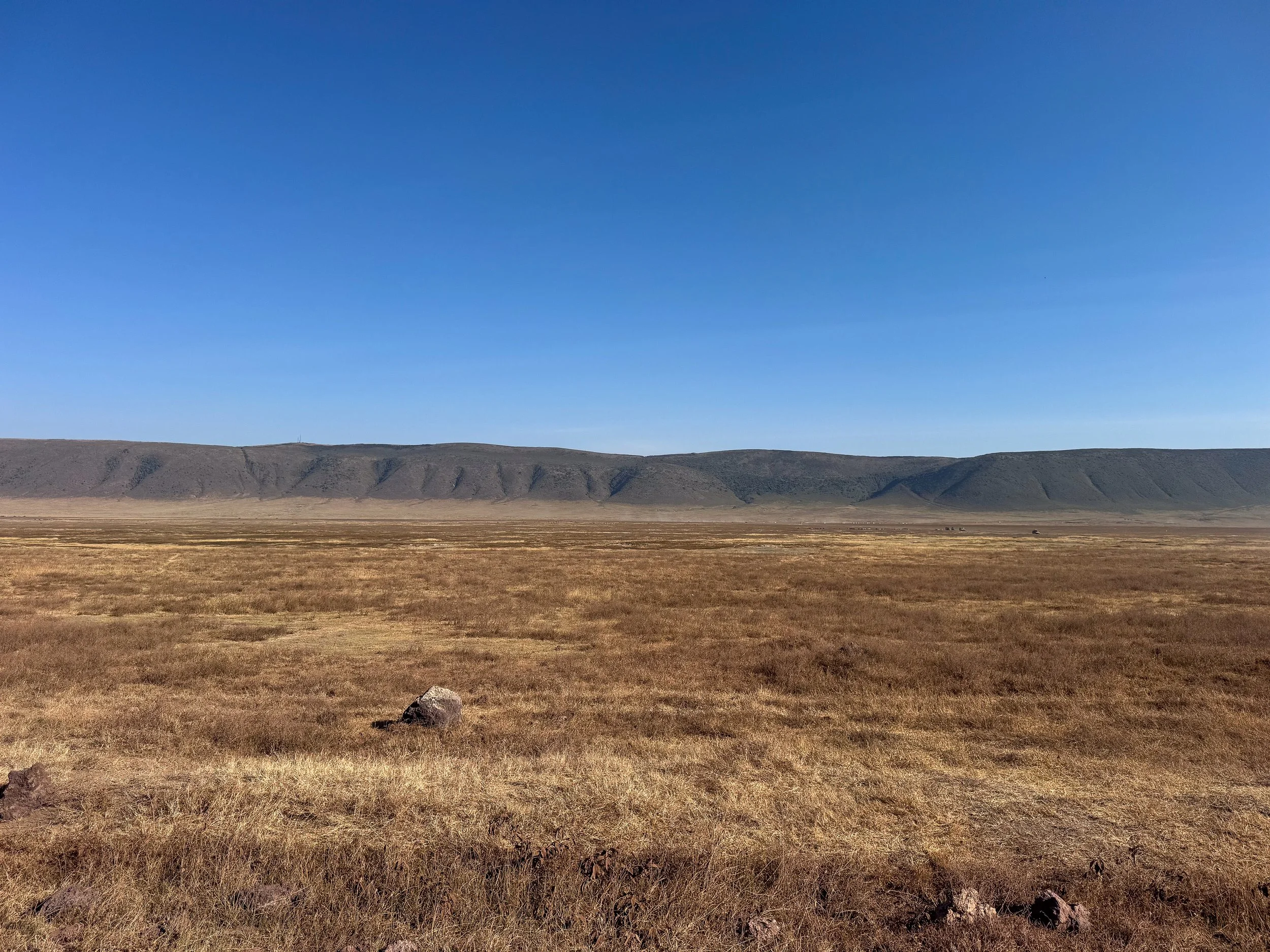
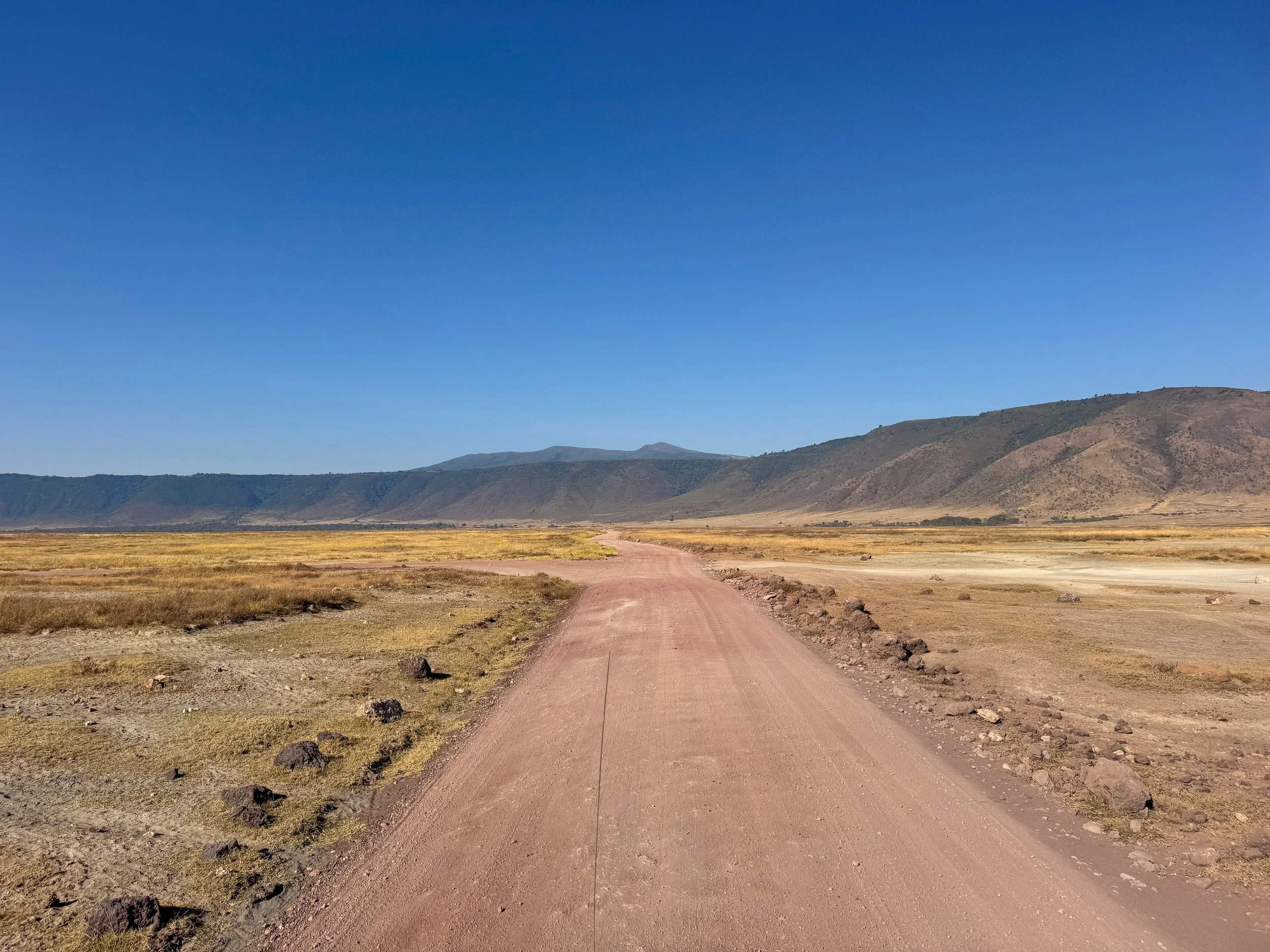
Ngorongoro is a lush conservation area famed for its volcanic caldera, large population of predators and variety of birdlife. We camped one night on the crater rim before descending into its expansive floor for a morning game drive.
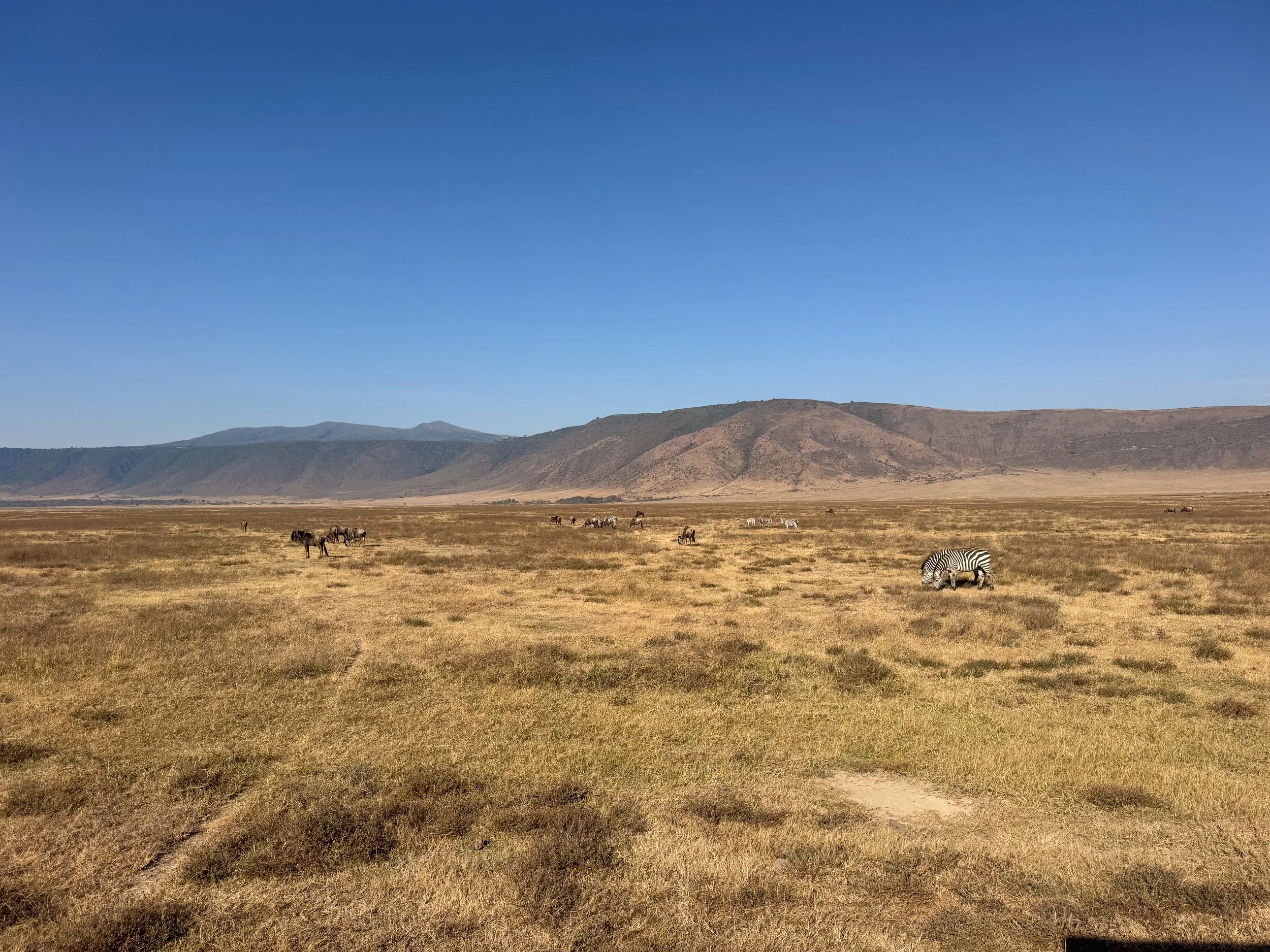
The Ngorongoro Crater. The crater is Africa’s largest caldera and the heart of the Ngorongoro Reserve. Its forested walls, grassy floor and alkaline lake is a cradle for life and host to countless species. Formed by the collapse of a prehistoric volcano, its walls tower an average of 2,000 feet above the crater floor. An observation deck looks into its vast expanse from the rim.
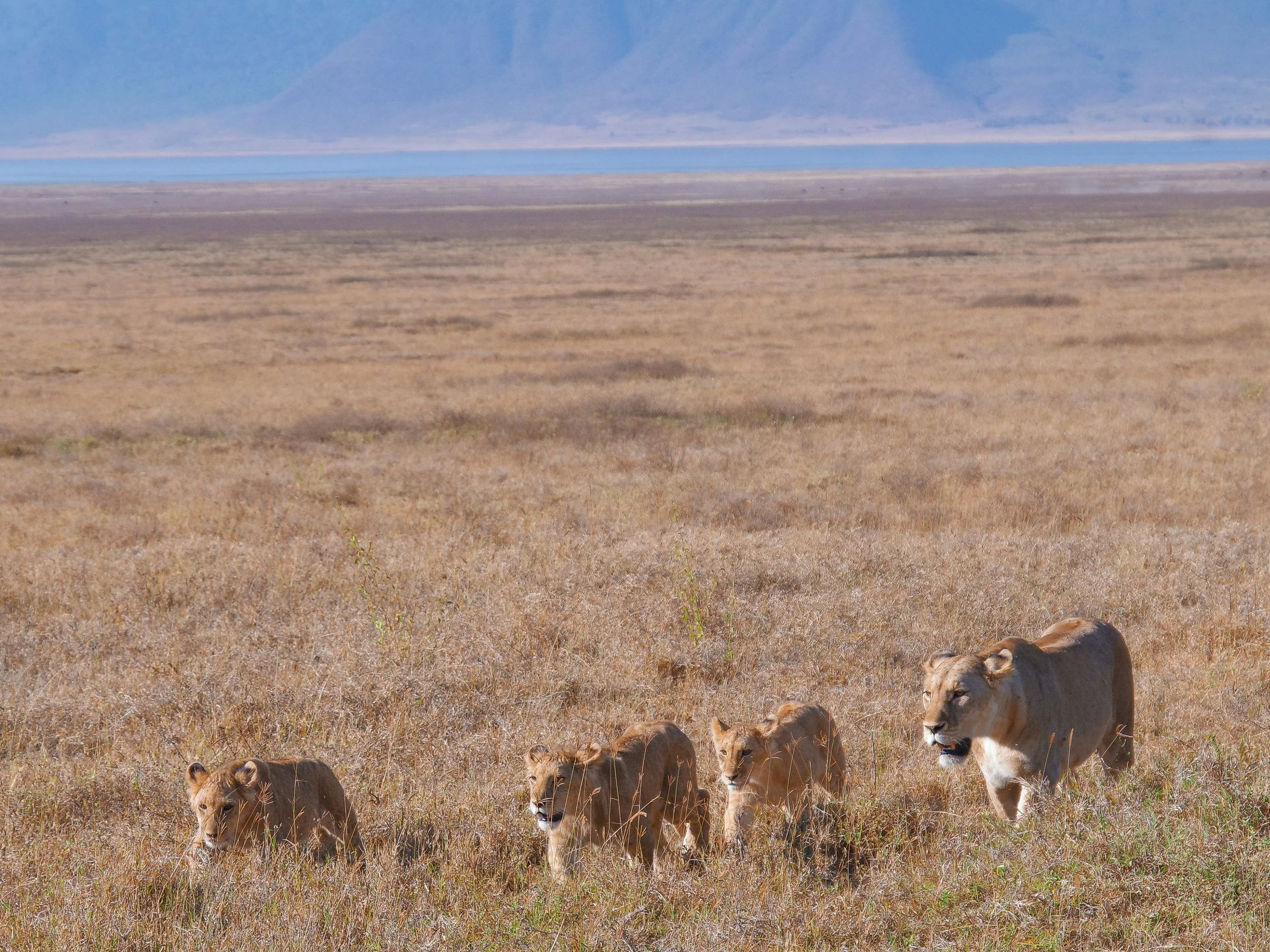
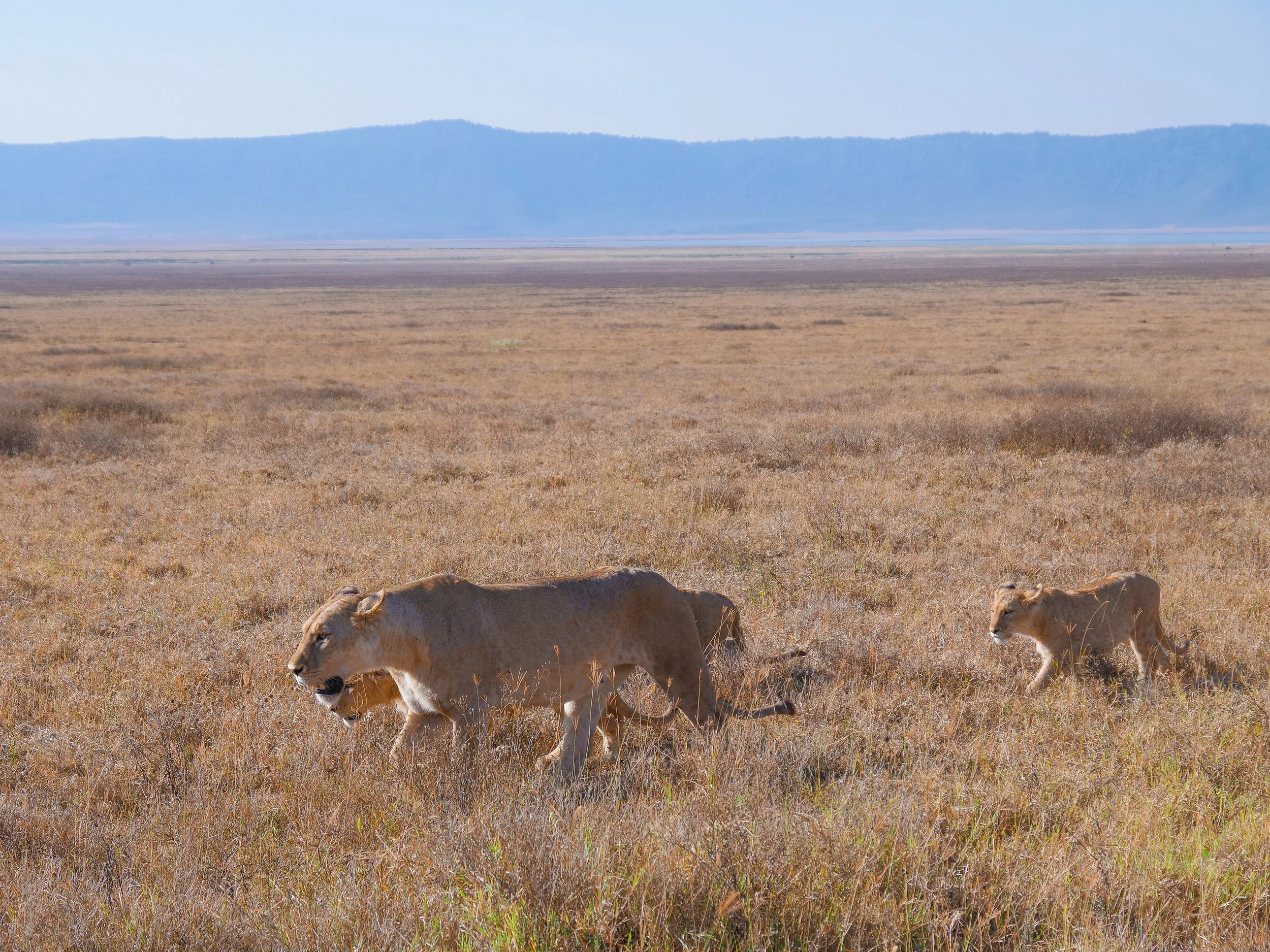
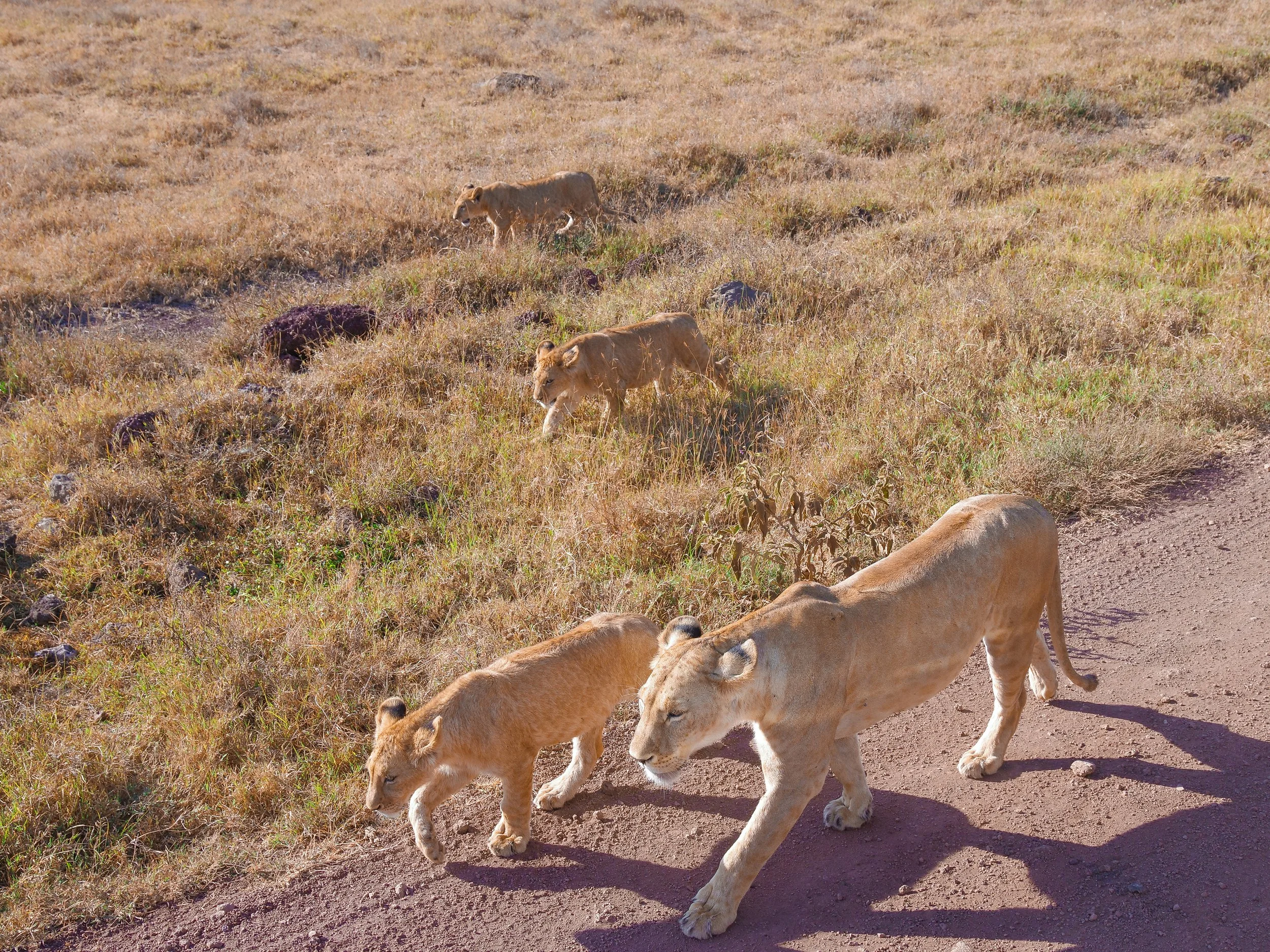
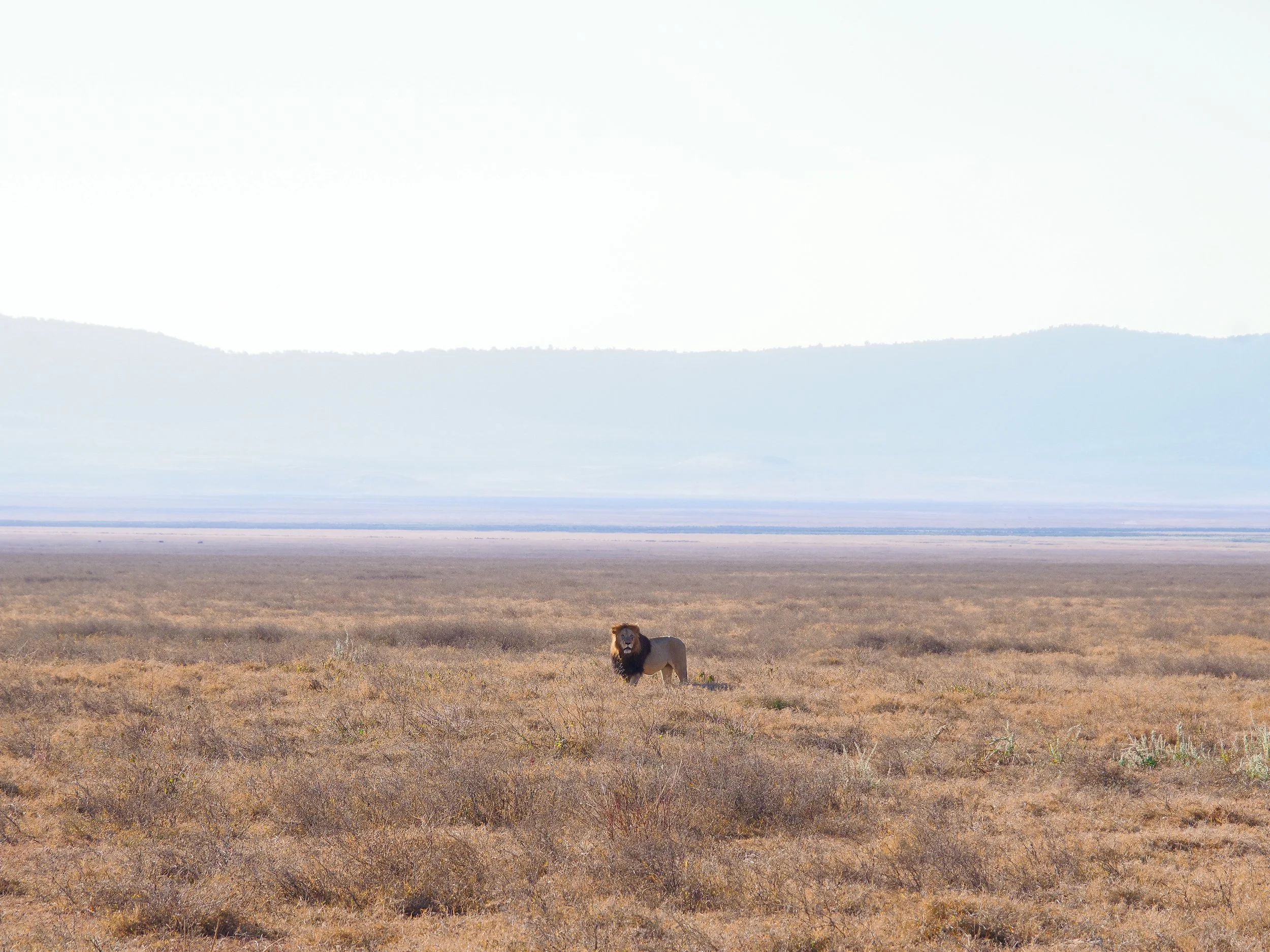
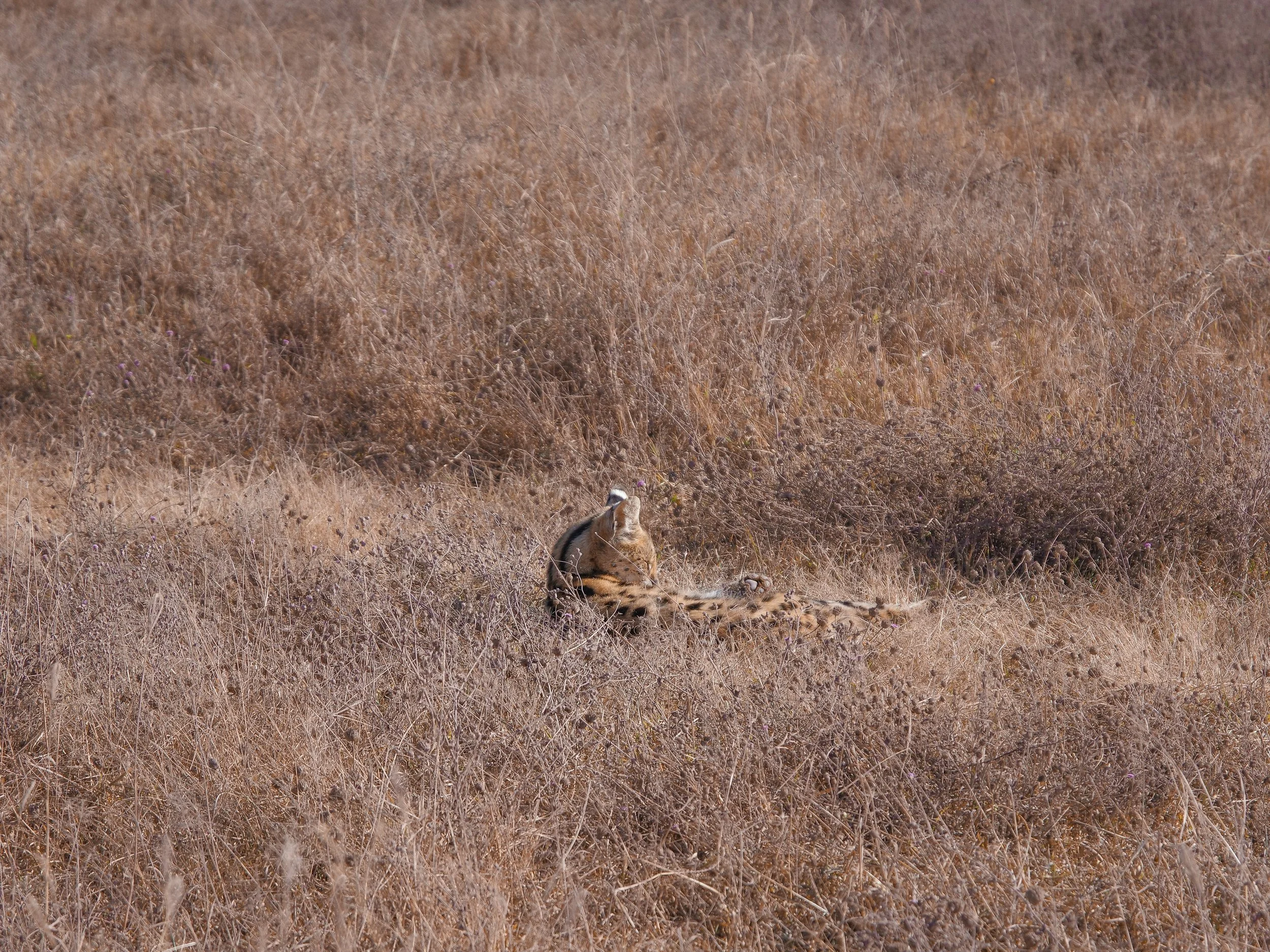
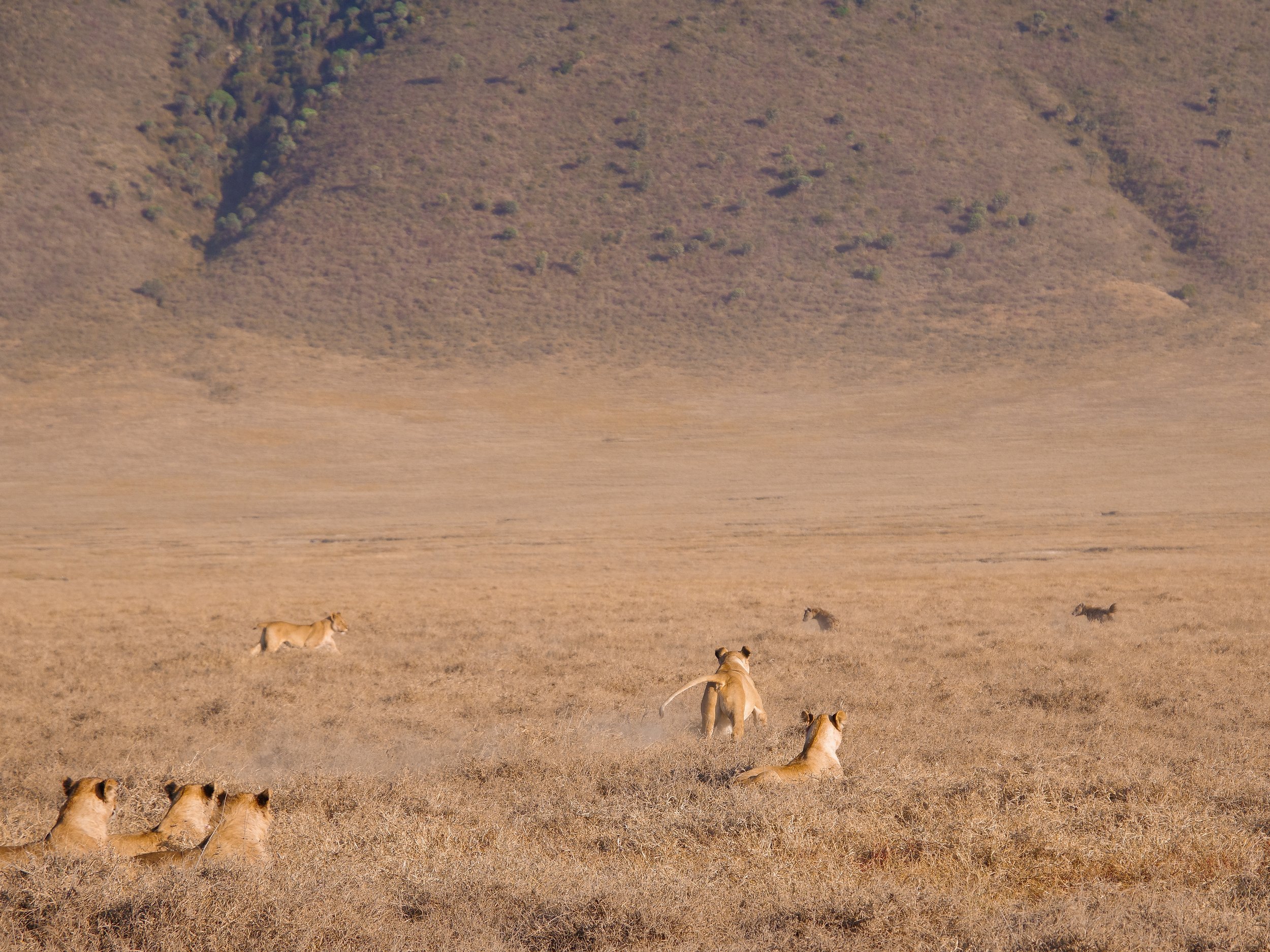
Lions & Cats. Lions are the primary predator in The Ngorongoro Crater. We spotted a lioness and her three cubs walking along the roadside. A very majestic male lion with a dark mane stood in the grasses, looking across the landscape. A little serval slept in the dry grasses and morning sunlight.
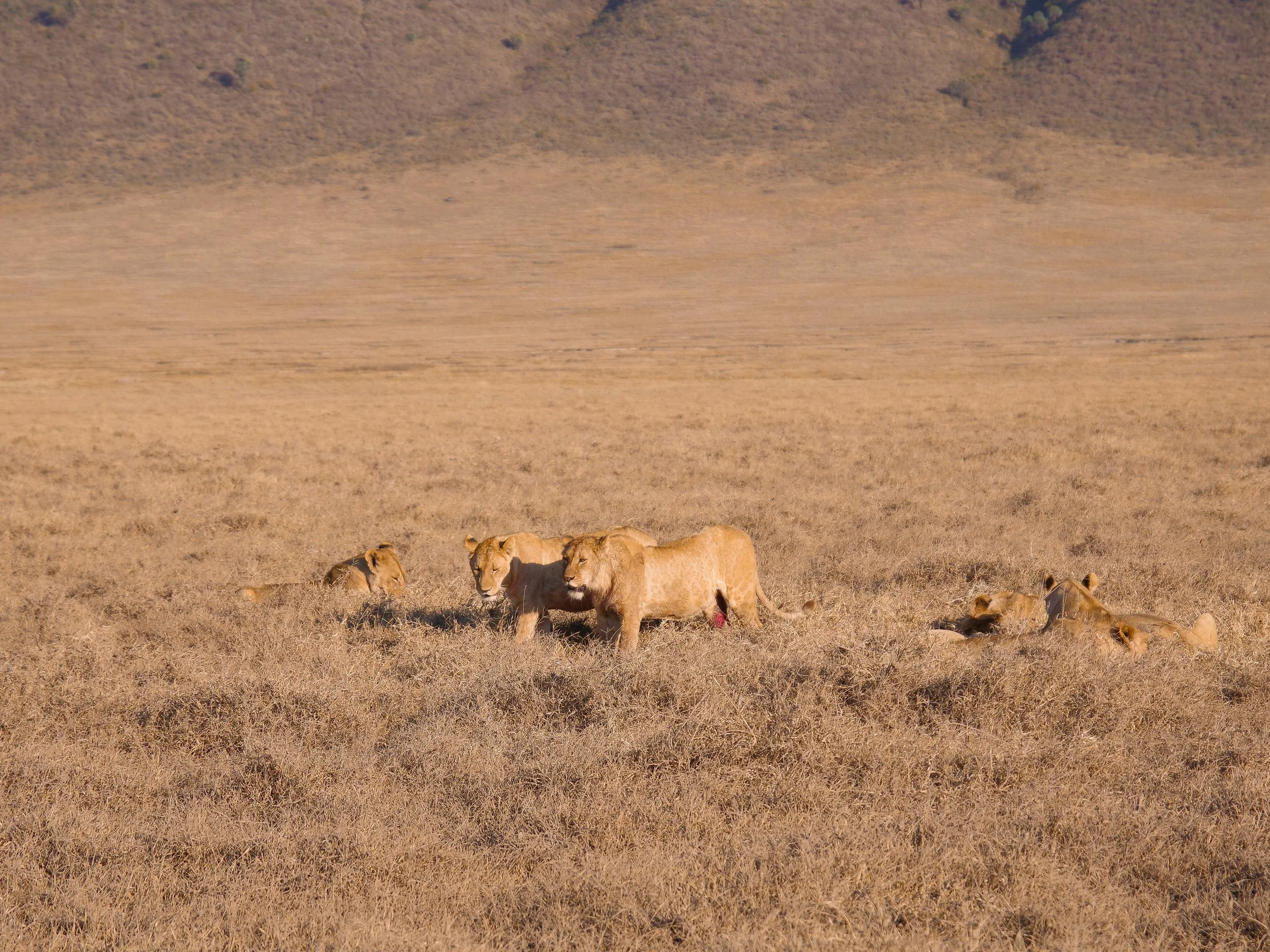
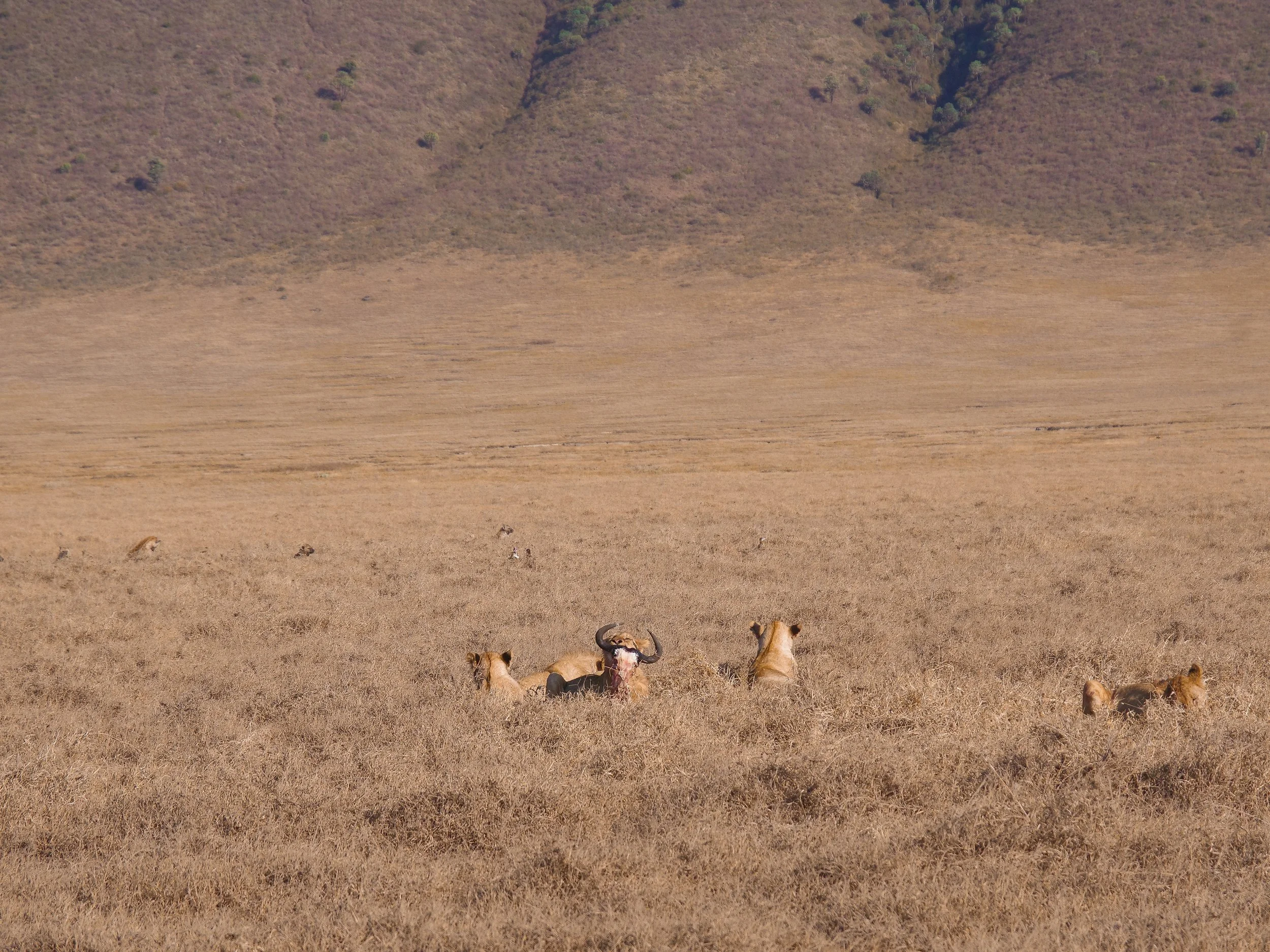
Predators & Scavengers. The Ngorongoro Crater is famed for its high concentration of predators and scavengers. A pride of several lions took down a juvenile wildebeest minutes before we reached the crater floor. The lions sat gnawing on its carcass, bones and skull. A pack of hyena surrounded the lions, waiting in the grasses for a chance at stealing scraps. Two jackals stared on as a flock of vultures flew overhead waiting for leftovers. Further into the crater, a pack of hyena feasted on a dead hippo, pulling intestines from the animal’s carcass.
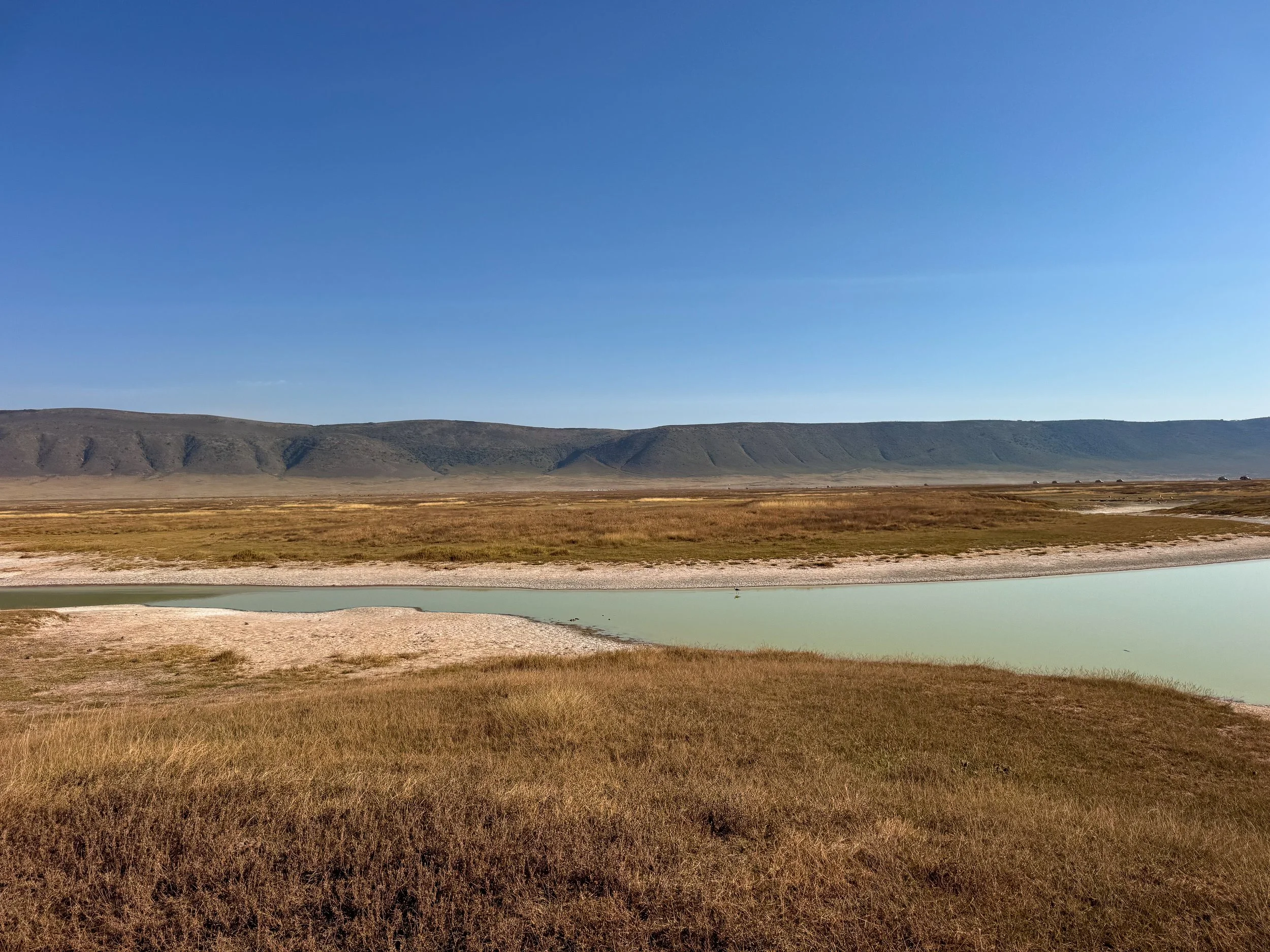
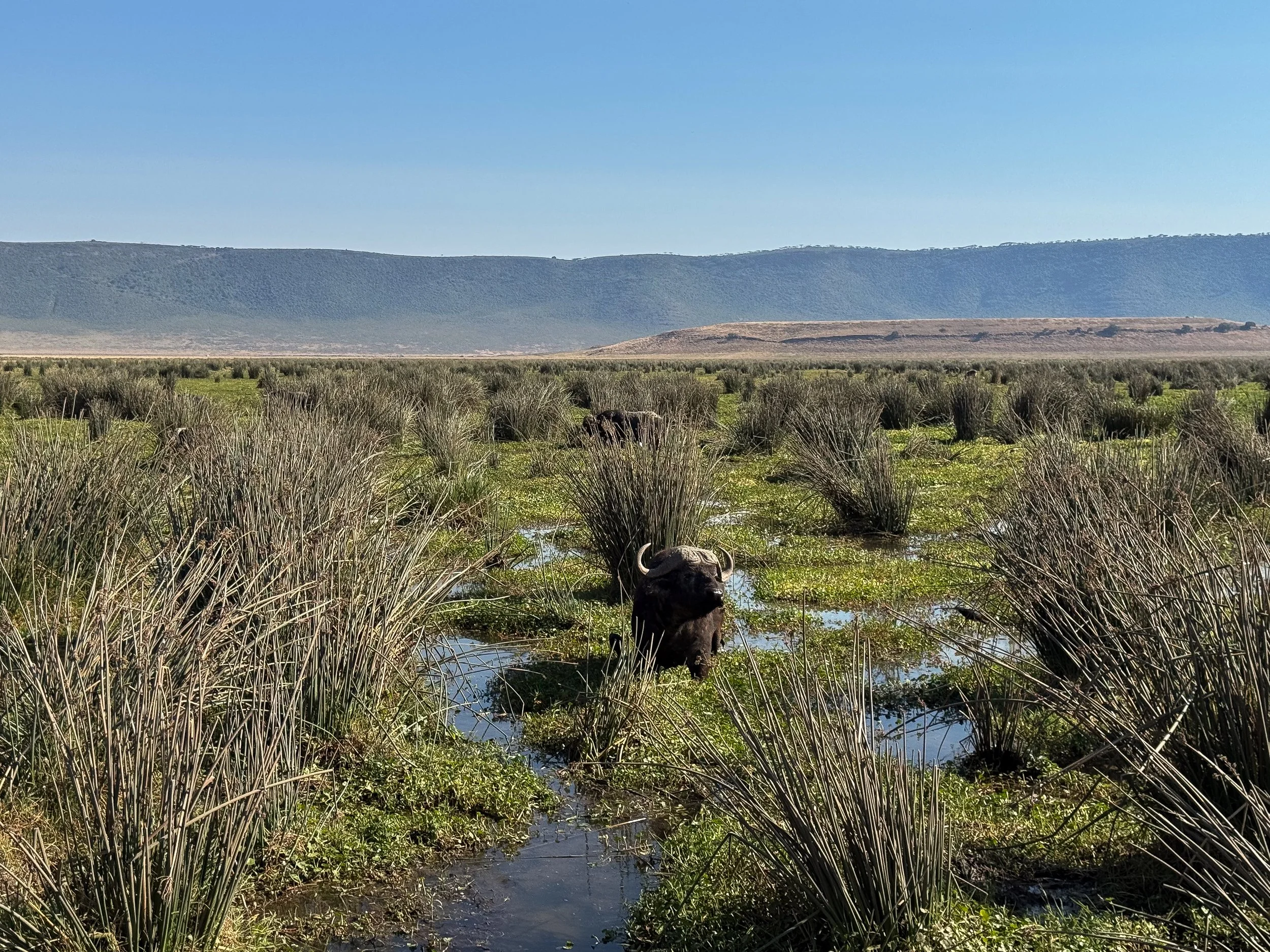
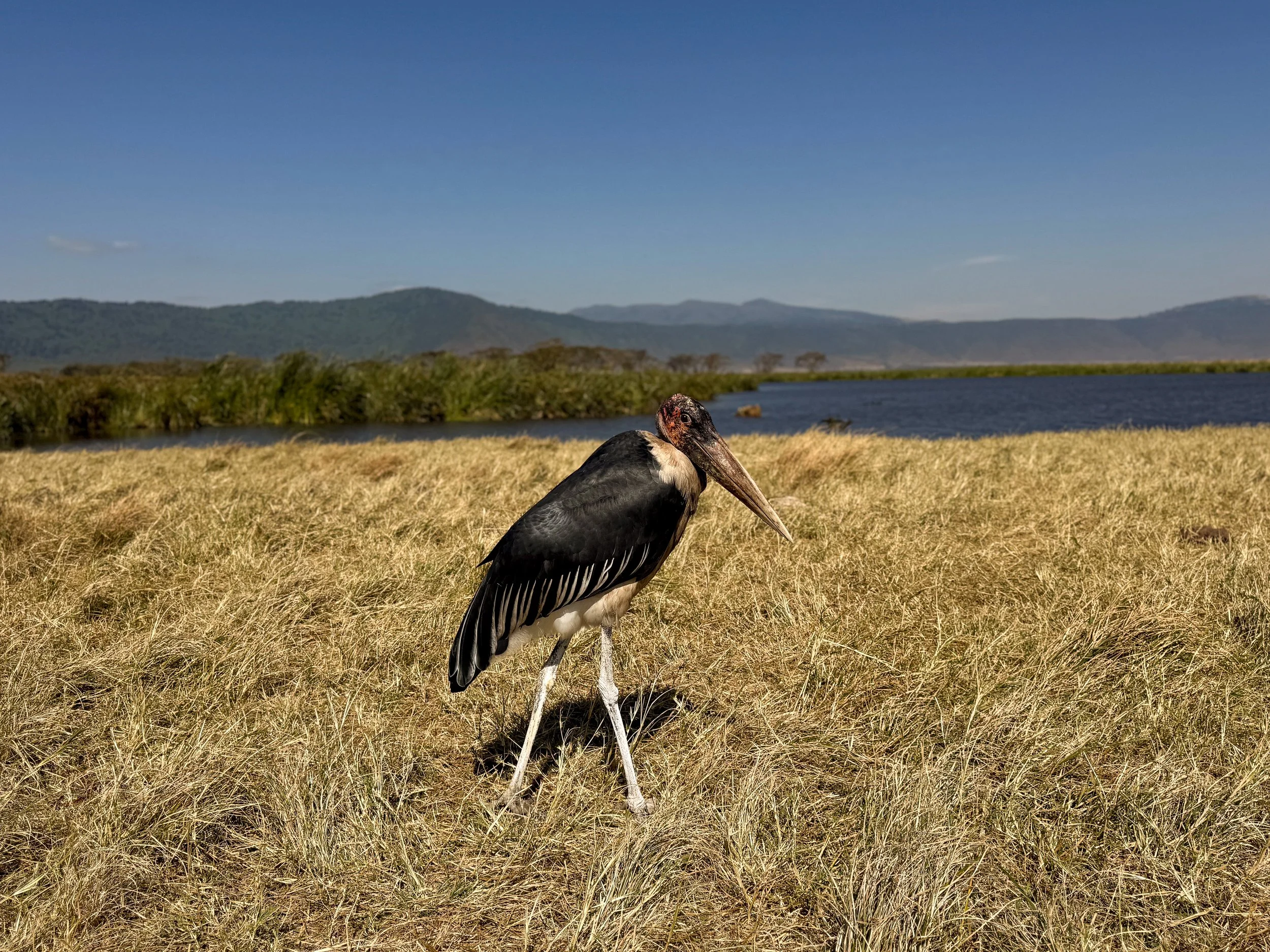
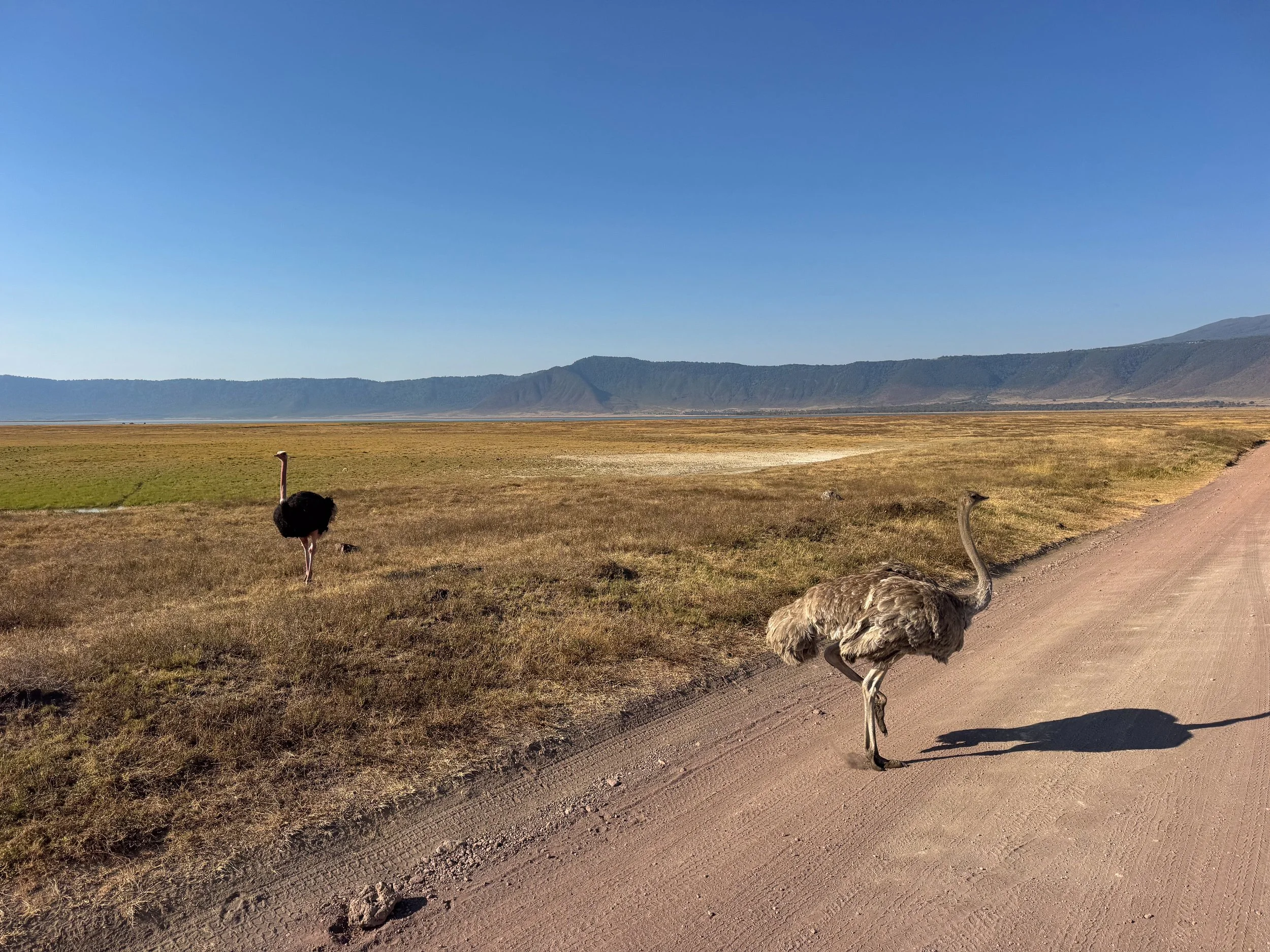
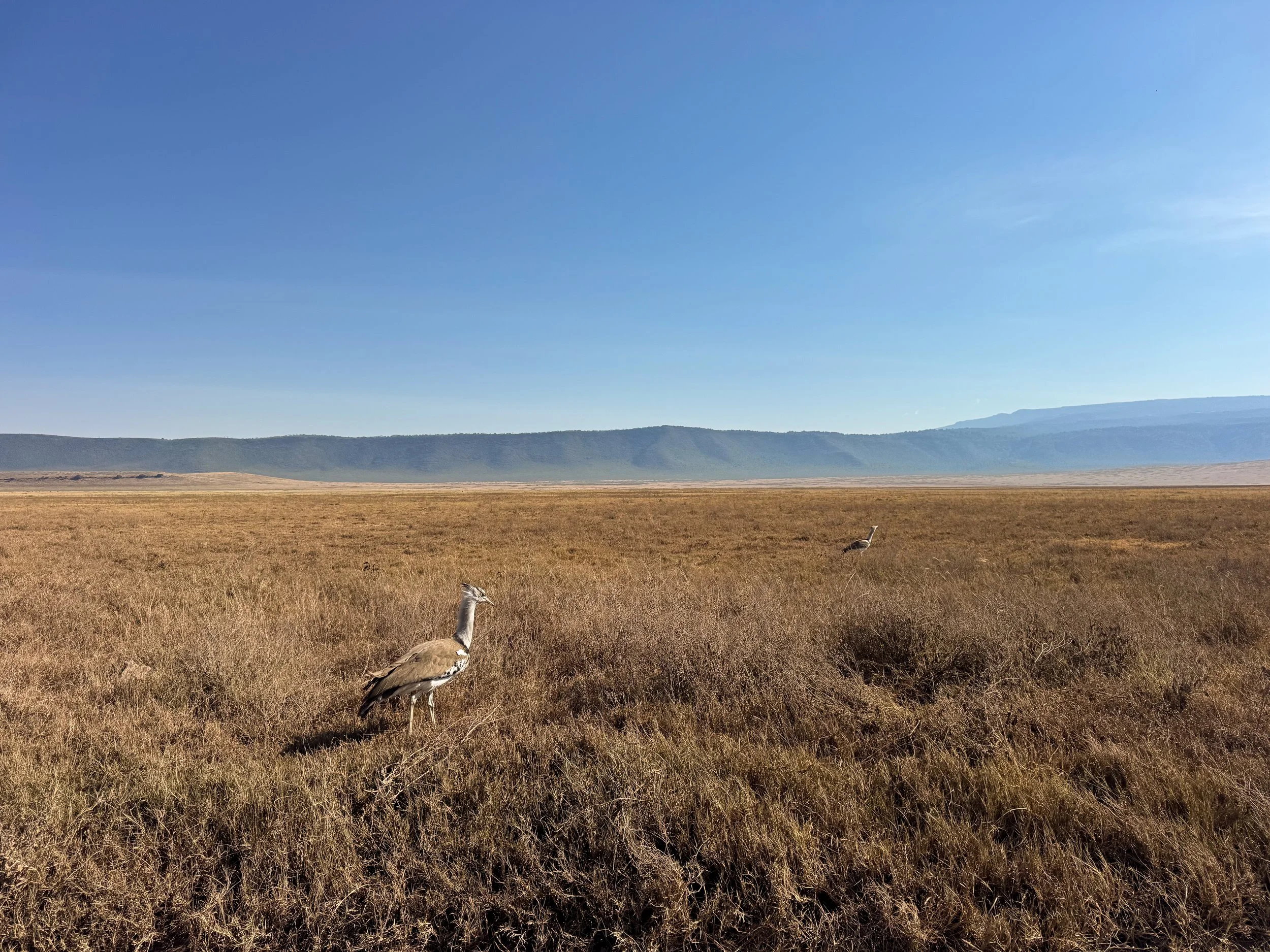
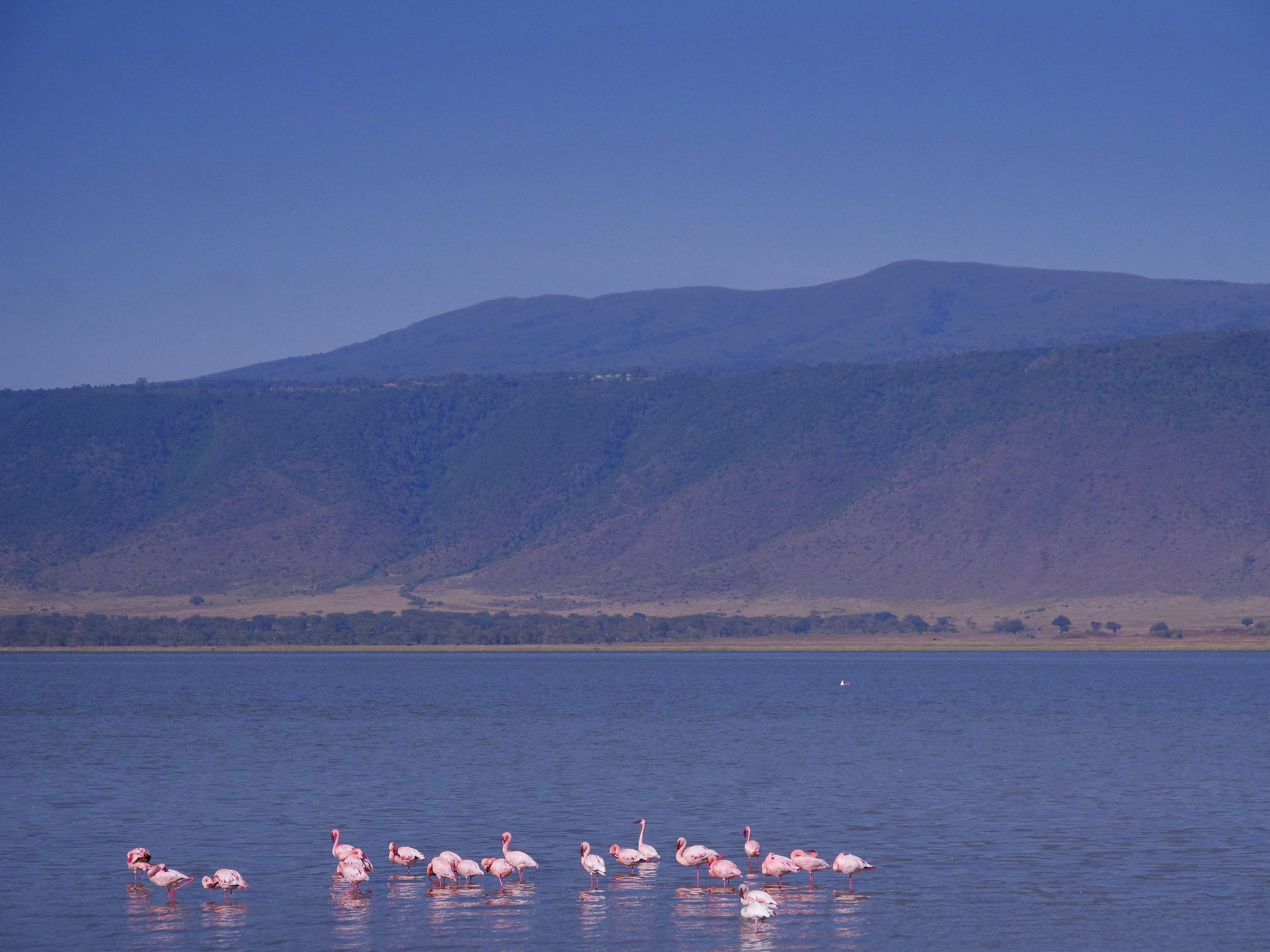
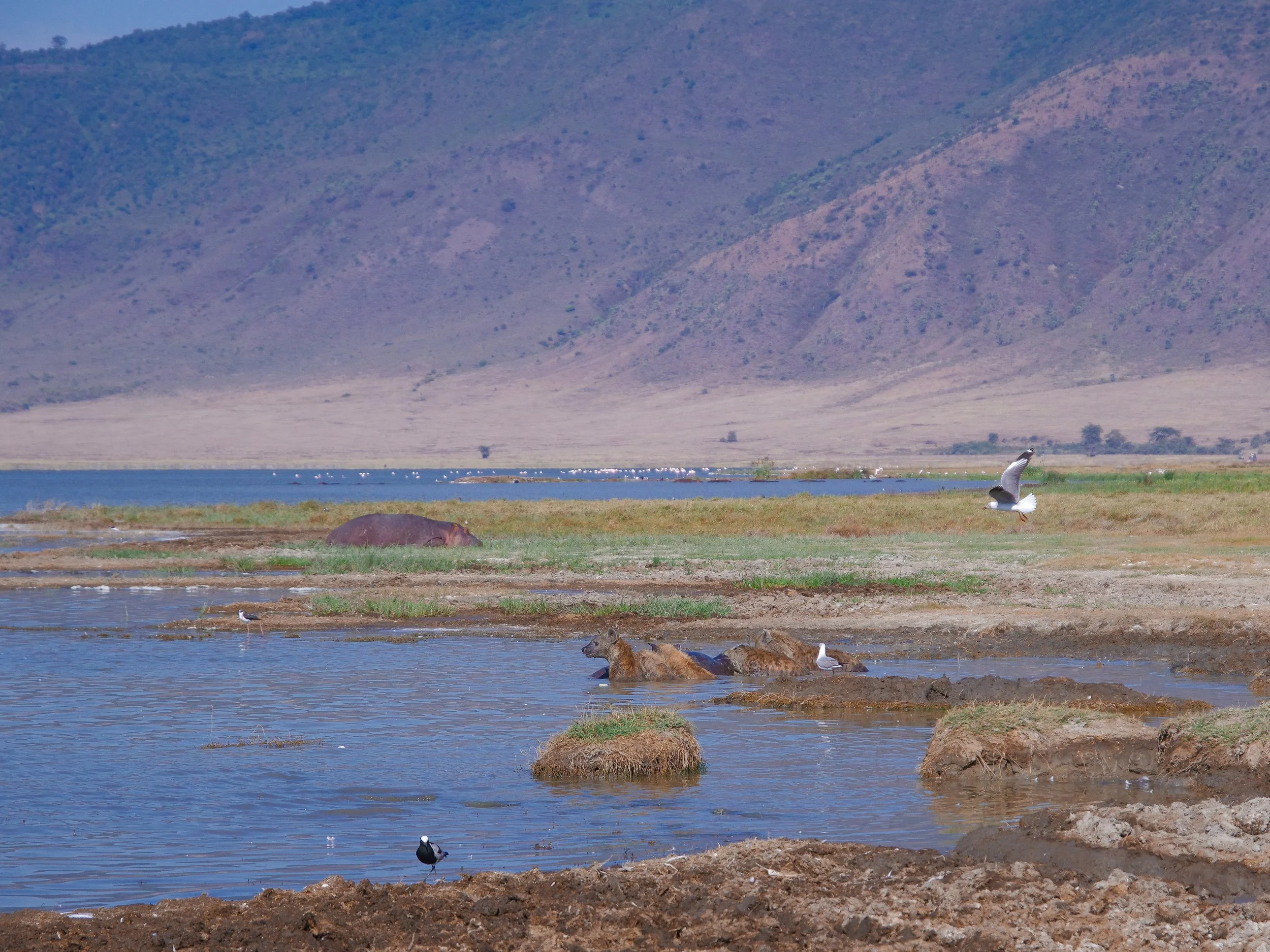
Lake Magadi. An alkaline lake in the Ngorongoro Crater home to a variety of aquatic birds like pink flamingos, blue hurons, yellow billed storks, cormorant, egrets and Egyptian Ibis flock to the lake. African crowned cranes, large ostrich, secretary birds and kori bustard forage in the surrounding grasses. Families of hippos lounge in the shallow waters while cape buffalo gather in the marshes.
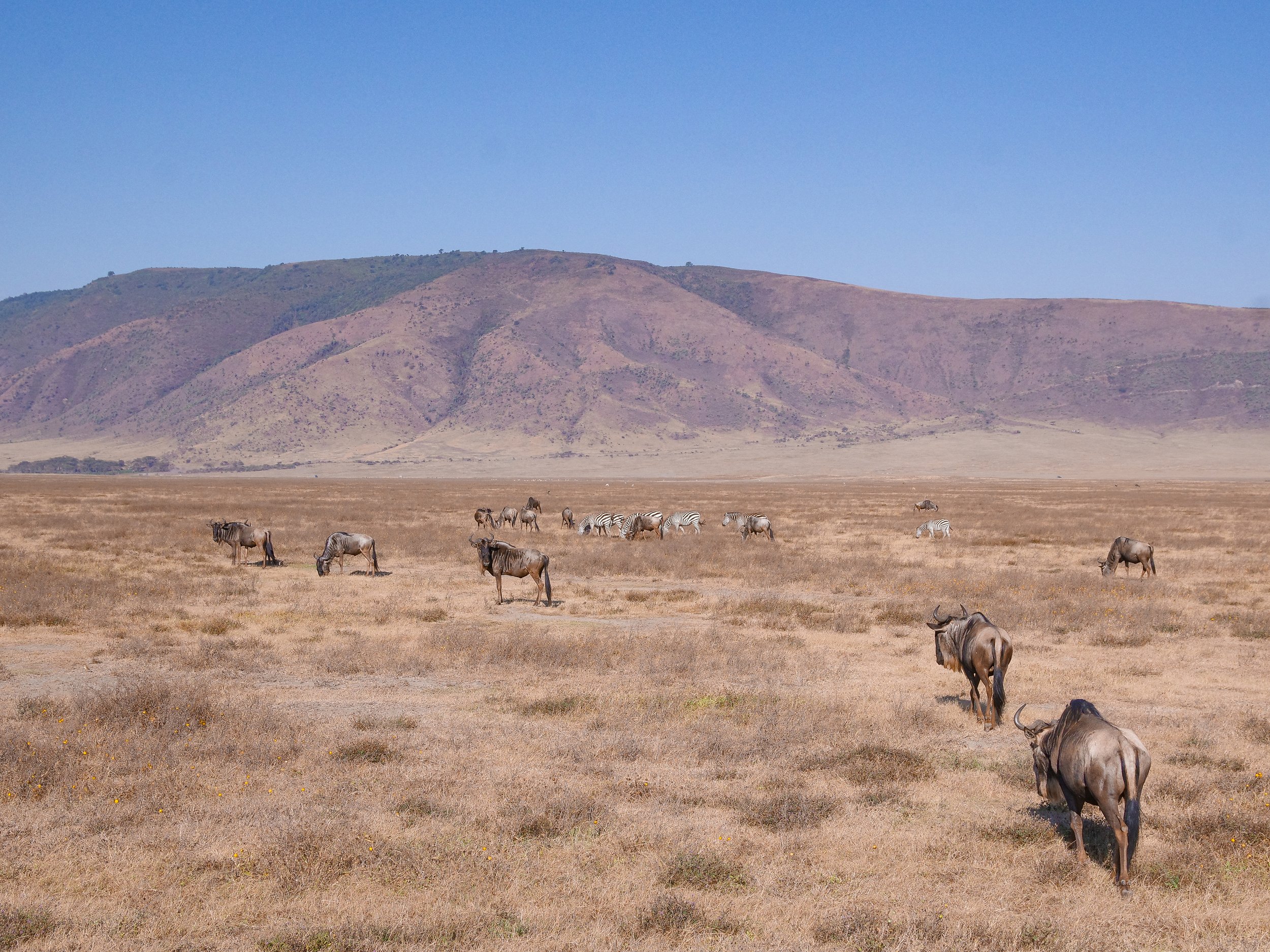
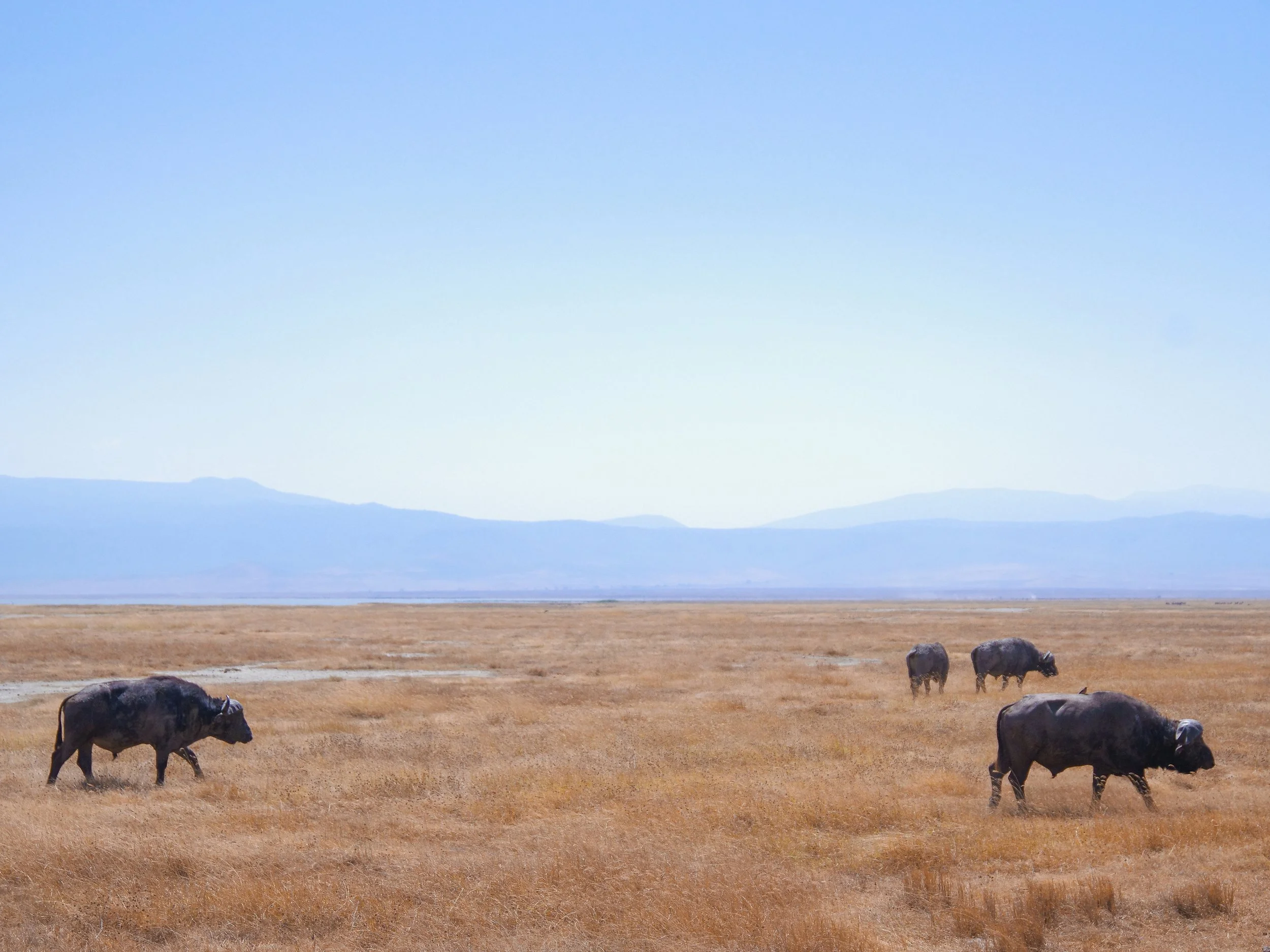
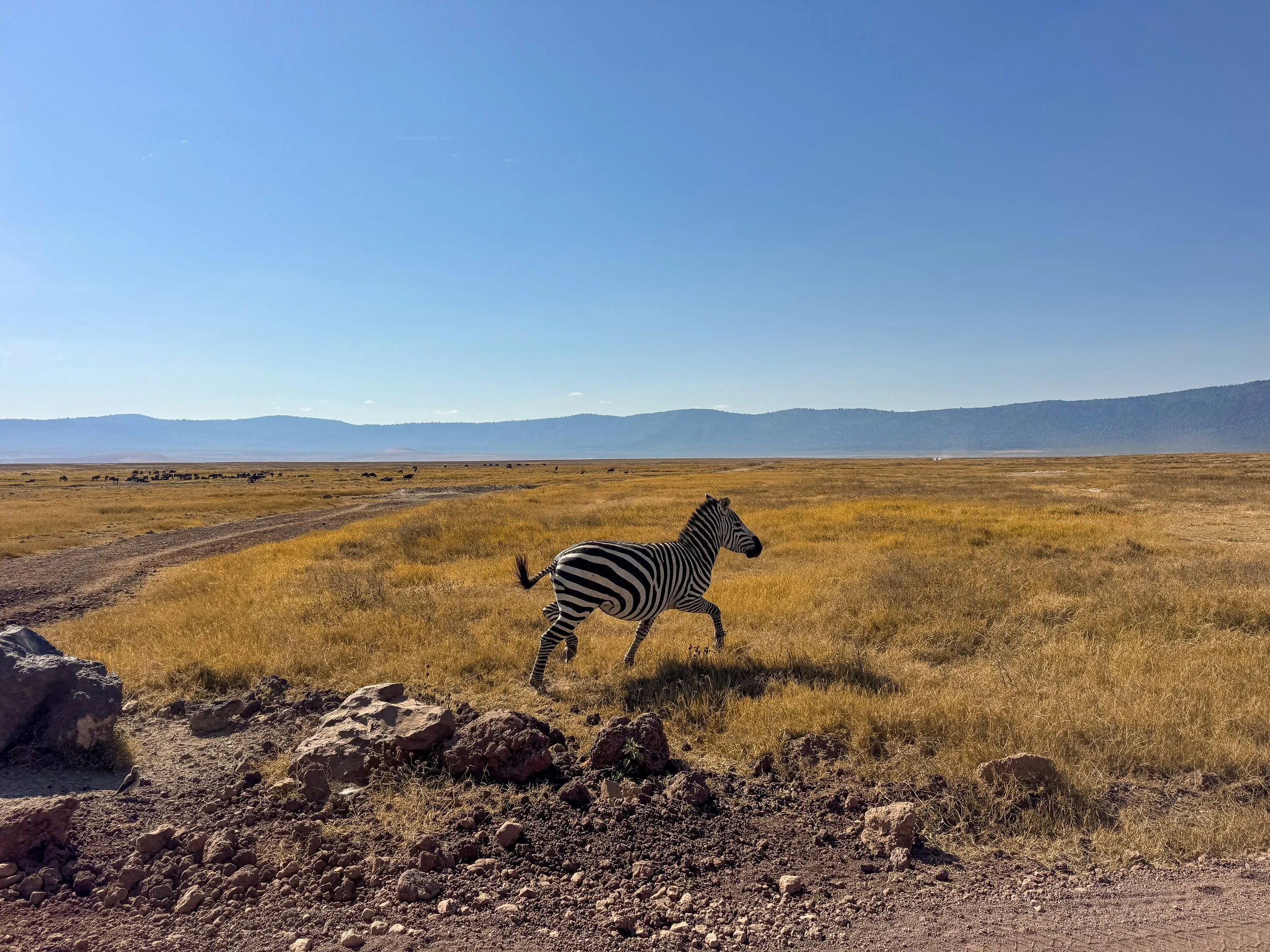
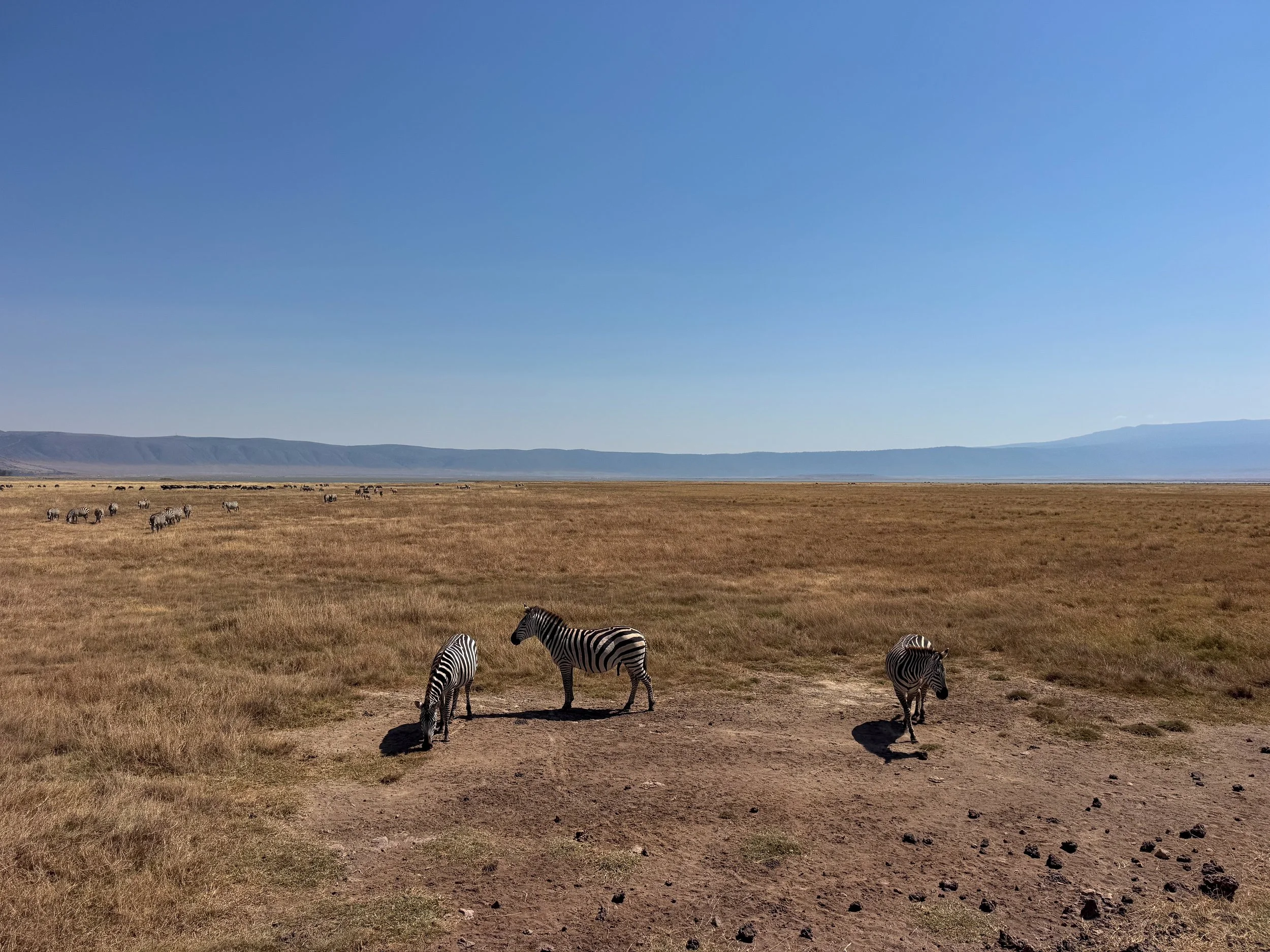
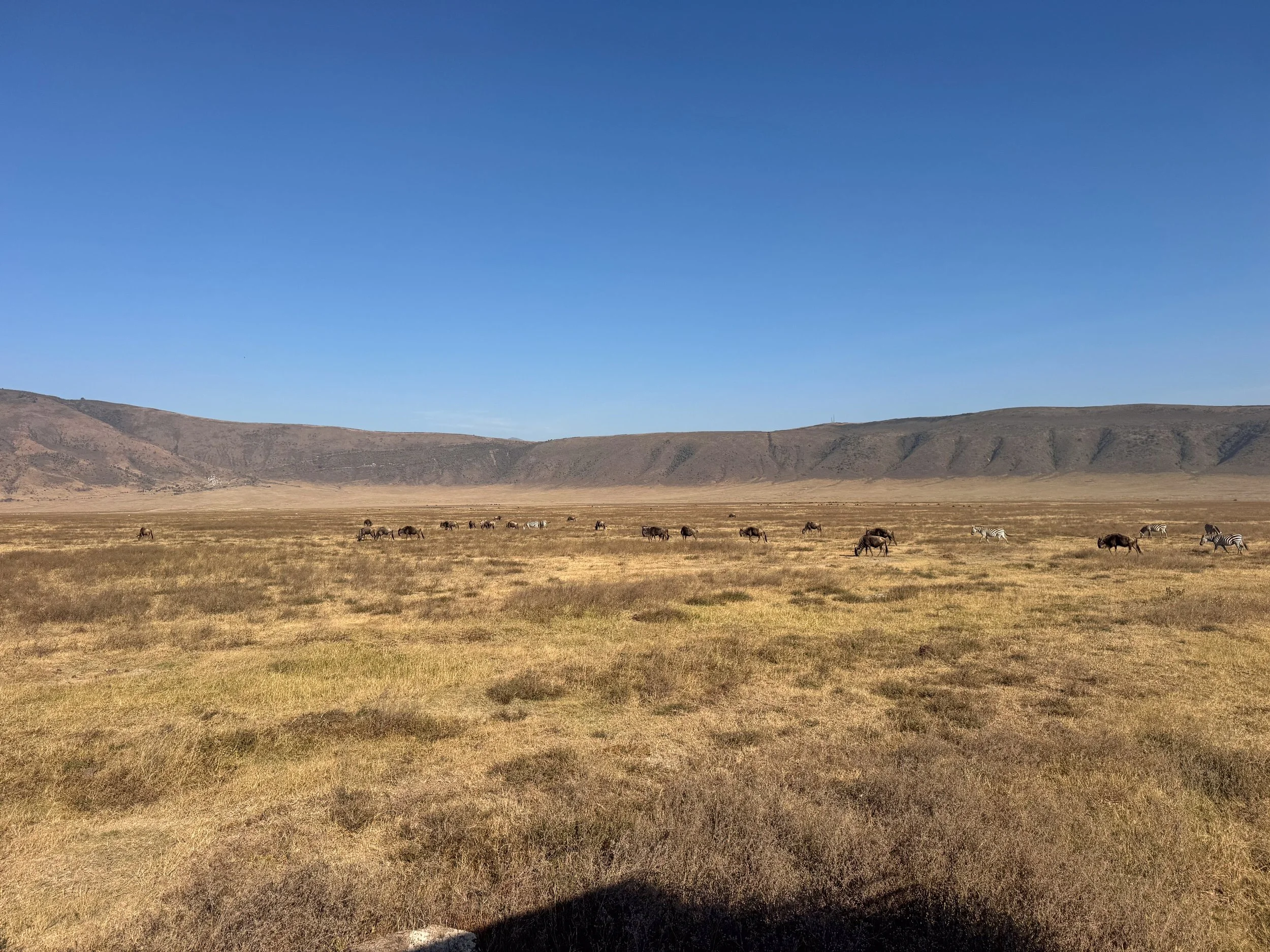
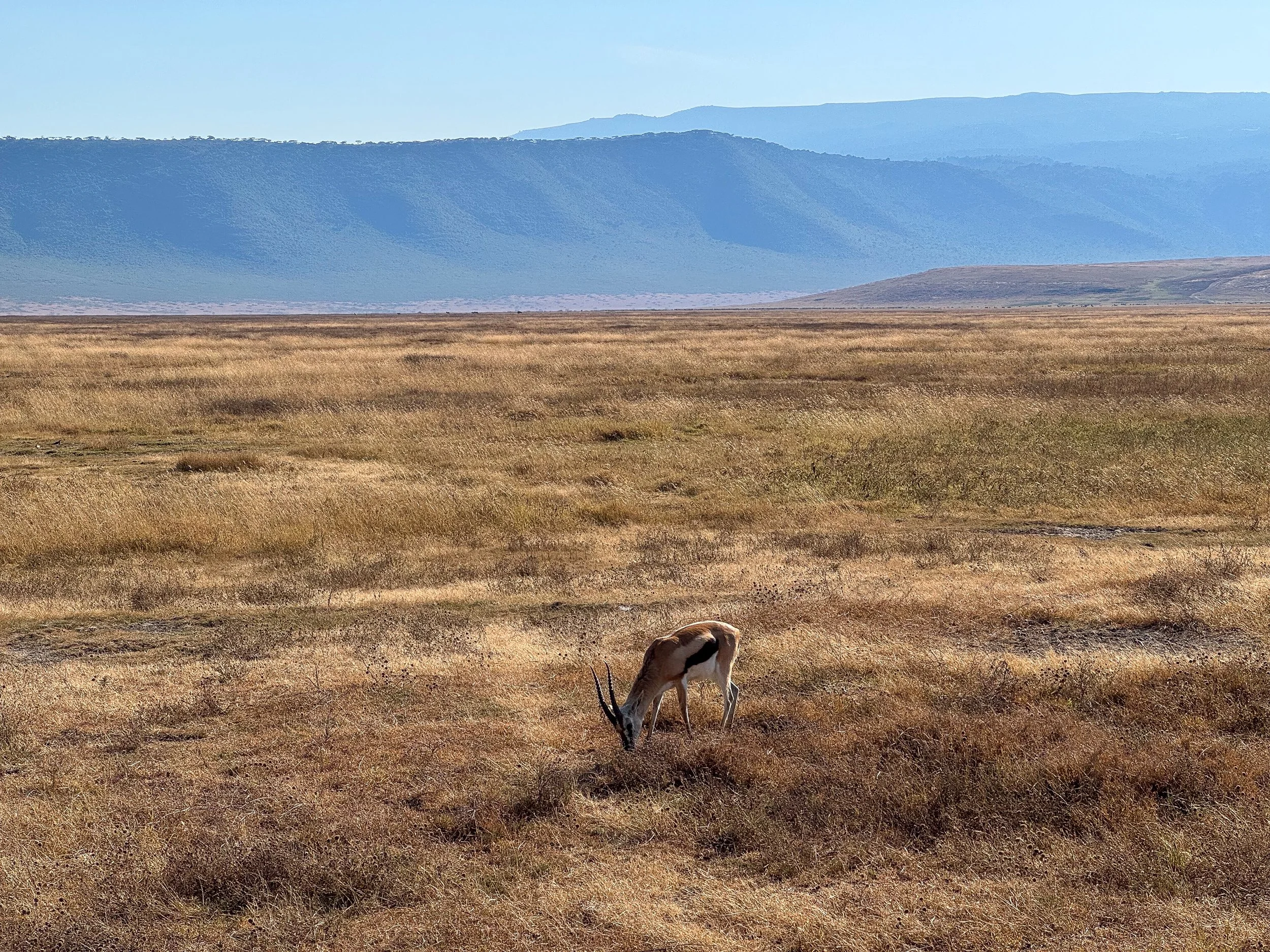
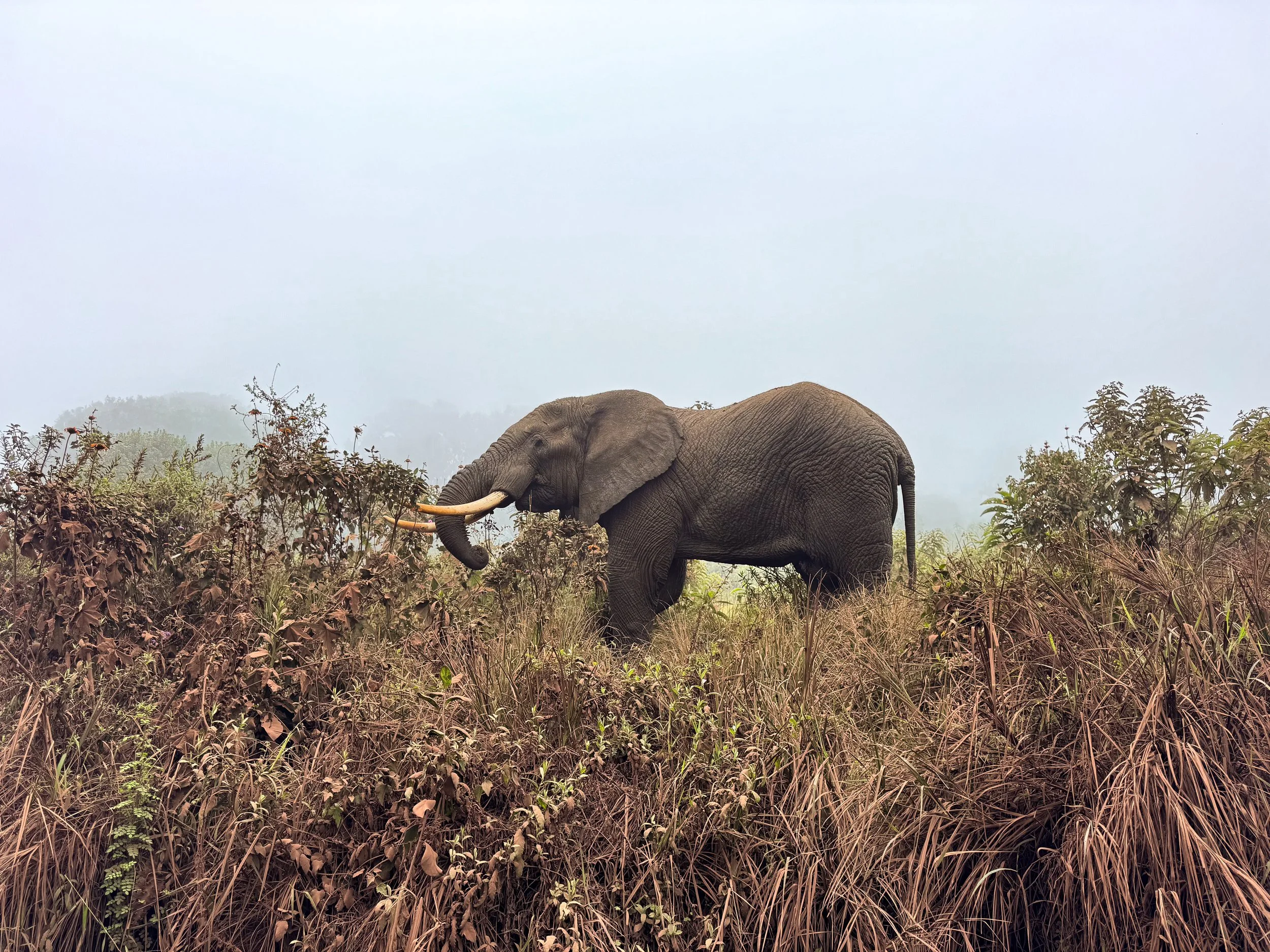
Herds of Animals. Herds are confined to the crater year round due to its vast scale and range of ecosystems. Wildebeest, zebra, gazelle, buffalo and warthogs roam freely in the grasslands. Elephants and giraffes wander the forested crater walls and rim.
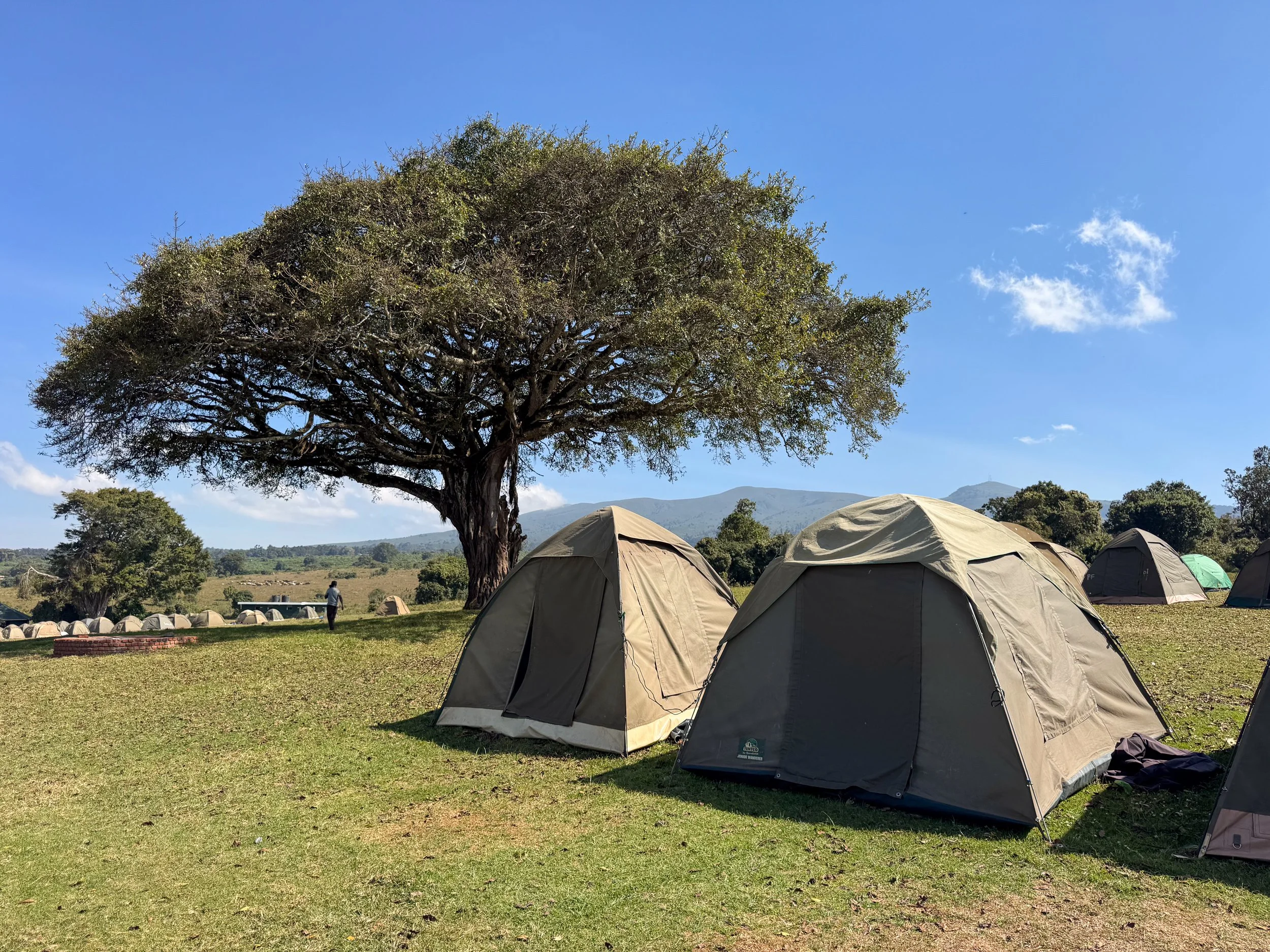
Simba Campsite A. A large campground on the Ngorongoro Crater Rim. It’s popular with both tenters and camper vans, offering amenities like shared kitchens, restrooms, hot showers, fire pits and a camp store. The campsite is surrounded by lush forest home to wild animals. An elephant walked along the camp’s perimeter, a herd of zebra grazed outside of our tents and a tower of giraffes sat across a distant hill.
Good to Know. The elevation of the crater rim sits at an average elevation of 7,500 feet above sea level. Its altitude results in cooler temperatures, especially at night.
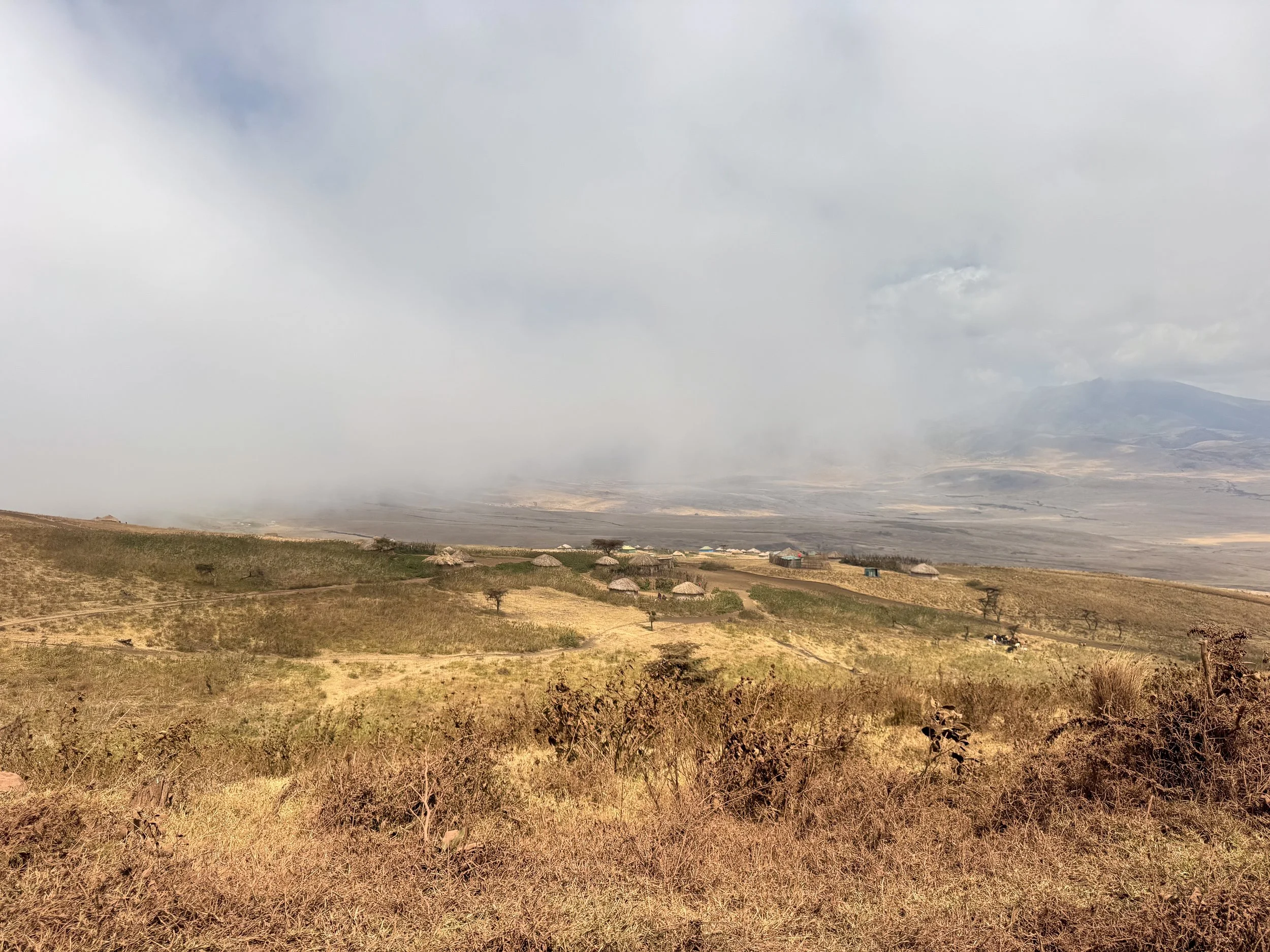
Maasai Village. Rural Tanzania is home to many African tribes, particularly the Maasai. They live in small communities comprised of cylindrical mud huts topped with conical thatched roofs. Many wear traditional robes, distinguished by their color and pattern. Maasai men shepherd cows, goats and sheep between fields. The women and children operate roadside stands selling woven baskets, bush honey and safari style paintings. There is a high concentration of Maasai villages on the route through Ngorongoro to the Serengeti.
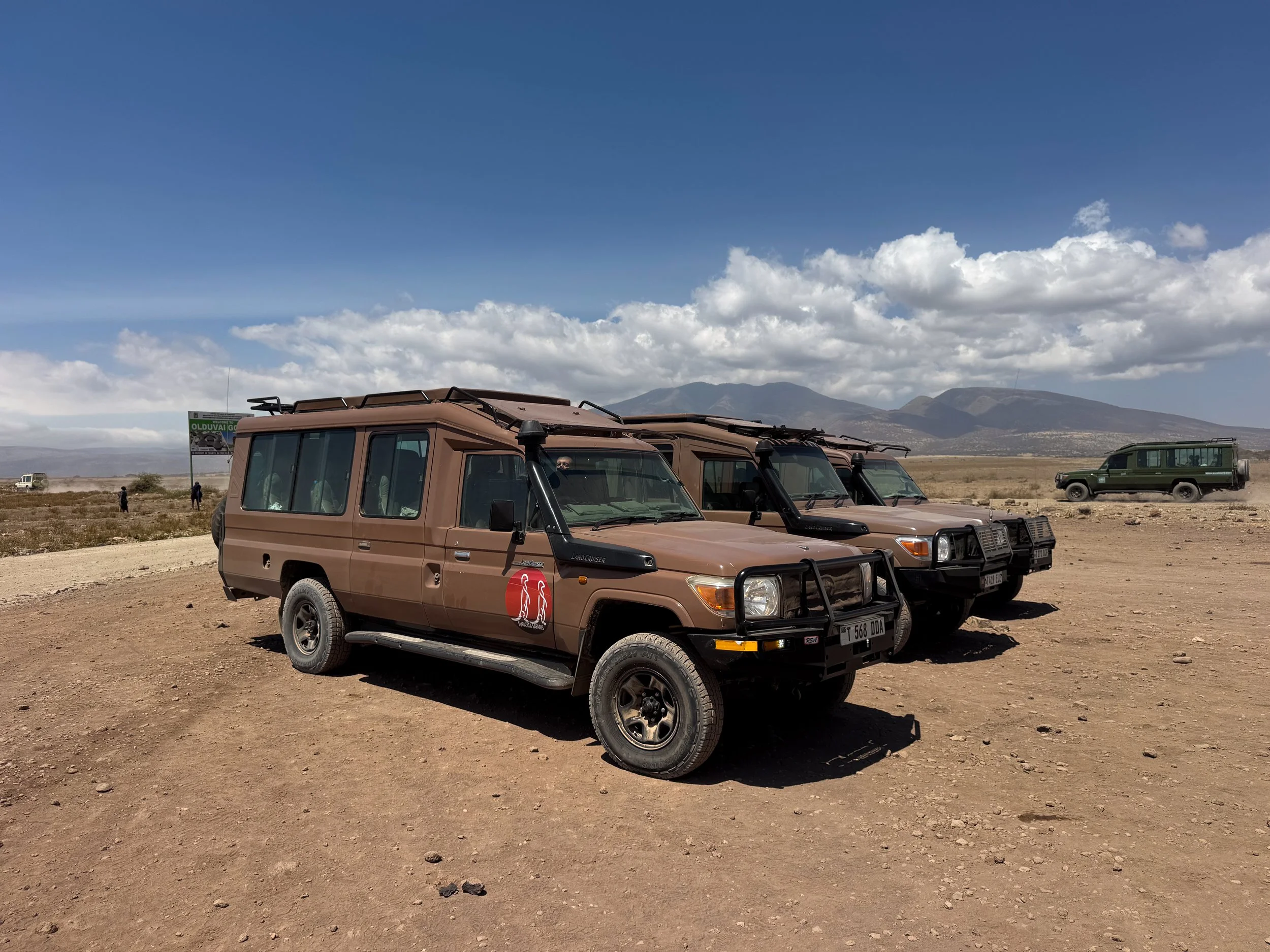
Suricata Safaris
We booked our 4 day, 3 night group camping safari in Tarangire National Park, The Serengeti and Ngorongoro Crater with Suricata Safarison Viator. It included all park fees, camping equipment, meals, water and transportation in a 4x4 Safari Land Cruiser.
Where to Stay
The city of Arusha is a hub for Tanzanian safaris, located within a few hours of some of the country’s most famed reserves and national parks. Its common to stay here for at least a day before and after a safari.
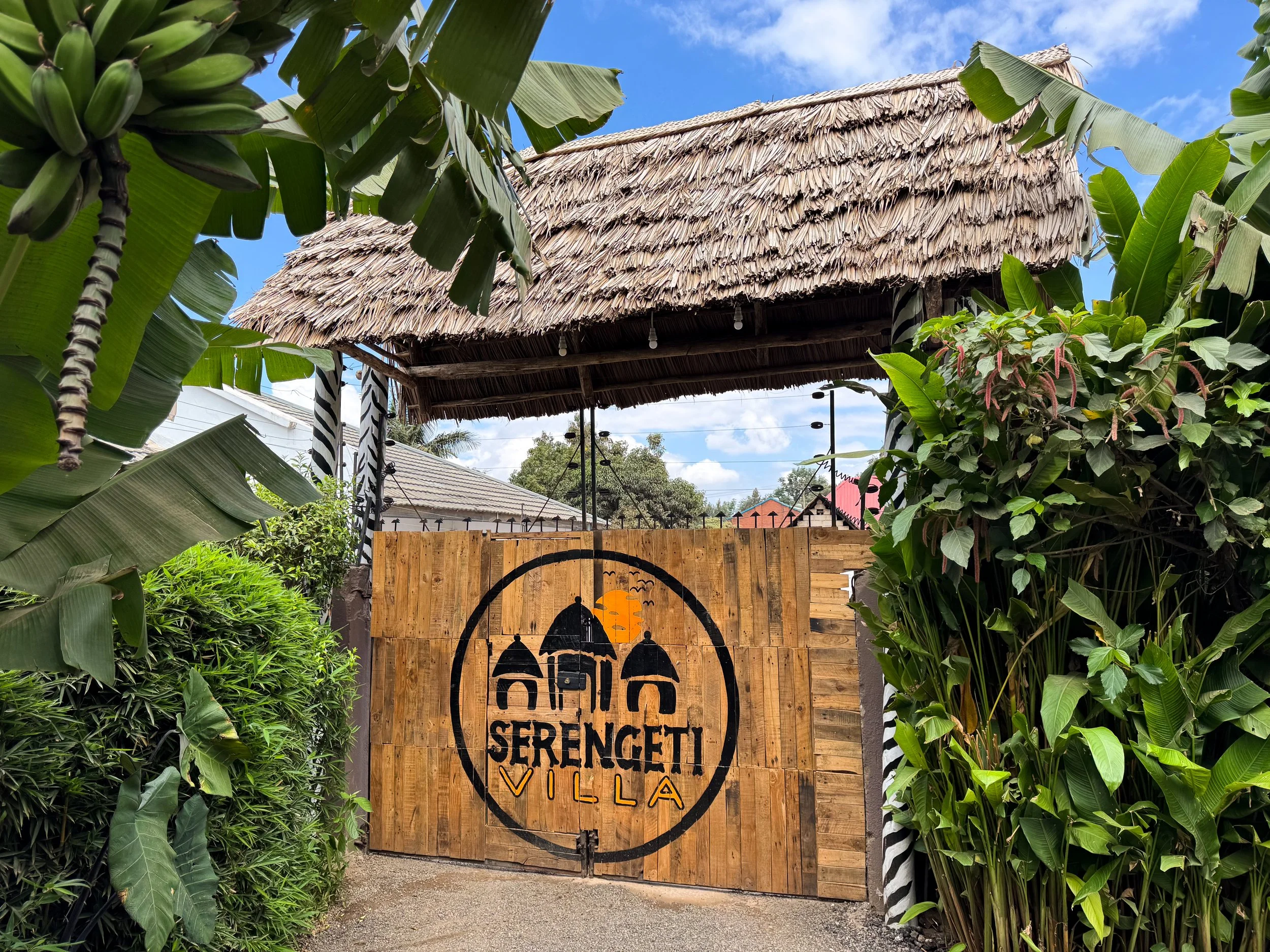
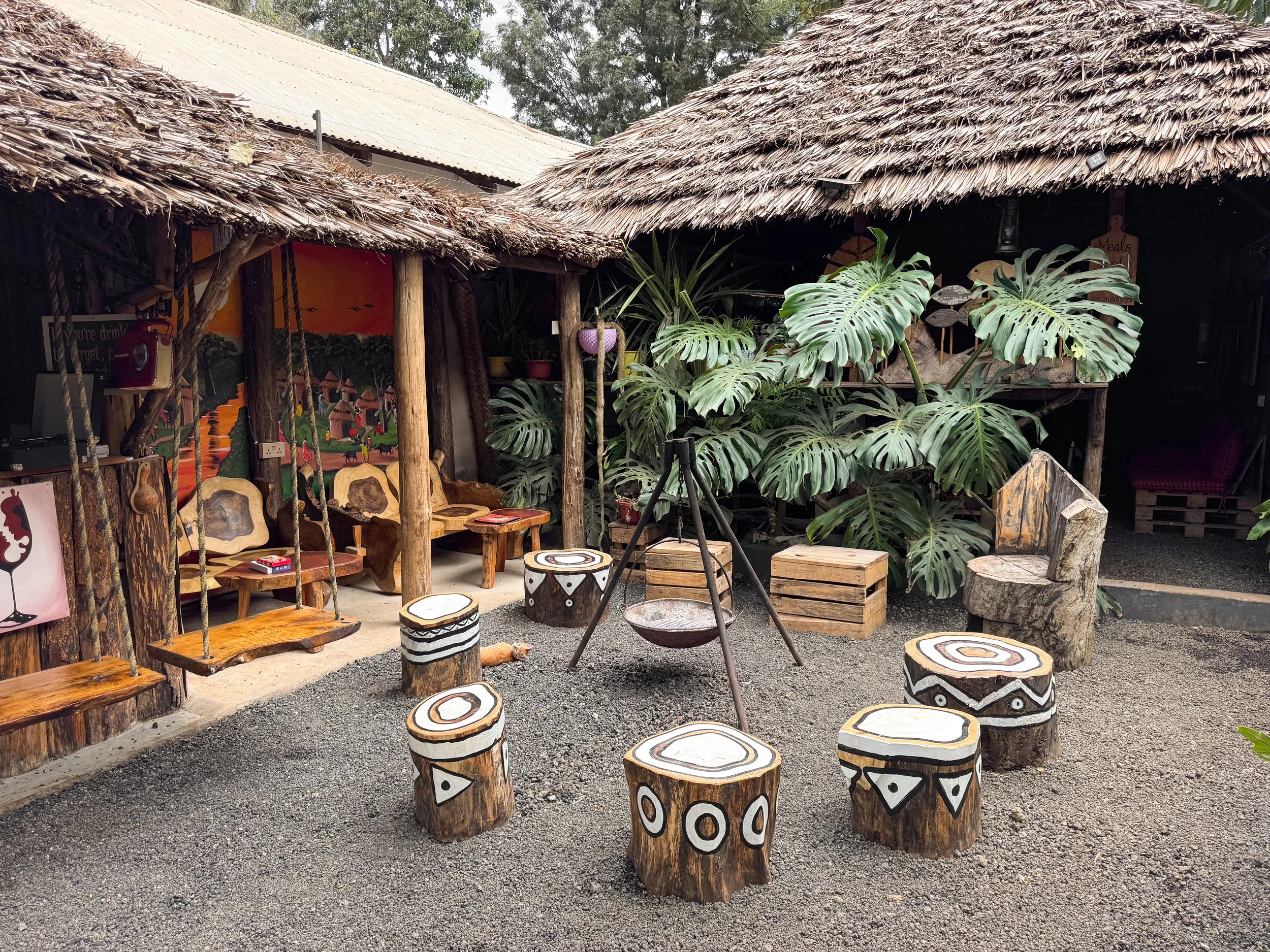
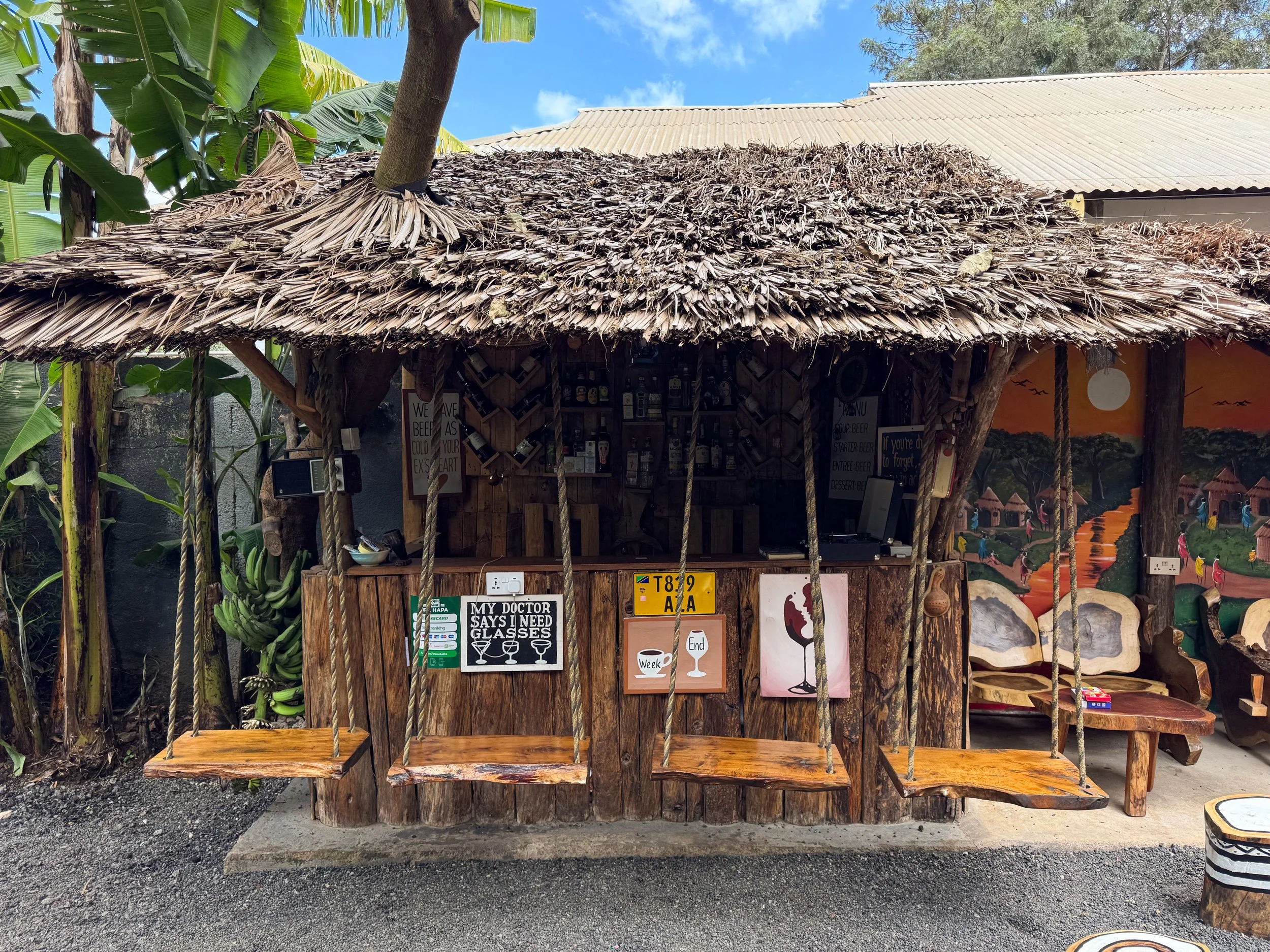
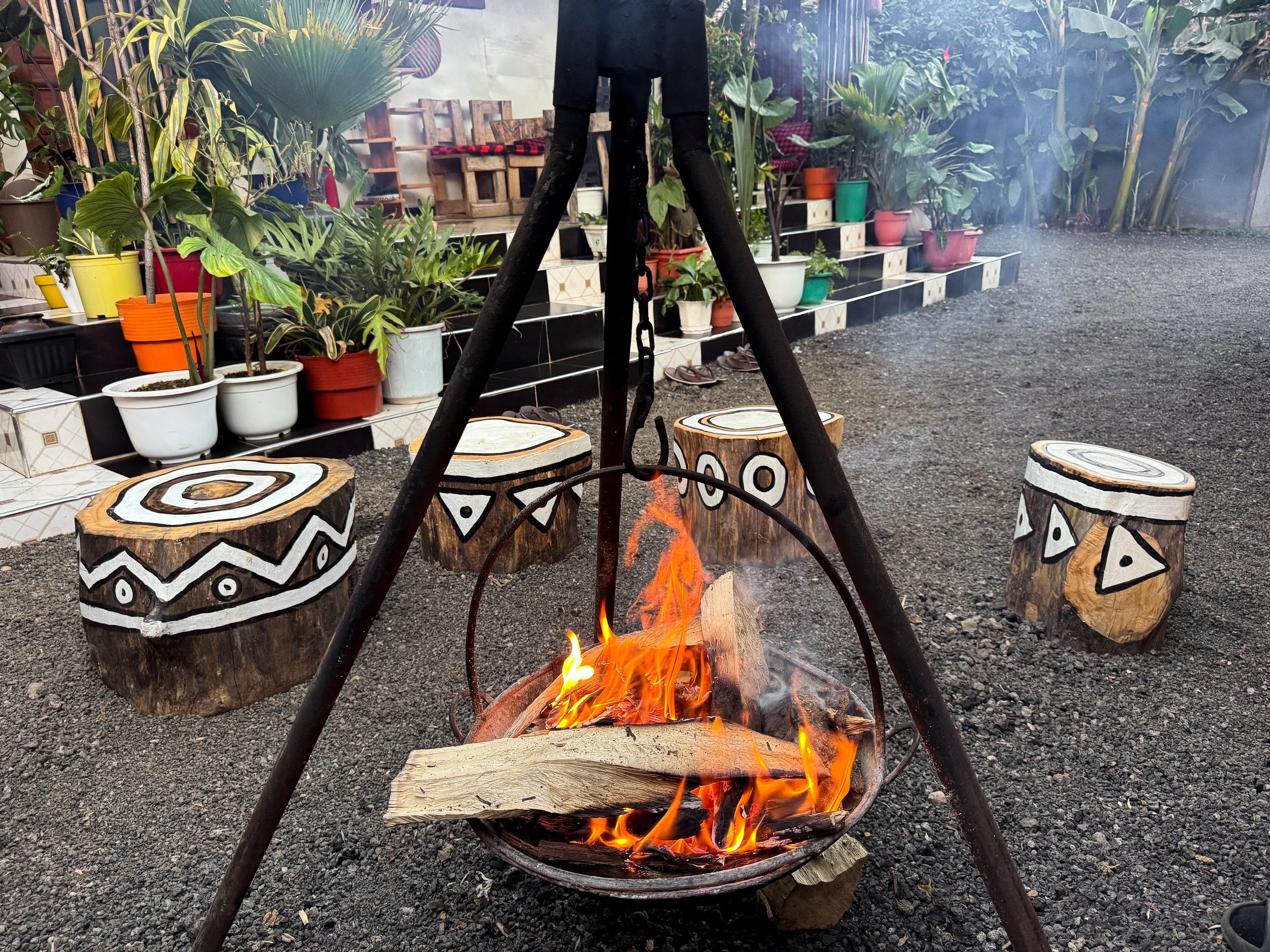
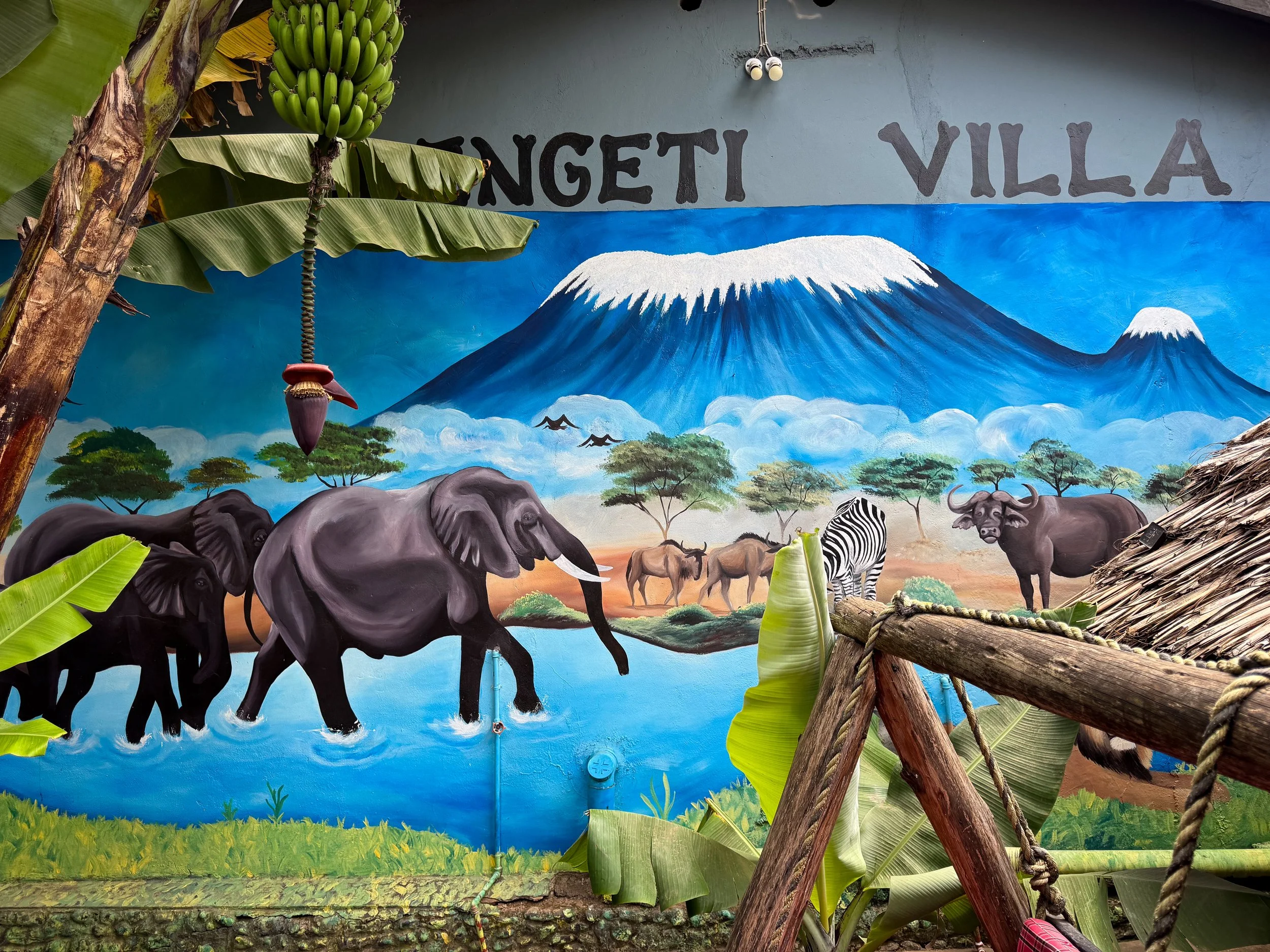
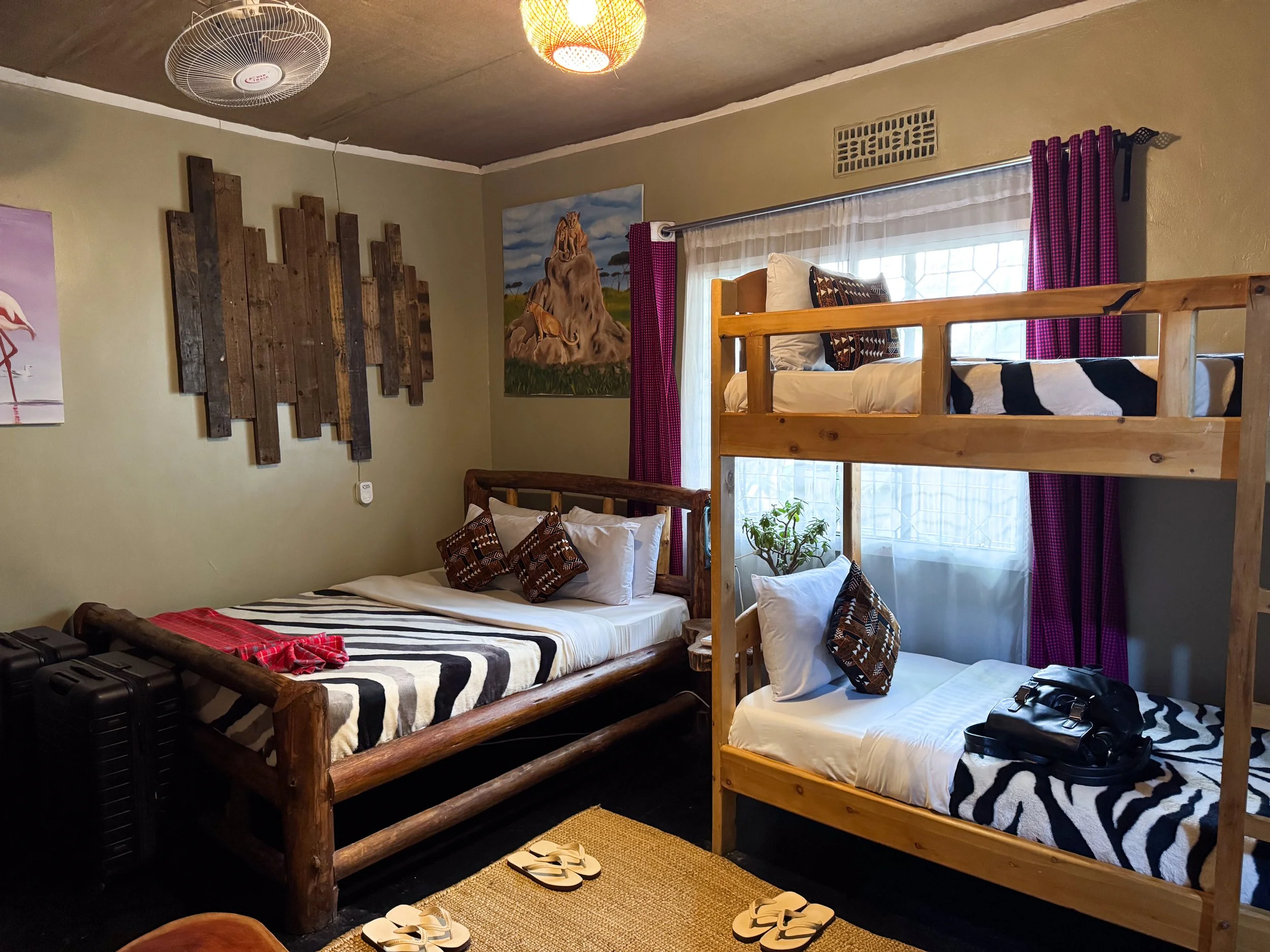
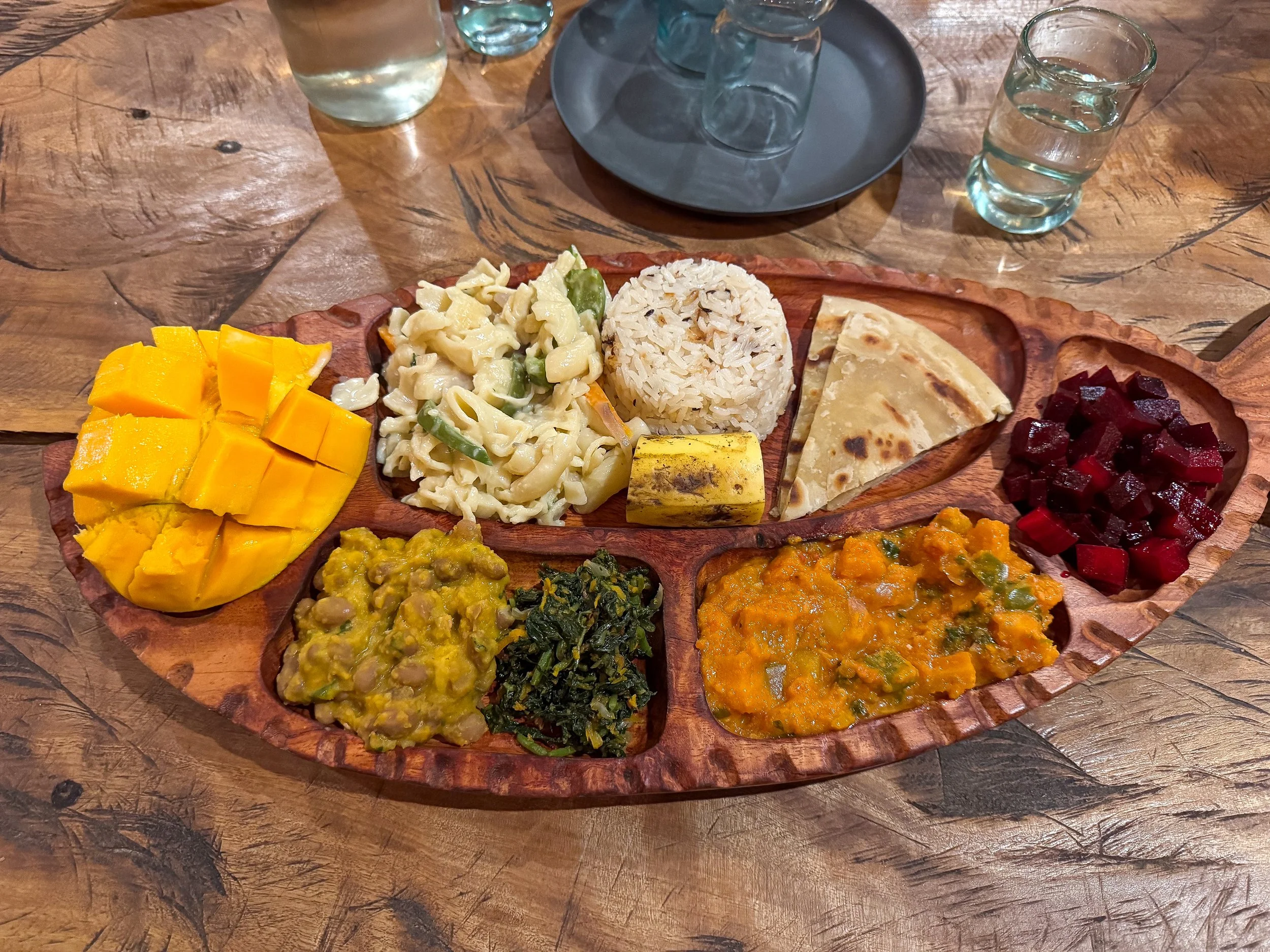
Serengeti Villa. A boutique eco hotel in Arusha with tropical gardens, safari style rooms and tribal furniture. The villa serves delicious Swahili meals and local beers, hosts nightly bonfires and offers services like laundry and luggage storage. Our only regret was not staying longer. Reserve on Booking.
Good to Know
When to Visit. The dry season, from July to October, is the best time of year to visit Tanzania for a safari.
Dust. The savanna can be extremely dusty during the dry season. Bring wipes to clean off with and wear clothes you don’t mind getting dirty.
Binoculars. Being a pair of good binoculars to view distant animals and close up details of nearby game. We bought a pair of Nikon Monarch M5 with 10x42 magnification.
Camera. Phones can great for social media photos however, a professional camera is much better for detailed and close up photos.
Tipping. Plan to tip safari guides between $10-$20 USD per day per person.
Swahili Words & Phrases
Swahili is the local language in Tanzania. We learned several basic words and phrases from our guides.
Jambo. A formal greeting meaning hello.
Mambo. An informal greeting meaning hello or how are you?
Poa or Poa Poa. A common response to Mambo, meaning good or well.
Habari Asubuhi. Good morning.
Lala Salama. Good night or sleep well.
Kwa Heri. Goodbye.
Asante. Thank you.
Asante Sana. Thank you very much.
Karibu. Welcome or you’re welcome.
Hakuna Matata. The phrase made world famous by the Lion King. It’s a real Swahili phrase meaning no worries or no problems.
Elsewhere in Tanzania
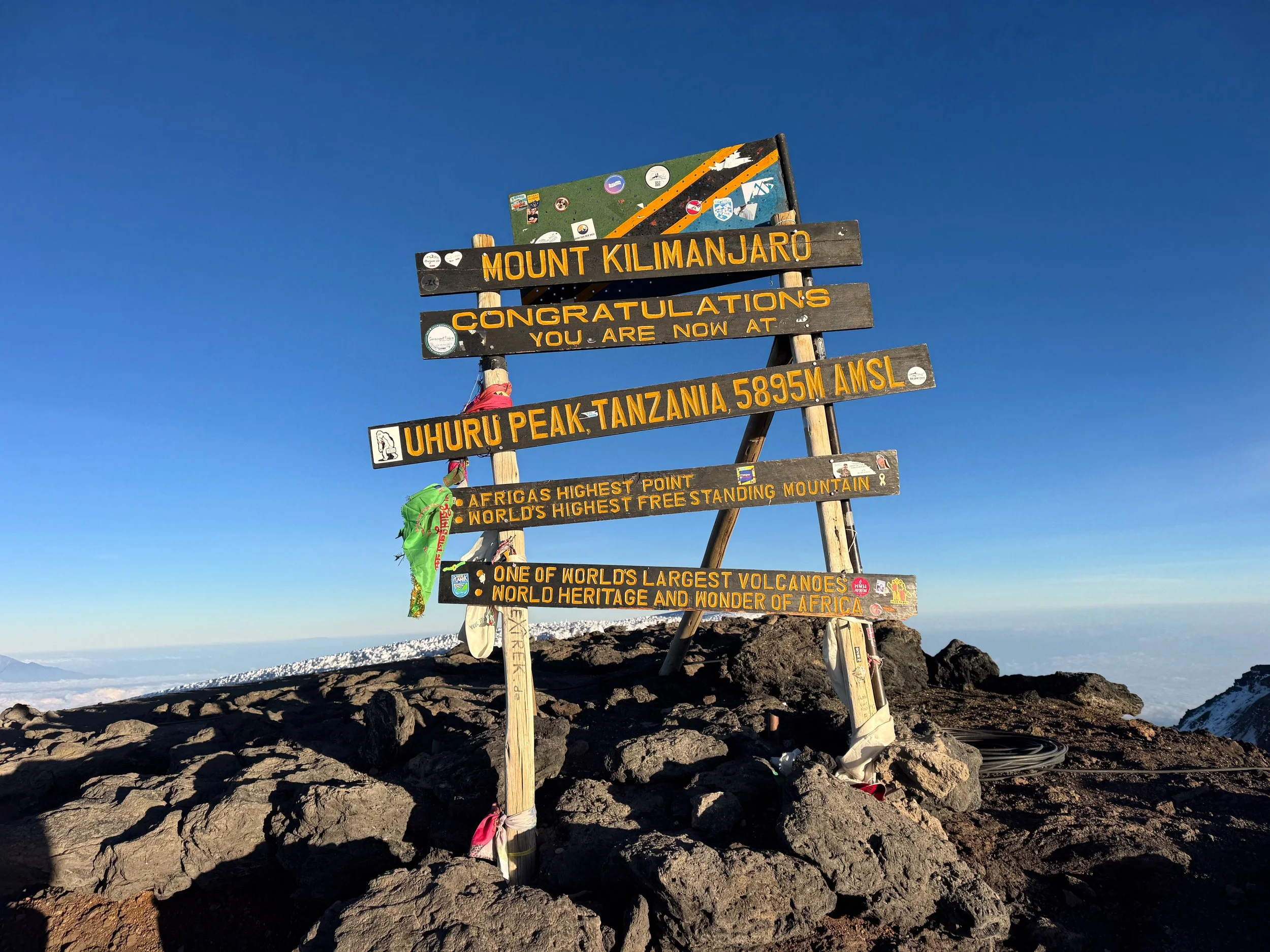
We spent four weeks traveling across Tanzania. The country is a remarkable destination for adventure seekers, nature lovers and cultural enthusiasts. Hike to the summit of Africa’s tallest mountain, Mt. Kilimanjaro or escape to beaches and spice gardens on the tropical island of Zanzibar.
For Next Time…
We spent four days in the back of a Toyota Land Cruiser exploring Tanzania’s savannas, craters and national parks. Next time we return, we plan to experience a safari on foot and by air.
Walking Safari. Guided safaris led on foot by rangers lead visitors through the Arusha National Park to see wildlife up close and personal. Unlike multi day safaris, the park offers full and half day experiences.
Hot Air Ballon Safari. Hot air balloons float through the early morning skies of the Serengeti. Once in the park, tour operators offer aerial safaris of its vast grasslands and kopjes.