Marrakech Travel Guide: Medina, Souks & Moroccan Cuisine
Marrakech, Morocco
Marrakech is an intoxicating destination, both chaotic and charming. Maze-like alleyways wind through the walled medina, past historic buildings adorned with intricate architectural details. Bustling souks brim with artisans and colorful displays of rugs, luminous brass lamps, vivid spices and Moroccan sweets. Narrow streets open to lively plazas filled with performers and vendors, as the scents of mint tea and tagines drift through the air.
The Medina
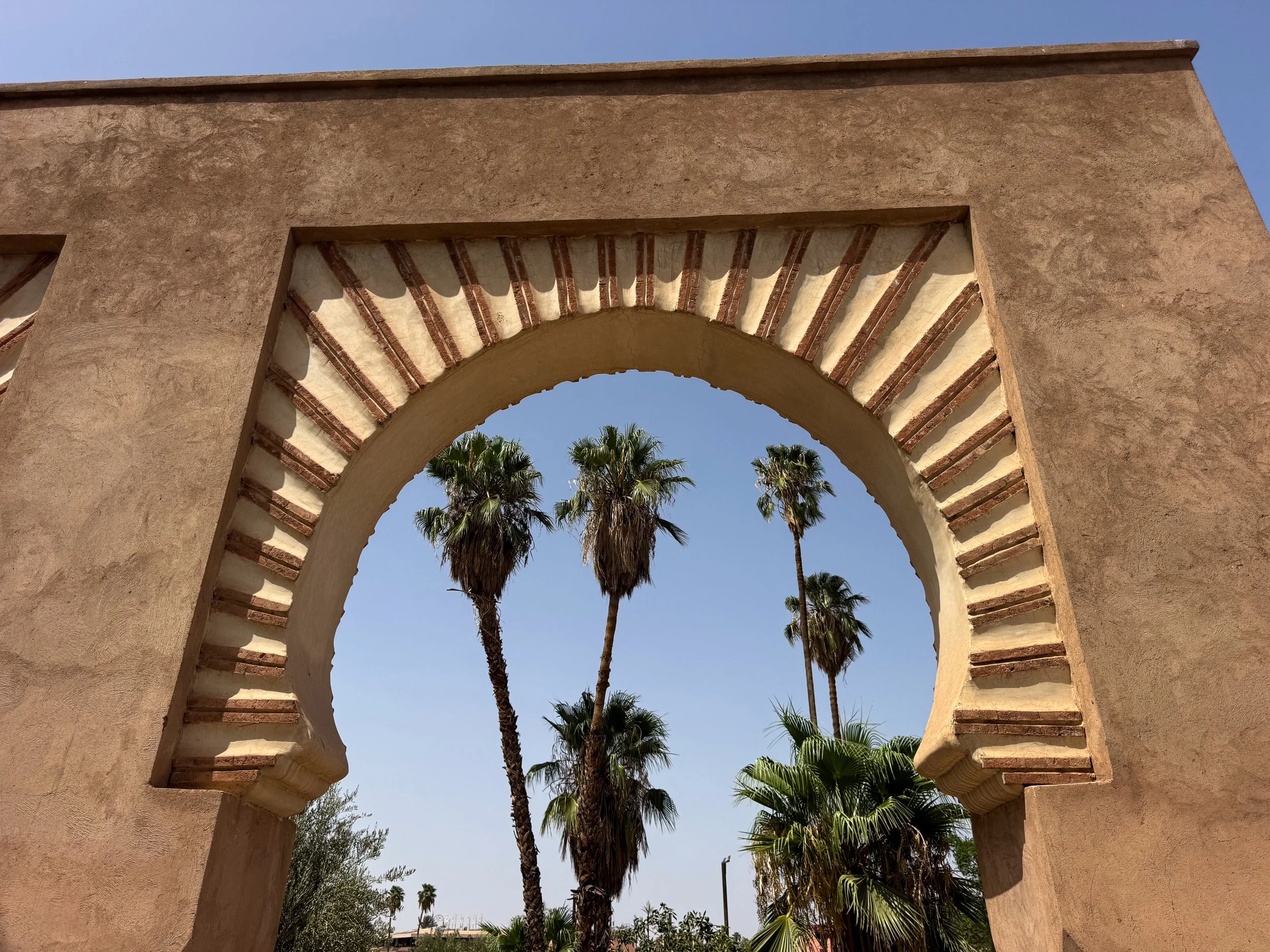
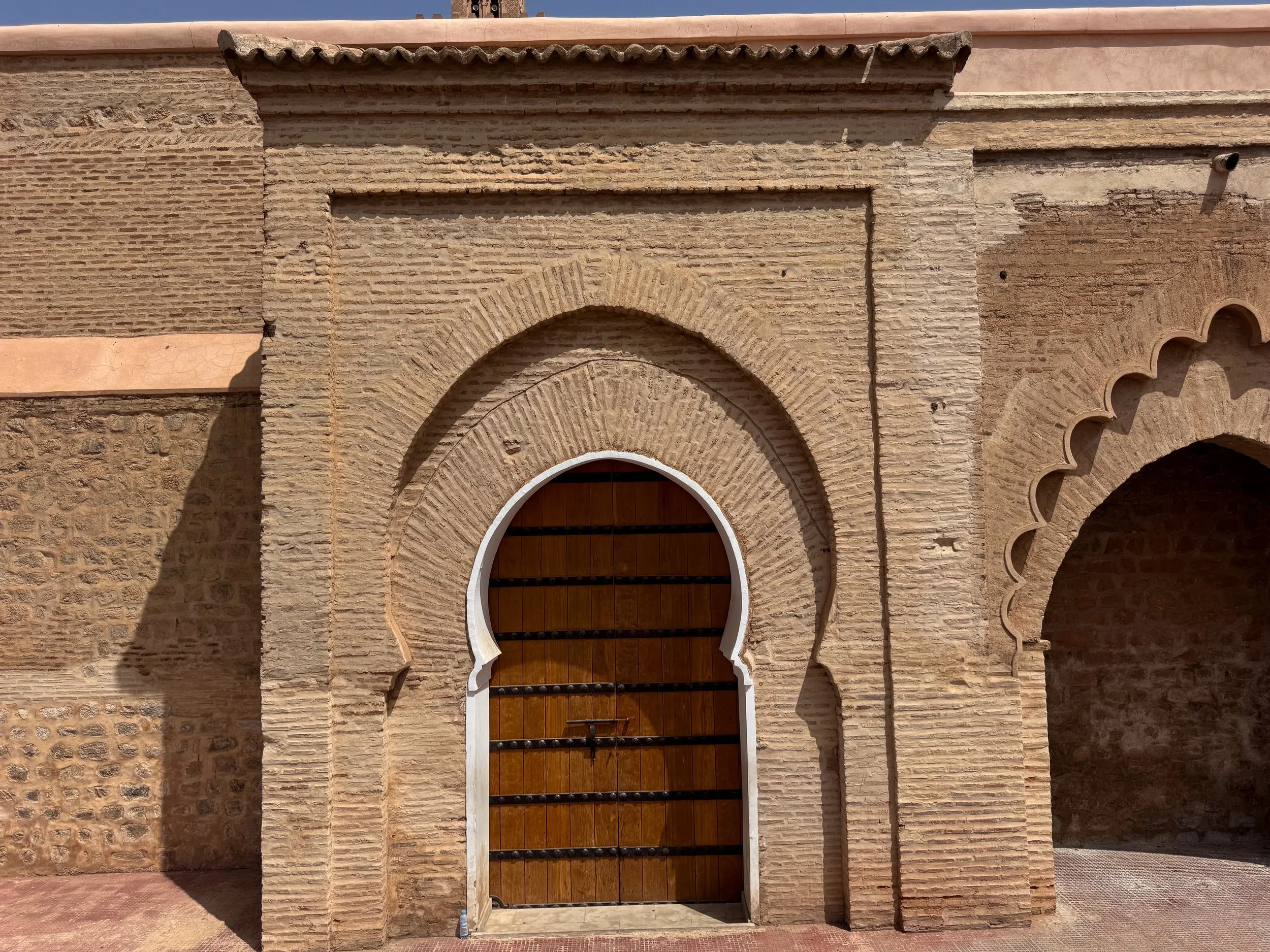
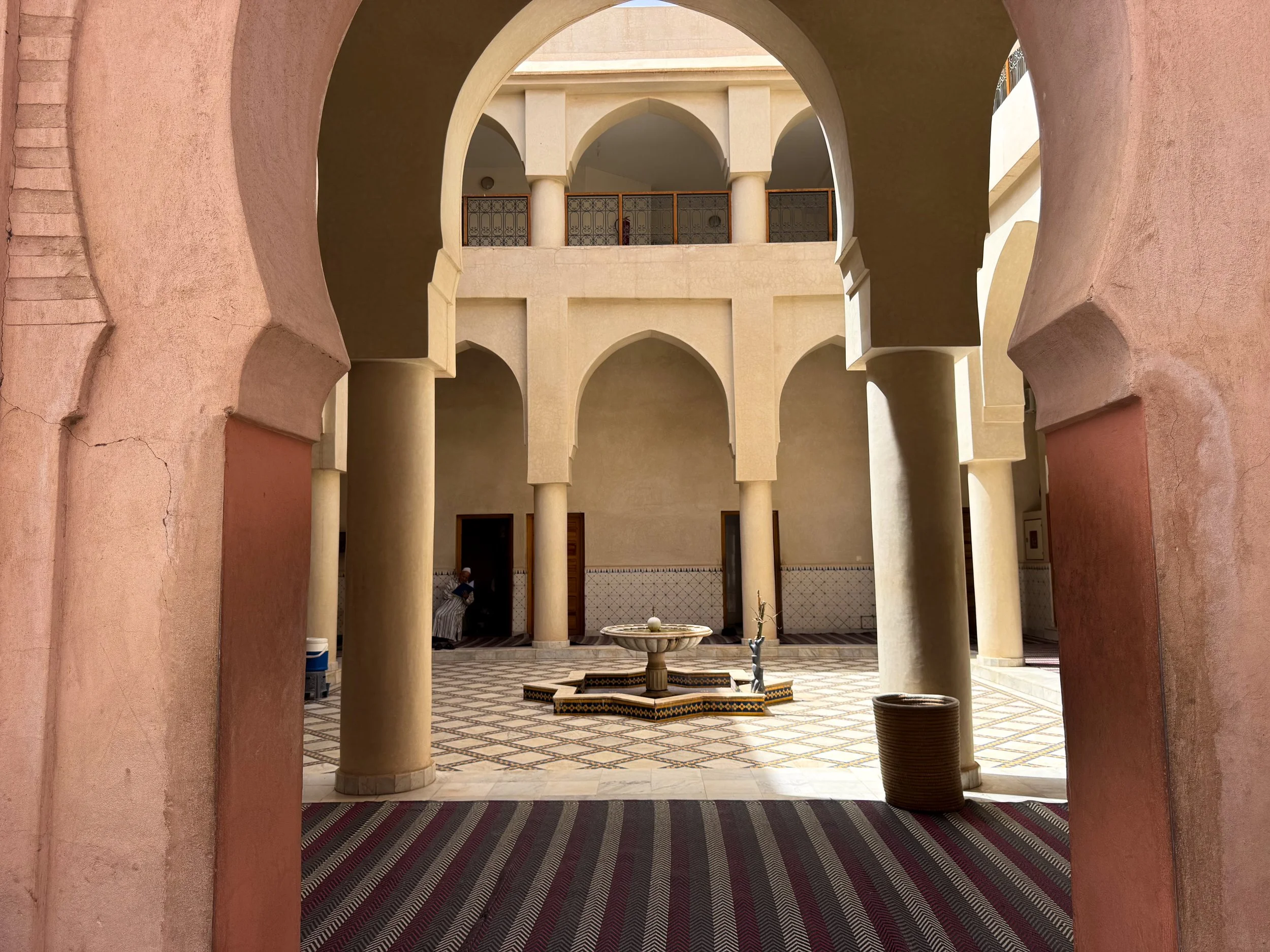
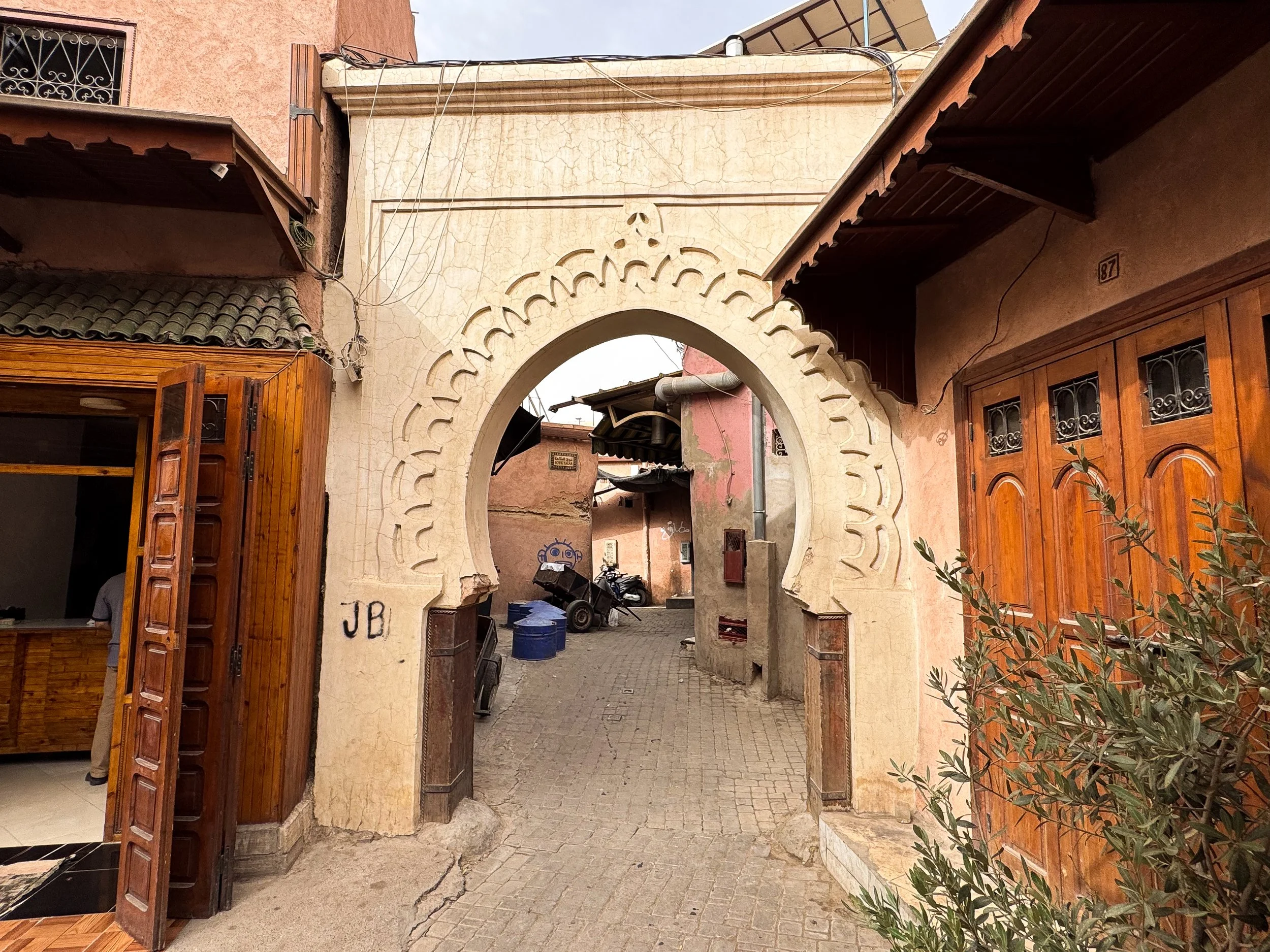
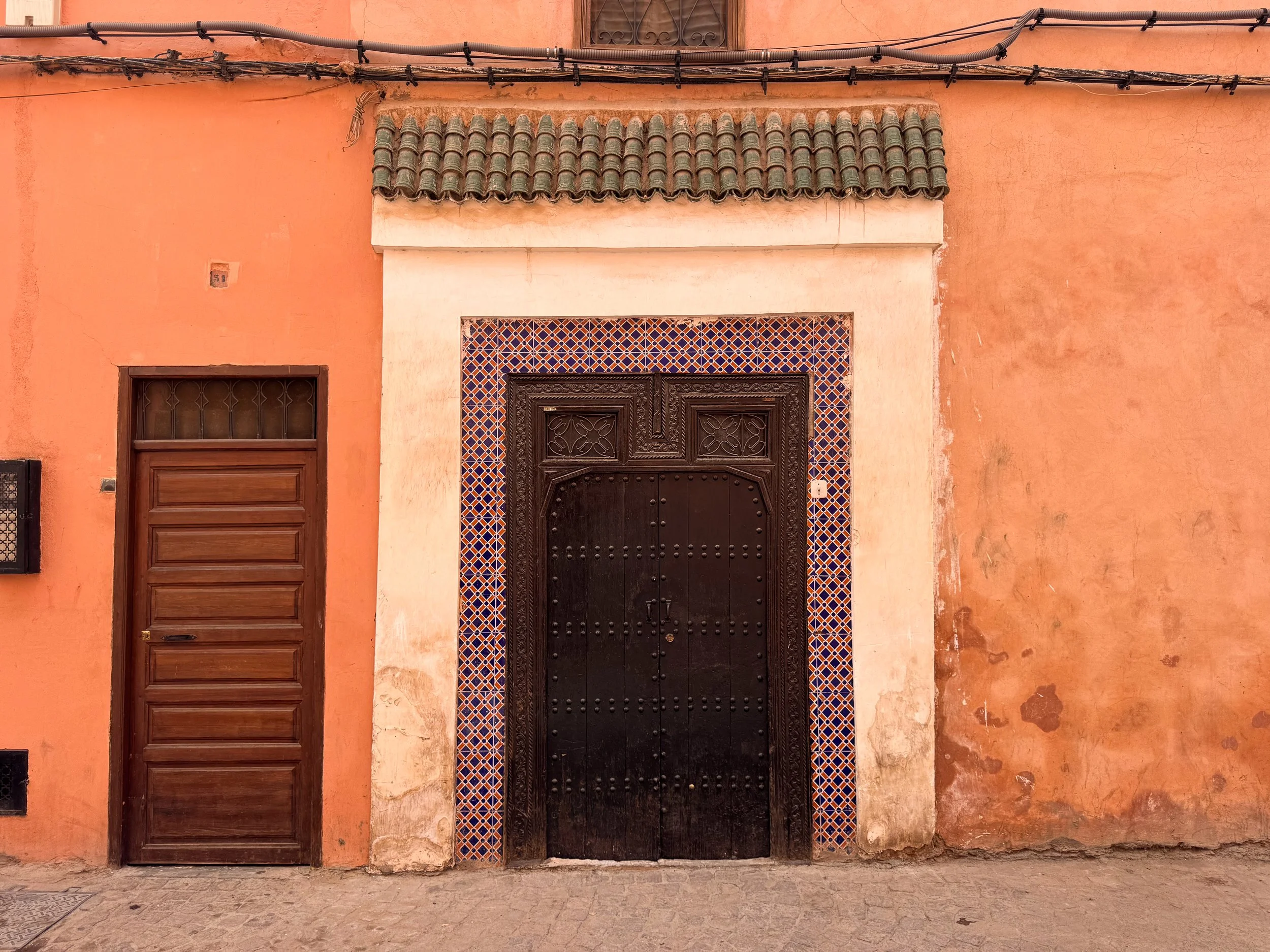
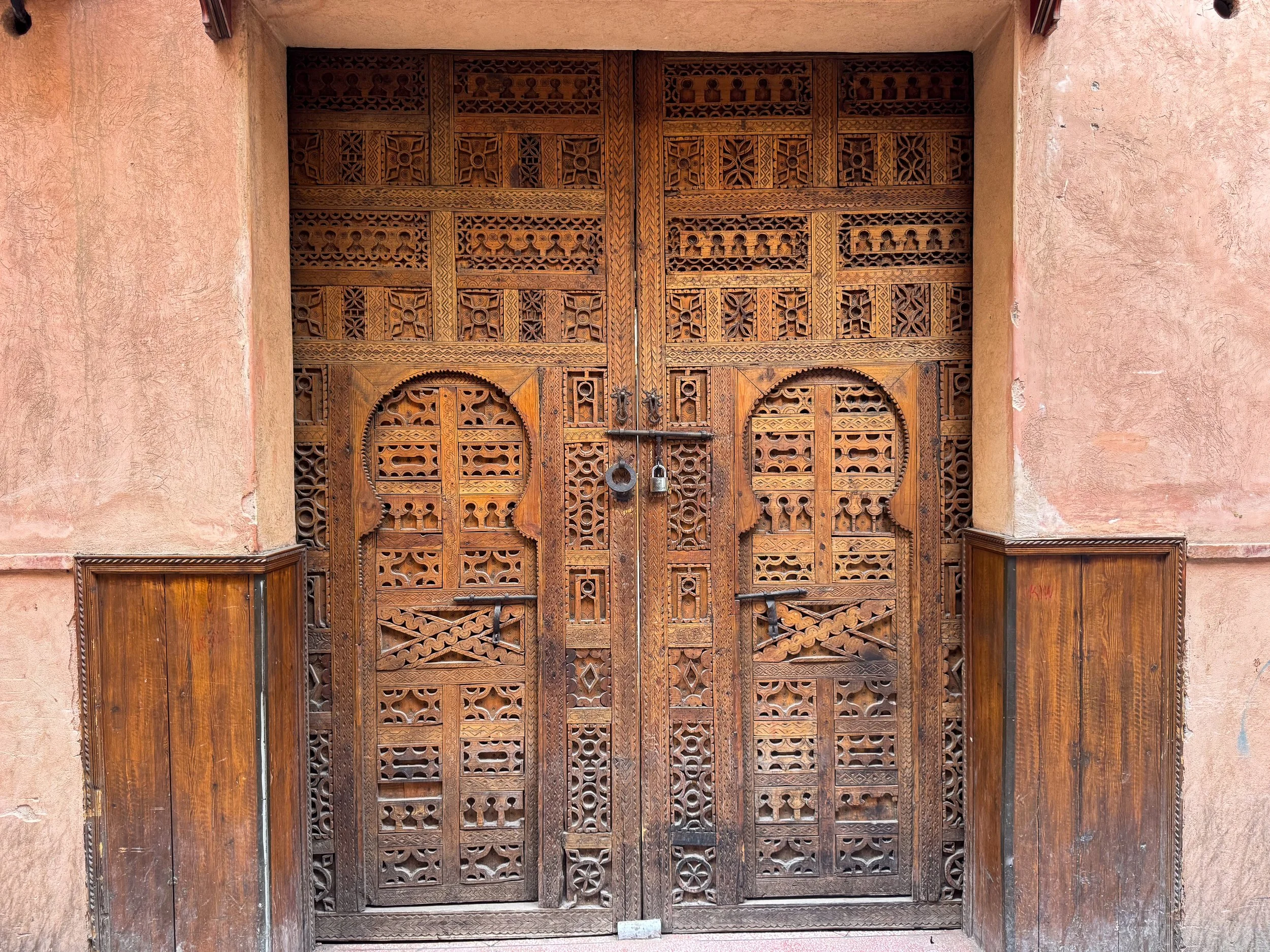
The medina is the historic center of Marrakech. Arched gates lead into a maze of winding alleys and shadowed passageways. Warm sandstone buildings line cobblestone streets, their adobe facades softened by time. Ornate wooden doors and intricate archways lead to Islamic landmarks. Roadside stalls overflow with vegetables and spices as donkey carts rattle past. Crowds move through bustling souks, haggling with shopkeepers, while restaurants and cafes compete for attention. Riads provide calm retreats from the chaos and heat while rooftop terraces offer sweeping views of the ancient city and its towering minarets.
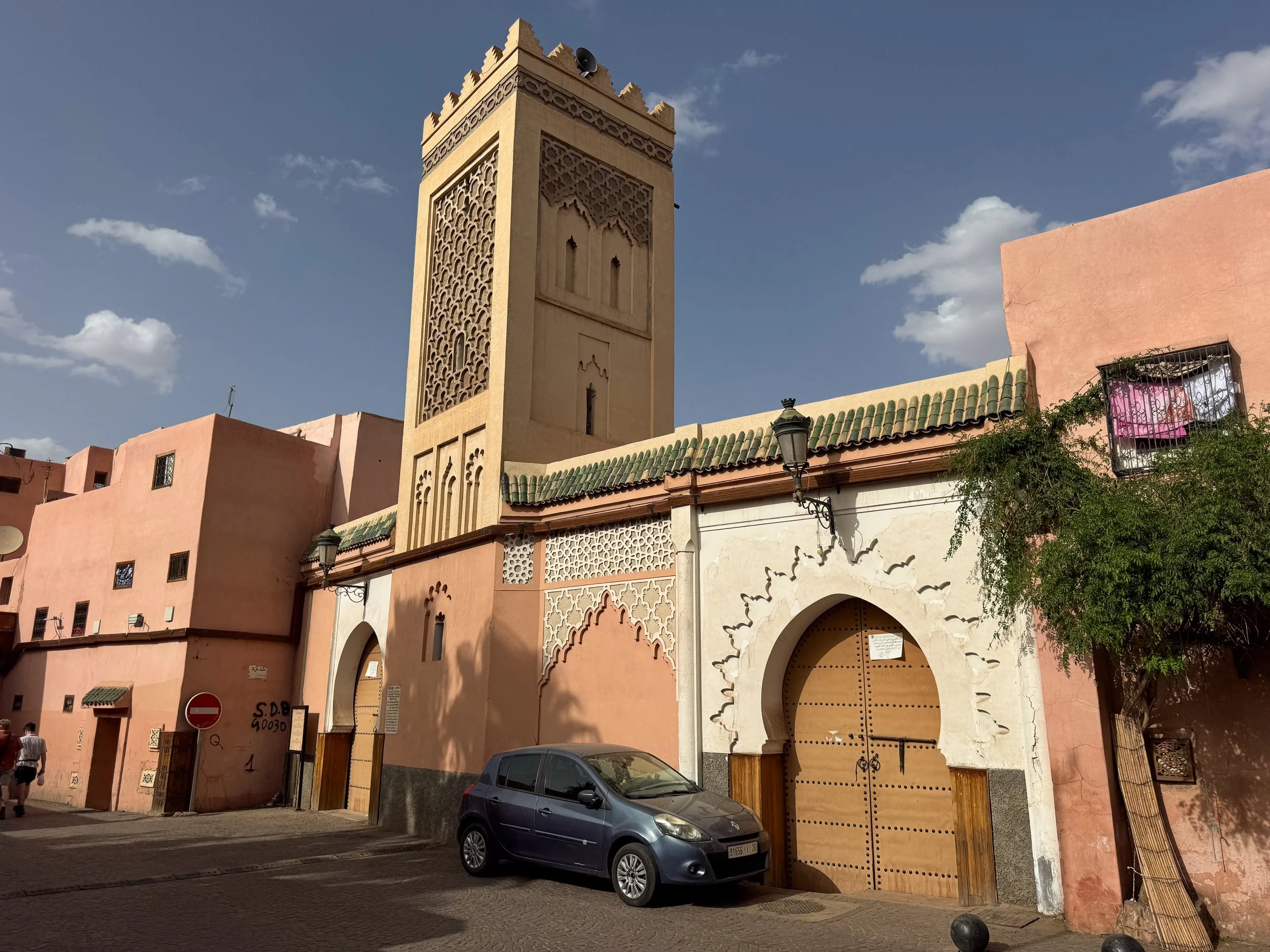
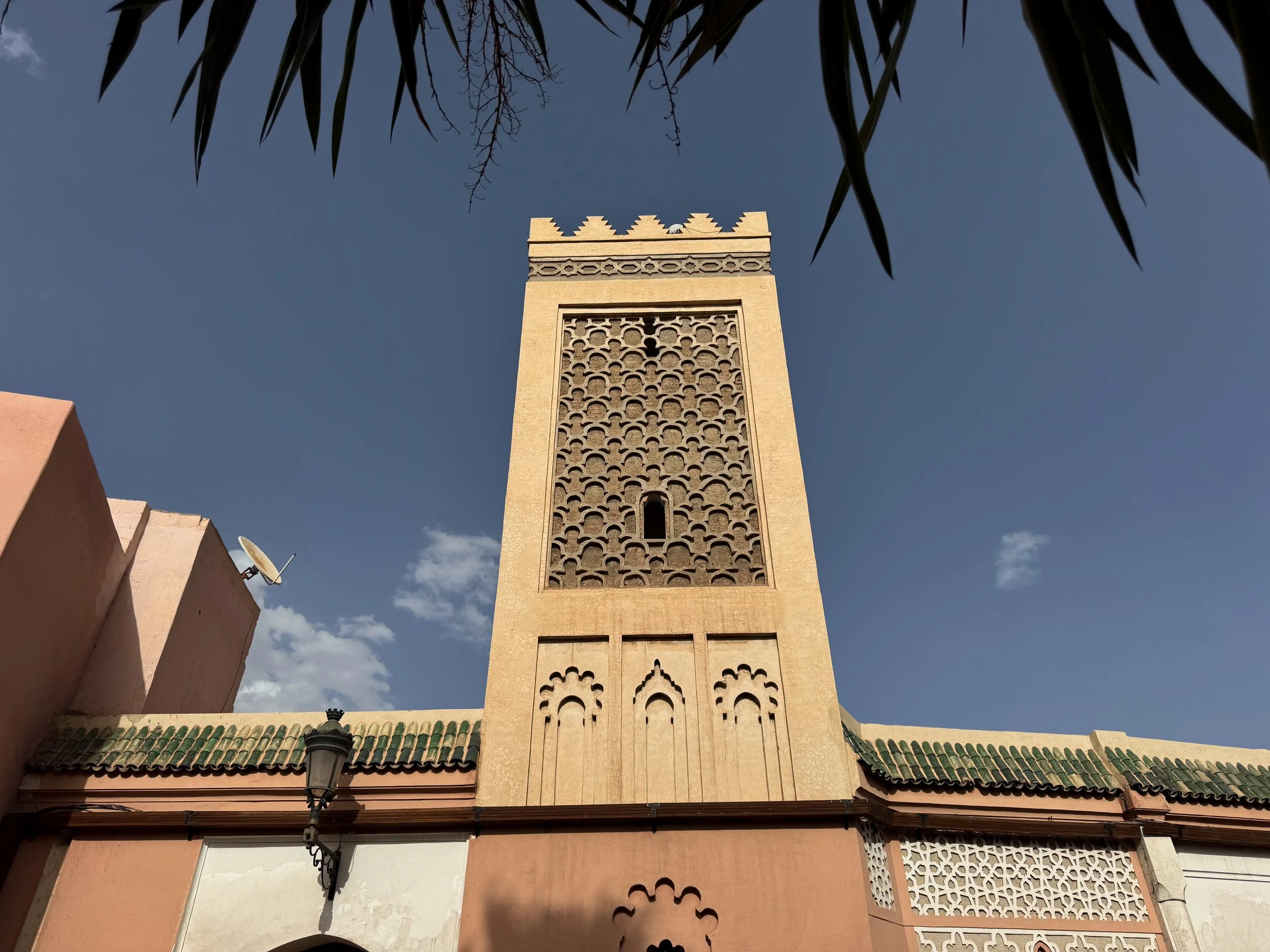
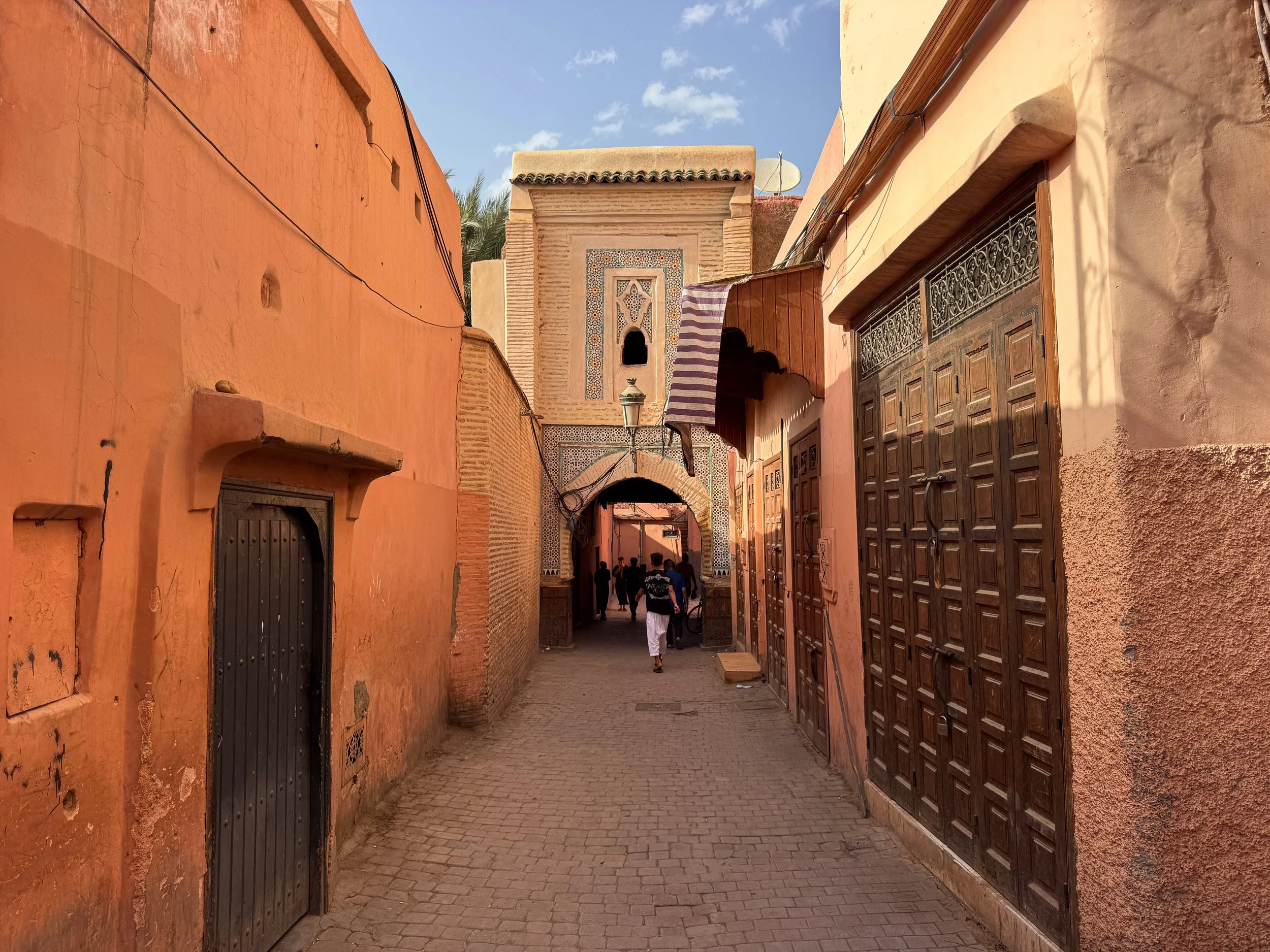
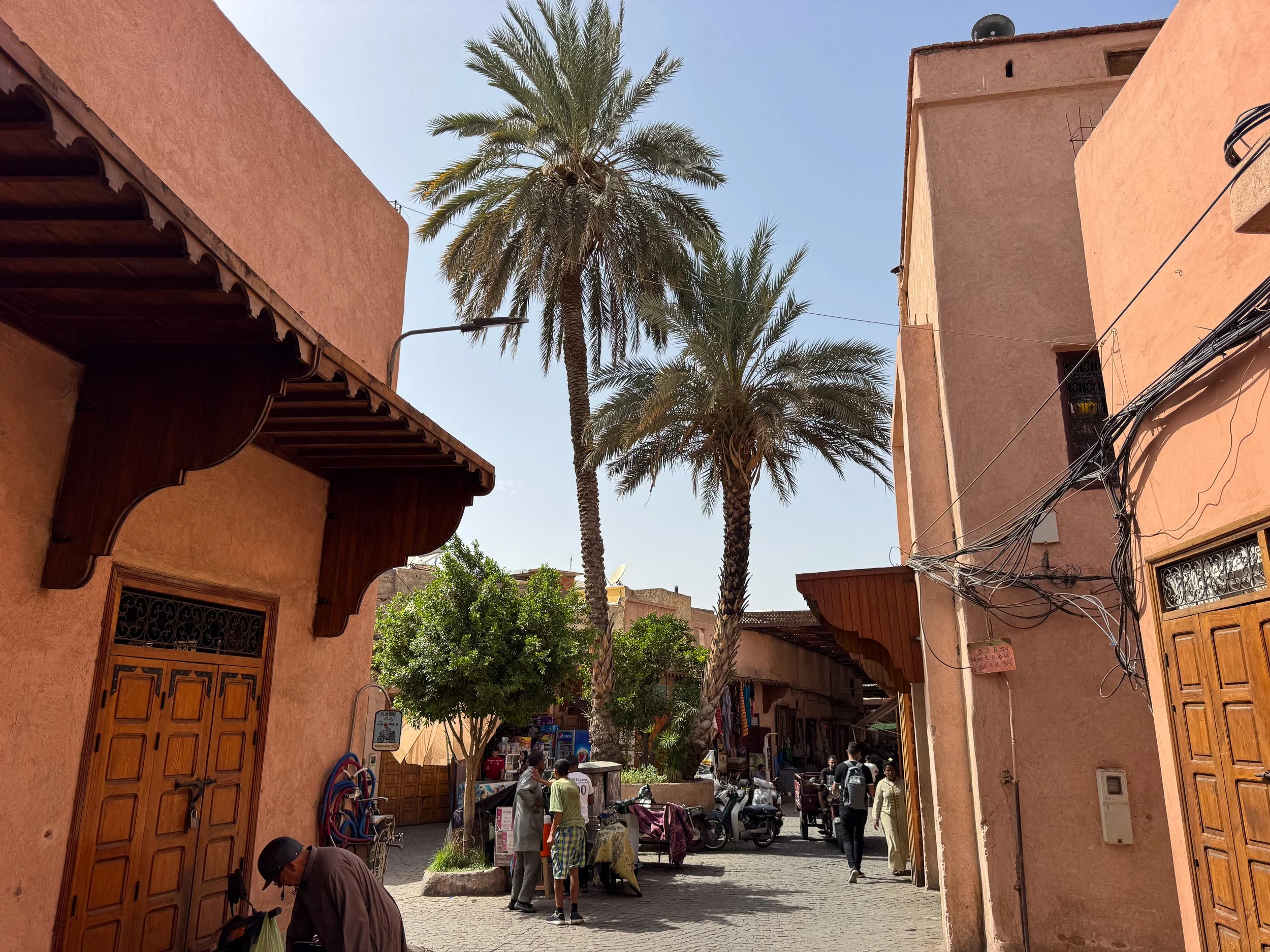
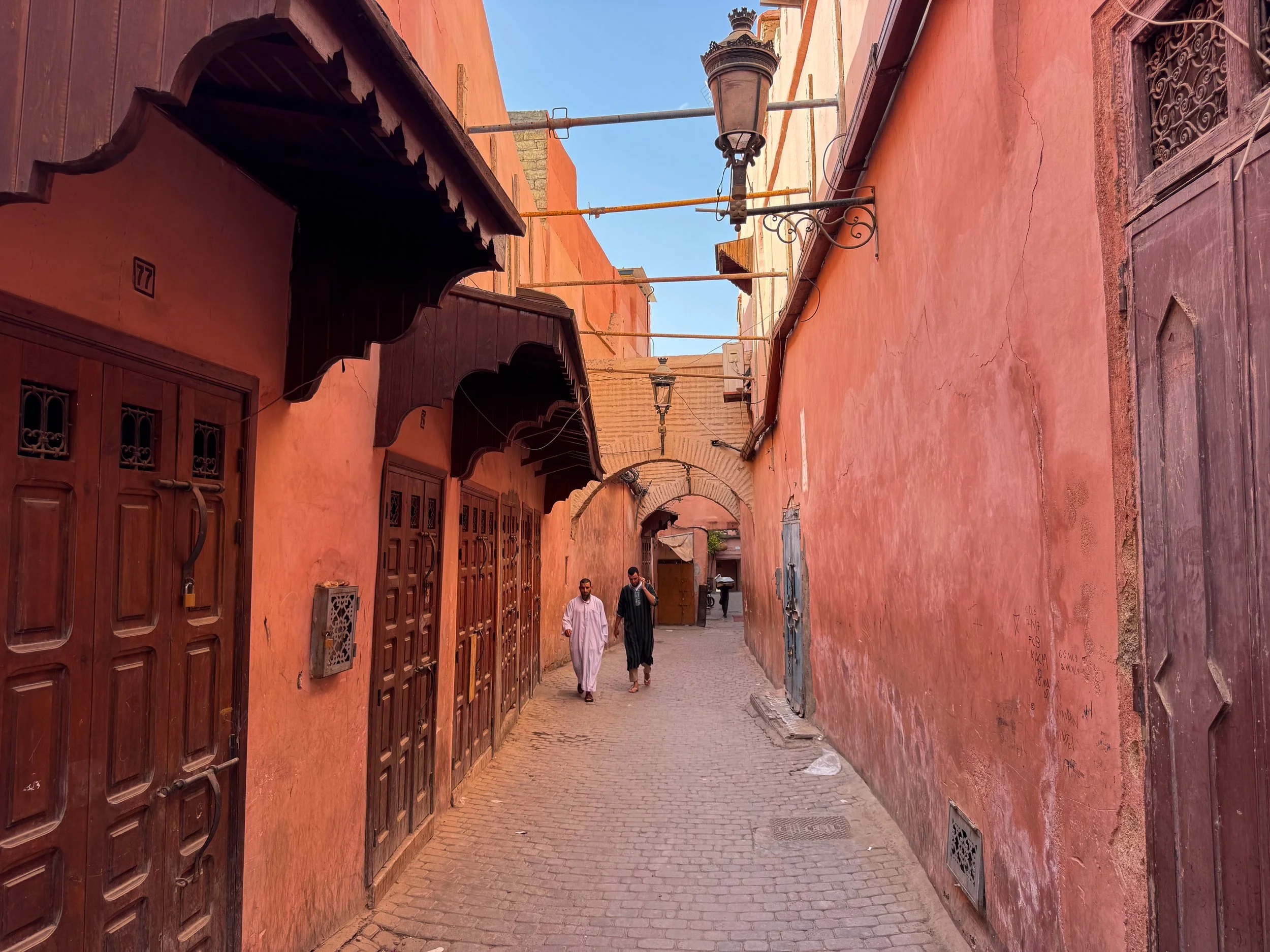
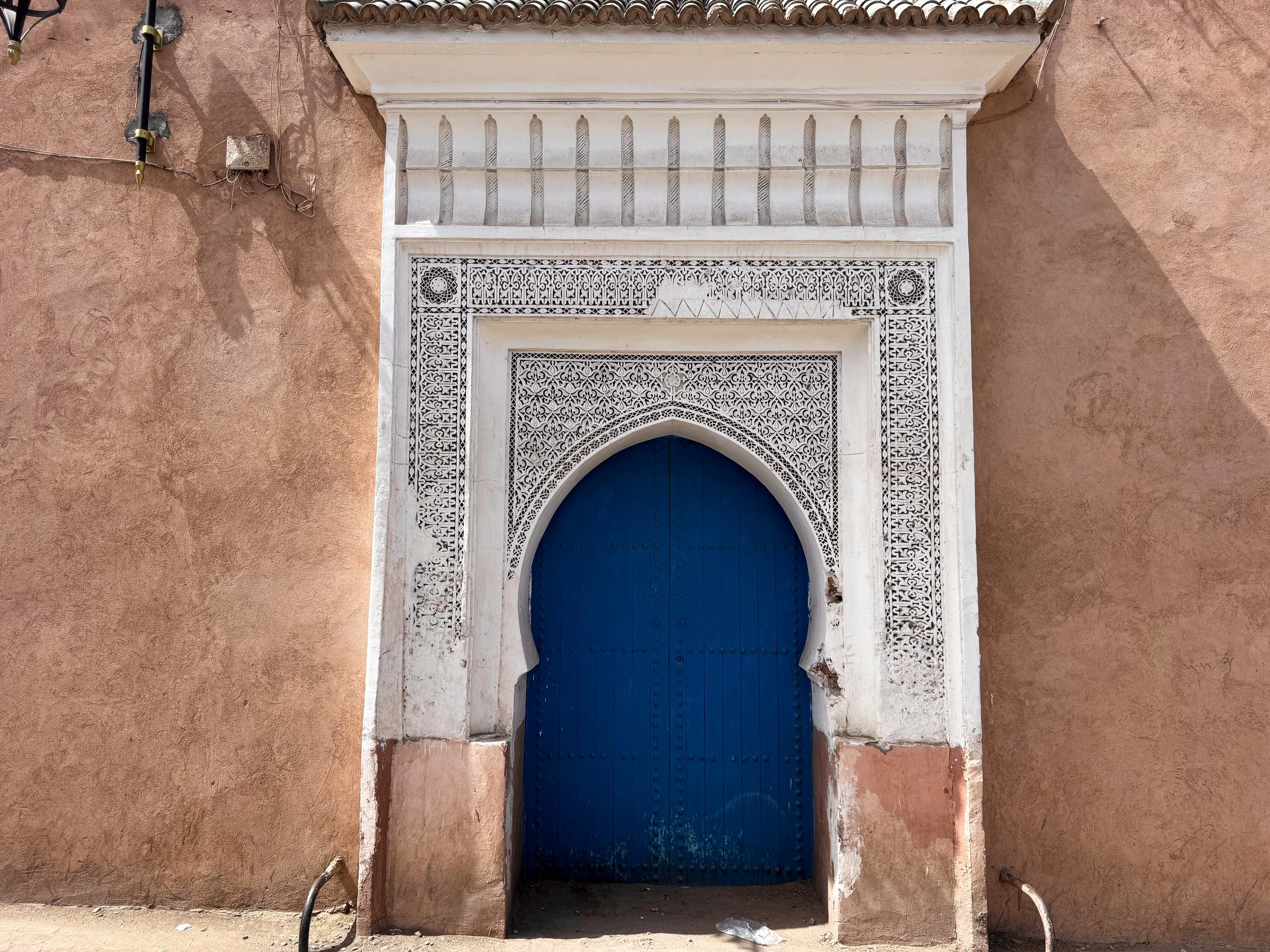
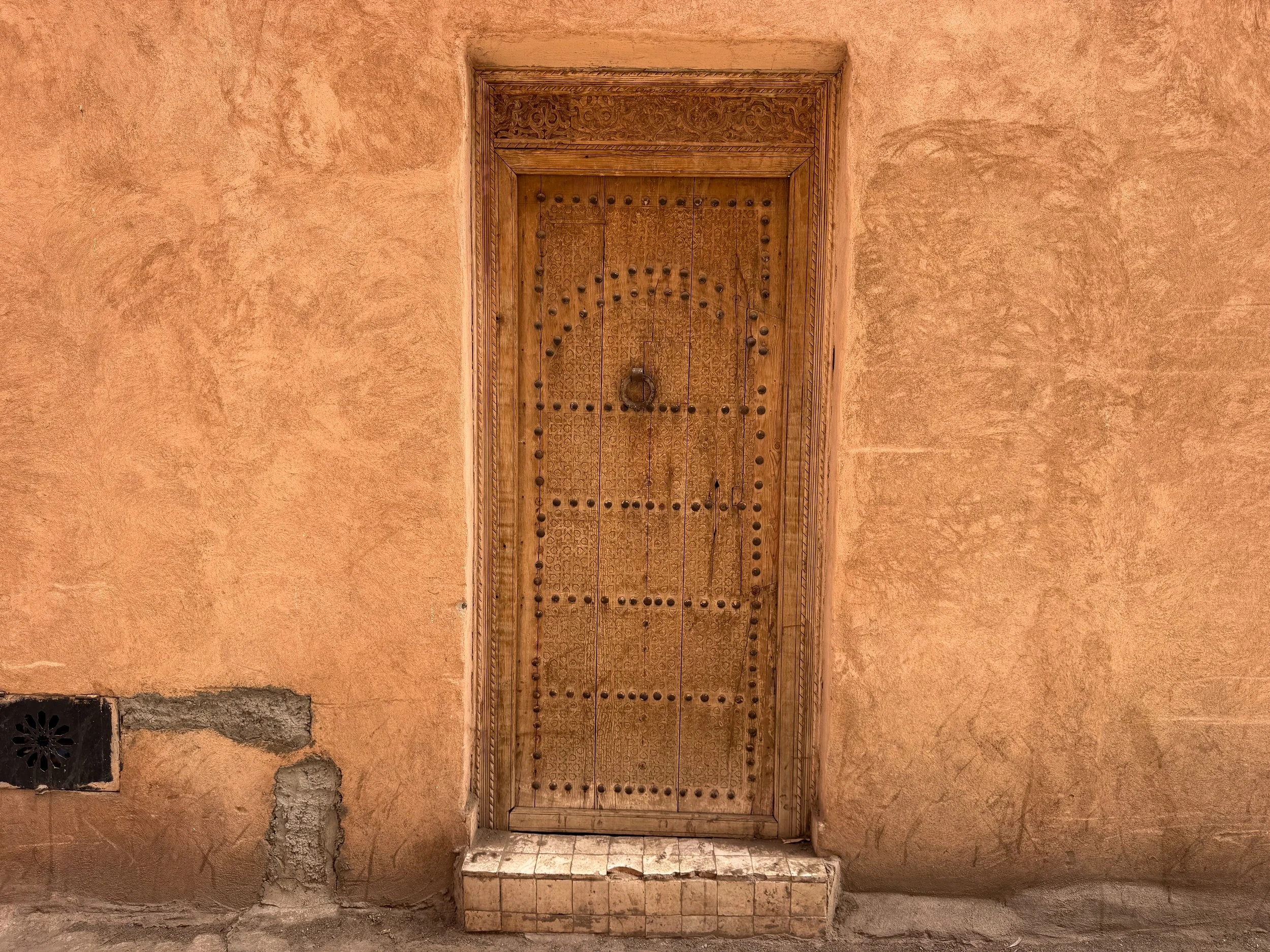
Bab Doukkala. Daily life unfolds in this traditional corner of the medina. Small souks and street vendors cater to local needs. Intimate tea houses and neighborhood restaurants bring together locals and tourists. Side streets branch into alleyways and dead ends, often revealing the calm rhythm within the maze.
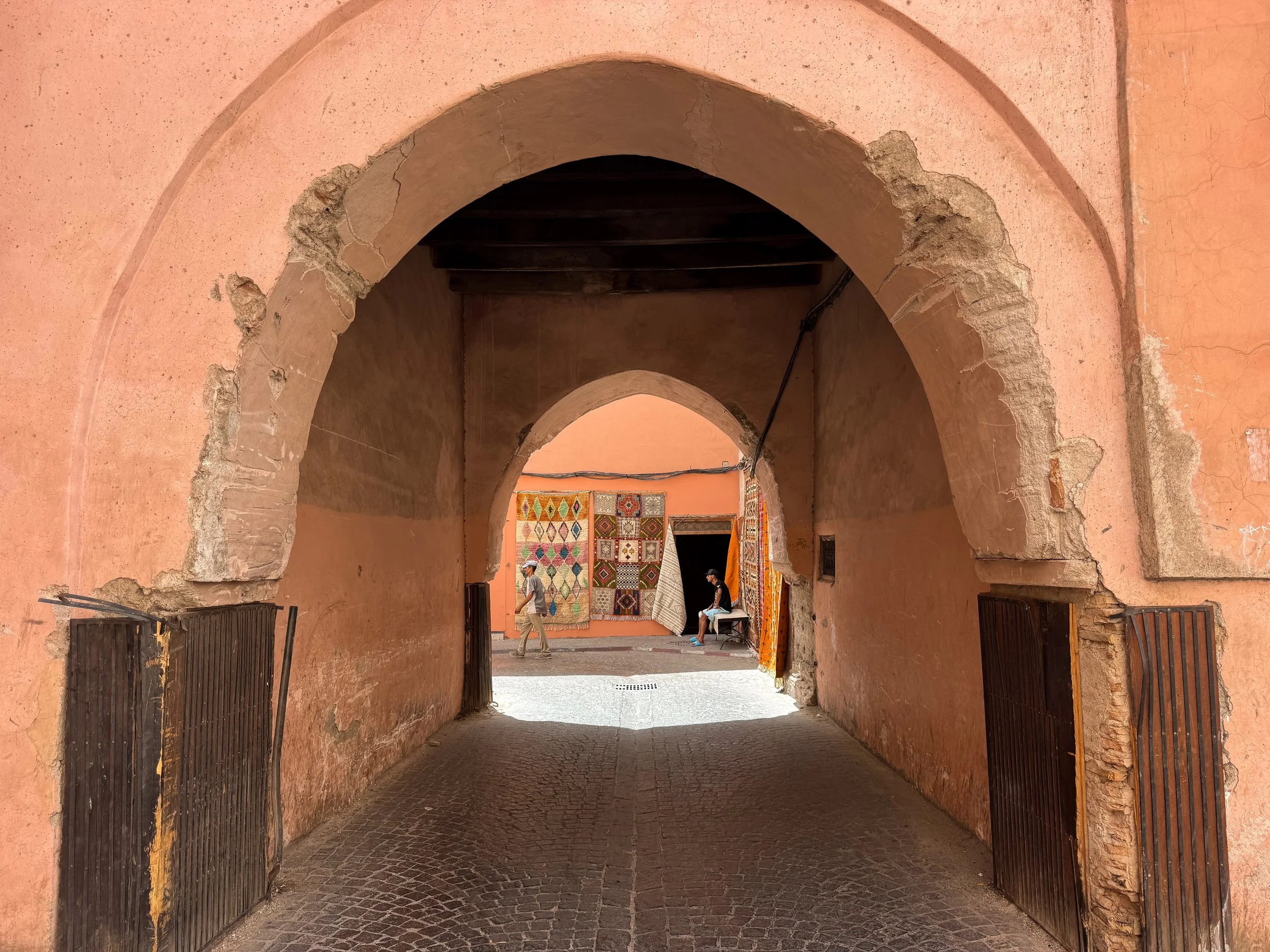
Mellah. The old Jewish quarter offers a glimpse into everyday life. Shaded arcades support lively souks while side streets lead to quiet residential areas. The scent of warm baked breads drifts from bakeries. Visible signs of earthquake damage and ongoing repairs mark the resilience and enduring character of the neighborhood.
Shop the Souks & Markets
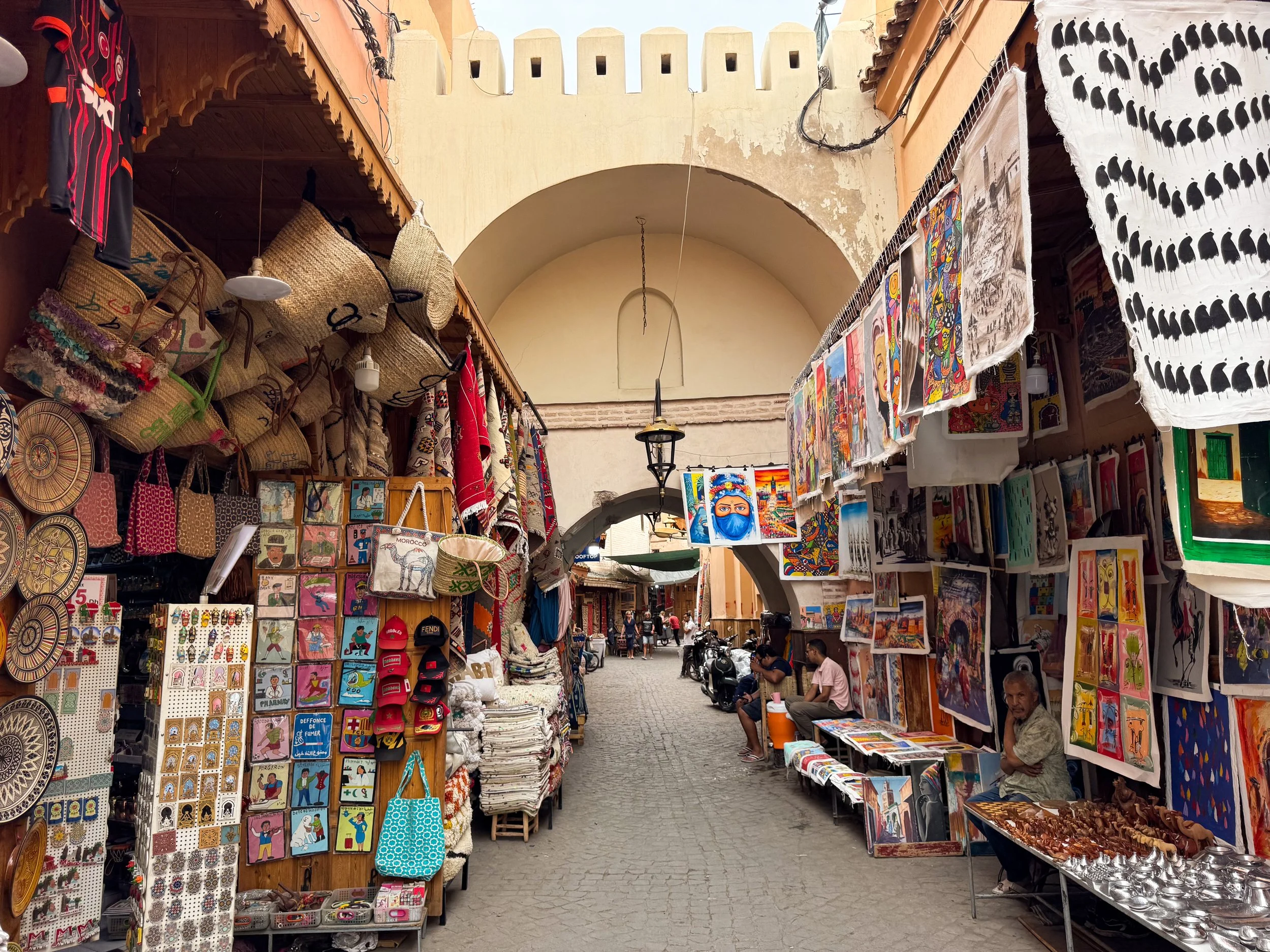
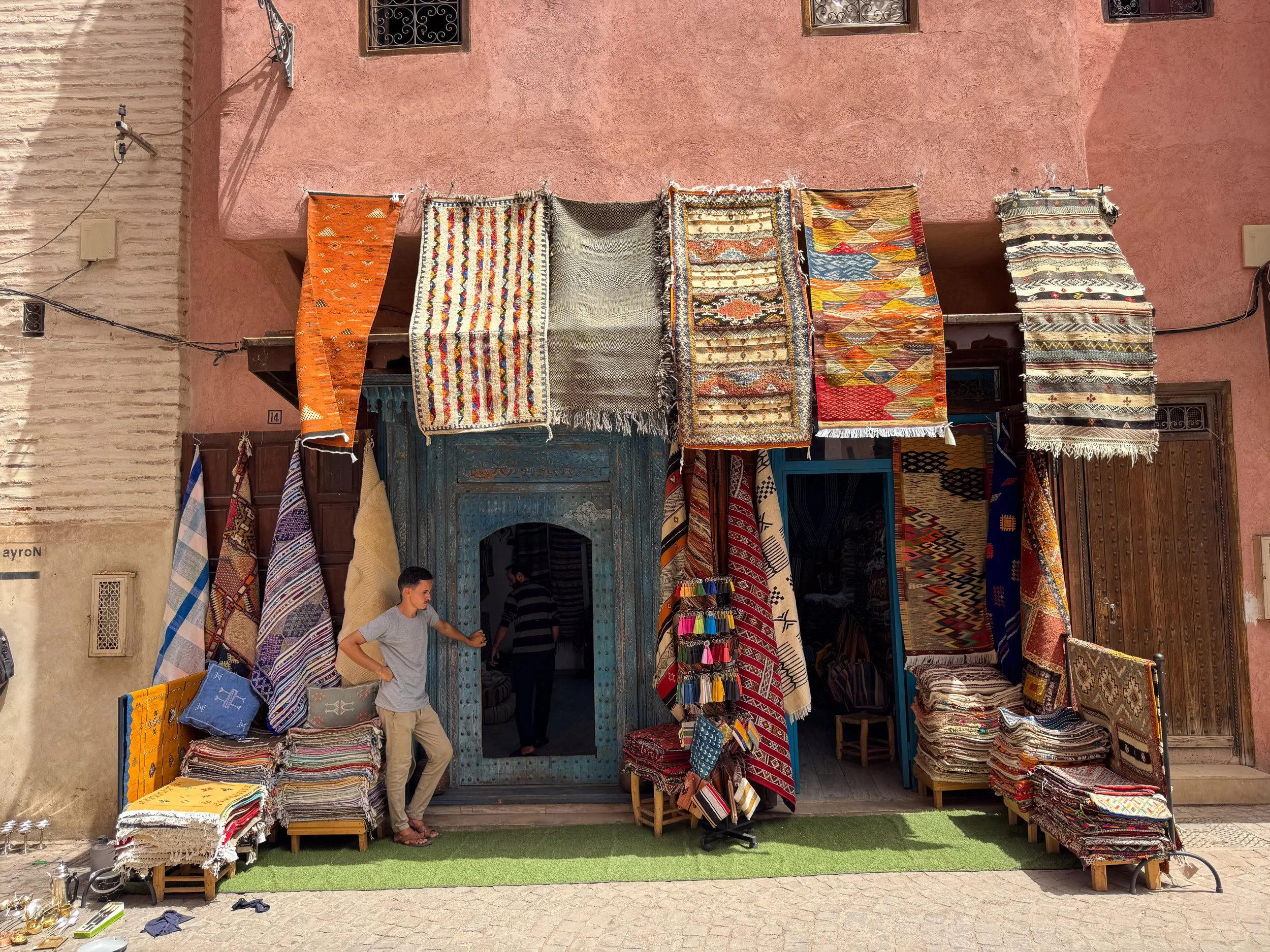
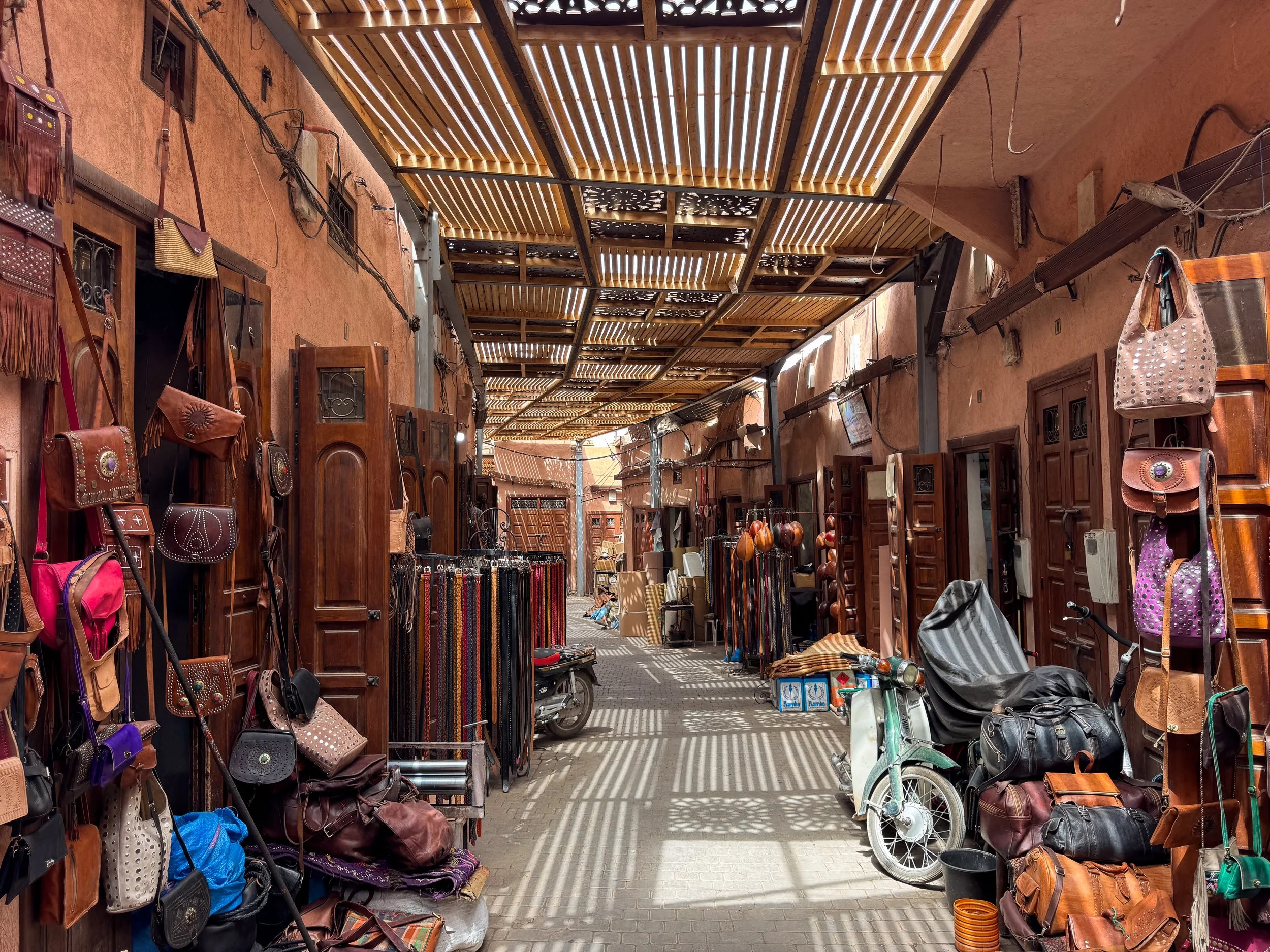
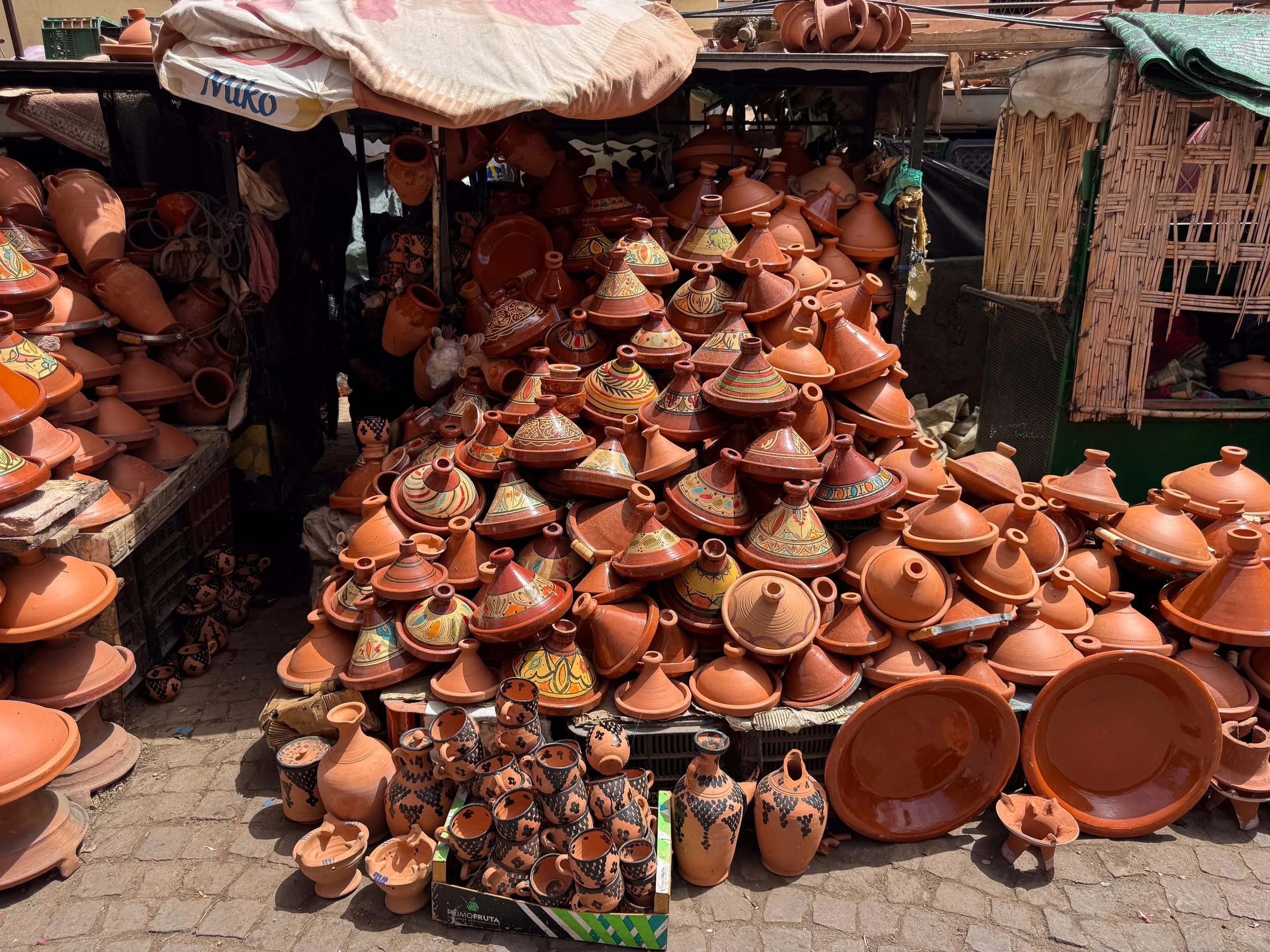
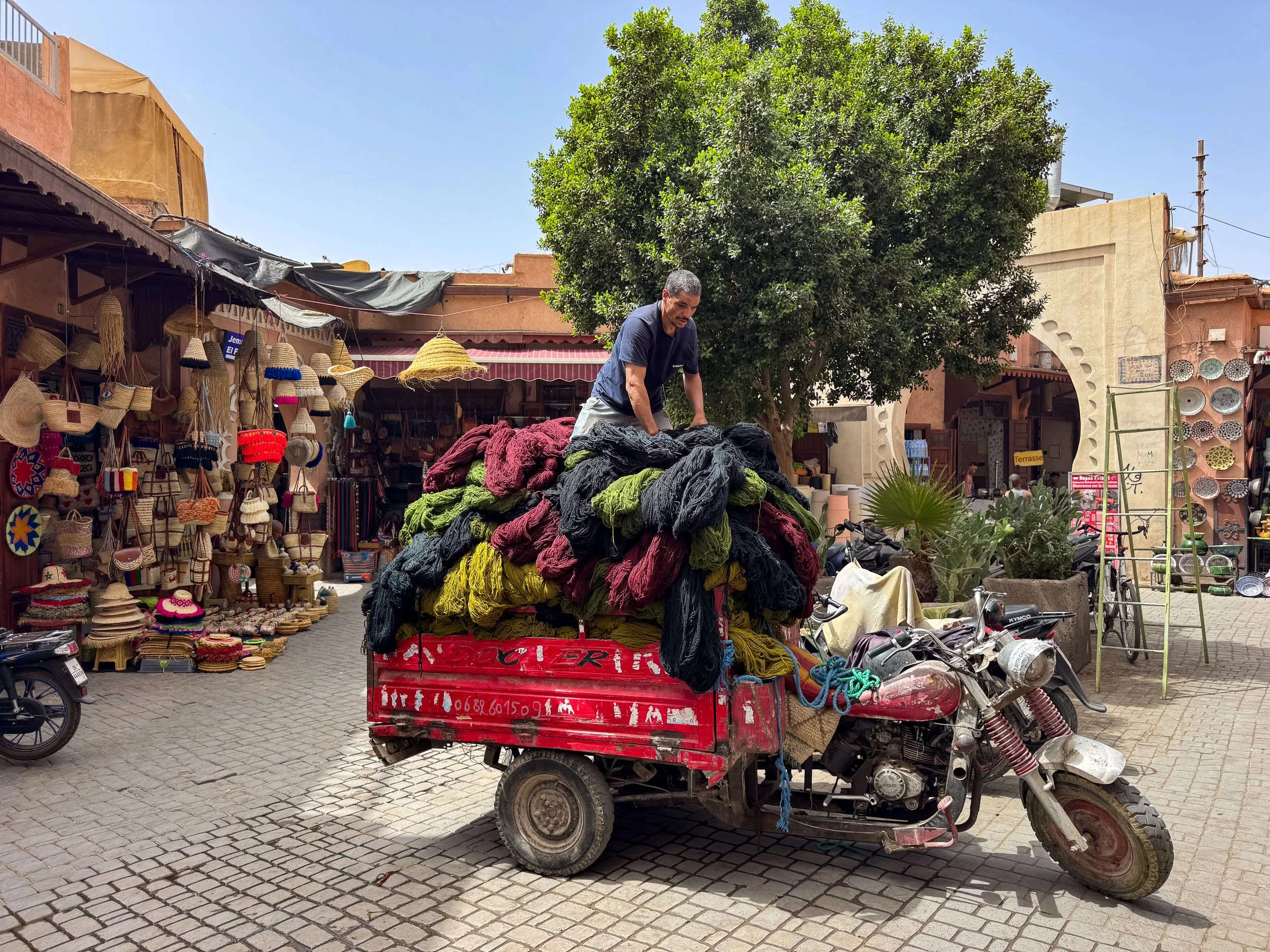
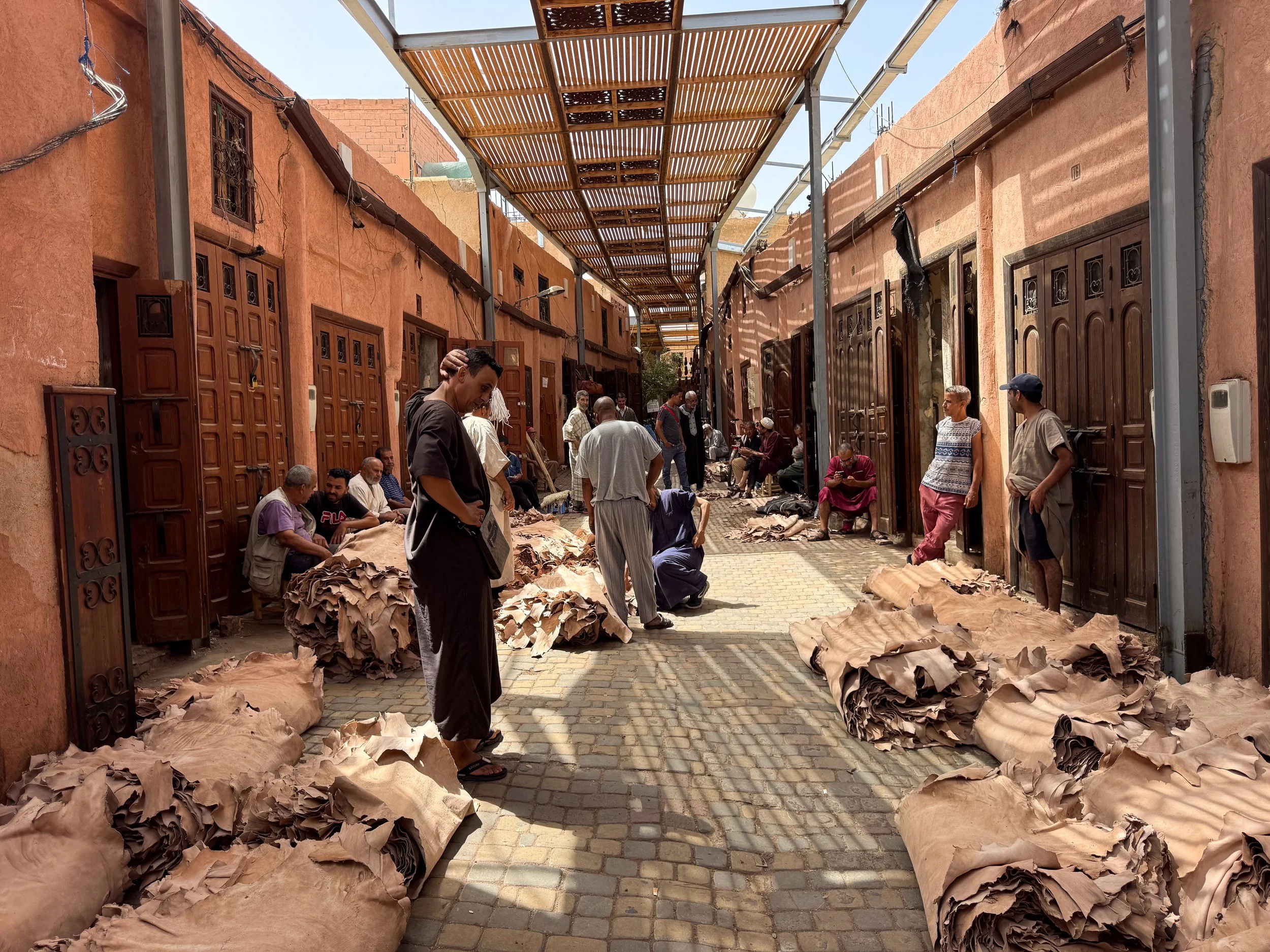
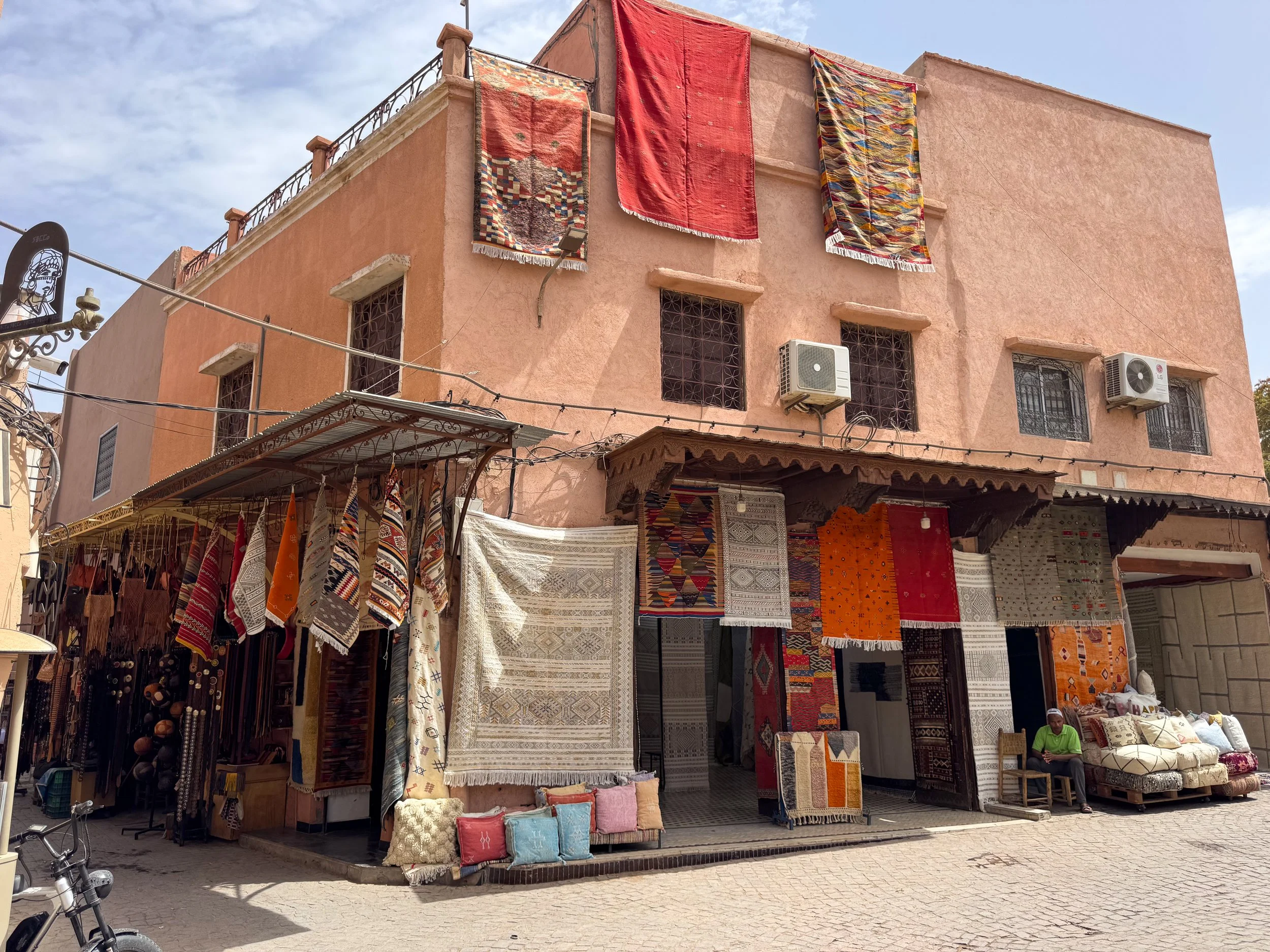
Souks, traditional Moroccan markets, weave through the medina in bustling alleyways of shops and vendors. They’re a wonderful place to experience Moroccan culture! They brim with vibrant colors, fragrant scents and lively sounds of haggling customers. Stalls overflow with aromatic goods like spices, teas and perfumes while others showcase artisan crafts like Berber carpets, brass lamps and leather goods.
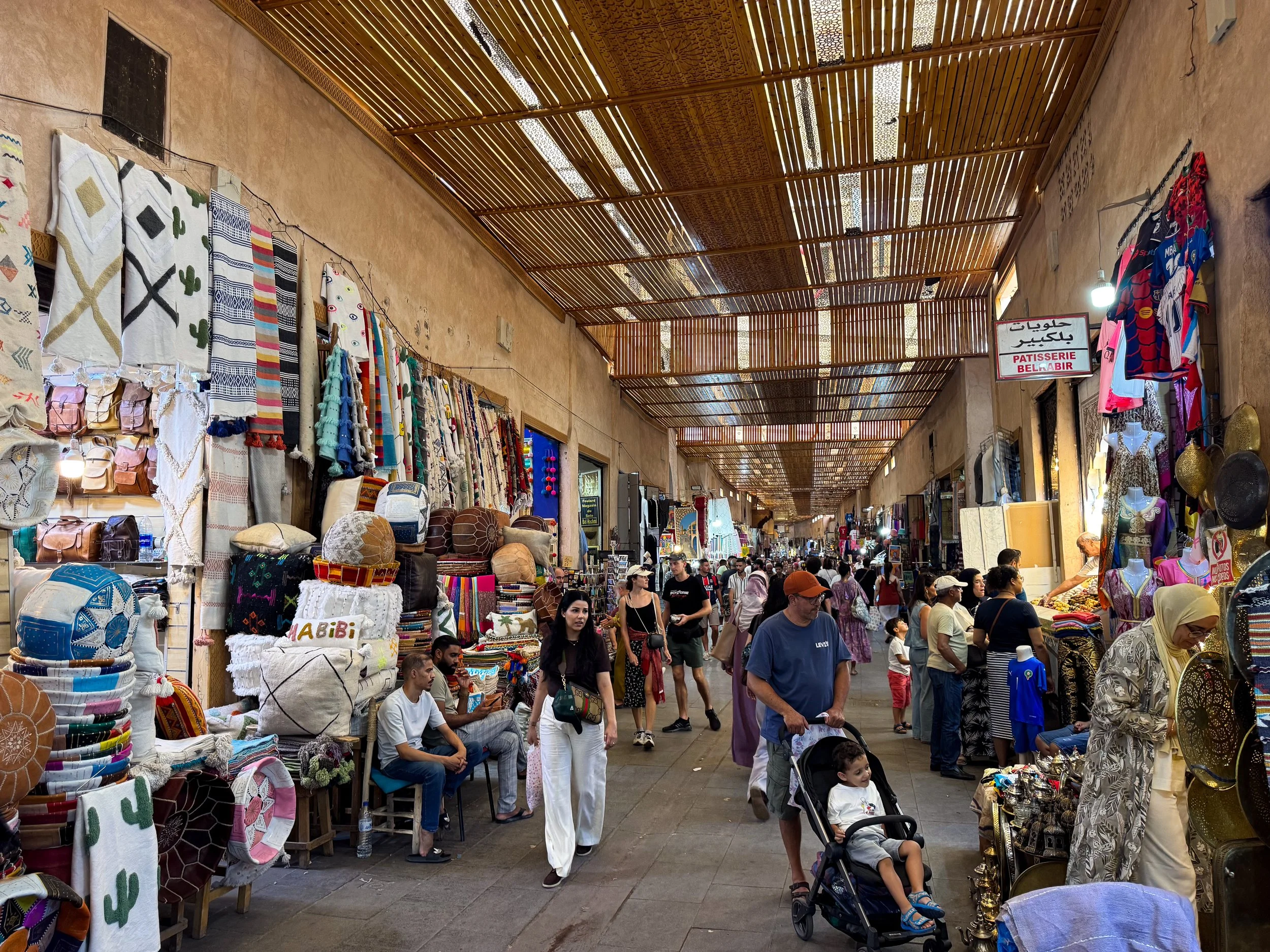
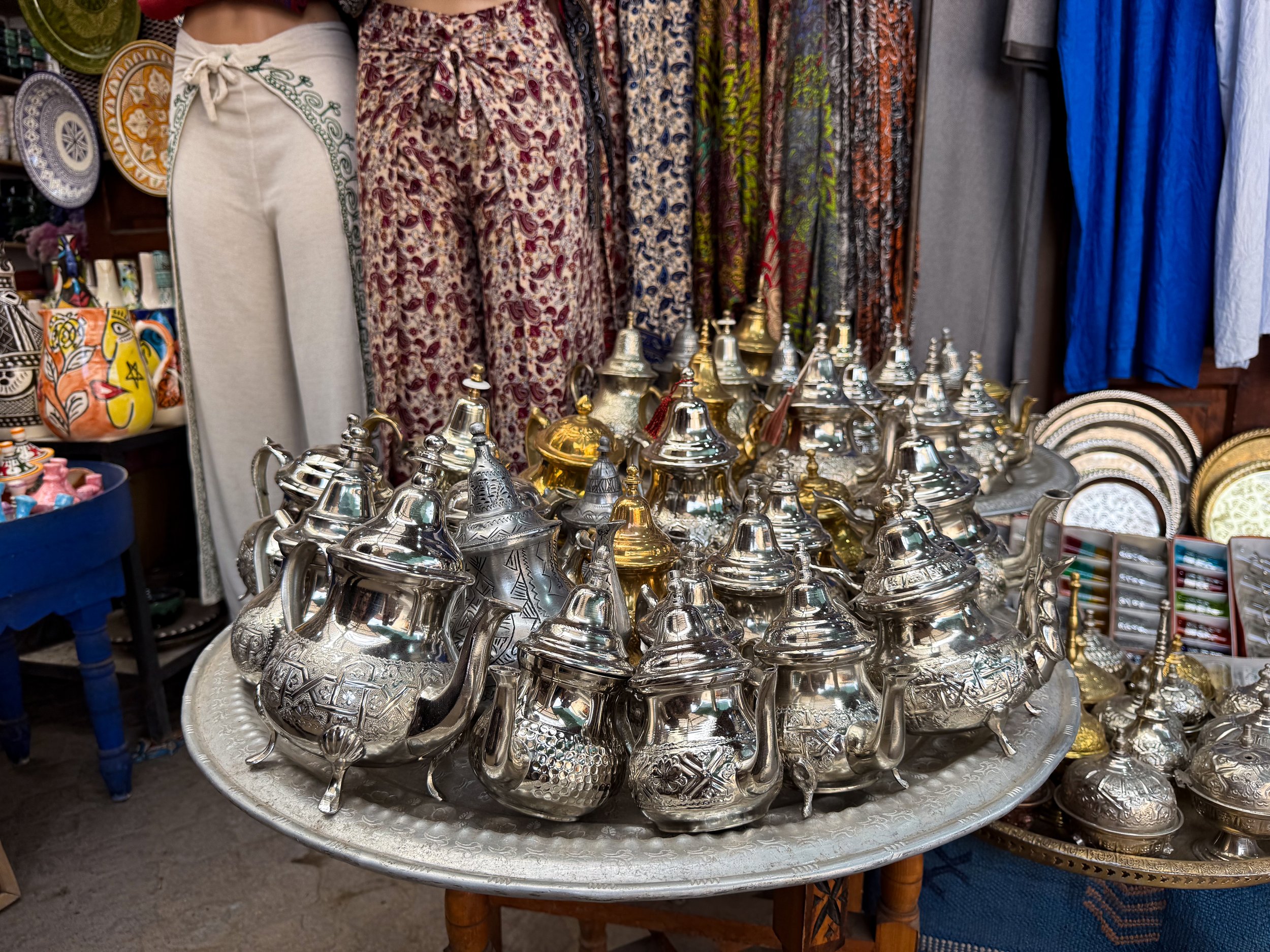
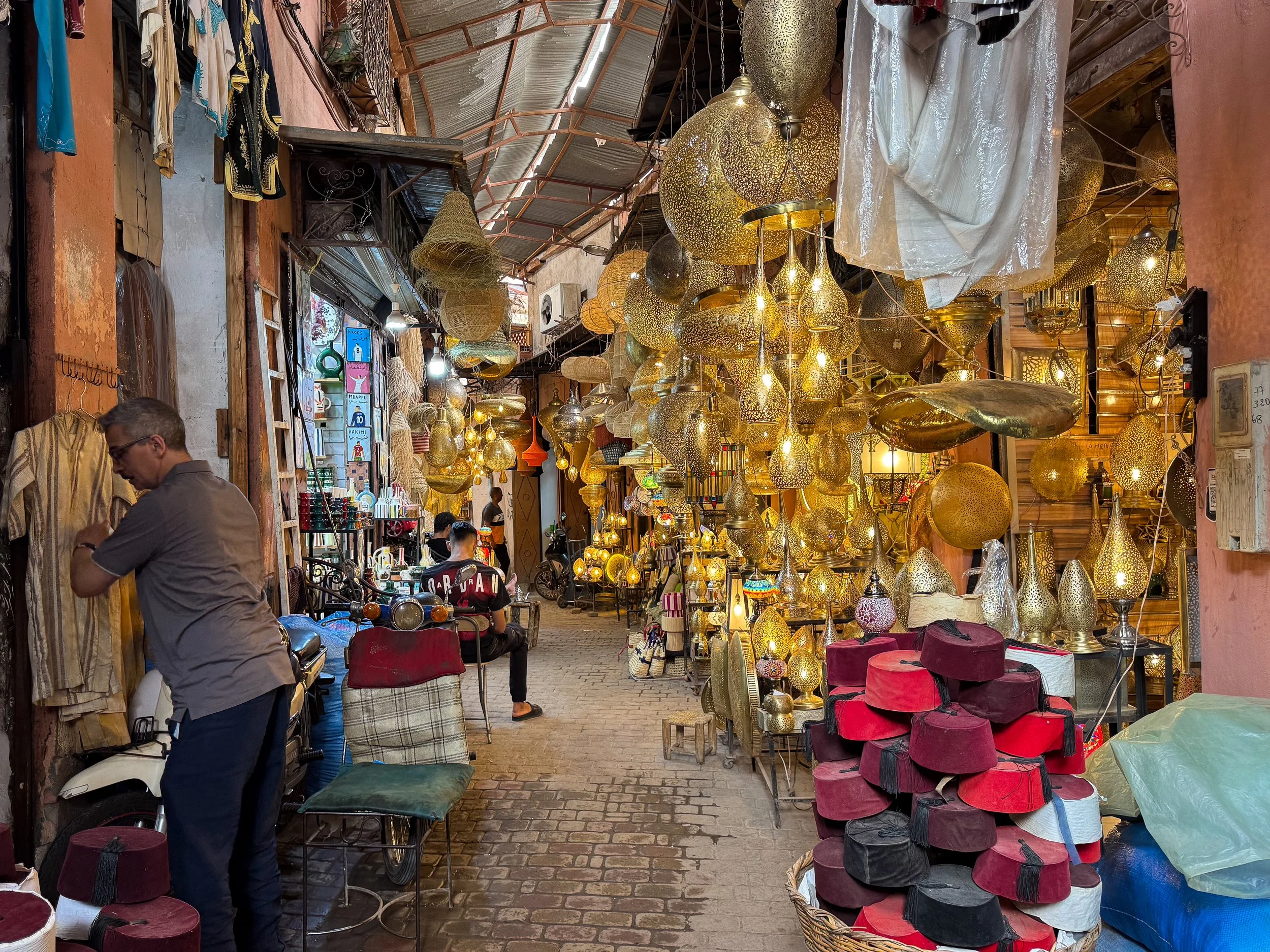
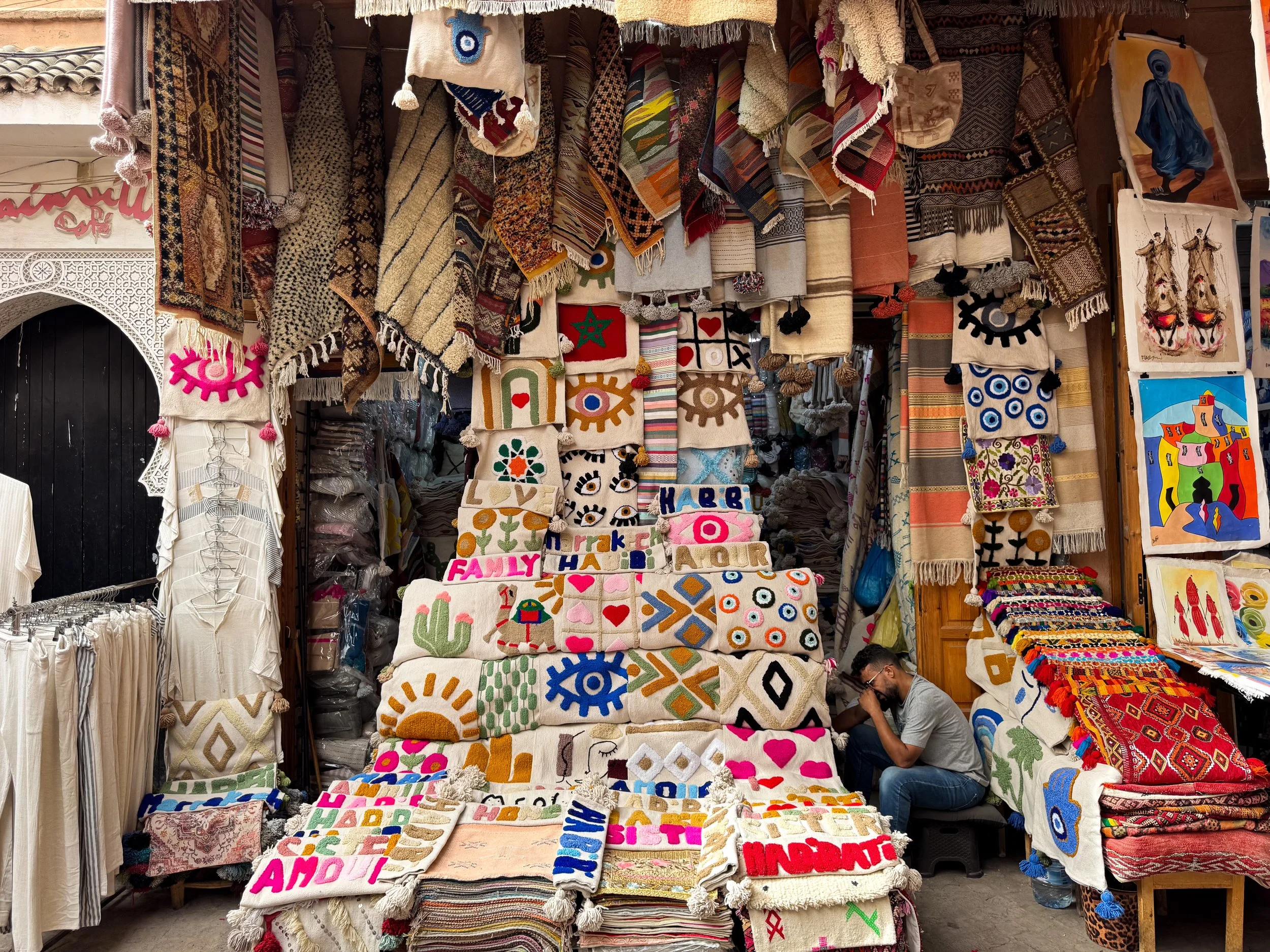
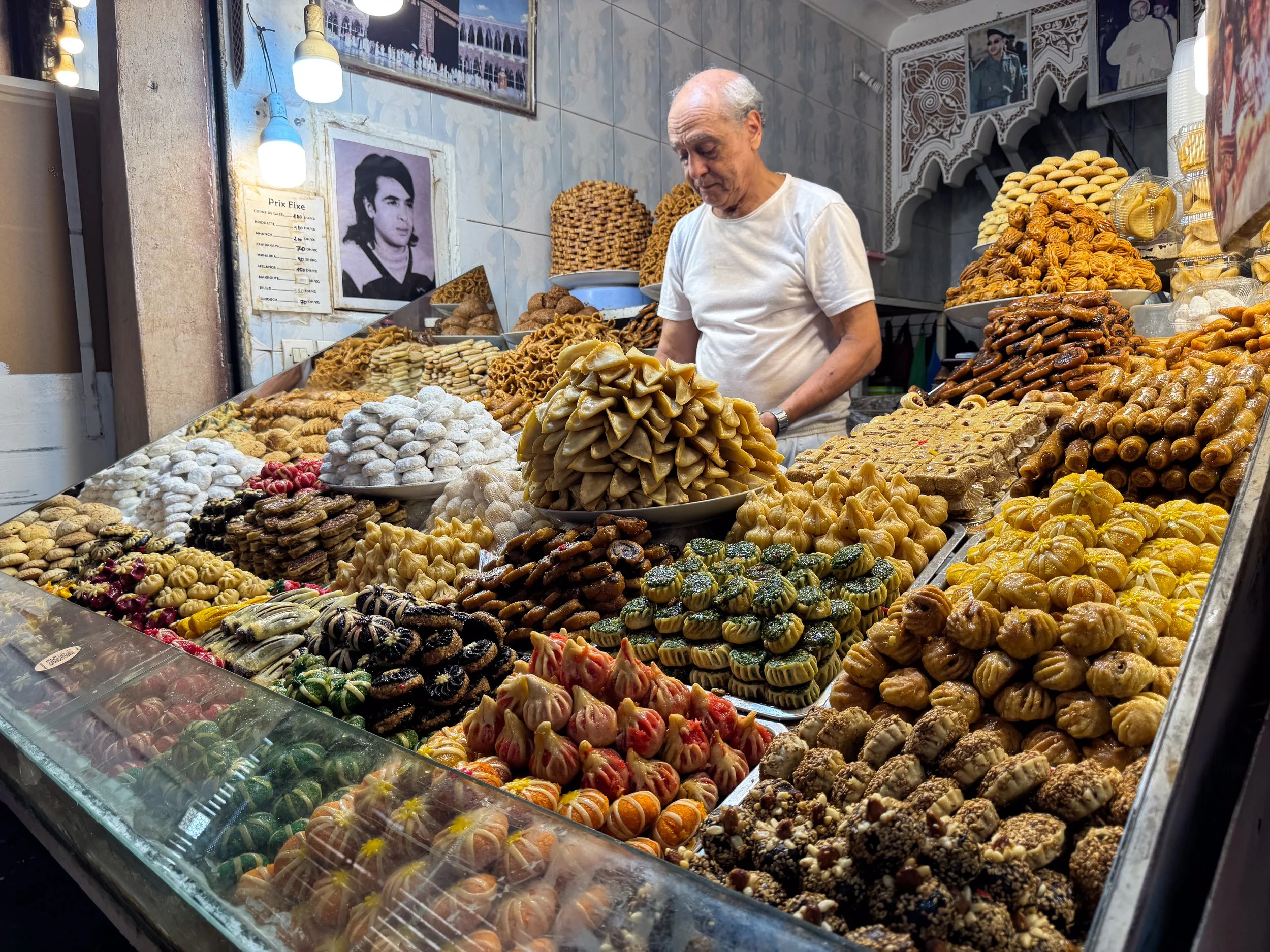
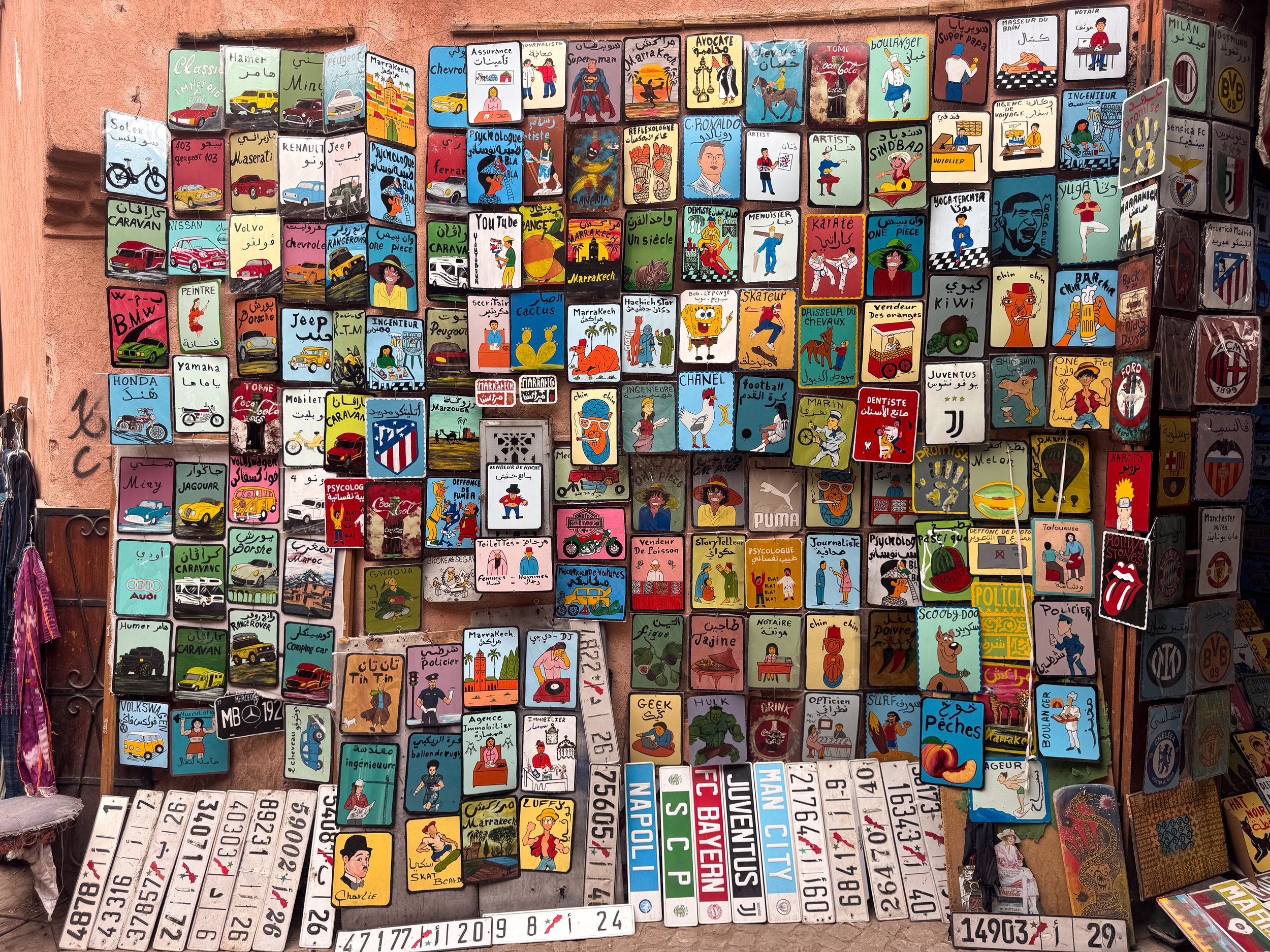
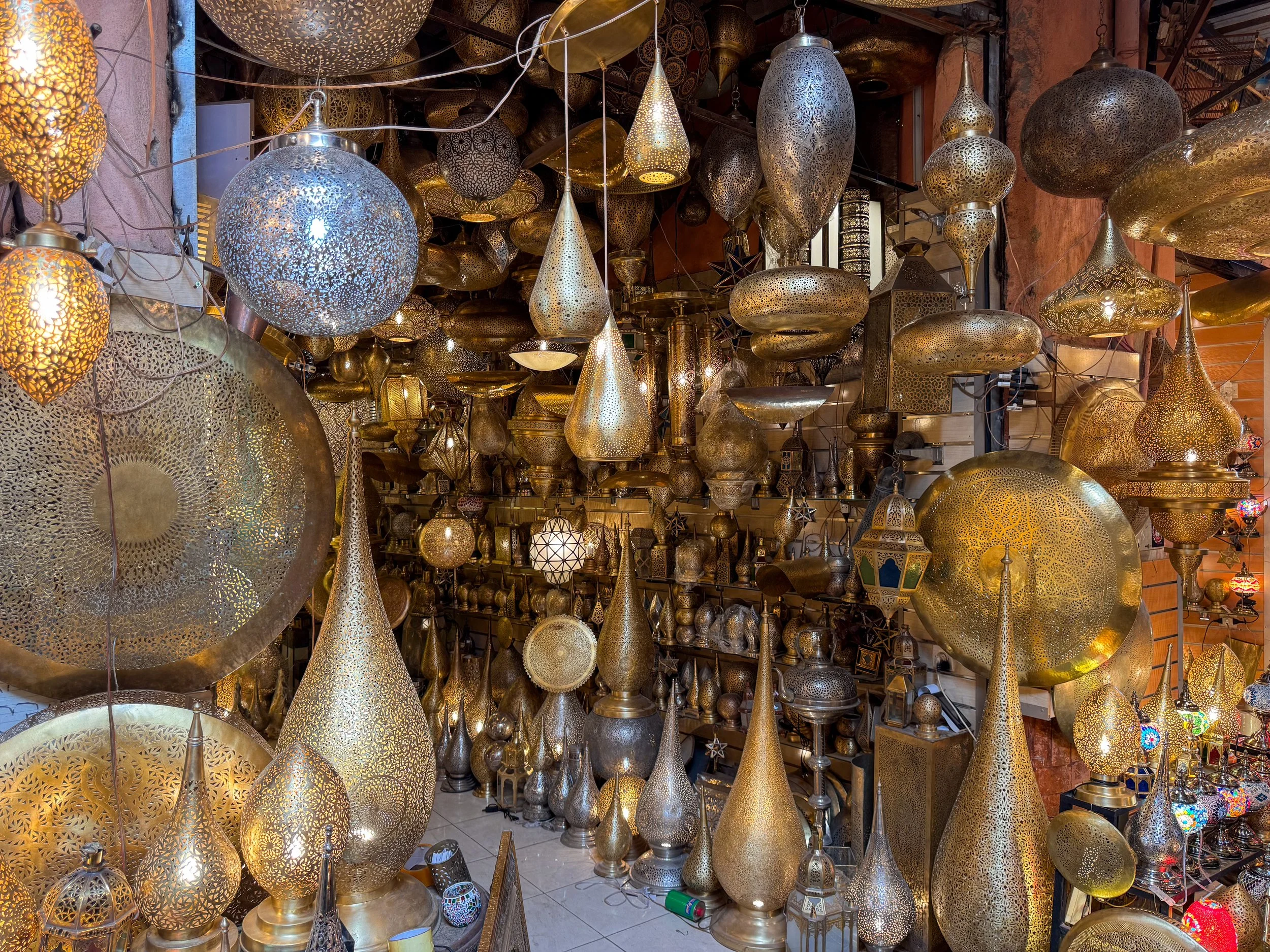
Souk Semmarine. A sprawling souk and the largest in Marrakech. Its vibrant tapestry of Moroccan goods draws multitudes of visitors. Shopkeepers swing open large wooden doors to reveal dazzling displays. Berber vendors sell patterned rugs, colorful poufs and fuzzy pillows alongside linen scarves, leather goods and vivid paintings. Hammered brass lamps shimmer alongside copper teapots, inlaid wooden boxes, clay tagines and ceramics. Bins overflow with herbal teas, spices, dates, snack mixes and pastries. Alleys of vendors branch off from this bustling souk while its main passageway leads visitors to the famed Jemaa el-Fnaa Square.
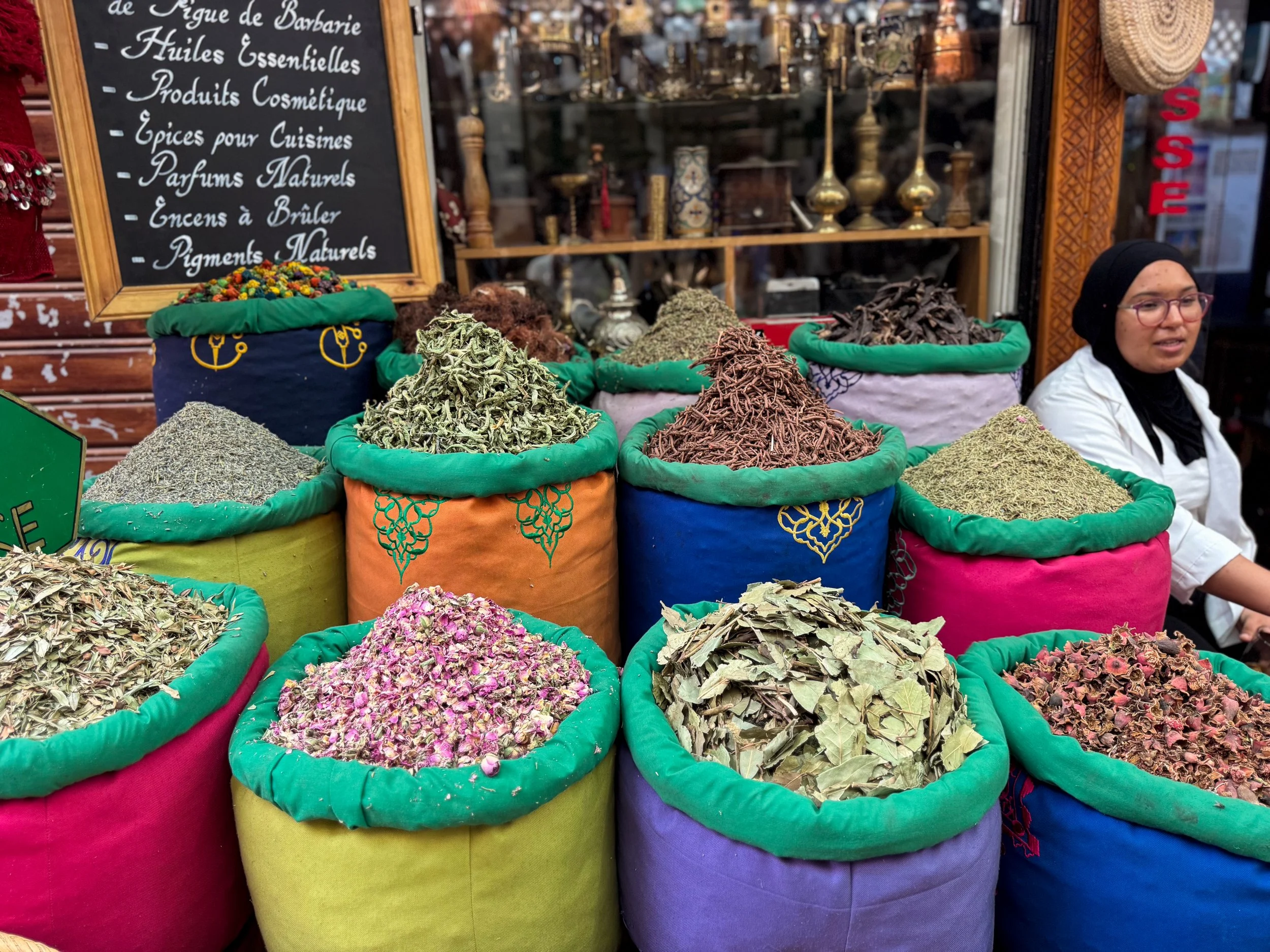
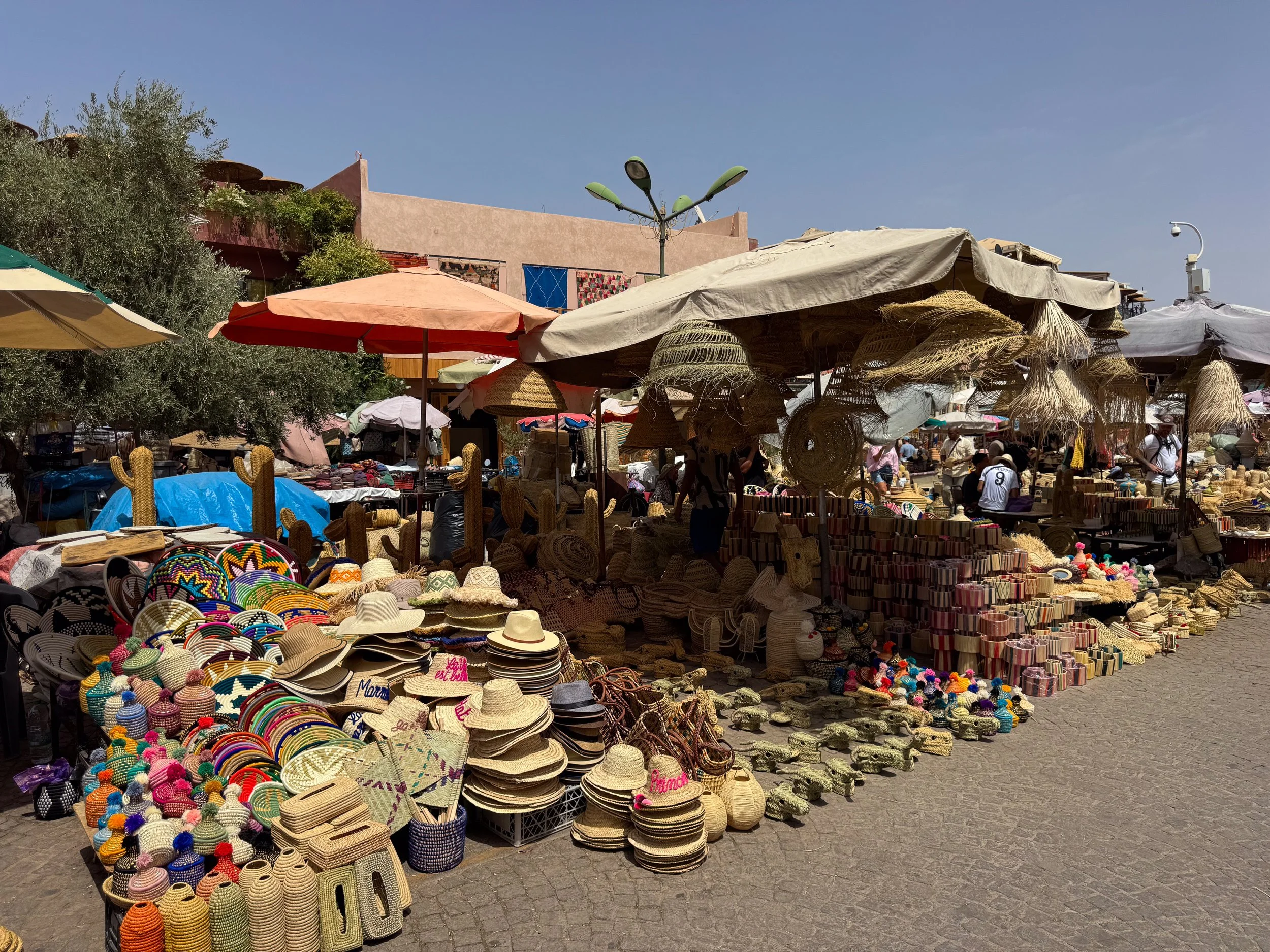
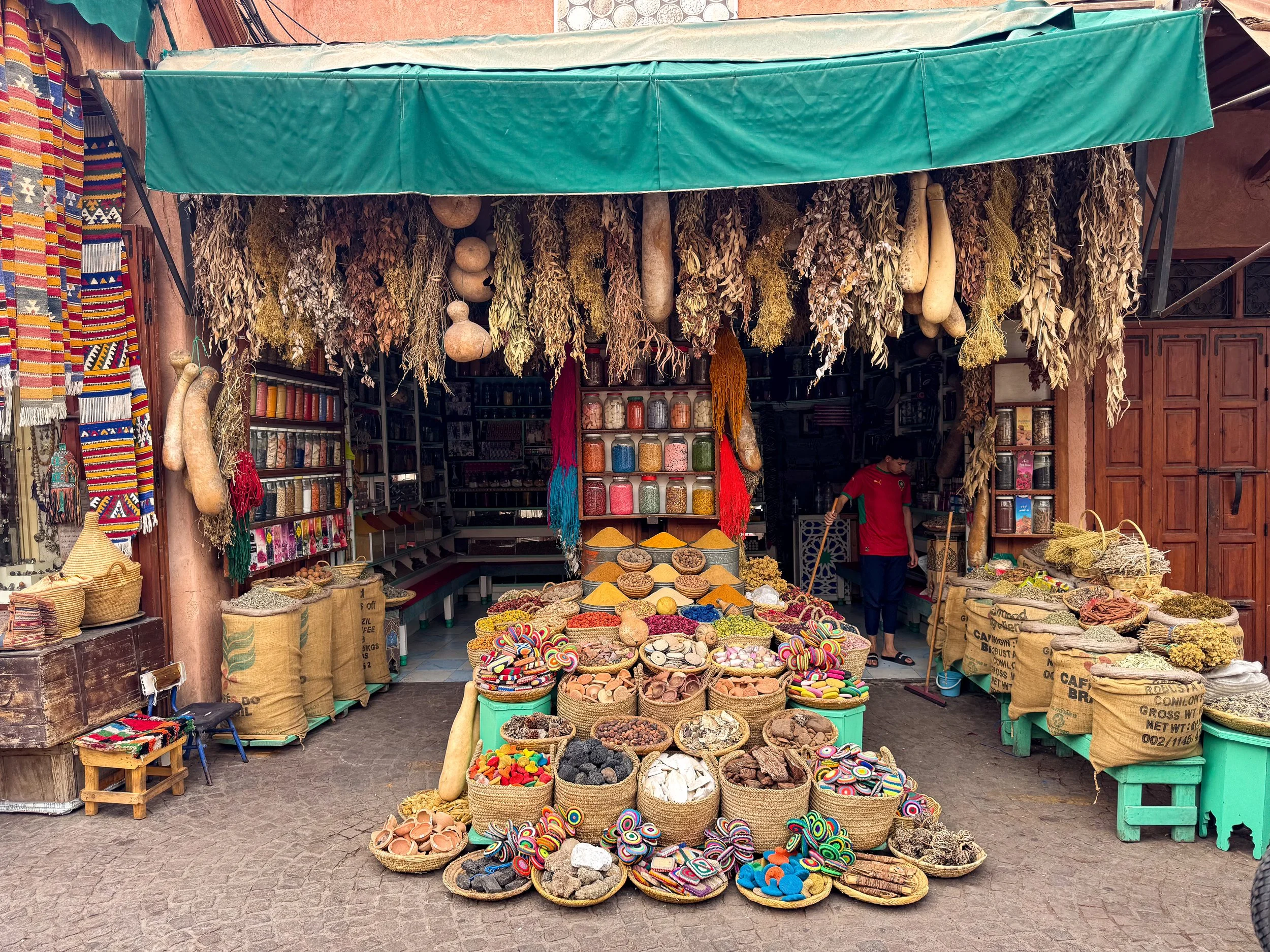
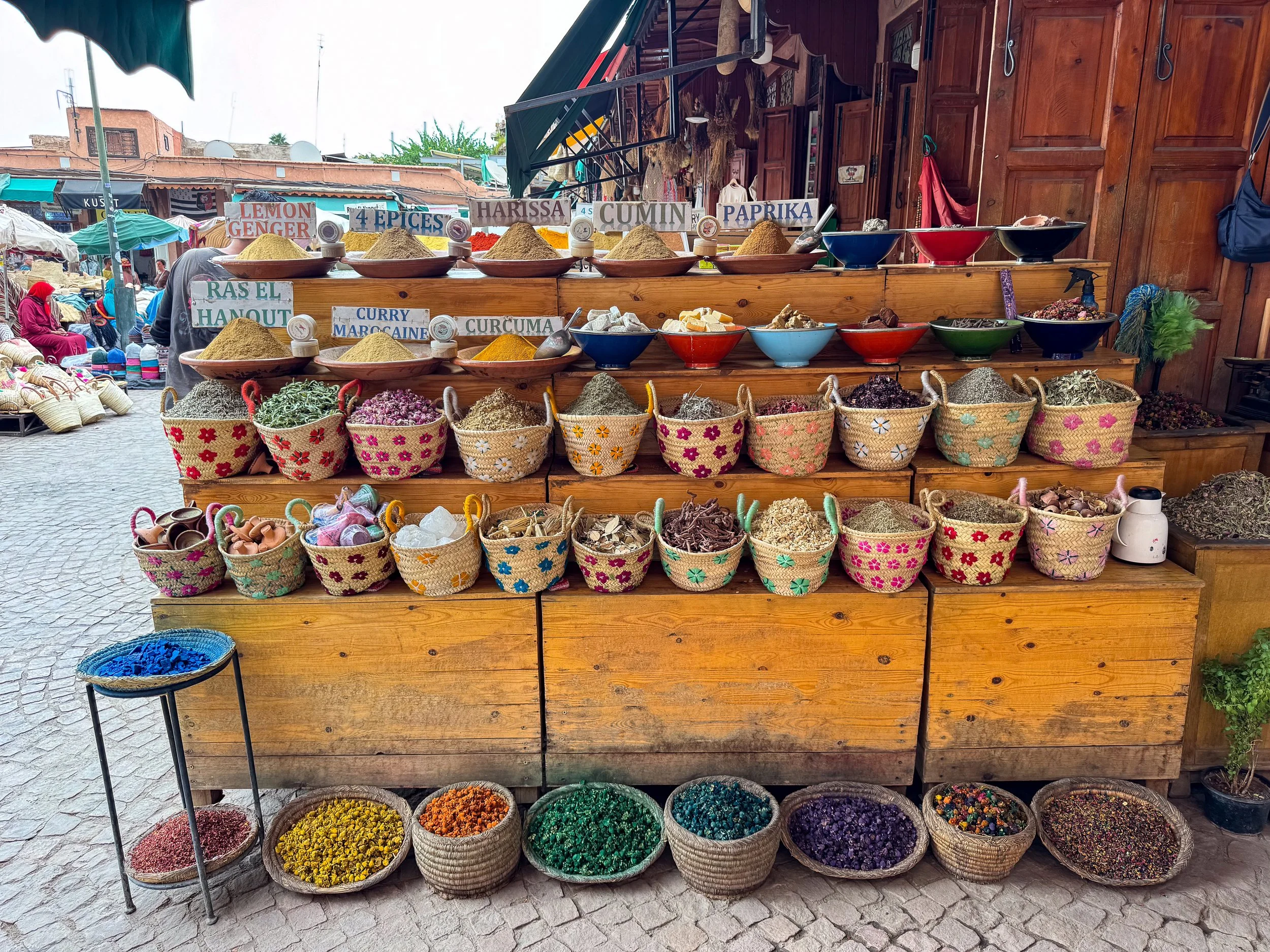
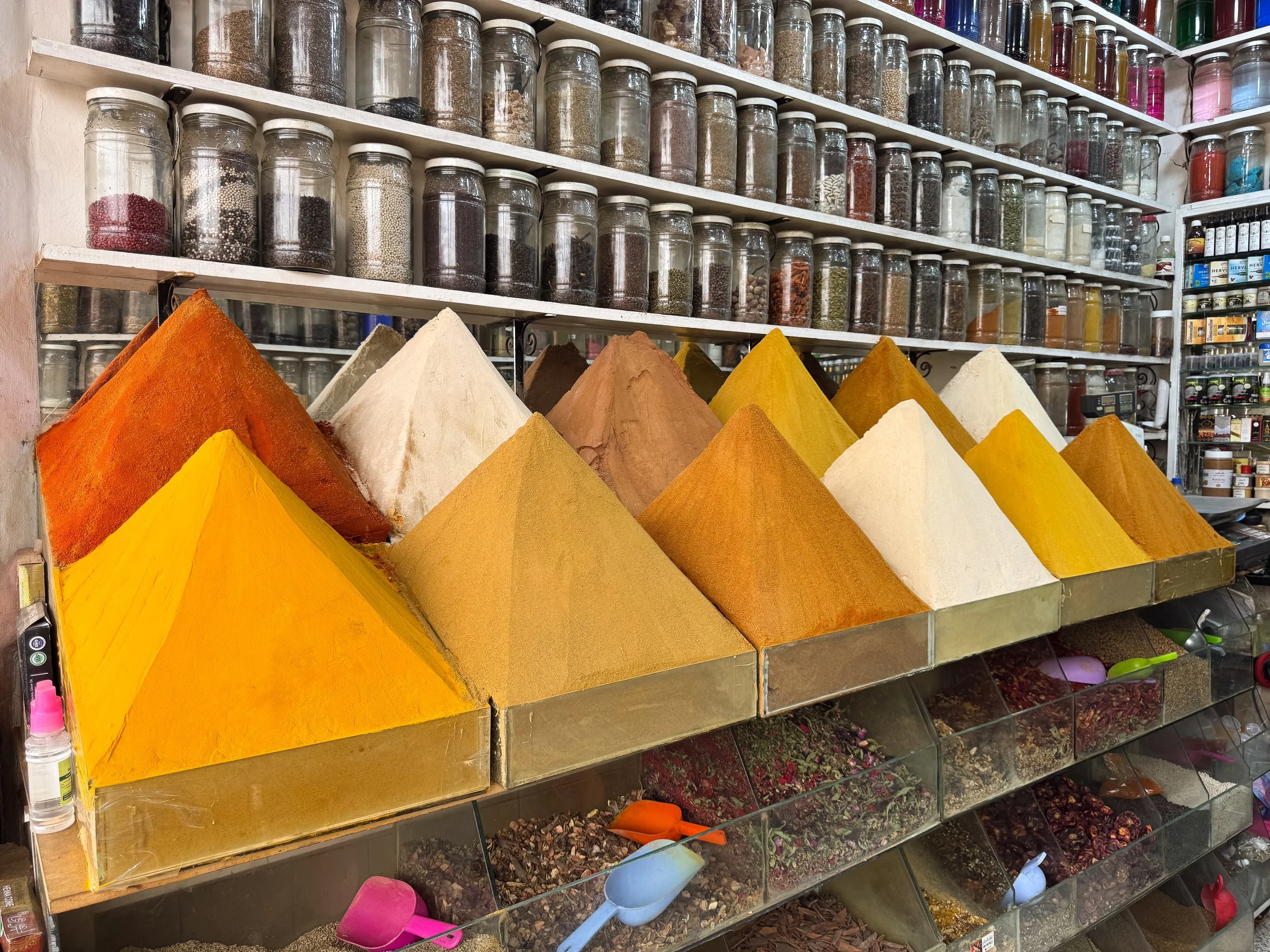
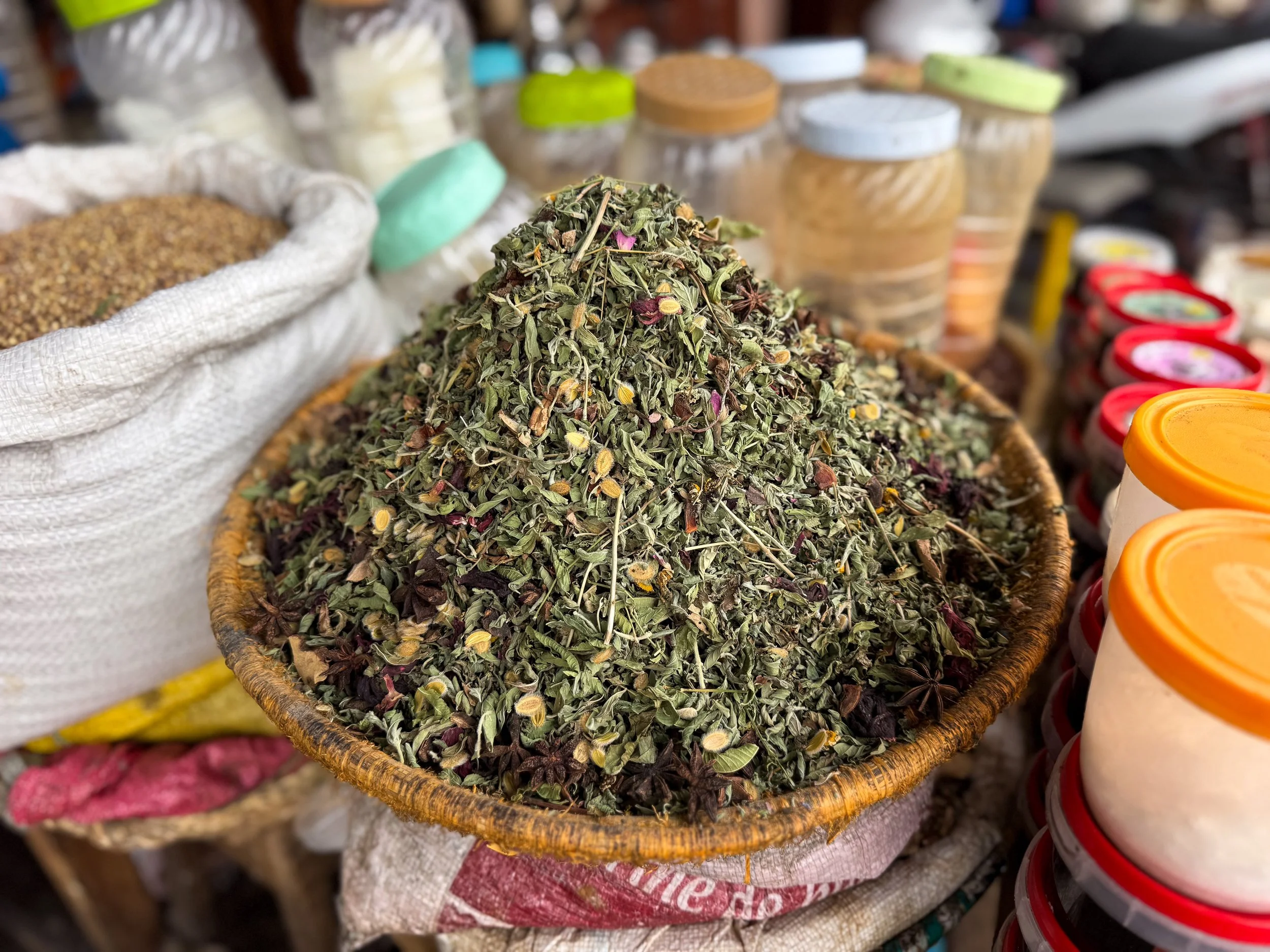
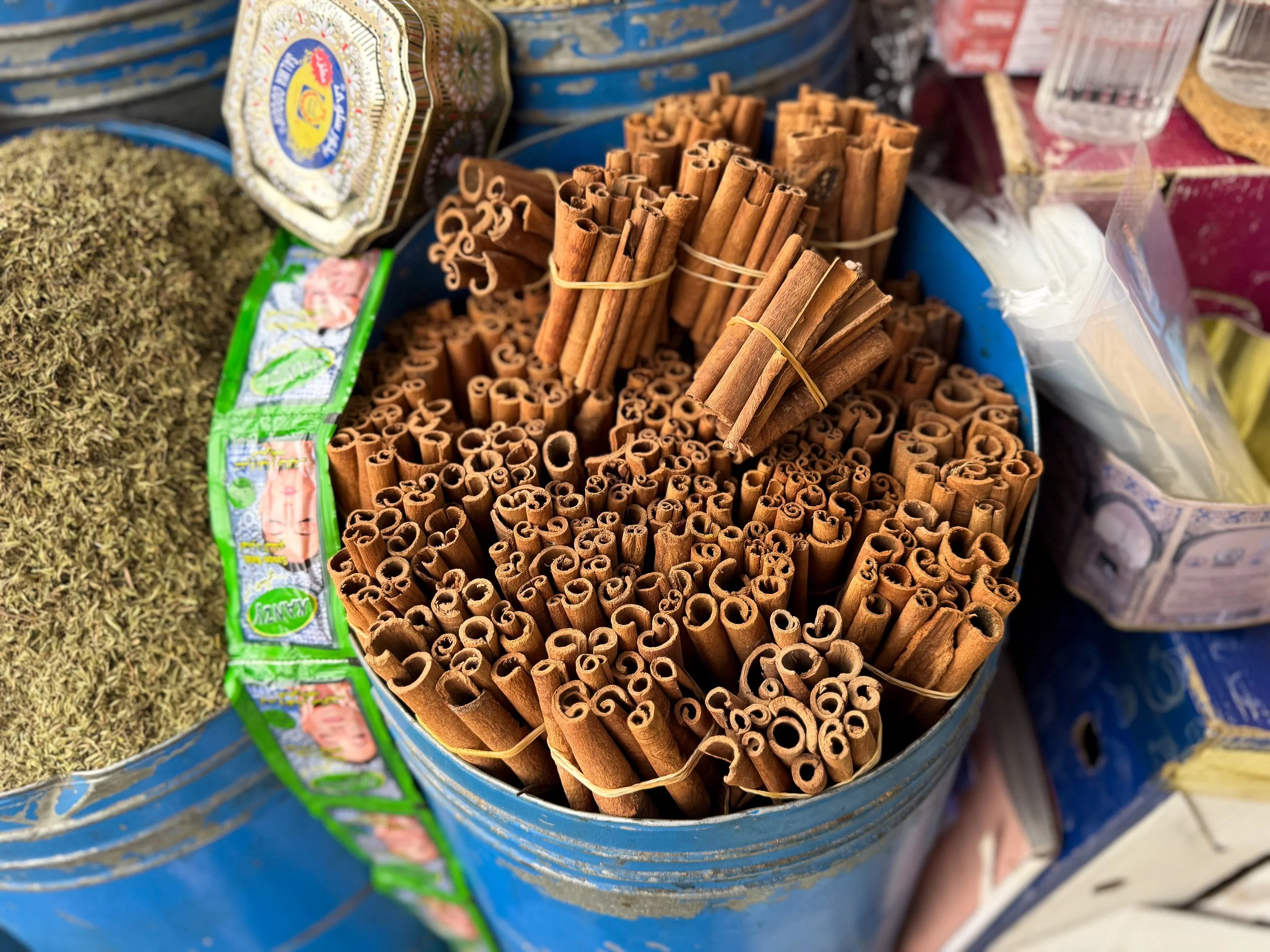
Places des Epices. A bustling plaza lined with merchants selling pyramids of ground spices, jars of herbs, dried flowers, teas and perfumes. Shopkeepers invite customers to taste and smell samples of their products then haggle over price. Souk vendors fill the center of the plaza with Moroccan rugs, stacked poufs, wicker baskets and colorful decor. Cafes serving Berber tea and spiced coffee surround the plaza offering rooftop and street side seating.
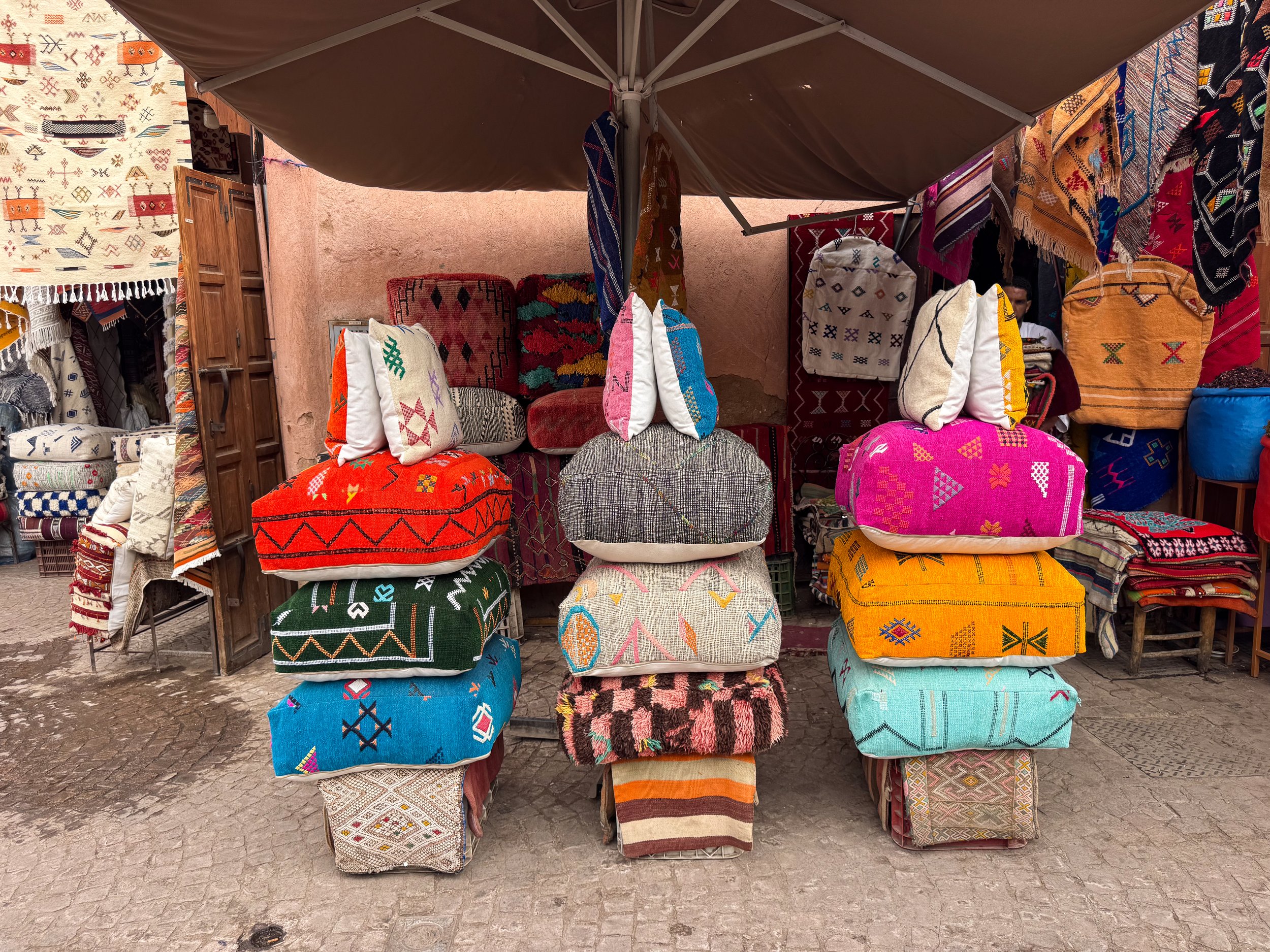
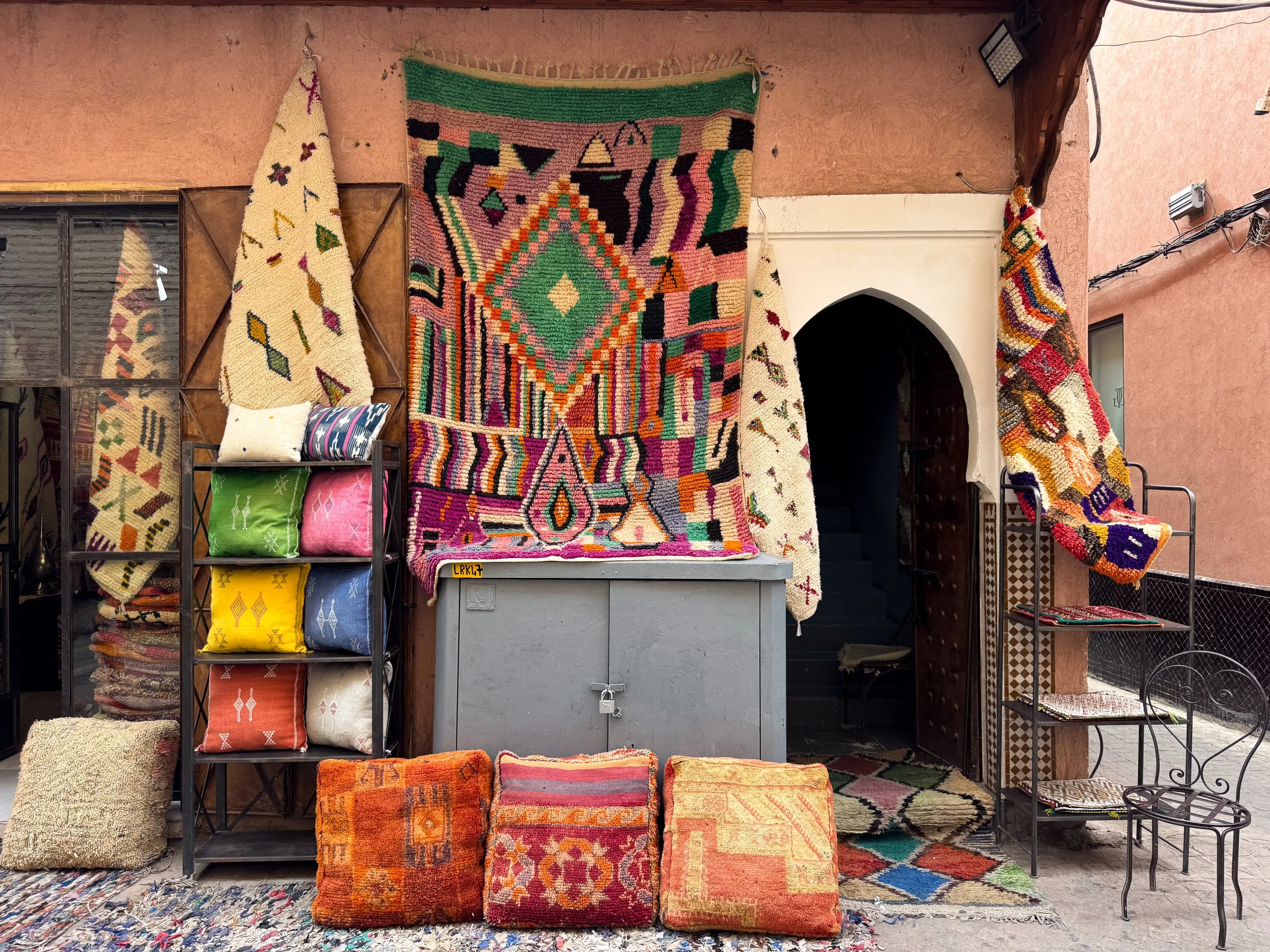
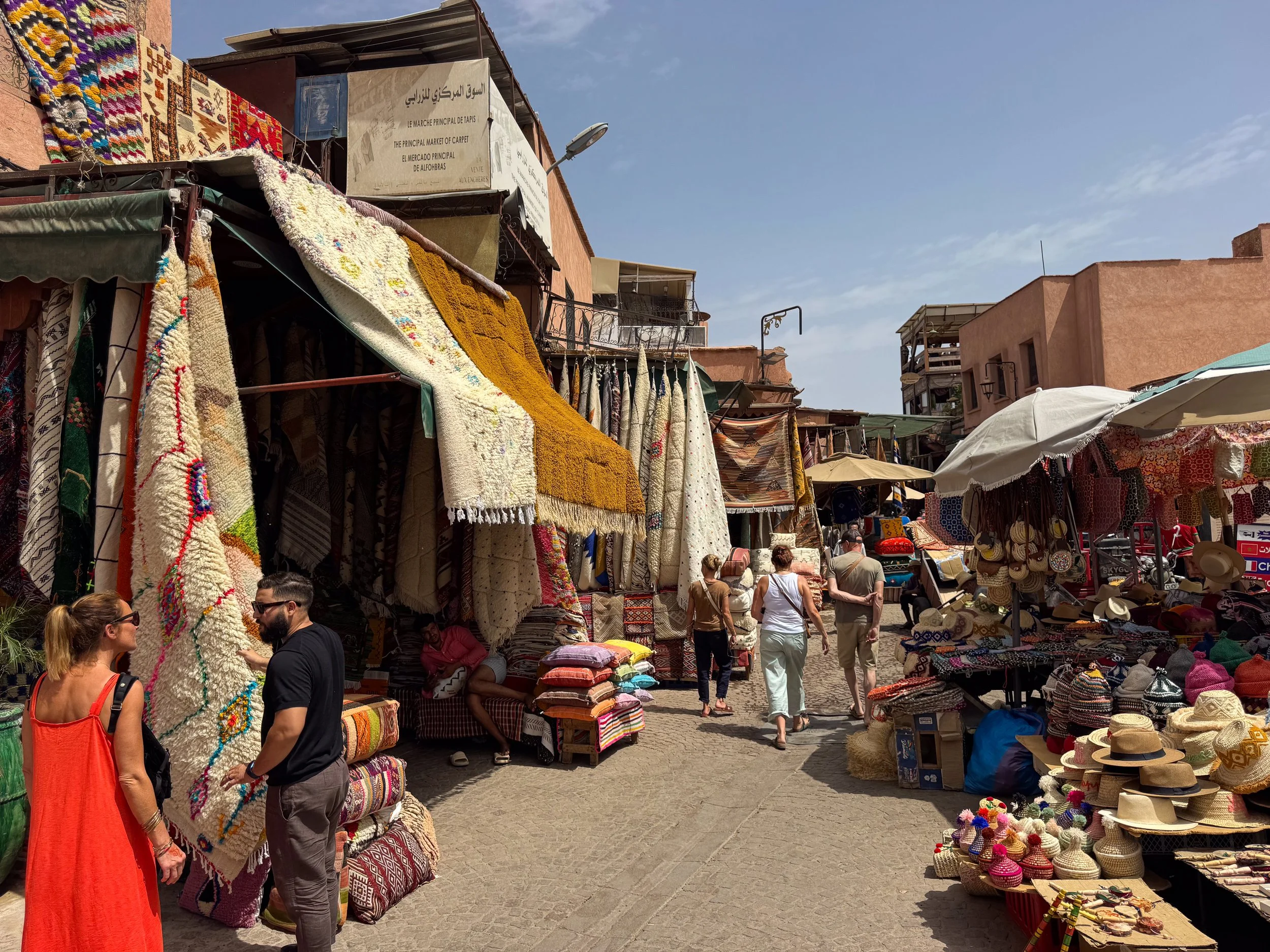
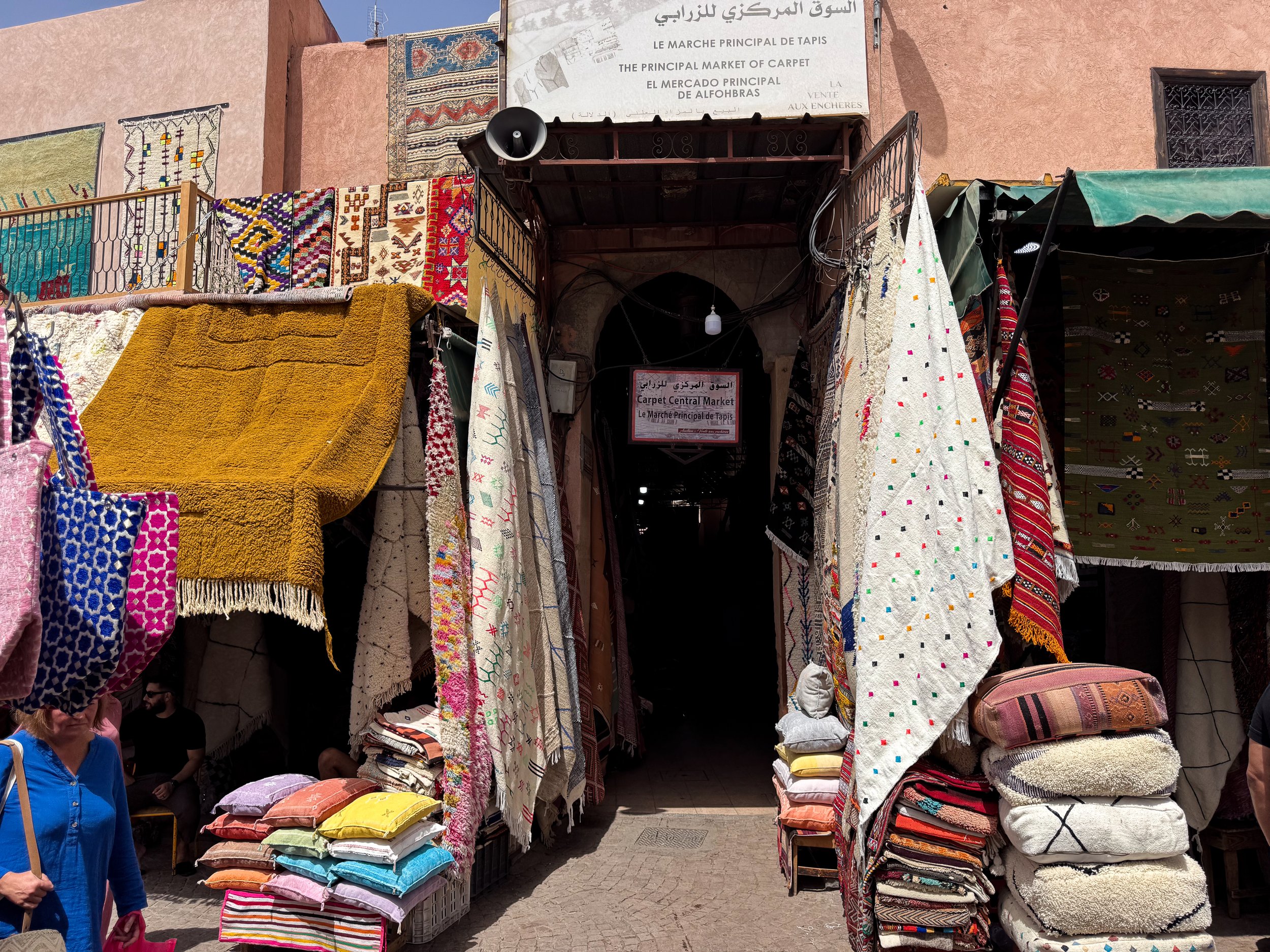
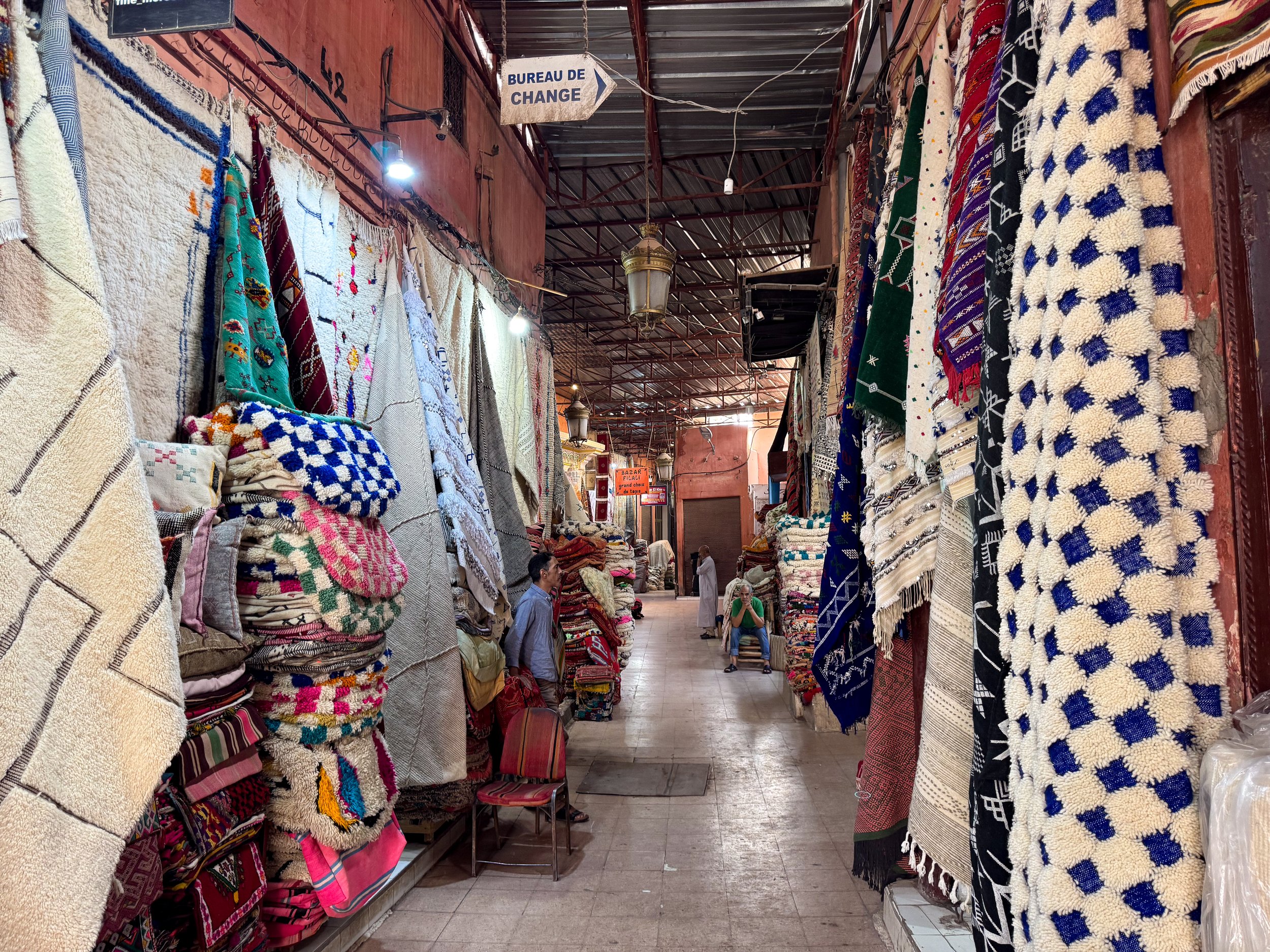
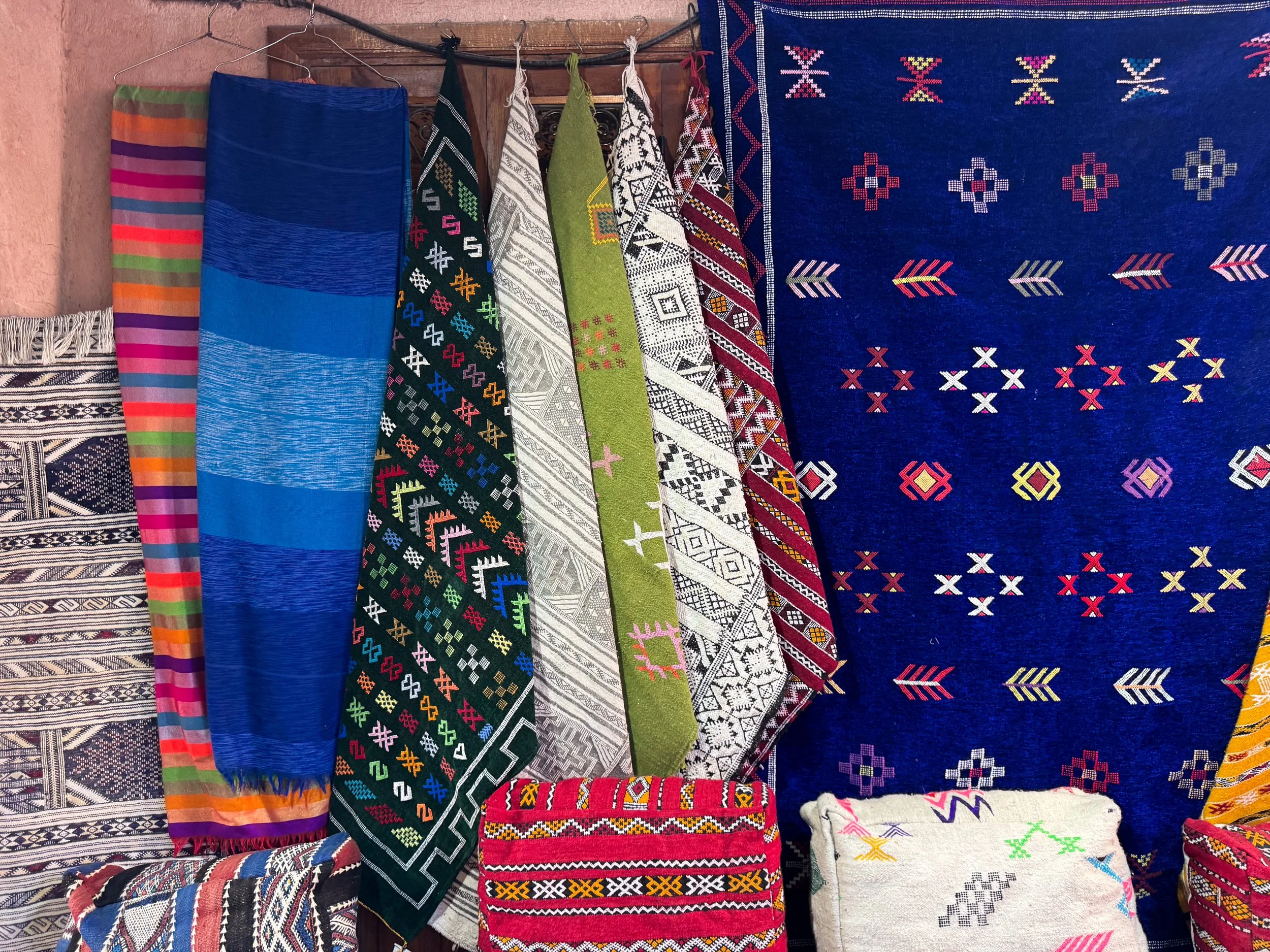
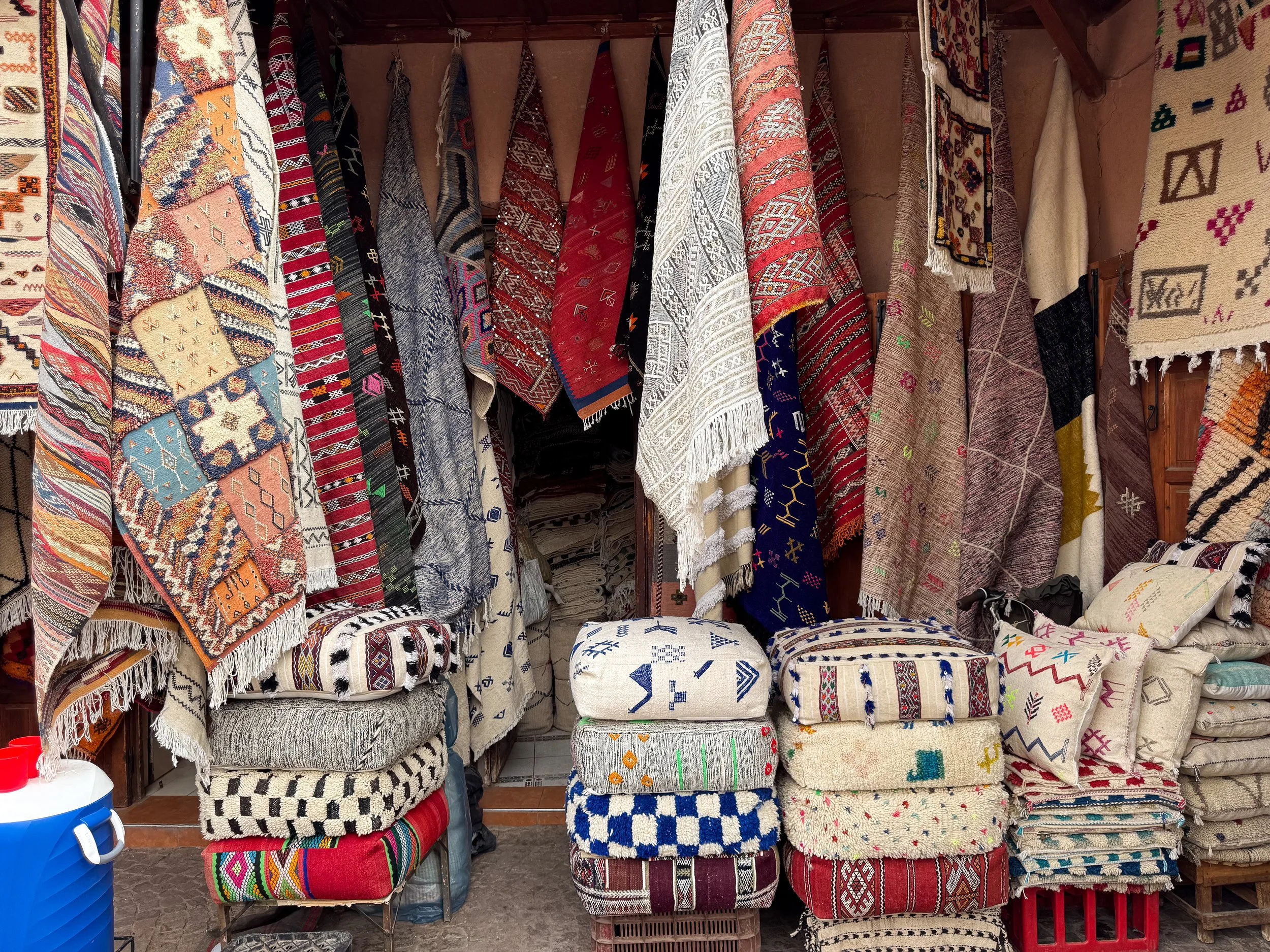
Souk des Tapis. A large market showcasing Moroccan and Berber carpets. Stacks of folded rugs rise from floor to ceiling of showrooms while large pieces are displayed on walls. Each rug is unique, ranging from traditional to modern weaves and vintage designs. Vendors guide visitors through their shop and nearby warehouses, offering mint tea as they unfurl multiple rugs. After viewing a dozen designs, it’s time to narrow choices and haggle or thank the vendor and leave.
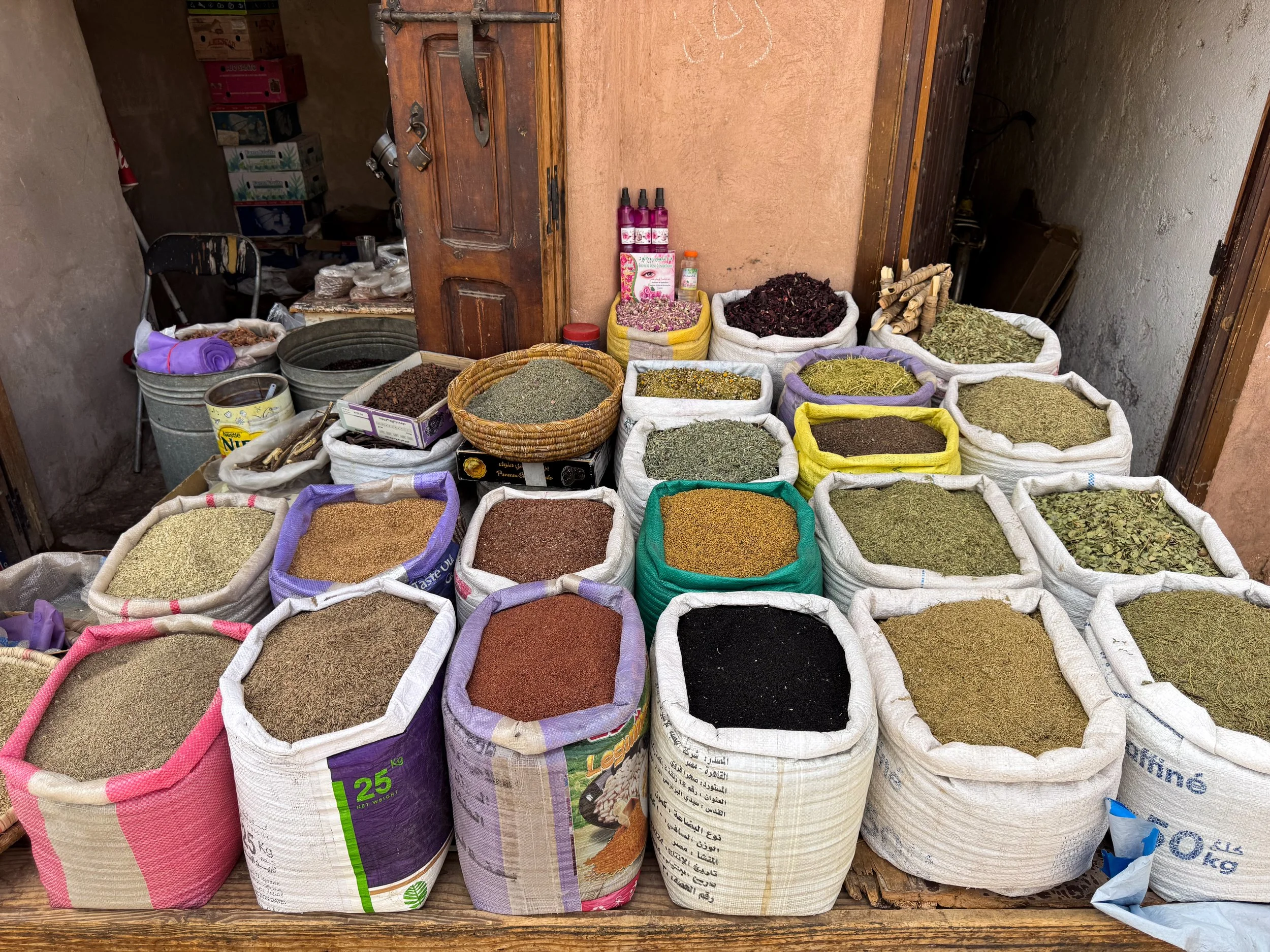
Roadside Markets. Locals buy groceries from small roadside markets and stands. Baskets brim with fresh vegetables, fruits, herbs and eggs. Butchers display meat on hooks or tabletops. Drums hold pickled olives, flours and grains like lentils, couscous and beans. Prices are refreshingly fair; no haggling required. Small convenience stores called Hanouts are best for dairy, beverages and everyday essentials.
Tips for Haggling:
Engage with locals. Most are genuinely friendly.
Haggling is expected and part of the culture.
Prices start high. Never accept the first price.
Offer one quarter of the asking price and aim to pay no more than half.
Be ready to walk away after your “last final” offer; vendors often reconsider.
Walk away if not interested or uncomfortable.
Only haggle if you’re serious about purchasing.
See the Sights
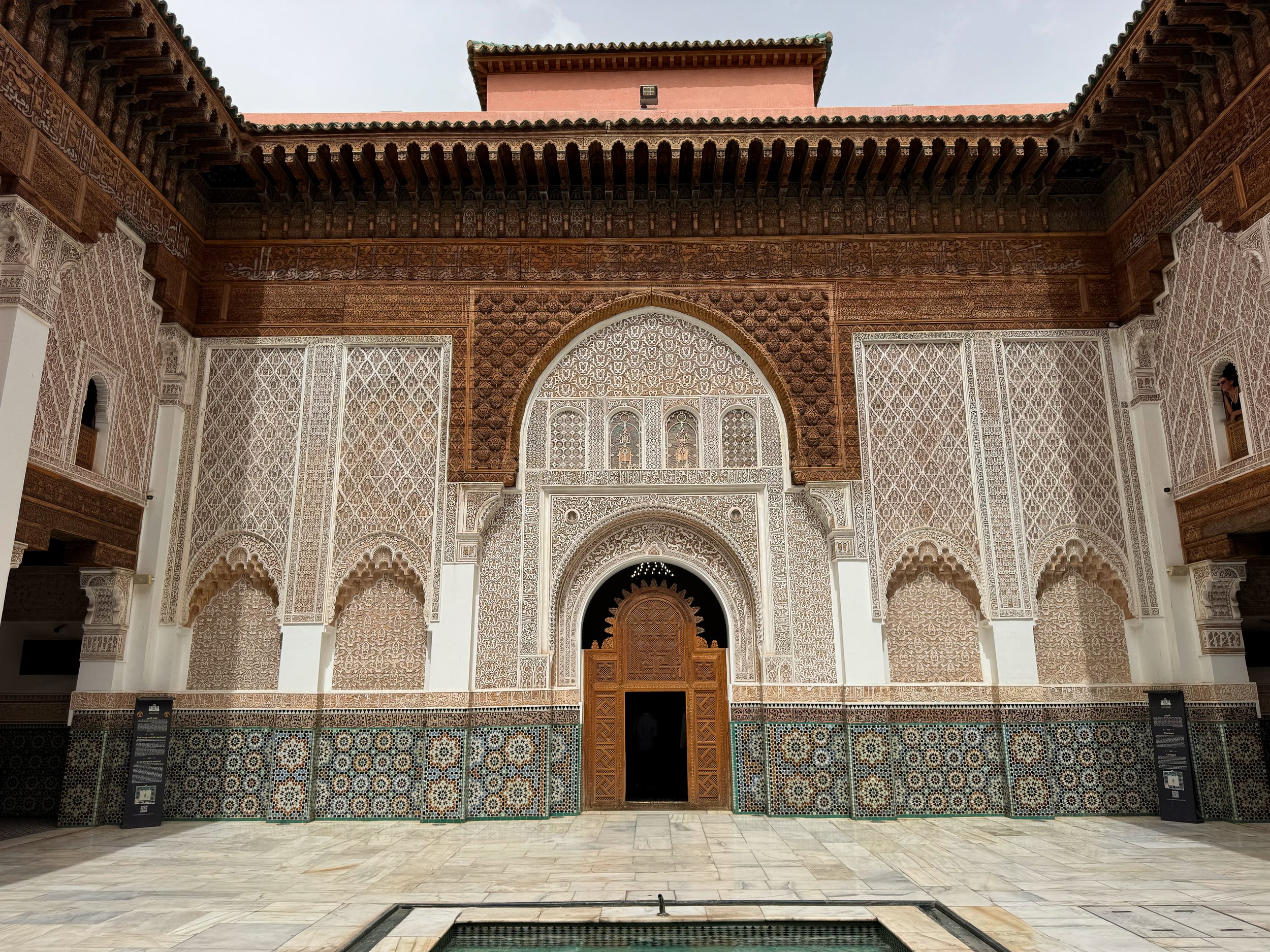
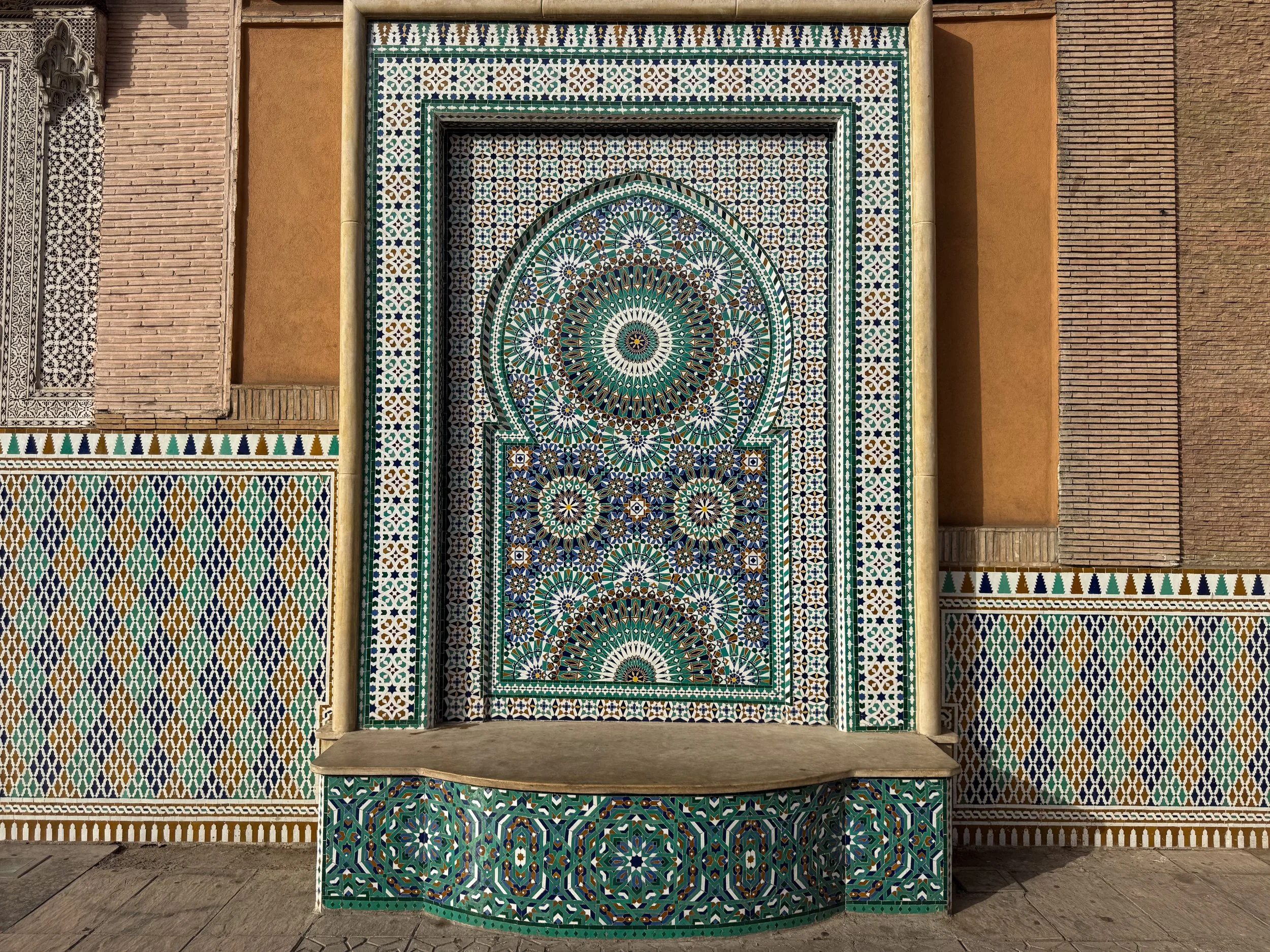
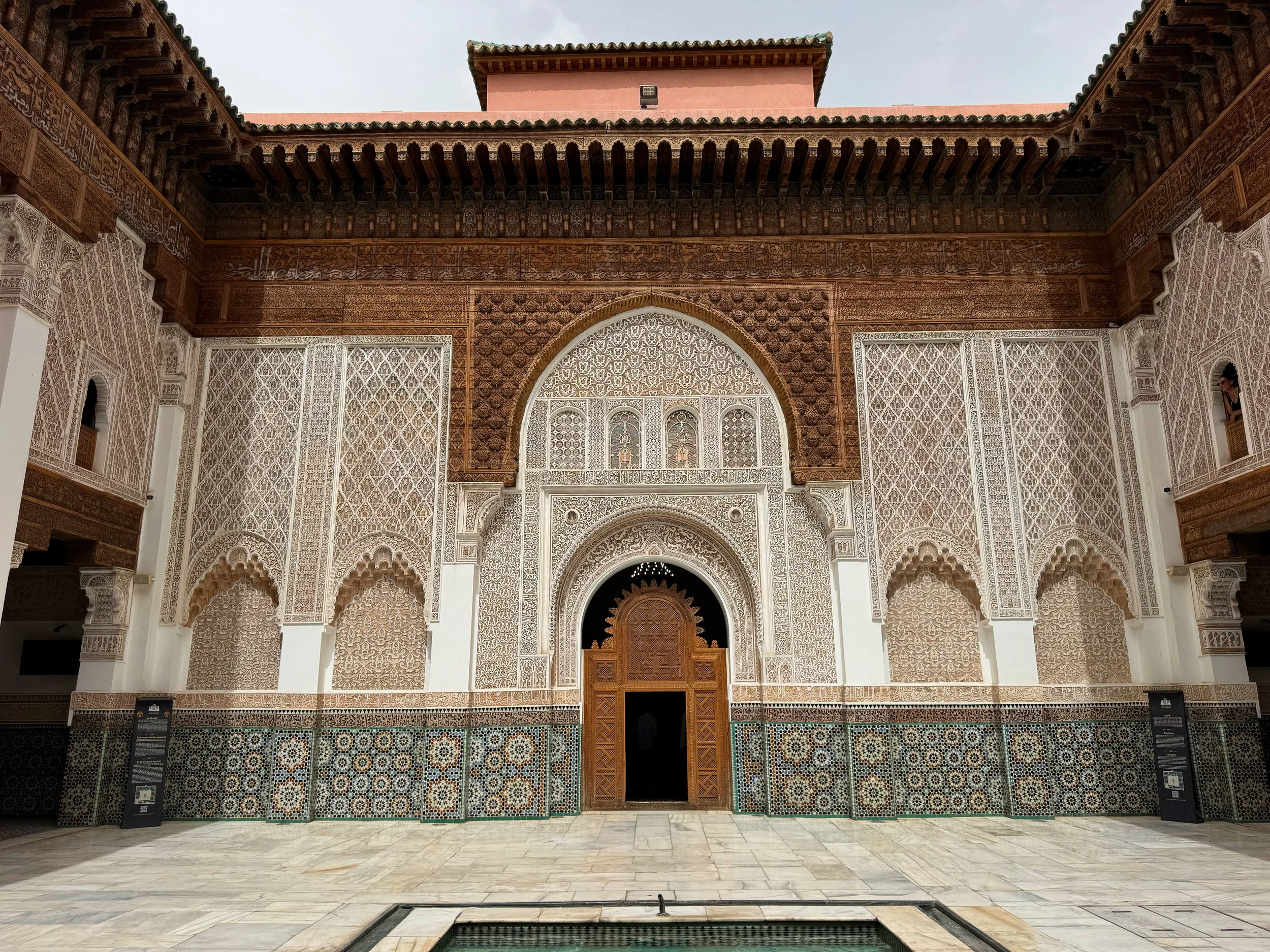
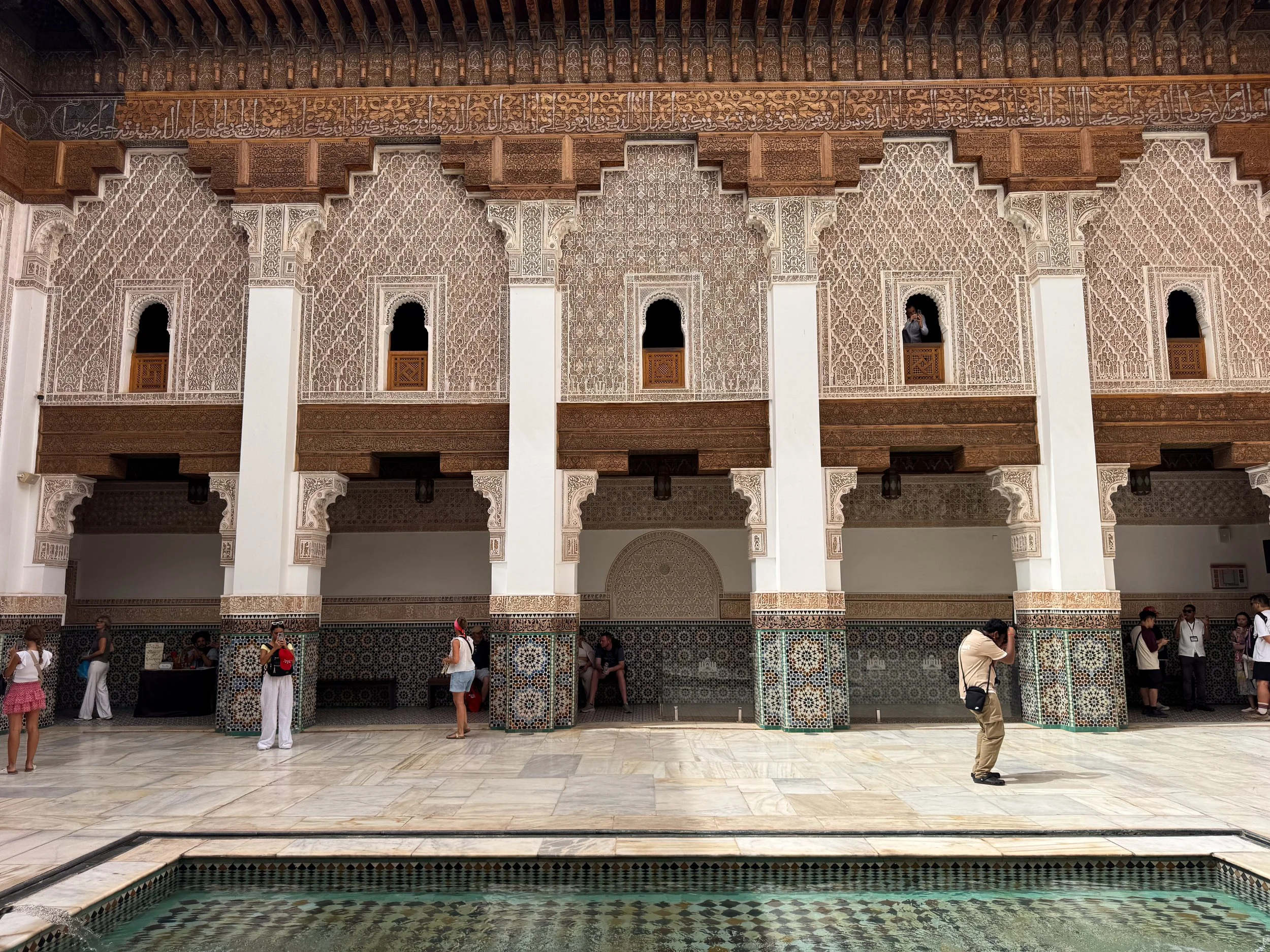
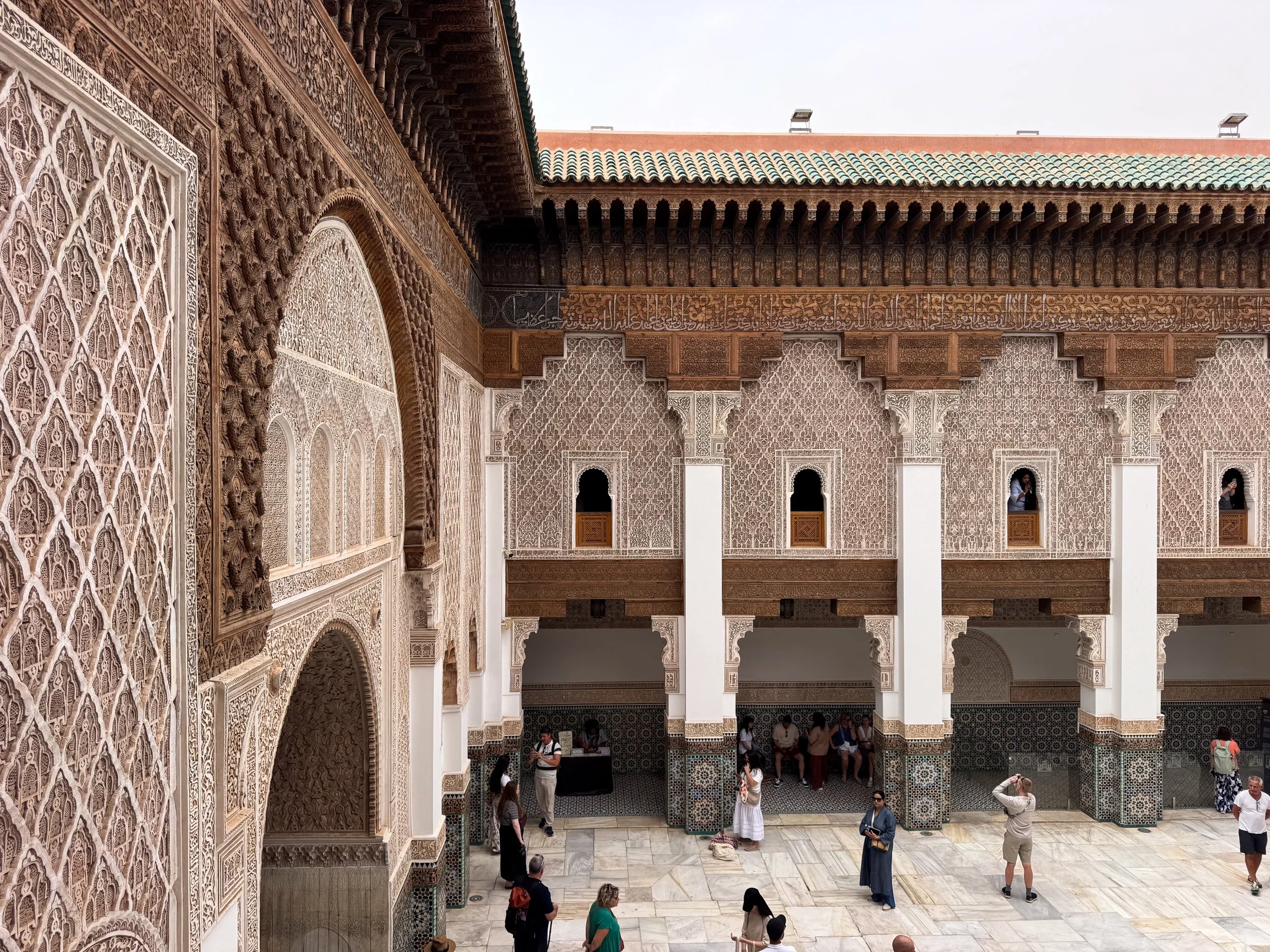
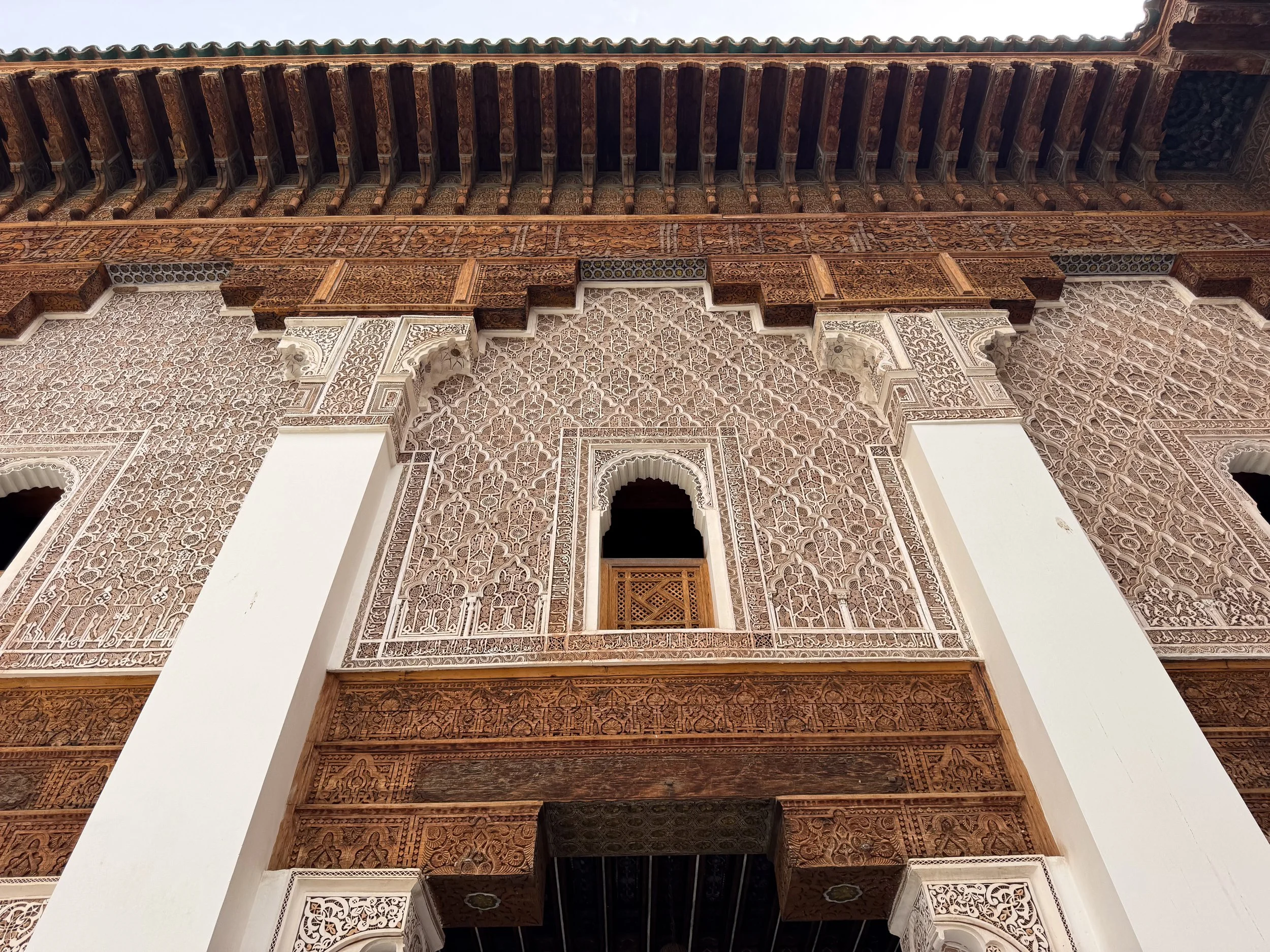
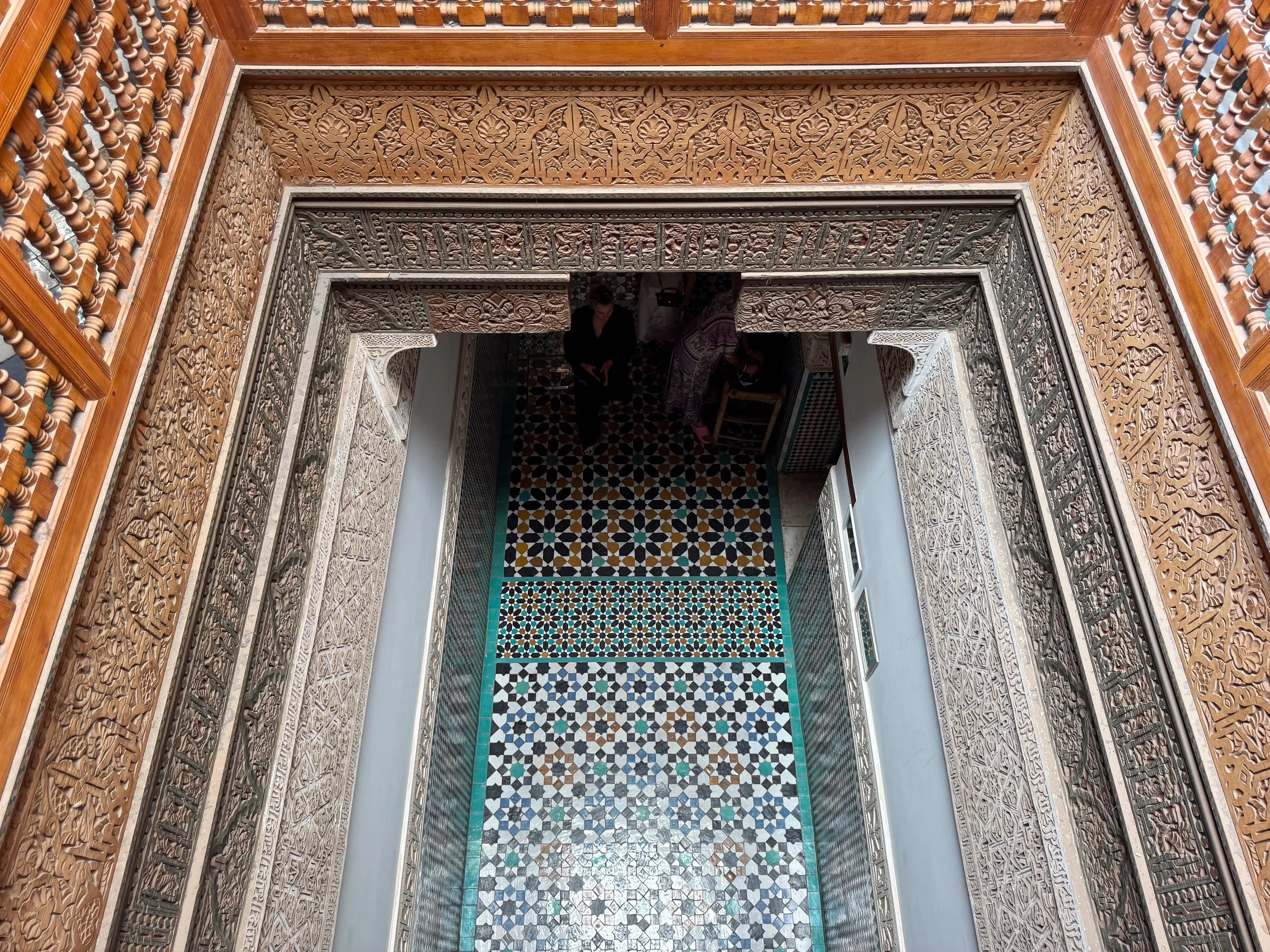
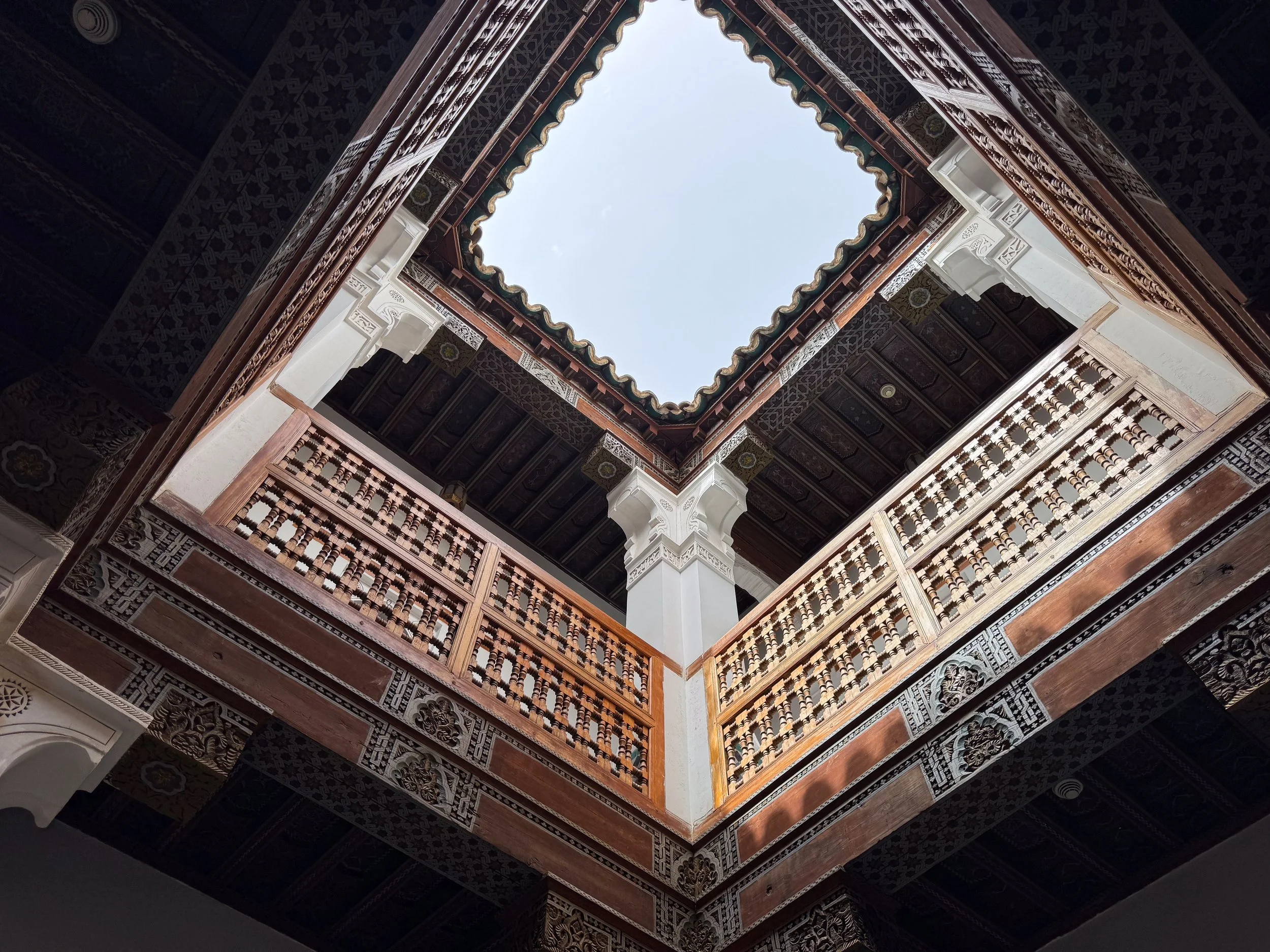
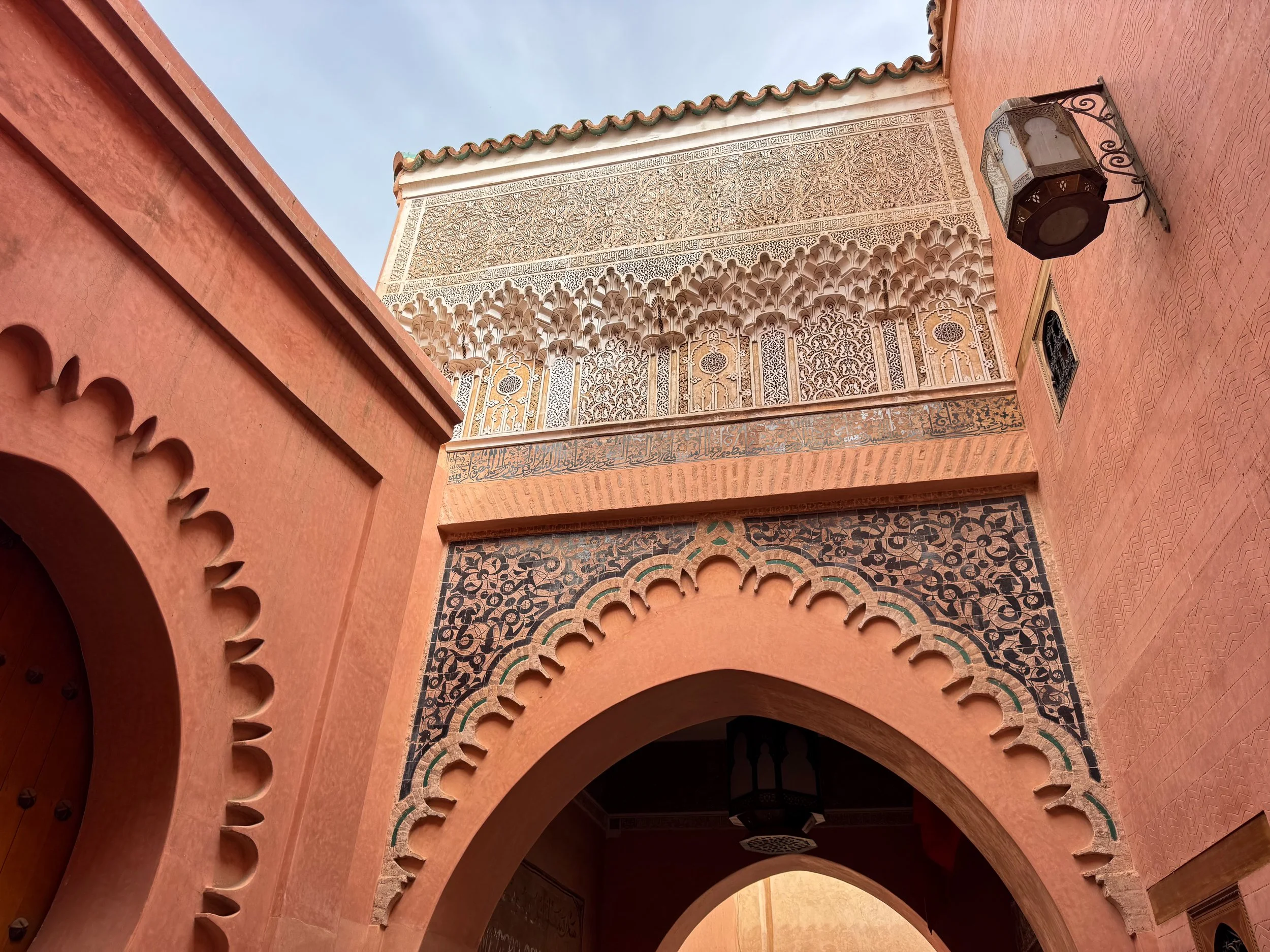
Madrasa Ben Youssef. A 14th century Islamic school famed for its sophisticated design and intricate details. Its central courtyard is one of the finest examples of Moroccan architectural style. Kaleidoscopic tiles, chiseled plaster and carved wooden elements define the space. Zellige patterns and Quranic text adorn its many surfaces. White marble floors surround a tiled reflecting pool. Arched windows look out from the second floor where dozens of private study rooms line hallways and interior light wells.
Pro Tip. Arrive at opening to see the courtyard with the fewest visitors.
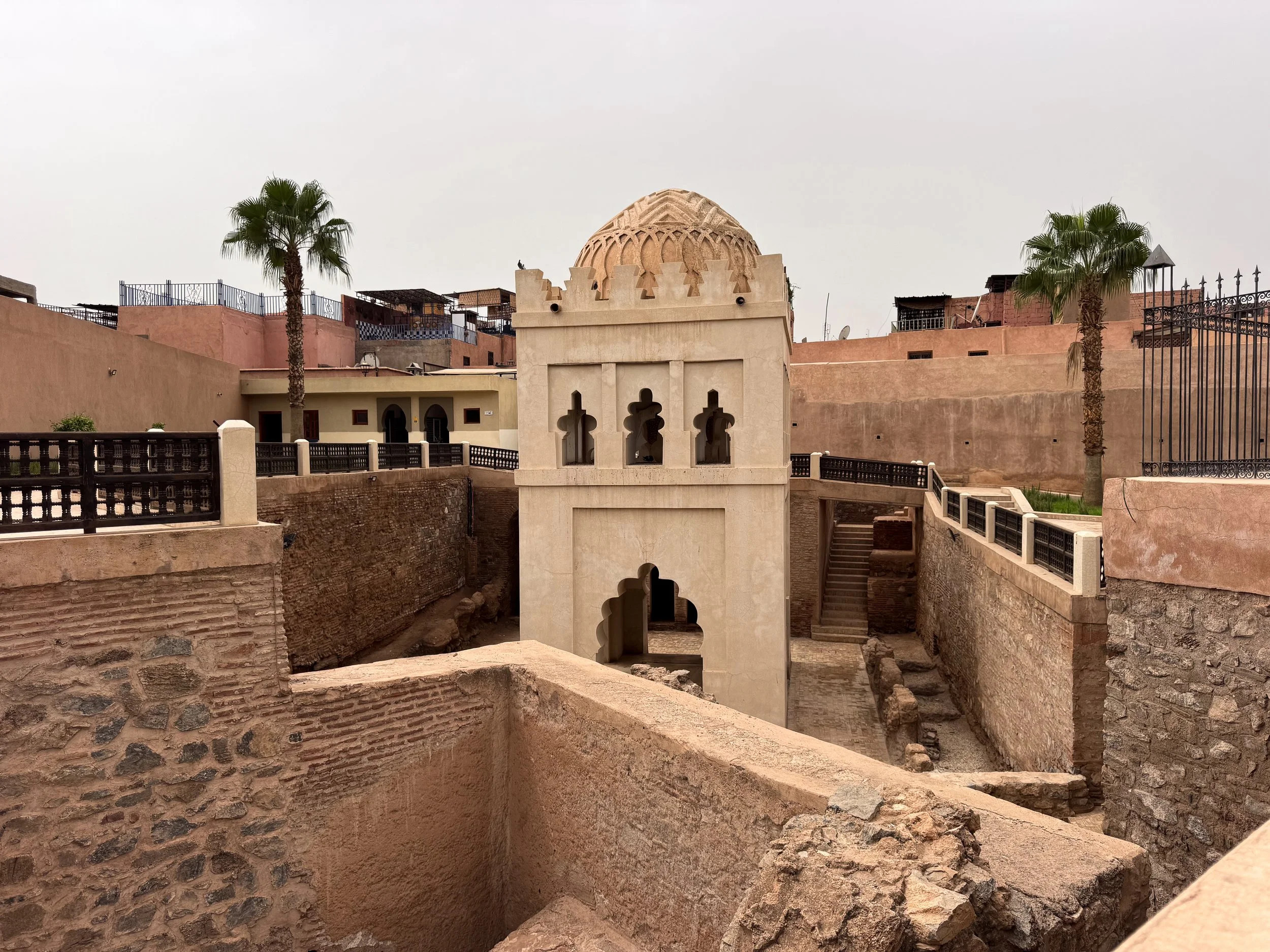
Almoravid Koubba. A 12th century mosque and the oldest surviving structure in the medina. A small domed tower stands within an excavated pit surrounded by stone ruins. It’s off-limits to non-Muslims but viewable from beyond a gated perimeter.
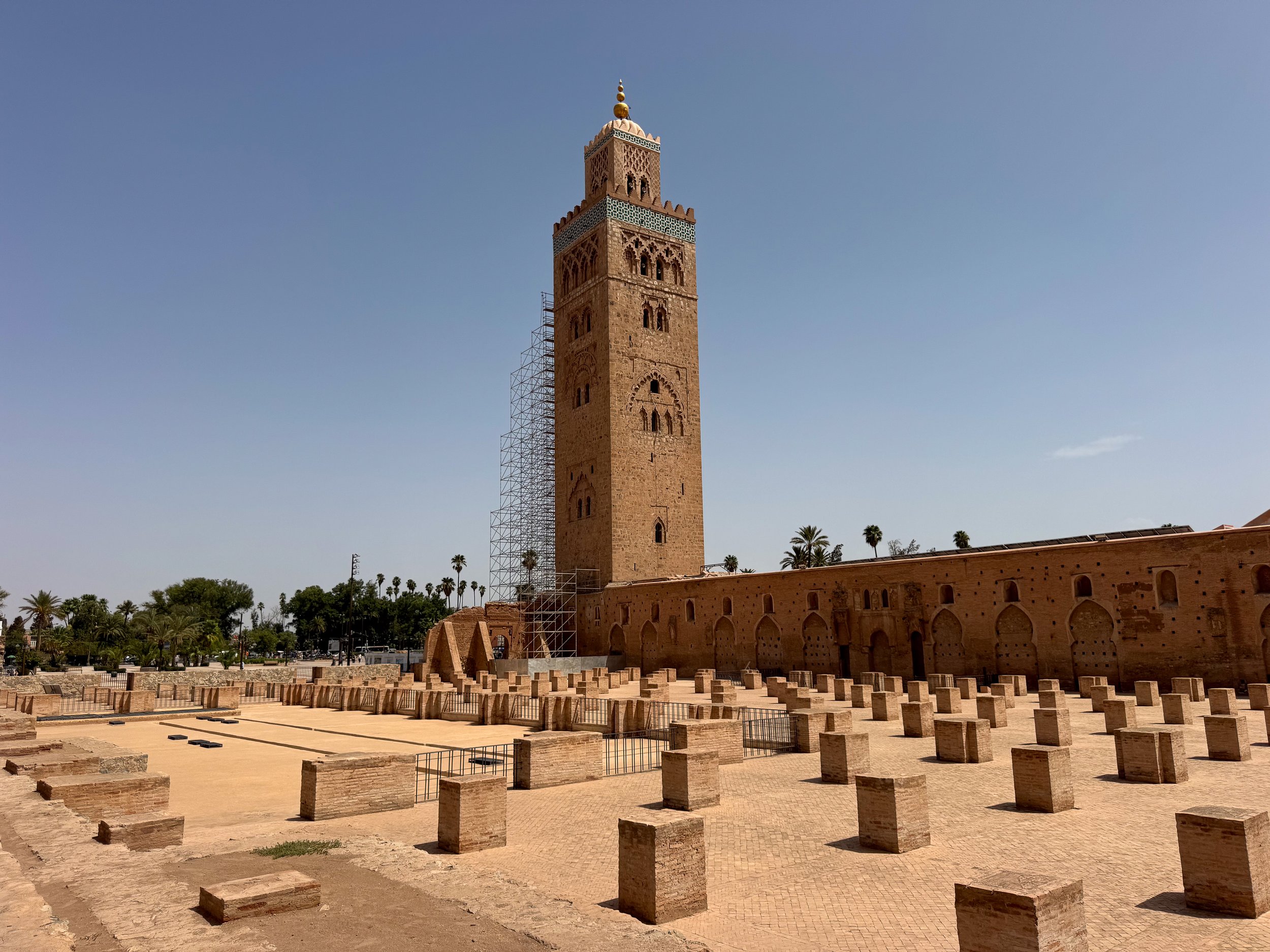
Koutoubia Mosque. A historic mosque with the tallest minaret in the medina. The existing building and surrounding ruins date back to the 12th century. Its sandstone and tan brick facade feature Moorish arches and minimal ornamentation distinctive of the period. The mosque is off limits to non-Muslims but viewable from the outside. A large park with lush palm gardens, shaded walkways, fountains and benches encompasses it.
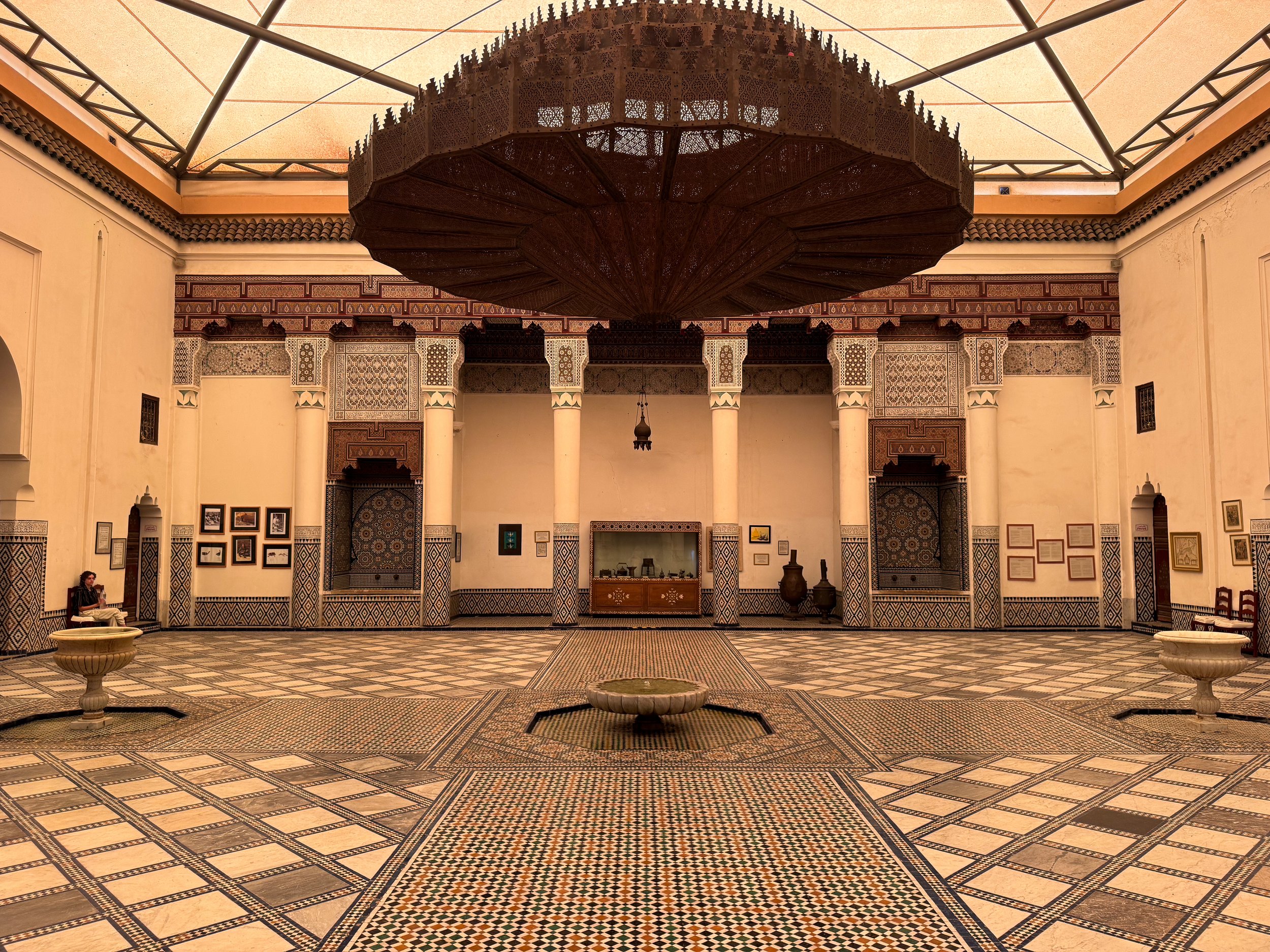
Marrakech Museum. A former palace converted into a Moroccan art and history museum. Small galleries house historic artifacts including clothing, pottery, jewelry and furniture. Contemporary artwork and photographs depict Marrakech, the Atlas Mountains and the local people. Through its interiors, visitors can admire the former palace’s architectural features and intricate designs.
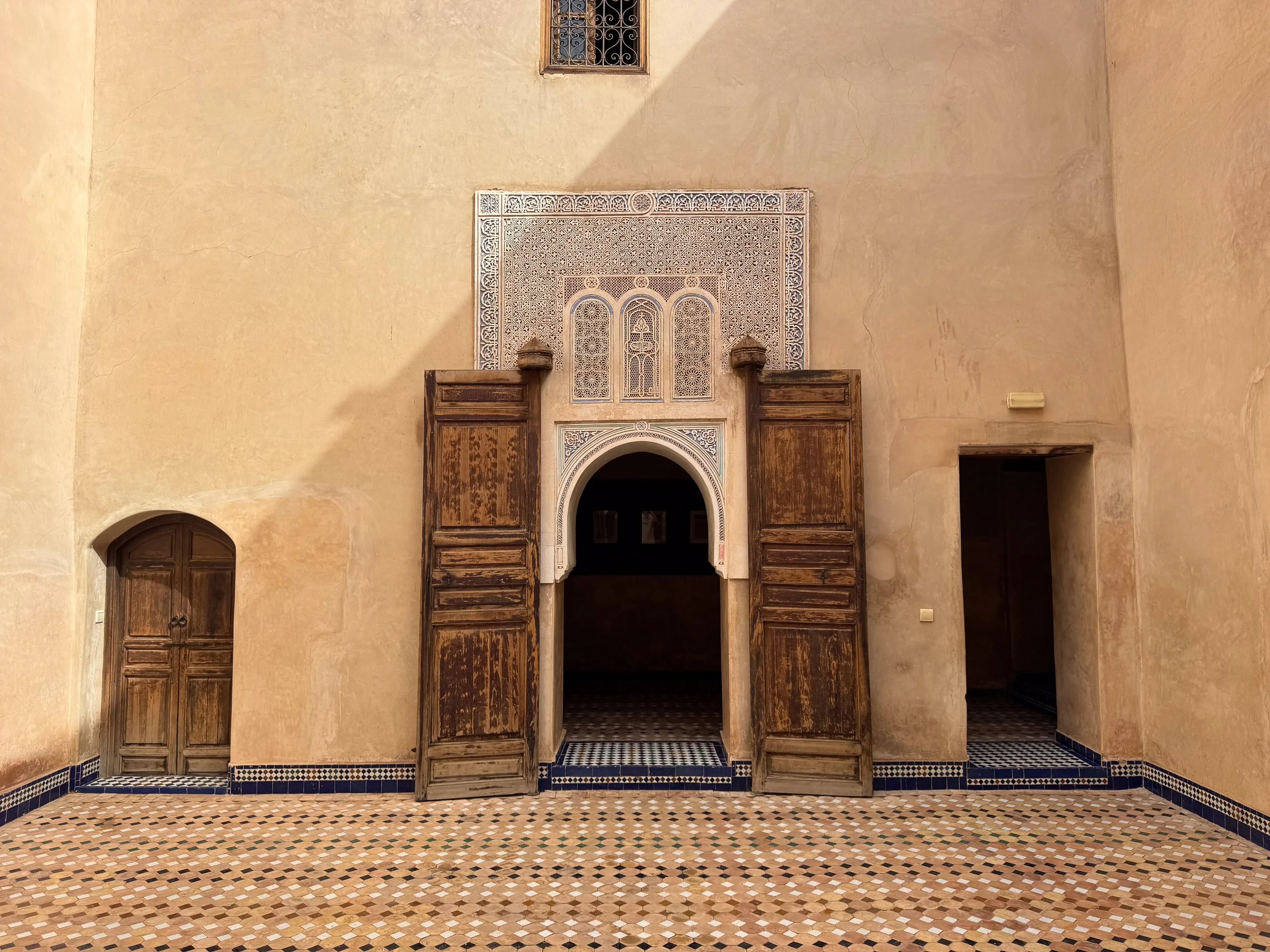
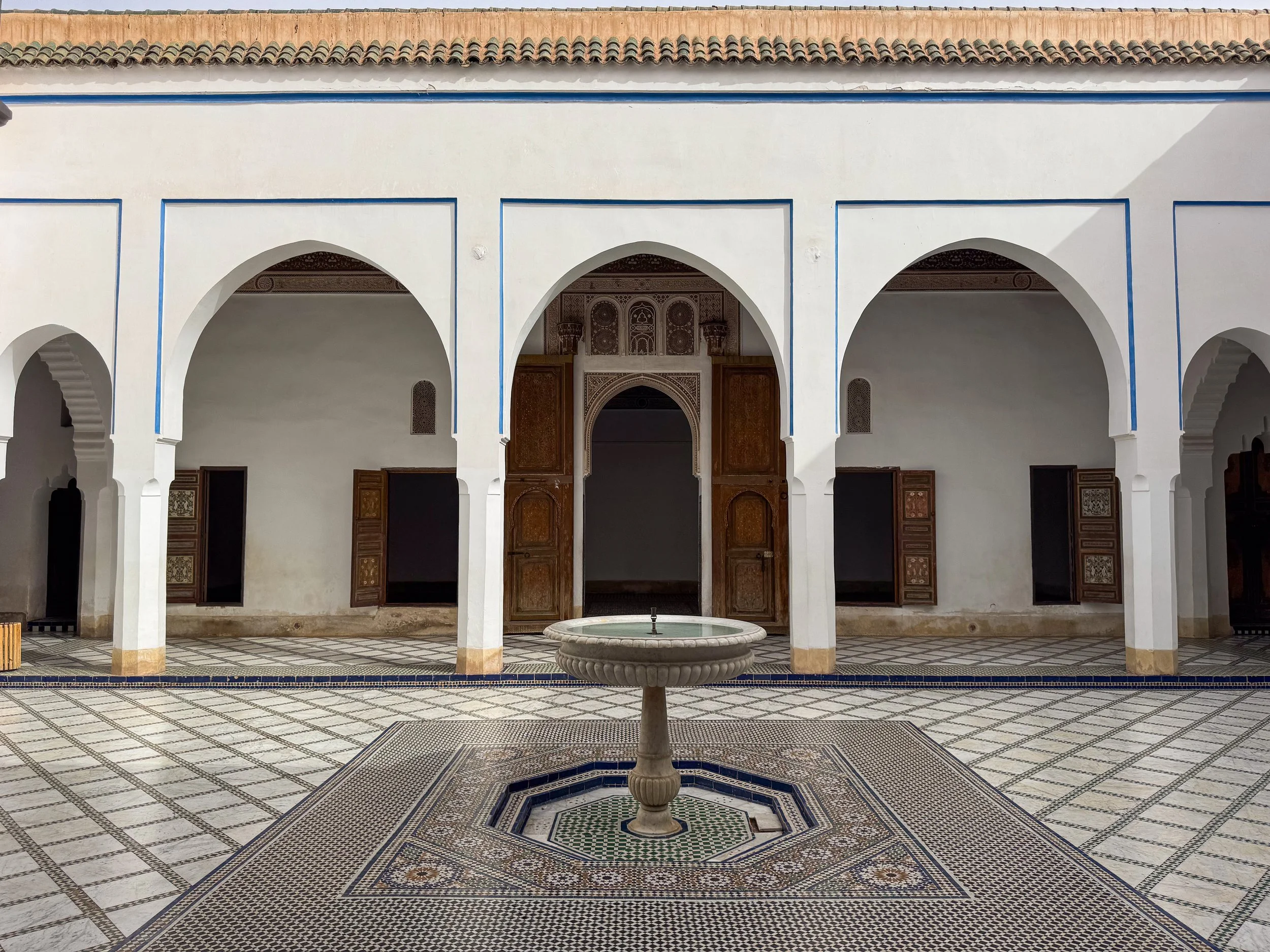
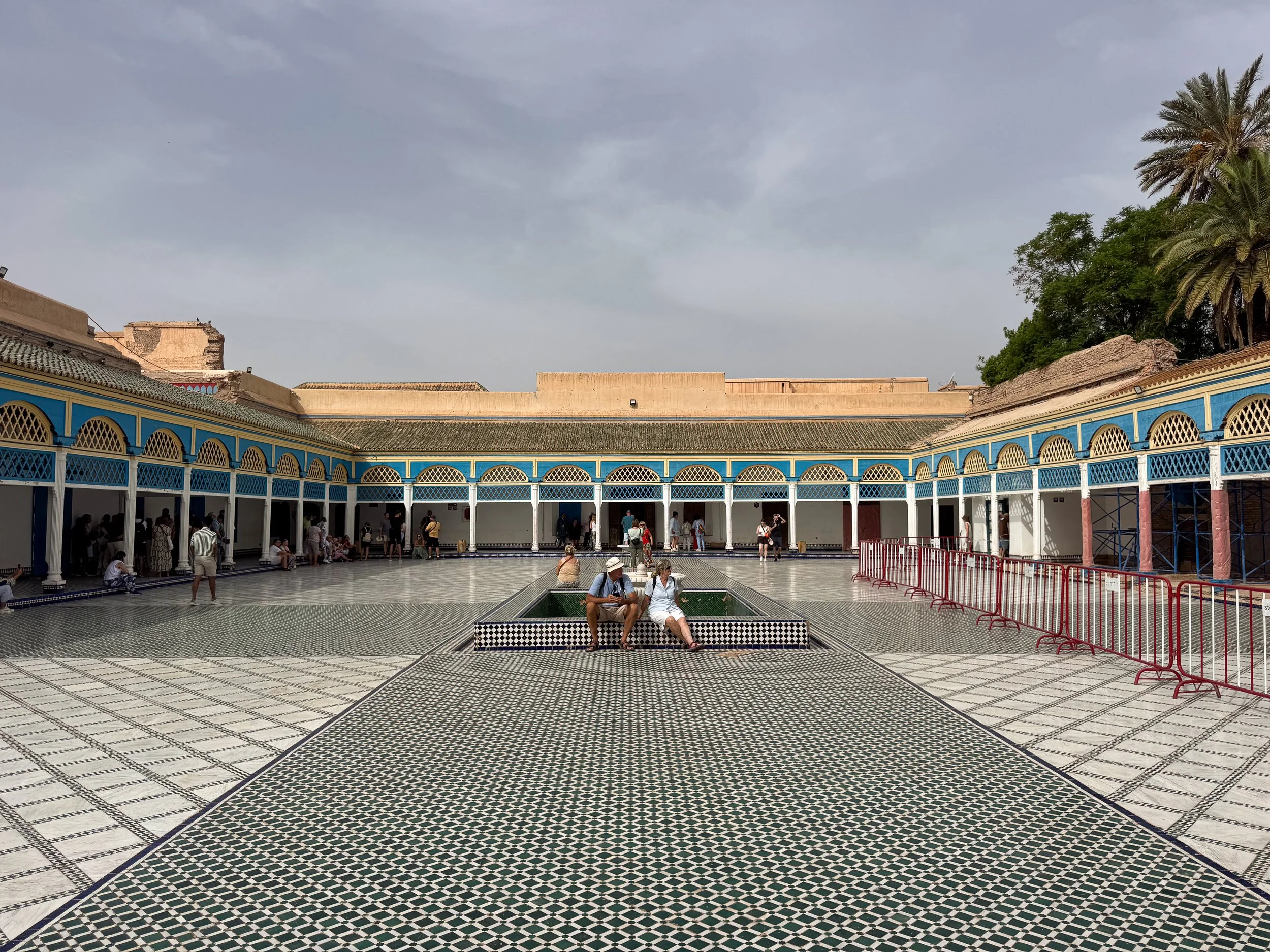
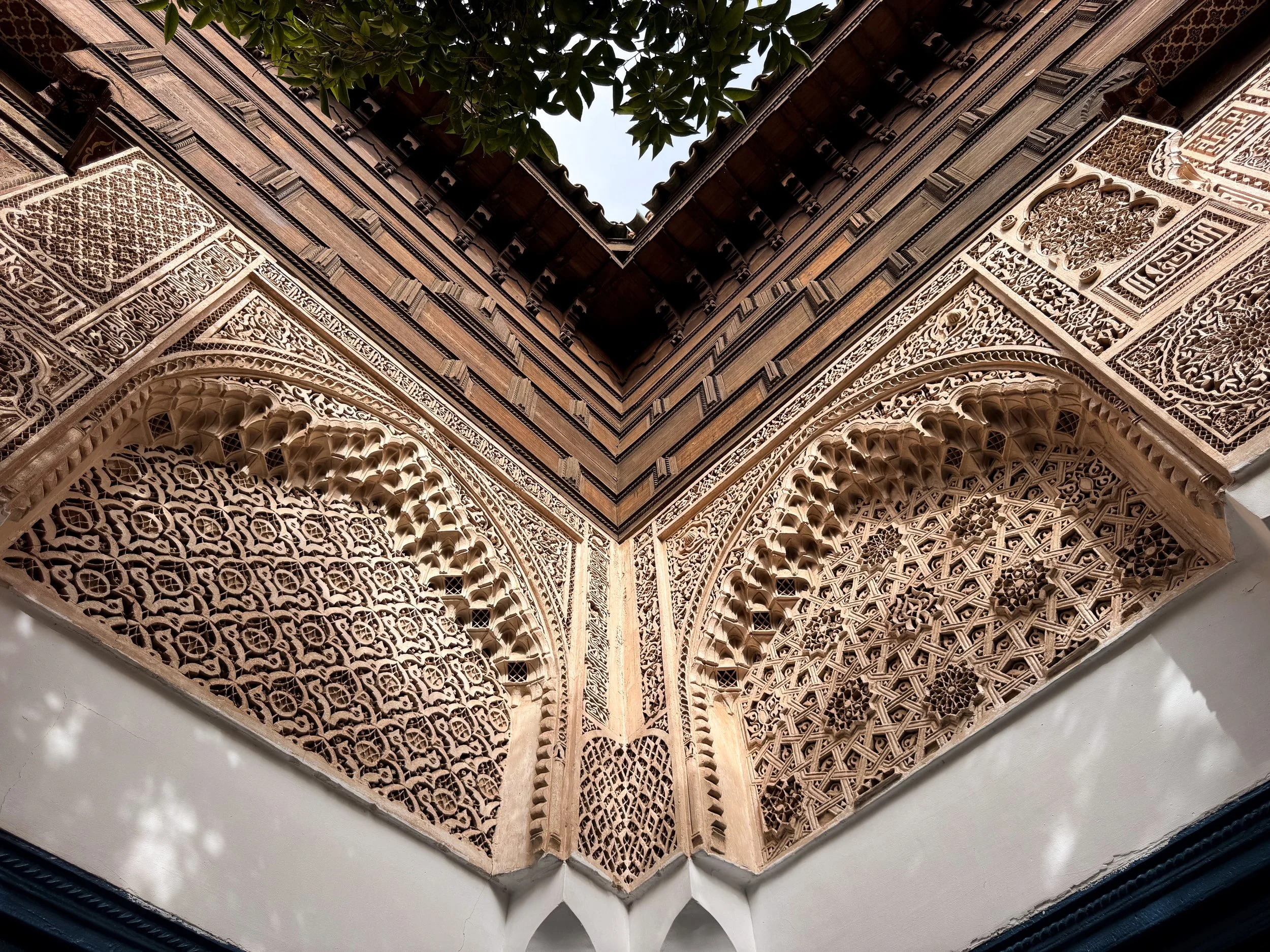
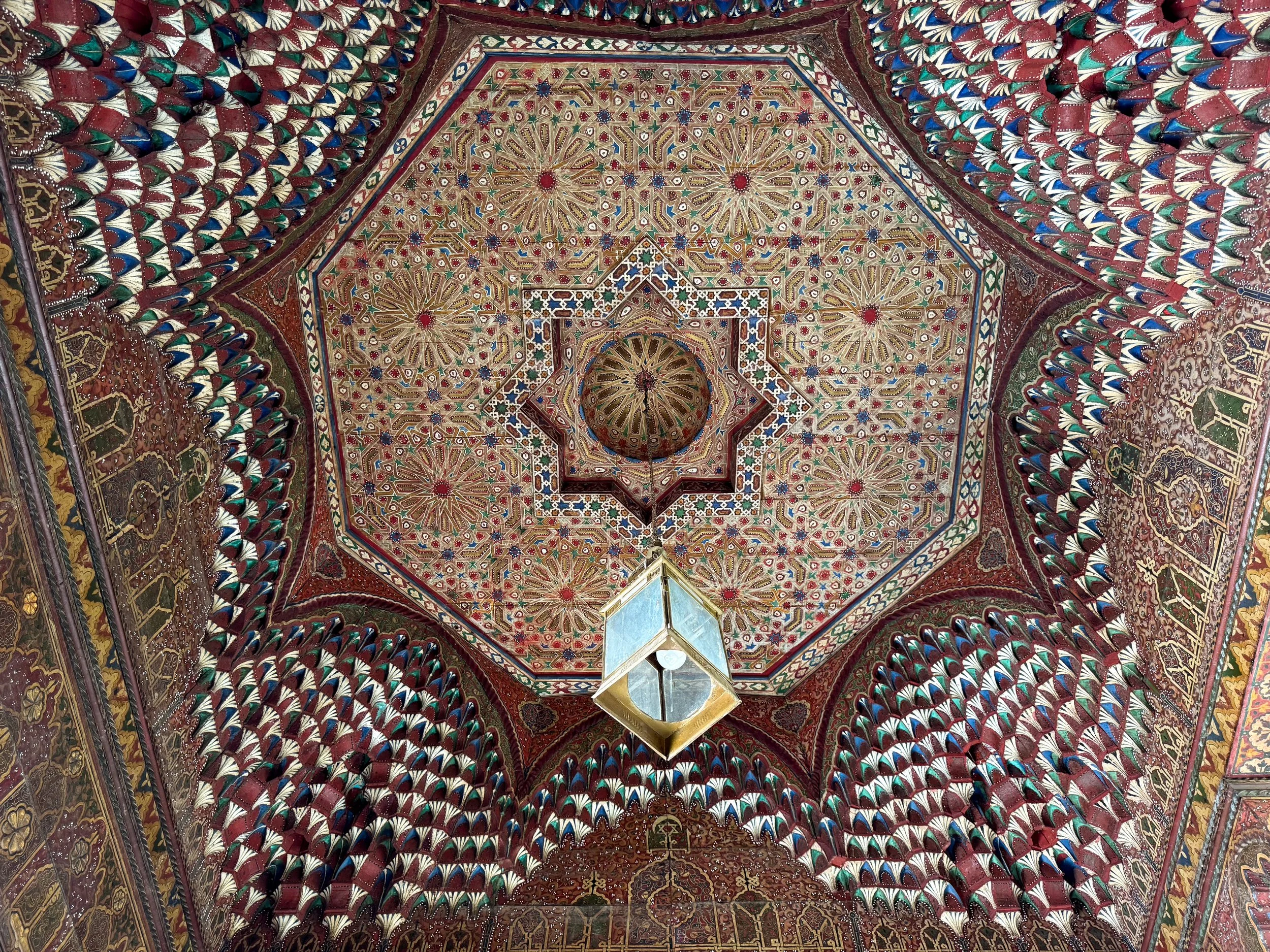
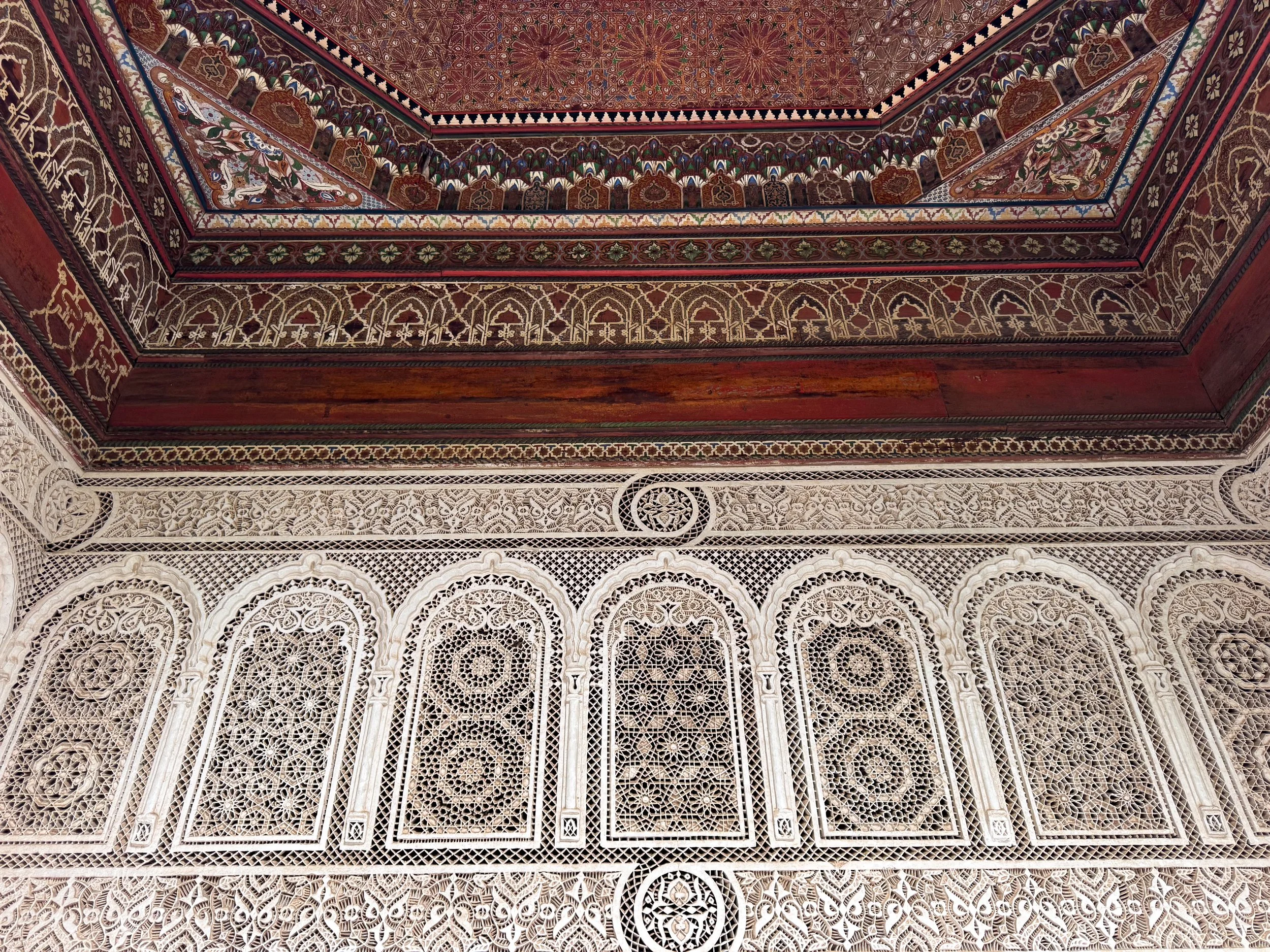
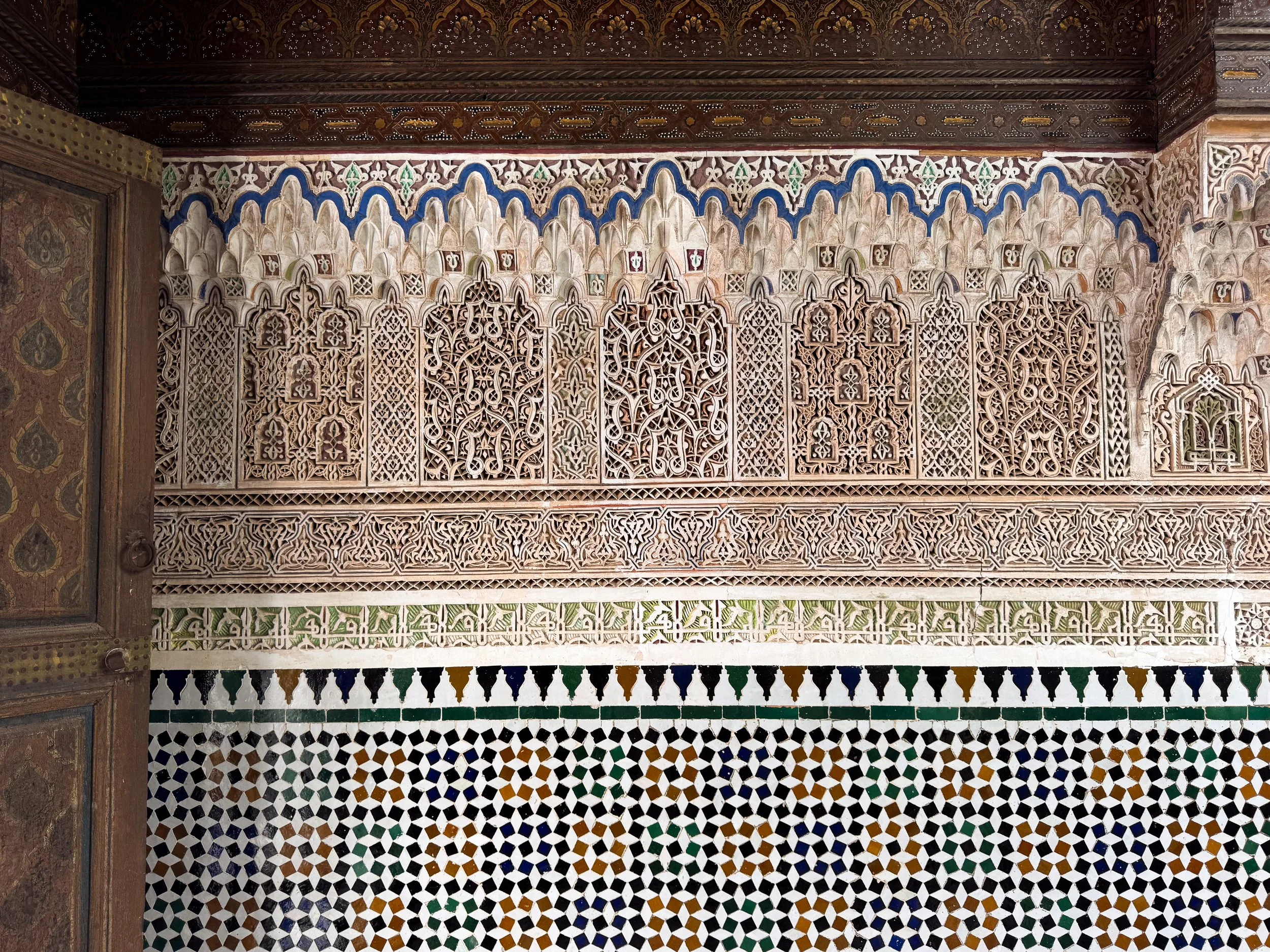
Bahia Palace. A 19th century palace renowned for its stylized rooms, expansive courtyards and elaborate craftsmanship. It’s regarded as one of the best examples of Moroccan architecture. Its interior halls and chambers are decorated with intricately carved woodwork and plaster designs. Brass chandeliers hang from meticulously painted ceilings. Finely tiled surfaces cover columns, fireplaces and floors. The palace was heavily damaged by the earthquake but remains open during restoration.
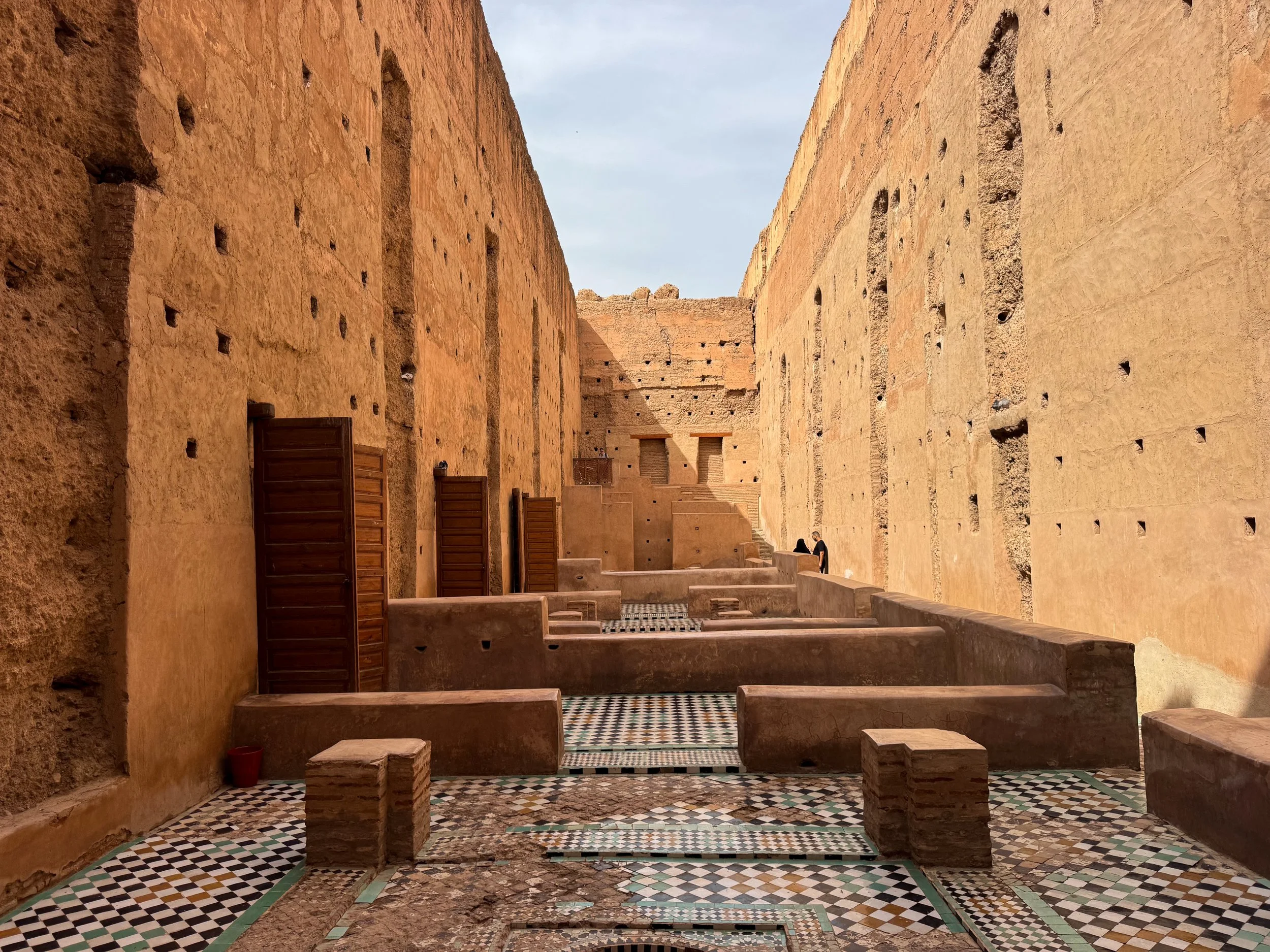
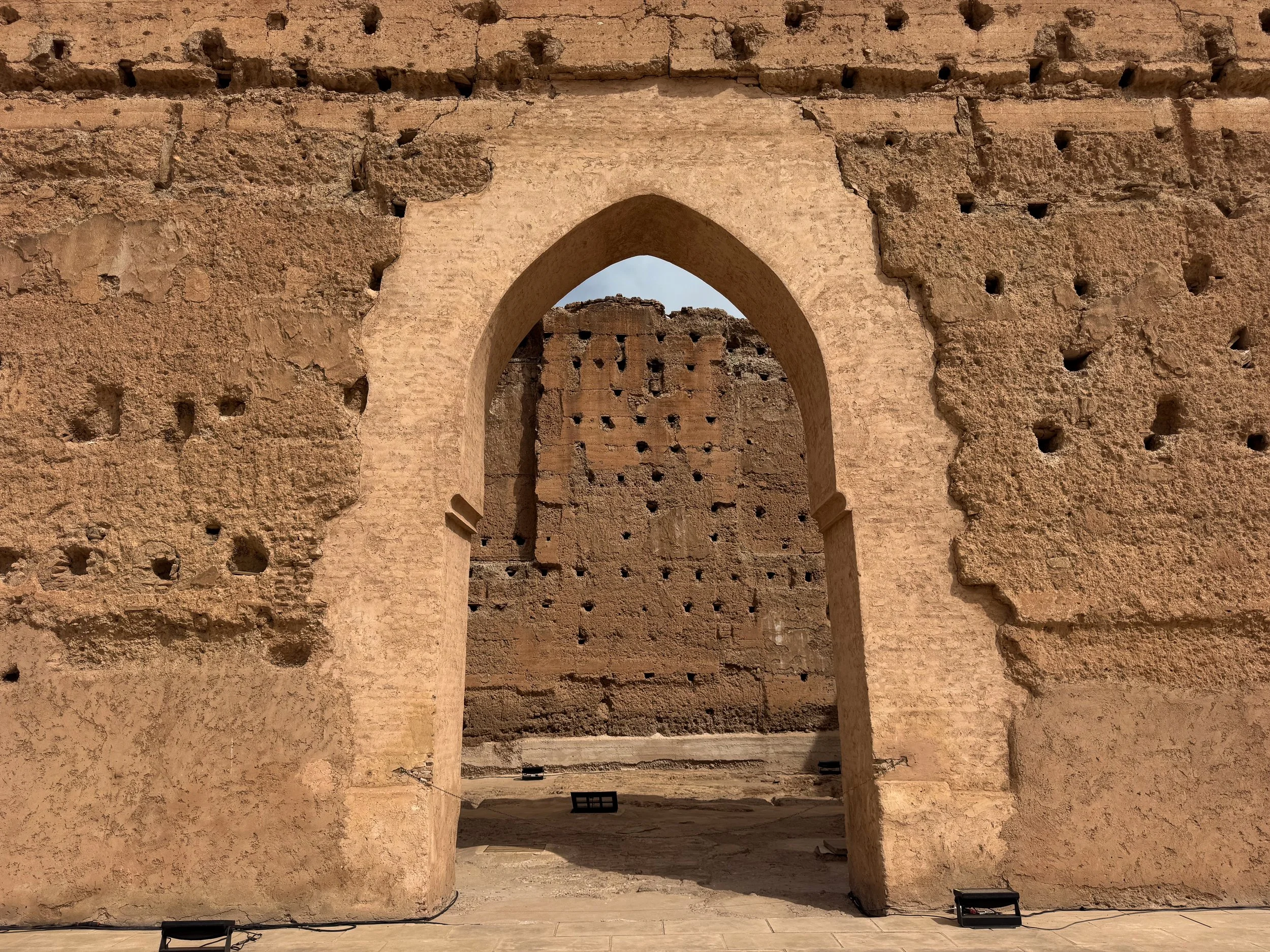
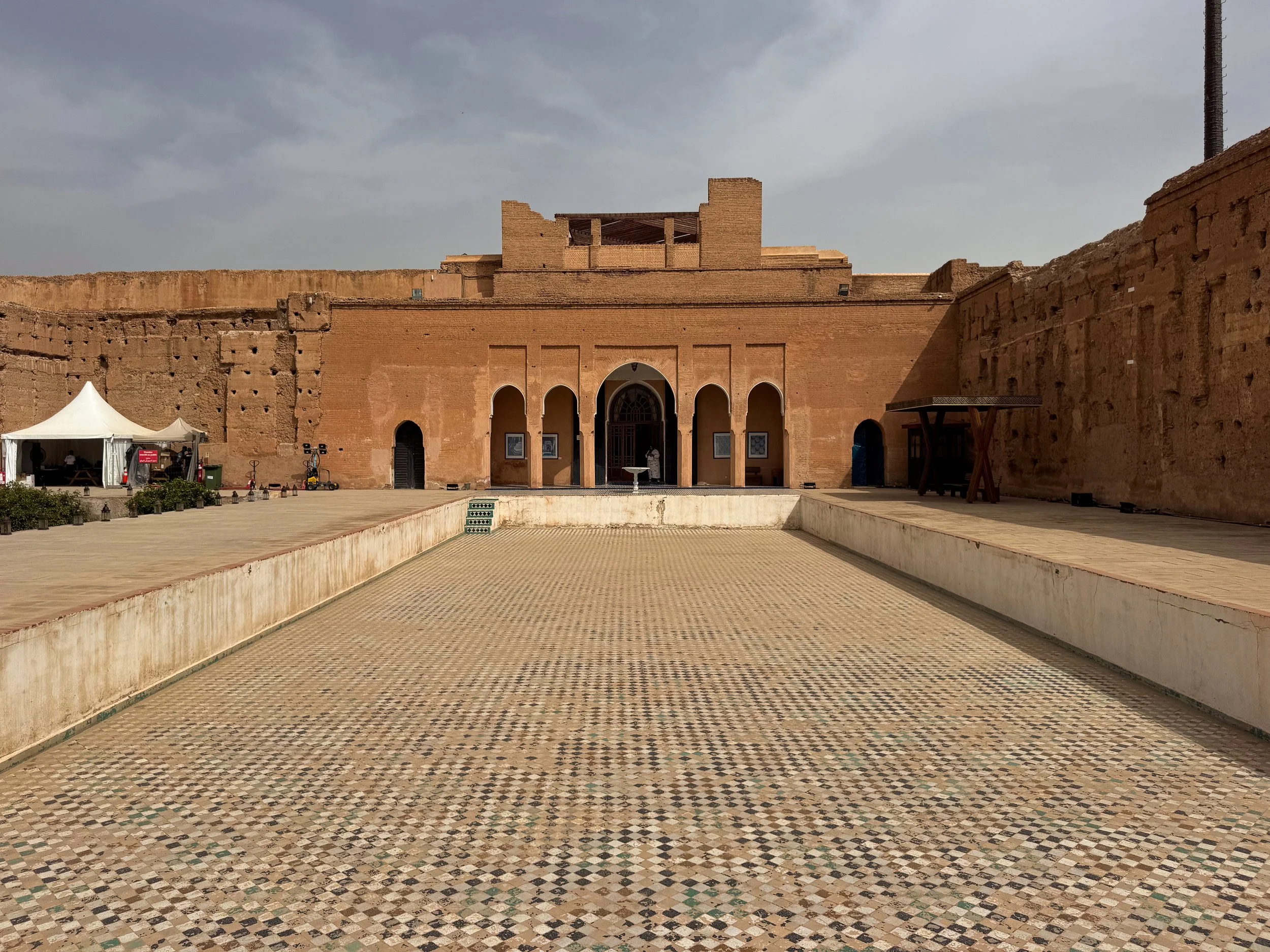
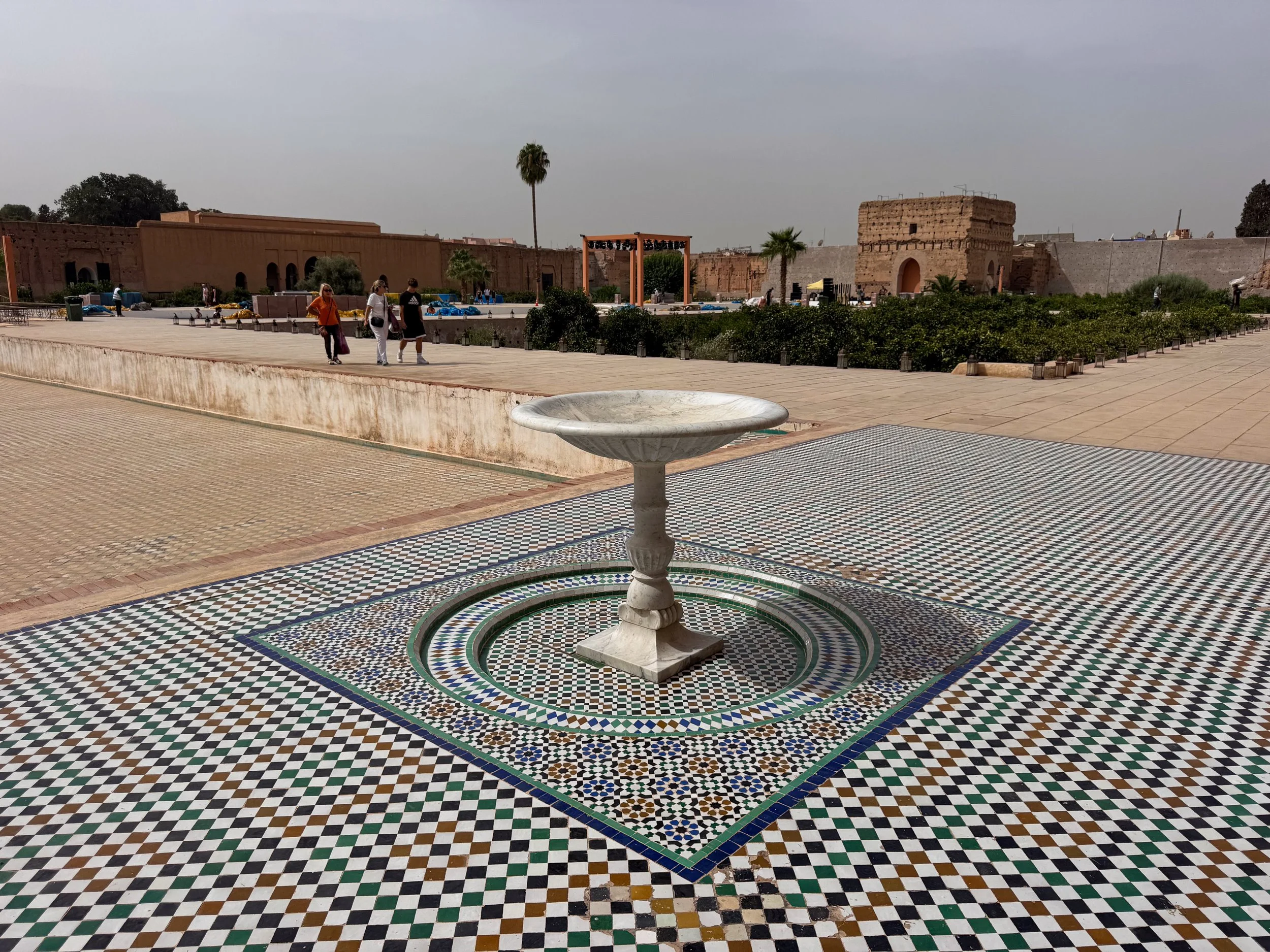
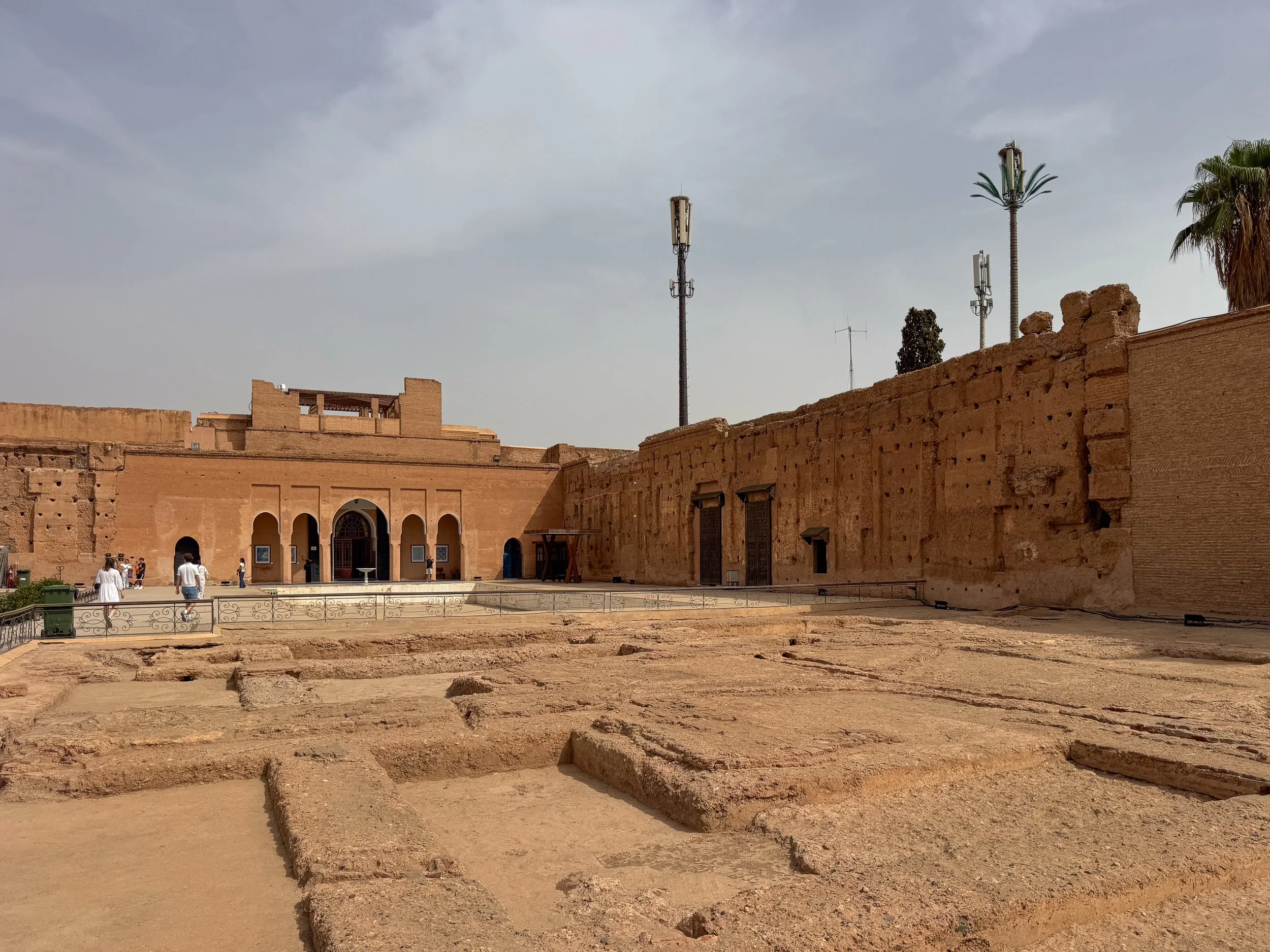
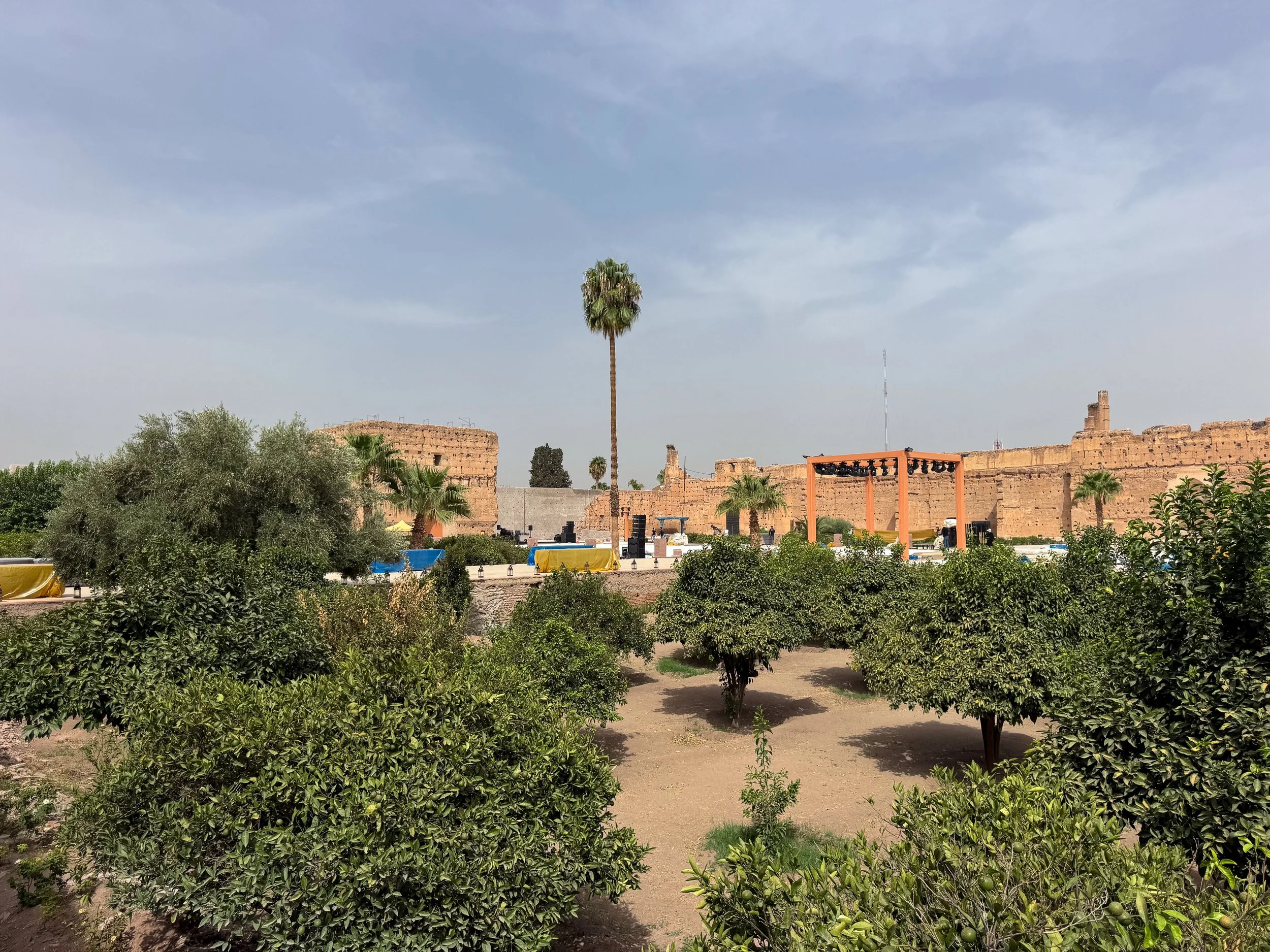
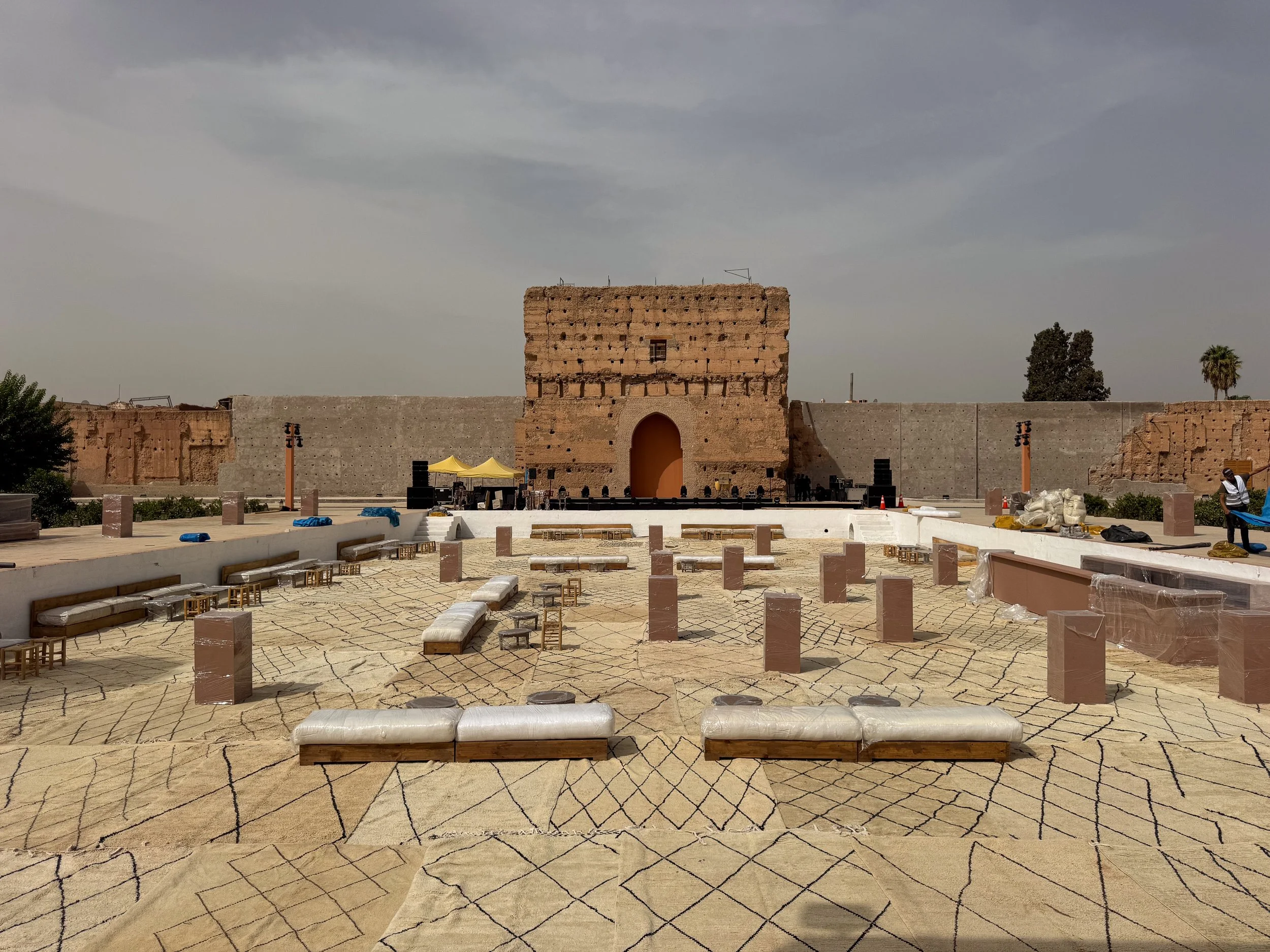
Badi Palace. A 16th century palace characterized by its crumbling ruins, stone walls and vast courtyard. Underground tunnels lead to exposed ruins of guest quarters. Pitted sandstone walls with Arabesque arches surround the courtyard. Emptied pools reveal mosaic tiled floors while citrus trees grow from gardens in its four quadrants. Galleries display photographs of old Marrakech and artifacts discovered during the palace’s excavation, including tools, pottery, coins and scrolls.
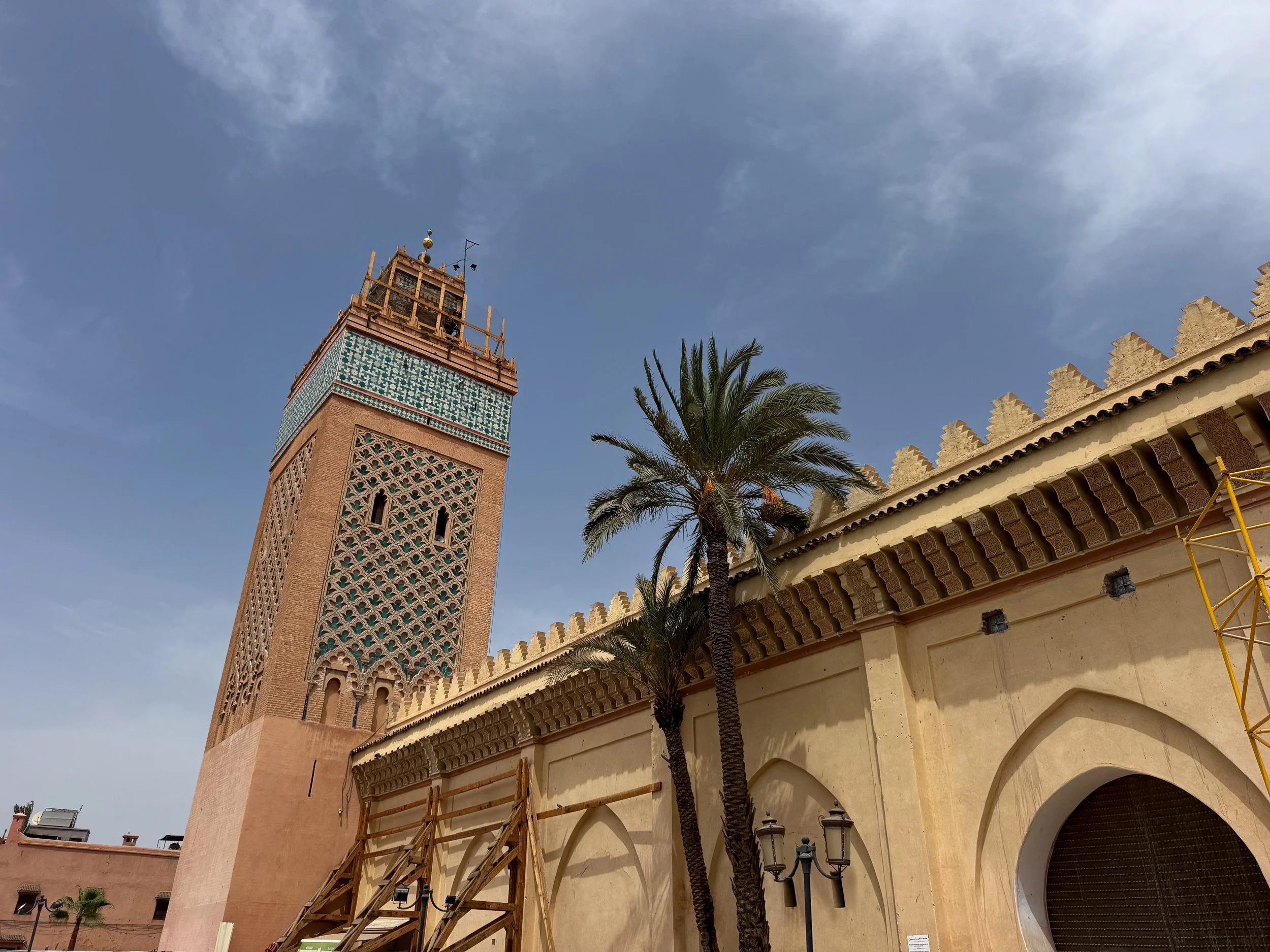
Saadian Tombs. A mausoleum containing the tombs of a former sultan and many of his family members. The tombs are treasured for their Moorish design, white marble chambers, Zellij tile work and delicate plaster details. They were heavily damaged during the 2023 earthquake and closed for viewing. Their Moorish exterior and the adjacent mosque are still undergoing restoration.
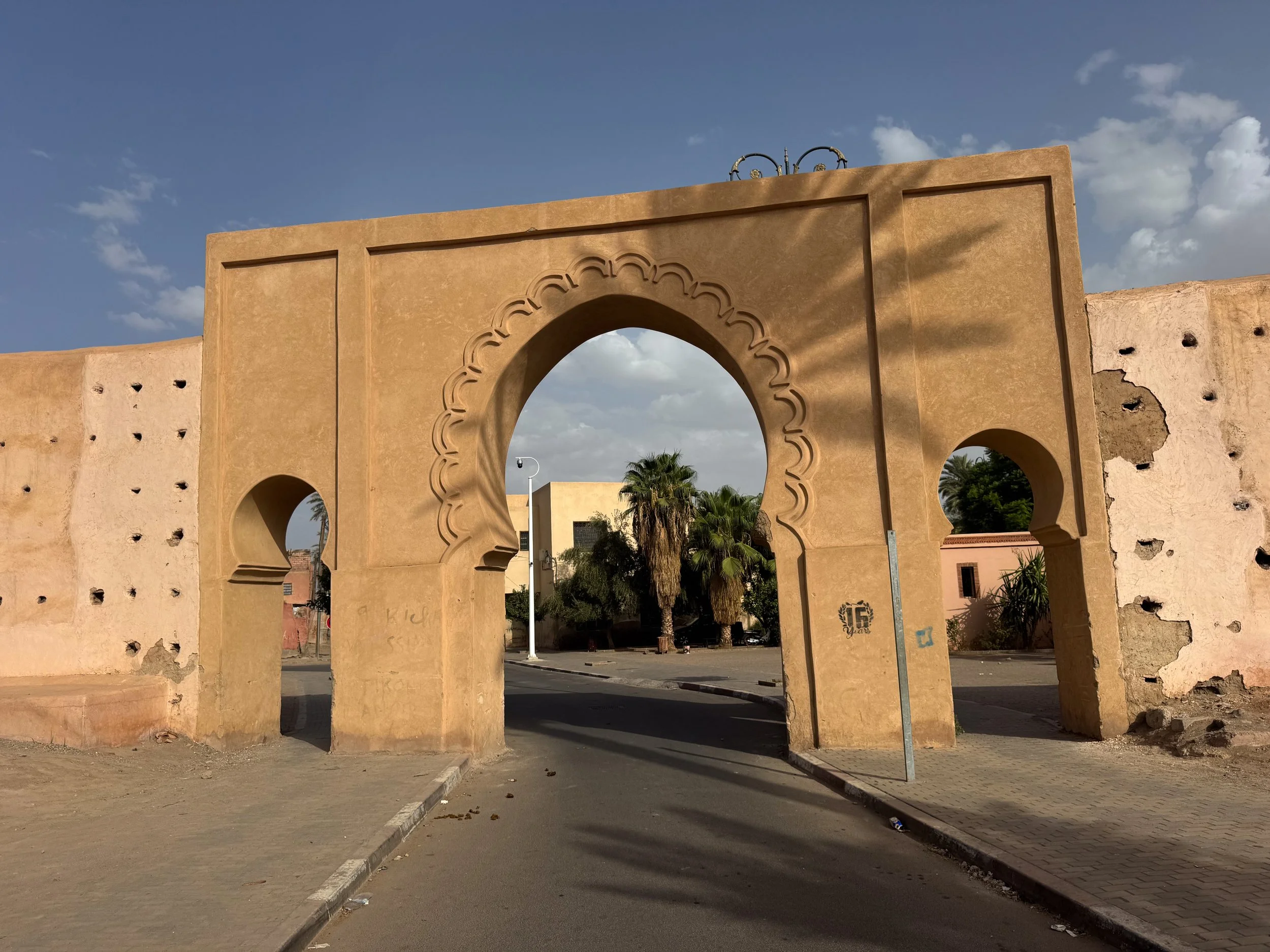
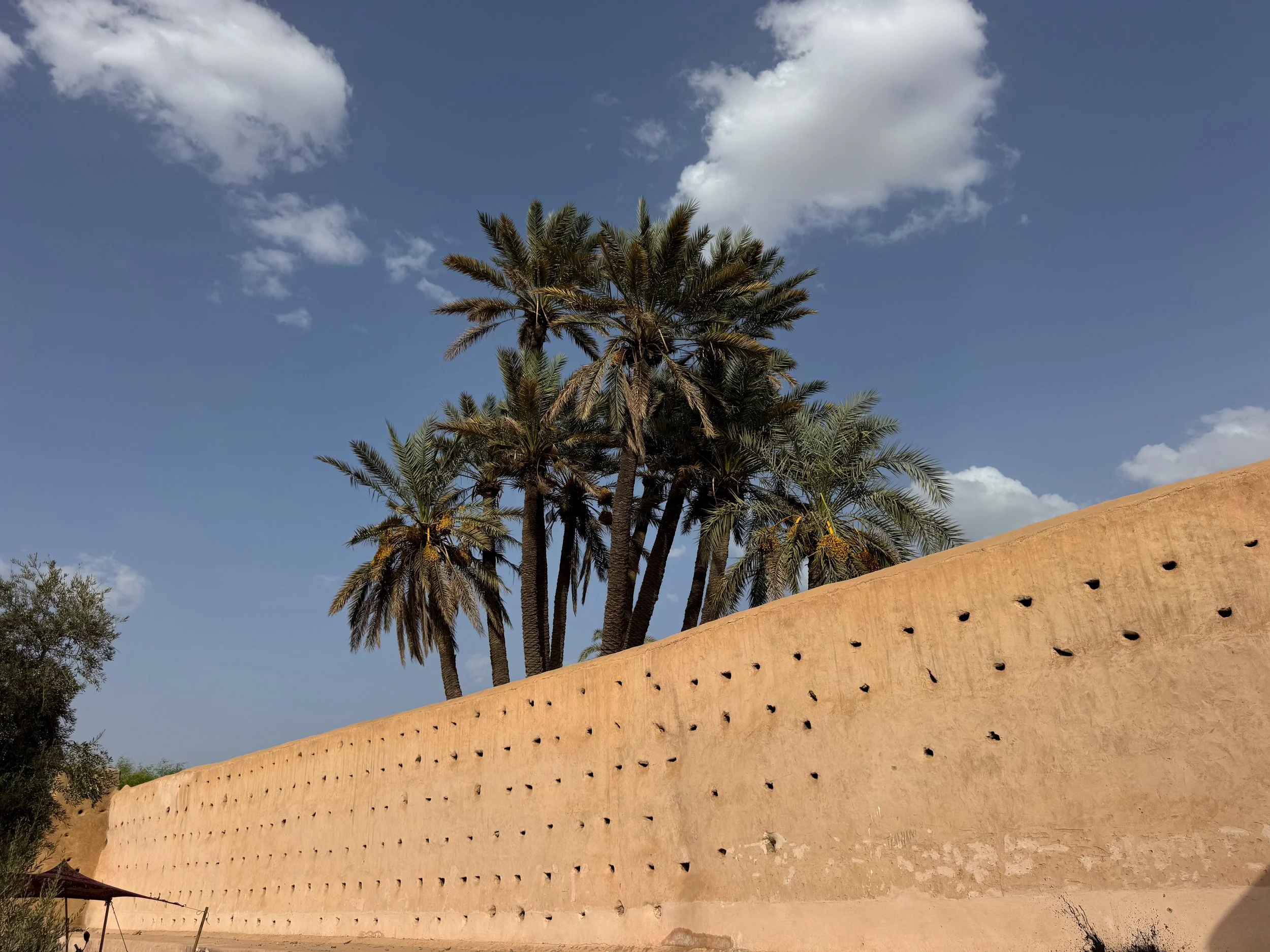
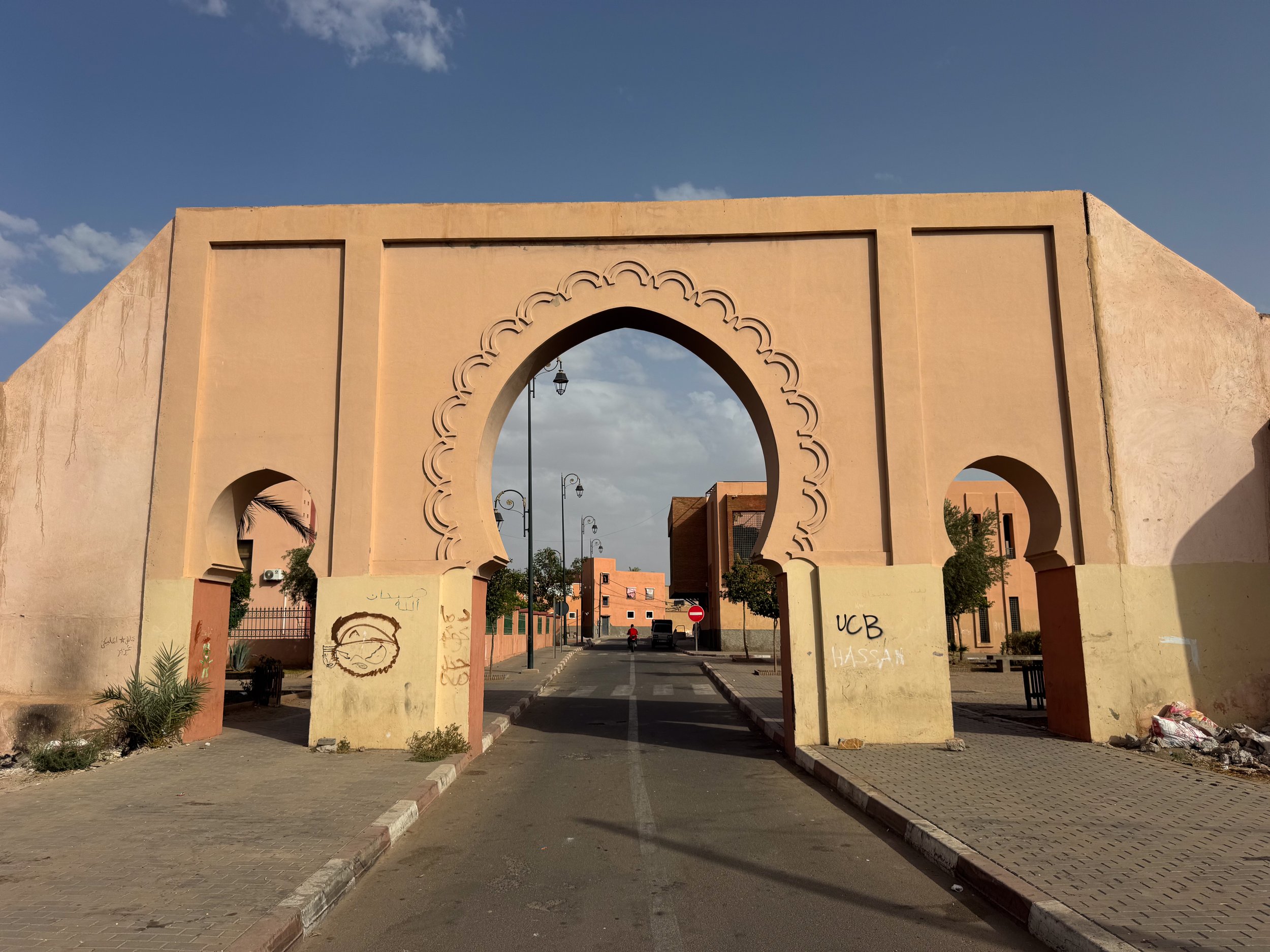
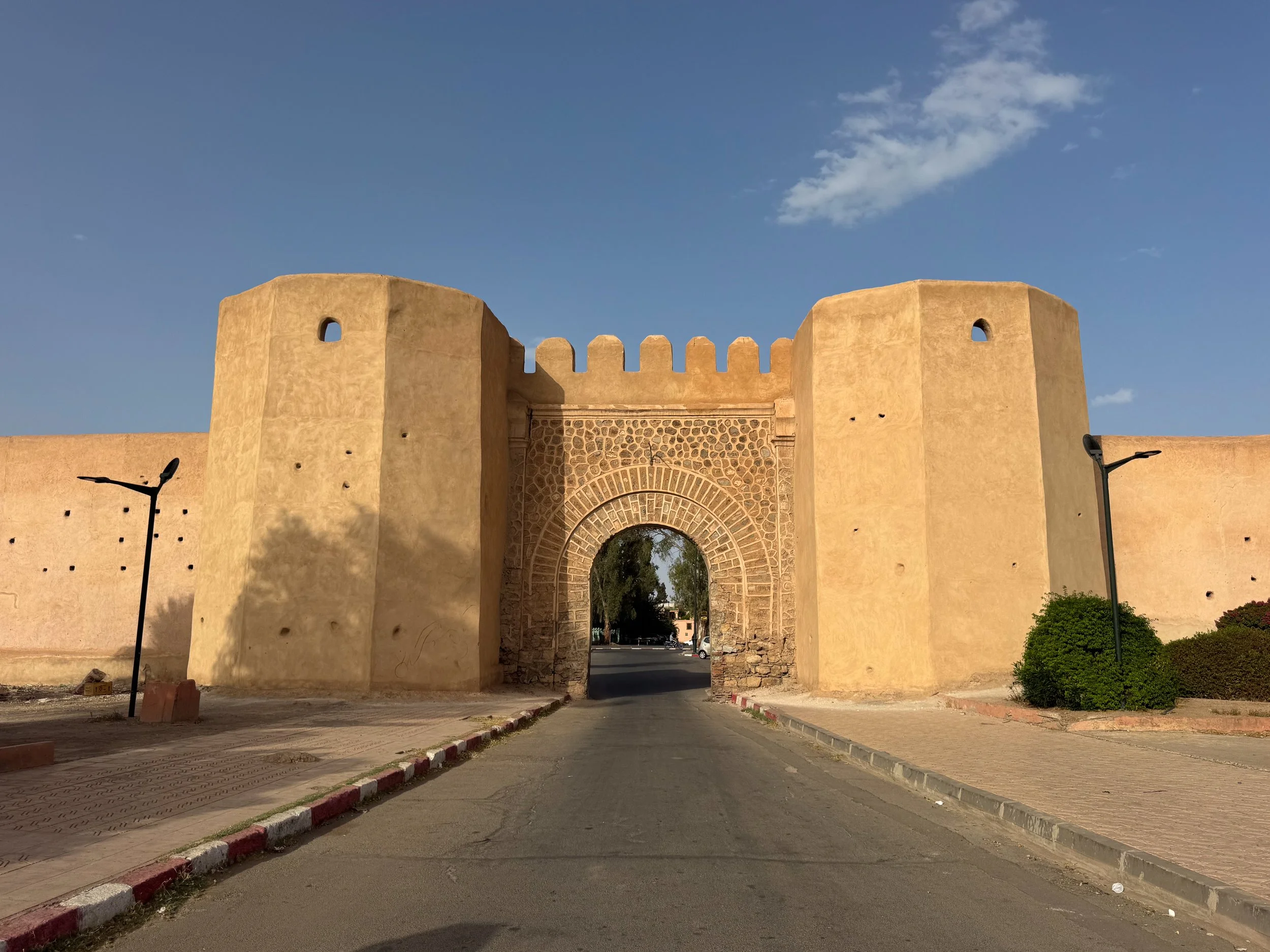
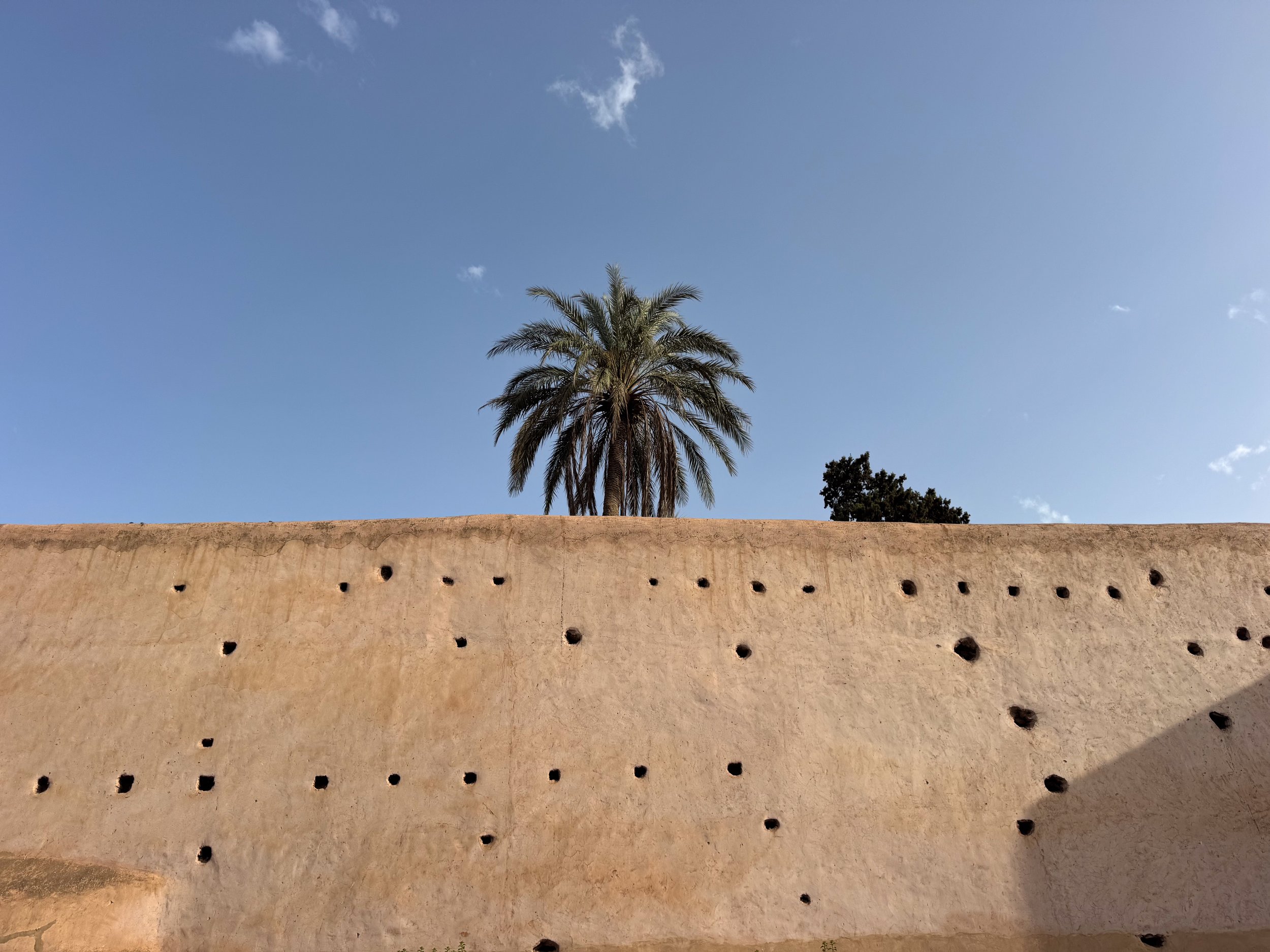
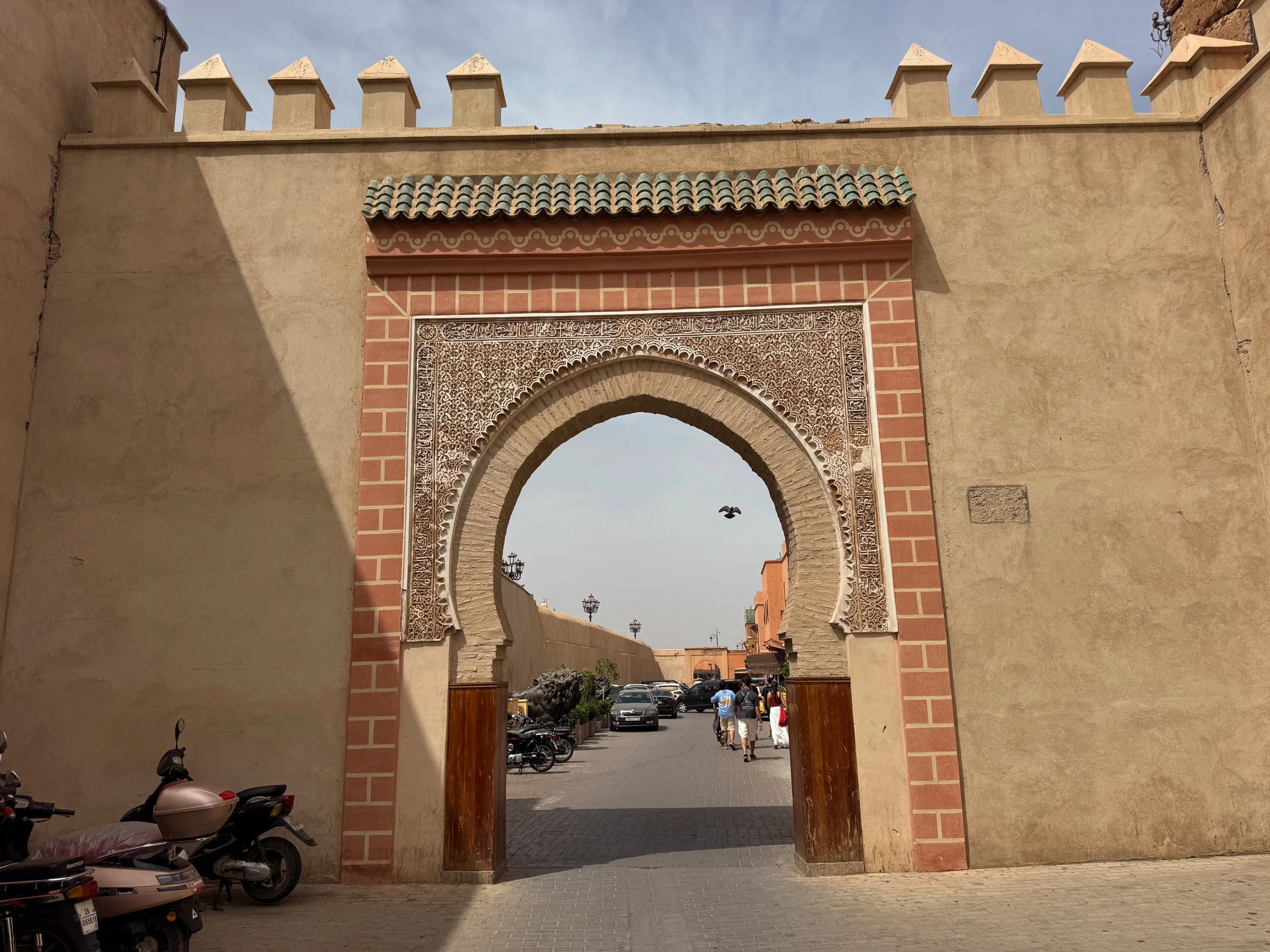
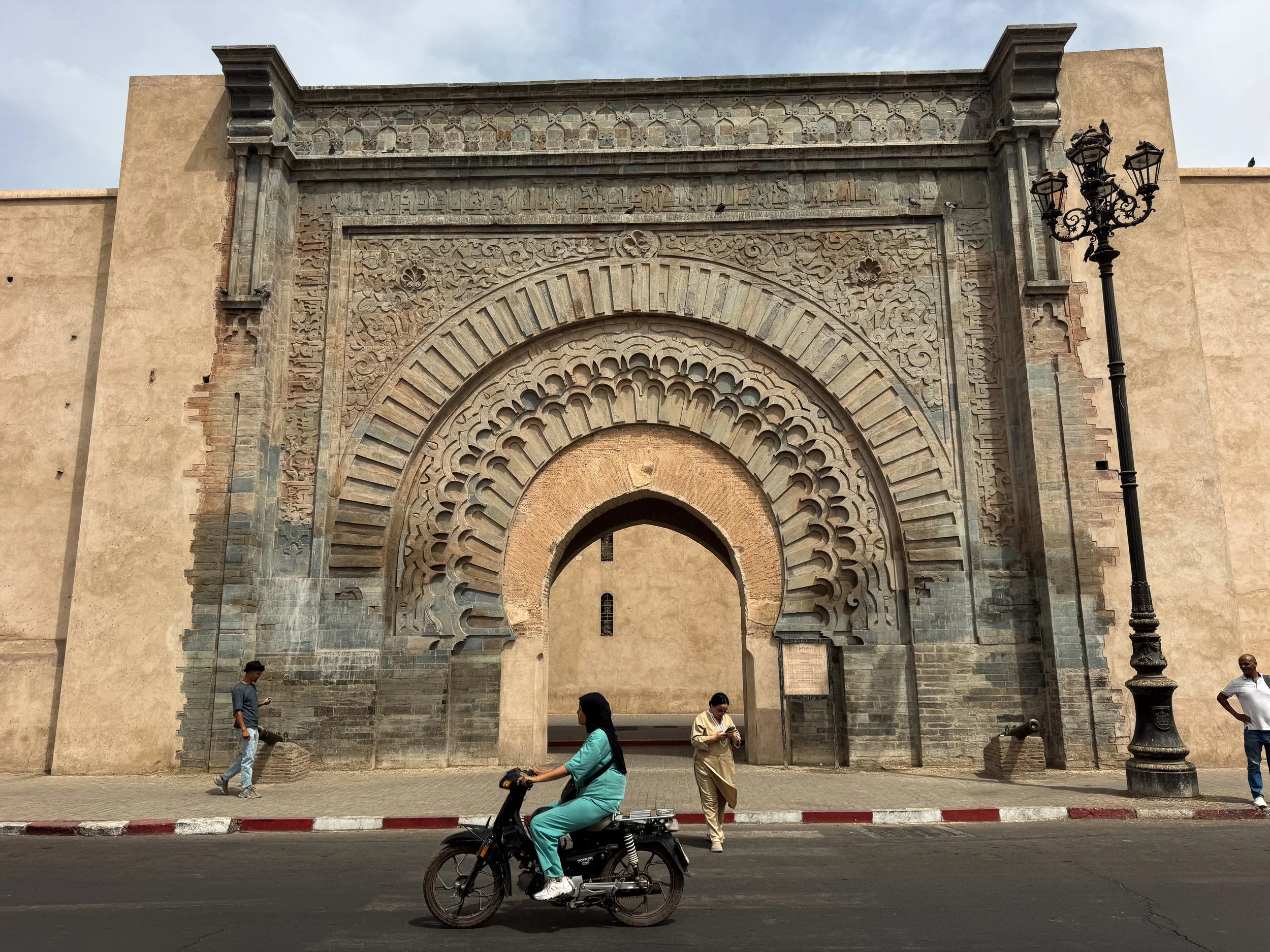
Walls of Marrakech. The medina is surrounded by a series of protective walls and arched gates that allow movement in and out of the old city. It spans nearly 22km with sections reaching over 10 meters high.
Bab el Raha. A pristine section of wall is marked by one of the medina’s most imposing entrances, where twin octagonal towers flank an arched stone gate.
Bab Agnaou. A 12th century archway featuring an ornately carved grey stone facade. It was used as the main entrance to the Badi Palace within the medina.
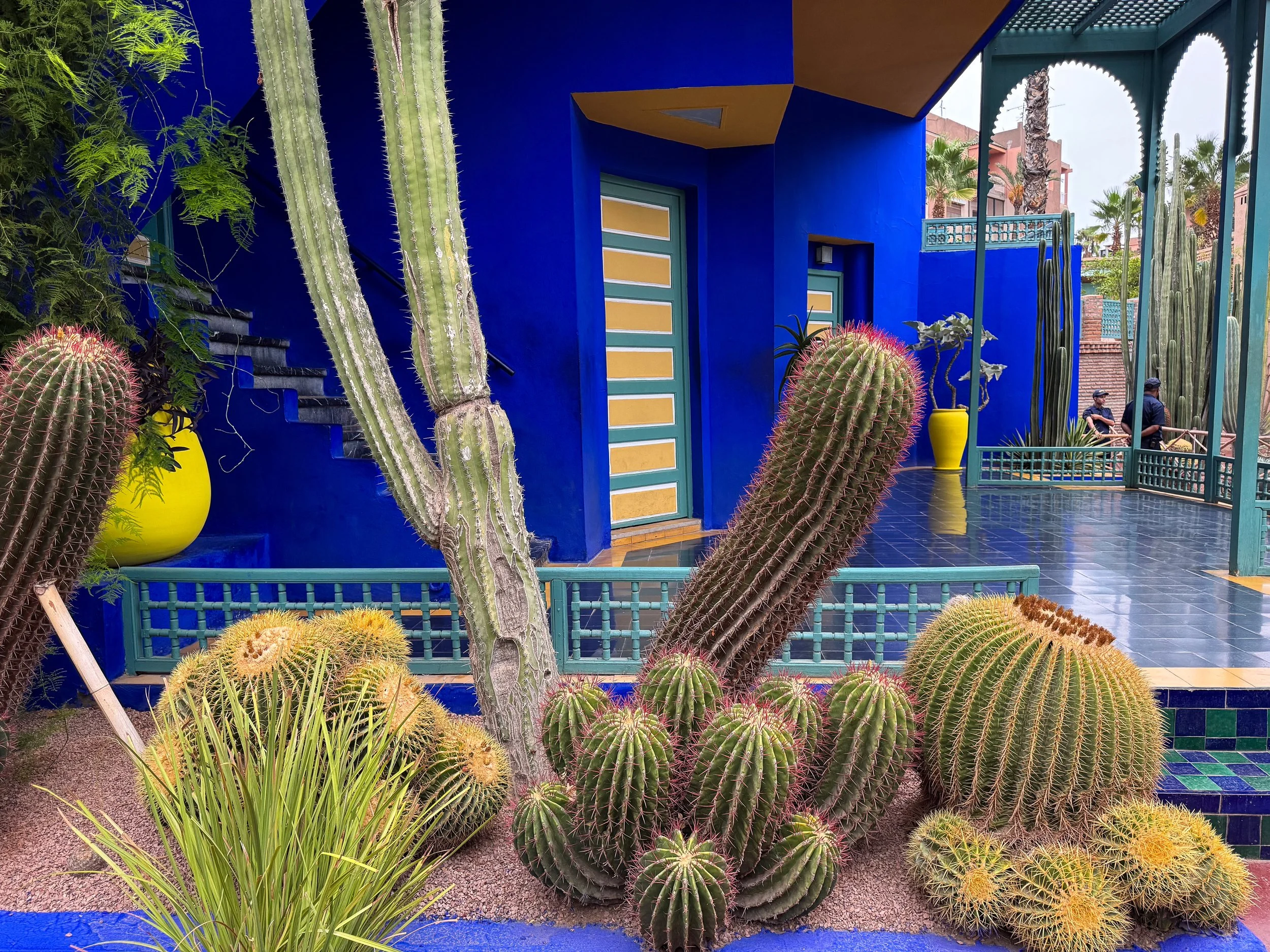
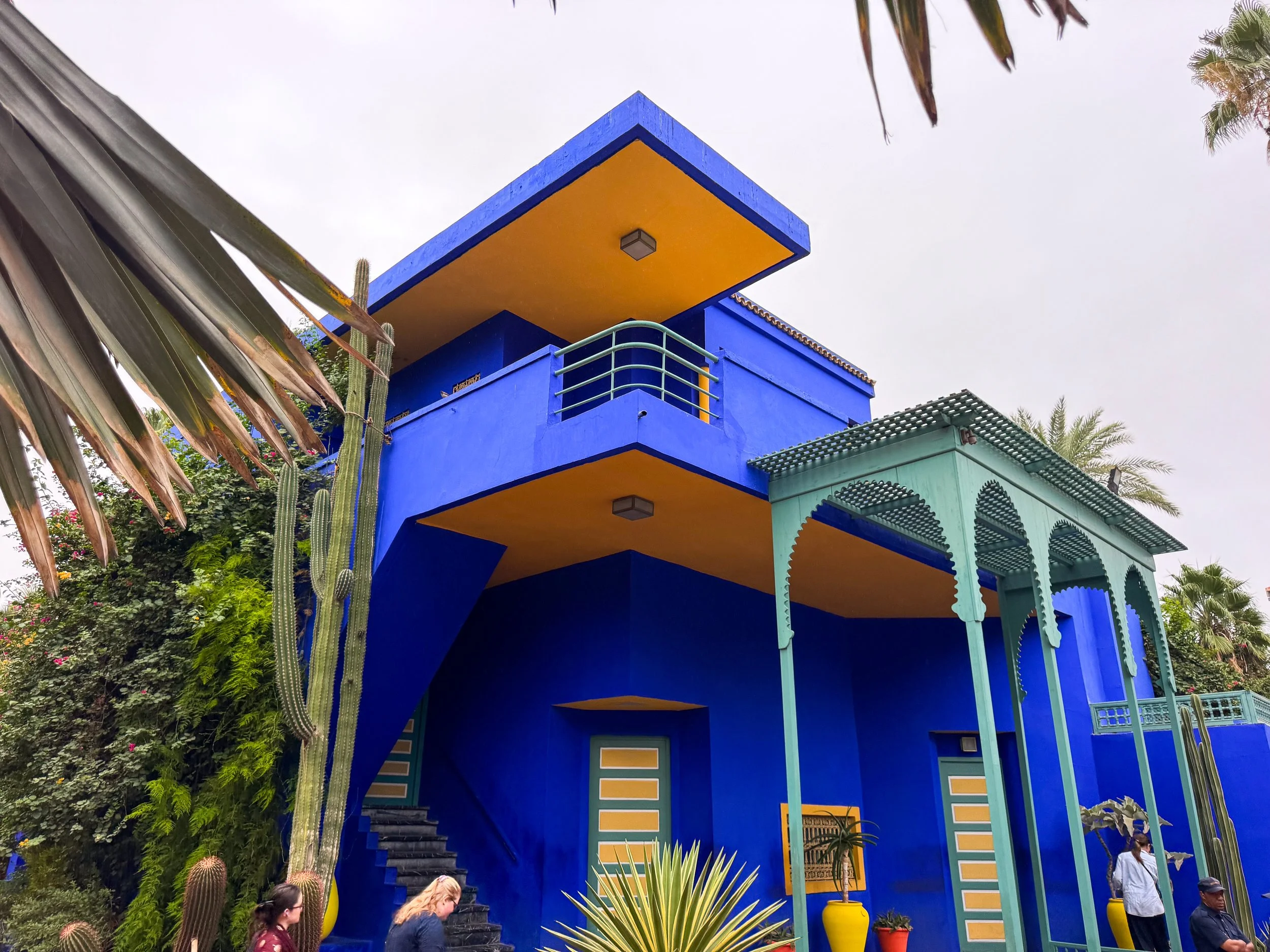
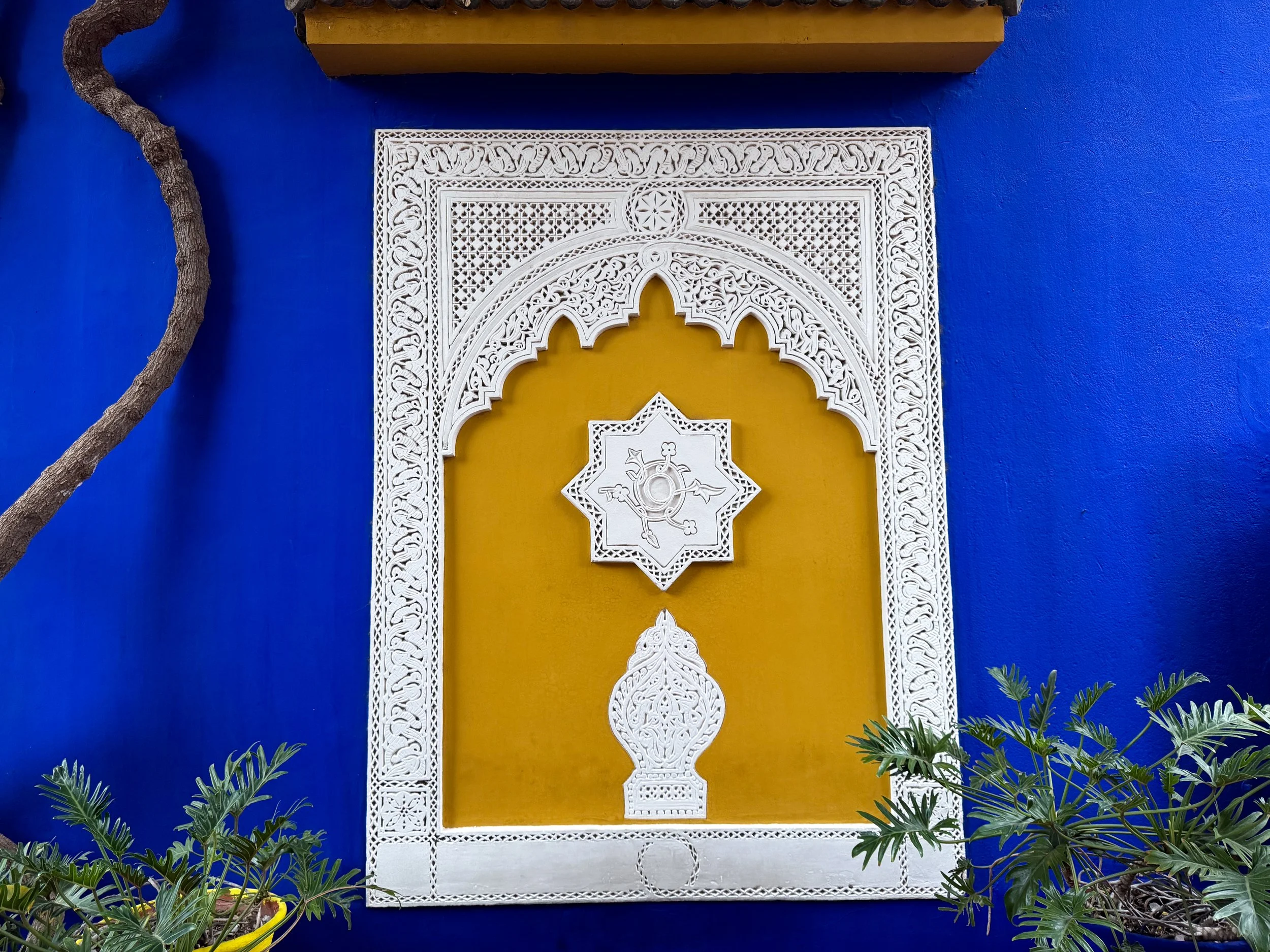
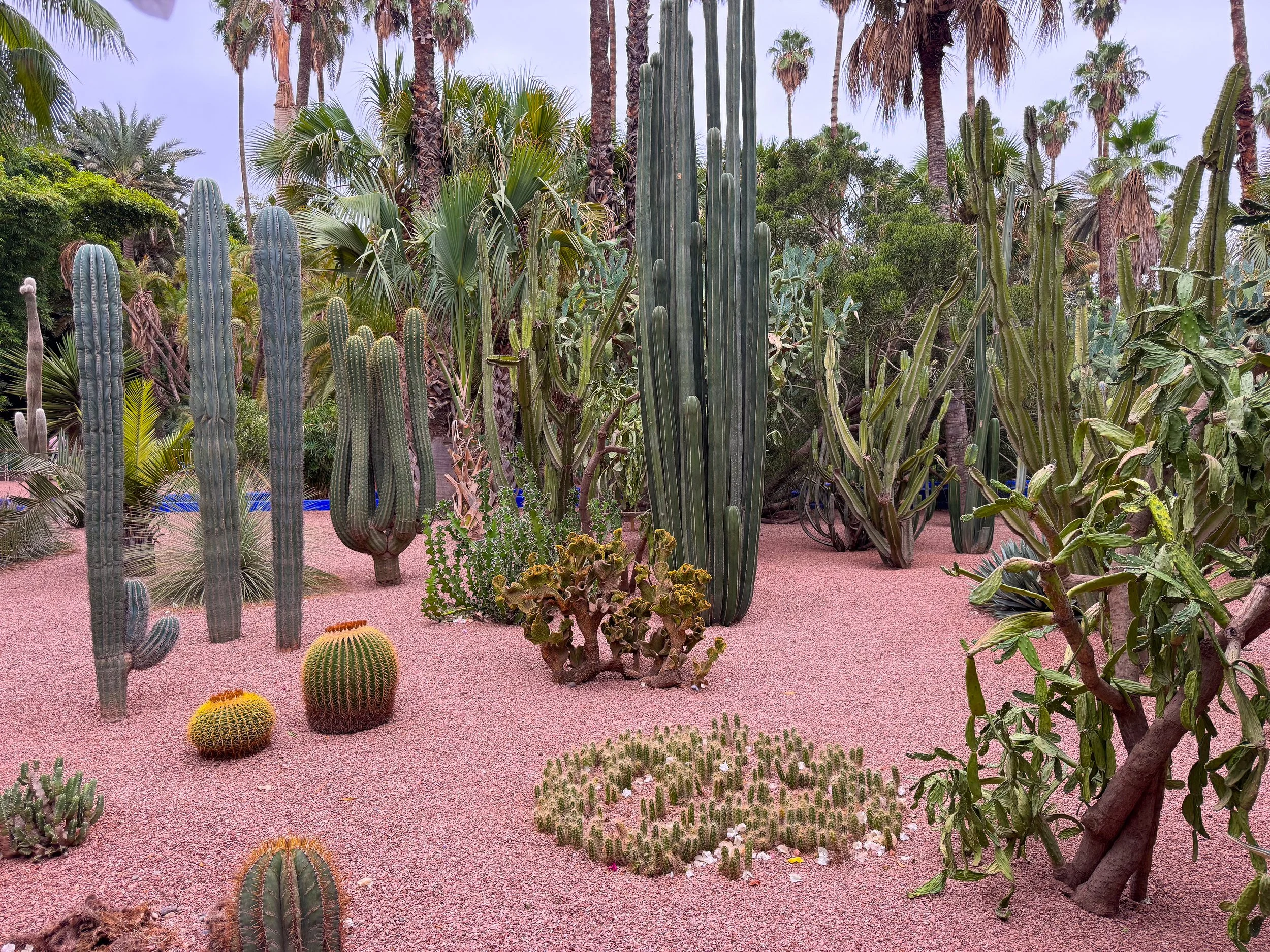
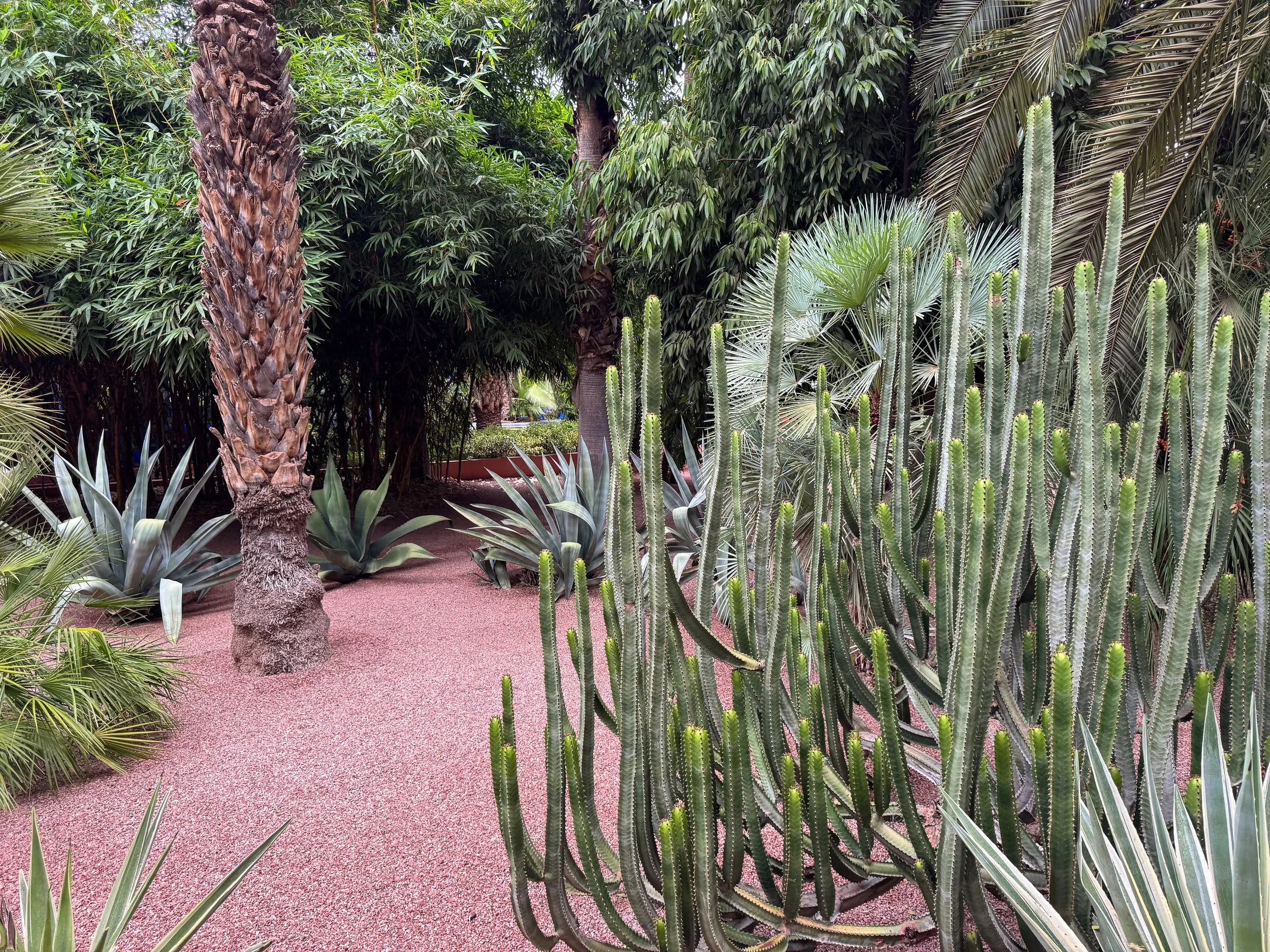
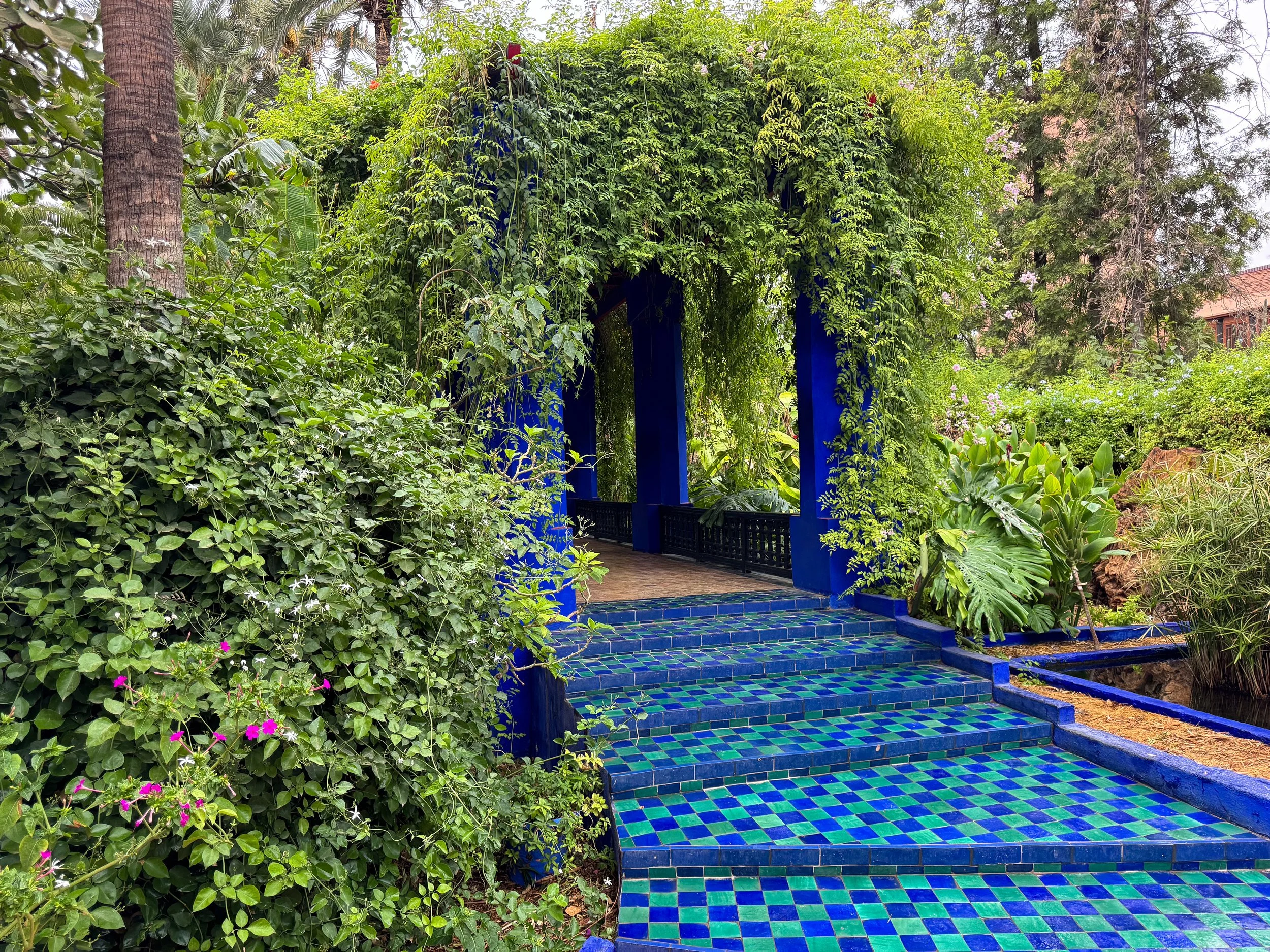
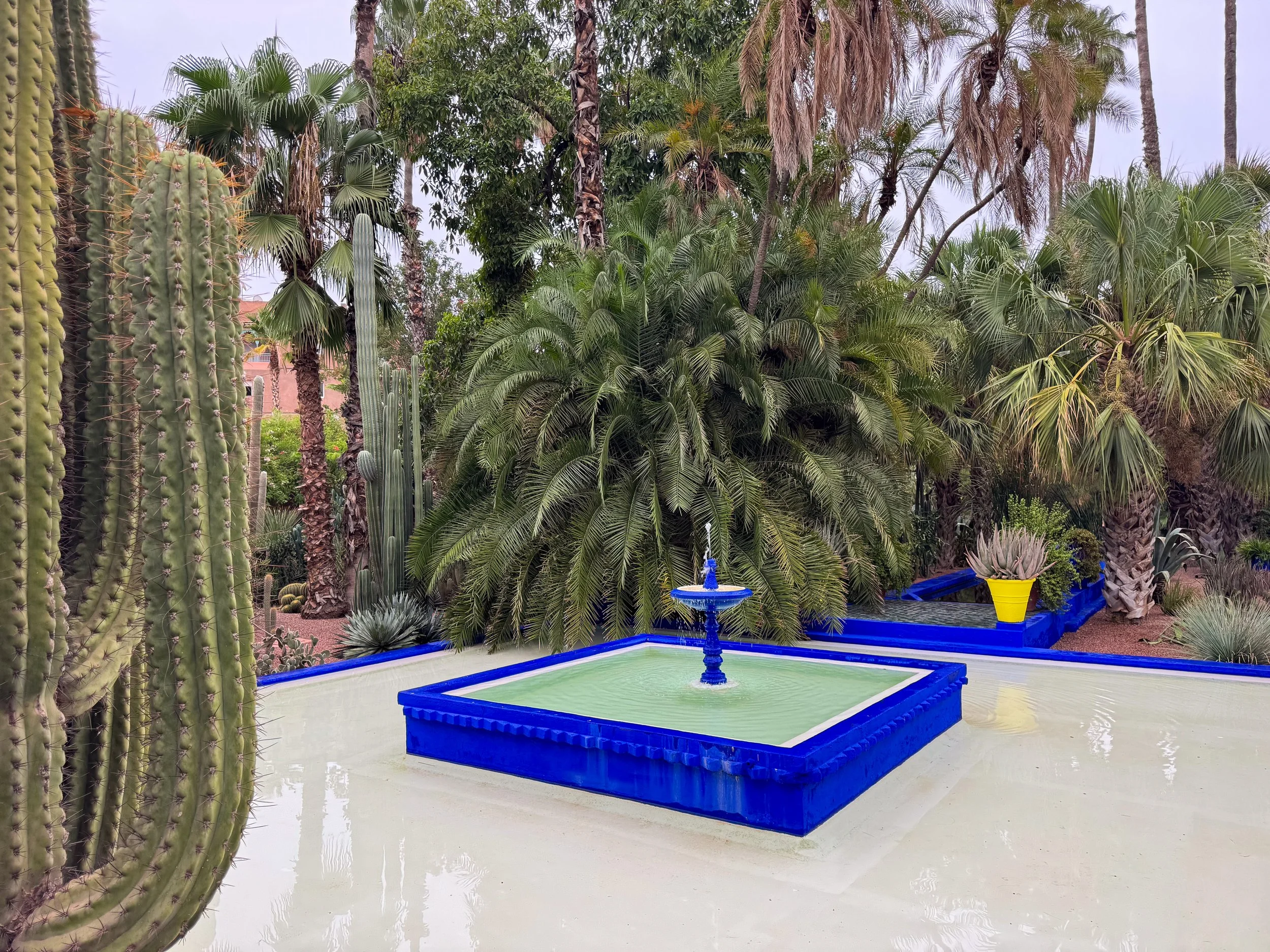
Le Jardin Majorelle. A famed botanical garden featuring a collection of cacti and dry palms from around the world. Red painted pathways lead through the garden past small reflecting pools and lily ponds to a historic blue villa. The richly painted house is accented with Moroccan designs and houses a Berber craft museum. Its galleries are curated with artifacts from tribes across the Atlas Mountains including jewelry, clothing, pottery, tools and weapons. No photos are allowed inside.
Pro Tip. Reserve 9am tickets a couple weeks in advance to avoid the crowds.
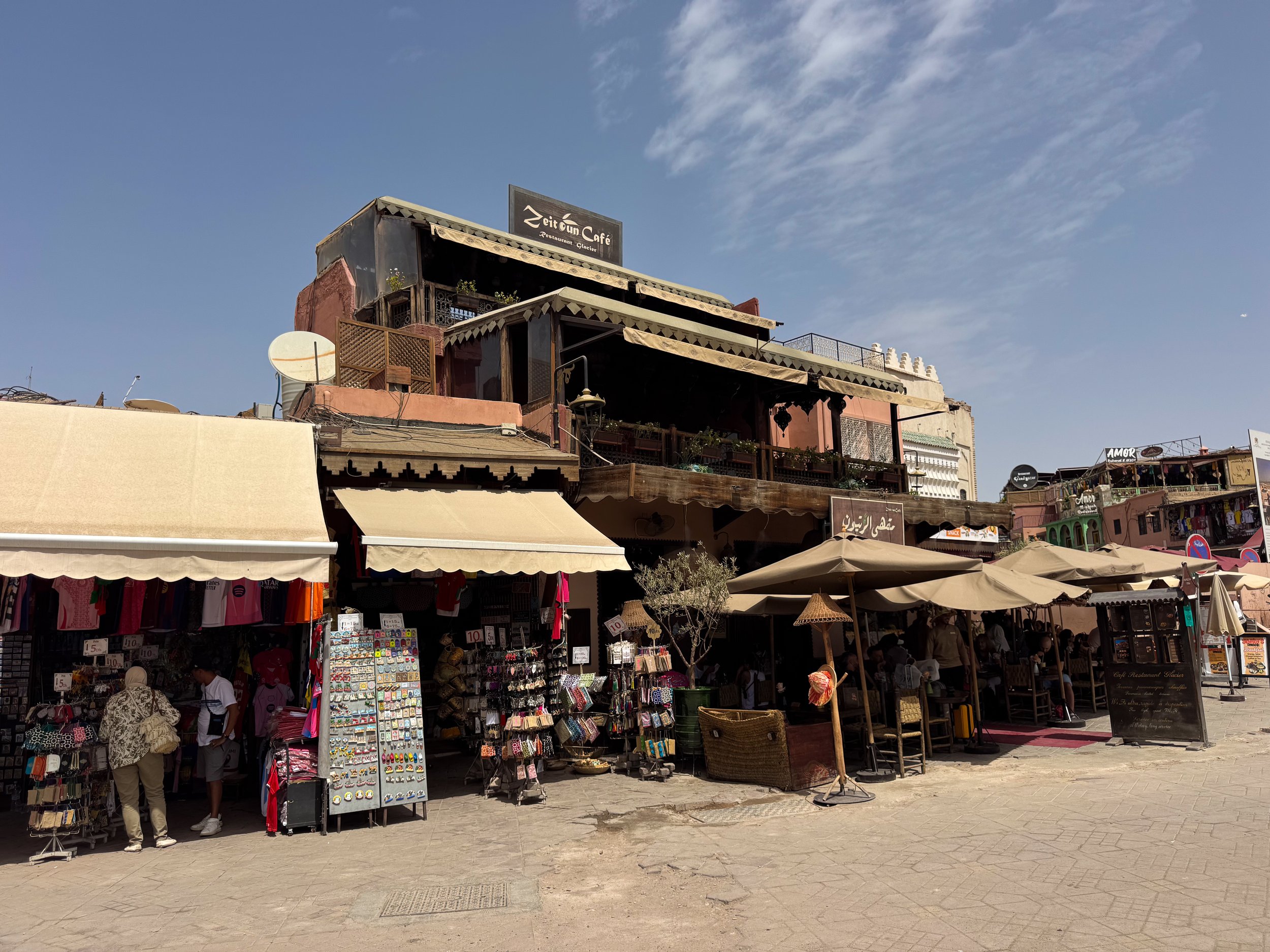
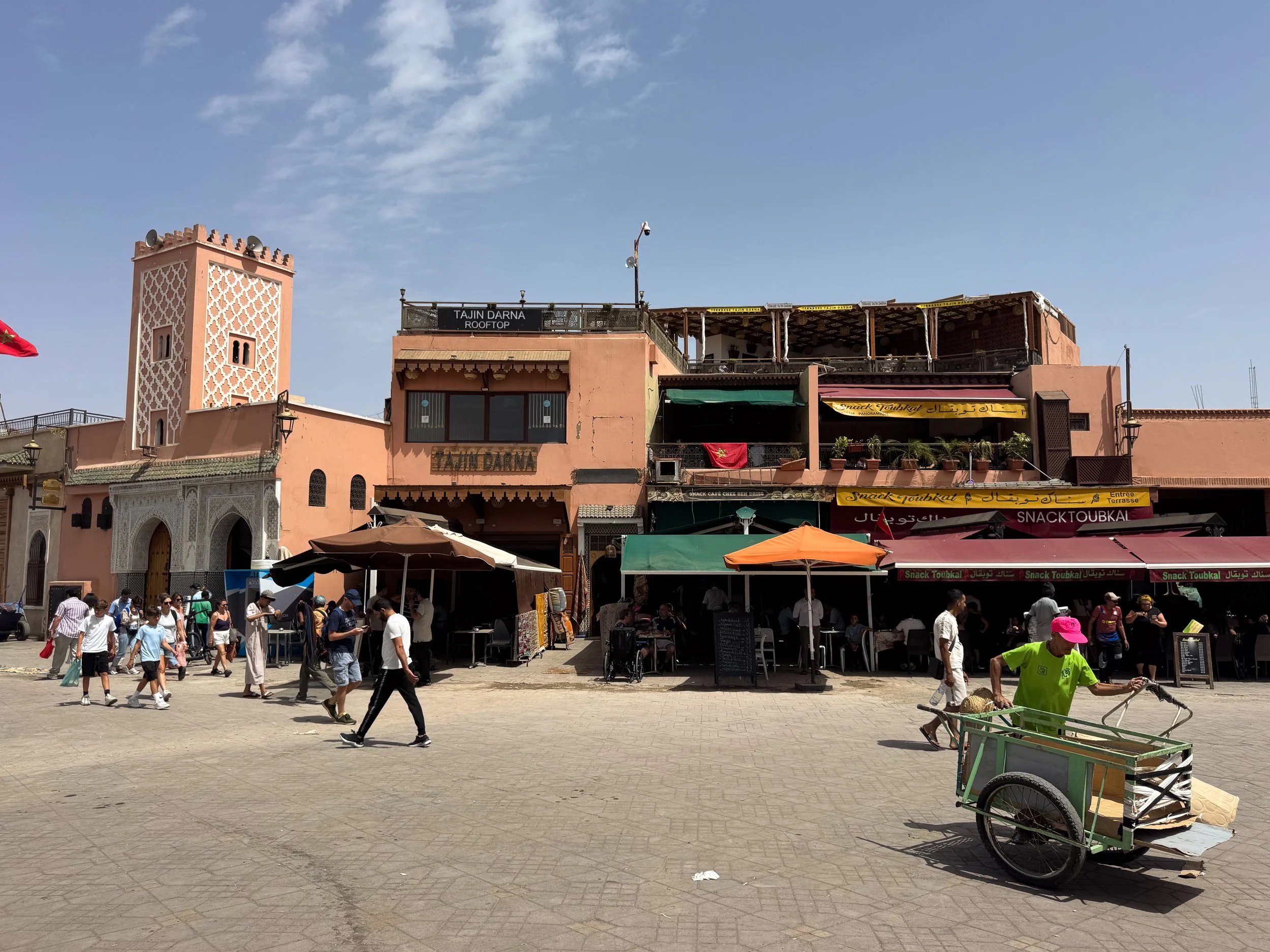
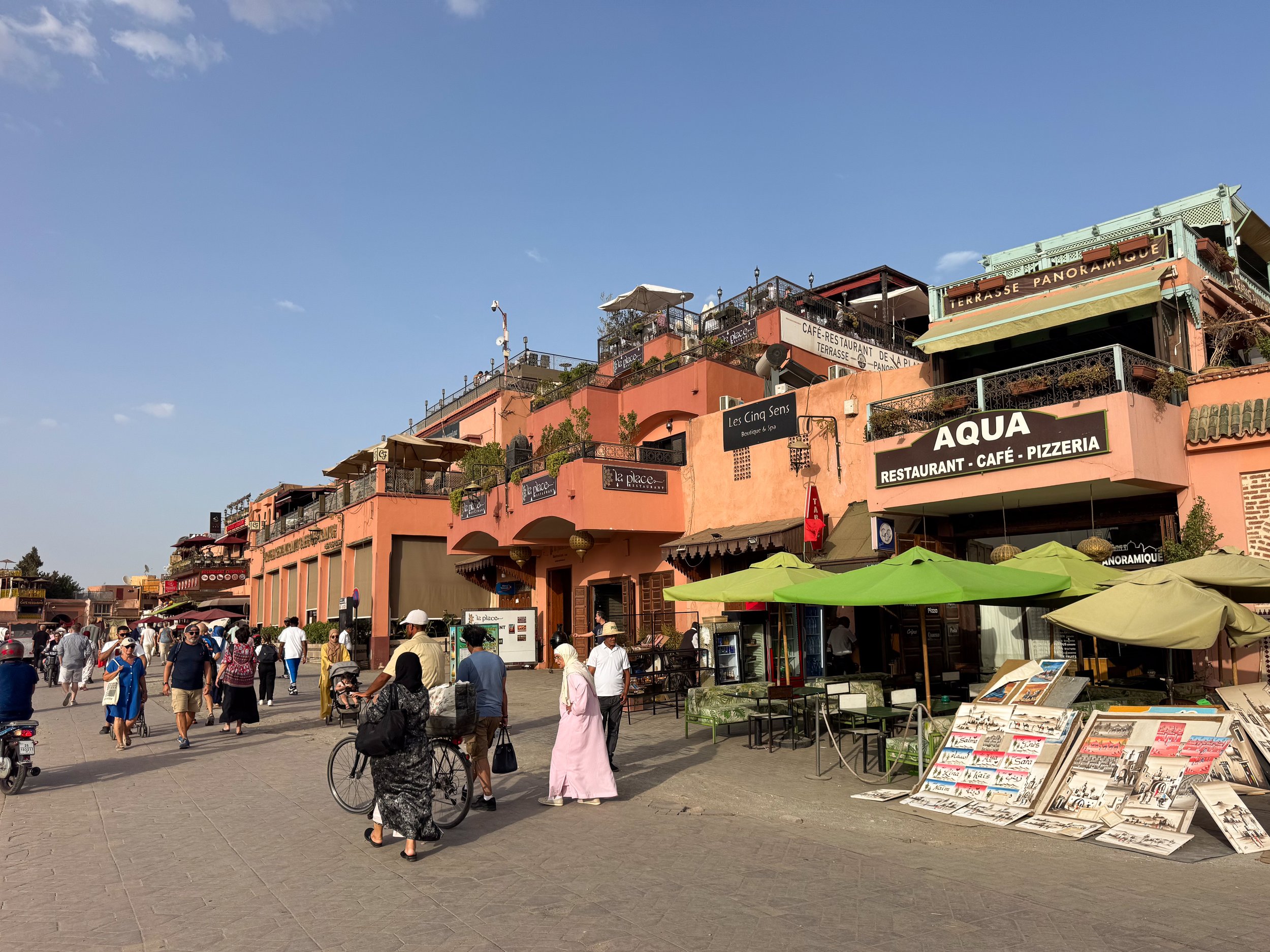
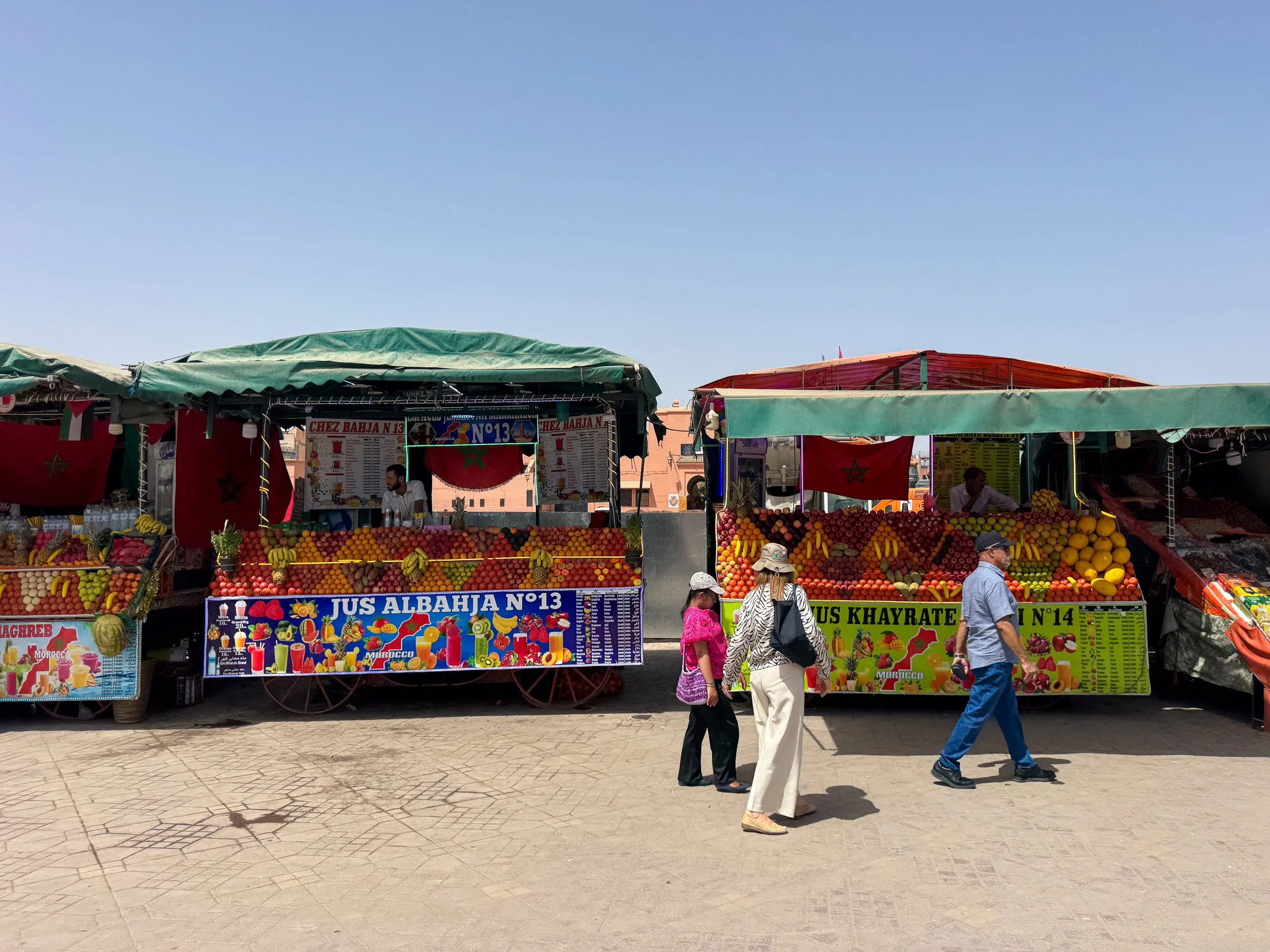
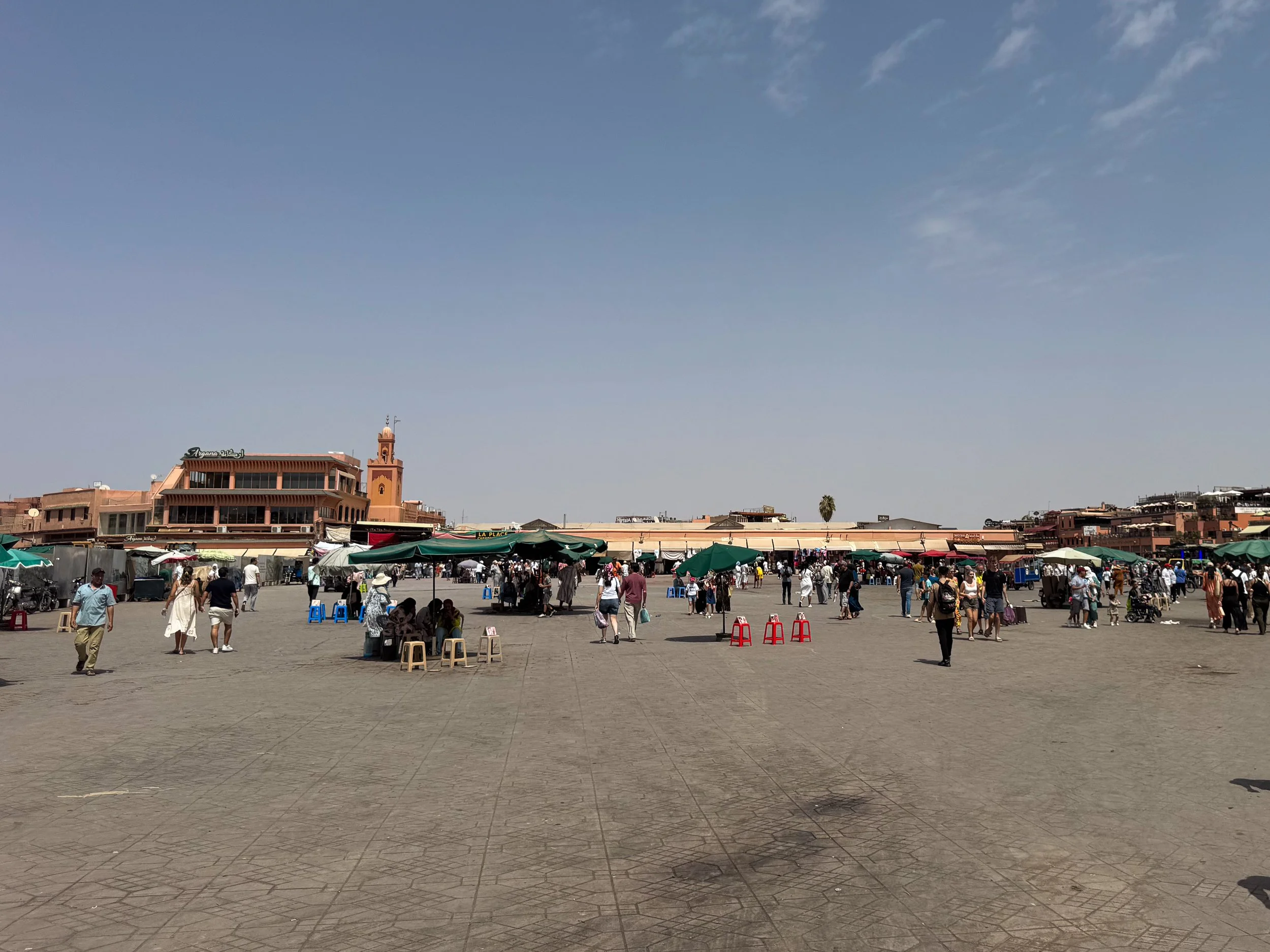
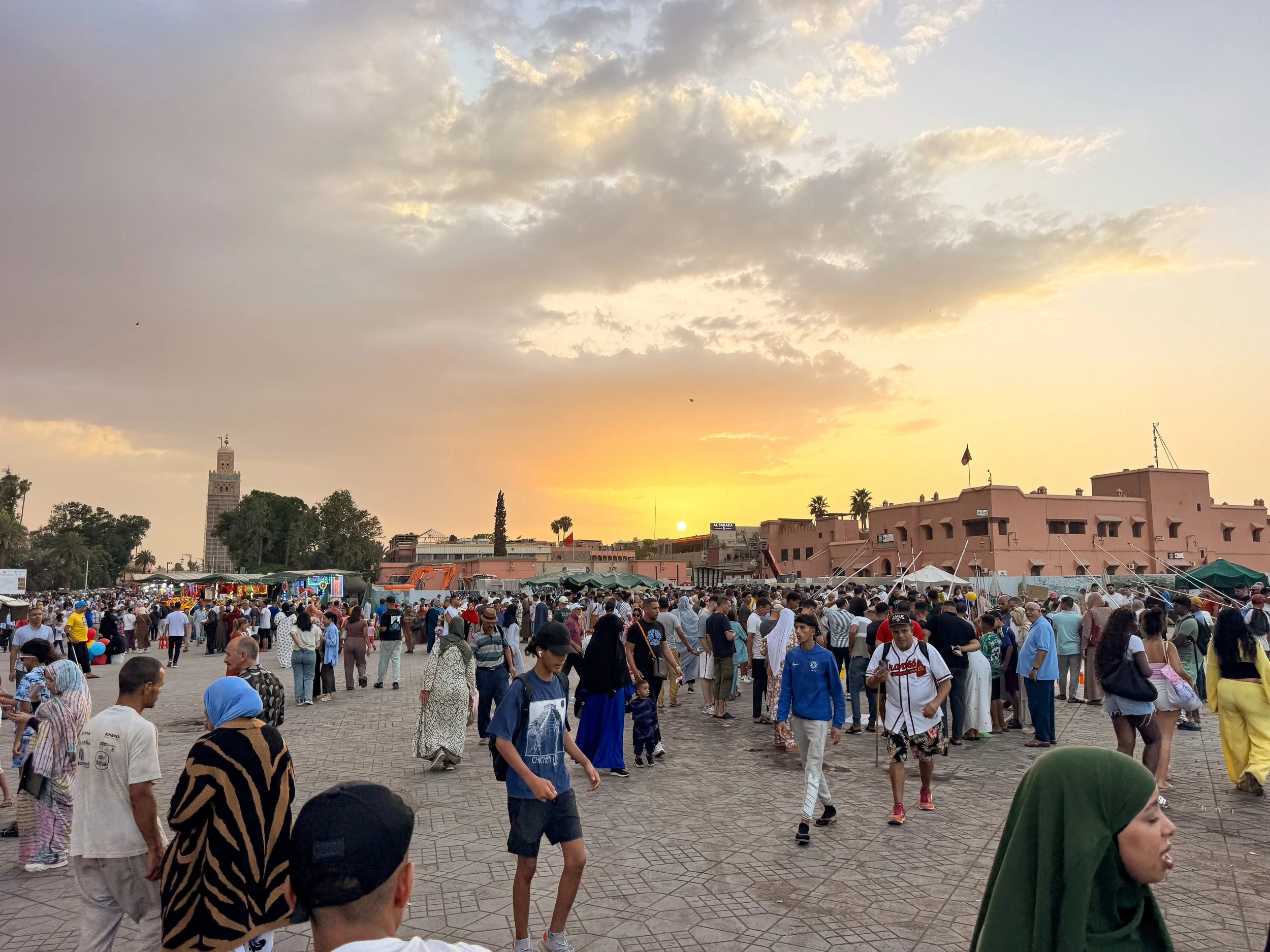
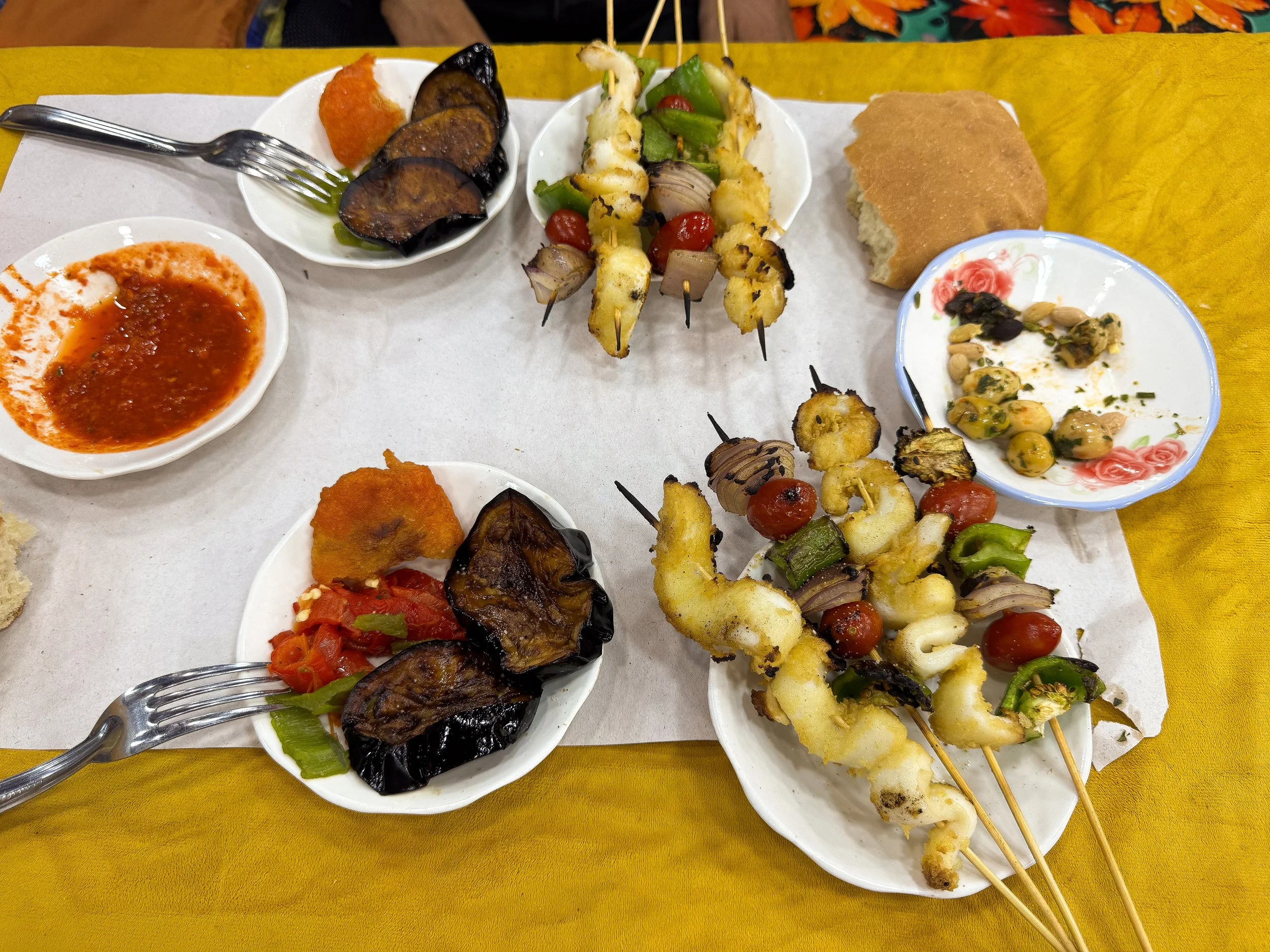
Jemaa El-Fnaa Square. A vast plaza known for its street performers, food stalls and rooftop terraces. Its energy shifts dramatically from day to night. Juice carts, henna artists and ethically questionable street performers with live animals buzz about the square by day. As evening falls, the spectacle gives way to rows of food stands serving grilled kebabs and sizzling tagines. Hype men lure diners, though most stalls offer identical dishes at similar prices. Negotiate for a free appetizer and confirm the final cost before ordering.
Places to Eat & Drink
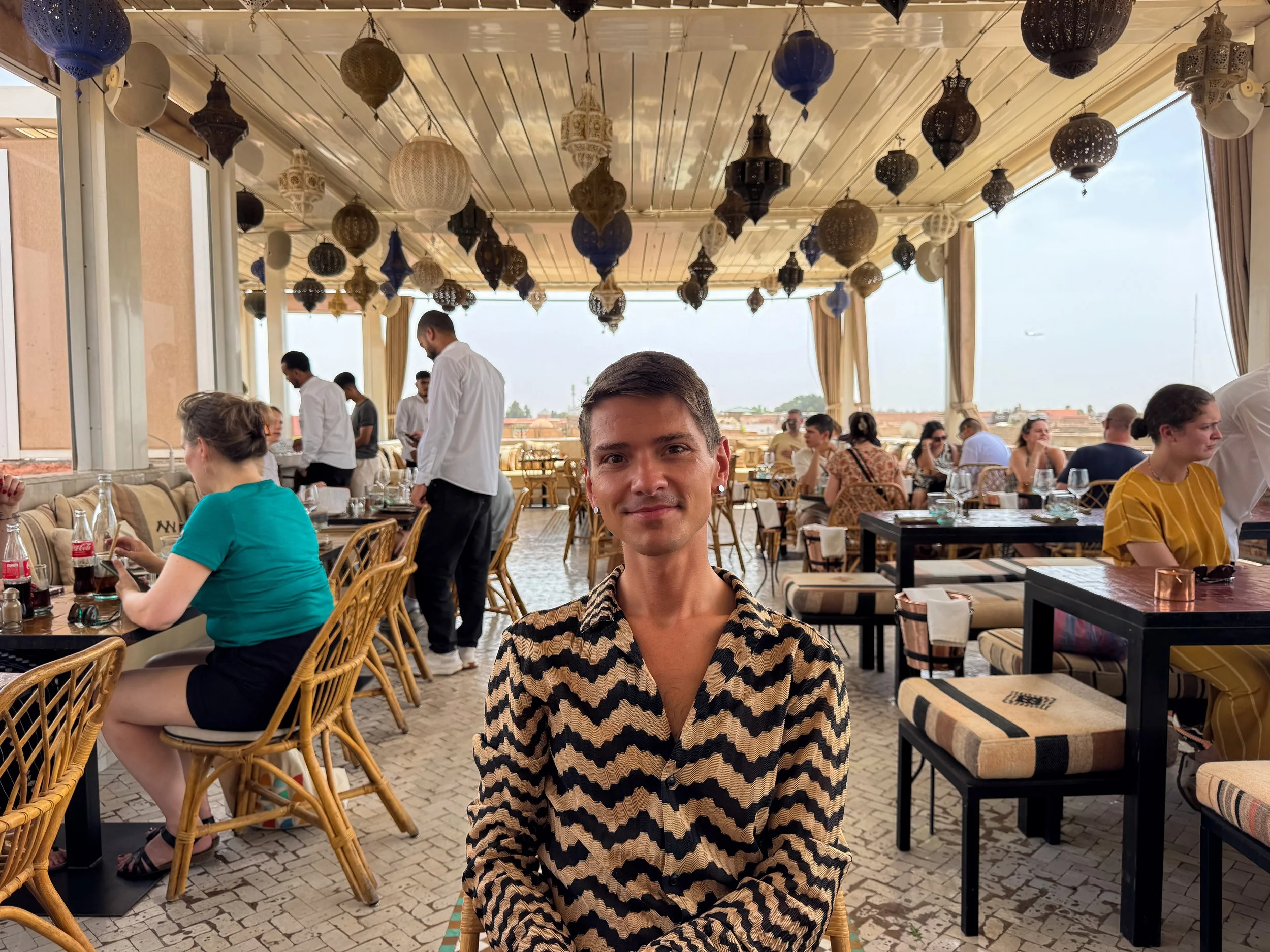
Restaurant Dardar. A rooftop eatery with panoramic views of the medina and its tan buildings. It has a hidden feel to it, nestled within a souk and only reachable by a dark-green tiled staircase. Come here for Moroccan wines and traditional dishes.
Zouhal Food. A street side restaurant in the medina offering vegetarian versions of traditional Moroccan dishes like tagines, pastilla and couscous. The flavors are savory, the prices are affordable and the service is excellent.
Café Arabe. A shaded rooftop terrace with a full bar. Come here to escape the mid-afternoon sun, sip on refreshing cocktails and enjoy picturesque views of Marrakech.
Le Jardin. A garden restaurant nestled within a lush courtyard. They serve a variety of contemporary Mediterranean and Moroccan dishes and cold pressed juices.
Café des Epices. A large café in the Places des Epices brewing spiced coffees and mint teas. Their ground floor patio spills into the plaza while their rooftop overlooks the chaotic souk below.
Sweet & Sook. A frozen sweets shop with Moroccan flavors of sorbet and ice cream. We visited twice, trying a scoop of everything on the menu! The orange cinnamon sorbet and the chebakia ice cream made with orange blossom, almond, honey, cinnamon and sesame were our favorites.
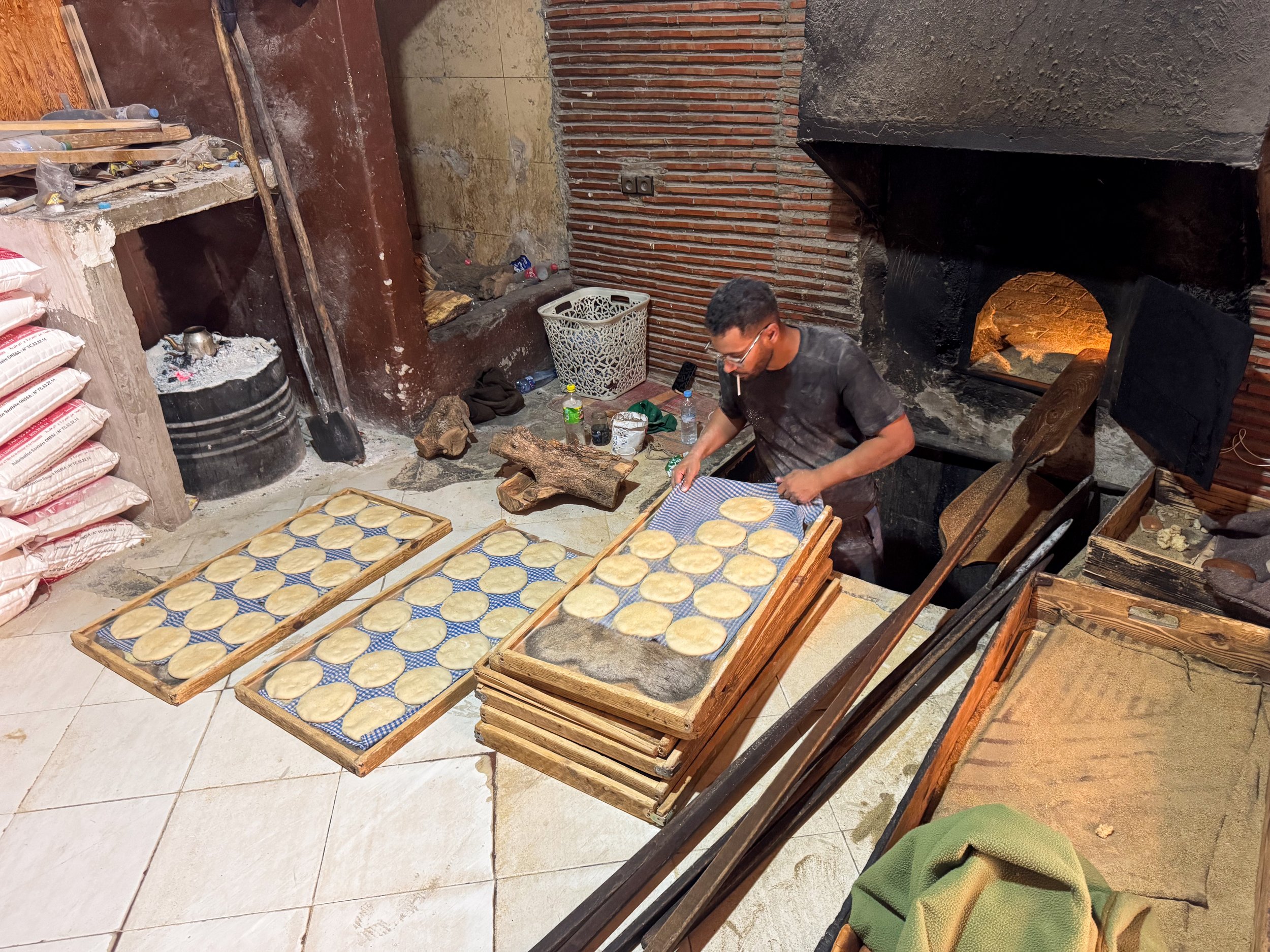
Khobs Bakery. A bakery specializing in the Moroccan bread, khobs. A baker invited us to watch as the team worked the dough, leavened the bread, loaded the oven and stacked bakes into baskets for delivery. Not officially named, use this Map Pin to find it.
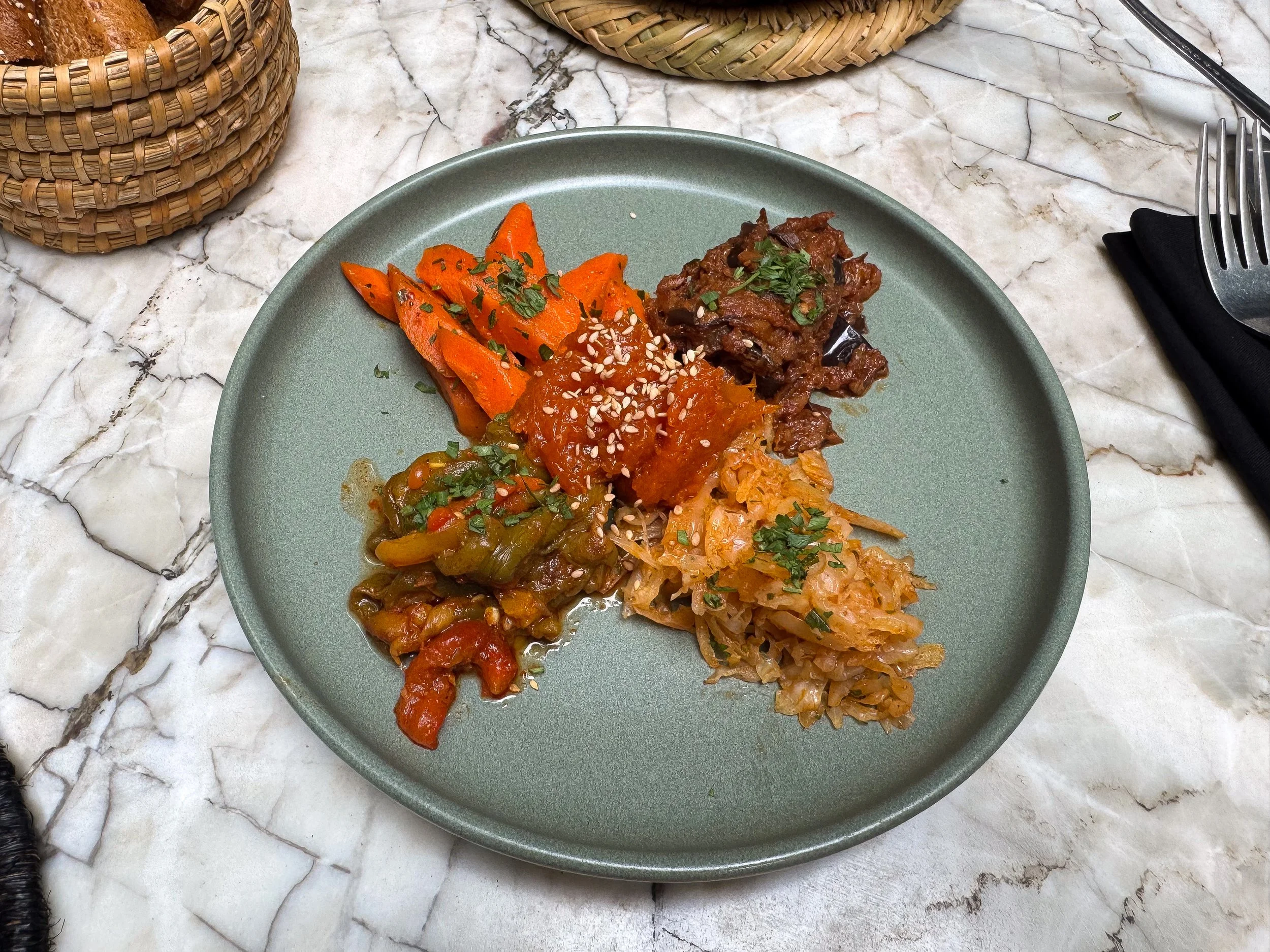
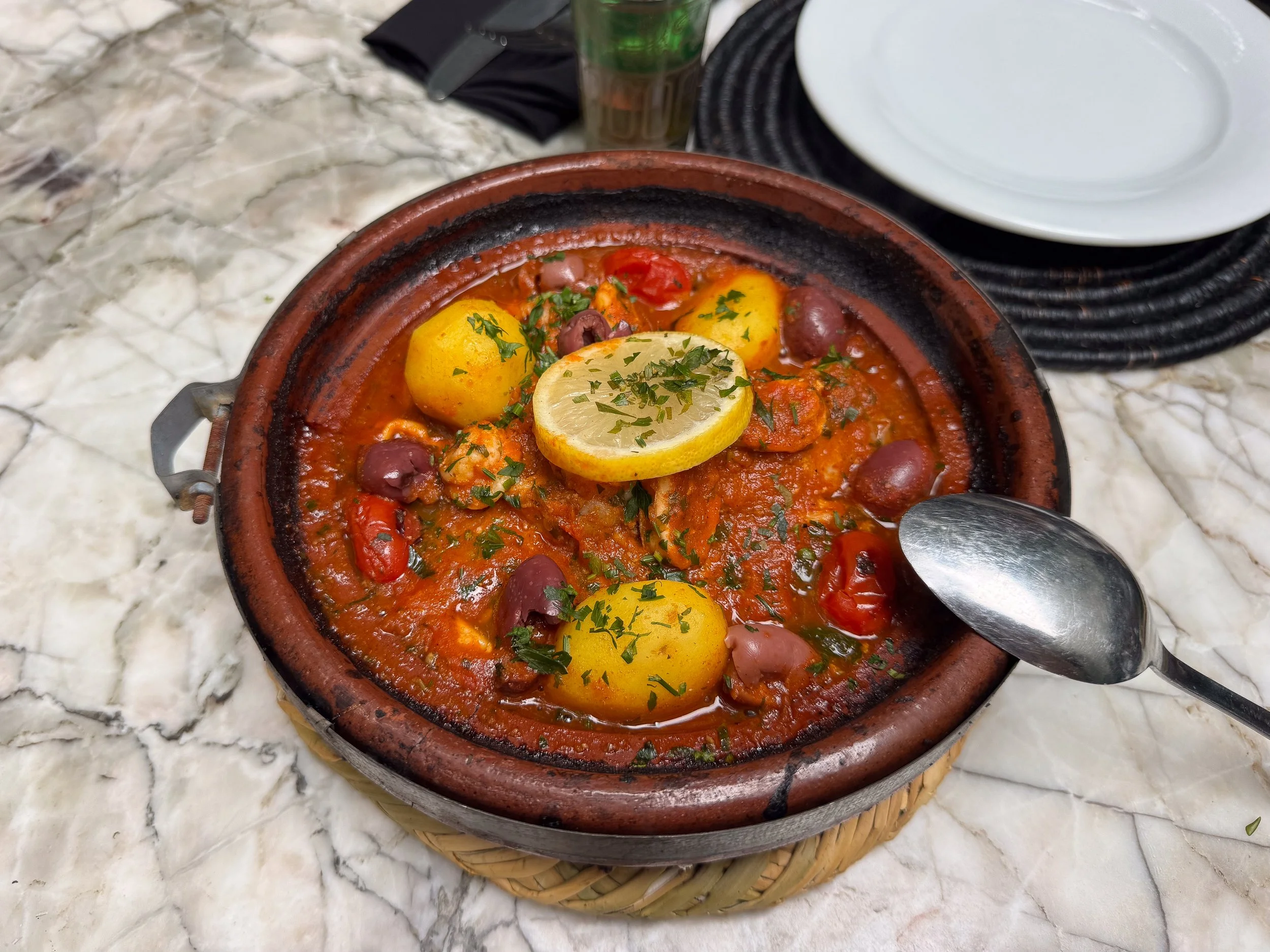
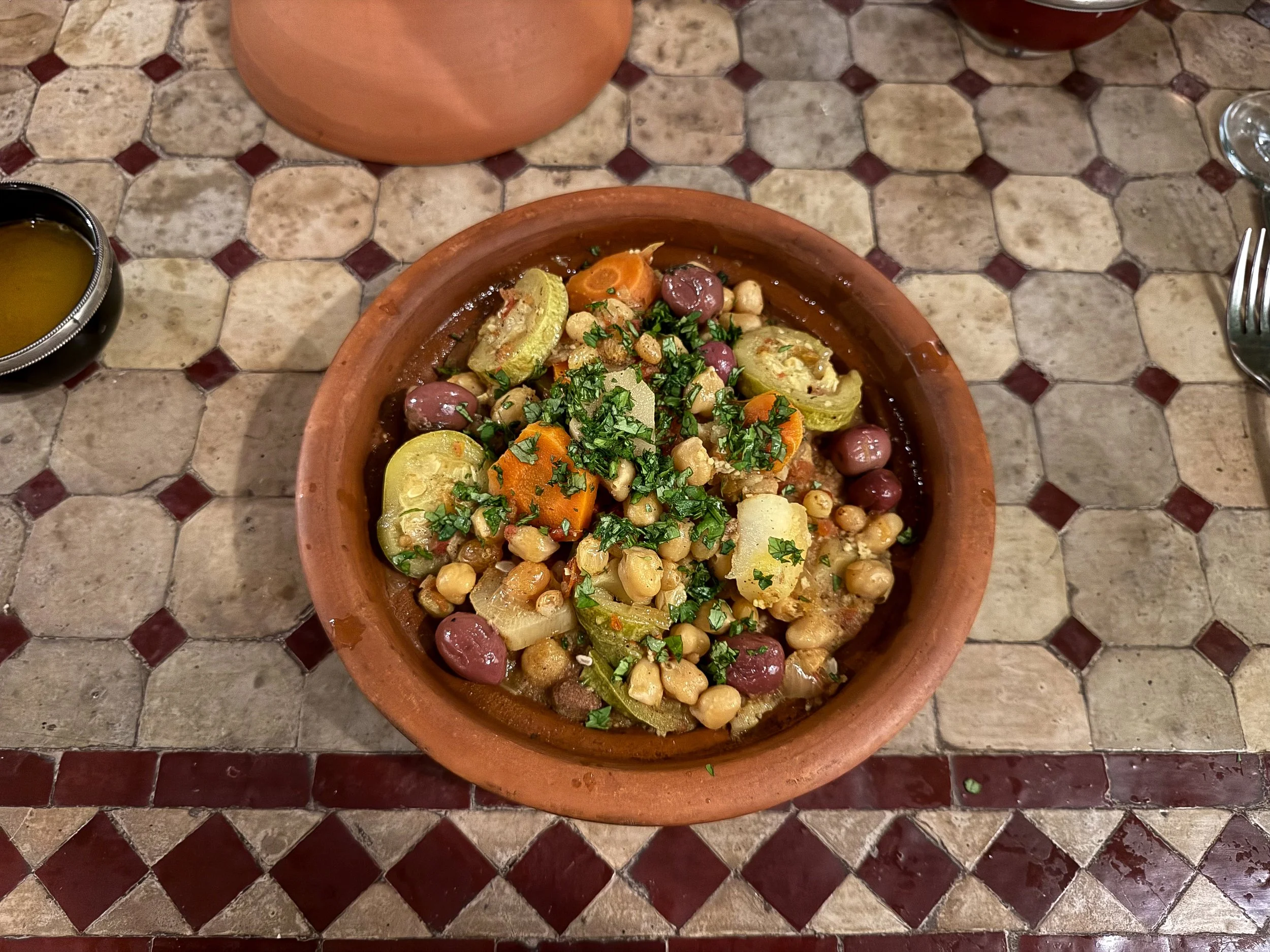
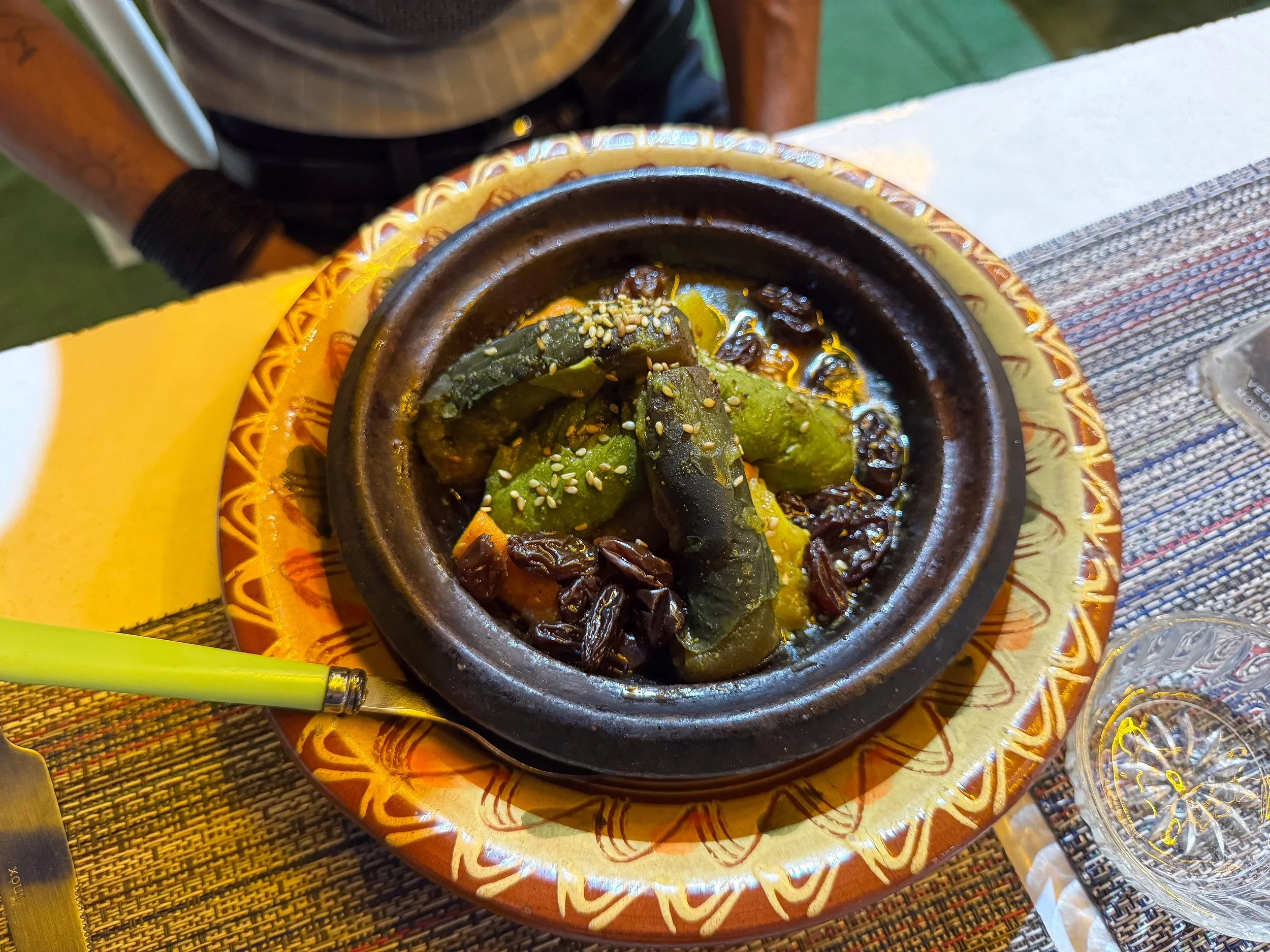
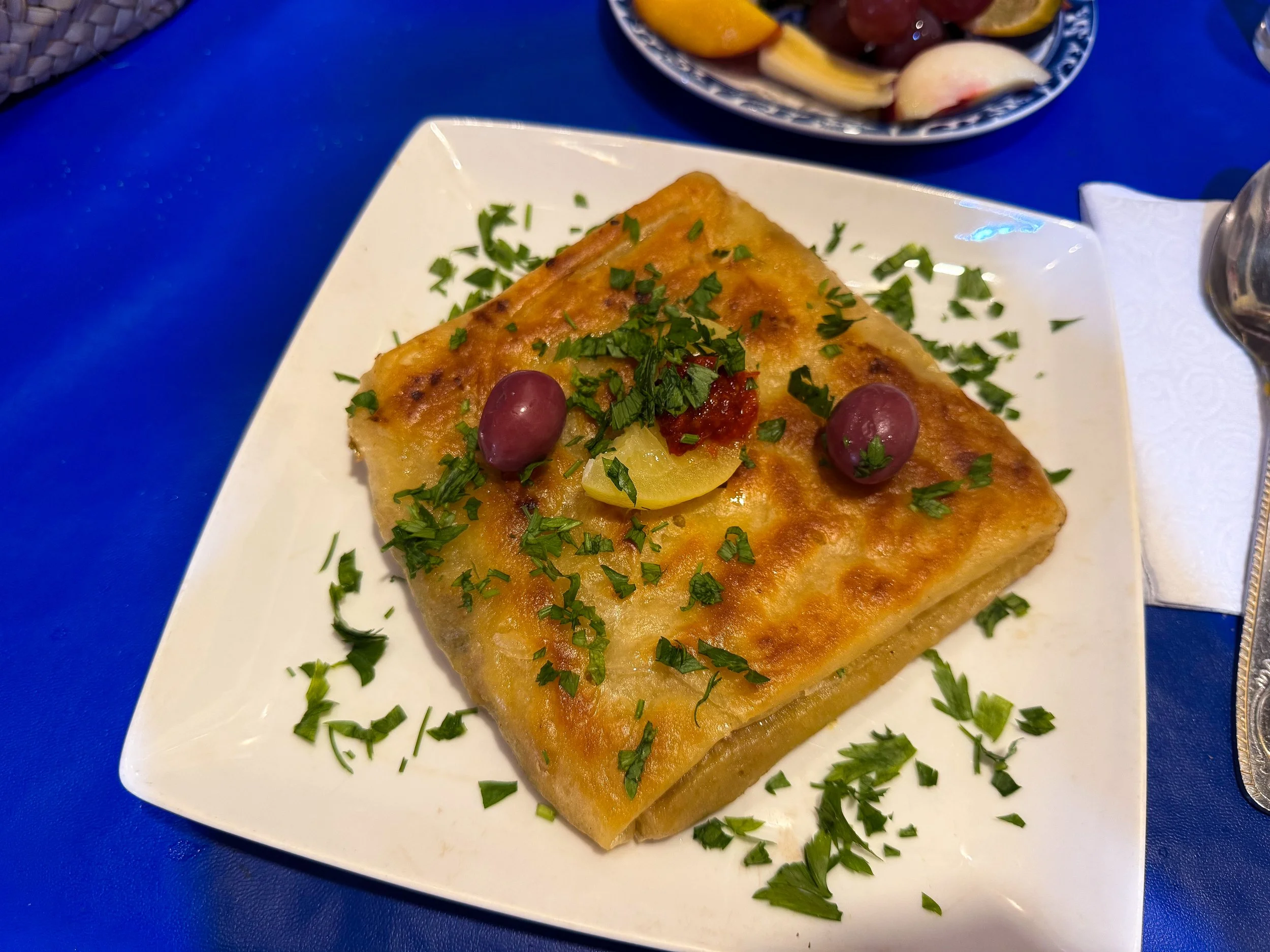
Moroccan Cuisine
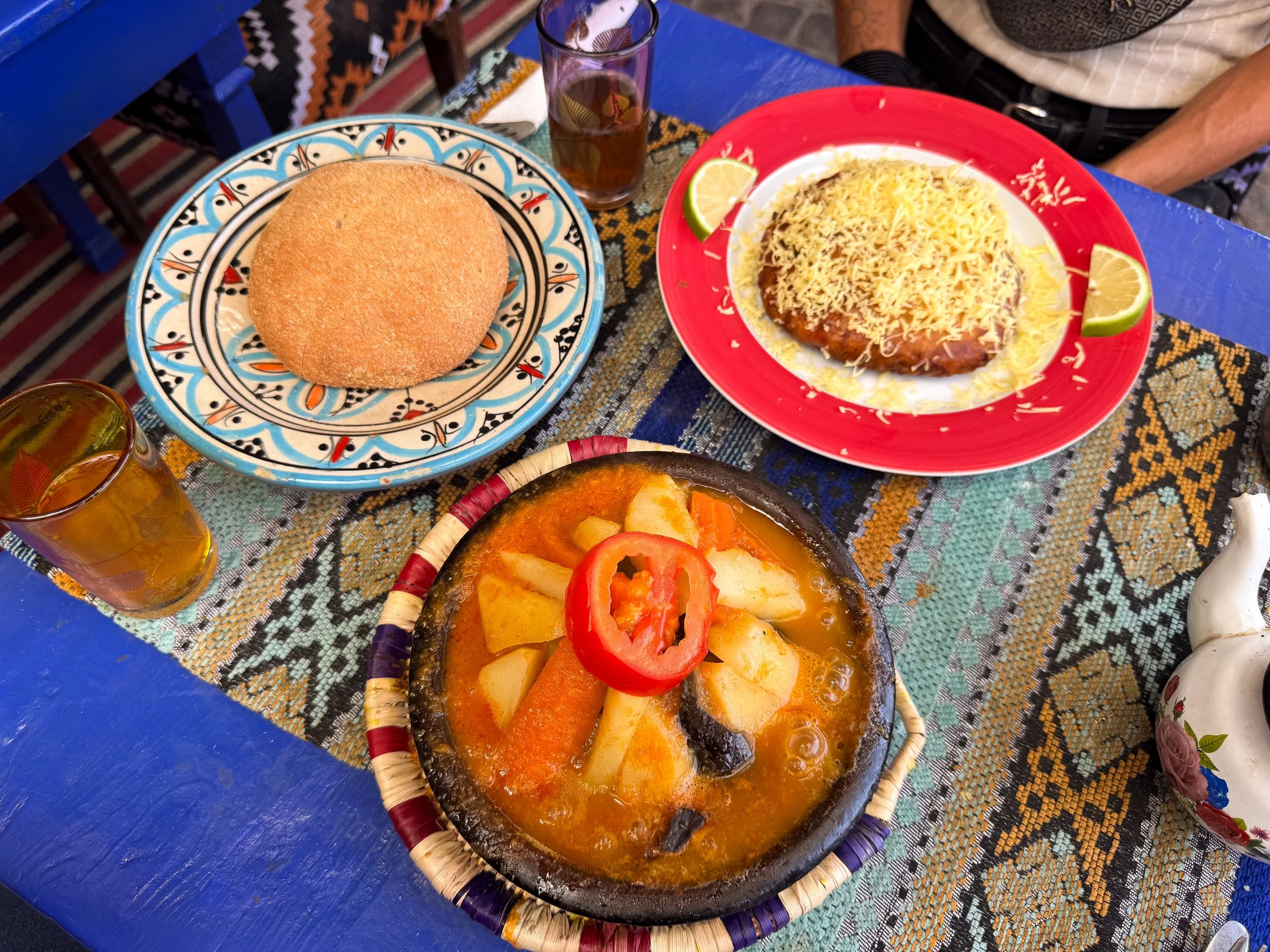
Tagine. A mixture of vegetables, meats, dried fruits and spices stewed together in a conical clay dish. It’s a staple dish of Moroccan cuisine.
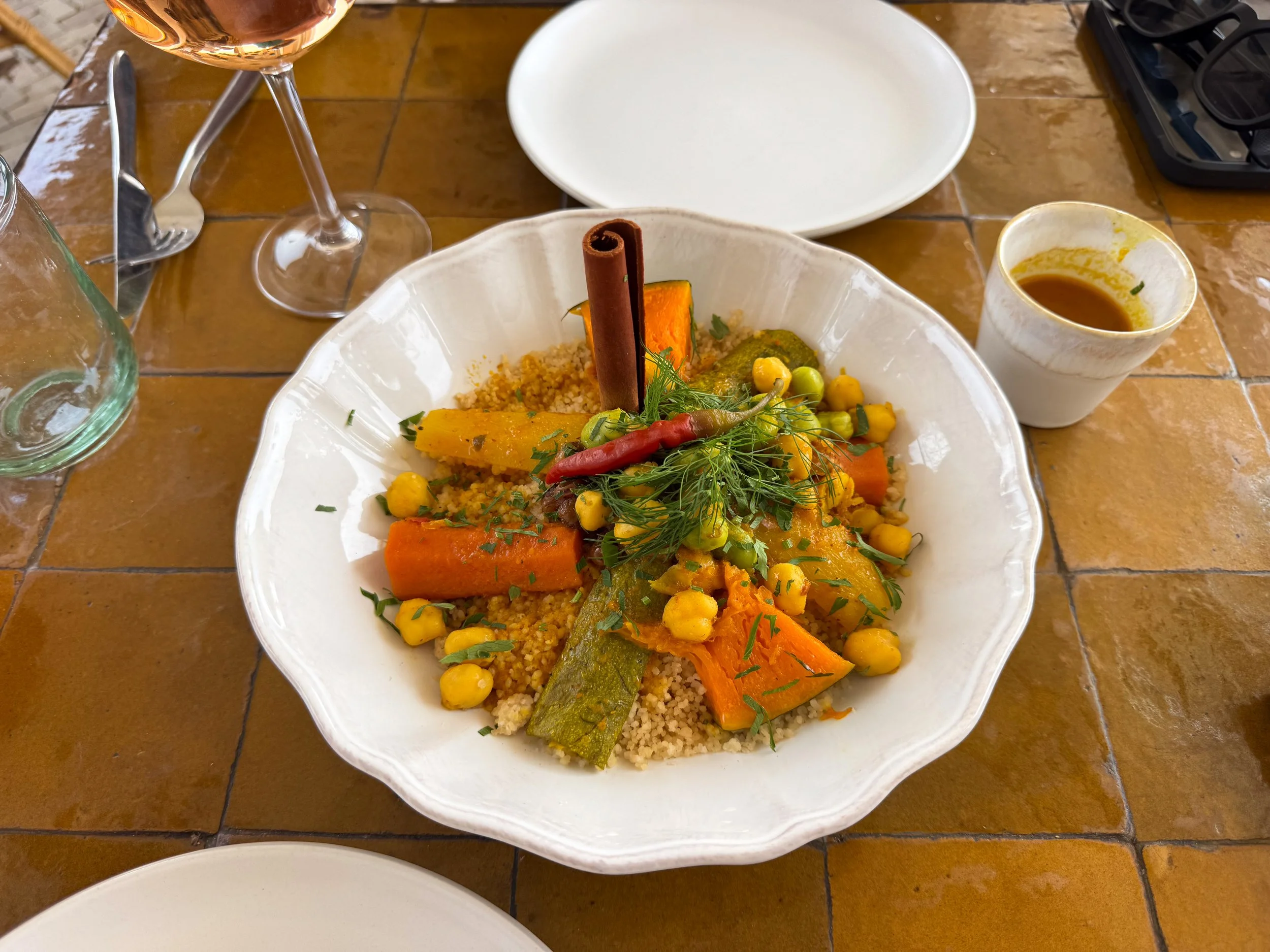
Couscous. A steamed grain covered in a savory broth and garnished with vegetables and meats.
Harira. A Moroccan soup made from tomatoes, chickpeas, fresh herb and aromatic spices. It’s typically vegetarian.
Khobs Bread. A light and airy flatbread served with every meal. It’s fresh baked daily and can be bought for 1 DH from local bakeries.
Msemmen. A flaky and layered pan fried flat bread often eaten at breakfast with honey. It’s commonly cooked by street vendors on flat top griddles.
Sfenj (Moroccan Donuts). Yeasty rings of fried dough heavily coated in plain sugar. They’re a common street food snack and usually paired with a tiny cup of coffee.
Mint Tea. Hot tea made with fresh mint leaves and sugar cubes. It’s served as a common welcome drink.
Fresh Squeezed Juice. Juices are commonly drank across Morocco. Try fresh squeezed orange, pomegranate or sugar cane from a street side juice cart.
Moroccan Orange Soda. Orange is one of the most popular flavors in Morocco. Try a Moroccan orange soda like Orangina or Hawai.
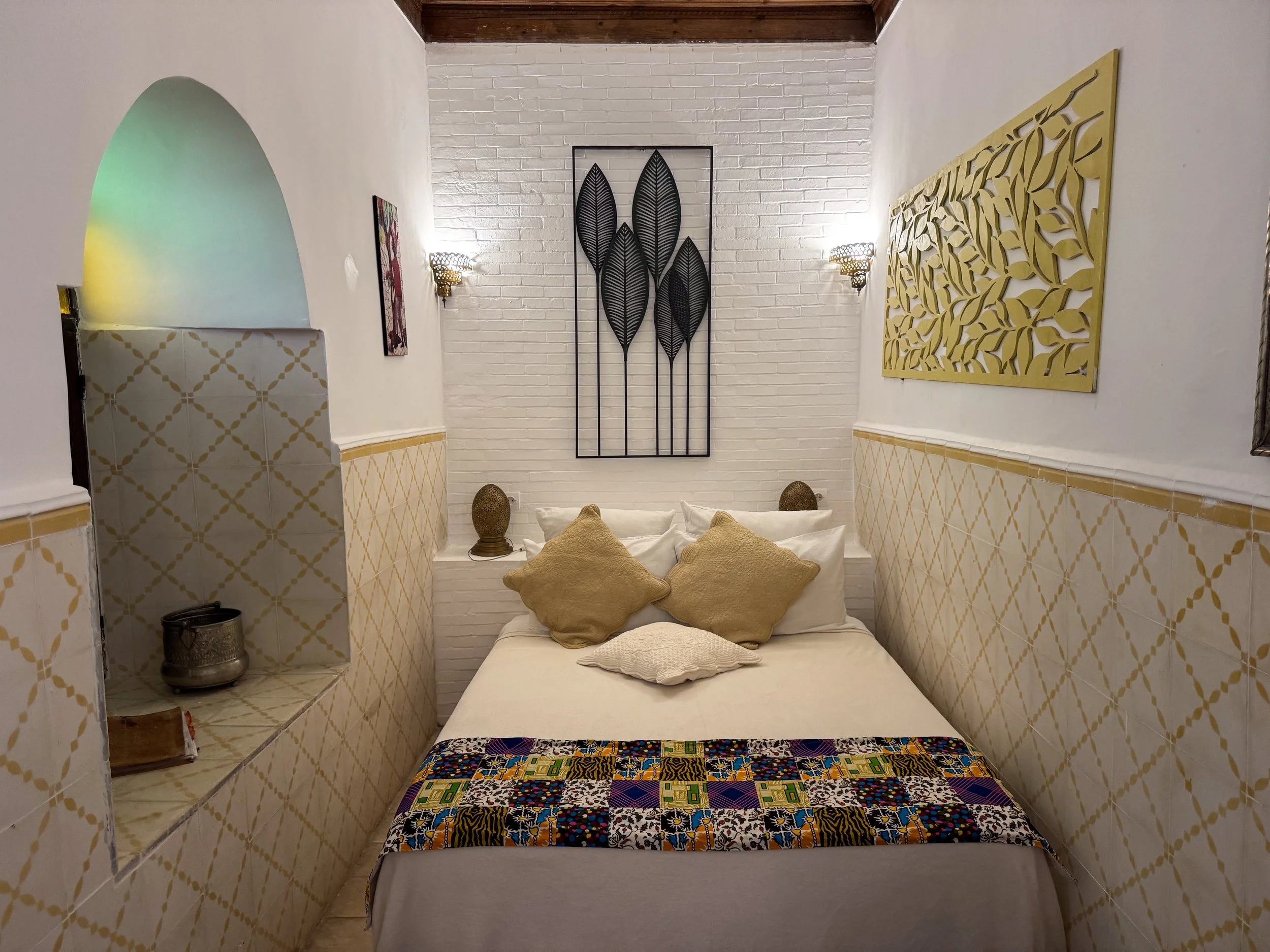
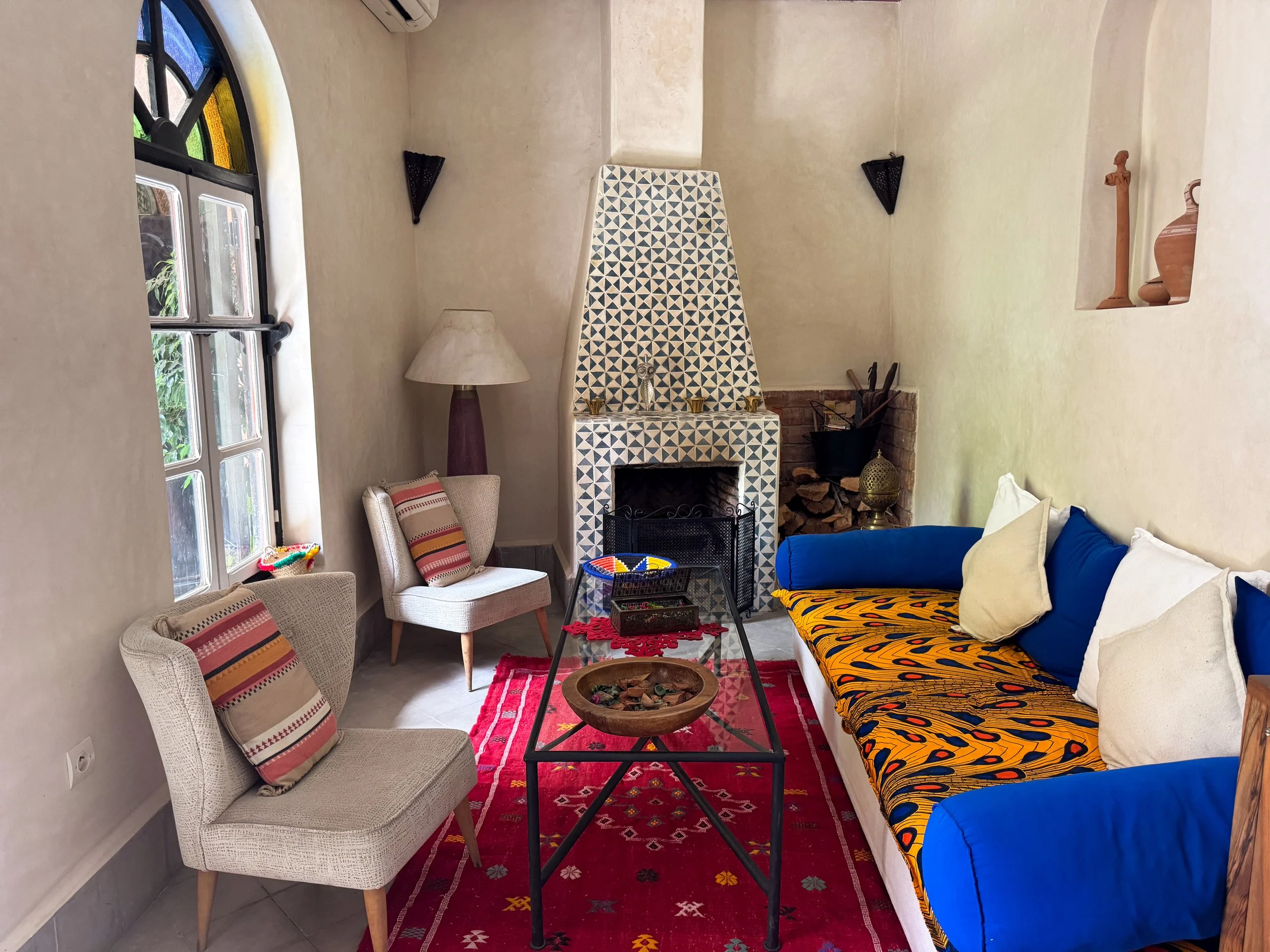
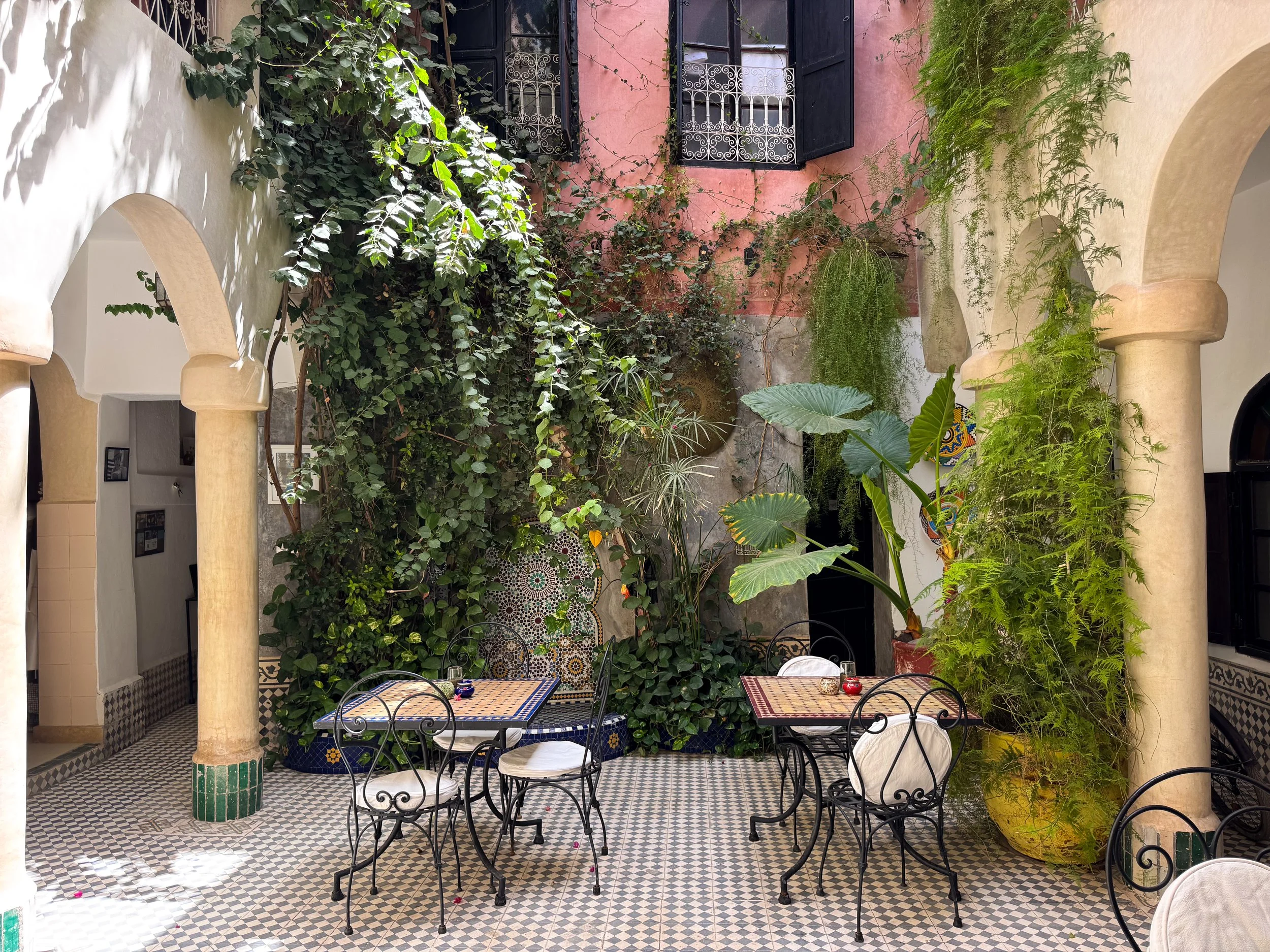
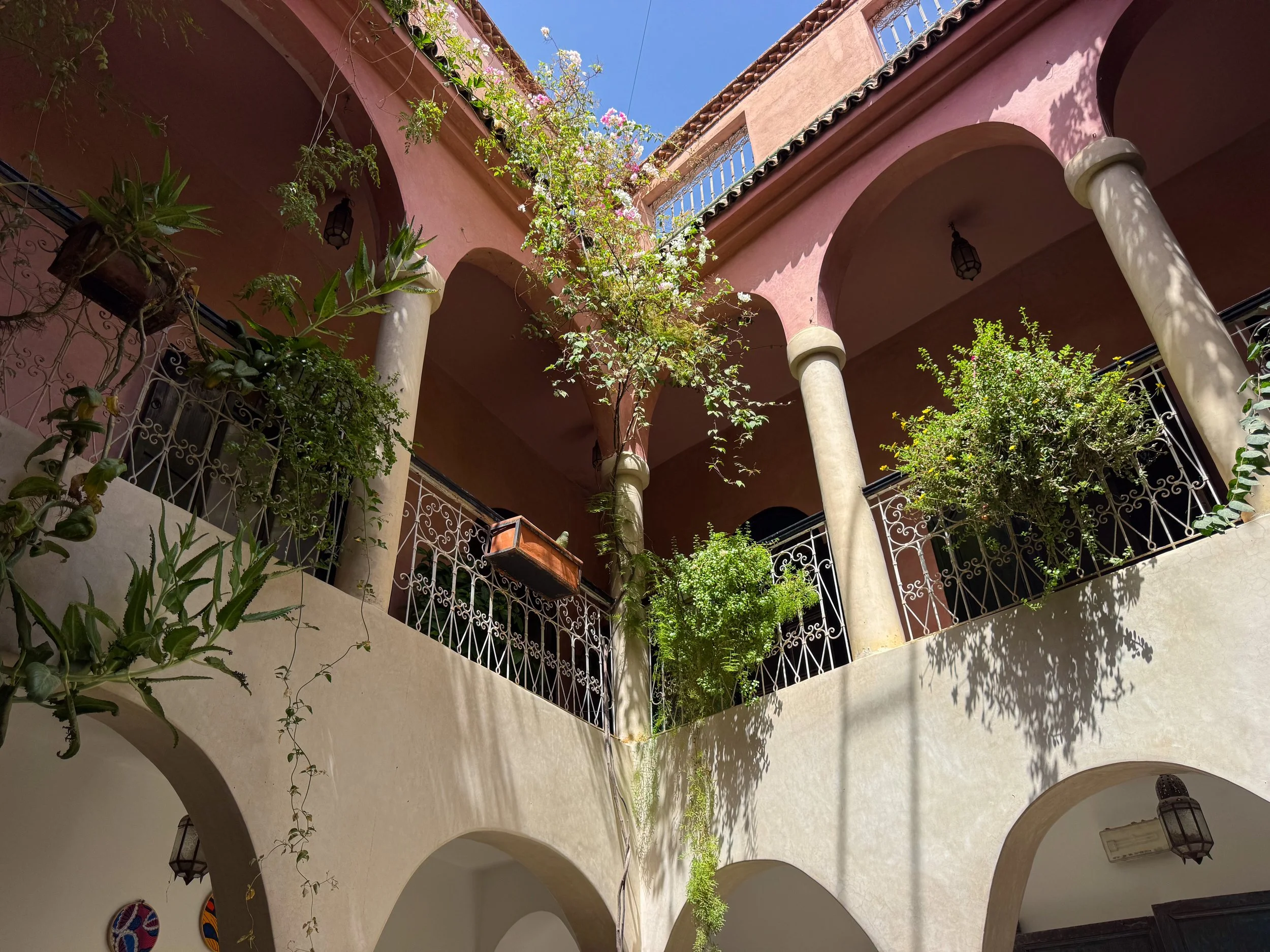
Stay in a Riad
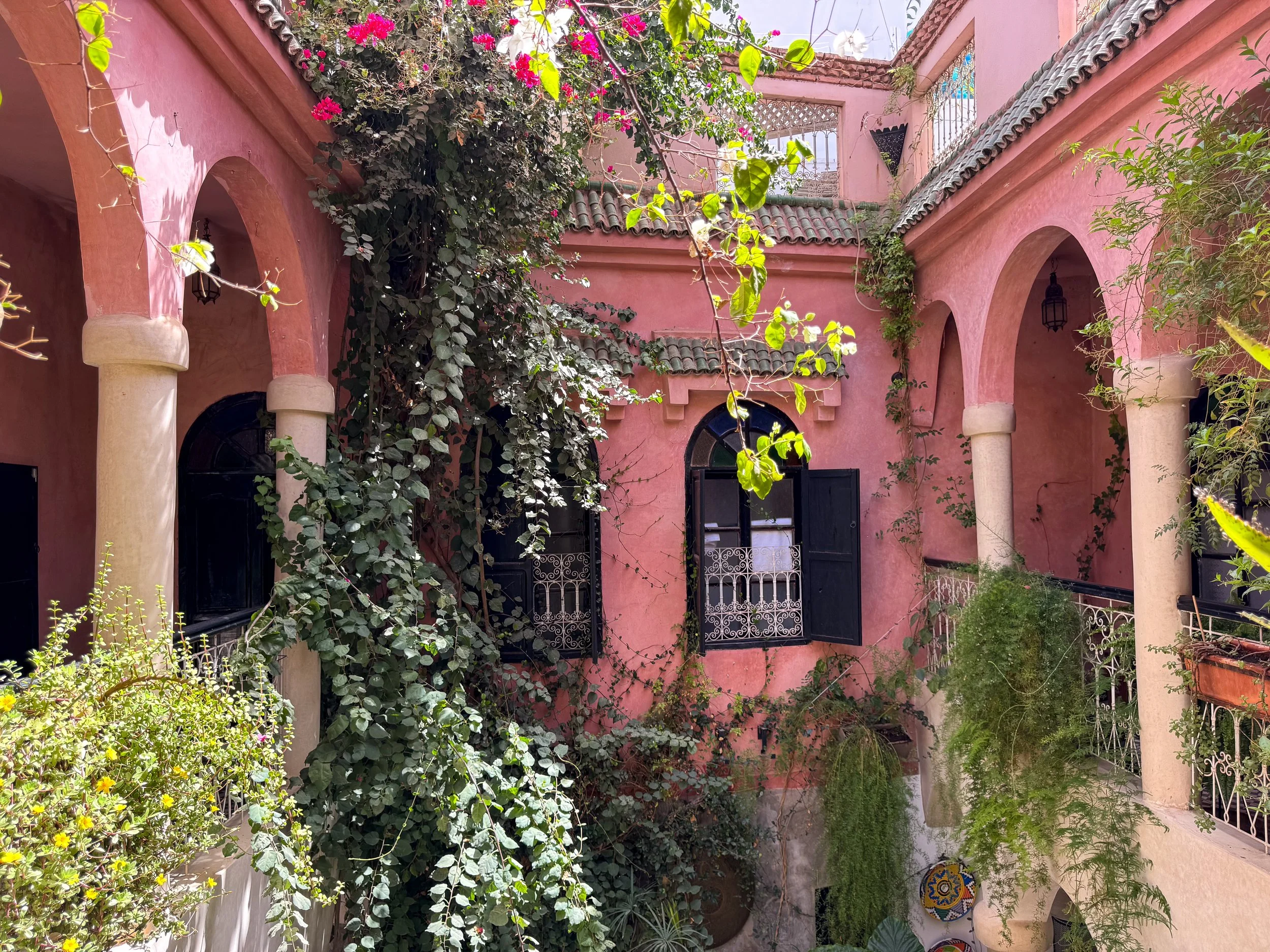
Riads are traditional Moroccan hotels built around a central courtyard. They offer tranquil places to stay within the heart of the chaotic Medina.
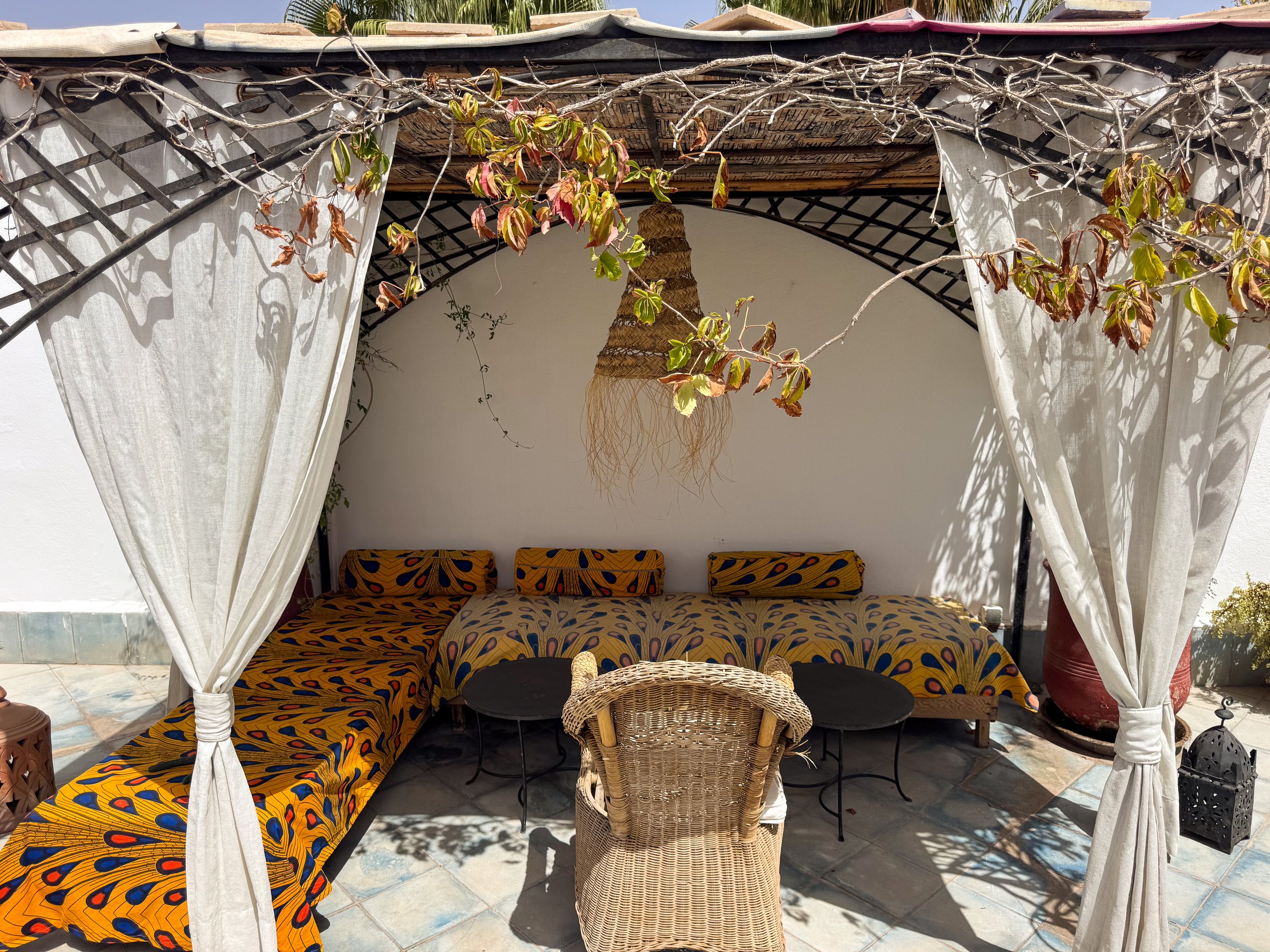
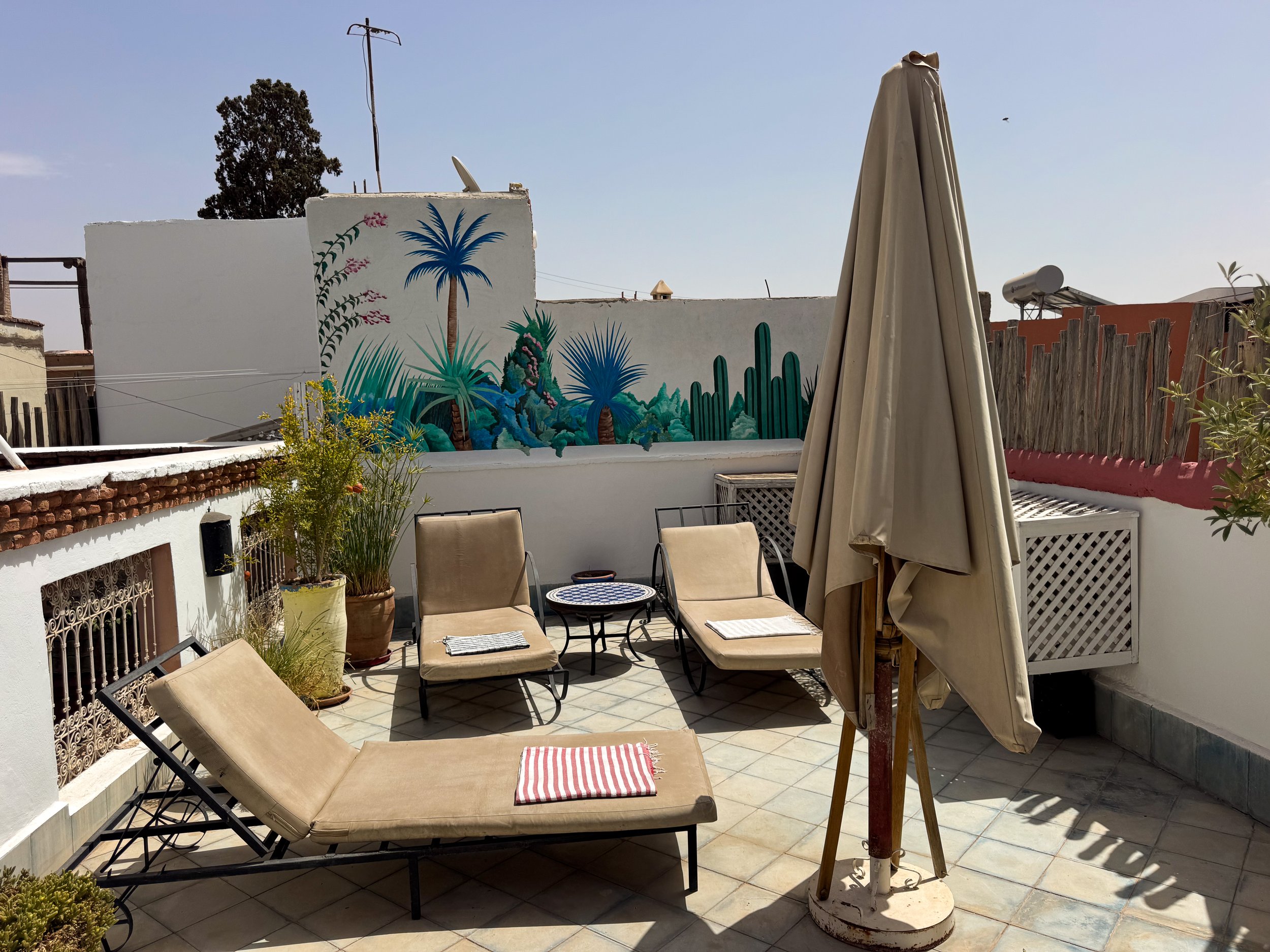
Riad Merstane. Tucked away at the end of a winding alley, the riad is a peaceful retreat just steps from the nearby souks and sights of the medina. Comfortable rooms open up to a sunlit courtyard filled with lush greenery. Moroccan decor and artwork add style and authenticity to the space. A second floor living room and spacious rooftop offer places to relax and unwind. A well equipped kitchen provides the chance to prepare Moroccan meals while each morning begins with a generous breakfast spread. Reserve on Booking.
Getting Around
On Foot. Marrakech and its medina are best explored on foot. The maze of winding streets and narrow alleyways offers a true glimpse into the history of the city. Expect to get lost, turned around and come to dead ends. Navigating gets easier after the first day.
Good to Know. Ignore people trying to offer directions. They may ask where you’re going, tell you a road or place is closed, try leading you into a shop or ask for a tip.
Airport Taxi. Taxis between the medina and airport cost around 100dh. Most riads can arrange for one, otherwise hail one on the street or near a gate to the medina. Always confirm price and destination before getting in.
Arabic Words & Phrases
Knowing a few words and phrases in Arabic goes a long way in Morocco when interacting with locals. Some of the most common and easy to remember are:
Hello = Salama
Goodbye = Beslama
Thank you = Shukran
You’re welcome = Marhaba
Location Specifics
When to Visit. September is the best month of the year to visit Morocco. It’s just before peak travel season with hot to moderate temperatures.
Language. Arabic, French and English are commonly spoken by many people, seen on signage and menus.
Cash vs. Card. Cash is the preferred and often only accepted method of payment at many businesses. Confirm before ordering at restaurants or agreeing to services.
Safety. Marrakech’s medina is a generally safe destination to visit. Be aware of your surroundings and keep hold of personal belongings to avoid pickpocketing.
Drinking Water. Tap water is not safe for consumption or using to cook with. Only use bottled water.
Alcohol. The sale of alcohol is heavily controlled throughout the country. Only some restaurants will serve cocktails, beer and wine.
Earthquake Damage. Marrakech is still recovering from the devastating 2023 earthquake. Several historic sites remain closed or partially opened as renovations continue.
LGBTQ+ Safety. Moroccan laws and customs are not very accepting of LGBTQ+ individuals. Stay up to date with the latest laws and suggestions while traveling. Refer to our guide on LGBTQ+ Travel Safety for more advice.
Elsewhere in Morocco
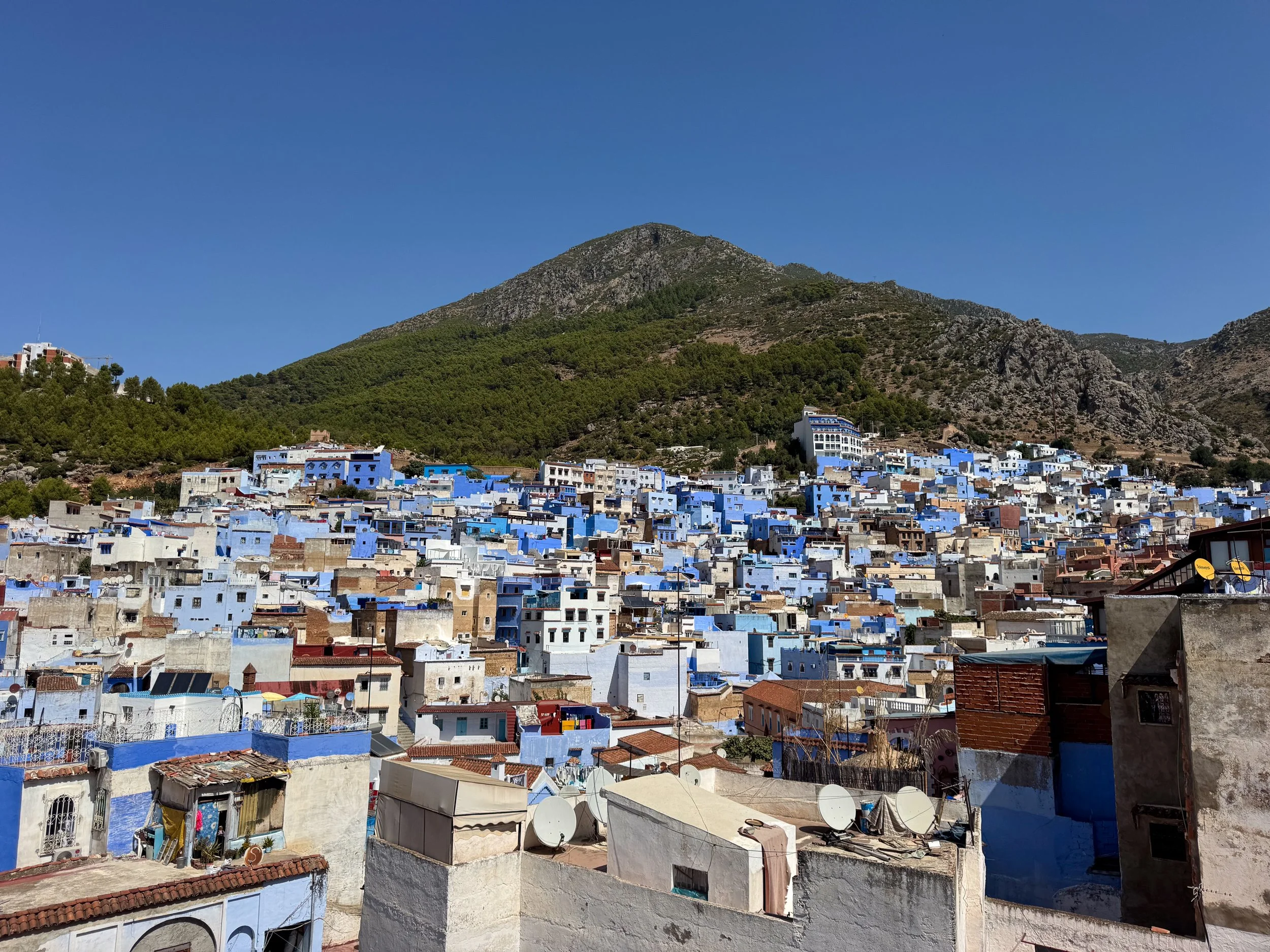
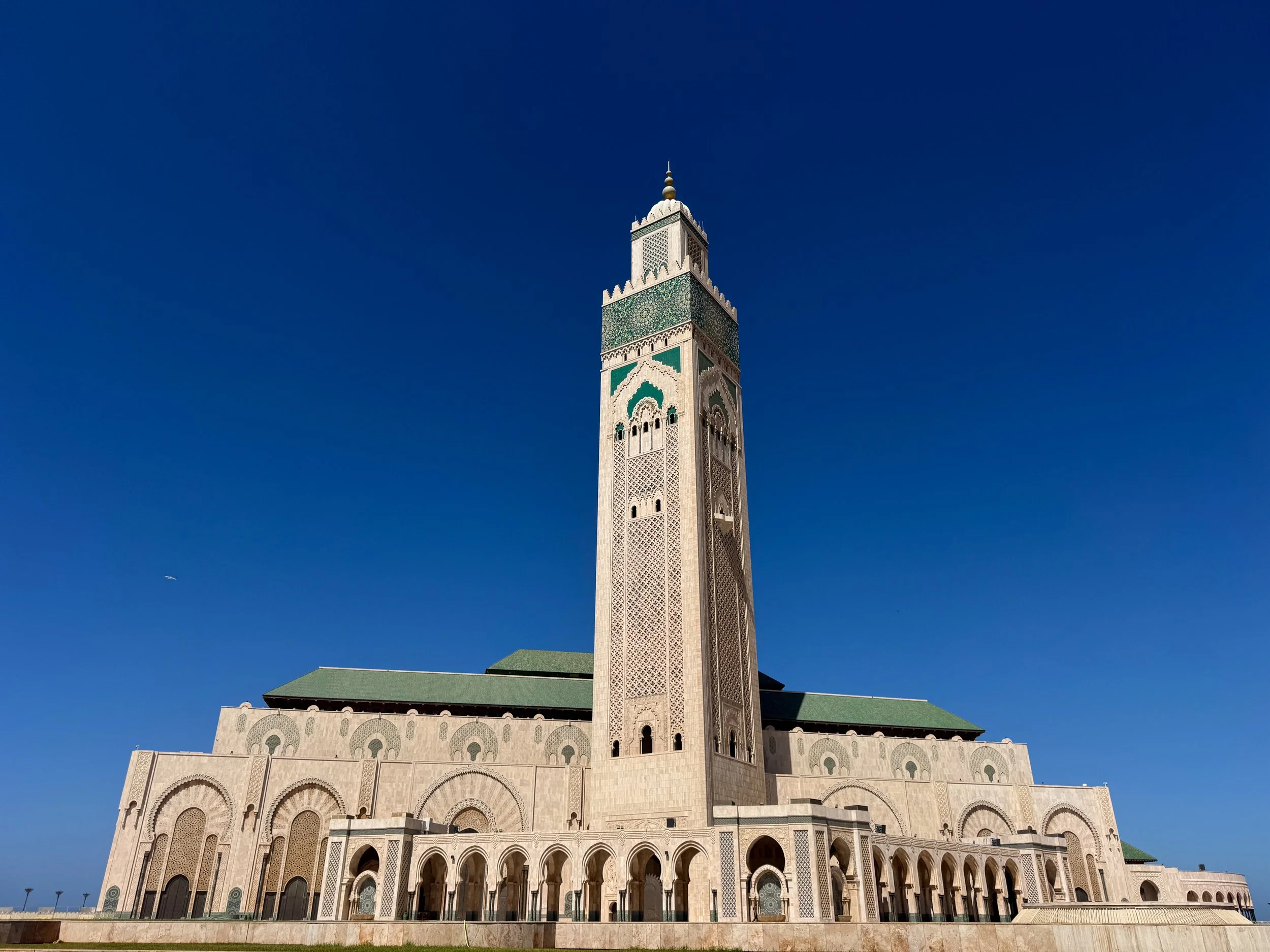
From Marrakech's vibrant souks and culinary traditions to the ancient medinas of Fes, the Sahara Desert and the blue streets of Chefchaouen, discover more of Morocco through these travel guides:
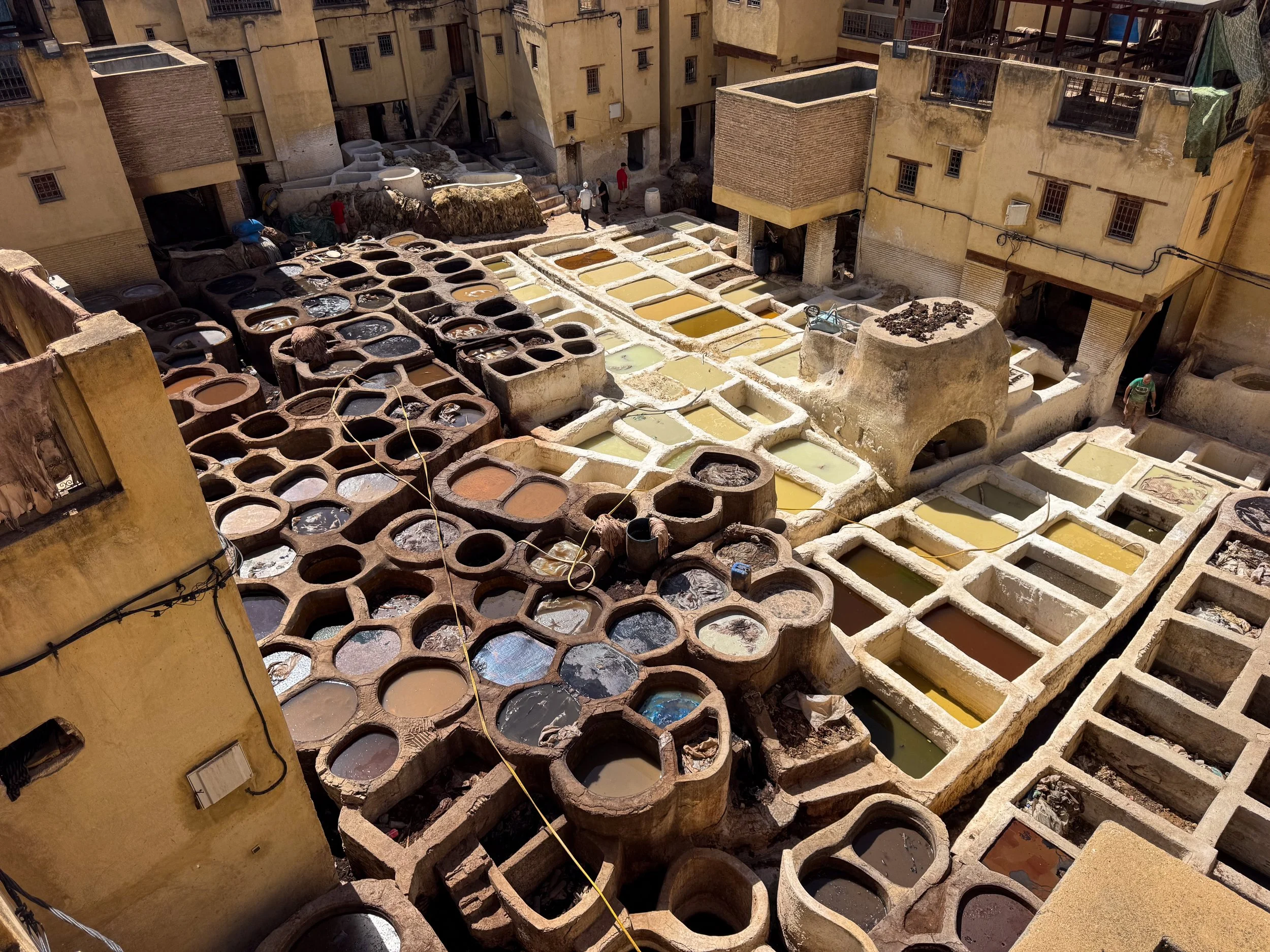
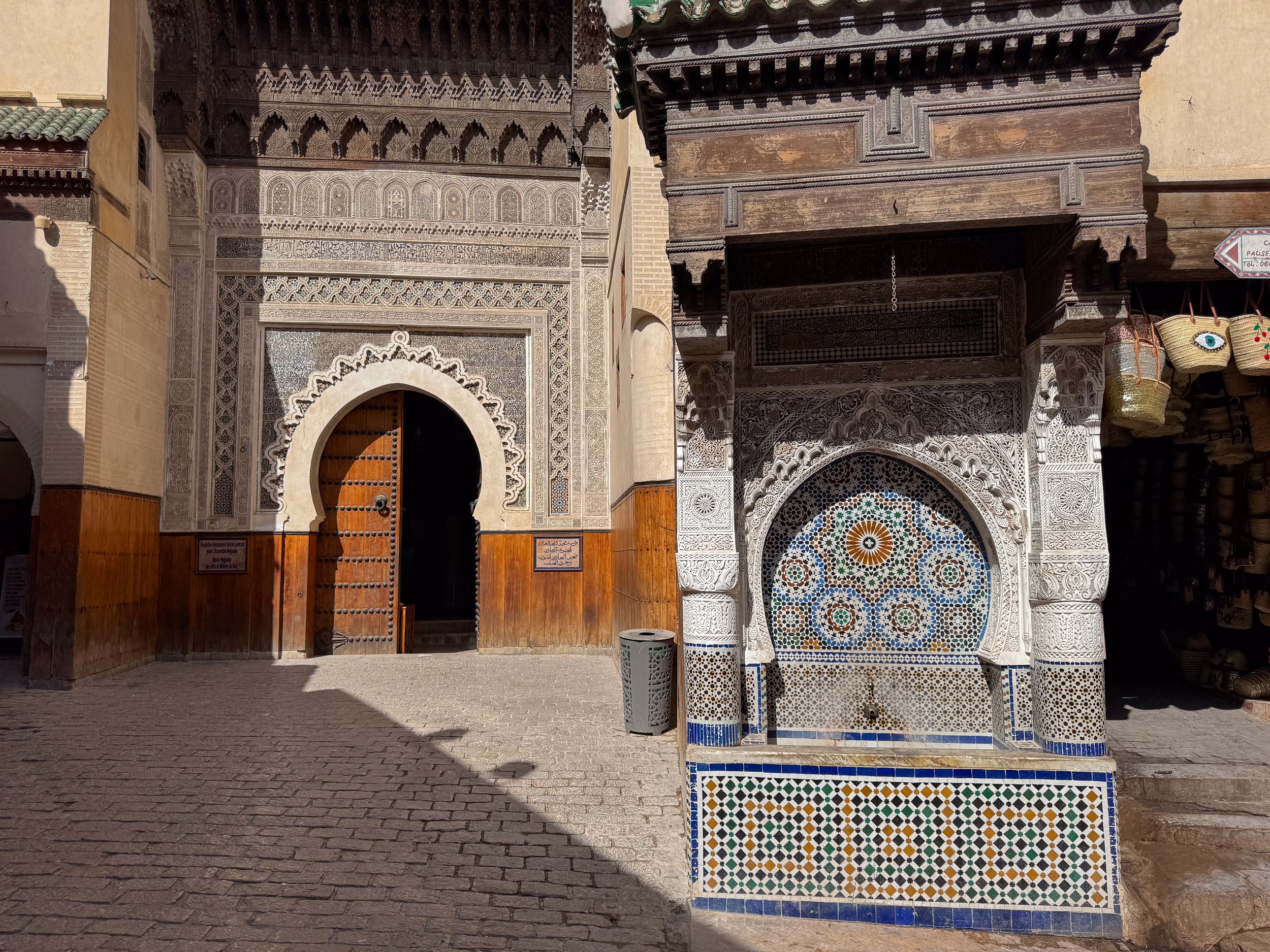
Fes Travel Guide: Medina, Tanneries & Islamic History. Step into Fes's ancient medina where Islamic landmarks, historic tanneries, traditional riads and skilled artisans preserve centuries of Moroccan heritage and tradition.
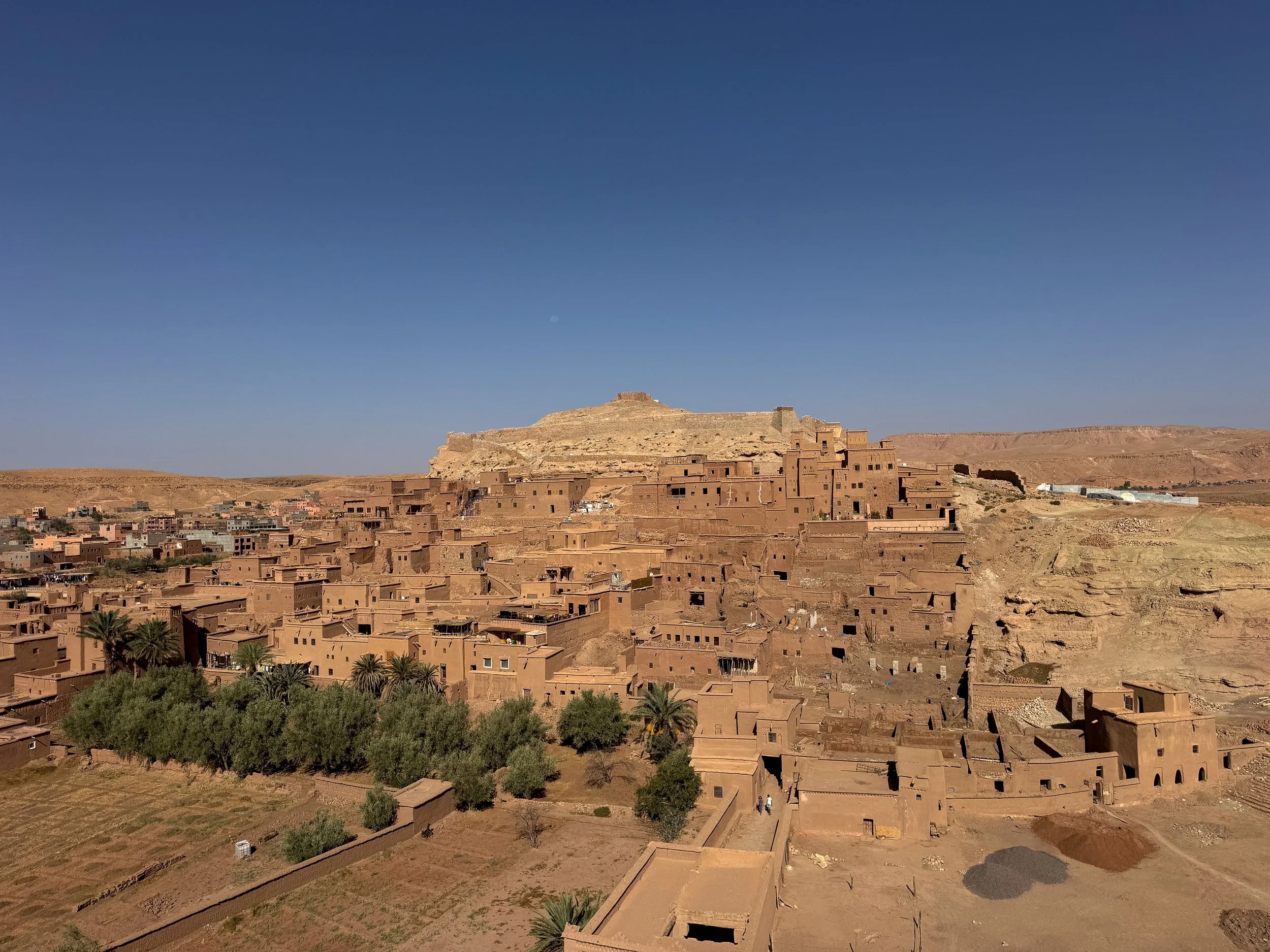
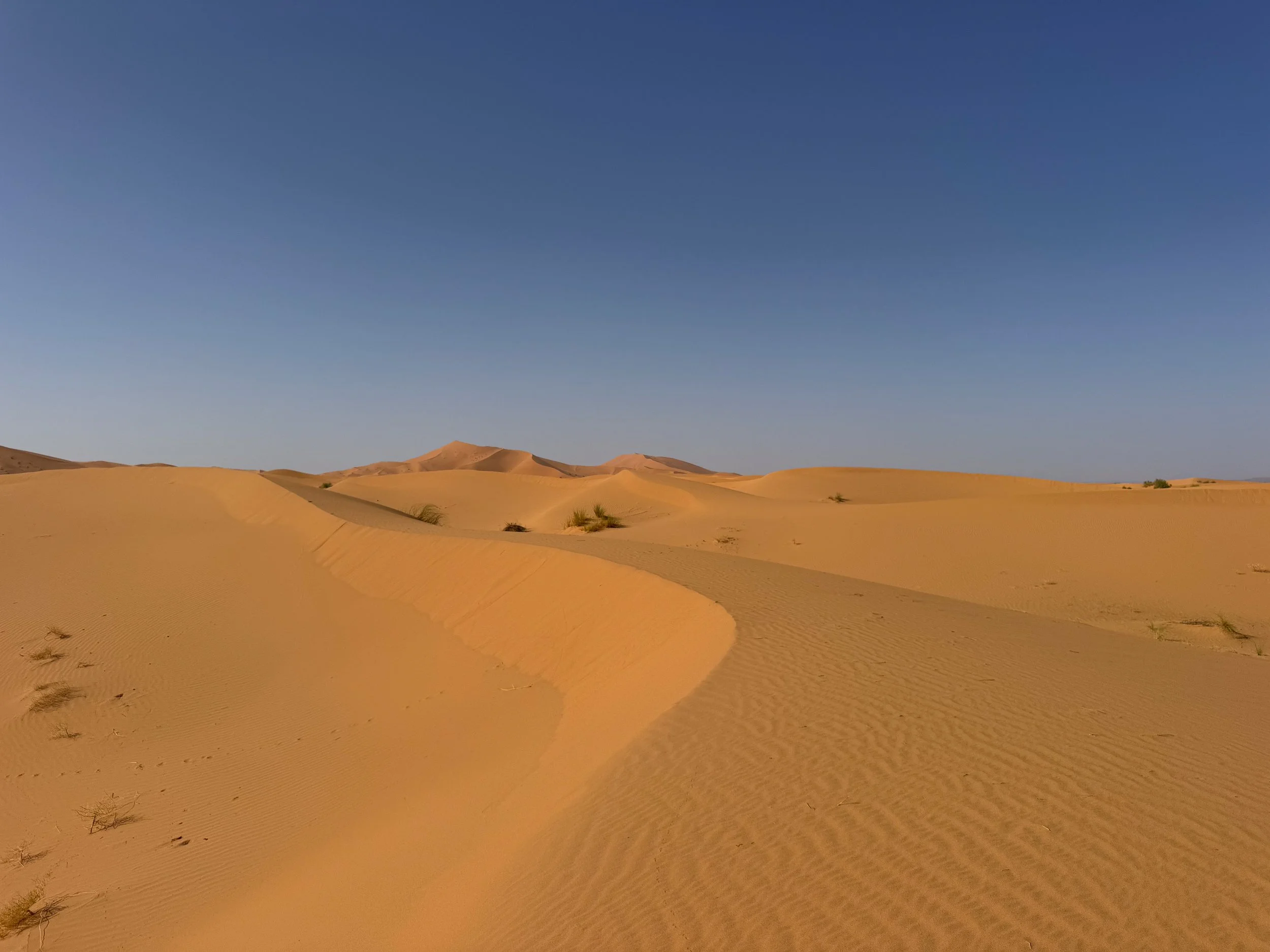
Morocco Road Trip Guide: Sahara Desert, Kasbahs & Berber Culture. Road trip across Morocco's dramatic landscapes where palm oases, ancient kasbahs, towering dunes and Berber camps create an unforgettable Saharan adventure.
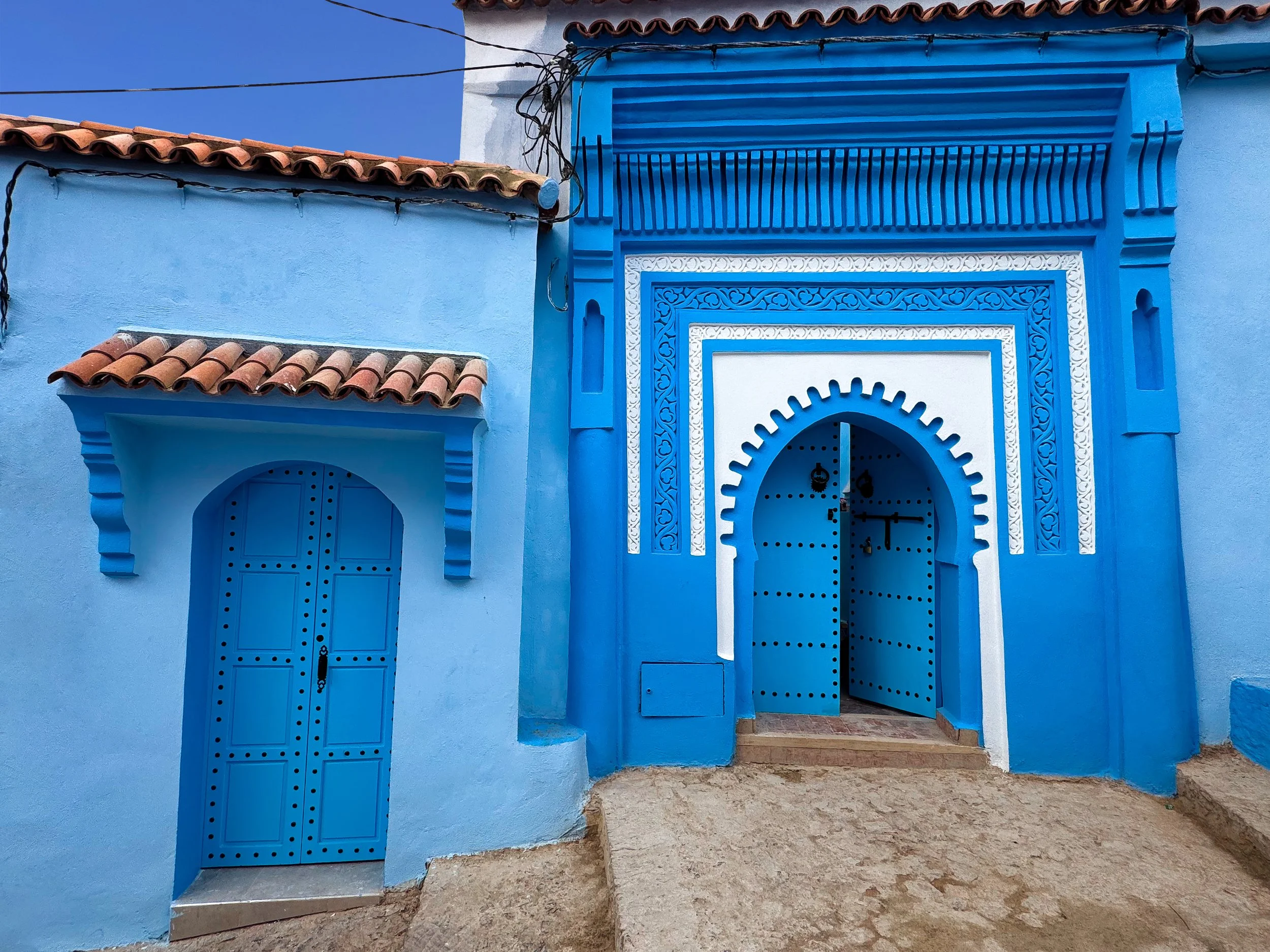
Chefchaouen Travel Guide: The Blue City, Medina & Local Culture. Stroll through Chefchaouen's blue painted medina where historic mosques, fresh juice vendors, Berber artisans and mountain scenery reveal a tranquil side of Morocco.
Casablanca Travel Guide: Hassan II Mosque, Local Markets & Moroccan Cuisine. Wander through Casablanca's ancient medina, palm lined avenues and seaside promenades where the Hassan II Mosque and local food markets reflect Morocco's culture.
For Next Time…
Morocco is a beautiful destination with historic cities, scenic landscapes and cultural allure. We have a shortlist of places to visit when we return.
Meknes. An ancient city at the heart of Morocco’s wine producing region. Its nearby vineyards offer tours, tastings and wine pairings.
Volubilis. An ancient Roman city with well preserved ruins and mosaics from the former empire.
Essaouira. A port city on the Atlantic with a picturesque medina, coastal ramparts and fresh seafood restaurants.