Fes Travel Guide: Medina, Tanneries & Islamic History
Fes, Morocco
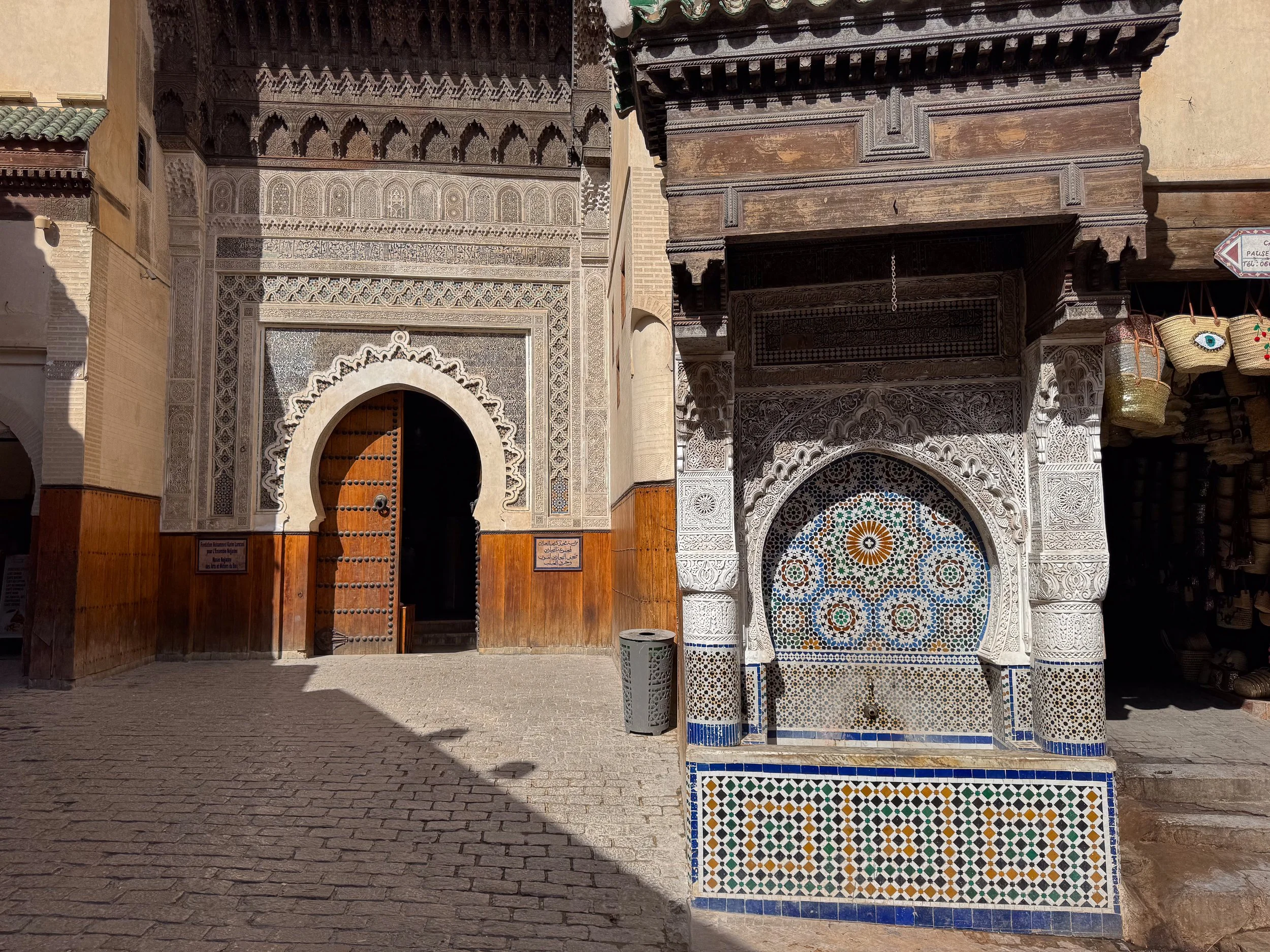
Fes is an ancient city and the cultural heart of Morocco. Centuries of craft and tradition continue in the souks as artisans shape metal, dye leather, weave carpets and haggle with curious customers. Picturesque mosques, soaring minarets and madrassas rise above maze-like alleyways that weave through the sprawling medina. Historical museums recount its place in Moroccan history while the royal palace emphasizes its continued influence. Luxurious riads offer a calming retreat from the bustle of the city that continues to attract worldly travelers.
Fes el Bali (The Old Medina)
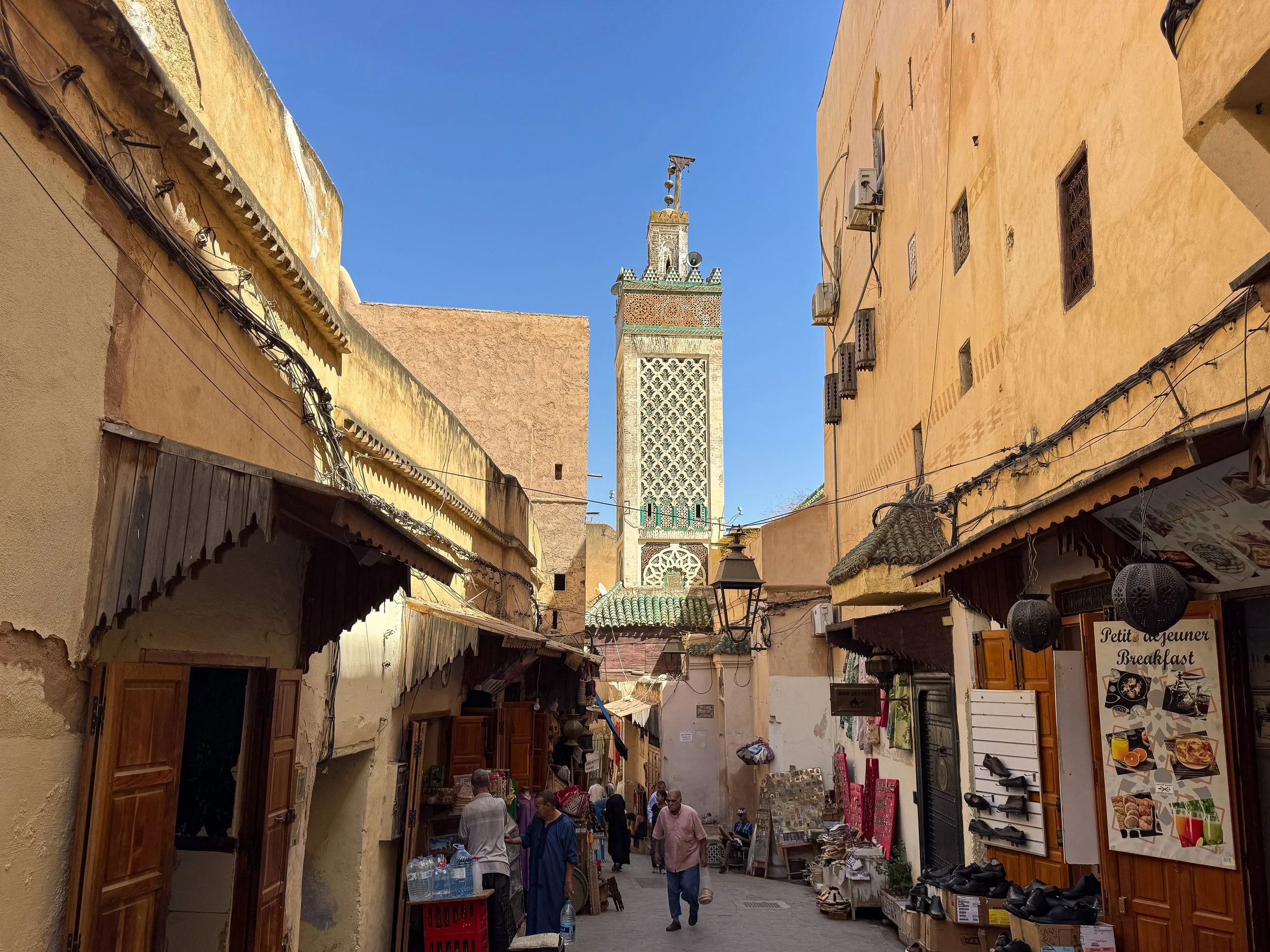
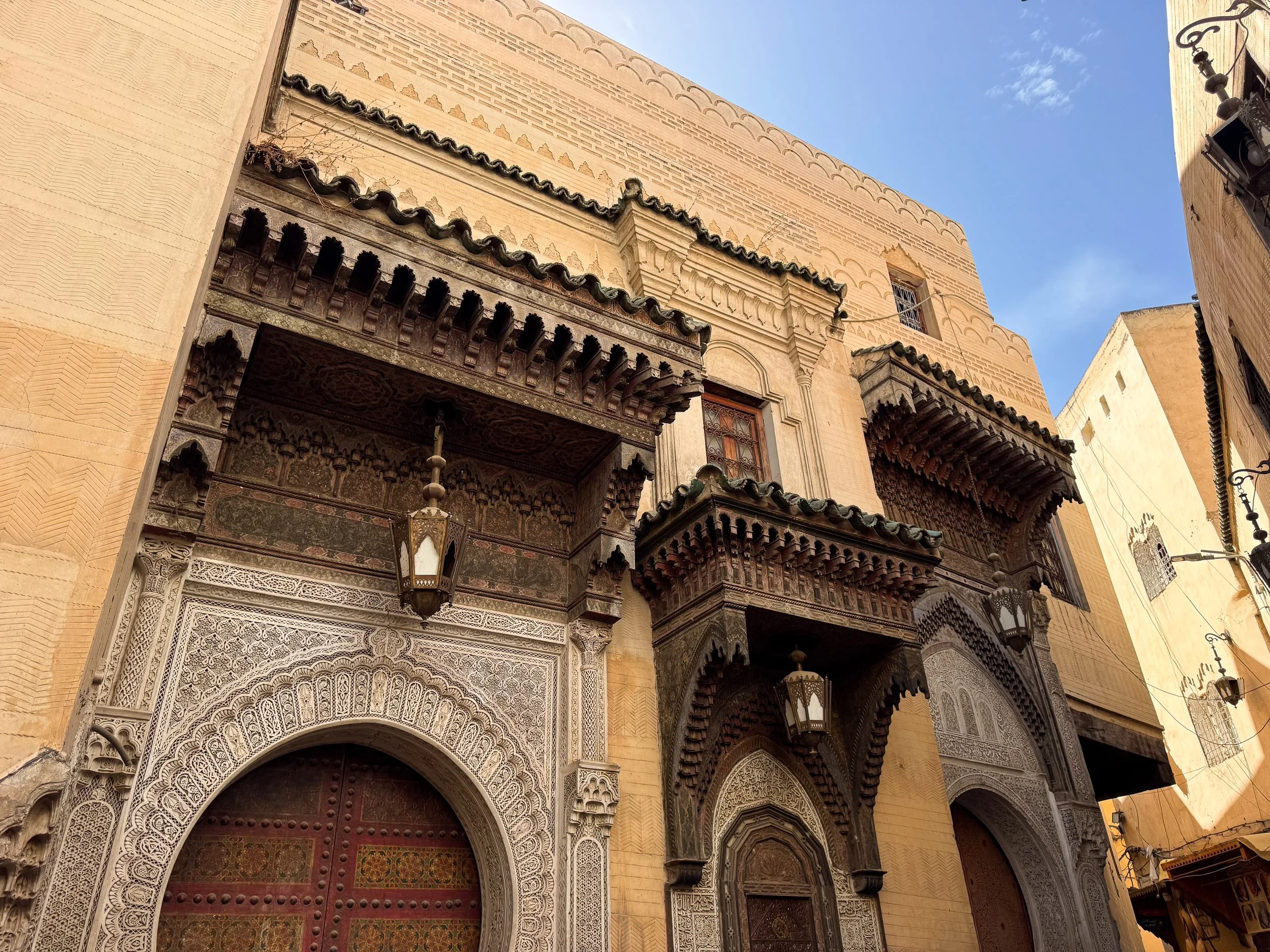
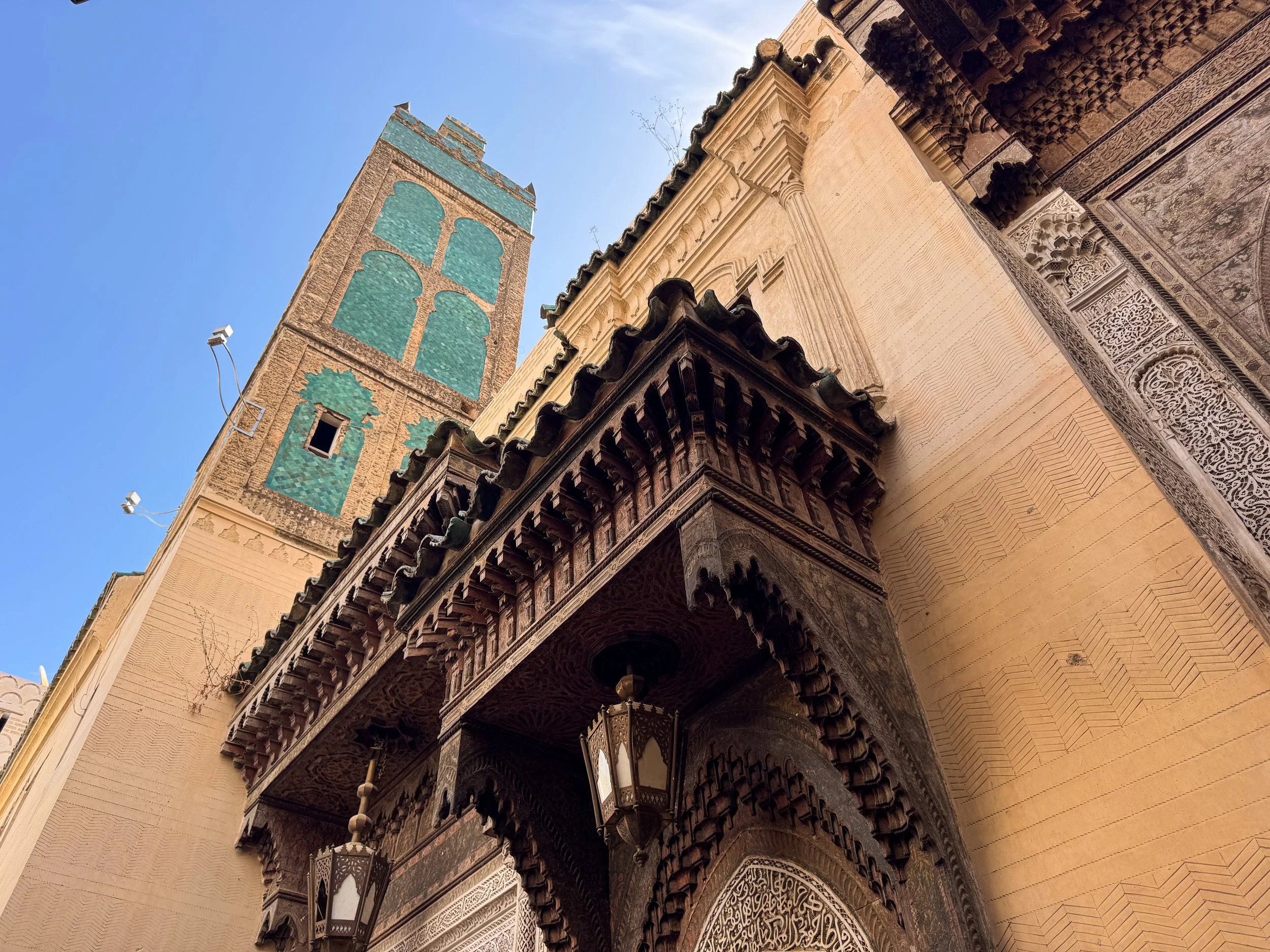
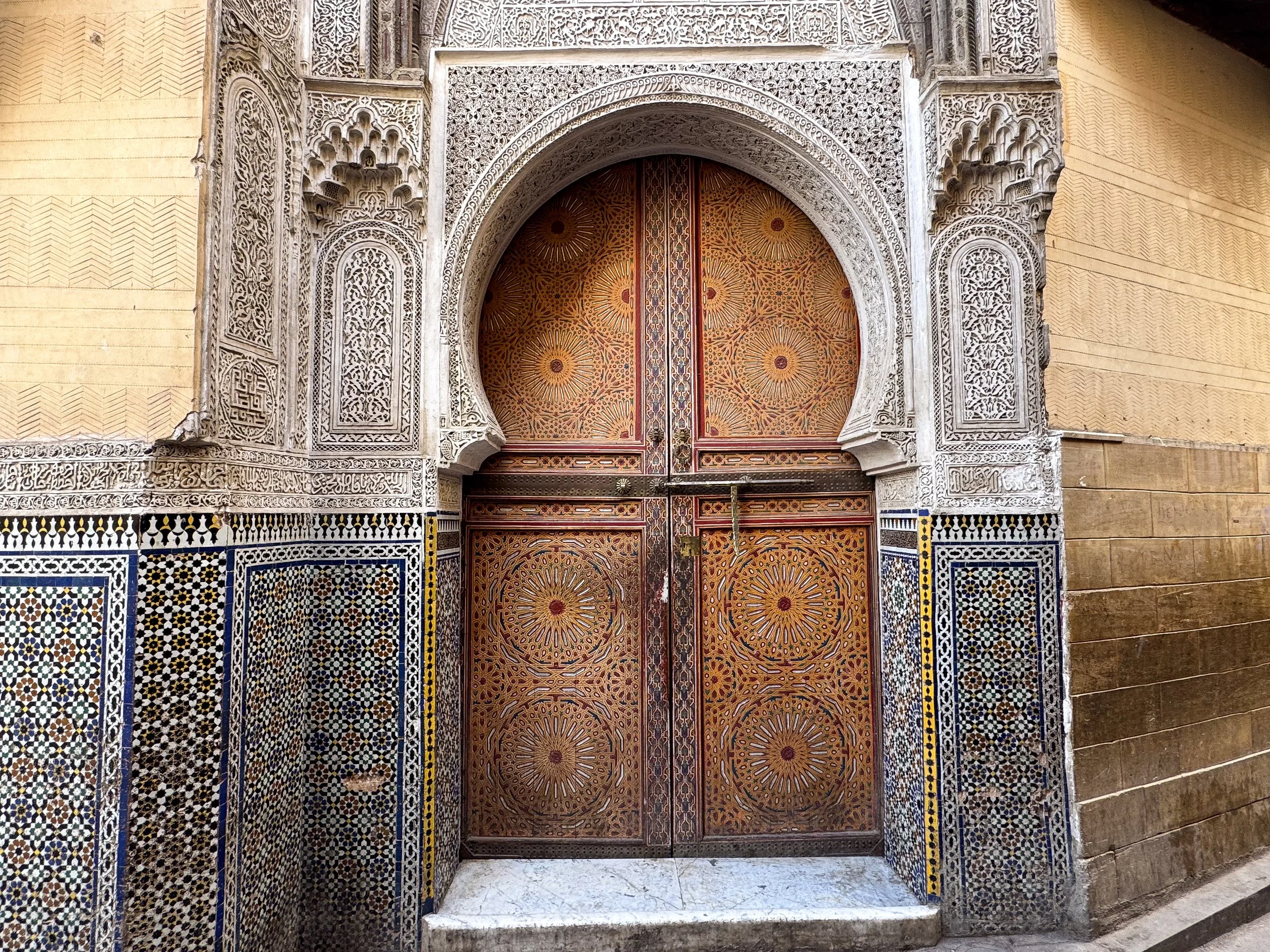
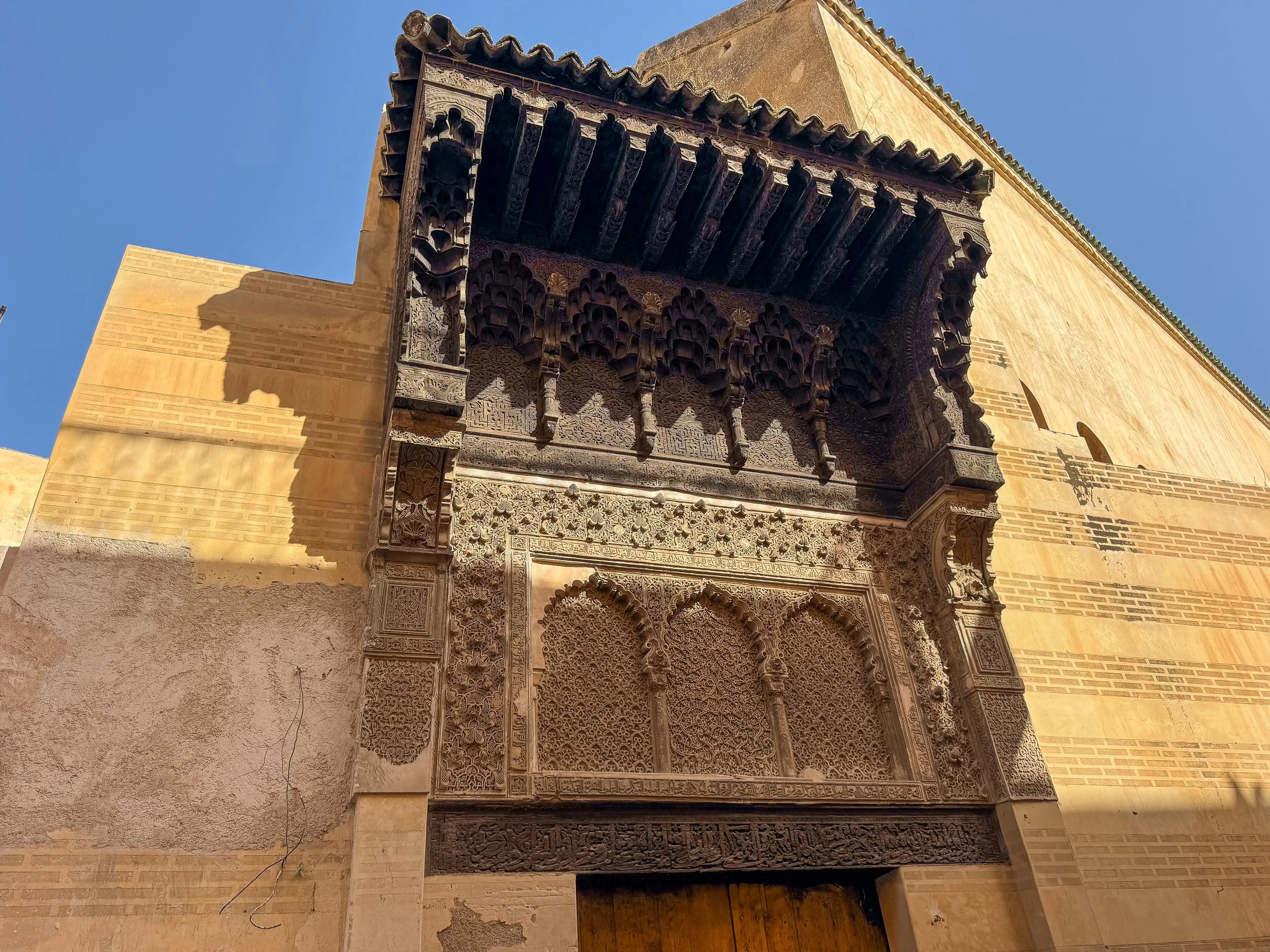
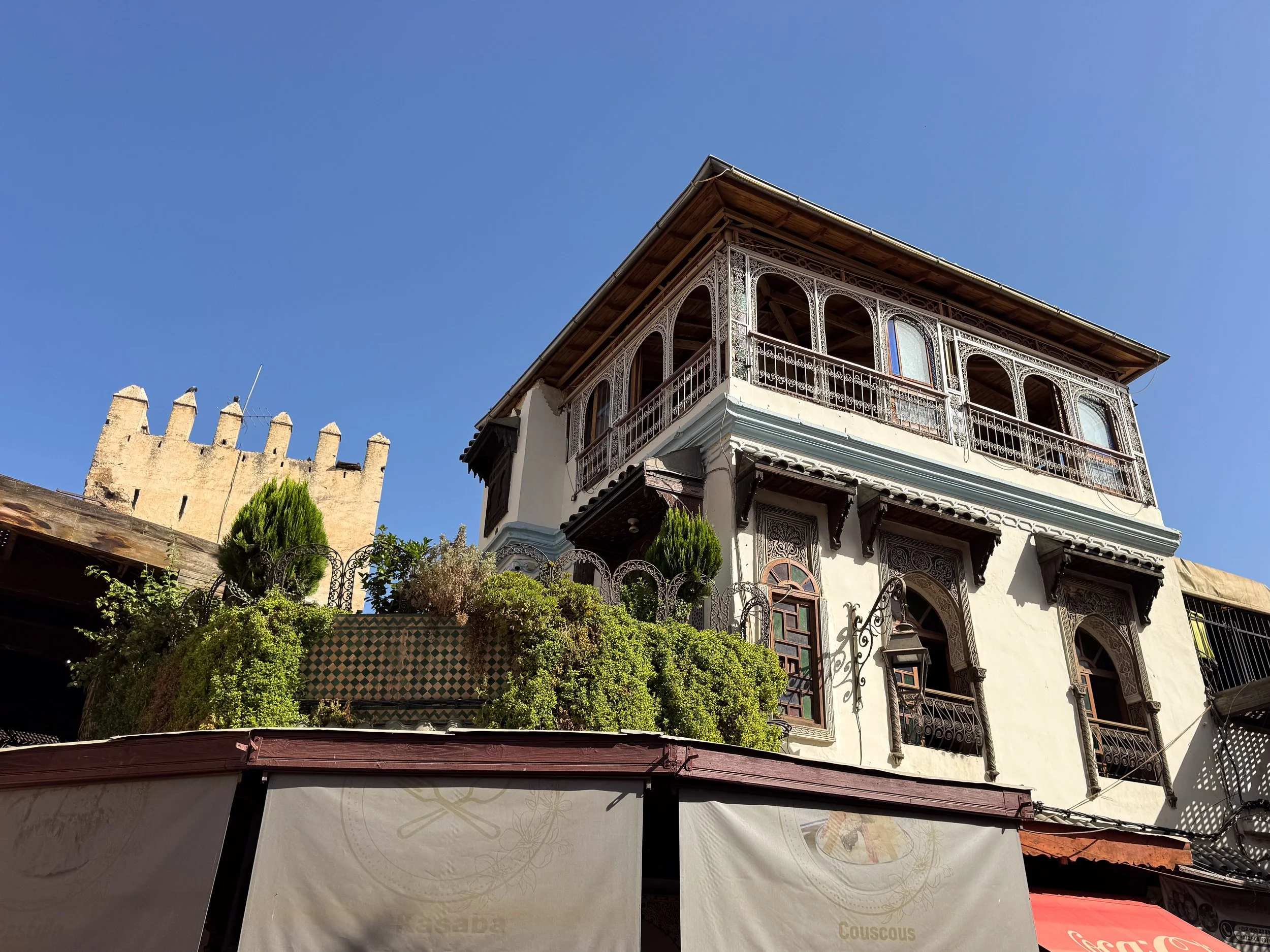
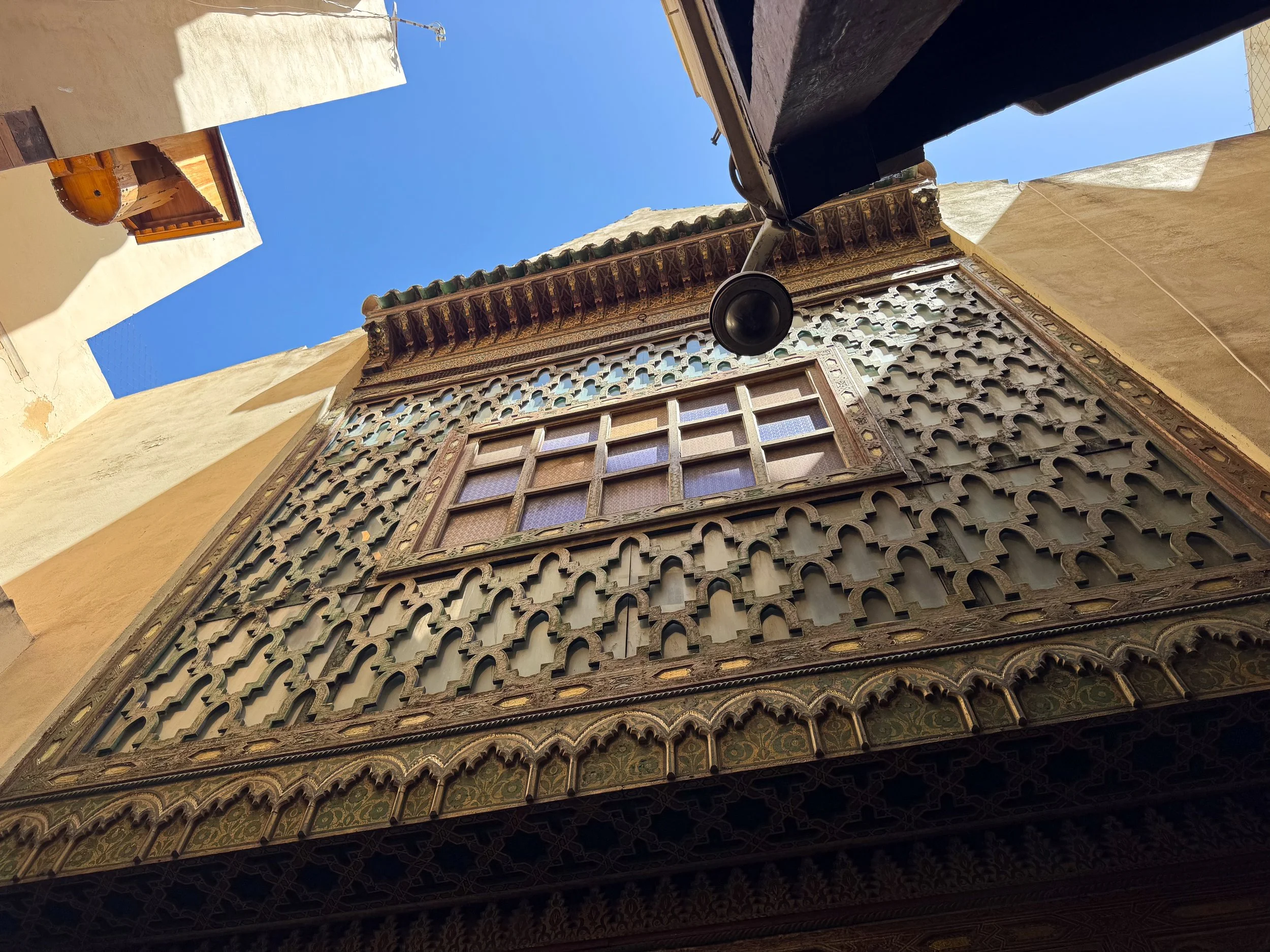
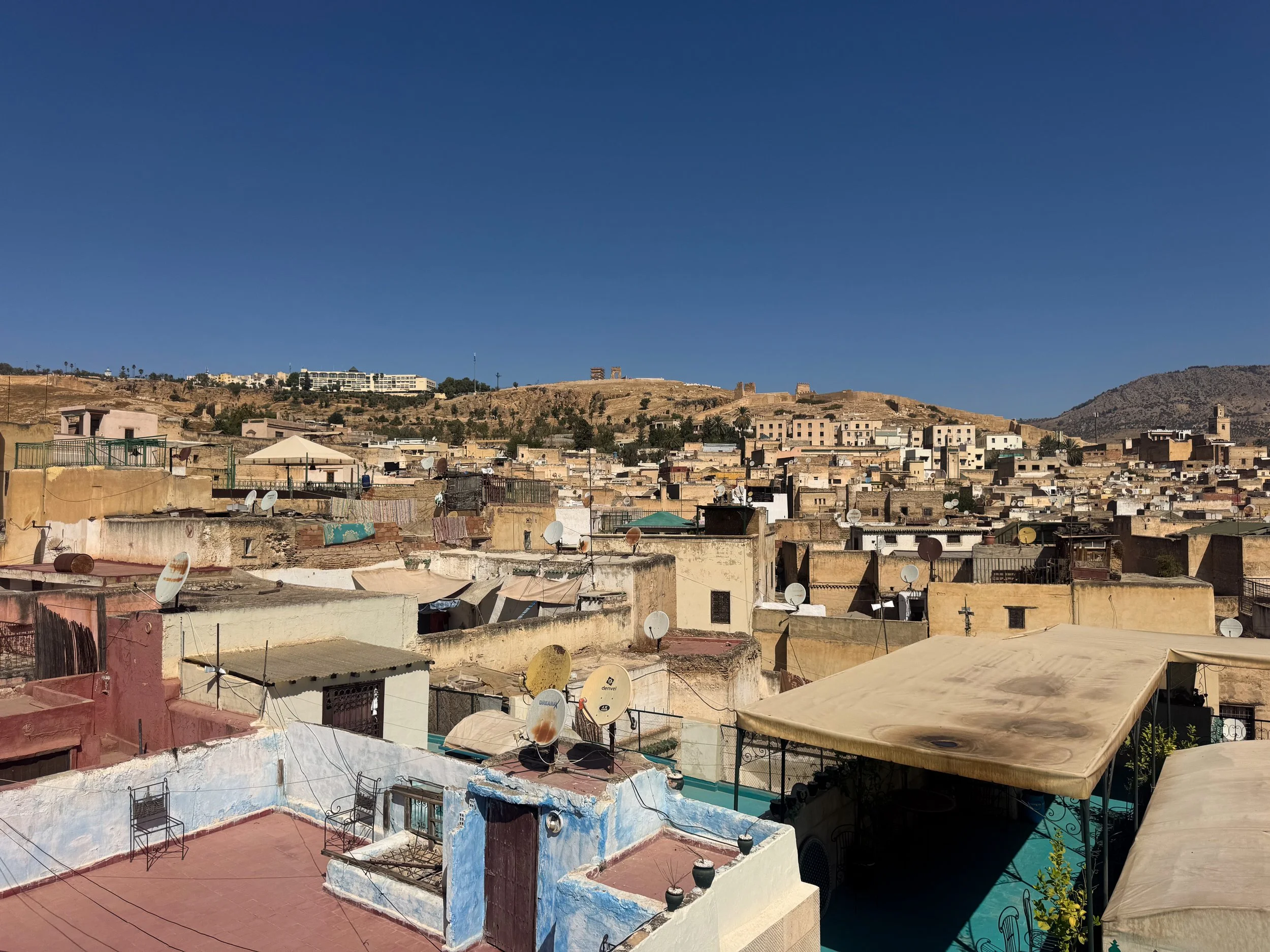
Fes el Bali is the historic medina at the heart of Fes. It’s a living labyrinth of narrow alleys and hilly paths that overwhelm the senses. Quiet mornings and empty streets transition into bustling souks teeming with artisan goods. Throngs of people press through as vespas part crowds and stray cats slip through shadows. The call to prayer echoes from towering minarets. Islamic monuments, tiled fountains and medieval architecture layer the medina in history and intricate patterns. Wooden beams stretch between structures as if holding one another upright. Centuries-old doors open into hidden riads while dark passageways lead through ancient buildings like subterranean tunnels. The best way to truly experience the medina is to get lost within it.
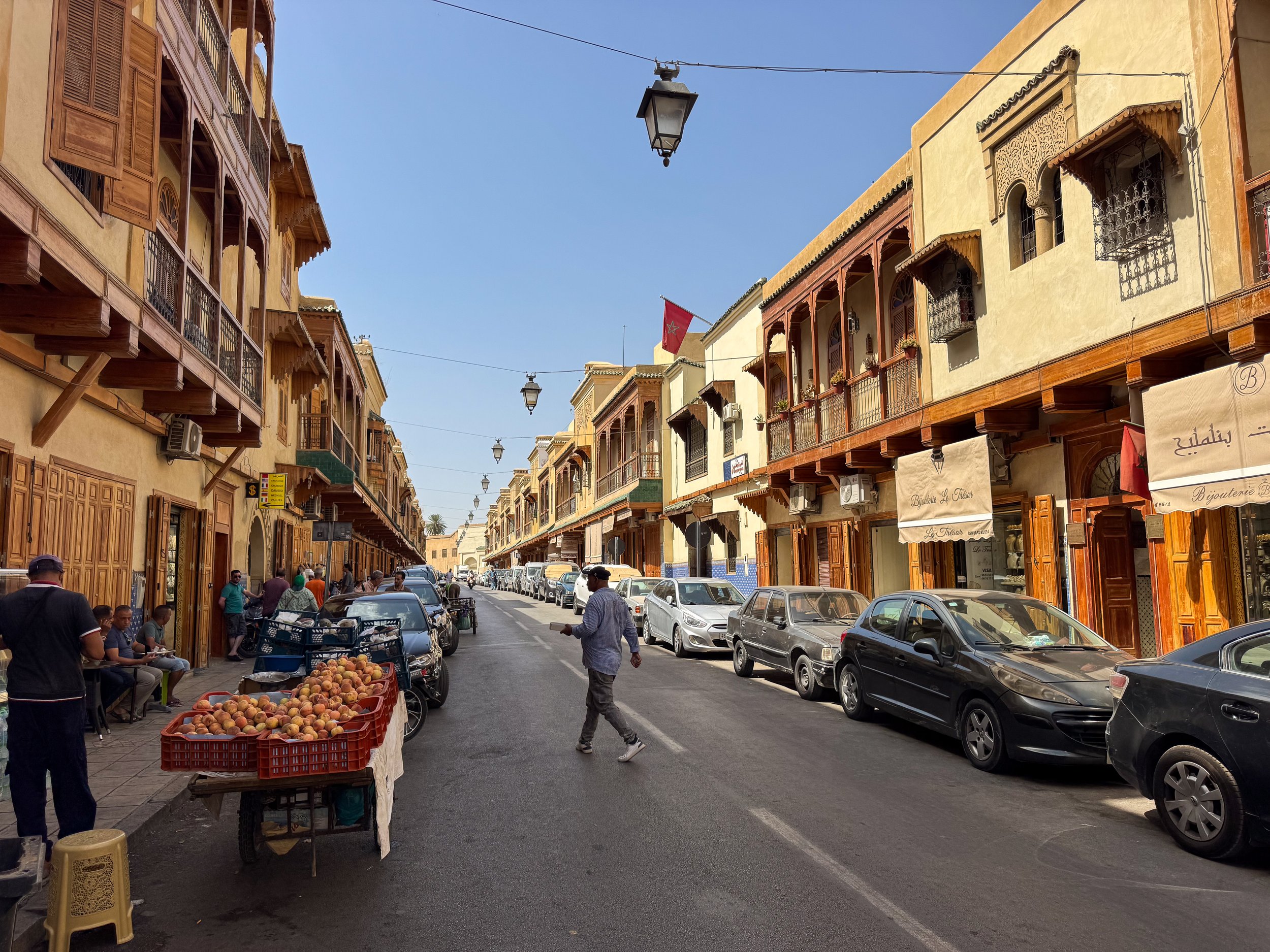
Fes El-Jedid. Established in the 17th century around the royal palace and gardens, the “new medina” is a largely residential area of Fes. It combines narrow alleyways with wider commercial streets, local souks and scattered artisan shops. It offers a quieter glimpse into daily life and Moroccan traditions.
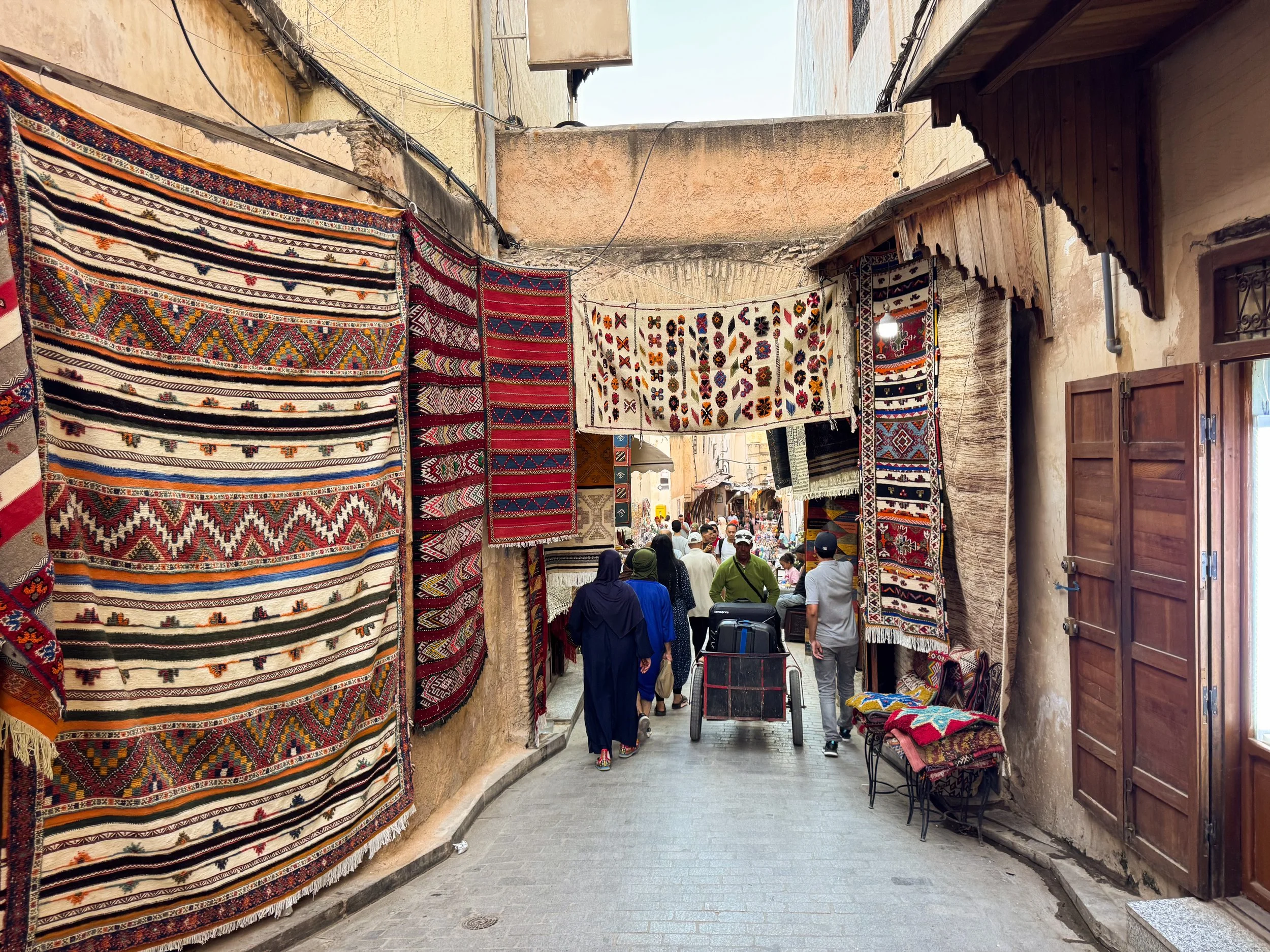
Souks & Markets
Souks, traditional Moroccan markets, weave through the medina in bustling alleyways of shops and vendors. They’re a wonderful place to experience Moroccan culture! They brim with vibrant colors, fragrant scents and lively sounds of haggling customers. Stalls overflow with aromatic goods like spices, teas and perfumes while others showcase artisan crafts like Berber carpets, brass lamps and leather goods.
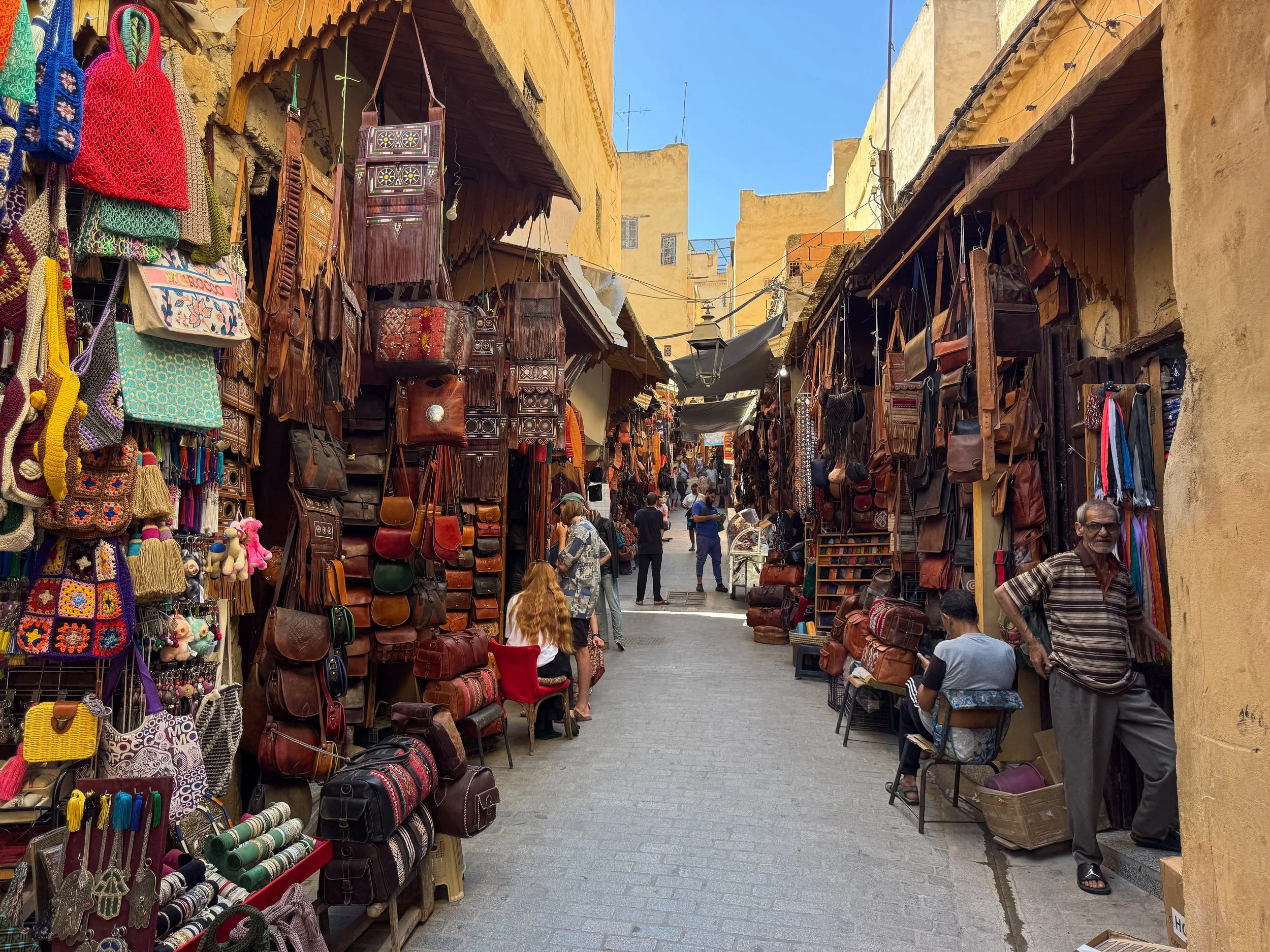
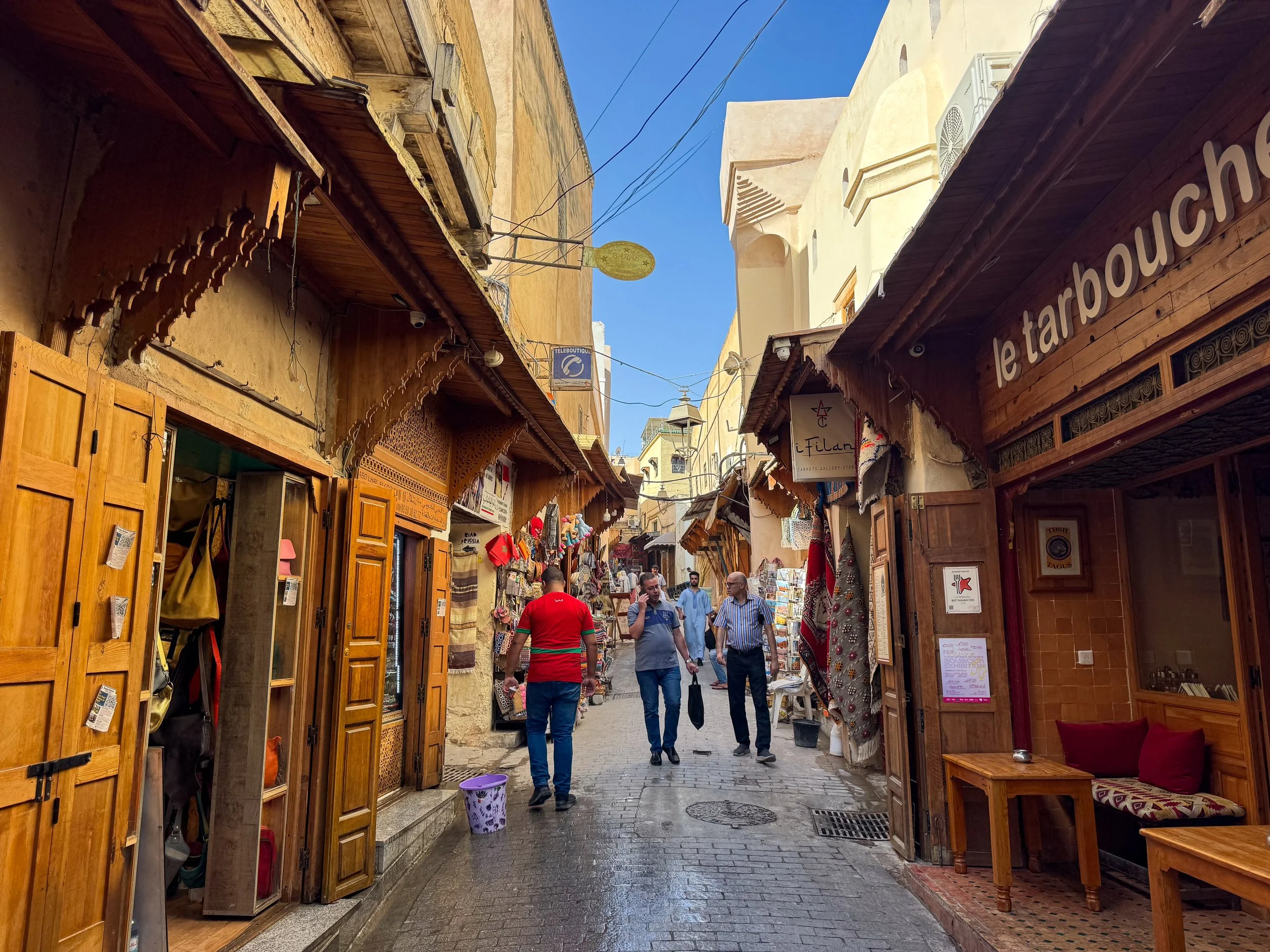
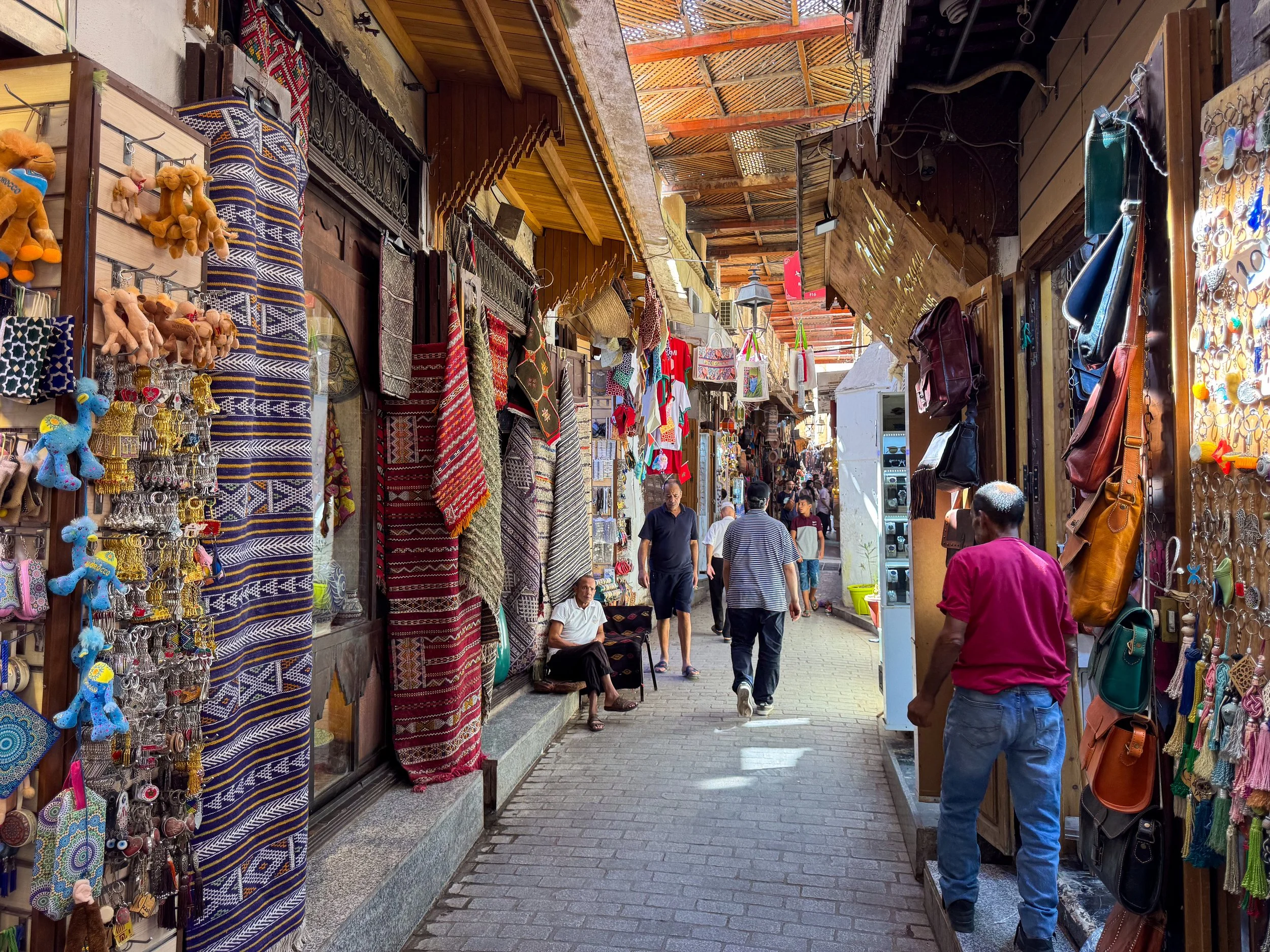
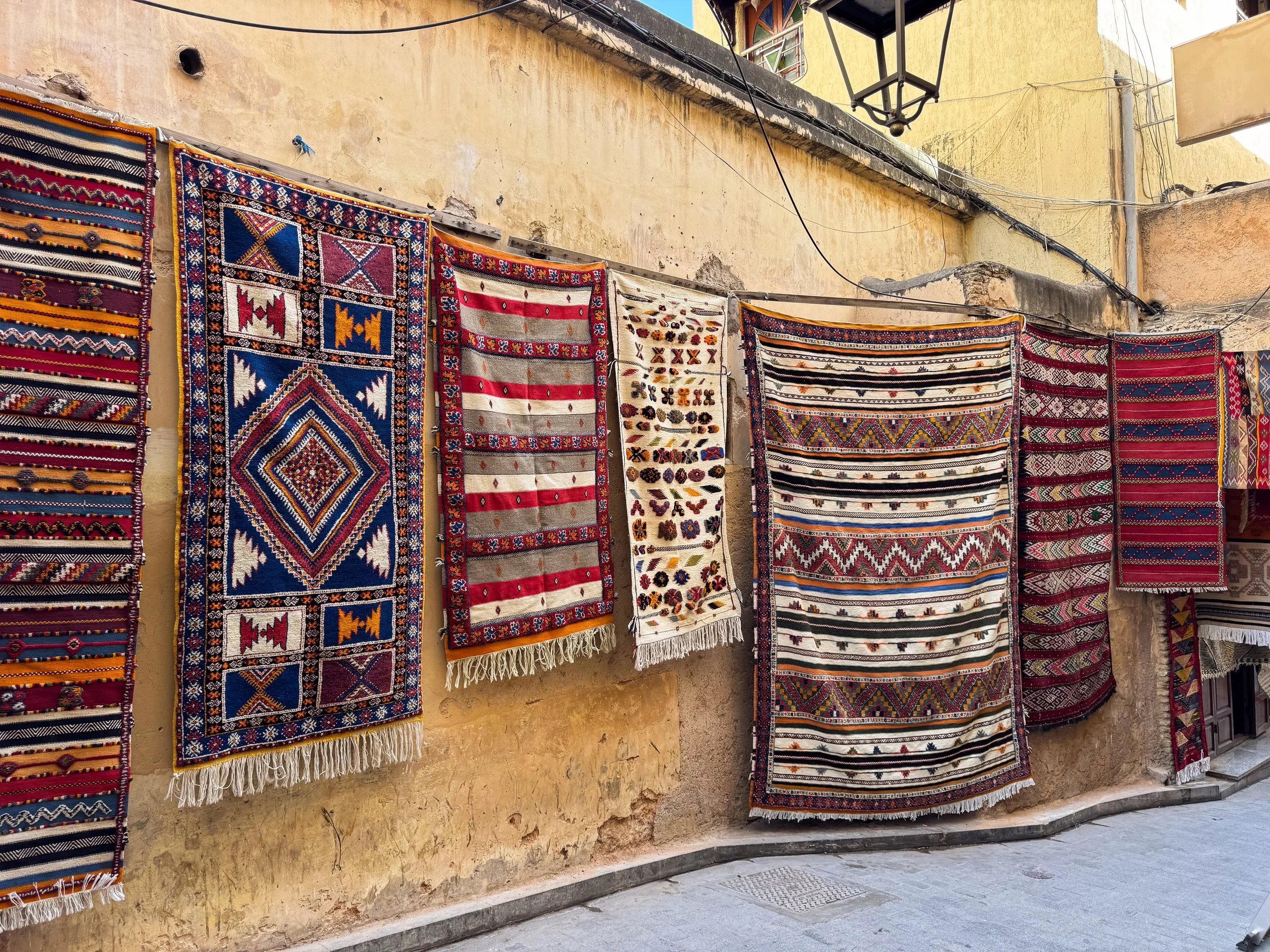
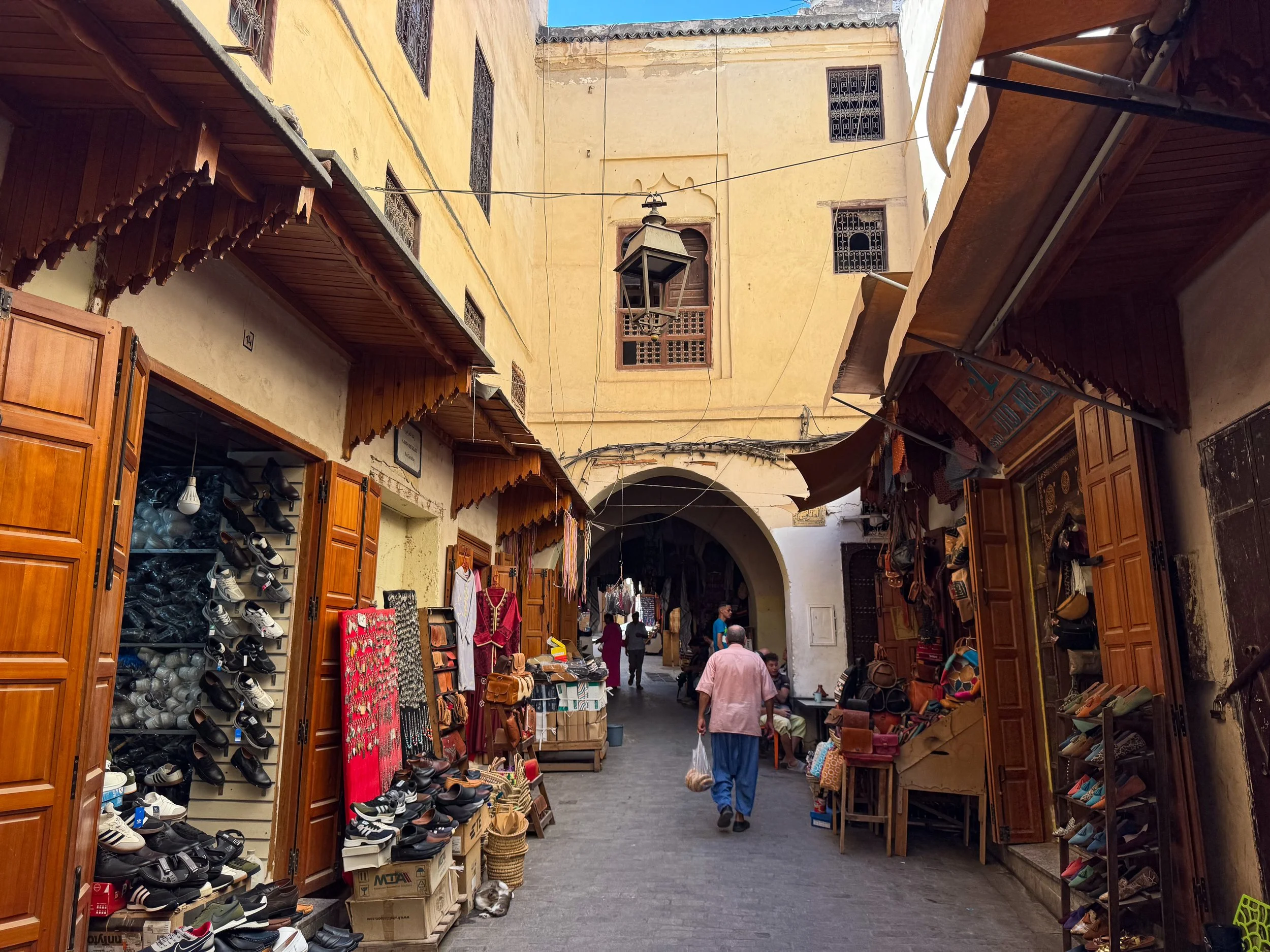
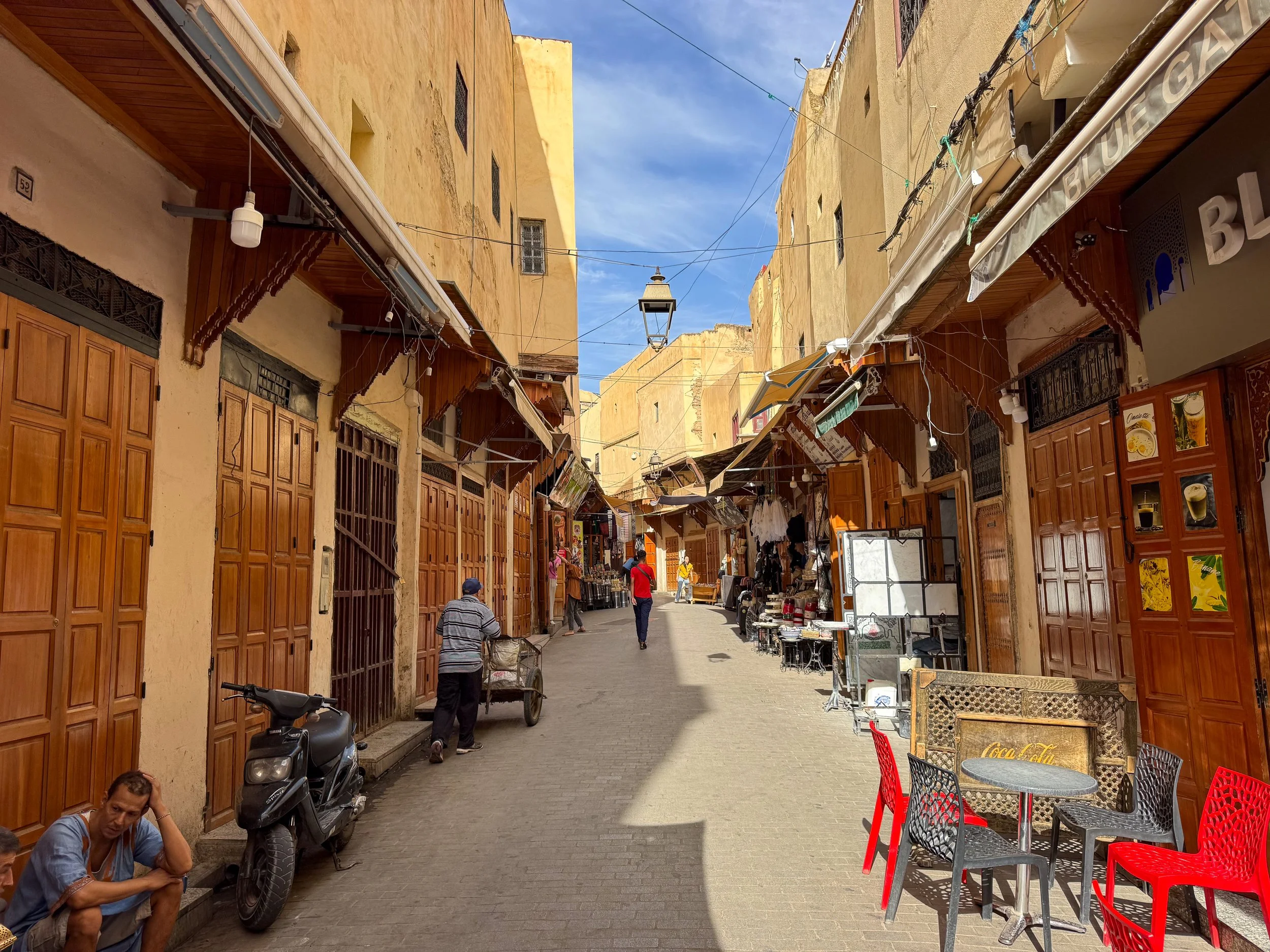
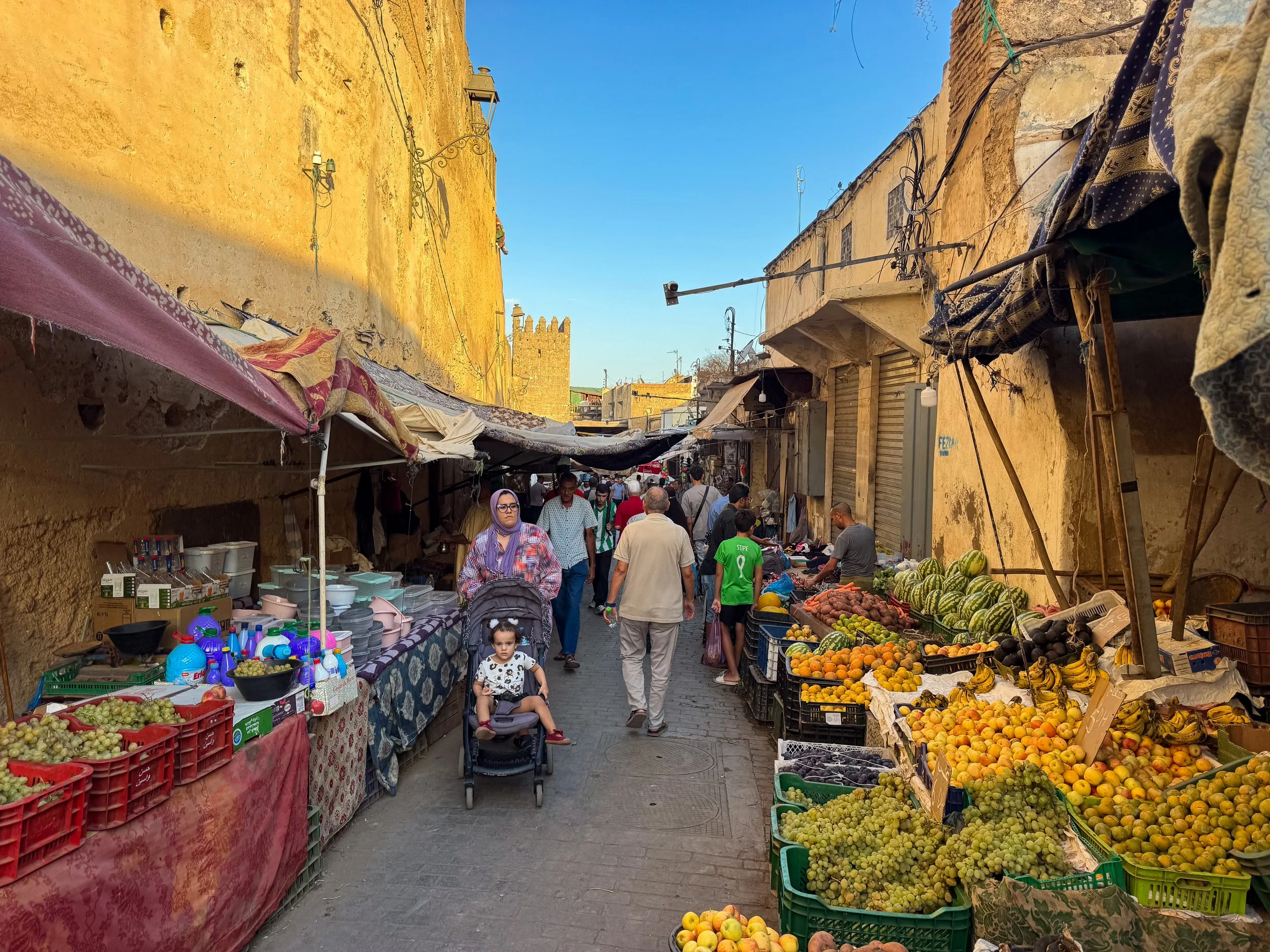
Rue Talaa Kebira. A lengthy souk street meandering through the center of the old medina. Beginning near the Al Attarine Madrasa, it climbs uphill toward Bab Boujloud. The souk’s rich tapestry of artisans and vendors display Moroccan home decor such as rugs, poufs and brass lanterns. Merchants and customers haggle over leather goods, scarves and jewelry. Spice shops, small cafés and unassuming eateries add local flavors to the mix. A farmers market provides locals with fresh produce, meats and grains. Narrow alleyways continually branch off, leading deeper into the medina. Visit the souk street of Rue Talaa Sghira for a similar experience.
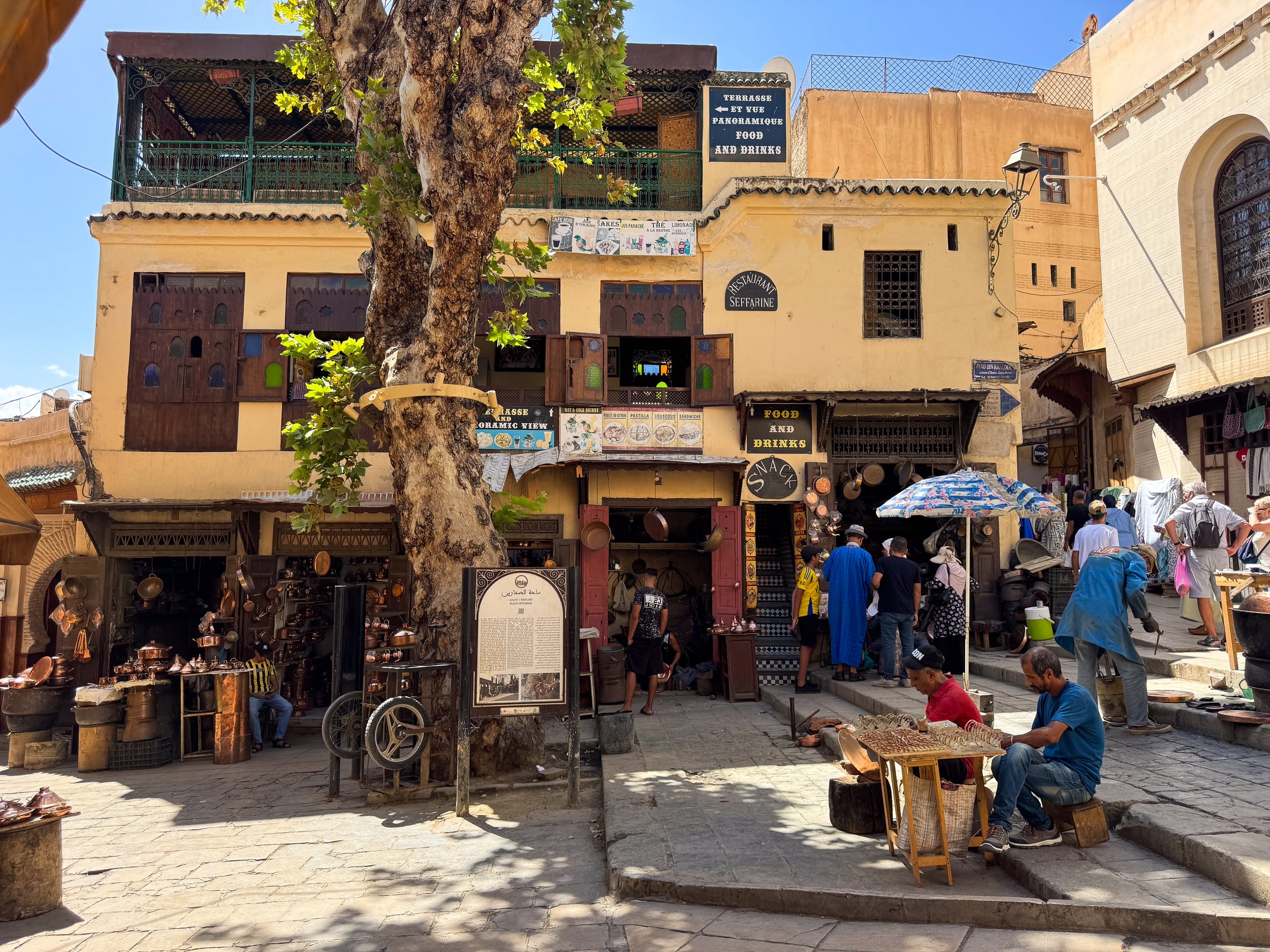
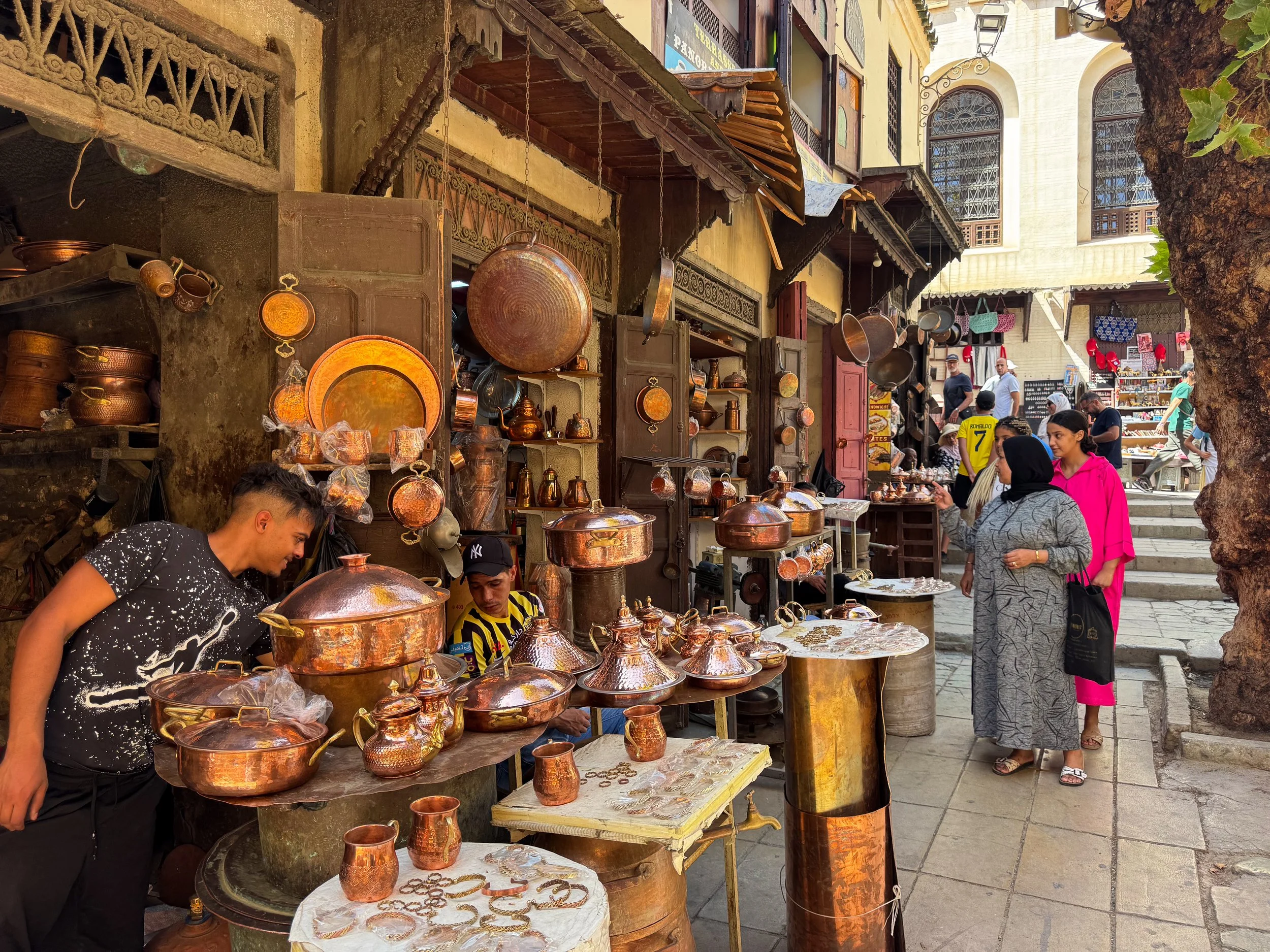
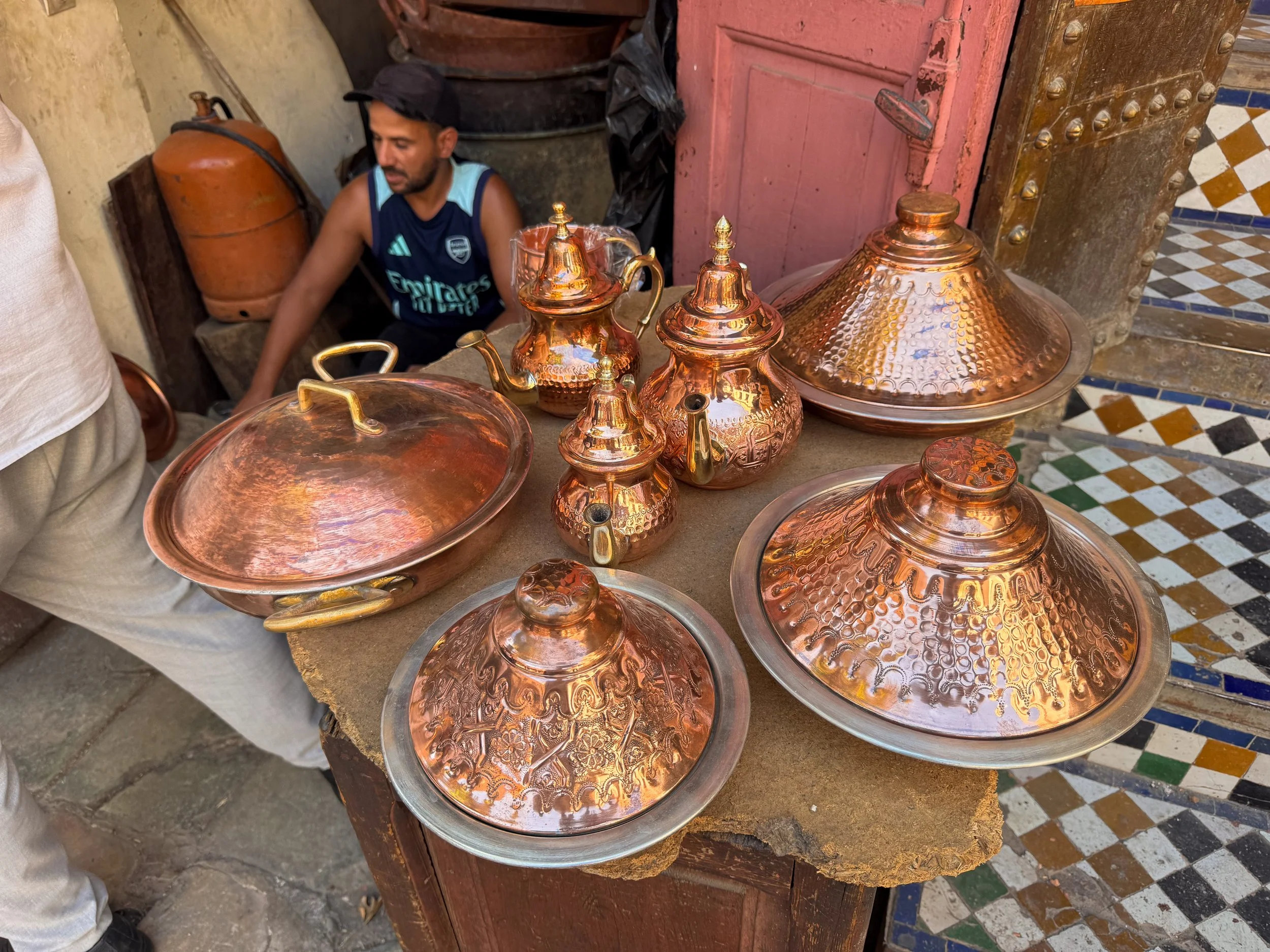
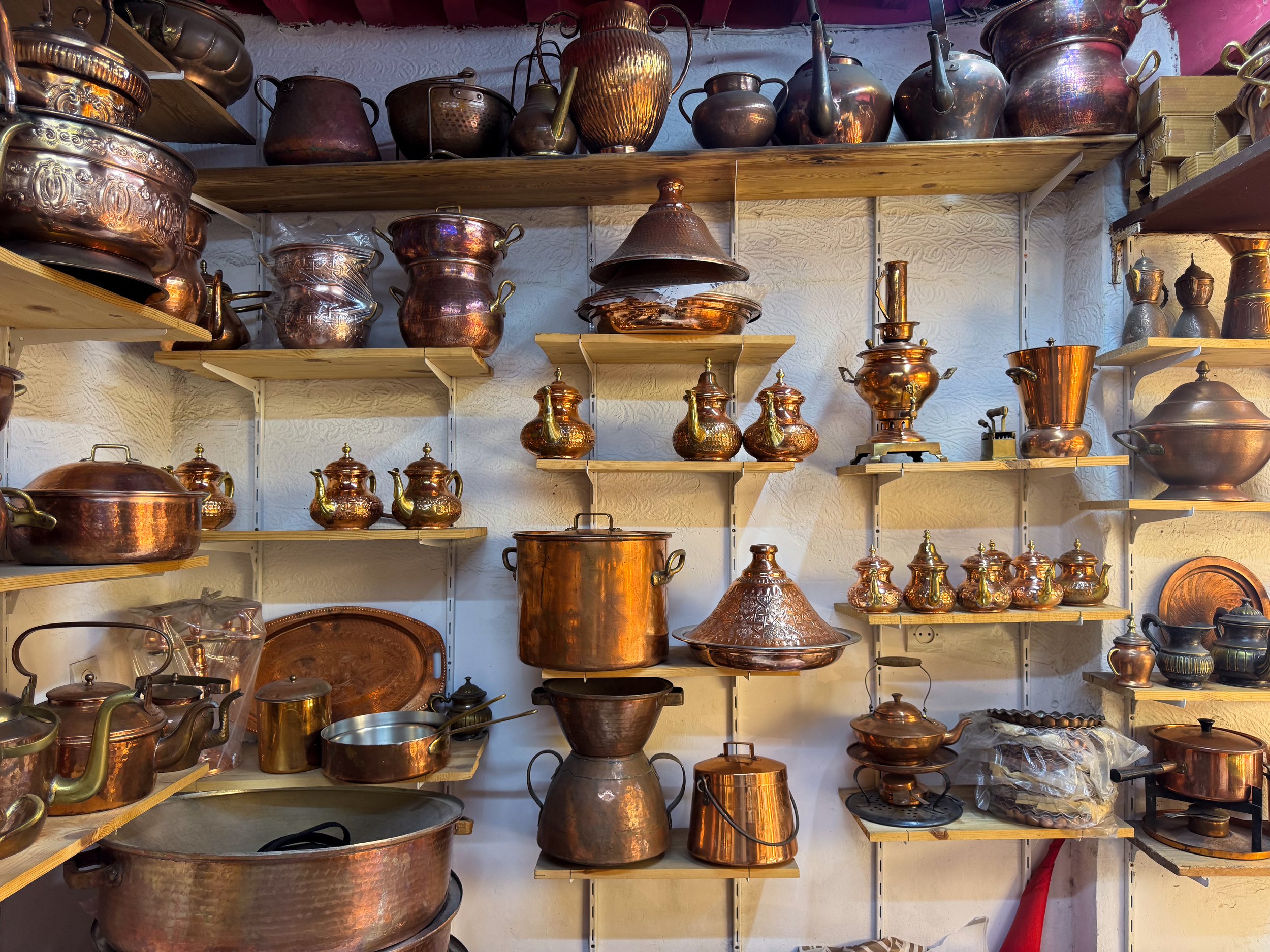
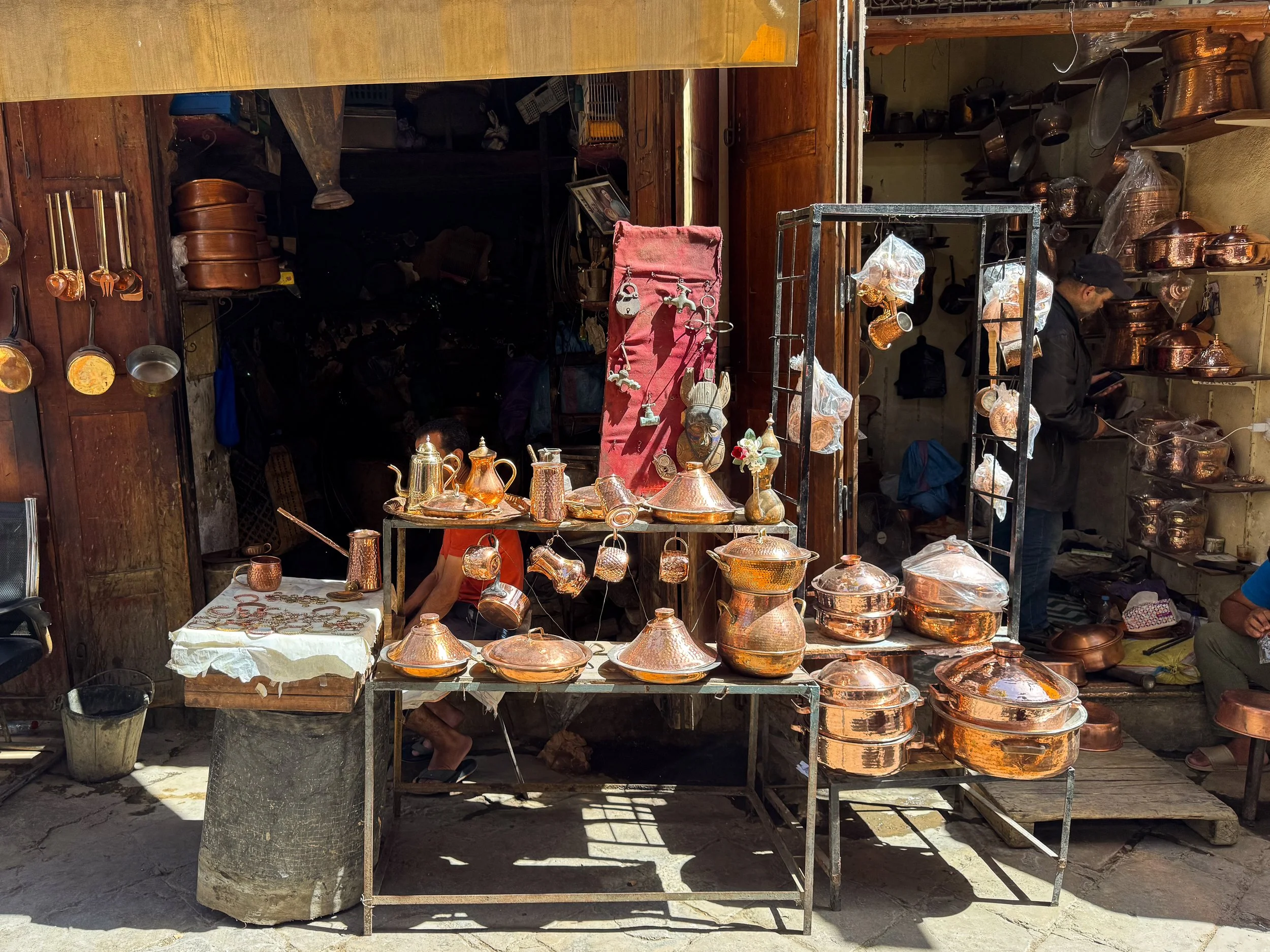
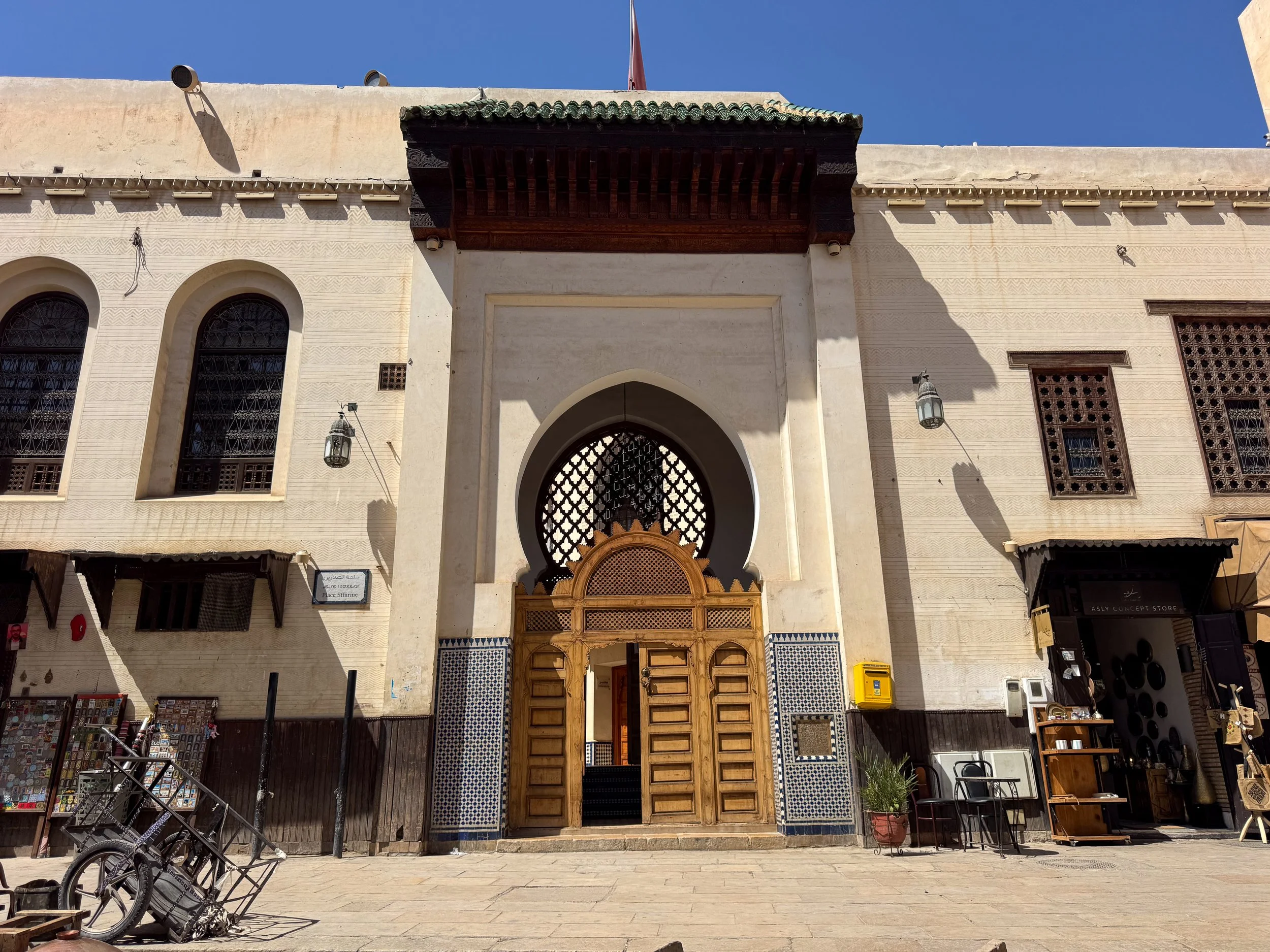
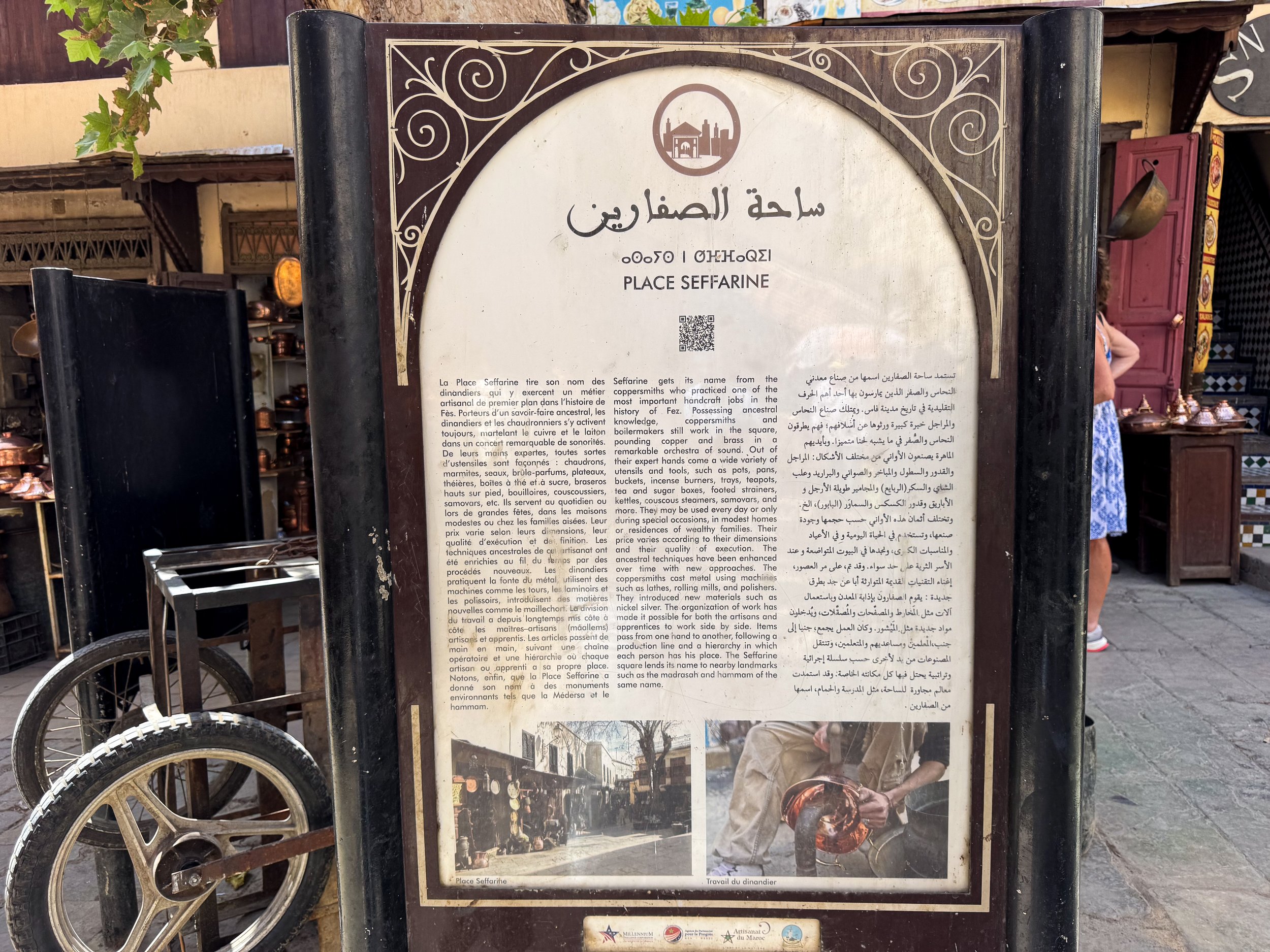
Souk Seffarine. A metalworking souk centered around a small plaza in the old medina. The rhythm of sharp clangs echo throughout the air as artisans hammer copper disks into dishes to cook Moroccan pastilla. Metalworkers labor in the open plaza and inside cluttered studios while shopkeepers display copper tagines, teapots, brass lamps, antiques and a variety of goods.
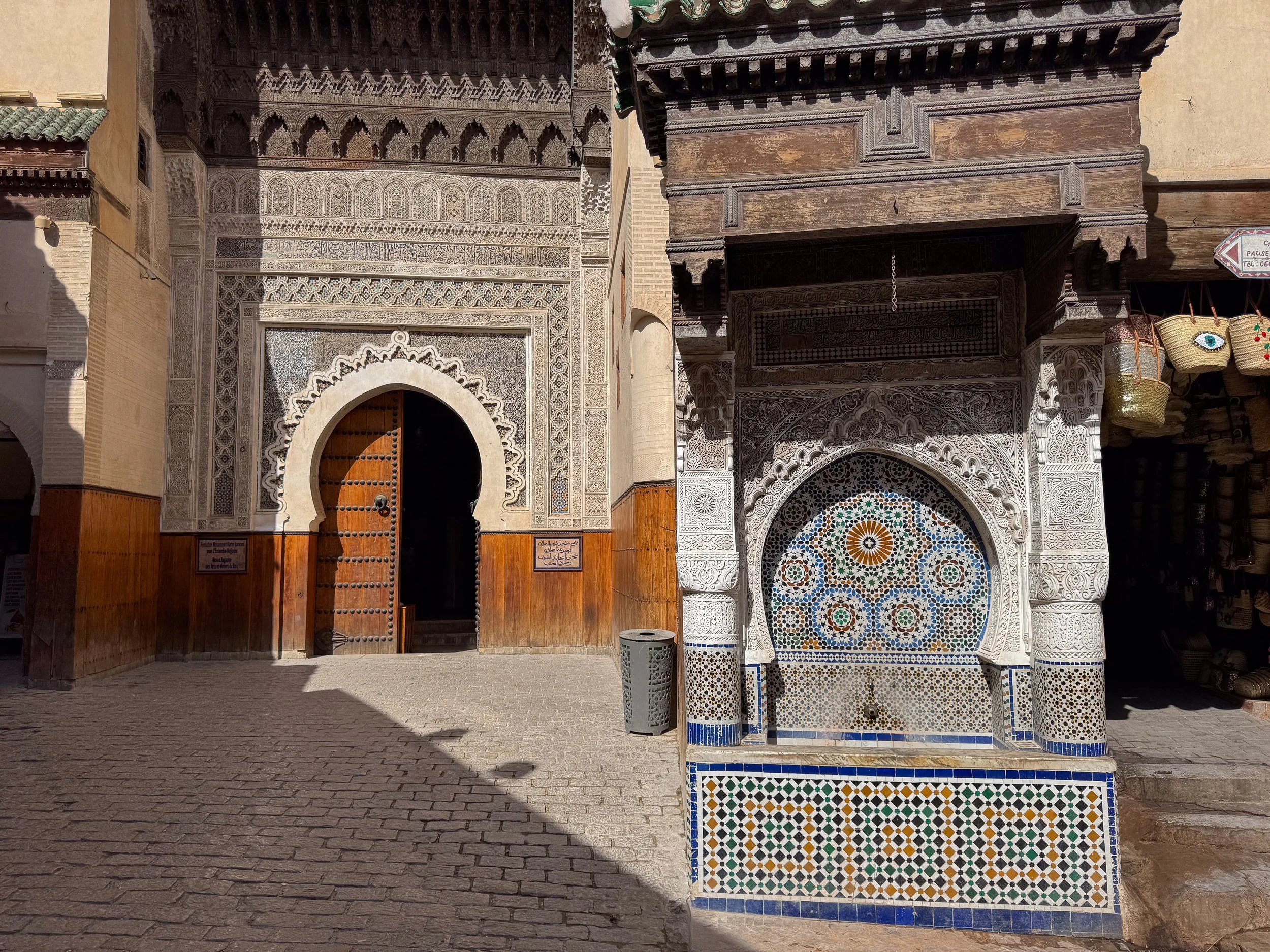
Souk Nejjarine. A small woodworking souk in the plaza outside of the Nejjarine Museum. Artisans chisel away at blocks of wood, whittle figurines and spin lathes to create decorative boxes, berber locks and ornate reliefs.
See the Sights
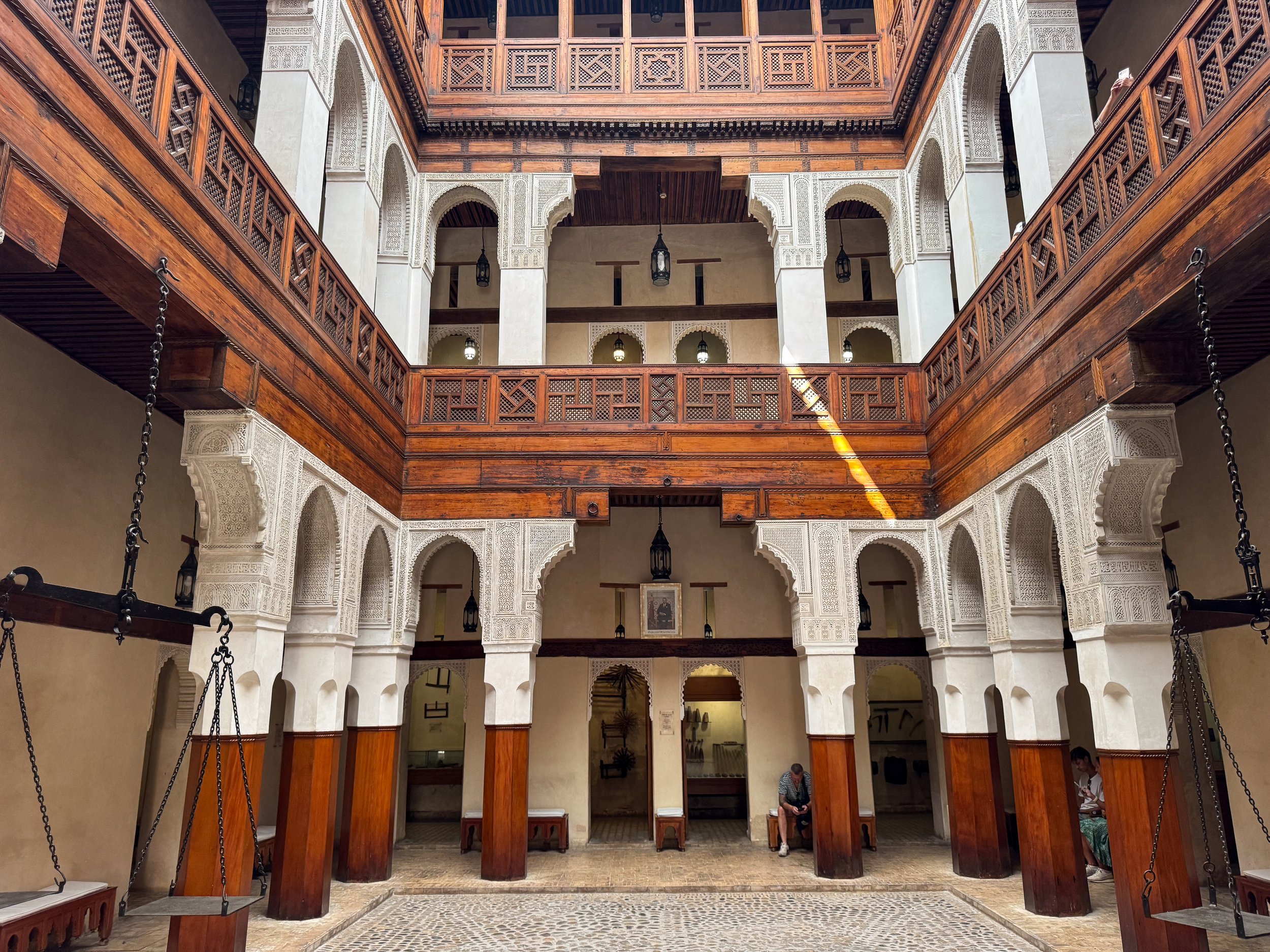
Nejjarine Museum. A museum showcasing Morocco’s wooden craftsmanship. Housed in a restored wooden building, three floors of galleries focus on different aspects of woodworking. Exhibits display Moroccan wood species, woodworking tools, home decor, musical instruments and architectural elements.
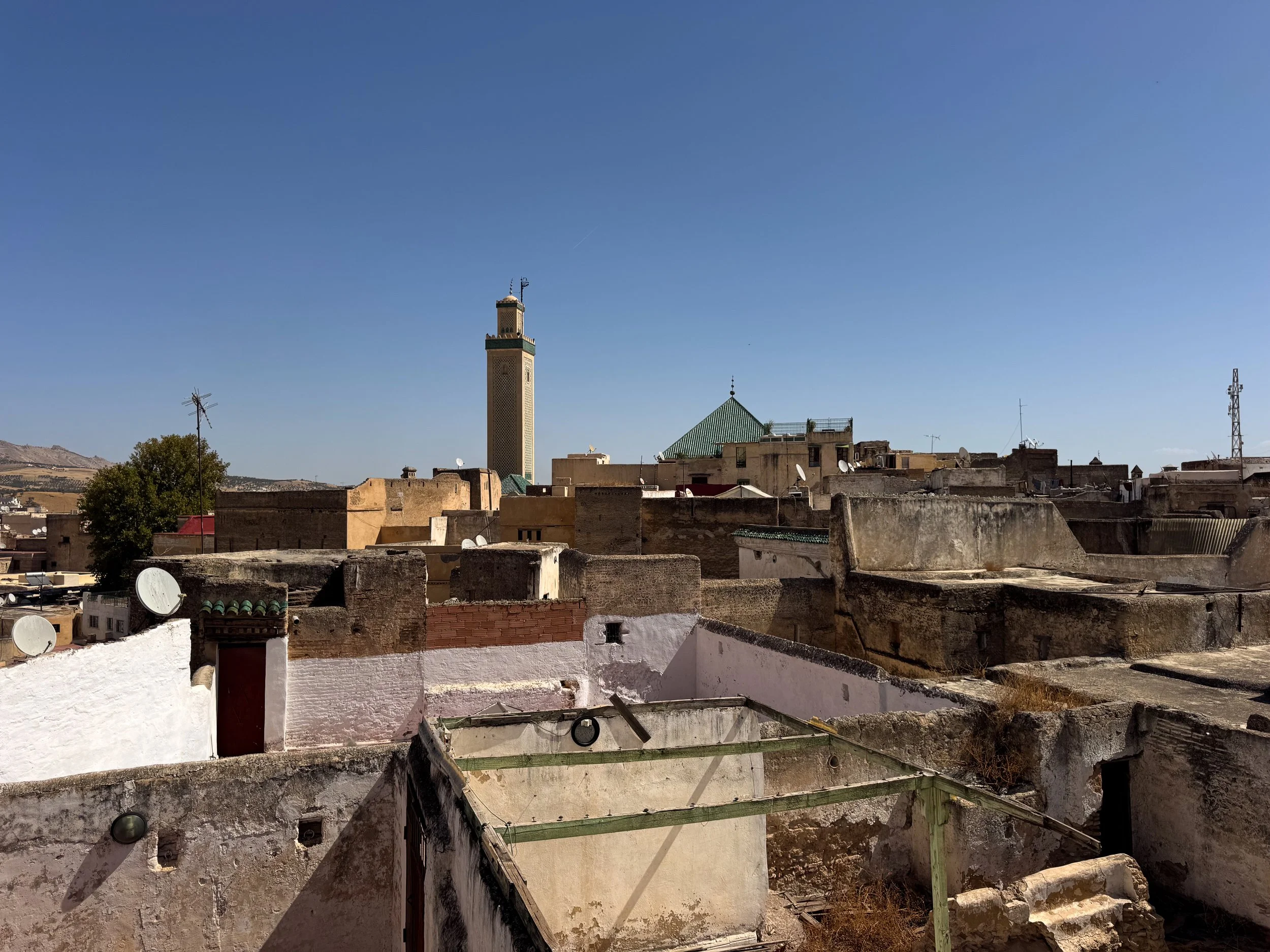
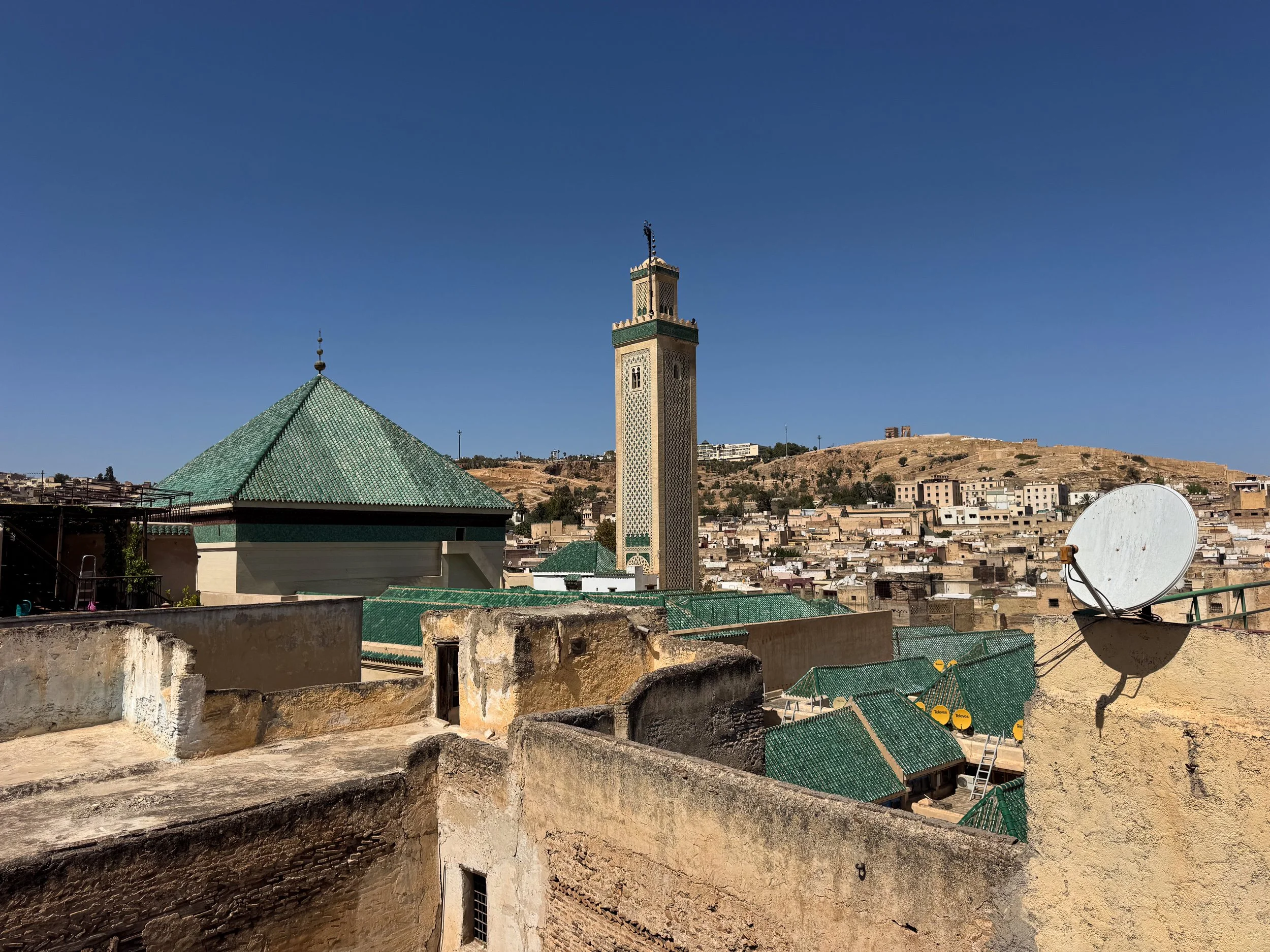
Nejjarine Museum Rooftop. The rooftop of the Nejjarine Museum offers panoramic views of the medina while woodworking artisans display their craft in the plaza below. There is a small café up here serving coffees and Moroccan teas.
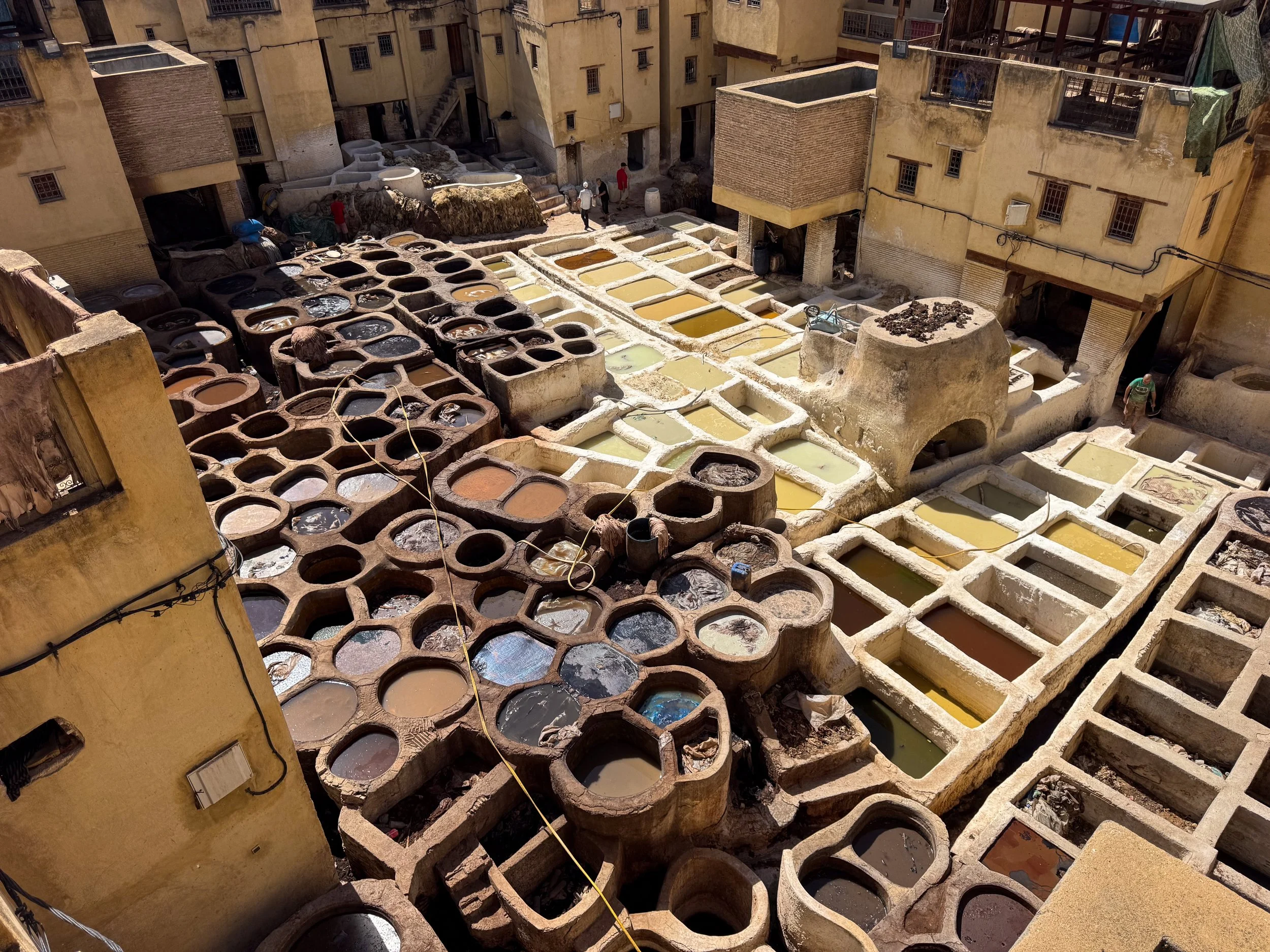
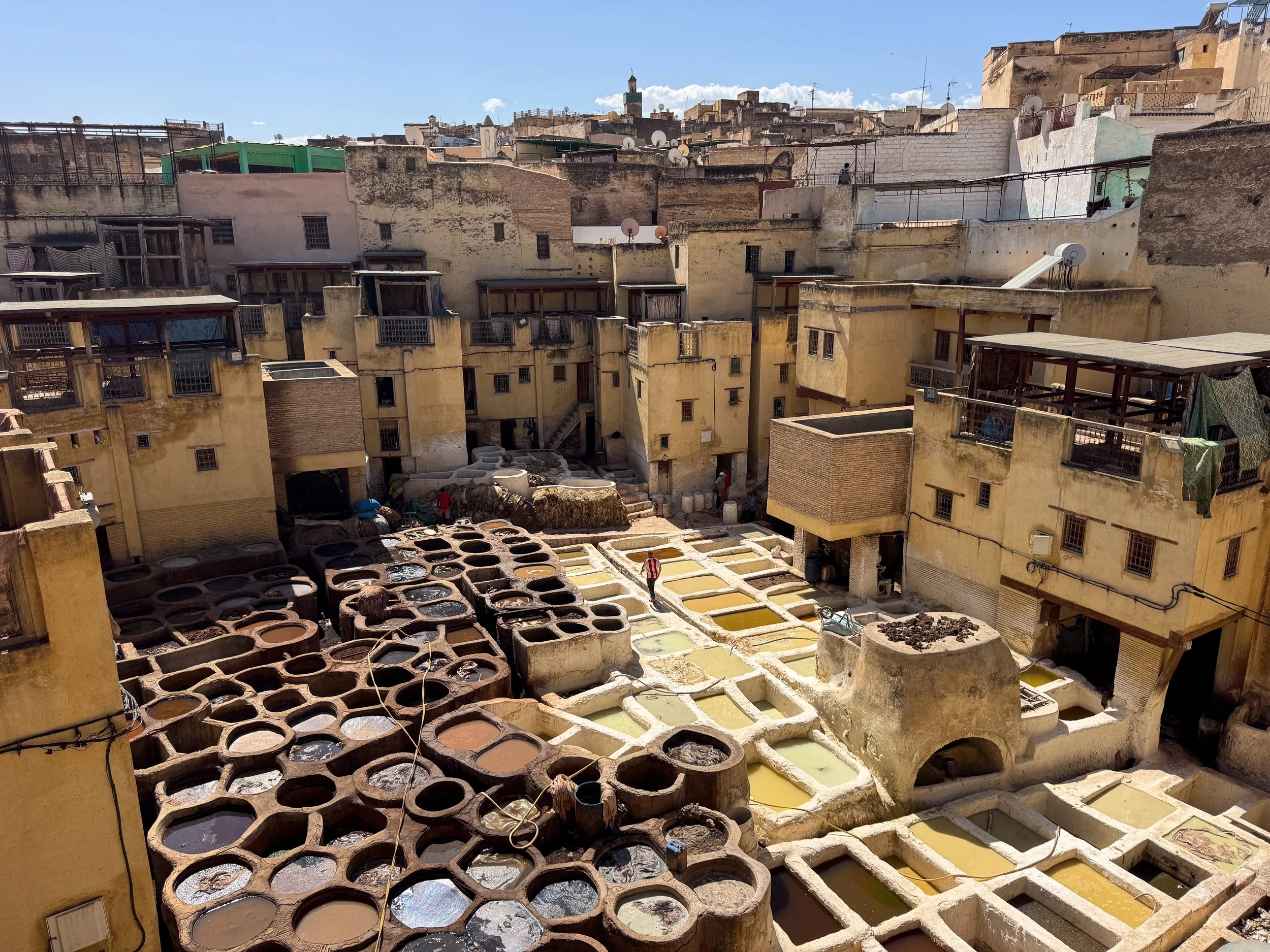
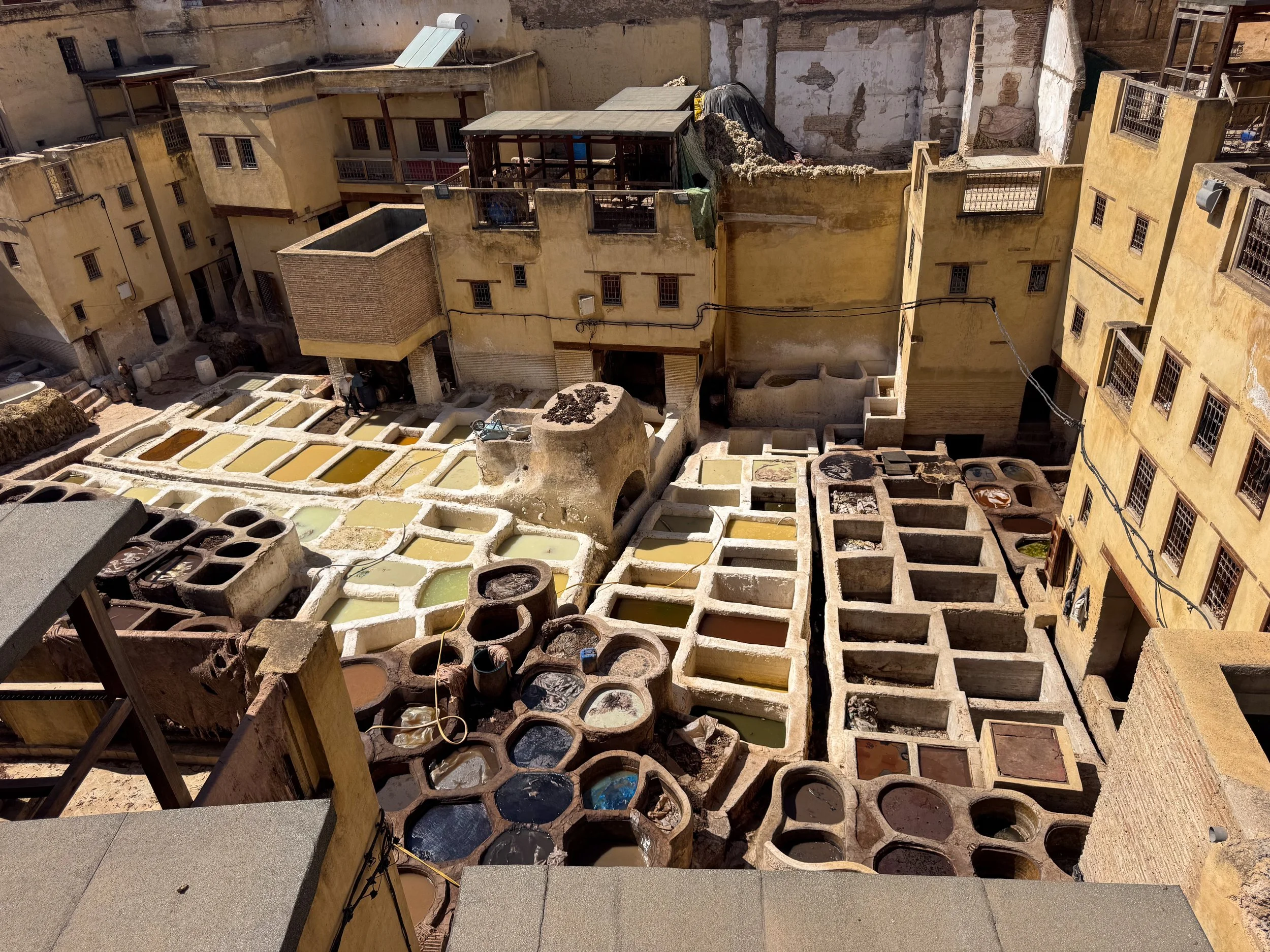
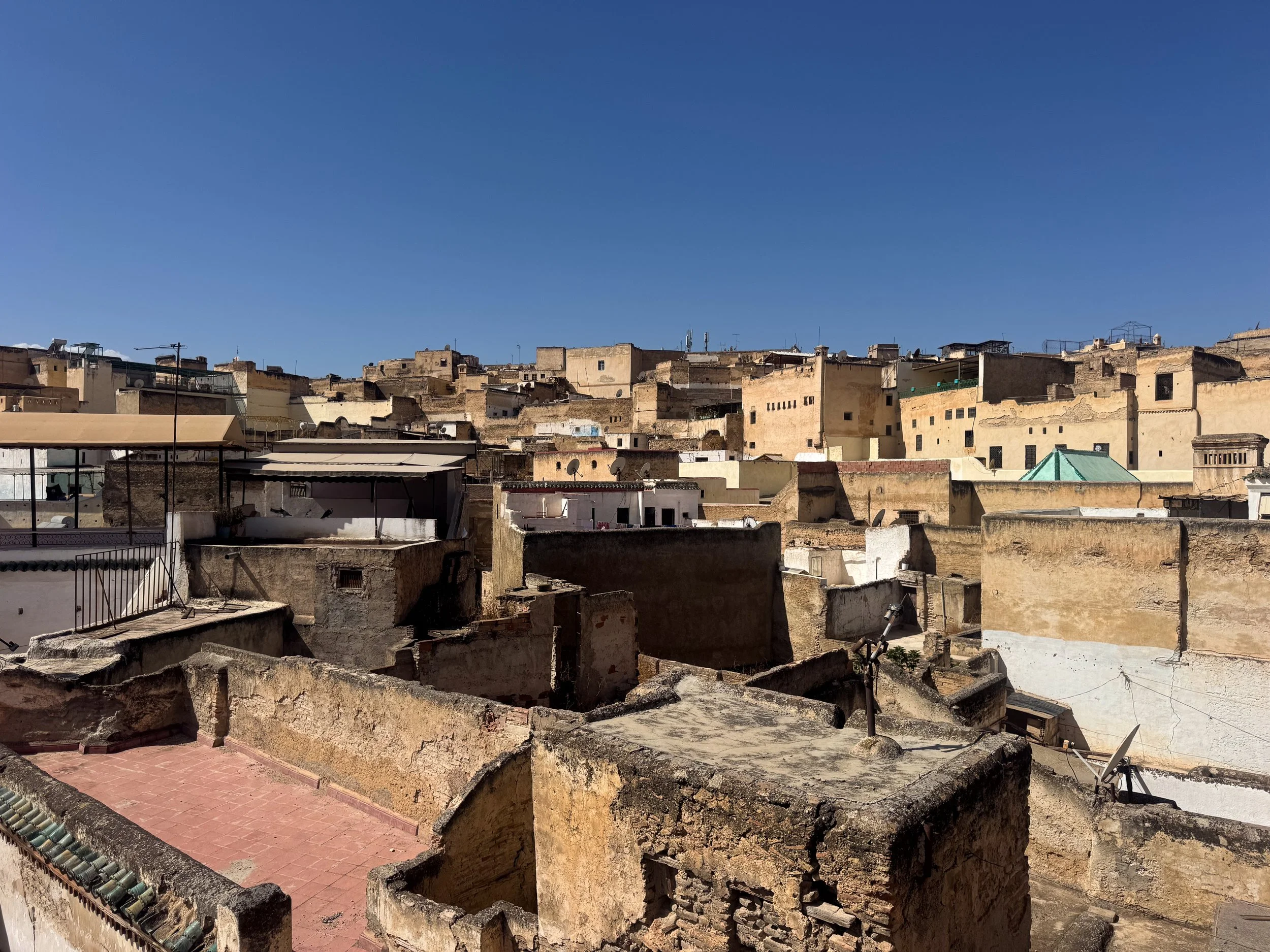
Tanneries de Fes. A historic tannery that offers a vivid glimpse into traditional Moroccan leather making. A series of layered vats filled with chemical solutions and dyes sprawls across the tannery. The air is pungent but manageable. Stacks of cow, goat, camel and sheep skins wait to be processed. Wooden water wheels tumble and wash hides as workers soften them with wooden mallets and dry treated pieces on covered racks. The process can be observed from surrounding rooftops. Finished leather goods are sold in nearby shops and souks.
Getting Here. Walk through a passageway on the left side of the Nejjarine Museum. There is a leather goods shop with rooftop views of the tanneries. They allow free access in exchange for perusing their products.
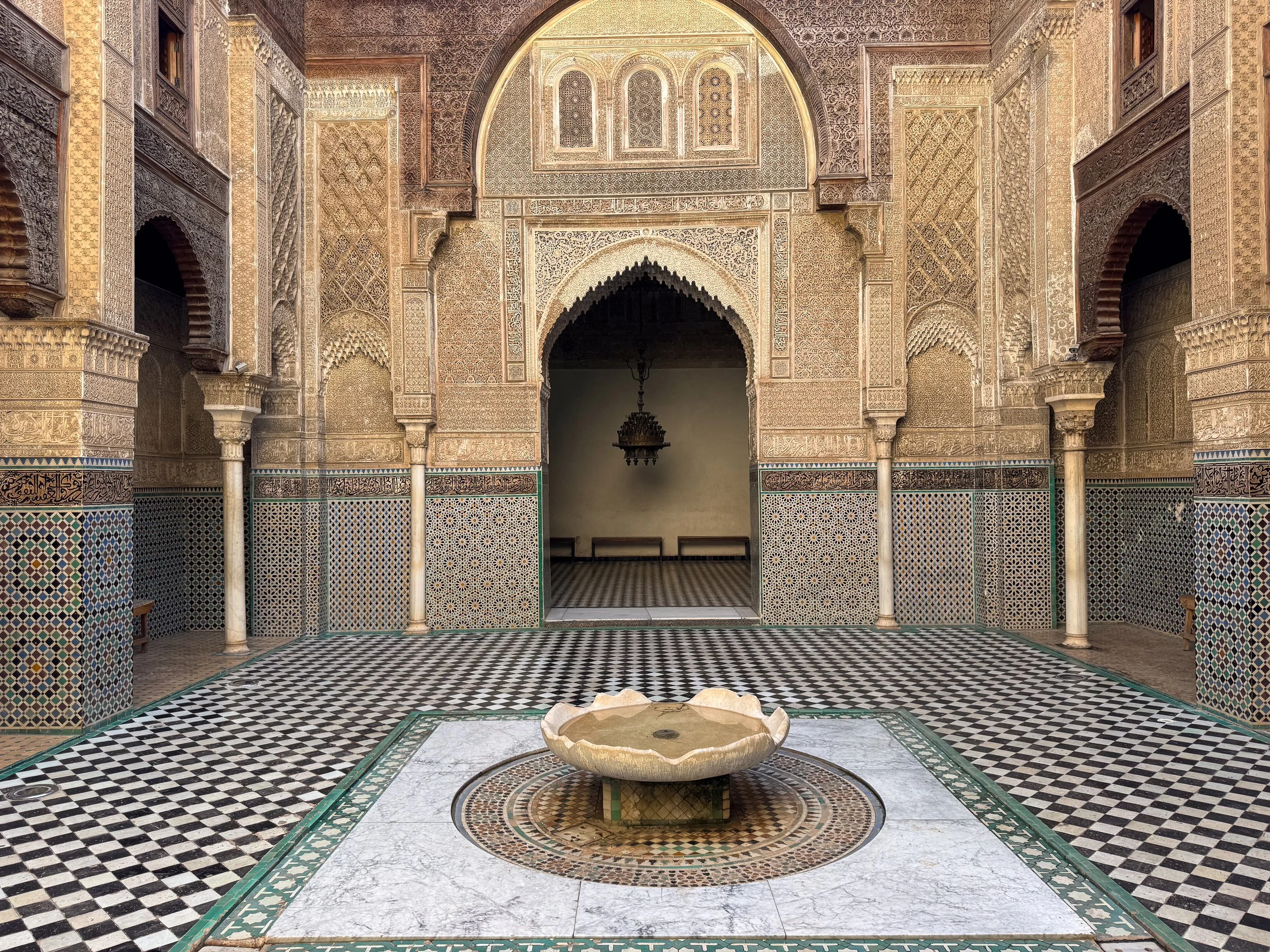
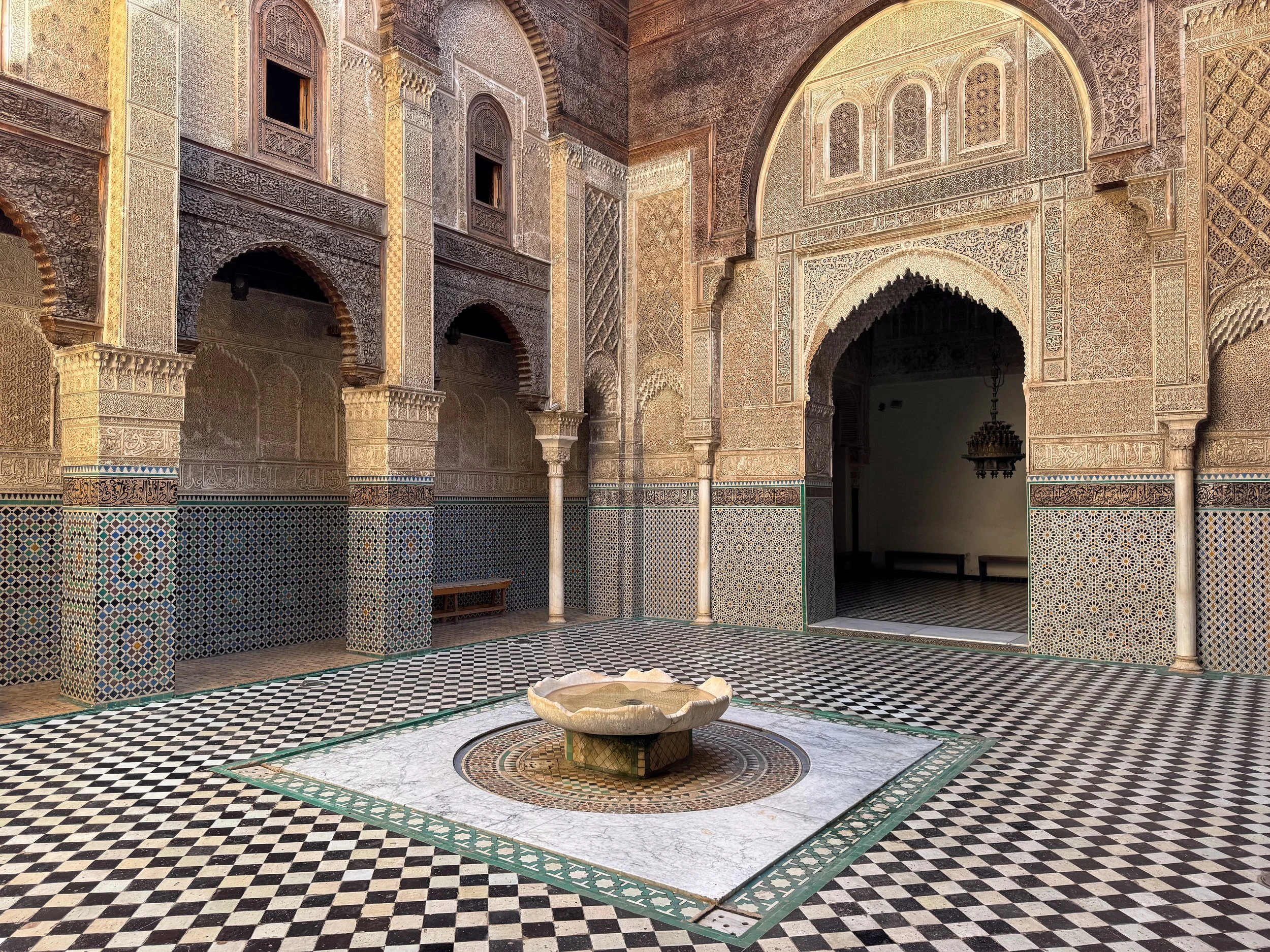
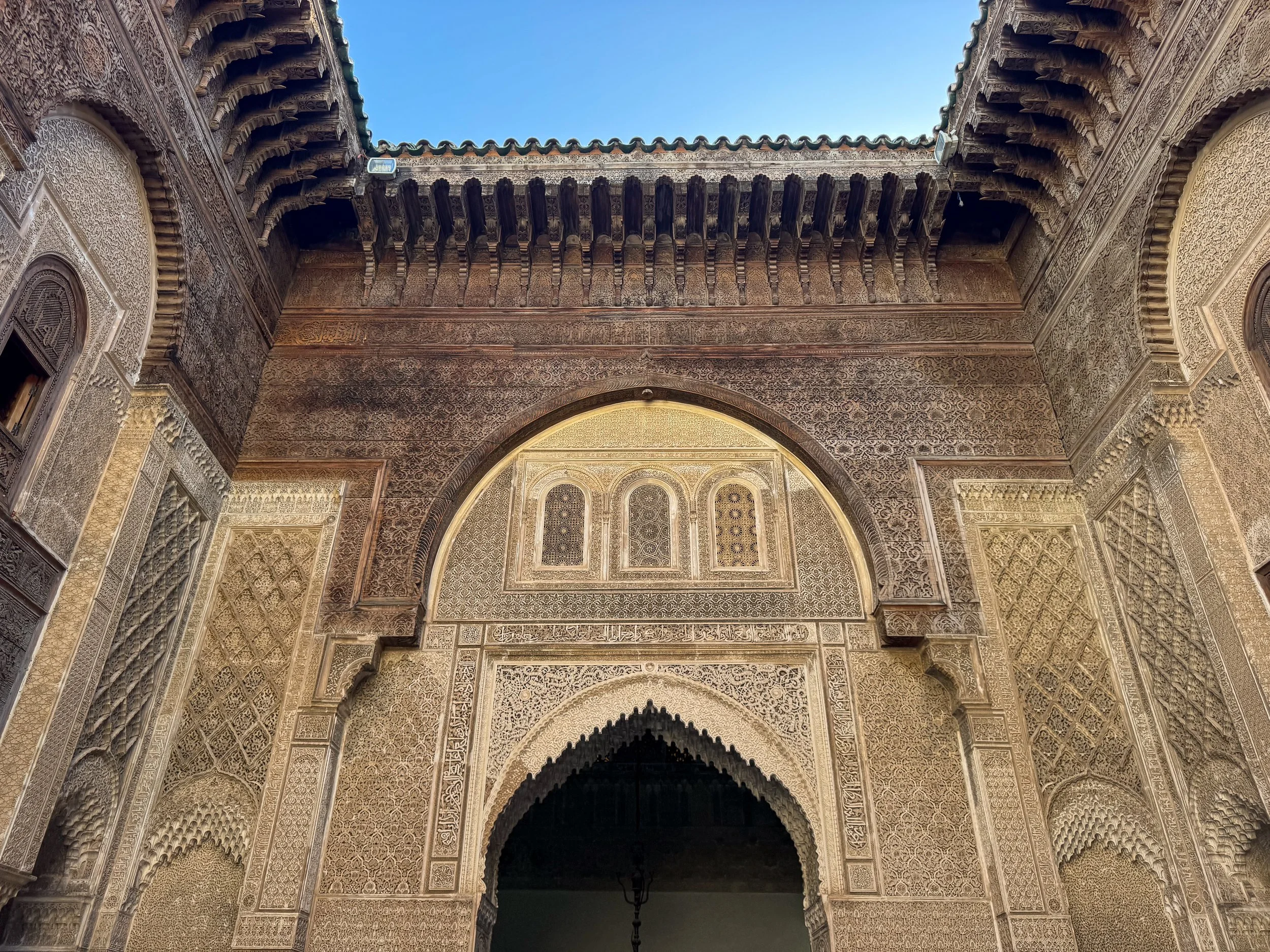
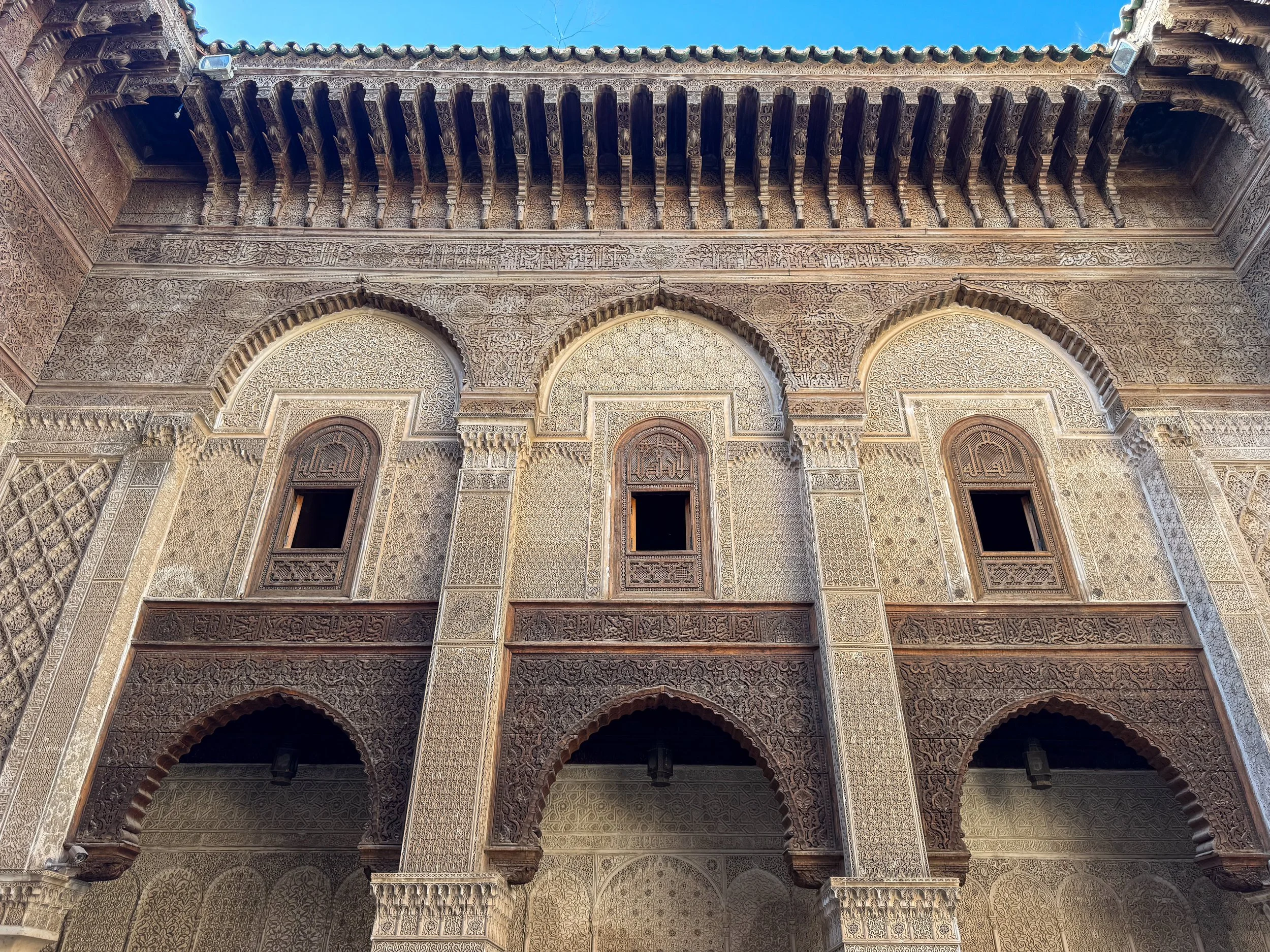
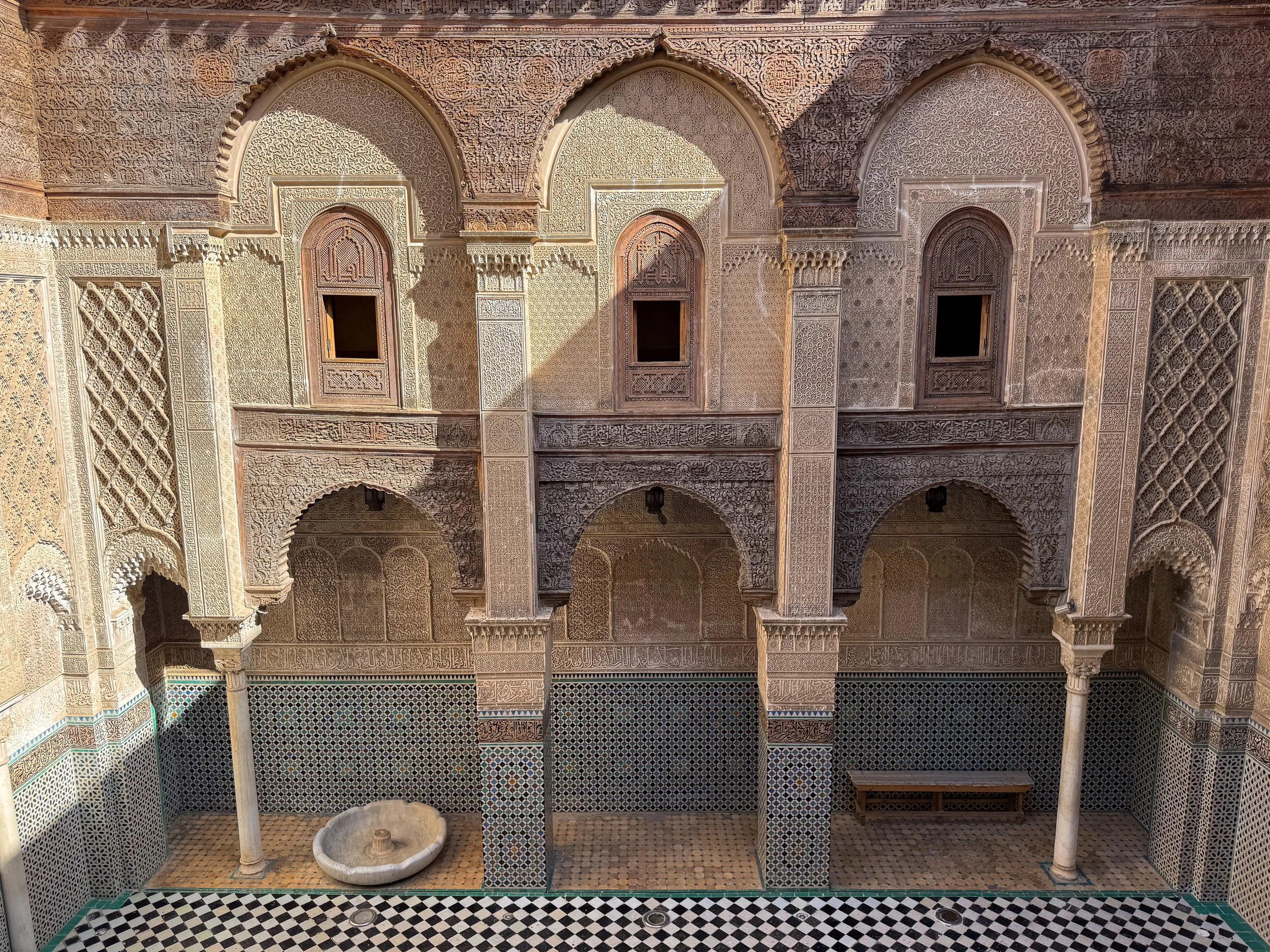
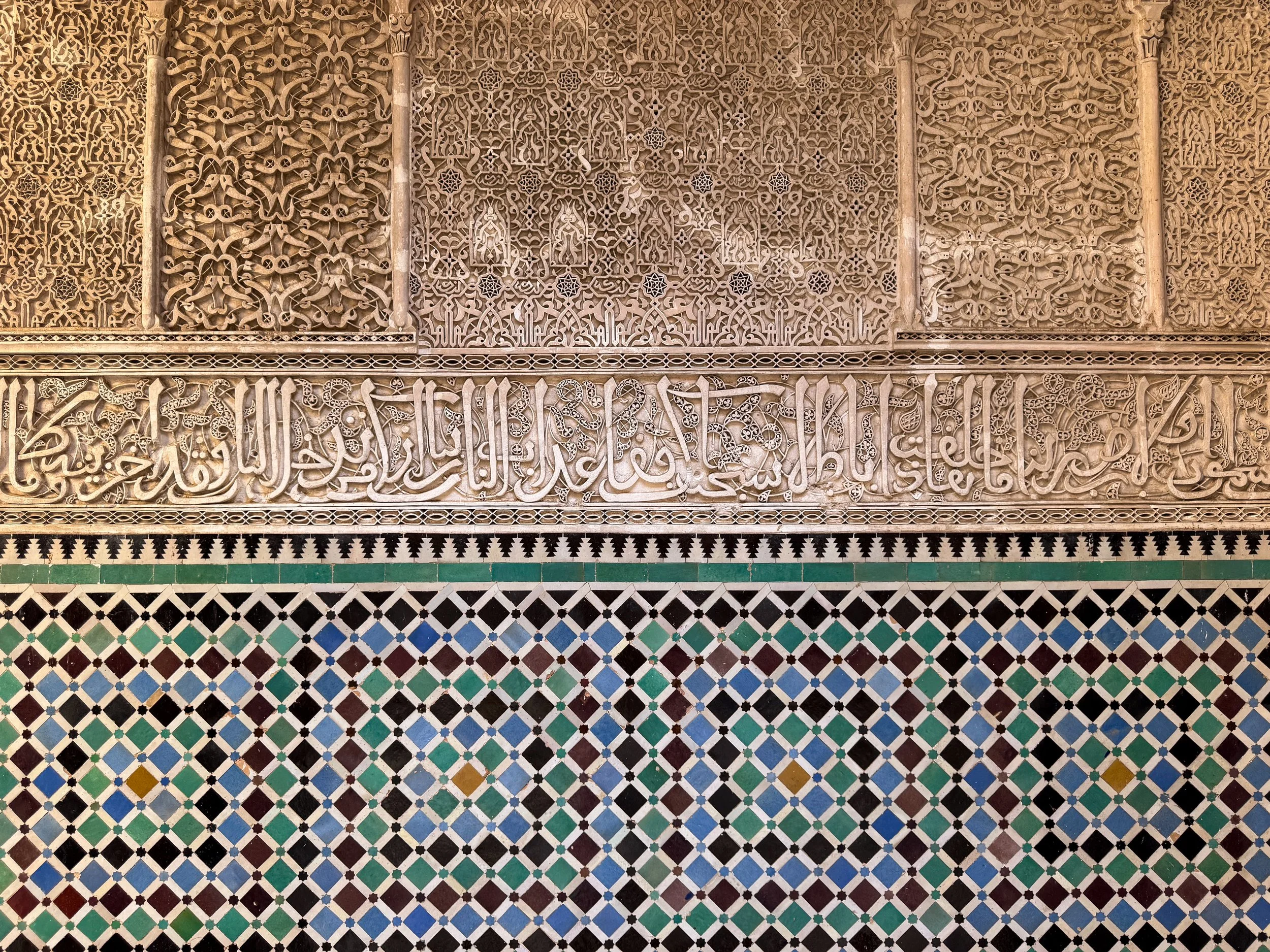
Al Attarine Madrasa. A remarkably ornate 14th century university located in the old medina. At its heart lies an open air courtyard layered with intricately styled plasterwork, finely carved wooden features and multi colored geometric tiles. Floors of private study rooms surround it, creating a space that blends Islamic scholarship and craftsmanship.
Pro Tip. Arrive at 10am when it opens before large tour groups arrive.
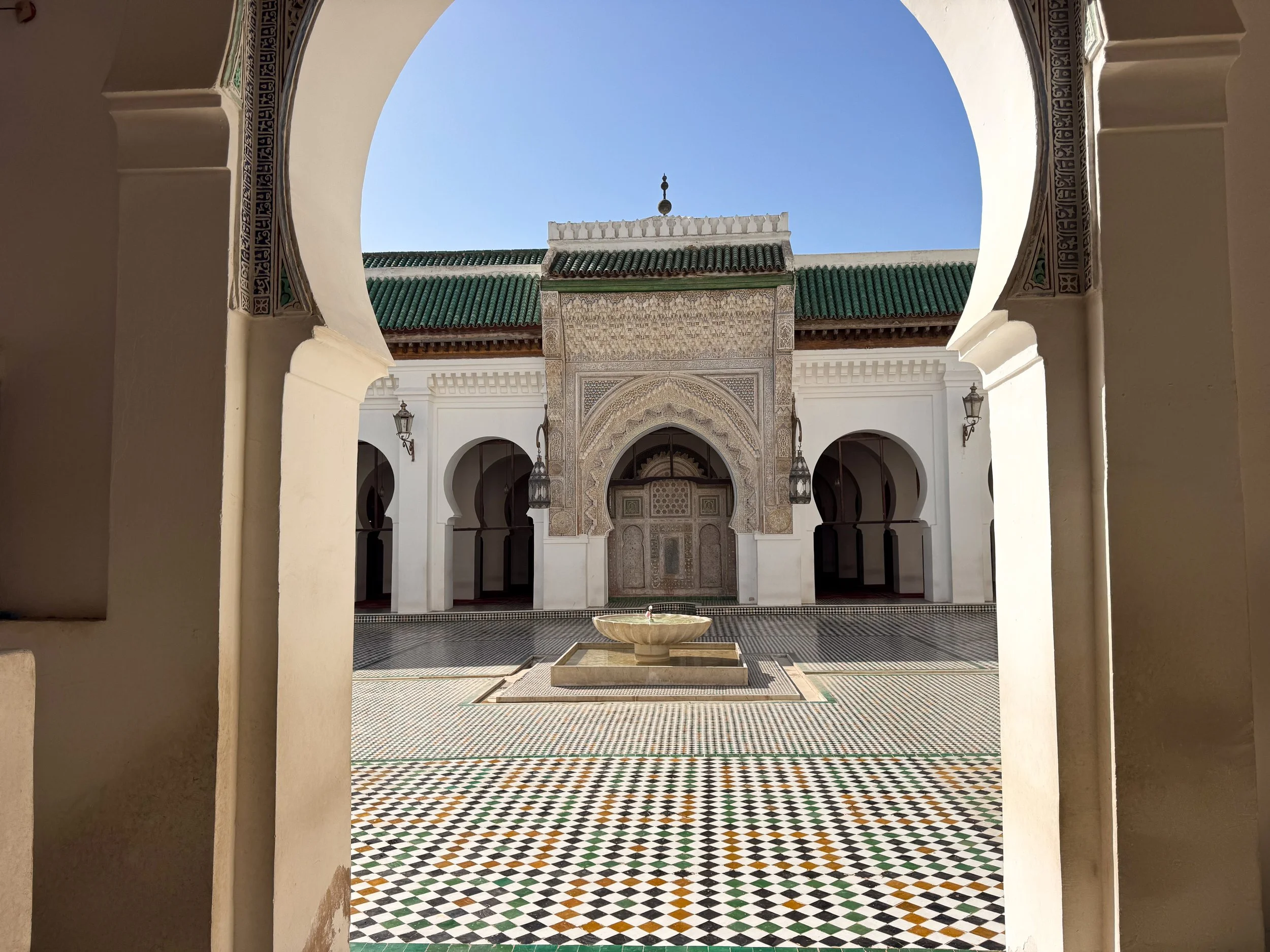
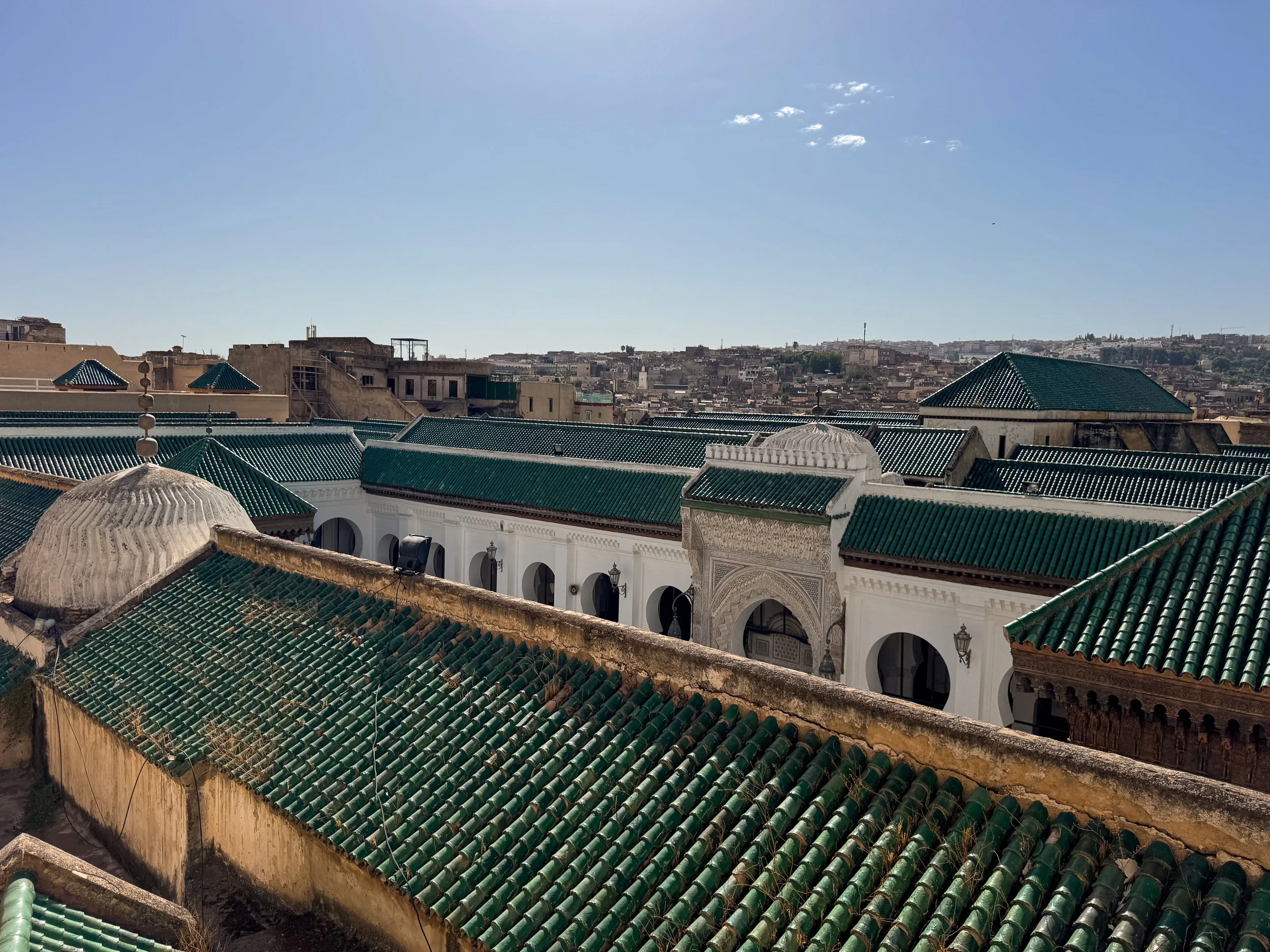
Al Quaraouiyine. A massive mosque and madrasa home to the world’s oldest university, founded in 859 CE. Non Muslims can admire its exquisite courtyard through the arched wooden doors. The mosque’s distinctive green tiled roof and minaret are visible from the nearby Al Attarine Madrasa.
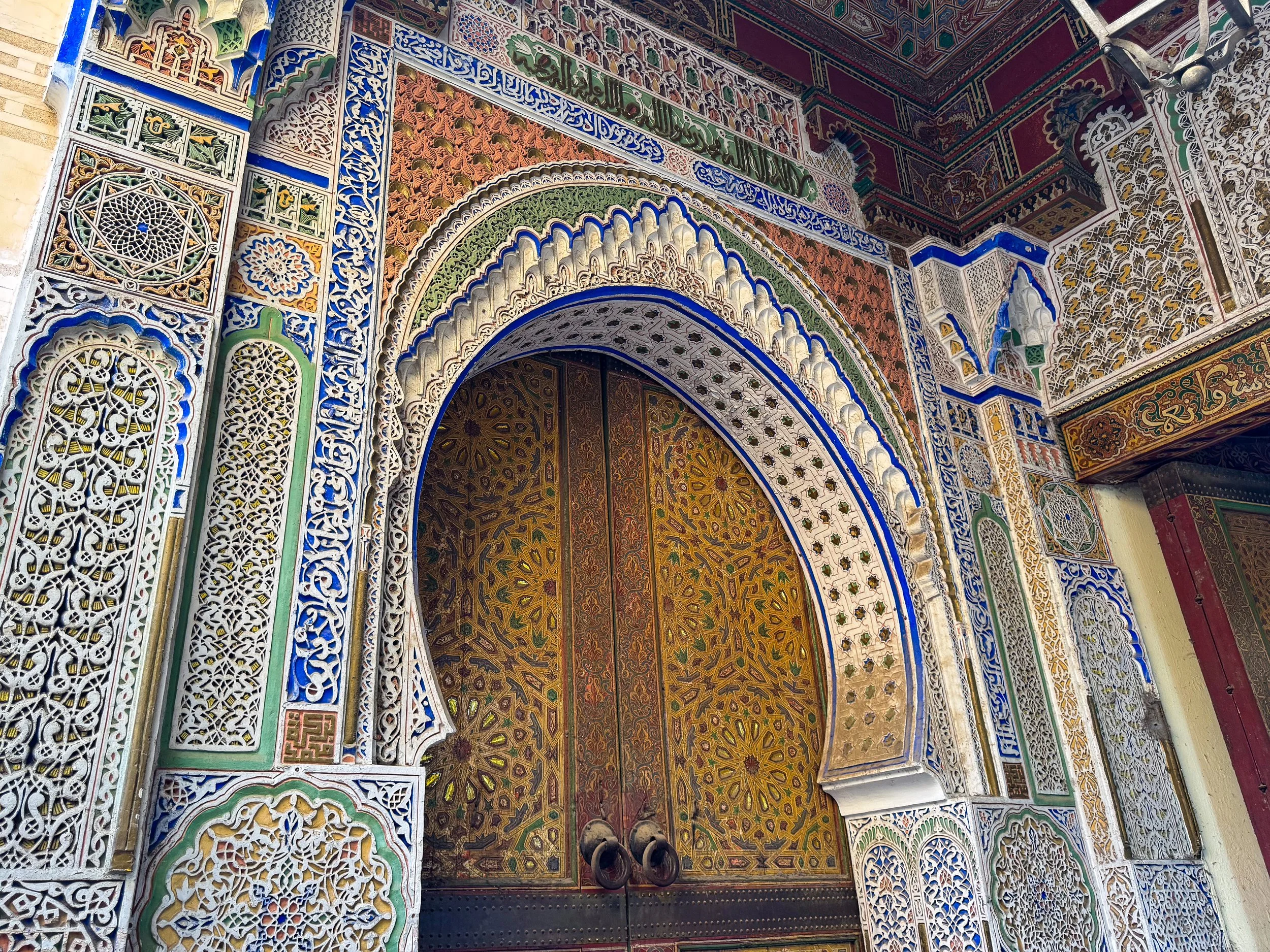
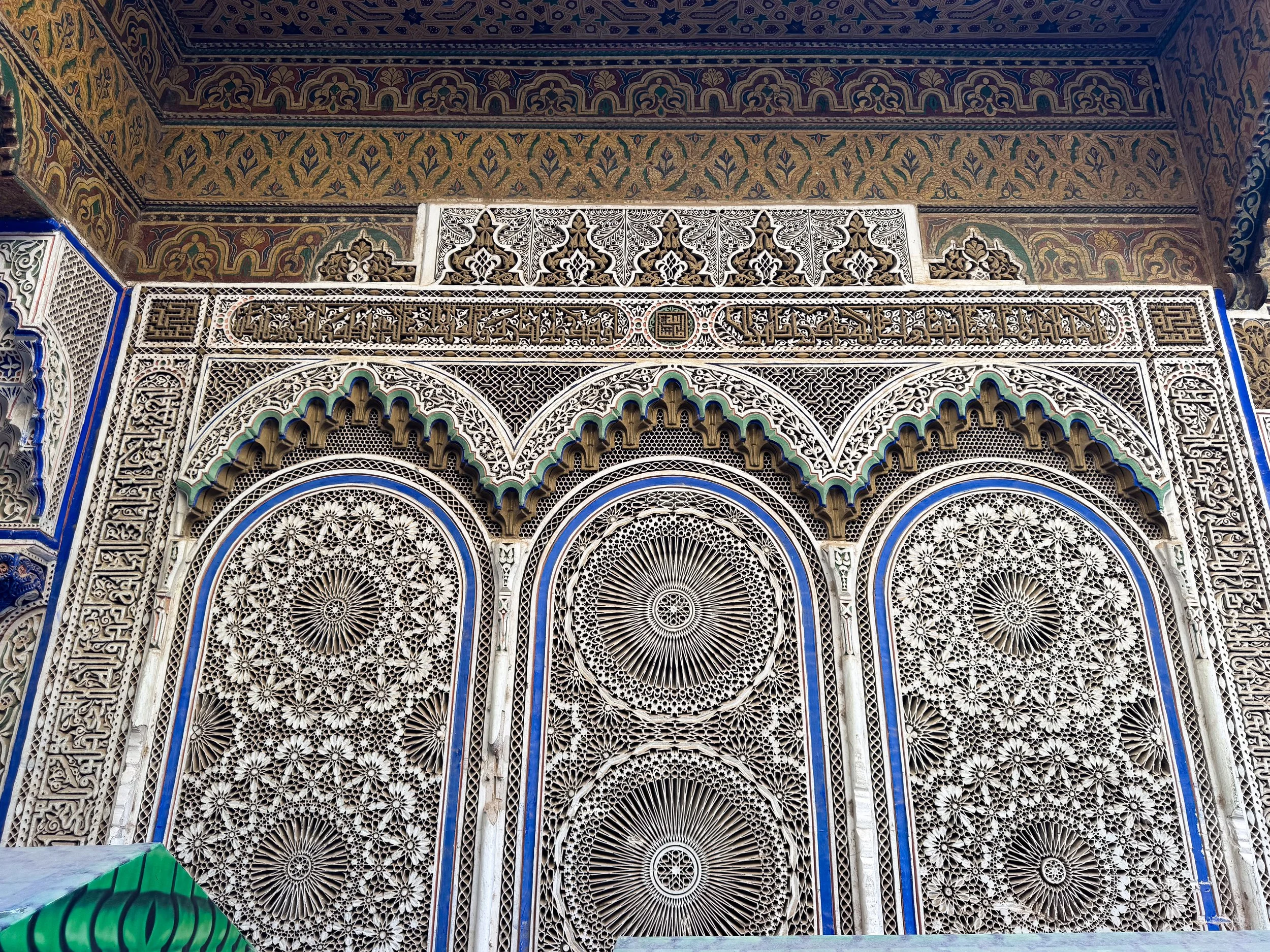
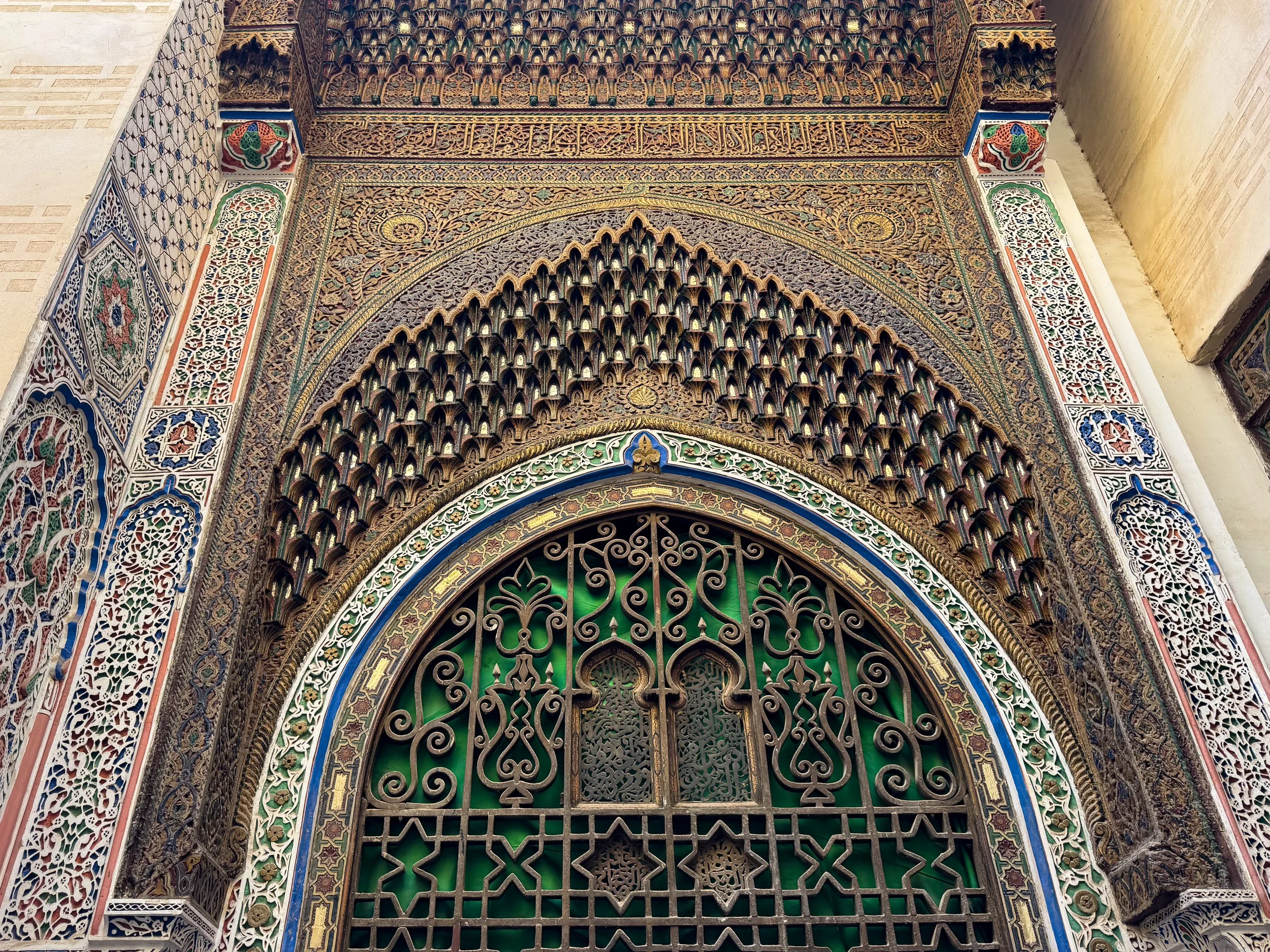
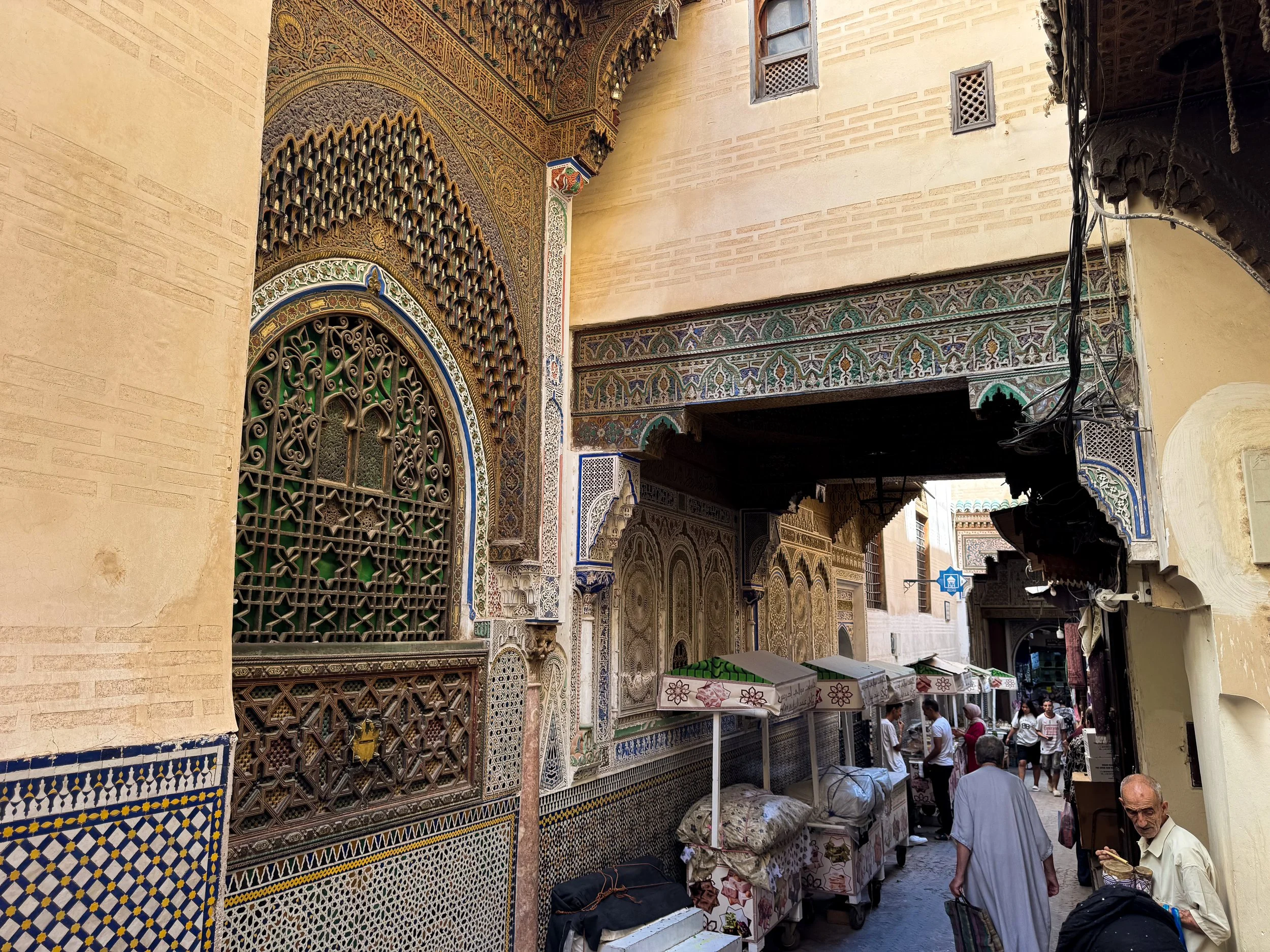
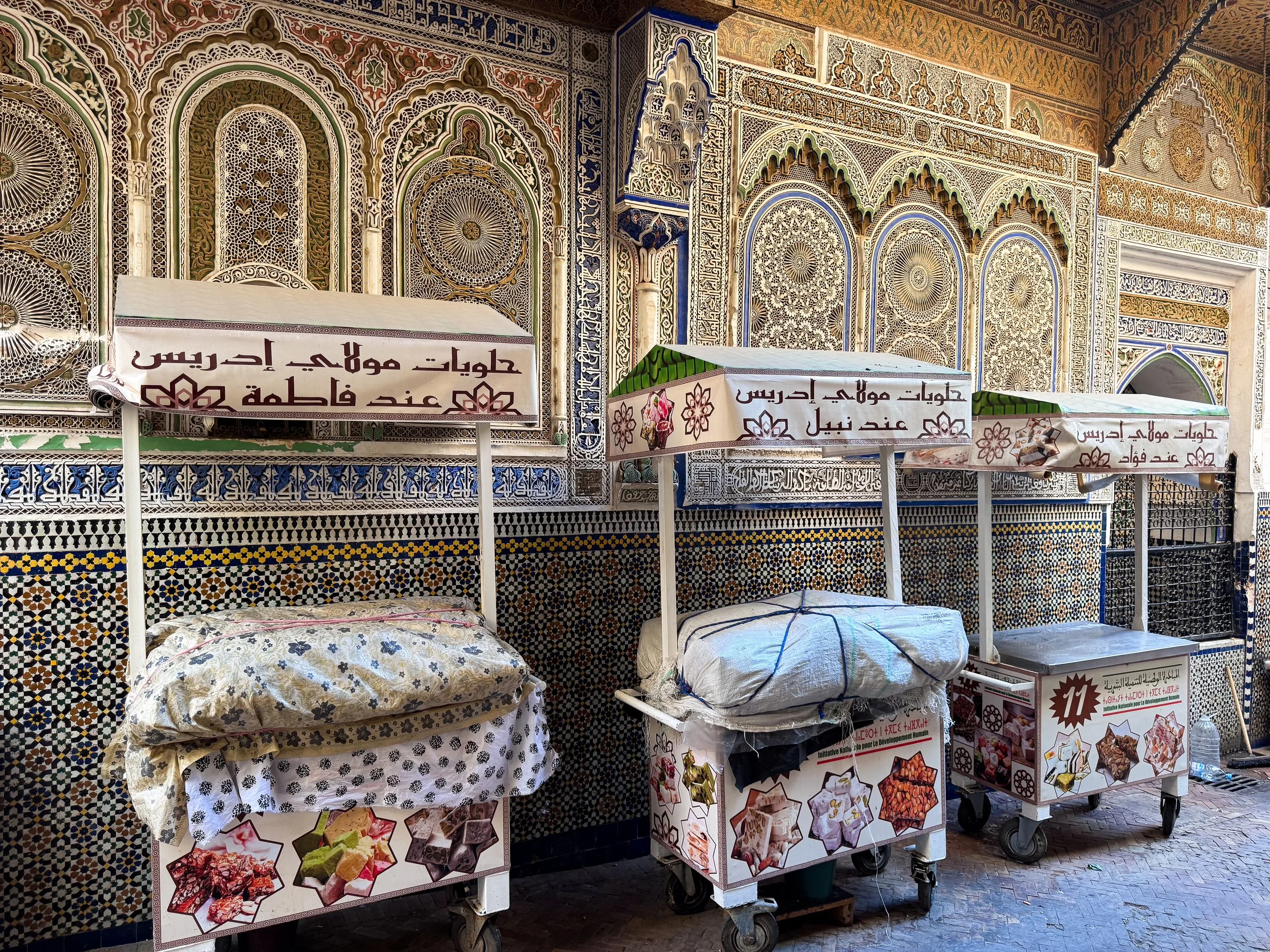
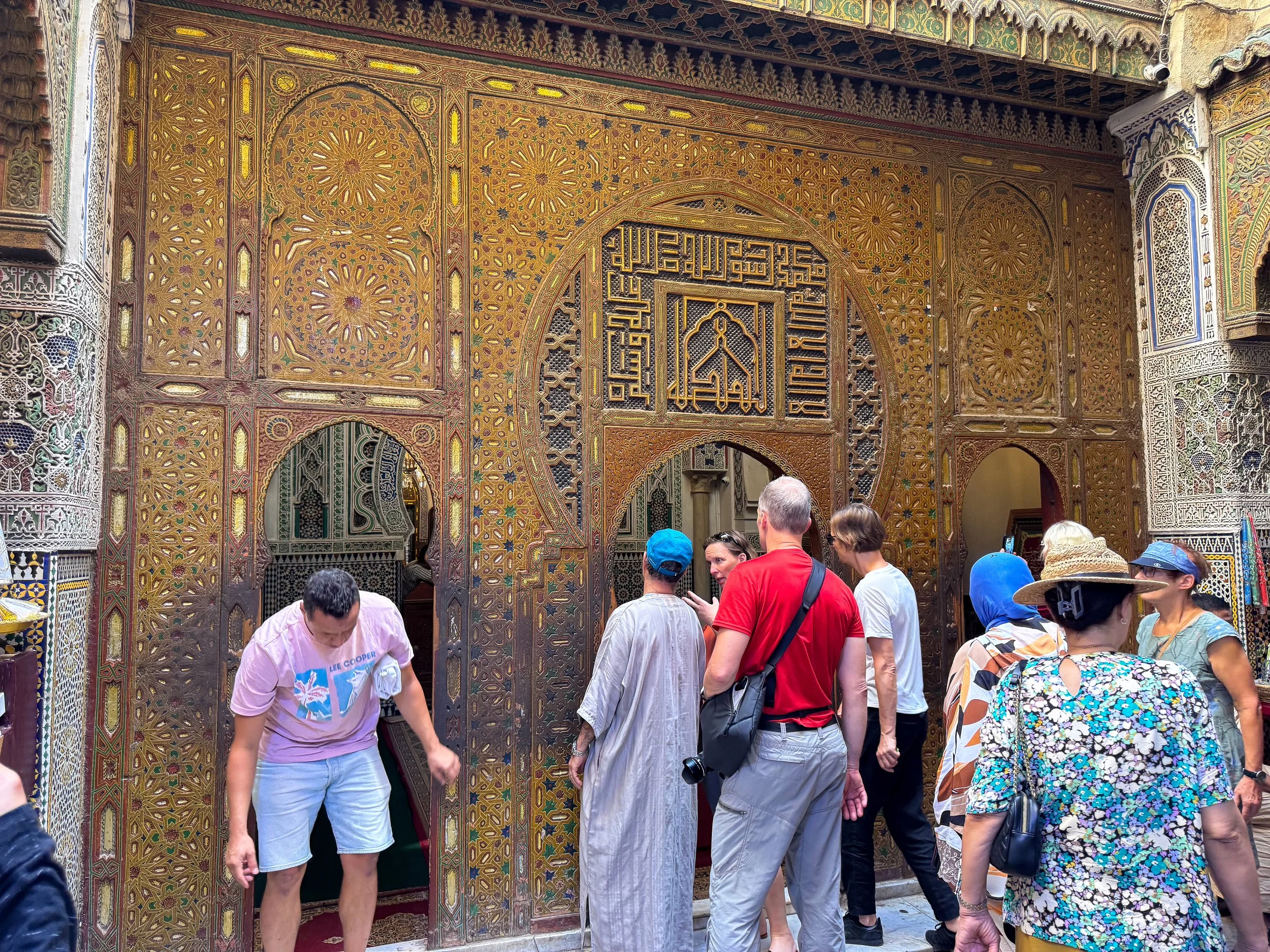
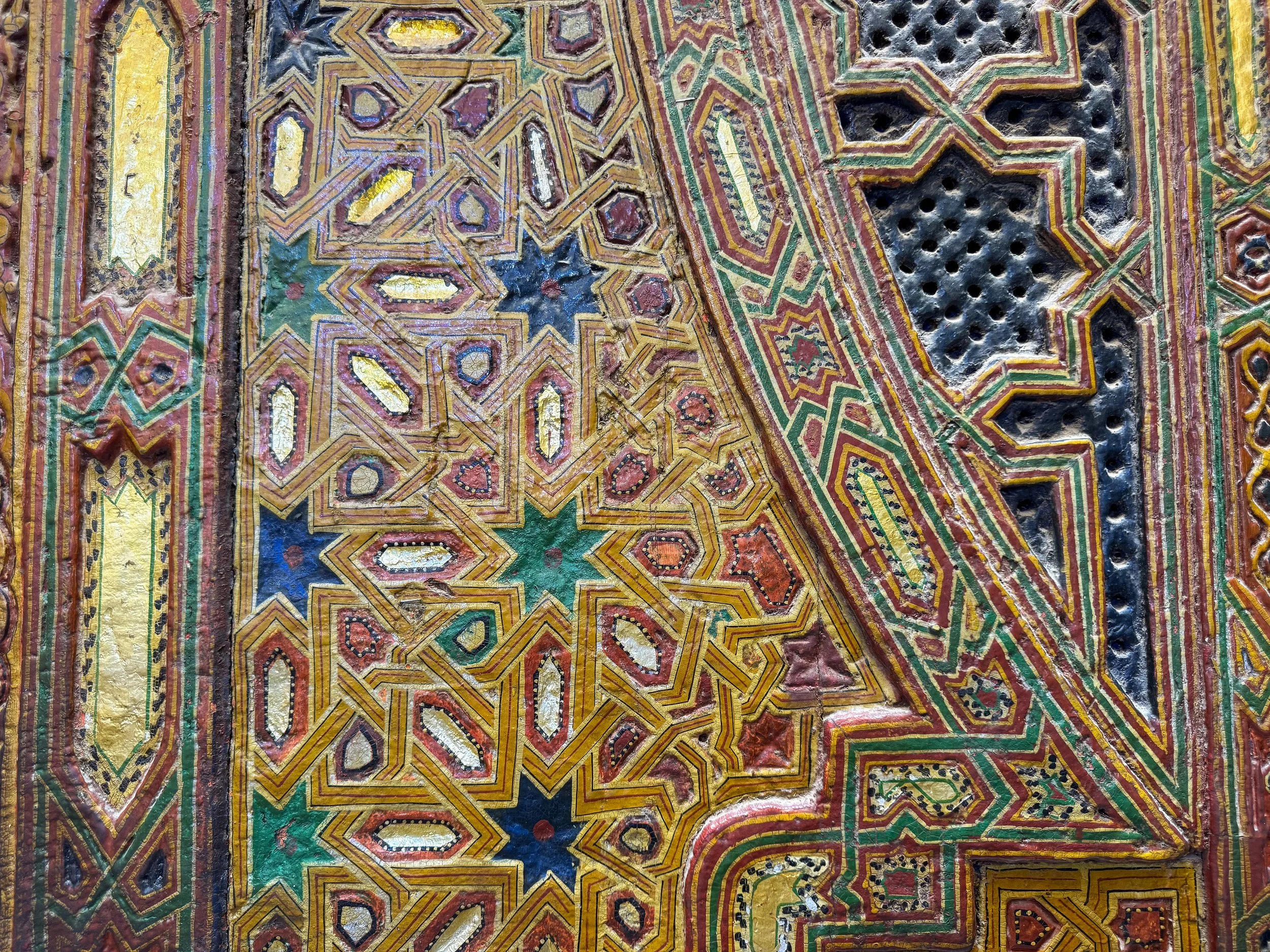
Tomb of Moulay Idriss. An ornate 8th century tomb, dedicated to the founder of Fes. Its interior is reserved for Muslims while the exterior can be viewed by all. Its facade is decorated with elaborate plasterwork, intricately arranged tiles and gold painted designs. Vendors line the street surrounding it, offering sand brewed spice coffee and sweet nougats.
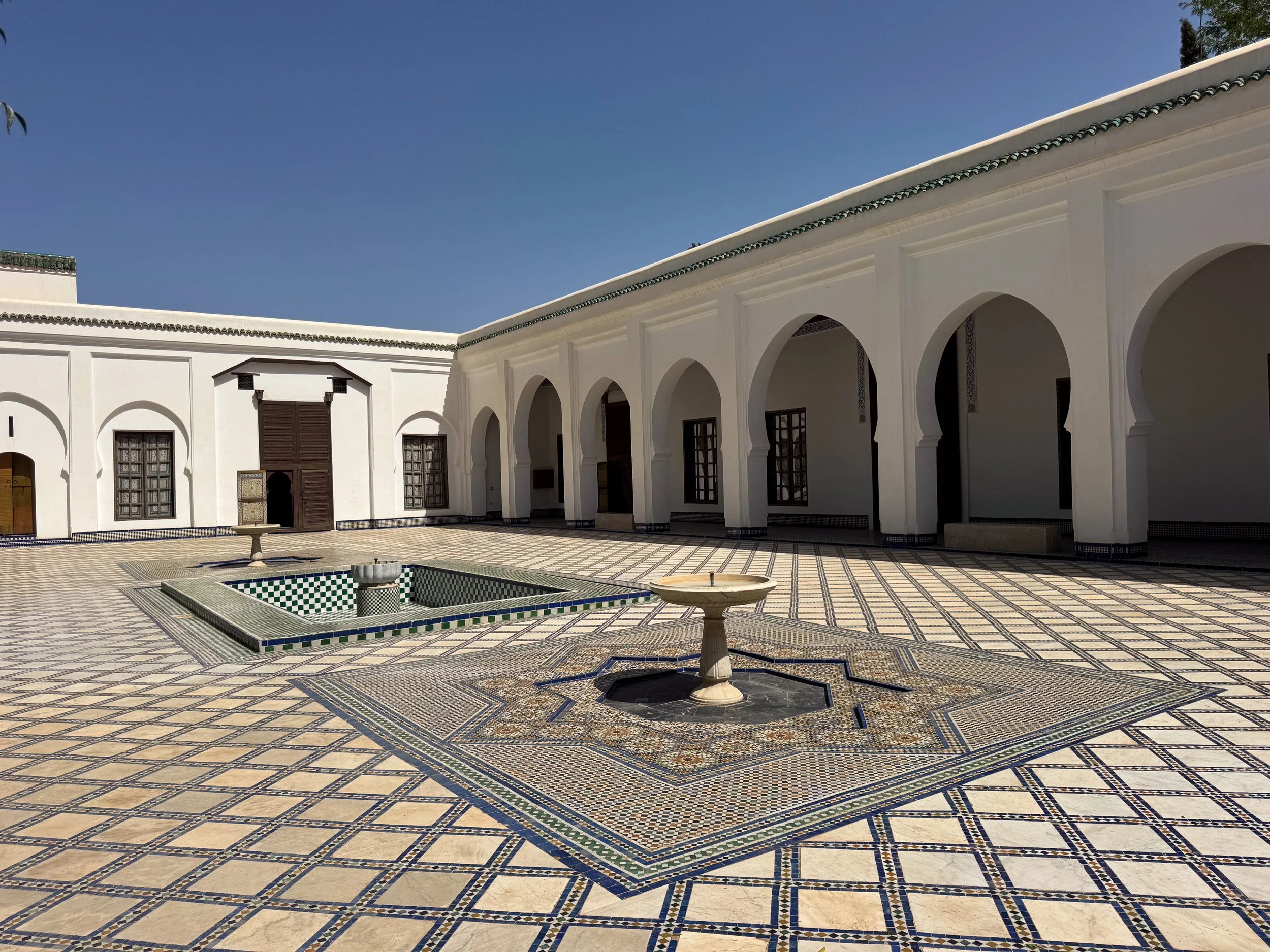
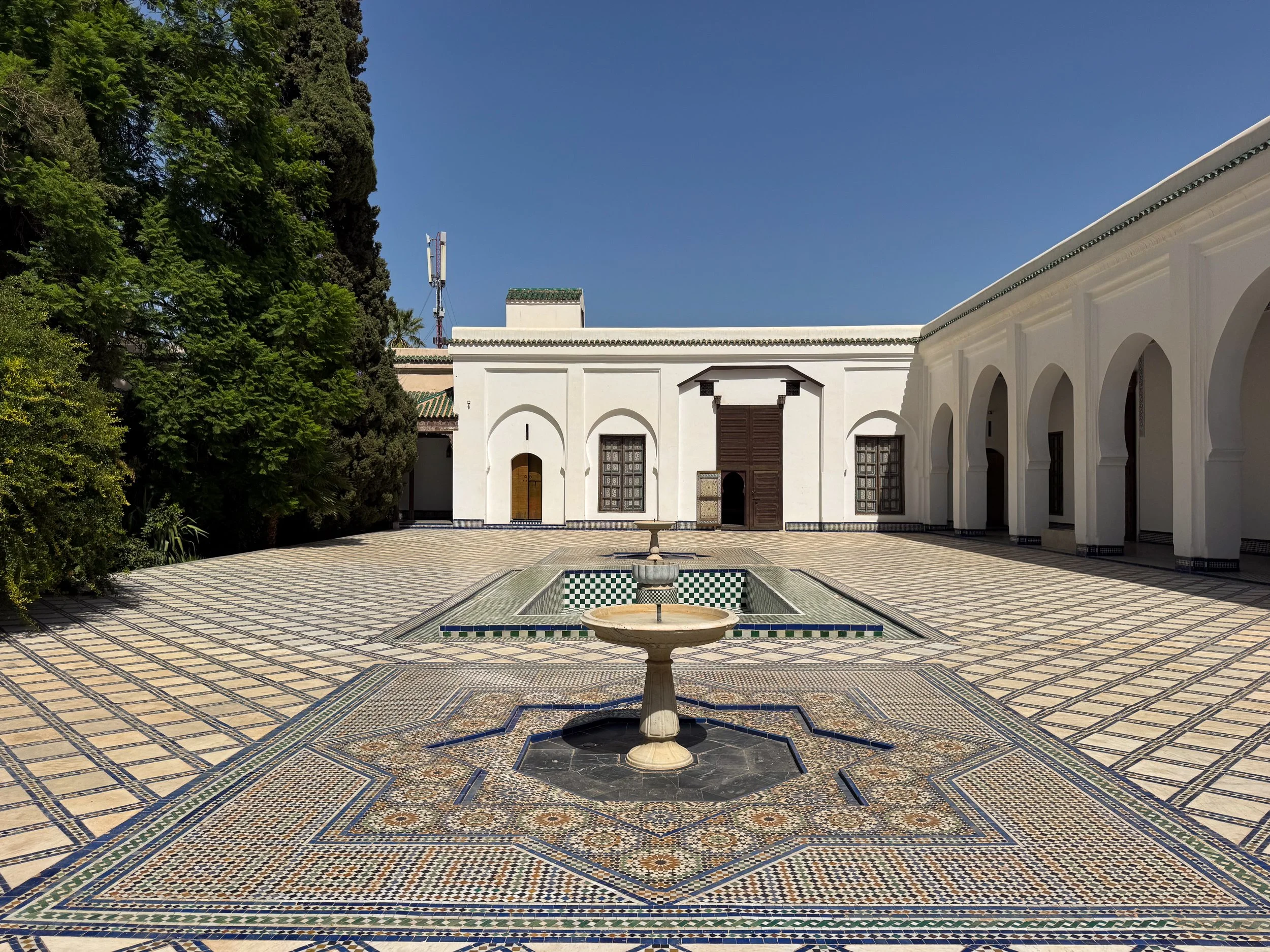
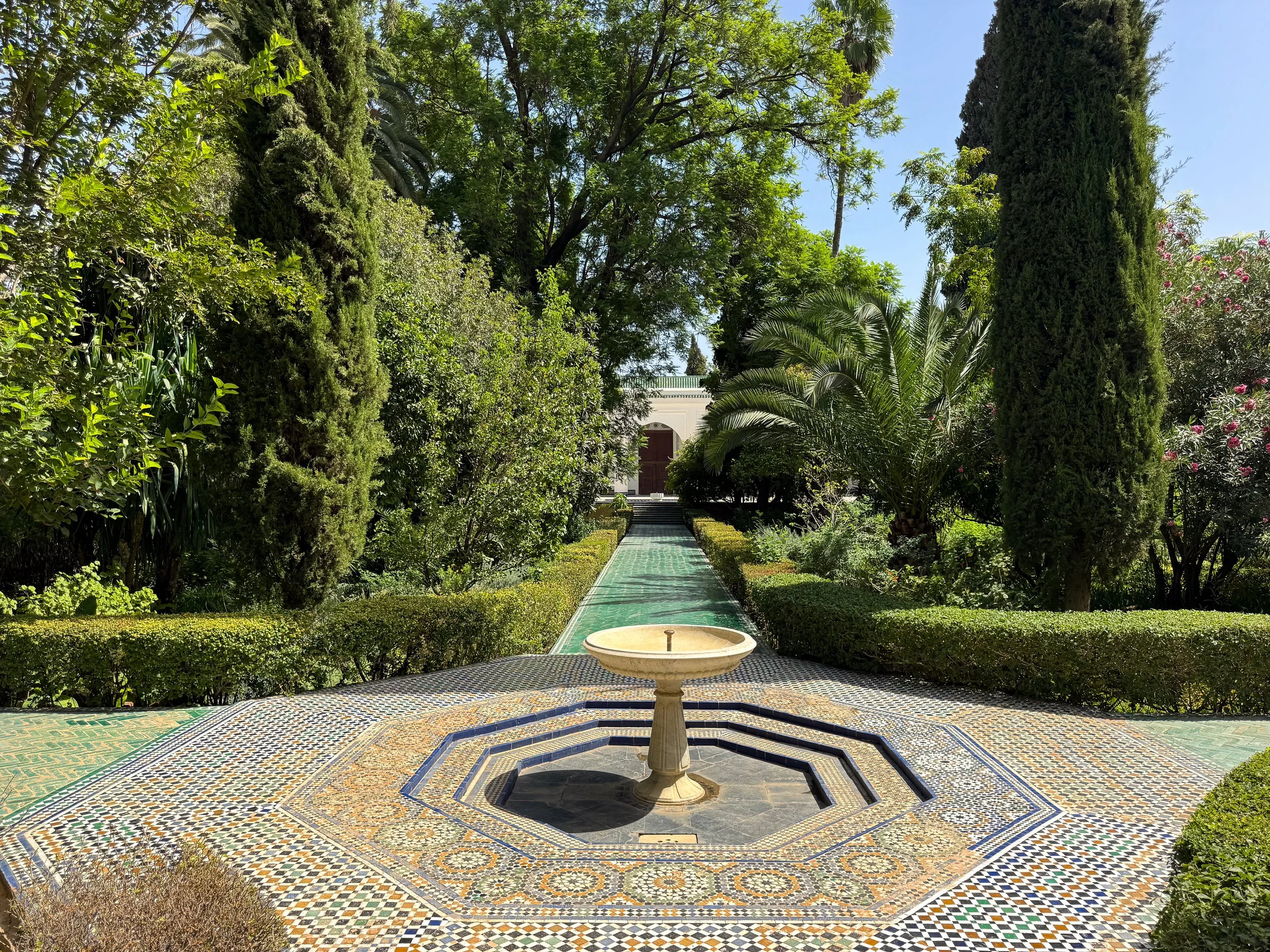
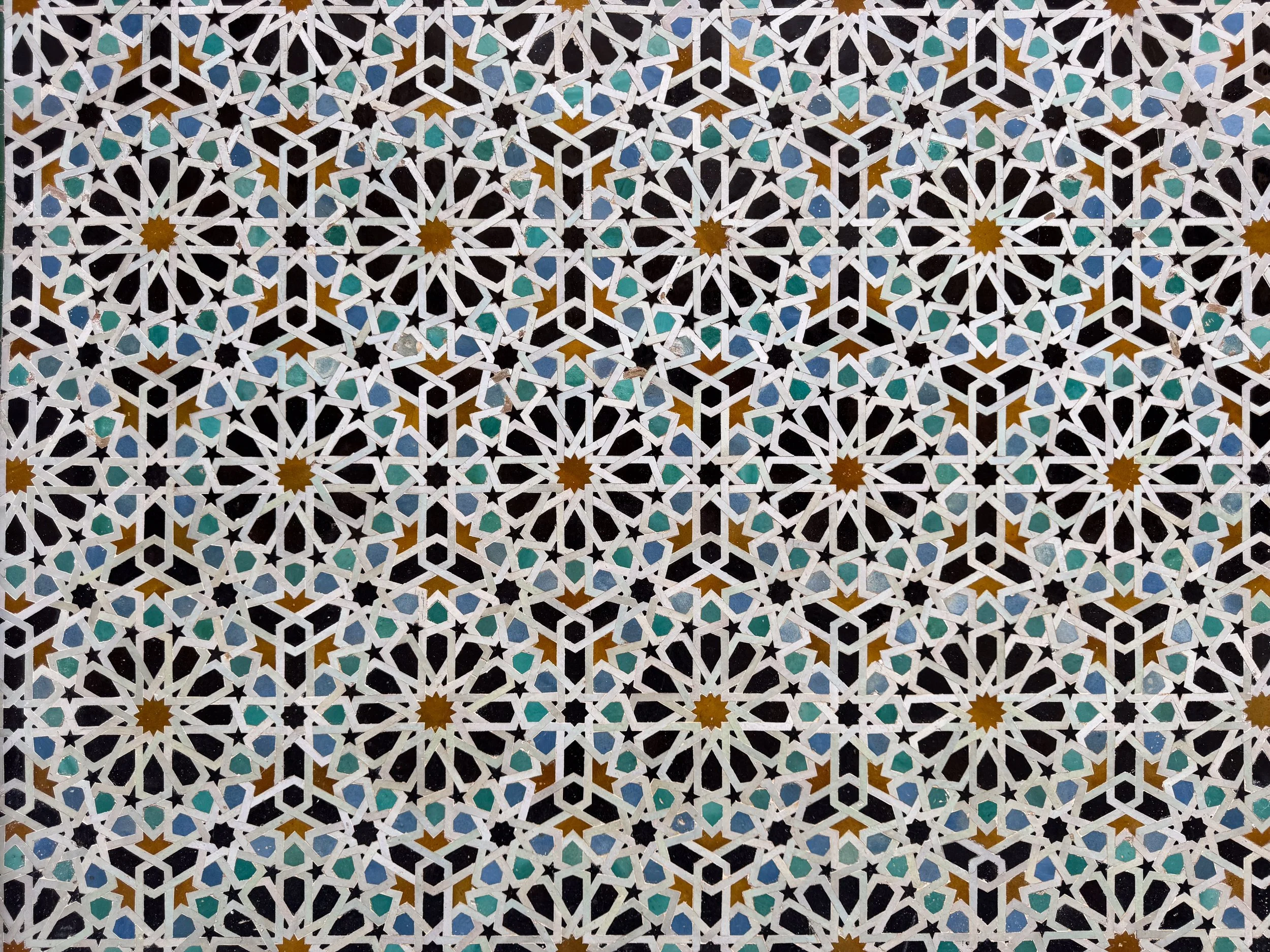
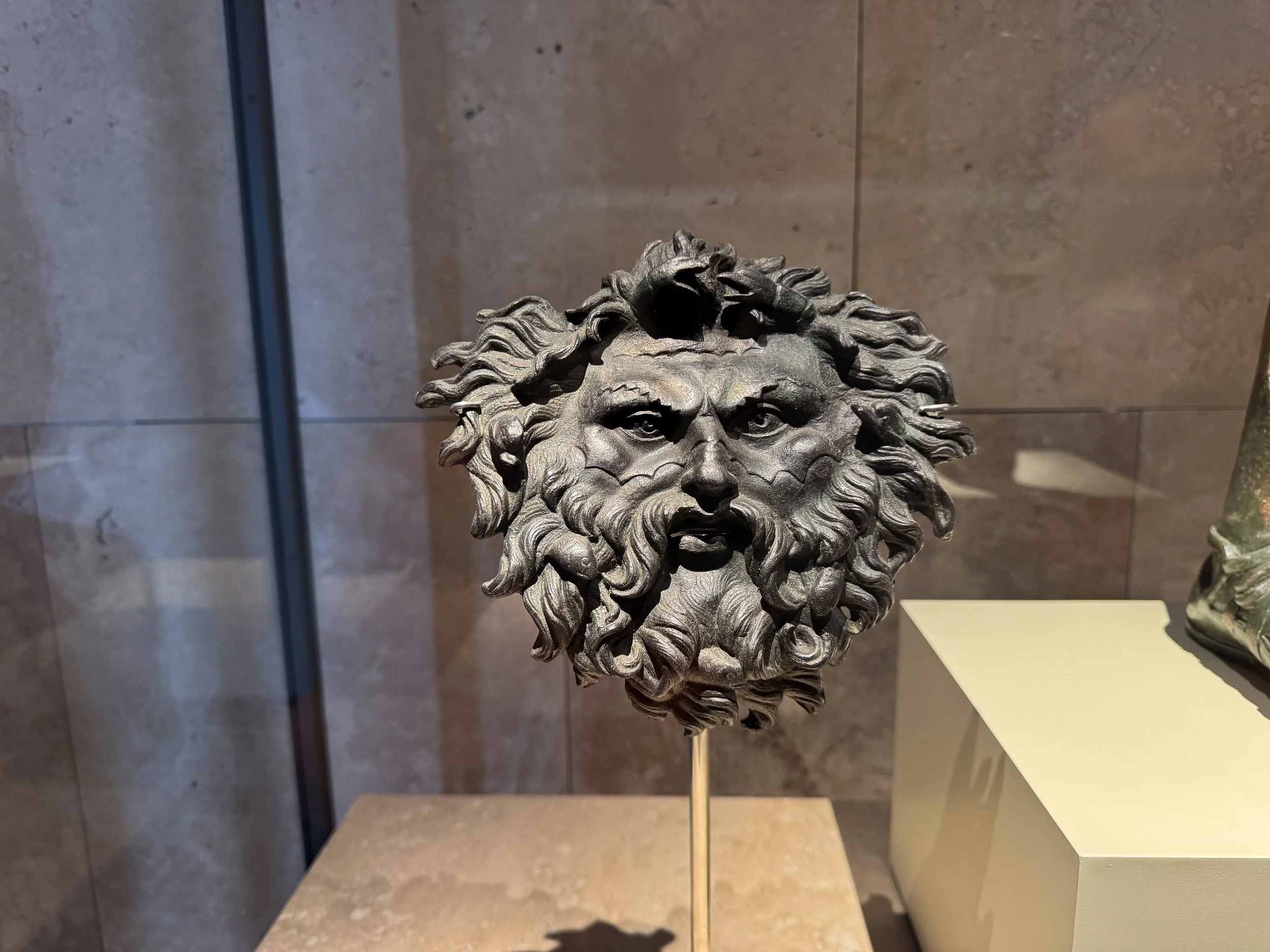
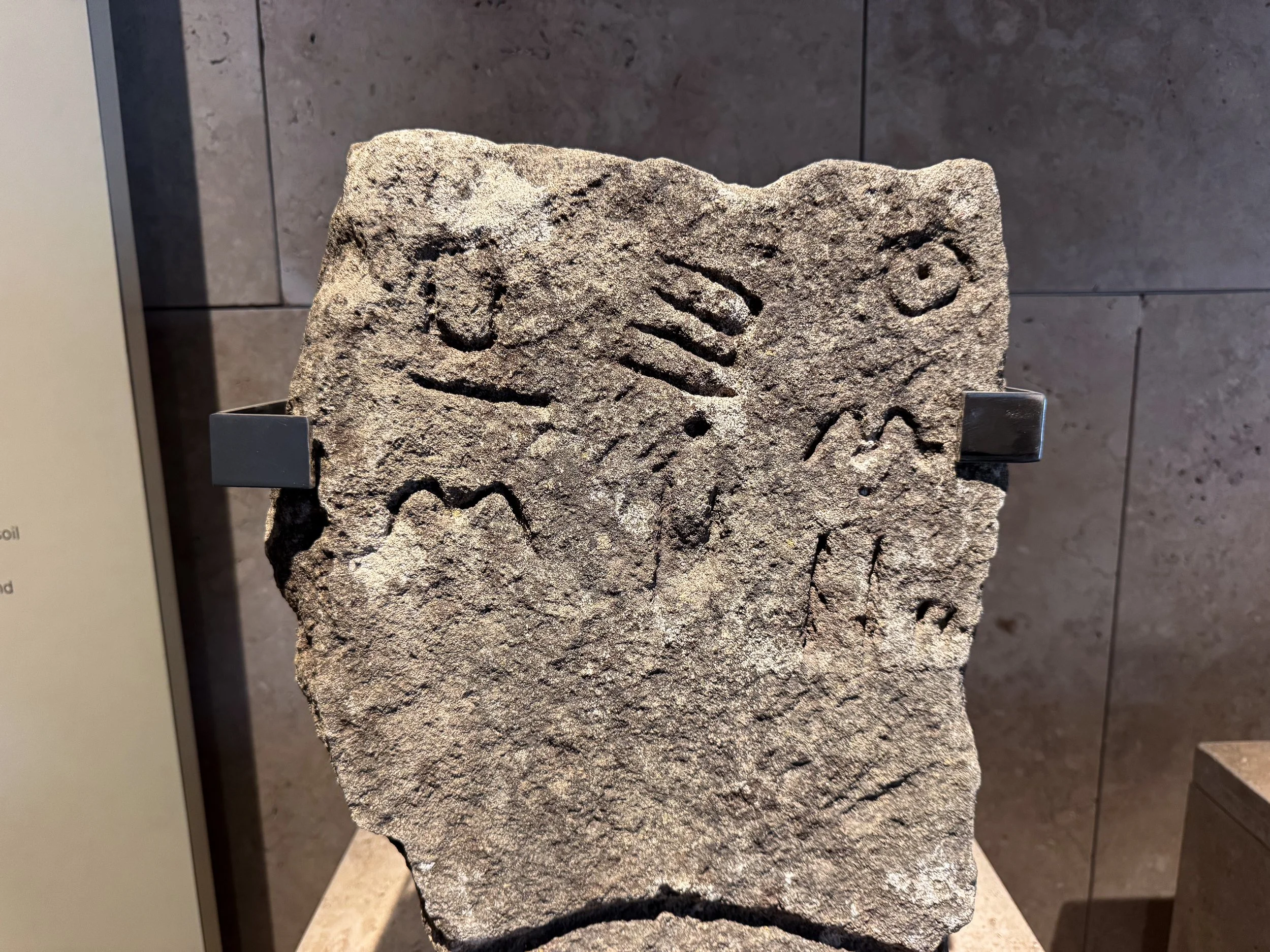
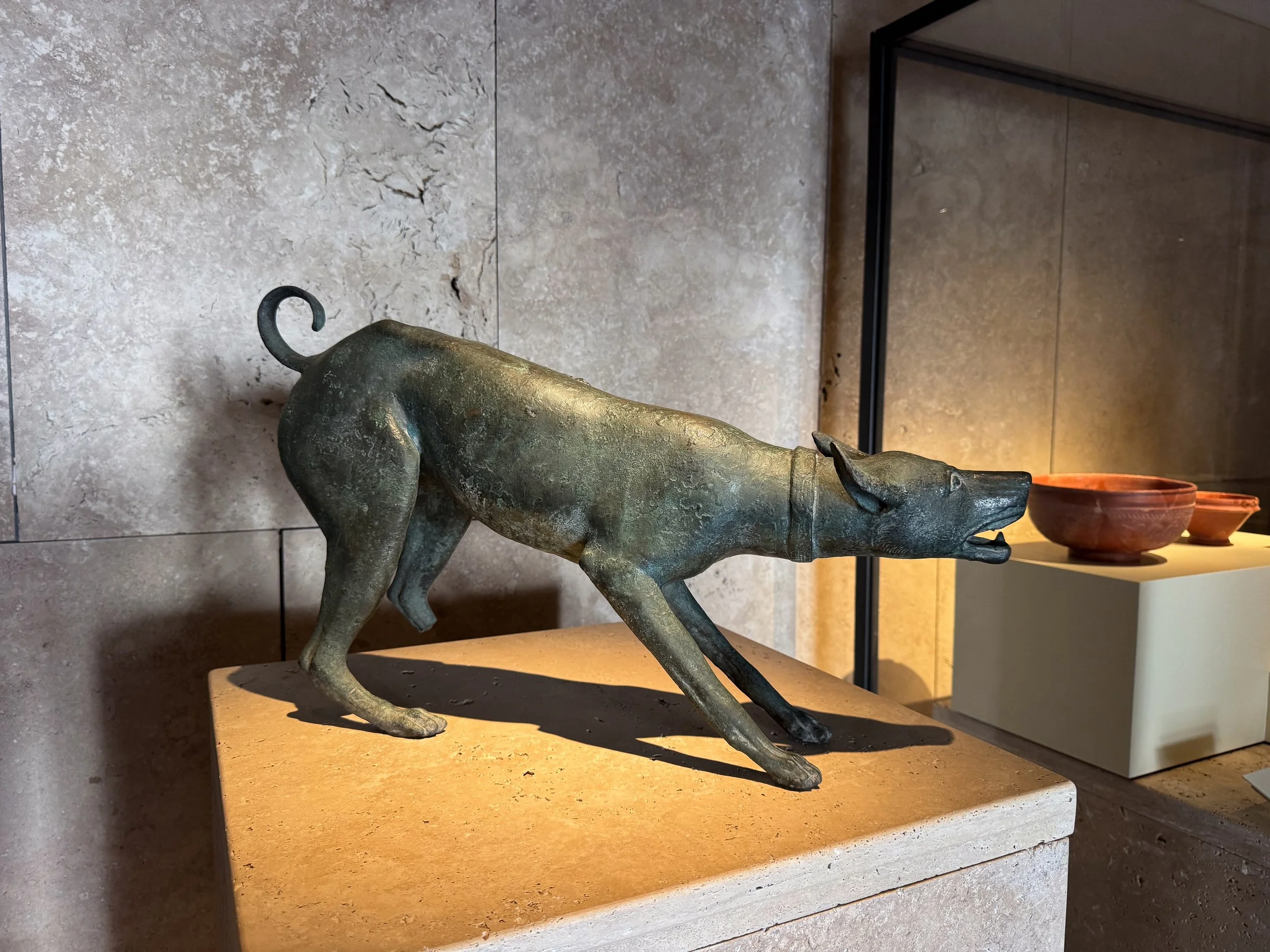
Dar Batha Museum. Housed in a former royal palace, this historical museum showcases artifacts distinct to Moroccan craftsmanship, scientific advancements and cultural identity. Exhibits include early Quranic calligraphy, architectural elements from Fes' first mosques and the art of Zellige tilework. Other galleries feature objects like woven rugs, textiles, pottery, jewelry and weaponry, and highlight sciences like geometry, astronomy and horology, as well as the role of water and light in designing tiled fountains and intricate brass lamps.
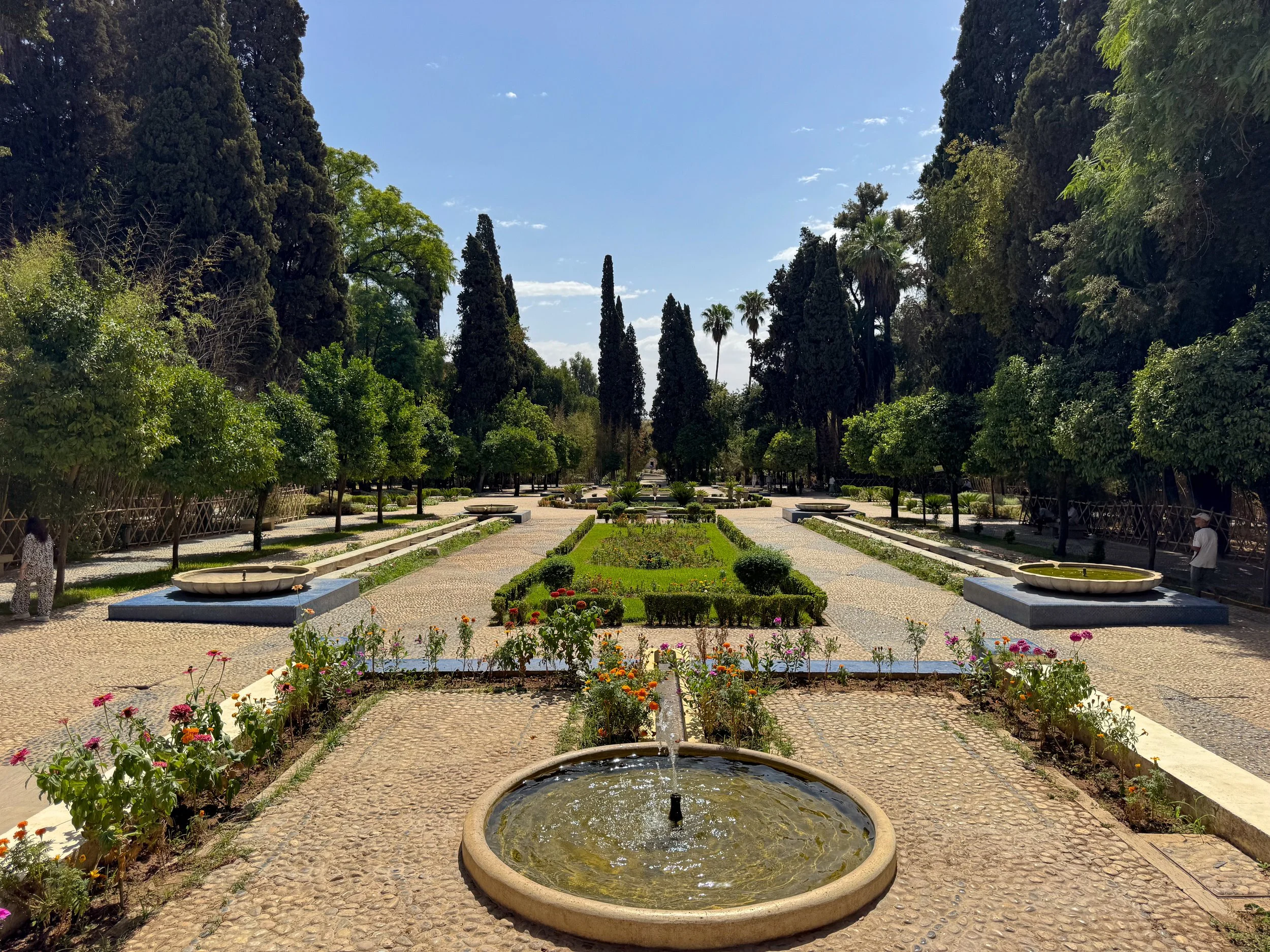
Jnan Sbil. A city park located between the new and old medinas. Its shaded walkways, sputtering fountains and alley of towering palm trees attract locals and lost tourists looking for a quiet escape from the chaos of the souks.
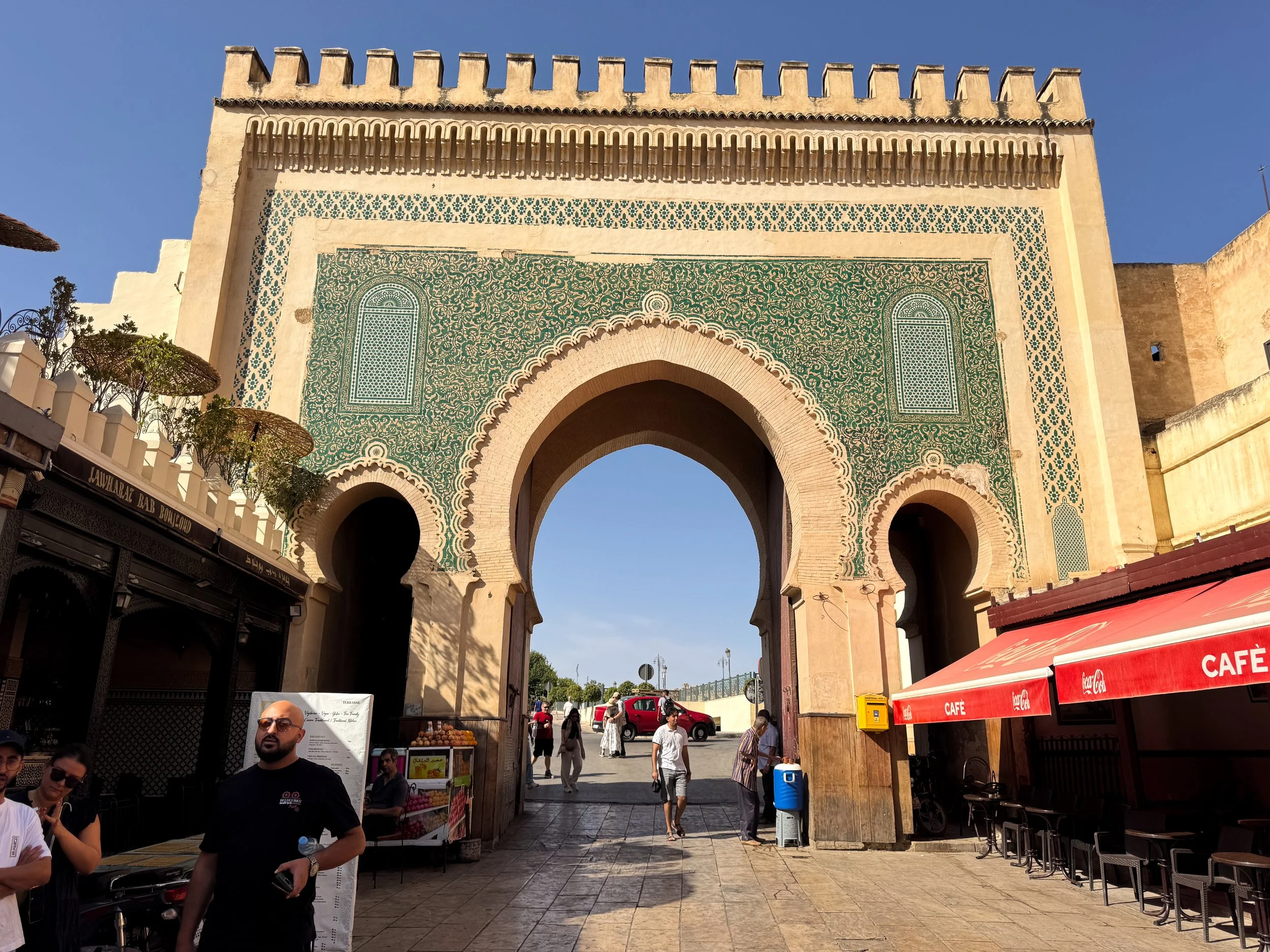
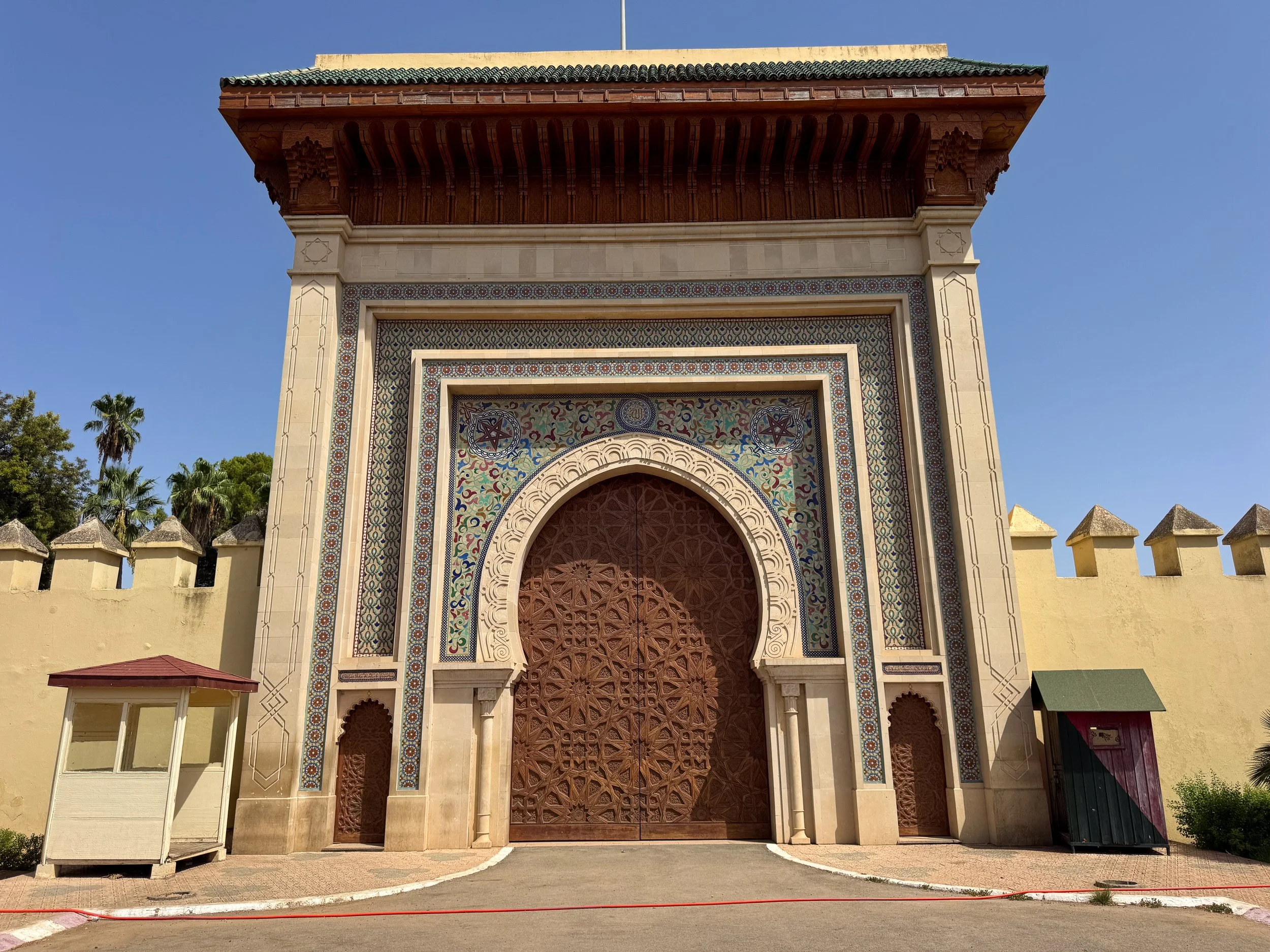
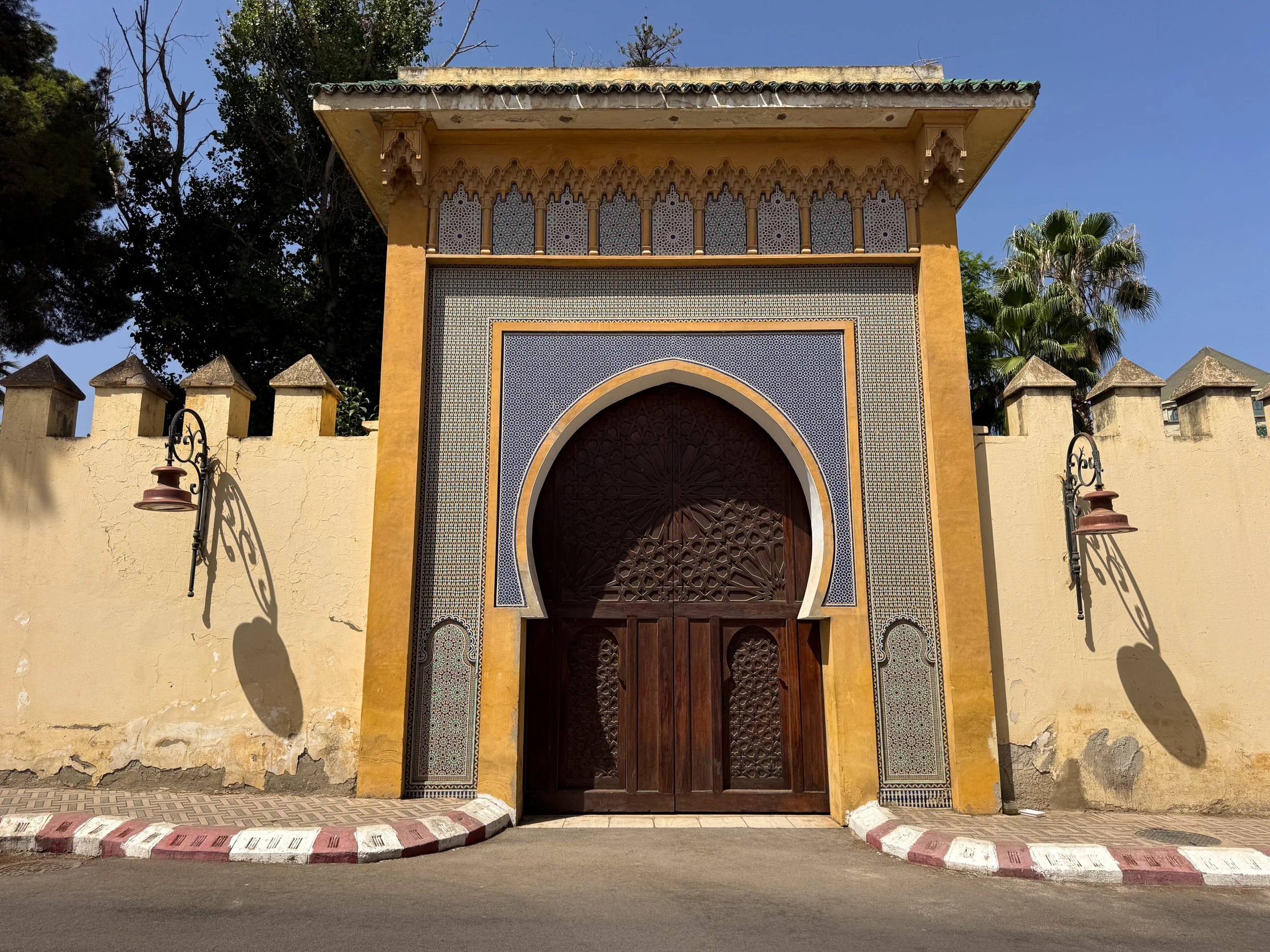
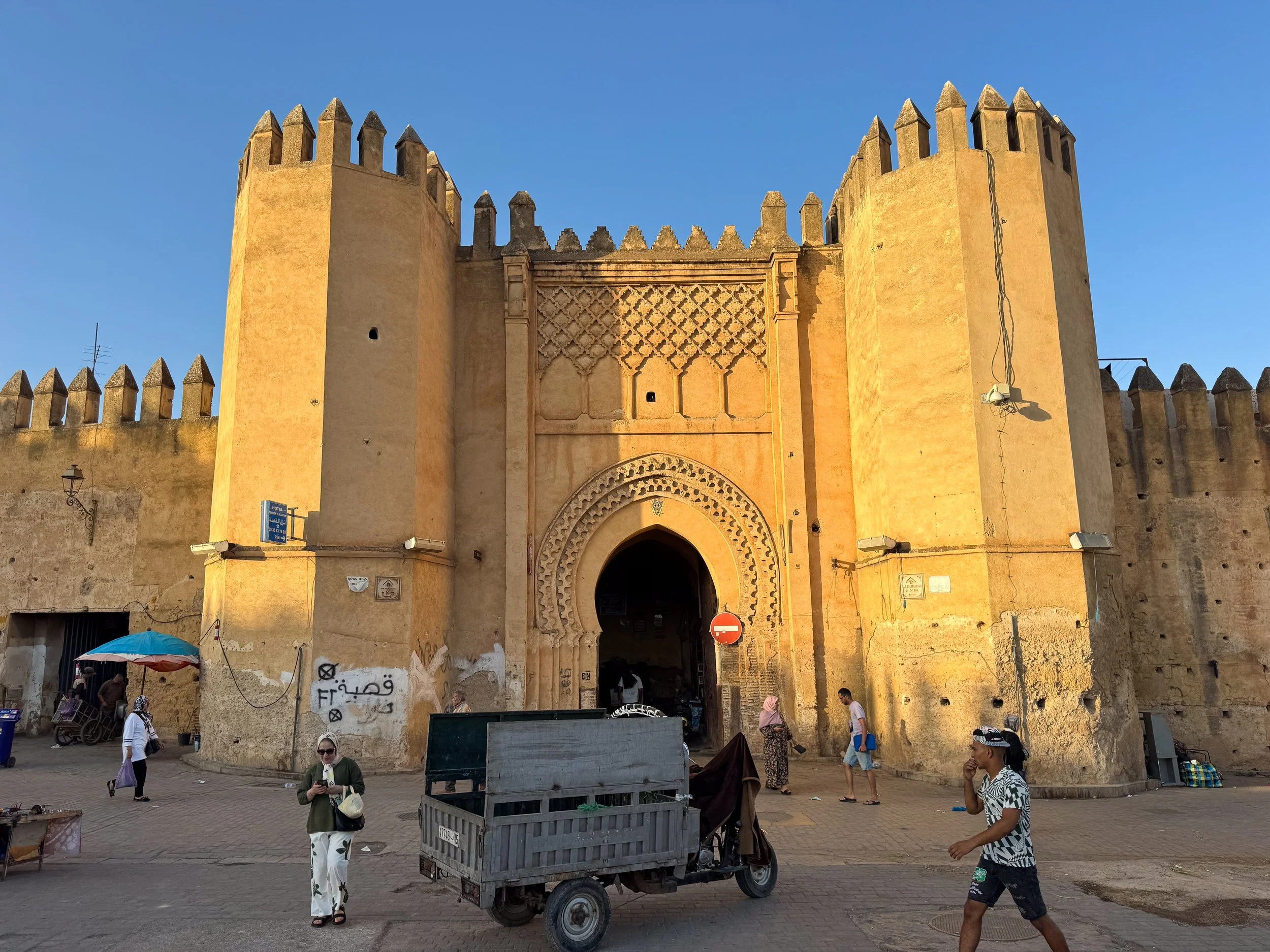
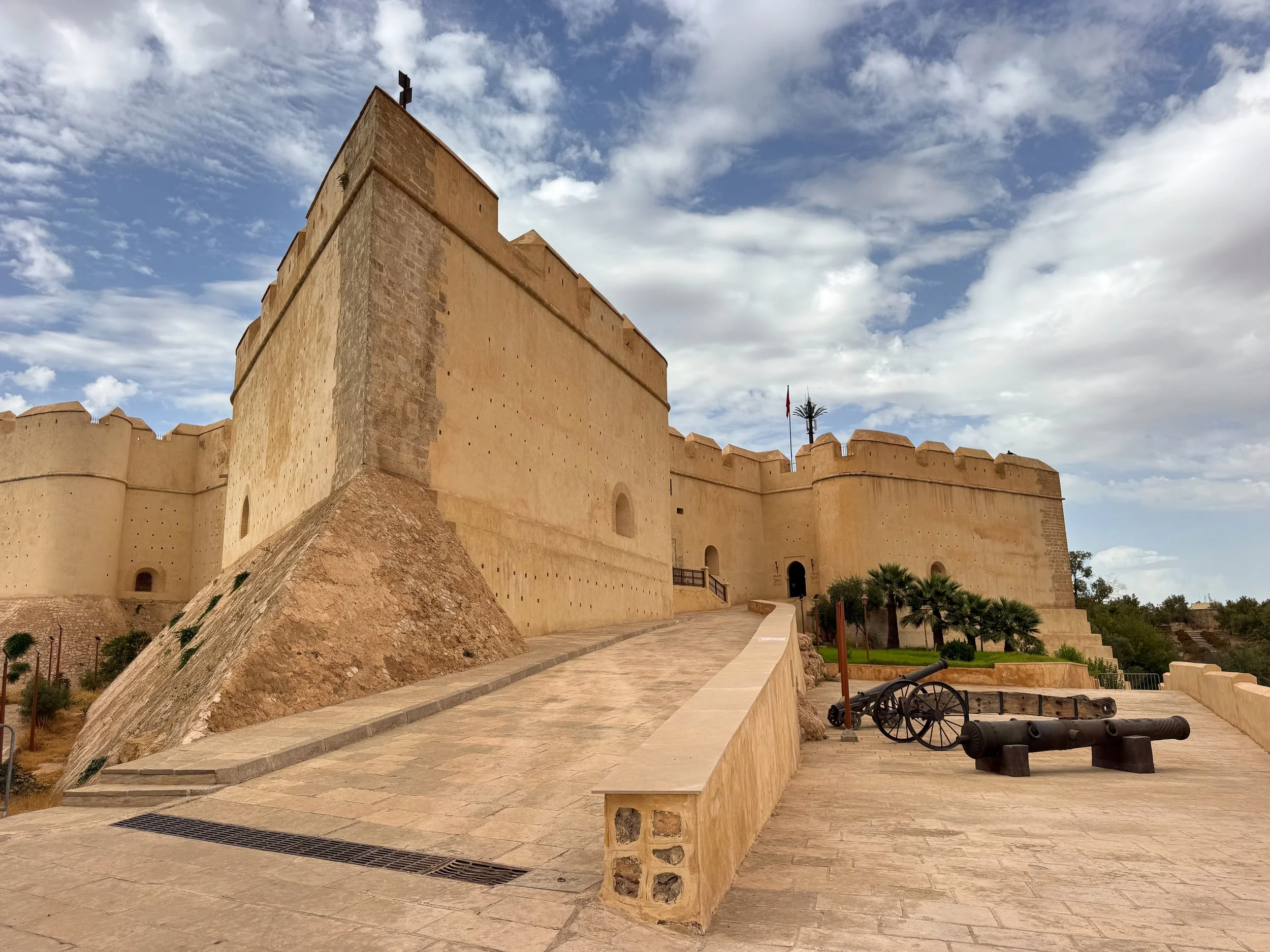
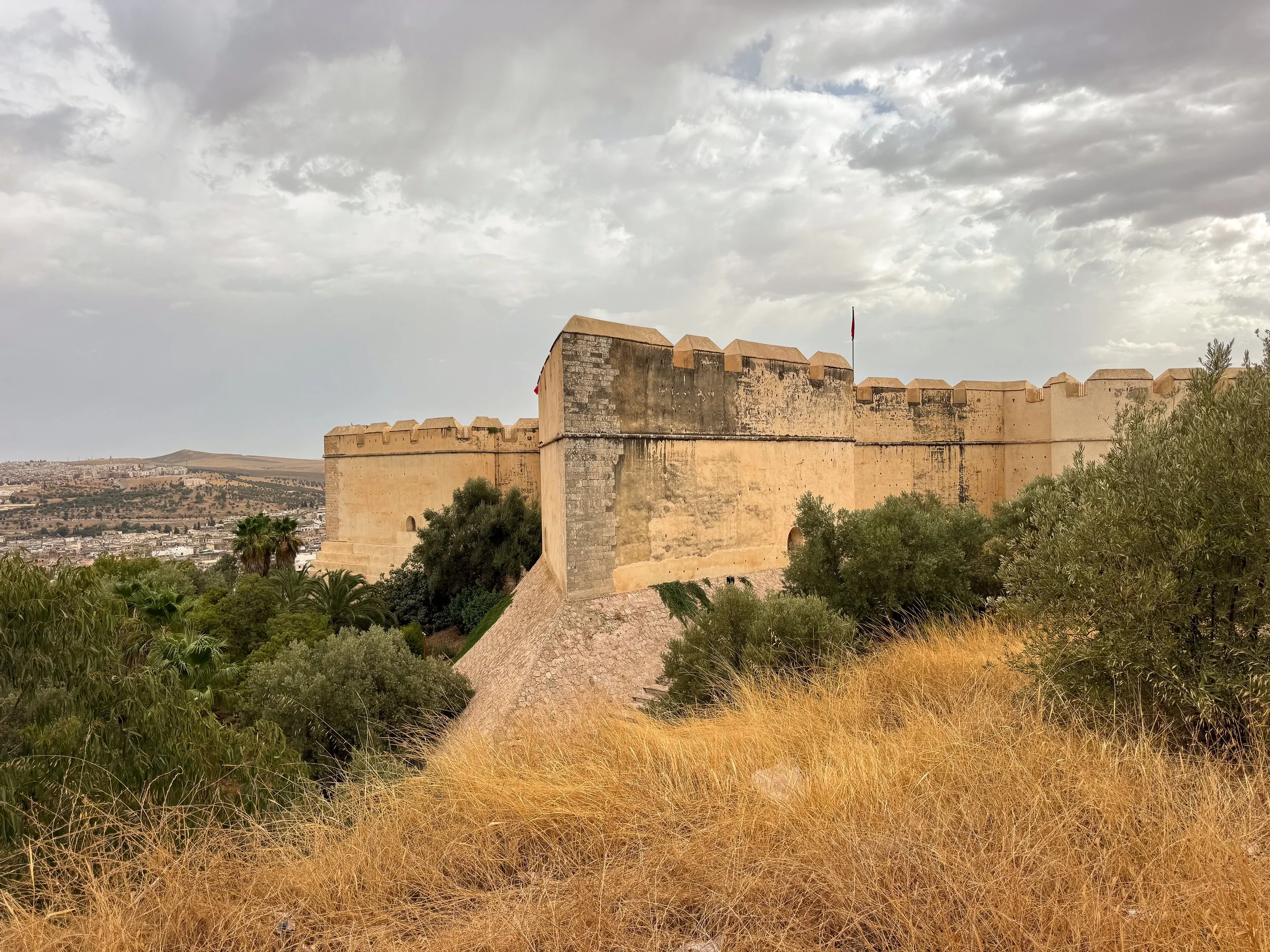
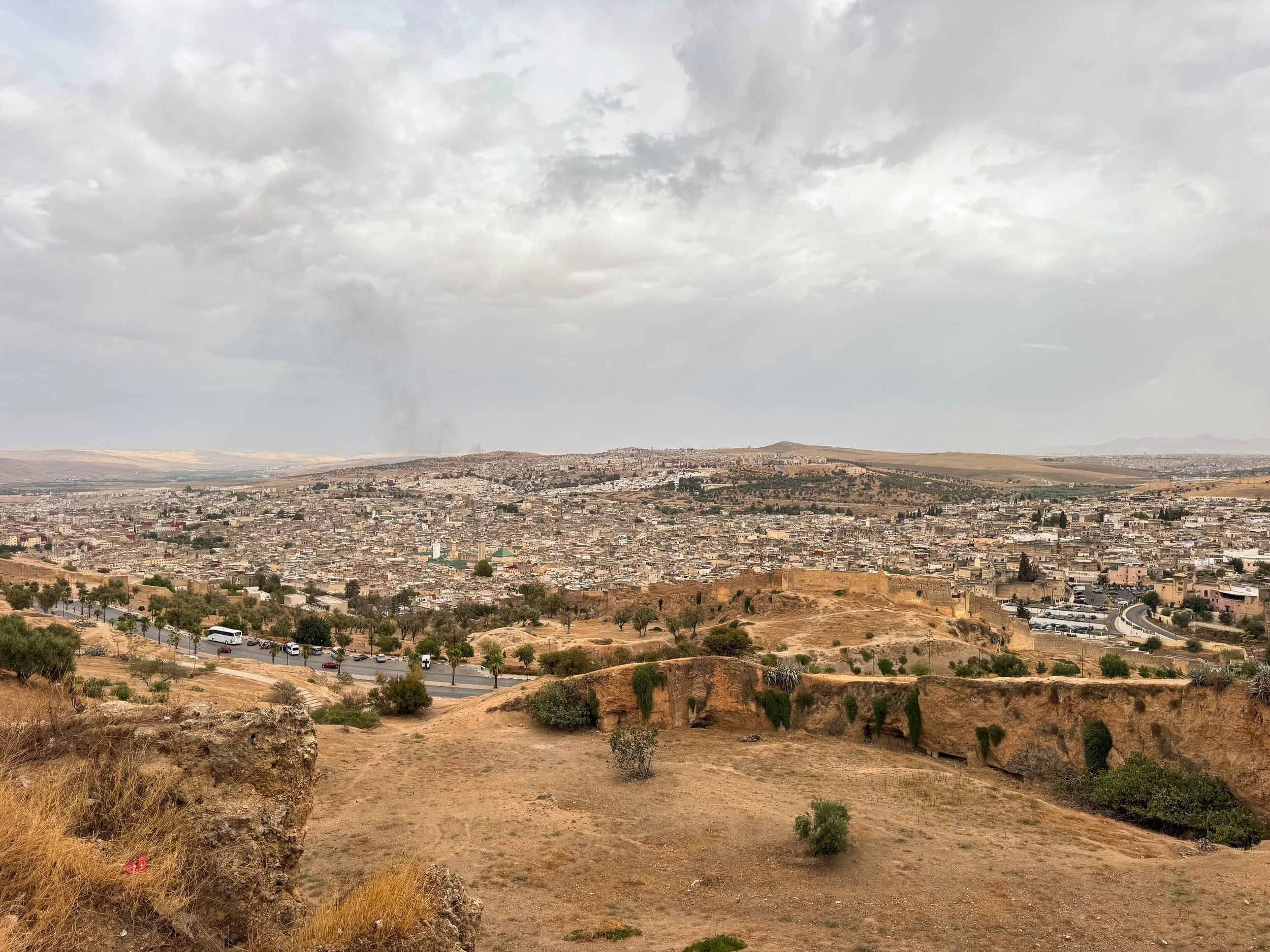
Fes Ancient Wall. The medina of Fes is surrounded by an ancient stone wall with several ornately tiled and arched gates. Outer walls and fortresses provided additional layers of protection during the medieval period.
Bab Boujeloud. A beautifully tiled arched gate marking a main entrance to the old medina. Its exterior side is clad in ornate blue tiles and the interior in green. The lively street beyond is lined with shops, restaurants, and tea houses, opening onto a large plaza outside.
Borj Nord Lookout Point. A defensive fortress built beyond the medina’s walls. It houses an arms museum displaying historic weapons and armor. Its elevated position, along with nearby cliffside lookouts, offer expansive views over the city and surrounding countryside.
Join a Weaving Workshop
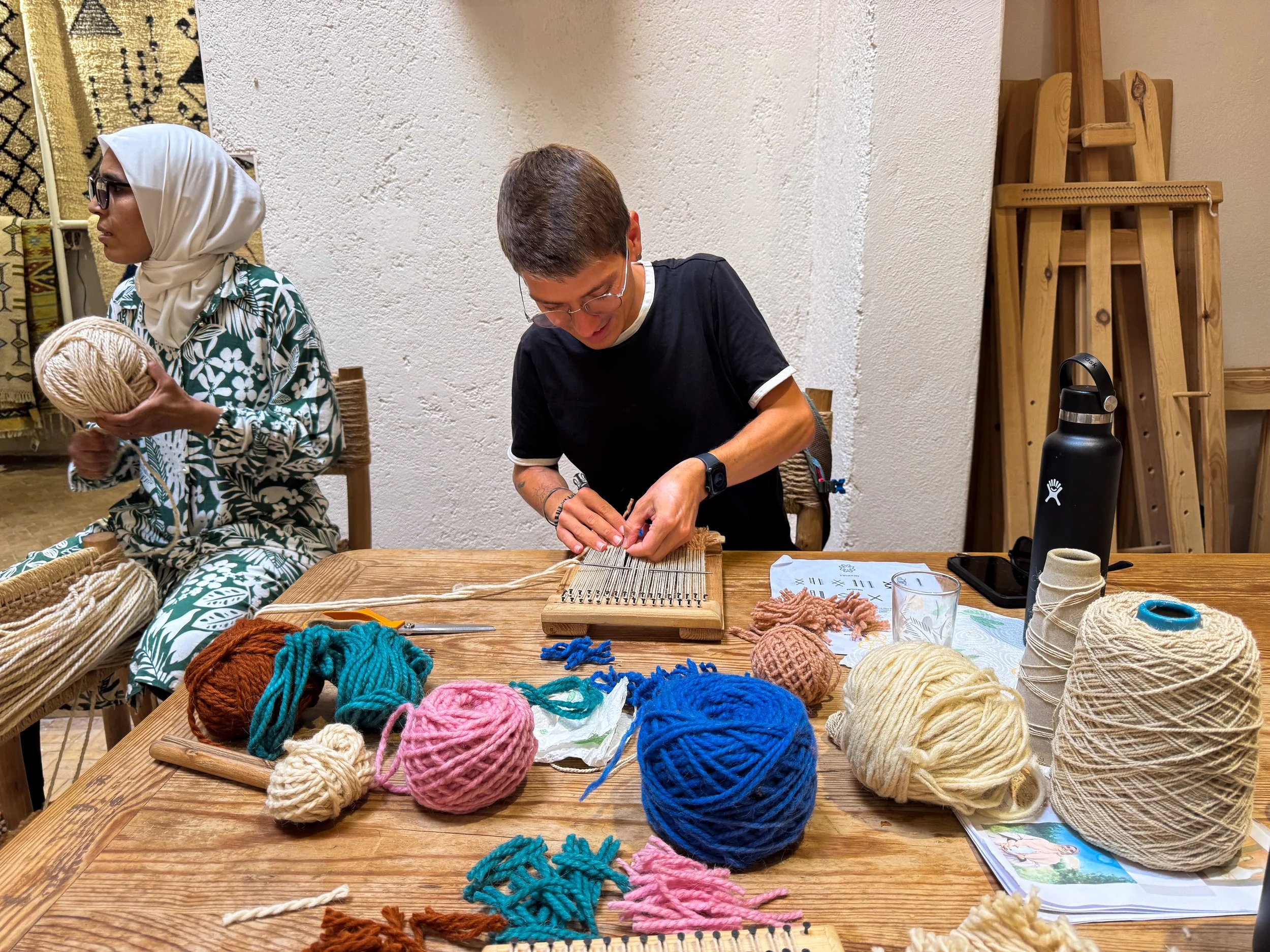
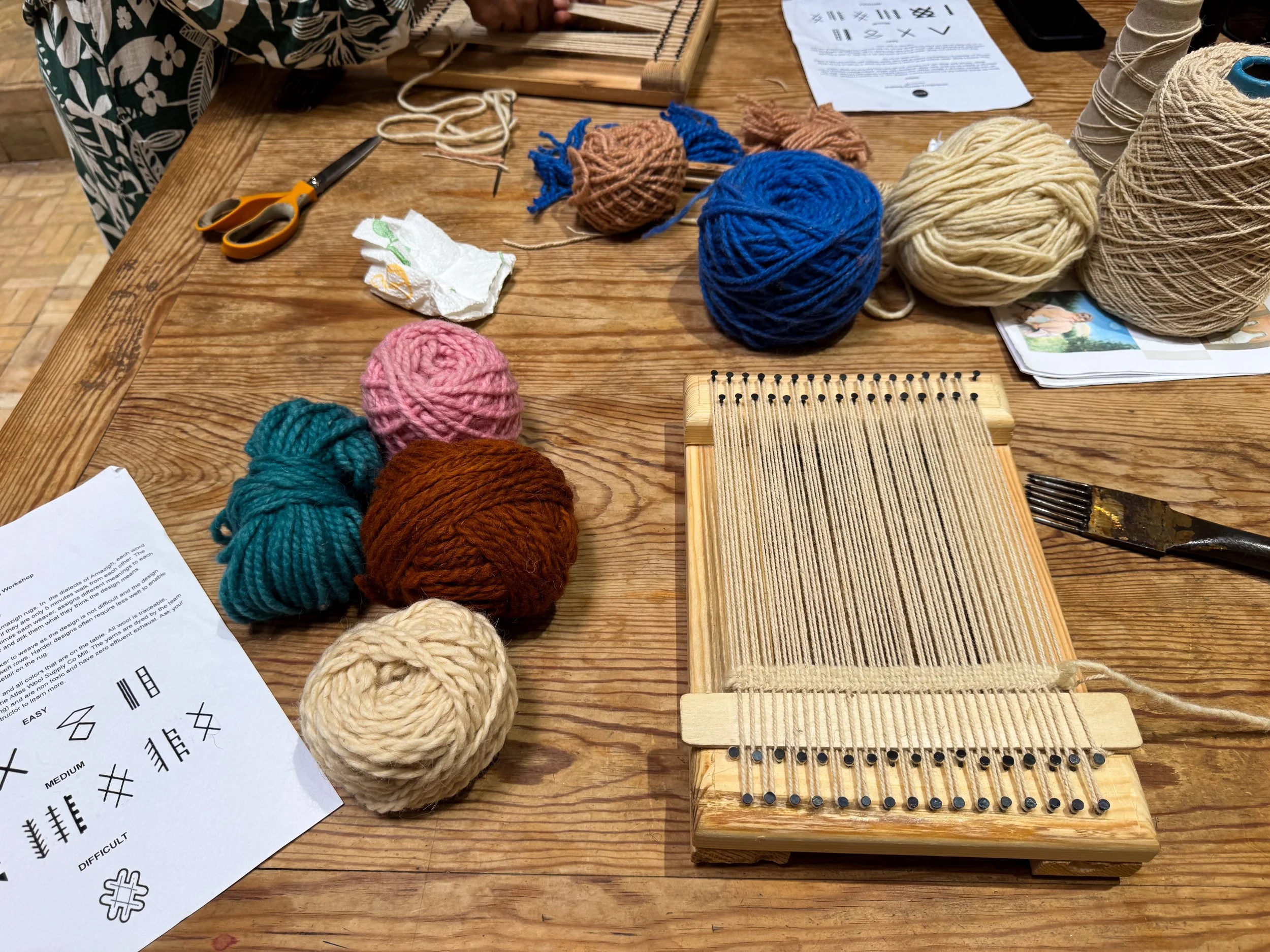
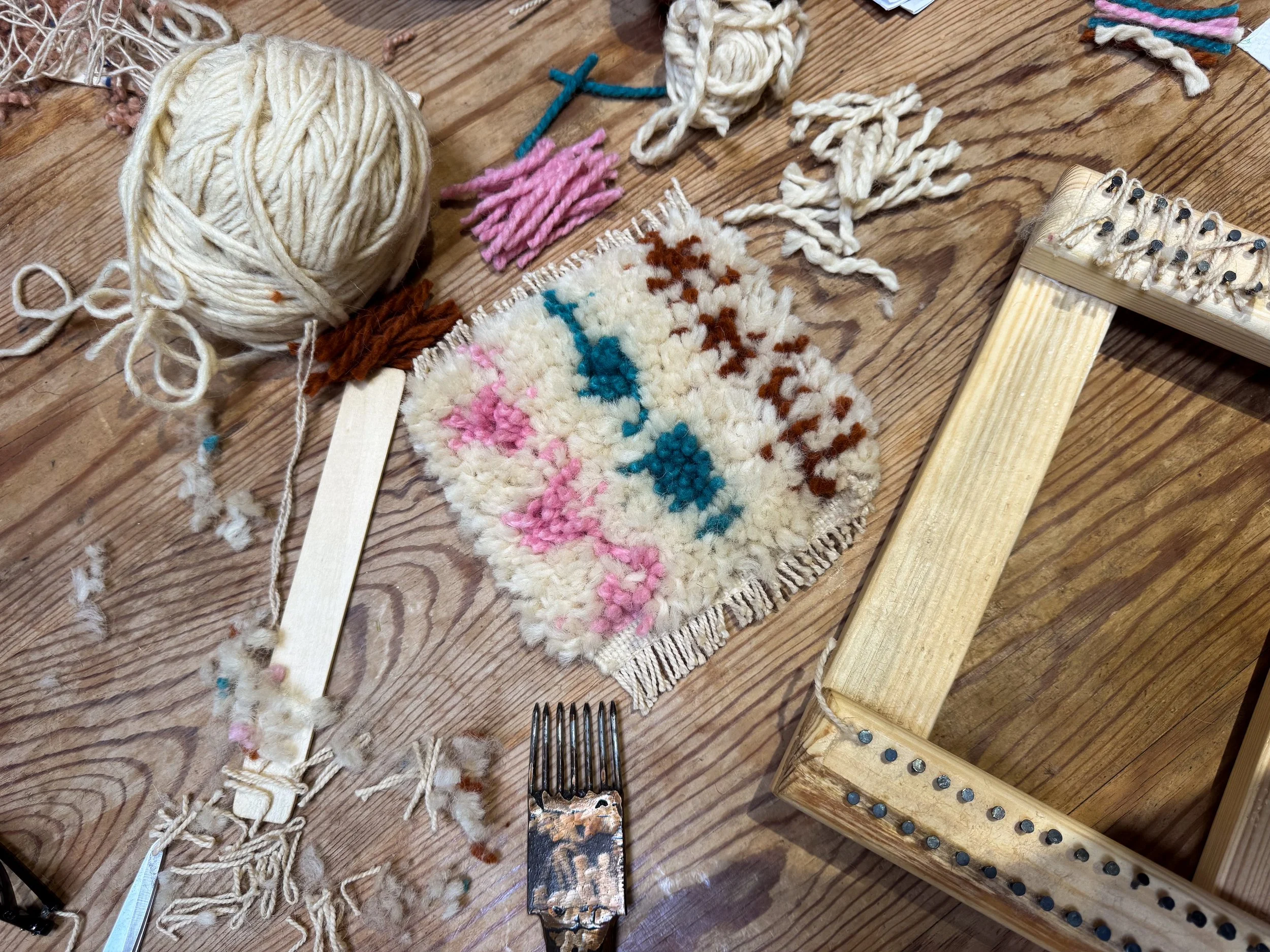
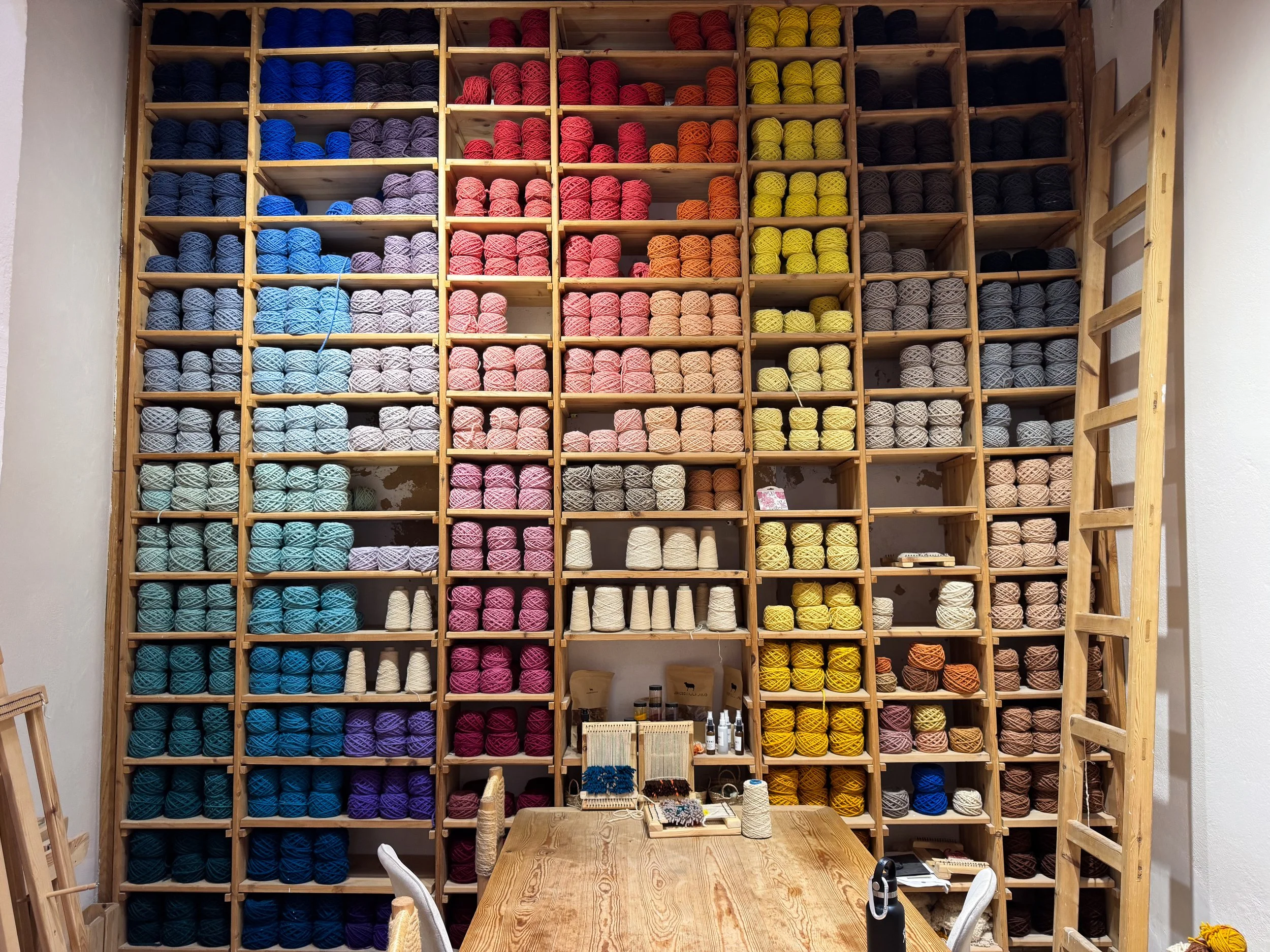
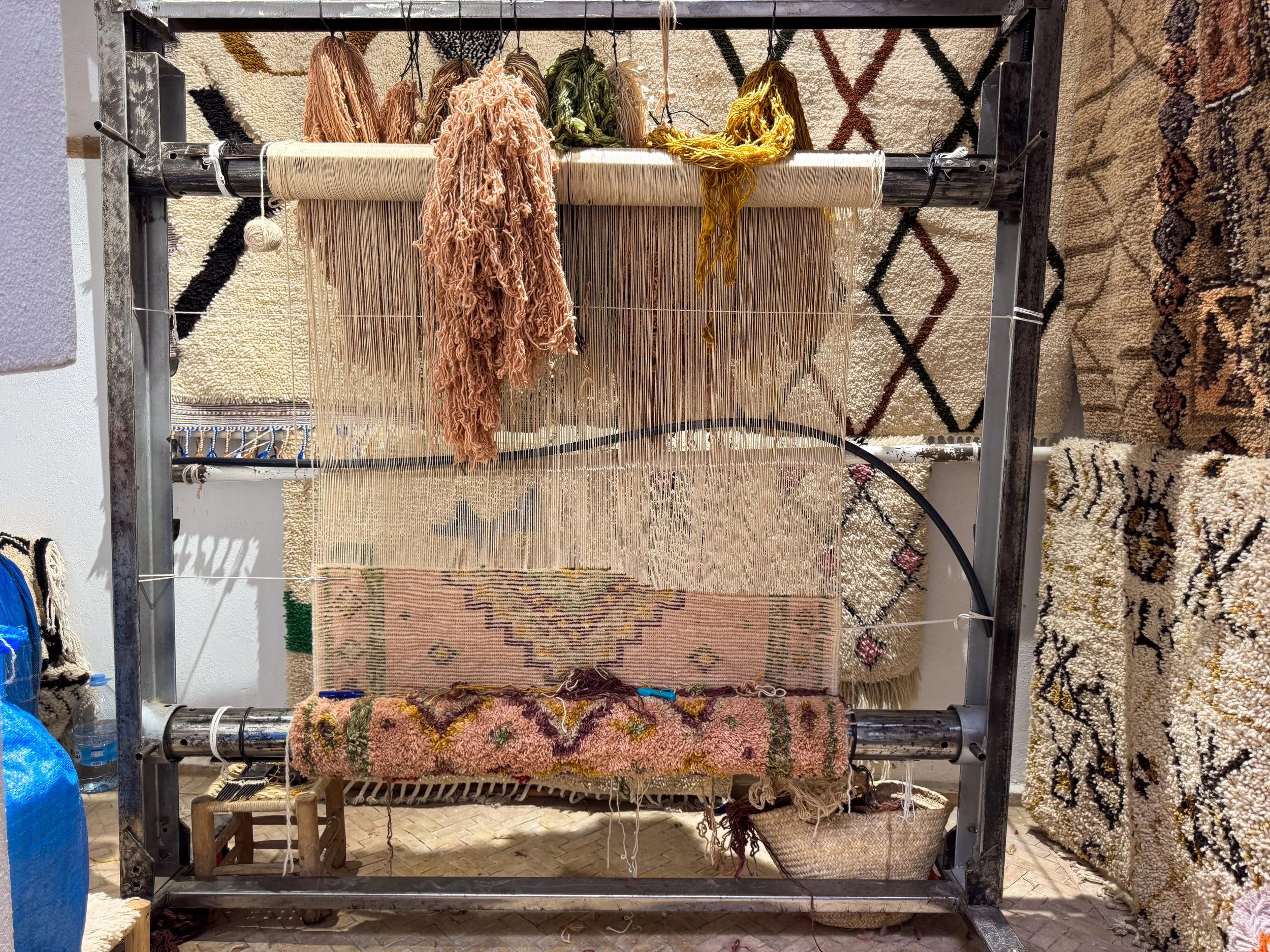
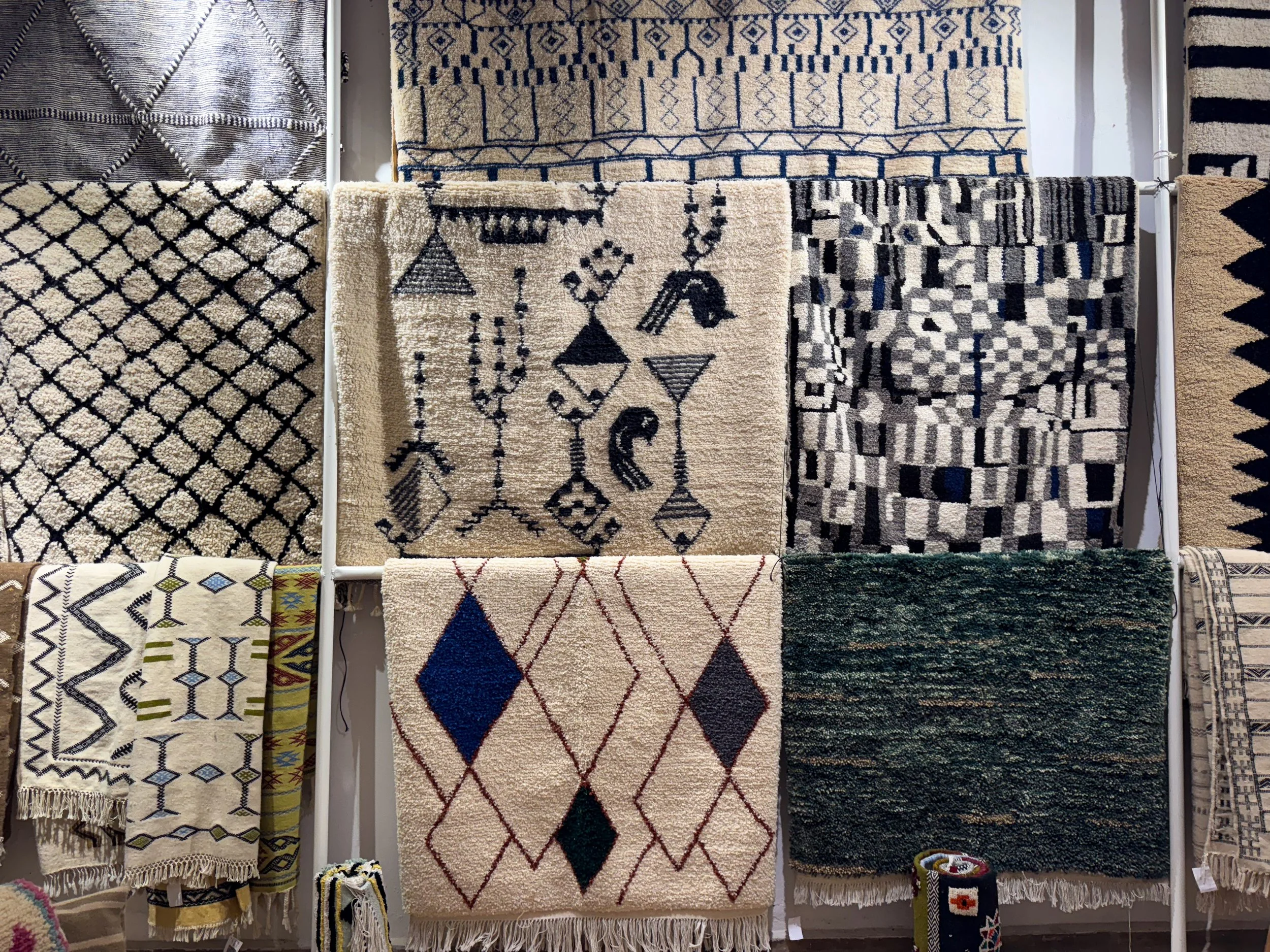
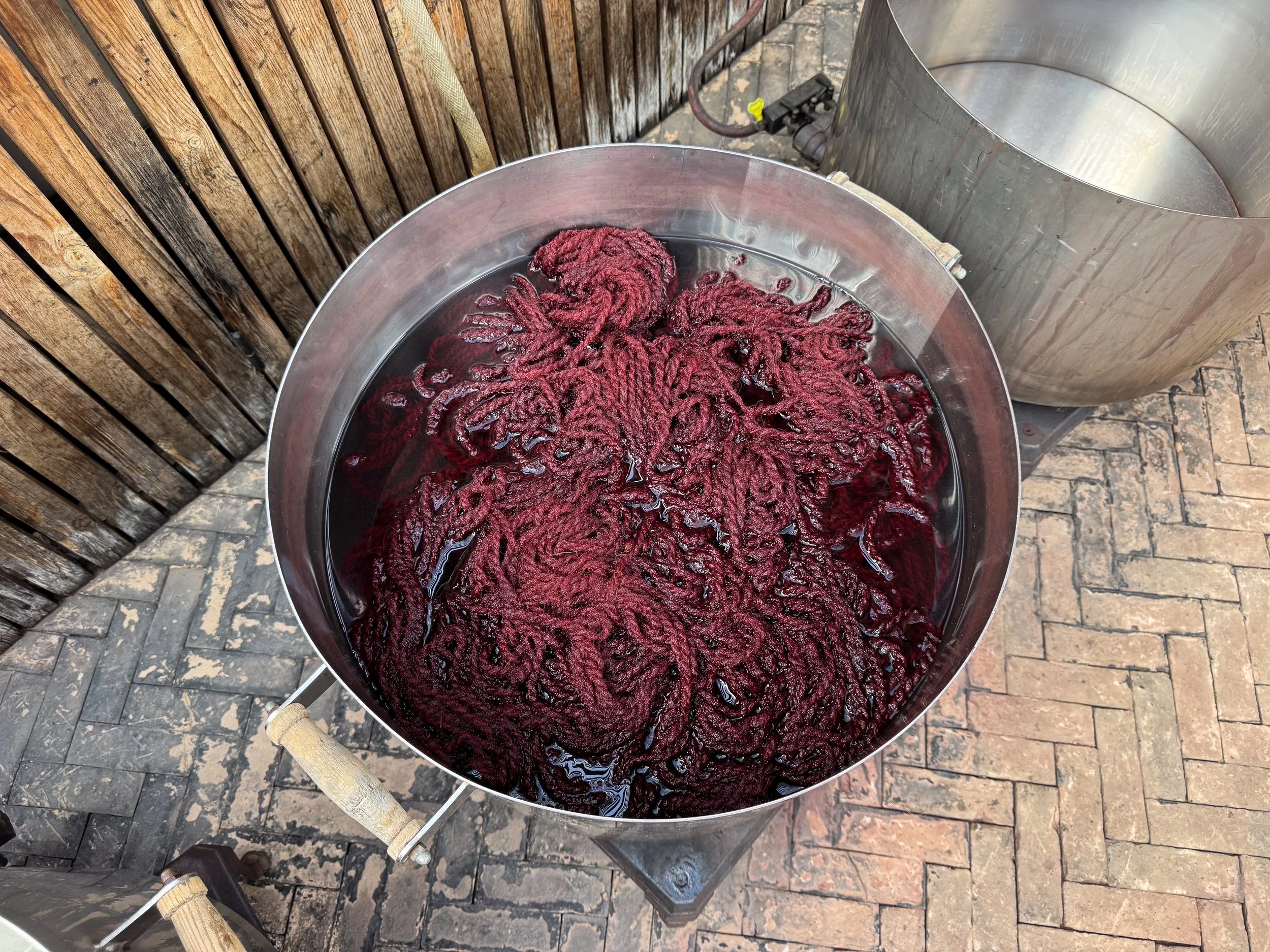
The Anou Cooperative. A cooperative uniting female weavers from communities across Morocco. It allows them to sell their work directly rather than through souk wholesalers, supporting their livelihoods and preserving traditional craft. The studio offers artisan led workshops and weaving residencies, including a half day workshop where we learned to hand knot our own miniature rugs. A small showroom displays unique rugs, hand dyed yarns and other woven items. Custom items can be ordered through their Online Shop.
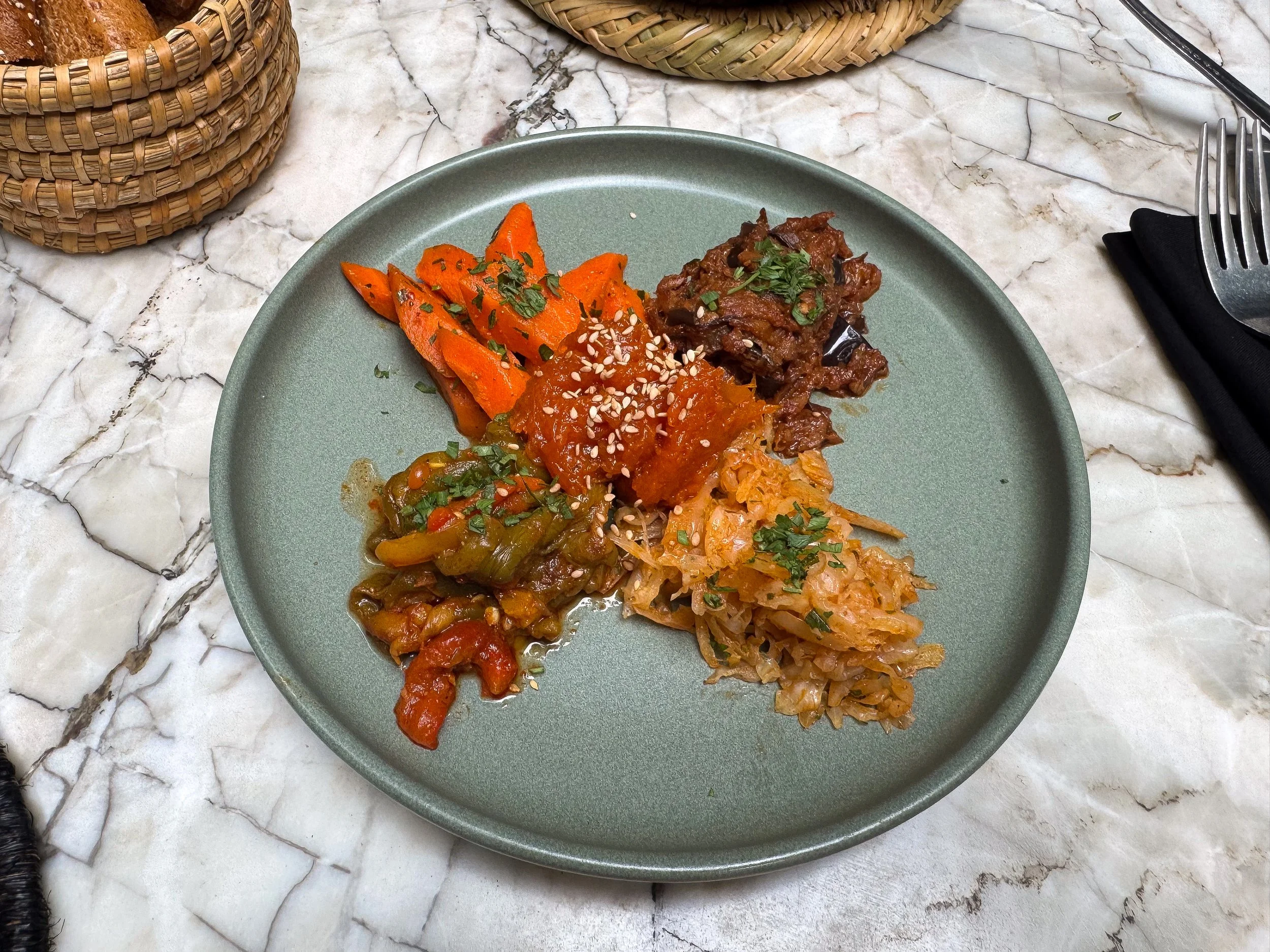
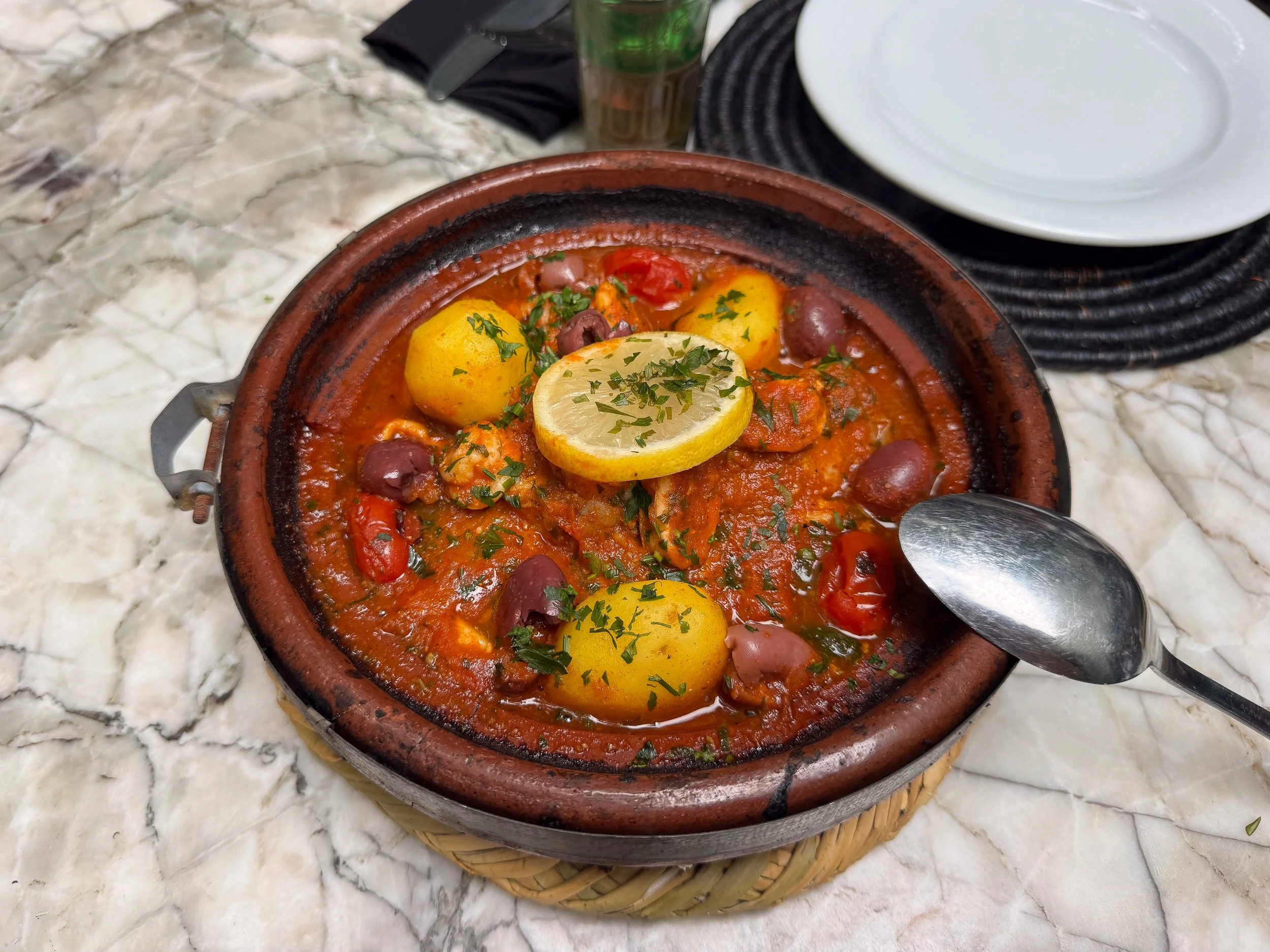
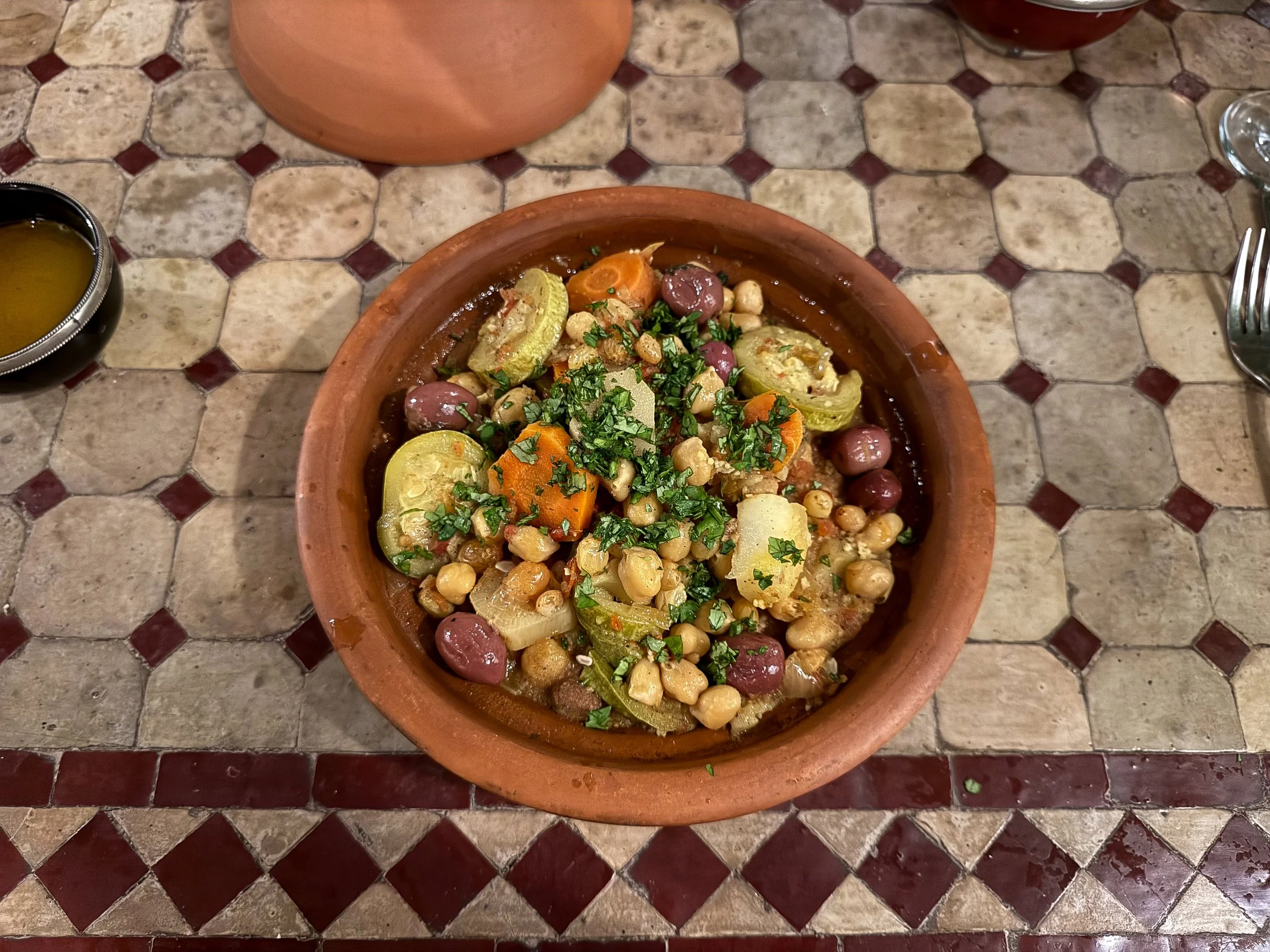
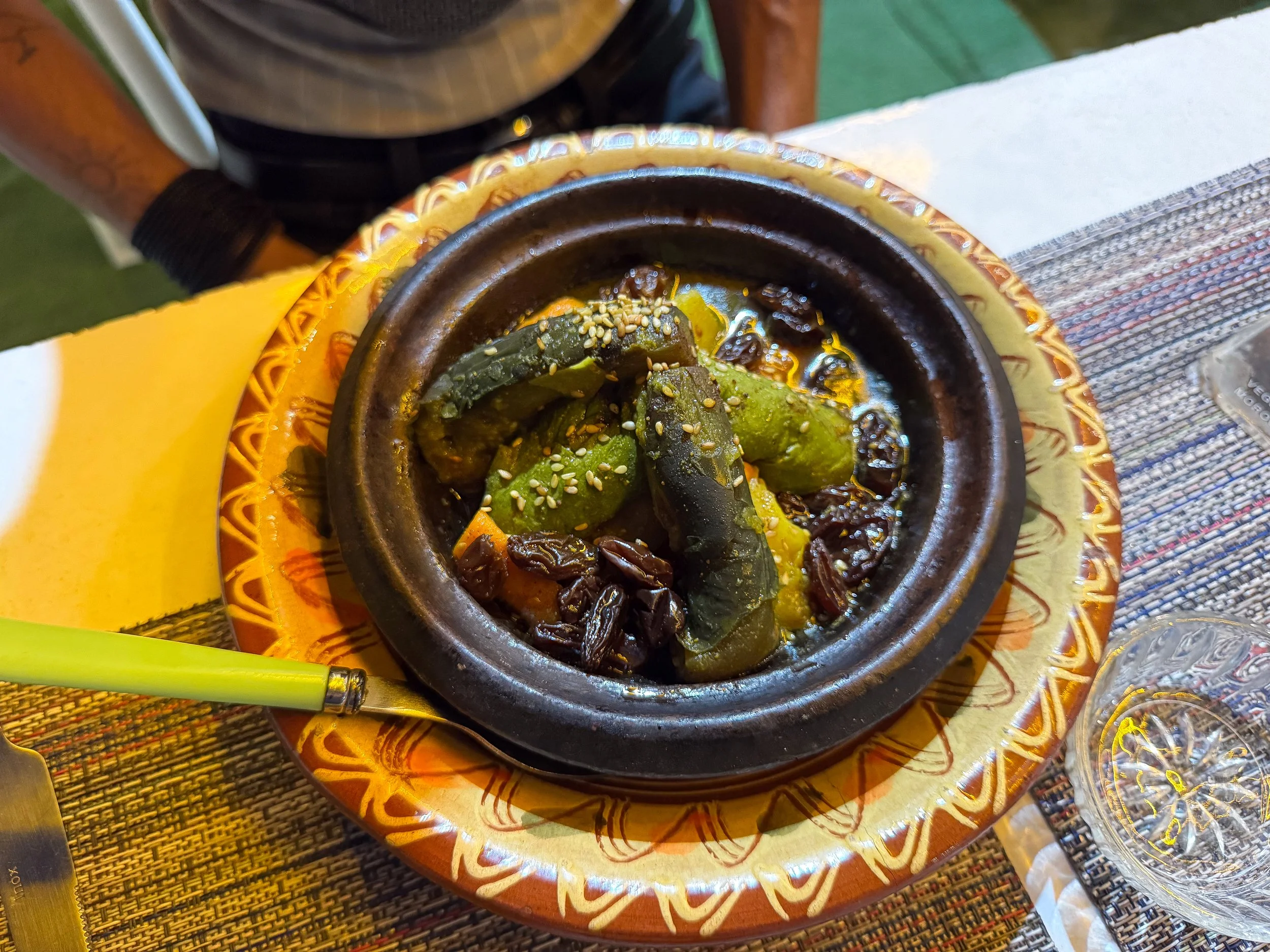
Places to Eat & Drink
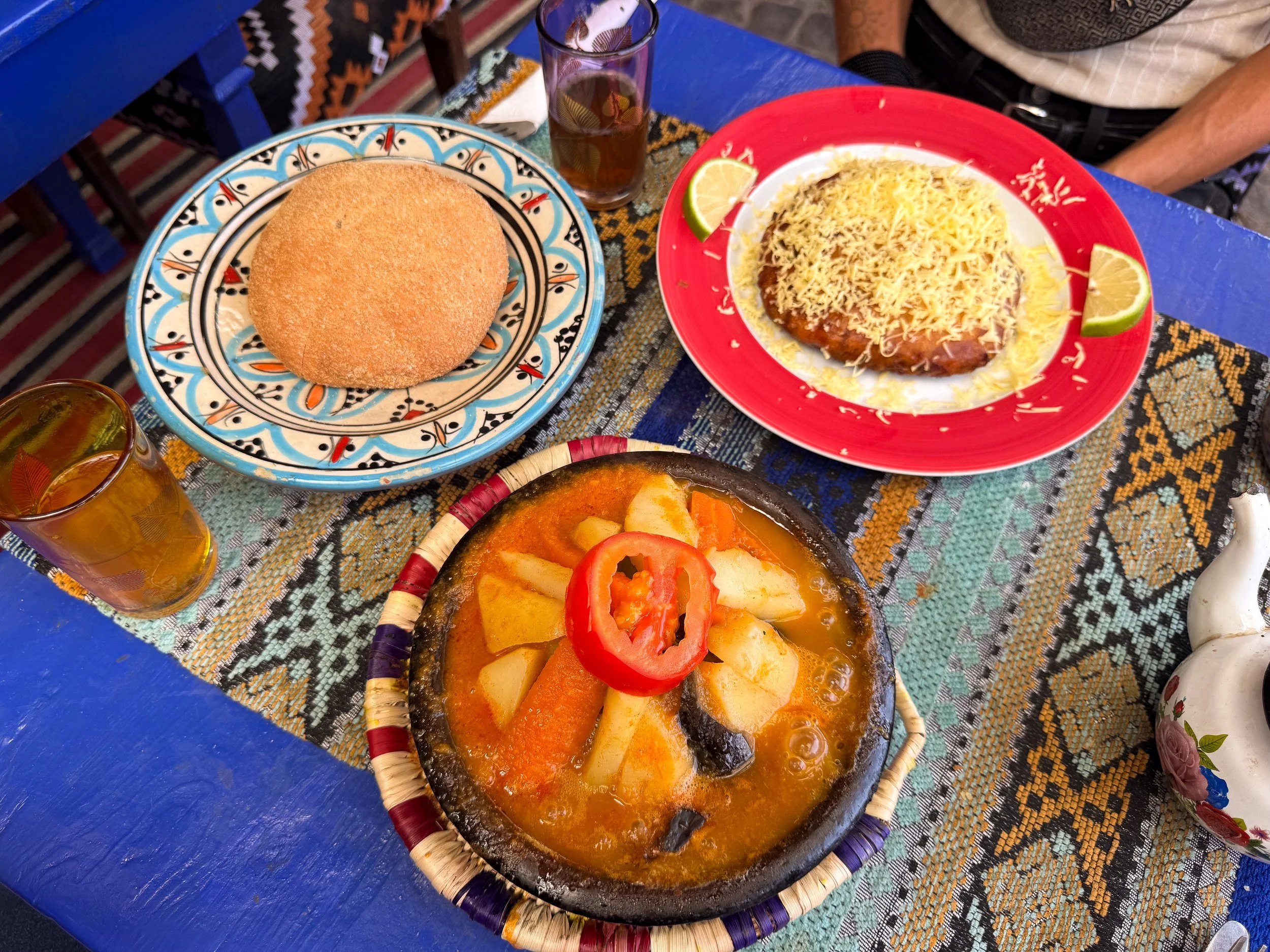
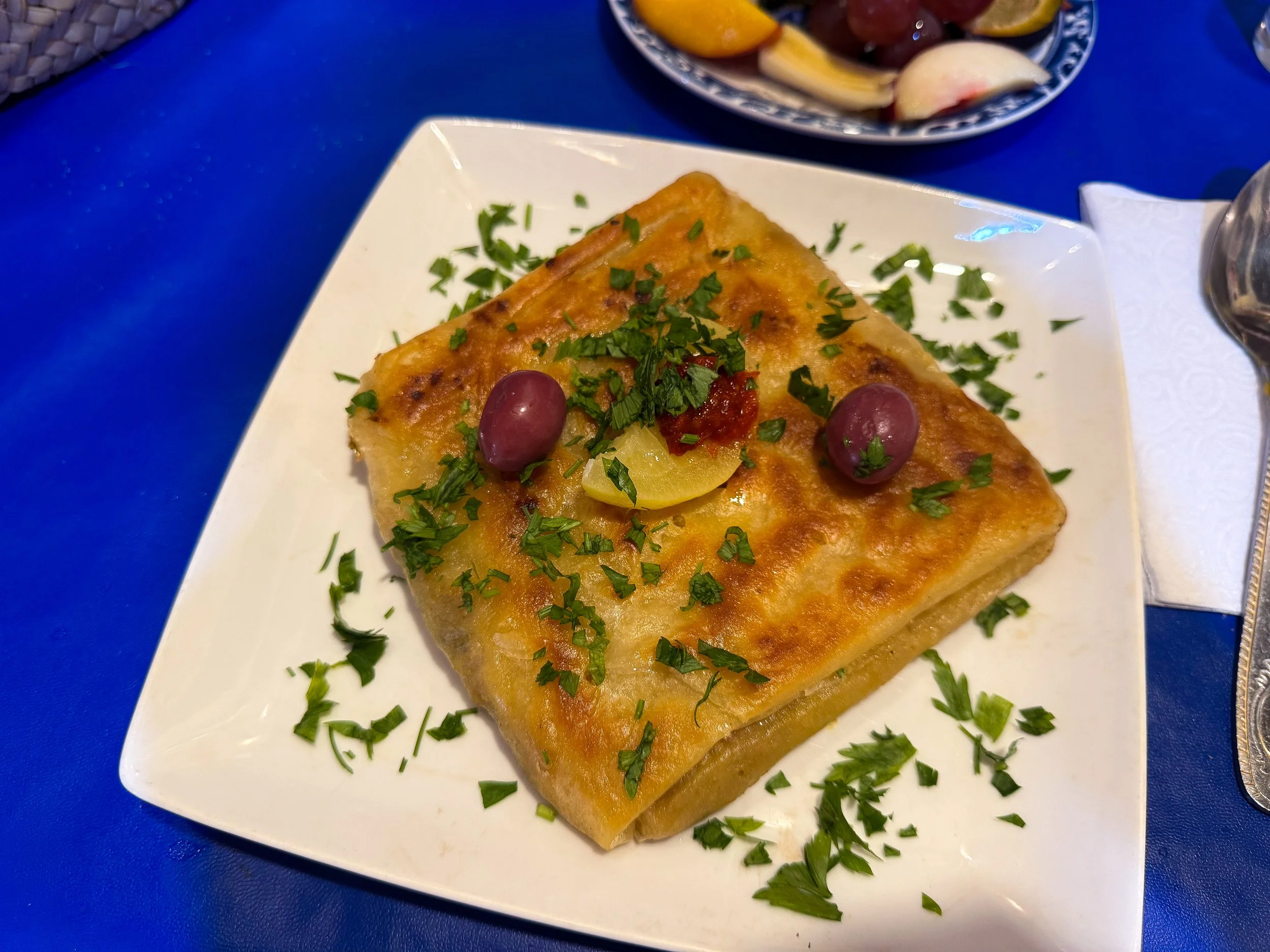
Restaurant Dar Khabya Original. Hidden within the edge of the souks, a small and unassuming restaurant with some of the tastiest Moroccan cuisine, including vegetarian options like pastilla, tagine and fruit juices. Prices are inexpensive and portions are generous.
Café Clock. An alleyway coffee shop with a terrace overlooking a neighboring minaret and the rooftops of Fes. Come here for Moroccan coffees, cookies and local dishes.
Coffee Kortoba El Karaouine. A street-side bakery with freshly made trays of Moroccan patisserie like Gazelle Horns, crescent shaped pastries filled with almond paste, or Ghriba, crumbly almond cookies.
Moroccan Cuisine
Tagine. A mixture of vegetables, meats, dried fruits and spices stewed together in a conical clay dish. It’s a staple dish of Moroccan cuisine.
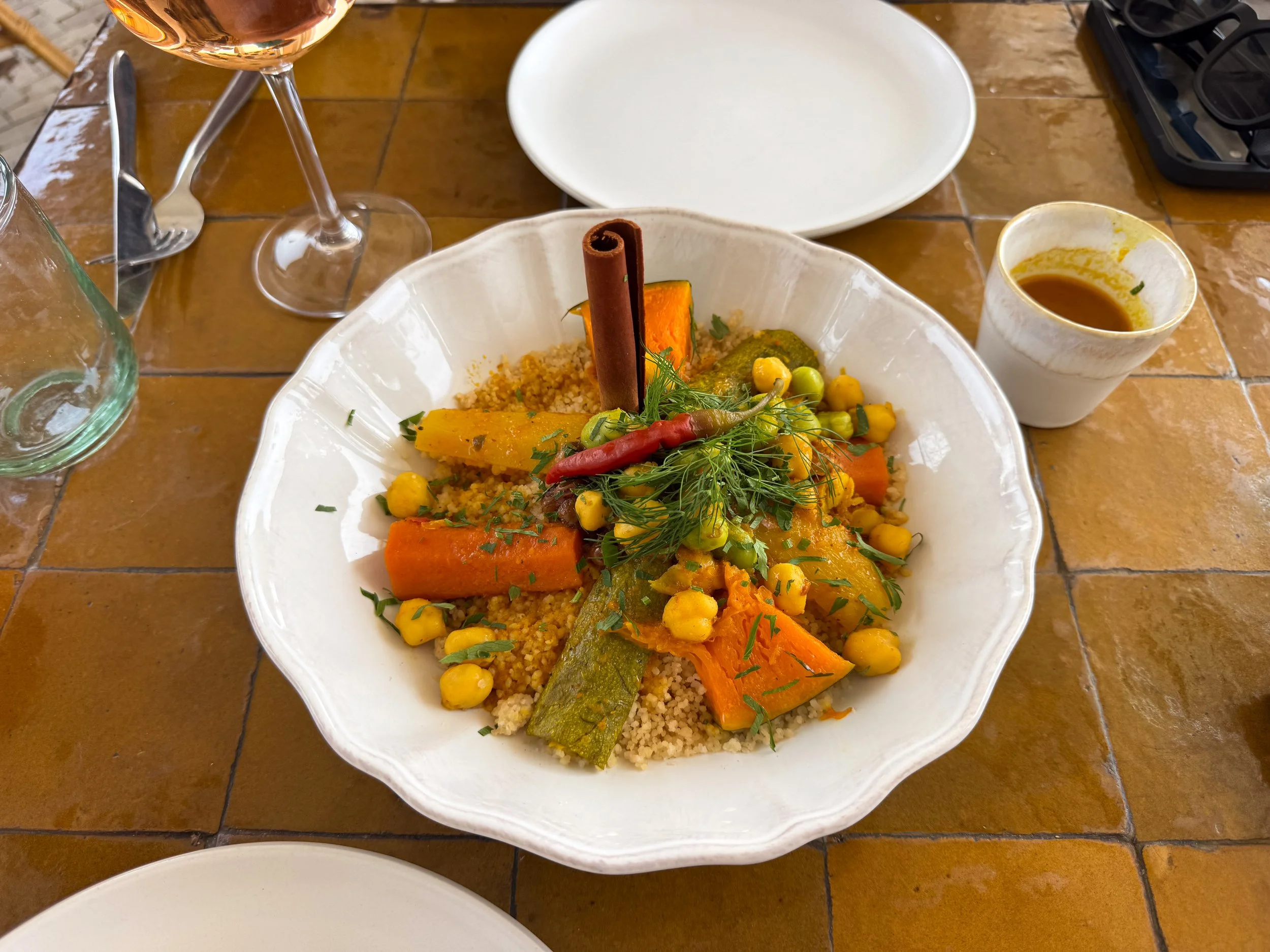
Couscous. A steamed grain covered in a savory broth and garnished with vegetables and meats.
Harira. A Moroccan soup made from tomatoes, chickpeas, fresh herbs and aromatic spices. It’s usually vegetarian.
Khobs Bread. A light and airy flatbread served with every meal. It’s fresh baked daily and can be bought for 1 DH from local bakeries.
Msemmen. A flaky and layered pan fried flat bread often eaten at breakfast with honey. It’s commonly cooked by street vendors on flat top griddles.
Sfenj (Moroccan Donuts). Yeasty rings of fried dough heavily coated in plain sugar. They’re a common street food snack and usually paired with a tiny cup of coffee.
Mint Tea. Hot tea made with fresh mint leaves and sugar cubes. It’s served as a common welcome drink.
Fresh Squeezed Juice. Juices are commonly drank across Morocco. Try fresh squeezed orange, pomegranate or sugar cane from a street side juice cart.
Moroccan Orange Soda. Orange is one of the most popular flavors in Morocco. Try a Moroccan orange soda like Orangina or Hawai.
Stay in a Riad
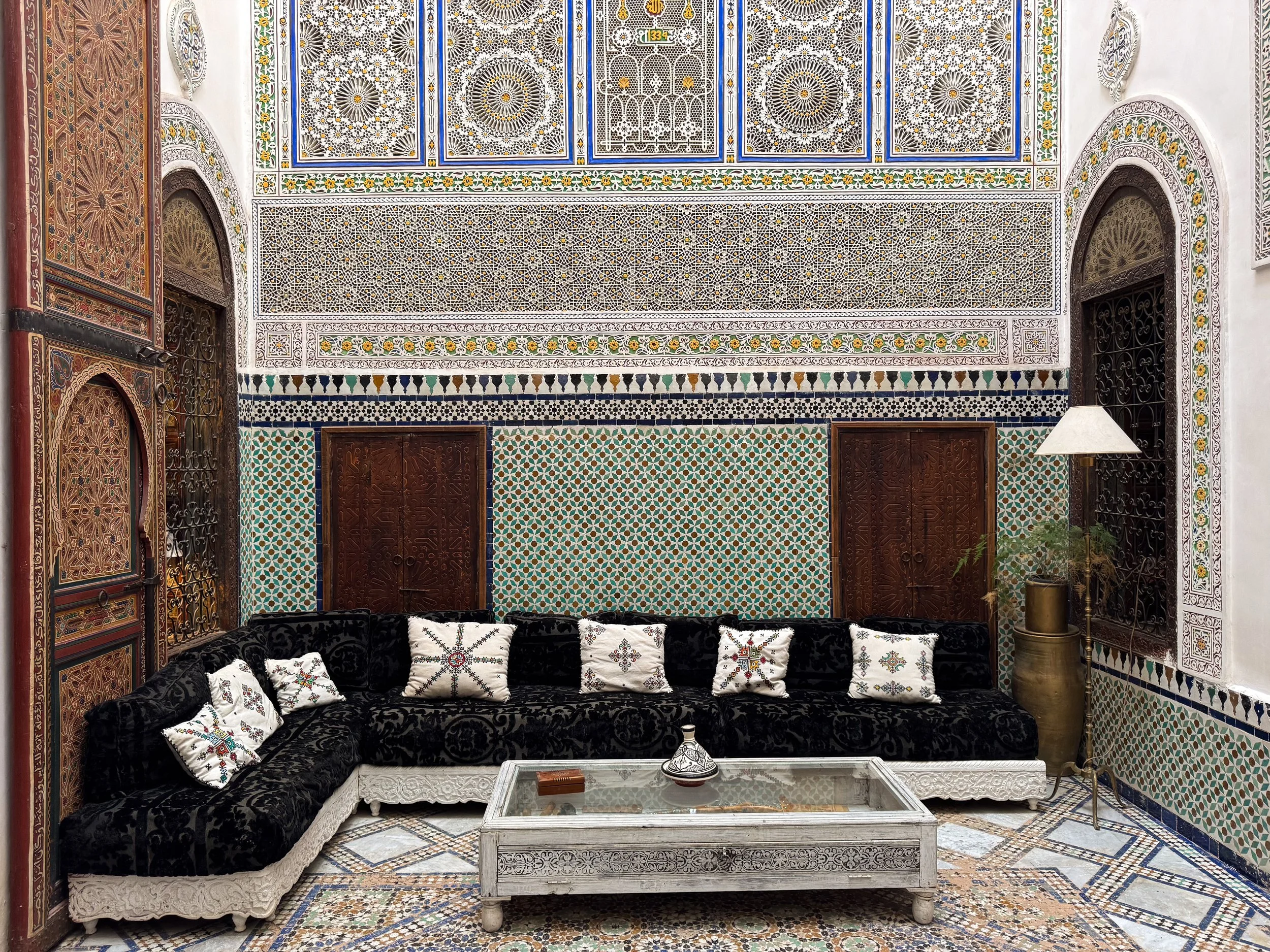
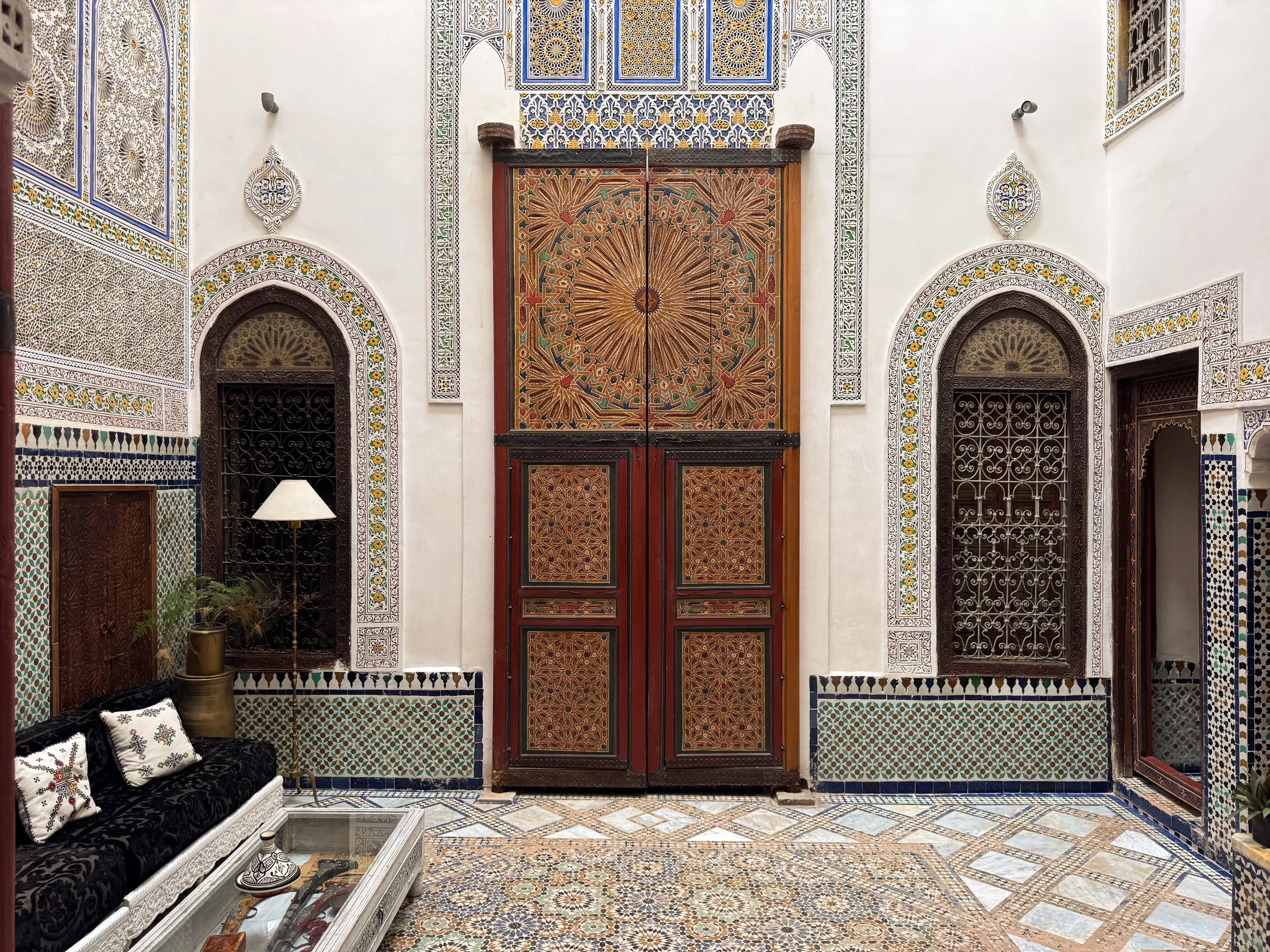
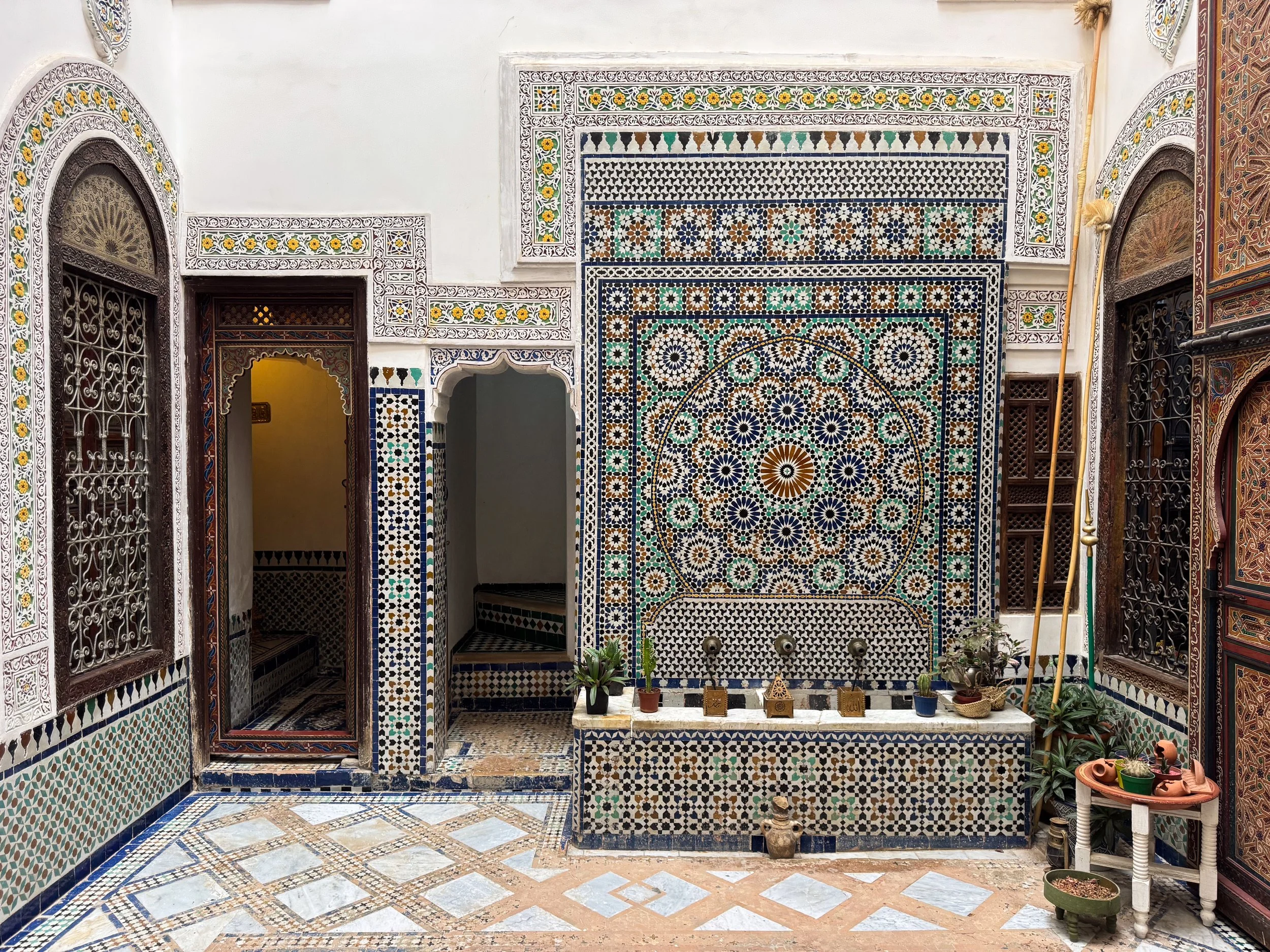
Fes is famed for its elaborate Riads, traditional Moroccan guest houses. They offer tranquil places to stay within the heart of the chaotic medina.
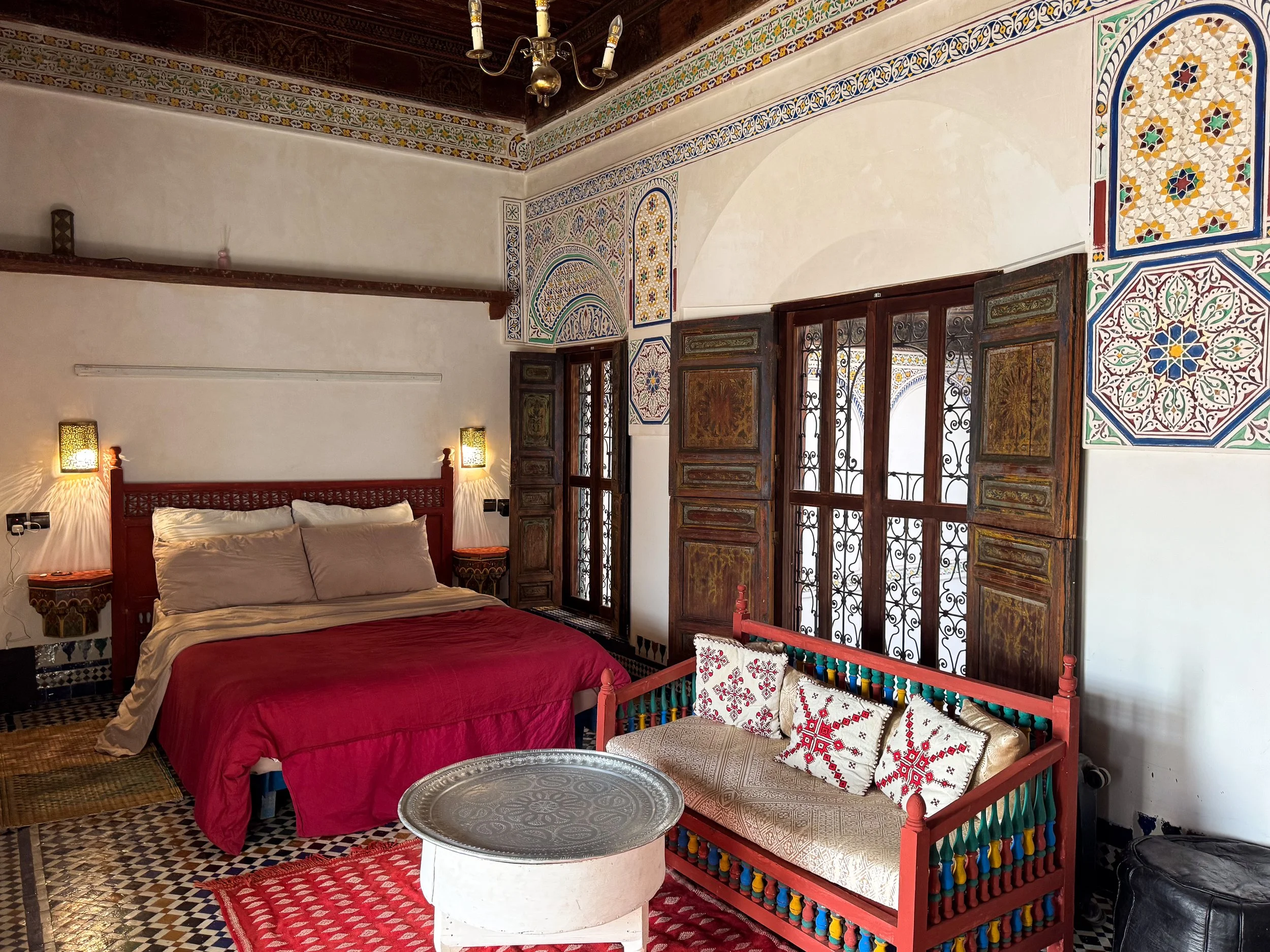
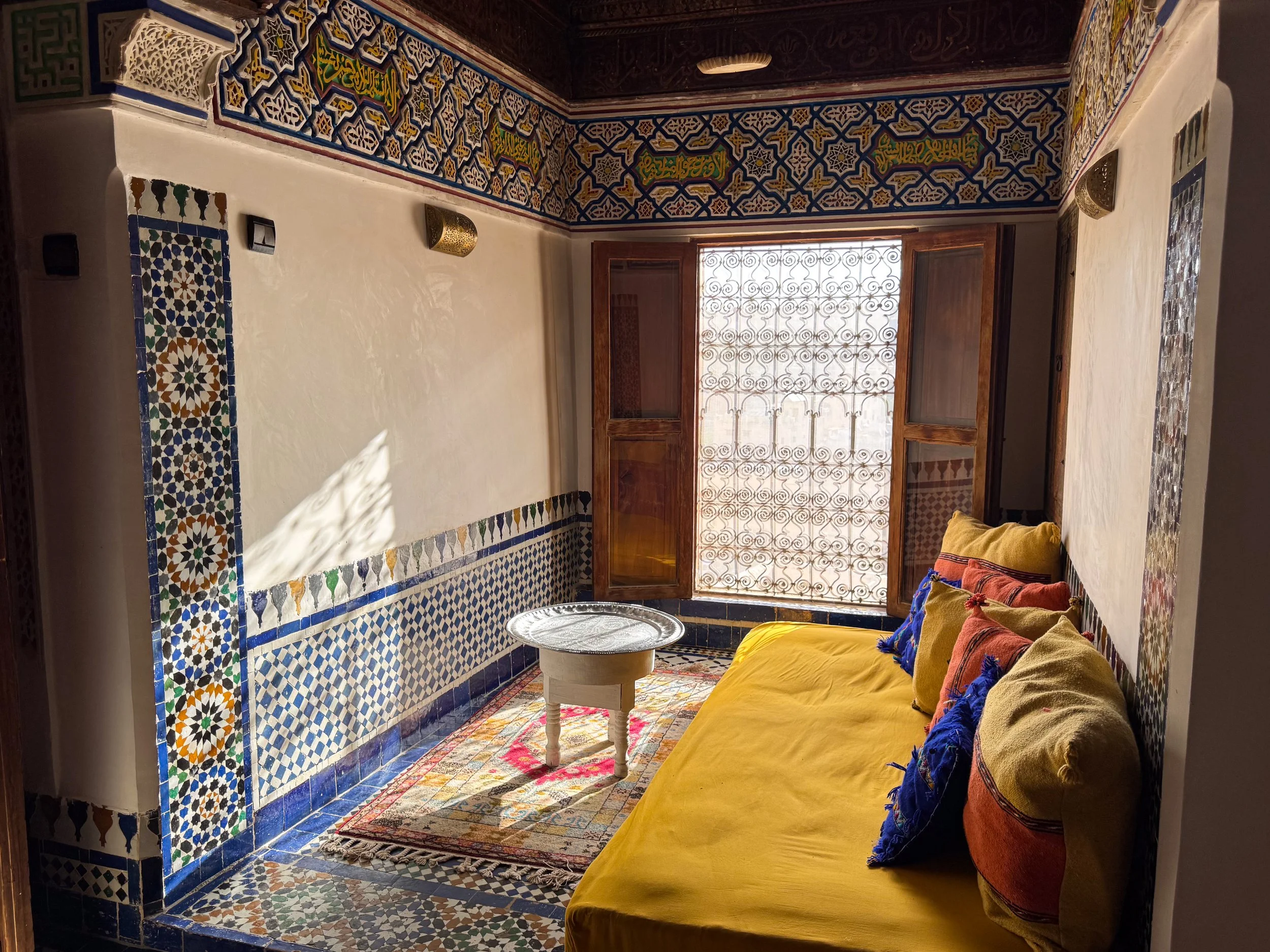
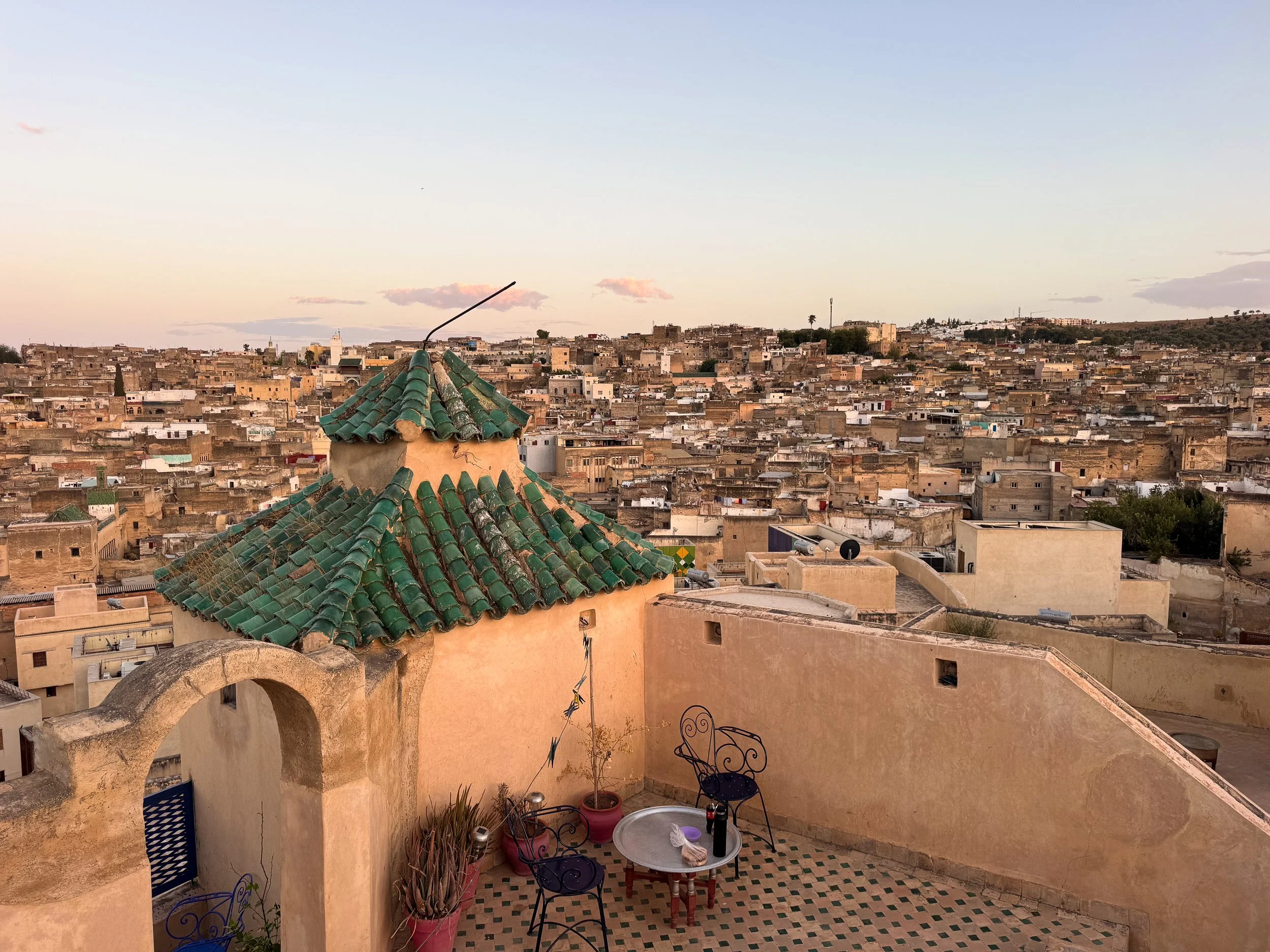
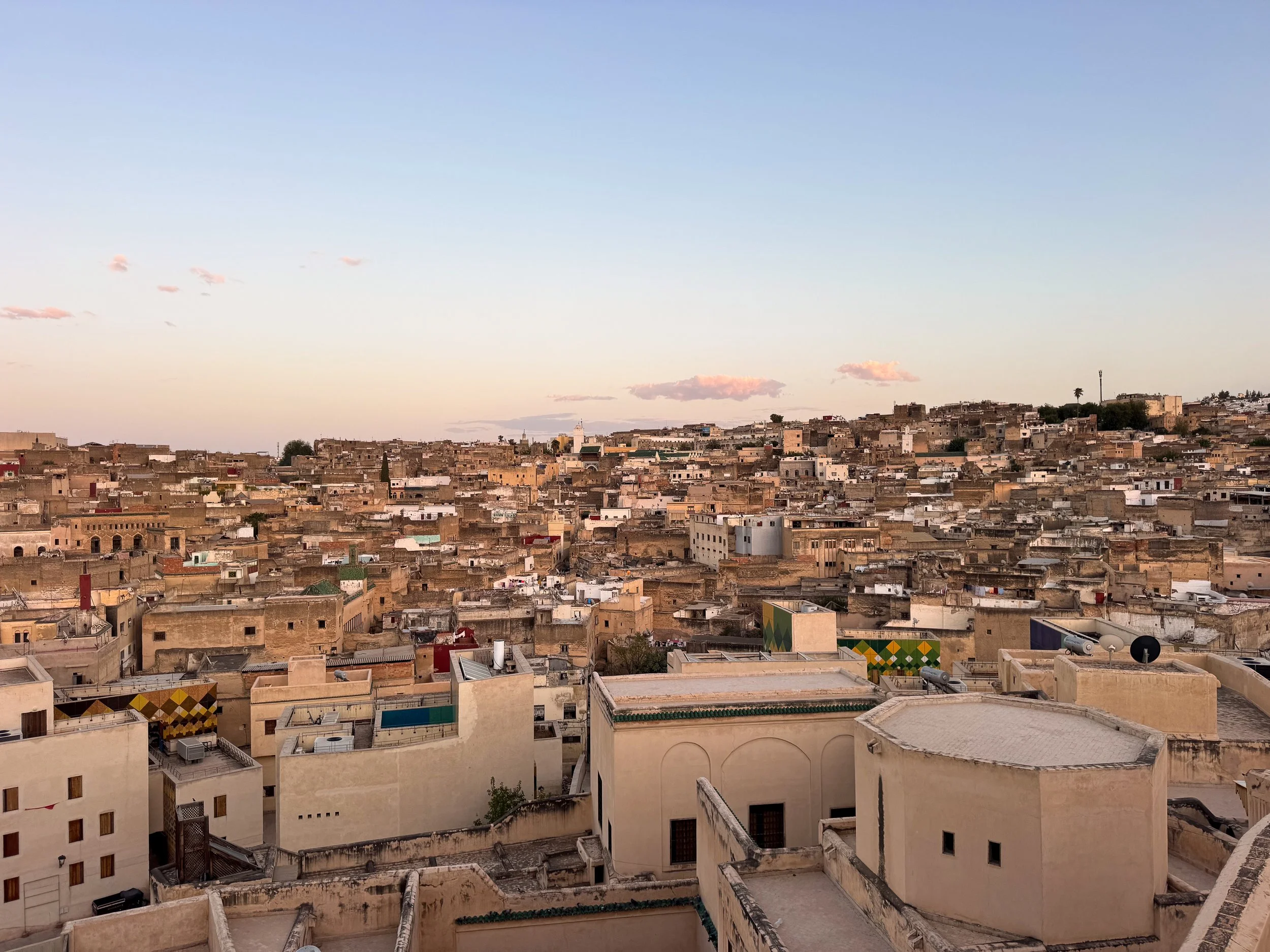
Riad in Old Fes Place Seffarine. A maze of narrow alleyways leads through the souks to this hidden gem in the medina. Its door opens up to an elaborate courtyard decorated in Moroccan tiles, exquisite plasterwork and carved wooden panels. A tiled stairway leads to tiny seating areas and a rooftop with panoramic views of Fes. Grand suites fit for the sultans of old provide travelers with a luxurious Moroccan experience. We booked our stay 6 months in advance on Airbnb.
Getting Around
On Foot. Fes and its medina are best explored on foot. The maze of winding streets and narrow alleyways offers a true glimpse into the history of the city. While the medina is large and hilly, most walkways are covered, providing welcome shade from the hot sun. You don’t need a guide; expect to get lost, turned around and come to dead ends. Navigating gets easier after the first day.
Good to Know. Ignore people trying to offer directions. They may ask where you’re going, tell you a road or place is closed, try leading you into a shop or ask for a tip.
Petit Taxi. Small red taxis are present throughout the city. They’re safe, affordable and quick when getting around. Hail one off the street or near a gate to the medina. Fares cost between 10-20 Dirham for short distances and up to 100 Dirham between the medina and airport. Always confirm price and destination before getting in. Petit taxis are shared so drivers may stop to pick up other passengers along the route.
Arabic Words & Phrases
Knowing a few words and phrases in Arabic goes a long way in Morocco when interacting with locals. Some of the most common and easy to remember are:
Hello = Salama
Goodbye = Beslama
Thank you = Shukran
You’re welcome = Marhaba
Location Specifics
When to Visit. September is the best month of the year to visit Morocco. It’s just before peak travel season with hot to moderate temperatures.
Language. Arabic, French and English are commonly spoken by many people, seen on signage and menus.
Cash vs. Card. Cash is the preferred and often only accepted method of payment at many businesses. Confirm before ordering at restaurants or agreeing to services.
Safety. The medina is a generally safe destination to visit. Be aware of your surroundings and keep hold of personal belongings to avoid pickpocketing.
Dress Conservatively. Don’t show too much skin, try to cover most tattoos and remove piercings.
Berber Hospitality. Shopkeepers often offer mint tea when visiting their shops; it’s respectful to accept.
Drinking Water. Tap water is not safe for consumption or using to cook with. Only use bottled water.
Alcohol. The sale of alcohol is heavily controlled throughout the country. Very few establishments serve cocktails, beer or wine in Fes.
Slow Mornings. Mornings in Fes are slow. Most businesses and shops don’t open until at least 10am.
Friday Closures. Friday is a day of prayer and rest in Islam. The city is quieter than other days. Many shops, restaurants and businesses are closed during this time.
LGBTQ+ Safety. Moroccan laws and customs are not very accepting of LGBTQ+ individuals. Stay up to date with the latest laws and suggestions while traveling. Refer to our guide on LGBTQ+ Travel Safety for more advice.
Elsewhere in Morocco
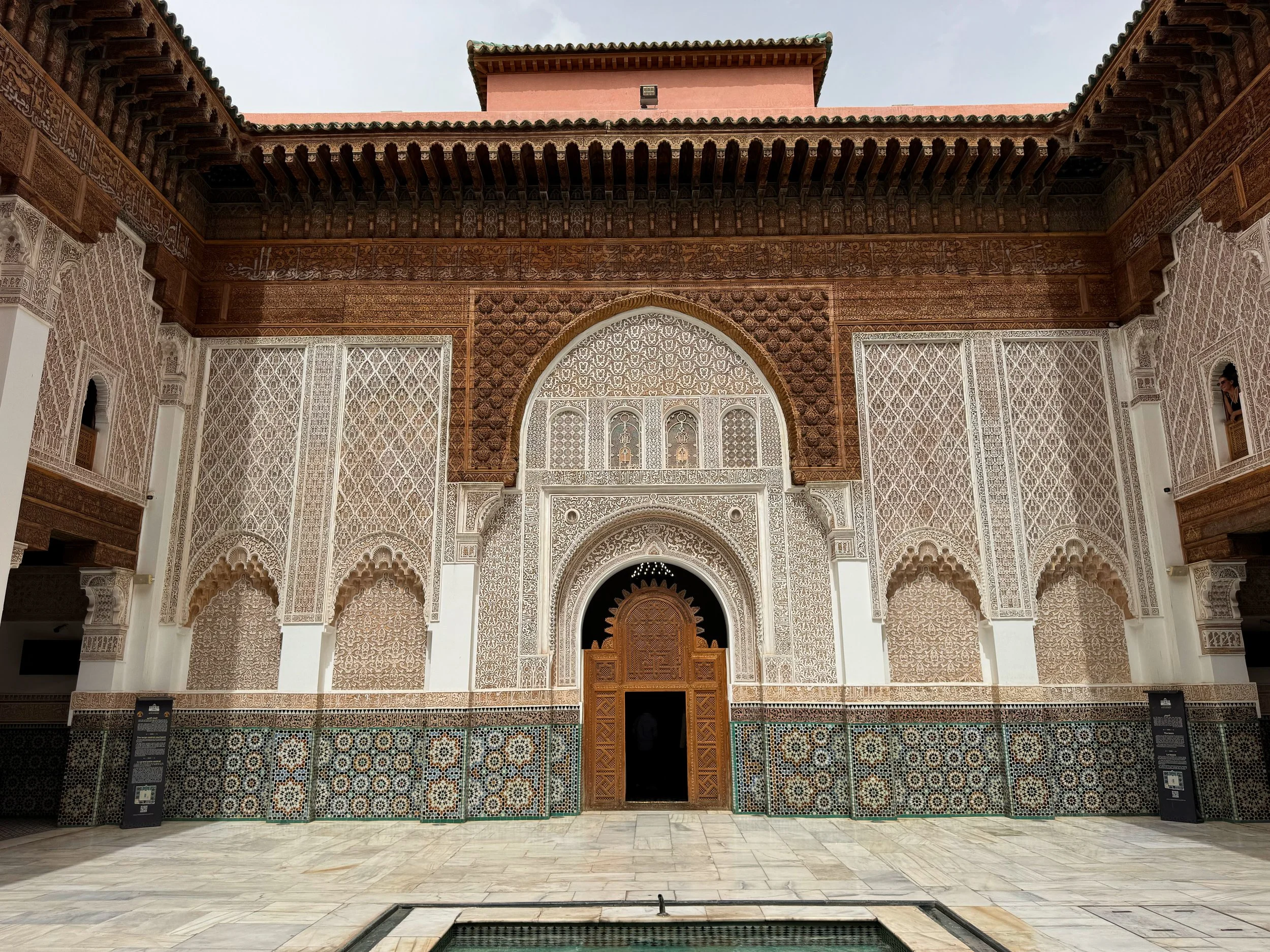
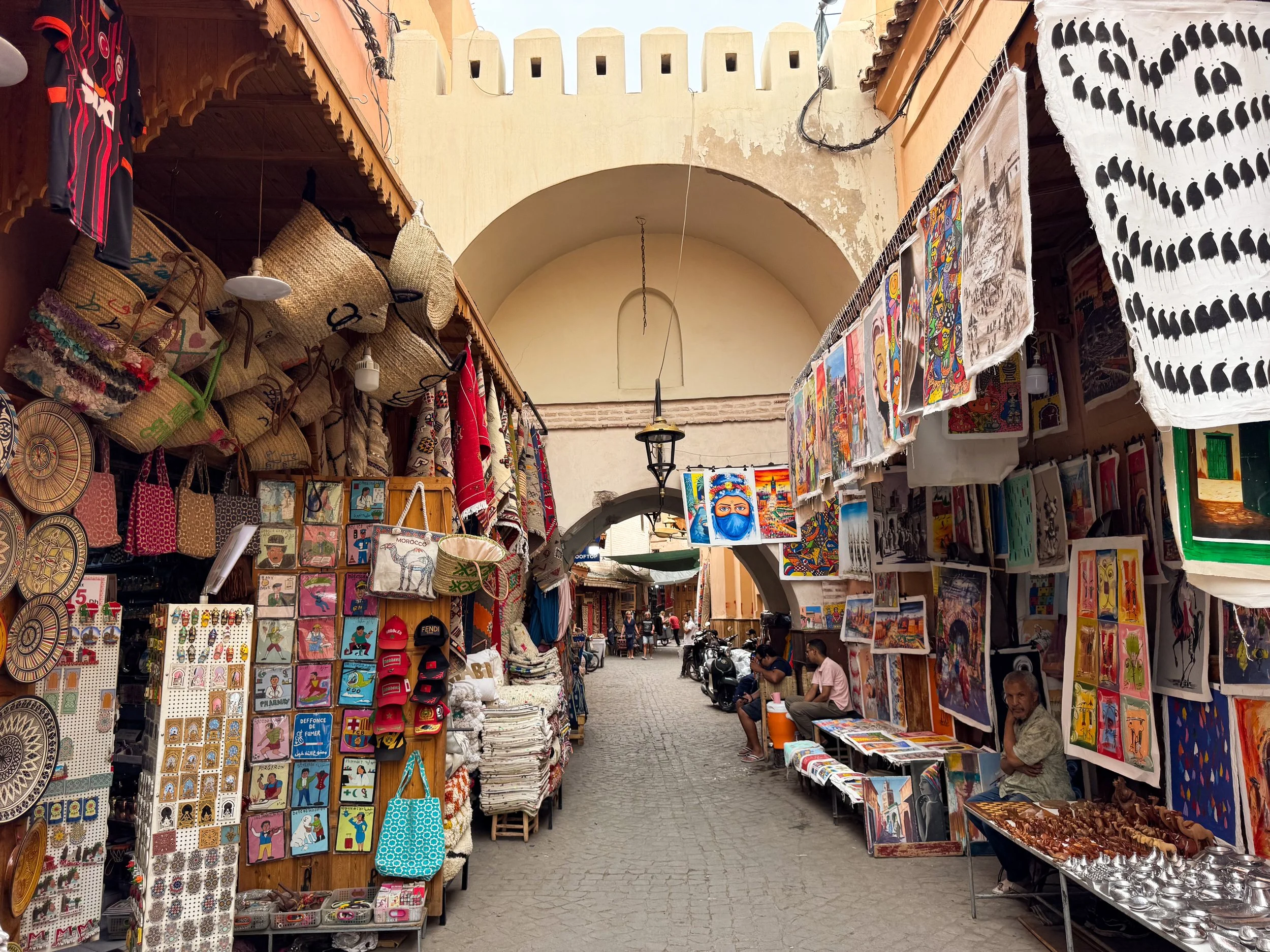
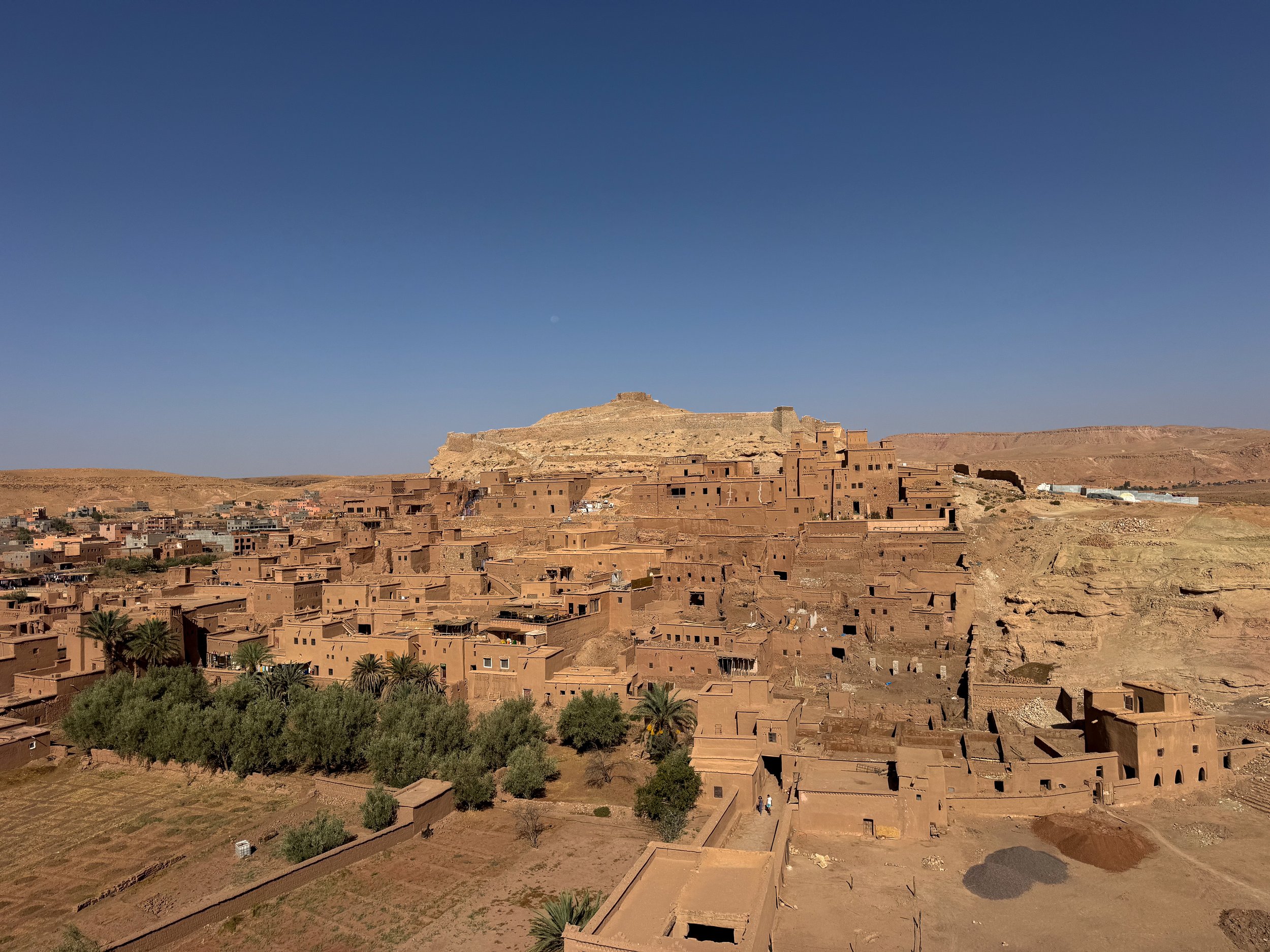
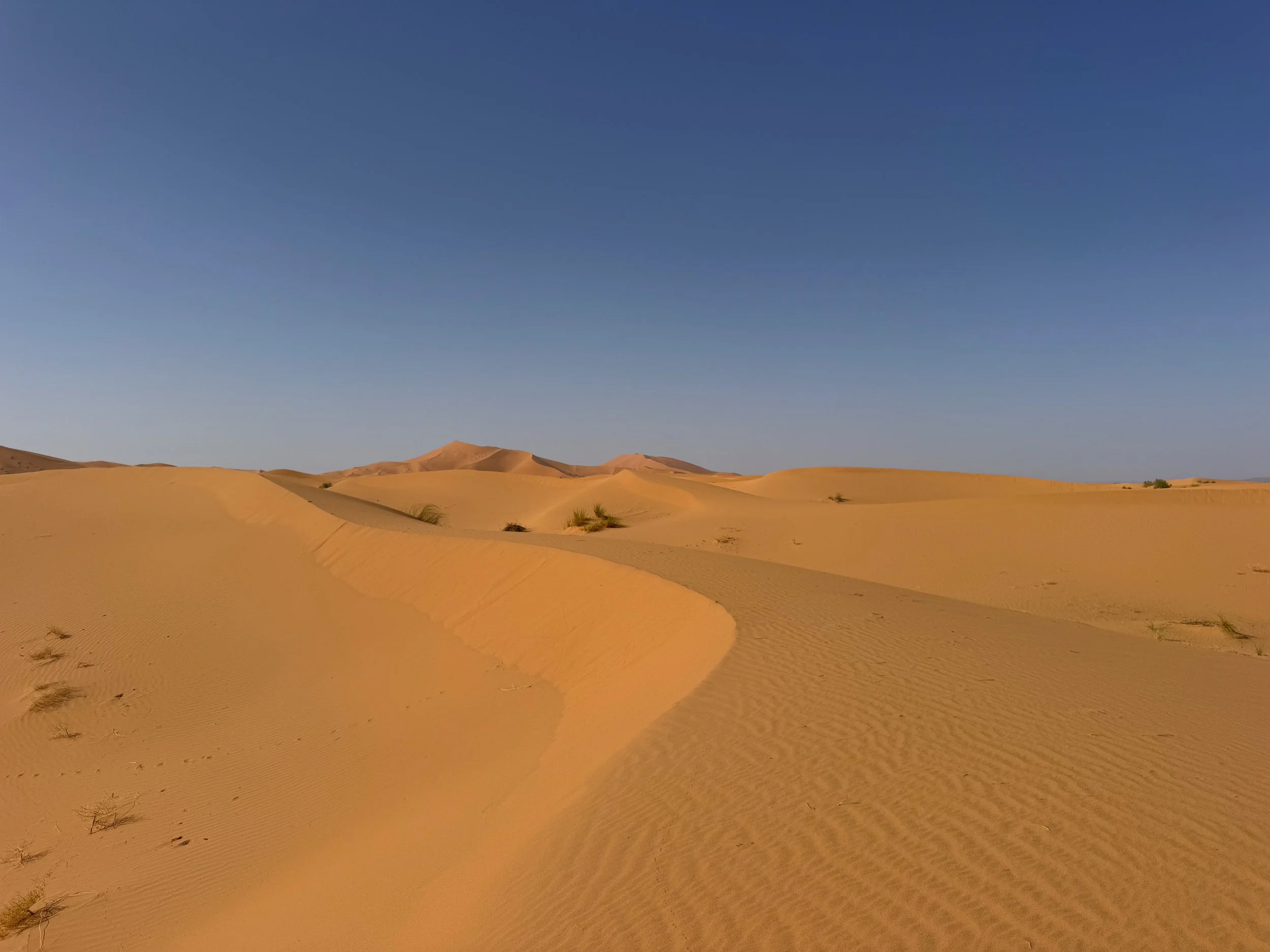
From Fes's historic medina and Islamic heritage to Marrakech's markets, Chefchaouen's mountain charm and the vast Sahara Desert, continue exploring Morocco through these travel guides:
Marrakech Travel Guide: Medina, Souks & Moroccan Cuisine. Get lost in Marrakech's maze-like alleyways where vibrant souks, elaborate palaces and historic mosques bring centuries of Moroccan culture, cuisine & tradition to life.
Morocco Road Trip Guide: Sahara Desert, Kasbahs & Berber Culture. Road trip across Morocco's dramatic landscapes where palm oases, ancient kasbahs, towering dunes and Berber camps create an unforgettable Saharan adventure.
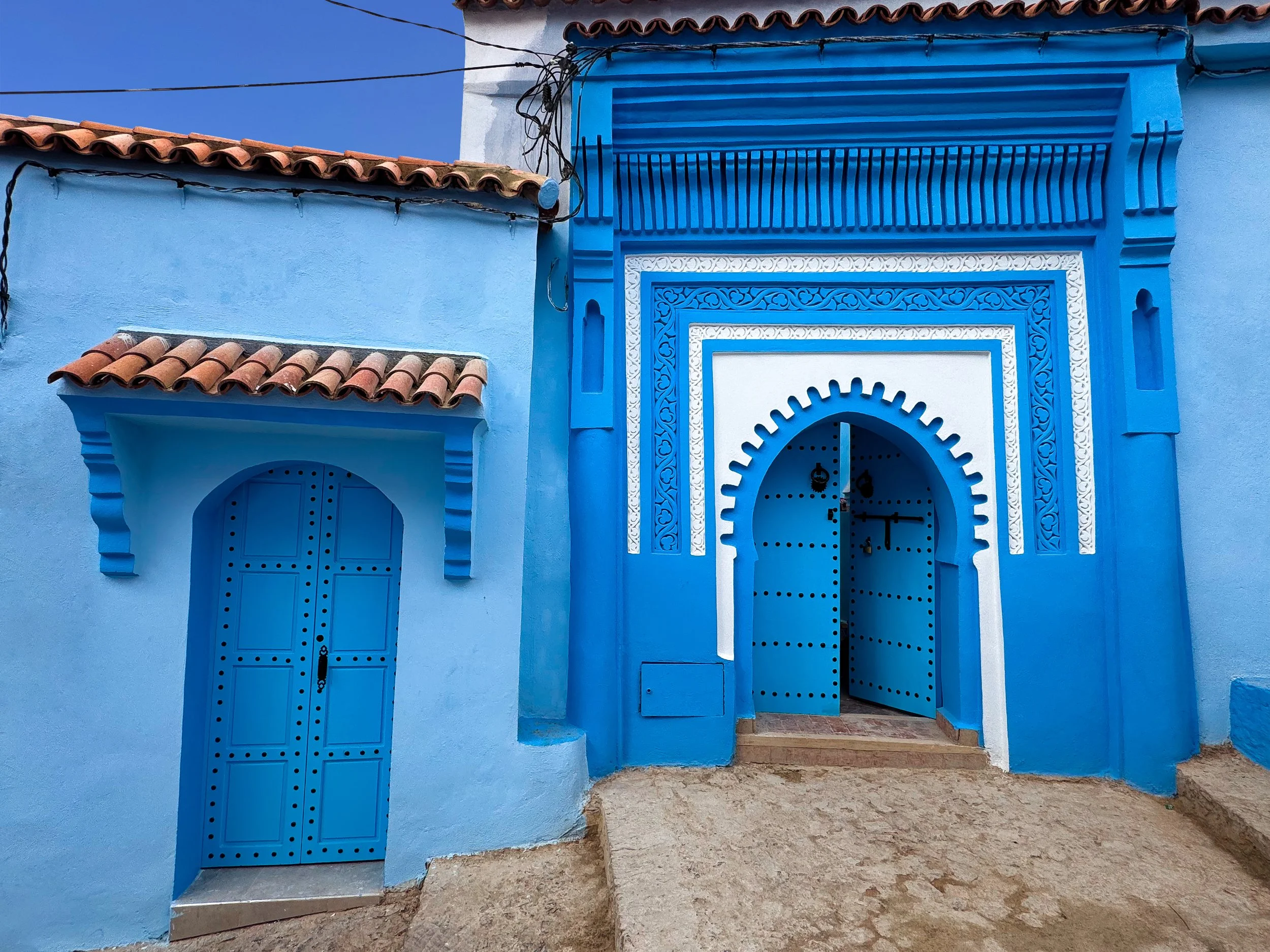
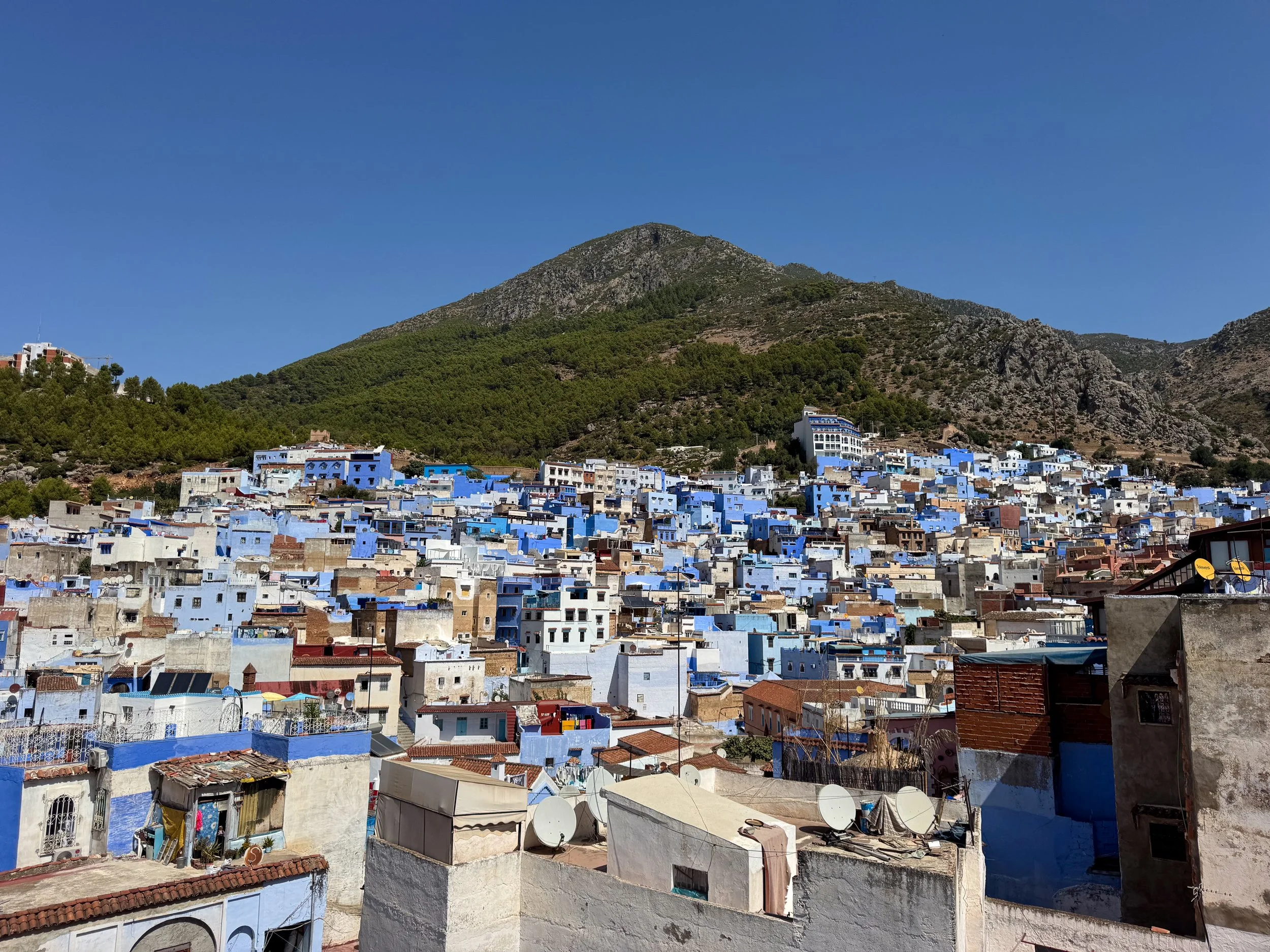
Chefchaouen Travel Guide: The Blue City, Medina & Local Culture. Stroll through Chefchaouen's blue painted medina where historic mosques, fresh juice vendors, Berber artisans and mountain scenery reveal a tranquil side of Morocco.
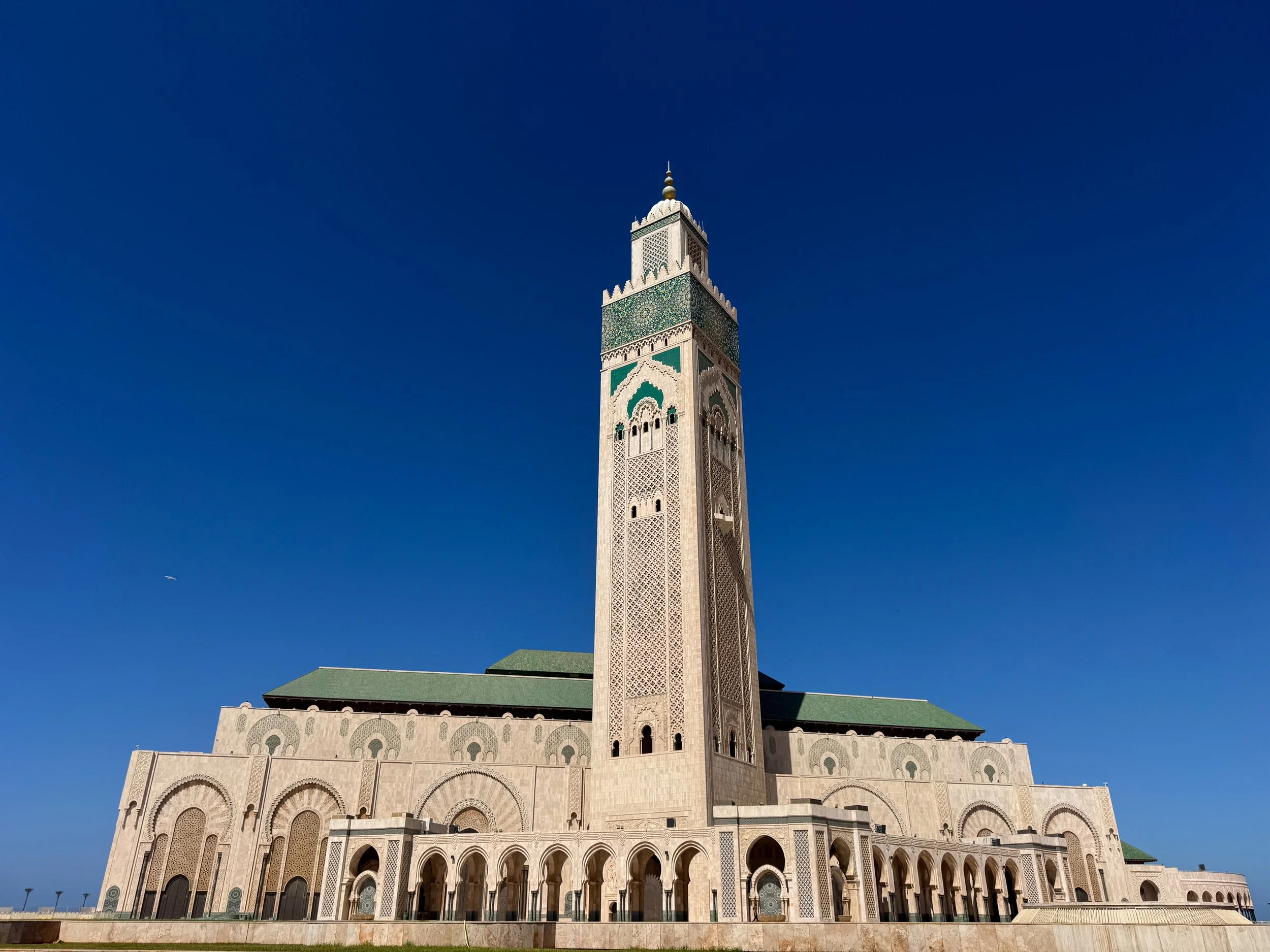
Casablanca Travel Guide: Hassan II Mosque, Local Markets & Moroccan Cuisine. Wander through Casablanca's ancient medina, palm lined avenues and seaside promenades where the Hassan II Mosque and local food markets reflect Morocco's culture.
For Next Time…
Morocco is a beautiful destination with historic cities, scenic landscapes and cultural allure. We have a shortlist of places to visit when we return.
Meknes. An ancient city at the heart of Morocco’s wine producing region. Its nearby vineyards offer tours, tastings and wine pairings.
Volubilis. An ancient Roman city with well preserved ruins and mosaics from the former empire.
Essaouira. A port city on the Atlantic with a picturesque medina, coastal ramparts and fresh seafood restaurants.