Marseille Travel Guide: Calanques, Vieux-Port & Mediterranean Culture
Marseille, France’s Second City
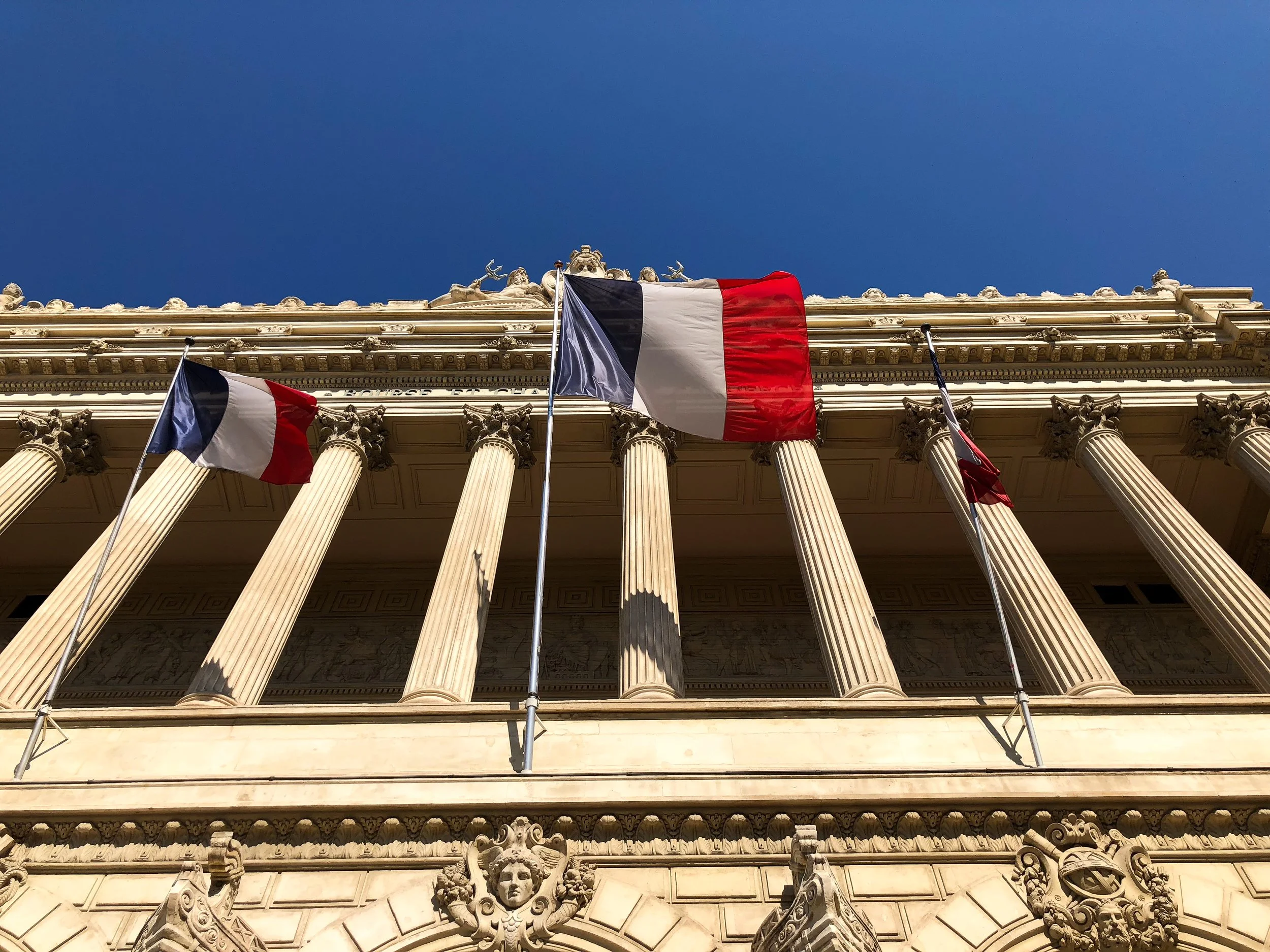
Marseille, France’s Second City, has a certain “je ne sais quoi” to its beauty, grittiness and old world charm. The city streets are lined with historic buildings and graffitied alleys while its seaside is defined by Mediterranean blues, rugged cliffs and fishing boats.
Mediterranean Influences
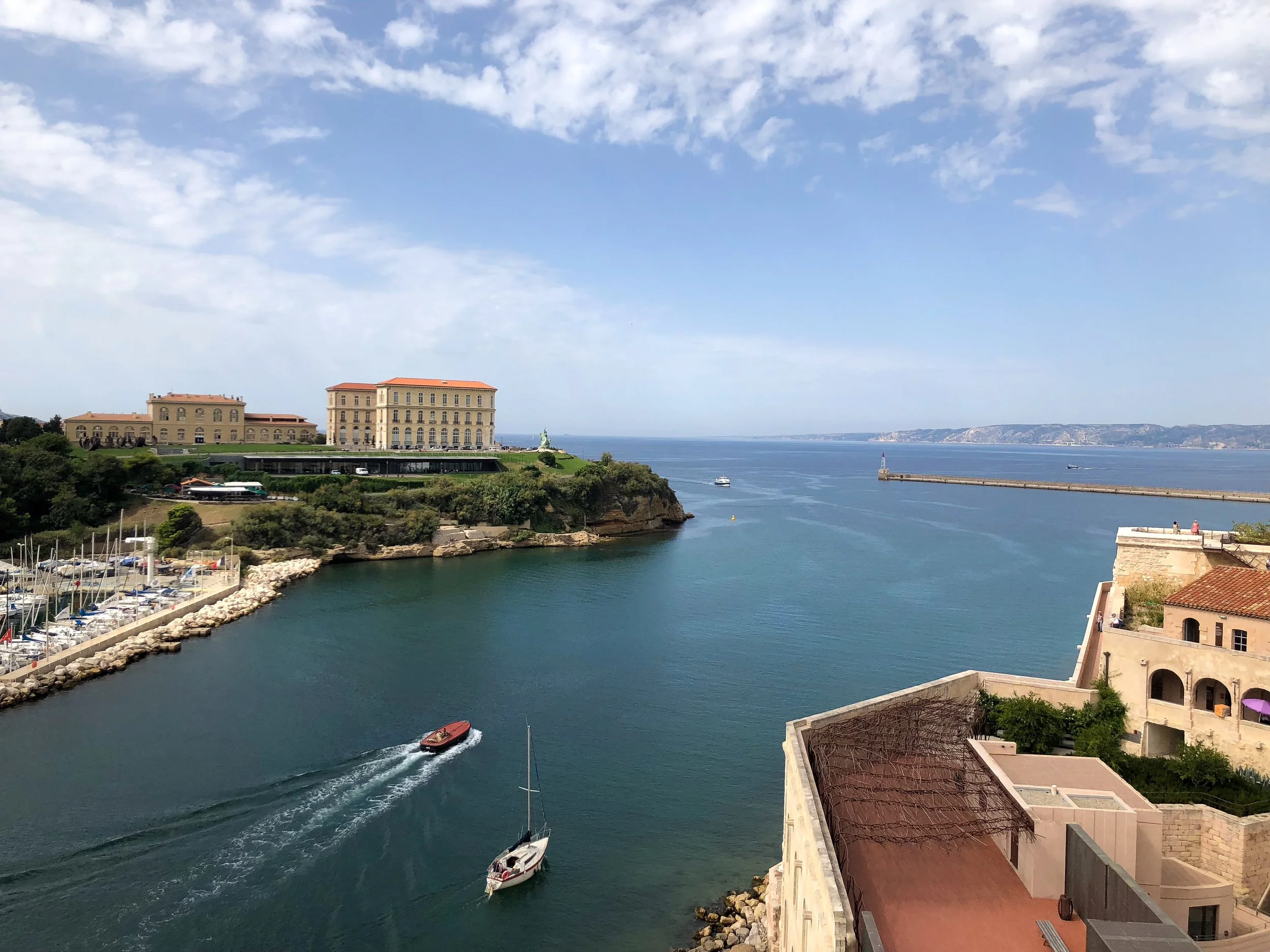
Marseille is a historic port city located along the Mediterranean Coast. It was founded over 2,600 years ago and is one of the oldest surviving cities in Europe. Throughout the ages, it has been a hub for goods including seafood, olives and grapes as well as transportation and immigration. Today, many North African immigrants call the city home and have integrated their own cultures into the French city.
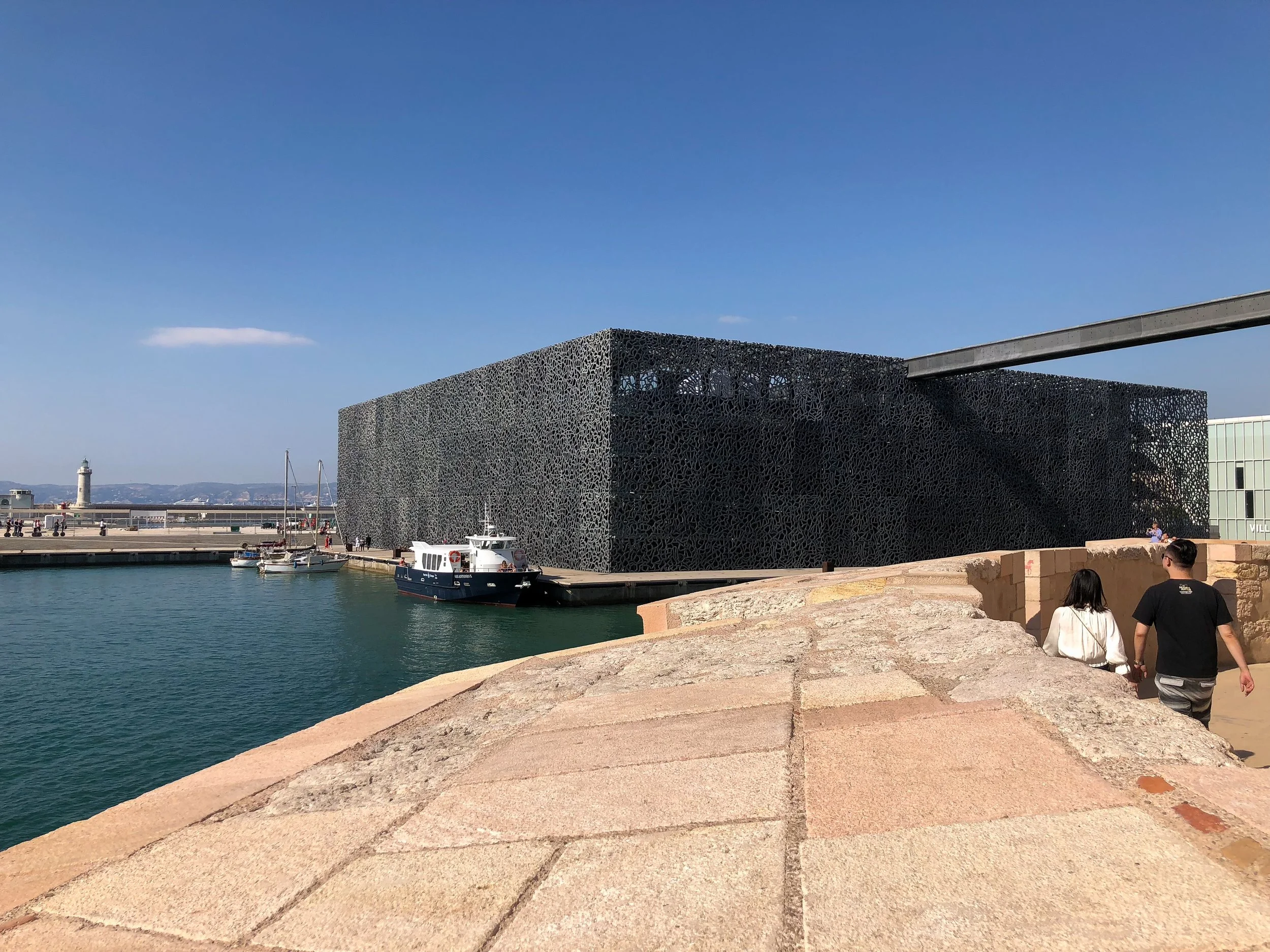
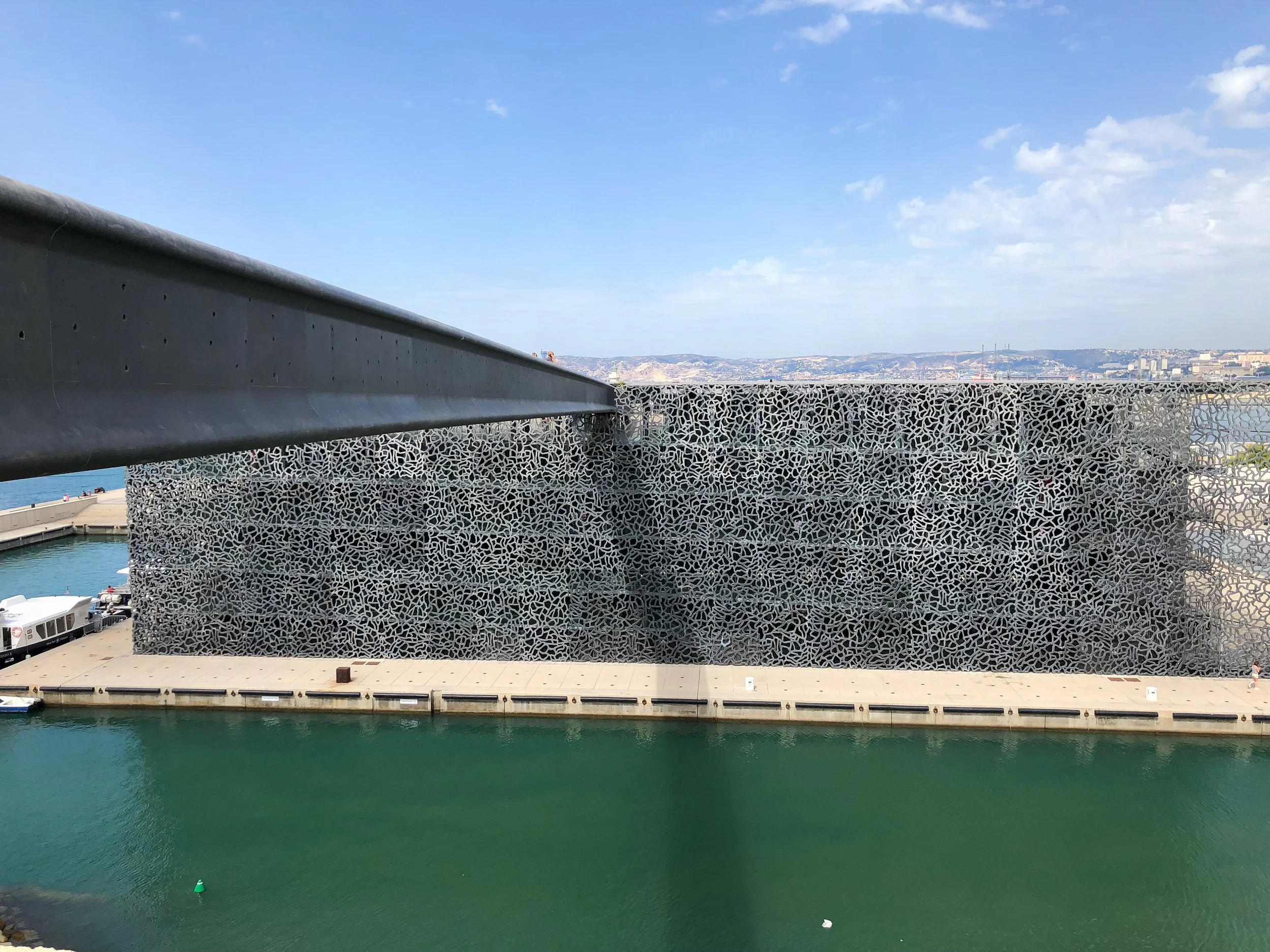
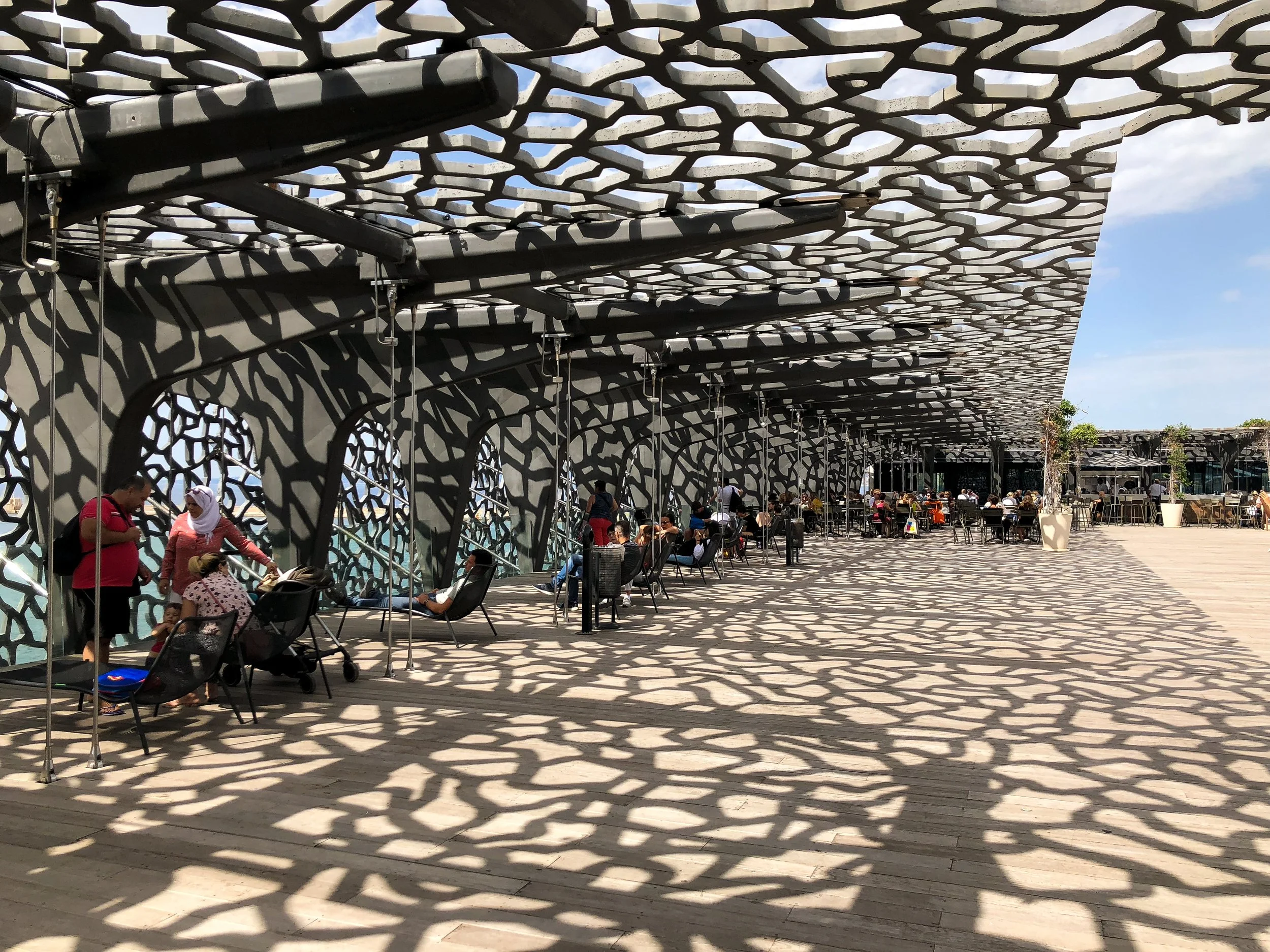
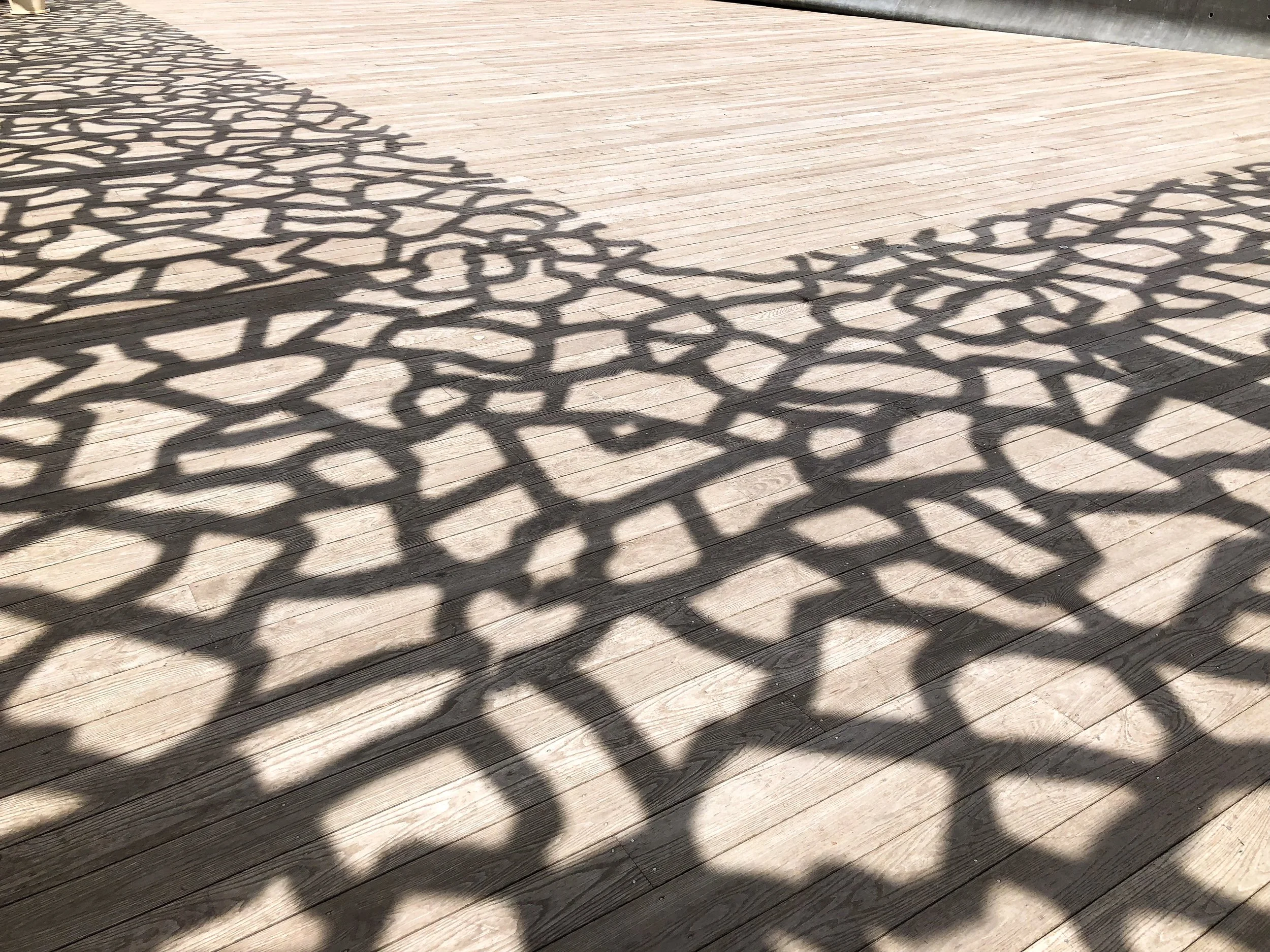
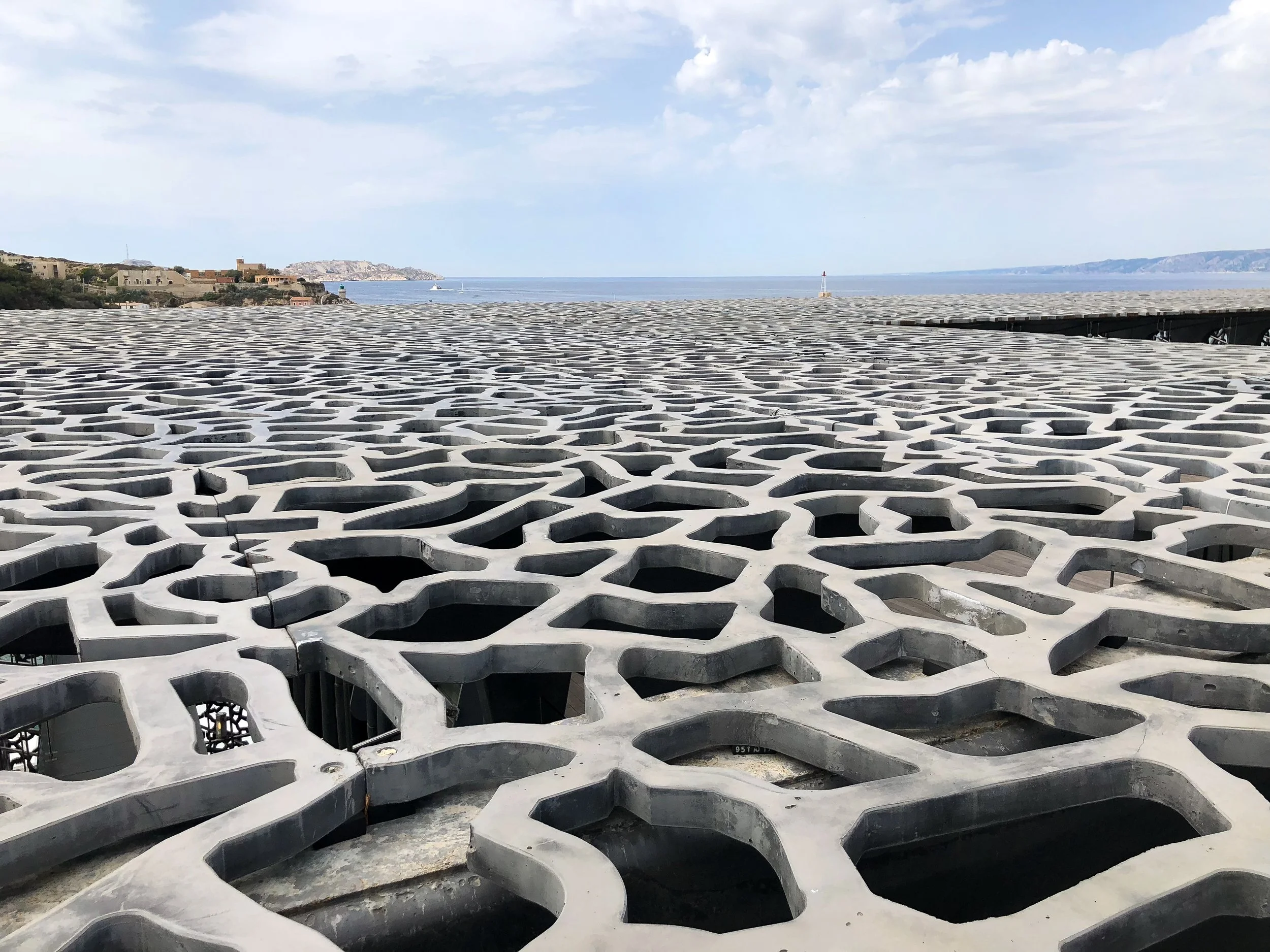
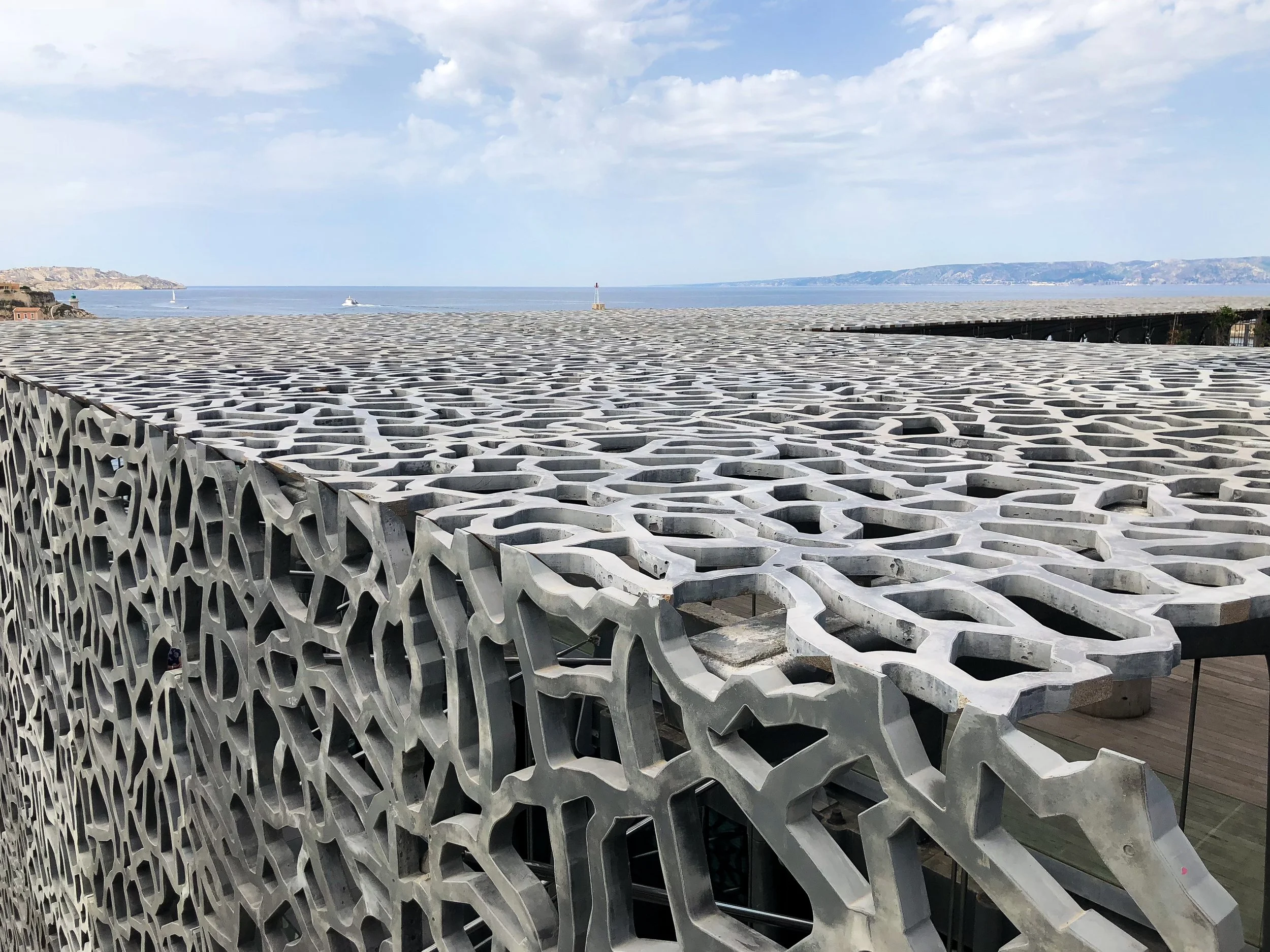
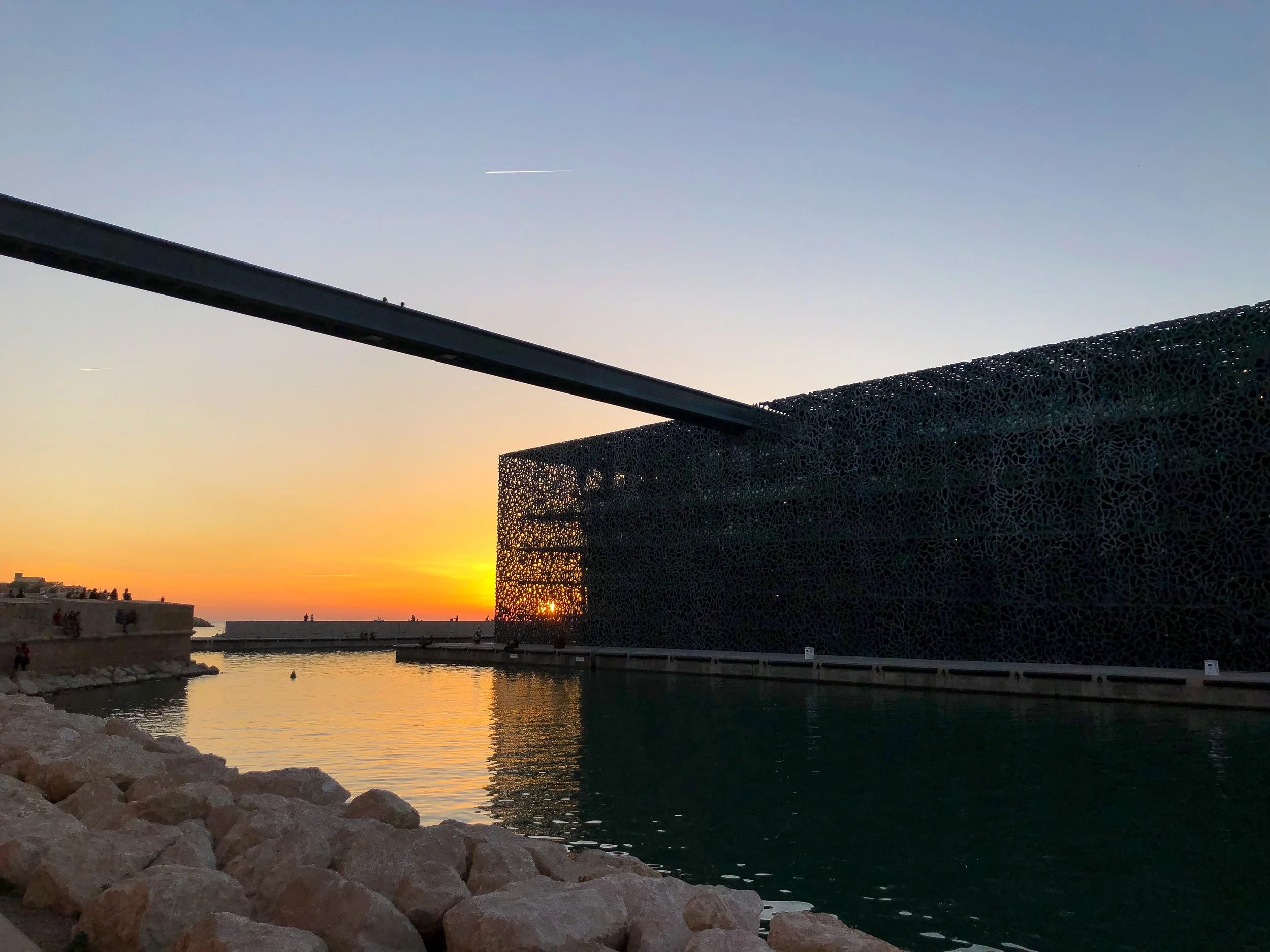
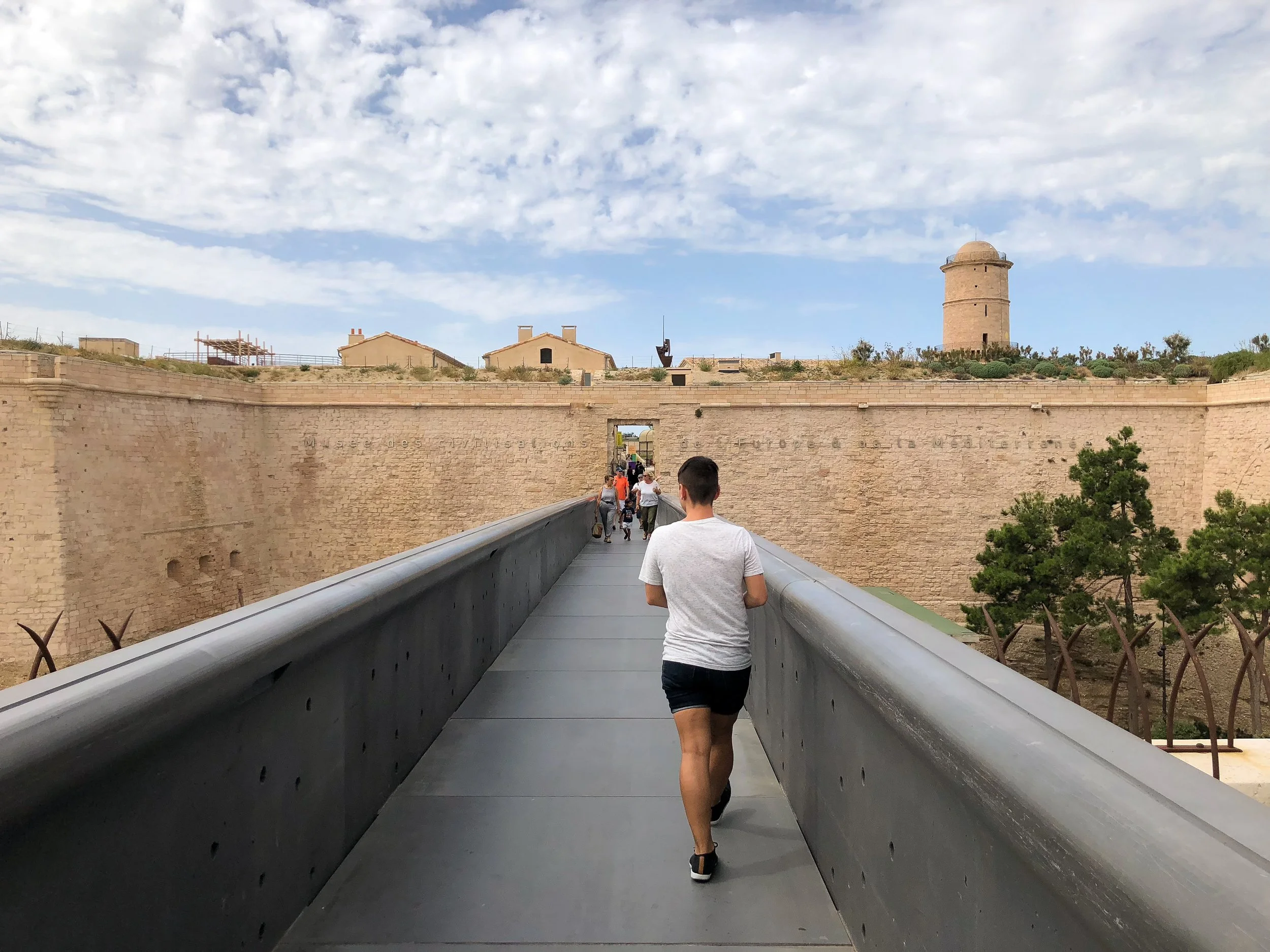
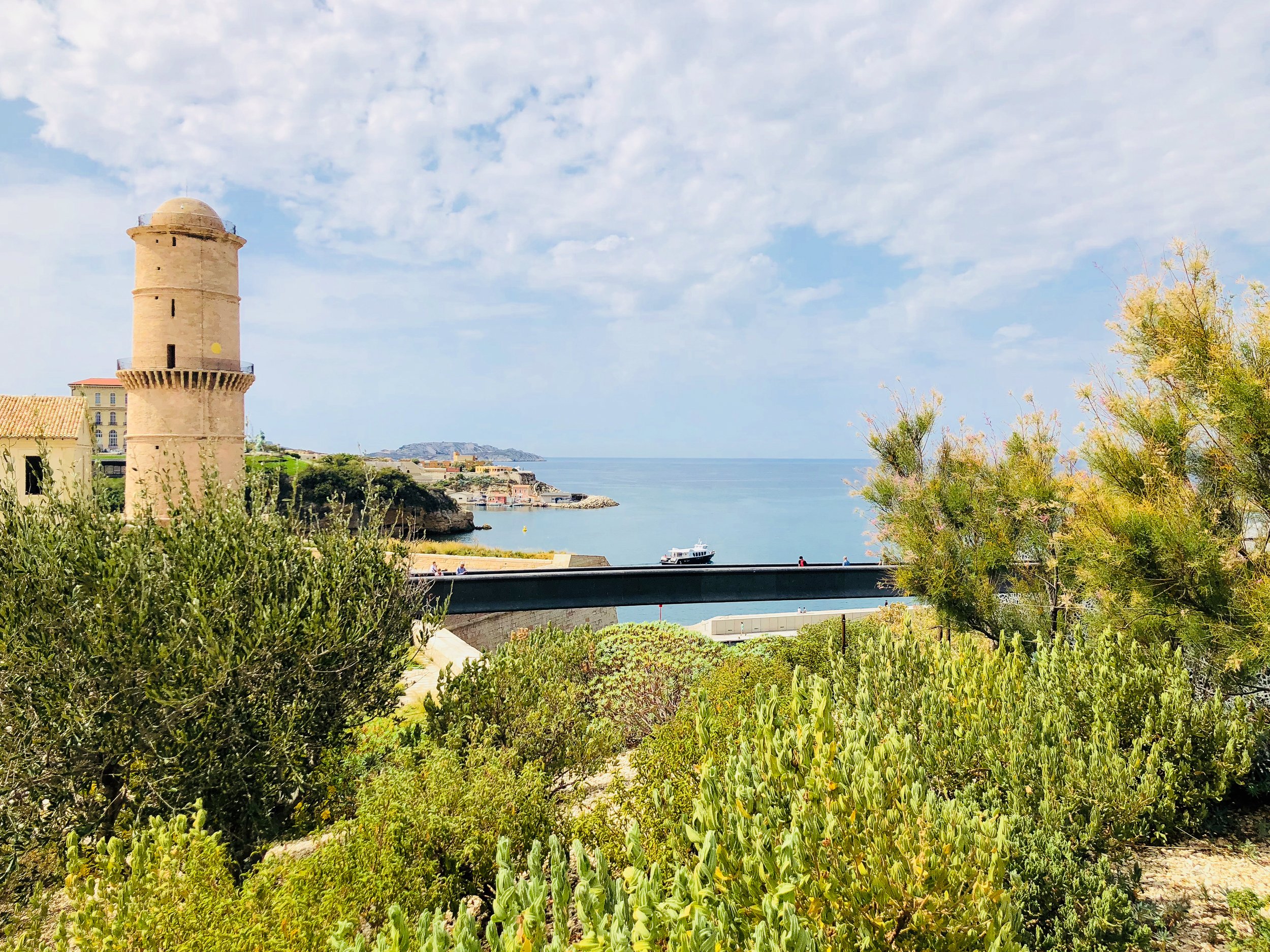
MuCEM (Museum of Civilizations of Europe and the Mediterranean). The MuCEM is Marseille’s historic and cultural museum. It explores the civilization and anthropology of the European and nomadic people in the Mediterranean and Marseille’s importance both historically and in the present day. The museum displays various artifacts, paintings, maps and contains permanent and temporary exhibits. The museum itself is a piece of art with a black filigreed concrete skin covering the building. The museum’s rooftop and cafe is a nice spot to relax in the shade provided by the unique shadows of the structure while overlooking the city’s historic port. Contrasting the museum is a pedestrian bridge connecting it to the medieval ruins of Fort St Jean.
Explore the Neighborhoods
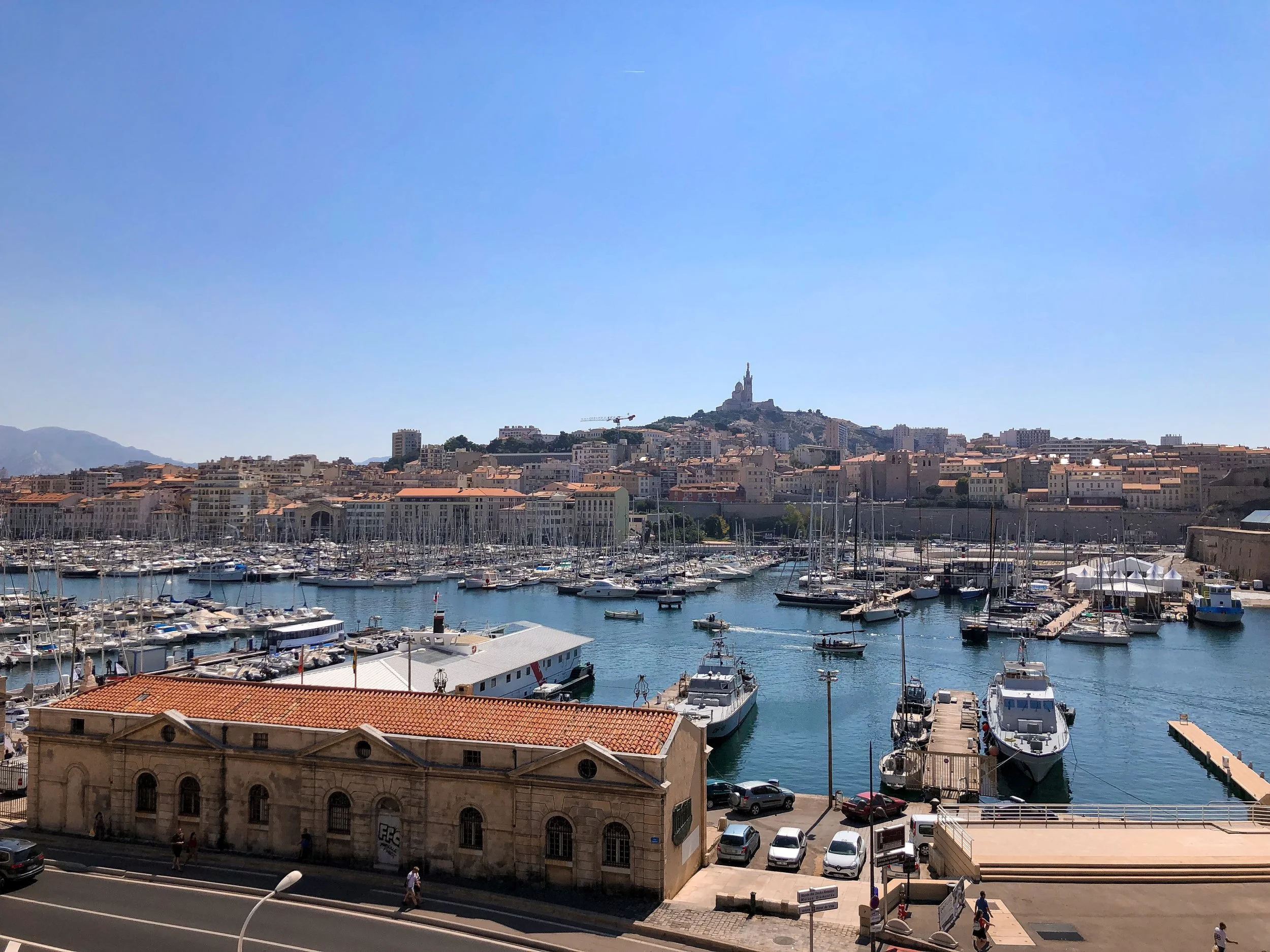
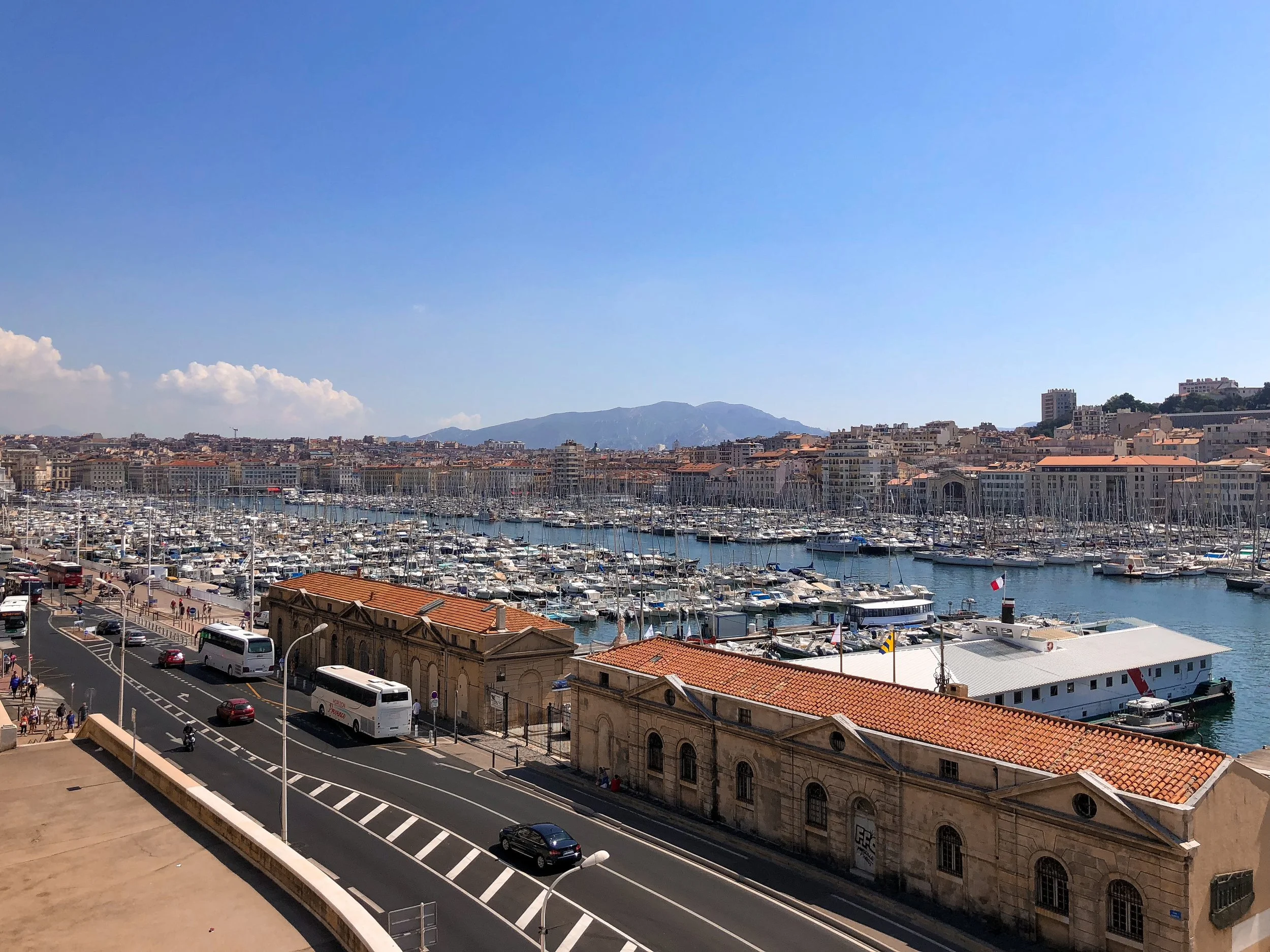
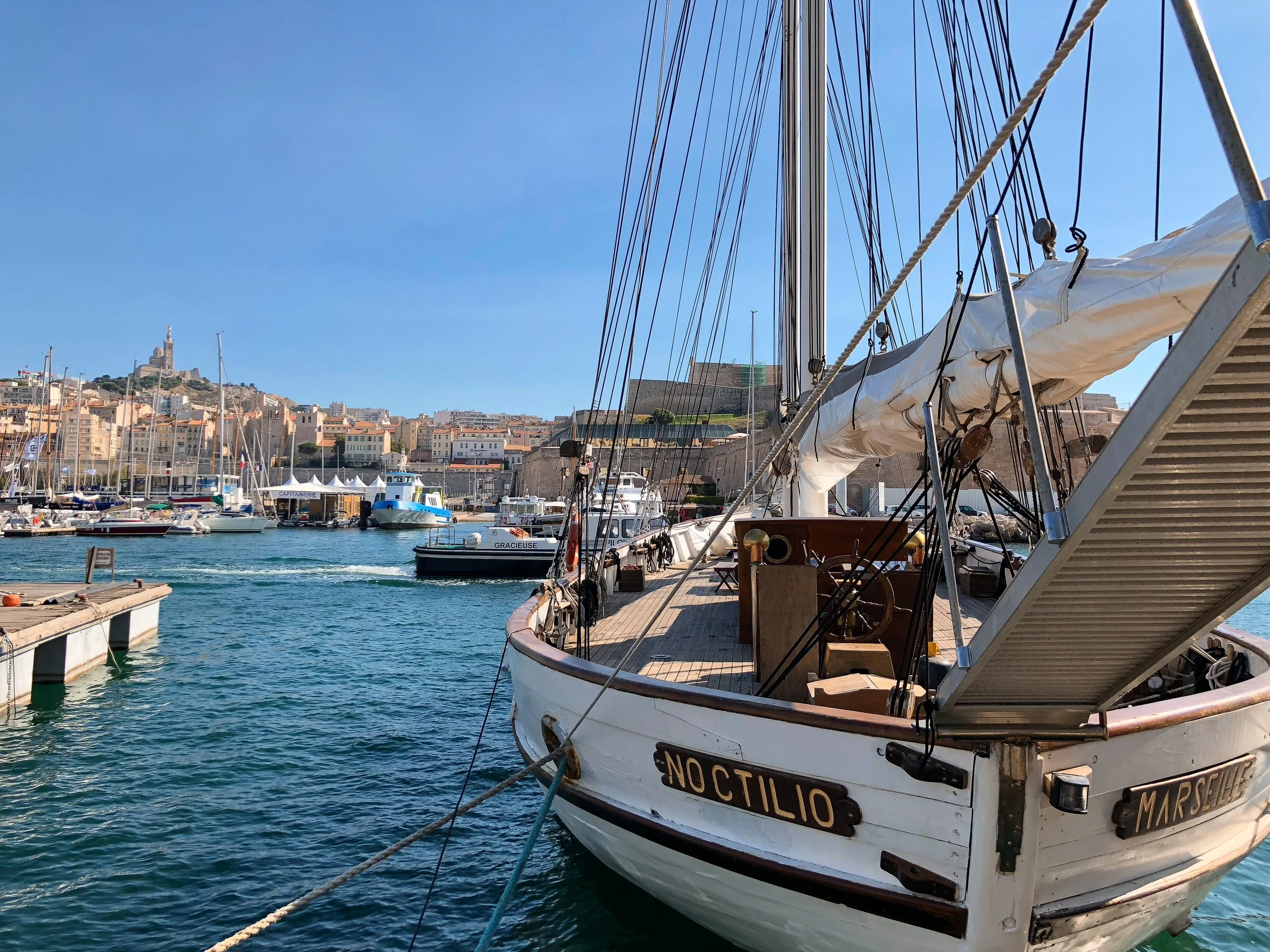
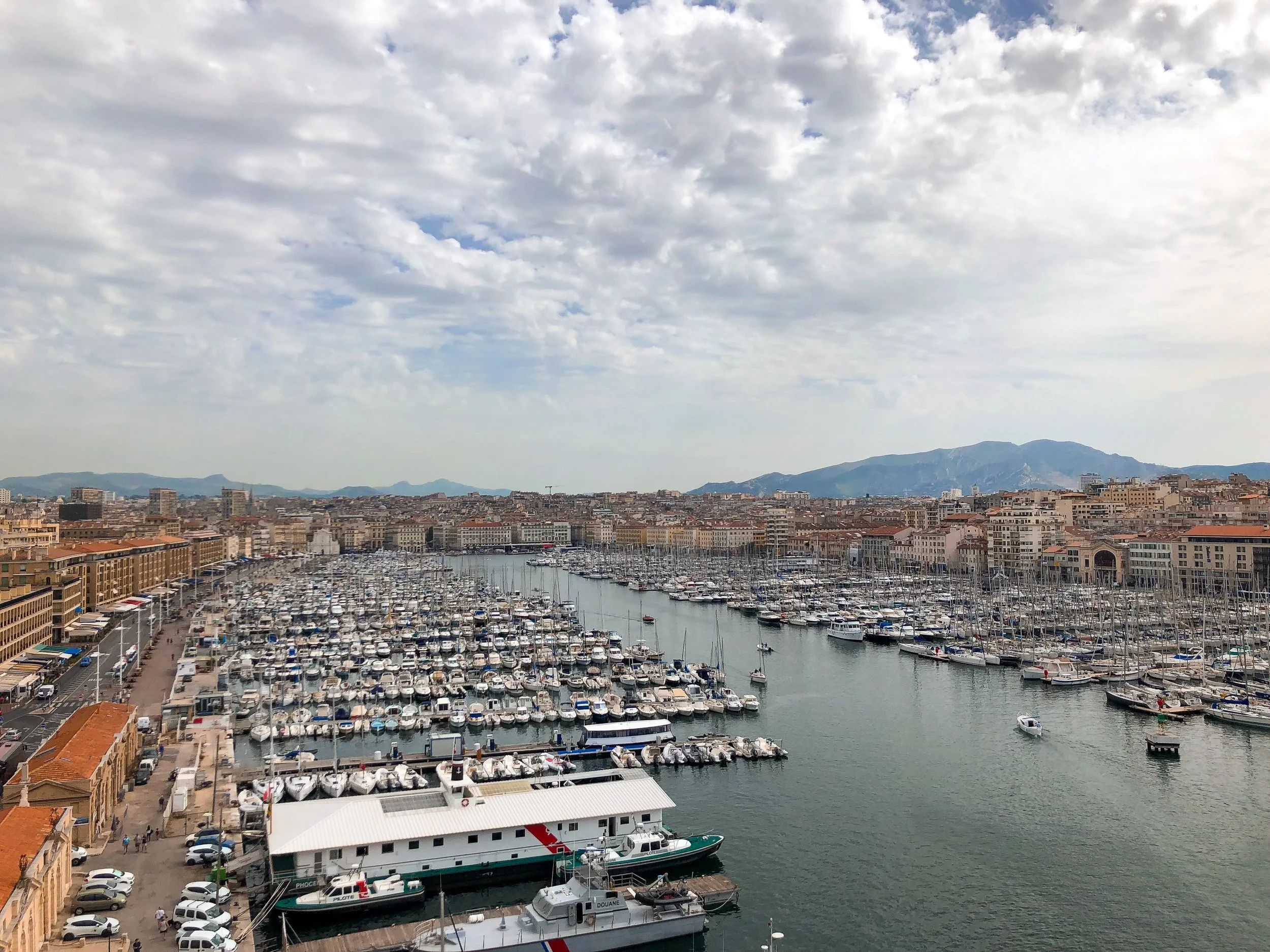
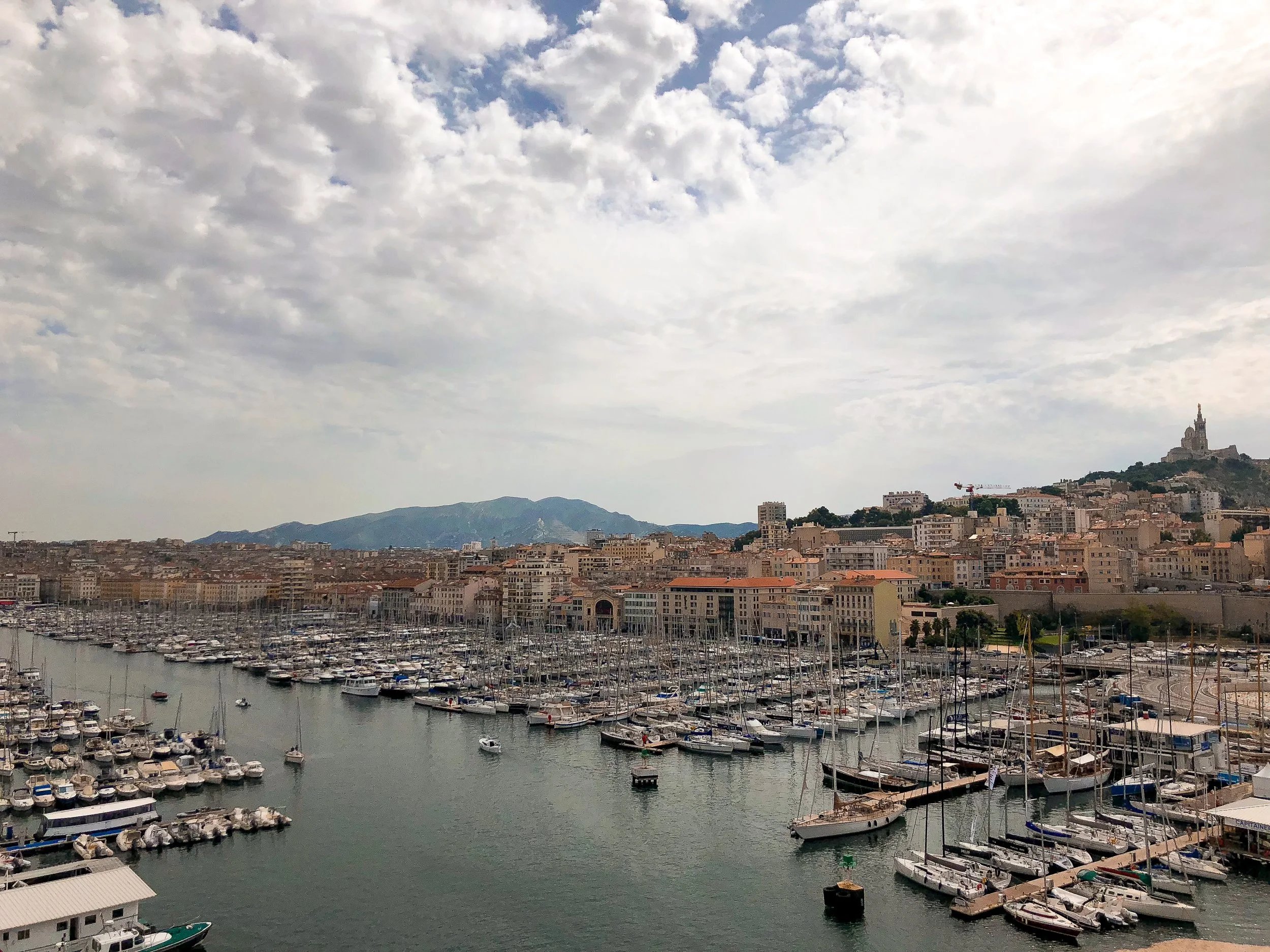
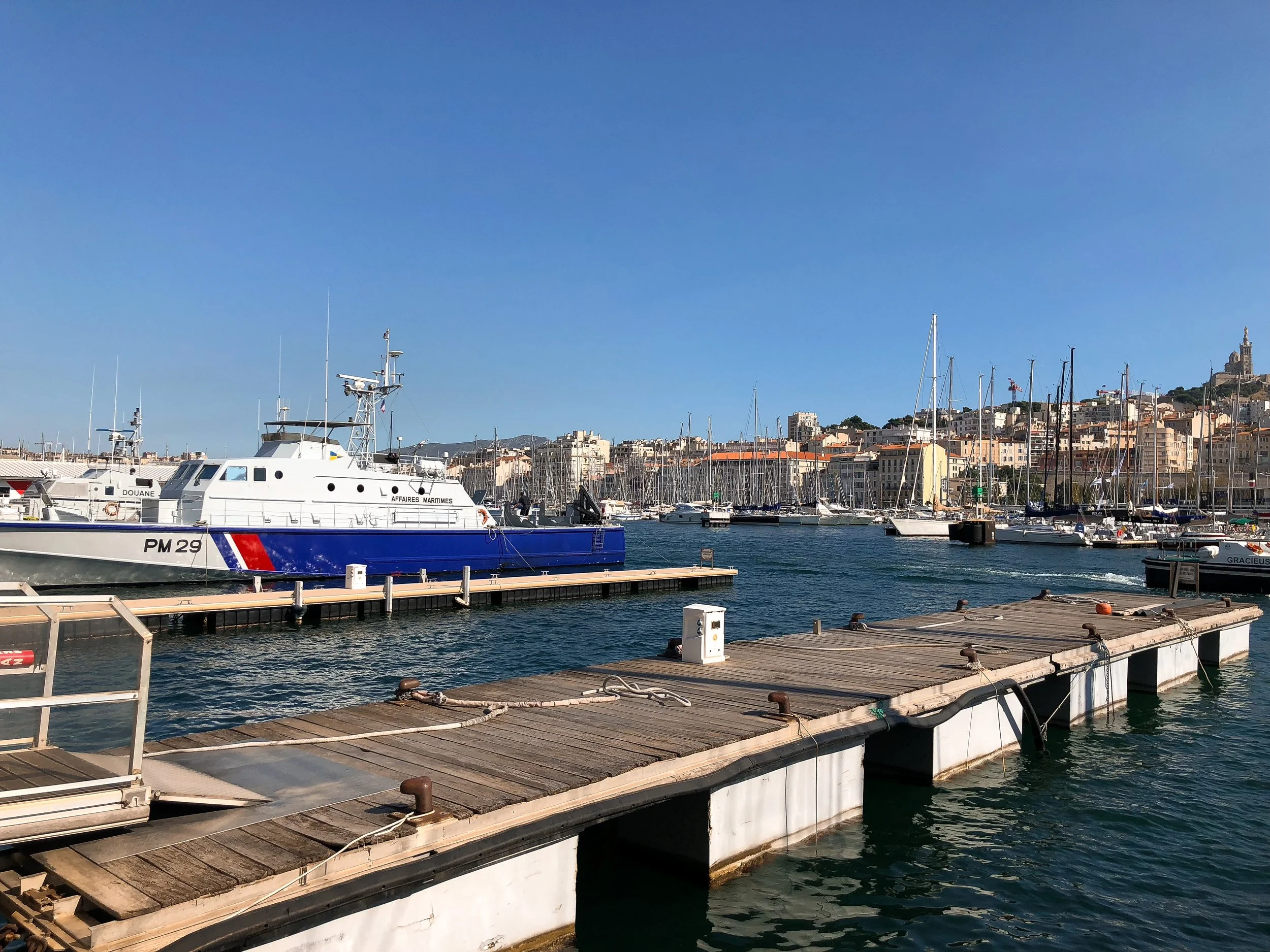
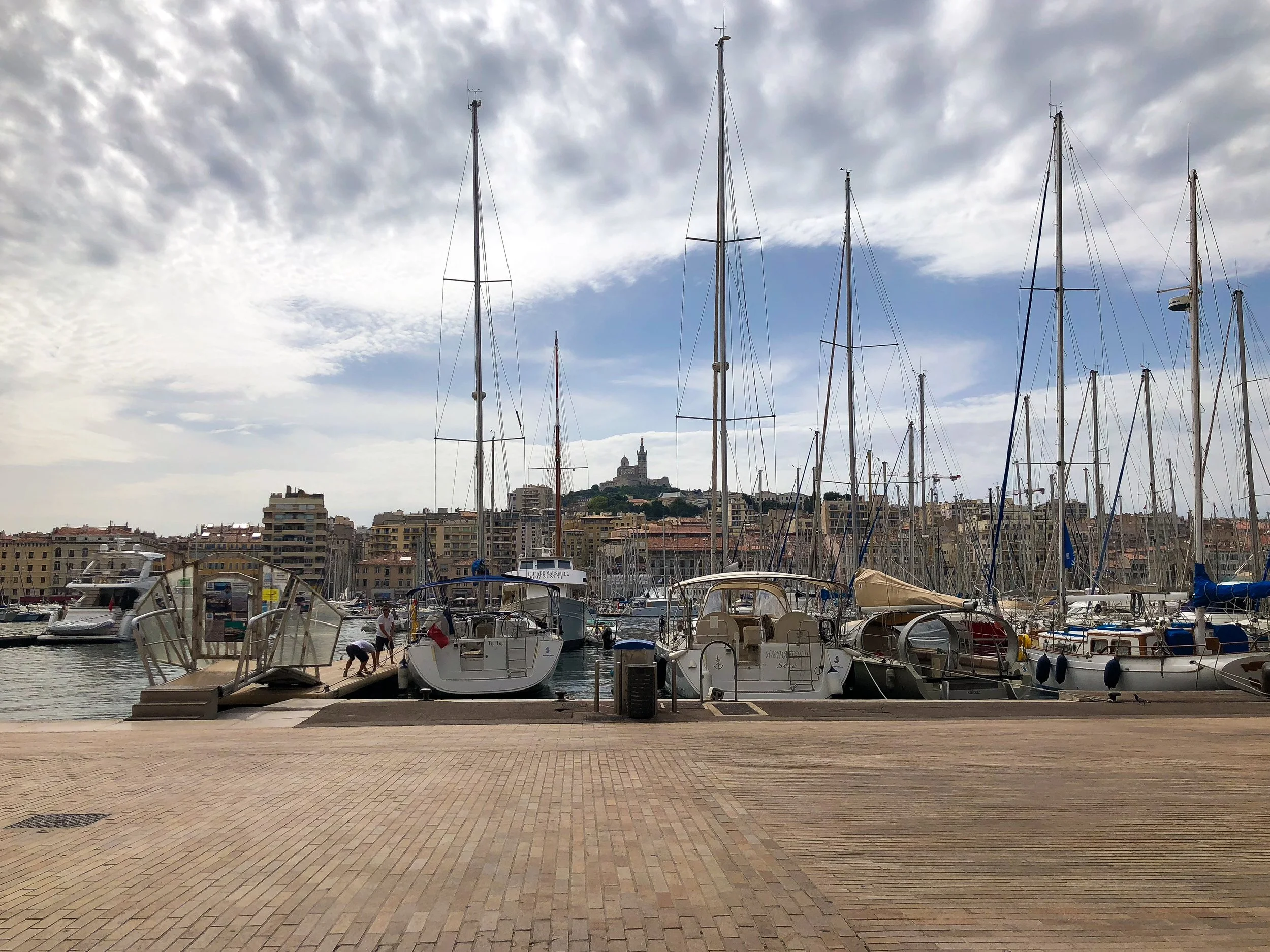
Vieux Port. Easily the most recognizable feature of Marseille, this harbor in the city center is lined with hundreds of sailing and fishing boats. The surrounding buildings are home to many seafood restaurants serving the catch of the day and the iconic fish stew, bouillabaisse. Midway through the Vieux Port is a small ferry that connects both sides of the harbor departing every 15 minutes.
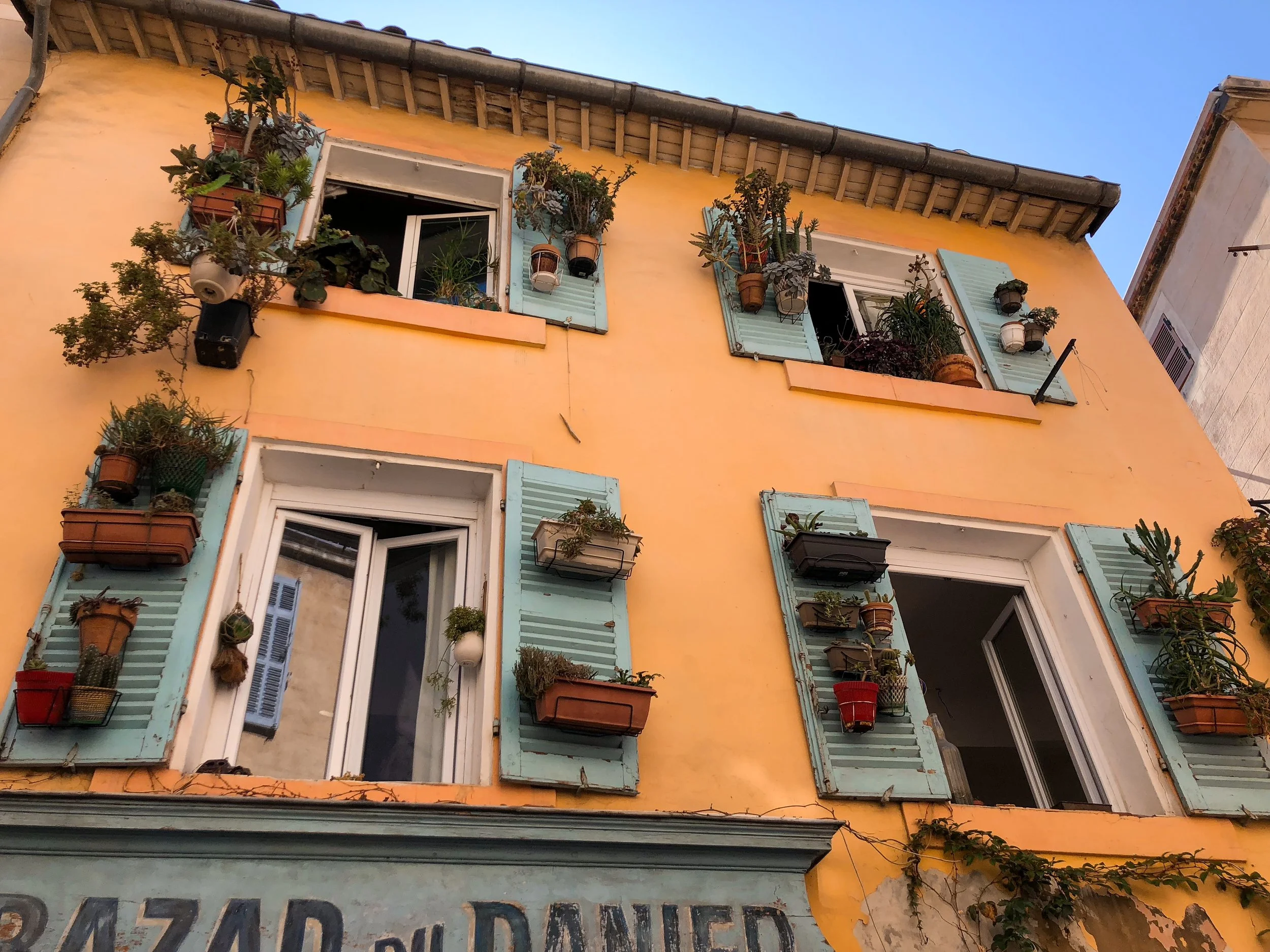
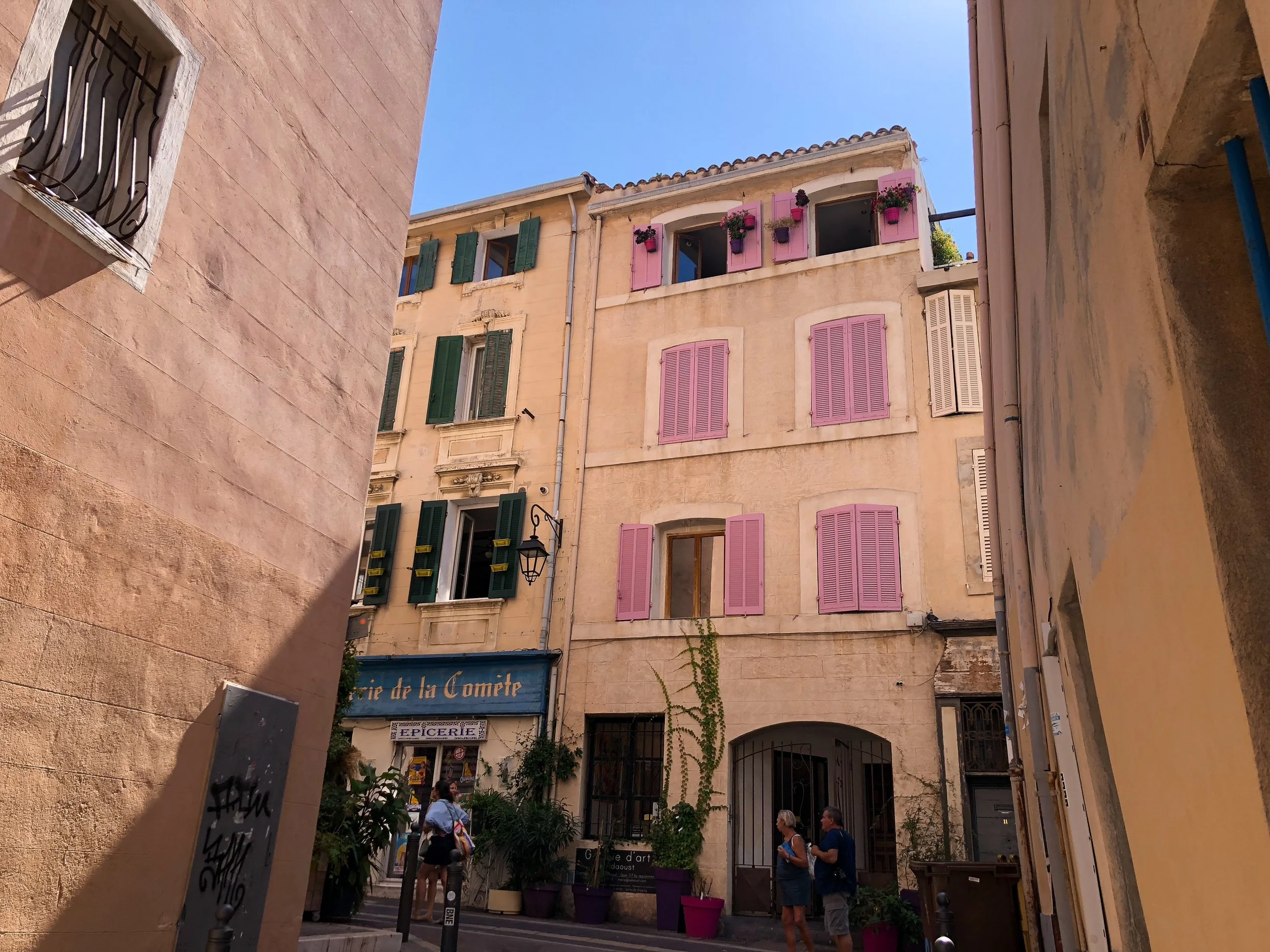
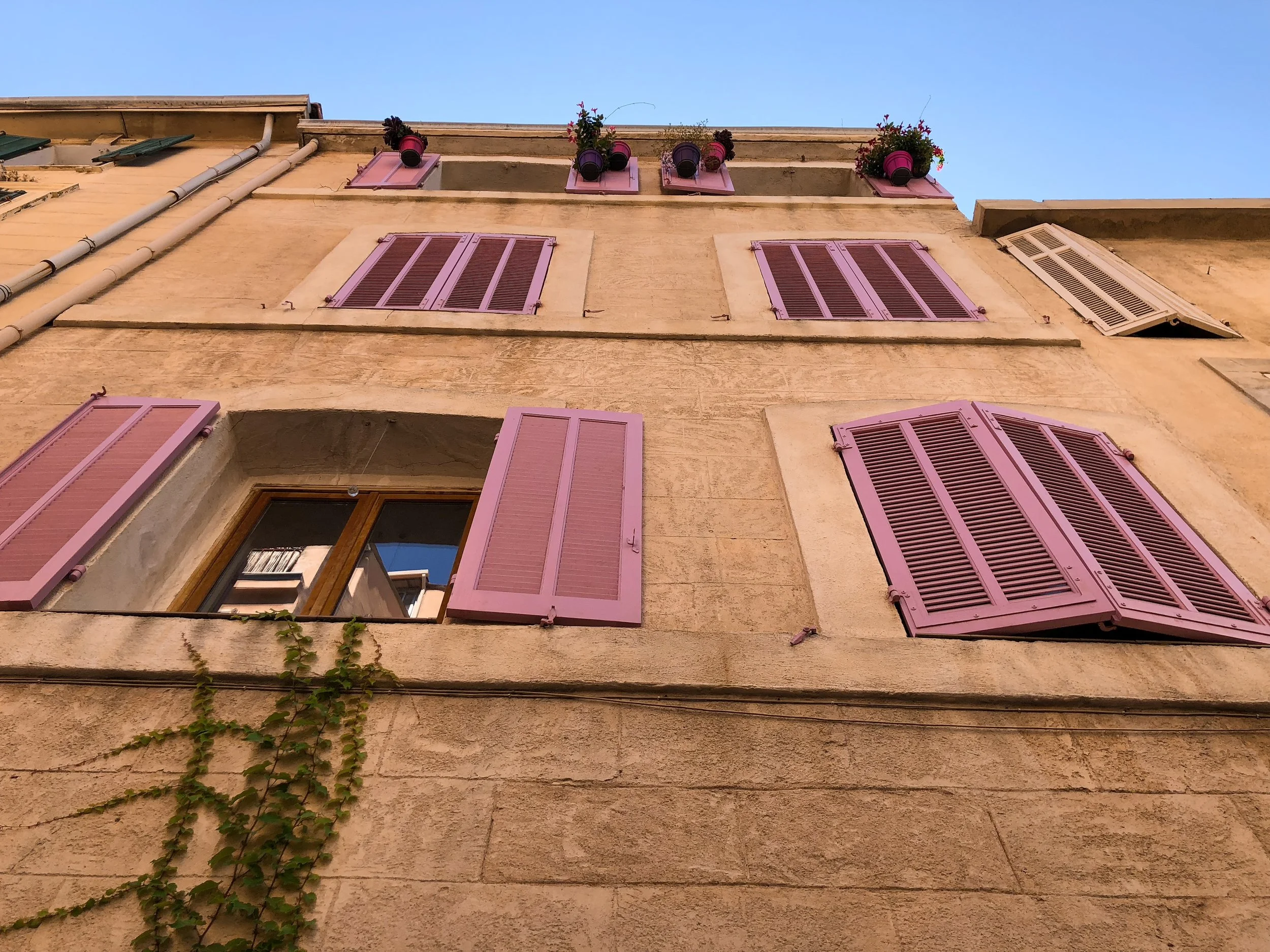
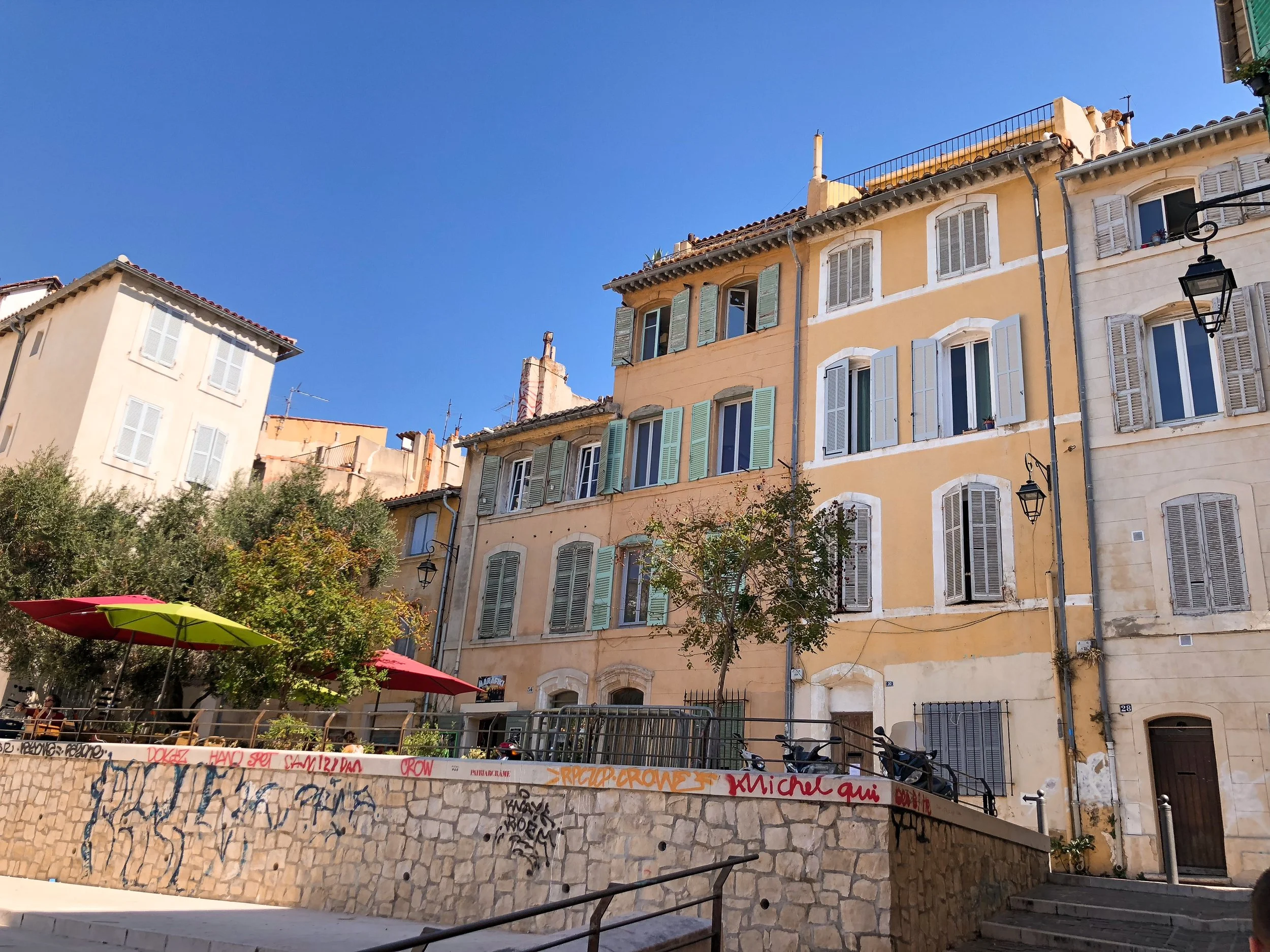
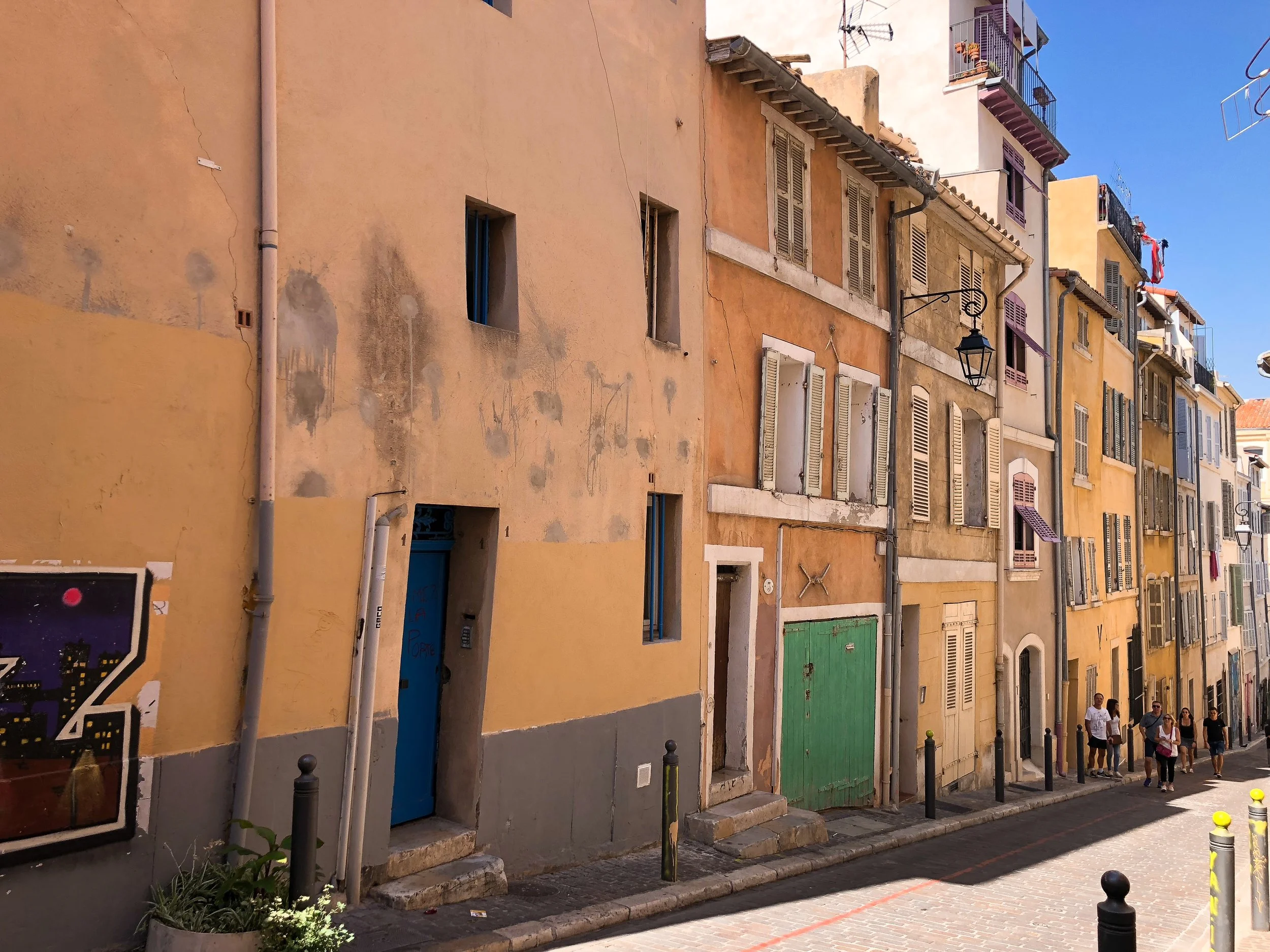
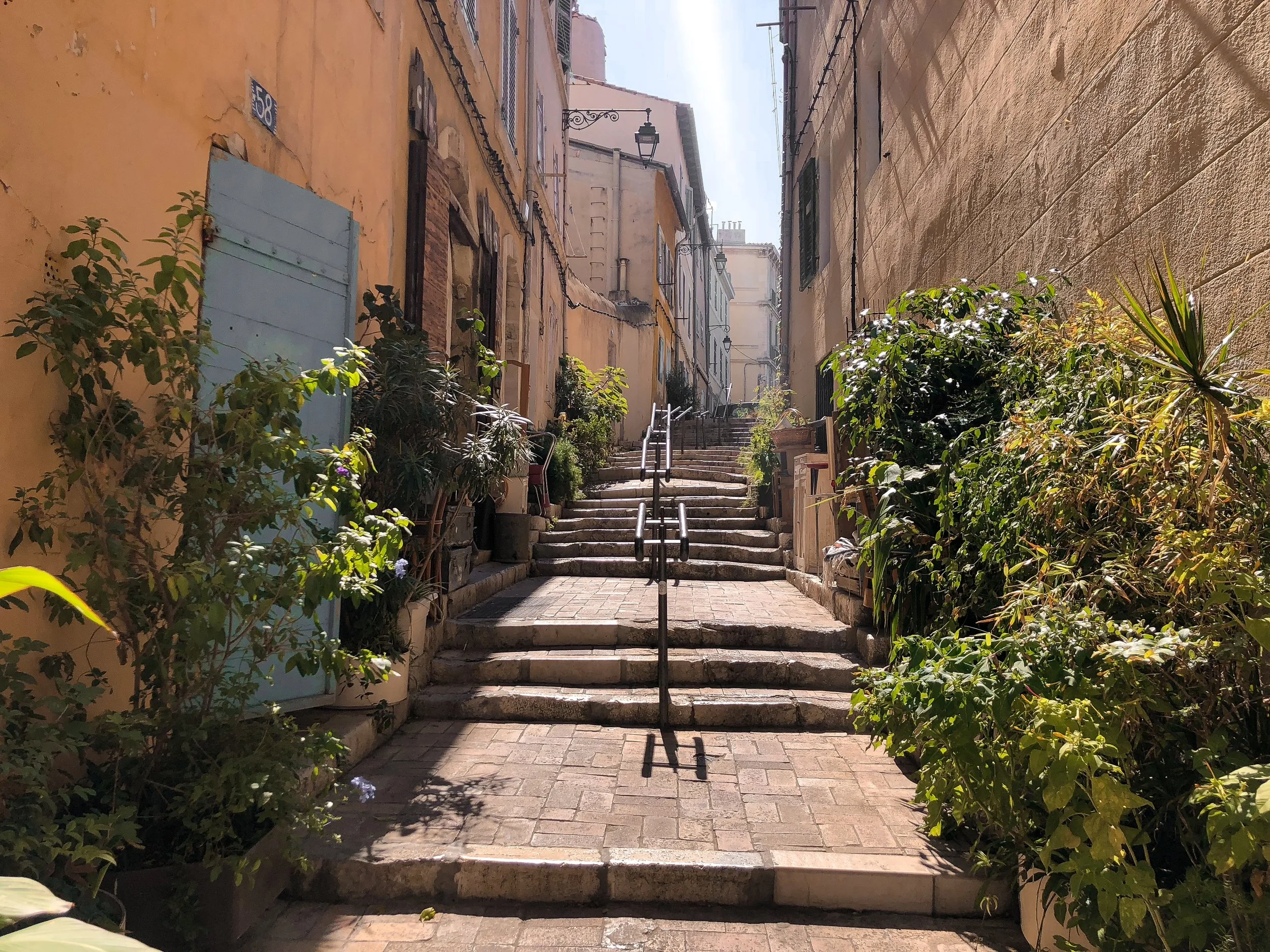
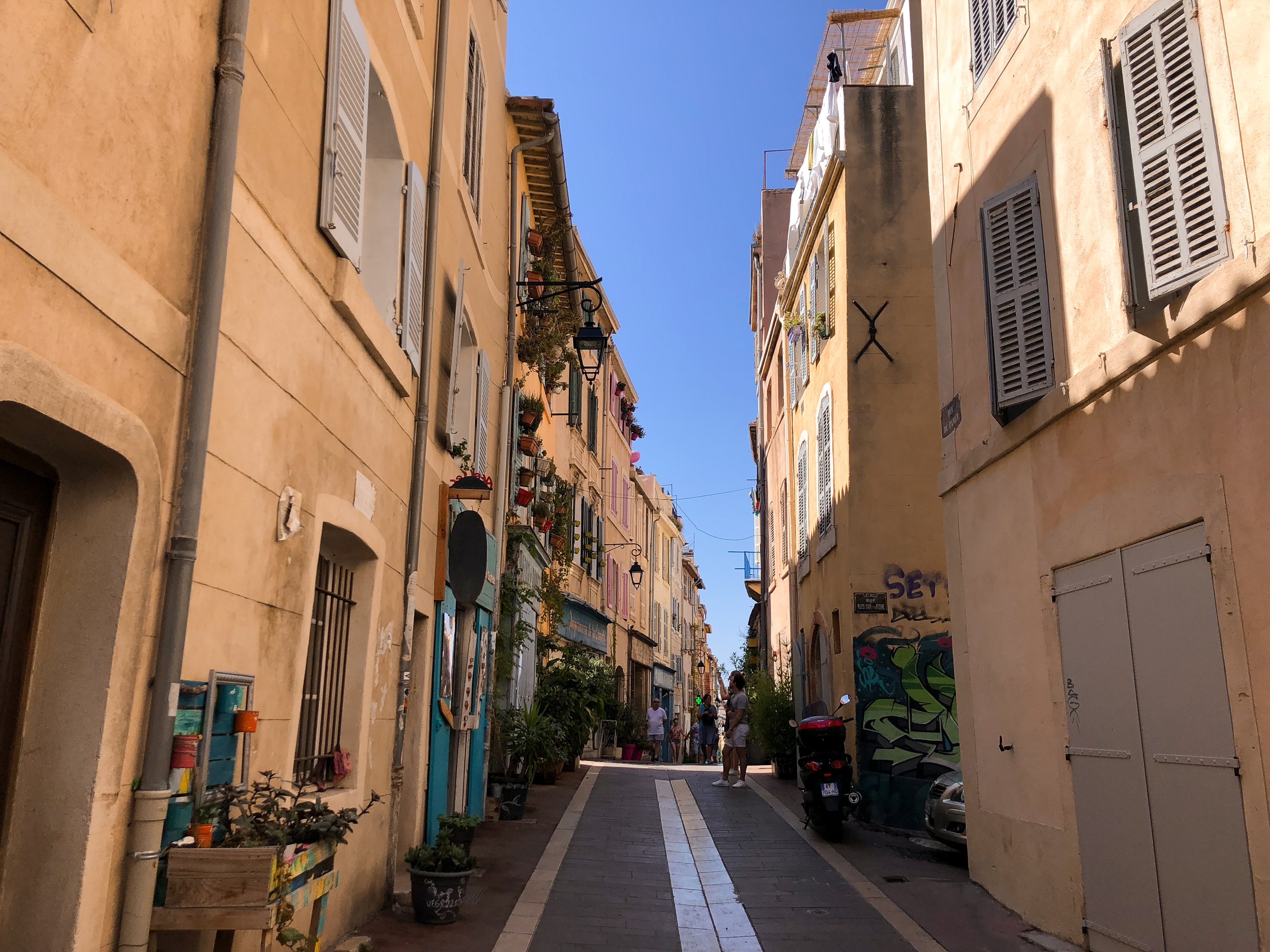
Le Panier. The historic quarter of Marseille with stepped sidewalks, narrow streets and lots of plants. It’s a quiet neighborhood a few blocks away from the Vieux Port with small shops, artist studios, graffiti and colorful murals. Walk down Rue du Panier, a photogenic street with numerous boutiques and shops.
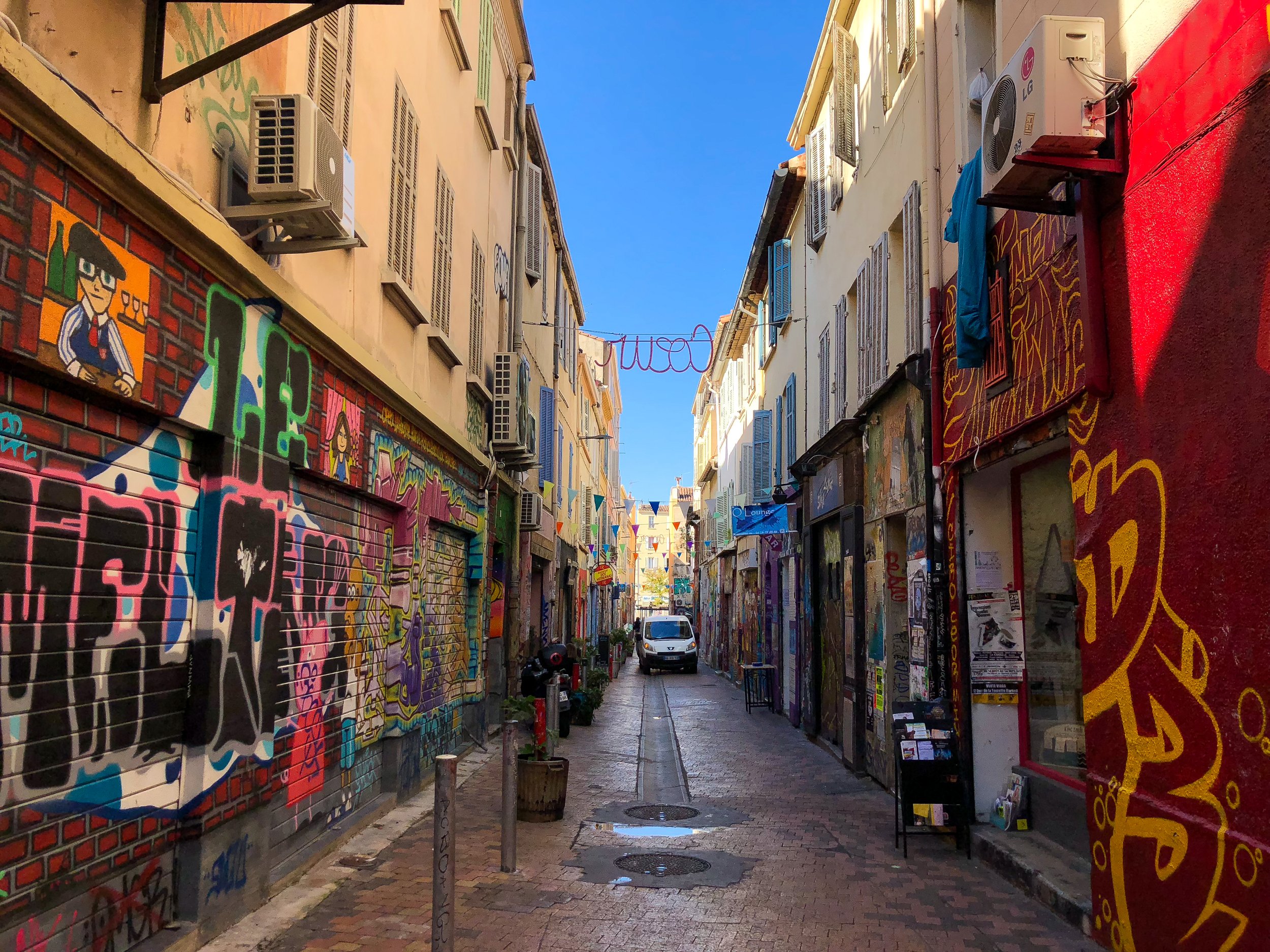
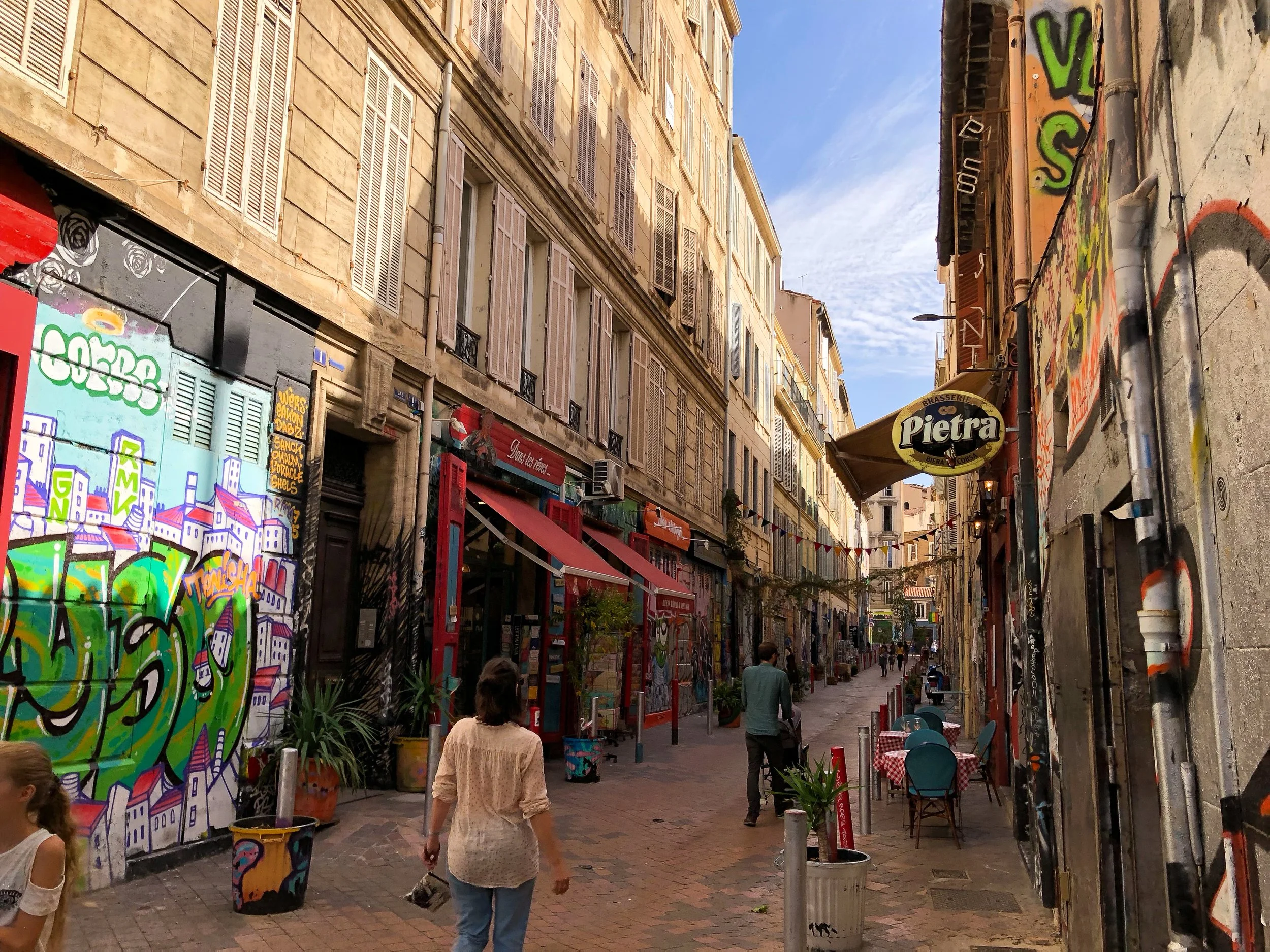
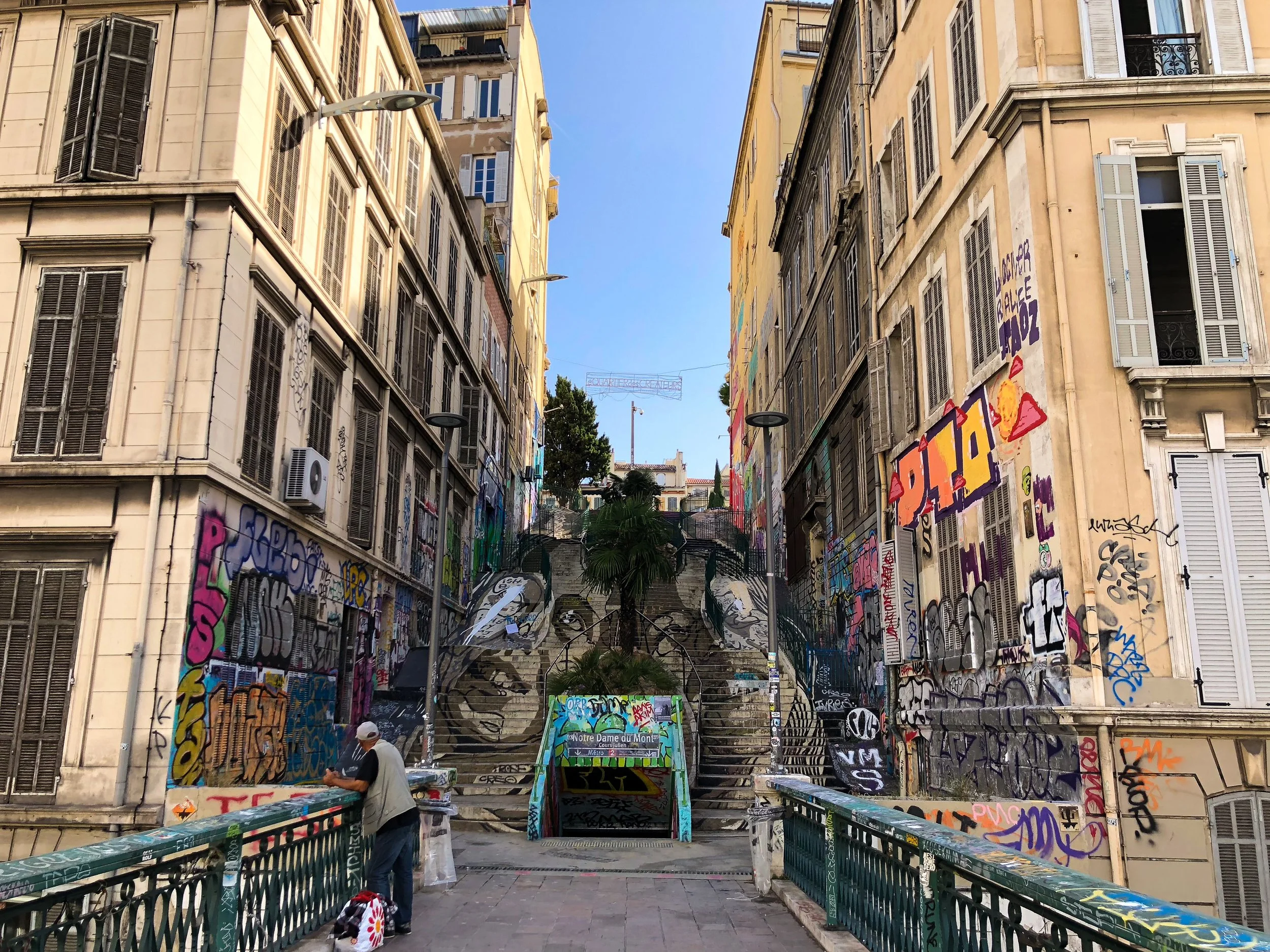
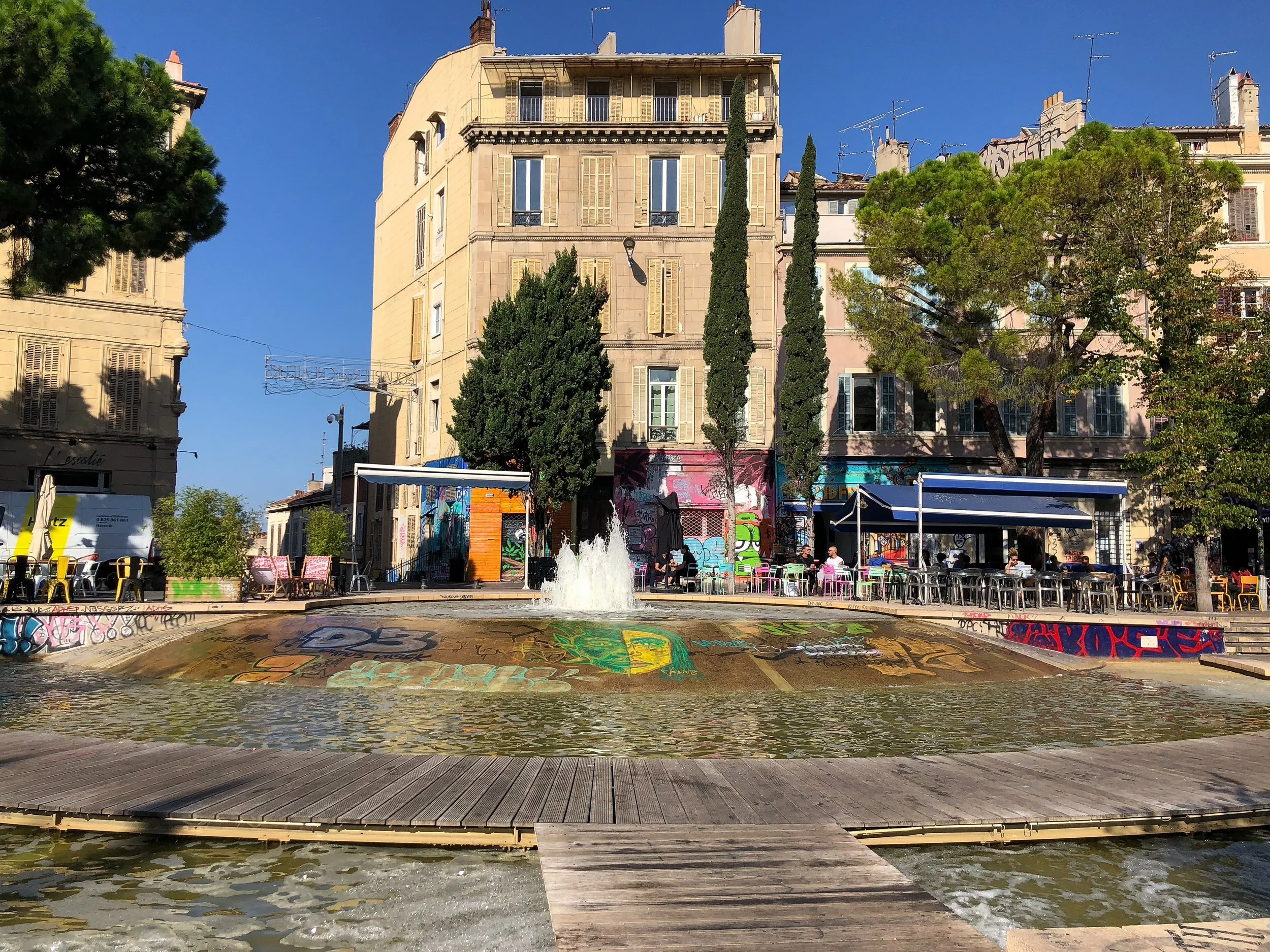
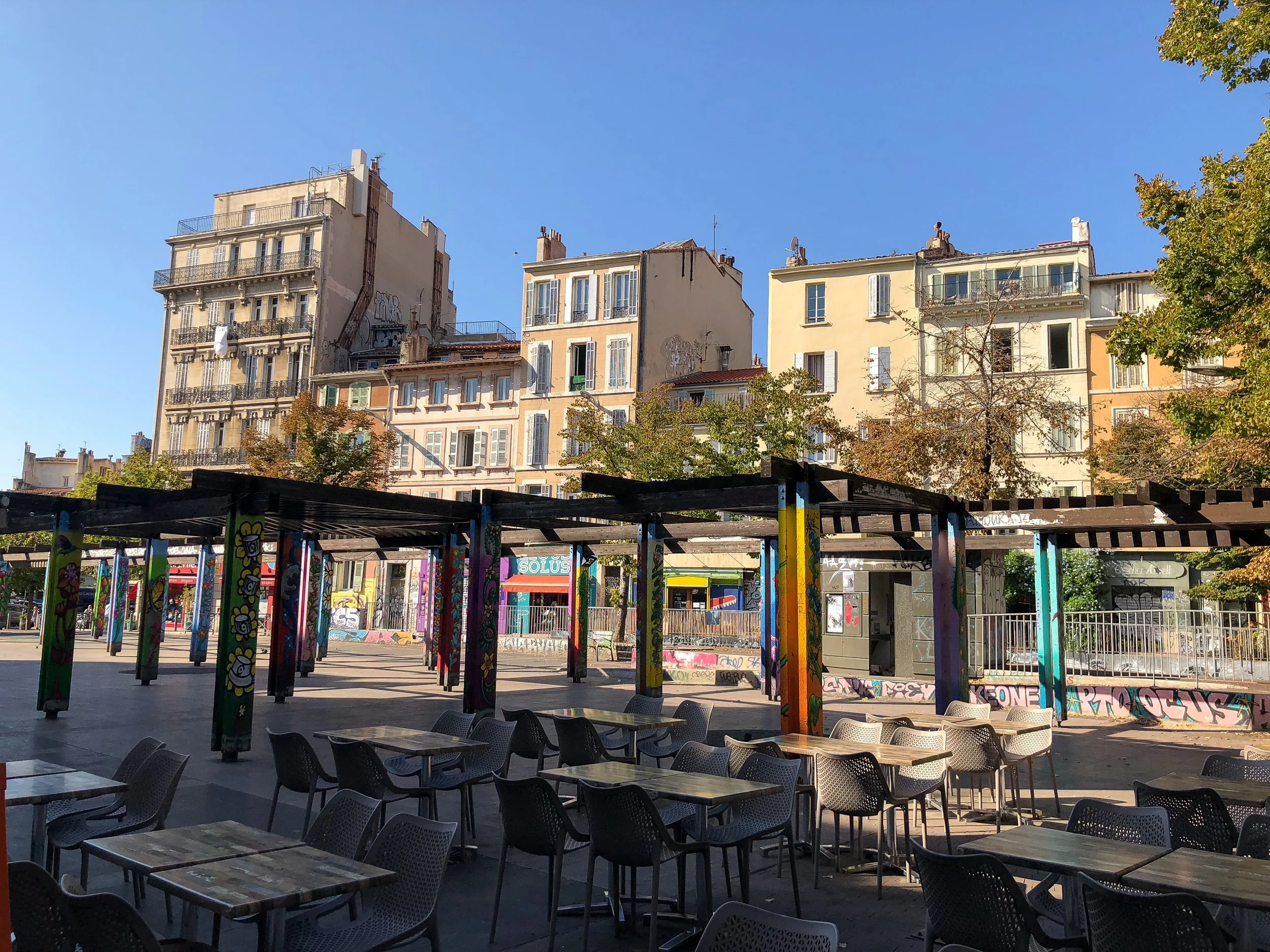
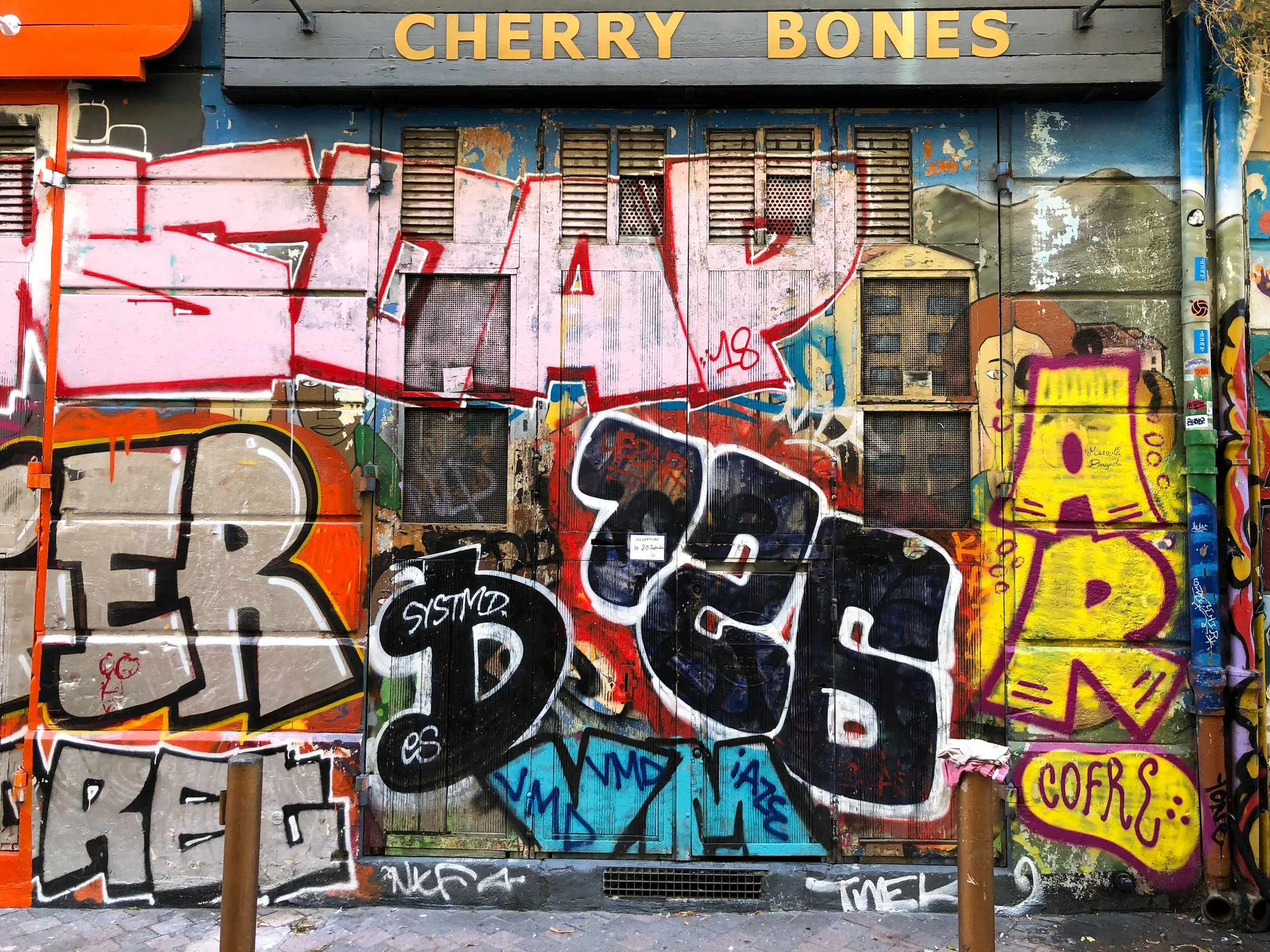
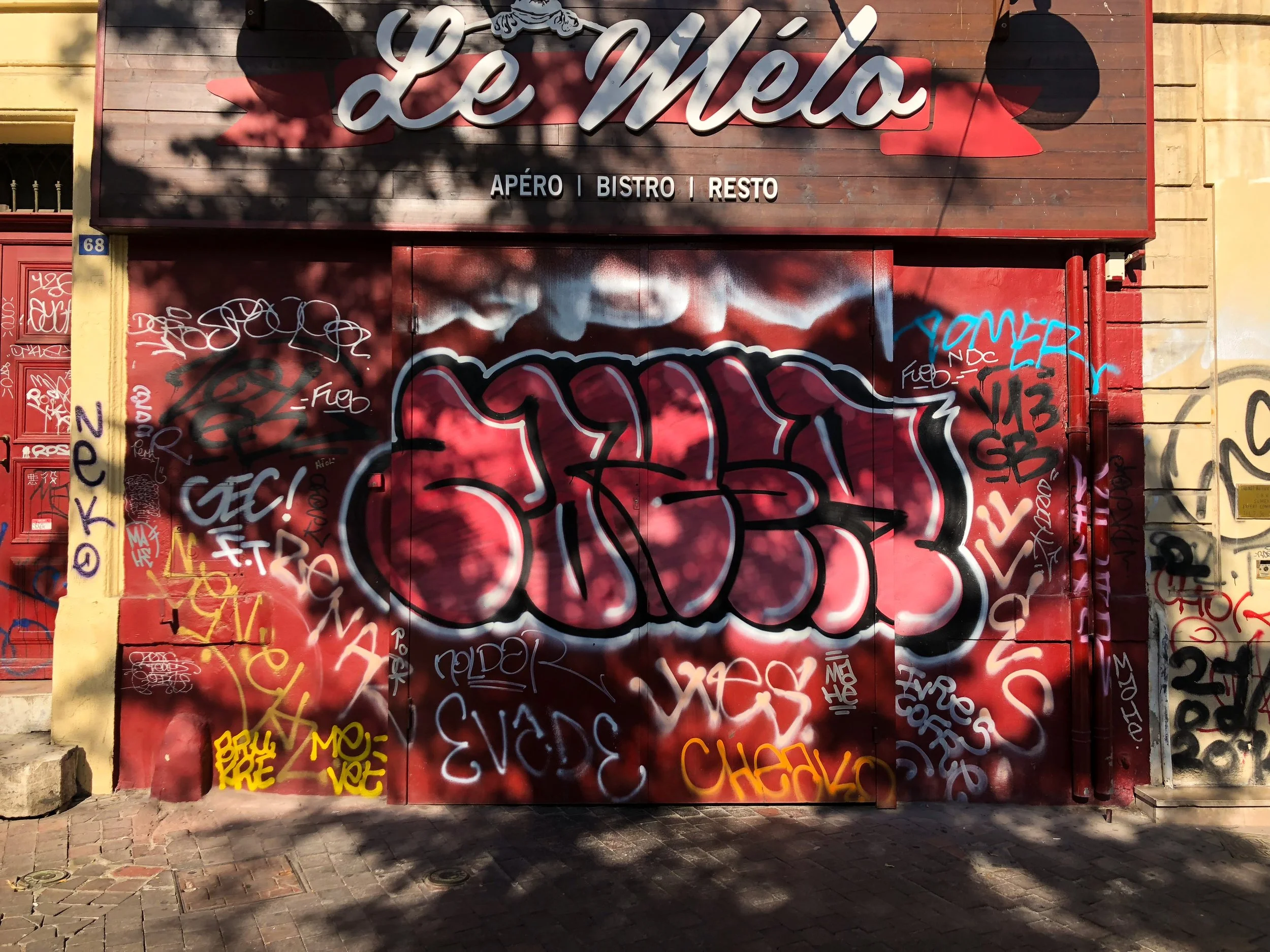
Cours Julien. An artistic and grungy neighborhood recognizable by its graffitied buildings and iconic steps. Its streets are home to boutiques, vintage shops, cafes, bistros, bars and the Cours Julien Farmer’s Market.
Cours Julien Farmer’s Market. A small but bustling market is held every Wednesday morning in the plaza next to the Notre-Dame du Mont subway station. Locals purchase their weekly groceries as animated vendors shout from behind tables and musicians offer live performances. Vendors sell everything from meat, seafood, cheese, honey, jams, wine, fruits, produce, herbs, bread, flowers and soaps.
Good to Know. Bring cash for making purchases. Bread is sold by the loaf or by weight.
Have a Picnic
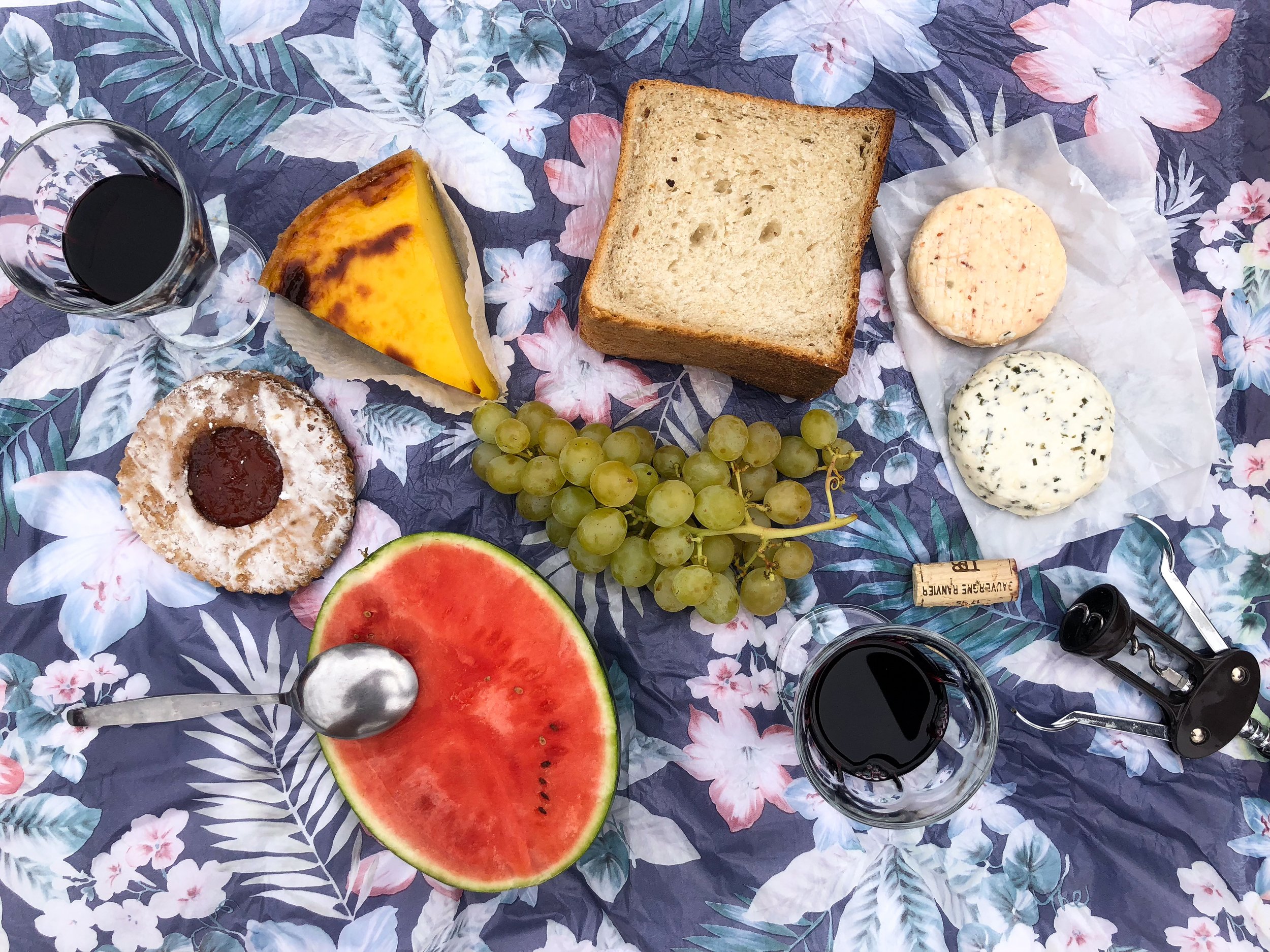
Fresh from the Cours Julien Farmer’s Market, we sat down on the lawn of the Jardins du Pharo for an afternoon picnic. We shared a half watermelon, bunch of grapes, custard tart, jammed cookie, stinky and herbal cheeses, bread and French wine.
See the Sights
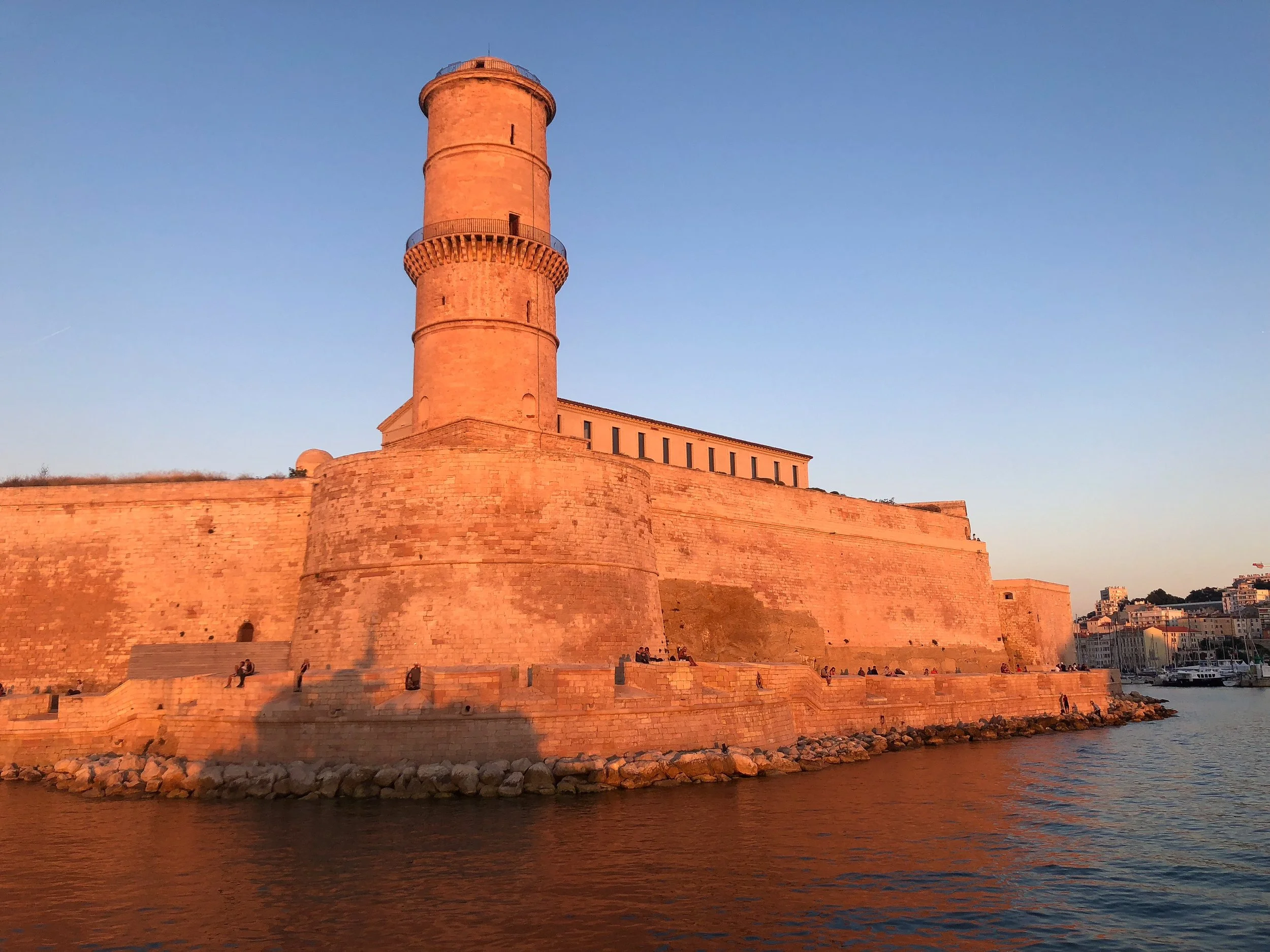
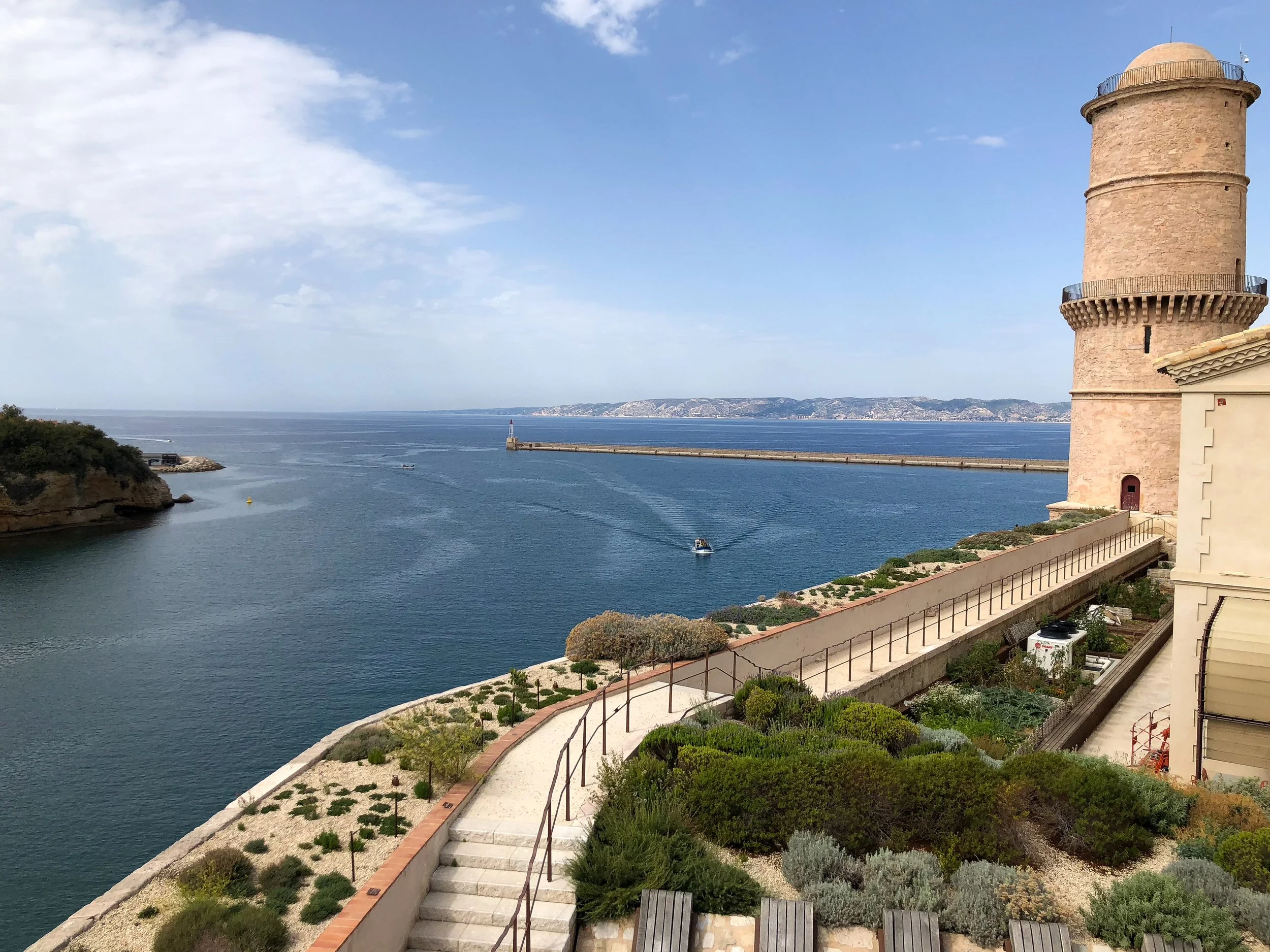
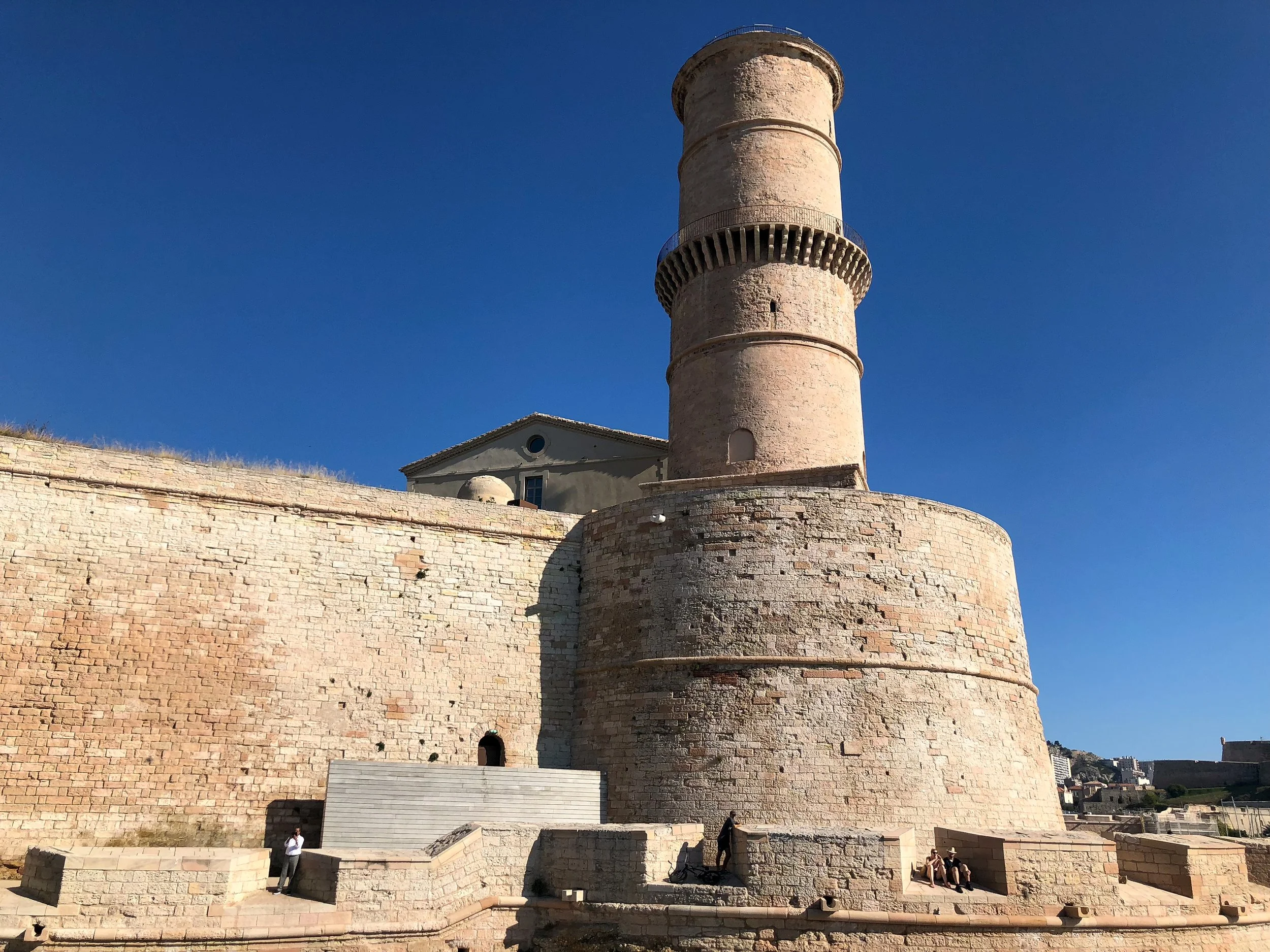
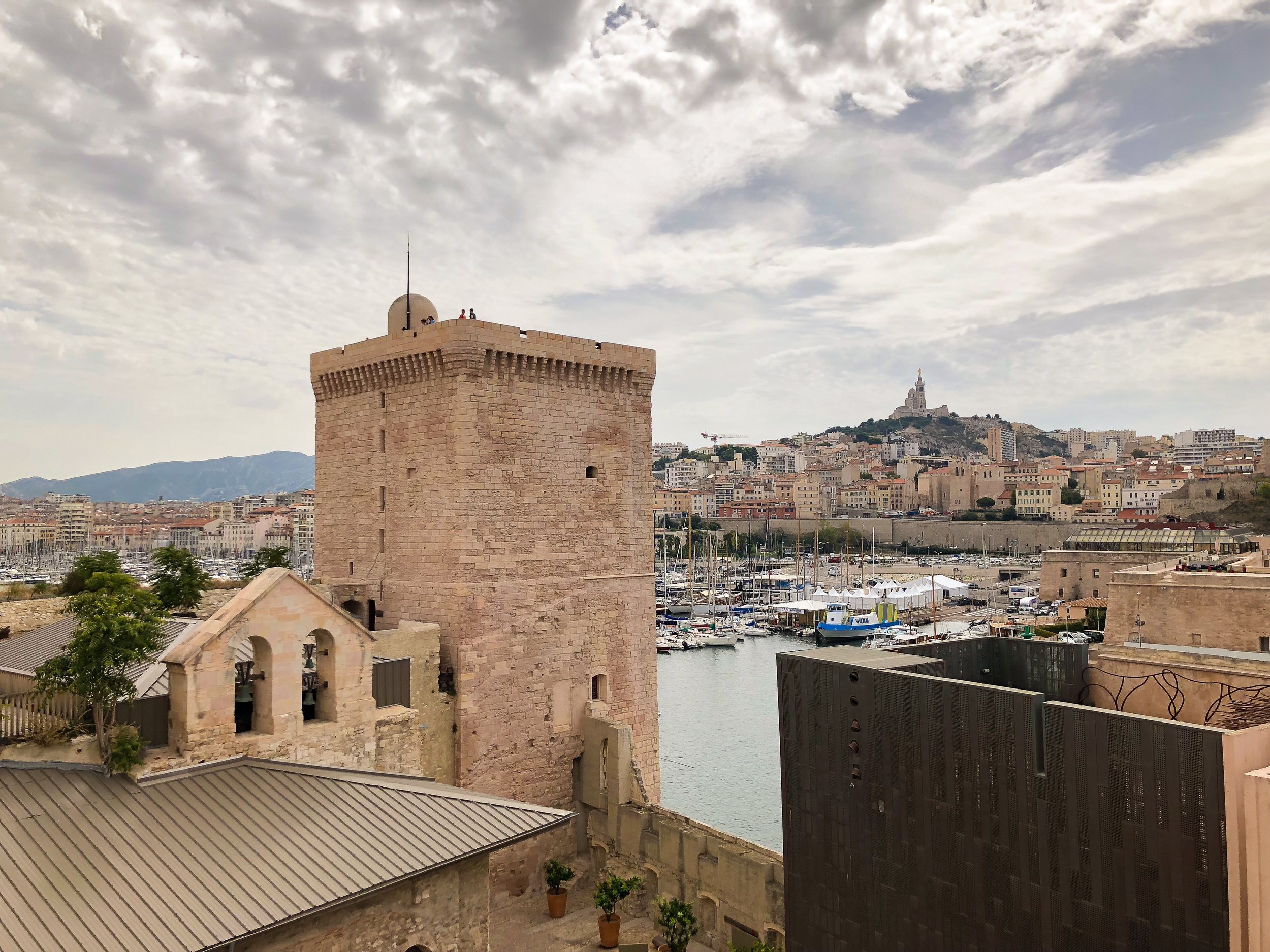
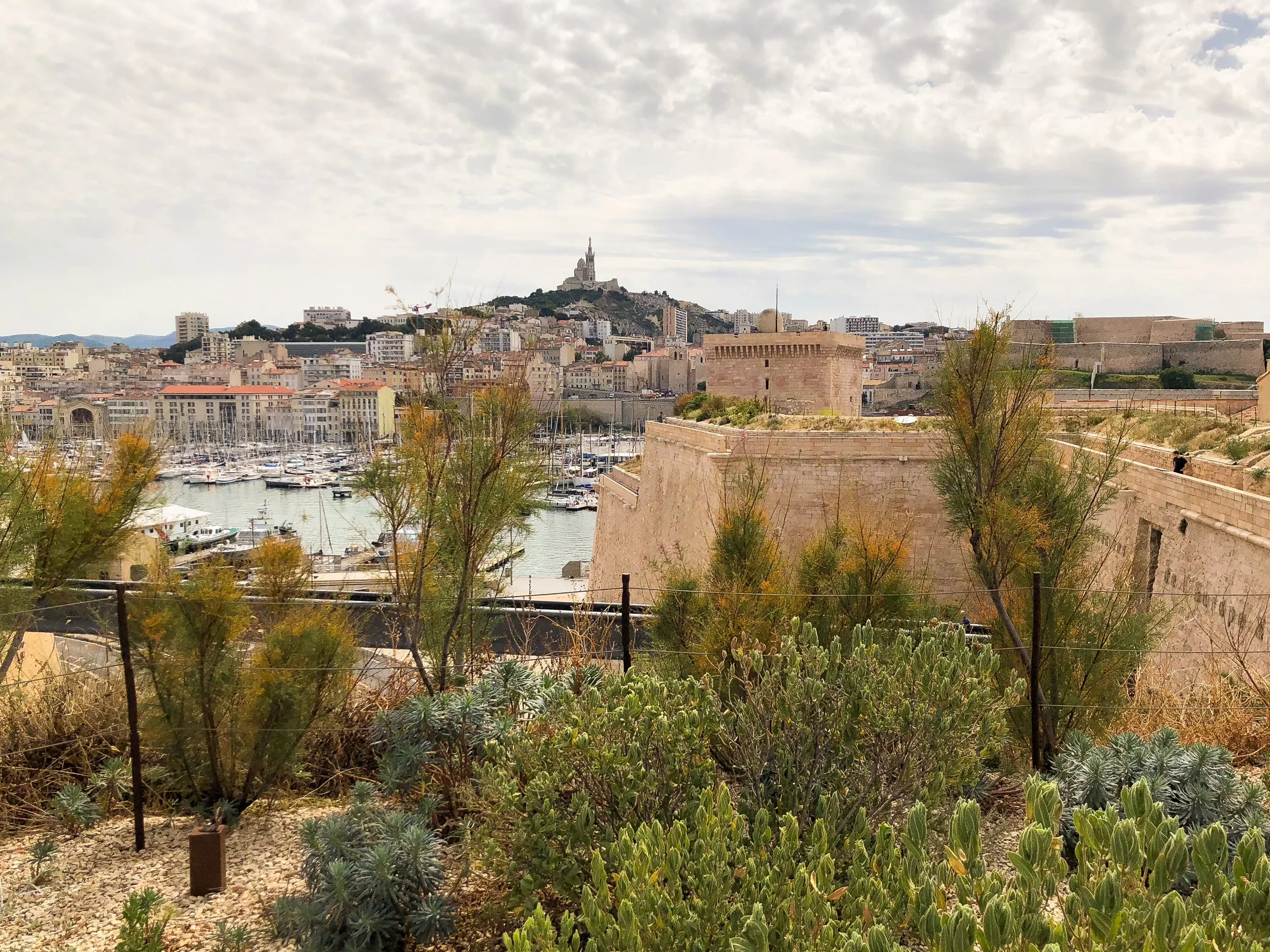
Fort Saint Jean. A medieval fort located near the entrance of the Vieux Port across from the MuCEM. We explored its stone ruins, lush gardens and took in its views of the harbor.
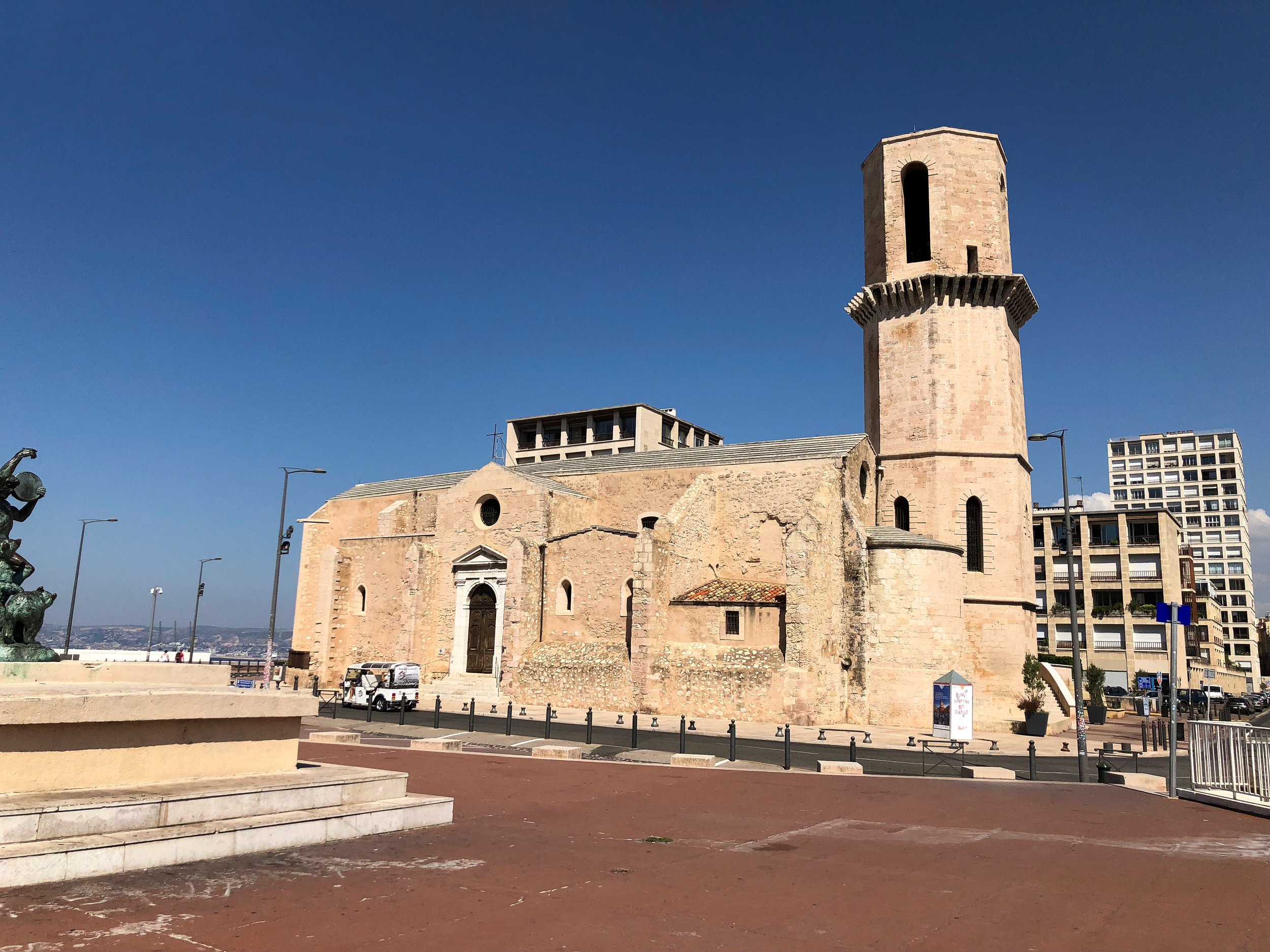
Église Saint Laurent. A simple stone church built during the 12th century. It is a good example of other Mediterranean influences with its North African style bell tower and symmetrical Greek character.
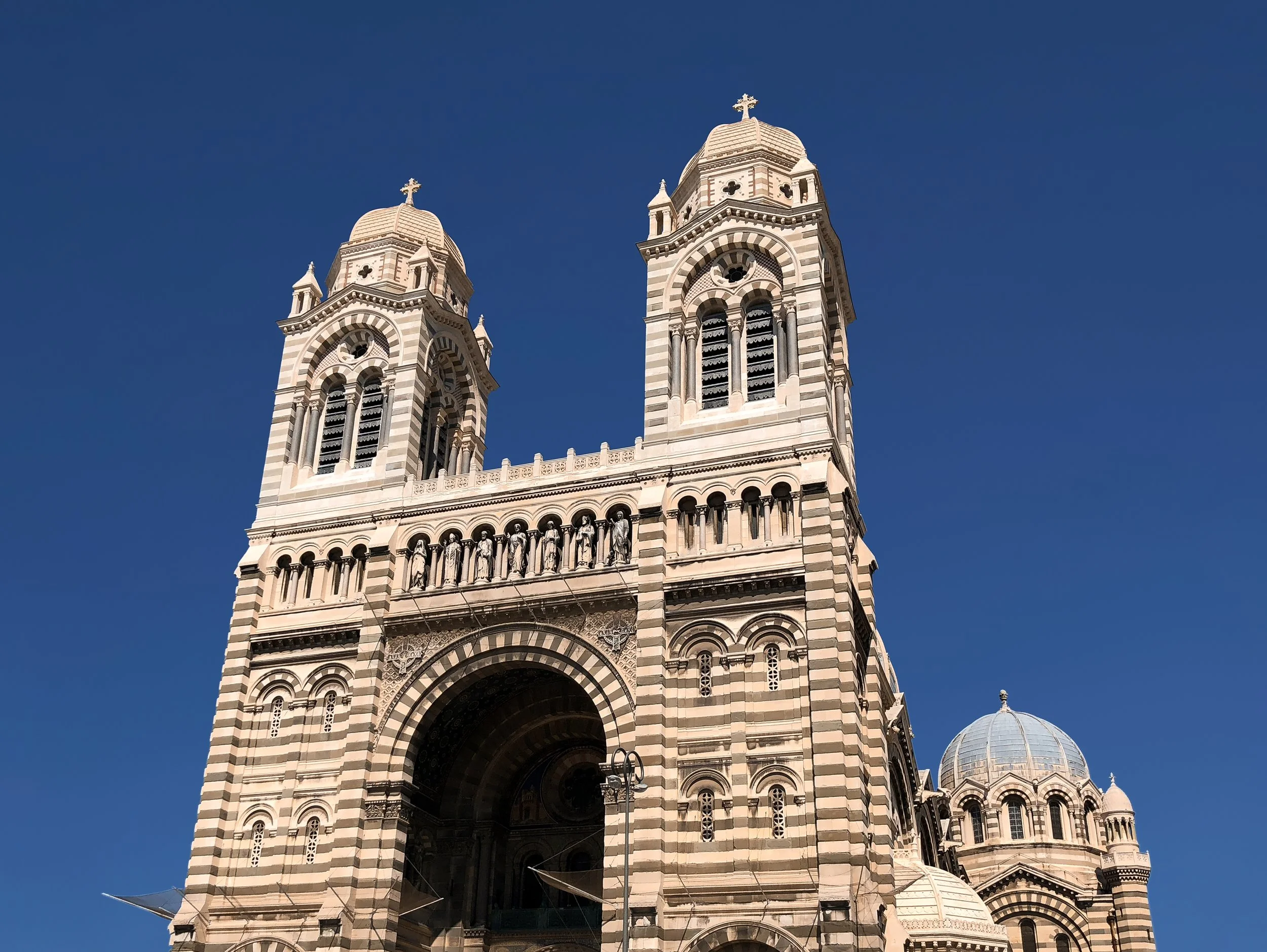
Cathédrale La Major. A Byzantine style cathedral with a black and white striped stone facade, multiple domed bell towers, soaring arches and Christian symbols.
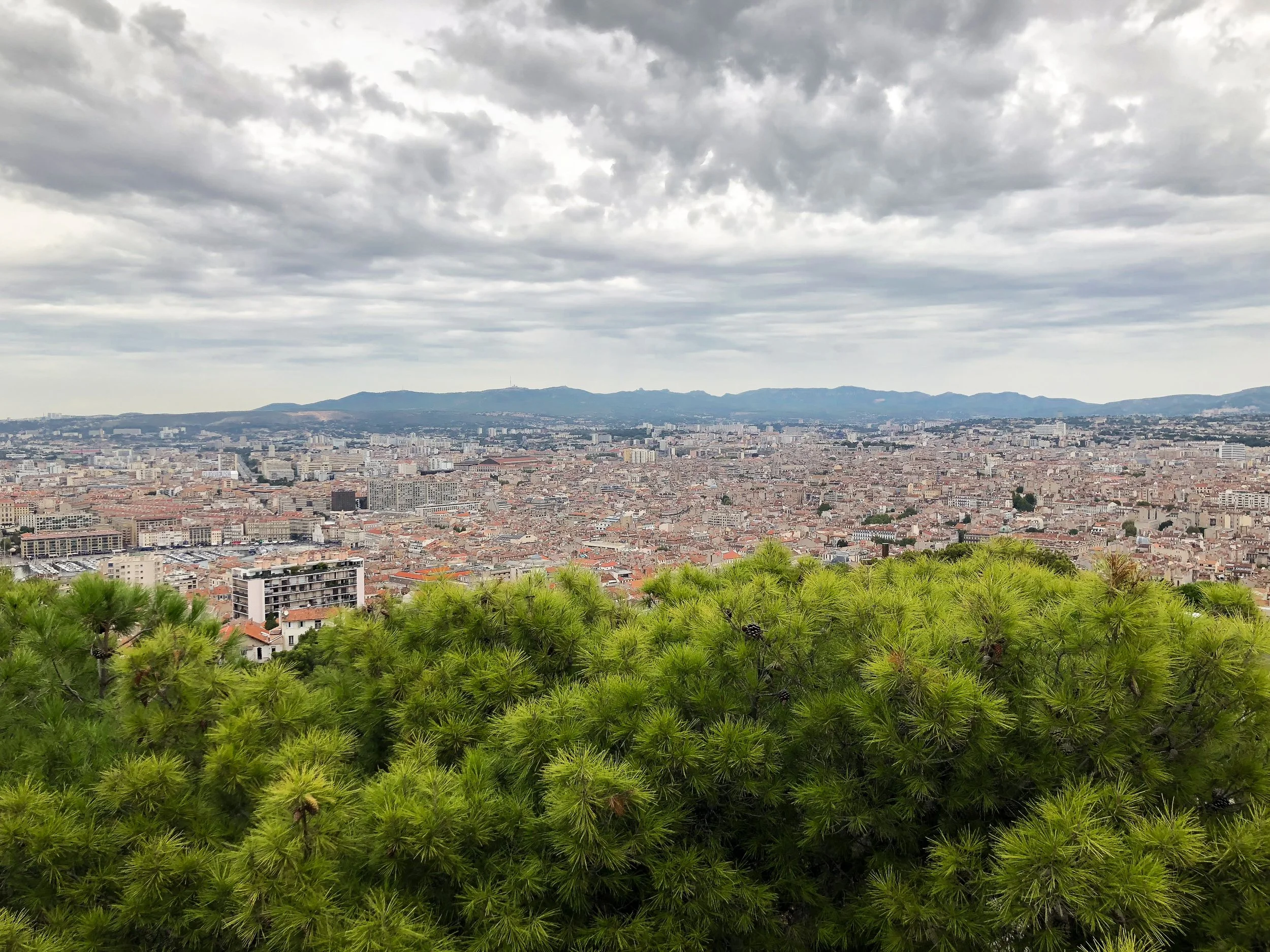
Basilique Notre-Dame de la Garde Viewpoint. A basilica located at the highest point in the city with panoramic views of Marseille and the coast. The cathedral and candle lit chapels below the sacristy are eerie but beautiful.
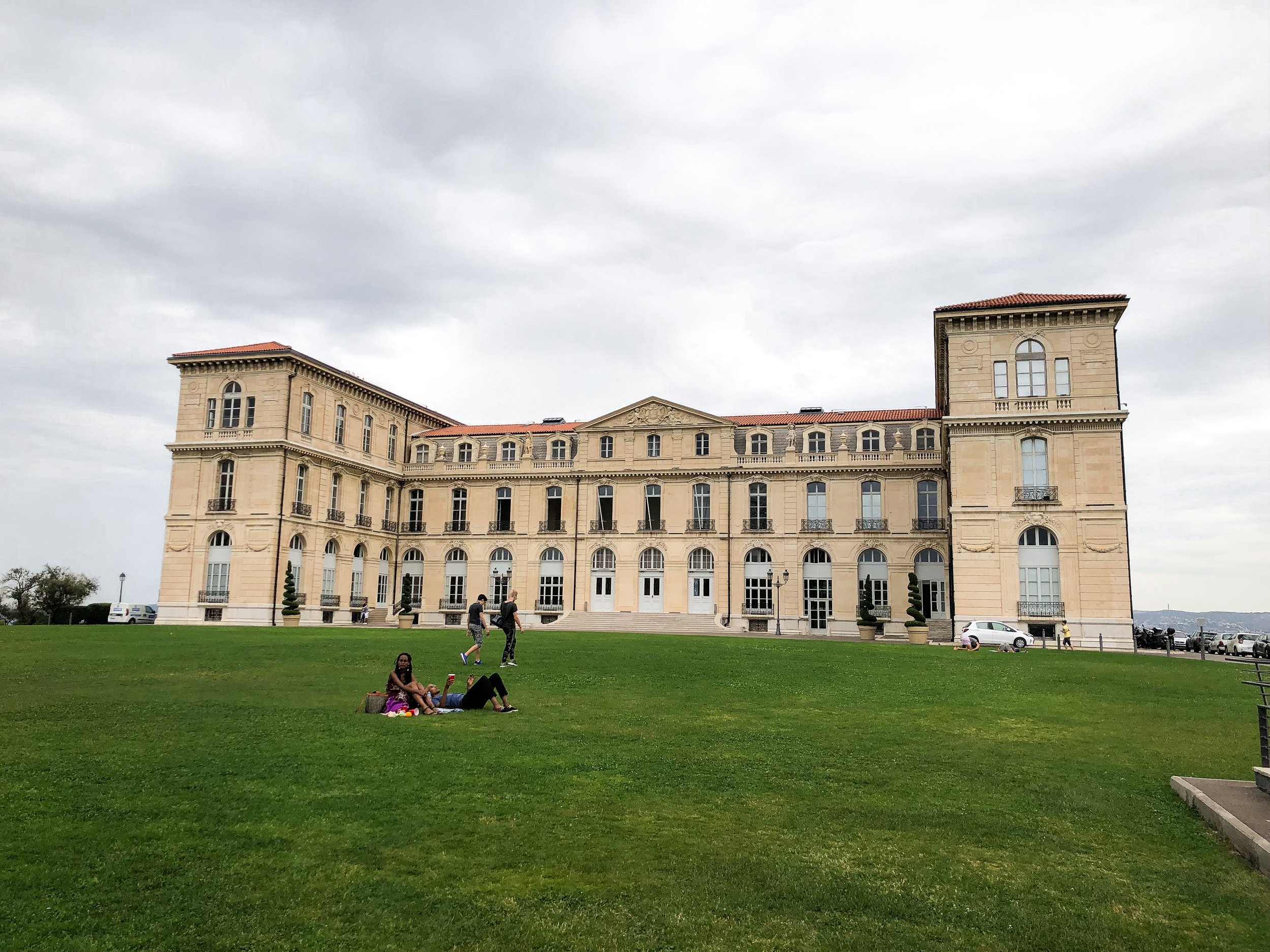
Palais & Jardins du Pharo. A Neoclassical palace built for Napoleon on a green hillside overlooking the Mediterranean and the Vieux Port. Come here to picnic on the lawn or in the sculpture garden.
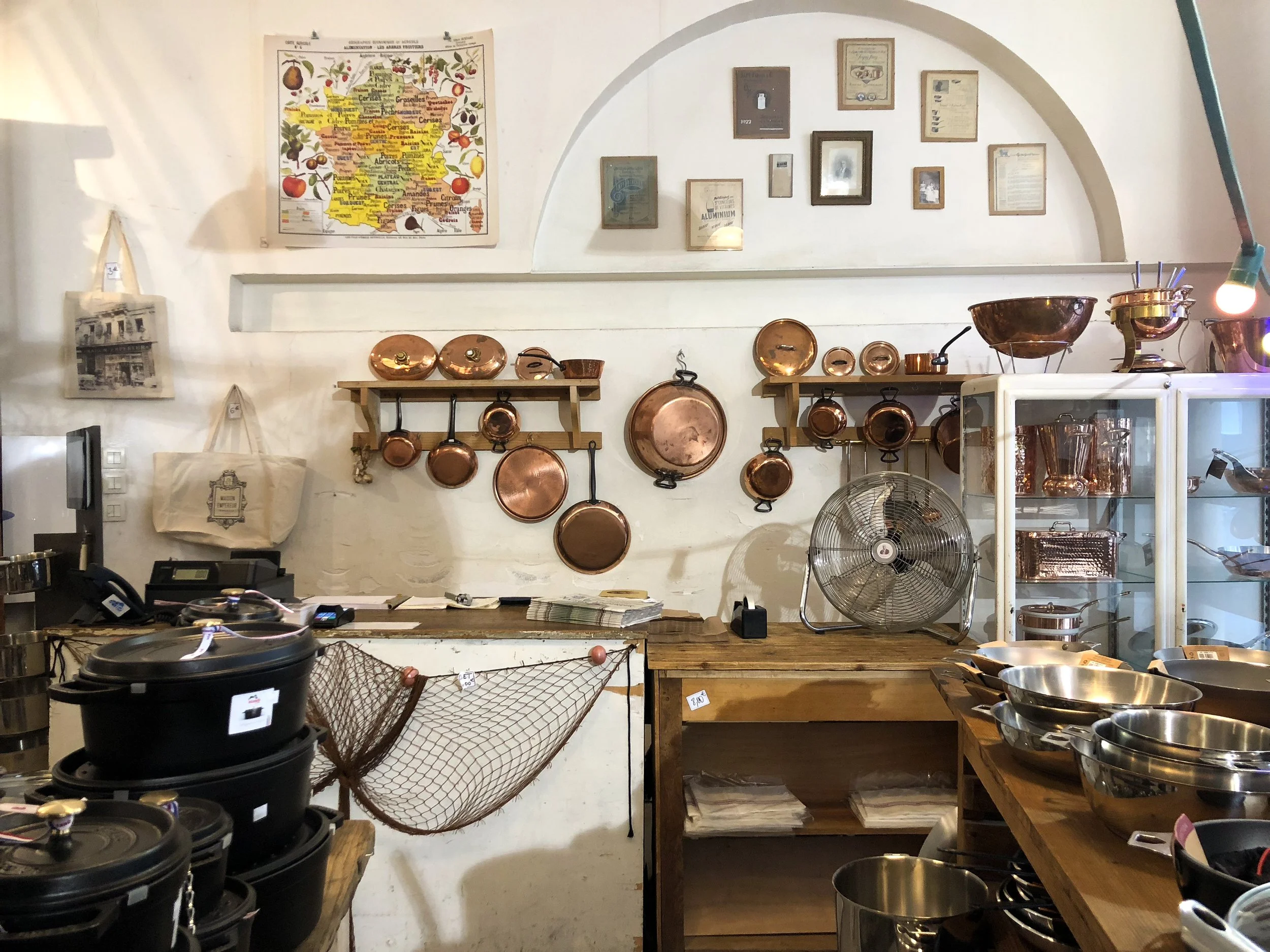
Maison Empereur. A 200 year old kitchenware and hardware store. Walking in the footsteps of Julia Child, we easily spent an hour exploring the two floors of interconnected rooms and packed aisles of copper cookware, kitchen gadgets and tall wooden displays.
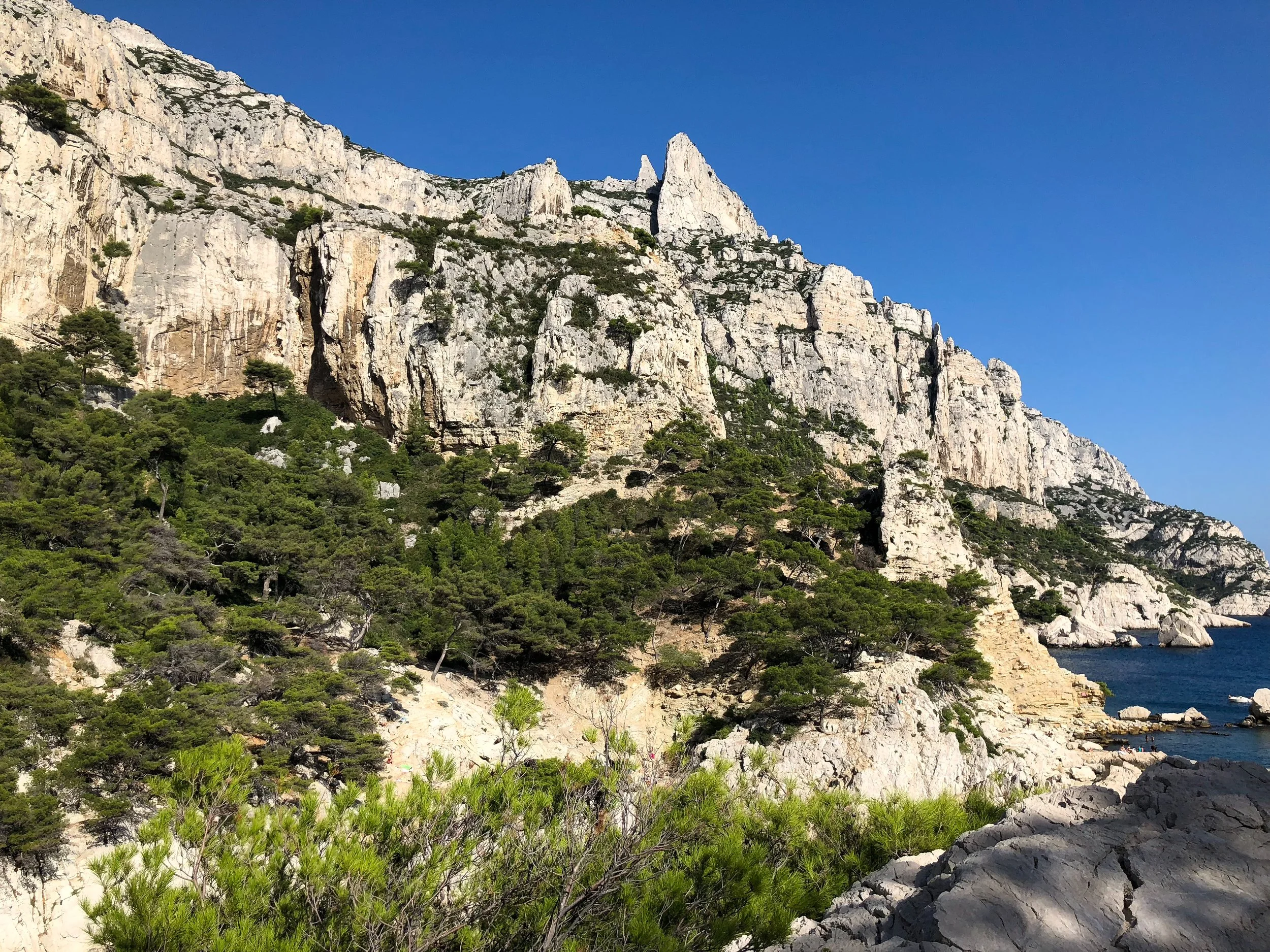
The Calanques National Park
The Calanques are home to coastal rock formations, small islands and white limestone cliffs set against the deep blue Mediterranean Sea. They make up a national park stretching from Marseille towards Cassis. It's a rugged place to hike, explore ruins and find a beach with turquoise water to relax at and swim in.
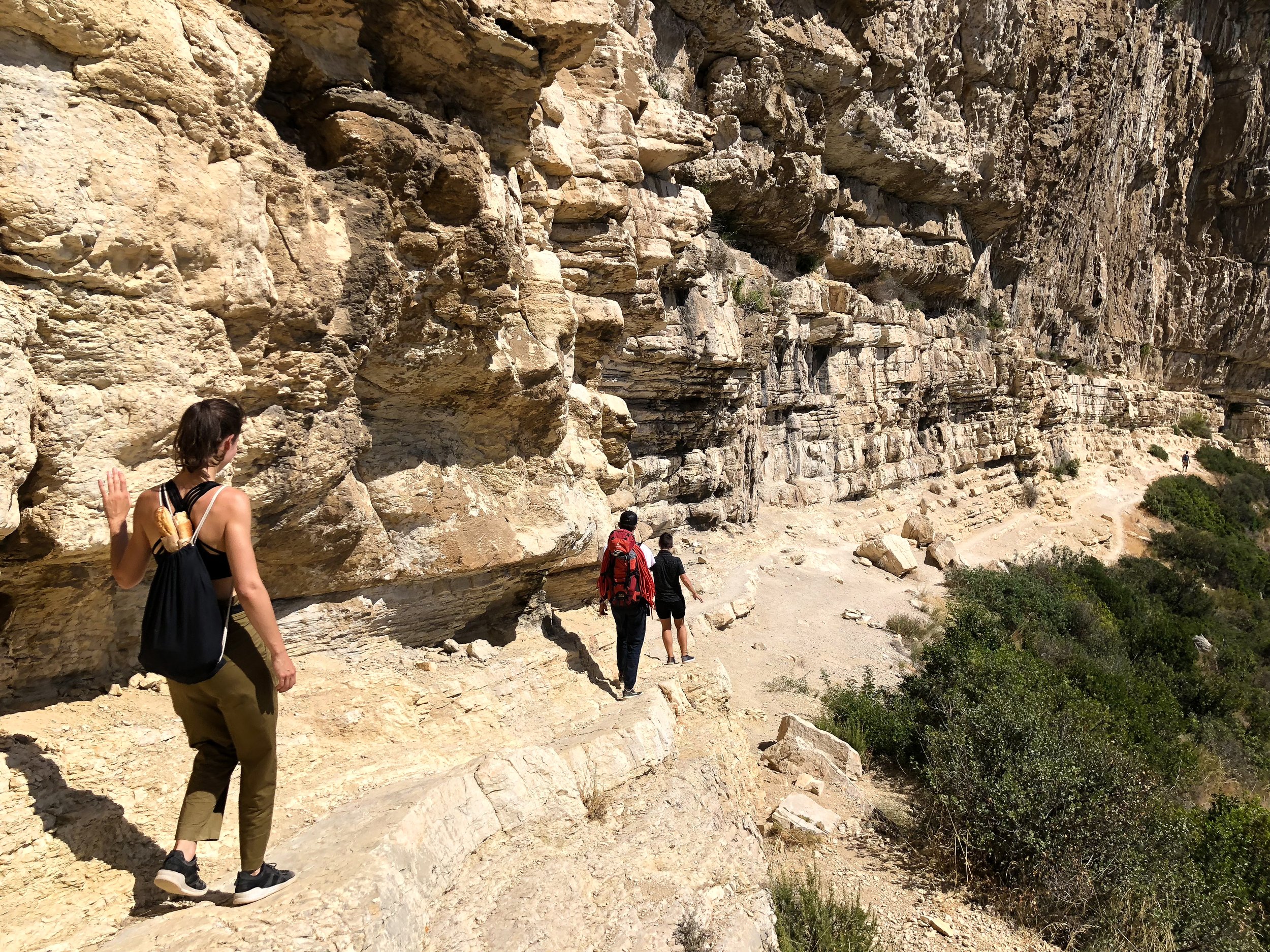
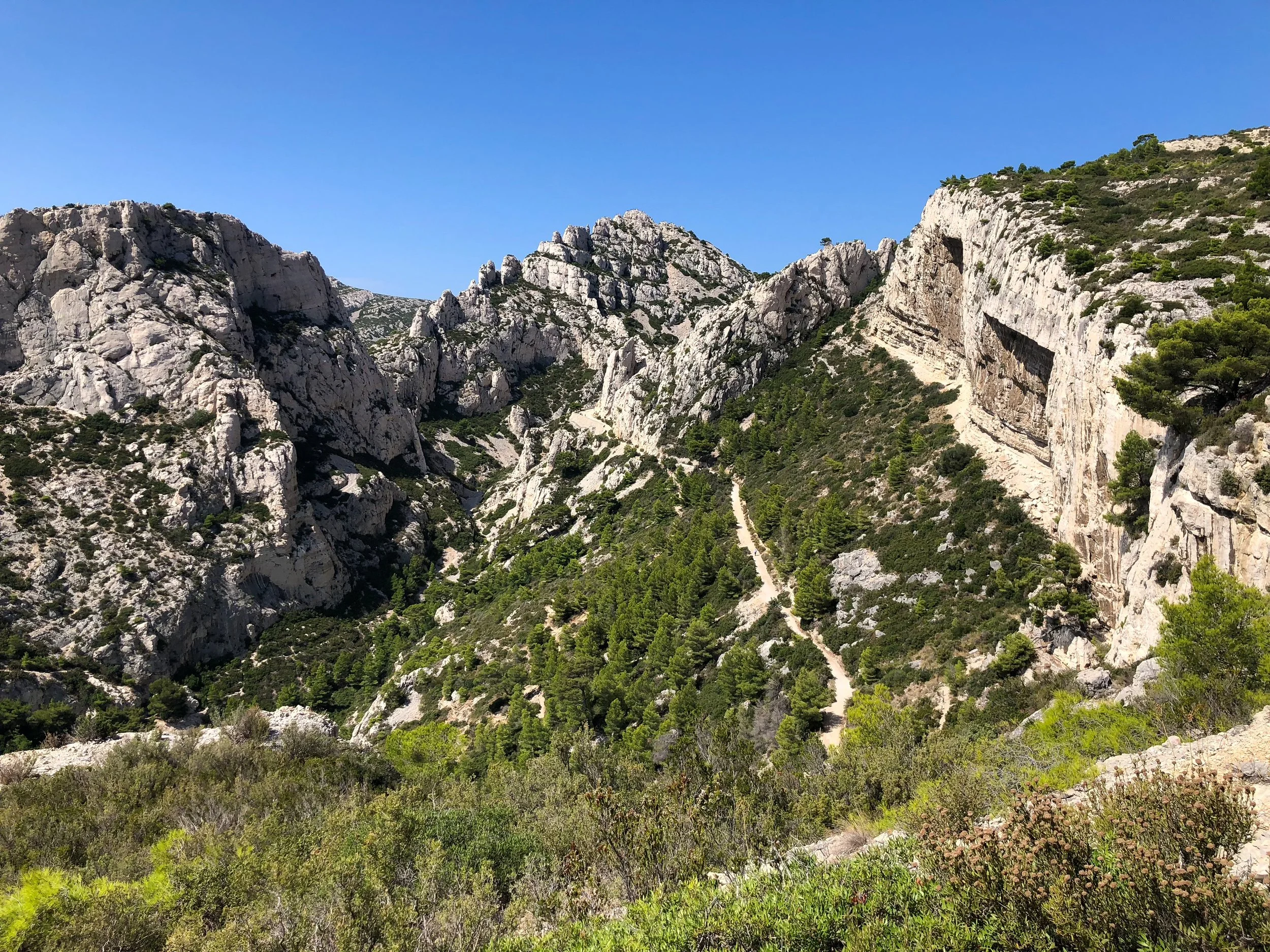
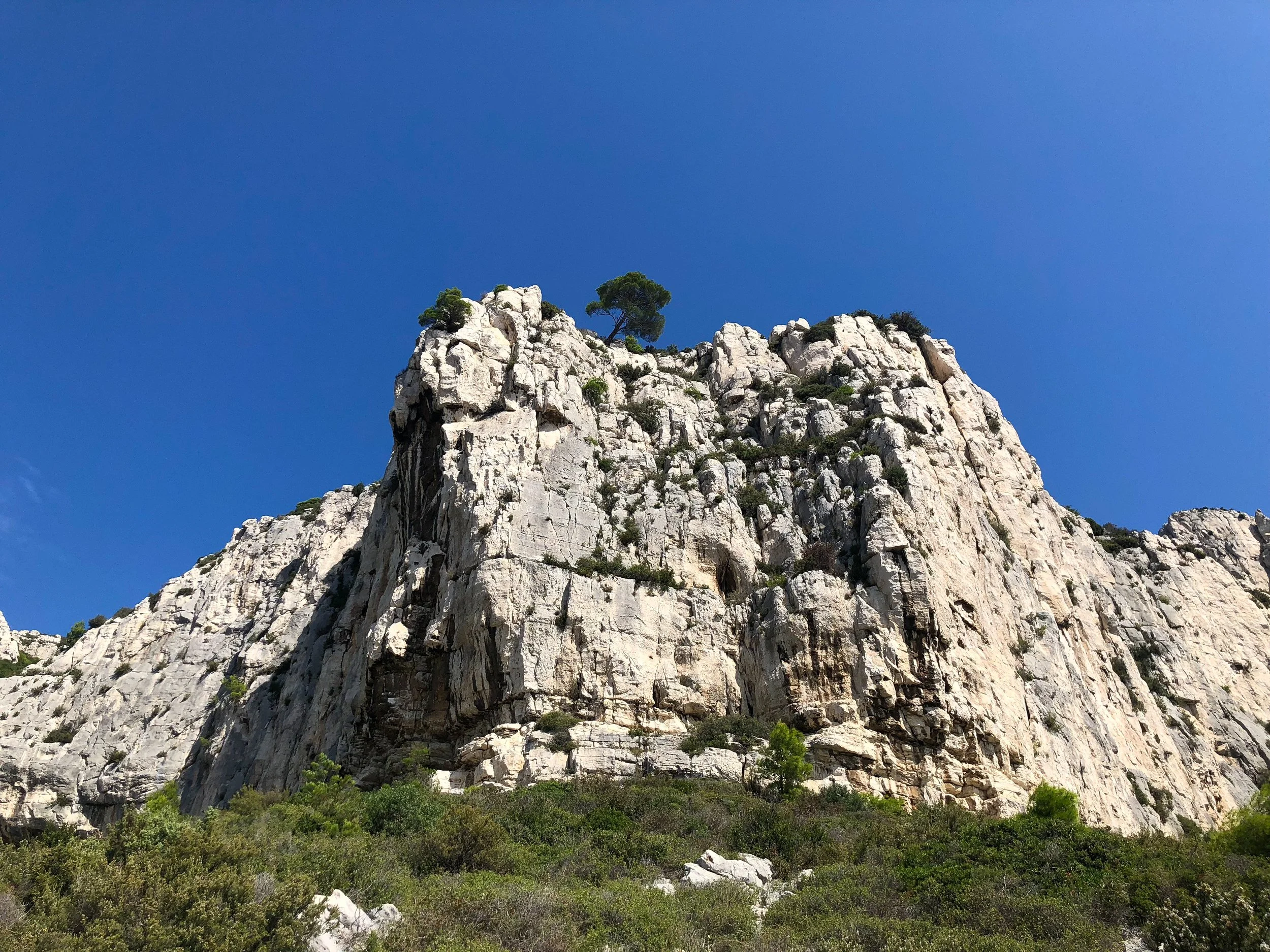
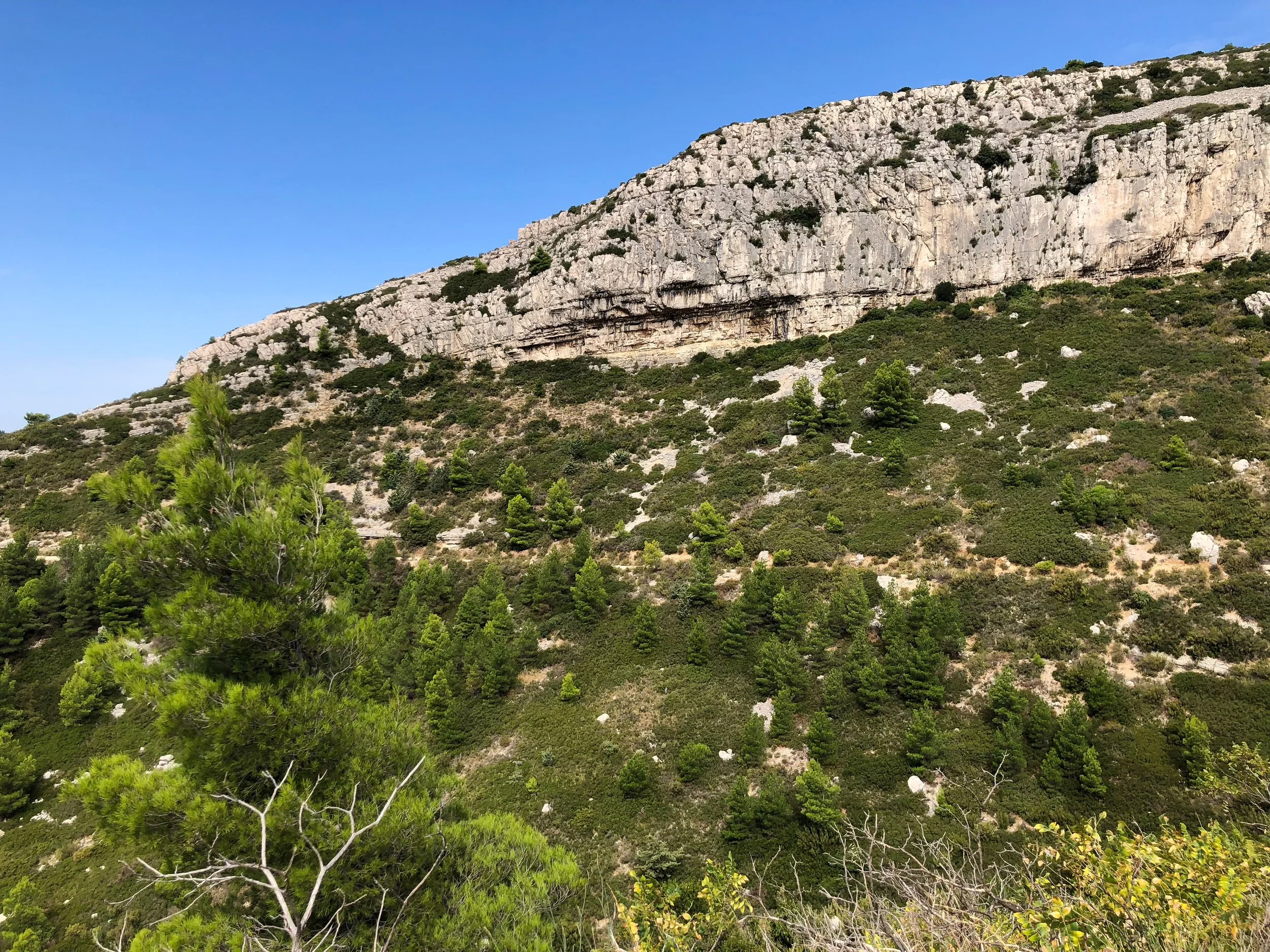
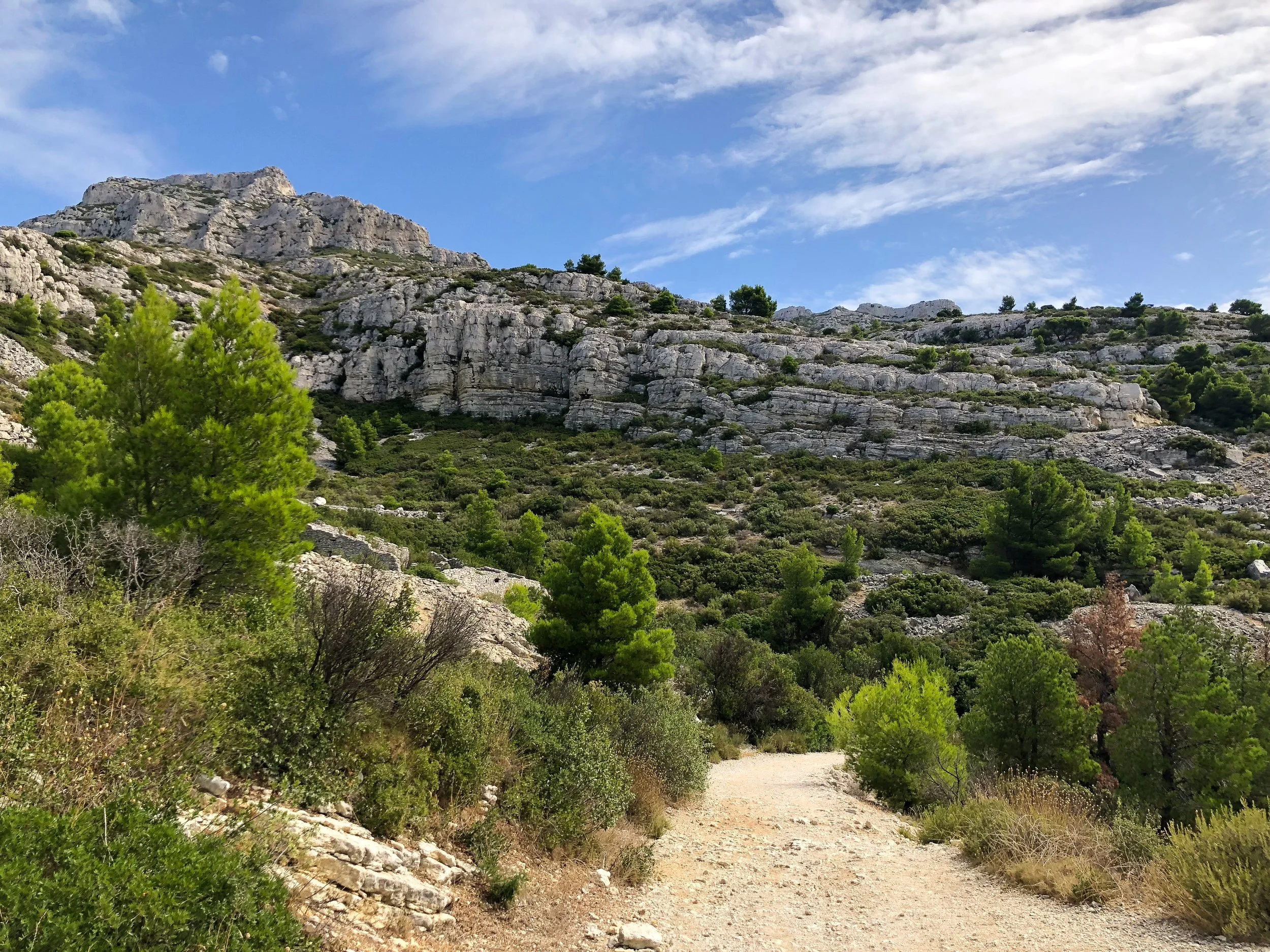
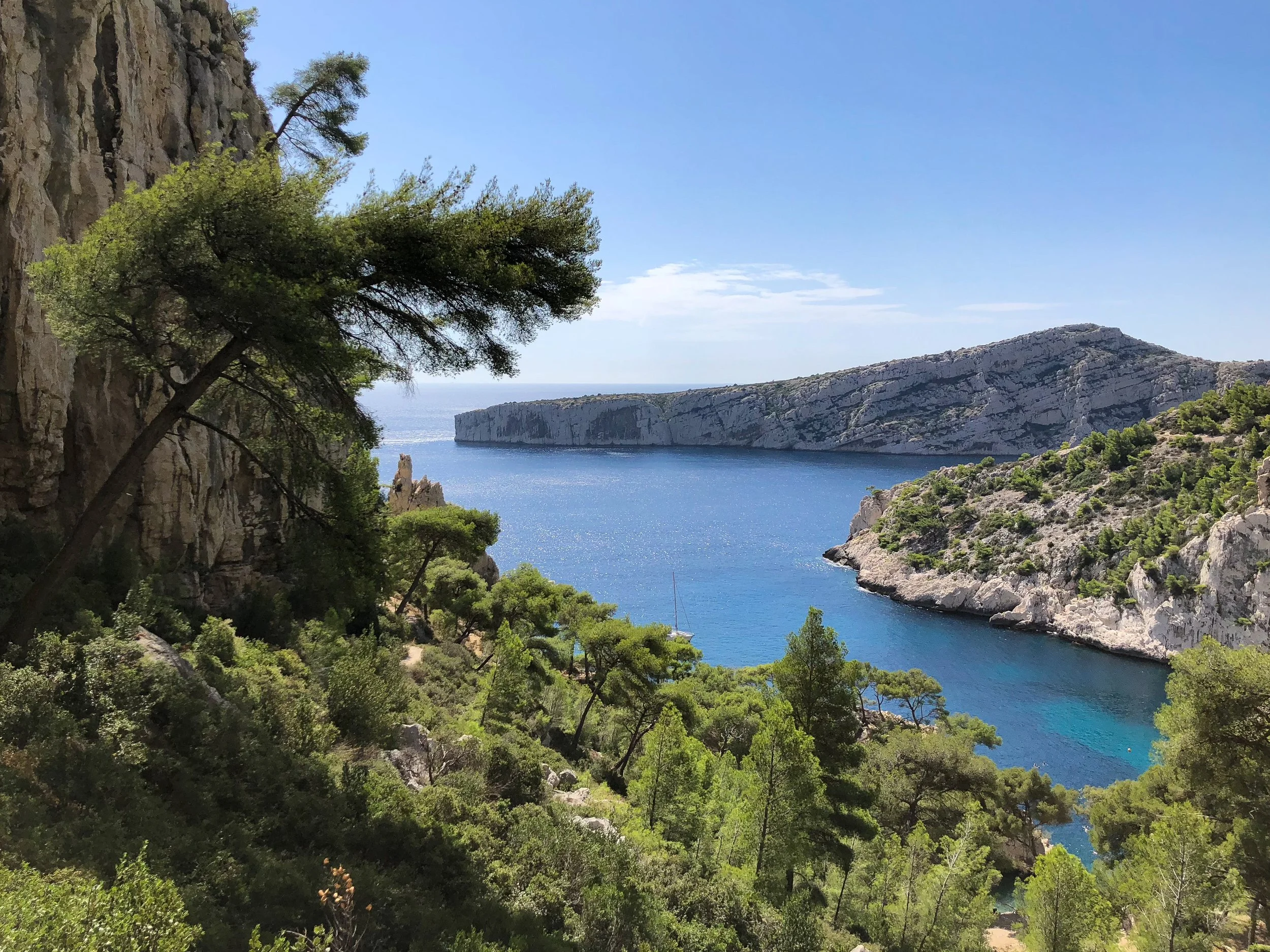
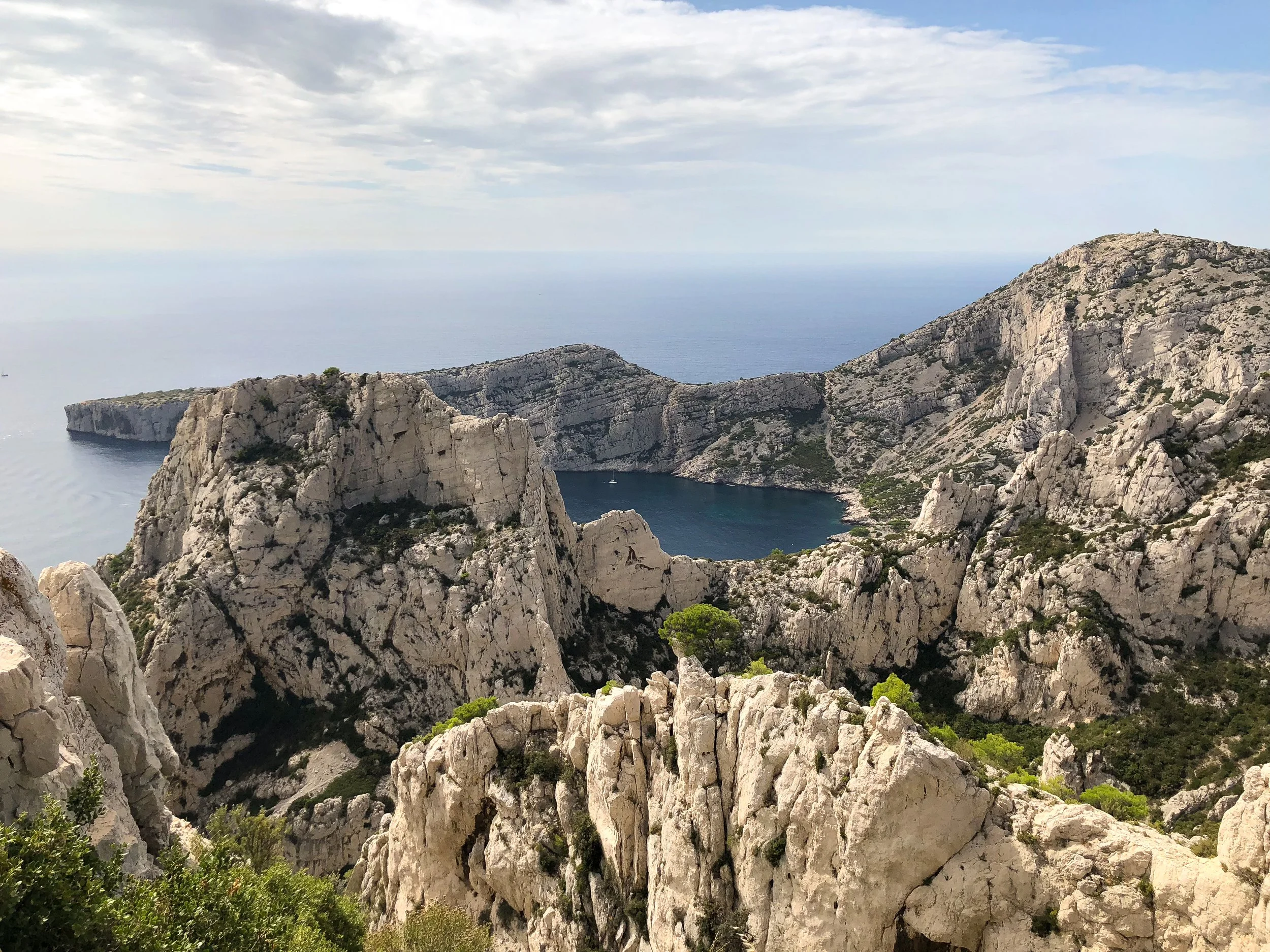
Calanque de Sugiton Trail. A coastal trail in The Calanques National Park leading to a hidden beach. The trail meanders along a series of limestone cliffs speckled with lush trees and green bushes, offering picturesque views of the Mediterranean Sea and dreamy wooden sailboats moored offshore.
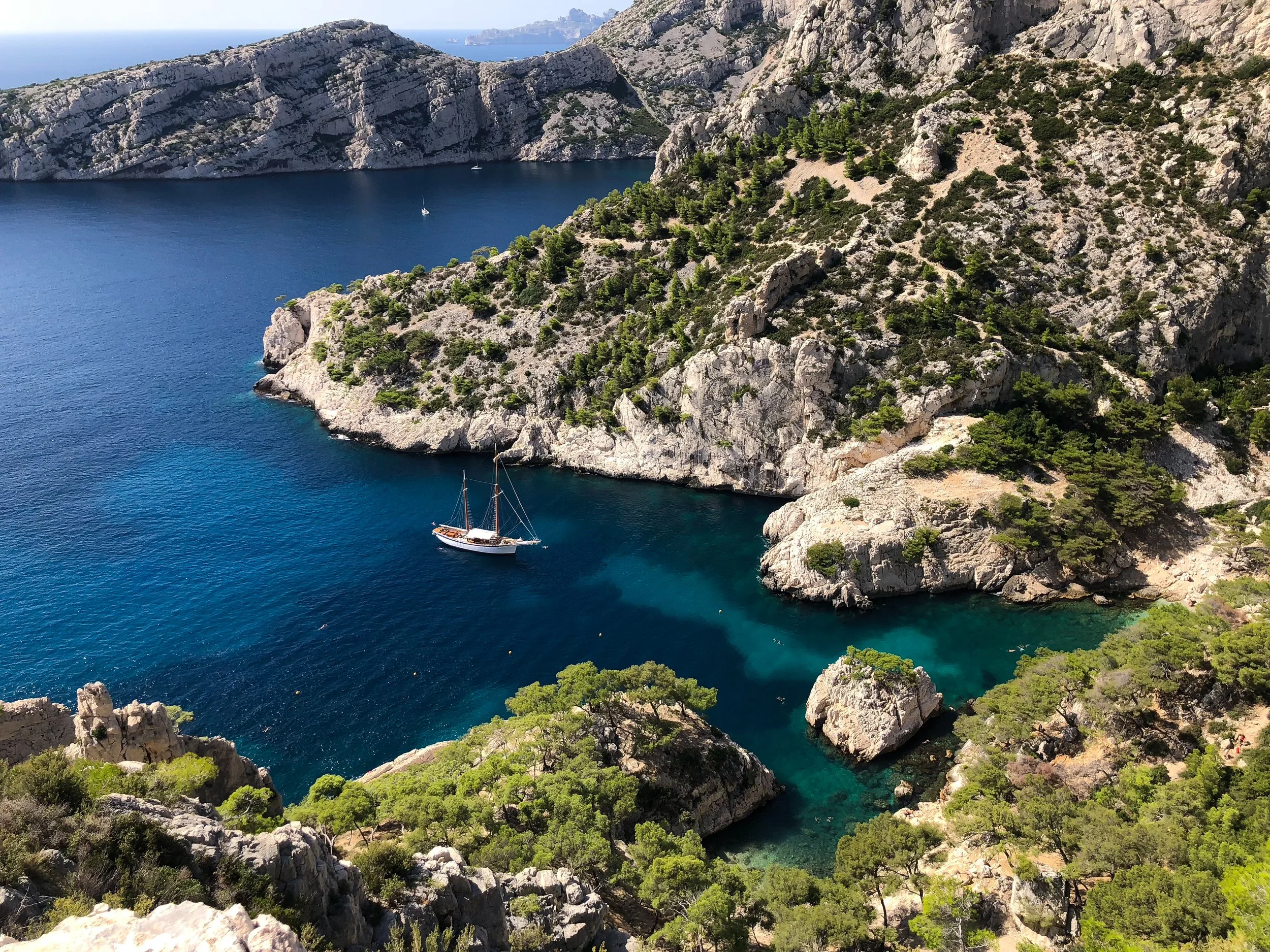
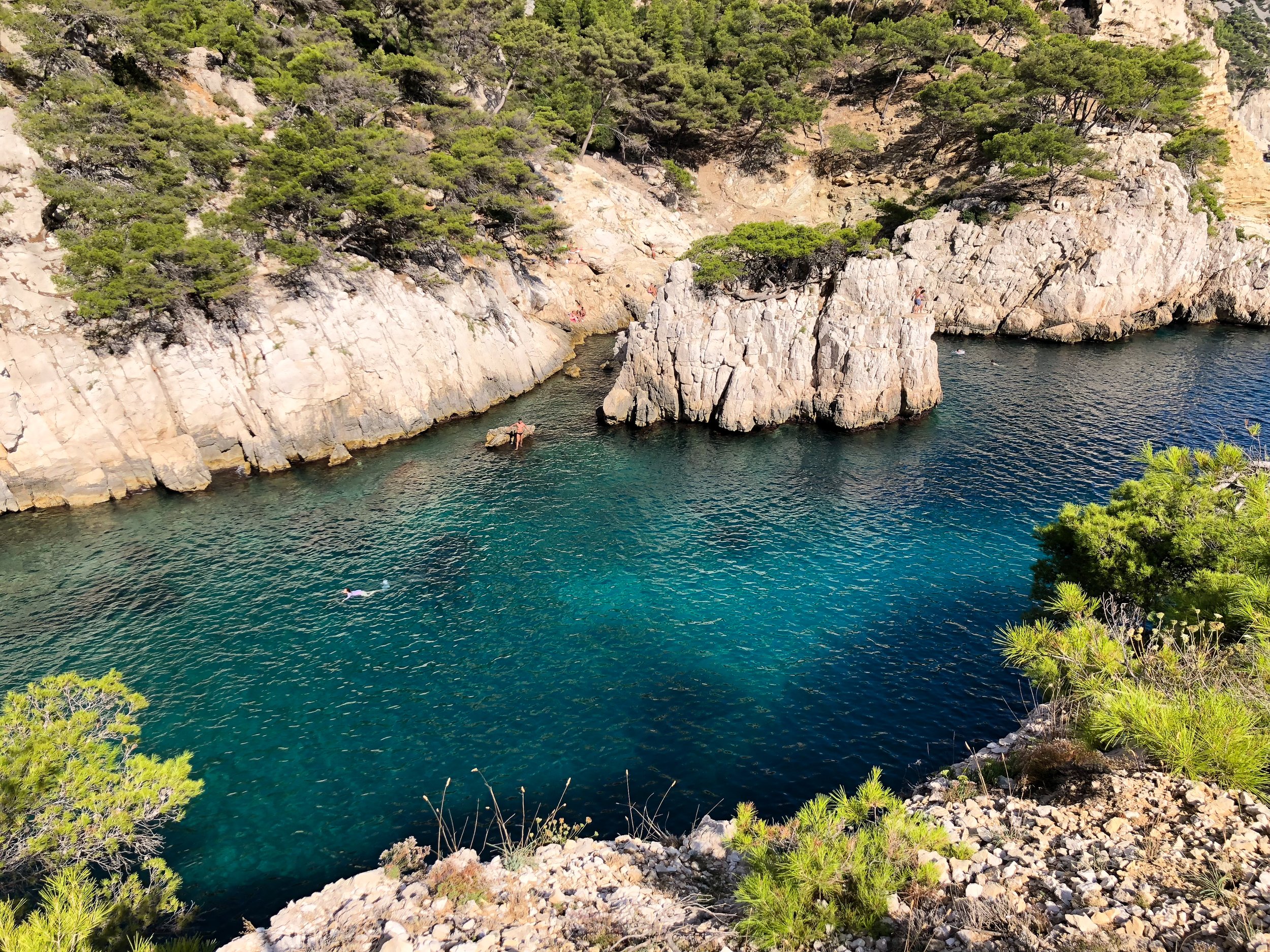
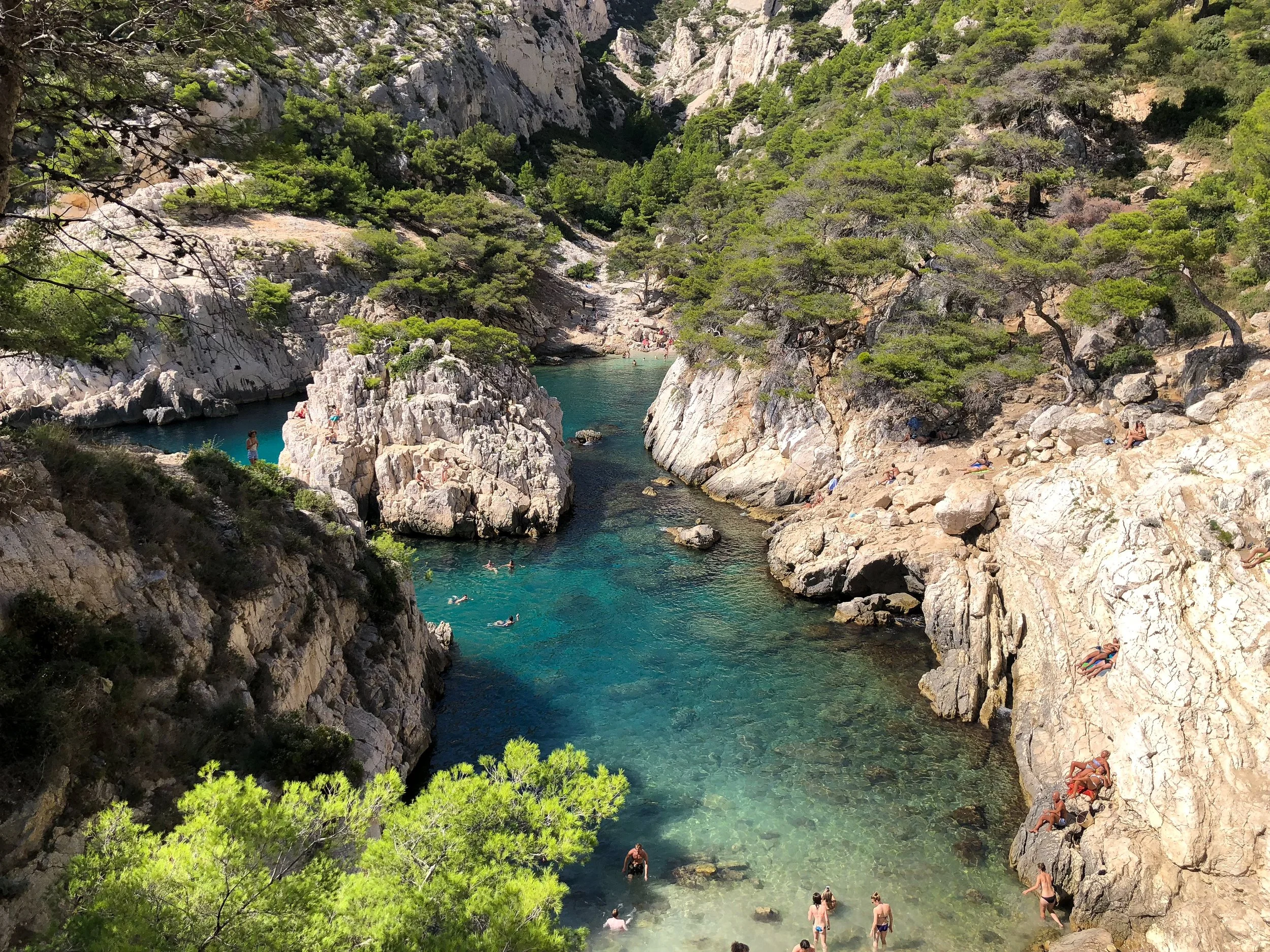
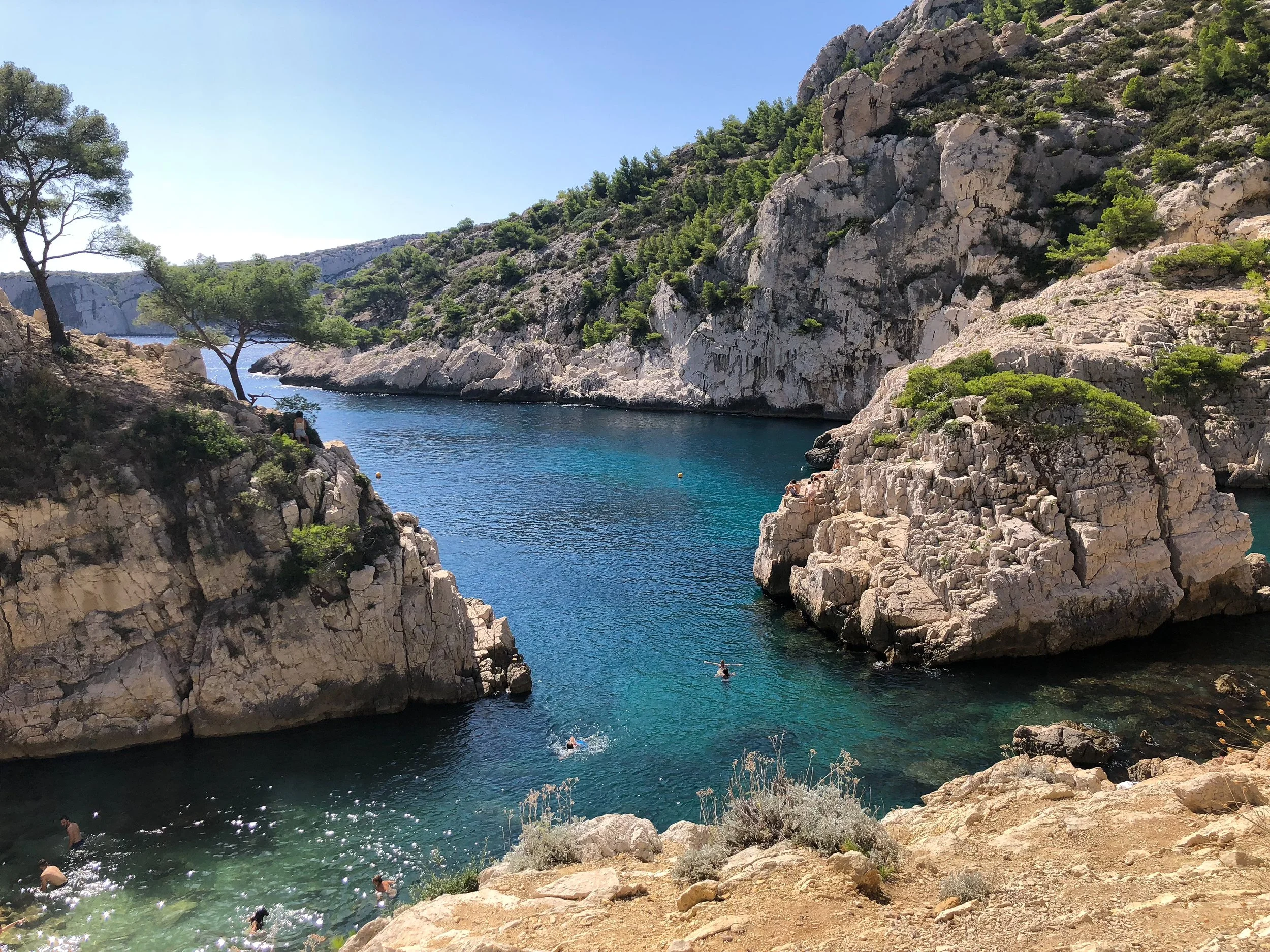
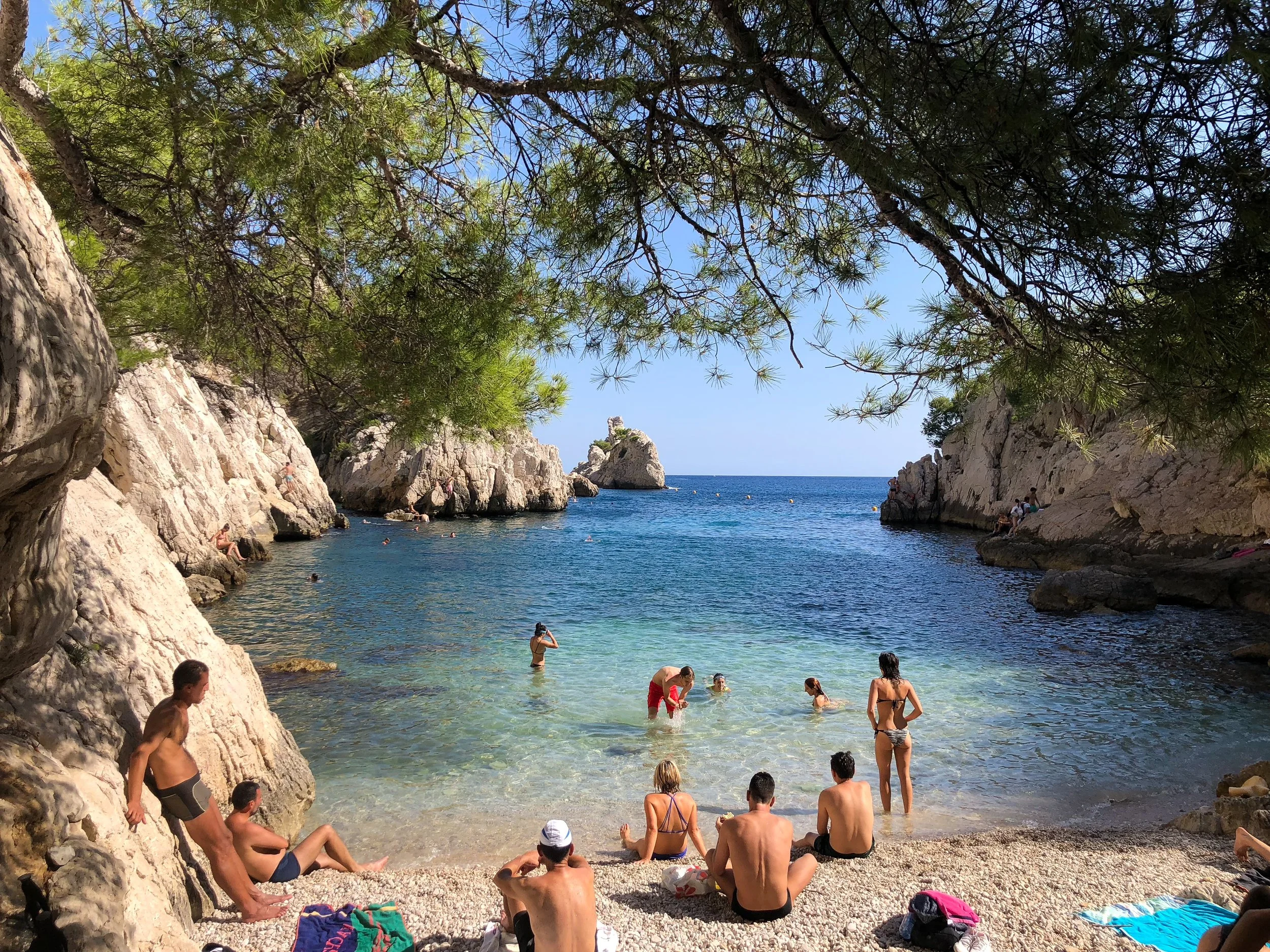
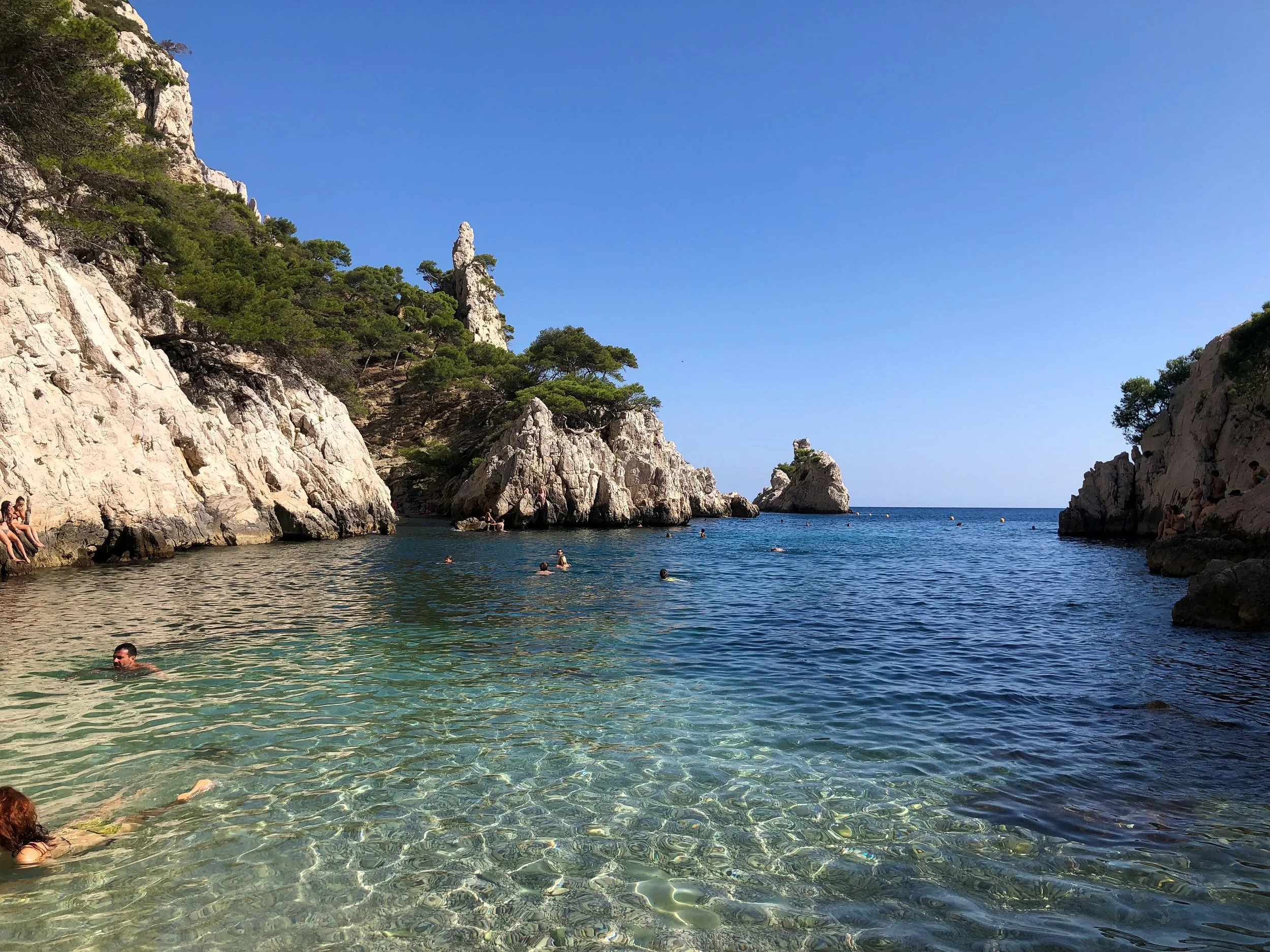
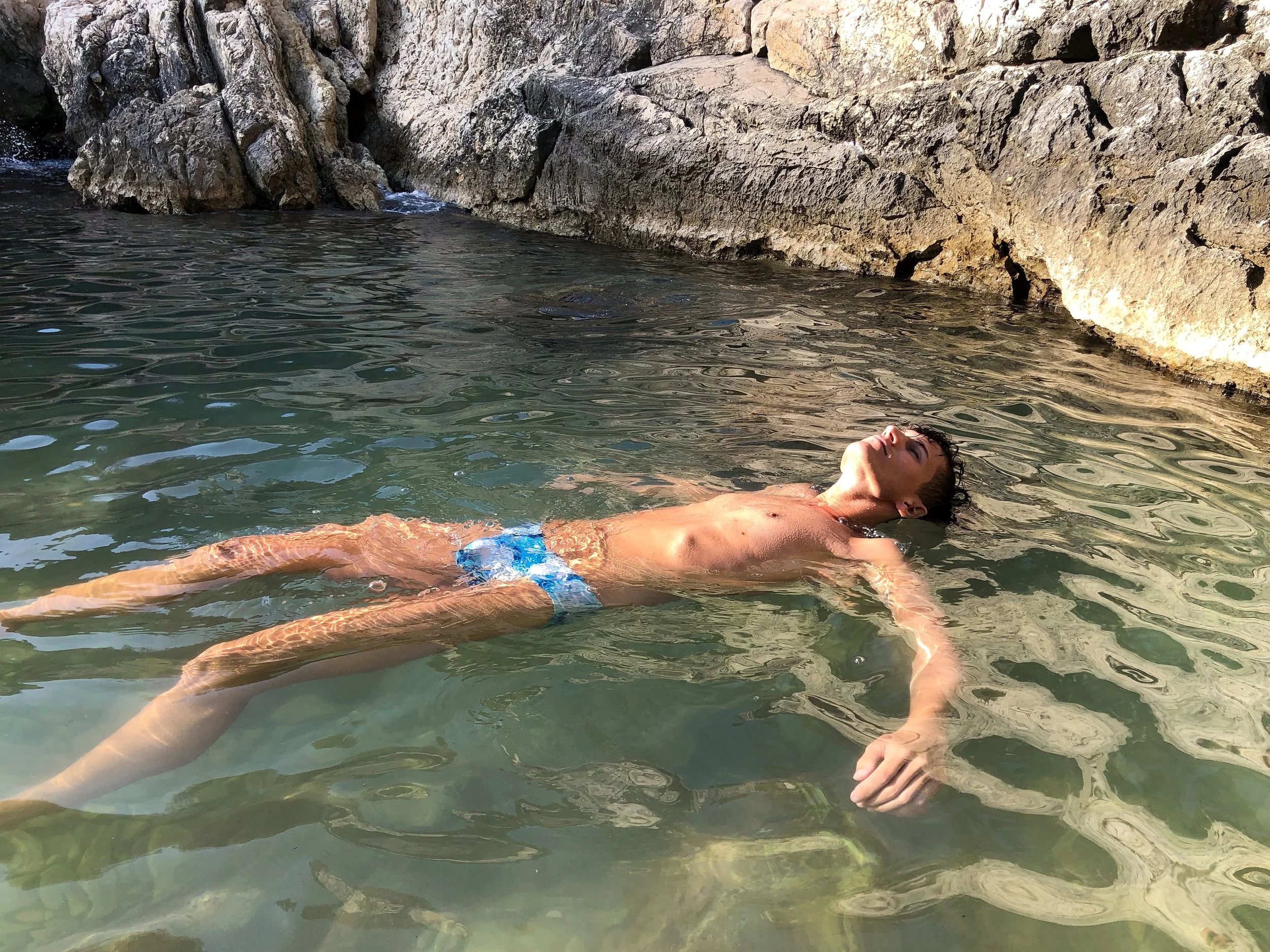
Calanque de Sugiton Beach. A narrow bay with a pebbly beach nestled between two cliffs. Come here to lounge onshore, swim through the shades of deep blue and turquoise water and cliff jump from rocky islands into the bay.
Getting Here. The Calanques National Park is located about 40 minutes by car from the Vieux Port of Marseille. Drive and park at the Cité Universitaire Luminy. From here, forested roads and trails lead deeper into The Calanques National Park.
Good to Know. There is no specific route to reach Sugiton Beach. Use this Map Pin to locate the Sugiton Trail Head and this Map Pin to locate the Sugiton Beach. Follow the meandering trails in-between, planning to hike anywhere from 30 minutes to an hour.
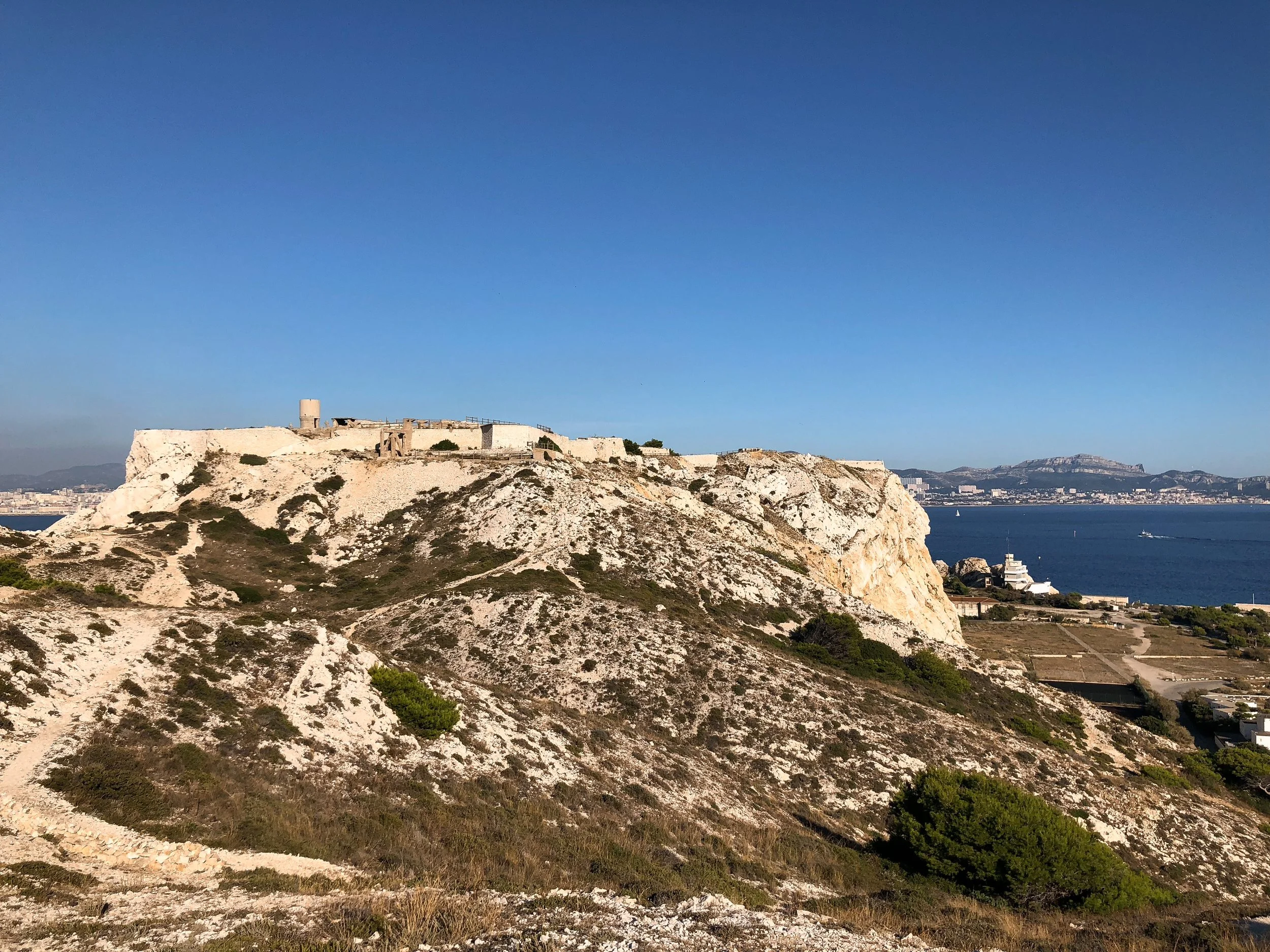
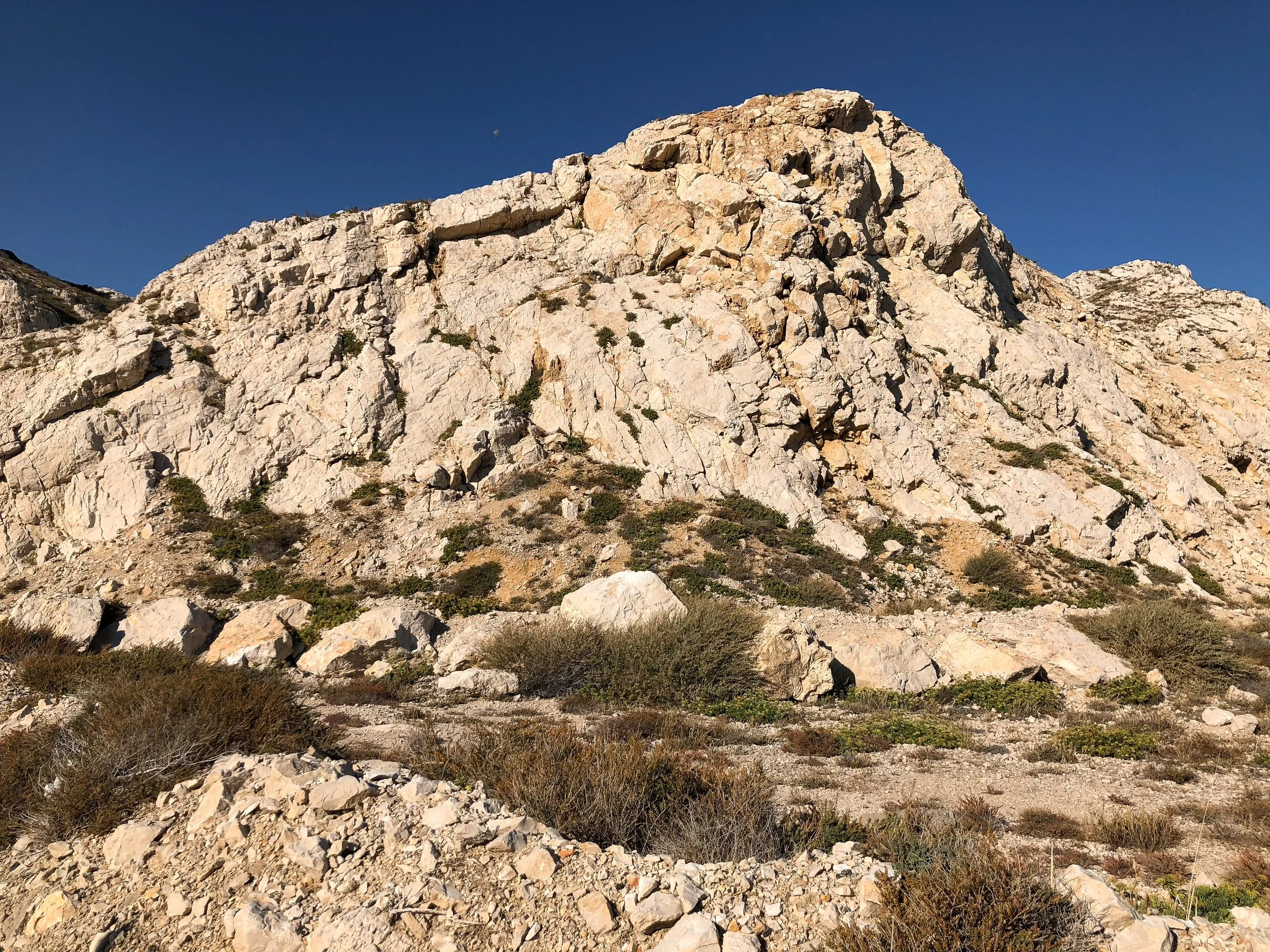
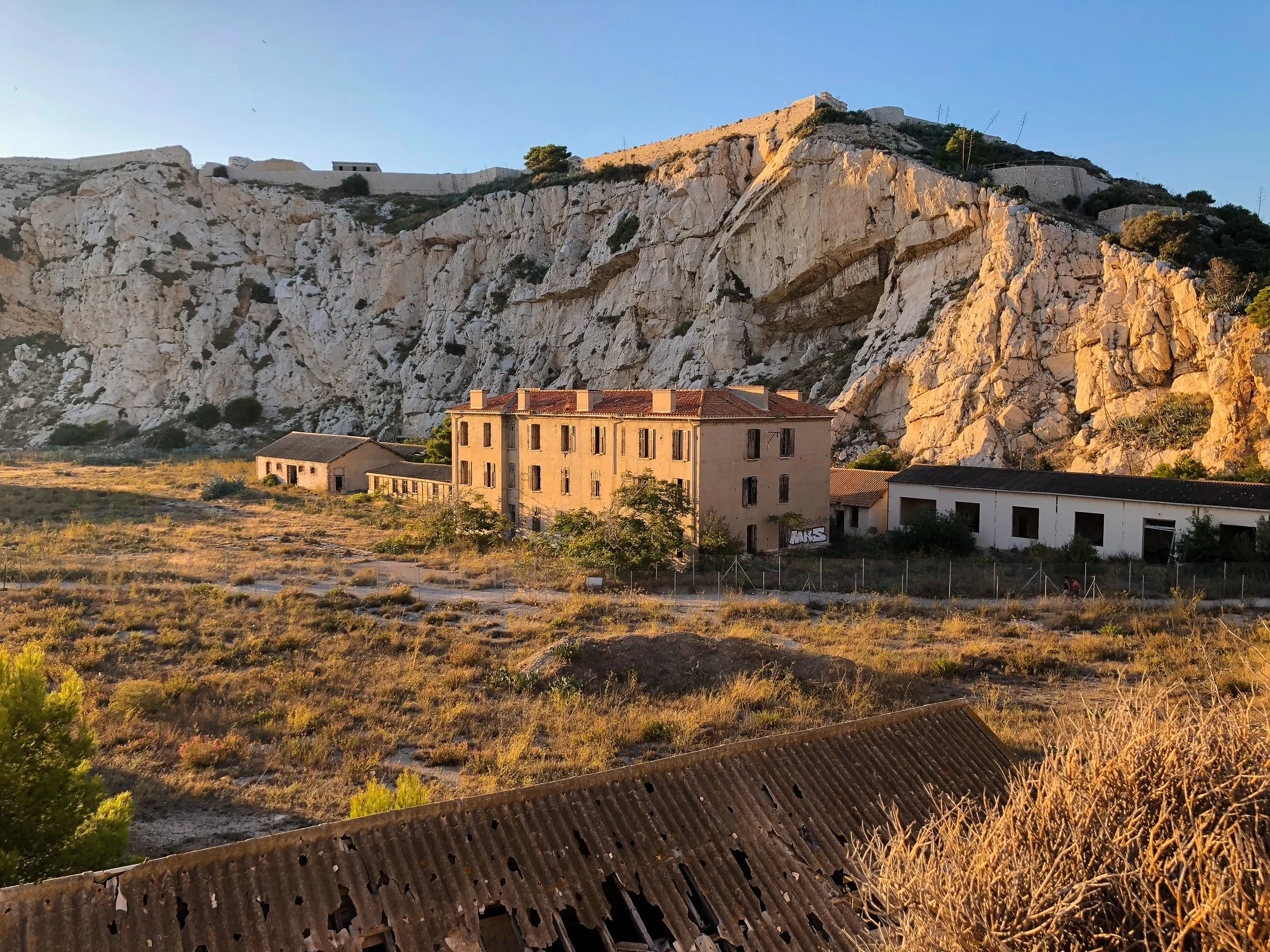
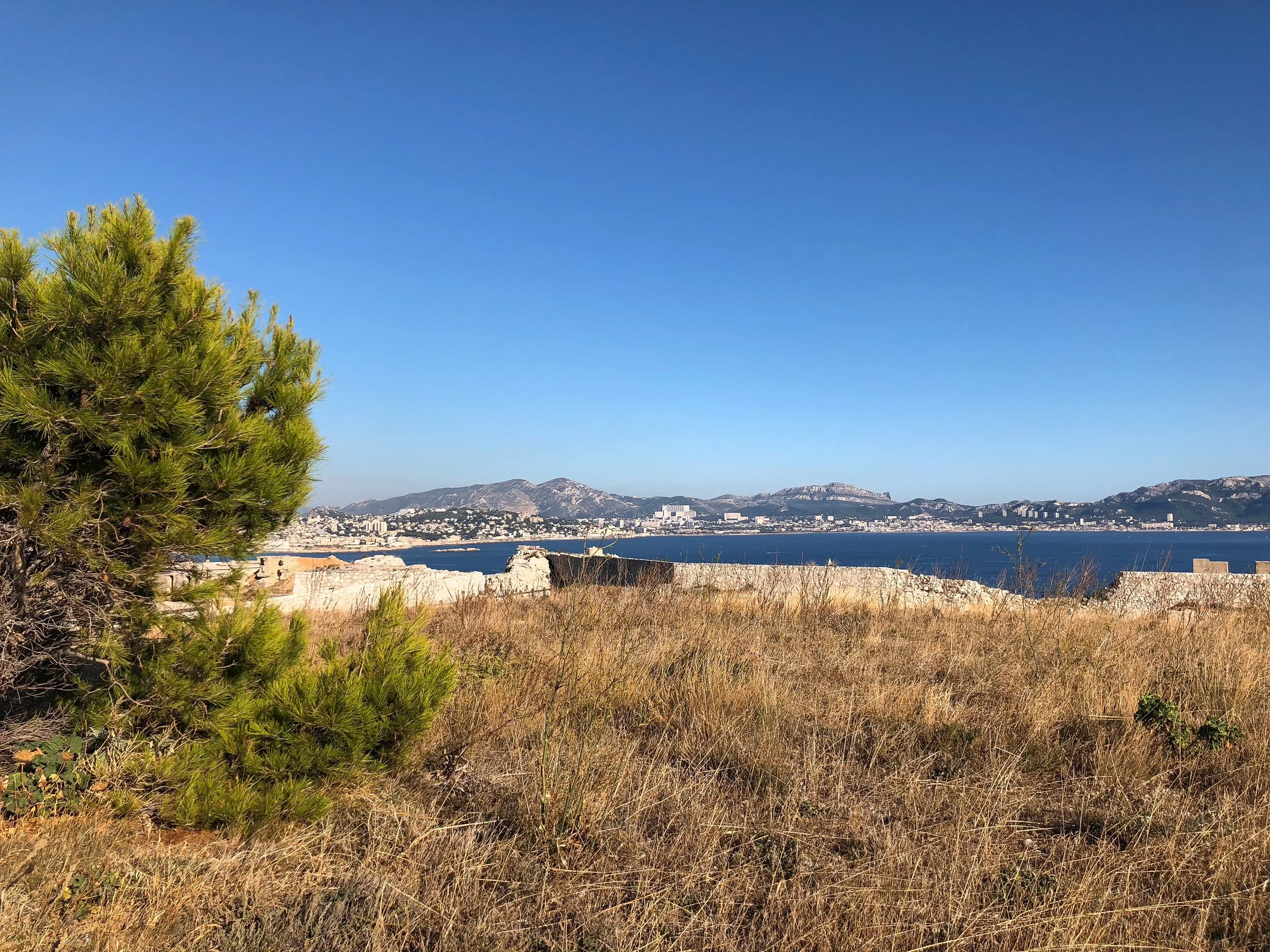
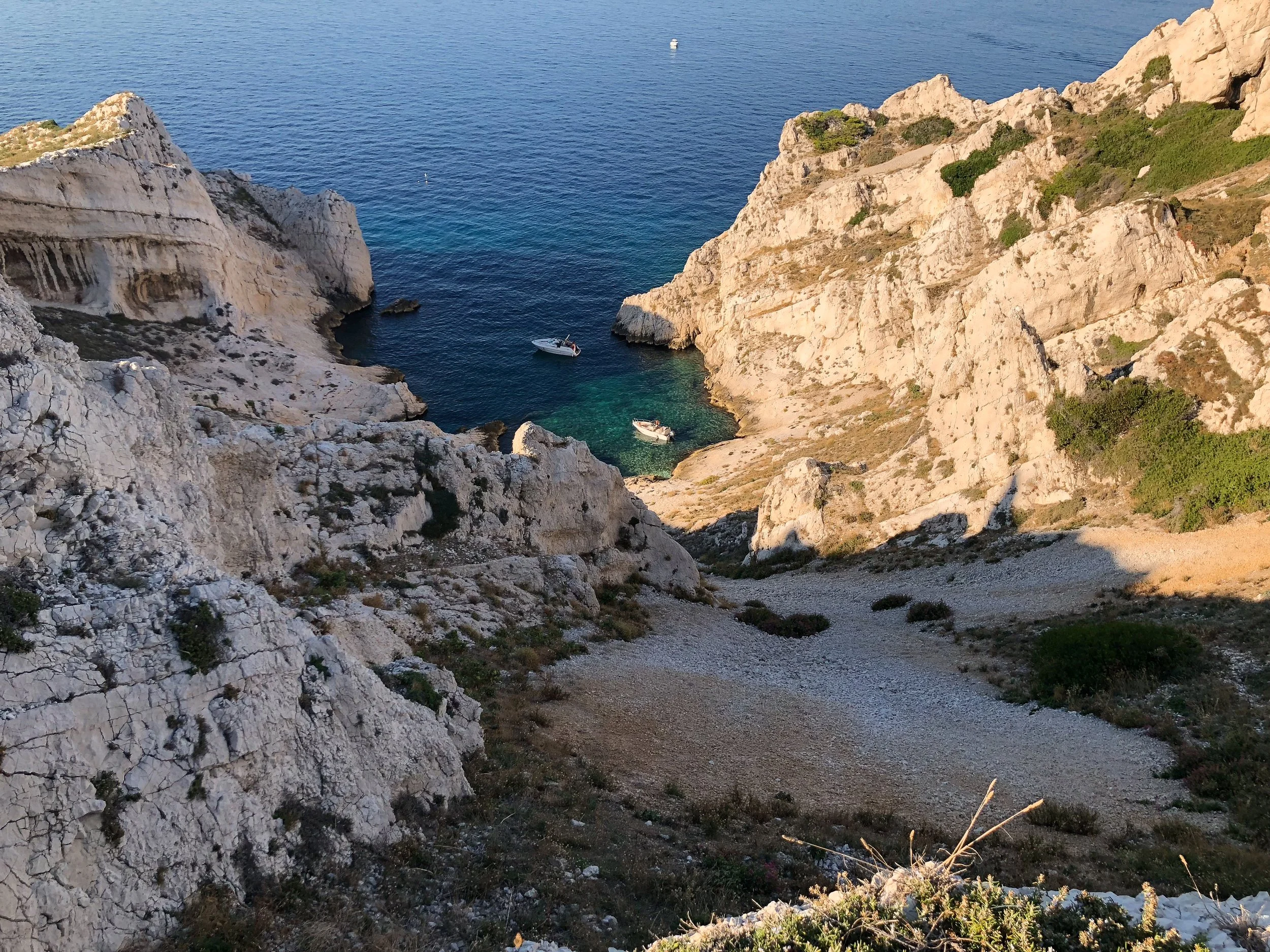
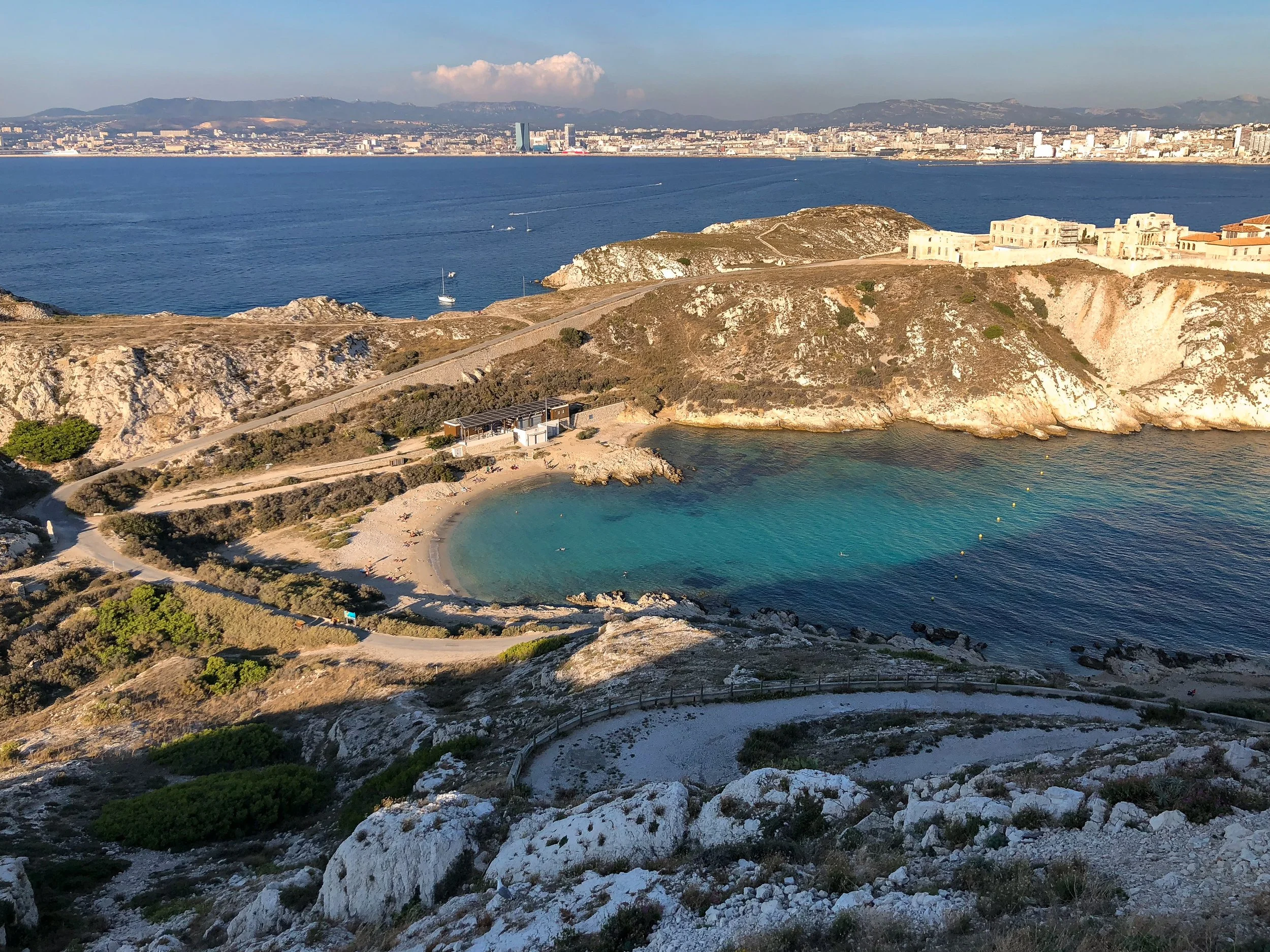
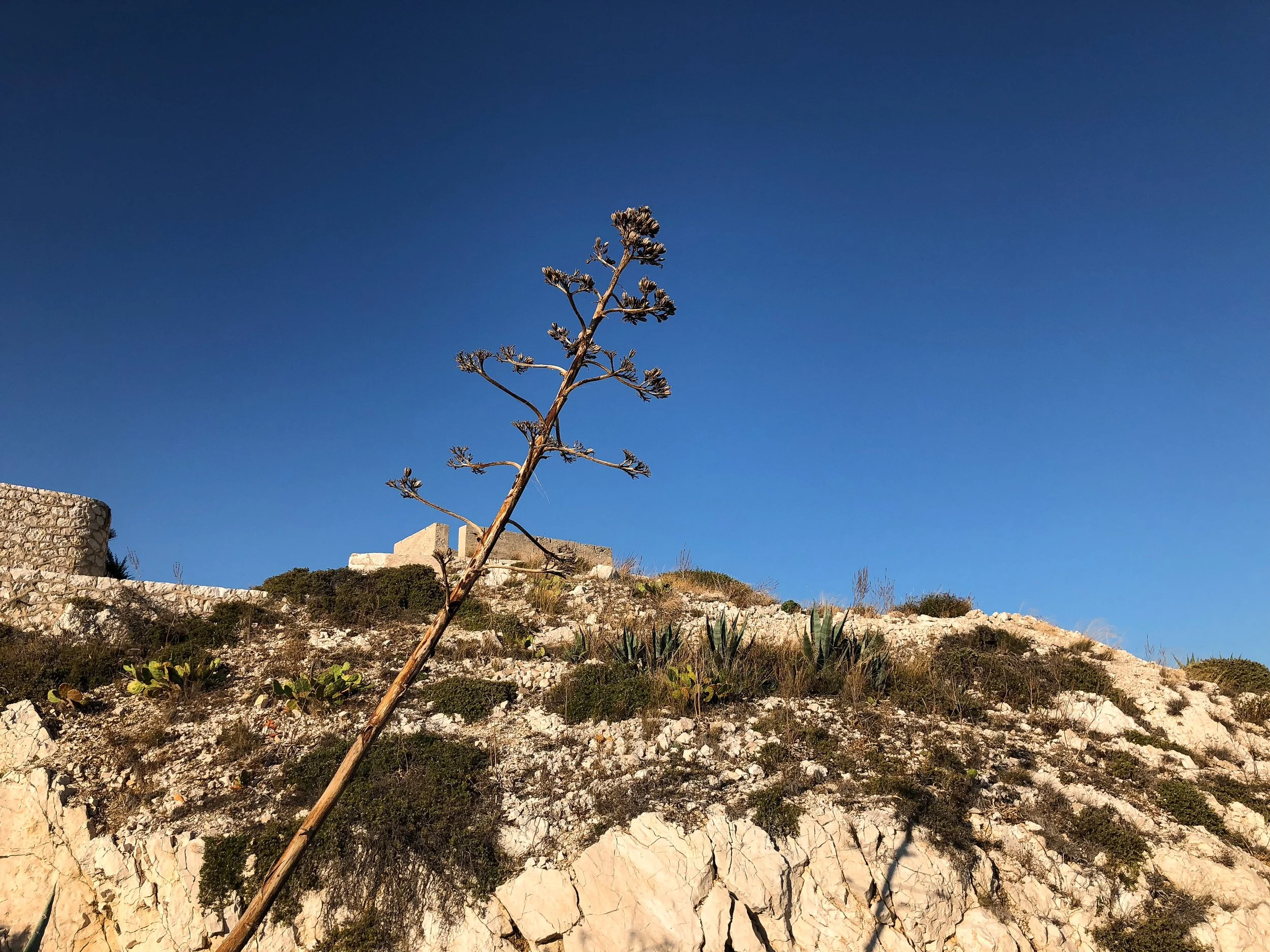
Îles du Frioul. An archipelago off the coast of Marseille comprised of four islands and jagged rock formations.
Île Ratonneau. The most developed island with a small town and sail boat dotted marina. Hiking trails lead across its dry and arid terrain to abandoned military structures, panoramic viewpoints and beaches.
Fort de Ratonneau. The ruins of a hilltop military fortress with panoramic views of The Calanques, Mediterranean and Marseille.
Plage de Saint-Estève. A beautiful beach with a large turquoise cove and swimmable waters. It’s an ideal spot to cool off and relax after hiking across the island.
Château de If. A rocky island with a 16th century fort, later transformed into a prison. It’s said to have inspired Alexandre Dumas, The Count of Monte Cristo. We didn’t have time to visit the island but were able to admire it from the ferry and neighboring island.
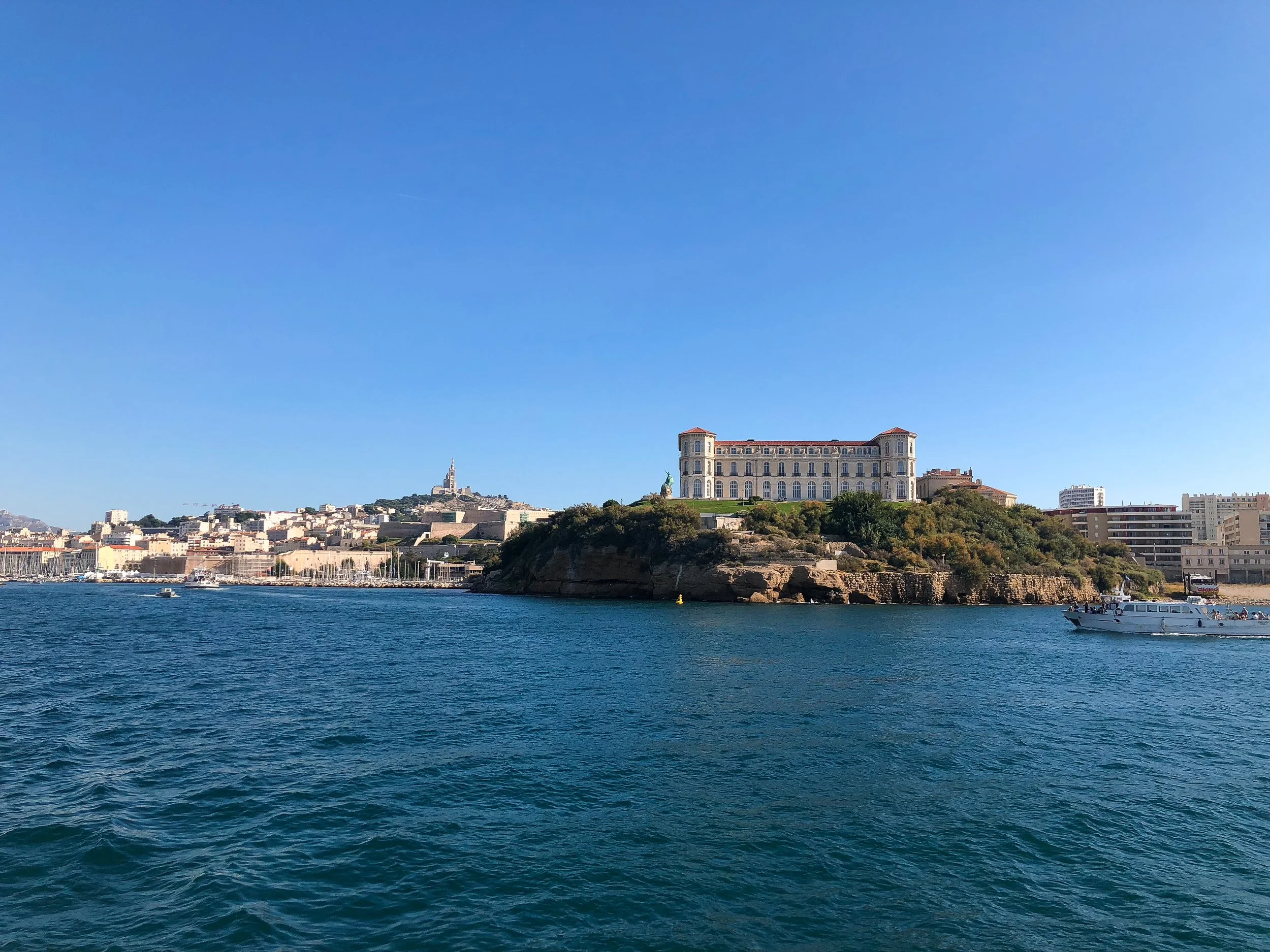
Getting Here. Îles du Frioul and Château de If are both reachable by ferry from the Vieux Port in Marseille, making for the perfect day trip. Le Bateau offers daily transfers and tours. Tickets can be purchased from the pier near the MuCEM or online.
Cuisine à la Marseillaise
The cuisine in Marseille is influenced by Provençal and Mediterranean ingredients resulting in a unique palette of flavors. Being a port city, it is especially known for its seafood.
Bouillabaisse. A seafood stew typically made with the daily catch including a mixture of whole or filleted white fish, shellfish and shrimp. The seafood is prepared in a broth seasoned with saffron, tomato and other ingredients.
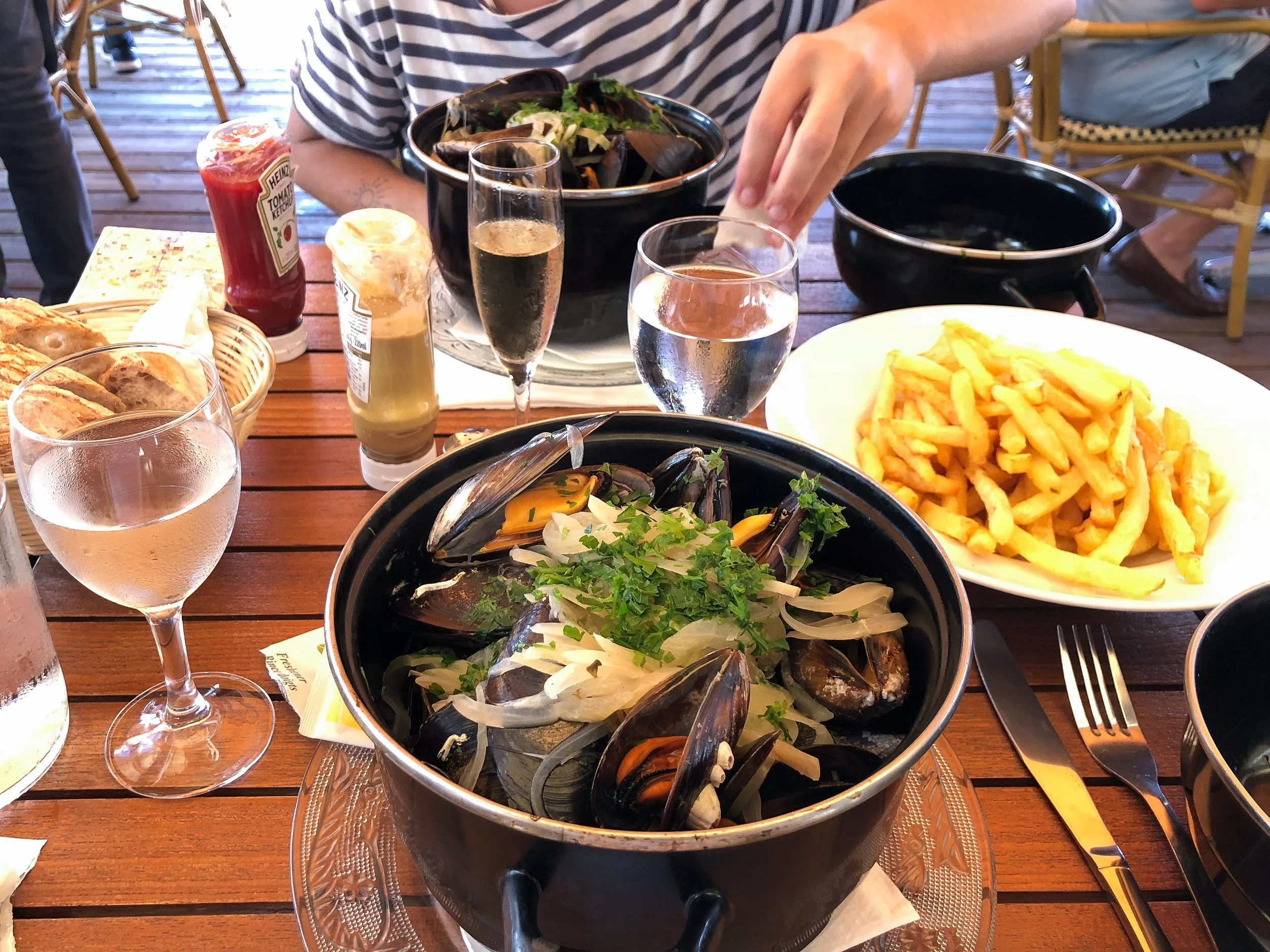
Moules Marinières. Steamed mussels cooked in a sauce made from white wine, butter, garlic, parsley and shallots. It’s typically served with frites, sliced baguette and house made mayonnaise.
Ratatouille. A Provençal vegetable dish is made from a stewed or roasted combination of eggplant, zucchini, yellow squash and tomato.
Tapenade. An olive, garlic, caper and anchovy spread. We often enjoyed it on a croissant or baguette.
Pizza. A popular flatbread made with Mediterranean toppings like olives, anchovies and tomato.
Apple Tarte Tatin. A classic French dessert with apples caramelized in butter and sugar on a layer of flaky pastry.
Crêpes Sucre. A sweet crêpe often folded and sprinkled in sugar with a side of orange marmalade.
Meringue. One of the classic French patisseries we saw all over the city! Egg whites whipped with sugar and baked into sweet delicate cookies.
Places to Eat & Drink
Au Doyen. A seafood restaurant where we ate our first meal in France, moules marinières with frites and rosé.
Le Miramar. One of the higher end restaurants along the Vieux Port specializing in Bouillabaisse. In true French style, it prides itself on its preparation, presentation and authenticity. Read more about their recipe here.
Les Arcenaulx. An elegant restaurant inside of the library styled dining room with stone walls, timber beams and a large wine selection.
La Crêpe au Carré. A crêperie offering sweet and savory crepes. Try the buttery and sugary Crepes Sucre.
Café des Arts. A casual bistro facing the Vieux Port. Stop in for a pint of French beer and a late afternoon bite.
Boulangerie Gambetta. A tiny bakery with sandwiches, pastries and bread. It’s a great place to buy a sandwich to takeaway en route to The Calanques.
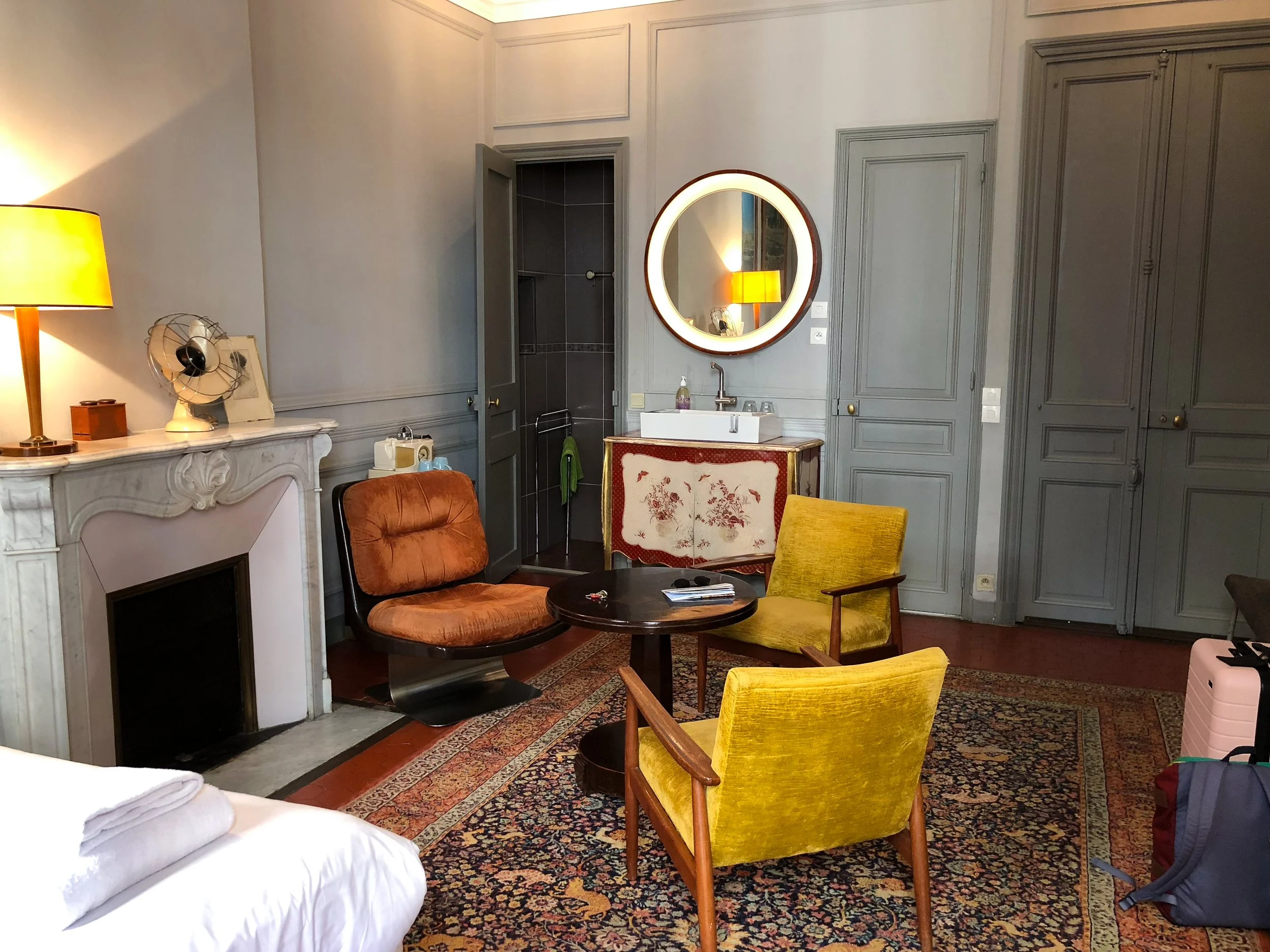
Where to Stay
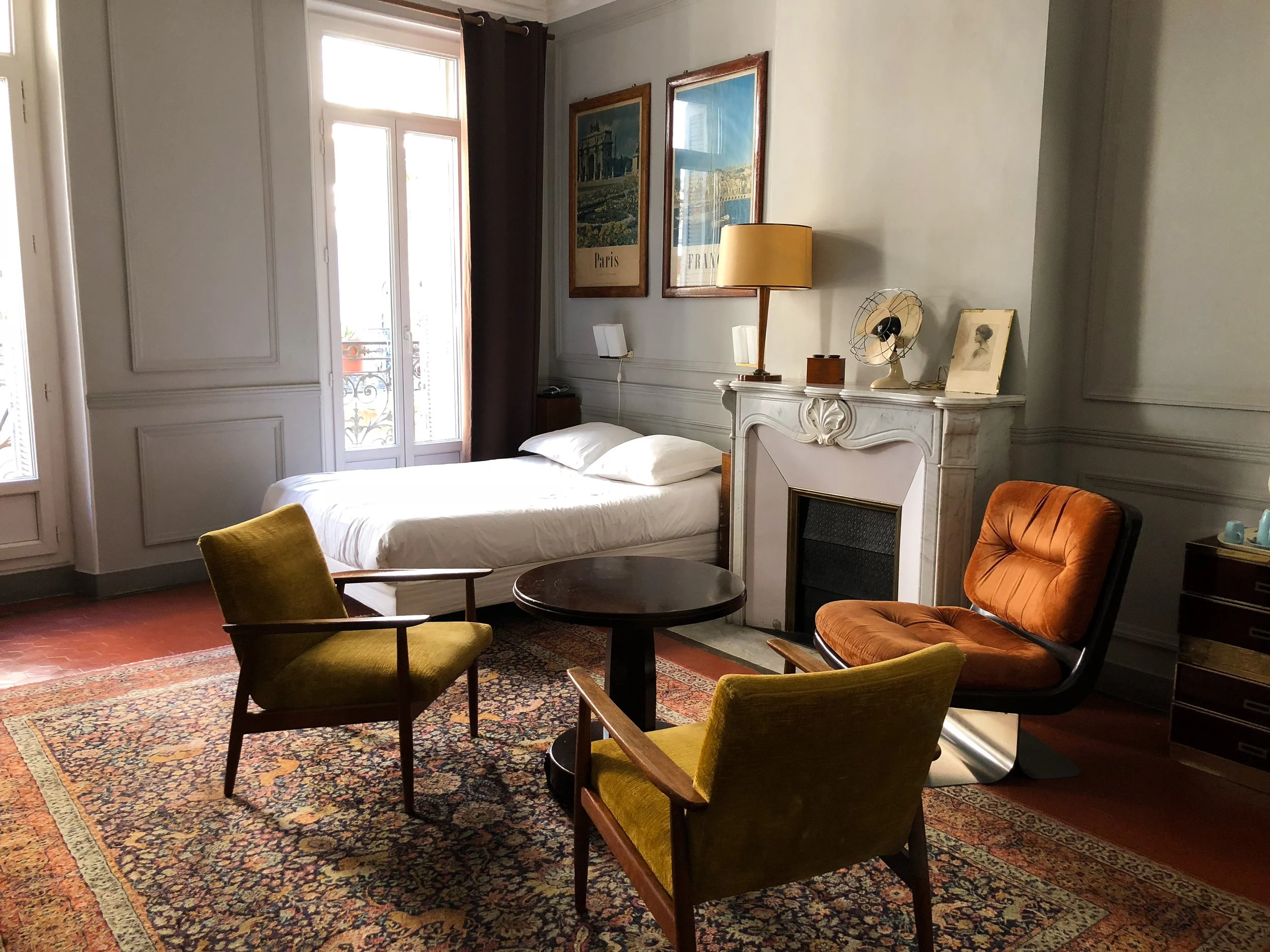
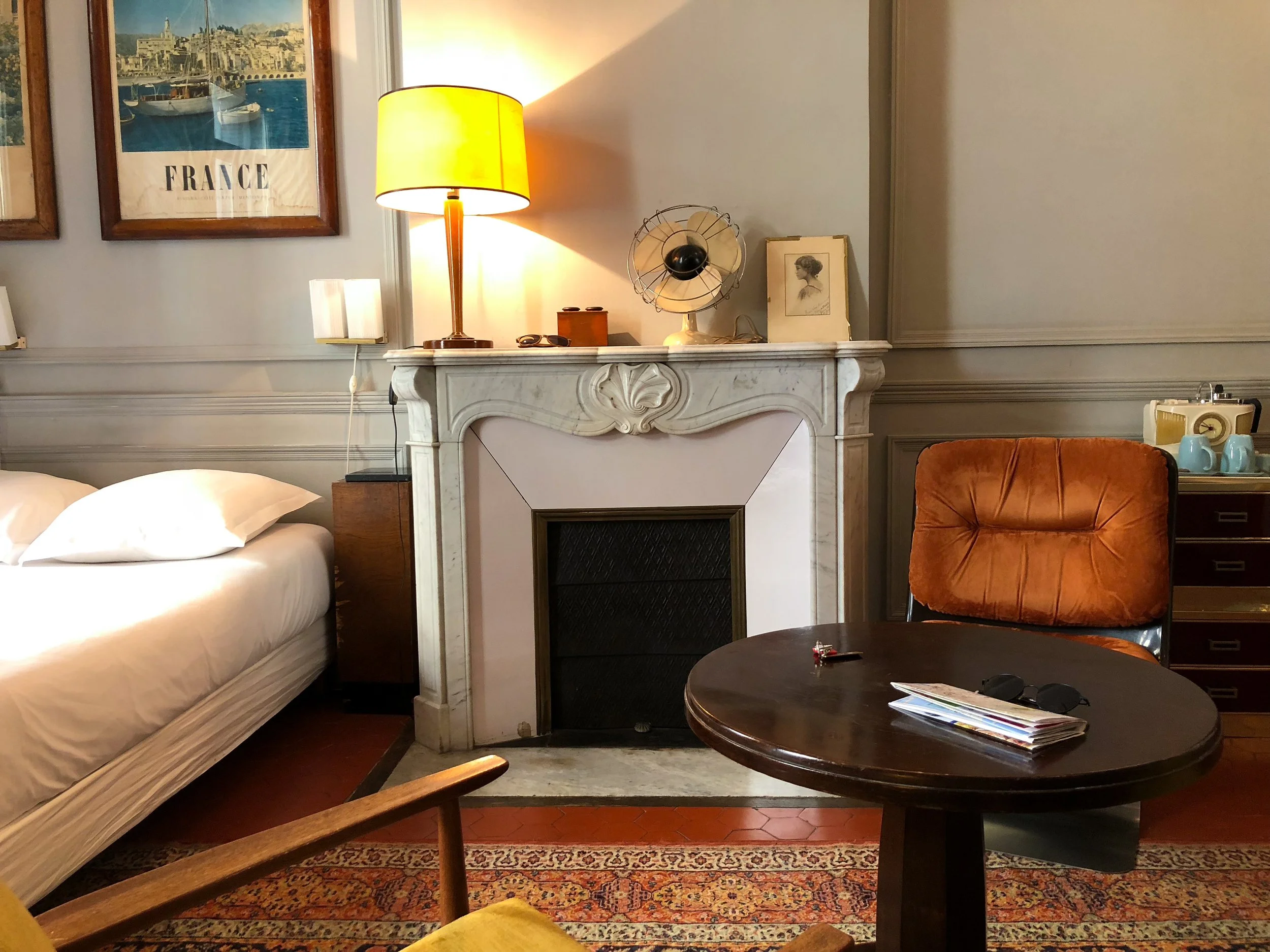
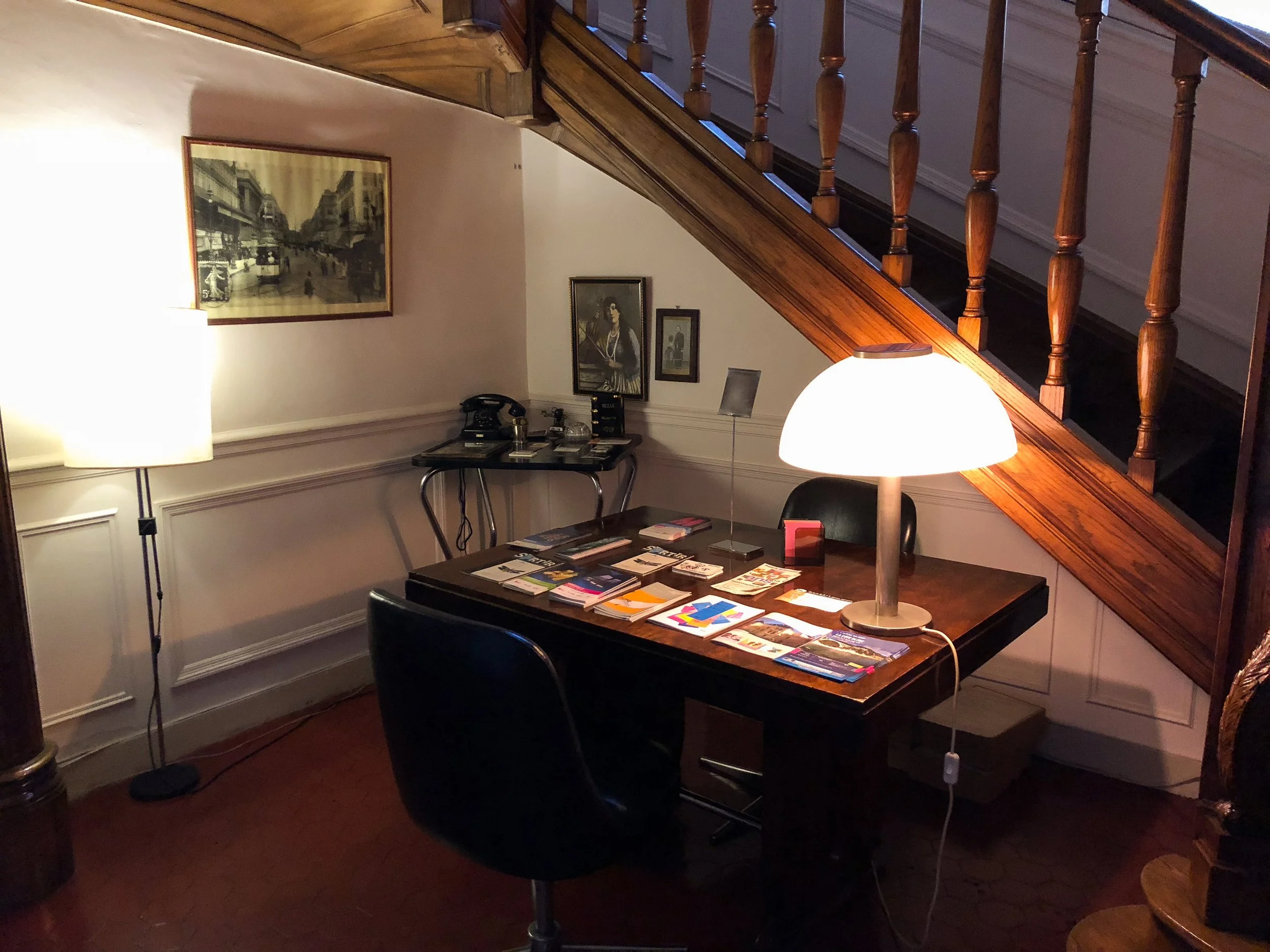
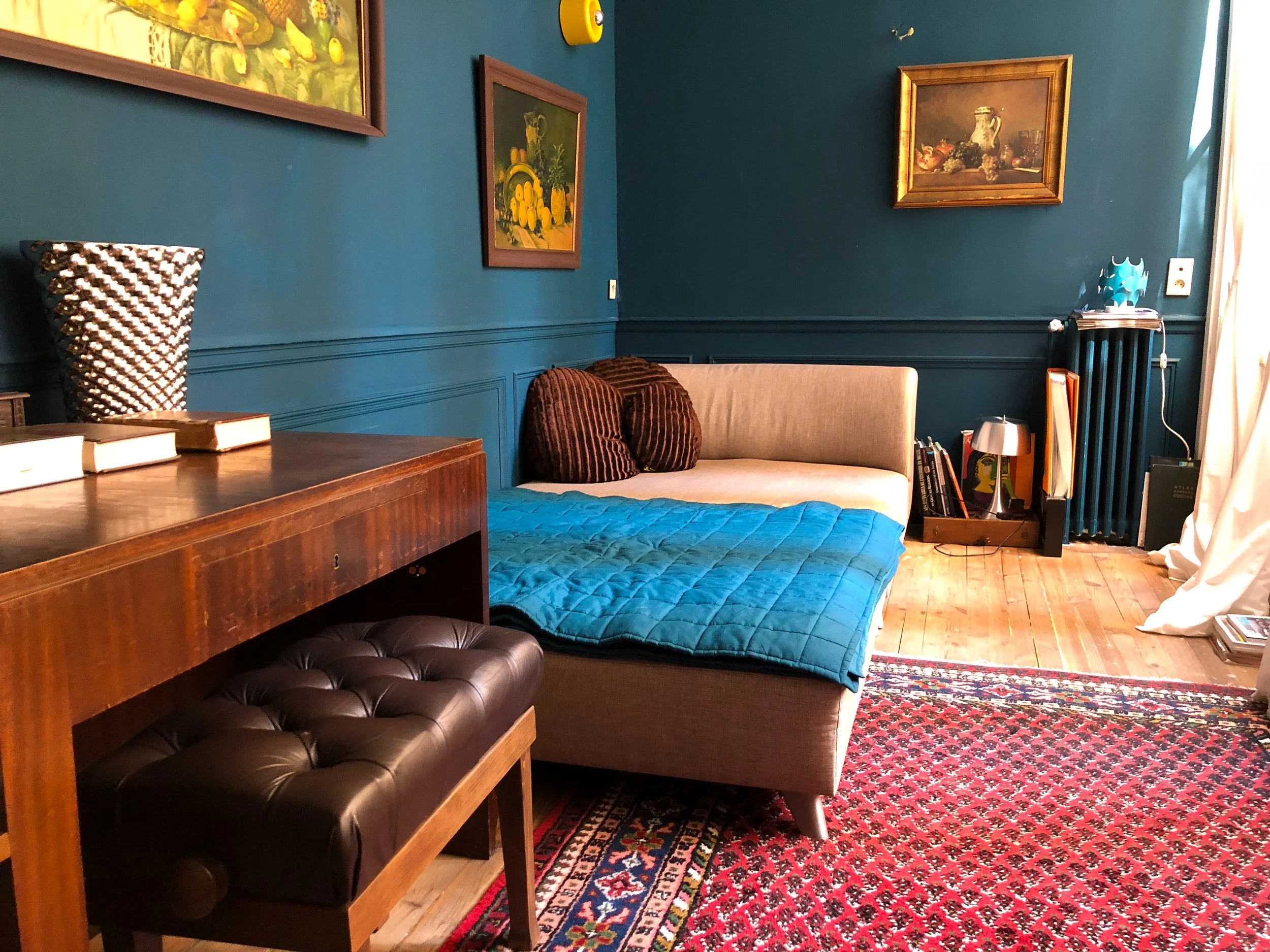
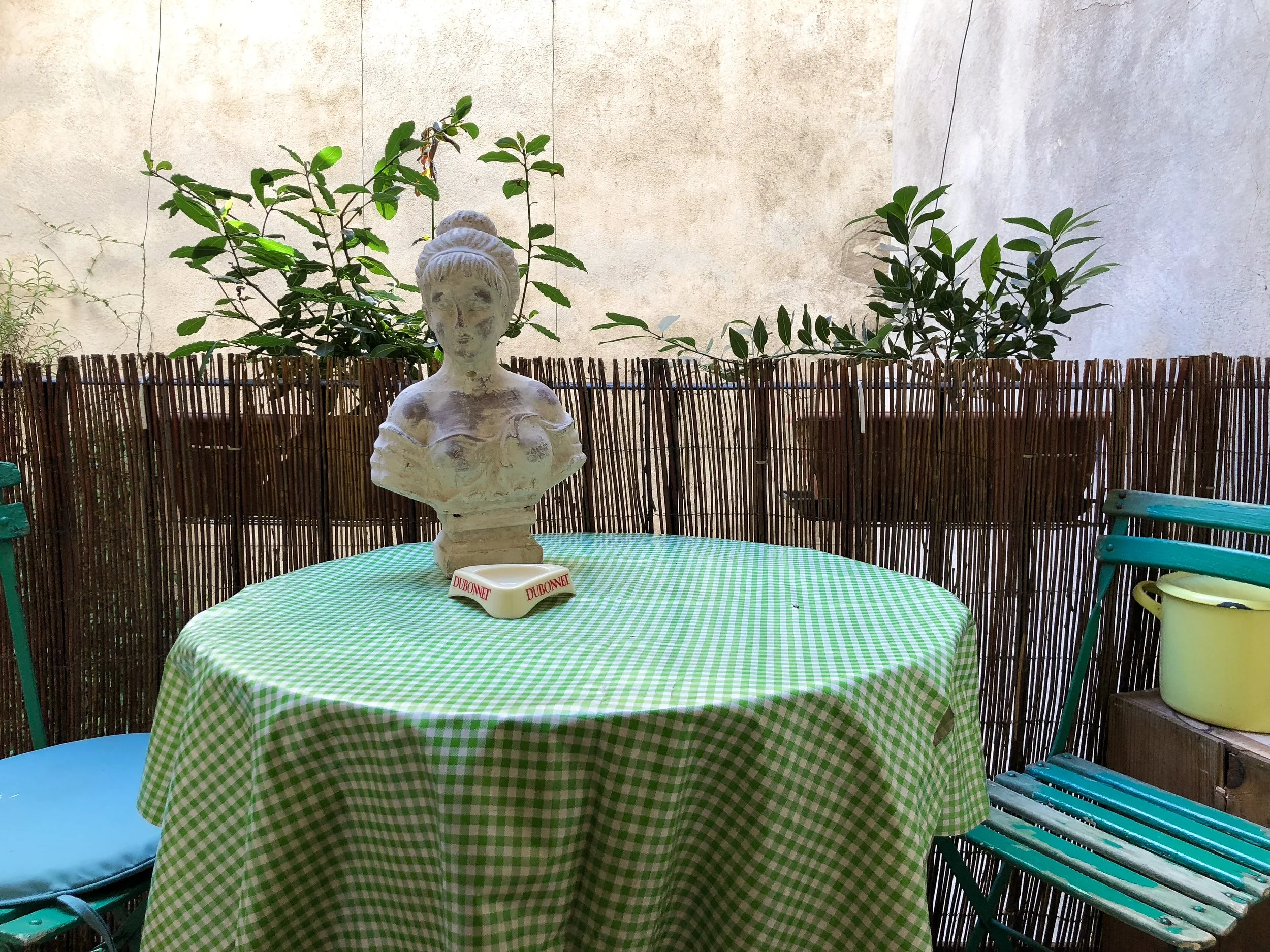
La Pension Edelweiss. A bed and breakfast near the city center. From the outside, it looks like any other stone building with slim balconies and iron railings adorned with tiny planters. Once within, the interior feels uniquely French with a grand wooden staircase, high ceilings and large rooms all decorated in antique objects, mid-century furnishing and artwork. Make reservations online.
Breakfast. Each morning, the hotelier covered the dining table with a delicious spread of baguettes, croissants, hard boiled eggs, meats, cheeses, preserves, butter, tapenade, fresh coffee and orange juice. It was the most pleasant way to start the day and chat with other guests.
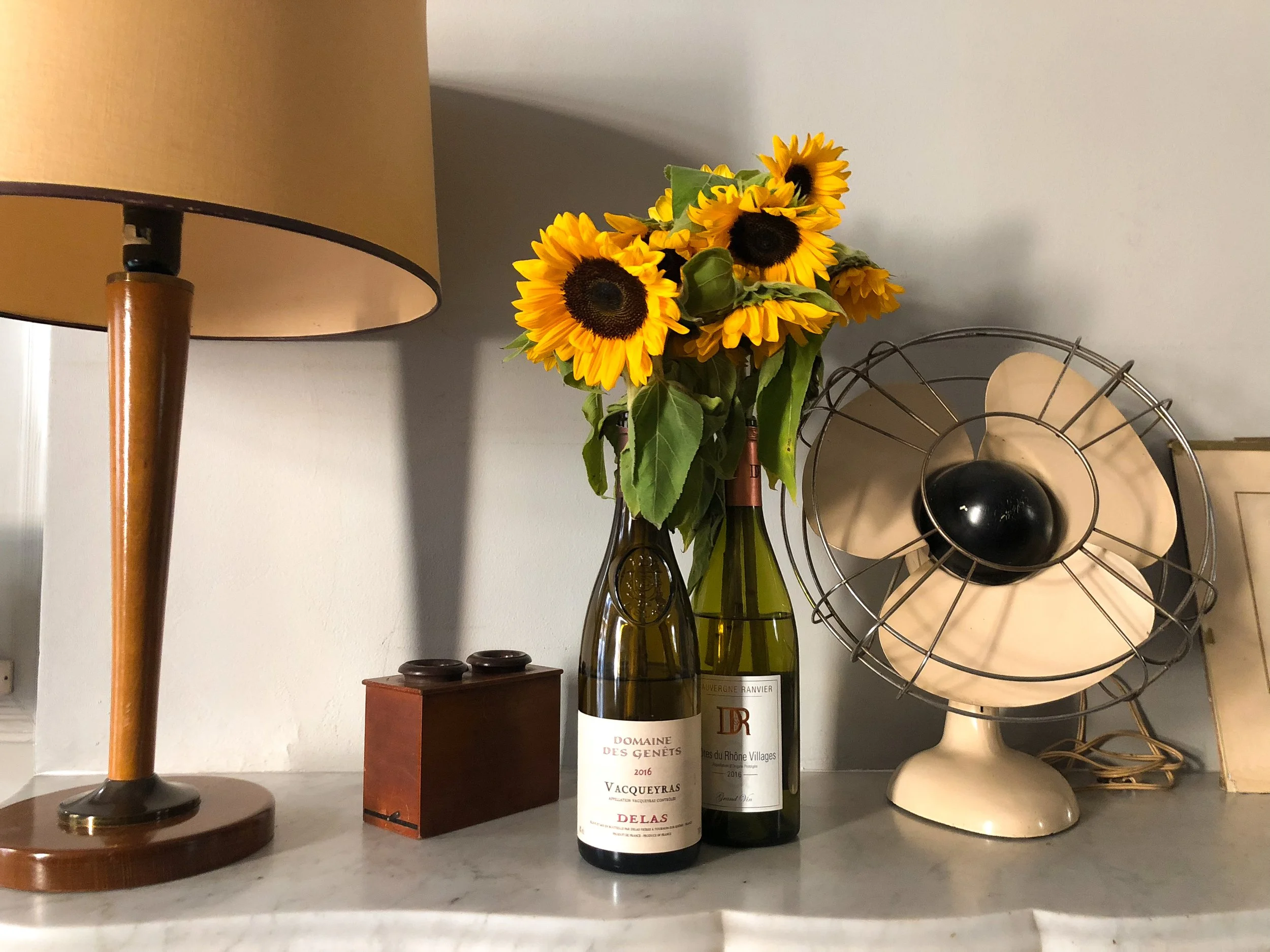
Flowers. We bought a bouquet of freshly cut sunflowers and displayed them in the empty wine bottles on the fireplace mantle in our hotel room.
Location Specifics
Safety. Marseille can be a little dodgy at times due to drug trafficking. The city center and Vieux Port are generally safe. Be mindful of your surroundings, especially later in the evenings.
Airport Shuttle. There is a regularly scheduled shuttle between the airport and St Charles Station central in Marseille. Tickets can be purchased from the office at both locations.
Getting Around. While Marseille is a large city, the city center and surrounding neighborhoods are easily walkable.
Cash vs. Credit. Credit cards are widely accepted across Marseille though carrying a small amount of cash is important for small transactions.
Language. French is the primary language in Marseille. Few people speak English or any other languages. Download Google Translate to help with conversations and interactions.
French Wine. It’s no surprise that you’ll find good wine just about anywhere in France. Most grocery stores have a sommelier on staff that will recommend a bottle based on how you plan to drink it. Even better, a nice bottle typically costs just a few Euros.
Provençal Soaps. Marseille is famous for its Provençal soaps scented with local flowers, the most popular being lavender. They’re sold by the bottle in liquid form and in bars.
Elsewhere in France
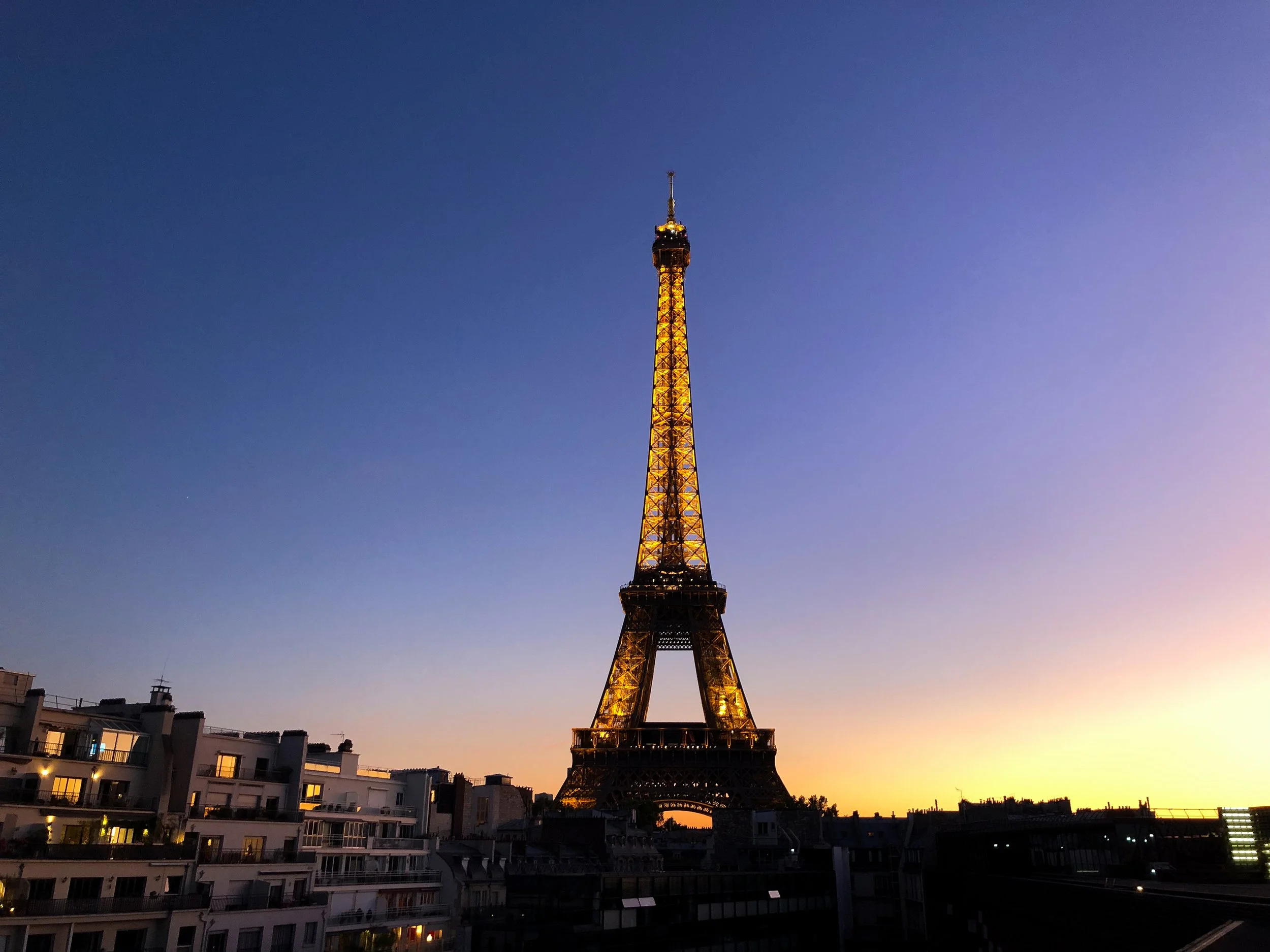
From Marseille’s coastal cliffs and historic port to Paris’s museums, neighborhoods and romantic cityscapes, discover more of France beyond the Mediterranean.
Paris Travel Guide: Eiffel Tower, Montmartre & Romantic Experiences. Get lost wandering the historic streets of Paris, where charming cafés, timeless architecture and French culture turn every corner into a romantic discovery.
For Next Time…
We fell in love with this French city, even after only spending a few days here. When we return, we want to continue exploring Marseille and venture out into the region including the countryside of Provence to see the lavender fields of La Ferme aux Lavandes and the cities of Aix-en-Provence and Montpellier.