Paris Travel Guide: Eiffel Tower, Montmartre & Romantic Experiences
Paris, The City of Love
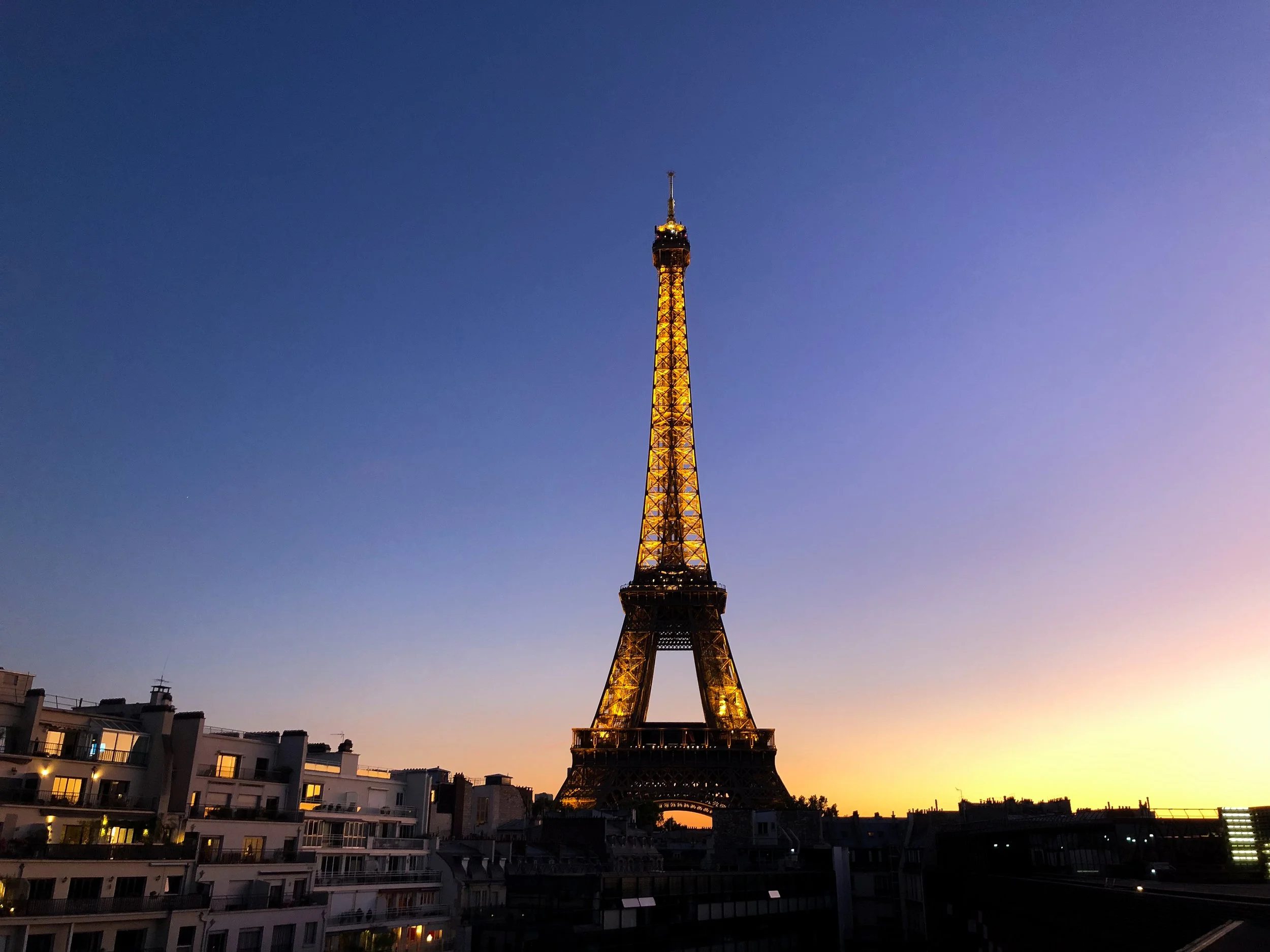
Paris, the City of Love, is an enchanting place! Cafes and bistros spill onto the sidewalks of cobblestone streets and grand avenues. The scent of fresh bread wafts from boulangeries as colorful patisseries fill shop windows. Lively markets are brimming with everything from local produce to antiques and books. Historic monuments and world renowned museums celebrate French culture, arts and history. The River Seine gracefully meanders between Arrondissements while the Eiffel Tower stands prominently above it all. Paris holds a special place in our hearts as the city where we got engaged on our first visit. One phrase we can’t say enough is "Je t'aime Paris.”
Our Engagement
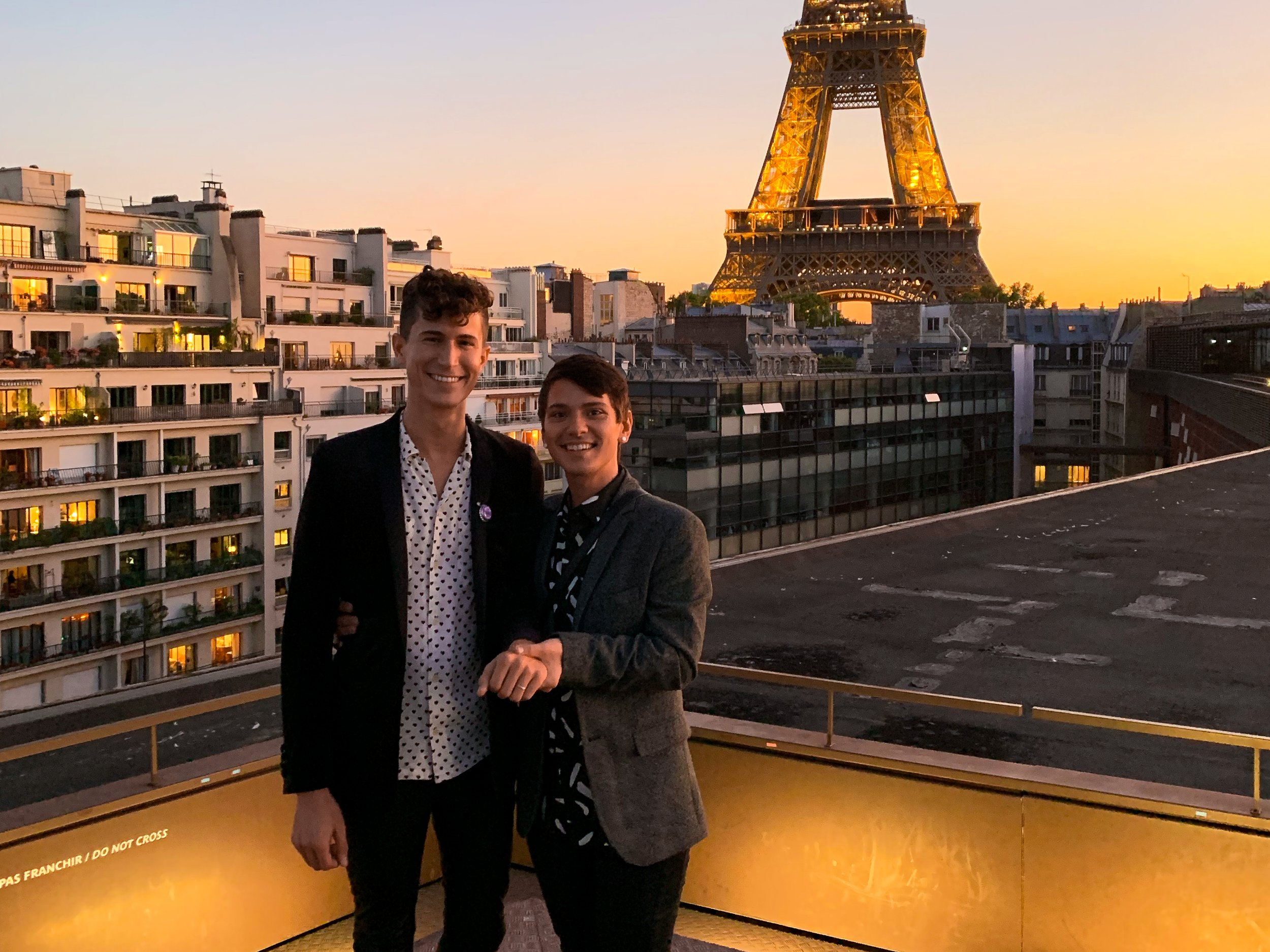
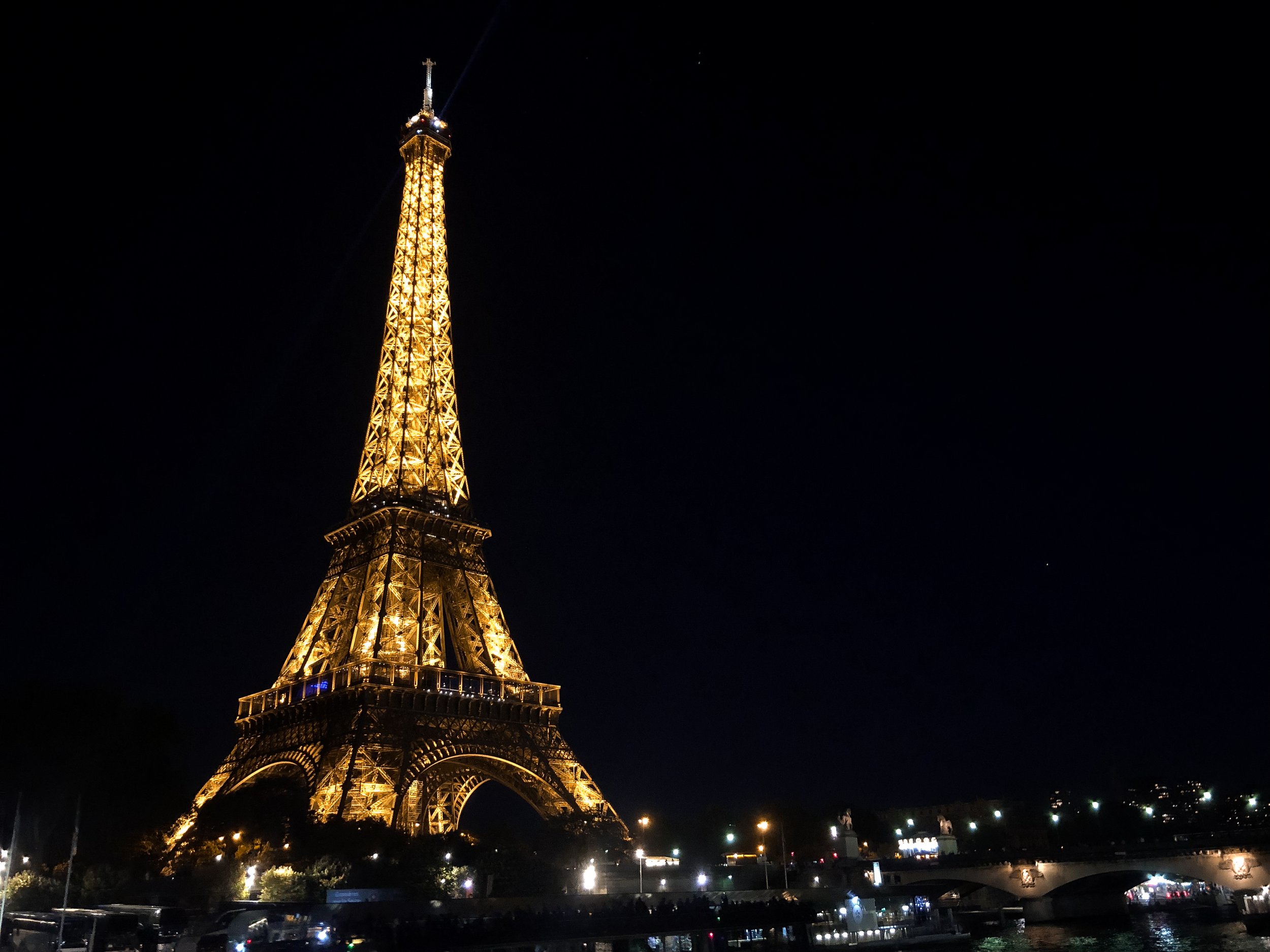
On our first night in Paris, we dined at Les Ombres, overlooking the Eiffel Tower, beginning with wine on the terrace. As the sun set and a full moon rose, the tower suddenly began to sparkle, drawing us back outside where we stood alone, taking in the view. In that quiet, magical moment, Devin reflected on our life together before pulling out a small box containing a grape soda pin from Pixar’s Up and a delicate white gold ring and asked me to marry him. Through happy tears, I said yes as he slipped the ring onto my finger and pinned the badge to my lapel. We celebrated with champagne and dessert, then strolled to the Eiffel Tower, eventually ascending to the top where we admired Paris glowing around us. Toasting with sparkling rosé at the summit, newly engaged and overlooking the city, we felt like we were living a perfect and unforgettable fairy tale.
A Parisian Photoshoot
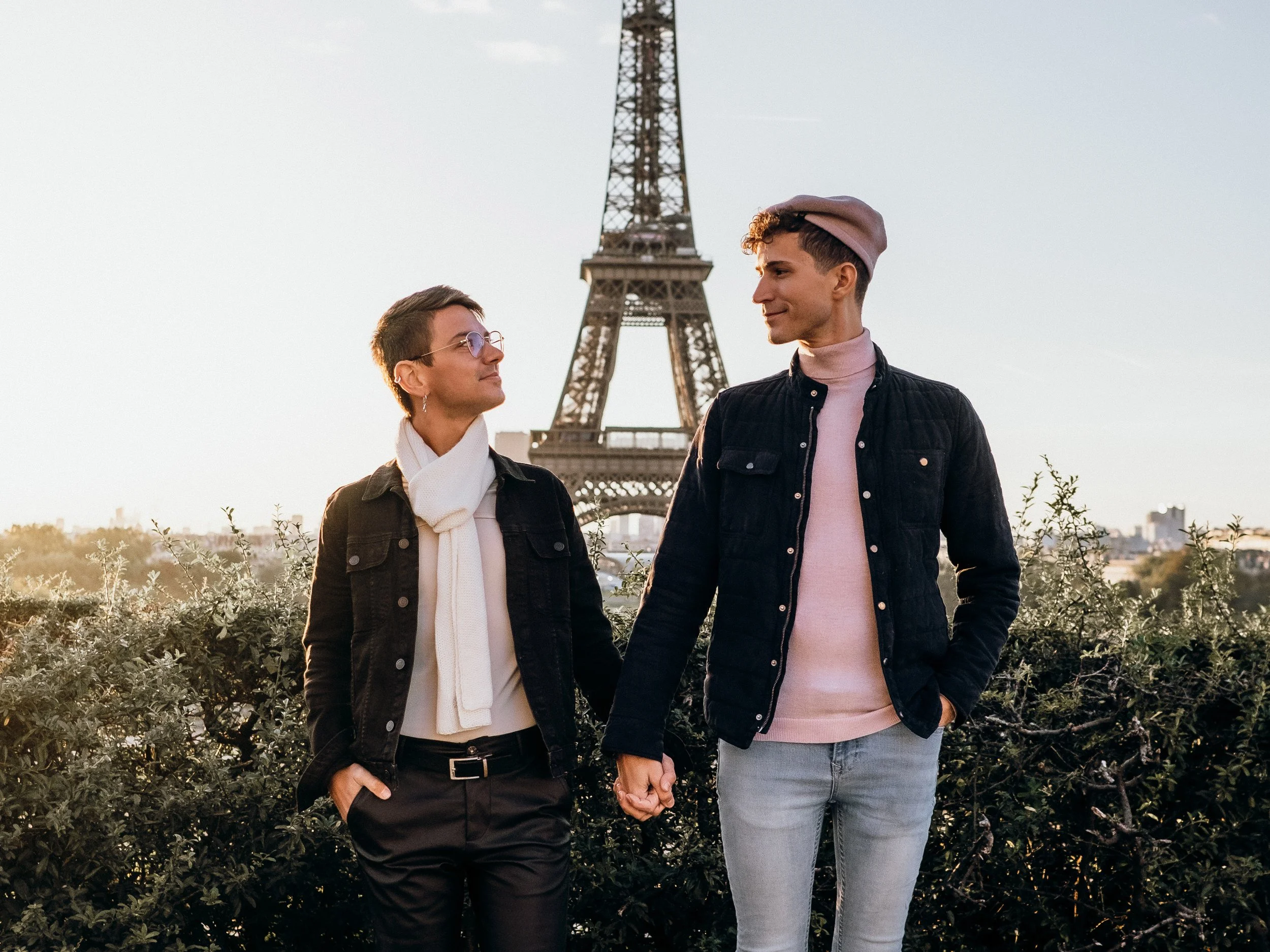
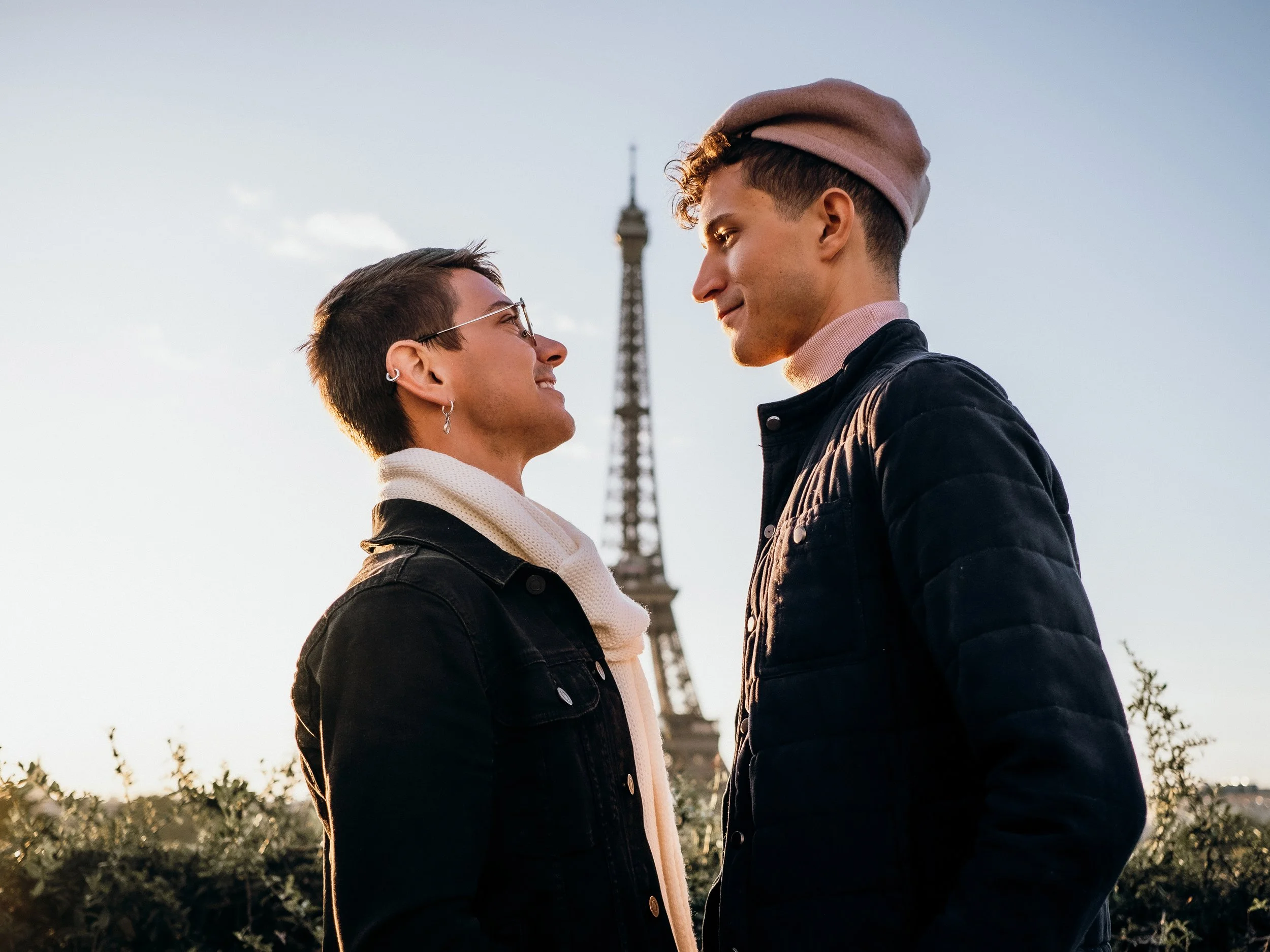
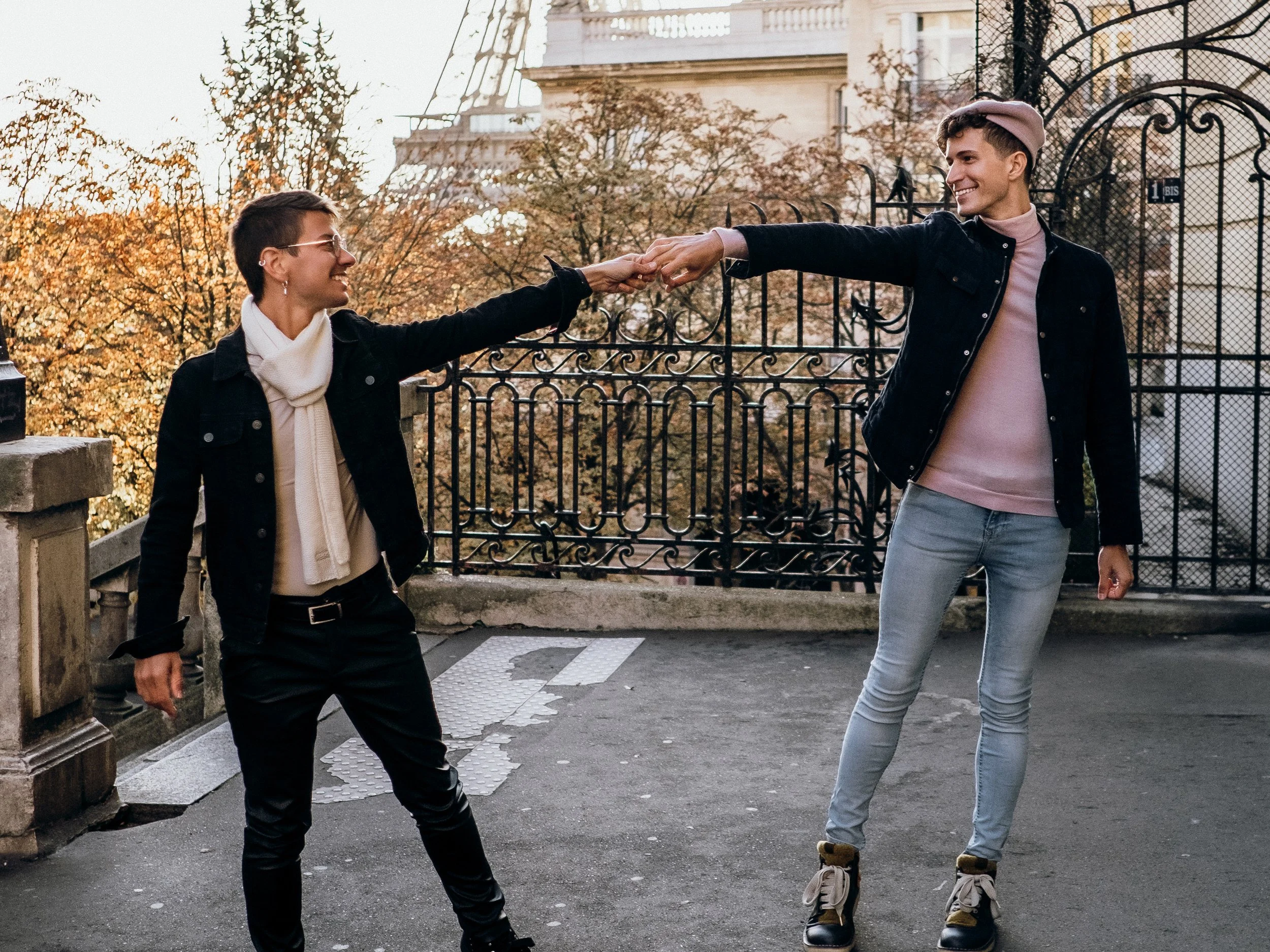
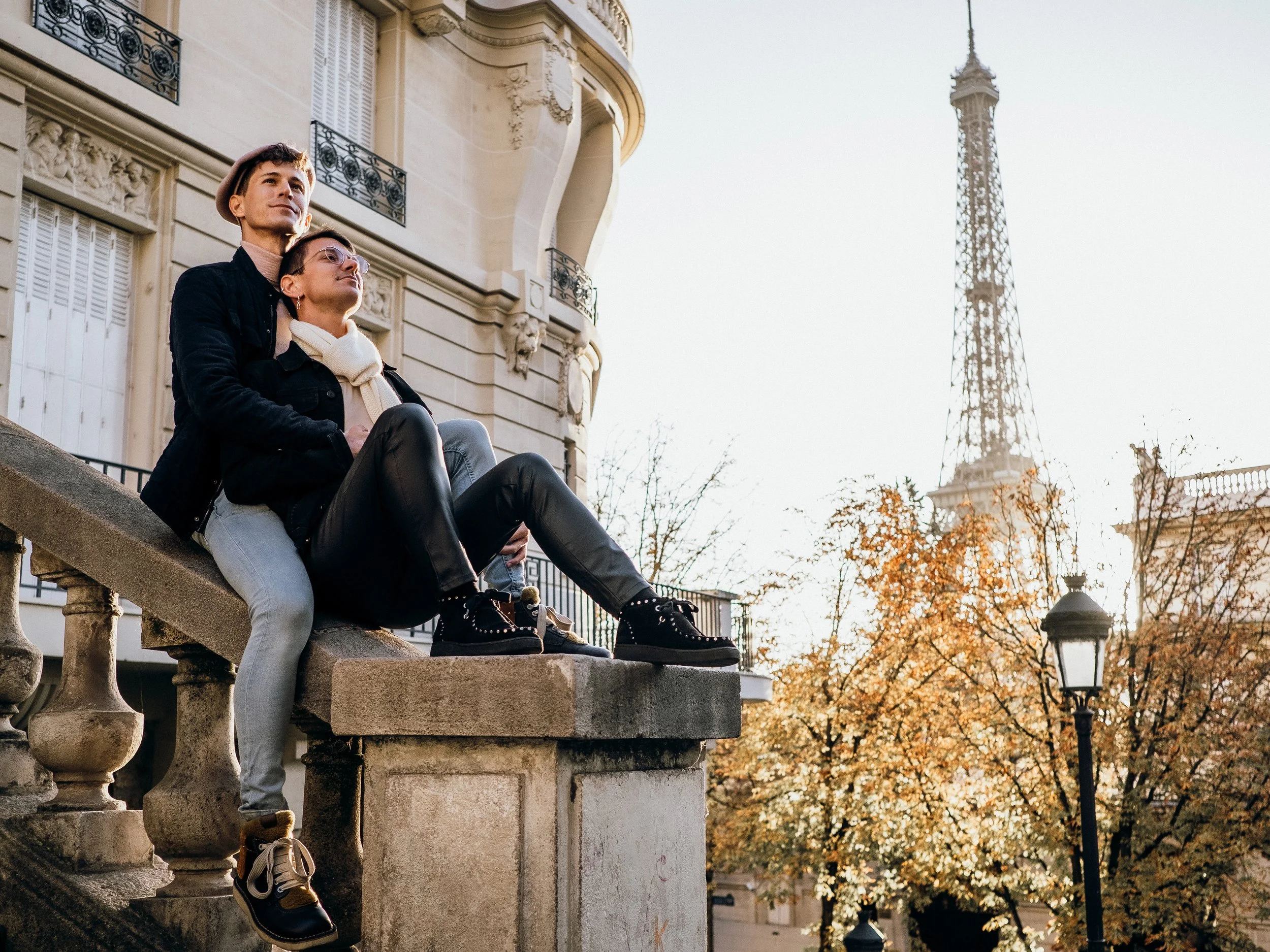
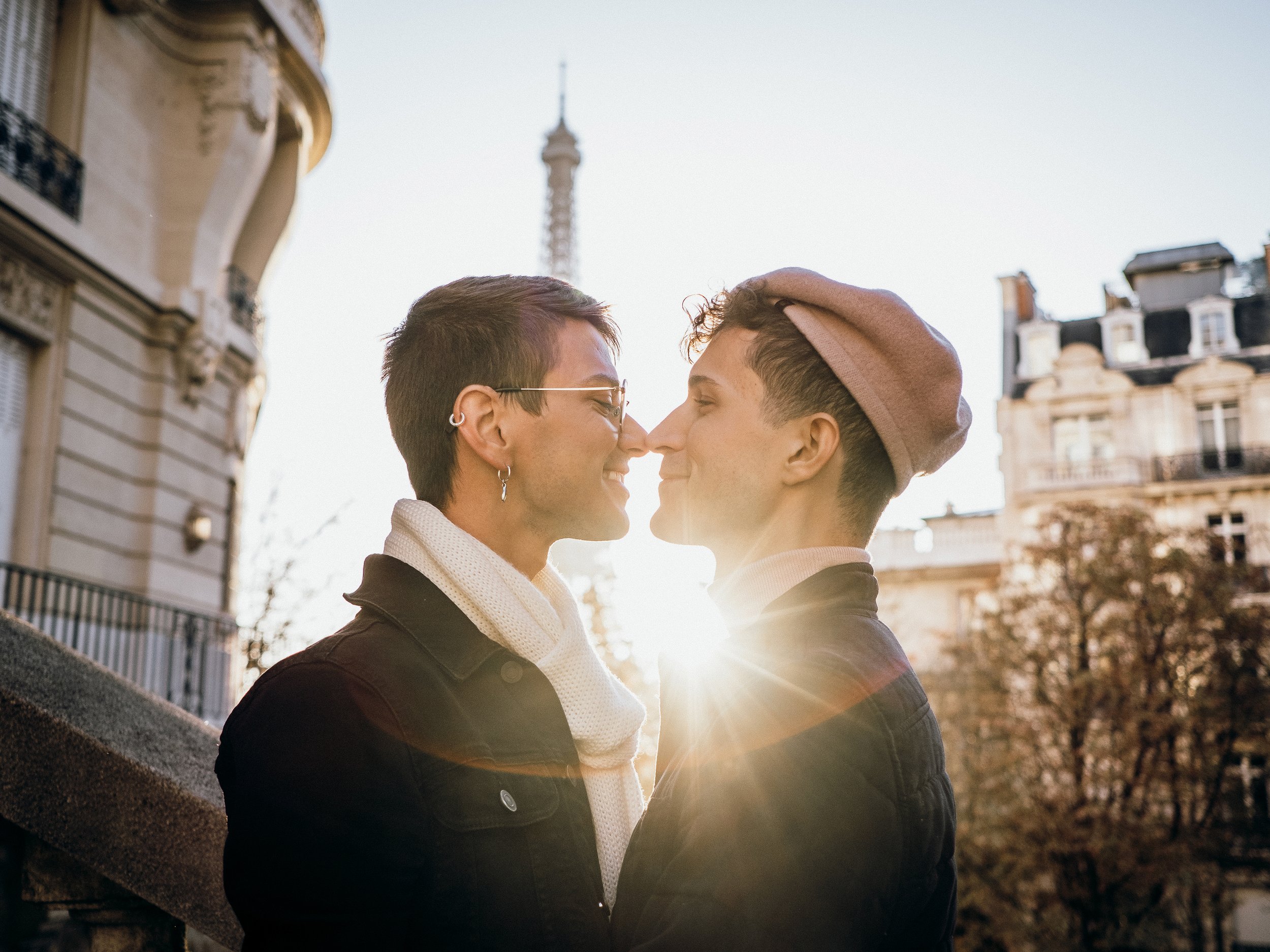
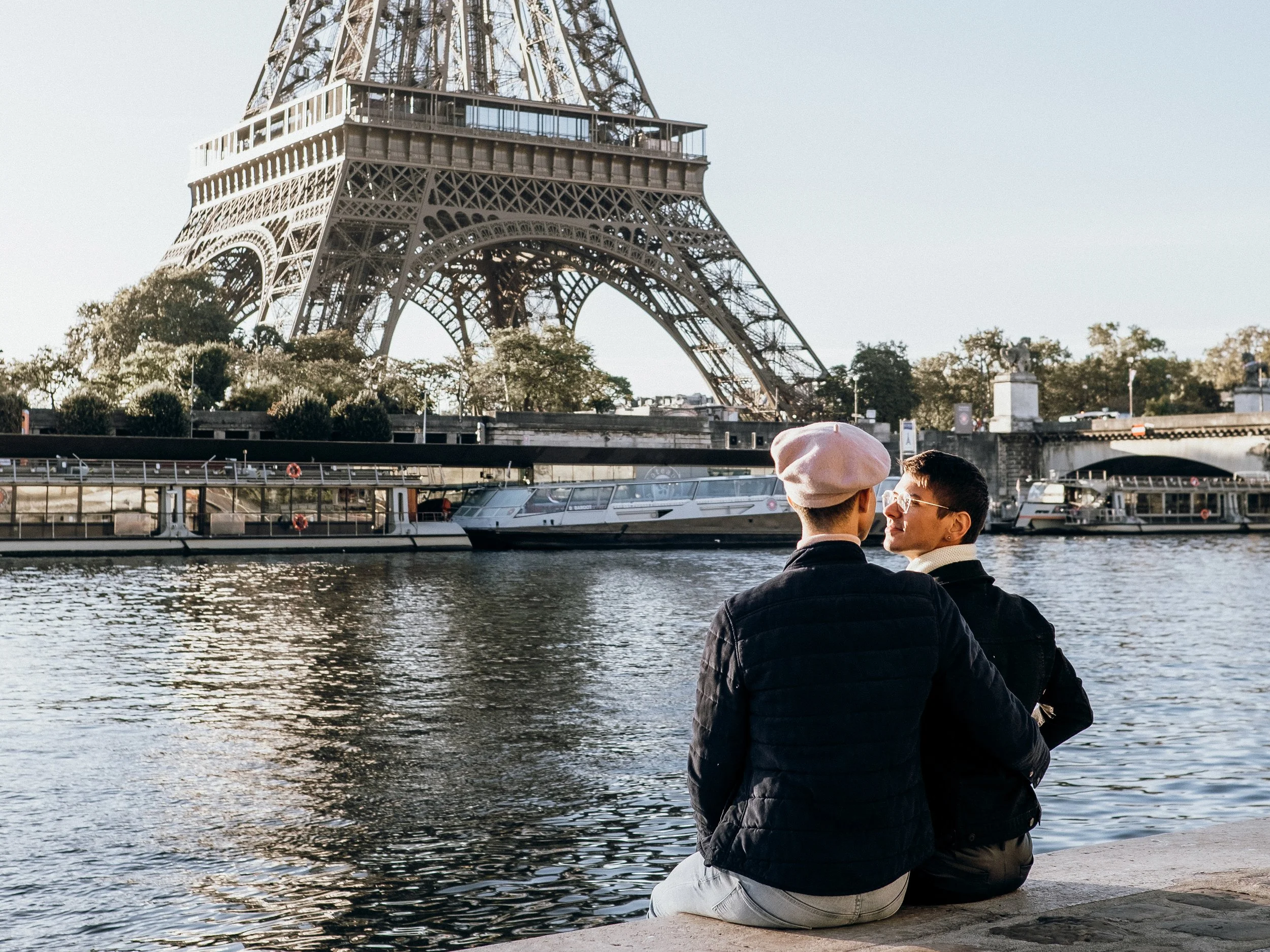
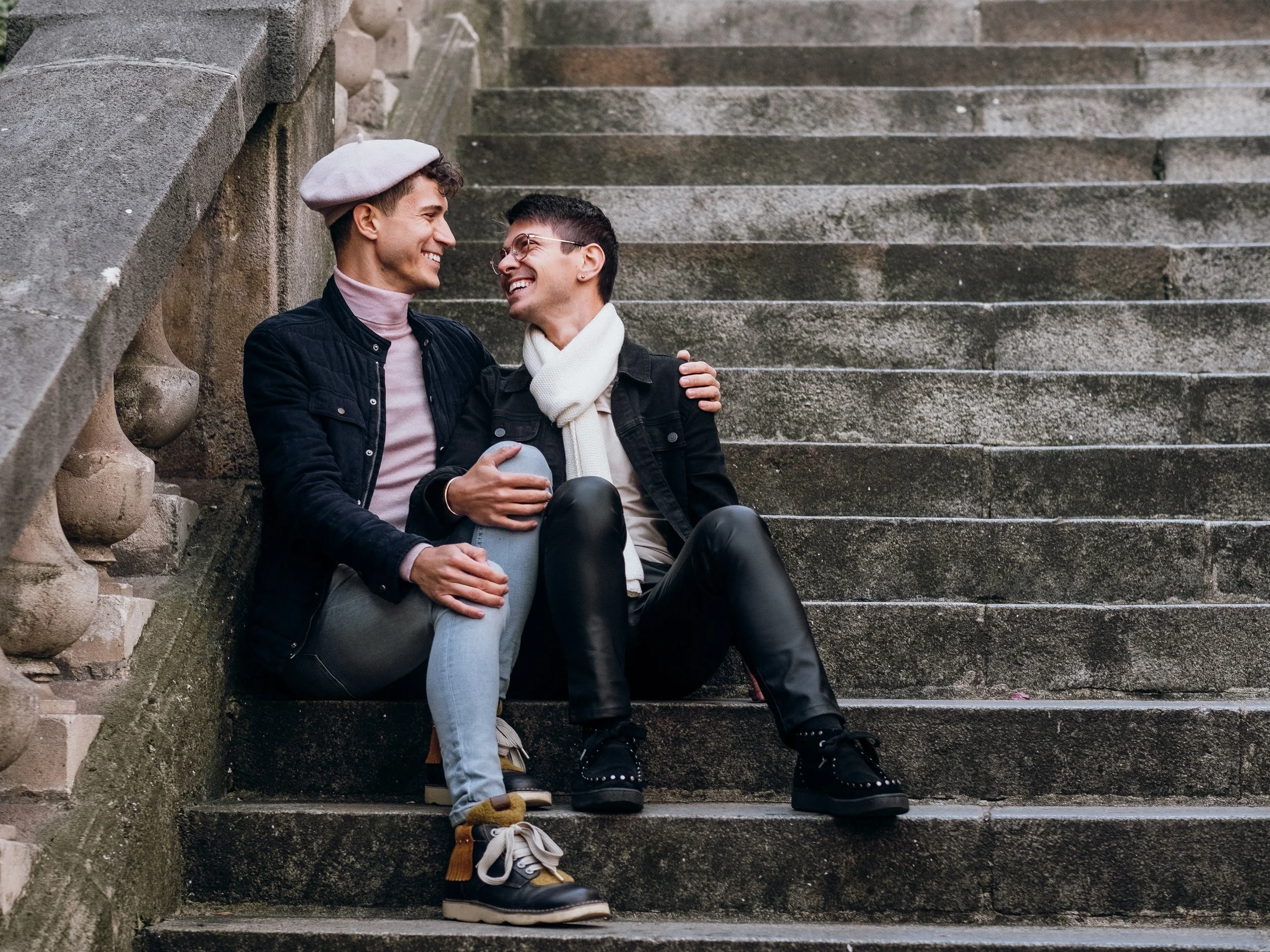
On a separate trip to Paris, we hired a photographer to capture our love for each other and the city. We met as the sun lifted above the horizon, posing for photos against the backdrop of the Eiffel Tower on cobblestone streets, the riverfront and its bridges. The golden sunrise, amber toned leaves and freshly repainted bronze structure made for a romantic autumn activity. Book a 1 Hour Couples Session with Sofiane on Airbnb.
Montmartre
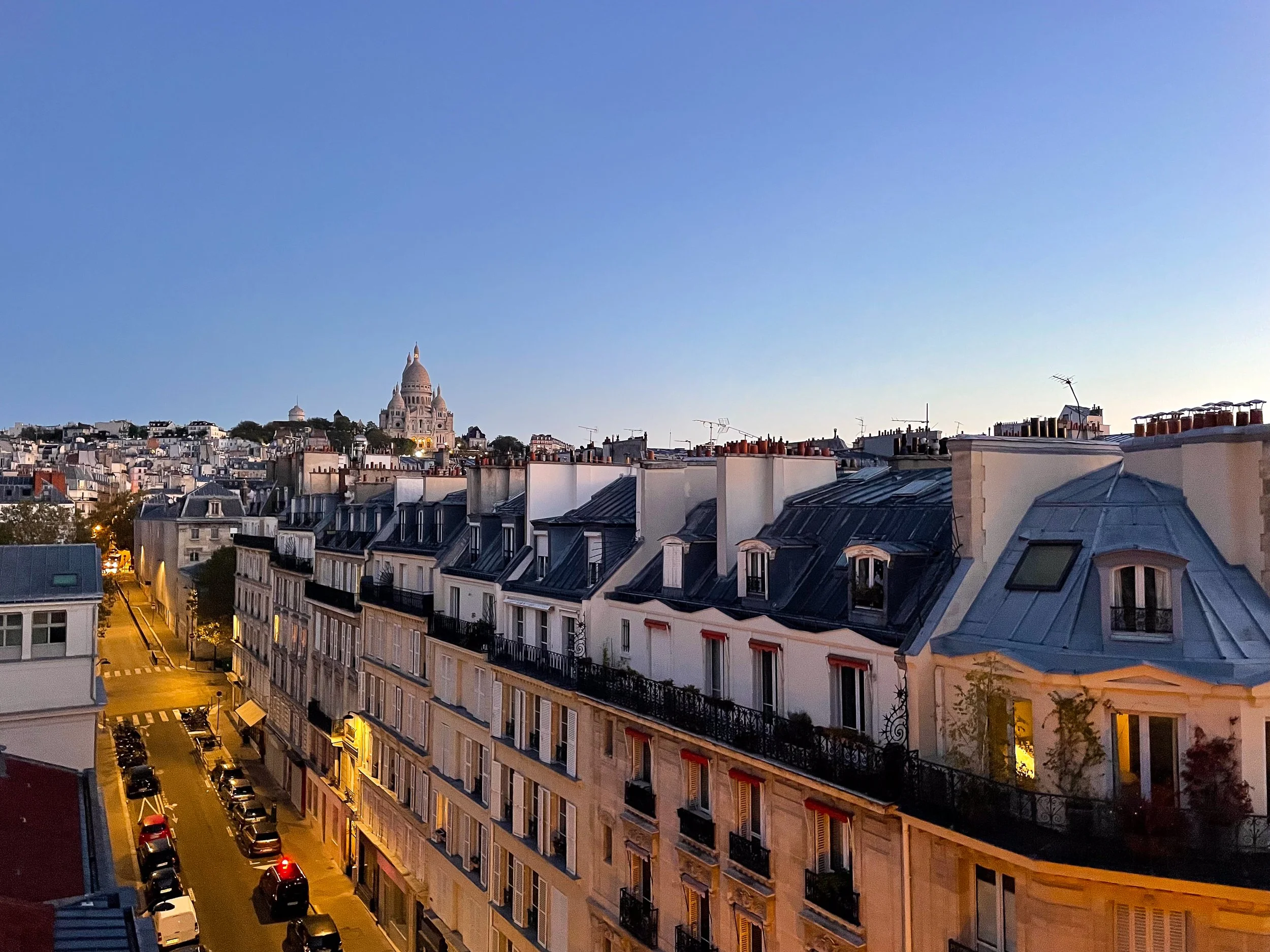
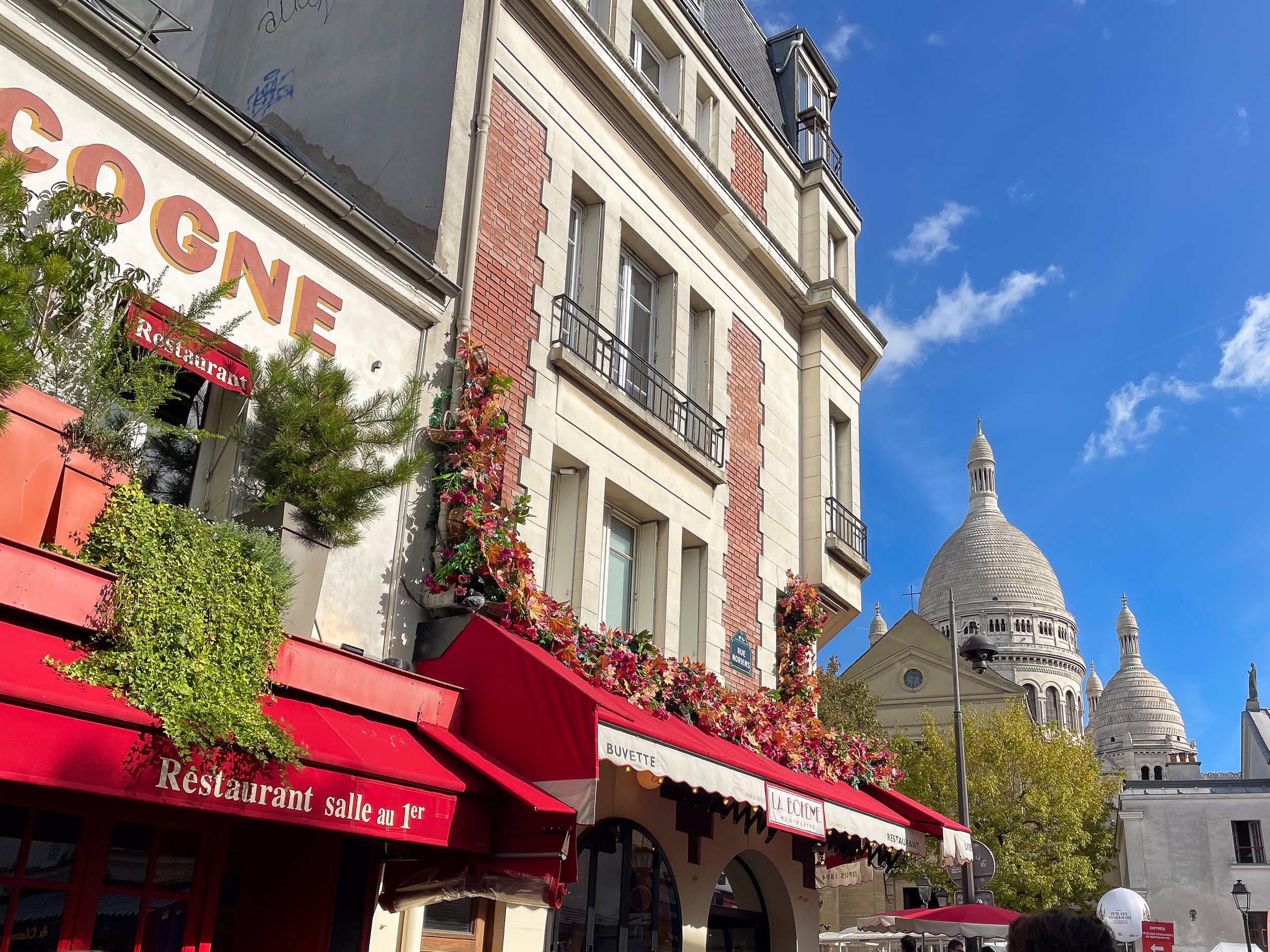
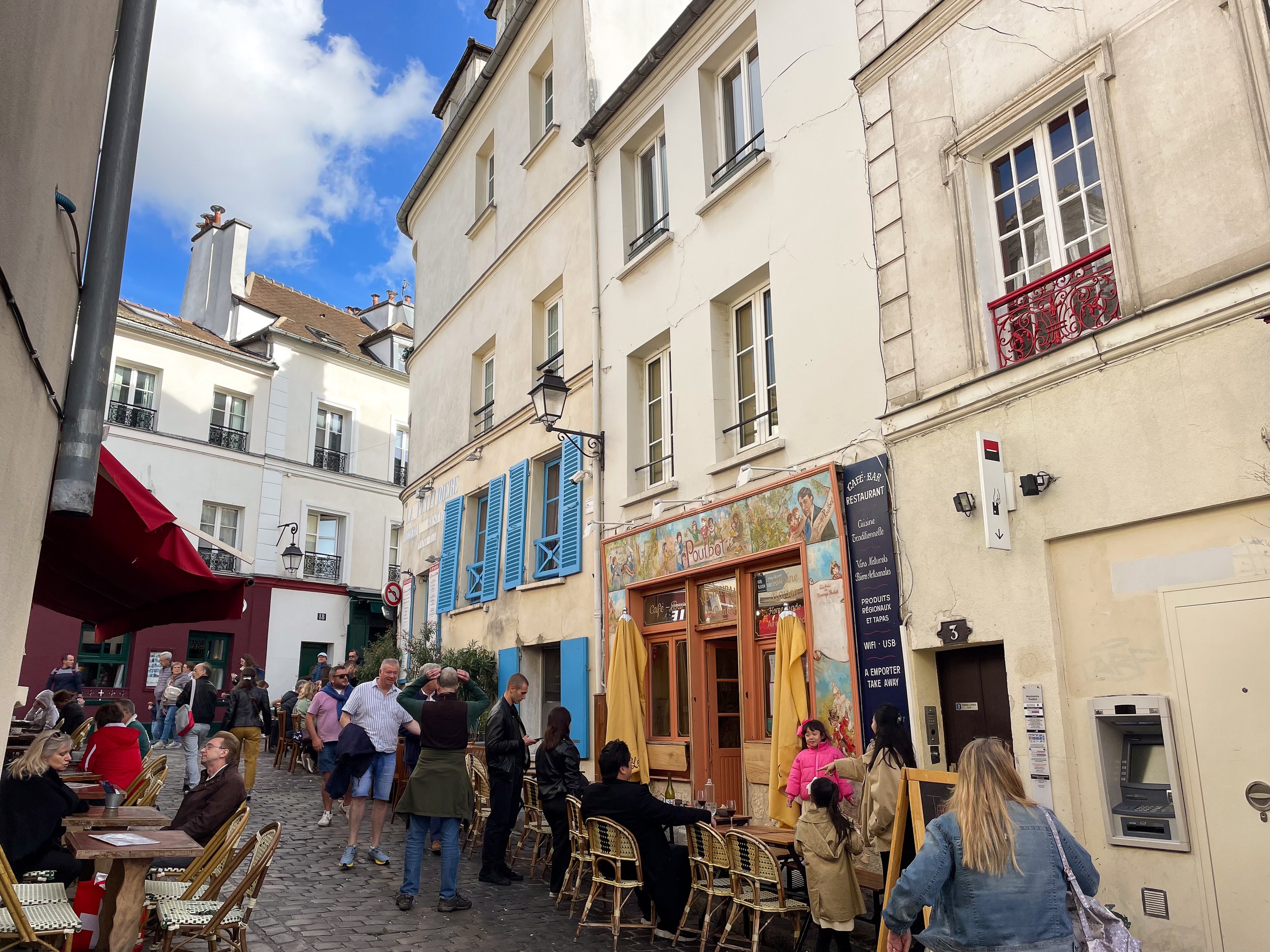
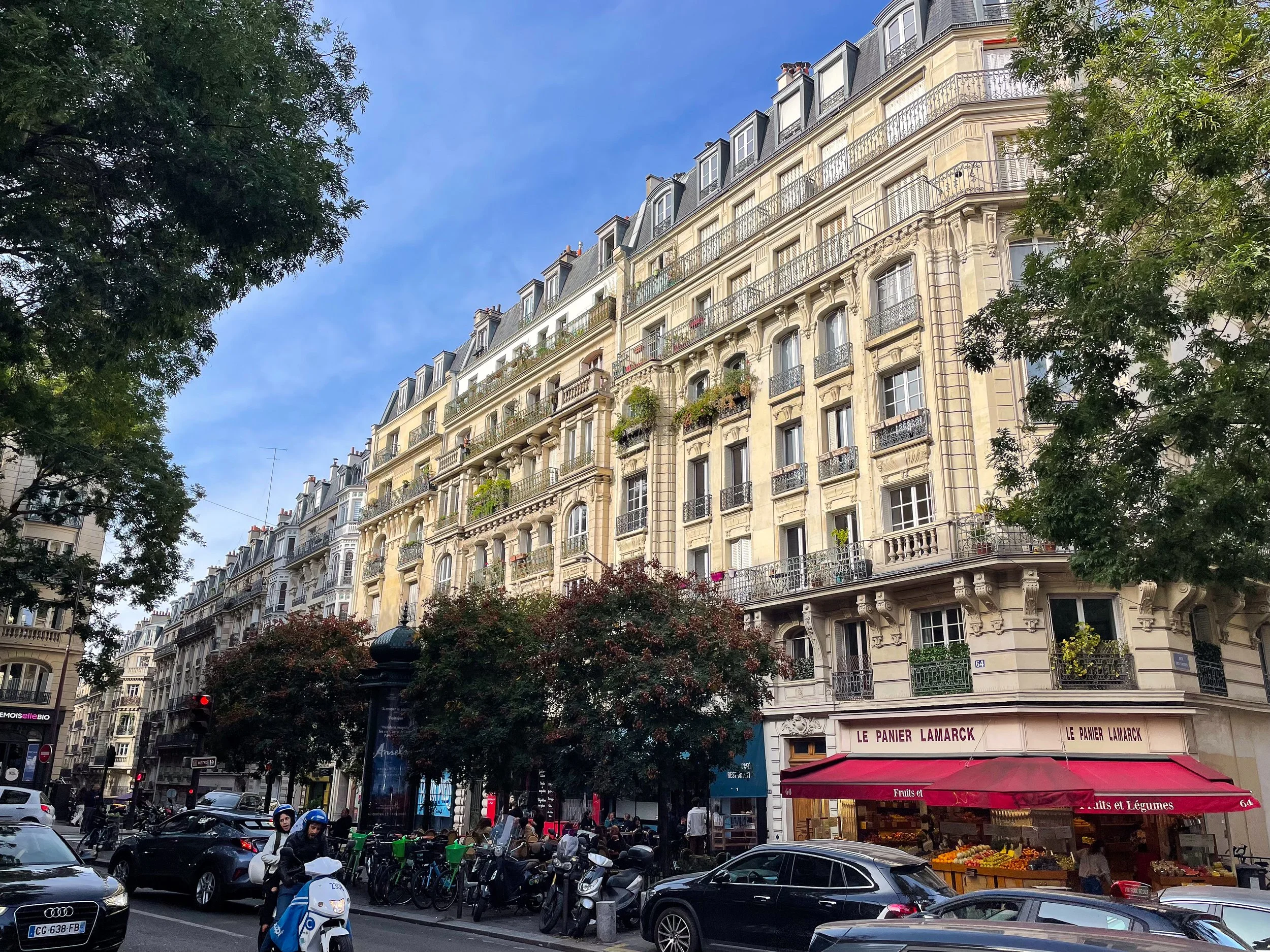
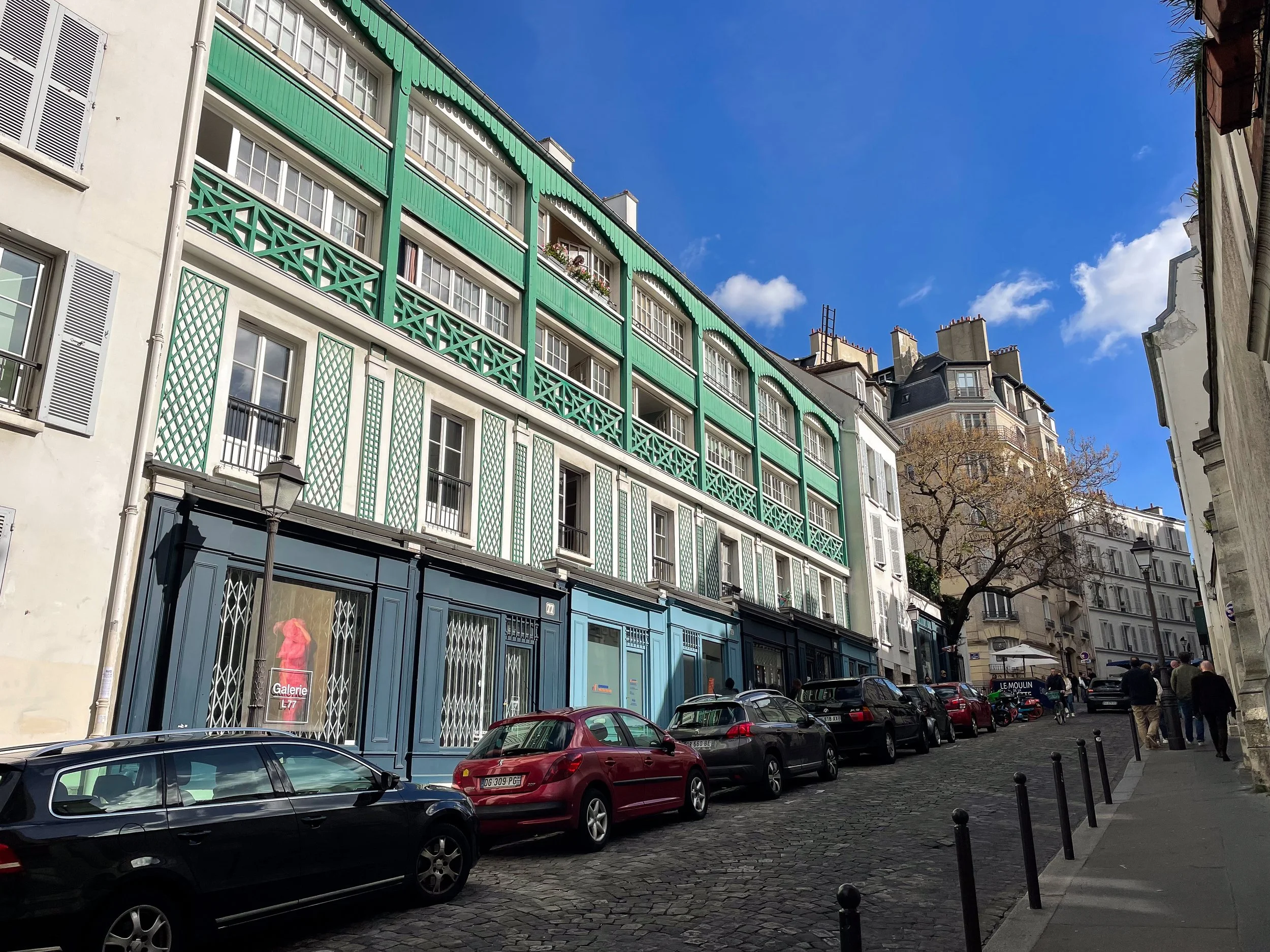
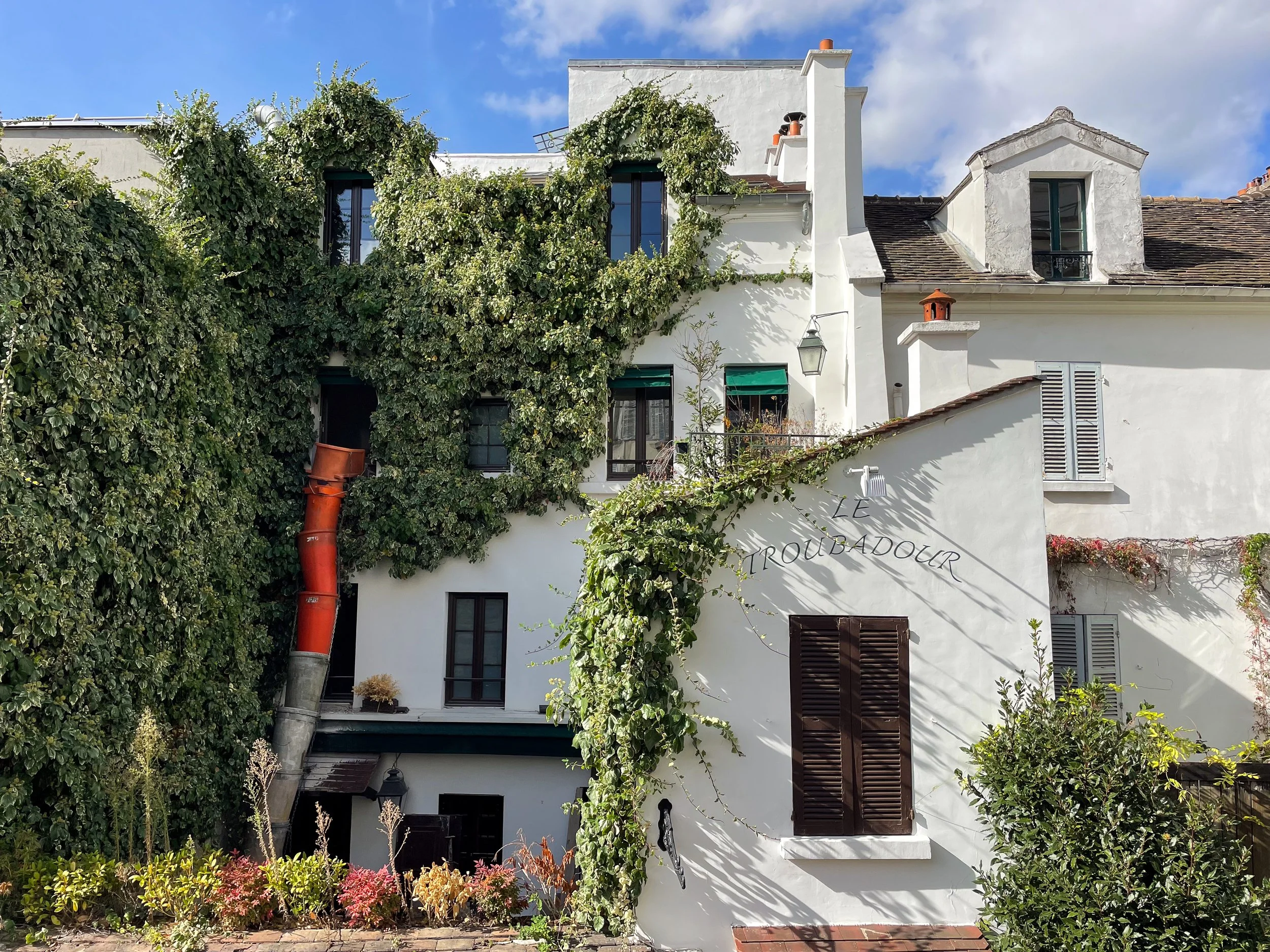
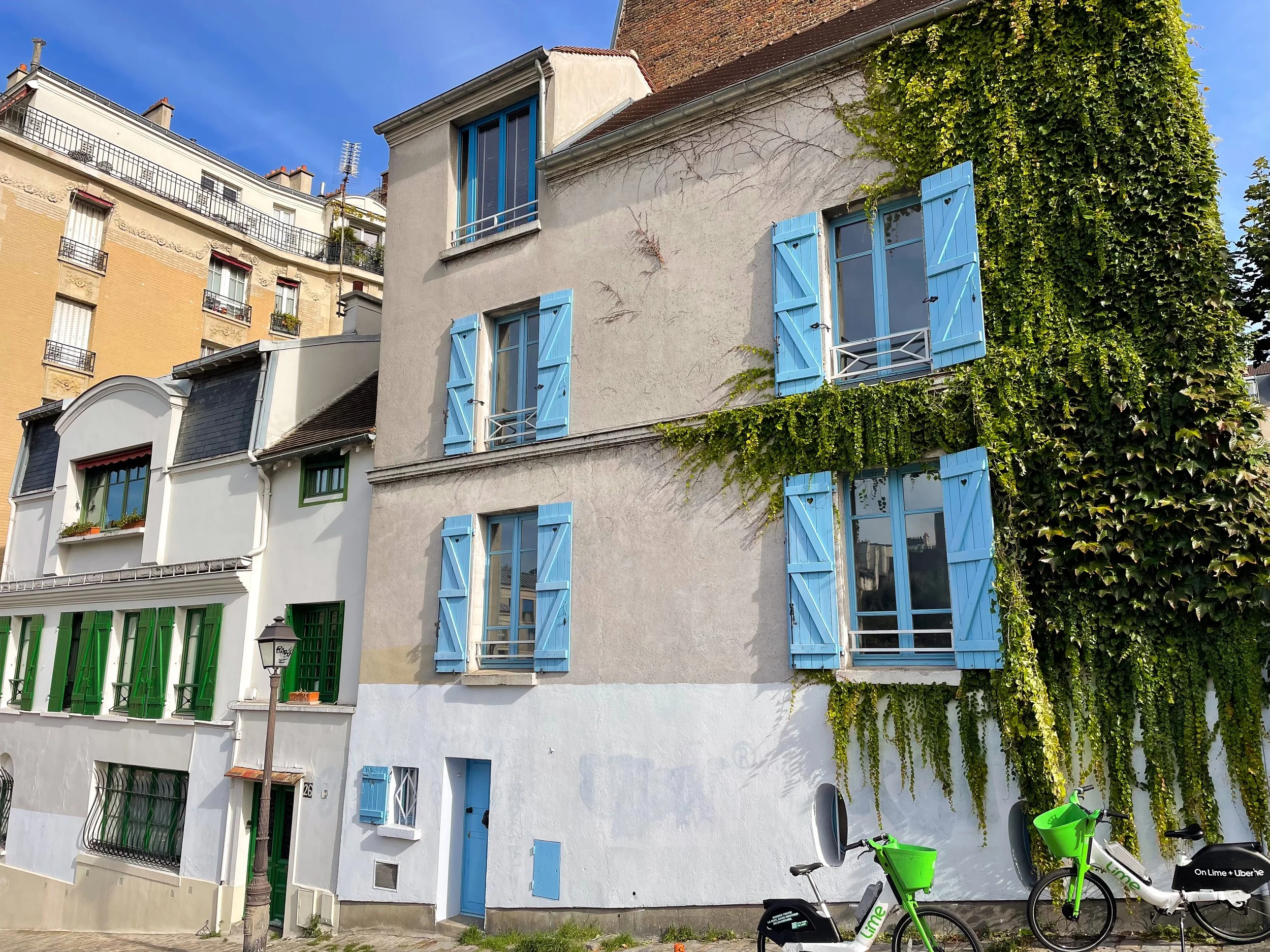
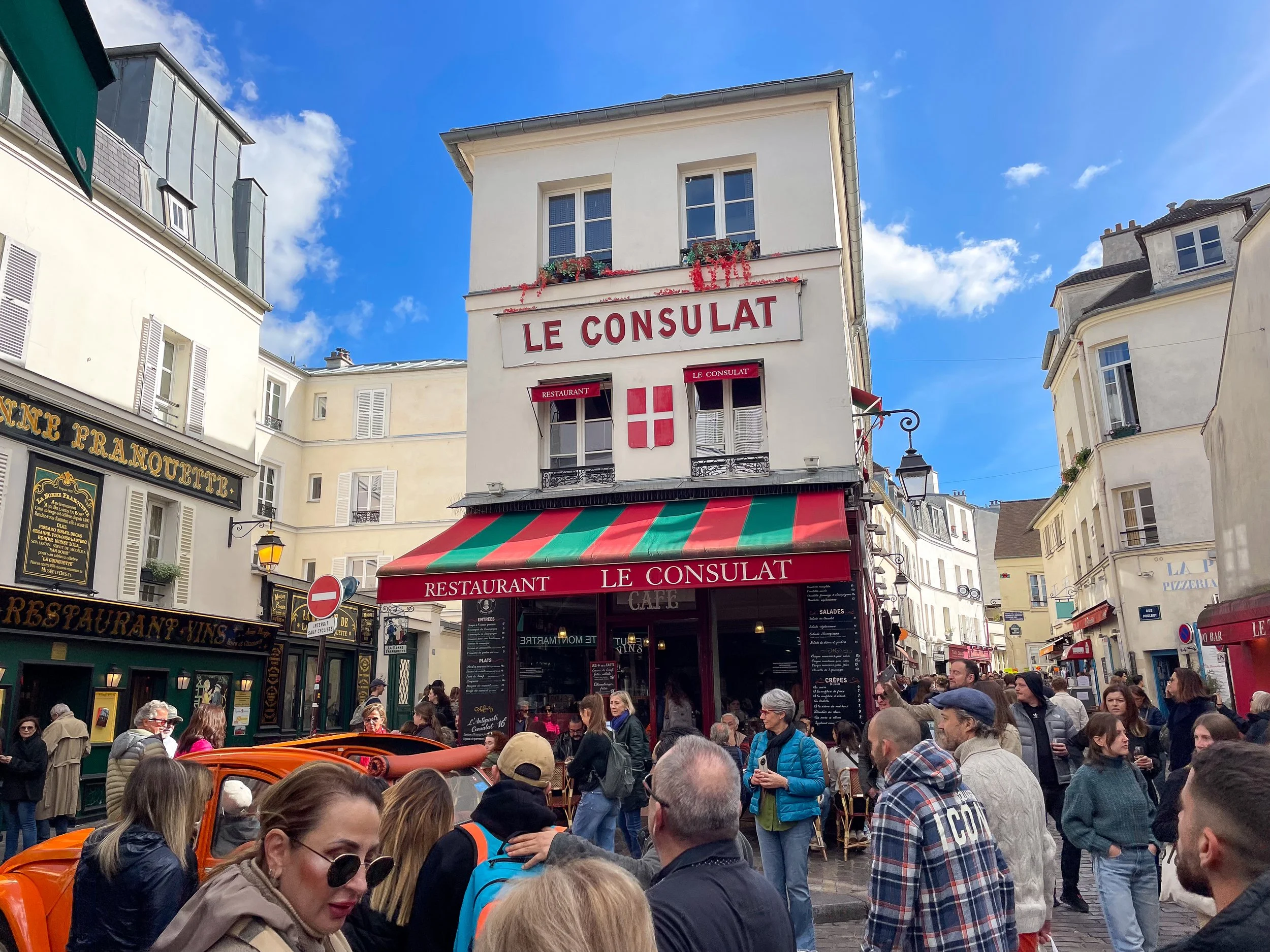
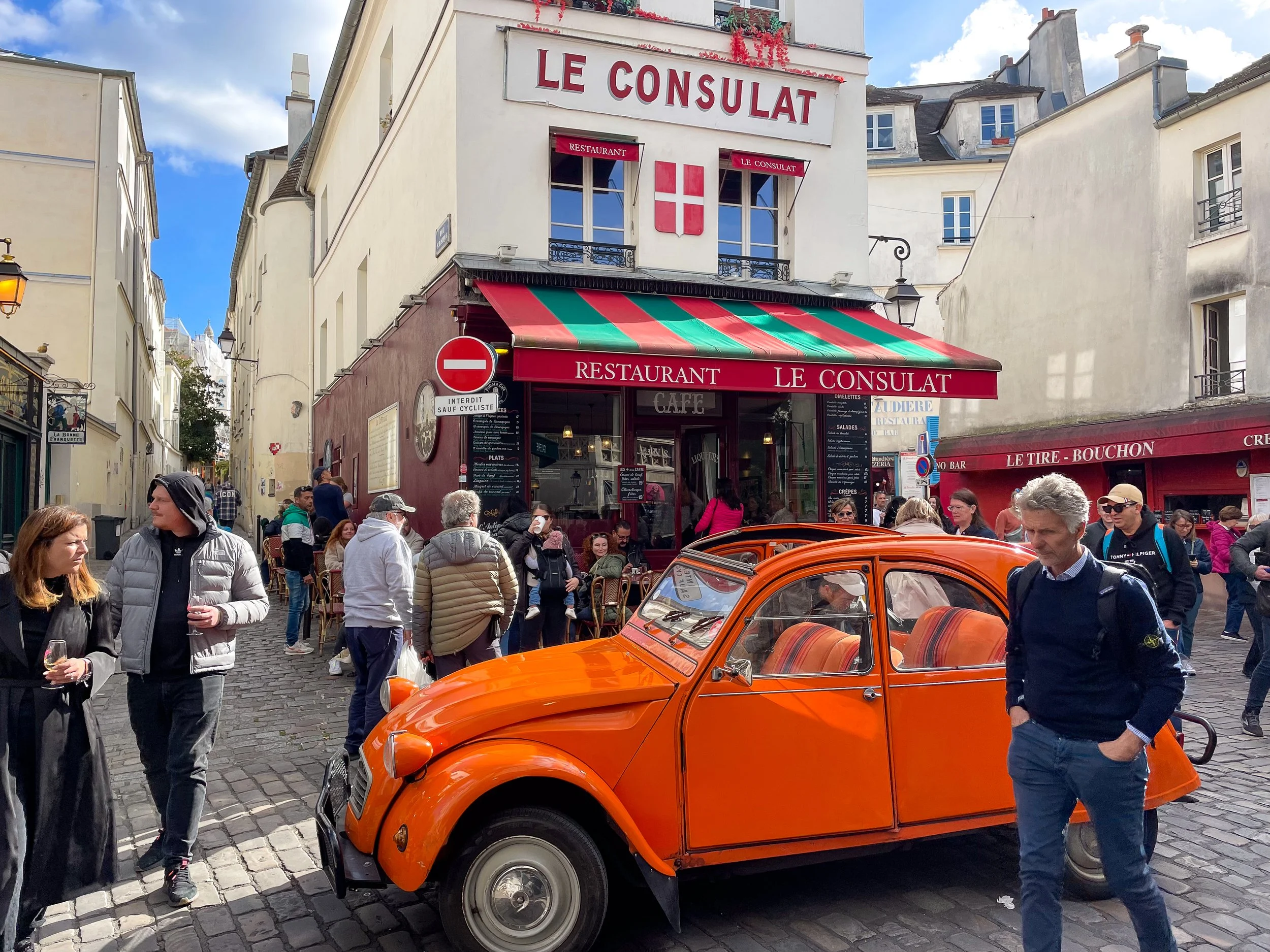
Montmartre is a neighborhood that embodies Parisian charm. Its picturesque streets are paved in cobblestones, lined with historic buildings and ivy covered homes. Its lively bistros flow out onto the sidewalks while pastry shops lure in passersby for a sweet. As the day turns to night, its bars stay open late serving French wines and cocktails while the cabarets put on performances and shows. French artists including Van Gogh, Degas and Toulouse Lautrec once lived here while modern day artists continue to call it home.
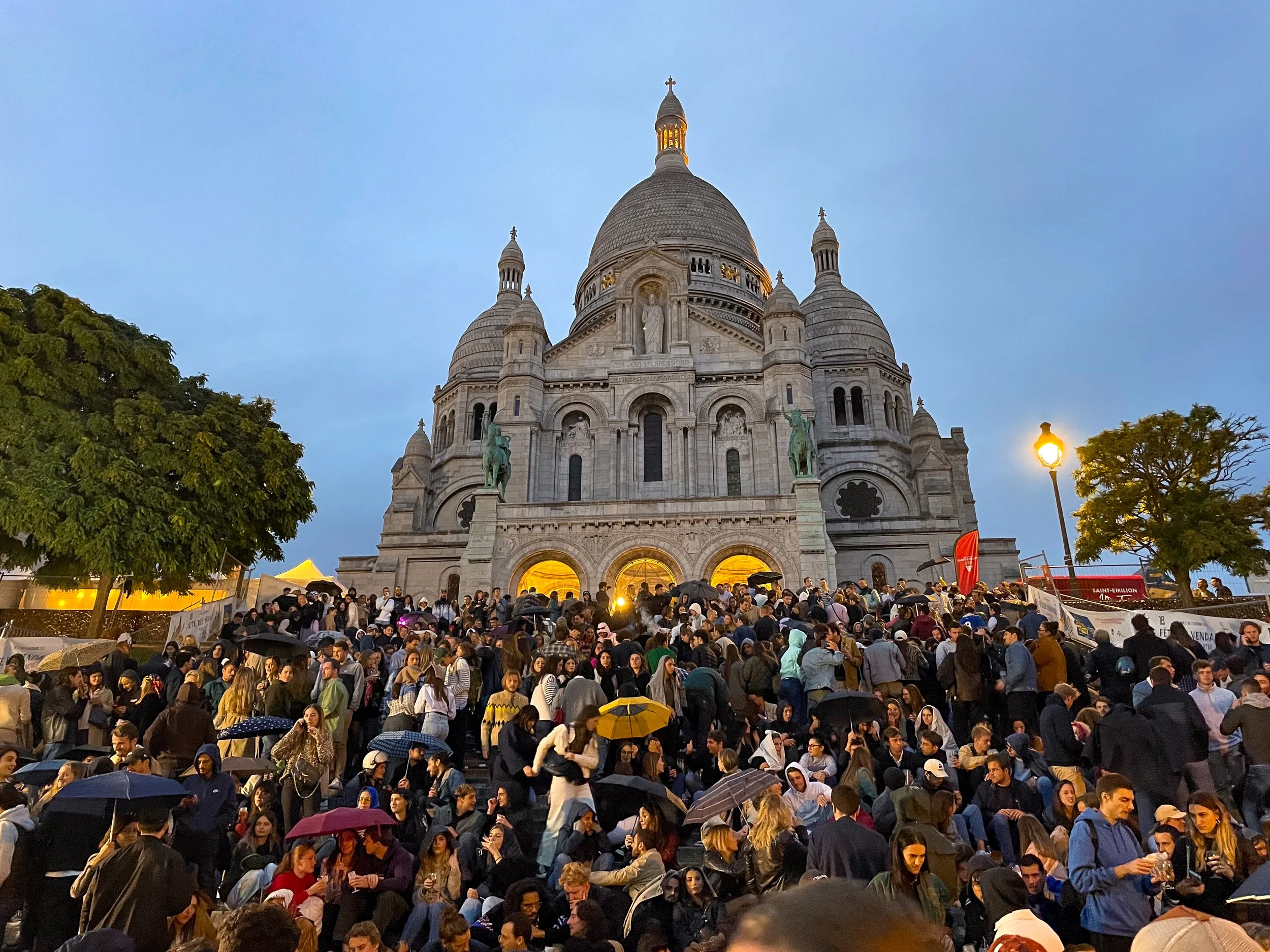
Basilica of Sacré-Cœur. A Byzantine style basilica with a large white dome located on the hill in the center of Montmartre. It’s a symbol of the neighborhood and city. The prayer hall can be freely entered when open while the dome can be visited for a fee. A series of spiral staircases and outdoor walkways lead along the roof to the interior of the dome with panoramic views of Paris.
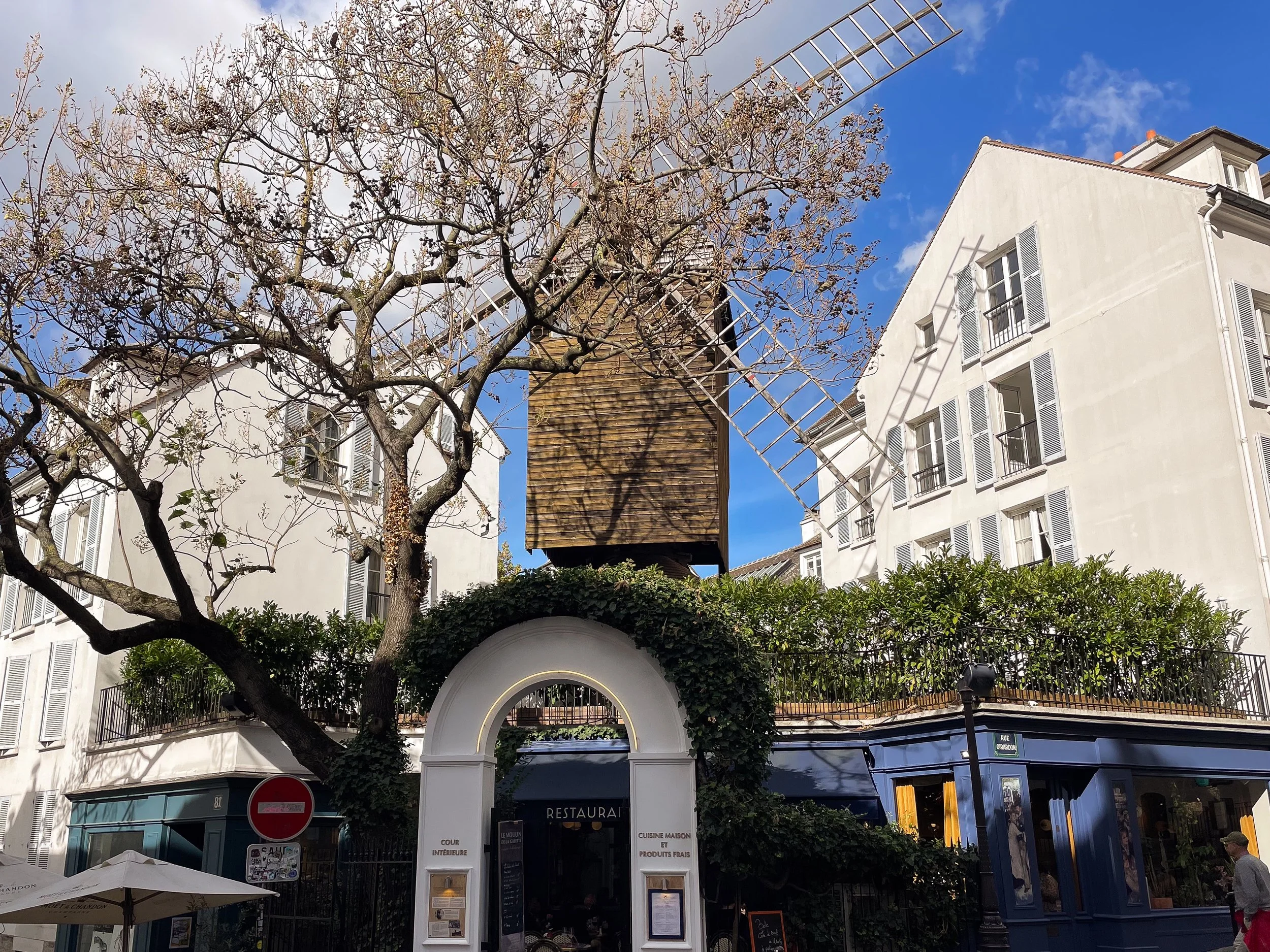
Rue Lepic. A winding cobblestone street on a steep incline with patisseries, chocolate shops, florists, fromageries, a seafood market, cafes, wine bars, many bistros and residences. Its most notable sight is the Moulin Radet, one of two historic windmills remaining in Montmartre.
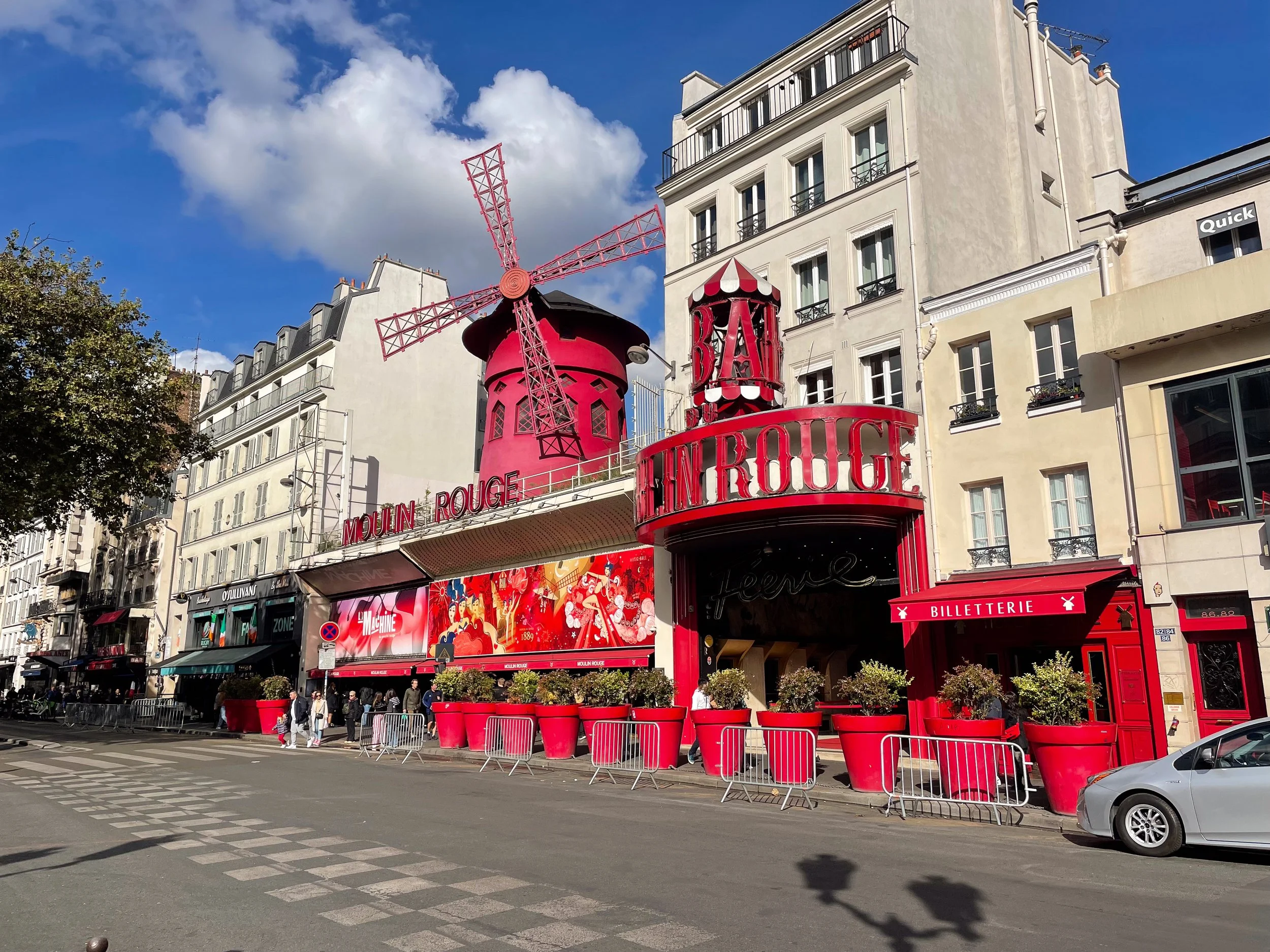
Boulevard de Clichy. A tree lined boulevard with a pedestrian walkway at its center. Both sides of the boulevard are lined with bars, restaurants, sex shops and cabarets including the Moulin Rouge, the famous venue with a red windmill.
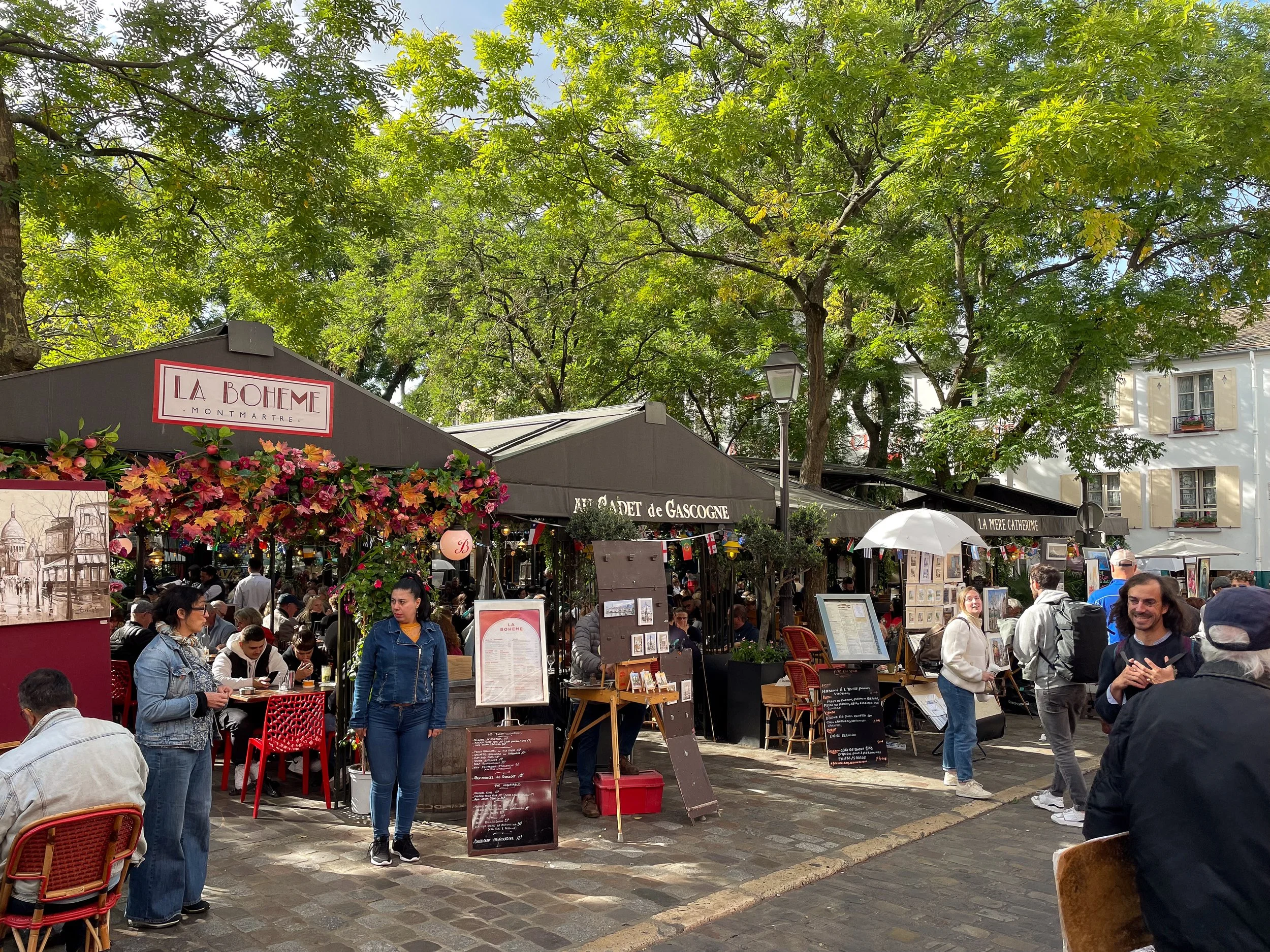
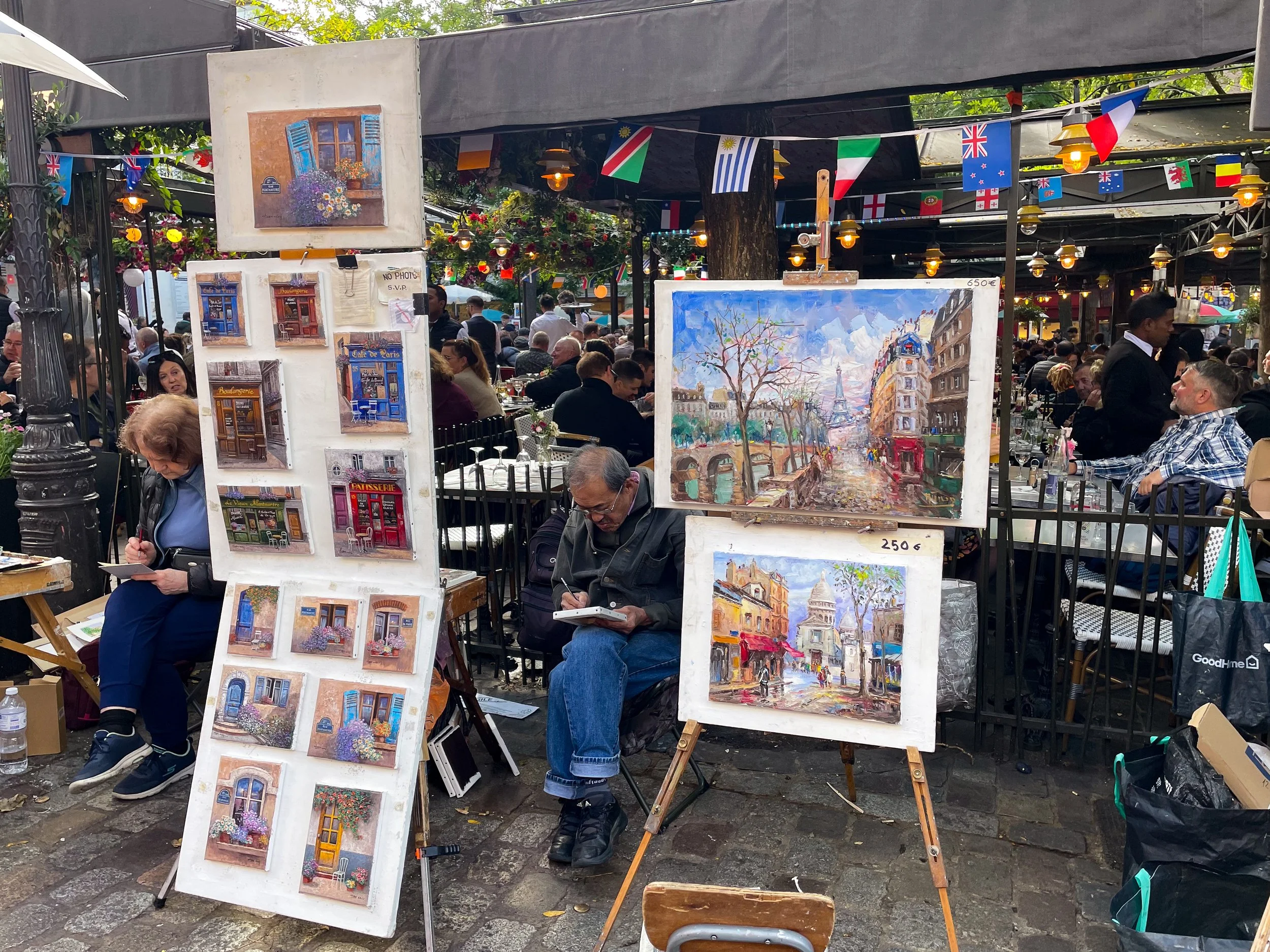
Place du Tertre. A bustling plaza known for its artists and bistros. It’s surrounded by restaurants that spill onto the sidewalk and into the center of the plaza. Artists sell Parisian themed art, brush colorful strokes across canvases and draw portraits of patient customers. Wafts of cigarette smoke, the smell of butter and music from accordion players fill the air.
Rue de Martyrs. A lengthy market street with hundreds of bistros, cafes, boutiques, boulangeries, fromageries, patisseries and markets selling meats, seafoods, fruits, vegetables, coffee and chocolates.
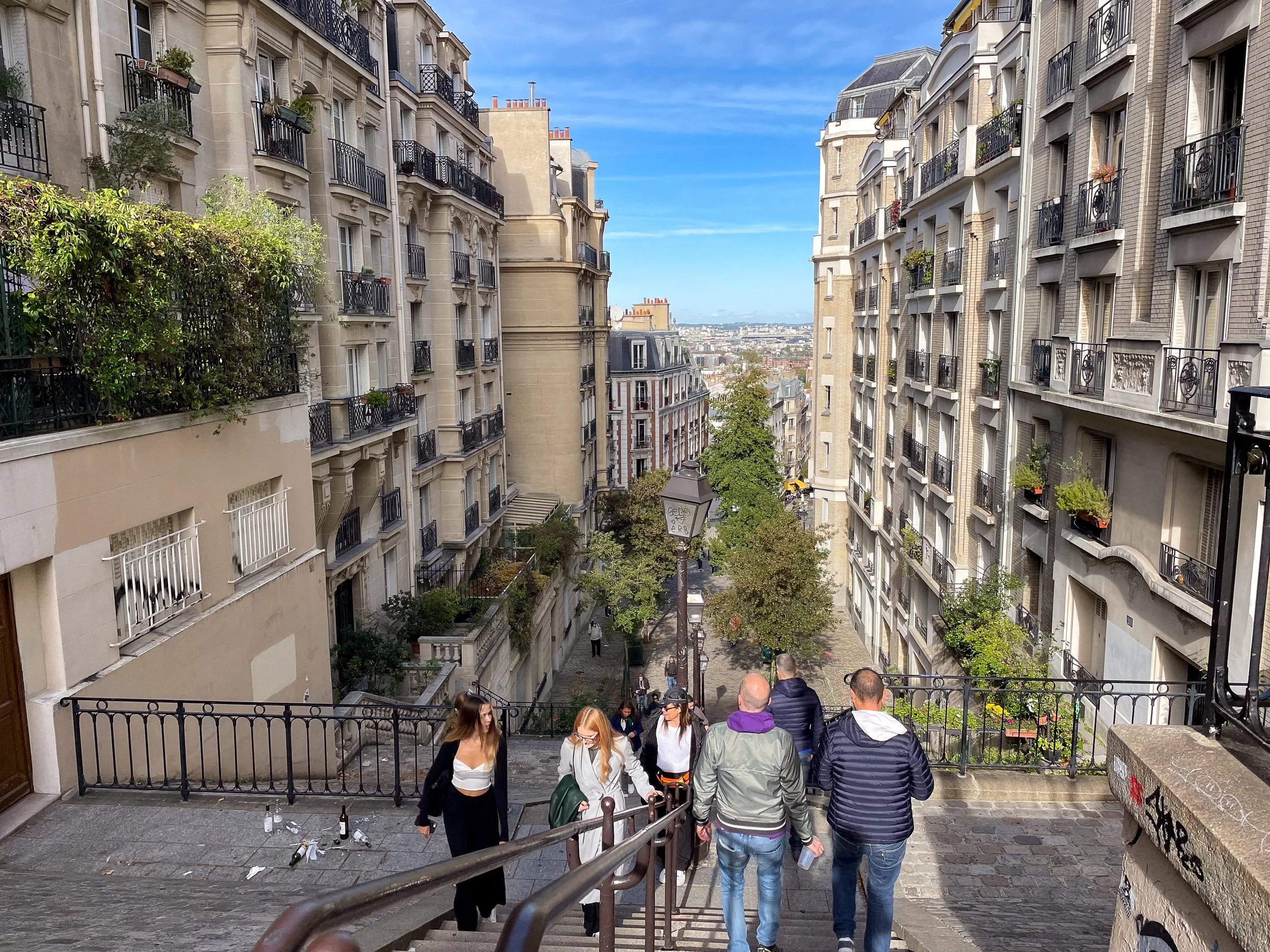
Staircases of Montmartre. Montmartre is known as the “neighborhood on the hill” and the highest natural point in Paris. Many tall staircases with unique vantage points cut through the neighborhood making it easy, though at times tiring, to get around on foot.
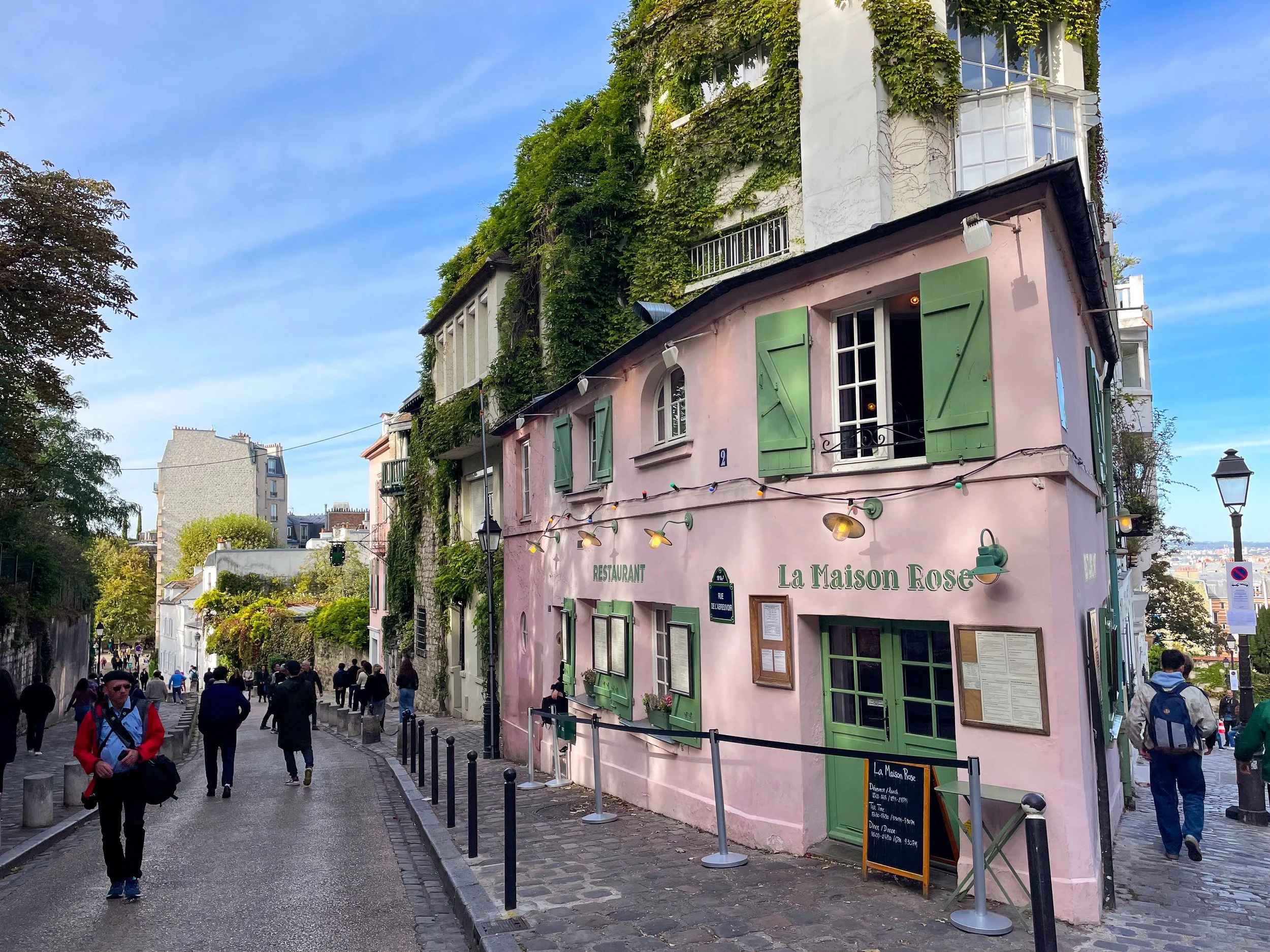
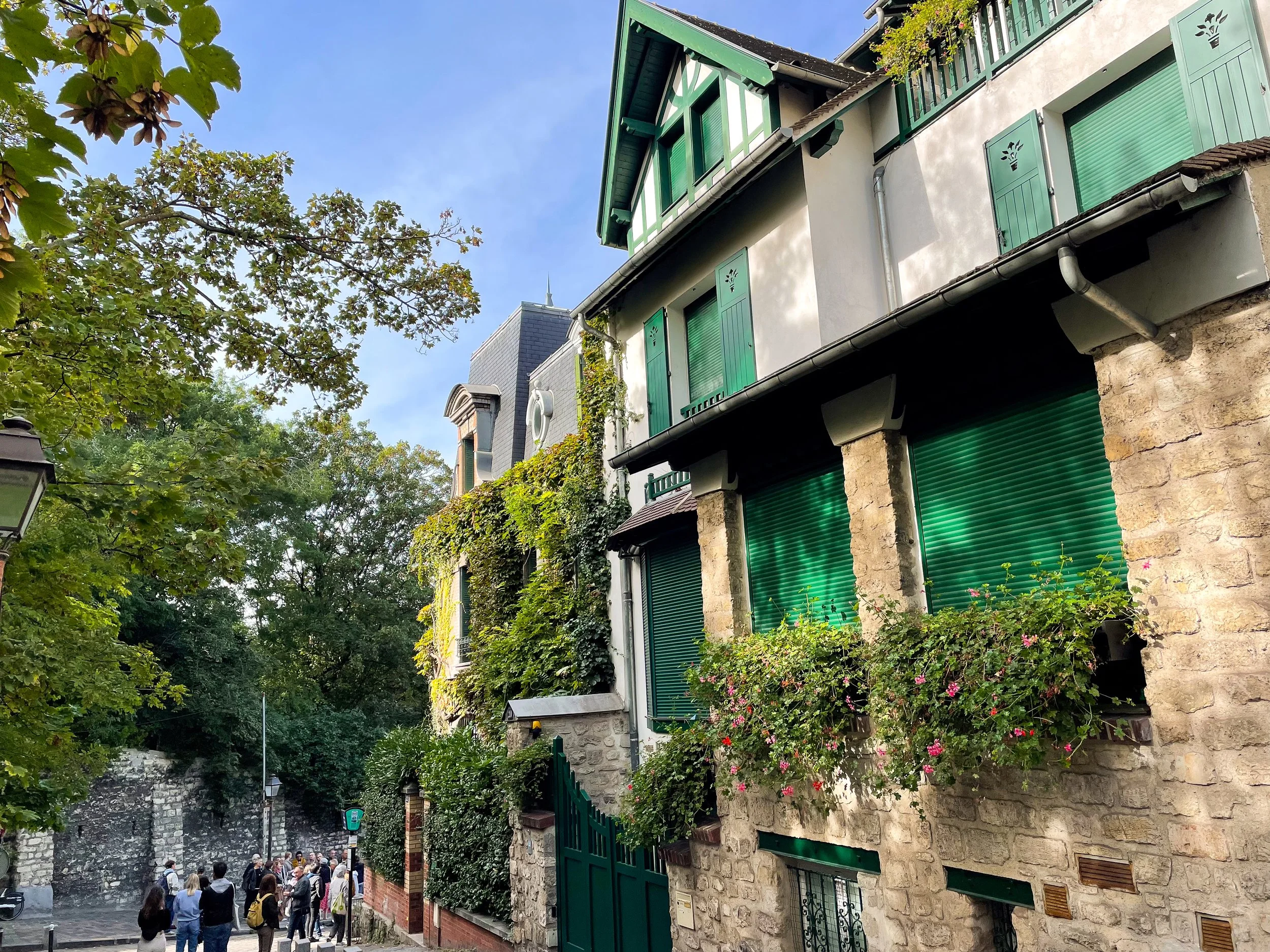
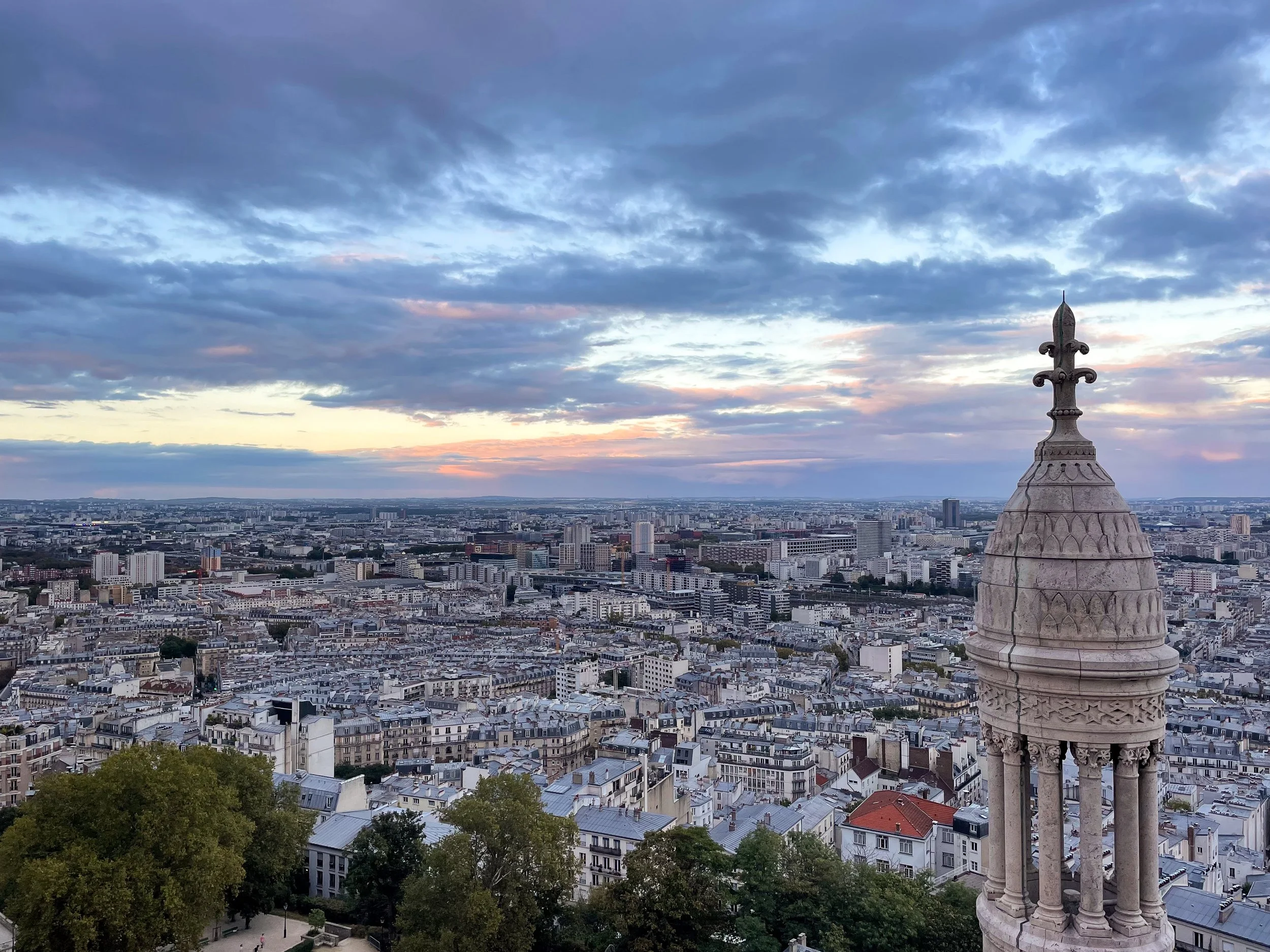
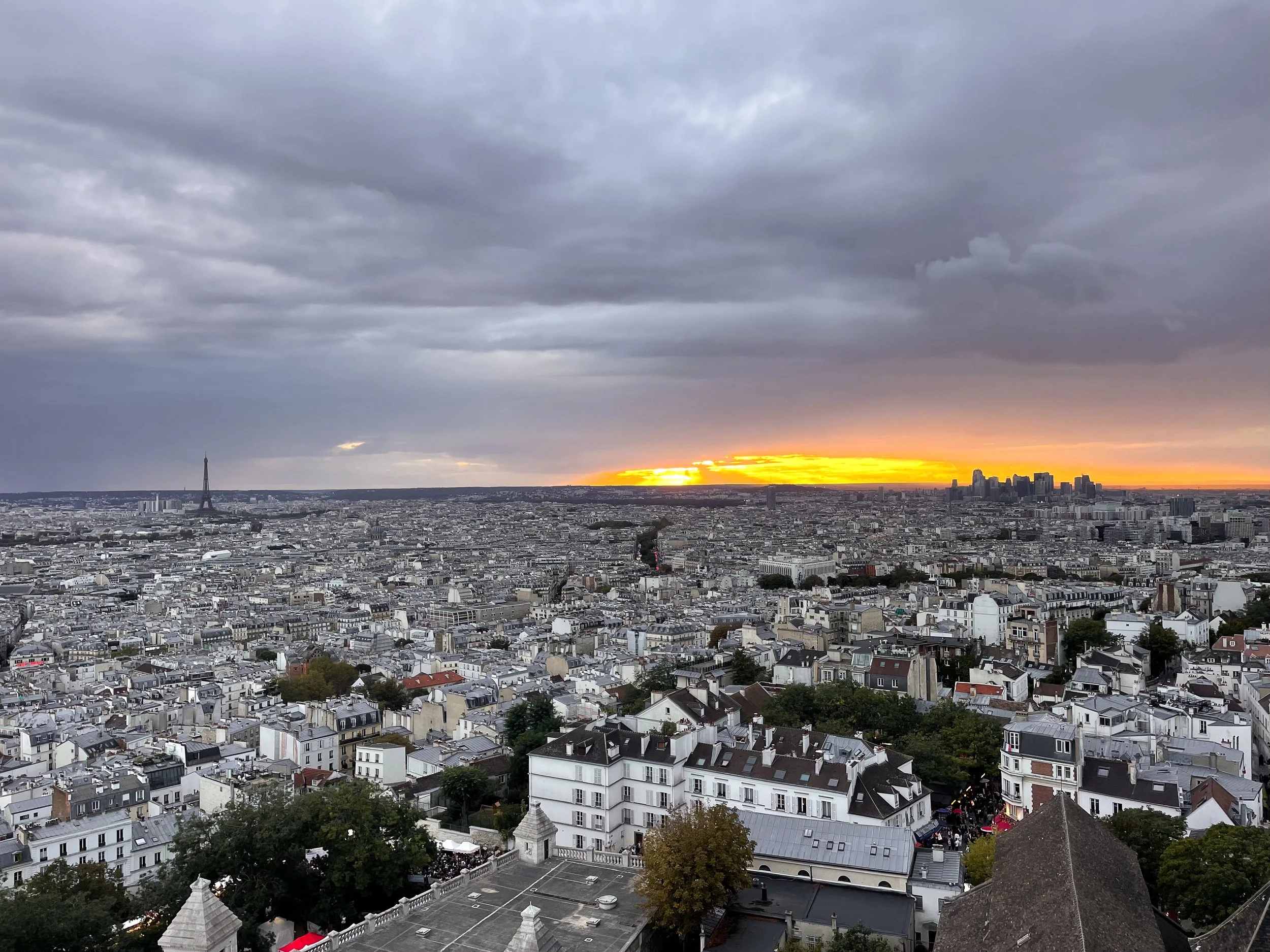
Rue de l’Abreuvoir. One of the most picturesque streets in Paris with ivy covered houses, colorful buildings and a view overlooking Sacré-Coeur.
Rue des Abbesses. A street lined with restaurants, coffee shops, boulangeries and boutiques ending at a plaza with a carousel and cathedral.
I Love You Wall. A blue tiled wall with “I love you” written in hundreds of languages.
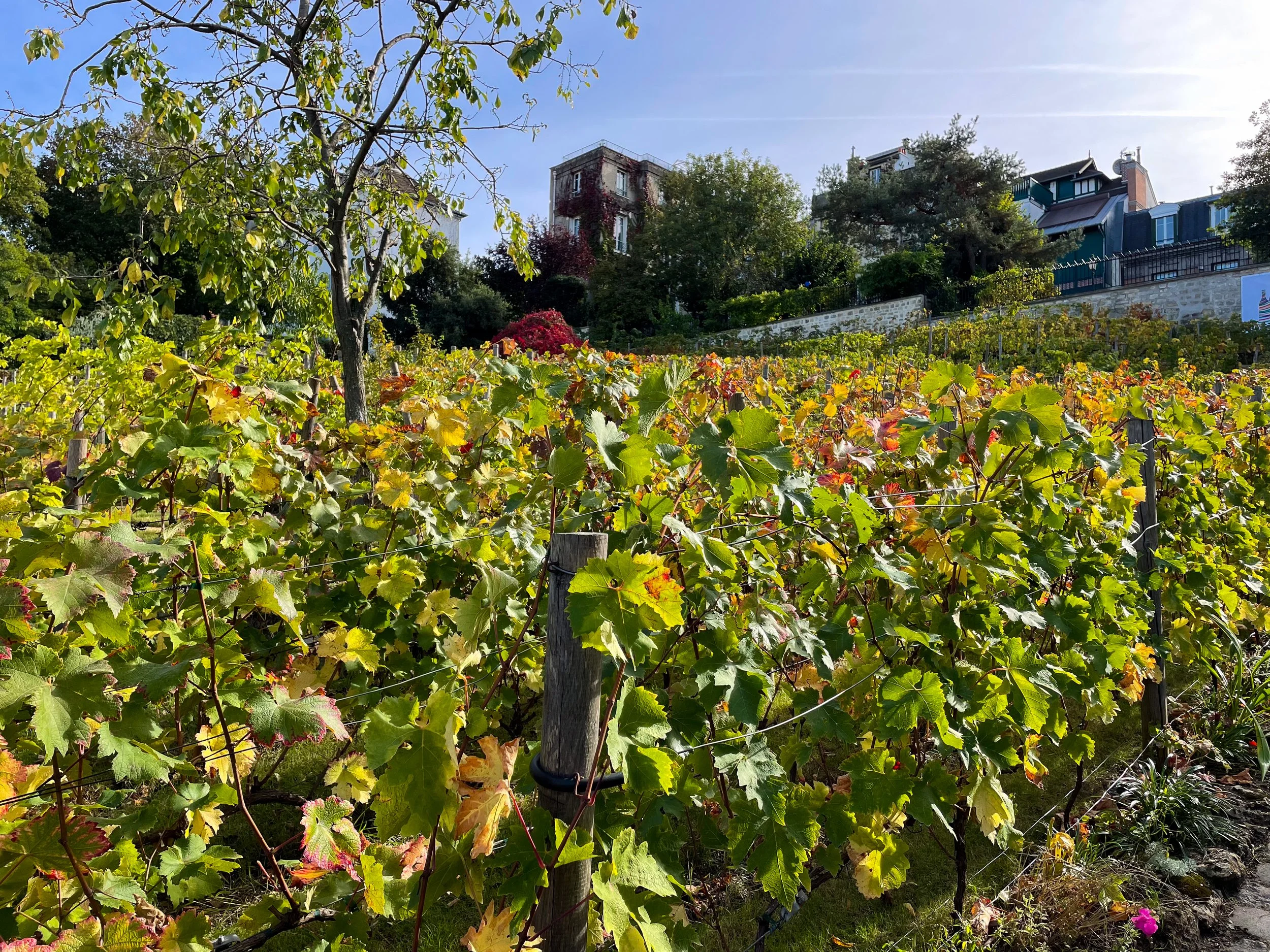
Clos Montmartre. A small hillside vineyard and the last remaining one in Paris. It produces about 1,000 bottles of wine a year.
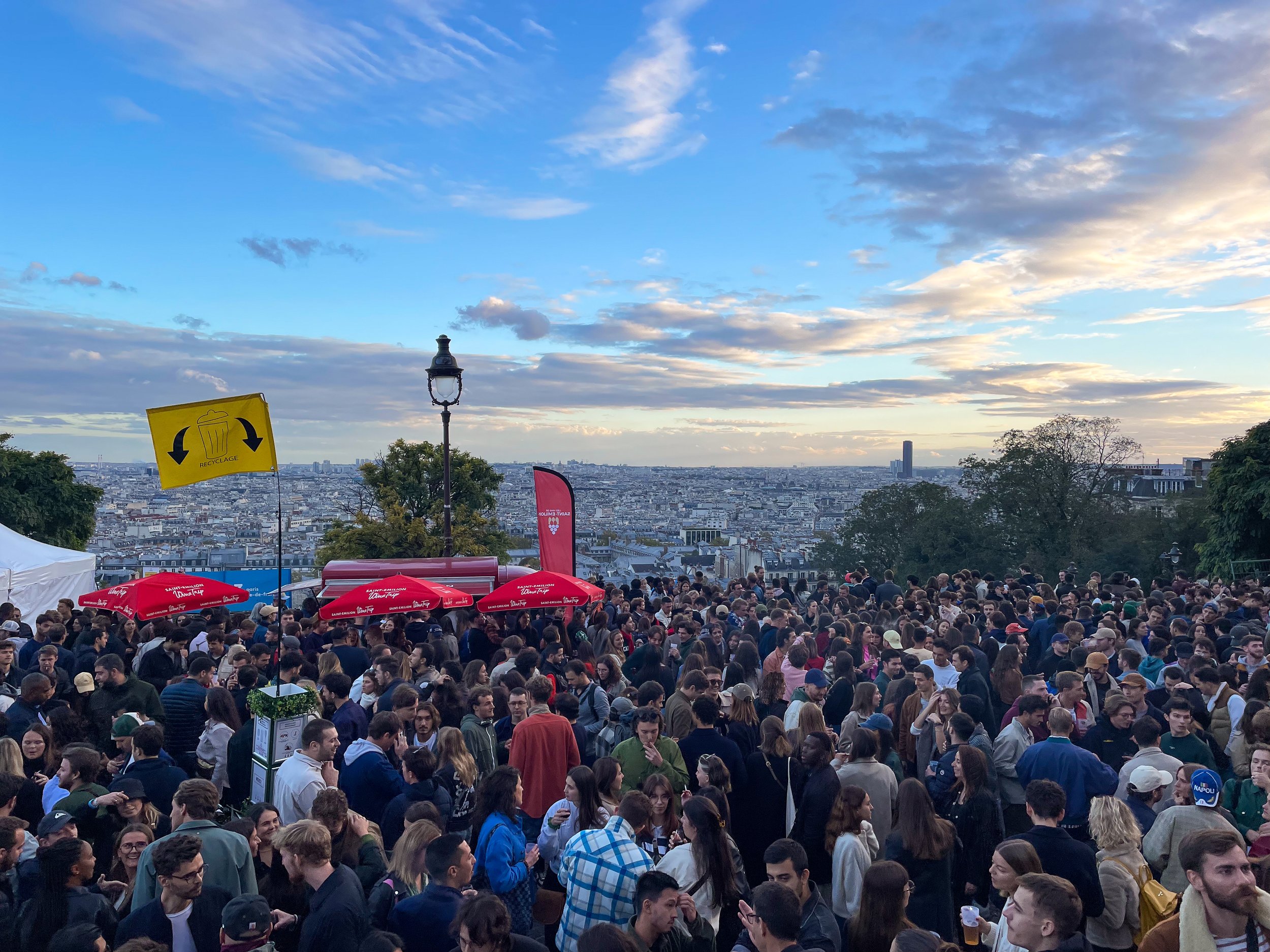
Fête de Vendanges (Wine Harvest Festival). The yearly wine harvest festival held every October in Montmartre around the steps leading up to the Basilica of Sacré-Cœur. The multi day festival features dozens of wine makers from regions all over France including Clos Montmartre. Order by the glass at different tents or do as locals do and buy a bottle to share. In addition to wine makers, there are food stalls, performers, a parade and fireworks. The festival is free to enter.
Arrondissements & Neighborhoods
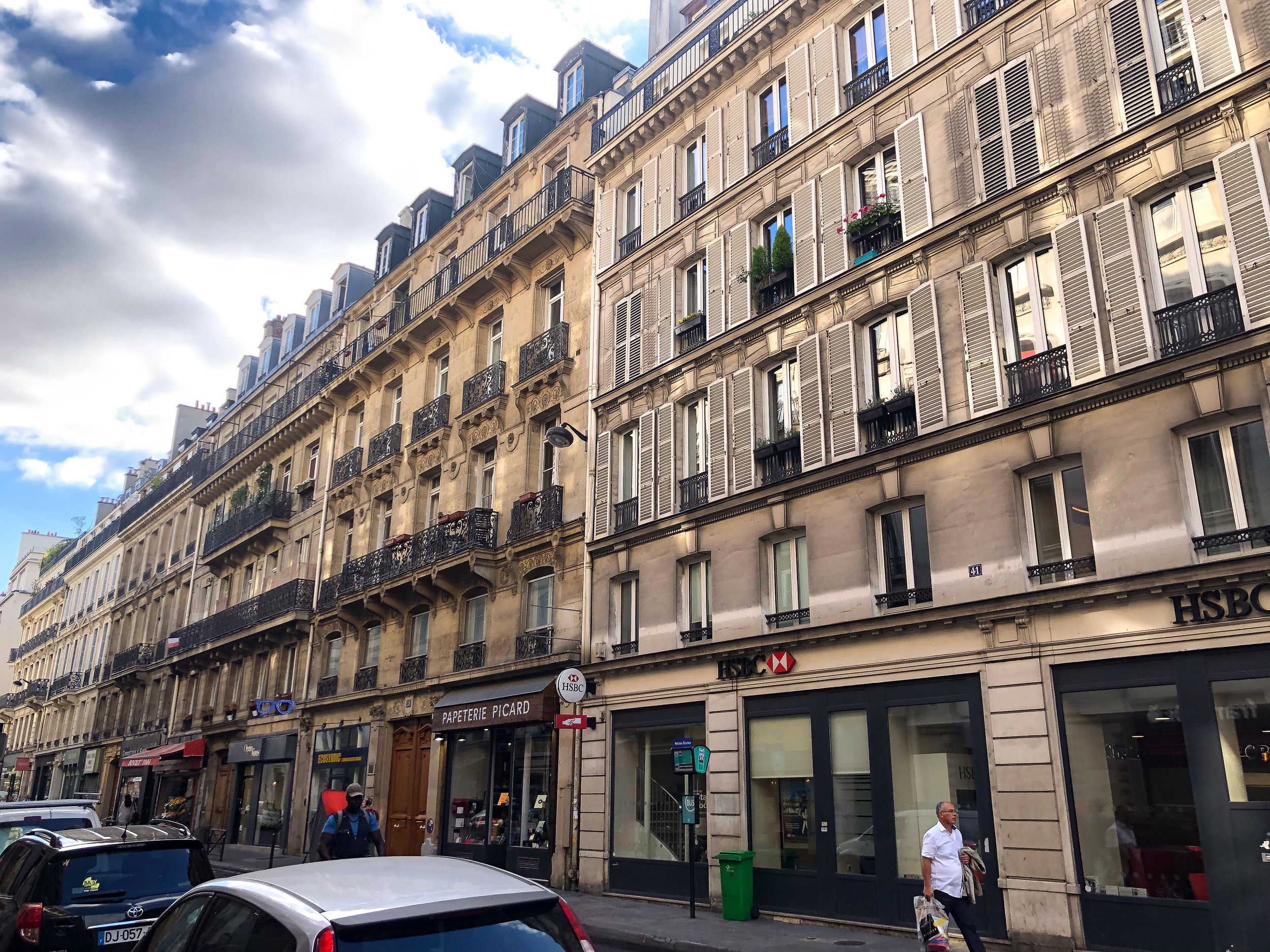
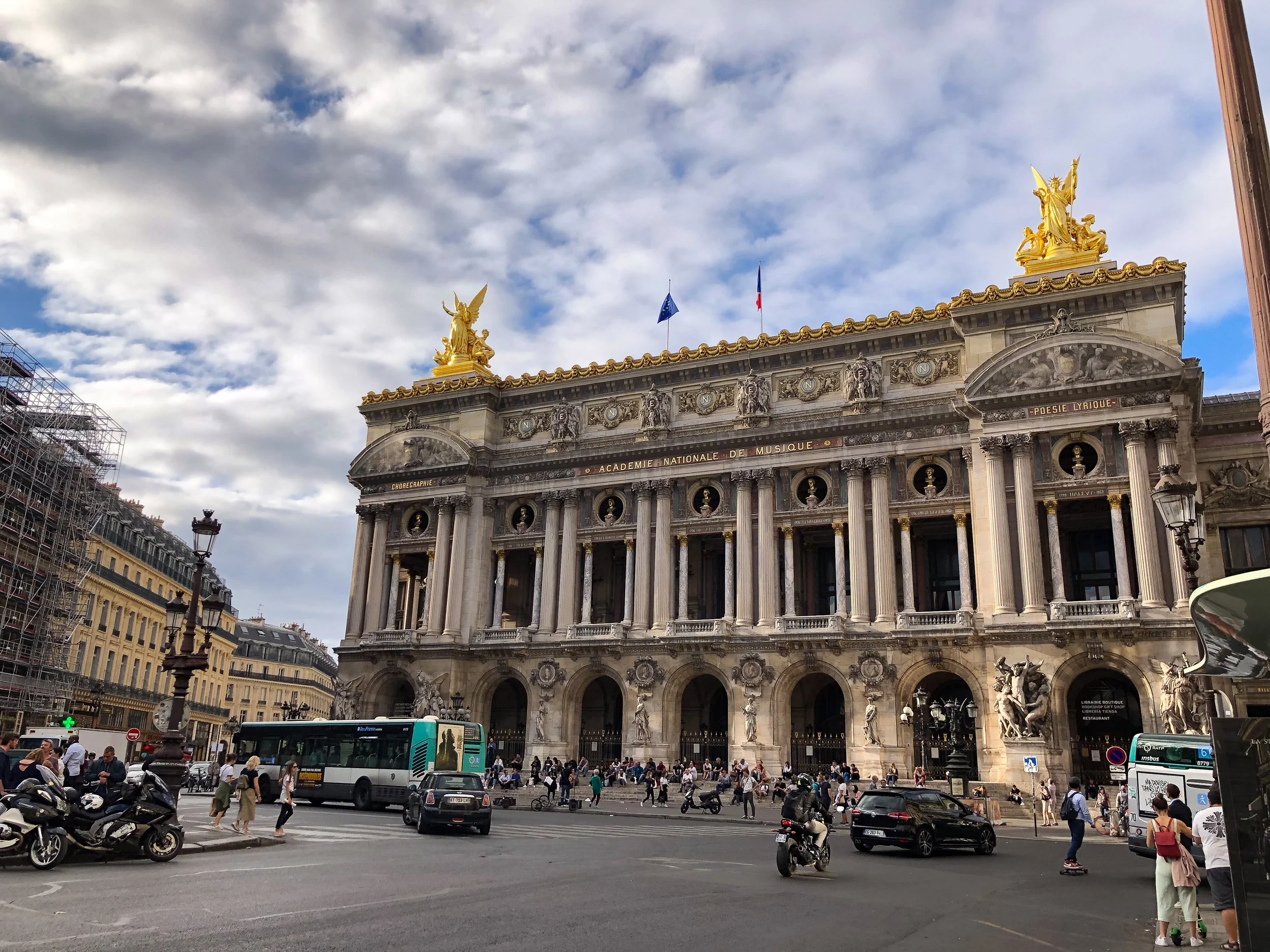
Including Montmartre, Paris is broken up into 20 Arrondissements (Arr.) each starting in the center of the city and spiraling out like a snail shell. Different neighborhoods correspond to and overlap multiple Arrondissements.
Le Marais. Located in the 4th Arr. This is the oldest Parisian neighborhood and the center of the LGBTQ+ community. Known for its cobblestone streets, stately architecture, courtyards, cafes, cocktail bars and vintage shopping.
Latin Quarter. Located in the 5th Arr. A university neighborhood, this area of Paris is popular for its bars, cabarets and distance from large tourist attractions.
Saint Germain des Prés. Located in the 6th Arr. This neighborhood is home to many bookshops, galleries, cafes and design shops.
10th Arrondissement. A quiet neighborhood lining the Canal Saint Martin with plenty of restaurants to eat at and street art to spot. We stayed here in an Airbnb that was once a bakery operated by nuns.
2nd Arrondissement. Known for its arcades, boutiques, fine dining and cocktail bars. The neighborhood is worth wandering and getting lost in.
Visit the Sights
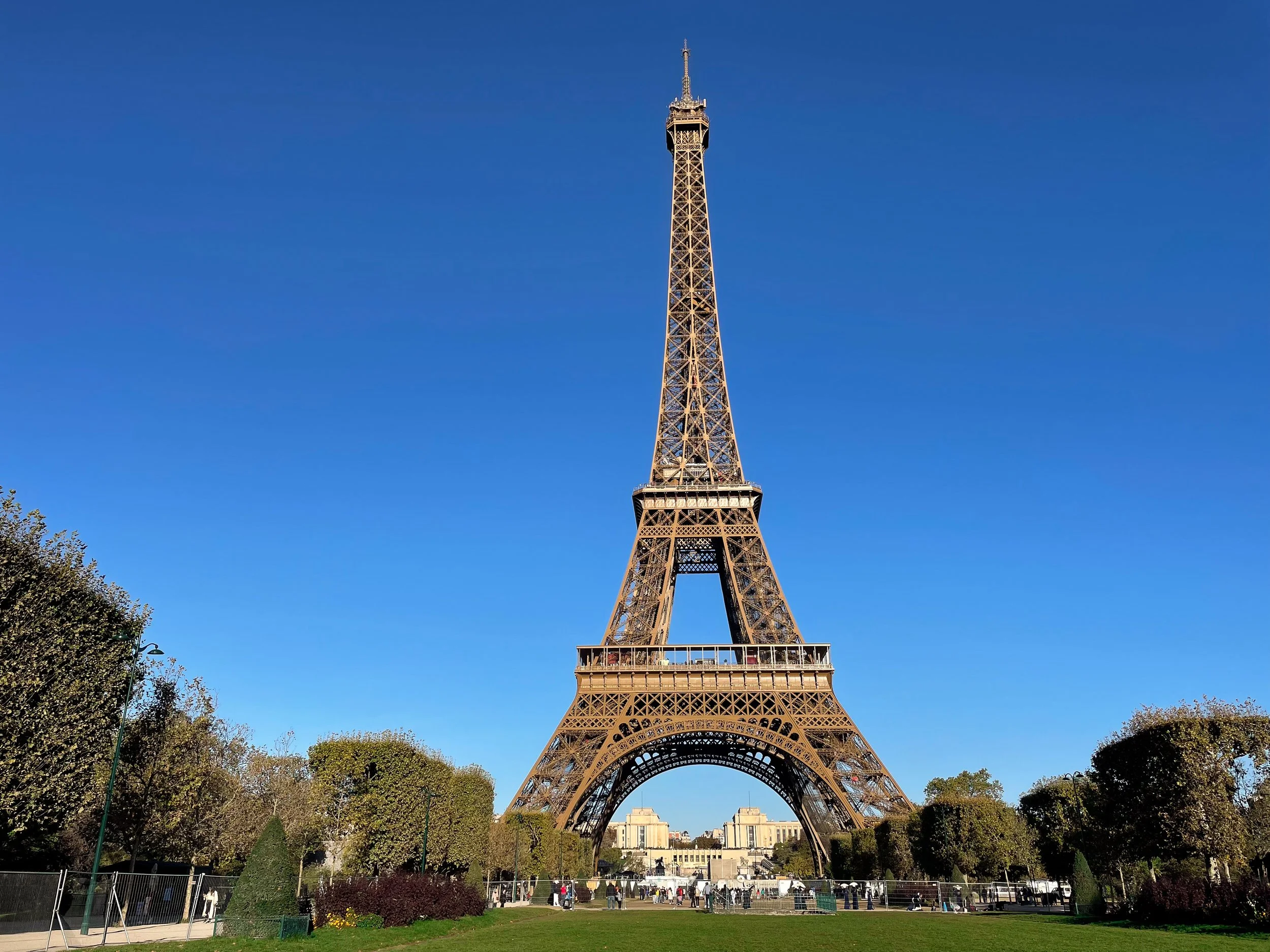
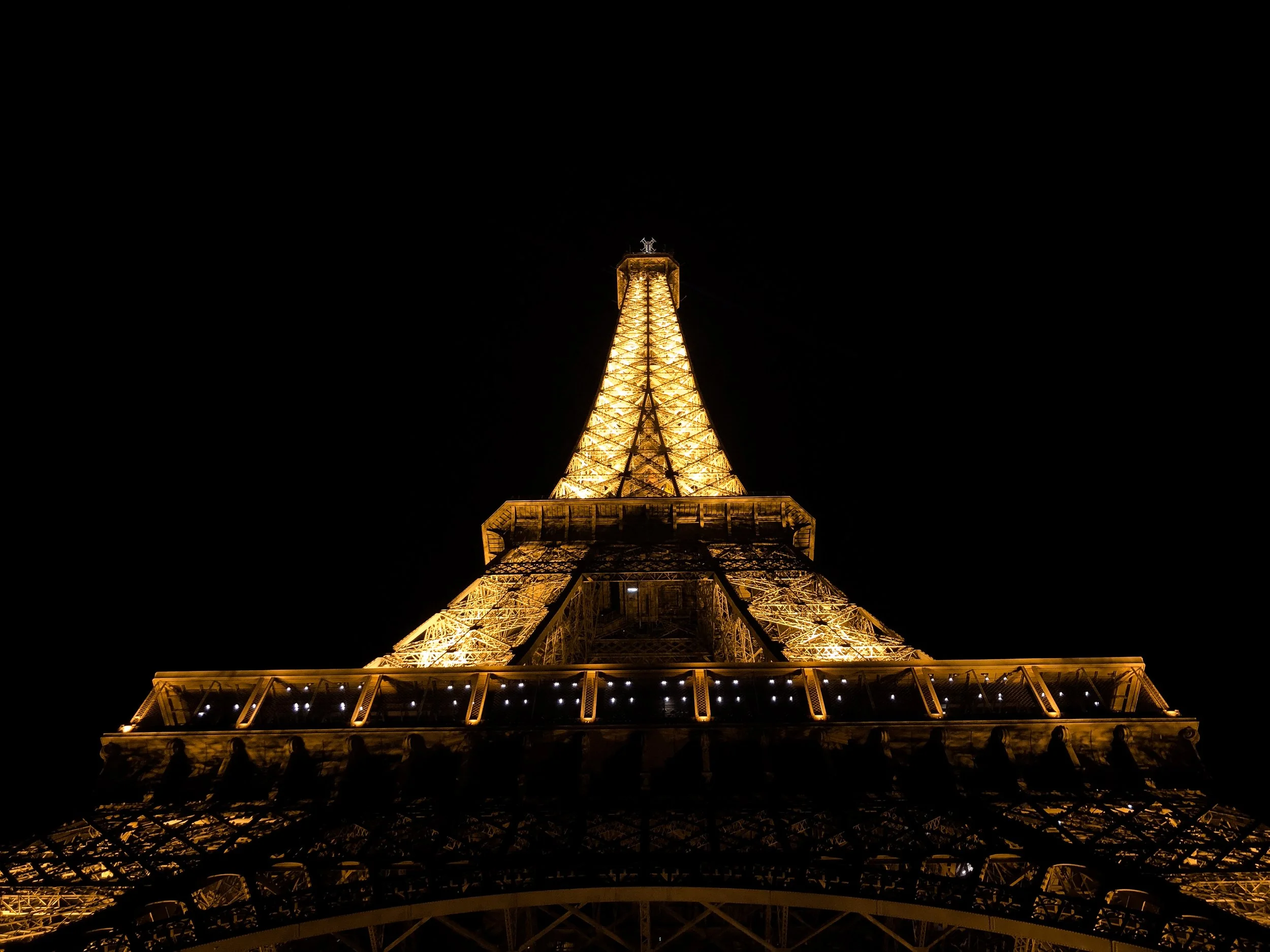
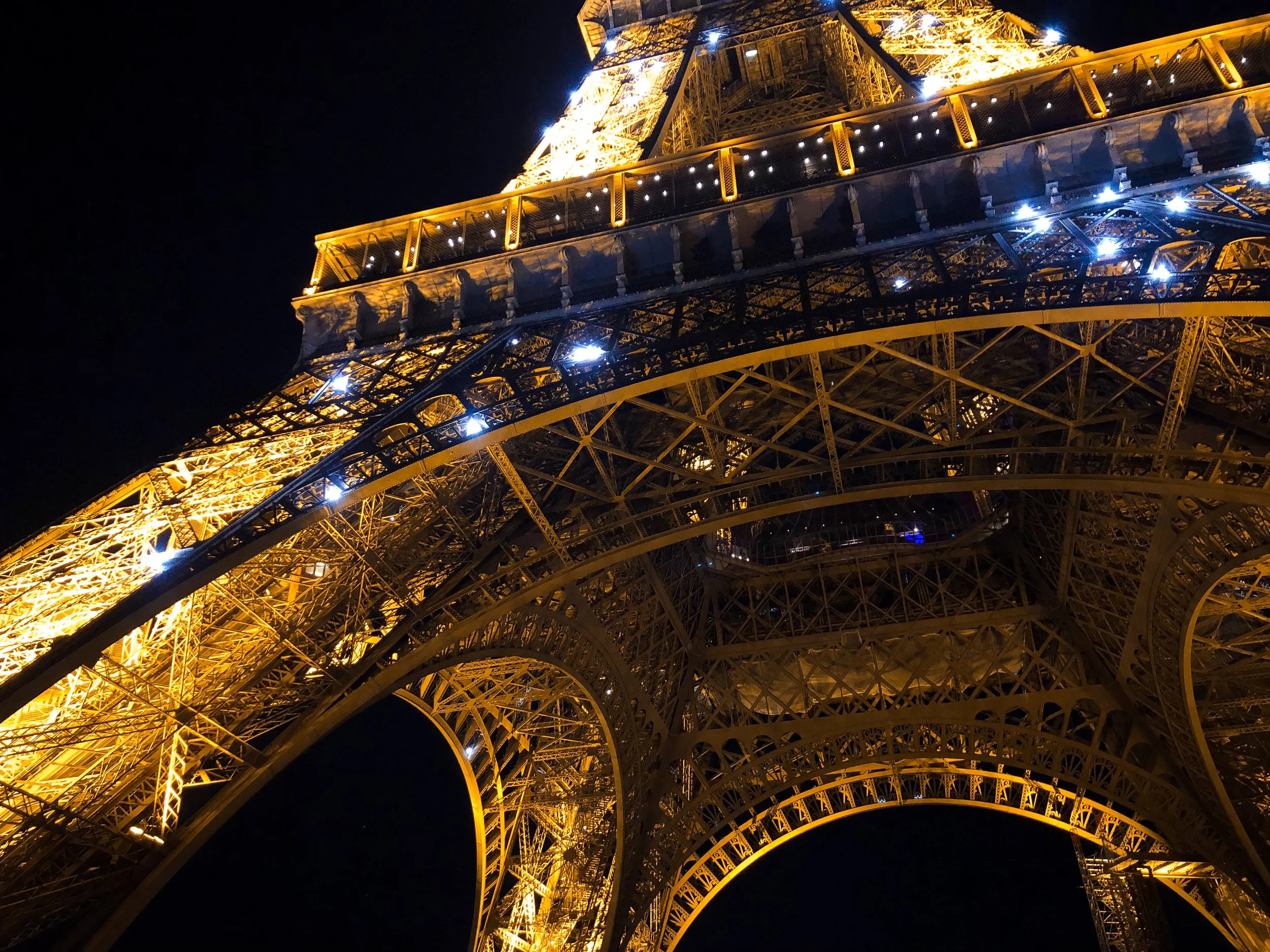
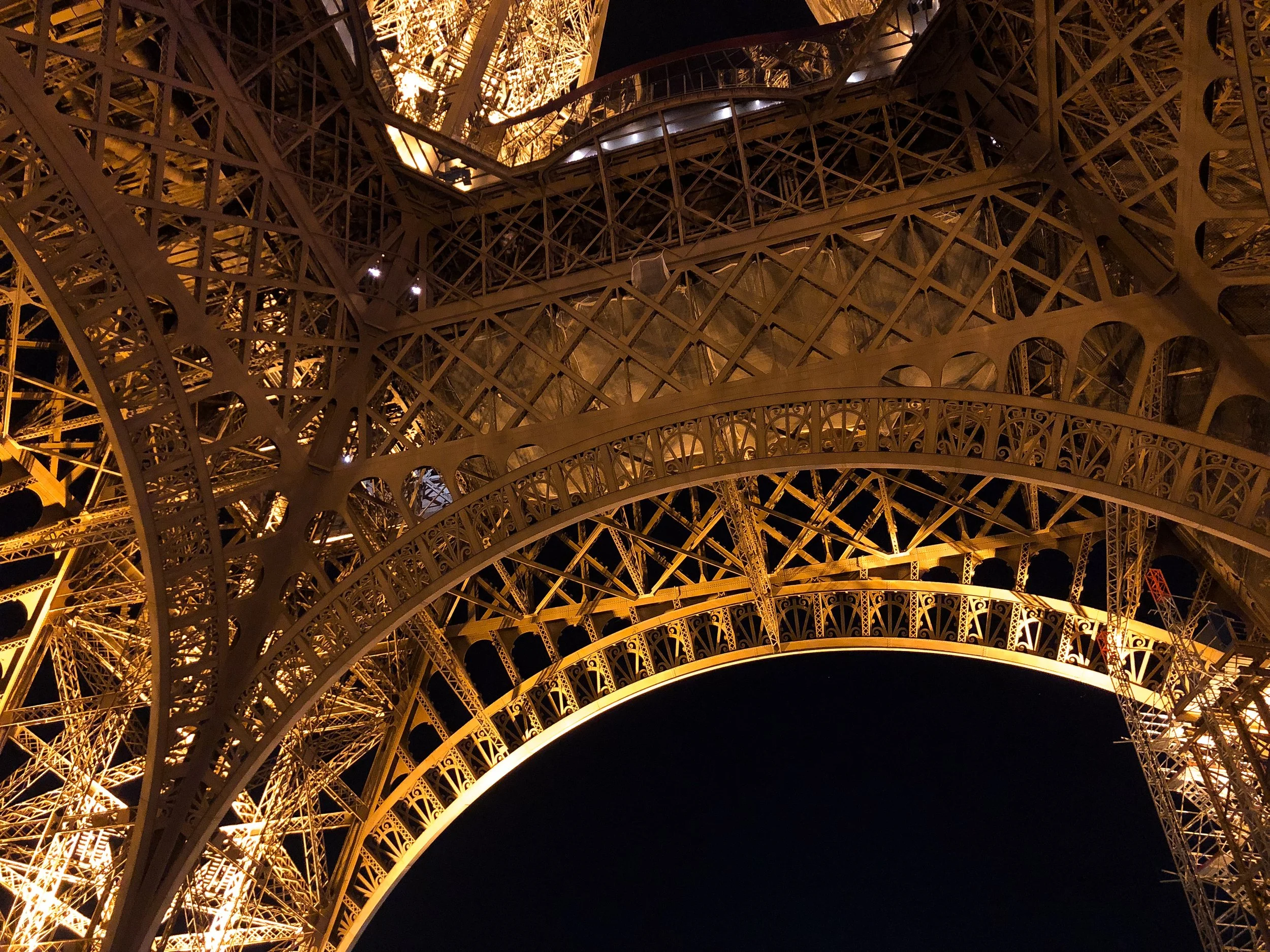
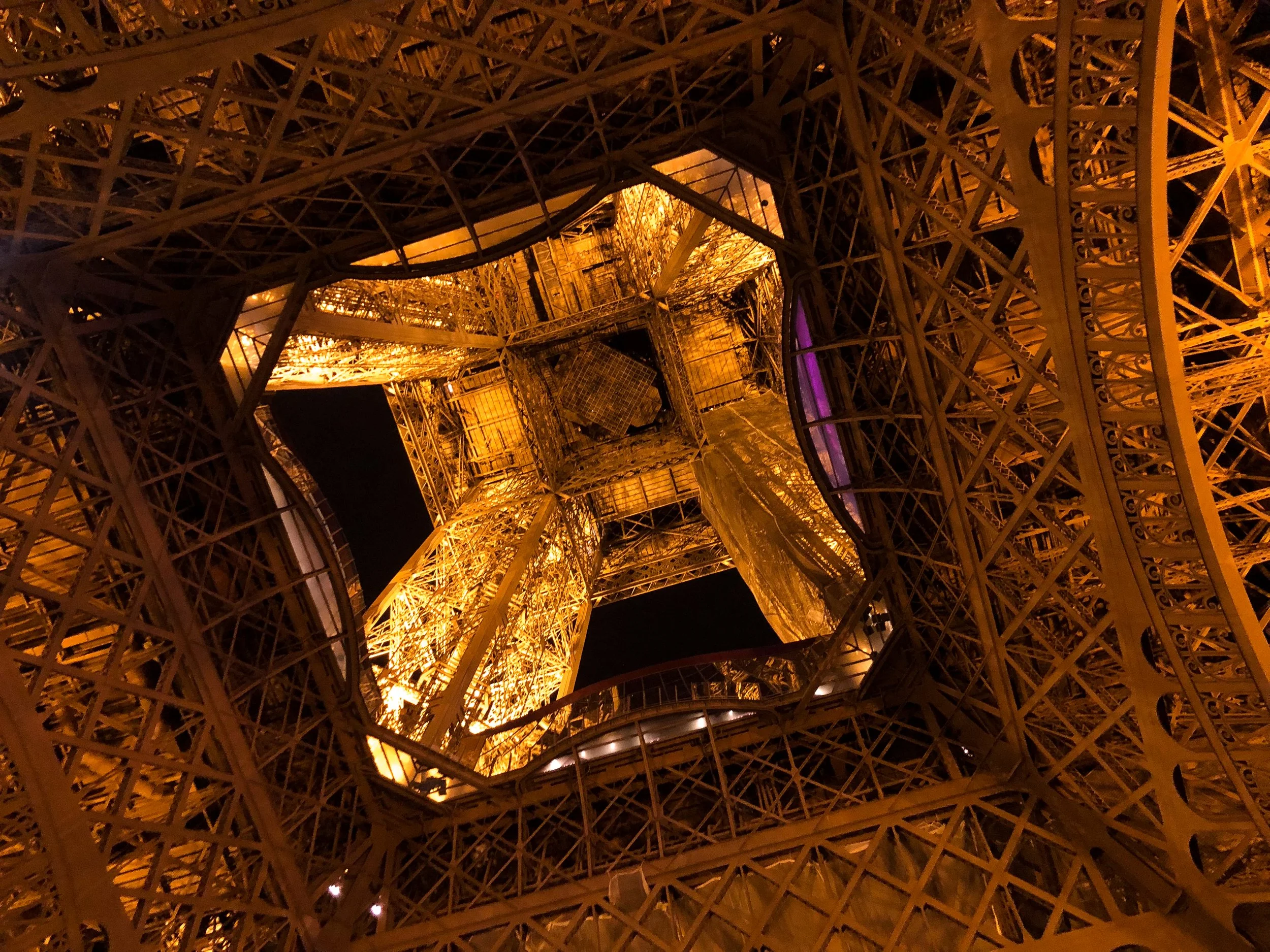
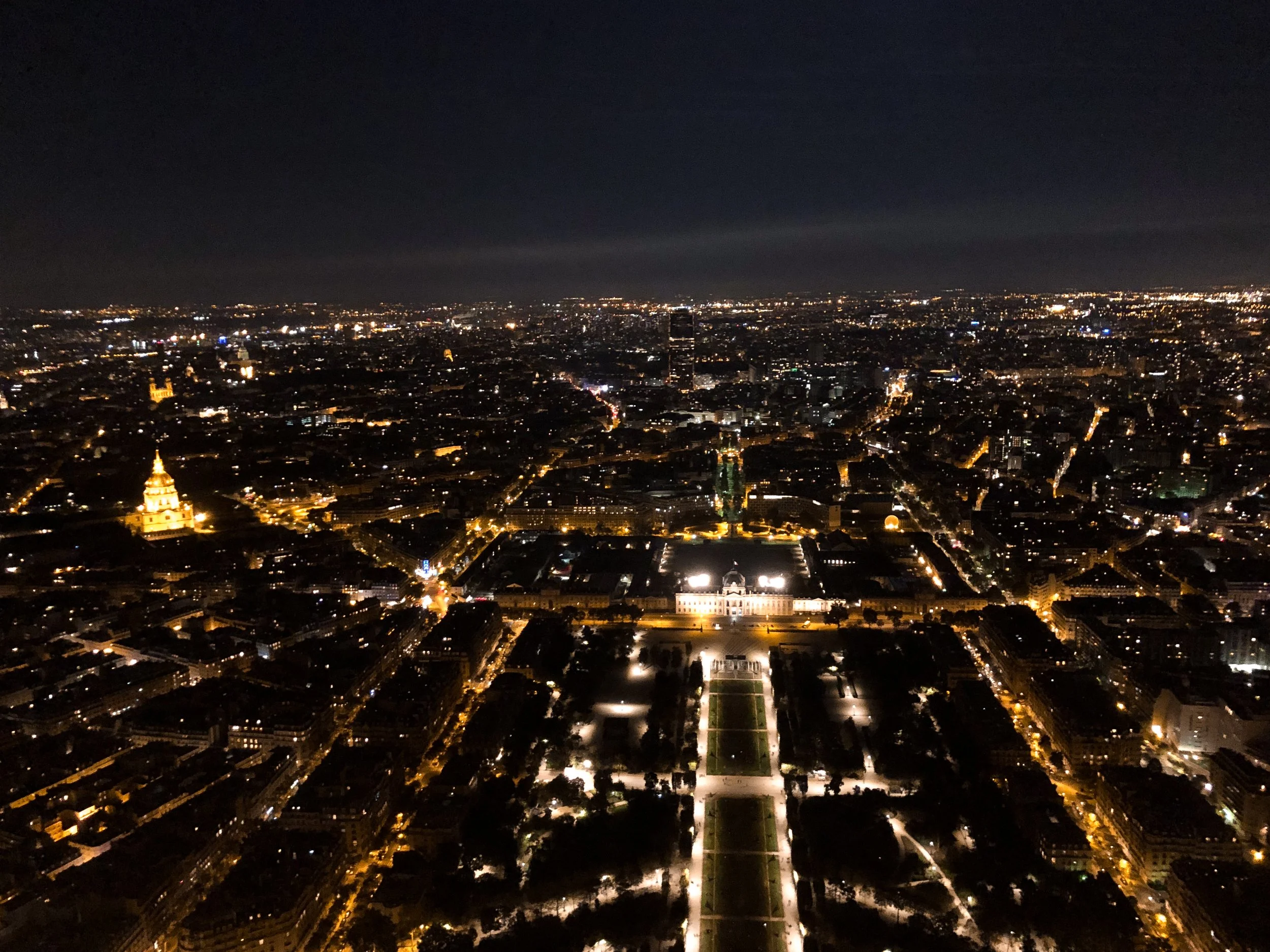
The Eiffel Tower. You can’t visit Paris without seeing the Eiffel Tower. It’s the symbol of the city and one of the most recognizable sights in the world. The tower has three levels. The first two are accessible by stair and elevator. Take the elevator up and the stairs down, making for a leisurely and twisting descent through one of the tower’s legs. Both floors have incredible views of the inner structure and iron lattices of the tower as well as a number of restaurants, shops and a Macaron Bar. The tiniest elevator leads to the third level at the top of the tower and highest point in Paris. The nighttime views are absolutely stunning! Every amber glowing light and illuminated landmark in Paris twinkles. The top floor is home to Gustave Eiffel’s Laboratory and a Champagne Bar serving flutes of sparkling rosé. Reserve tickets online for a specific time slot at least two weeks in advance.
Picnic in Champ de Mars. A large park in front of the Eiffel Tower and perfect spot for picnicking. Bring a blanket and assortment of provisions like French bread, cheeses, fruits and wine. Accordion players serenade couples while vendors sell roses, champagne and statuettes of the Eiffel Tower.
Pro Tip. Picnic during the daytime. Many rats scamper through the park at night, distracting from the romantic allure and atmosphere.
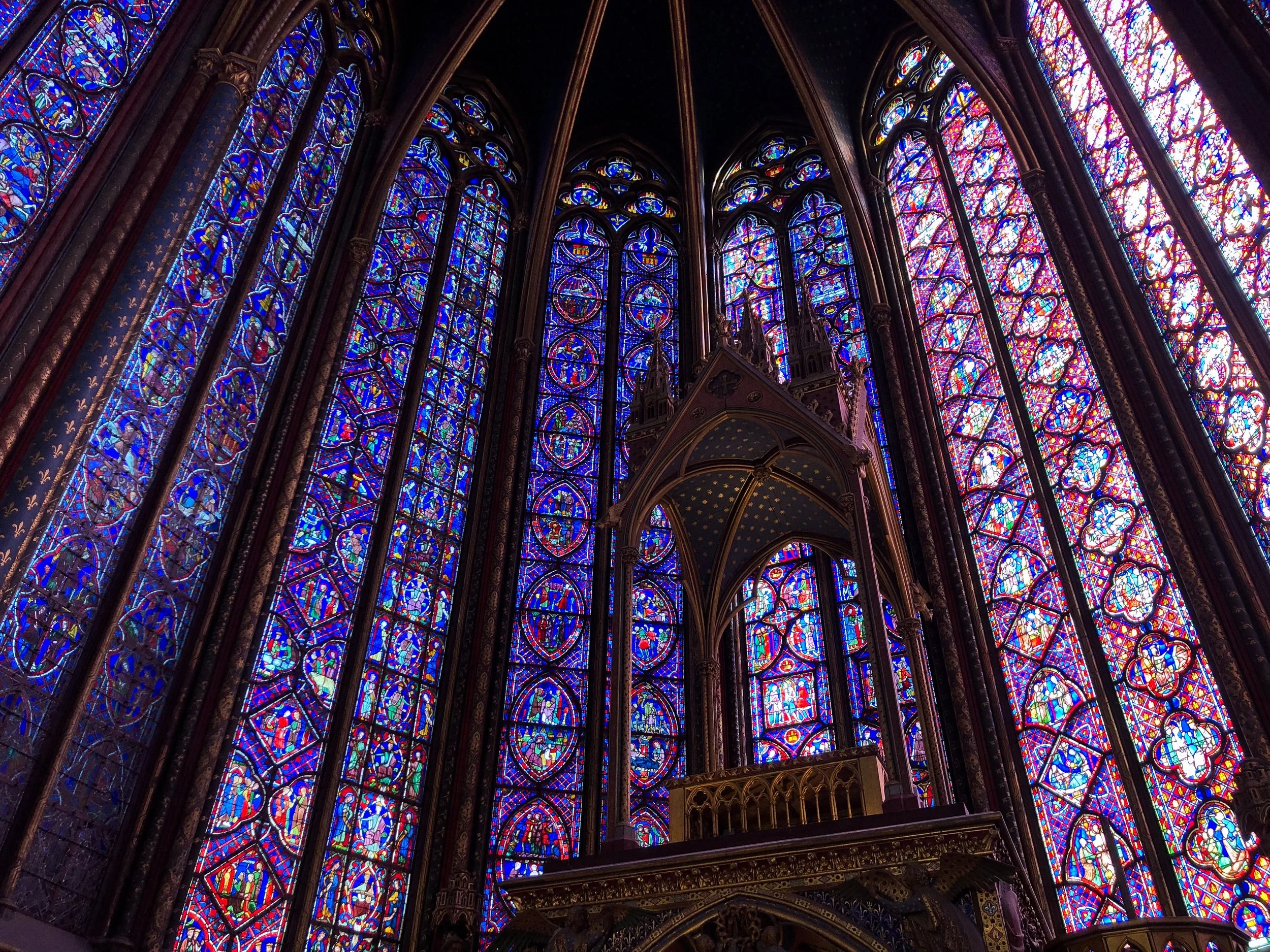
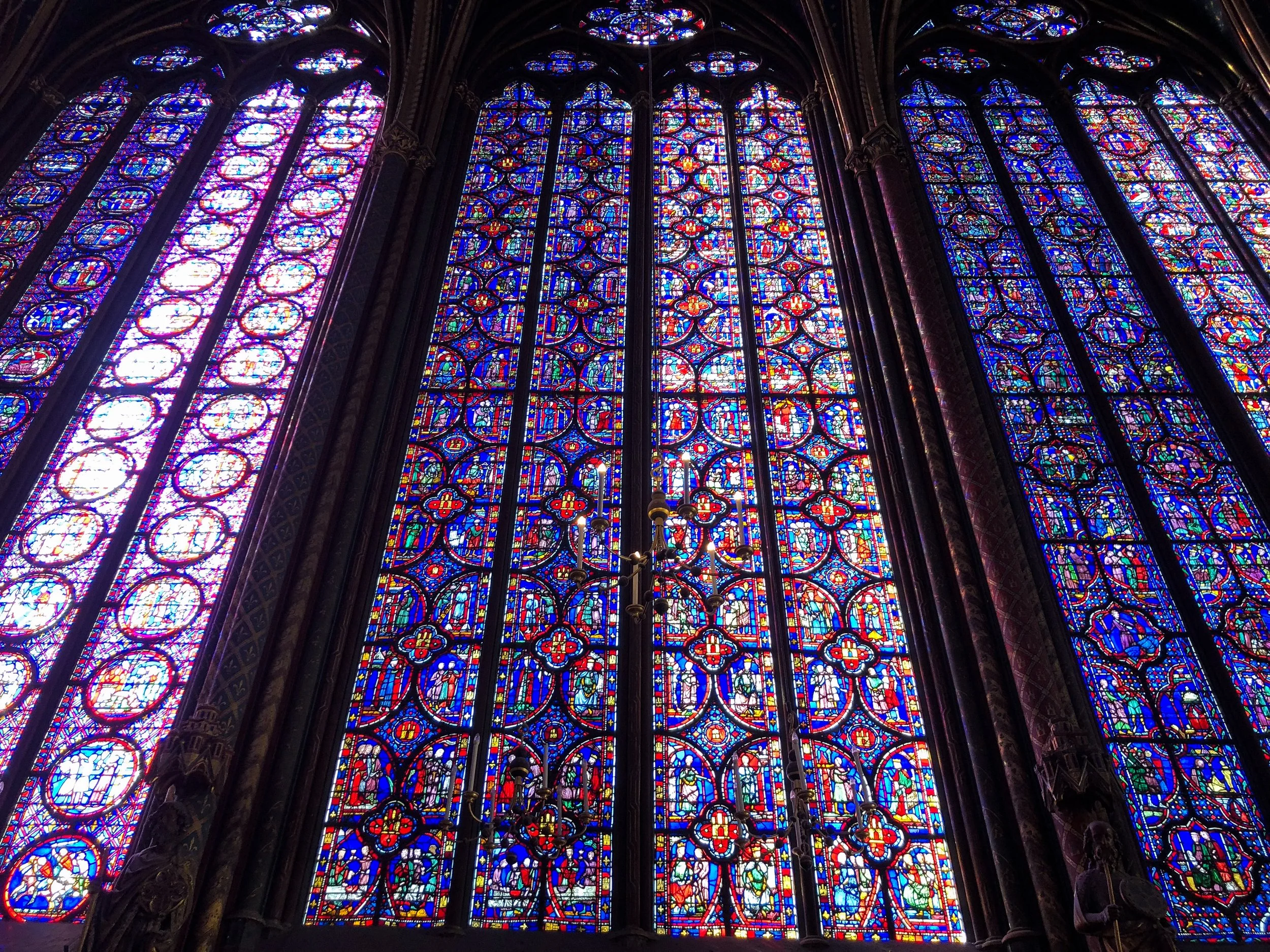
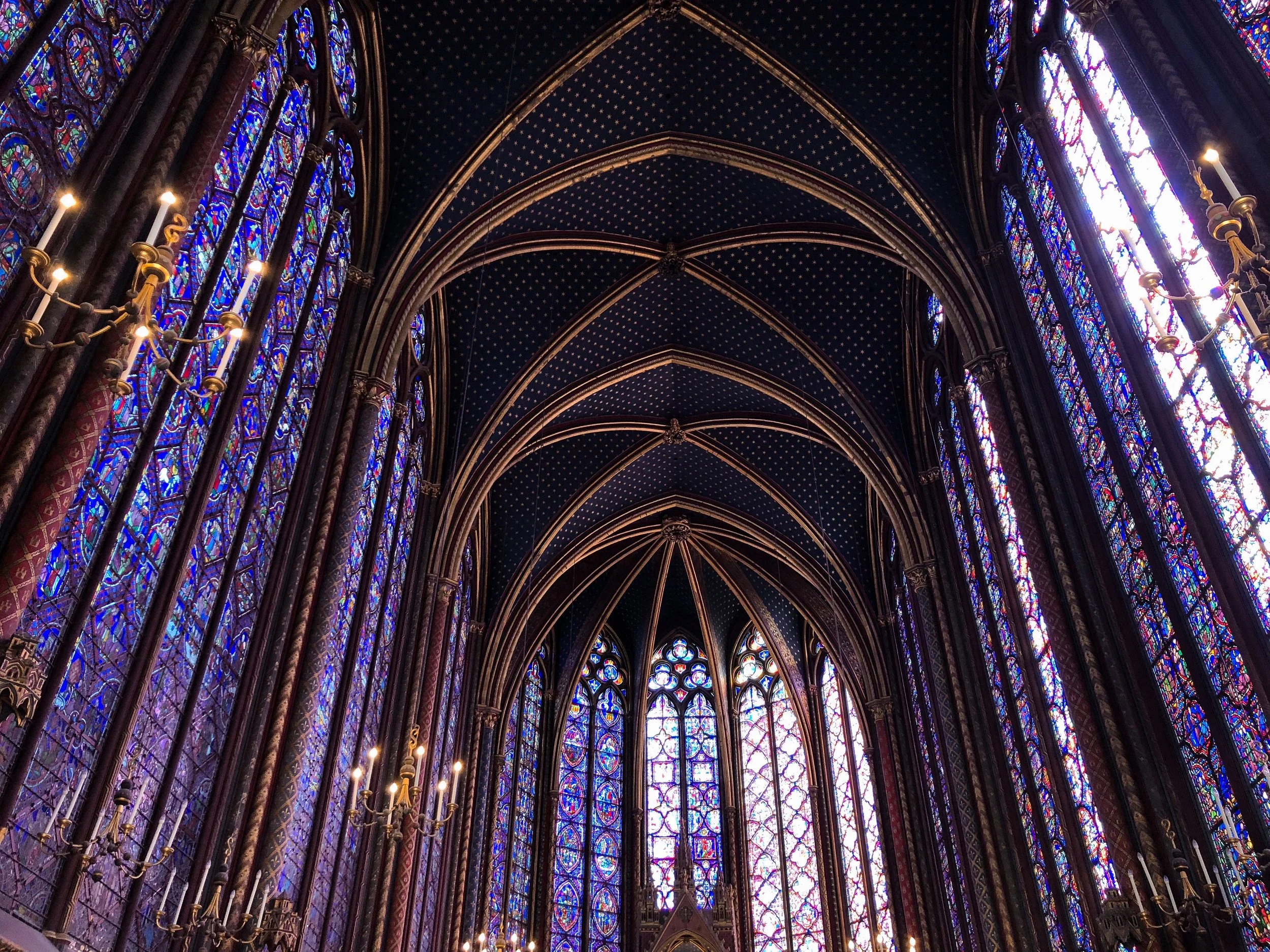
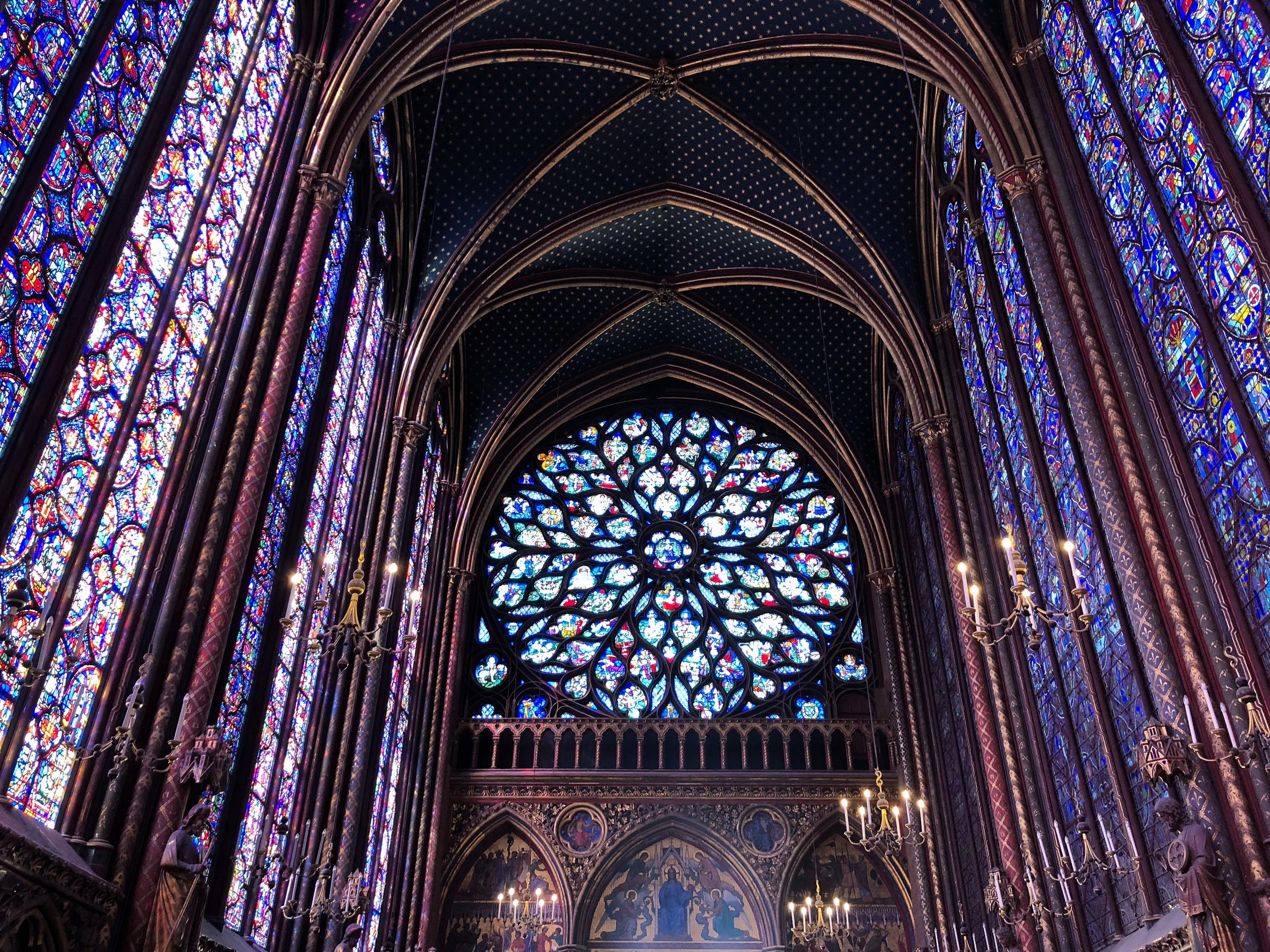
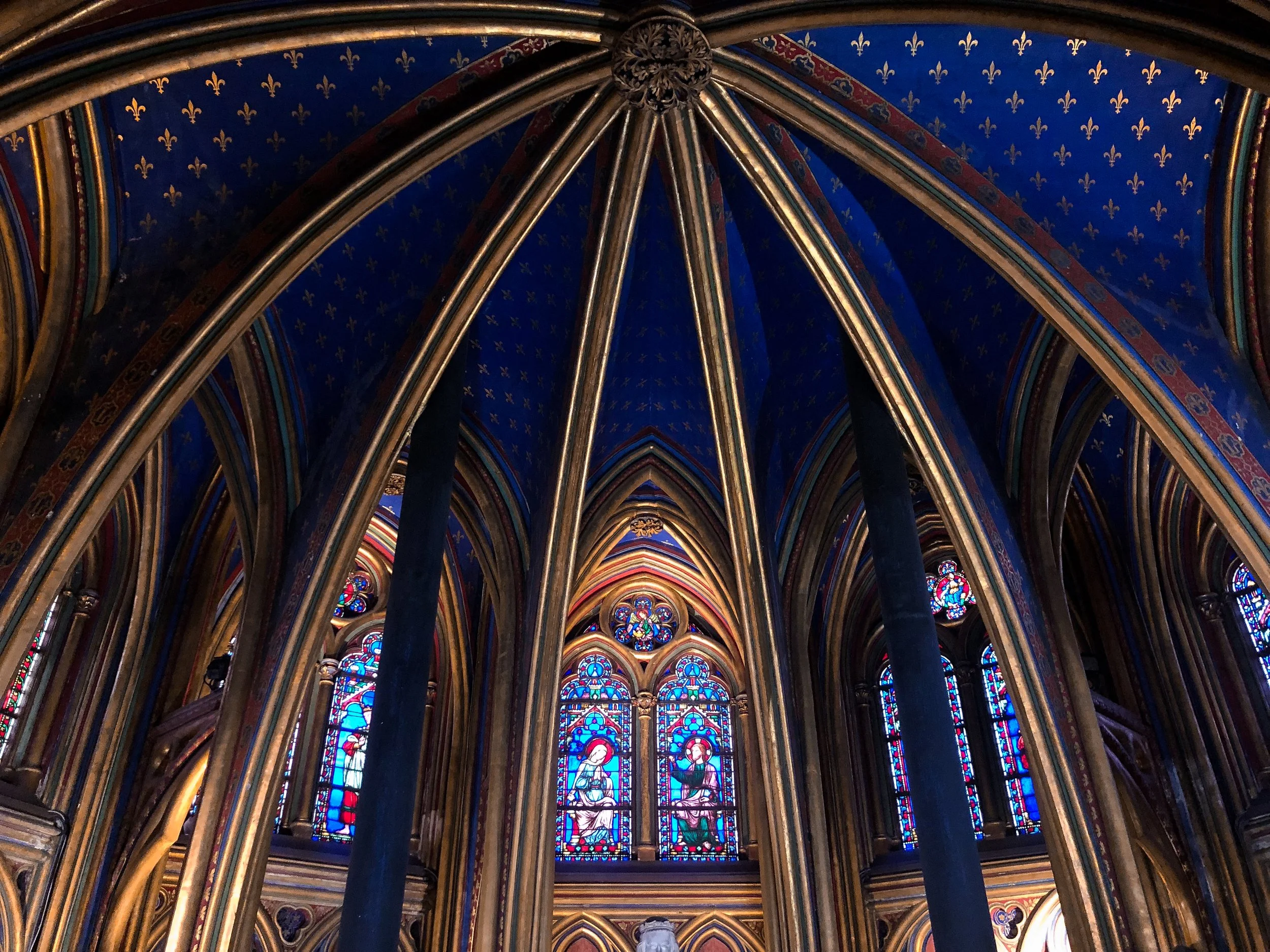
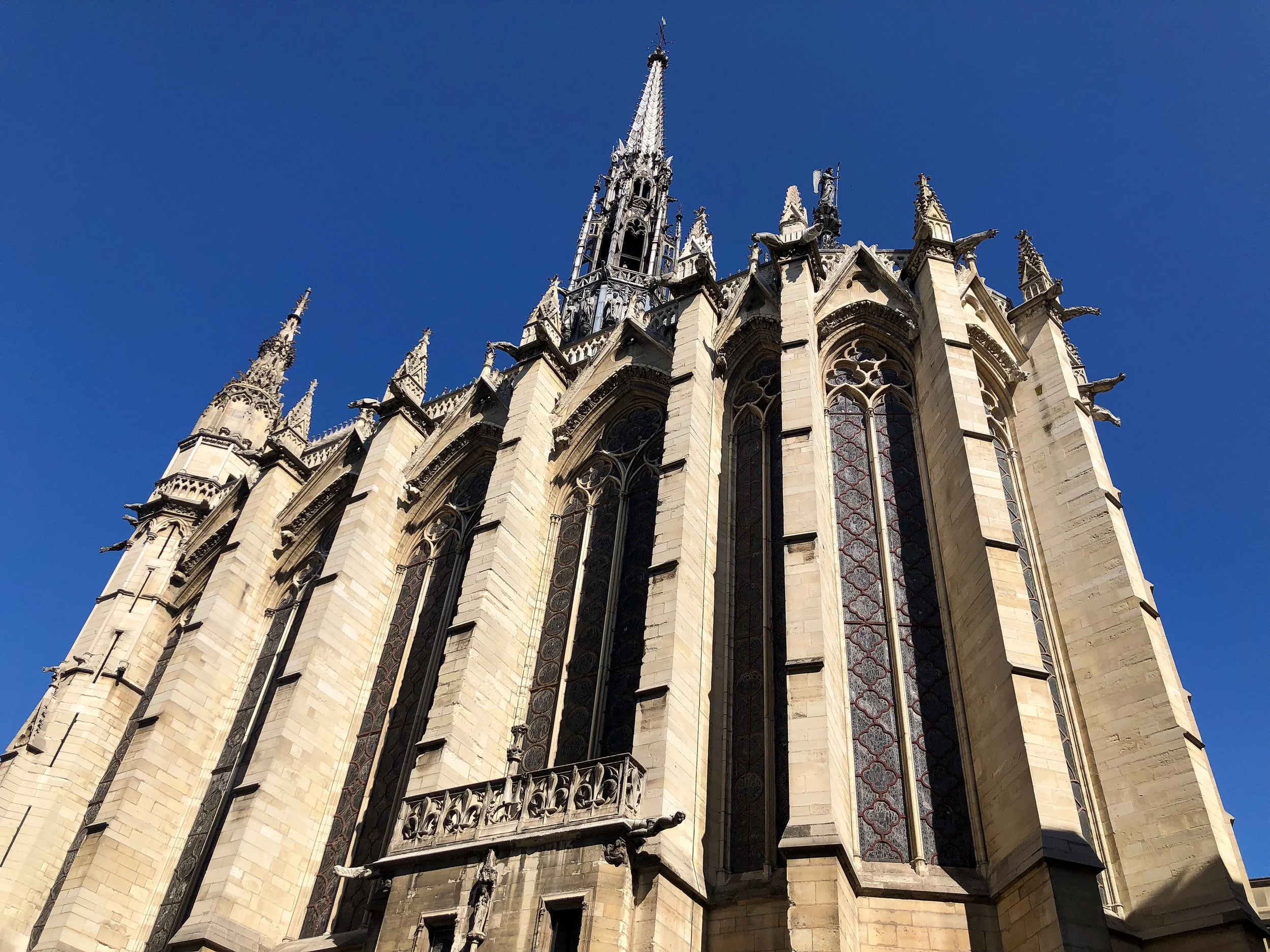
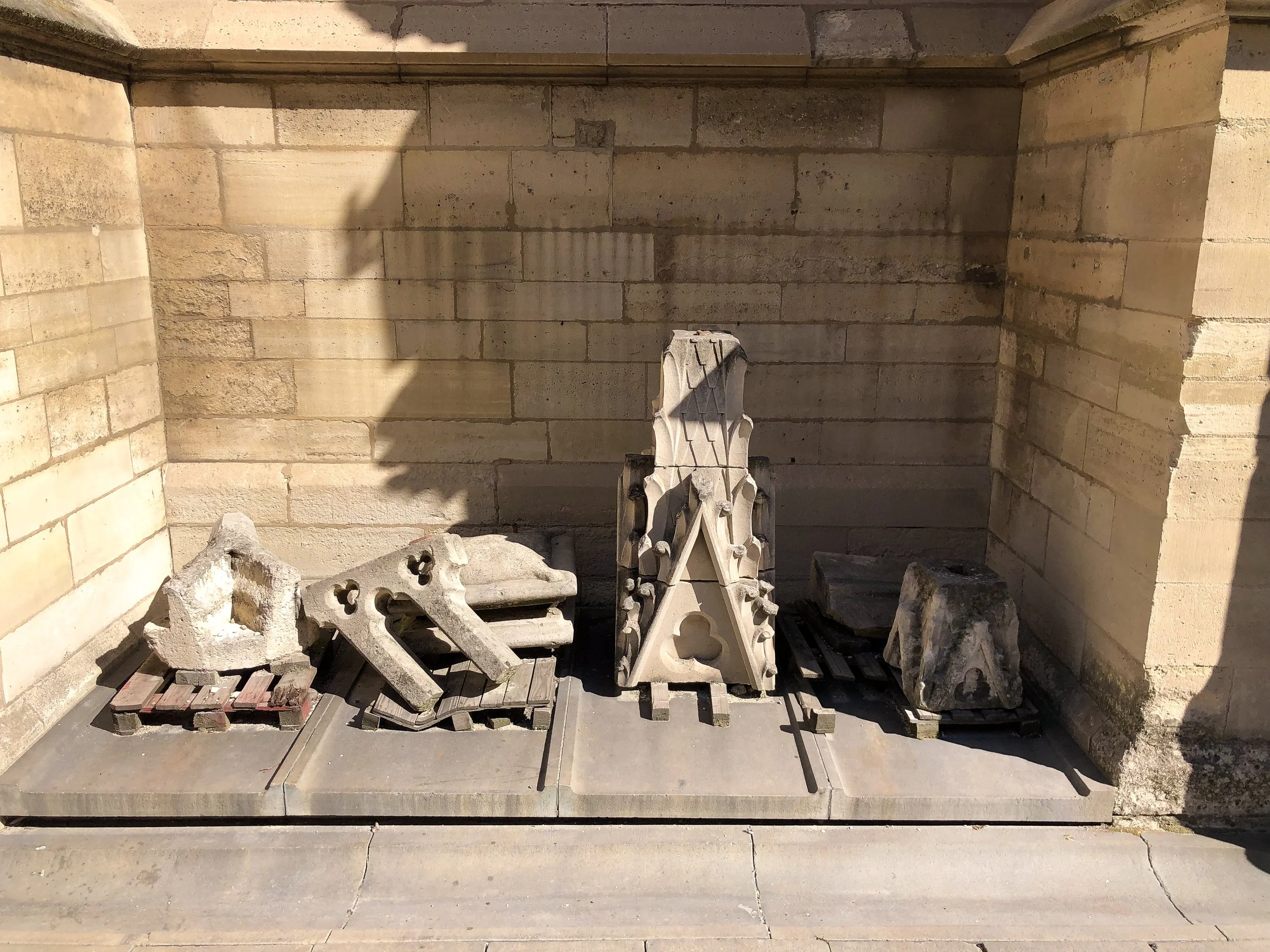
Sainte Chapelle. A highly ornamented gothic chapel dating back to the middle of the 13th century. It’s renowned for its massive purple hued stained glass windows, gold leafed arches, vaulted ceilings and stone facade. Book tickets online at least two weeks before visiting.
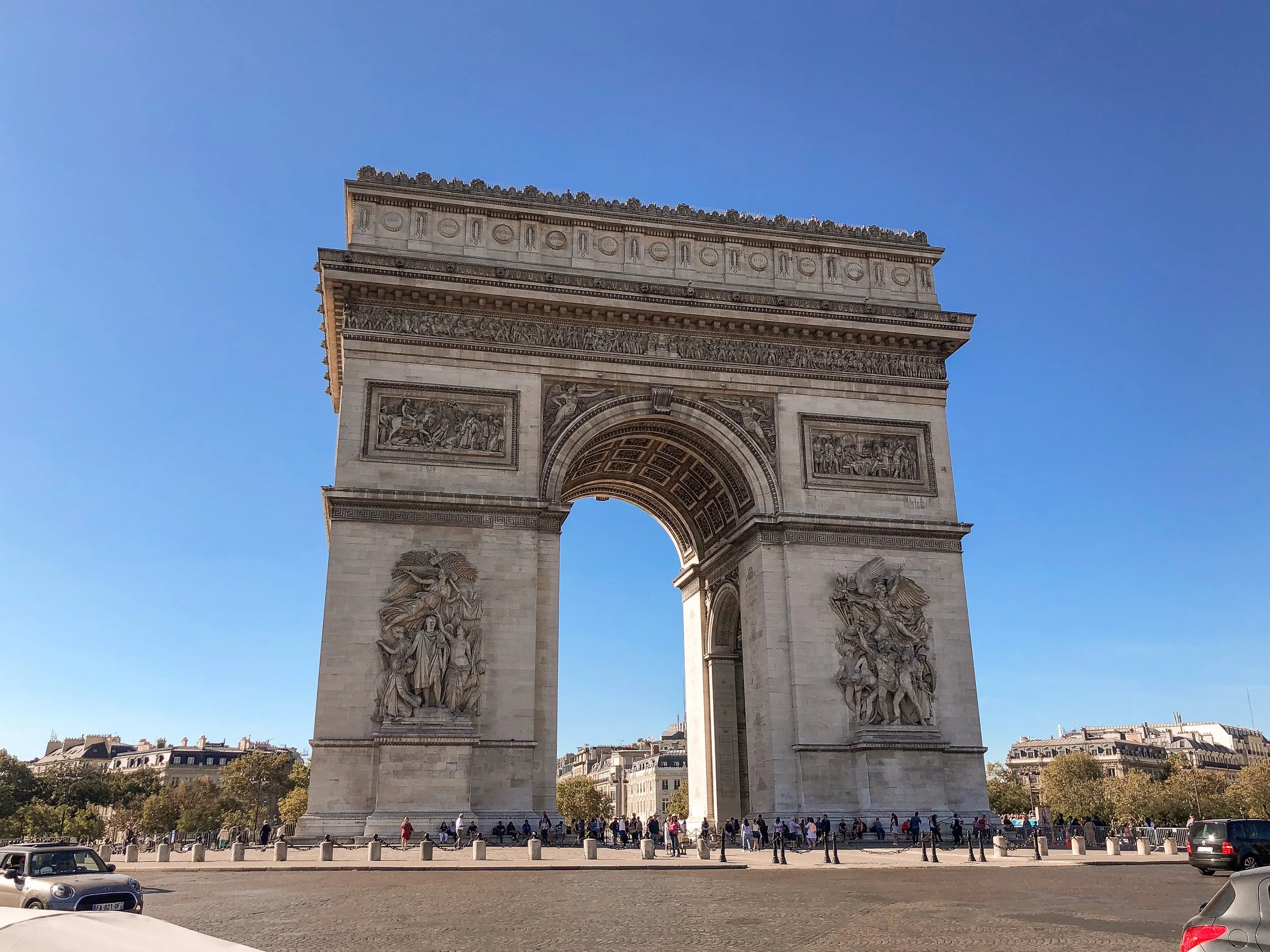
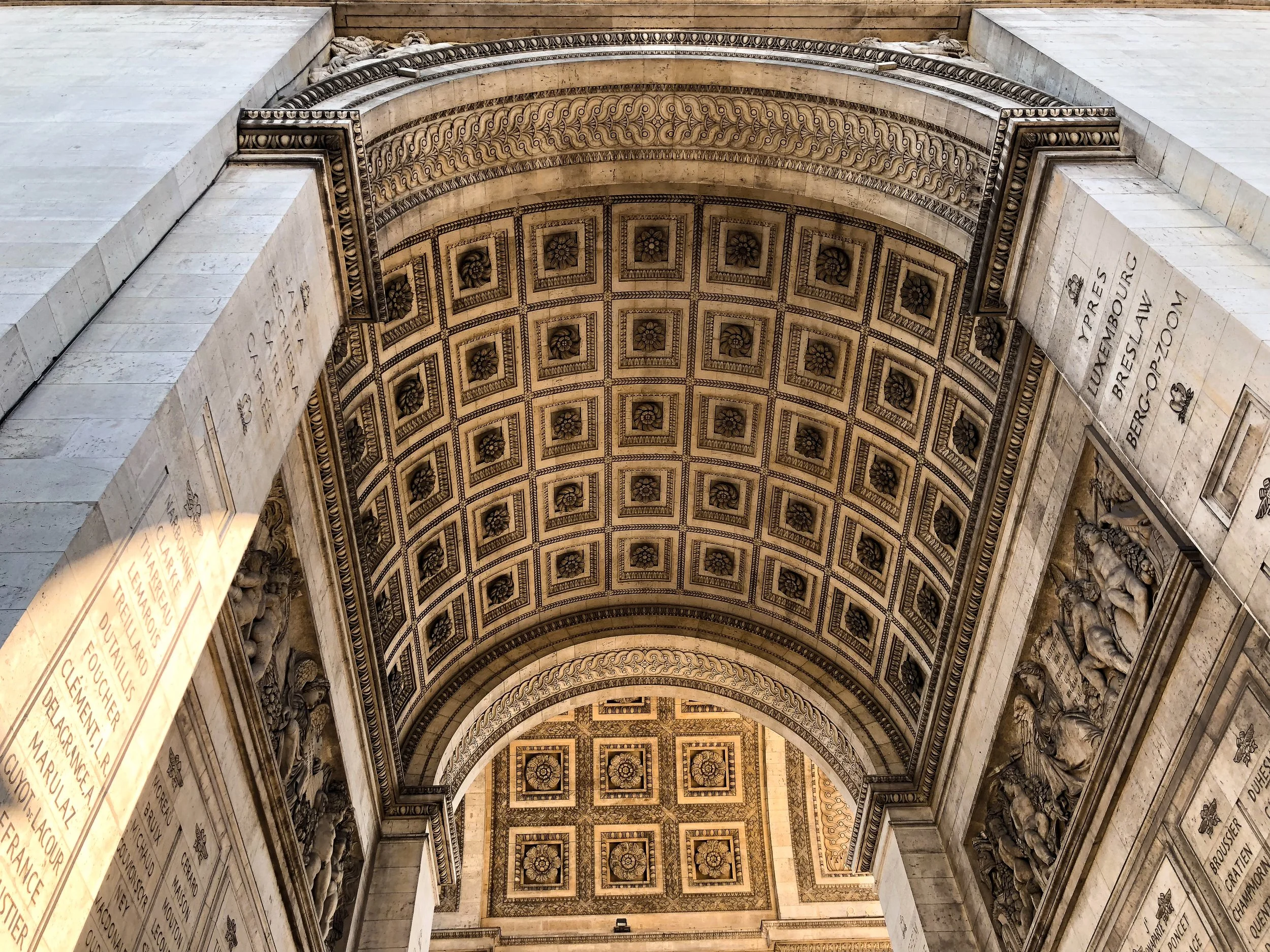
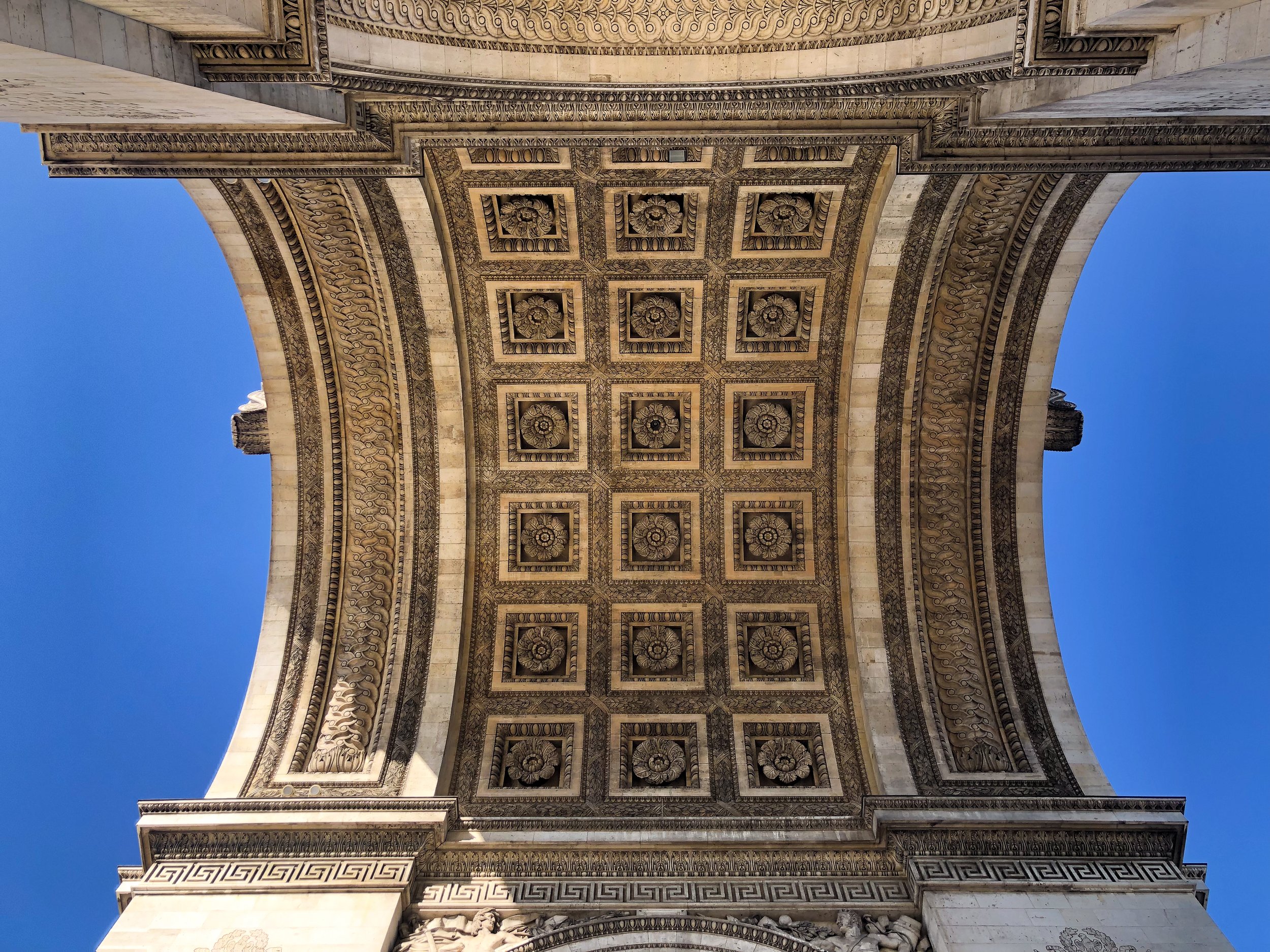
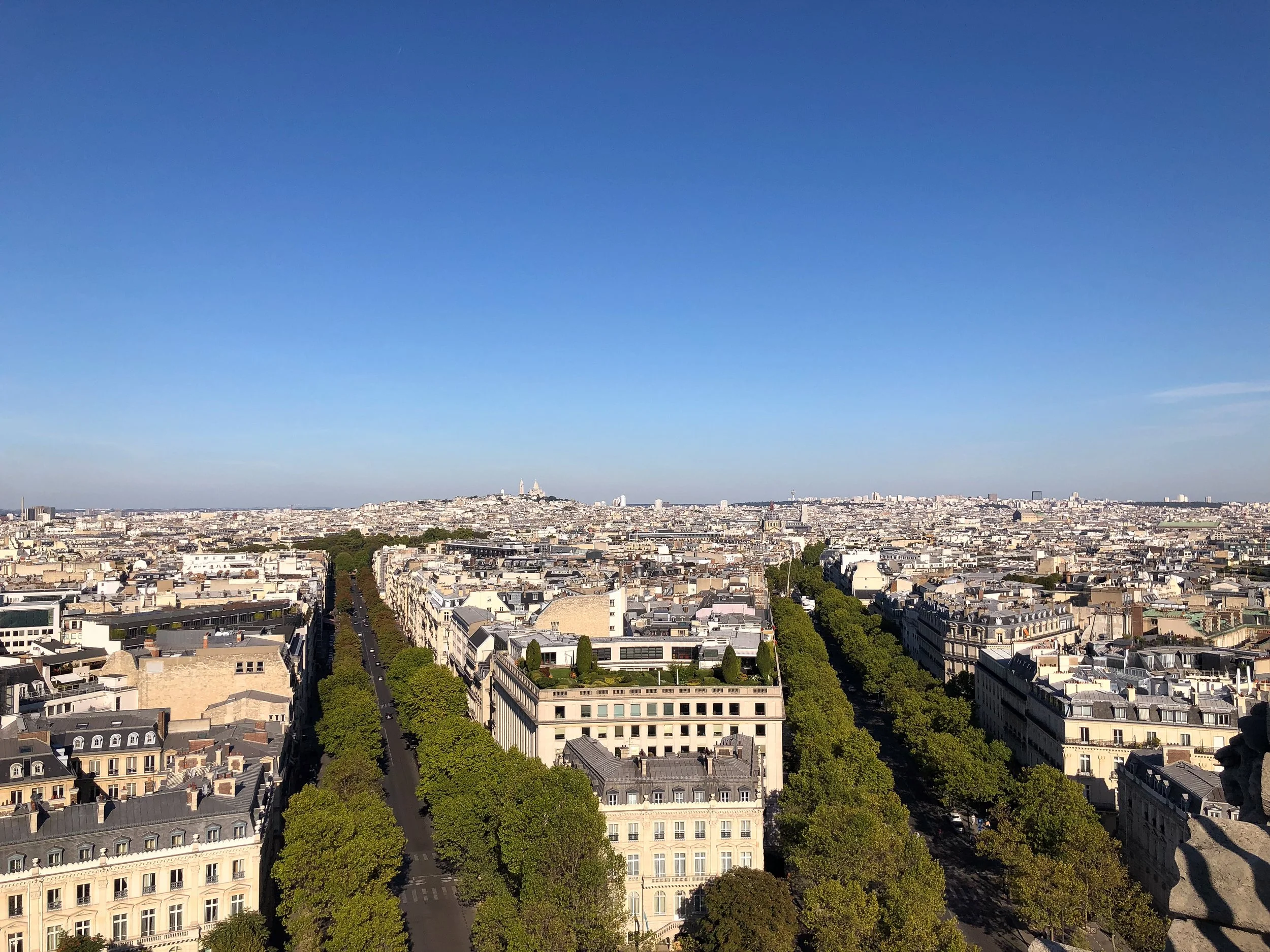
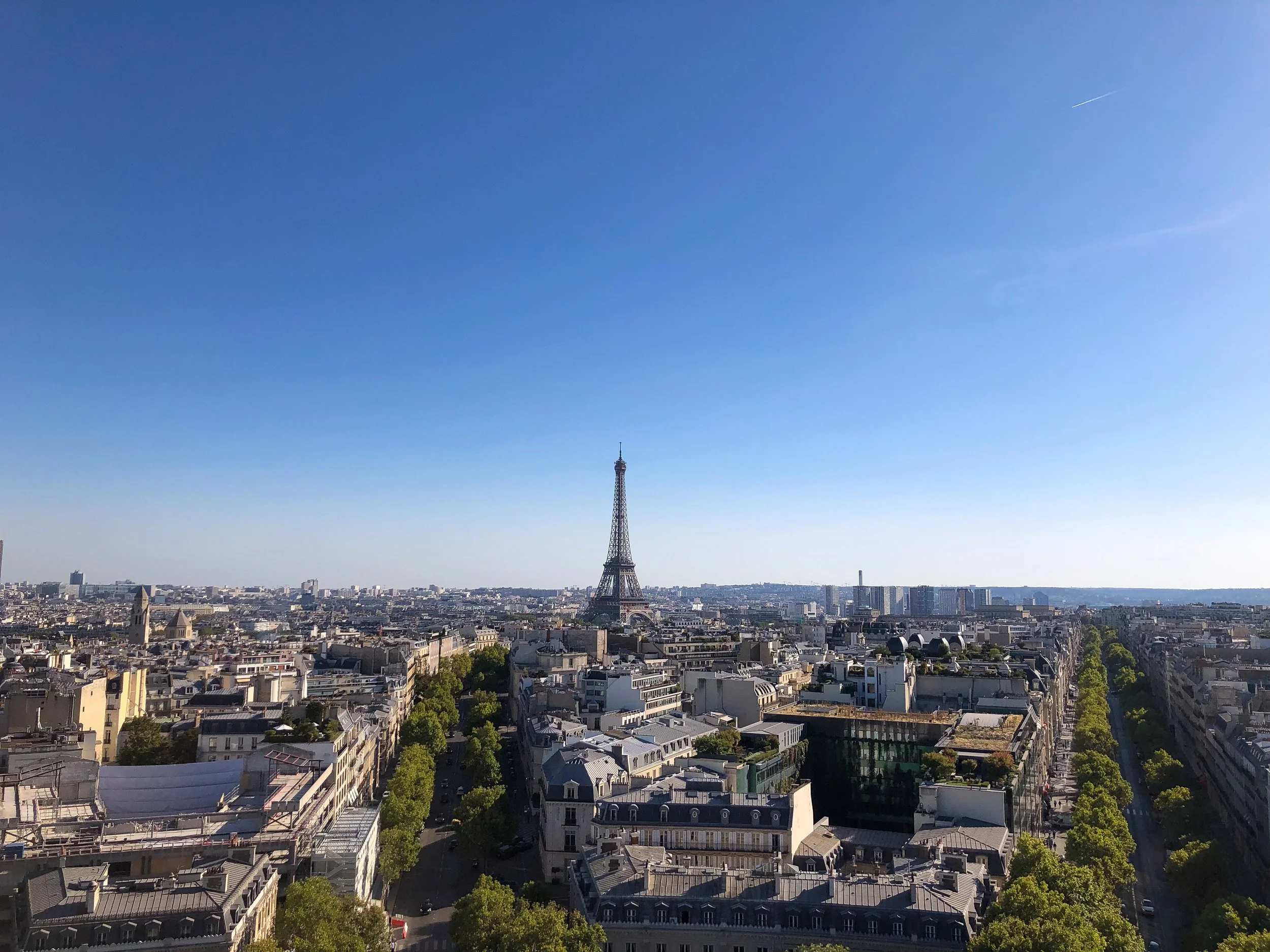
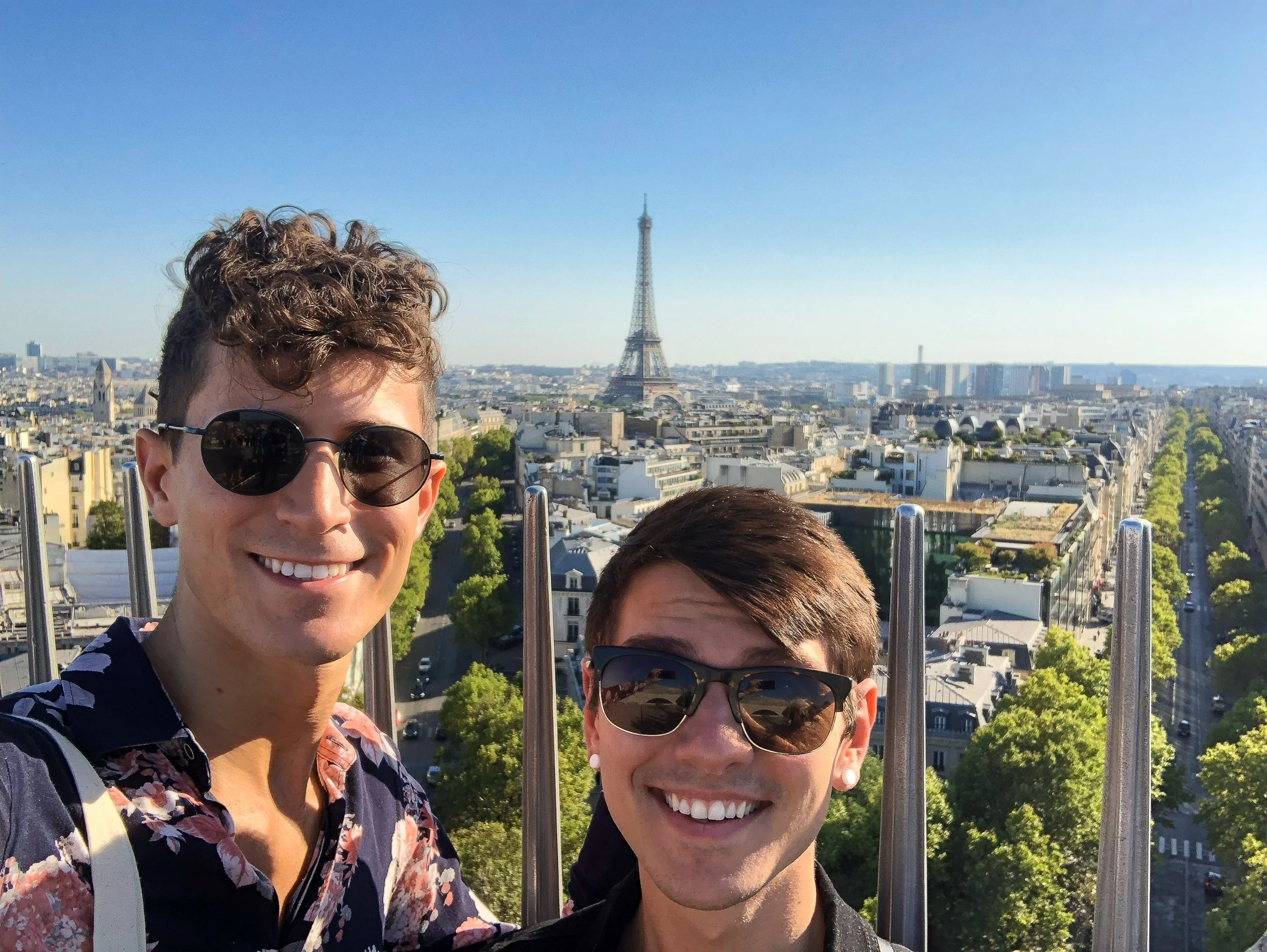
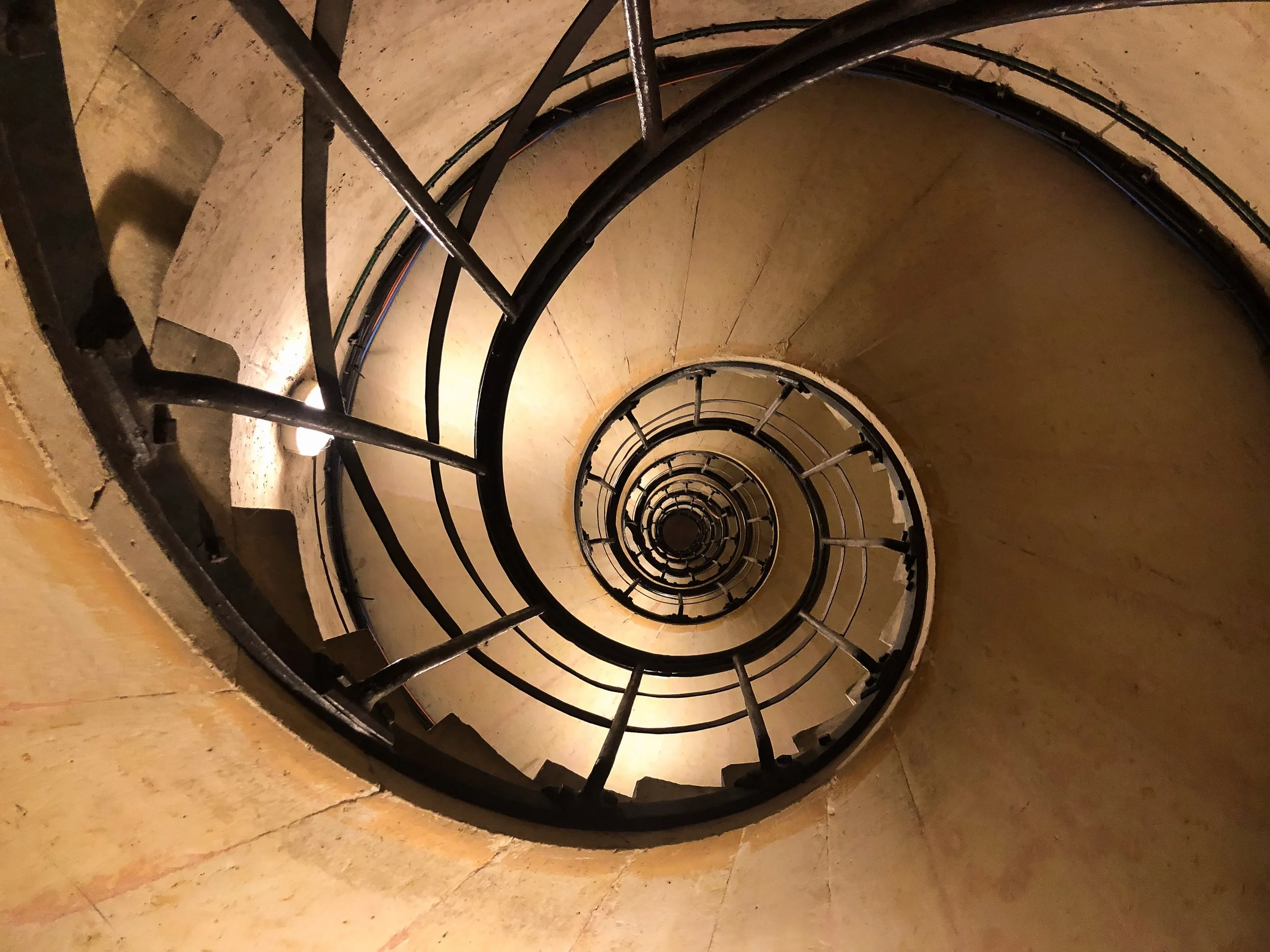
Arc de Triomphe. A magnificent arc and Napoleonic era war monument on the Champs-Élysées. It features four pillars, each marked by sculpted statues and reliefs of France’s military victories. A 284 step spiral staircase ascends to a museum and rooftop with panoramic views of Paris and the city’s spoke-like avenues.
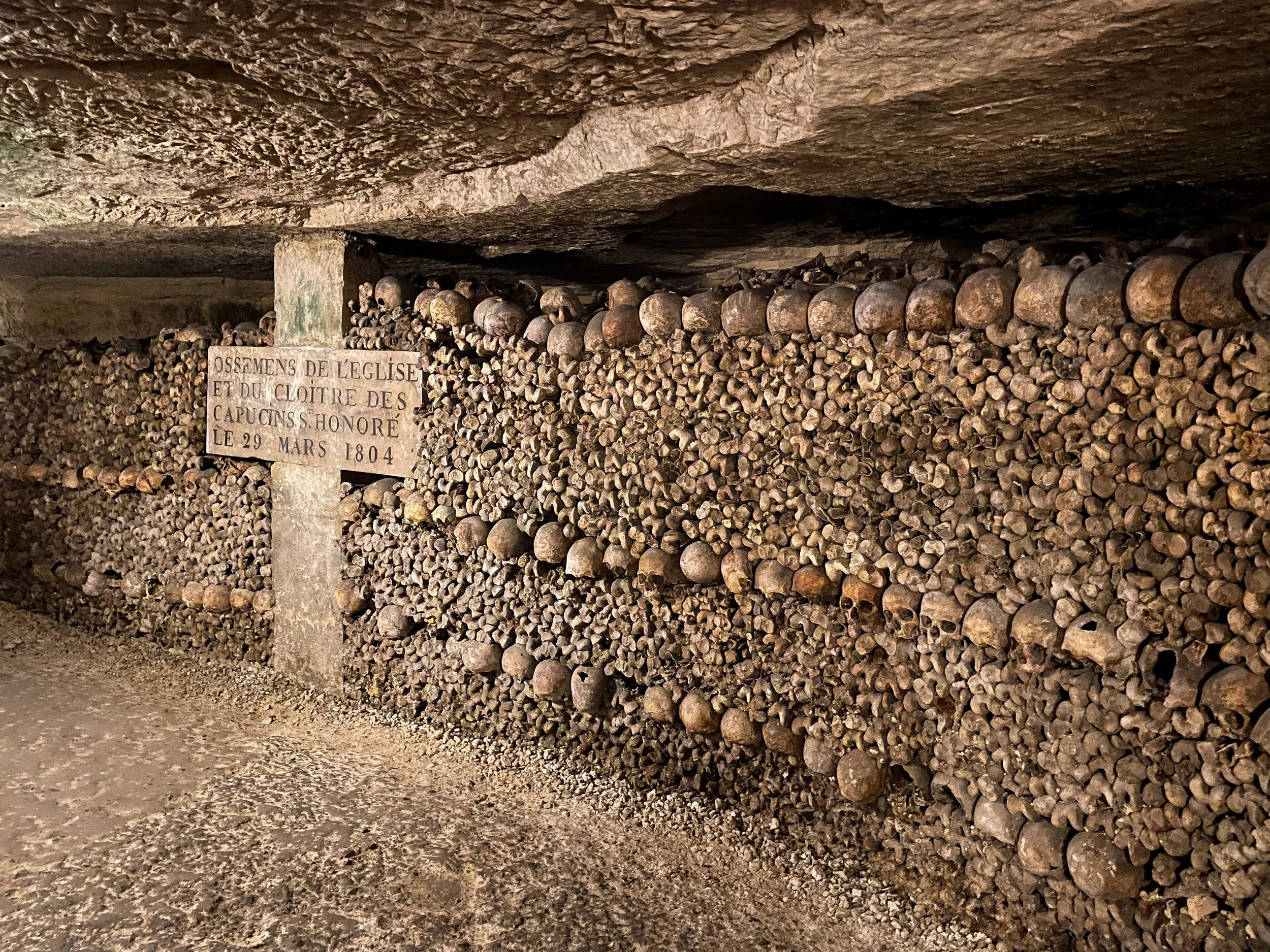
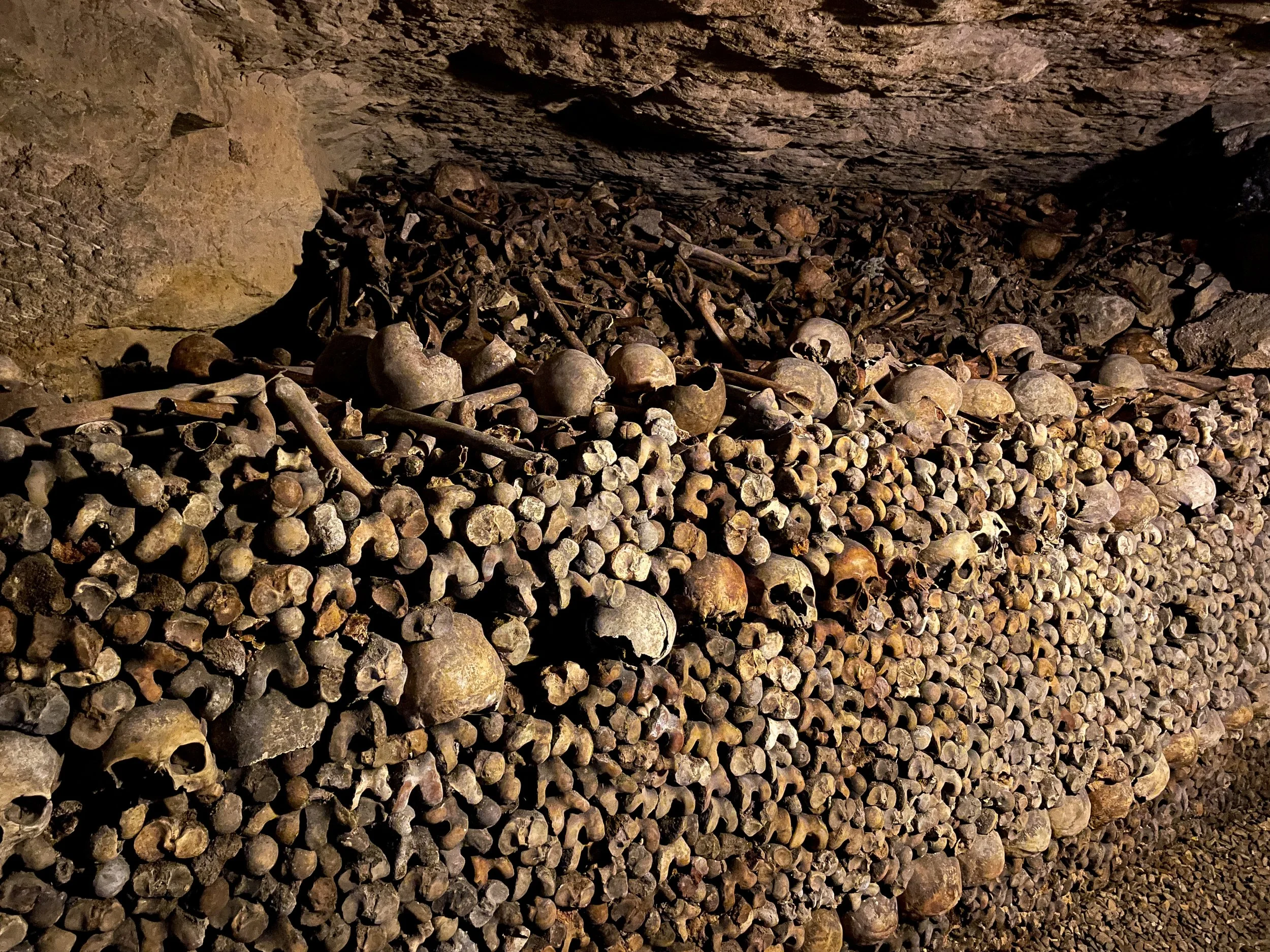
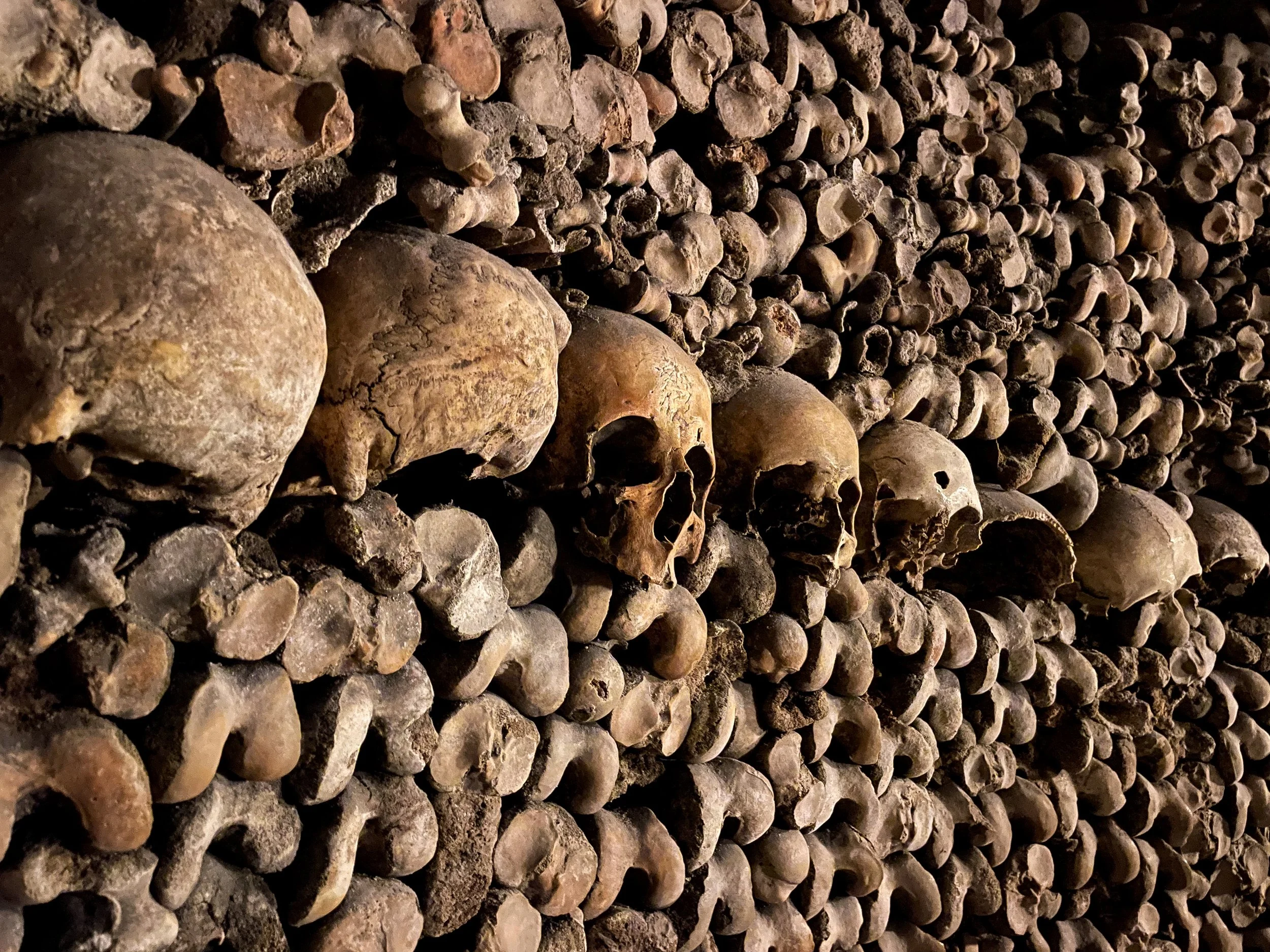
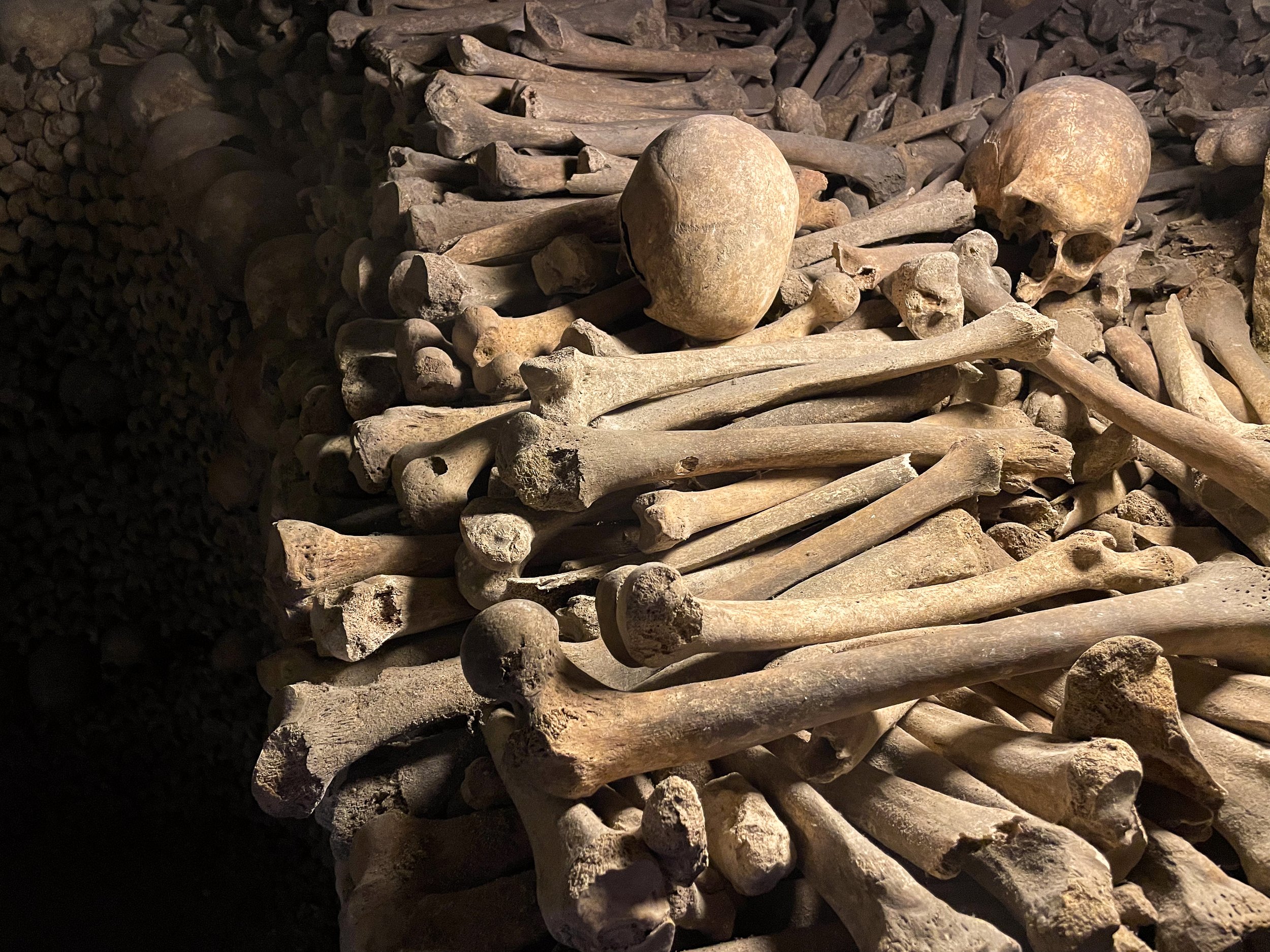
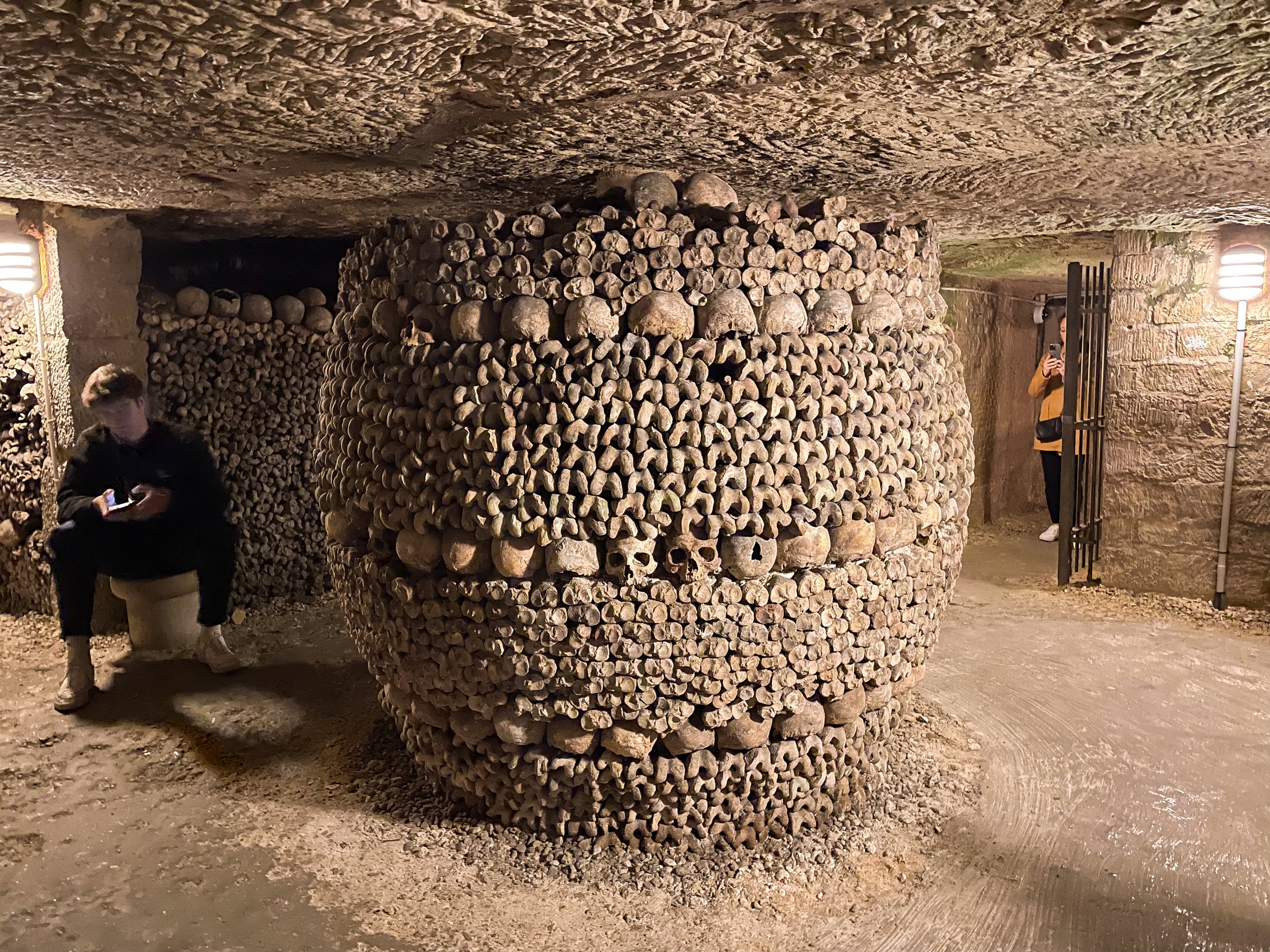
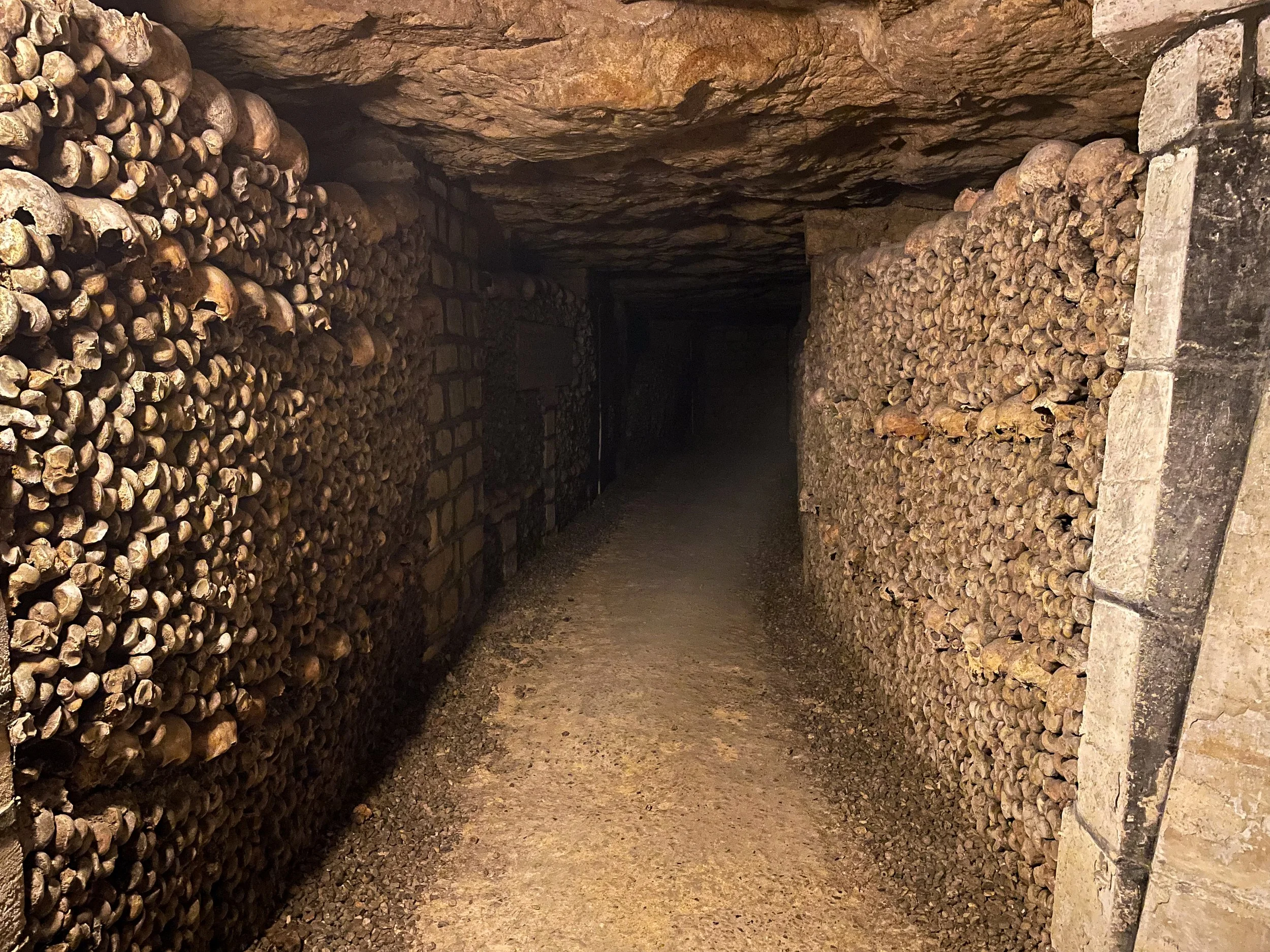
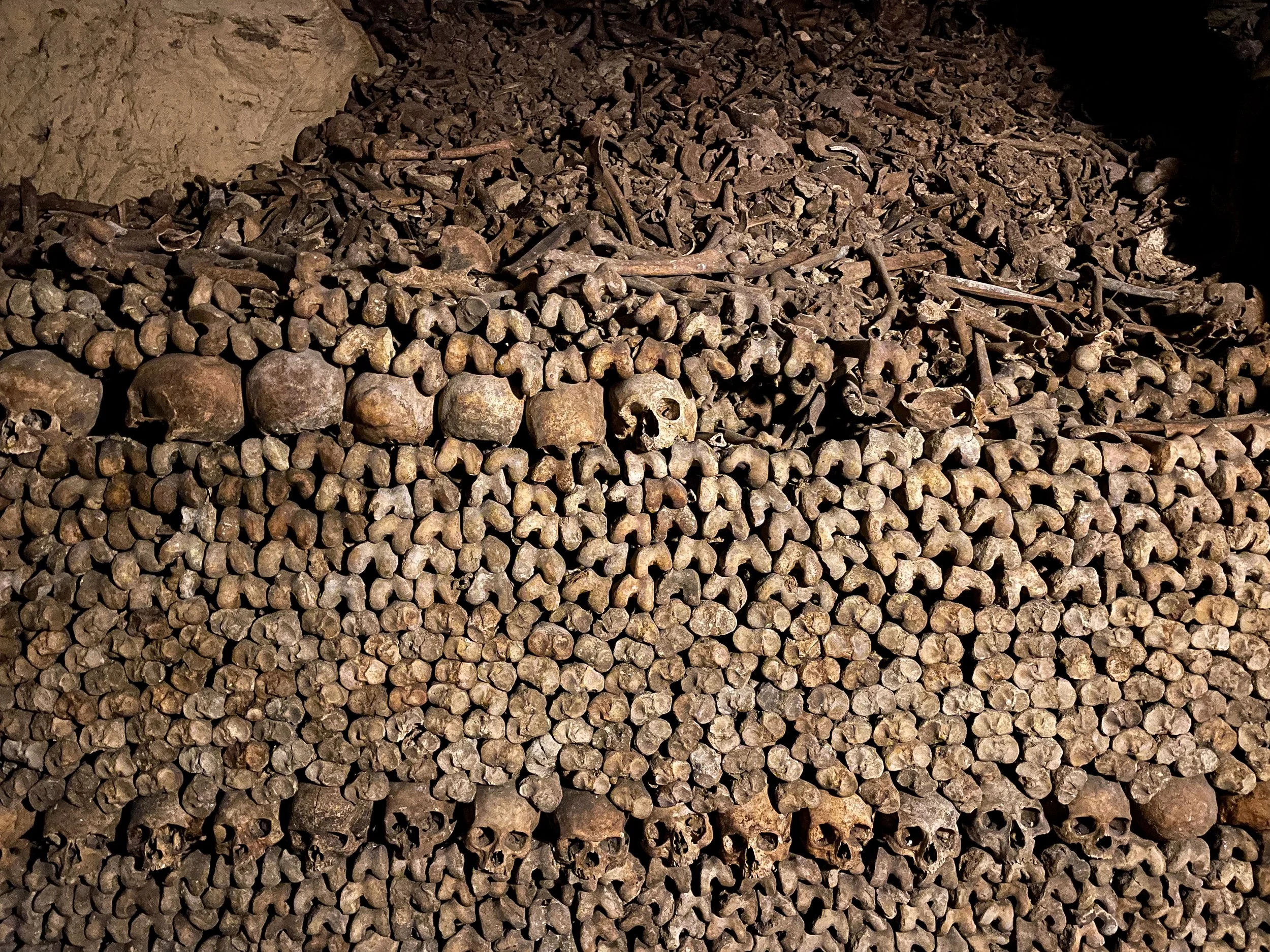
The Catacombs. A macabre labyrinth of subterranean tunnels are home to the skeletal remains of over 7 million people. It’s truly an underworld of the dead. Its dimly lit and damp passageways are lined with layers of stacked femurs and skulls holding back smaller bones. The skulls, some artfully arranged into patterns like hearts and crosses, seemed to watch us as we wandered through. The catacombs wind hundreds of kilometers below Paris with just more than 1 kilometer open to visitors. Book online at least one week out at the Official Ticket Office. An audio guide is included with the ticket.
See Some Art
With a rich culture surrounding art and artists, Paris is the best place in the world to learn about art history and see some of the world’s masterpieces.
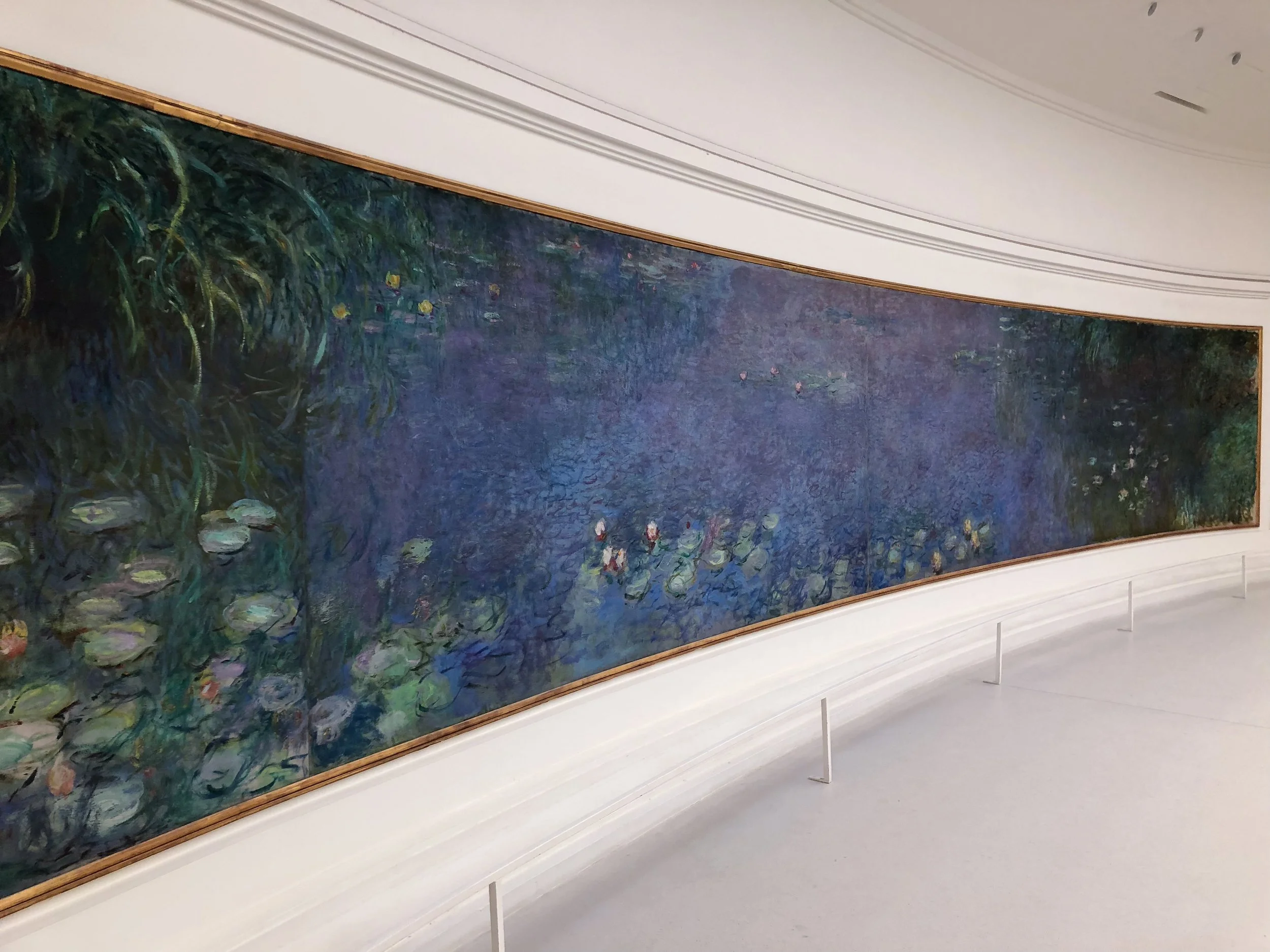
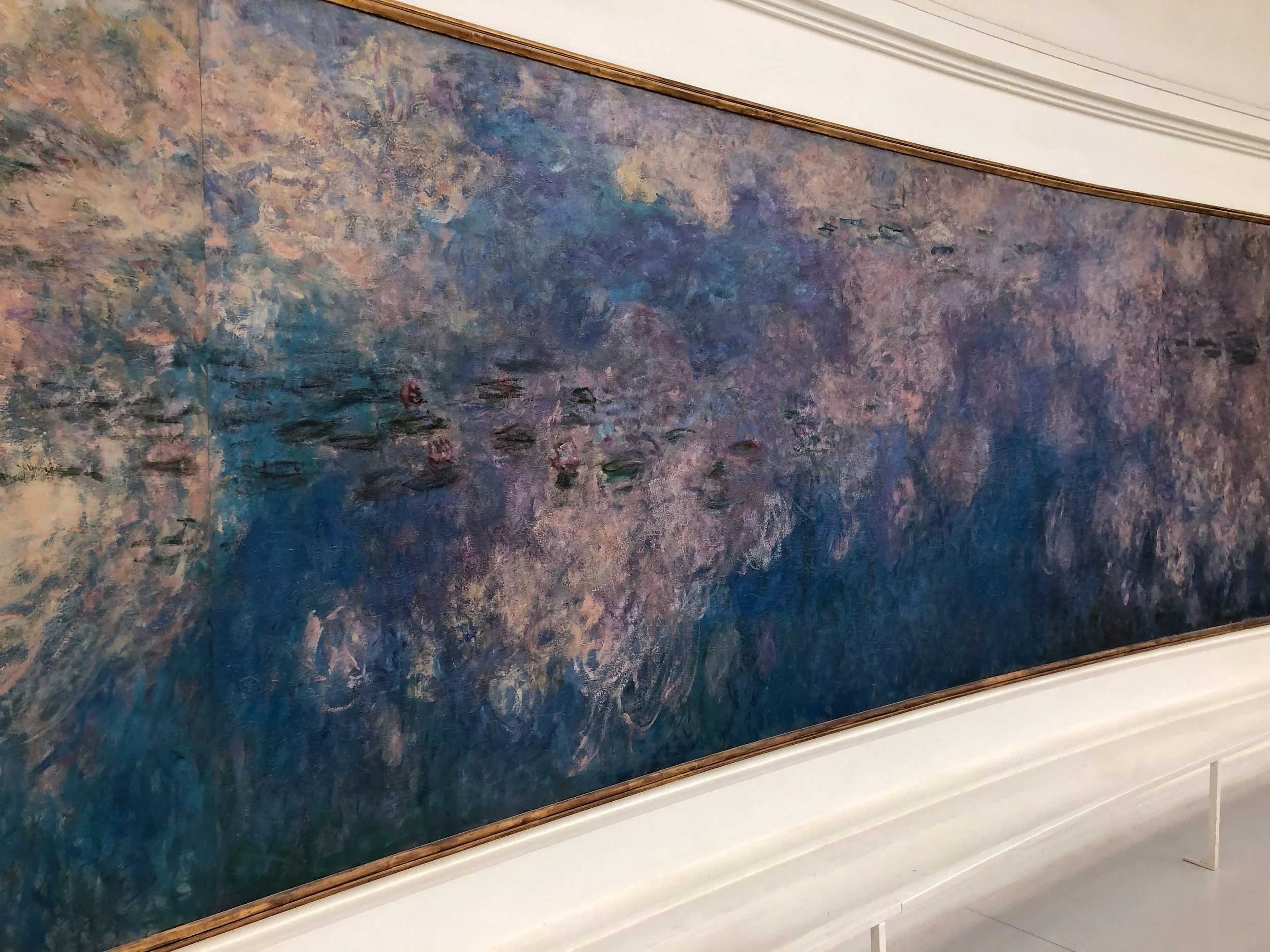
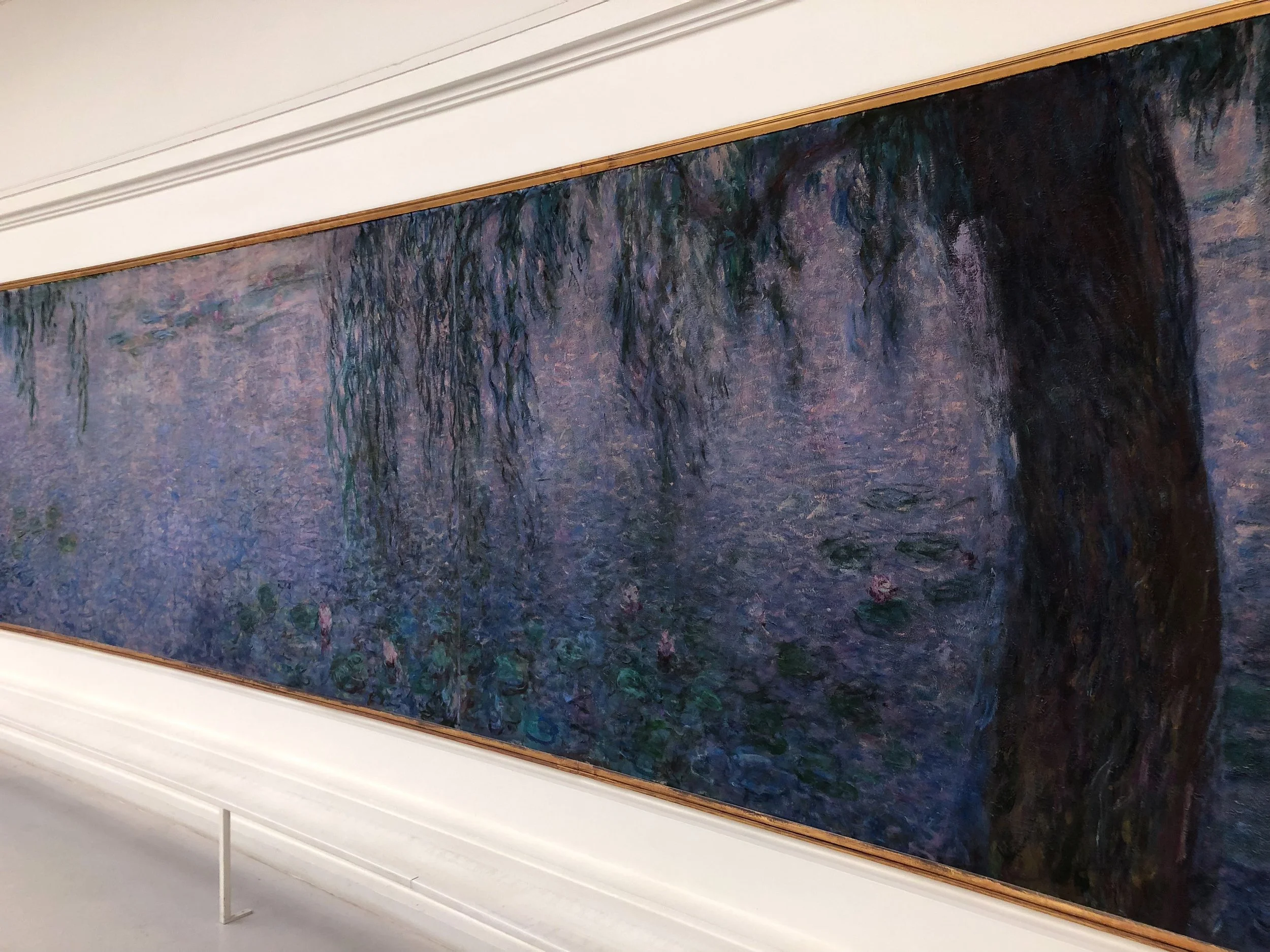
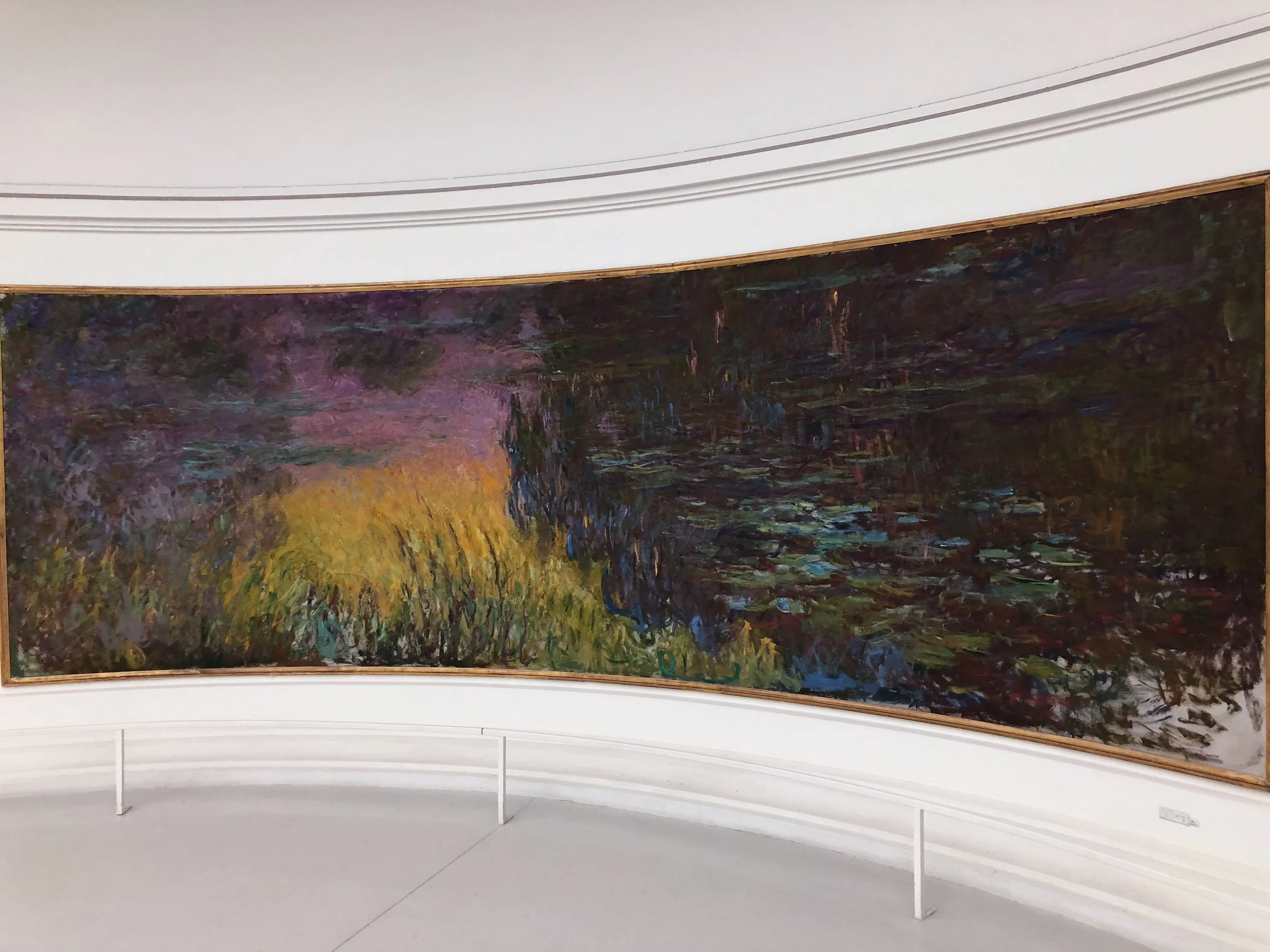
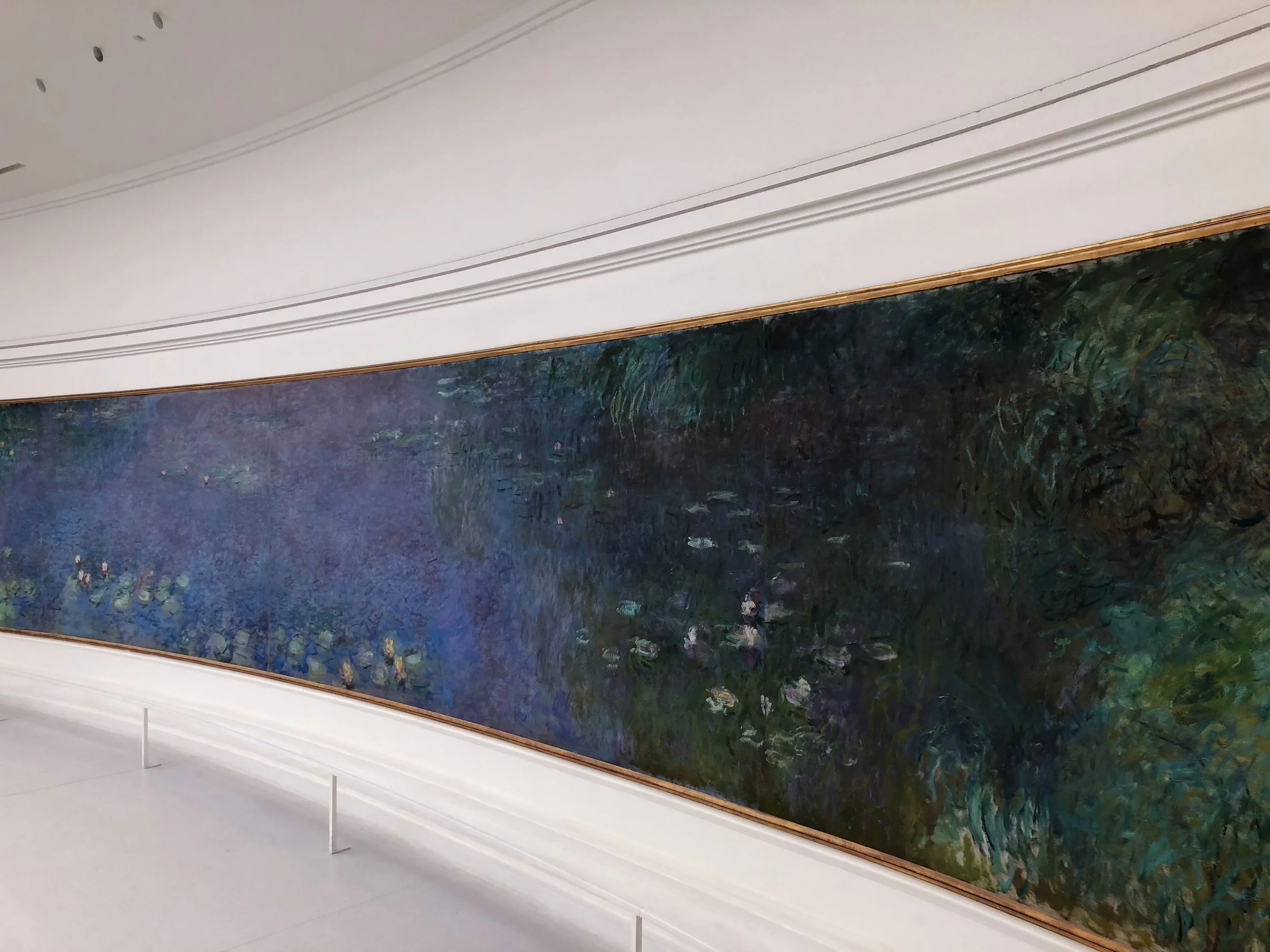
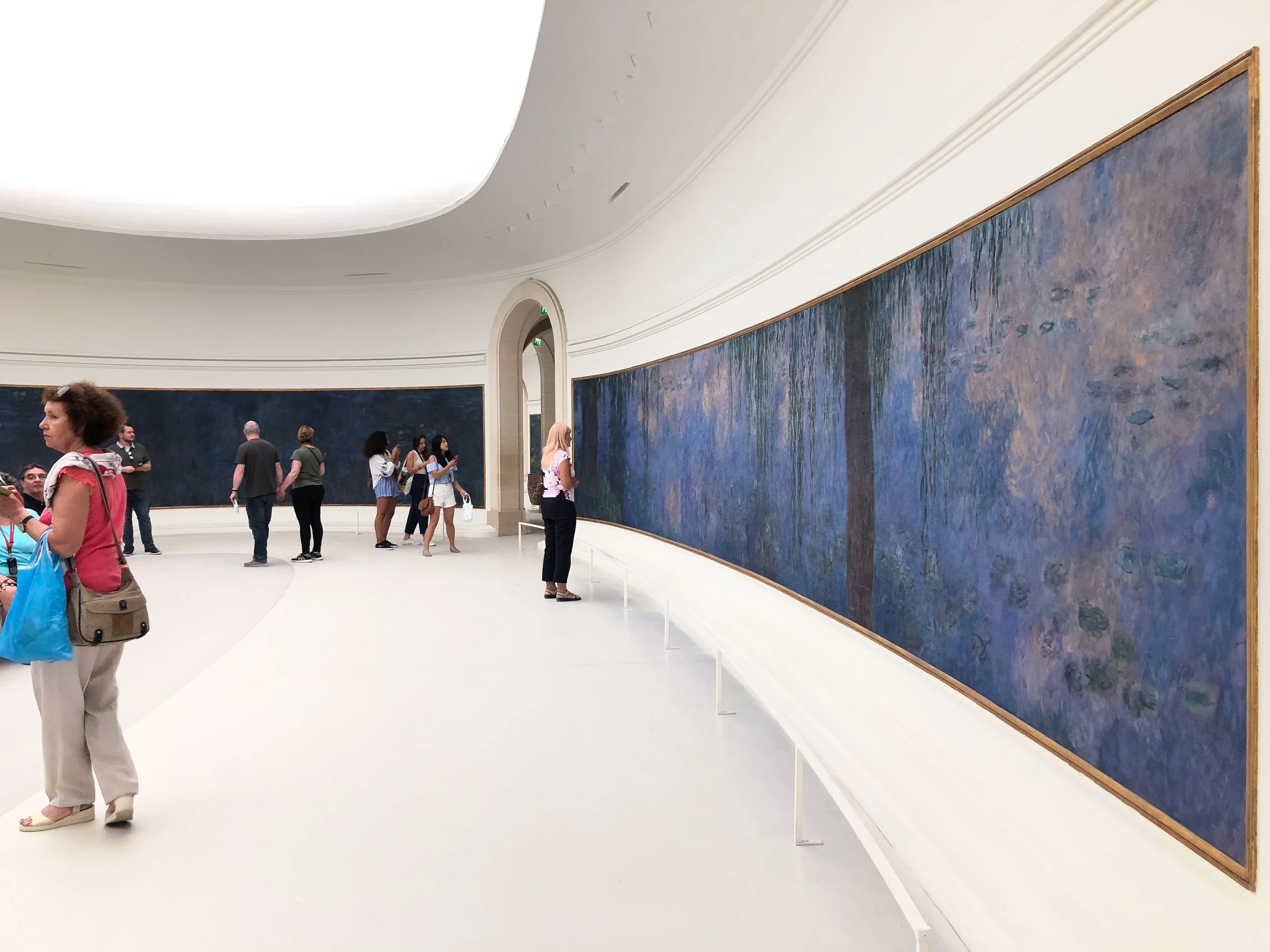
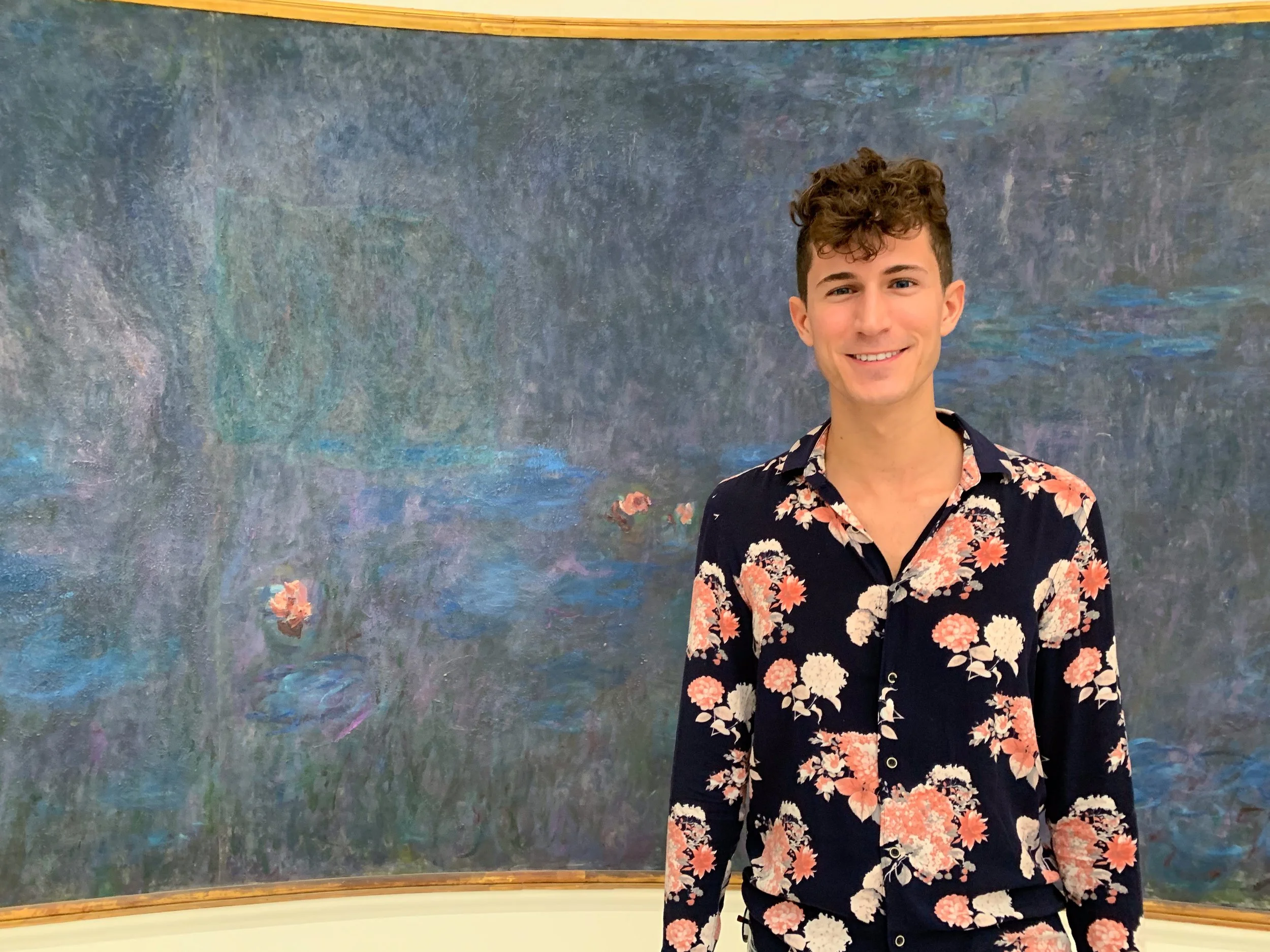
Musée de l'Orangerie. An Impressionist art museum built specifically to display a large collection of Monet’s Water Lilies and other impressionist paintings.
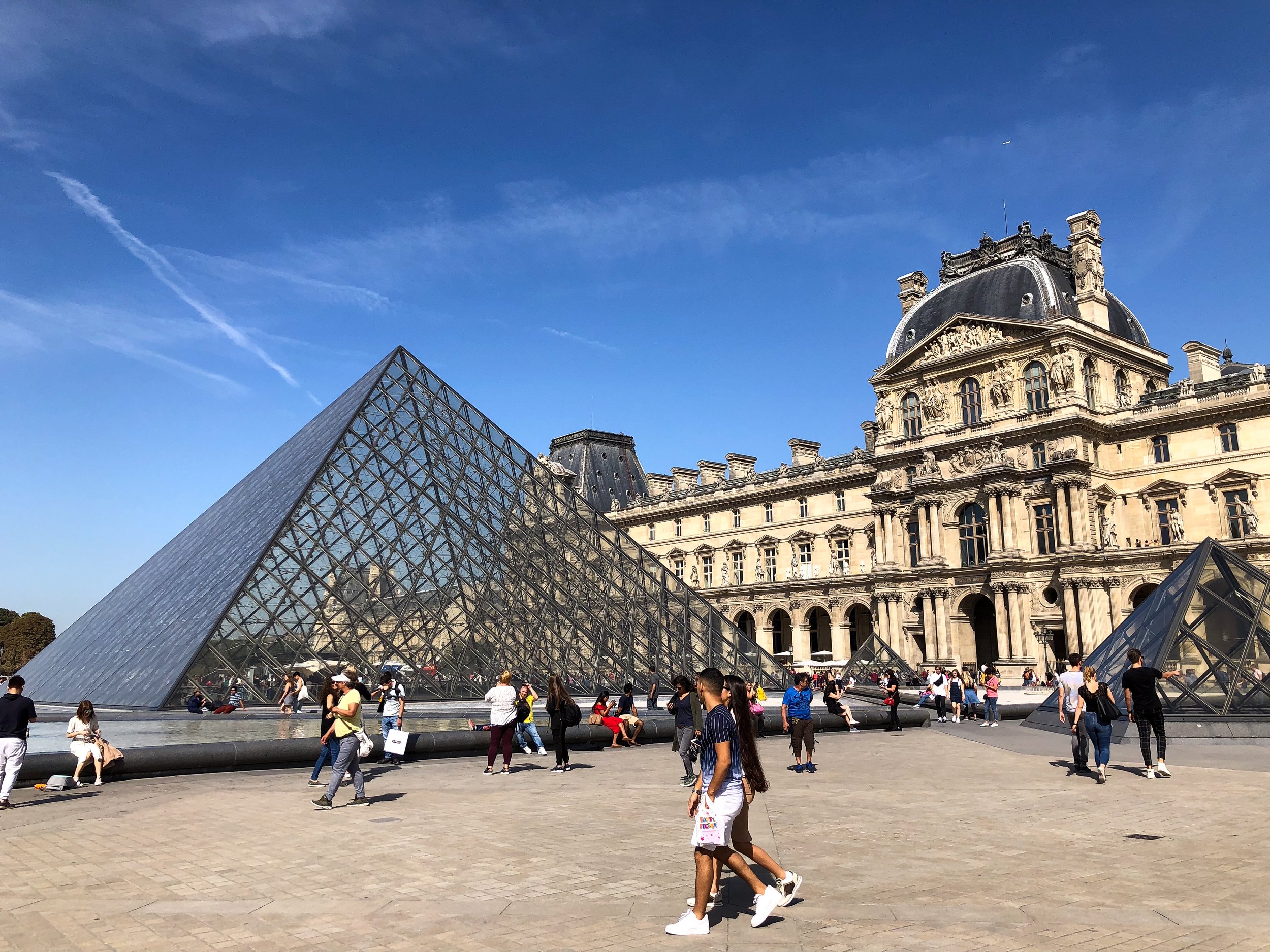
The Louvre Pyramid. A glass pyramid residing in the plaza of The Louvre, the world’s most famous art museum. We plan to explore its vast galleries on a future trip to Paris.
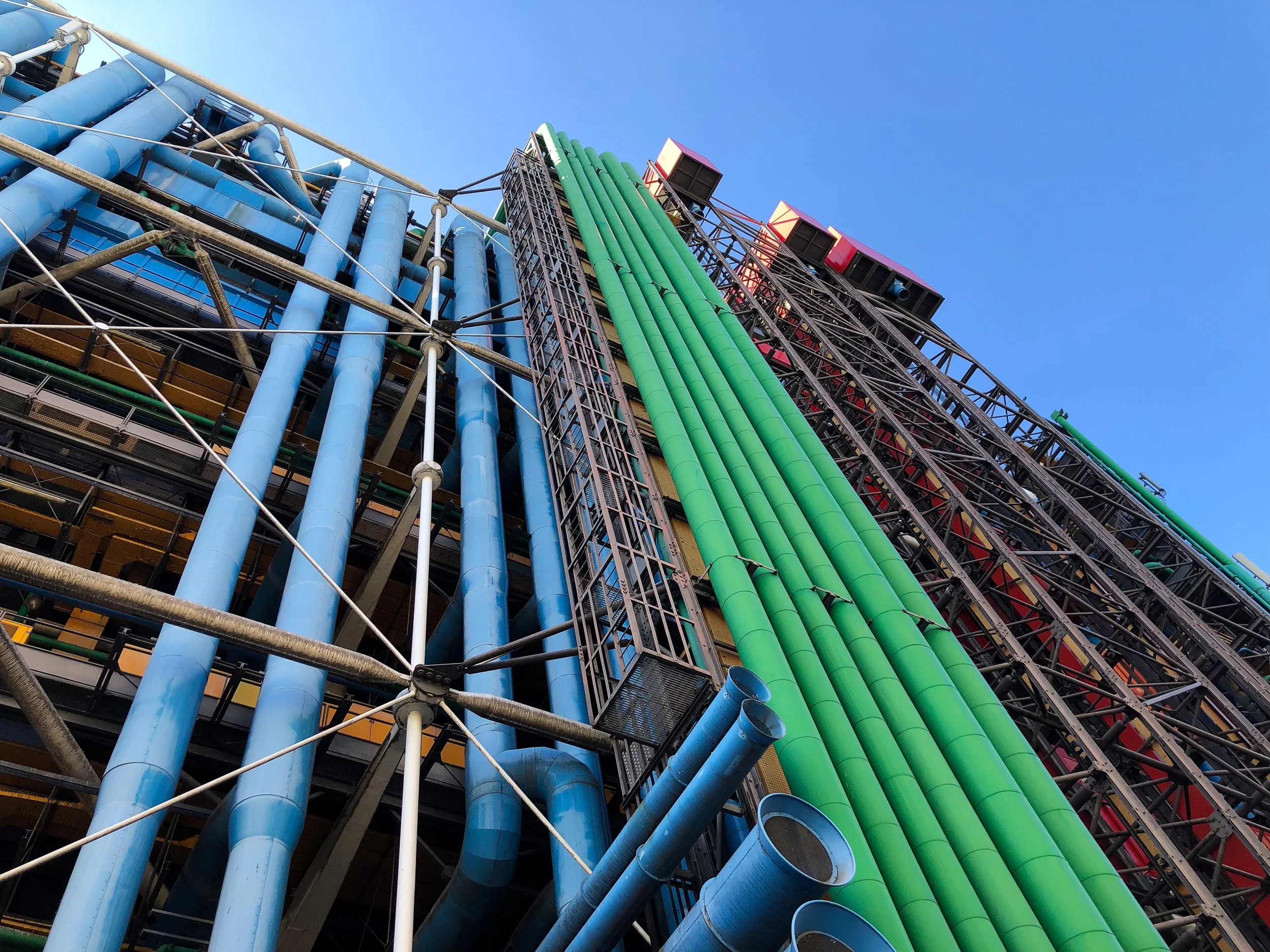
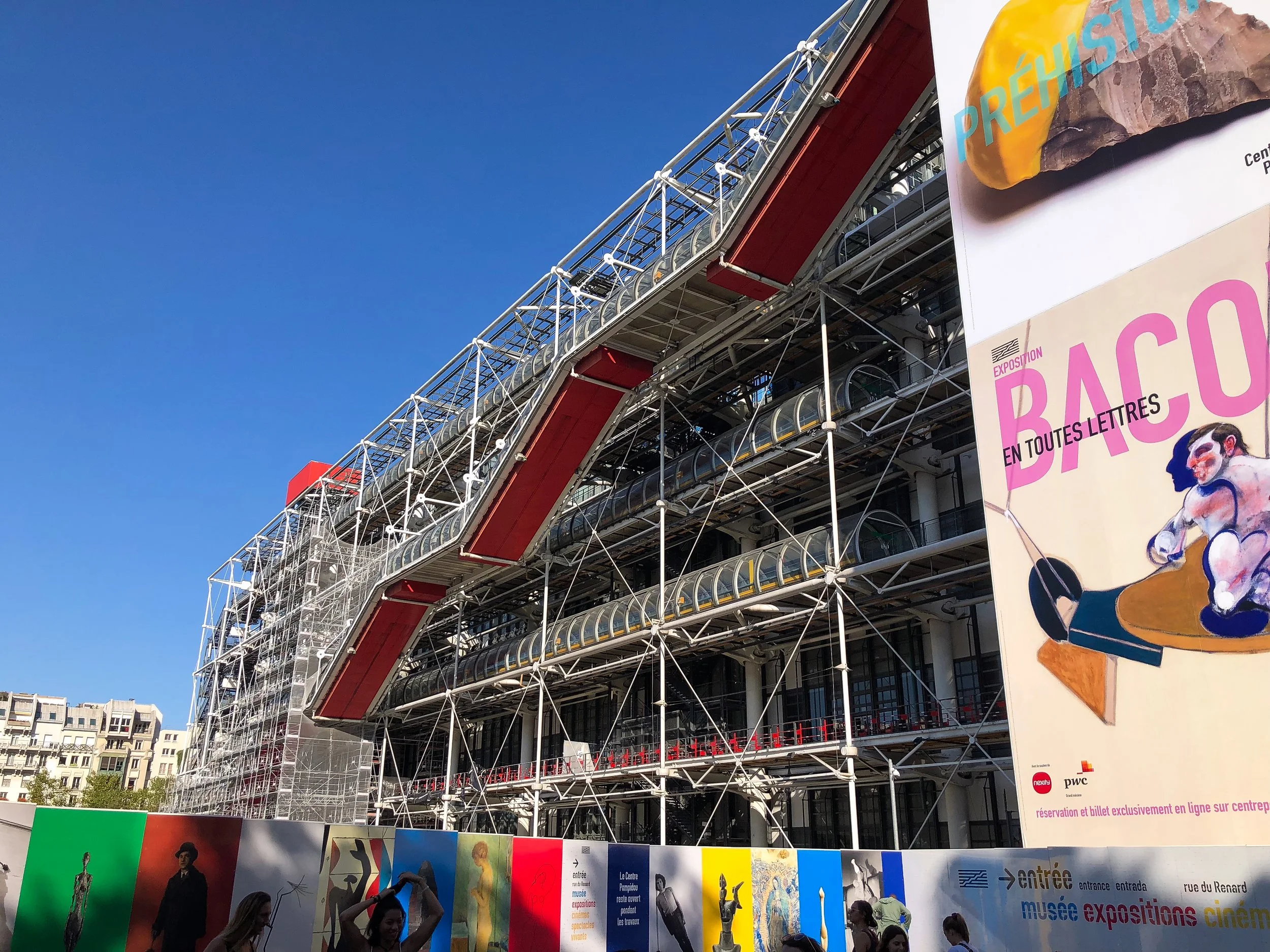
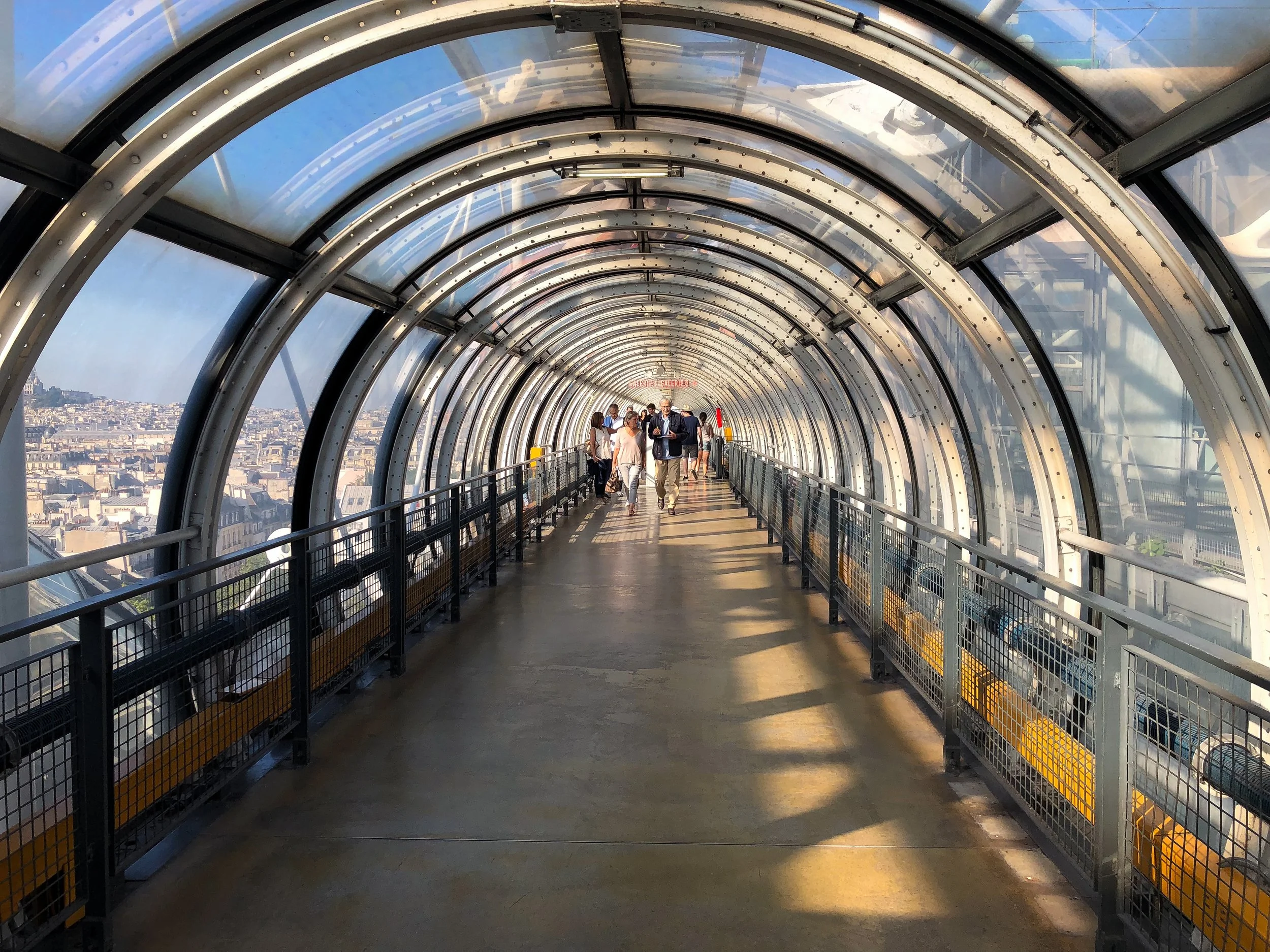
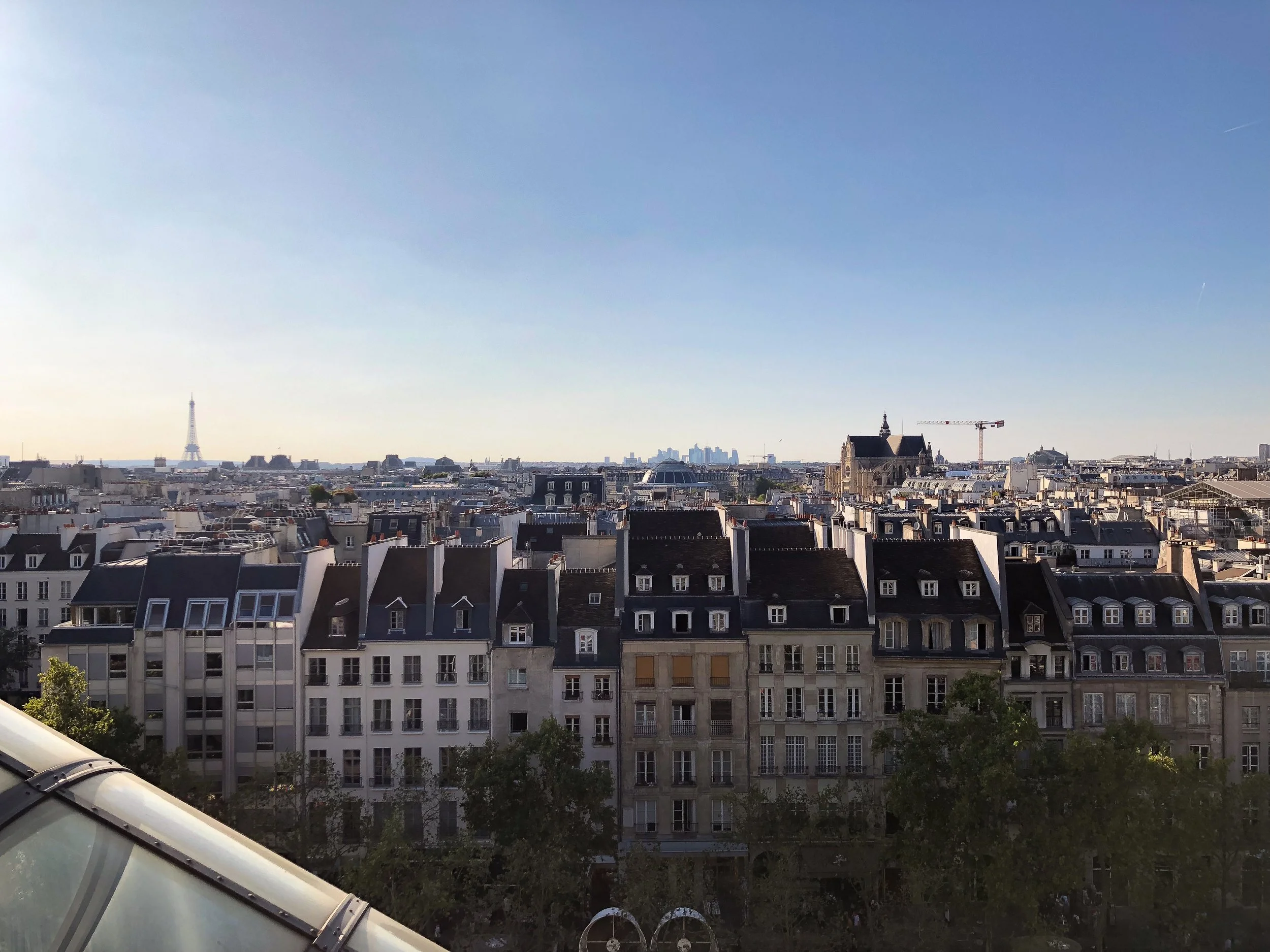
Centre Pompidou. A contemporary art museum built “inside out” with all the building’s equipment, escalators and corridors exposed leaving more room for gallery space inside. The museum has since closed and is planned to reopen in 2030 after renovations.
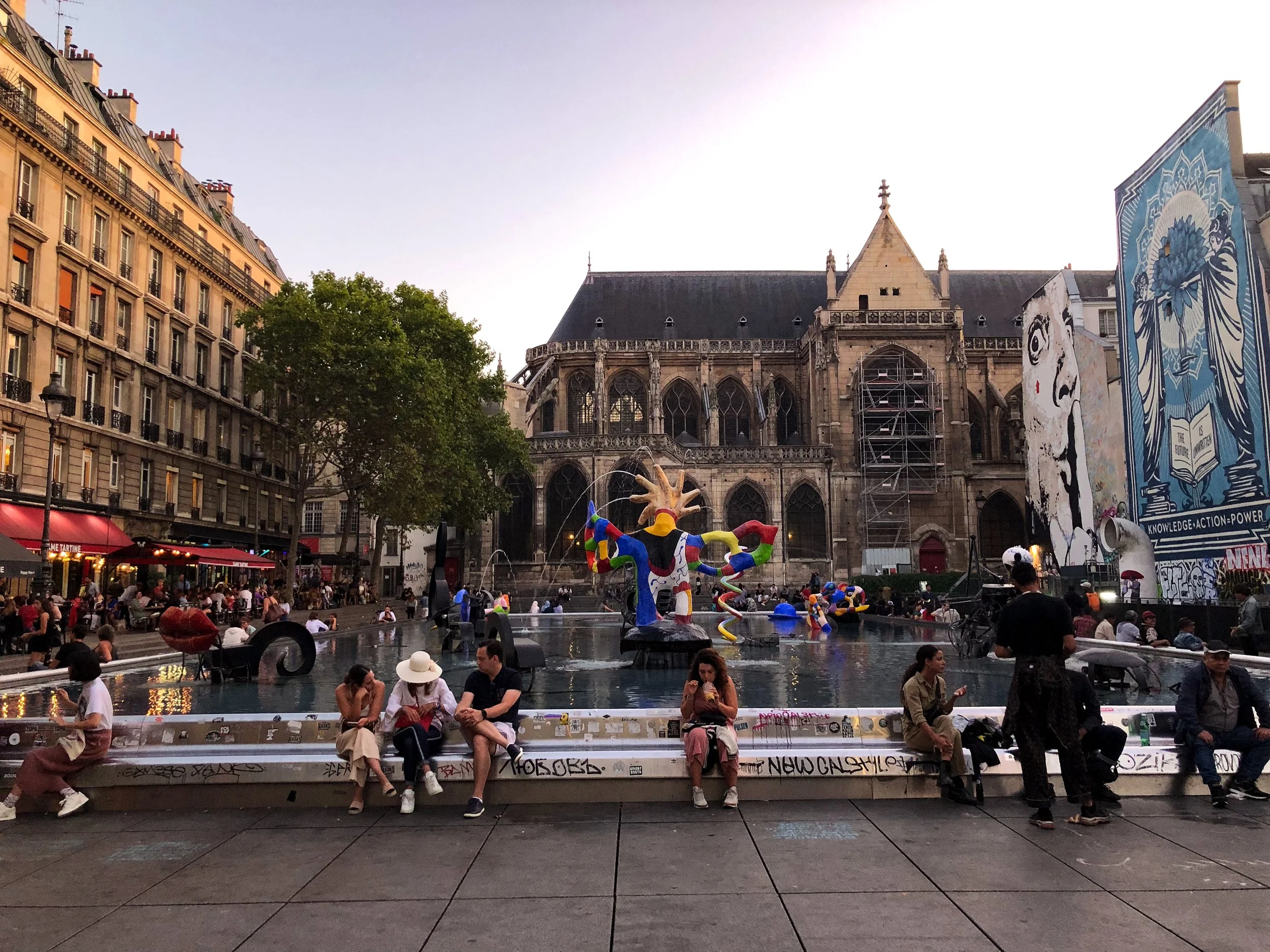
Stravinsky Fountain. A landmark fountain across from the Centre Pompidou with a series of colorful sculptures spraying water into the pool below. The fountain itself is surrounded by a series of large murals.
Things To Do
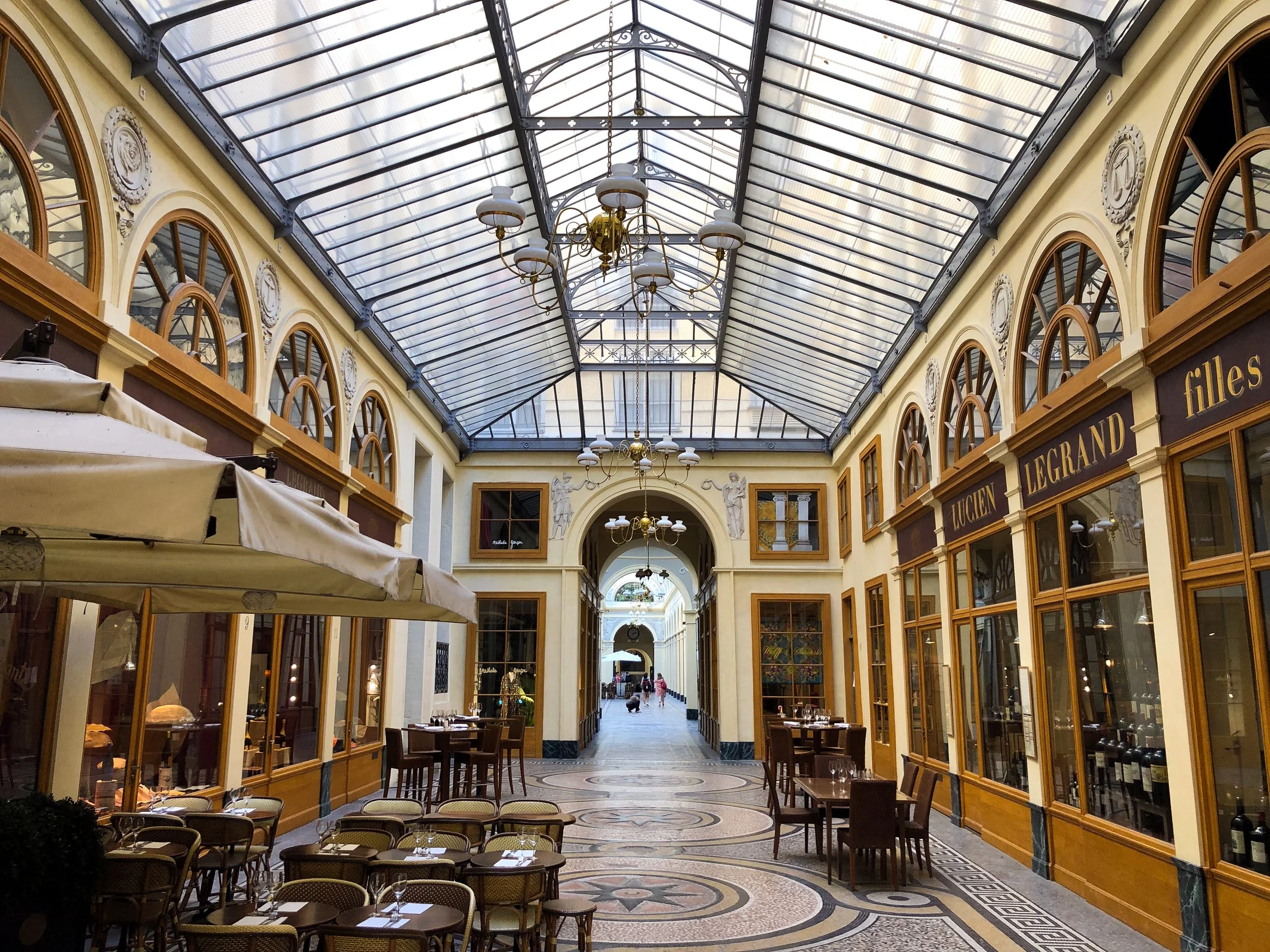
Visit an Arcade. The arcades of Paris are covered passageways defined by their ornate glass ceilings, mosaic and stone tiled floors, antique storefronts and warmly illuminated boutiques and cafes.
Galerie Vivienne. One of Paris’s most iconic arcades, known for its elegant storefronts and mosaic tile floor. Enjoy a coffee at Le Valentin Vivienne while taking in the splendor of the arcade.
Les Passages Couverts. A series of hidden shopping arcades in the 2nd Arrondissement. They’re fun to discover and walk through.
Passages des Panoramas. Paris’ oldest arcade, dating back well over 200 years. It has a refined and aged character true to Parisian charm.
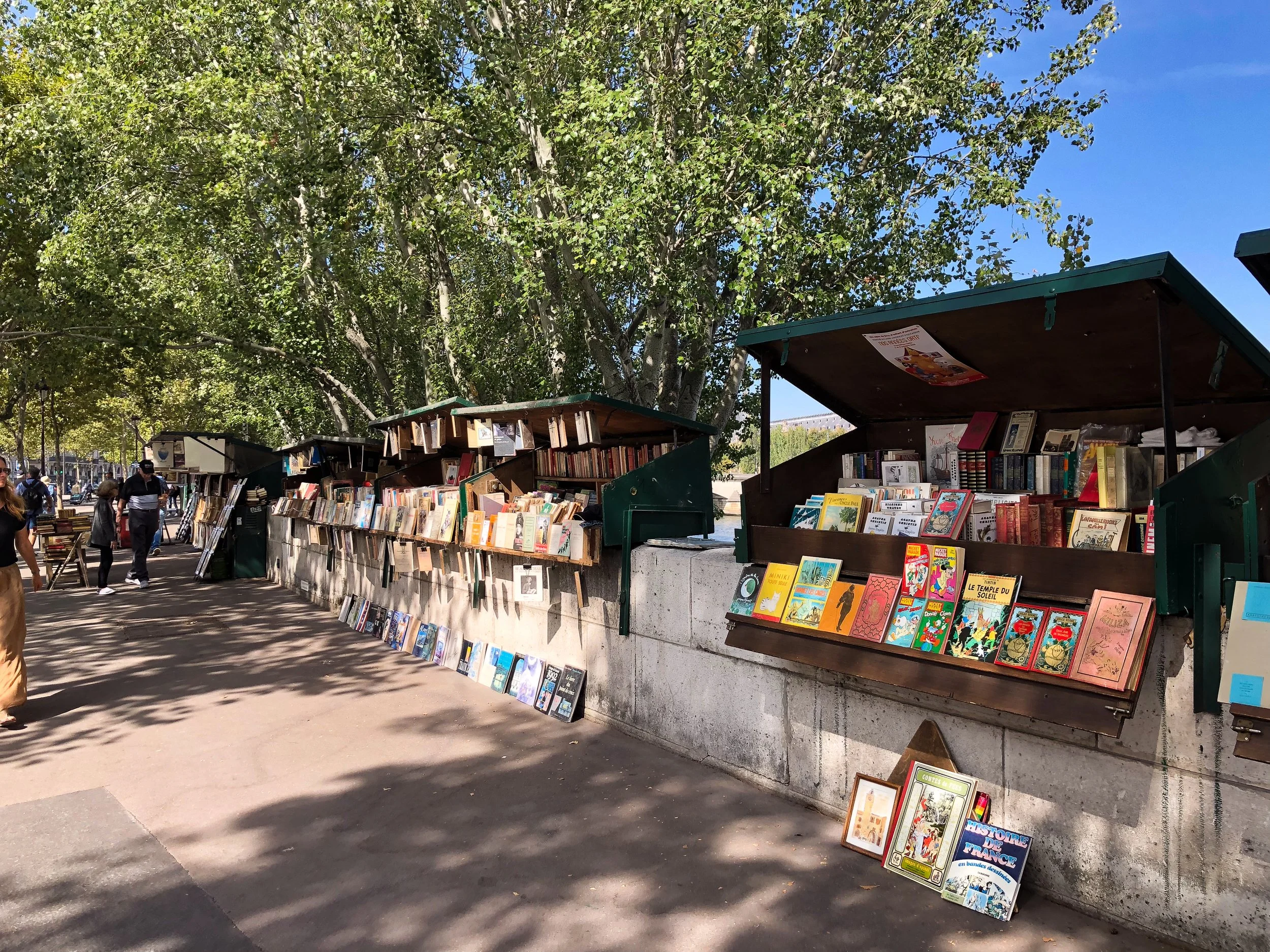
Shop for Books. Buy a book from one of these classic locations!
Les Bouquinistes. A series of outdoor booksellers with green cabinets and displays of French language books set up along the banks of the Seine.
Shakespeare and Company. One of the world’s most famous bookstores, often depicted in movies and shows. They’re extremely popular, don’t allow photos indoors and only sell English books.
Galerie Vivienne. The iconic gallery is home to multiple book stores selling antique French books.
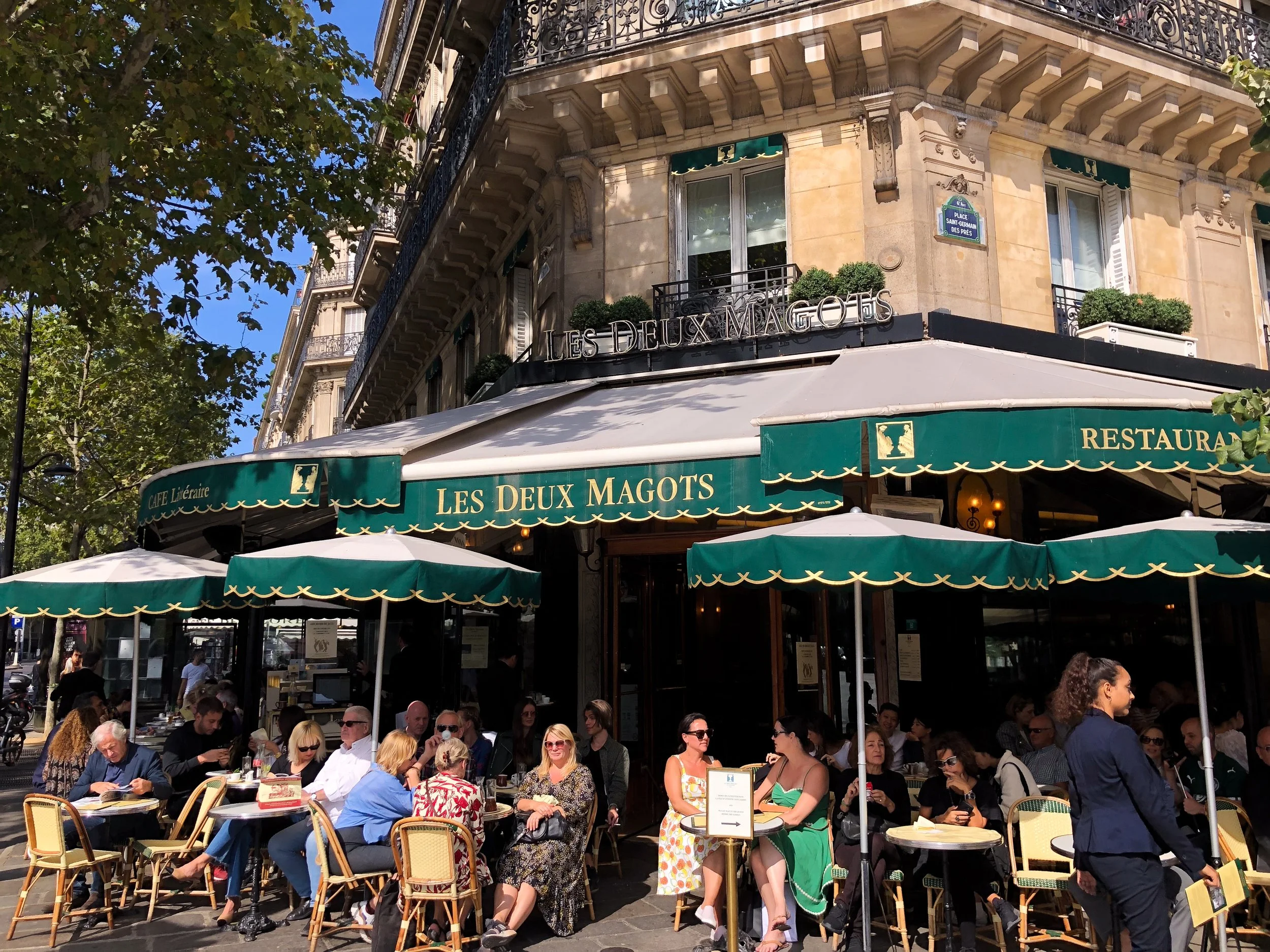
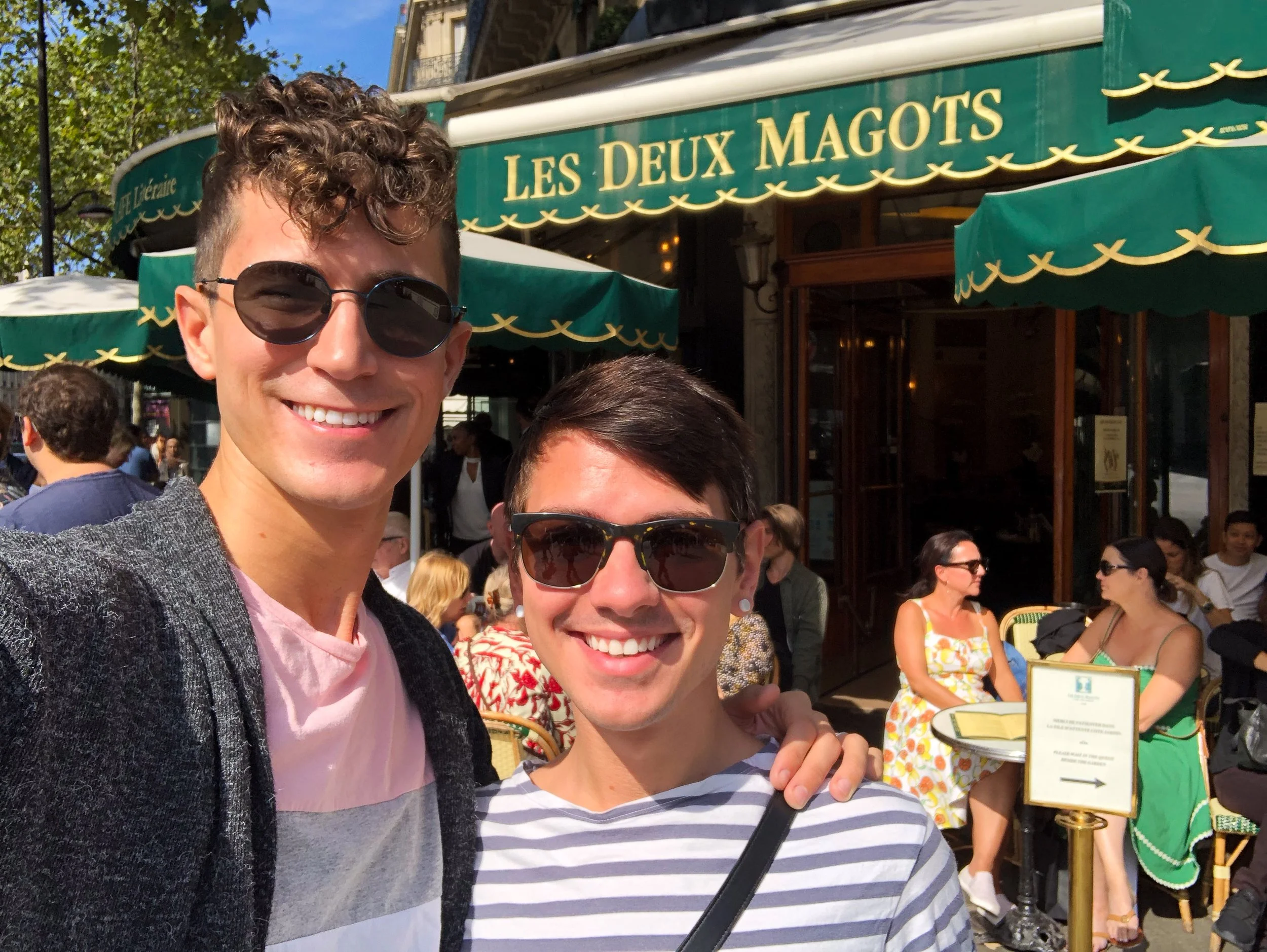
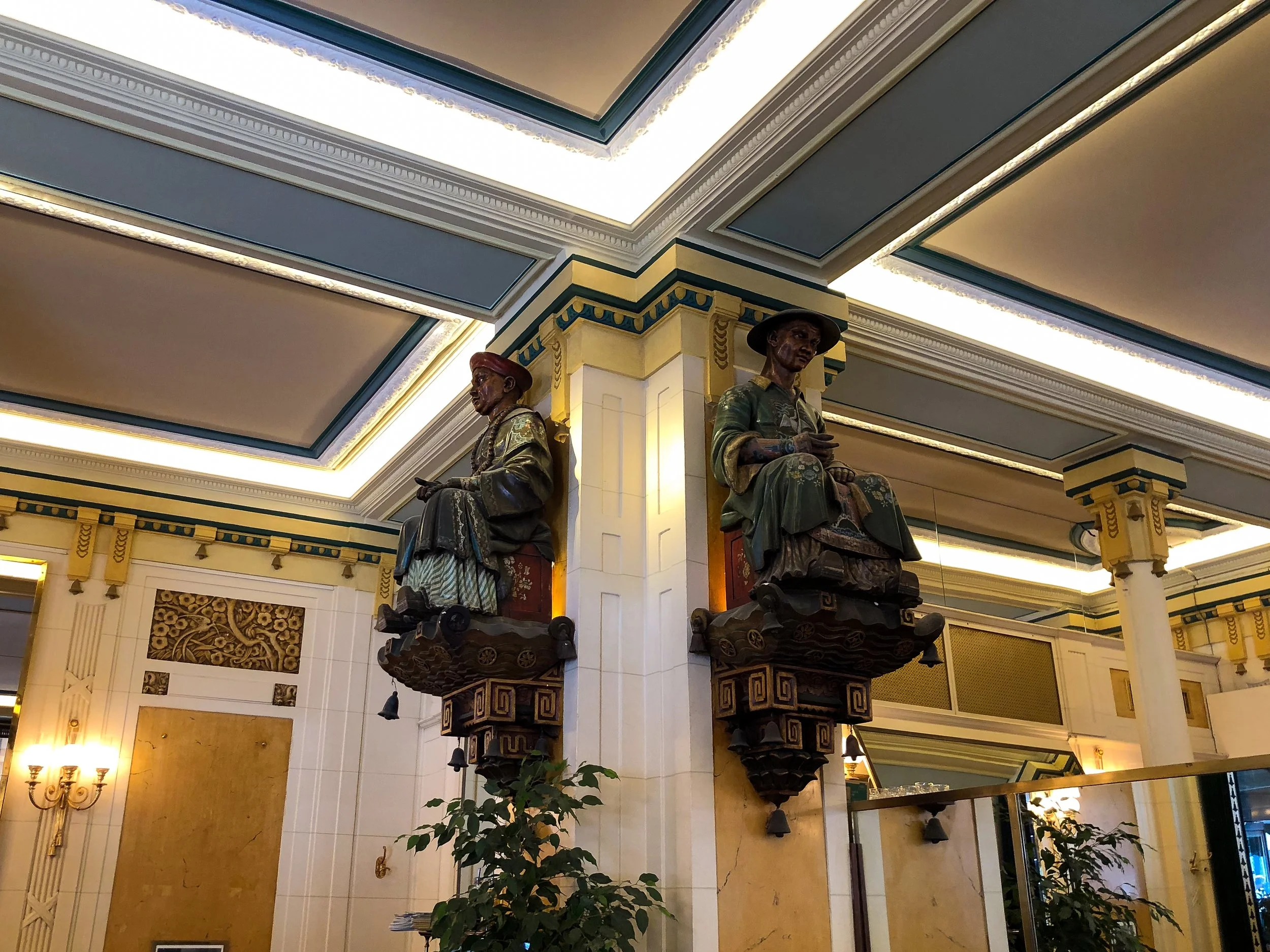
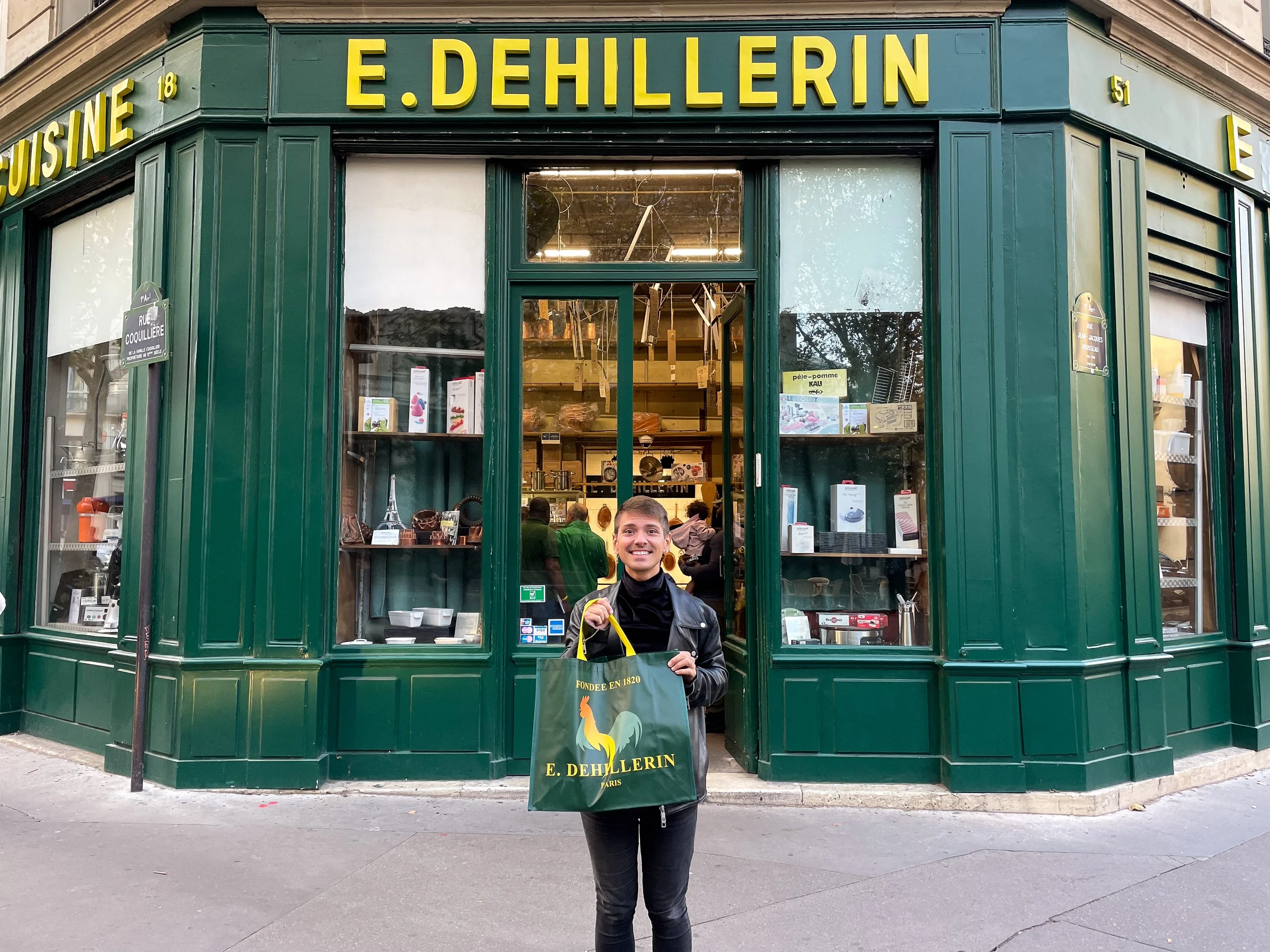
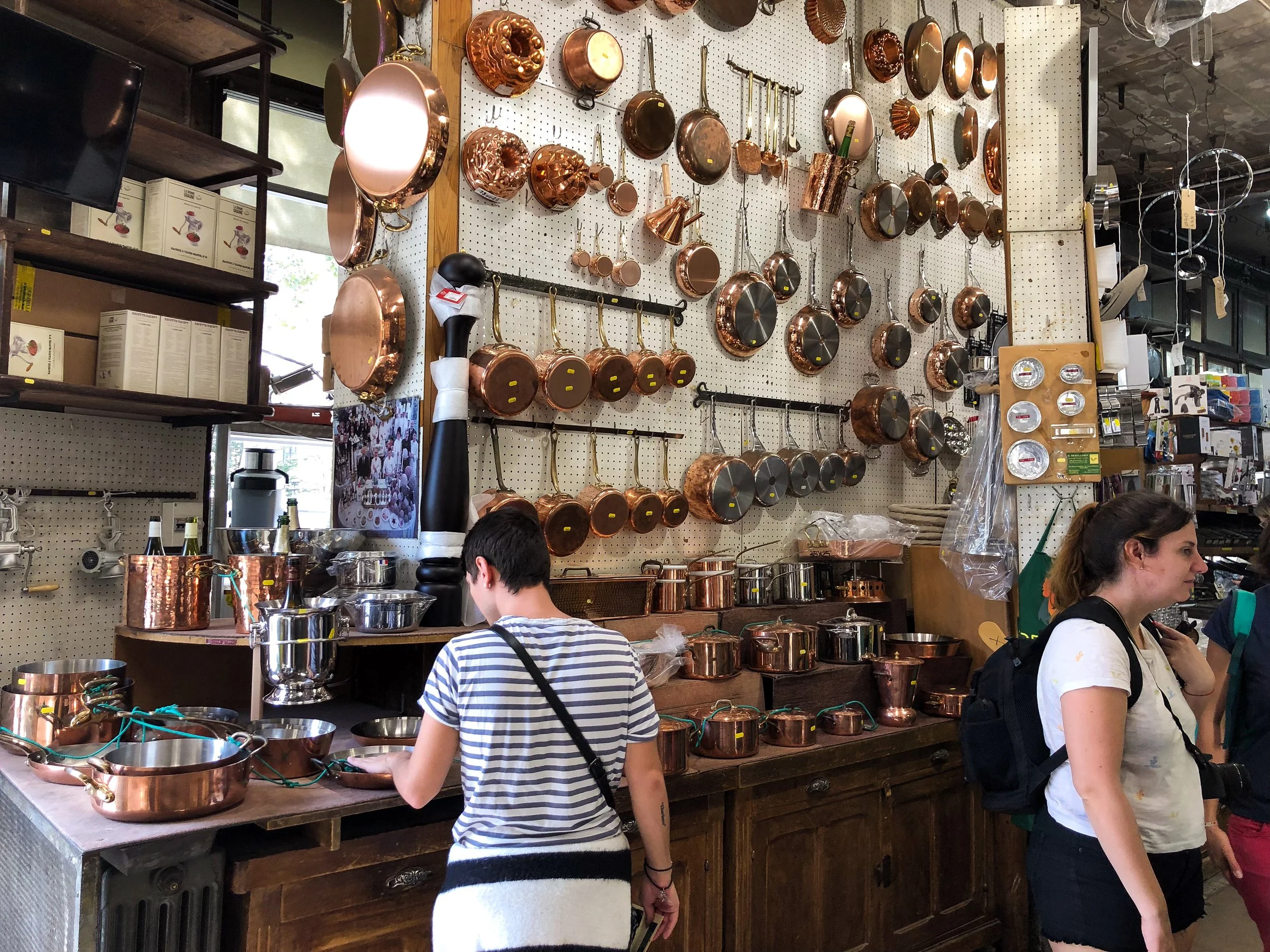
Walk in Julia Child’s Footsteps. If you admire Julia Child as much as us, visit some of her old haunts:
Les Deux Magots. A historic brasserie where Julia Child and her husband, Paul Child, often ate. Come here for a leisurely brunch and range of French dishes.
E Dehillerin. A 200+ year old kitchen supply store where Julia Child used to shop for knives, copper dishes and various “batterie de cuisine.”
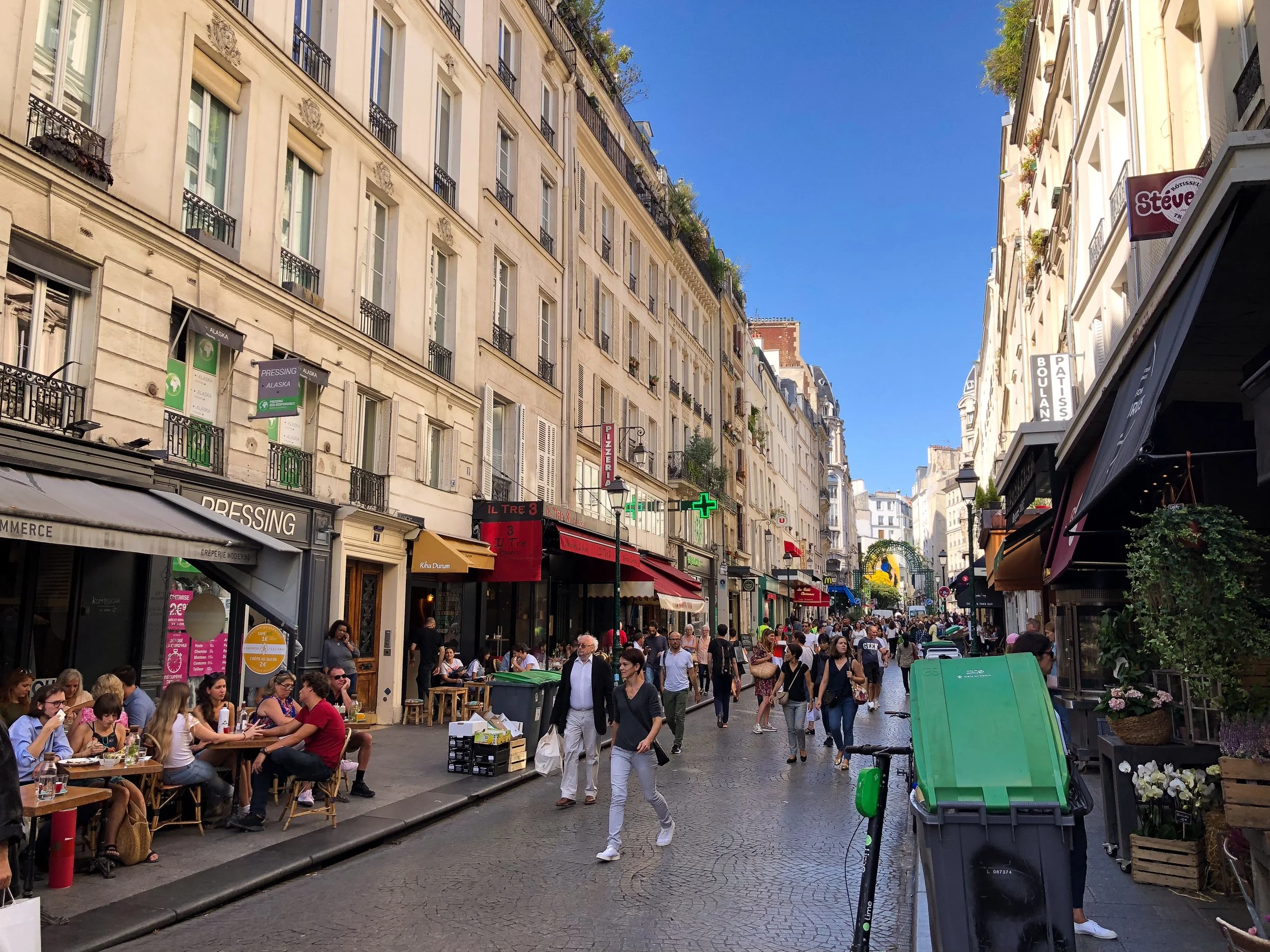
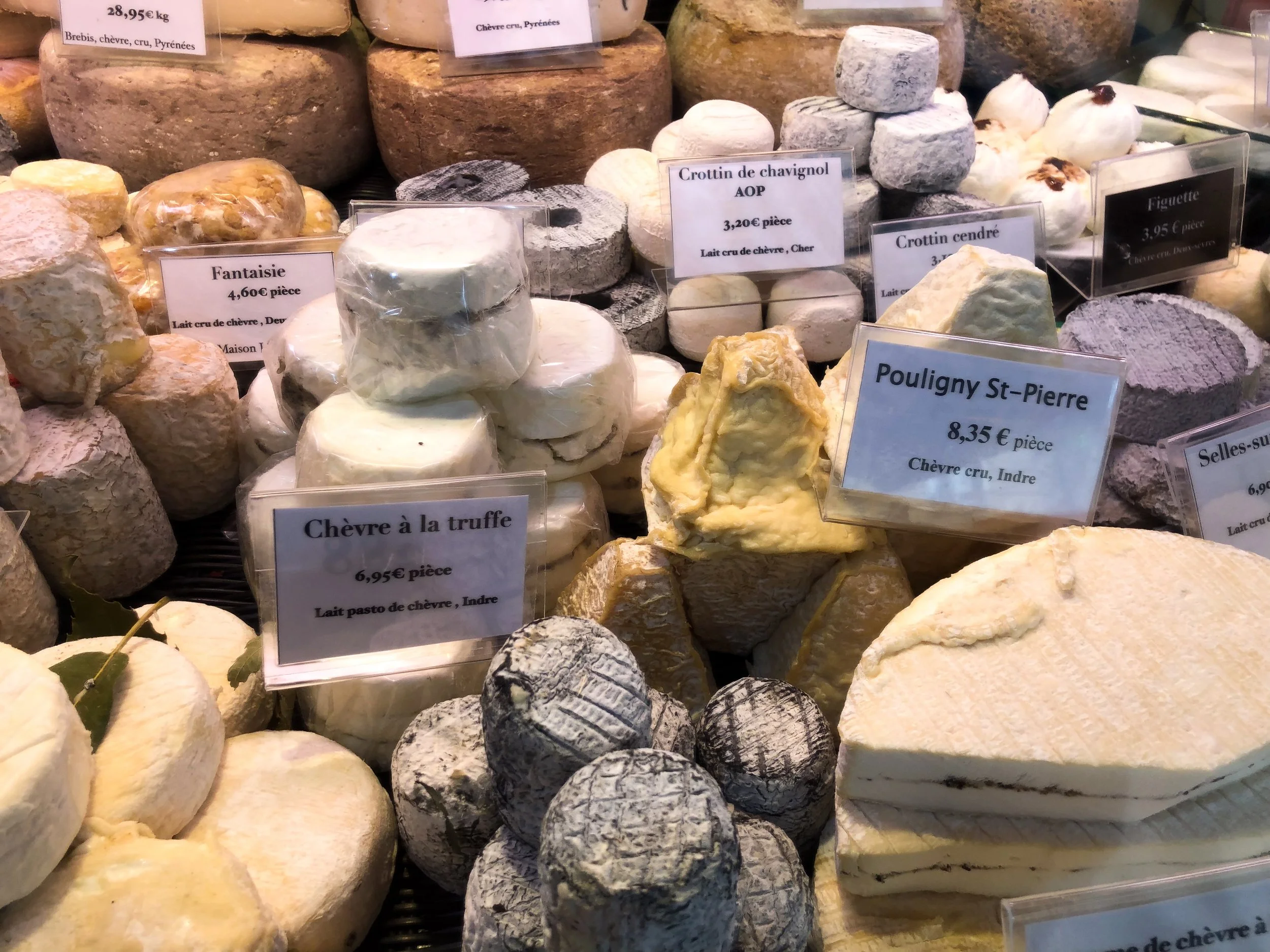
Rue Montorgueil. A vibrant market street where Julia Child would shop for produce and meats. Today it’s lined with food markets, boulangeries, fromageries, patisseries, old world bars, restaurants and cafes.
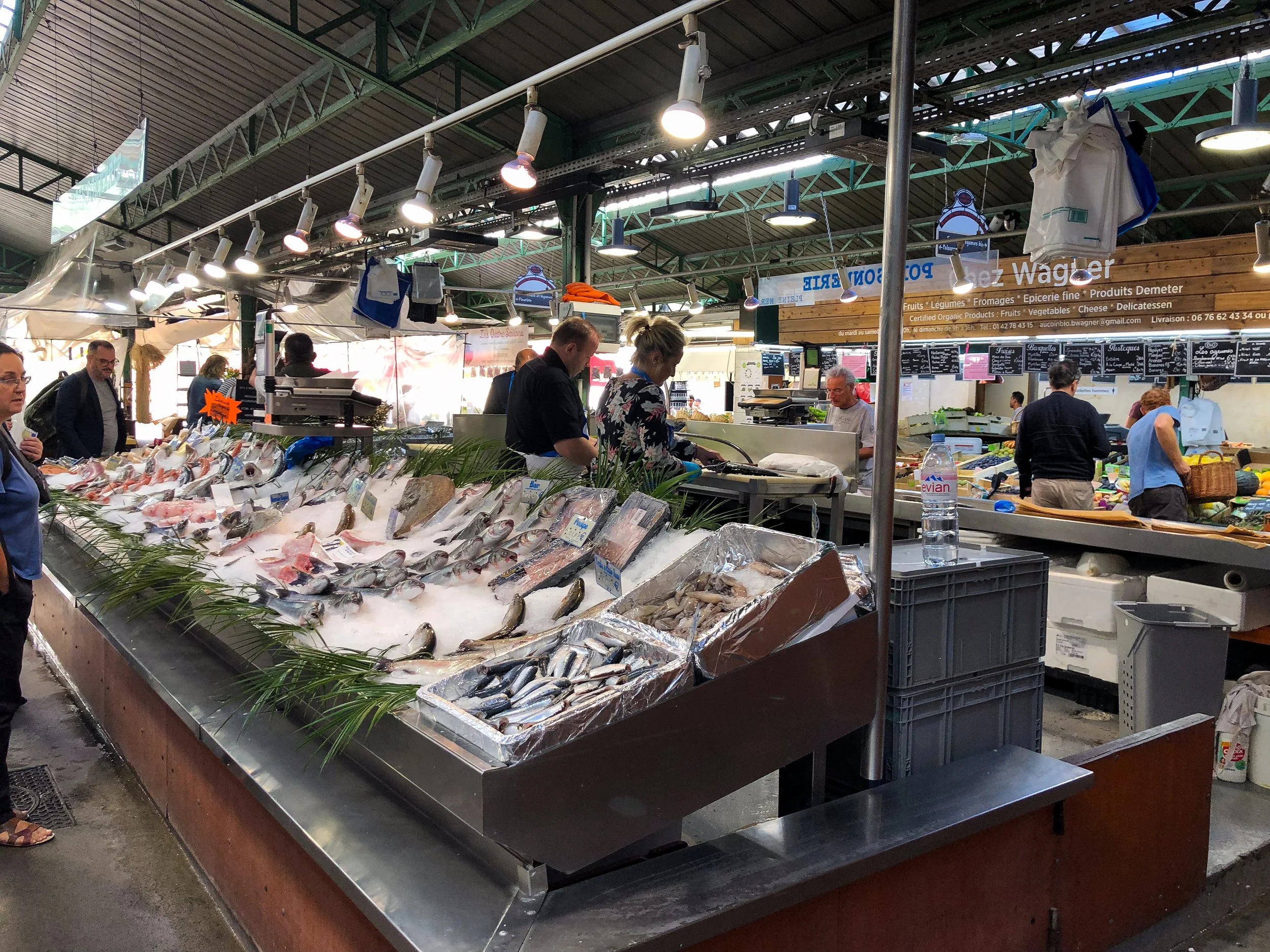
Shop at a Market. Walk through the stalls of an actual French market like Marché des Enfants Rouges, Paris’ oldest food market with an array of stalls and vendors selling prepared meals, fresh fruits, vegetables, cheeses, meats and seafood. There are a number of tiny shops surrounding the market selling rustic and vintage items.
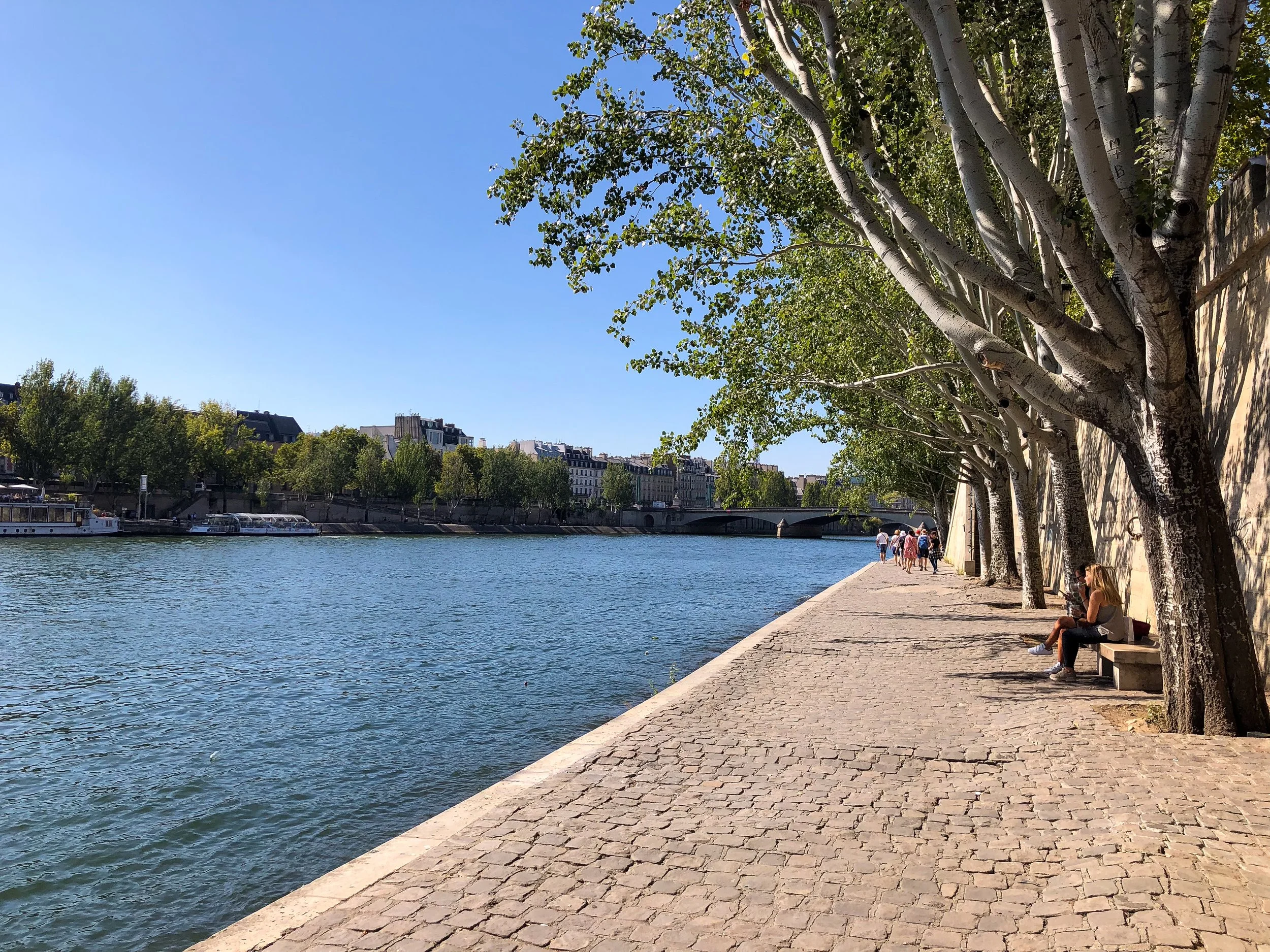
See The Seine. A lengthy river meandering through the heart of Paris. Dozens of bridges connect the right and left banks of the city while cobblestone walkways and iconic landmarks line both sides. It’s a relaxing place to sit on a bench, picnic under a tree or dangle your legs over the river’s edge and watch the boats float by. Book a Champagne Cruise at sunset with Bateaux Mouche to experience the city in a different light. Cruises are often touristy and crowded but it didn’t distract from the charm of Paris.
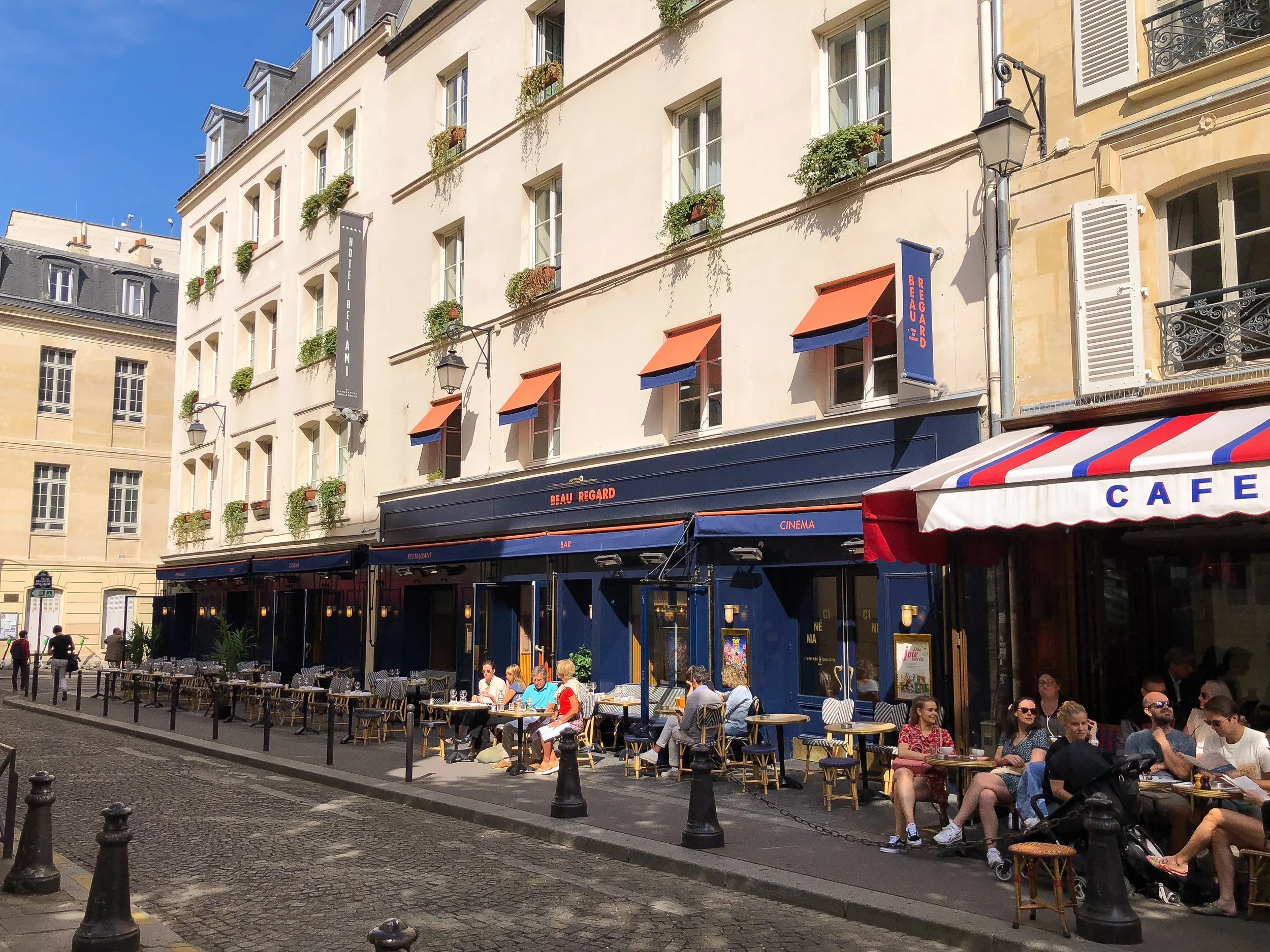
Taste Everything!
To quote Julia Child, “people who love to eat are always the best people.” This couldn’t be truer than with the French.
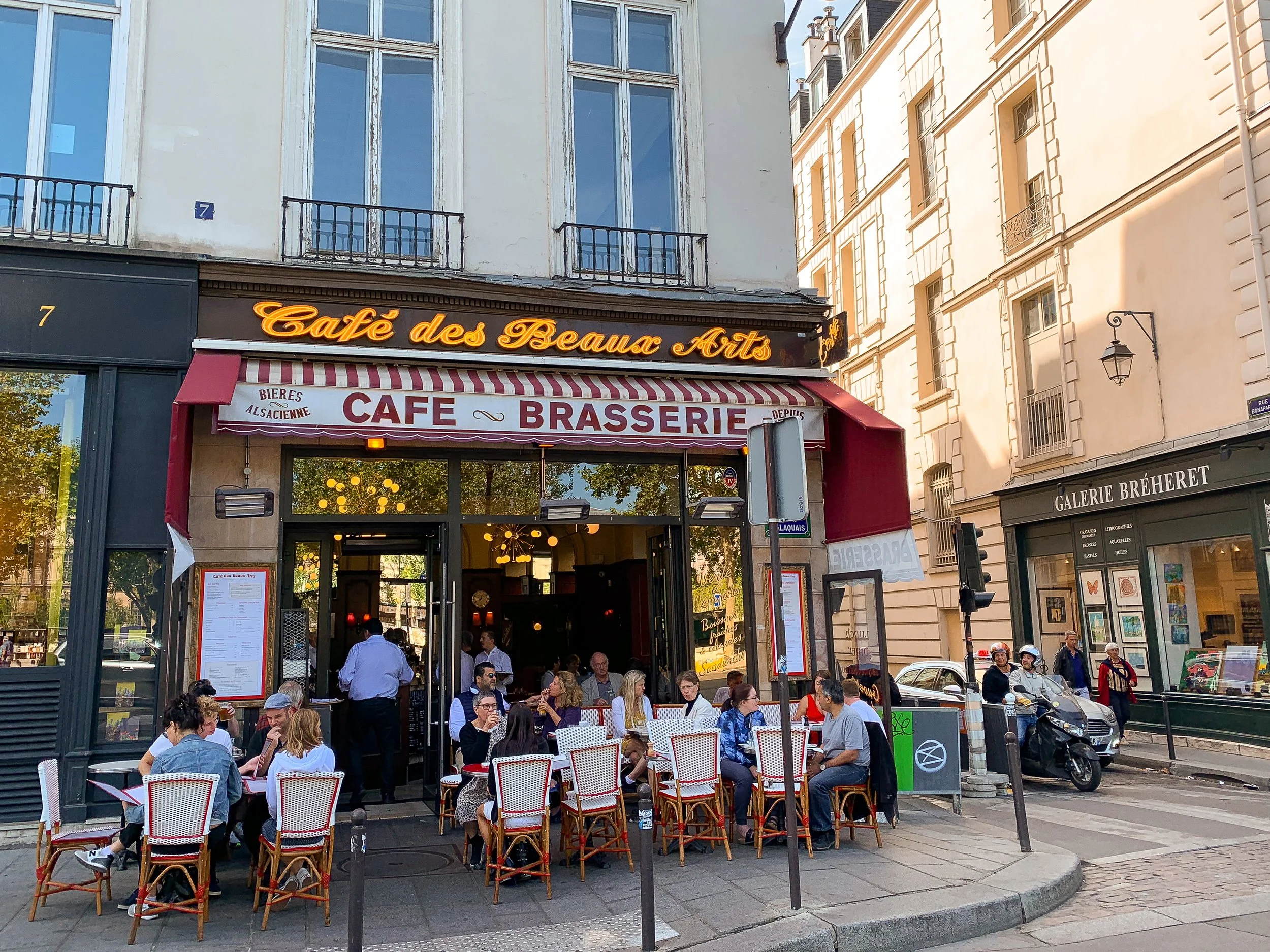
Sit at a Sidewalk Café. Practically a French pastime, enjoy a meal at a sidewalk cafe overlooking the Parisian streets and plazas.
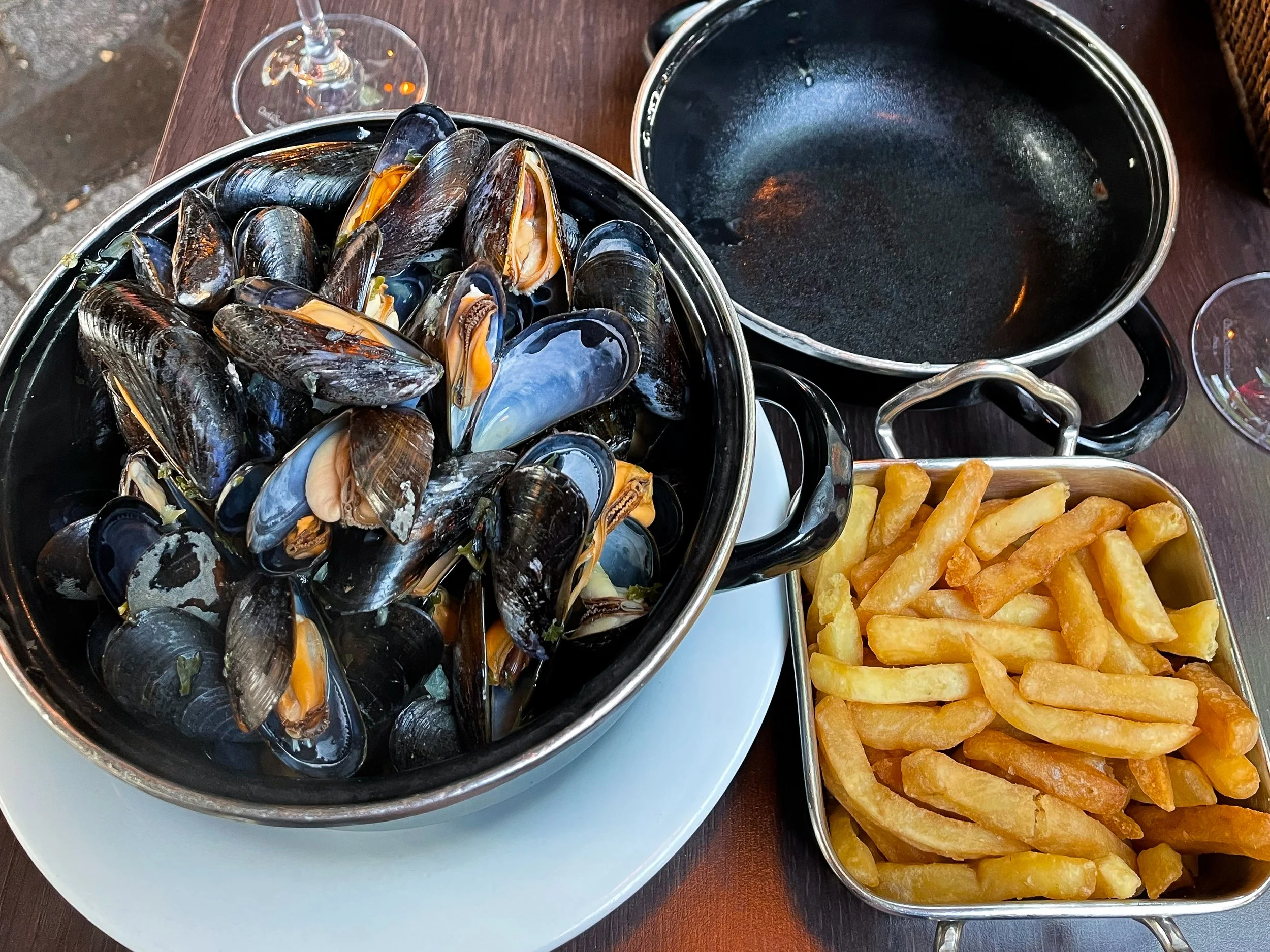
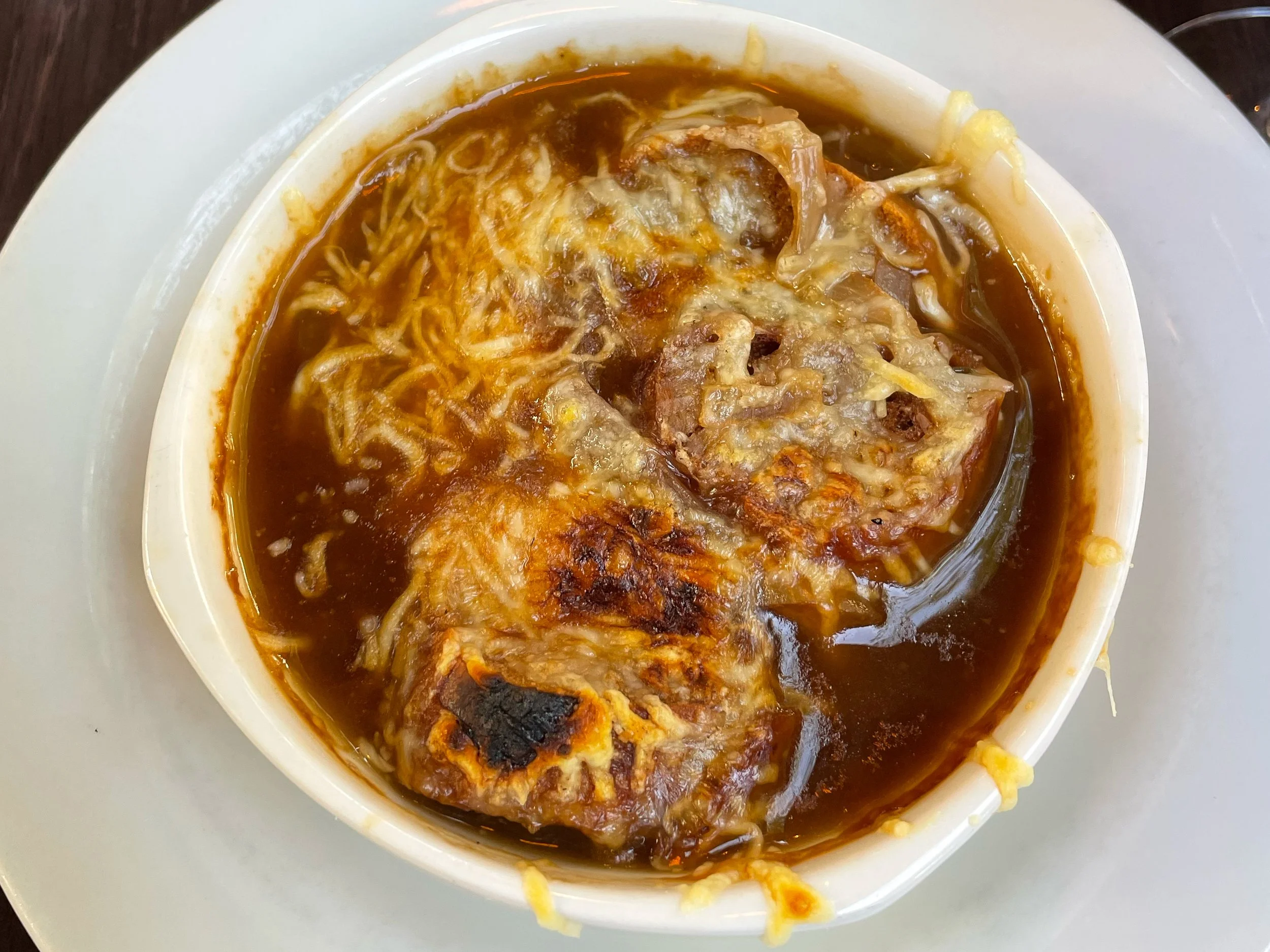
La Crémaillère. A restaurant in the Place du Tertre with traditional French dishes and wine. Come for the French onion soup, moules-frites and salmon with béarnaise sauce.
Breizh Café. A cafe with an extensive menu of sweet crepes and savory galettes. Try the crepe suzette!
Café Charlot. A small corner bistro with a sidewalk dining room. It’s a lovely spot to sit for breakfast or brunch and enjoy a lazy morning.
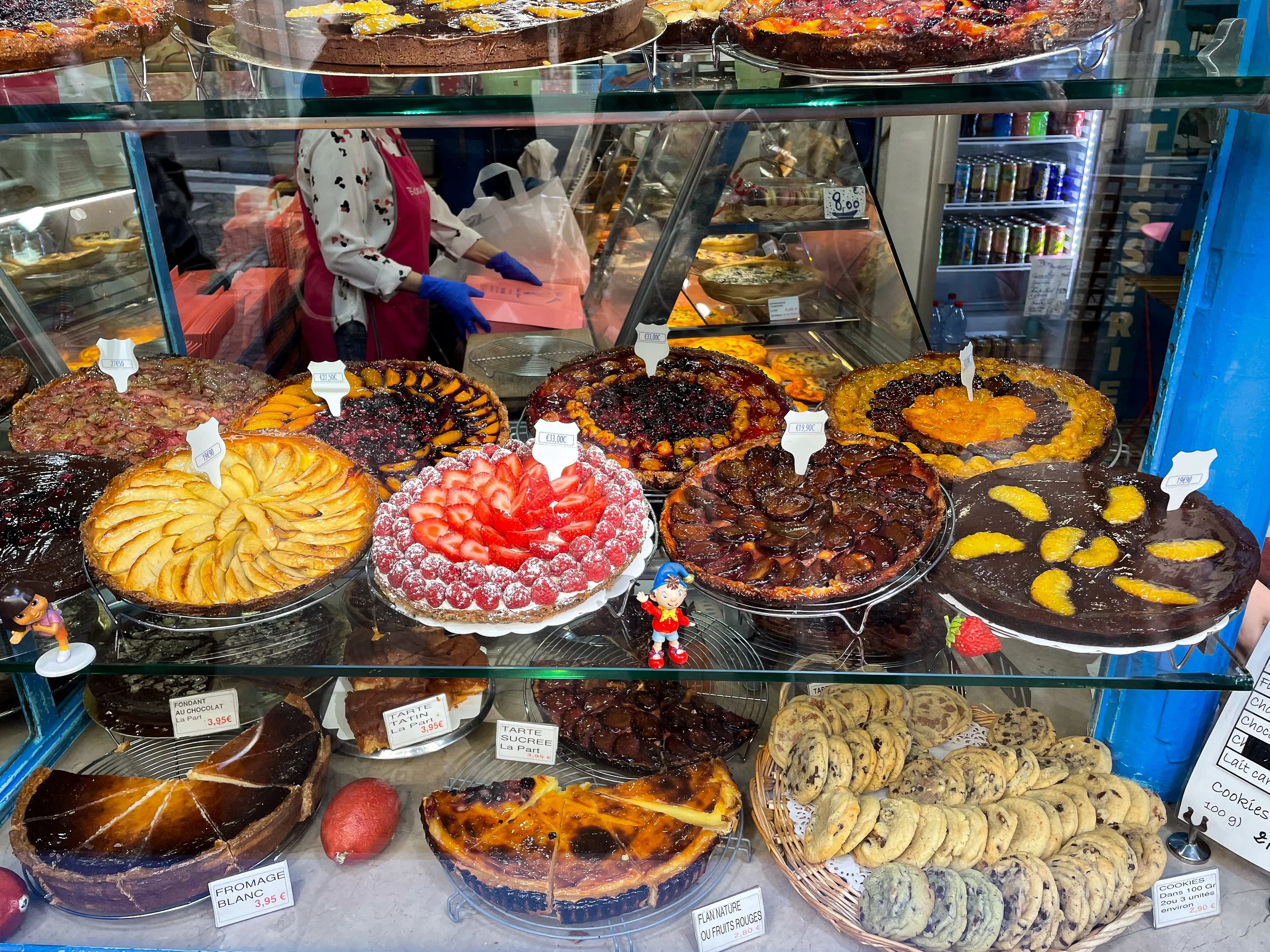
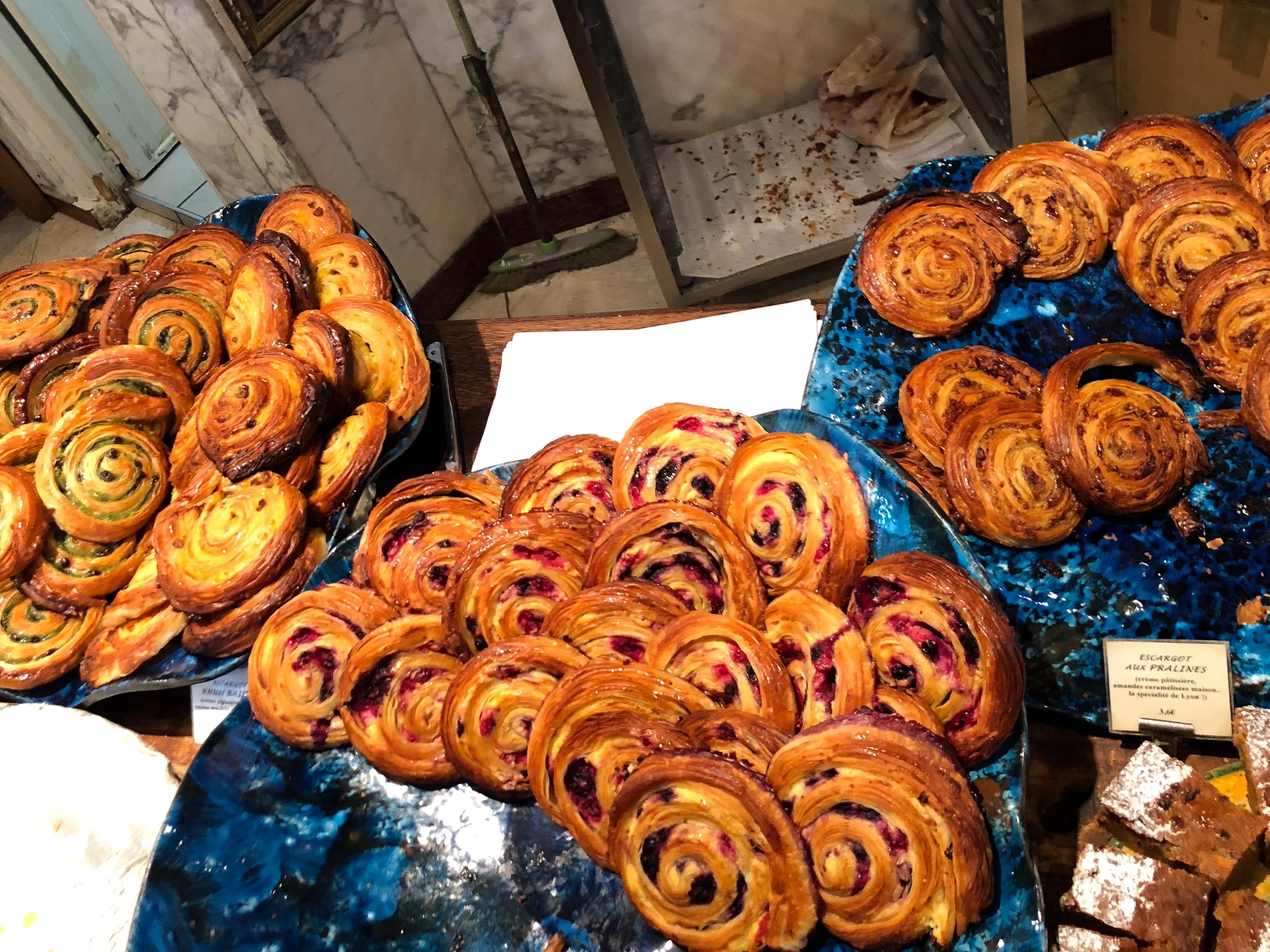
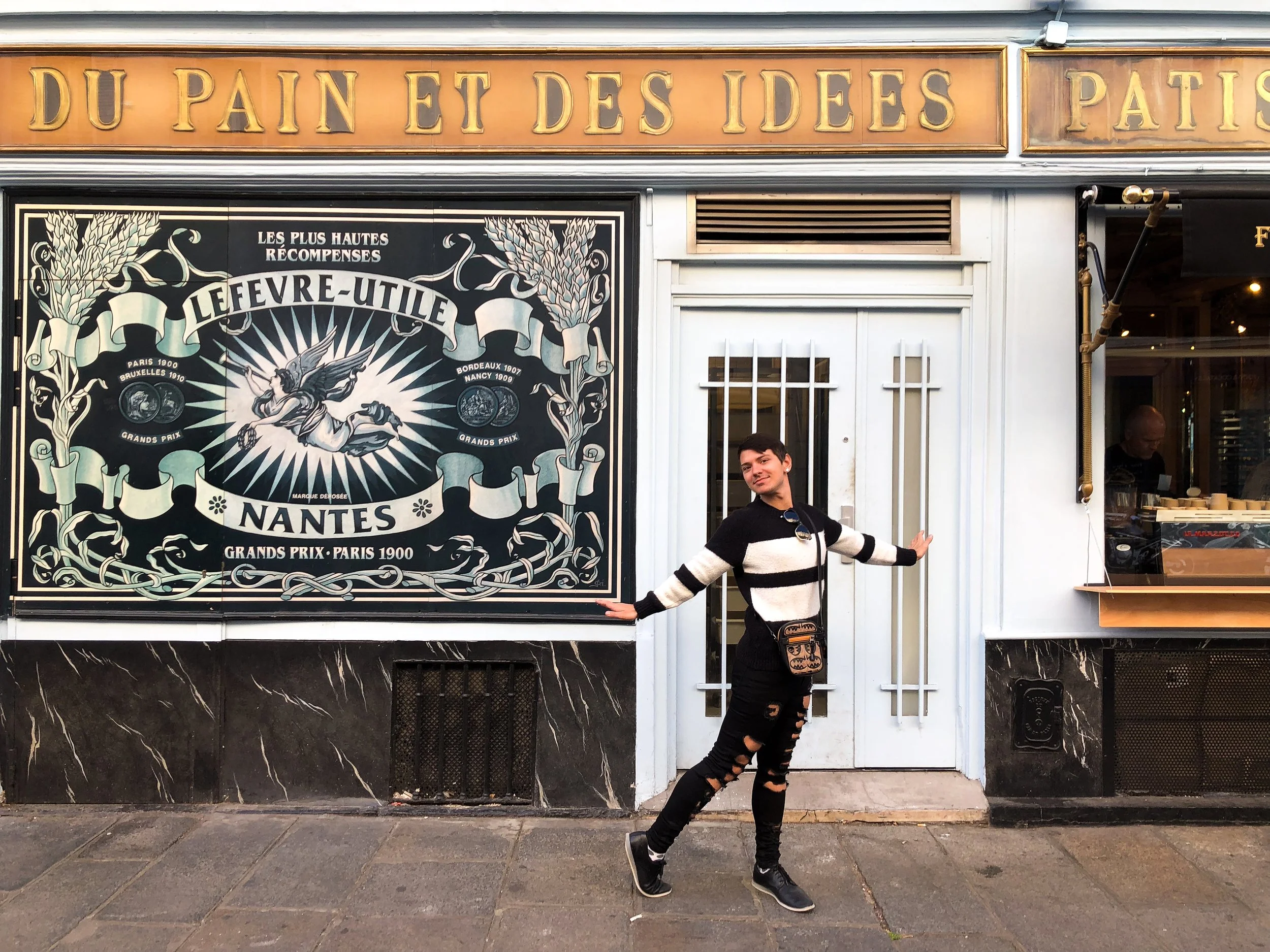
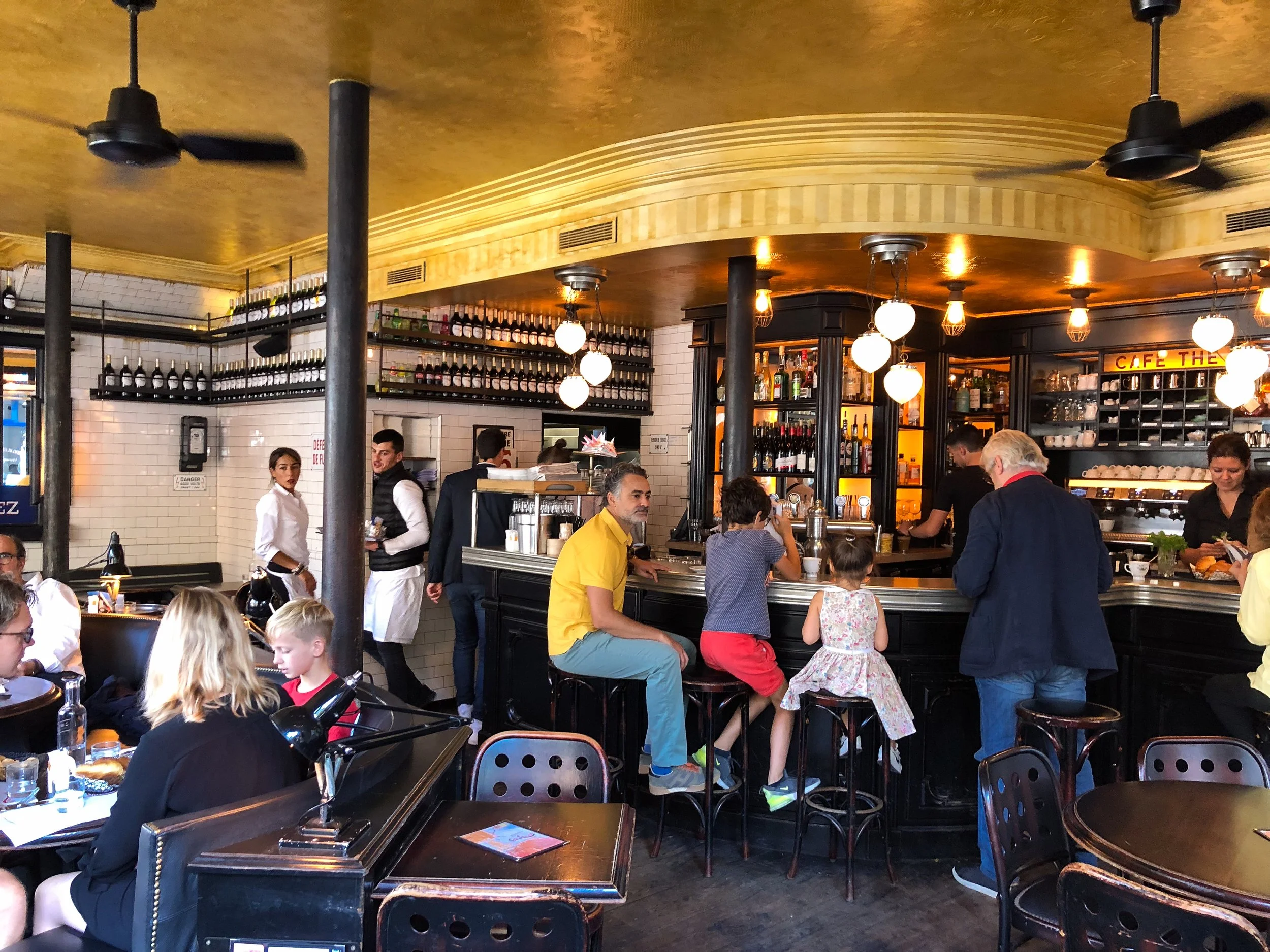
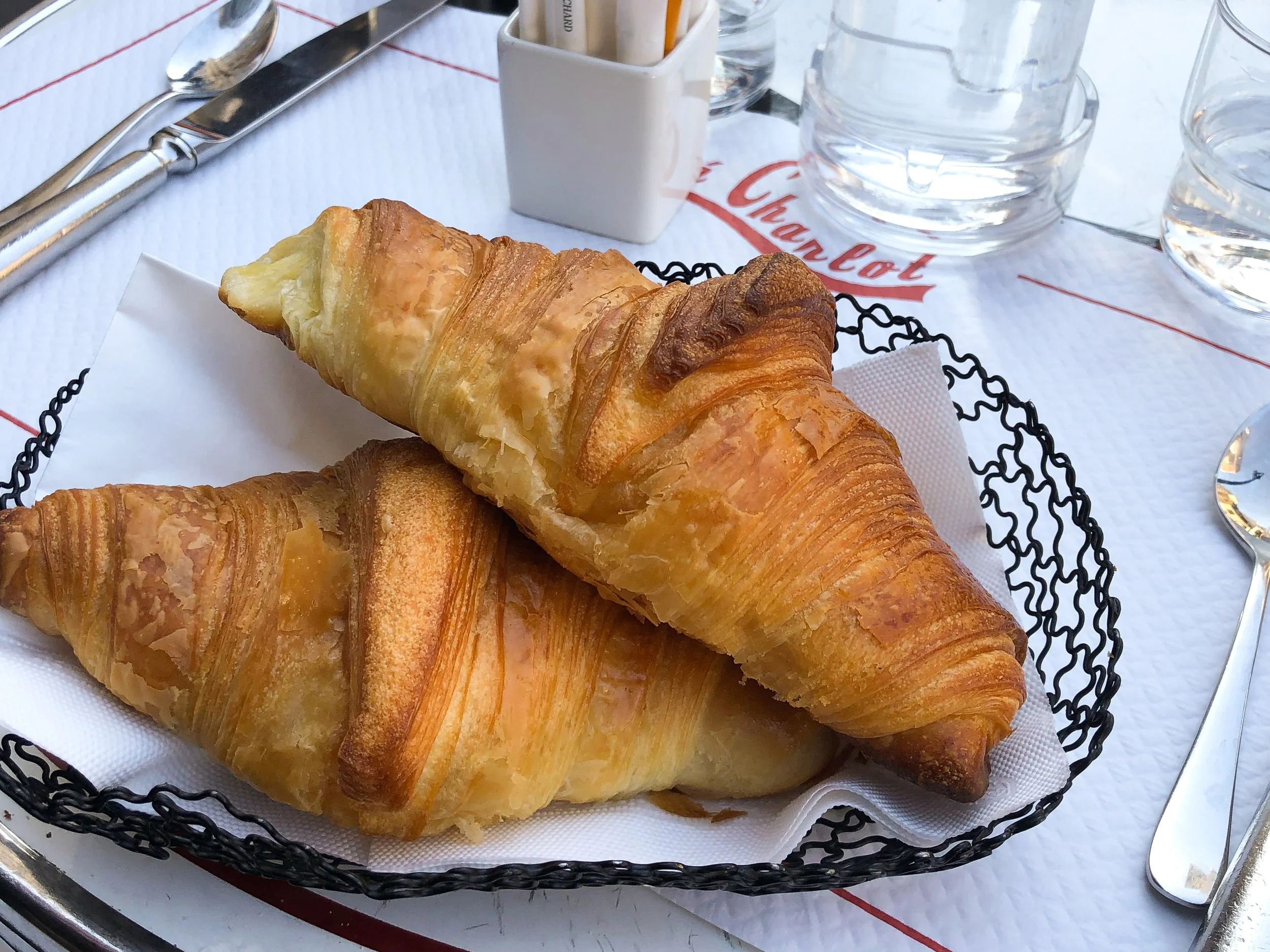
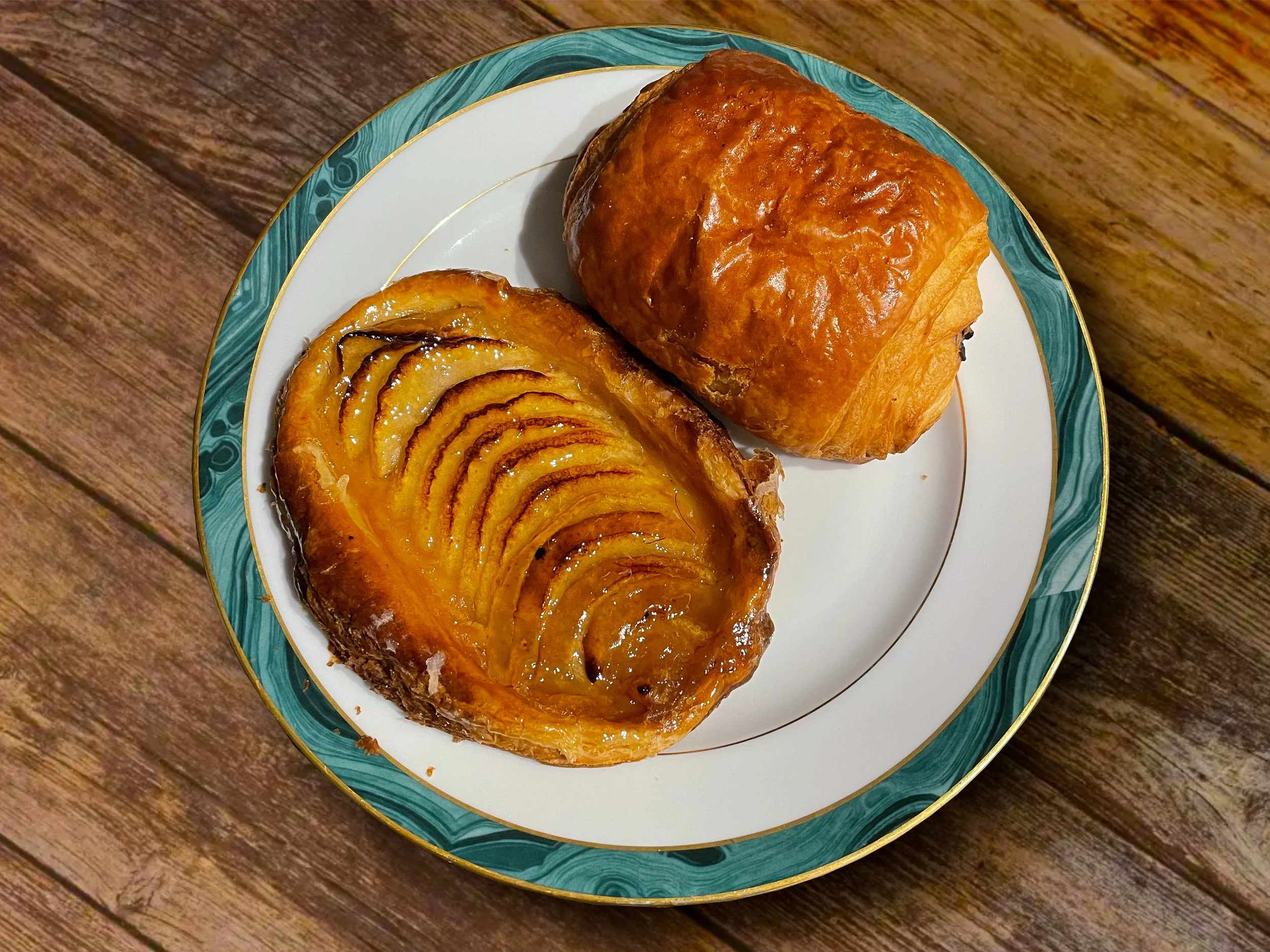
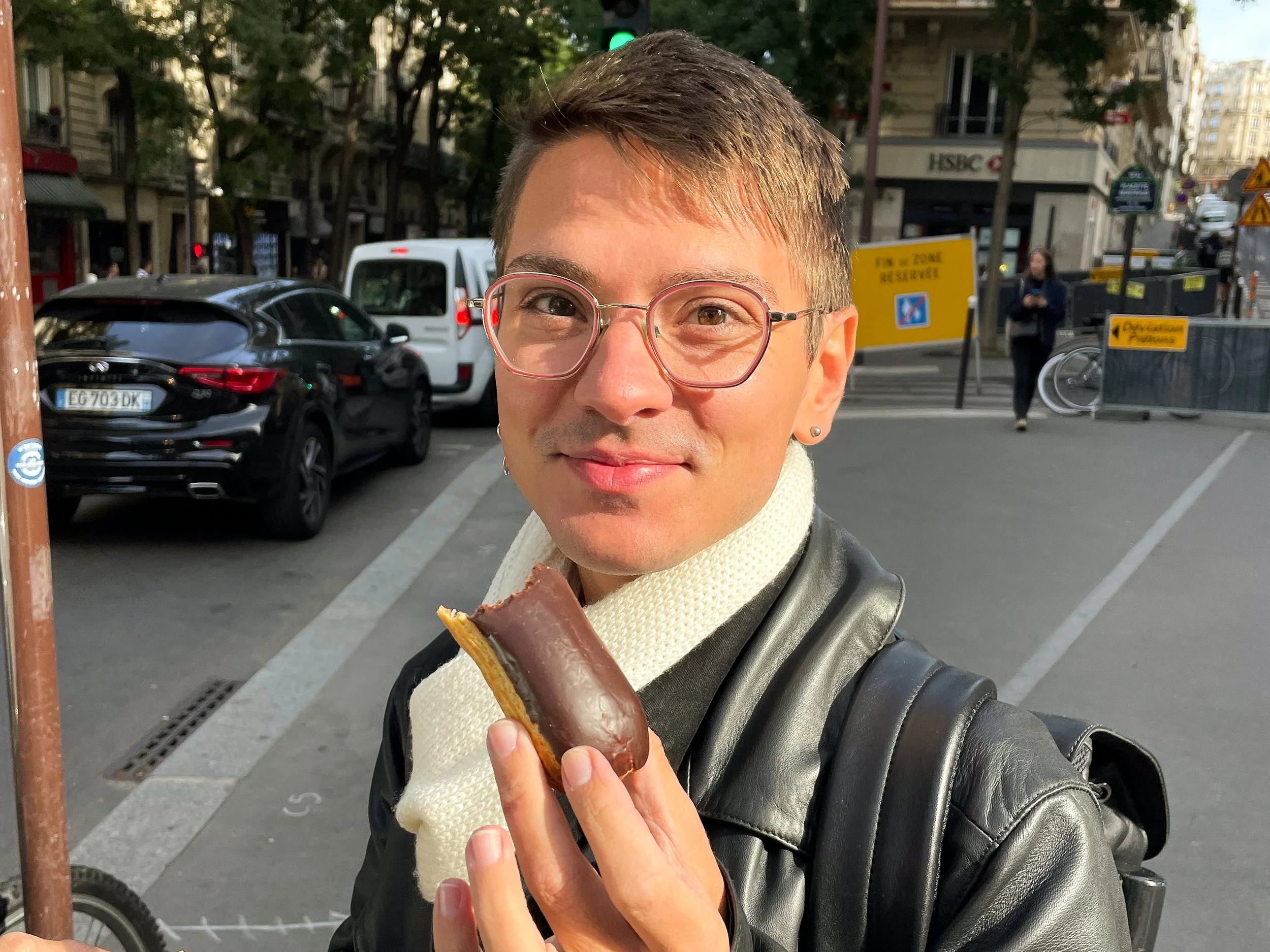
A Parisian Pastry Crawl. The French are well known for their love of pastries. We visited multiple boulangeries and patisseries across the city, tasting apple tarte tatin, pain au chocolat, madeleines, eclairs, brioche and macarons.
Les Petits Mitrons. A classic French pastry shop located on Rue Lepic in Montmartre with an elegant selection of fruit tarts, savory quiche and cookies.
Boulangerie Mimoune. A bakery with rustic French breads and delicate French pastries.
Boulangerie Les Deux Frères. A boulangerie on a corner of Montmartre with a large selection of breads, pastries and quiche.
Du Pain et des Idées. A famed bakery, known for their pistachio chocolate escargot pastries, named for the pastry’s shell shaped swirl.
Paul. A coffee shop chain with locations across Paris. Come here for coffees, pastries, sandwiches and breads.
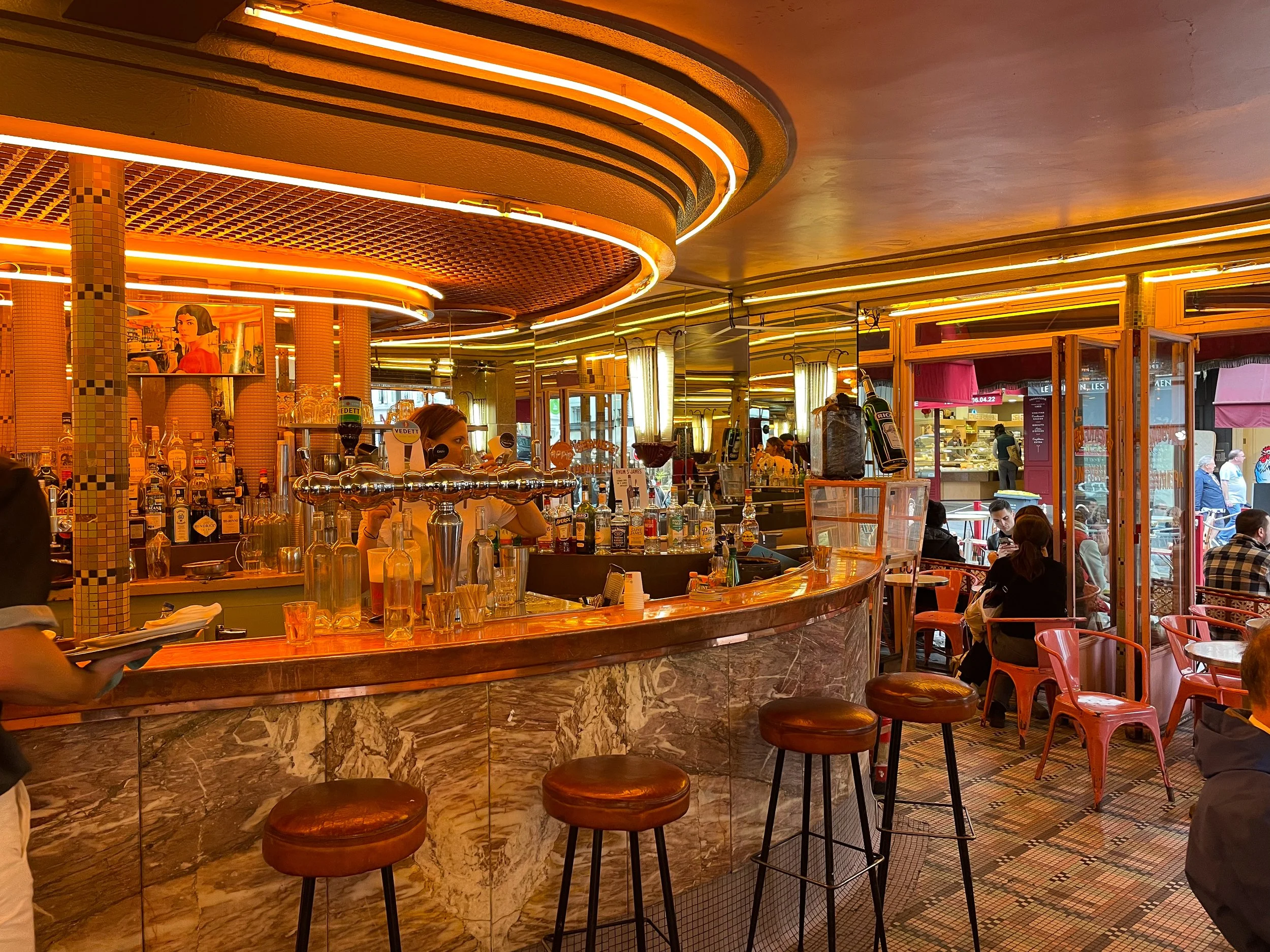
Dine at the Bistros. Paris is one of the culinary capitals of the world home to tiny bistros, famed restaurants and local haunts.
Les Ombres. The restaurant we got engaged on our first trip to Paris! A fine dining restaurant serving contemporary French cuisine. Its dining room is enclosed in a fragmented glass structure inspired by the shadows of the Eiffel Tower while its rooftop terrace offers some of the city’s best views of the iconic landmark. Make reservations and come at sunset!
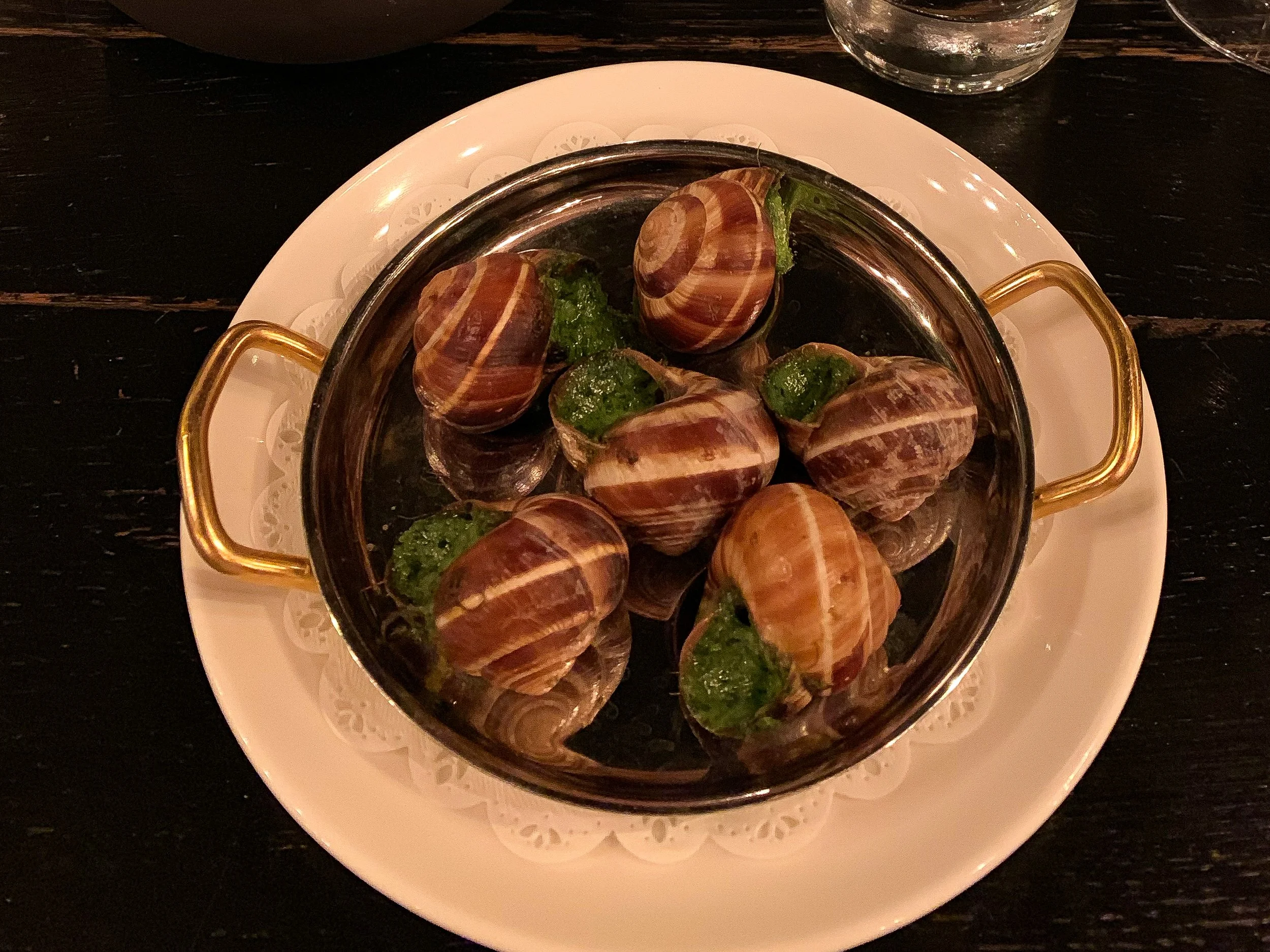
L’Escargot. Serving their namesake since 1832, this old world restaurant is known for their Burgundy snails served in the shell.
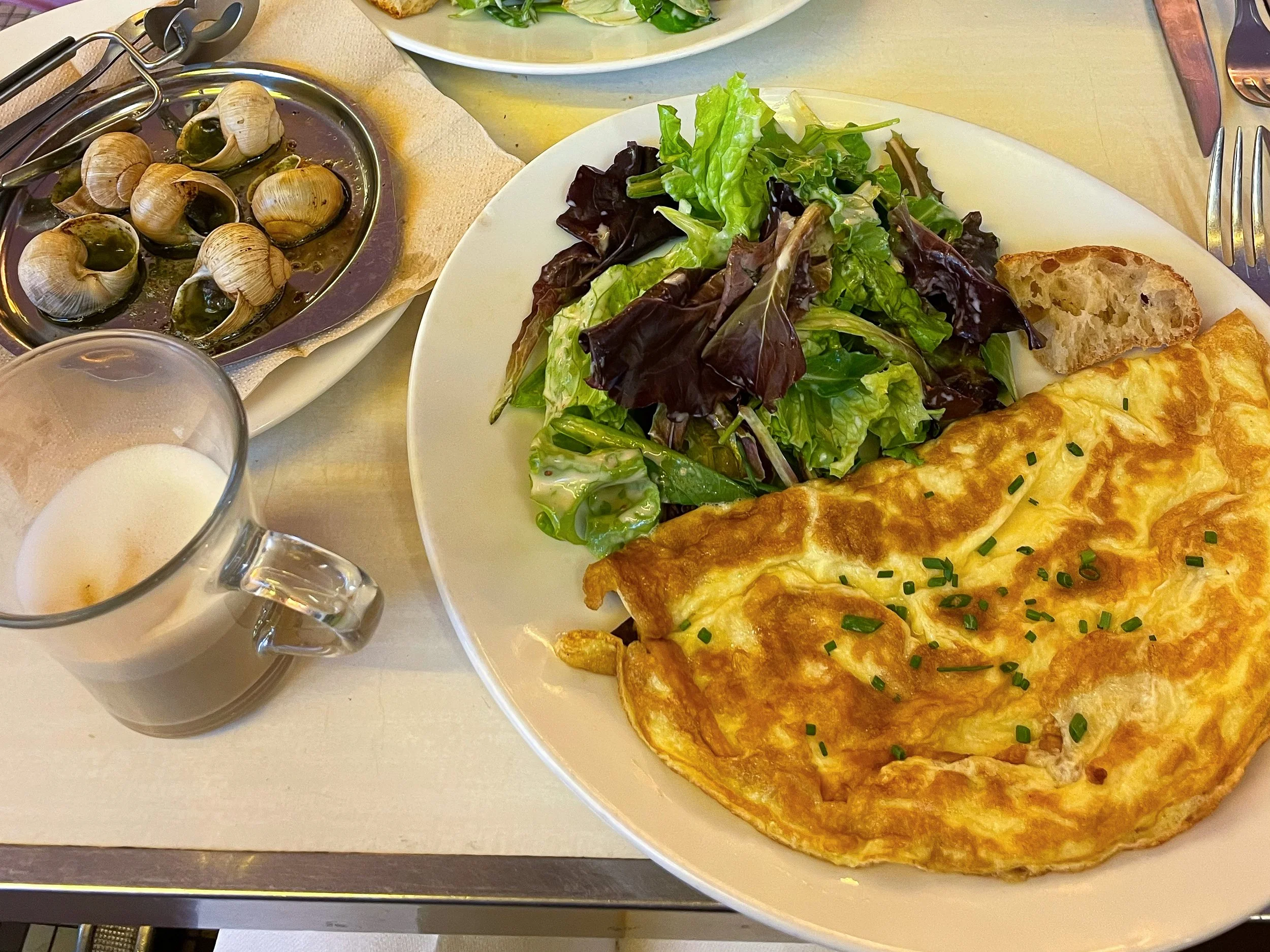
Café des Deux Moulins. A beloved French bistro in Montmartre with a warmly lit interior and lively terrace made famous by the movie Amelie. Come for omelettes and escargot at lunch.
Brasserie Floderer. A classic French restaurant known for its historic ambience, seafood dishes and extensive wine selection.
Déviant. A tiny kitchen serving elegant small plates paired with French wines. Dine at their standing bar inside or at the sidewalk bistro.
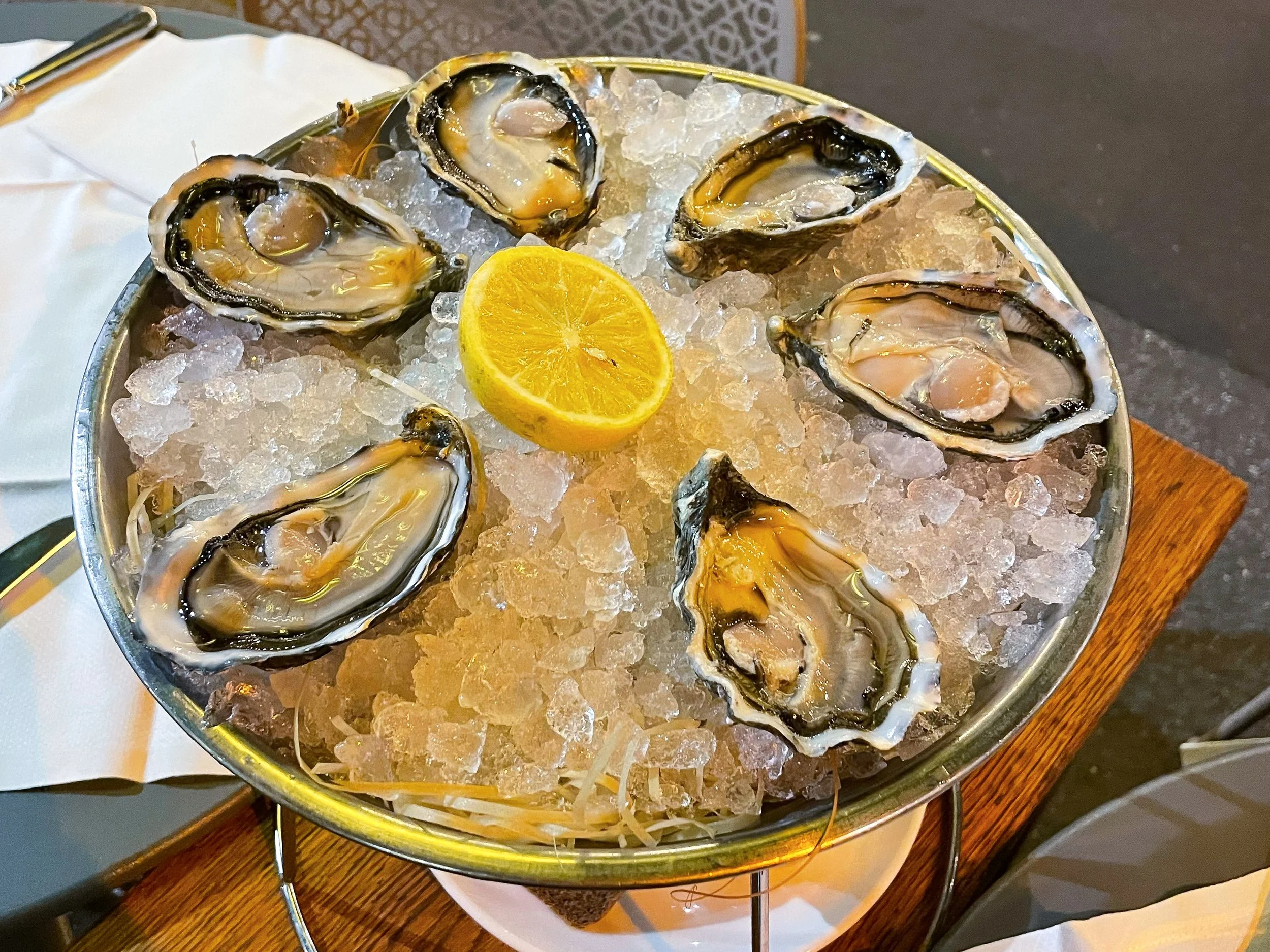
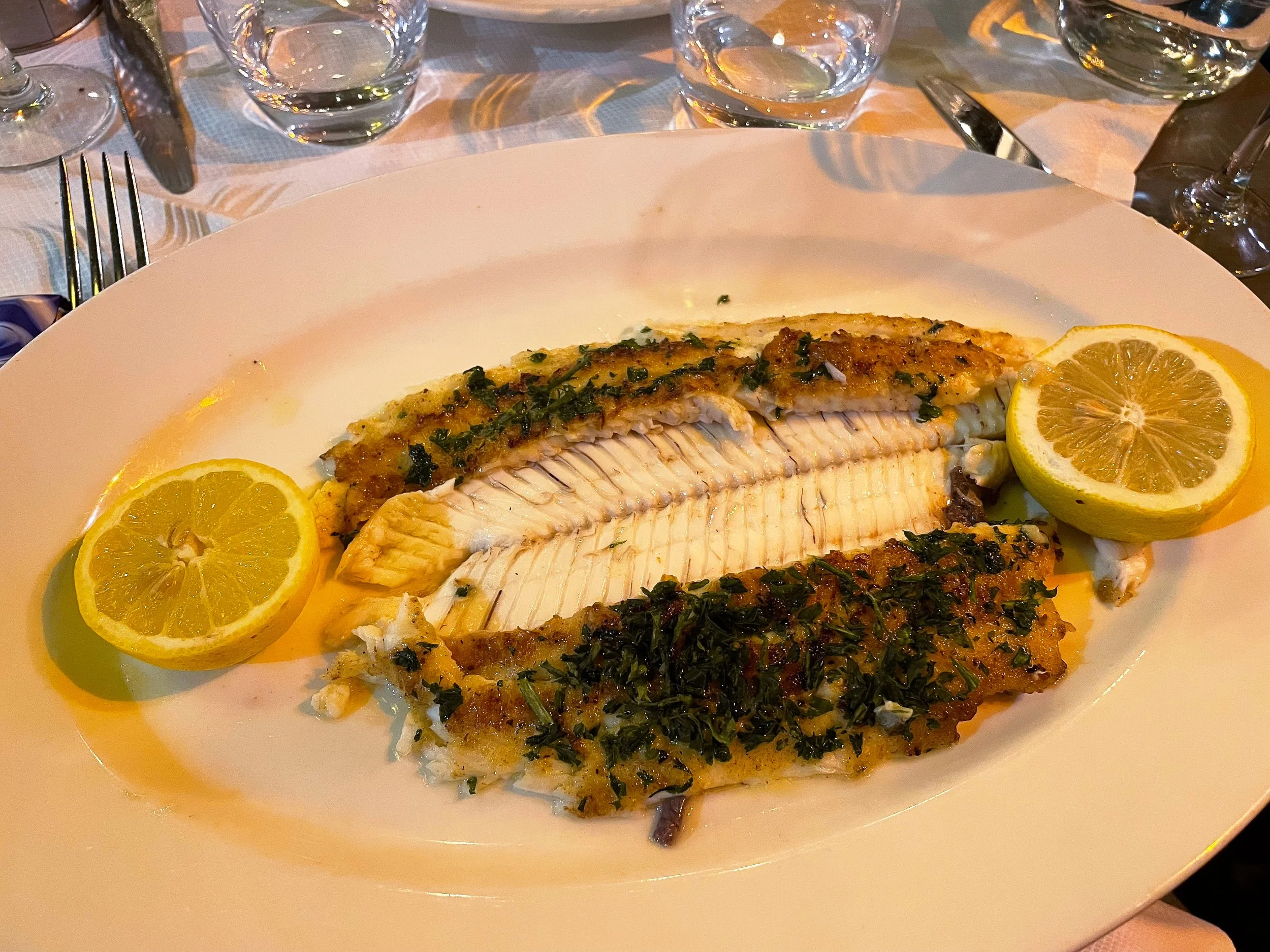
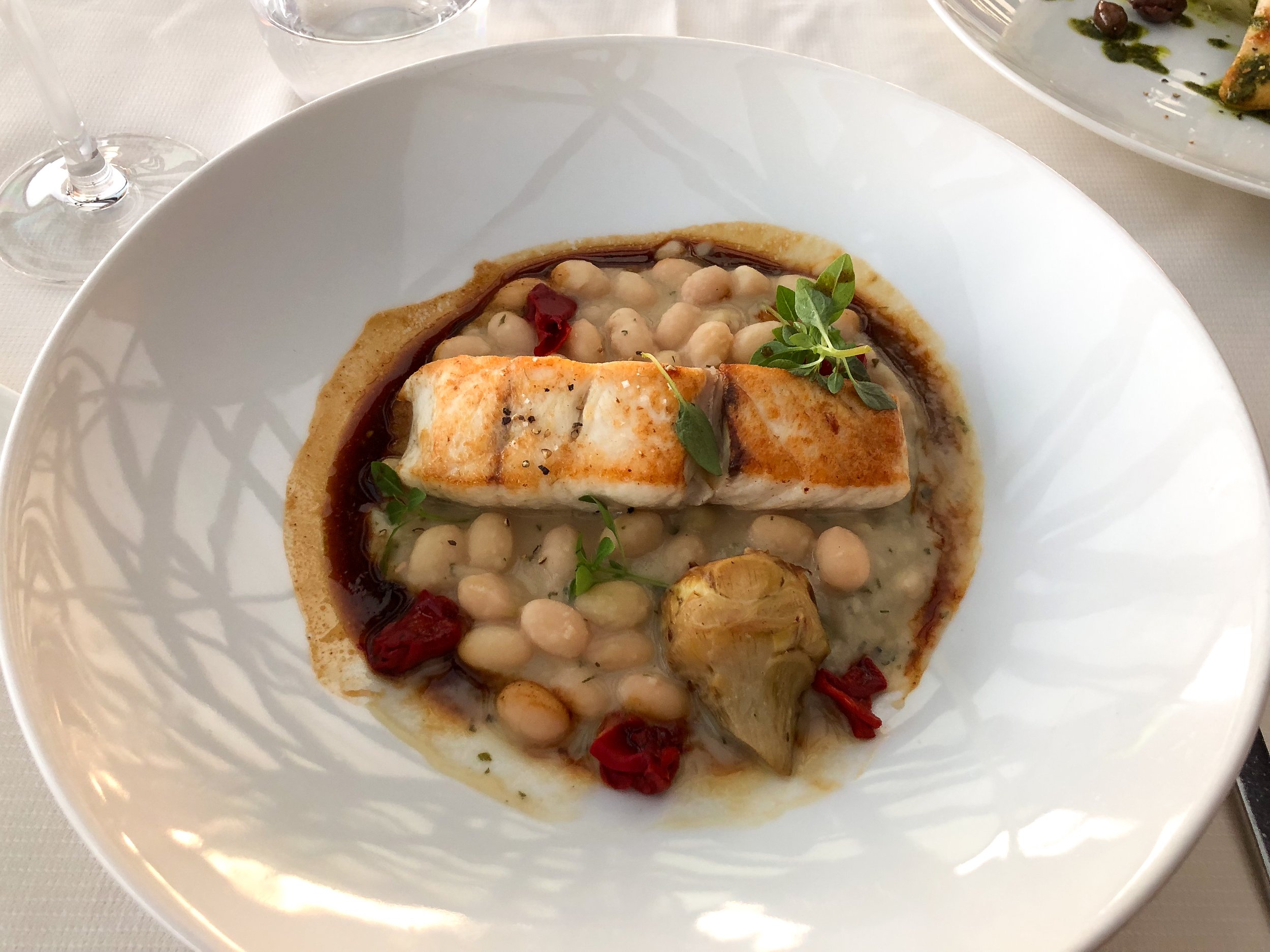
La Mascotte. A historic restaurant in Montmartre serving elevated seafood dishes like butter and lemon sole, turbot encrusted in seaweed and some of the city’s tastiest oysters paired with champagne.
Sip on French Spirits. While known for its wine, France produces some of the finest spirits including absinthe, chartreuse, cognac and cointreau.
Marlusse et Lapin. A small and funky cocktail bar with an apartment like feeling that spills out onto the street. Come for the flamed absinthe drip cocktail.
Le Syndicat. A speakeasy style cocktail bar previously rated at one of the top 50 bars in the world. Come here for their signature and classic cocktails made using French spirits.
French Cuisine
Beef Bourguignon. A beef stew cooked with carrots, potatoes, mushrooms, bacon, garlic and pearl onions in a red wine sauce.
Coq au Vin. A cousin to Beef Bourguignon but made with chicken instead.
Cassoulet. A savory white bean stew cooked with sausage, onion and garlic.
Niçoise Salad. A salad originating from the coastal city of Nice. It’s a hearty salad made with a combination of tomatoes, hard boiled eggs, olives, tuna, anchovies, green beans, potatoes and red onions over a bed of lettuce.
Tartare. A classic French dish of minced raw meat, typically steak or tuna, mixed with herbs and presented in a puck shaped disk.
Ratatouille. A provincial style vegetable stew made using diced or sliced pieces of eggplant, zucchini and tomato then seasoned with herbs.
French Onion Soup. A beef broth soup made with caramelized onions, topped with croutons and broiled cheese.
Escargot. Snails cooked in a copious amount of butter, garlic and parsley or tarragon. They’re typically served in the shell or in a porcelain baking dish with toasted pieces of baguette. They’re a delicacy on many menus in Paris.
Omelette. A pan fried and folded envelope of eggs. French versions are custardy and lightly cooked until just formed together. It’s common to eat at lunchtime.
Quiche. A savory egg tart or pie baked with vegetables, herbs or meats.
Gratin Dauphinois. Thinly sliced potatoes baked in heavy cream.
Pomme Frites. Also known as French Fries. They’re a common side dish and typically served with mayonnaise.
Croissant. A crescent shaped pastry with layers of buttery and flaky crust. It comes in multiple versions including chocolate, raspberry and almond.
Baguette. A quintessentially French style of bread easily recognized by its long shape and 3 slice marks. It’s beloved for its crunchy crust and chewy crumb.
Tarte Tatin. A tart or pie with a rich layer of caramelized apples.
Crepes Suzette. A folded and flamed crepe cooked in an orange sauce and orange liqueur.
Crème Brûlée. A French vanilla custard with a flamed layer of hardened sugar on top.
Wine. France is world renowned for its wines including Bordeaux, Burgundy, Côte du Rhône, Beaujolais and Champagne. Buy a bottle at a local market or pair a glass with any meal while dining out.
Getting Around Paris
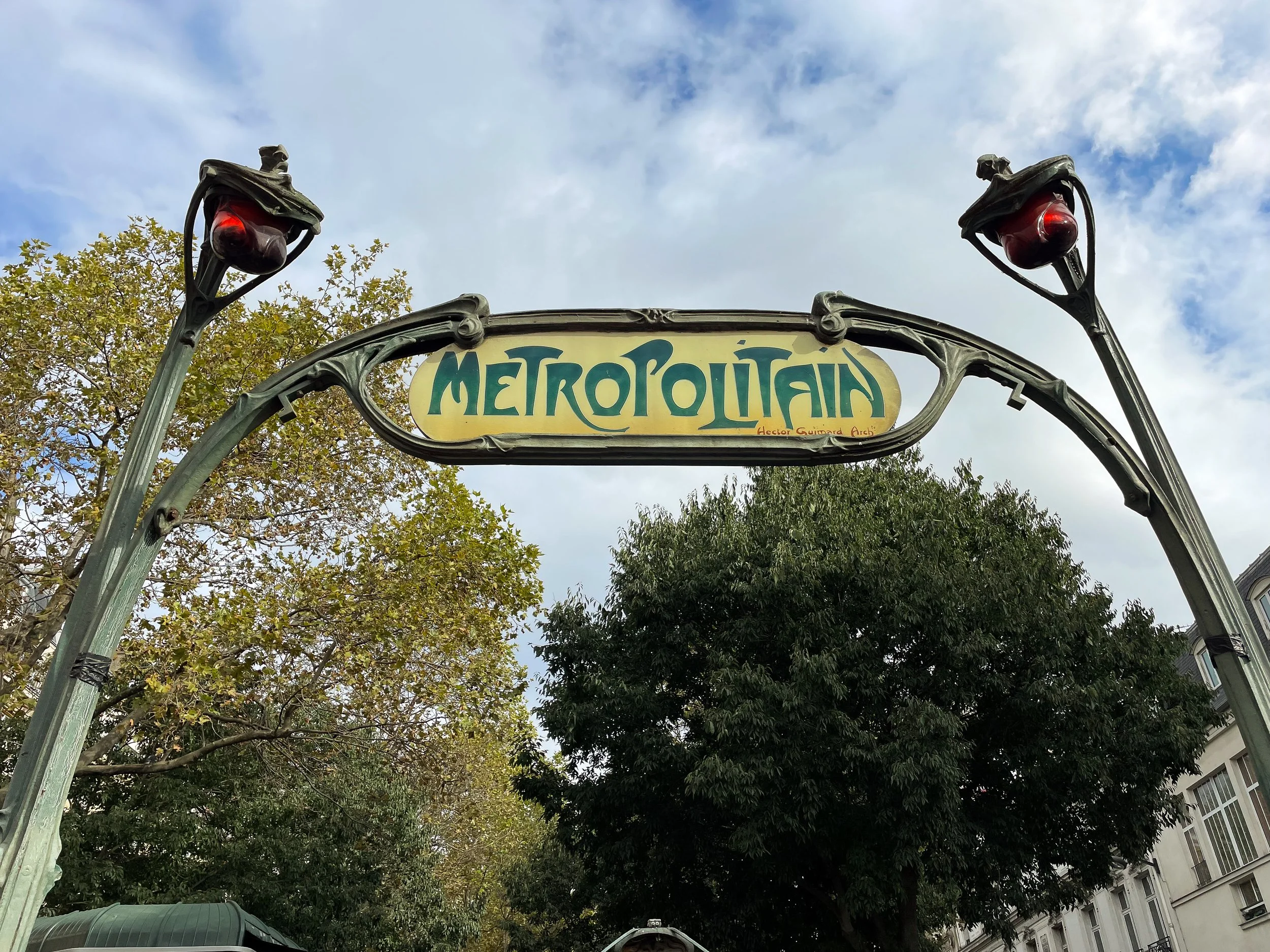
Métropolitain (The Metro). Beneath the streets of Paris is one of the world’s oldest metro systems, recognizable by its Art Nouveau entrances. In French fashion, the Metro was closed due to transit strikes both times we visited Paris.
On Foot. Paris is a lovely city to explore on foot and get lost in. Walk down the cobblestone streets, admire the historic architecture, wander along the Seine and stroll through lively plazas and parks.
Ride Shares. Uber is common across Paris and often the quickest way of getting across the city and to the airport. City rides typically cost between €15-€20 while airport rides cost around €50.
French Words & Phrases
While many Parisians speak English, they adore when foreigners try to speak French. Some of the most common words and phrases we used are:
Bonjour = Hello or Good morning
Au revoir = Goodbye
Bonsoir= Good evening
Merci = Thank you
Merci beaucoup = Thank you very much
S’il vous plaît = Please
De rien = You’re welcome
Excusez-moi = Excuse me
La carte, s’il vous plaît = The menu, please
L’addition s’il vous plaît = The check, please
Je voudrais… = I would like…
Je t'aime = I love you
Places to Stay
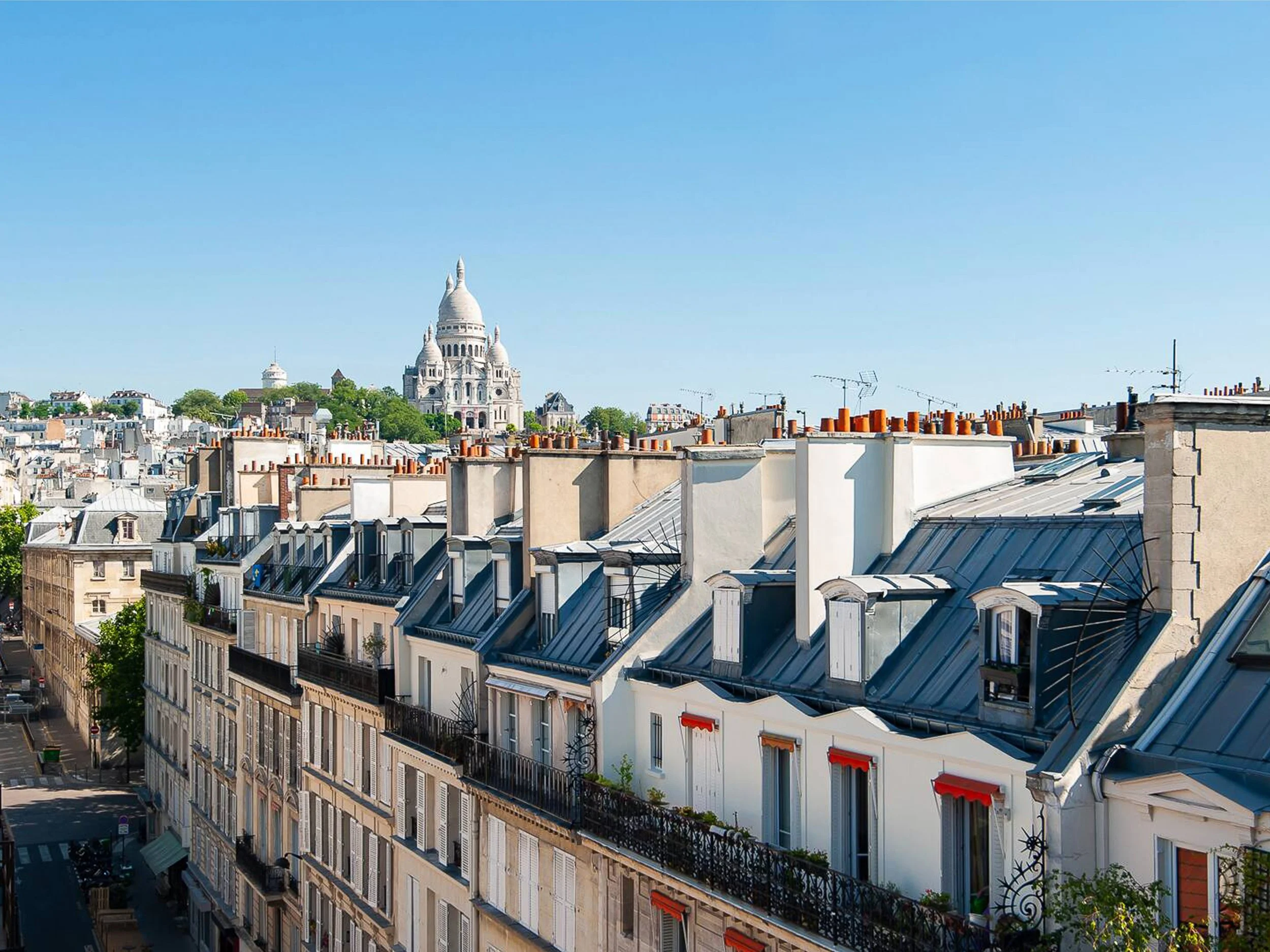
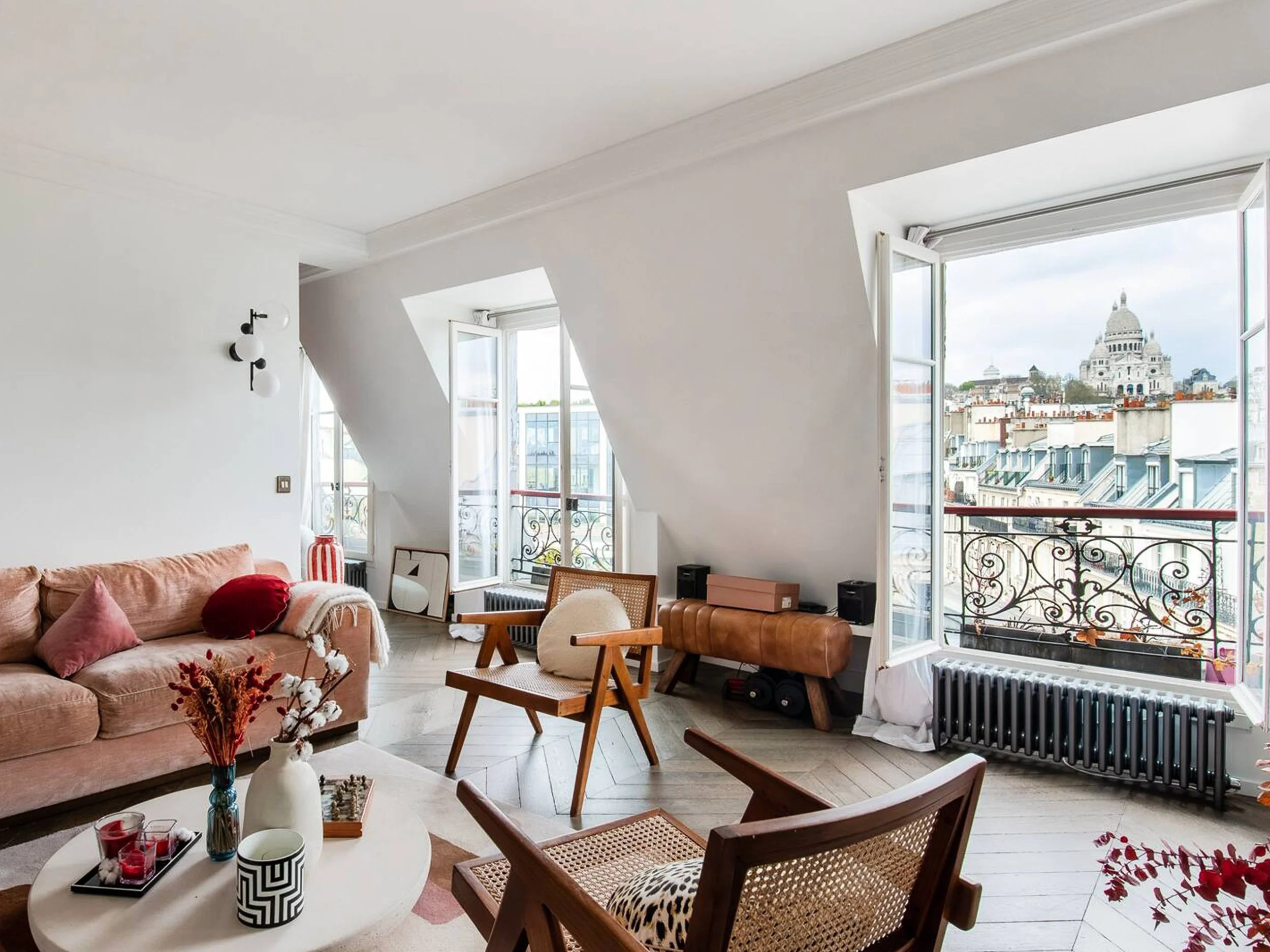
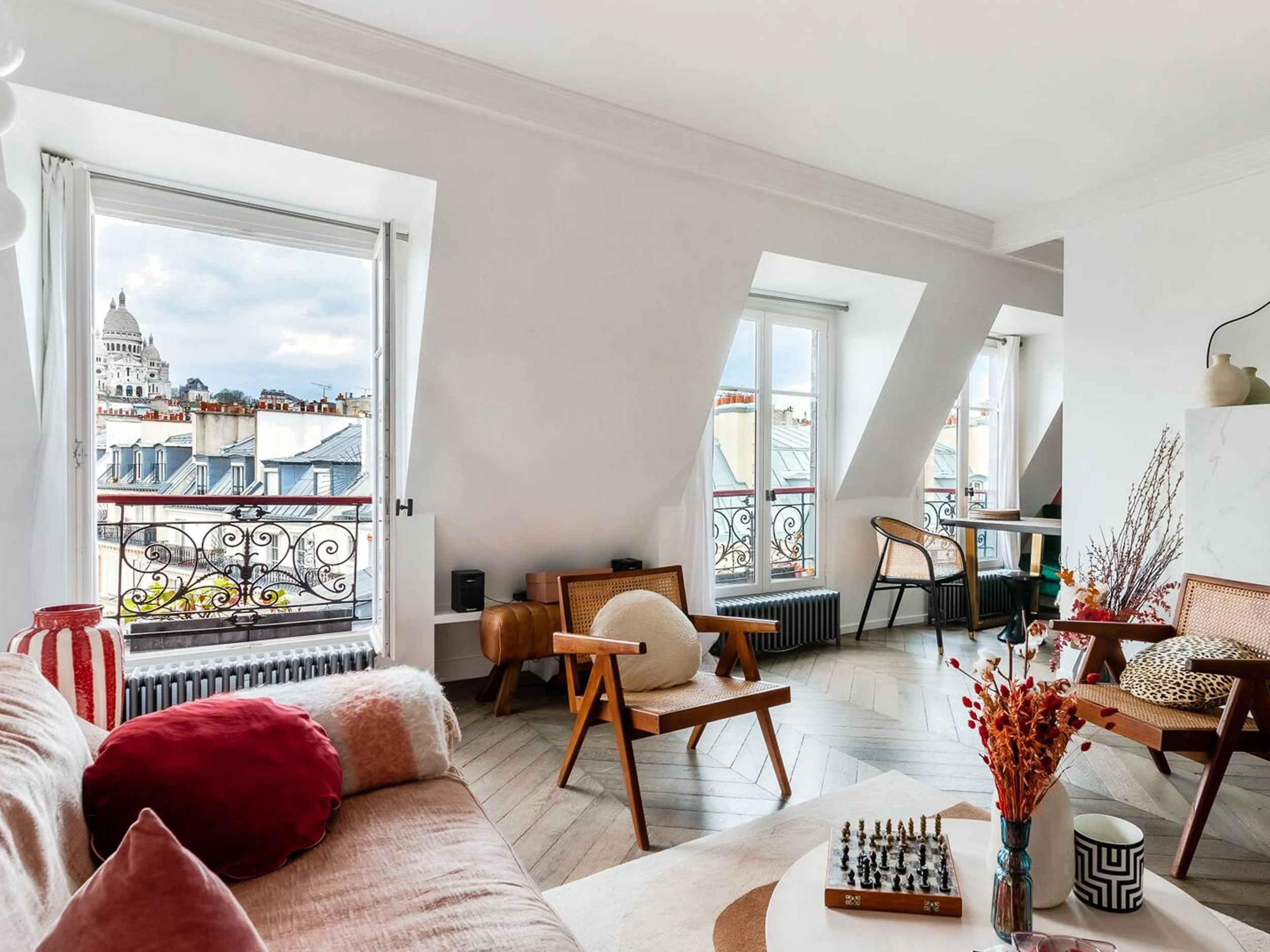
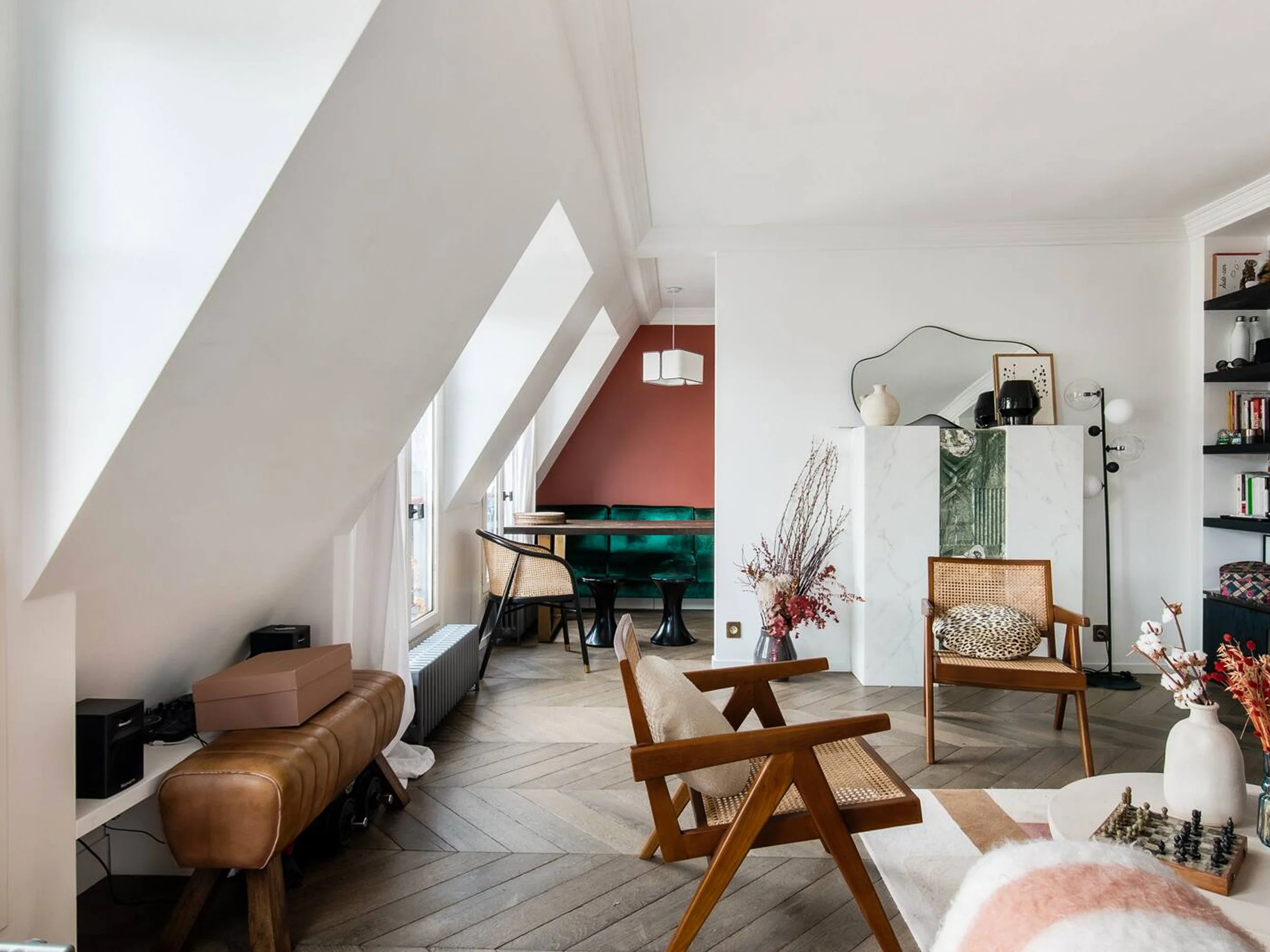
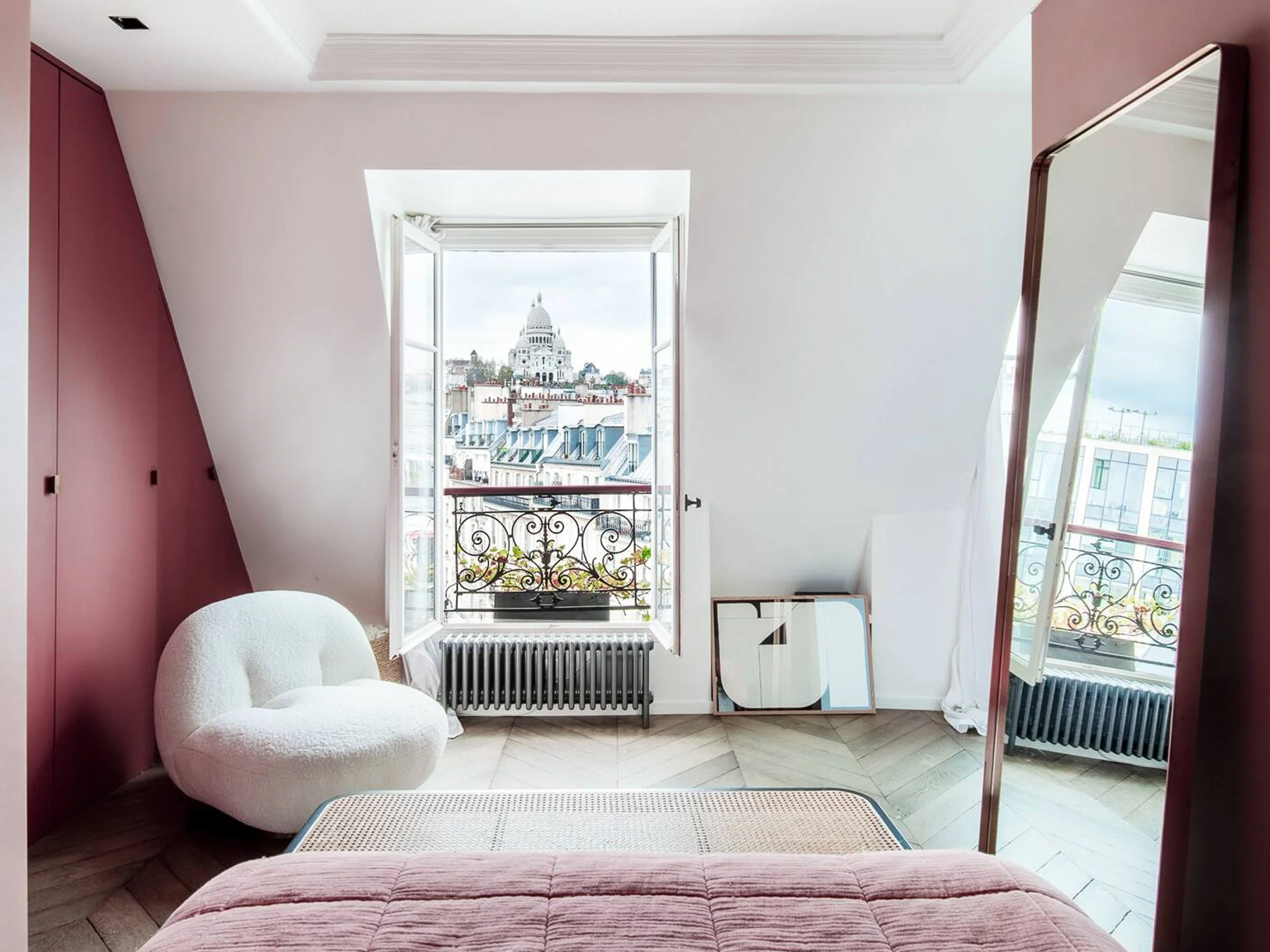
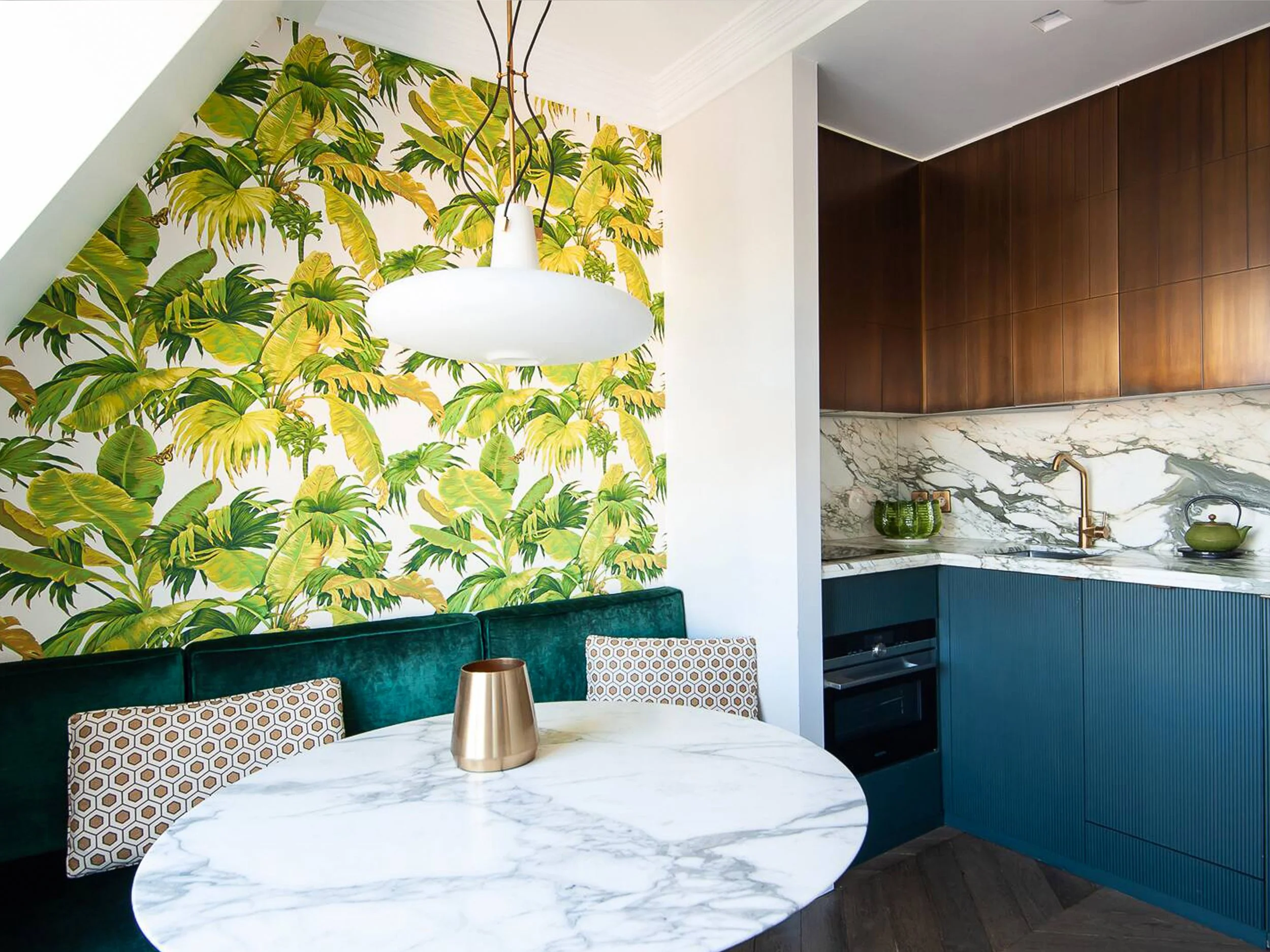
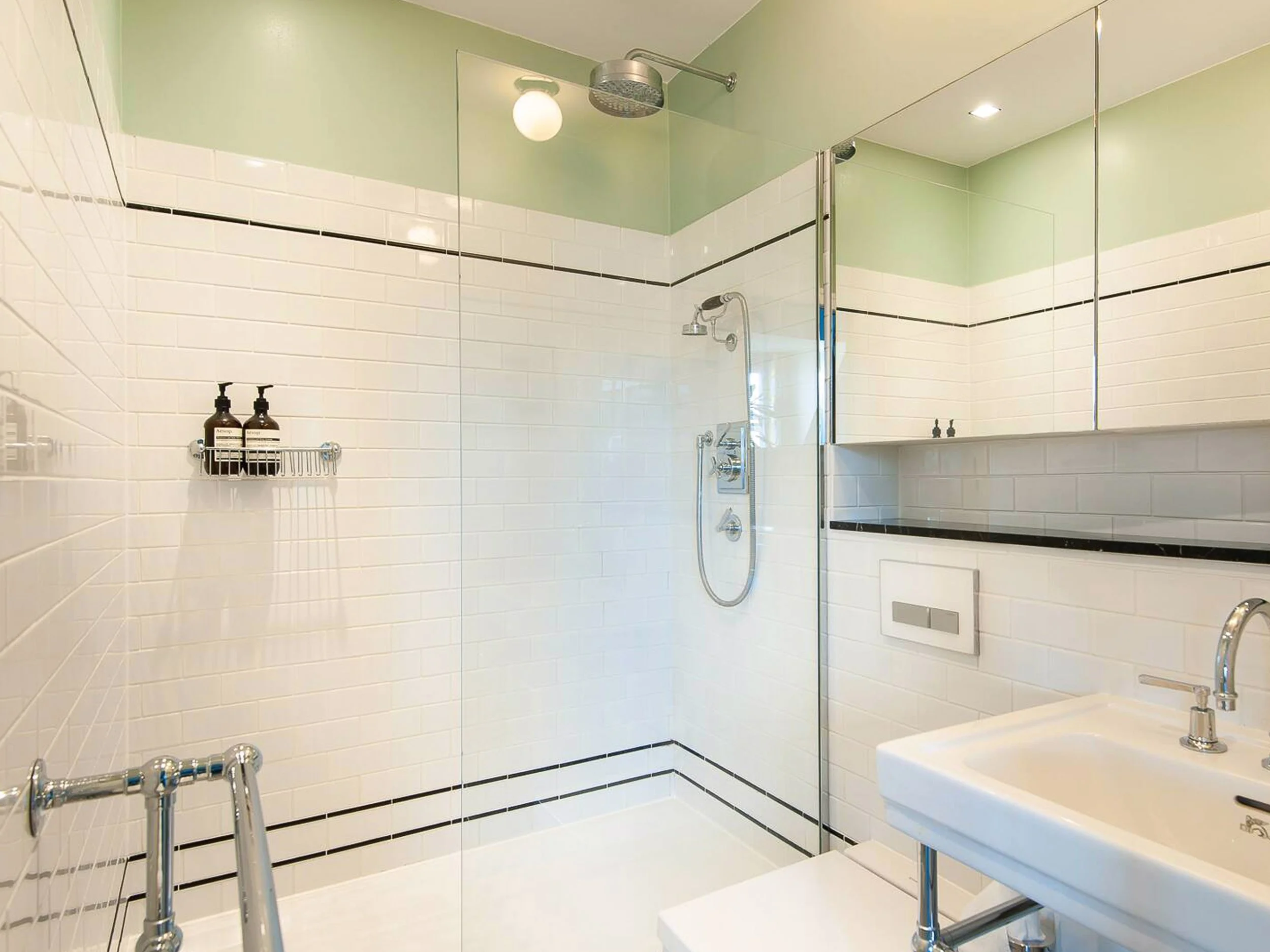
Montmartre Loft. An elegant apartment on the 6th floor of a Parisian style residential building with stunning views of Montmartre’s rooftops and the Basilica of Sacre-Coeur. Reserve on Airbnb.
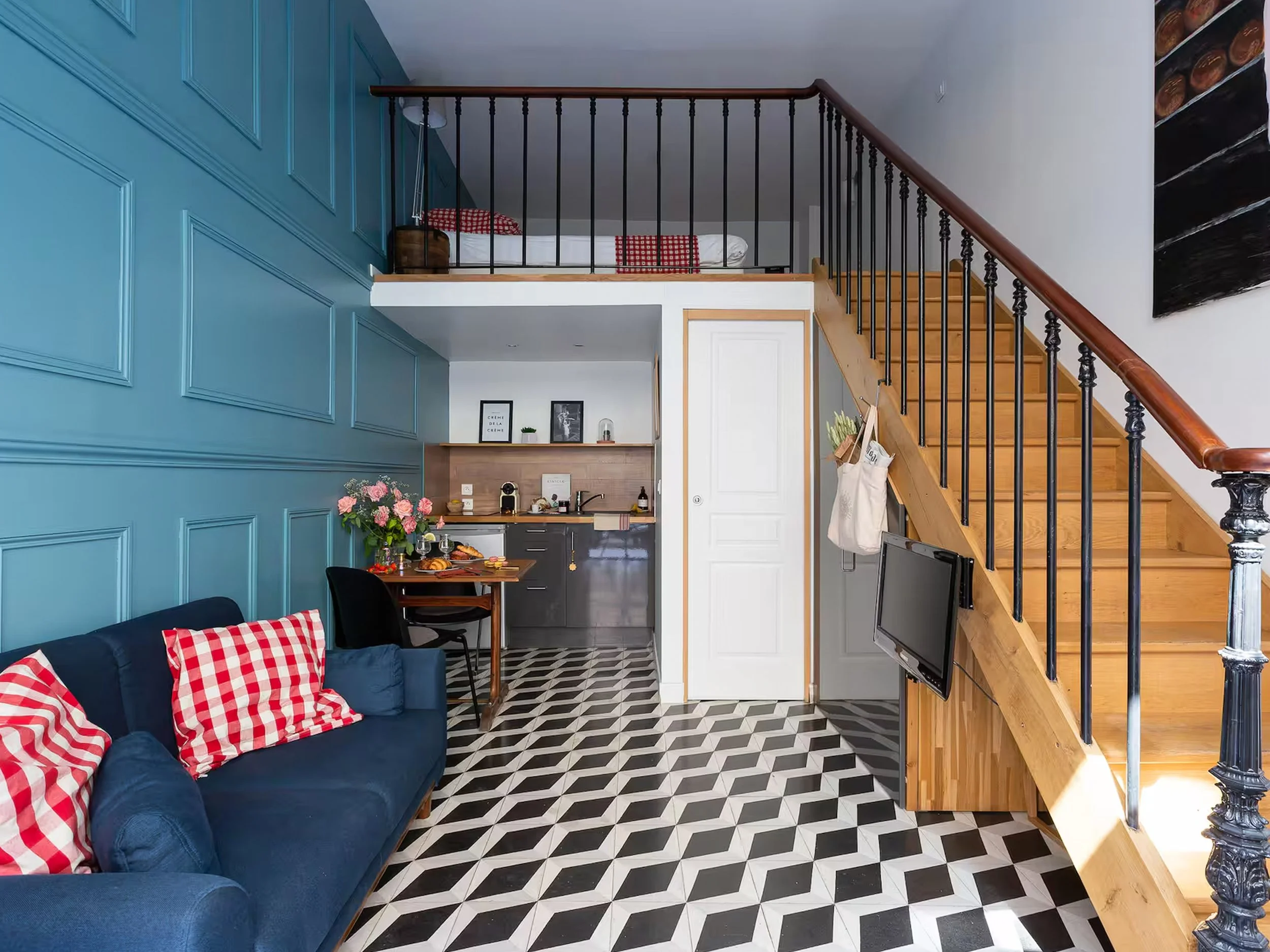
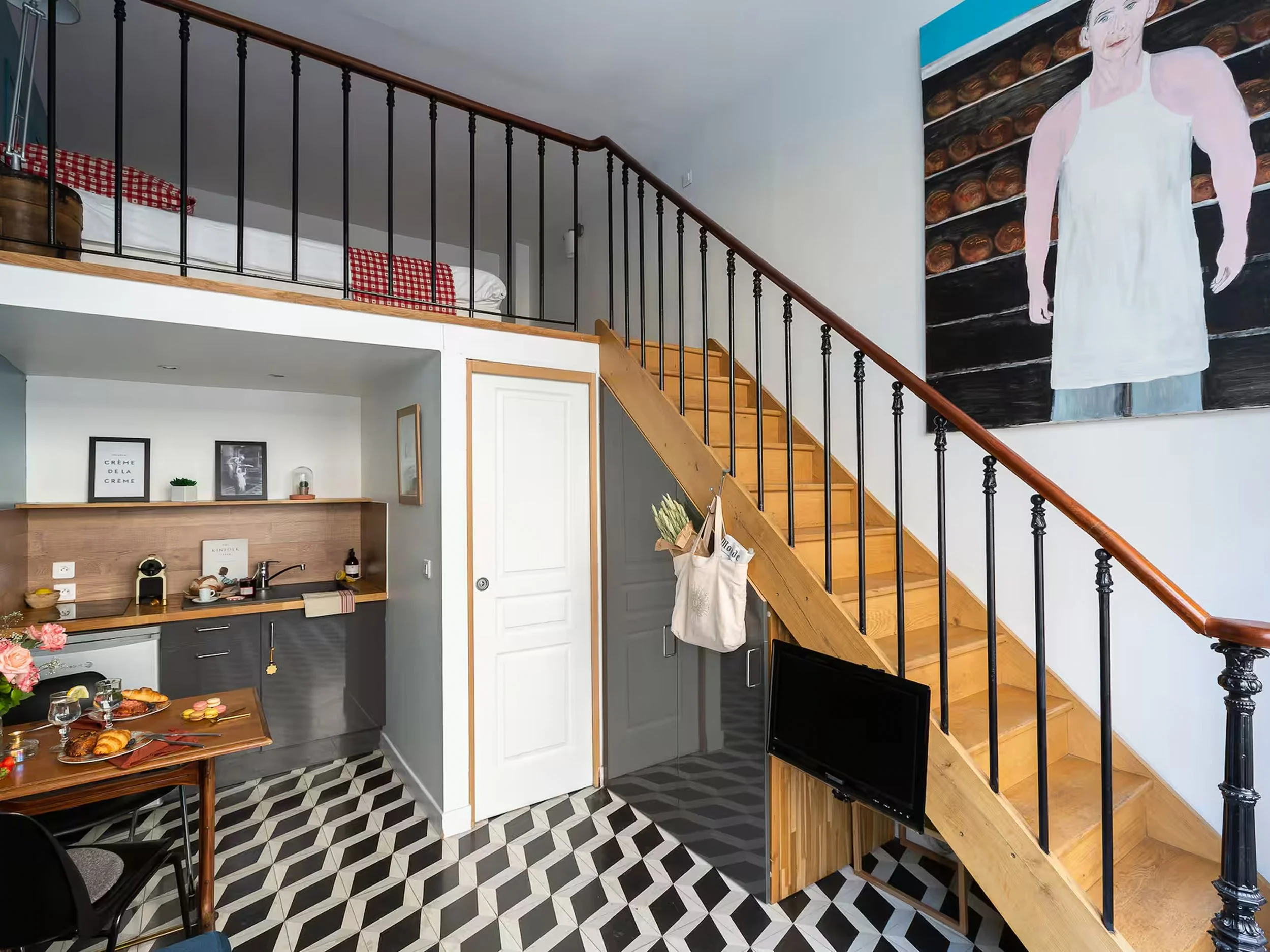
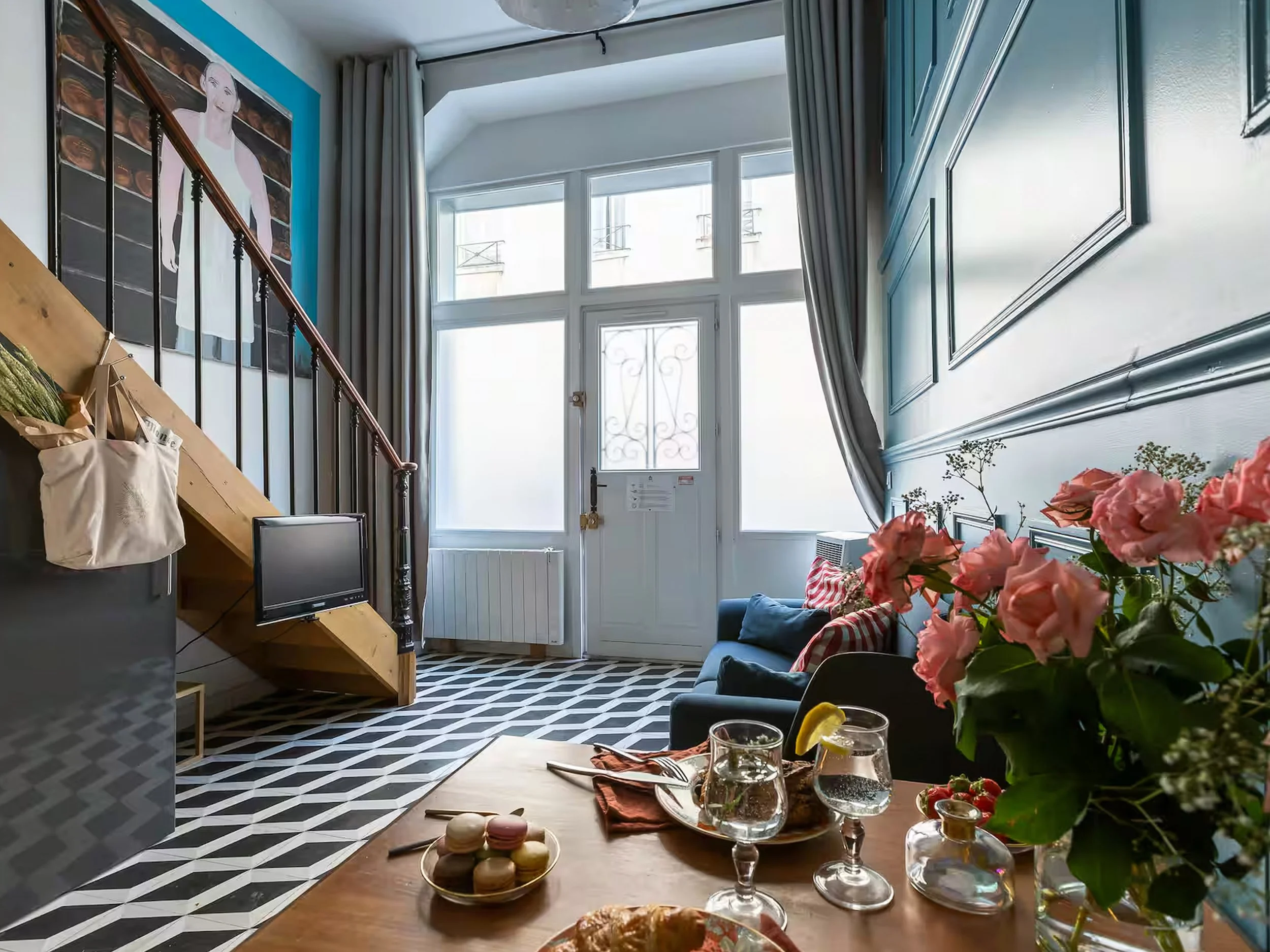
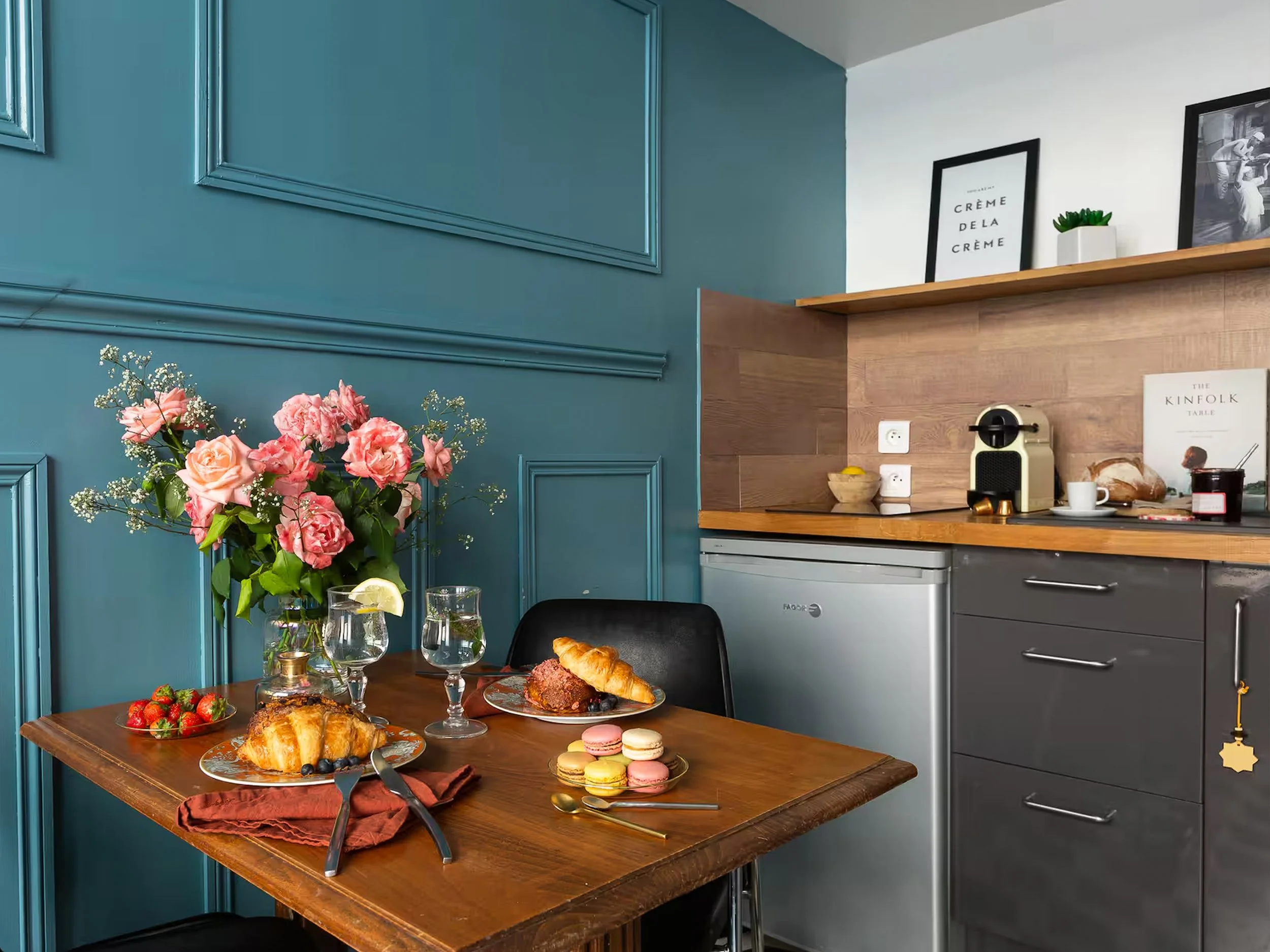
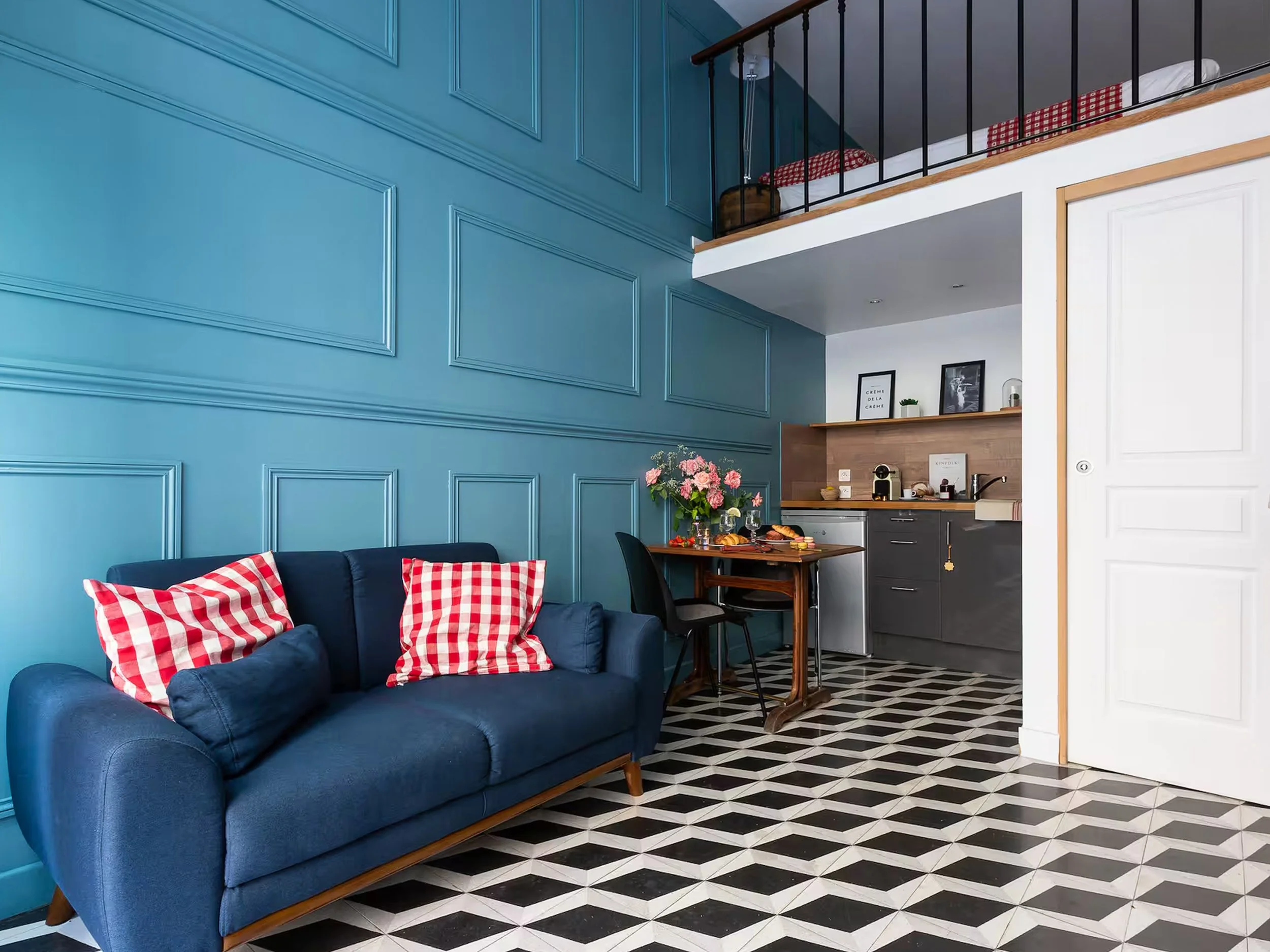
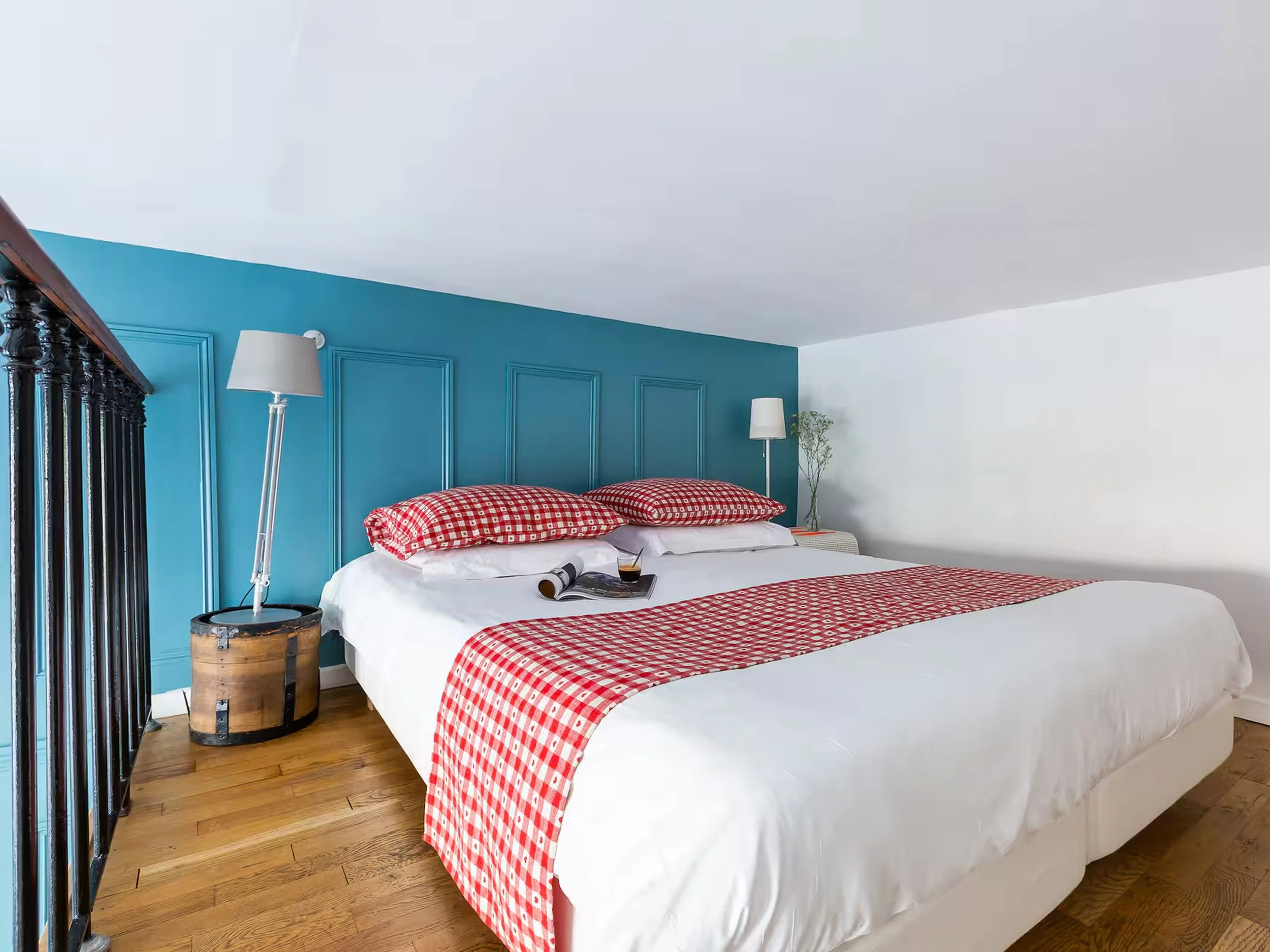
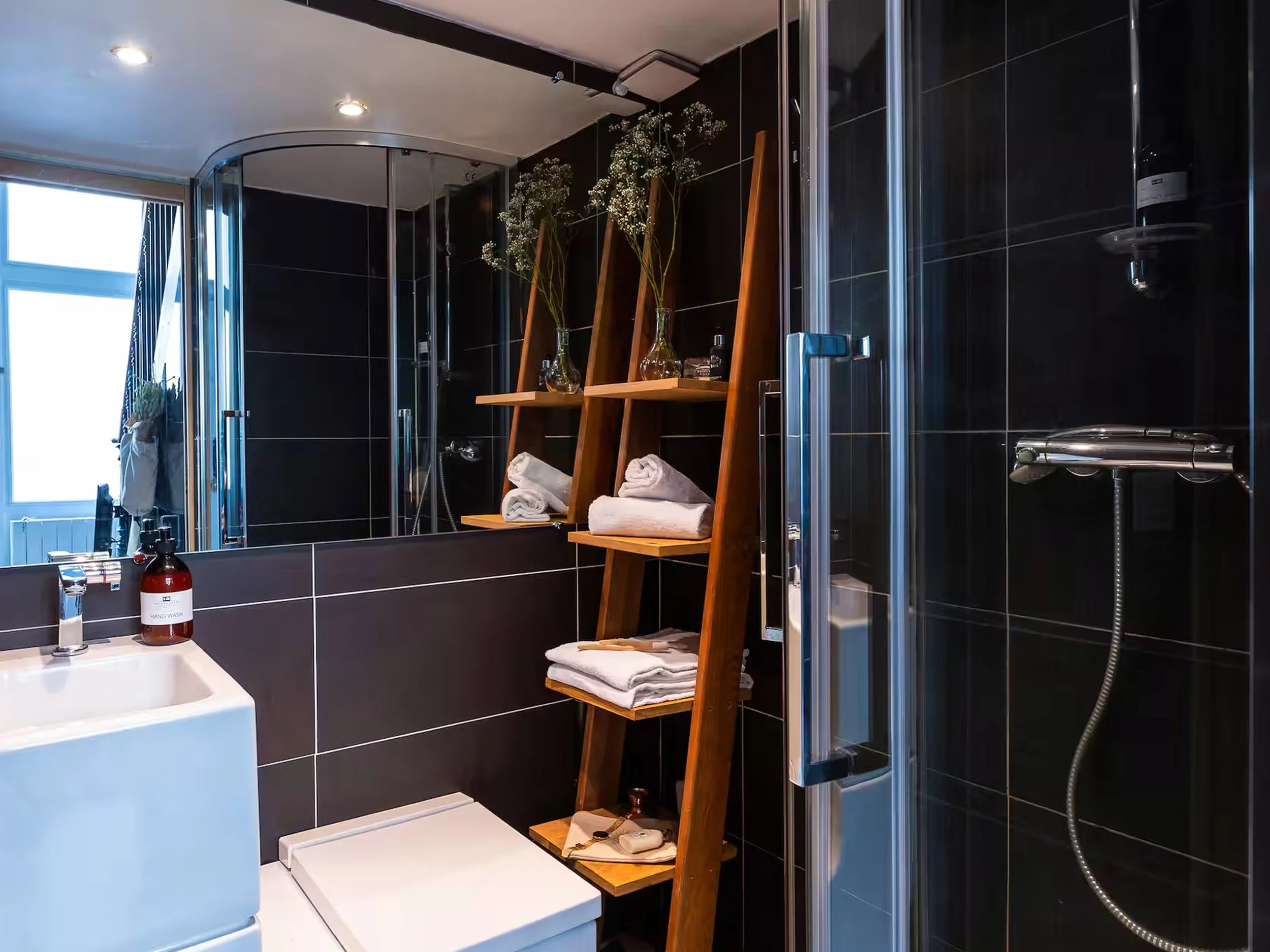
Old Bakery Loft. A lofted vacation rental in a converted bakery. The cozy space opens up to the streets of Paris. It’s central location is walking distance to sidewalk cafes, bistros, art museums and landmark sights. Reserve on Airbnb.
Elsewhere in France
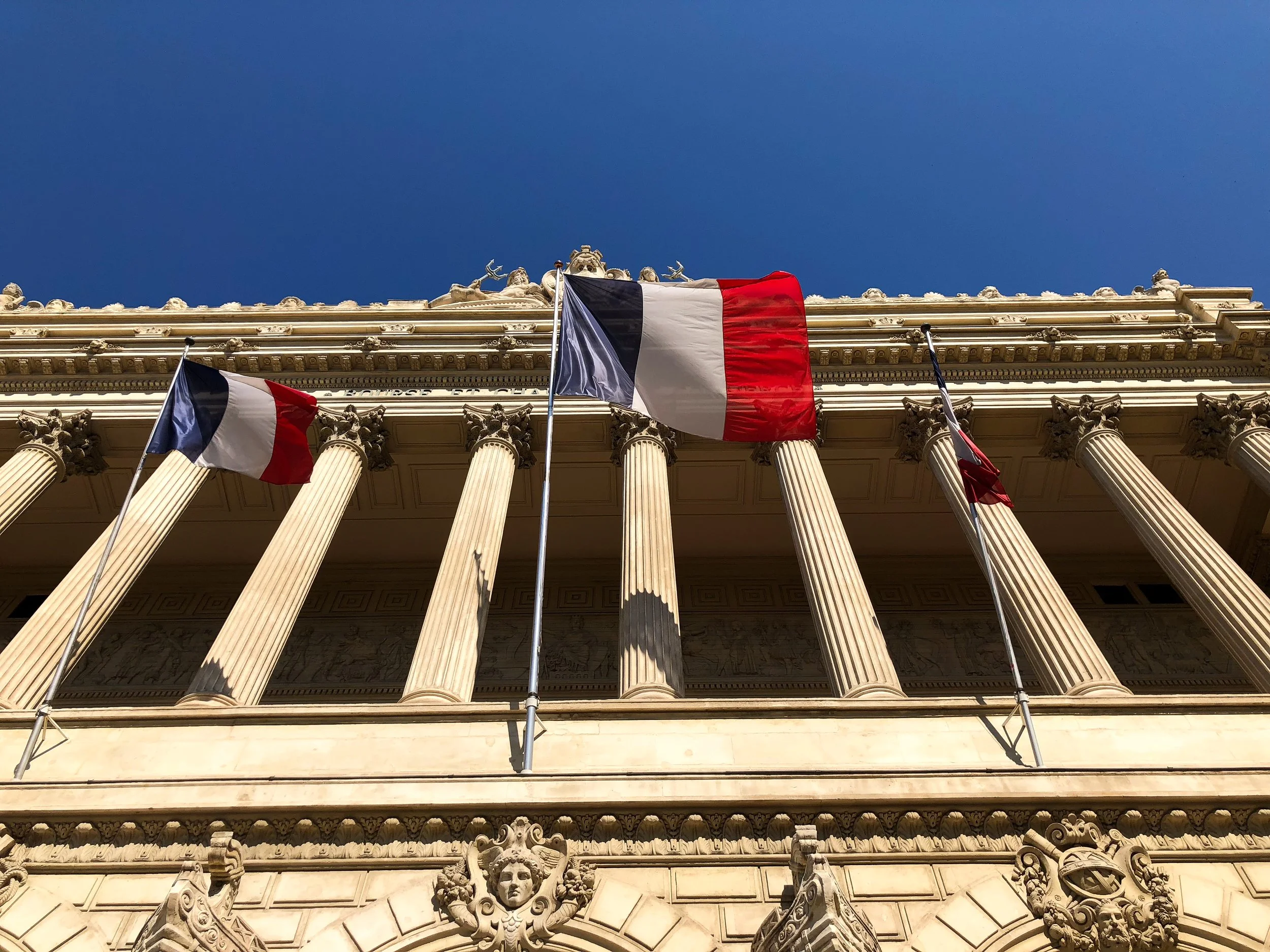
From Paris’s romantic boulevards and iconic landmarks to Marseille’s rugged coastline and Mediterranean culture, continue exploring France’s diverse regions.
Marseille Travel Guide: Calanques, Vieux-Port & Mediterranean Culture. Explore Marseille's gritty streets and the historic Vieux-Port where Mediterranean culture, bustling markets and seaside charm meet rugged coastal landscapes.
Next Time in Paris…
Paris is always a good idea and we’re certain to return. Having been to Paris twice, we have yet to visit some of the most iconic sights including:
Notre Dame. The Gothic cathedral known for its rose windows, buttresses and gargoyles. We visited after the fire that nearly destroyed the landmark but were unable to enter its vast interior.
The Palace of Versailles. King Louis XIV’s famous palace and grounds.
St. Ouen Flea Market. Paris’ most famous flea market for over 150 years with 3000+ merchants selling vintage items, antiques, artwork, books, furniture, etc.
Parc des Buttes Chaumont. Picnic in the hilly and lush park and sip on rosé at Rosa Bonheur.
See More Art:
The Louvre. The world’s most well known art museum, particularly for its collection of Da Vinci paintings like The Mona Lisa. The museum deserves a half to full day to explore but specific pieces can be seen in less time.
Musée d'Orsay. An impressionist and art nouveau museum in a converted glass train station with works by Van Gogh, Monet, Renoir, Degas and Cézanne.
Musée Picasso. A museum dedicated to Picasso with the largest collection of the artist’s works in the world.