Oaxaca Travel Guide: Food, Mezcal & Cultural Experiences
Oaxaca, Mexico
Oaxaca is the cultural hub of Mexico famed for its cuisine, artisan goods, ancient ruins, colonial pueblos and scenic landscapes. Across the region, traditional dishes are prepared by street food vendors, in restaurants and at markets. Generations of artisan makers produce patterned textiles, vibrant alebrijes, wood block prints, leather goods and traditional ceramics. Archeological sights and museums display ruins and artifacts from the Zapotec civilization. The mountainous desert landscape is covered in fields of maguey plants and Mezcal distilleries. Tropical beaches and surf towns line its Pacific coast. At its center, an energetic and colorful capital city is where the best of everything in Oaxaca comes together. We spent over a week here, meeting up with friends and exploring the region together.
Bienvenidos a la Oaxaca!
We arrived after midnight in Oaxaca. On our first morning, we were woken up by the sounds of the Tamale Lady listing off her tamales over a loudspeaker. “Tamales de amarillo, tamales de raja, tamales de salsa verde, tamales de pollo, tamales de cebolla, tamales de elote, tamales de chipilín.” The list went on and on! We were in Oaxaca!
Oaxaca de Juarez
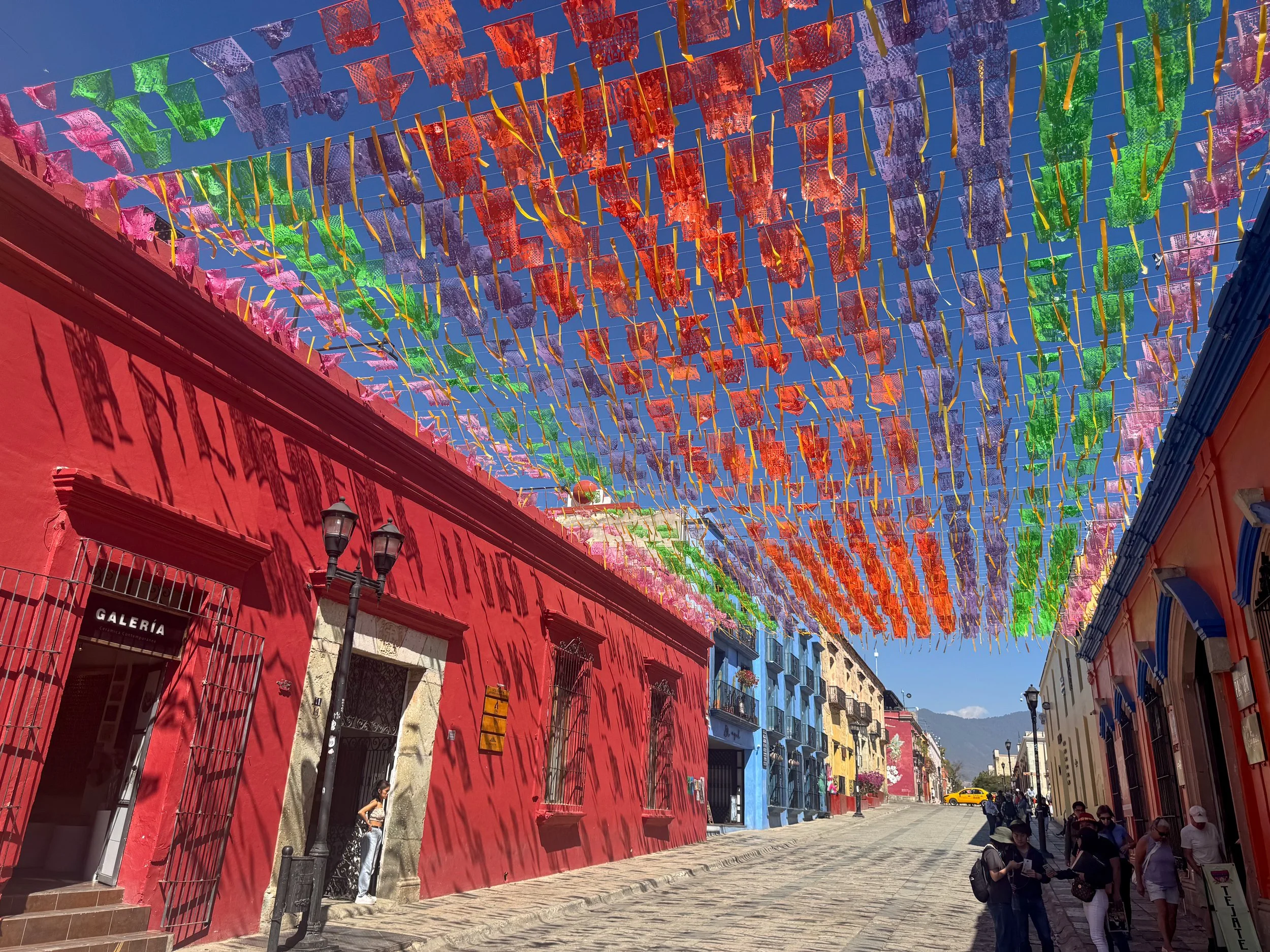
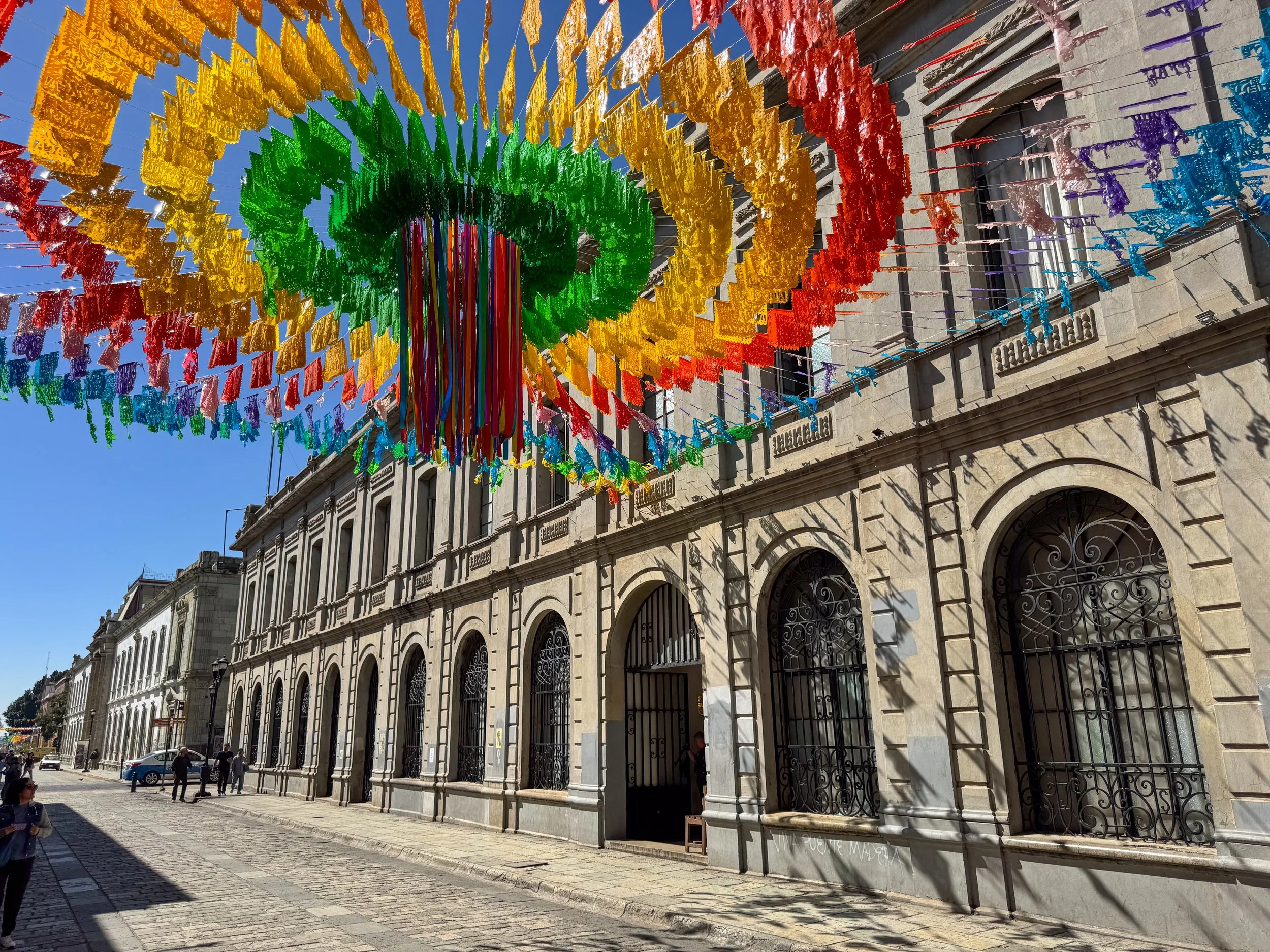
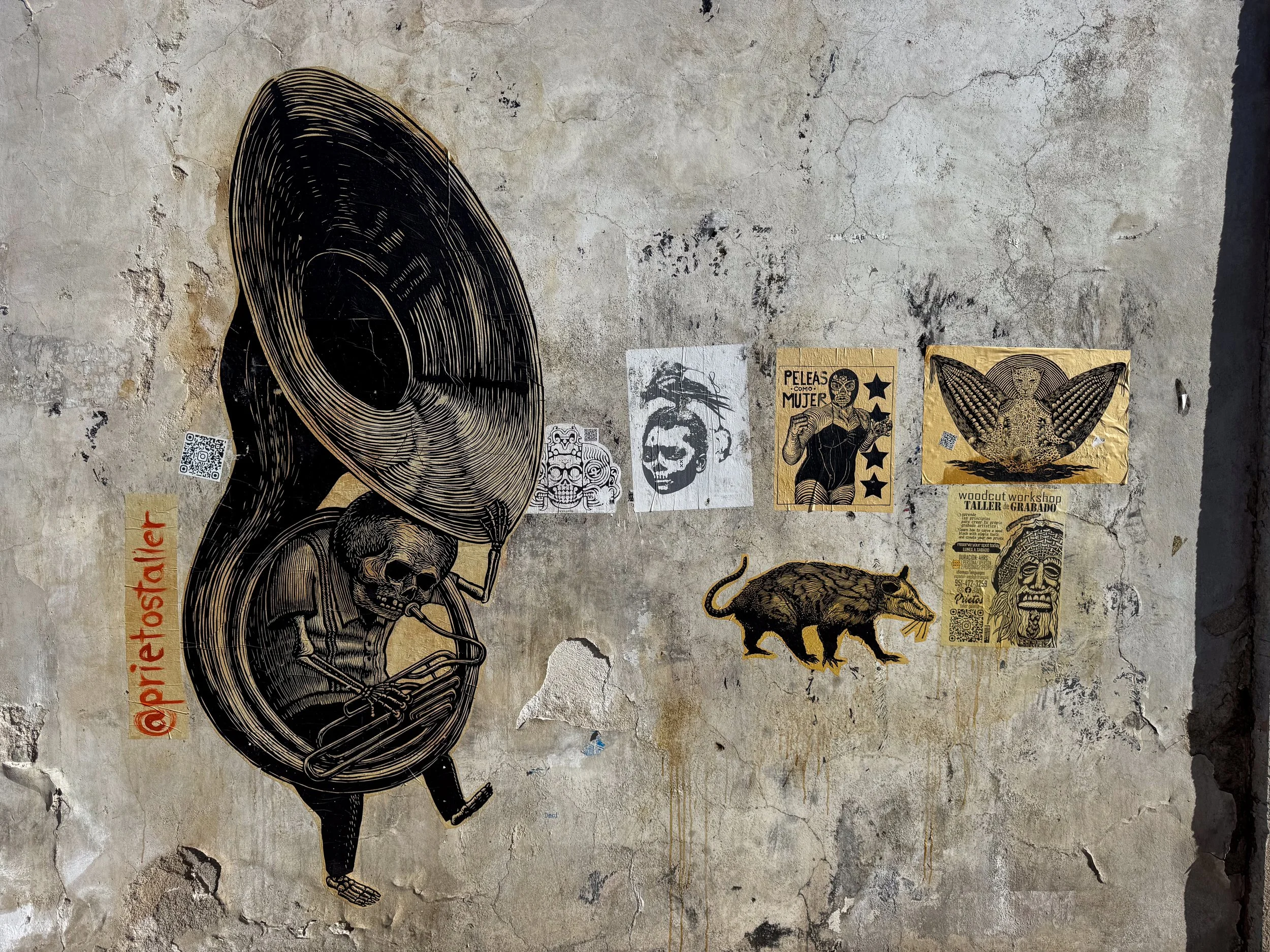
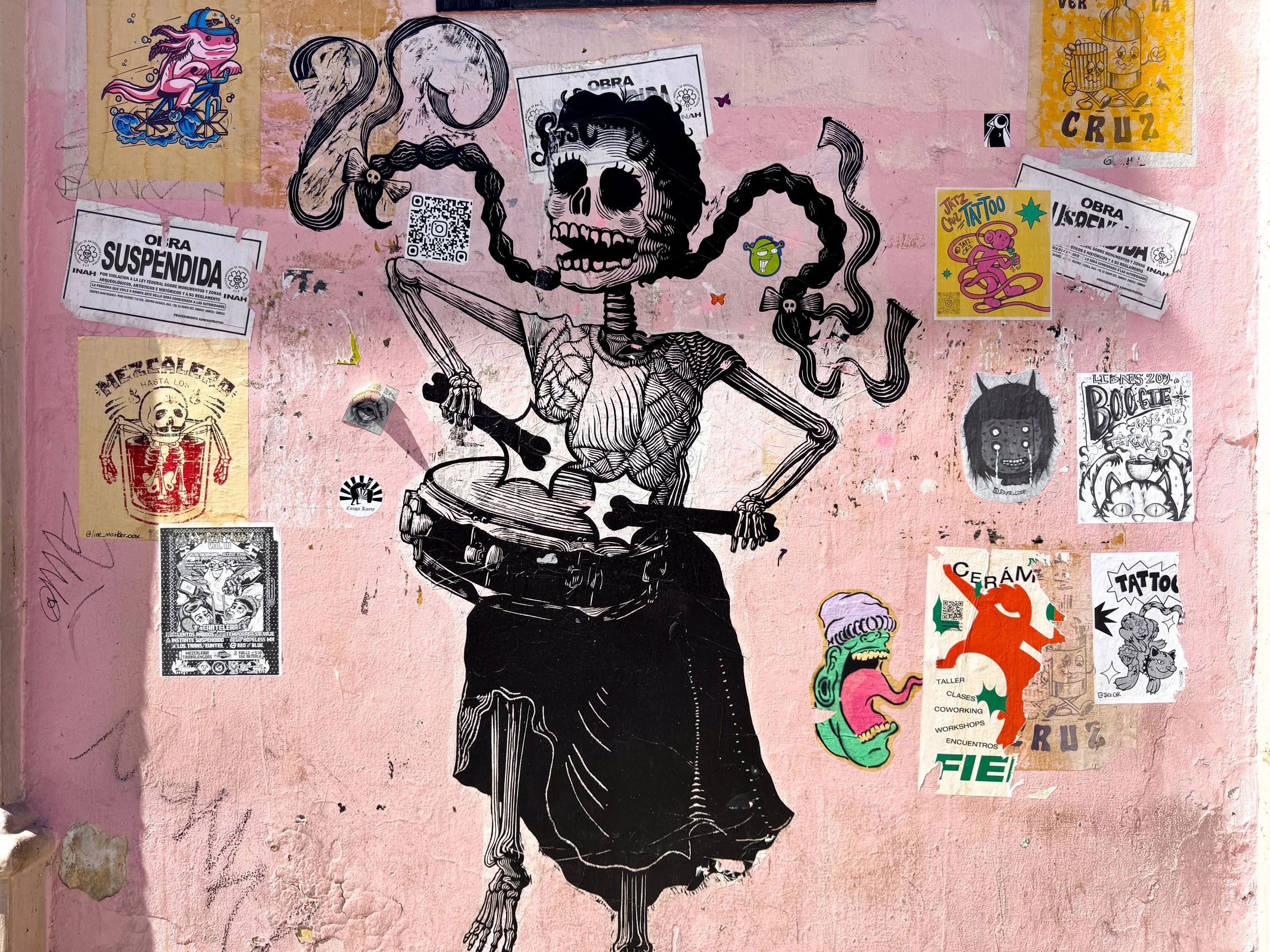
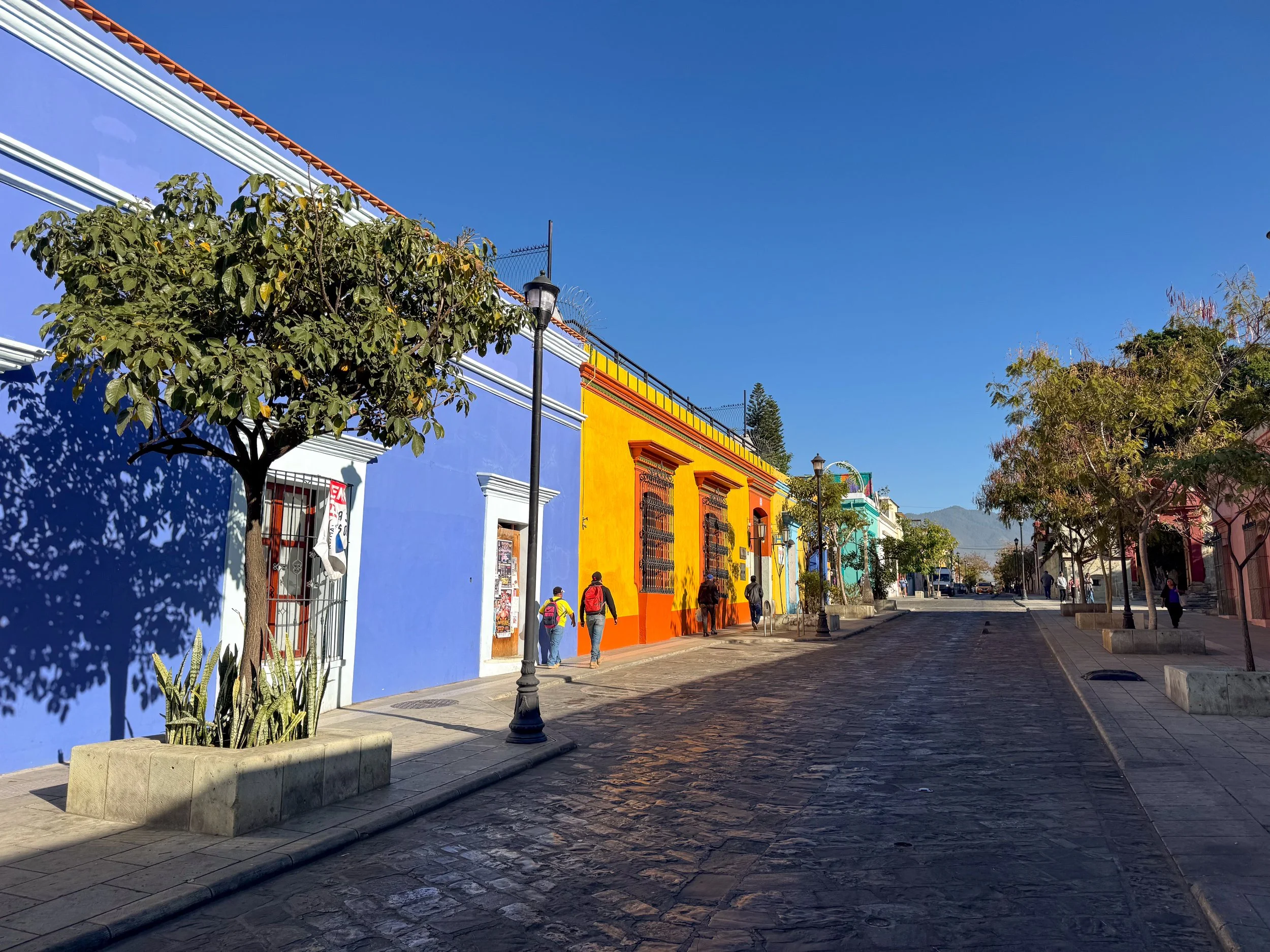
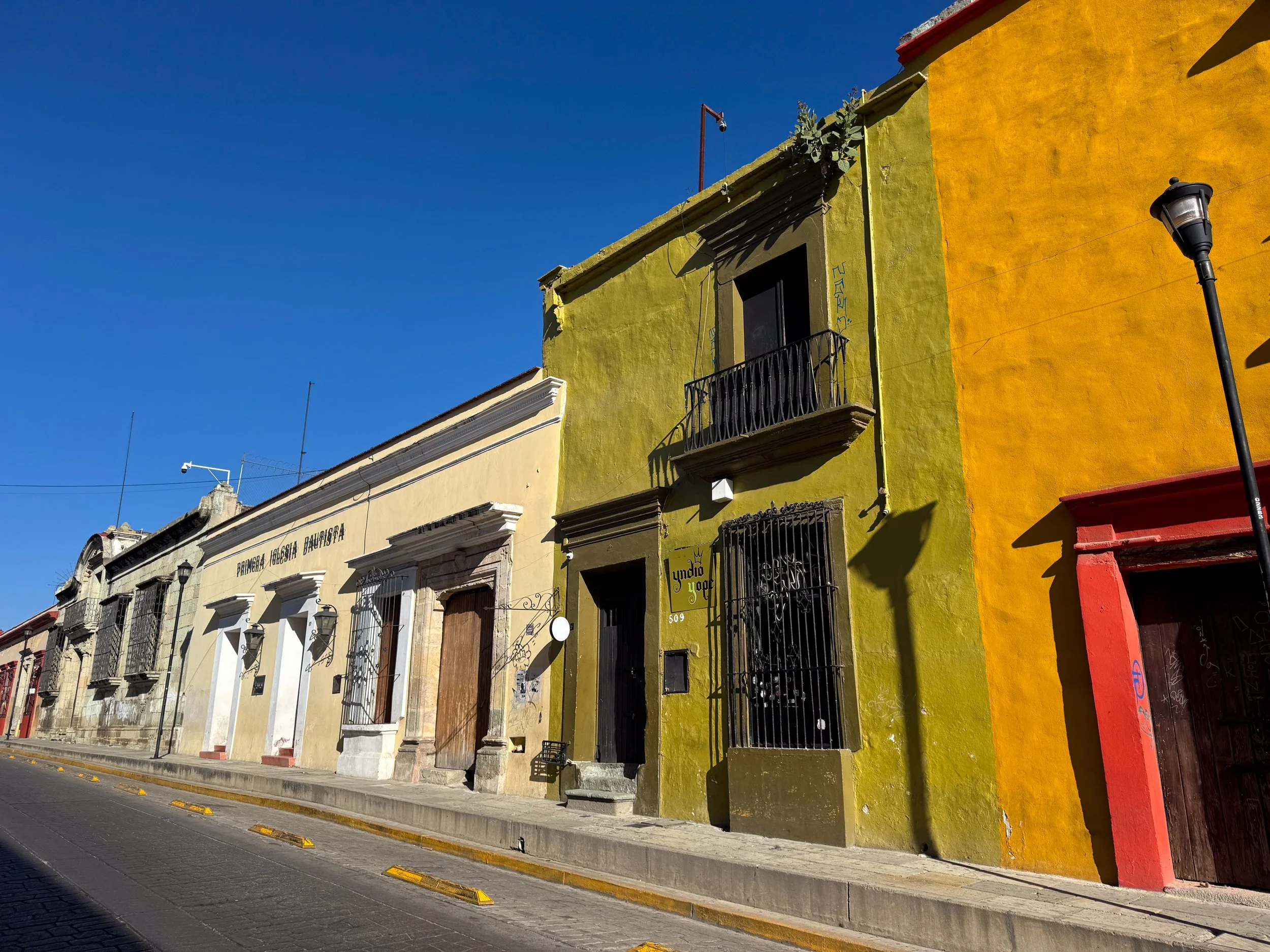
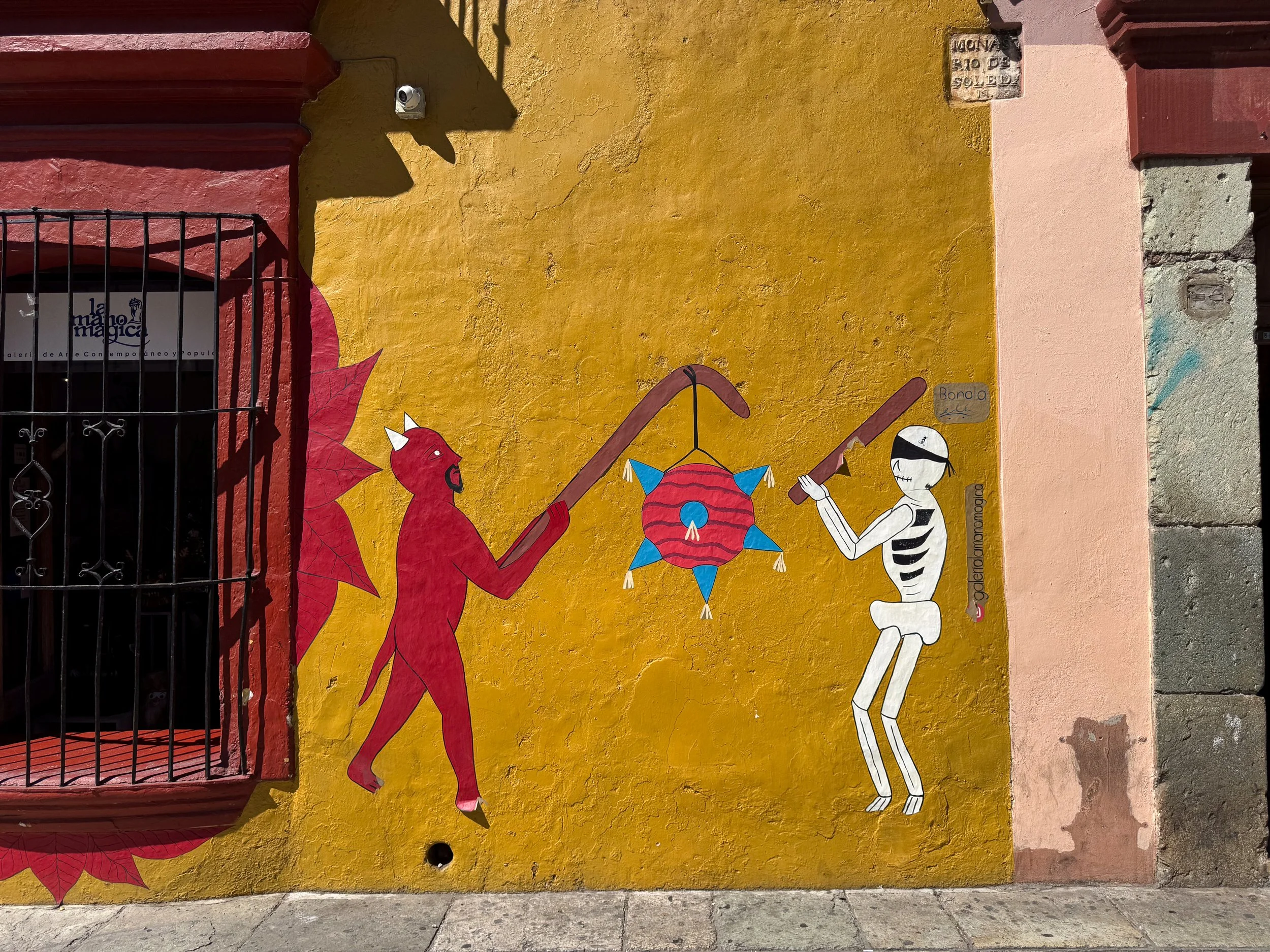
Oaxaca de Juarez is the metropolitan center of Oaxaca. Its cobblestone streets are lined with historic colonial buildings, draped with colorful Mexican banderas and decorated with street art and murals. Around town, the vibrant culture is experienced through cuisine and artistry. Local dishes are served at Oaxacan style restaurants, food markets and from street carts. Artisan goods produced in pueblos across the region are sold in shops and displayed in galleries and museums.
Barrios de Oaxaca
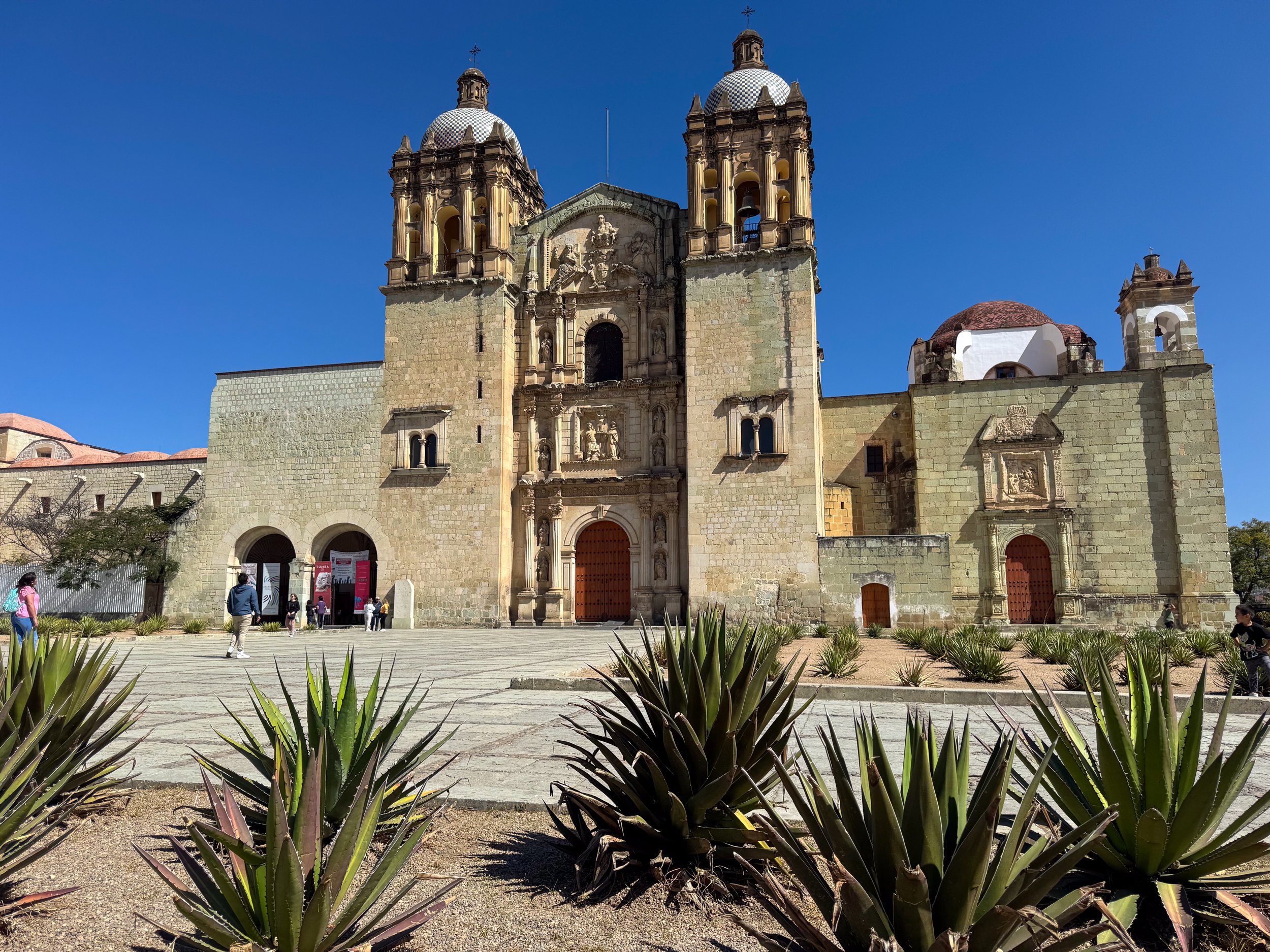
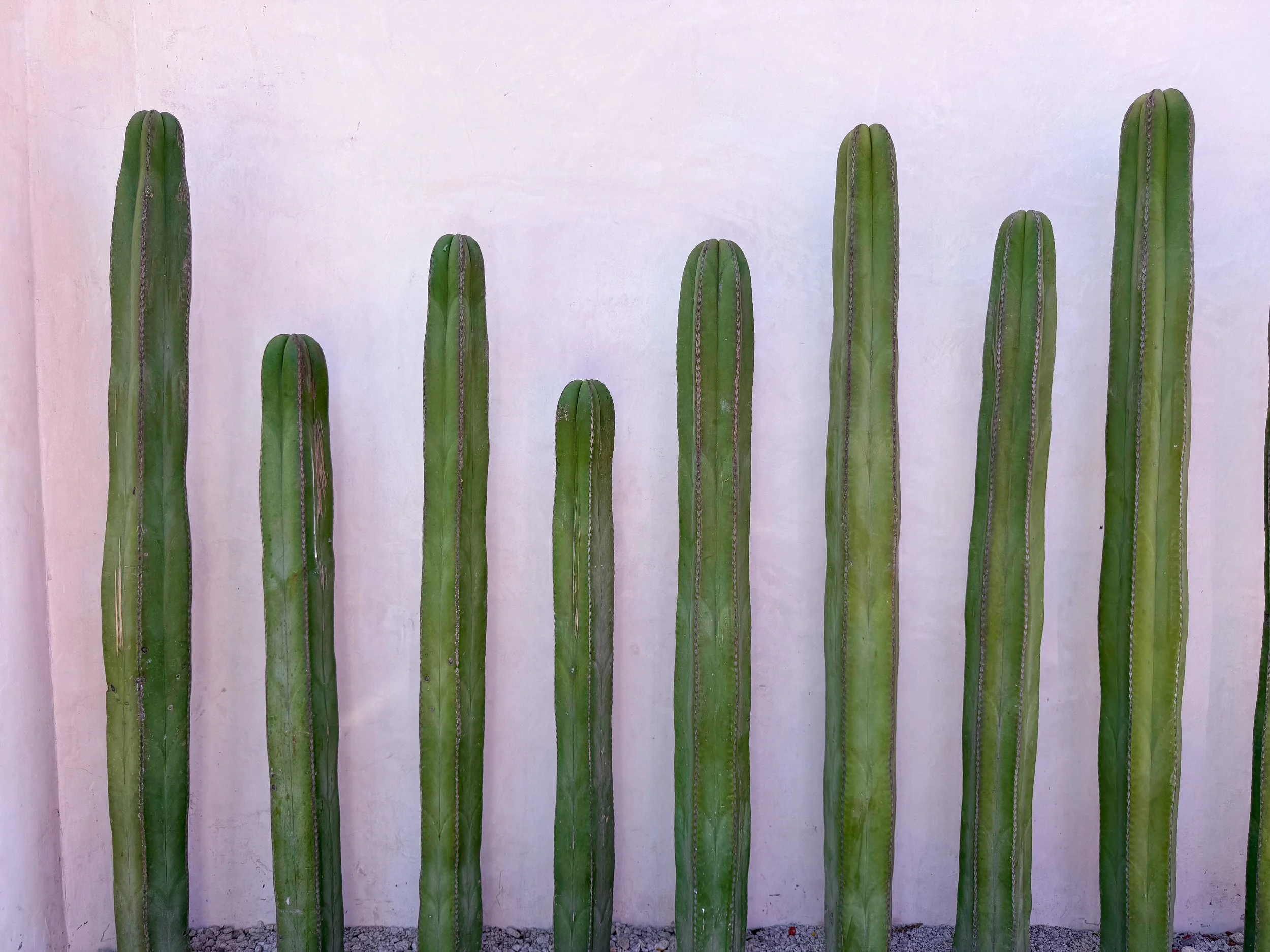
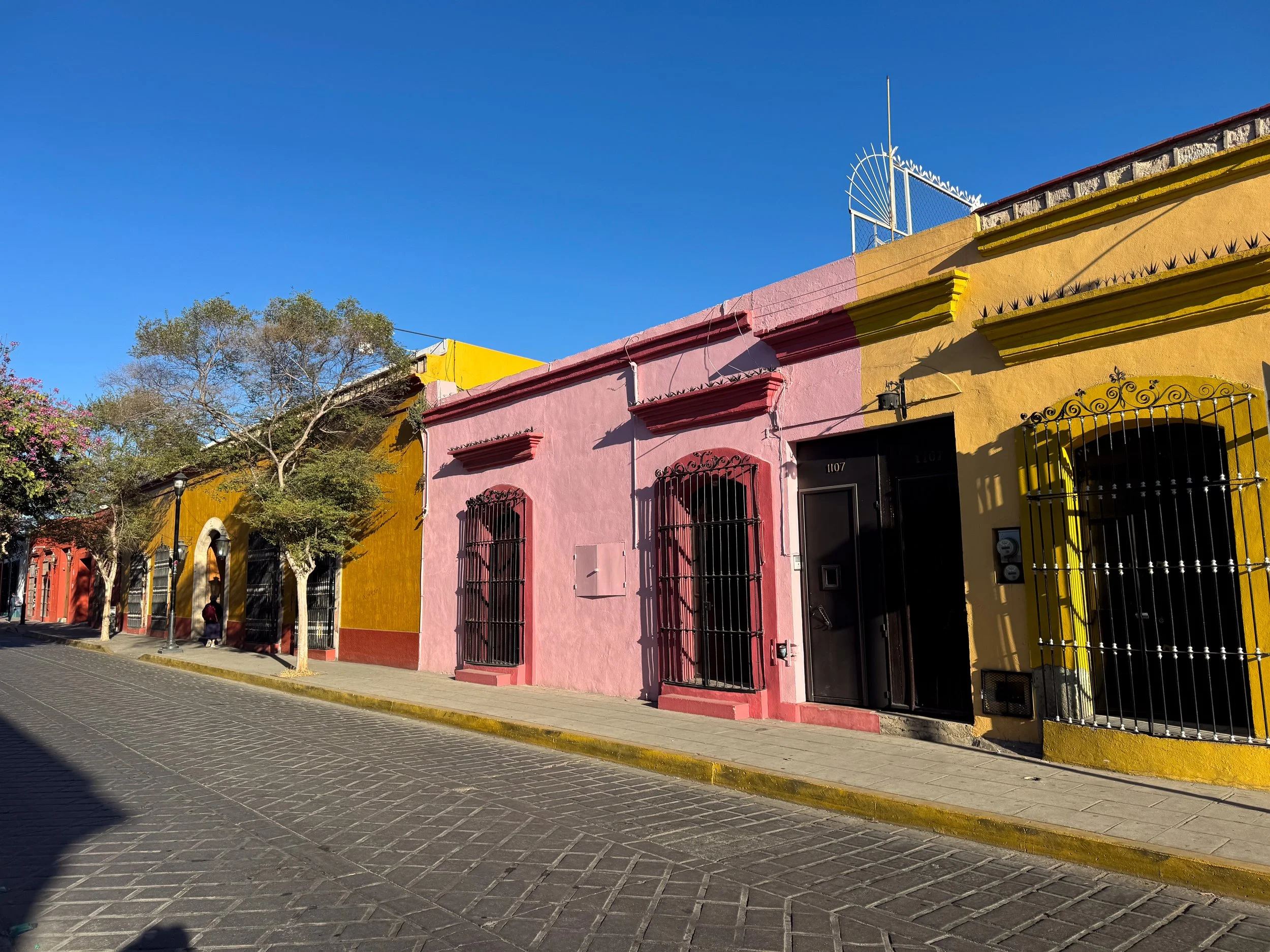
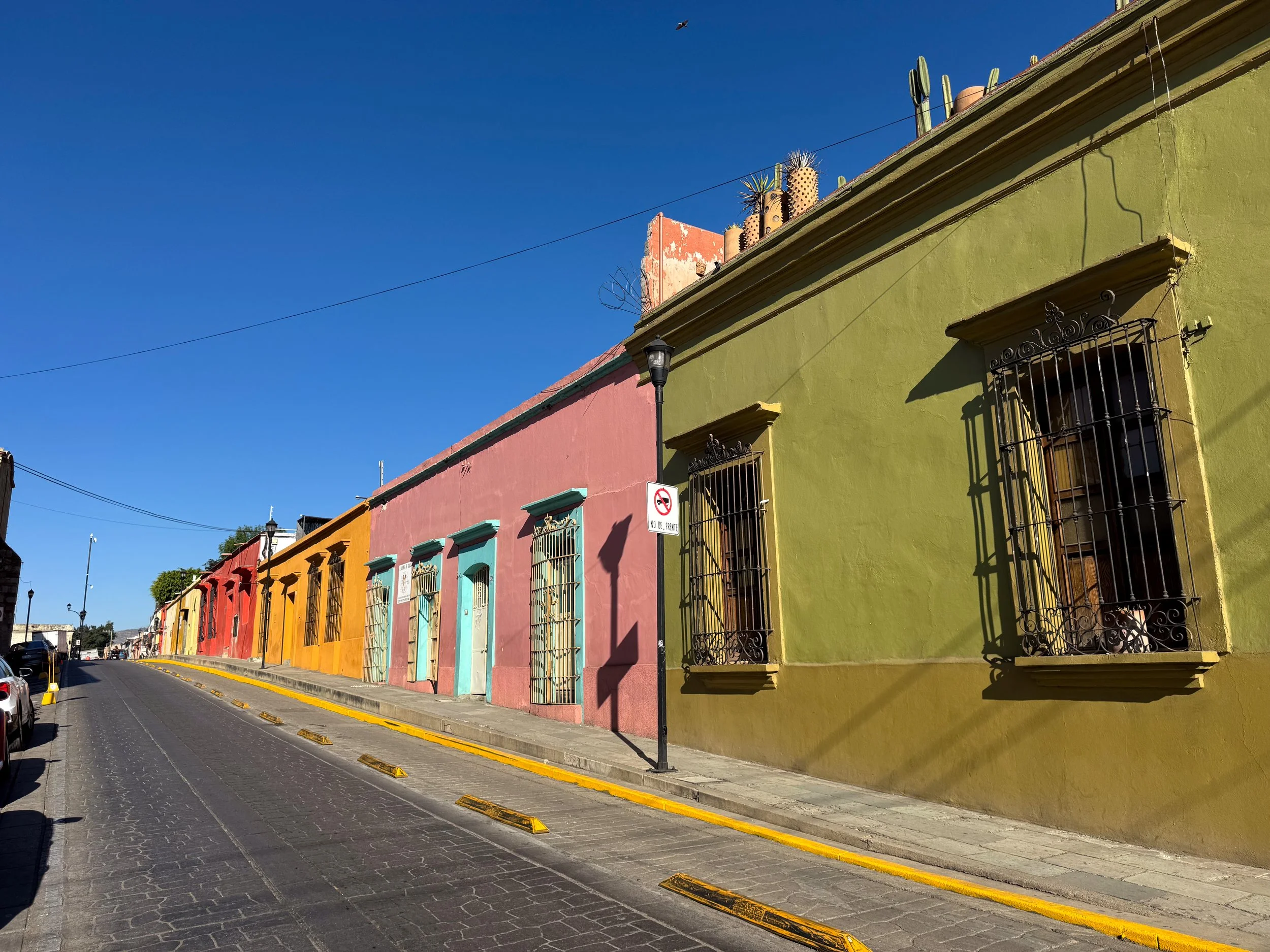
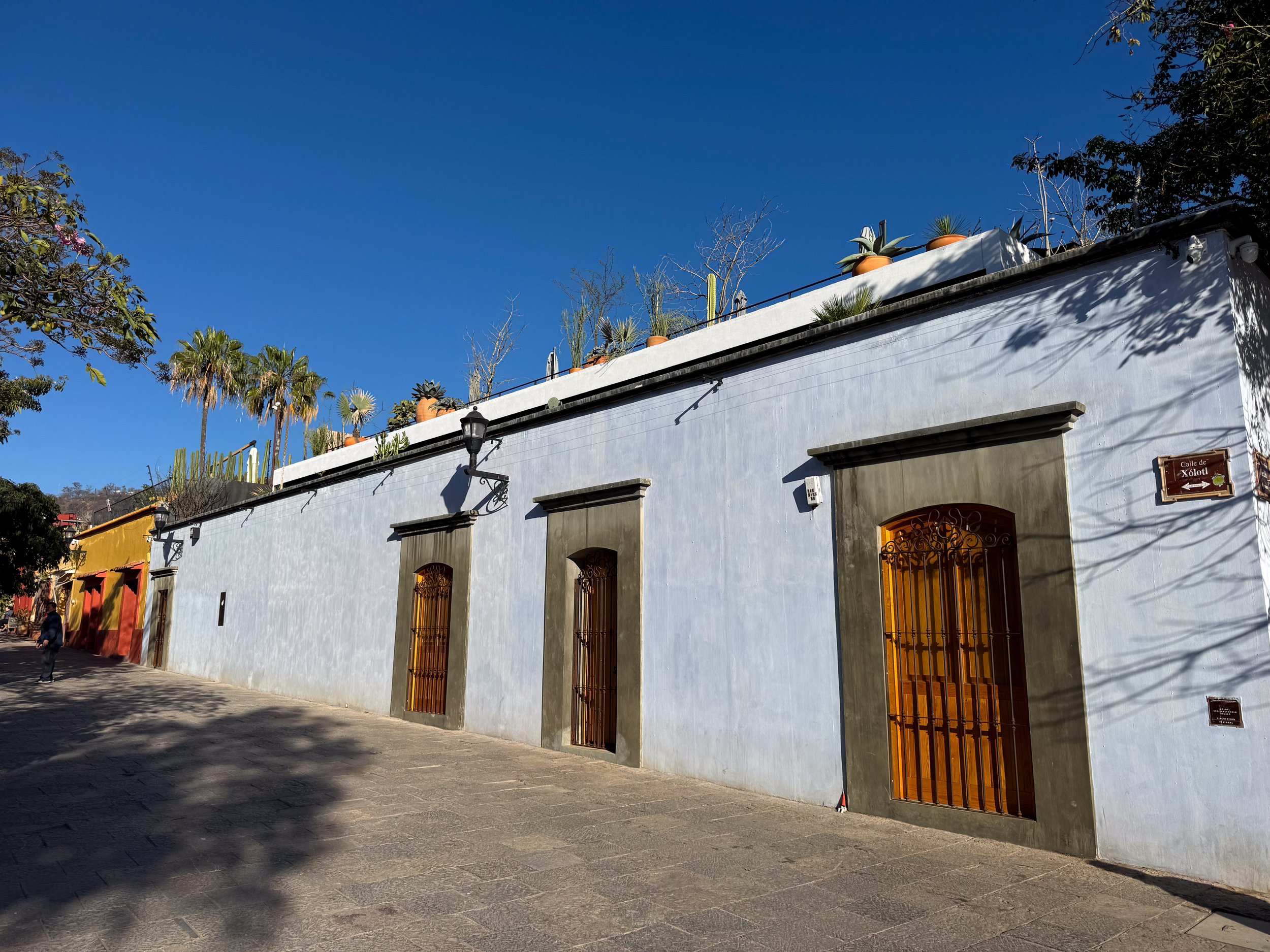
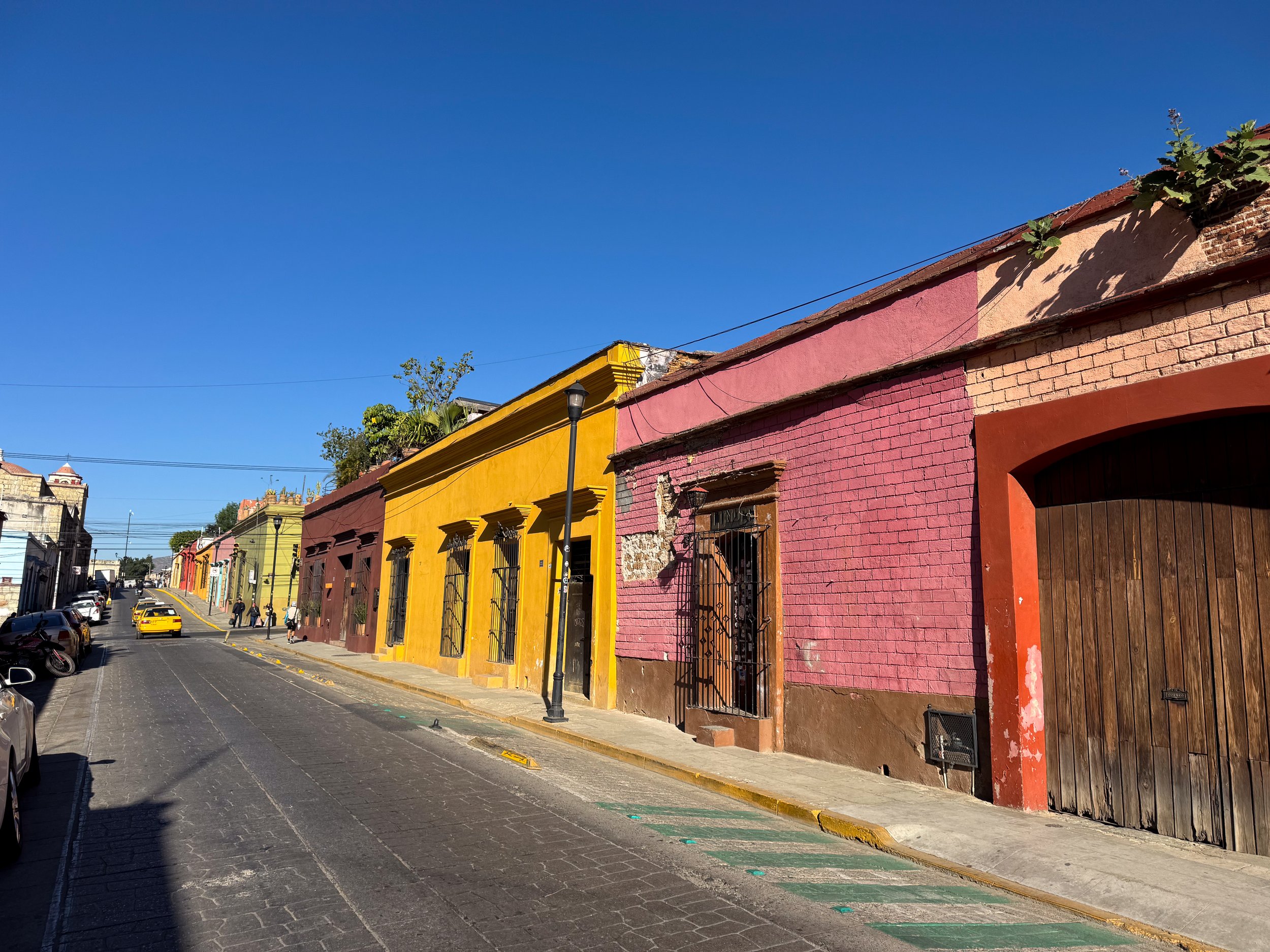
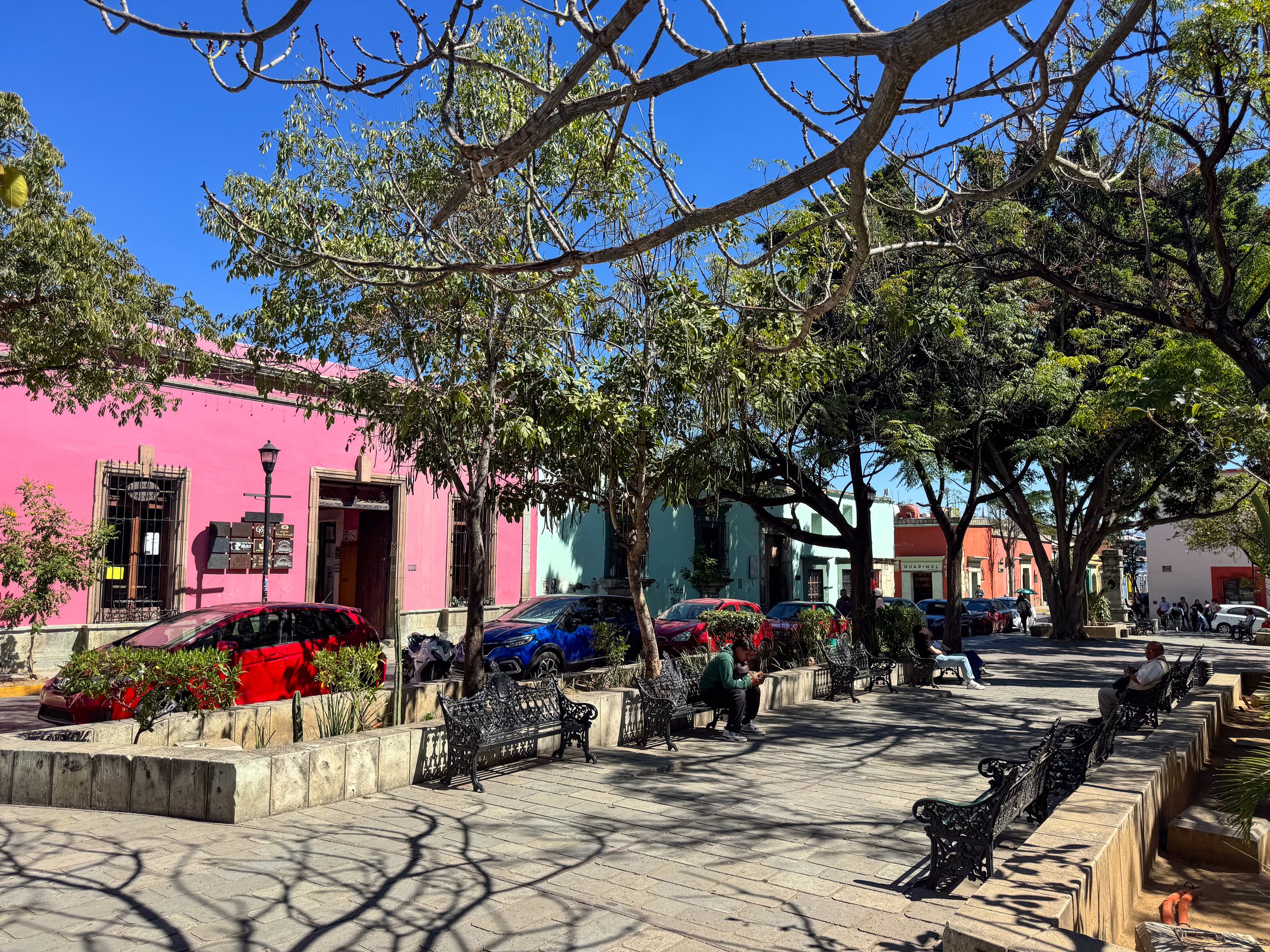
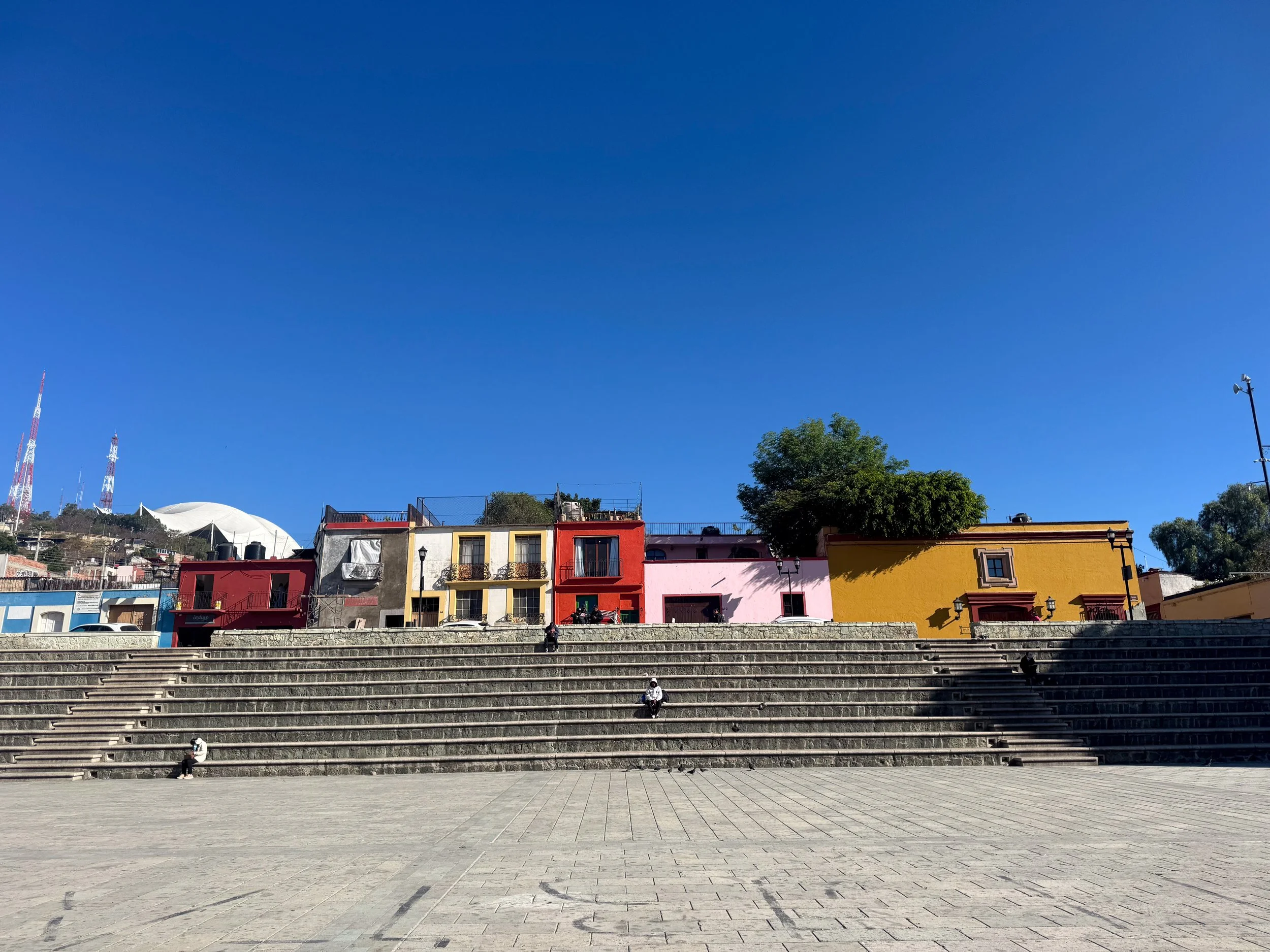
Centro Historico. The historic center of Oaxaca is an architectural gem home to numerous cultural sights, markets, hotels, artisan shops, restaurants and cafes. Its photogenic streets are a sight to wander. Adobe facades are painted in a spectrum of vibrant hues and large murals. Ornate stone buildings and cathedrals overlook lush plazas. Flowering trees and potted cacti rest on rooftop ledges and decorate courtyards.
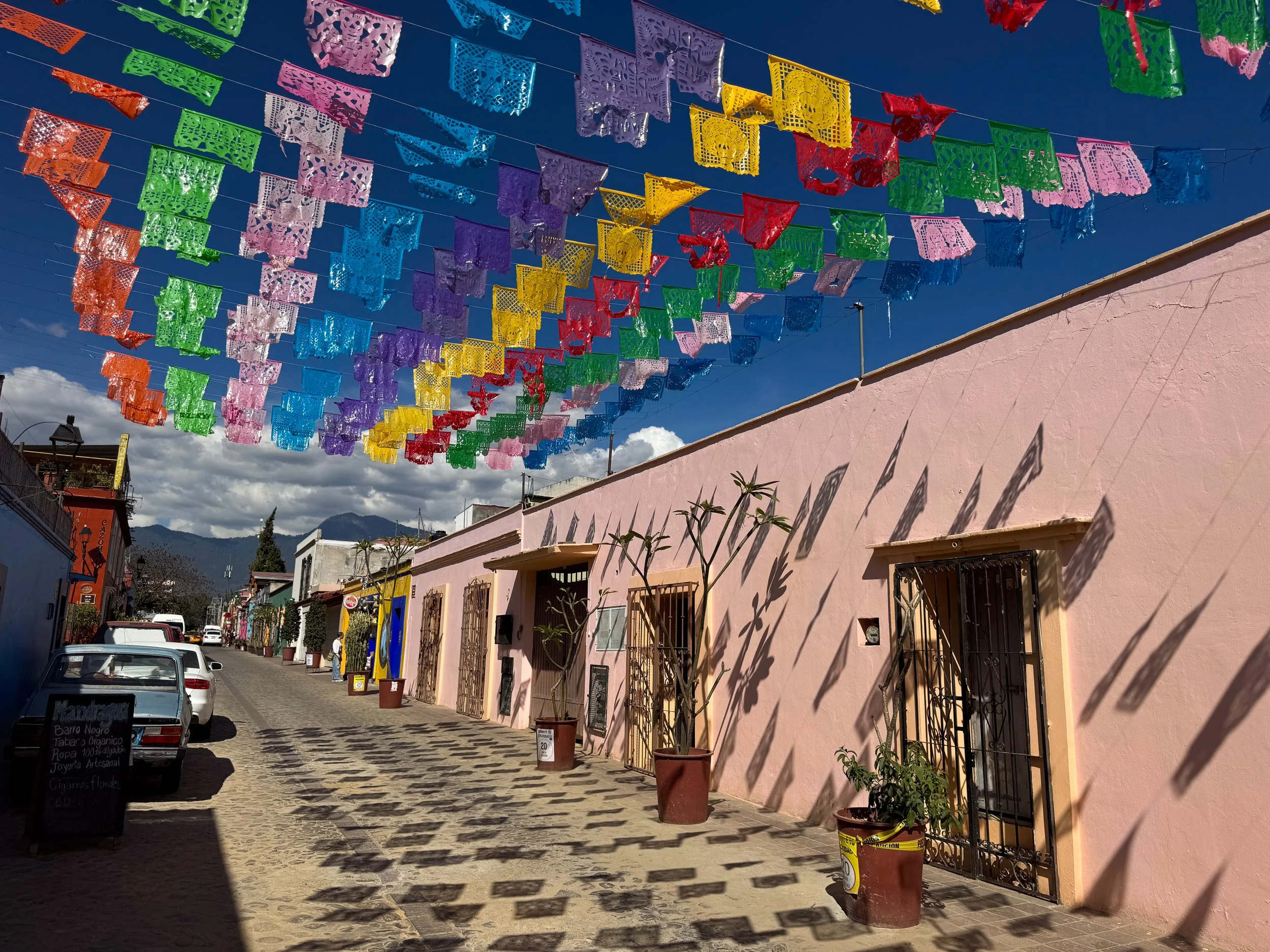
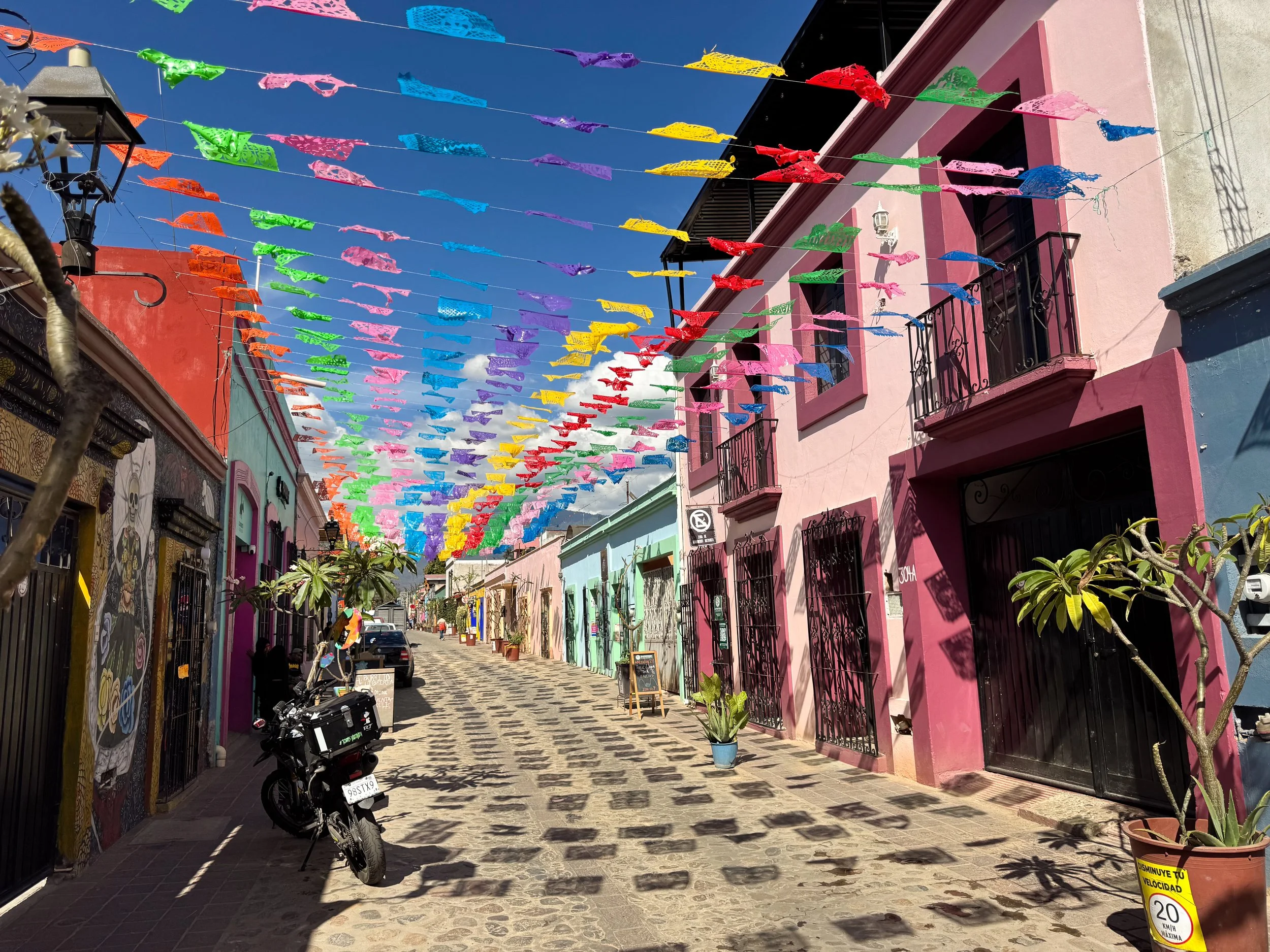
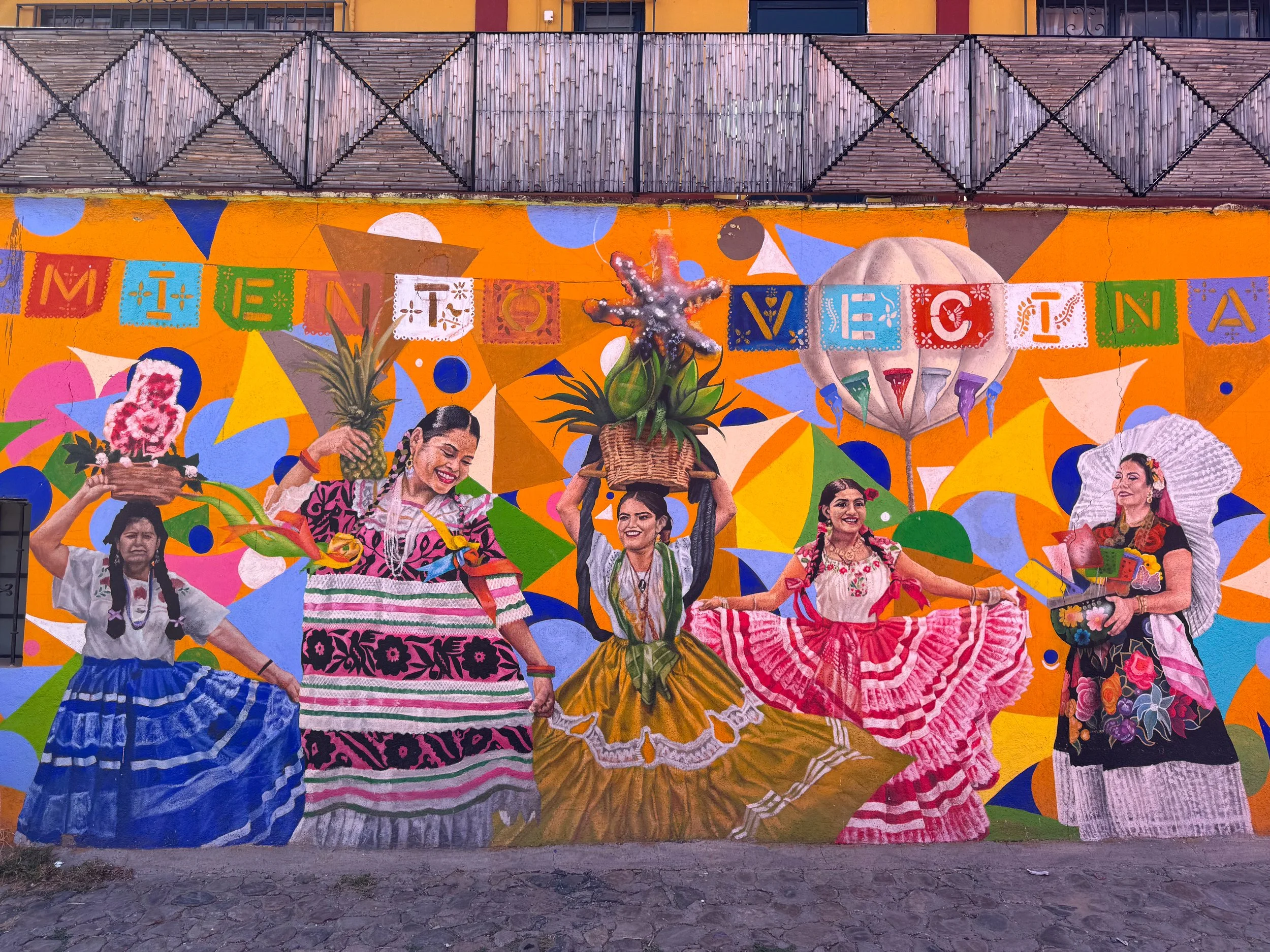
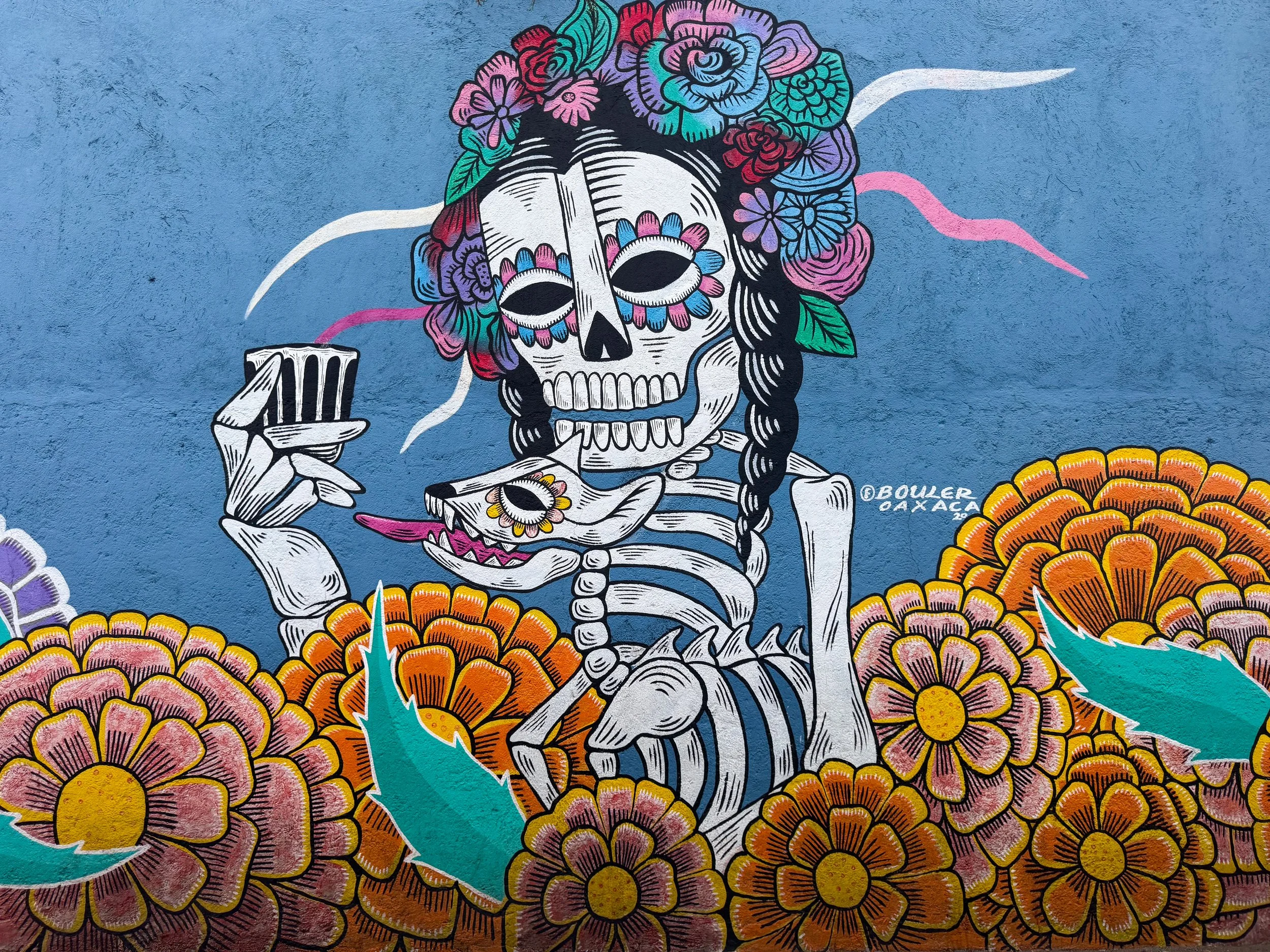
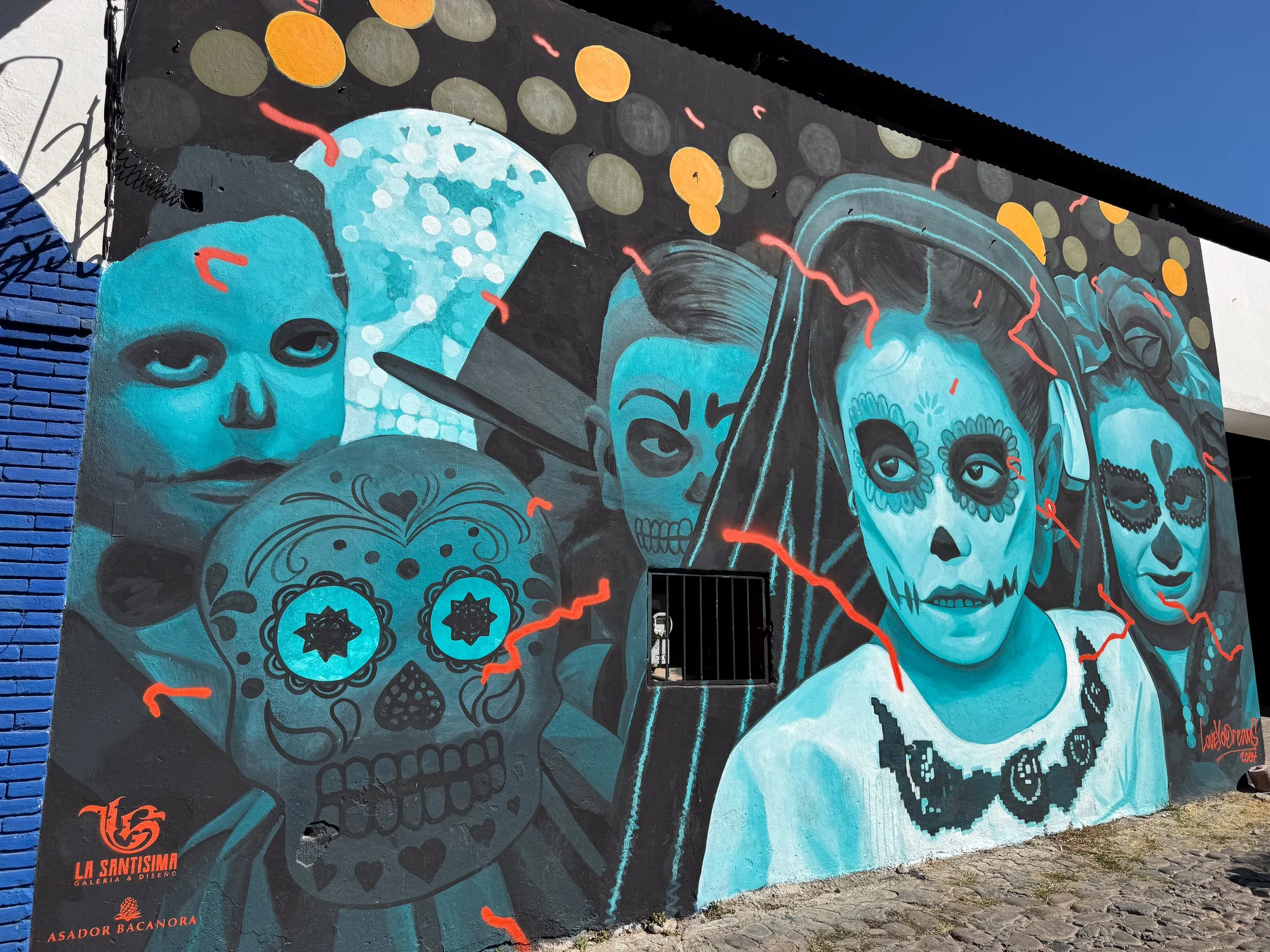
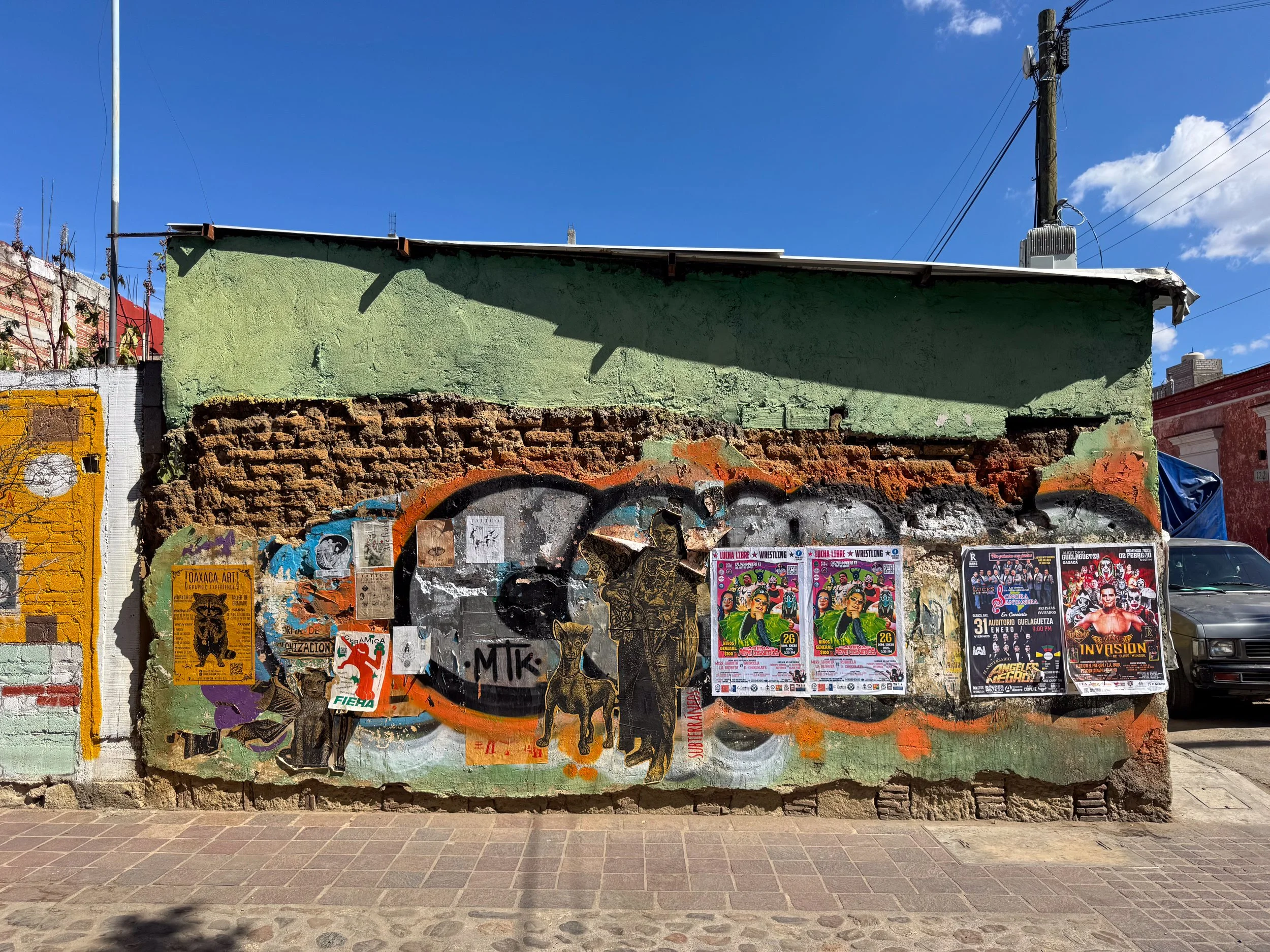
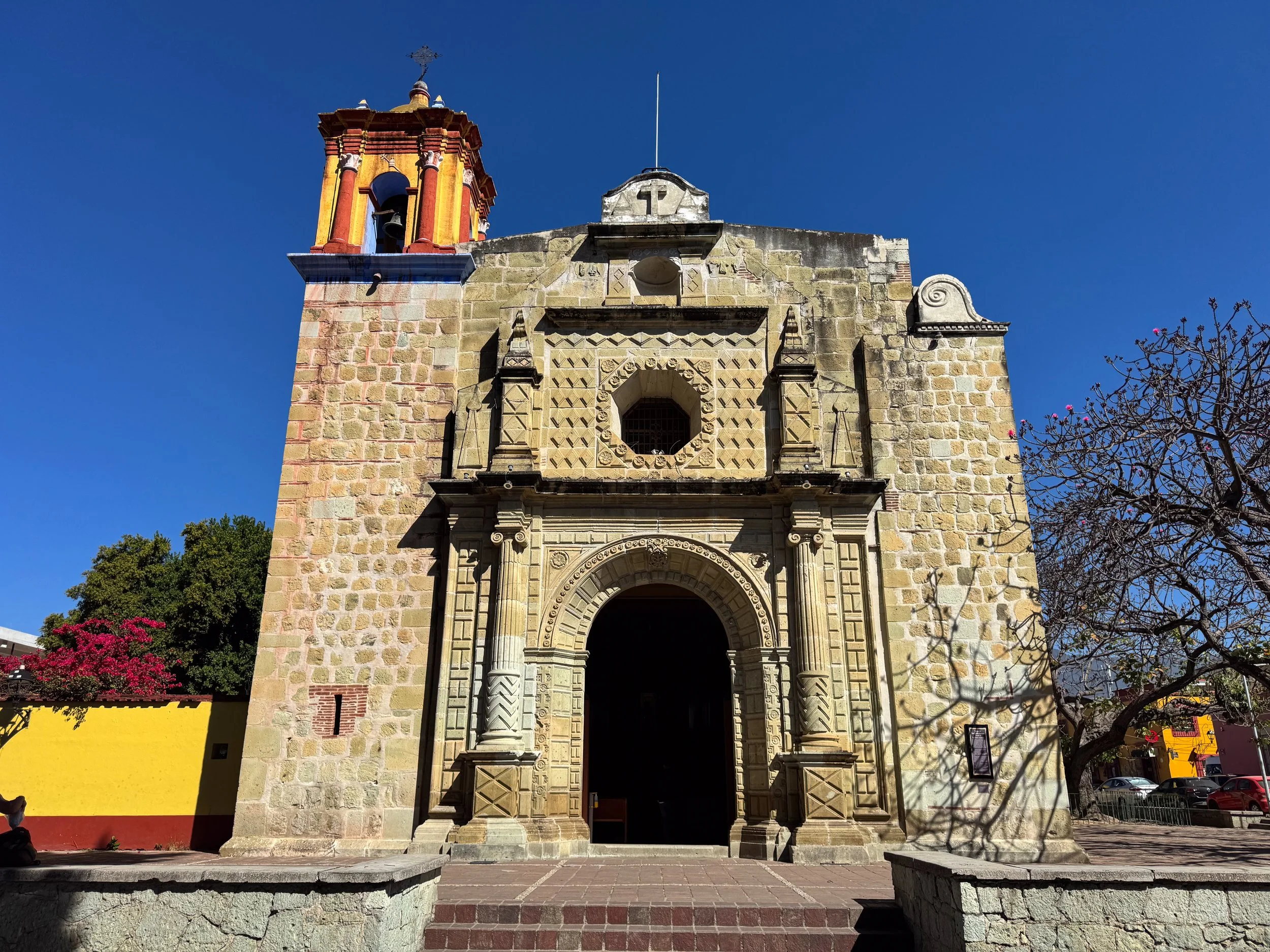
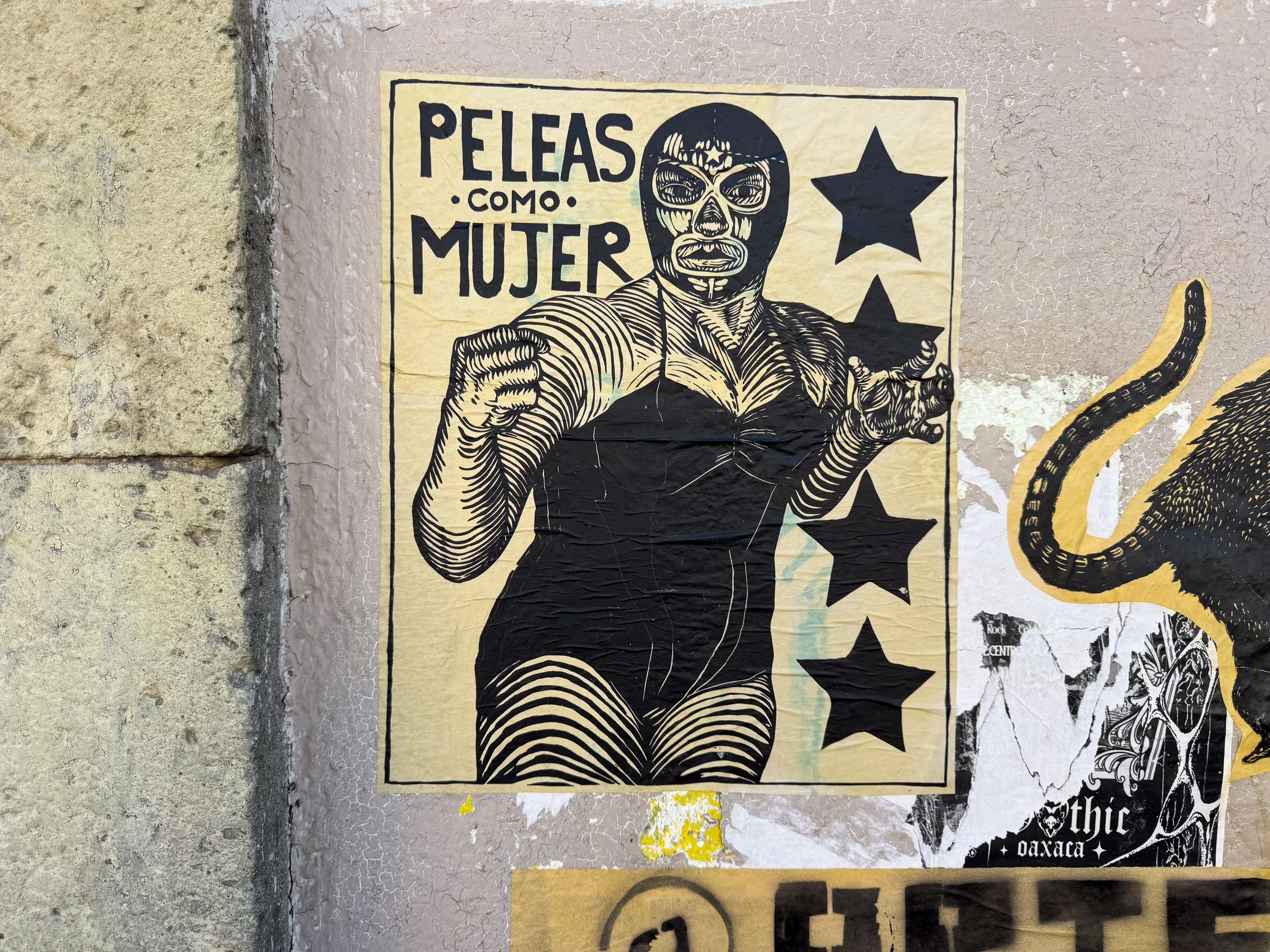
Barrio de Jalatlaco. A small and invitingly youthful barrio with indie vibes, print studios, thrift shops, used book store, hostels, digital nomad friendly cafes and mezcal bars. Much like the city center, the cobblestone streets are decorated with strings of colorful banderas and vibrantly painted buildings. Paper graffiti and murals depicting cultural scenes and traditions like dancing, piñatas and Día de los Muertos celebrations cover walls.
Visit the Plazas & Squares
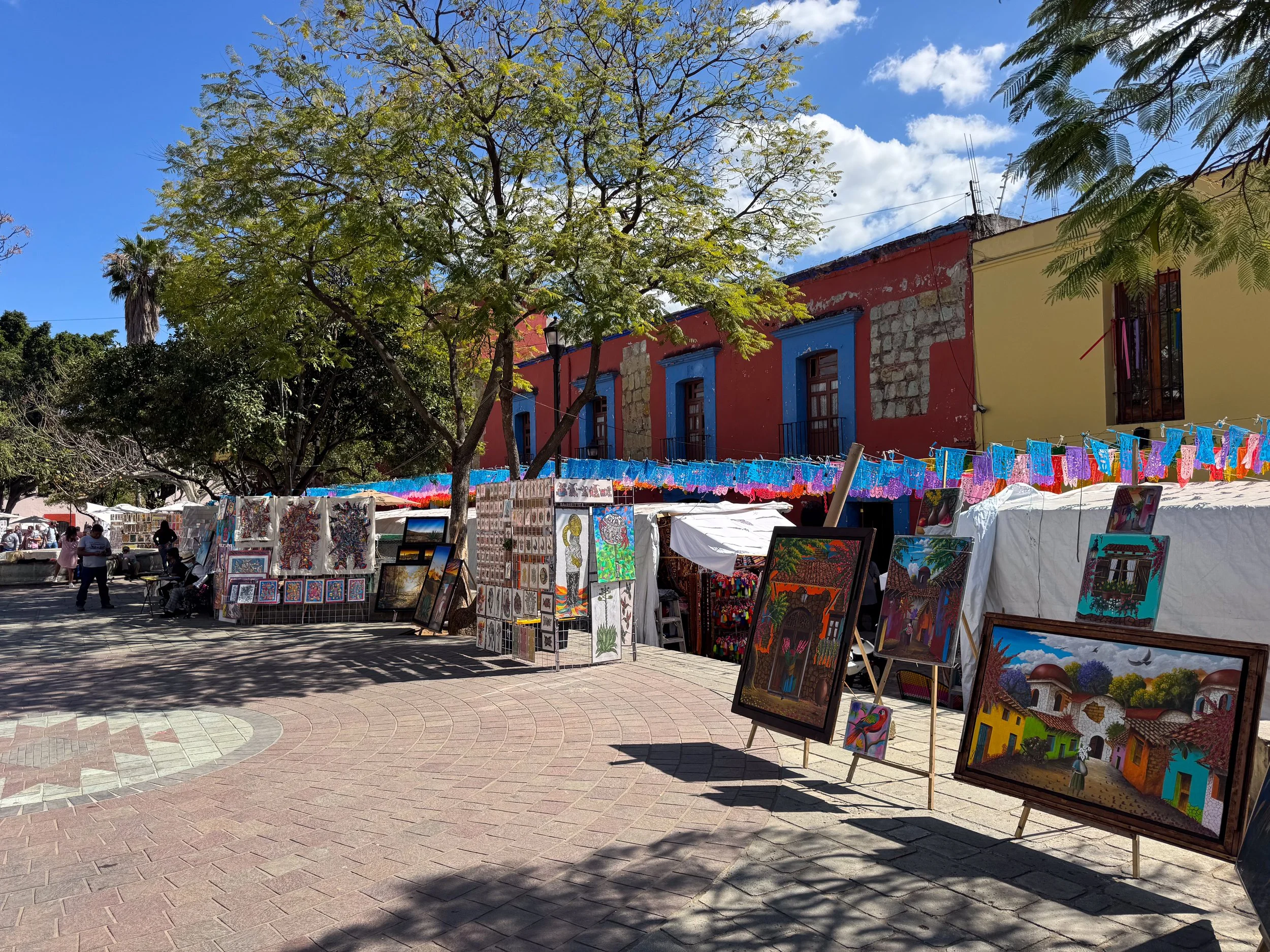
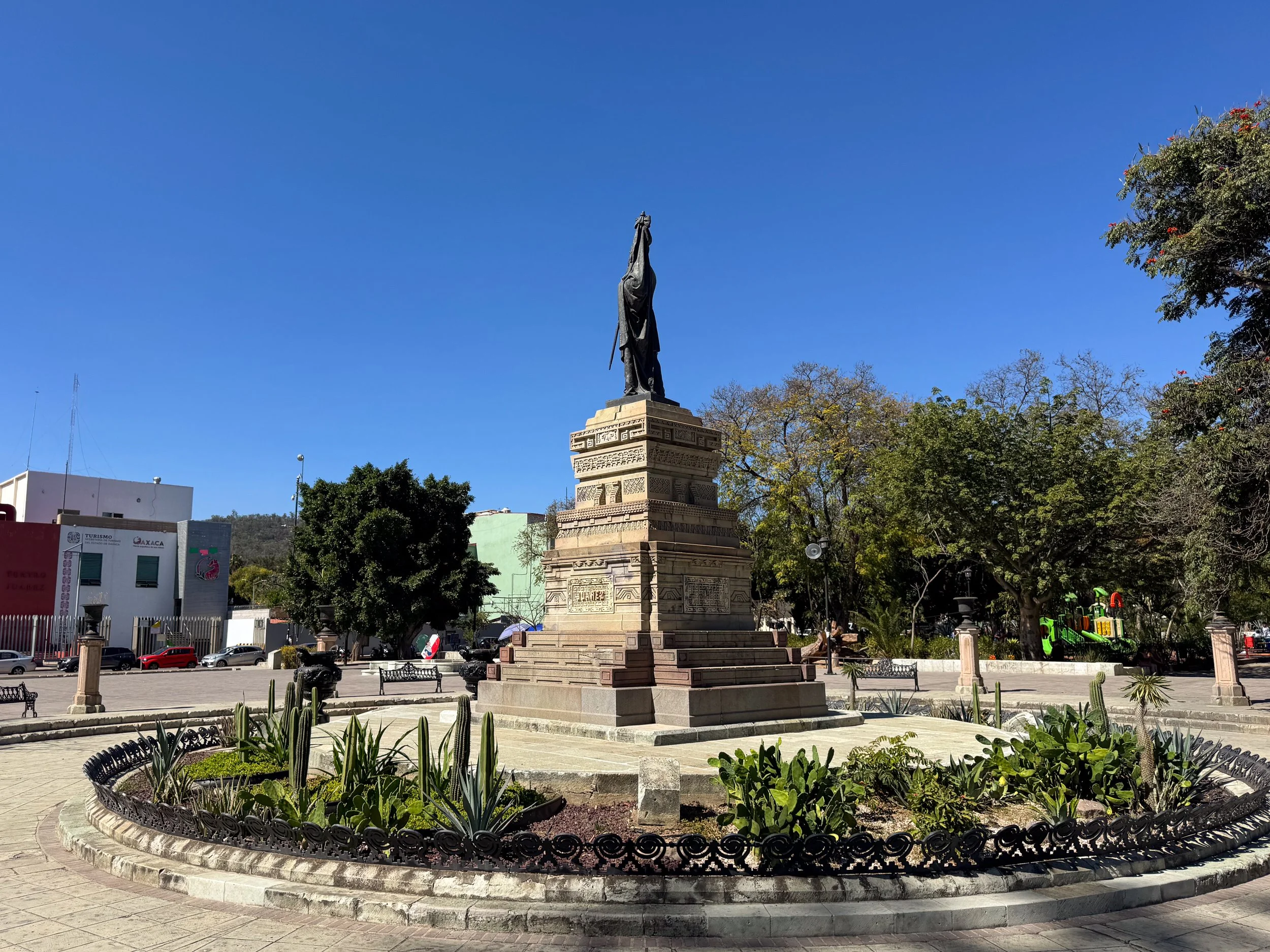
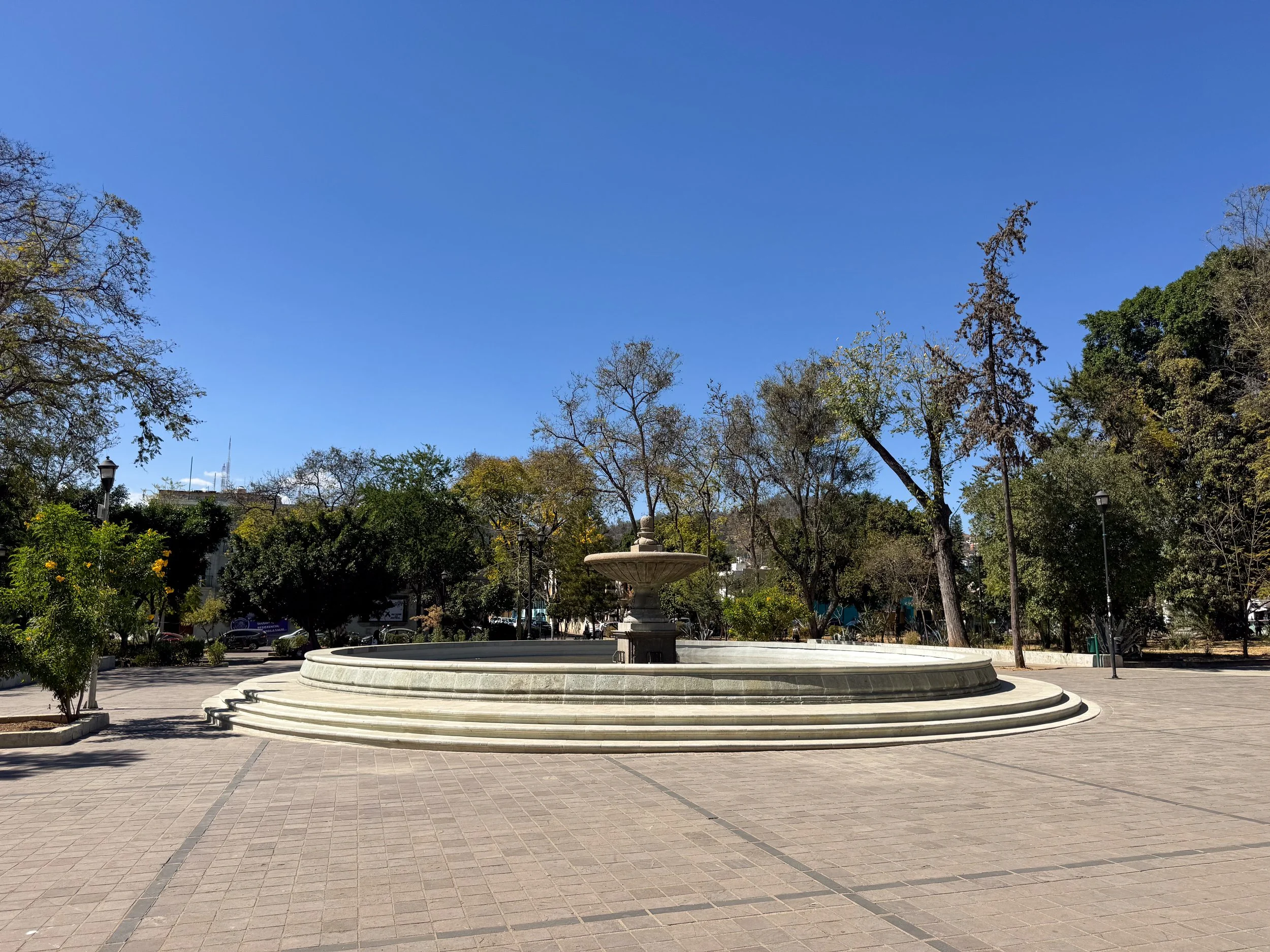
El Llano. A large plaza with fountains, walkways and gardens with cacti, palms and yellow flowering trees. The perimeter is lined with food carts selling agua frescas, griddled hamburgers, candies, pan dulces, coffee and tortas. We ordered iced coffees and cococada, essentially a hay stack of sweetened and baked coconut. We wandered around, people watched and posed in a photo booth.
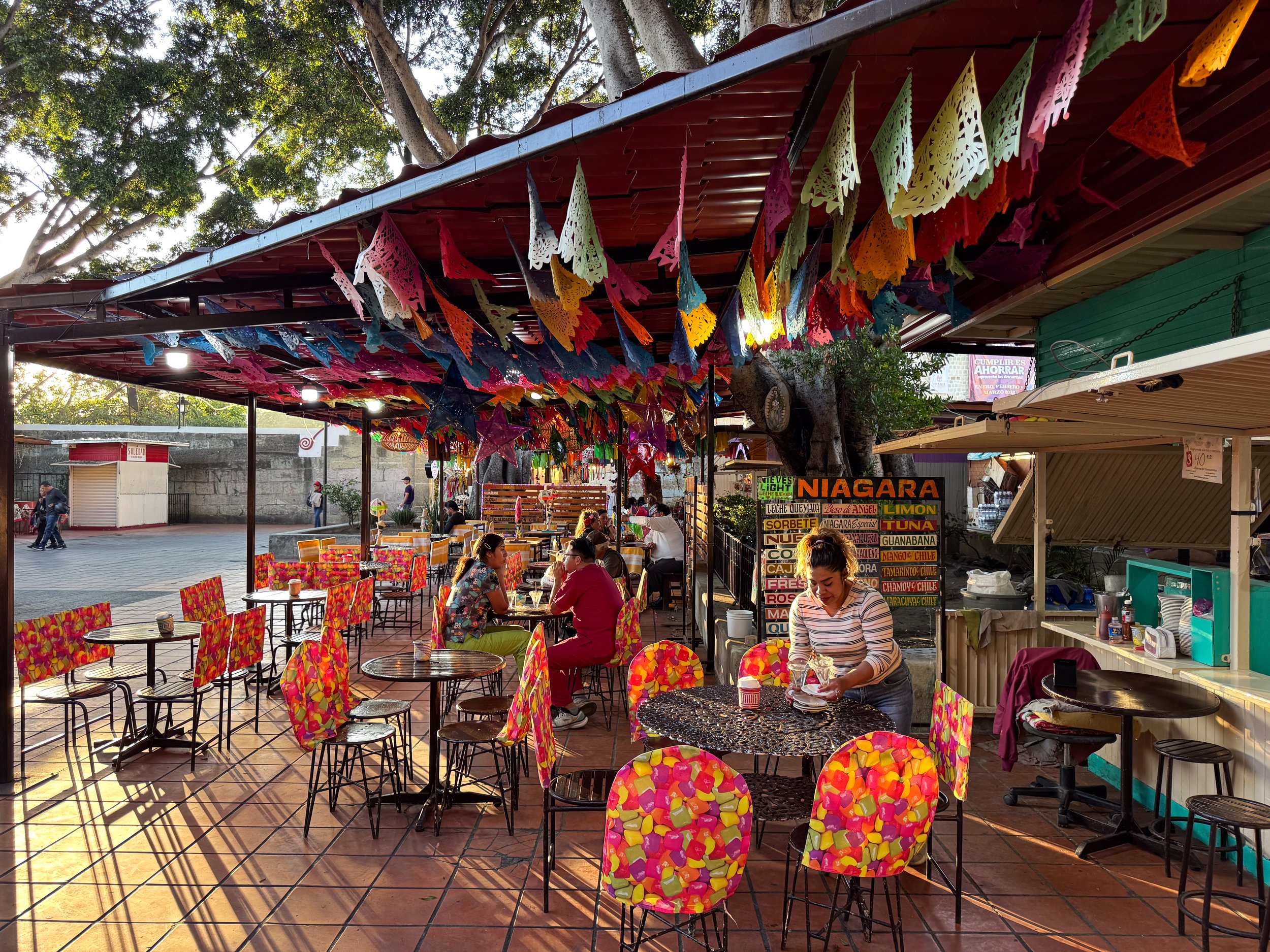
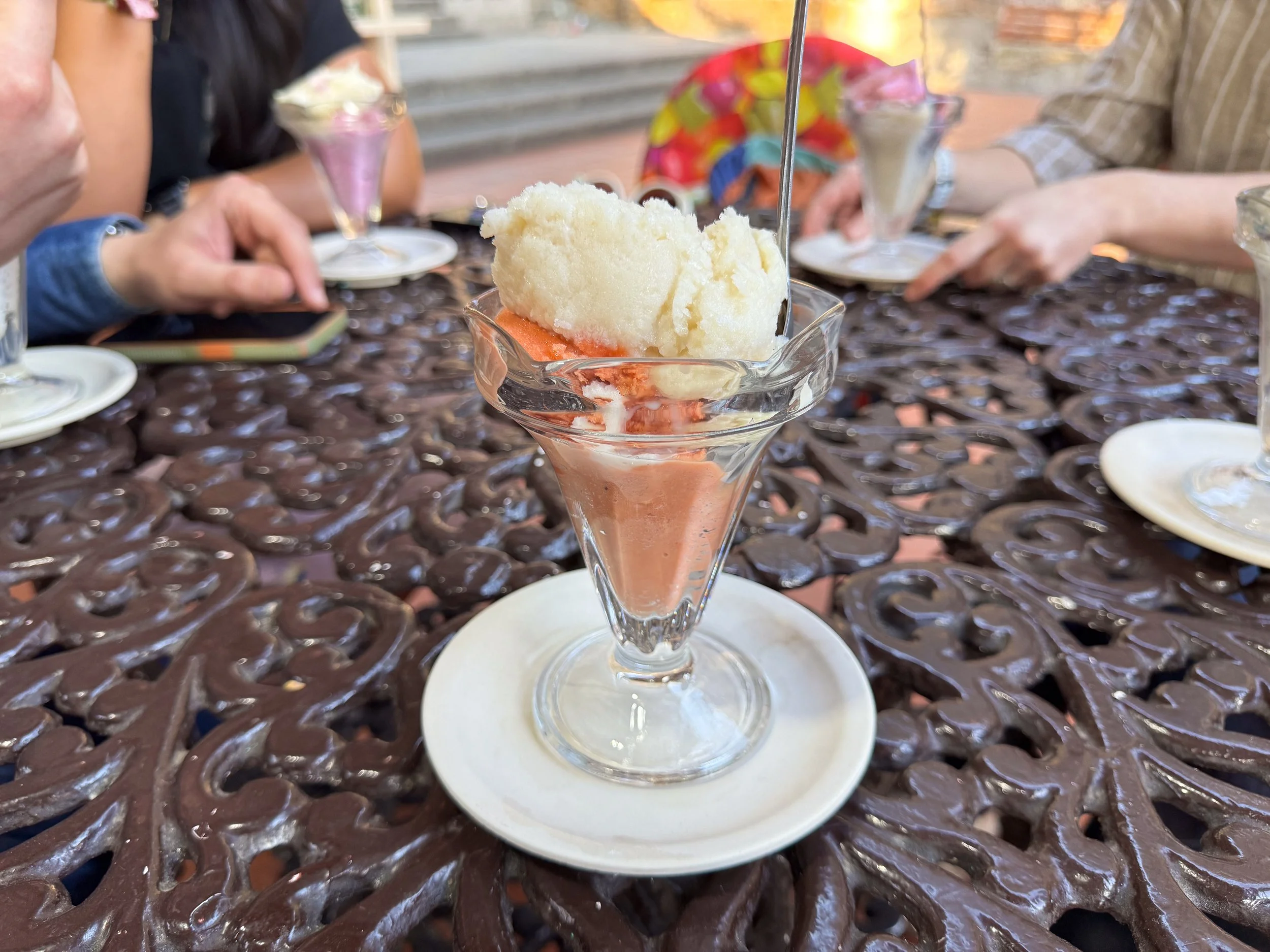
Plaza de la Danza. A plaza dedicated to restaurants serving dozens of flavors of Nieves, a creamy and icy frozen treat similar to a sherbet. Visiting with a group of friends, we ordered a range of scoops combining several regional flavors like mamey (creamy fruit), elote (sweet corn), leche quemada (burnt milk), tuna (prickly pear), tequila and mezcal.
See the Sights & Museums
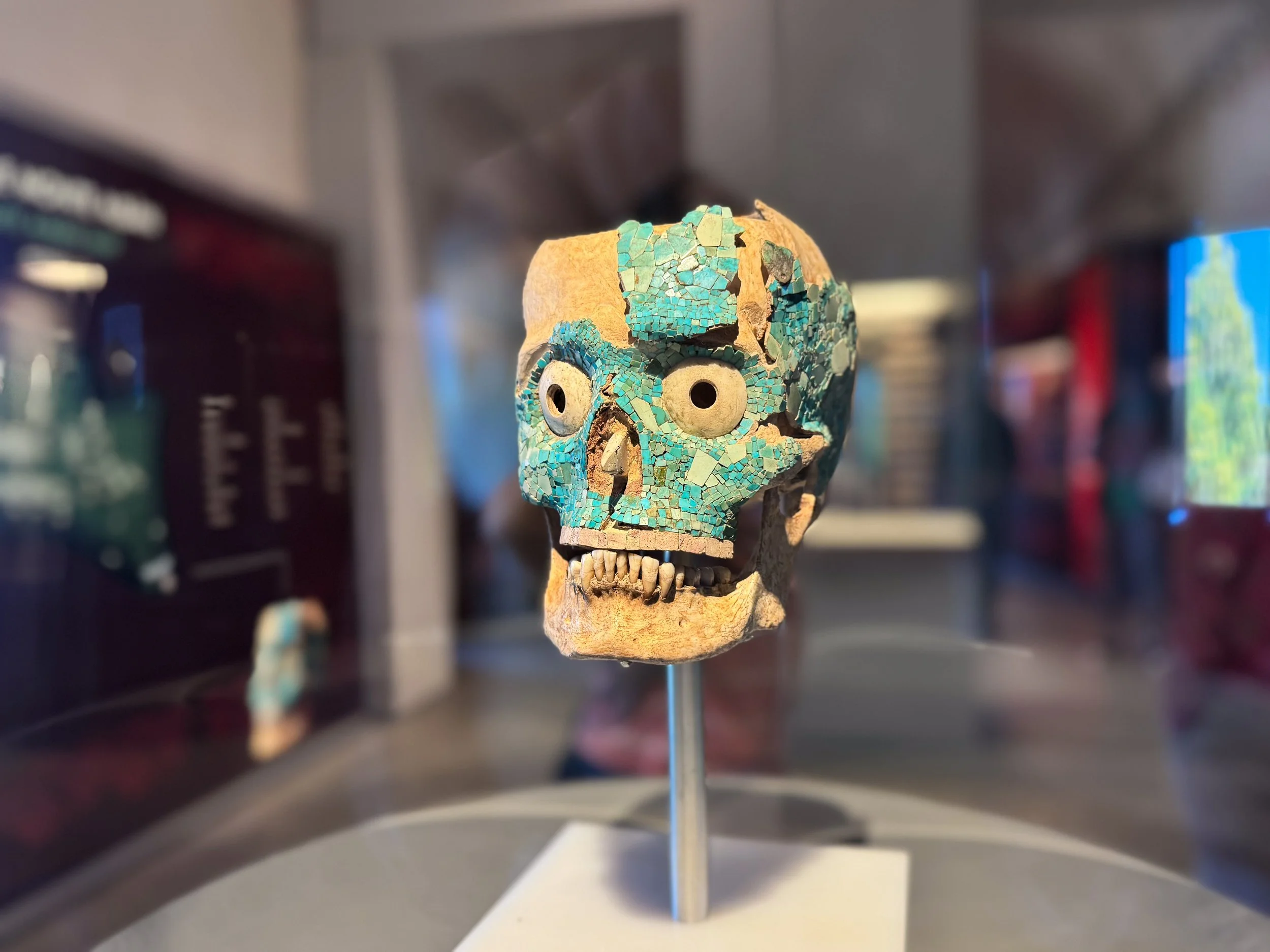
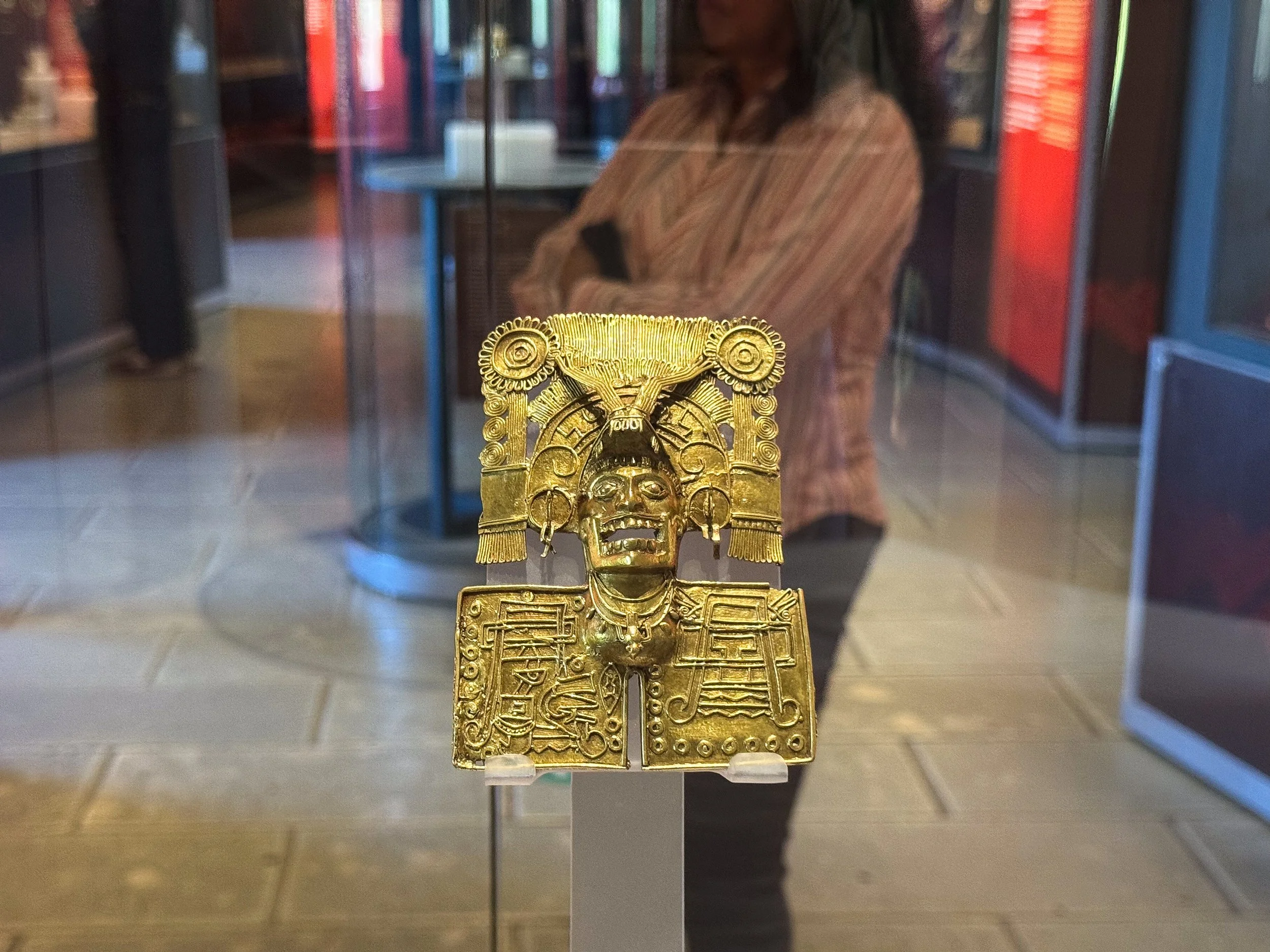
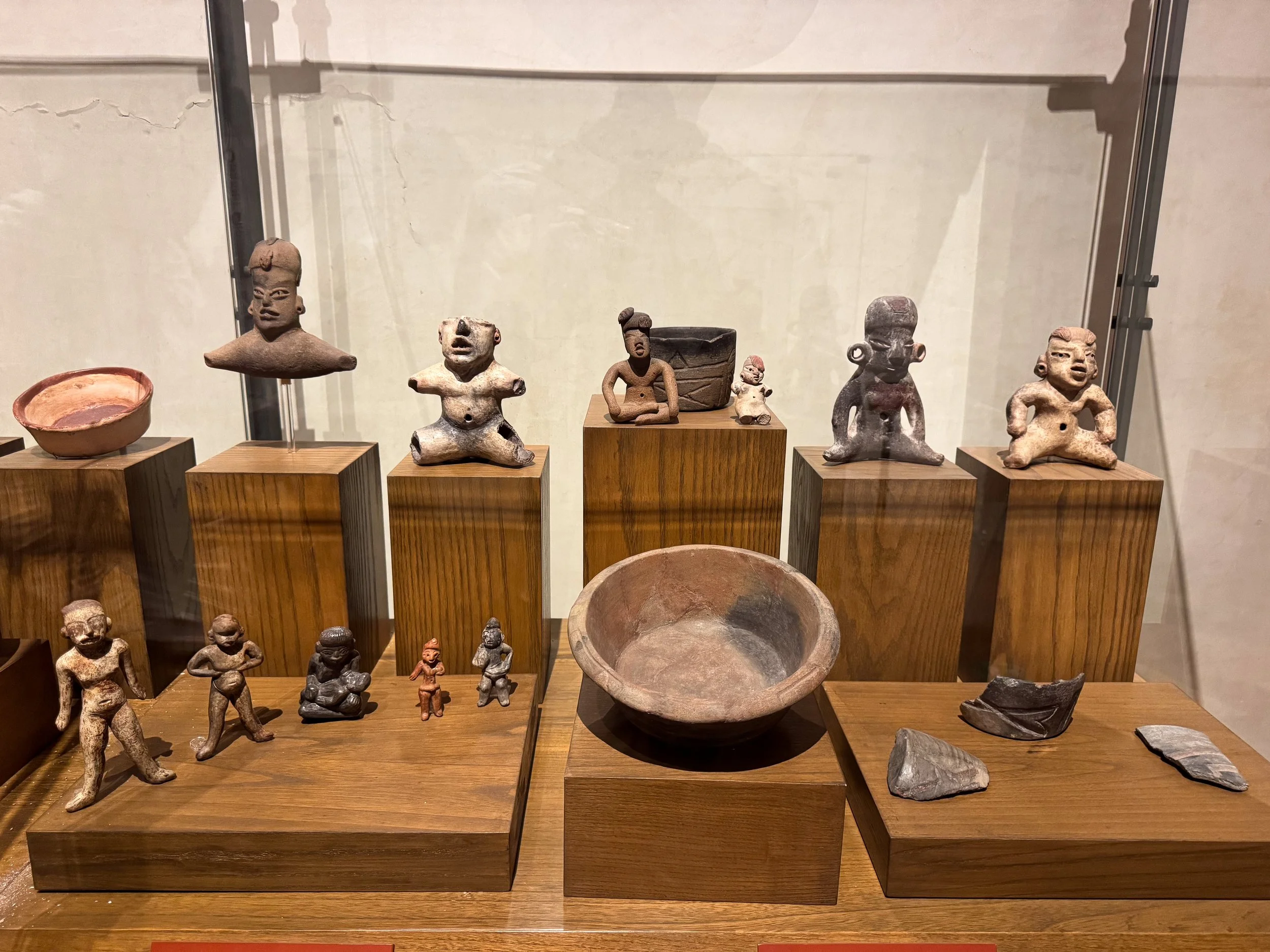
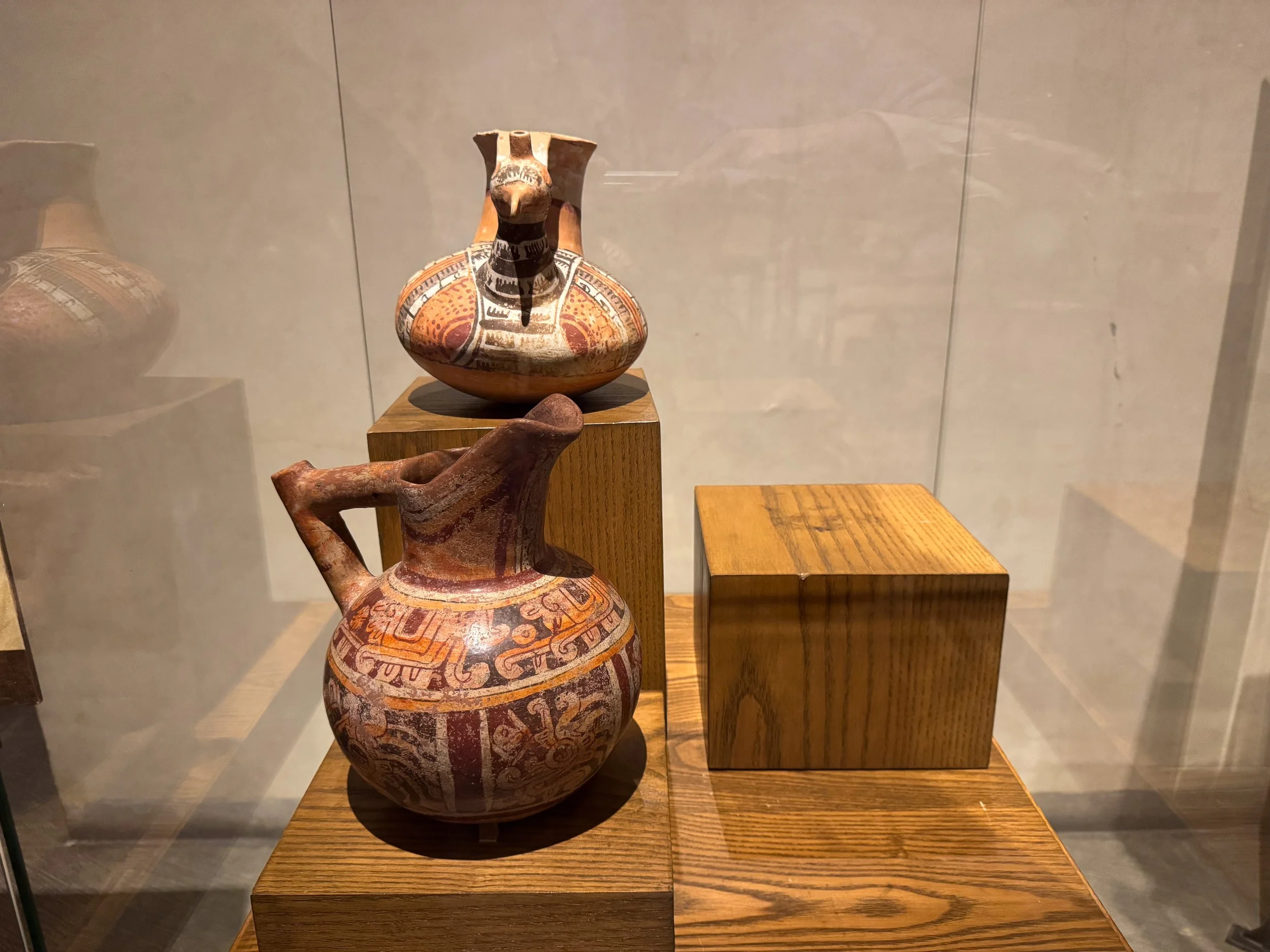
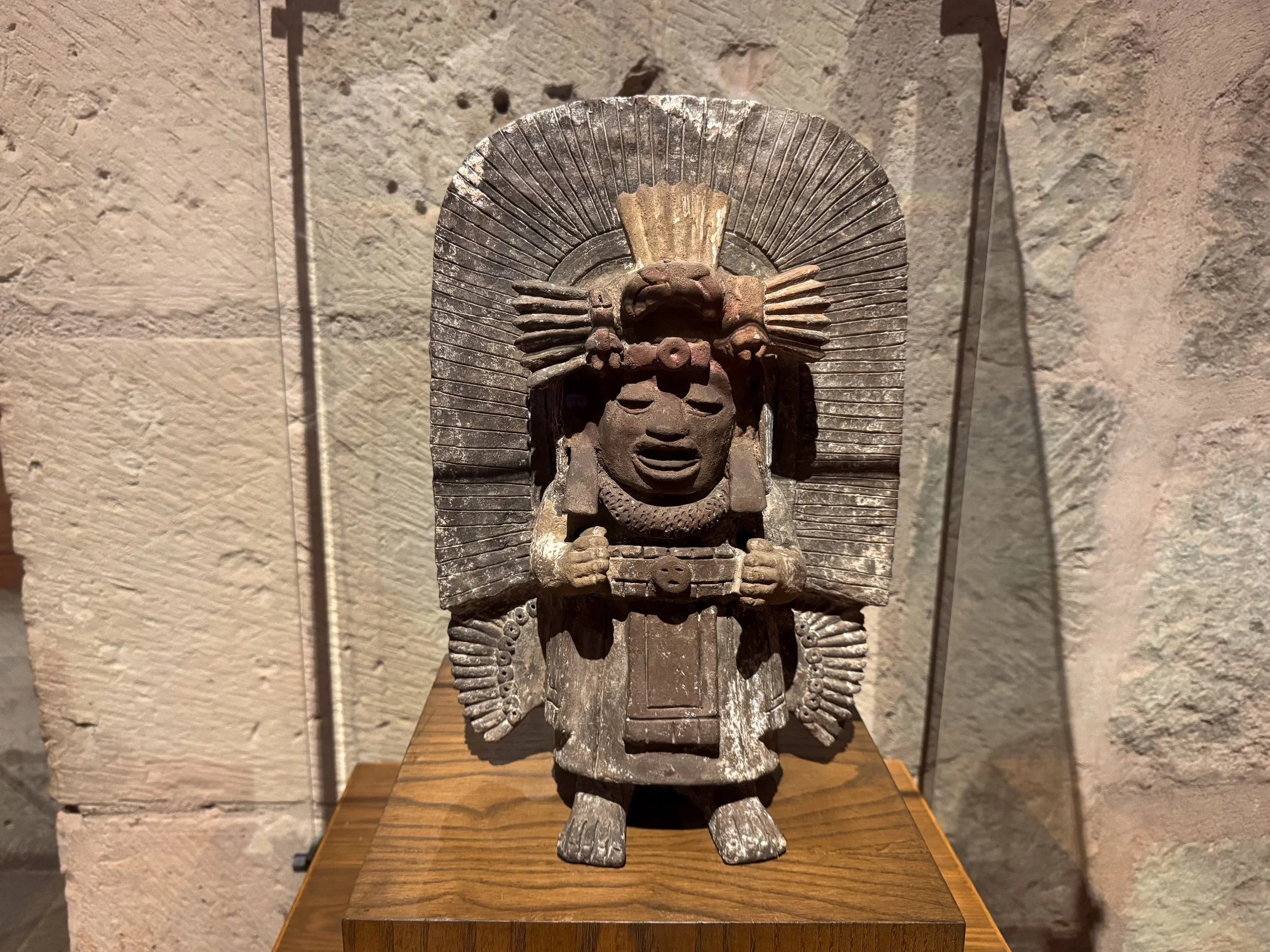
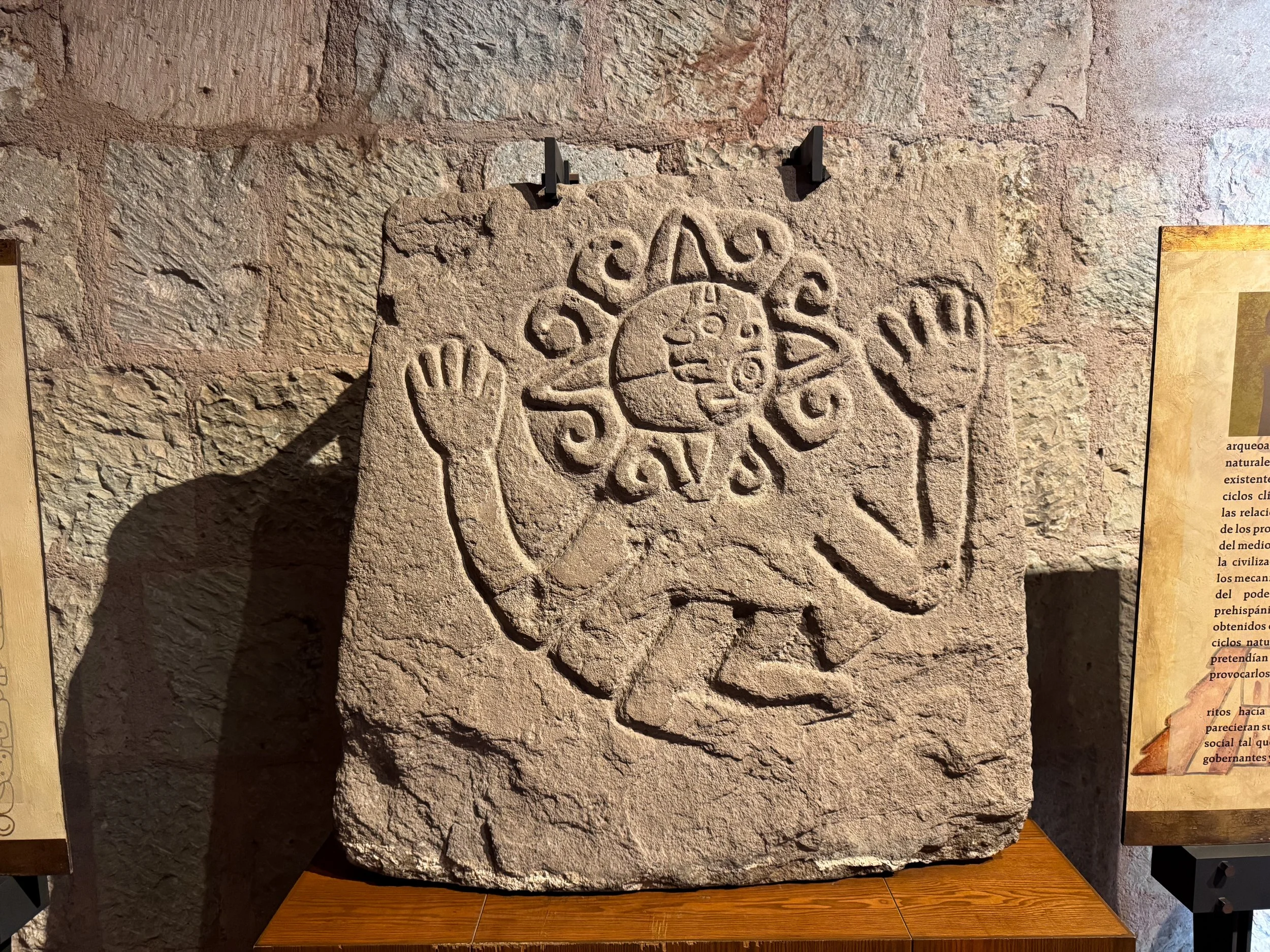
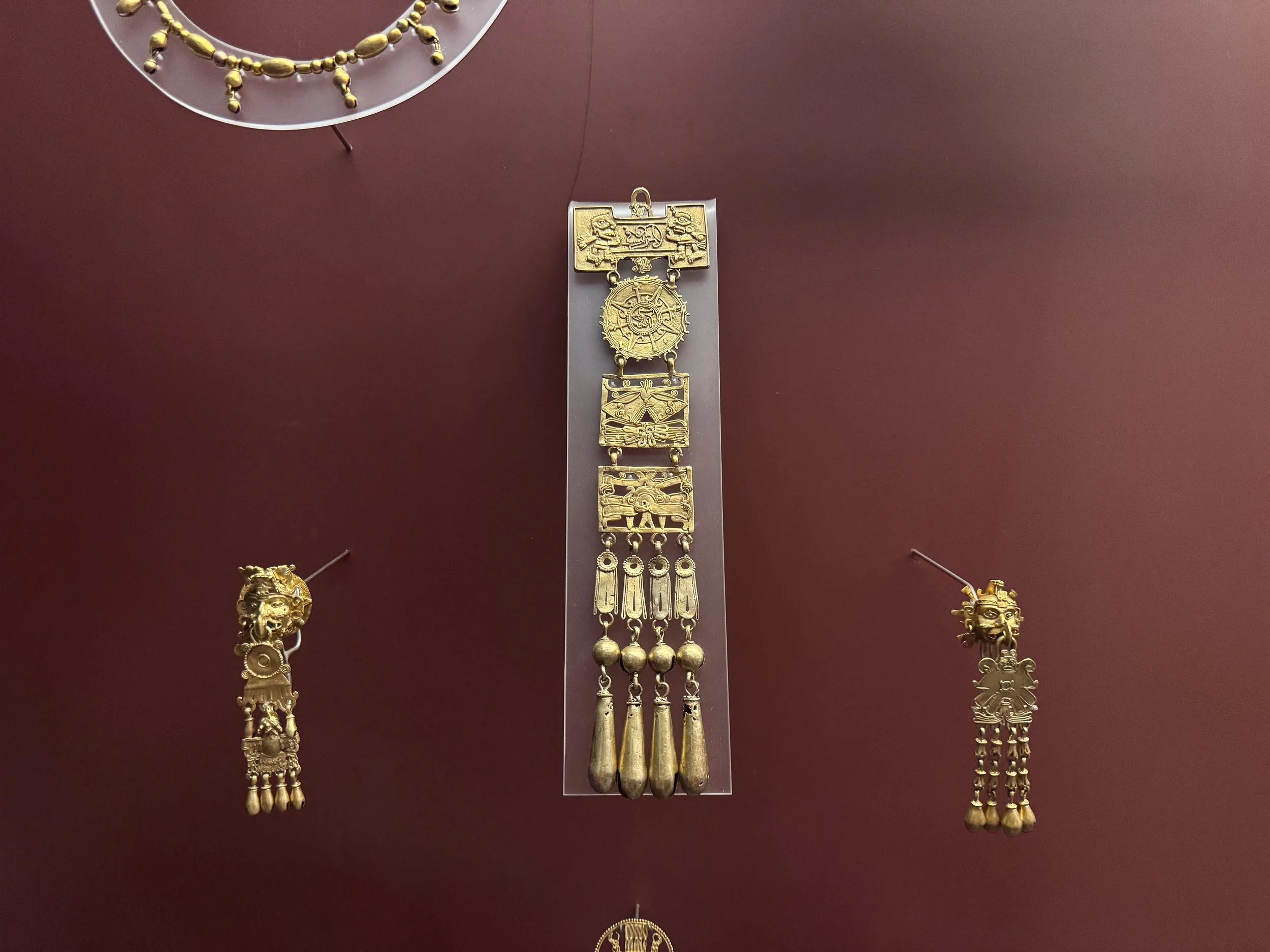
Museum of Cultures of Oaxaca. A former convent converted into a cultural museum built from Cantera, Oaxaca’s iconic green tinted volcanic stone. The museum houses artifacts from Monte Albán including ceramics, stone stelas and most notably, the Mixtec treasures once buried in Tomb 7 at the ruins. The tomb’s treasures include intricate gold masks, beaded jewelry made from a range of precious materials, elaborate ceramic figures, intricately carved bones and most notably, a skull with cranial deformations decorated in a fine mosaic of turquoise. Other exhibits include a historic library, artifacts from the colonial period and artwork of Oaxacan artists.
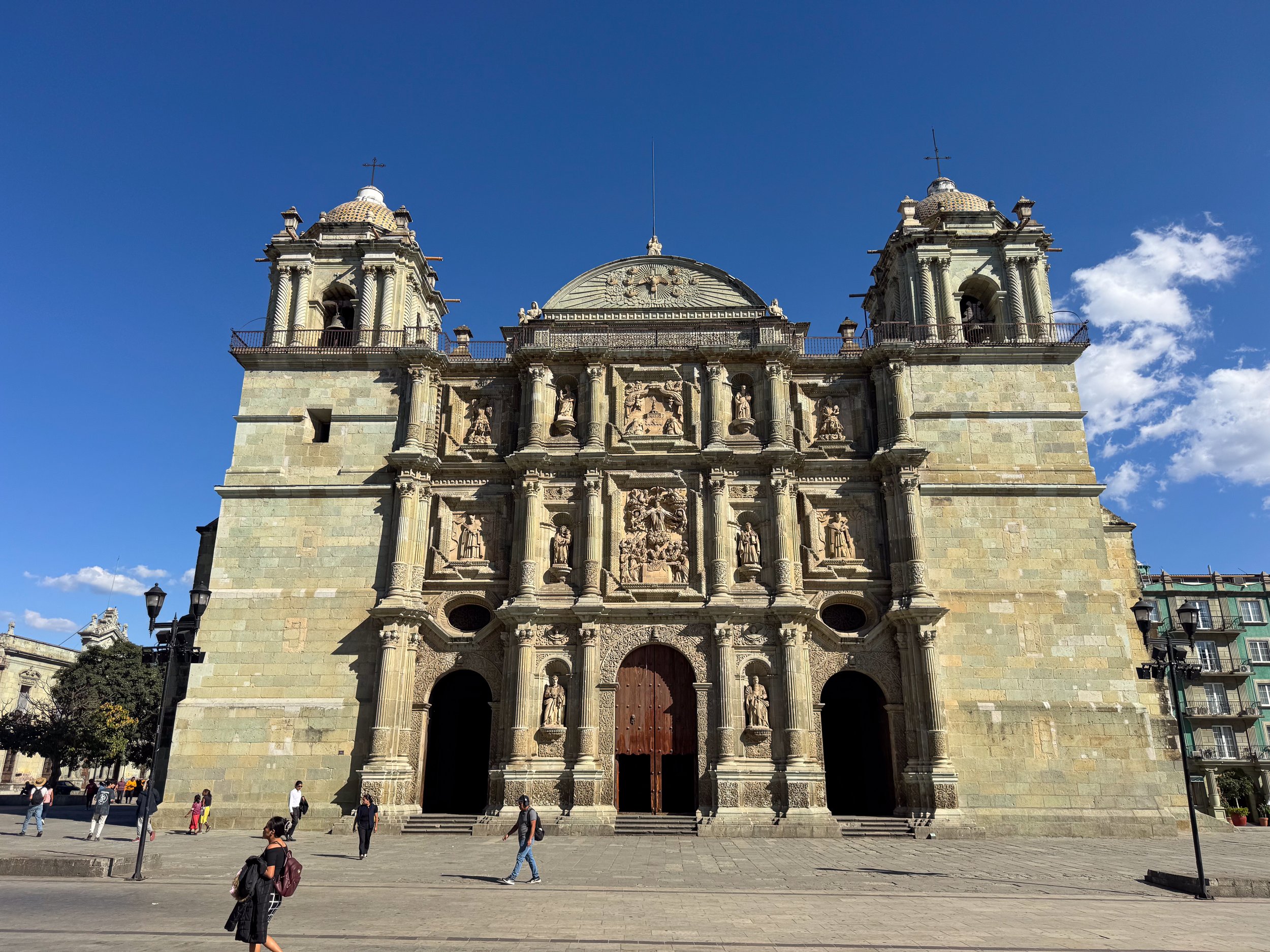
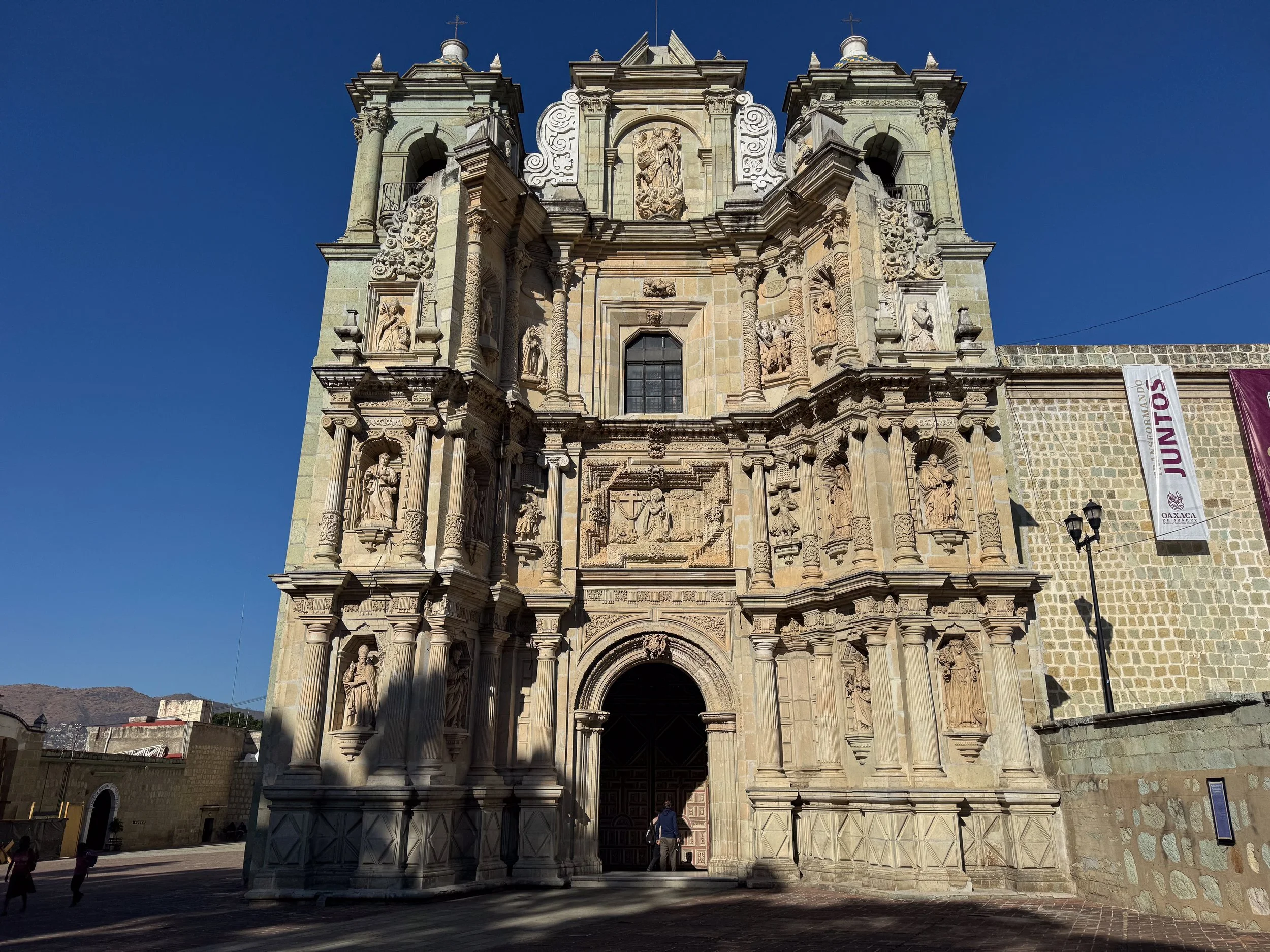
Catedral Metropolitana. A nearly 500 year old cathedral with symmetrical bell towers and a baroque style facade carved from stone blocks.
Museo Textile de Oaxaca. A small museum with textiles from the Oaxaca and across Central America featuring traditional designs and contemporary pieces. It’s free to enter.
Shop the Markets
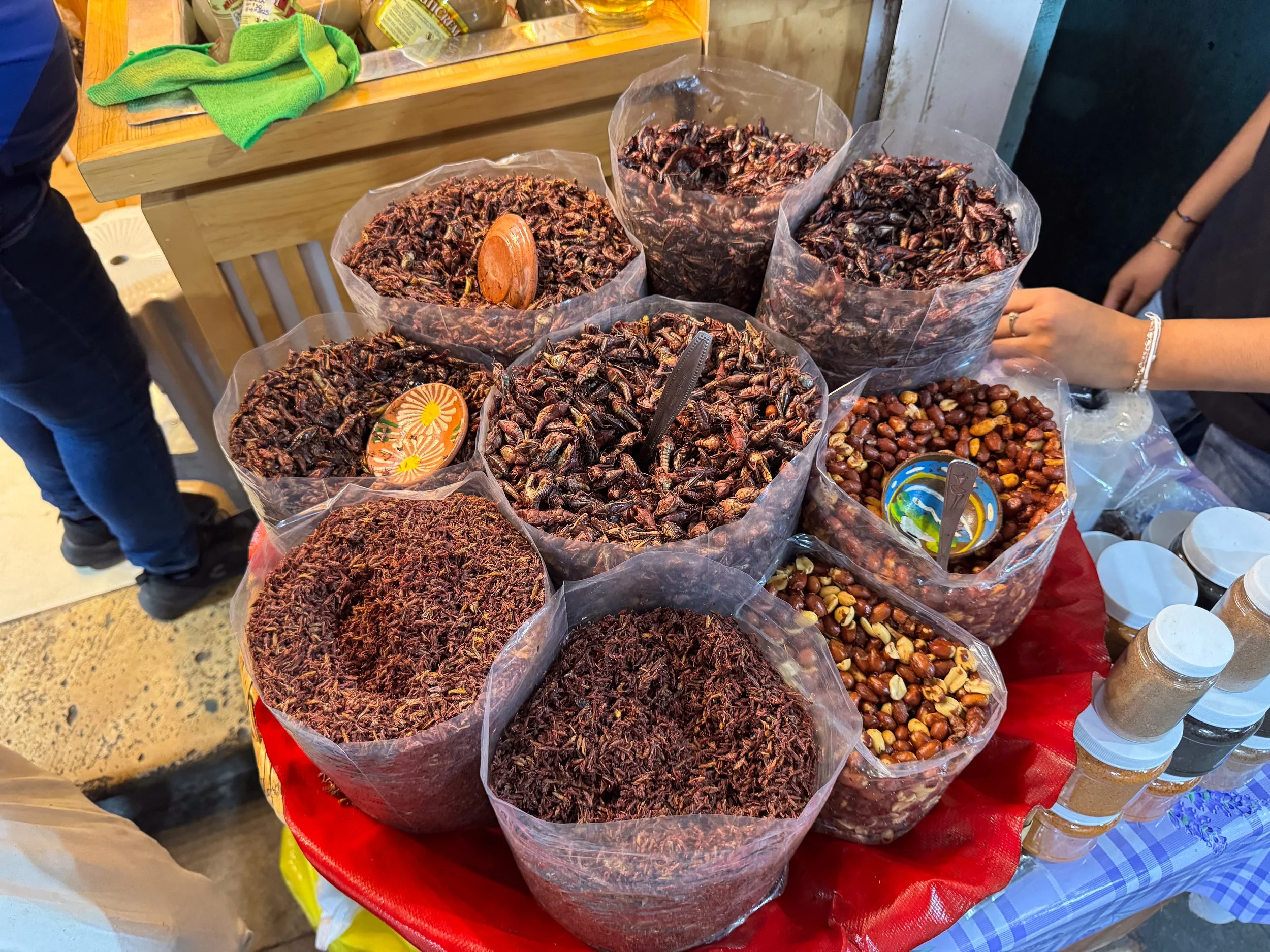
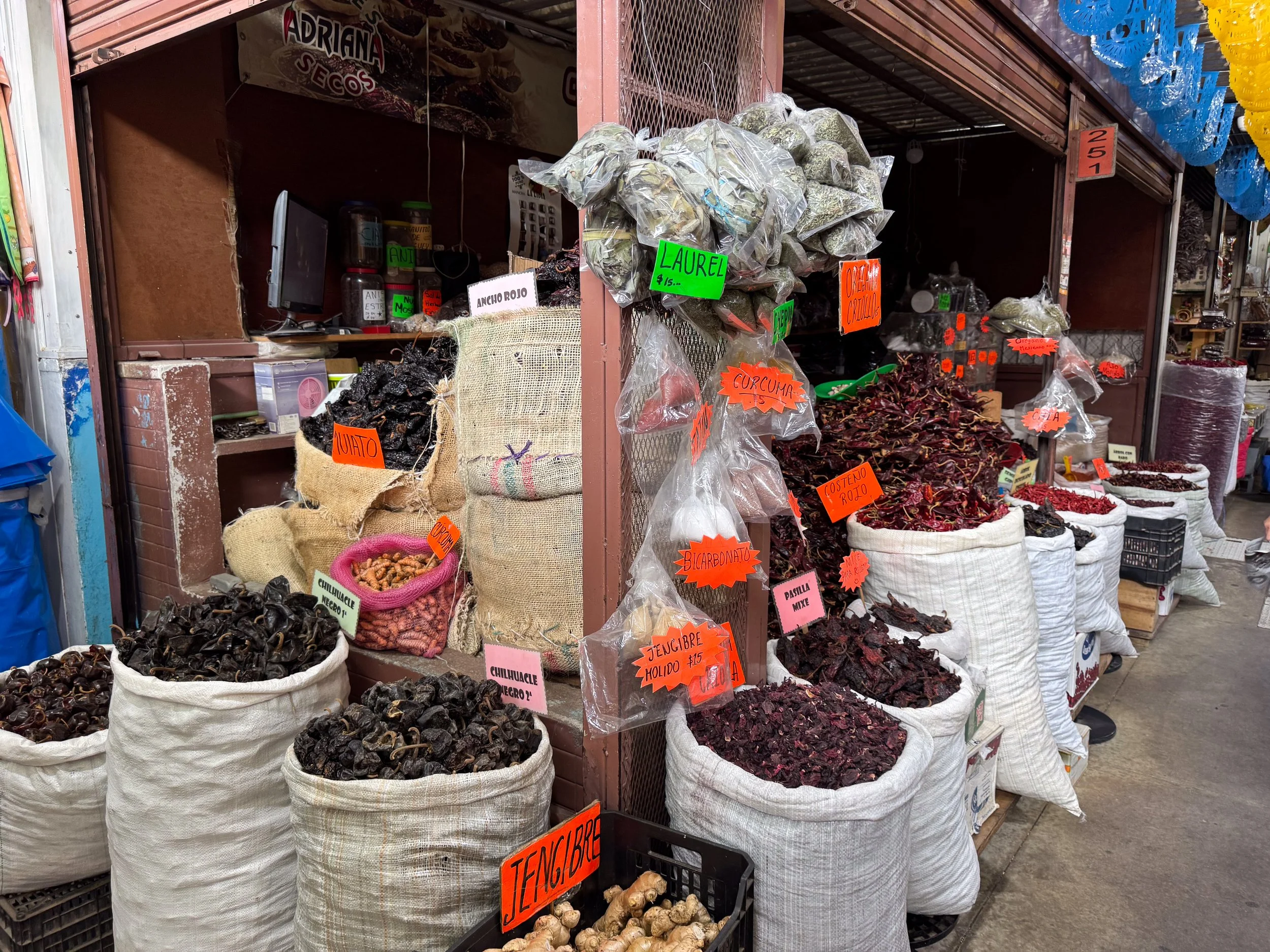
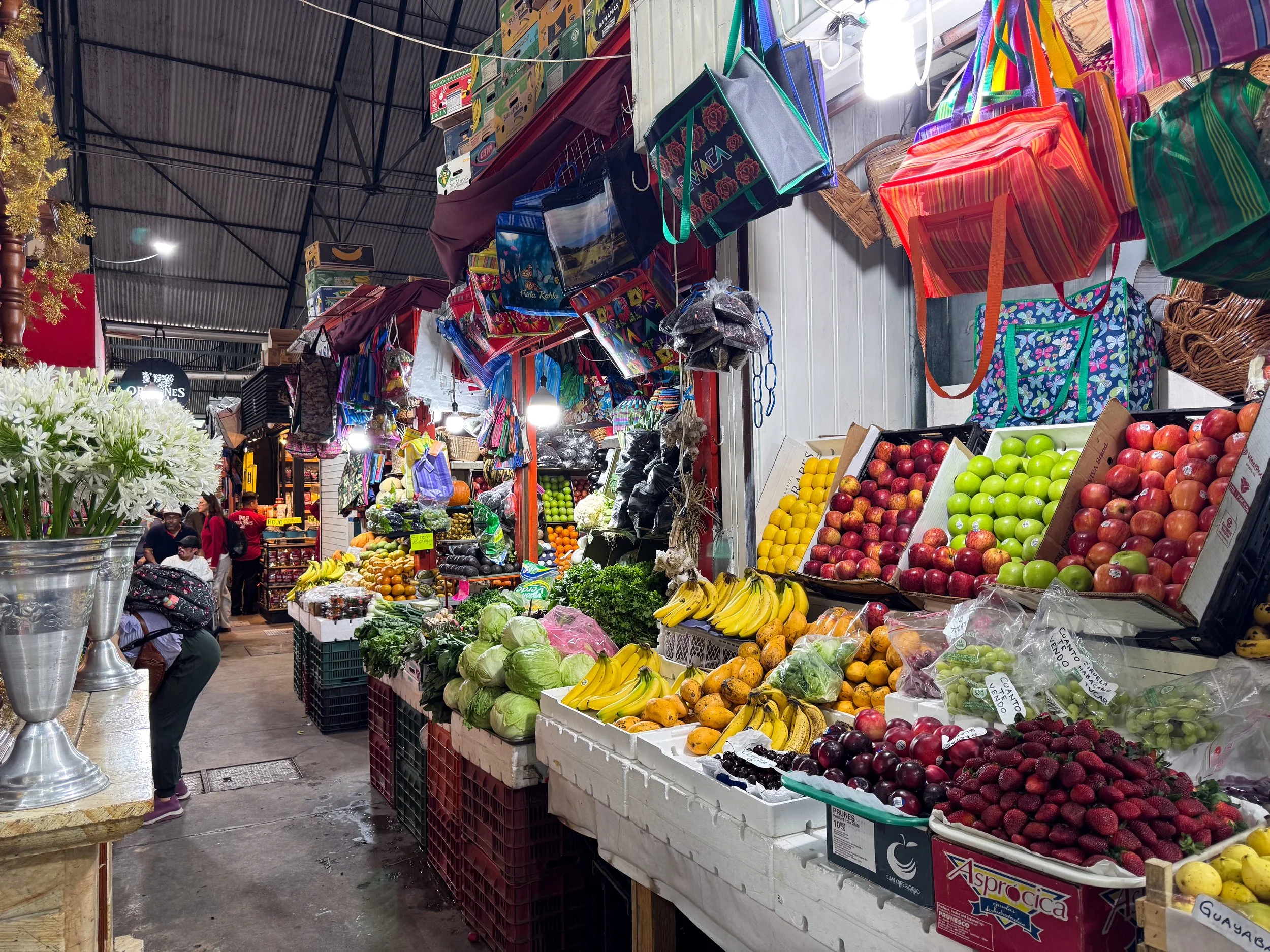
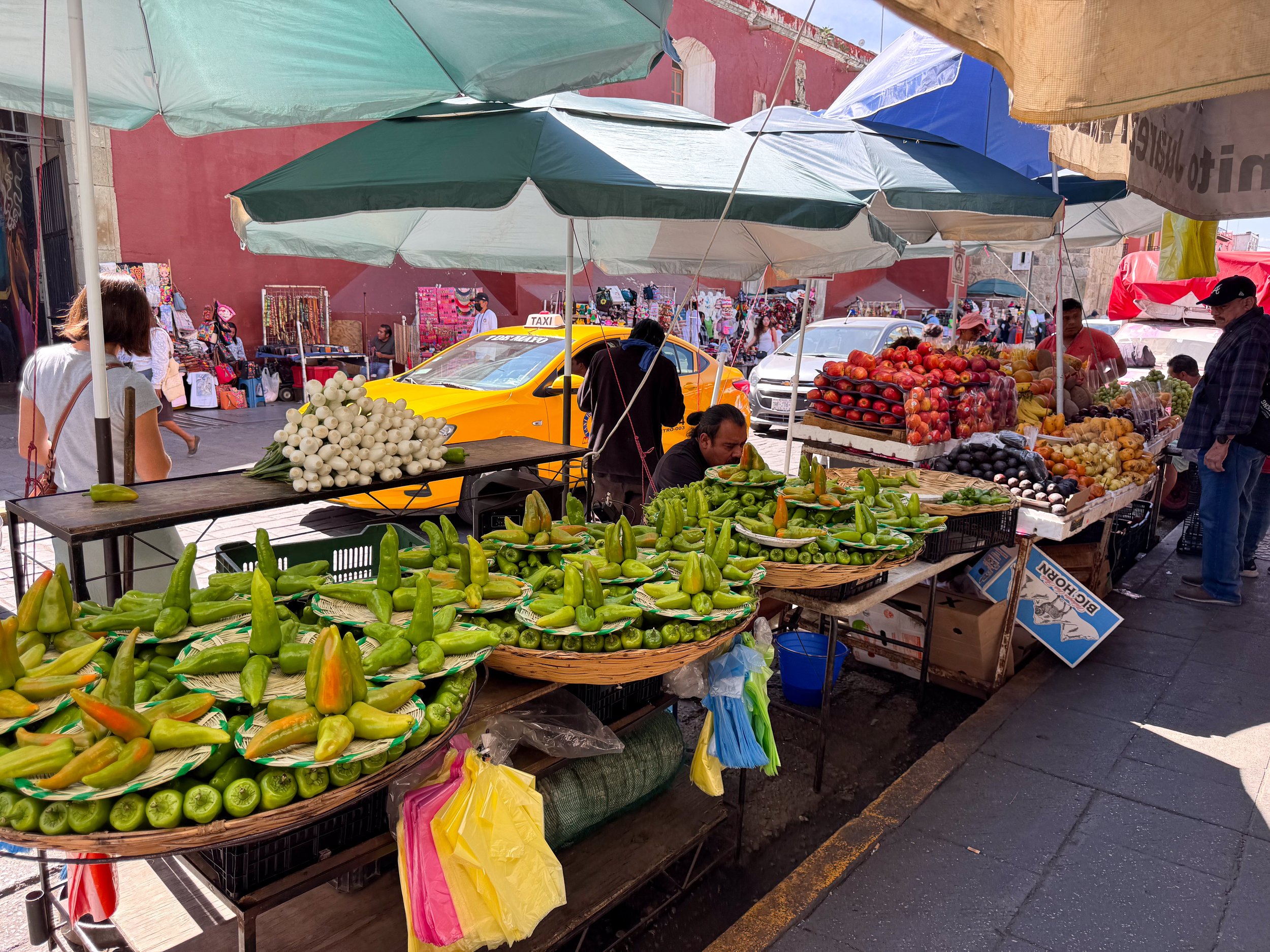
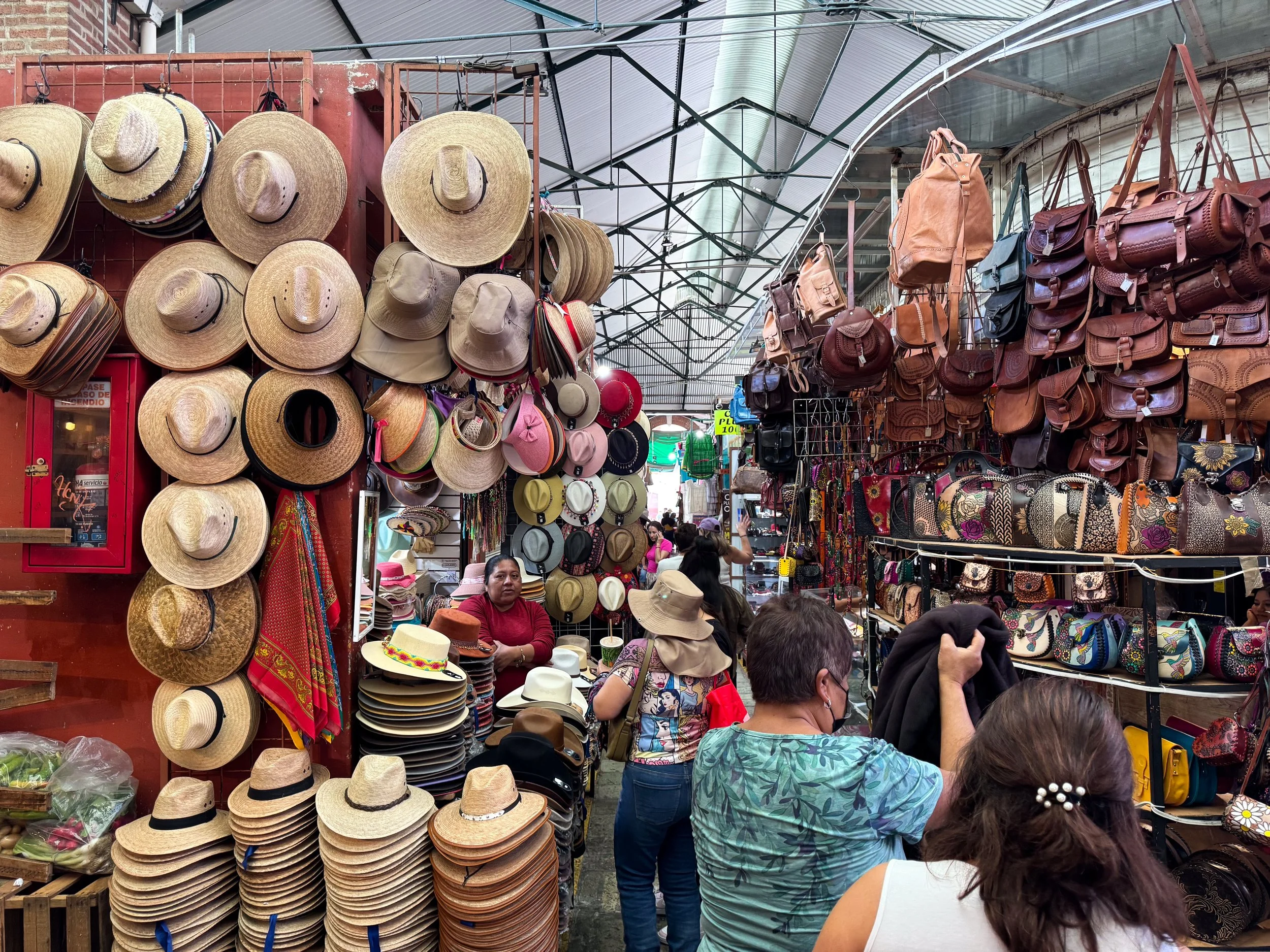
Mercado Benito Juarez. A vast market with all manner of vendors selling fruits and vegetables, meats, seafood, mounds of mole pastes, bottles of mezcals, Oaxacan cheese, corn tostadas, dried chile peppers, barrels of spiced chapulines (grasshoppers), fresh cut flowers and handmade items. We shopped here for groceries, snacks and mezcal.
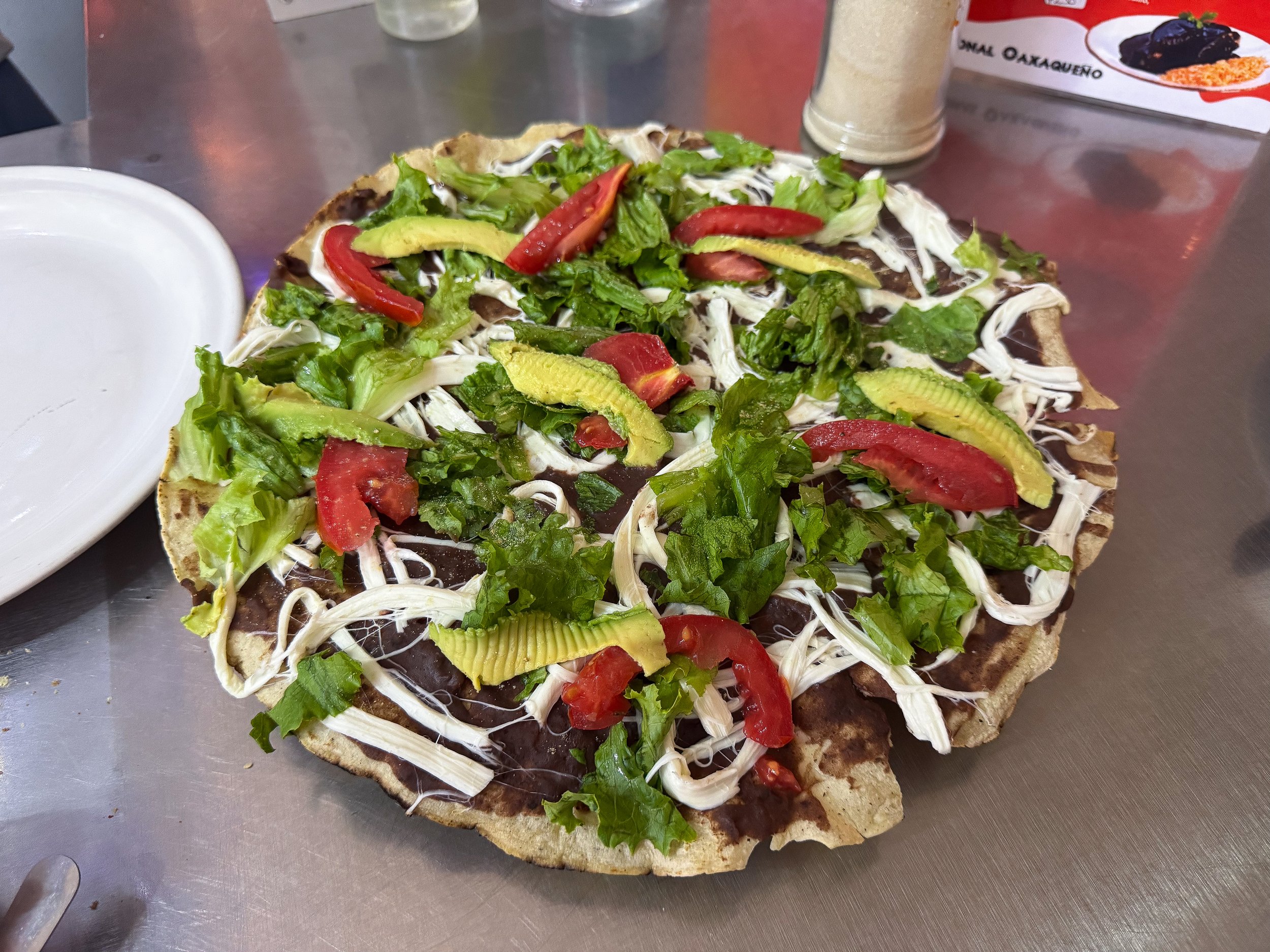
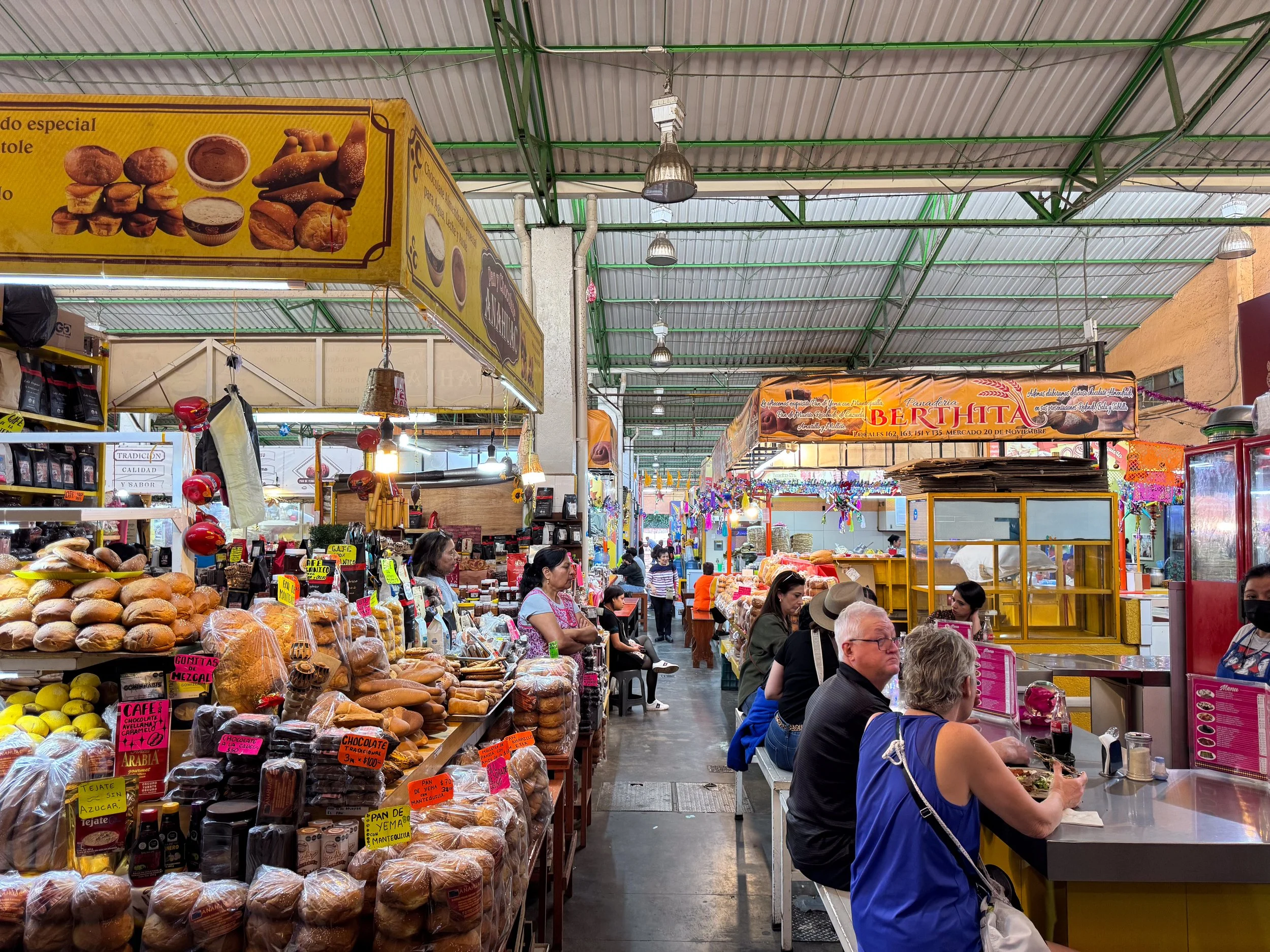
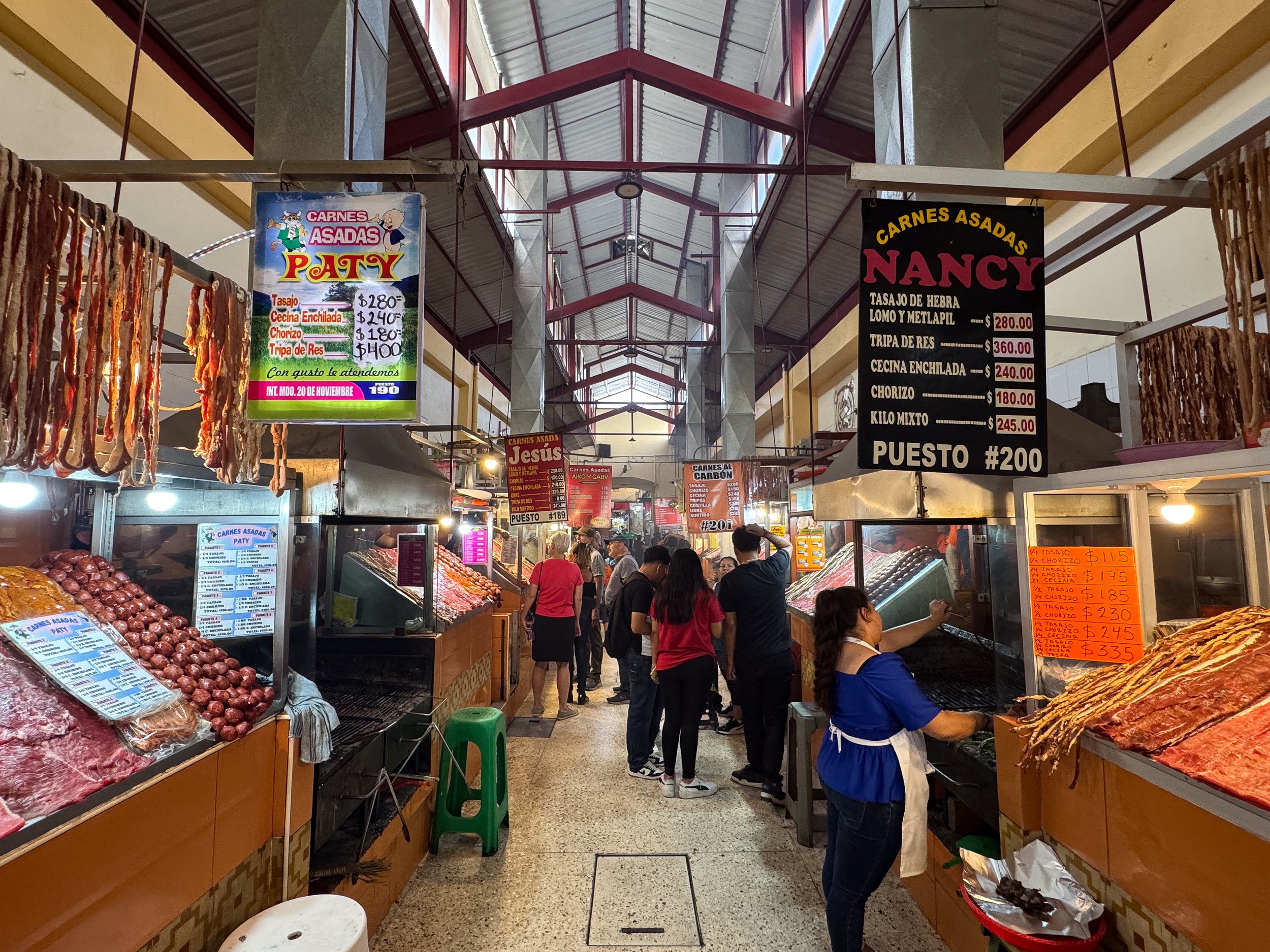
Mercado 20 de Noviembre. A large food market with aisles of vendors selling breads, traditional Oaxacan dishes and grilled meats. The intoxicating smell of freshly baked breads wafts from dozens of panaderías selling Pan de Yema, Mollettes de Panela, Pan Amarillo and various Pan Dulces. From kitchens within the maze of restaurant stands, cooks shout out their menu offerings, typically including Oaxacan staples like tlayudas, mole y pollo and chiles rellenos. Wafts of heat, smoke and the sizzling smell of grilled meats and sausages radiate from Pasillo de Humo, a passageway with coal and wood fired grill stations. We ate here for breakfast and lunch visiting two restaurant stands.
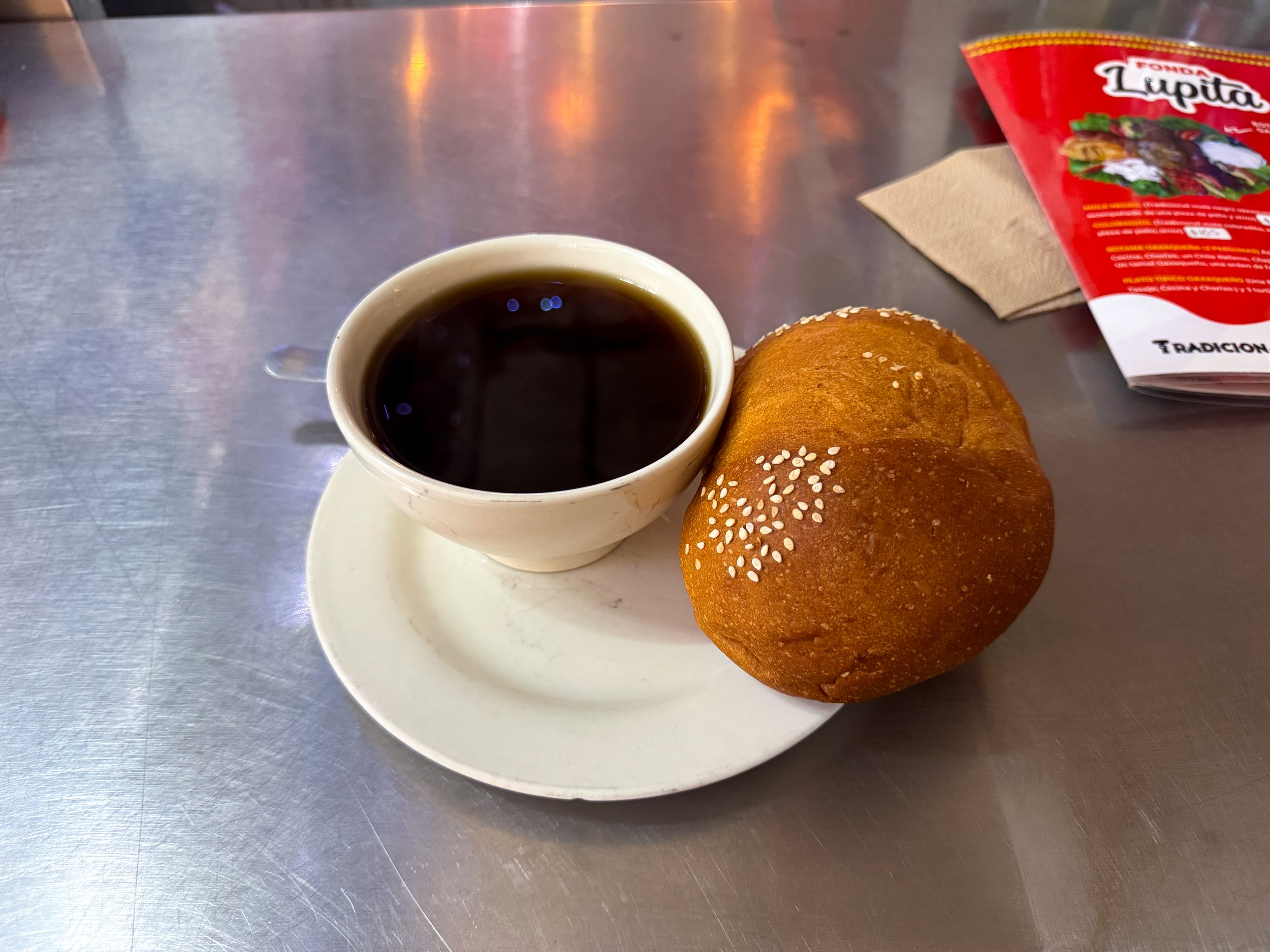
Fonda Lupita for tlayudas and pan de yema served with a mug of cafe de olla.
La Abulita for tlayudas, horchata and freshly squeezed orange juice. We shared a vegetarian tlayuda prepared with a large cracker thin tortilla and covered in puréed black beans, bright orange squash flowers, Oaxacan cheese, lettuce, tomato and avocado.
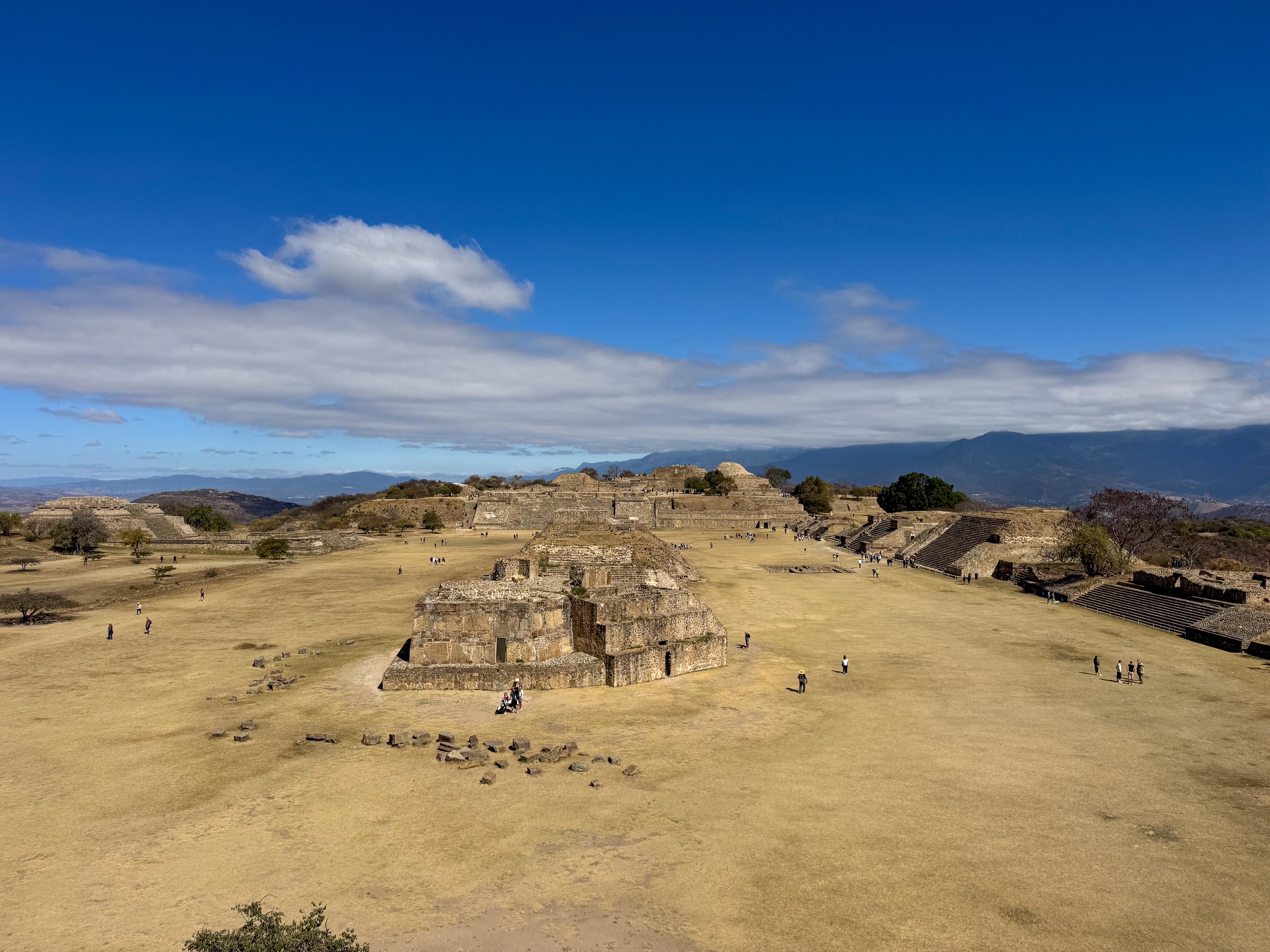
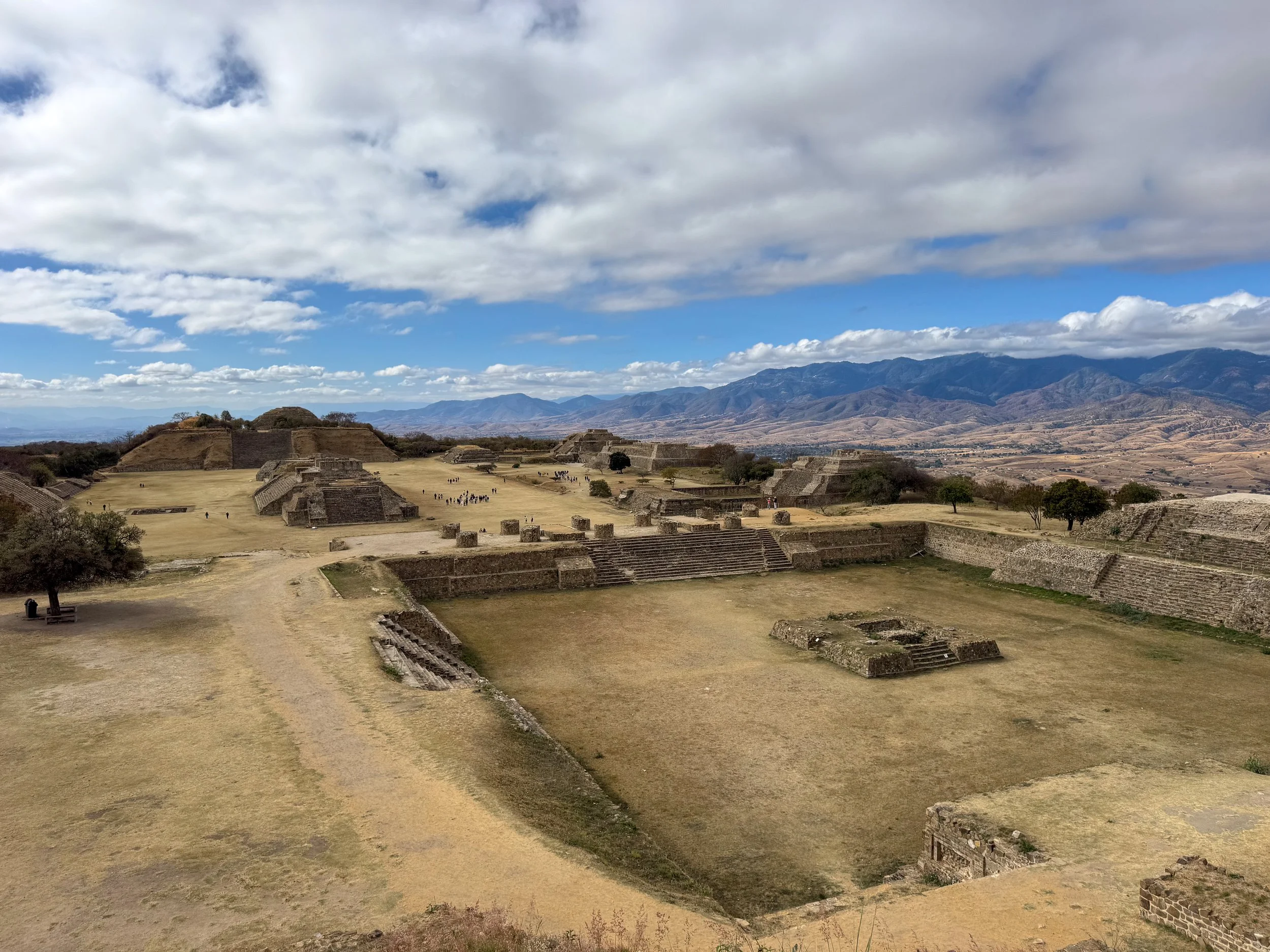
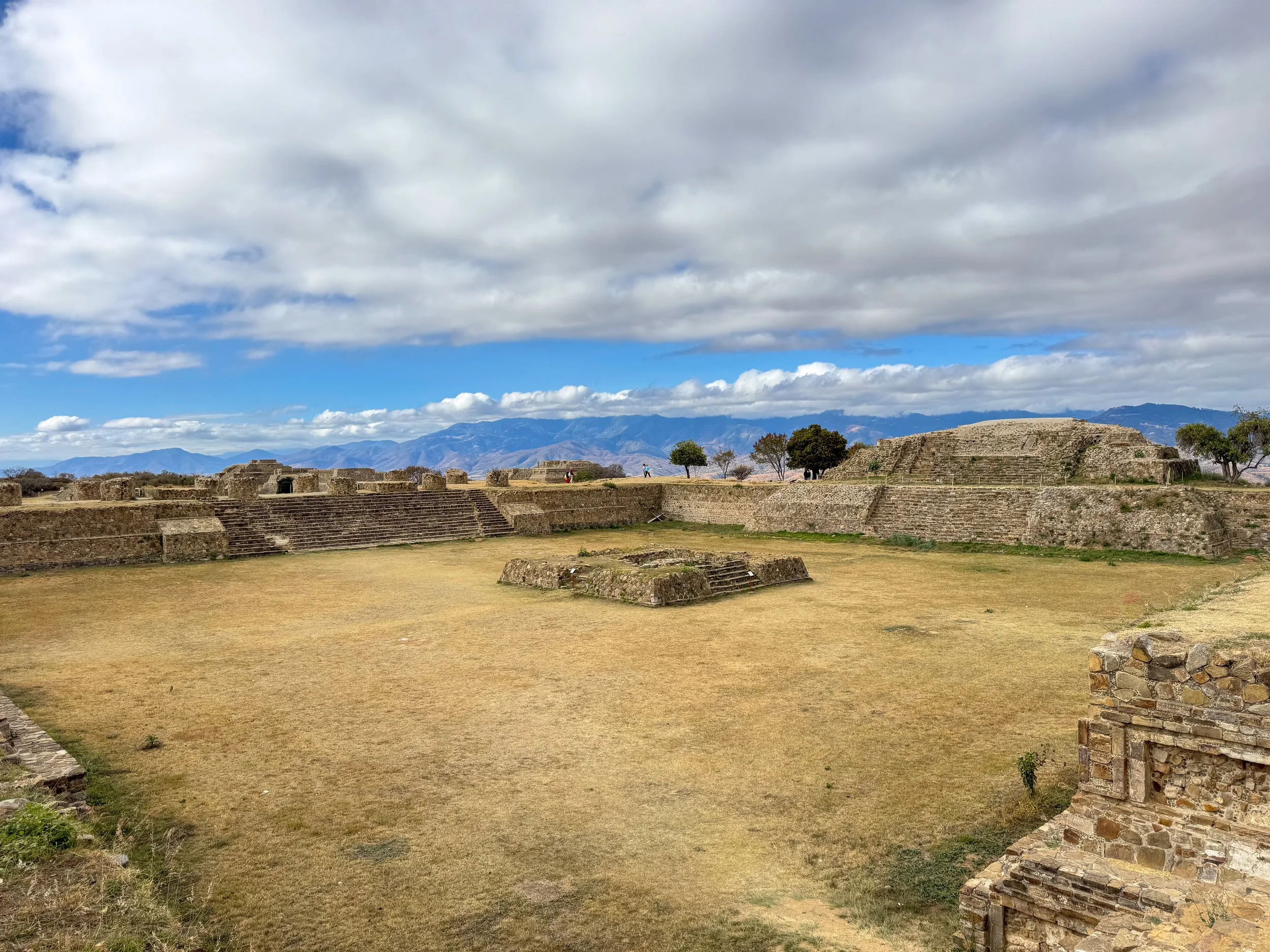
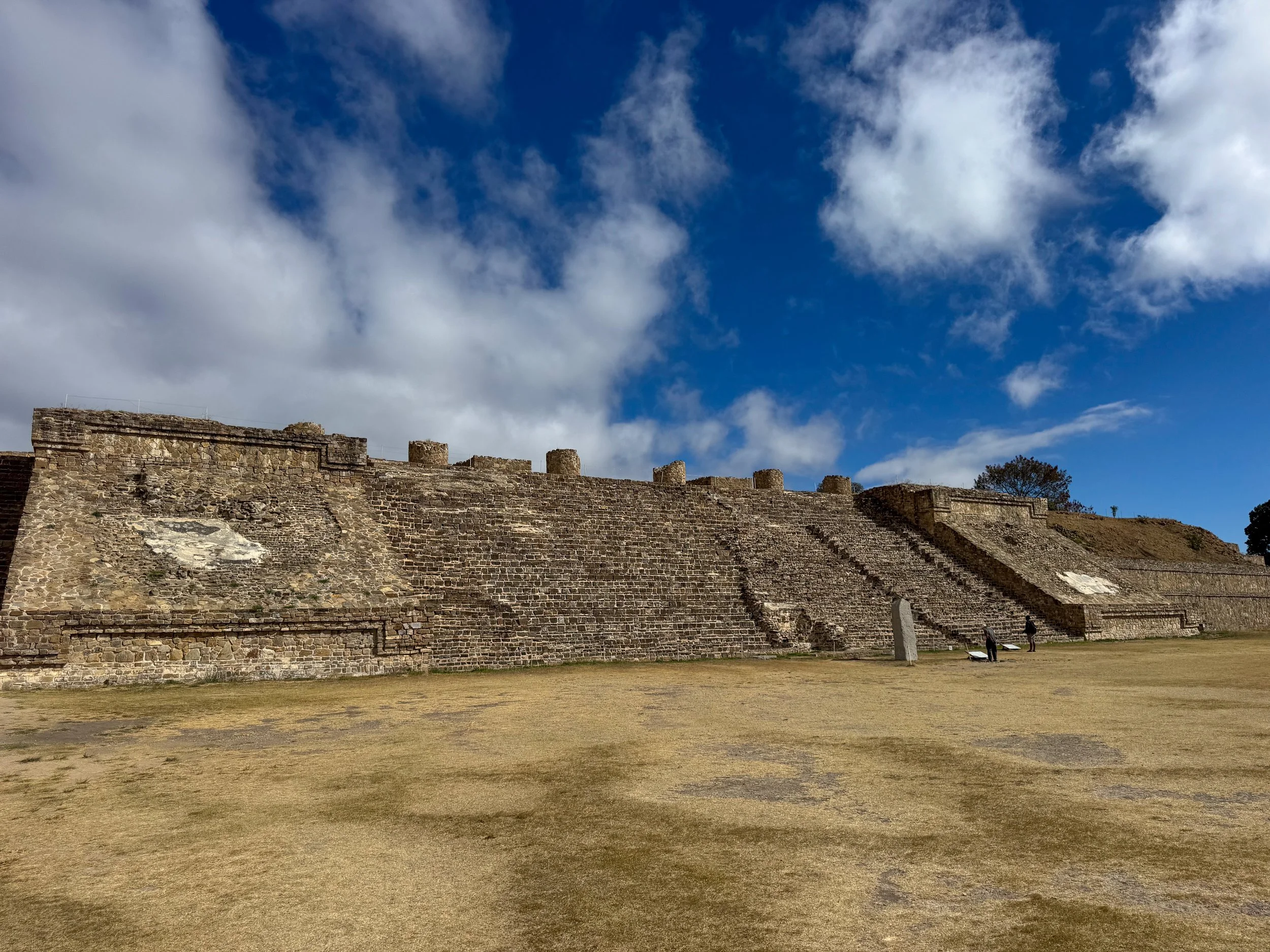
Monte Alban
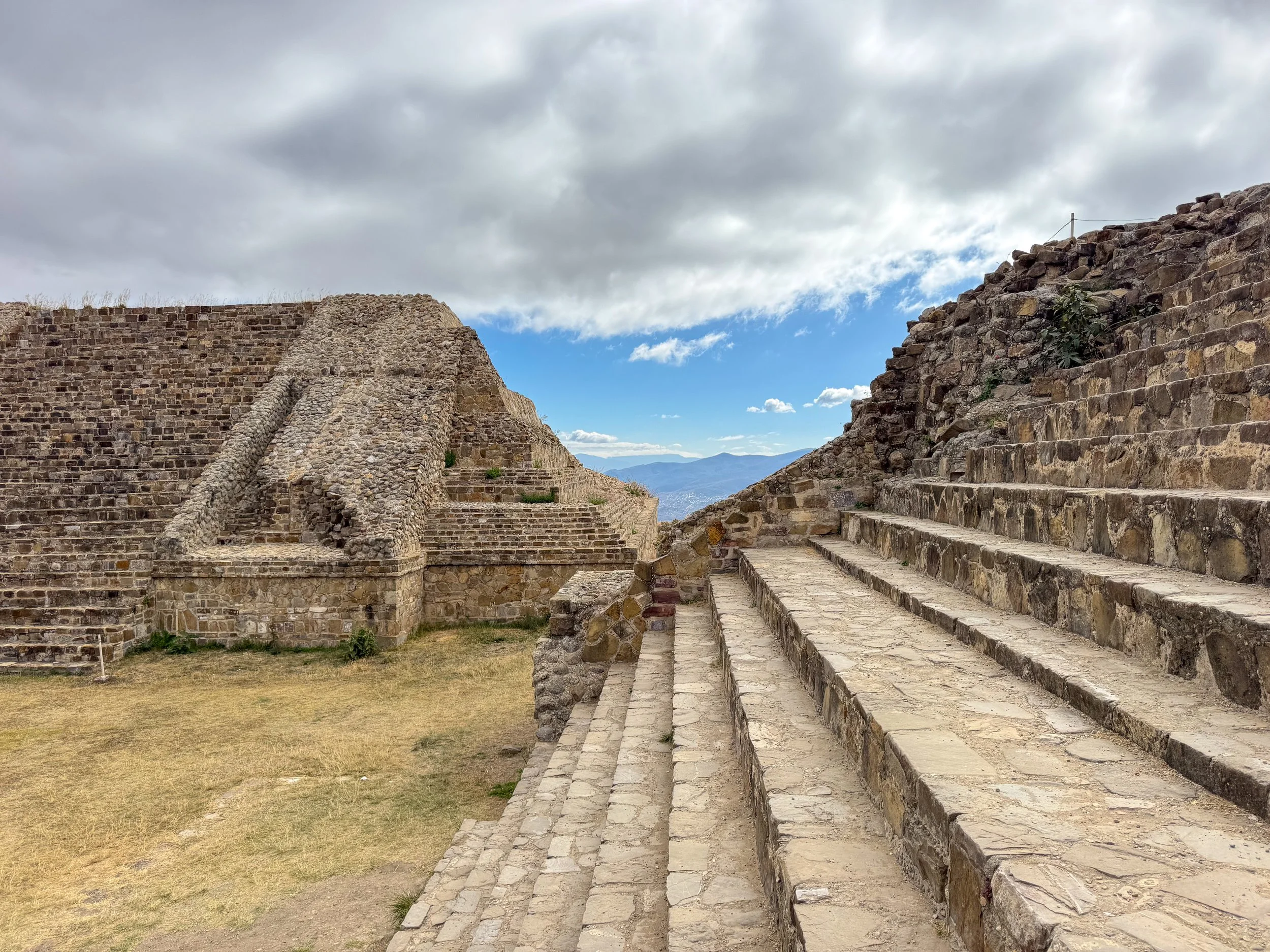
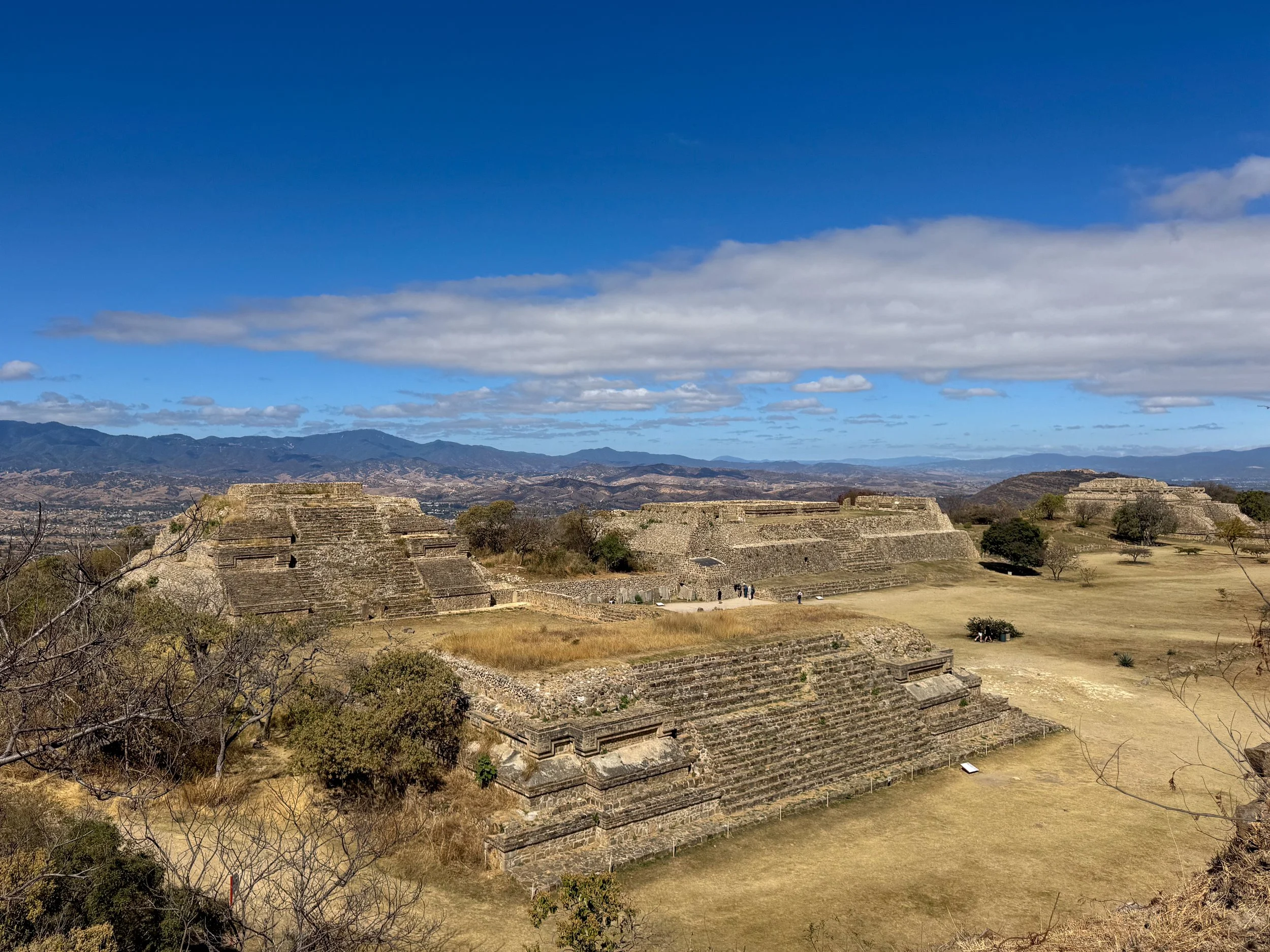
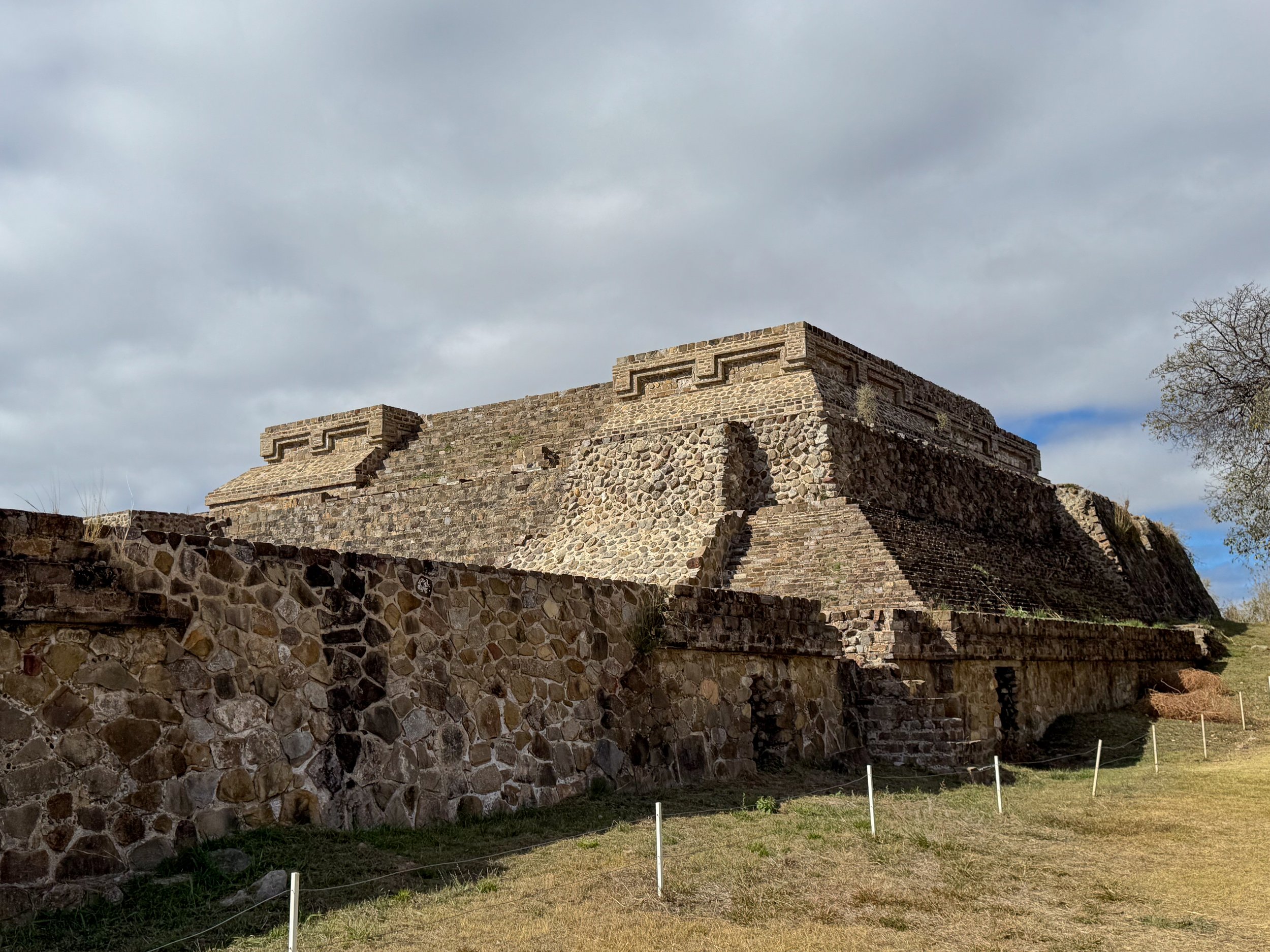
Monte Alban is an ancient Zapotec hilltop acropolis with stepped pyramids, ball courts, astronomical temples, grand plazas, platforms, palaces and tombs. We spent four hours exploring the ruins, reading the plaques and contemplating life during the ancient times of the Zapotec.
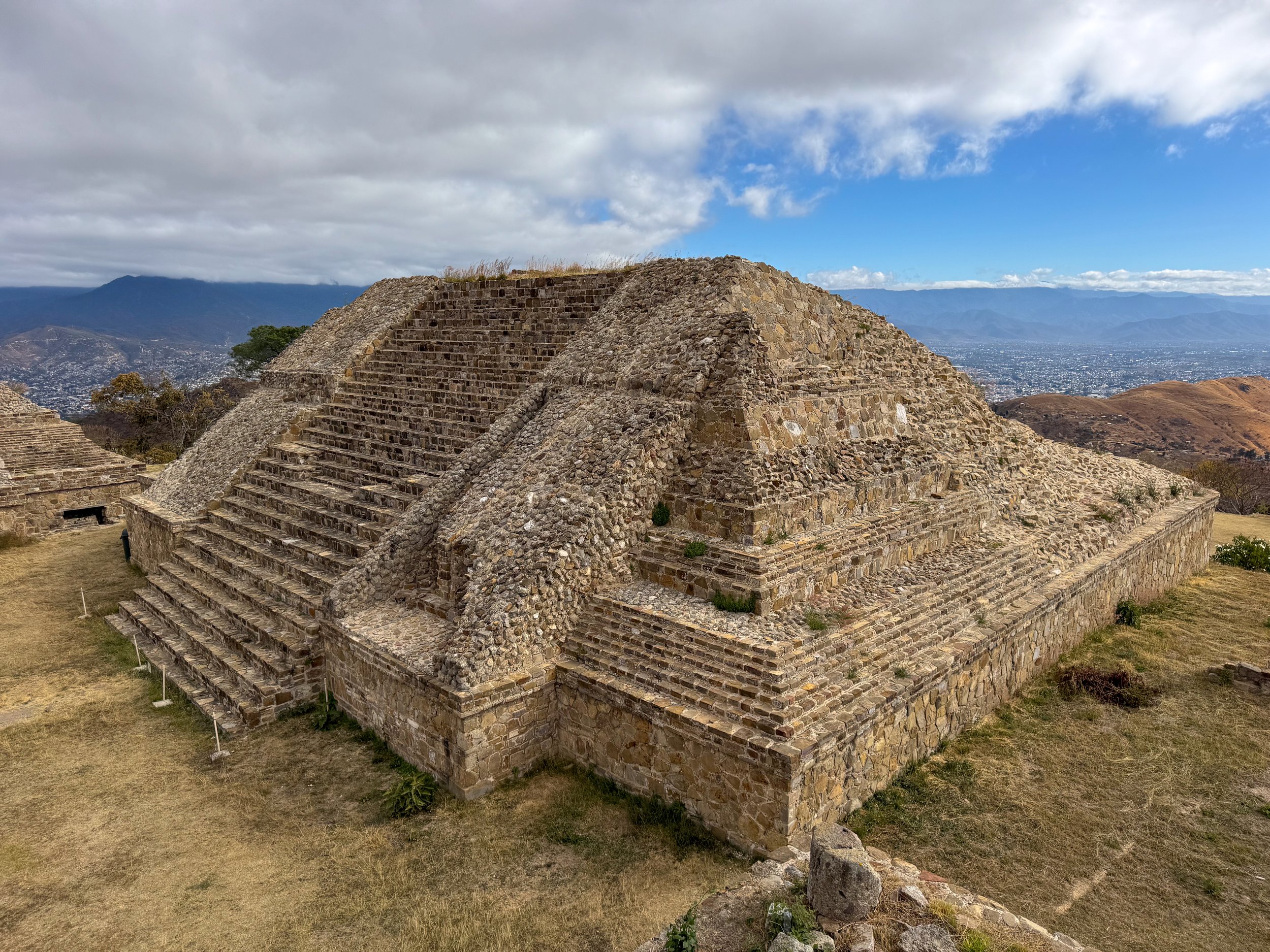
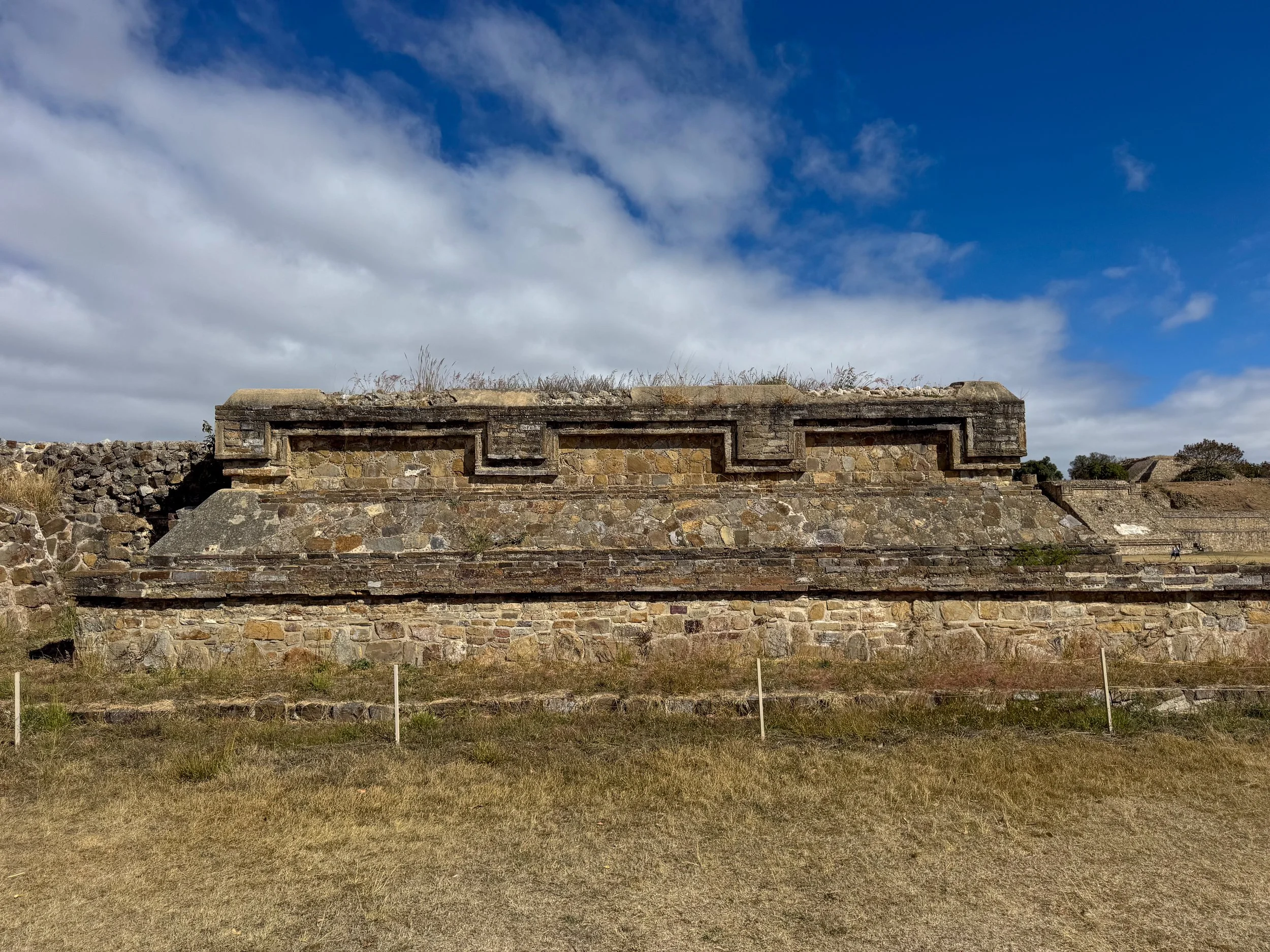
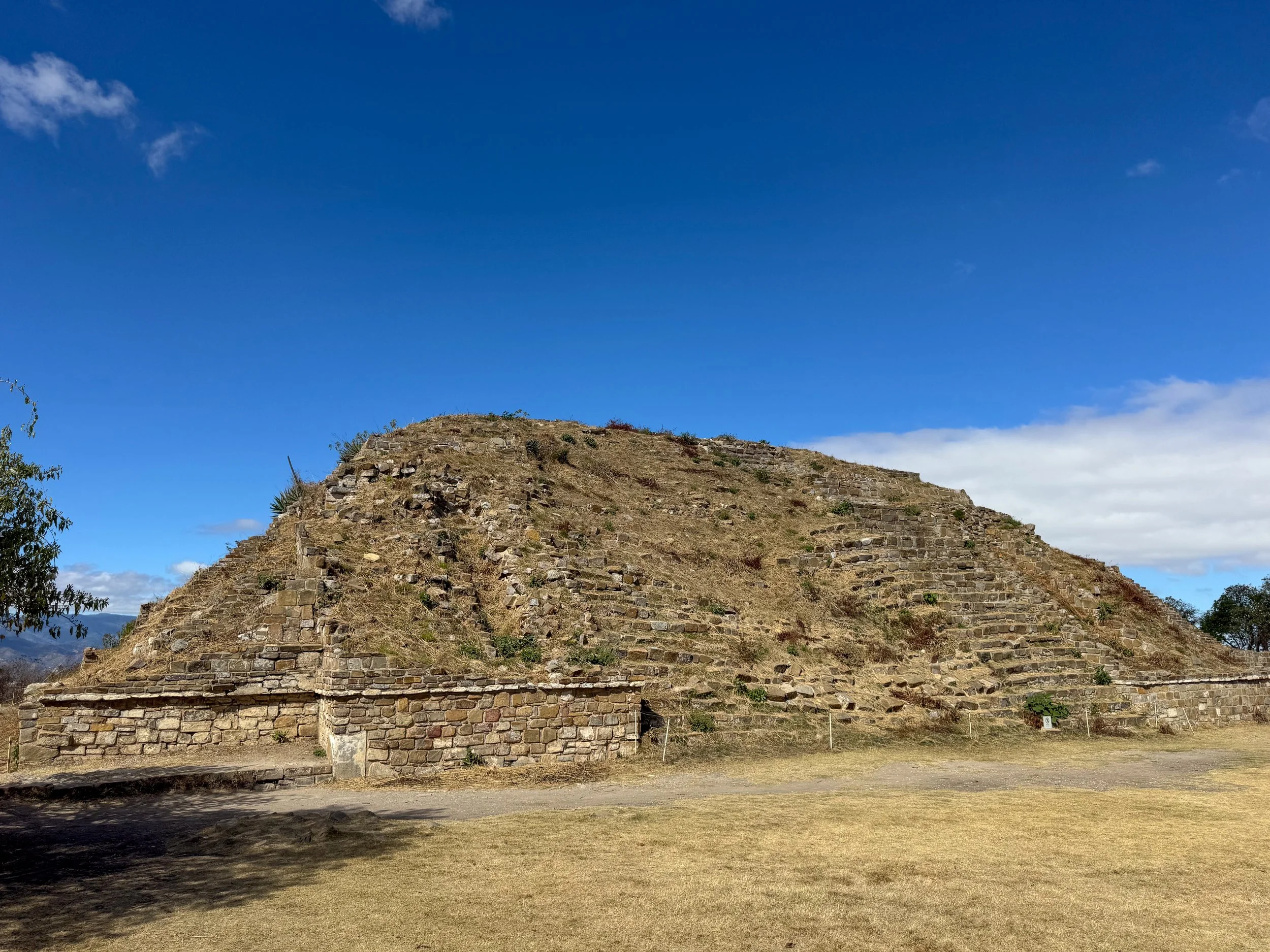
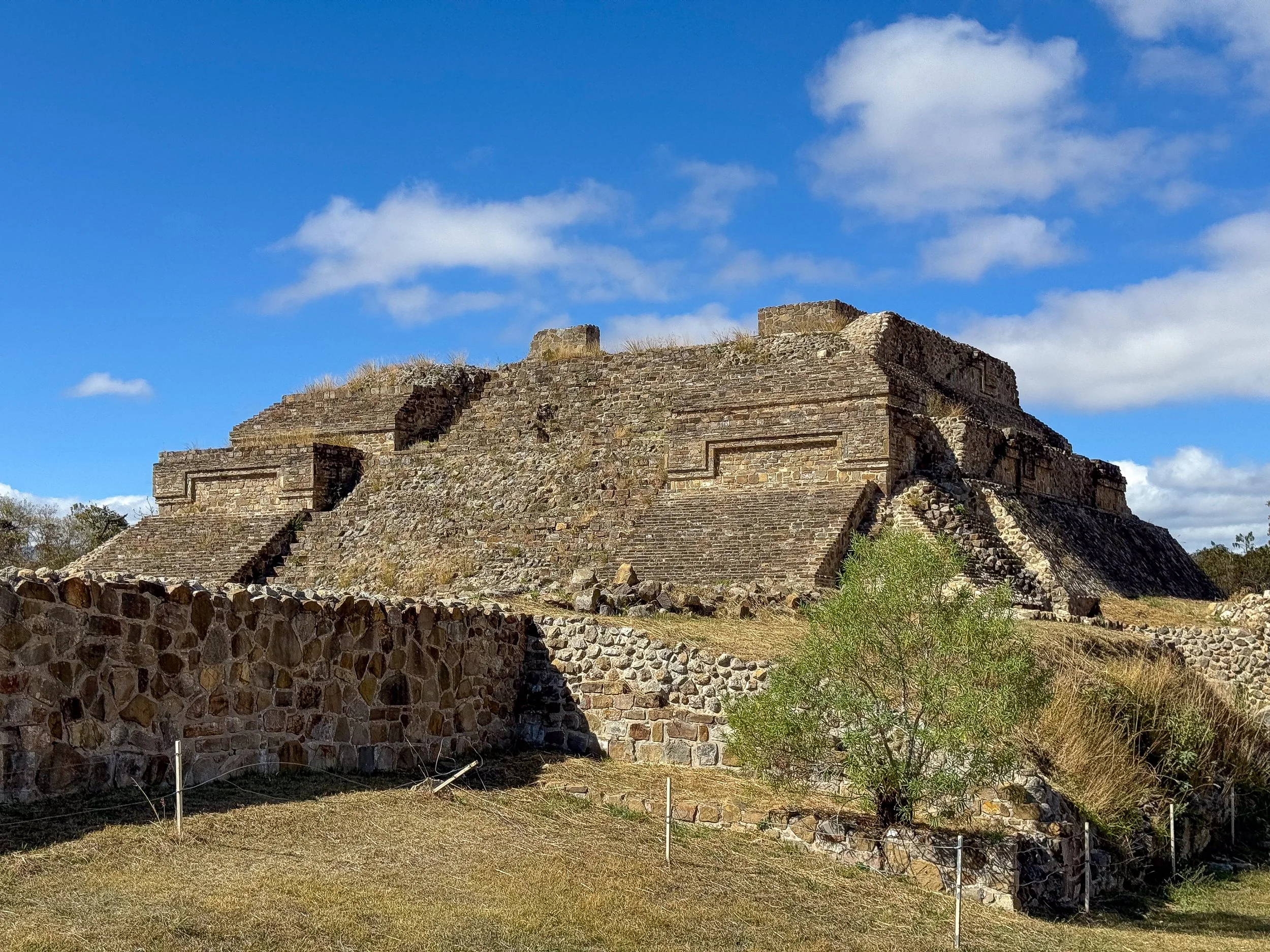
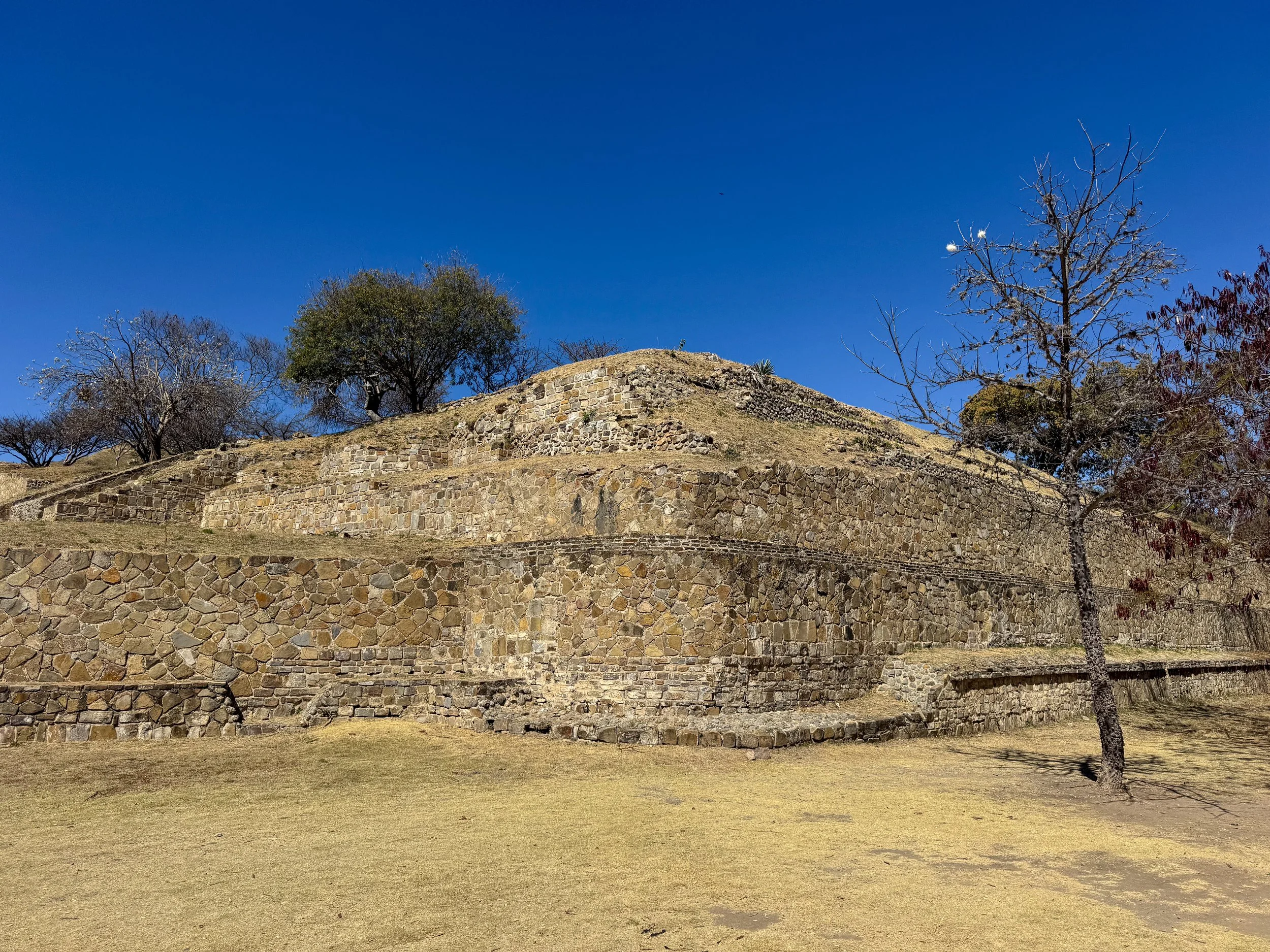
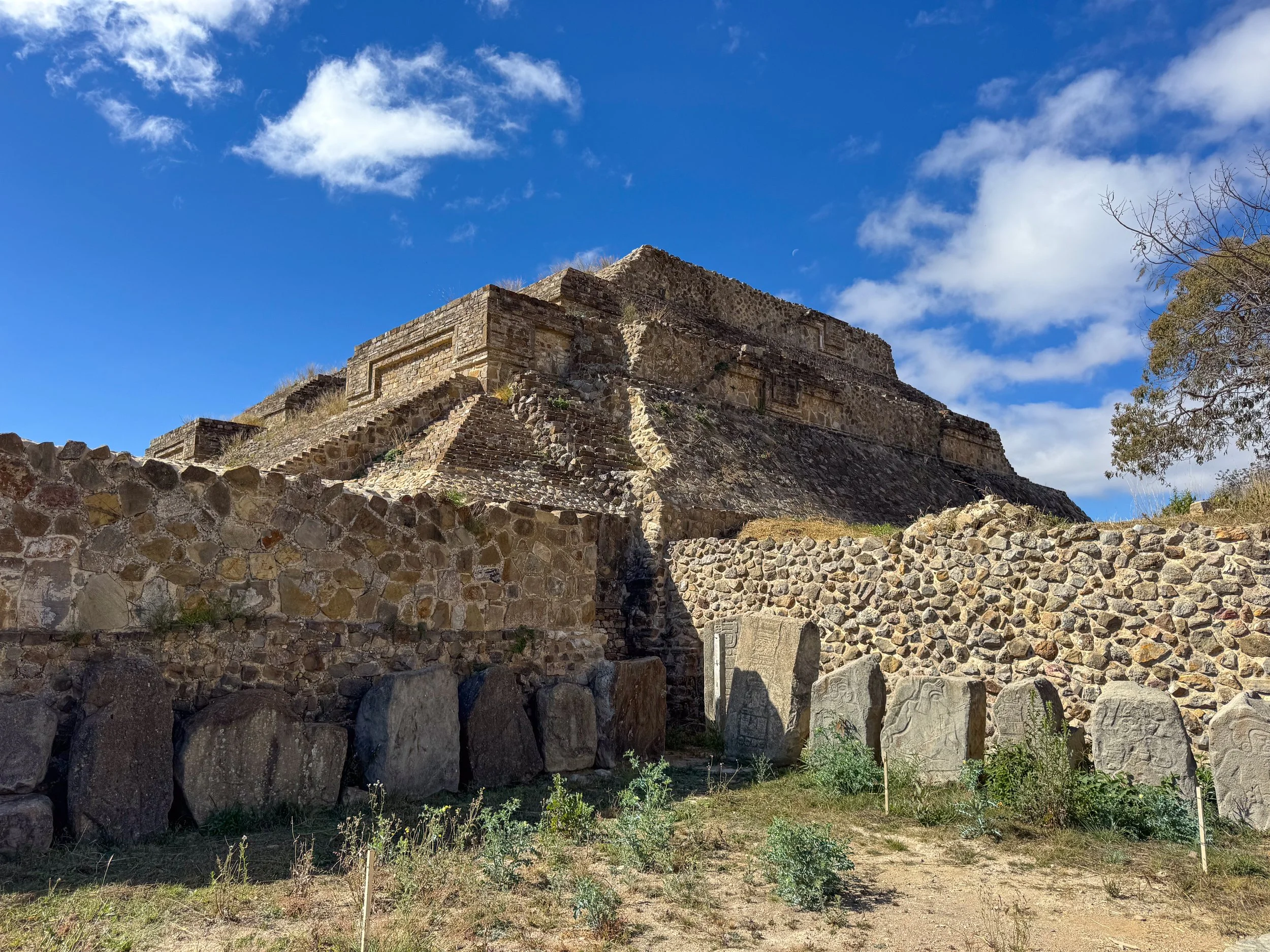
Galería de Los Danzantes (Gallery of The Dancers). A stone wall adorned with over a dozen carvings of castrated male figures depicting a blood sacrifice or fertility ritual.
Plataforma Sur (South Platform). The tallest platform and pyramid of the entire acropolis located at its most southern point.
Edificio 1 (Building 1). The only building of the entire acropolis that does not align with the cardinal points. It is thought to have been used as an astronomical observatory by Zapotec priests. It’s adorned with a series of conquest stones depicting Zapotec battles and victories.
Platforma Norte (North Platform). The largest platform of the entire acropolis with several well preserved pyramids buildings and structures featuring geometric designs and monumental stelas.
El Patio Hundido (The Sunken Patio). A prominent feature of the North Platform, a sunken patio with an altar at its center used for ceremonies and rituals.
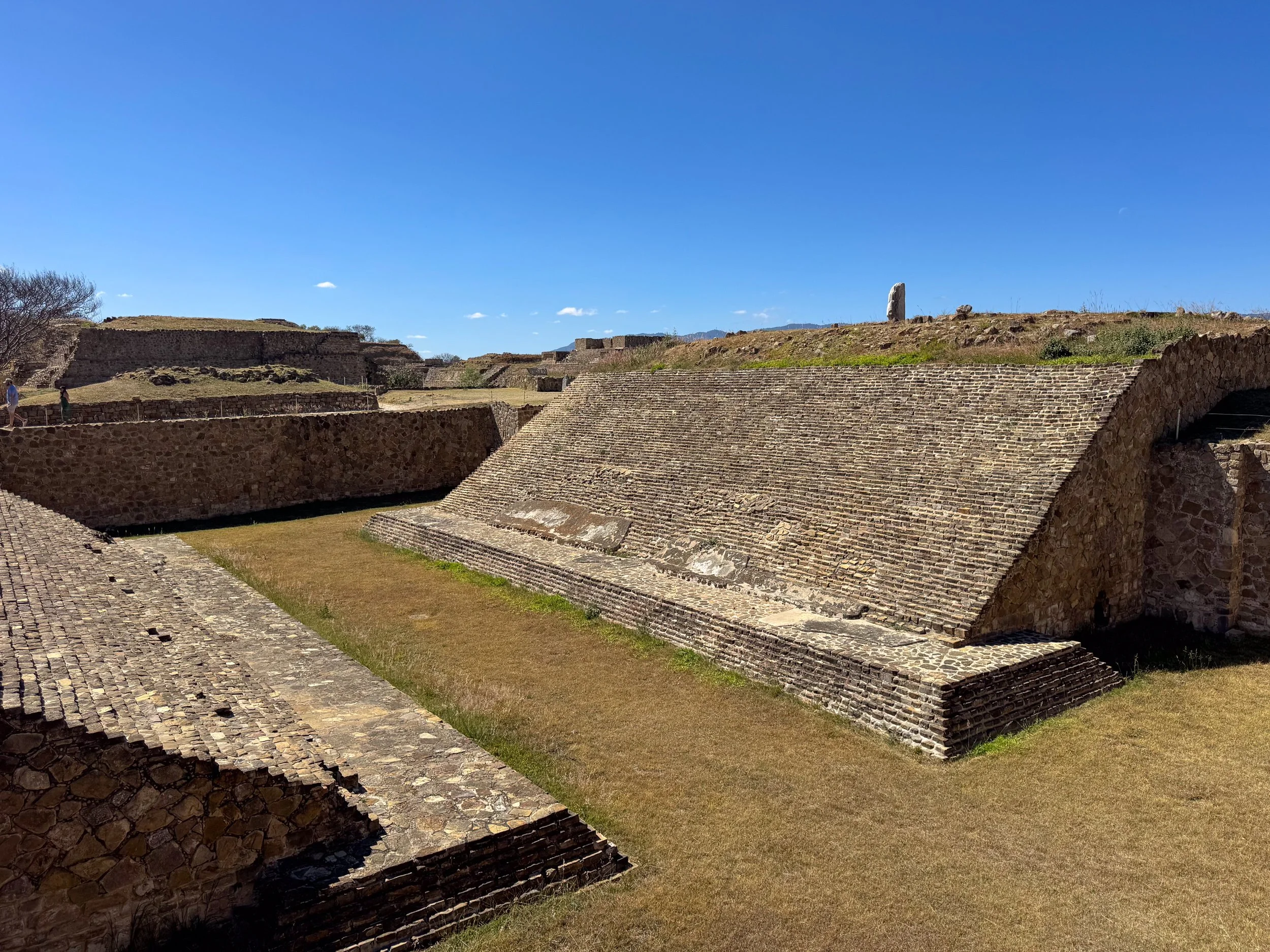
Juego de Pelota (Ball Court). A large ball court with sloped stone sides and a goal marker on the floor of its center. Contrasted with Mayan ball courts, the Zapotec did not sacrifice players but used the game for religious celebrations and to settle disputes.
Monte Alban Museum. A museum with ornate stelas, well preserved ceramic pottery and human remains found in the tombs of Monte Alban.
Getting Here. We took a round trip shuttle from the Centro Historico with Lescas Co Tours. The ride took 20 minutes through the city and winding hillside. Pick up was every hour.
Mezcal Tour
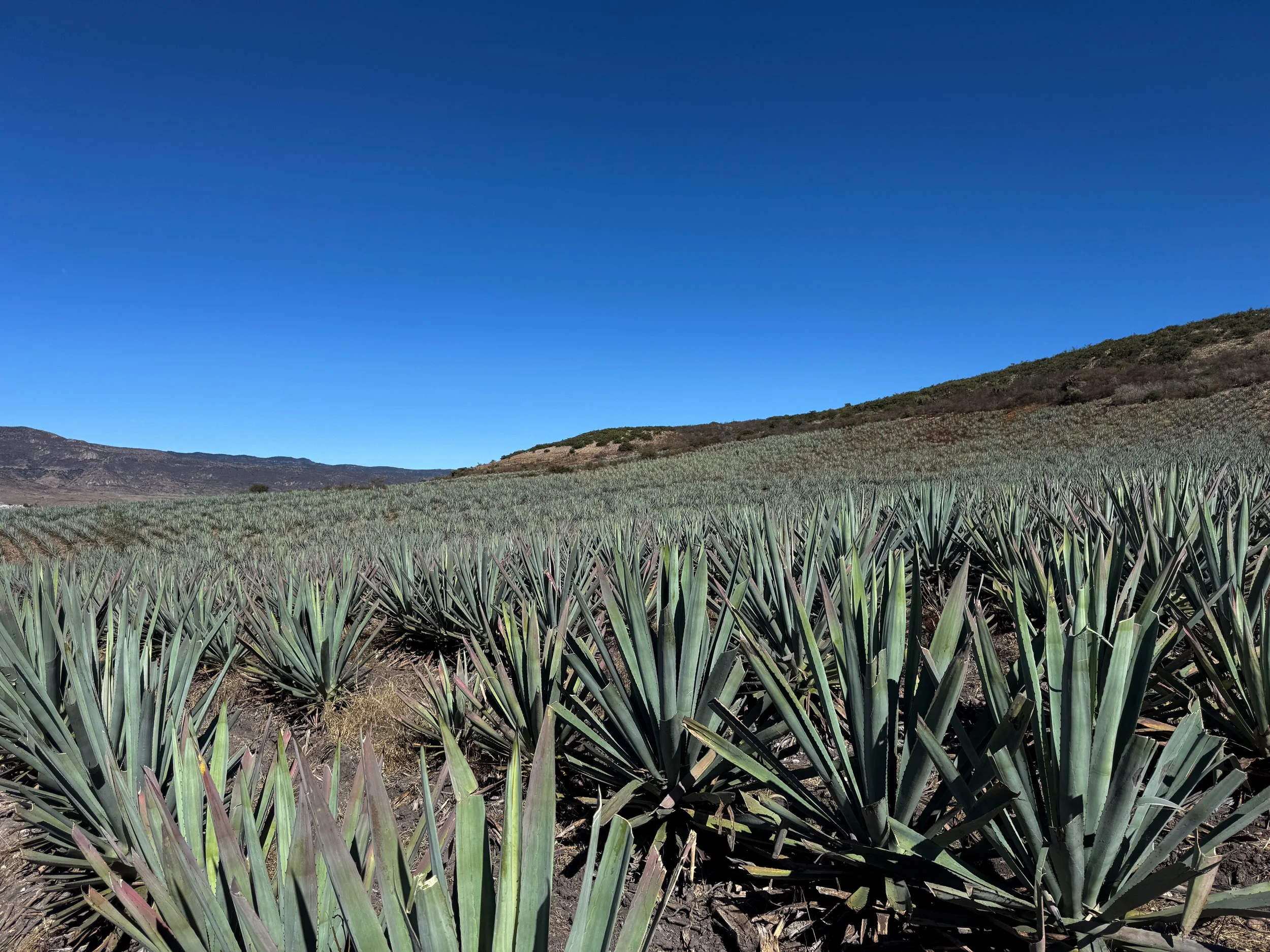
Oaxaca is the birthplace of Mezcal, a smoky spirit distilled from the maguey plant. We toured two Palenques, distilleries where mezcal is produced and a maguey field where the plant is grown.
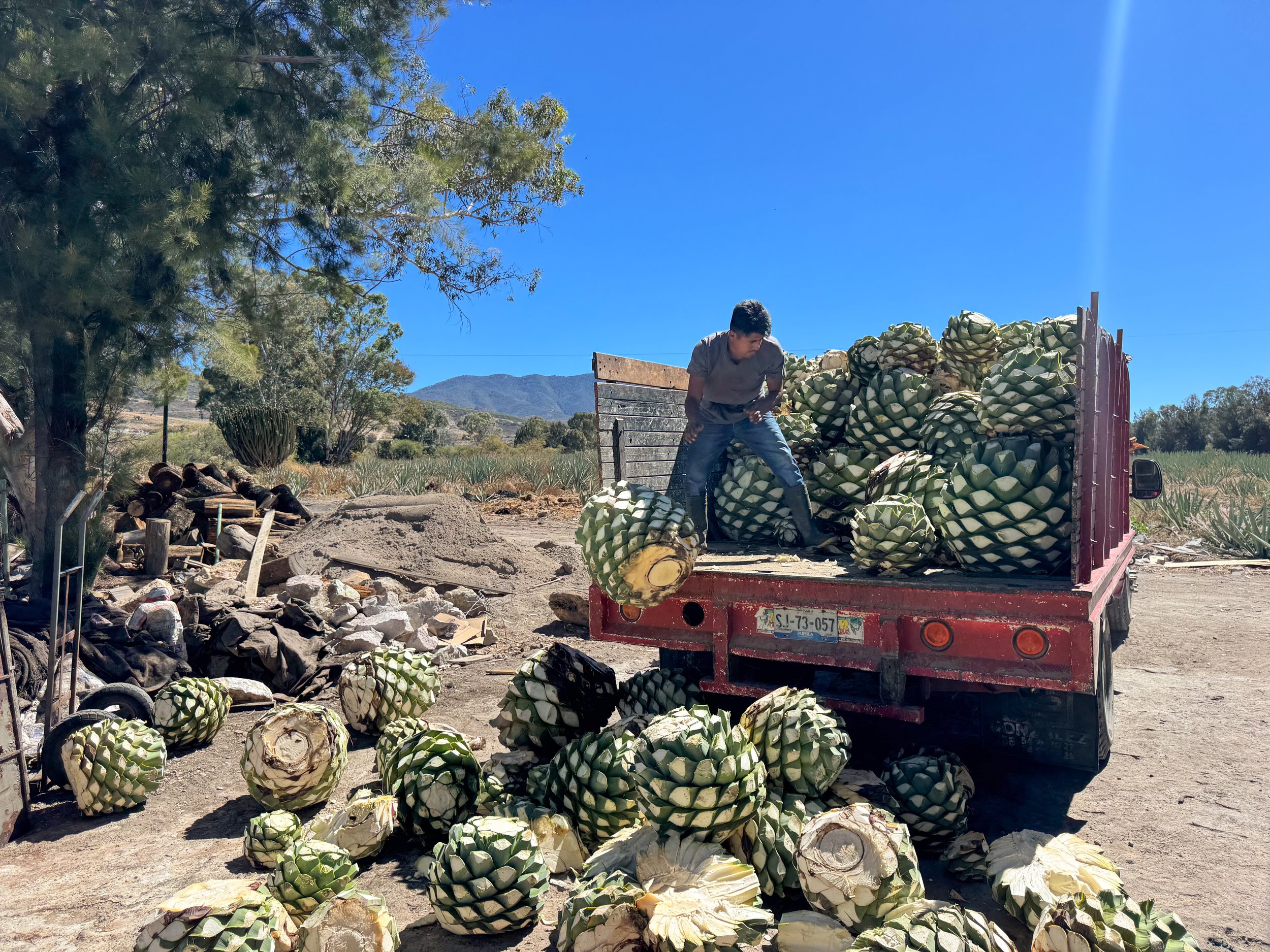
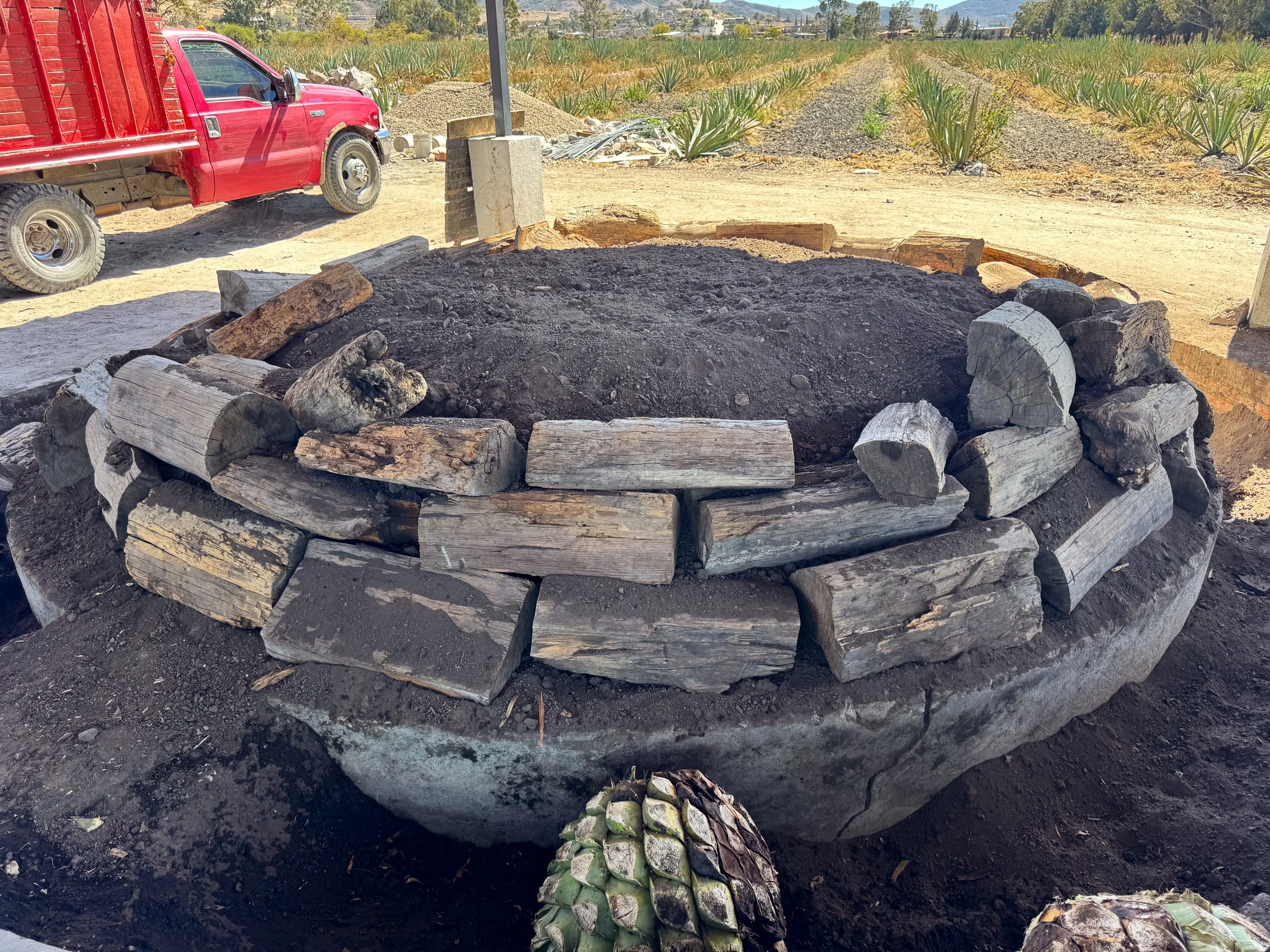
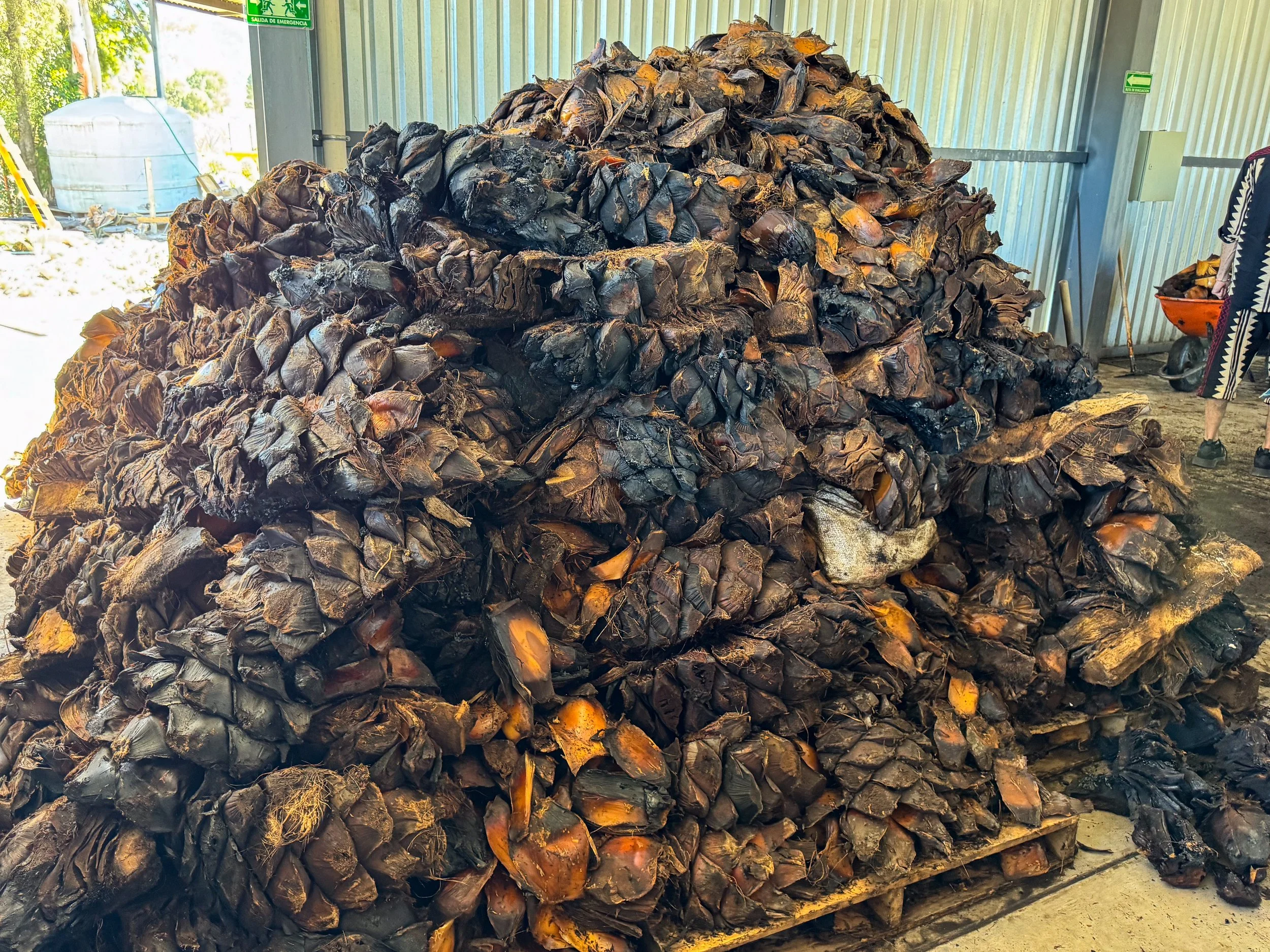
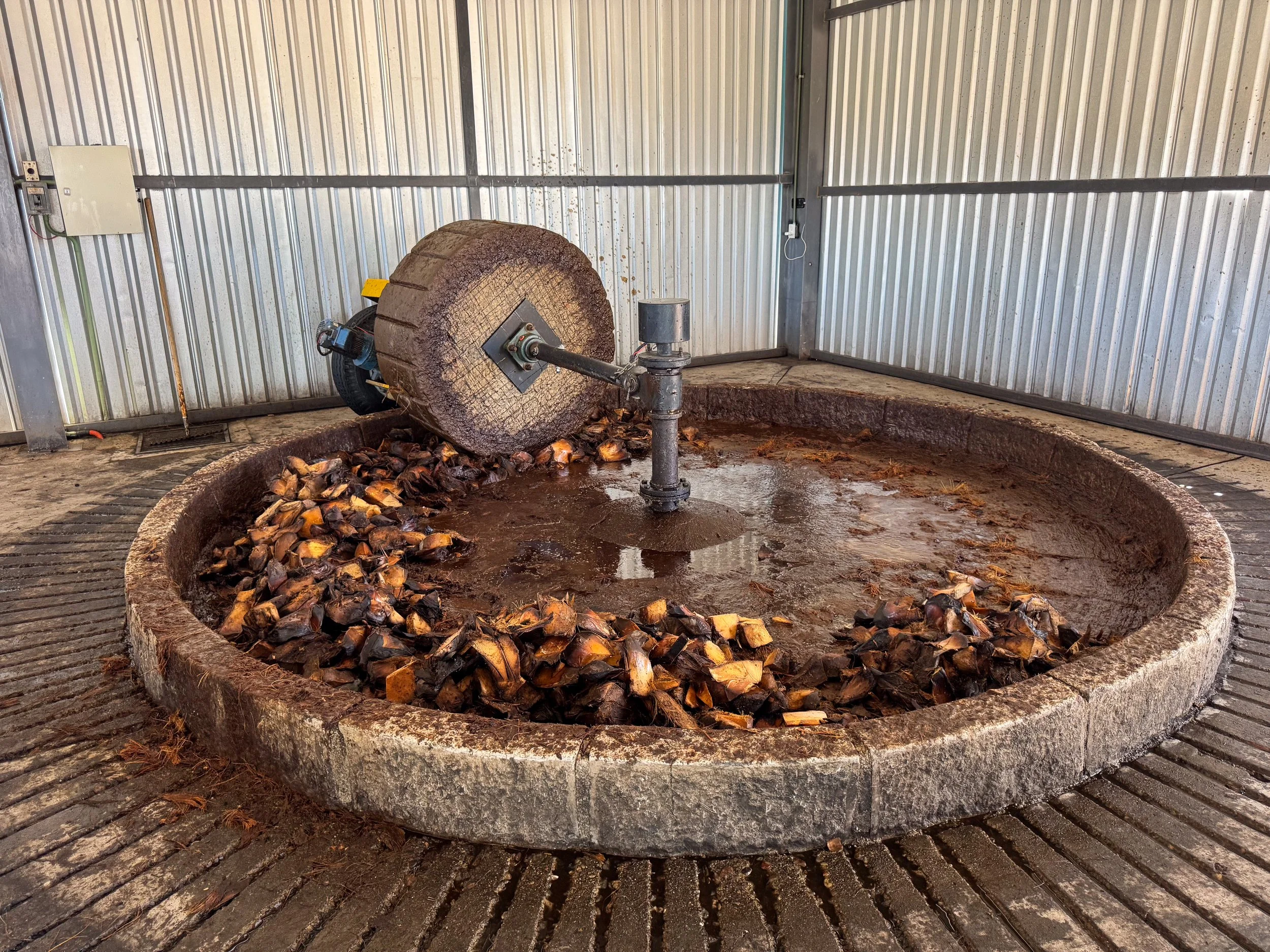
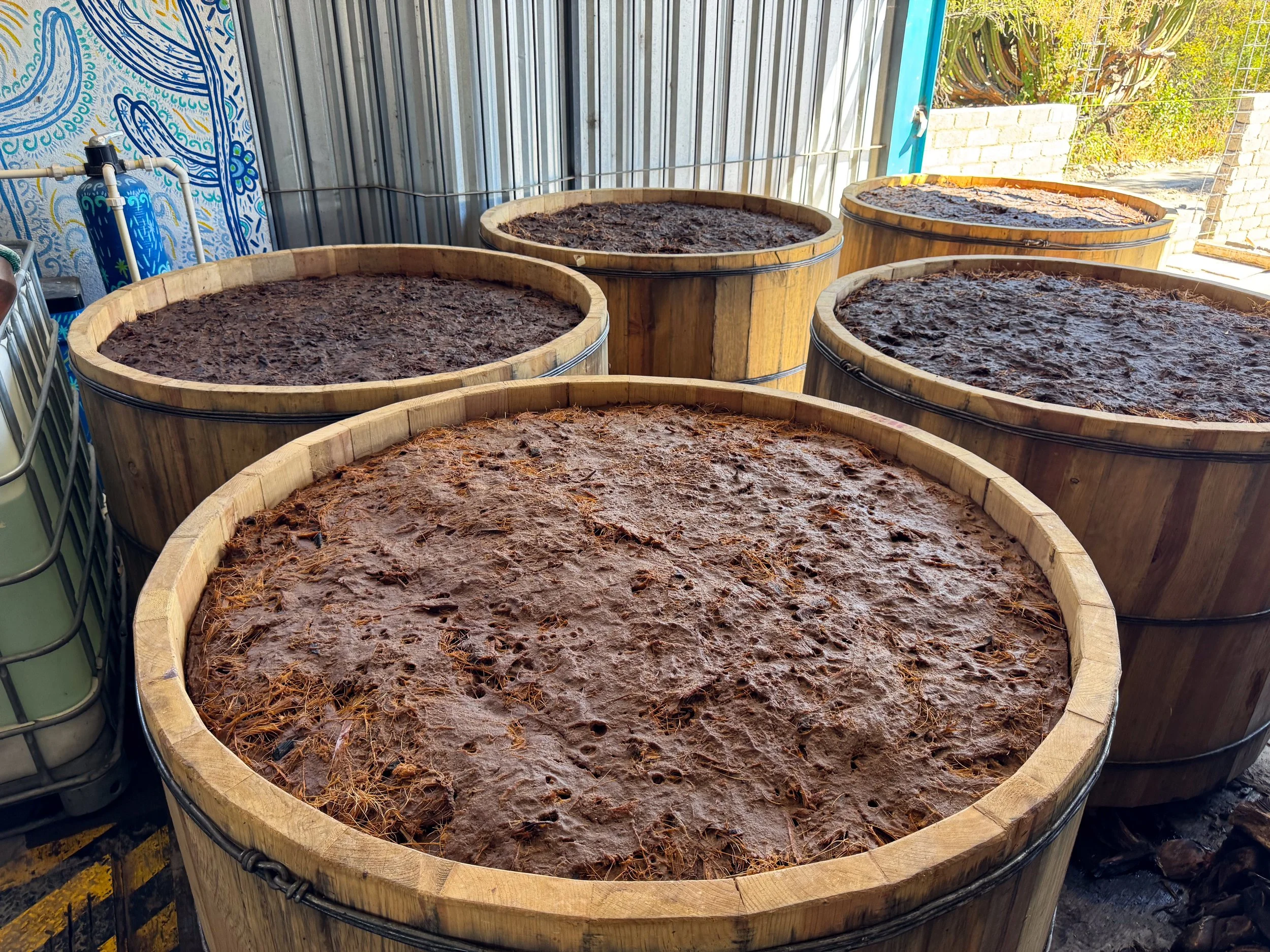
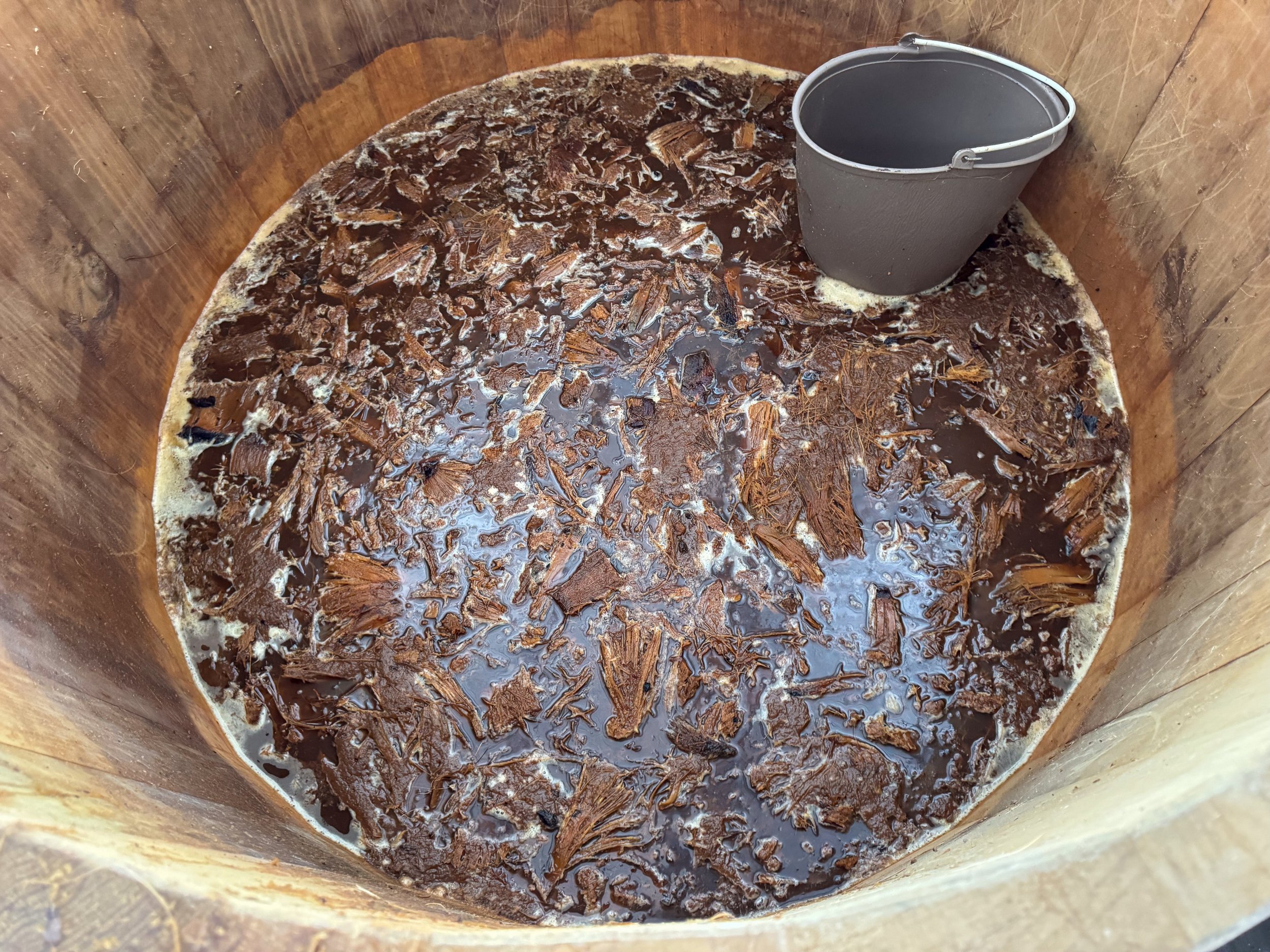
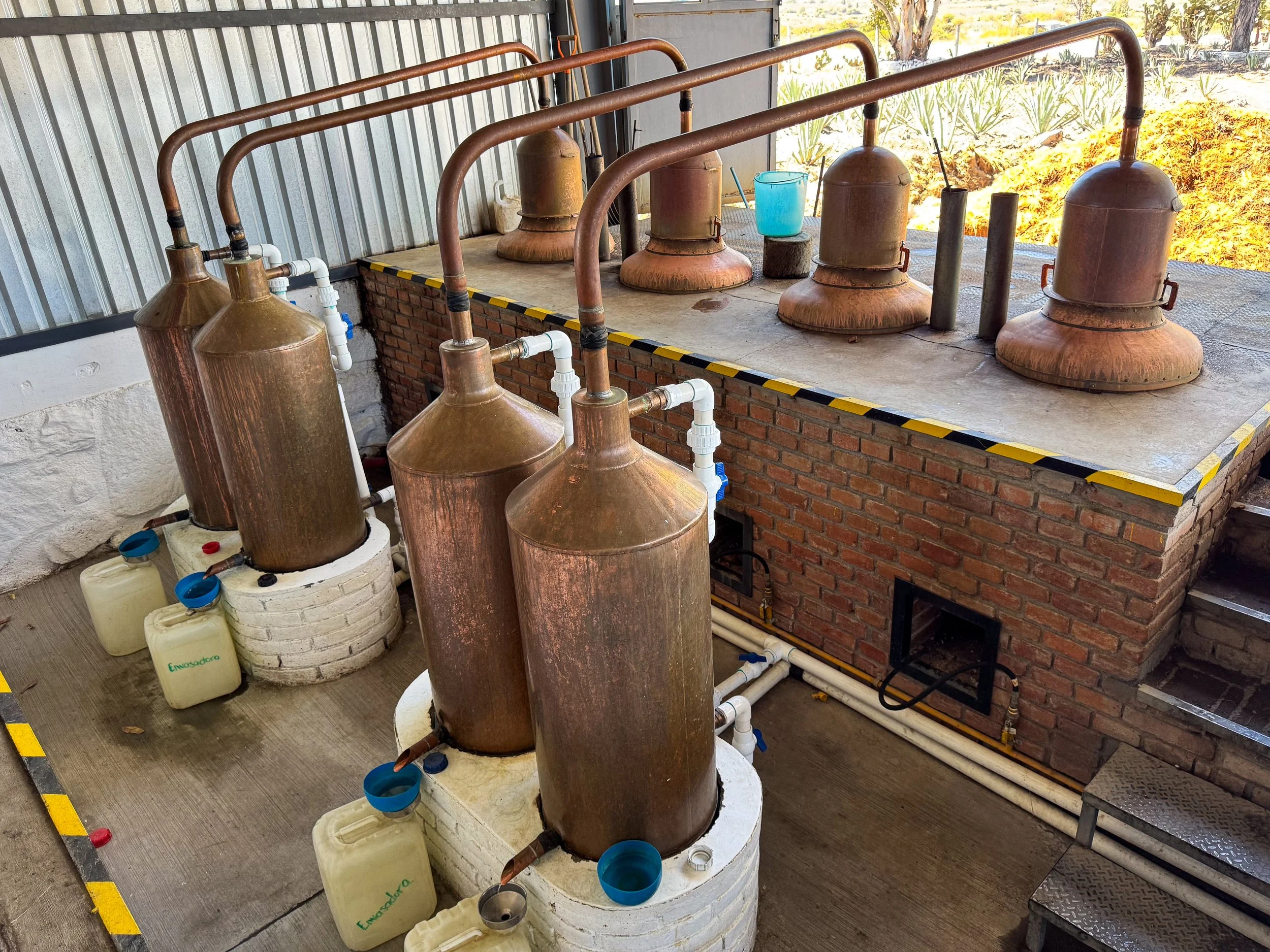
Palenque de Rosaluna. A small batch mezcal distillery where we saw, smelled and tasted every aspect of the mezcal production. As we toured the palenque, a truck load of harvested maguey cores, also called piñas, were being delivered. In an underground oven, roasting piñas filled the air with a smoky and sweet scent. An empty pit lined with lava rocks waited to be used next to it. We tasted the raw bitter piña and molasses like roasted piña for comparison. Inside the fermentation warehouse, the smoky and sweet scents intensified. A large pile of roasted piña was being chopped up and pressed into pulp by a stone wheel. The pulp was transferred to huge pine barrels where it fermented before being pressed and distilled. We tasted mezcal dripping straight from the distilling copper drums and finally terracotta shot glasses of the bottled spirit.
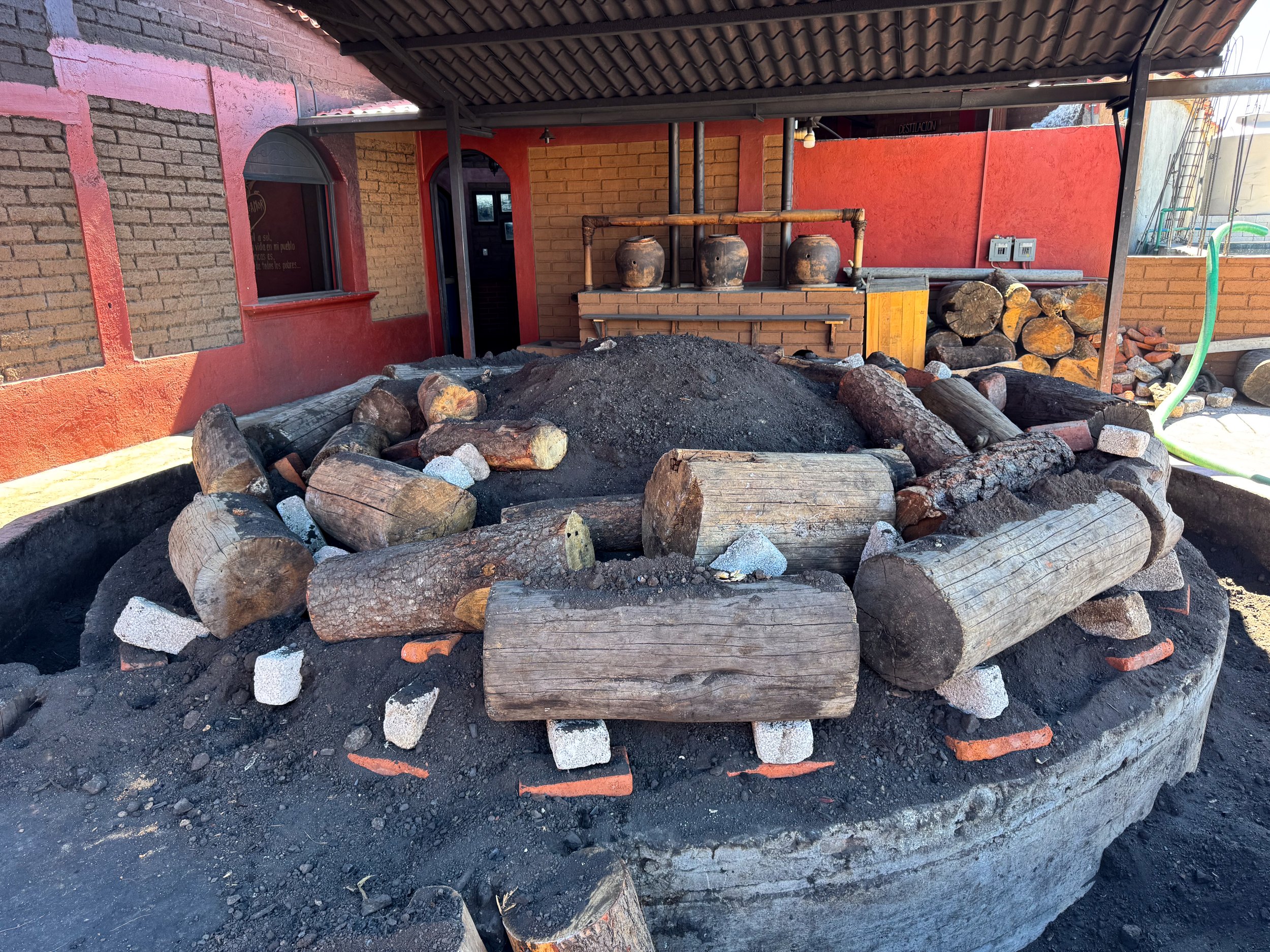
Palenque Mal de Amor. A historic mezcal distillery that follows traditional production methods. Underground ovens are used to roast the cores of the maguey. Horses pull large stone wheels to grind the roasted maguey into pulp. Pine barrels are used to ferment the pulp. Wood burning ovens are used to heat and distill the pressed pulp into mezcal. Brands like Illegal Mezcal, Mal de Amor and Ve Lua are produced here. We tasted over a dozen types of mezcal in fluted glasses repurposed from prayer candles. Flavors were always smoky with sometimes sweet, spicy and even funky notes.
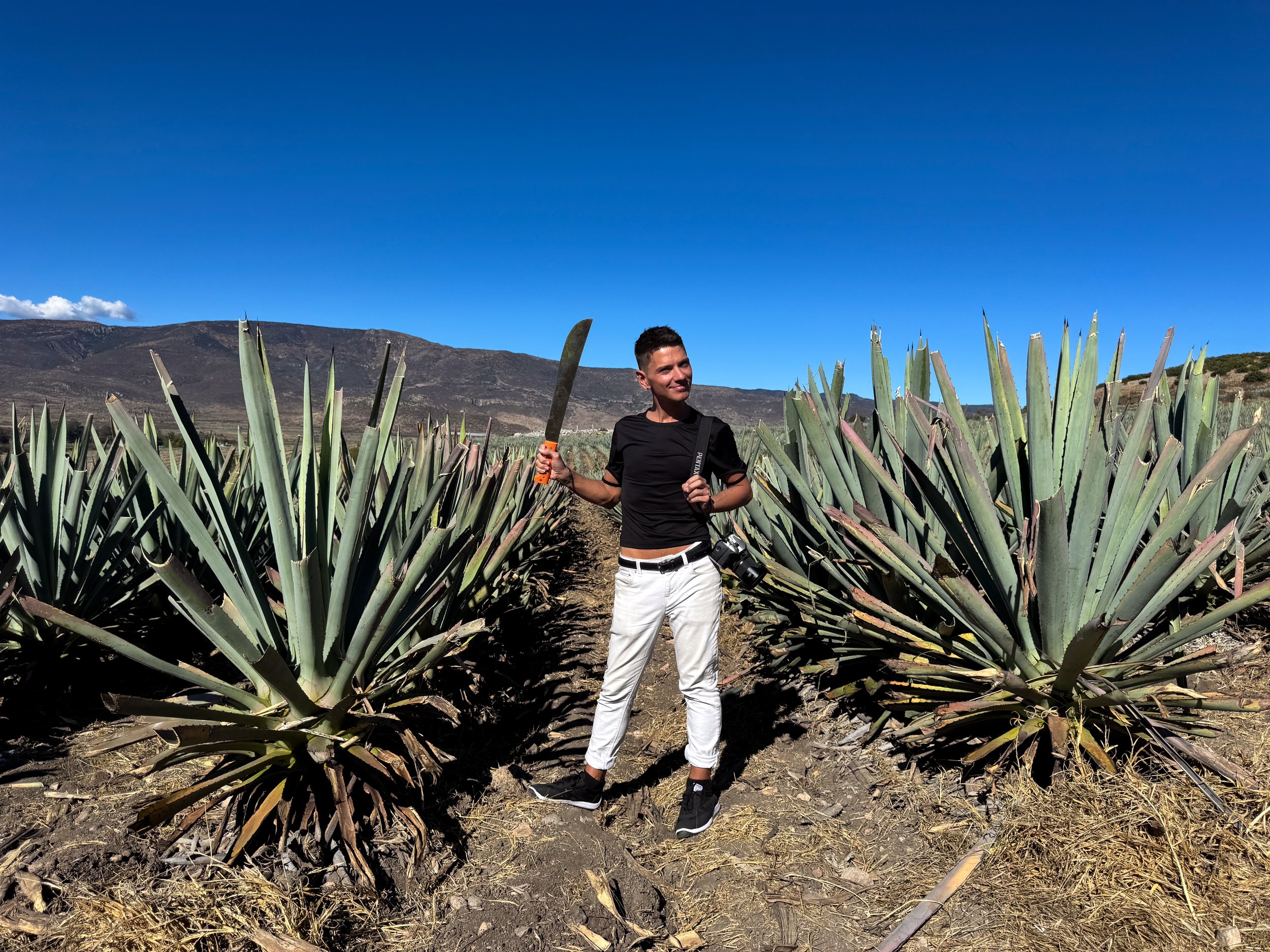
Maguey Fields. The Oaxacan landscape is covered in fields of maguey plants used to produce Mezcal. Under a cloudless blue sky, we visited one to learn about the agricultural and harvesting process. Machete in hand and several mezcals in, we practiced chopping off blades from the maguey before sipping on mezcal poured down one of the plants severed arms.
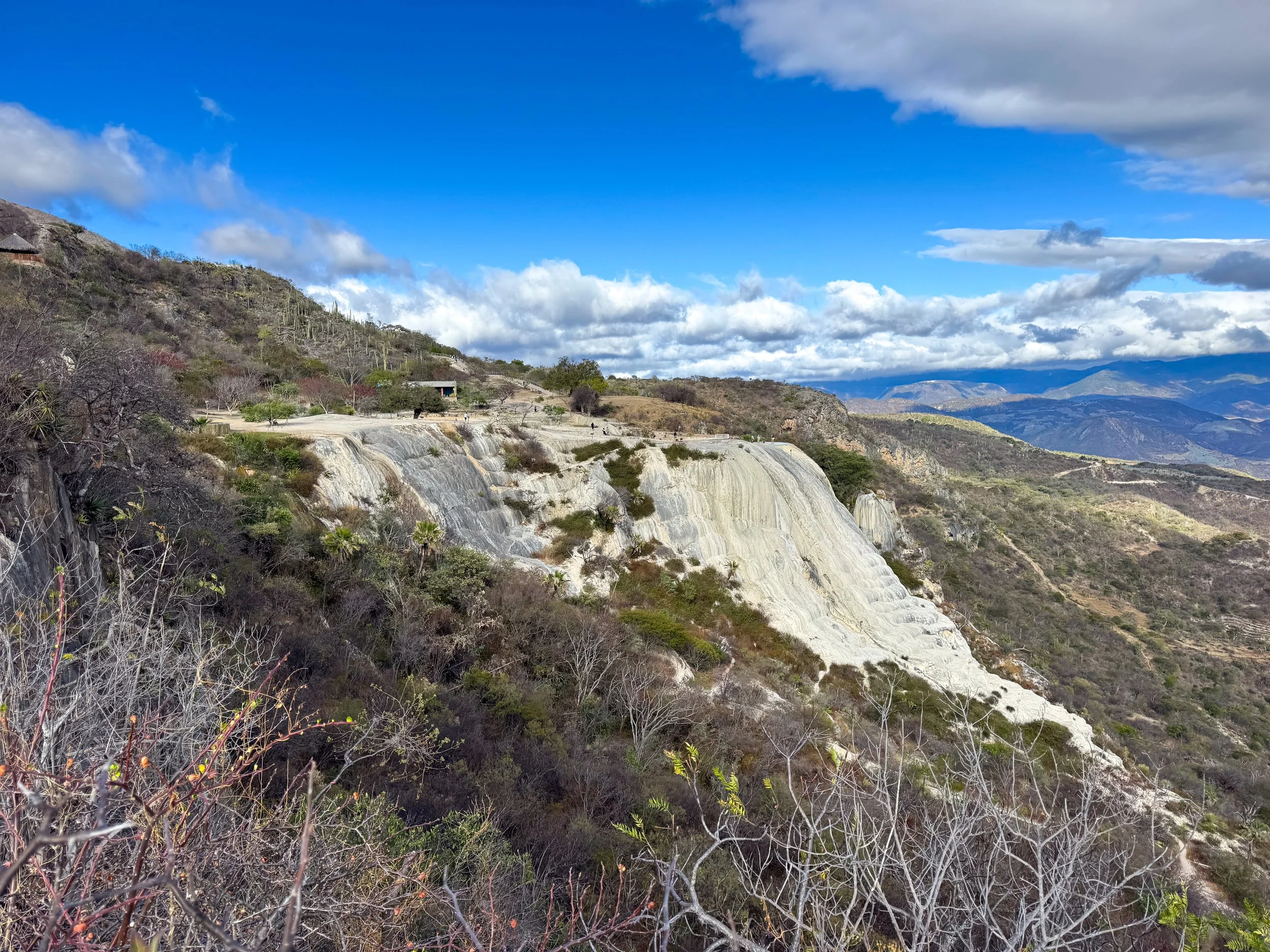
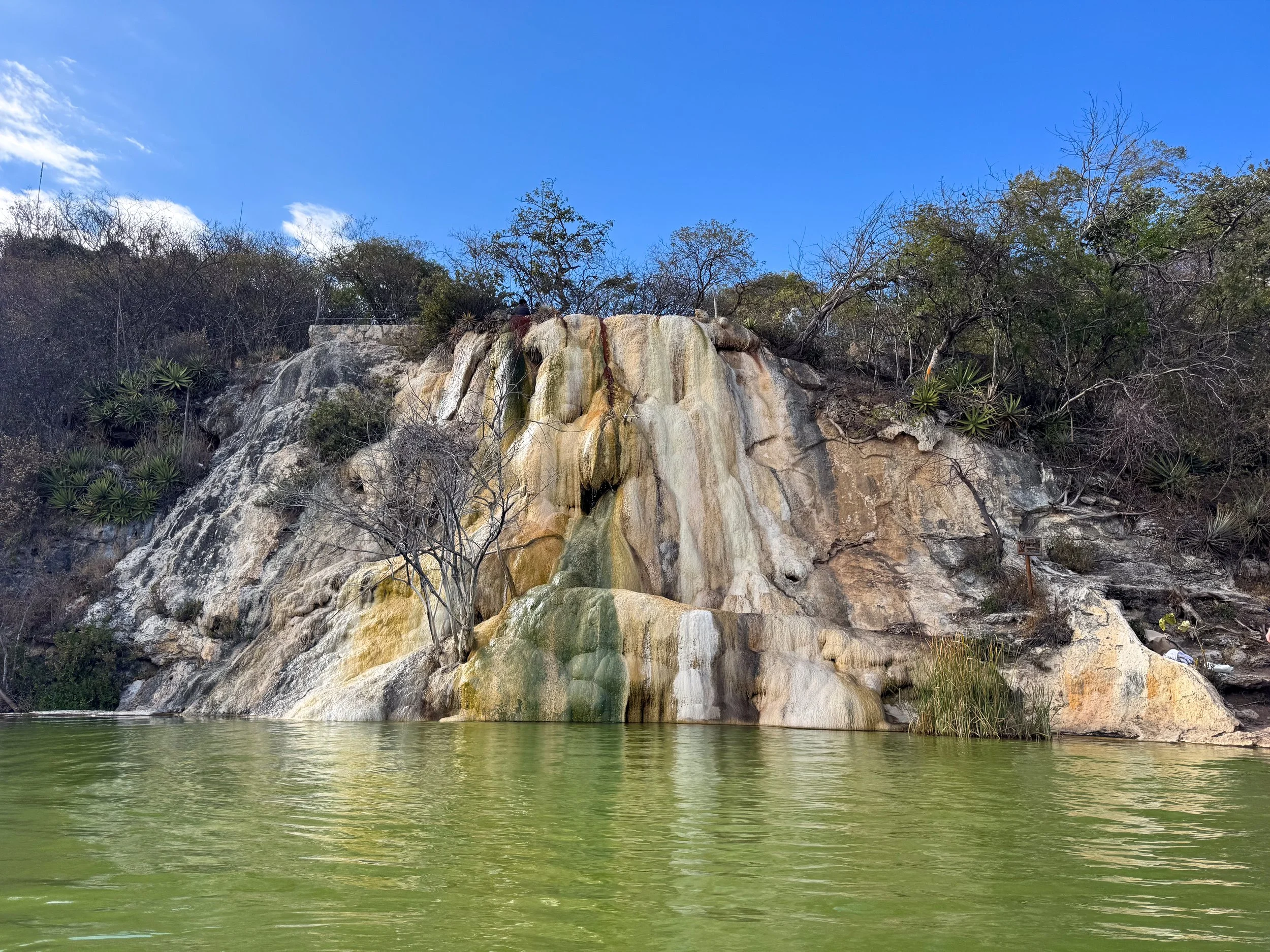
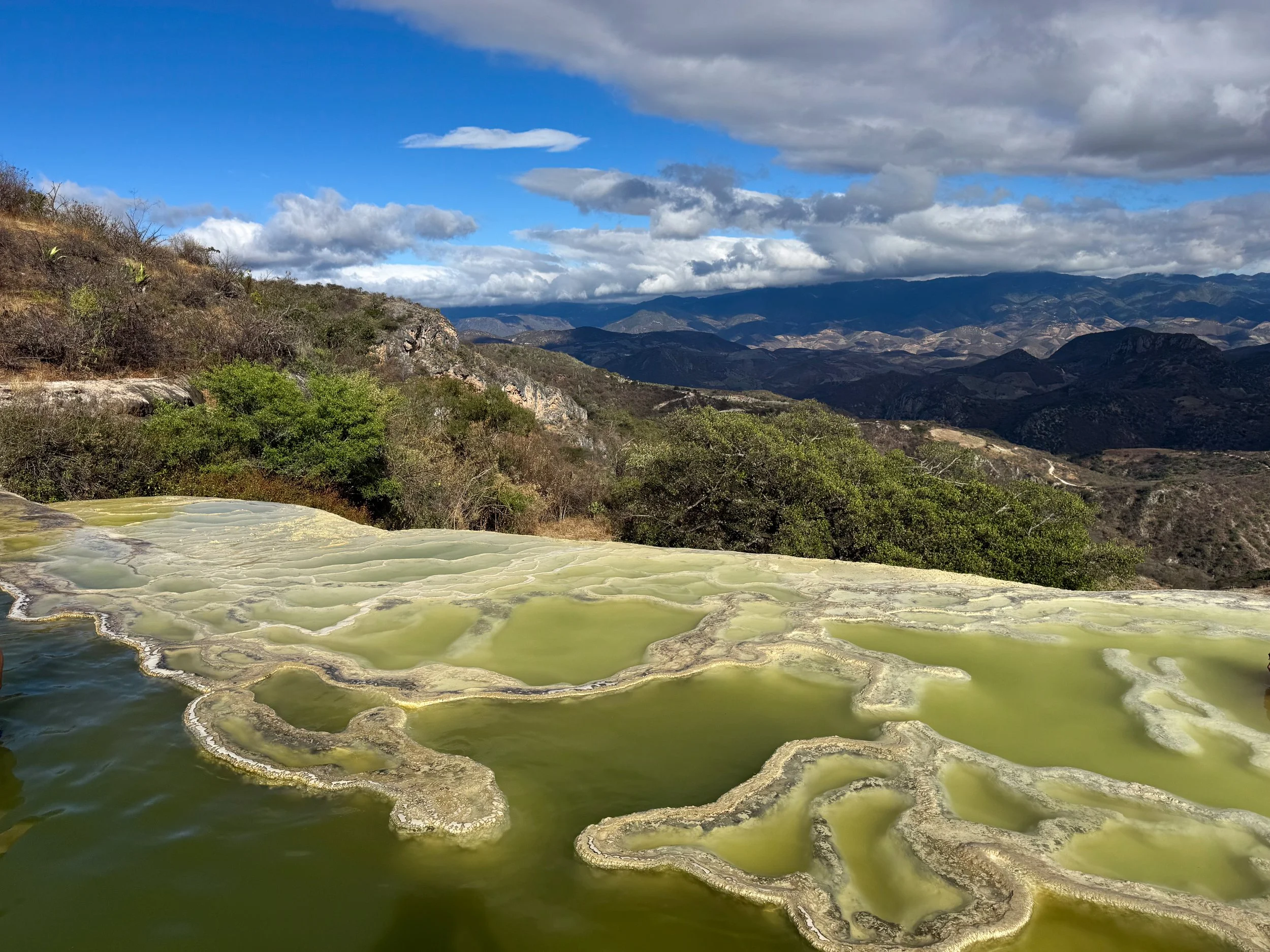
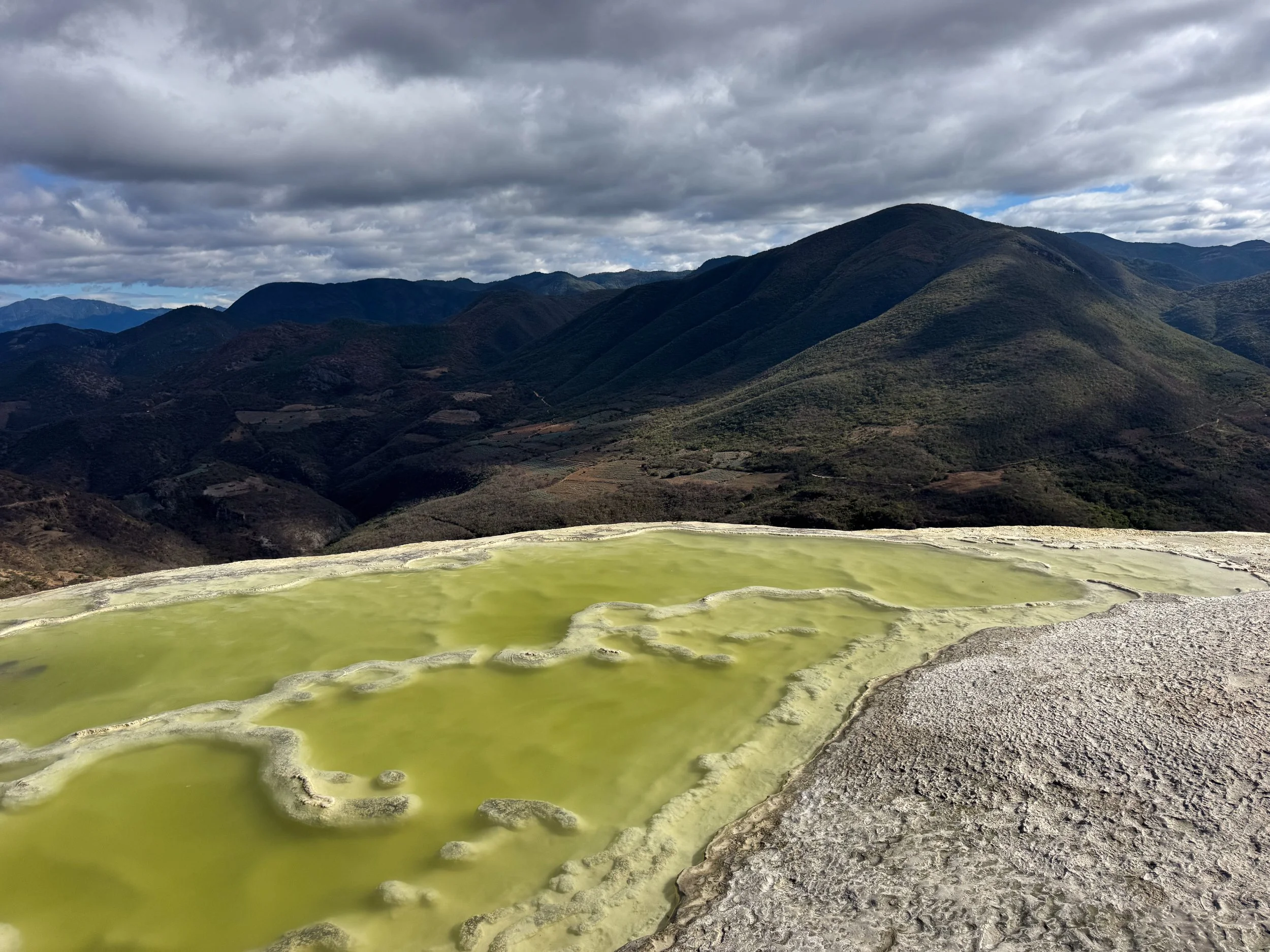

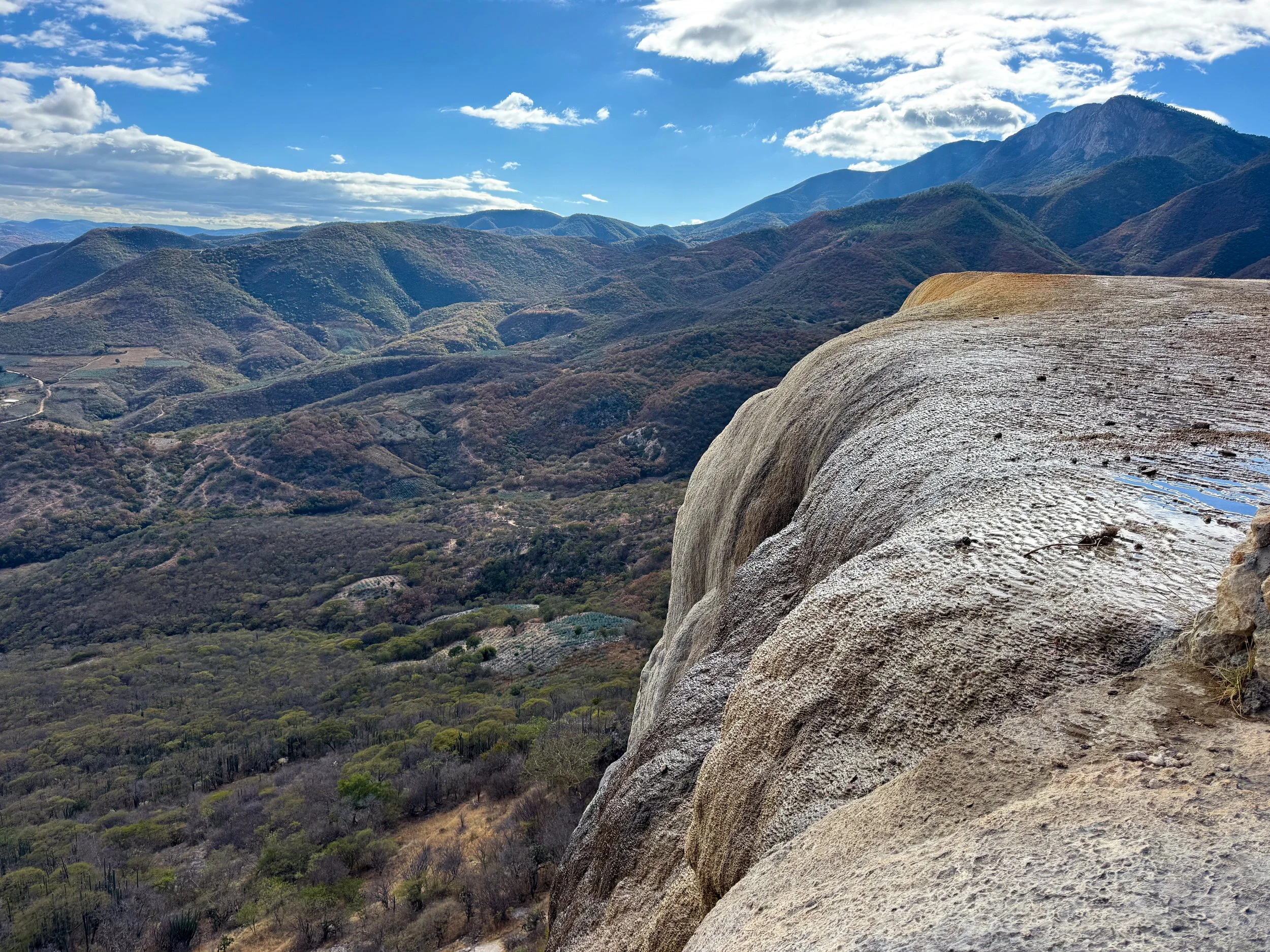
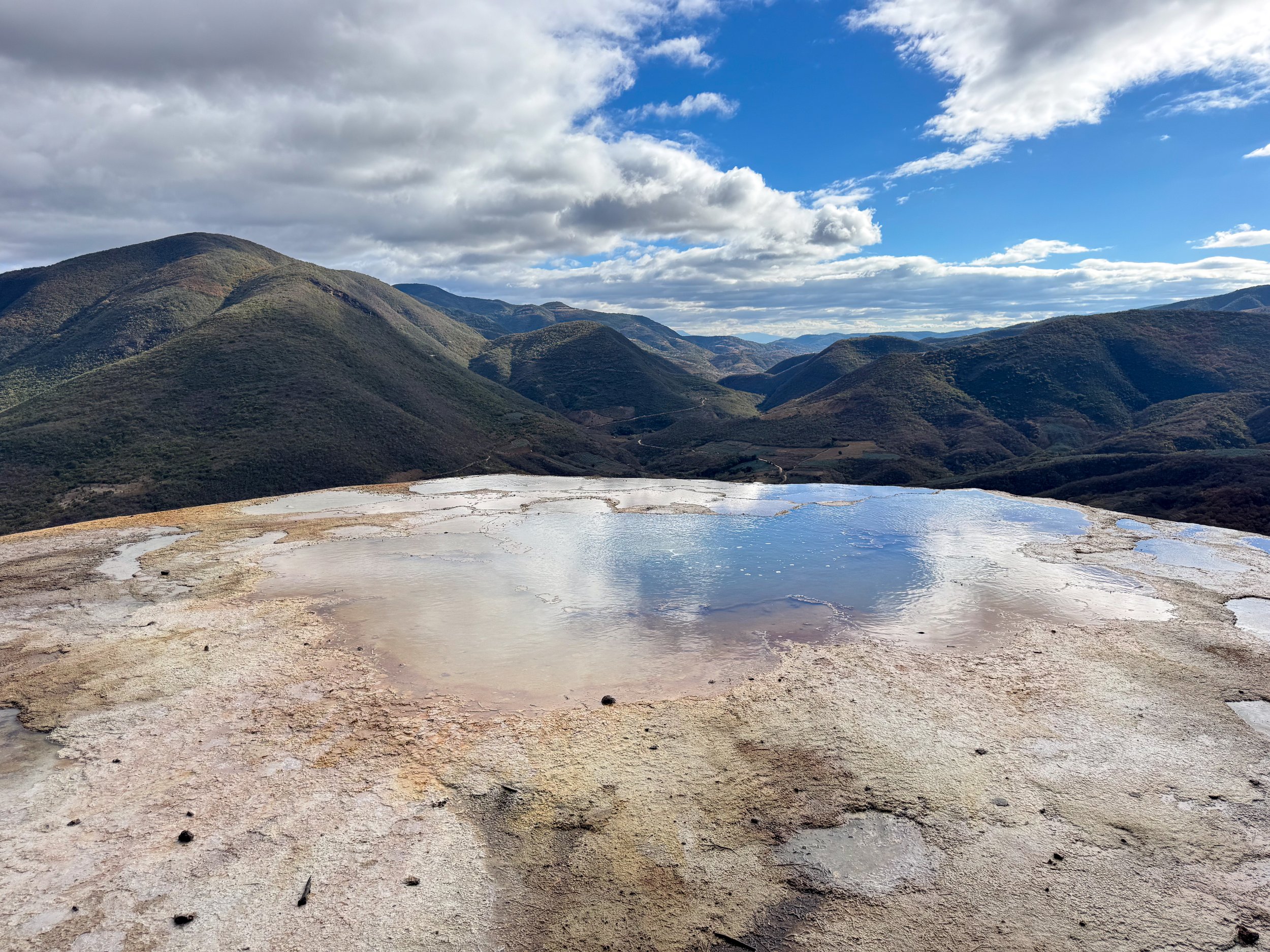
Hierve de Agua
Hierve el Agua is a “petrified waterfall” formed over thousands of years by mineral rich cold springs. As water flows down the mountainside, it deposits calcite, creating white rippled terraces, natural pools and stunning white rock formations that look like frozen waterfalls. Trails lead to cliff edge swimming pools, waterfall overlooks and small geysers with bubbling springs of cool salty water. It’s one of only two petrified waterfalls in the world.
Vendors. There is a path with vendors selling coconuts, swimsuits, sweaters, Oaxacan hot chocolate and Mexican dishes between the parking lot and trail head. For lunch, we ordered tacos, quesadillas, memelas and hot chocolates cooked over a wood burning stove.
Pro Tip. It gets very cold and windy in the late afternoon. Bring layers to keep warm.
Getting to Hierve el Agua
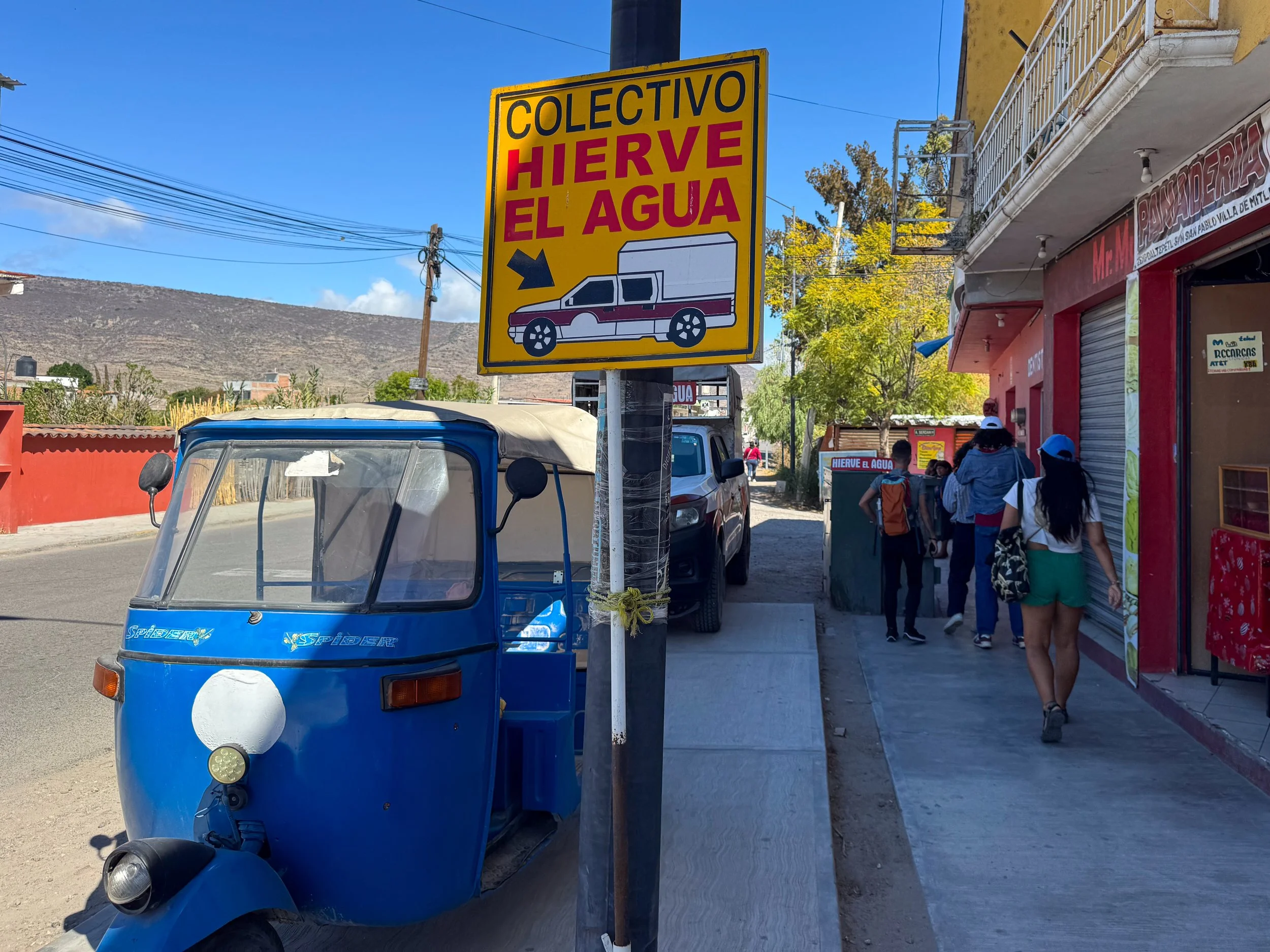
Getting to Hierve el Agua is an adventure! We took a series of colecticos here and back from Oaxaca City.
Step 1 - Oaxaca to Mitla. Hire a colectivo from Oaxaca City to Mitla. Colectivos wait at the corner in front of the Eduardo Vasconcelos Stadium. Colectivos are the burgundy colored shared taxis with a white side strip. It should cost no more than 500 pesos total (less per person). The ride takes under an hour to reach Mitla.
Step 2 - Mitla. In Mitla, walk down the main road, Avenida Internacional, until finding the “colectivo trucks” to Hierve el Agua. Trucks leave every 30 minutes for 900 pesos total. Trucks typically leave with a minimum of 12 people, meaning the cost per person is at least 75 pesos. It costs more per person if less than 12 people.
Step 3 - Mitla to Hierve el Agua. Hop in the back to the covered truck and ride over an hour through the mountain roads to reach Hierve el Agua. There is a 15 peso toll per person when leaving Mitla.
Step 4 - Getting Back to Oaxaca City. The last truck from Hierve el Agua to Mitla leaves at 6pm. Ask the driver to be dropped off at the bus station where colectivos wait. Hire a colectivo to Tule for 200 - 300 pesos total or back to Oaxaca City Centro for 500 pesos.
Places to Eat & Drink
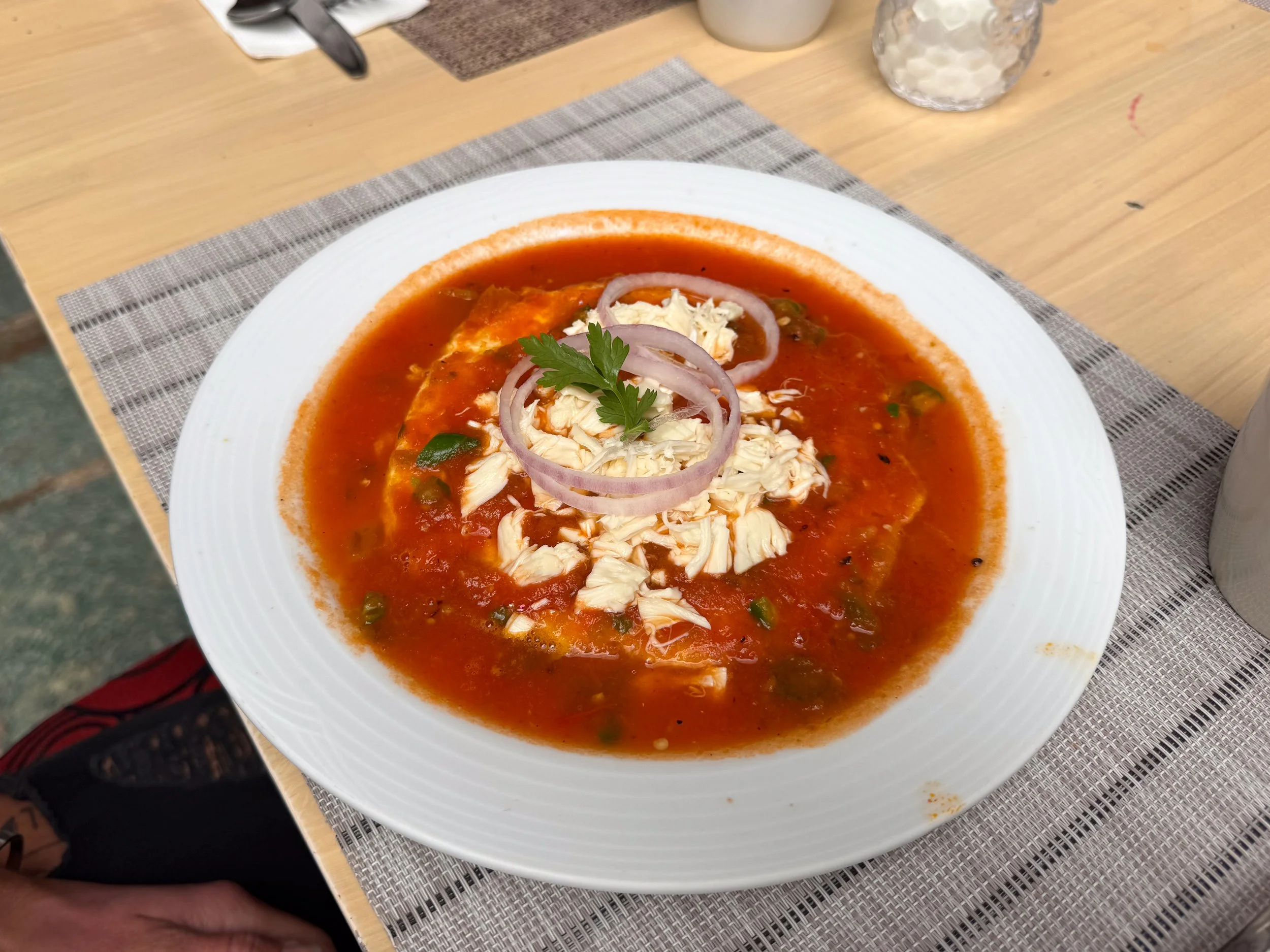
Catrina de Alcalá. A hotel restaurant in an atrium flanked by stone columns with large colorful piñatas decorating the space. The restaurant serves traditional Oaxacan breakfasts, coffee and conches. We ordered spicy eggs dishes including Huevos a la Oaxaqueña Molcajete y Quesillo Gratinado and Chilaquiles en Salsa de Molcajete con Huevos.
Cafe Brújula. A cafe with locations around the Centro Historico brewing extremely strong coffees, espressos and cold brews. It’s the perfect spot to get a caffeine kick and cool down from the mid afternoon heat. Order one with a shot of mezcal!
Santo de Mi Devocion. A moody mezcal cocktail bar with a blackened interior and skull decor. The mixologists shake and stir Oaxacan mezcals with regional ingredients like hibiscus, passion fruit, ancho reyes, tamarind, agave honey, pineapple and chile serrano.
Armadillo Negro. A cocktail bar and restaurant with tapas style Oaxacan dishes, mezcal cocktails and live music in an outdoor patio.
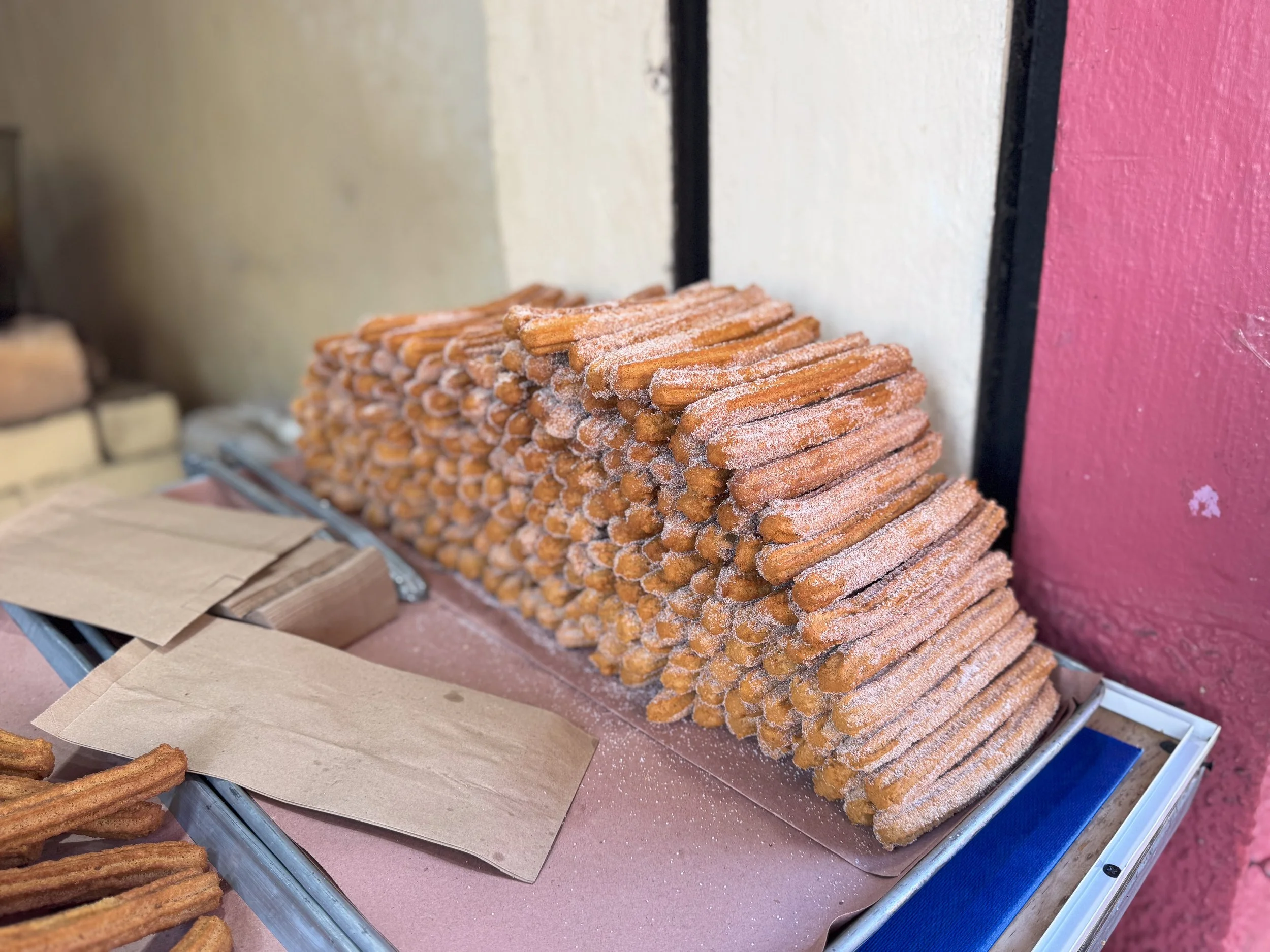
Donas y Churros El Vega. The best churros in all of Oaxaca! The sweet and sugary smell lured us in from down the street to their display of stacked churros, glazed donuts and cream filled pastries. 20 pesos buys a paper bag with four churros, either covered in sugar, dipped in chocolate or mixed.
Chocolate Mayordomo. An incredibly popular Oaxacan cafe chain known for their chocolatey drinks. Recommended by multiple locals, we ordered the Choco Mio, a cold chocolate milk spiced with cinnamon and vanilla. It pairs well with a fresh baked concha from their bakery.
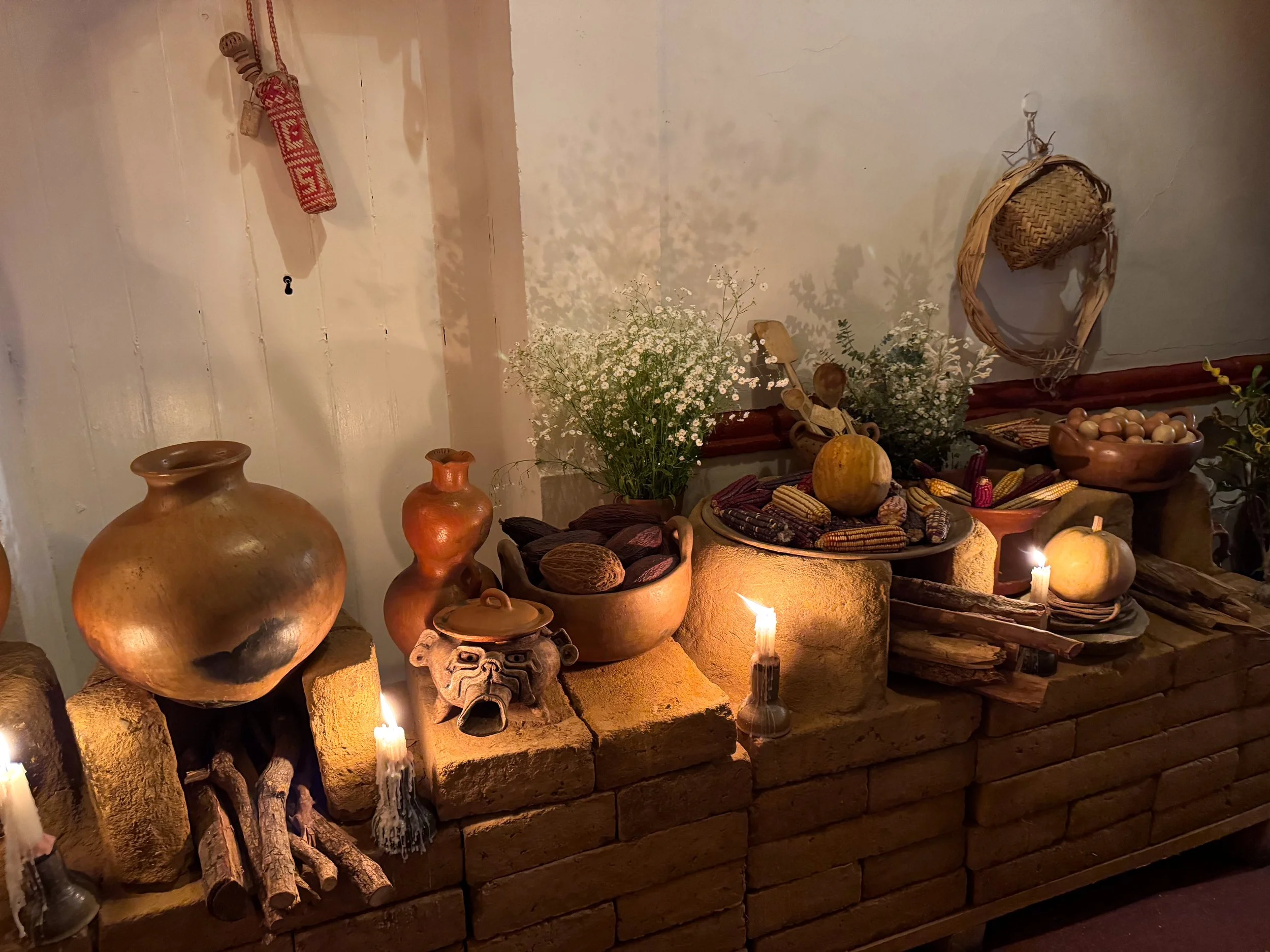
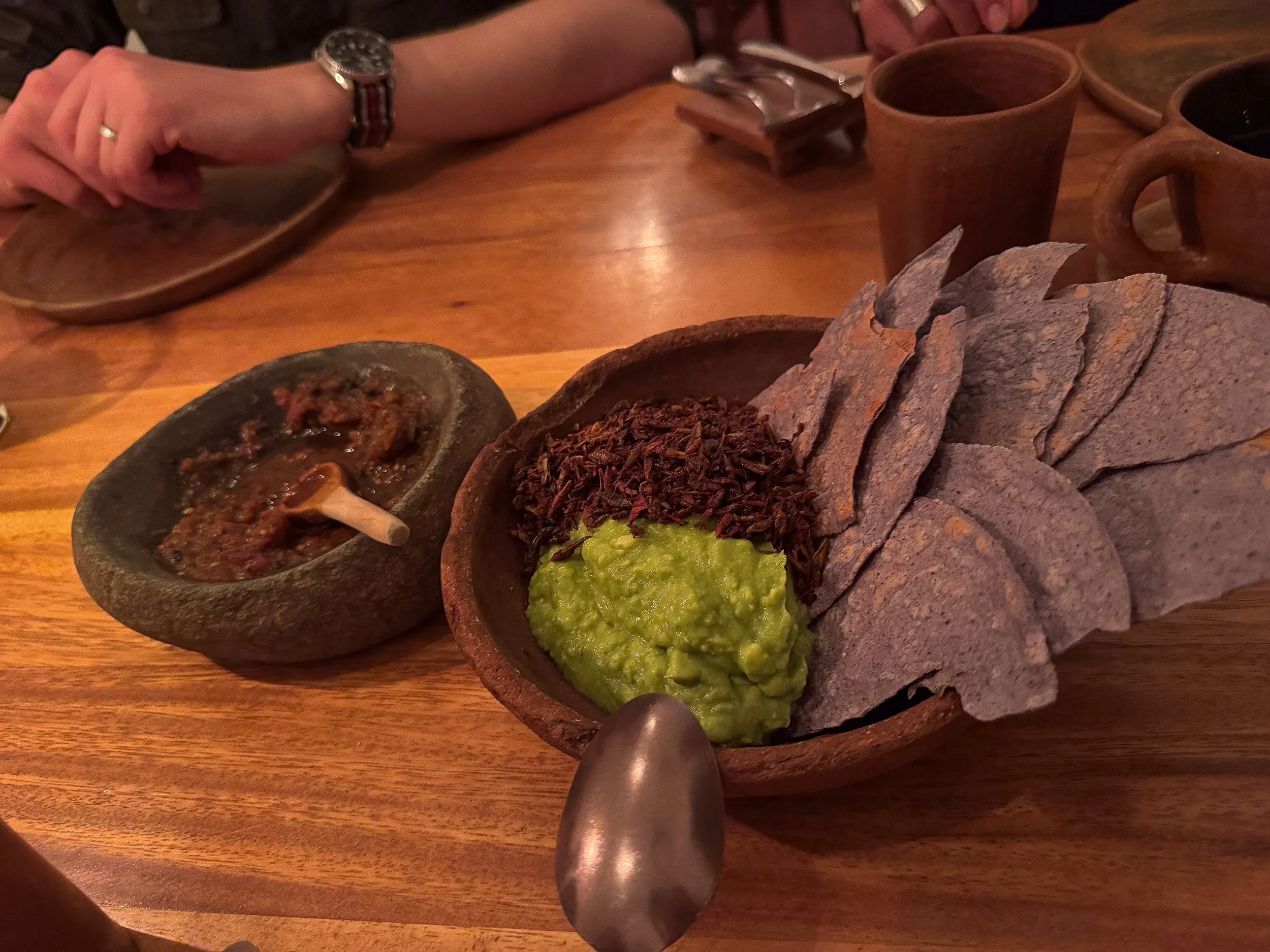
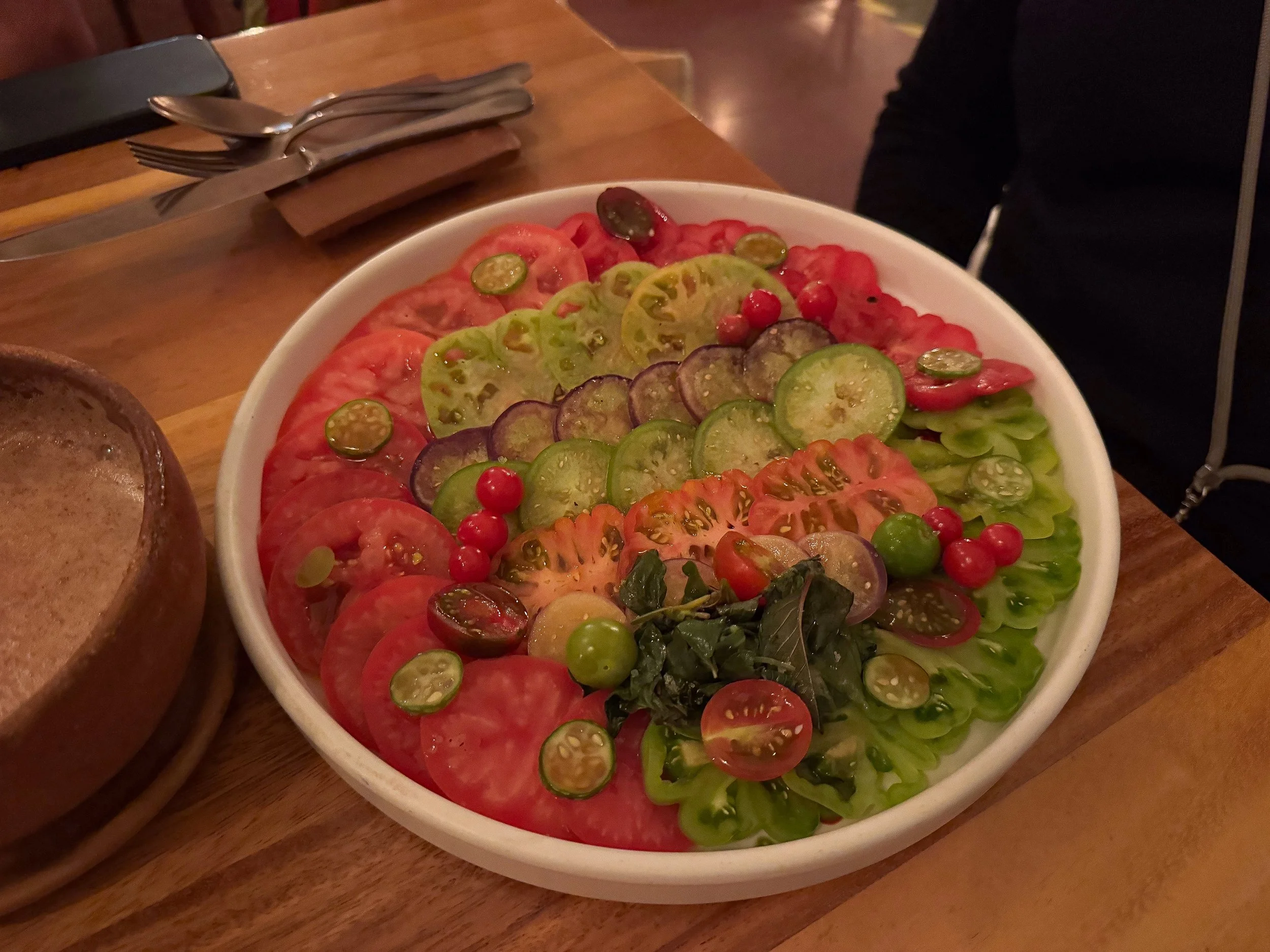
Levadura de Olla Restaurante. A Michelin starred restaurant serving traditional, ceremonial and contemporary Oaxacan cuisine. All dishes are prepared with seasonal ingredients and served on locally made clay pottery. Try the guacamole topped with chapuline, creamy corn soup garnished with squash flowers and Oaxacan tomato salad.
Mundo Ceiba AC. A late night restaurant, bar and bike rental shop with inexpensive meals, beers and mezcals. Come for the vegetarian burritos and tlyudas.
Vaca Marina. A high end seafood and beef restaurant with a rooftop terrace and views of the Templo de Santo Domingo. We came here for a glass of Mexican wine at golden hour, watching the sunset and illuminate the cathedral.
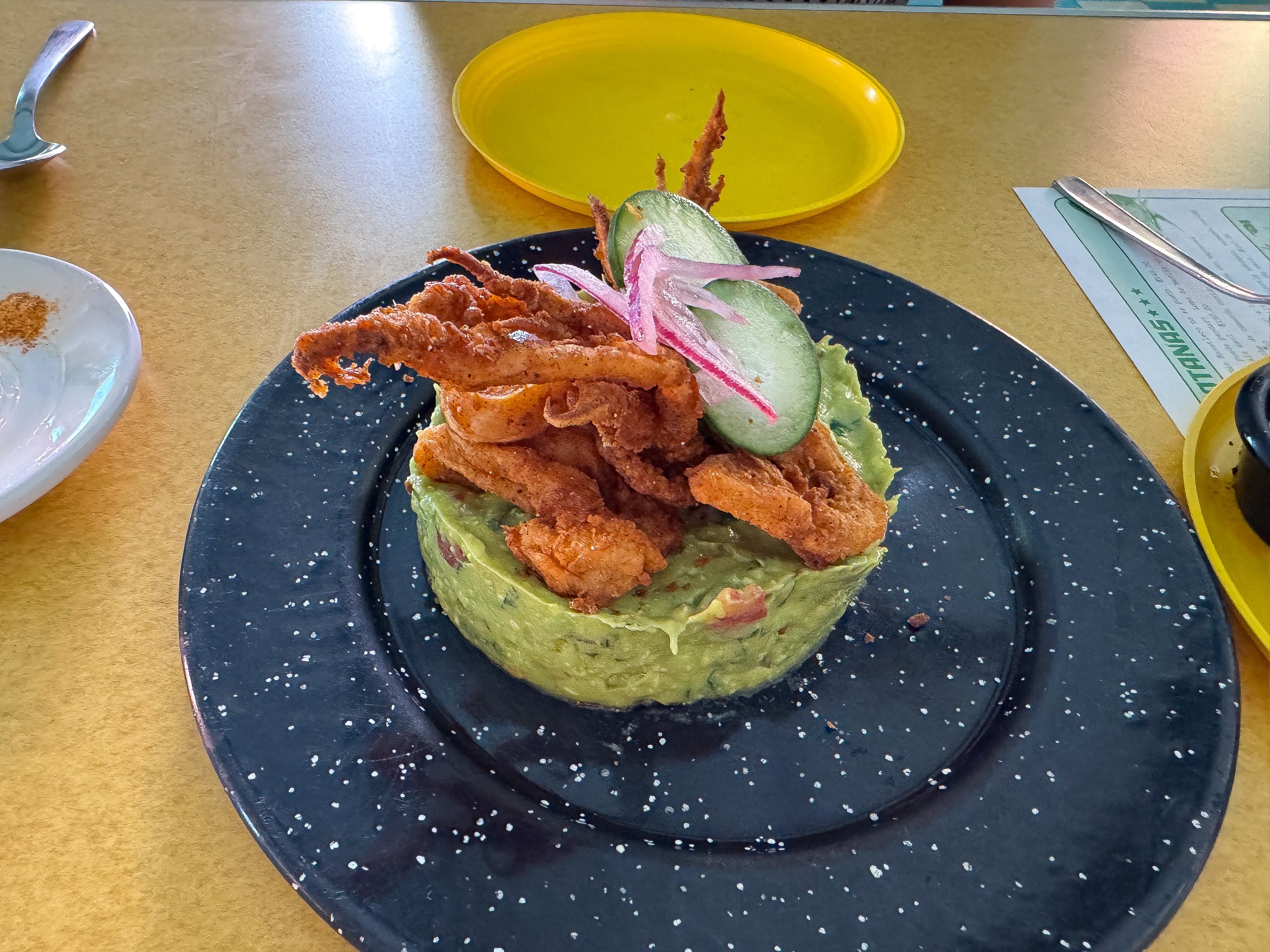
Con Vista Al Mar. Affordable and authentic Mexican tacos, snacks, beers and mezcals. We stopped in for an afternoon happy hour, ordering doubles of mezcal, guacamole and calamari.
Oaxacan Cuisine
Oaxaca is the gastronomic hub of Mexico home to many of the country's most iconic and traditional dishes and drinks. We tried as many as possible while here to taste them in their most authentic form.
Tejate. A traditional Oaxacan chocolate drink made from ground corn, cacao and the flower of the cacao blossom.
Enmoladas. Any type of taco served or covered with mole sauce.
Cocoa Caliente. Spiced traditional hot chocolate drink made with cocoa, cinnamon, sugar and milk. It’s often mixed with a wooden spindle called a Molinillo.
Tomato Salad. A salad made from sliced tomatoes, tomatillos, onions, radish, cilantro and lime.
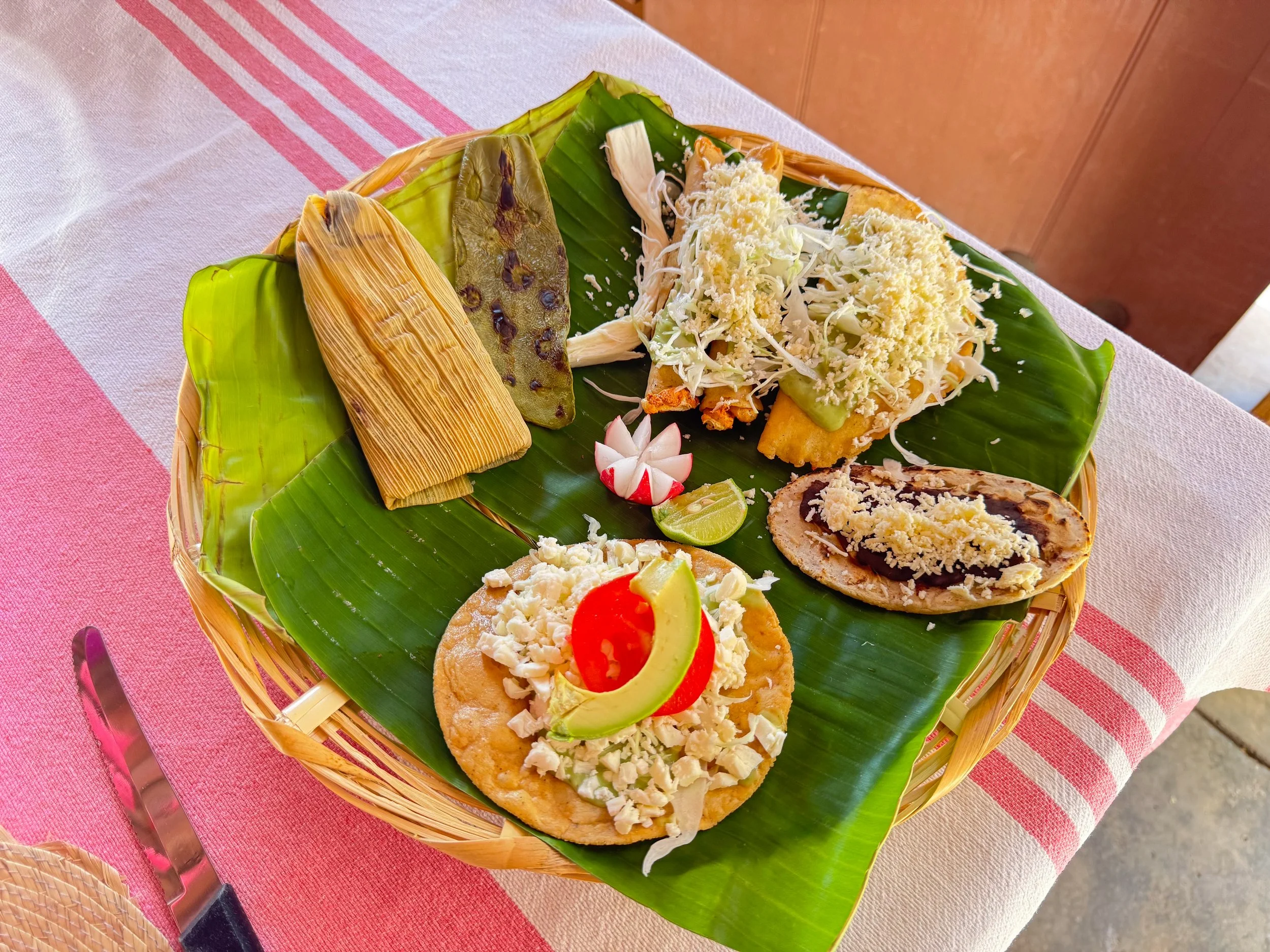
Tlayudas. Large grilled crunchy tortillas topped with ingredients like beans, avocado, tomato and cheese.
Tamales. Warm packets of steamed and cooked masa stuffed with any number of fillings wrapped in dried corn husks and often served with a spicy chile sauce or mole.
Atole. A hot chocolaty and warm spiced drink thickened by rice flour.
Chipilín. A Central American herb with a flavor similar to spinach.
Chapulines. A local delicacy, roasted grasshoppers often cooked with spices or chile lime. They have a tangy and grassy flavor. The larger ones are crunchy snacks while the smaller ones are perfect for garnishing all types of dishes. They’re sold in barrels by size and flavor at the markets and by street food vendors.
Mole. A savory and spicy sauce used to envelop countless Oaxacan style dishes. It comes in multiple varieties, made from nearly two dozen ingredients, including dried chile peppers, warm spices, nuts, seeds, berries, day old tortillas, chocolate and typically lard. It’s sold as a paste or powder in mounds at the local markets.
Tacos Dorados (Taquitos). Rolled tortillas filled with cheese, meats or veggies and deep fried.
Molotes (Empanadas). Half circular corn masa pockets often filled with cheese, meats or veggies and deep fried.
Memelas. A thick ovular tortilla grilled on comal topped with beans and cheese.
Tacos. Corn tortillas folded in half with meats, beans, cacti, insects, veggies, cheese and spicy sauces.
Tetelas. Triangular folded tortillas filled with beans and cheese.
Quesillo. A stringy Oaxacan cheese with a savory and salty flavor.
Tortilla Soup. A tomato soup blended with chips or tortillas to give it a think and creamy texture.
Mamey. A brown tropical fruit that looks like a large kiwi. Inside it has the texture of an avocado and flavor of strawberry ice cream.
“Buen Provecho,” a kind way of telling someone to enjoy their meal. It’s often said when passing by someone who is eating or preparing food. It’s commonly said to your neighbor at a restaurant when their food arrives or once you finish dining.
Places to Stay
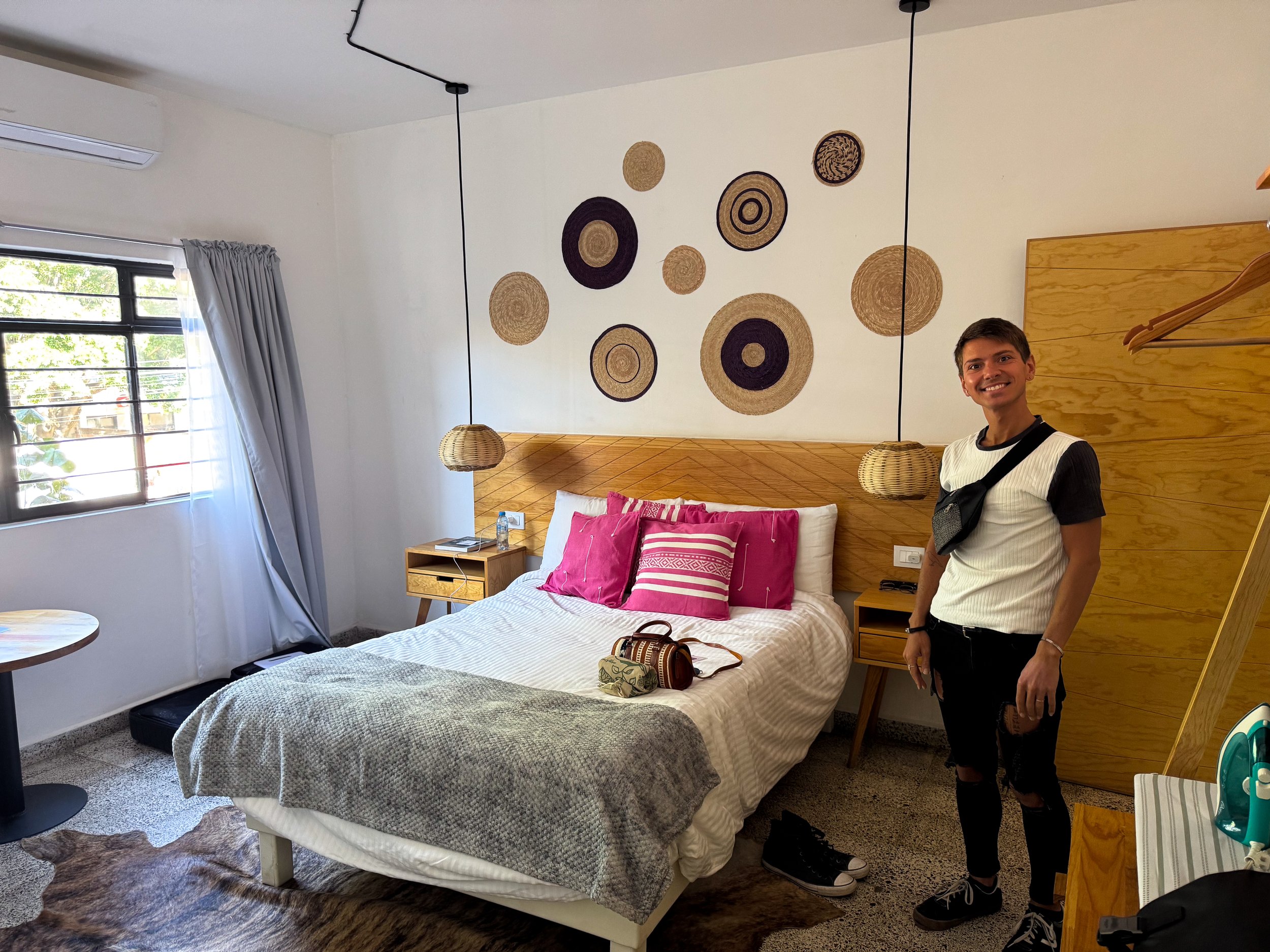
Oaxaca Apartment. We stayed in a cute apartment about 20 minutes on foot from the city center. It was the perfect spot with a comfy bed, small kitchen, spacious bathroom and rooftop terrace. We shared the space with a group of friends, cooking Oaxacan style food and enjoying it together on the roof! Book on Airbnb.
Hotel Azucenas. A bed and breakfast in the Centro Historico with comfy rooms surrounding a small courtyard and fountain. Breakfast is served on the rooftop terrace lined with potted cacti and flowering trees. We stayed here our last night in Oaxaca City after returning from the coast. Book online or call for reservations.
Getting Around
From the Airport. Head to the “Sitio de Taxi” kiosk in the airport after baggage claim. From here, hire a taxi or collectivo (shared taxi van) to bring you into town. Prices vary by zone. Our collectivo dropped us off 3 blocks from our accommodation.
On Foot. The central neighborhood is very walkable on foot and the best way to explore the historic and colorful streets.
By Taxi. Yellow cabs. Negotiate the fare before getting in and confirm the cost is not per person. We found most cab drivers to be very honest.
By Collectivo. Shared taxis or burgundy cabs with a white stripe. Can also double as taxis and are often cheaper, especially for longer distances.

Elsewhere in Mexico
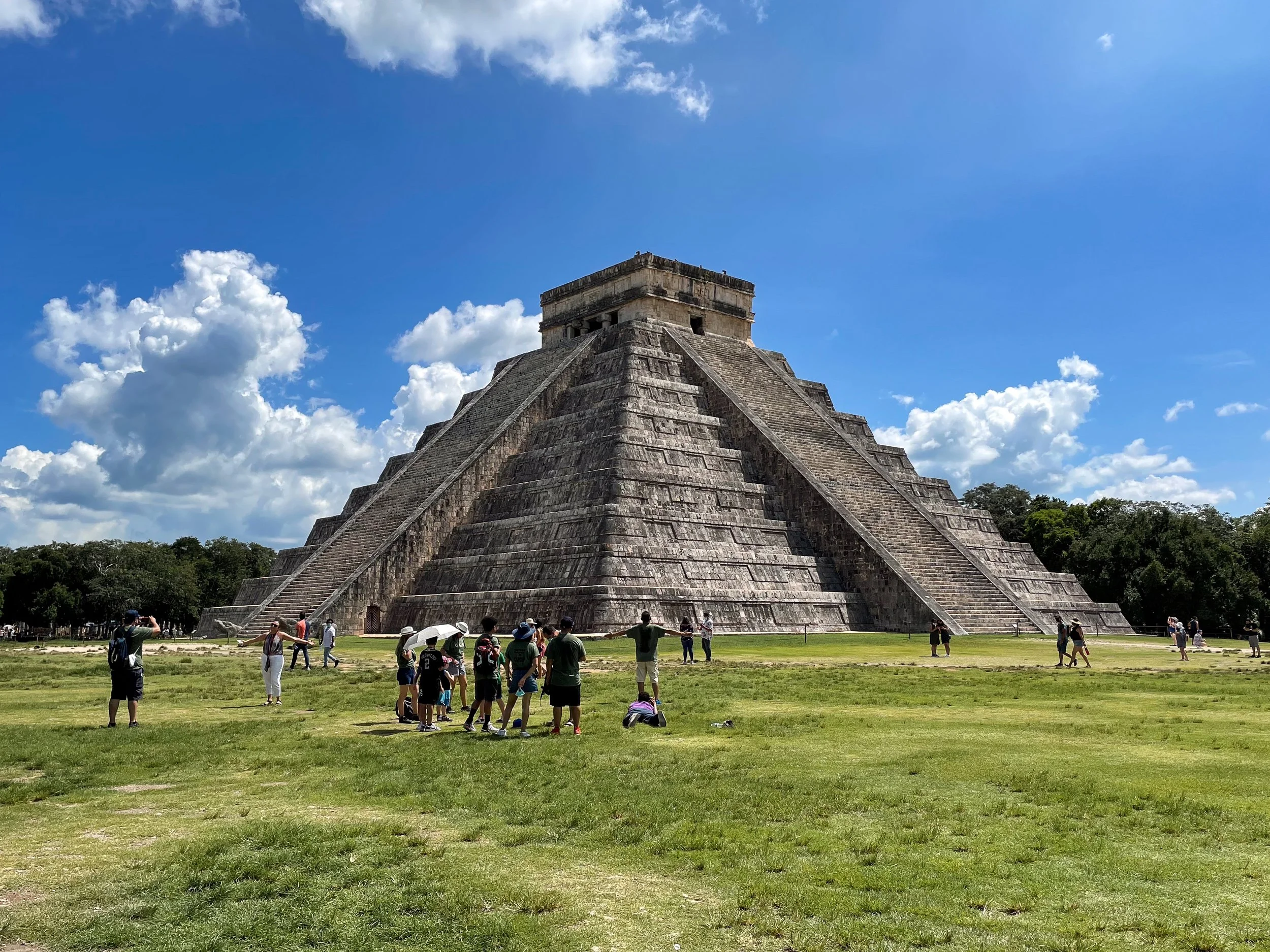
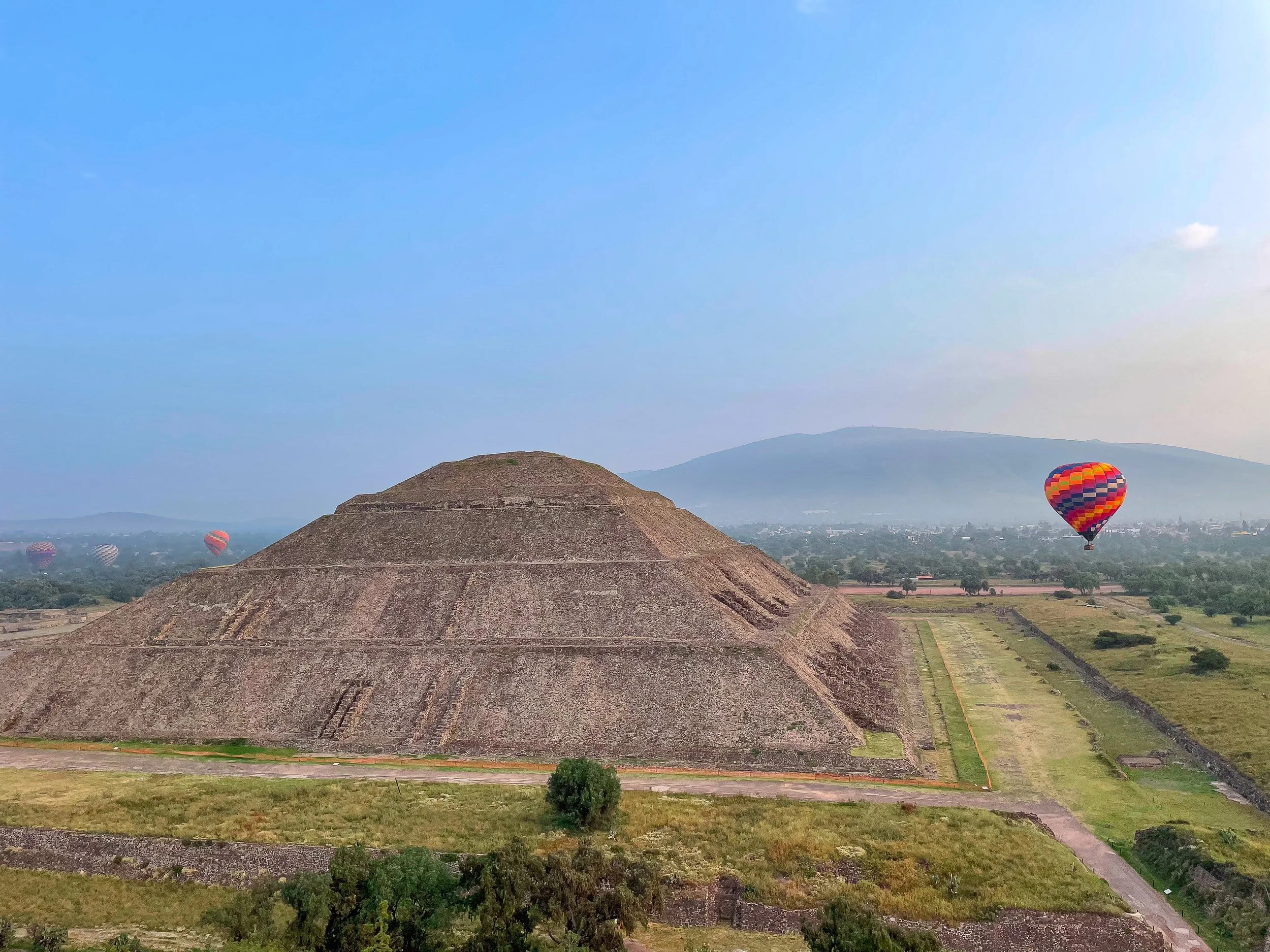
From Oaxaca's markets and mezcalerías to ancient Maya sites, Caribbean lagoons and surf towns along the Pacific coast, discover more of Mexico through these travel guides:
Caribbean Mexico
Riviera Maya Travel Guide: Beaches, Cenotes & Mayan Ruins. Discover the Riviera Maya's white sand beaches, turquoise waters, hidden cenotes, ancient Mayan ruins and vibrant culture along Mexico's Caribbean coast.
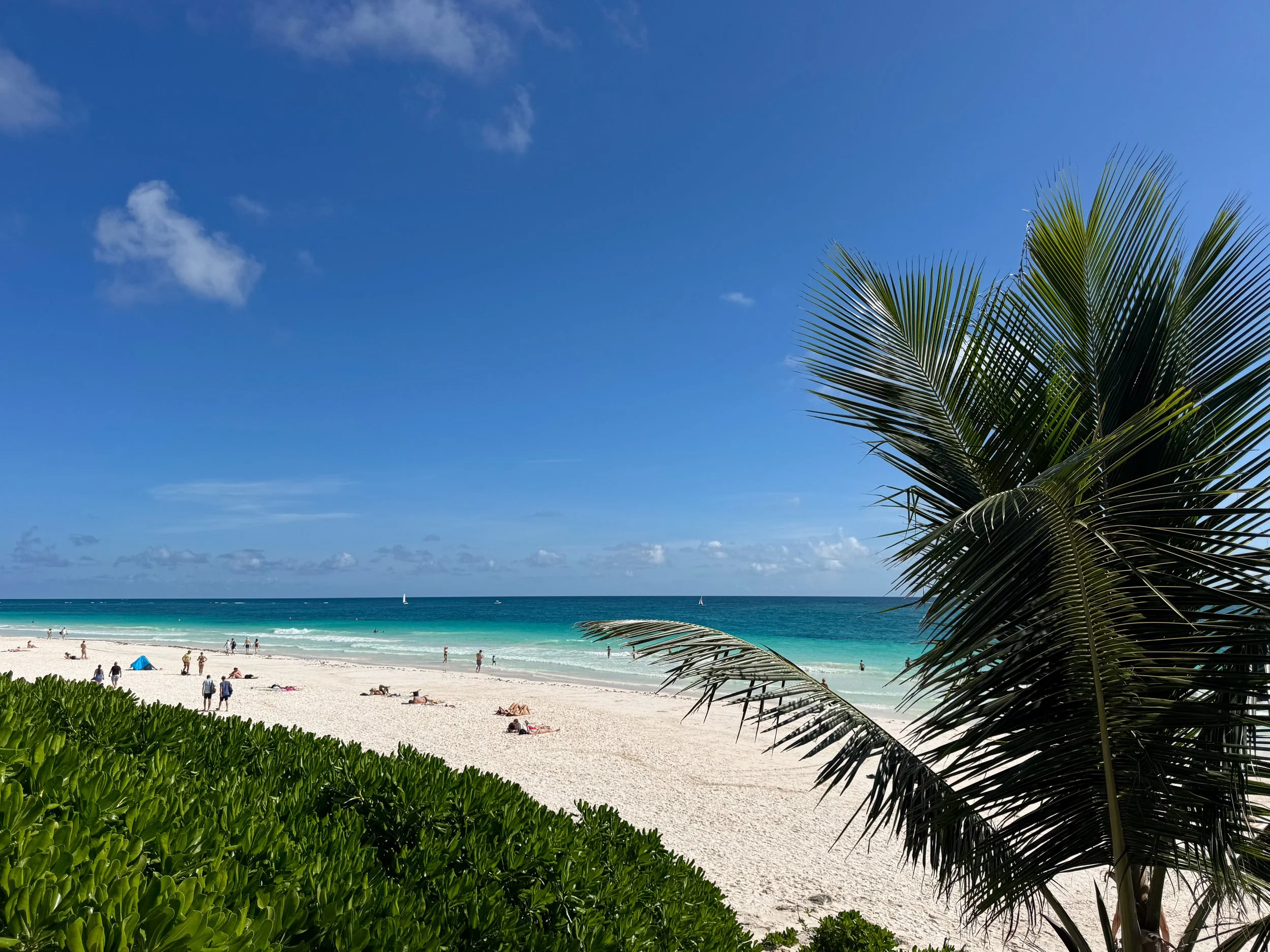
Tulum Travel Guide: Cenotes, Beaches & Mayan Ruins. Explore Tulum's cliffside Mayan ruins, white sand beaches, hidden cenotes and jungle landscapes along Mexico's turquoise Caribbean coast.
Bacalar Travel Guide: The Lagoon of Seven Colors & Hidden Gems. Discover Bacalar's Lagoon of Seven Colors, where turquoise waters, shallow sandbars and ancient stromatolites create one of Mexico's most remarkable landscapes.
Central Mexico
Mexico City Travel Guide: Neighborhoods, Food & Local Culture. Wander through Mexico City's vibrant neighborhoods, local markets and cultural landmarks where centuries of history, cuisine and modern life converge.
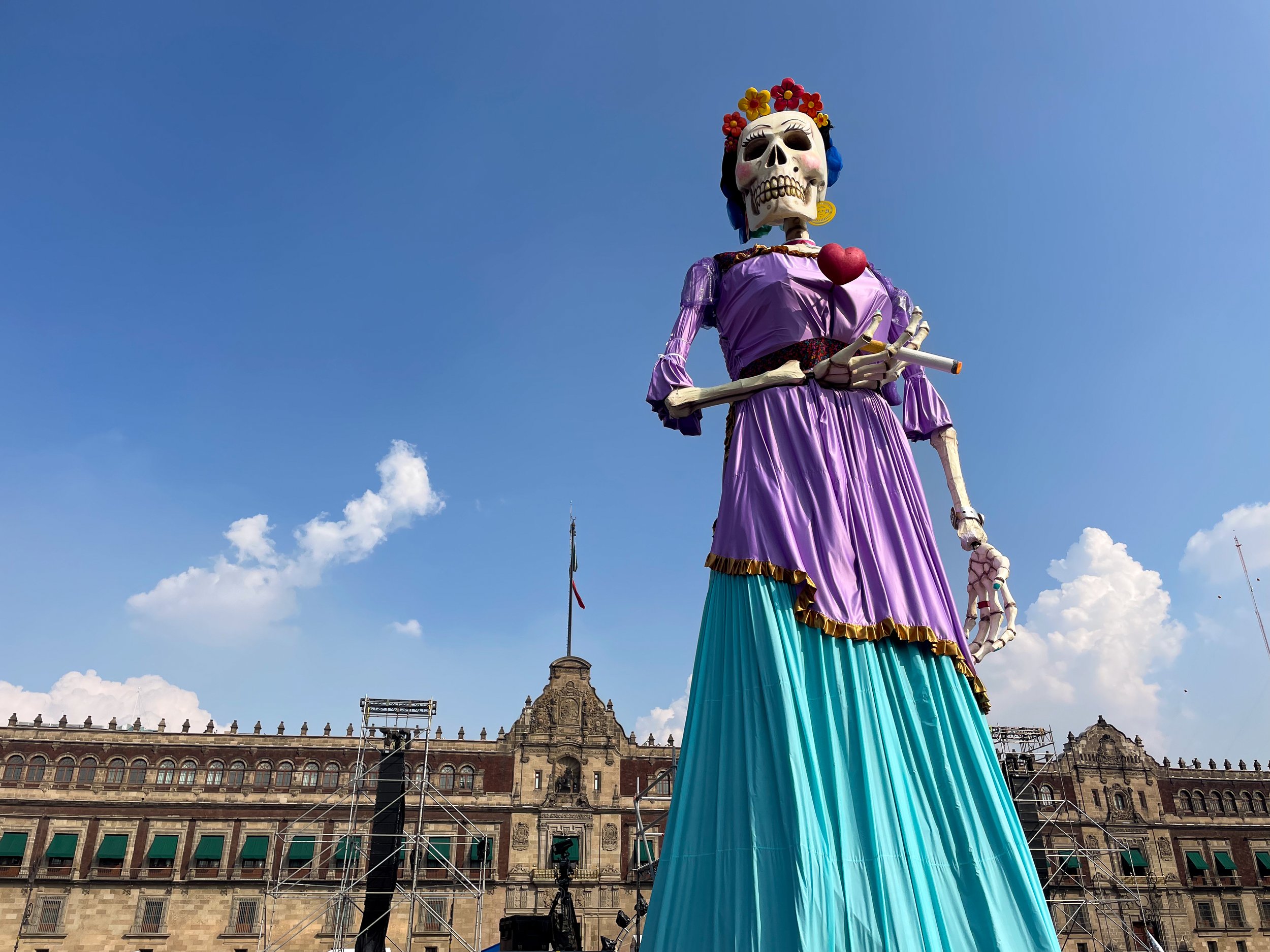
Day of the Dead in Mexico City (Día de los Muertos) Travel Guide. Experience Day of the Dead in Mexico City through cultural traditions, lively celebrations and vibrant ofrendas honoring loved ones and ancestral heritage.
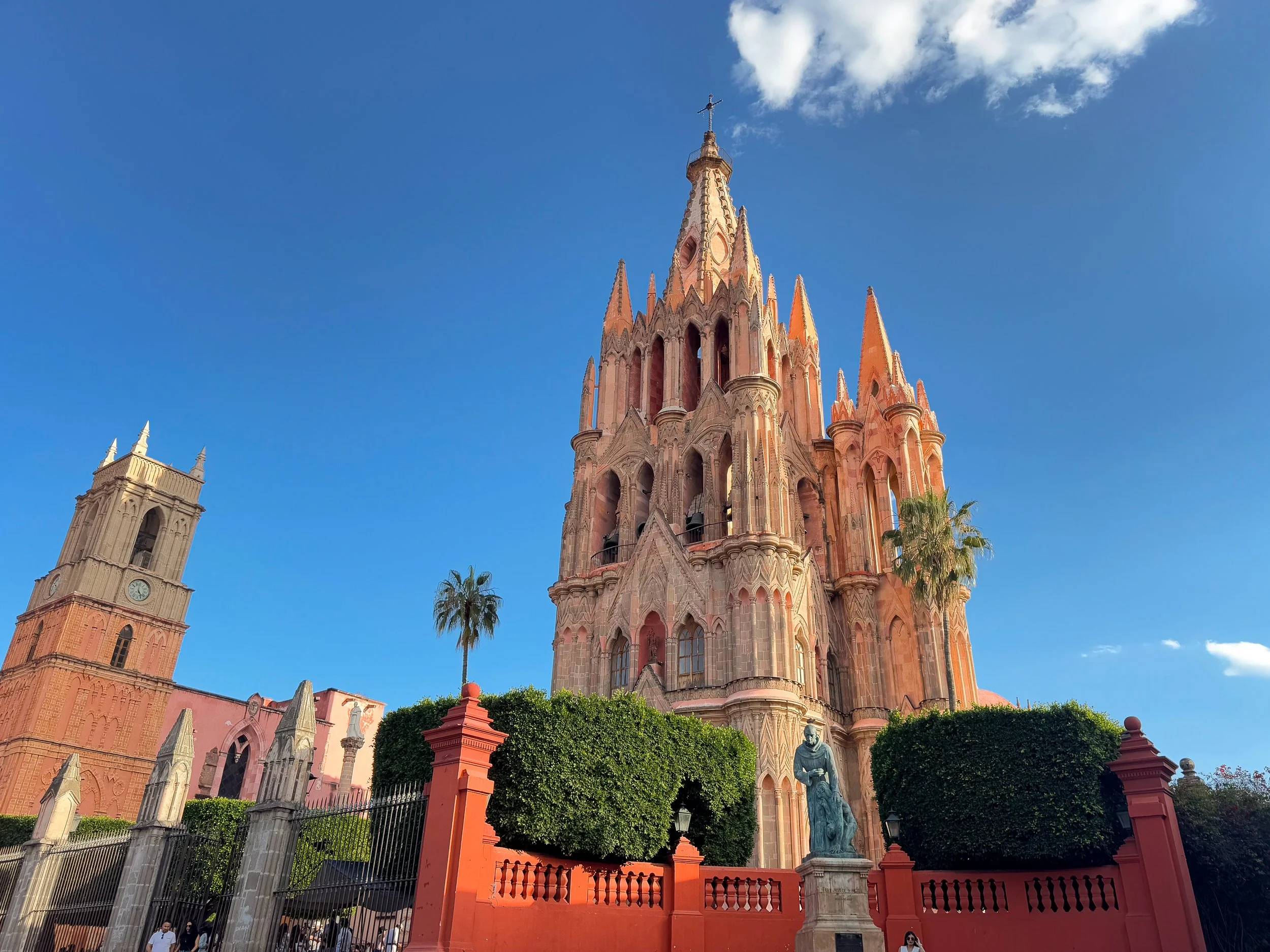
San Miguel de Allende Travel Guide: Food, Art & Colonial Charm. Stroll through San Miguel de Allende's cobblestone streets and historic plazas where cuisine, art and music bring one of Mexico's most charming colonial cities to life.
Southern Mexico
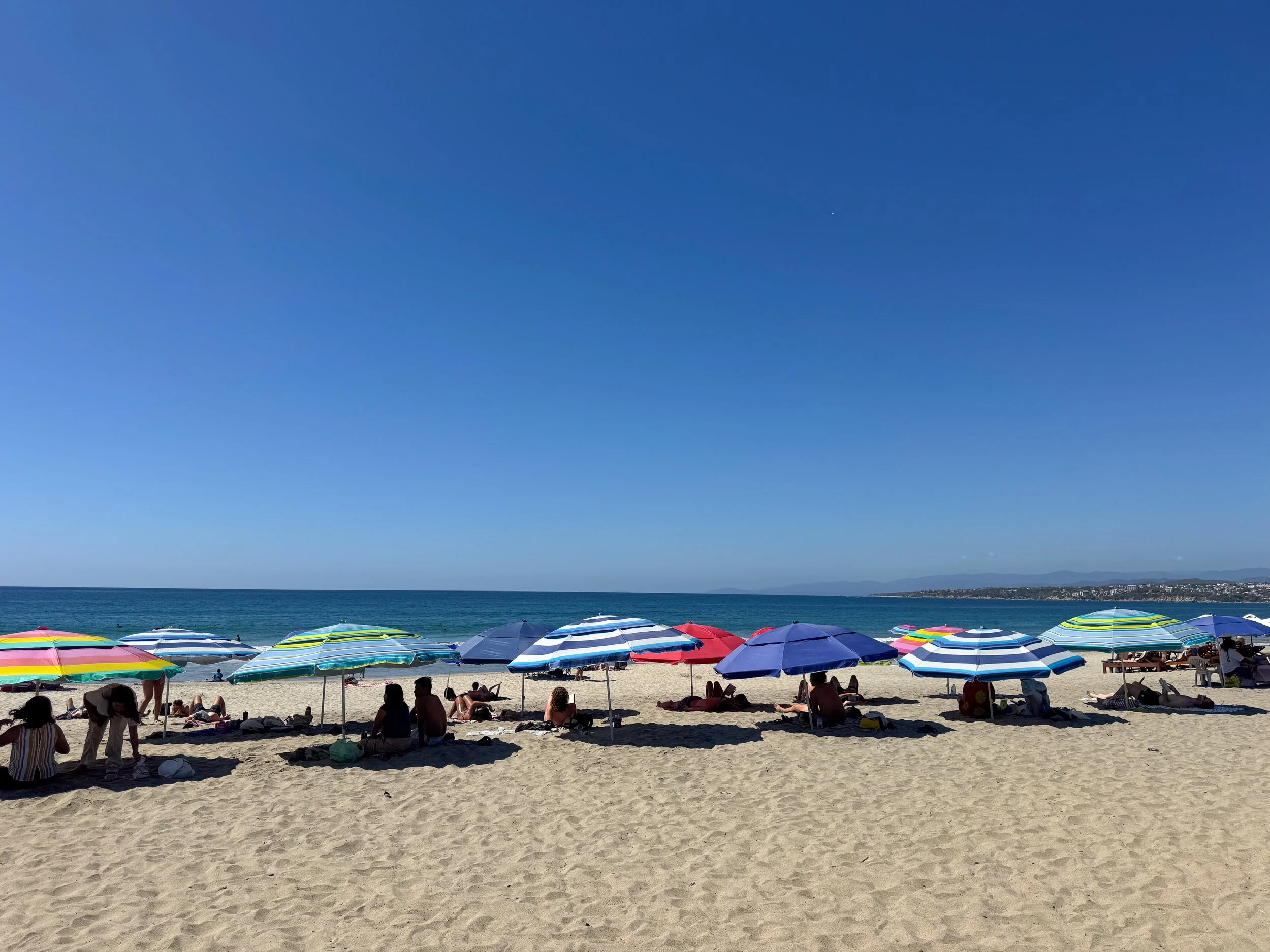
Puerto Escondido Travel Guide: Beaches, Surfing & Coastal Culture. Escape to Puerto Escondido, a laid back surf town on Oaxaca's Pacific coast where palm lined beaches and sandy streets embody coastal culture.
For Next Time…
Mitla. The religious center of the Zapotecs and second most important archeological site in Oaxaca. It was a sacred burial site and is famous for its unique mosaic patterns not seen in any other part of Mexico. Wrap your arms around column, it tells you how much life you have left.
Yagul. An archeological site with courtyards, tombs and ball courts.
Prehistoric Caves of Yagul and Mitla. A cave with paintings dating back 12,000 years.
Teotitlán del Valle. A town known for weaving intricate and colorful textiles made from natural dyes. Shop at the market for rugs, table runners, blankets and clothes.
San Martin Tilcajete. A town outside of Oaxaca known for its Alebrijes and the inspiration for Coco.