Southwestern Puerto Rico Travel Guide: Cabo Rojo, La Parguera & Beyond
Southwestern Puerto Rico
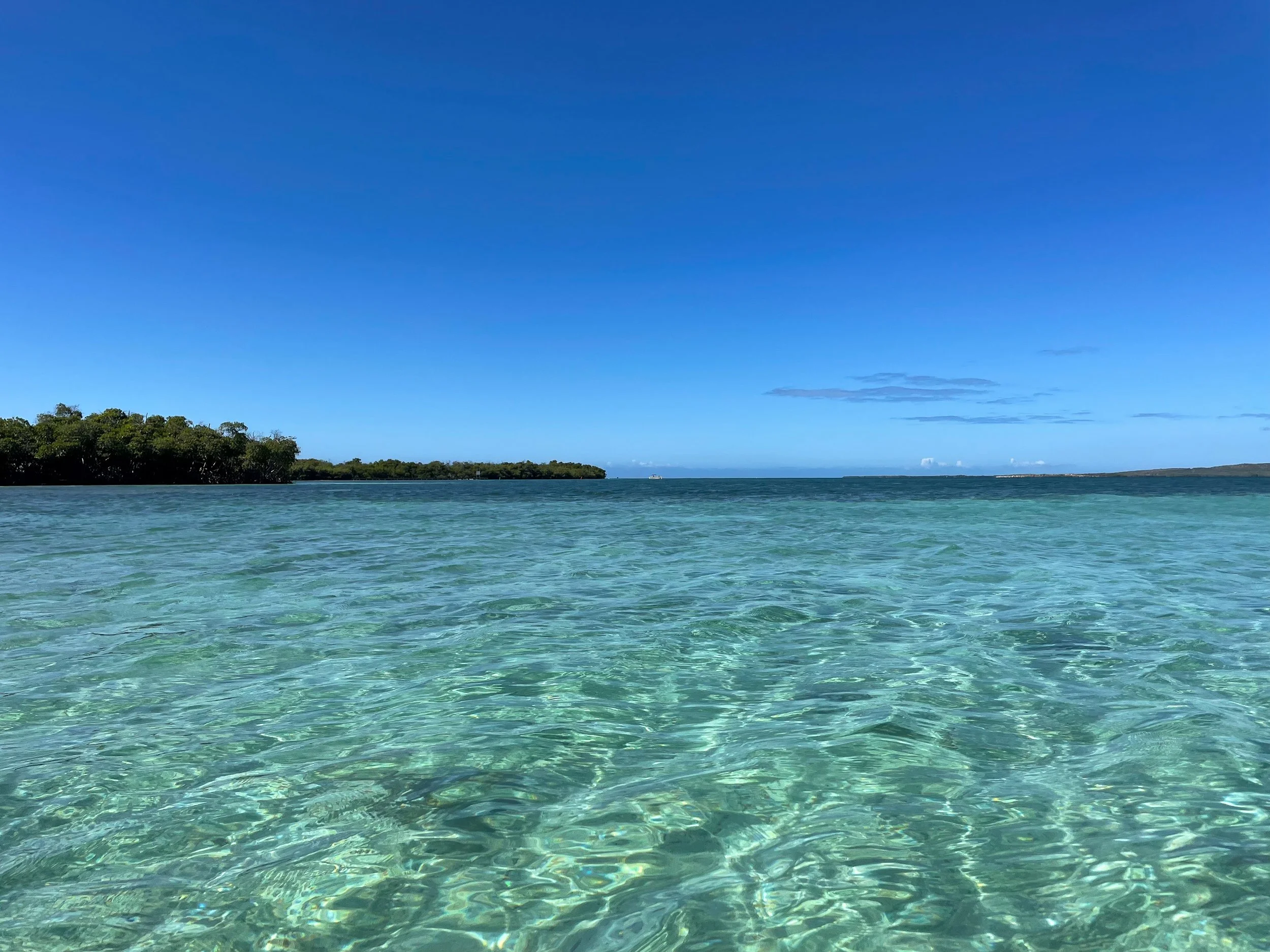
Puerto Rico’s southwestern region is home to some of the island’s most diverse landscapes and historic pueblos. The Caribbean coast features unspoiled beaches, protected marine reserves, a bioluminescent bay and pink salt flats. Hiking trails meander through the dry forest while scenic mountain roads reveal sweeping panoramic views of the region’s lush terrain. Historic mountain towns and vibrant pueblos provide rich cultural experiences and culinary delights. During adventures to the region, we’ve explored Cabo Rojo, San Germán, Lajas, Yauco and Guánica.
Cabo Rojo
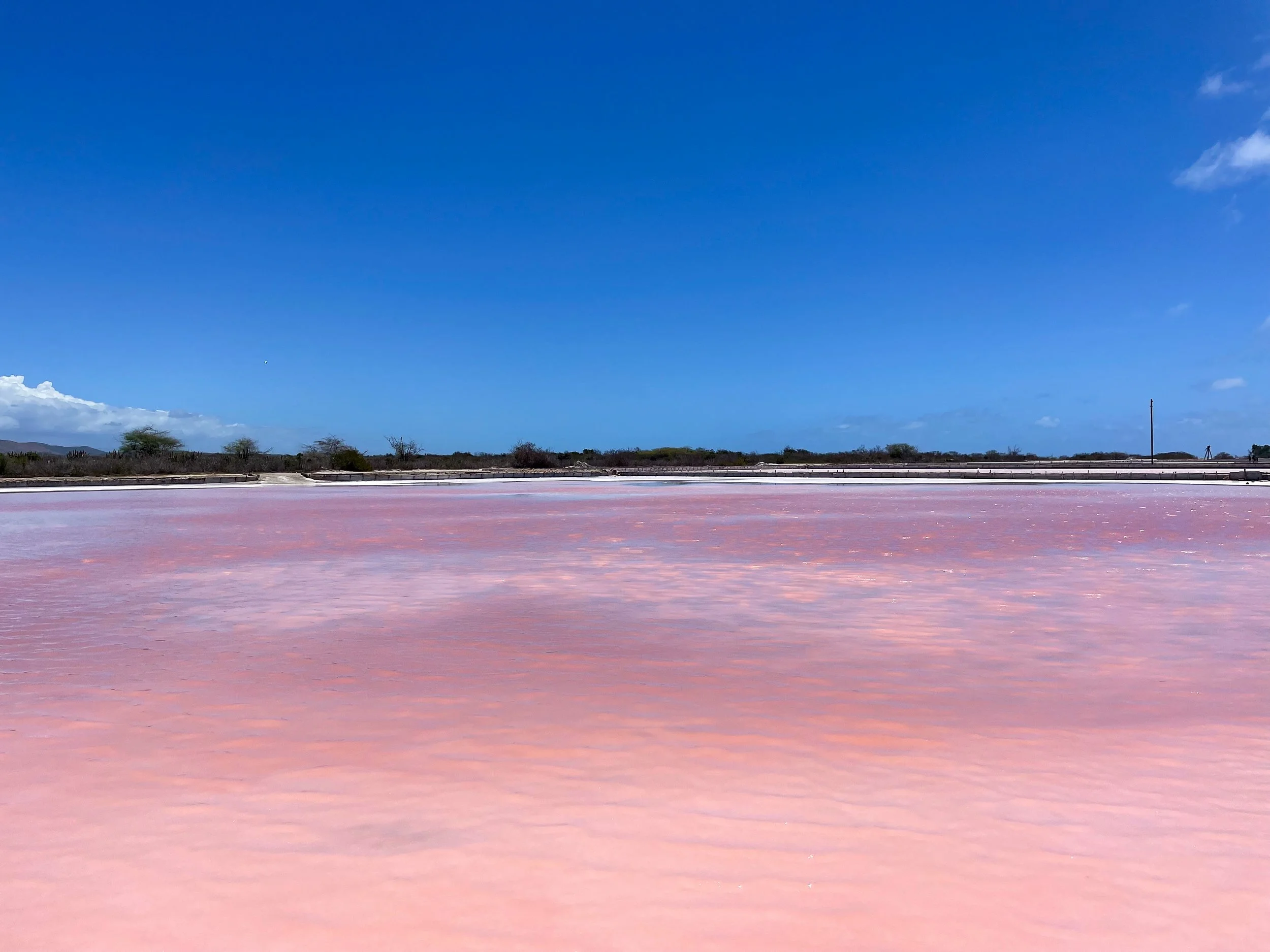
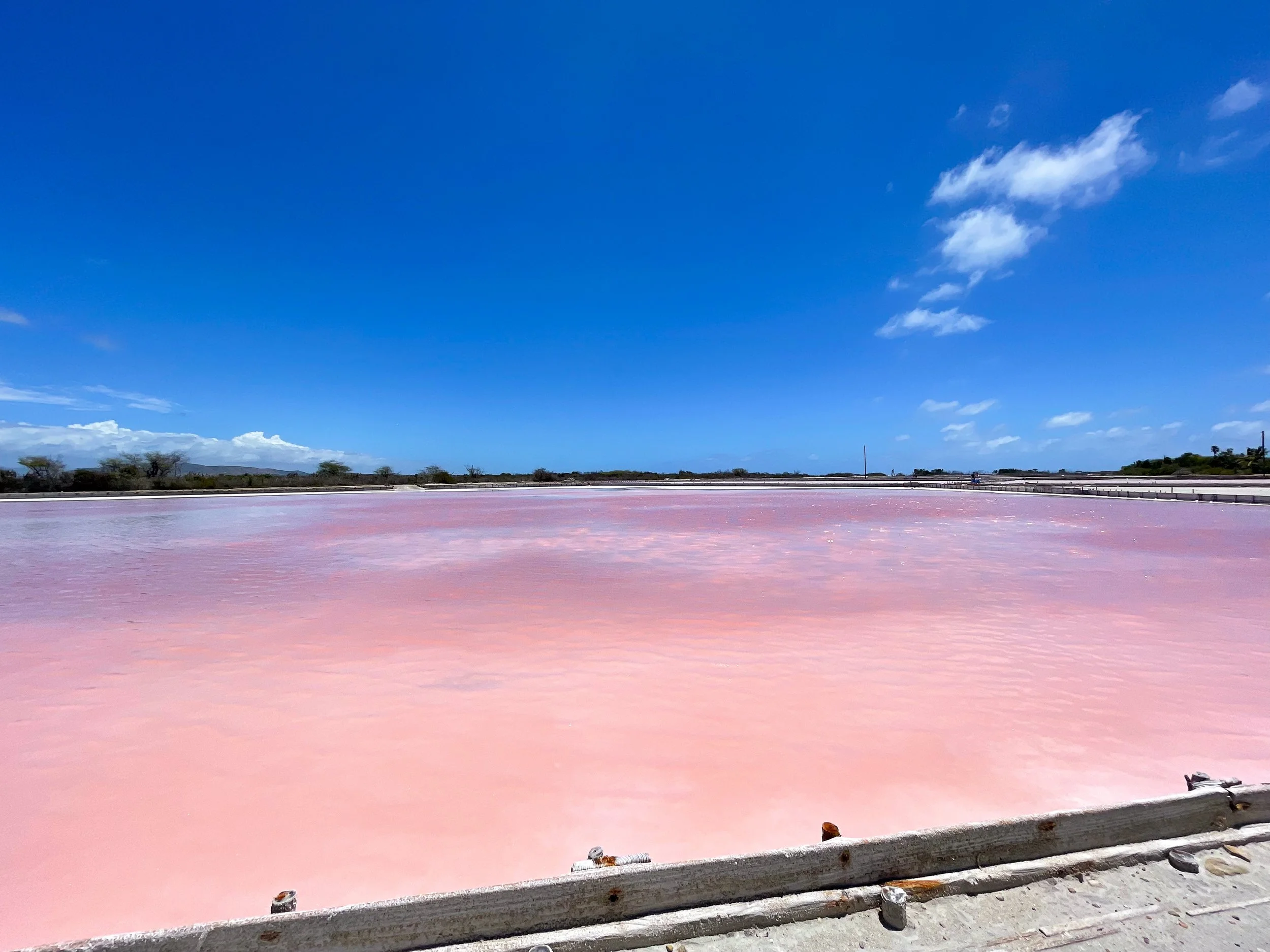
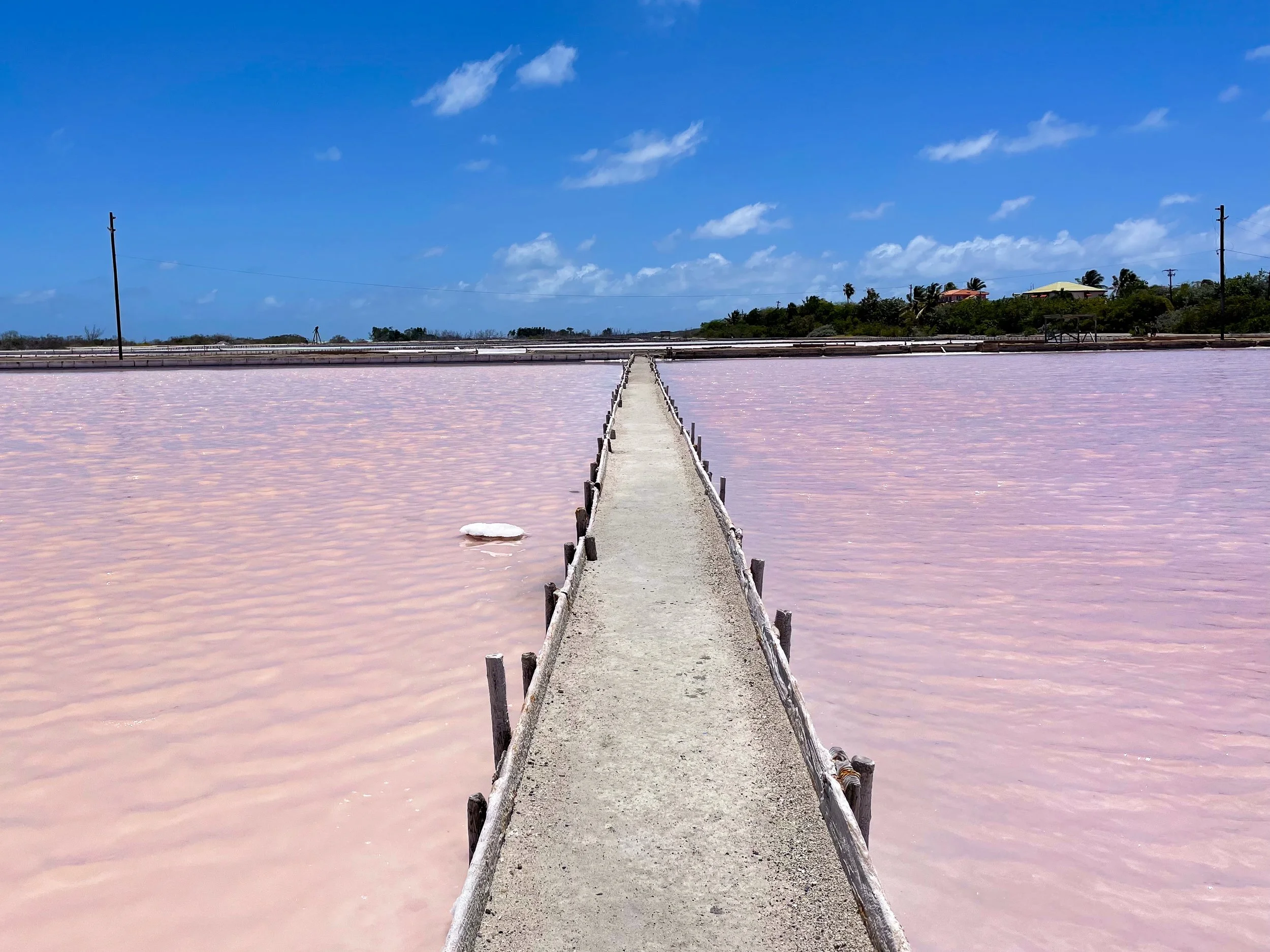
Cabo Rojo is a picturesque corner of the island with pink salt flats, Caribbean beaches and turquoise waters.
Cabo Rojo Salt Flats
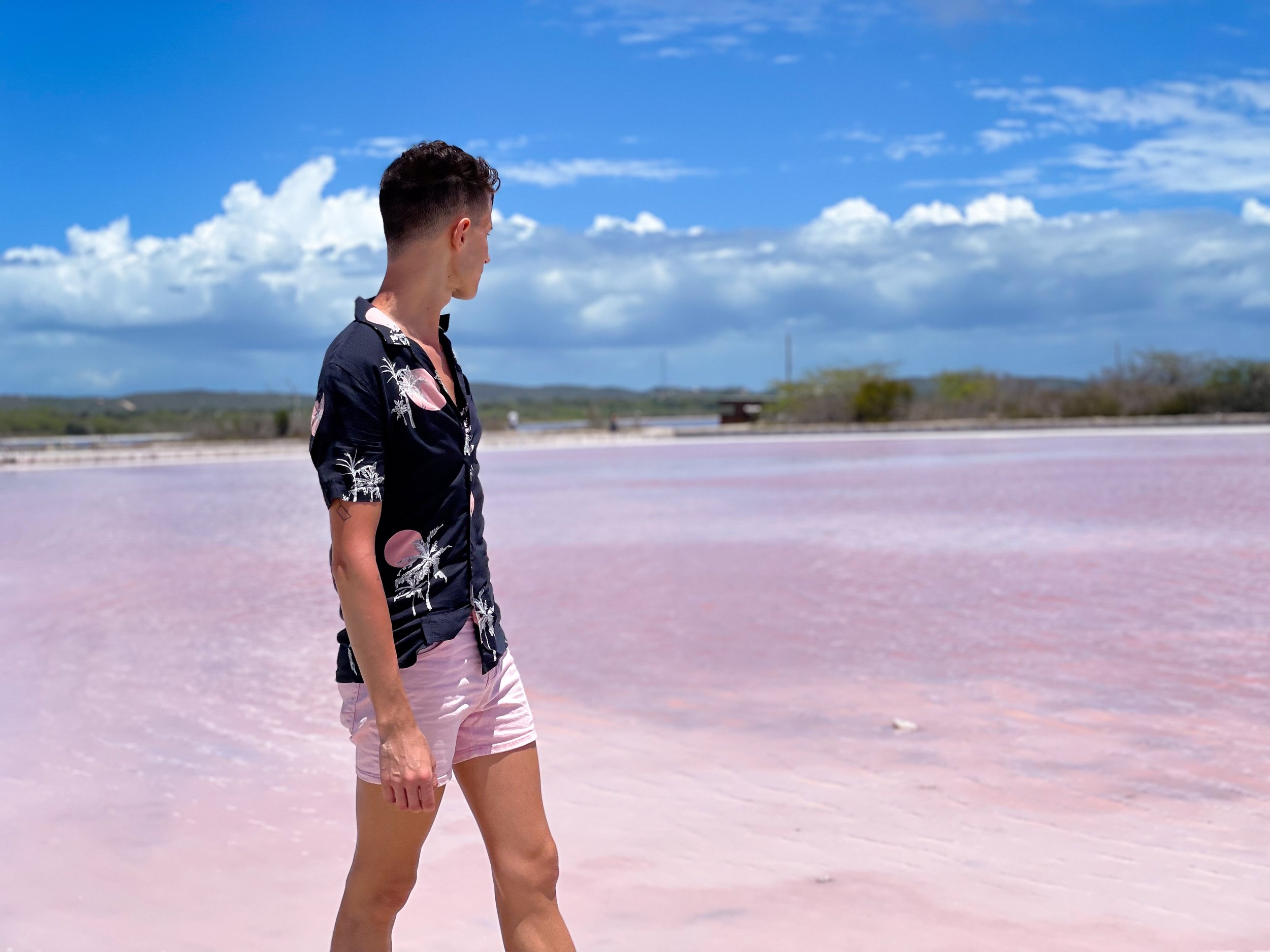
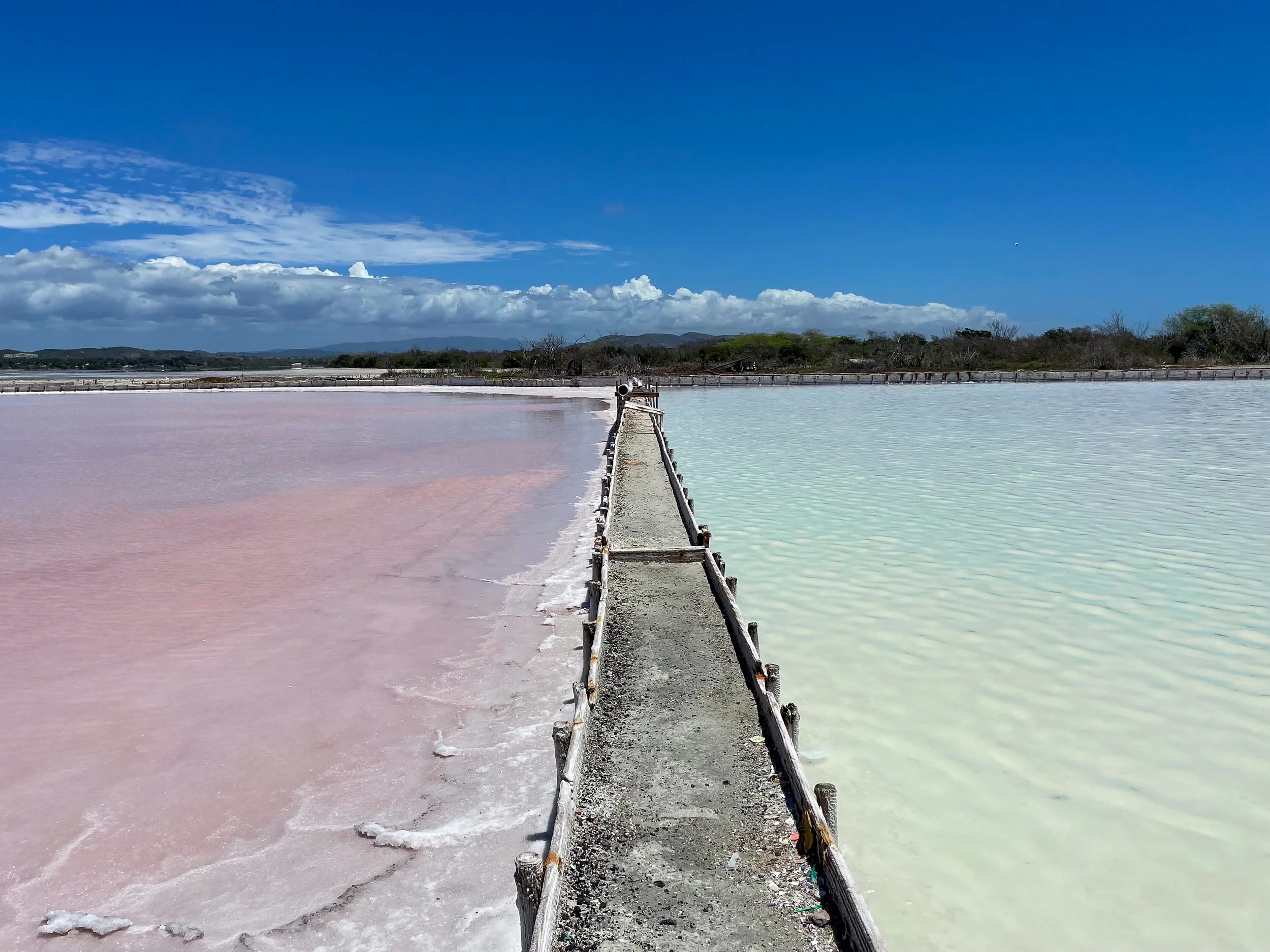
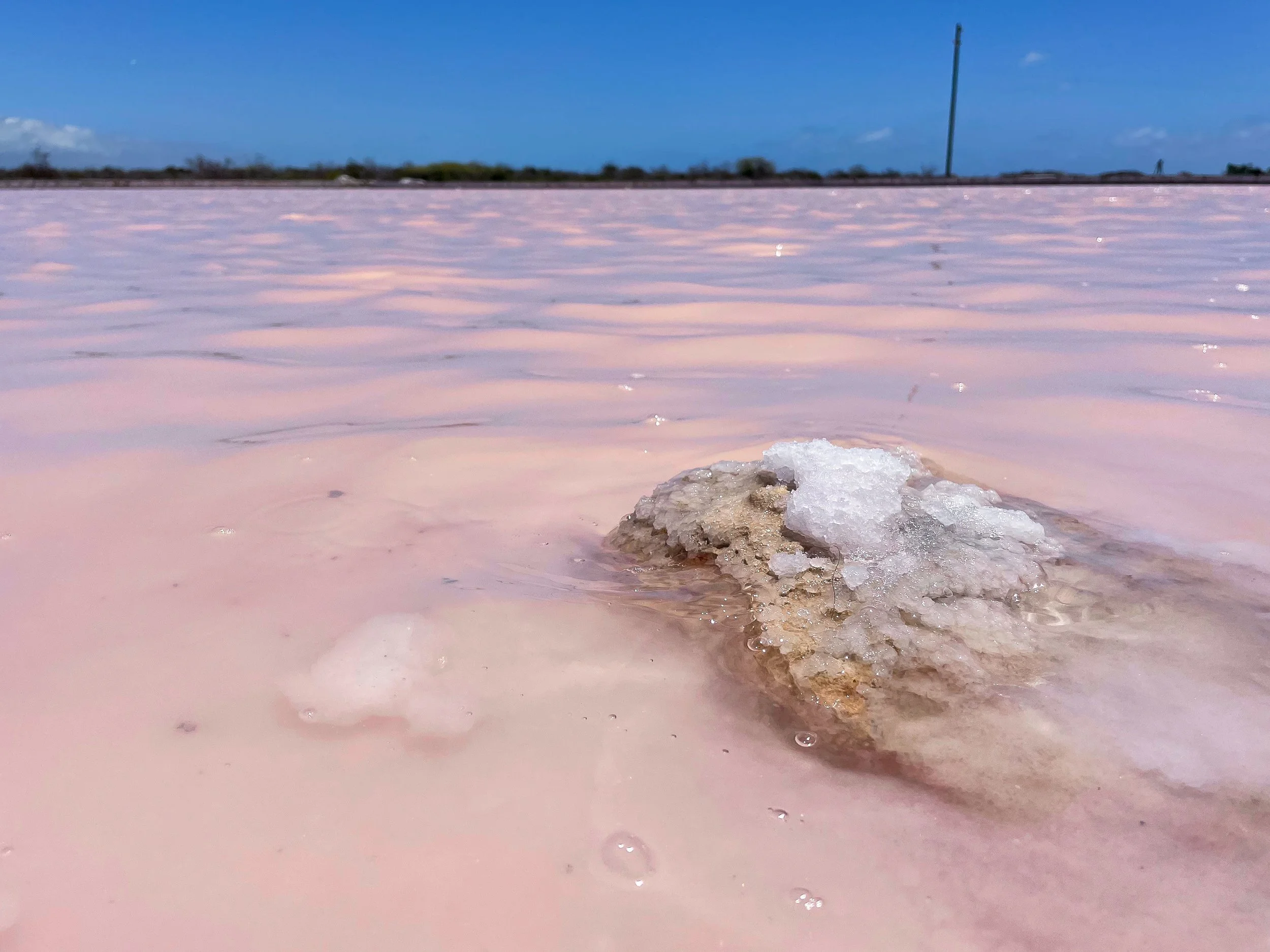
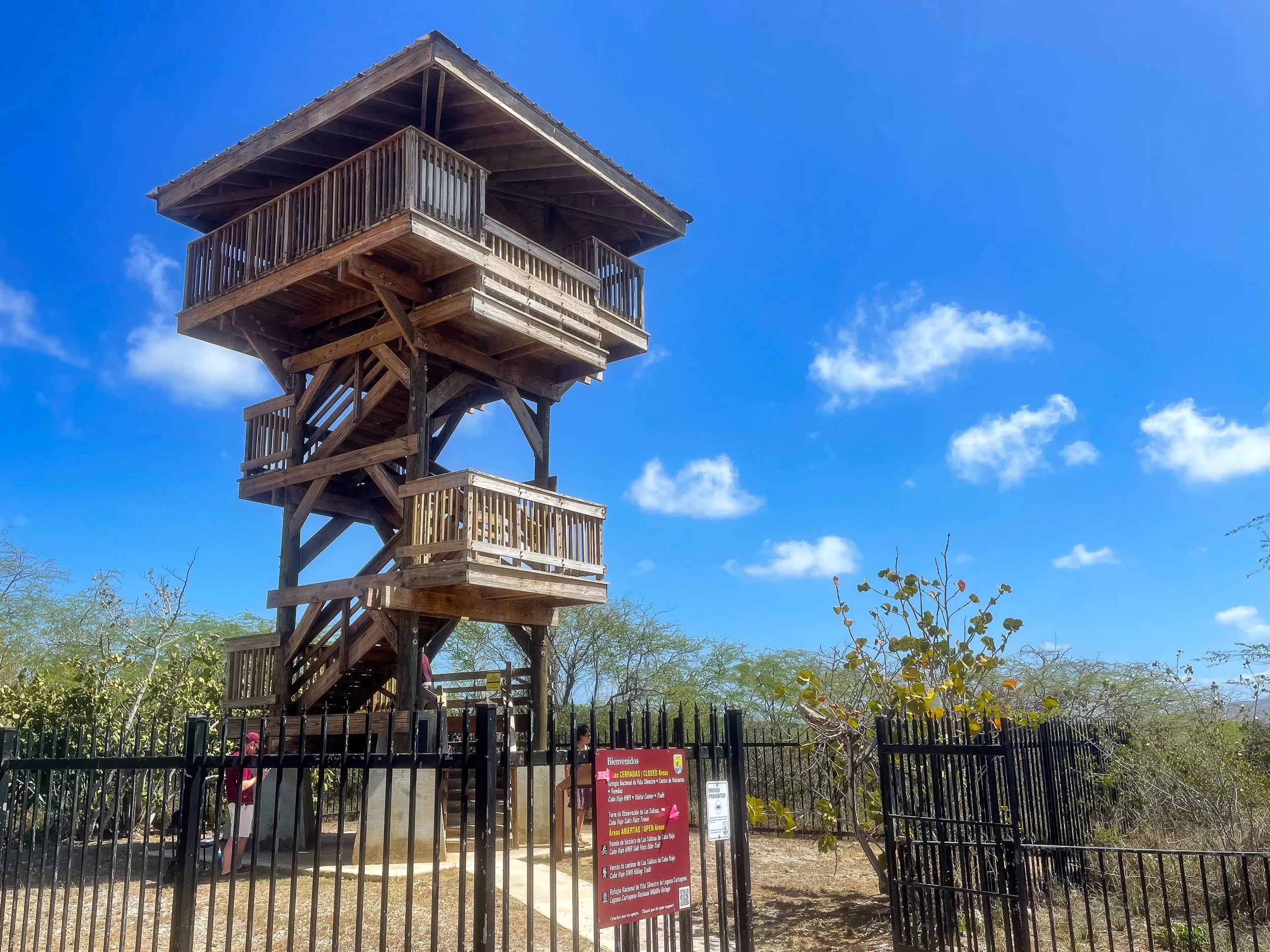
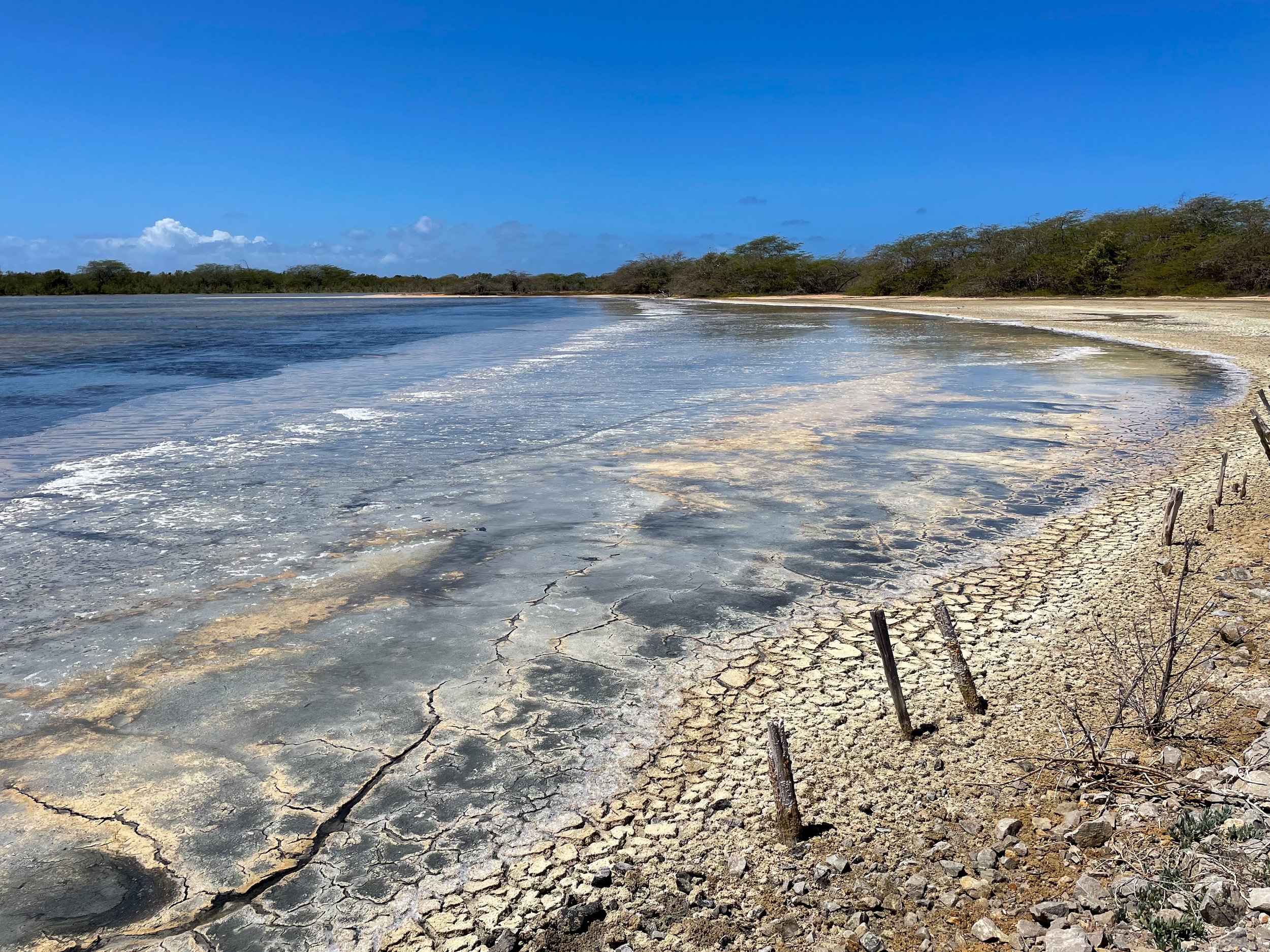
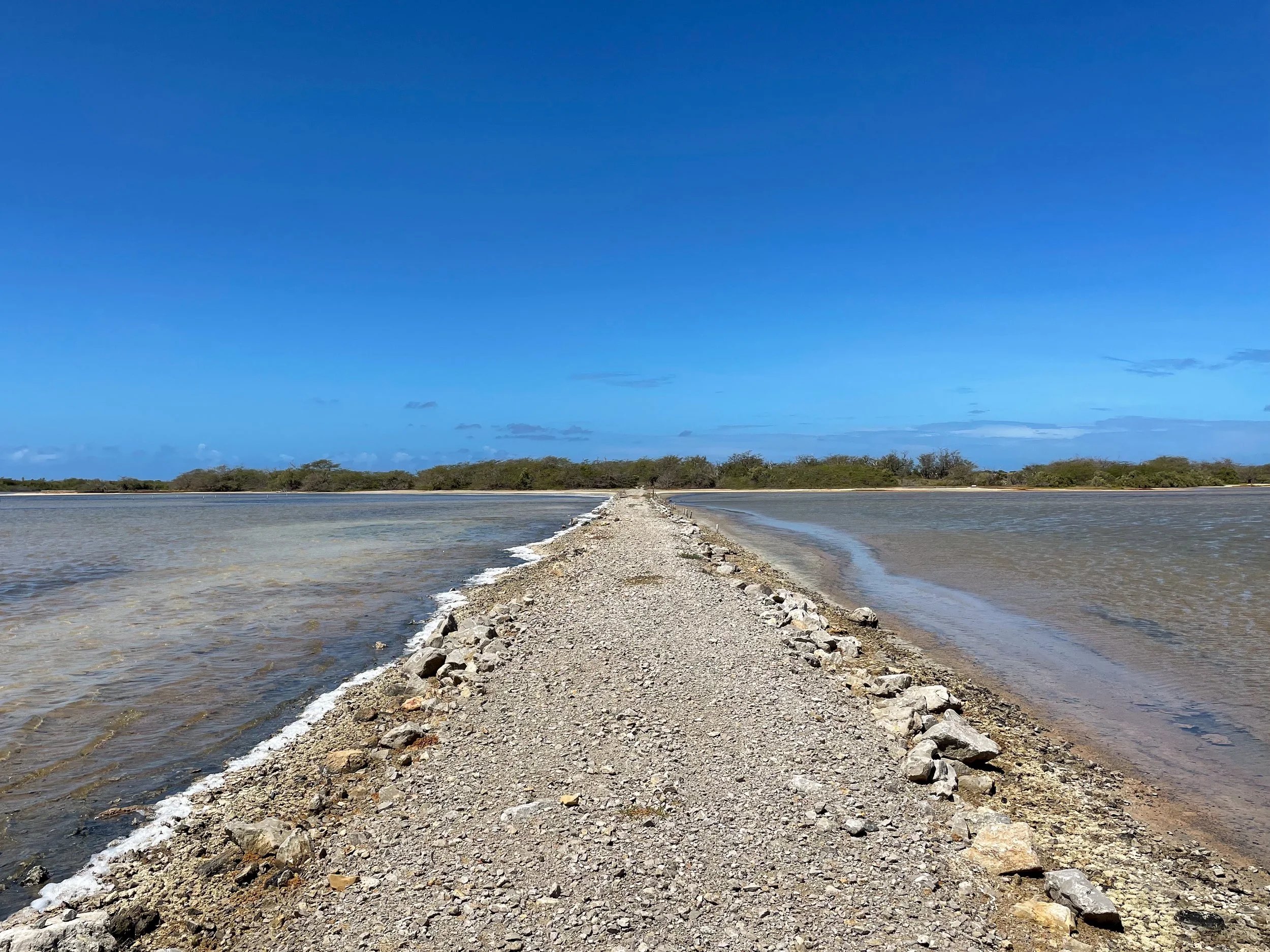
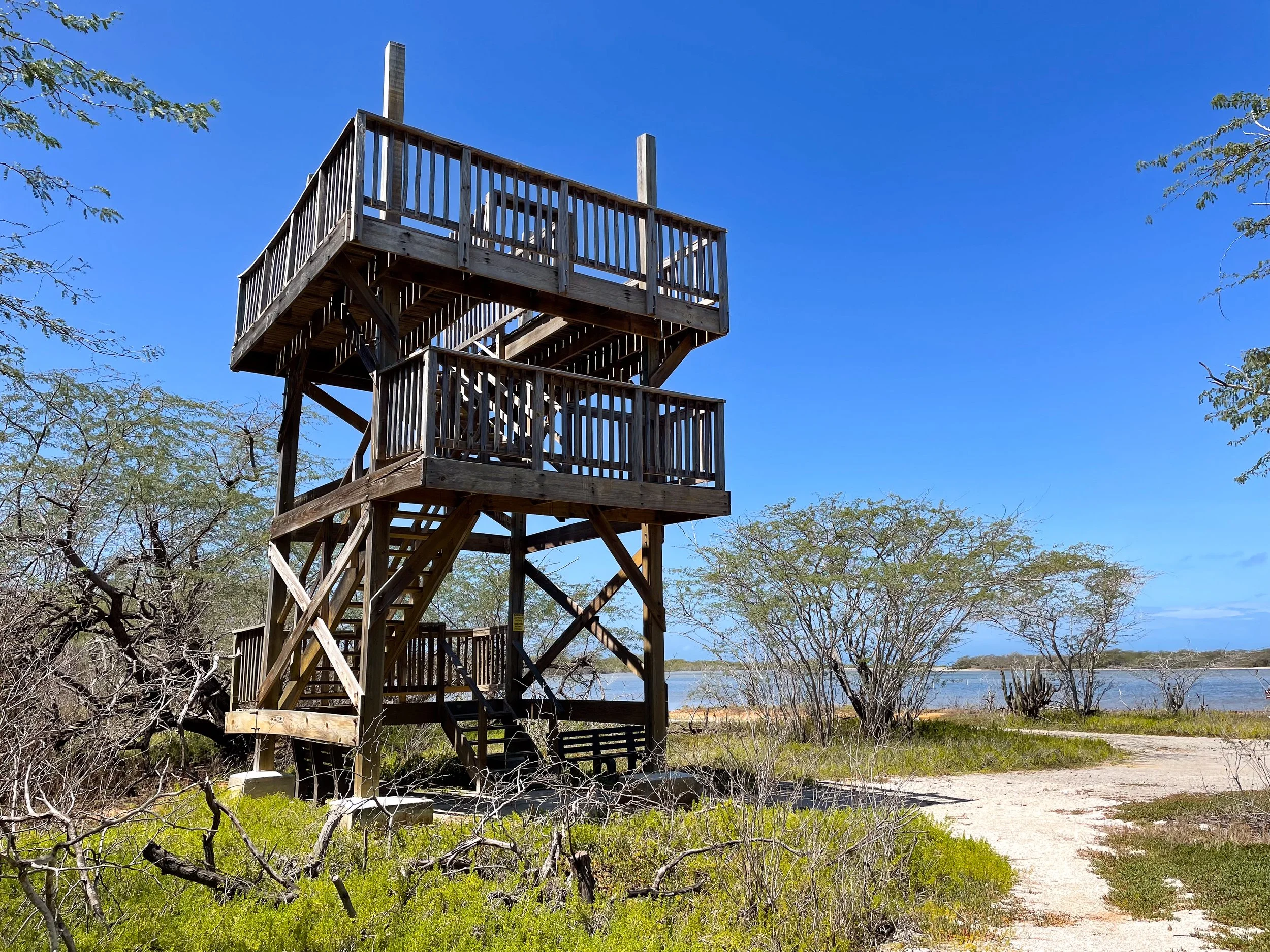
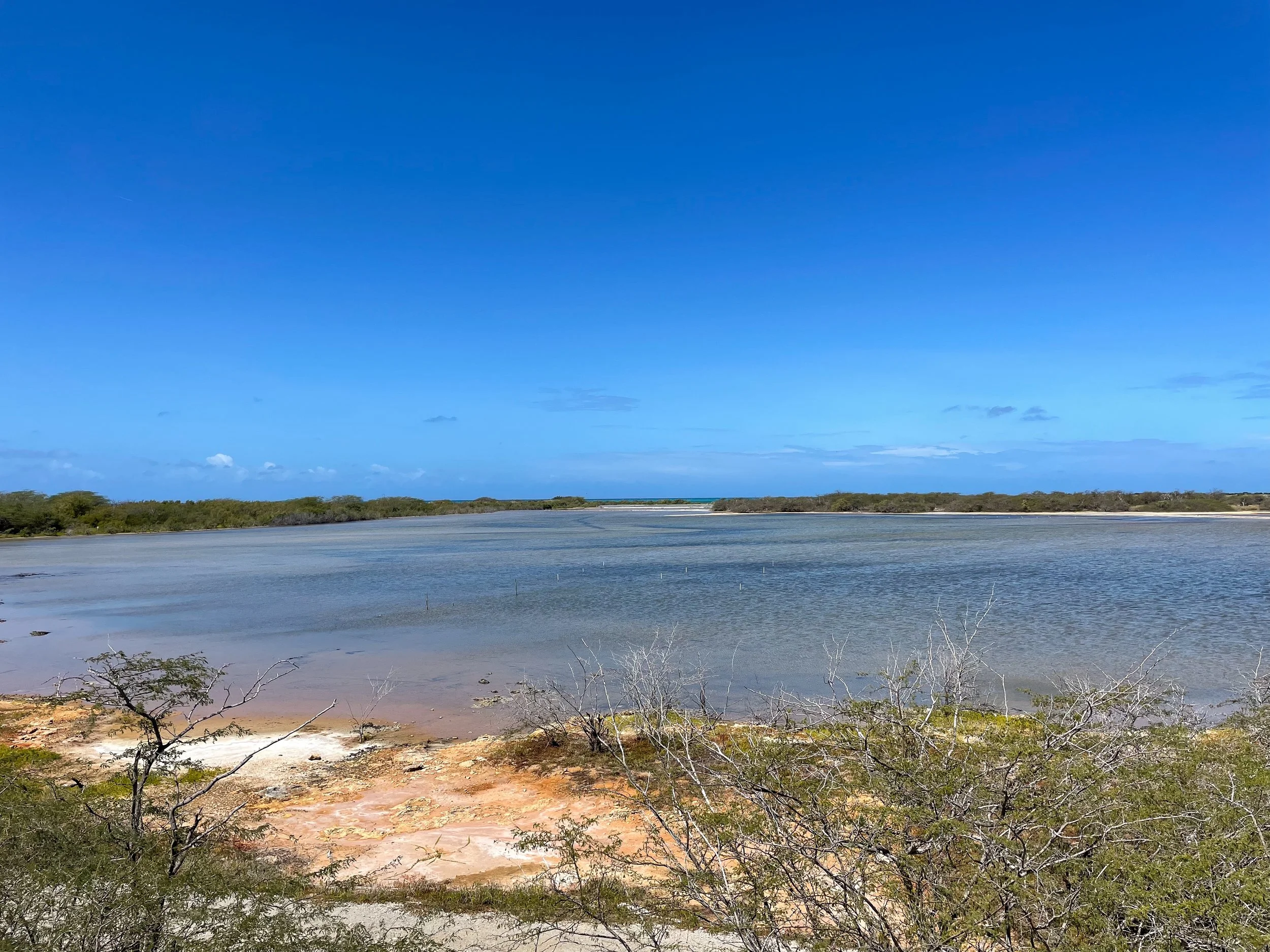
The Cabo Rojo Salt Flats are famed for their bright pink and light blue hued salt ponds. Stop into the Visitor Center to learn about the salt flat’s indigenous beginnings, current uses and the surrounding ecosystem. Climb the 3 story tall Observation Tower for views overlooking the salt flats and their multihued ponds. Continue further down the road for access to the salt flats and the narrow pathways separating the ponds.
Good to Know. Read recent Google Reviews to gauge the current level of pinkness and accessibility before going.
Vamos a la Playa
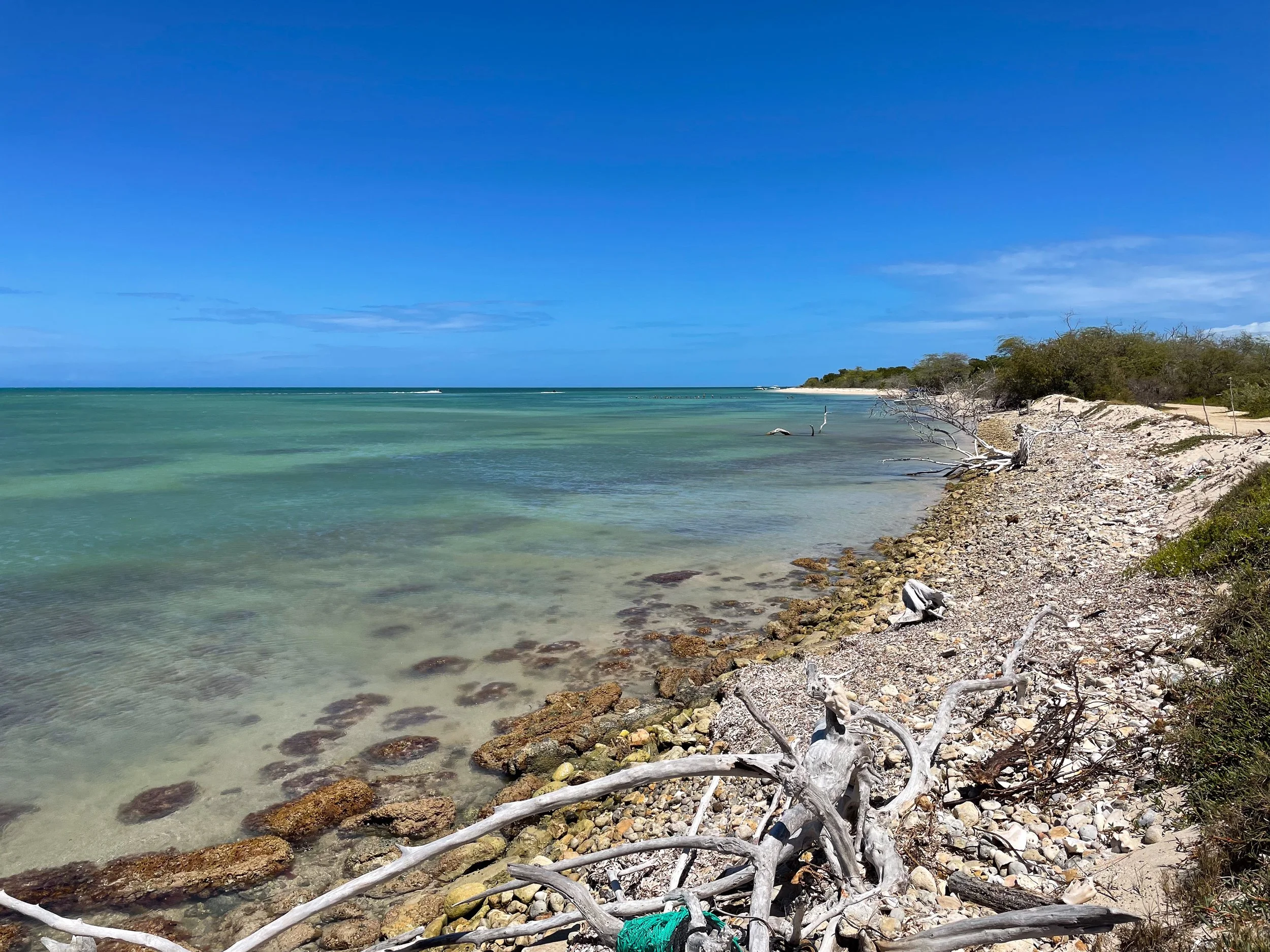
Cabo Rojo is home to some of Puerto Rico’s most pristine beaches and scenic coves. We’ve beach hopped along the coast on previous visits to the region.
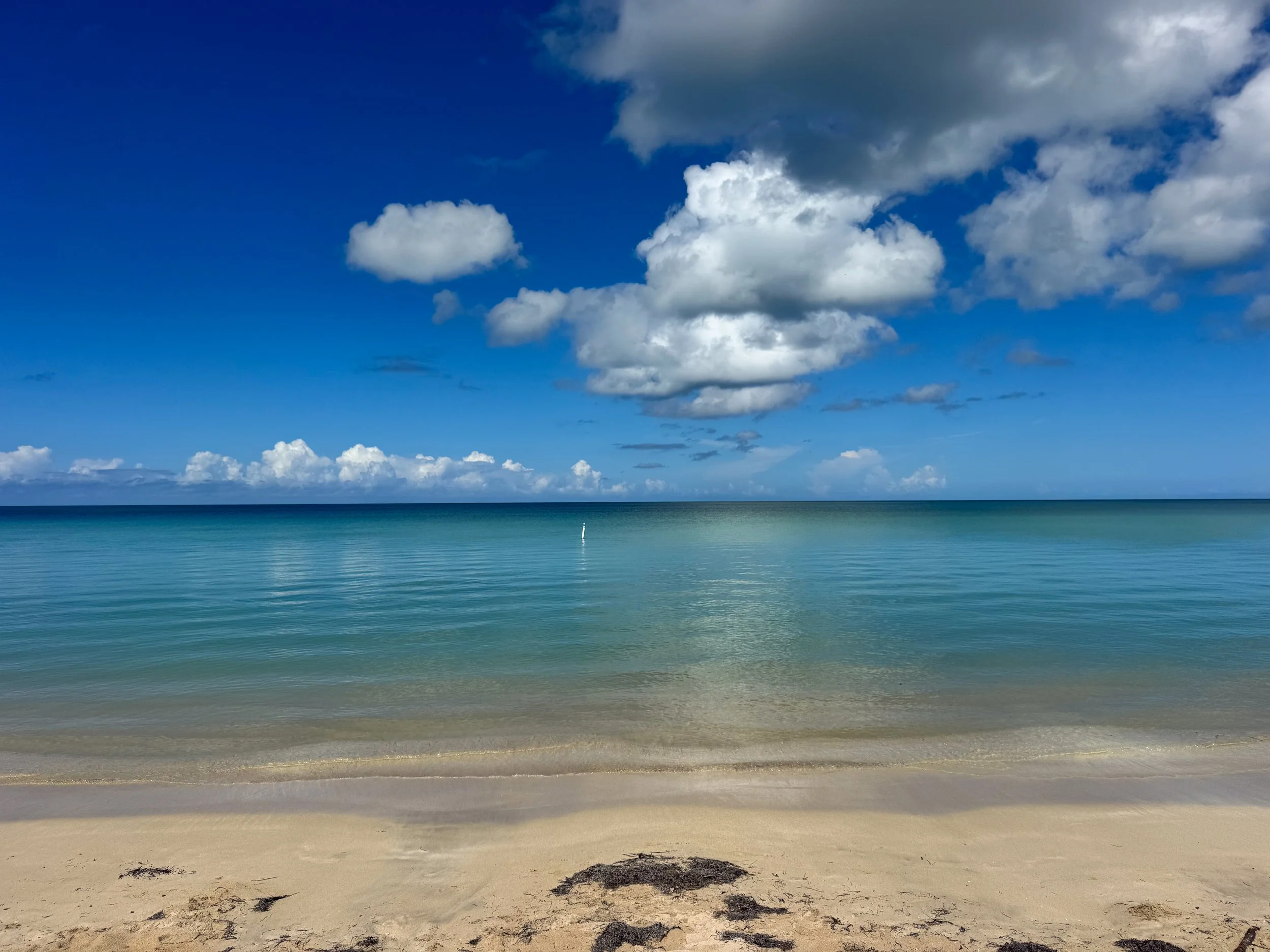
Playa El Combate. A lengthy tan sand beach with swimmable aquamarine waters and a shaded tree line near the town of El Combate. The water’s higher salinity, due to nearby salt flats, makes floating effortless in the calm waters. The section closest to town tends to be livelier while the southern half provides a quiet and scenic escape. The town is home to small hotels, restaurants and bars making it a popular getaway for locals and families.
Pro Tip. Arrive before 9am to find free parking along the roadside.
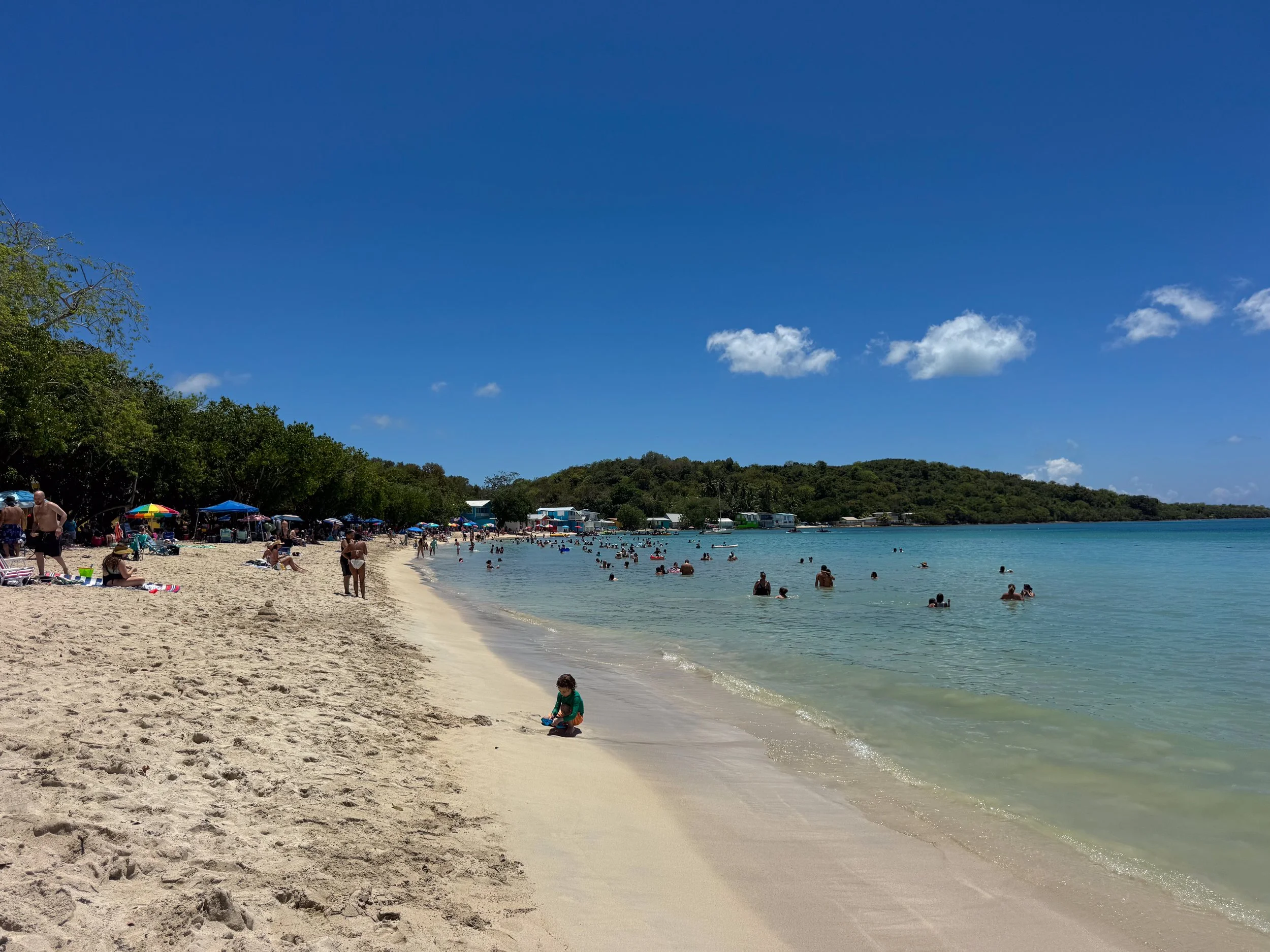
Buyé Beach. An extremely popular beach with a narrow white sand shore, turquoise hued cove and shaded tree line. Locals gather for sunny beach days as groups of jet skiers race offshore. Music fills the air as speakers blast Bad Bunny and Reggaetón. The lively shoreline is lined with colorful cottages and beach kiosks serving Puerto Rican cuisine alongside tropical cocktails and local beers. Visit the Sunset Shack for mojitos!
Pro Tip. Arrive before 9am to find free parking along the roadside or pay $10 at the lot leading to the beach.
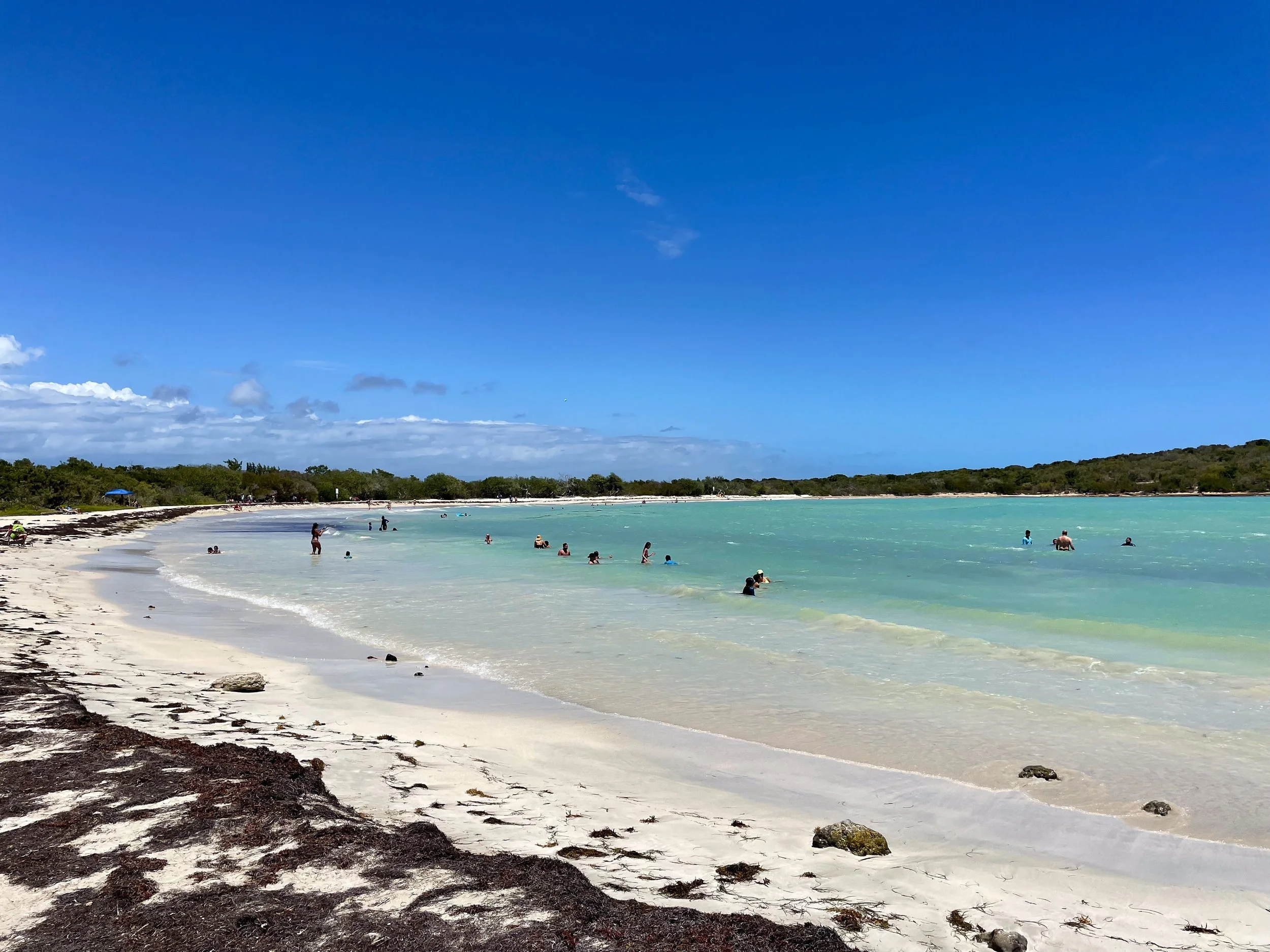
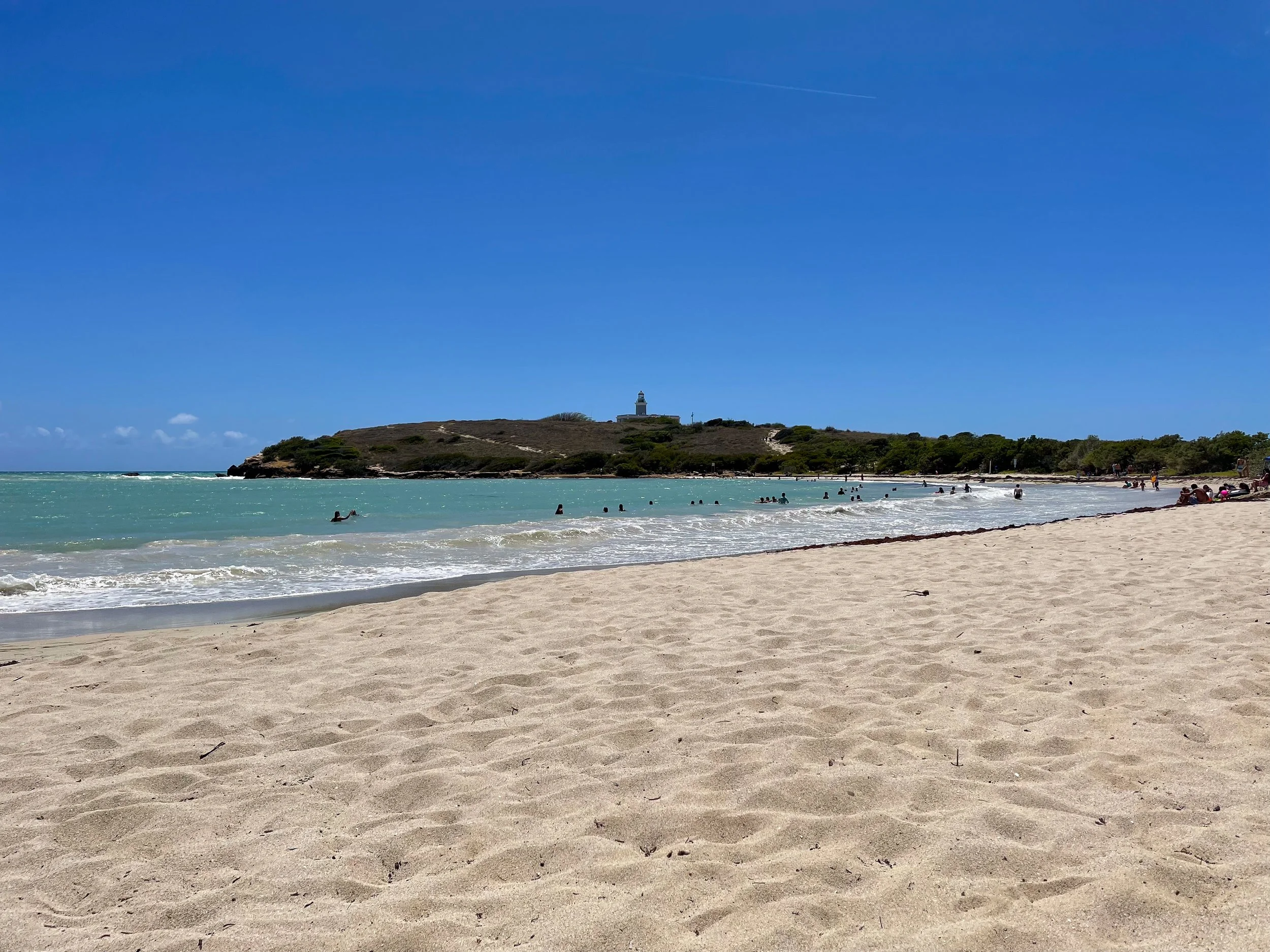
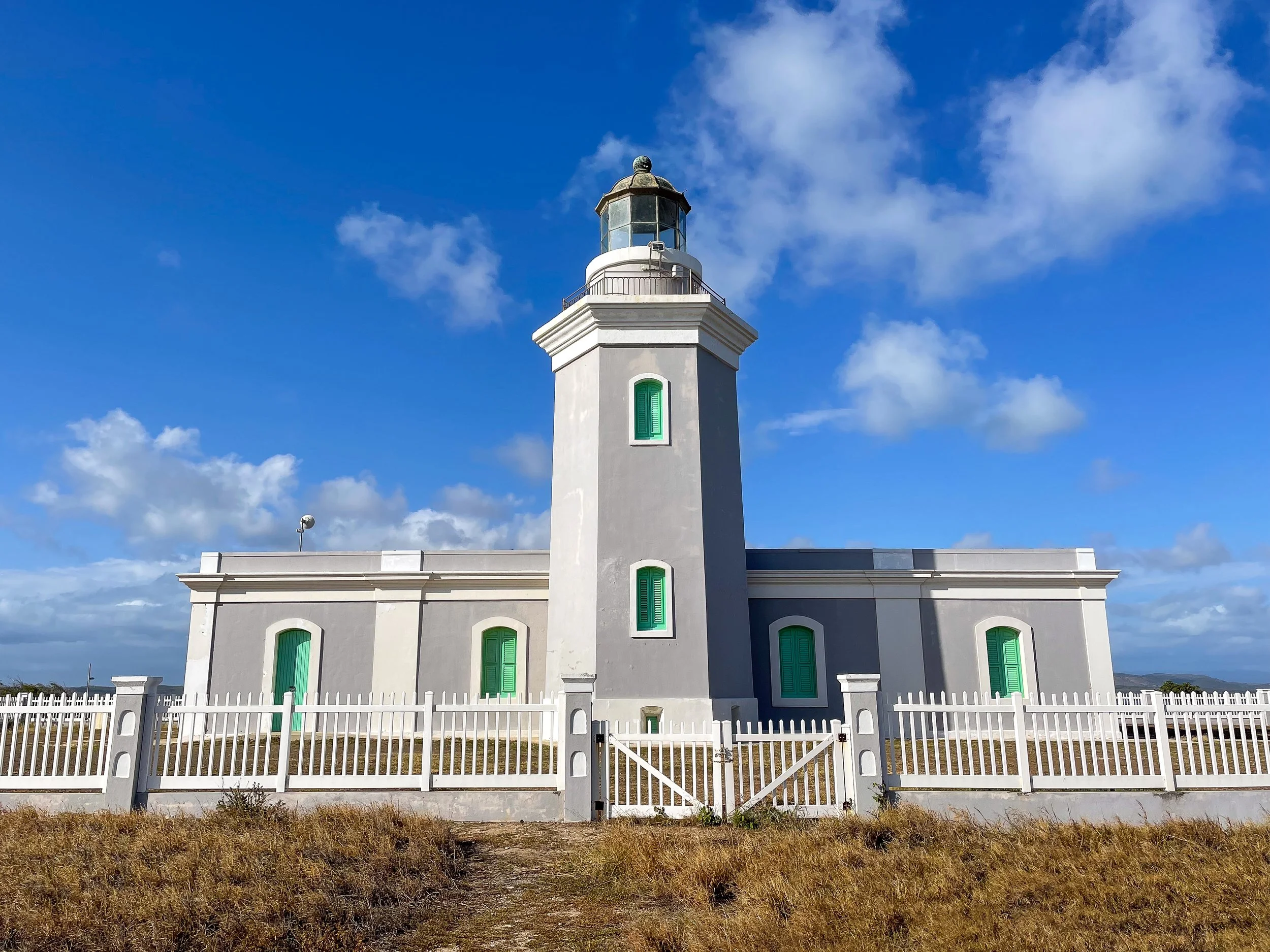
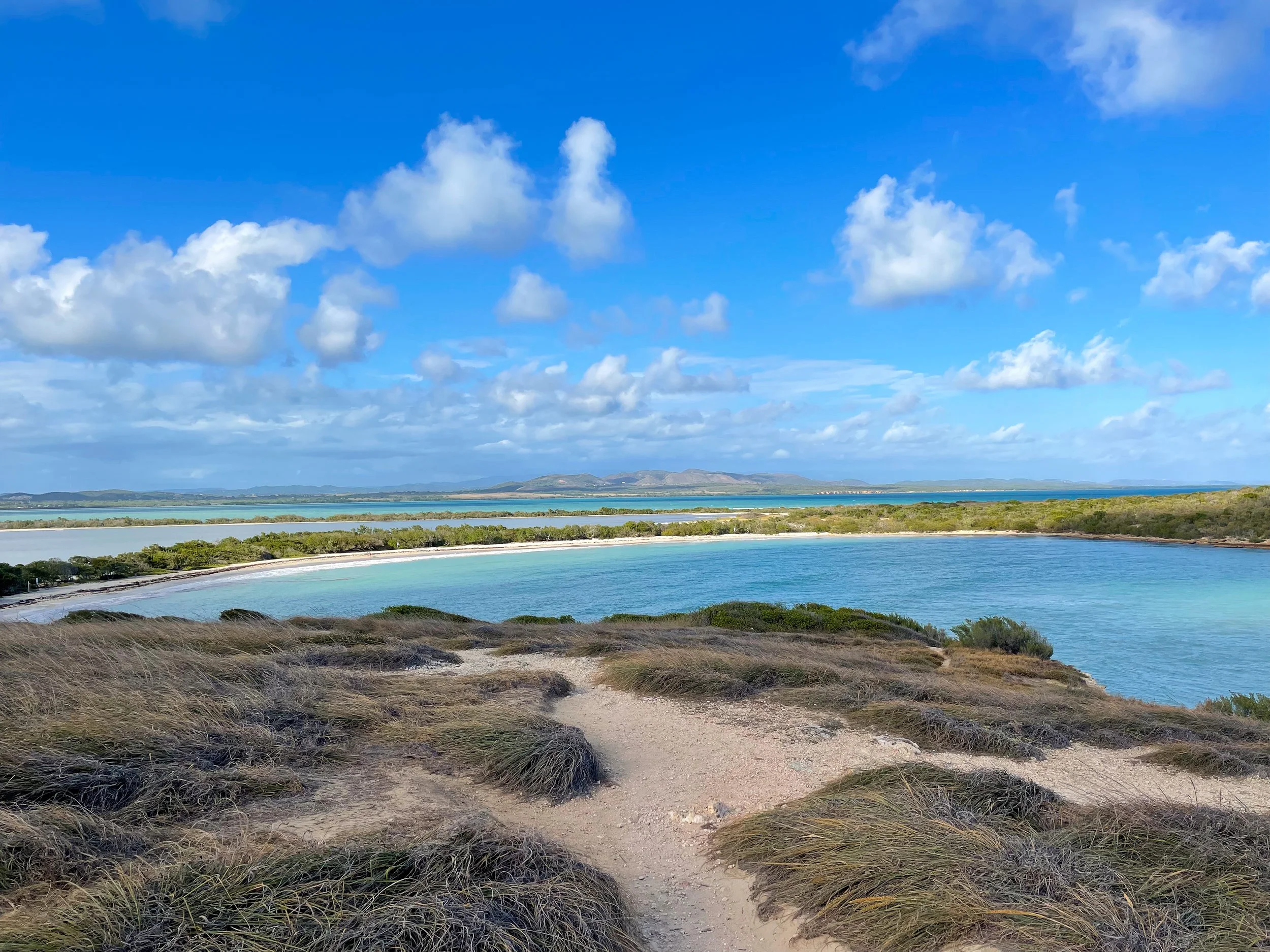
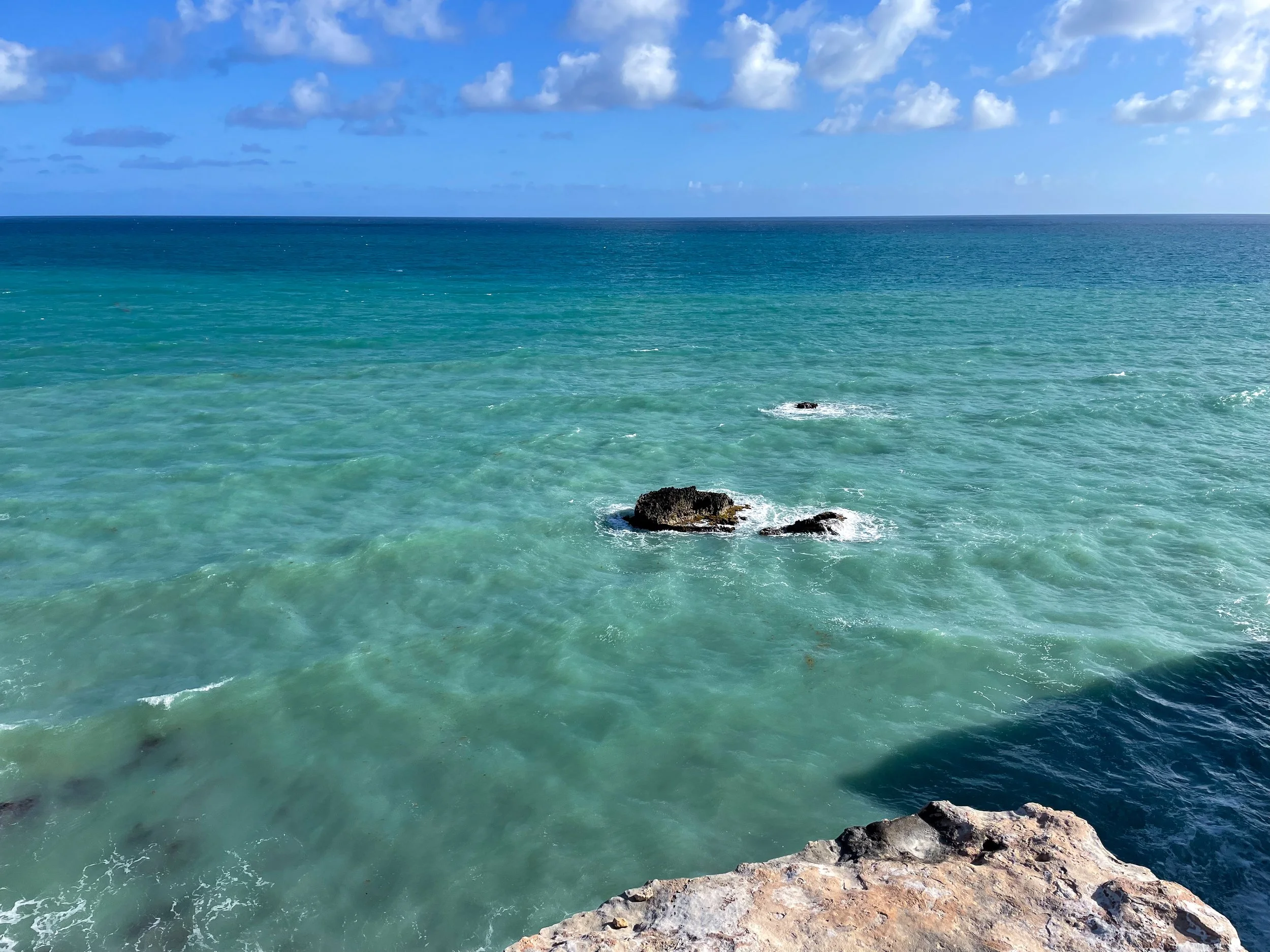
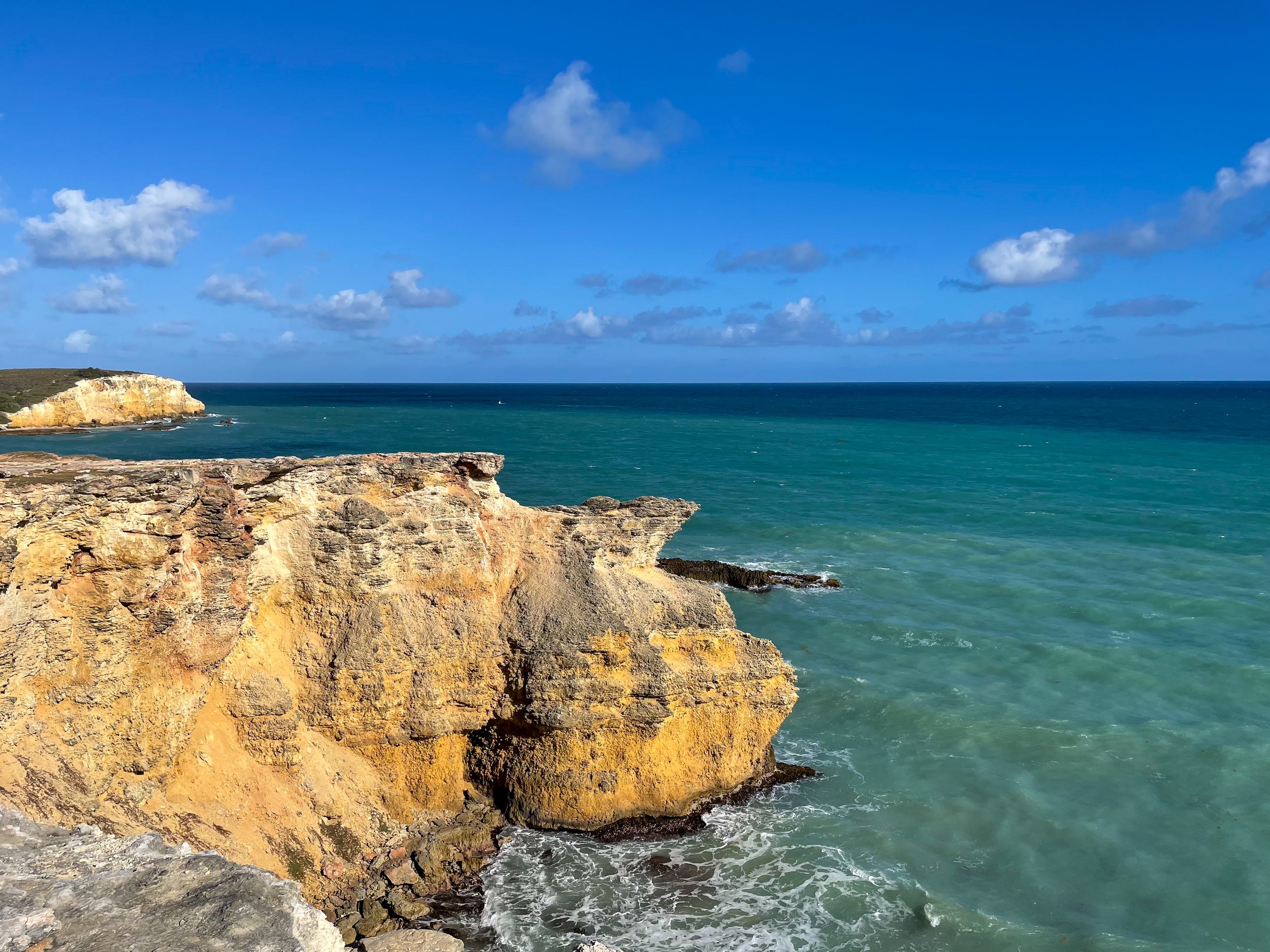
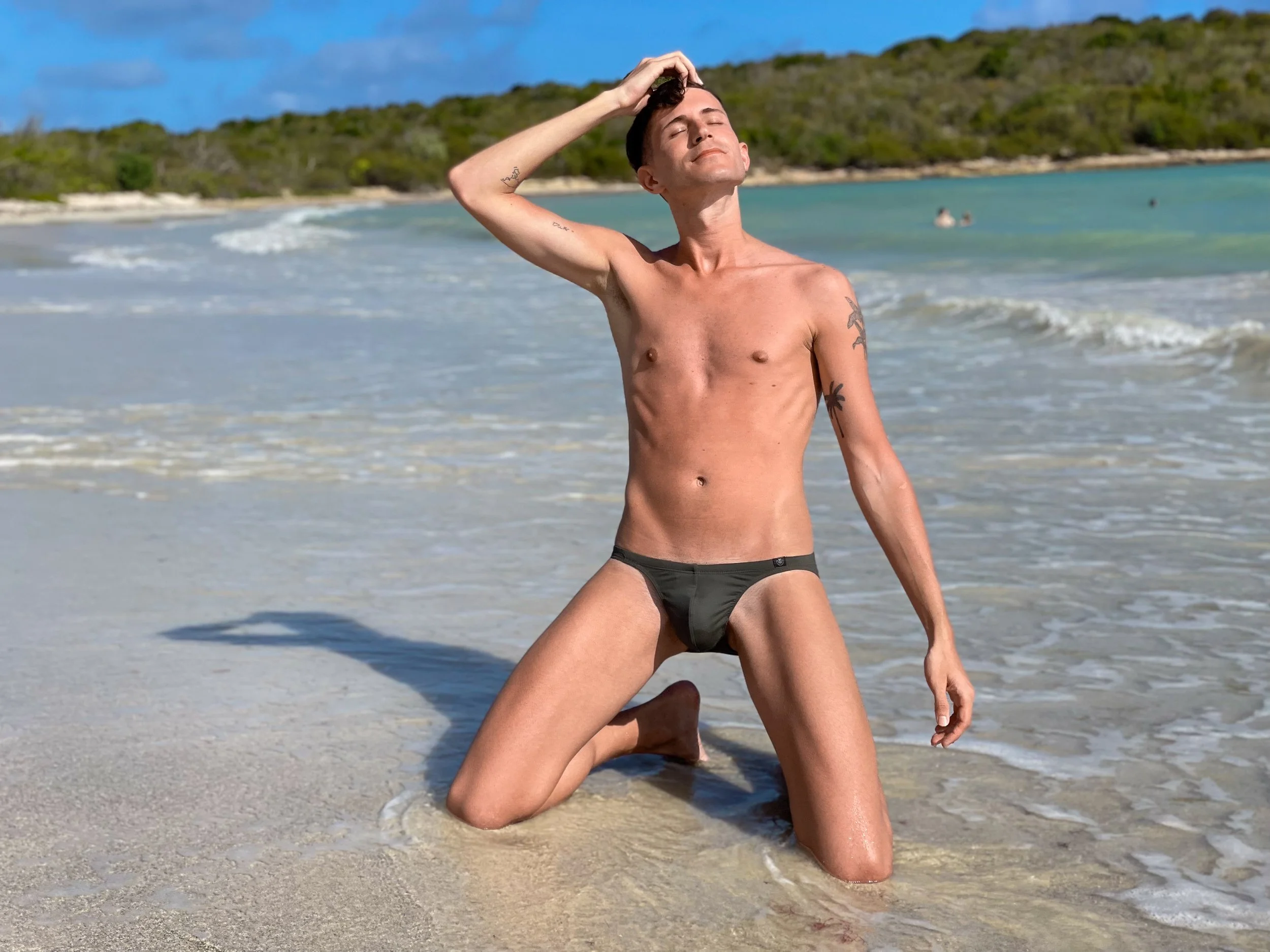
Playa Sucia. A crescent shaped beach covered in soft white sand hugging a turquoise bay. The beach overlooks distant cliffs and the Faro Los Morrillos Lighthouse. It’s a popular beach despite being semi-remote. Bring your own food, snacks and water for the day as there are no nearby kiosks or vendors.
Pro Tip. Like the other beaches, arrive early to find parking and a shaded spot under the tree line.
Nature Trails & Sights
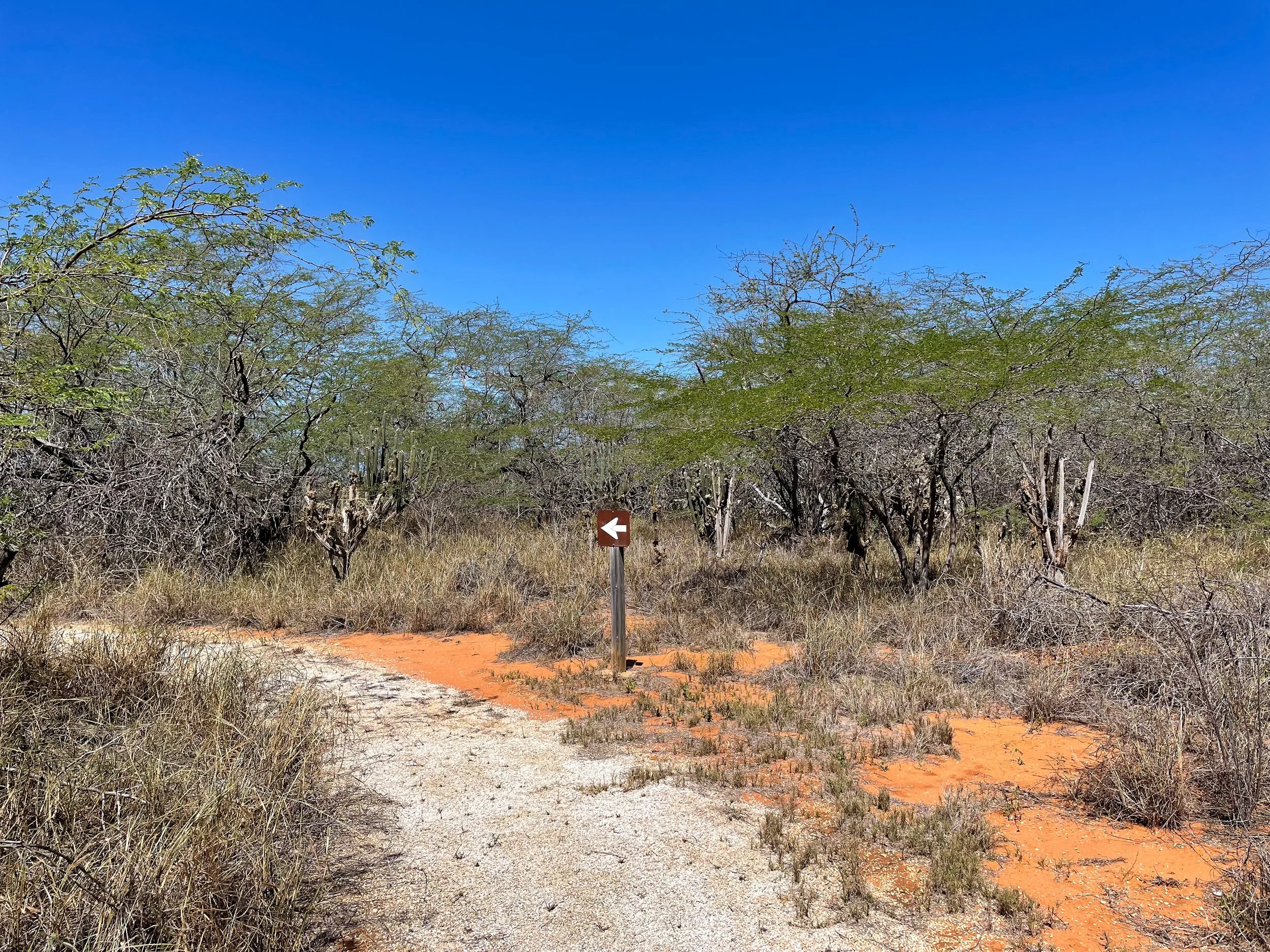
There are a few nature trails that weave through the salt flats and desert terrain surrounding the ponds. We spent about two hours hiking through them and exploring the area. When coming here, wear sun protection, bring a sturdy umbrella and plenty of water.
Observation Tower Loop. A trail leading through the dry forest from the visitor center to an observation tower overlooking a large salt pond.
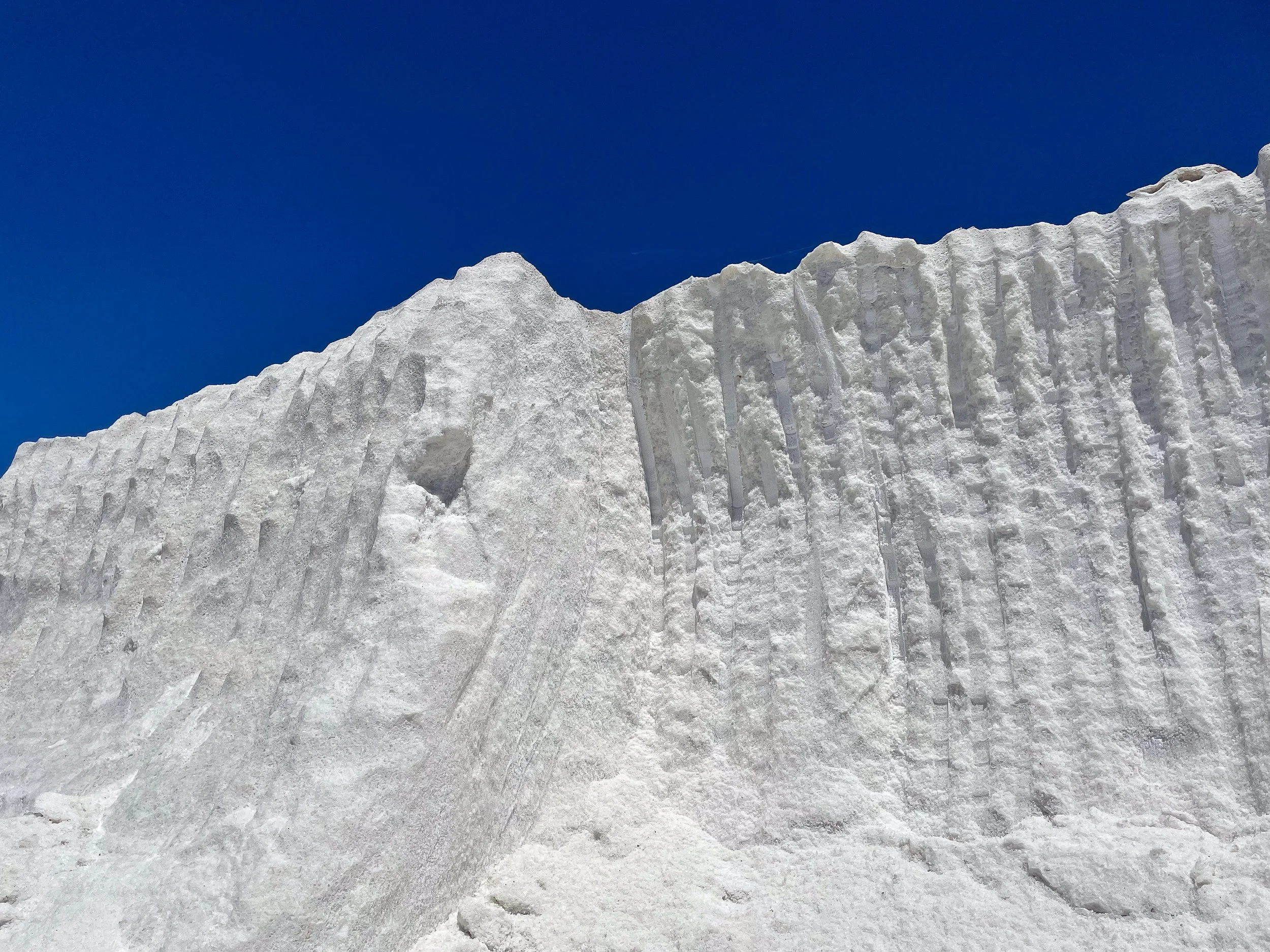
Ruins Trail. A trail that cuts across two large salt ponds, past piles of salt and smaller ponds. The trail ends at the sea and connects to the Observation Tower Loop and Bikes Trail.
Bikes Trail. A lengthy trail that weaves throughout the salt flats and along Playa El Combate. It can be hiked but is frequently used by mountain bikers.
Faro Los Morrillos Lighthouse. A cliffside lighthouse with panoramic views of the Caribbean Sea. Nature trails lead from the Cabo Rojo Salt Flats and Playa Sucia across the peninsula, rock formations and steep jagged cliffs.
Places to Eat & Drink
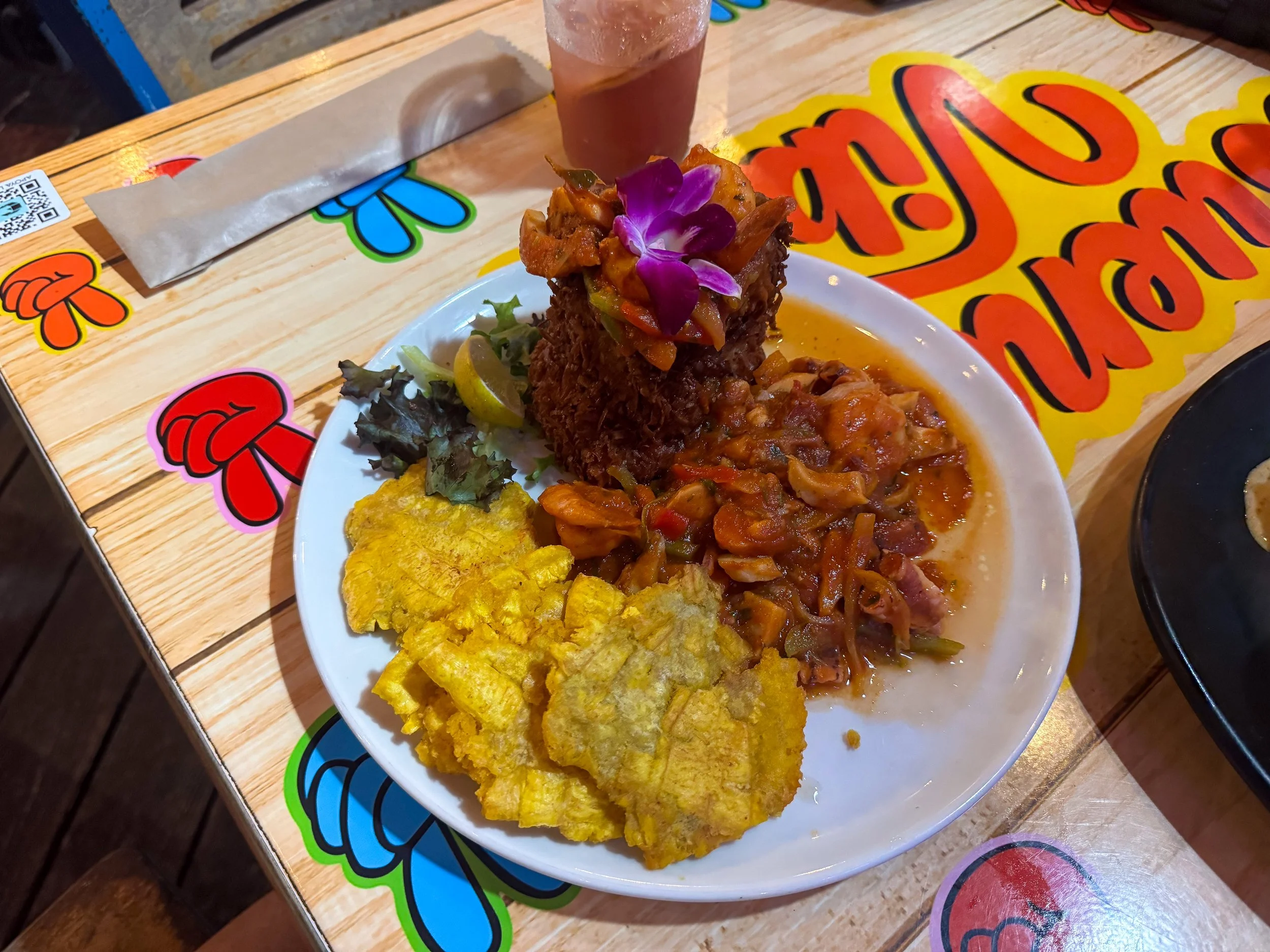
Buena Vibra. A restaurant with innovative Caribbean dishes and seafood like a ceviche filled pineapple, mahi mahi stuffed avocados and coconut encrusted grouper. It’s one of the best restaurants we’ve dined at on the island! Meals are pricy but worth every dollar.
San Germán Pueblo
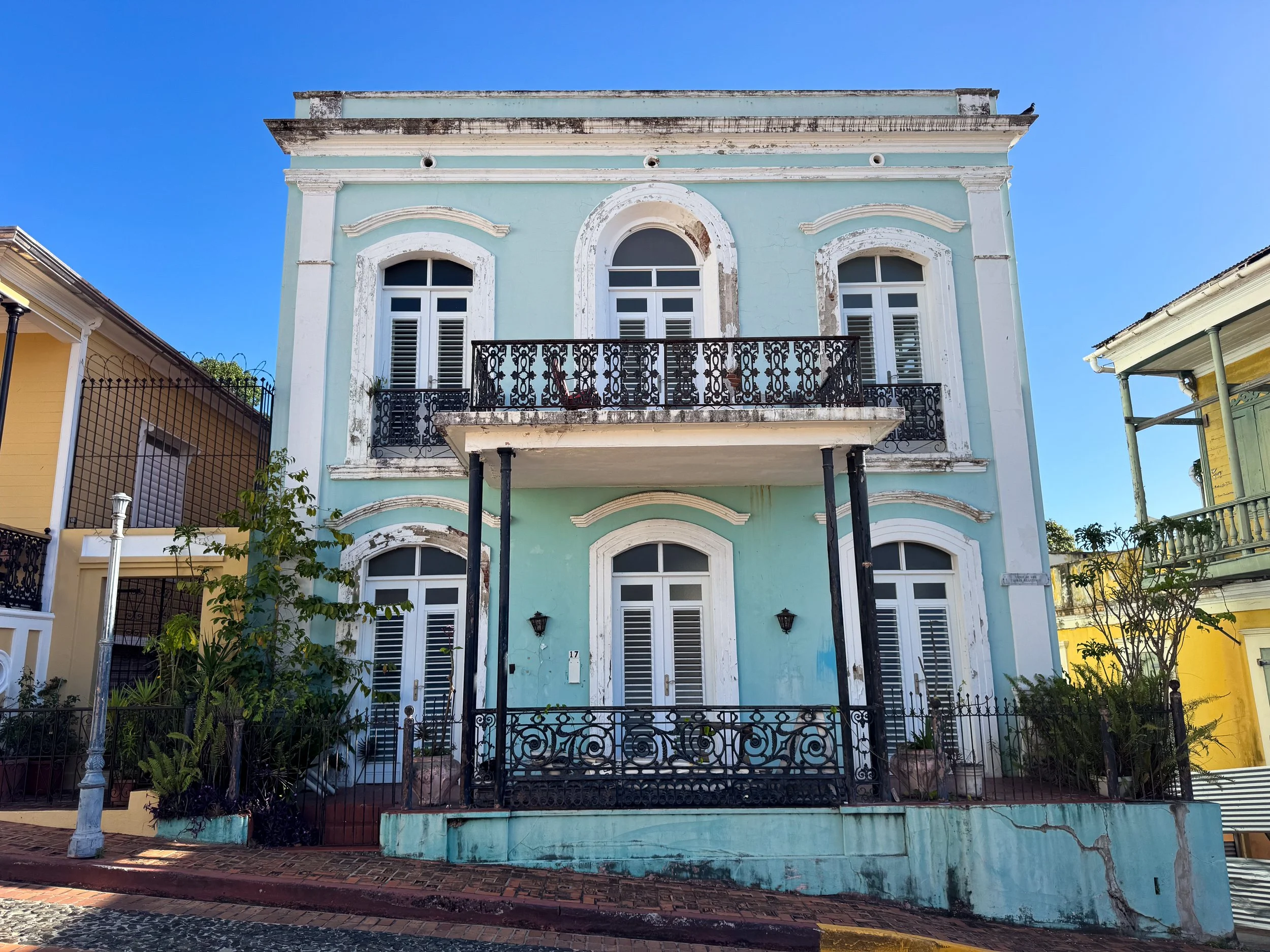
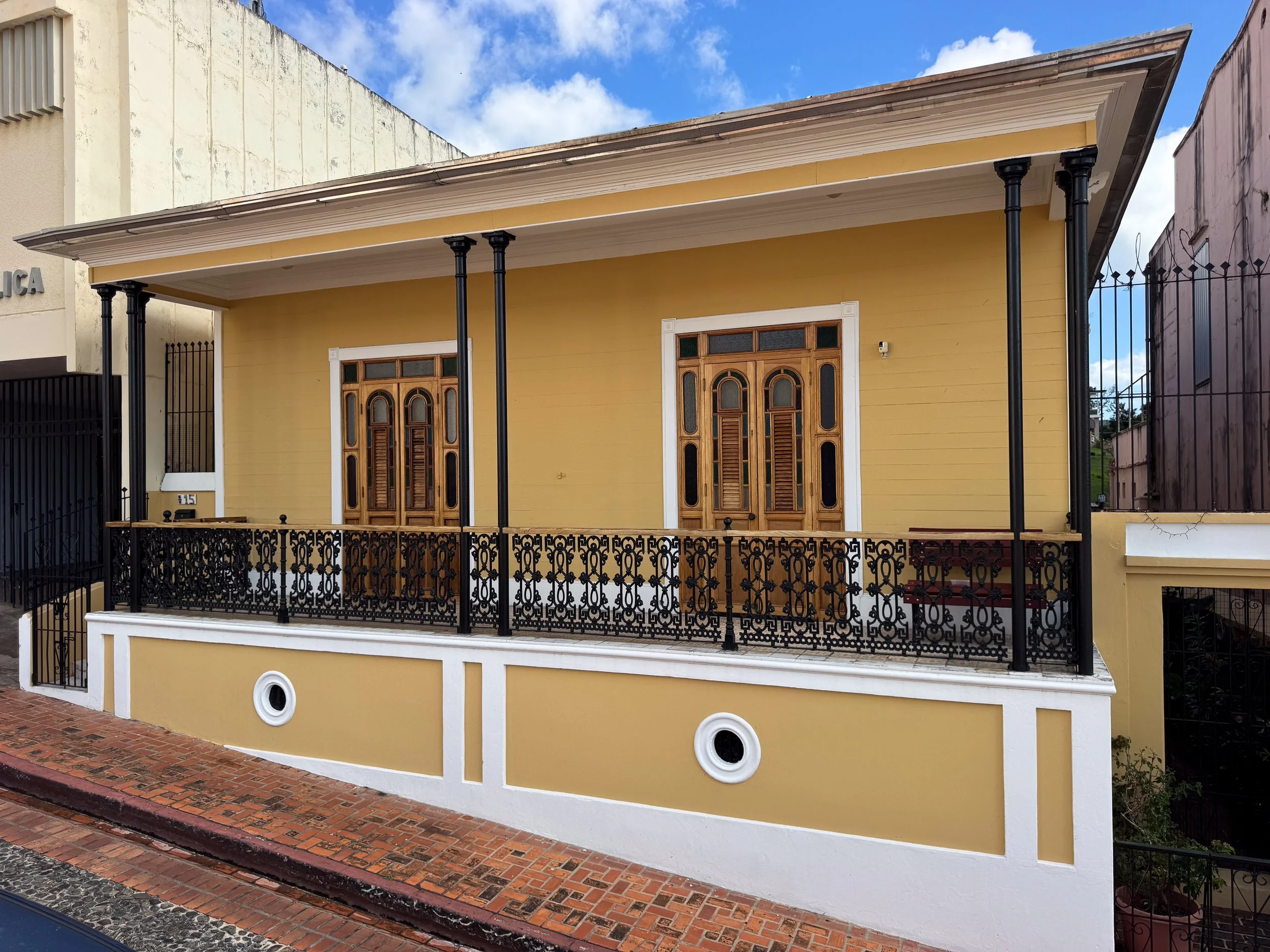
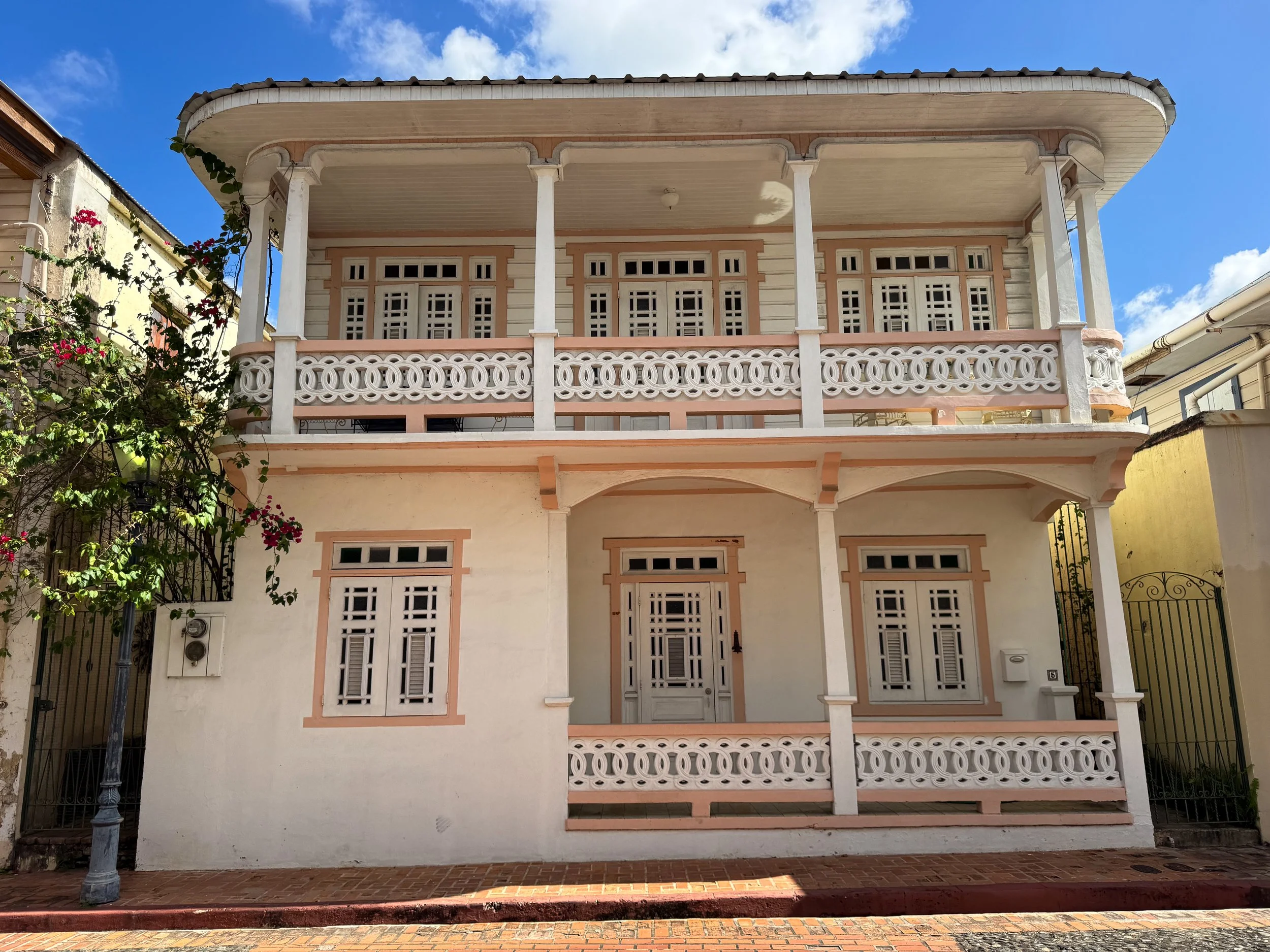
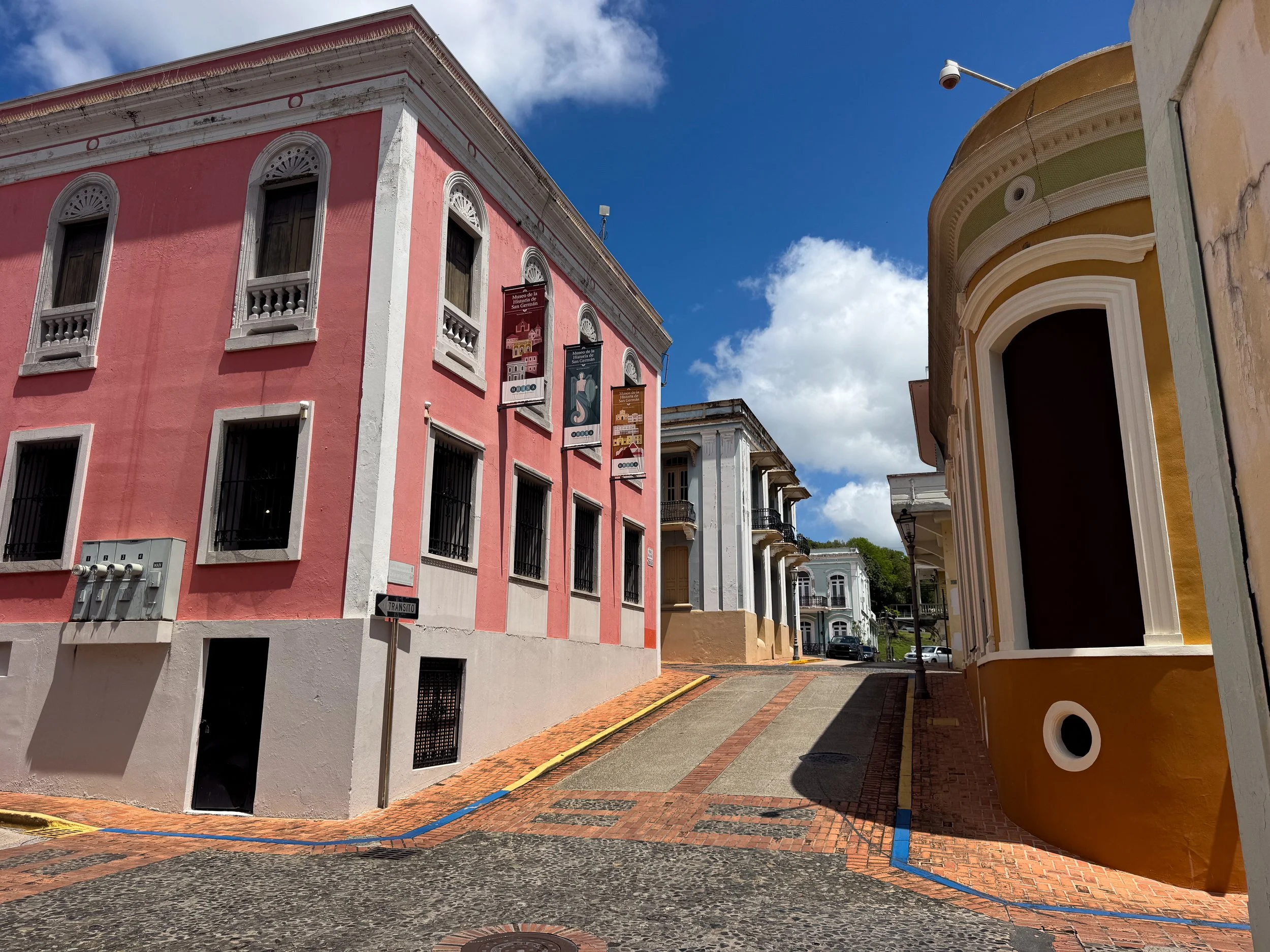
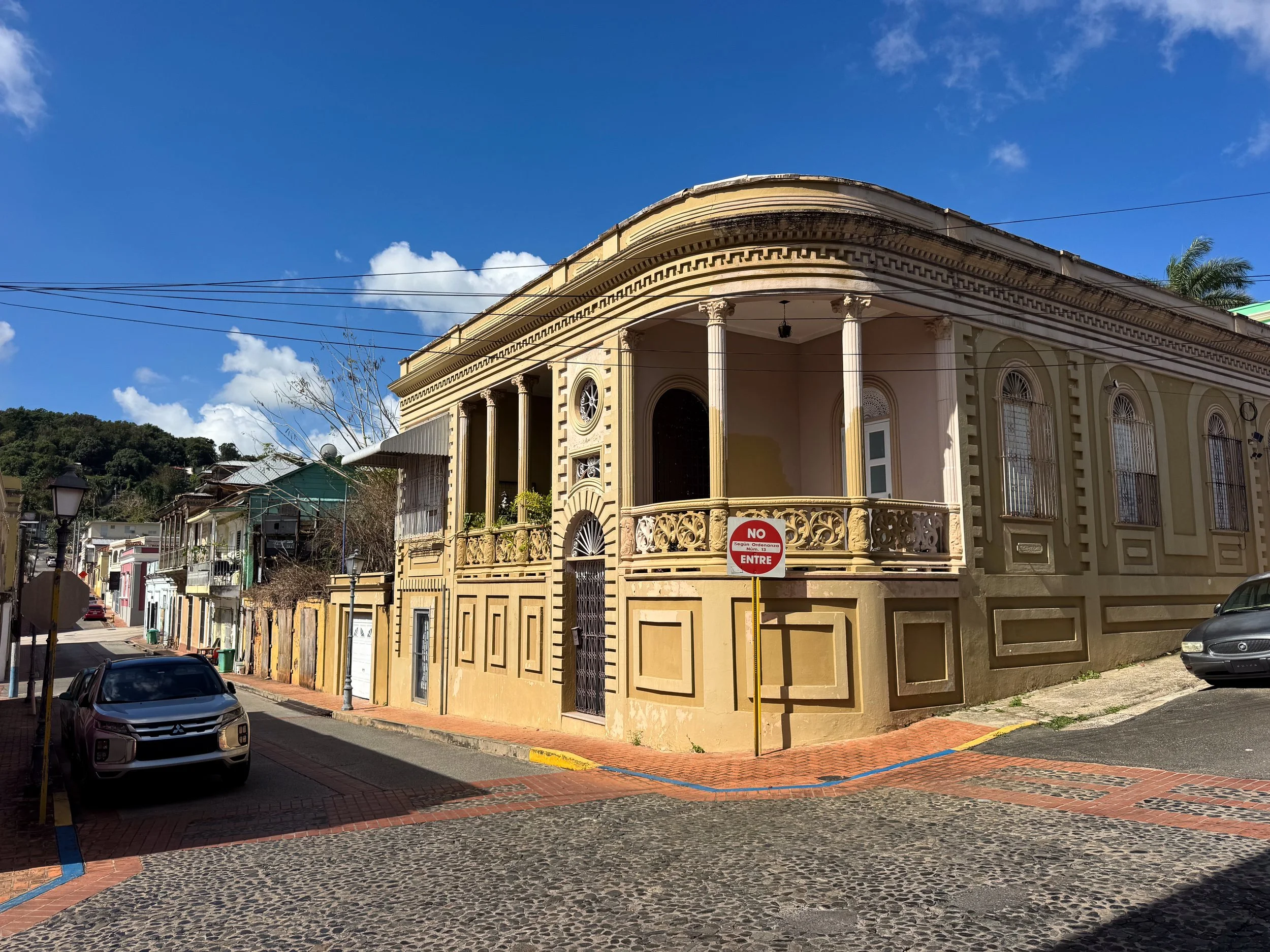
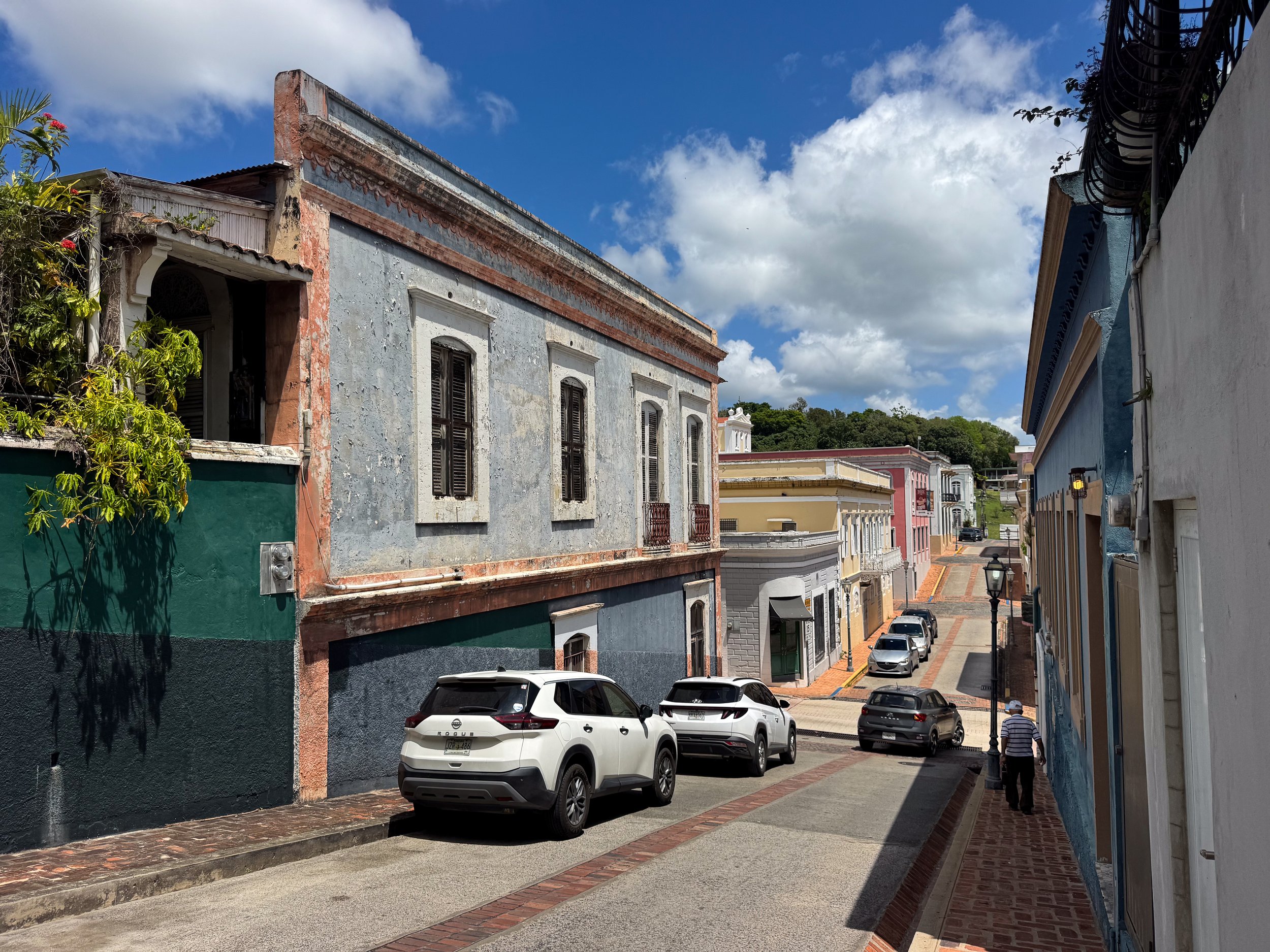
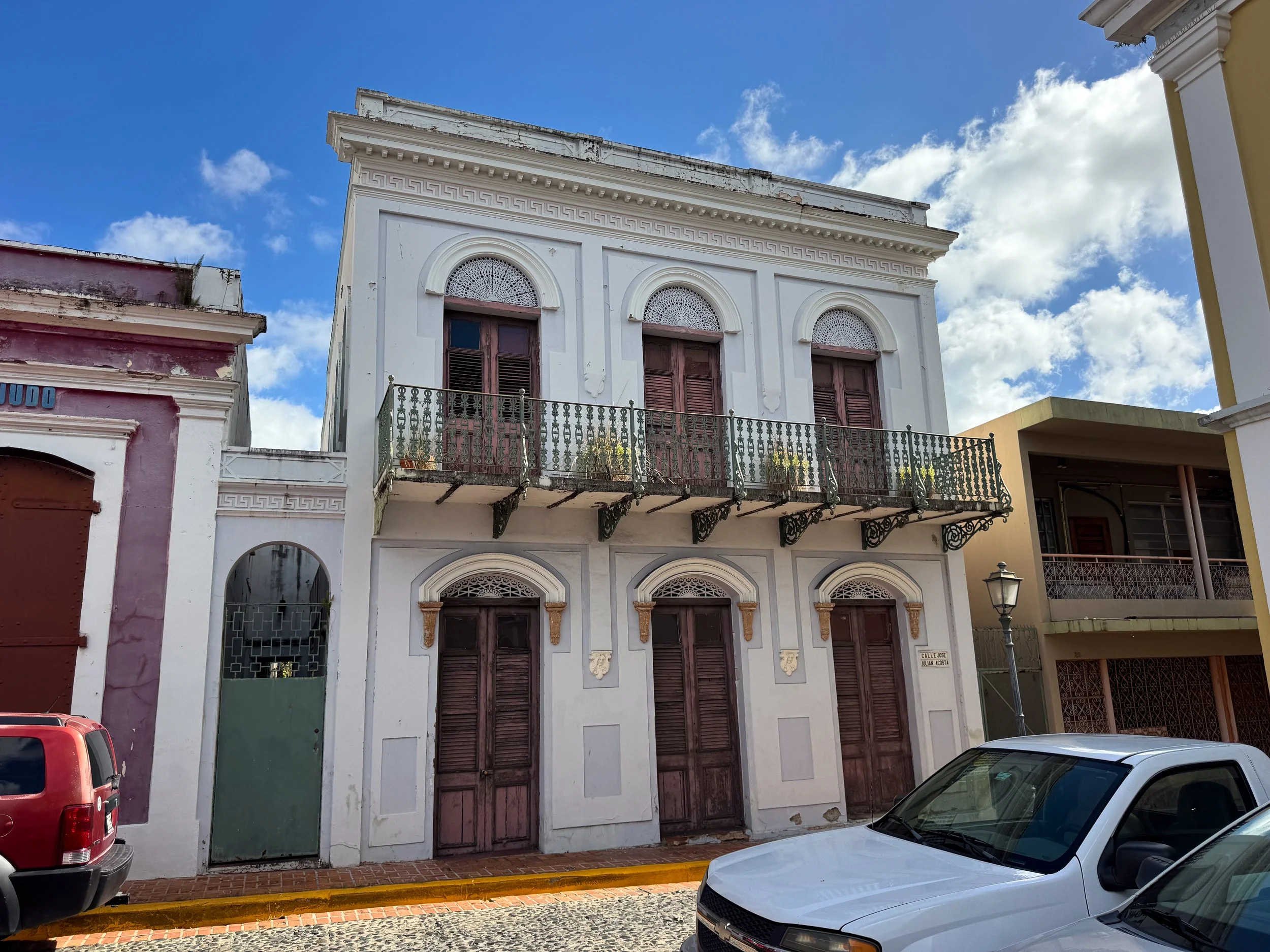
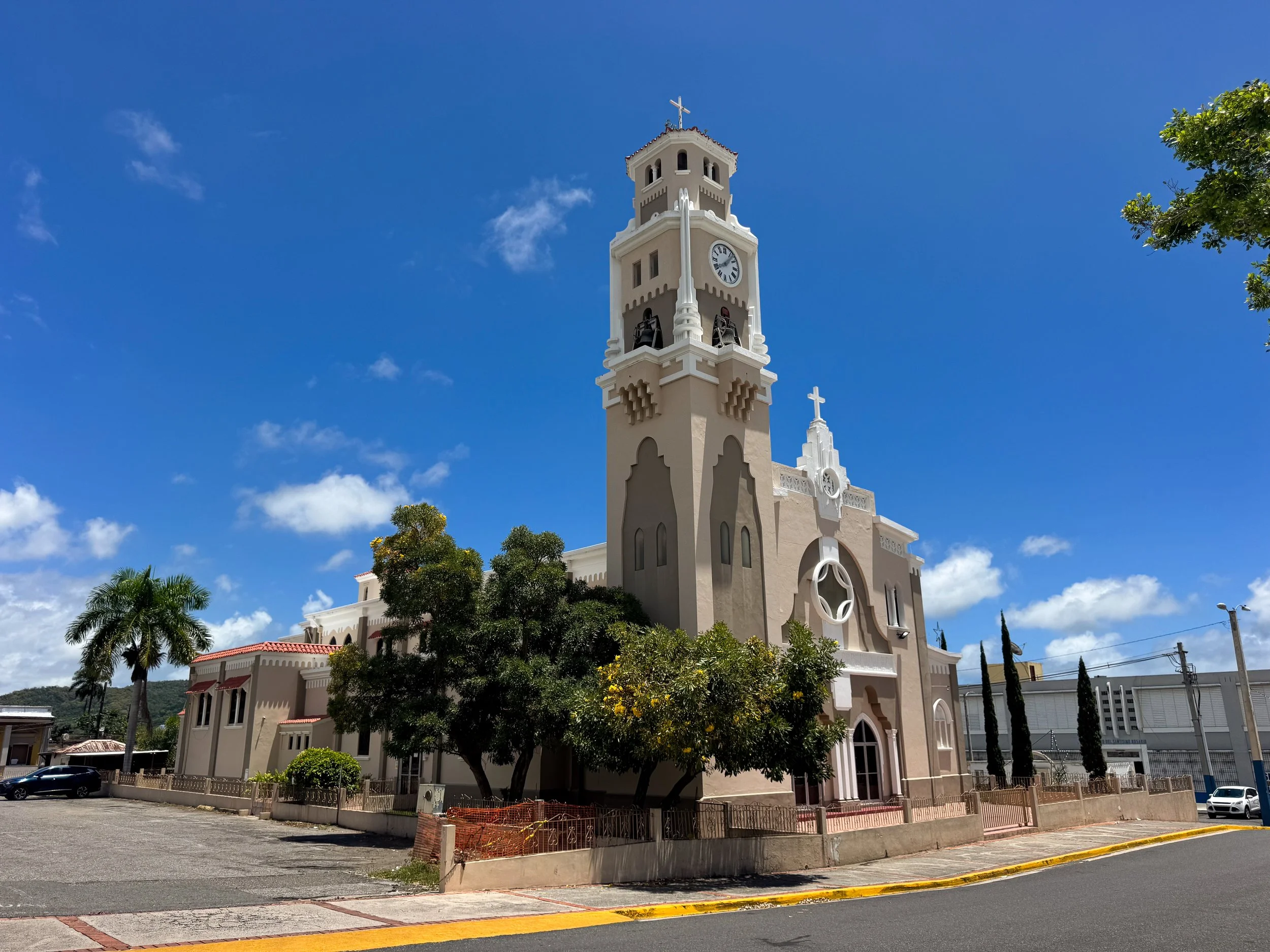
San Germán Pueblo is a charming mountain town deeply rooted in Puerto Rican culture and history. Its origins date back nearly 500 years to the early Spanish colonial period, a time of French corsairs and indigenous rebellions. The historic center is defined by red brick and cobblestone streets, treelined and manicured plazas, colorfully painted and stylized buildings. It’s home to local residences, municipal buildings, churches, museums and restaurants.
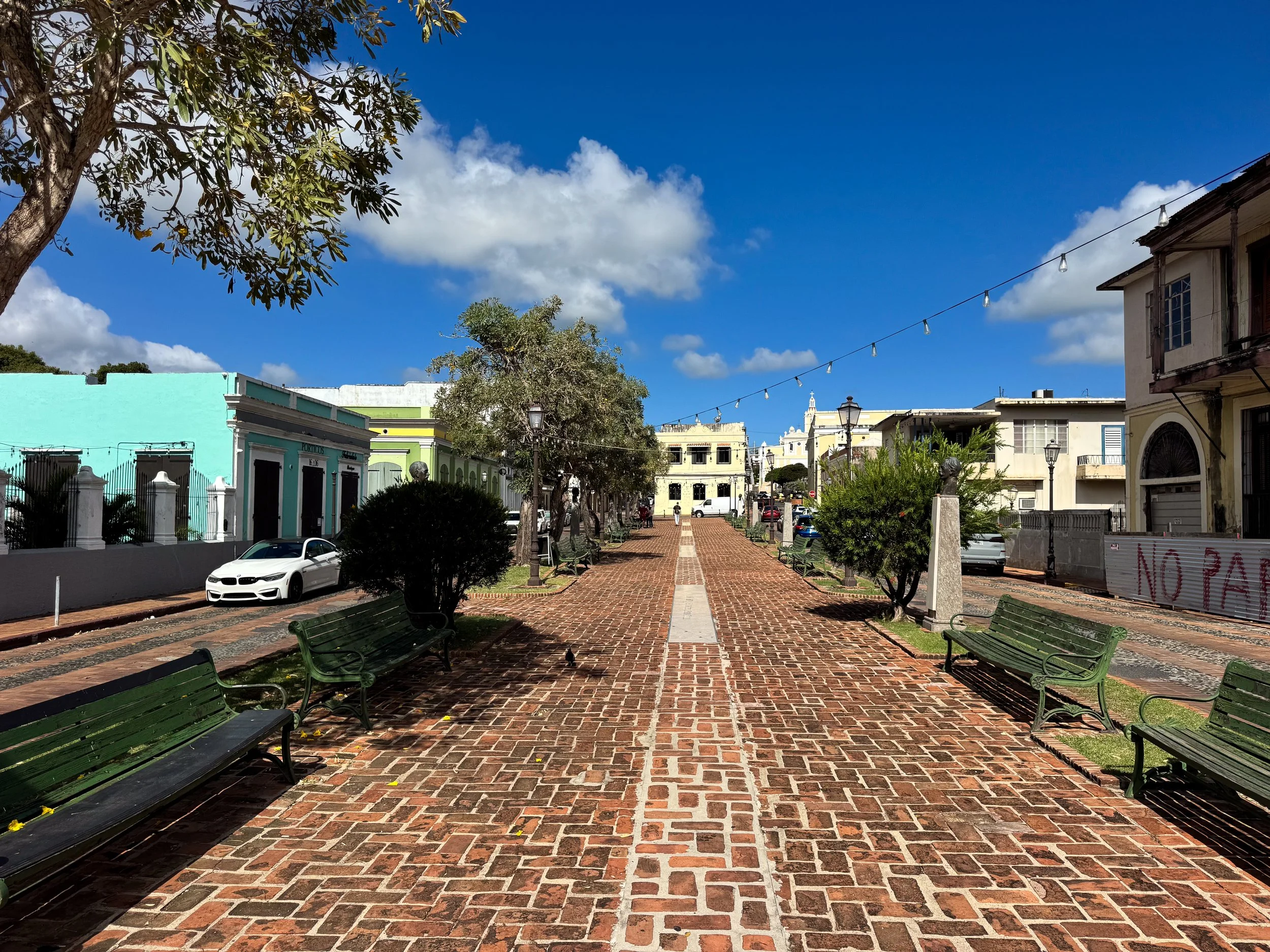
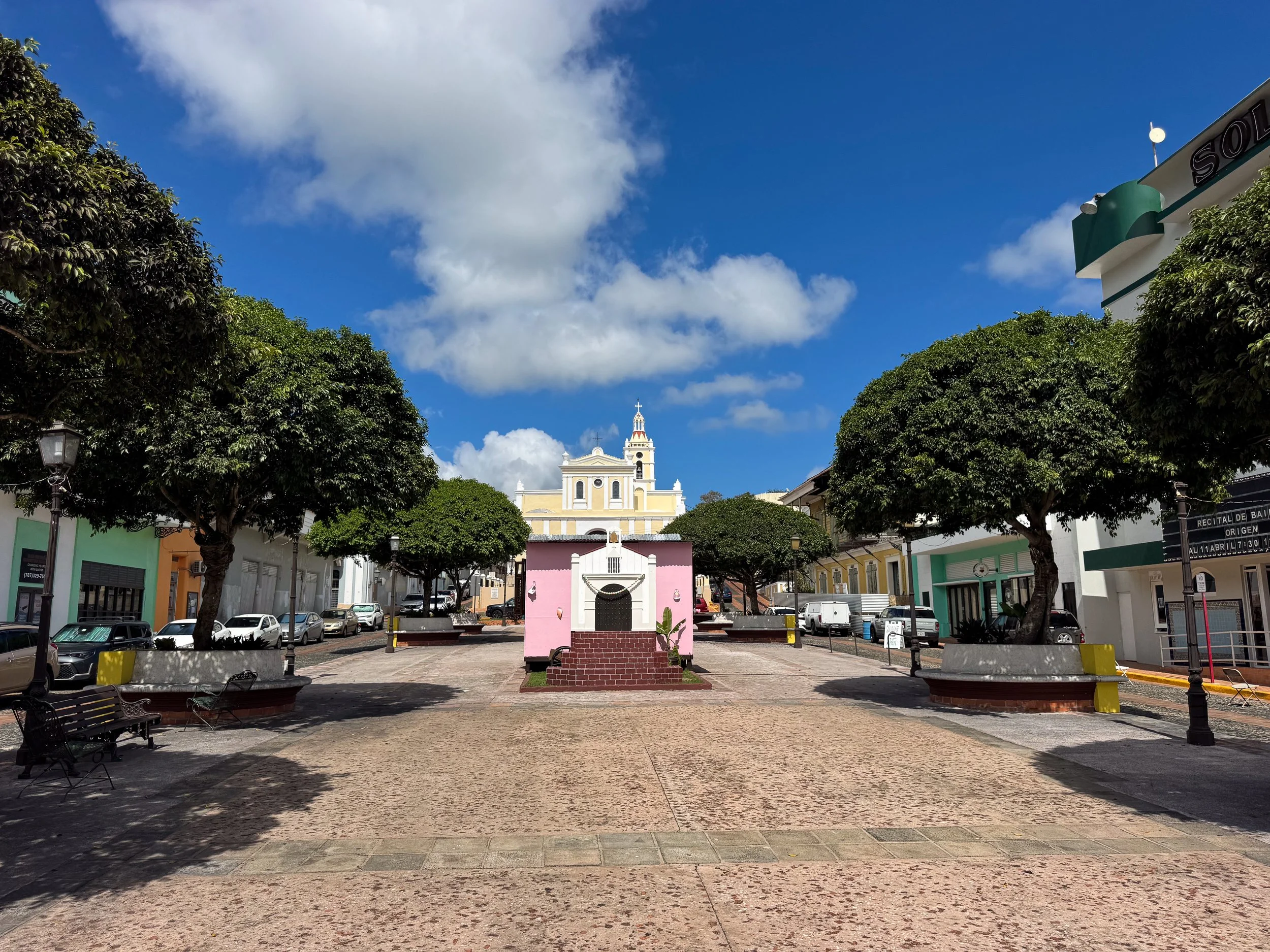
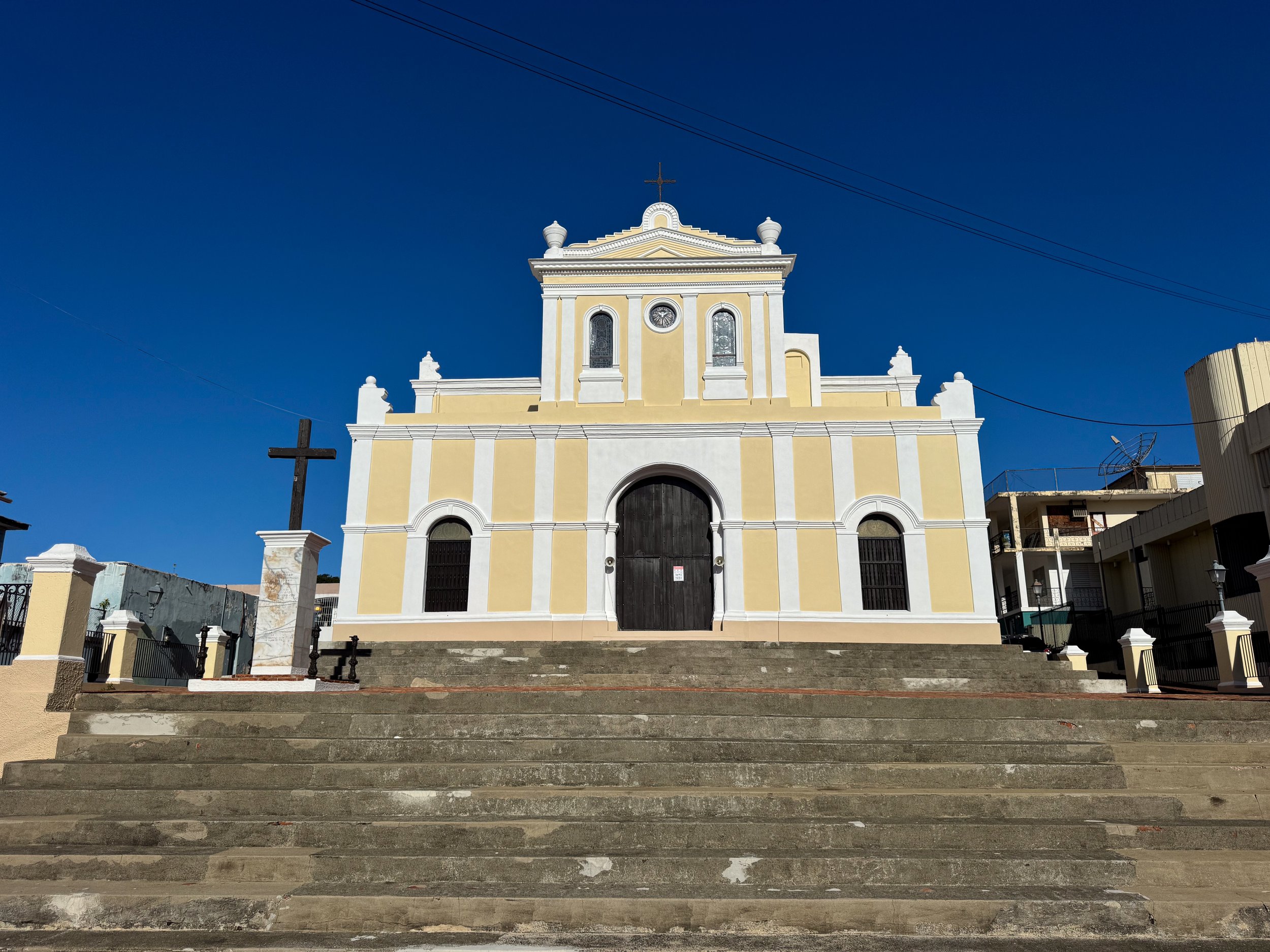
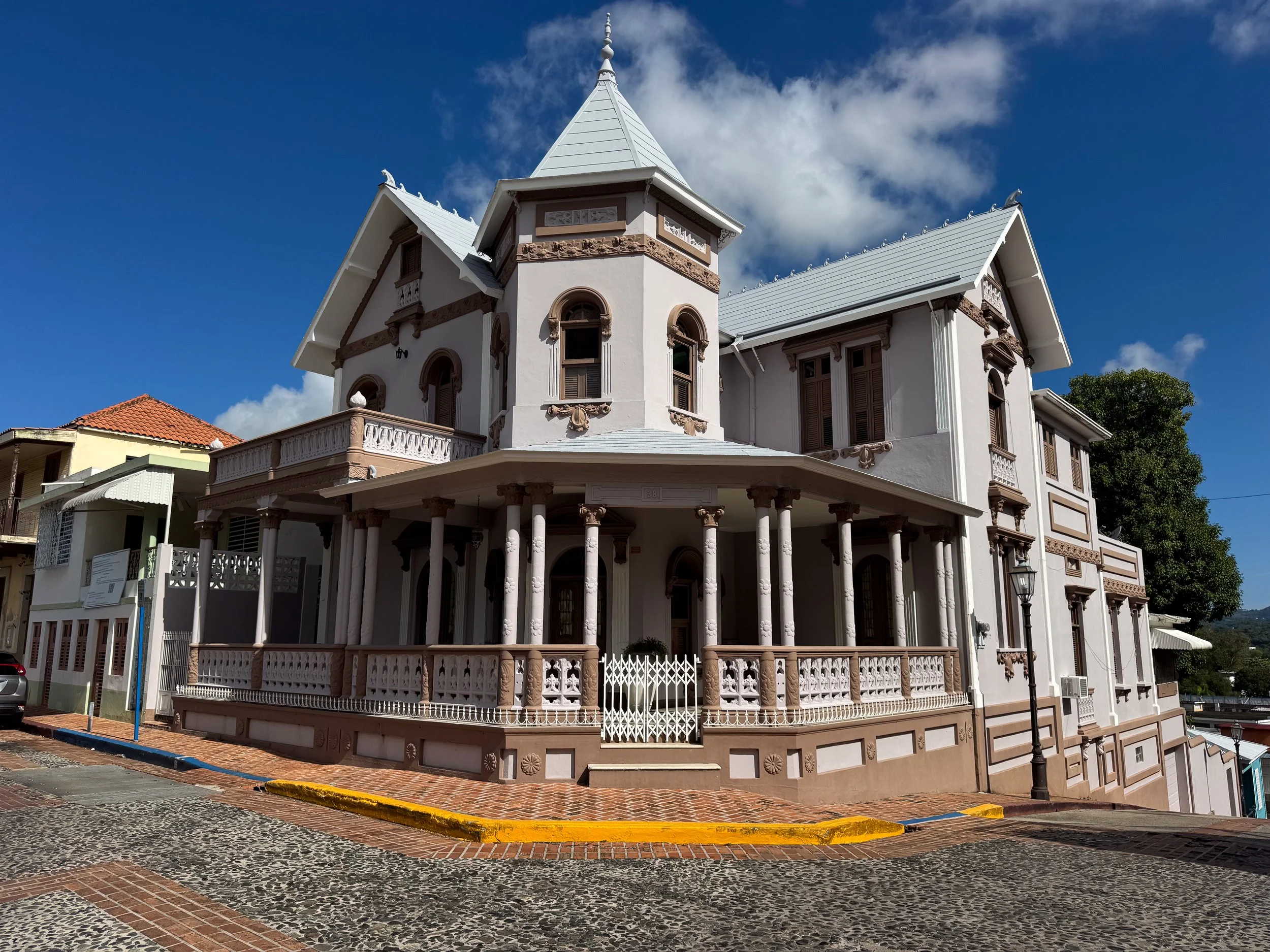
Plaza San Germán. A historic plaza at the center of San Germán Pueblo. It’s surrounded by colonial era and landmark buildings including the town hall, theater and church.
Plaza Santo Domingo. A tree lined and brick paved plaza with green benches, bronze busts and overhanging strings of twinkle lights. It’s flanked by historic wooden homes, colorful buildings and the Porta Coeli.
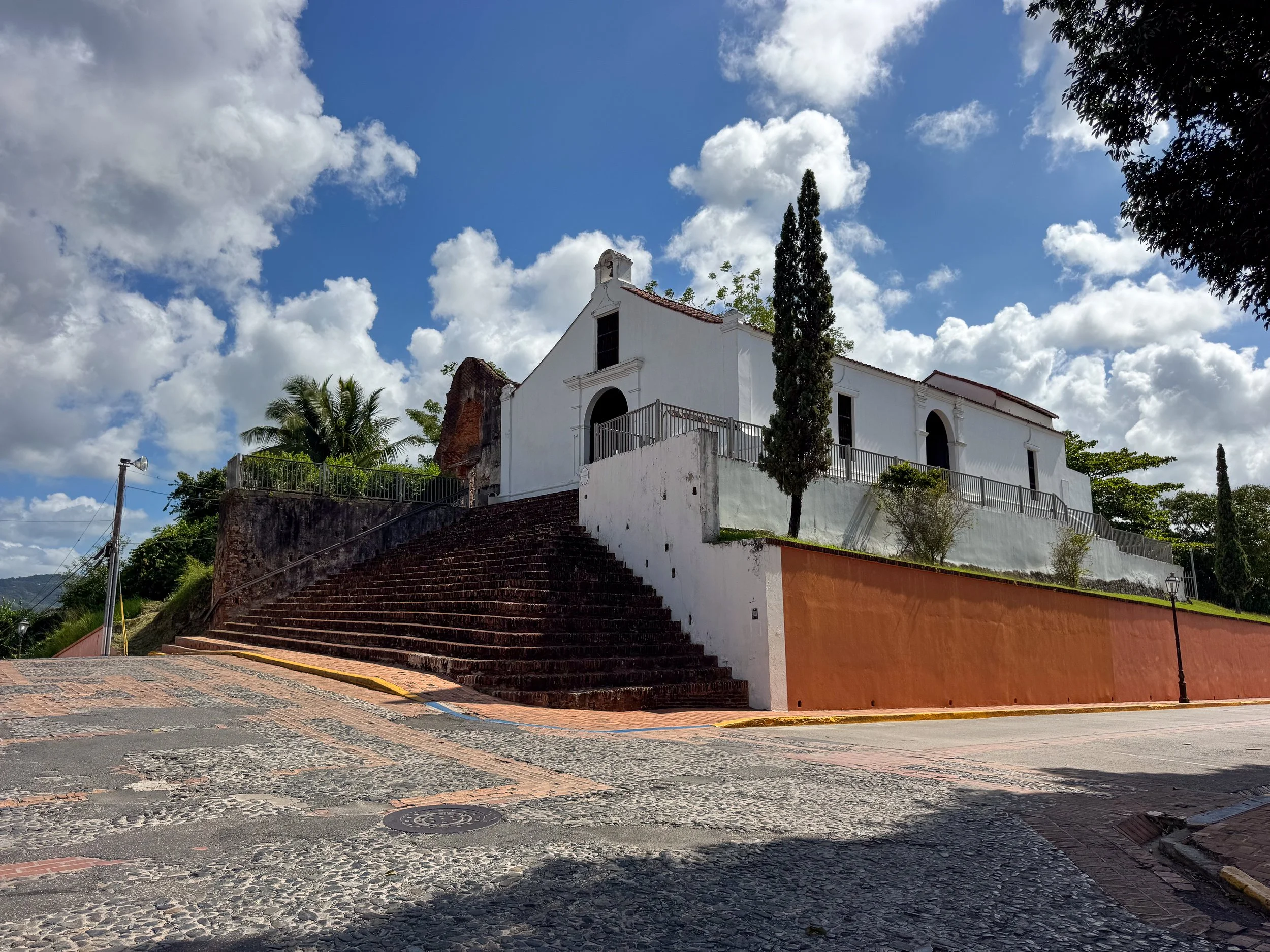
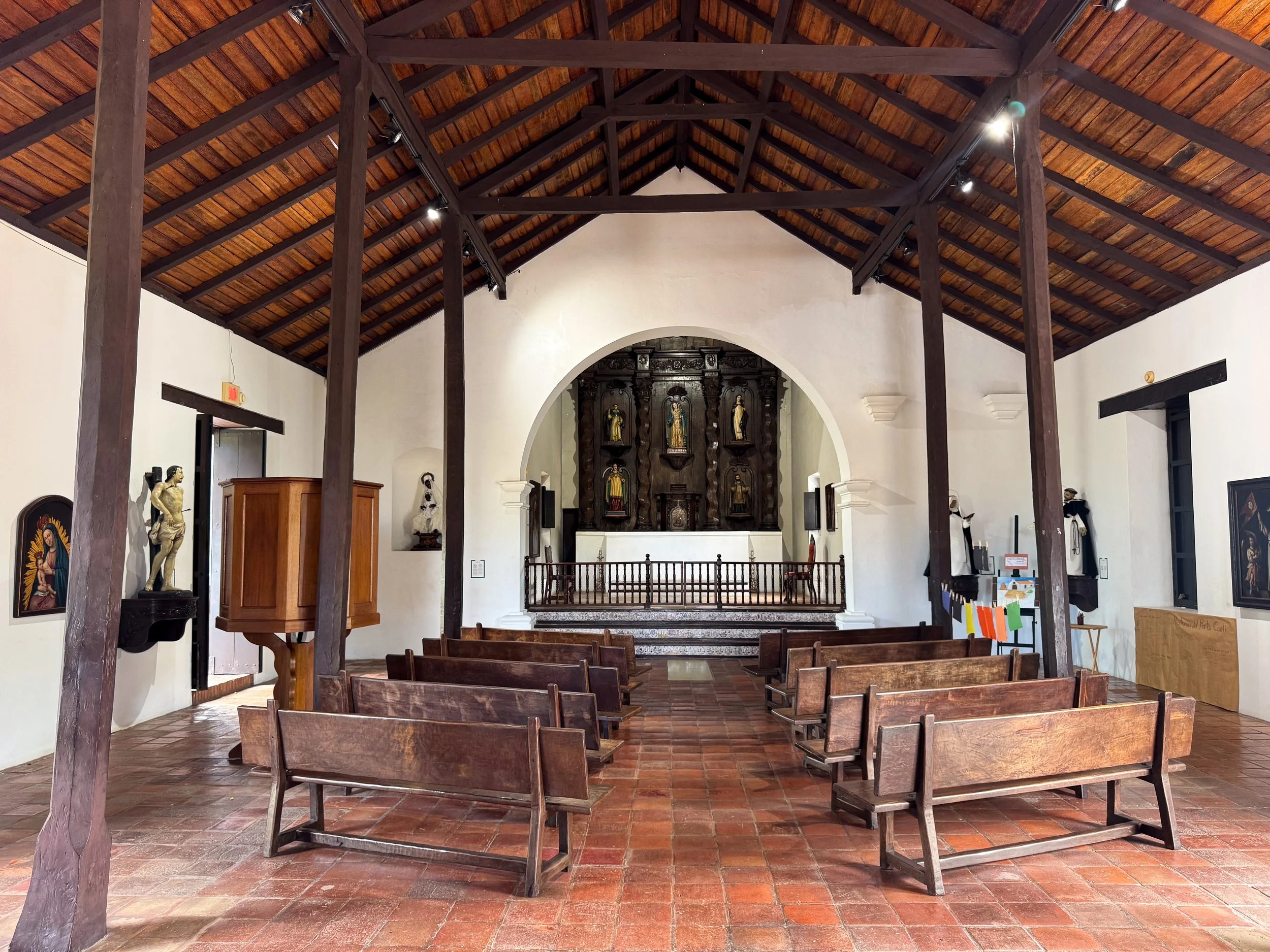
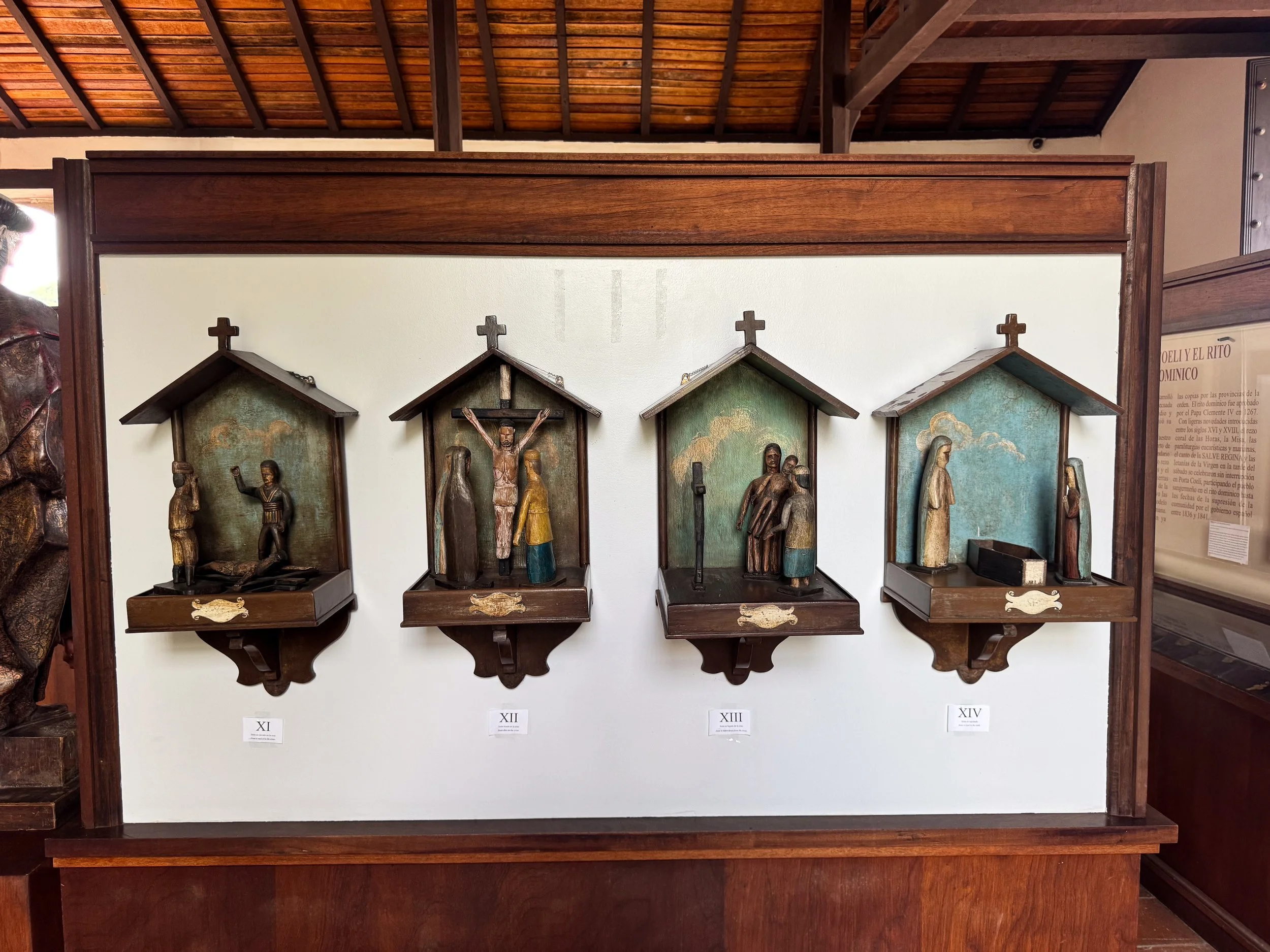
El Convento de Santo Domingo de Porta Coeli. A 400+ year old church converted into a museum of religious artwork. It features paintings and wooden artifacts like hand carved statues, the stations of the cross and a large reredos. It overlooks the Plaza Santo Domingo.
Casa Morales. A landmark house with ornamental designs, a wrap around porch and wooden shutters. It’s a central feature of the Plaza Santo Domingo.
Parroquia San Germán de Auxerre. A 300+ year old neoclassical church located at one end of the Plaza San Germán.
Museo de la Historia de San Germán. A historical museum with largely written exhibits about the history of San Germán and Puerto Rico from pre colonial times to modern day.
Ceiba de la Libertad. A 100+ year old Ceiba tree planted to commemorate Puerto Rico’s right to self governance from Spain in 1897.
Places to Eat & Drink
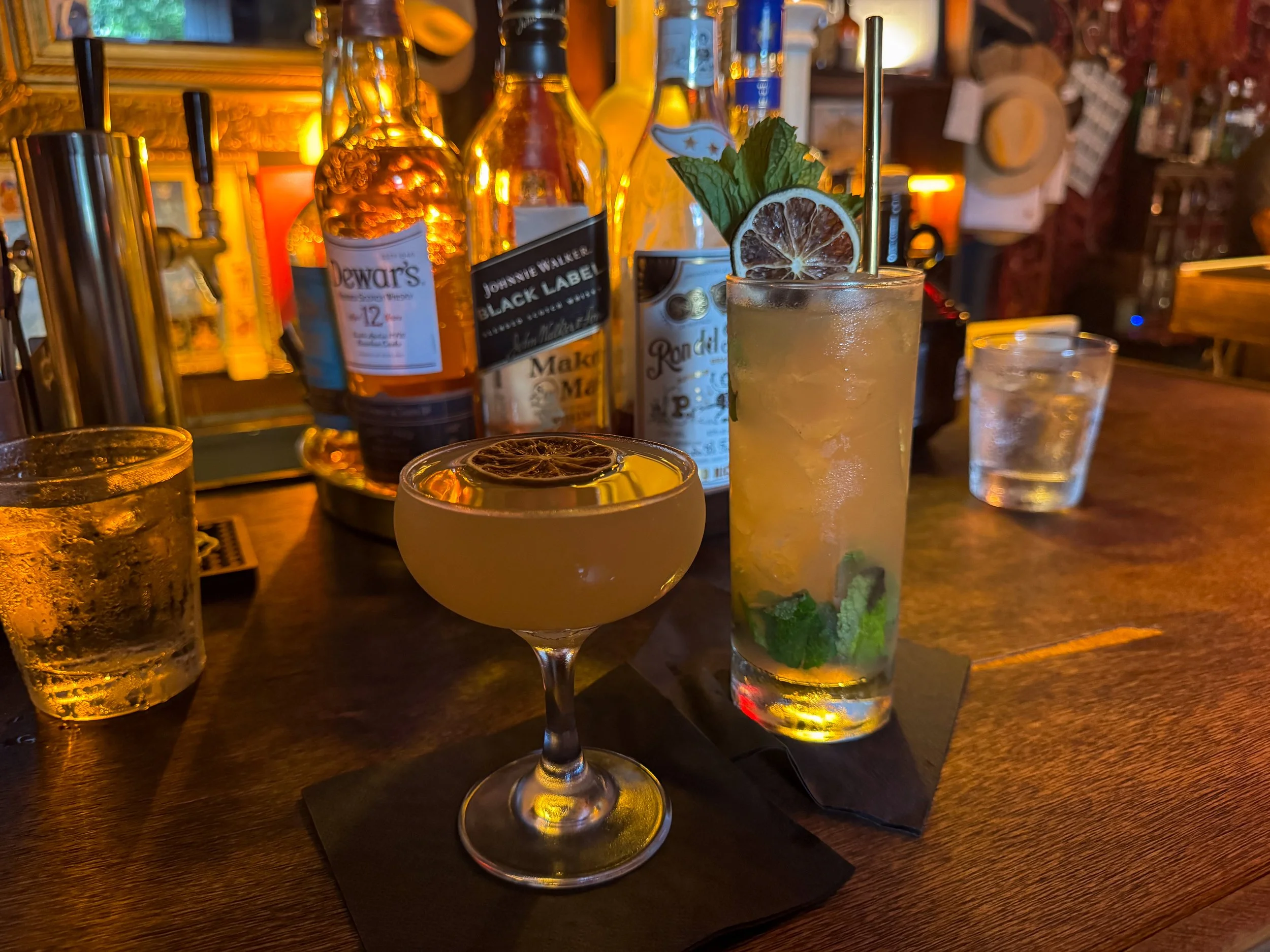
El Cubujon. A popular cocktail bar and lounge specializing in signature cocktails and reenvisioned classics. Try their Daiquiri made with Puerto Rican rum or the Piña Buena made with clarified citrus punch and coconut oil.
Me Latte un Pocillo. A brunch cafe in the Plaza San Germán offering Puerto Rican coffee and waffles, omelettes and sandwiches. Sit at their sole outdoor table, overlooking the plaza, listening to the musical sounds of the town’s church bells.
Yí Restaurant. A Caribbean restaurant serving a fusion of Haitian, Creole and Puerto Rican cuisine. Order the stuffed Mofongo, fried plantain mash and Accra, a yautía and malanga fritter.
Bosque Estatal de Maricao
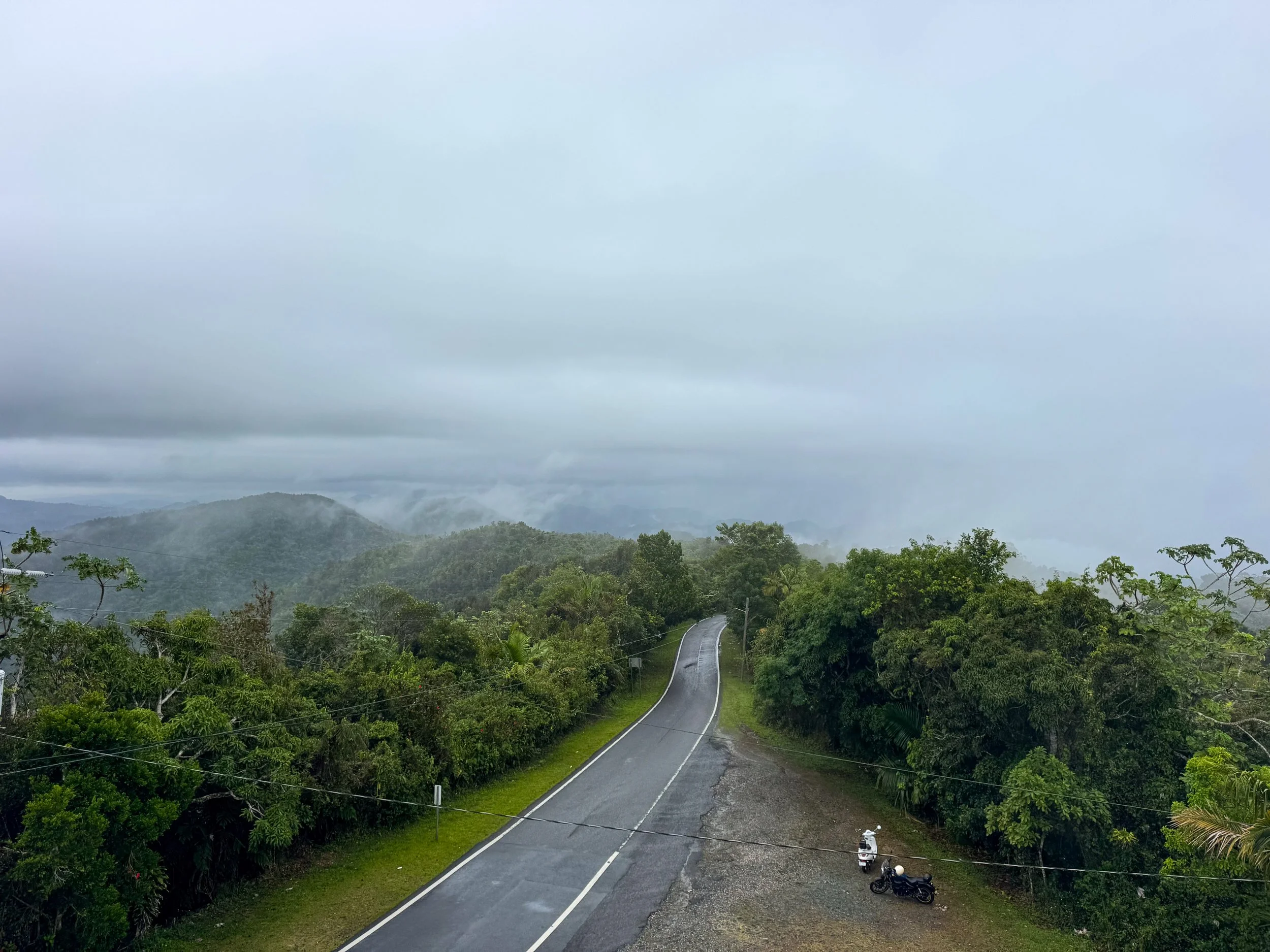
Bosque Estatal de Maricao is a tropical forest covering the mountains bordering San Germán and Maricao. Drive along Ruta Panorámica 120 from the town of Sabana Grande to the town of Maricao to experience it. Stop at La Torre de Piedra, a castle shaped stone tower on a mountainous ridge overlooking the forest.
Lajas
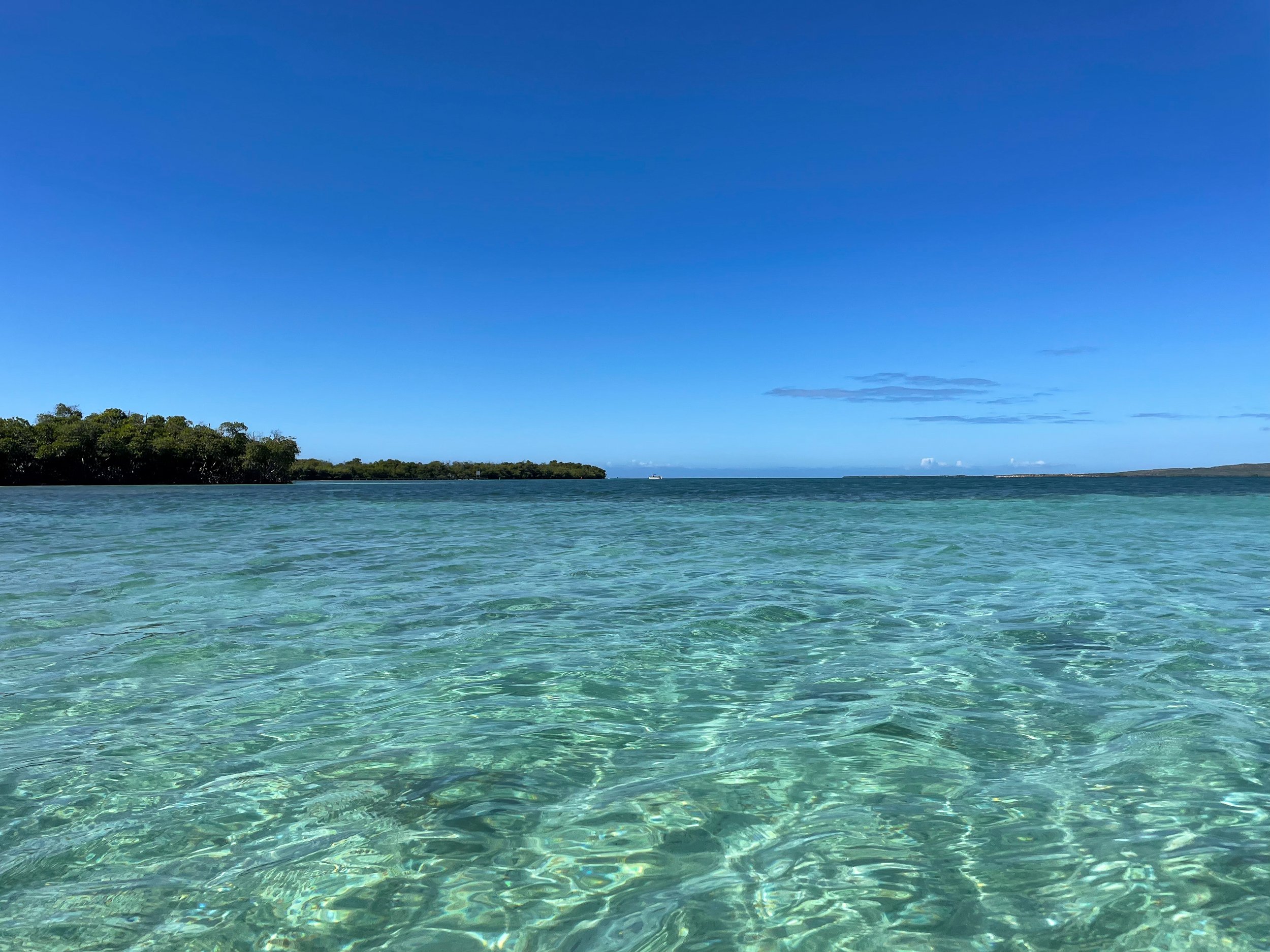
Lajas is a coastal region of Puerto Rico along the Caribbean Sea with fishing villages, mangrove forests, chains of cayos, turquoise sand bars and one of the island’s famed bioluminescent bays. Its inland valleys are abundant with pineapple farms and roadside stands selling fruits and honey.
La Parguera
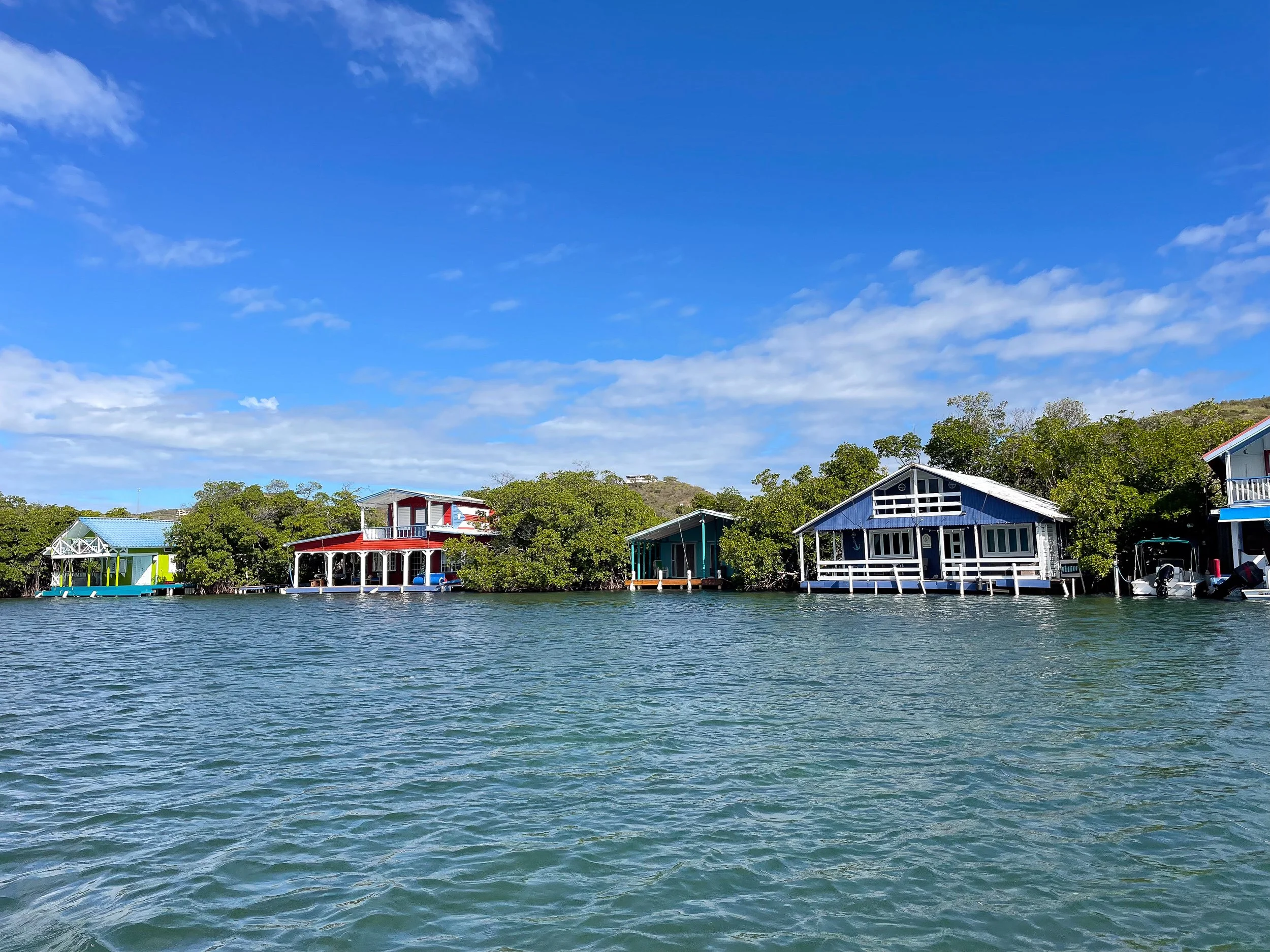
La Parguera is a fishing town along the coast of Lajas. It’s a hub for marine activities like boating, snorkeling and scuba diving. Floating houses line the waterways while the town center is home to several tour operators, a night market with craft and souvenir vendors, late night bars and seafood restaurants.

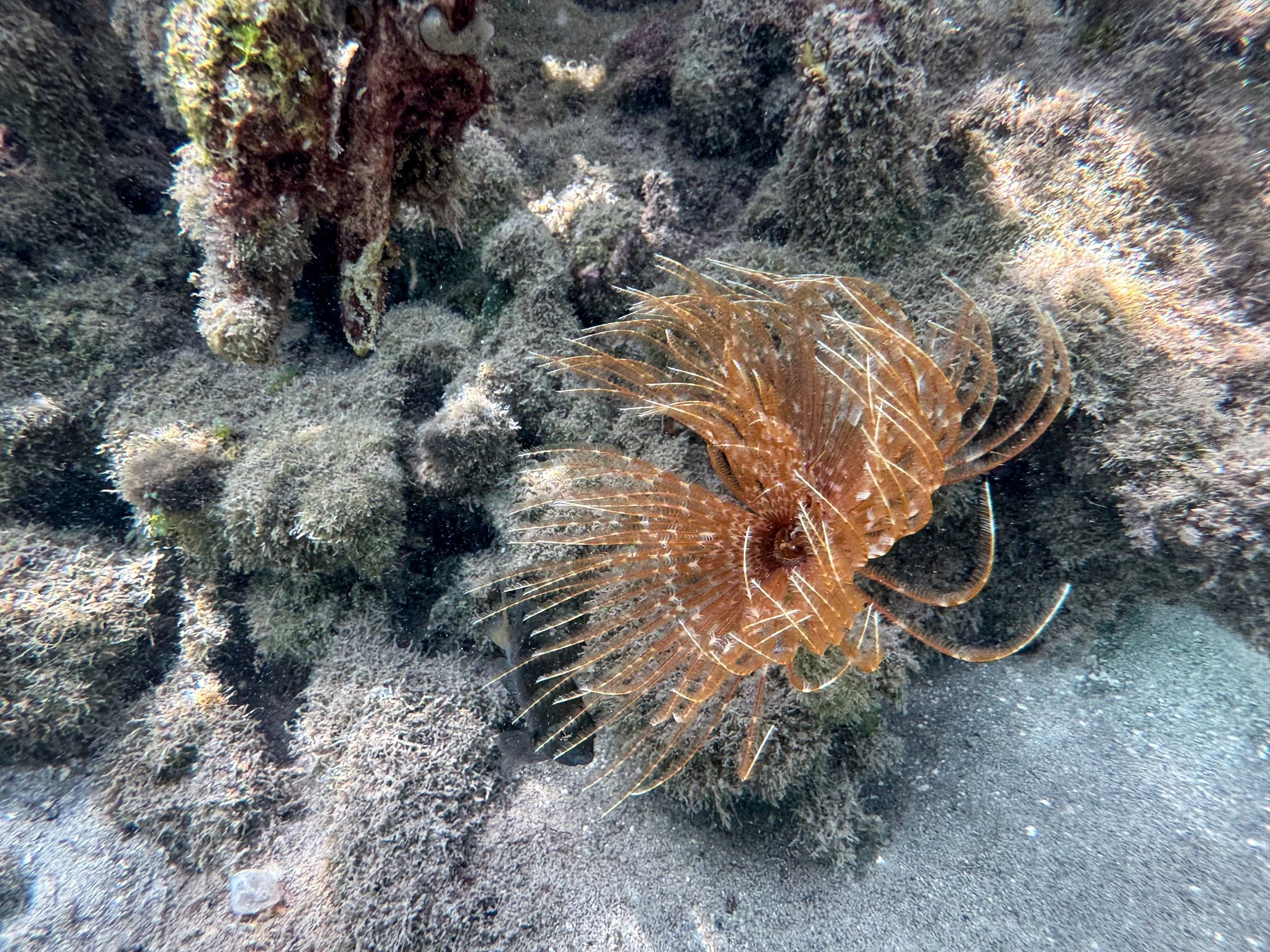
La Parguera Nature Reserve
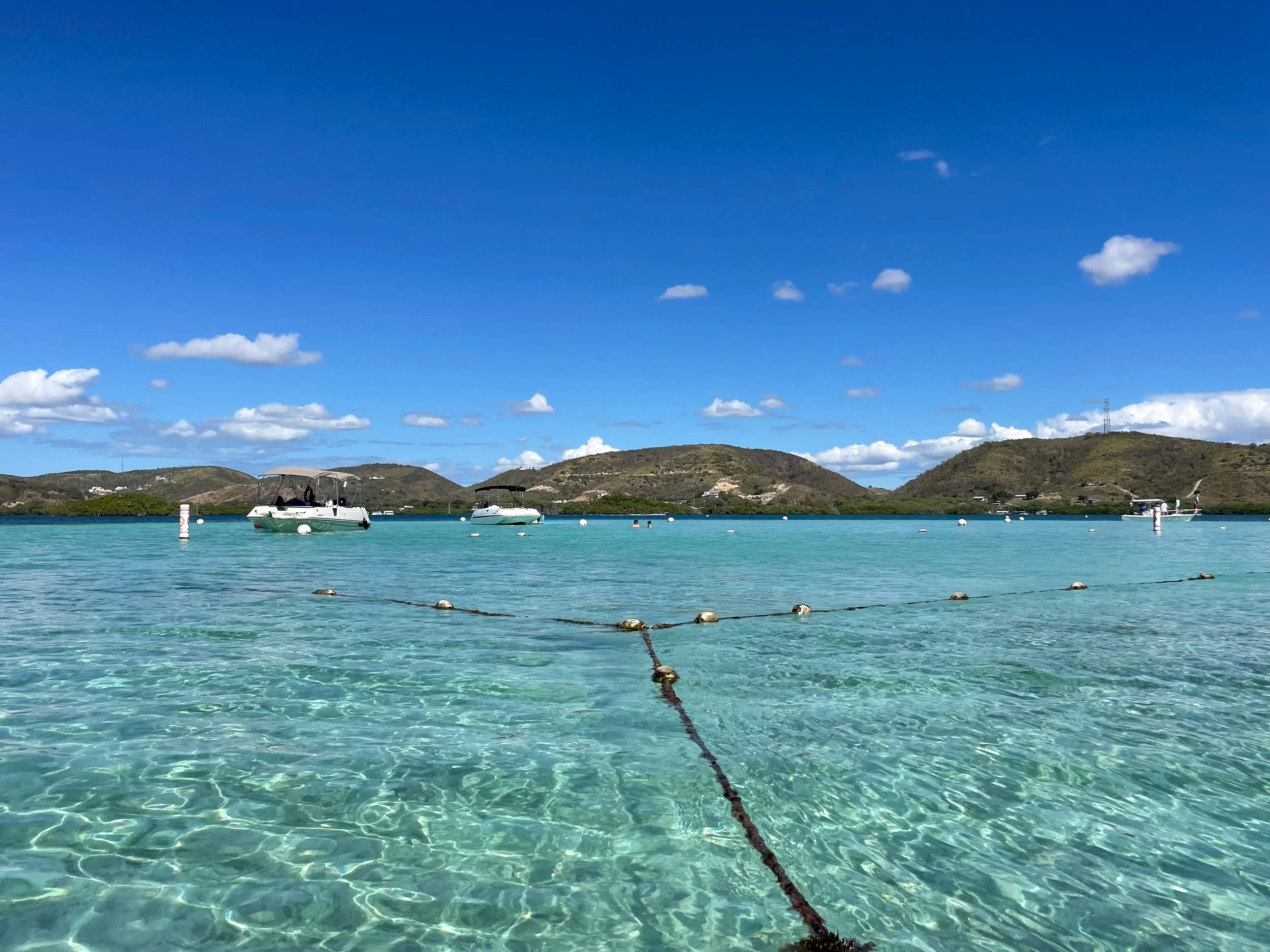
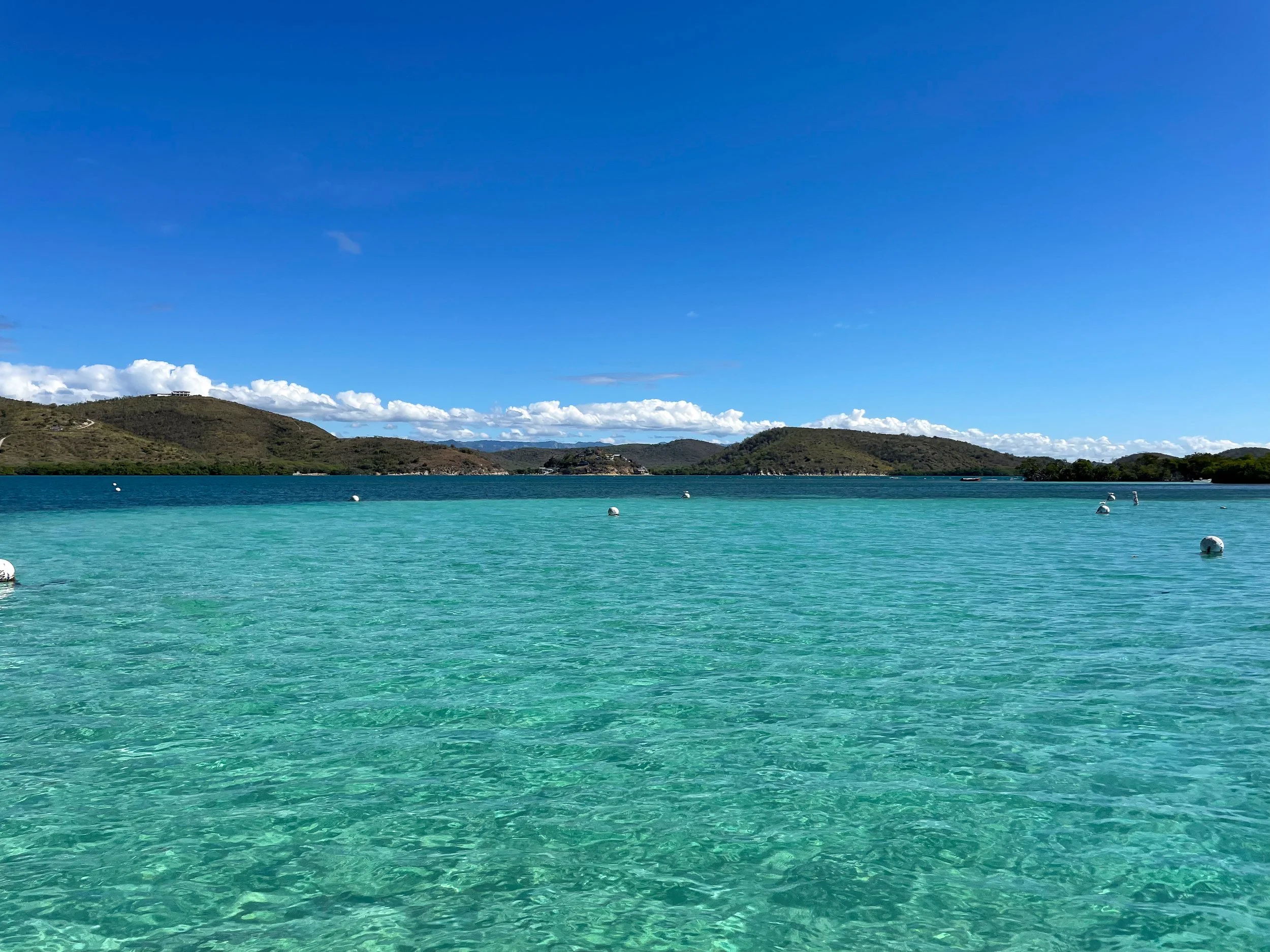
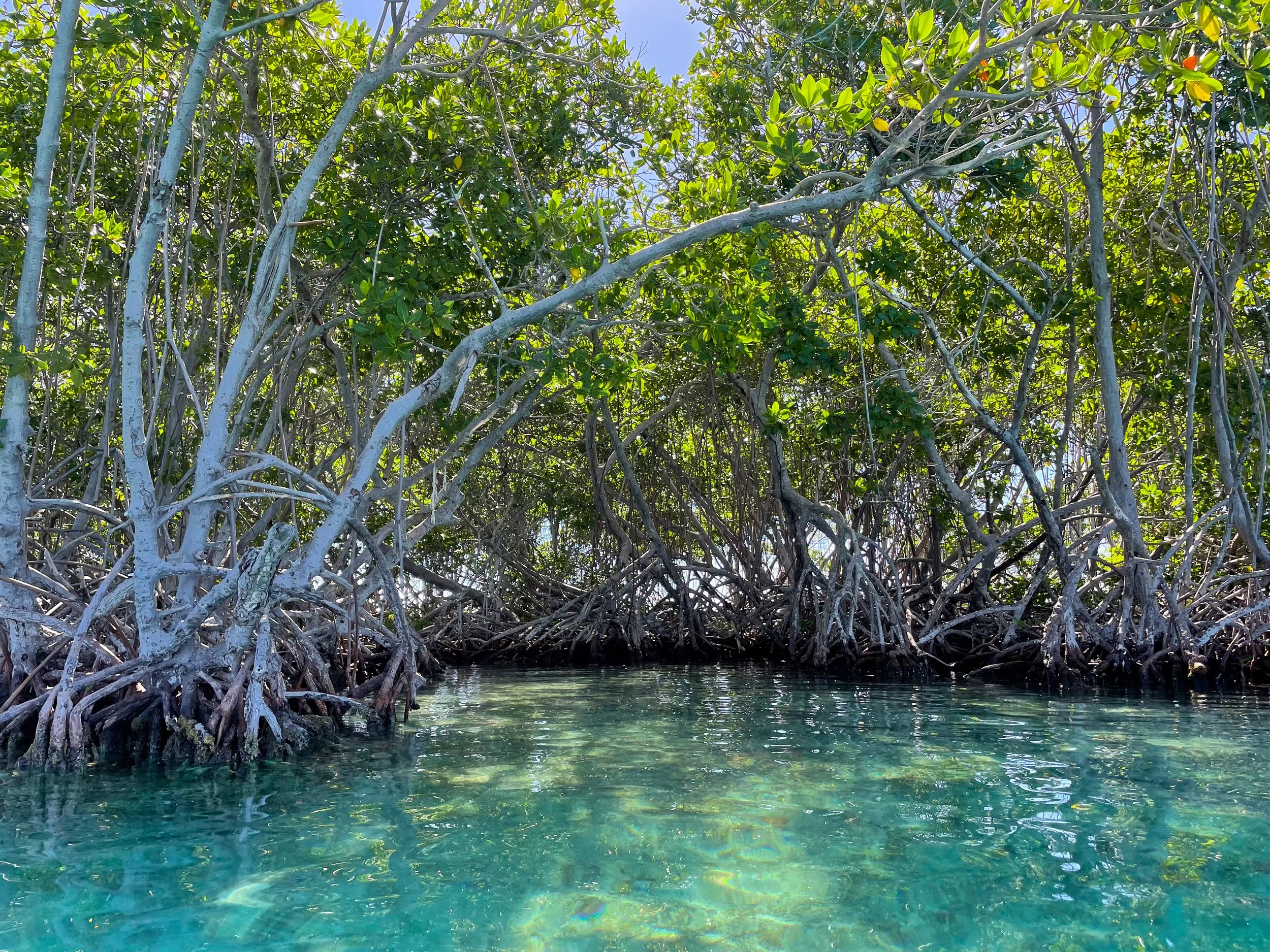
A marine reserve comprised of over 30 cayos, mangroves, sand bars, coral reefs and a bioluminescent bay. The only way to explore the reserve is by boat. Hire a captain for a full or half day with Joy Tours PR or Fondo de Cristal Tours & Boat Rentalto explore the cayos. Weekdays are often quiet while weekends become a party on water.
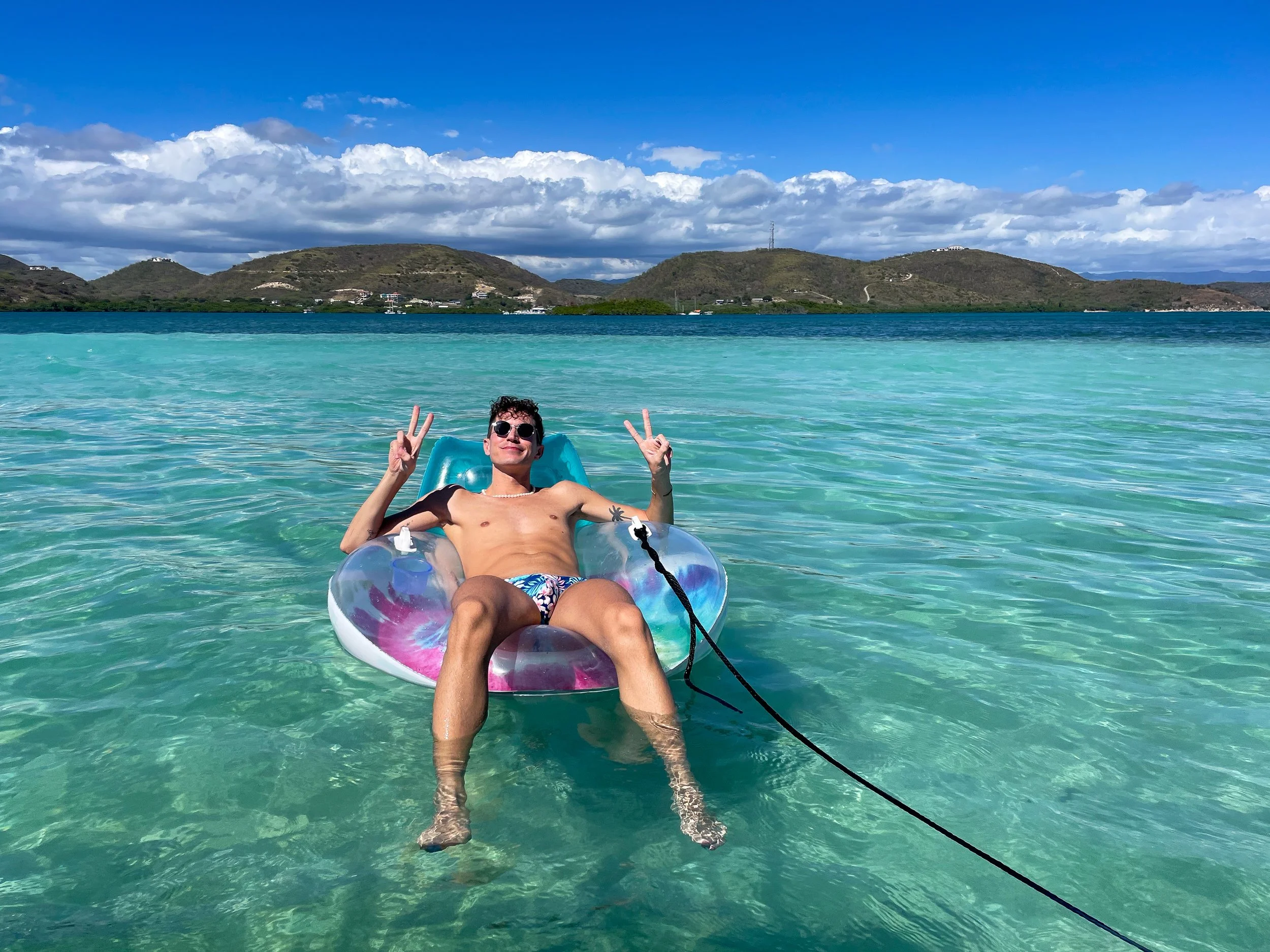
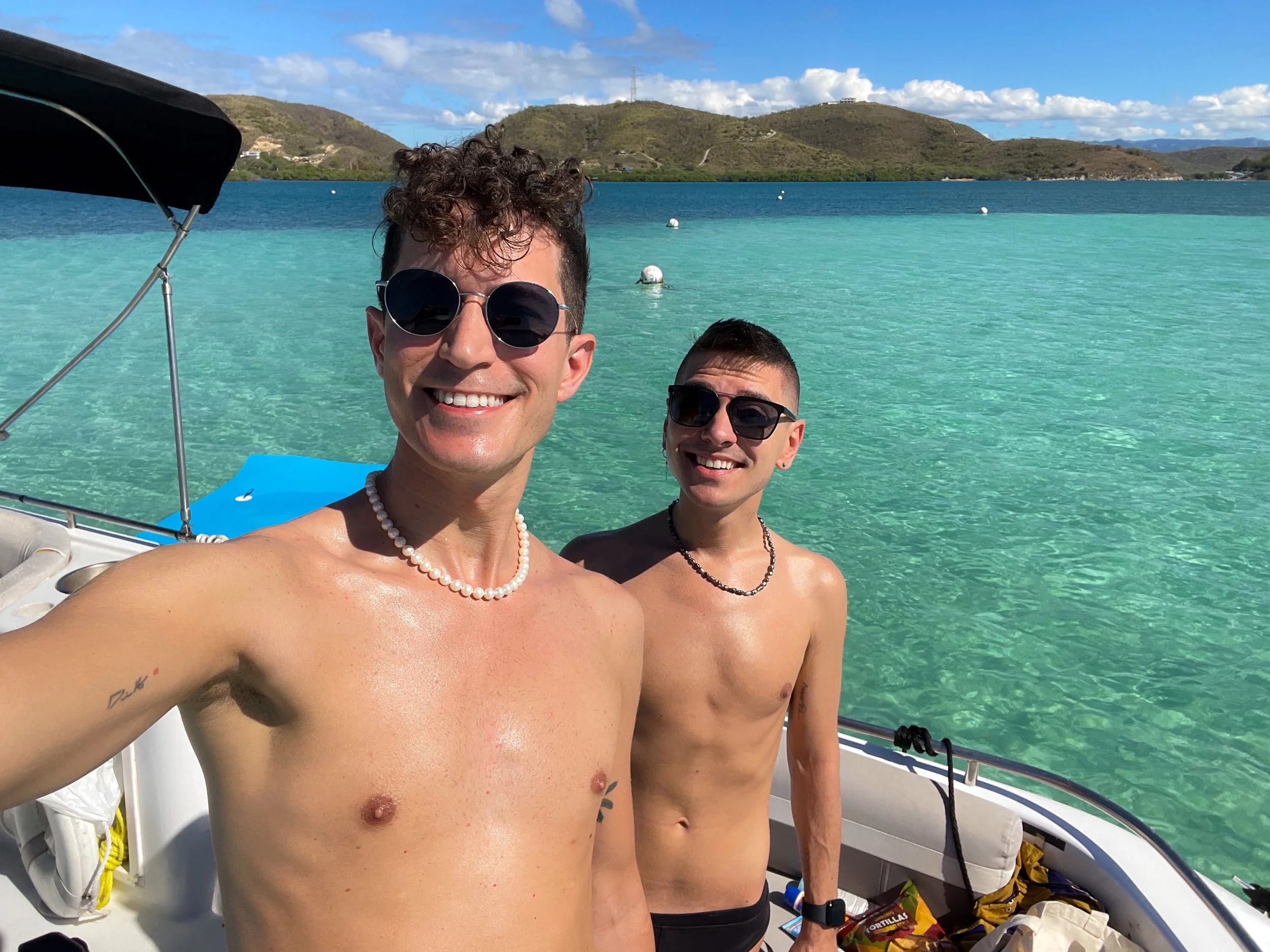
Cayo Caracoles. A popular cayo with a shallow sand bar and clear turquoise water protected by the reefs and mangroves. Underwater trails lead through the mangroves and into the reef teeming with massive schools of tiny fish, strange marine life and sea urchins. The cayo is a hub for activity with dozens of locals and party boats anchored here all weekend long. We spent the afternoon lounging in a raft, snorkeling in the mangroves, tanning in the sun and drinking Caribbean rum punch.
Cayo Robo la Gata. The second most popular cayo in the reserve. It offers a very similar experience to Cayo Caracoles with mangrove islands, shallow sand bars and a dozens of party boats.
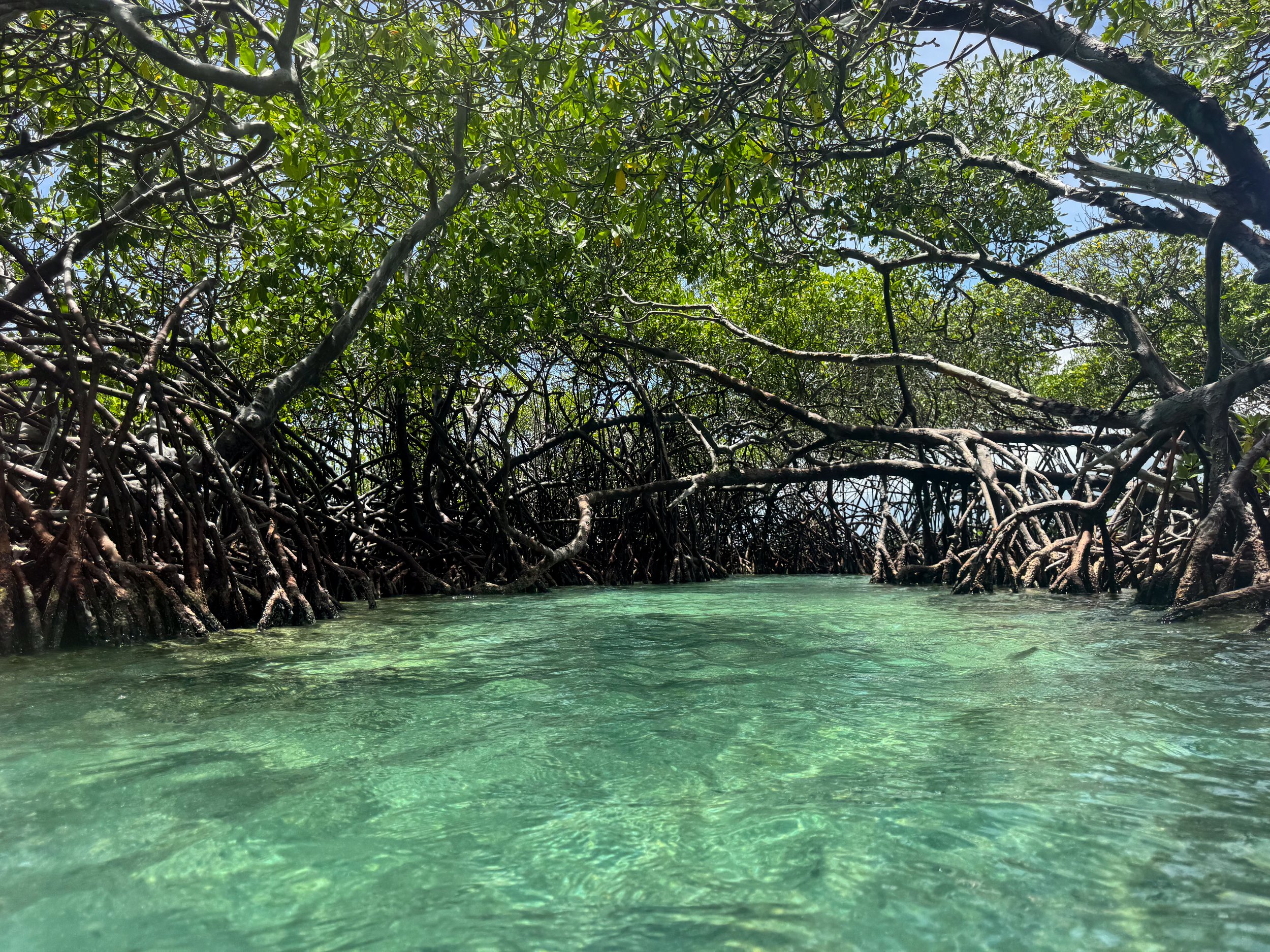

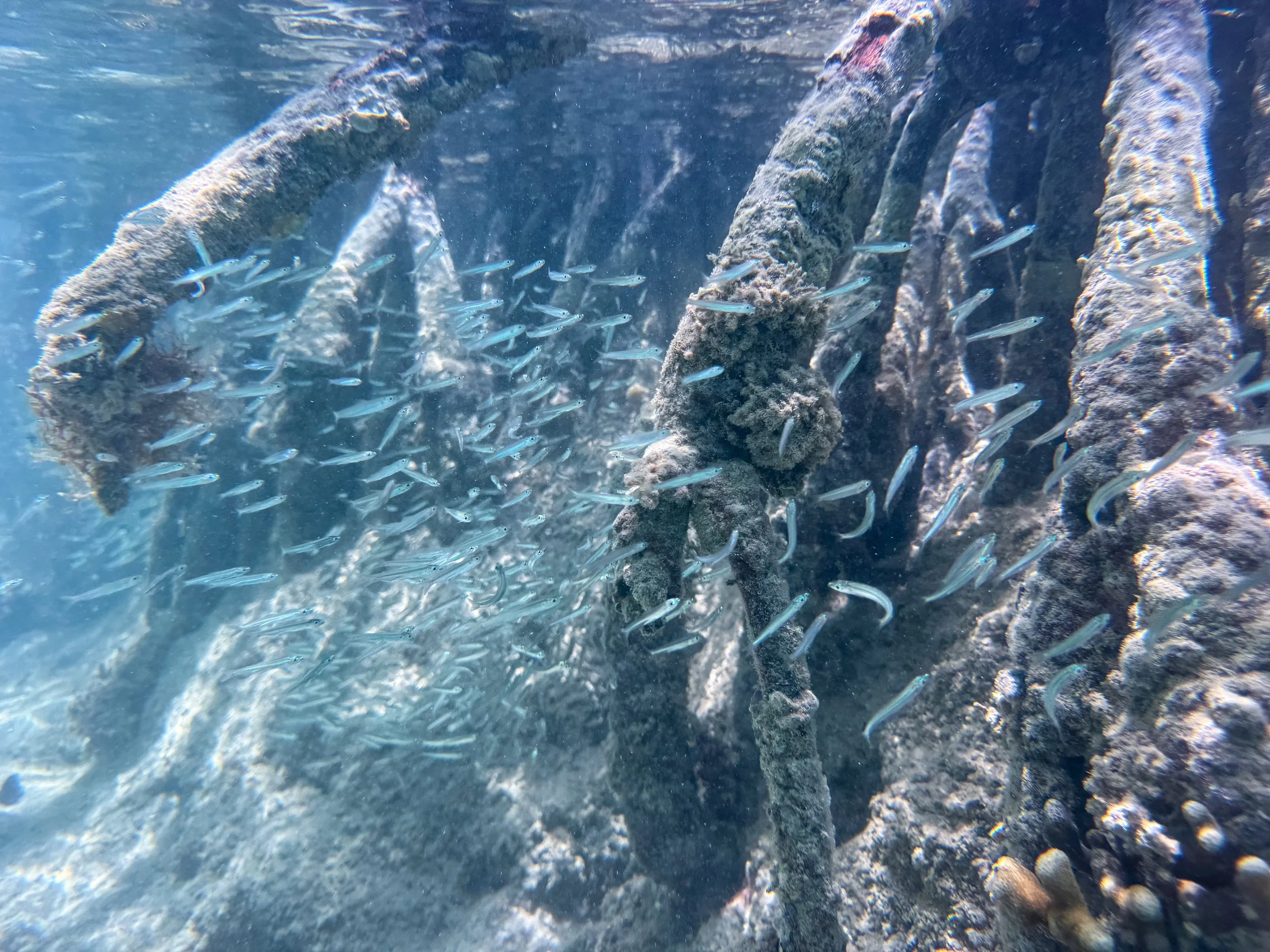
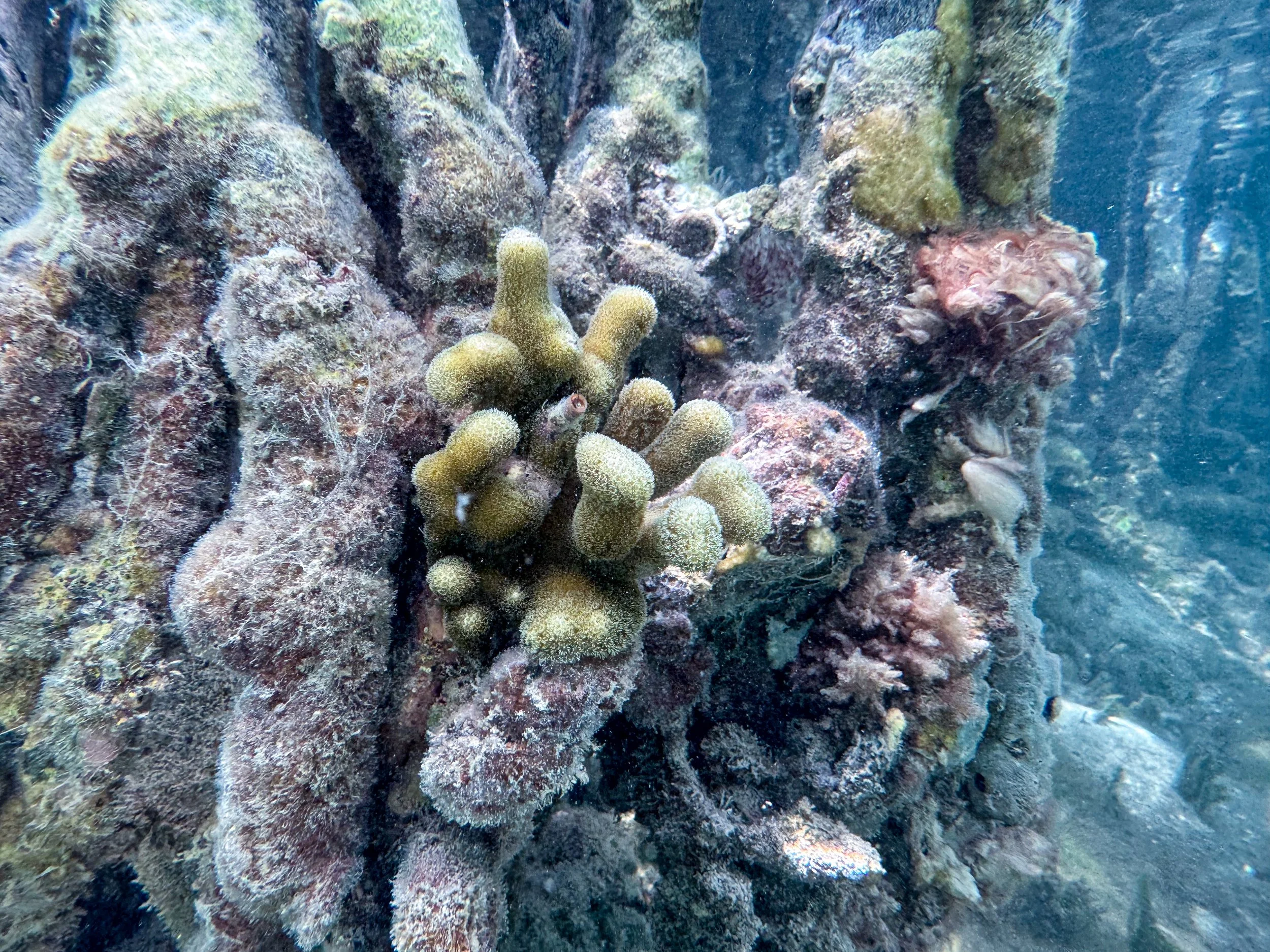
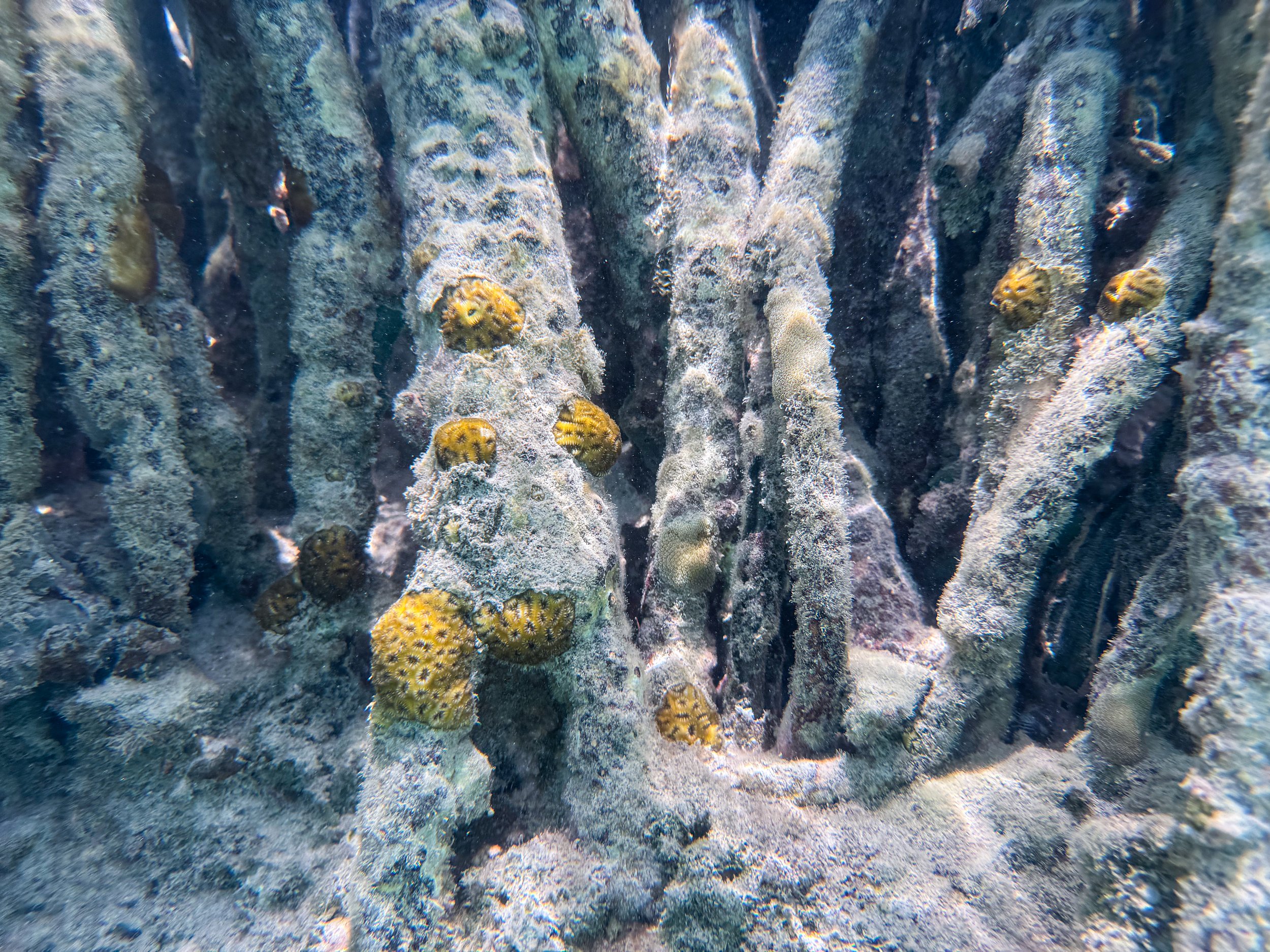
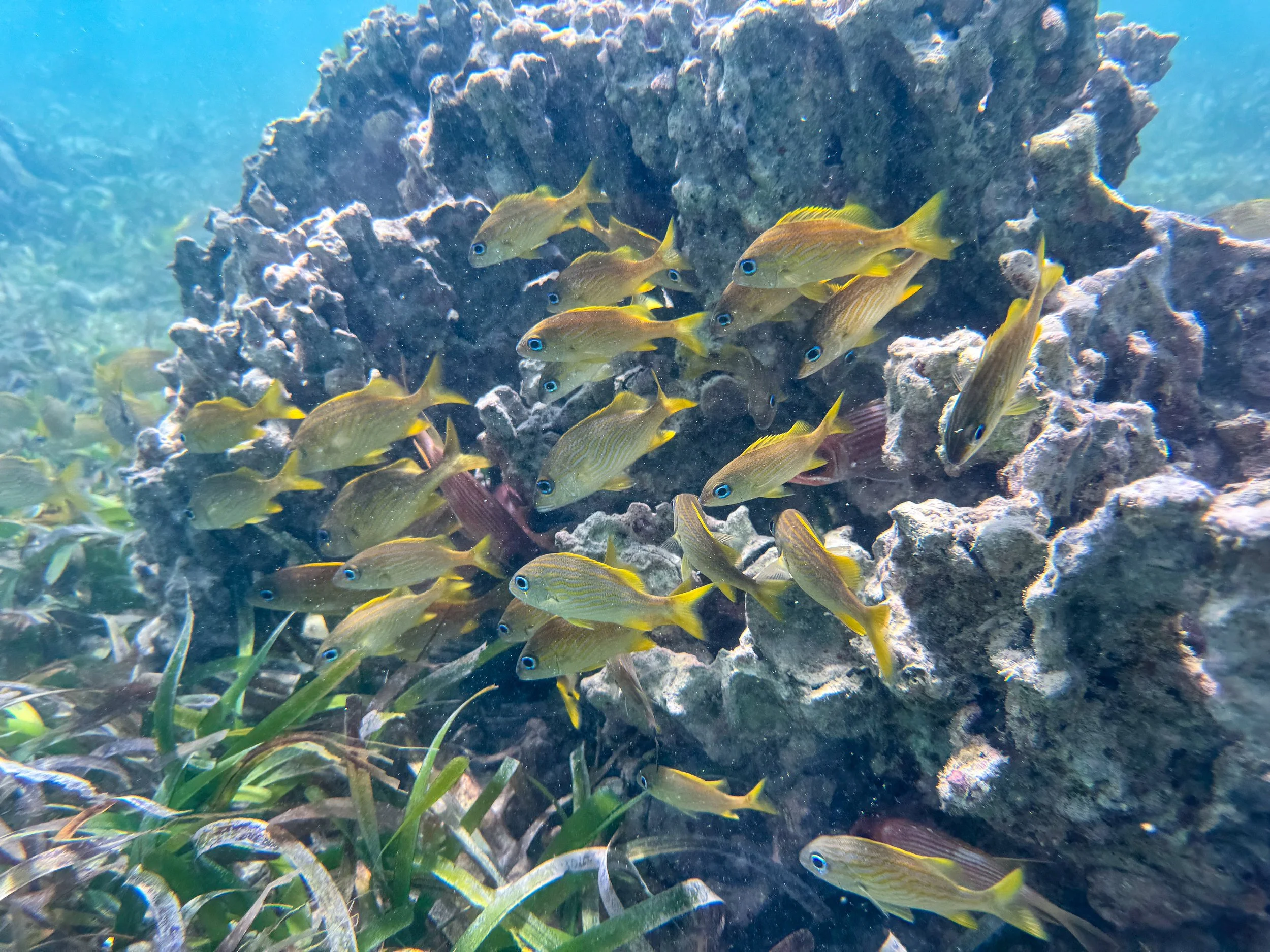

Cayo Enrique. A lesser visited cayo popular with families for its calmer atmosphere and shallow waters. Channels lead through the shaded and sandy mangroves making them a fun place to snorkel and wade in the shallow waters.
Good to Know:
Bring all food and drink with you for the day.
Wear water shoes to avoid sea urchins and broken coral.
Some cayos were closed due to damage from Hurricane Fiona.
Many boats often dock here on the weekends while the weekdays are quiet.
La Parguera Bio Bay
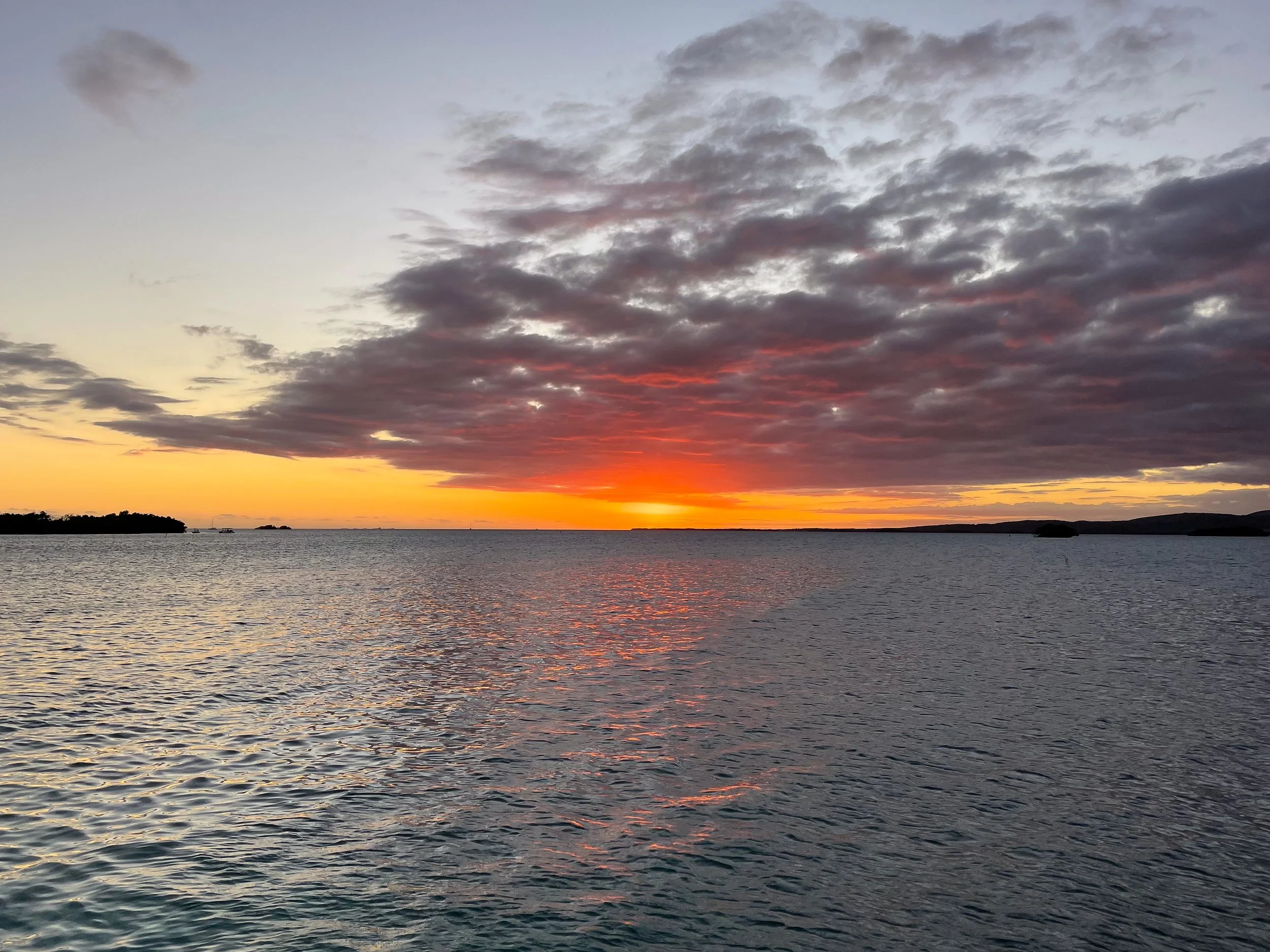
One of three bioluminescent bays in Puerto Rico, and the only one that people are allowed to swim in. Arriving on a tour boat at night, we jumped into the water causing a bright blue cloud of bioluminescence to form around us. As we swam in the warm salty water, it glowed bright blue with every movement, sparkling on our skin. It was a surreal experience that felt like swimming in a pool of glitter.
We booked with Paradise Scuba. Our tour included unlimited medallas and 2 fried vegetarian empanadas. We stopped at Cayo Caracoles to swim at sunset before making our way to the bio bay. We spent about half an hour in the bio bay before returning. Out of all 3 bio bays in Puerto Rico, this one was our favorite experience!
Pro Tips. The best time to visit this bio bay is on a dark and moonless night after a sunny day without any rain. Wear snorkels and swim down a few feet to block out any ambient light. Bring a hoodie for the boat ride back. After swimming it gets cold.
Places to Eat & Drink
There are many restaurants and bars along the main road in the city center of La Parguera. Most serve seafood, Puerto Rican dishes and rum based cocktails.
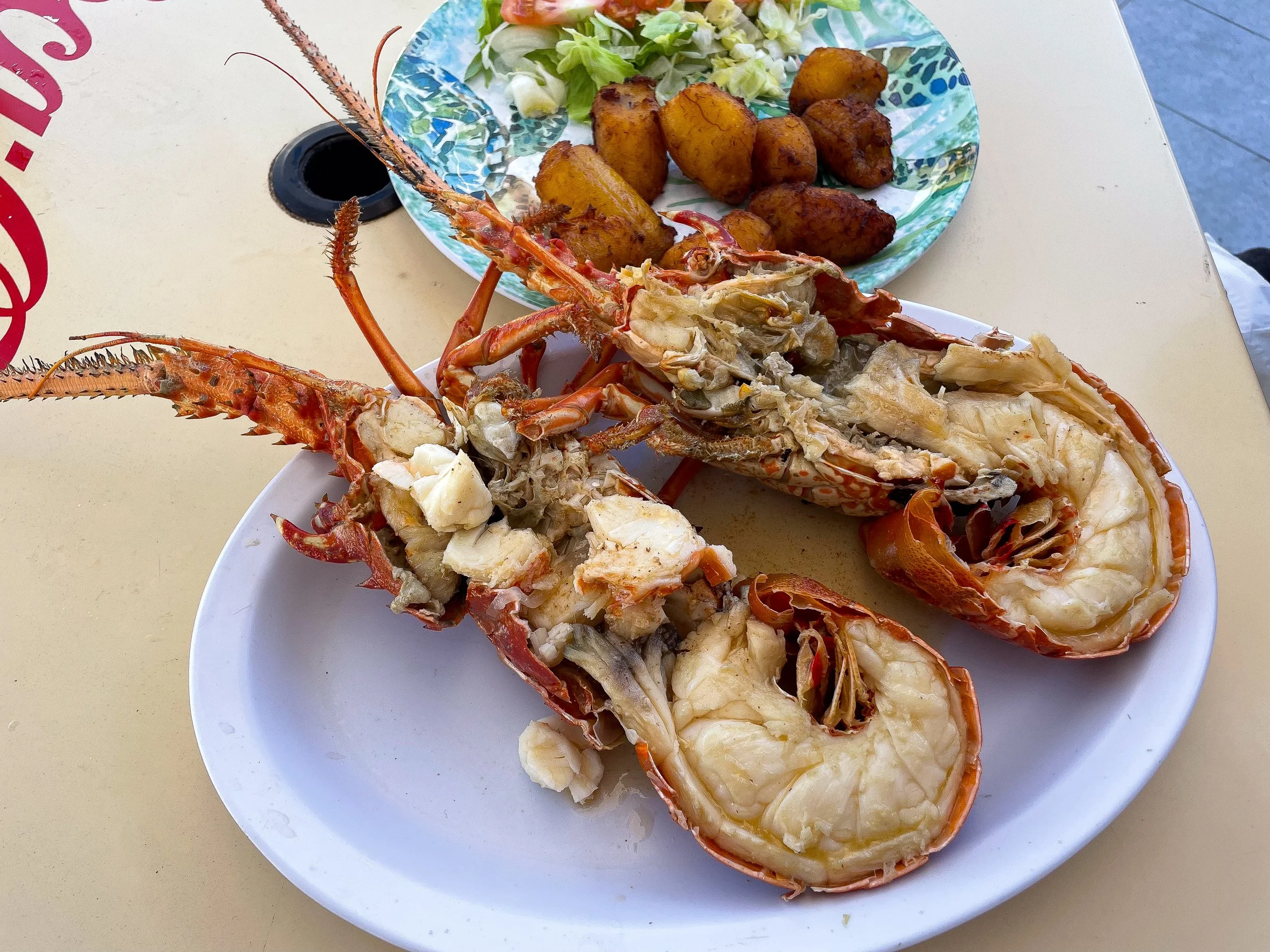
Puerto Parguera Restaurant. A seafood restaurant with dishes like octopus salad, whole fried red snapper and seafood paella. We splurged and ordered a grilled Caribbean lobster with a side of maduros (fried sweet plantains).
Isla Cueva. A restaurant and bar with over a dozen burger options including beef, chicken, pork, fish and vegan. We ordered the fried mahi mahi burger, piña colada and sangria. It’s a great spot to come before or after visiting the bioluminescent bay tour.
Papo’s Pinchos. A small kiosk serving Puerto Rican pinchos (grilled kabobs) with meats like chicken, pork, shrimp, shark and mahi mahi.
Frozen G Spot. A takeaway bar serving a variety of frozen cocktails including fruit flavored mojitos and margaritas.
Yauco
Yauco stretches from the Caribbean Sea to the lush and rugged landscapes of the island’s interior. The region is famed for its colorful hillside pueblo and coffee production.
Yauco Pueblo
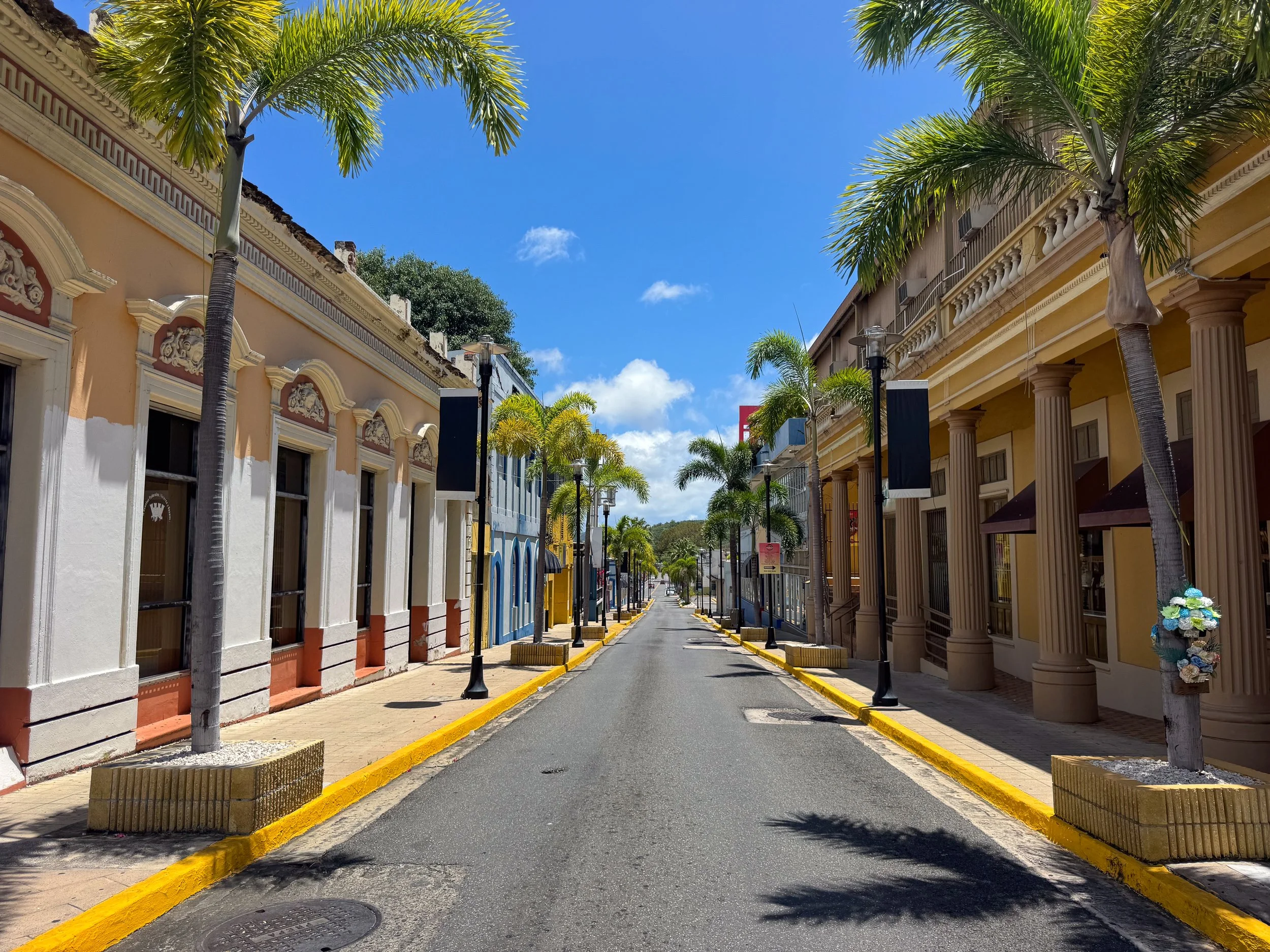
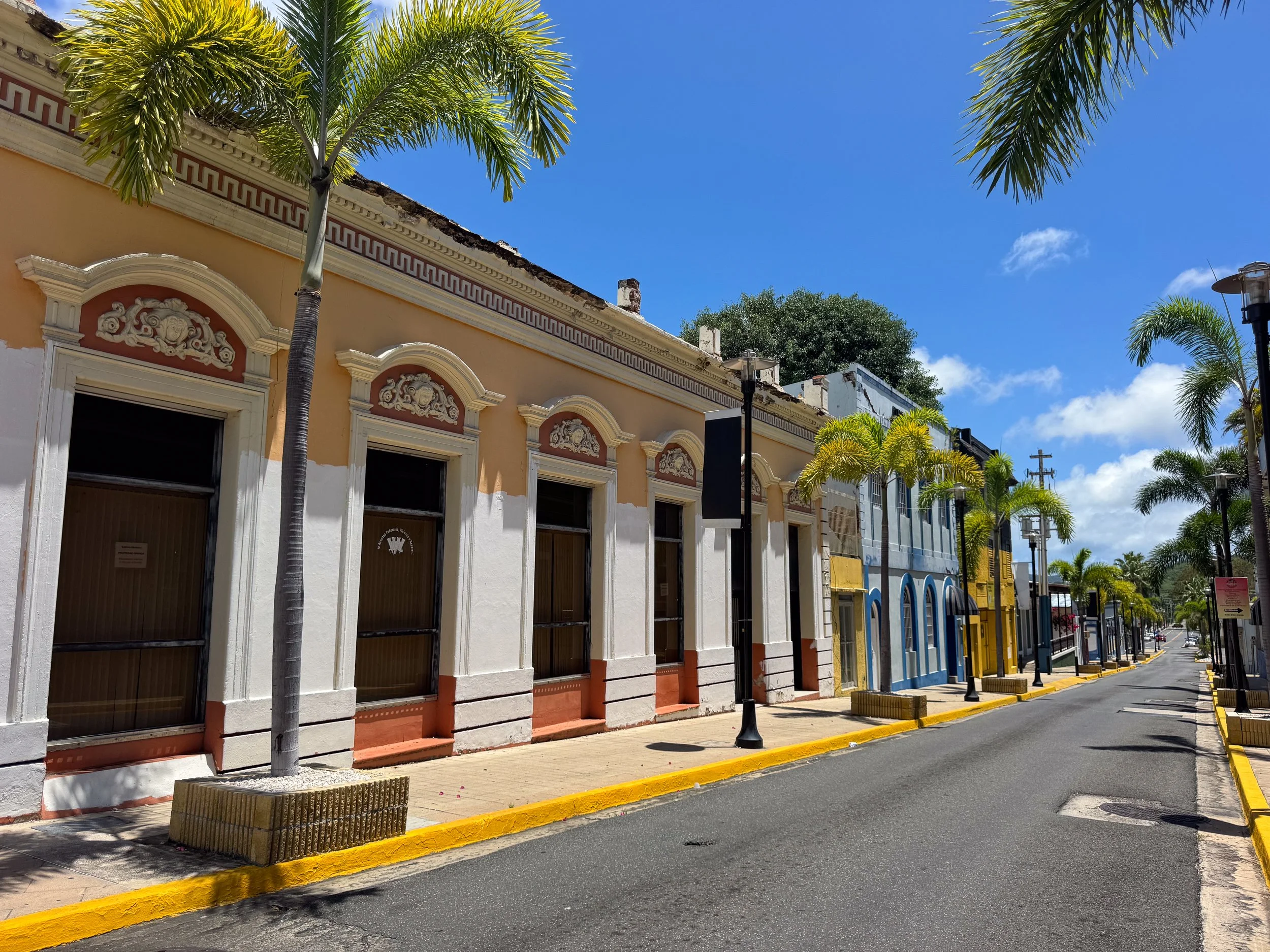
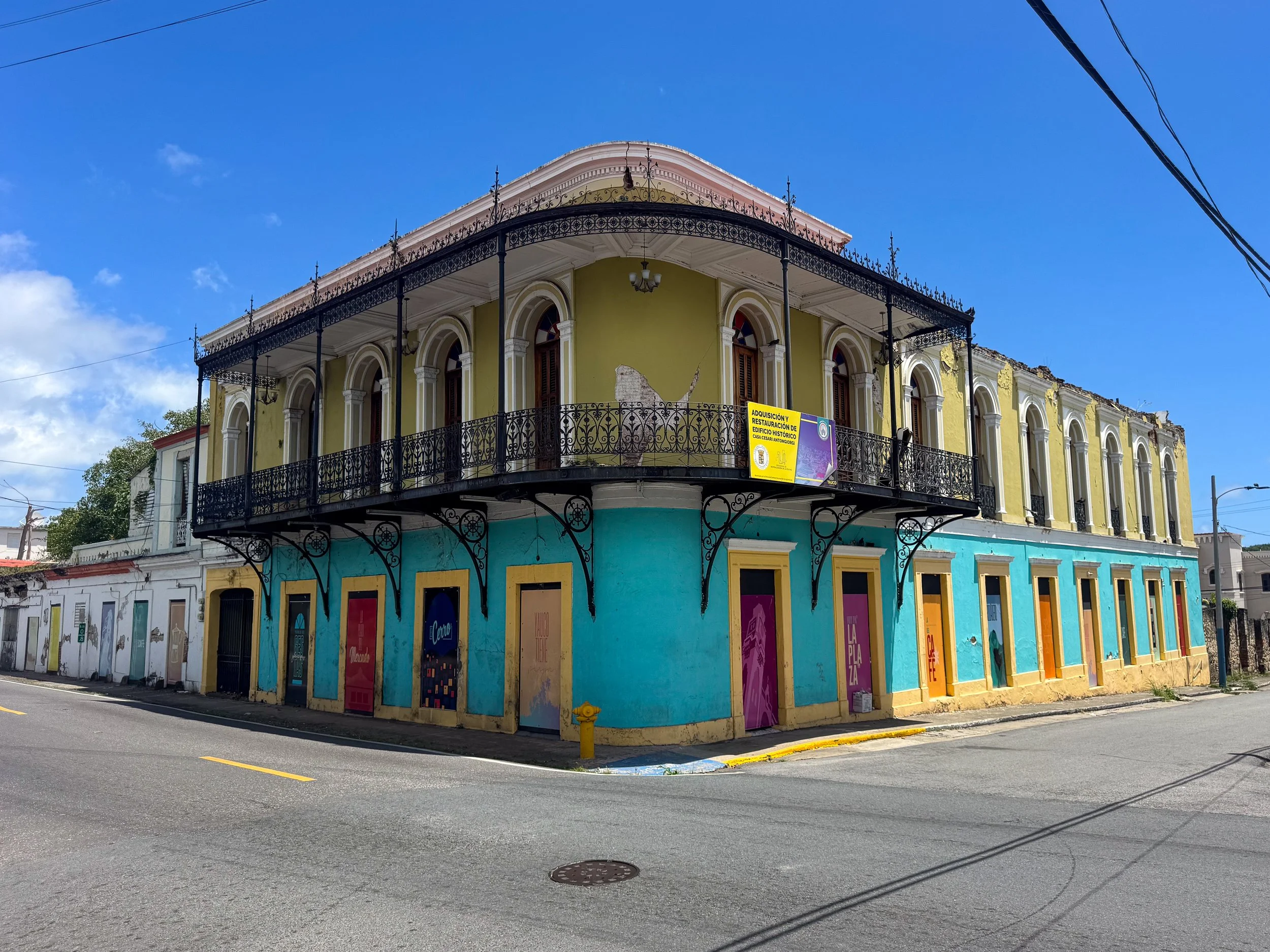
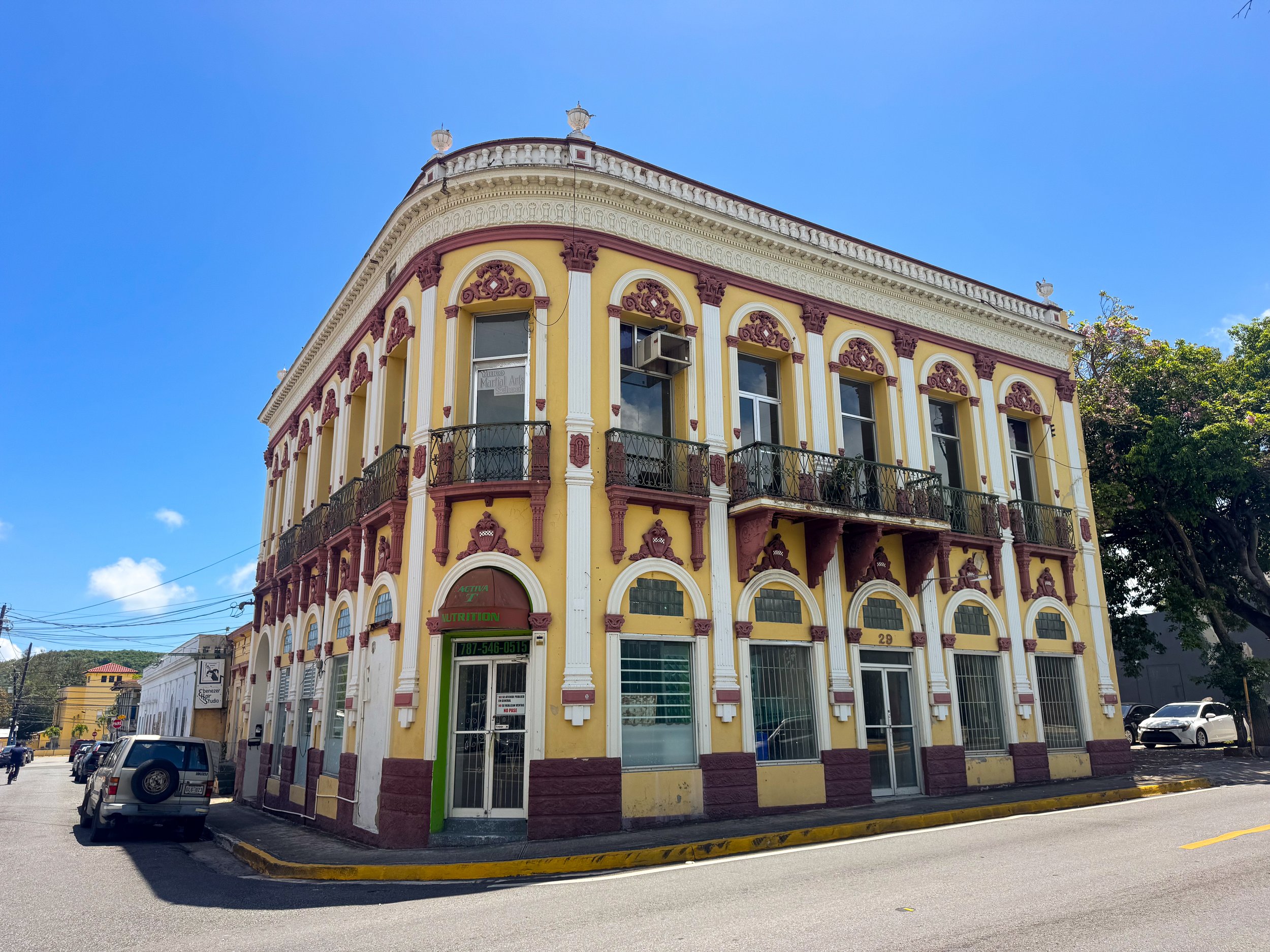
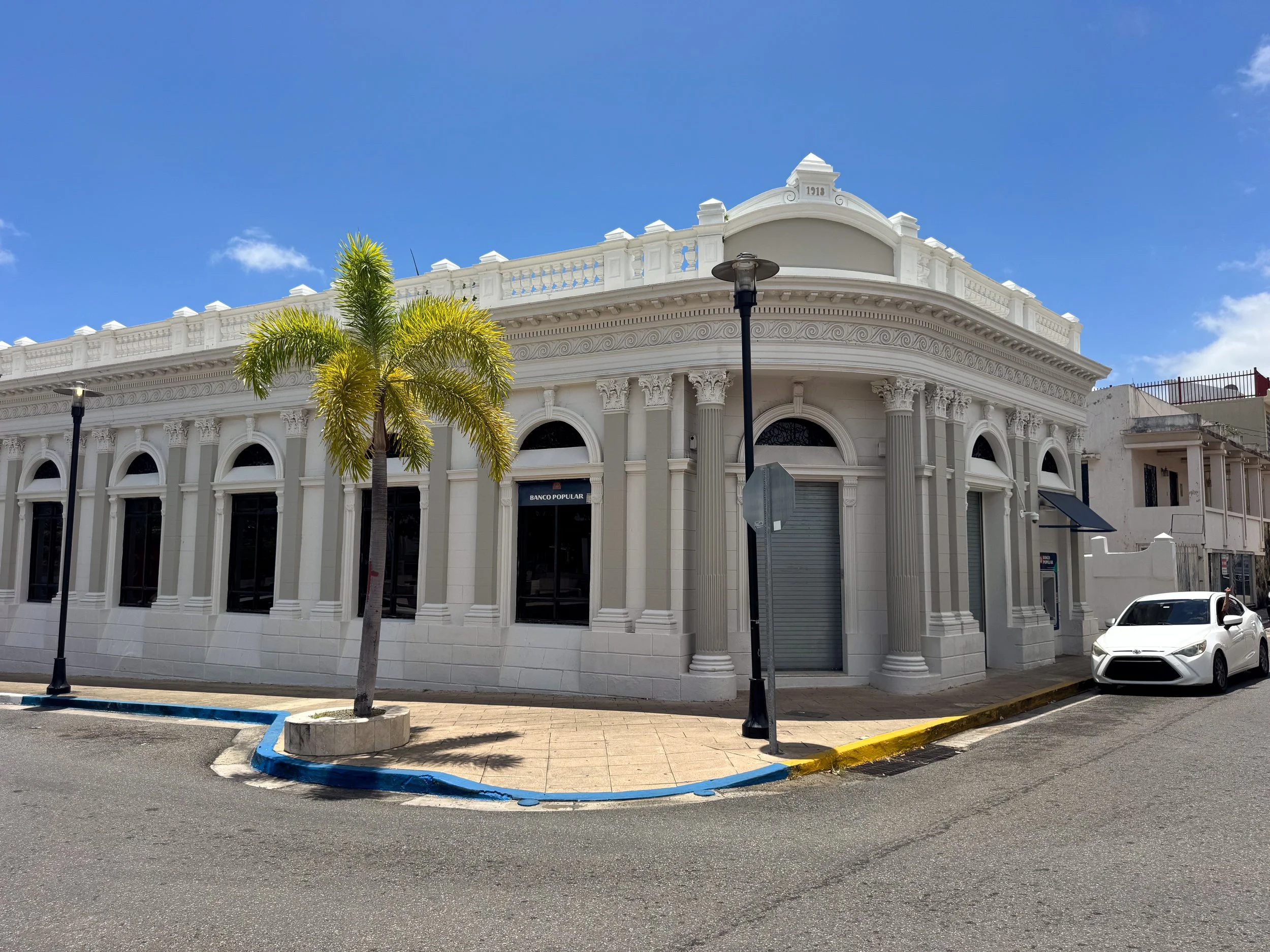
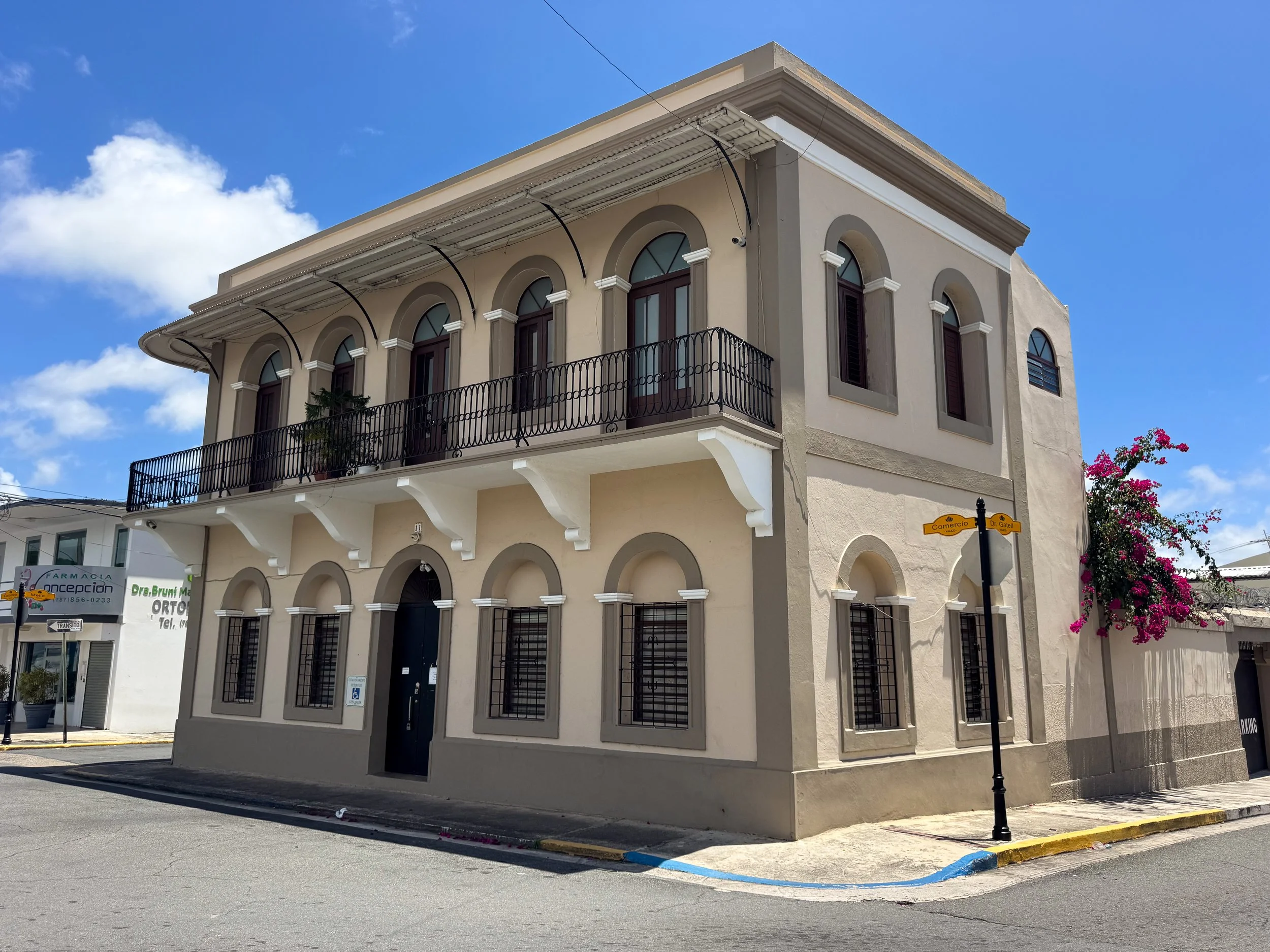
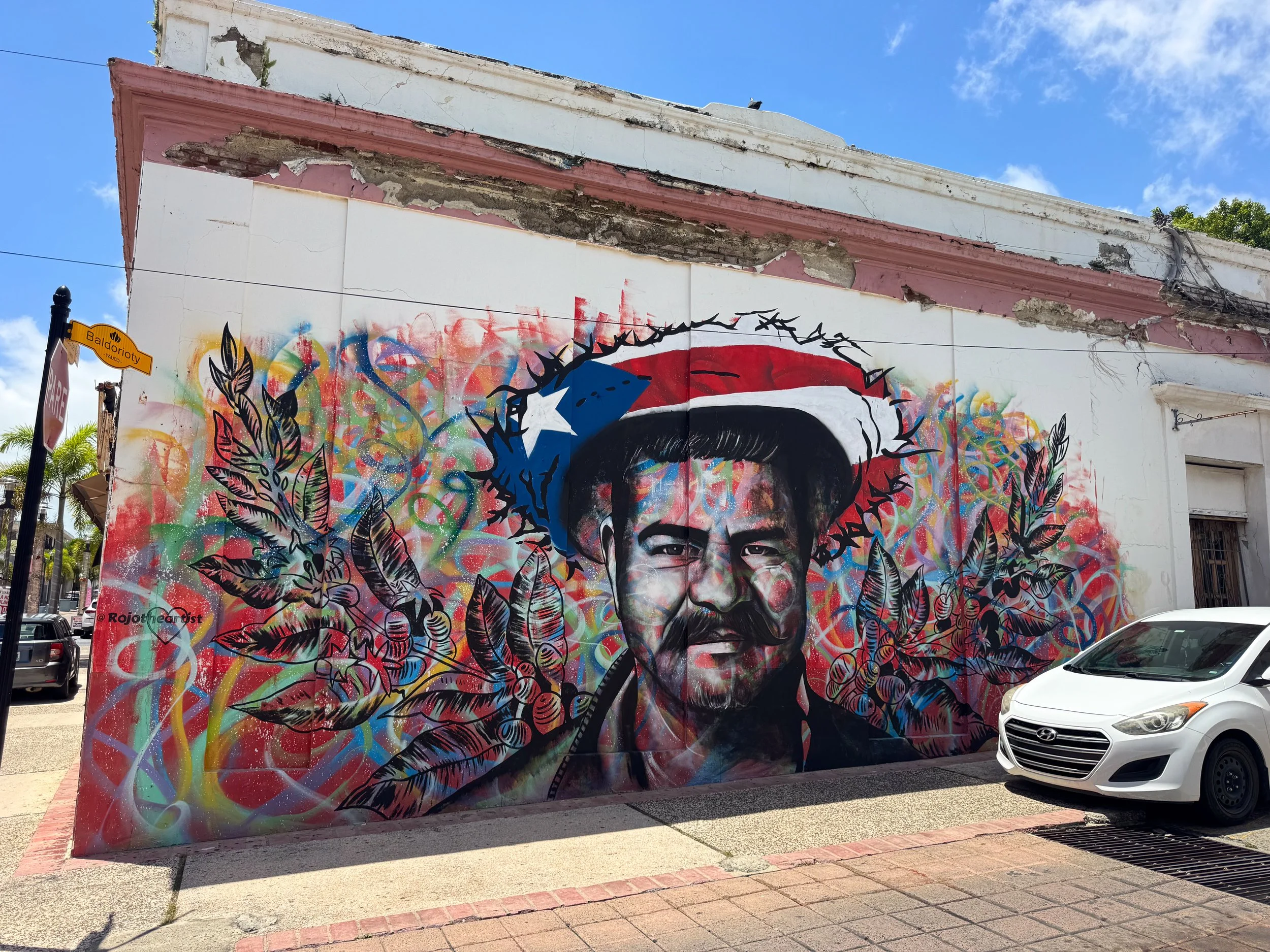
A pueblo at the heart of Yauco that blends historic architecture and urban artworks. Vivid murals and colorful geometric patterns transform its walls, staircases and neighborhoods into an open air gallery. The town’s historic character is reflected in its mix of Creole, Spanish colonial, neoclassical, Baroque and Art Deco architecture. Adding to its charm, cafes serve locally grown and roasted coffee.
Pro Tip. Visit from Thursday to Saturday. Most businesses are closed during the first half of the week.
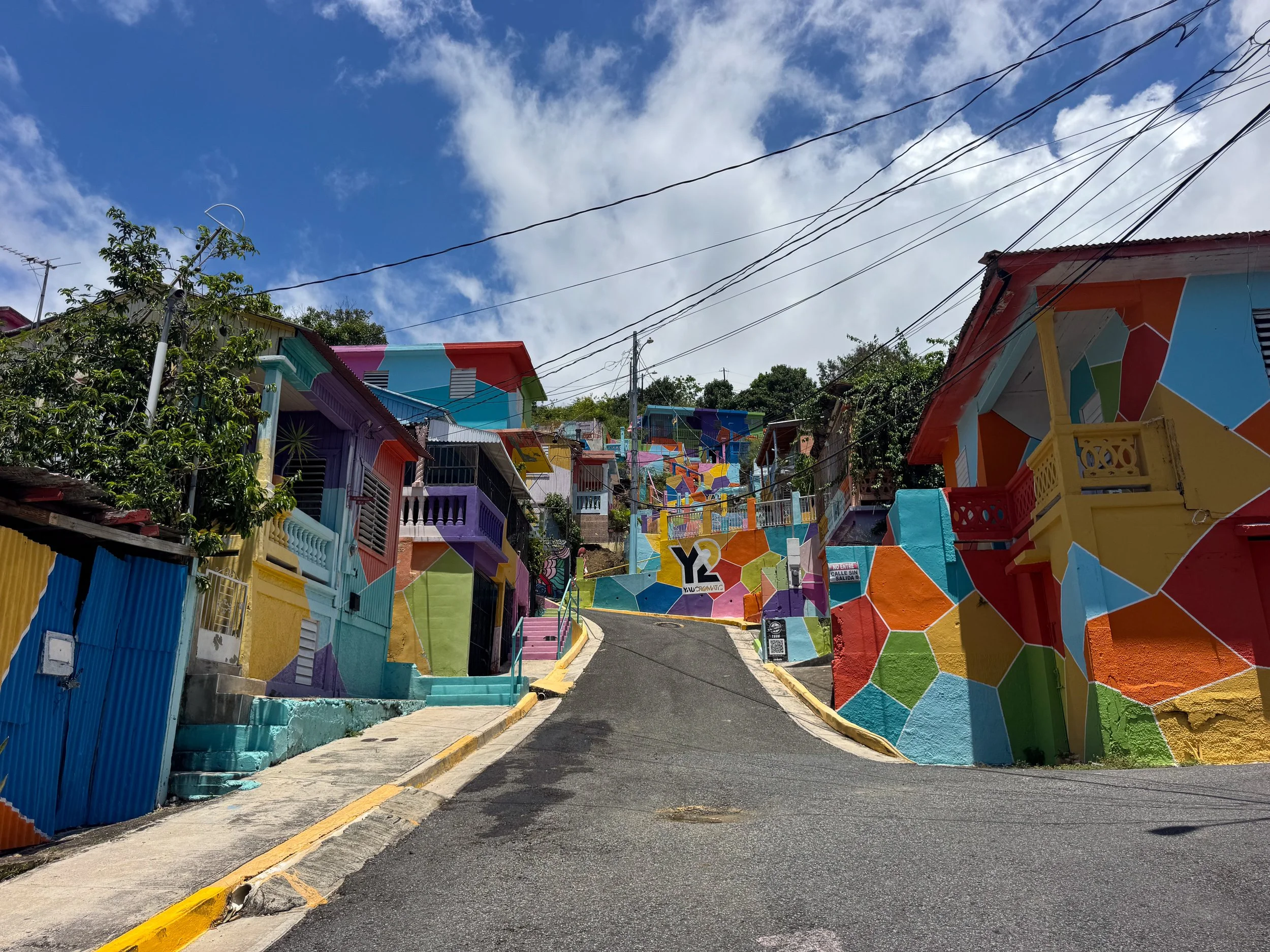
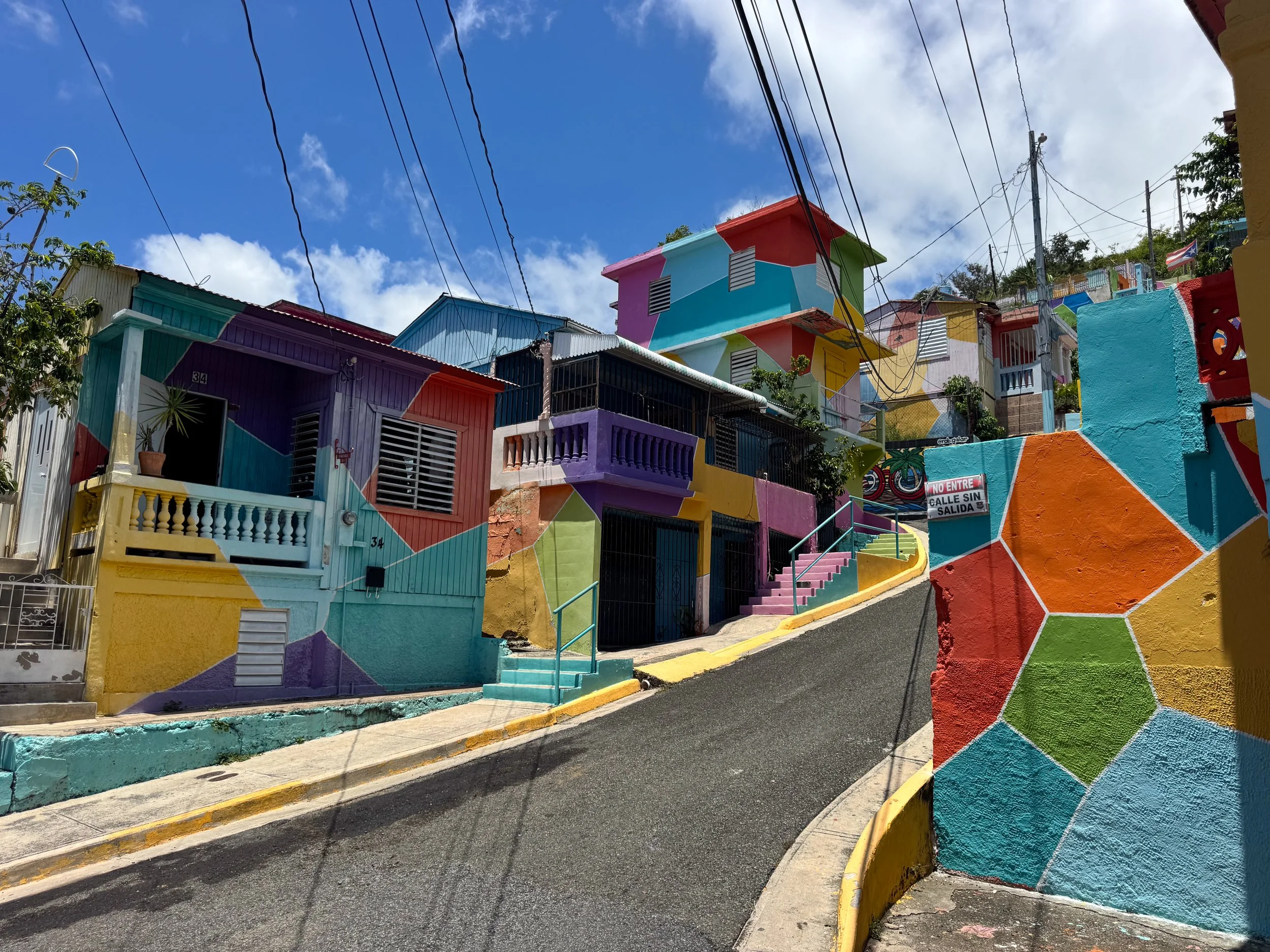
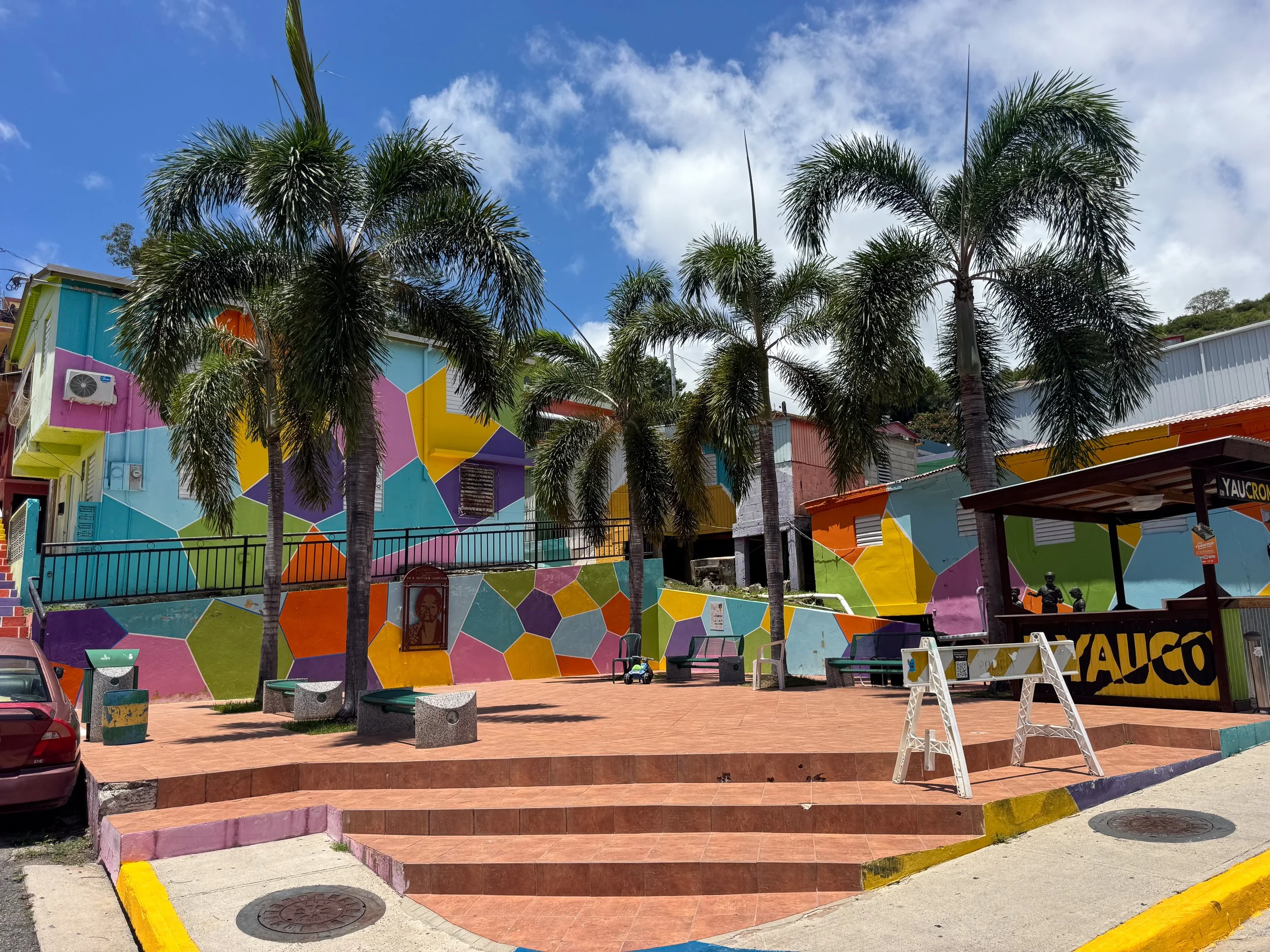
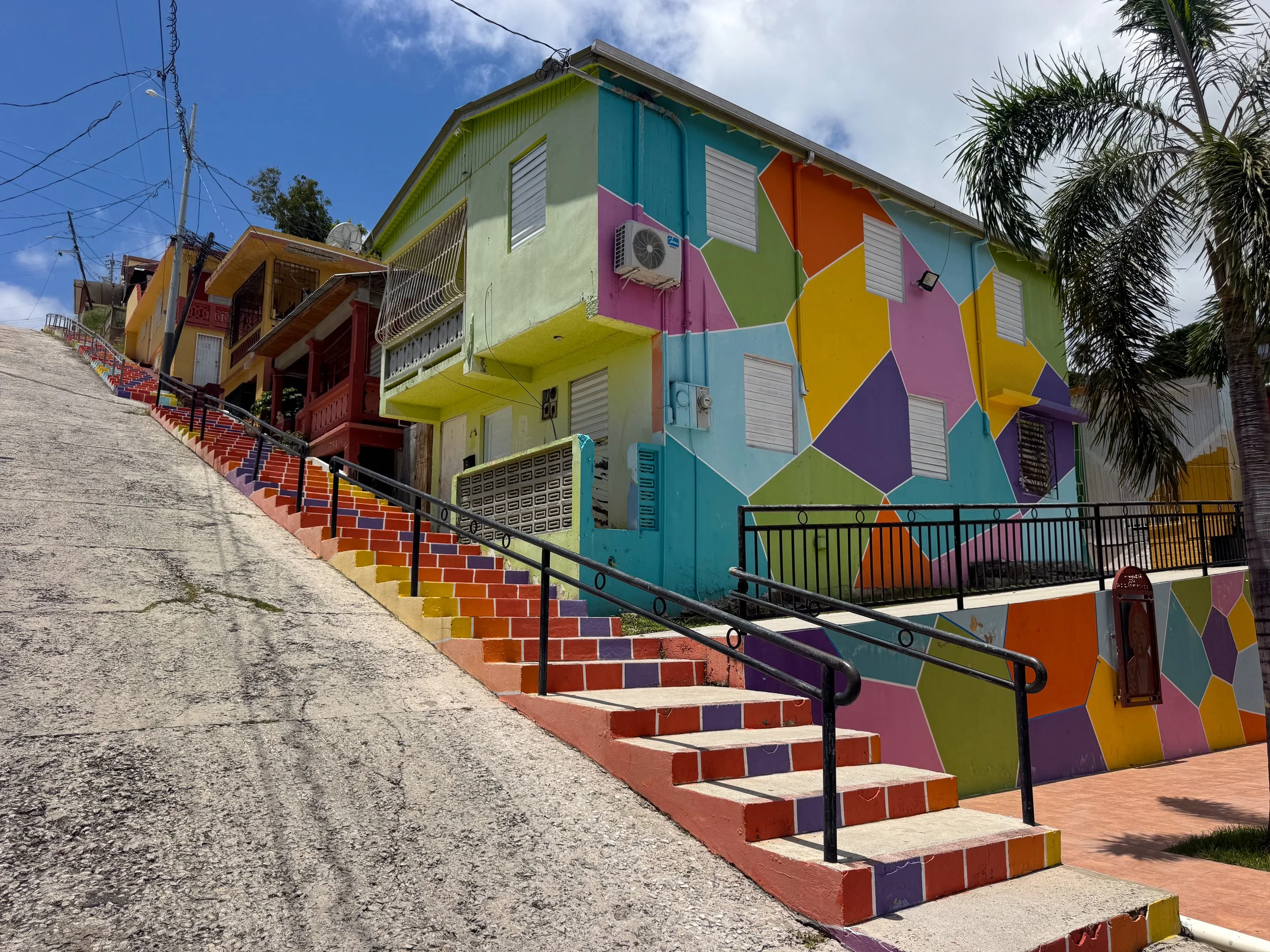
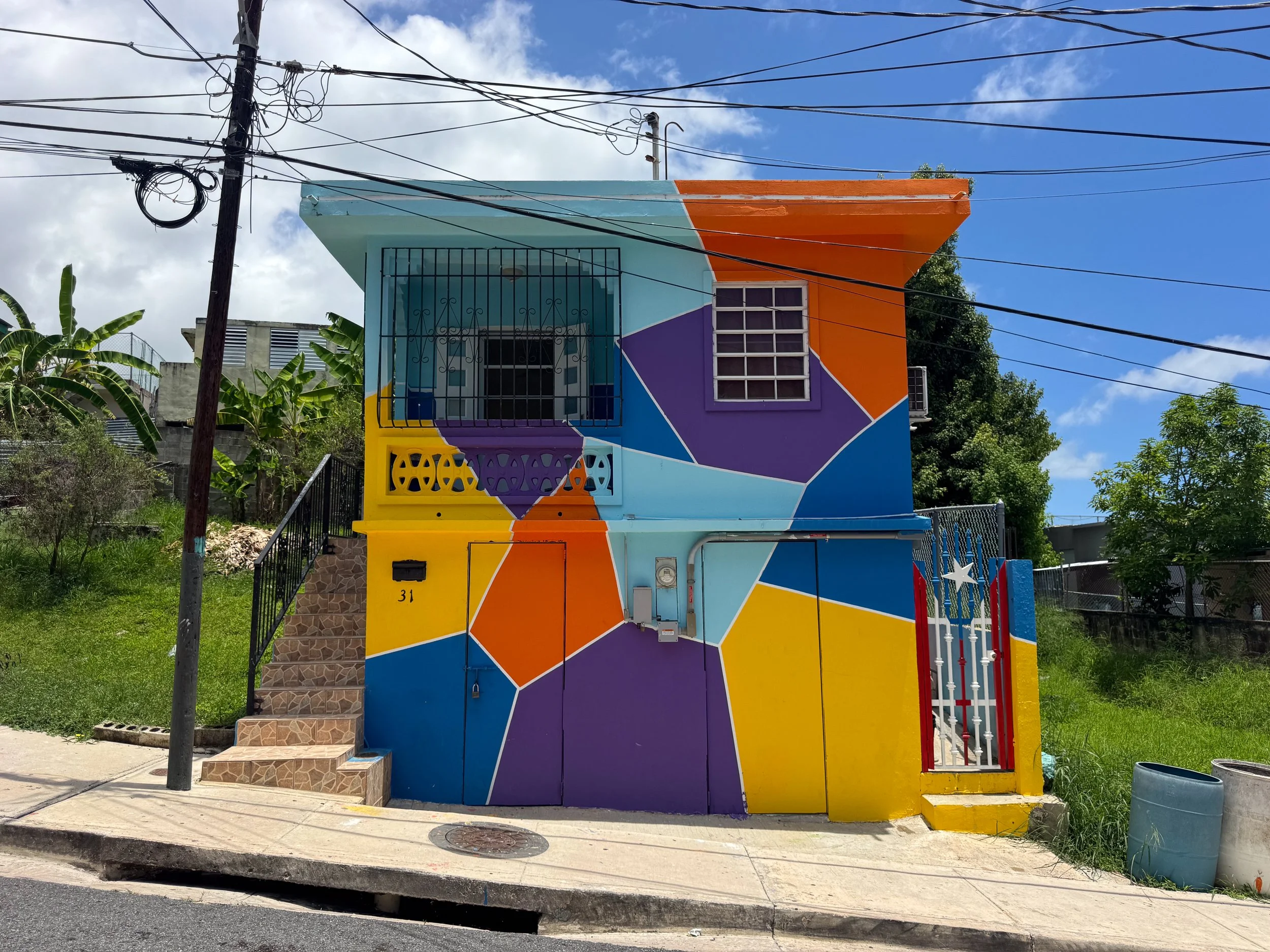
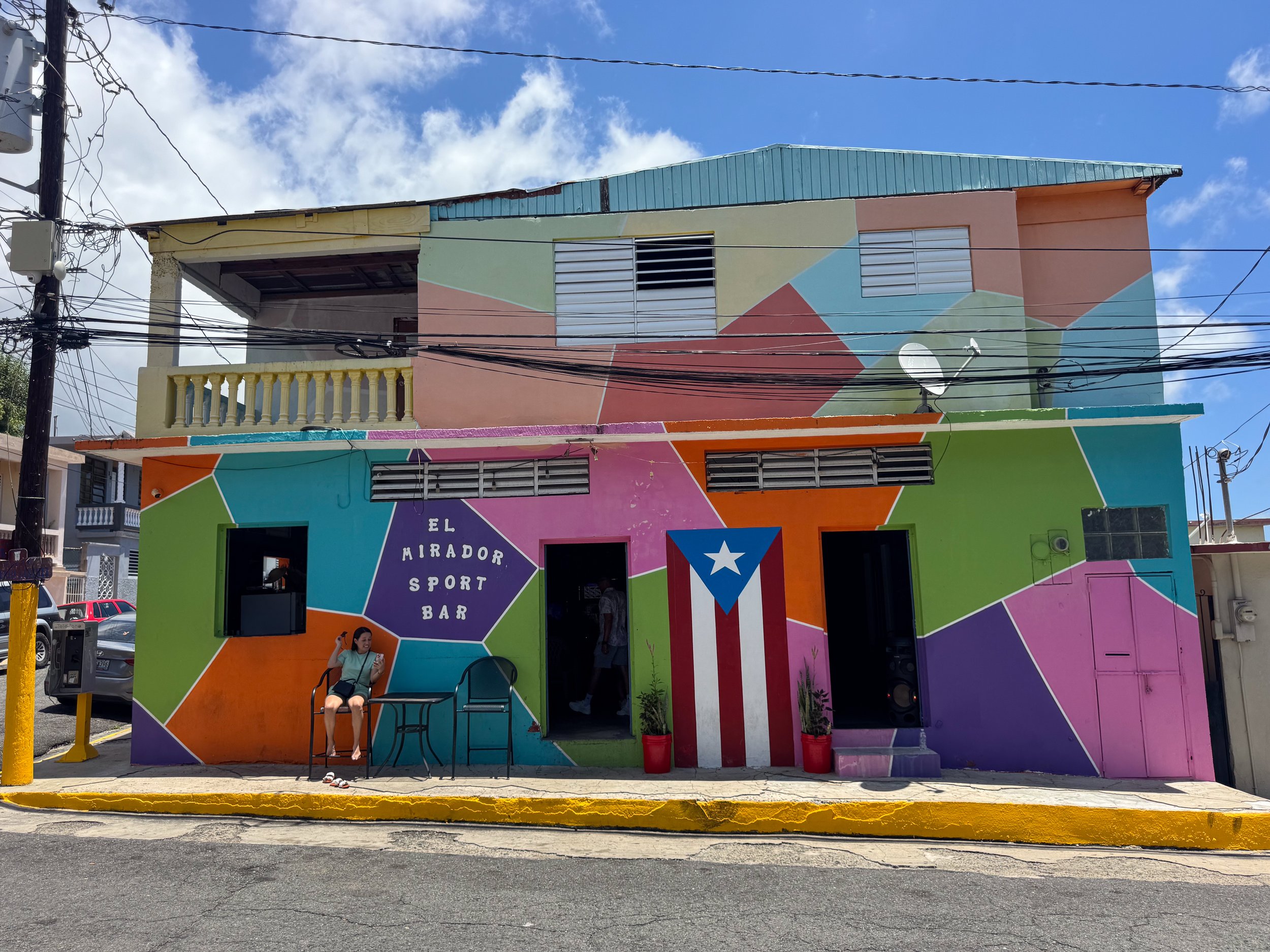
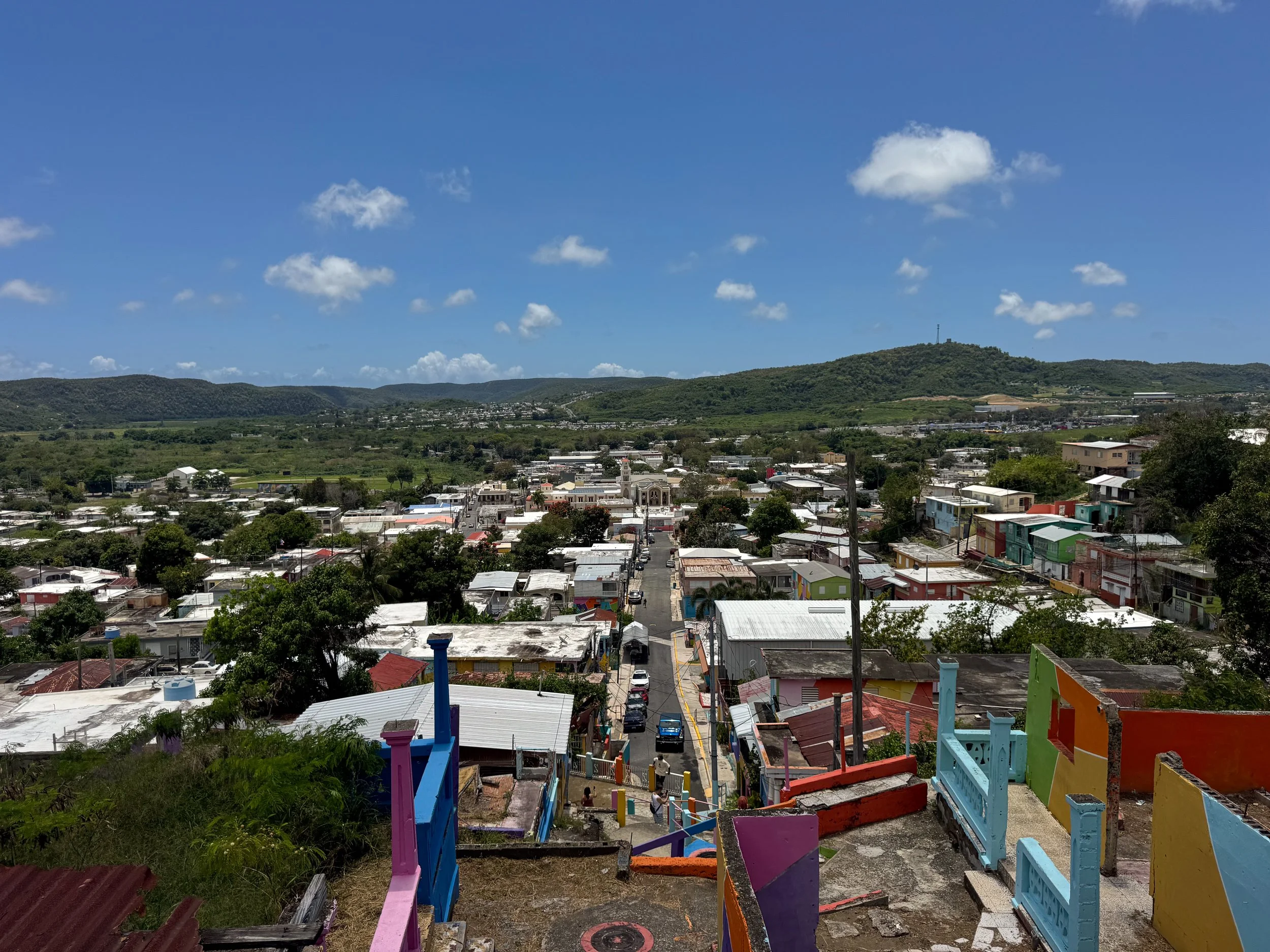
Yaucromatic. A hillside neighborhood converted into a canvas of colorfully painted houses, staircases and walls. The best view of the art installation is from the intersection of Calle E Sánchez López and Calle de la Cruz. Walk up Calle E Sánchez López to the top of the hill for photogenic views of the entire pueblo.
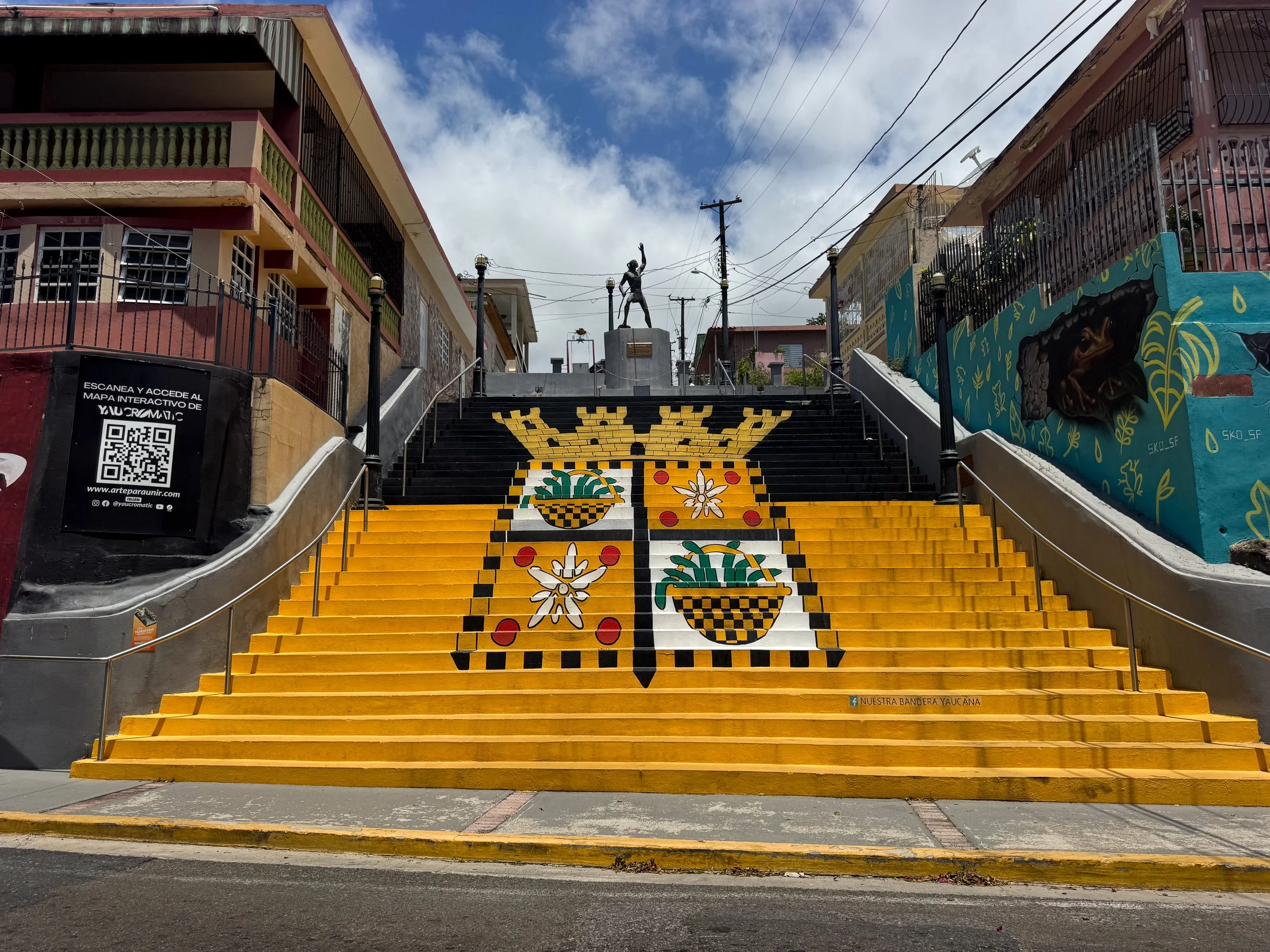
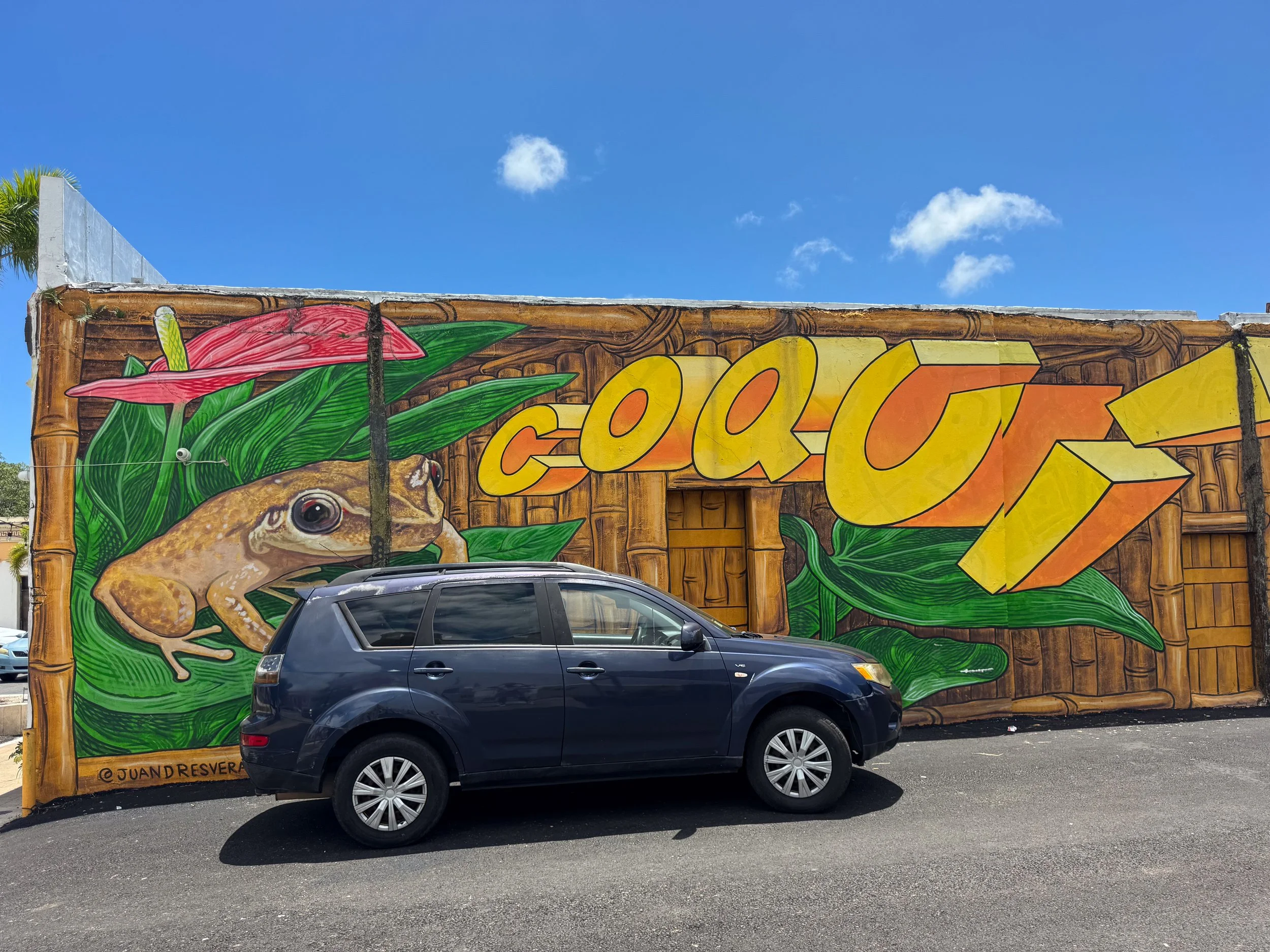
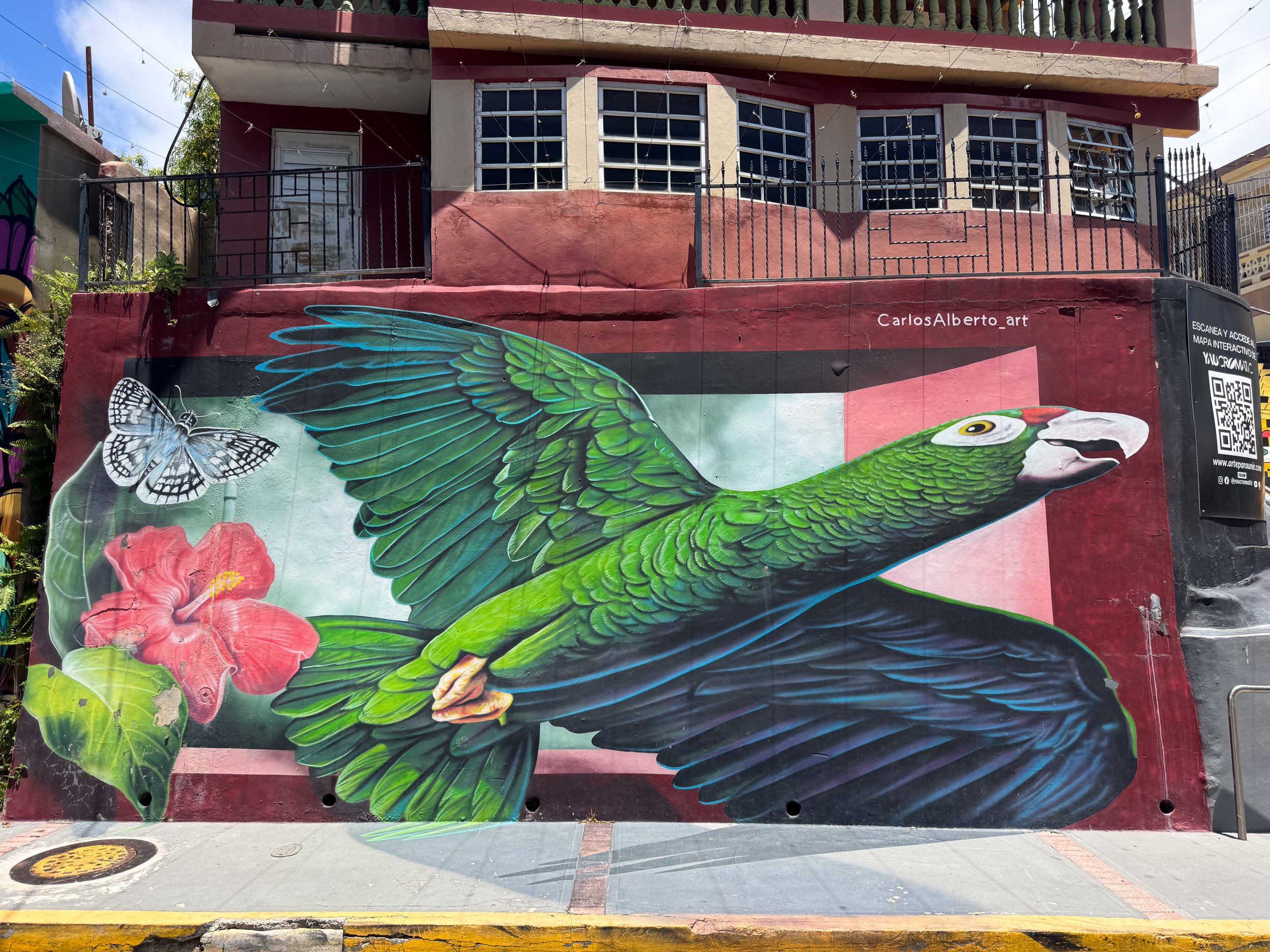
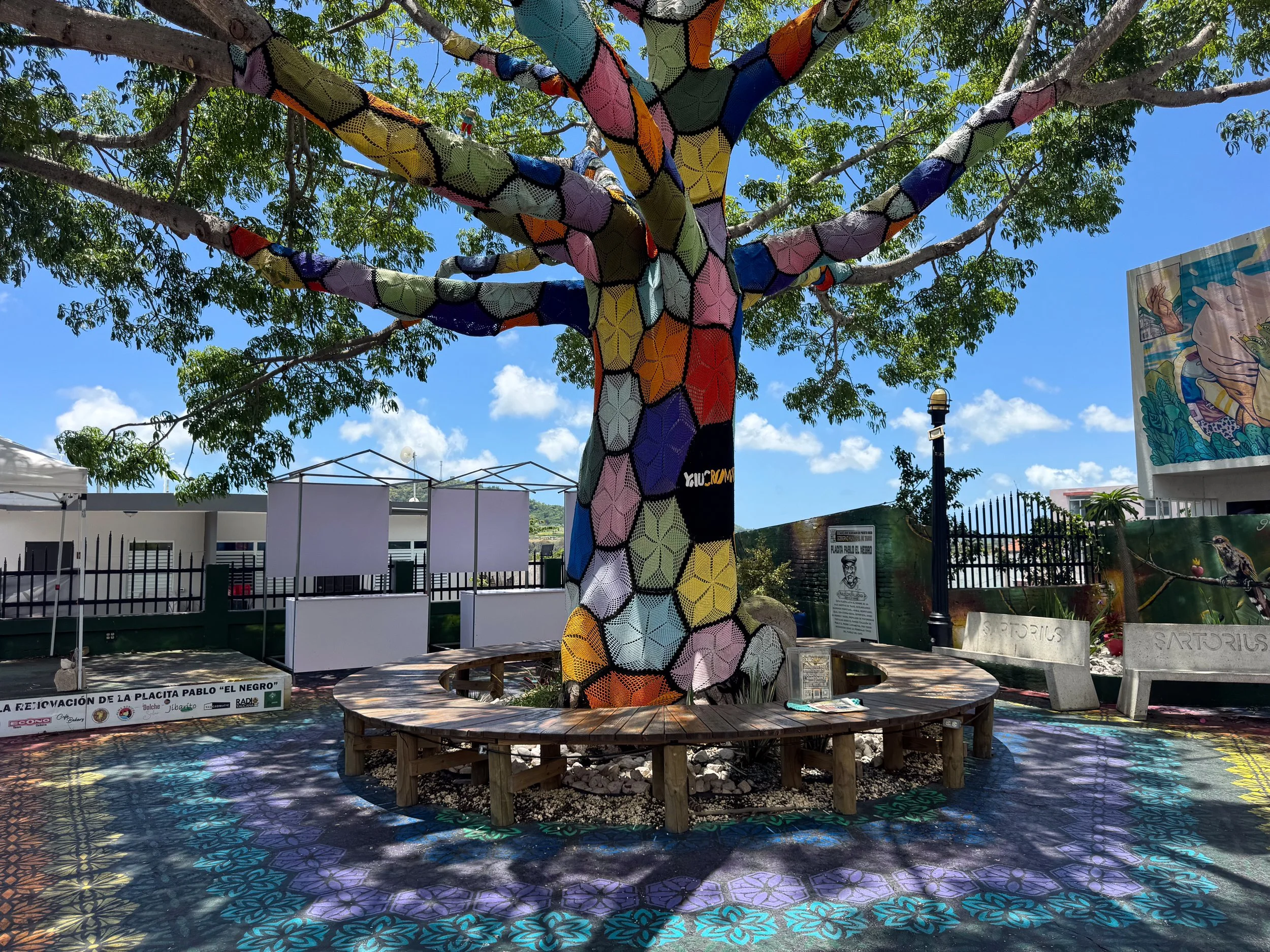
La Escalinata de Yauco. A painted staircase featuring Yauco’s flag and a statue of an indigenous Taíno warrior. There’s a small park near the base of the stairs with a colorfully crochet wrapped tree and murals of Puerto Rican birds.
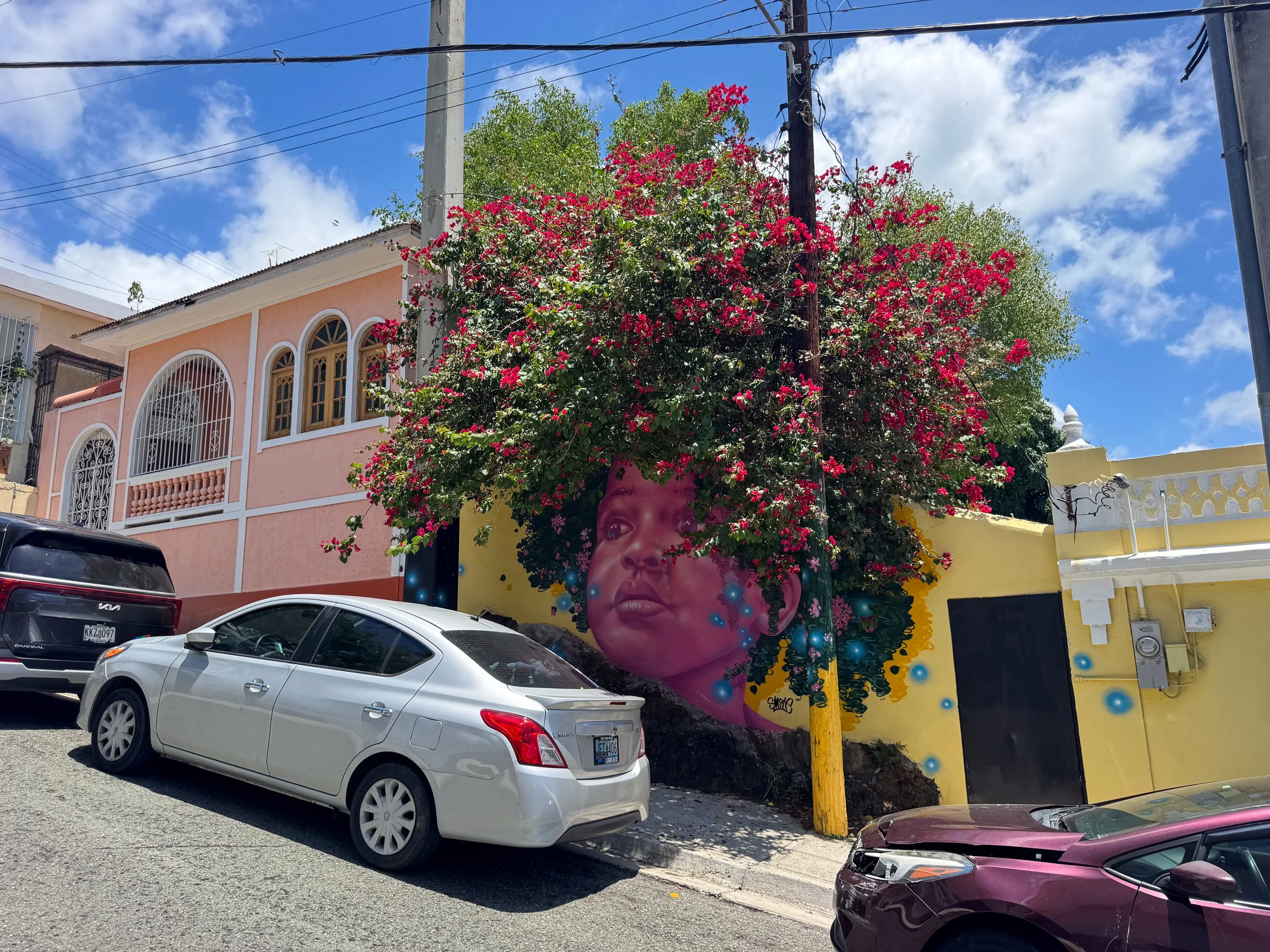
Mural de la Niña con el Pelo de Trinitaria. A mural of a young child whose hair is formed by a vibrant bush of blossoming purple flowers.
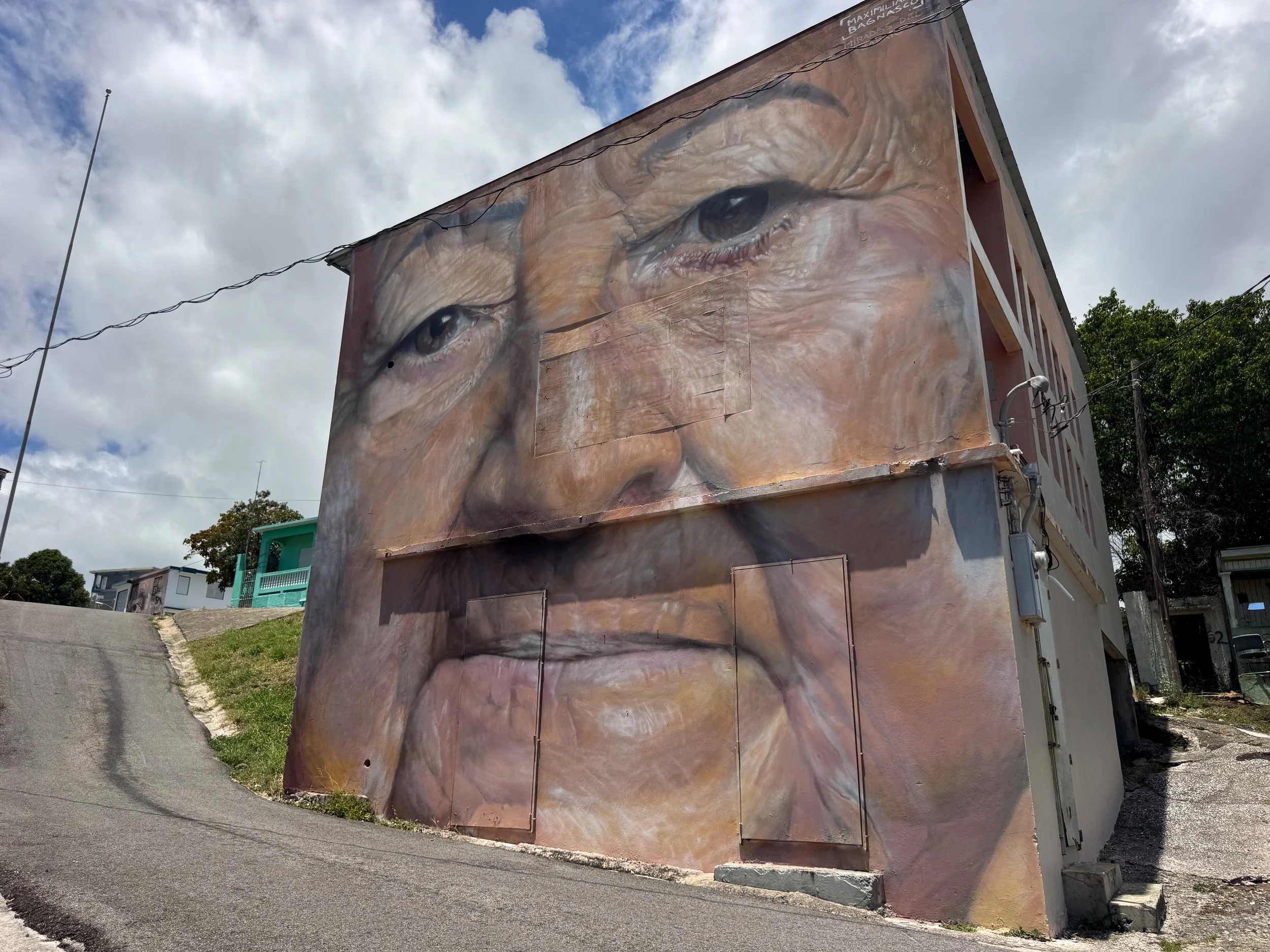
Miradas del Barrio. A series of murals at the top of the hill overlooking Yauco featuring close up paintings of people’s staring faces and eyes.
Calle 25 de Julio. A central road with many colorful historic homes spanning different architectural styles. Some of the most notable buildings to see include: Franceschi Antongiorgi House, Filardi House and The Cesari Mansion.
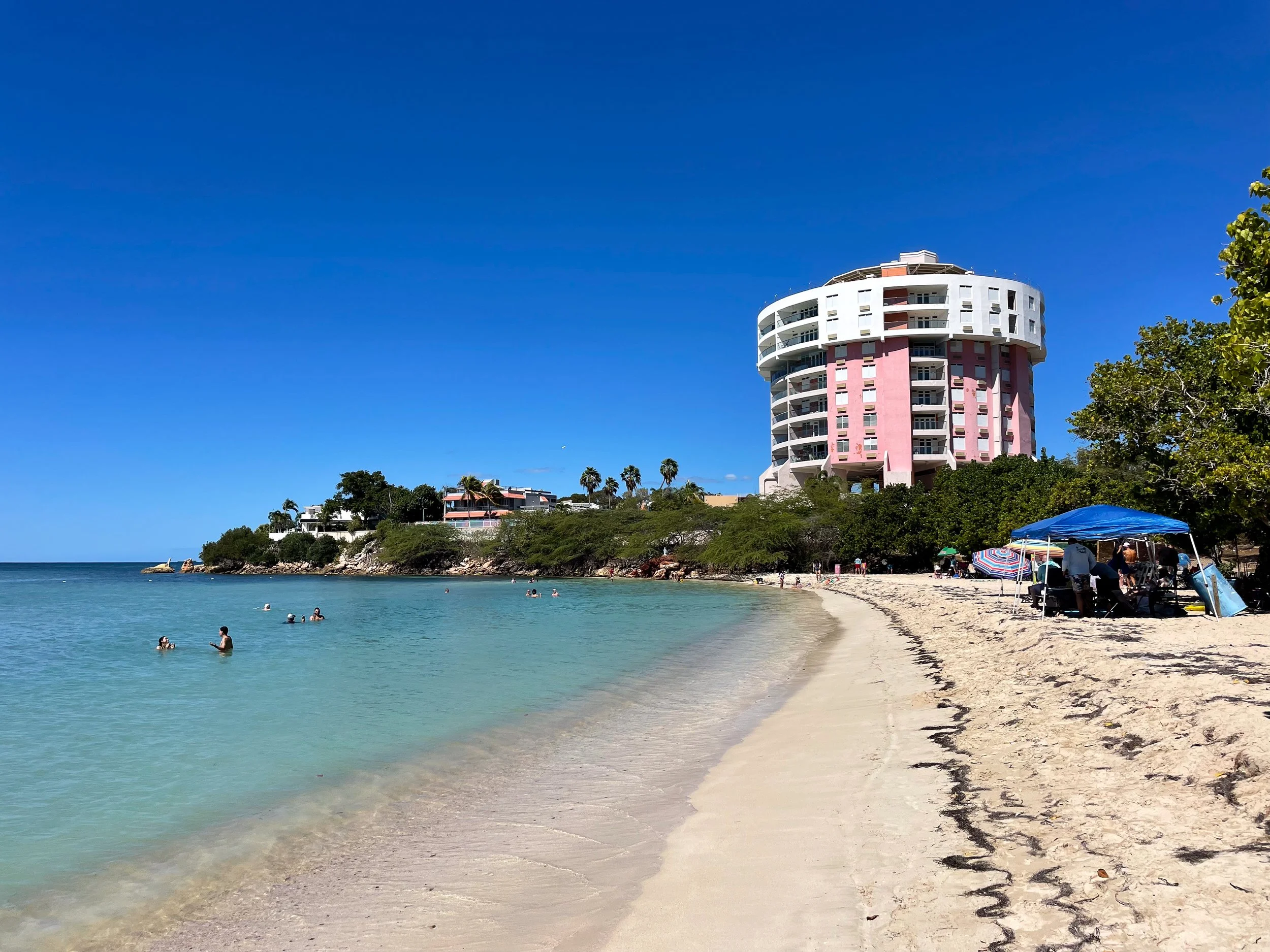
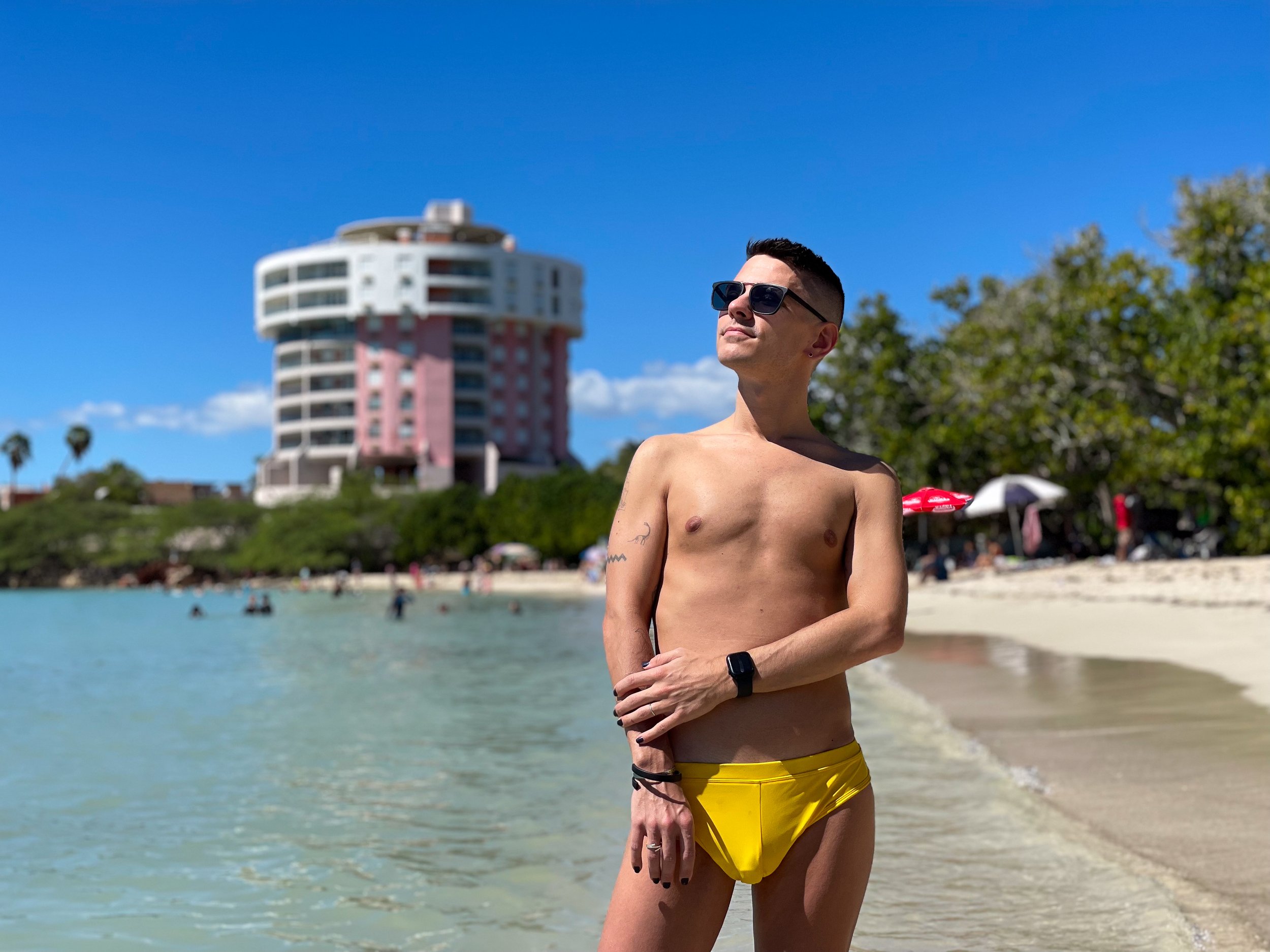
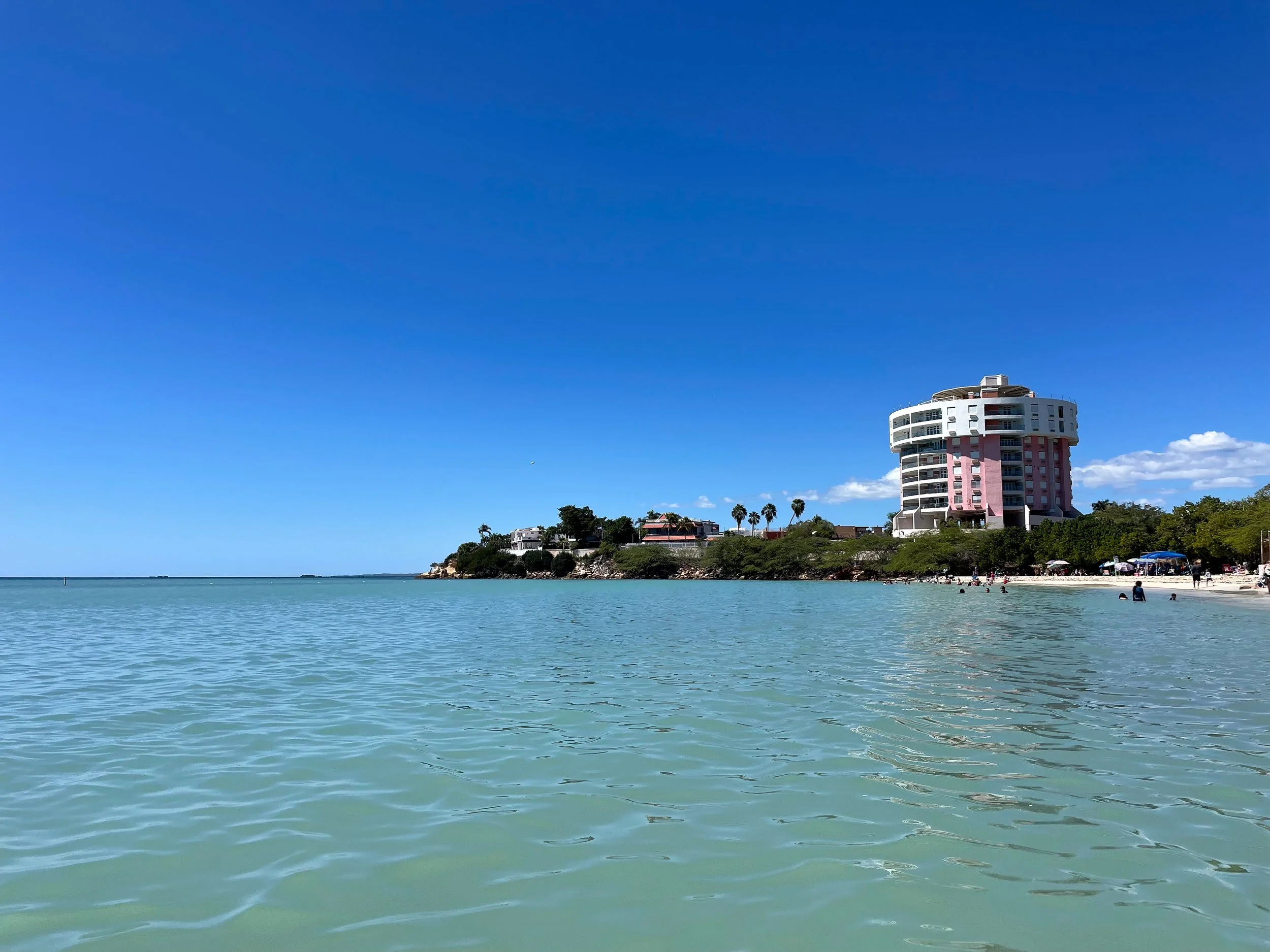
Guánica
Referred to as the “Paraíso del Eterno Verano,” or the Paradise of Eternal Summer, Guánica is a sunny region with white sand beaches, dry forests and coastal lookout points.
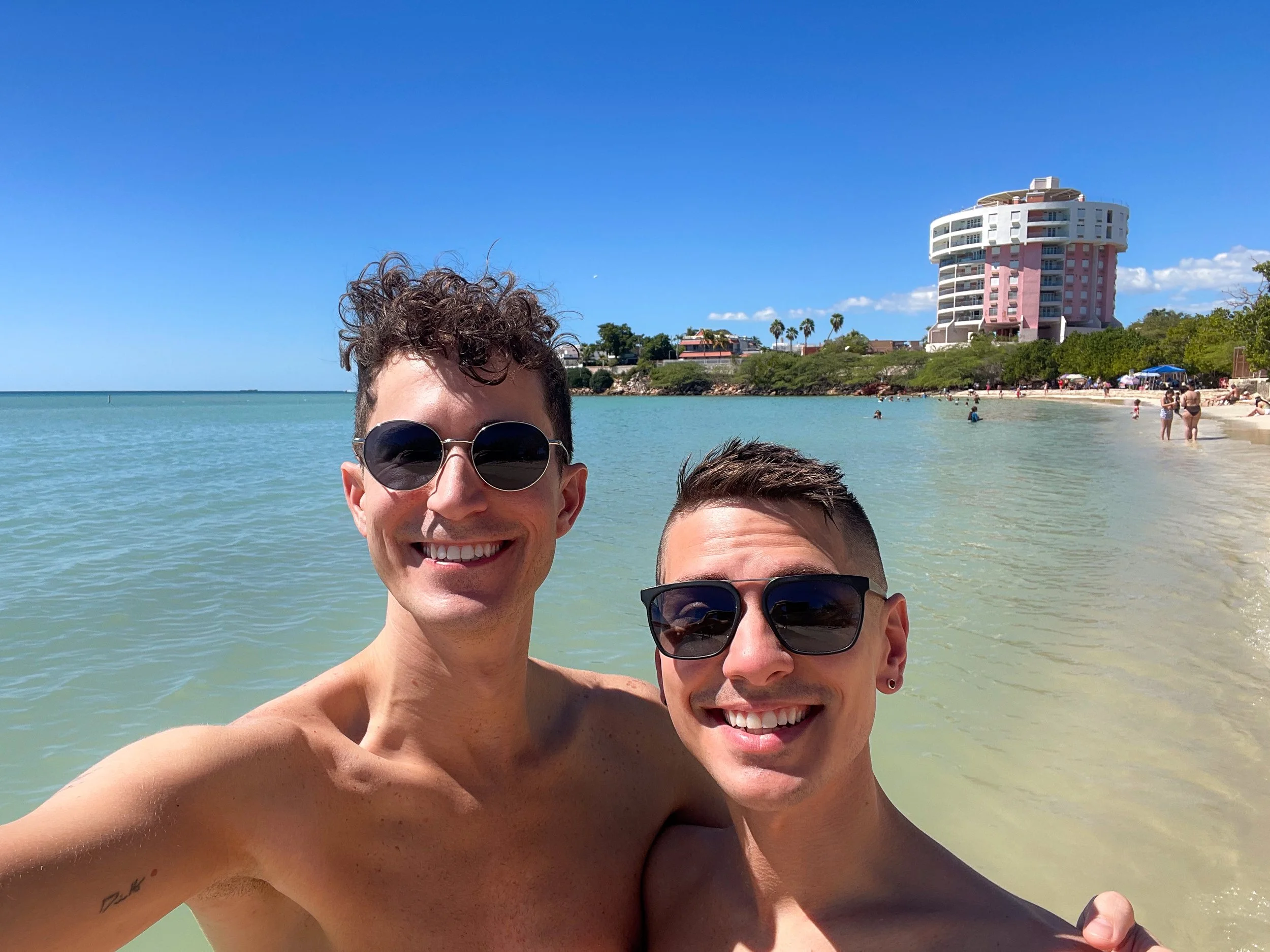
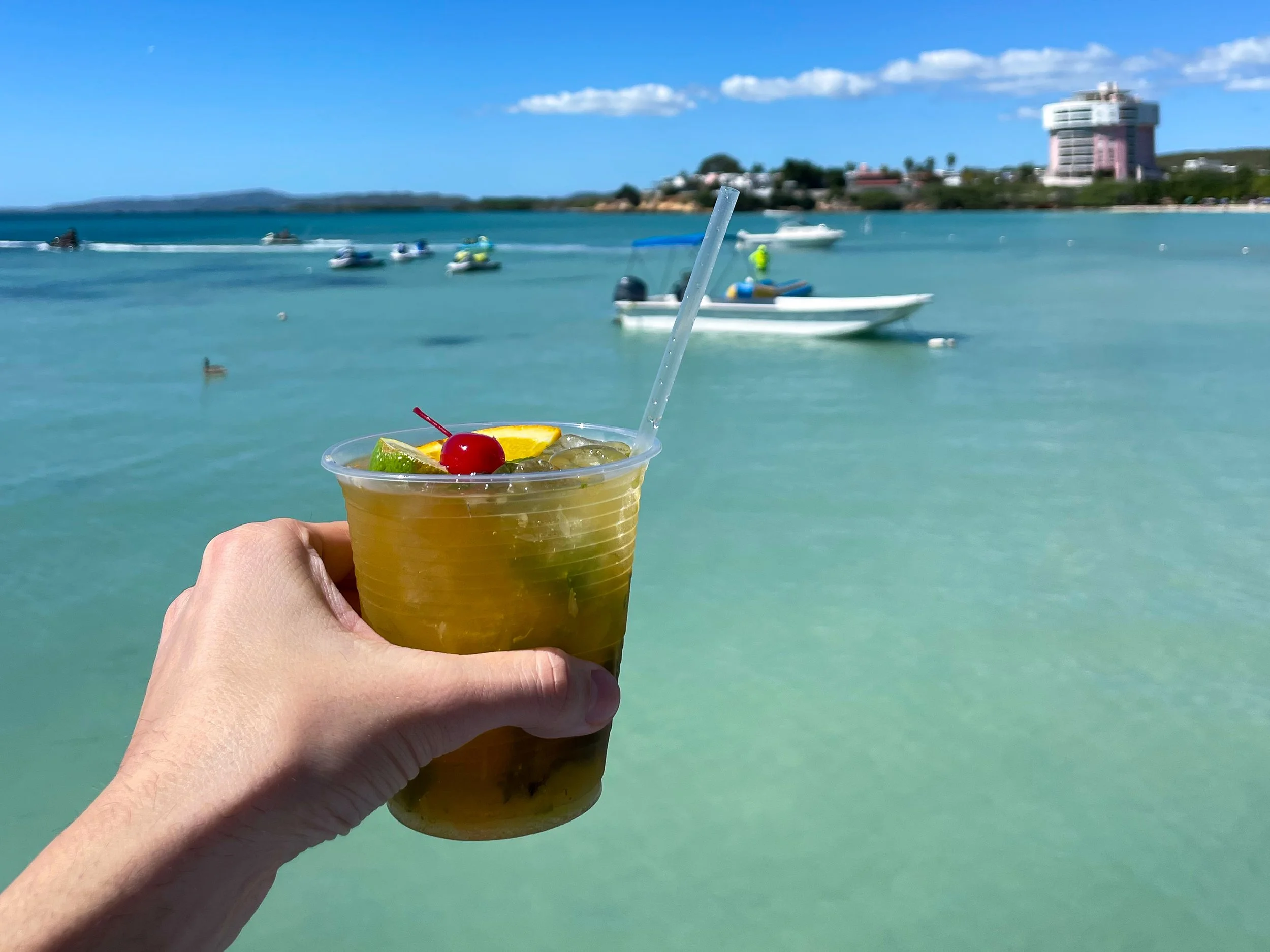
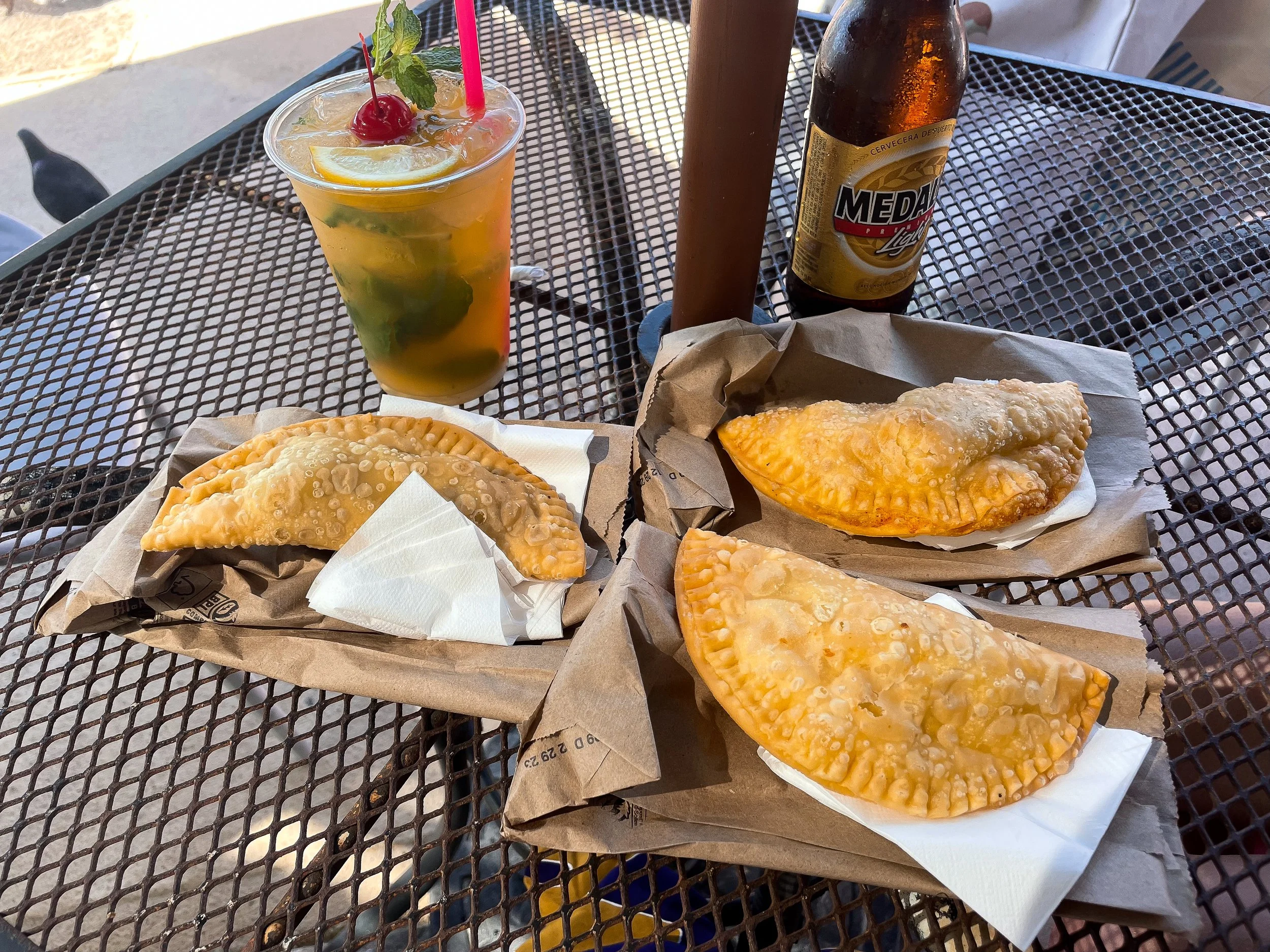
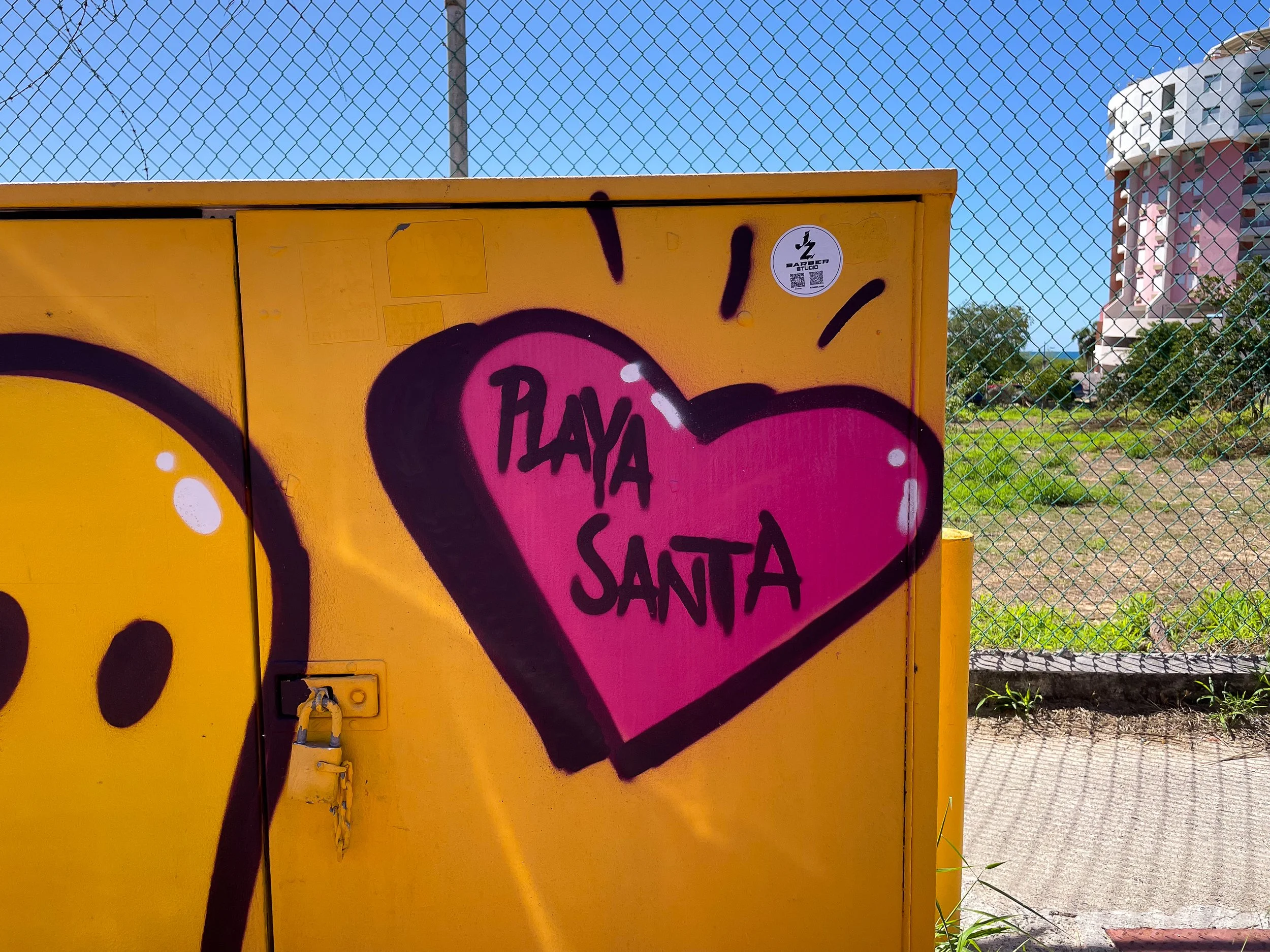
Playa Santa. A popular white sand beach with turquoise waters, kayak rentals and beach restaurants. Stop for drinks at Mojito Beach Bar & El Anclan Flontante for all kinds of fried empanadas like fish, lobster, conch, octopus and shrimp. Arrive early to find roadside parking and shaded space under the beach trees.
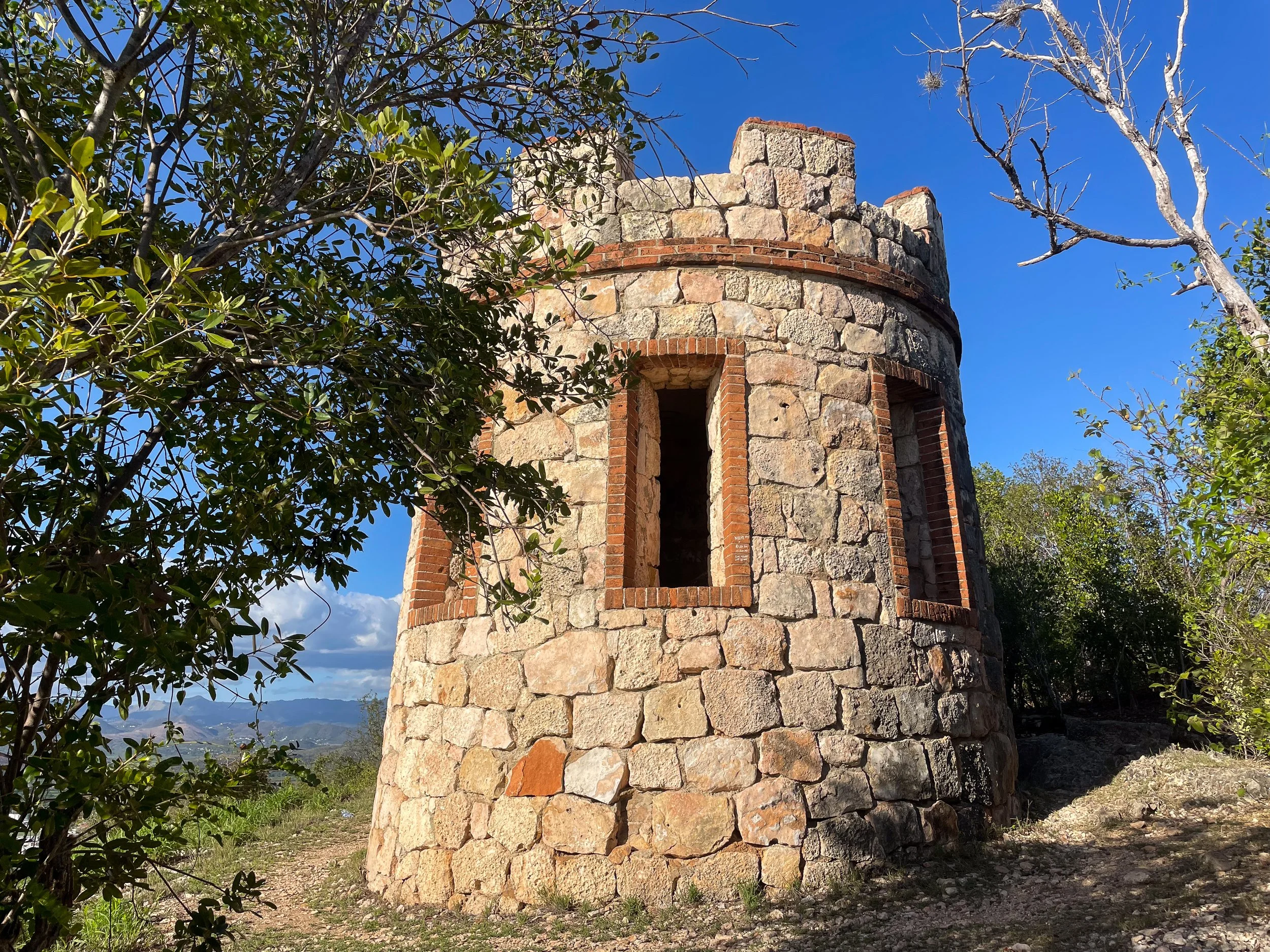
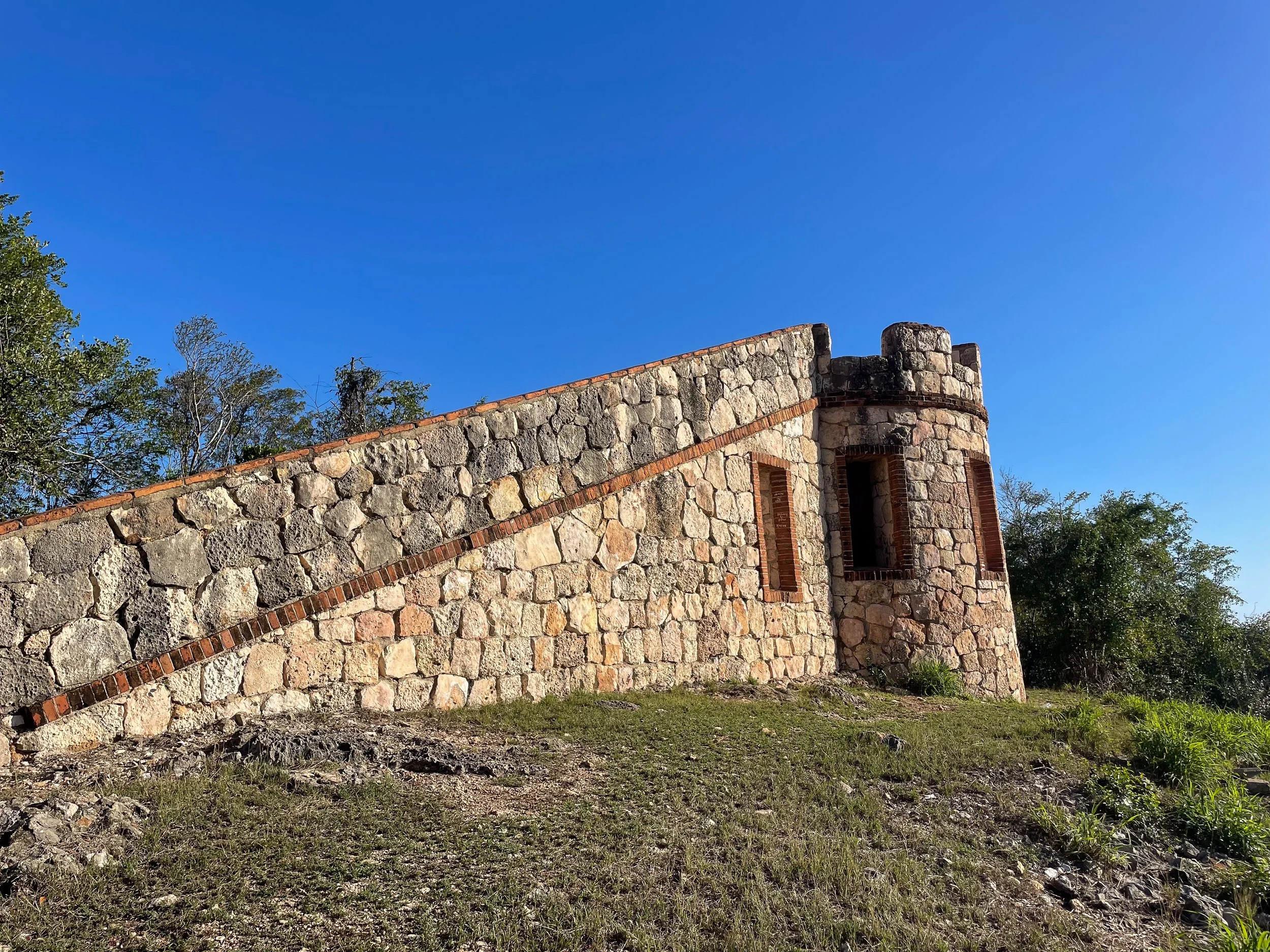
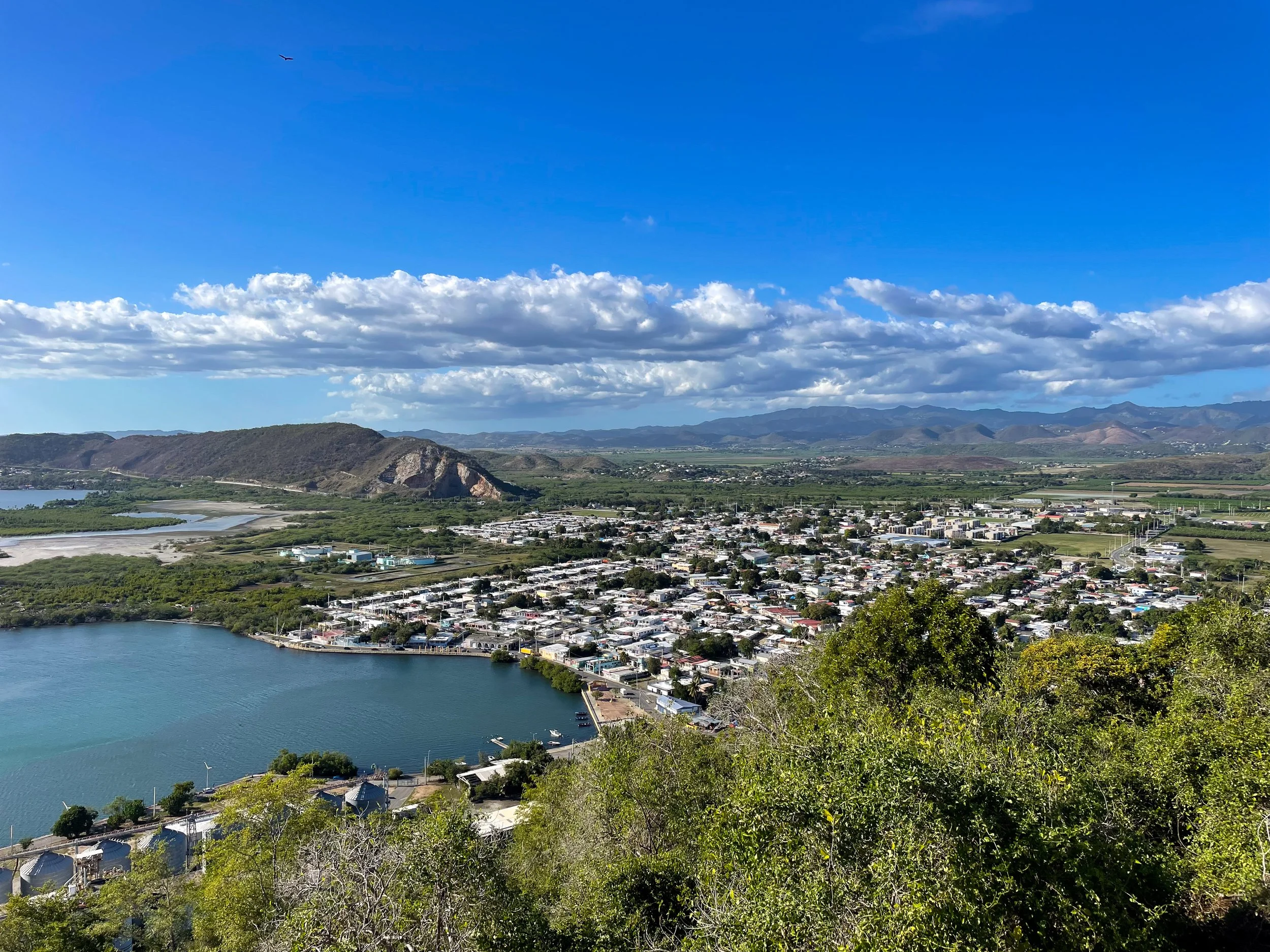
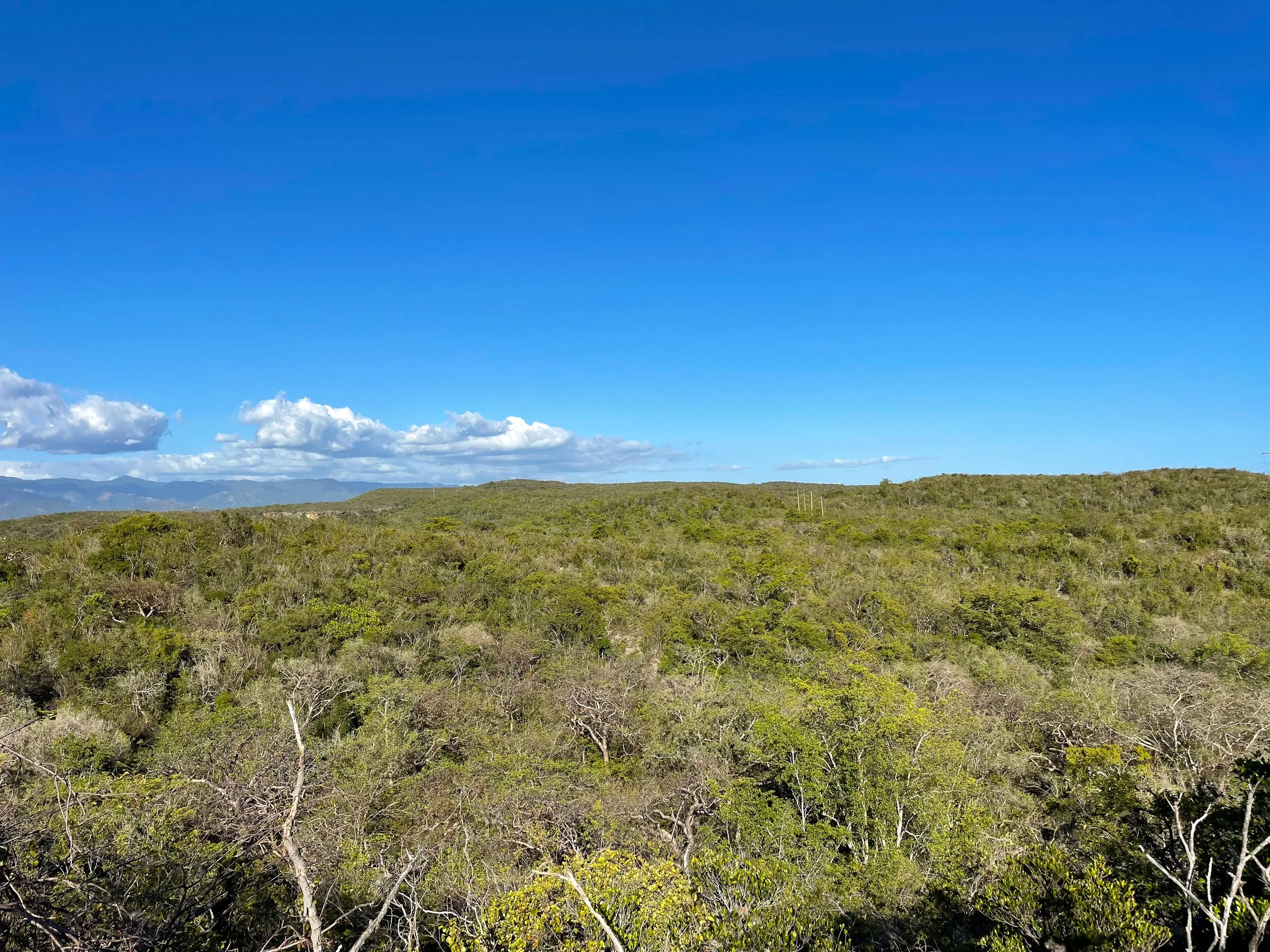
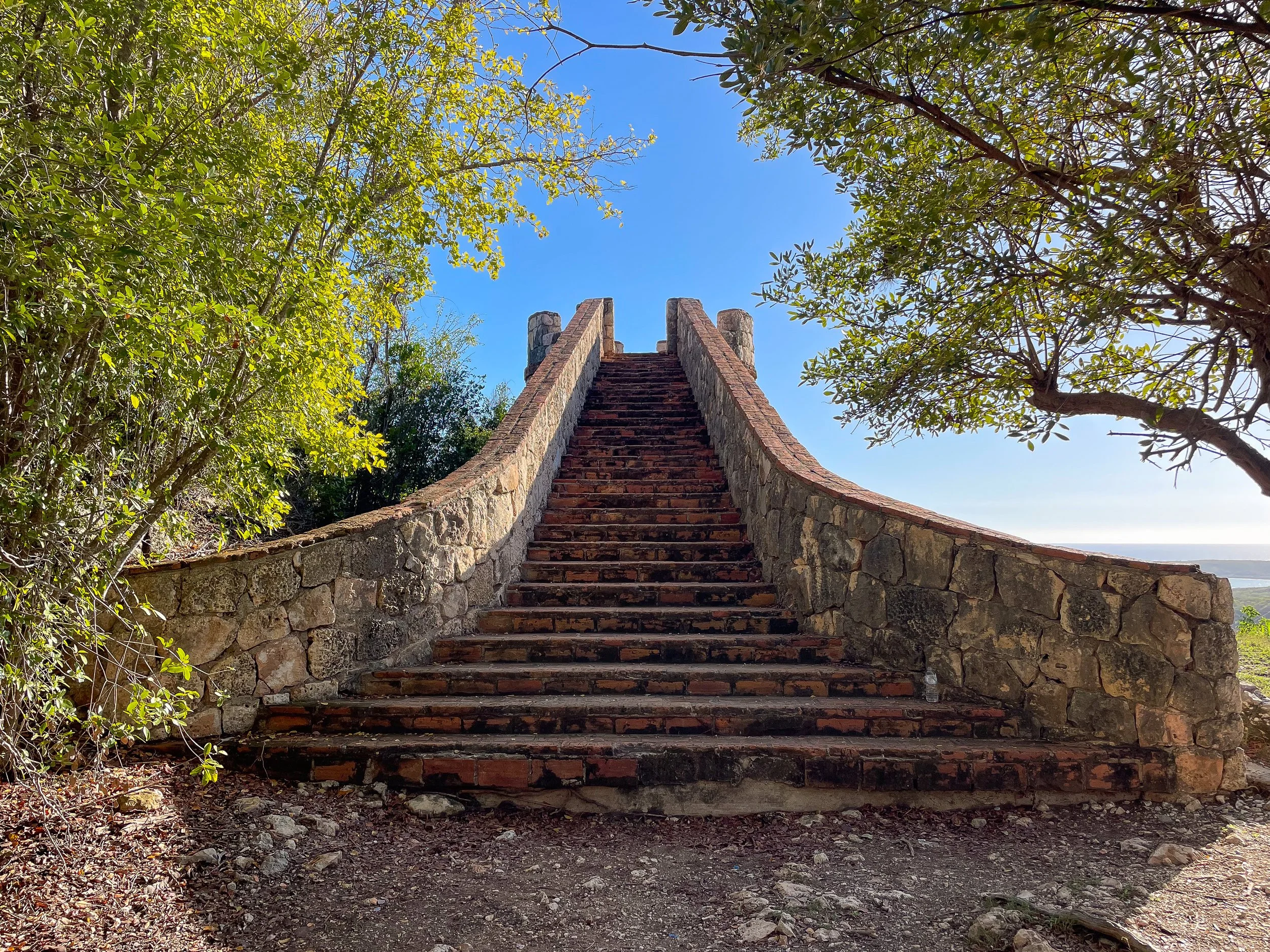
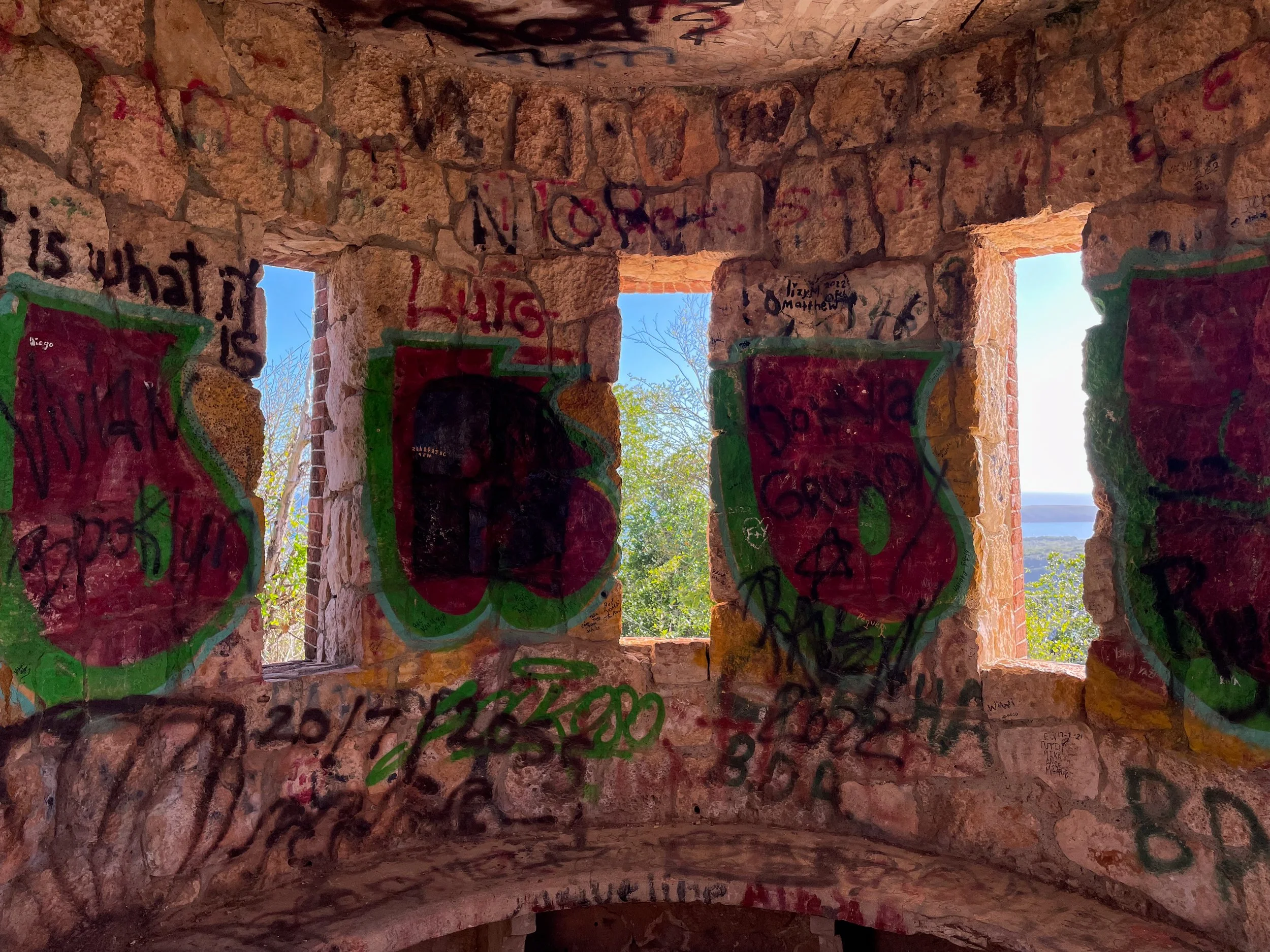
Guánica State Forest. A vast. Bio-reserve and dry forest home to many species of cacti, thorny evergreens and coastal mangroves. The park is divided by the Guánica Bay with several hiking trails that lead to beaches, rock formations and ruins.
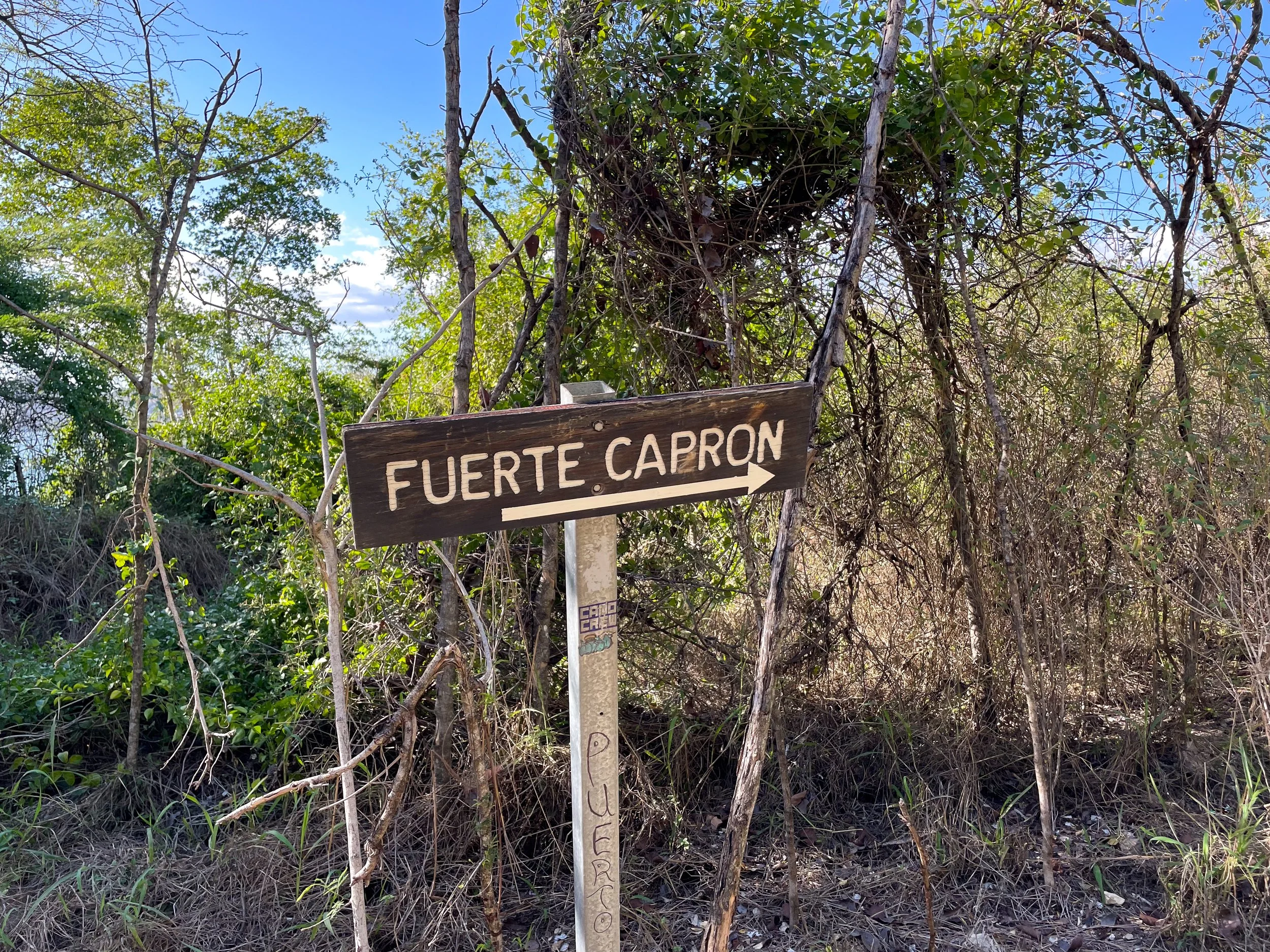
Fuerte Capon. The ruins of a small fort overlooking the Guánica Bay and forest. Start at the visitor center and hike the 6 mile trail to reach Fuerte Capon. Alternatively, park at Playa Jaboncillo and follow the shorter 30 minute trail to reach Fuerte Capon.
PR-333. A scenic coastal road with views of the dry forest and Caribbean Sea. There are many beaches, scenic pull offs and hiking trails along the way.
Good to Know. The visitor center closes at 4pm. Park rangers prevent people from beginning hikes after 2pm.
Puerto Rican Cuisine
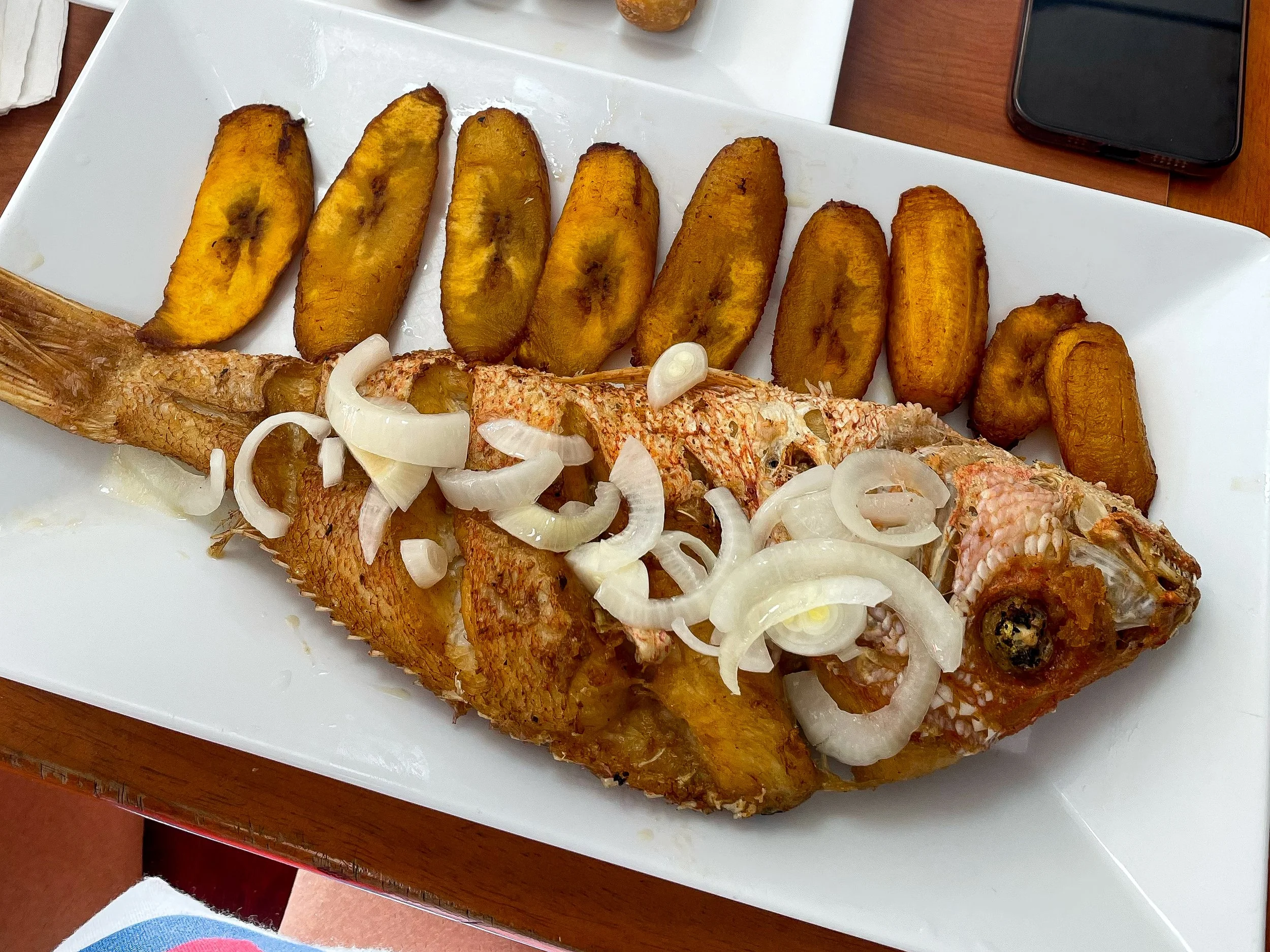
Chillo Frito Entero. A fried red snapper served whole with crispy skin, tender meat and squeezed with lime. It’s usually accompanied by fried plantains like tostones, mofongo or amarillos.
Mofongo. Fried plantain mashed with garlic and butter. It’s often served plain or stuffed with an option of seafood. If prepared with breadfruit and yucca, it’s known as trifongo.
Empanadillas. Puerto Rican style fried empanadas stuffed with a range of fillings like octopus, conch, cod, shrimp, crab and pizza.
Pinchos. Grilled meats served on a stick often served at beaches or roadside kiosks. Our favorites are shark and shrimp.
Mojo Isleño. A savory sauce made from tomato, onion, bell pepper, garlic, olives and bay leaves. It’s often served on fried red snapper, lobster or mixed with octopus and conch.
Mallorca. A Puerto Rican pastry often shaped like a bun or swirled roll and dusted in powdered sugar. Our favorite preparations are pressed with guava and cheese or egg and cheese.
Coco Frio. A cold and freshly opened coconut. Drink the coconut water inside then eat the sweet meat inside. Alternatively, enjoy it with coconut rum to create a tropical cocktail.
Rum. Puerto Rico is unarguably the rum capital of the Caribbean with several distilleries and local brands served in bars across the island. Order it on the rocks, in a Piña Colada or other tropical cocktail.
Medalla. The island’s most popular local beer, recognizable by its small golden can. It has a light slightly nutty flavor and is served everywhere. Buy a 6 pack for the beach!
Getting Around
Rent A Car. Renting a car is necessary to get around anywhere on the southwest side of Puerto Rico. Rent from a reputable rental agency from any of the island’s three airports in San Juan, Aguadilla or Ponce. We’ve had luck renting from local agencies including: Charlie Car Rental, Cabrera Car & Truck Rentaland Flagship.
Where to Stay
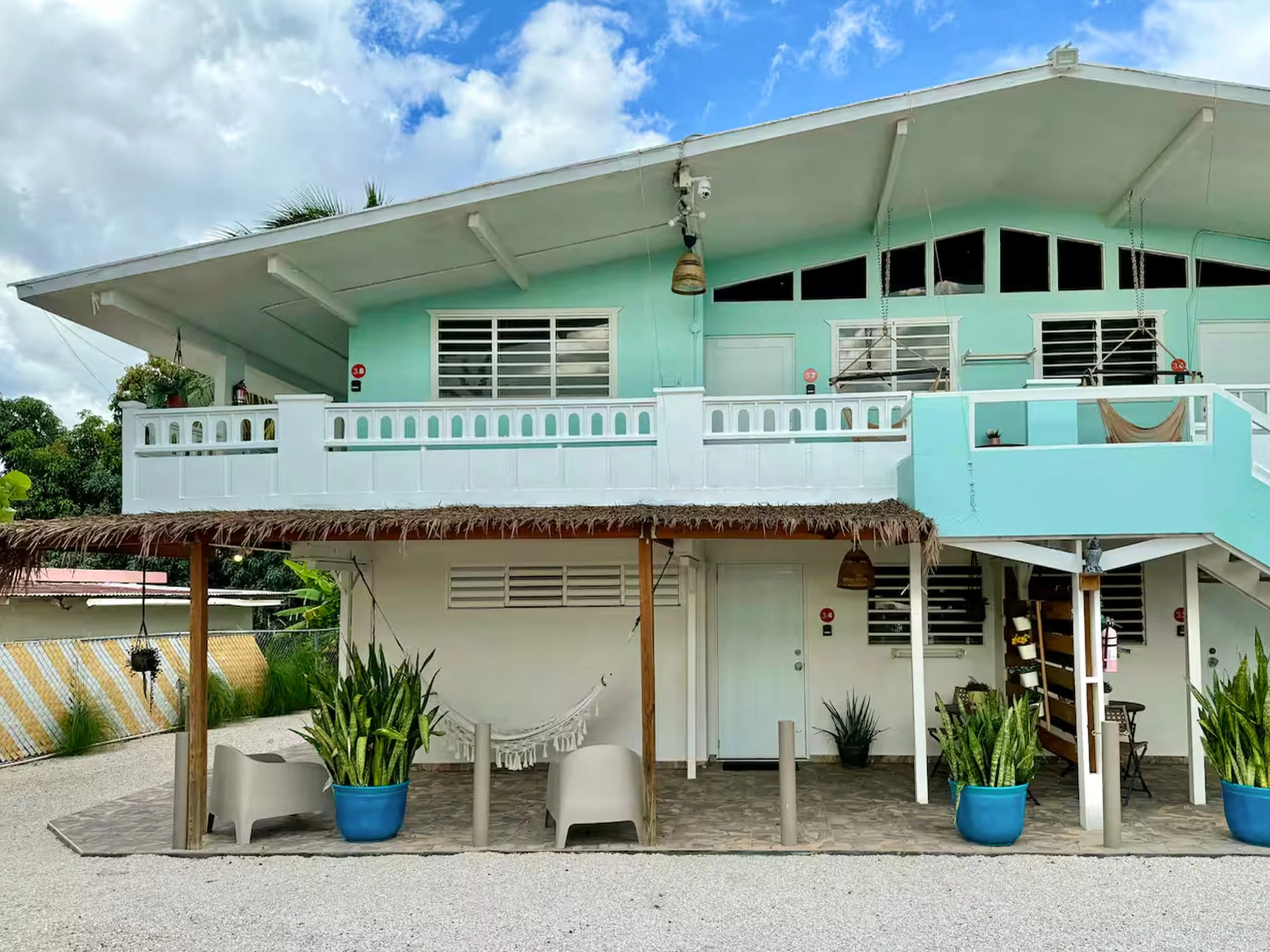
Orange B Living (OB3). A tropical style motel in Cabo Rojo with a series of vacation rentals and apartments. It’s walking distance to nearby restaurants and driving distance to Cabo Rojo’s beaches. Book on Airbnb.
Location Specifics
Respect the Culture. Puerto Ricans are very proud of their island, culture and heritage. Please show respect when discussing local issues and topics. Don’t be afraid to ask questions and learn about the culture and island.
US Territory. Puerto Rico is a US Territory meaning US citizens can visit the island without a passport.
Language. Spanish is the primary language spoken in Puerto Rico. English is widely spoken as a second language. Knowing basic Spanish words and phrases is helpful and beneficial when visiting.
Currency. Puerto Rico uses the US Dollar.
Metric vs. Imperial. Puerto Rico uses a combination of the Metric and Imperial systems. Speed limits are marked in mph while distances are marked in kilometers. Gasoline is sold by the liter instead of by the gallon.
Cash vs. Card. Credit and debit cards are widely accepted across the island. Cash is preferred by most vendors at markets, kiosks and some businesses.
Power Outages. The electrical grid is fragile due to devastation from past natural disasters. While power outages rarely affect tourists, they do happen. It’s a difficult part of life for many Puerto Ricans.
Tap Water. Tap water is generally safe for consumption around the island.
Tropical Weather. Puerto Rico experiences tropical weather. Carry an umbrella in case of afternoon and evening rain storms. Tropical storms and hurricanes are possible from June through November with September through October being the most active.
Swimming. Mind the warning signs and red flags advising about dangerous ocean currents. Pay attention to where others are and are not swimming.
Sun Protection. The harsh UV is dangerous in Puerto Rico. Wear sun block when outside, even on cloudy days.
Insect Repellent. Mosquitos are prevalent across the island with mosquito borne illnesses on the rise. Wear insect repellent to minimize bites.
Clothing. Shorts and tank tops are generally acceptable to wear, keep the swimwear for the beach and plan to change into pants while dining out or visiting local spots.
Elsewhere in Puerto Rico
From historic cities and mountain landscapes to rainforest trails and island escapes, continue your journey beyond Puerto Rico's southwestern coast through these travel guides:
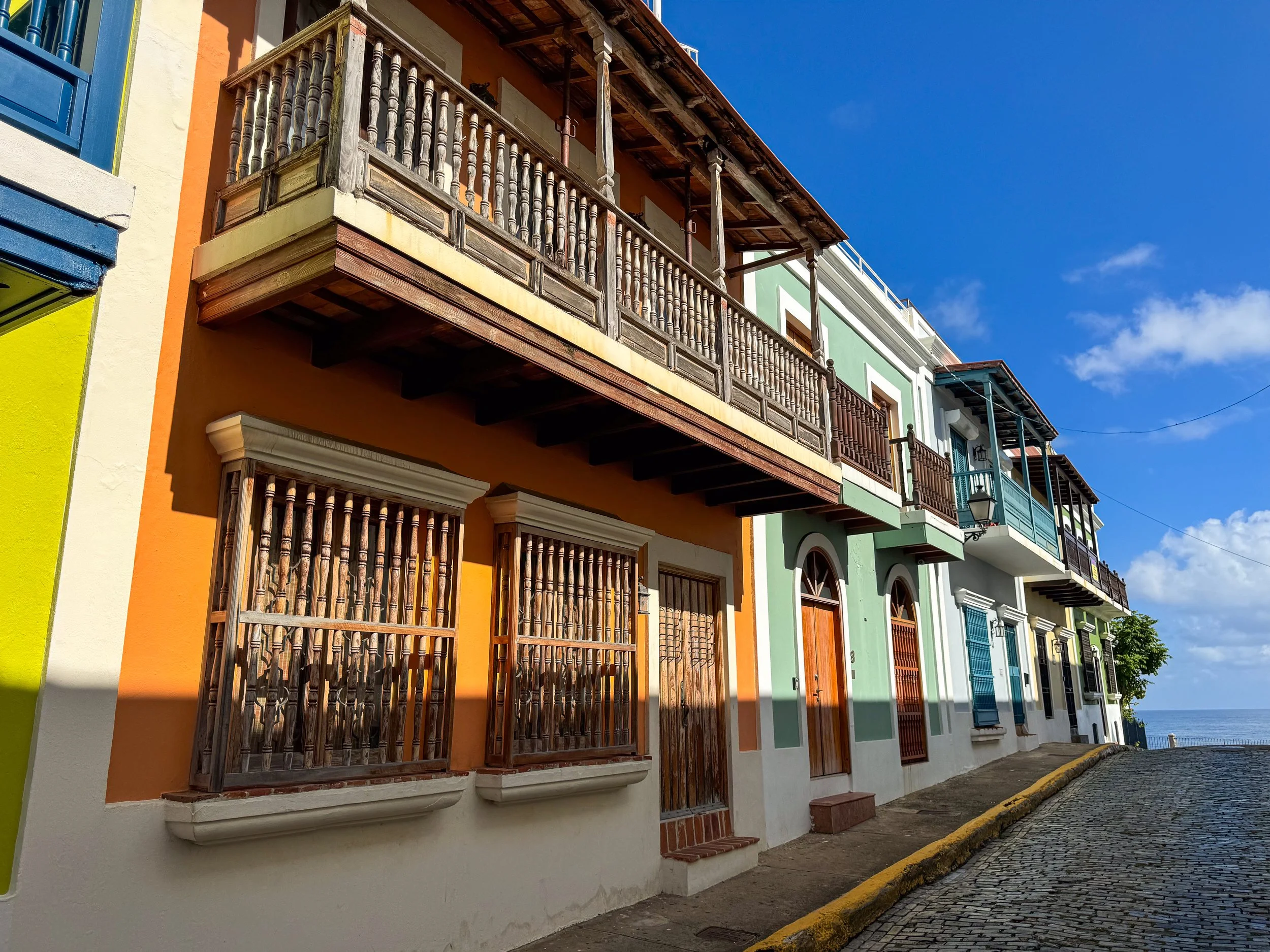
San Juan Puerto Rico Travel Guide: Beaches, Food & Local Culture. Wander between San Juan's sunny beaches, lively plazas and colorful neighborhoods while experiencing the food, music and culture that makes Puerto Rico unique.
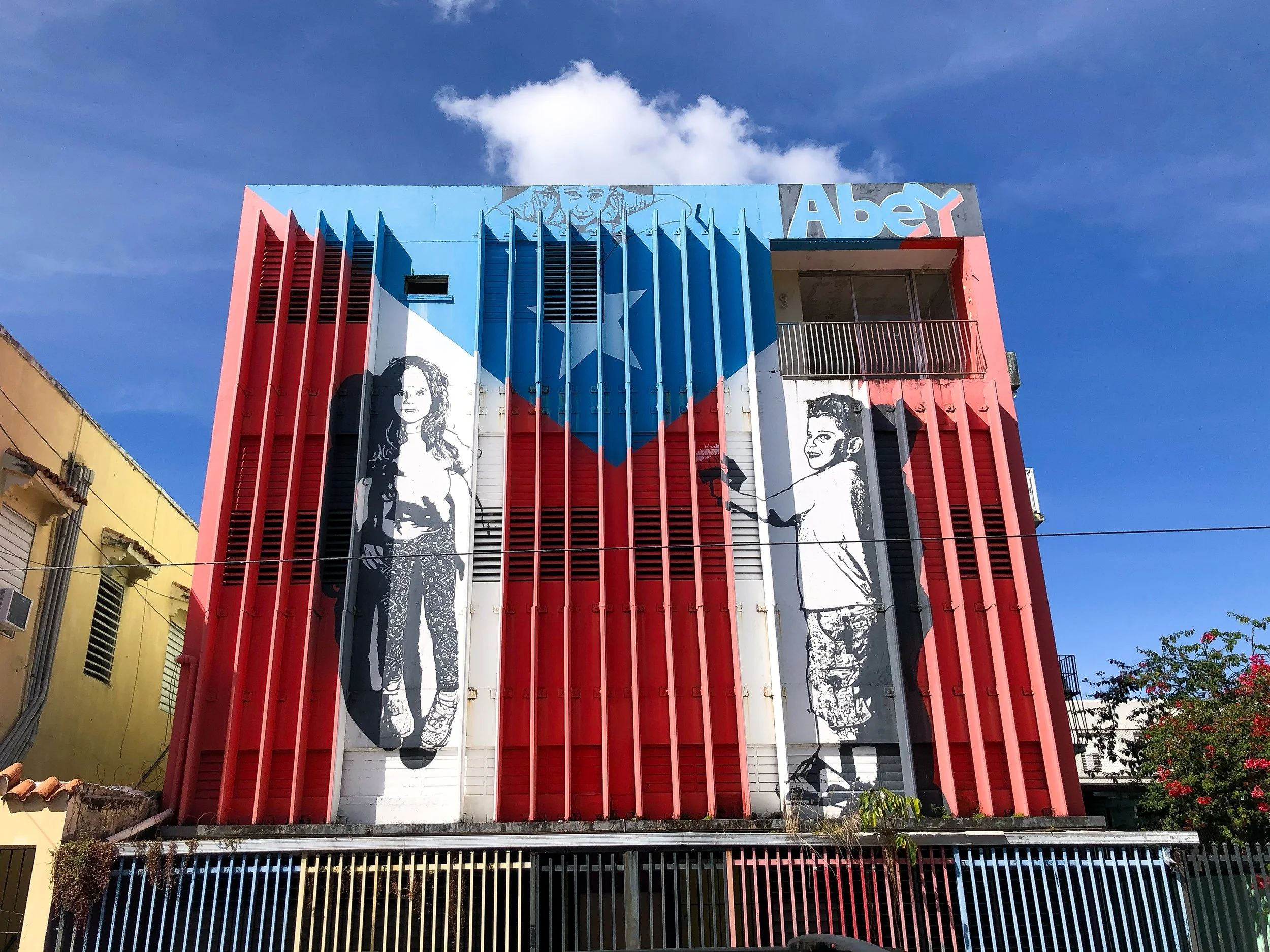
Old San Juan Travel Guide: Historic Streets, Food & Colonial Charm. Stroll through Old San Juan's cobblestone streets, historic forts and colorful architecture while discovering the colonial charm of Puerto Rico's most iconic neighborhood.
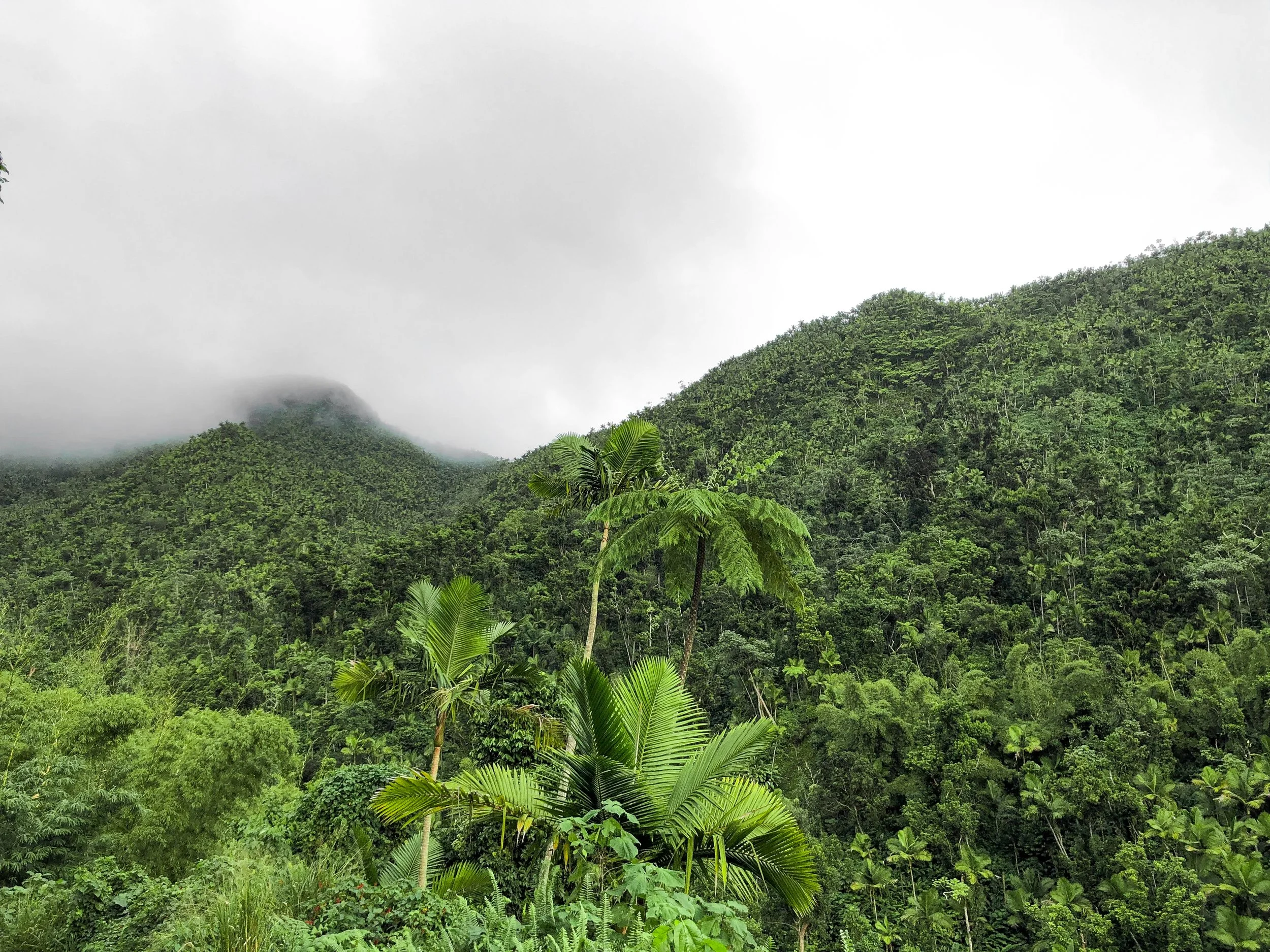
Eastern Puerto Rico Travel Guide: El Yunque, Bioluminescent Bays & Beaches. Explore Eastern Puerto Rico's lush El Yunque rainforest, glowing bioluminescent bays and tropical beaches where island adventures and local culture converge.
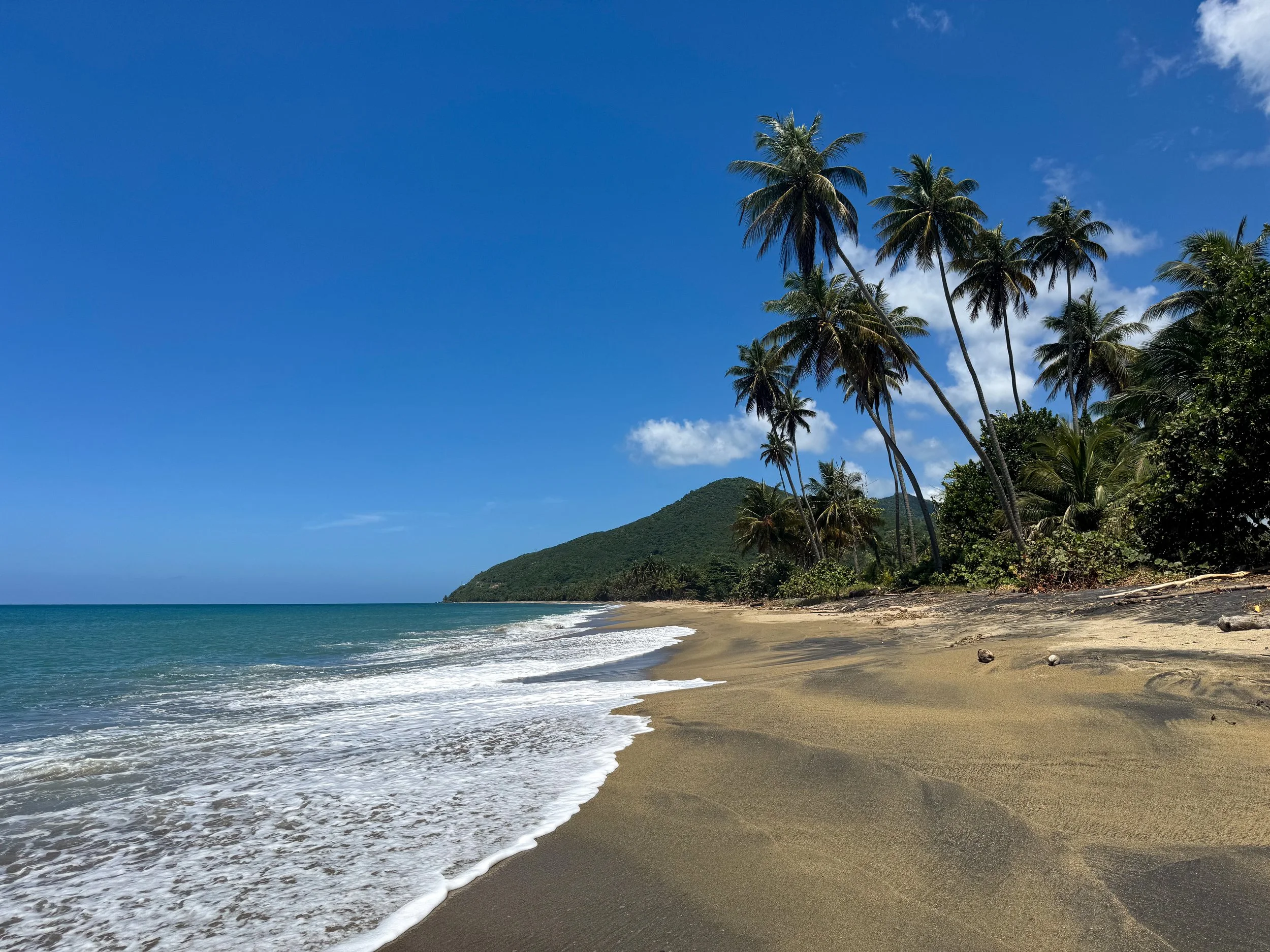
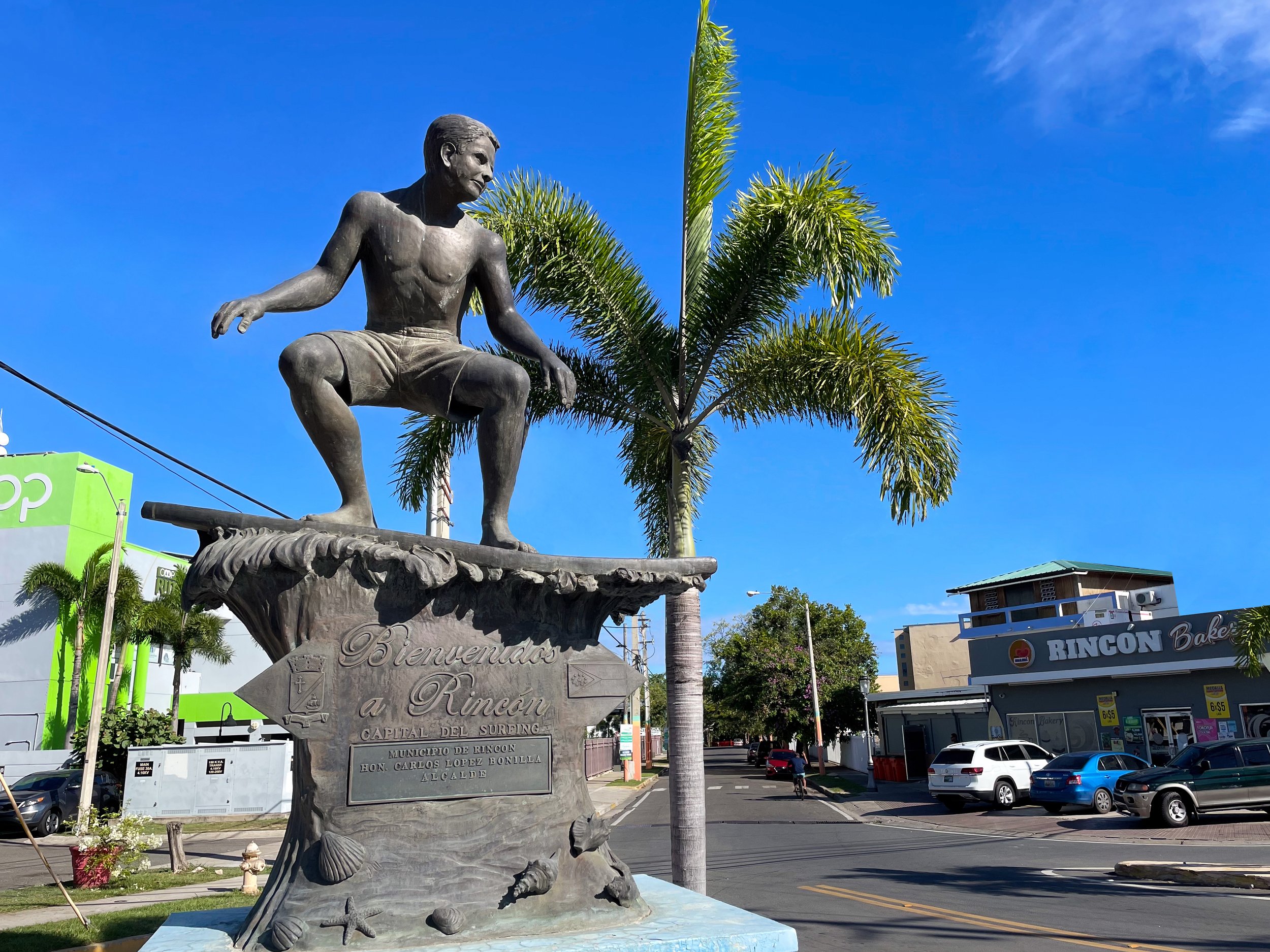
Western Puerto Rico Travel Guide: Rincón, Beaches & Surfing. Chase waves and sunsets across Western Puerto Rico's tropical beaches, sleepy surf towns and coastal landscapes where island life and adventure converge.
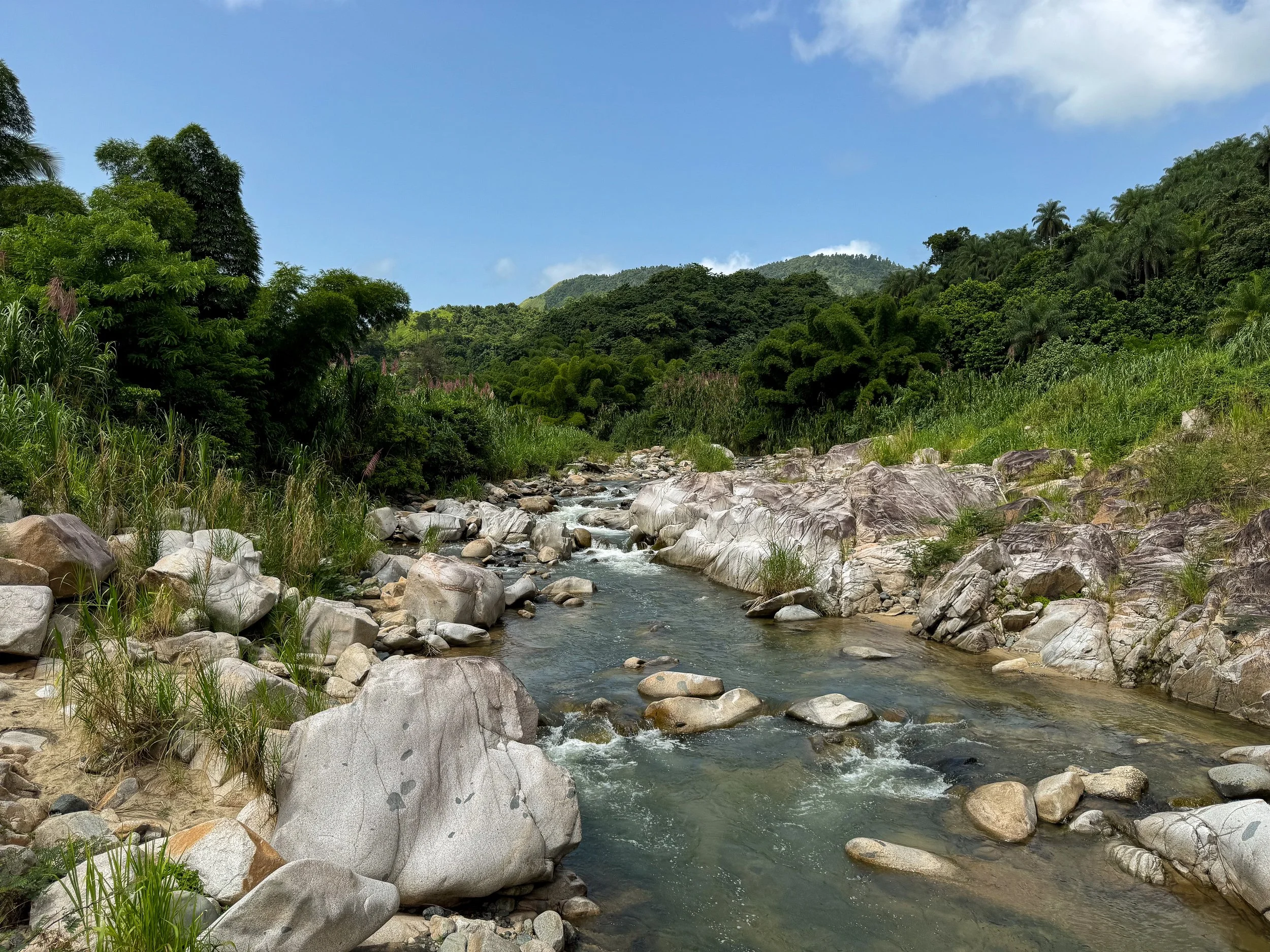
Central Puerto Rico Travel Guide: Mountains, Hiking & Taino Sites. Discover Central Puerto Rico's lush mountain landscapes, waterfalls, ancient cave systems, scenic hiking trails and Taíno archaeological sites beyond the island's beaches.
Ponce Puerto Rico Travel Guide: History, Architecture & Local Culture. Experience Ponce's historic architecture, cultural landmarks, Taíno archaeological sites and annual carnival traditions in Puerto Rico's Pearl of the South.
Vieques Puerto Rico Travel Guide: Mosquito Bay, Beaches & Island Adventures. Island hop to Vieques to experience the bioluminescent waters of Mosquito Bay, wild horses and black sand beaches on an unforgettable island adventure.
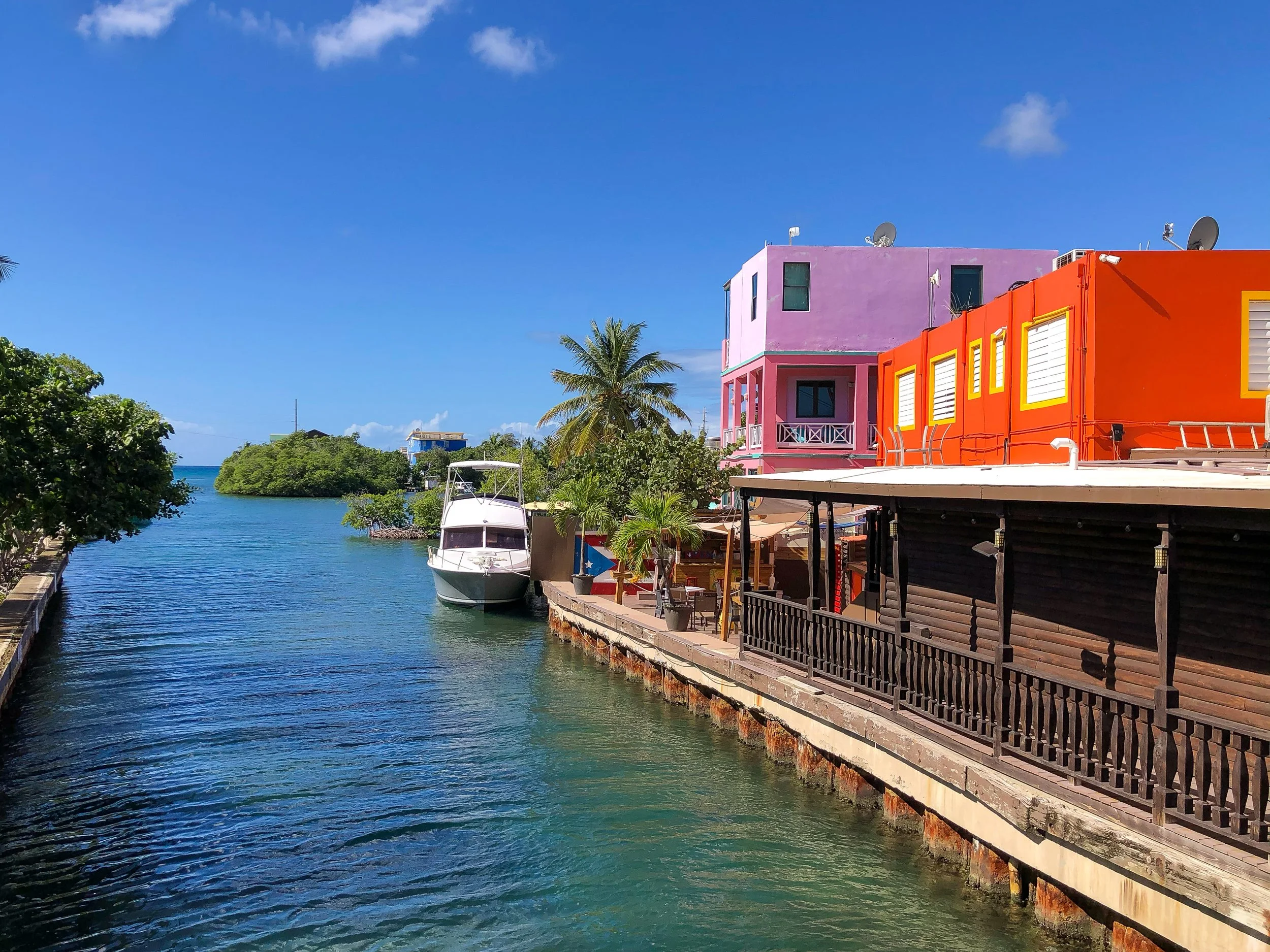
Culebra Puerto Rico Travel Guide: Beaches, Sea Turtles & Island Adventures. Voyage to the tiny island of Culebra to discover its pristine beaches, turquoise waters, vibrant marine life and a sleepy beach town.
For Next Time…
Whether a spontaneous weekend trip or planned vacation, we will certainly be back to Puerto Rico many more times! We have our eyes set on experiencing things we’ve missed during past trips around the southwestern region of Puerto Rico including:
Hacienda Iluminada Coffee Farm. A coffee hacienda home to 787 Coffee. They frequently offer tours and tastings. Book onlineor call ahead for reservations.
Parque Nacional Balneario Boquerón. A lengthy golden sand beach with a large palm grove, protected swimming area and sunset views.
Finca El Girasol. A sunflower farm with near year round rows of sunflowers. The finca offers tours and fresh cut sunflowers.
El Rodadero Peak. A mountain peak reachable after hiking a steep and slippery trail. It offers stunning views of the island’s lush and rugged landscape.
The Wall. A vast drop off along the continental shelf spanning several miles with over 30 different dive sites. Paradise Scuba & Snorkelin La Parguera offers snorkeling and scuba diving tours.