Santo Domingo Travel Guide: Zona Colonial, History & Culture
Santo Domingo, Dominican Republic
Santo Domingo, the bustling capital of the Dominican Republic, is a vibrant hub of Dominican culture, flavorful cuisine and rhythmic music. Its rich history and heritage are well preserved in the Zona Colonial while its Caribbean coastline adds to the warm and inviting atmosphere.
Zona Colonial
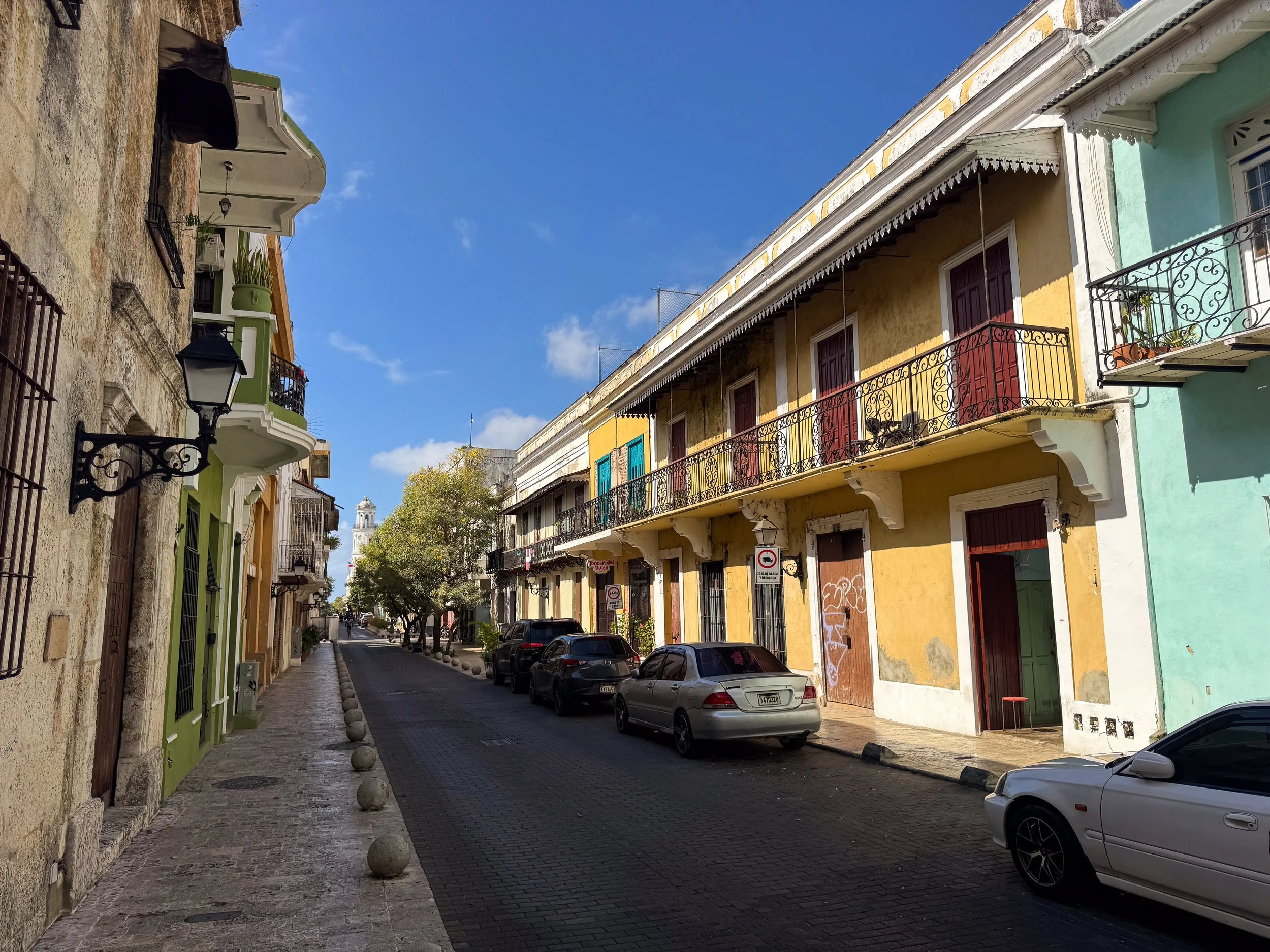
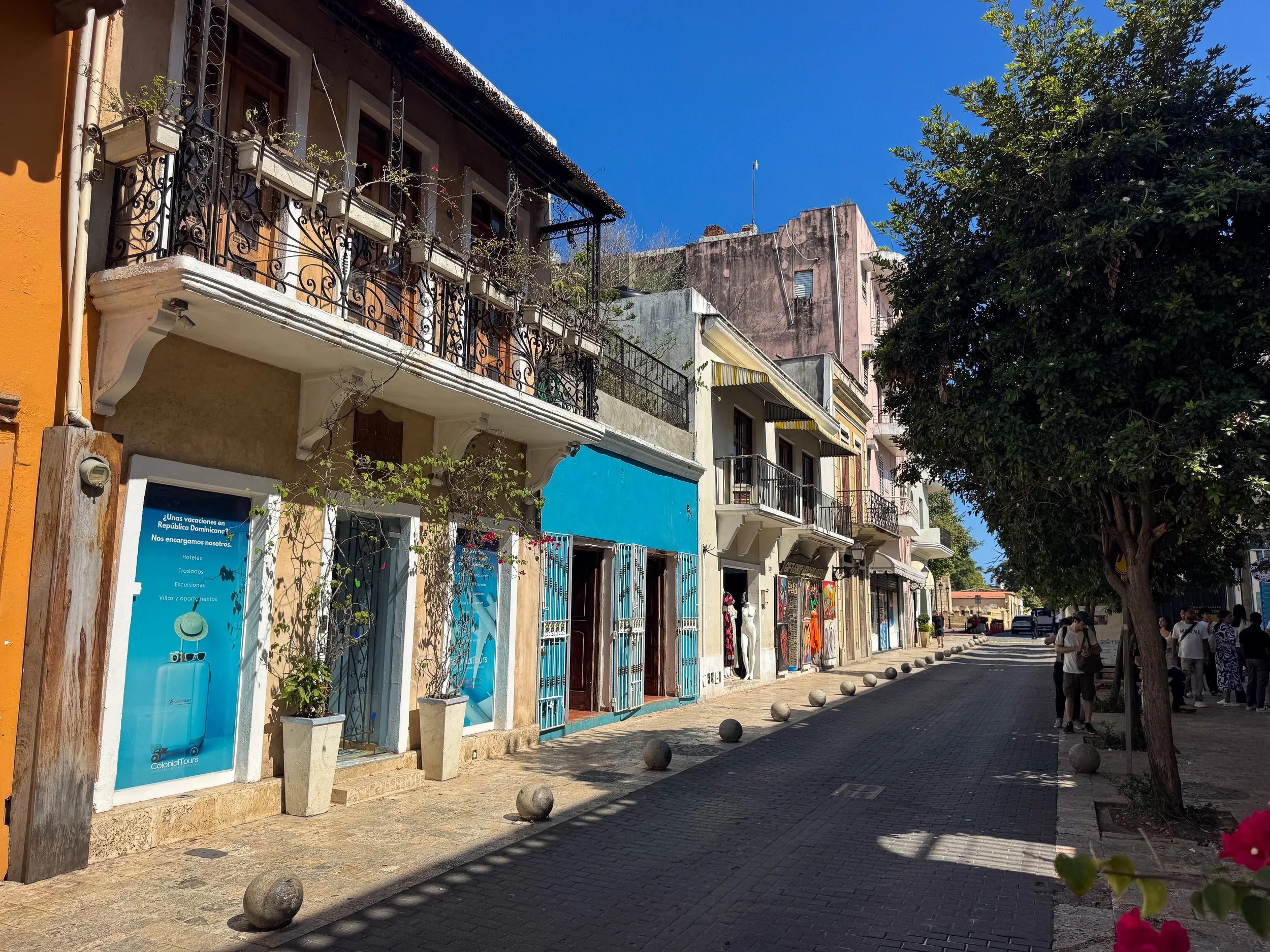
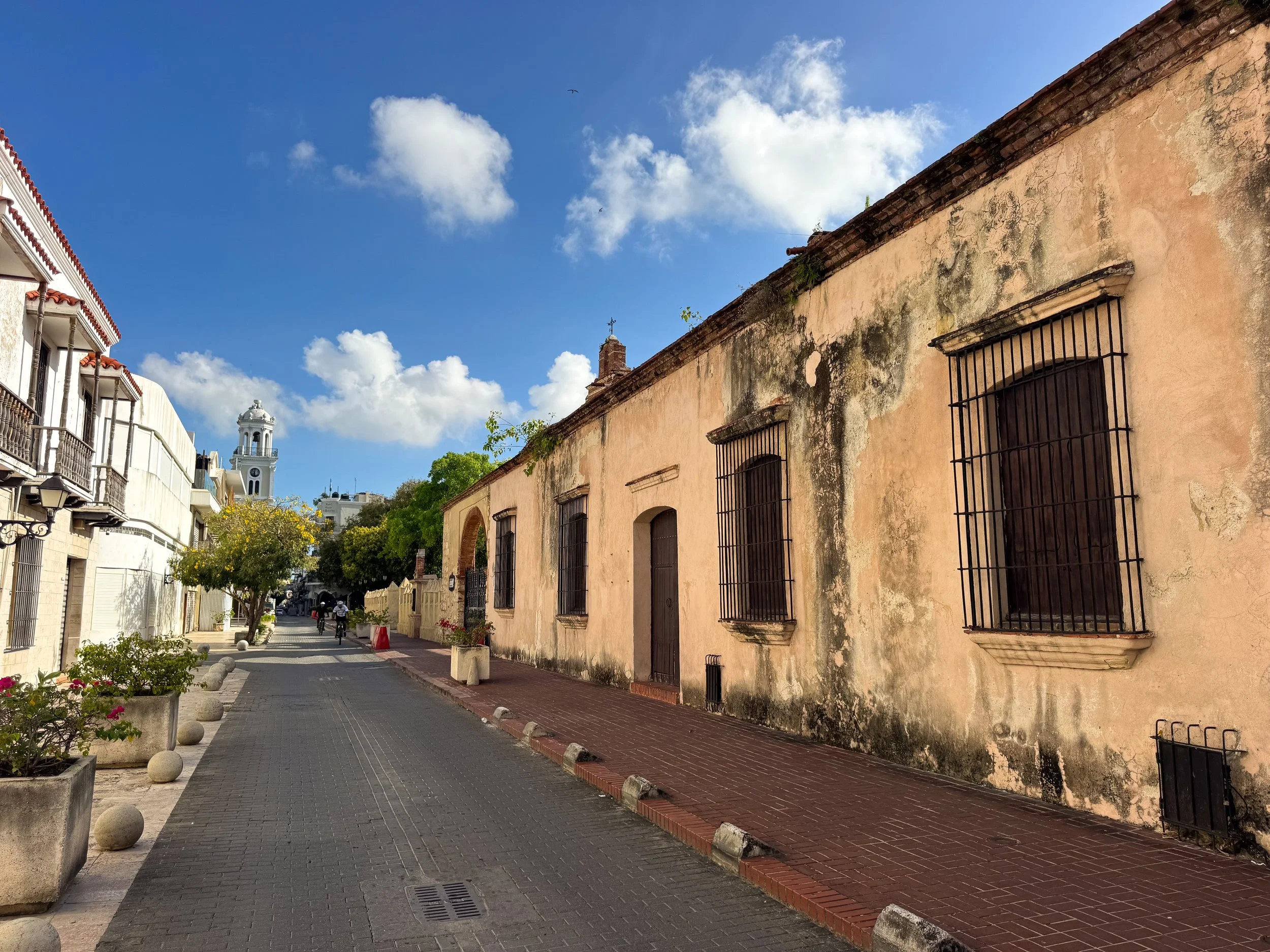
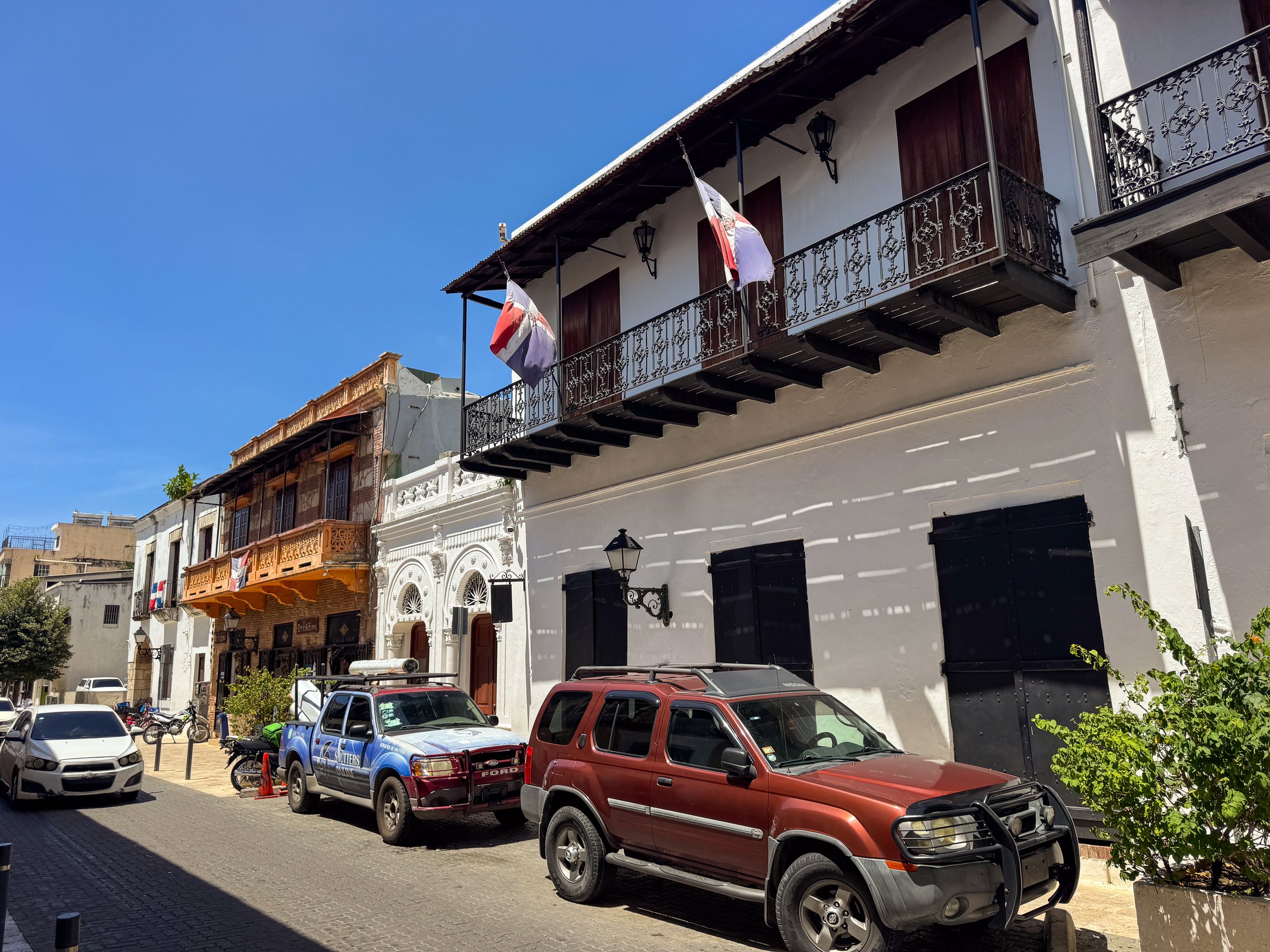
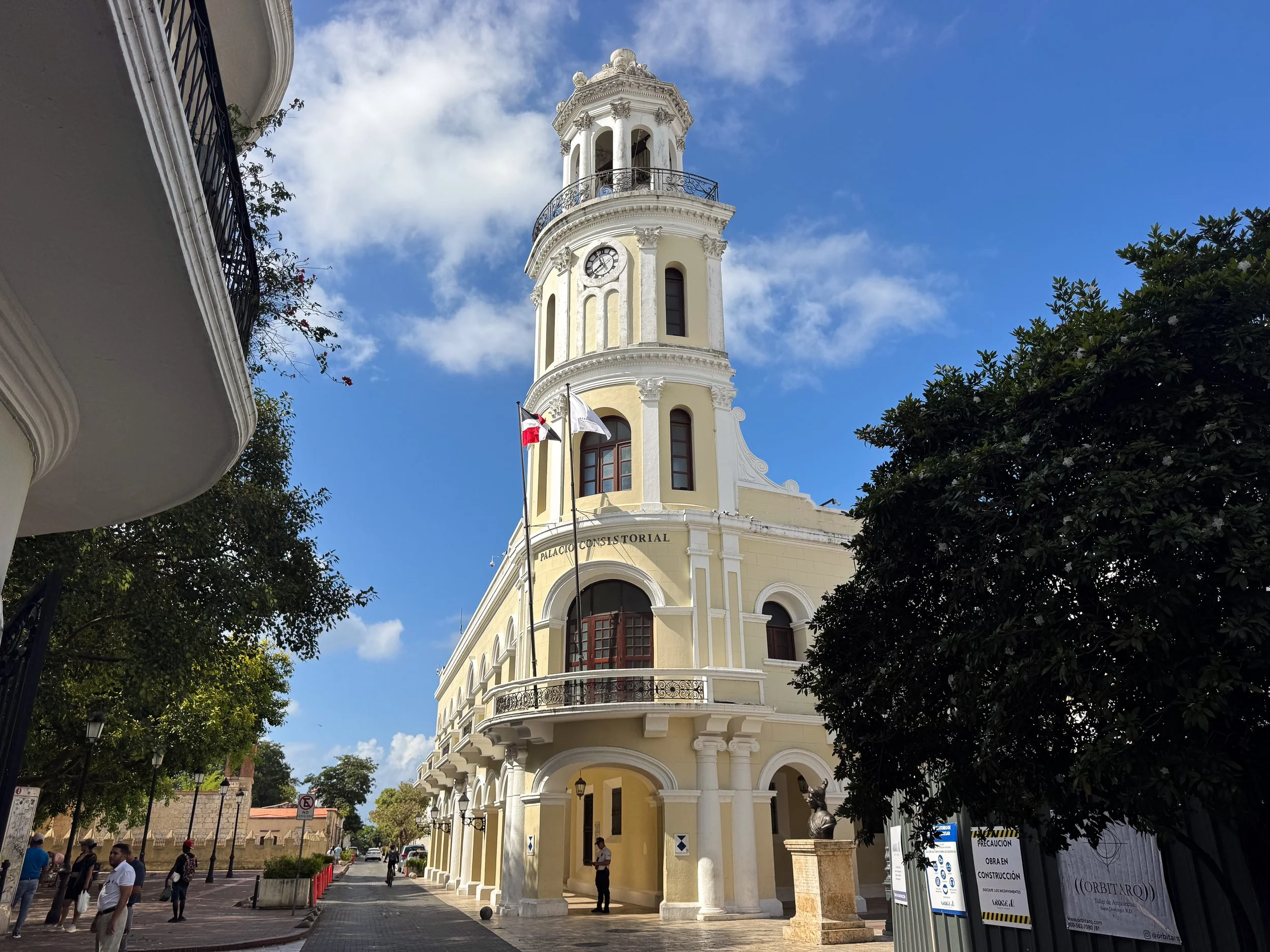
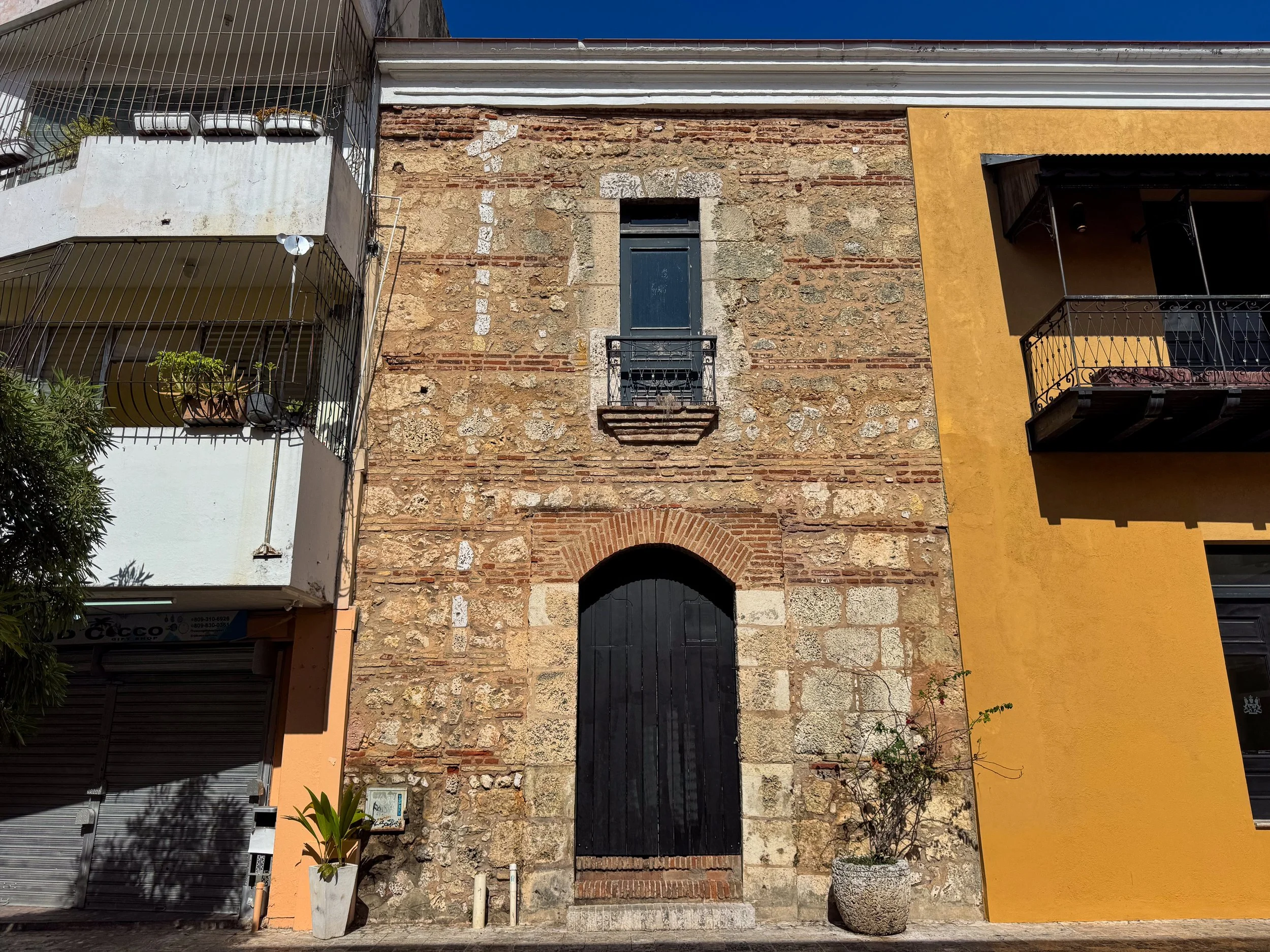
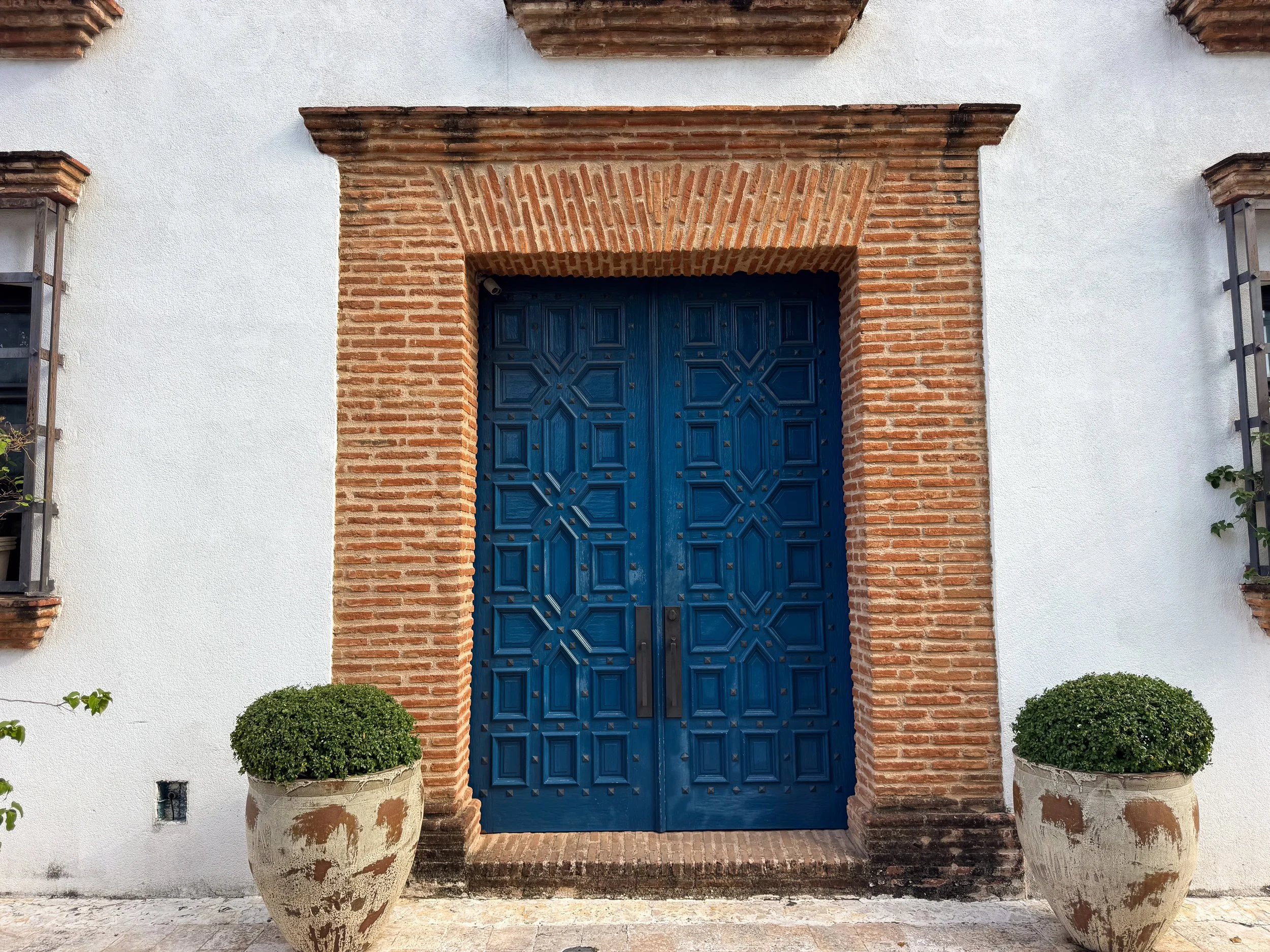
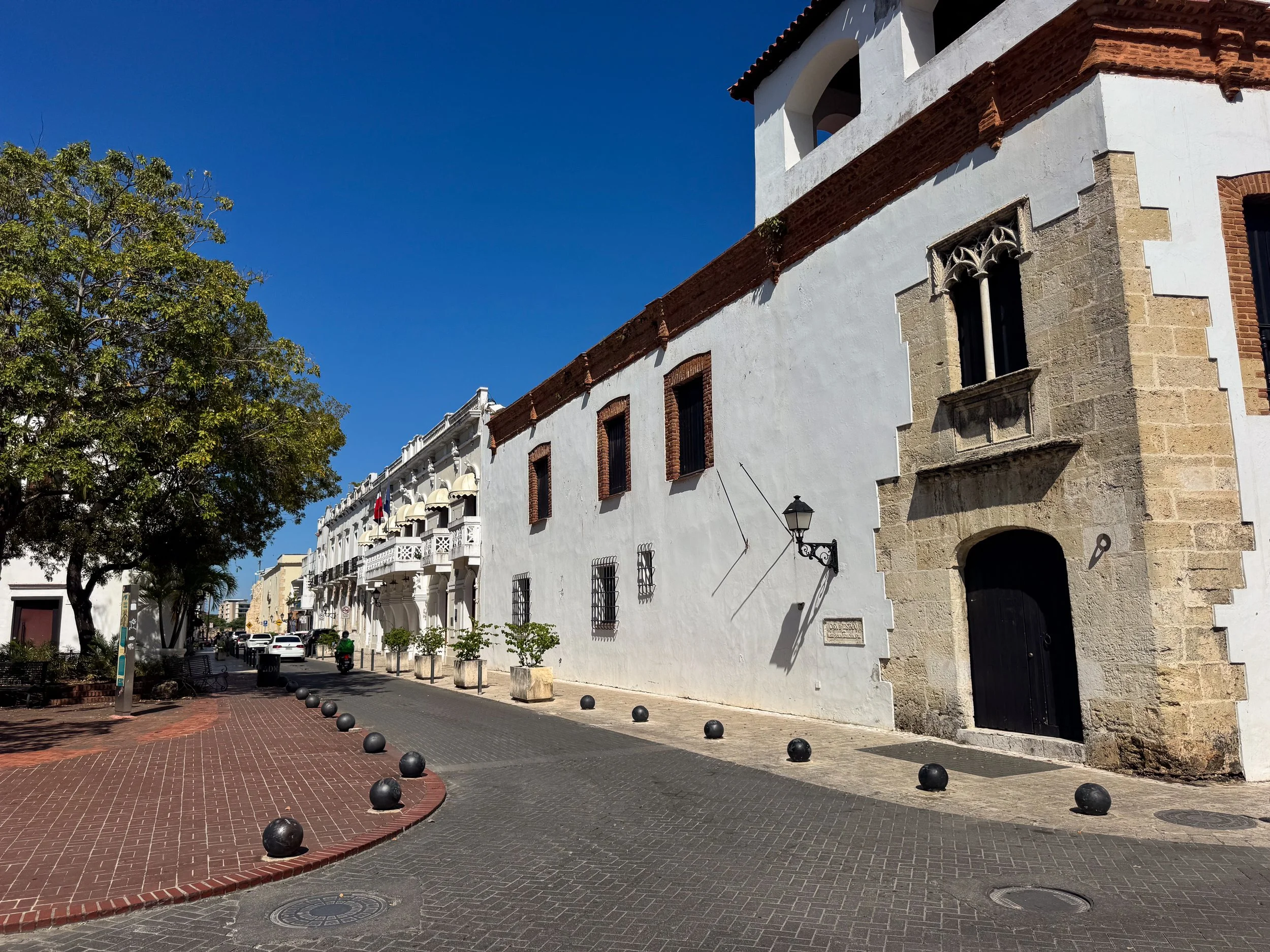
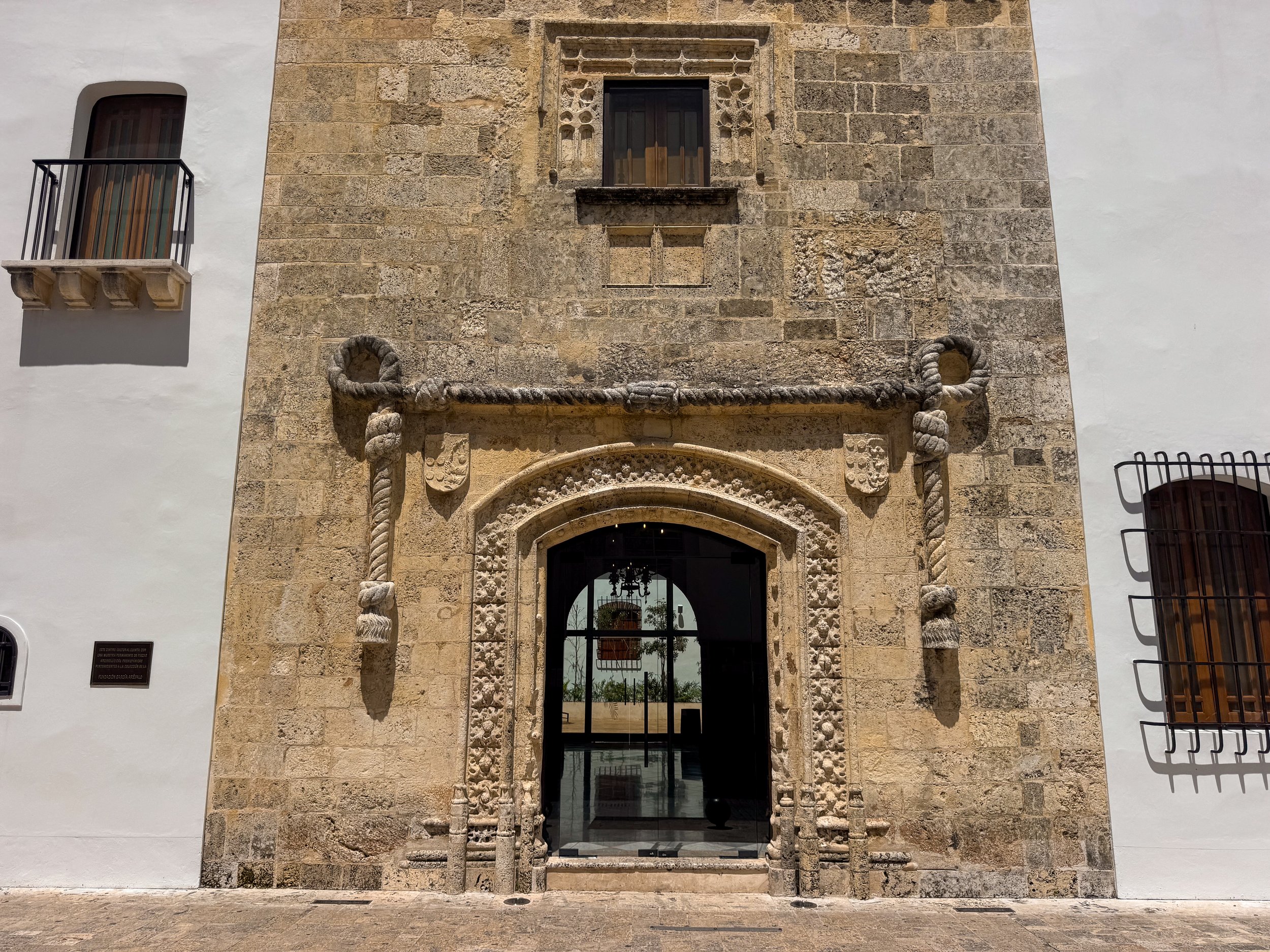
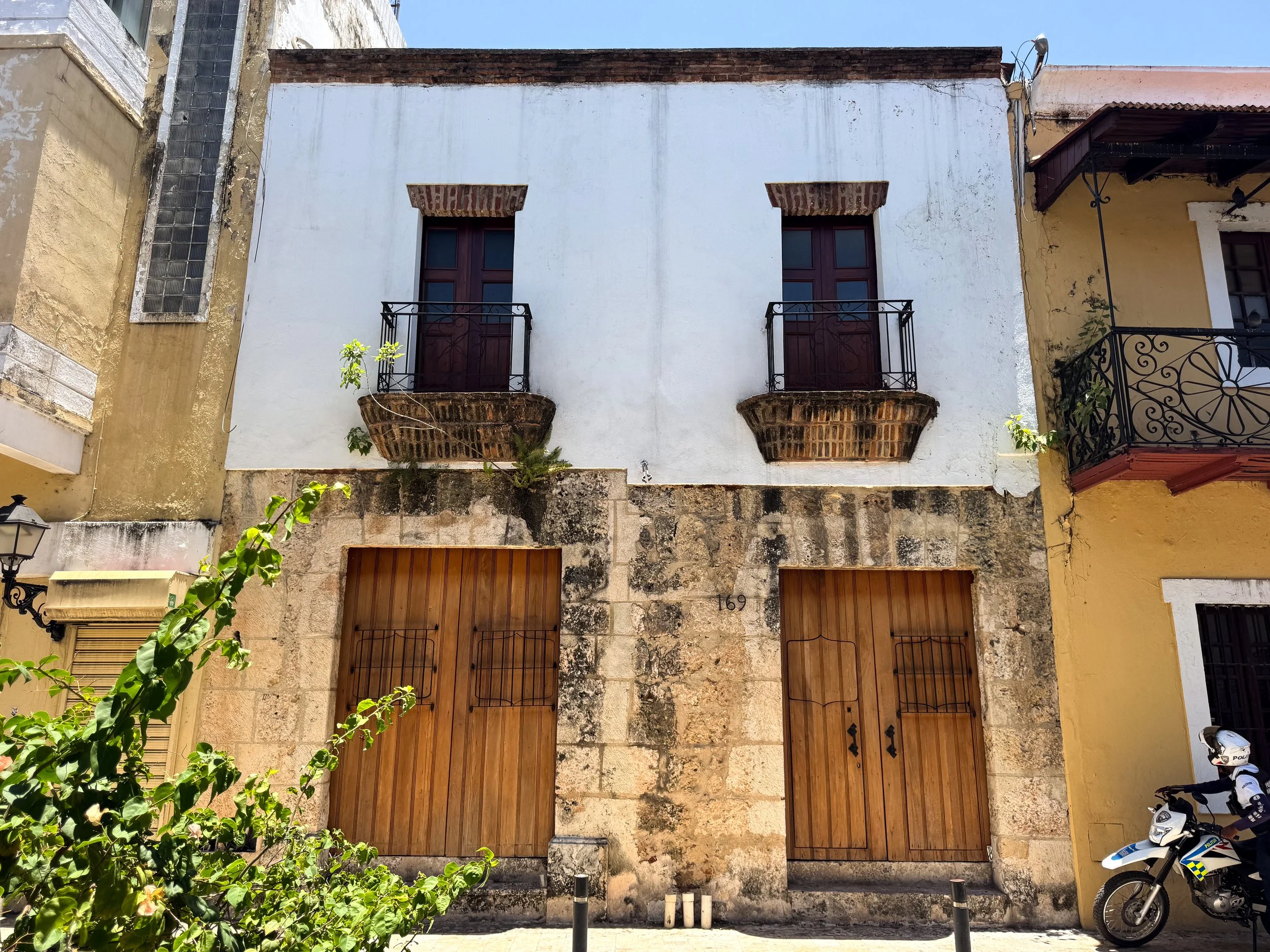
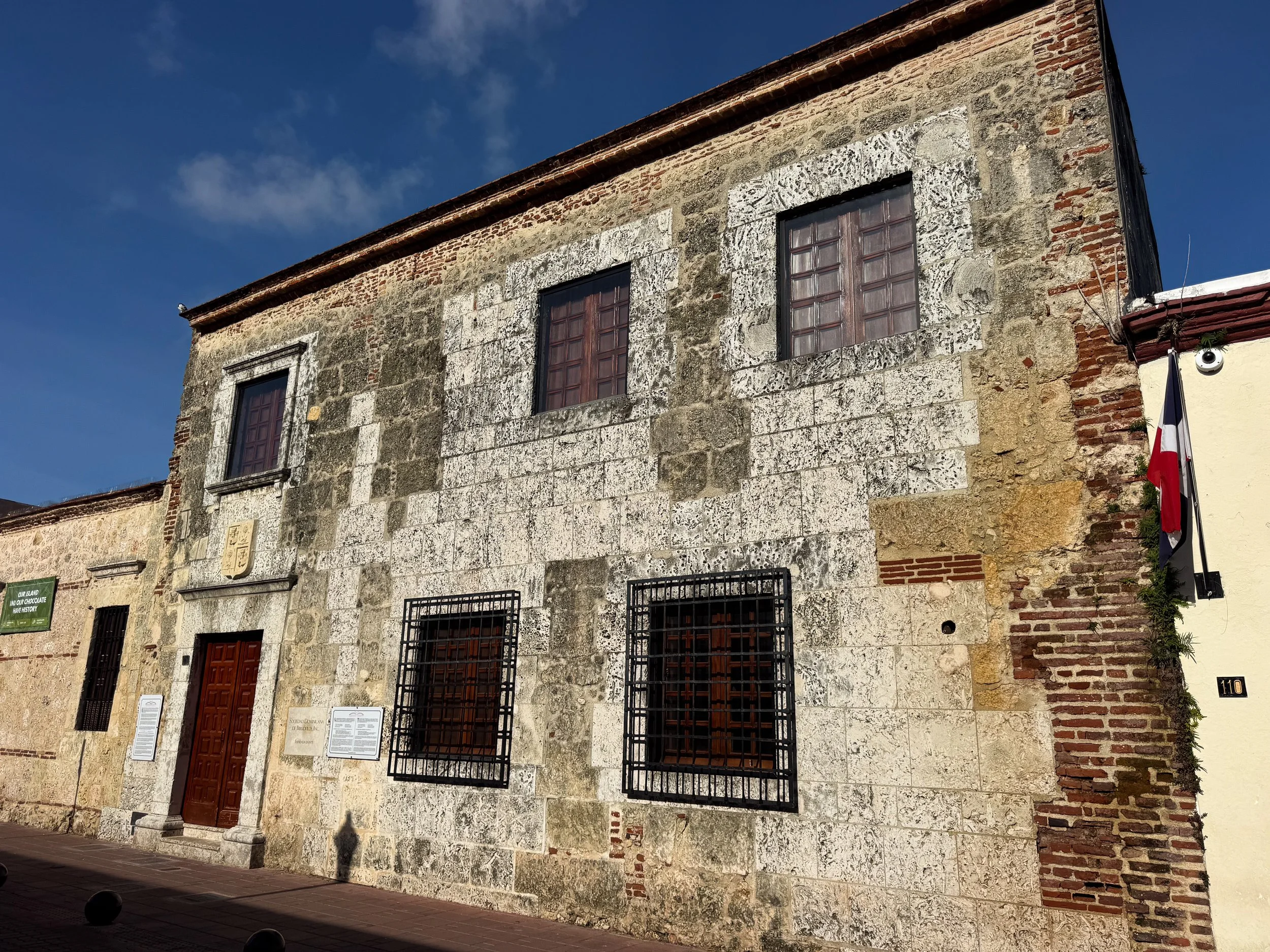
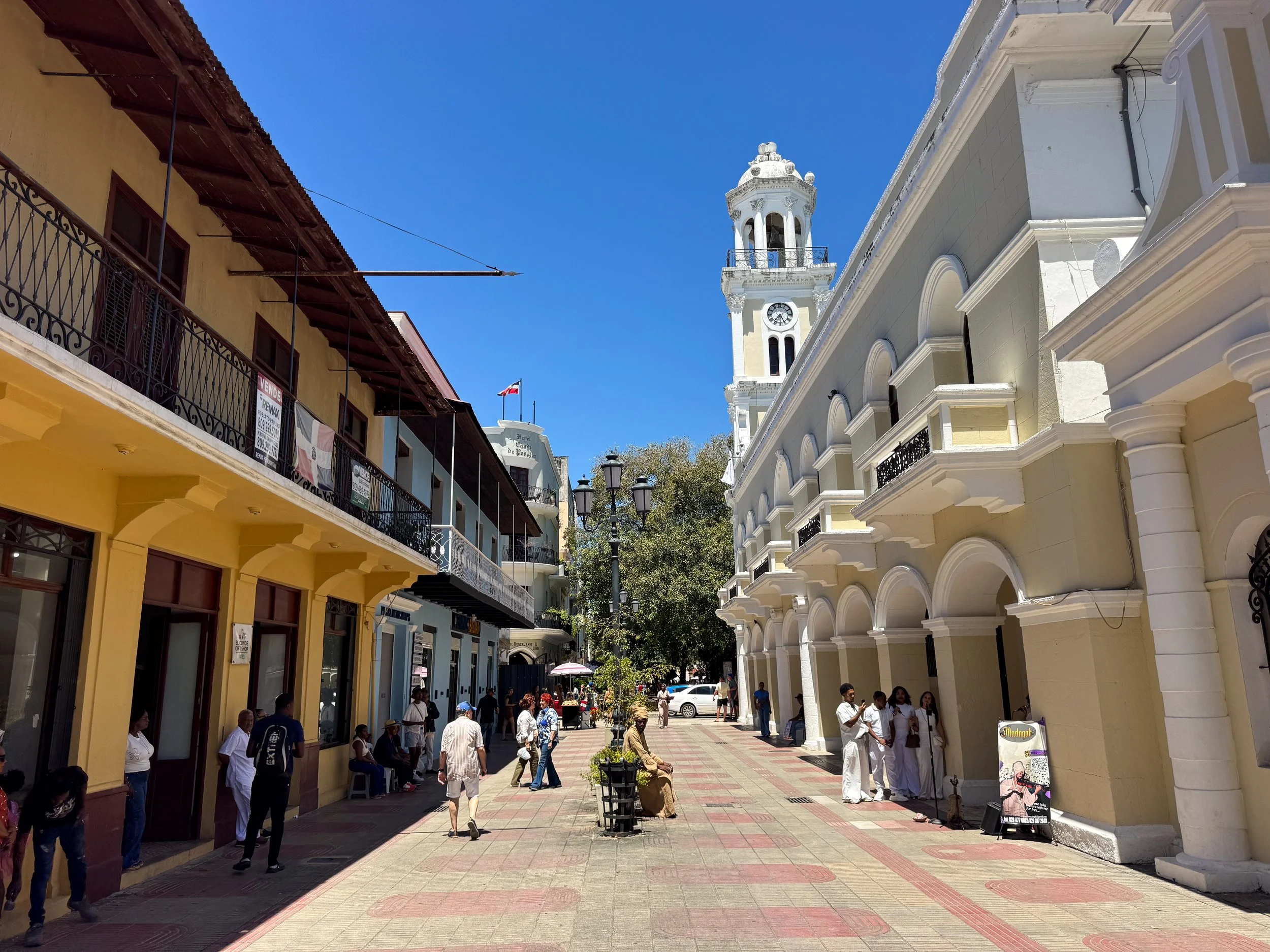
The Zona Colonial is the historic heart of Santo Domingo and the oldest European settlement in the Americas. It’s a place where history and modern Dominican life meet. Remnants of the coral stone walls and gates frame the easily walkable neighborhood. Its brick paved streets pass colorful colonial buildings, cannon lined fortresses, centuries old cathedrals and the ruins of crumbling structures. Flowering walkways and Caribbean views show off the city’s tropical glamour. Verdant parks and lively plazas serve as gathering spaces for locals. Rhythms of Bachata and Merengue echo from homes and restaurants. Restaurants serve Dominican cuisine, coffee shops serve Dominican coffee and bars mix cocktails with Dominican rum. While the Zona Colonial can be explored in a day, it’s best to visit over multiple days to enjoy everything the city has to offer at a slower pace.
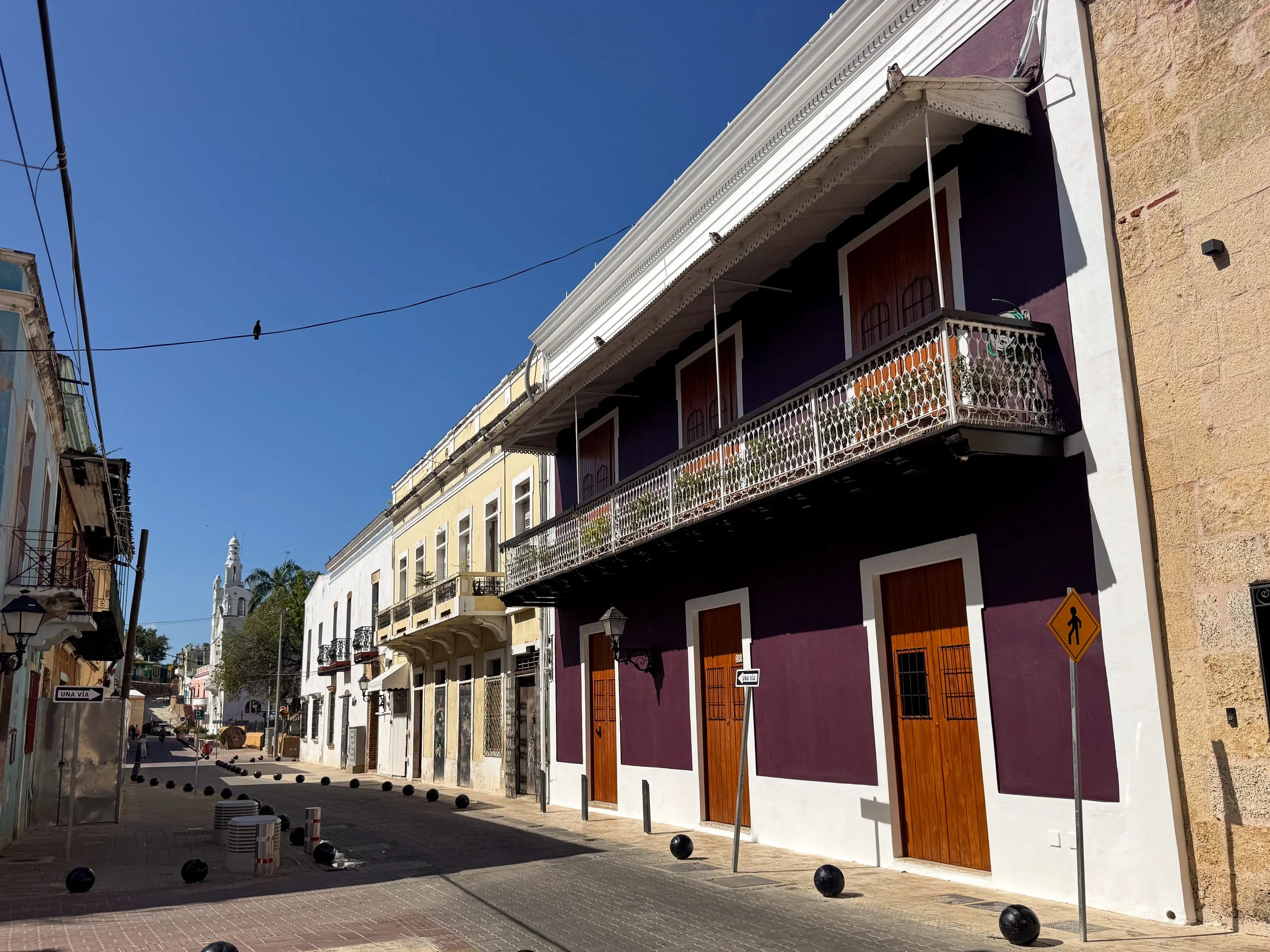
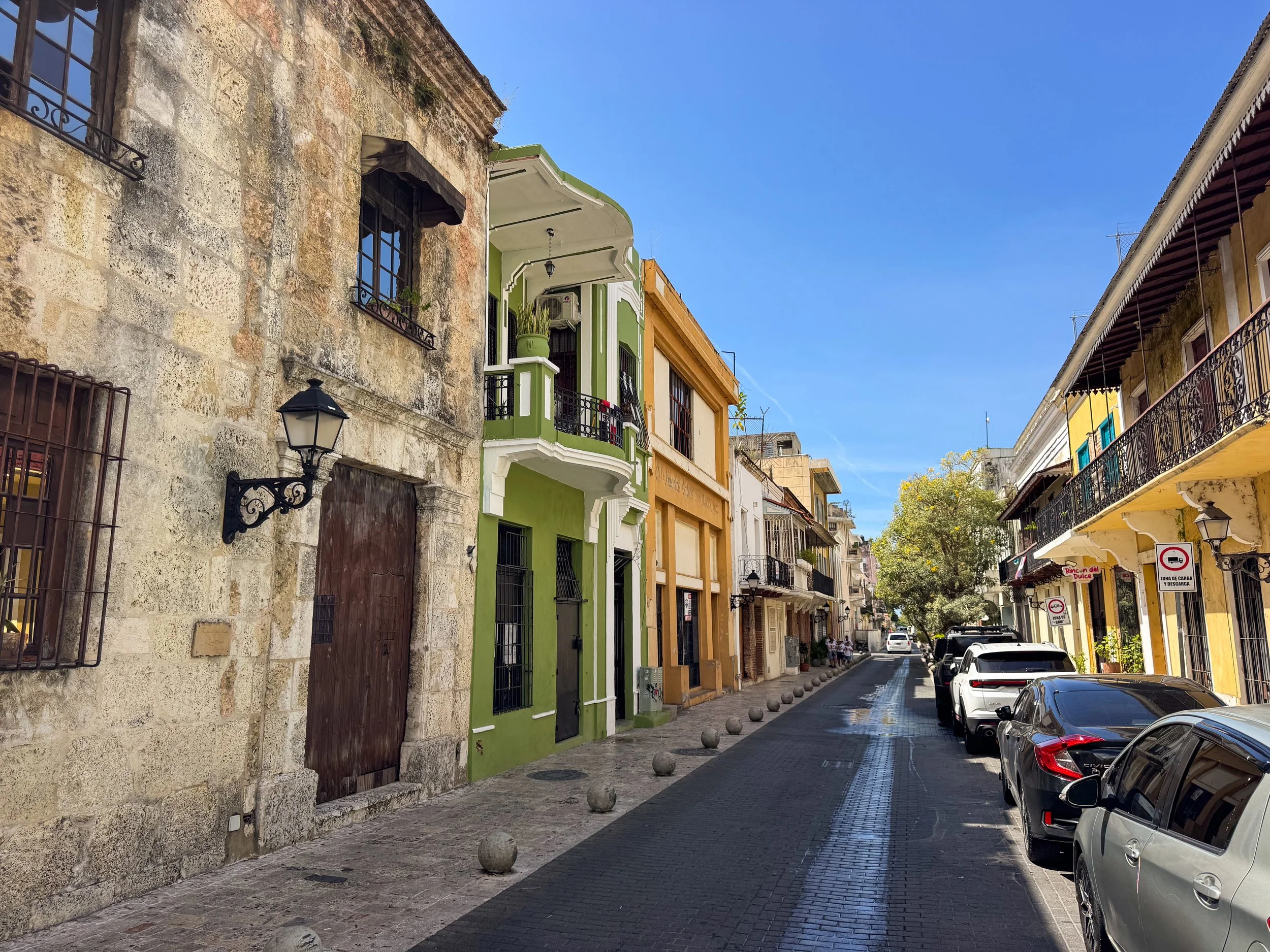
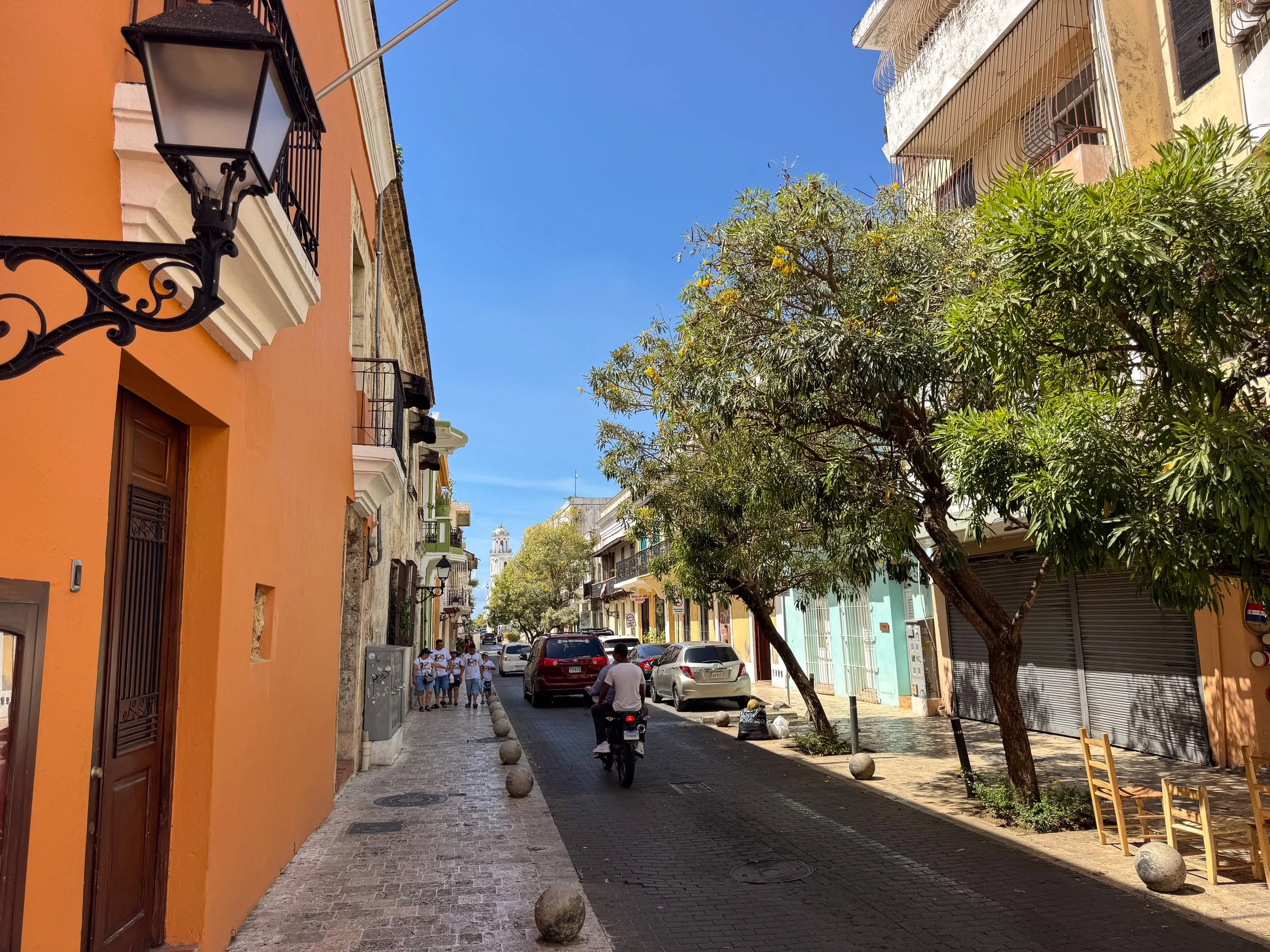
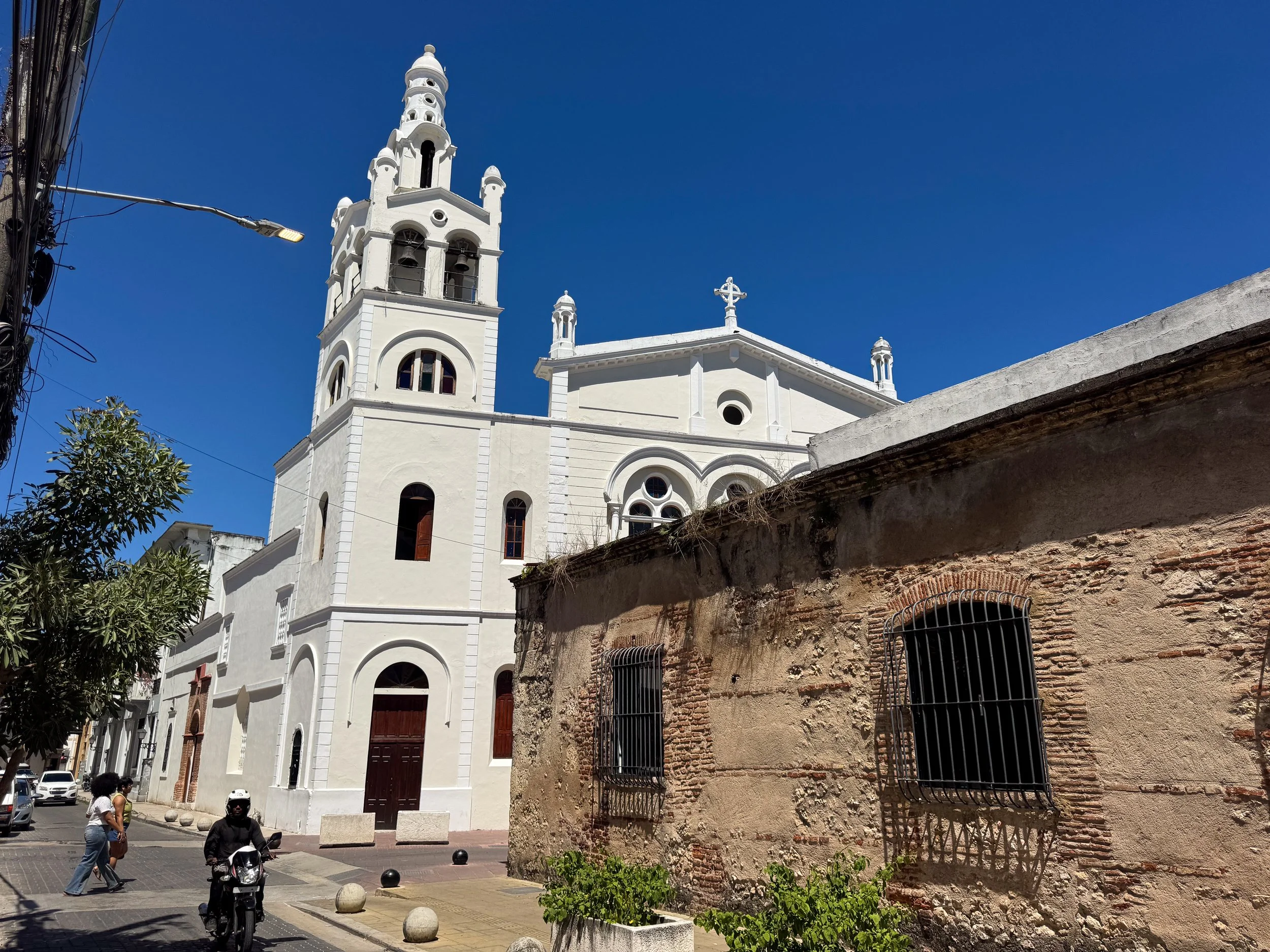
Walk the Calles & Barrios
El Conde. A lengthy pedestrian street brimming with restaurants, cafes, souvenir stores, art galleries, cigar shops, historic sites and street vendors. The whole length dissects the Zona Colonial, starting at Las Escalinatas del Conde and ending at Parque Independencia.
Calle Padre Billini. A beautiful street with historic buildings, elegant cathedrals, lush plazas and side streets lined with colorful colonial homes. The most picturesque section is between Calle Las Damas and Calle José Reyes.
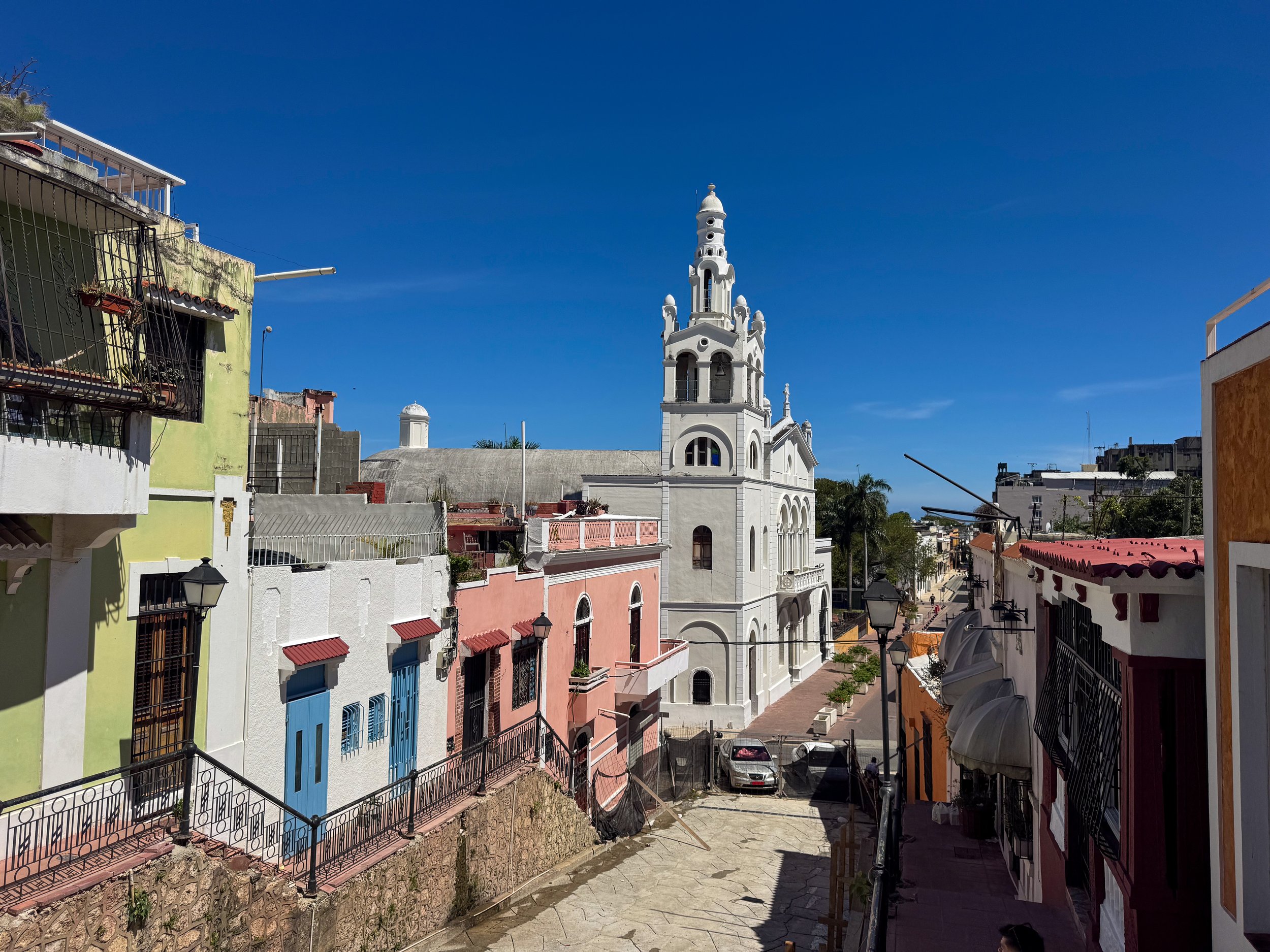
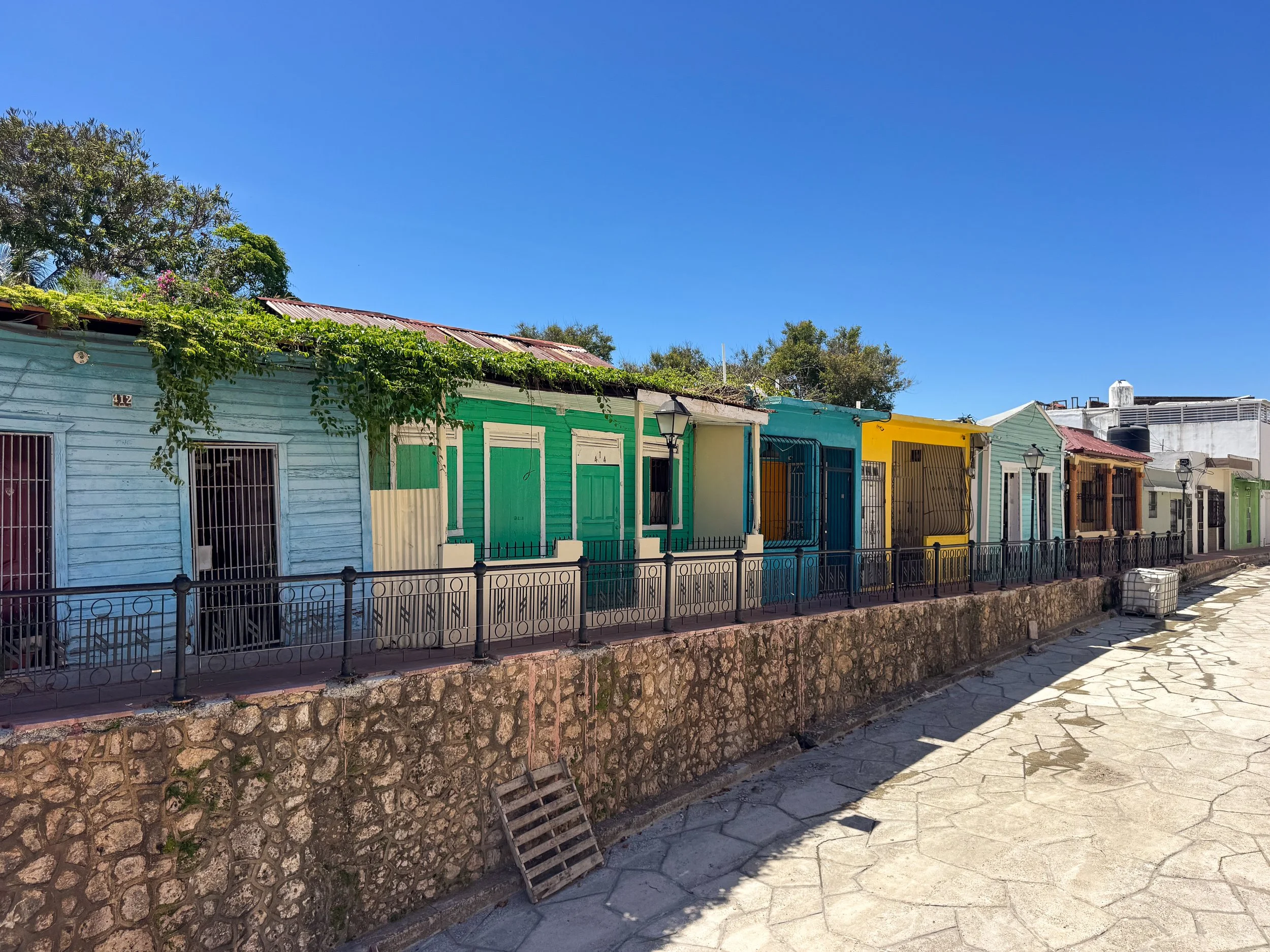
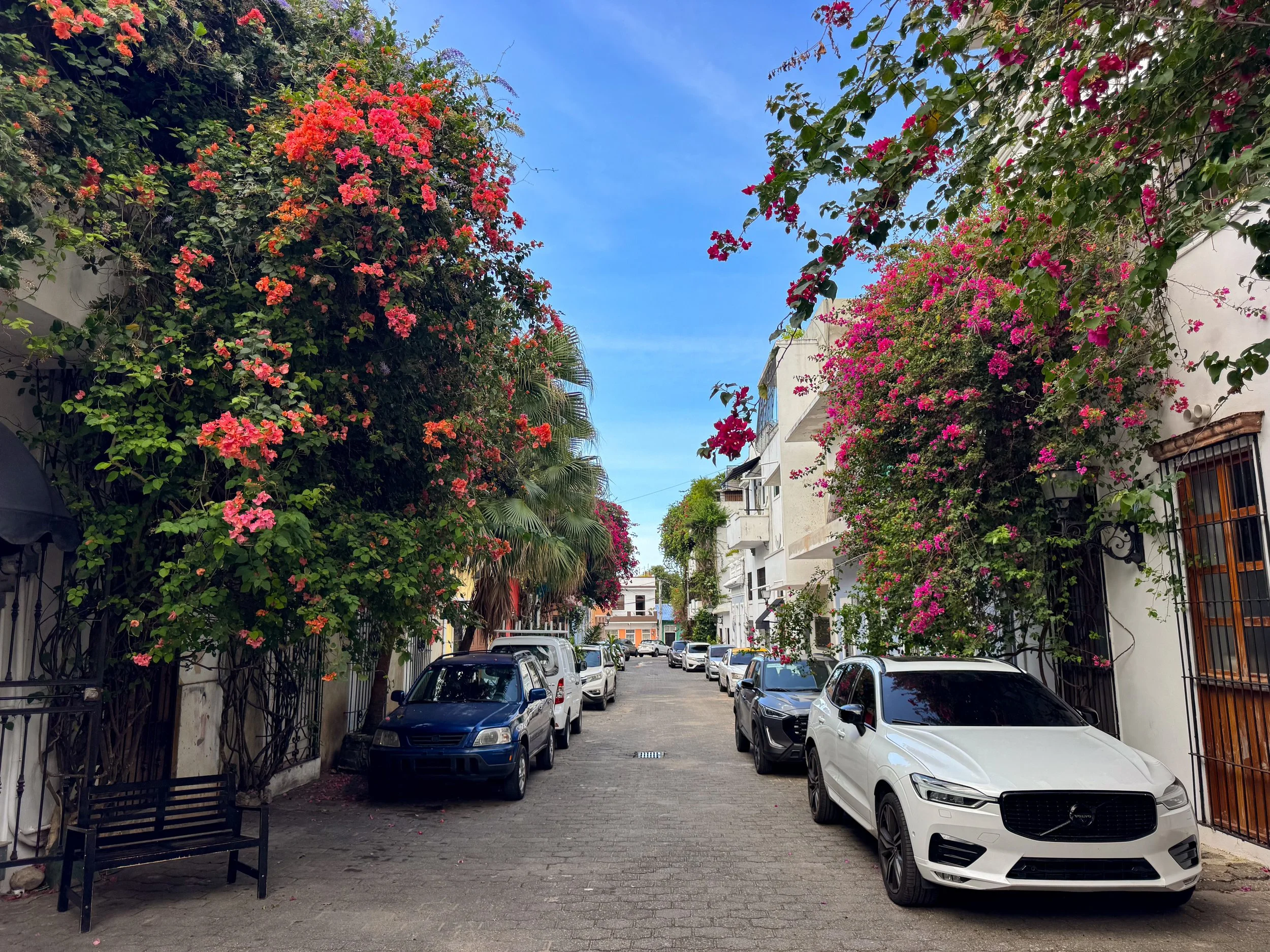
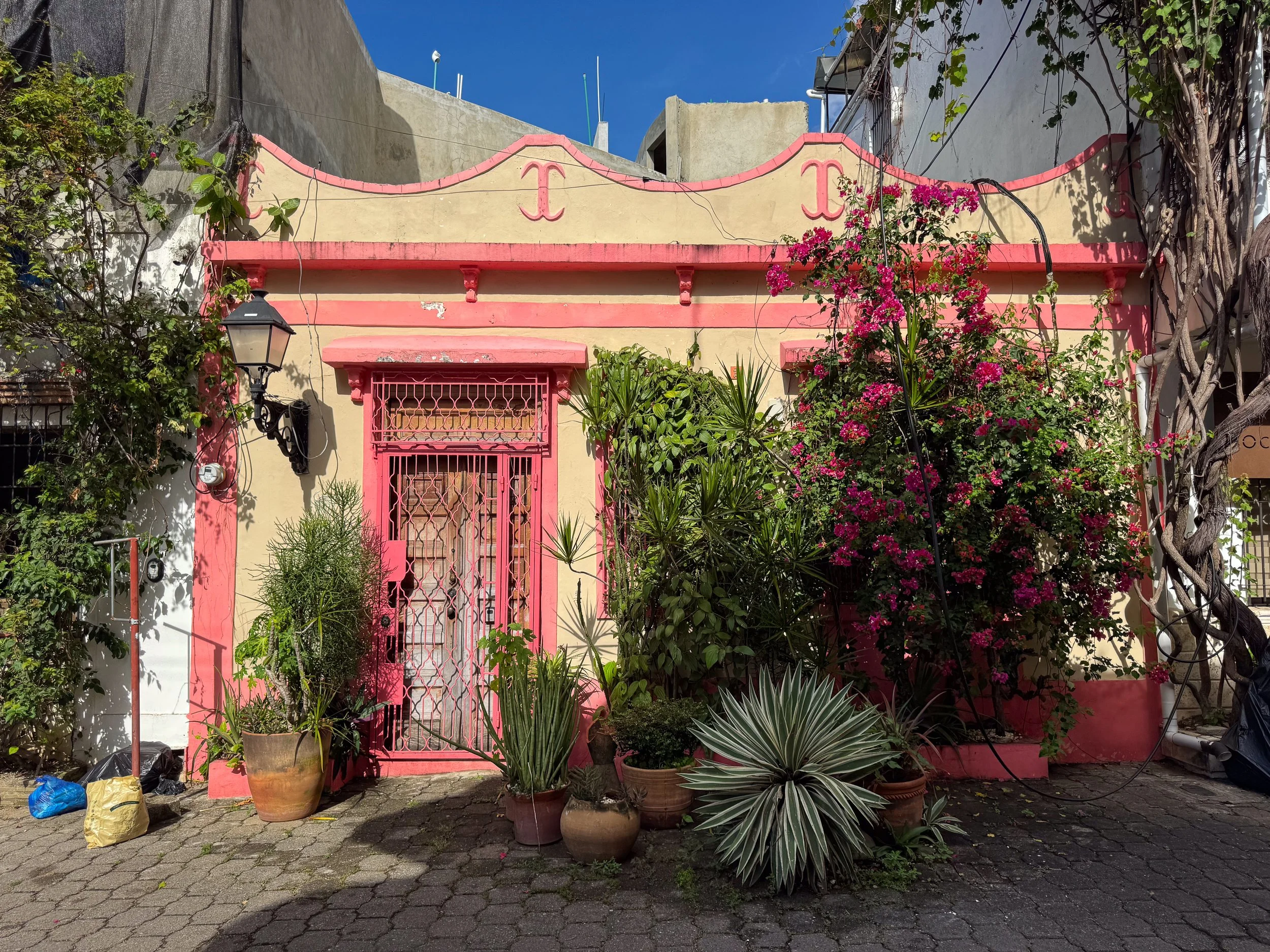
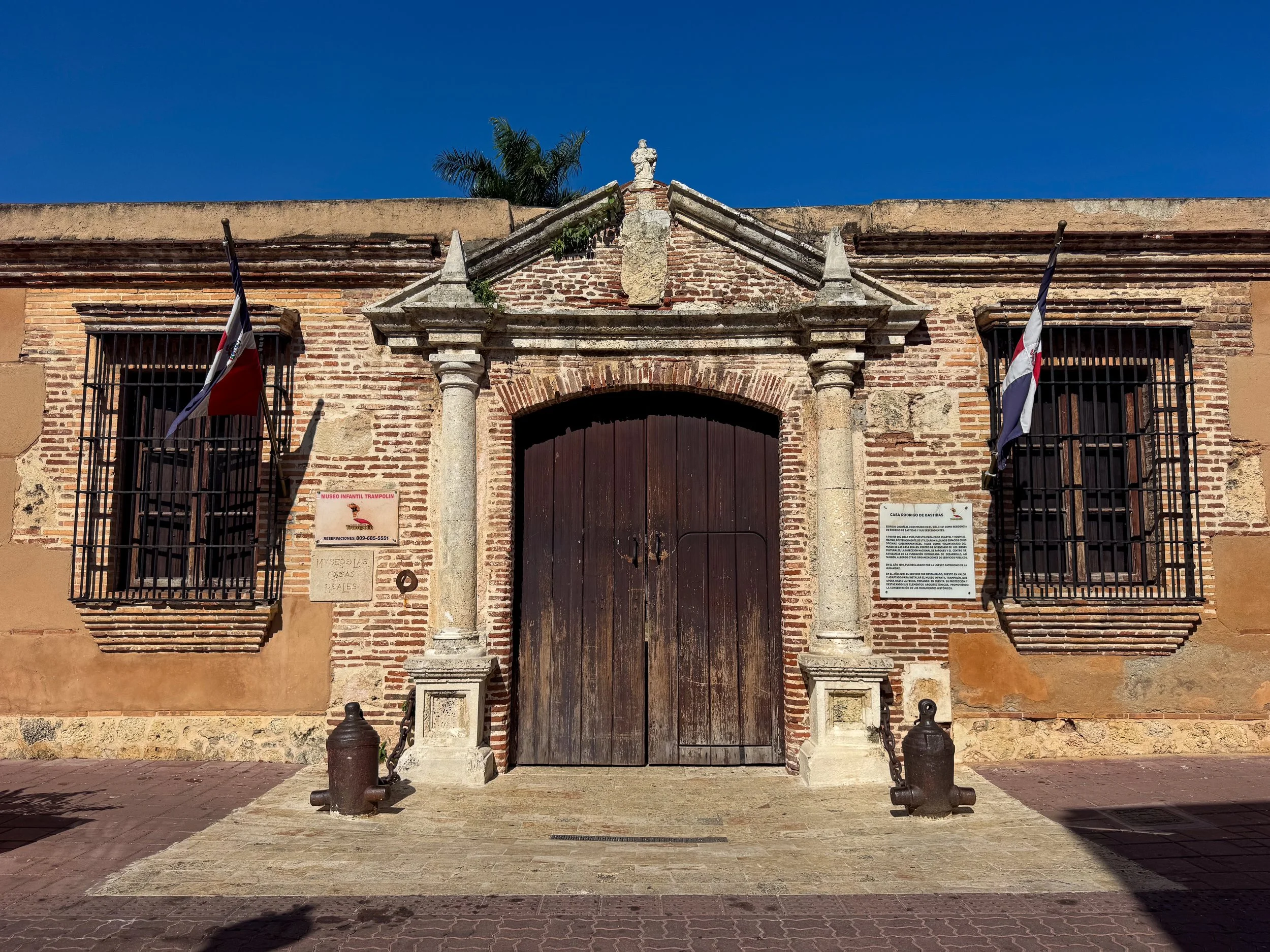
Cuesta de la Calle Hostos. A hilly section of Calle Hostos with views of its colorfully painted homes and buildings near the ruins of the San Francisco Monastery and the ruins of Hospital San Nicolás de Bari. At the time, the street was closed for repairs making it less navigable on foot.
Calle las Damas. A street considered the oldest in the Americas, dating back to the city’s founding over 500 years ago. It’s flanked by stone and brick buildings and historic sites like Panteón de la Patria, Plaza María de Toledo and the Fortaleza Ozama.
Callejón de Regina. A residential side street with homes draped in flowering bushes, overgrown vines, potted plants and palm trees. It’s a tranquil place to visit in the early morning as the city awakens. Come here to enjoy a coffee and pastry at the Corner Cafe.
Malecón. A waterfront boulevard stretching for miles from the Zona Colonial into the city proper. It’s a popular place for its Caribbean views and coastal restaurants.
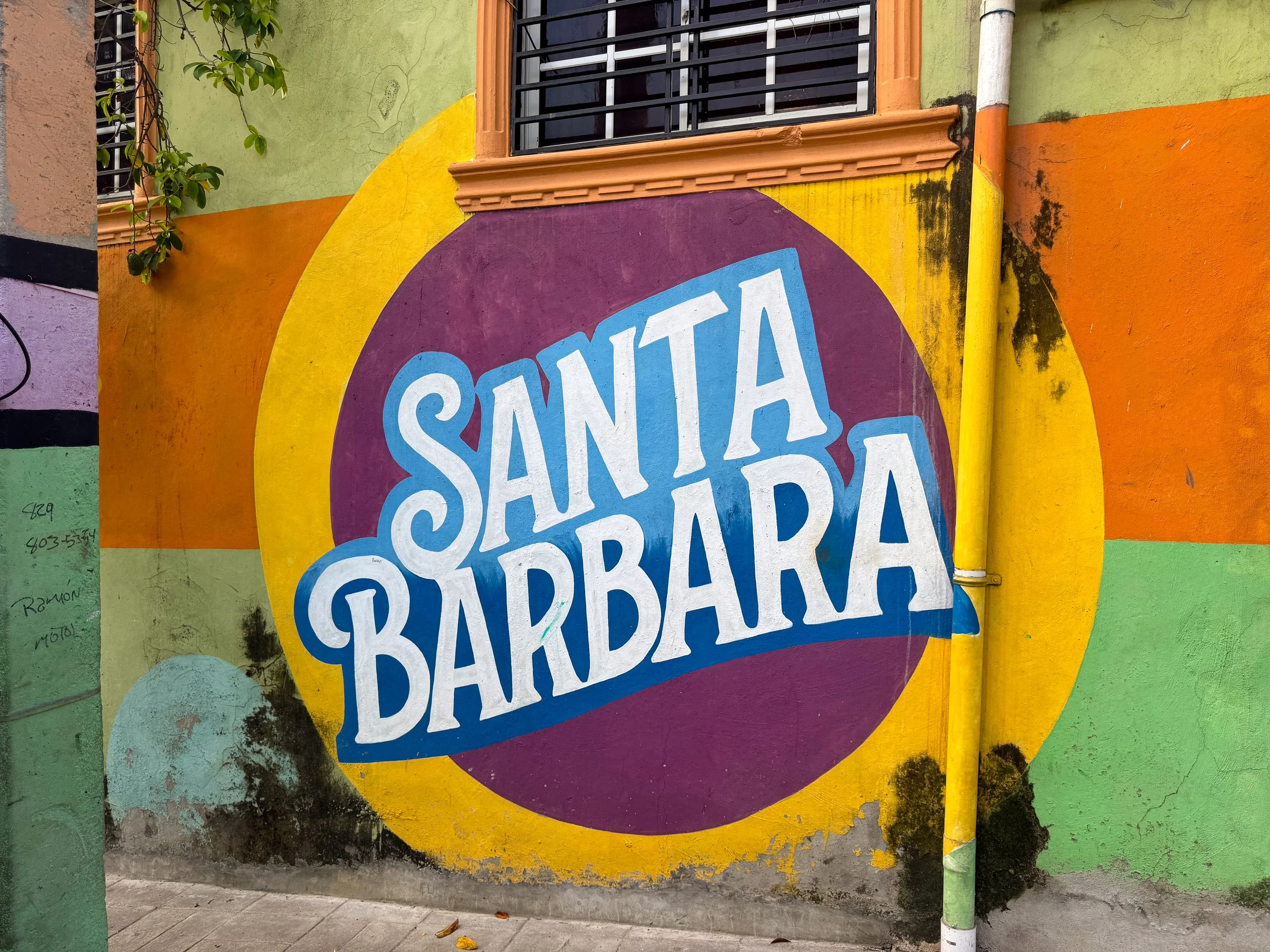
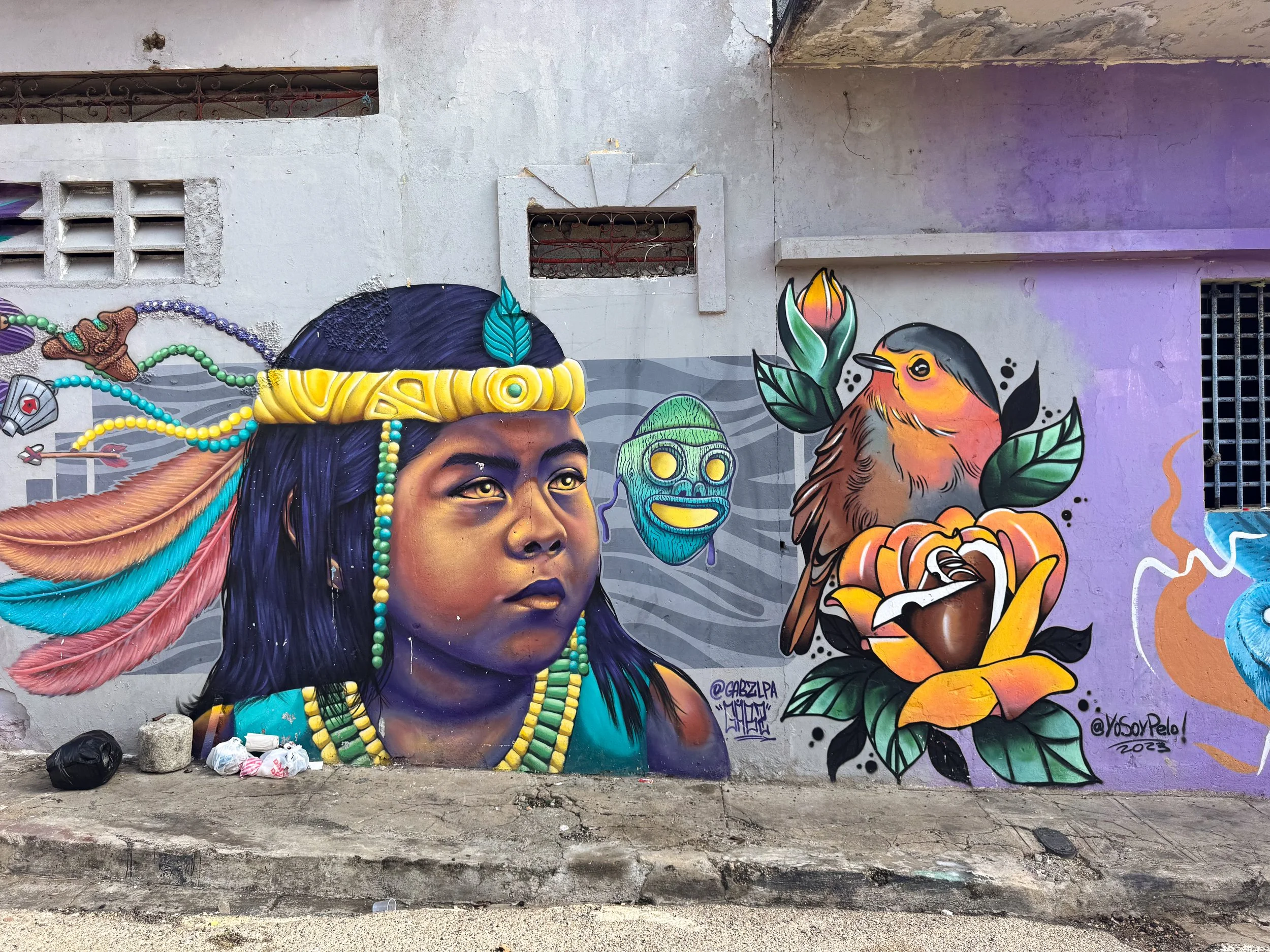
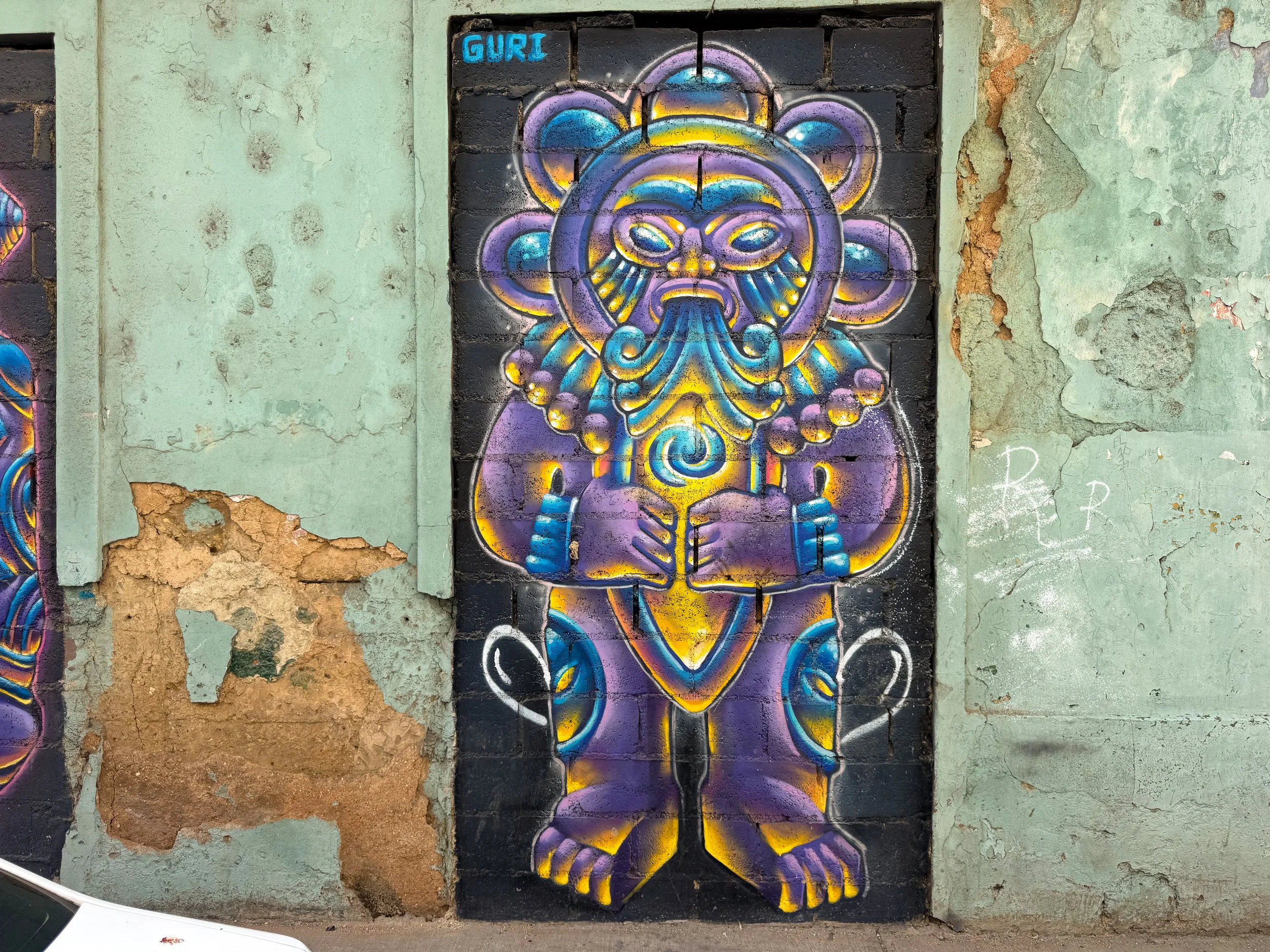
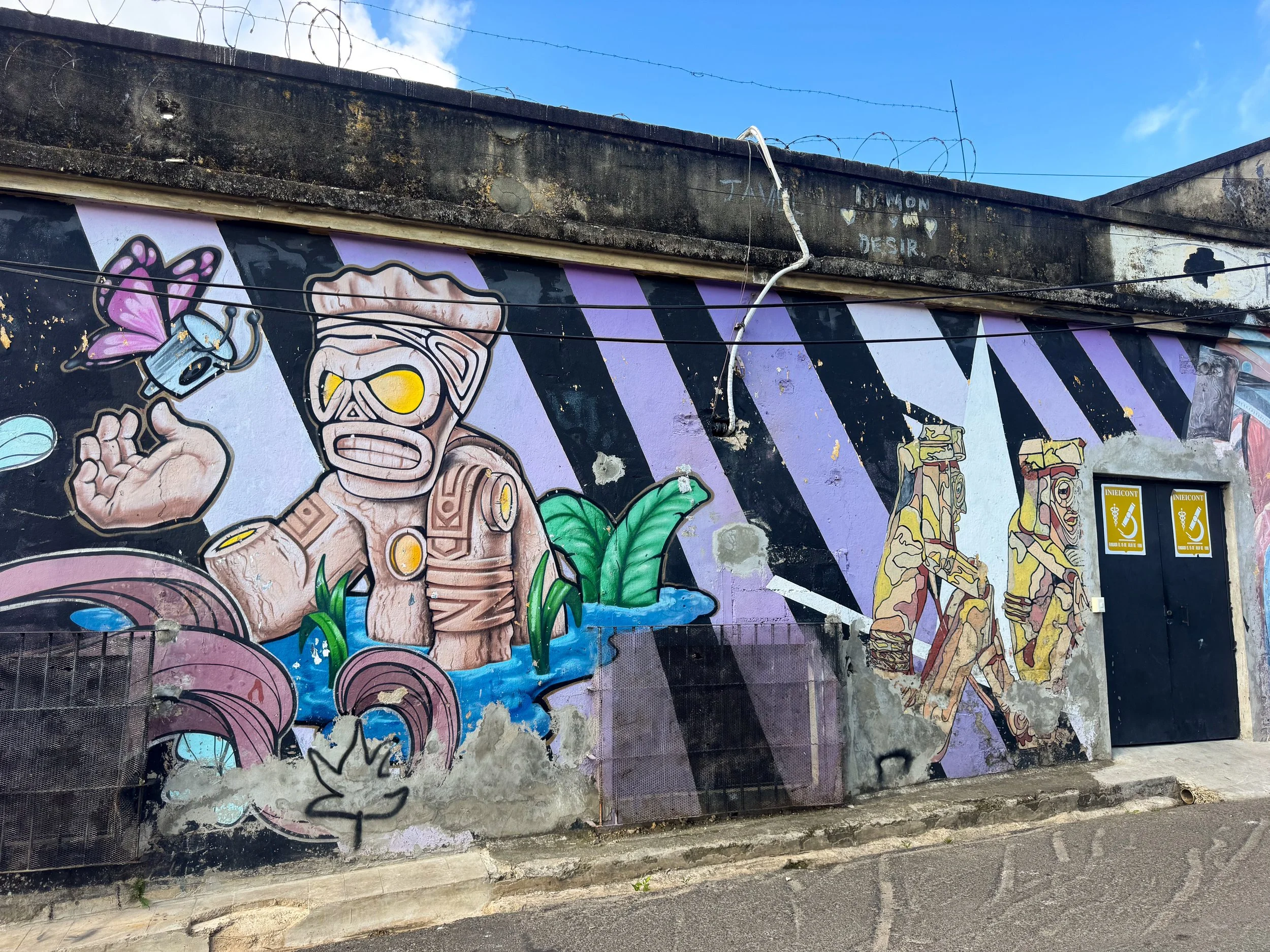
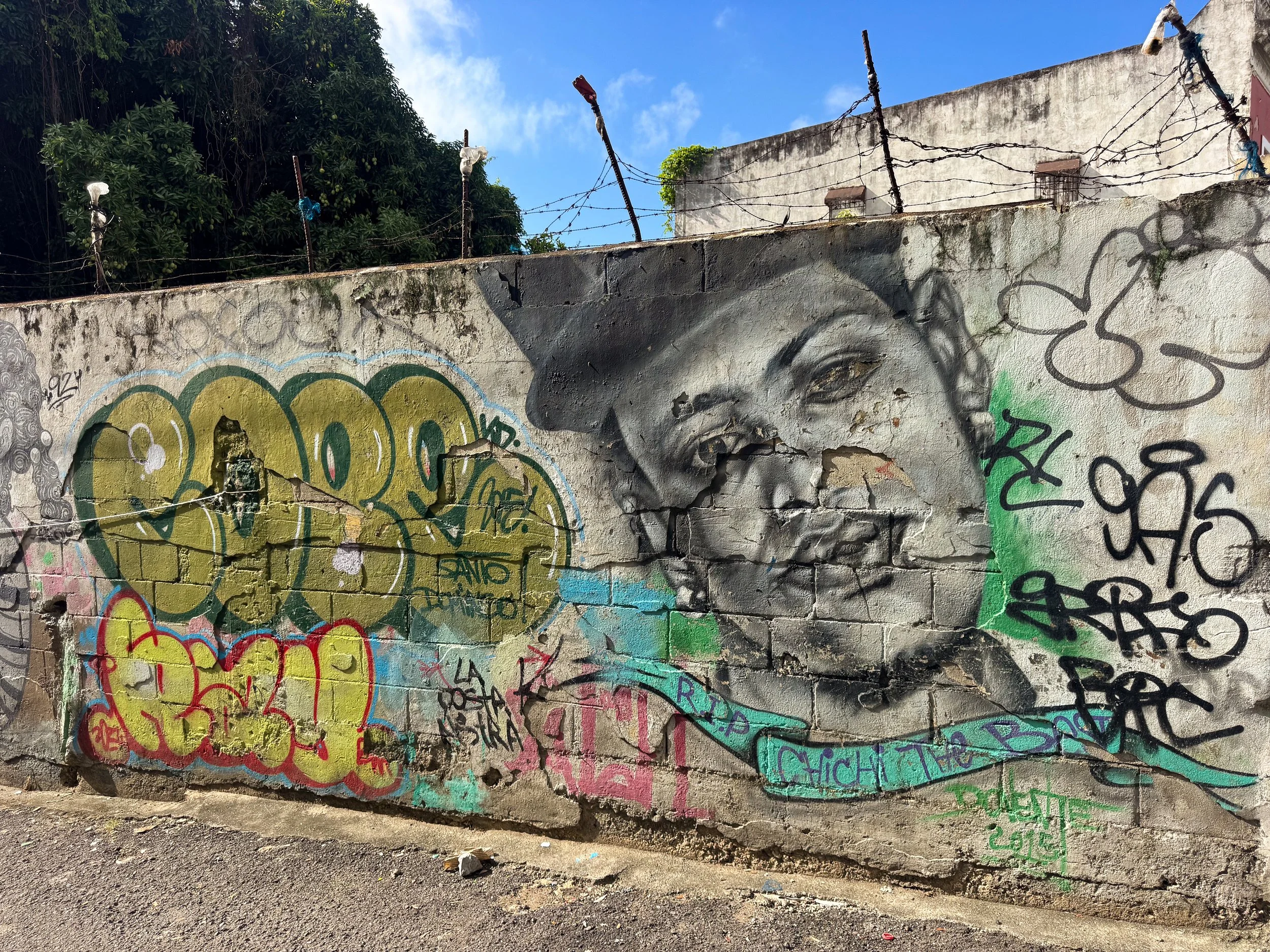
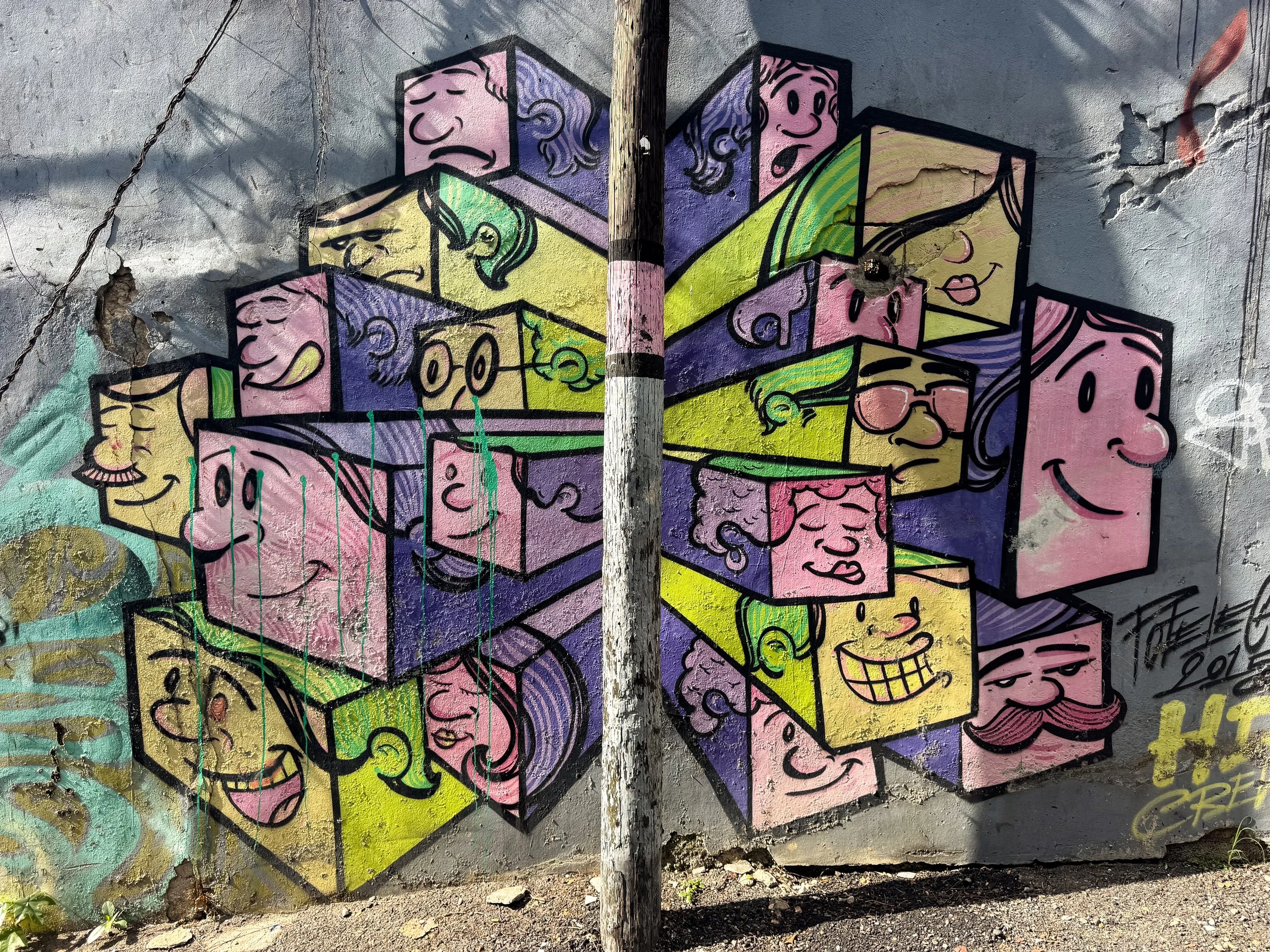
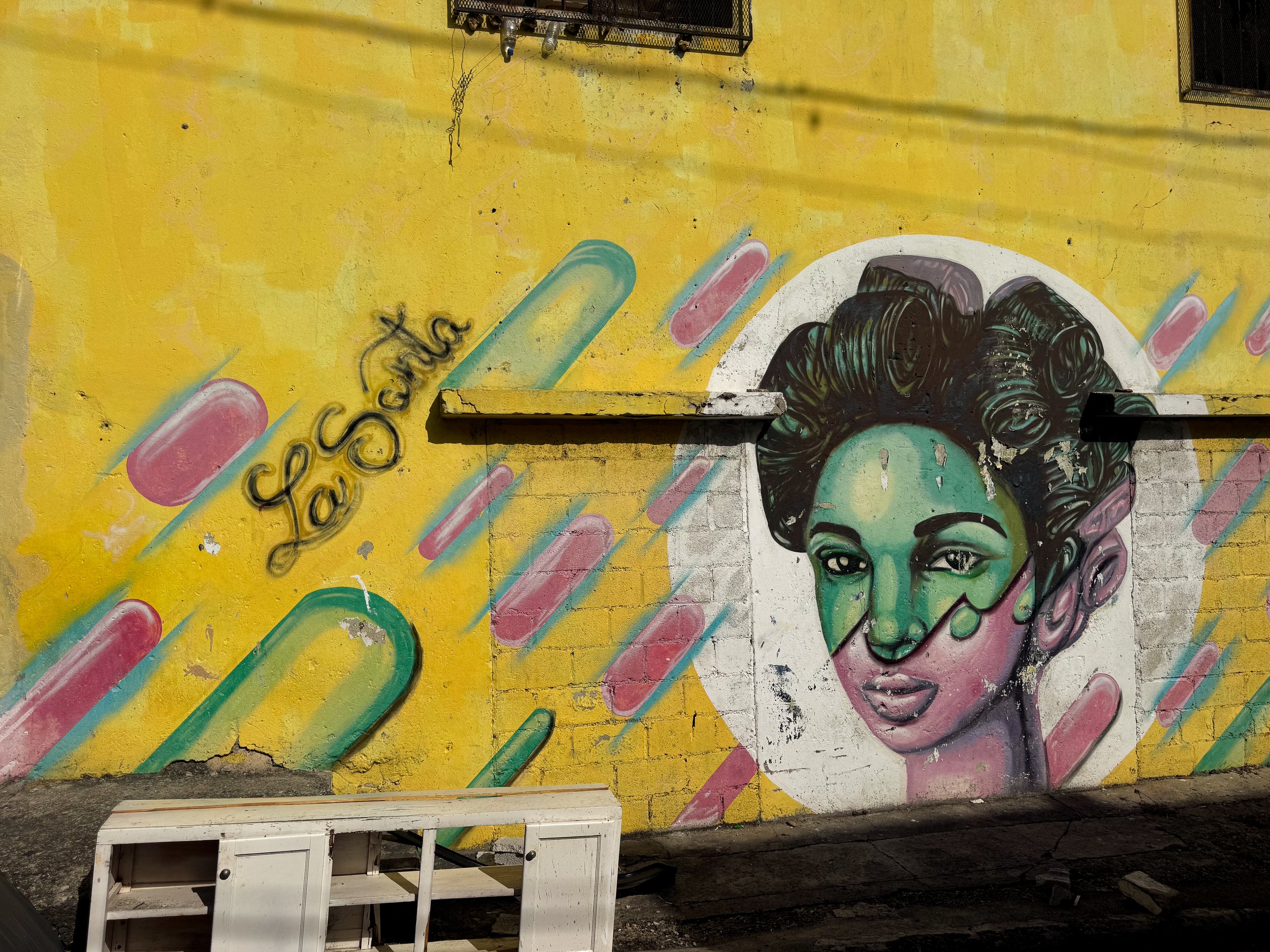
Santa Bárbara. An Afro-Caribbean neighborhood in the Zona Colonial with colorful graffiti and murals depicting Dominican culture and indigenous Taino heritage.
Visit the Parks and Plazas
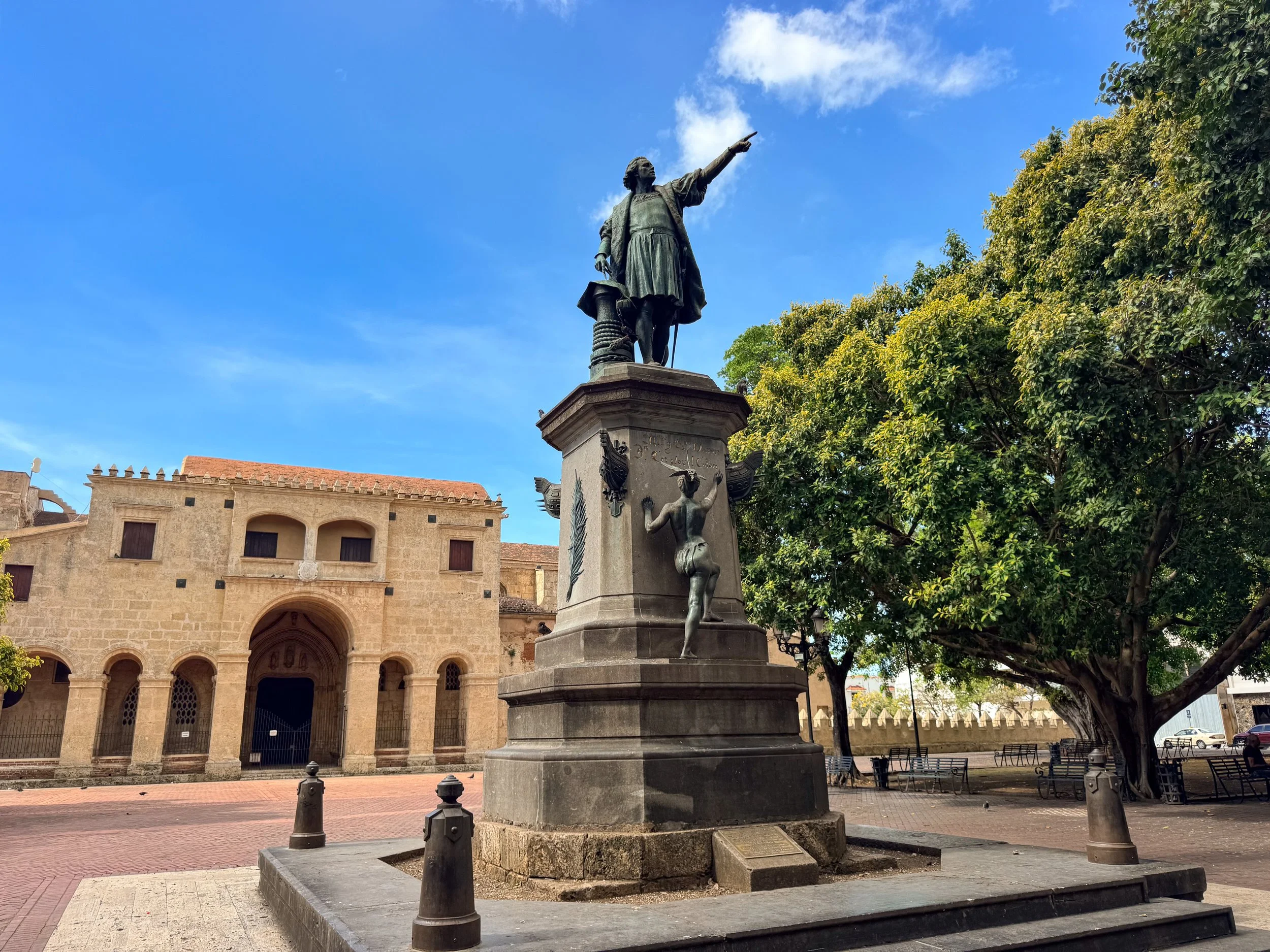
Parque Colón. A historic and lively plaza in the center of the Zona Colonial. Musicians perform for tips both day and night while local guides offer walking tours of the old town. Restaurants with outdoor patios spill out onto the street lining one side while the Catedral Primada de las Américas flanks the opposite. A statue of Columbus stands at its center, surrounded by tree shaded walkways and benches.
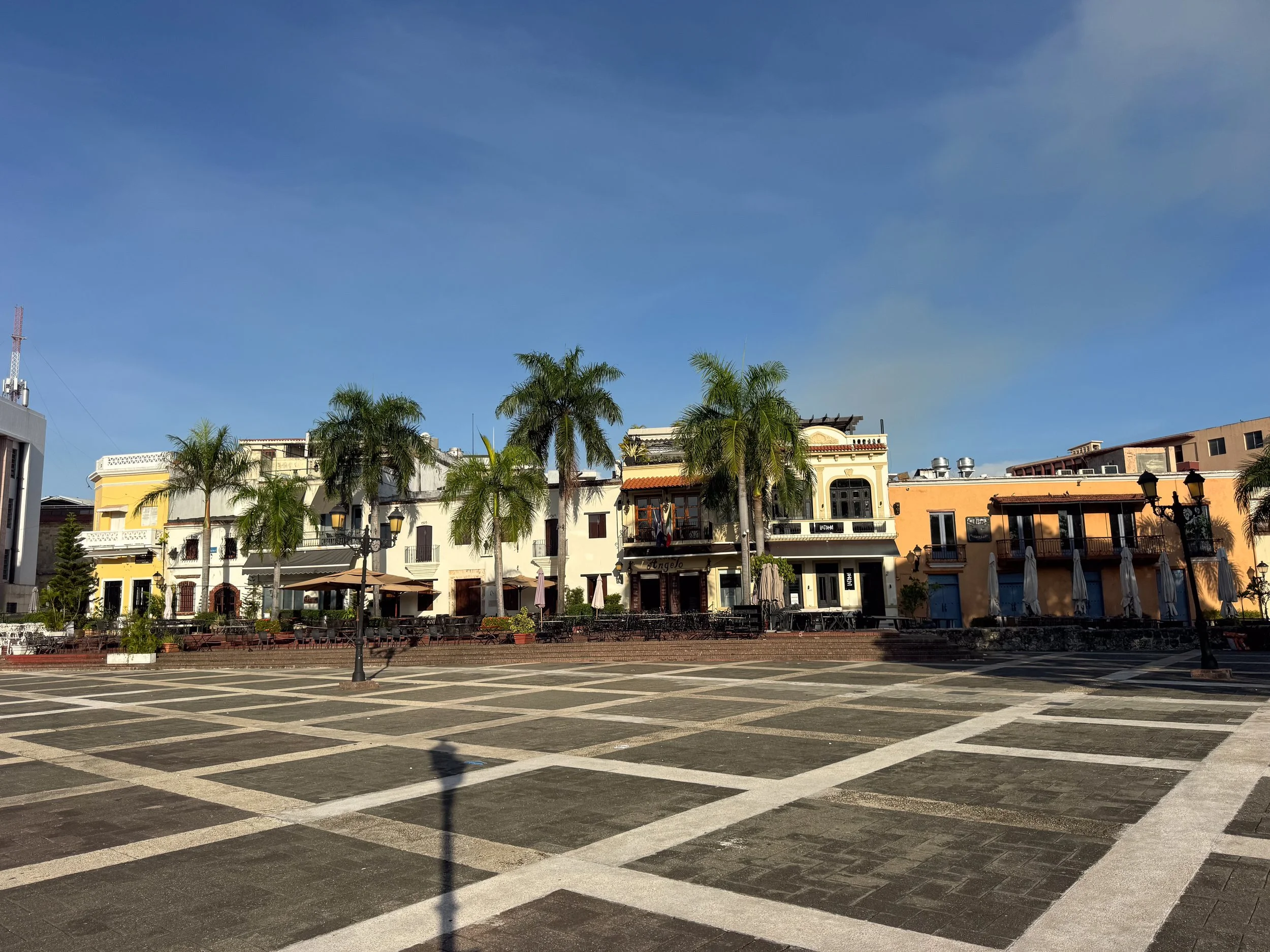
Plaza de España. A large plaza flanked by several restaurants and cafes with outdoor patios and rooftops overlooking it. The tree lined and palm fringed plaza is home to Diego Columbus’ home, Alcázar de Colón and an impressive section of the city’s protective wall.
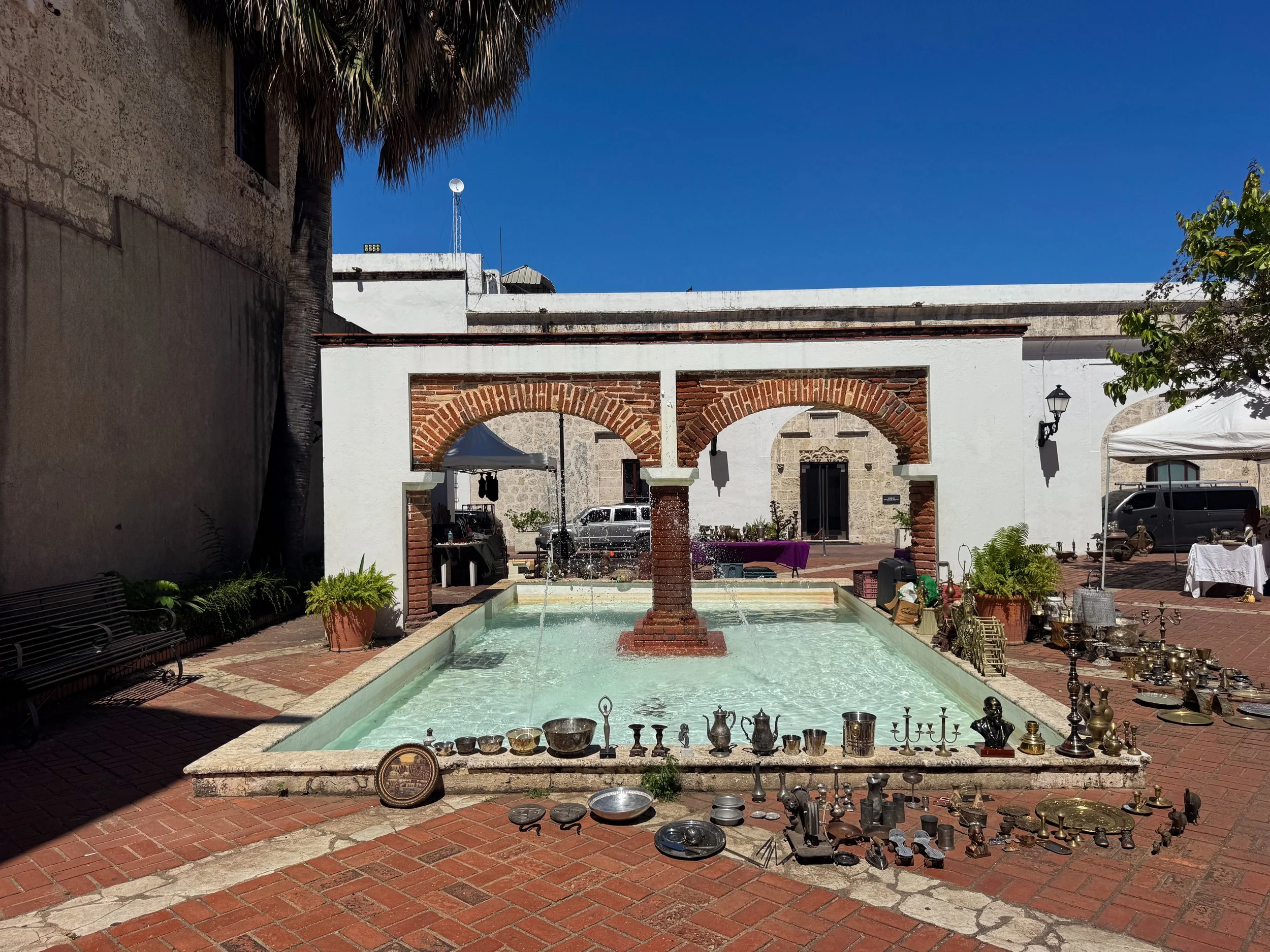
Plaza María de Toledo. A lively plaza nestled alongside the Panteón de la Patria with a brick arched fountain, parlor palm plantings and benches. Locals gather here during the evenings to enjoy a Presidente beer, paleta or slice of pizza from nearby colmados and restaurants. It’s home to a Sunday bazaar with vendors selling brass antiques, clay artifacts and paintings.
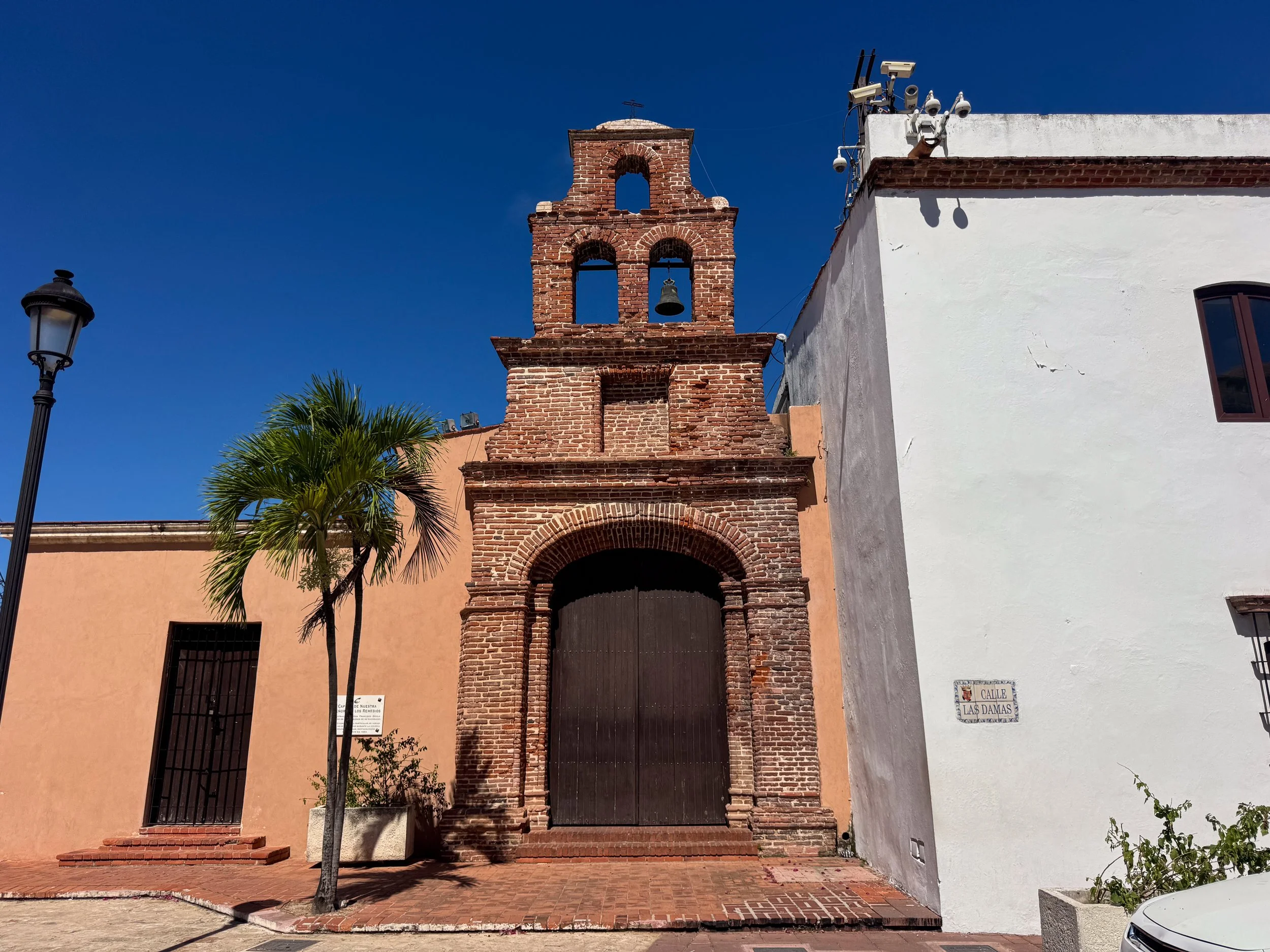
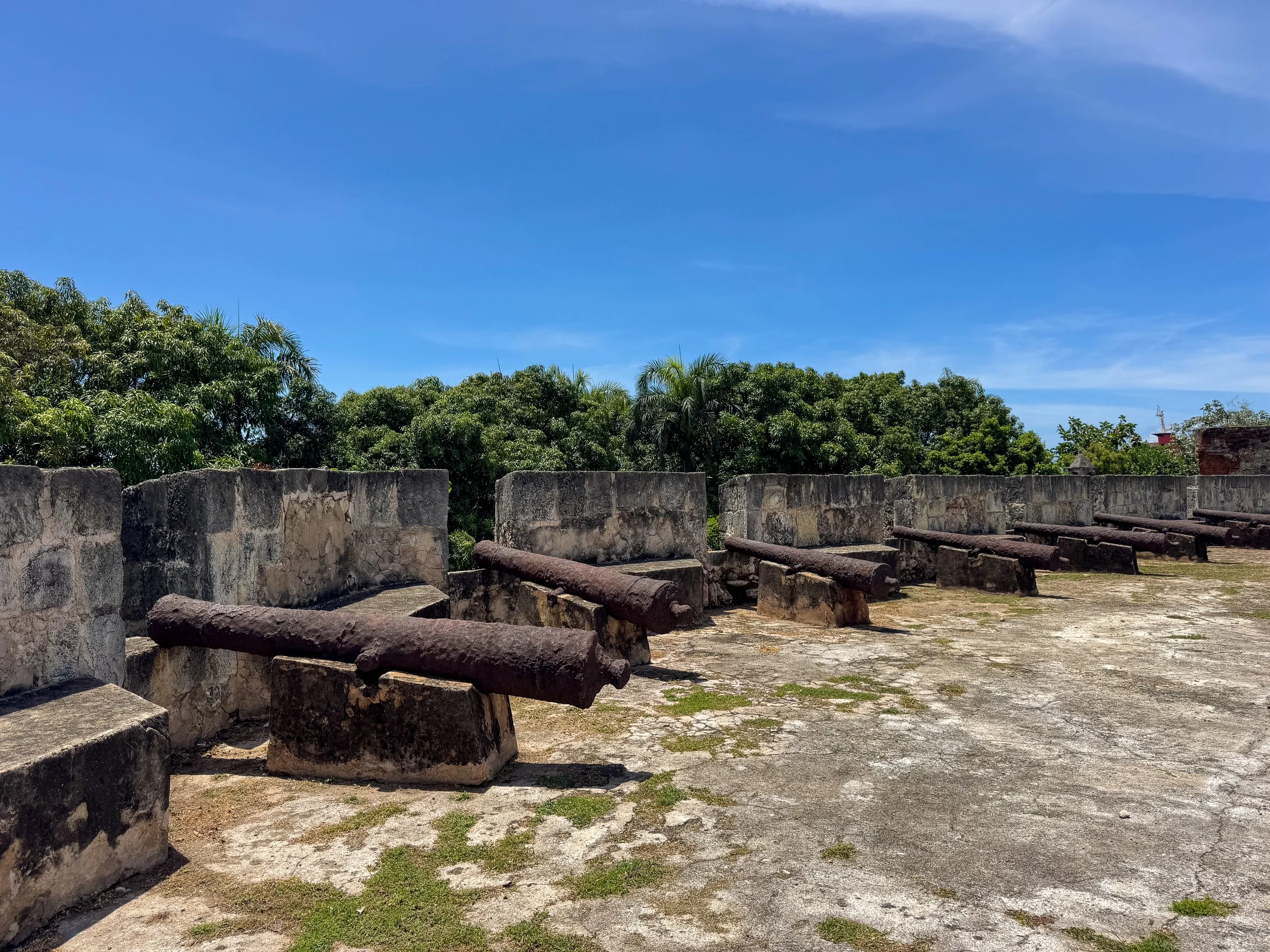
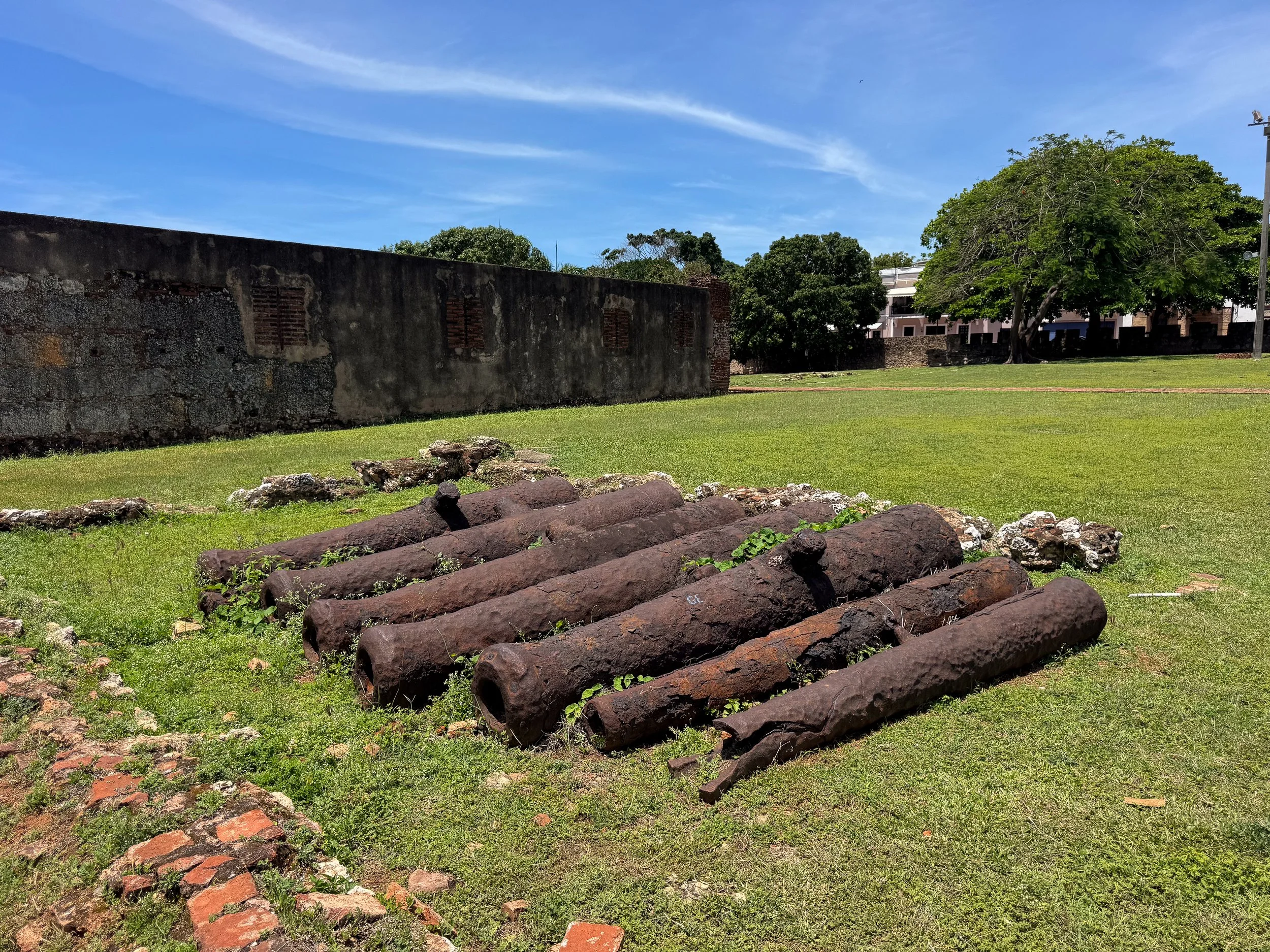
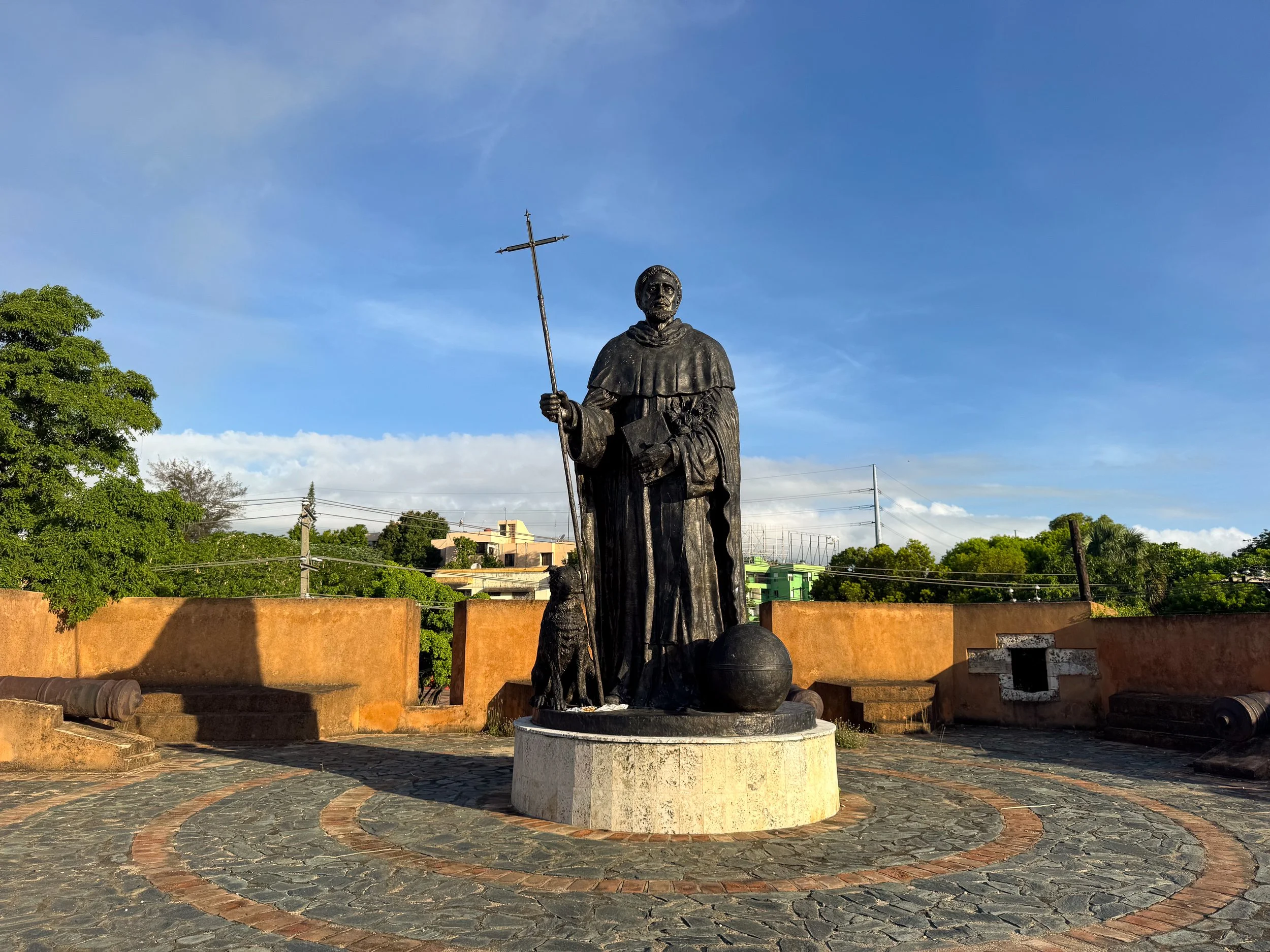
The Old Fortress Plaza. A historic plaza on the north end of Calle Las Damas with colonial stone buildings, a brick chapel, a cannon lined lookout and sculptural artwork.
Parque Fray Bartolomé de las Casas. A small park on Calle Padre Billini home to a daily market of vendors selling handmade jewelry and fresh fruit juices.
Parque Duarte. A historic park on Calle Padre Billini surrounded by historic colonial architecture, elegant cathedrals and some small bars. The park is named after one of the Dominican Republic’s founders, honored with a bronze statue at its center.
Parque Montesino. A verdant city park and recreational space on the edge of the Zona Colonial with cannon lined forts, a colorfully painted skate park and basketball courts.
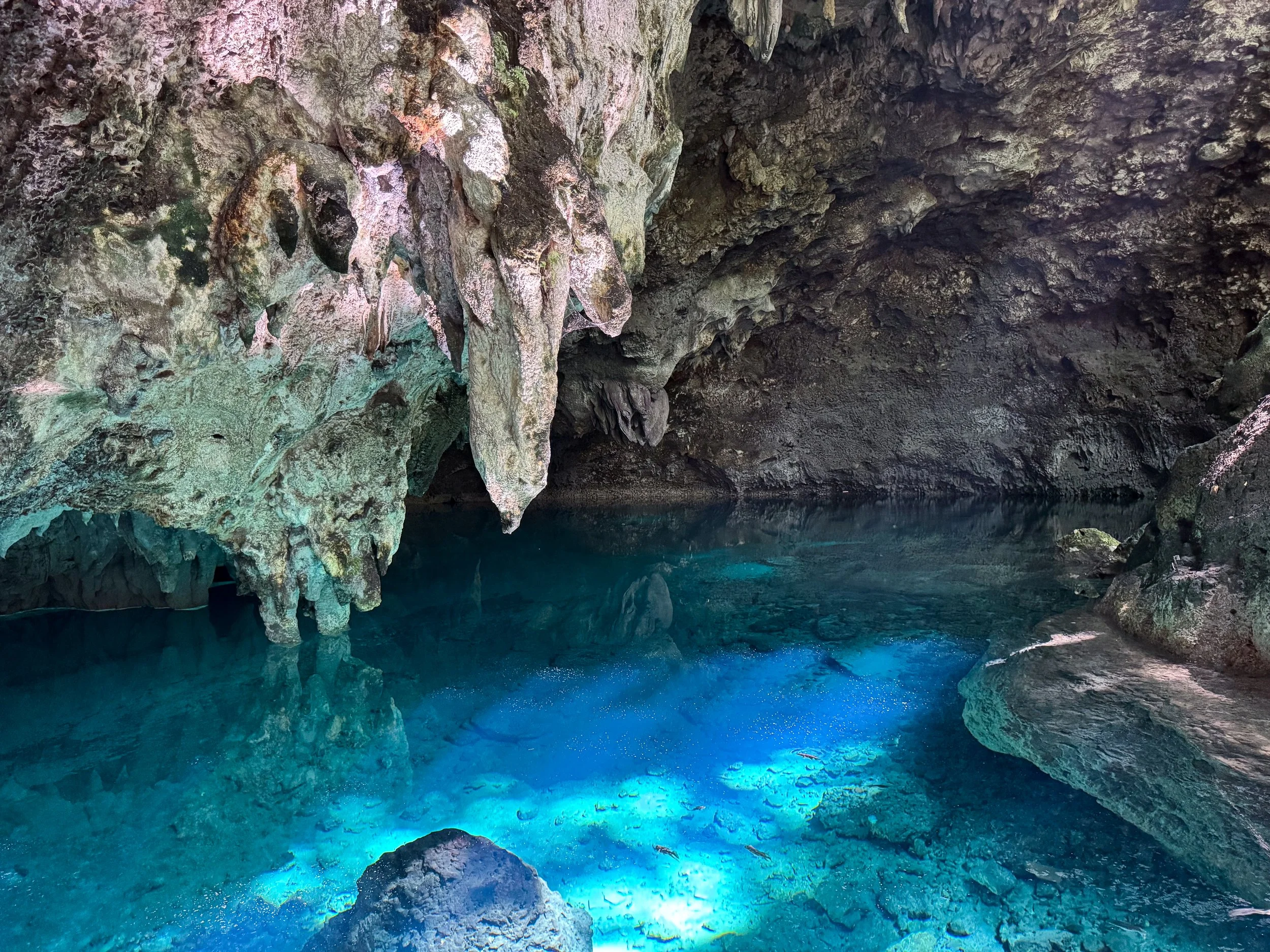
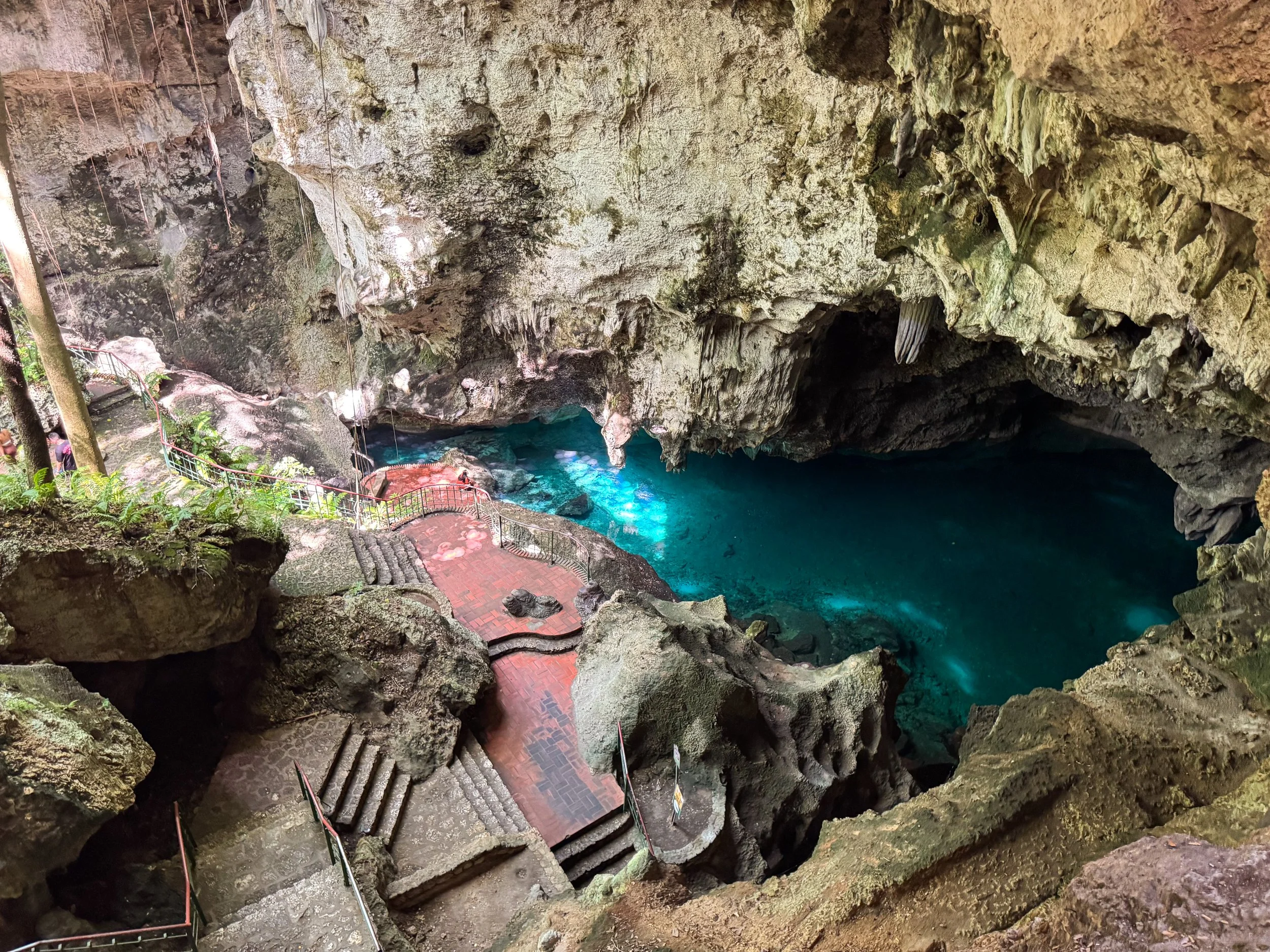
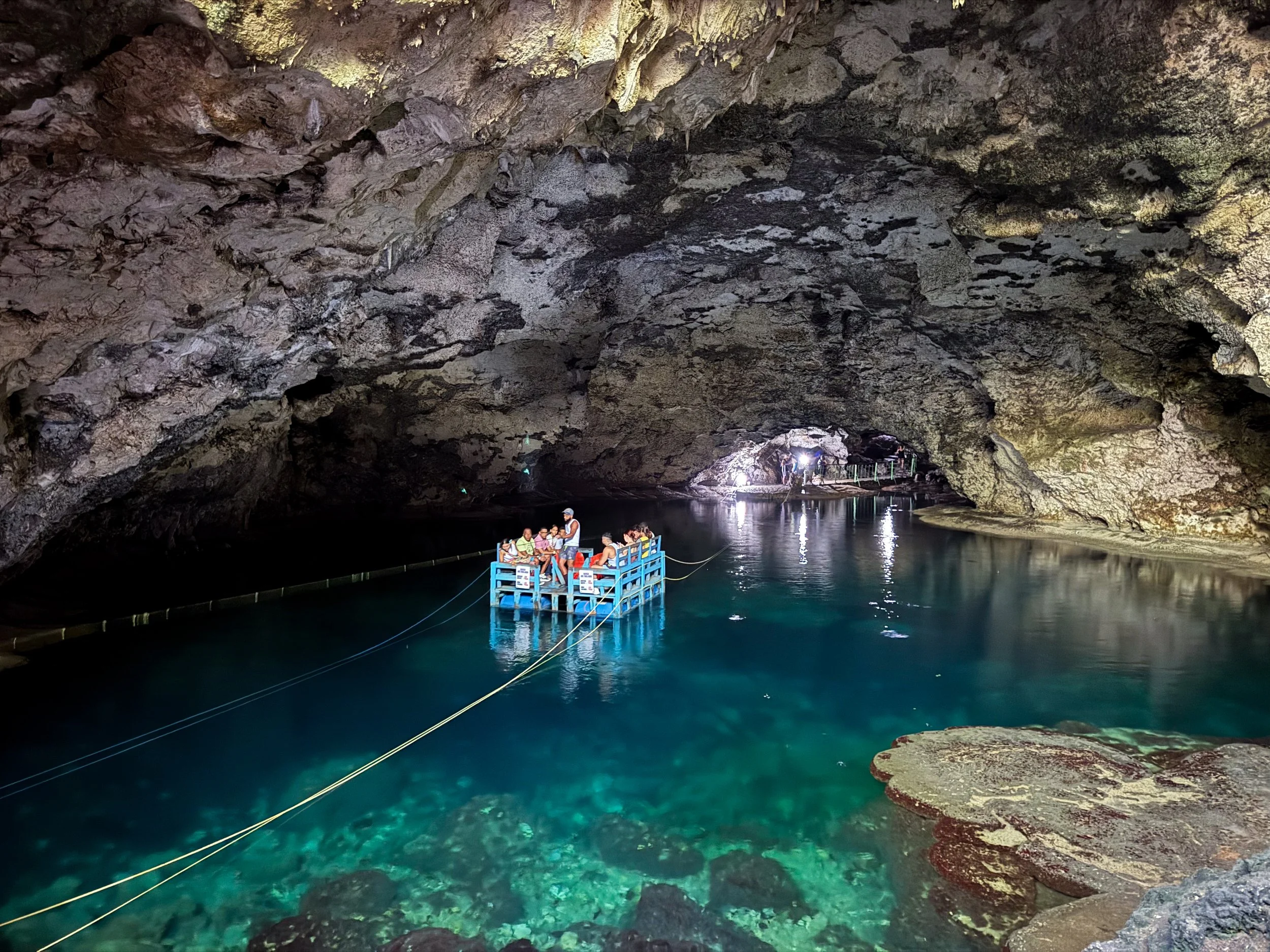
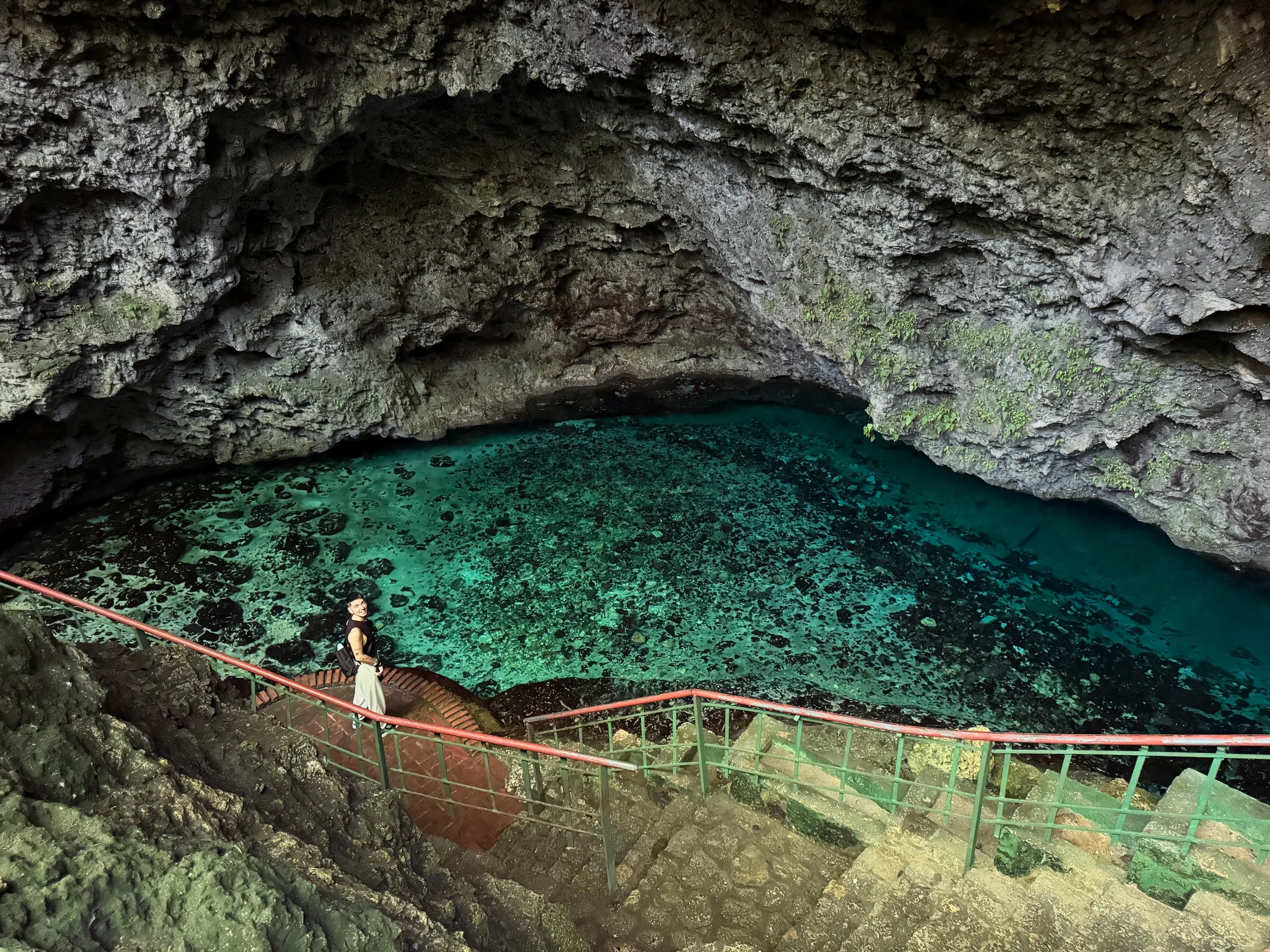
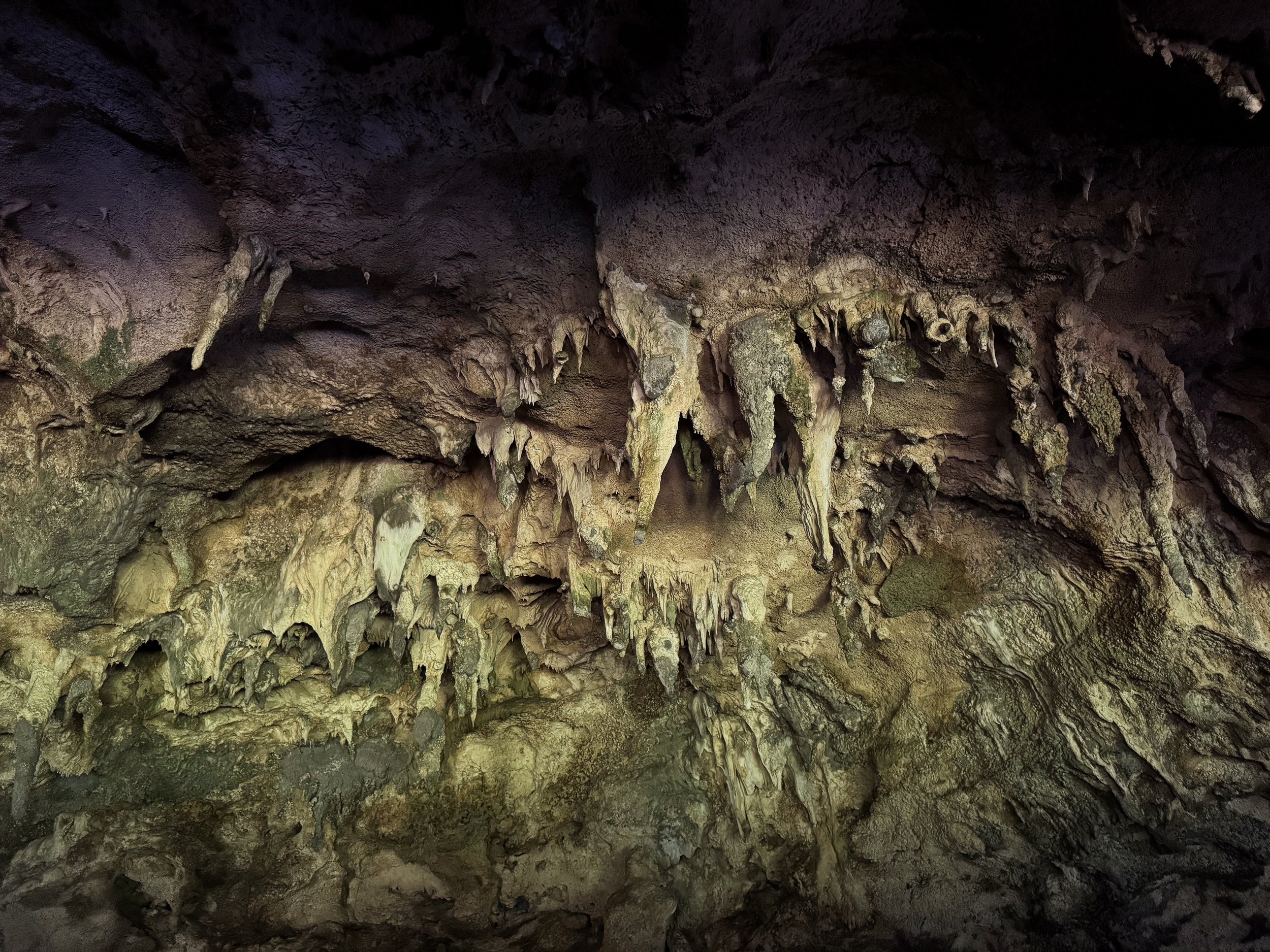
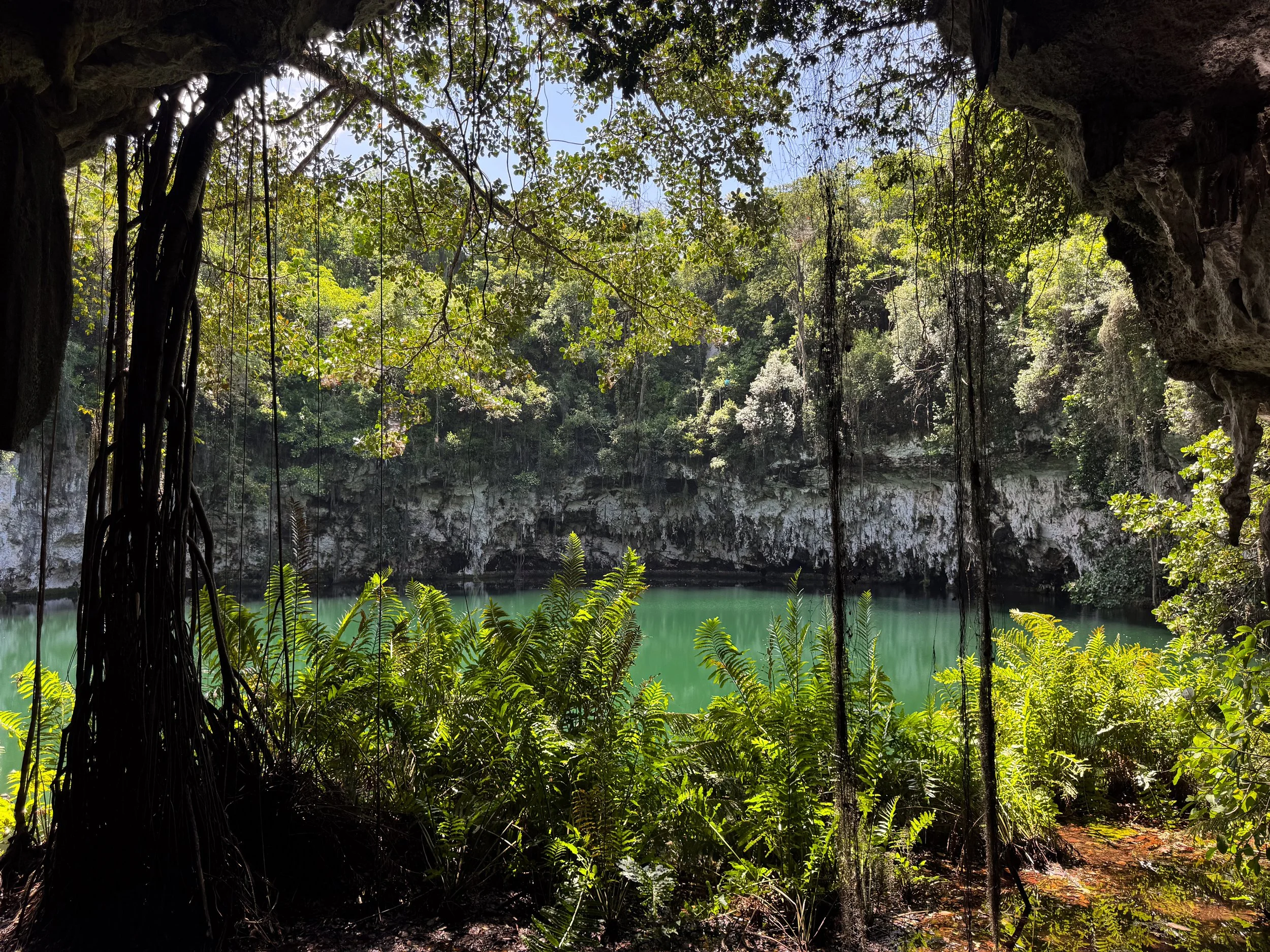
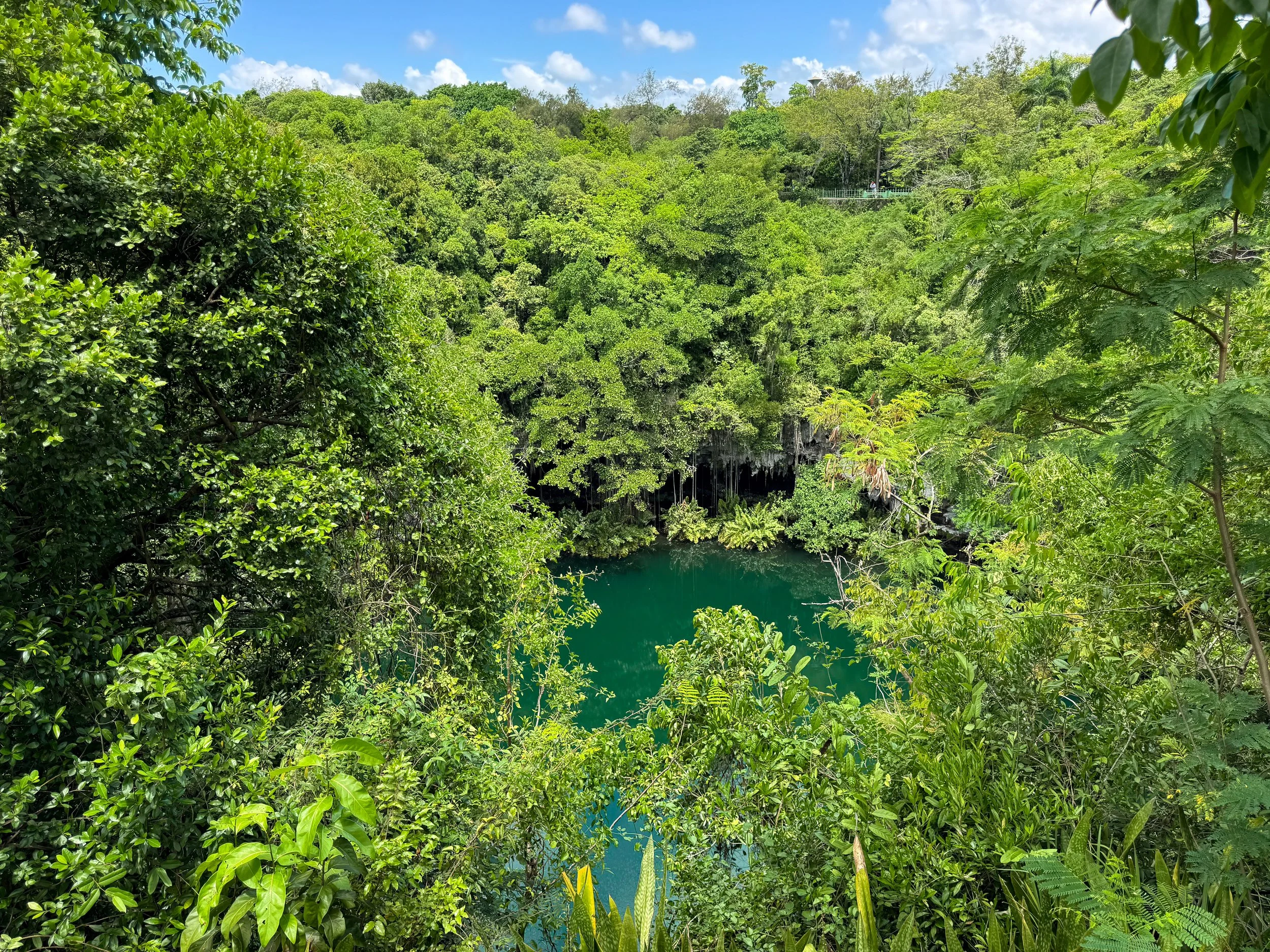
Los Tres Ojos. A nature park inside of a partially collapsed cave system with four turquoise and emerald lagoons. Staircases and jungleous trails lead underground to platforms overlooking the lagoons. Cave ceilings are covered in dripping stalactites, dangling vines and the occasional colony of bats. While visible from an above ground nature trail, the largest lagoon is only accessible by riding on a rope pulled ferry through one lagoon and walking through a dark cave to its observation deck. The park is reachable 15 minutes by car from the Zona Colonial.
See the Sights
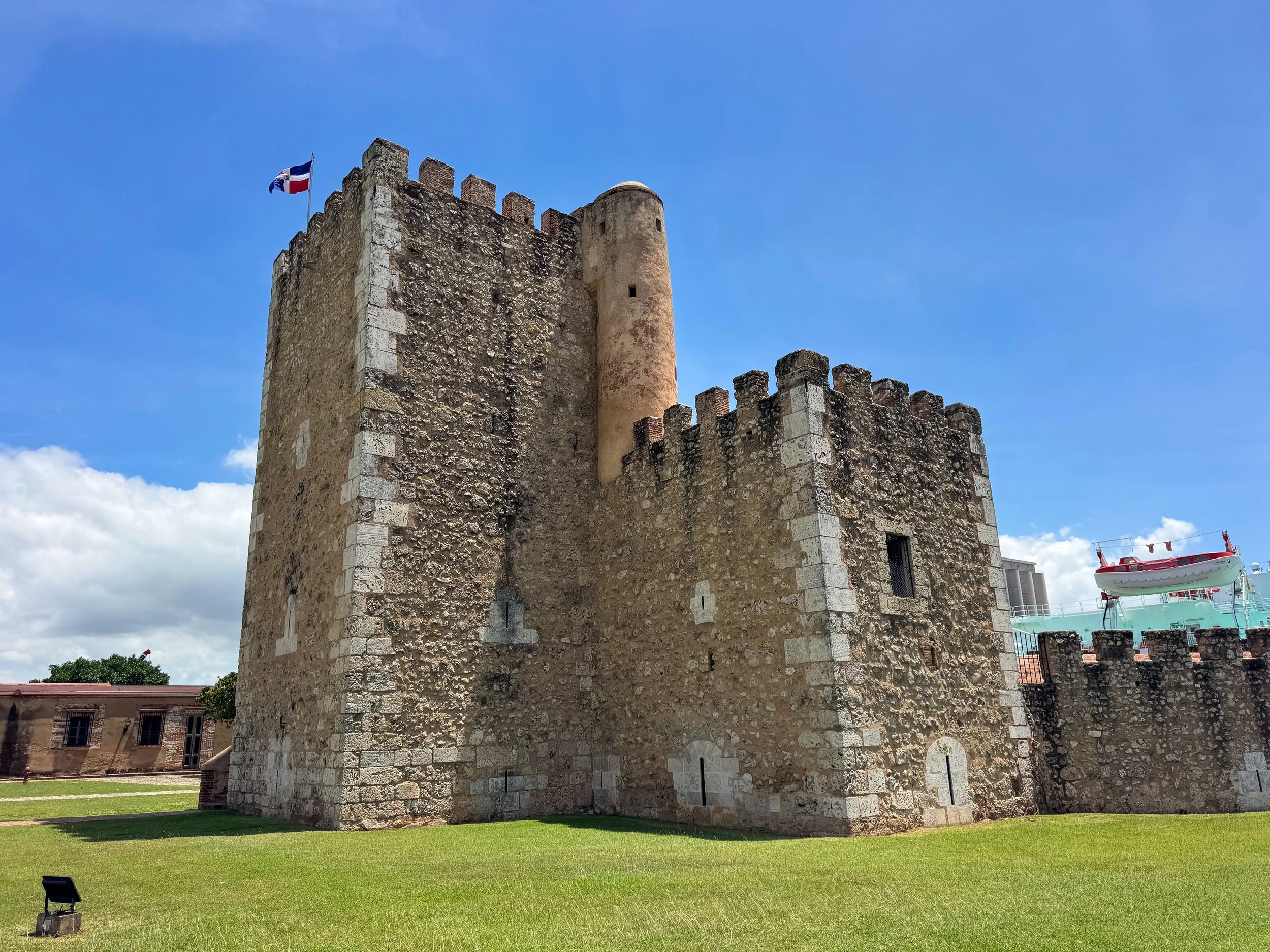
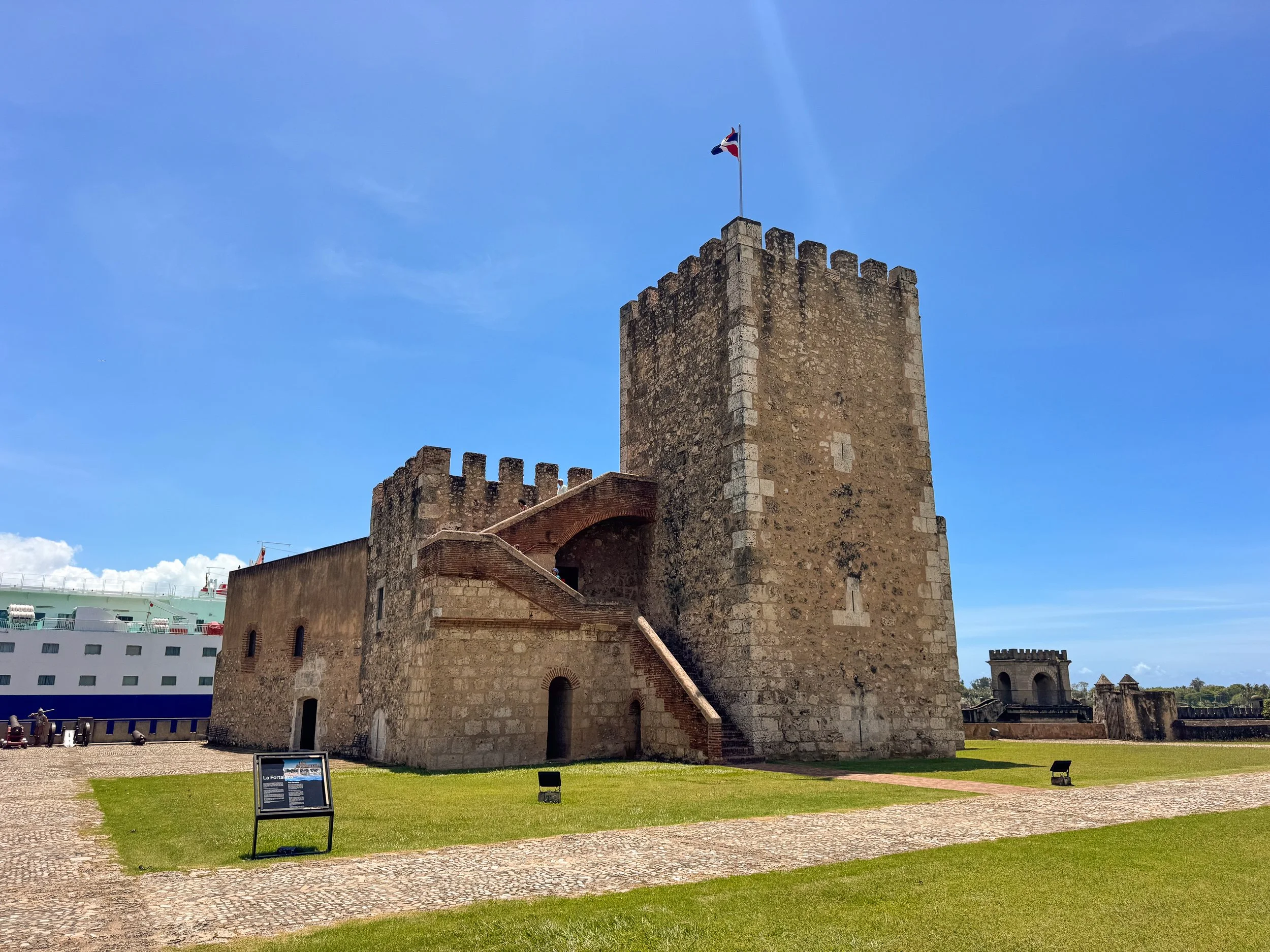
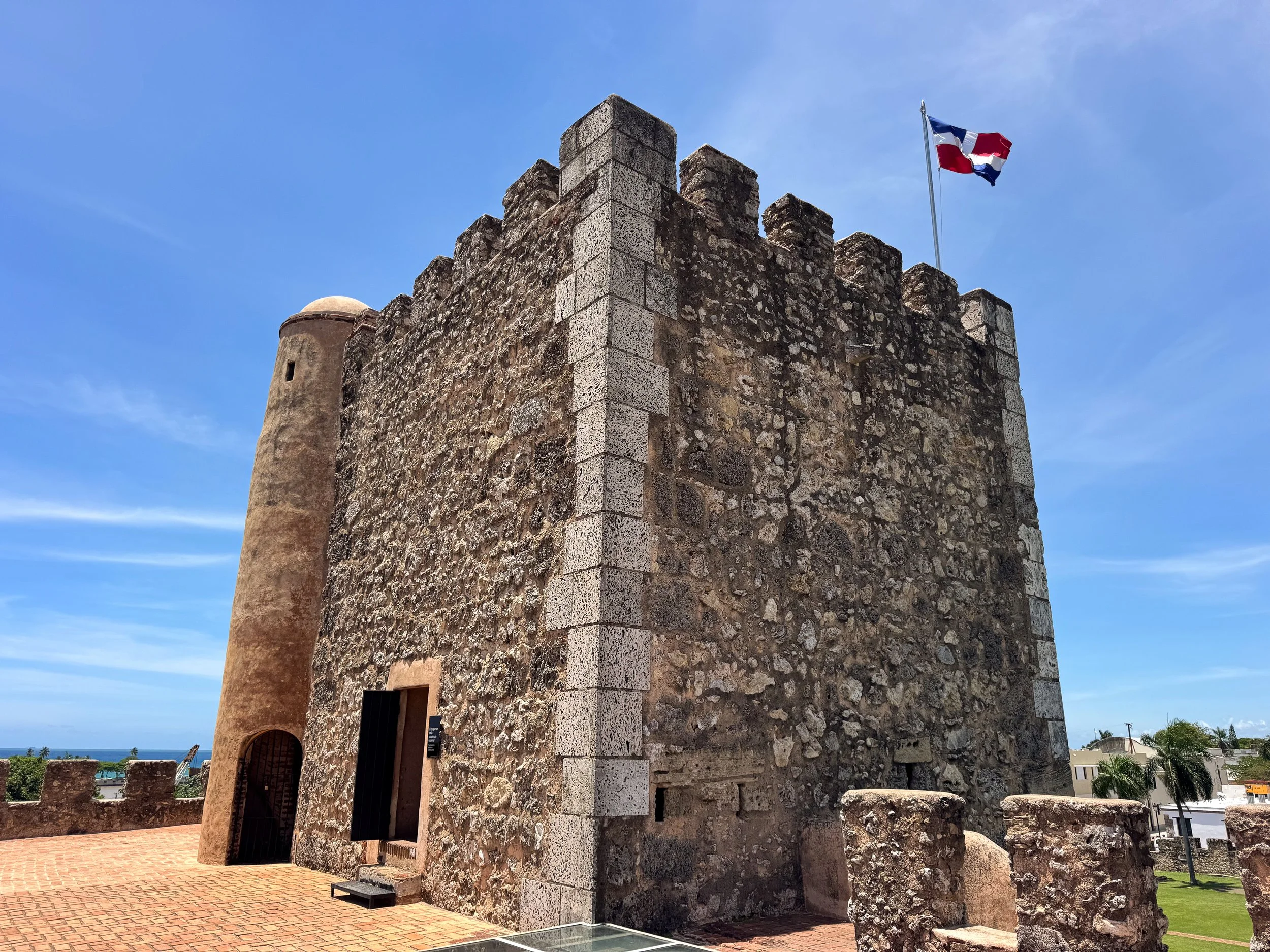
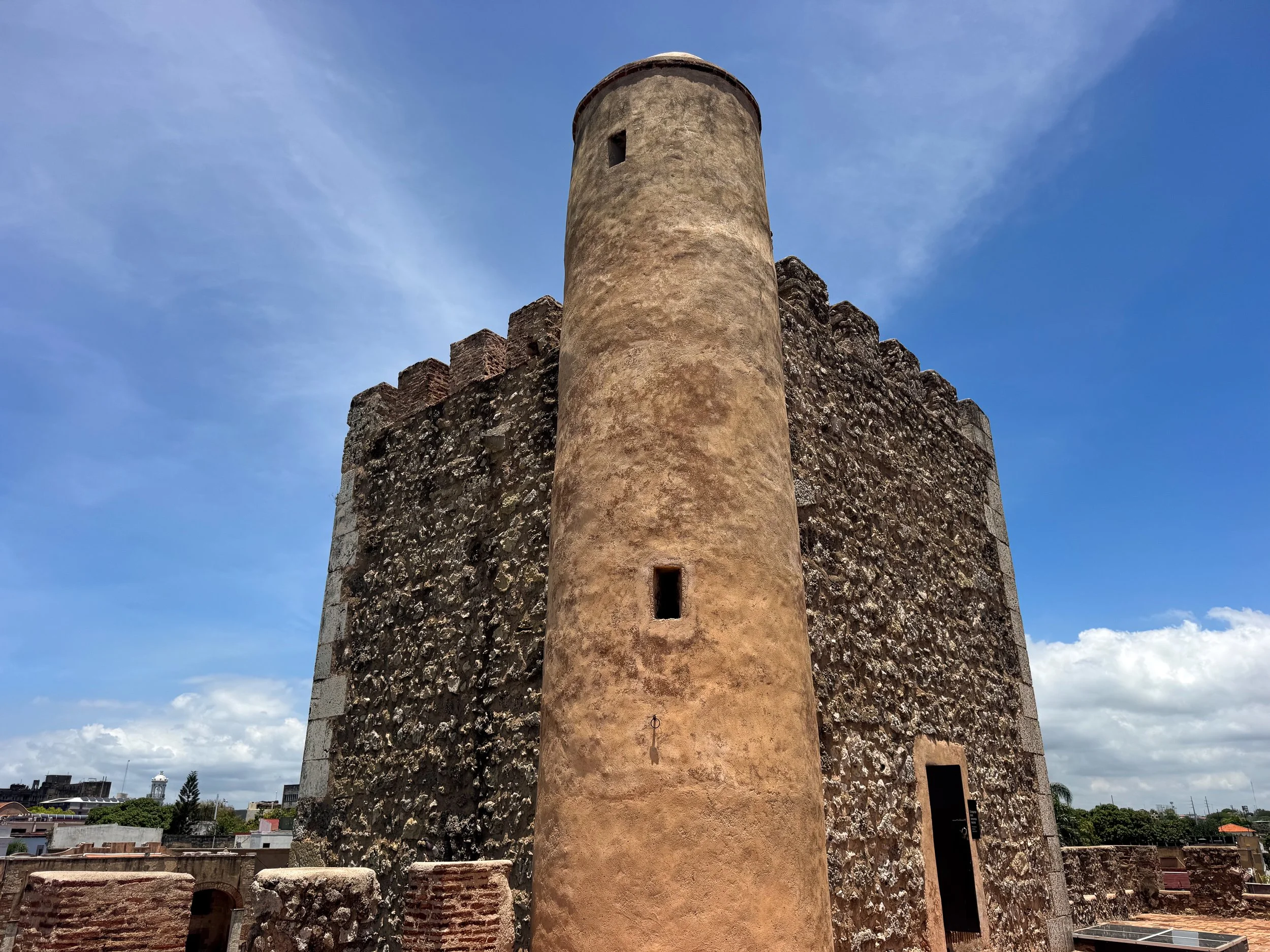
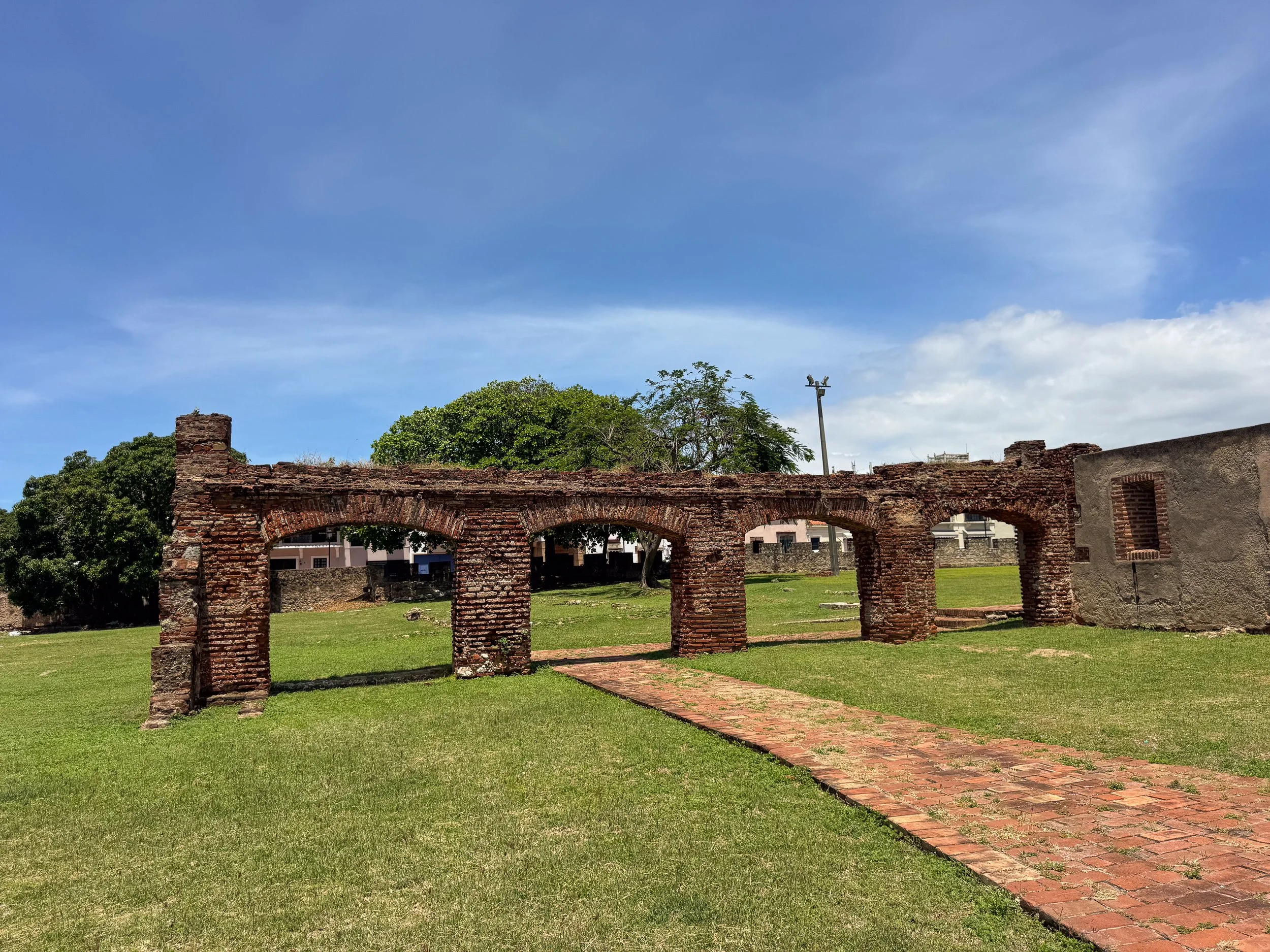
Fortaleza Ozama. A medieval fortress built from coral stones during the 16th century to protect the colonial city from pirate attacks. A staircase leads into the levels and cells of the tower to a lookout with views of the grounds and Ozama River. Narrated animated films recount the history of the city, its population and notable figures. Its grounds sit behind an extensively cannon lined wall with support structures like a gunpowder magazine and cistern.
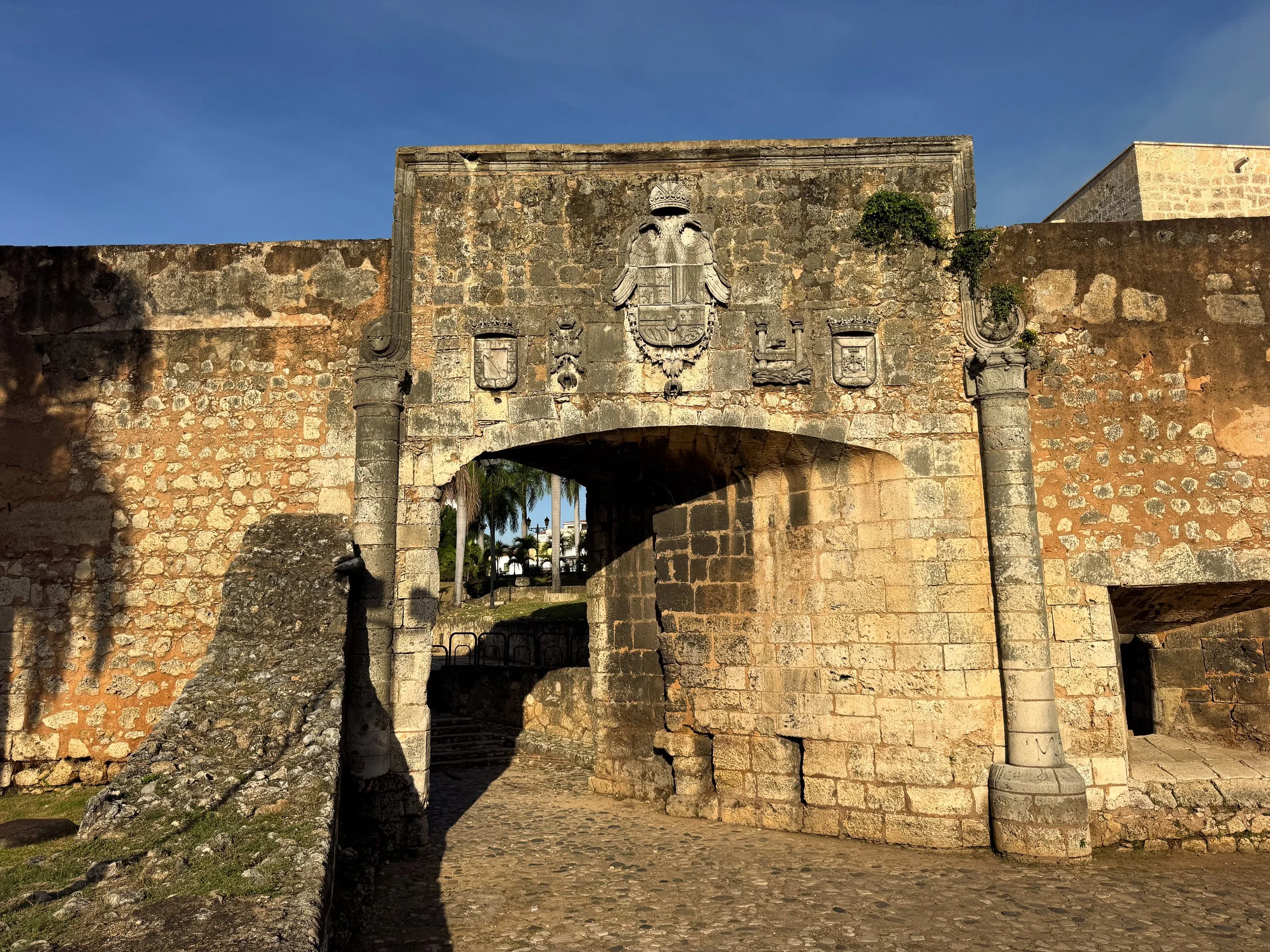
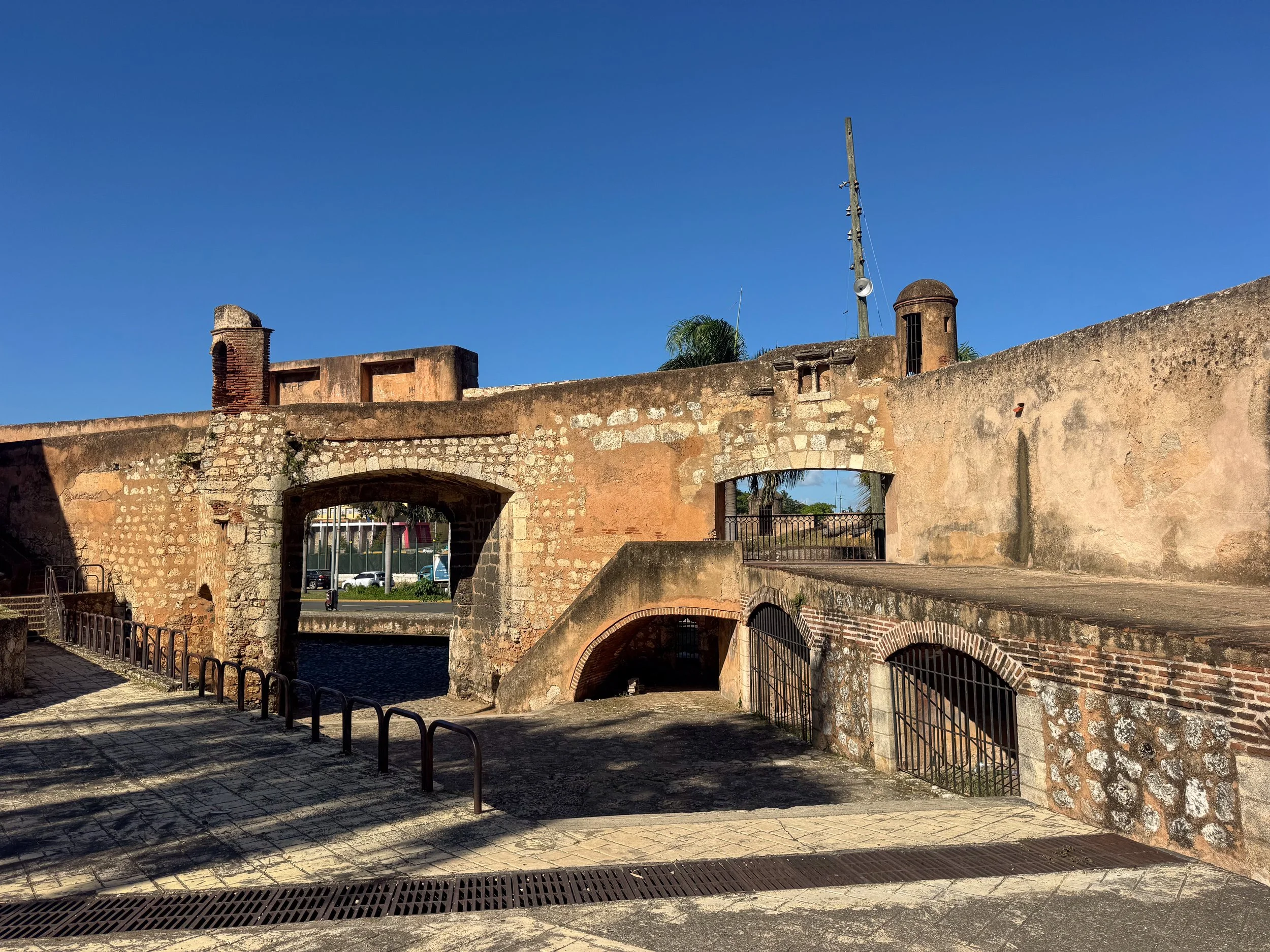
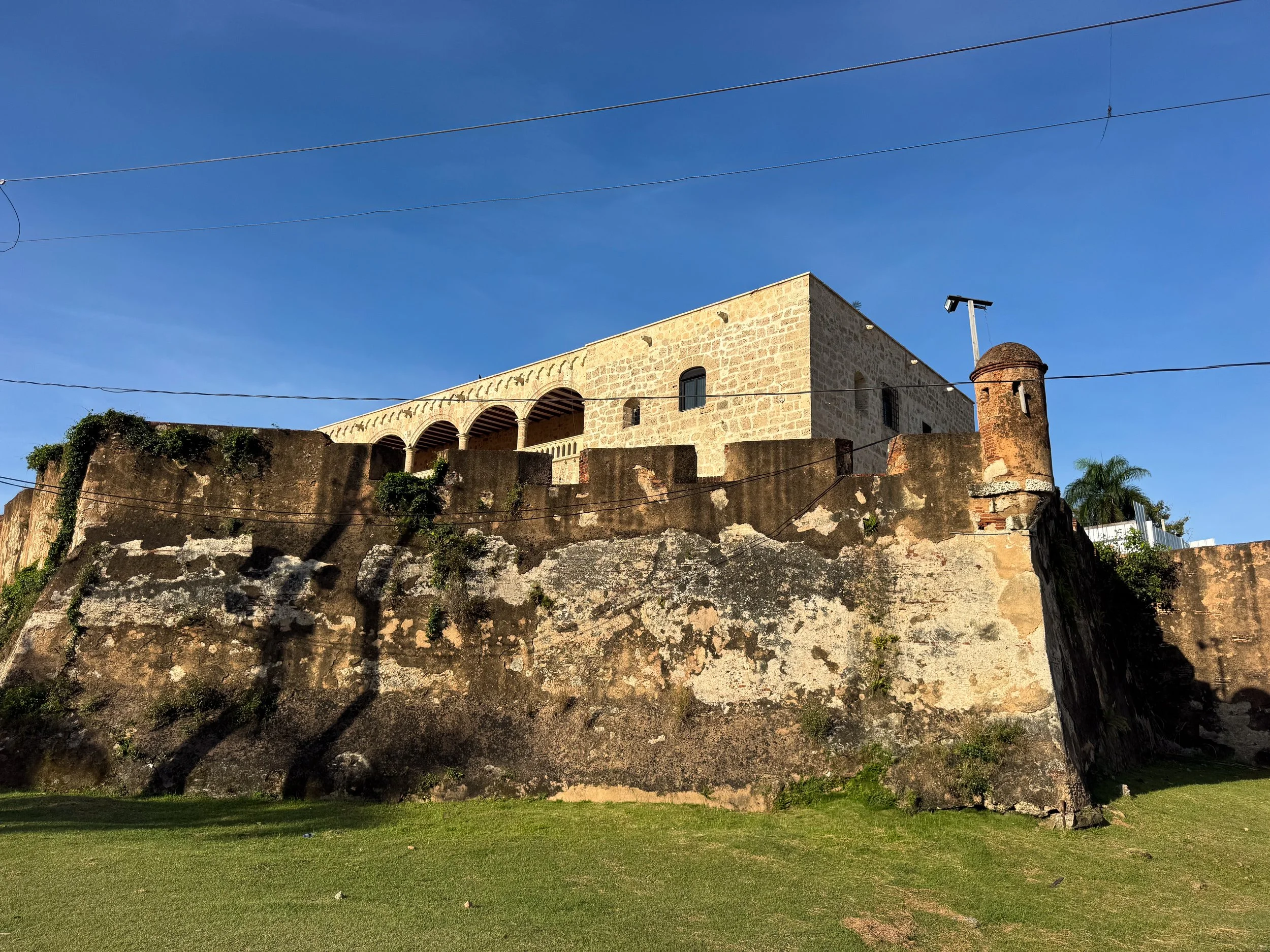
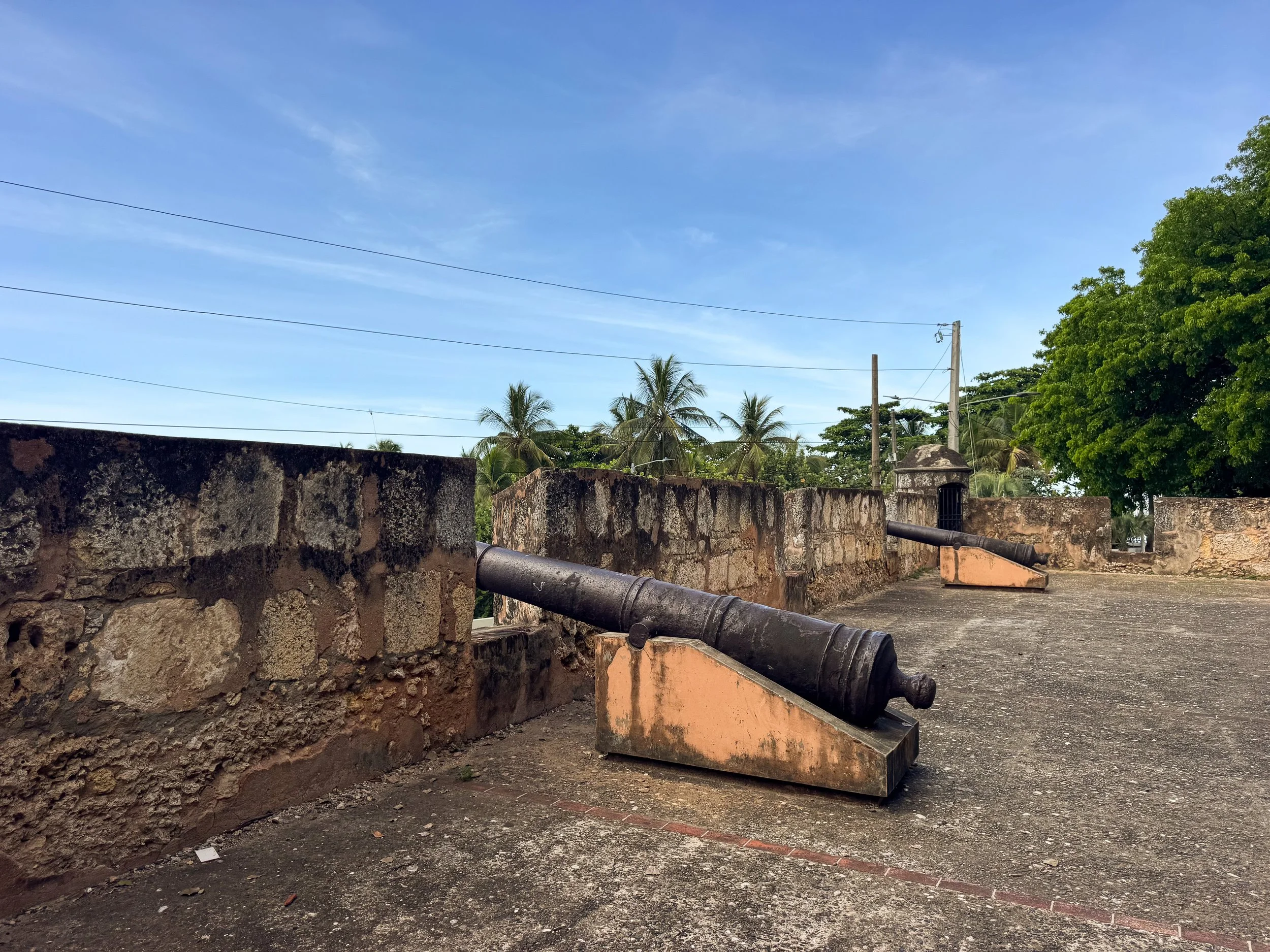
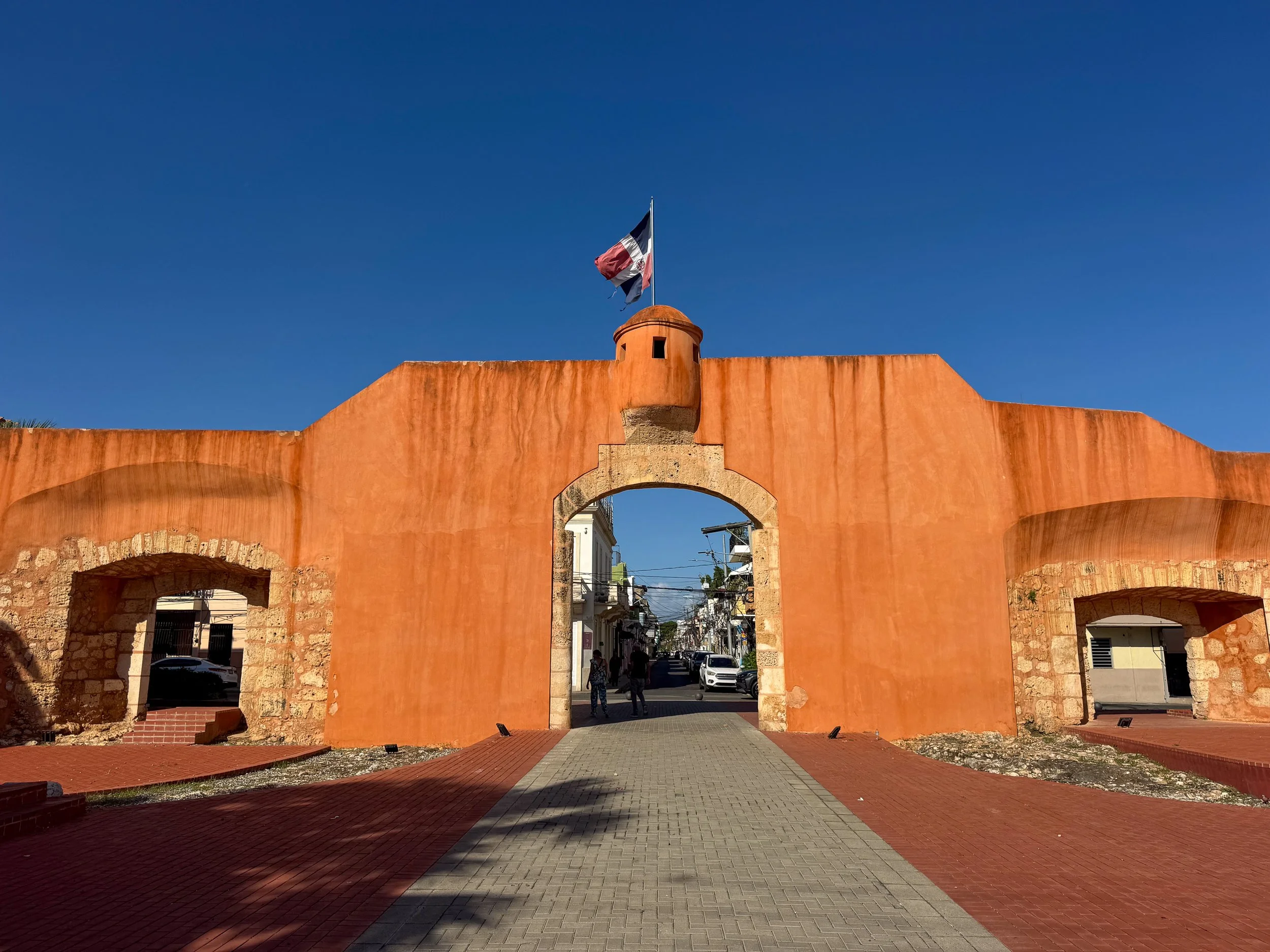
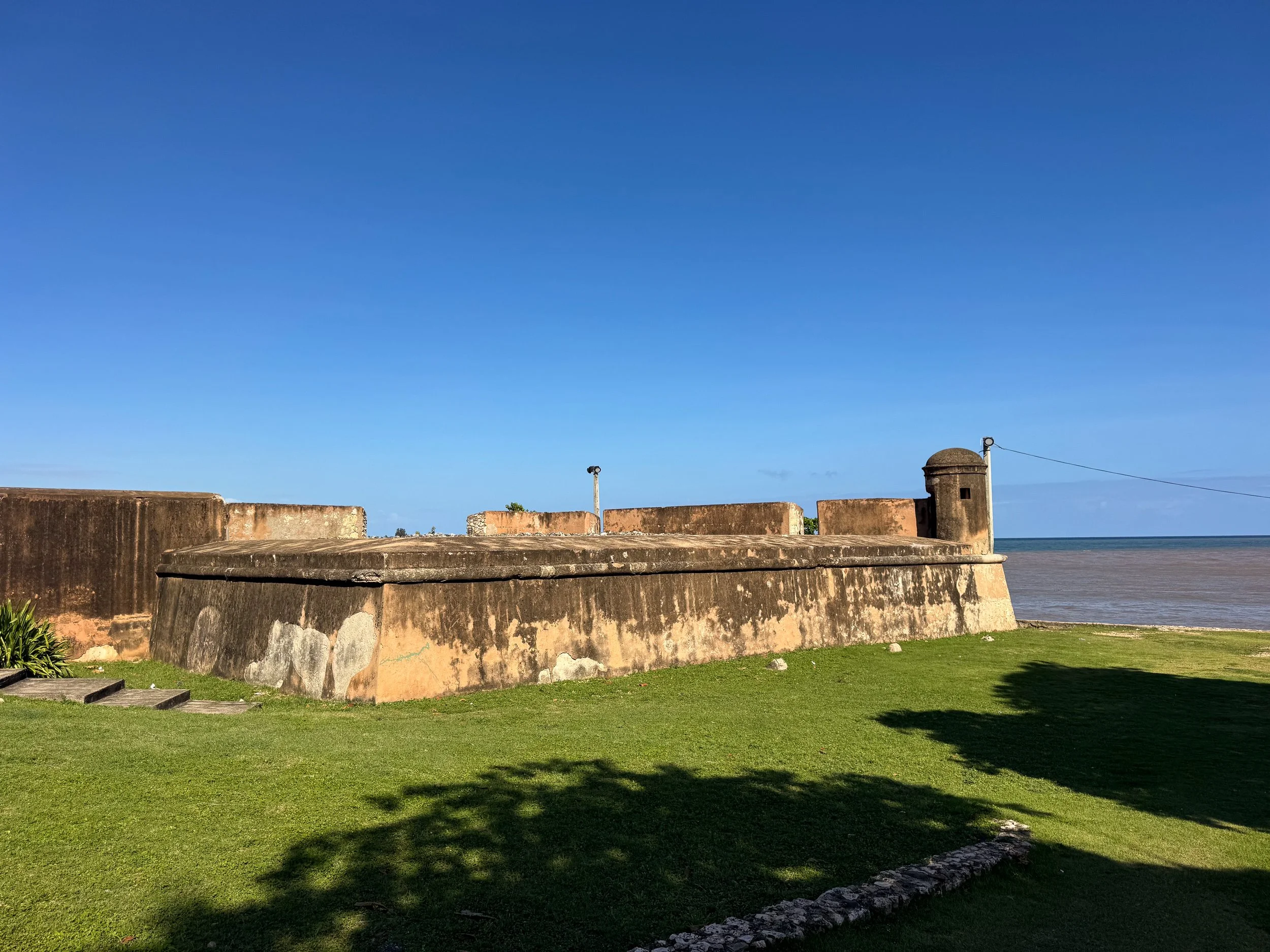
Puerta de Don Diego (Puerta de la Mar). A stone gate along the colonial wall decorated in a series of Spanish military seals between the Plaza España and Batería Baja de San Diego, a section of the wall lined with cannons and guard towers.
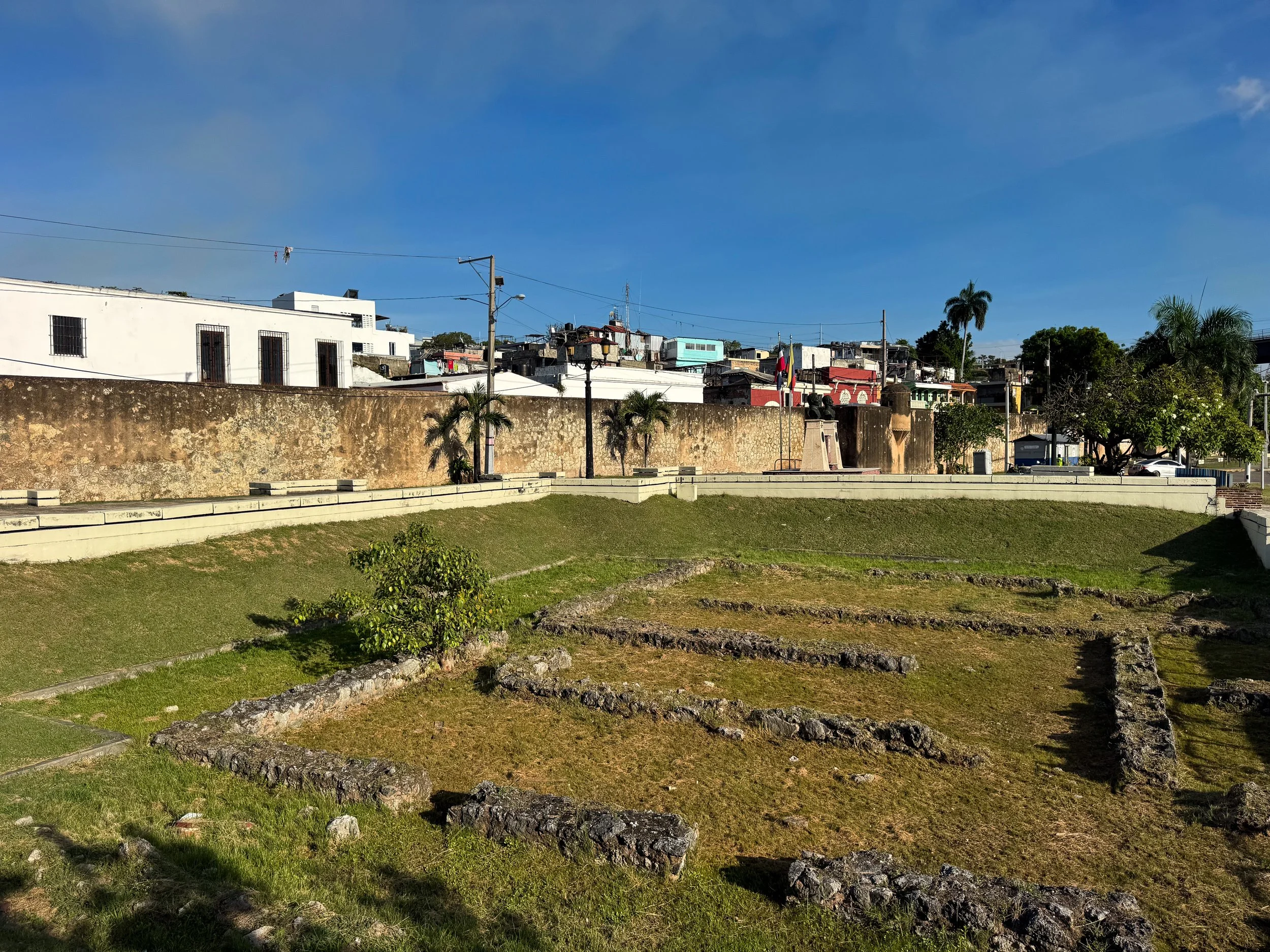
Ruinas Aduana Colonial. A series of ruins on the outside of the wall near the Alcázar de Colón. A plaza encompasses excavated sites with the exposed fountains of former stone buildings.
Puerta de la Misericordia. A historic gate along the colonial era wall of the Zona Colonial, recognizable by its coral stone and orange tinted plaster facade. It’s revered for its importance in the battle for Dominican independence.
Fuerte San Gil. A small defensive fortress perched on a cliffside overlooking the Caribbean. It’s easily accessible while walking the Malecón.
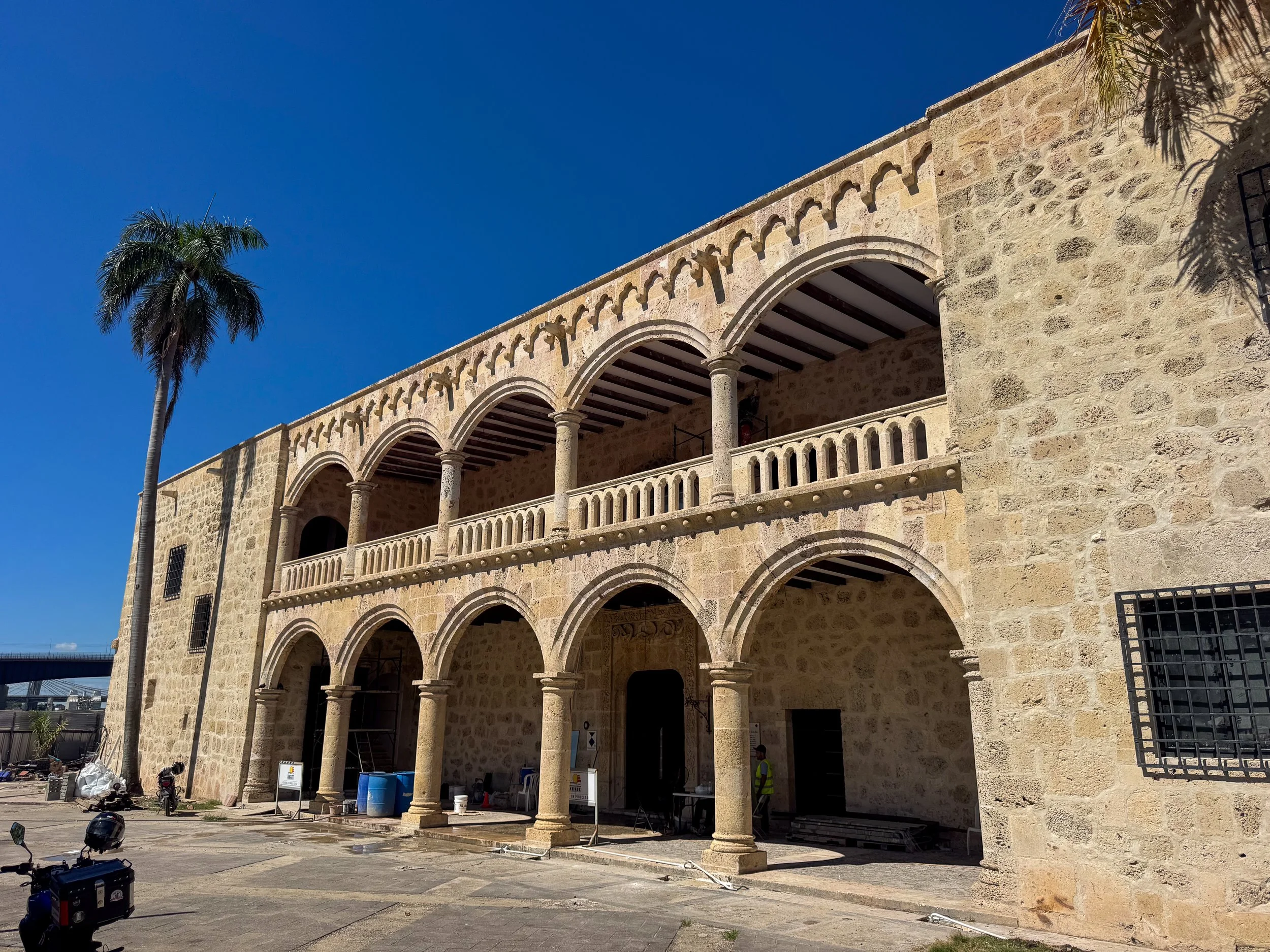
Alcázar de Colón (Fortress of Columbus). A Spanish style castle built by Diego Columbus, the son of Christopher Columbus. It’s now a museum housing colonial era artifacts. It was closed and under renovation when we visited but visible from the Plaza España.
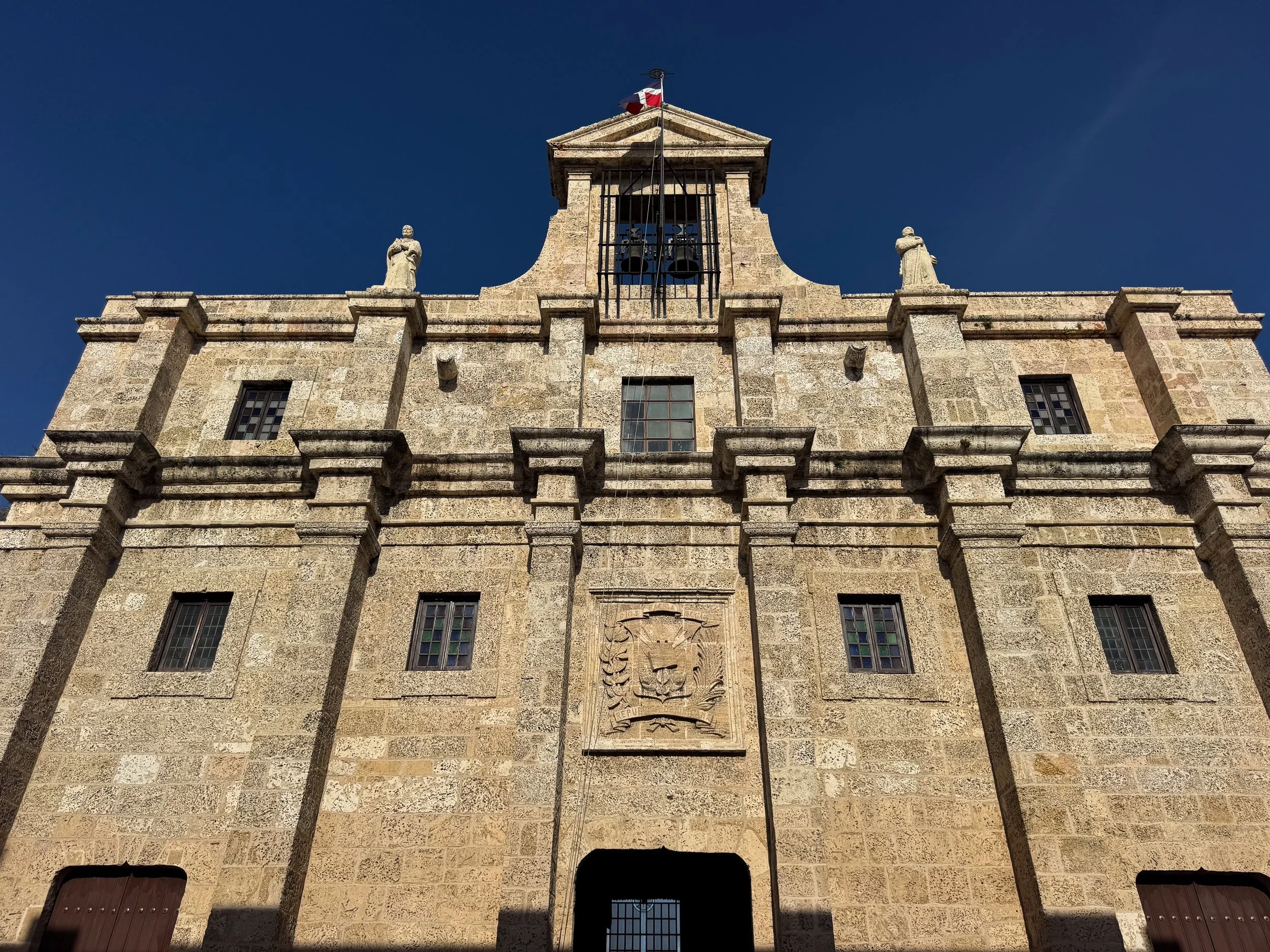
Panteón de la Patria. A stately mausoleum on Calle Las Damas entombing the remains of honored Dominicans. Visit at 8am for the daily flag raising ceremony performed by military guards.
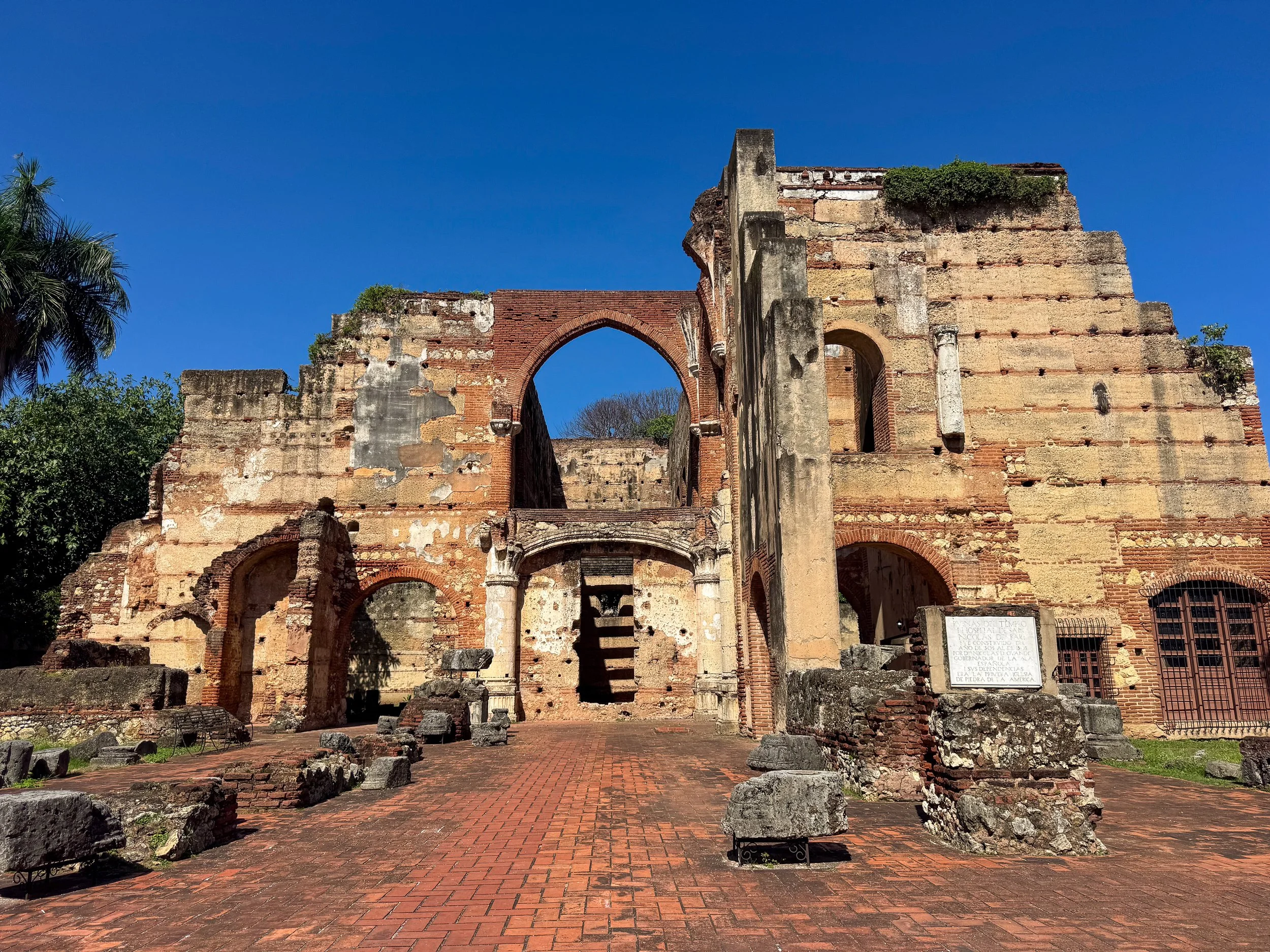
Hospital San Nicolás de Bari. The crumbling brick and stone ruins of a 500+ year old colonial era hospital. It’s a picturesque sight visible from beyond its gated fence.
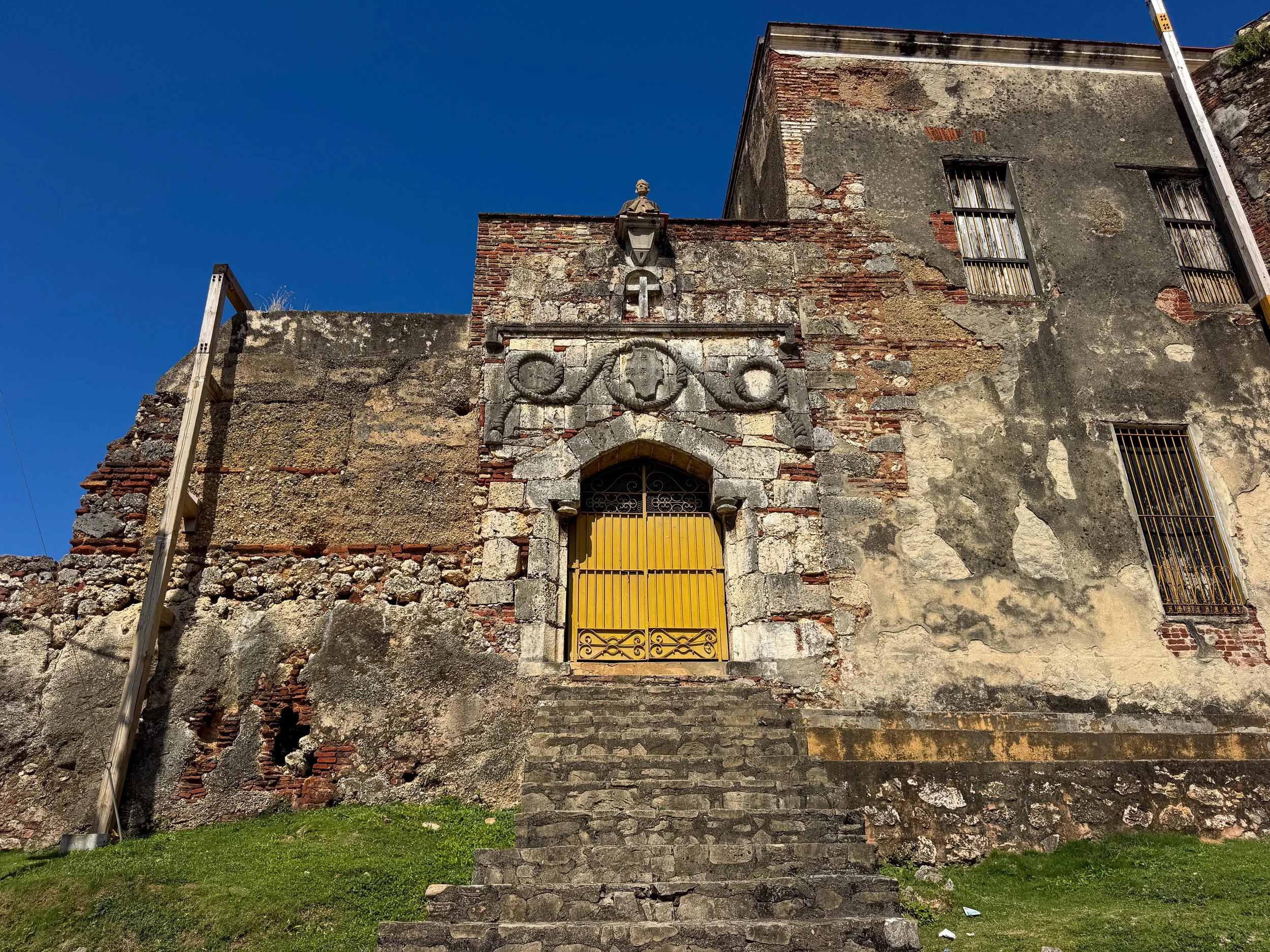
The Ruins of San Francisco. The crumbling brick and stone ruins of a colonial era monastery. They can be viewed from the surrounding streets and partially explored but not entered.
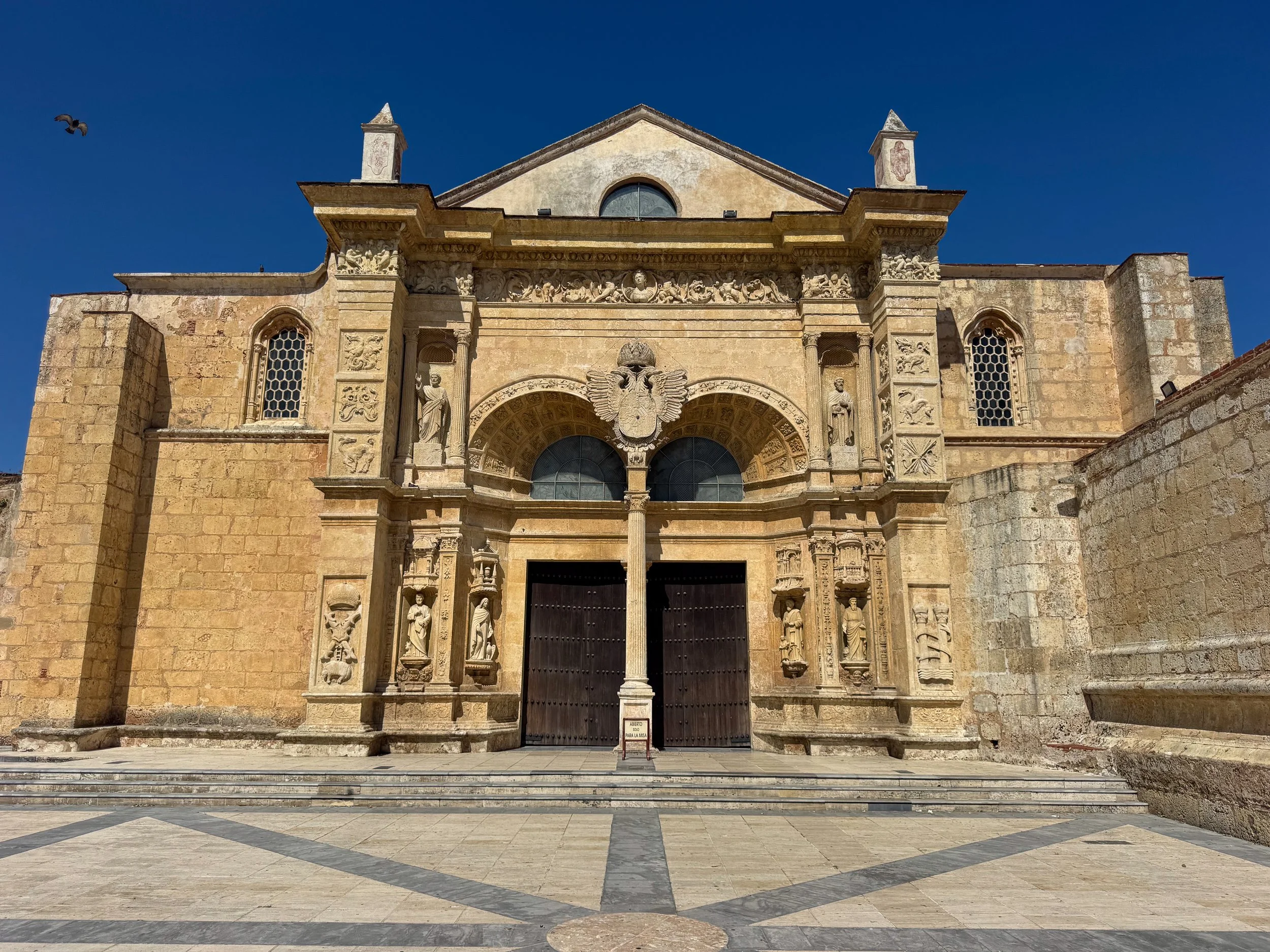
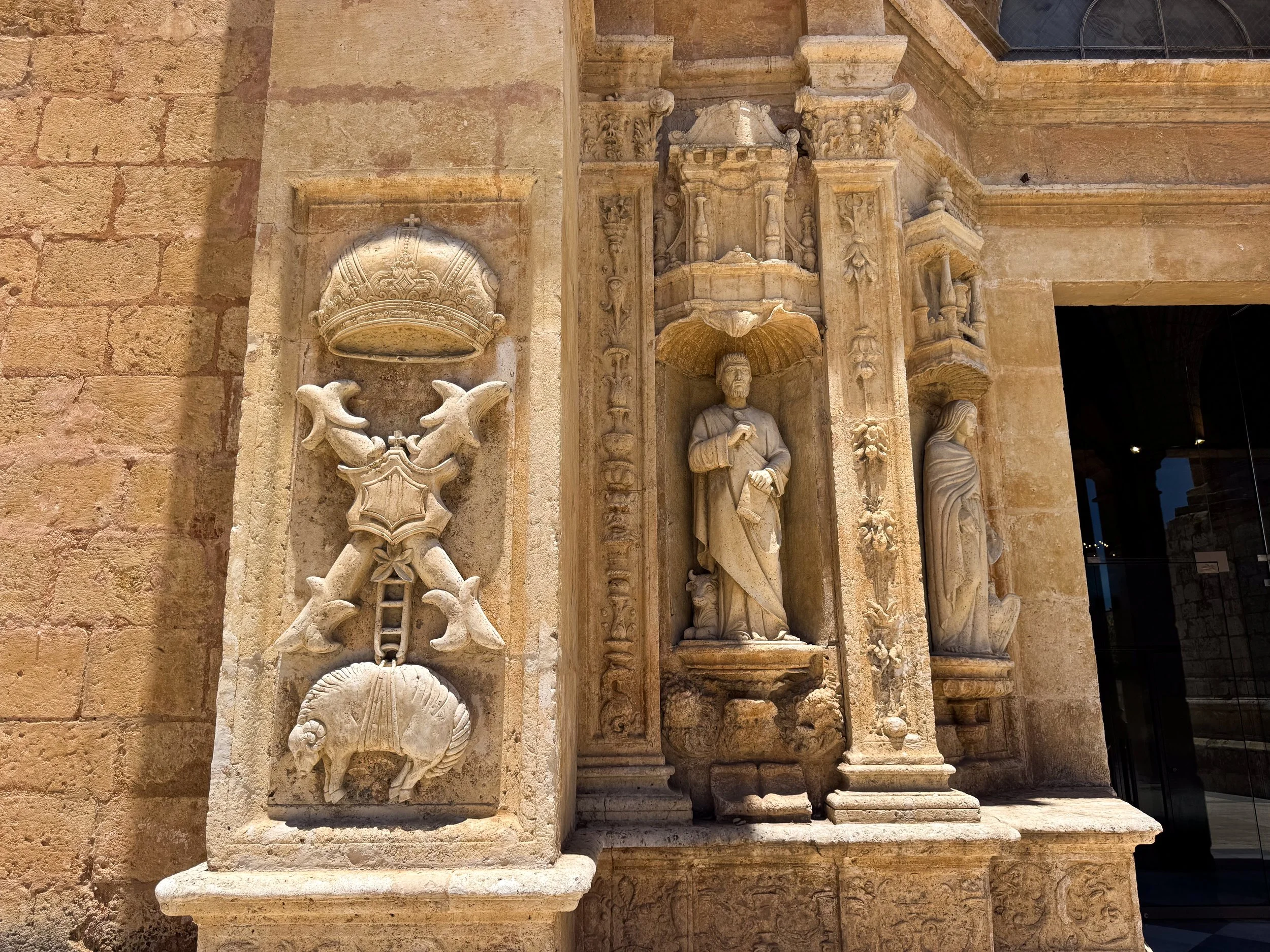
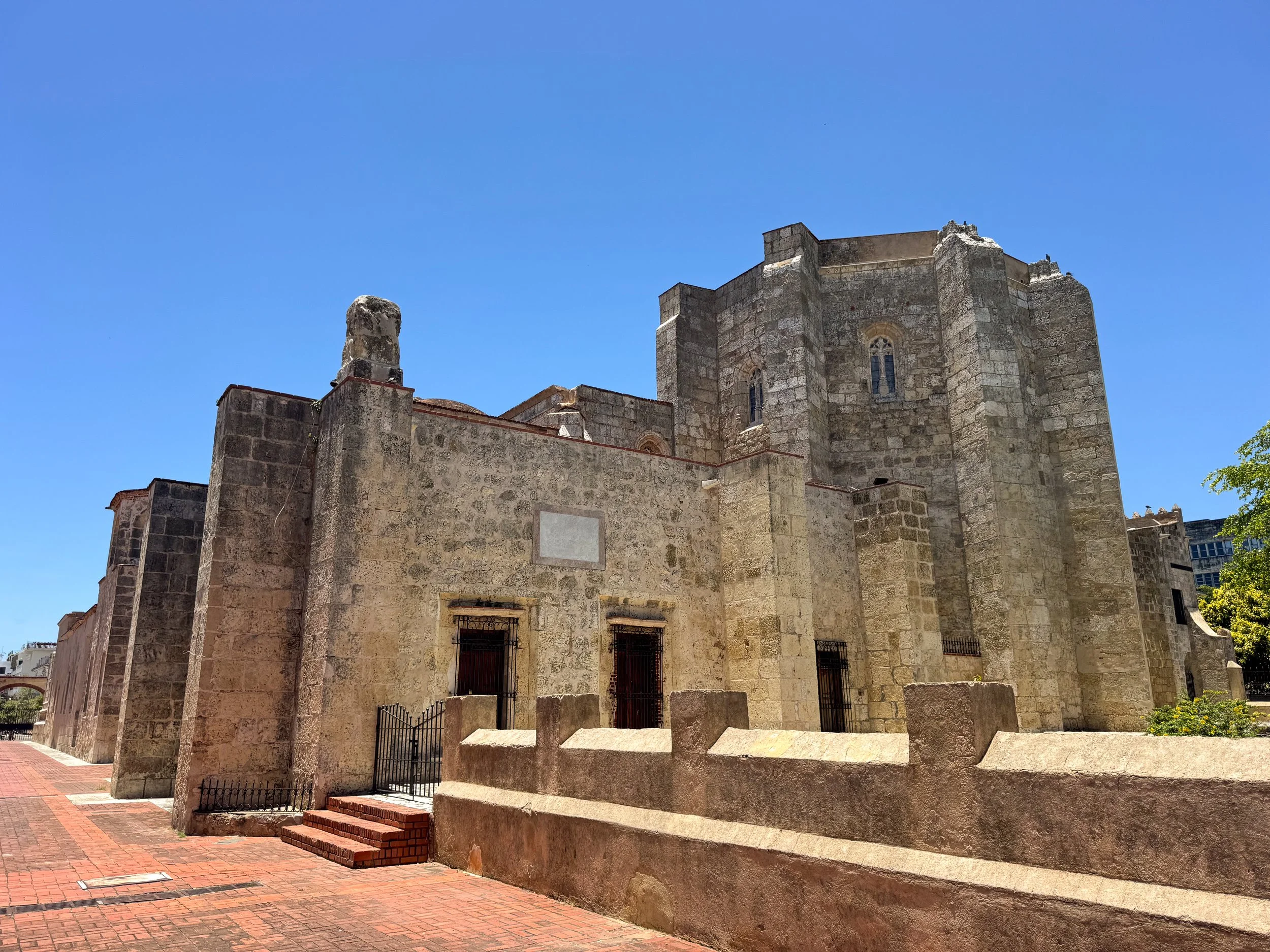
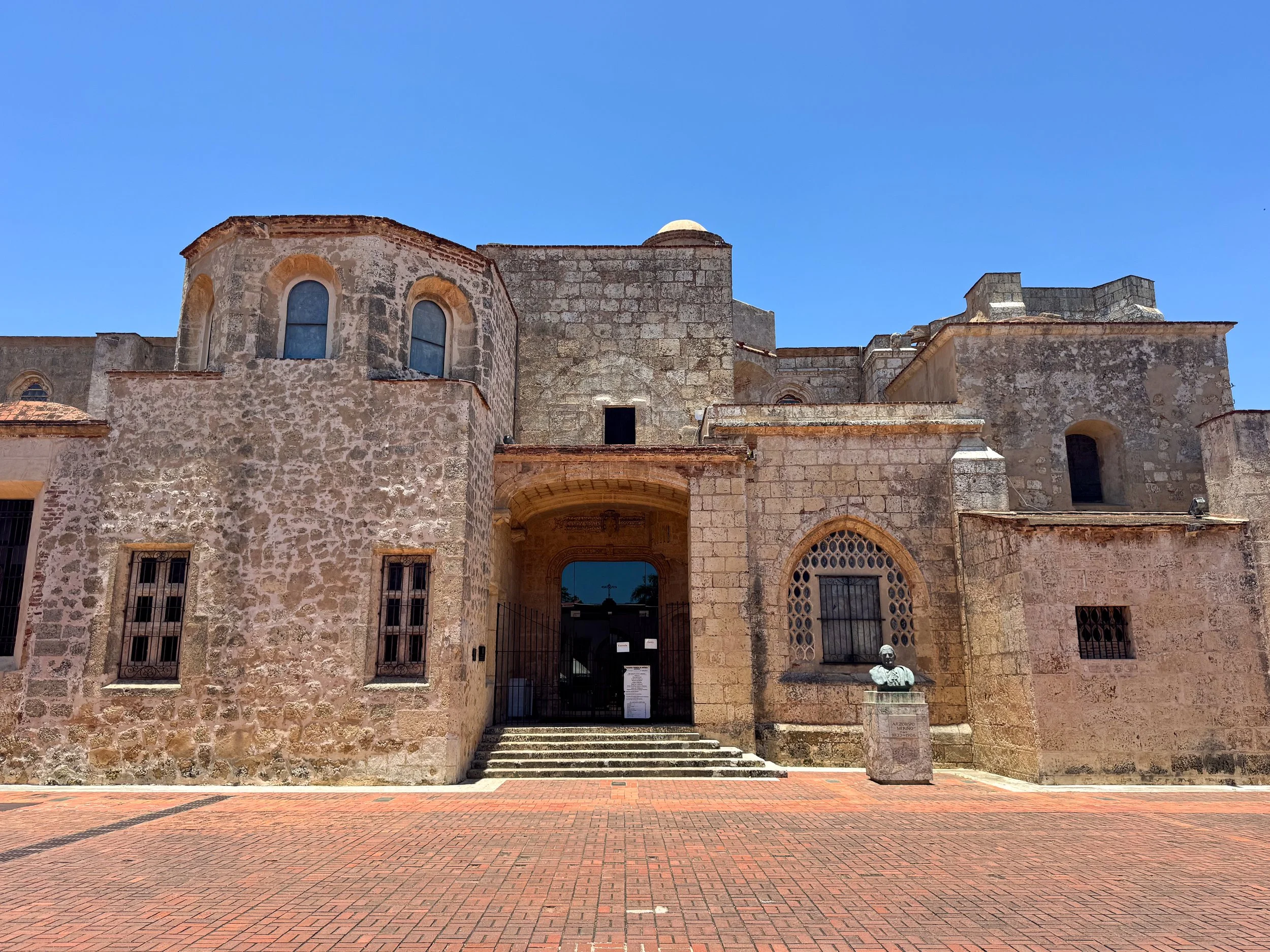
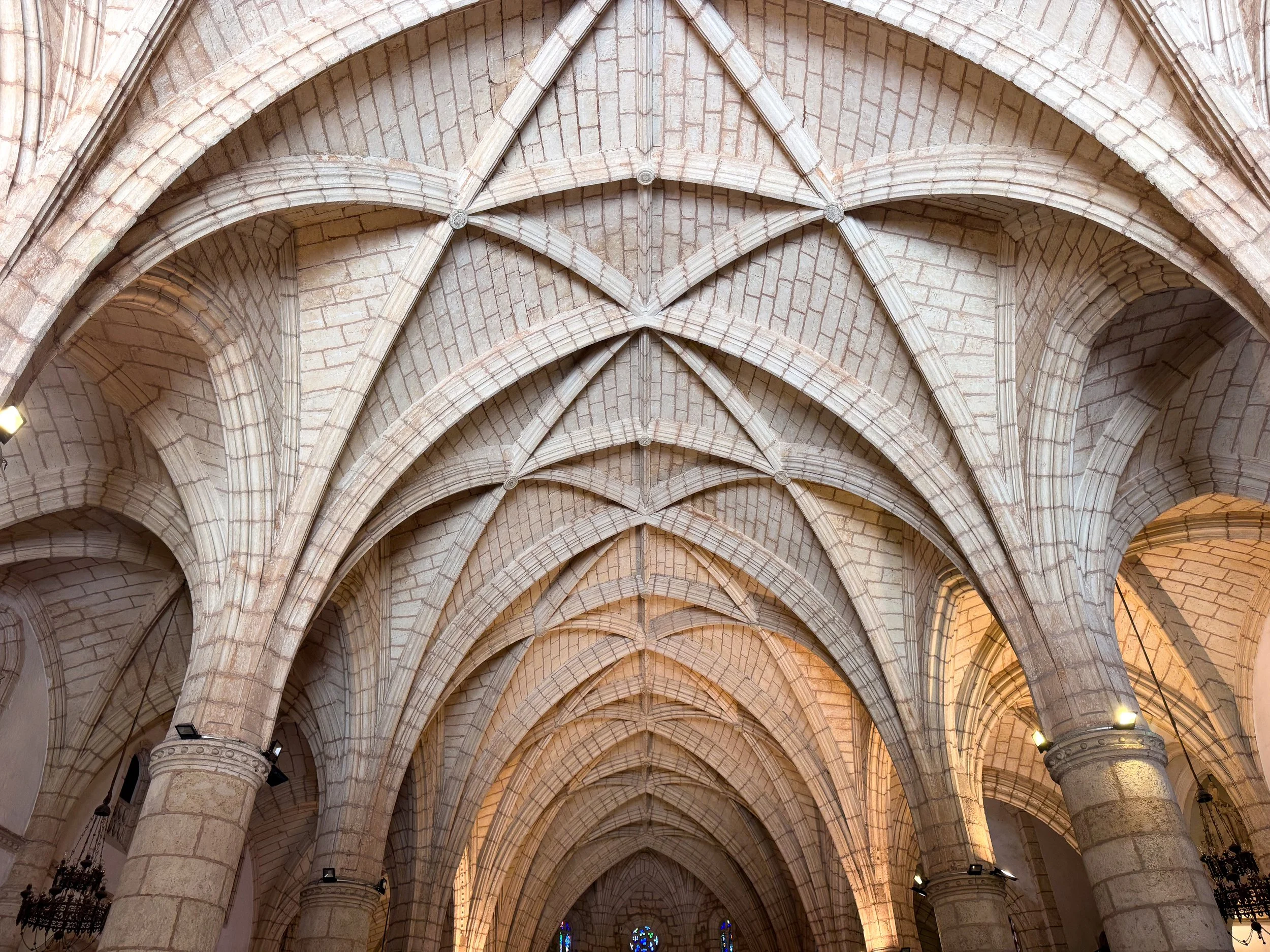
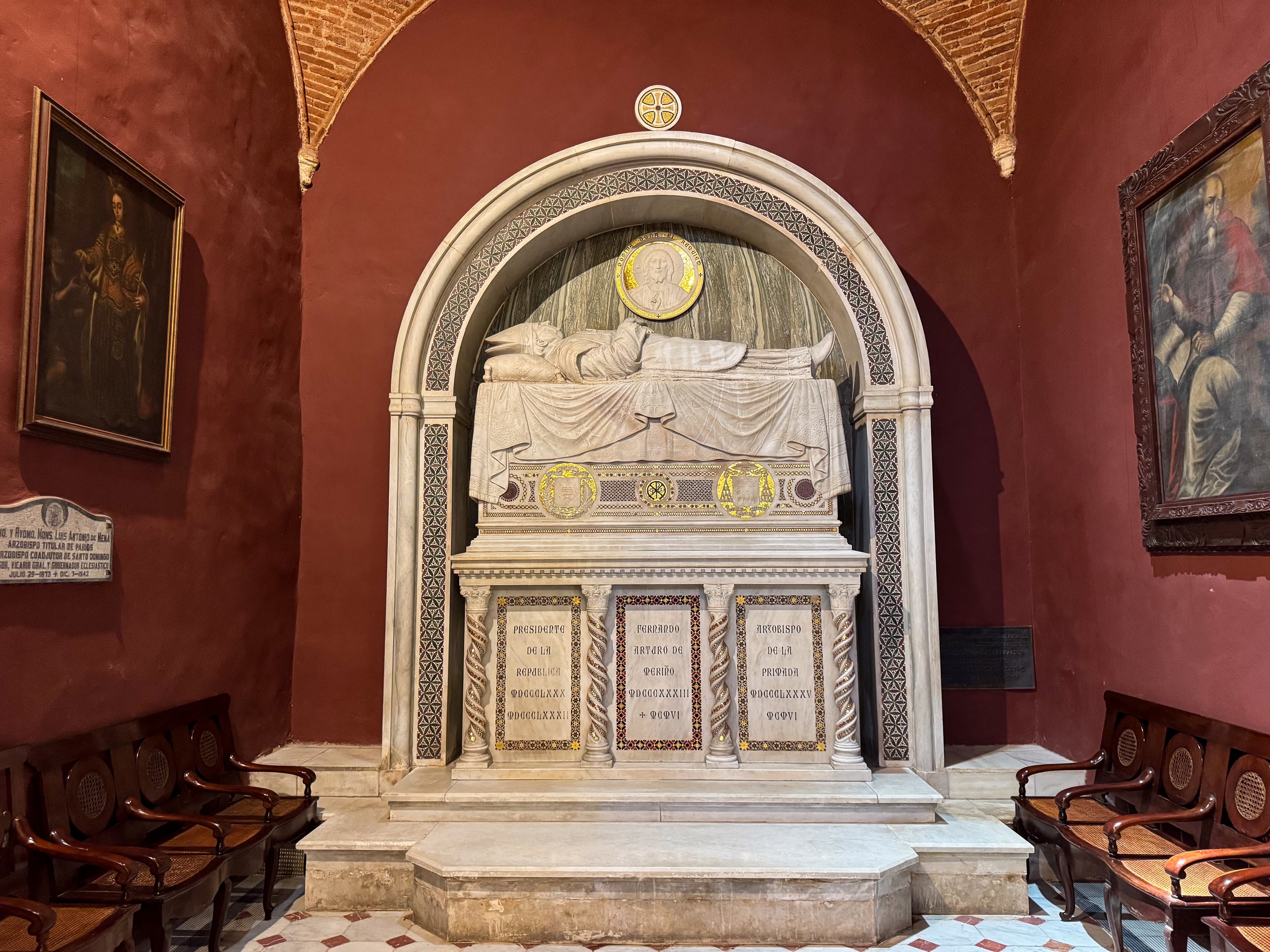
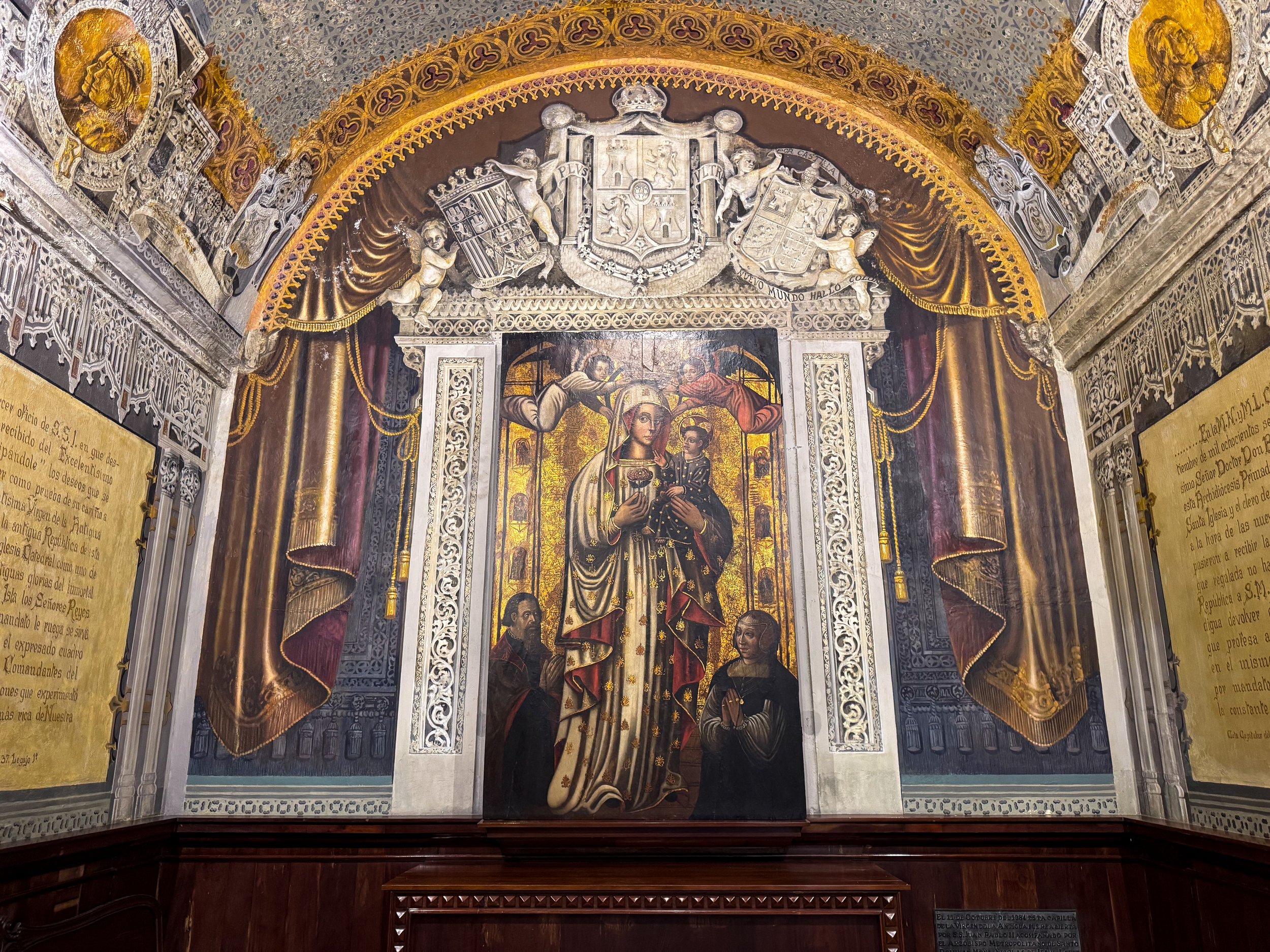
Catedral Primada de las Américas. The first cathedral built in the Americas, dating back over 500 years. Its coral stone exterior is reminiscent of a medieval fortress with Gothic windows, large wooden doors, decorative emblems and statues. Its tall vaulted interior is lined with pews, gilded statues, small chapels and tombs.
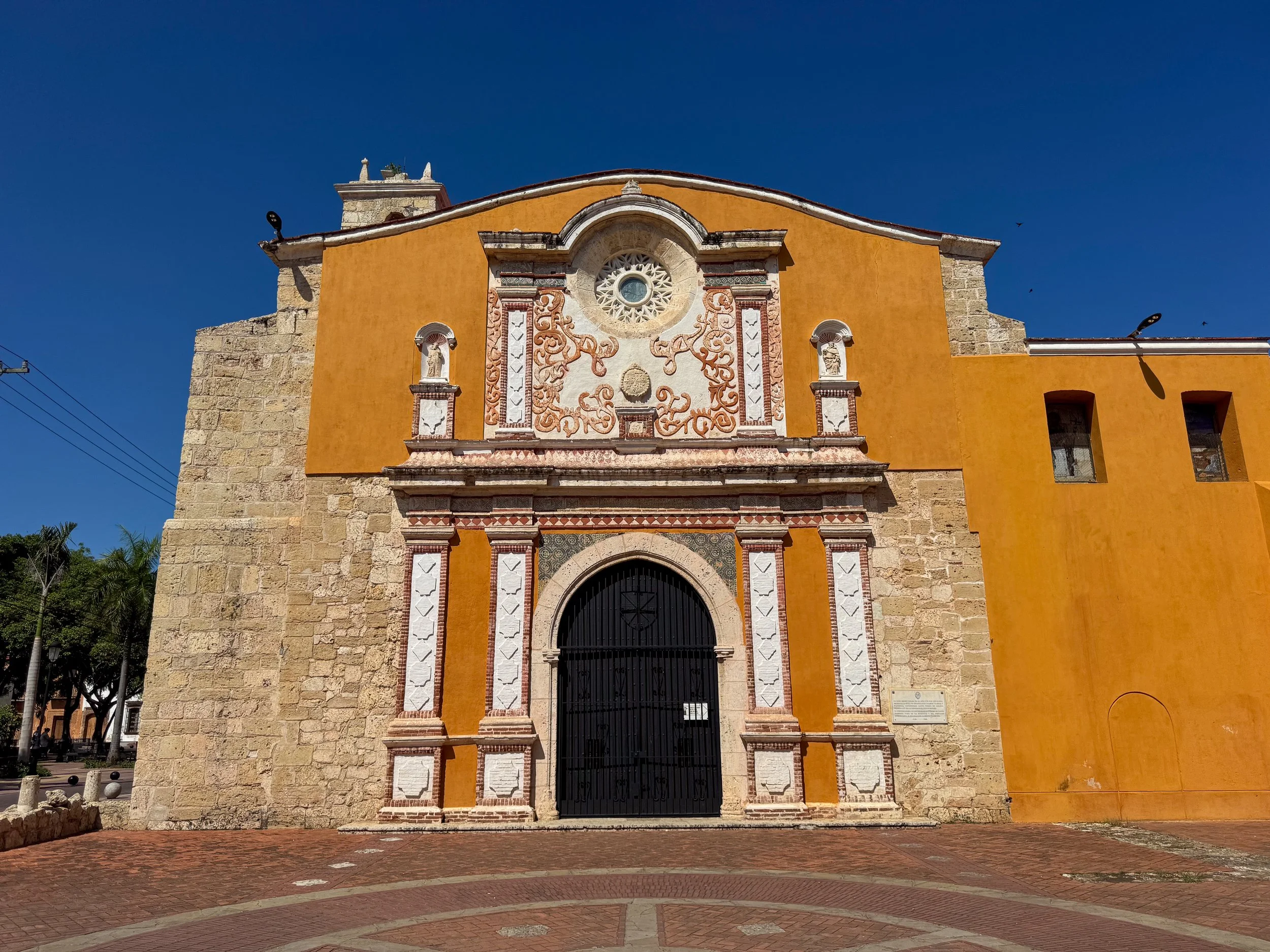
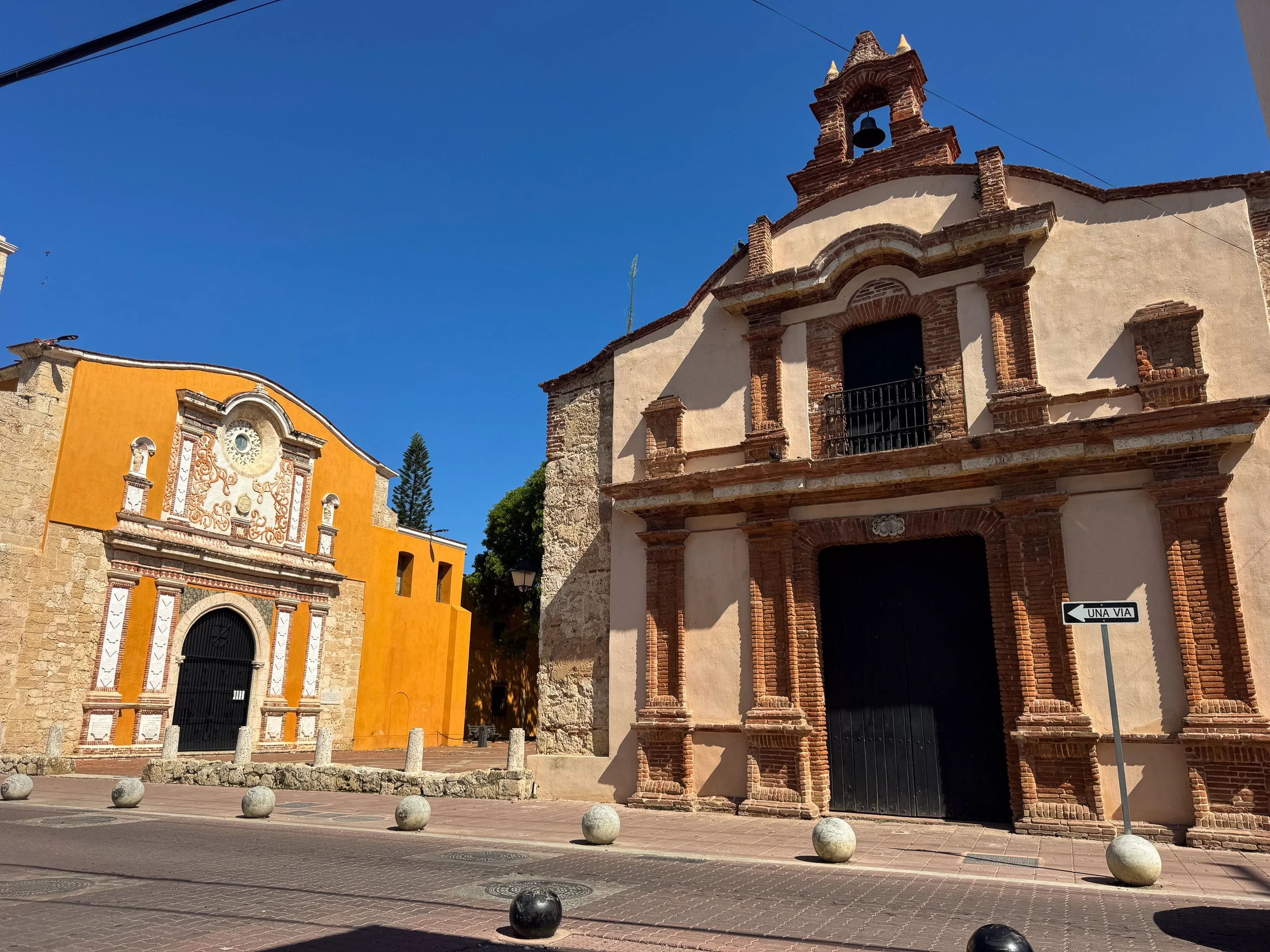
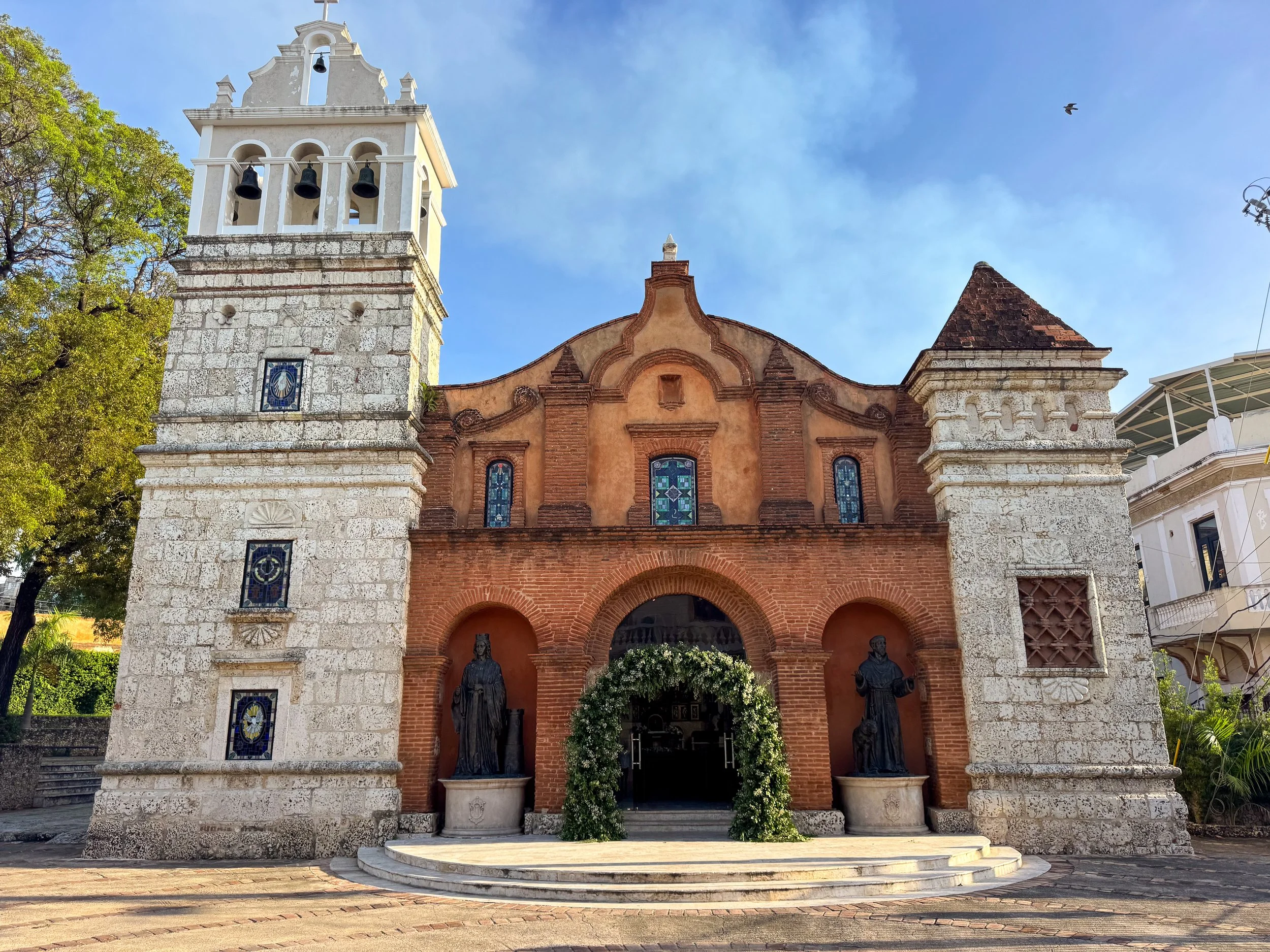
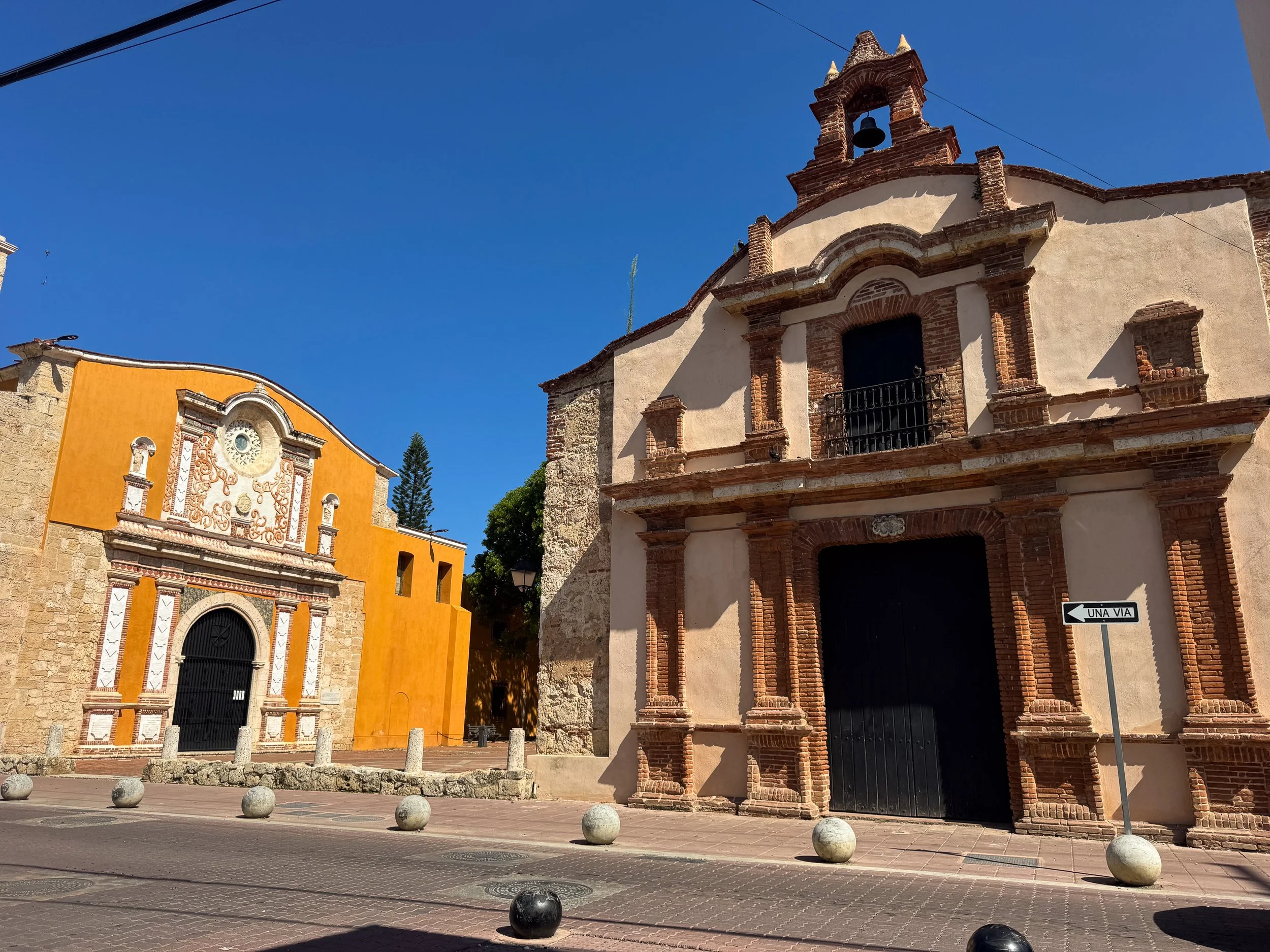
Iglesia Conventual de los Dominicos. A 16th century Dominican cathedral with an ornamented entrance decorated with plasterwork, handprinted tiles, coral stone, red brick and a mustard orange painted facade. There is an unusual bronze sculpture of Jesus, only recognizable by the wounds in his feet, sleeping on a park bench.
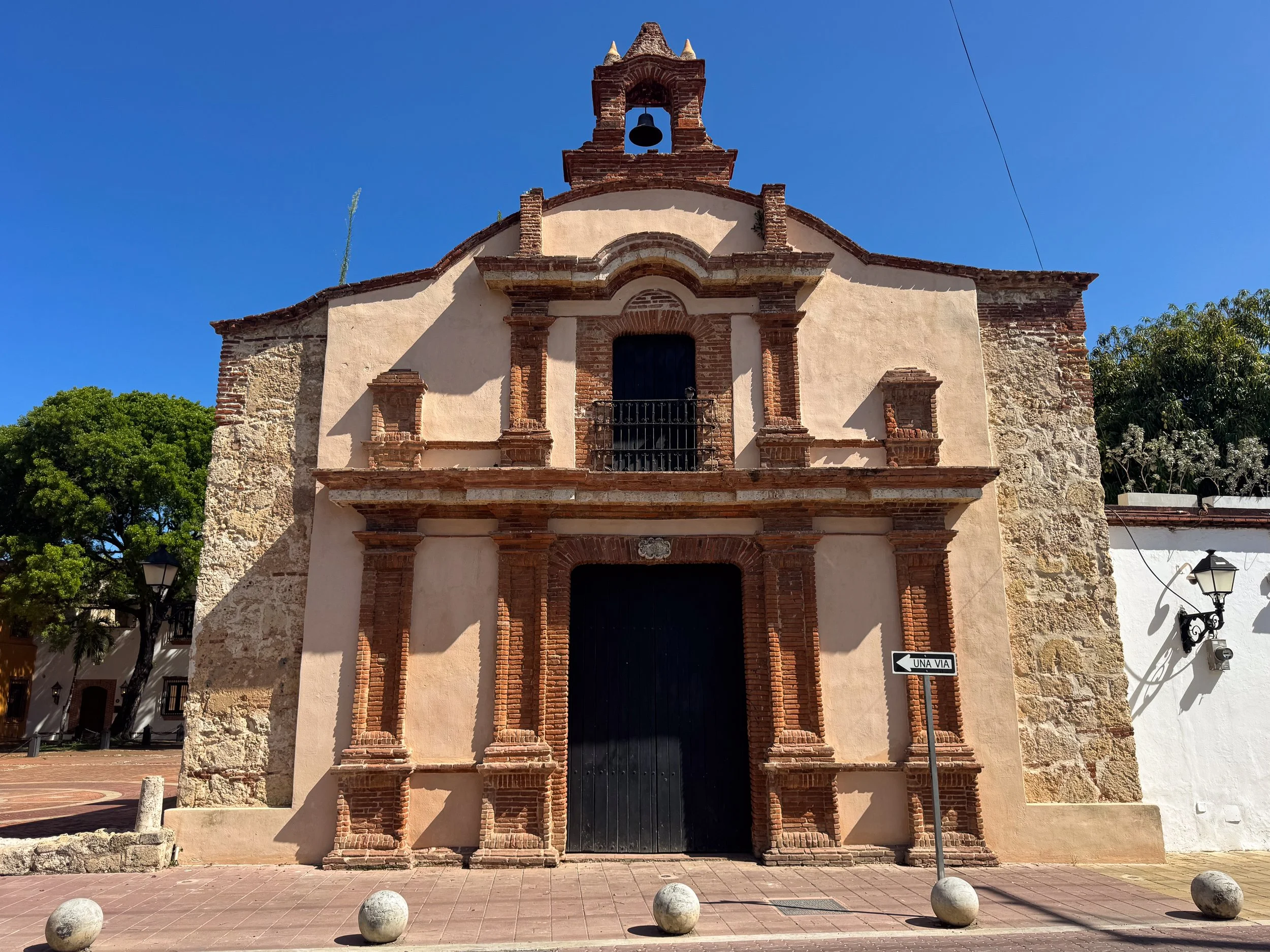
Iglesia de Nuestra Señora del Carmen. A small brick and plaster church with a singular bell tower above its door. It’s located next to the Iglesia Conventual de los Dominicos.
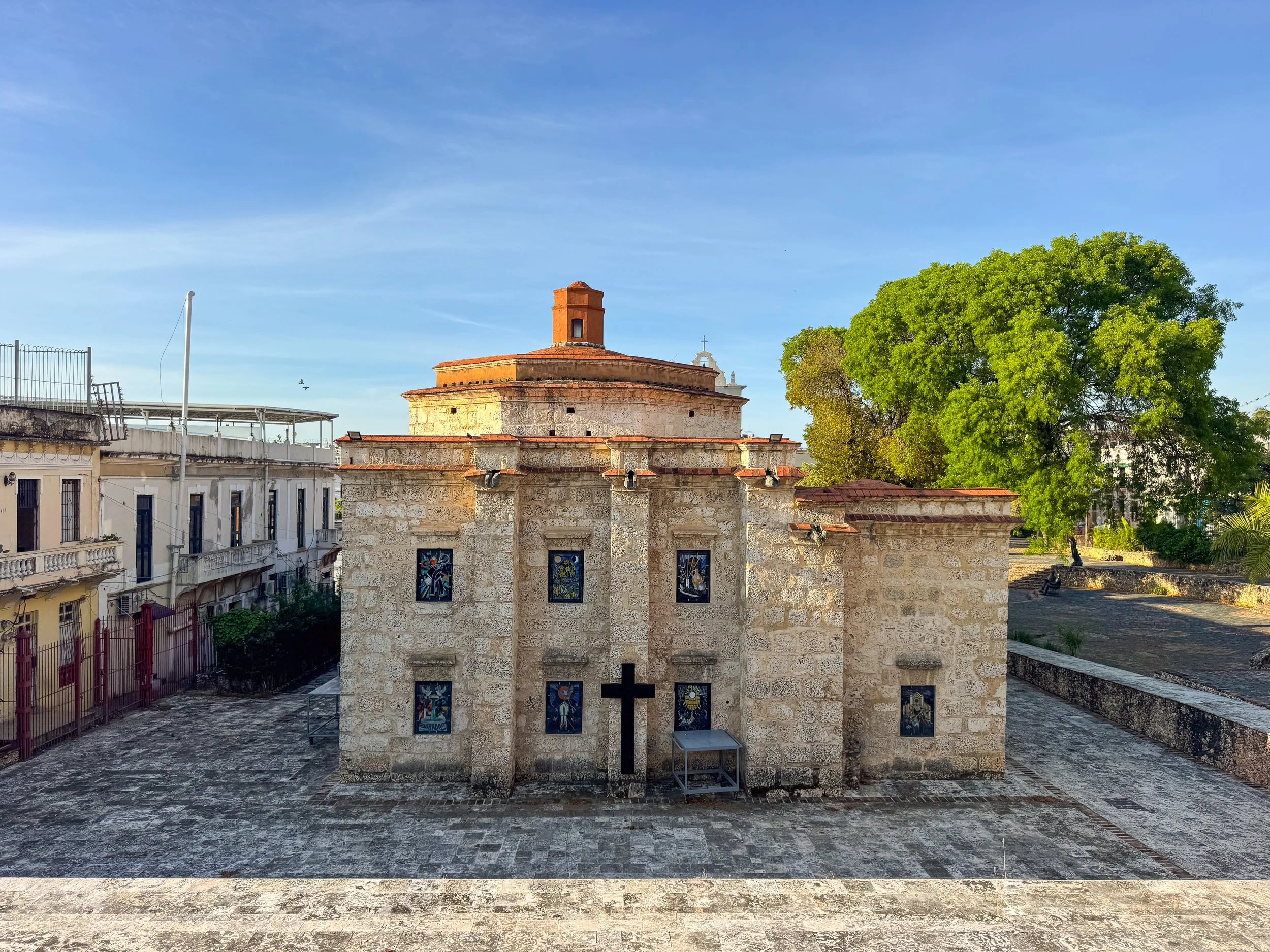
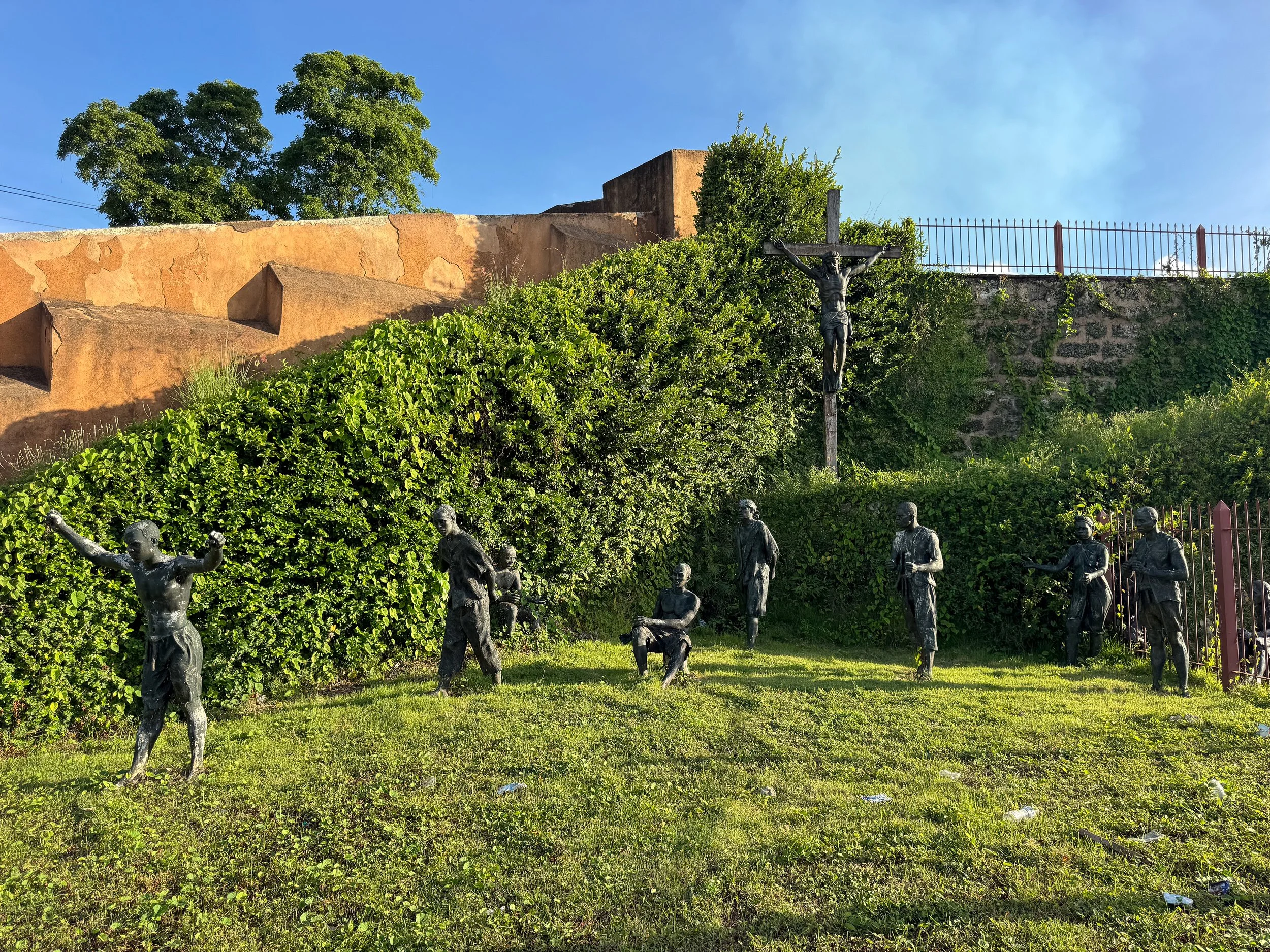
Catedral Castrense de Santa Bárbara. A picturesque red brick and coral stone cathedral with colorful stained glass windows and a neo-classical style bell tower. The cathedral is surrounded by a park with bronze statues depicting Dominican life, important figures and scenes from the Bible.
Fuerte Santa Bárbara. A cannon lined lookout platform at one corner of the city’s wall. It’s accessible from the amphitheater behind the Catedral Castrense de Santa Bárbara.
Ron Barceló Factory Tour
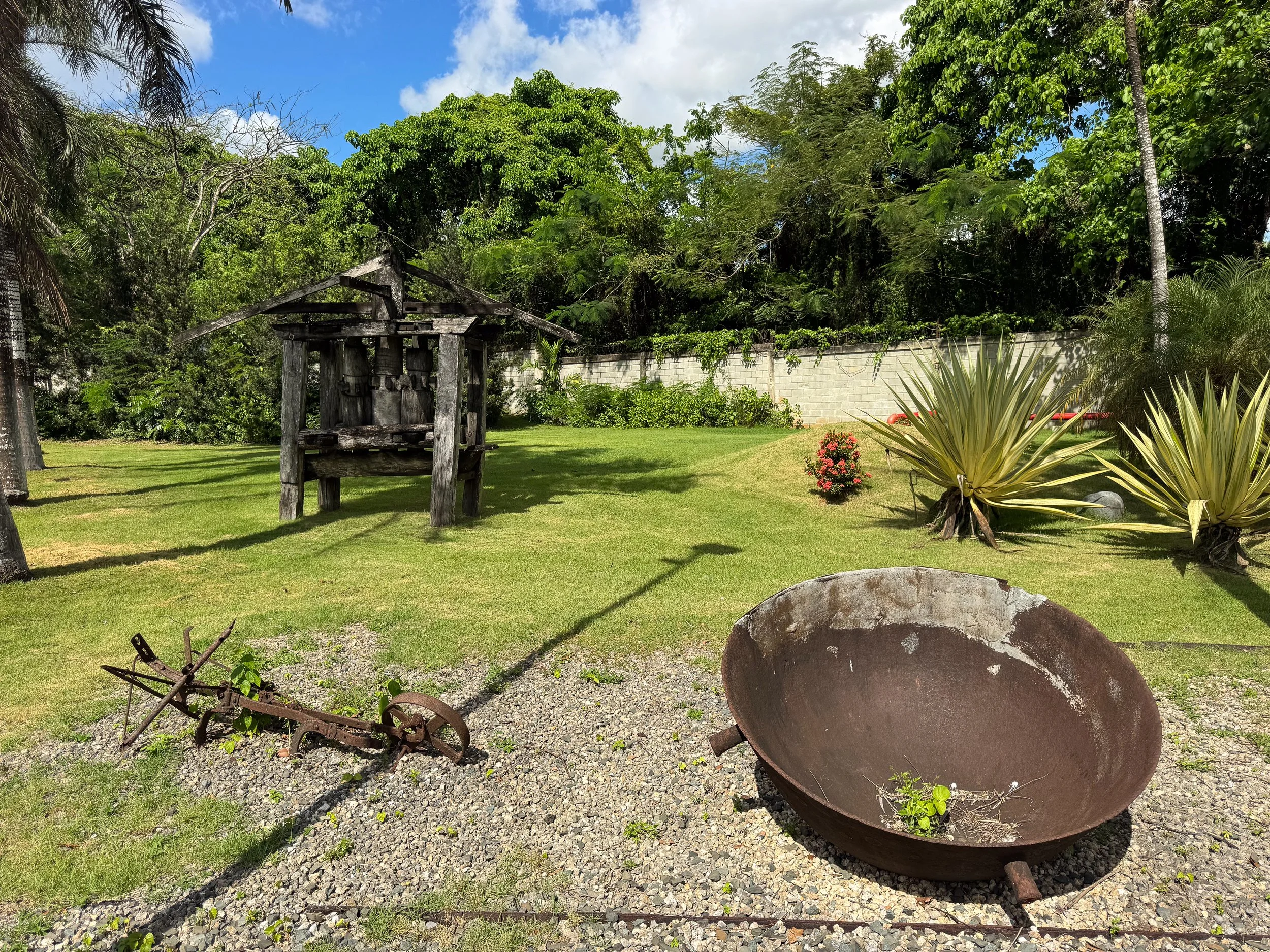
Rum is a major export from the Dominican Republic with Ron Barceló bring one of the Caribbean nation’s top producers. A factory tour is one of the best ways to learn about and taste Dominican rum!
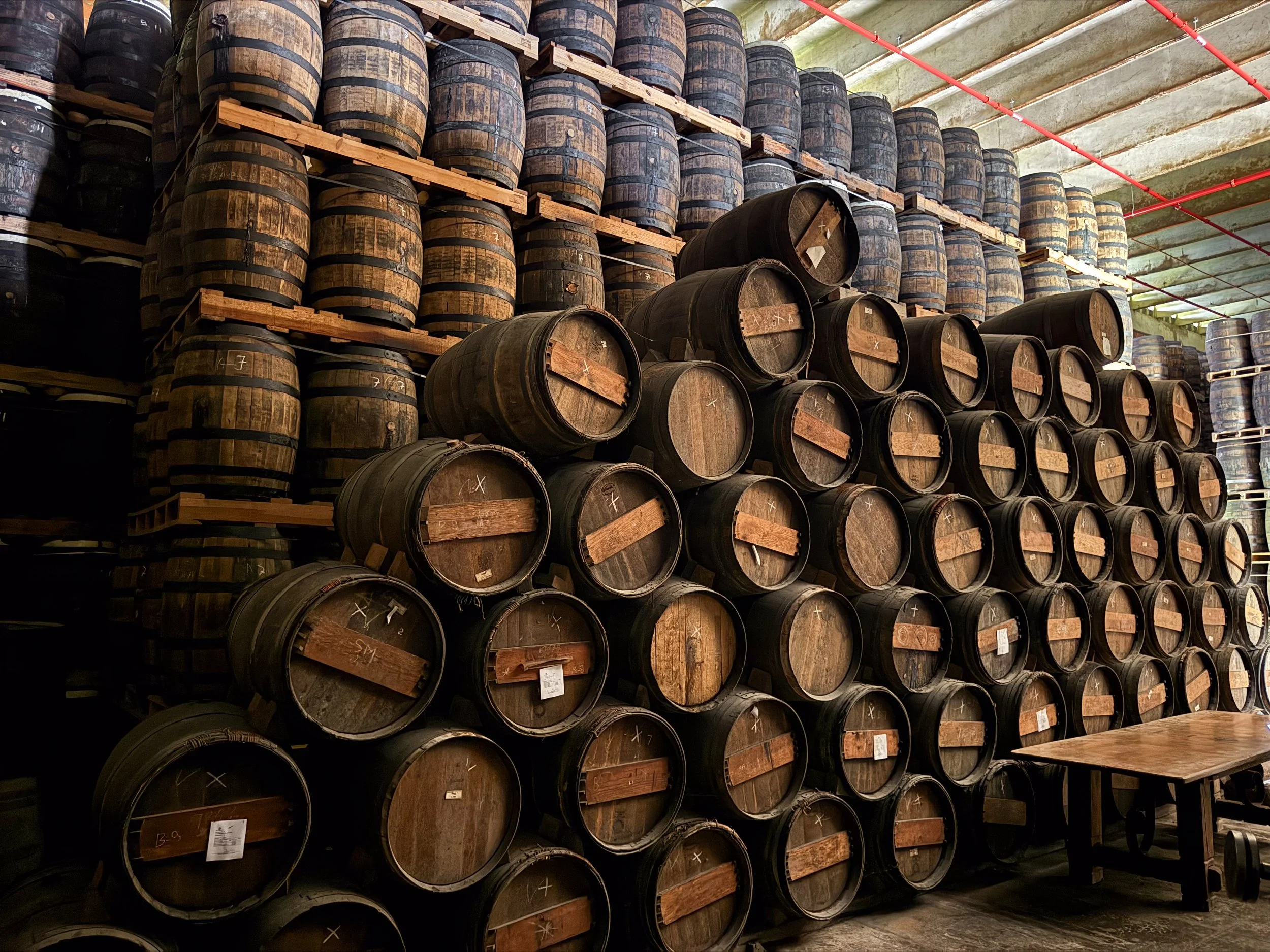
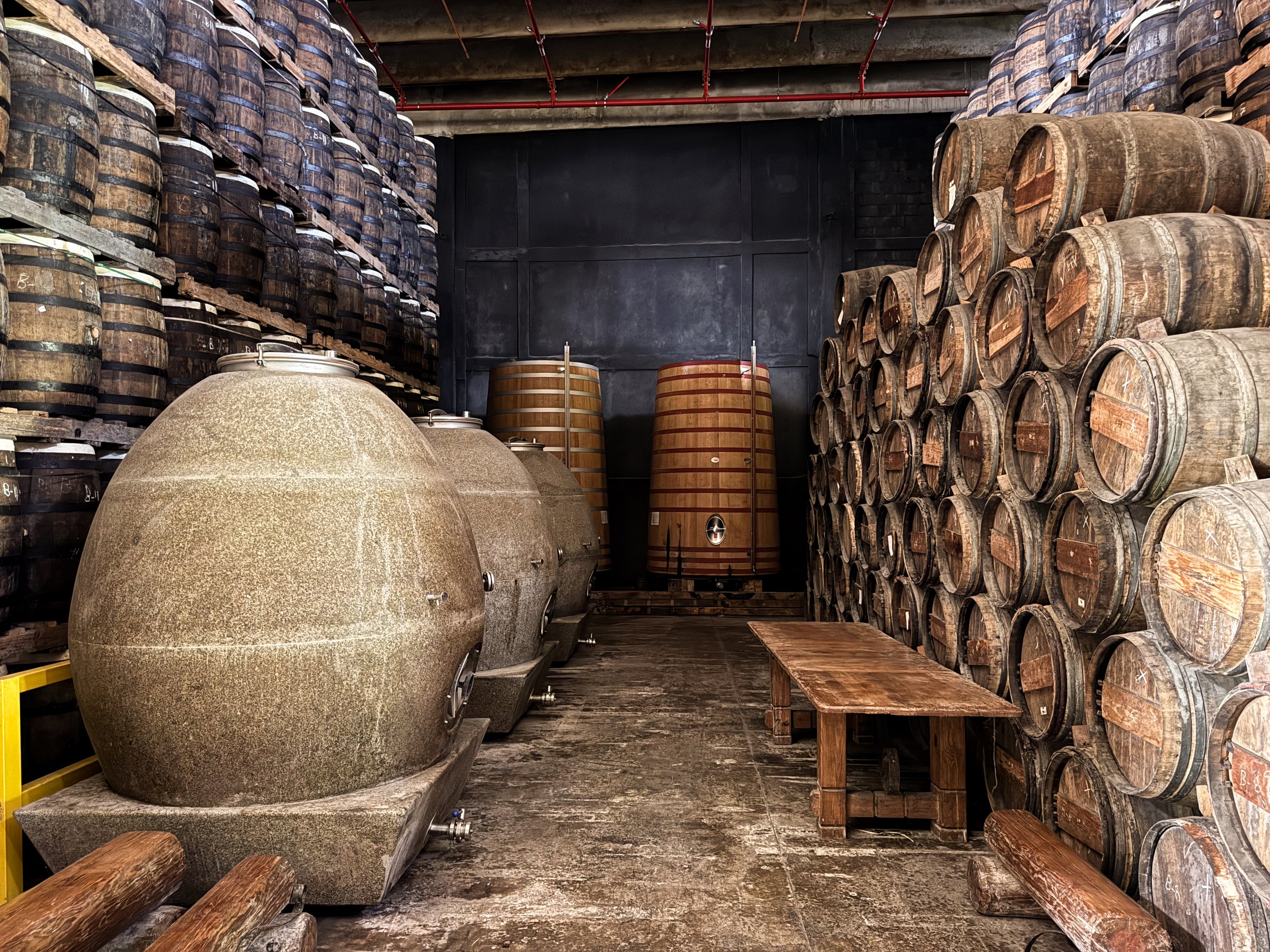
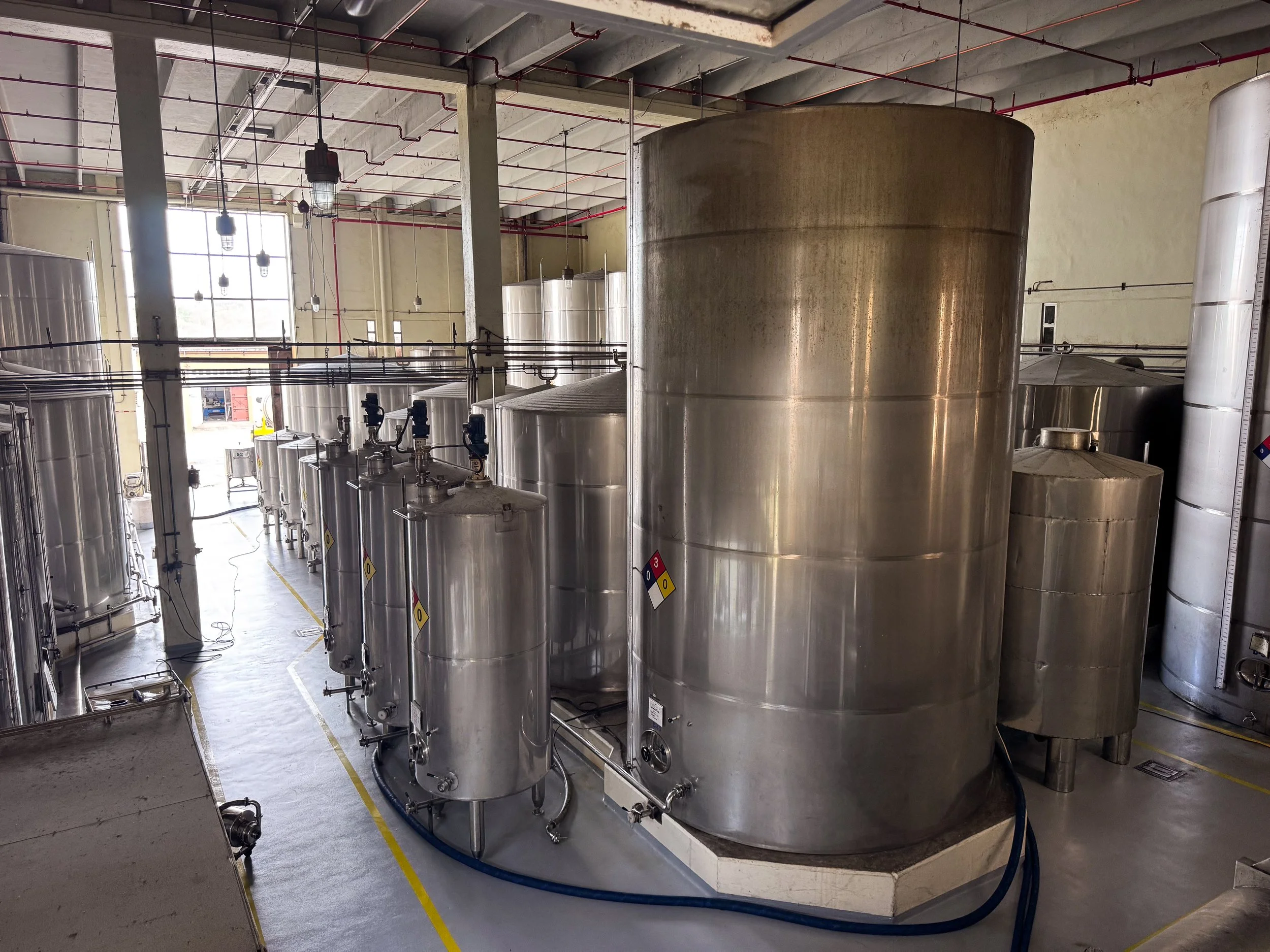
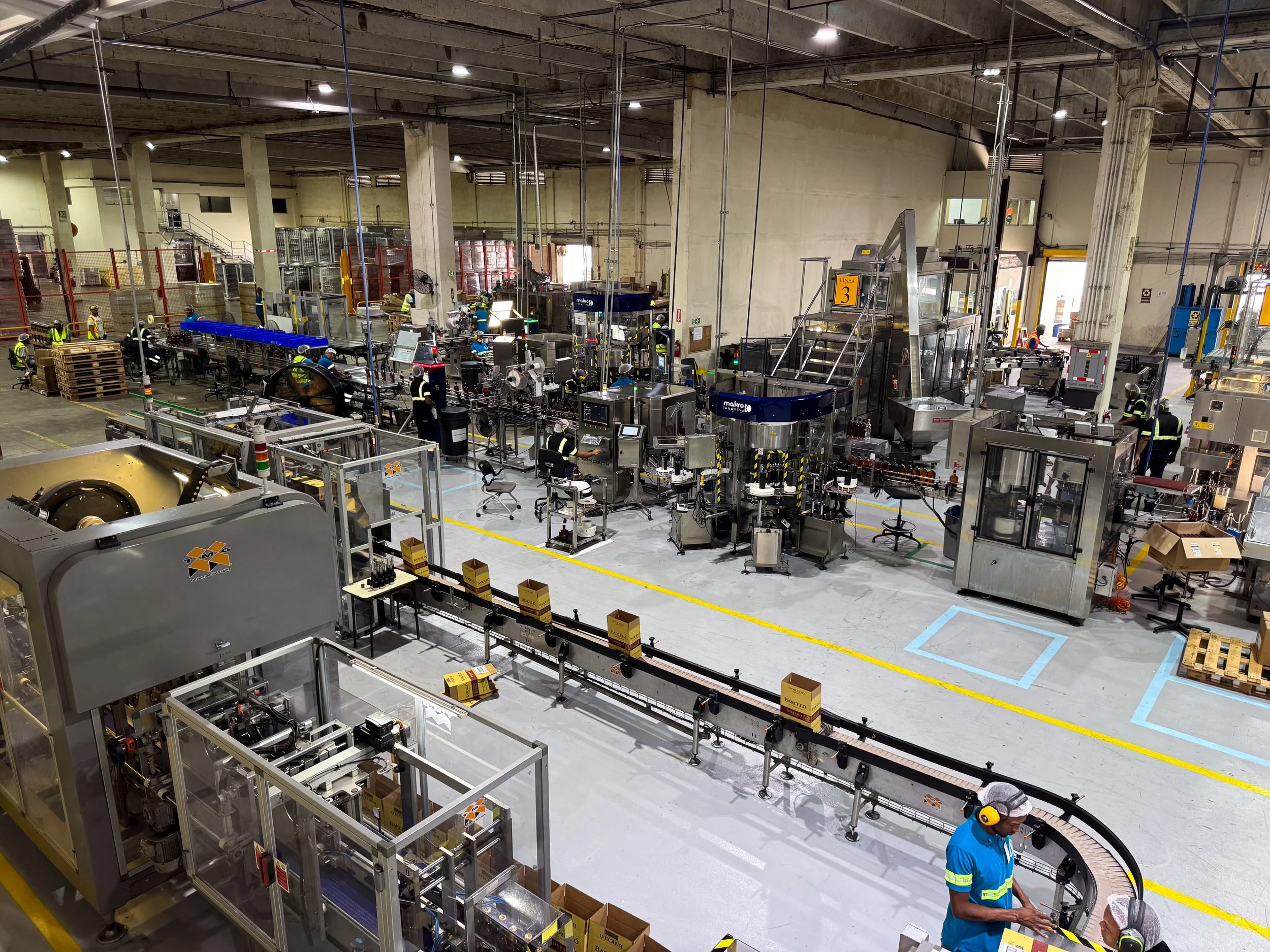
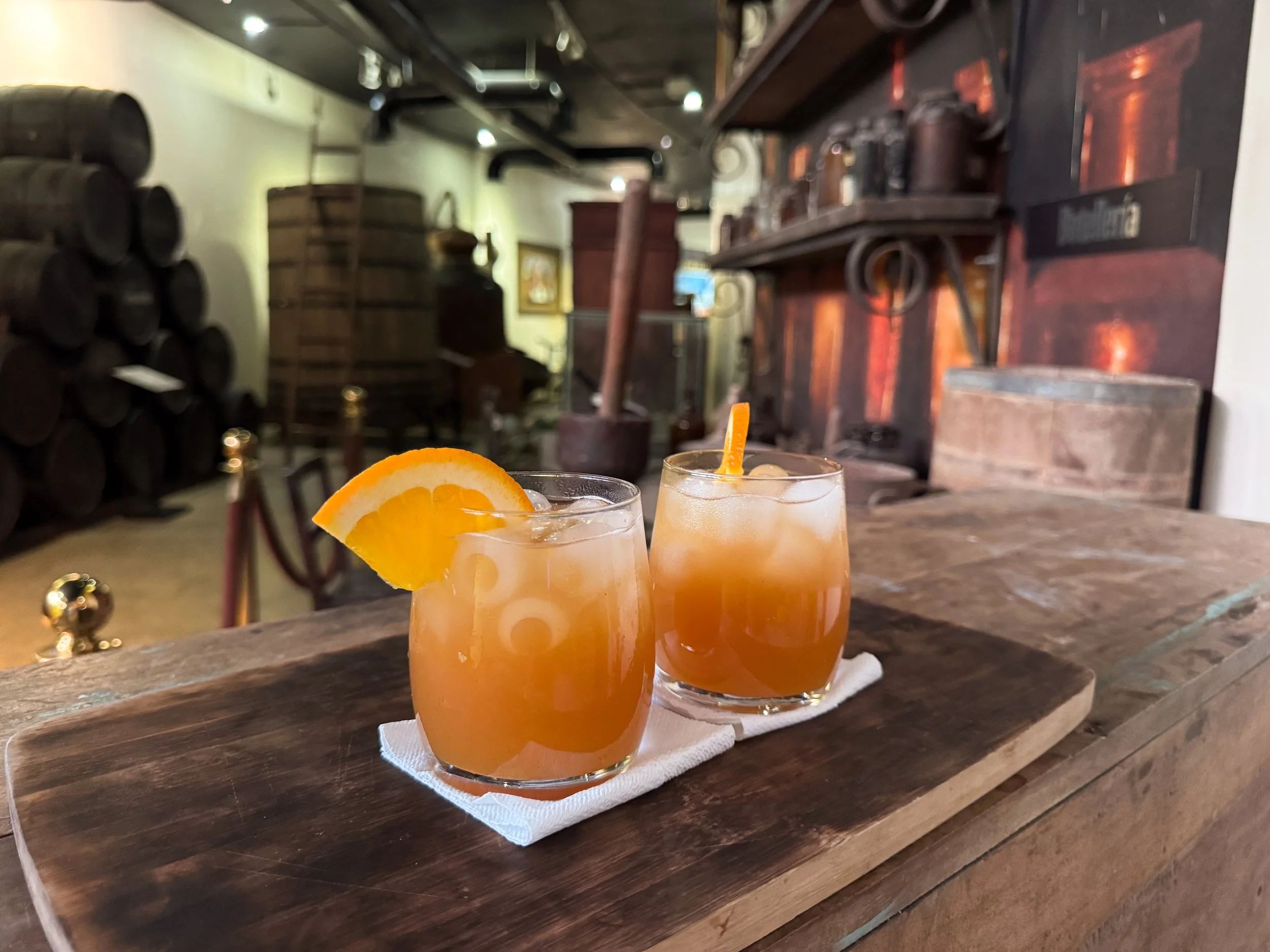
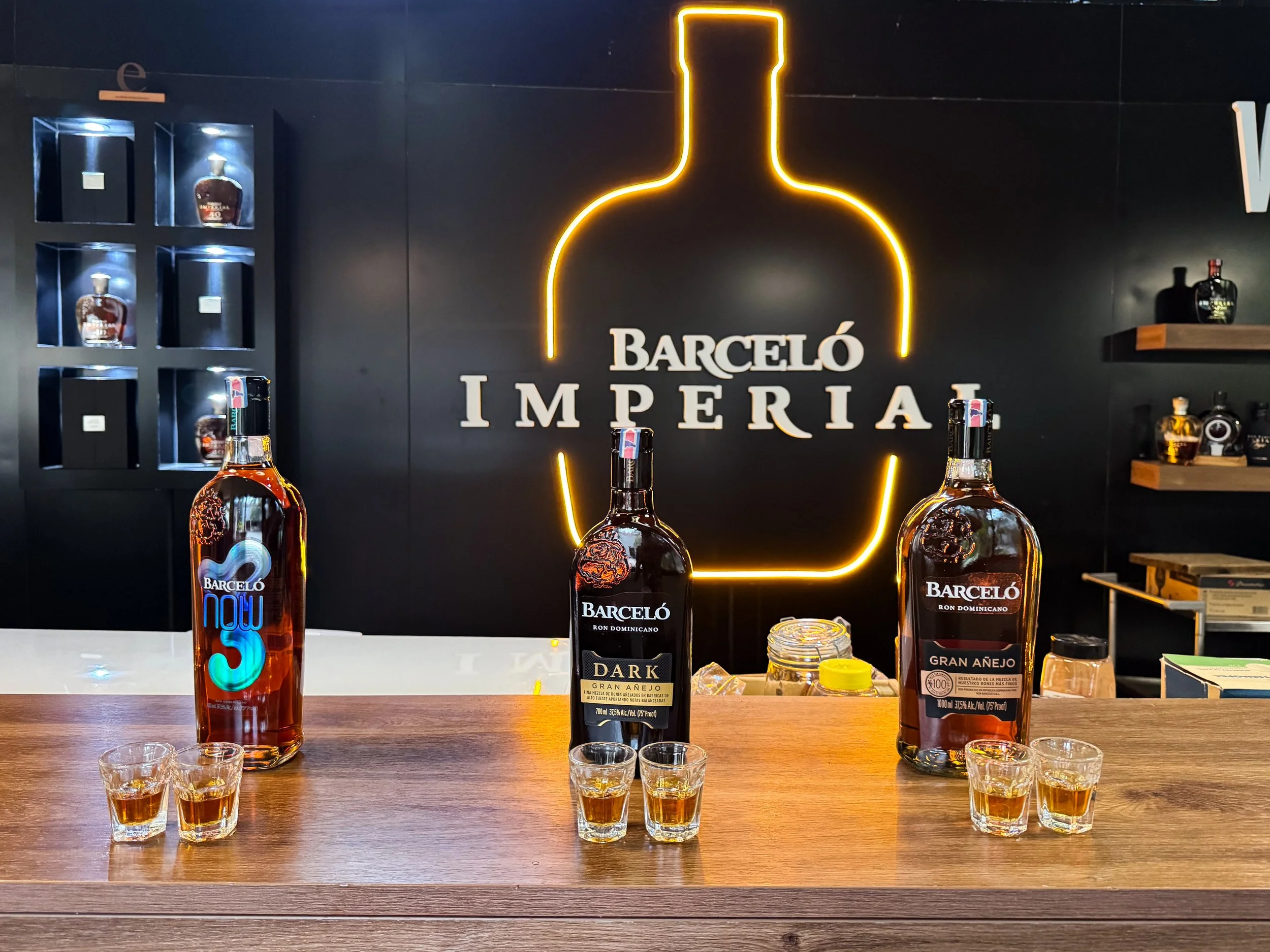
The tour begins at the welcome center with an introduction to the history of rum making in the Dominican Republic. A guide leads through multiple warehouses lined floor to ceiling with oak barrels filled with aging rum before visiting the barrel workshop, where barrels are repaired and their interiors are flamed. The tour overlooks the production areas where barrels are filled and sealed for aging, as well as the large stainless steel tanks used for distillation and storage. A window peers into the bottling facility, where bottles are filled, labeled and boxed for distribution. The experience returns to the welcome center with a deeper dive into Ron Barceló’s history, accompanied by a house cocktail and concluding with a tasting of three different rums. Book the Ron Barcelo Anejo Experience Factory Tour with transportation from Santo Domingo with Mama Juana Travel.
Good to Know. The factory is located over an hour from Santo Domingo’s Zona Colonial.
Places to Shop
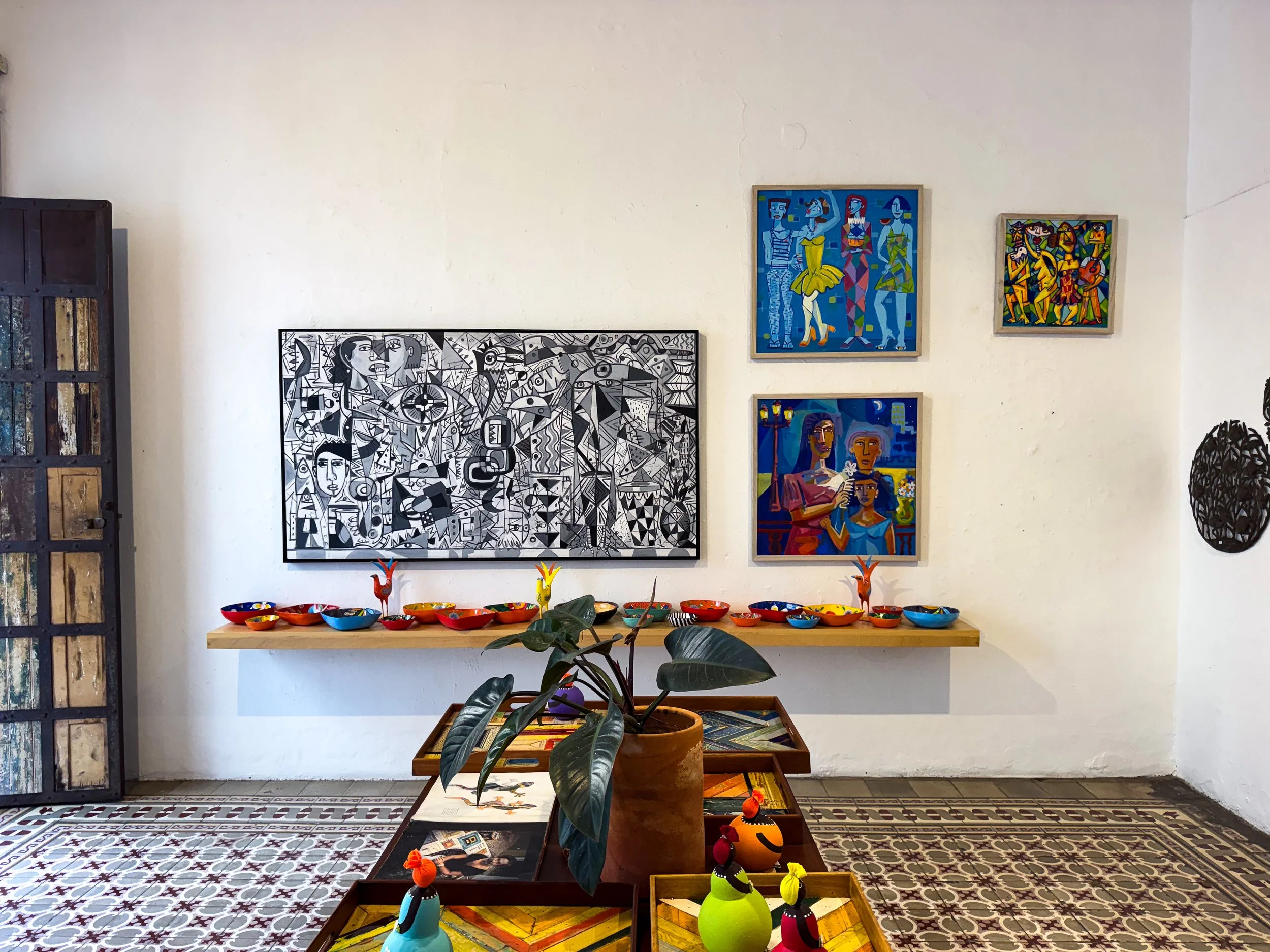
Galería Bolós. An art gallery featuring purchasable works by Dominican artists including paintings, sculptures, objects and jewelry. We purchased a wooden sculpture of a banana bunch!
La Casa de los Dulces. A colmado specializing in traditional Dominican sweets made from ingredients like coconut, sugar cane, sweetened condensed milk, peanuts and tamarind.
Amber Museum. A museum dedicated to Dominican amber, prized for its clarity and inclusions of ancient insects. Their museum shop sells certified and genuine amber jewelry sourced from mines in the country.
Places to Eat & Drink
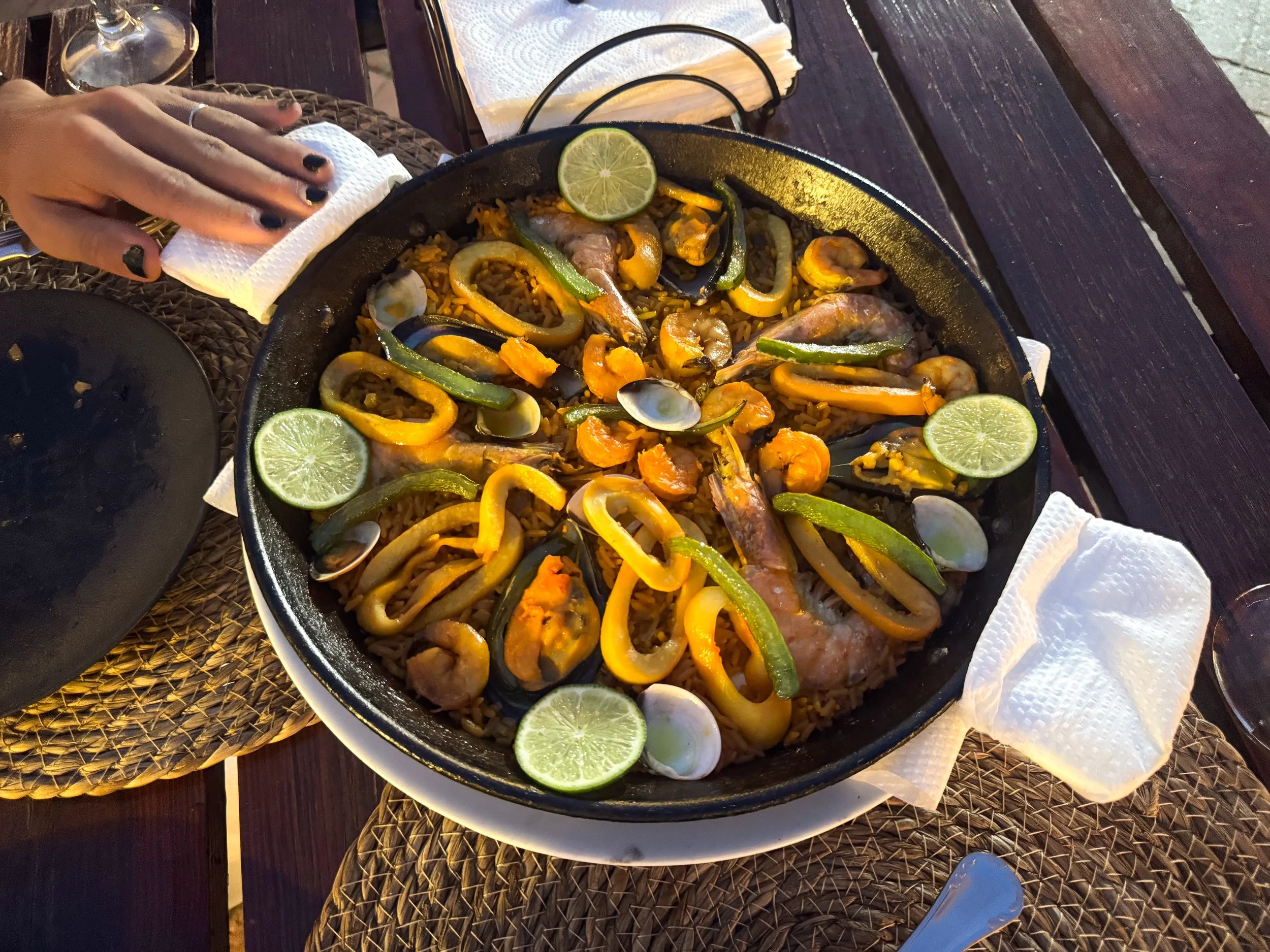
Morrofino Bar de Tapas. A Spanish style tapas restaurant with an outdoor patio overlooking the Plaza España. Come here for the most perfectly cooked seafood paellas, grilled Galician octopus and red wine sangria.
Maraca. An elevated Dominican restaurant specializing in tapas like tuna ceviche, breadfruit and plantain tostones, deep fried goat cheese olives and fried fish tacos. The restaurant is hidden behind a pink painted door in an art deco style building. It opens up to an extravagant interior styled with bohemian and tropical decor.
Jalao. An energetic restaurant in Parque Colón with Dominican cuisine and musical performances. Come here for the Sancocho, Asopao and house made Mama Juana.
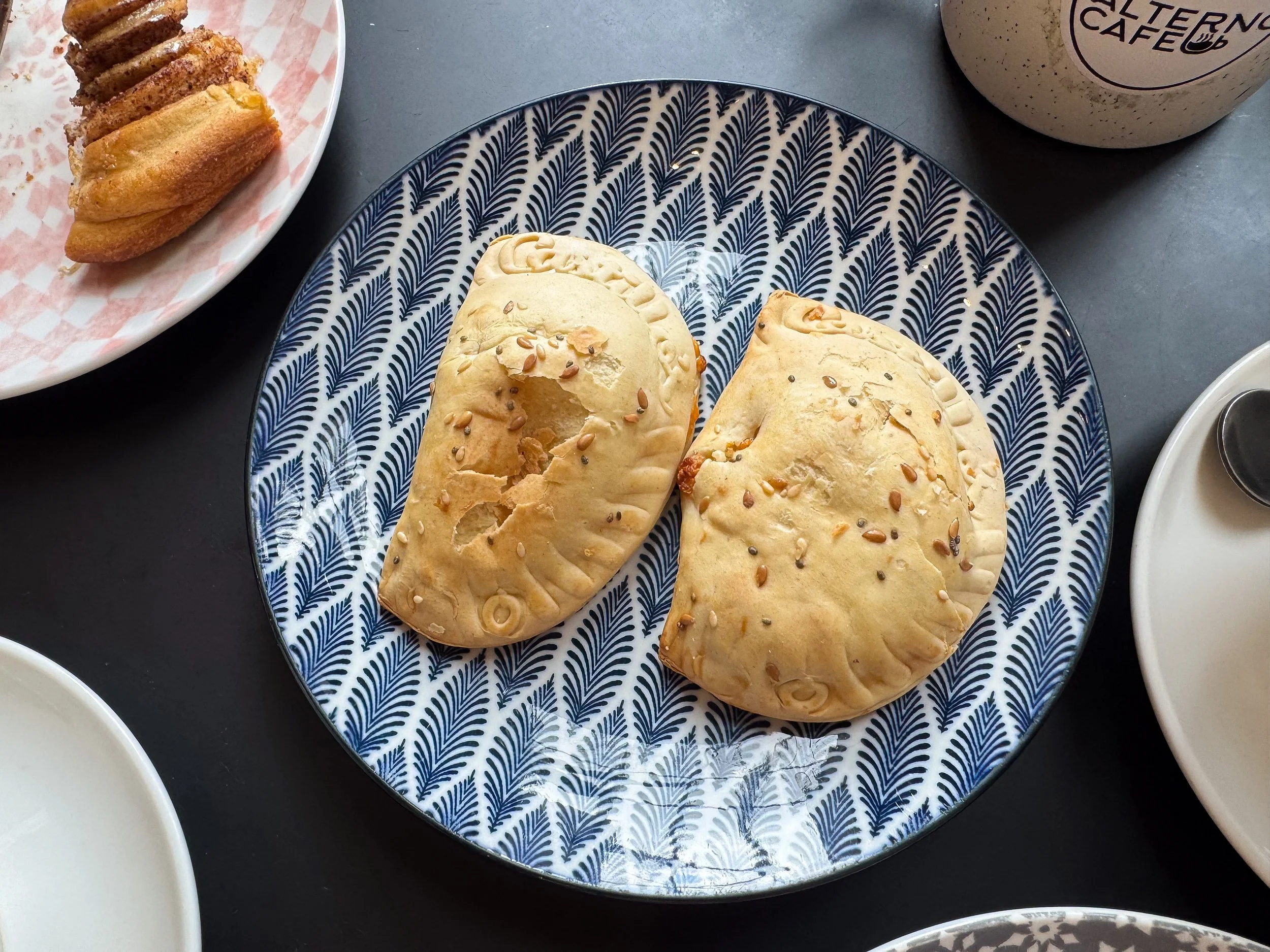
Alterno Café. A coffee shop serving Dominican coffee and local pastries like canella (cinnamon) rolls and queso de hoja (cheese) empanadas.
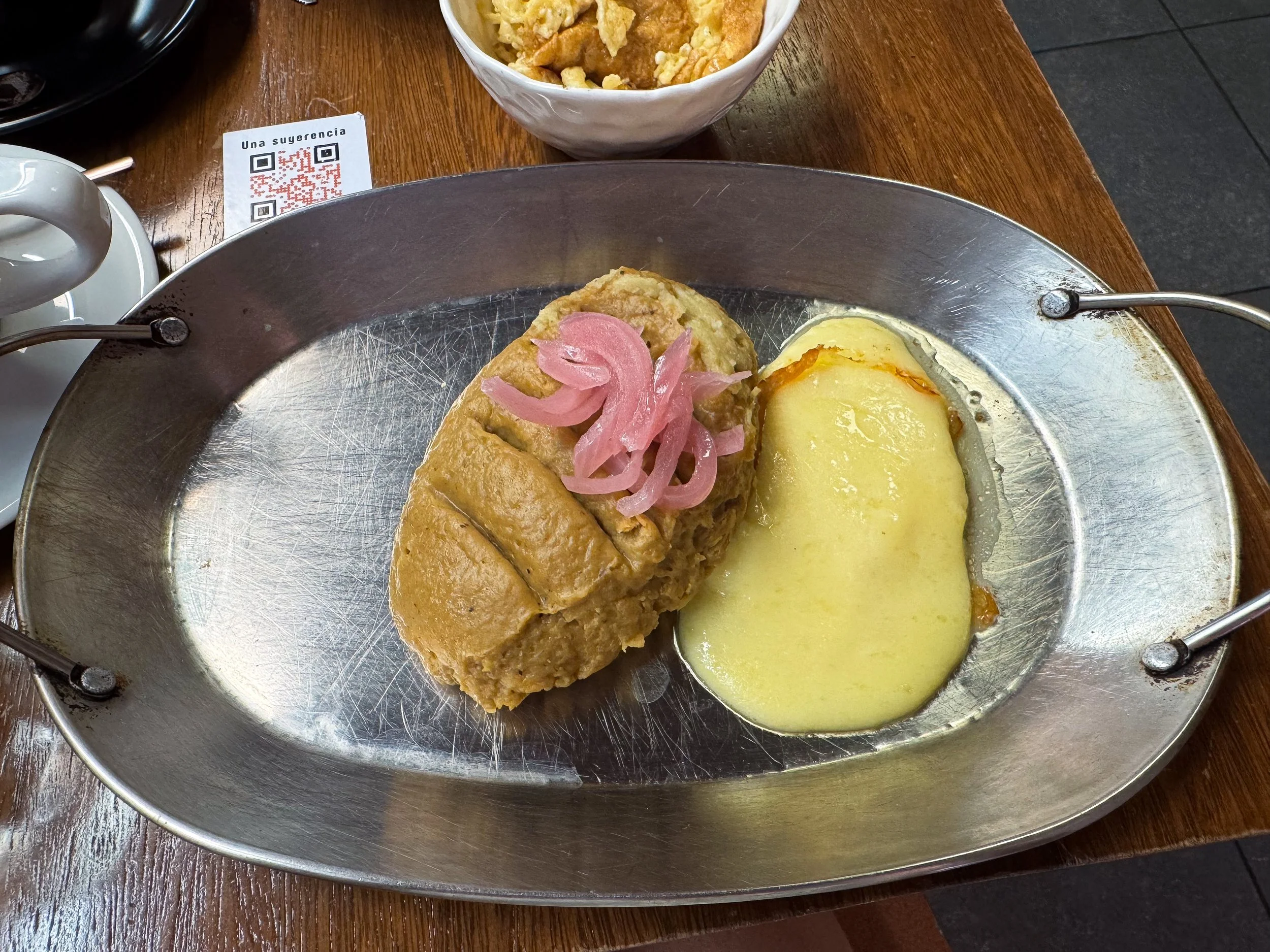
Casa Barista & Co. An elevated coffee shop with Dominican grown coffee and Dominican breakfast dishes like Arepa Dominicana made with ripe plantain and queso de hoja or Mangú, a puree made with a mixture of plantain, yautía and ñame.
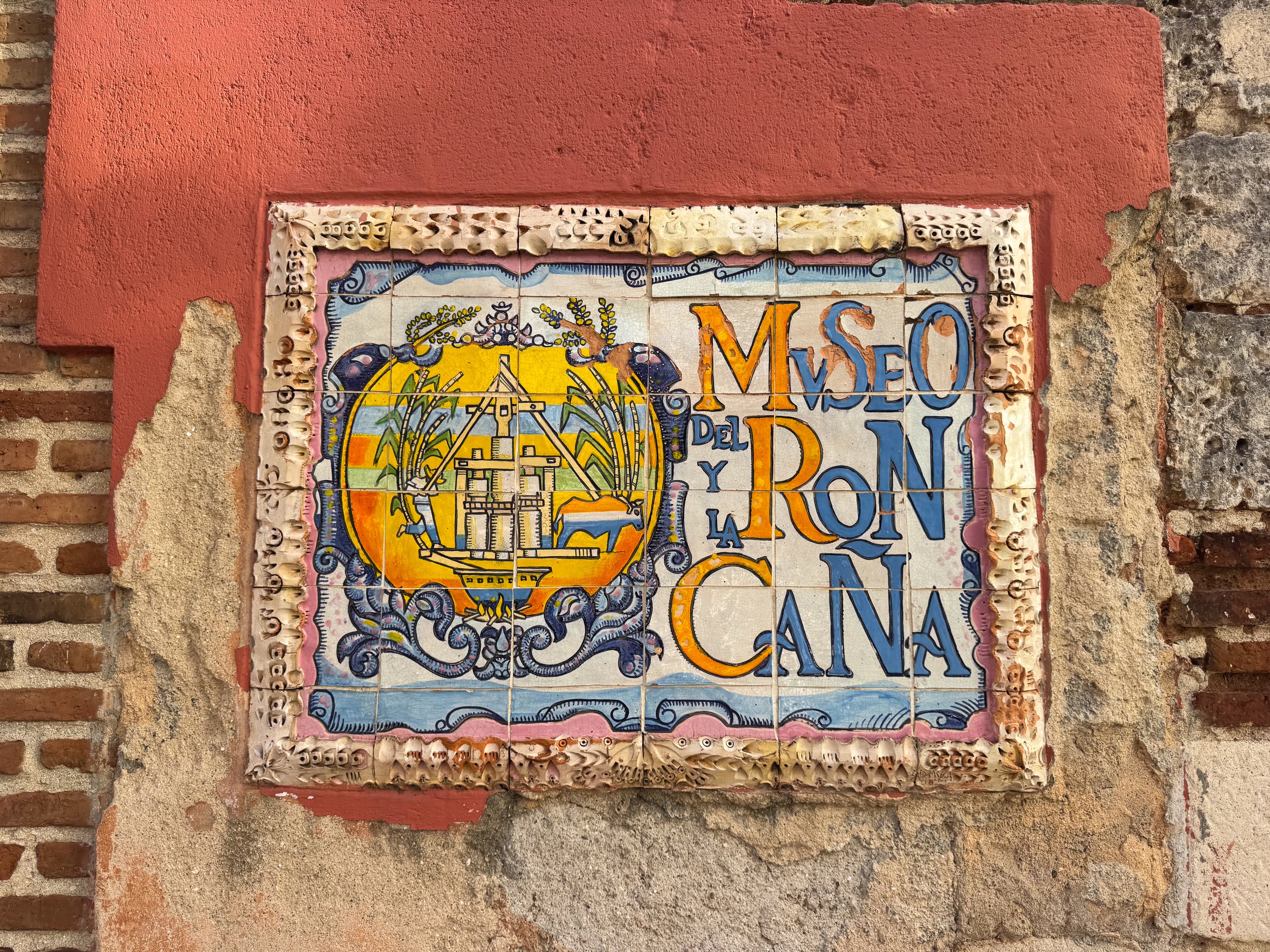
Museo del Ron Dominicano. A bar specializing in Dominican rums with craft cocktails and rum tastings. It’s housed inside of a museum space with galleries of historic rum making artifacts, rum barrels and sugar cane plantings.
Parada 77. A vibrant hub for nightlife, music and dancing! Come here during the late nights and on weekends for Presidente beers and a Santo Libre while listening to the Merengue and Bachata beats.
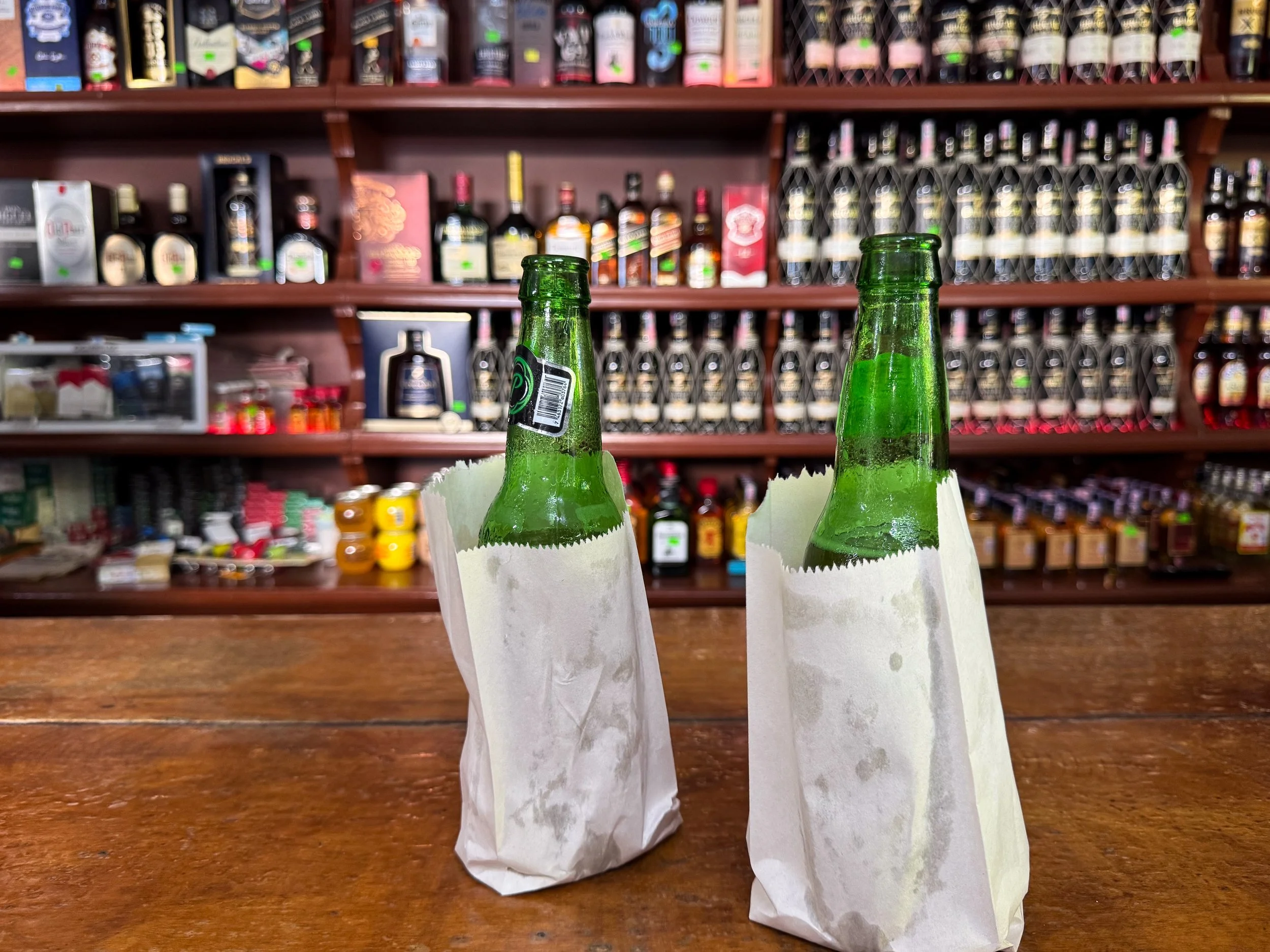
Colmado Omar. A traditional Dominican convenience store specializing in alcoholic beverages, particularly local beers like Presidente and rums like Barcelo and Brugal. Visit Colmado Omar I and sit at the bar counter or Colmado Omar II and join locals in the Plaza María de Toledo.
D Comer Colonial. An affordable buffet style restaurant specializing in Dominican and Creole cuisine. They offer freshly prepared dishes that can accommodate vegetarians, pescatarians and meat-eaters.
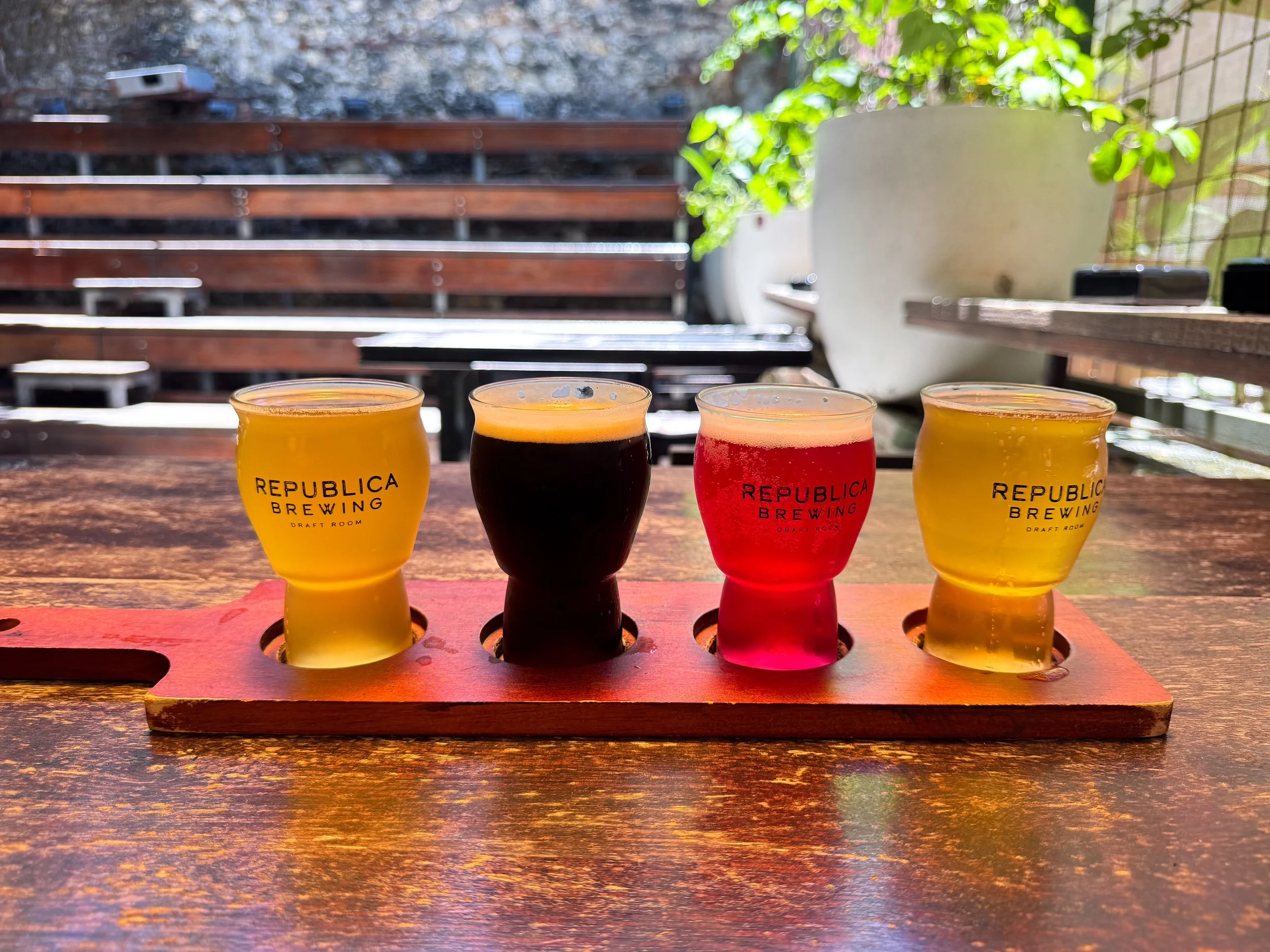
República Brewing Draft Room. A tap room pouring a range of Dominican craft beers. Come here for a flight to taste multiple styles and flavors. Try the Mangu Sour made with tropical fruits and the Porter made with cocoa.
Onno’s Bar. A lively bar with a large list of classic cocktails and menu of food. It’s a chain with locations across the country. Beware of their “fake” happy hours.
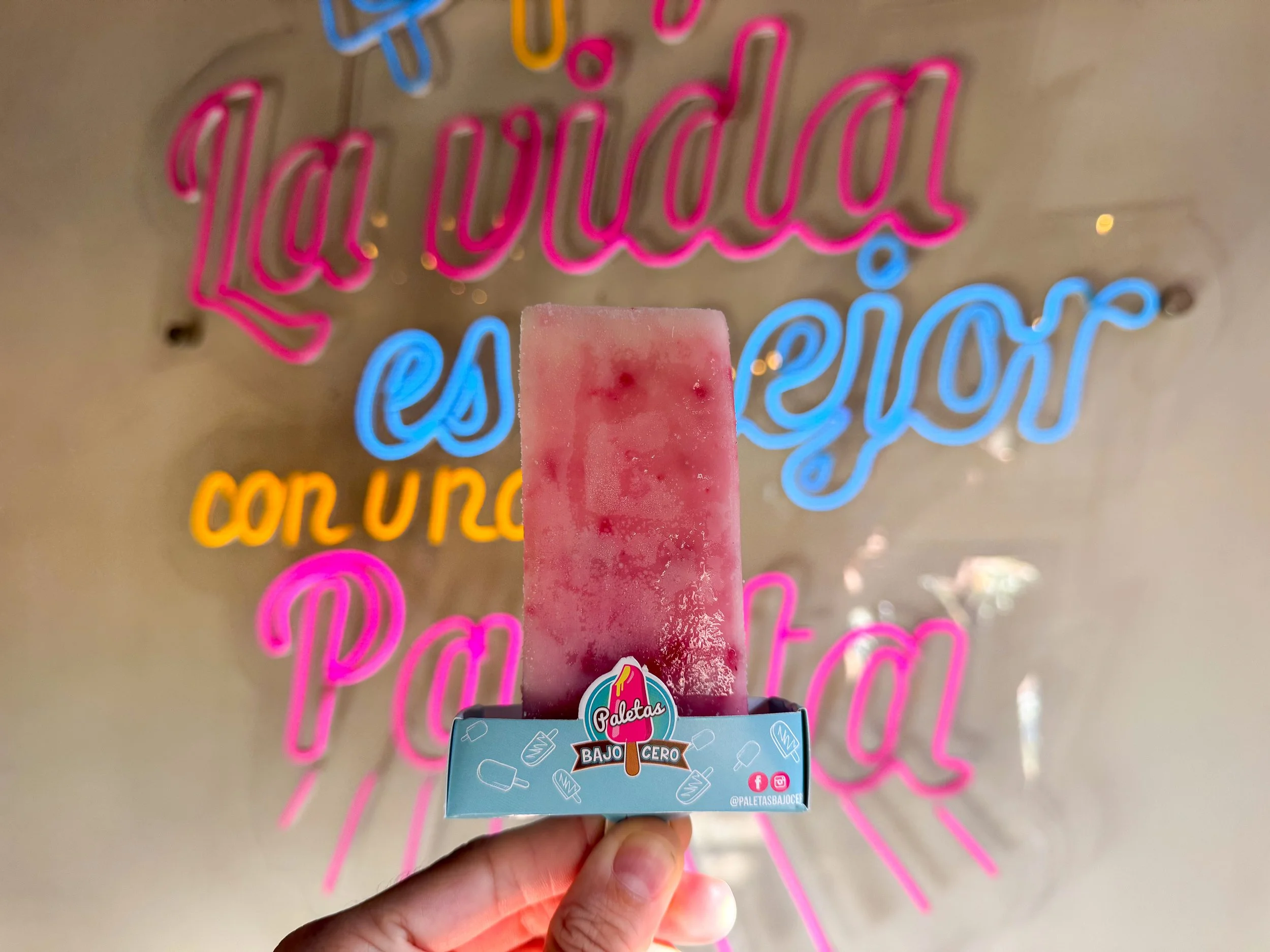
Paletas Bajo Cero. An ice cream shop selling dozens of fruit and milk based flavors of paletas (popsicles). Try the watermelon with mint, avocado with sweet milk, coconut lemonade and tequila with red fruit.
Yuppi. A takeaway bar offering frozen fruit cocktails like passion fruit daiquiris, classic mojitos, strawberry margaritas and piña coladas.
Dominican Cuisine & Drinks
Mangú. A green plantain and root vegetable puree commonly eaten at breakfast. The dish is often garnished with pickled or caramelized onions and paired with fried cheese, salami and eggs.
Sancocho Dominicano. A Caribbean style stew often cooked with a mixture of meats and vegetables like beef, pork, chicken, yuca, plantains and yautía. It’s typically meat forward but can be prepared and served vegetarian.
Asopao. A Caribbean soup made from a tomato broth with rice and sofrito. It can be prepared with or without meat or seafood.
Pescado con Coco. A dish local to the Samaná Peninsula made with a fried, grilled or steamed fish simmered in a creamy coconut milk, tomato and garlic sauce.
Mofongo. A fried green plantain mash often served with a savory tomato sauce and protein like seafood or meat.
Tostones. Twice fried and smashed green plantains often served as a side dish.
Tapas. Spanish style tapas and cuisine are immensely popular across the Dominican Republic. Common dishes include grilled octopus, paella and ceviche.
Fruits. Tropical and exotic fruits grow abundantly across the island. Try fresh cacao, red bananas, papaya, pineapple, coconut, passion fruit and mountain apples.
Presidente. The national beer of the Dominican Republic. It comes in three varieties: original, light and black.
Santo Libre. A Dominican cocktail made with Sprite and amber or gold rum. It’s the Dominican Republic’s response to Cuba’s Cuba Libre cocktail.
Mama Juana. A popular tonic served, sold and made at home all across the Dominican Republic. It consists of rum and red wine aged in a bottle for a minimum of two weeks with a mixture of wood, bark, vines and spices.
Location Specifics
Dress Codes. There is a strictly enforced dress code at most restaurants and bars. No flip flops, sandals, shorts, low cut dresses or tank tops are allowed.
Cash vs. Card. Most businesses accept credit cards in Santo Domingo though carrying some cash comes in handy for museum tickets and small expenses. Both the Dominican Peso and US Dollar are widely accepted.
Taxes & Tipping. There is a mandatory 18% tax on all purchases and a legally applied 10% tip at most restaurants, cafes and bars. Tipping beyond that is discretionary, anything from 5-10% more is typical for great service.
Closed Days. Many sights, restaurants and businesses are closed on Monday and Tuesday.
General Safety. The Zona Colonial is a safe neighborhood that only requires typical precautions.
LGBTQ+ Safety. Rights remain restricted on the national level however; there is general acceptance of lesbian and gay couples. PDA is typically frowned upon.
Getting Around. The Zona Colonial is very walkable and best explored on foot. To get around elsewhere in the city and between the airport, use Uber.
Drinking Water. Tap water is not safe to consume in Santo Domingo. Stick to bottled water.
Beaches. There are no clean beaches in Santo Domingo. The waters near the city are heavily polluted.
Where to Stay
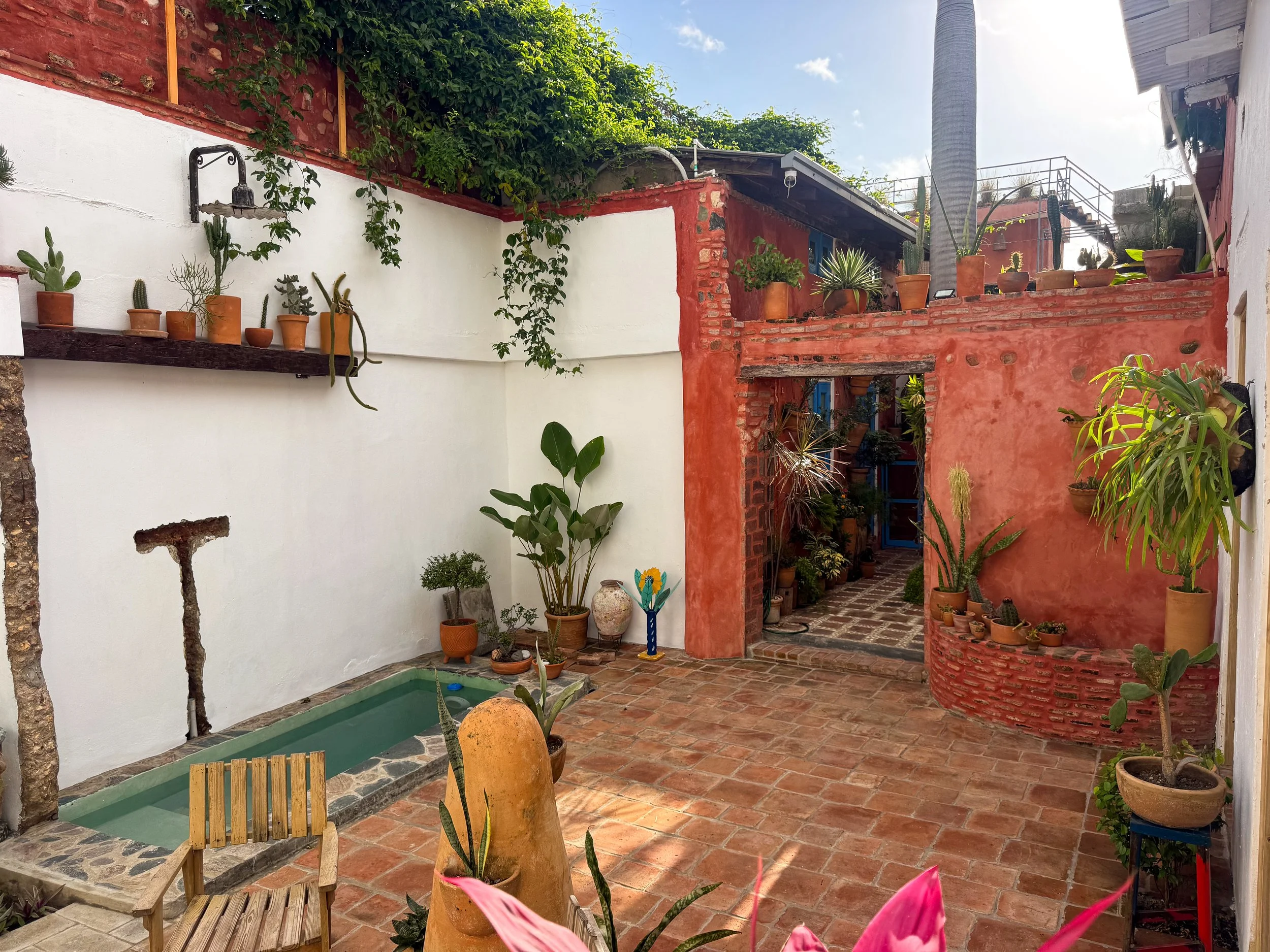
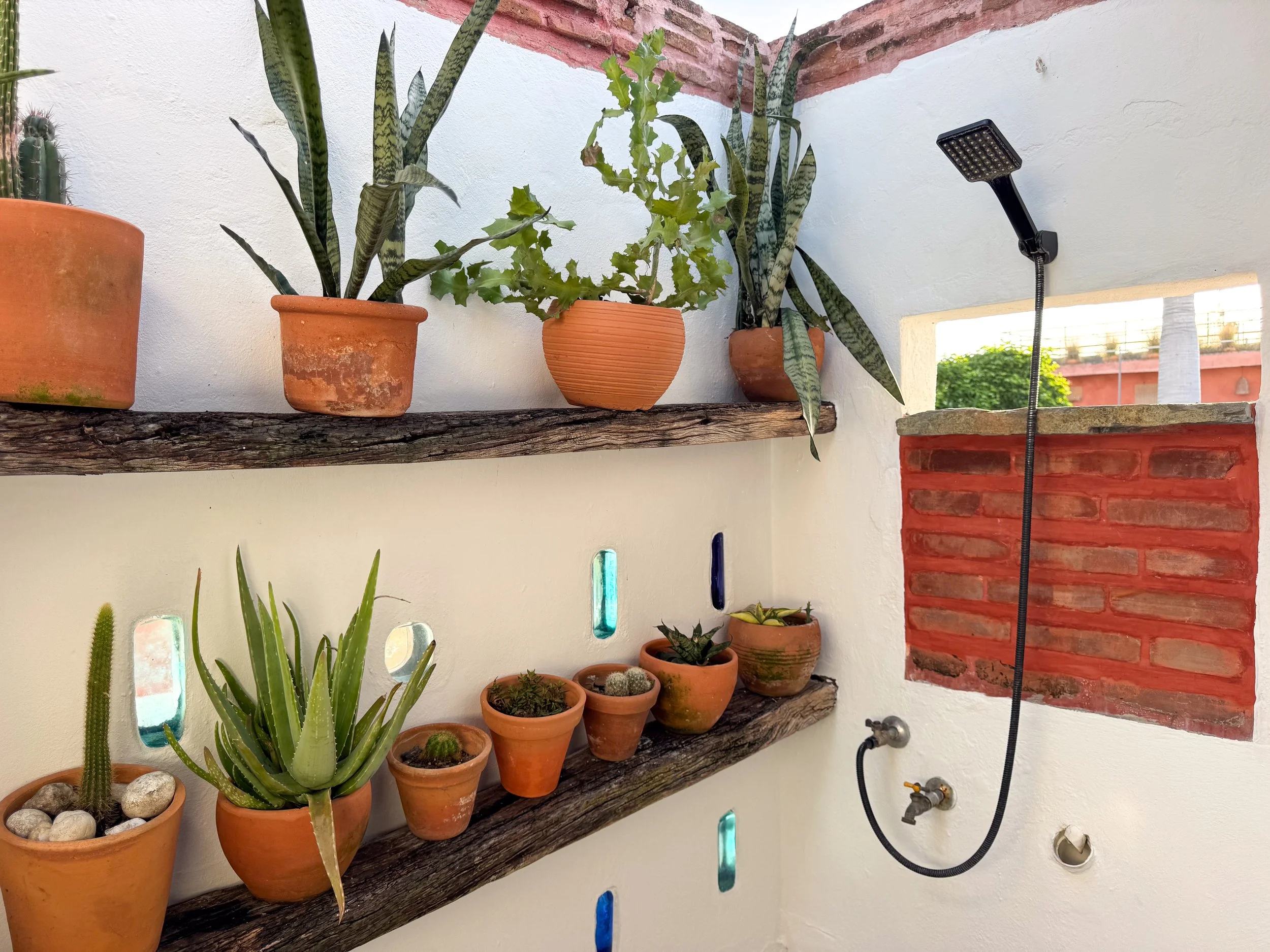
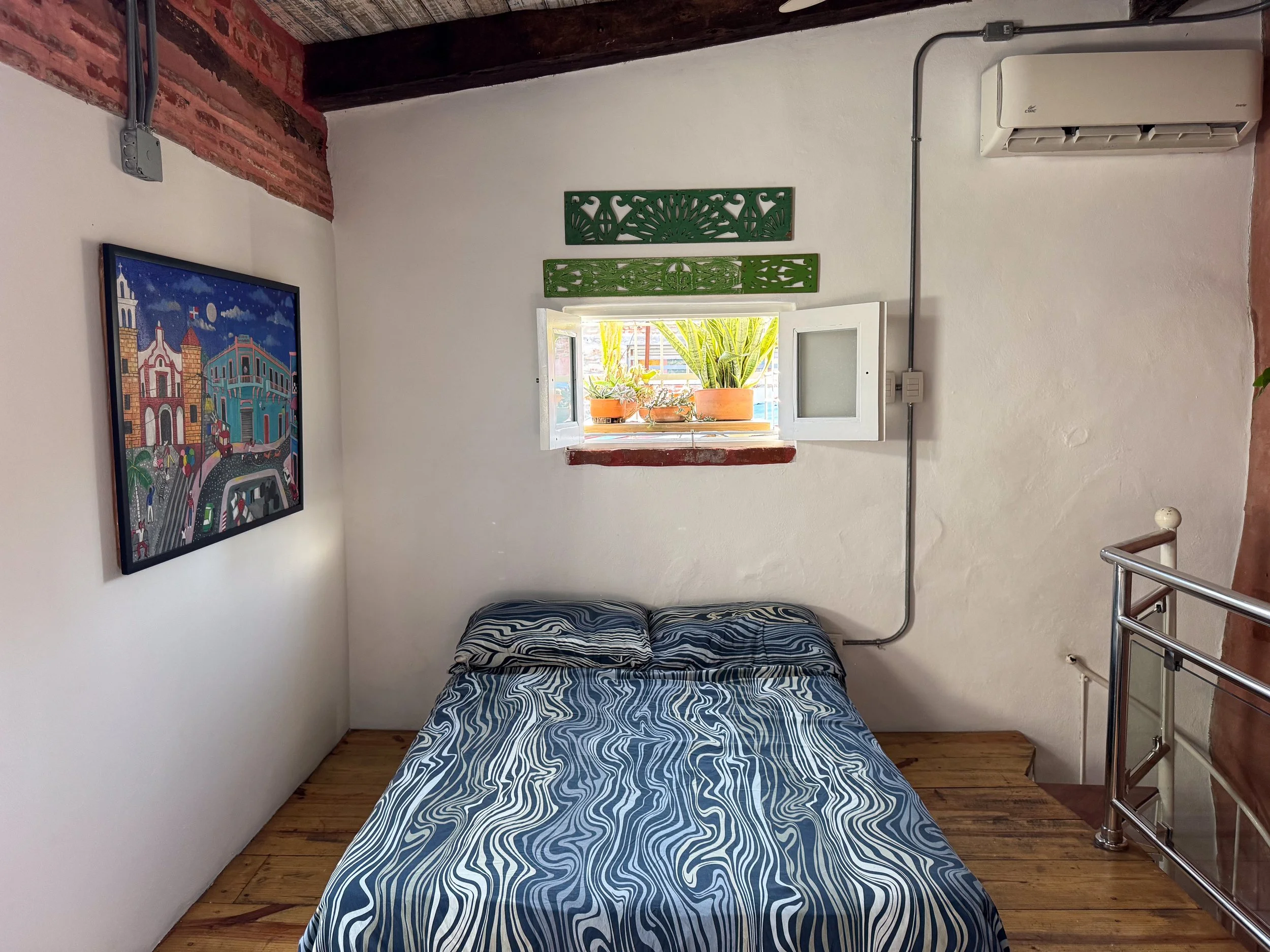
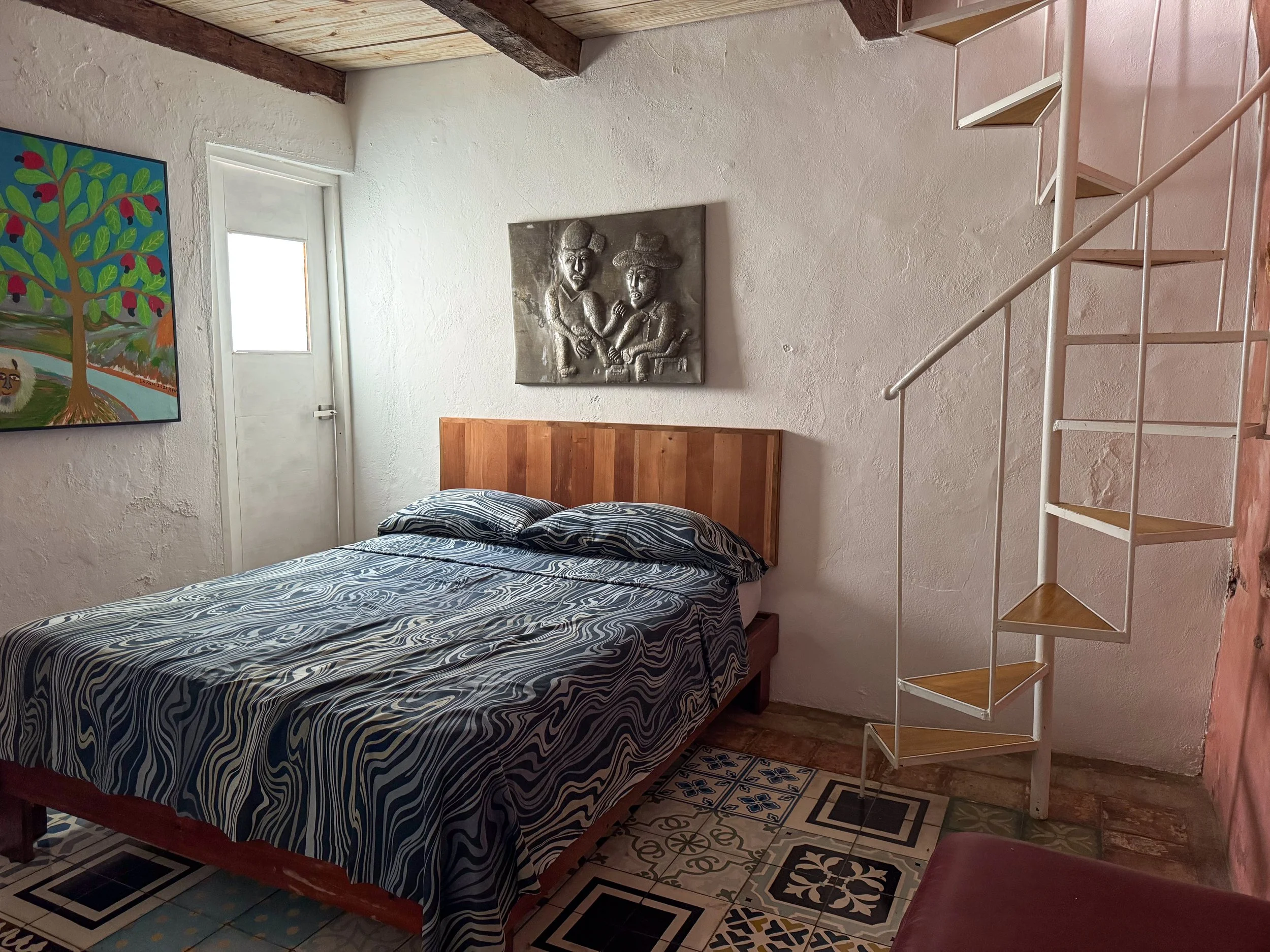
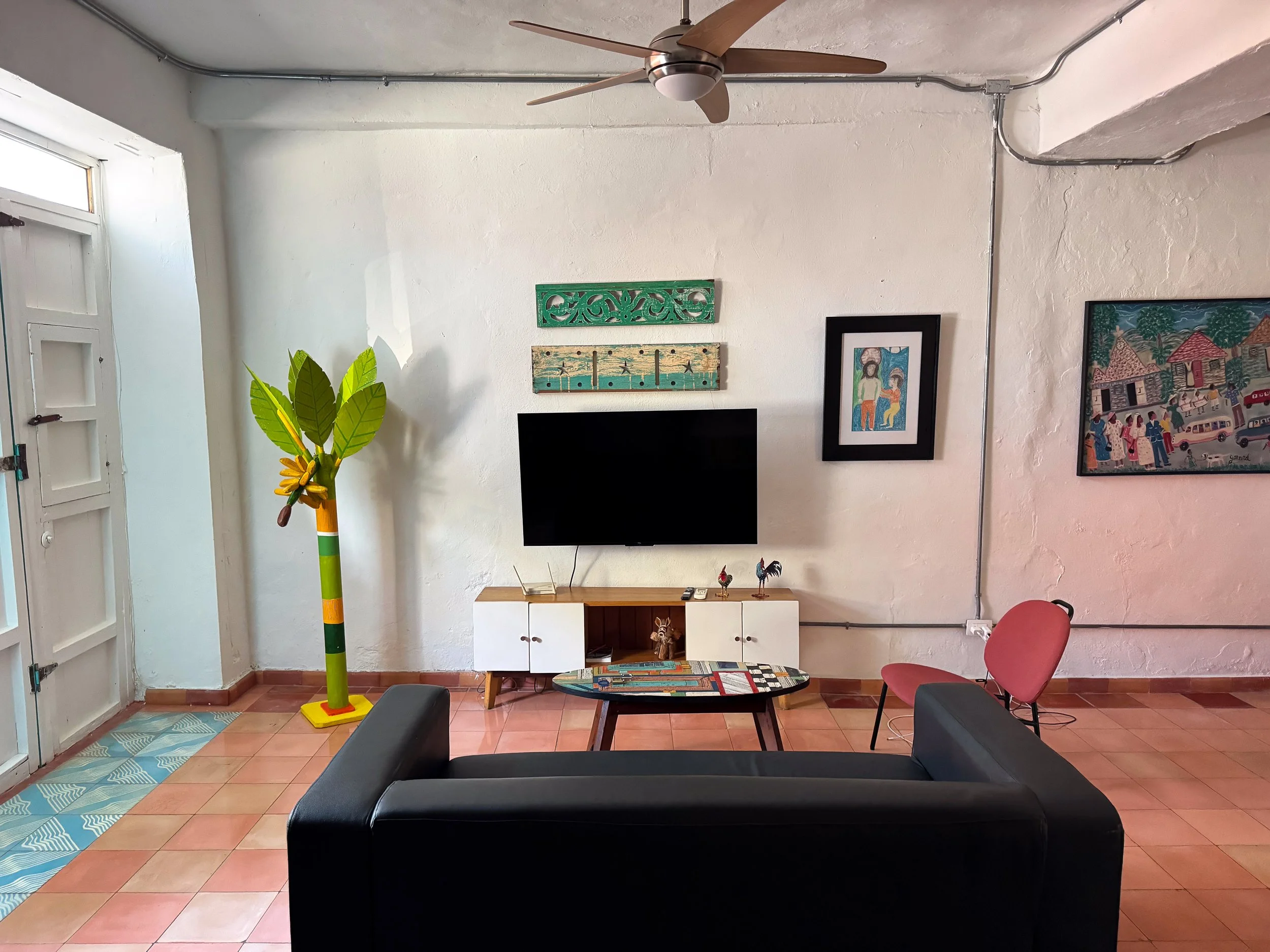
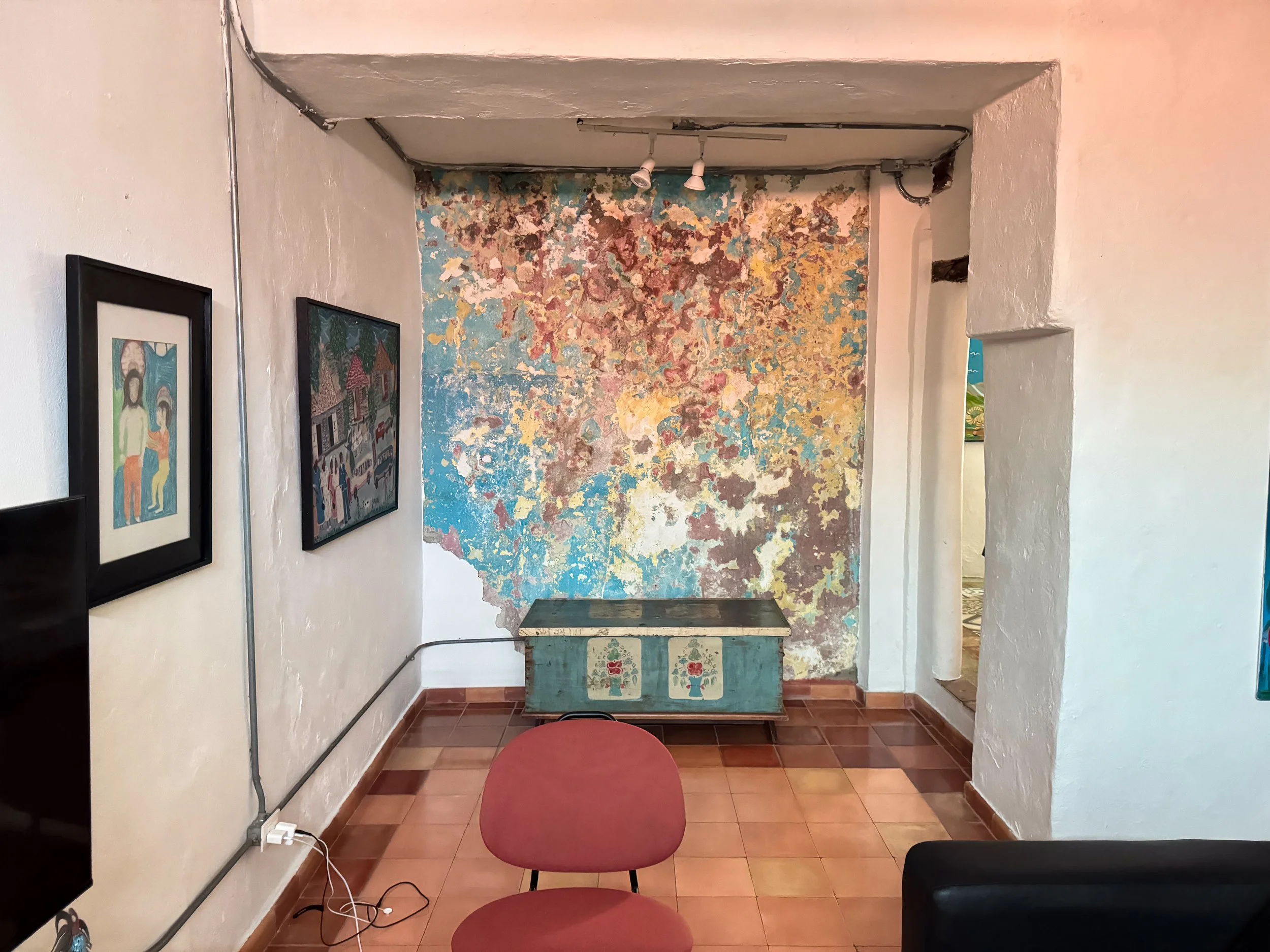
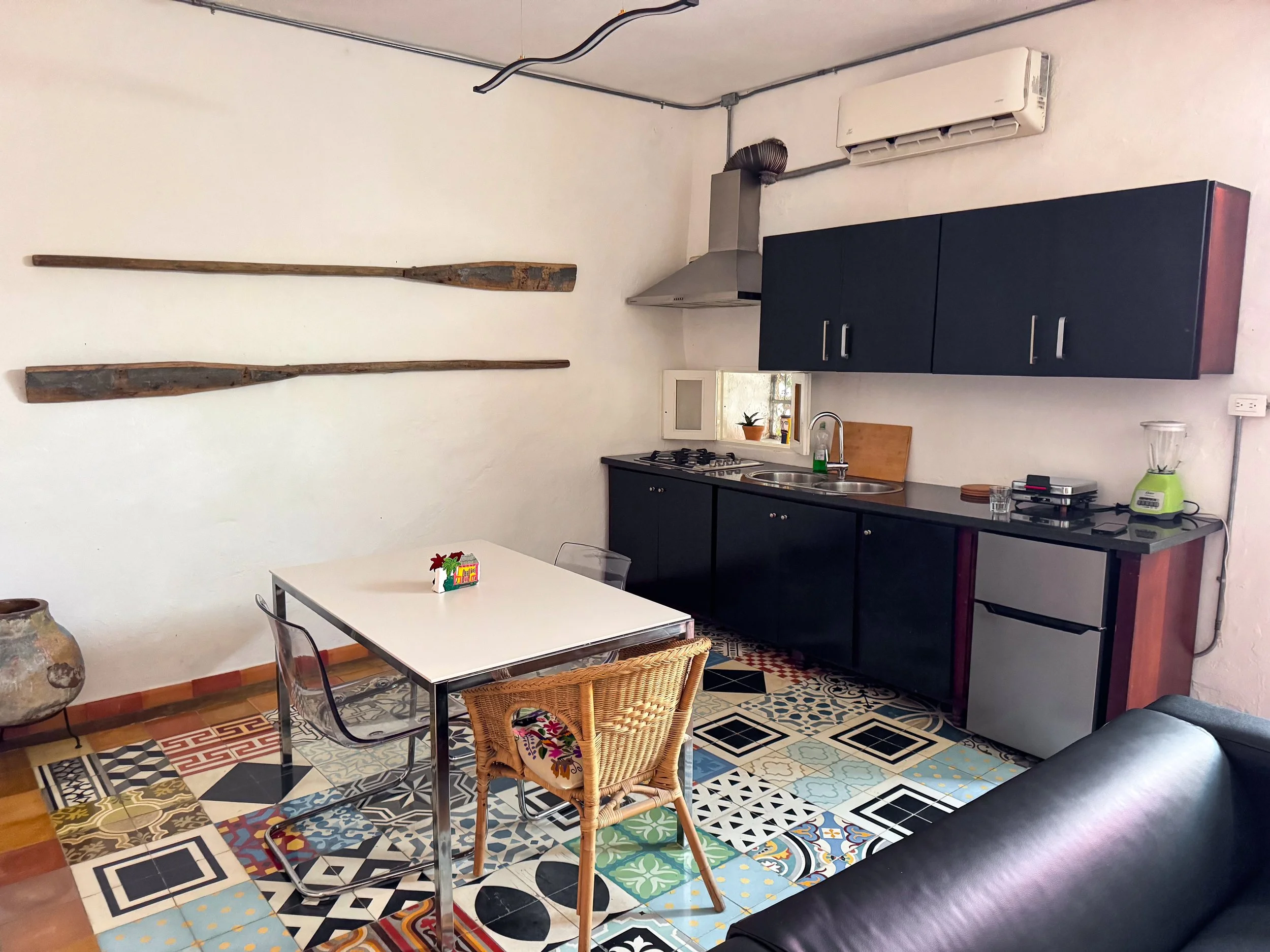
Casa Santa Bárbara. A vacation rental in the Santa Bárbara neighborhood of the Zona Colonial. The two bedroom apartment is equipped with a full kitchen, bathroom and separate outdoor shower. It shares an outdoor courtyard and rooftop patio with the hosts. The entire home feels like an art gallery with Dominican paintings, sculptures and decor. Book on Airbnb.
Elsewhere in The Dominican Republic
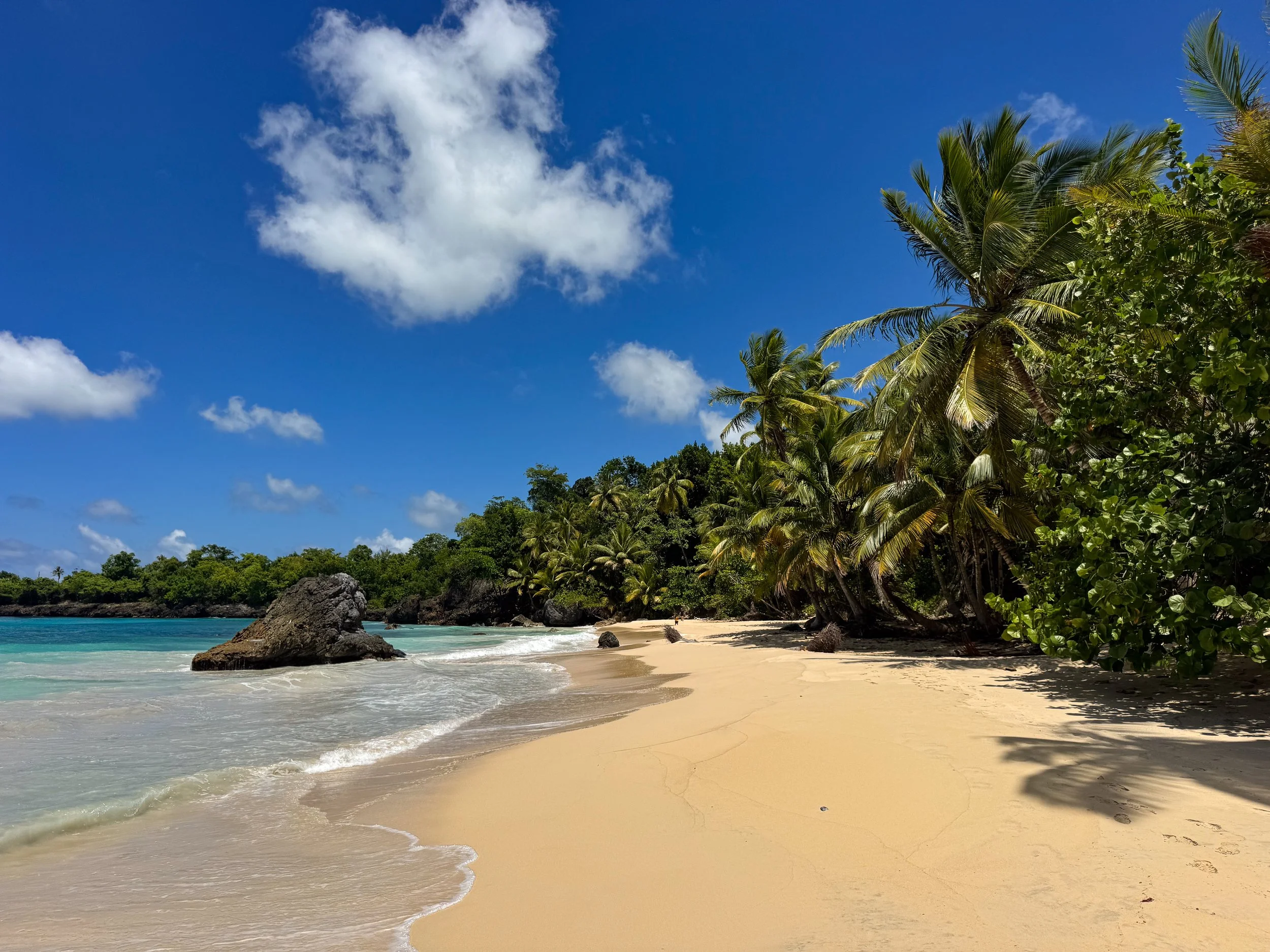
From the historic streets of Santo Domingo to lush mountain landscapes, waterfalls and pristine beaches, discover more of the Dominican Republic beyond its capital.
Samaná Peninsula Travel Guide: Nature, Beaches & Waterfalls. The Samaná Peninsula is a remote region of the Dominican Republic with mountainous landscapes, tropical forests, dramatic waterfalls and pristine beaches.
For Next Time…
There were renovations being completed on multiple sites and streets during our time in Santo Domingo. When we return, we plan to re-visit them for a fuller experience.
Museo de Las Casas Reales. The former capital of colonial Santo Domingo converted into a museum with colonial era artifacts.
Alcázar de Colón (Fortress of Columbus). A Spanish style castle built by Diego Columbus, the son of Christopher Columbus. It’s now a museum housing colonial era artifacts.
Cuesta de la Calle Hostos. A hilly section of Calle Hostos with views of its colorfully painted homes and buildings.