Samaná Peninsula Travel Guide: Nature, Beaches & Waterfalls
The Samaná Peninsula
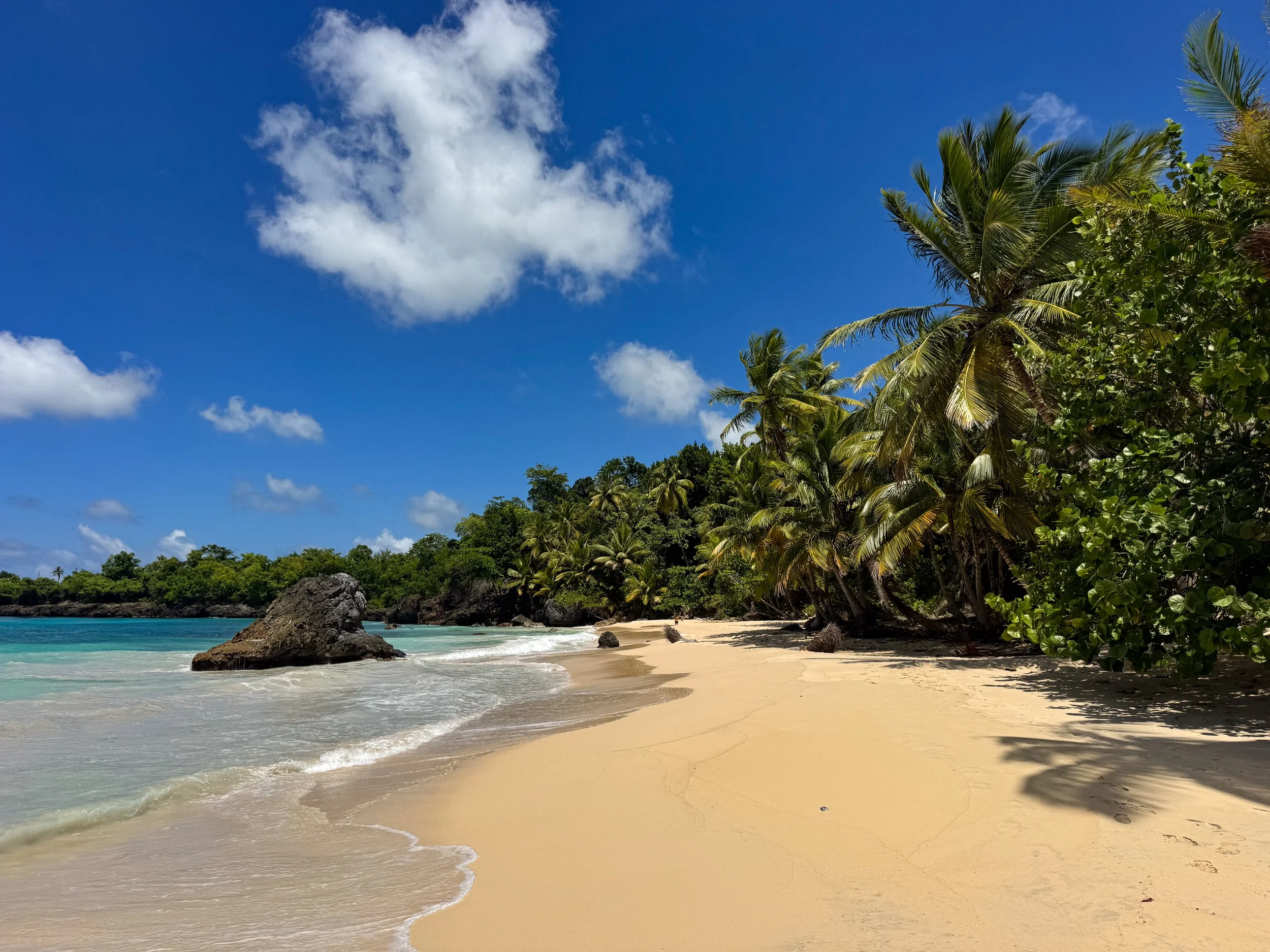
The Samaná Peninsula is a remote region of the Dominican Republic with mountainous landscapes, tropical forests, dramatic waterfalls and pristine beaches. Colorful fishing boats and their captains ferry passengers between palm fringed beaches with golden sand shorelines hugged by vibrant blue waters. Marine life thrives in seagrass meadows, coral reefs and the vast Samaná Bay. Hiking trails lead through the tropical landscape to towering waterfalls while fruits like cacao, mango and banana grow wild. Dark caves feature large chambers with indigenous Taíno petroglyphs and dripping stalactites. Jungleous treehouses and oceanside hotels provide tranquil accommodations for travelers. Merengue and Bachata music play loudly from roadside colmados in local parts of town. Moto bikes buzz past, sometimes with three or more passengers holding on. Dominican cuisine and tropical cocktails are served at restaurants, kiosks and beach front bars. We spent five days exploring the Samaná Peninsula, beach hopping between towns and remote corners of the region.
Samaná
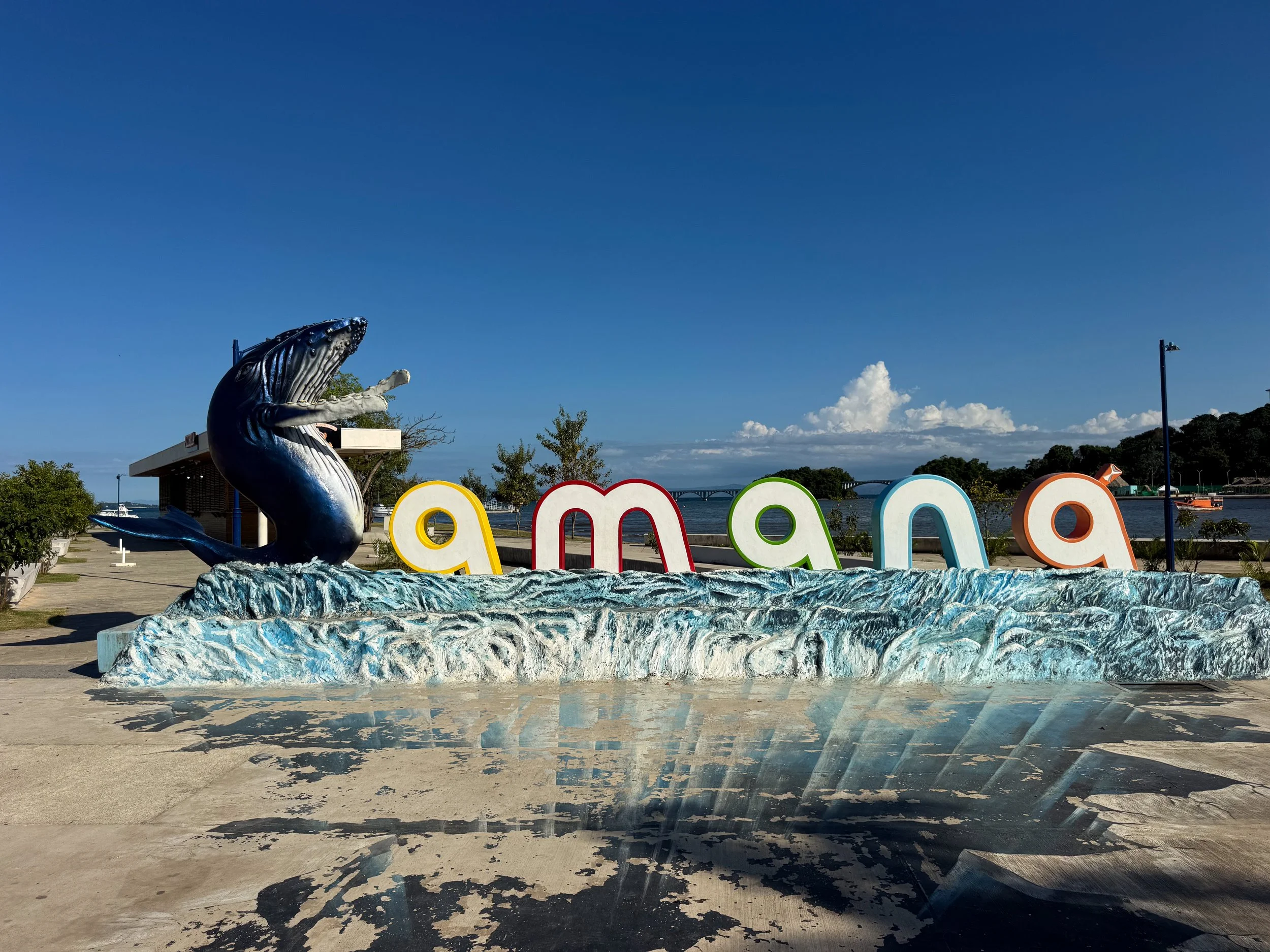
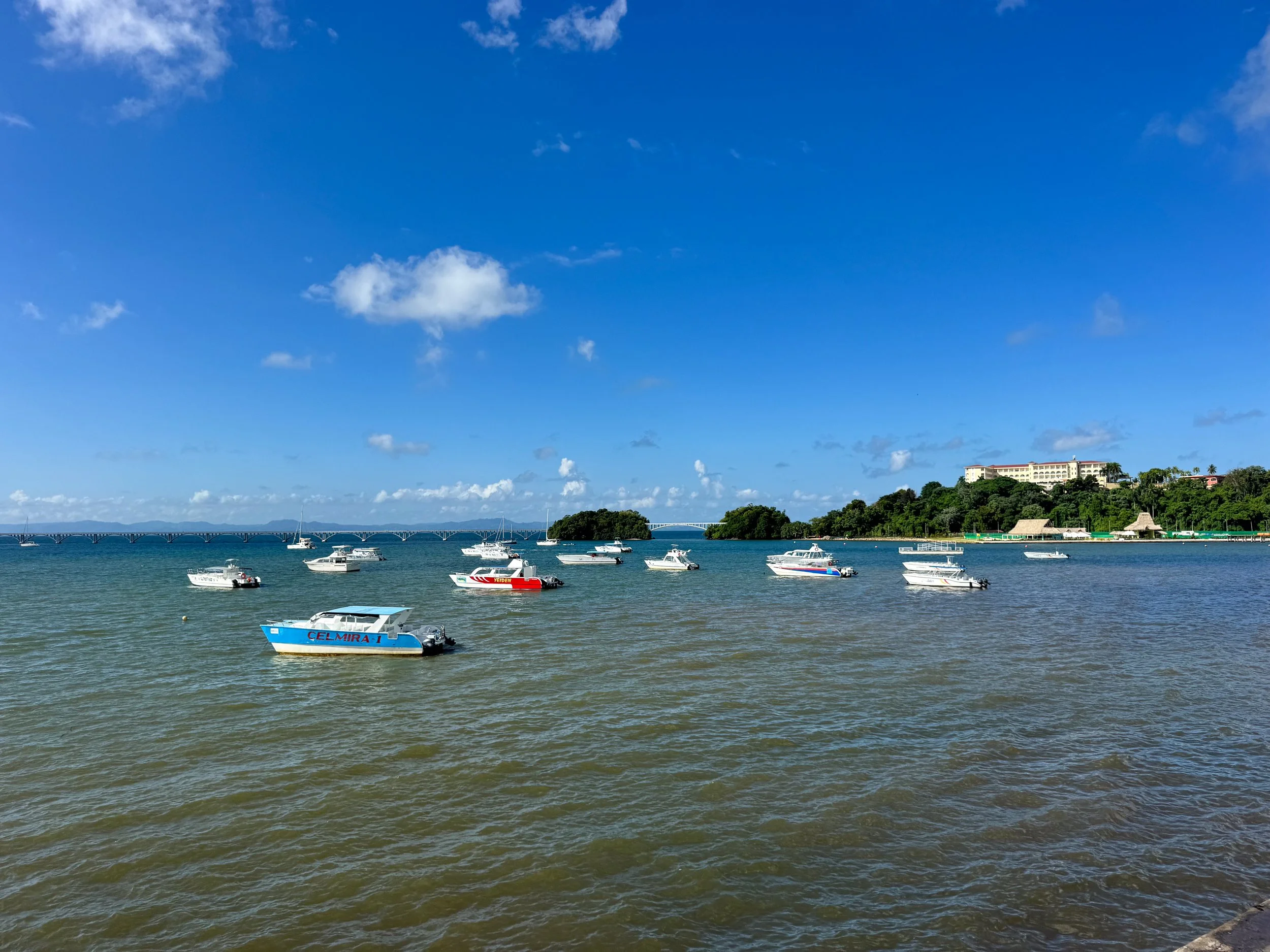
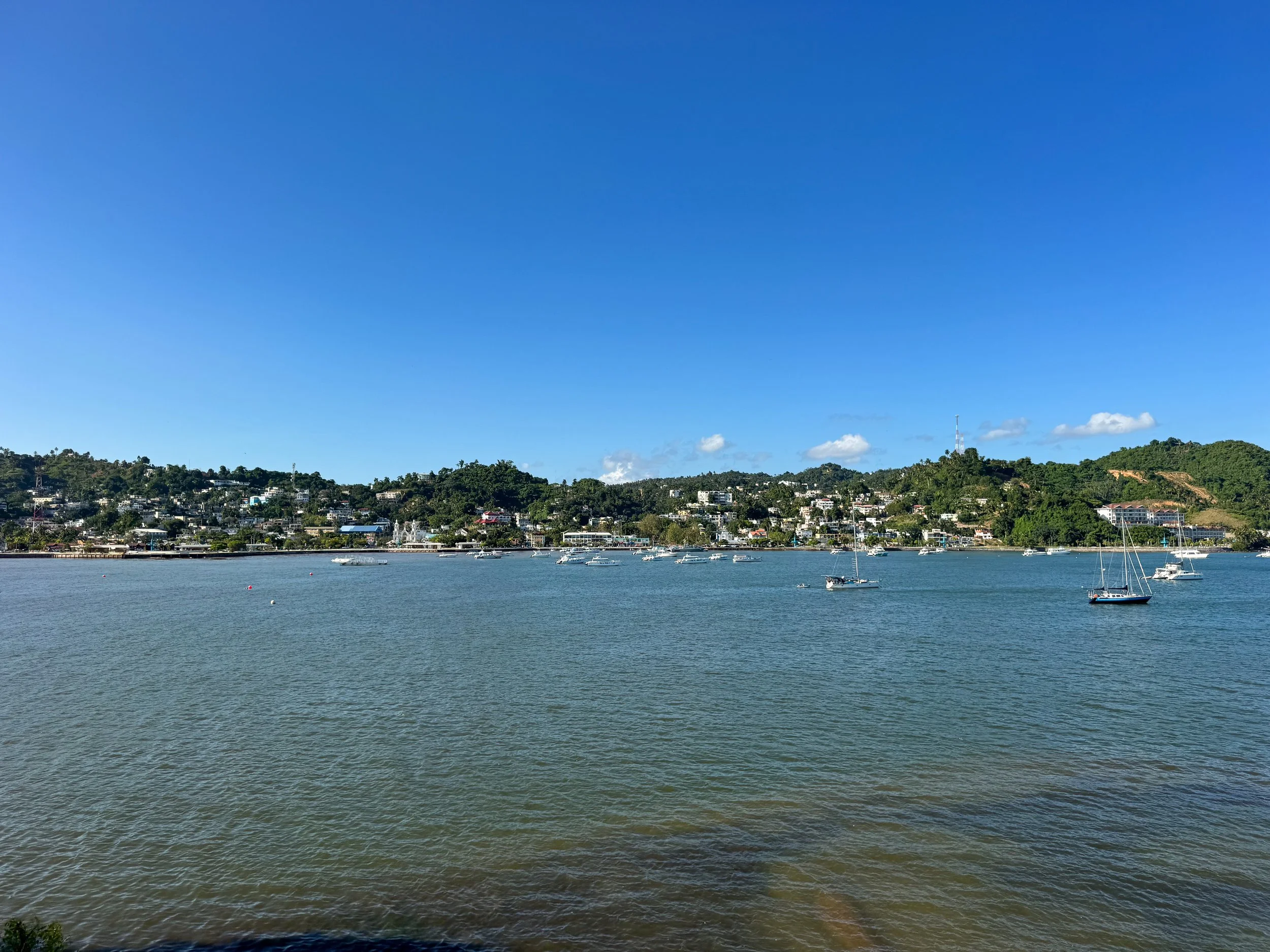
Samaná is a large town on the coast of the Samaná Bay. It's a developing waterfront and a hub for tour operators, boutique hotels and restaurants. Boats leave from here to visit the Los Haitises National Park, Cayo Levantado and watch for whales during the migration season.
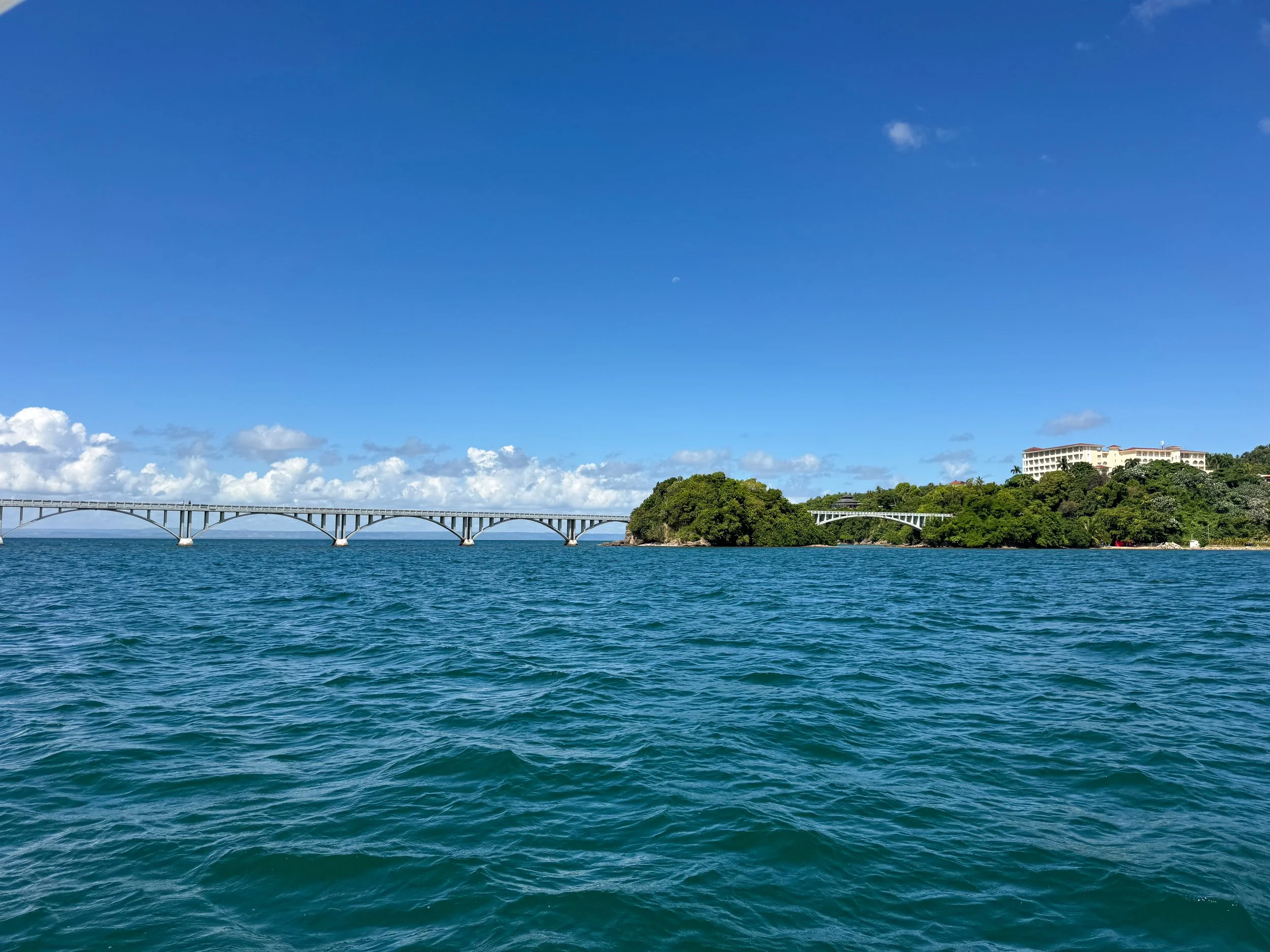
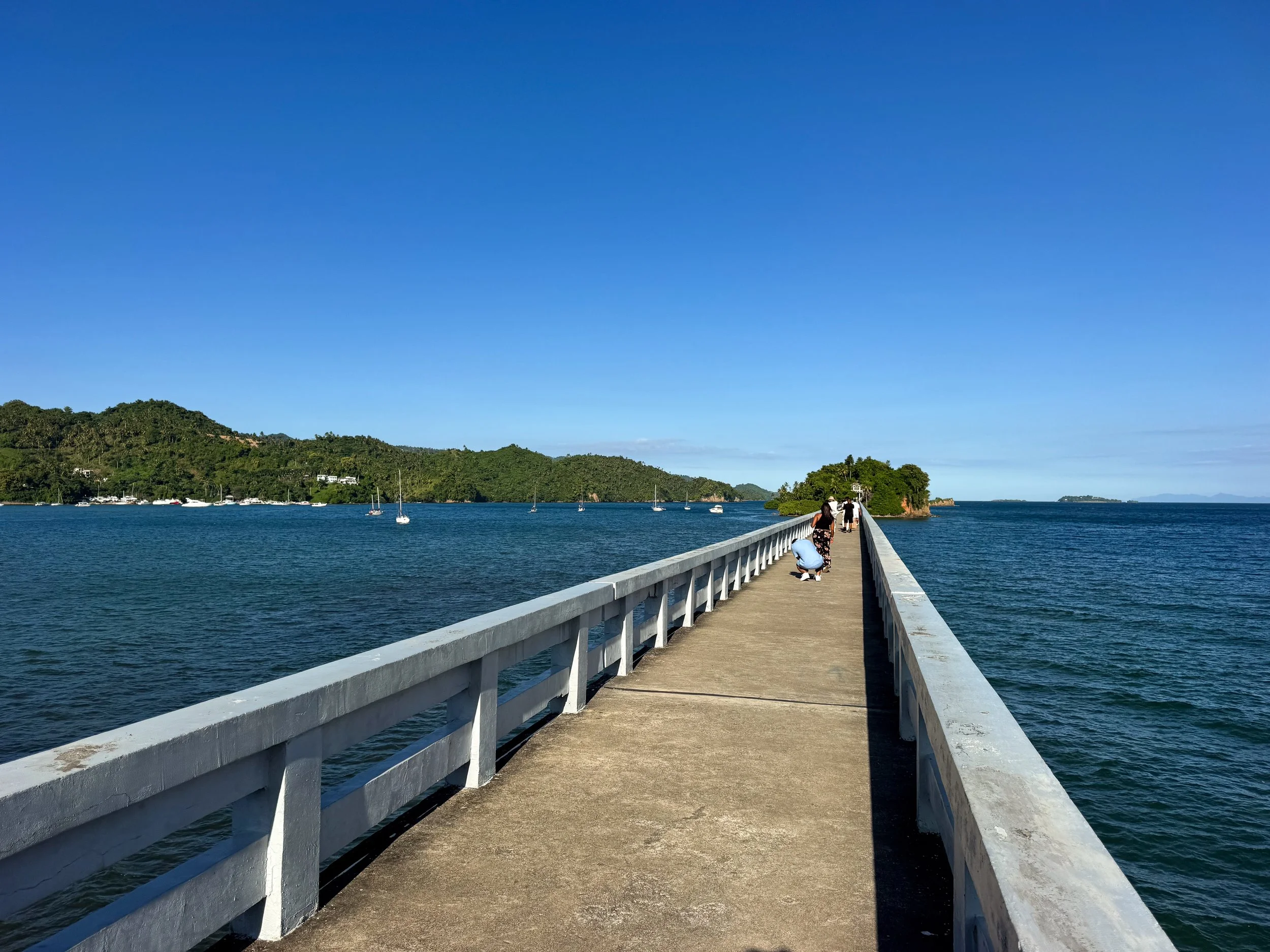
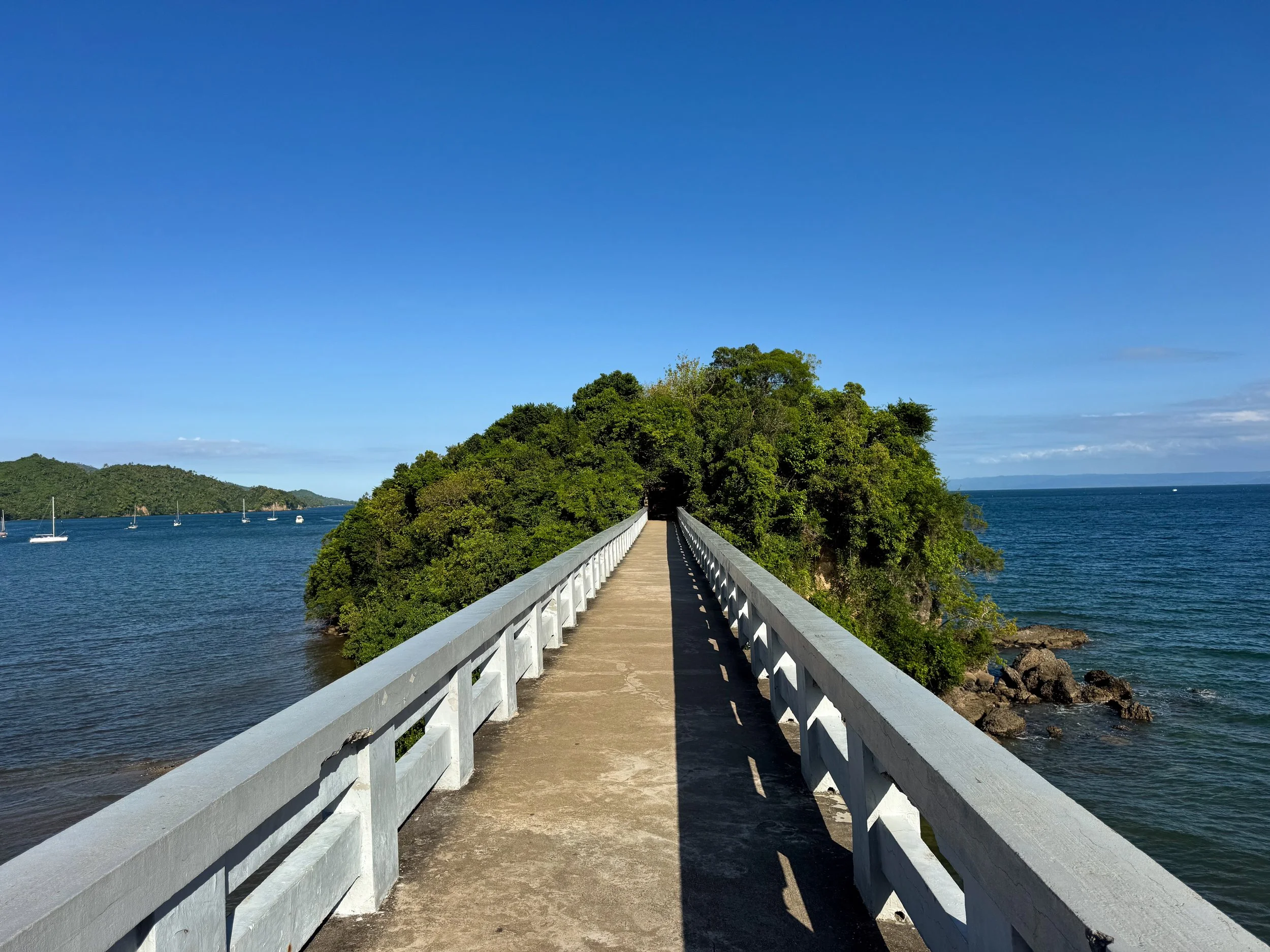
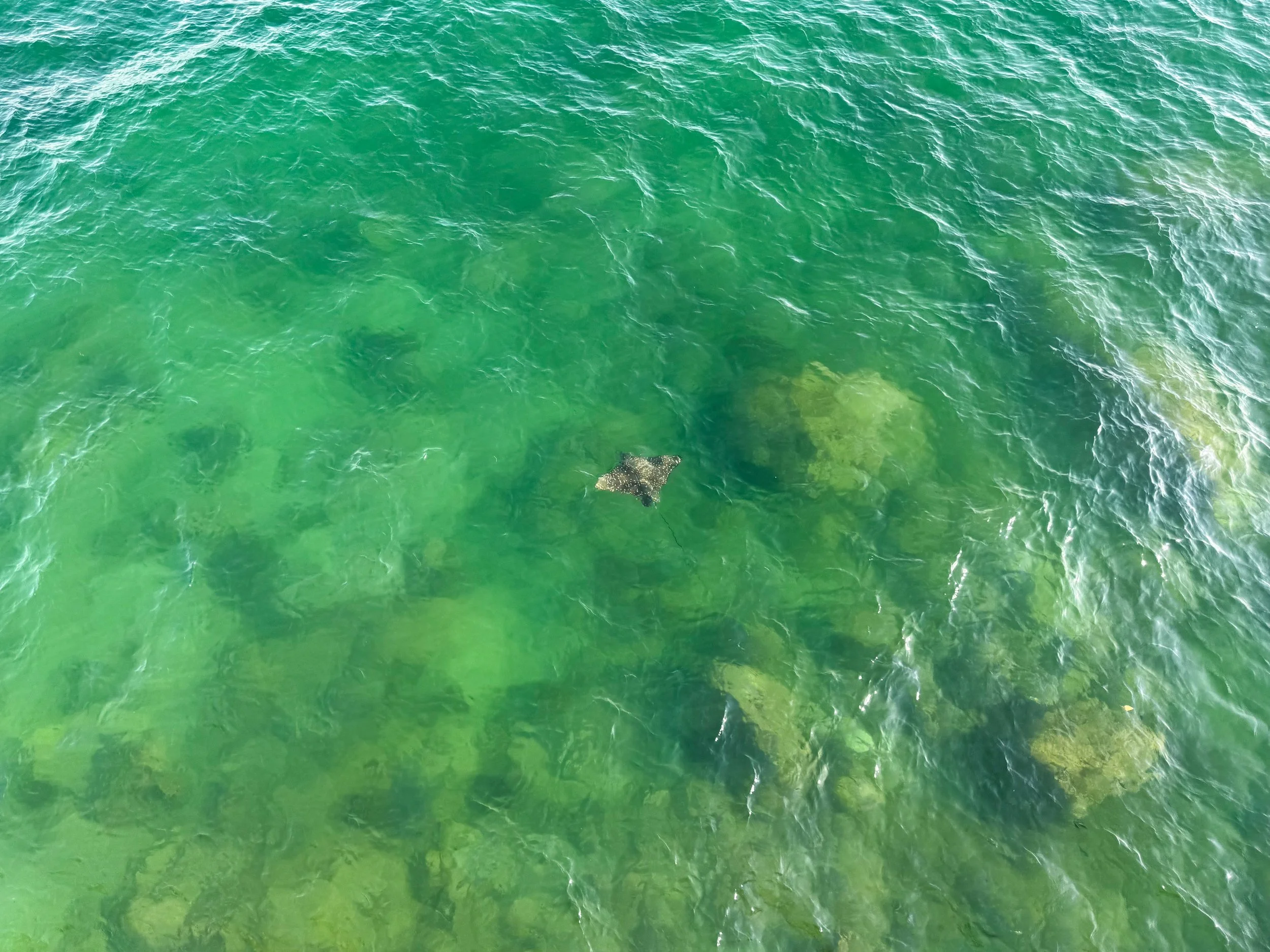
Puente De Cayo Samaná. A pedestrian bridge leading from Playa Cayacoa to Cayo Vigía, a small forested island in the Samaná Bay. The bridge offers beautiful views of the town’s waterfront and boat speckled harbor. Orange starfish, spotted eagle rays and schools of fish can be seen in the shallow waters beneath the bridge.
Glamour Restaurant Snack Bar. A kiosk specializing in Dominican cuisine set along Samaná waterfront with views of the harbor and bridge. Come here for the mixed seafood mofongo and lambi (conch) cooked in the peninsula’s famed coco sauce.
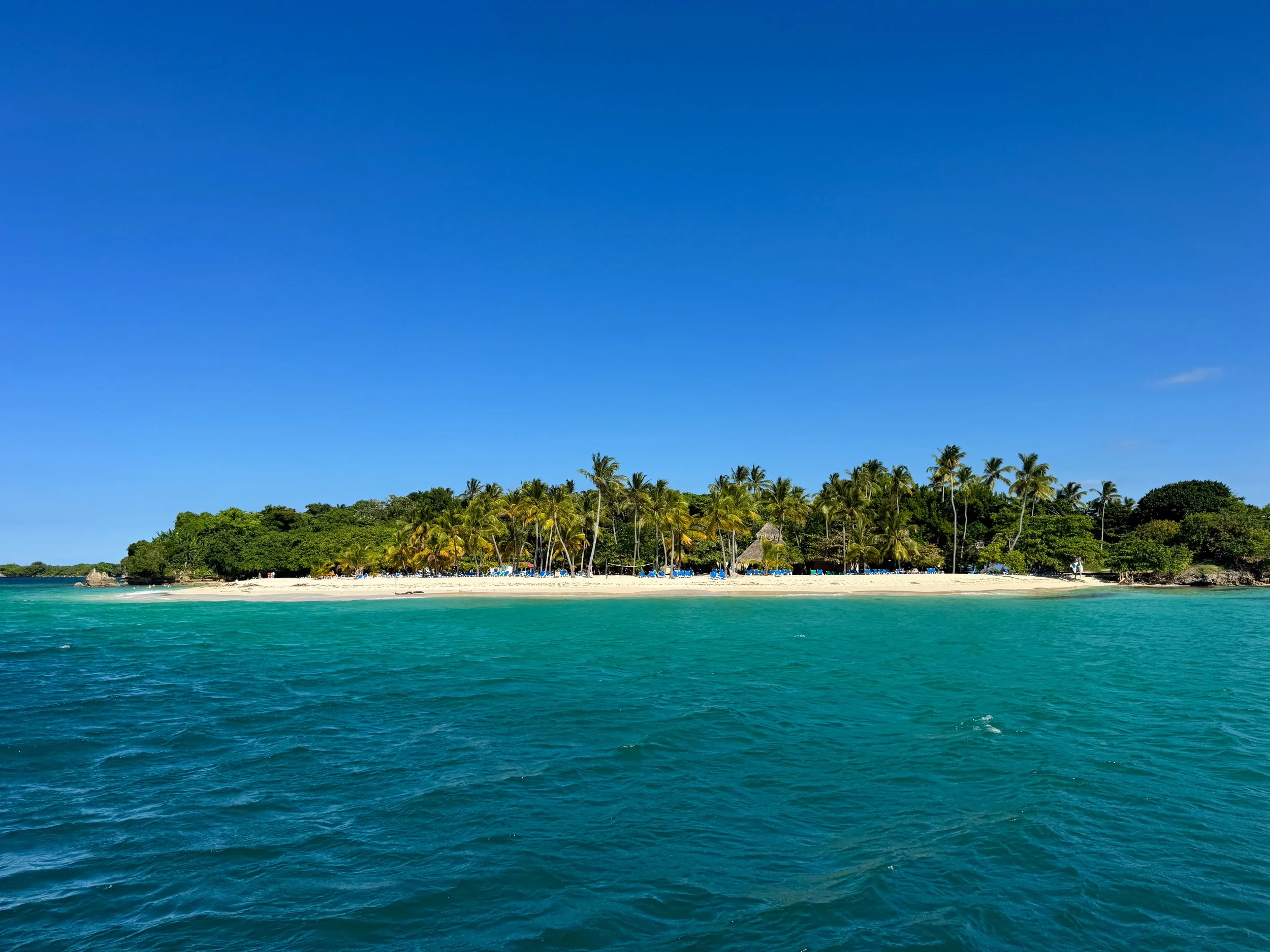
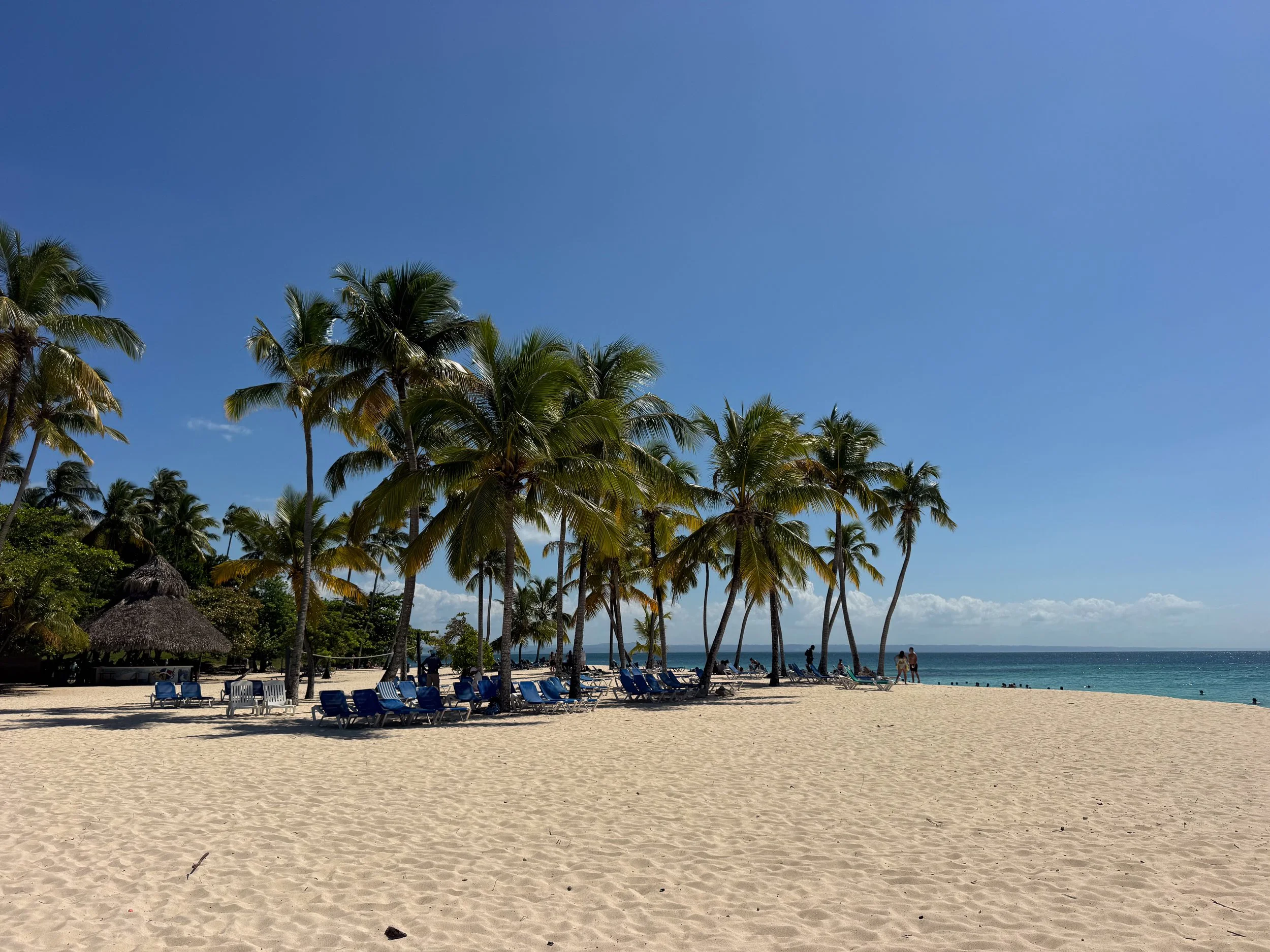
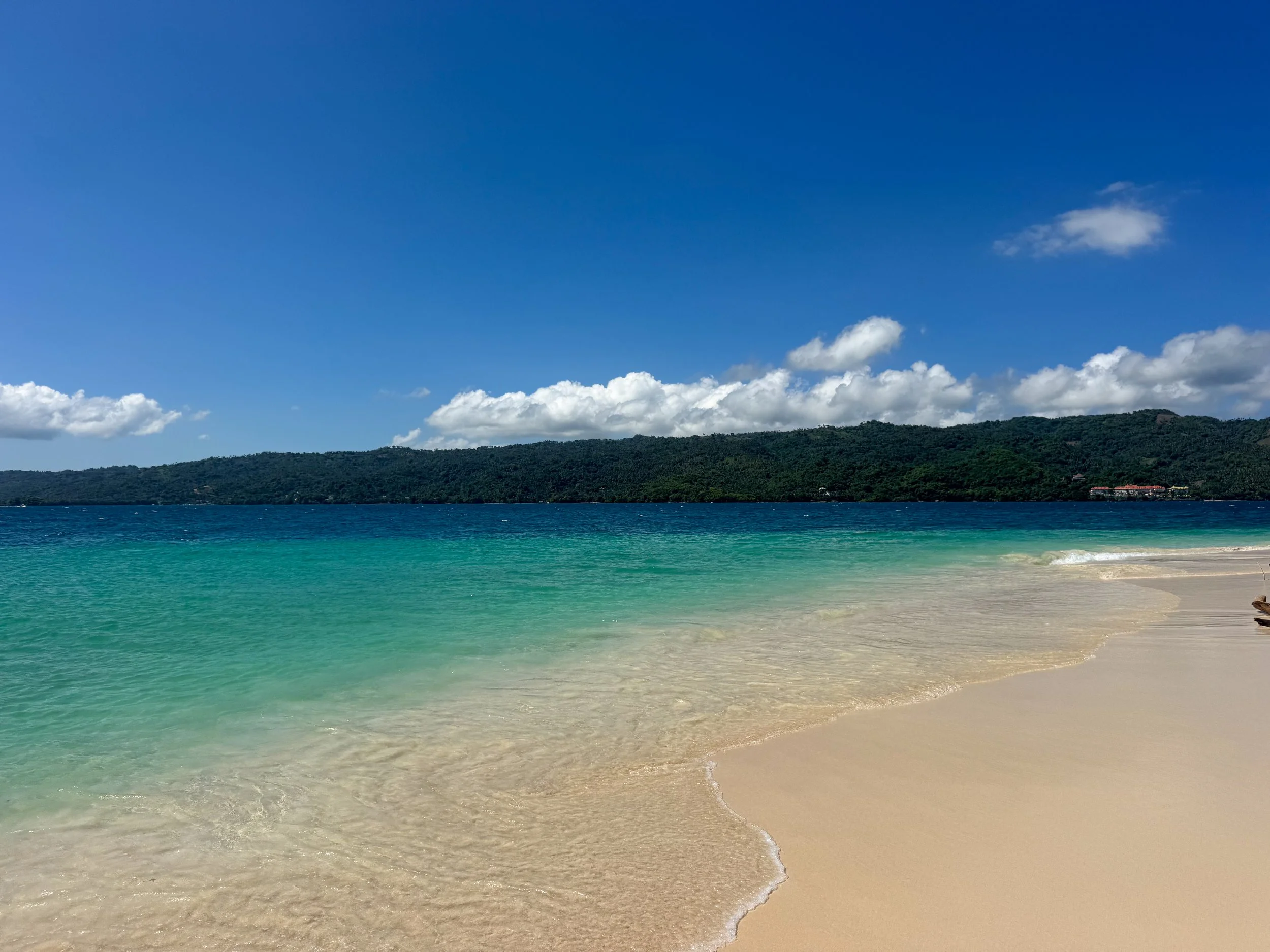
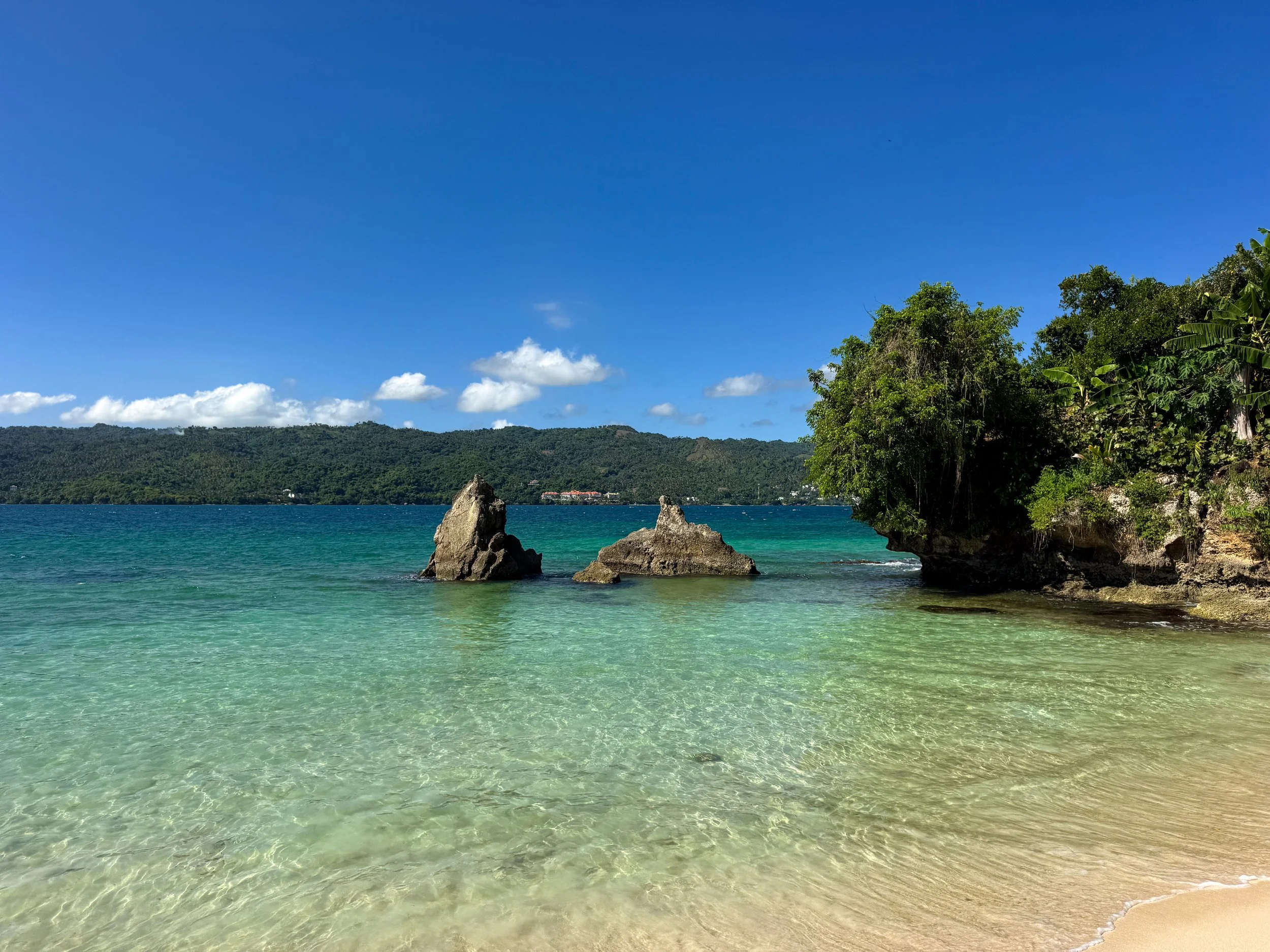
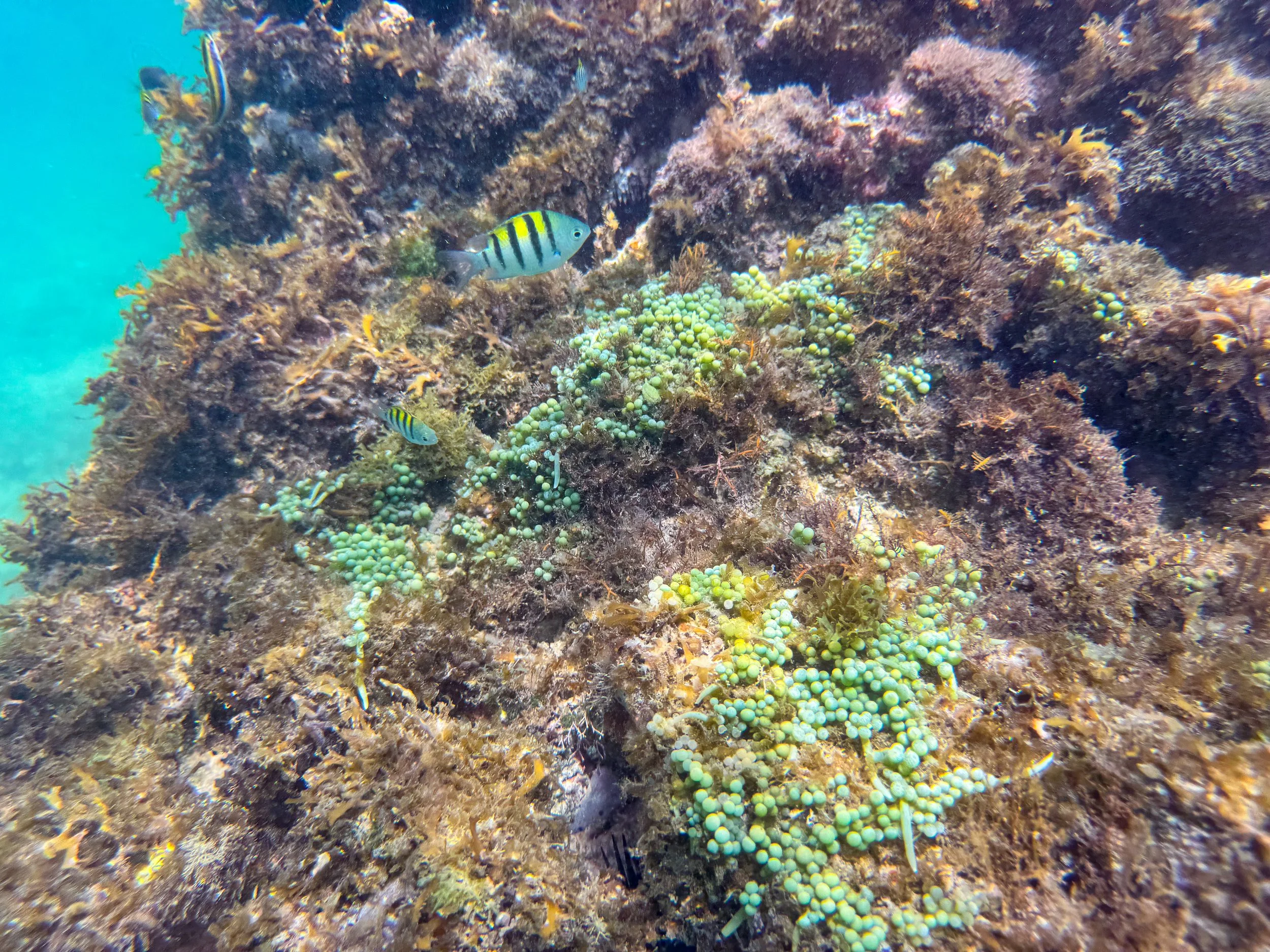
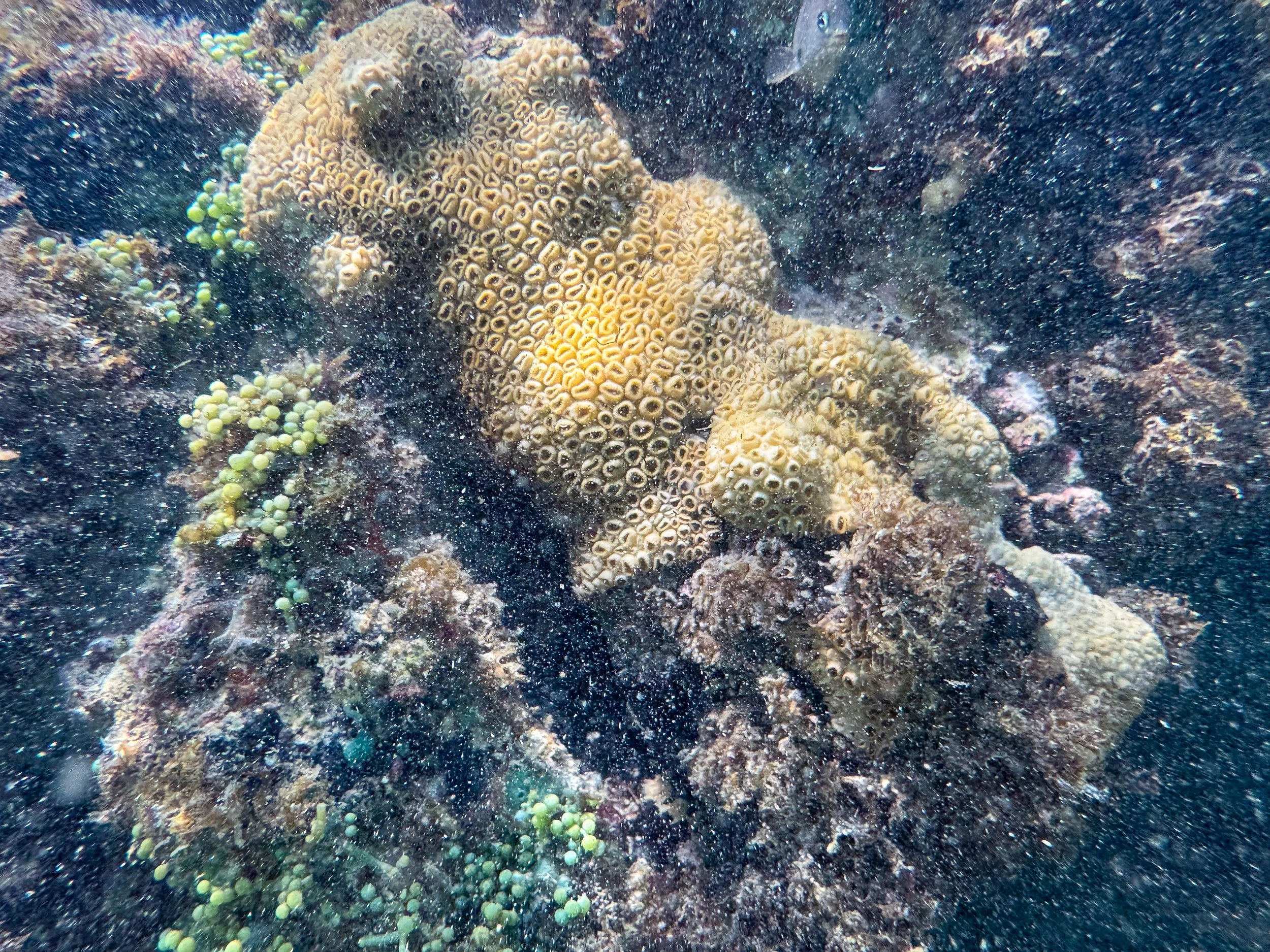
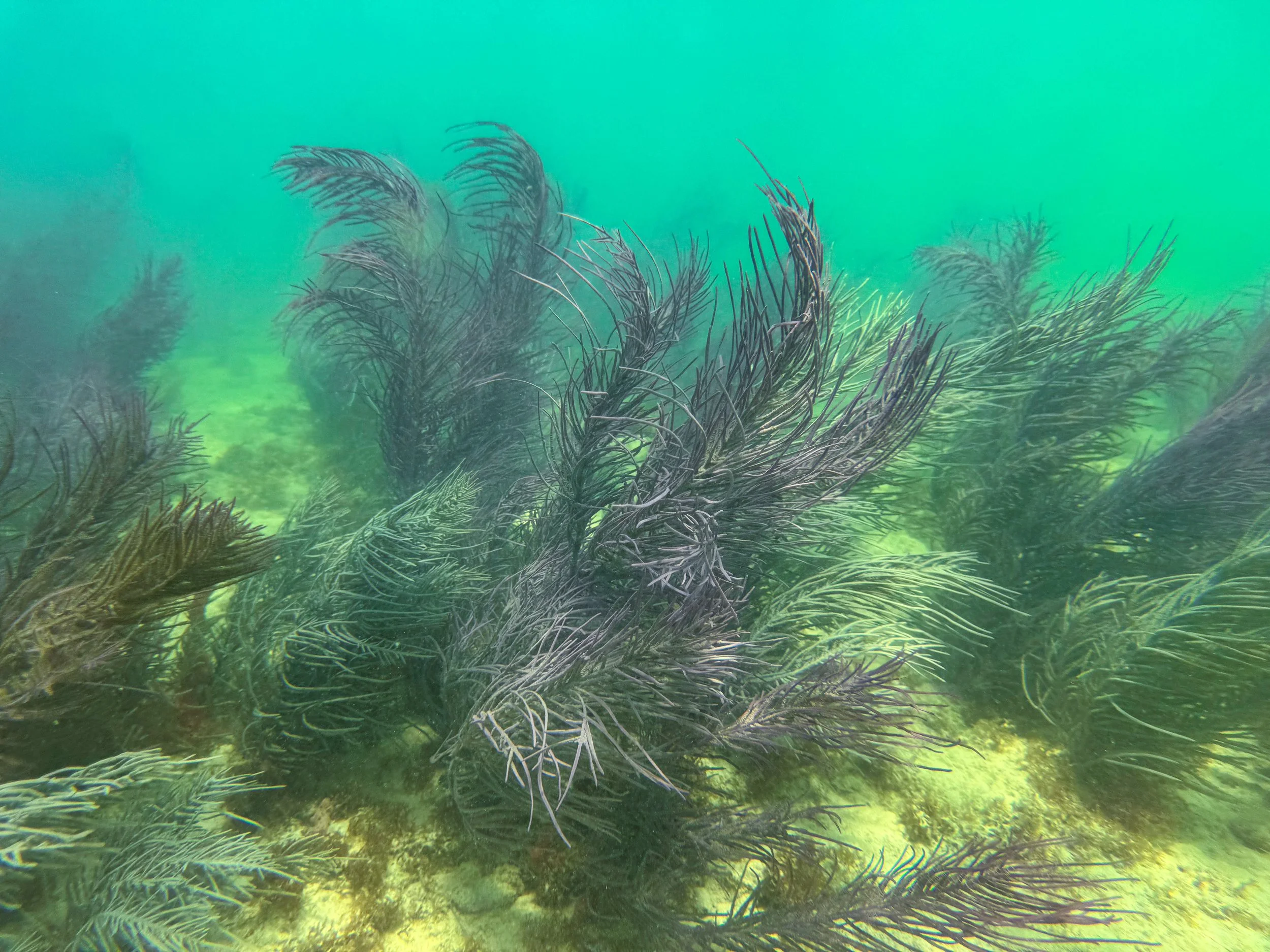
Cayo Levantado (Bacardi Island). An island in the Samaná Bay with a public palm lined white sand beach, various restaurant kiosks, tropical bars, souvenir shops and a luxury resort. Many tours around the Samaná Bay stop here during the afternoon for beach time and lunch. There is a small snorkeling area near the offshore rocks. The island is nicknamed after a Bacardi advertisement from the 1970s.
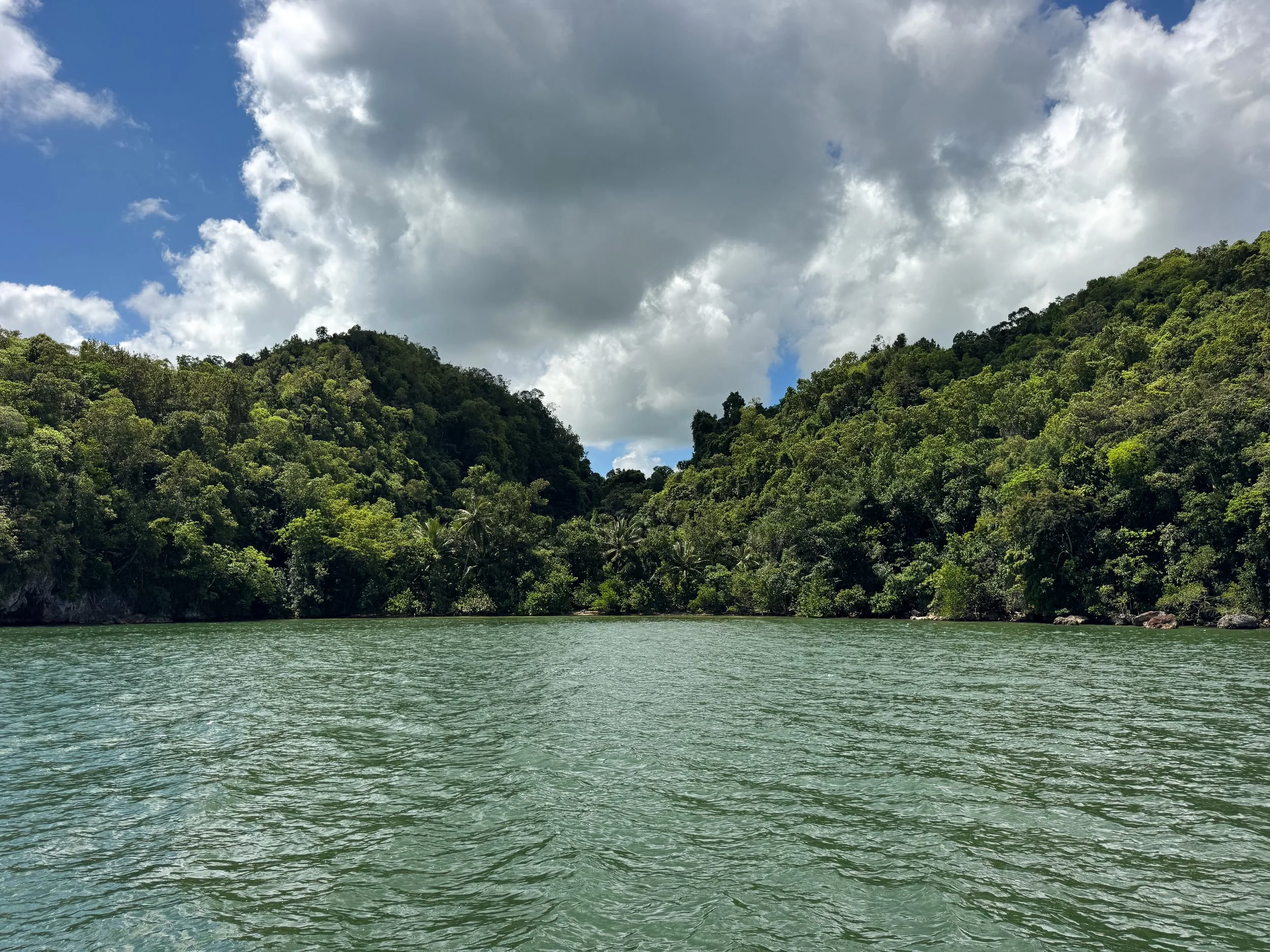
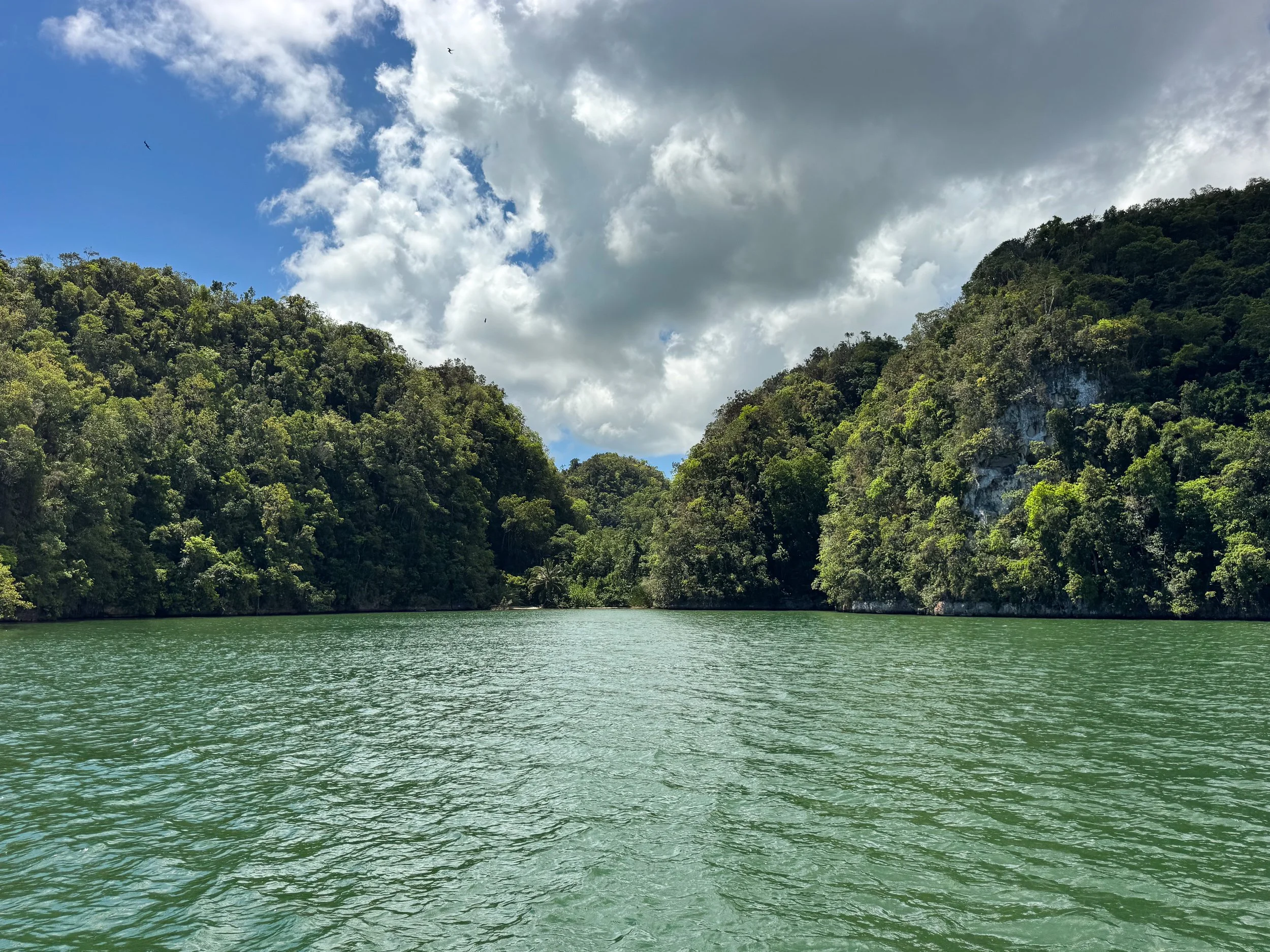
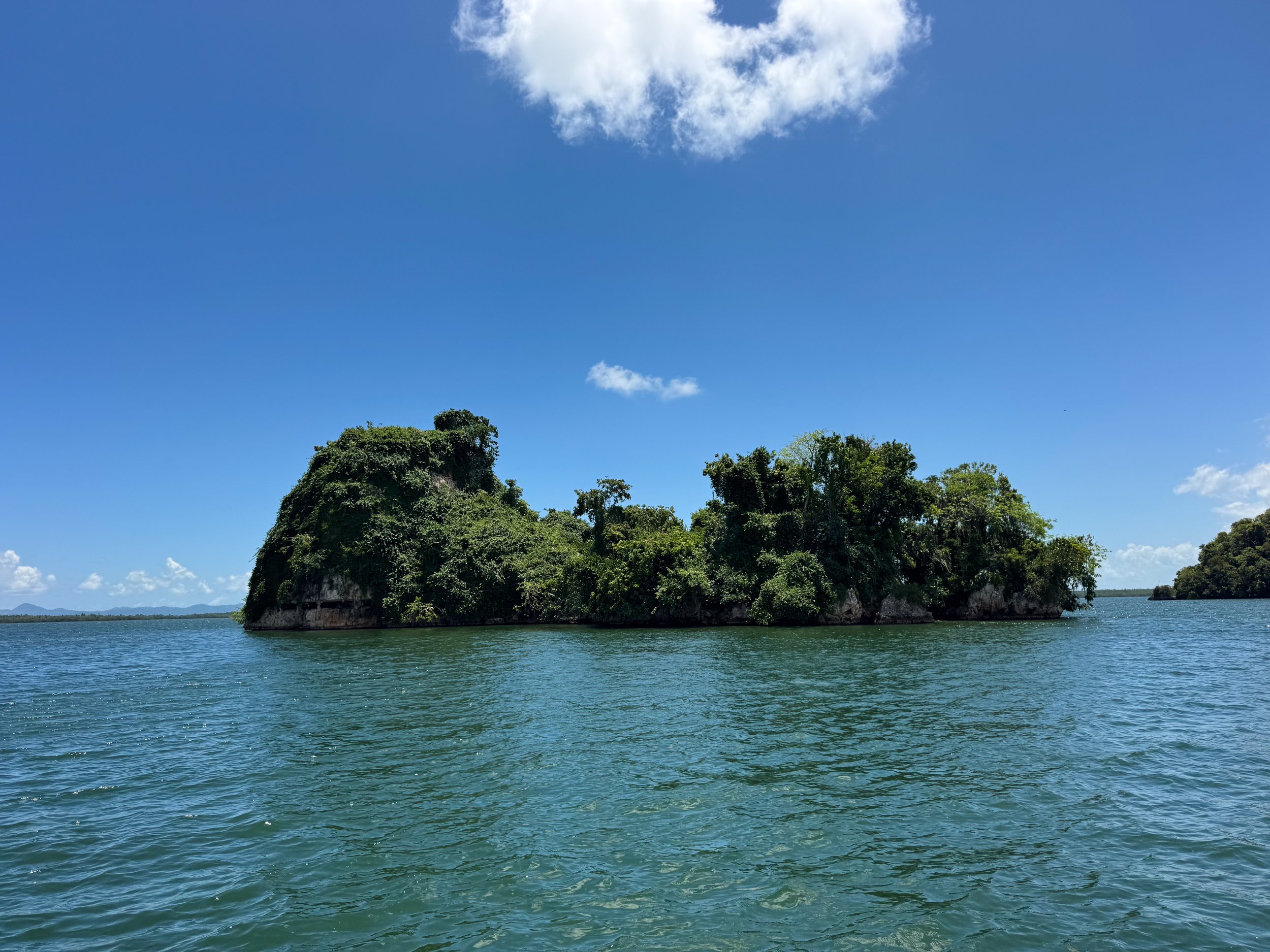
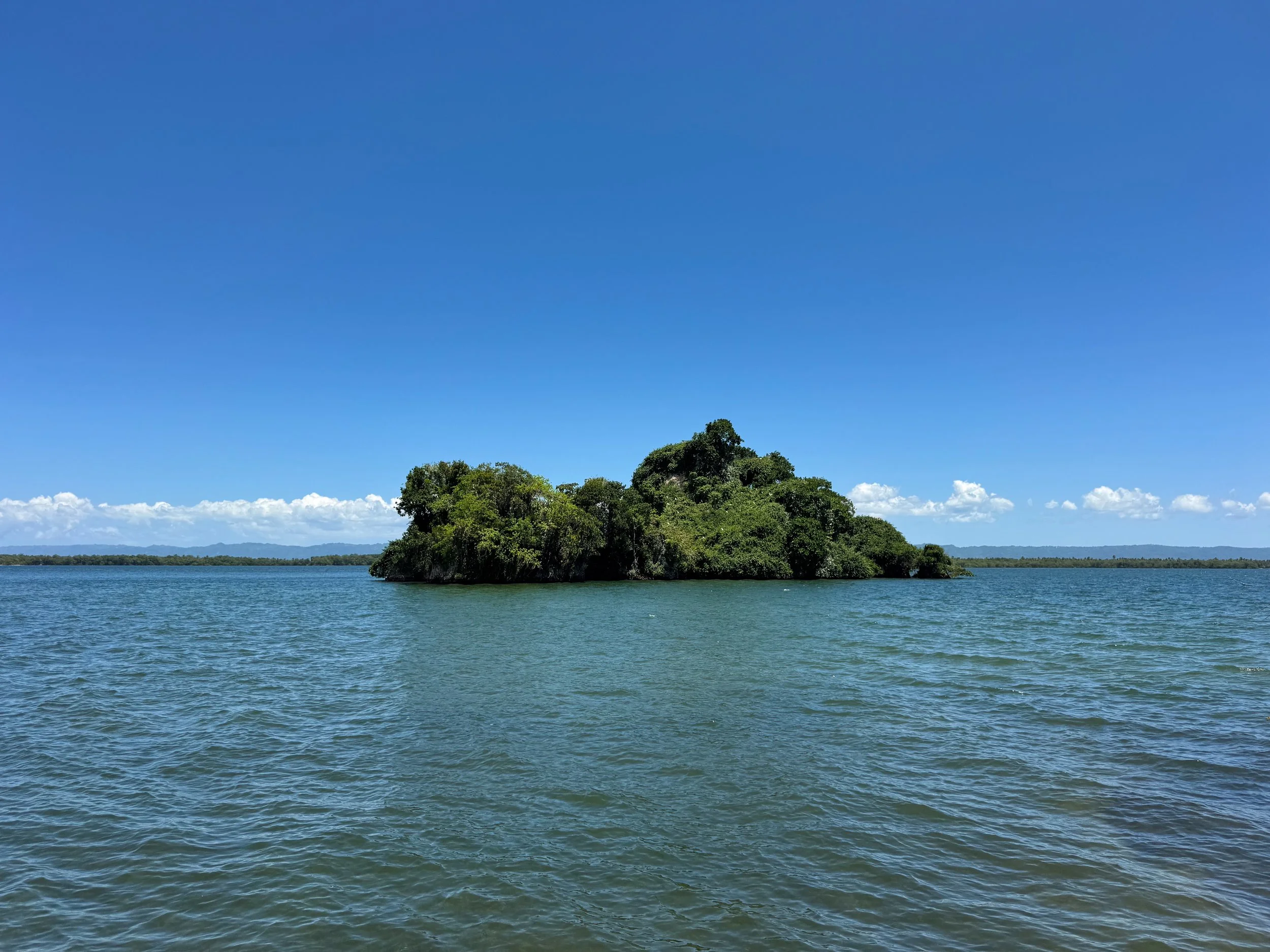
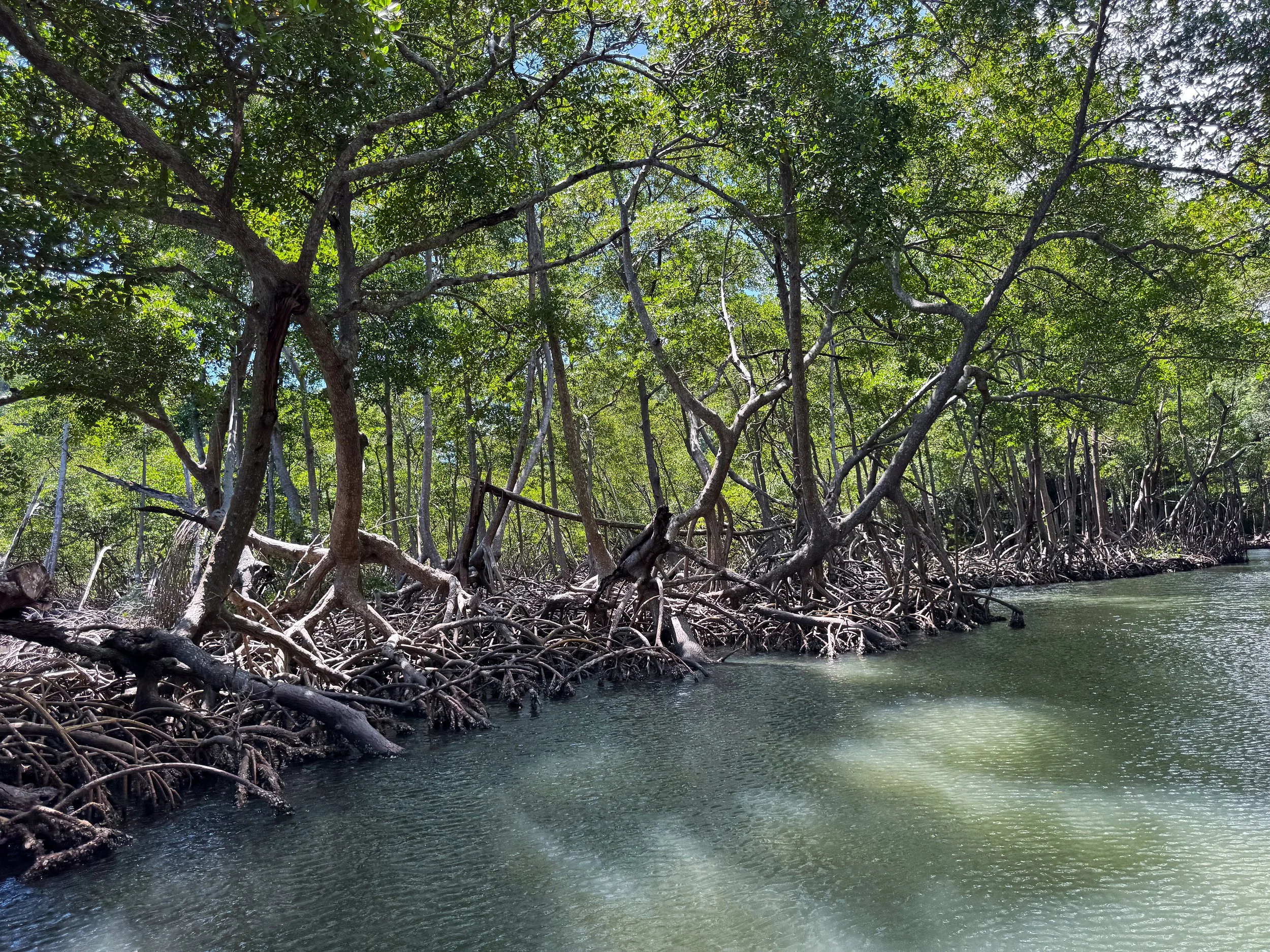
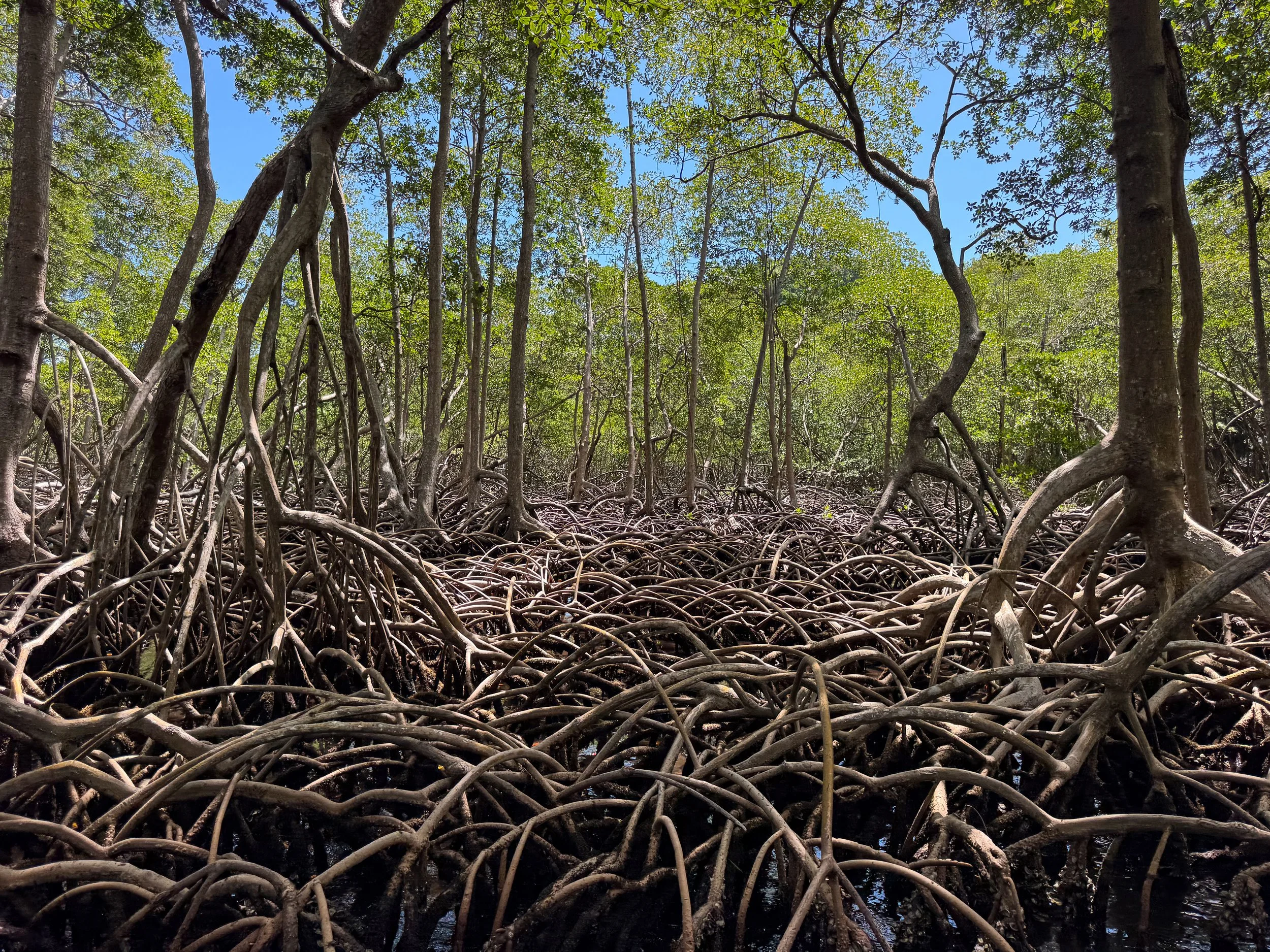
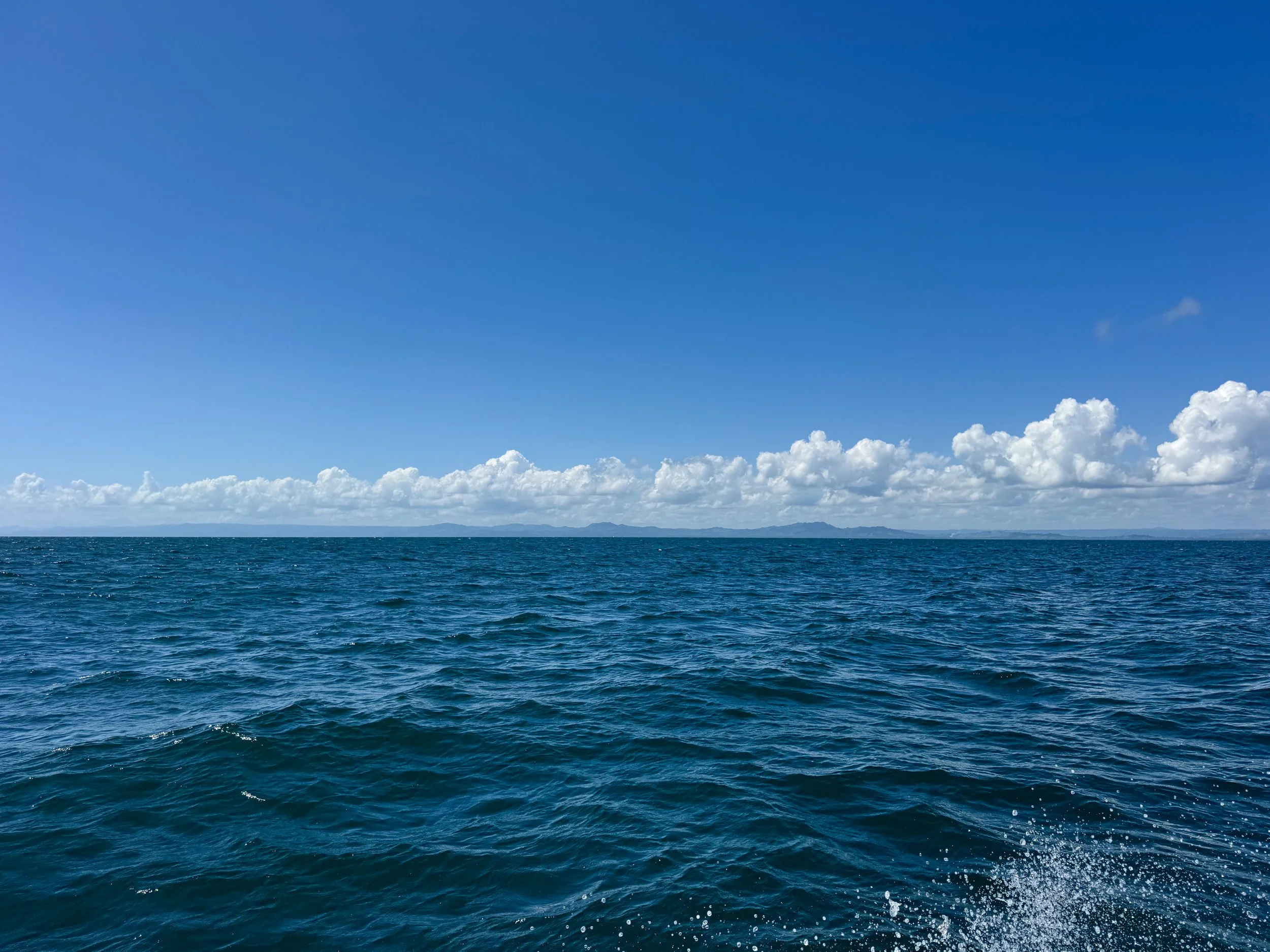
Los Haitises National Park. A vast landscape on the southern side of the Samaná Bay defined by its karst islands, mangrove forests, brackish rivers and caves systems with 600 year old Taíno petroglyphs.
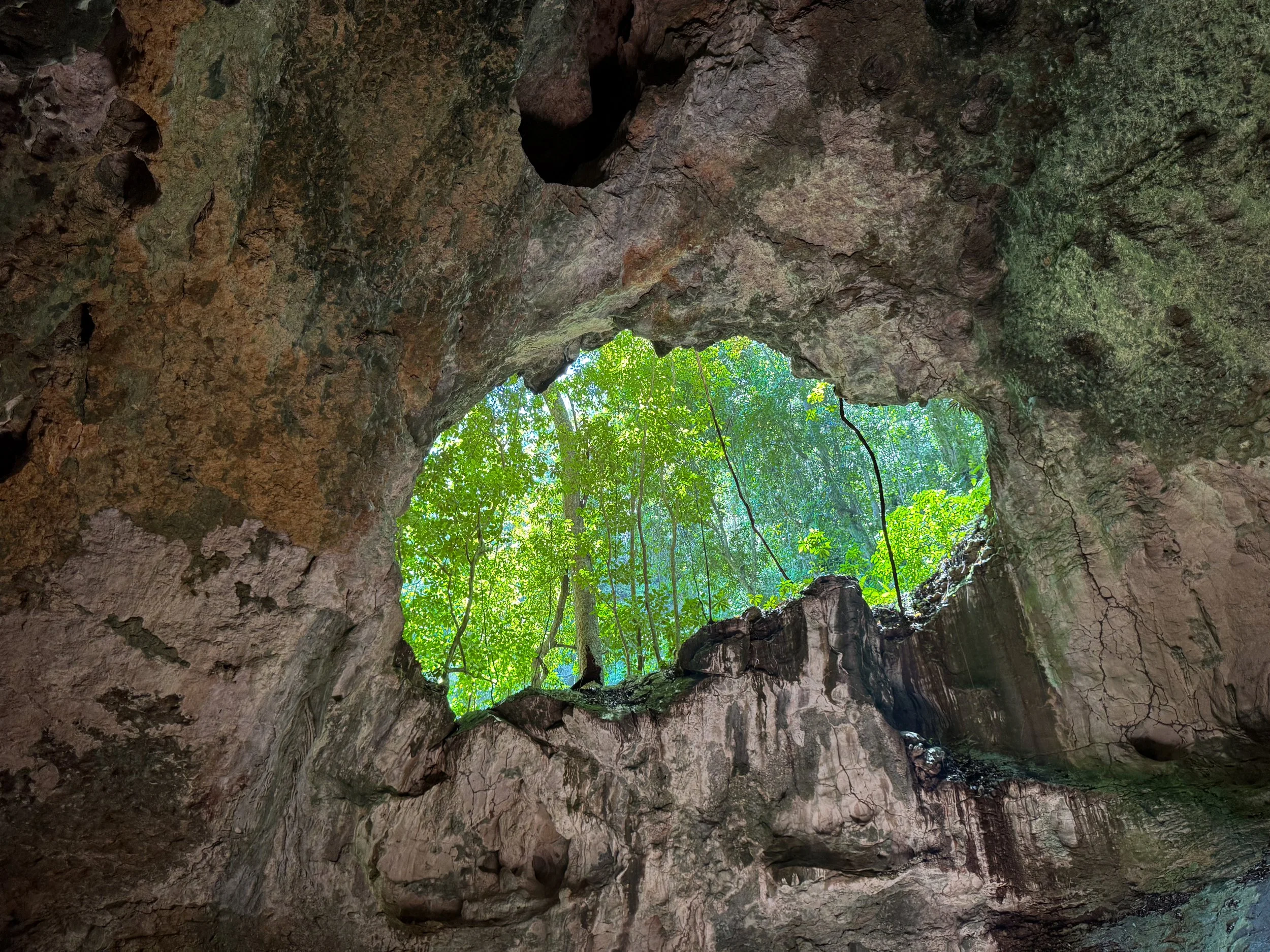
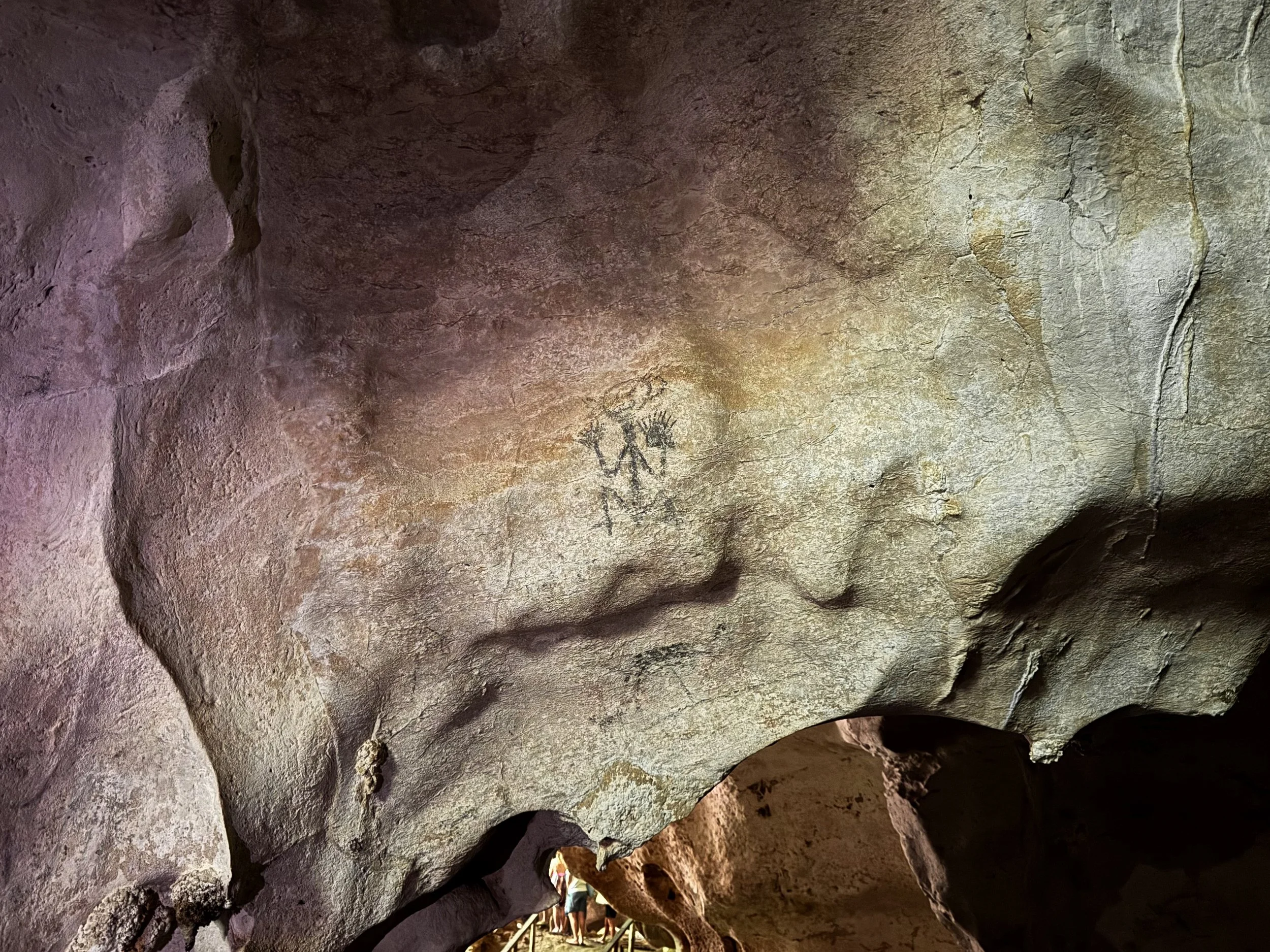
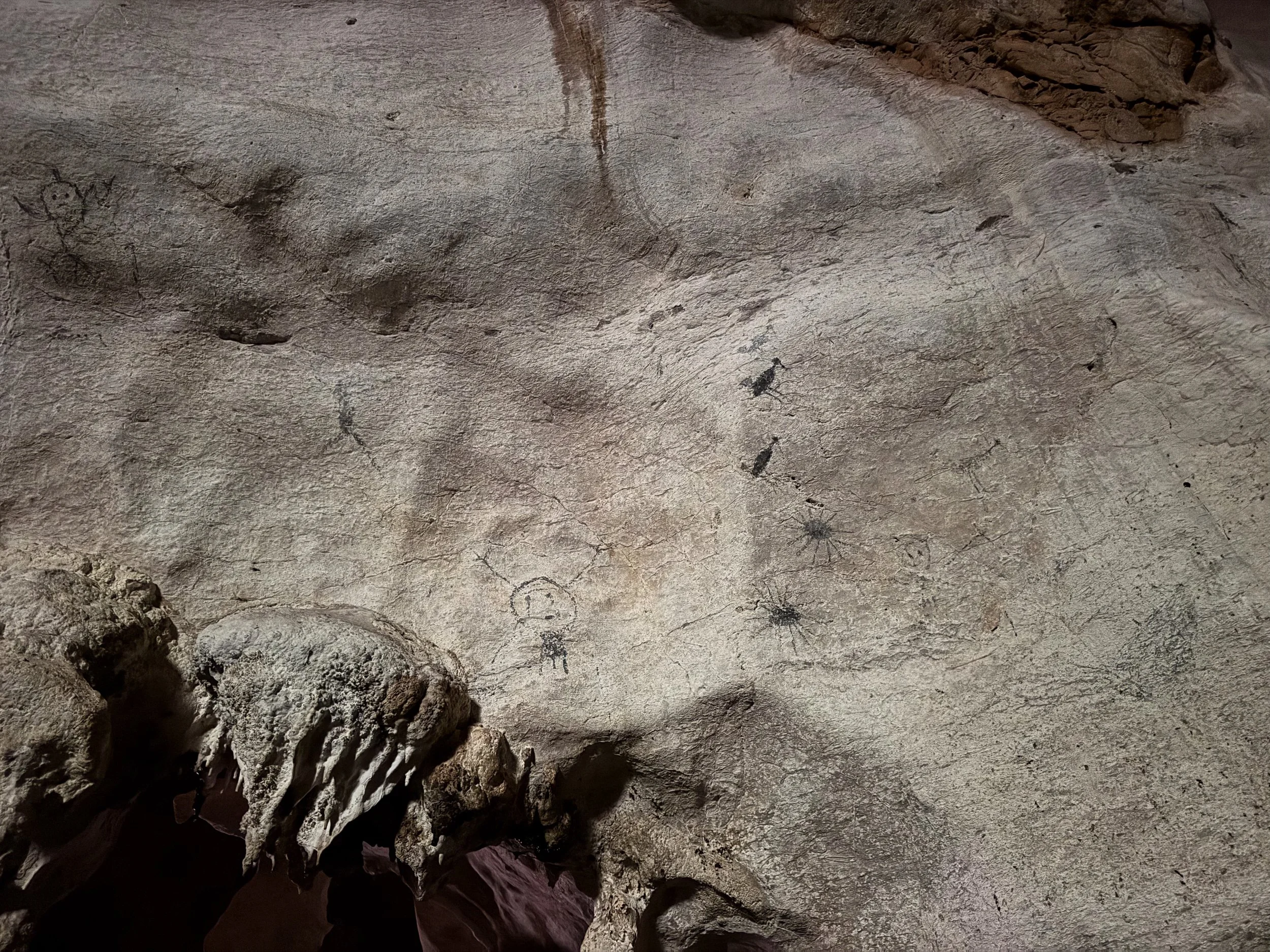
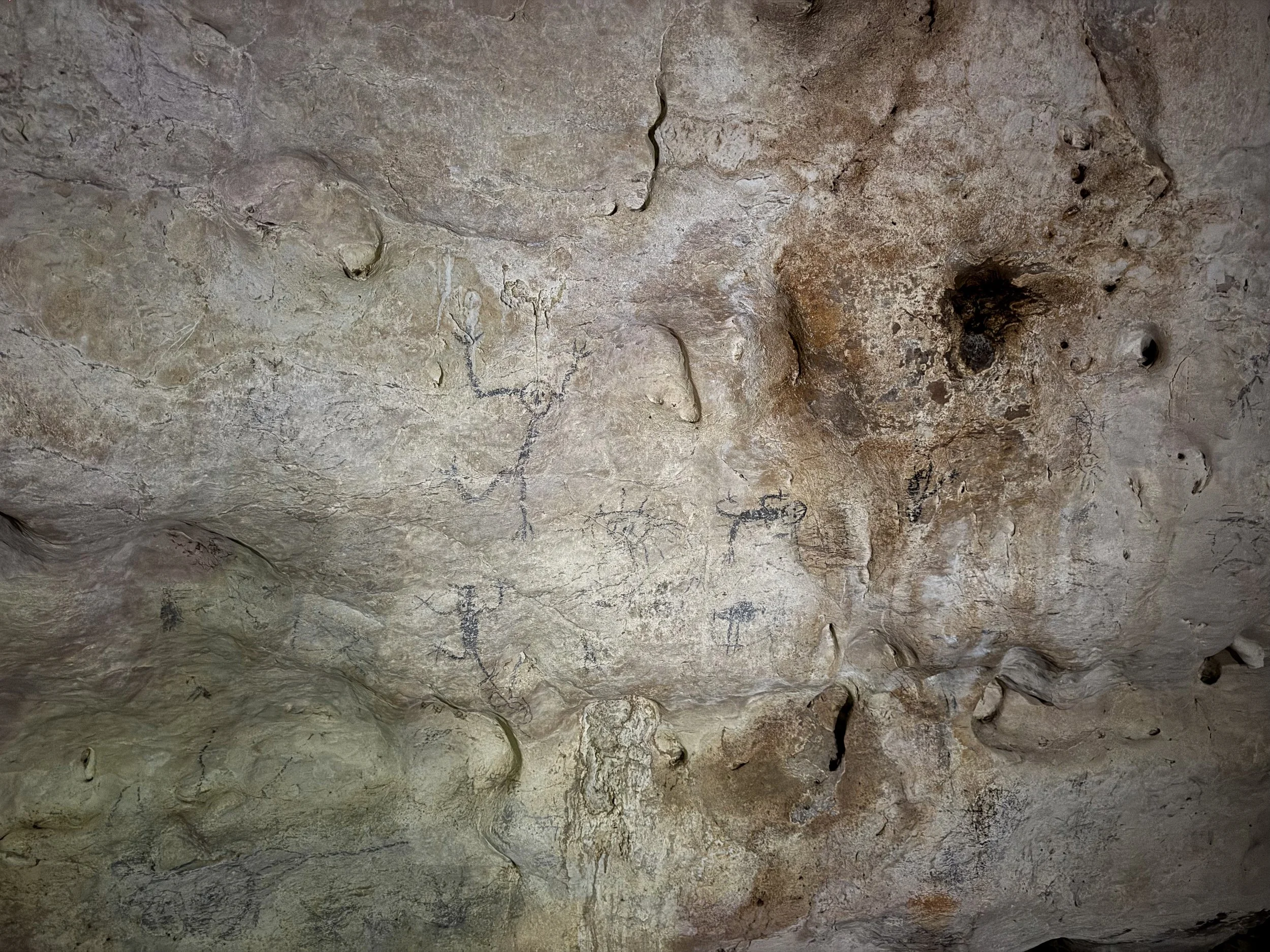
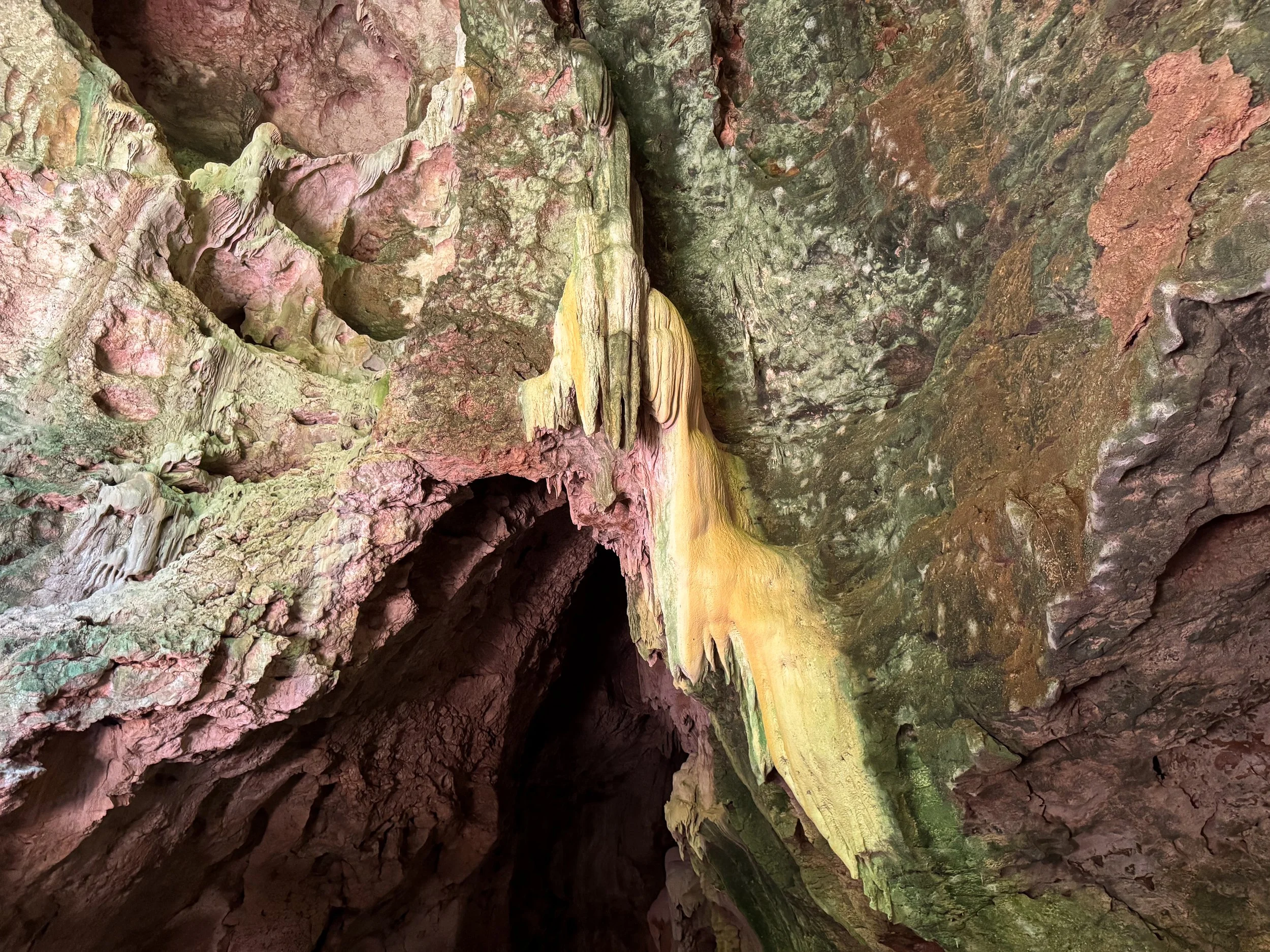
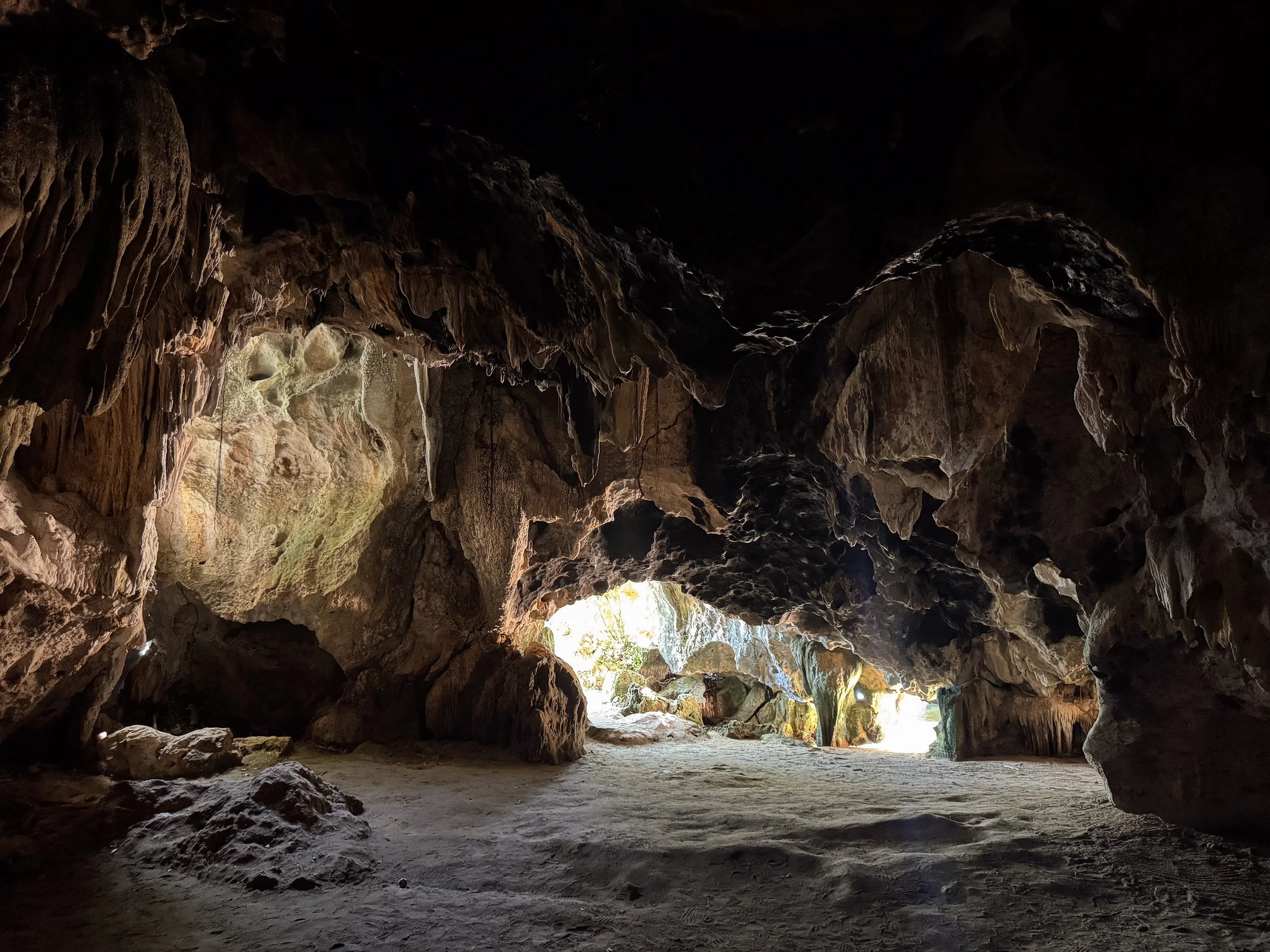
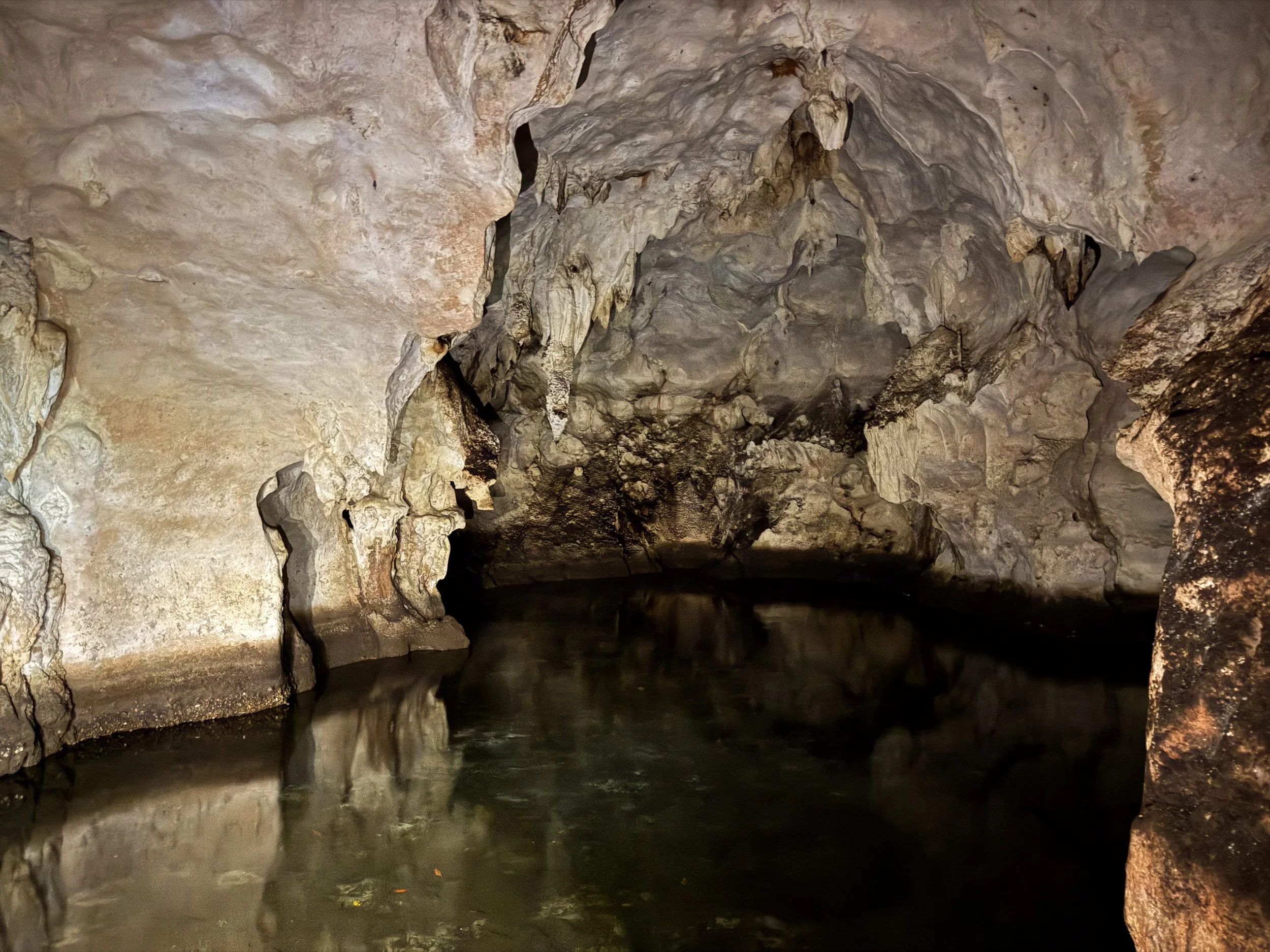
Cueva de La Linea. A large cave once home to hundreds of indigenous Taíno. The cave walls are covered in illustrations and petroglyphs depicting animals, hunting scenes, dancing people and swaddled babies.
Cueva de La Arena. A coastal cave system with a series of sandy chambers and flooded passageways that open up to the forest and bay.
Getting Here. We visited both the Los Haitises National Park and Cayo Levantado on a day trip from Samaná with Coprixa Travels on Get Your Guide. The tour included water, rum cocktails and a buffet lunch on Cayo Levantado.
Las Terrenas
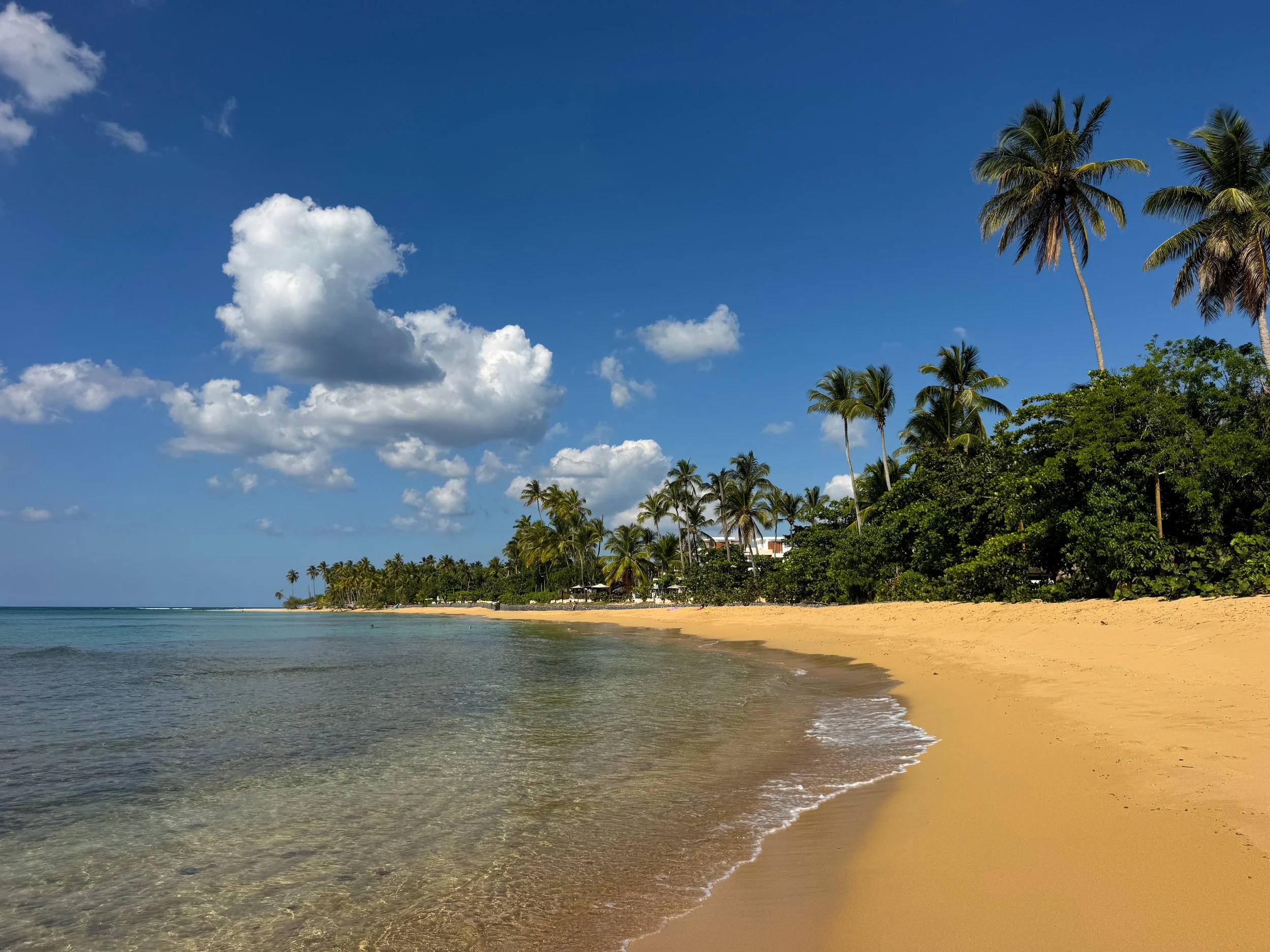
Las Terrenas is a bustling beach town with lengthy golden sand beaches, boutique resorts, open air restaurants, oceanfront bars, souvenir shops and colmados. It’s popular amongst independent travelers, European expats and wealthier locals.
Beaches in Las Terrenas
Playa Las Terrenas. A lengthy golden sand beach with calm swimmable waters and palm lined shores. It’s one of the most easily accessible beaches in Las Terrenas yet sparsely crowded making it a relaxing place to sunbathe and swim. A beachfront walkway follows the coastline leading to oceanfront restaurants and neighboring beaches.
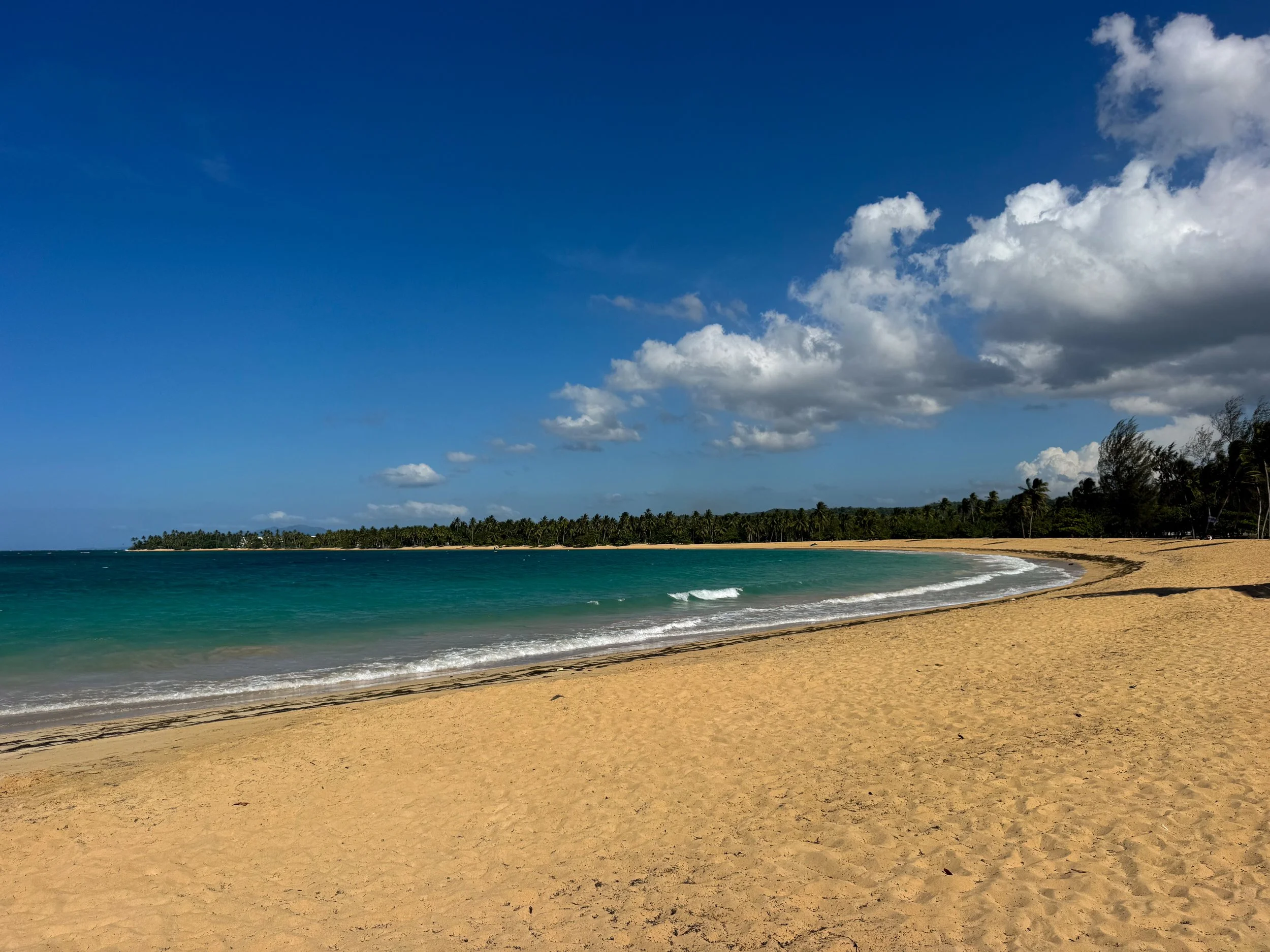
Playa Punta Popy. A popular golden sand beach at the far eastern point of Playa Las Terrenas. Its shallow turquoise waters are an inviting place to cool off during the mid afternoon heat while beach vendors rent lounges and umbrellas beneath the cover of an expansive palm grove. There is an official parking lot, costing 100 Dominican Pesos for the full day.
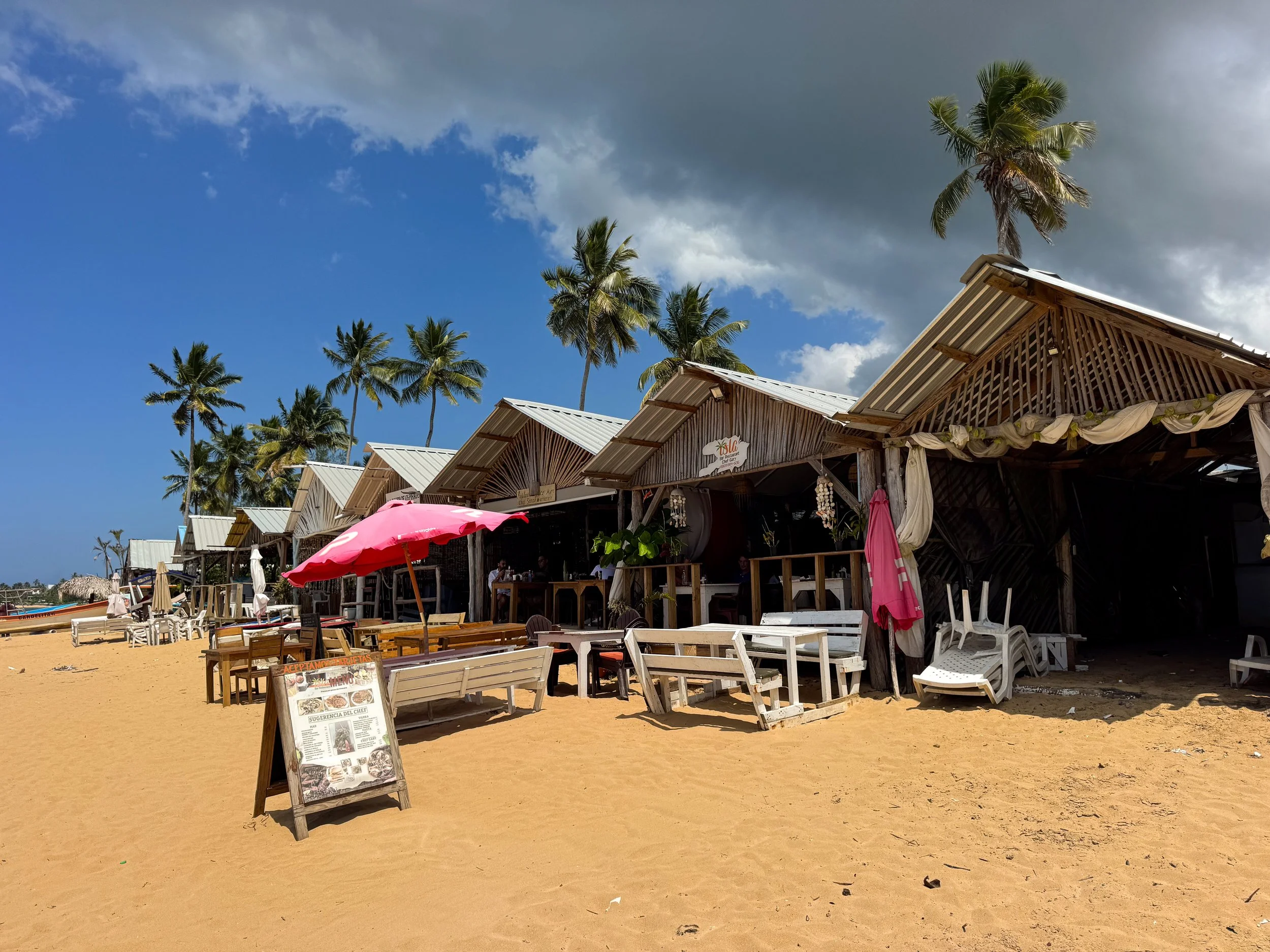
Playa Casa Blanca. A sandy beach in the center of Las Terrenas with over a dozen beachfront kiosks offering Dominican cuisine and fresh caught seafood. Fishermen can frequently be seen cleaning their catch onshore while small boats and dining tables dot the sand. Sit down at Dulce Playa for the Samaná Peninsula’s famed Pescado con Coco, a whole fried red snapper covered in sauce made from coconut milk, tomato and garlic.
Good to Know. Prices are much more affordable here than at the restaurants in town, often excluding the 18% government fee.
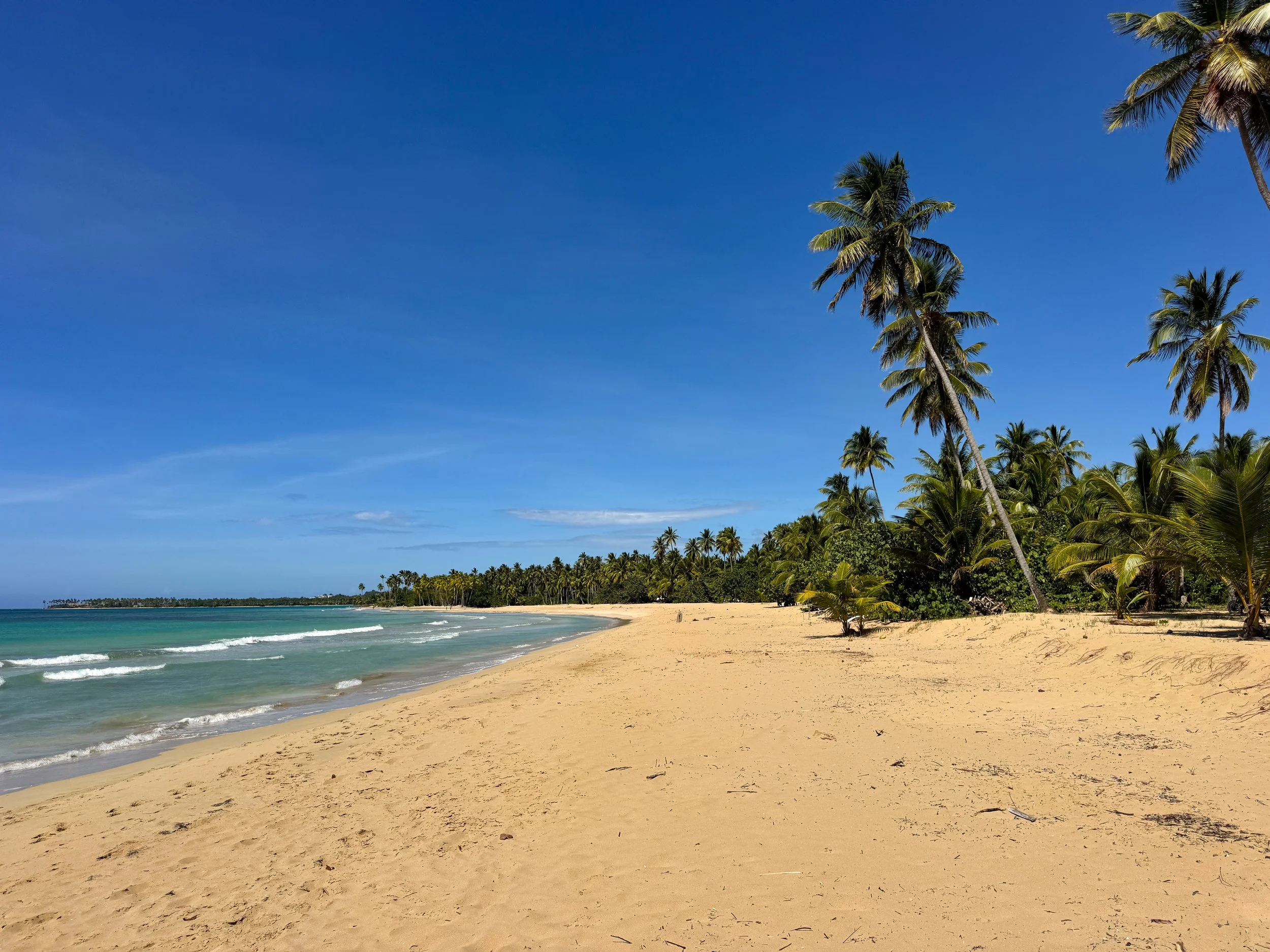
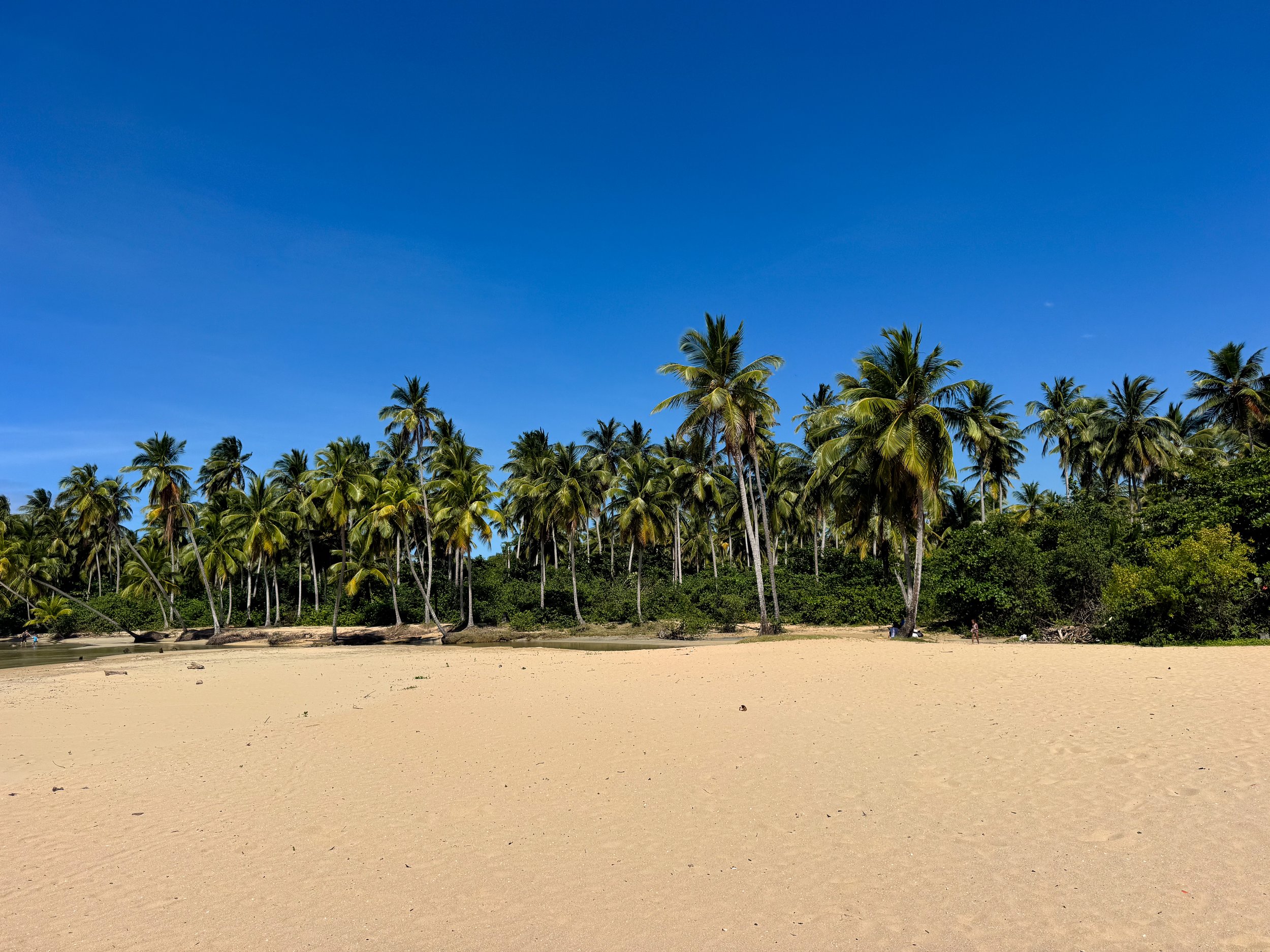
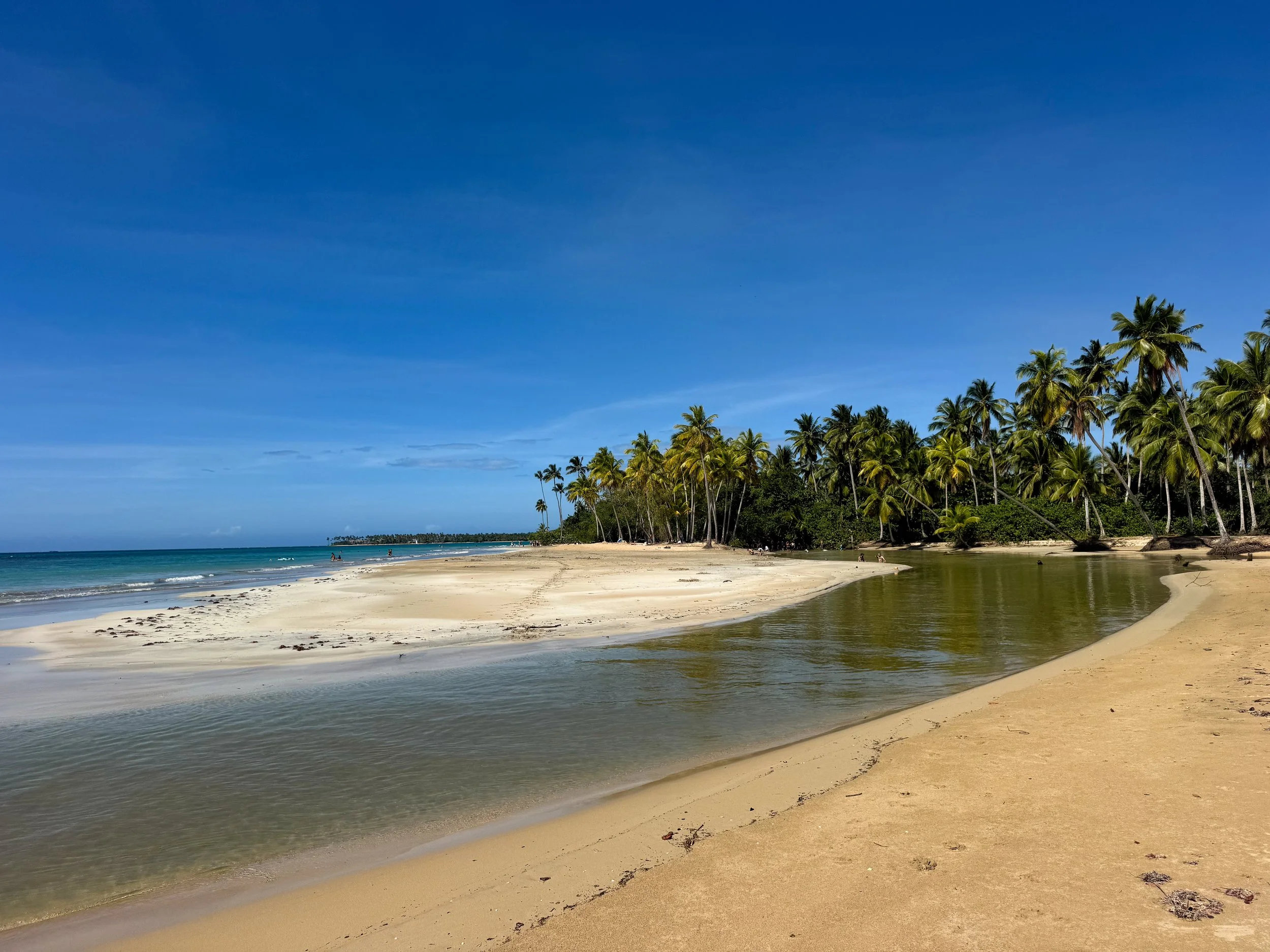
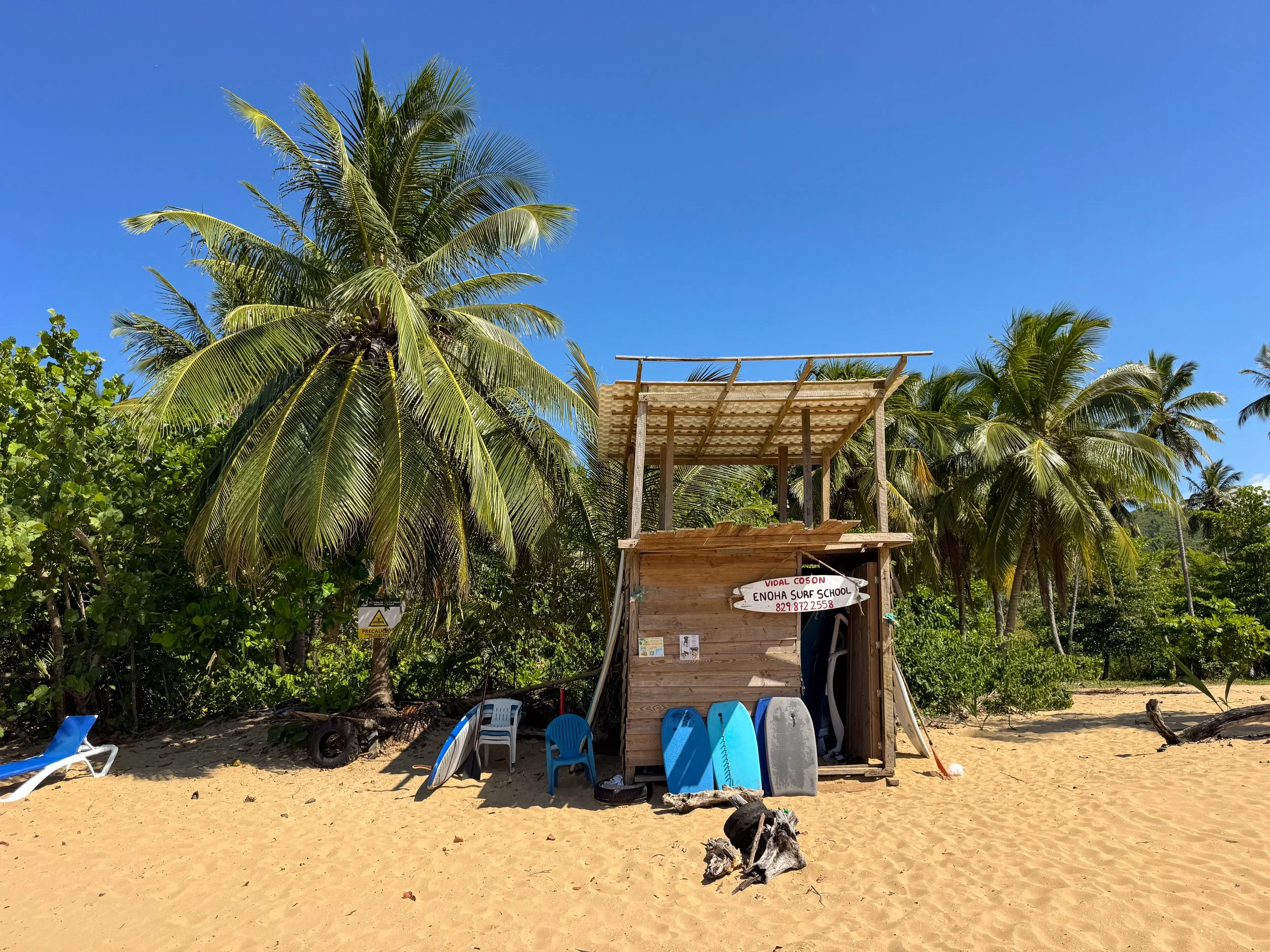
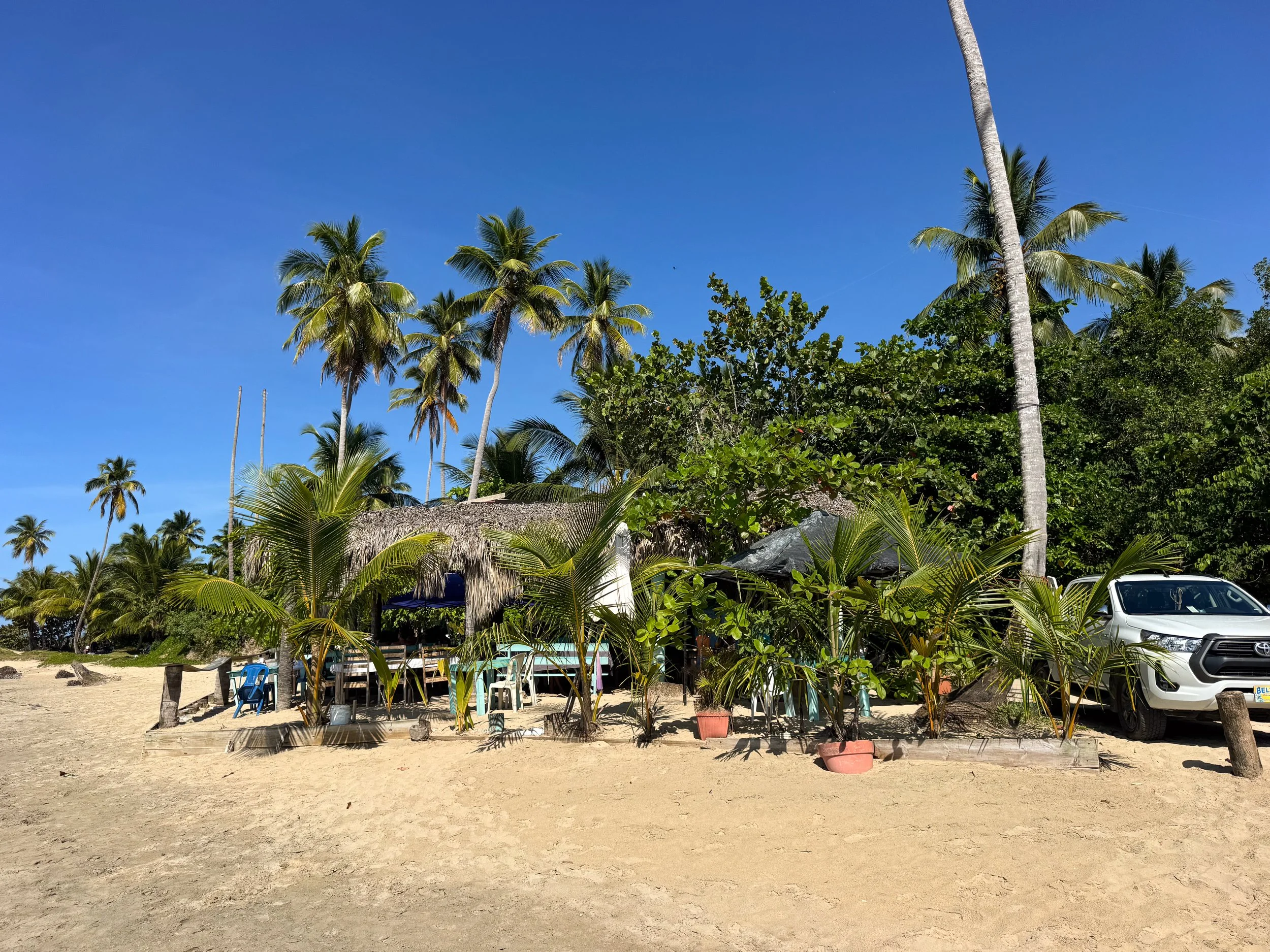
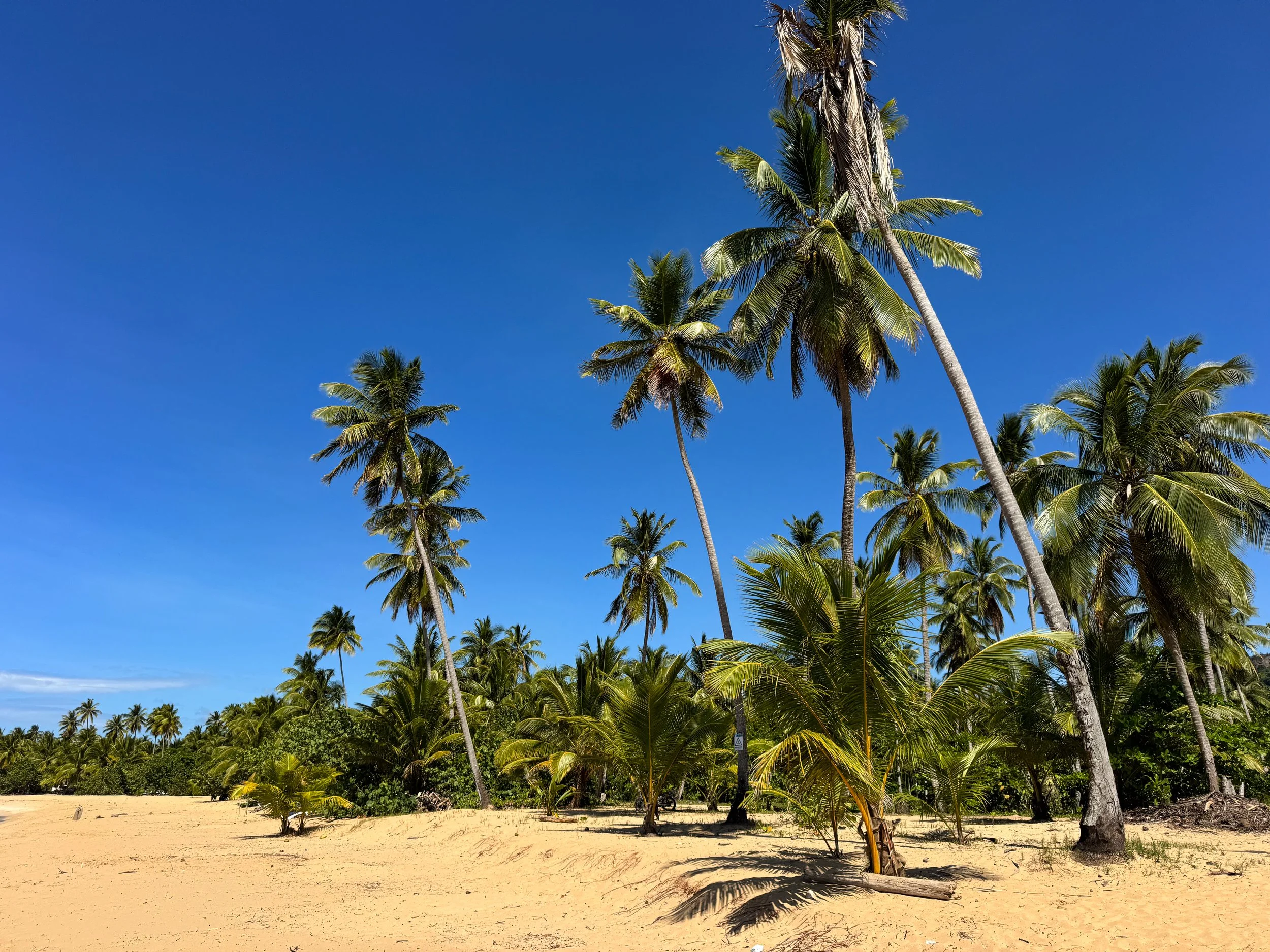
Playa Cosón. An expansive golden sand beach with a verdant palm lined shore. Its western cove is largely undeveloped, making it a popular place to swim, sunbathe, barbecue and surf. The eastern cove is largely privatized with luxury residential developments and beachfront resorts.
The Cosón River. A freshwater river that lets out at Cosón Beach, creating a large shallow pool with refreshingly cool and clear waters. It’s popular with locals and families looking to cool off from the heat.
Valerio en Playa Cosón. A beachfront restaurant at Cosón Beach serving freshly caught seafood dishes and tropical cocktails served in pineapples. They’re cash only.
Enoha Surf School. A surf shack at Cosón Beach with board rentals and surf lessons. We missed out on the chance to surf in the leisurely waves but enjoyed watching.
Beach Parking. Free parking is available at a lot near the Enoha Surf School and along the sandy road between it and The Cosón River.
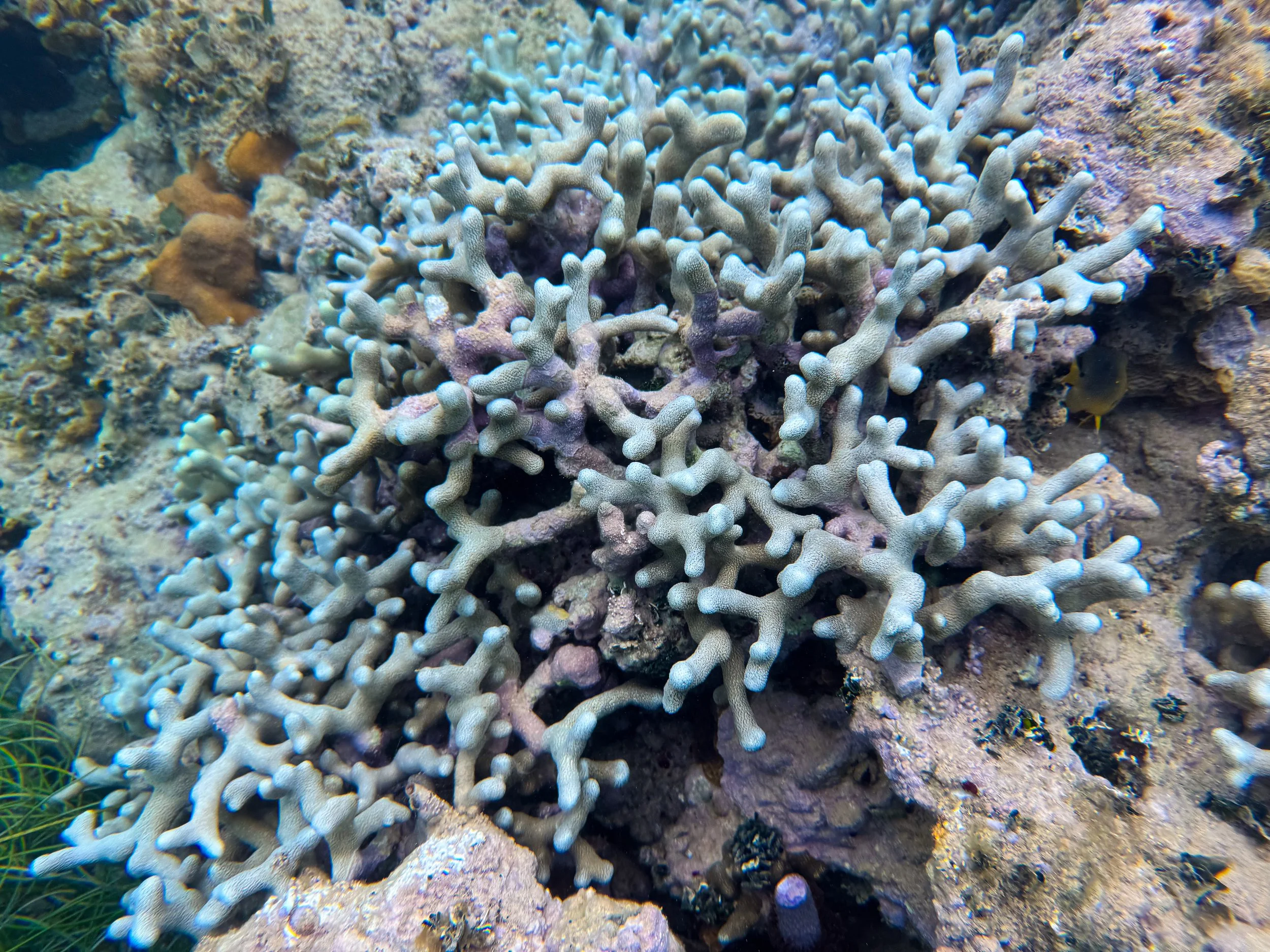
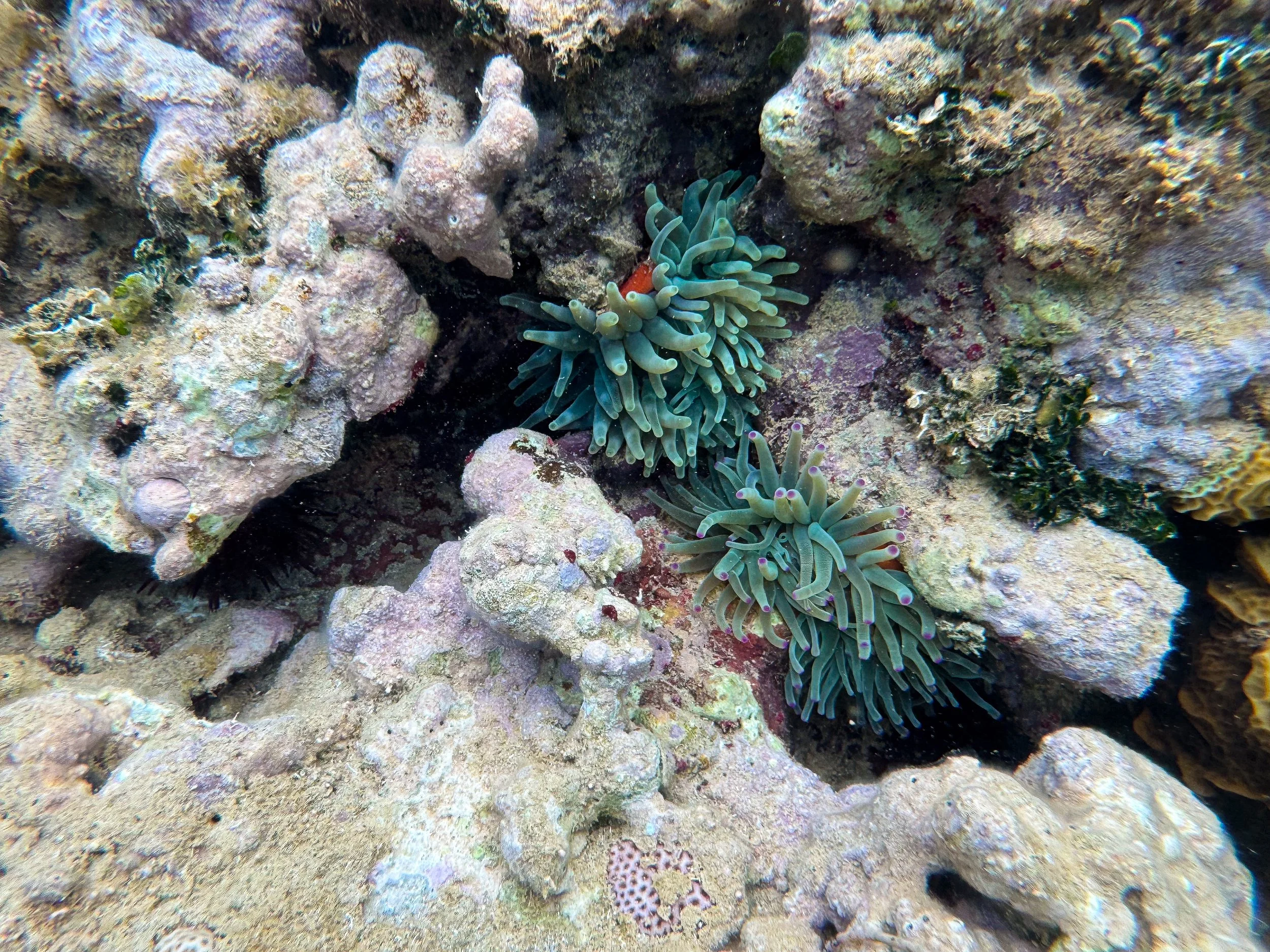
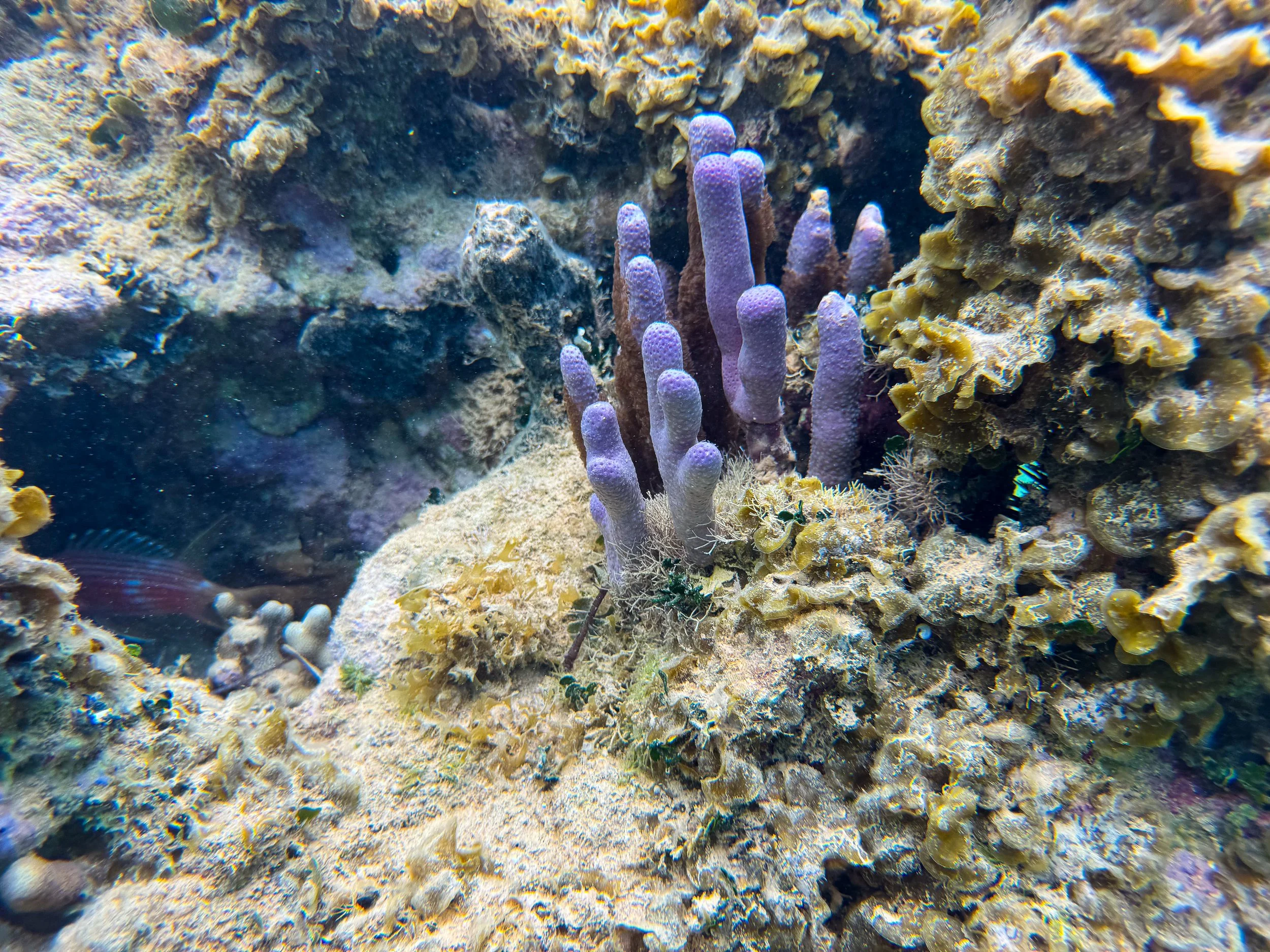
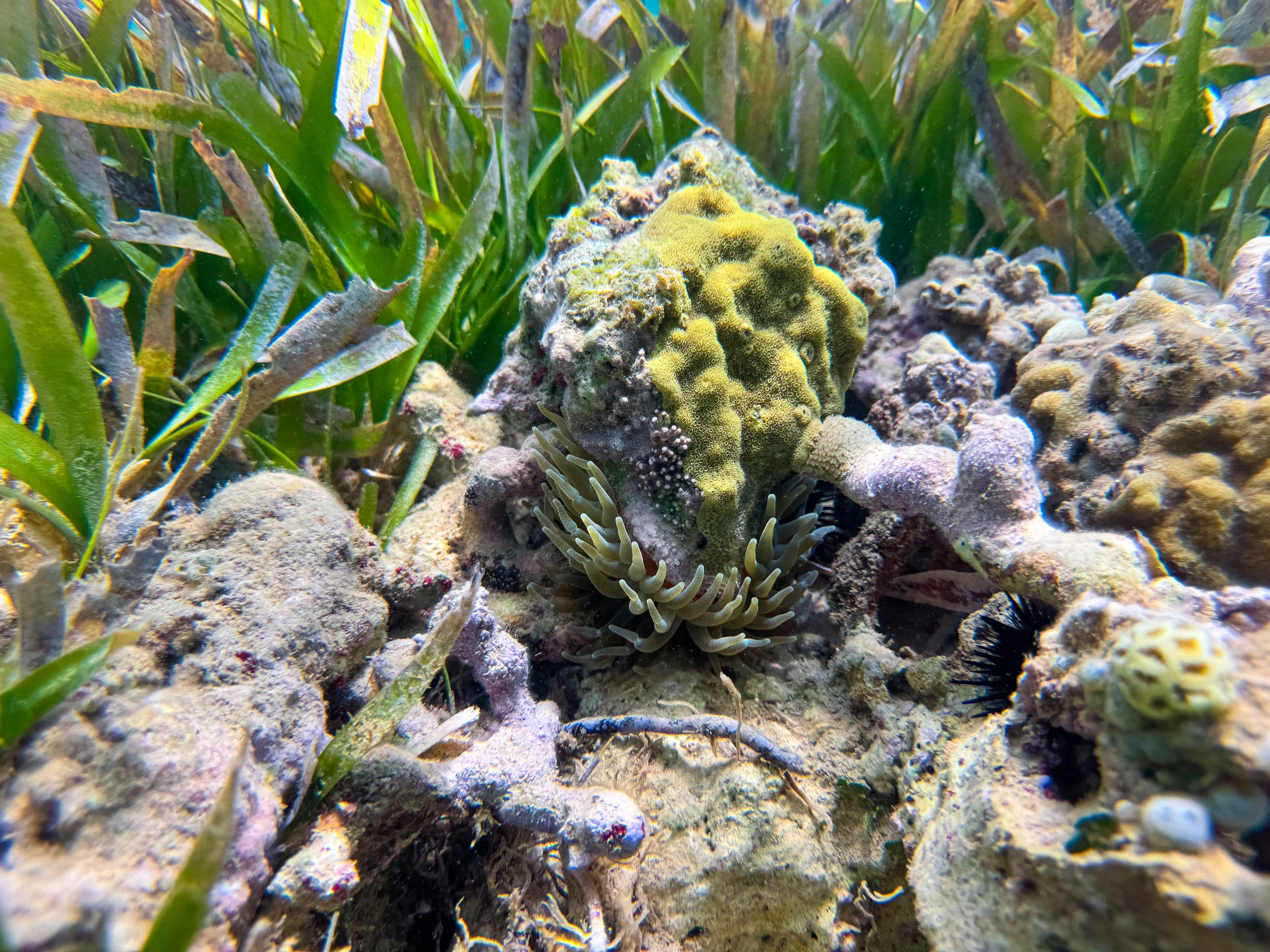
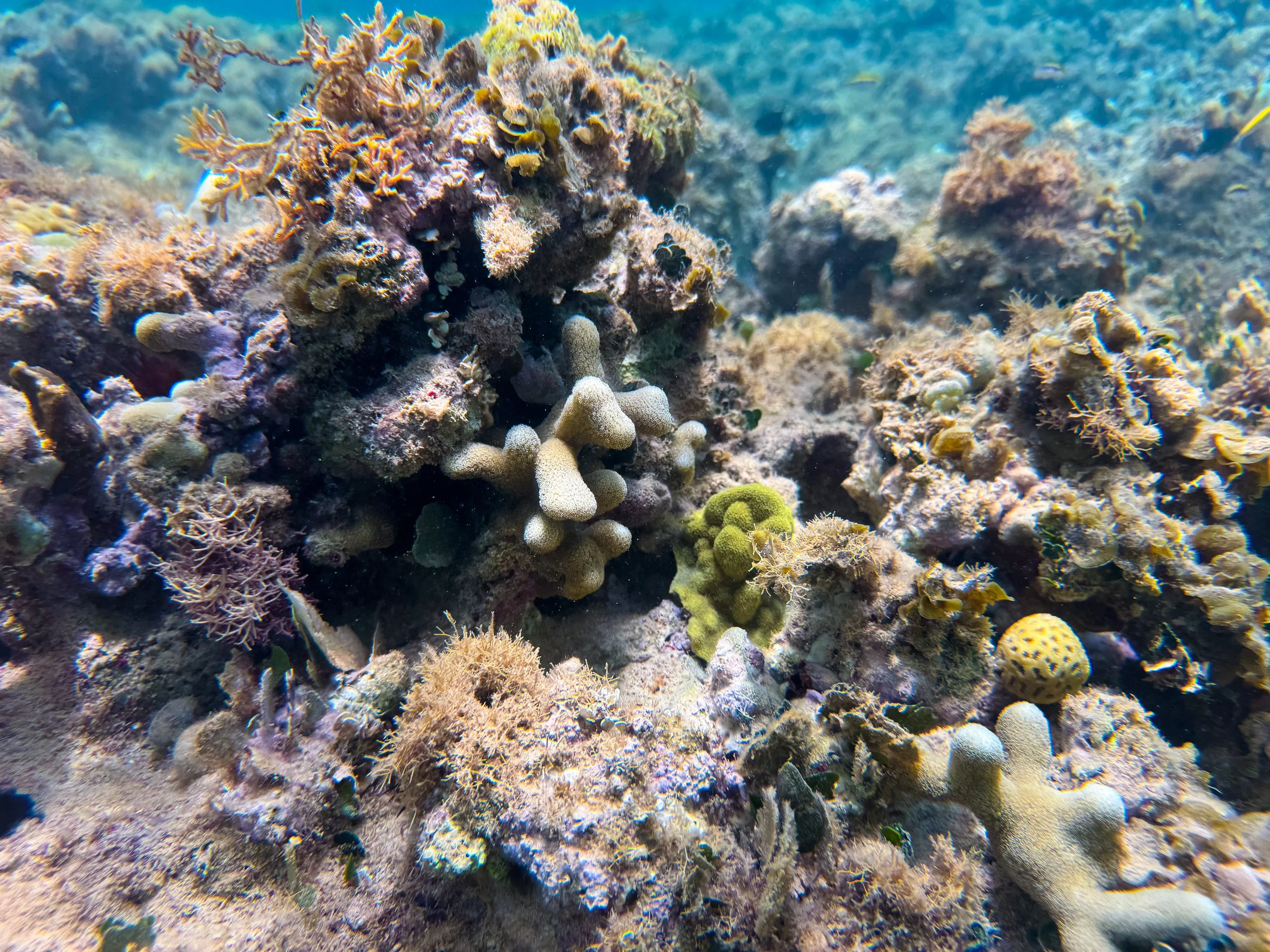
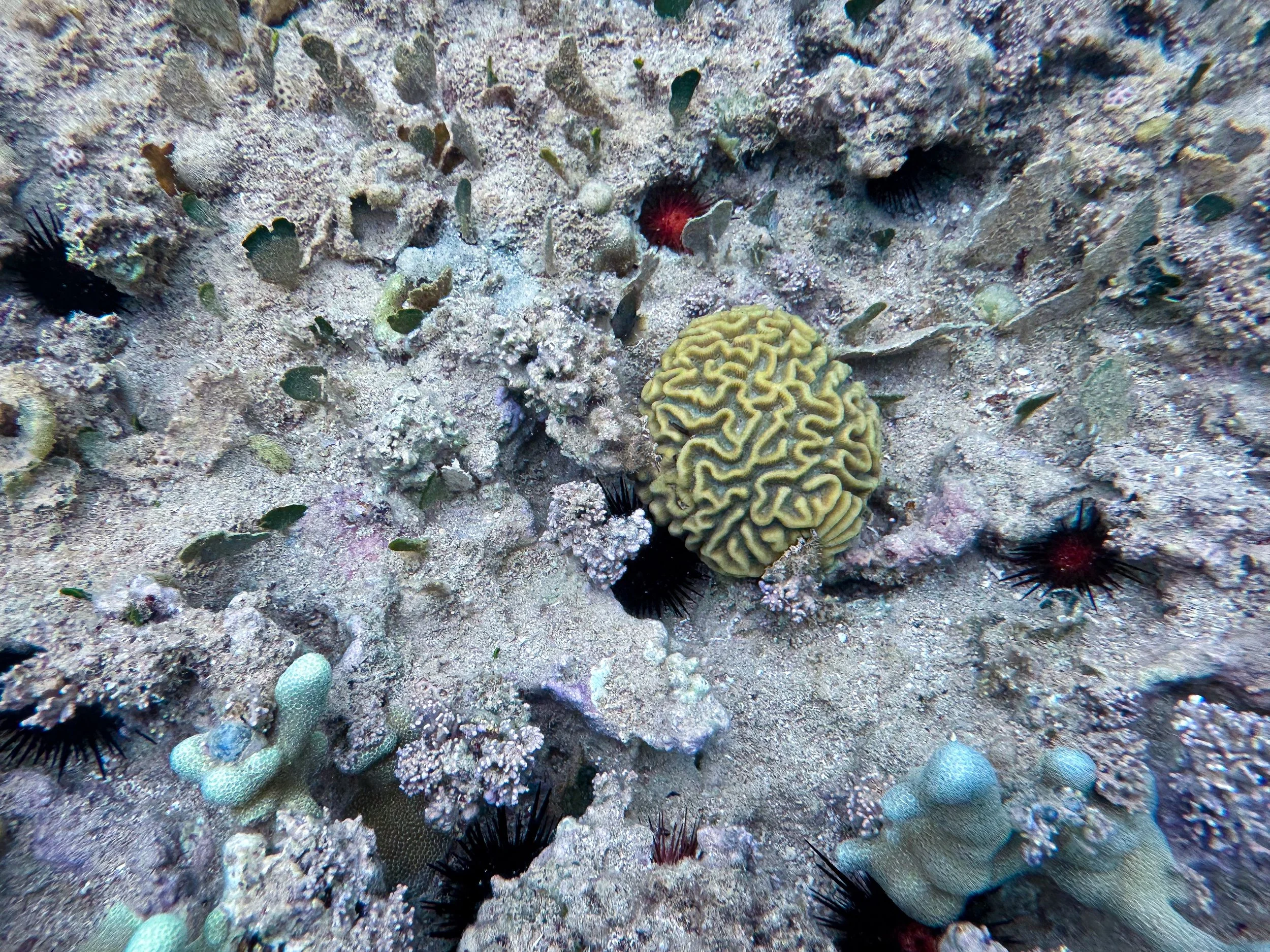
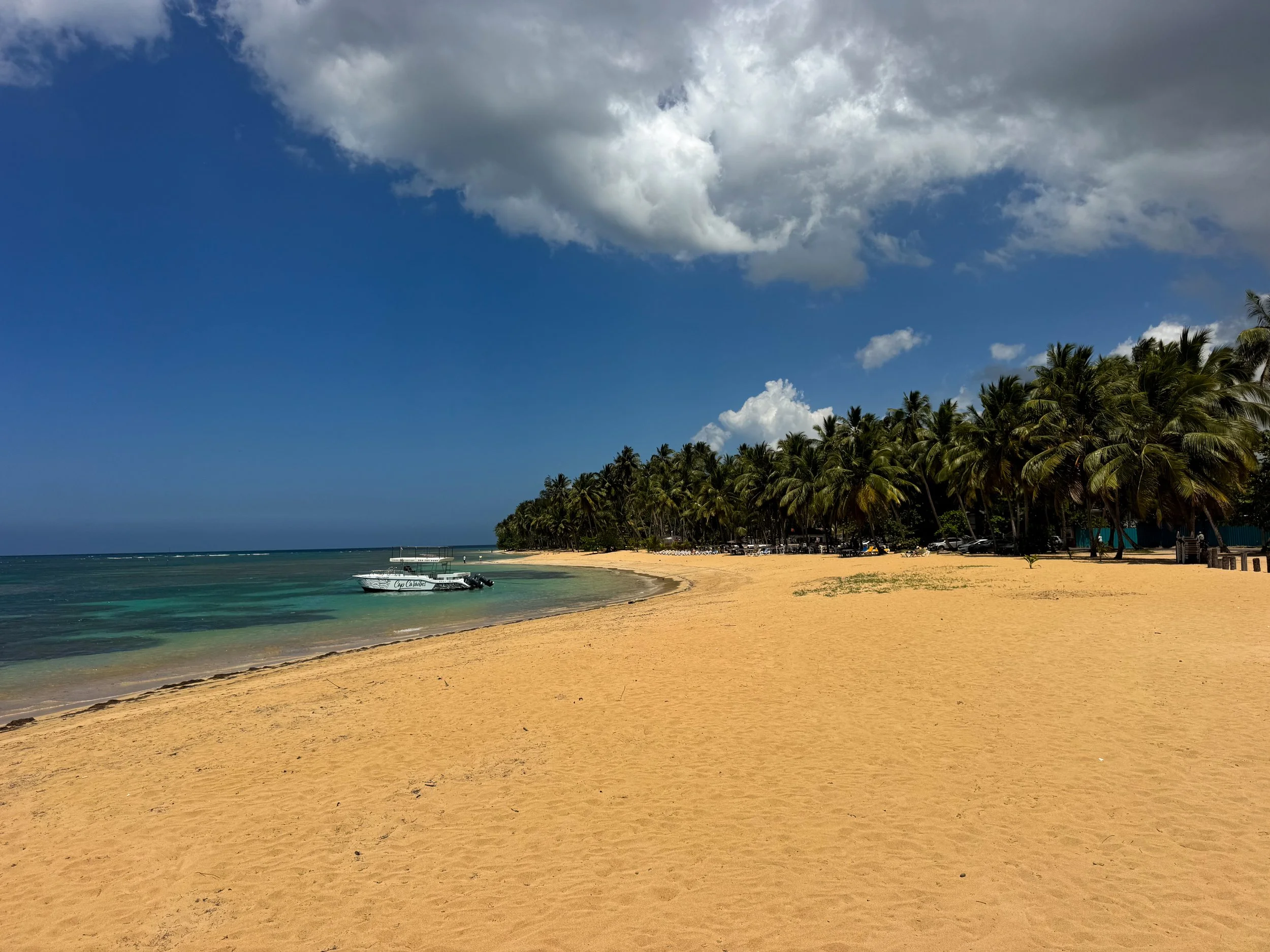
Snorkeling in Las Terrenas
Playa Las Ballenas. A lengthy beach with a densely palm fringed shoreline. Beachfront kiosks rent lounges, serve island cuisine and tropical cocktails under the shade of the palms. Beneath the aquamarine waters are meadows of seagrass and large coral structures home to colorful corals, tropical fish, swaying anemones and sea urchins.
Pro Tip. Bring your own snorkel gear and swim out about 100 meters past the shallow seagrass meadows to reach the corals. Swim straight out at the beachfront across from the Apartamento Palmerai.
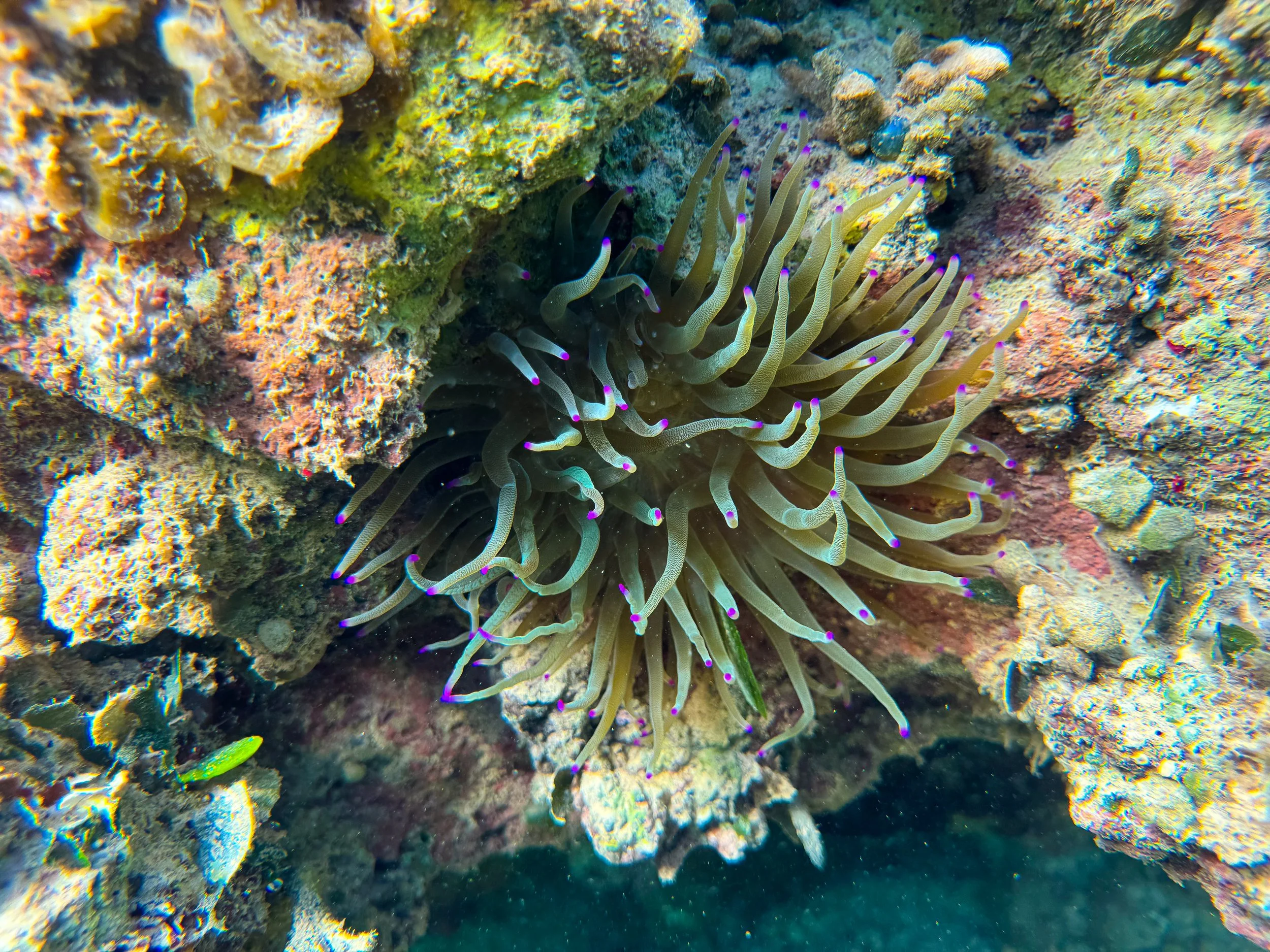
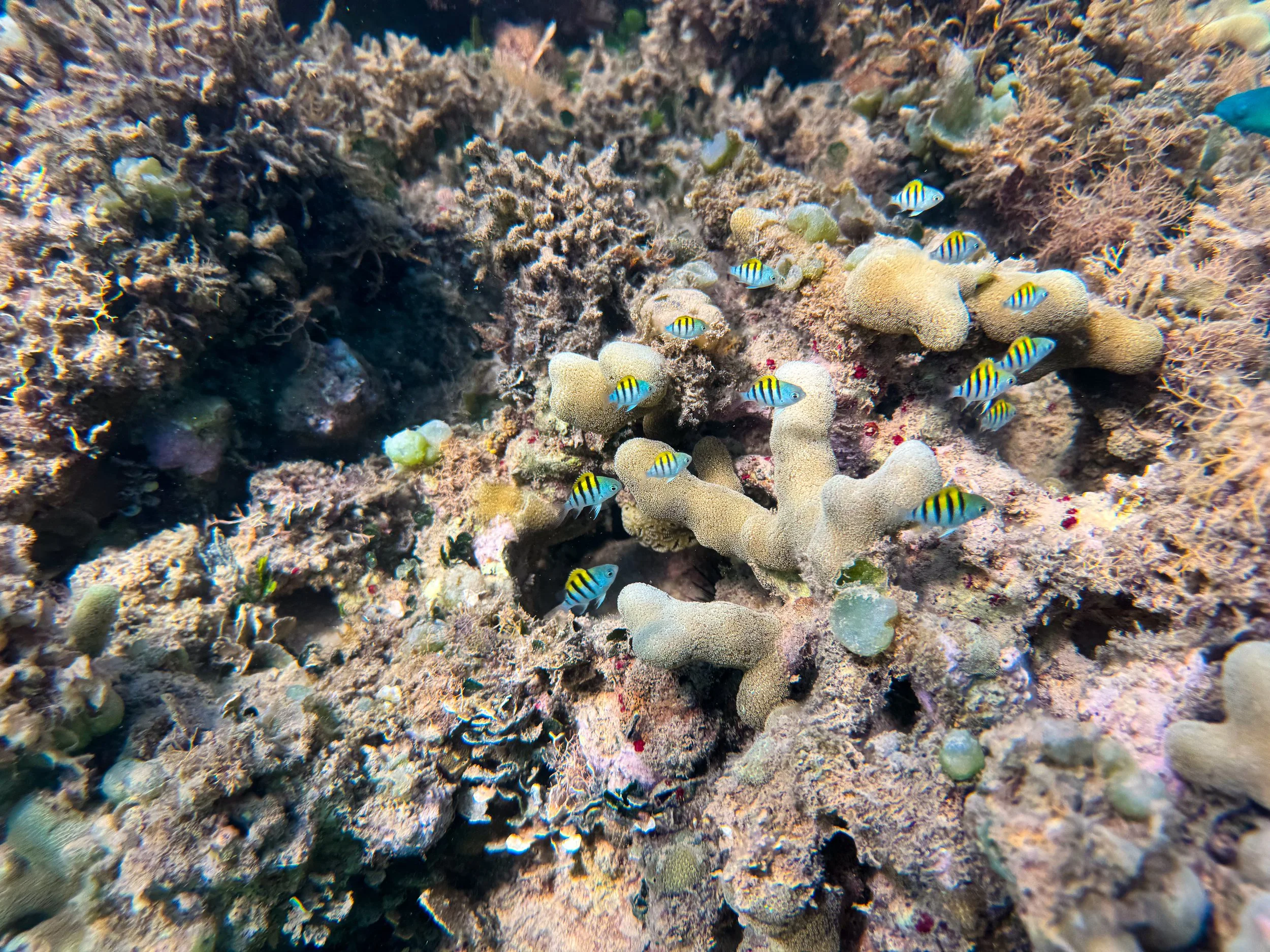
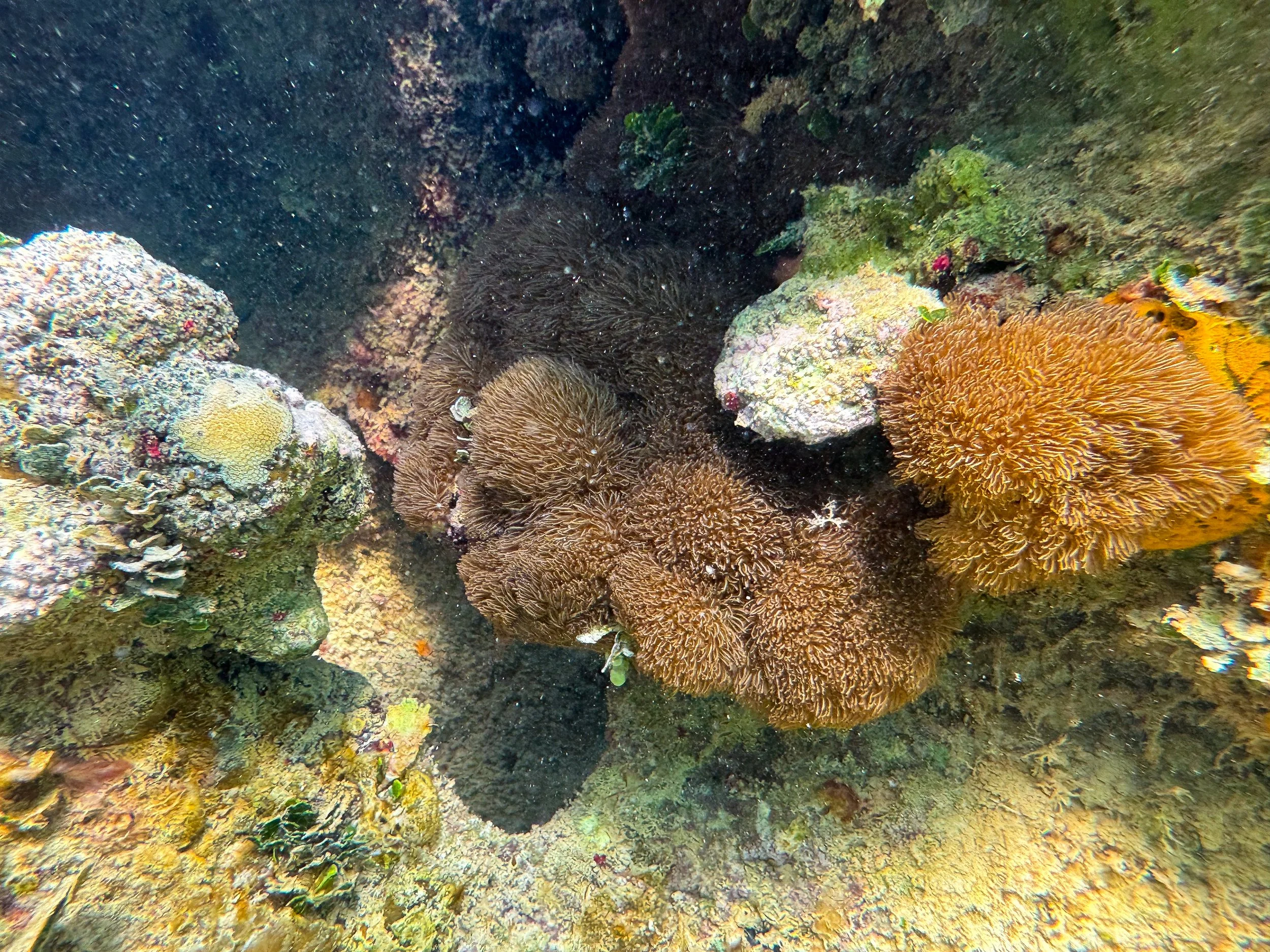
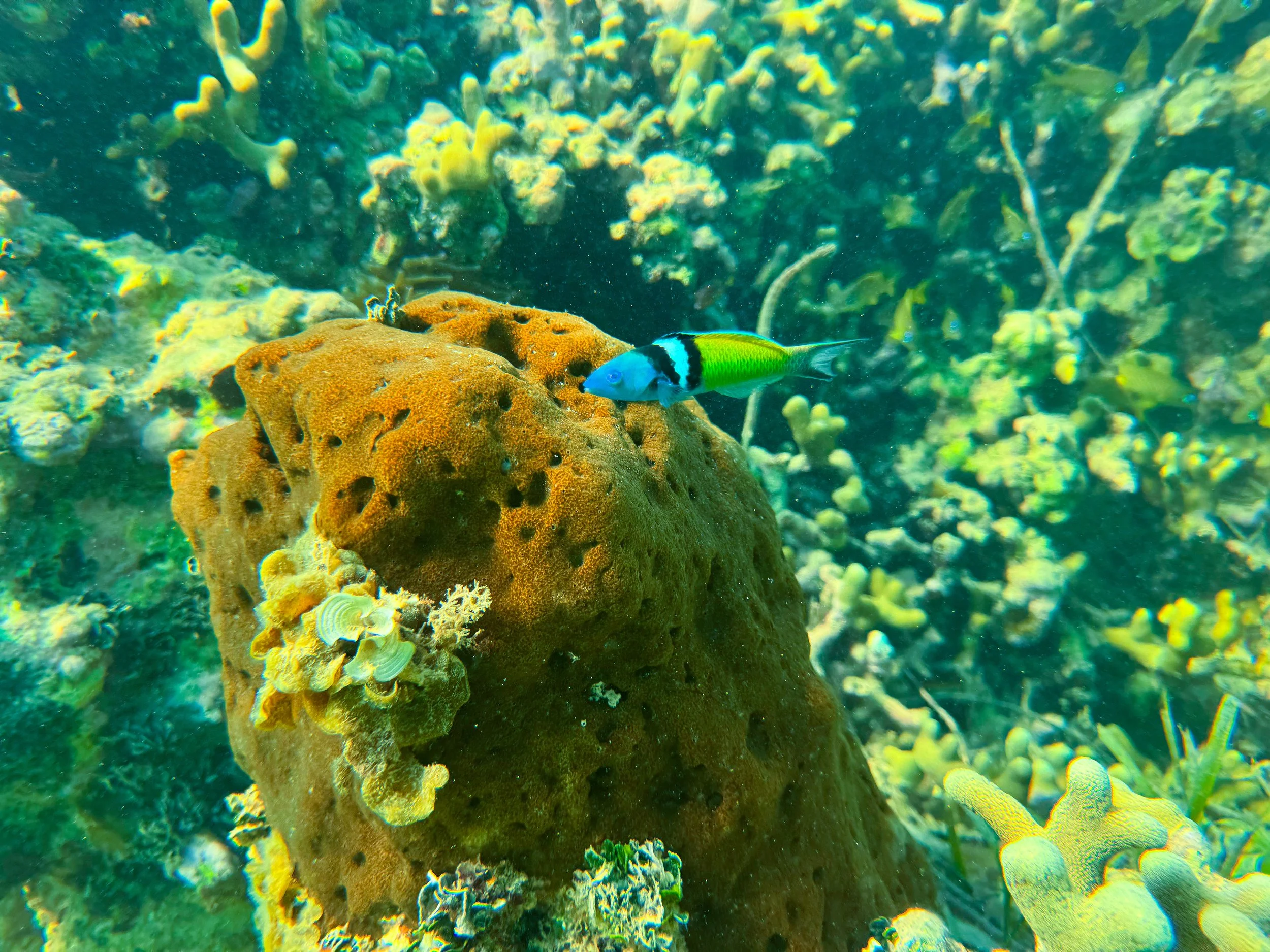
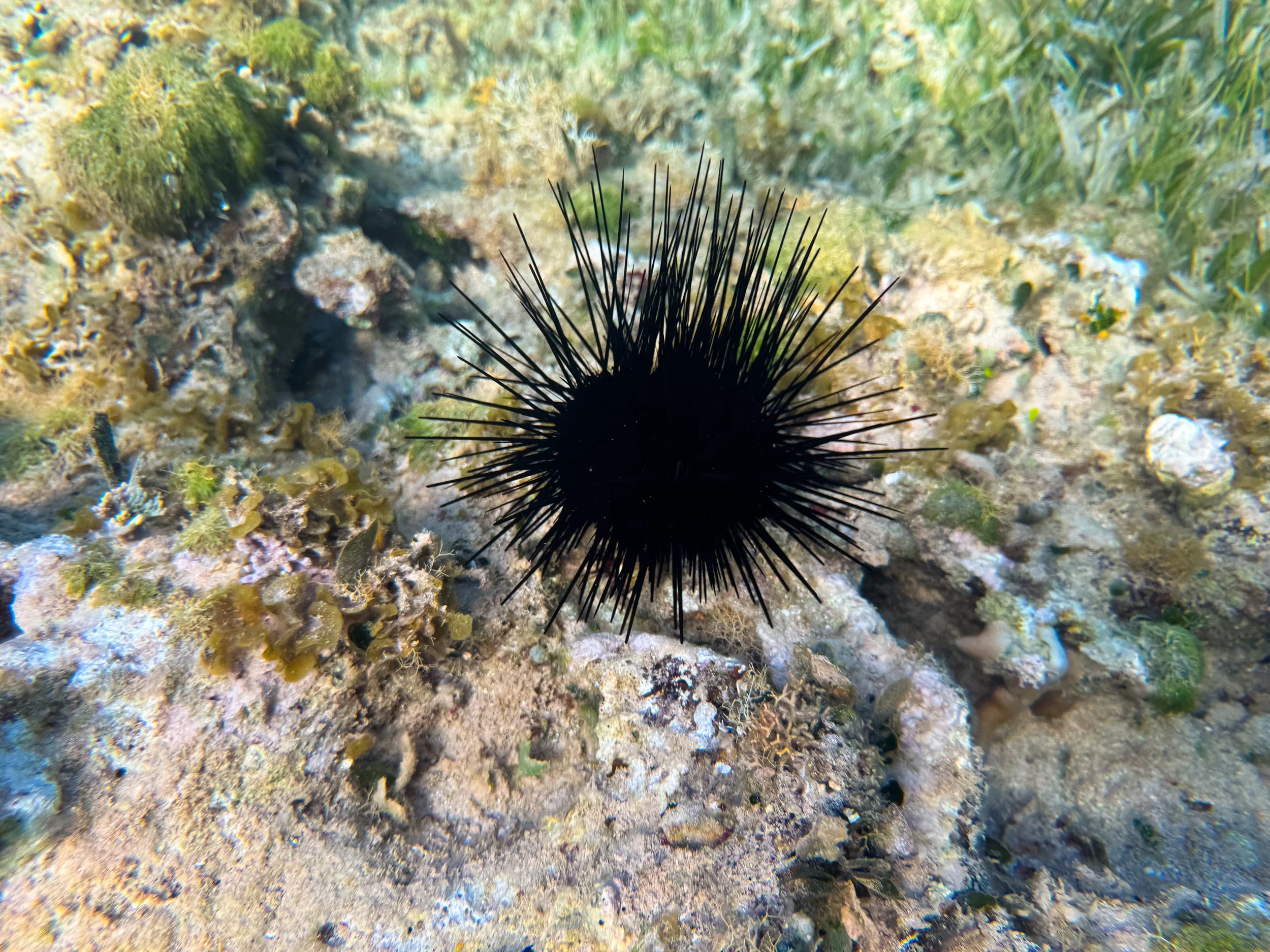
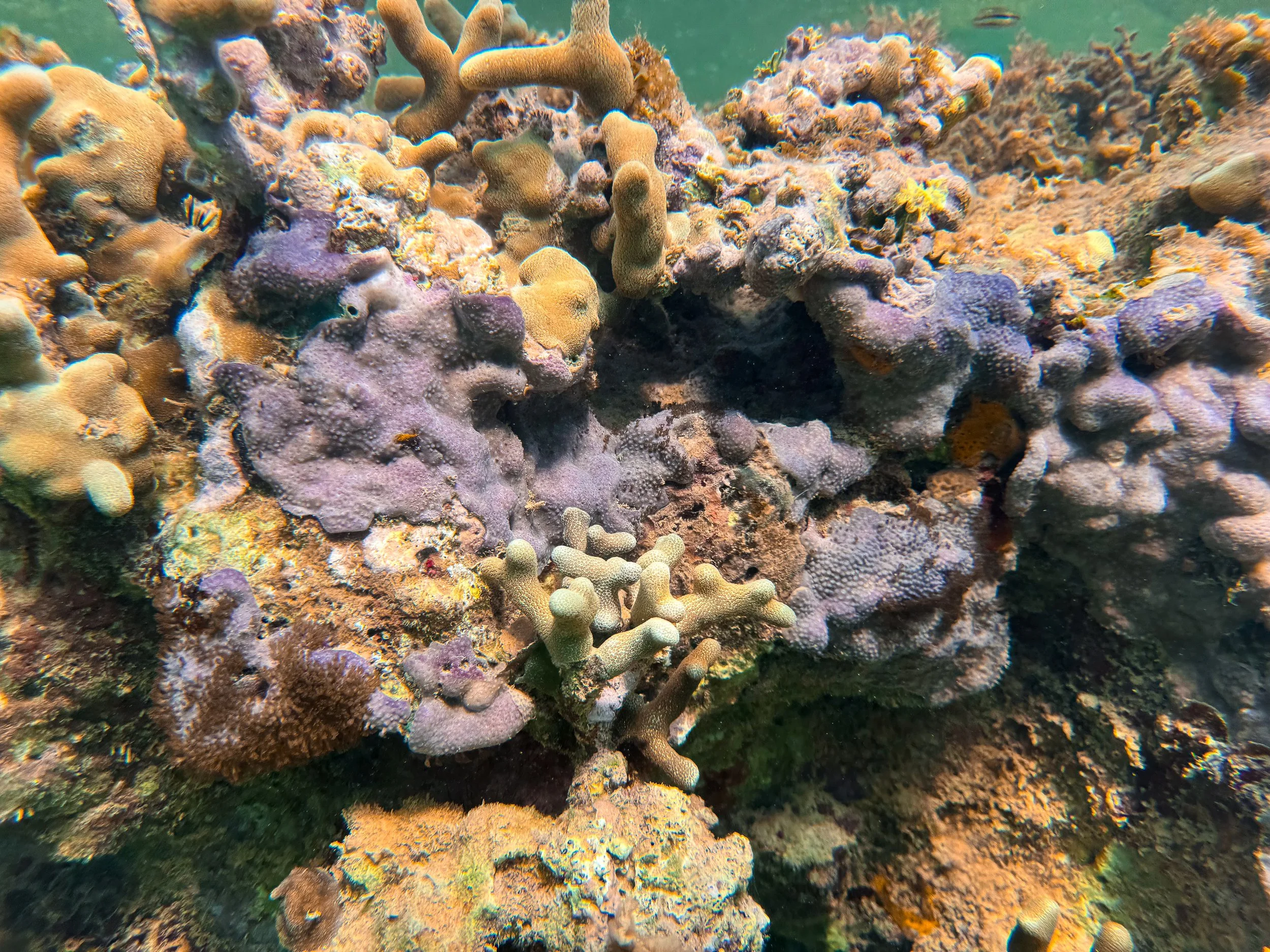
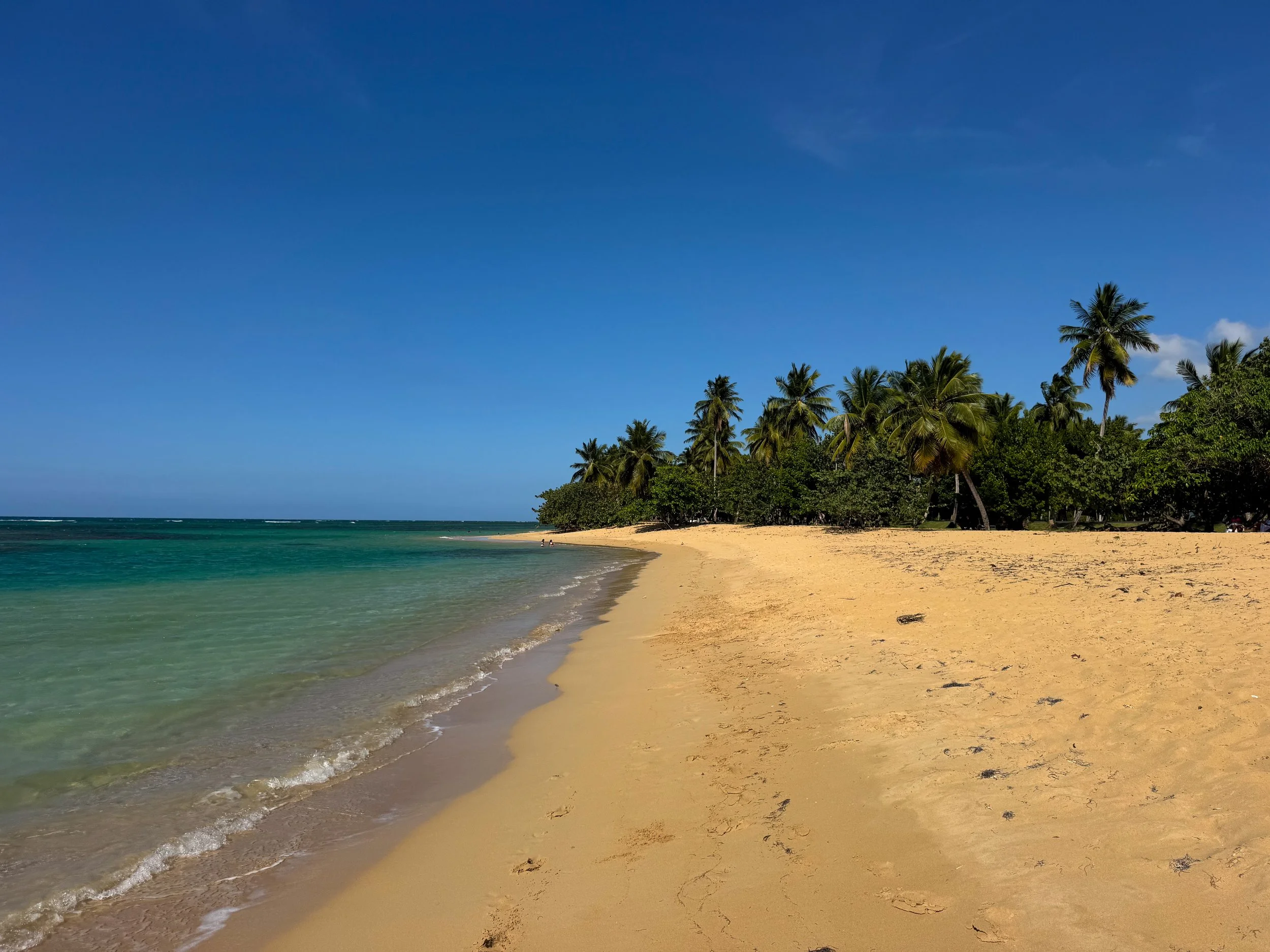
Playa El Portillo. A golden sand beach with a palm lined shoreline. It’s one of Las Terrenas least developed and most natural beaches with offshore meadows of seagrass and lively coral gardens home to anemones, tiny fish and urchins. Come here to sunbathe, swim and snorkel.
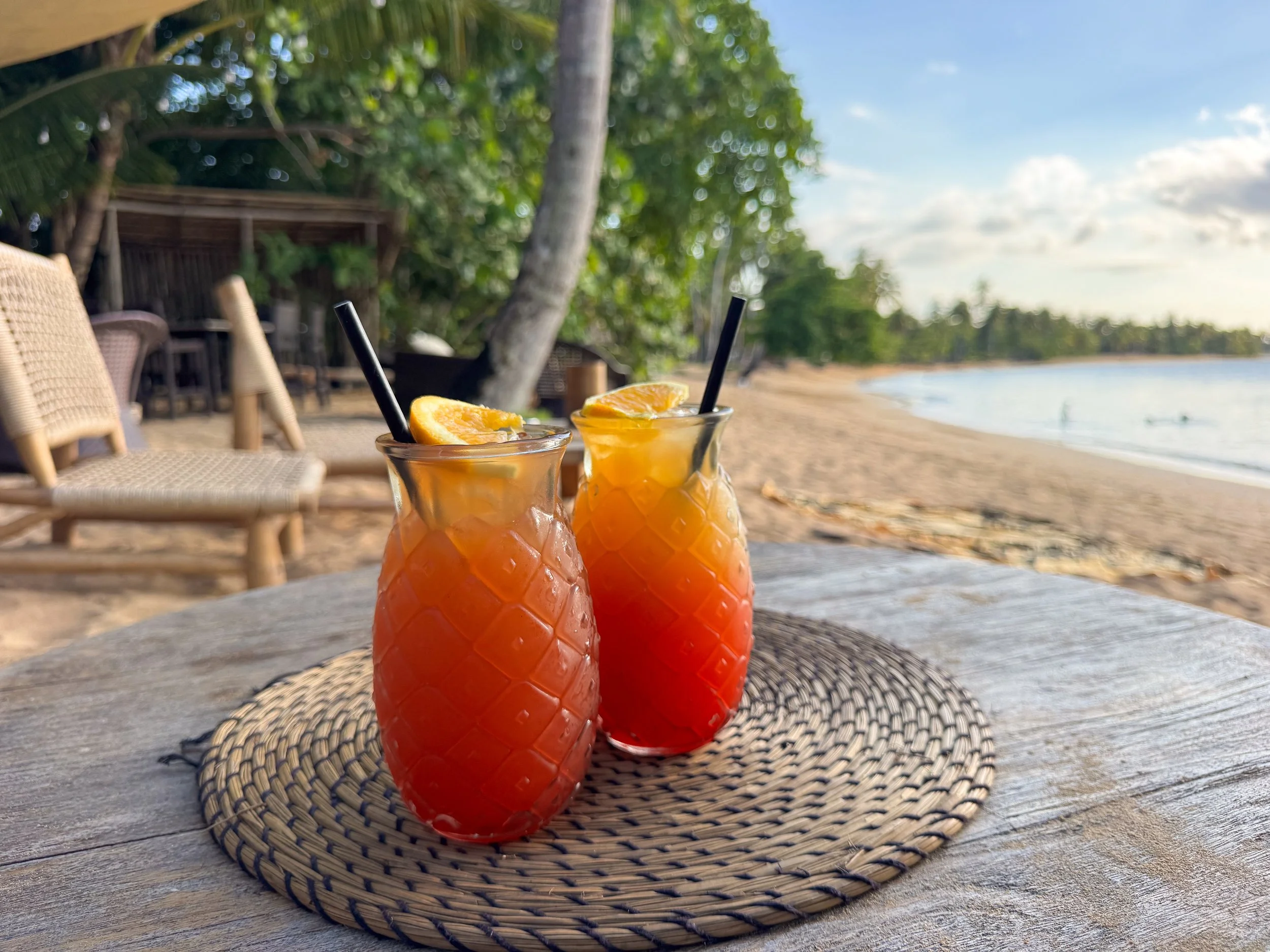
Pro Tip. Alternating fields of seagrass and coral structures are easily reachable from shore. Bring your own snorkel gear and swim out from the El Mosquito Beach Bar. Stick around for a rum cocktail at sunset!
Places to Eat & Drink in Las Terrenas
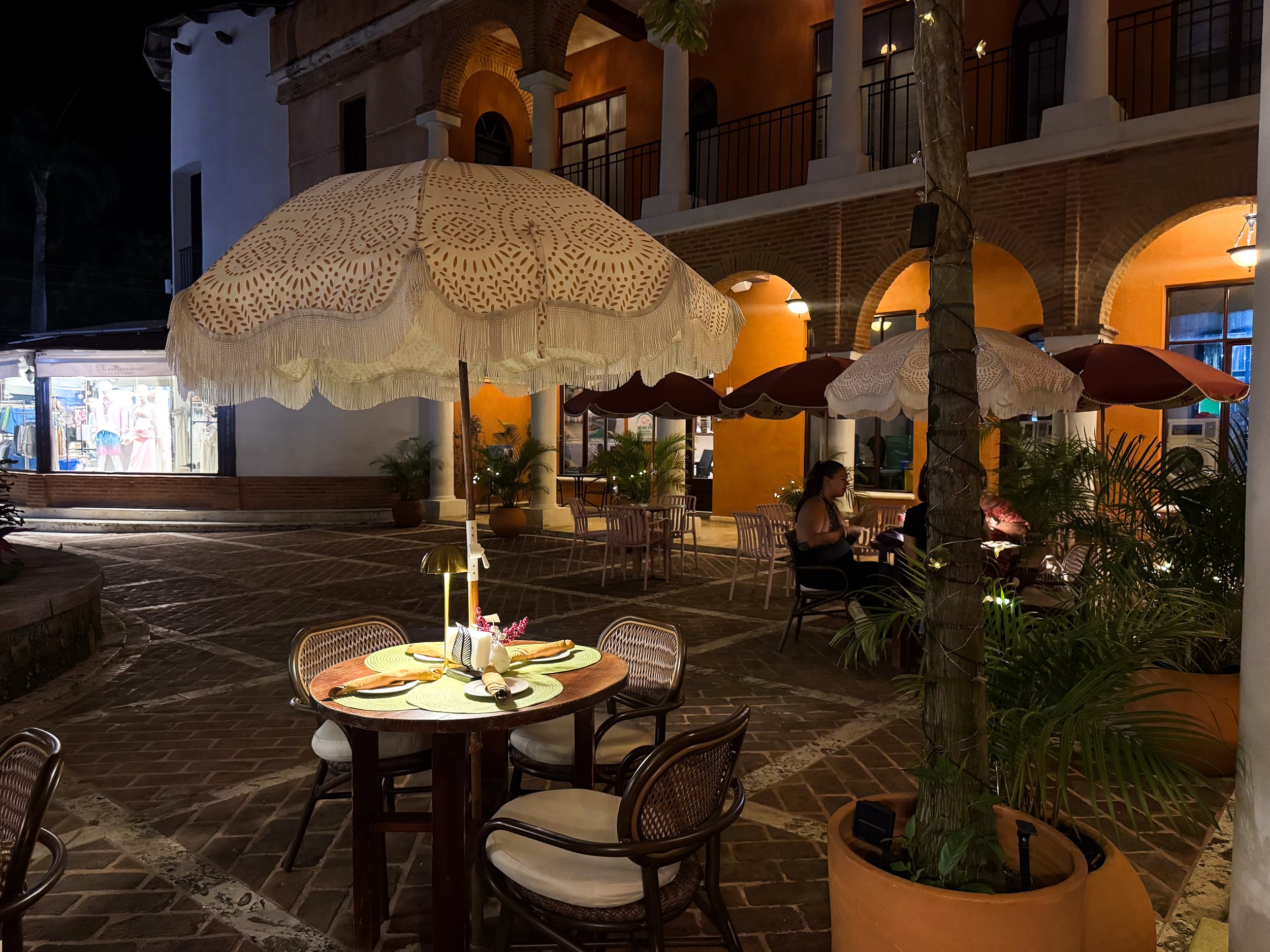
Las Terrenas is the main hub on the Samaná Peninsula to dine out and drink with the largest range of local and international options.
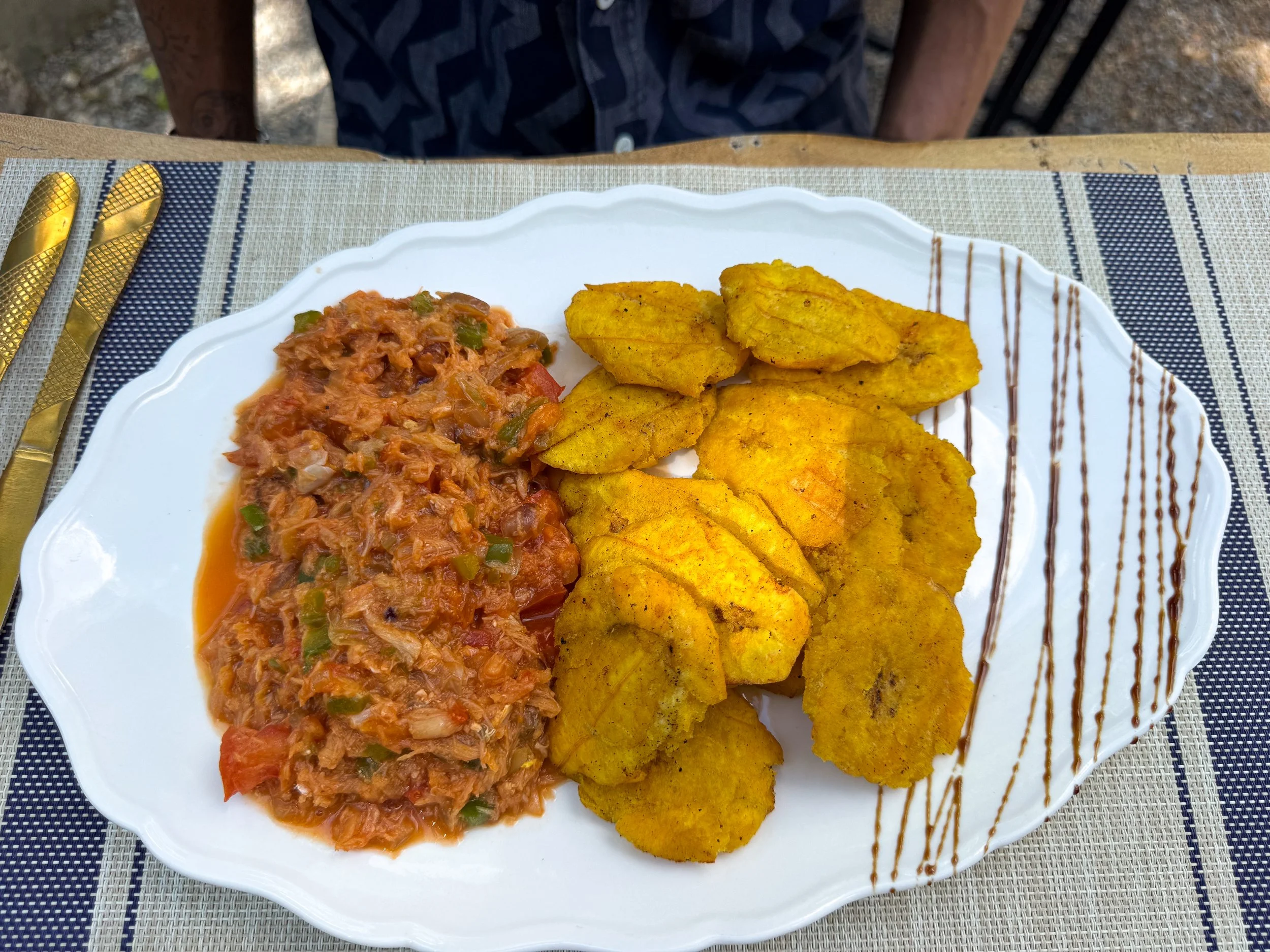
Totem Las Terrenas. A beachfront restaurant with Dominican cuisine, Spanish style tapas, Italian pastas and a chalk board menu with daily specials. Come here for the dorado (mahi mahi) and mango ceviche or Masa de Cangrejo with a side of plantain tostones.
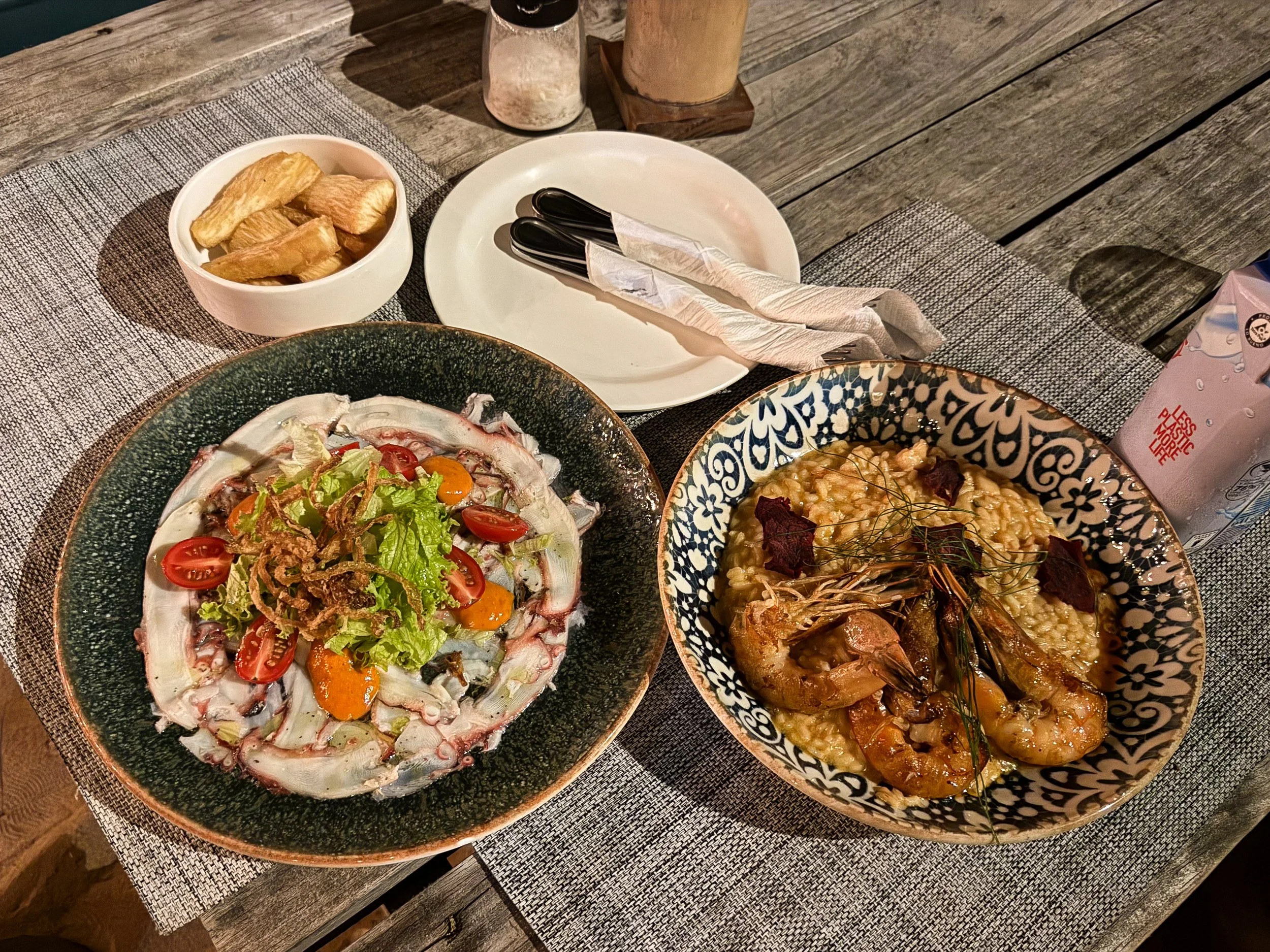
El Loro Restaurante & Beach Bar. A romantic beachfront restaurant with a twinkle light lit dining room placed in the sand. It’s a popular place to watch the sunset, enjoy a cocktail and savor fresh seafood dishes. Try the octopus carpaccio, seafood risotto, yuca frites and passion fruit pavlova.
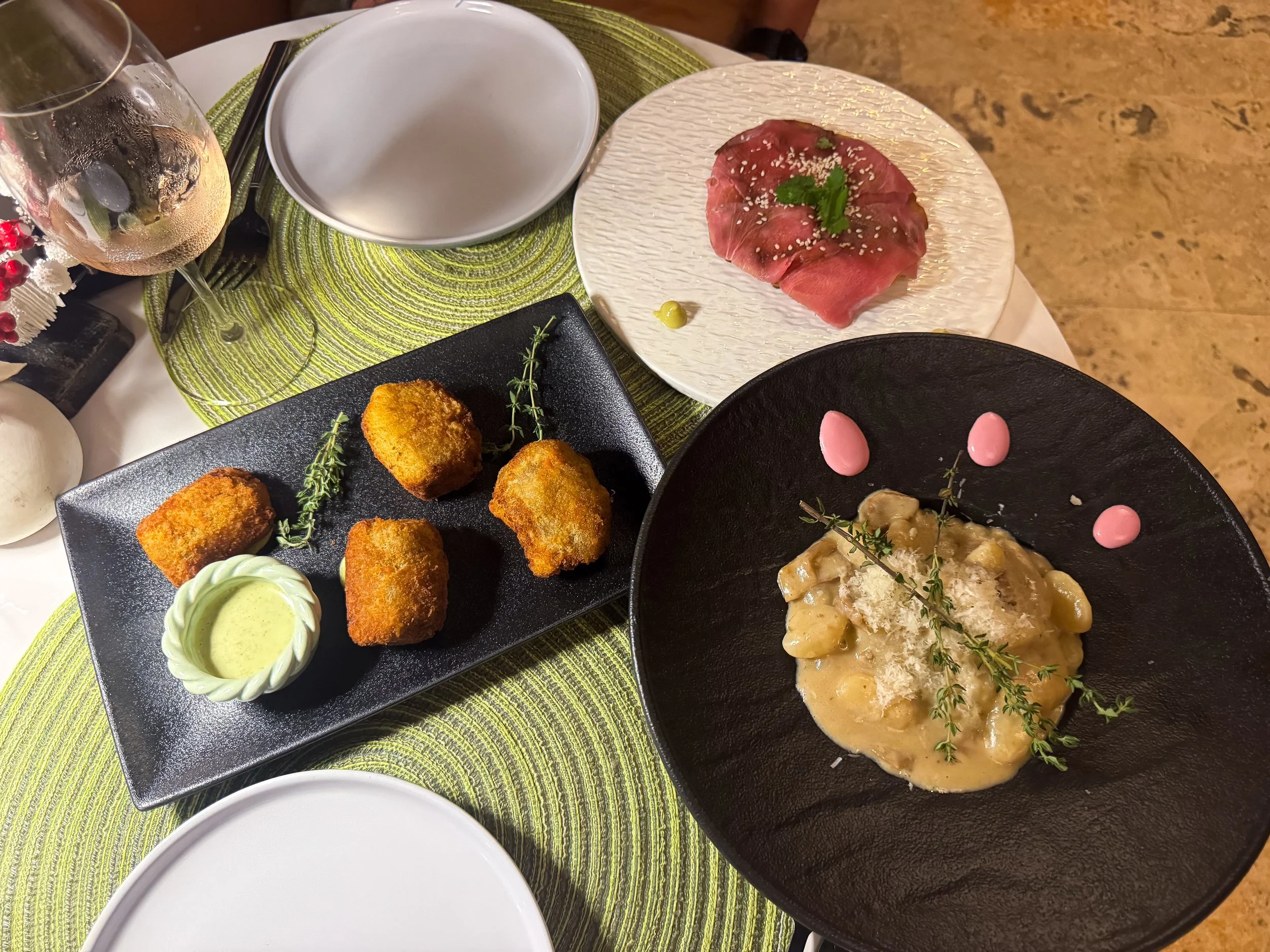
Sol y Sombra. A restaurant in the center of Las Terrenas with a menu of European style dishes like tuna carpaccio, mahi mahi croquettes and mushroom gnocchi. Come here for a full meal to simply enjoy a glass of wine in their atmospheric patio furnished with tropical and bohemian decor.
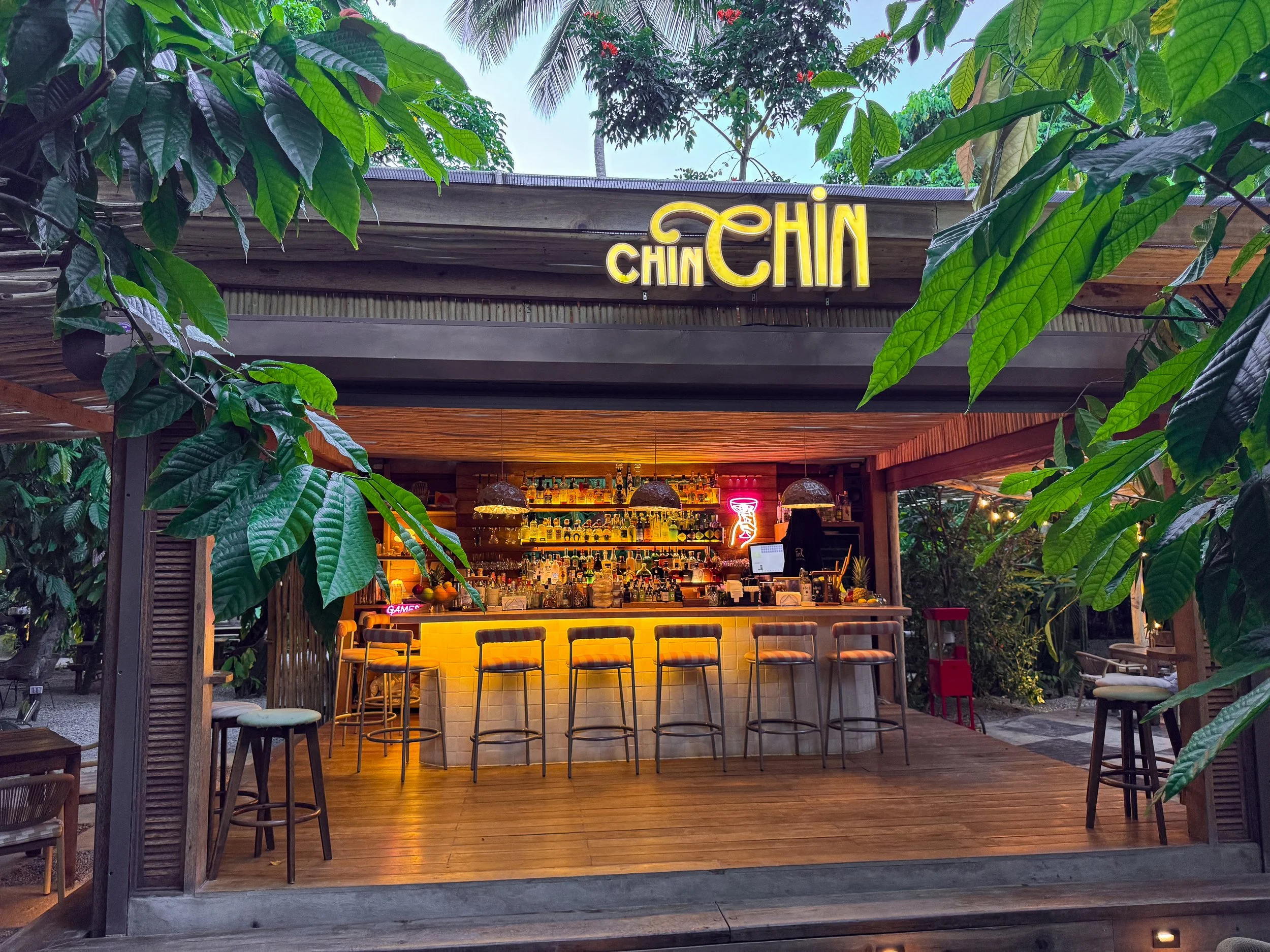
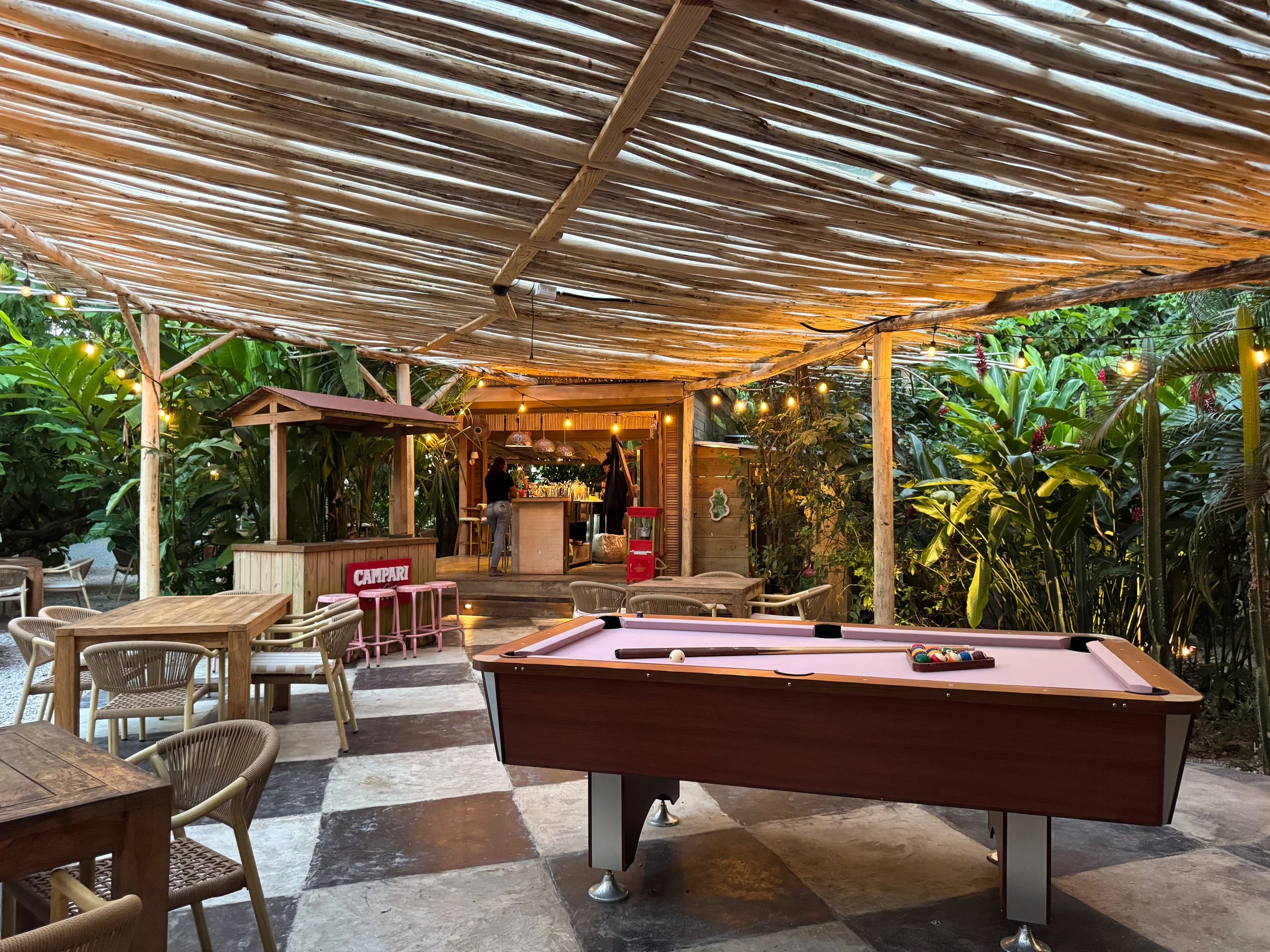
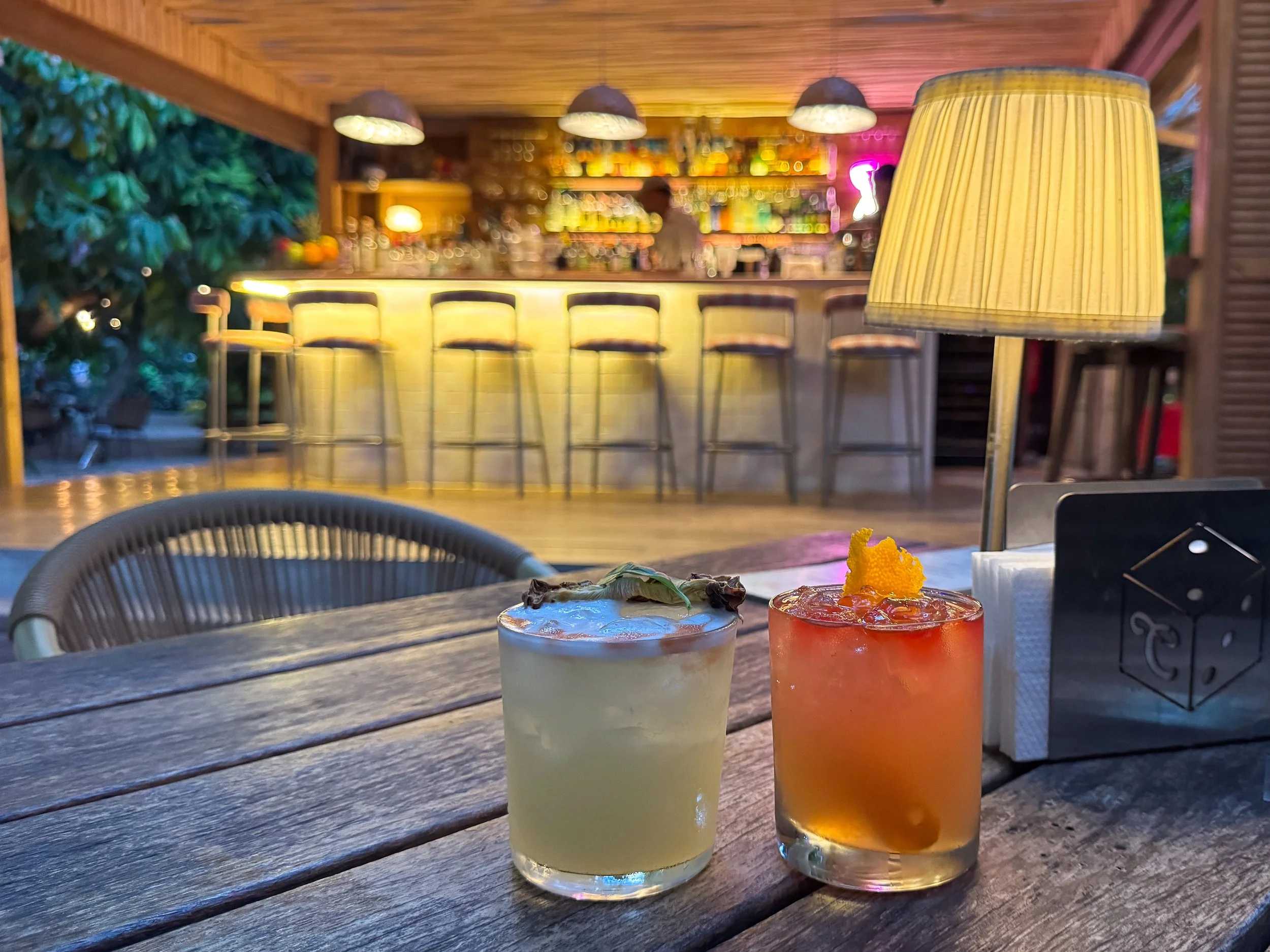
Chin Chin Cocktail Club. A cocktail lounge located in an outdoor garden surrounded by fruiting cacao trees and tropical plants. Mixologists serve innovative cocktails and refined versions of several classics. It’s a worthwhile destination located on the edge of town.
El Limón
El Limón is a small mountain town with an energetic and local atmosphere. People gather at colmados while bachata echos aloud, farm stands display freely harvested fruits and vegetables and children swim in a river fed swimming pool. The town is located near remote beaches and the famed waterfall, Salto El Limón.
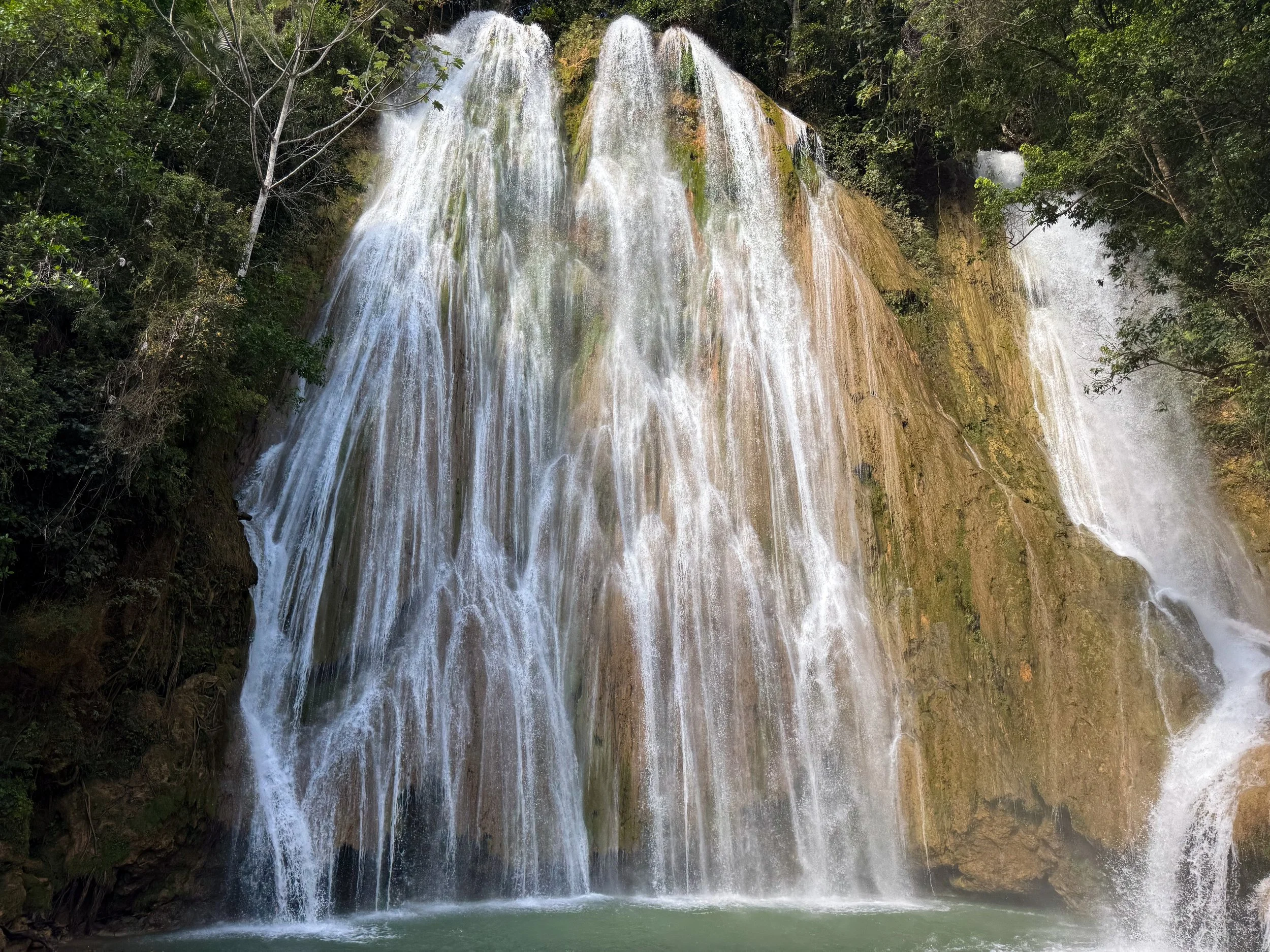
Salto El Limón Waterfall. A 130 foot tall waterfall in the middle of the lush and rugged tropical jungle. White water cascades down its craggy cliffside, creating a strong breeze and cooling mist. An emerald pool resides at its base, enticing those looking for a refreshing swim. It’s accessible after hiking on foot or by horse back from a number of different trail heads.
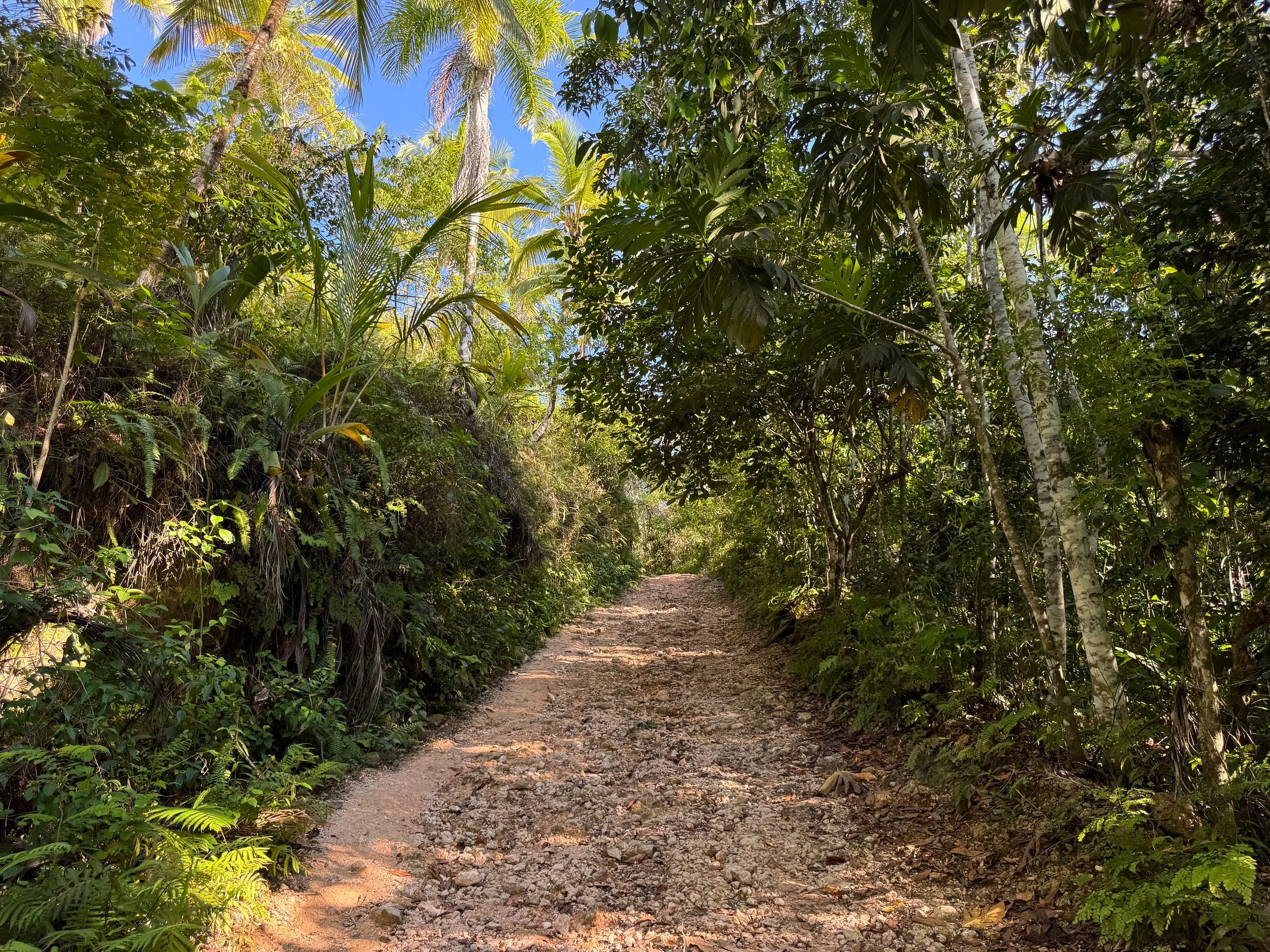
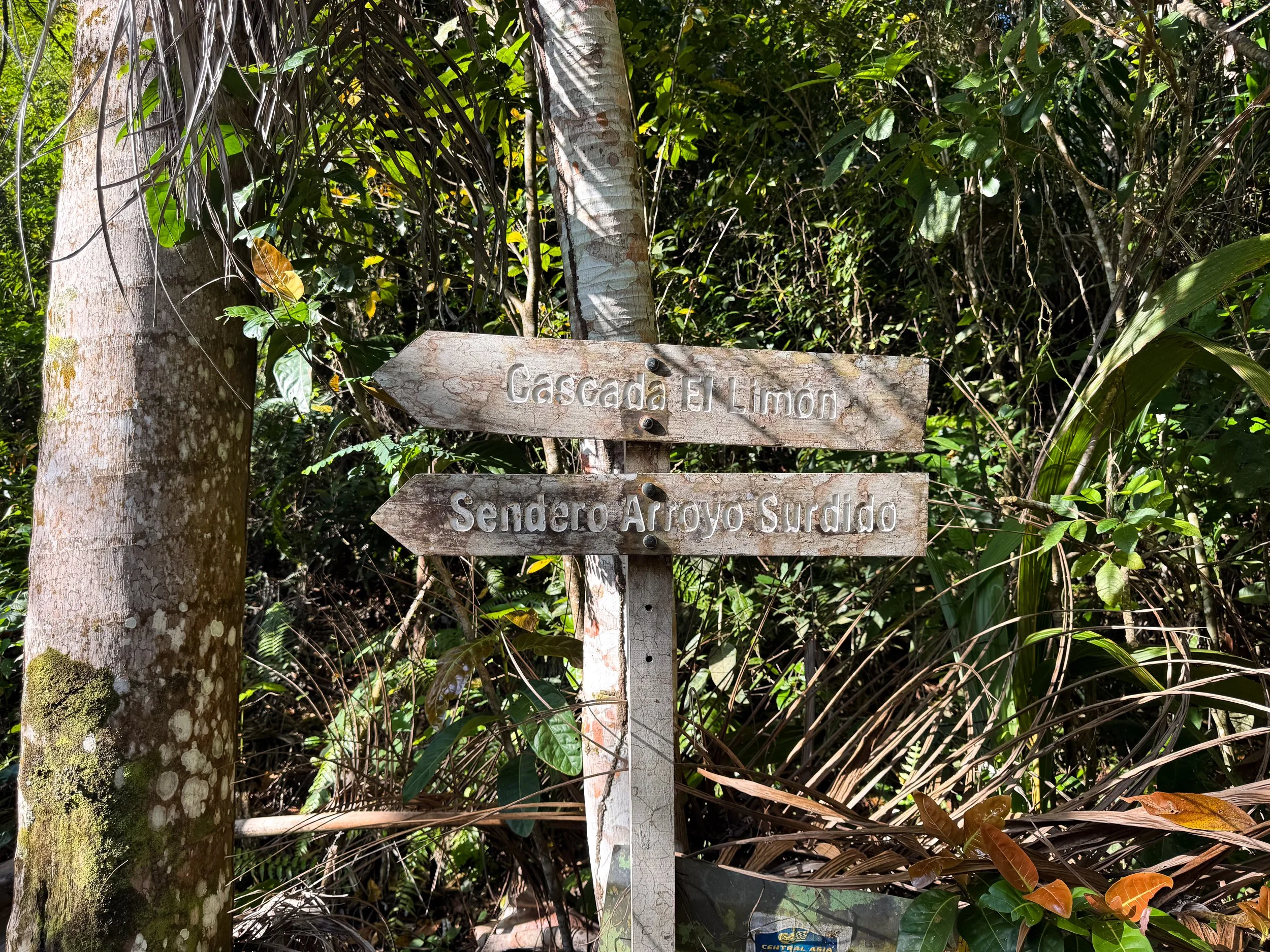
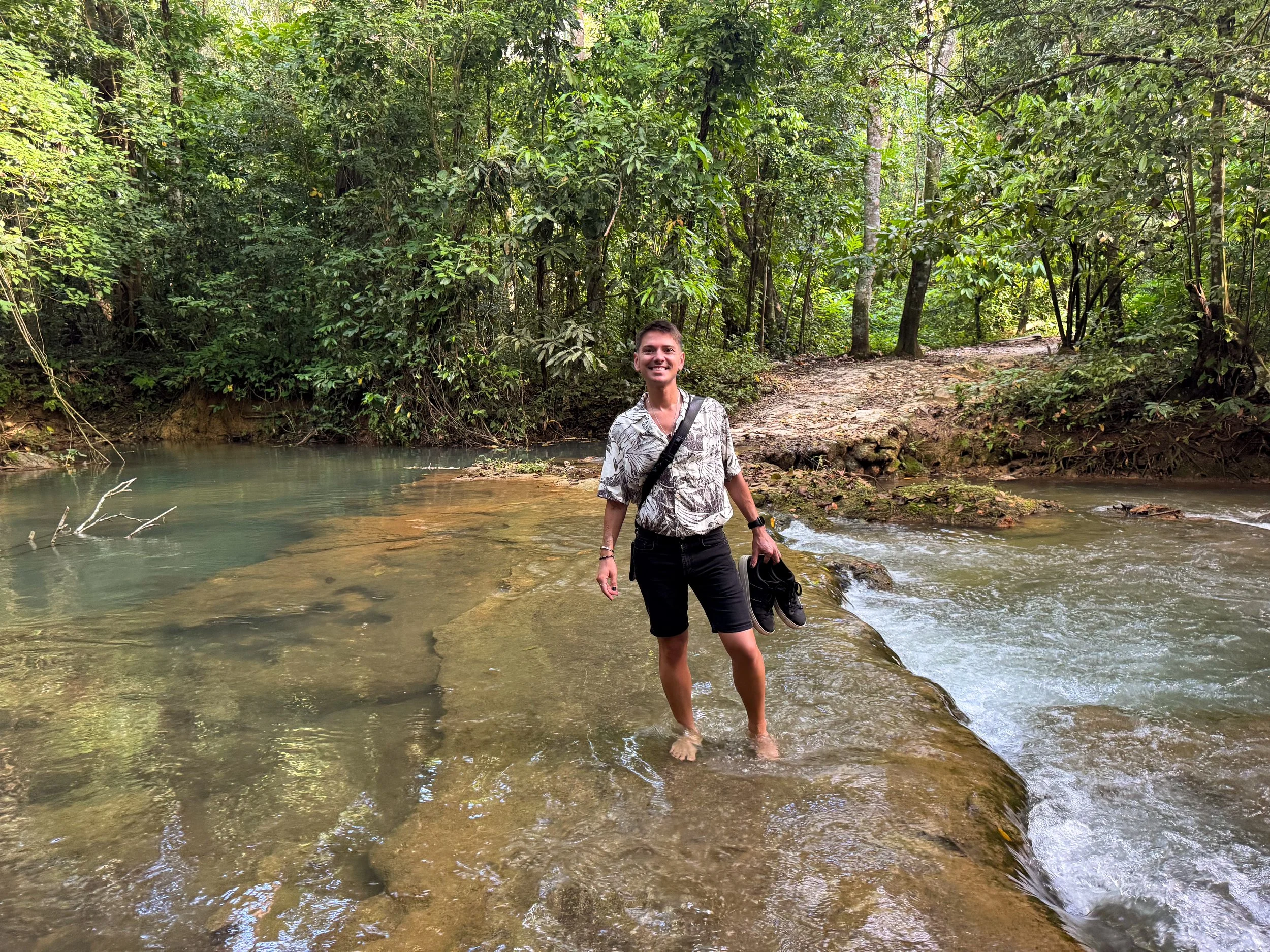
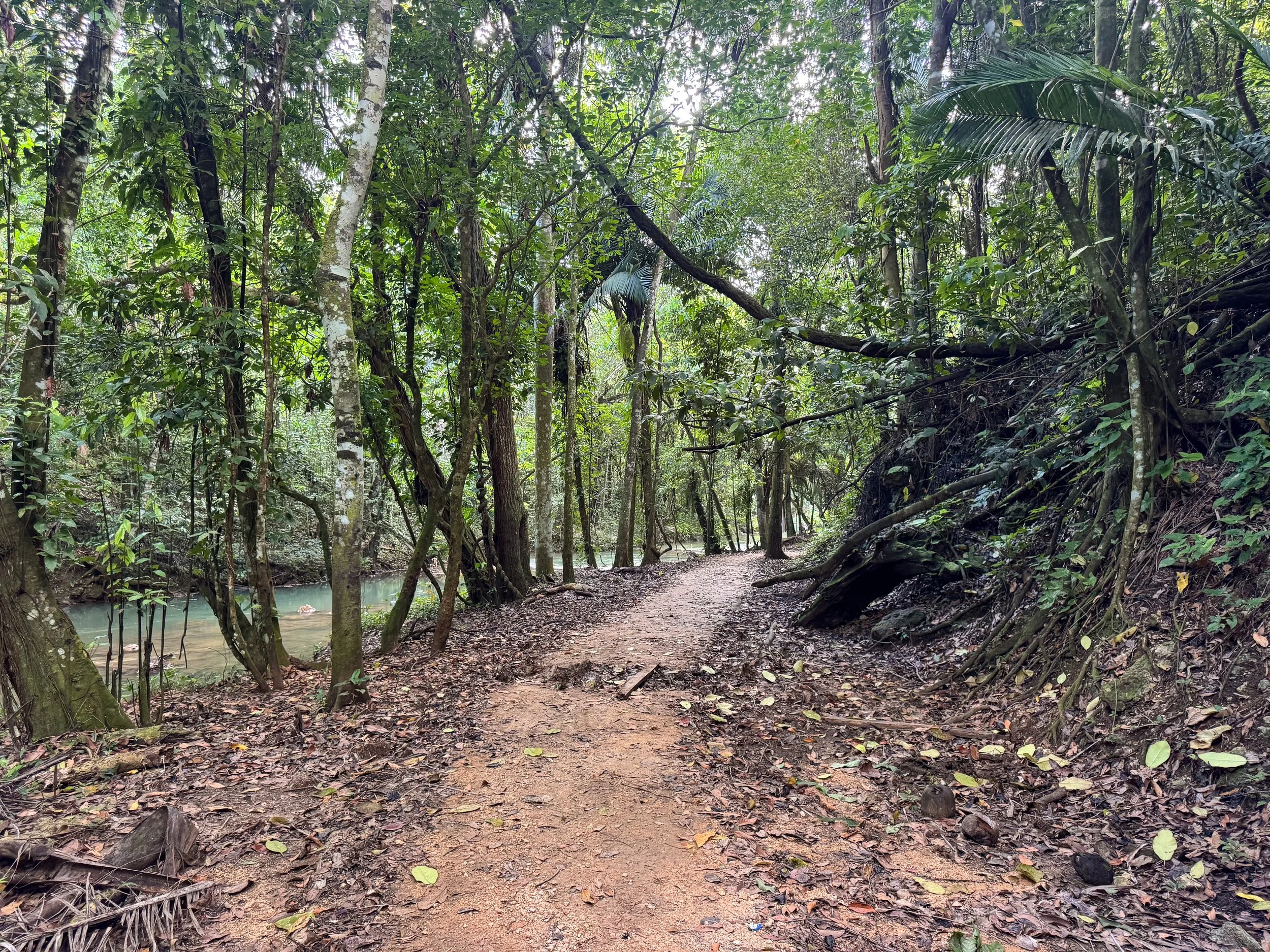
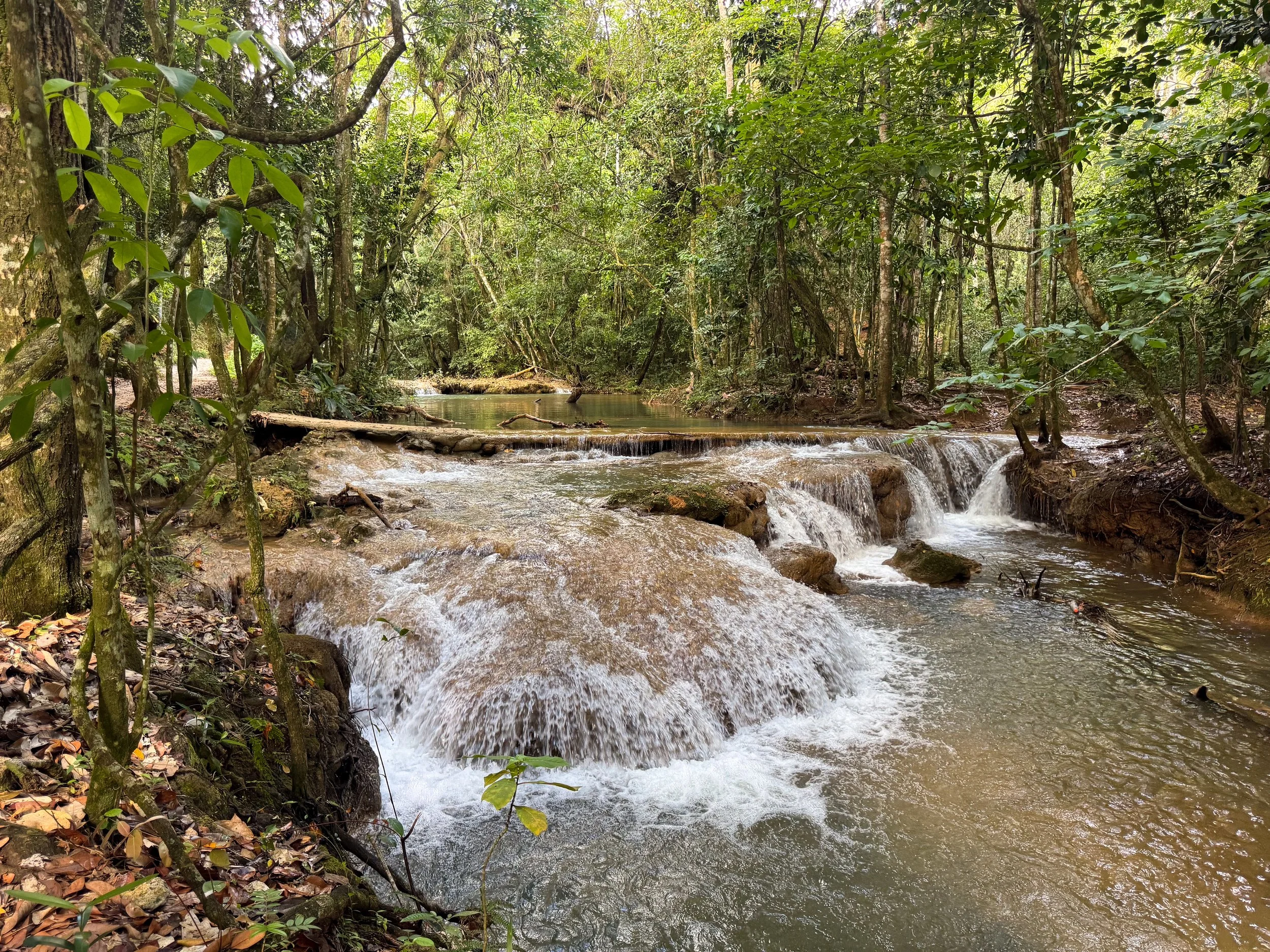
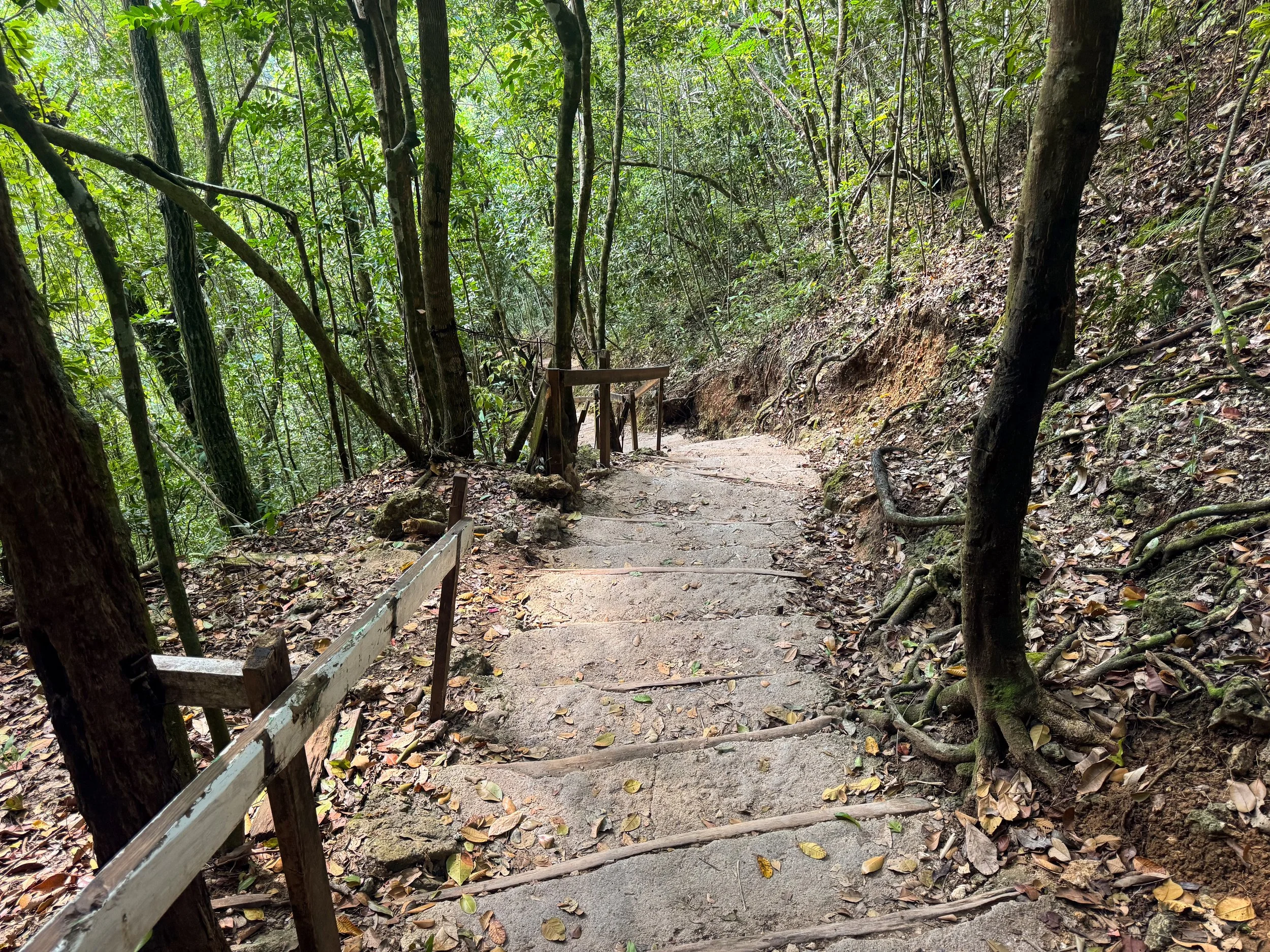
Getting Here. The falls are reachable after a 45 minute hike down gravel roads, muddy trails, river crossings, paved paths and steep stairs.
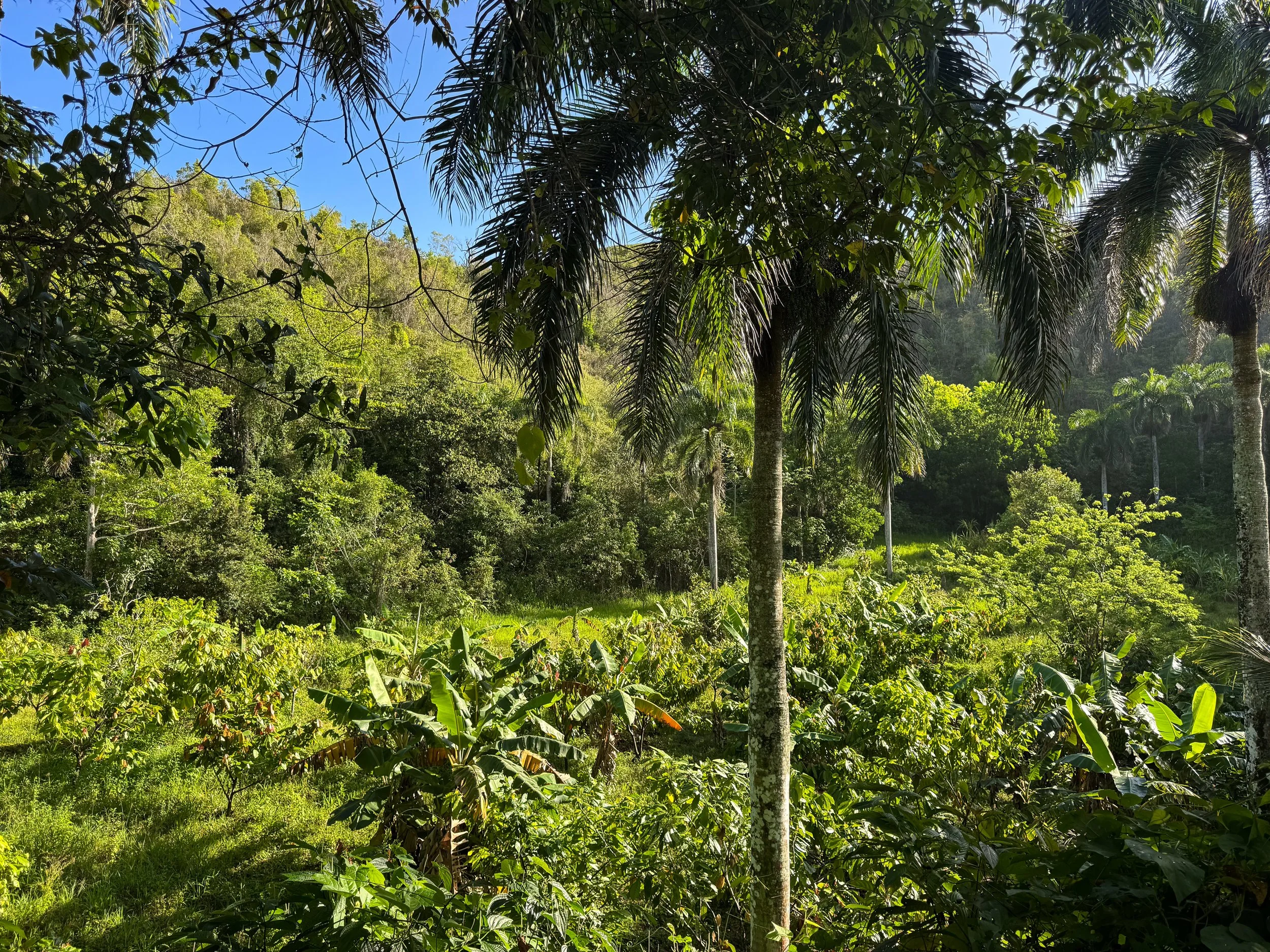
Trail Head. Start hiking from the parking lot of Entrada al Salto del Limón. A rocky road and gravel trail leads about 20 minutes through tropical jungle and farmland to the El Limón River.
River Crossing. Stop at the El Limón River to view the “Cascada Más Pequeña”. Wade through the river to merge paths with the Sendero Rancho Español.
Sendero Rancho Español. A paved trail, often traversed on horseback. It leads 20 minutes past the Cascada Pequeña to the El Limón Welcome Center.
El Limón Welcome Center. Stop here to purchase wristbands (tickets) to access the waterfall. Entrance fees cost 100 Dominican Pesos (less than $2 USD). A steep staircase leads 5 minutes further to the base of the falls.
Pro Tip. Arrive early to avoid the crowds and experience the falls in the morning light. Begin hiking between 7-8am to arrive at Salto El Limón prior to 9am.
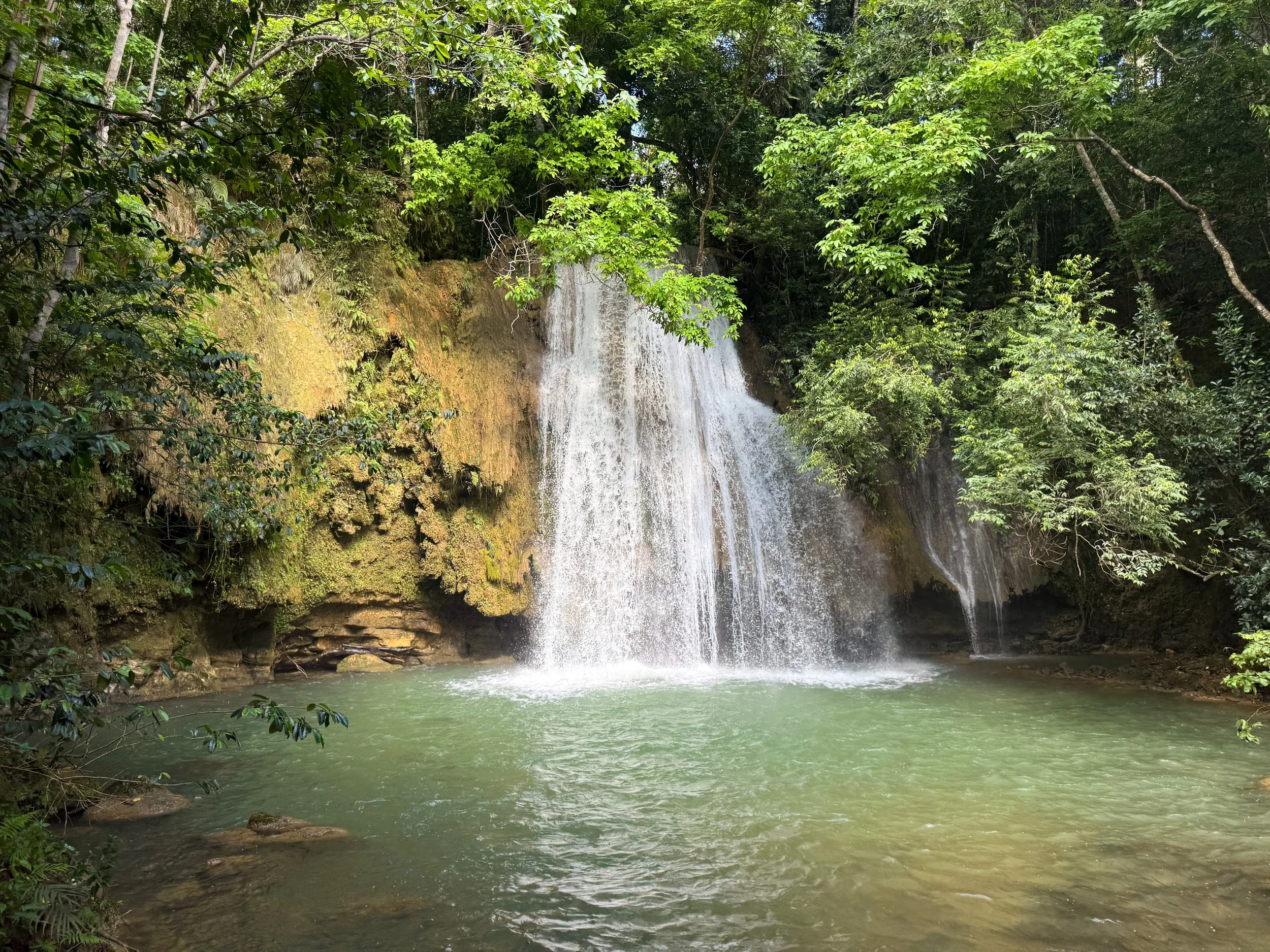
Cascada Pequeña. A beautiful yet often overlooked waterfall along the Sendero Rancho Español leading to Salto El Limón. Streams of white water cascade over a 30 foot drop into a river pool surrounded by lush trees.
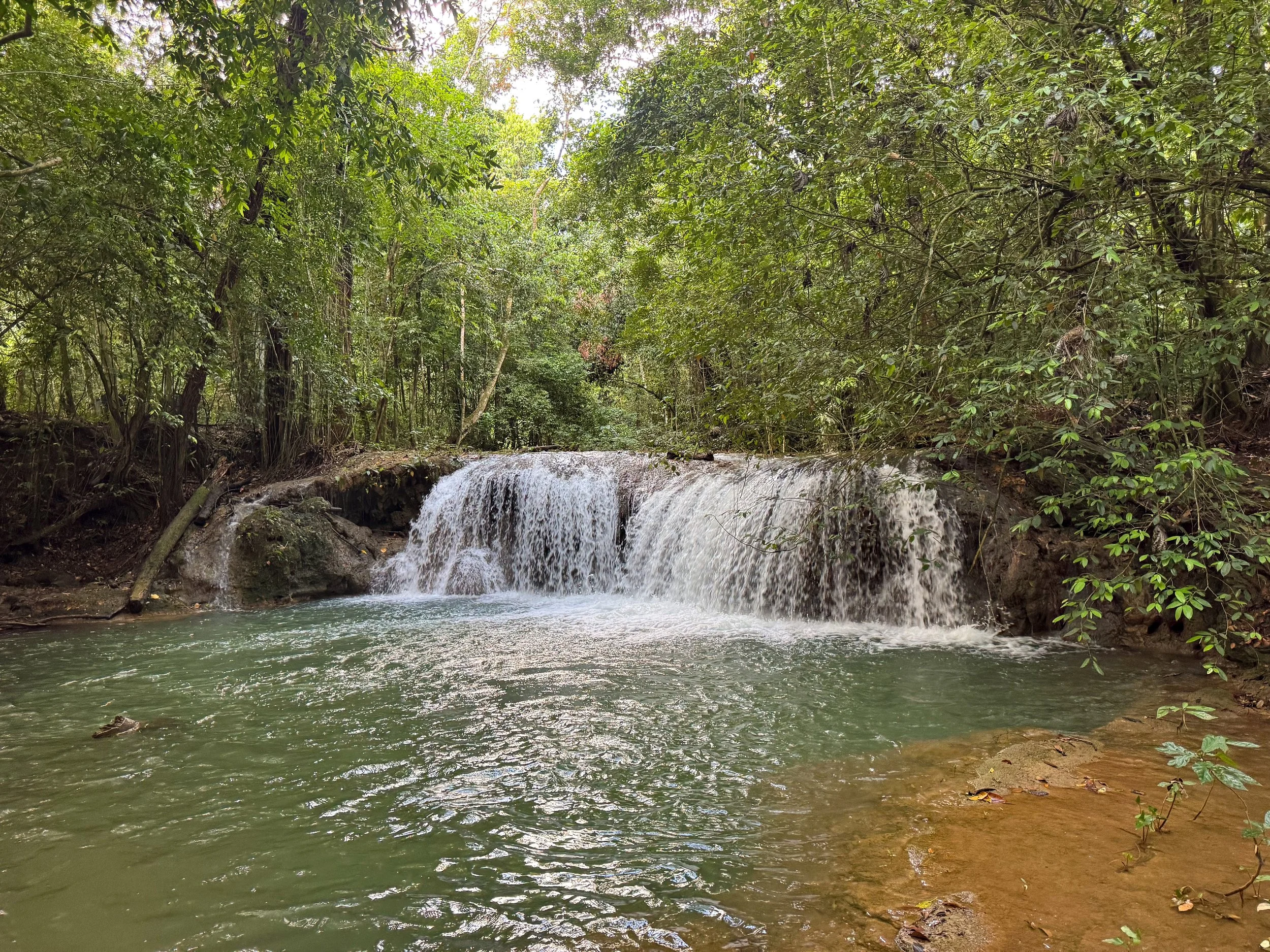
Cascada Más Pequeña. Not its official name nor is it even named, this small waterfall flows over an 8ft drop along the El Limón River where the trail starting at Entrada al Salto del Limón meets the Sendero Rancho Español.
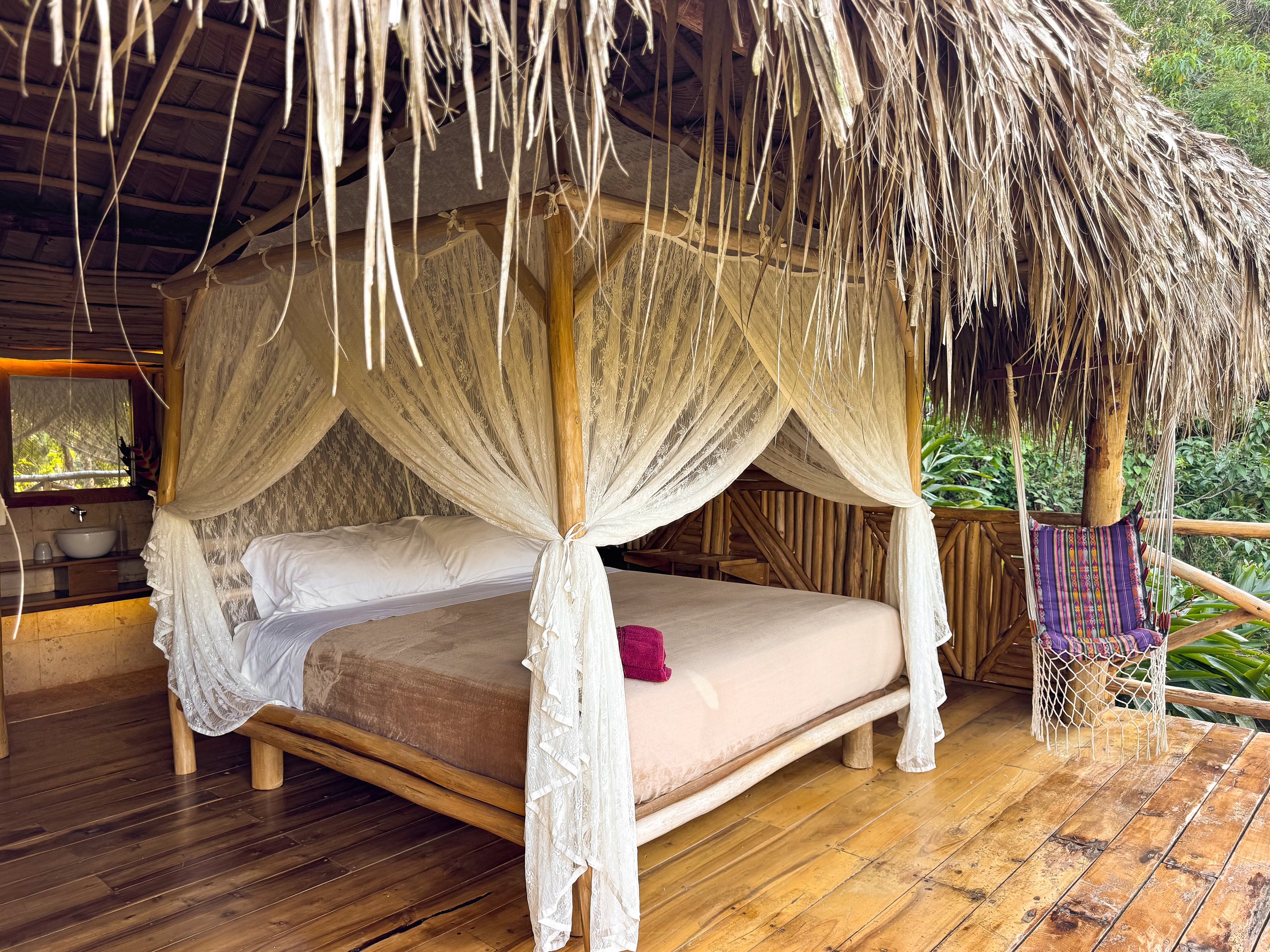
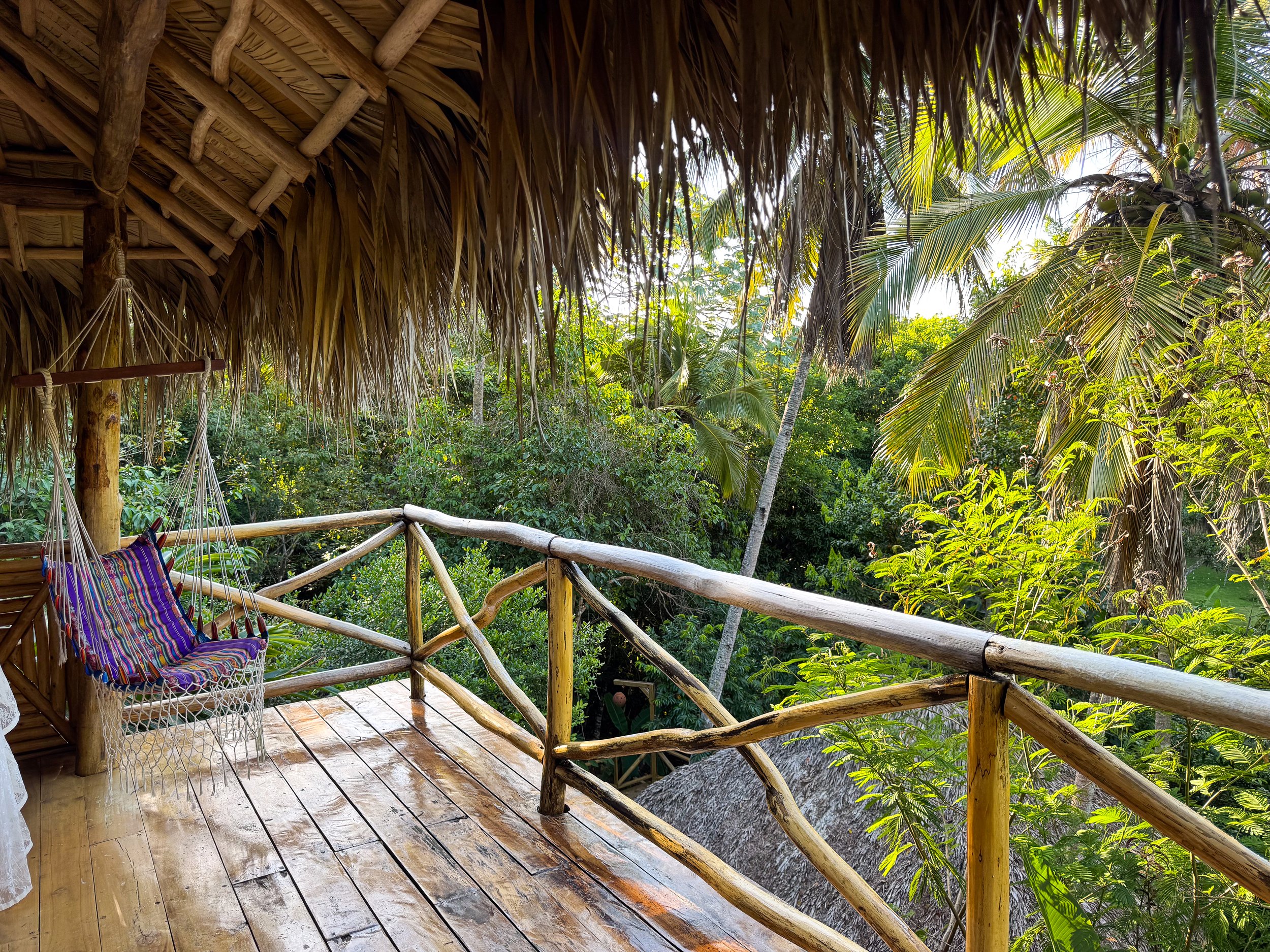
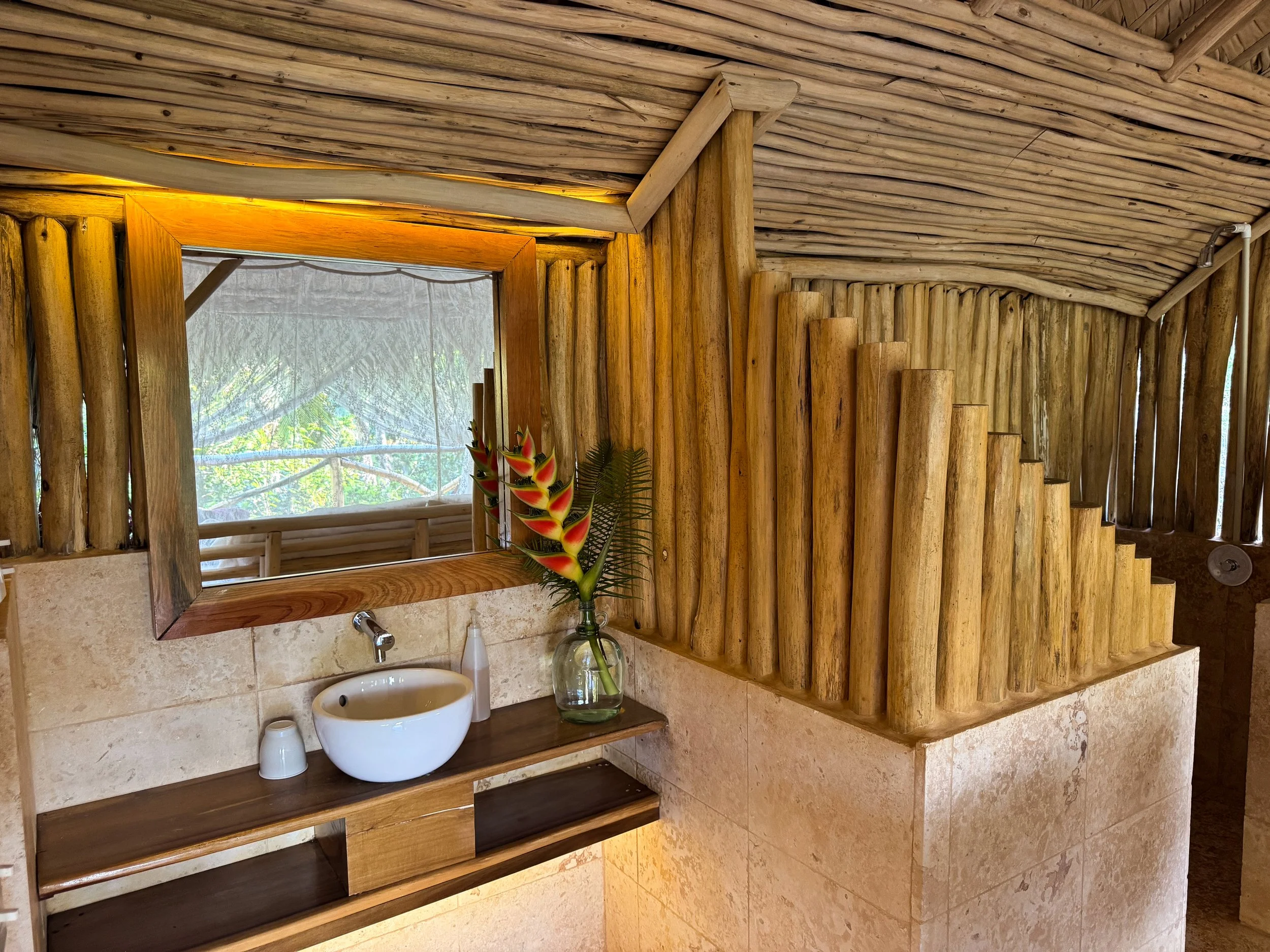
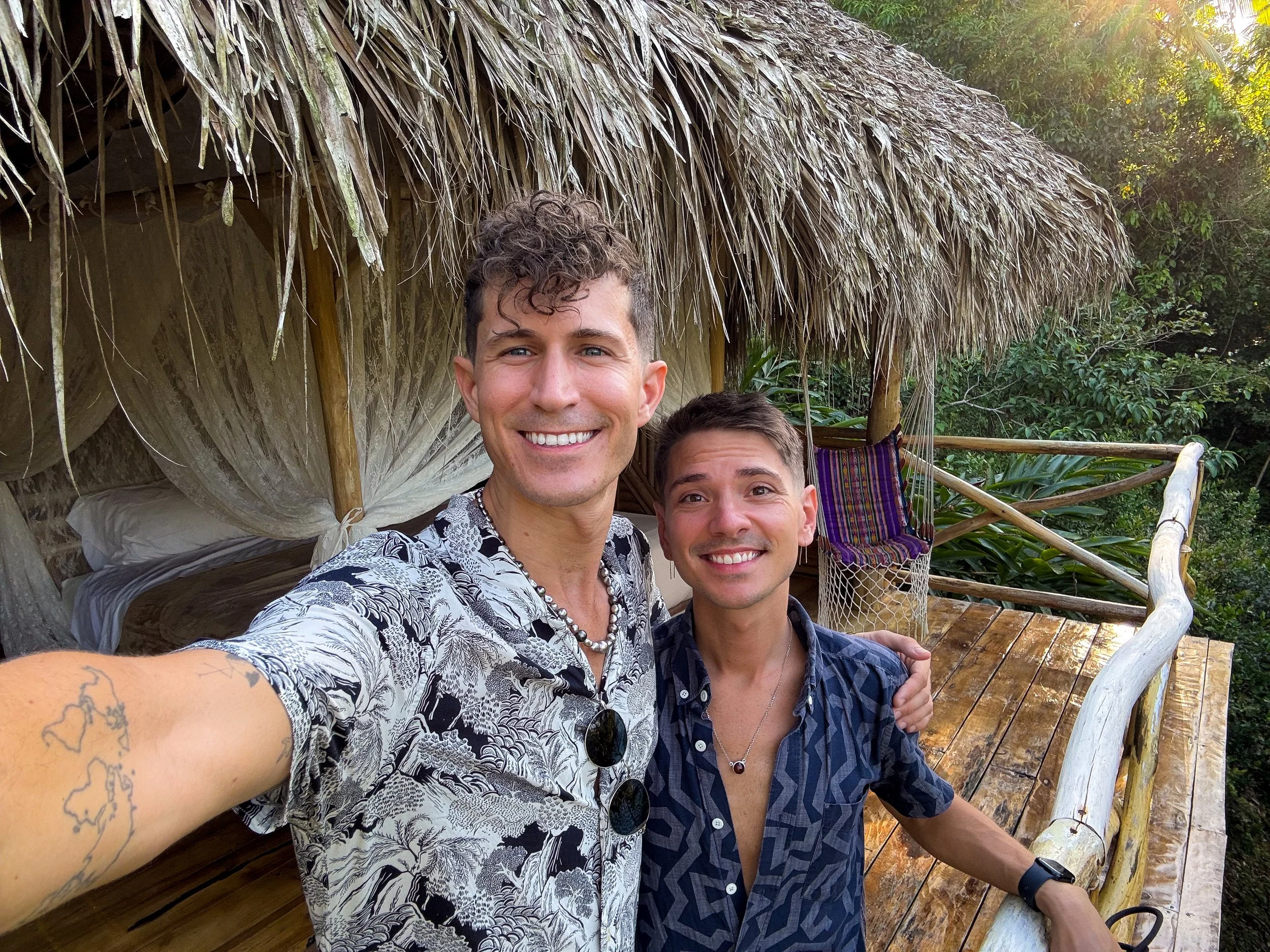
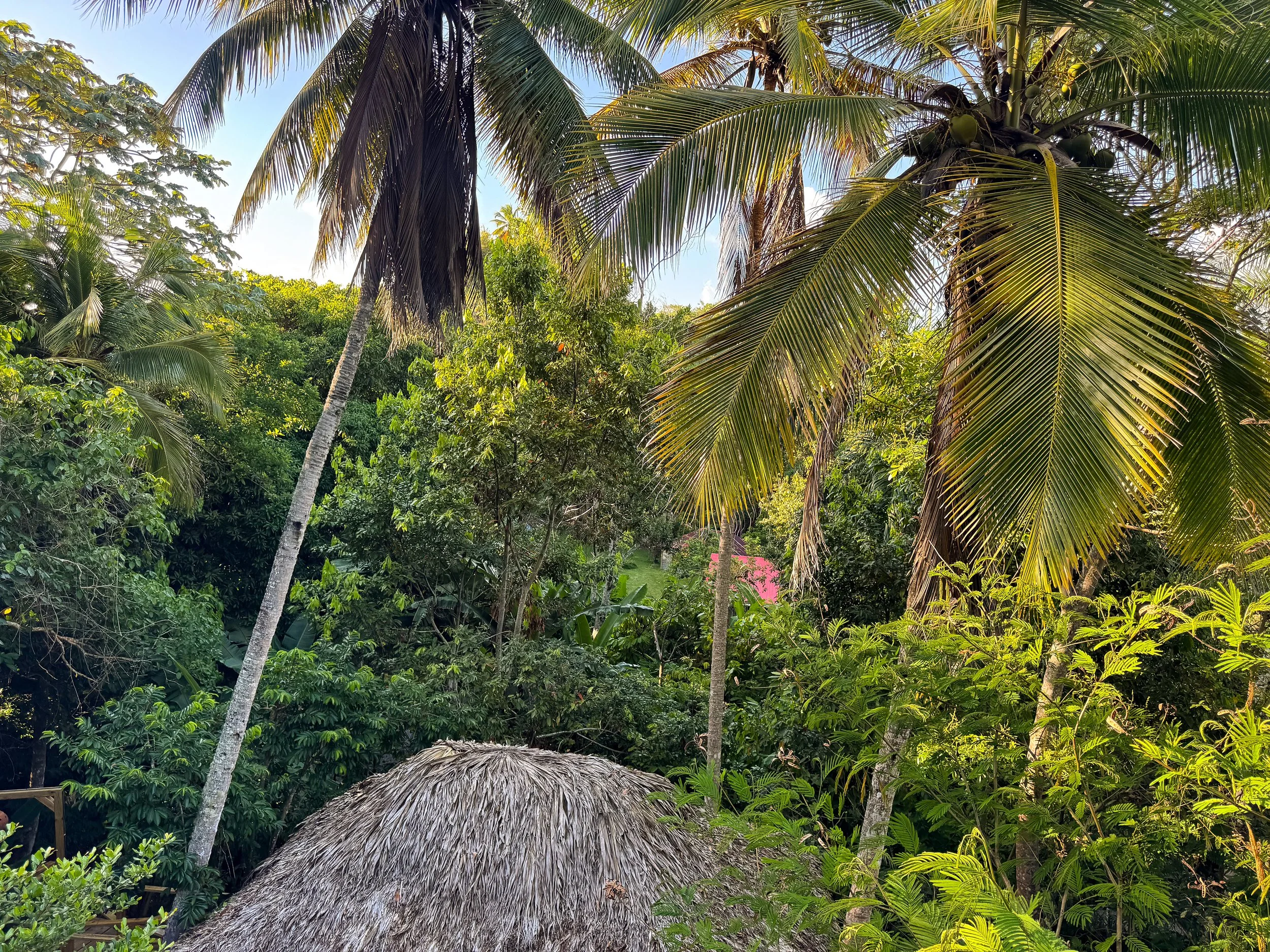
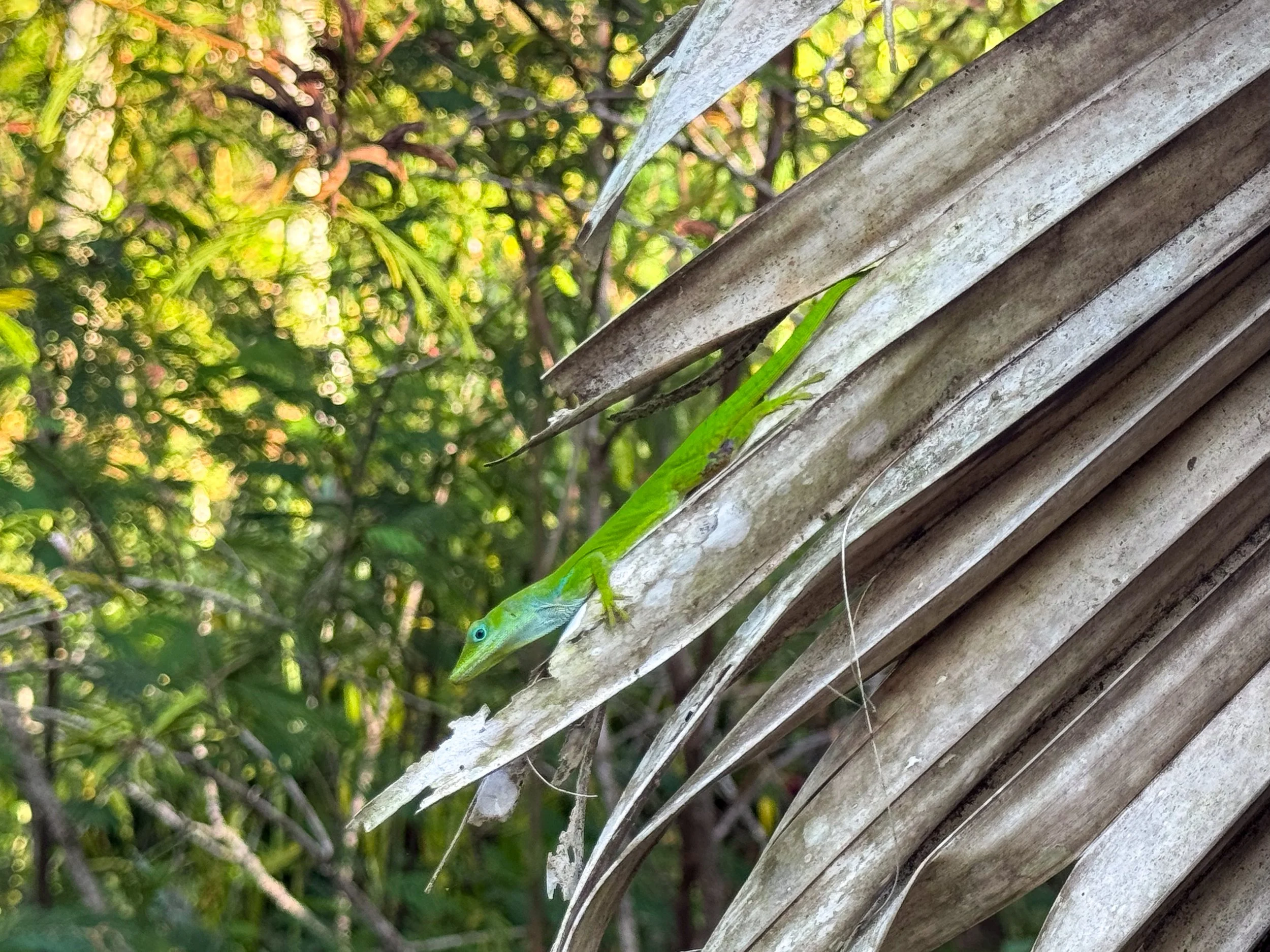
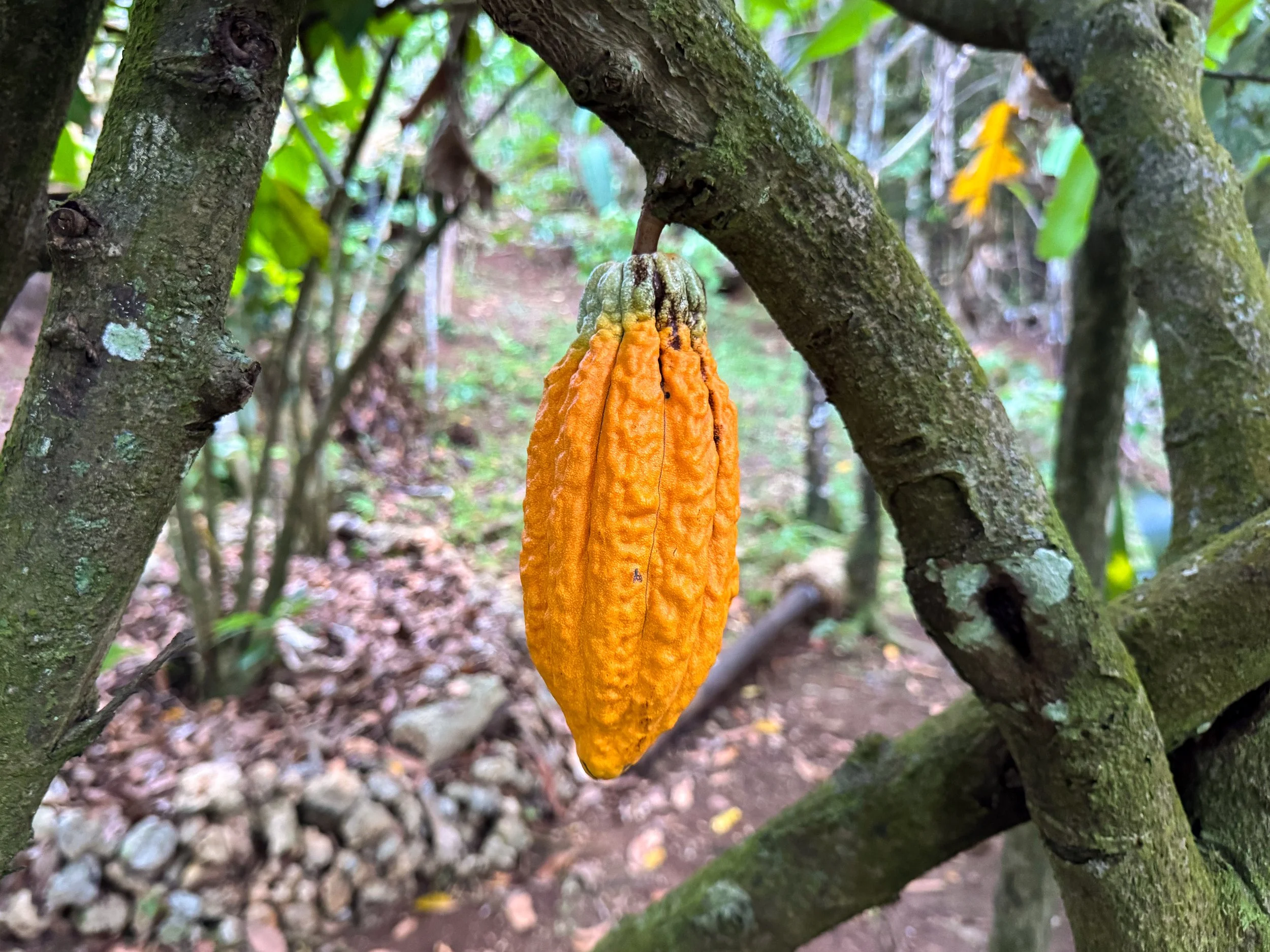
Rancho Romana Ecolodge Park. A secluded ecolodge built into the jungleous landscape with elegantly designed treehouses, tropical fruiting trees and early access to Salto El Limón. The ecolodge is reachable after a 10 minute hike while its location in the middle of the Samaná Peninsula is 30 minutes by car from the beach towns of Samaná and Las Terrenas. Book on Airbnb.
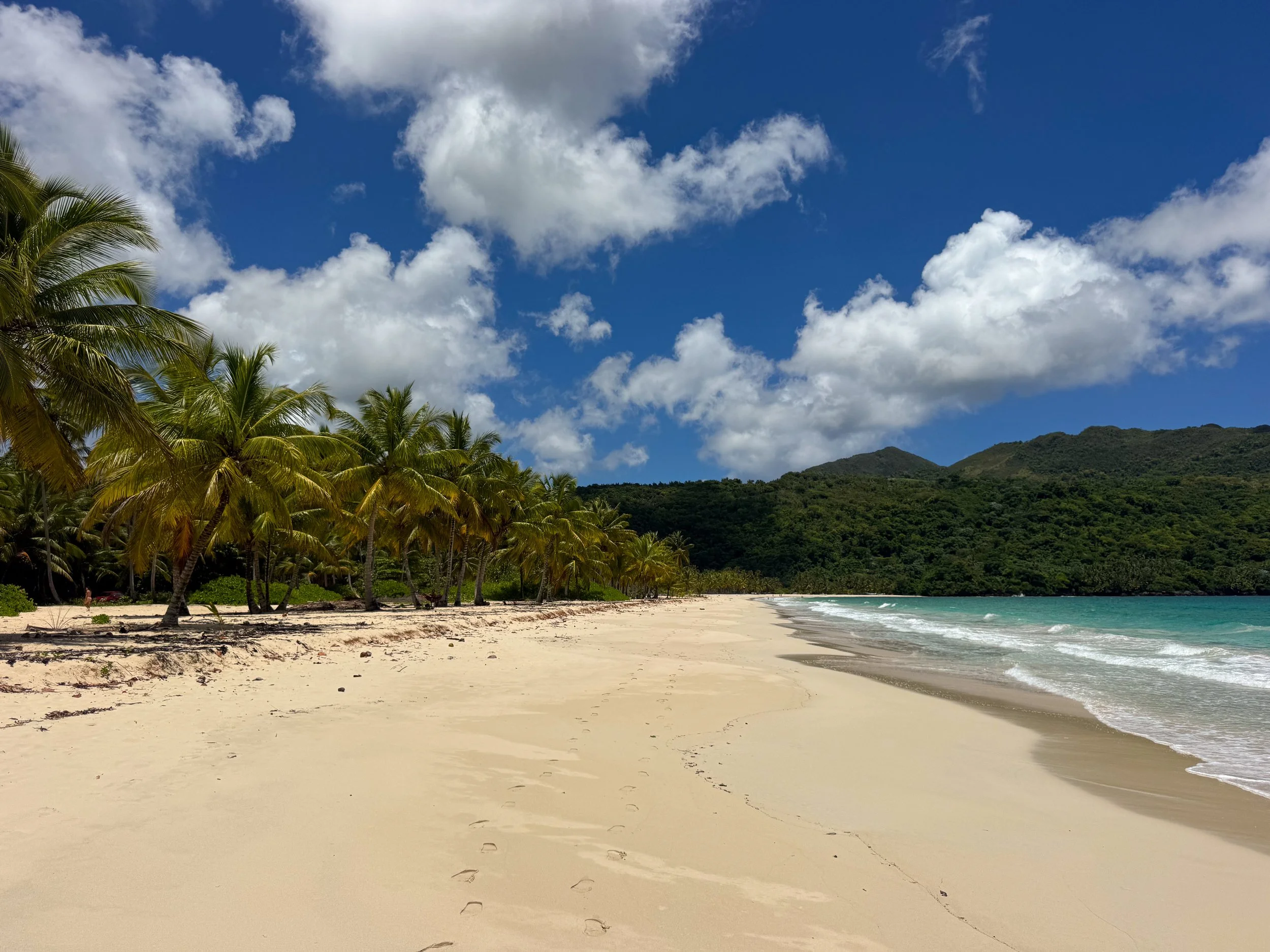
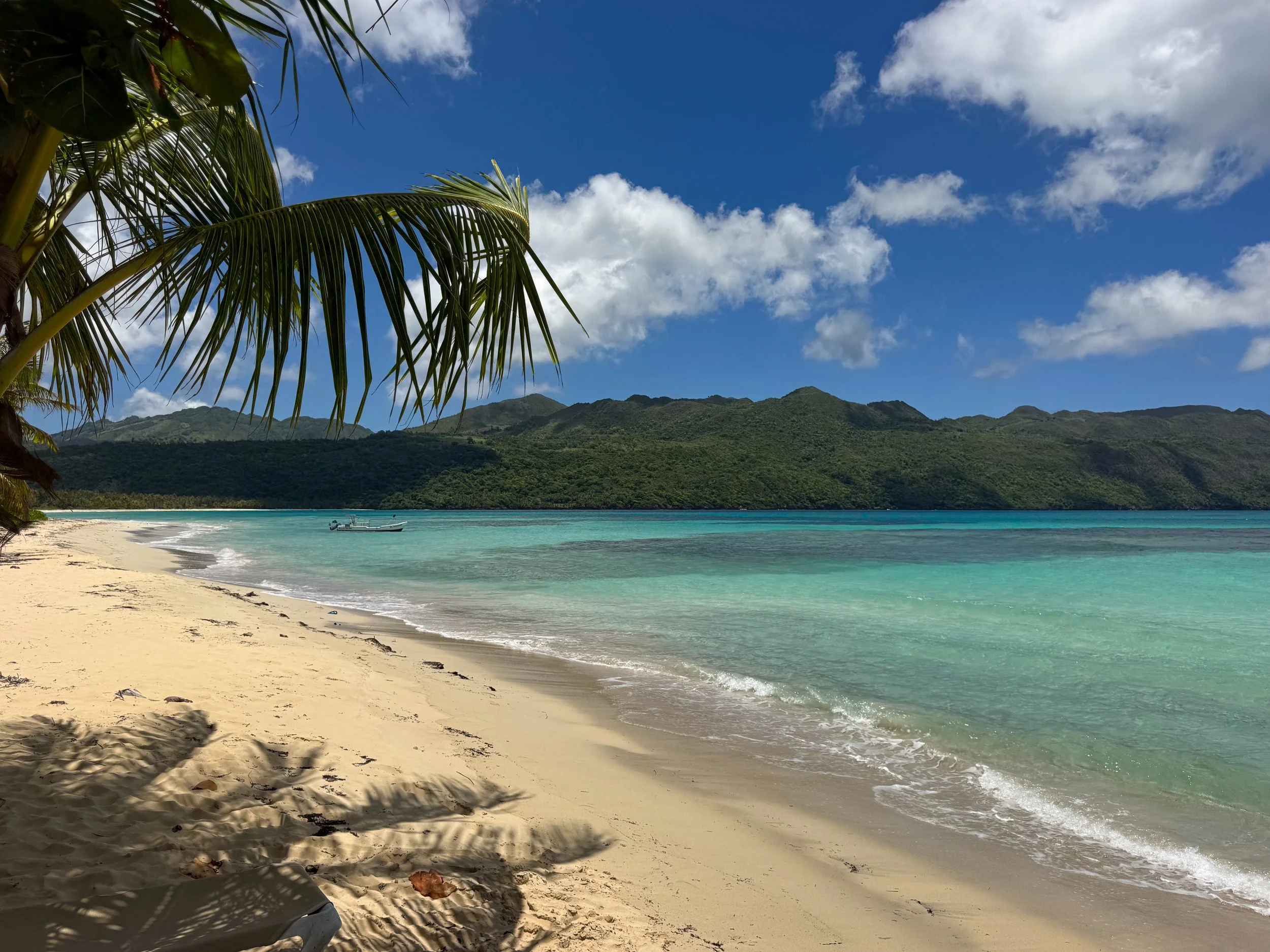
Las Galeras
Las Galeras is a small beach town on the far eastern side of the Samaná Peninsula. Restaurants, bars and colmados flank the town’s central road leading to its main beach. The town is quieter during the day but becomes very lively at night. French is commonly spoken here, influenced by French travelers and Haitian immigrants. The surrounding region is home to pristine beaches and coastal rock formations.
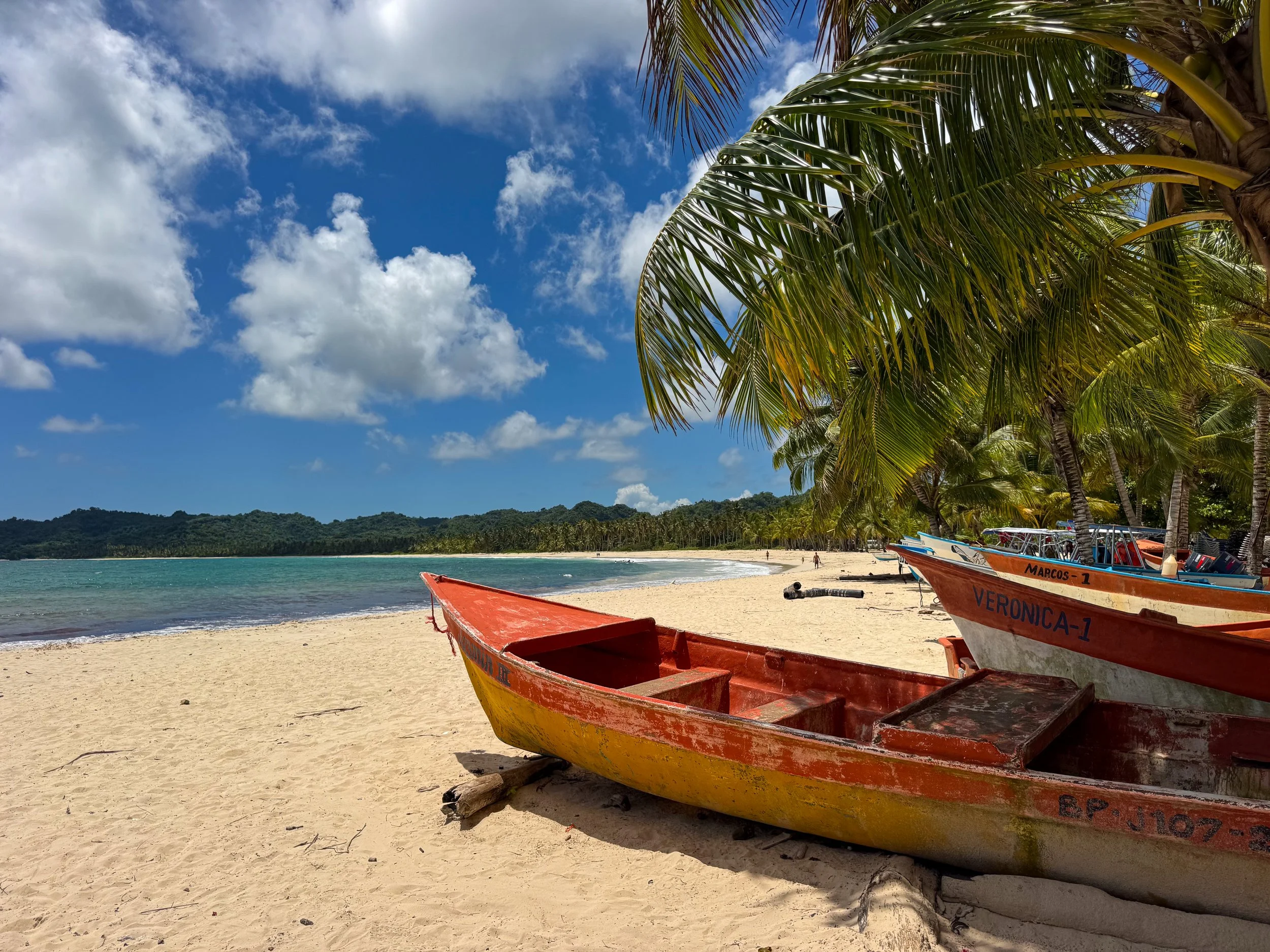
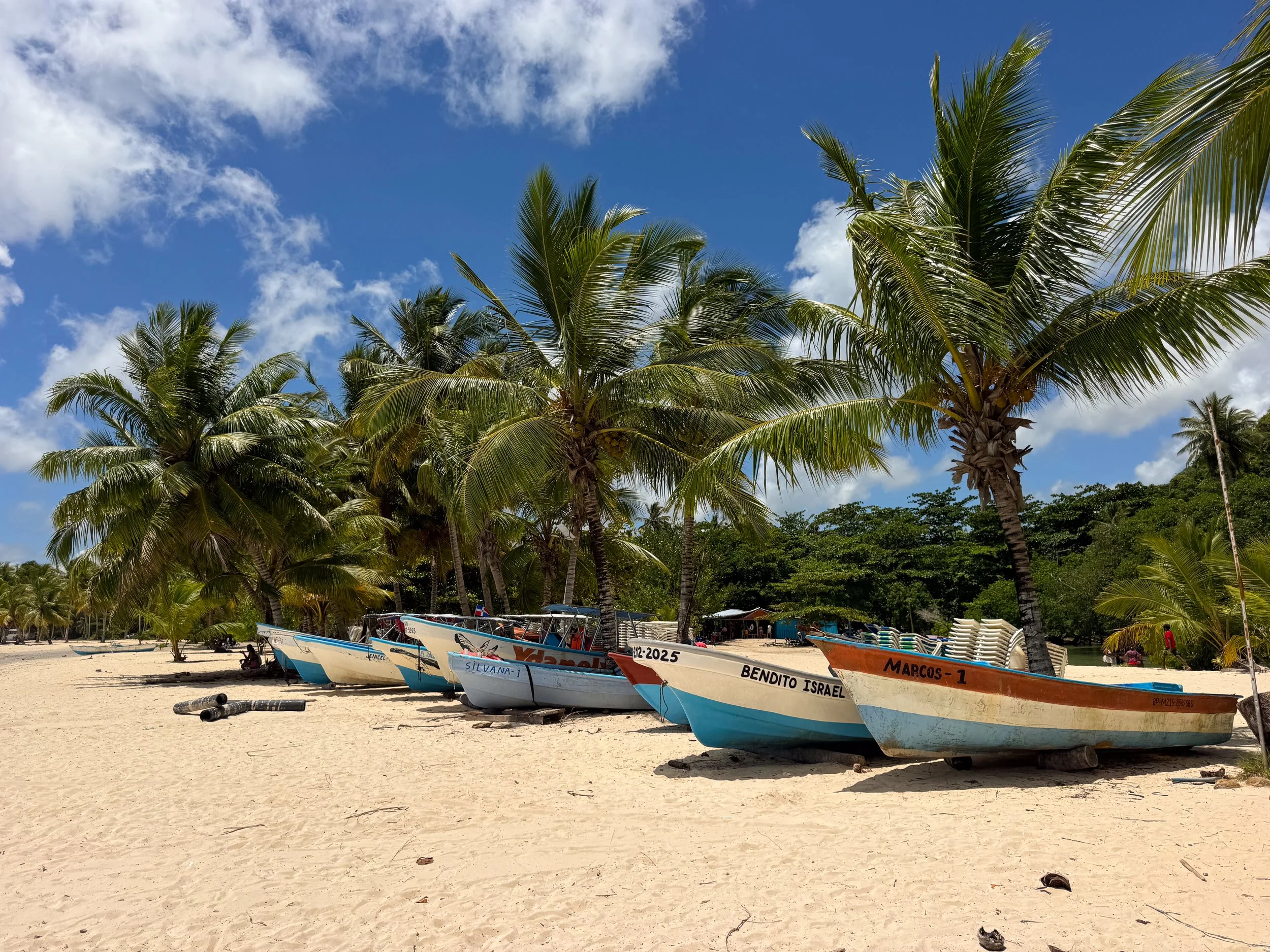
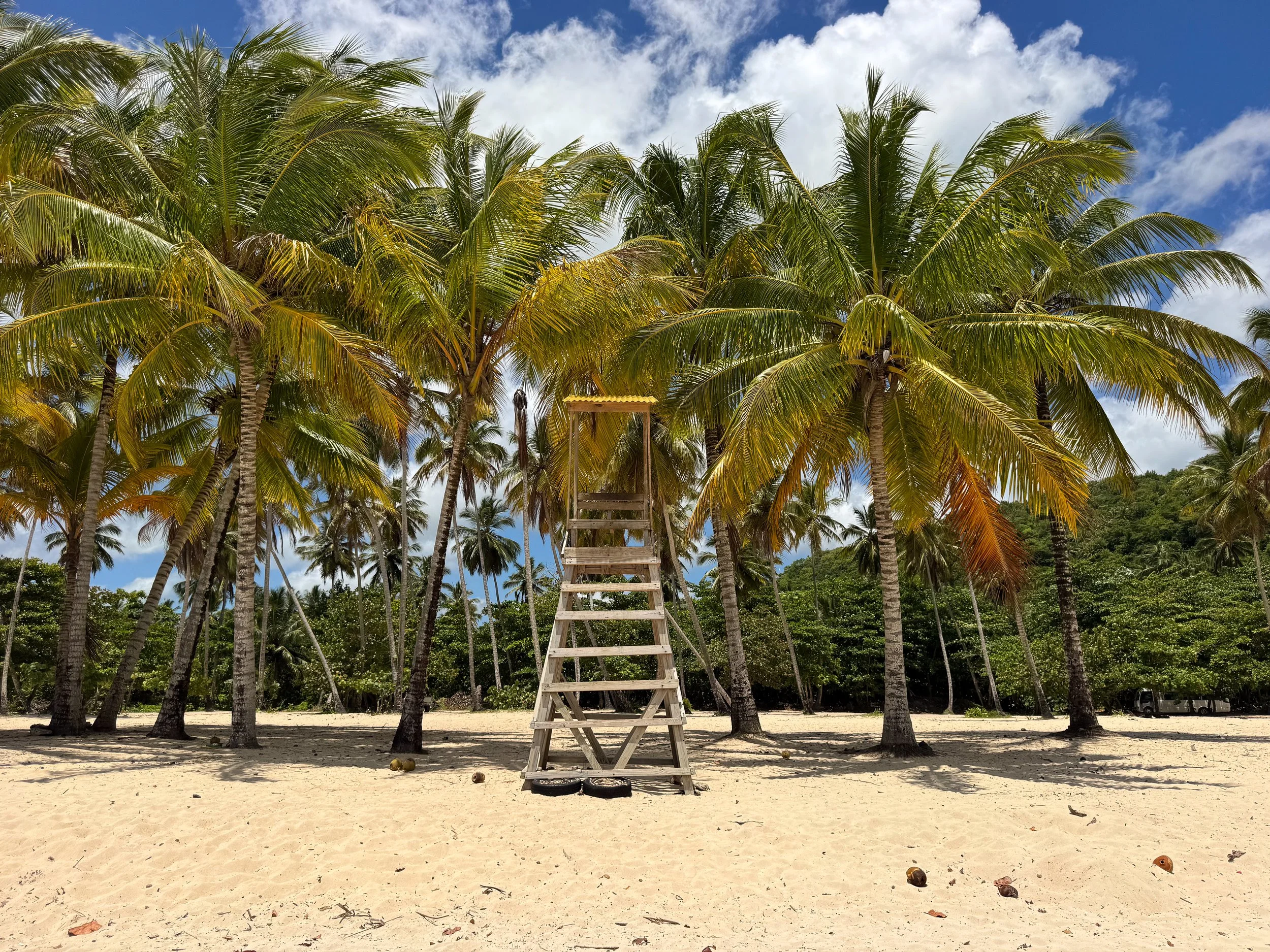
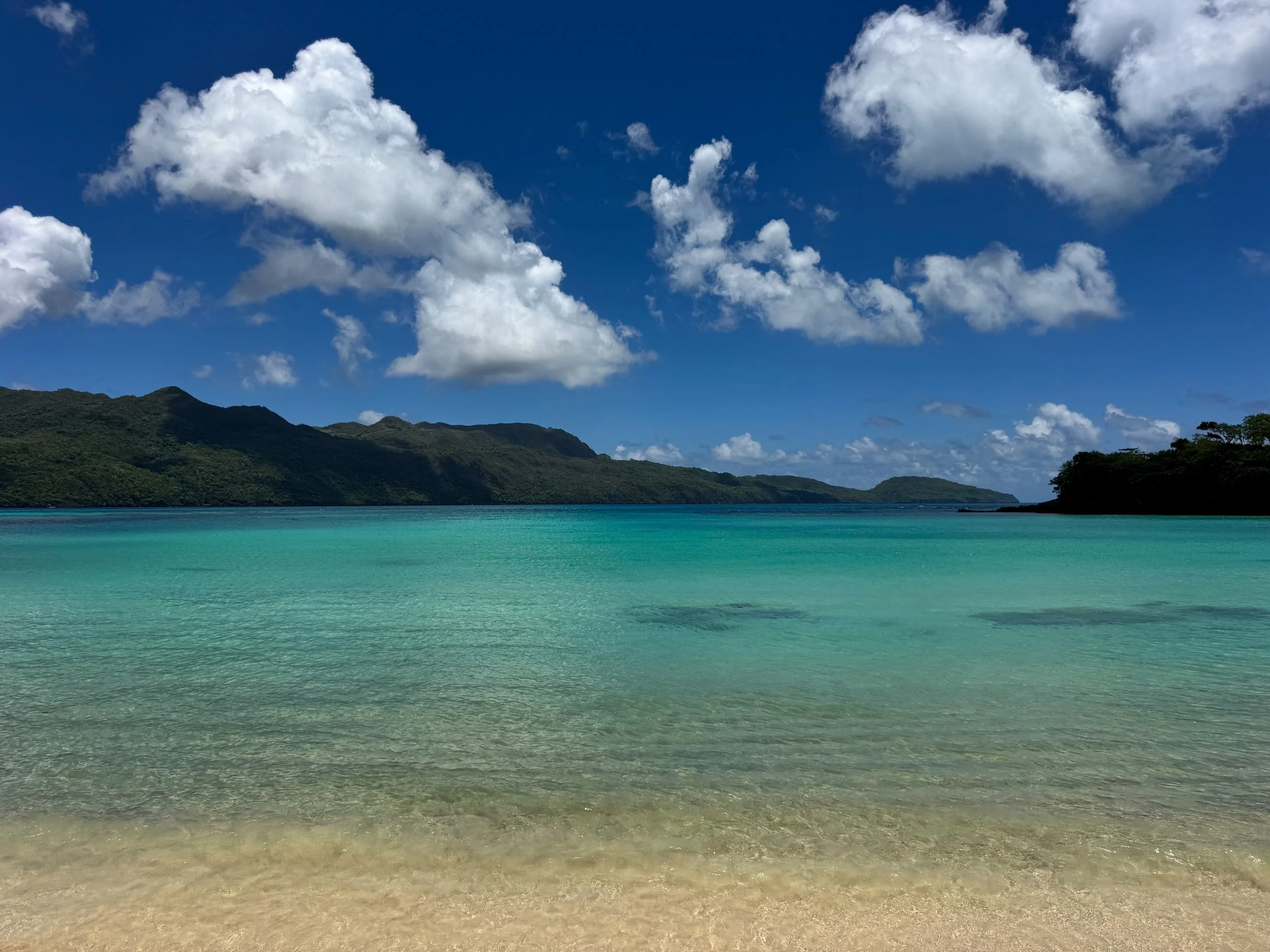
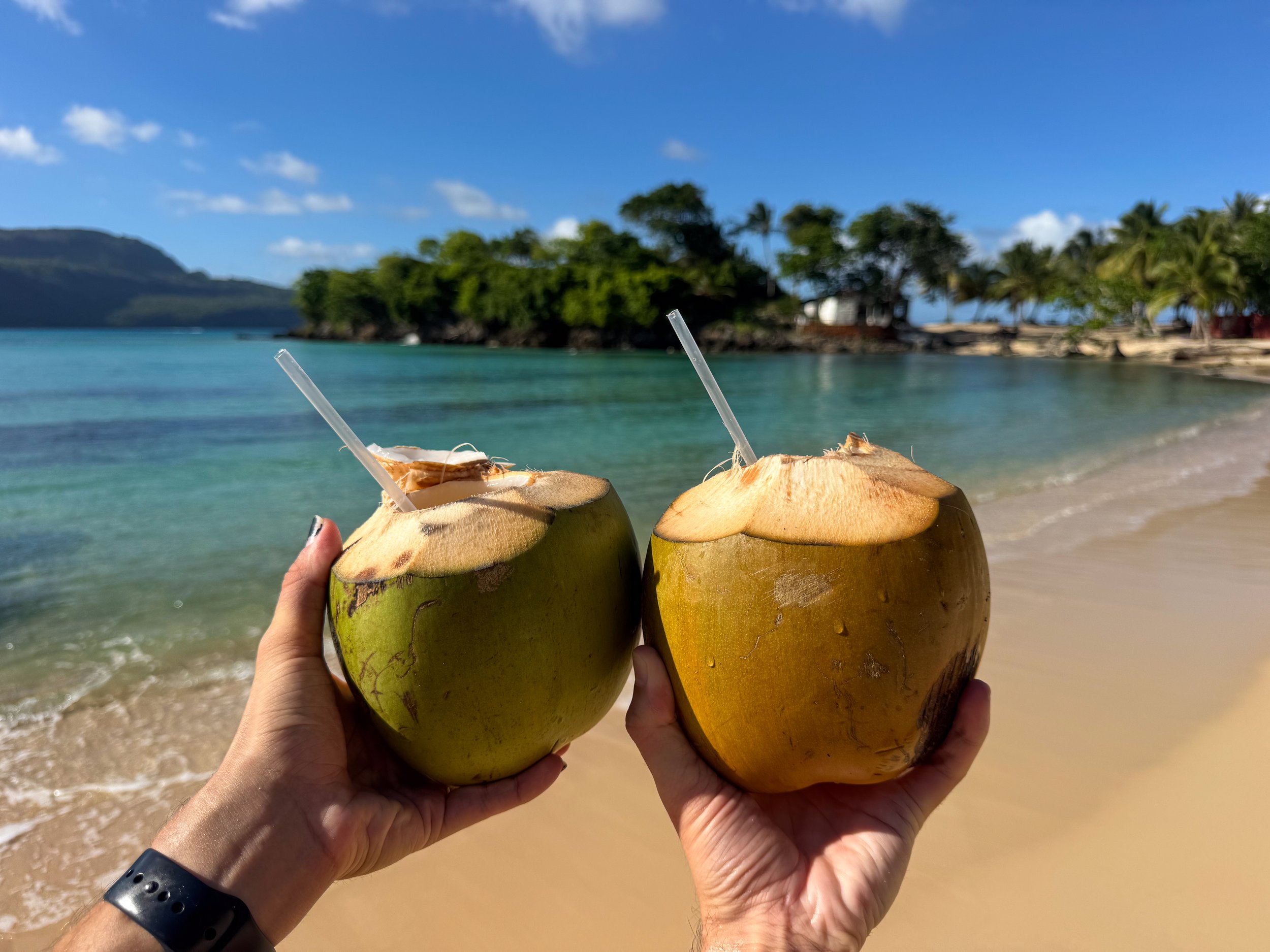
Playa Rincón. A remote beach with soft sands and a vast palm fringed shoreline that stretches for well over a mile. Colorful fishermen’s boats sit onshore while kiosks prepare the day’s catch, fresh coconuts and Dominican rum cocktails. Vendors rent beach lounges under the palms while captains offer passage to nearby beaches. The western side is the most popular while the eastern side is the most tranquil.
Parking. Parking at Playa Rincón is free and monitored by the local police. Officers provide a tag to place on your dashboard while entering the beach.
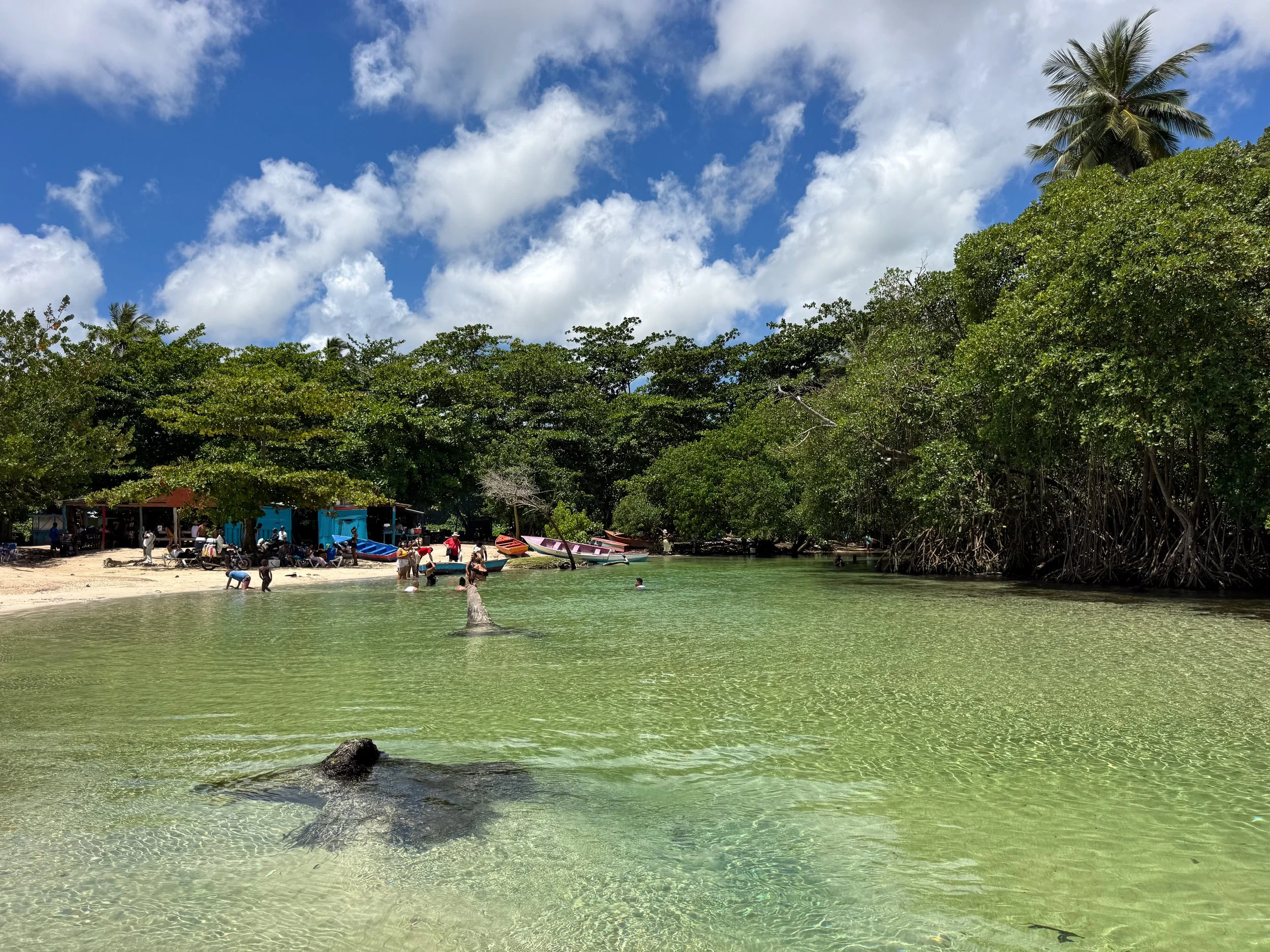
Caño Frío. A shallow river with clear aquamarine waters letting out at the western side of Playa Rincón. Locals wade in the river to cool down during peak afternoon heat while children play in its shallow waters. It’s possible to walk up its sandy riverbed or paddle upstream in a canoe to see the dense mangrove forest flanking its banks.
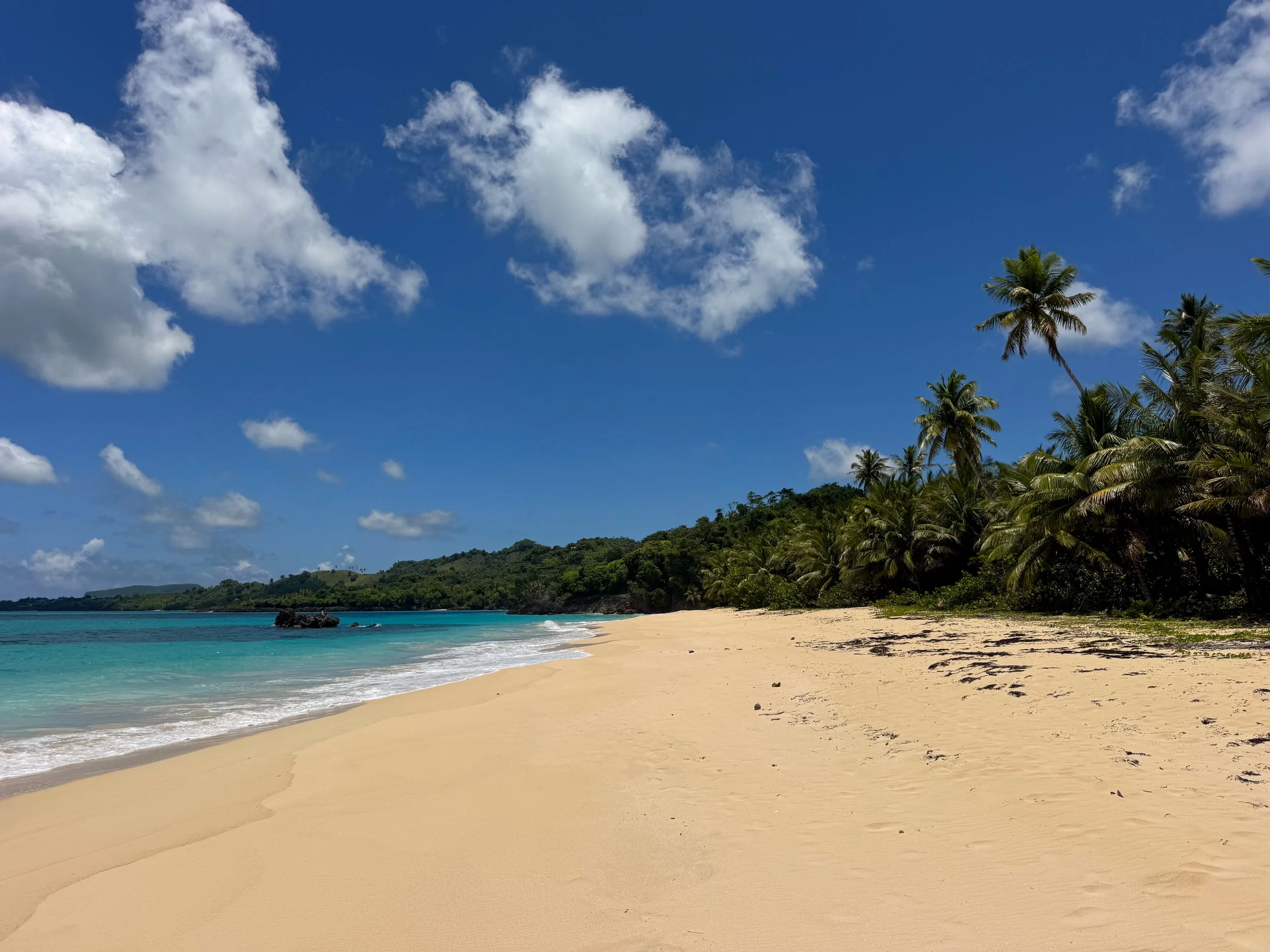
Playa Frille. A picturesque beach with golden sands, bright turquoise waters and a verdant palm covered tree line. The beach is reachable by walking or driving beyond the eastern side of Playa Rincón.
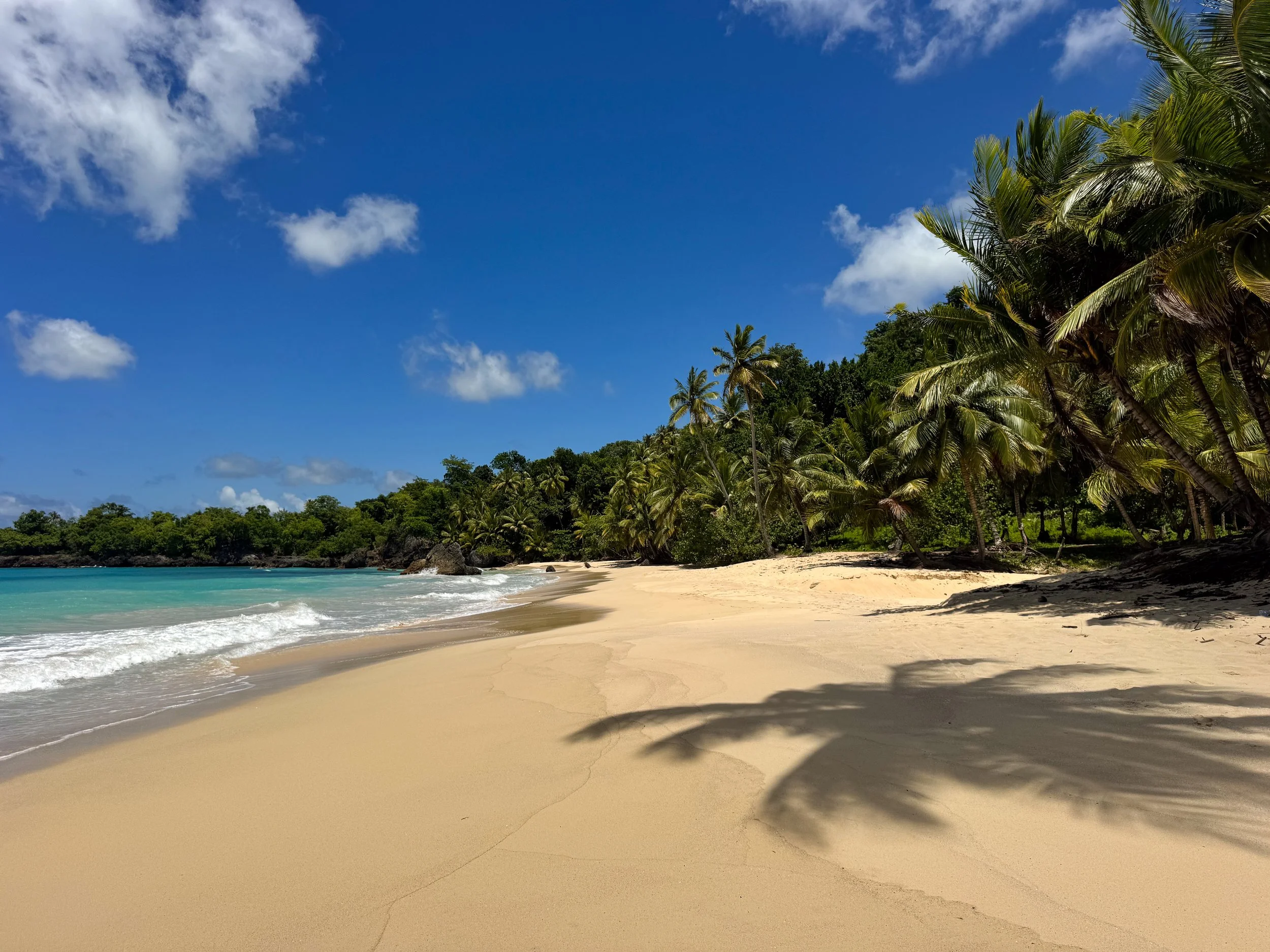
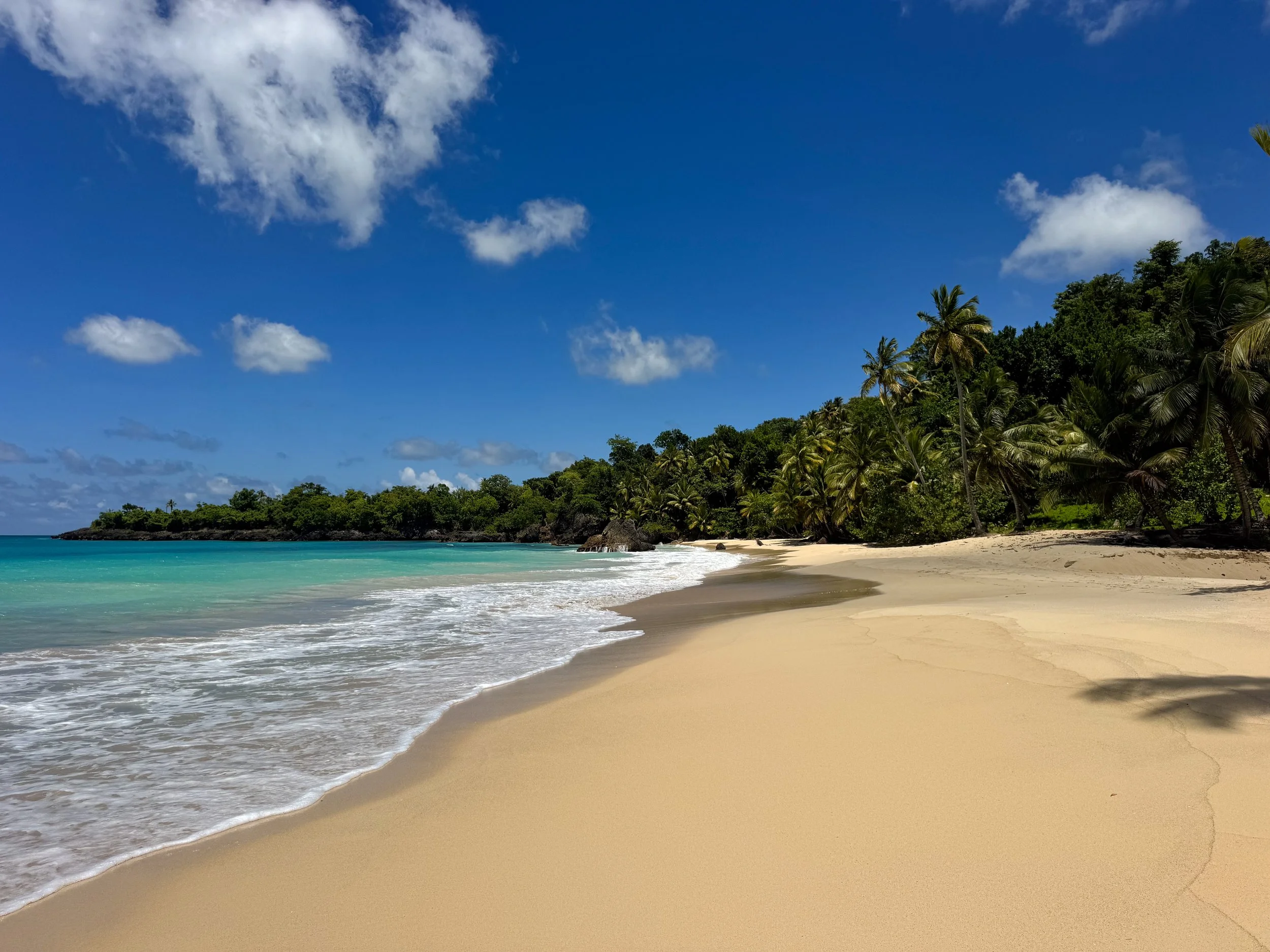
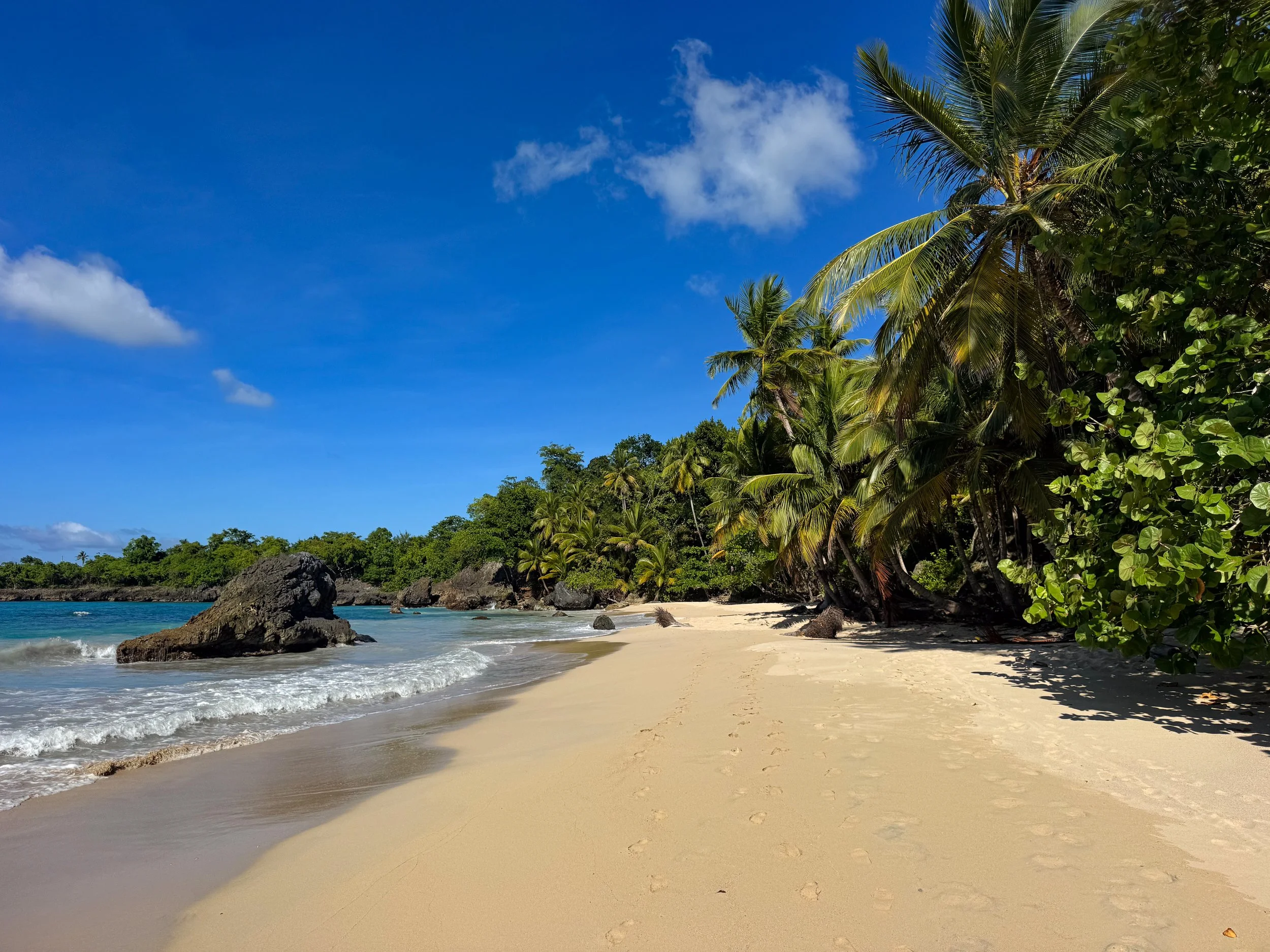
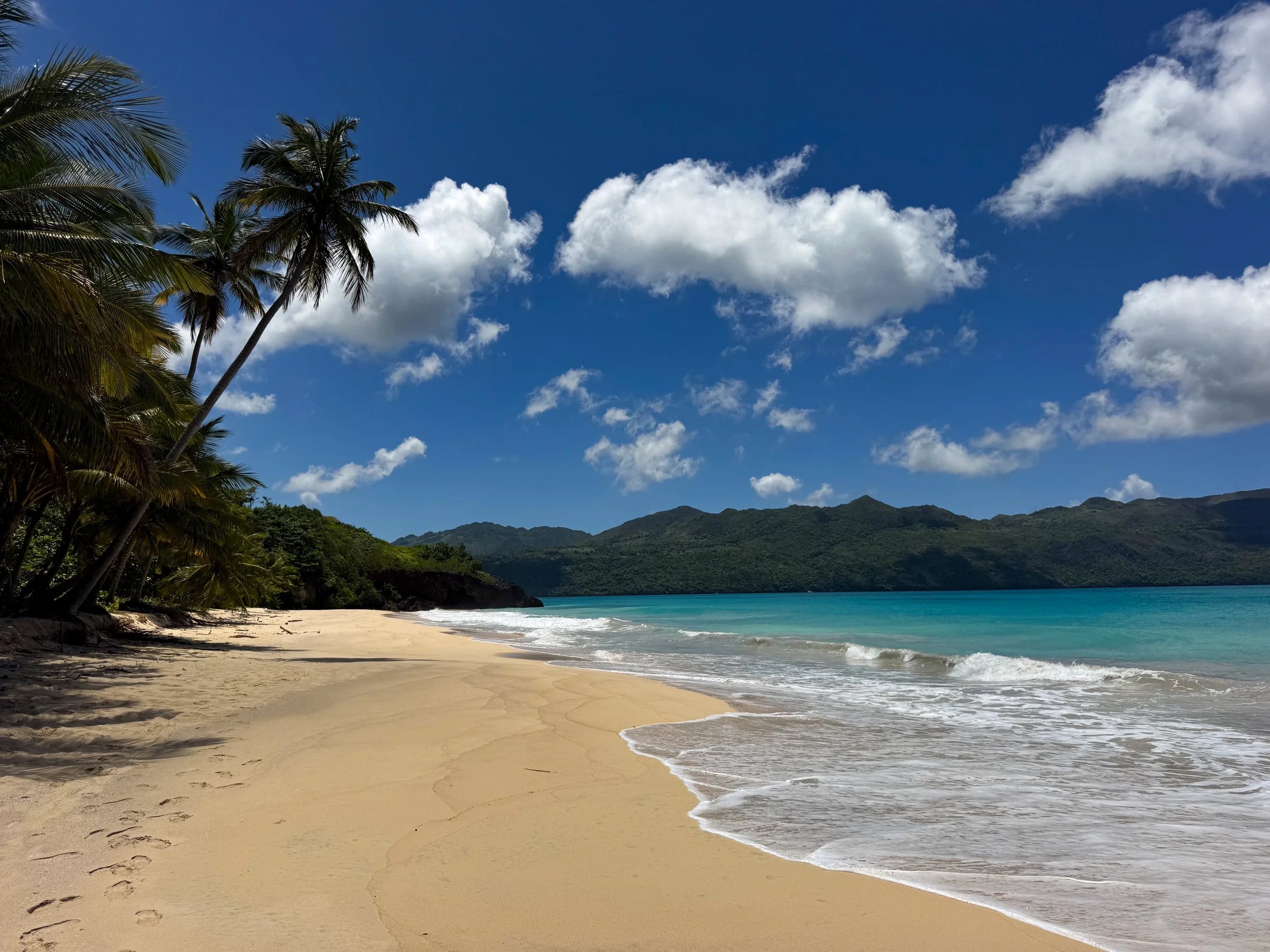
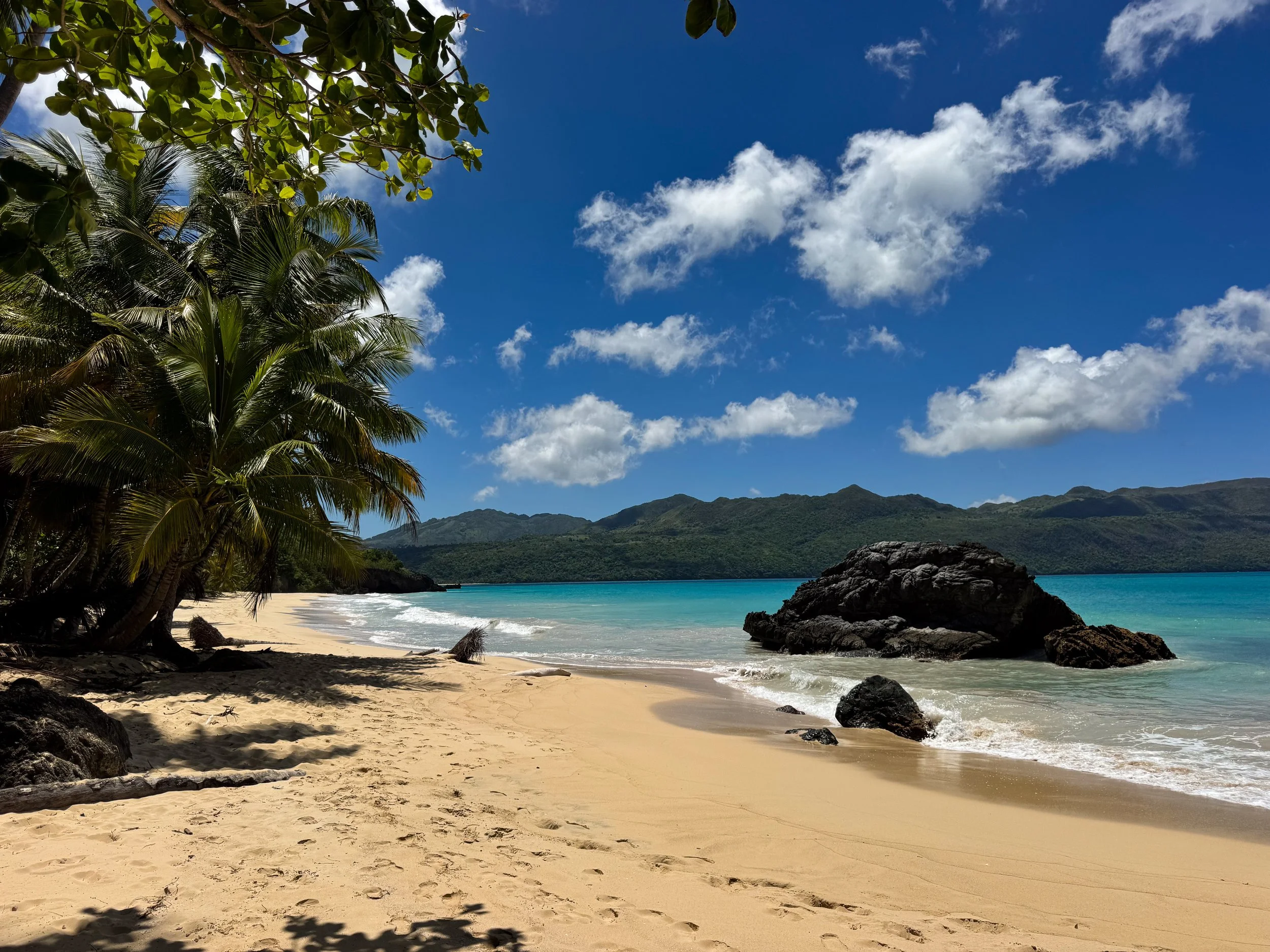
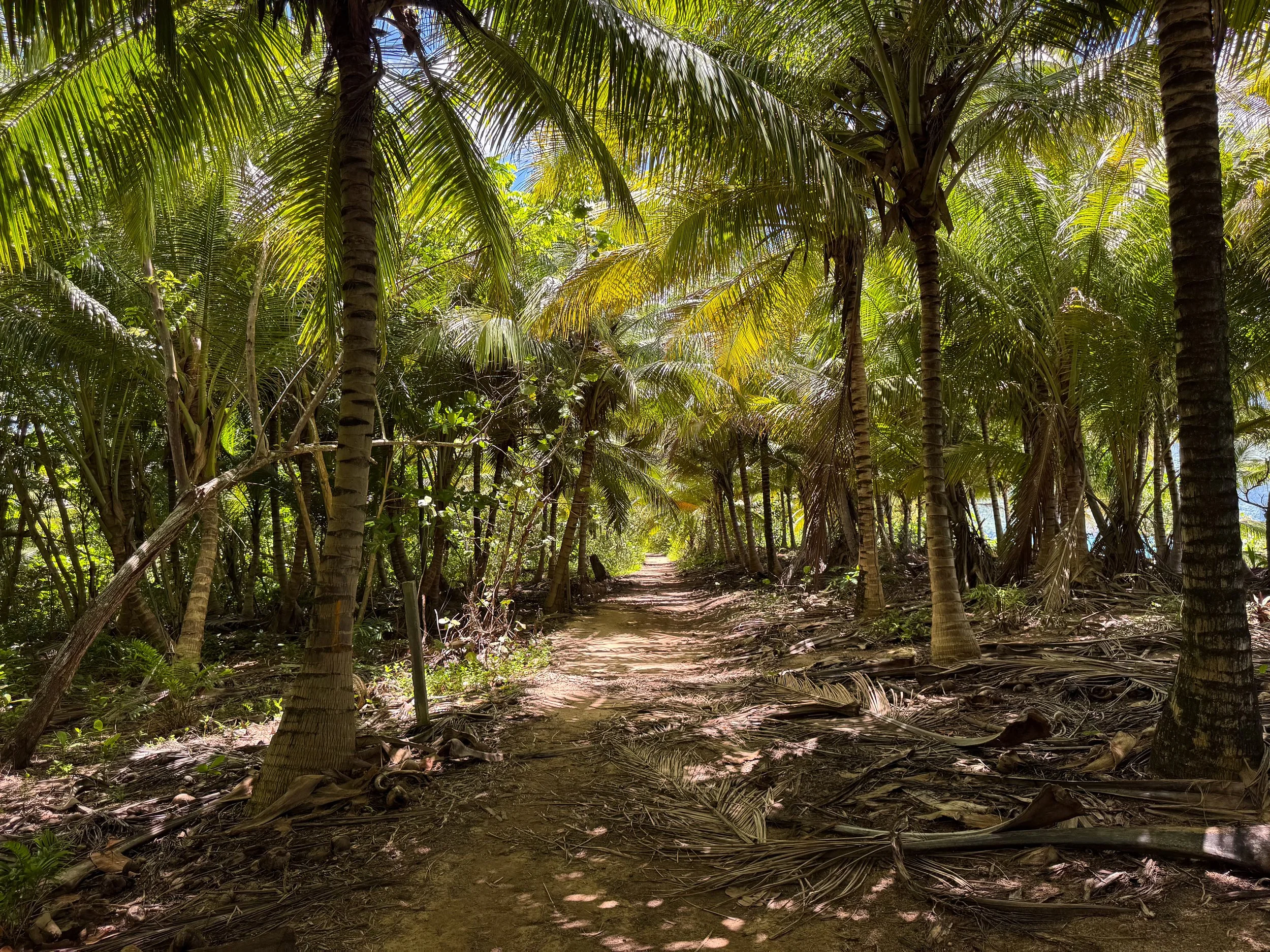
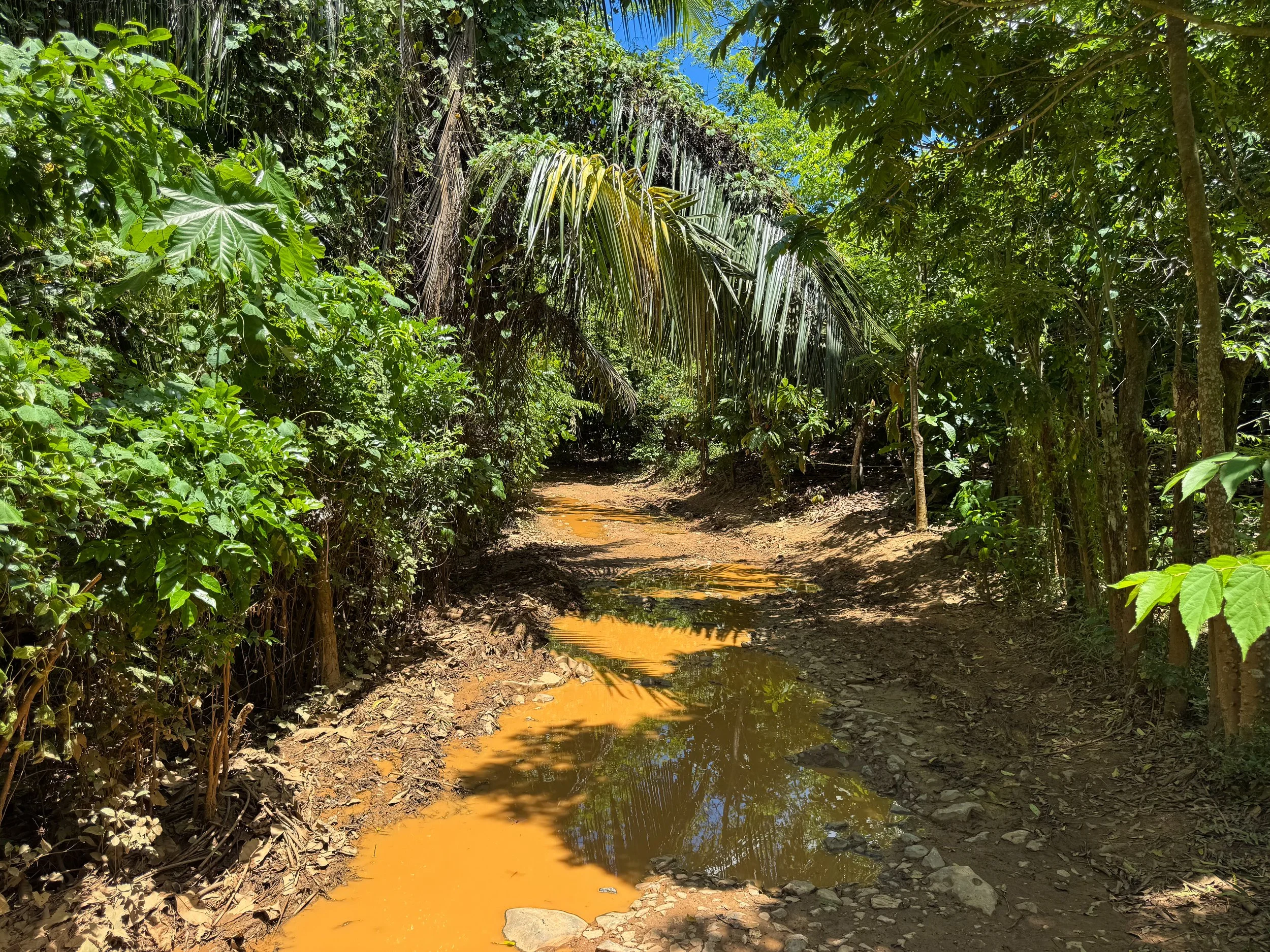
Playa Breman. A pristine and picturesque beach that easily ranks as one of the prettiest we’ve experienced. Palm trees reach out over its tan sand shoreline towards the vibrant blue waters and unspoiled coastline. The beach is reachable by trail from Playa Frille. It passes beneath a canopy of palm trees, muddy sections and agricultural farmland with cacao and banana trees.
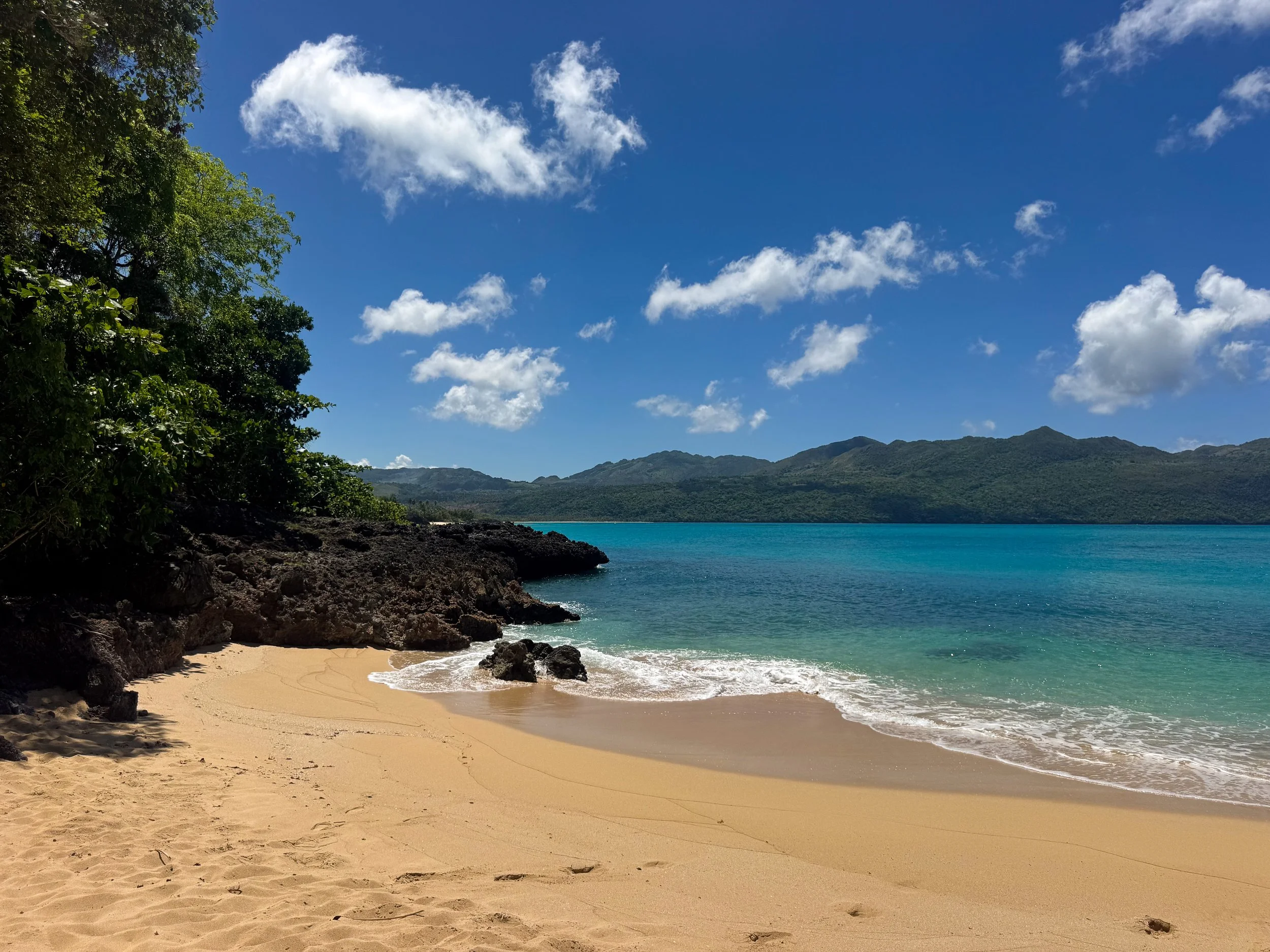
Playa del Amor. A tiny cove with a white sand beach and calm swimmable waters. It’s reachable after hiking a hilly and forested trail from the eastern side of Playa Breman.
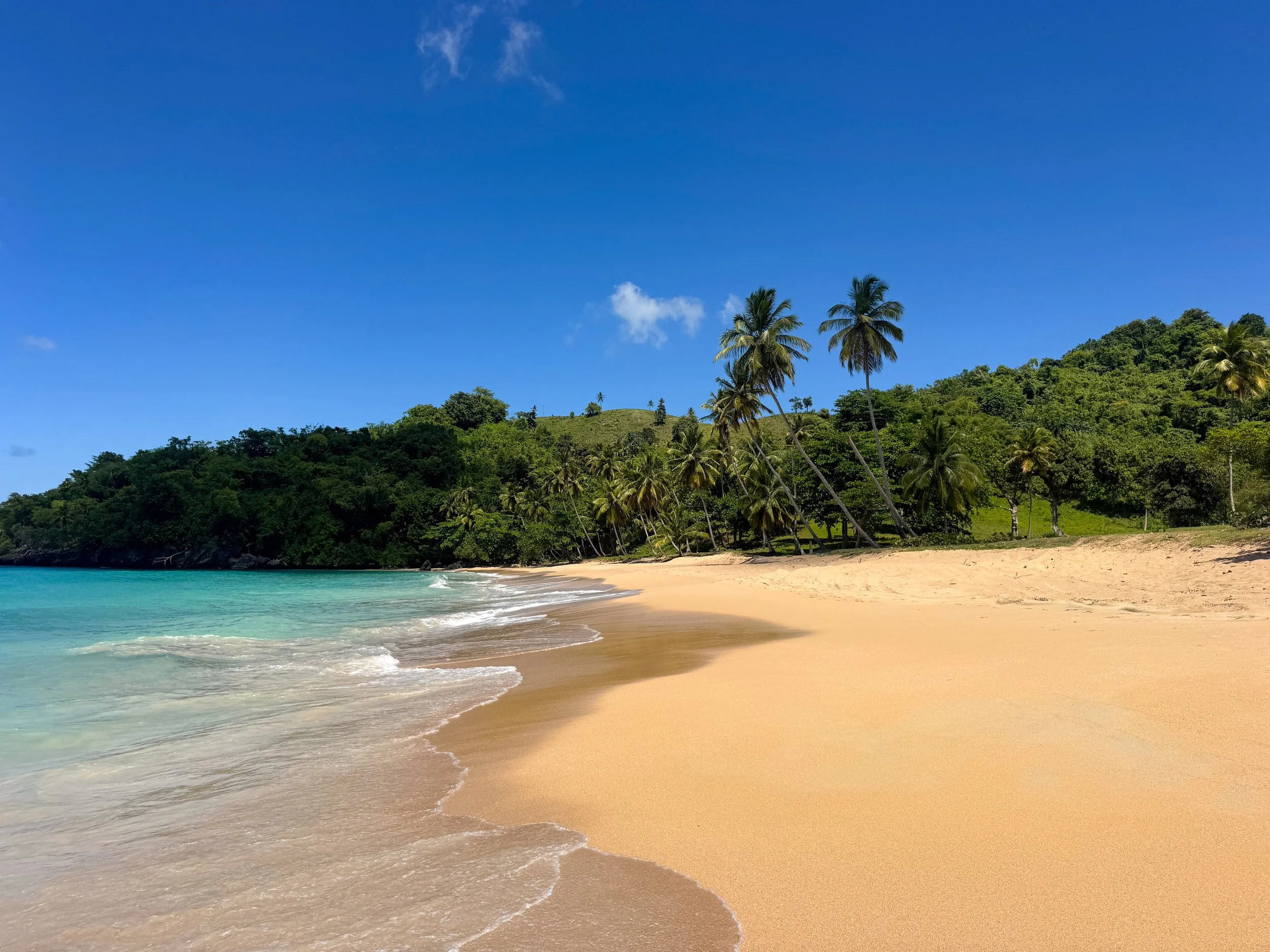
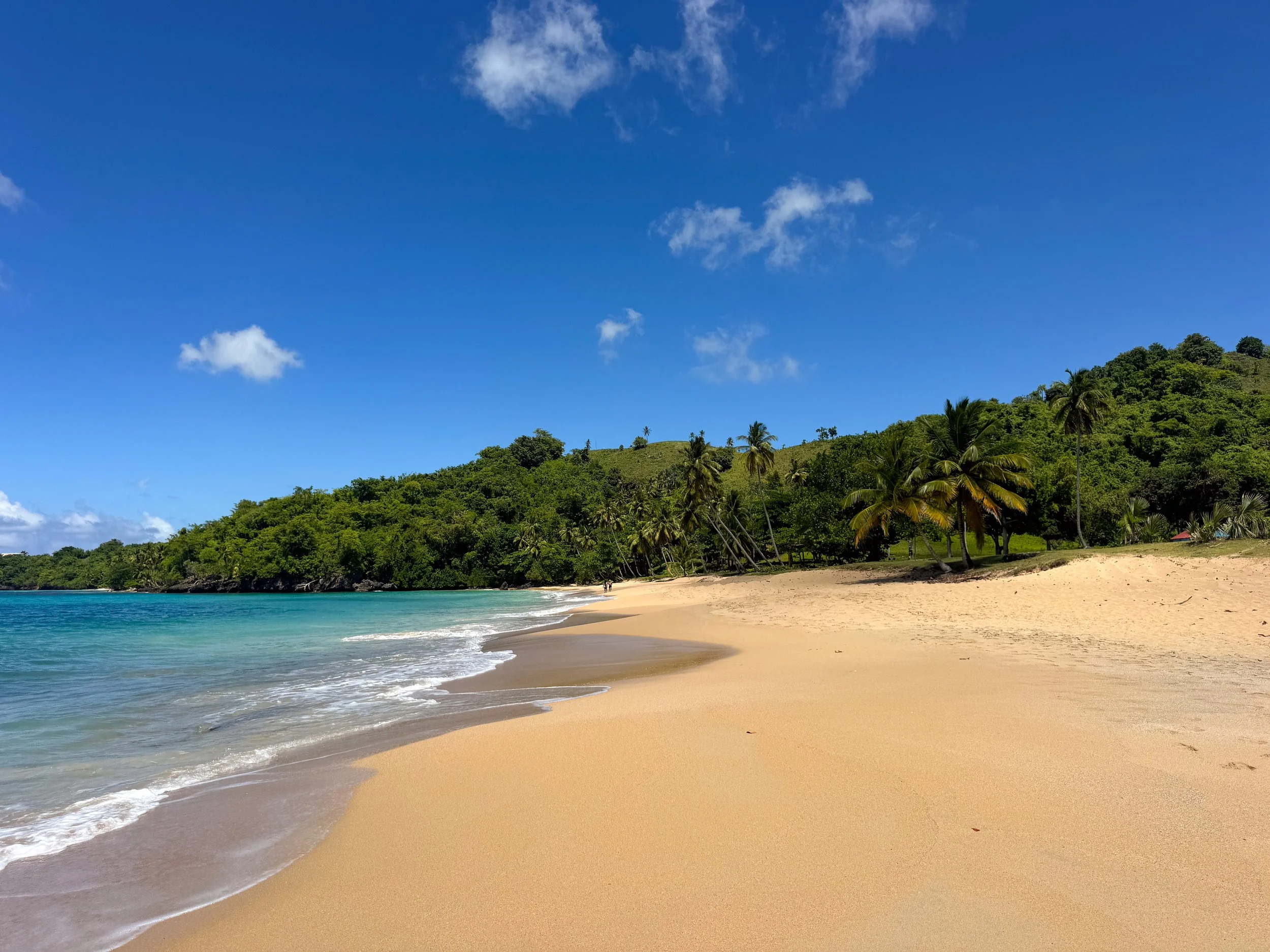
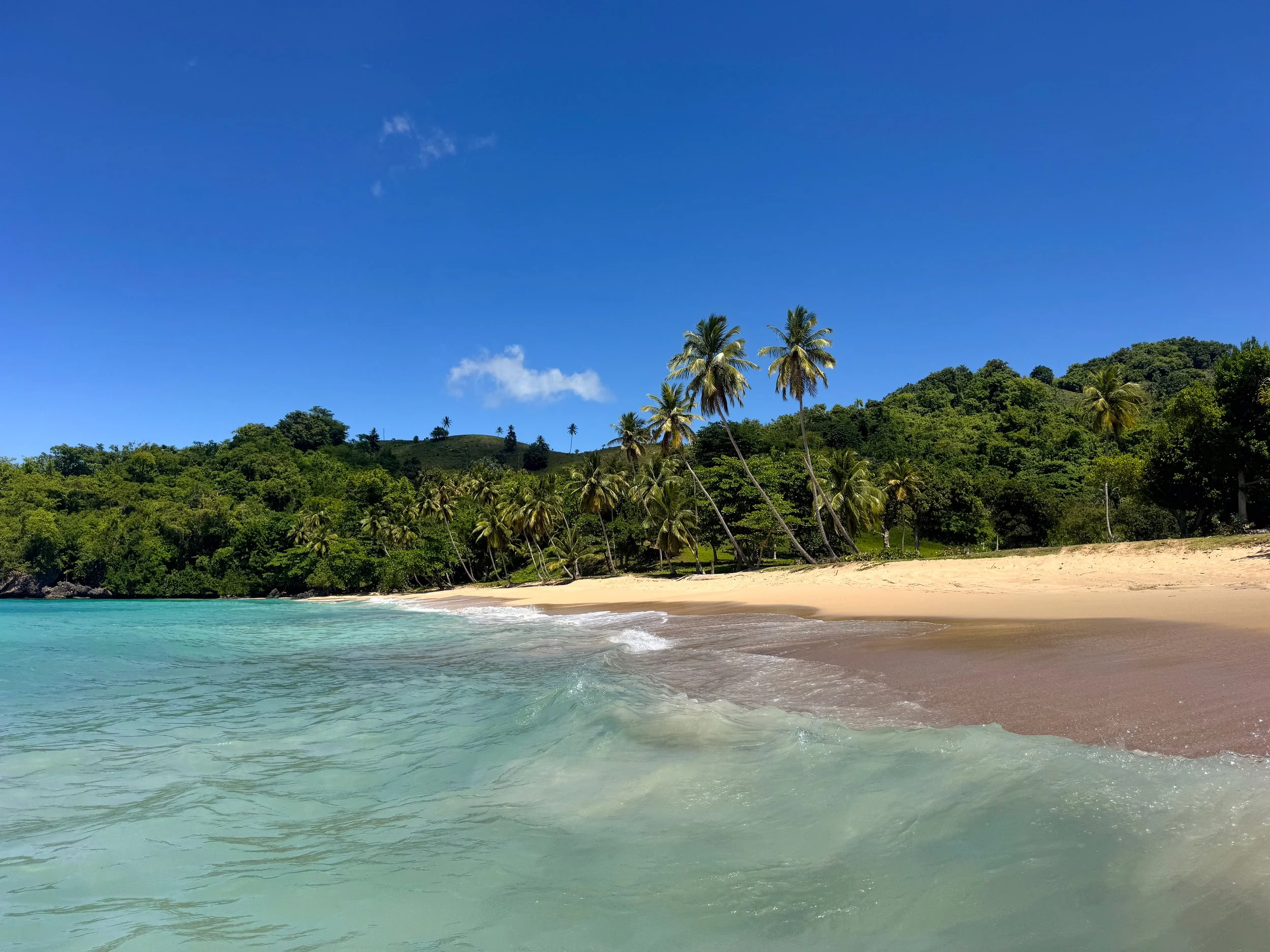
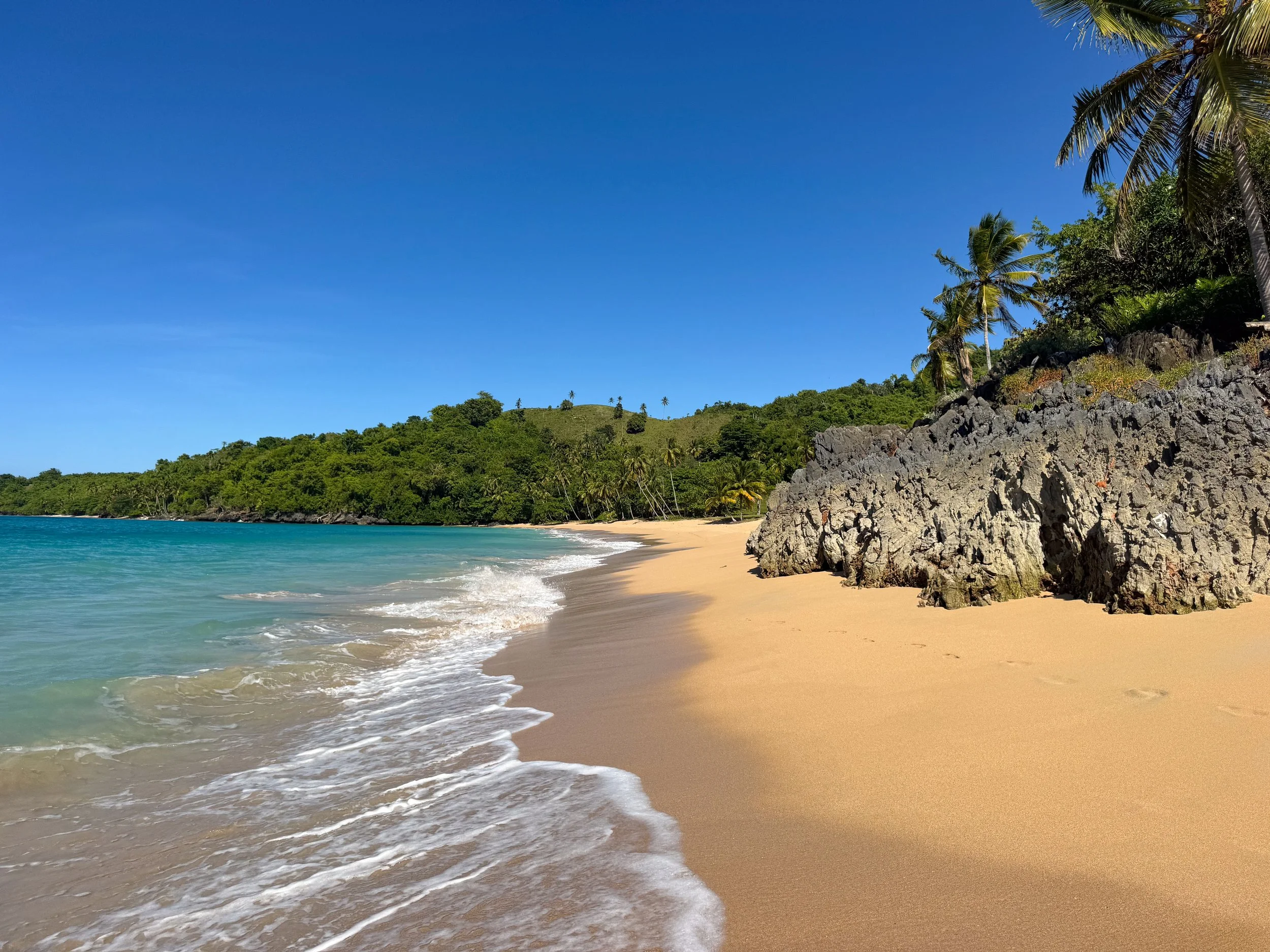
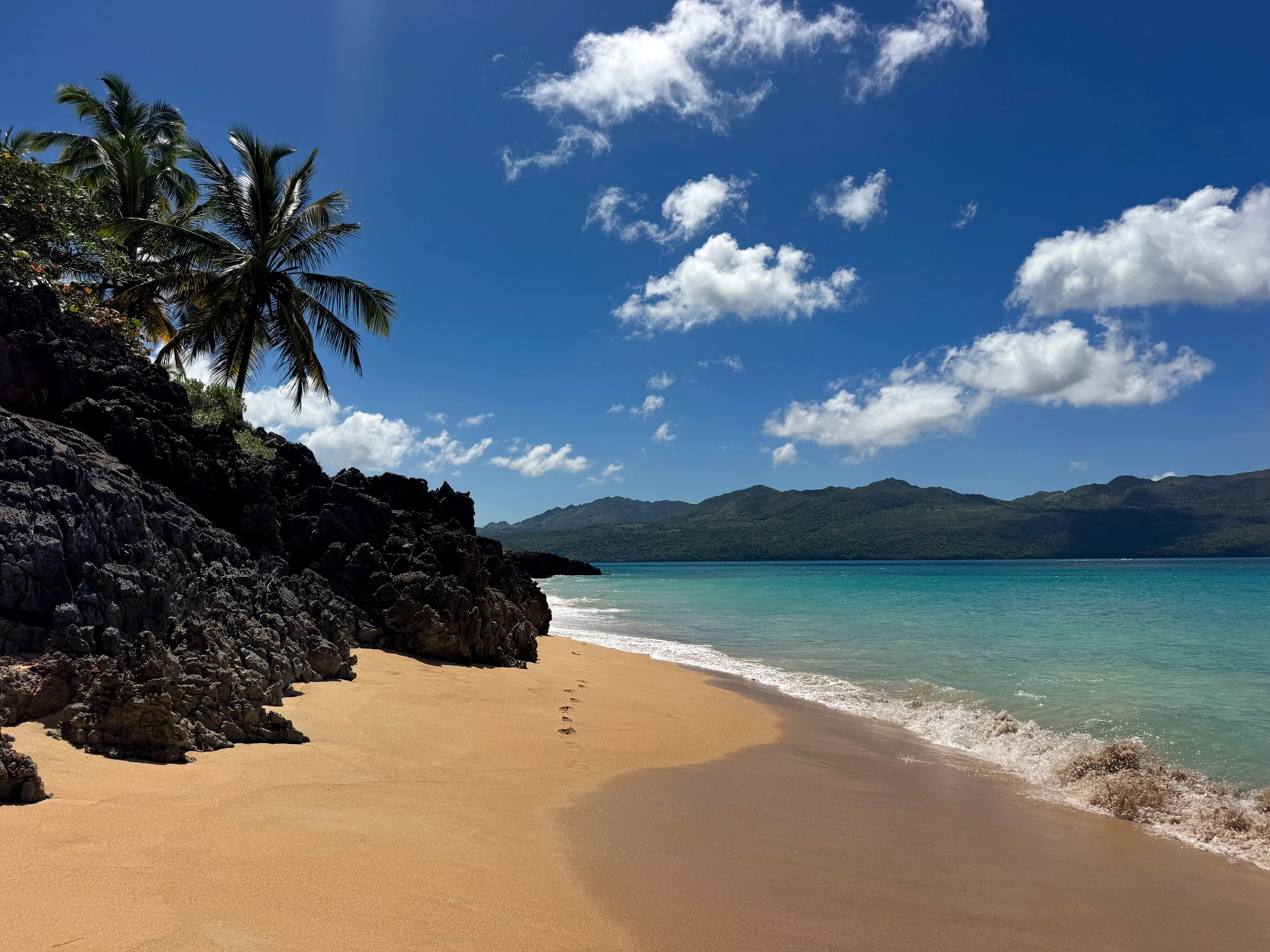
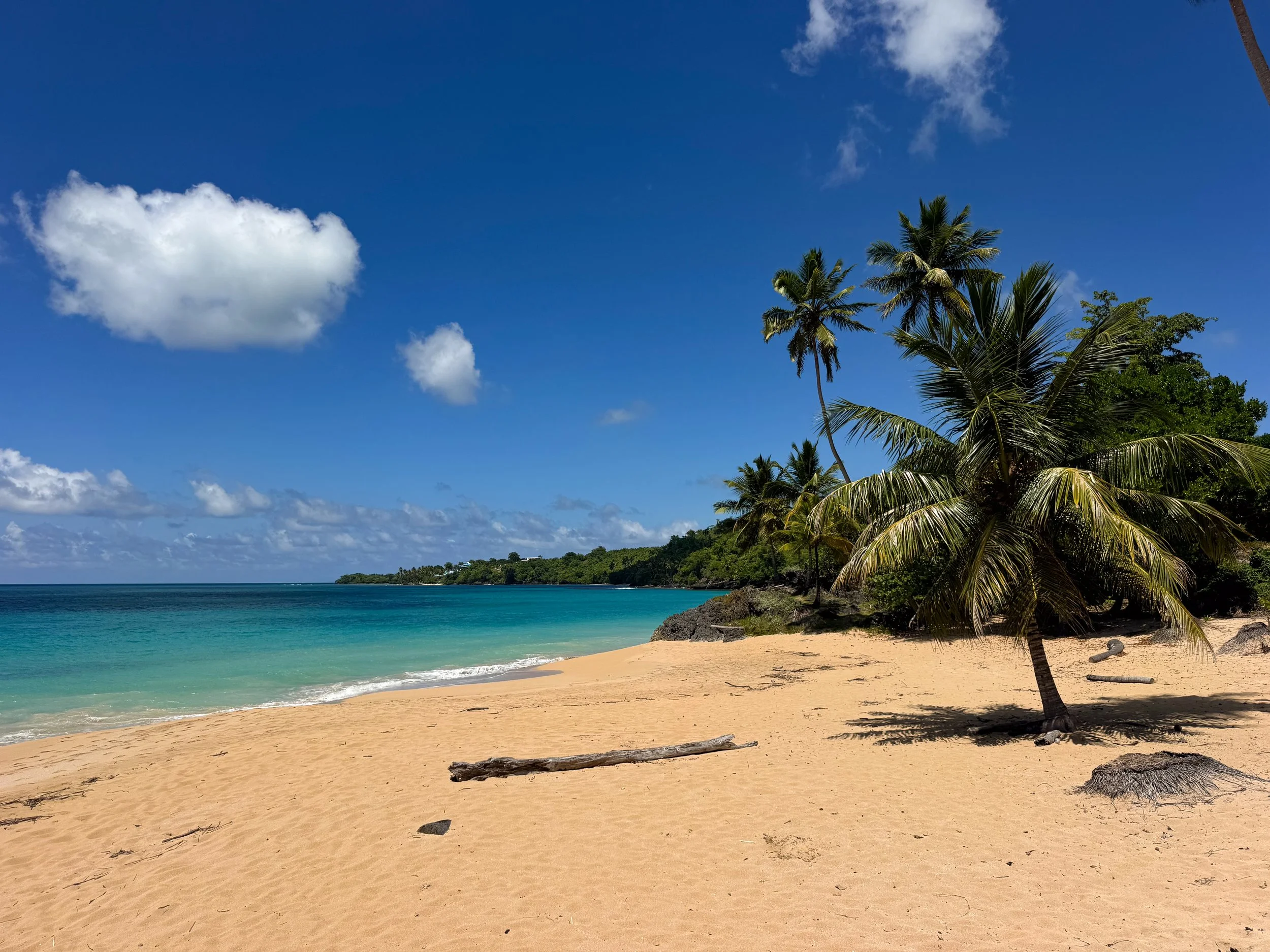
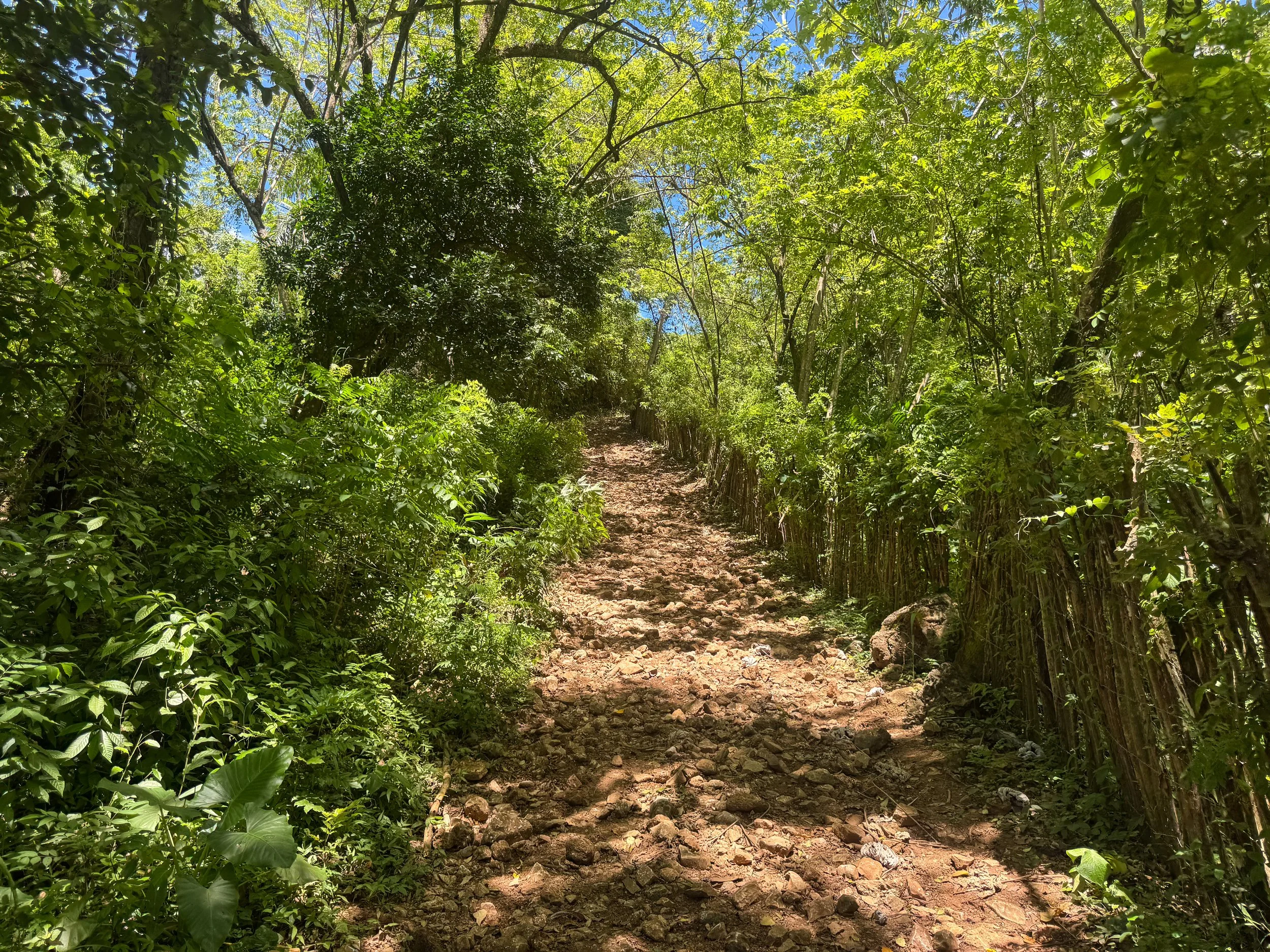
Playa Colorada. A remote golden sand beach with swimmable turquoise waters and coastal rock formations. The beach is reachable after hiking over a rugged hillside trail from Playa del Amor and following a gravel road past a series of villas towards the beach.
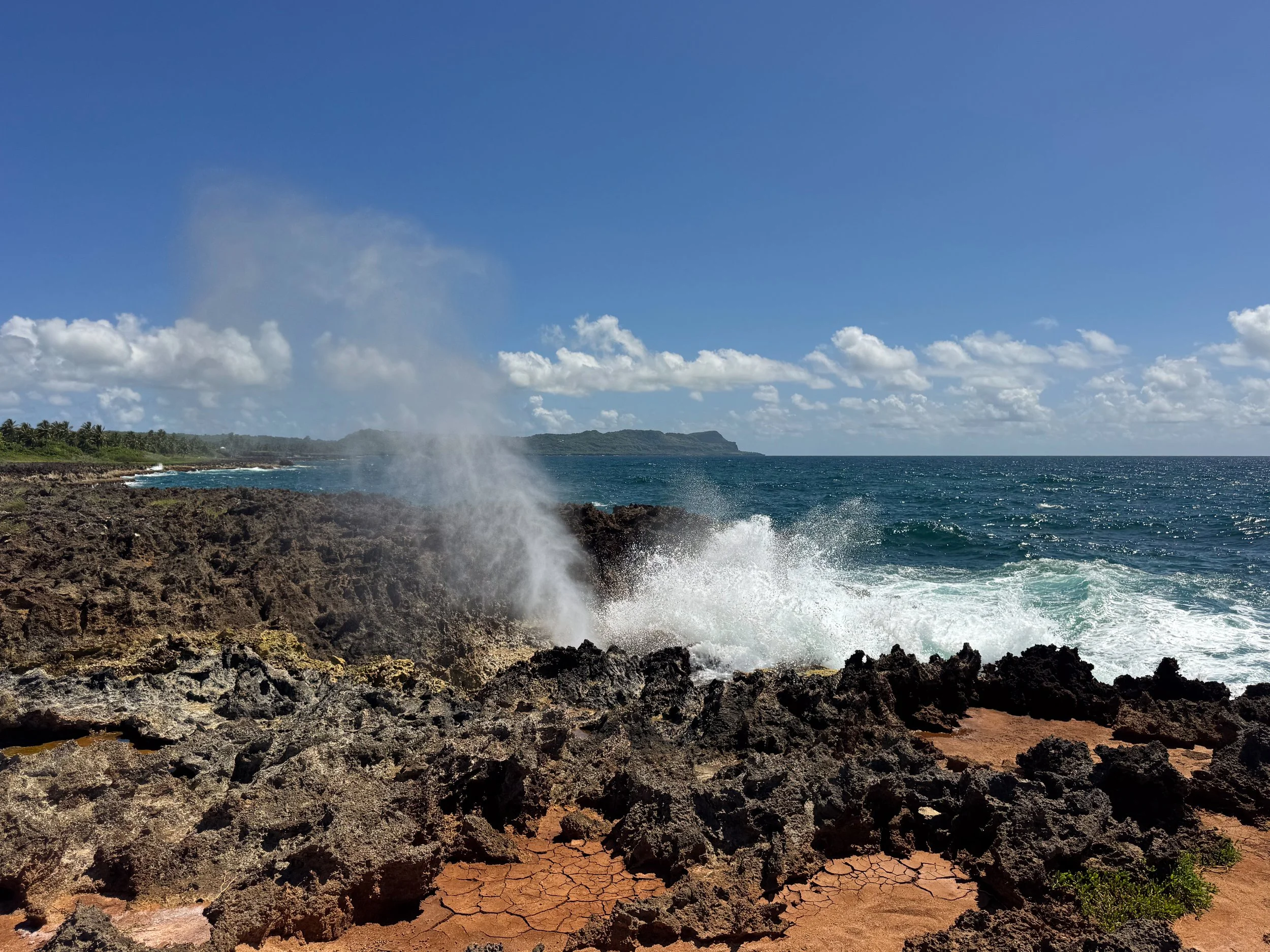
Bufadora Samaná. A roadside blowhole on coastal route 5, located about 10 minutes from Las Galeras. Ocean waves crash into the jagged cliffside, rocketing a jet of water and mist from a small opening in the rock.
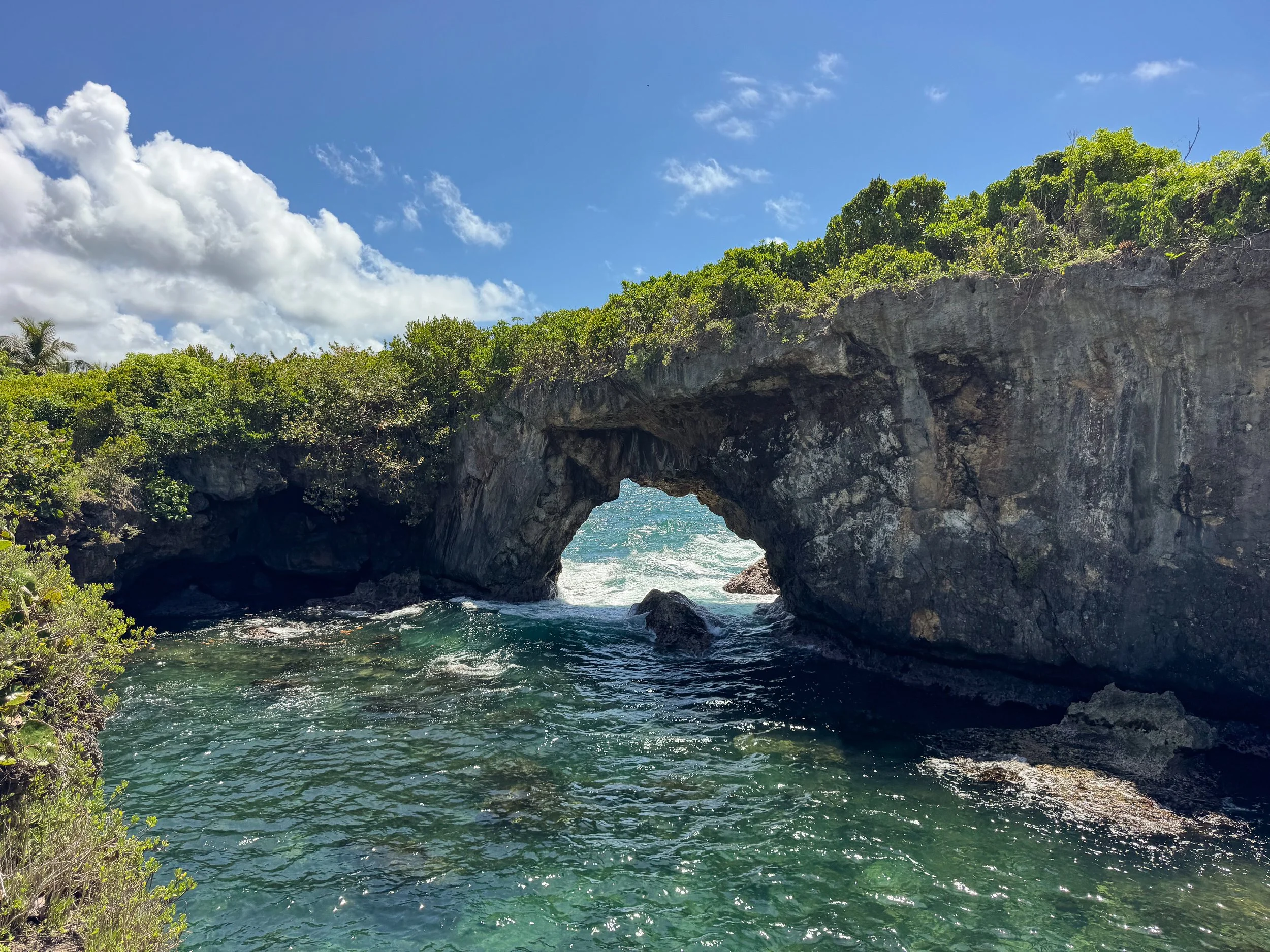
La Hondonada. A beautiful sea arch separating a flooded cove from the turbulent ocean. It’s located just past the Bufadora Samaná en route to Las Galeras. Park along the roadside of coastal route 5, walking a few minutes along a cinder block wall to reach the viewpoint.
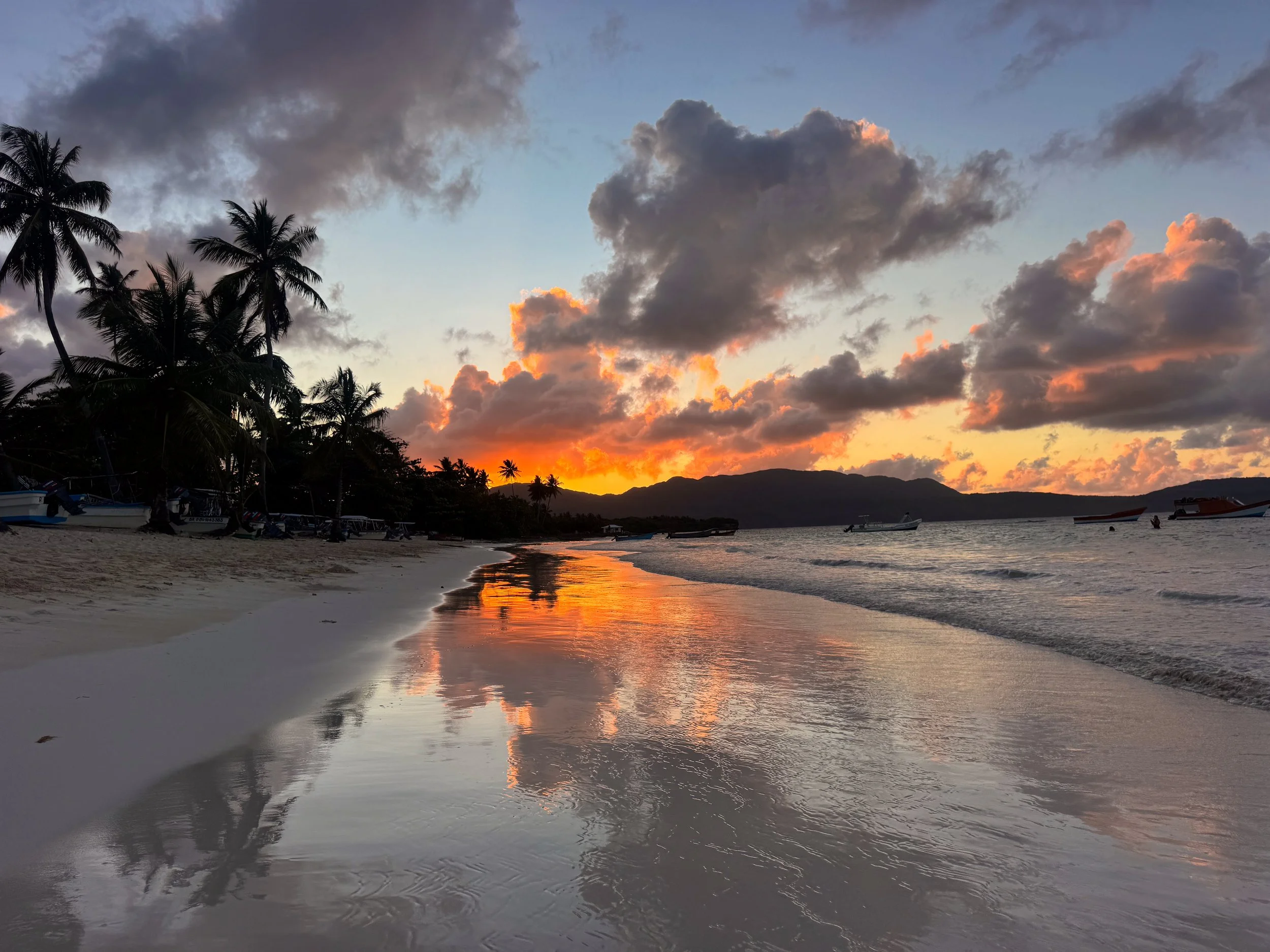
Bahía de Las Galeras. A white sand beach in the town of Las Galeras. It’s a popular place to watch the sunset and hire boat captains for transportation to hard to reach beaches. Several beachfront kiosks serve tropical cocktails like piña coladas prepared in whole pineapples.
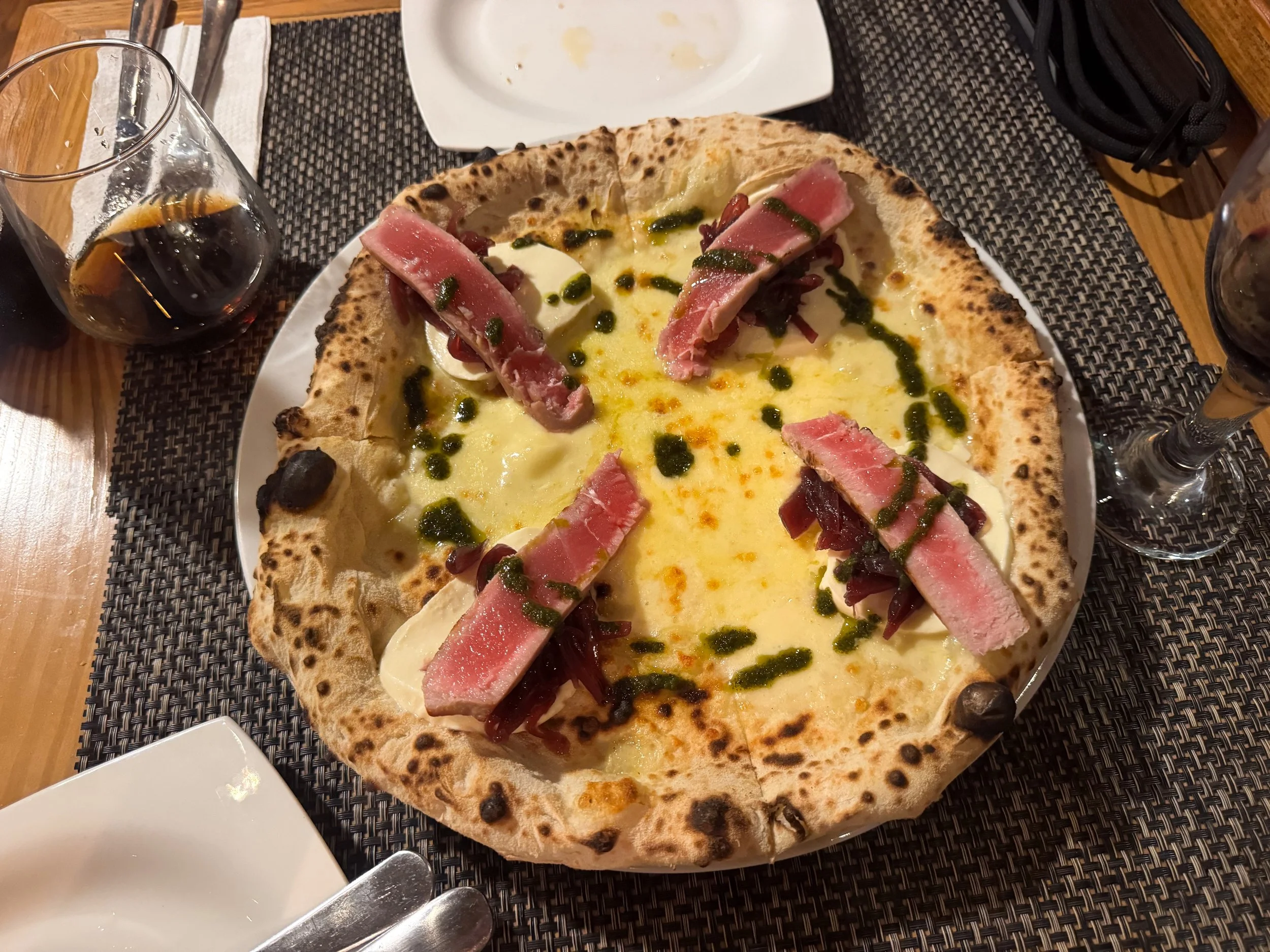
Marakana. An “Italian” restaurant specializing in wood fired pizzas, pastas and seafood. Order their namesake, a sauce-less pizza made with gooey mozzarella cheese and topped with sliced mozzarella, onions caramelized in red wine, seared tuna and pesto.
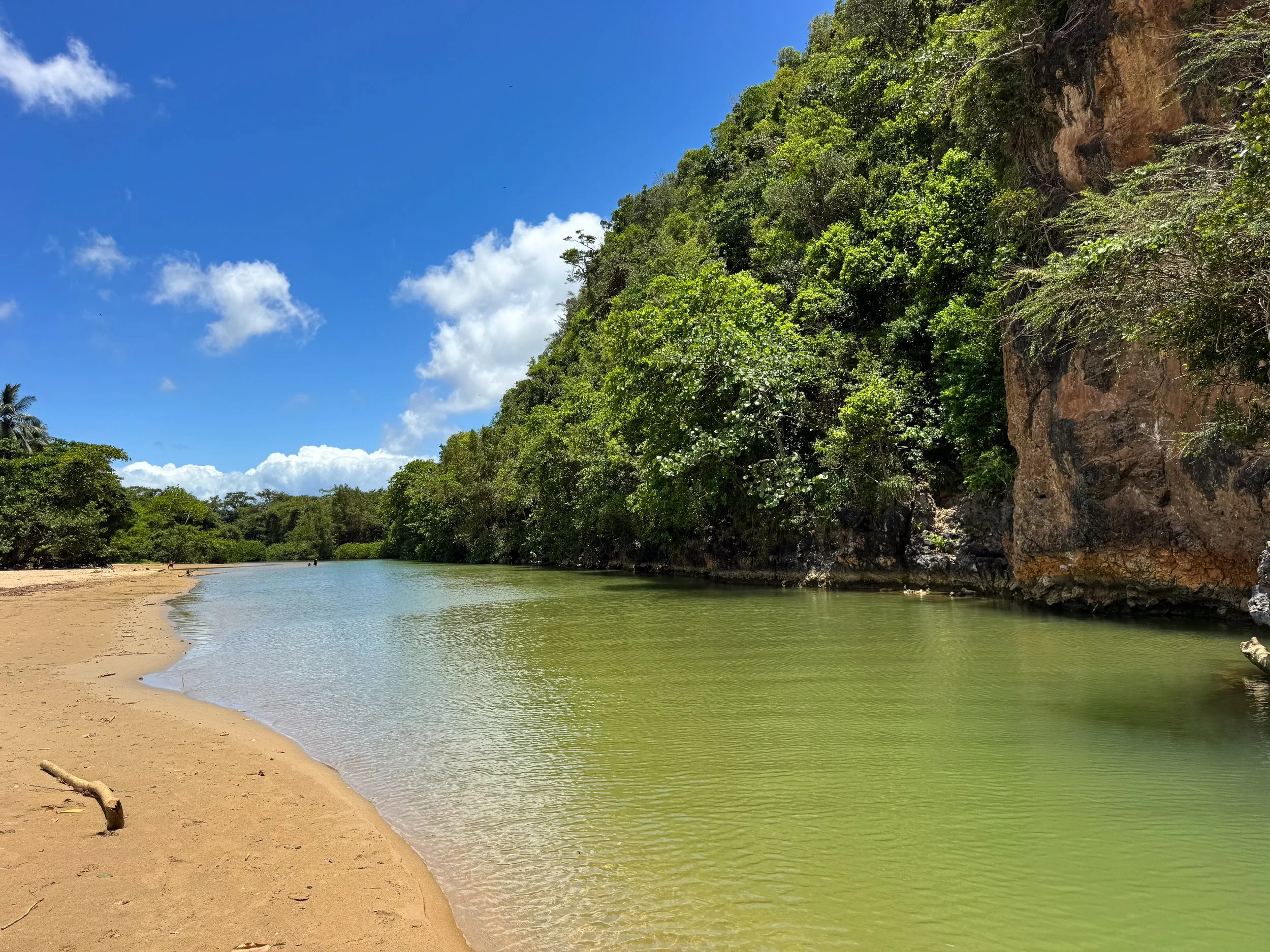
El Valle
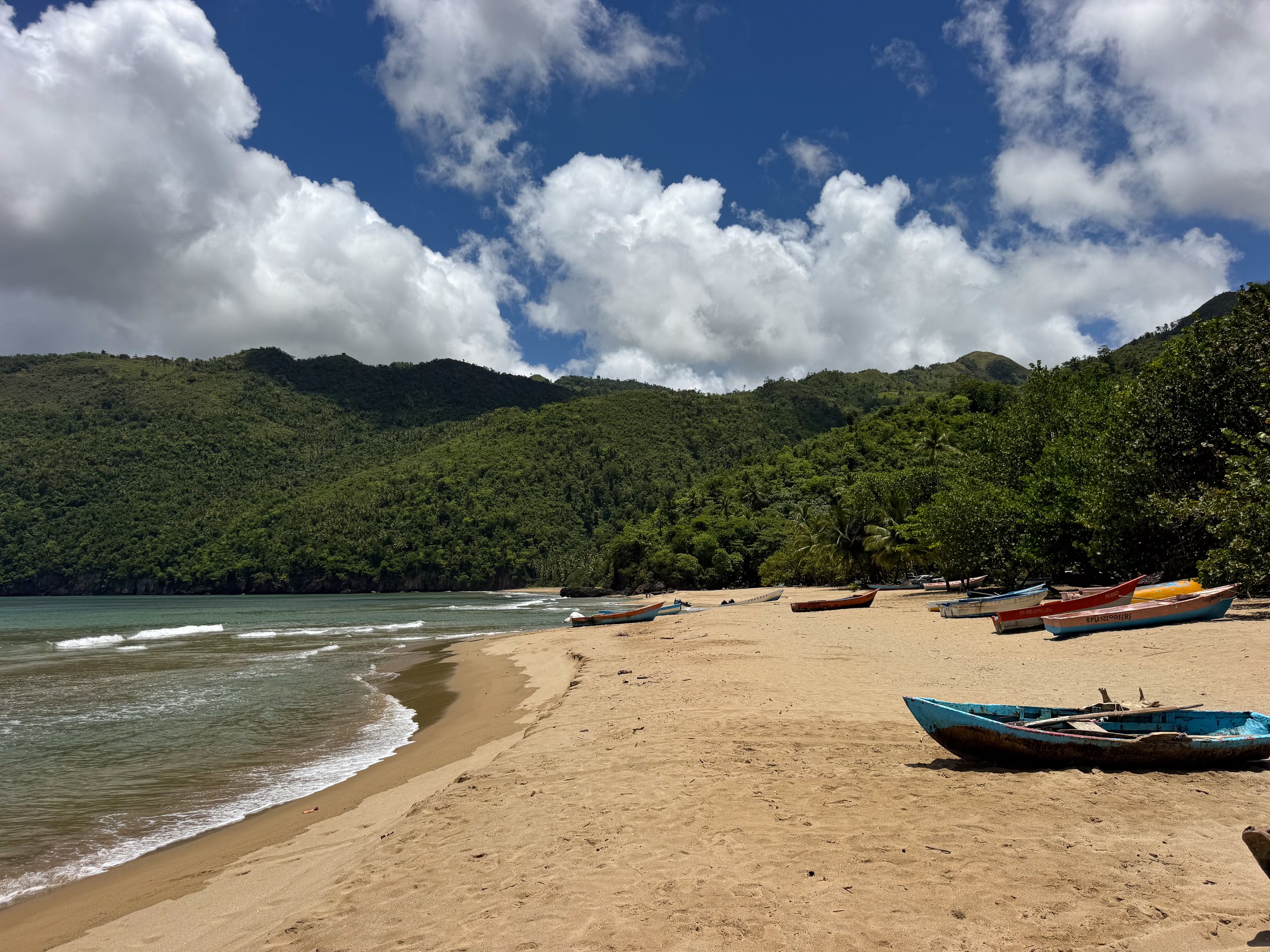
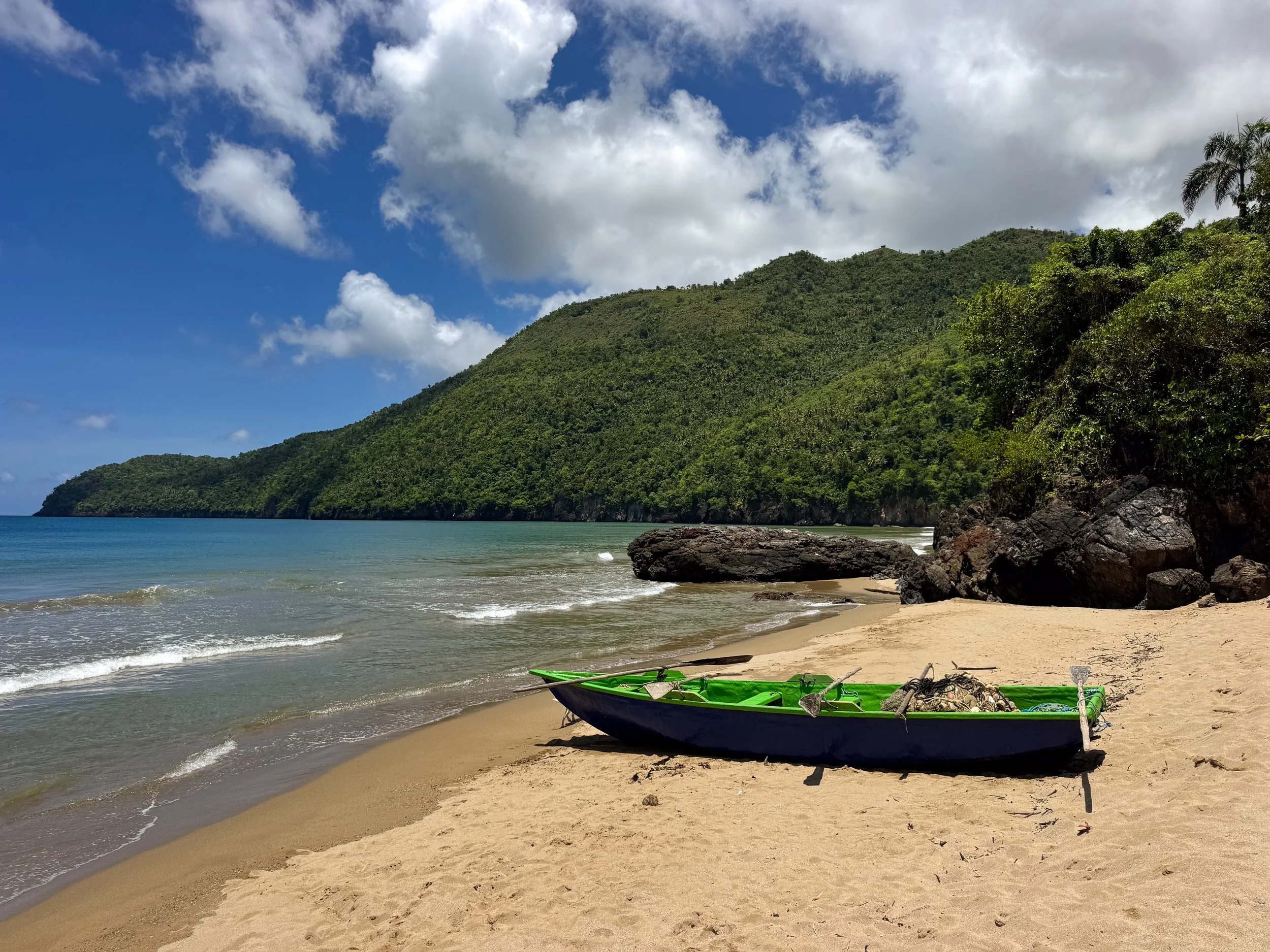
El Valle is a very remote area of the Samaná Peninsula nestled within a verdant valley. The region is home to jungleous landscapes with waterfalls, treehouse hotels, a zip-line park, lengthy tan sand beach and rural community.
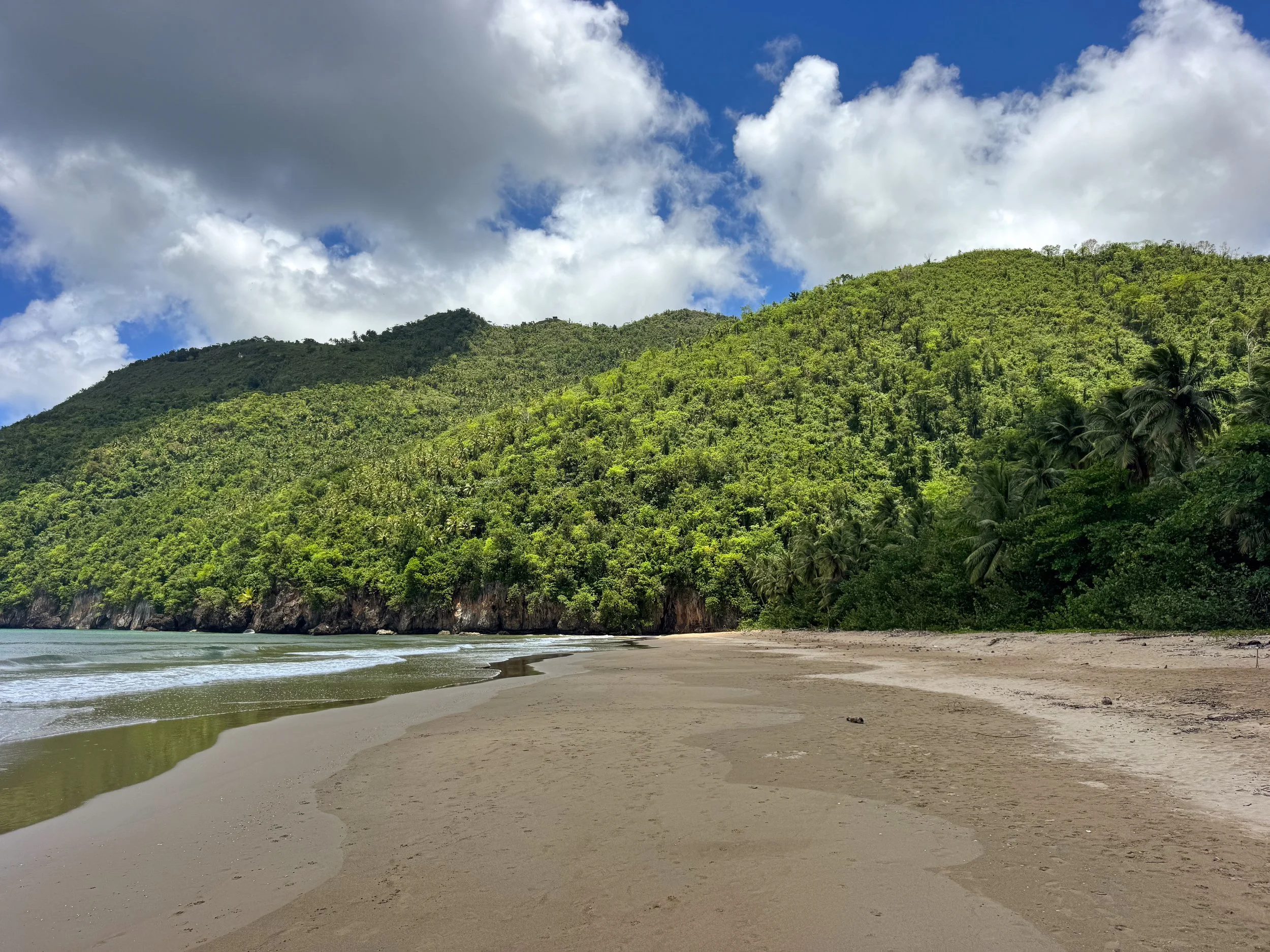
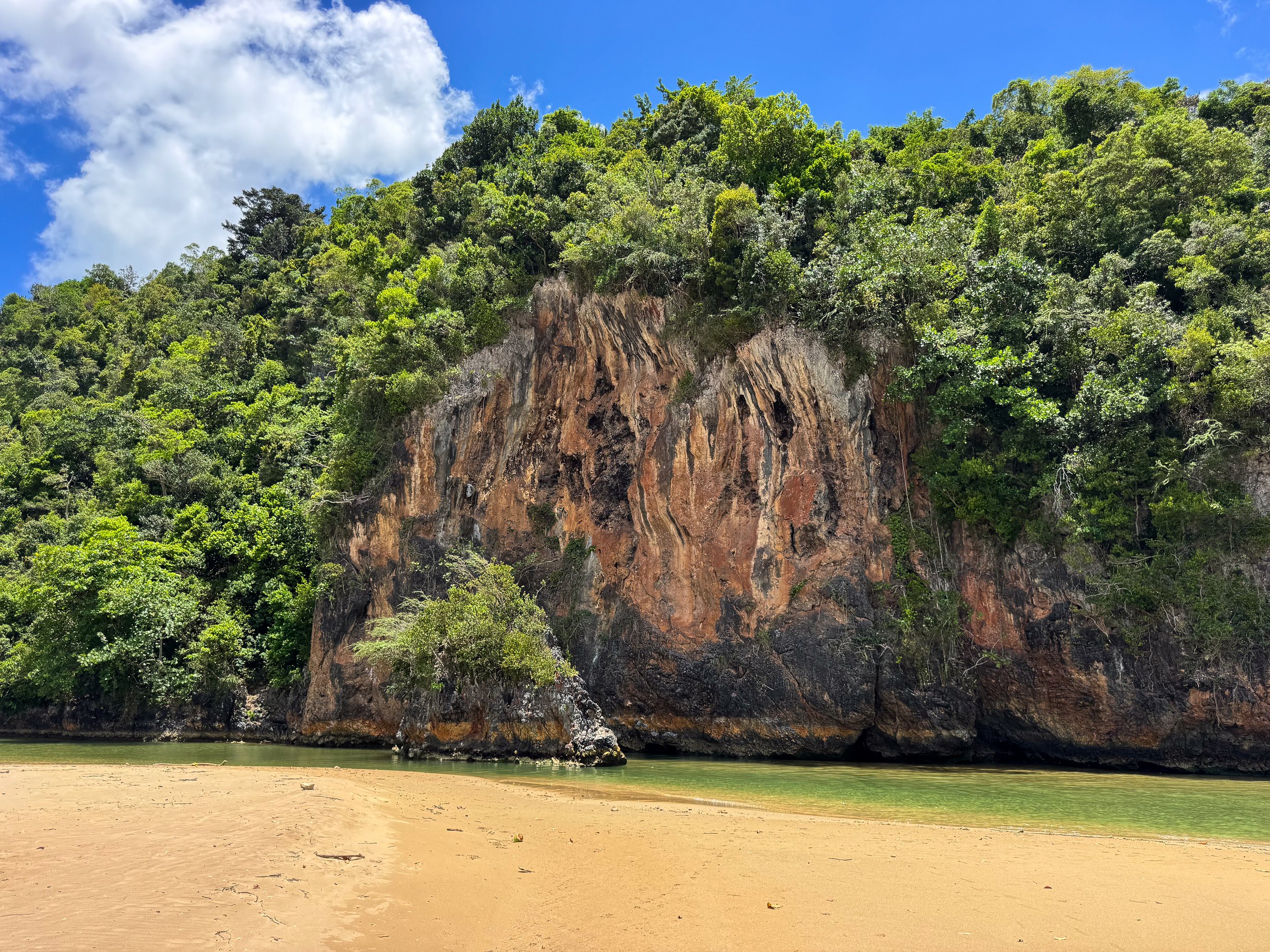
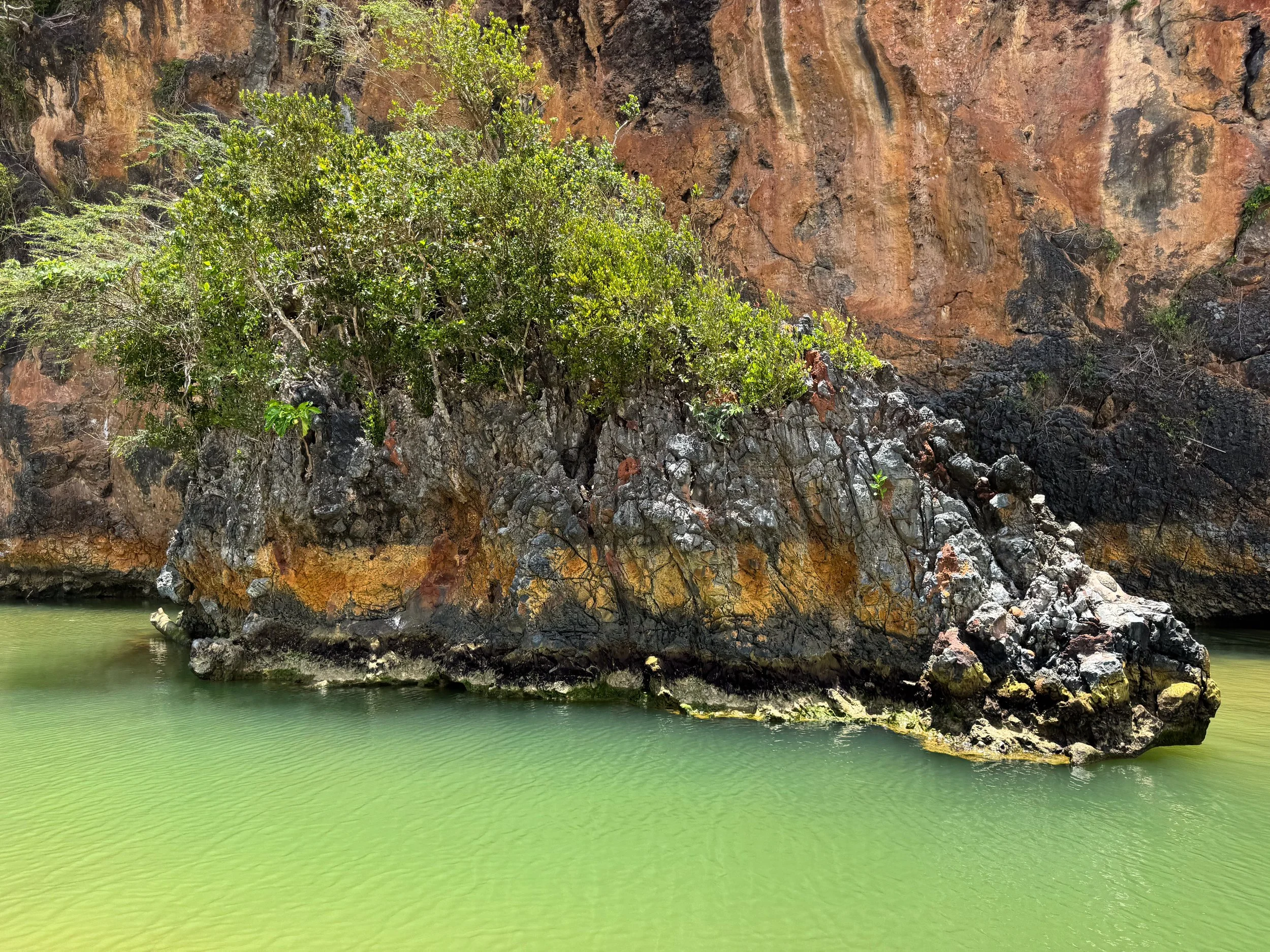
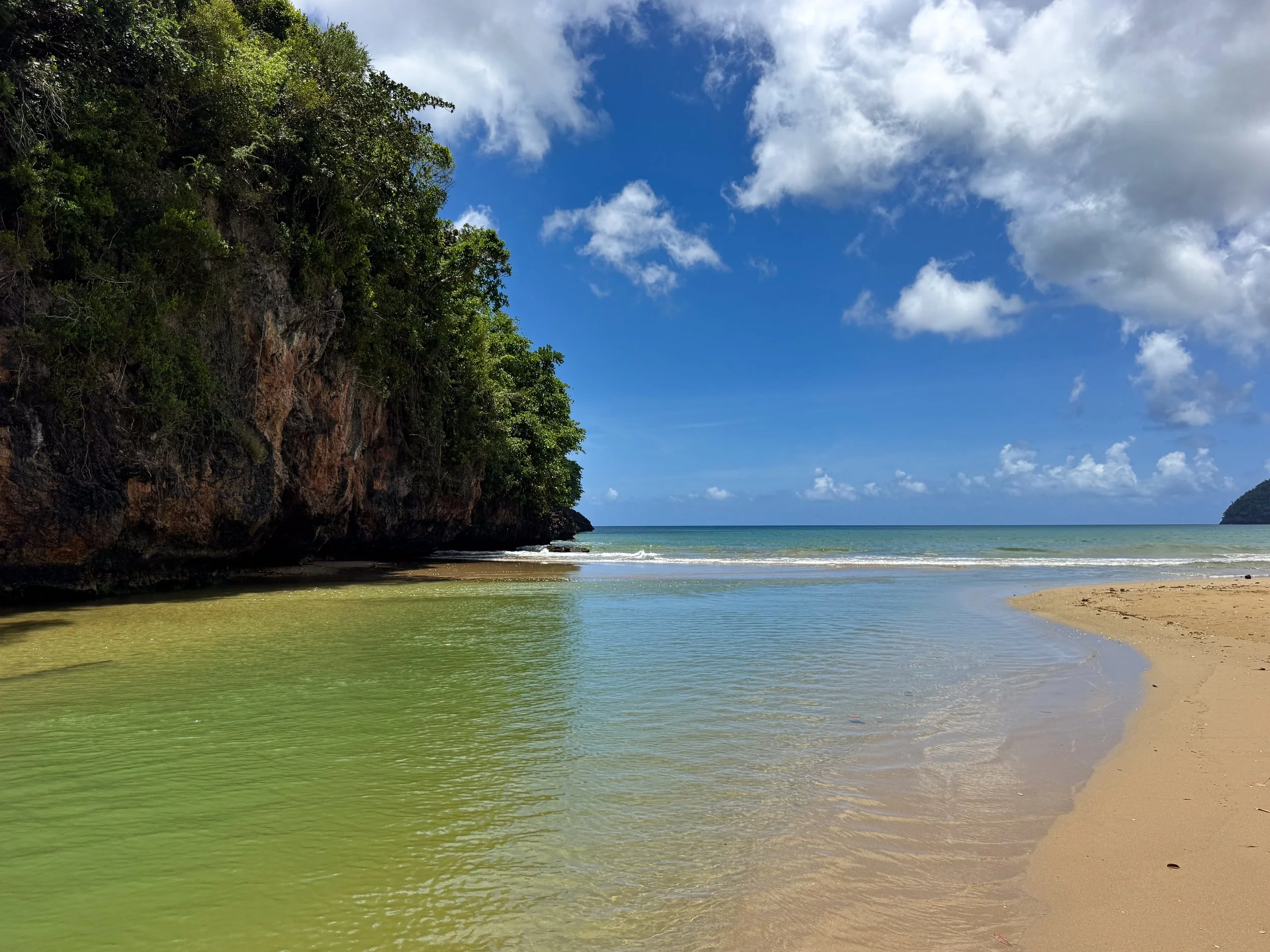
Playa El Valle. A secluded tan sand beach flanked by two lush mountainsides and karst cliffs. A series of caves and rock formations divides the beach in half where a cool stream flows forth. Sea turtles frequently nest onshore, leaving behind sandy divots where baby turtles hatched from. Fishermen boats and captains wait onshore to ferry passengers to neighboring beaches. There are a couple small campgrounds, accommodations and kiosks lining the western side of the beach.
Good to Know. This is about the only place where vendors were extremely persistent, asking us to pay for parking or hire their services for tours. Simply ignore them and continue walking.
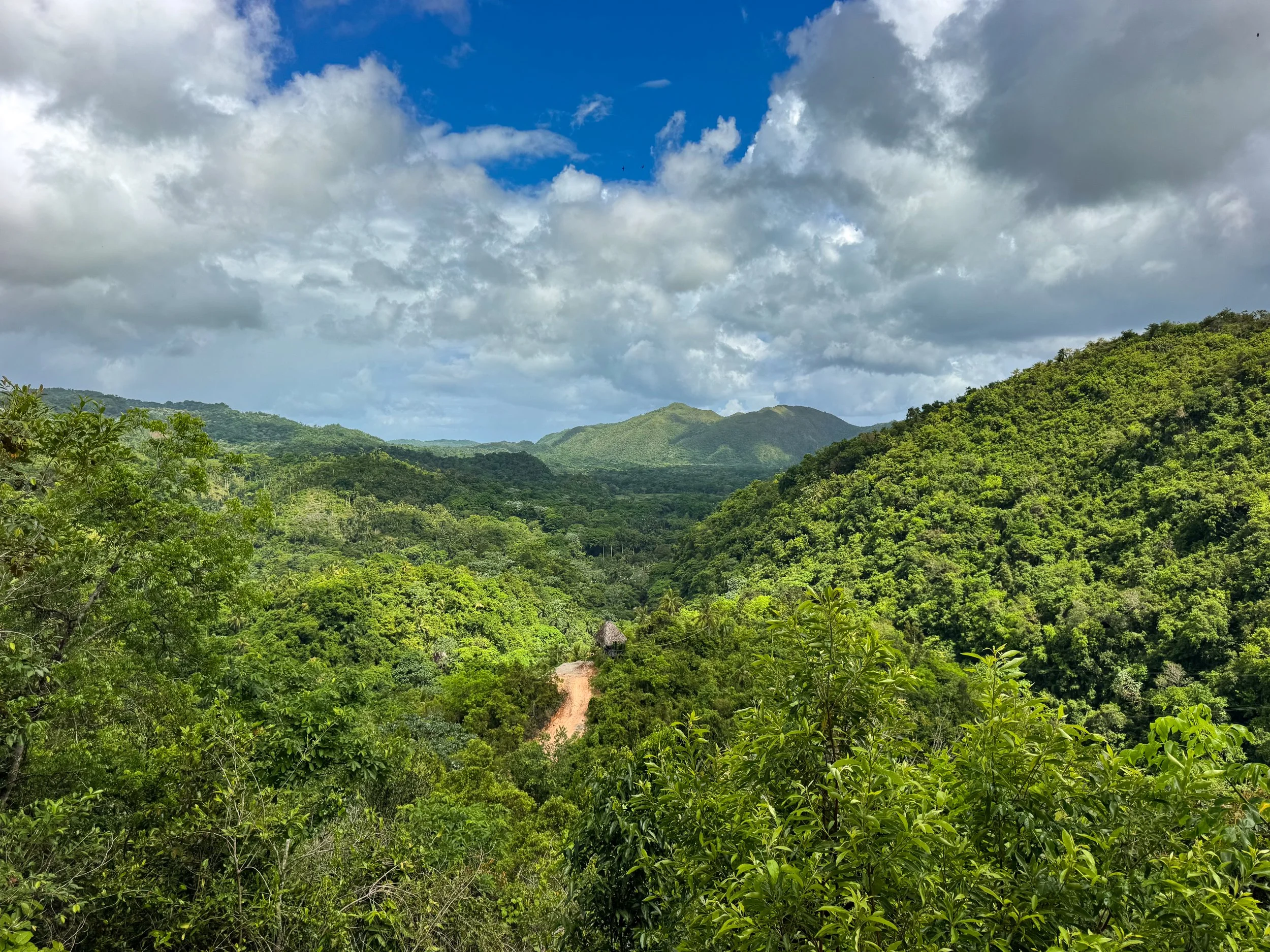
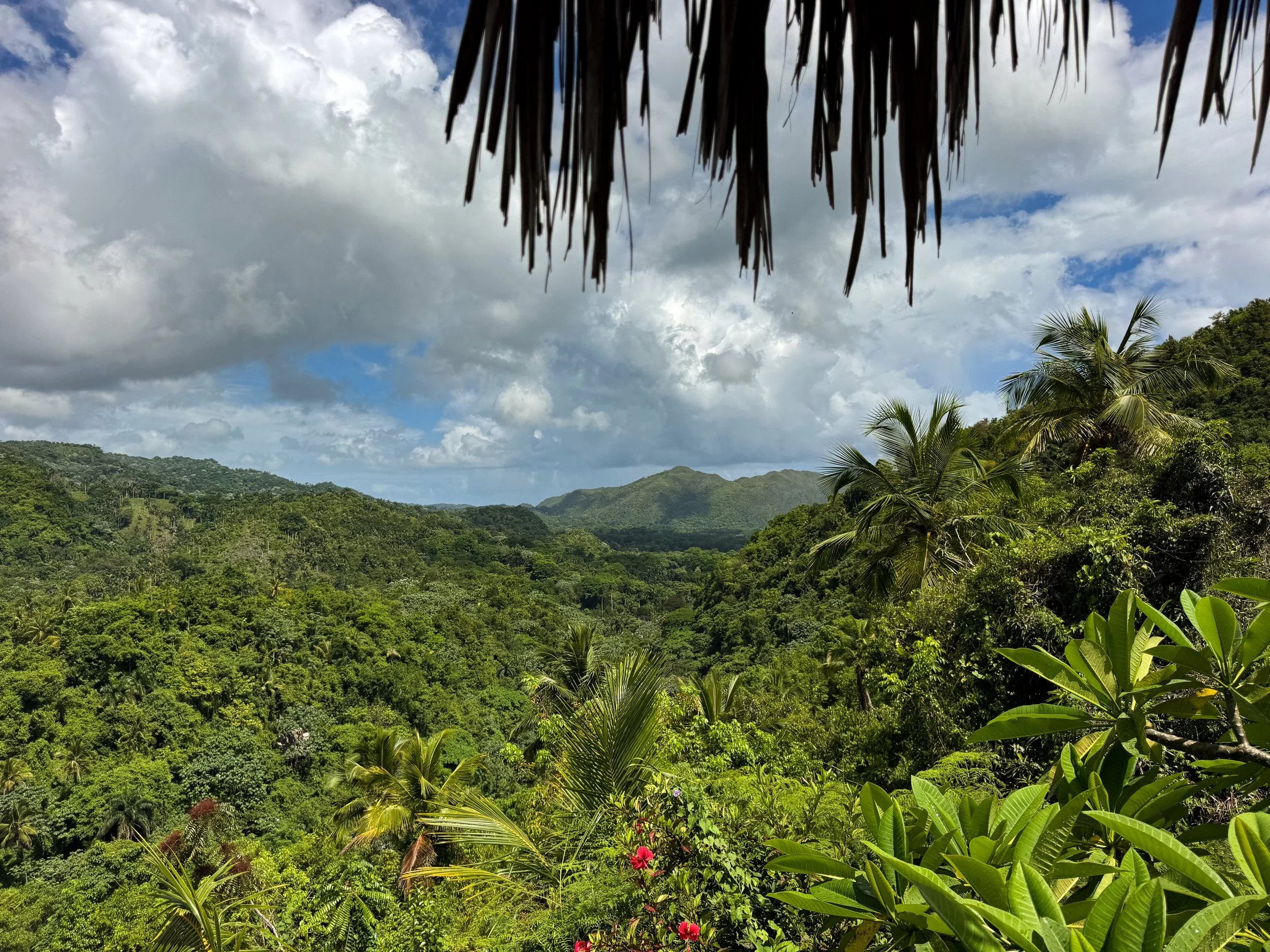
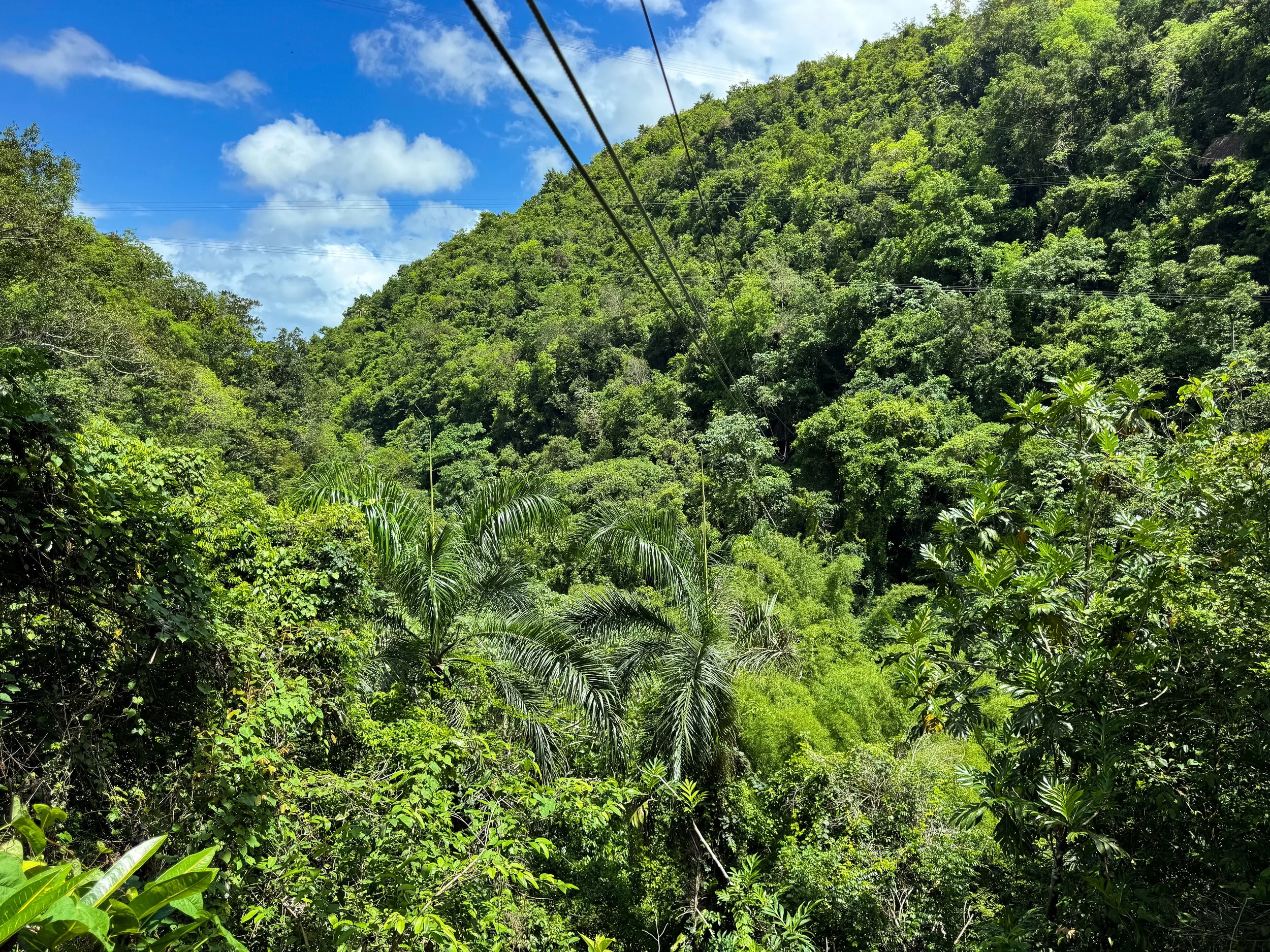
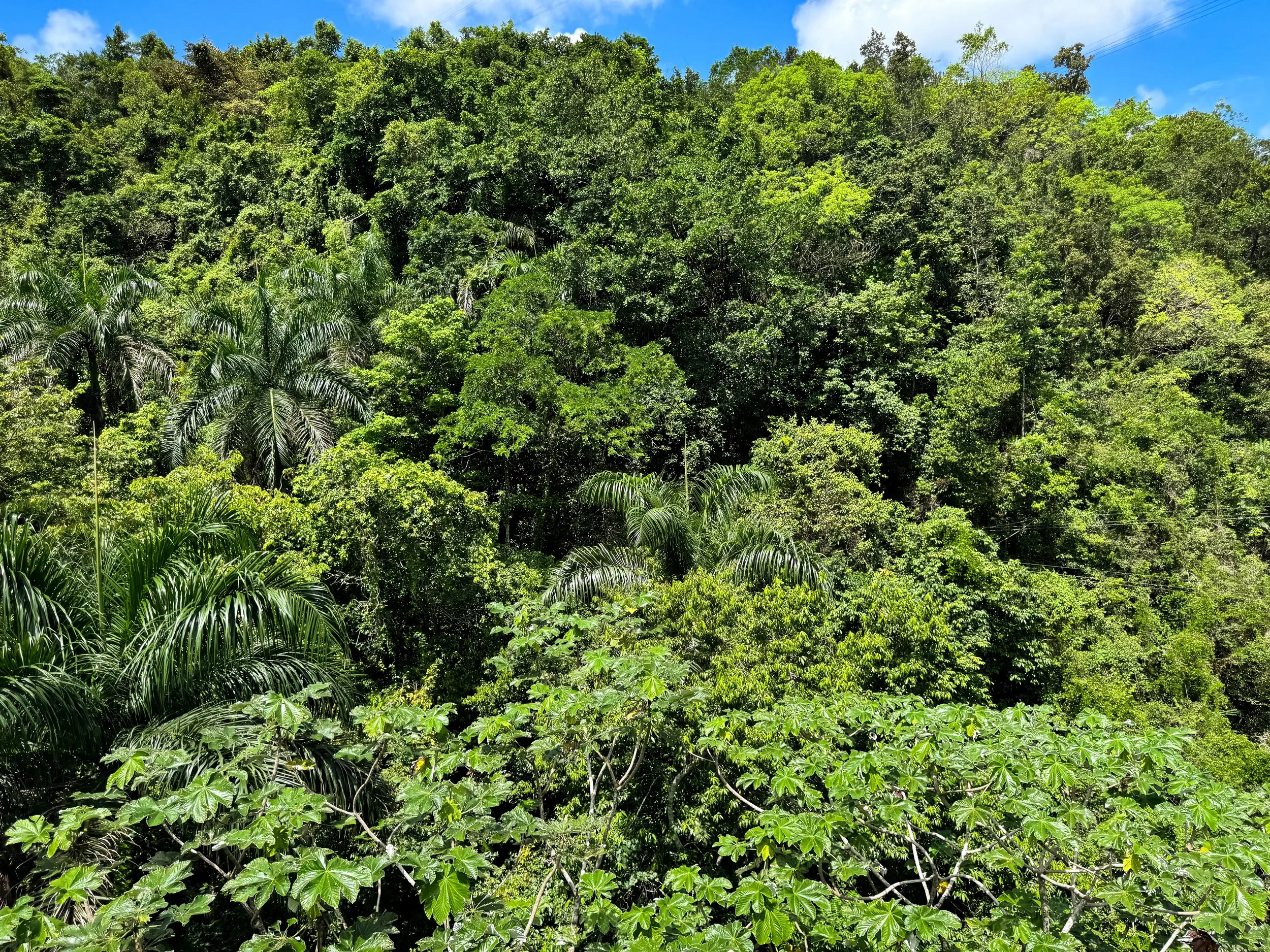
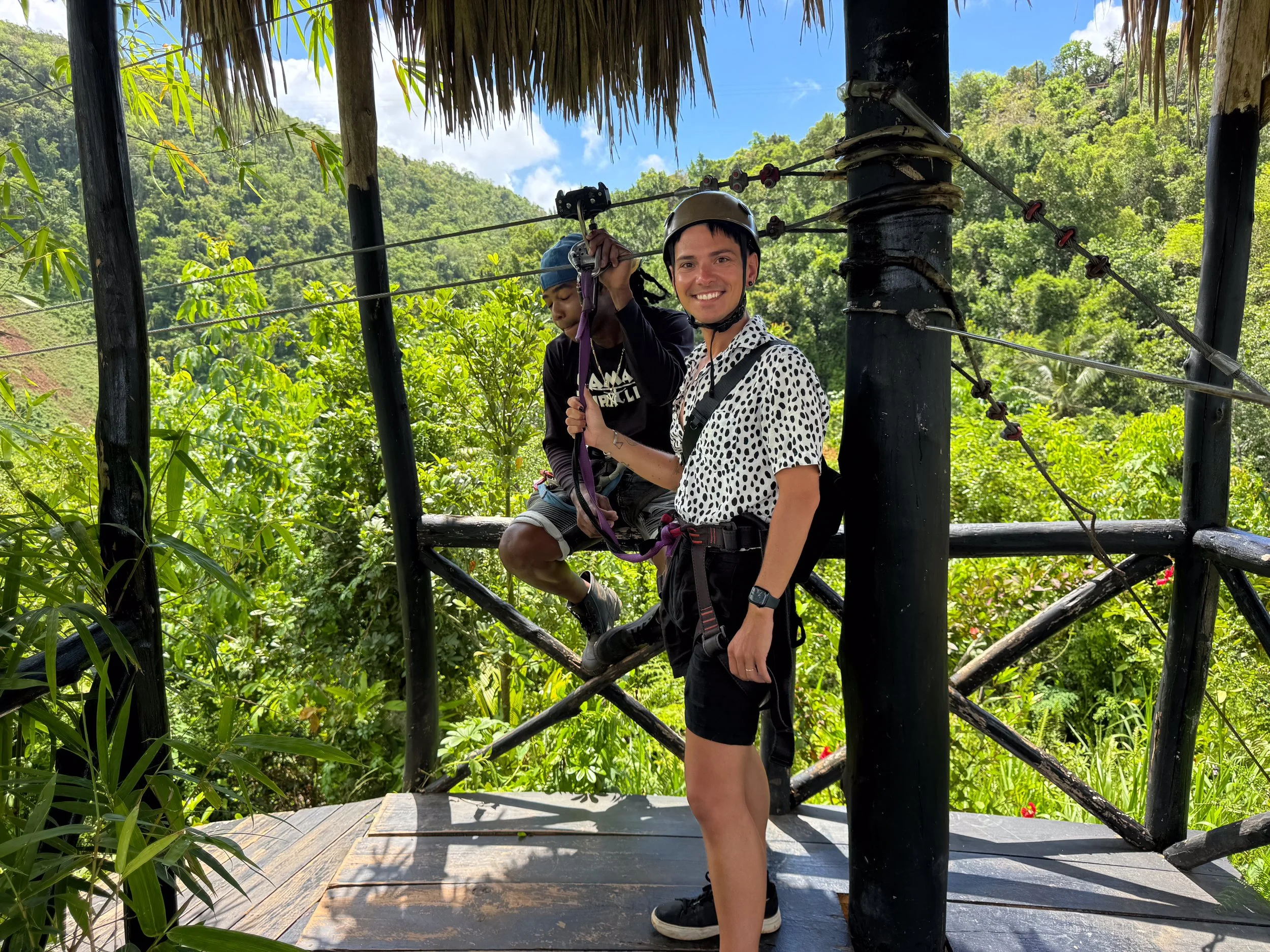
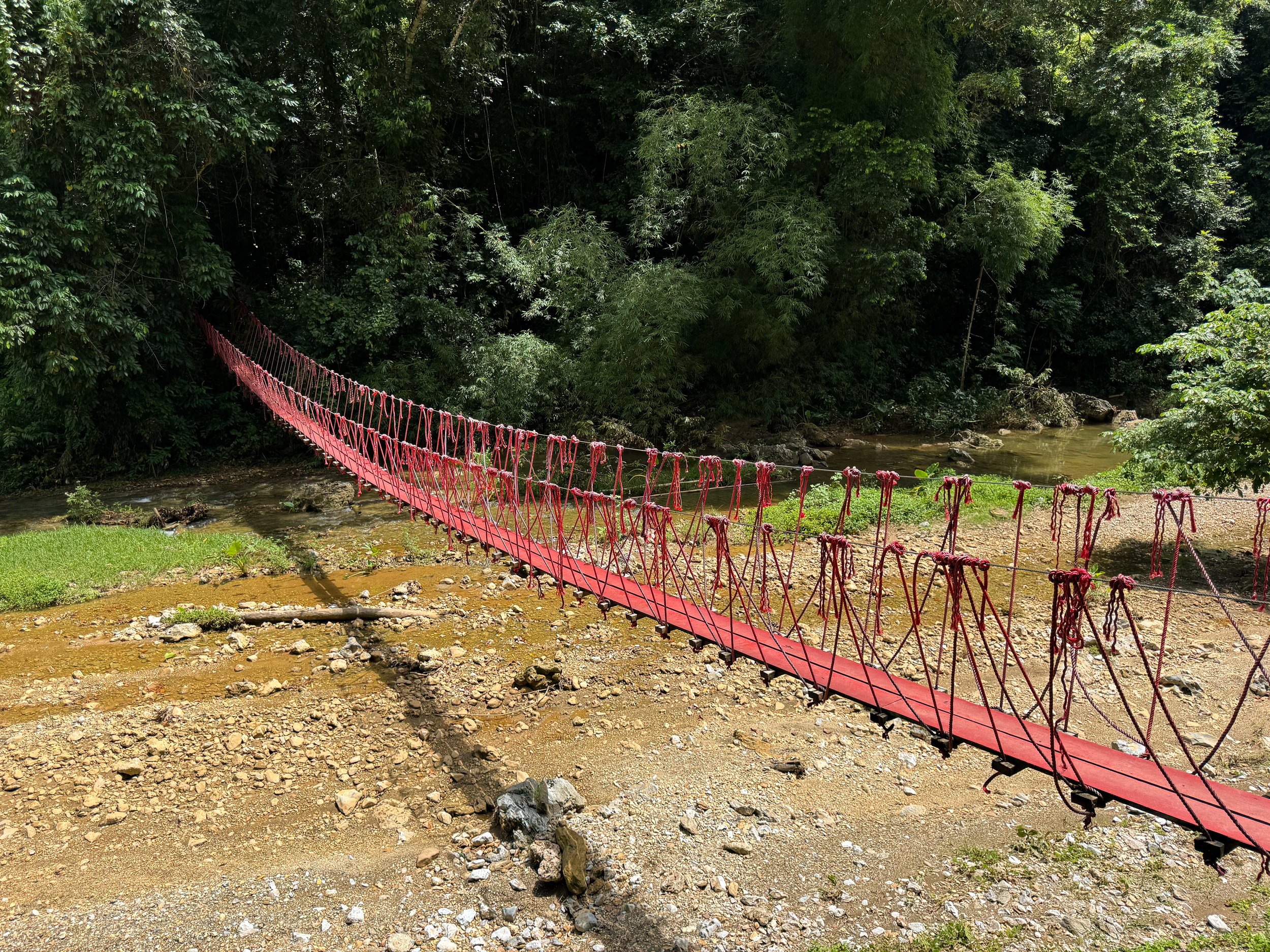
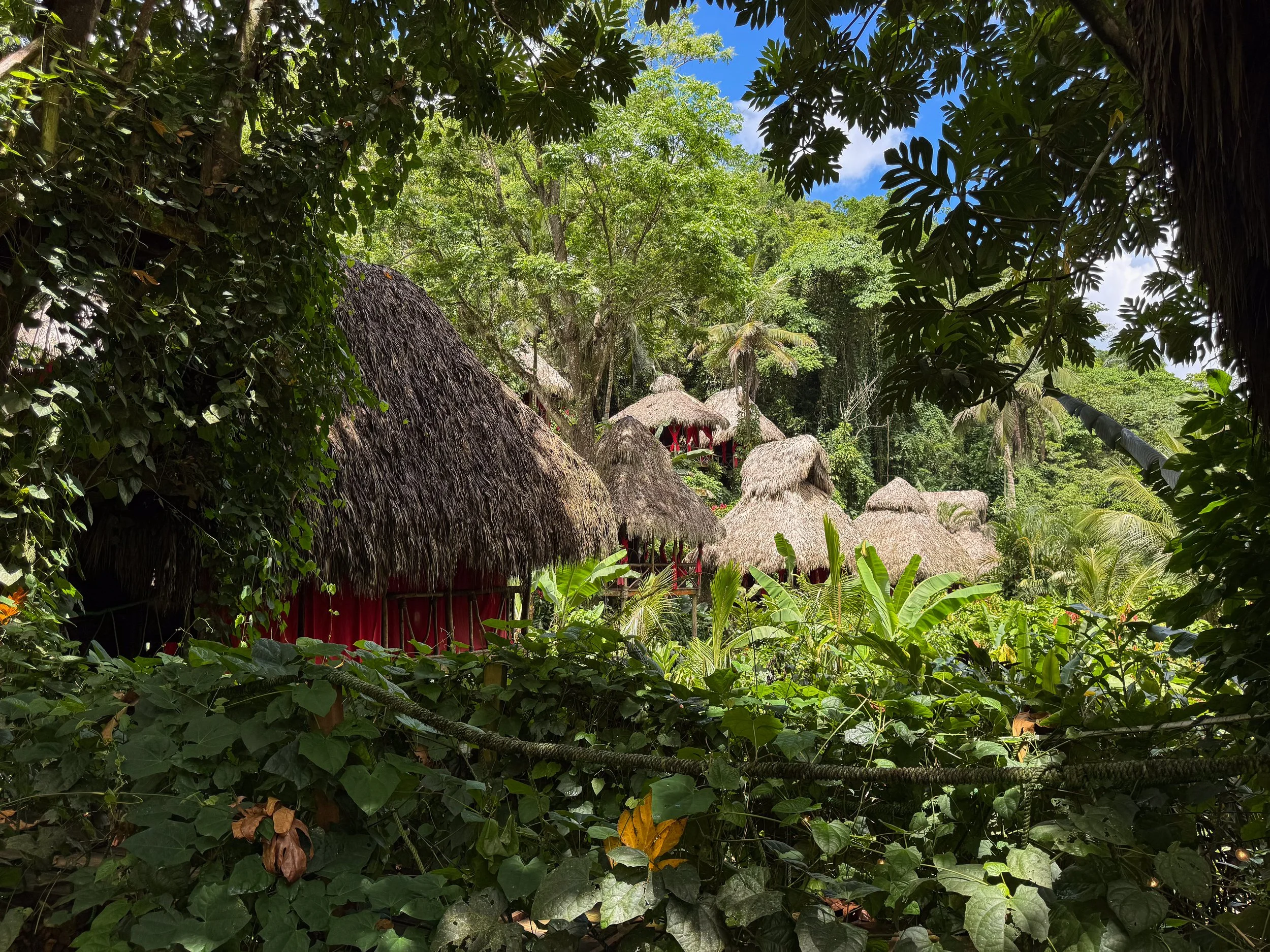
Samaná Zipline El Valle. A thrilling zipline park in the middle of the tropical forest with 12 lines that criss-cross the scenic valley below. A steep hike up the mountainside leads to the first platform with a 1,000 foot long zip line suspended 350 feet above the valley. It and each following line offers breathtaking views of the valley from about every angle, including glimpses of Cascada Lulu and the thatched huts of the Dominican Tree House Village.
Good to Know. They’re open on Wednesday to Monday from 9am to 4pm and only take cash payments. Request to book online and confirm the latest pricing before arrival.
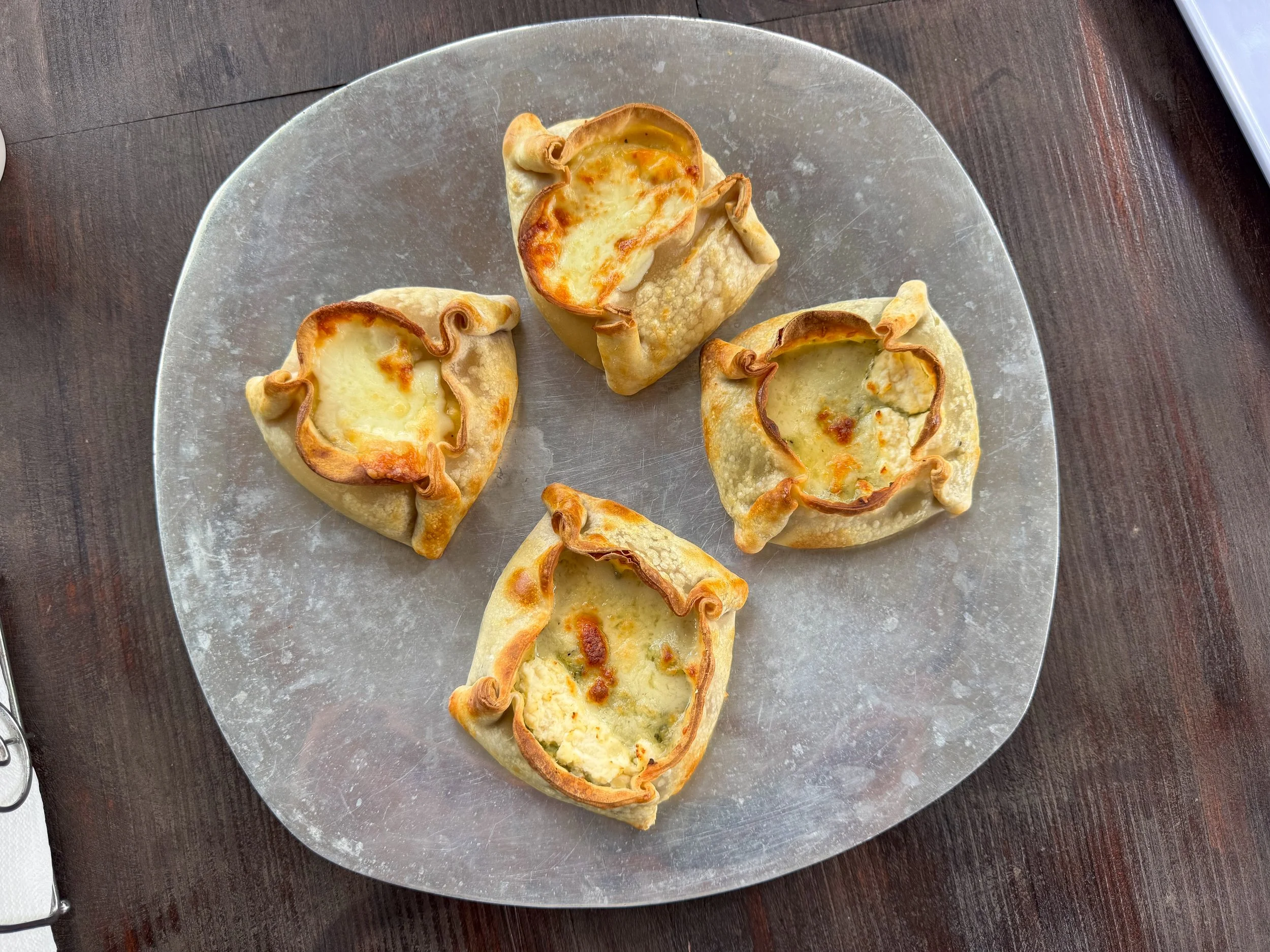
Bésame Mucho. A roadside food truck specializing in baked Argentine style empanadas filled with cheese, vegetables and meats.
Good to Know. There is little to no cell service in El Valle. A 4x4 is required when navigating El Valle’s rough roads.
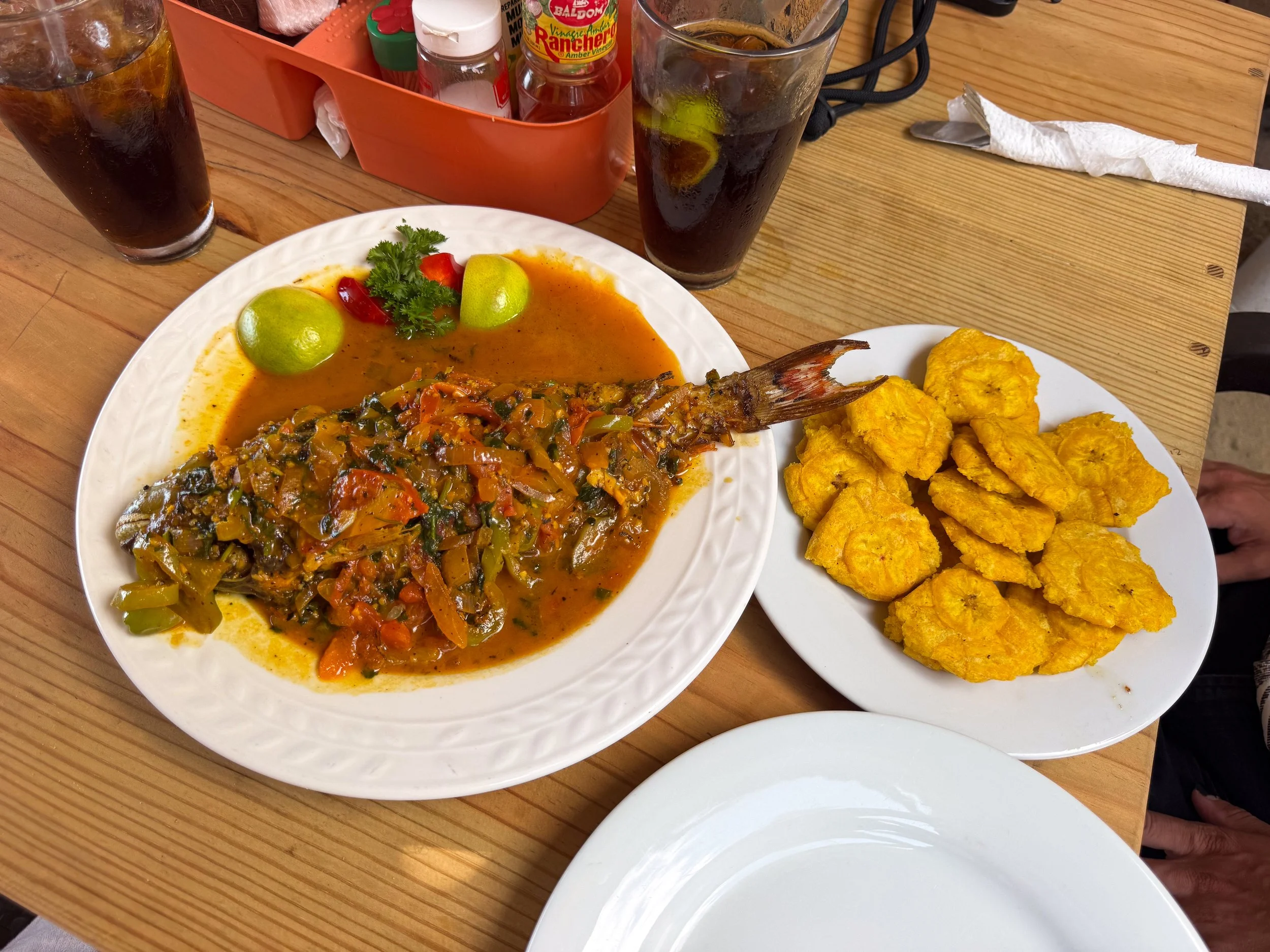
Dominican Cuisine & Drinks
Pescado con Coco. A dish local to the Samaná Peninsula made with a fried, grilled or steamed fish simmered in a creamy coconut milk, tomato and garlic sauce.
Pan de Coco. A pillowy and semi-sweet flat bread made exclusively in the Samaná Peninsula with fresh coconut milk. The bread is cooked in wood fired dutch ovens at roadside bakeries and sold by vendors across the peninsula.
Mangú. A green plantain and root vegetable puree commonly eaten at breakfast. The dish is often garnished with pickled or caramelized onions and paired with fried cheese, salami and eggs.
Sancocho Dominicano. A Caribbean style stew often cooked with a mixture of meats and vegetables like beef, pork, chicken, yuca, plantains and yautía. It’s typically meat forward but can be prepared and served vegetarian.
Asopao. A Caribbean soup made from a tomato broth with rice and sofrito. It can be prepared with or without meat or seafood.
Masa de Cangrejo. A traditional Dominican dish made with stewed crab simmered in a tomato based sauce with peppers, onions, garlic and olives.
Mofongo. A fried green plantain mash often served with a savory tomato sauce and protein like seafood or meat.
Tostones. Twice fried and smashed green plantains often served as a side dish.
Tapas. Spanish style tapas and cuisine are immensely popular across the Dominican Republic. Common dishes include grilled octopus, paella and ceviche.
Fruits. Tropical and exotic fruits grow abundantly across the island. Try fresh cacao, red bananas, papaya, pineapple, coconut, passion fruit and mountain apples.
Presidente. The national beer of the Dominican Republic. It comes in three varieties: original, light and black.
Santo Libre. A Dominican cocktail made with Sprite and amber or gold rum. It’s the Dominican Republic’s response to Cuba’s Cuba Libre cocktail.
Mama Juana. A popular tonic served, sold and made at home all across the Dominican Republic. It consists of rum and red wine aged in a bottle for a minimum of two weeks with a mixture of wood, bark, vines and spices.
Location Specifics
When to Visit. Visit during the shoulder season in May. The weather is sunny, warm and pleasant. The crowds are often small to non-existent. Some businesses may already be closed for the “off season.”
Cash vs Card. Credit cards are widely accepted across the Samaná Peninsula however cash payments are often the only option at beach kiosks, colmados, small shops and fruit stands. Both the Dominican Peso and US Dollar are widely accepted.
Taxes & Tipping. There is a mandatory 18% tax on all purchases and a legally applied 10% tip at most restaurants, cafes and bars. Tipping beyond that is discretionary, anything from 5-10% more is typical for great service.
General Safety. The Samaná Peninsula is very safe and tourist friendly. Exercise typical travel precautions and check for the latest information with government sources.
LGBTQ+ Safety. Rights remain restricted on the national level however; there is general acceptance of lesbian and gay couples. PDA is typically frowned upon.
Dress Codes. Unlike in Santo Domingo, there are no dress codes for dining out. Flip flops, sandals, shorts, low cut dresses and tank tops are typically allowed.
Drinking Water. Tap water is not safe to consume in the Samaná Peninsula. Stick to bottled water.
Toilets. Plumbing is fragile at most accommodations and restaurants. Toilets often require dumping water down them to flush while used toilet paper is asked to be placed in a bin.
Getting Around
Moto Taxis. Moto taxis are the most popular way of getting around within the Samaná Peninsula’s beach towns. Look for drivers with a neon vest. They’ll often ride up next to you while walking through town. Fares are often inexpensive, ranging from 50-200 pesos to travel short distances.
Boat Taxis. The most efficient way to get from beach to beach is by hiring a boat. Captains often wait at beaches and offer tour routes for a negotiable fee. Ask around for the best pricing and negotiate. Costs range from $25-$40 USD per person for half days and $80-$100 USD for full days.
Quads & ATVs. The narrow roads in the Samaná Peninsula’s beach towns can make driving a full sized car challenging. Most tourists often rent Quads or ATVs from in town agencies.
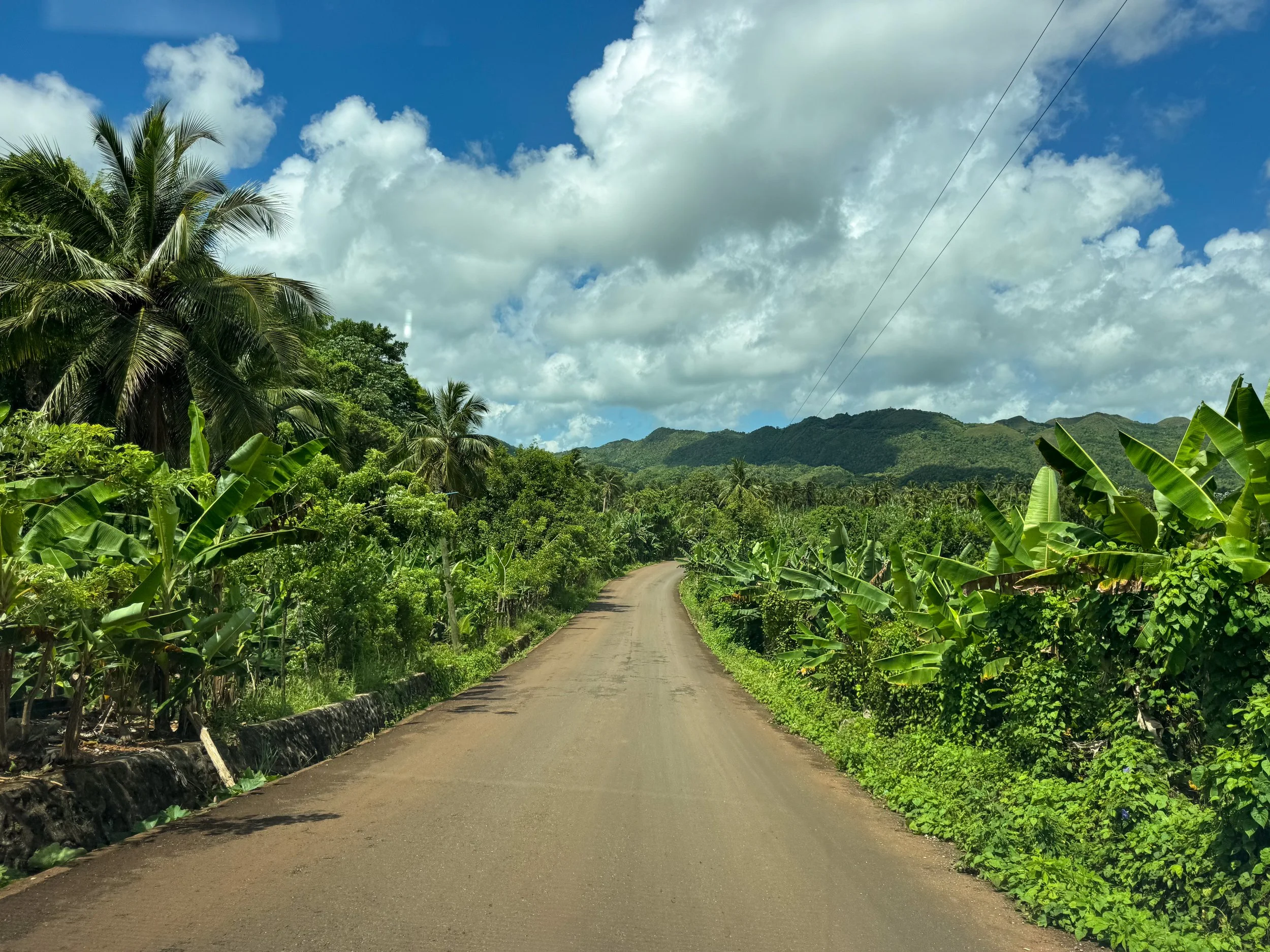
Driving in the Dominican Republic
Driving is one of the best ways to get around the Samaná Peninsula and the Dominican Republic, however it’s not for the faint of heart. While roads are generally well maintained, be prepared for aggressive drivers, speeding moto bikes, free for all parking on roadsides and pedestrians darting across streets.
Car Rentals. There are several reputable car rental agencies at the Santo Domingo International Airport including Avis, Budget and Payless.
Speed Limits. Speed limits vary depending on locations. Highways are generally 80kph, rural roads are 40-60kph and inner city roads are 20-40kph.
Police Stops. Dominican police often set up speed traps on highways to ticket speeding drivers. Dominican military often set up check points to review documents.
Toll Booths. There are several toll booths between Santo Domingo and the Samaná Peninsula. Most rental cars include a pre-paid toll pass however most booths also accept Dominican Pesos. Tolls range from 100-400 pesos, adding up to about 1,000 pesos. There are no tolls once on the Samaná Peninsula.
Parking. Free parking is allowed essentially anywhere without a “no parking” sign or yellow painted curb. There are often fake parking attendants sitting outside beach parking lots charging 100 pesos to “watch your car.”
Falling Fruits. Beware of falling fruits. Don’t park underneath coconut, papaya or cacao trees.
Aggressive Drivers. Many drivers are aggressive. They will often ride your bumper, speed past you into oncoming traffic and cut you off.
Speed Bumps. Be vigilant of steep speed bumps, especially on rural and inner city roads. Cross them slowly and with caution.
Rain Trenches. Roadsides are often flanked by deep trenches to collect and quickly move water after tropical rains.
Refueling. Attendants refuel vehicles for you at gas stations. Gas is sold by the liter and priced in Dominican pesos. Most gas stations accept credit cards.
Offline Maps. Download offline maps prior to driving in the Dominican Republic. Cell service often cuts out in the mountains and remote areas.
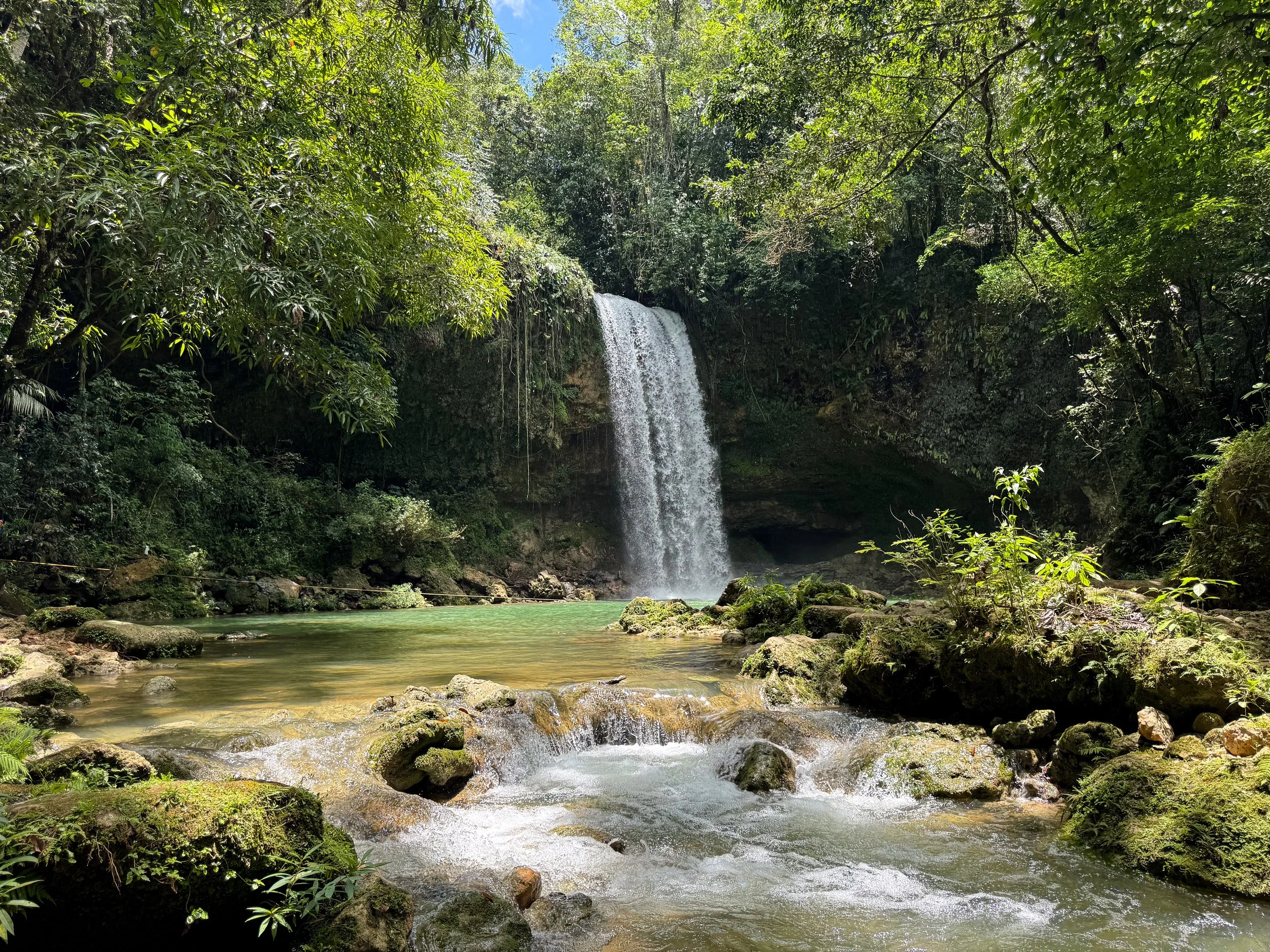
Bonus Waterfall
Midway along the road trip between Santo Domingo and the Samaná Peninsula is a remote waterfall, Natural Monument Salto de Socoa. The waterfall cascades over a 40 foot tall cliff into a natural swimming pool. It’s a beautiful place to come for a swim, picnic or simply to enjoy nature.
Getting Here. The waterfall is only accessible with a 4x4 vehicle. It’s located here on Google Maps. Carry Dominican Pesos for the small entrance fee.
Elsewhere in The Dominican Republic
From the waterfalls and beaches of Samaná to Santo Domingo's colonial architecture and cultural heritage, continue exploring the diverse landscapes of the Dominican Republic.
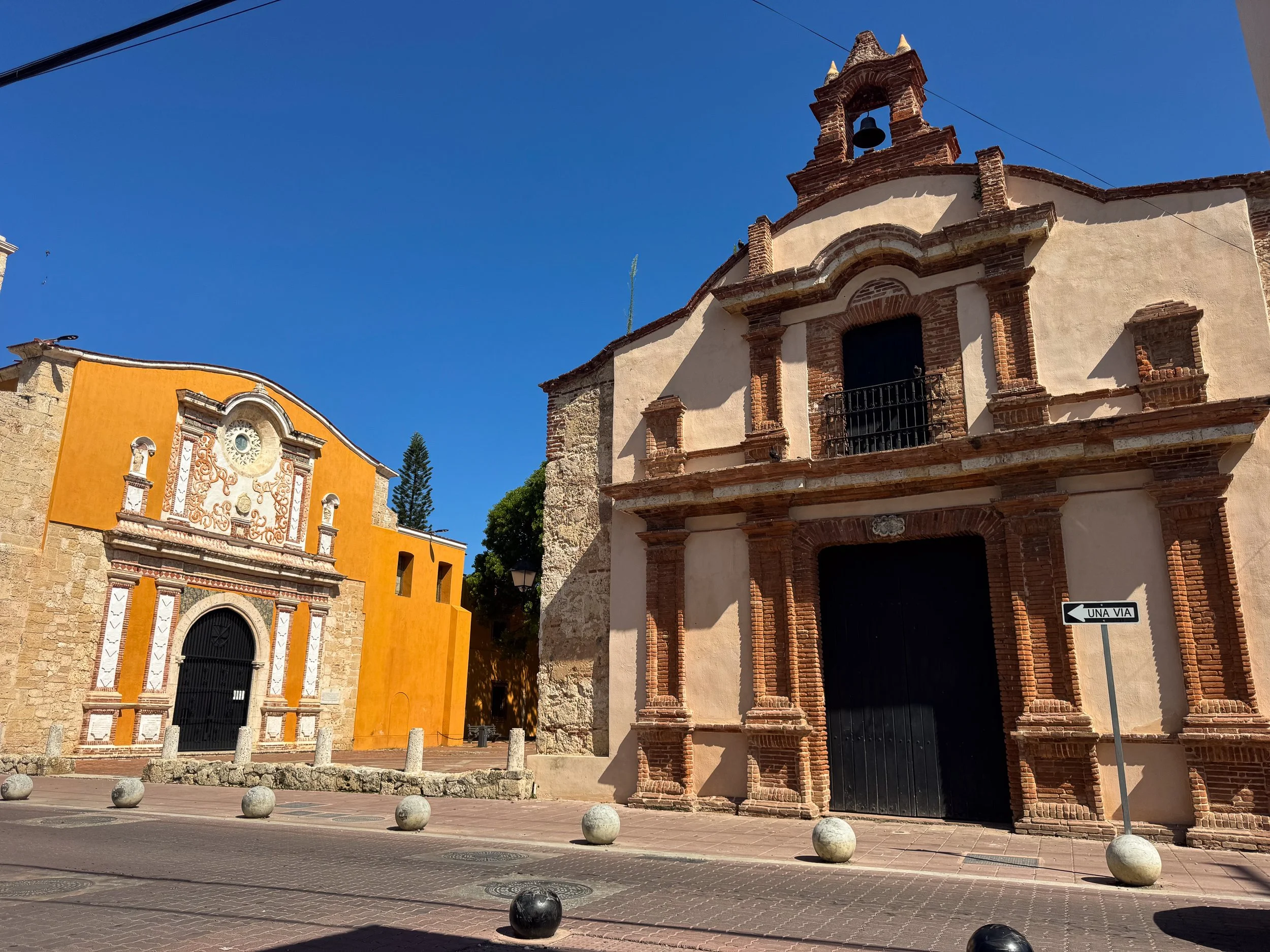
Santo Domingo Travel Guide: Zona Colonial, History & Culture. Discover the Samaná Peninsula's tropical forests, waterfalls and pristine beaches where mountainous landscapes showcase the Dominican Republic's natural beauty.
For Next Time…
The Samaná Peninsula is truly a magical place with pristine beaches, lush mountainous landscapes and energetic beach towns. We plan to return and have several ideas for places to visit and things to do on our next trip.
Whale Migration Season. Humpback whales migrate into the Samaná Bay during February and March. Local operators offer tours to watch them breach the surface, mate and give birth.
Whale Museum of Samaná. A small natural history museum dedicated to the Samaná Bay and its migratory humpback whales. It features a whale skeleton and Taíno artifacts and carved whale bones.
La Fábrica Samaná Café y Cacao. A coffee and cocoa finca with a roasting and production facility. They offer regular tours in Spanish and English.
Surfing at Cosón Beach. The beach is sandy with a year round surf break perfect for beginners from late spring to early fall and experienced surfers from late fall to early spring. Visit Enoha Surf School for board rentals and lessons.
Playa Frontón. A remote cliffside beach reachable with a palm lined shore and underwater rock formations. It’s reachable on foot via a reportedly dangerous trail or safely by boat from Las Galeras.
Hike Parque Nacional Cabo Cabrón. A remote national park with untouched forest, rugged landscapes and hiking trails. A 12.5km trail leads from the western side of Playa Rincón to a tidal rock pool at its northern tip.