


Key West, Florida
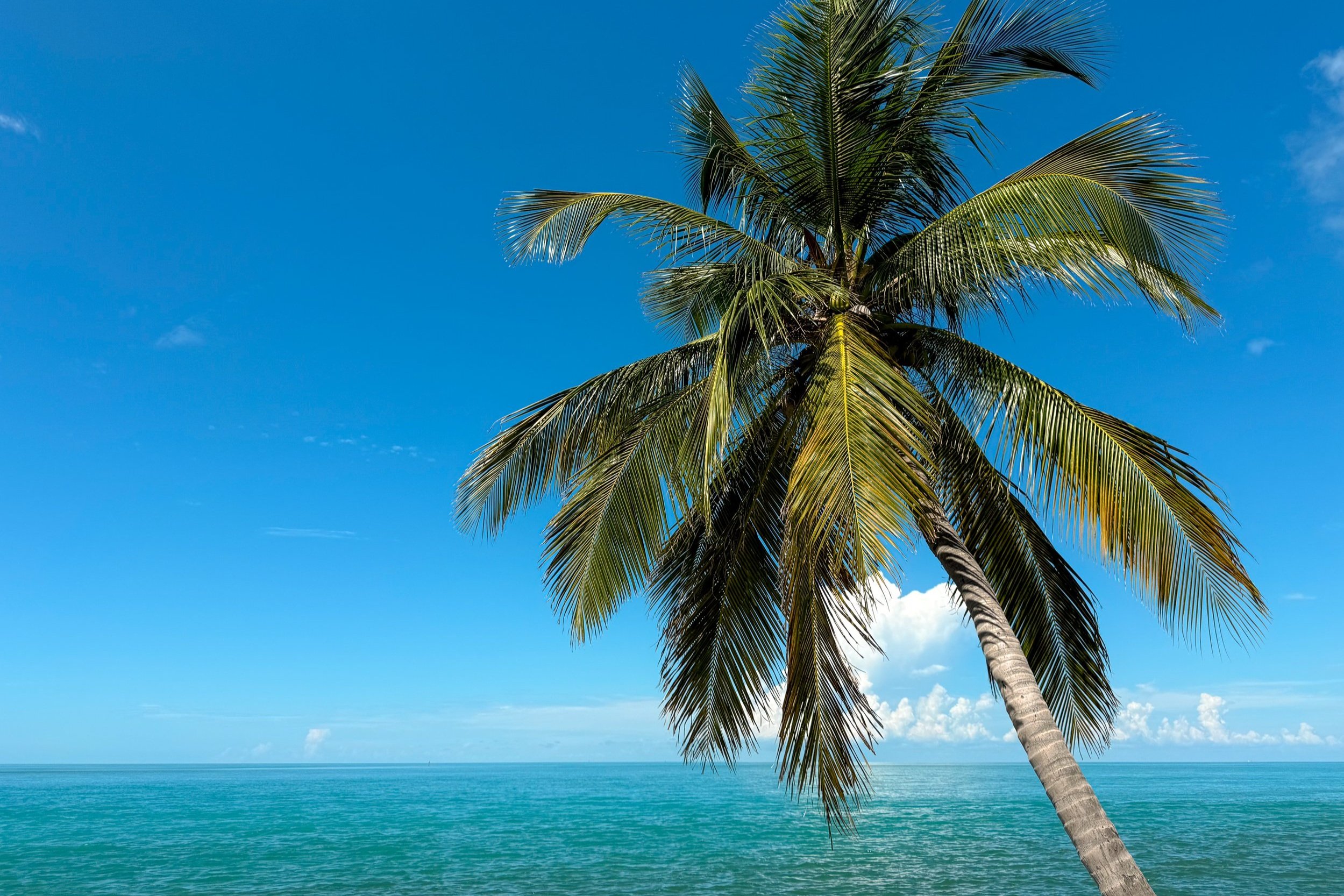
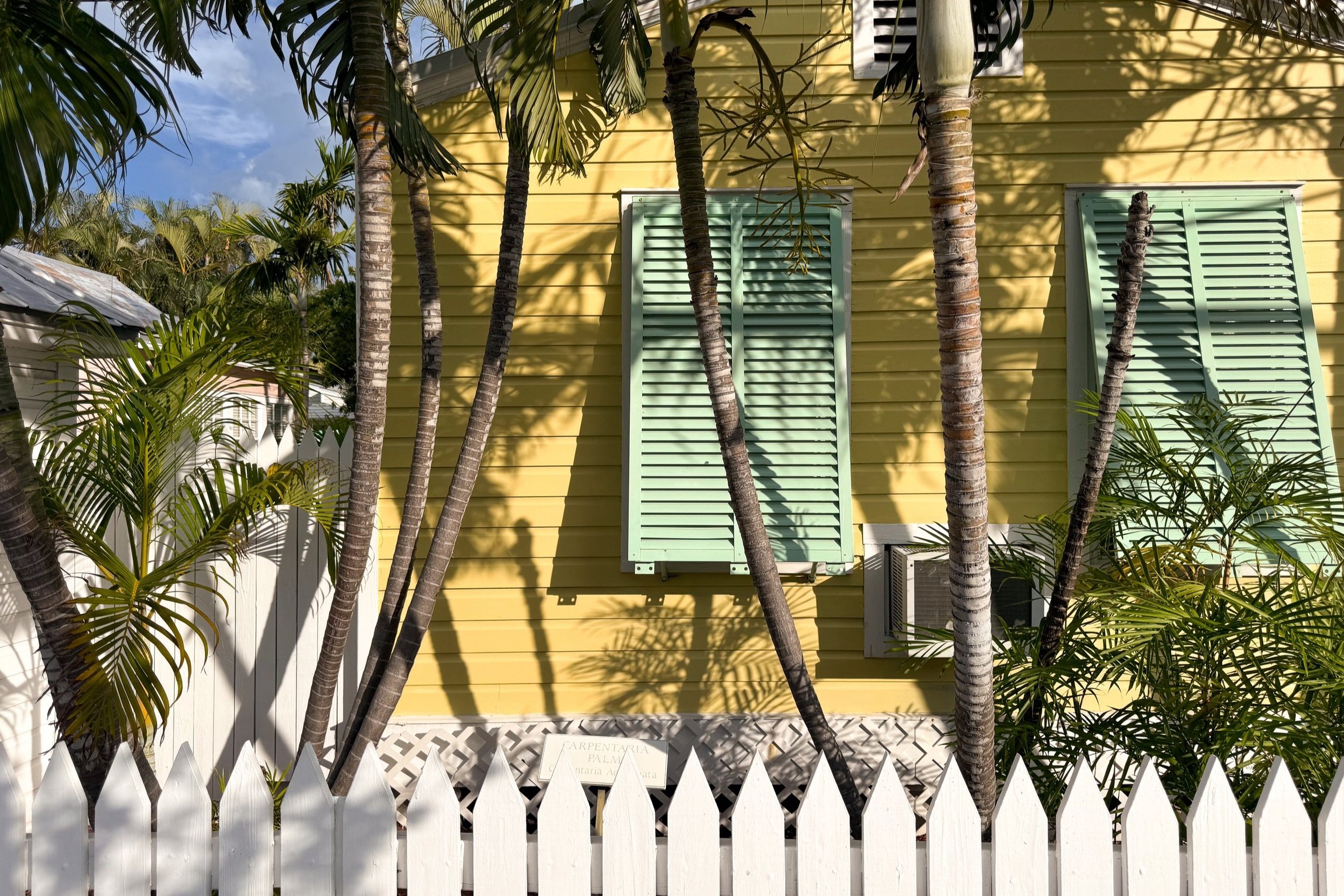
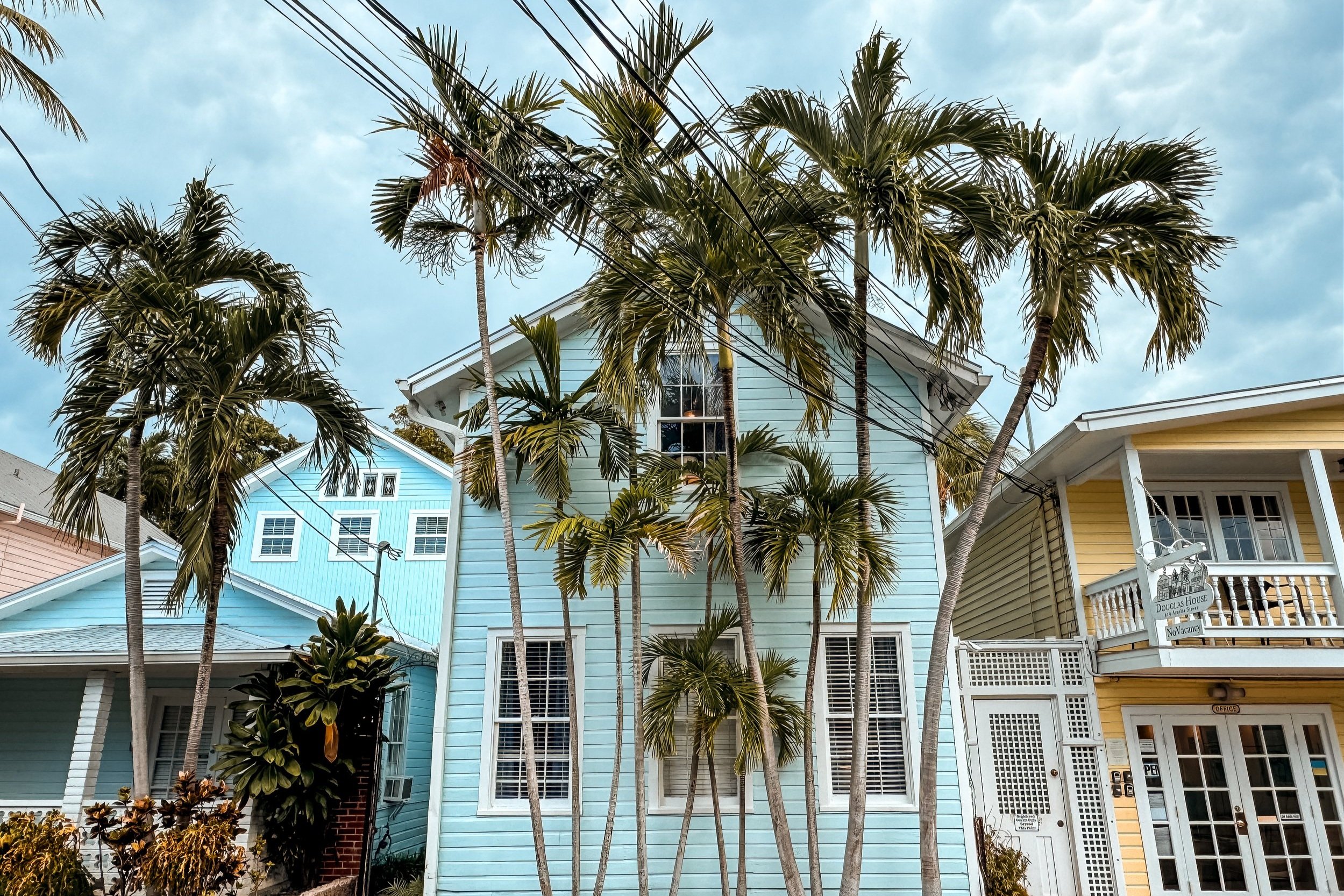
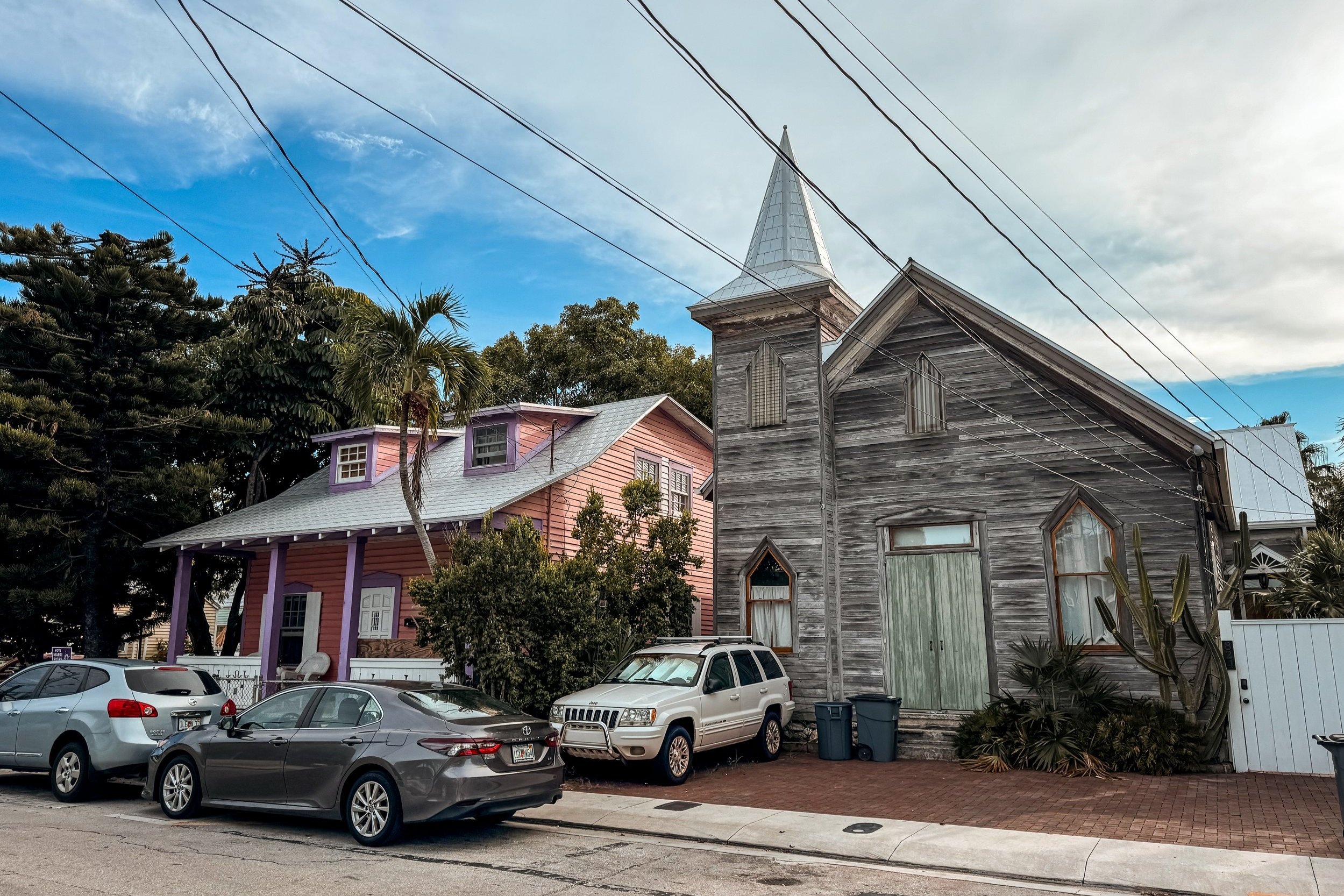
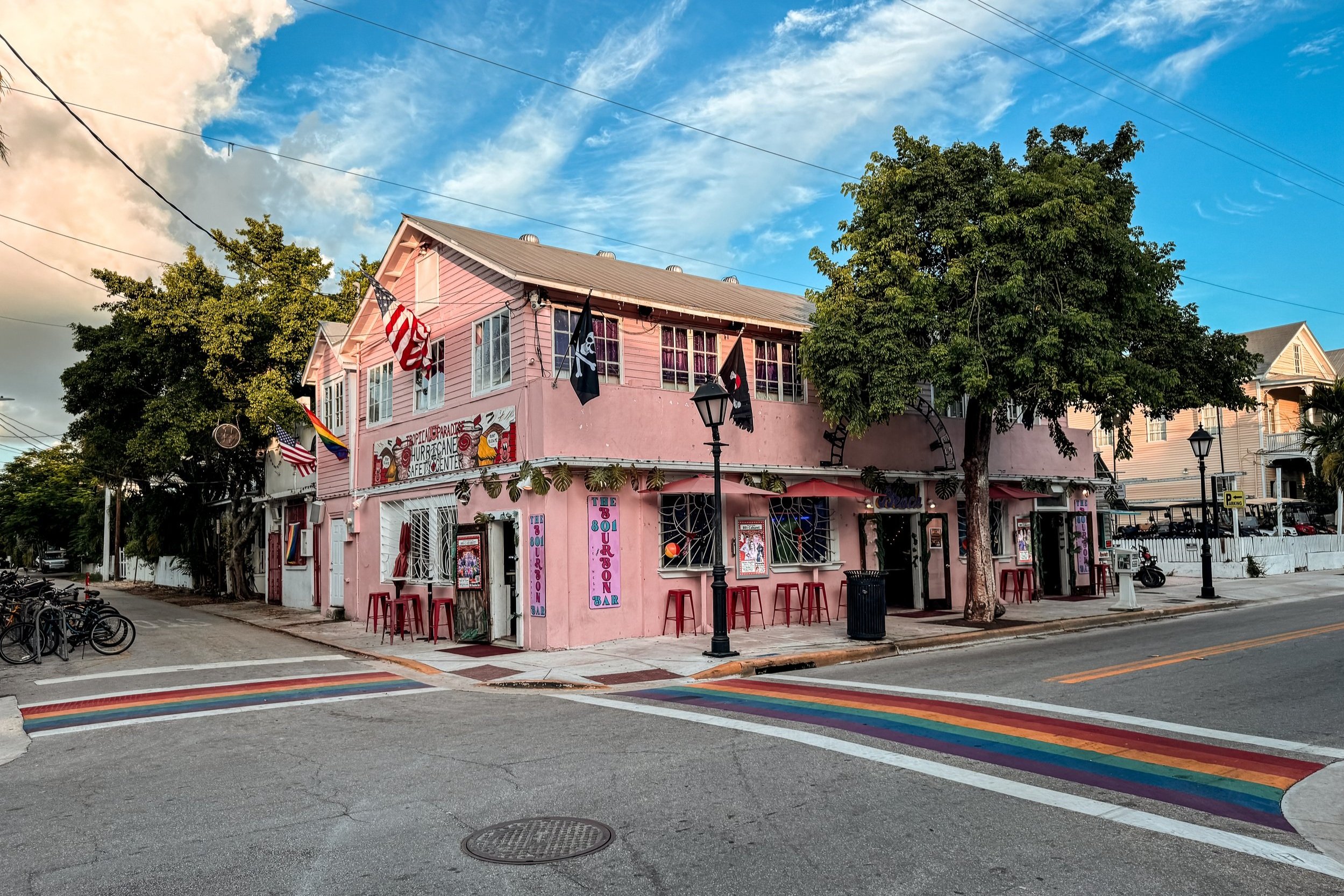
Key West is a tropical island at the end of the Florida Keys where roosters roam free, flip flops are worn as dress shoes and beach vibes rule above all else. The key is home to many restaurants, bars, boutique hotels, historic sights, colorful wooden houses and waters dotted with sailboats.

Key West
Key West is a tropical island at the end of the Florida Keys where roosters roam free, flip flops are worn as dress shoes and beach vibes rule above all else. The key is home to many restaurants, bars, boutique hotels, historic sights, colorful wooden houses and waters dotted with sailboats.
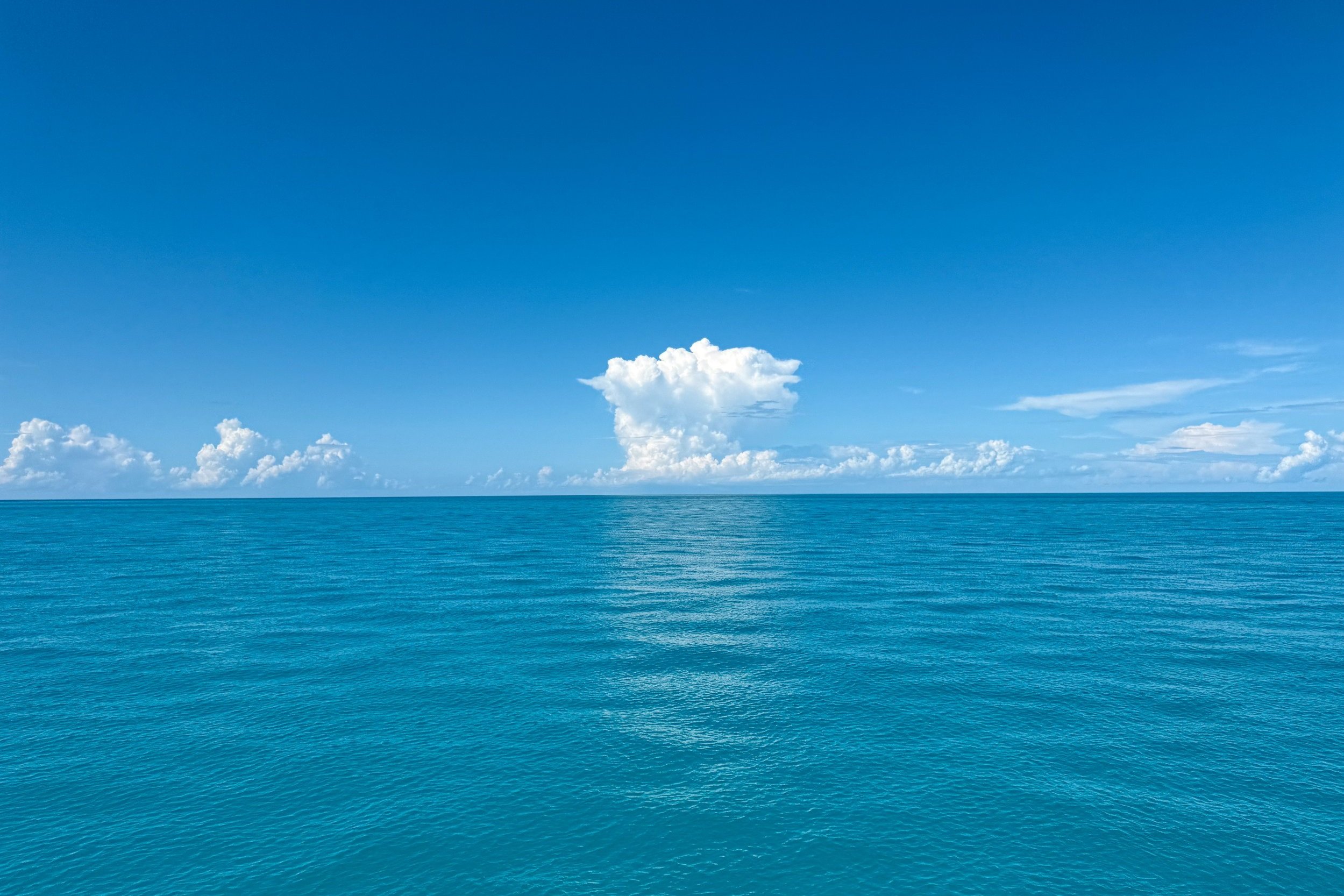
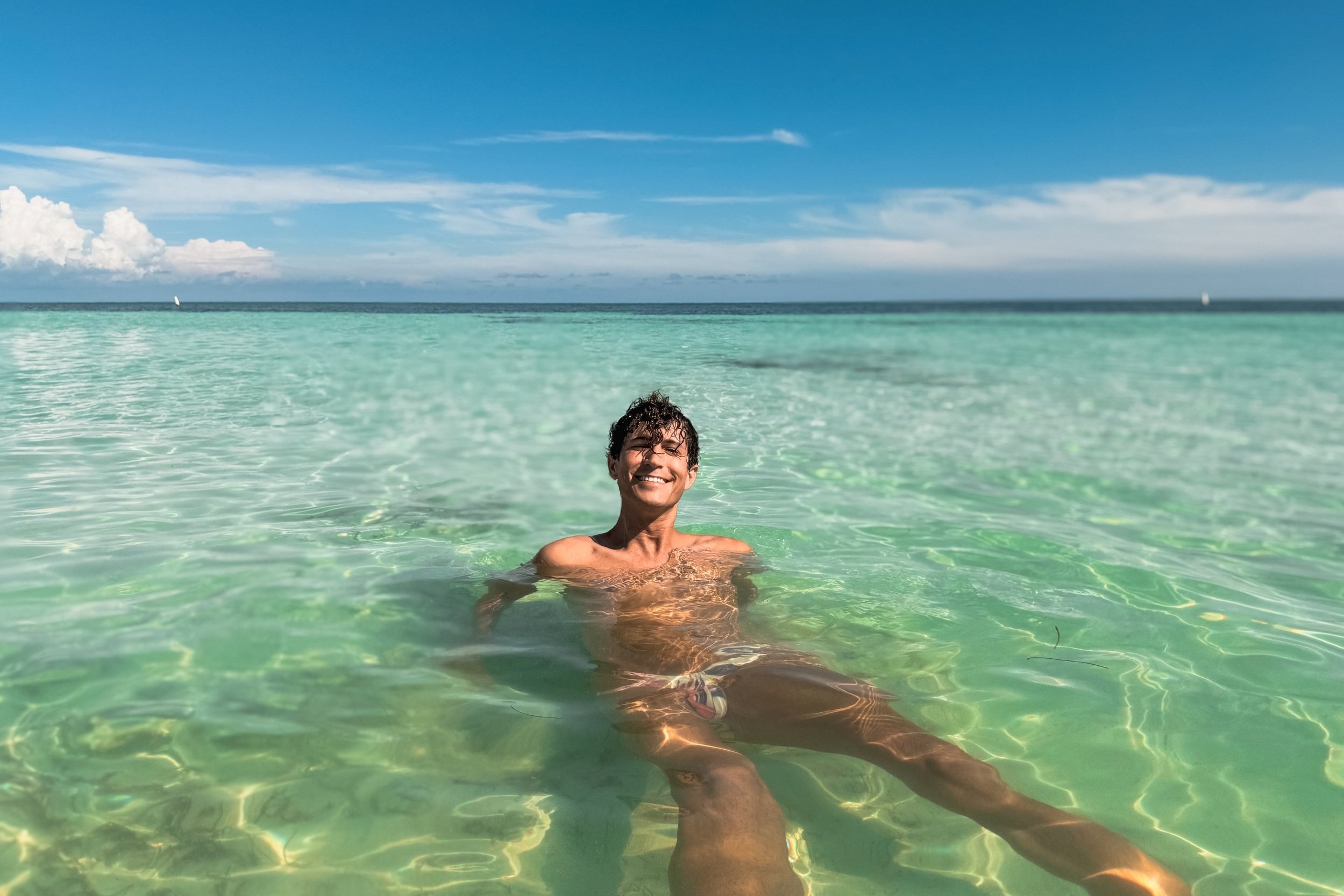

The Overseas Highway
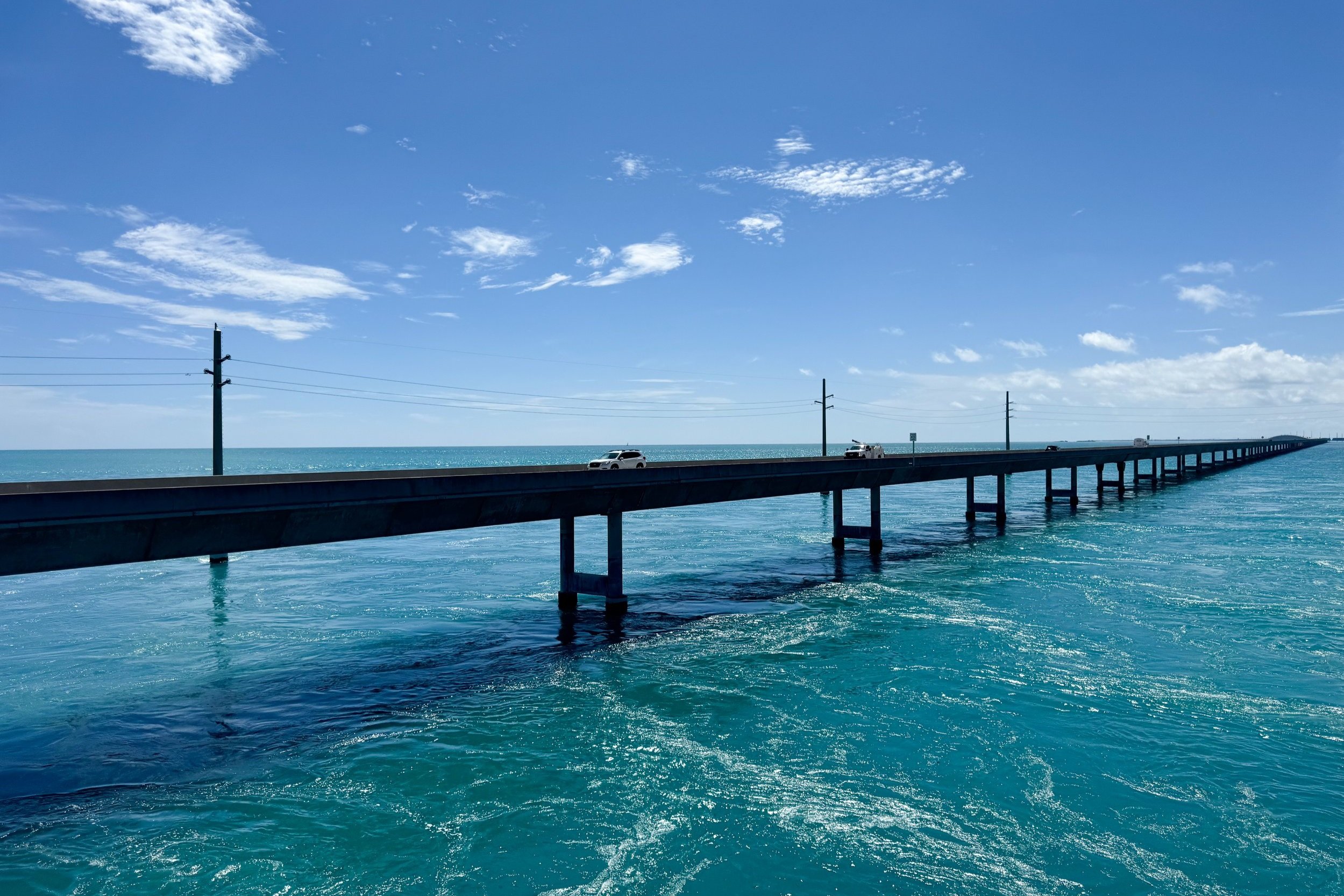
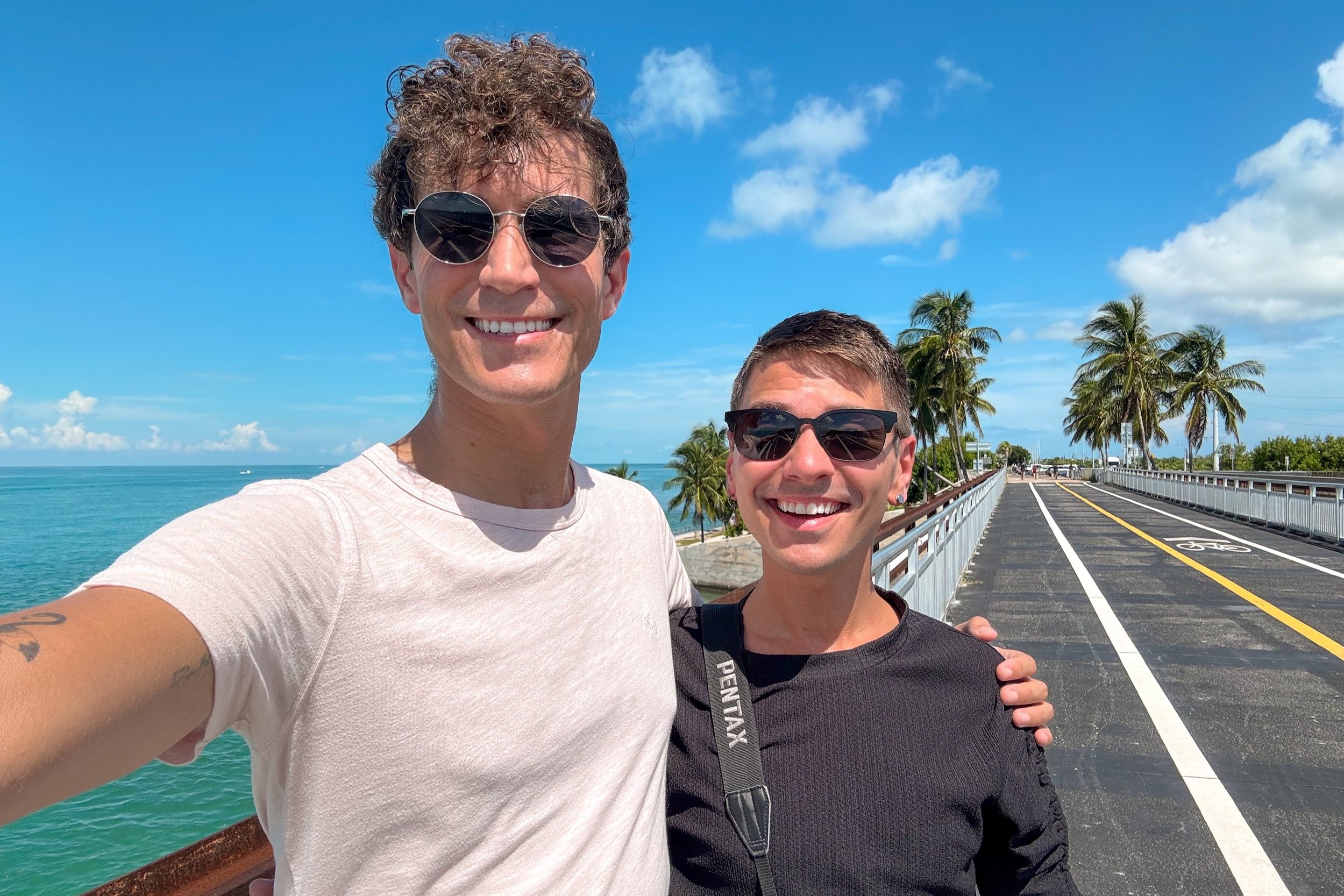
The Overseas Highway is scenic stretch of road crossing the ocean and connecting the Florida Keys with mainland Florida. We made a day trip of our drive on the highway, stopping at multiple keys along the way.
Tiki Bar at Postcard Inn. A hotel bar on Islamorada credited with inventing the Rum Runner cocktail. We stopped for a drink to find the restaurant under renovation.
Robbie’s. We ordered a Rum Runner here and stopped to hand feed the tarpon swimming around the restaurant’s dock. For $5, we bought a bucket of fish and dangled them over the edge of the dock. Soon after, a tarpon jumped from the water snatching the fish directly from our hands.
Keys Fisheries. A restaurant on Islamorada with all manner of fresh caught seafood. We stopped here for their famous lobster ruebens.
Sea Turtle Hospital. A sanctuary to rehabilitate rescued sea turtles on Marathon Key. Tour the facility and its tanks of sea turtles. I visited here on a trip to the keys years ago.
7 Mile Bridge. A stretch of the overseas highway crossing 7 miles of open ocean. Stop at the 7 Mile Bridge Vista to walk onto the pedestrian bridge and overlook and the blue tropical seas. We spotted manatees swimming here.
Bahia Honda State Park. We stopped here for some afternoon sun and beach time. We lounged in the shallow waters of Loggerhead and Sandspur beaches.
Big Pine Key. One of the last keys before reaching Key West. We kept an eye out for the Key Deer, an endangered species of tiny deer native to the island.
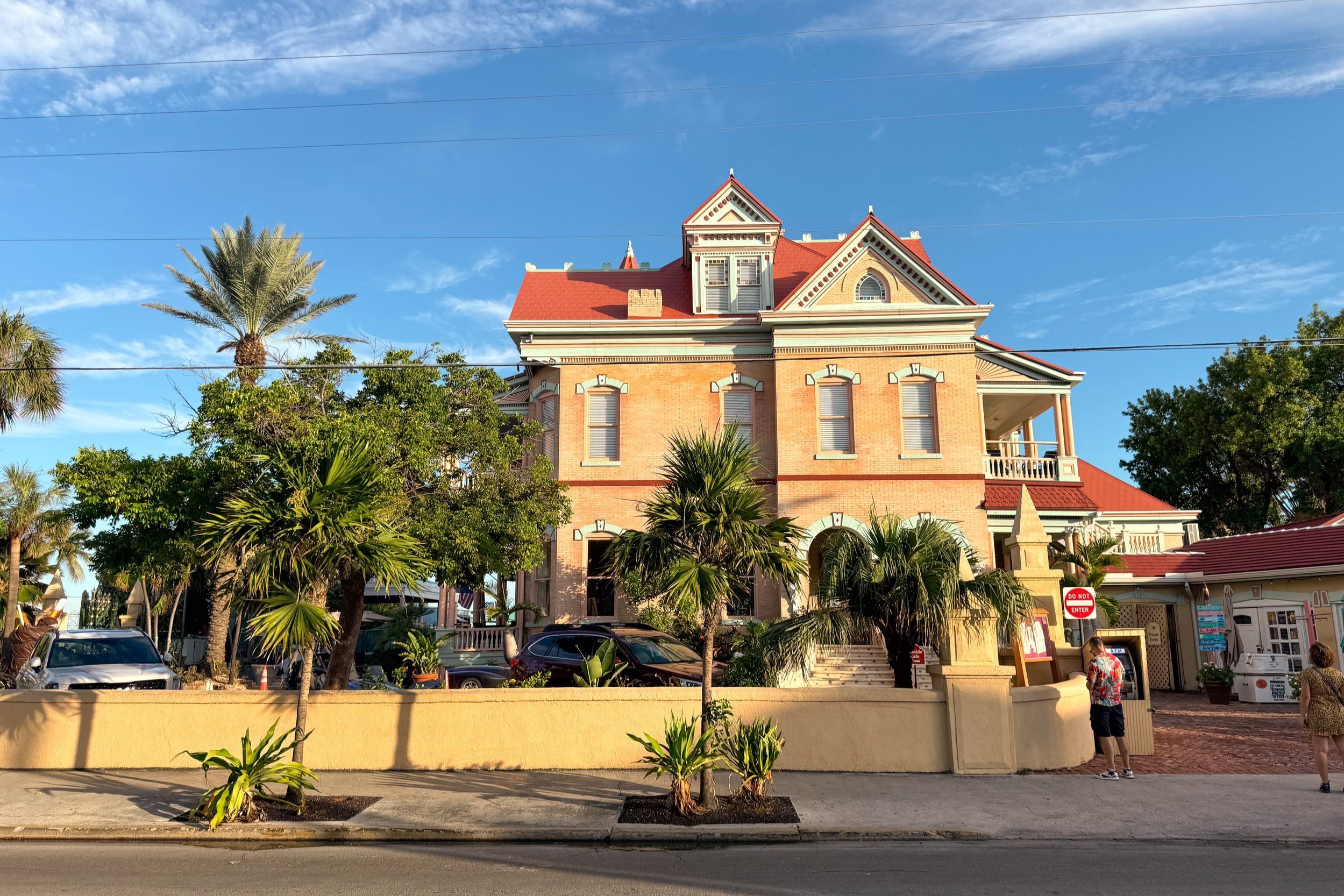
The Conch Republic
Key West, also called The Conch Republic, is truly an island paradise! While here, eat fried conch fritters and conch ceviche from one of the islands many restaurants, buy a conch shell from a souvenir shop and spot Conch Republic flags flying from local’s homes.
Sights
Duval Street. A famed and historic street stretching a mile across the key with seafood restaurants, cocktail bars, Cuban cafes, art galleries and souvenir shops.The north end is the most touristy while the south end is quieter and more local.
The Old Town. A historic area with colorful wooden house located at the north end of Duval street.
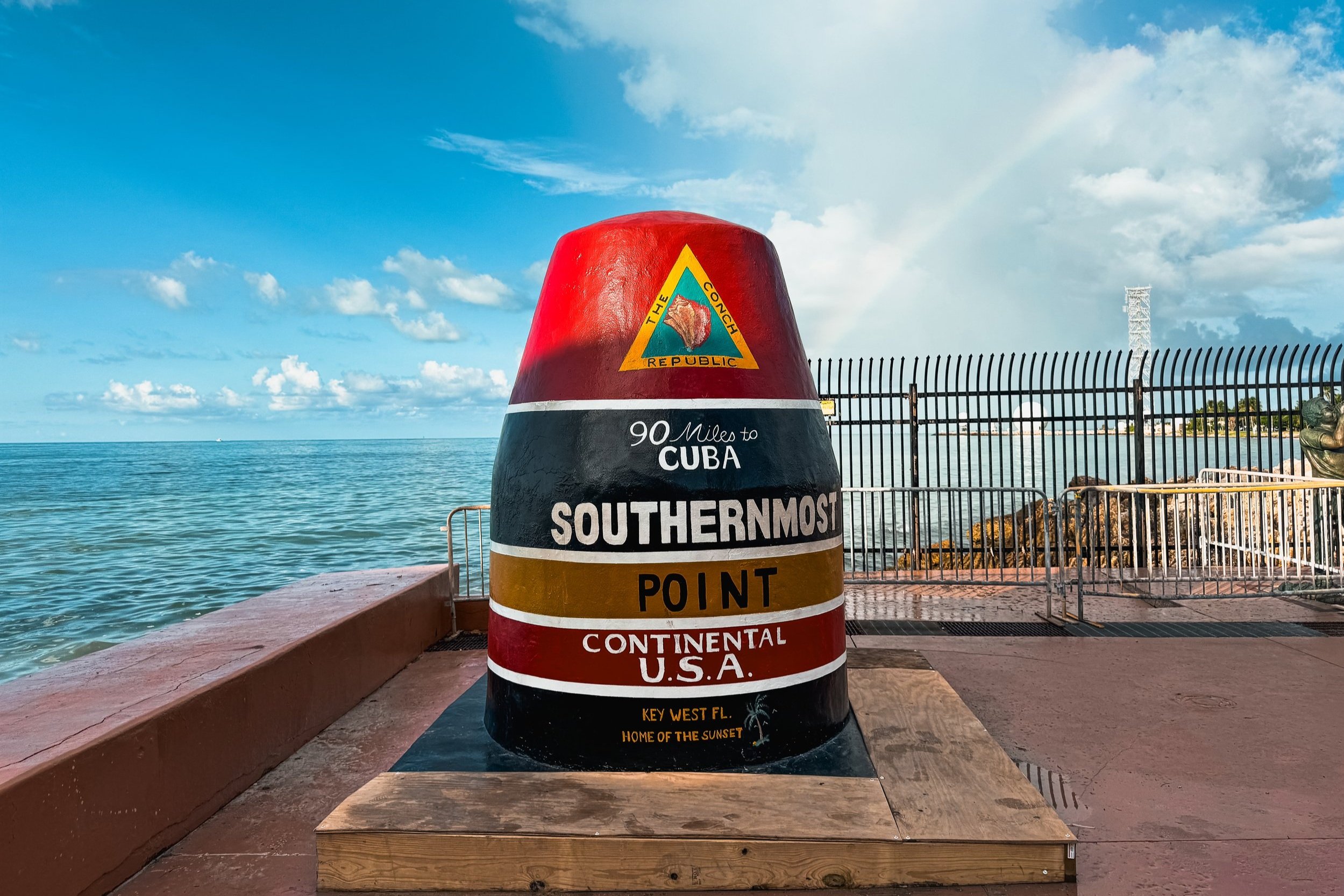
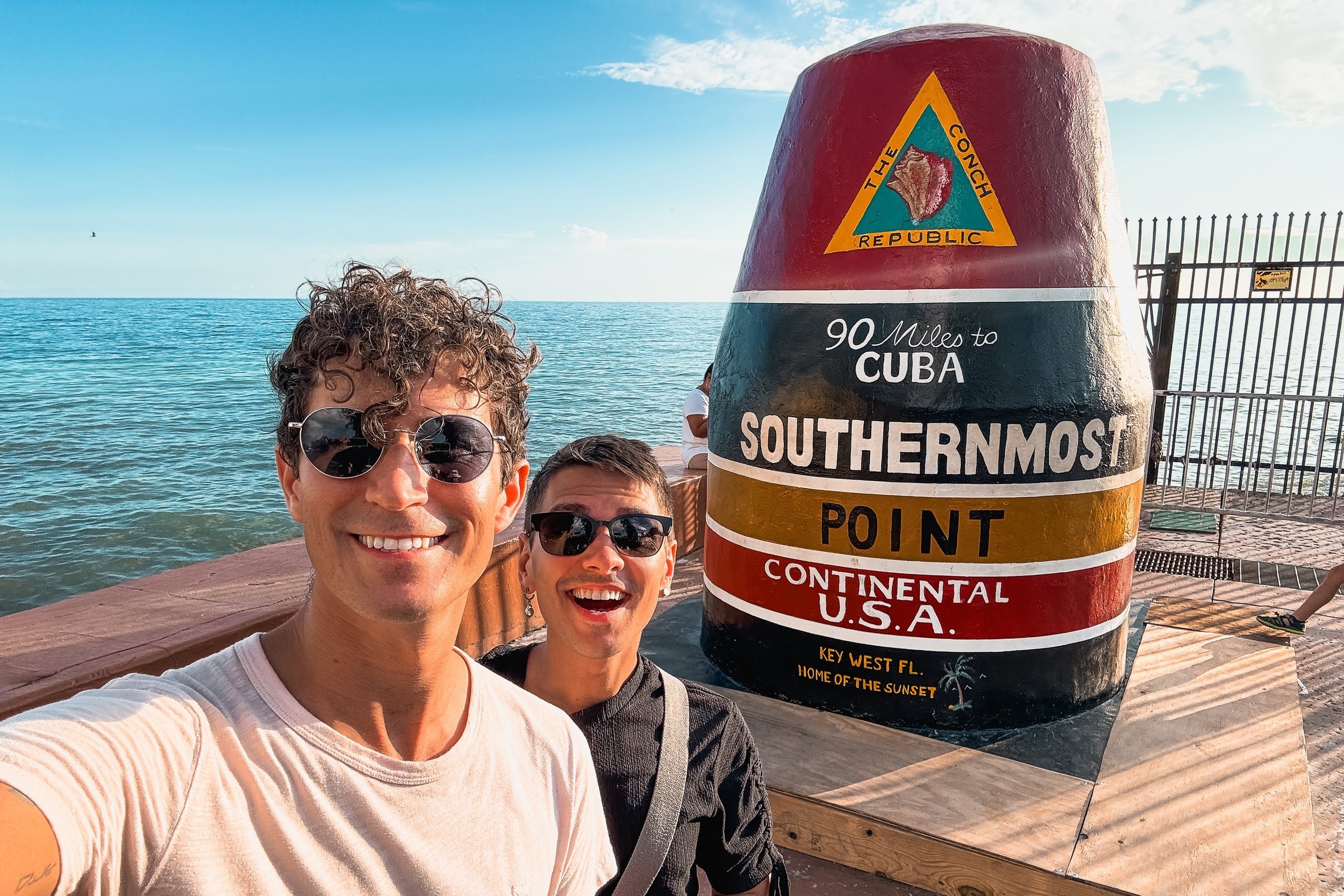
Southern Most Point Buoy. A striped concrete buoy and monument marking the southern most point in the continental US only 90 miles from Cuba.
Bahamas Village. A neighborhood in the south side of the key settled by immigrants from the Bahamas. Come to see the colorful houses and tropical gardens.
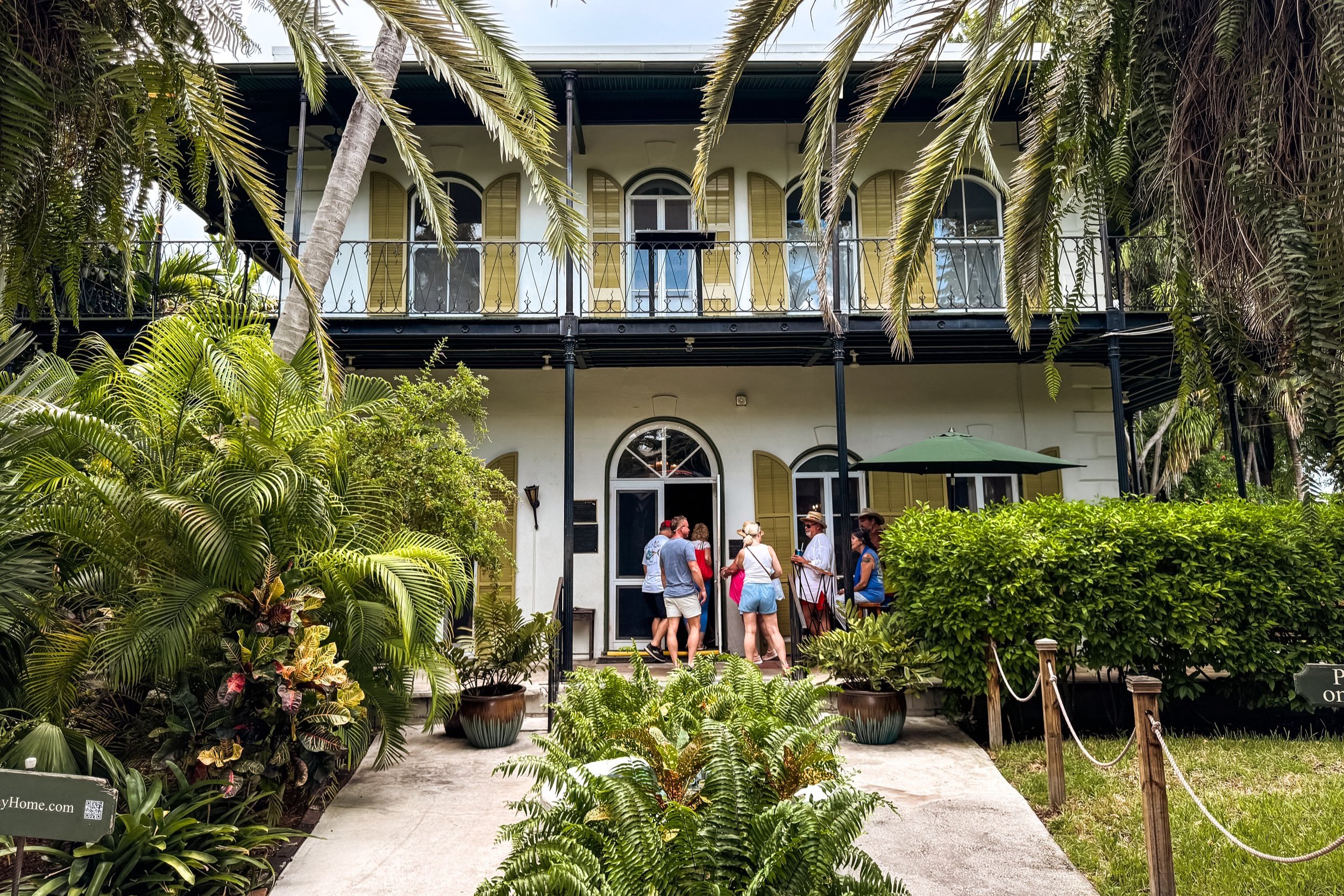
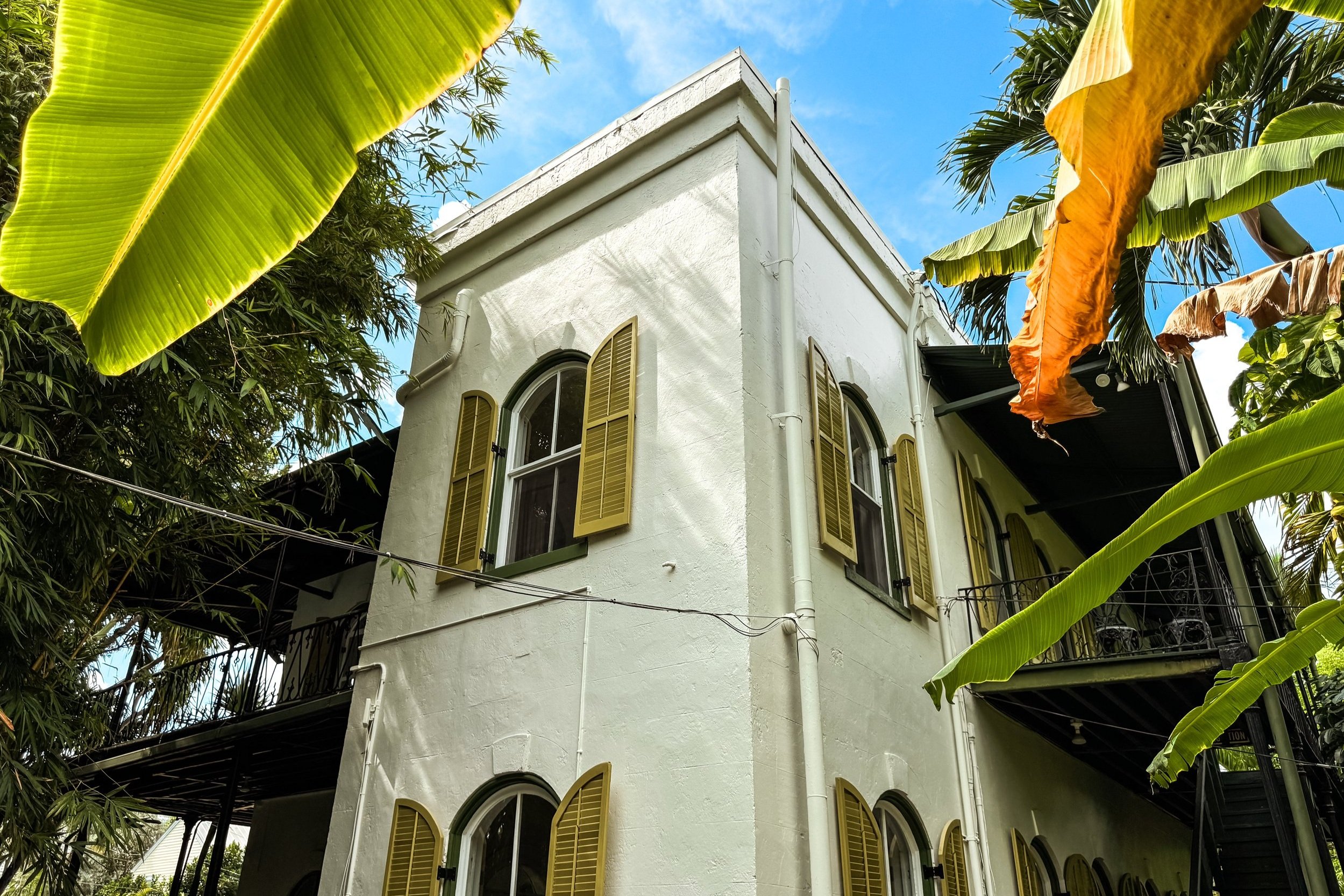
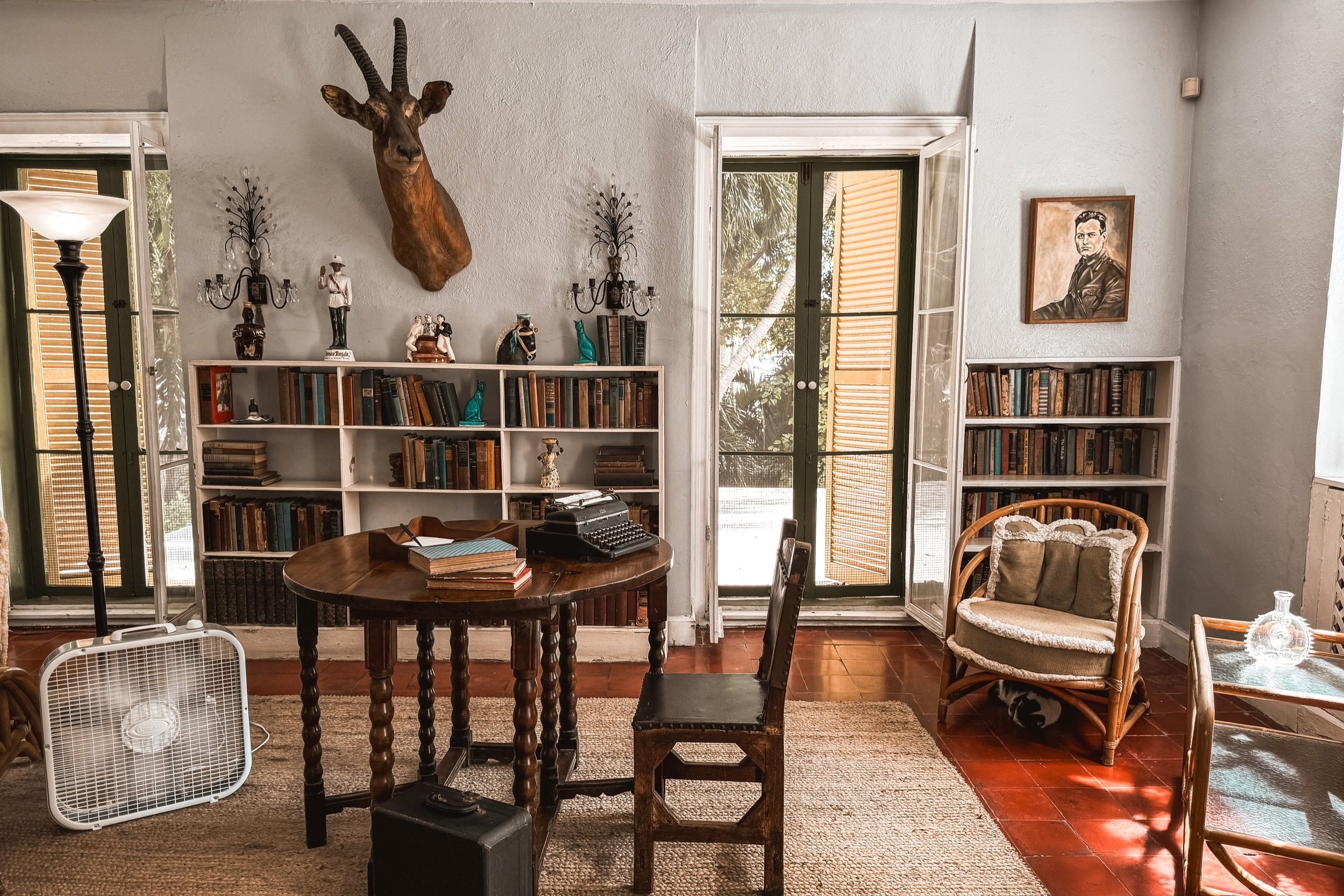
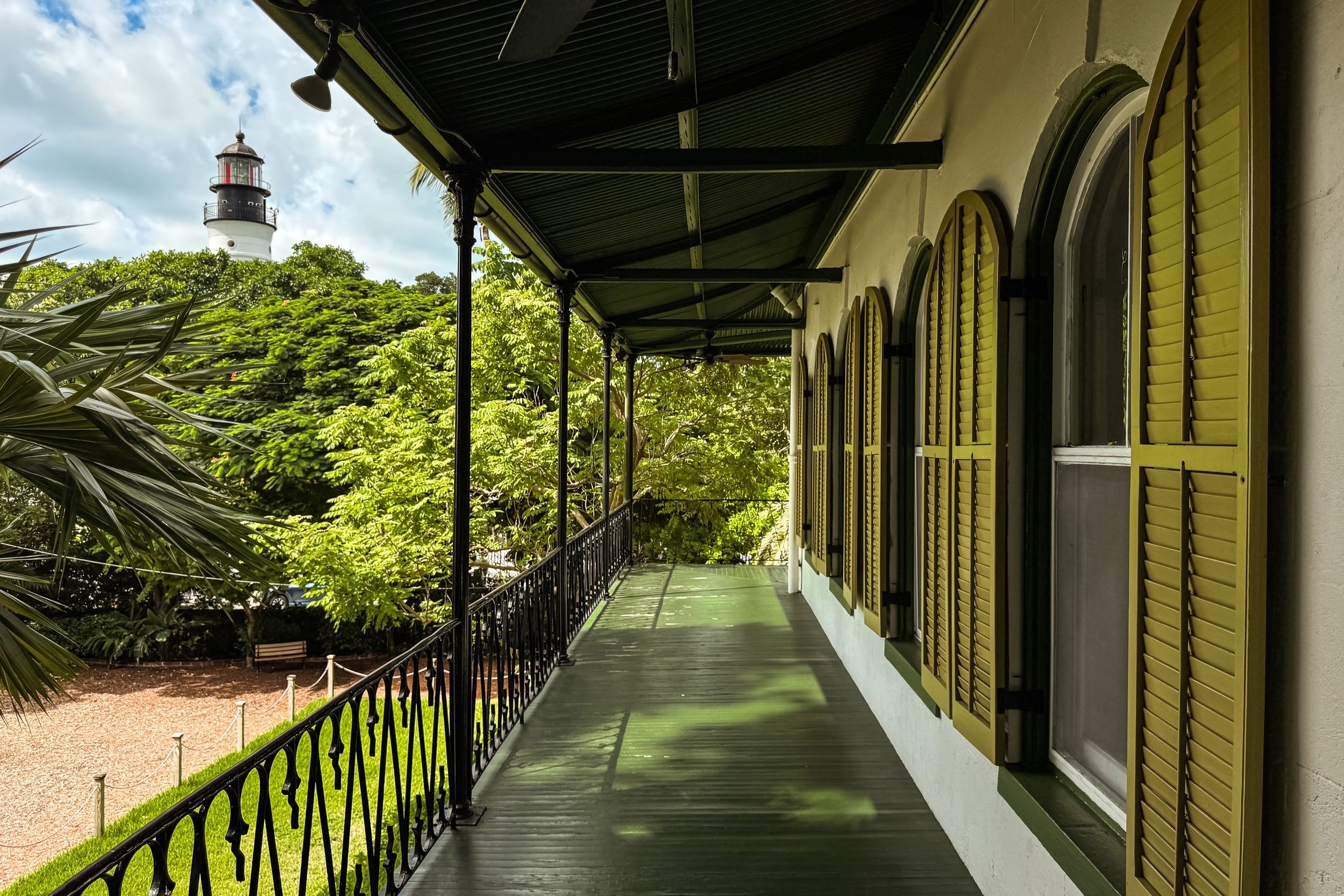
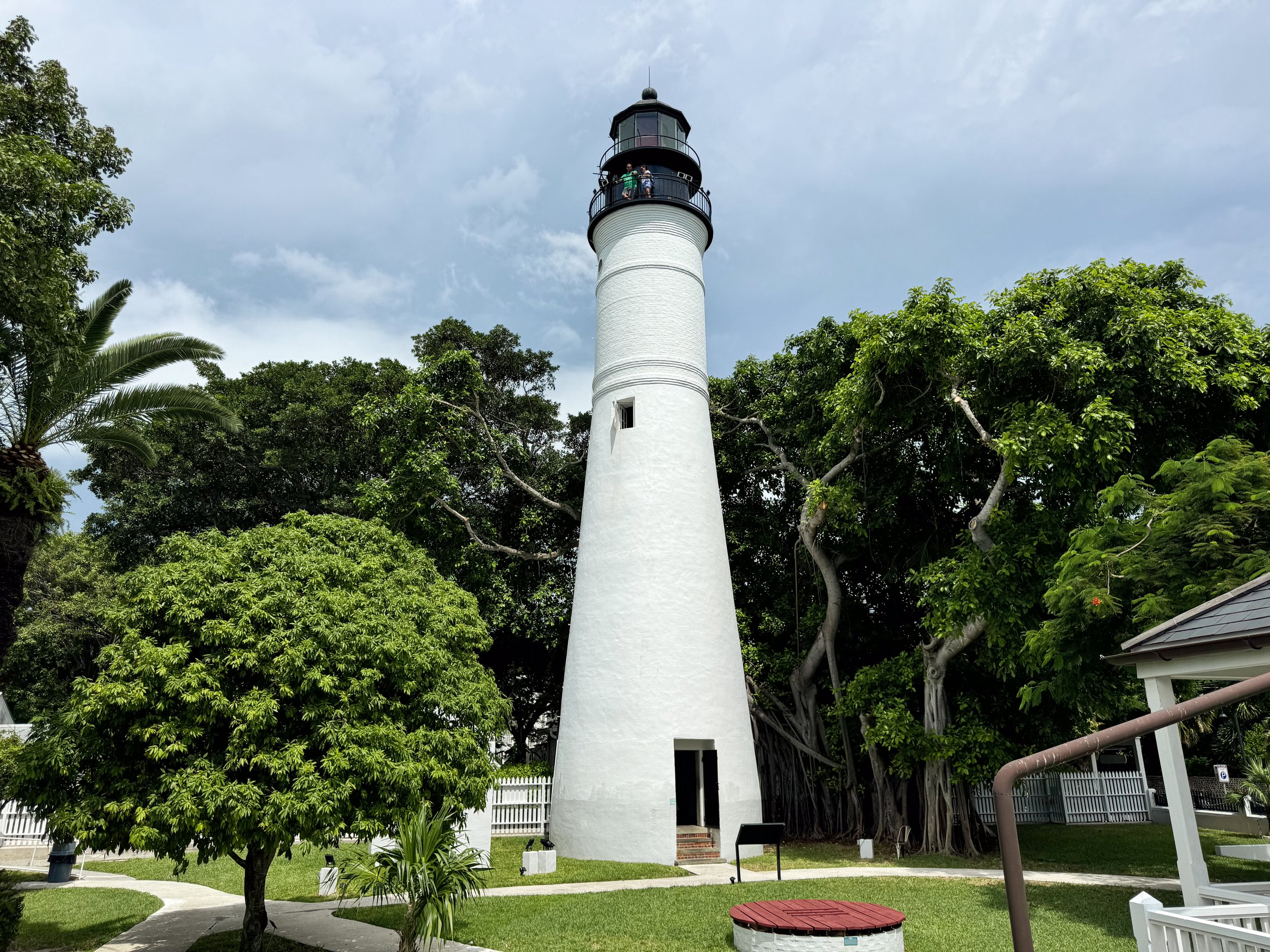
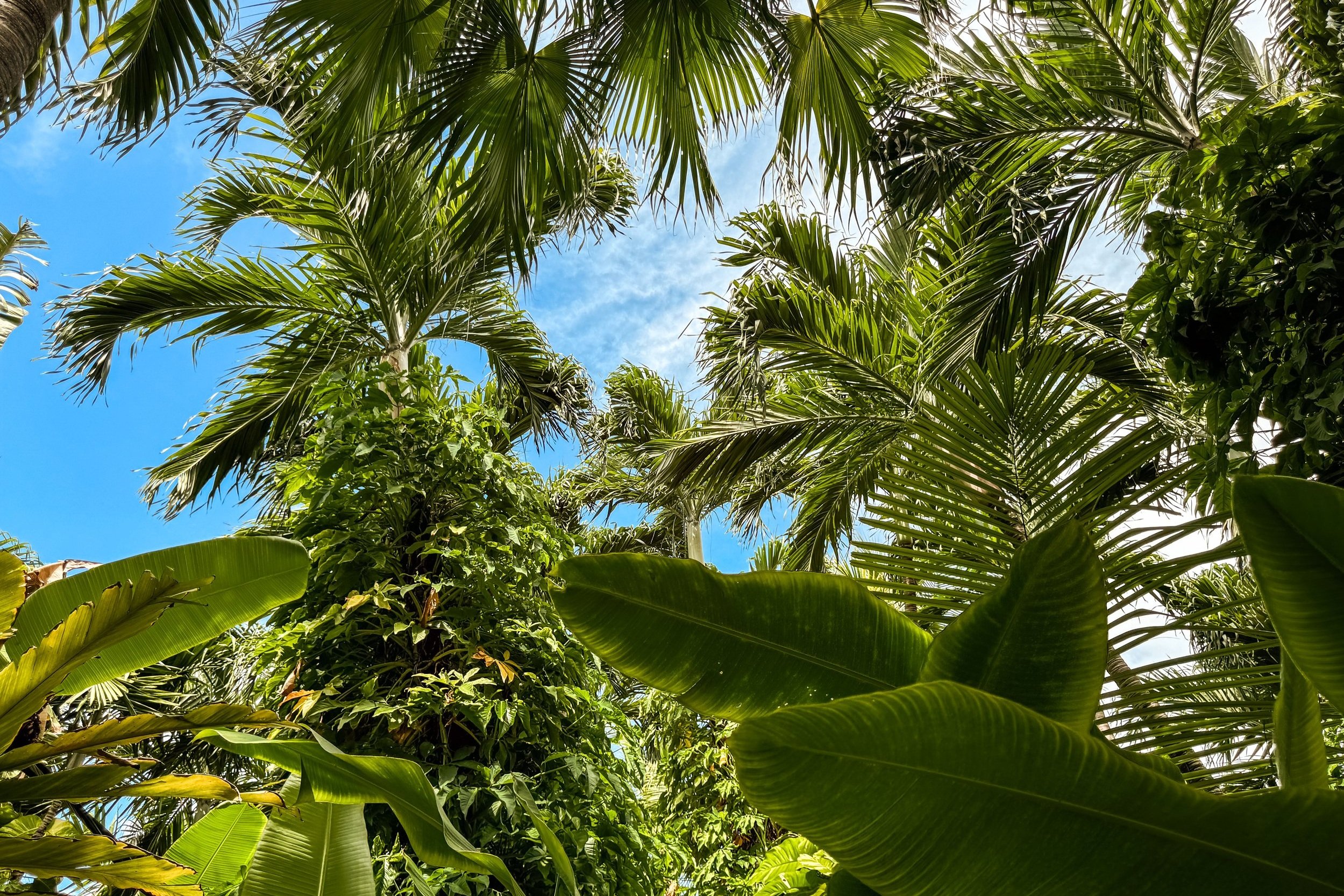
The Hemingway Museum. The former residence of American writer Ernest Hemingway. Tour his home and writing studio where he wrote many of his iconic novels and short stories. Walk through the grounds lush gardens and pet Hemingway’s cats.
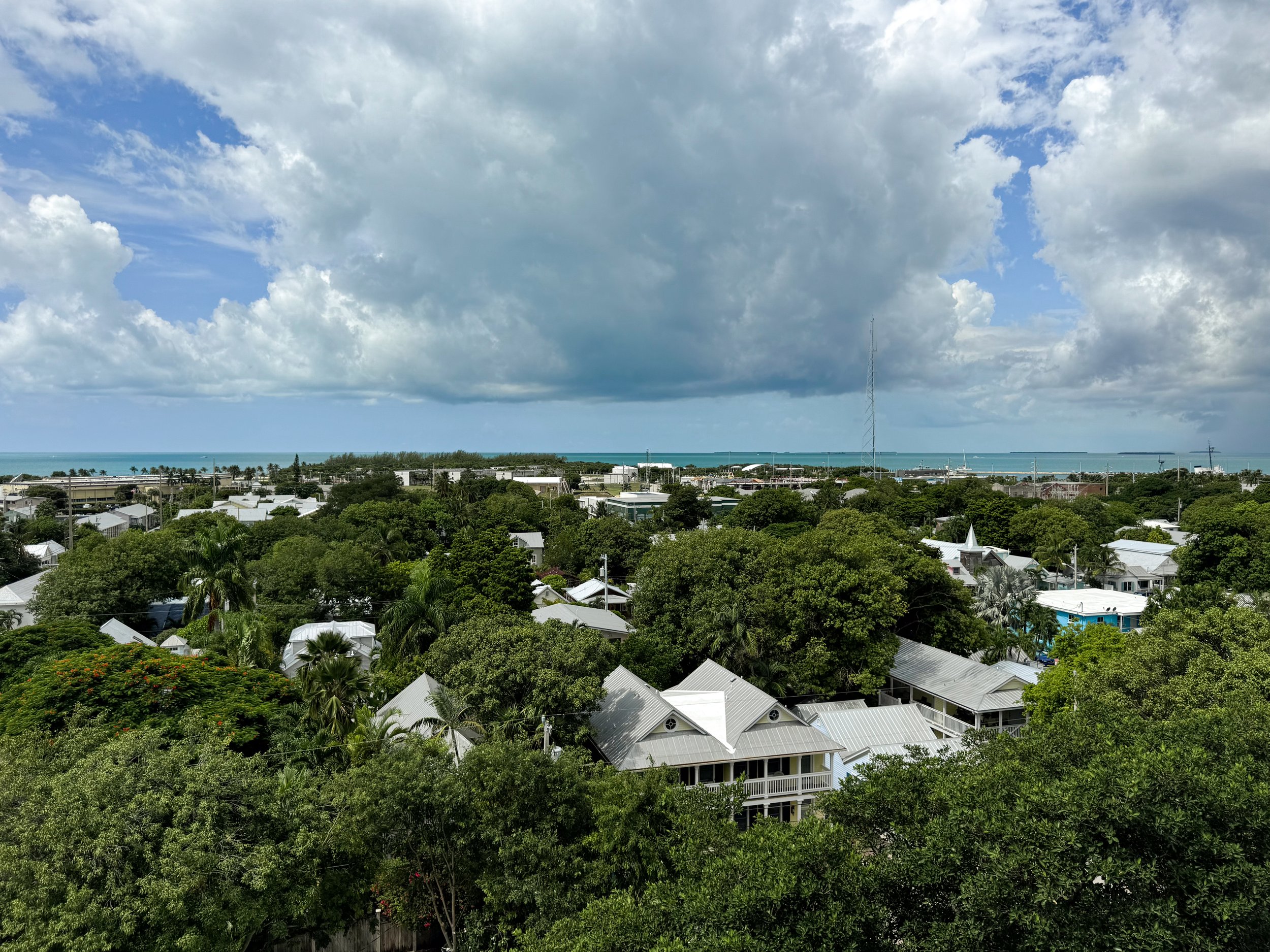
Key West Lighthouse. A short white lighthouse with a spiral stair case leading to the crown with panoramic views of the key. The light house keeper’s house is a small museum dedicated the history of Key West.
Fort Zachary Taylor Beach. A park with a coral beach, short nature trails and a civil war era fort. Come here to swim and sunbathe, walk the nature trails and explore the cannon lined red brick and black cement fortress. The beach has a snack & beverage hut renting umbrellas & lounges. Wear beach shoes to avoid the jagged coral lining the beach. Along the shore is a shaded park with picnic tables and grills.
Higgs Beach. A small but sandy beach between two piers for snorkeling, swimming and swimming. I came here several years ago on a previous trip to Key West.

Mallory Square. No night in Key West would be complete without joining hundreds of people and watching the sunset from Mallory Square during the daily sunset festival. Arrive early with a drink in hand as the day ends and the night begins.
Truman Waterfront Farmers Market. A Thursday afternoon market with vendors selling boozy popsicles, empanadas, samosas, honey, breads, cheeses, vegetables and tropical fruits like dragon fruit, pineapple, papaya, star fruit, lychee & star fruit.
Where to Eat and Drink
Key West is where “it’s 5 o’clock somewhere” and “island time” meet. There are many restaurants with laid back vibes and bars serving tropical cocktails.
Tiki Bar. A cocktail bar with classic tiki drinks like the Mai Tai, Jungle Bird, Zombie and Hurricane. There is live music nightly, a shop selling tiki mugs and hidden tiki bar in the back.
Eaton Street Seafood Market. A seafood market and restaurant serving the day’s fresh catch. We came for conch ceviche, stone crab claws and beers from Islamorada Brewing.
Schooner Wharf Bar. Come here for the shrimp! They source their shrimp from Key West’s last shrimping boat docked in front of the restaurant. We devoured the coconut shrimp and drunken shrimp, a peel and eat shrimp boiled in beer and spices!
Speakeasy Inn and Rum Bar. An inn with several rooms and a rum bar with one of the largest collections of rum in the US. Sip on rum neat the at bar chatting with locals and other vacationers or sit on their porch overlooking Duval Street while enjoying a Painkiller.
Hemingway Social Club. A cocktail bar attached to the Hemingway Rum Distillery. Come here for cocktails like a Hemingway Daiquiri made with their house run while listening to the live music.
Cafelito. A cafe with a walk up window selling iced Cuban coffees and Cuban pastries like the guava and cheese turn over.
Sally Frog’s. A bar near Malloy Square with cocktails and local beers like the Crazy Lady Honey Blonde Ale brewed at The Waterfront Brewery.
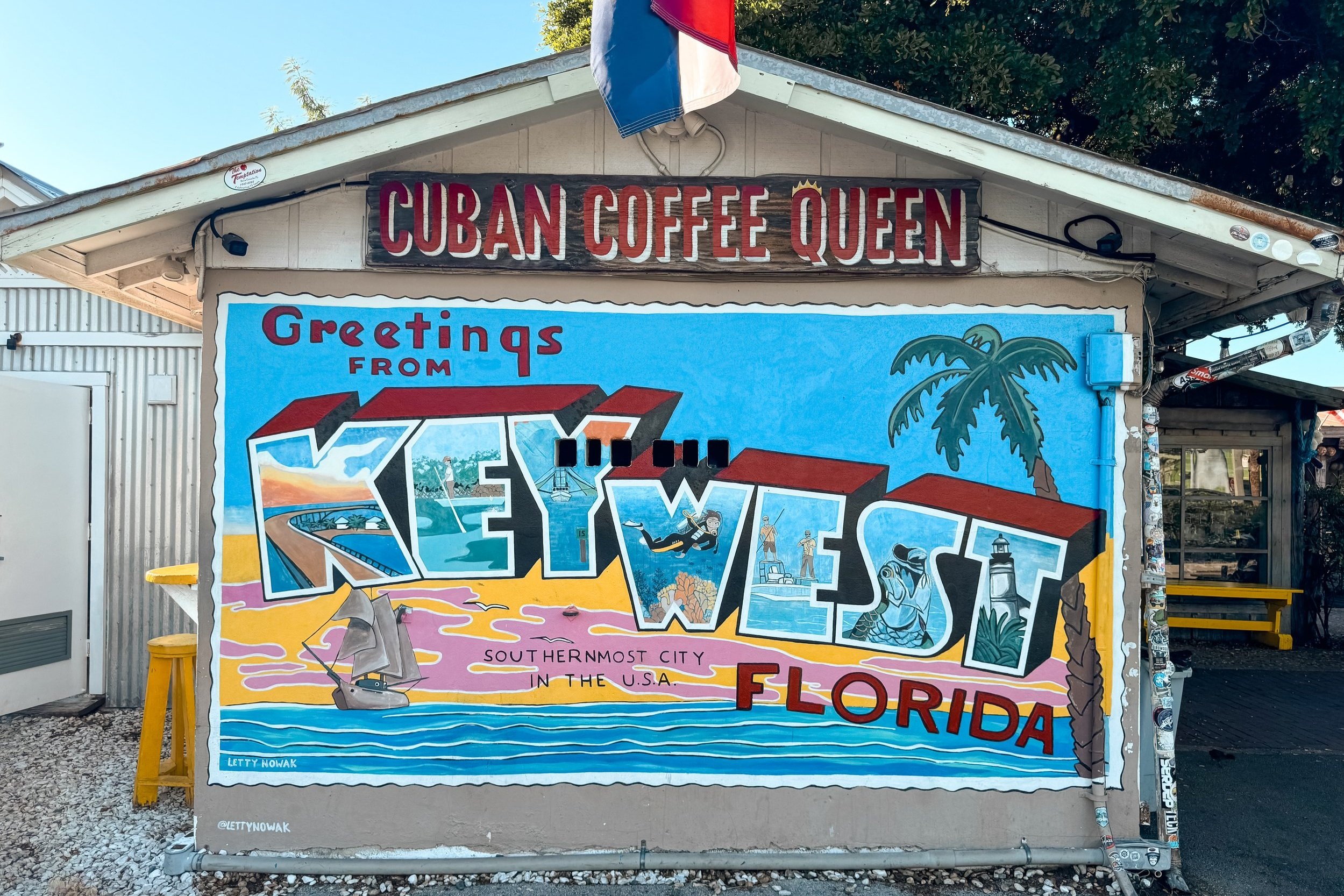
Cuban Coffee Queen. A small coffee shack by the harbor selling cups of Cuban coffee.
Cocomelon. A juice bar and cafe selling ice cold fresh coconuts. Come here to sip coconut water from the tropical fruit while relaxing in their patio.
Kermit’s Key Lime Shop. Come for the key lime pie! They sell it by the slice, whole and frozen on a stick.
Dry Tortugas National Park
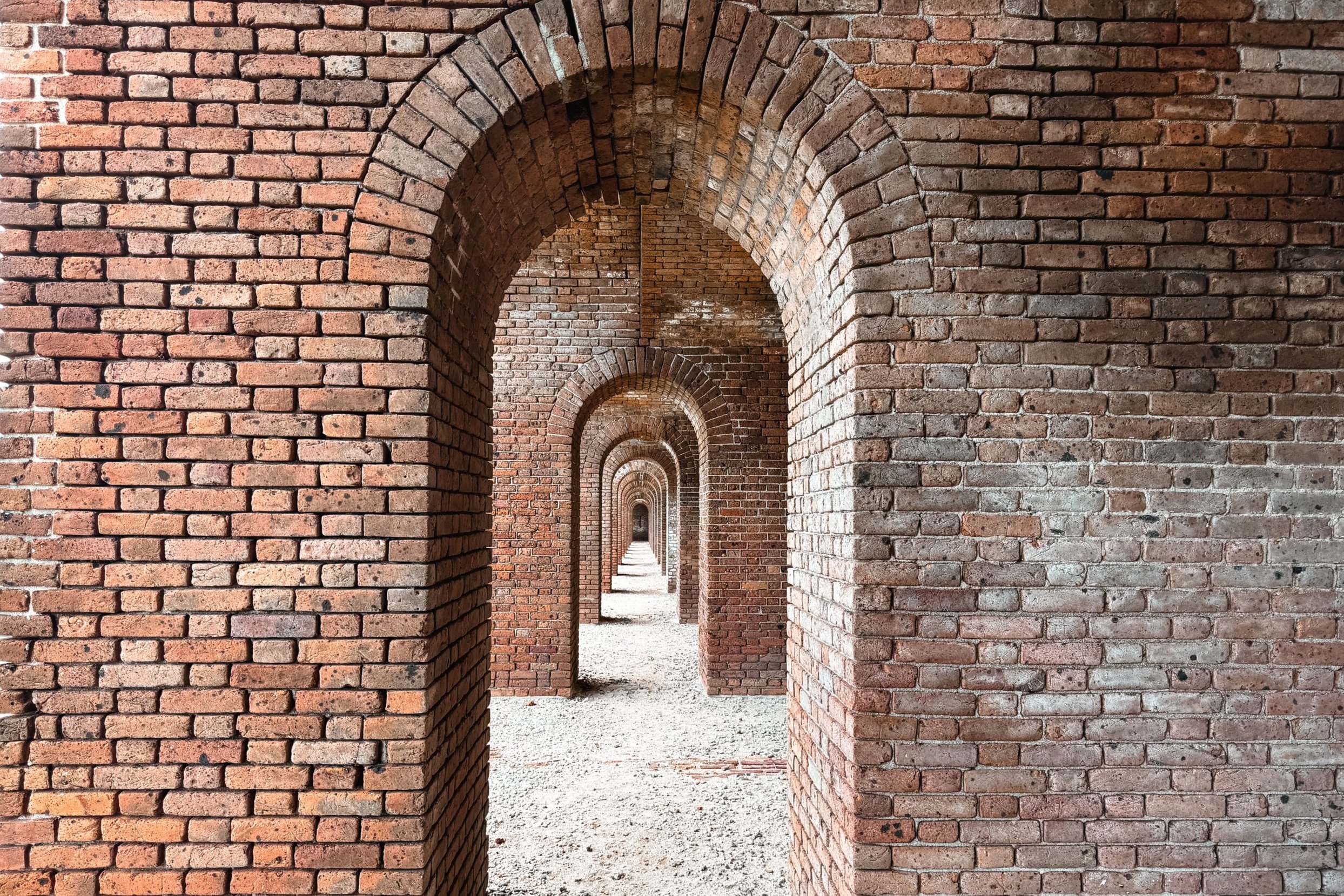
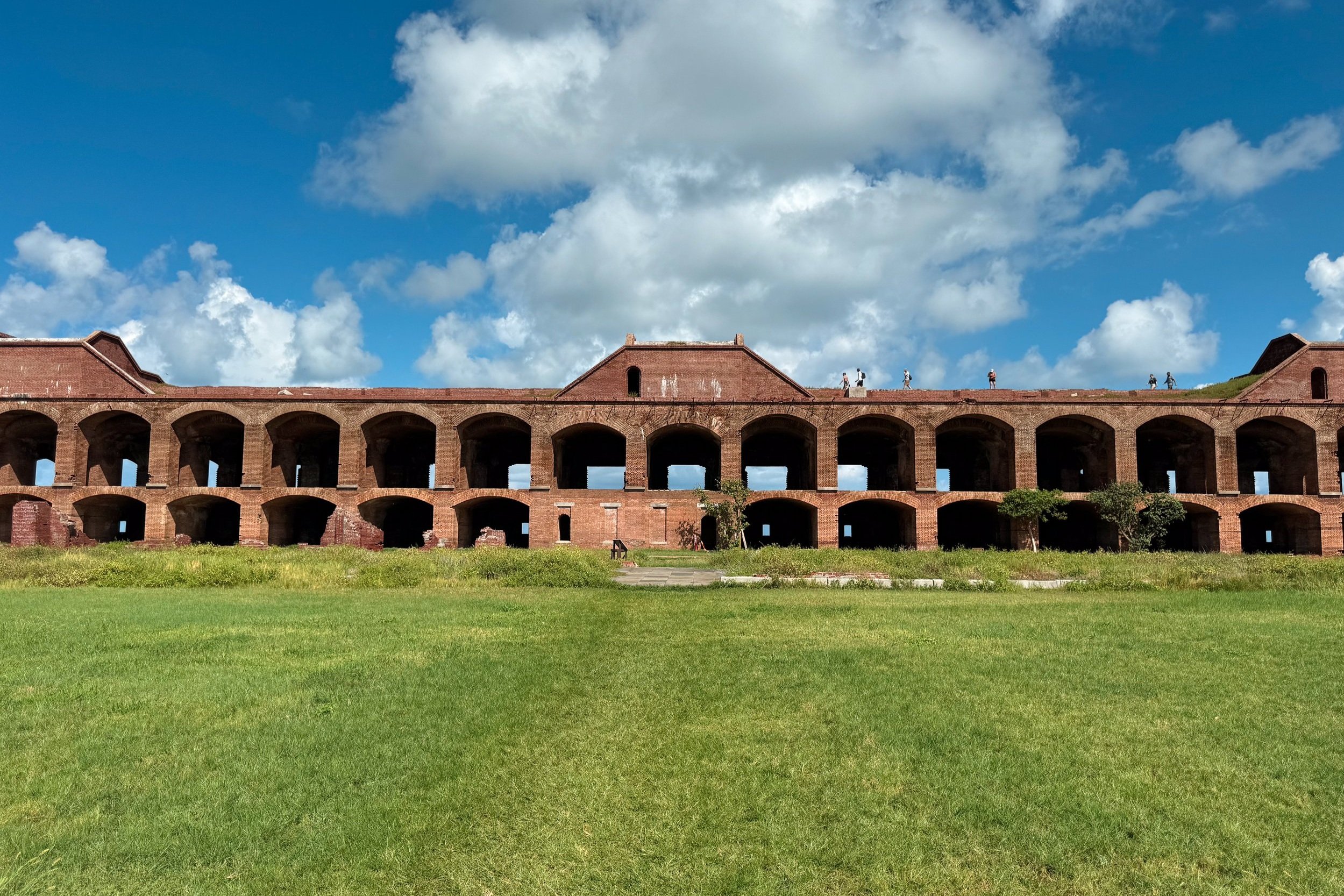
60 miles from Key West are the Dry Tortugas, a national park with several low lying islands, protected marine and avian reserves, a massive civil war fortress, a light house and a campground.
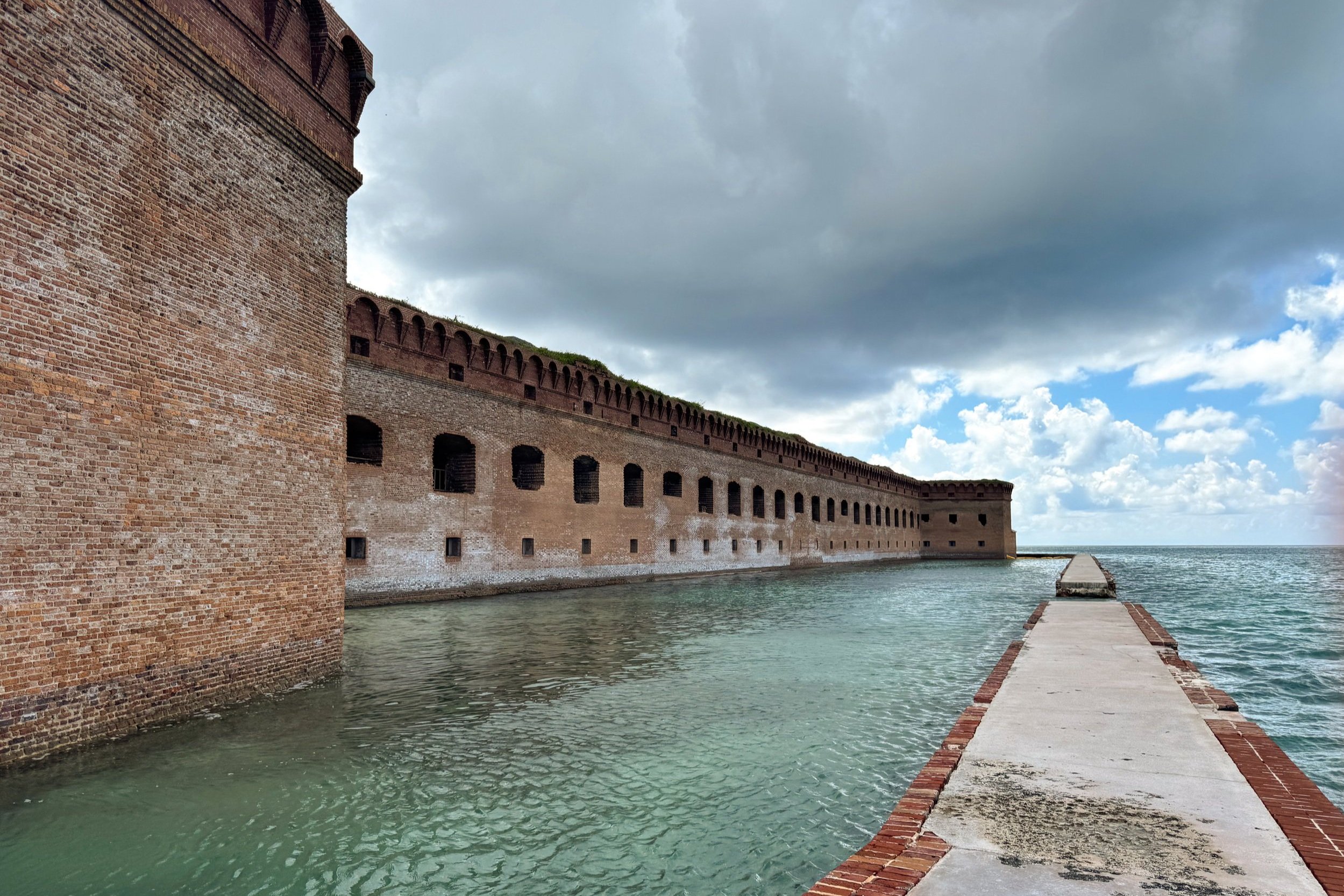
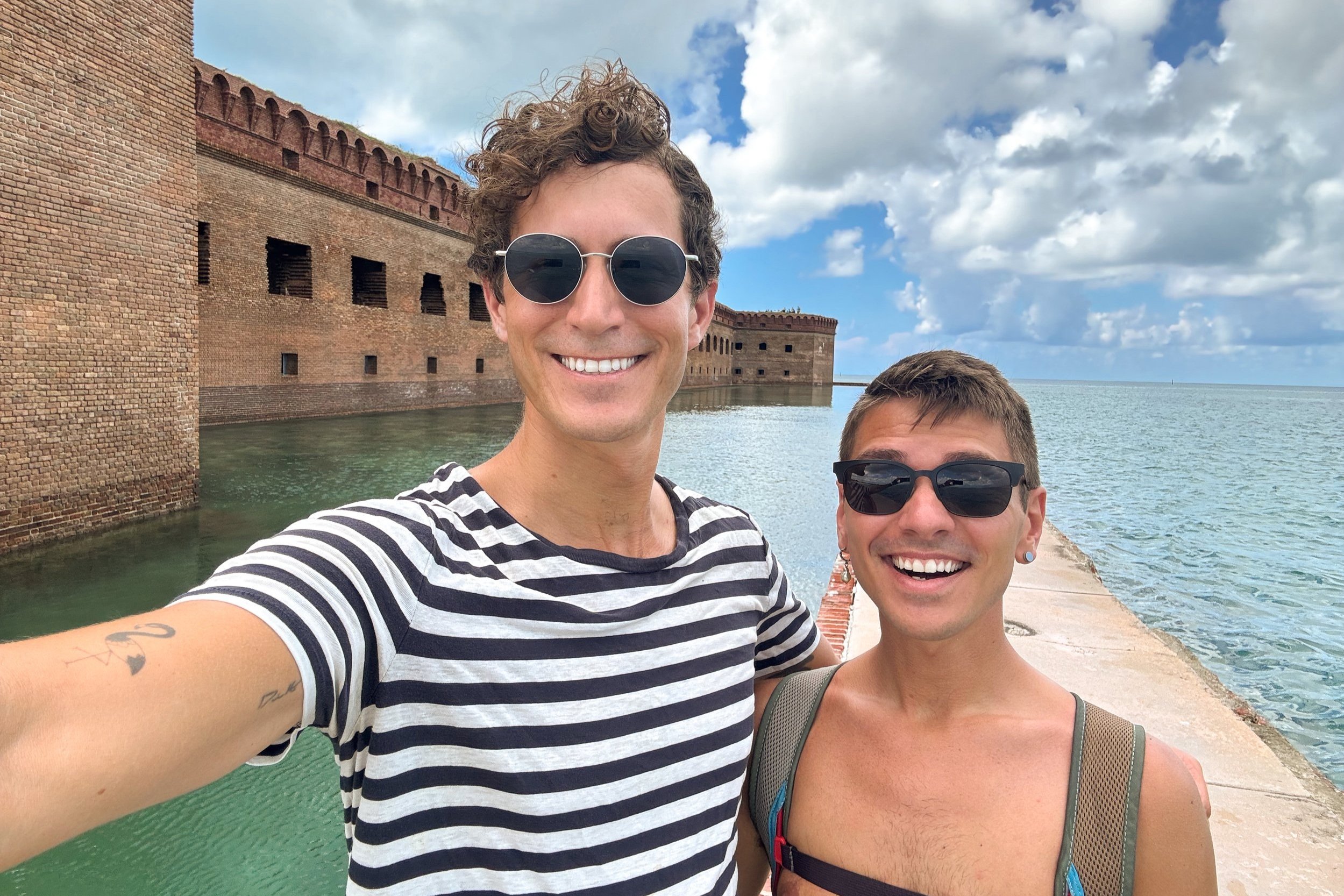
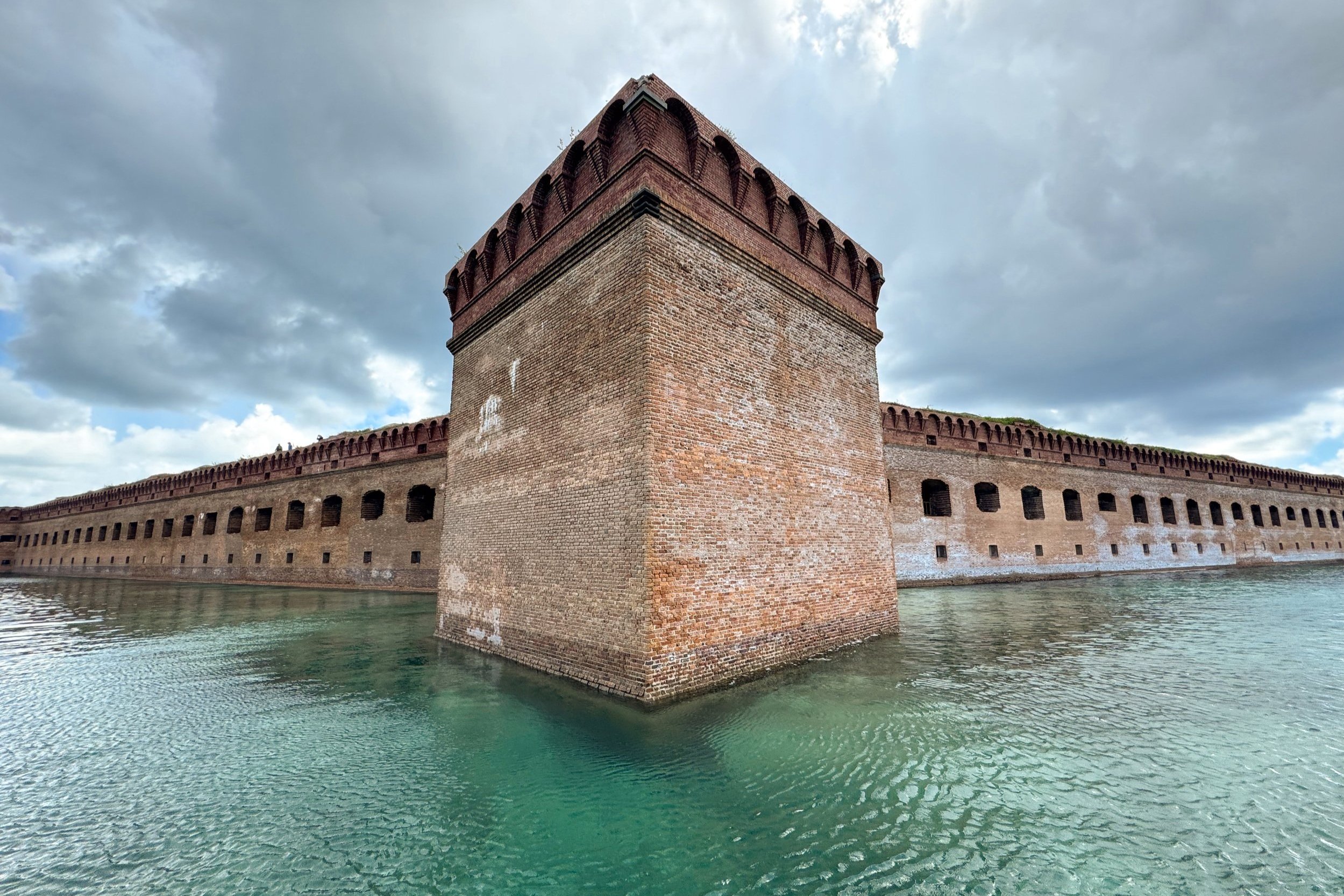
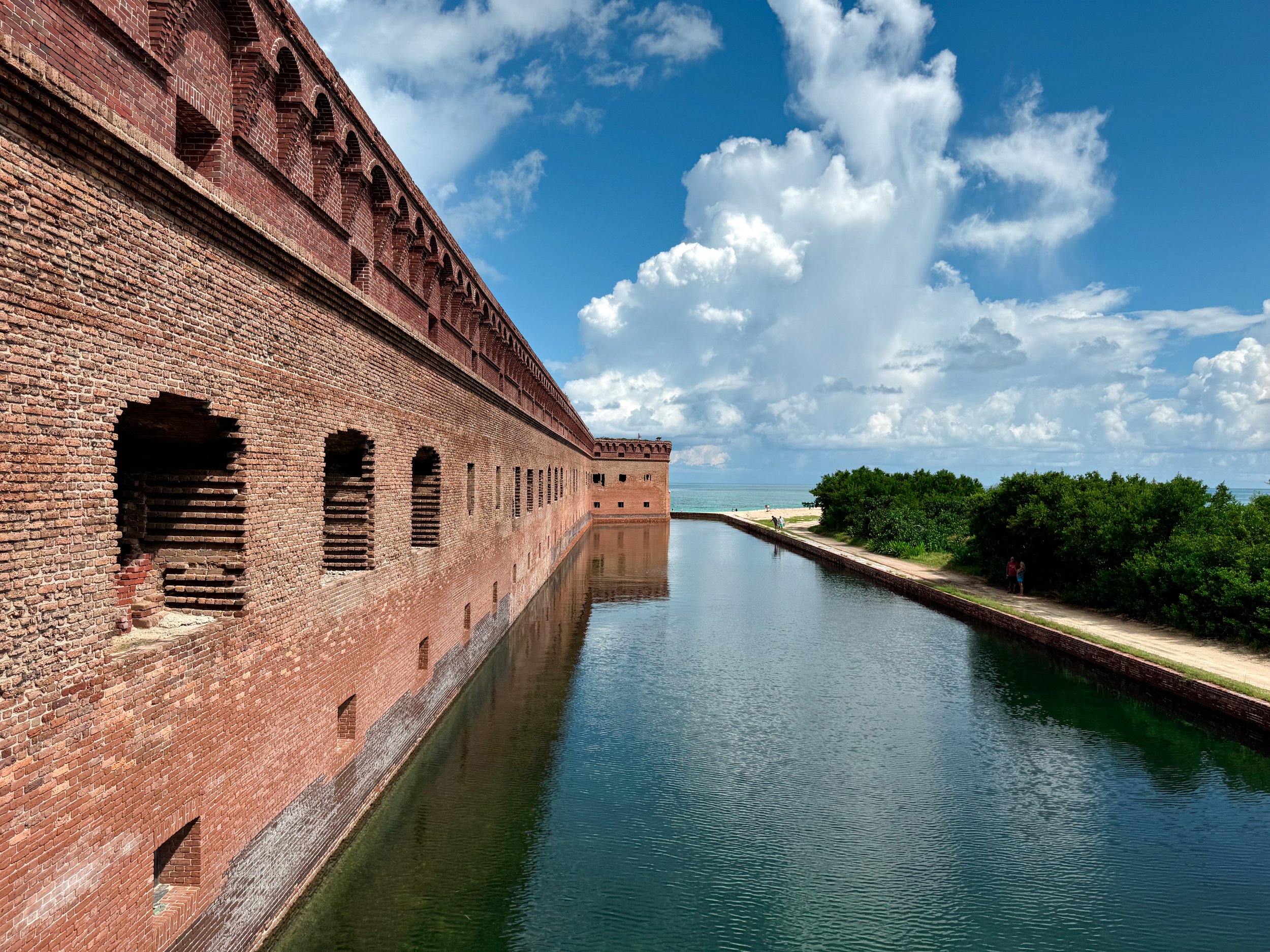
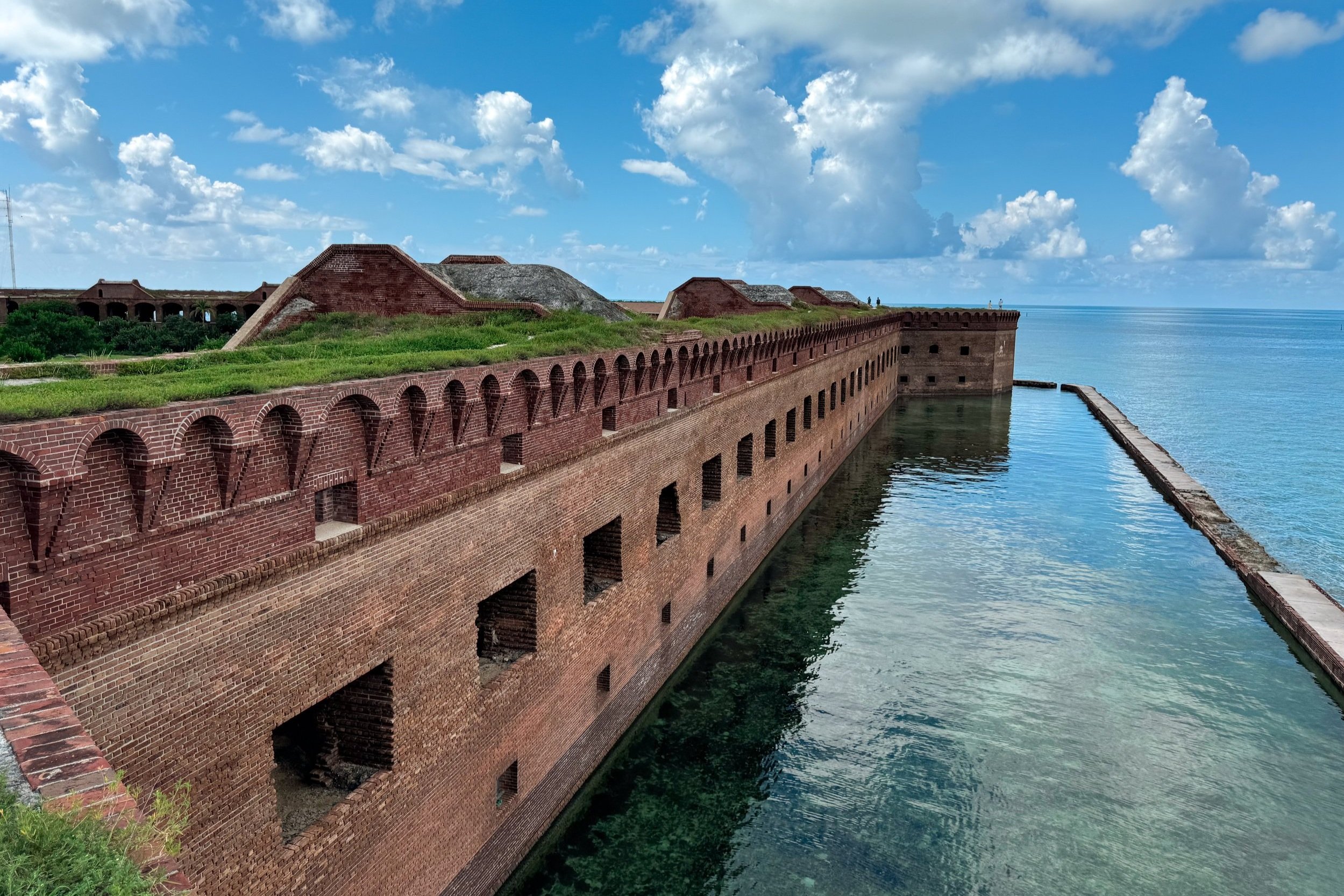
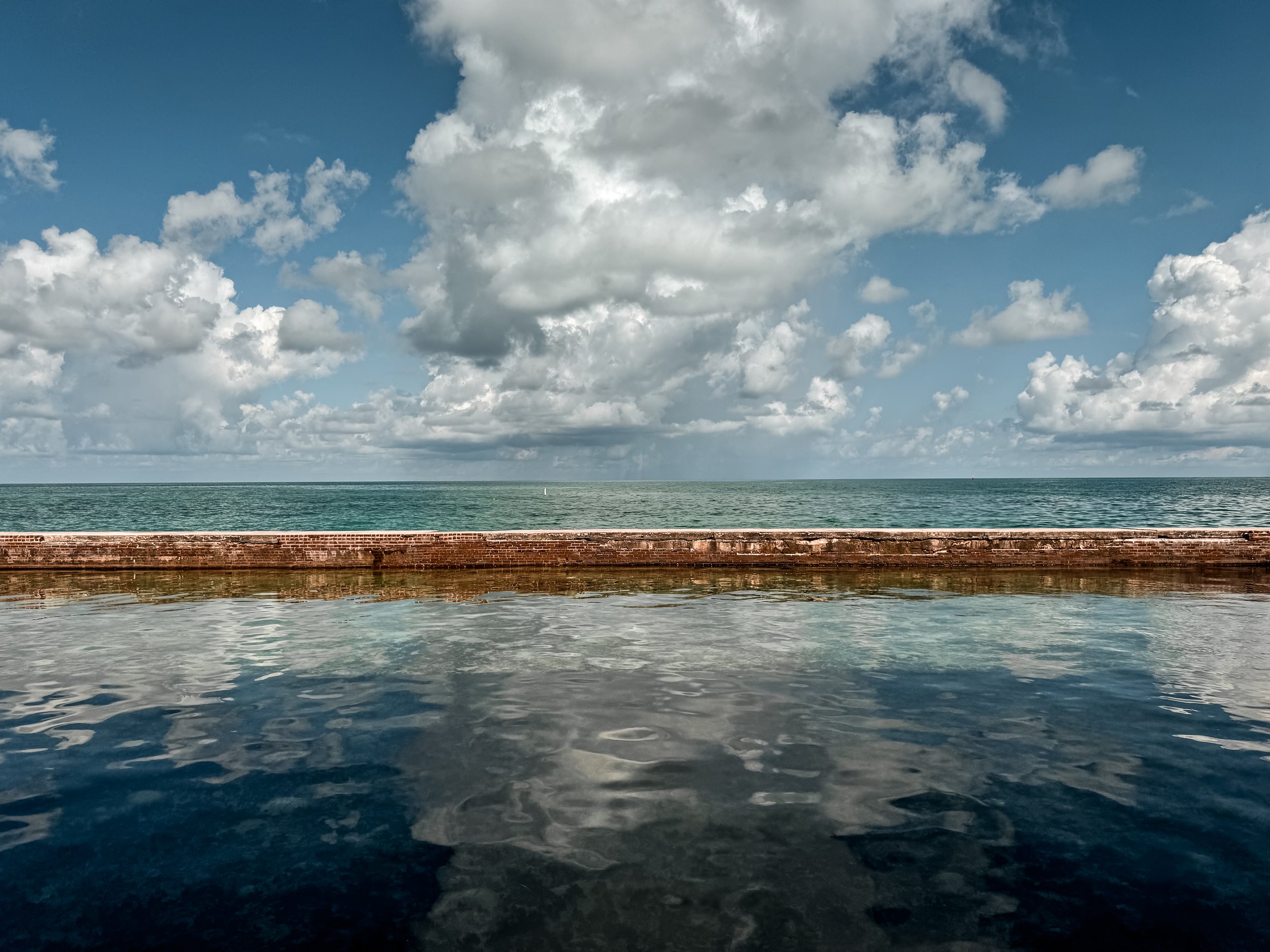
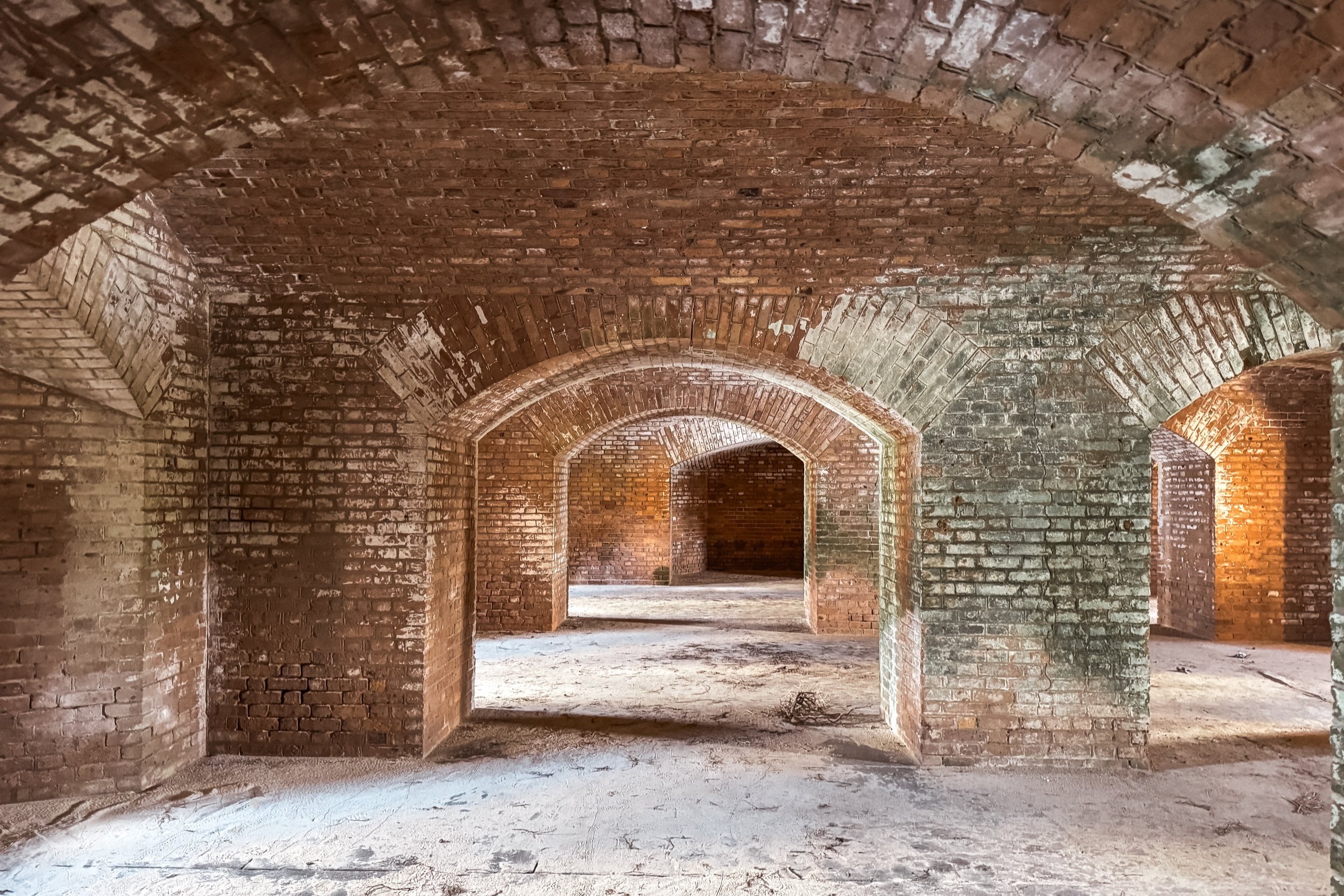
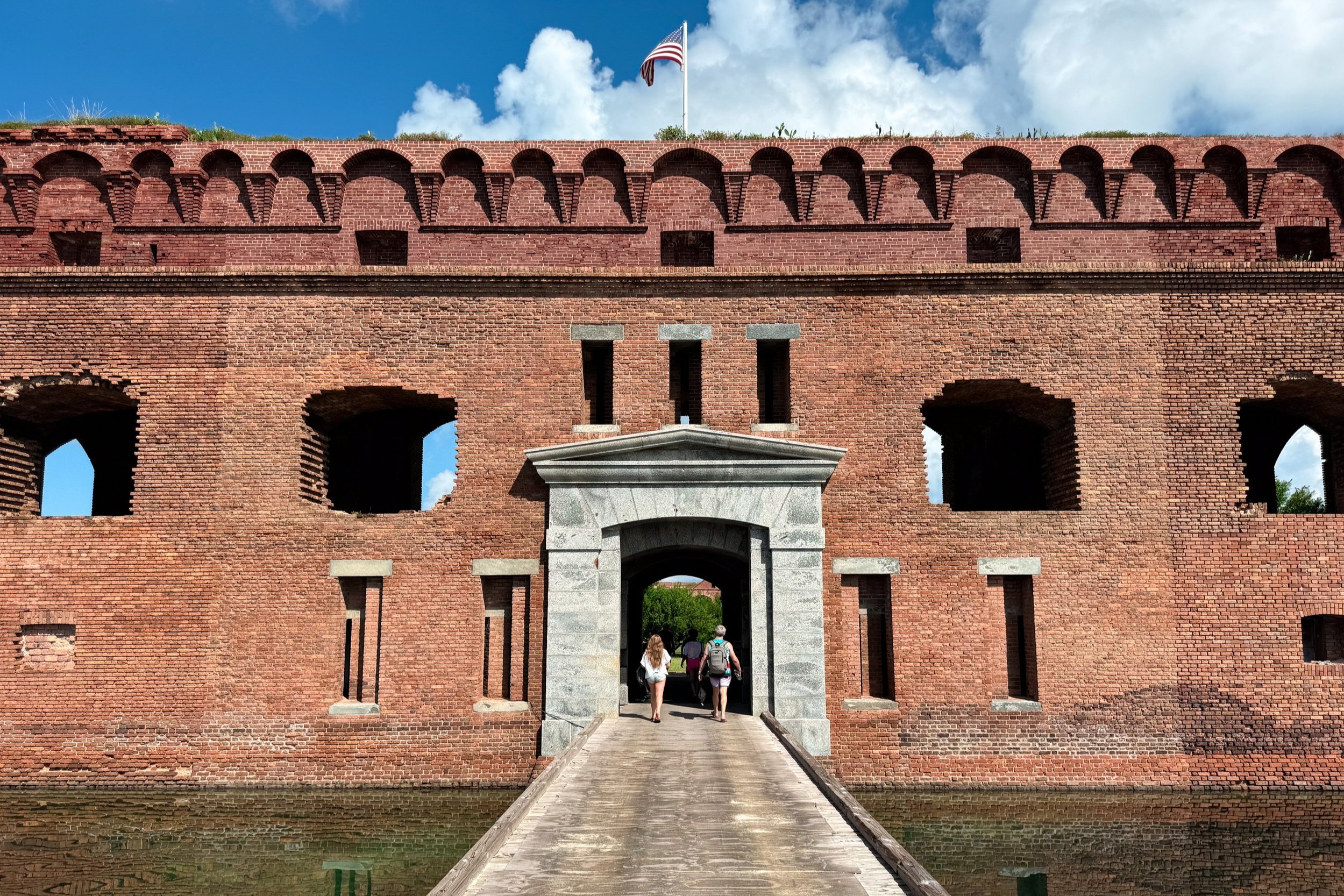
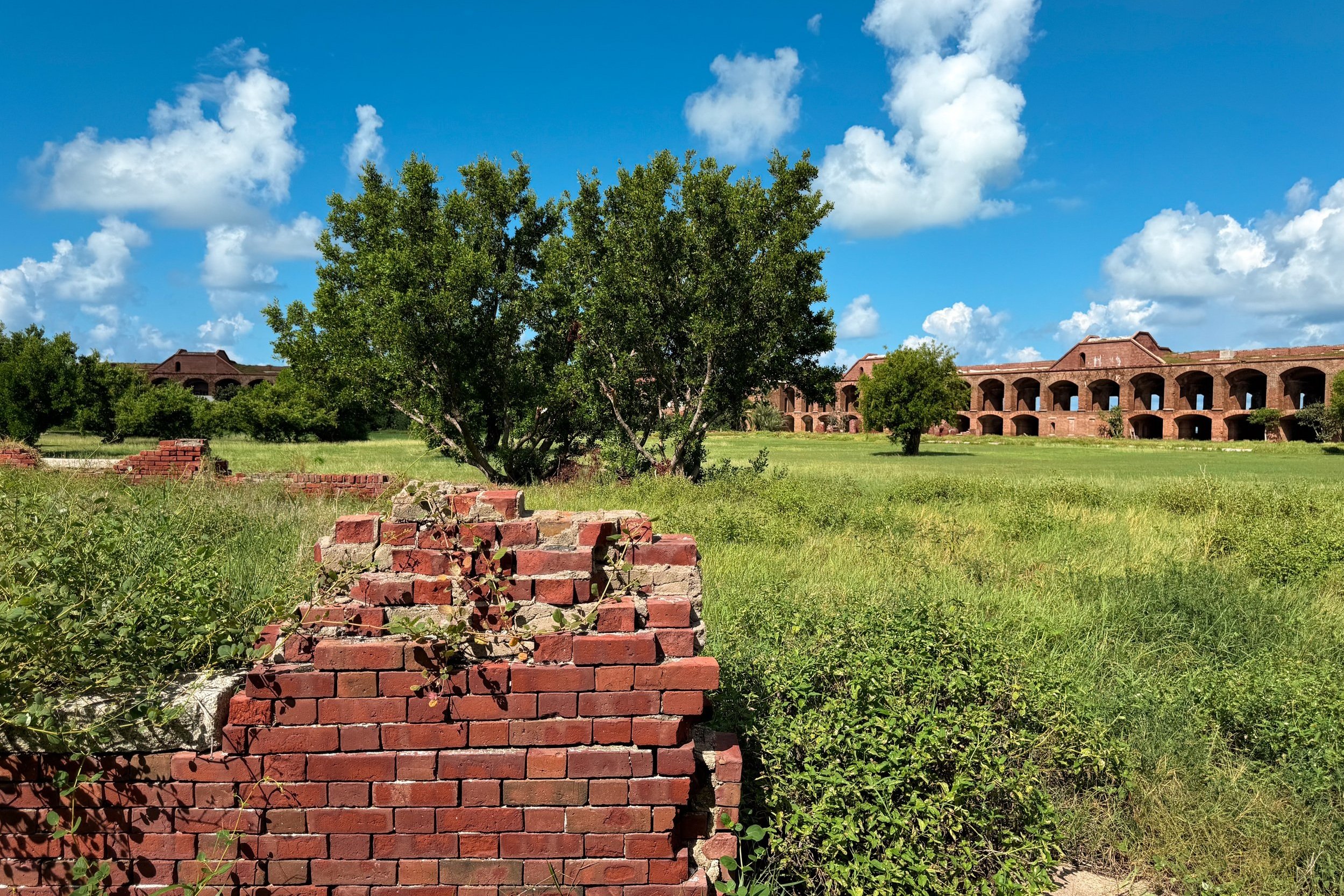
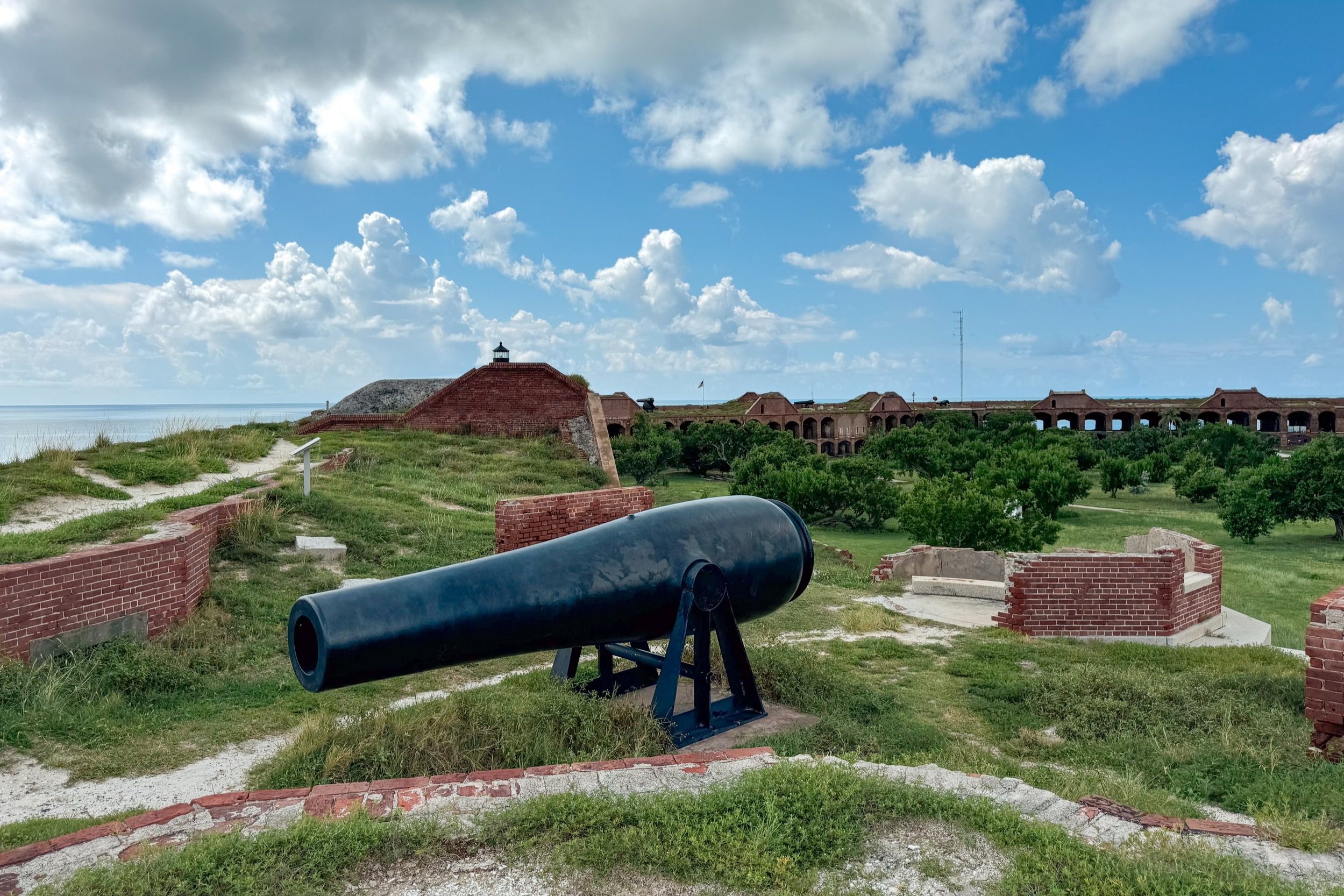
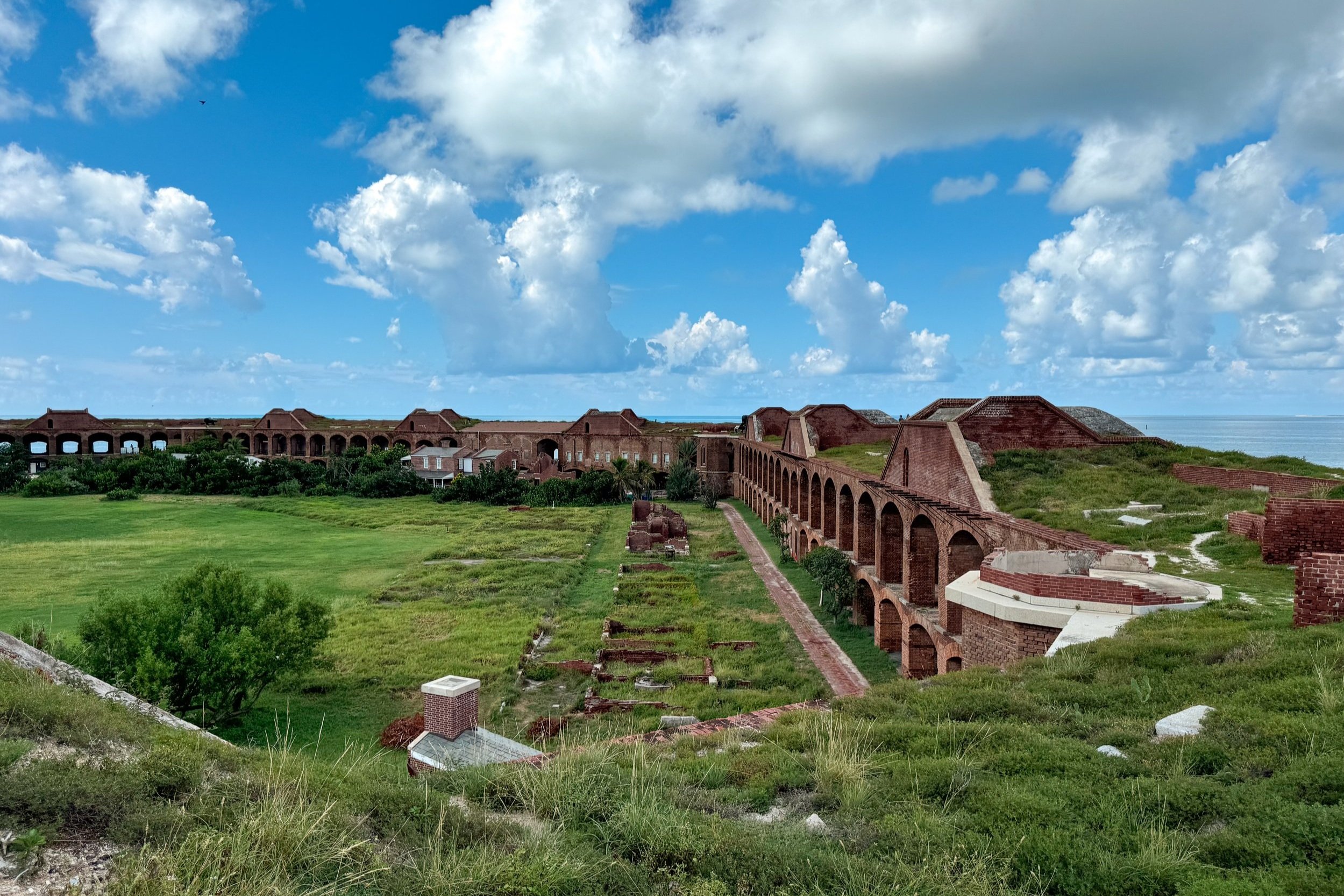
Fort Jefferson. An hexagonal three level civil war fort rising from the sea. The historic red brick fort is surrounded by a mote with a large interior court yard and the ruins of many military structures.
We spent time exploring the 3 levels of the fort. The ground level houses many of the forts supportive facilities like a bakery, cistern and the barracks. The second level was dedicated to the prisoner’s cells and the hospital. The third level is overgrown with trails leading along the wall past cannons and to the fort’s lighthouse.
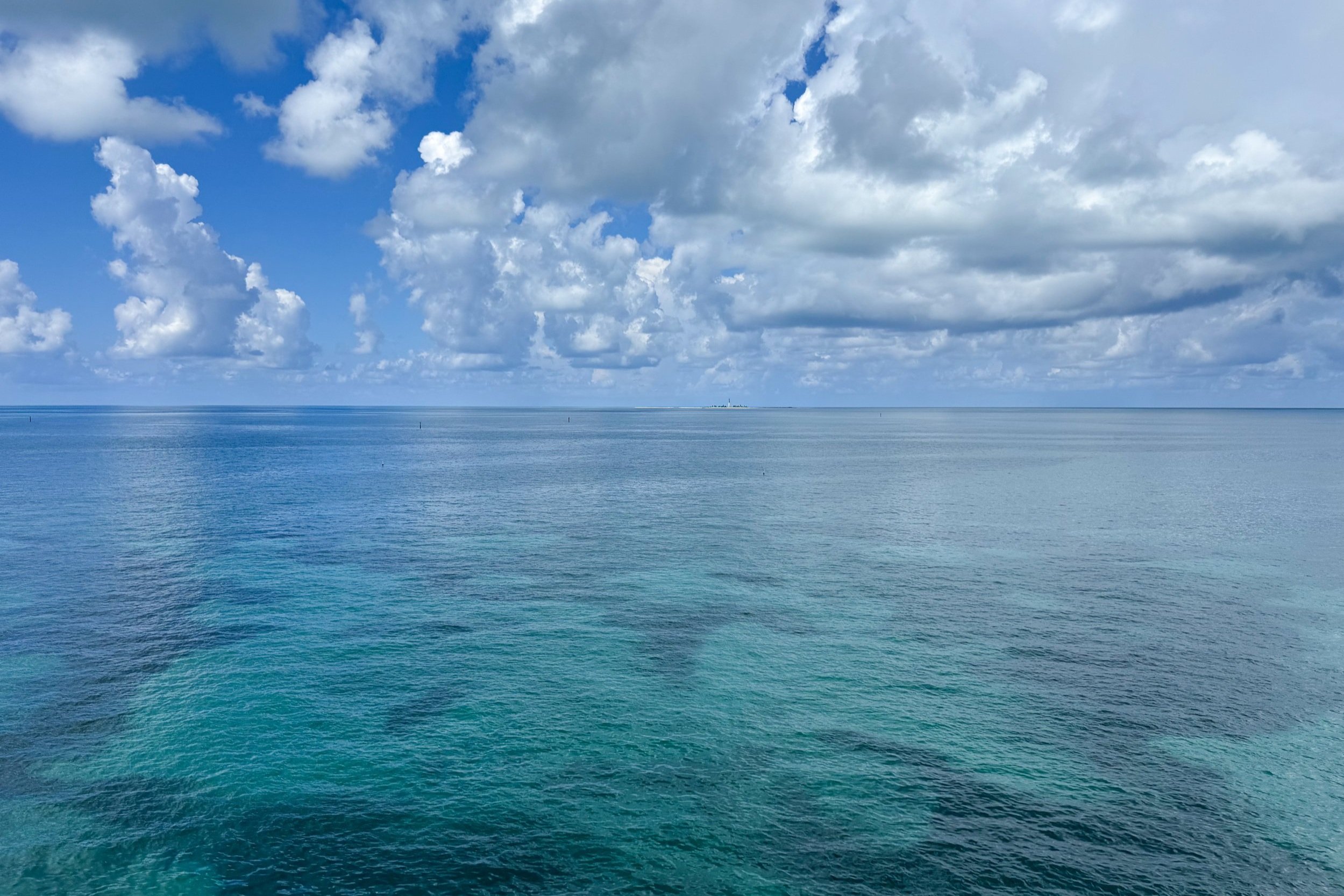
Outside of the fort is a mote and wall designed to protect the main fort from the sea. Walk along it to admire its historic outer walls, look out towards the sea and spot tropical fish.
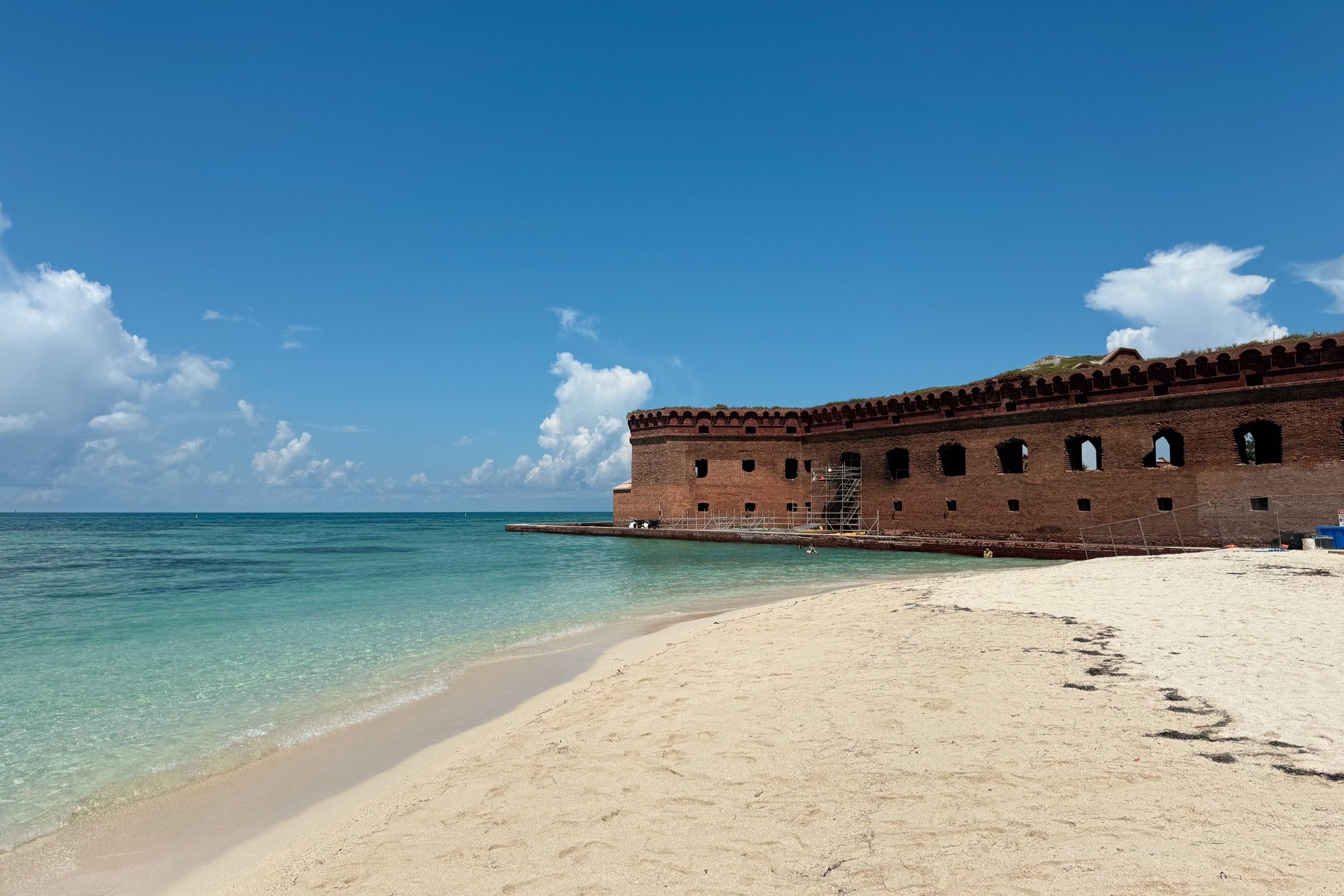
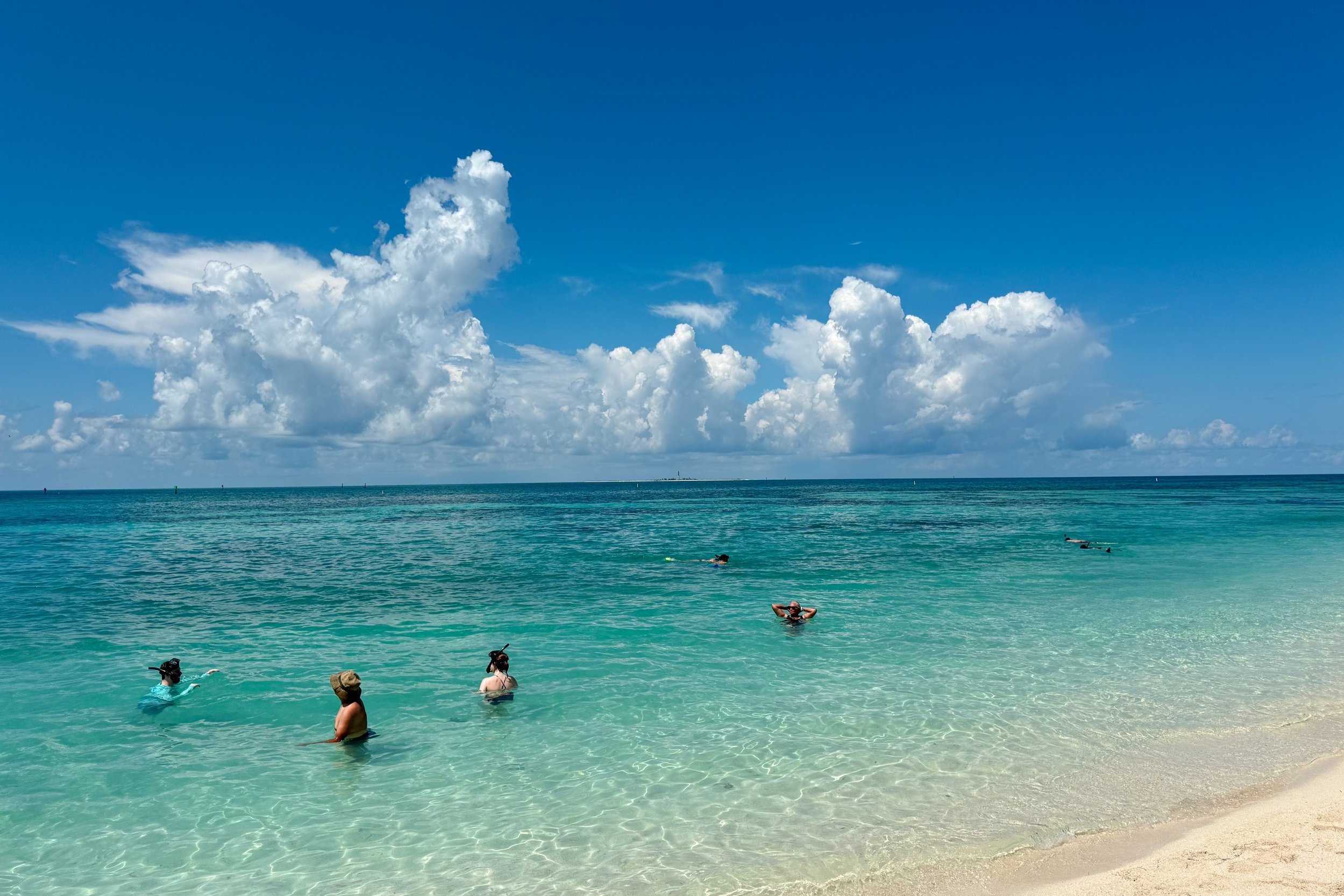
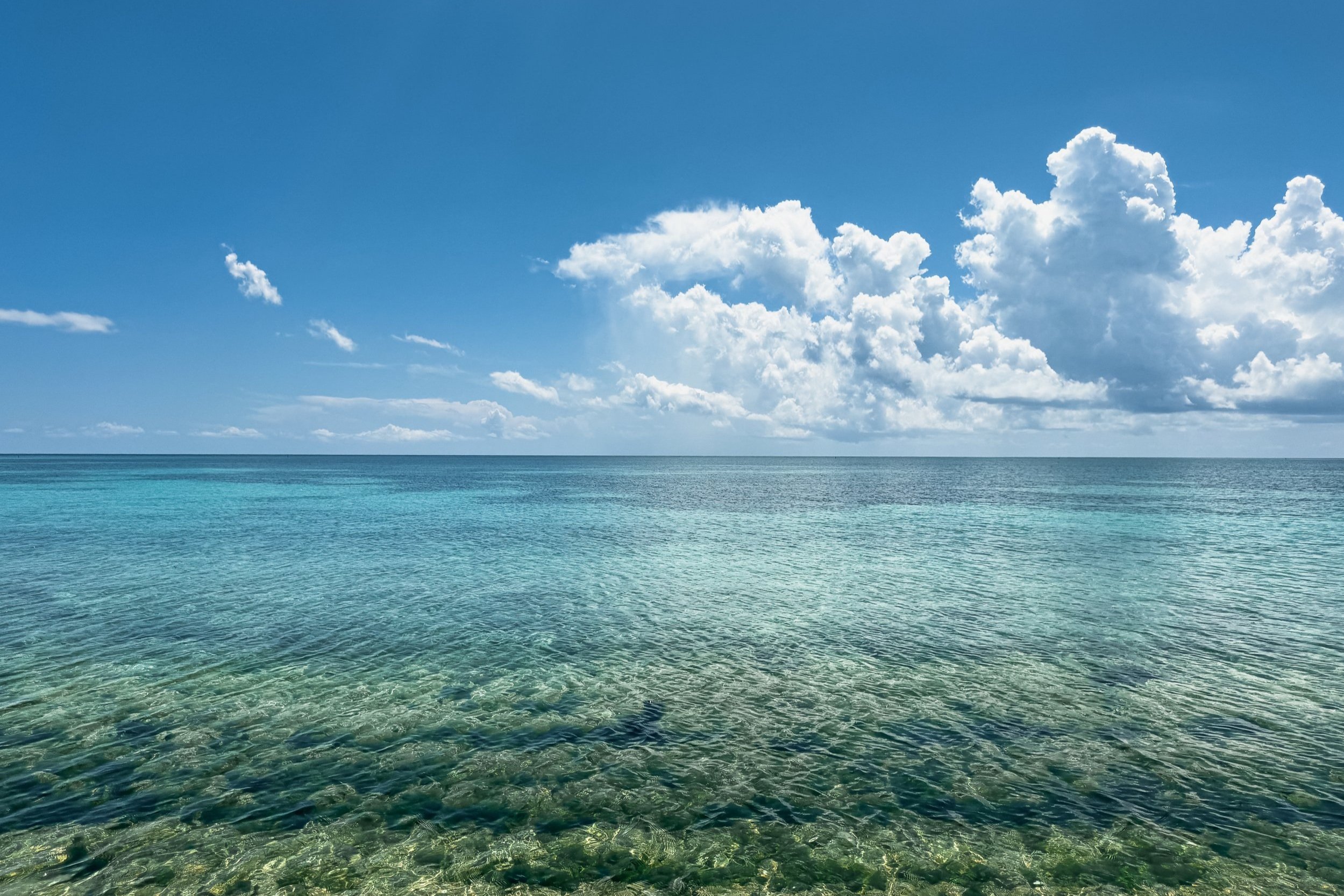
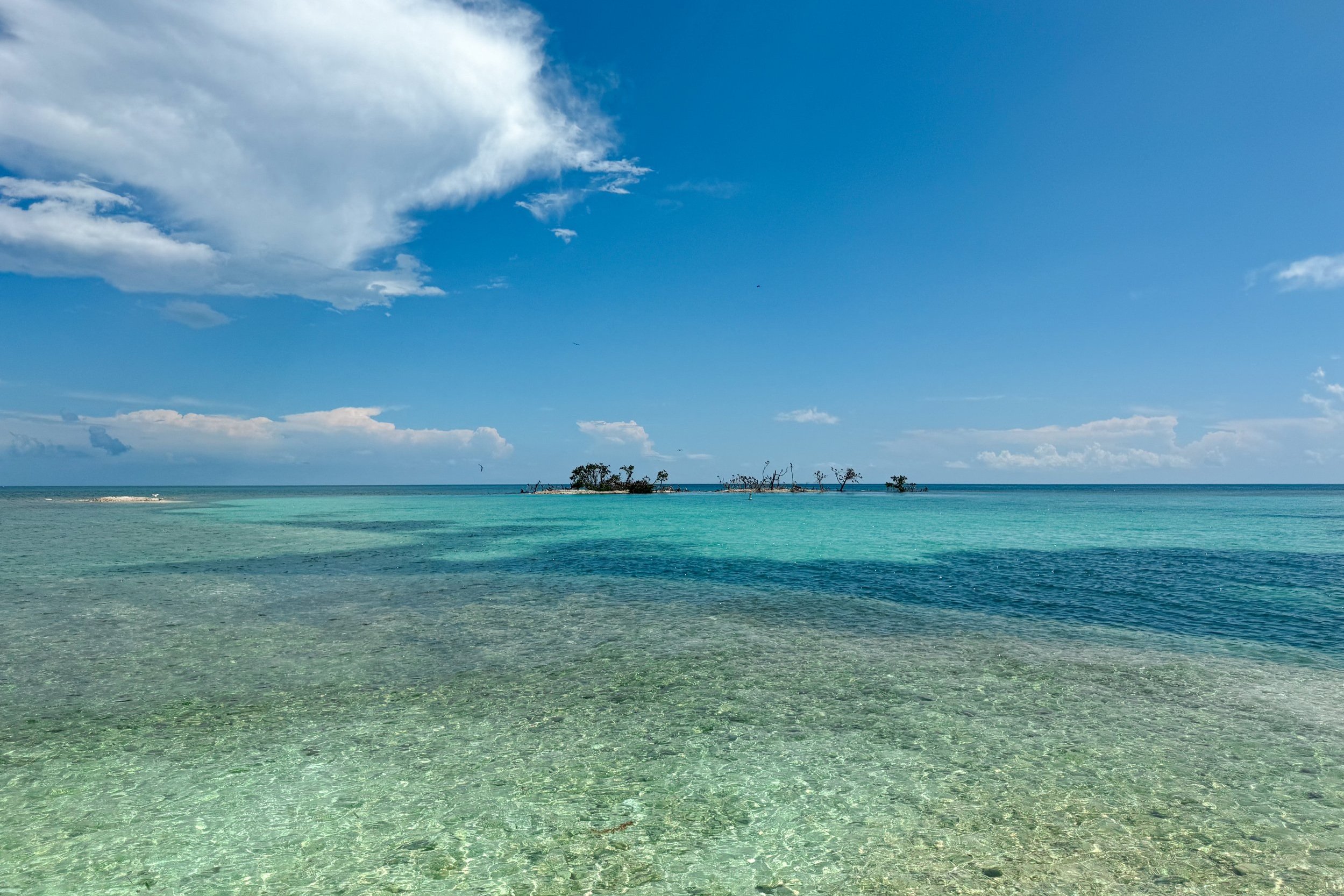
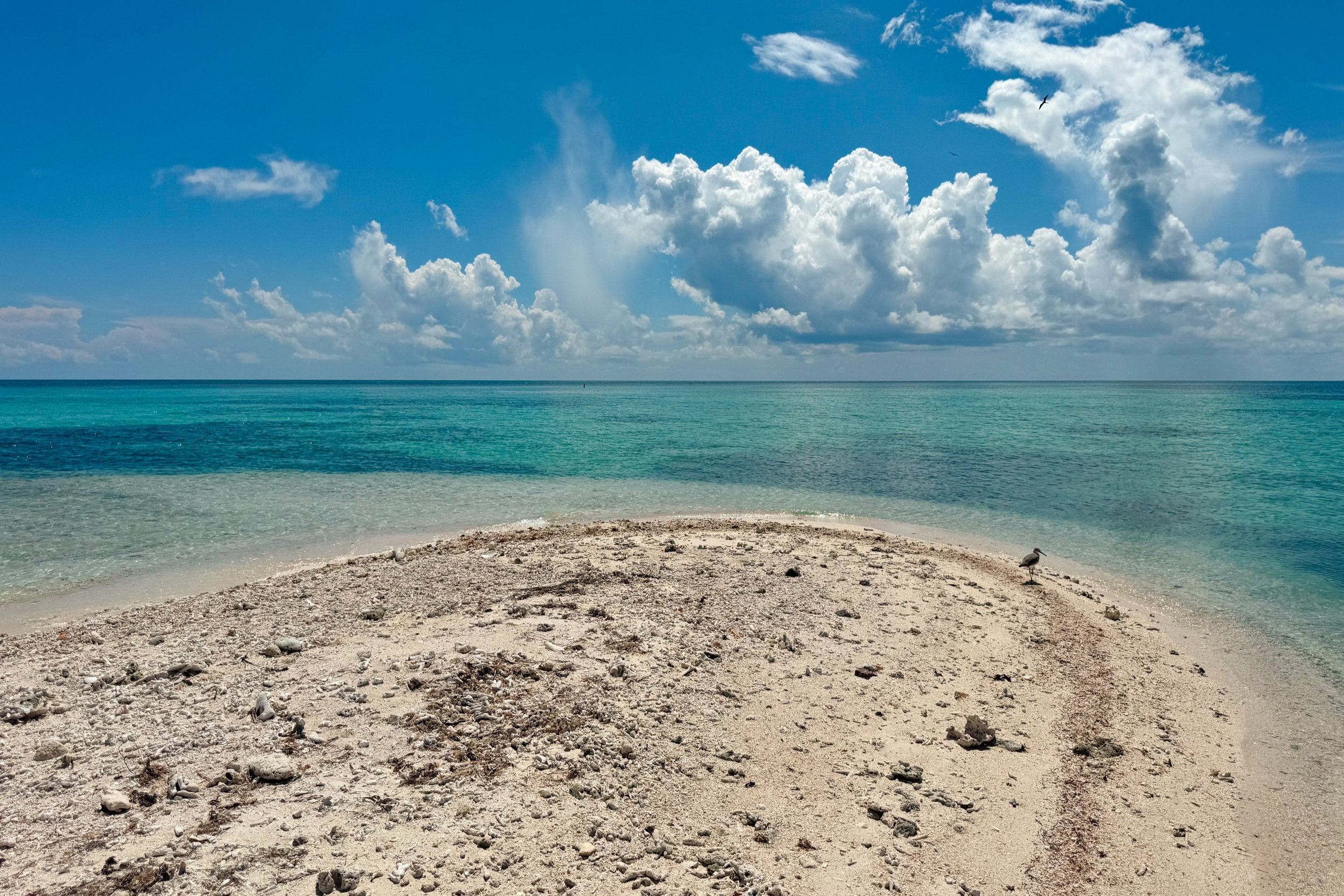

Beaches. Outside of the fort, there are two coral beaches to swim at with warm and shallow water. The South Beach was the calmest and clearest for swimming and snorkeling. There is some sea grass, fragments of broken coral throughout the bay. The North Beach was a little choppier with less visibility for snorkeling.
Snorkeling. Along the wall of the South Beach, we spotted smaller tropical fish, some living coral, sea anemones, pink jelly fish and the carcus of a giant spiny lobsters.
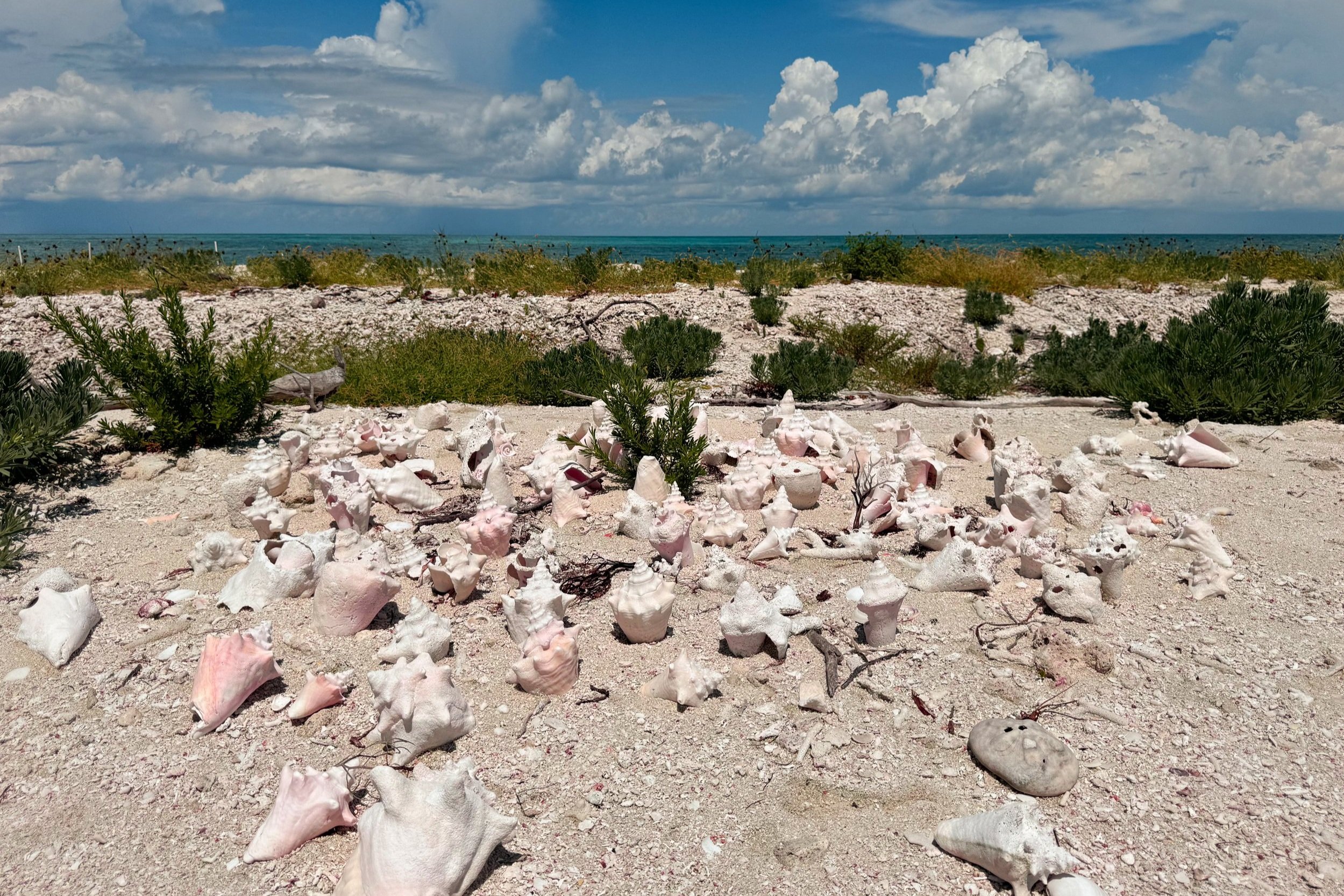
Land Bridge. Walk the tidal land bridge towards the avian reserve of Long Key. The shallow stretch of sand it covered in conch shells, sand dollars and broken coral. Come here to spot pelicans and sand pipers.
Loggerhead Lighthouse. A black and white lighthouse visible on the horizon from Fort Jefferson on Loggerhead Key, nearly two miles away.
Camping. There’s something special about camping on a desert island in the middle of the sea! I camped here overnight on my last trip to Key West and the Dry Tortugas between some of the islands only few trees and bushes.
Yankee Freedom. The main company ferrying between Key West and the Dry Tortugas. The ticket includes transit, a tour of the fort, snorkel equipment, breakfast and lunch, cocktails for purchase.
Getting Here. It takes 2 hours 30min to reach the Dry Tortugas from Key West with 4 hours on the island. Book in August and September for $50 off an order of 2 tickets. Book here!

Where to Stay
We stayed at the Speakeasy Inn & Rum Bar! The boutique inn on the south end of Duval Street has two floors of newly renovated rooms and is stumbling distance away from their rum bar. Our stay included free parking, a welcome cocktail and discounted drinks!
Getting Around
Key west is very walkable, especially along the mile long stretch of Duval Street. Even so, there are many rentals offering bikes, scooter and golf cart.
Bikes $10 / day
Scooters $35 / day
Golf carts $100 / day
The Conch Train. A multi car trolly that rides around the city passing most of the sights with a narrated guide.
Good to Know
Locals leave during the month of September to vacation elsewhere. As a result, some restaurants and bars are closed. However, as this is the slow season, many hotels offer deals making the island more affordable to visit.
For Next Time…
We loved our time visiting Key West! We hope to return for more rum cocktails, sunset views and the tropical atmosphere. Outside of Key West, we would love to spend a few nights exploring the other keys more.
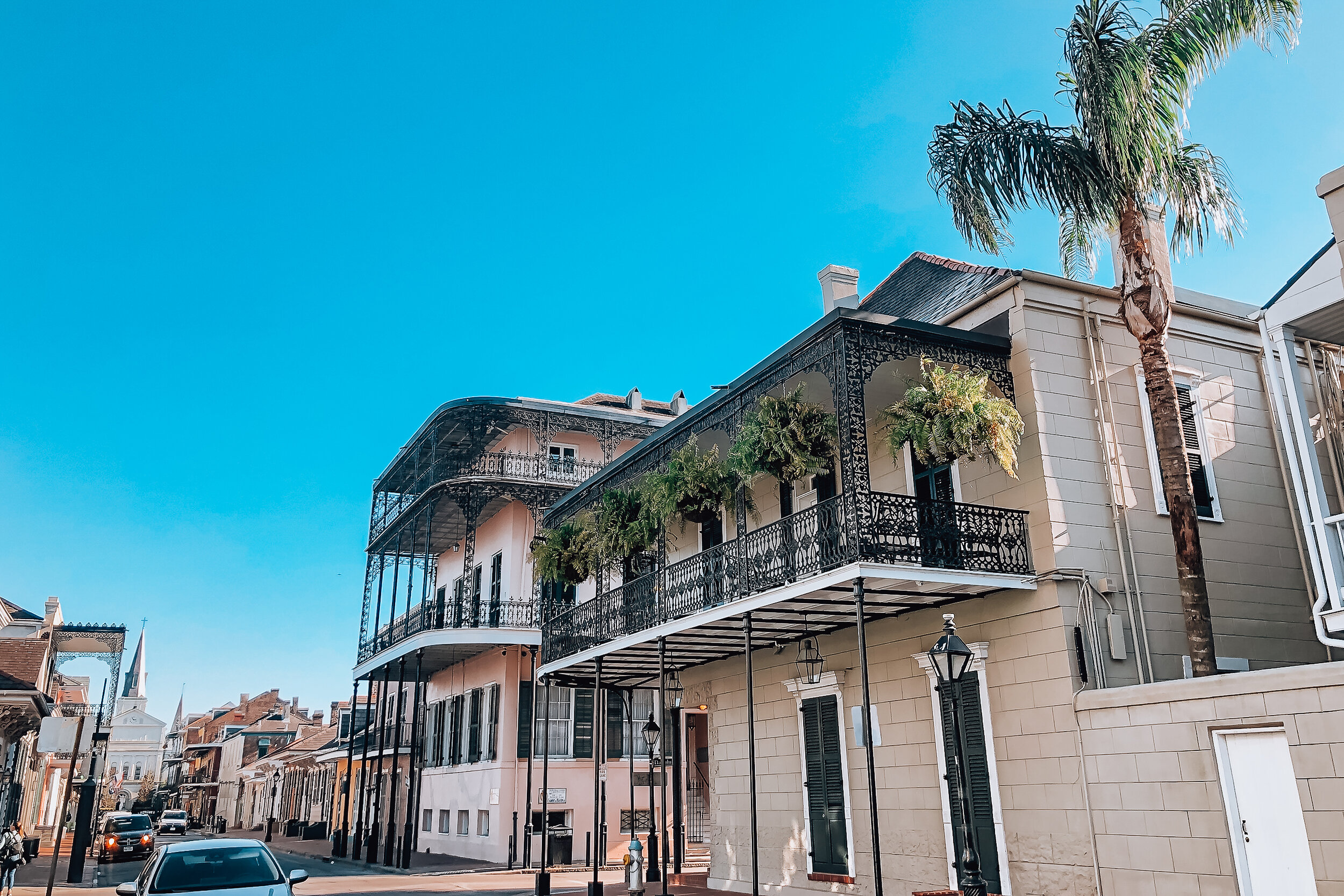
New Orleans, Louisiana
New Orleans is a historic city with a lively, liberal and romantic atmosphere. We fell in love with NOLA so much so that it’s where we’re planning to get married in 2022
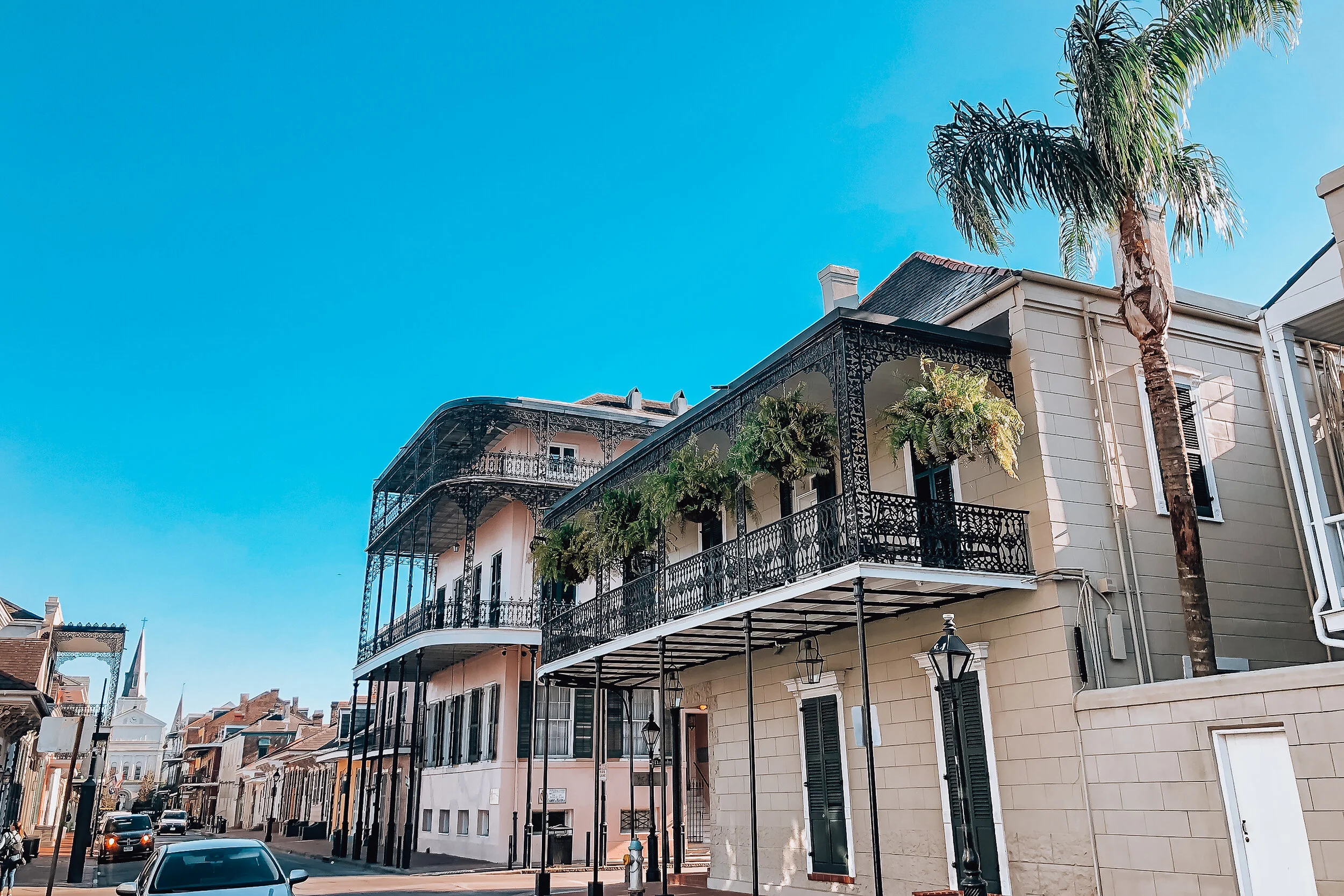
NOLA
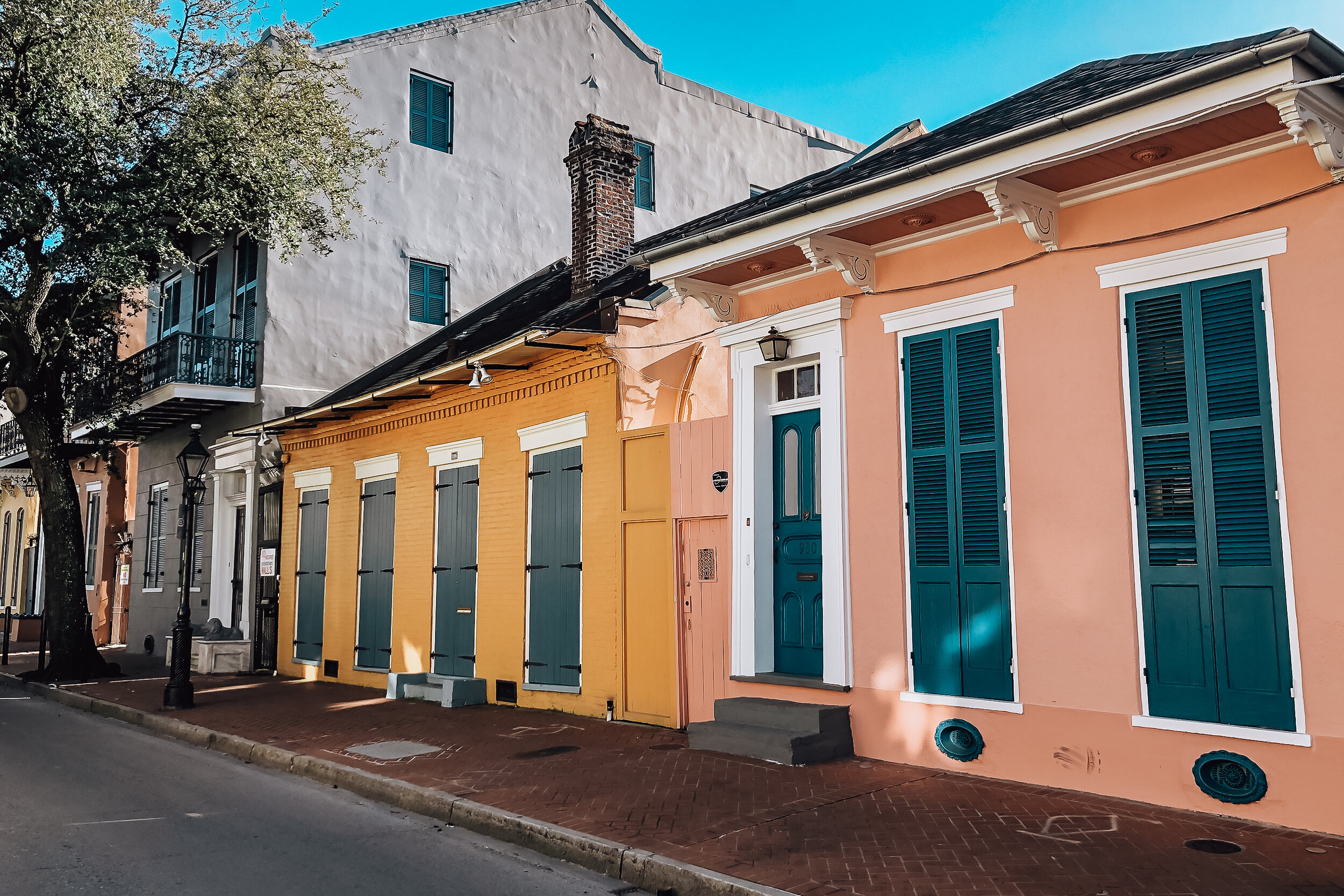
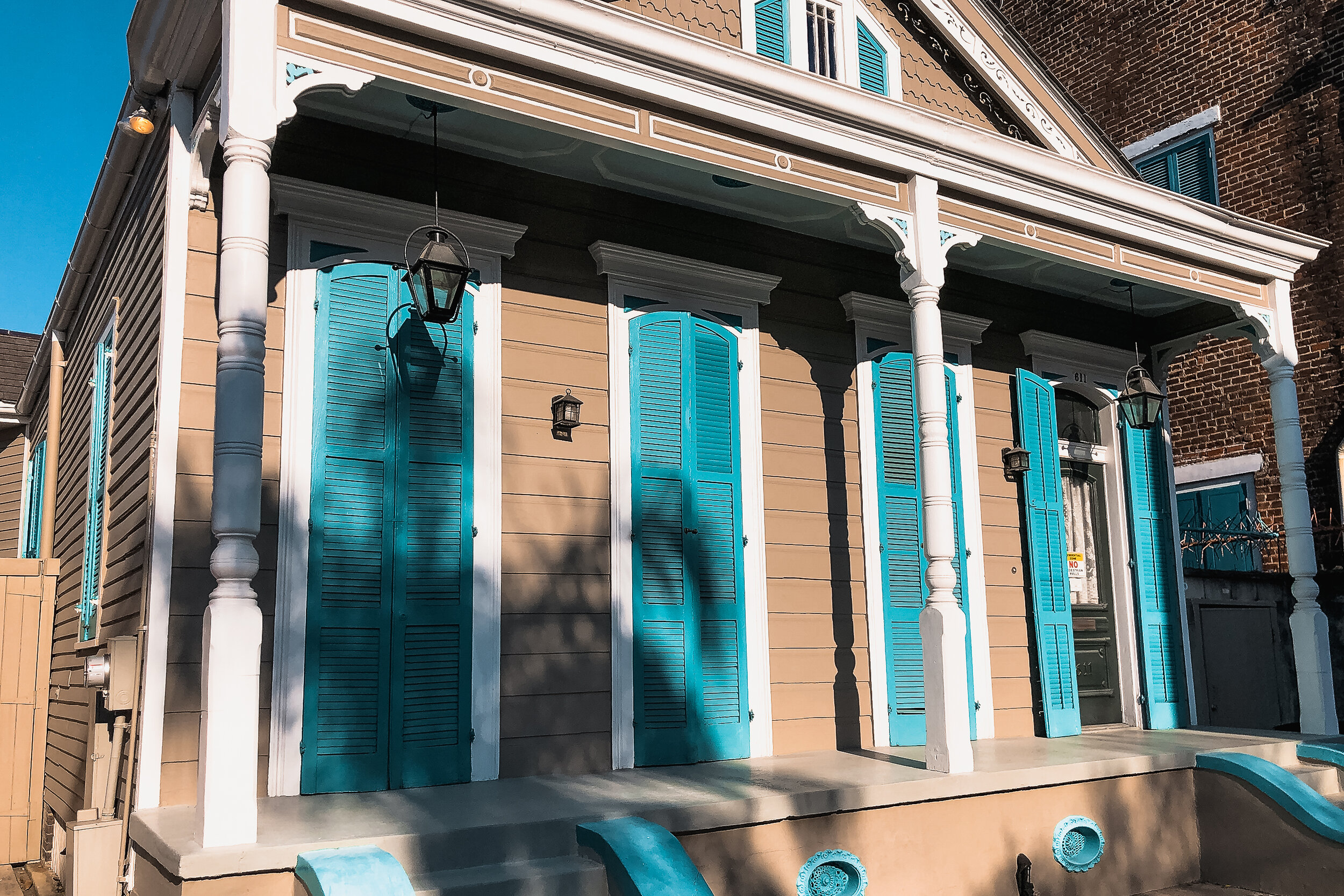
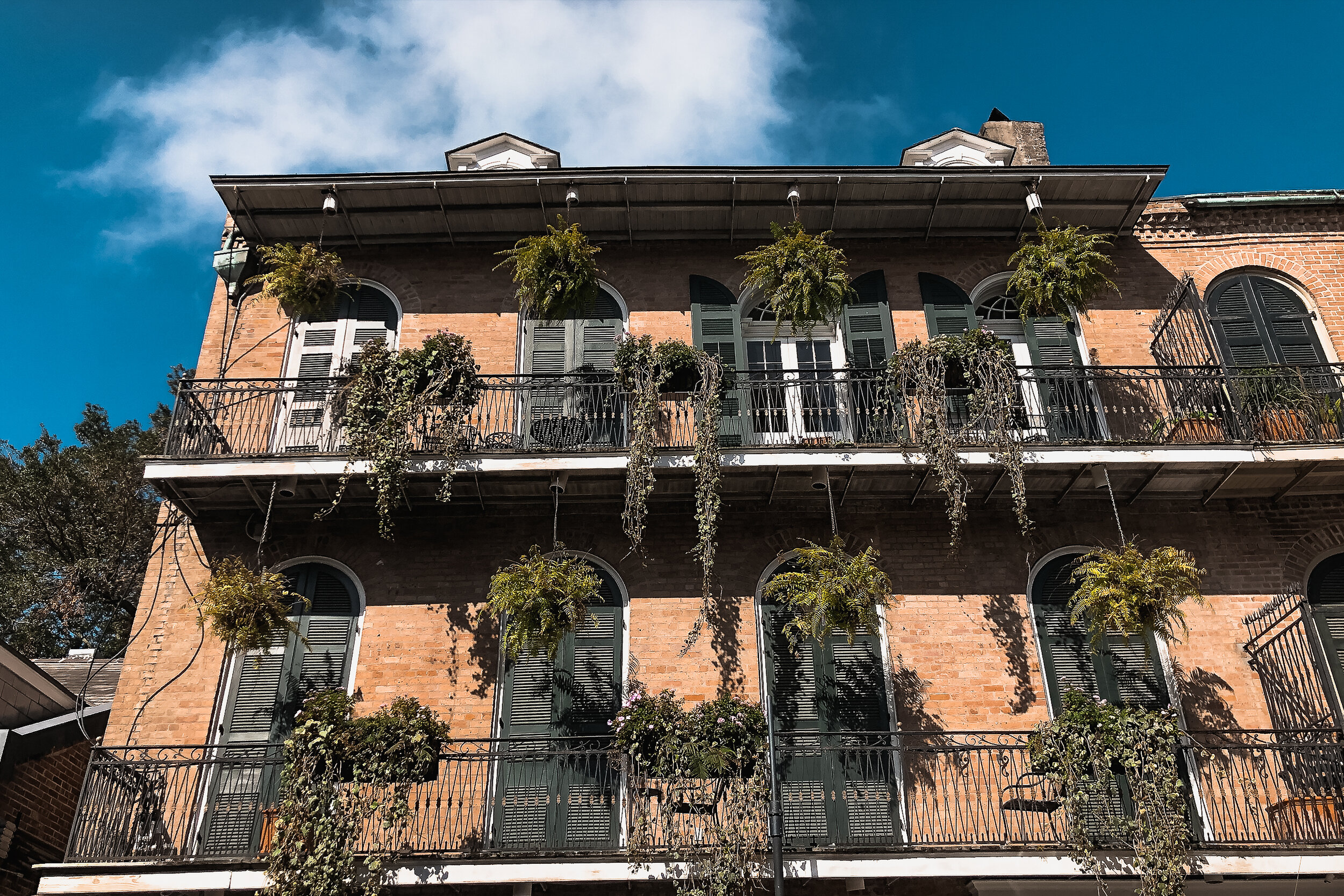
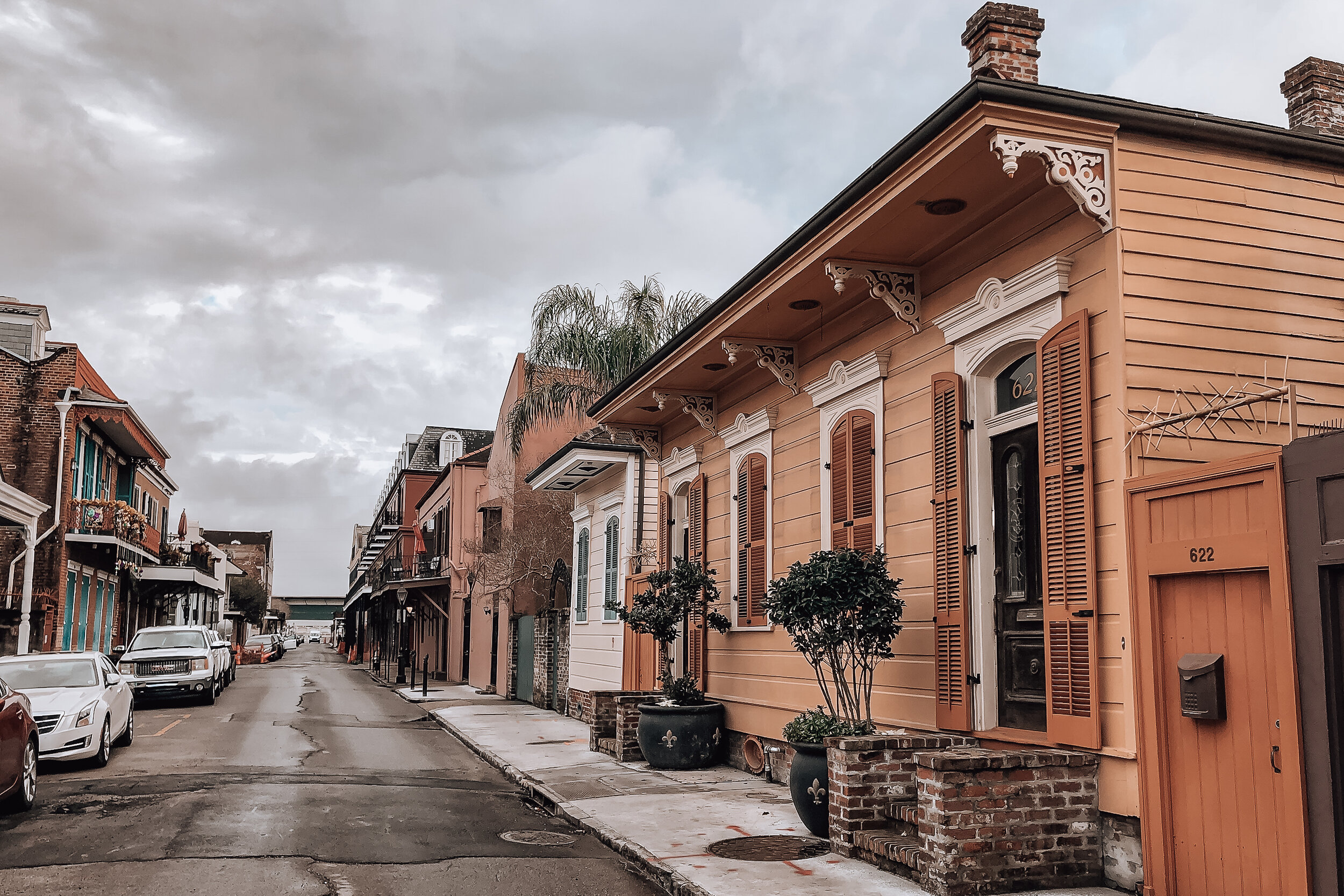
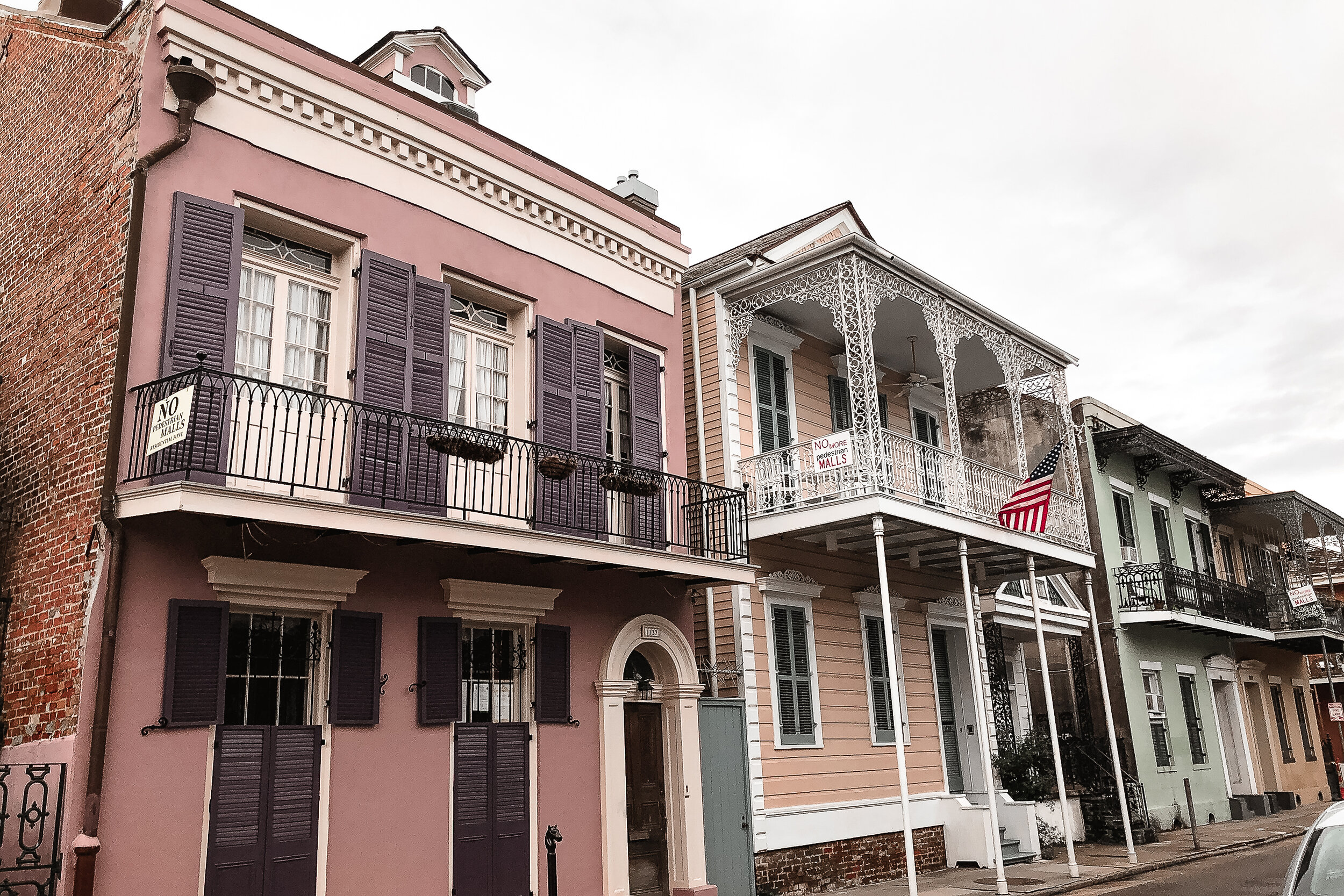
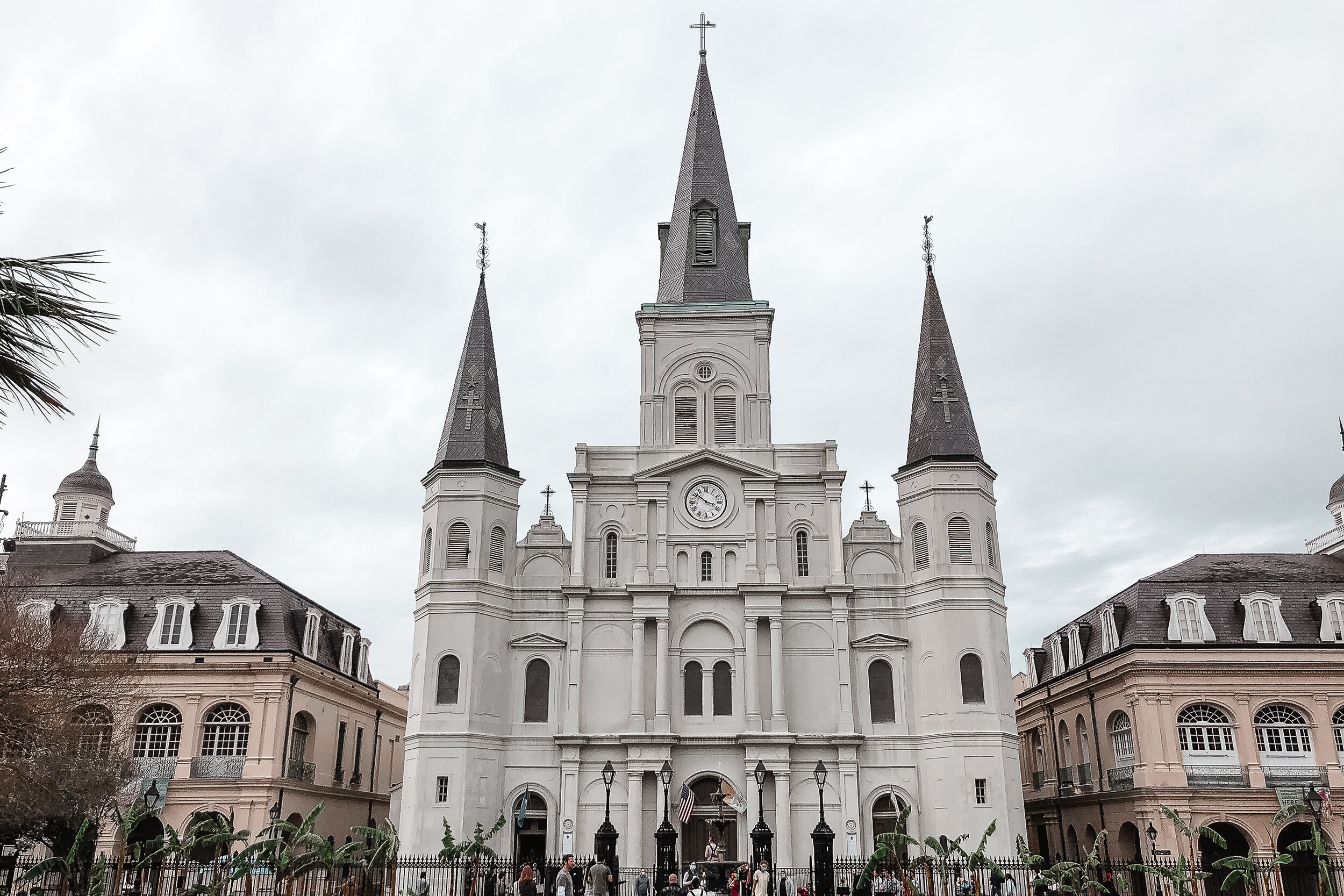
New Orleans is a historic city with a lively, liberal and romantic atmosphere. We fell in love with NOLA so much so that it’s where we’re planning to get married in 2022. Between visiting venues and wedding planning, we spent time indulging in the city’s unique Cajun cuisine and Creole flavors, riding the street car down oak lined boulevards, walking through residential neighborhoods to look at the colorful cottages, listening to Jazz echo from the bars while drinking in the streets and learning more about the city’s past. Above all, New Orleans is a place to relax and celebrate, one of the many reason we can’t wait for our wedding day!
Things to Do
Jazz on Frenchman Street. This is the place to be for dancing and live Jazz. There are a number of late night bars, creole restaurants and artist markets to make for a memorable night. It’s much tamer and more authentic than the famed Bourbon Street.
Ride the St. Charles Street Car. The street car follows St. Charles Avenue, an oak tree lined street covered in Mardi Gras beads. The street car is the perfect way to get across town while admiring the historic homes and mansions in the Garden District.
Order a To-Go Daiquiri. Almost every bar on Bourbon St. offers a selection of frozen daiquiris made to go. As long as it’s in a plastic container, it’s legal to publicly drink anywhere in New Orleans.
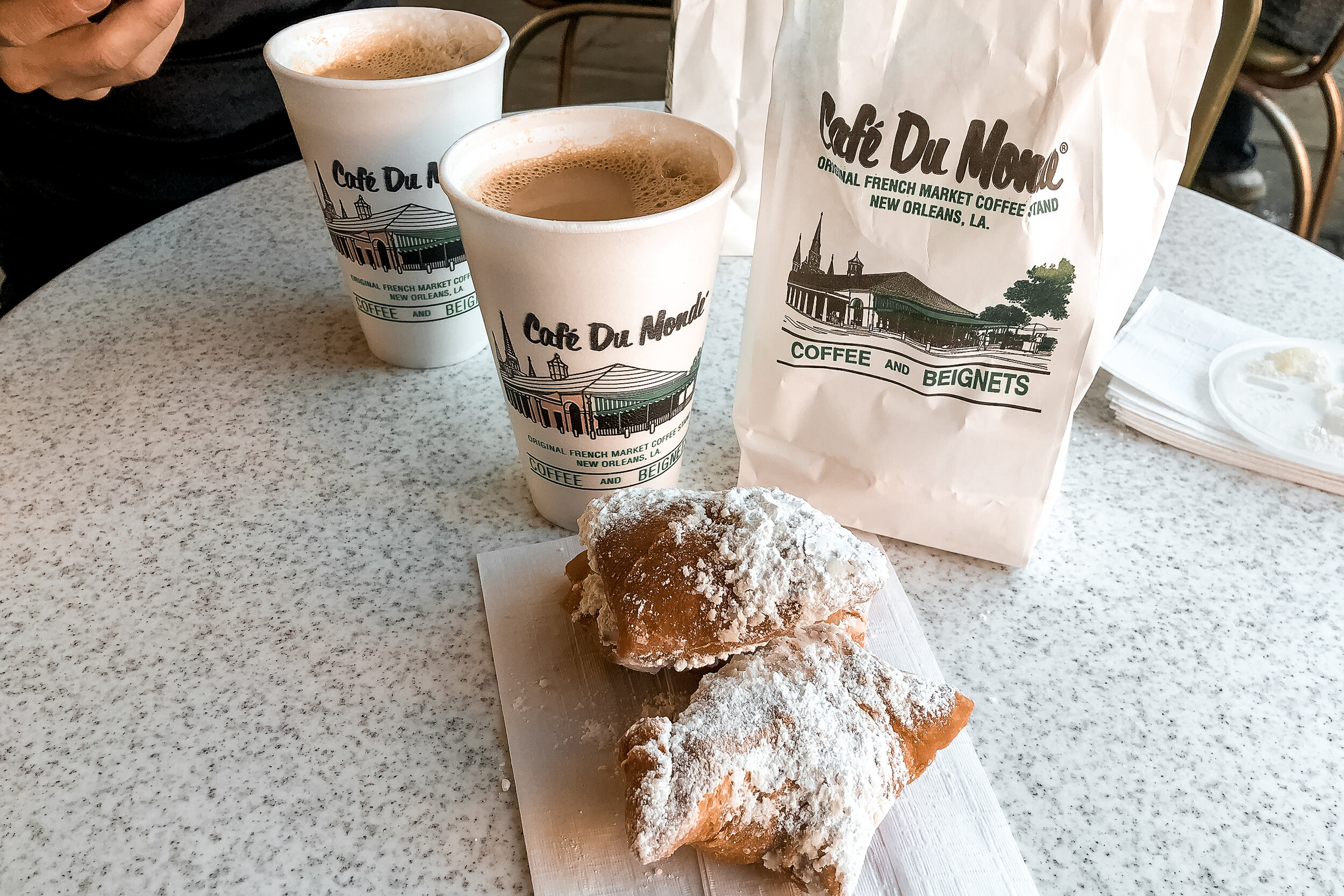
Beignets at Café du Monde. Visit the original location, located in the French Market, the most famous place to order a beignet and cafe au lait. We were lucky enough to visit while a brass band was playing out front.
Beignets are fried rectangular pieces of dough covered in powdered sugar.
Cafe au lait is French for coffee with milk.
Enjoy Creole Cuisine. A mix of West African, Indigenous American, French and Spanish flavors. Some of our favorite dishes are gumbo, catfish po’ boys and charbroiled oysters.
Watch the Sunset at Lake Pontchartrain. We visited Breakwater Park to watch the sunset. The calm shallow waters reflect every color in the sky. Afterwards, there are a number of seafood restaurants nearby to enjoy dinner.


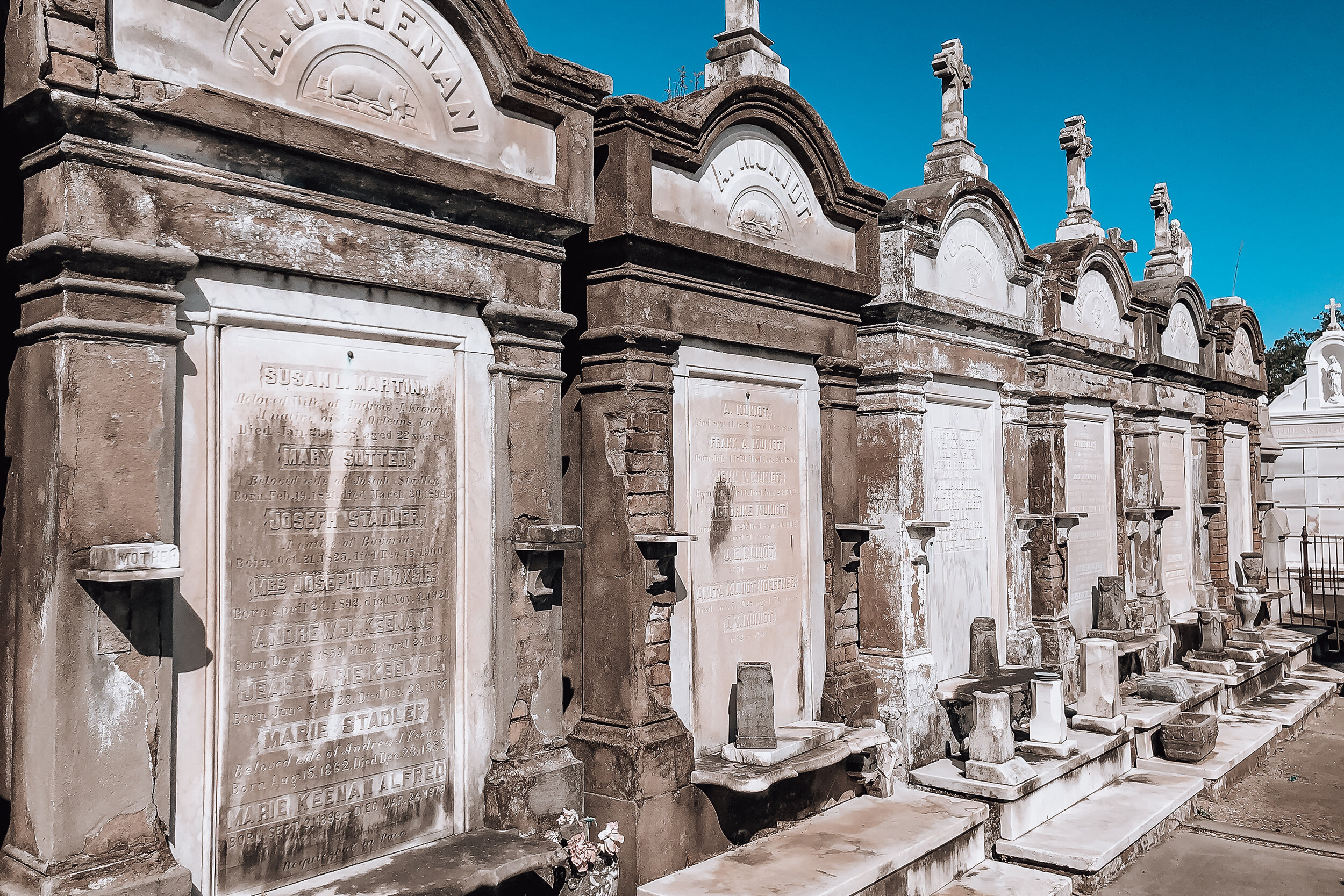


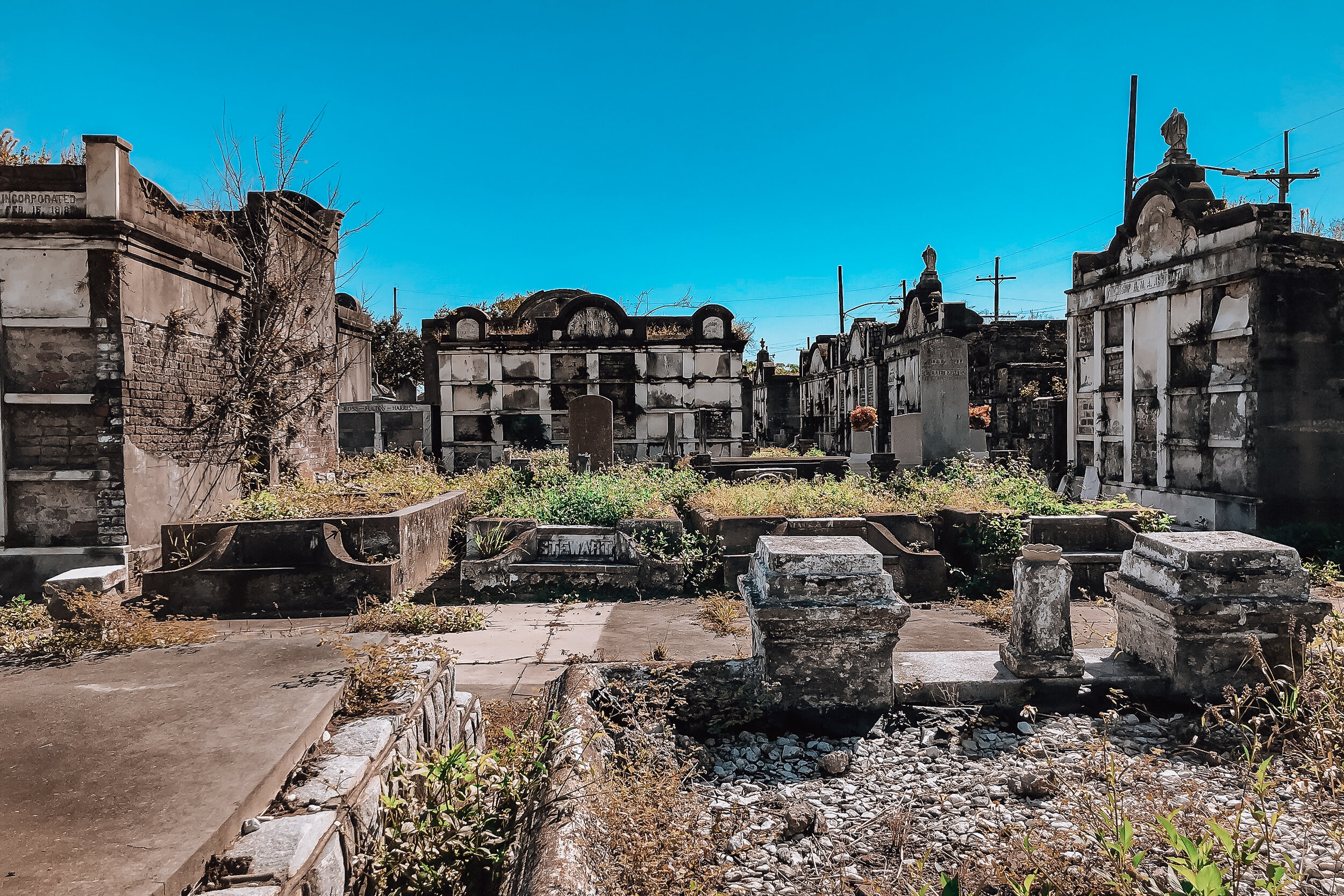
Visit a Cemetery. The dead in New Orleans are buried above ground in elevated plots or mausoleums because the city sits below sea level. We walked thorough the rows of St. Joseph Cemetery and Lafayette Cemetery No. 2. Both of which were open and free to tour.
Walk down Crescent Park. A riverfront park located along the Mississippi with a 1.4mile path. Watch the ships pass by and sound their fog horns. Afterwards, cross the “Rusty Rainbow Bridge” into the ByWater neighborhood.
Cross the Mississippi. There is a ferry located along the river front at the end of Canal Street that crosses the Mississippi to Algiers Point. It’s a quiet neighborhood to enjoy a po’ boy for lunch, look back at the skyline and walk the levy.
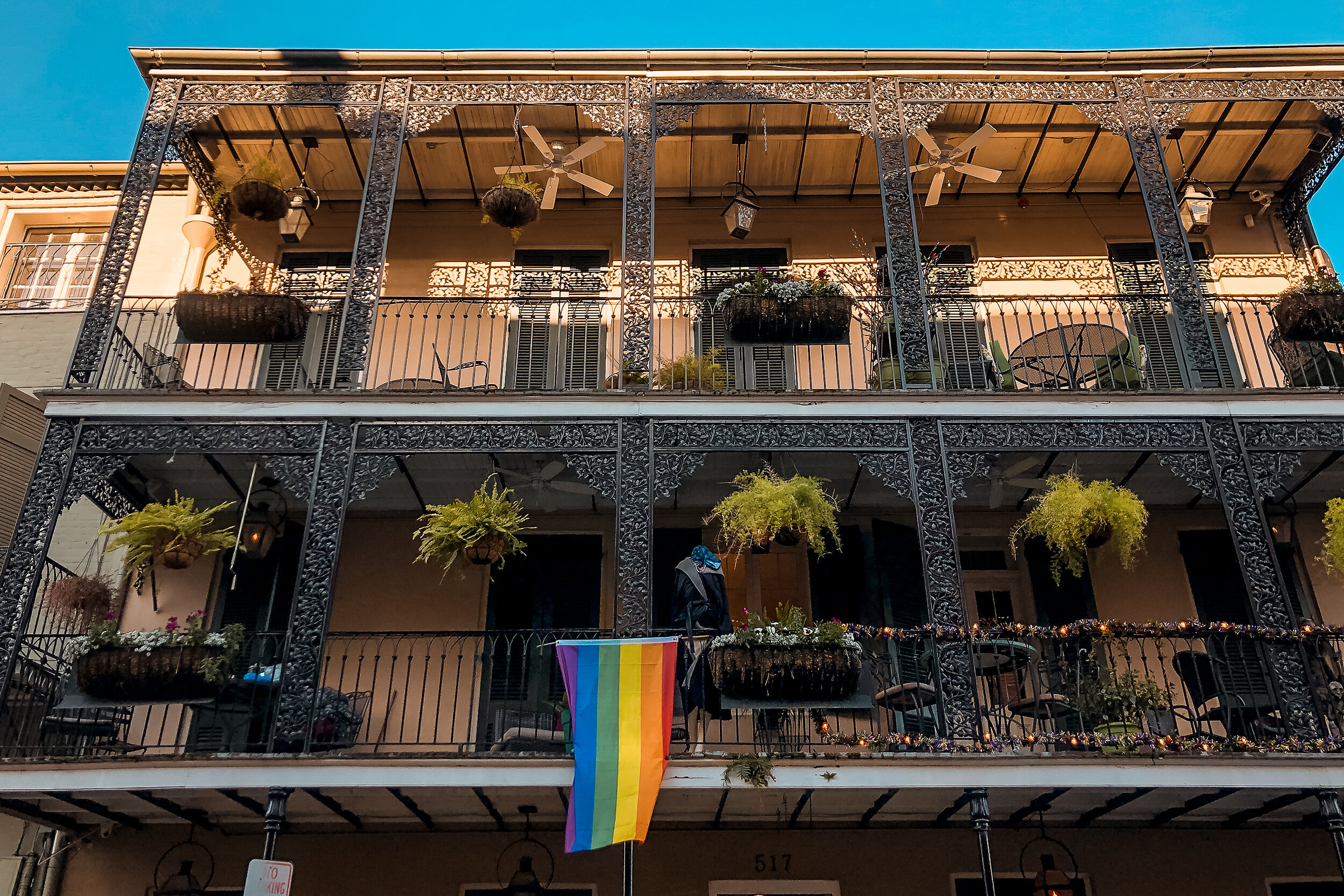
Neighborhoods & Streets
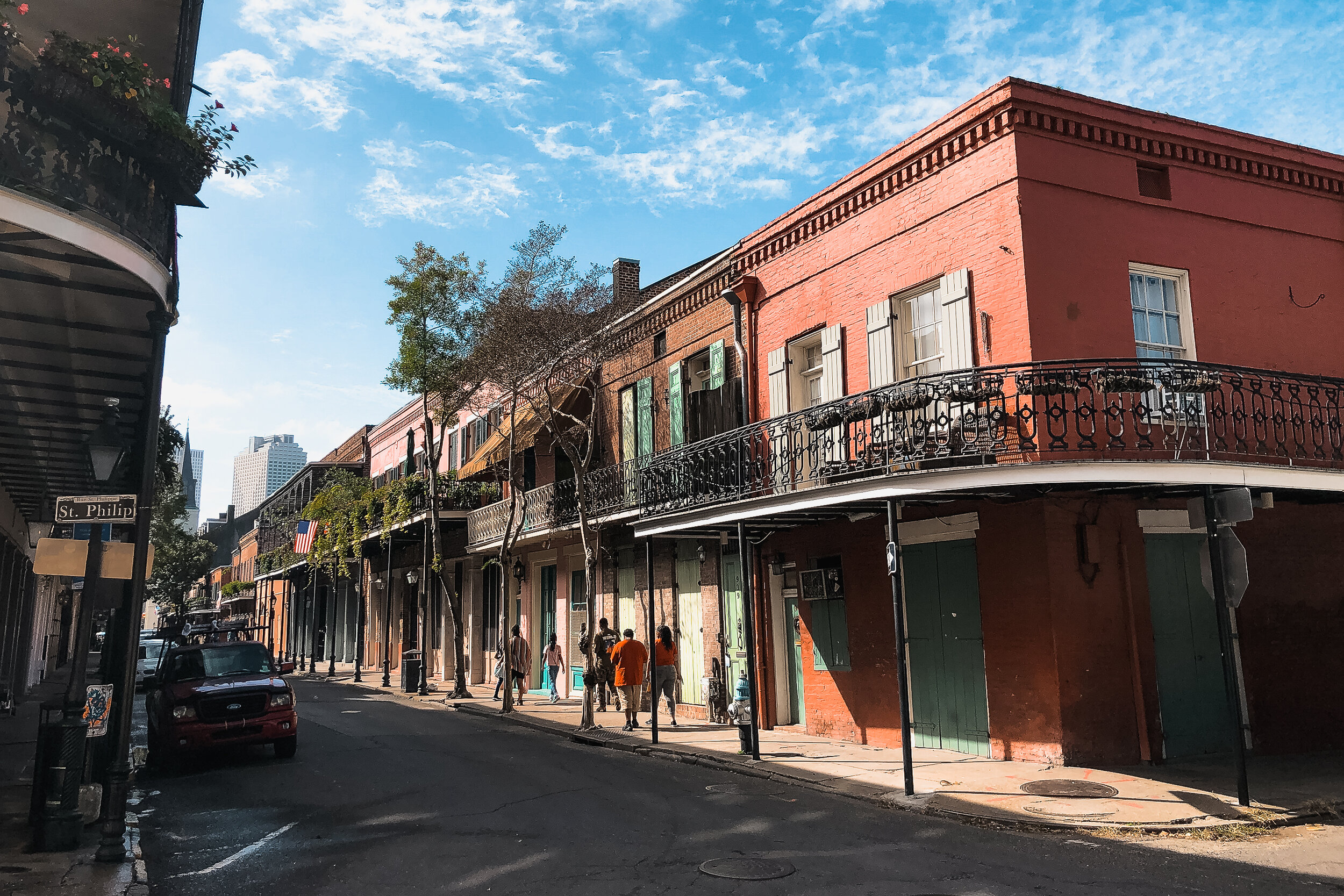
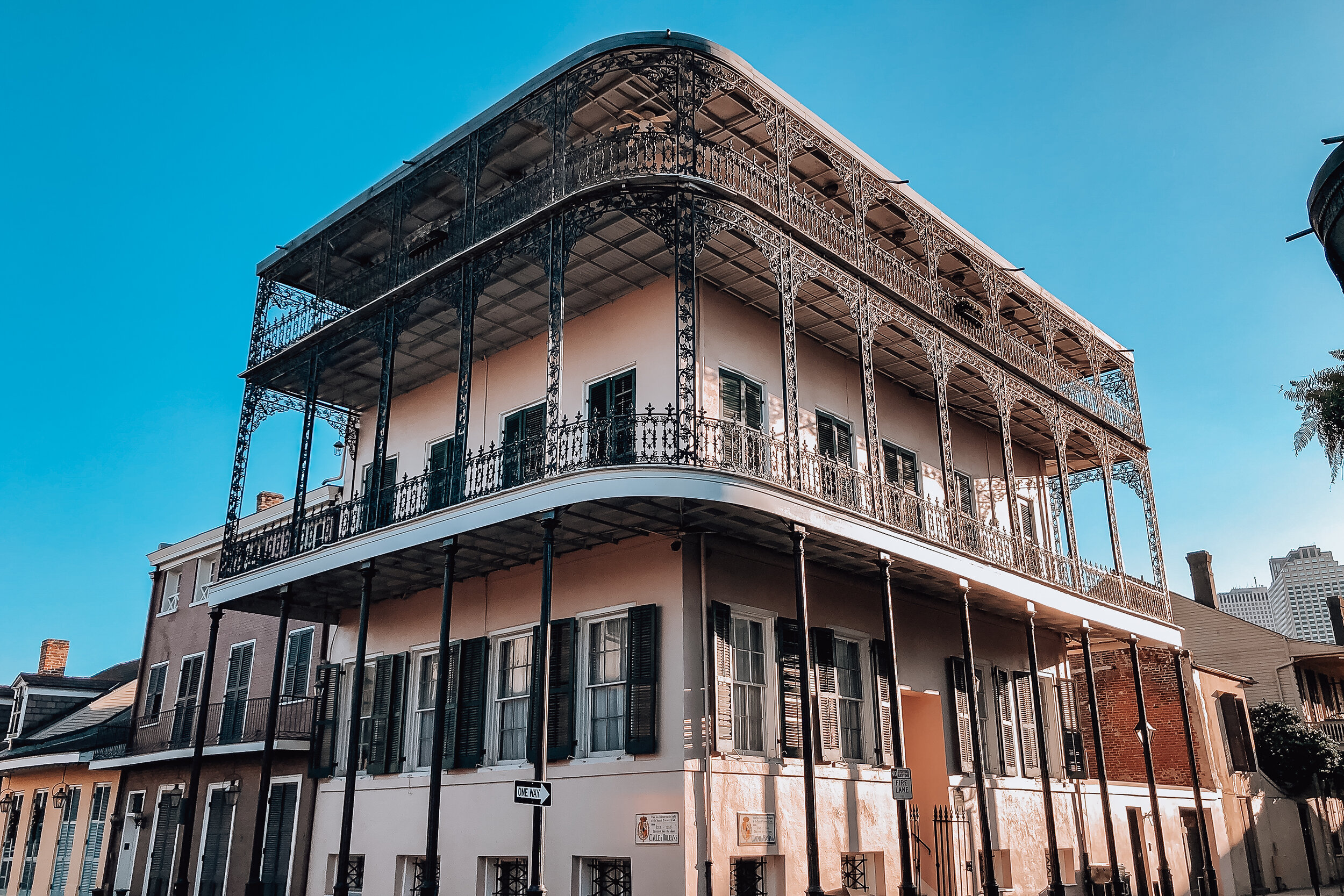
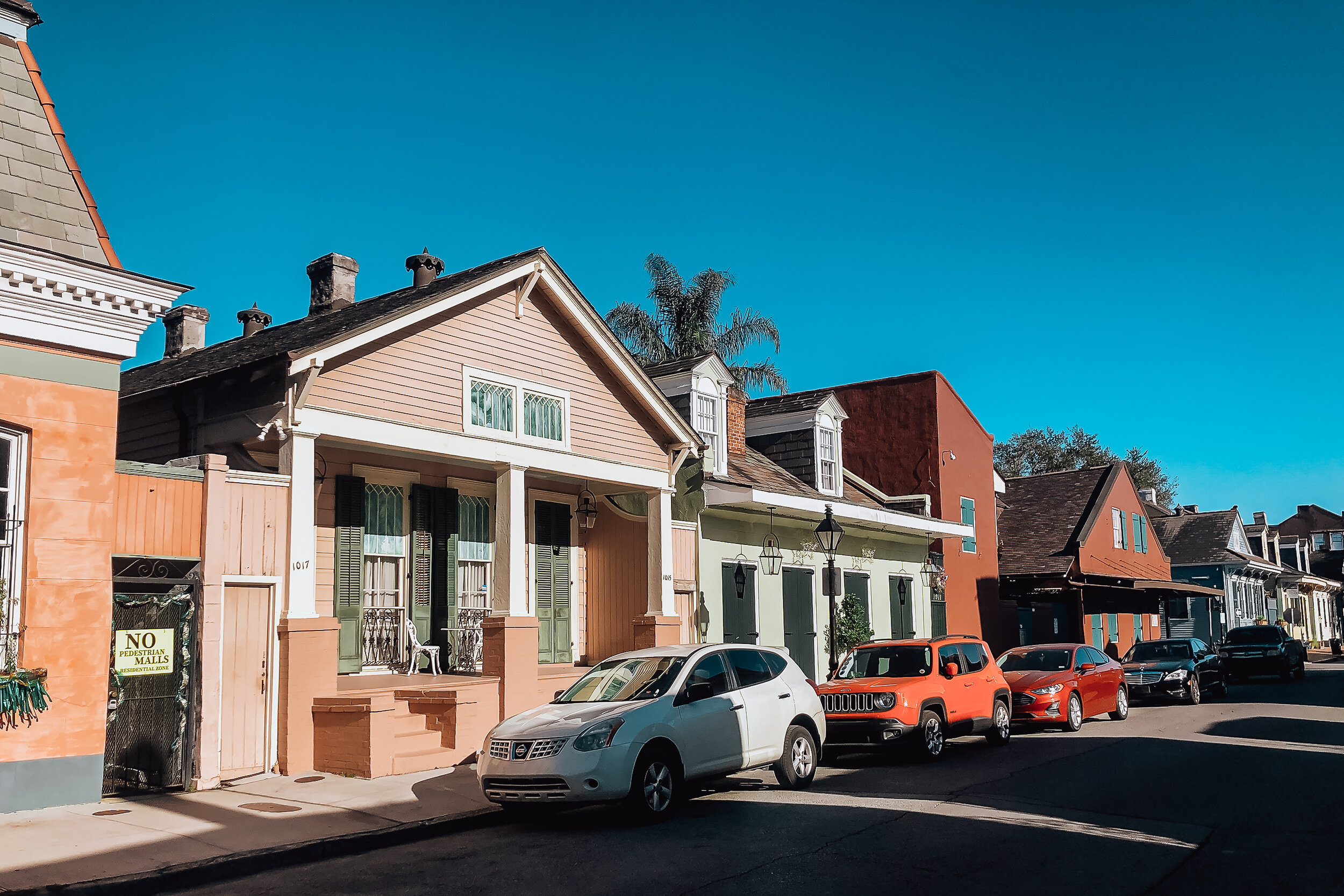
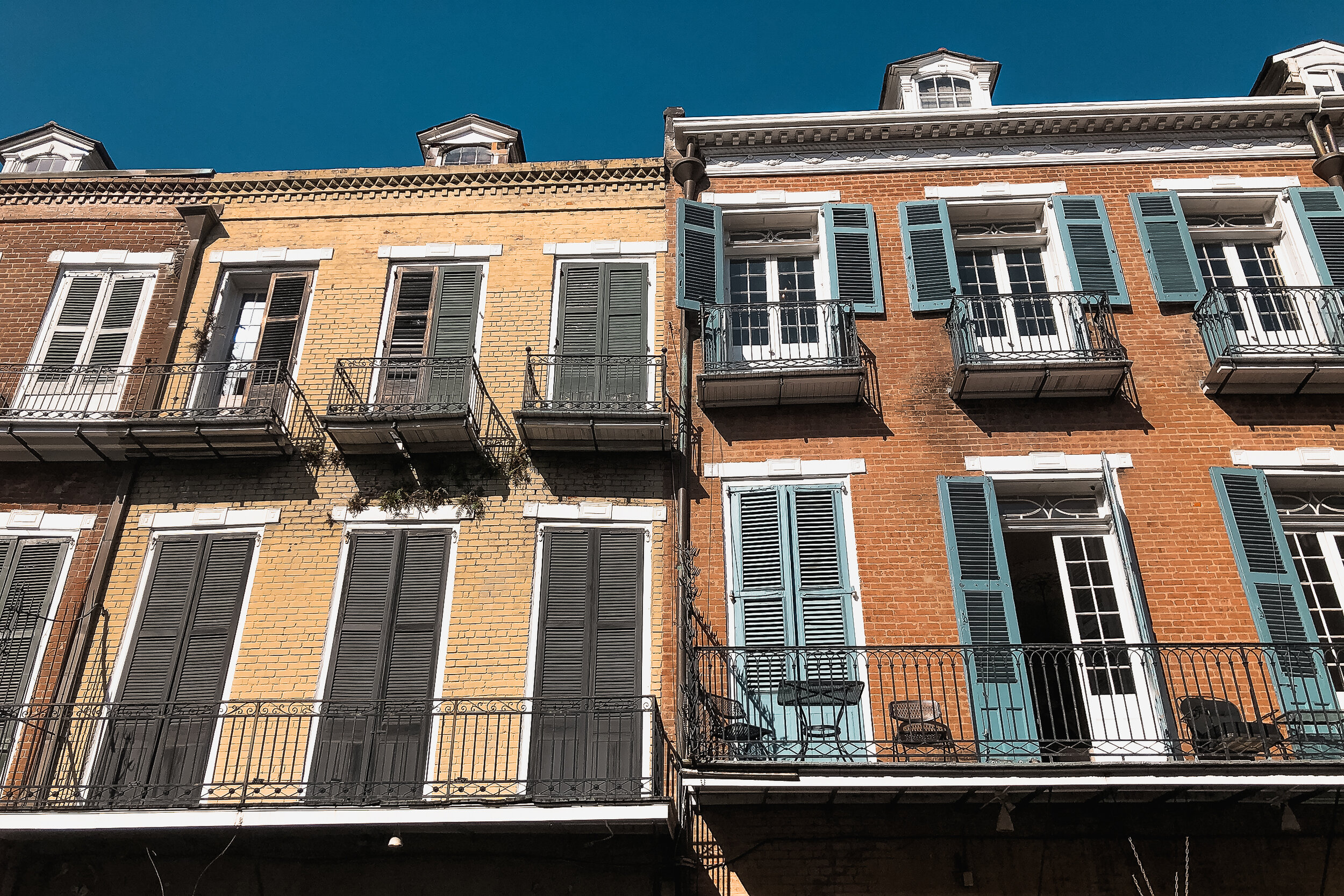
The French Quarter. The Quarter is the historic center of New Orleans with Spanish and French architecture, gas lit lanterns and cobble stone streets. It’s a hub for live Jazz, all night cocktail bars and Creole cuisine. We loved wandering its quiet side streets as well as bar hopping on Bourbon Street.
Bourbon Street. The city’s most well known street located in the French Quarter. This street is often packed with people flaunting Mardi Gras beads, having the fortunes read and ordering to-go drinks from the colorfully lit all night bars. It gets a bit crazy but is worth visiting at least once.
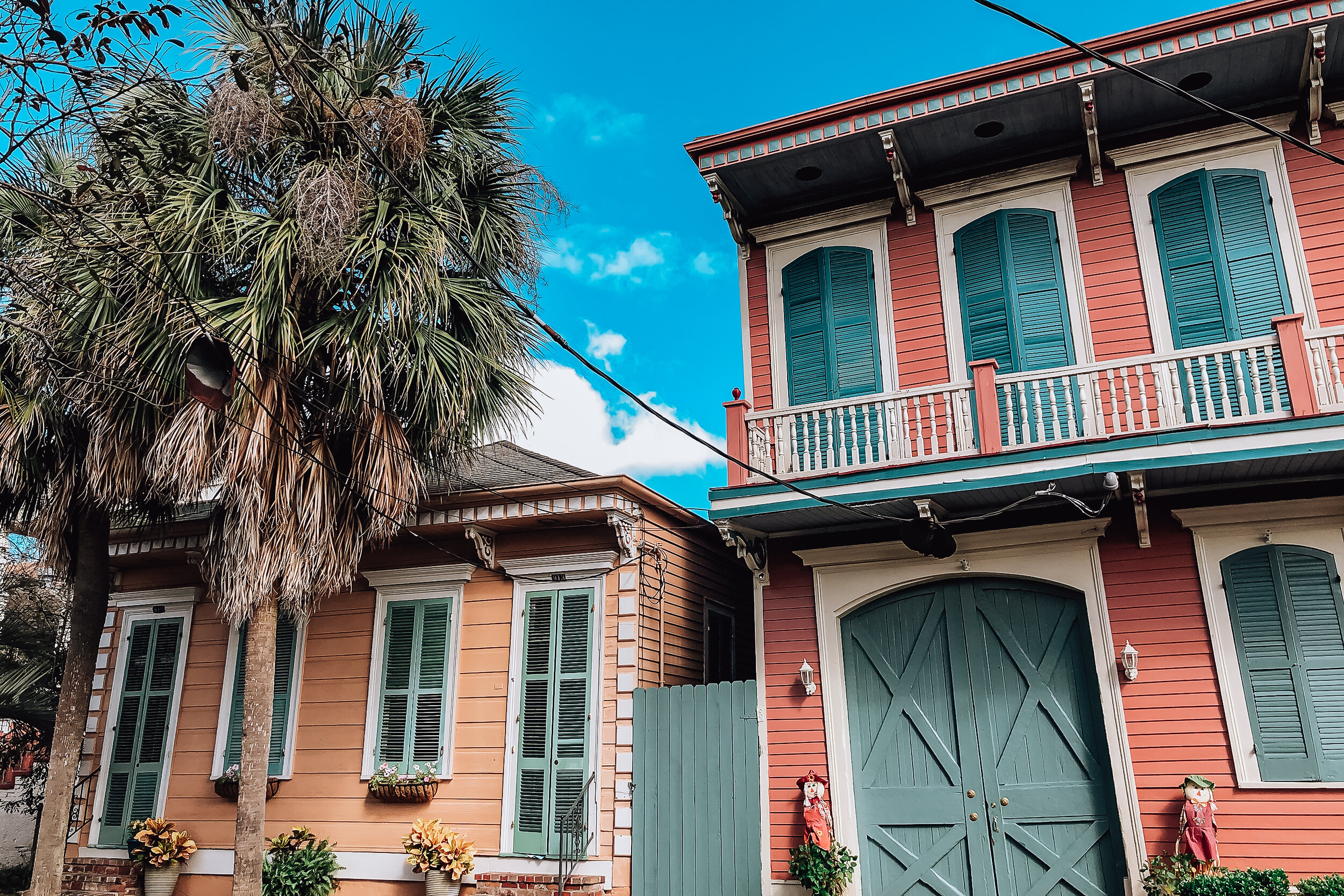
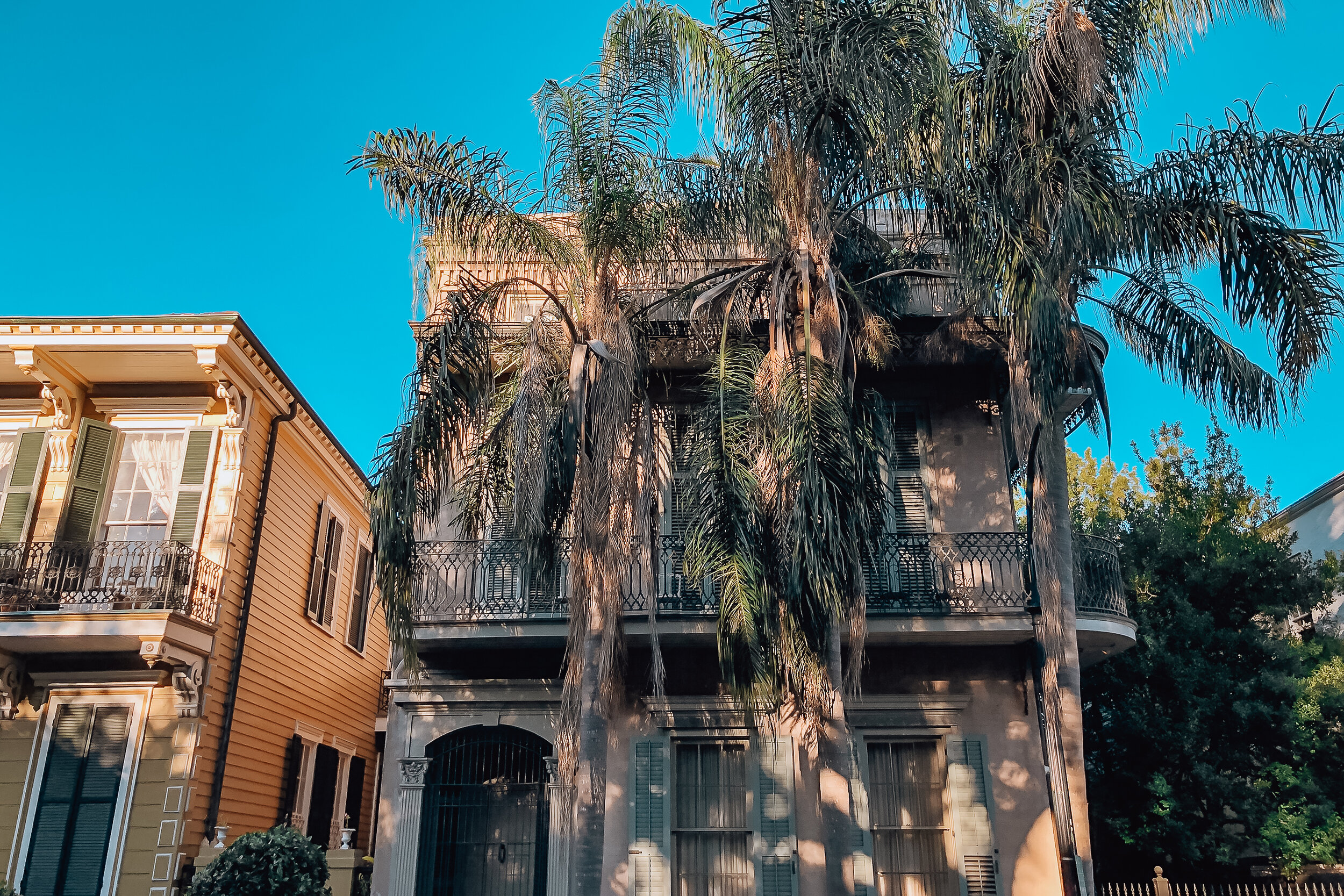
The Garden District. A residential district flanked between Magazine St. and St. Charles Ave. The neighborhood is home to historic mansions and cottages, large oak trees and leafy palms. It’s a beautiful neighborhood to explore on foot or along the St. Charles Street Car.
Magazine Street. One of the city’s Main Streets with restaurants, bars, boutiques, art galleries, vintage shops and creole architecture. It’s about 6 miles long, stretching from The French Quarter through The Garden District and into Uptown. Every stretch of it is well worth exploring.
Irish Channel. Located between Magazine Street and the Mississippi River, this cute residential neighborhood has many of our favorites restaurants, cafes and bars. There are lots of great Airbnb’s to stay at here.
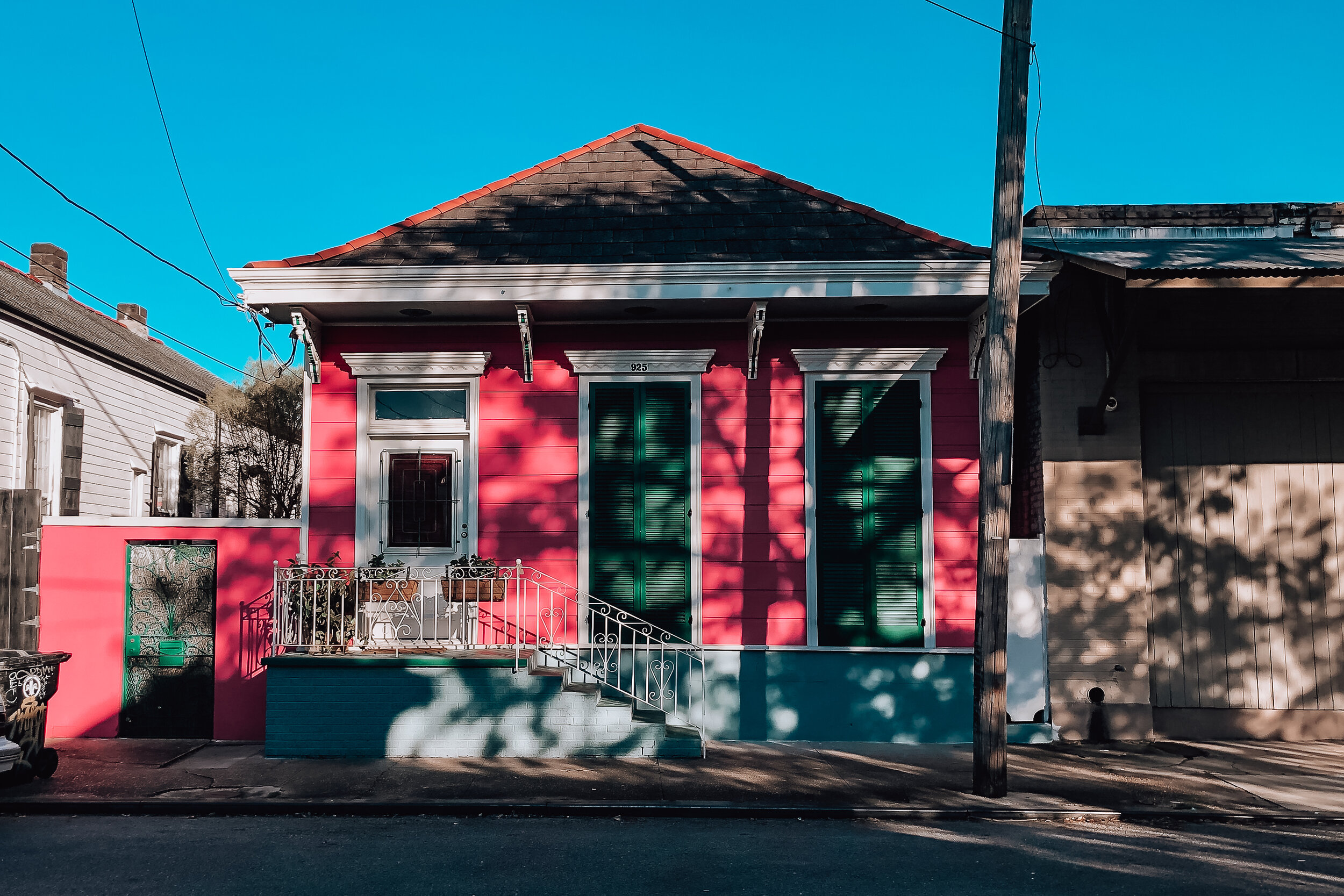
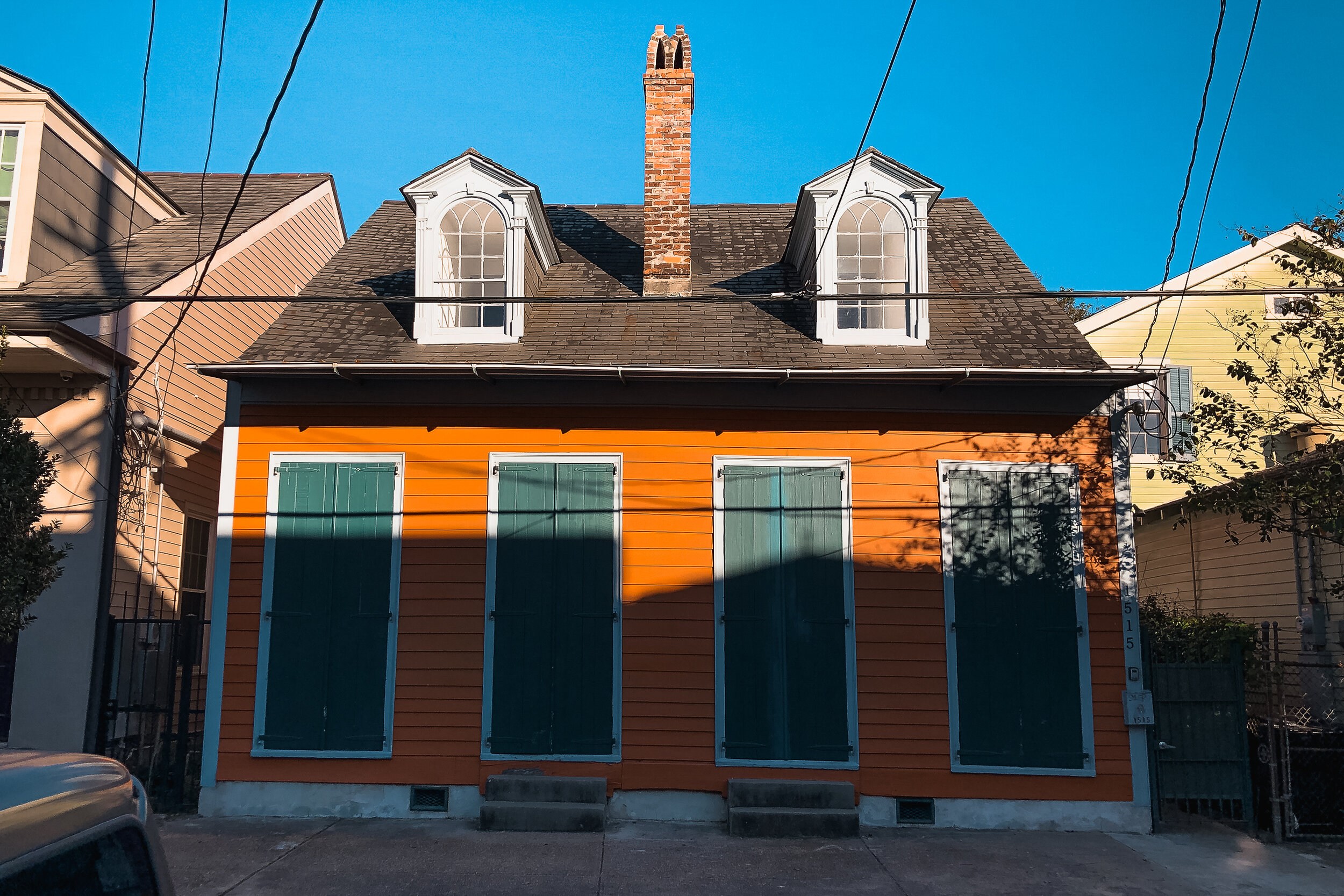
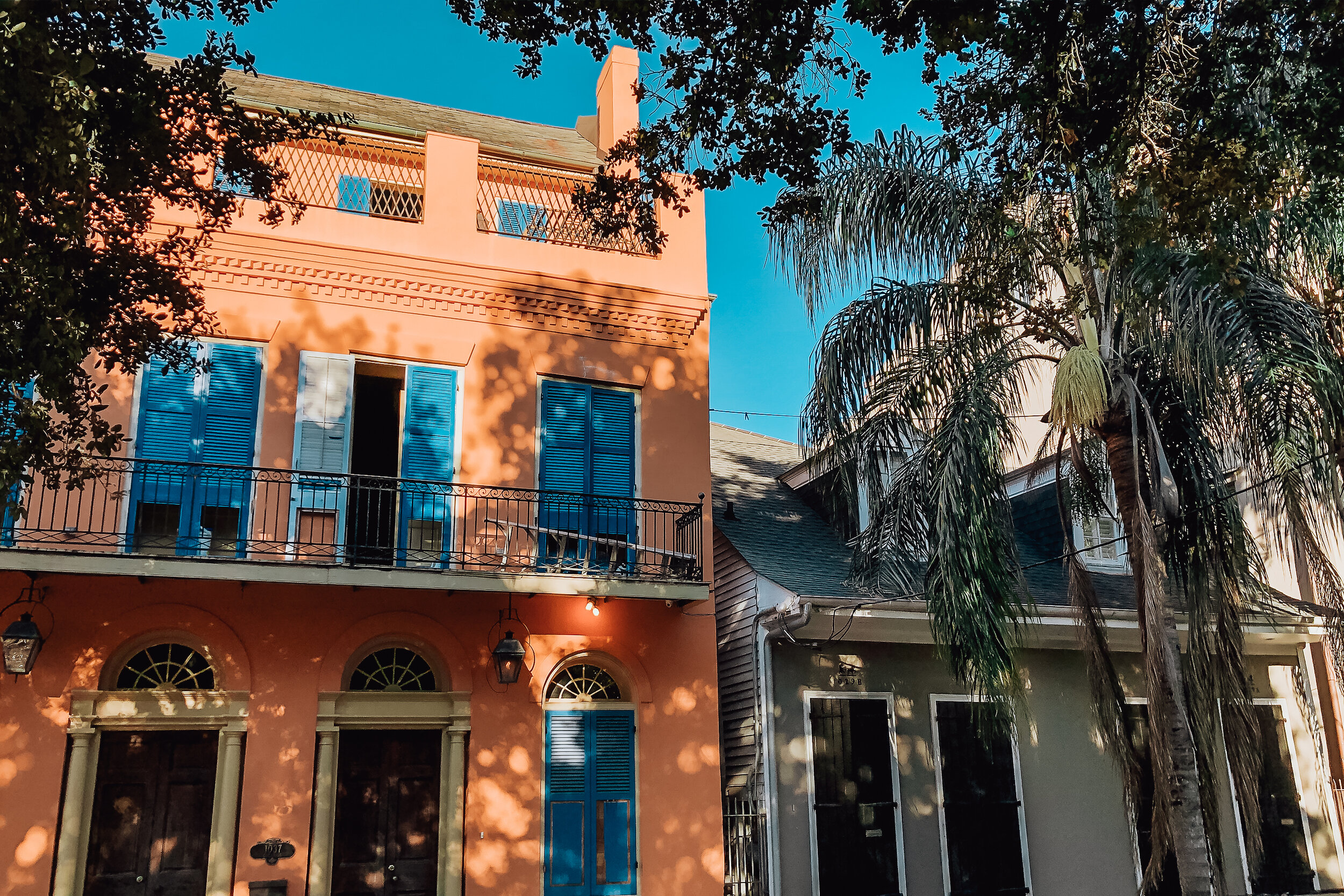
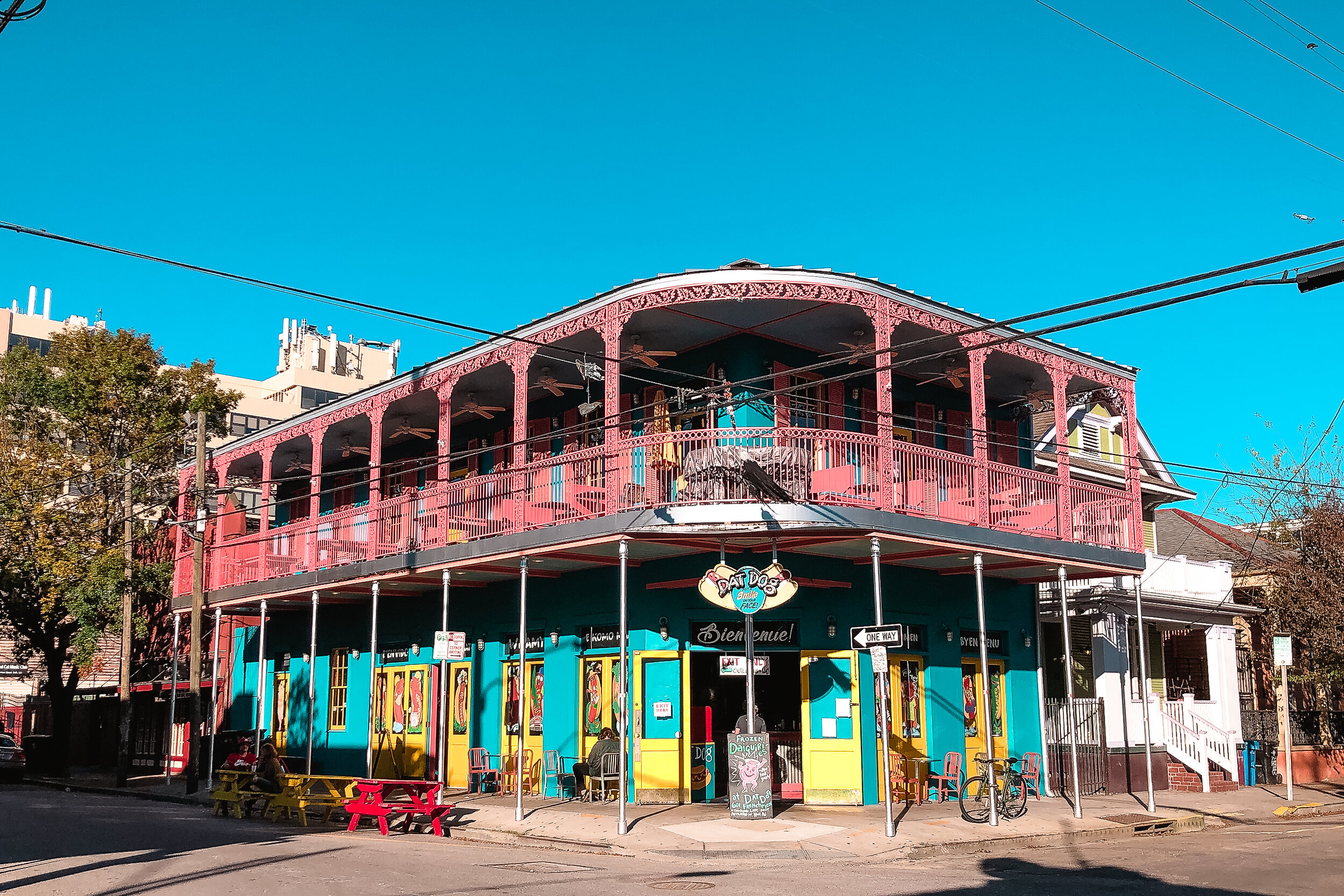
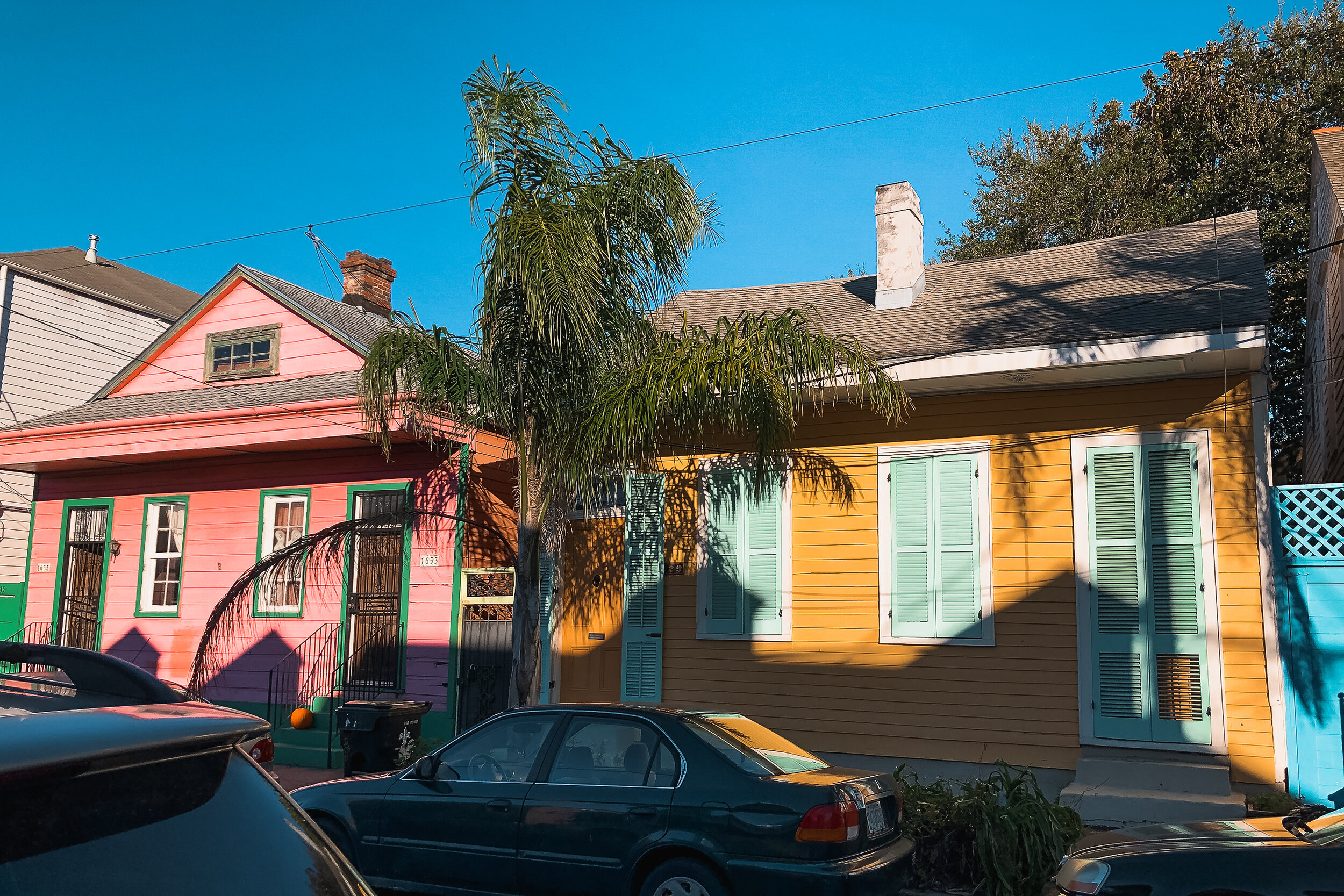
Marigny. This beautiful neighborhood, just outside of the French Quarter, is a charming place to walk through to look at the brightly colored Creole cottages and shotgun houses. There are also lots of great Airbnb’s here. Come for Frenchman Street, the artists markets and local restaurants.
ByWater. Basically an extension of Marigny, this neighborhood is a little more bohemian/hipster with flea markets, cafes, cocktail bars and funky restaurants.
Arts/Warehouse District. A former warehouse district converted into a hub for cocktail bars, high end restaurants and art galleries.
Uptown. A broad area on the Riverside of New Orleans. Visit Maple and Oak Streets for the restaurants and nightlife. Both areas are popular with Tulane and Loyola students.
Lavender Line. Not technically a street but it encompasses a number of gay bars in the French Quarter north of Bourbon Street, many along St. Ann Street. Some of our favorites are Café Lafitte in Exile and Good Friends Bar.
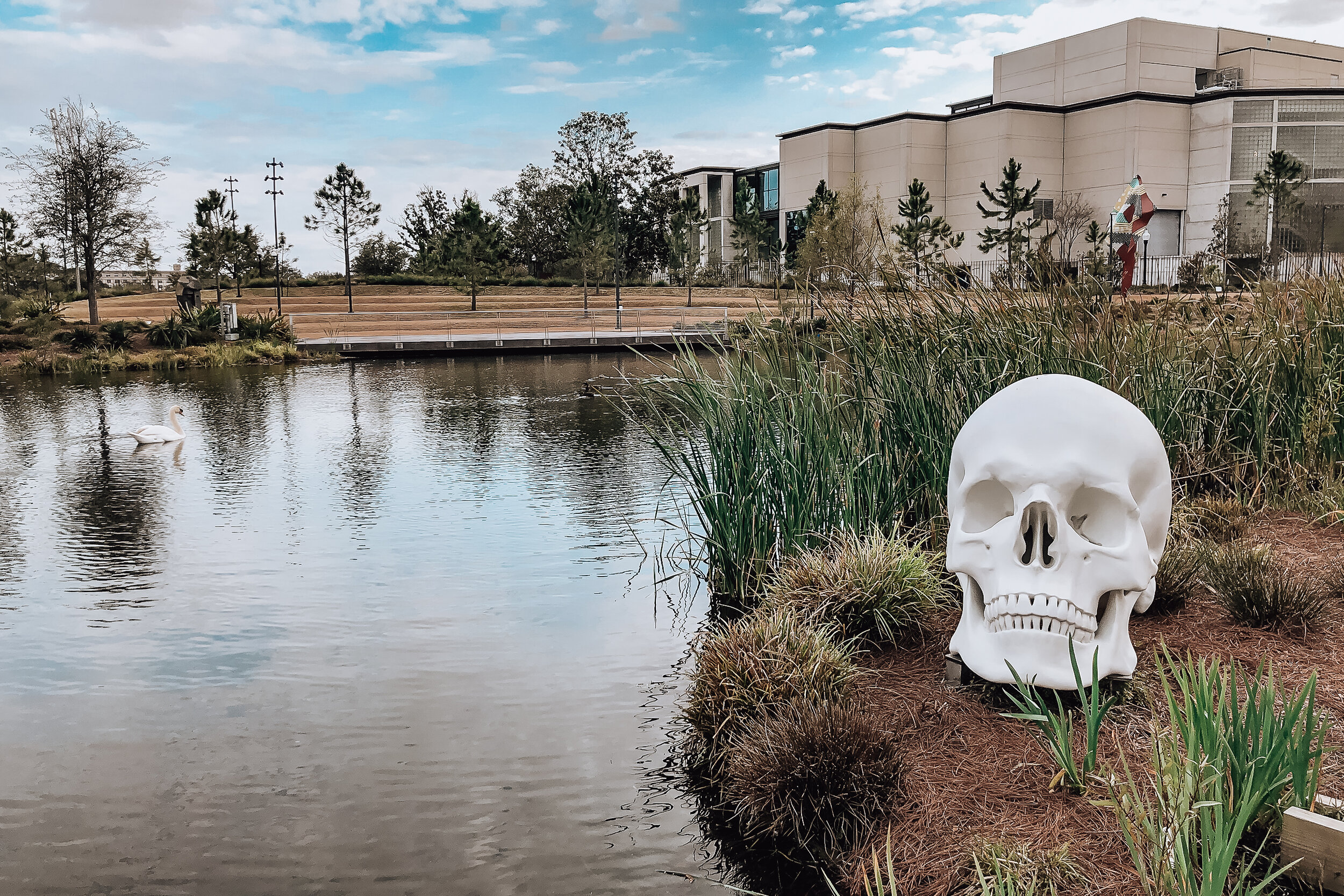
See Some Art
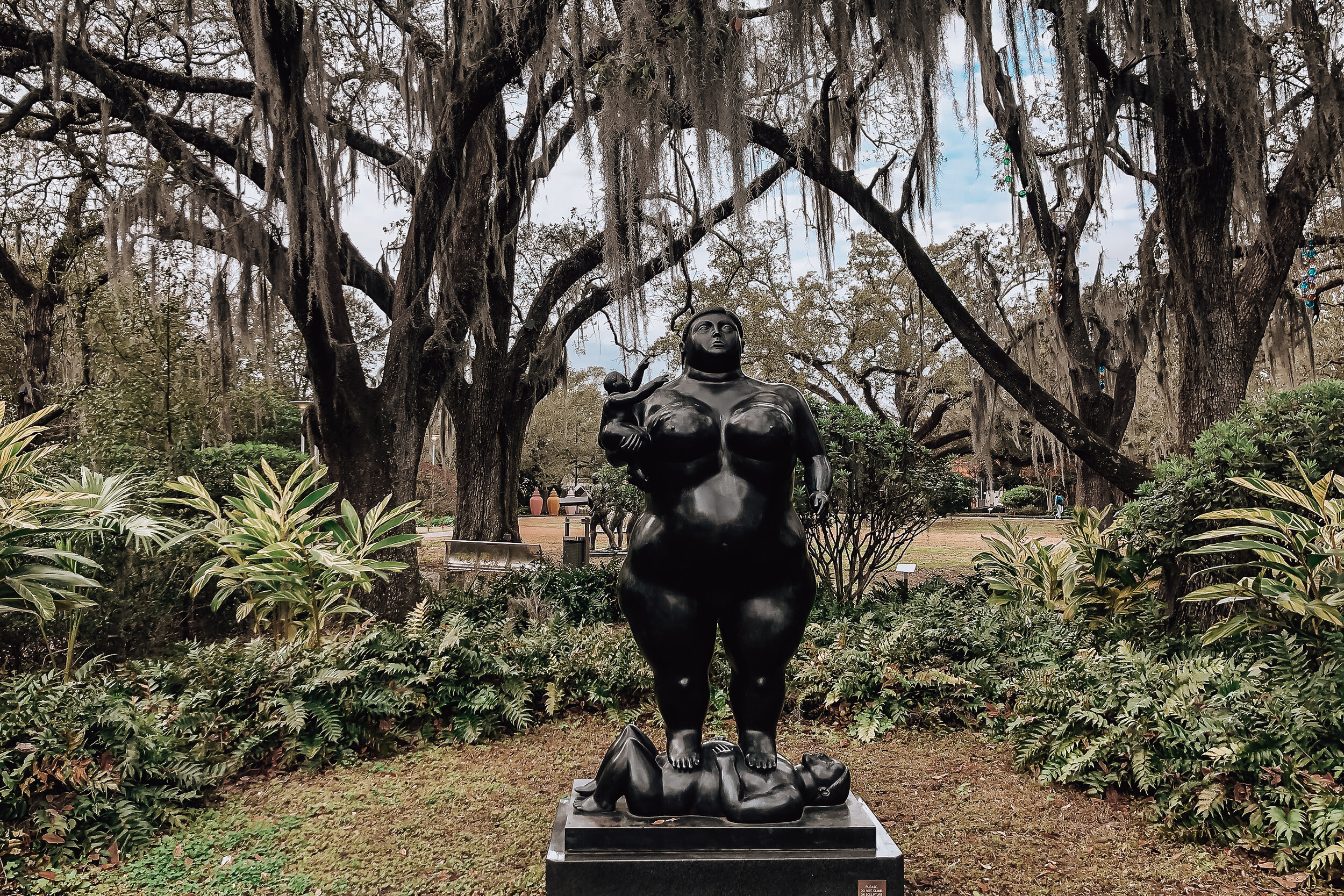
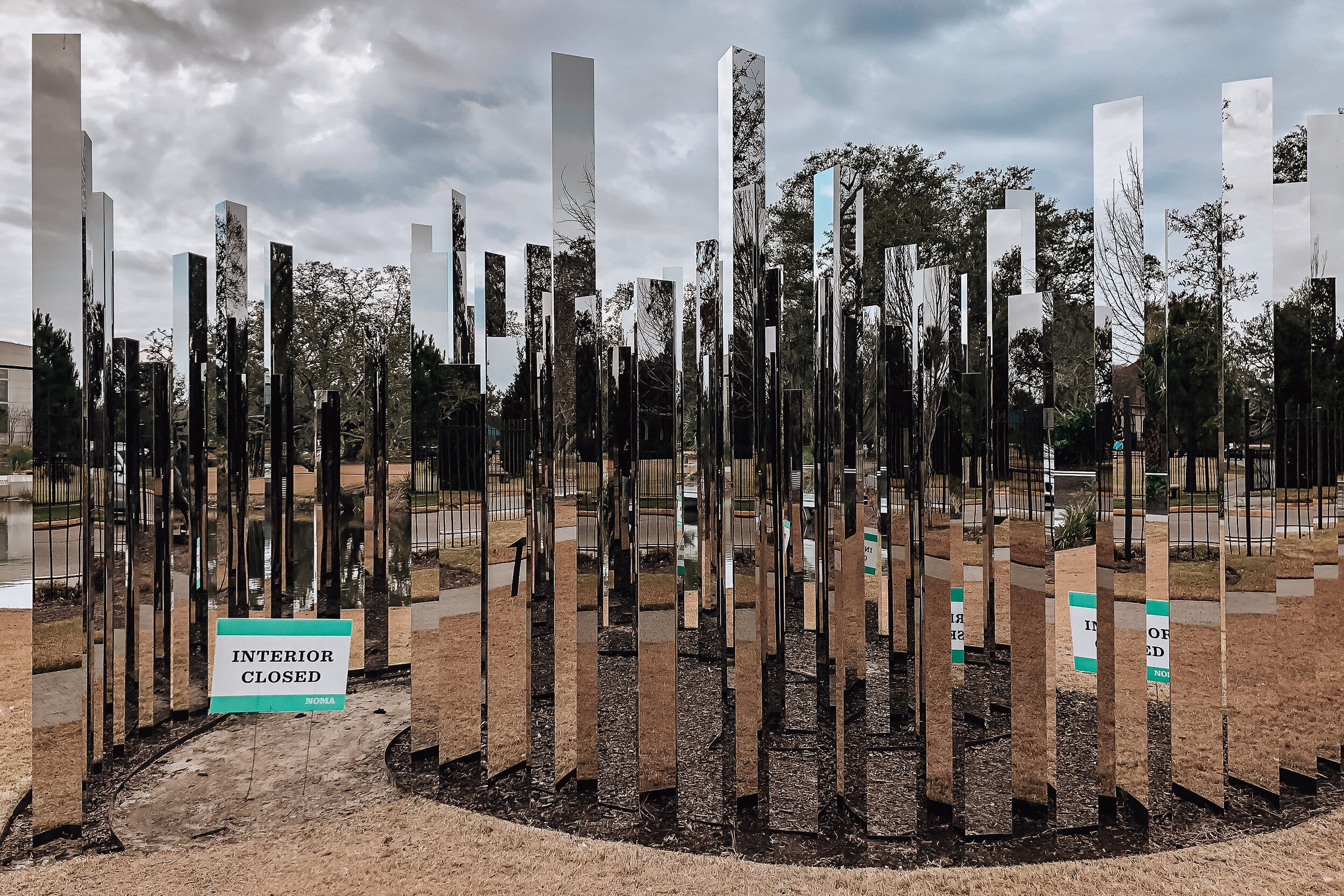
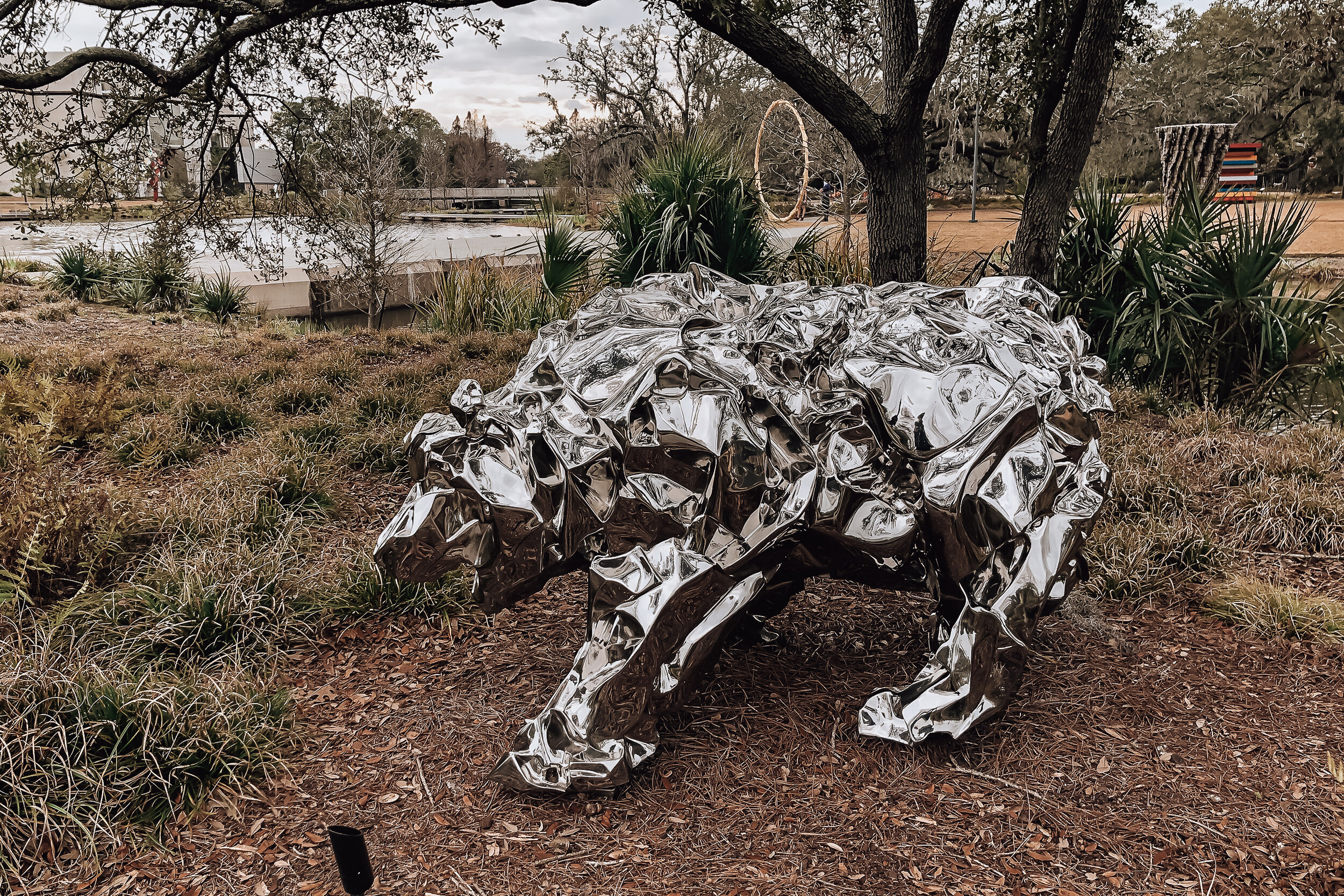
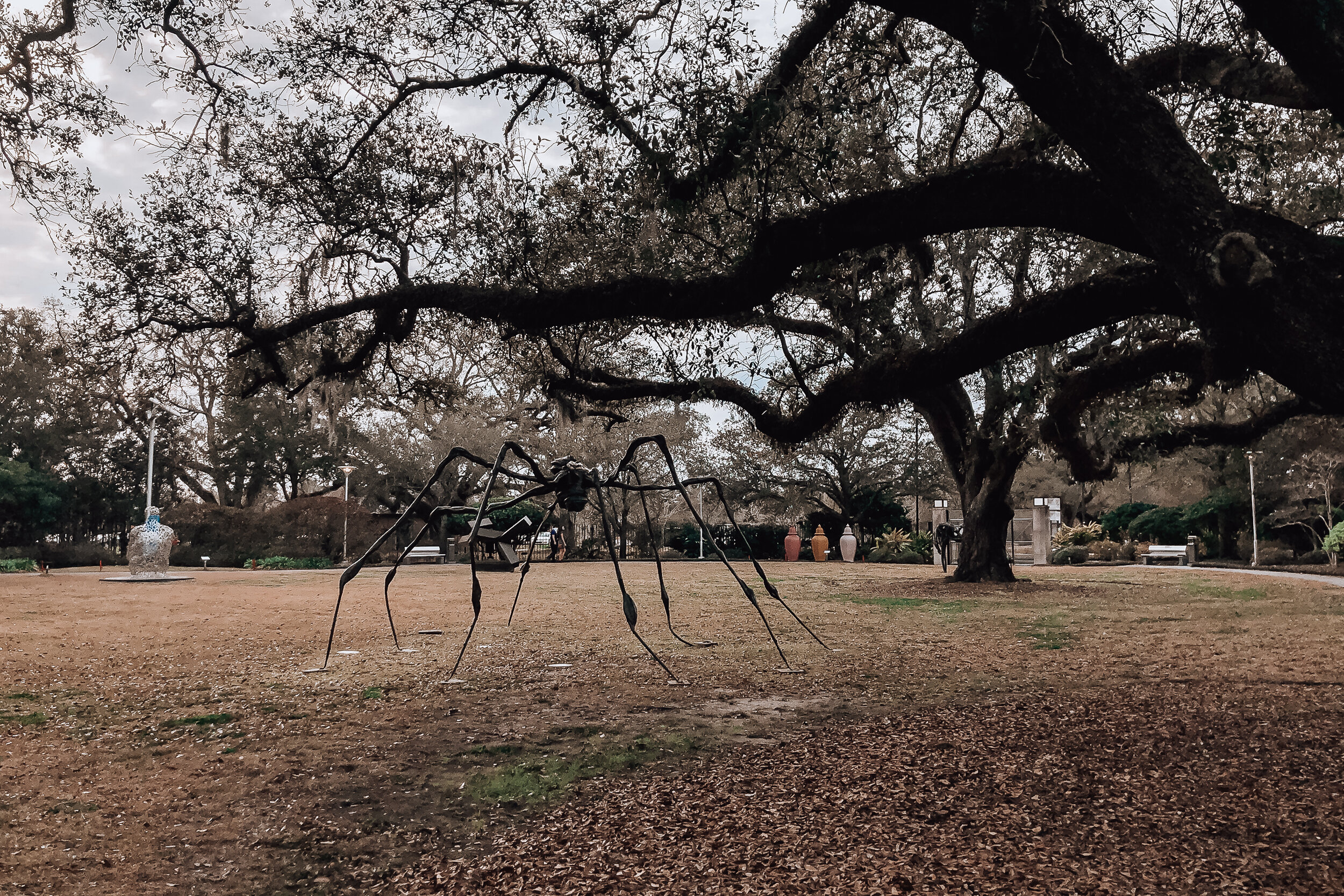
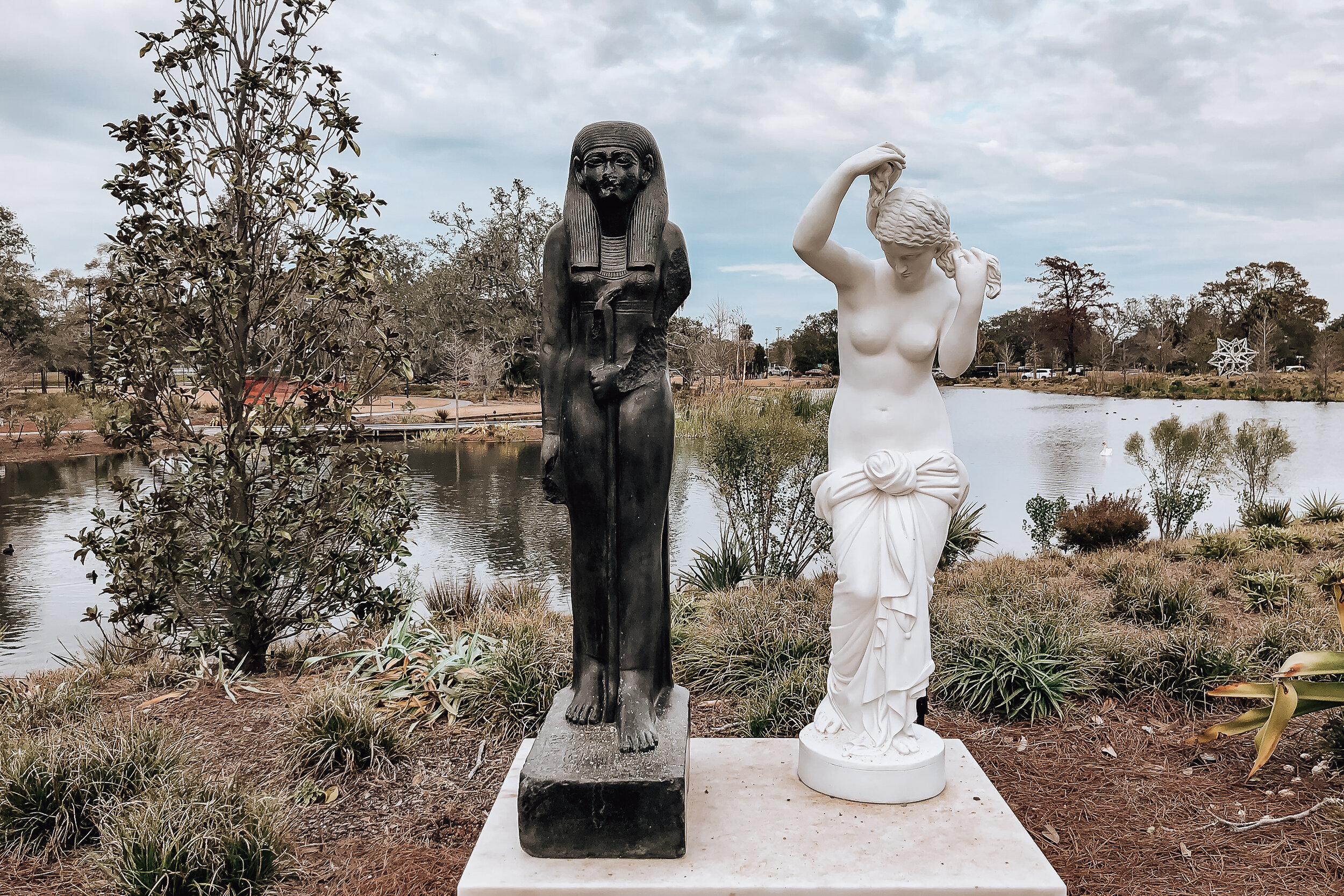
NOMA (New Orleans Museum of Art). The museum has a great collection of Southern, French and Modern painting, historic and multi-cultural artifacts and a remarkable sculpture garden with beautifully landscaped grounds. There is also a rotating gallery, it had a LGBTQ+ photography exhibit when we visited.
New Orleans Jazz Museum. A museum teaching about the origin of Jazz, some of its most notable musicians and its importance in New Orleans.
New Orleans Historic Voodoo Museum. A tiny but educational museum in the French Quarter with many voodoo artifacts and altars. It’s a great place to visit and learn more about the religion. They also offer cemetery tours and bone readings.
Shopping
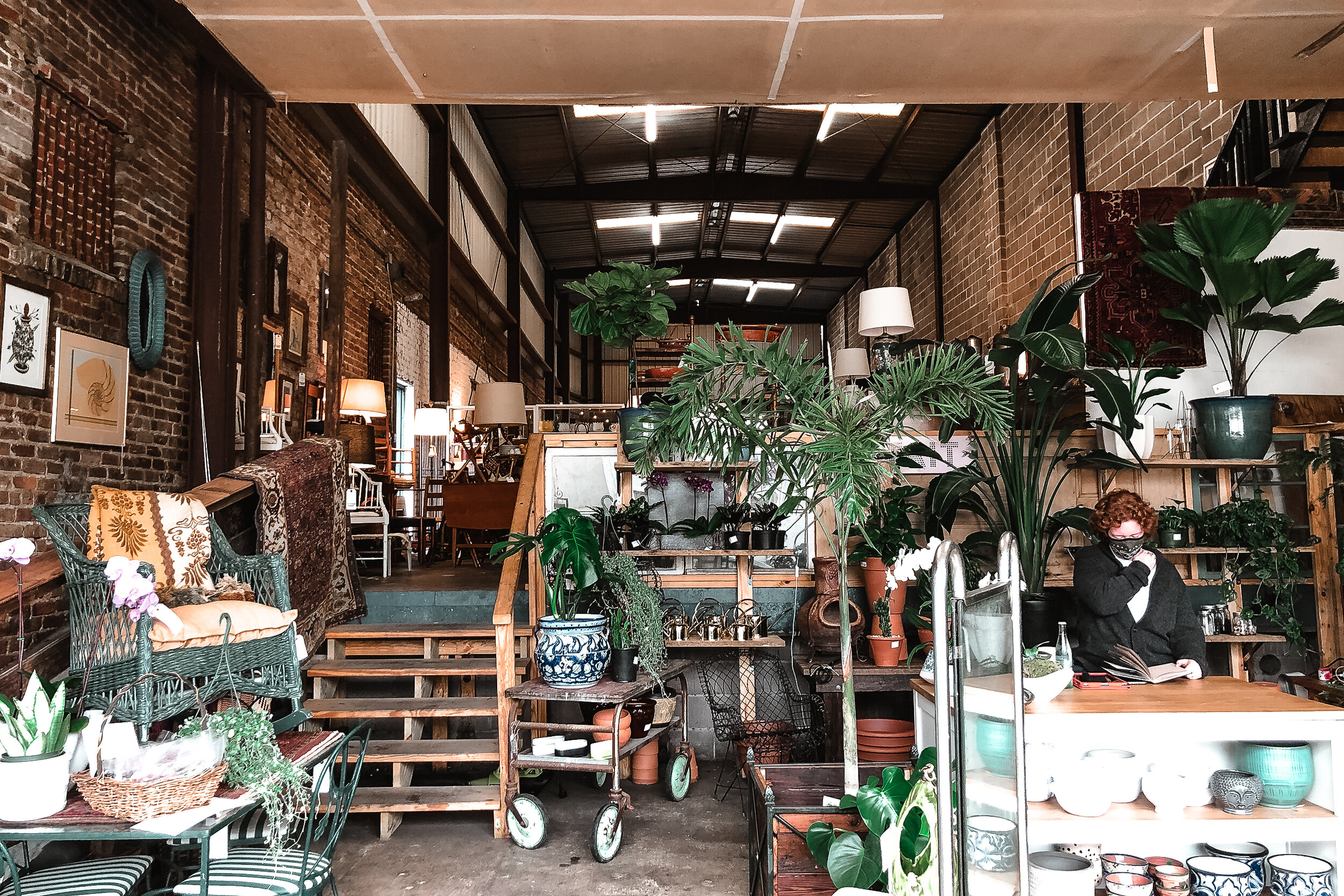
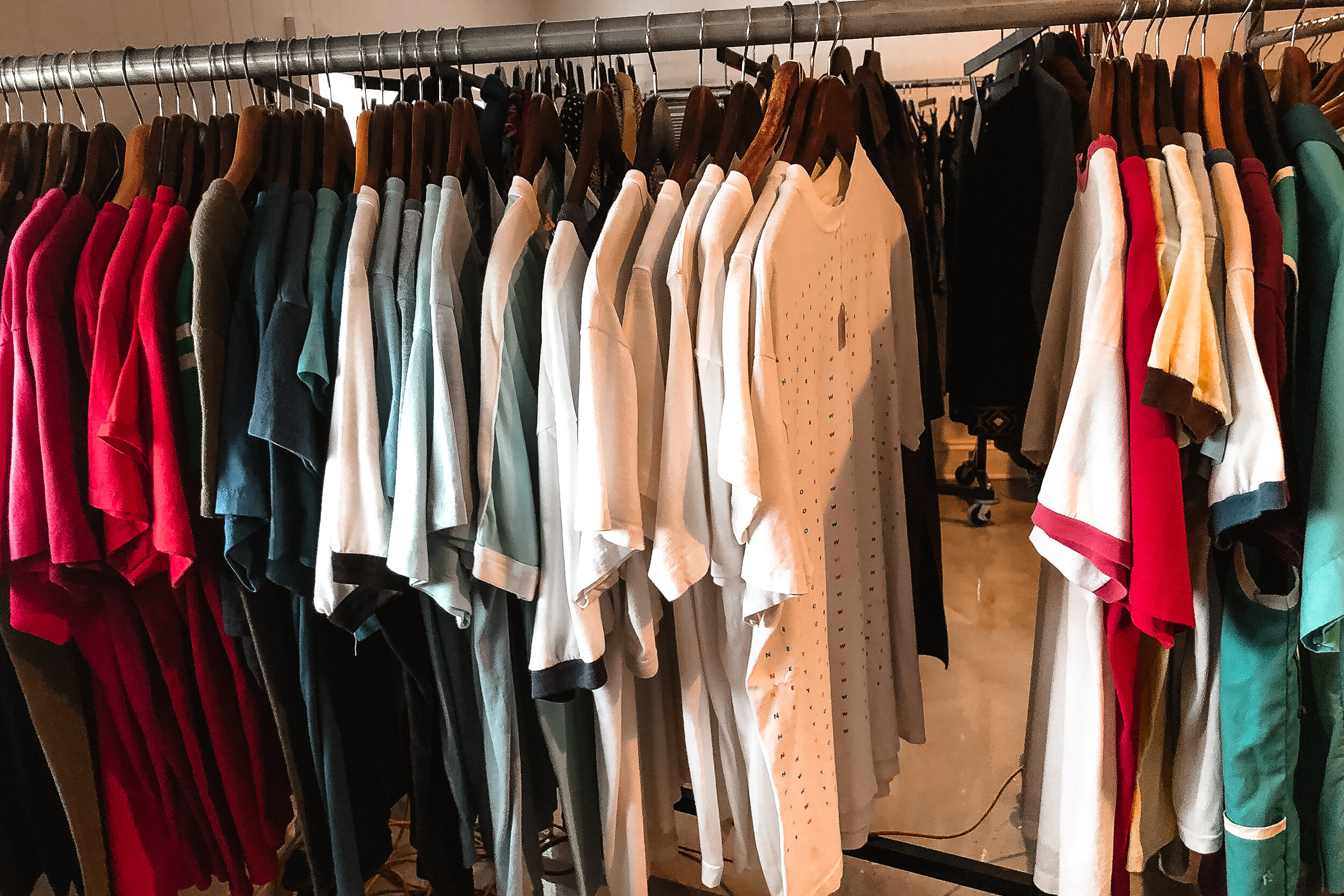
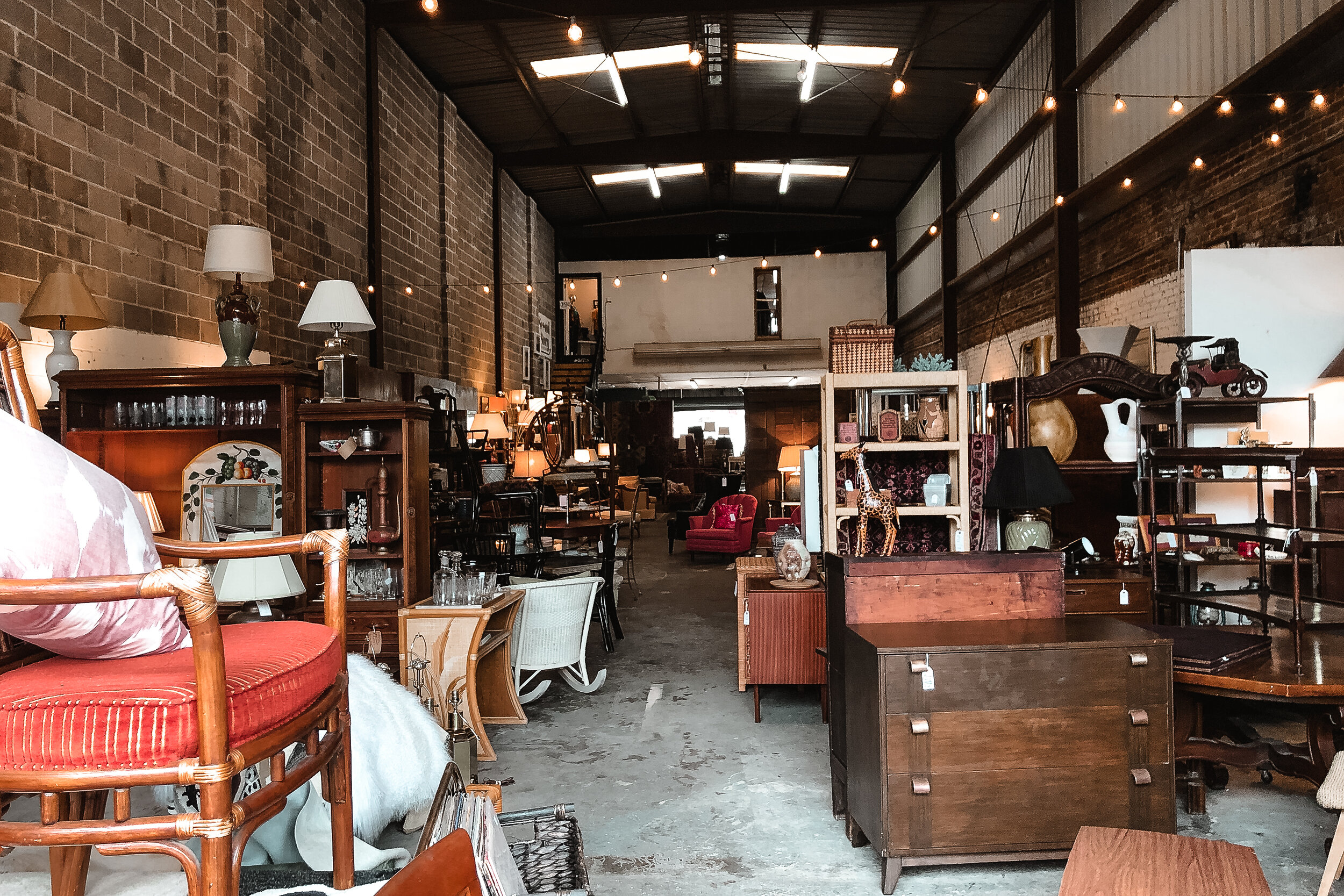
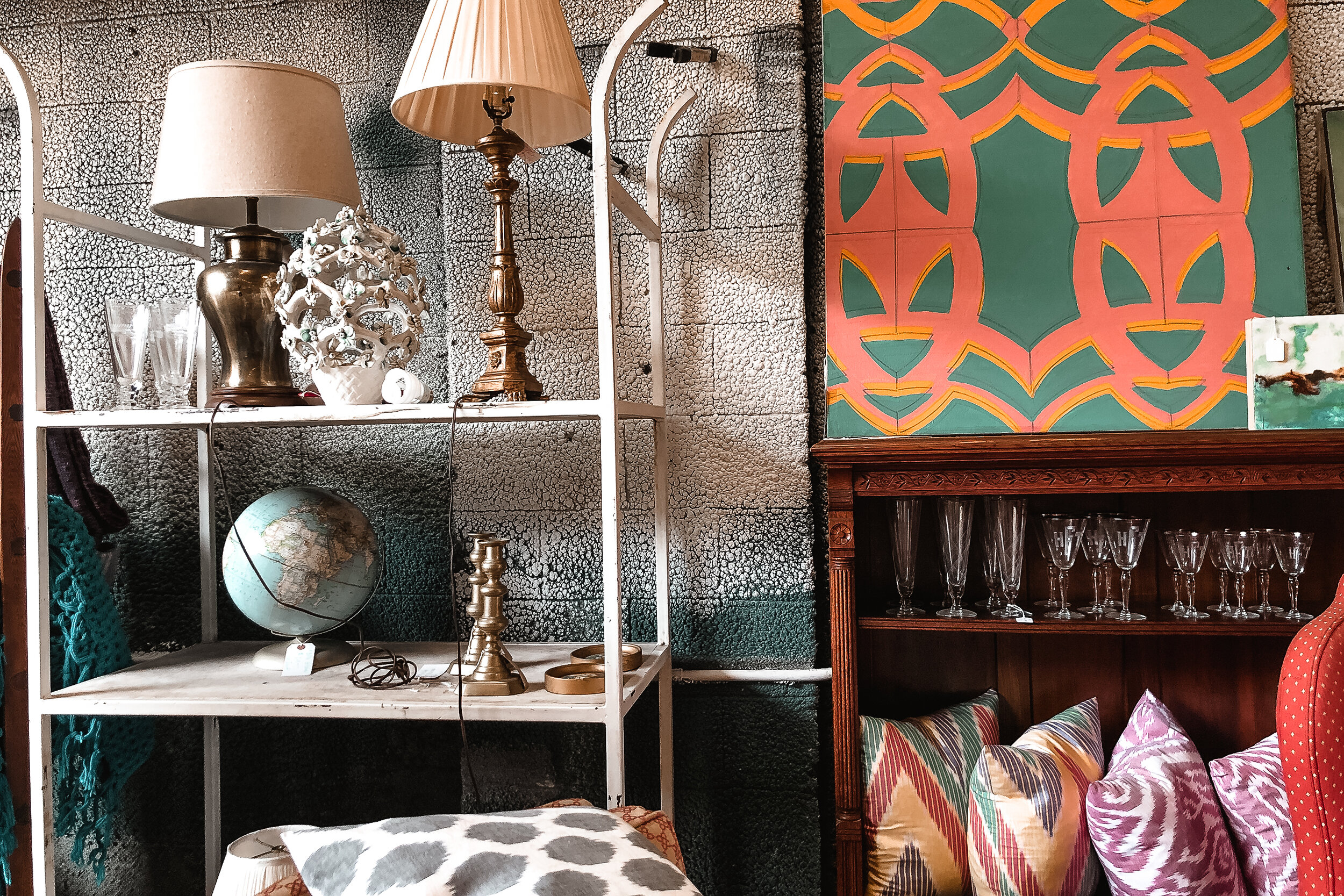
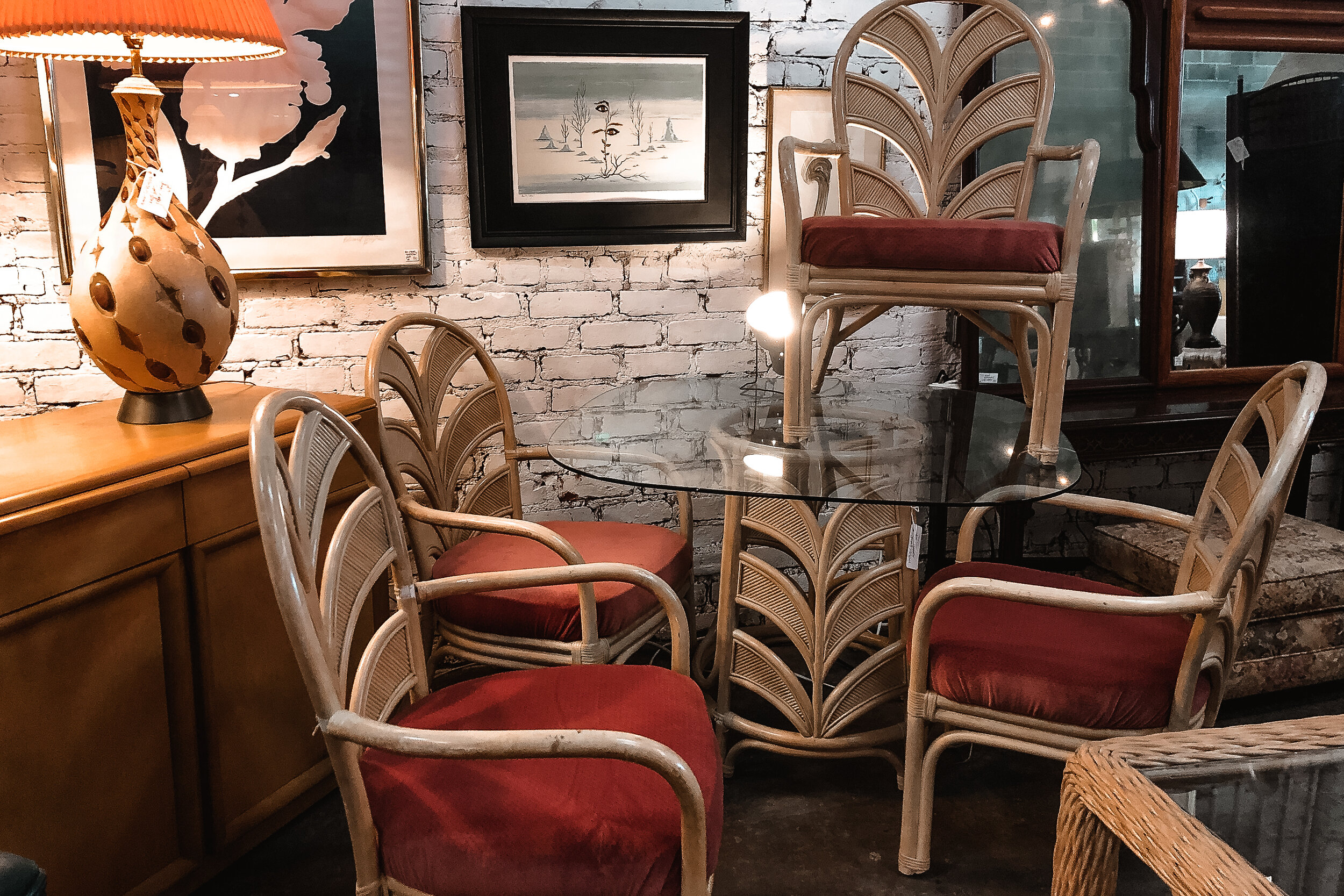
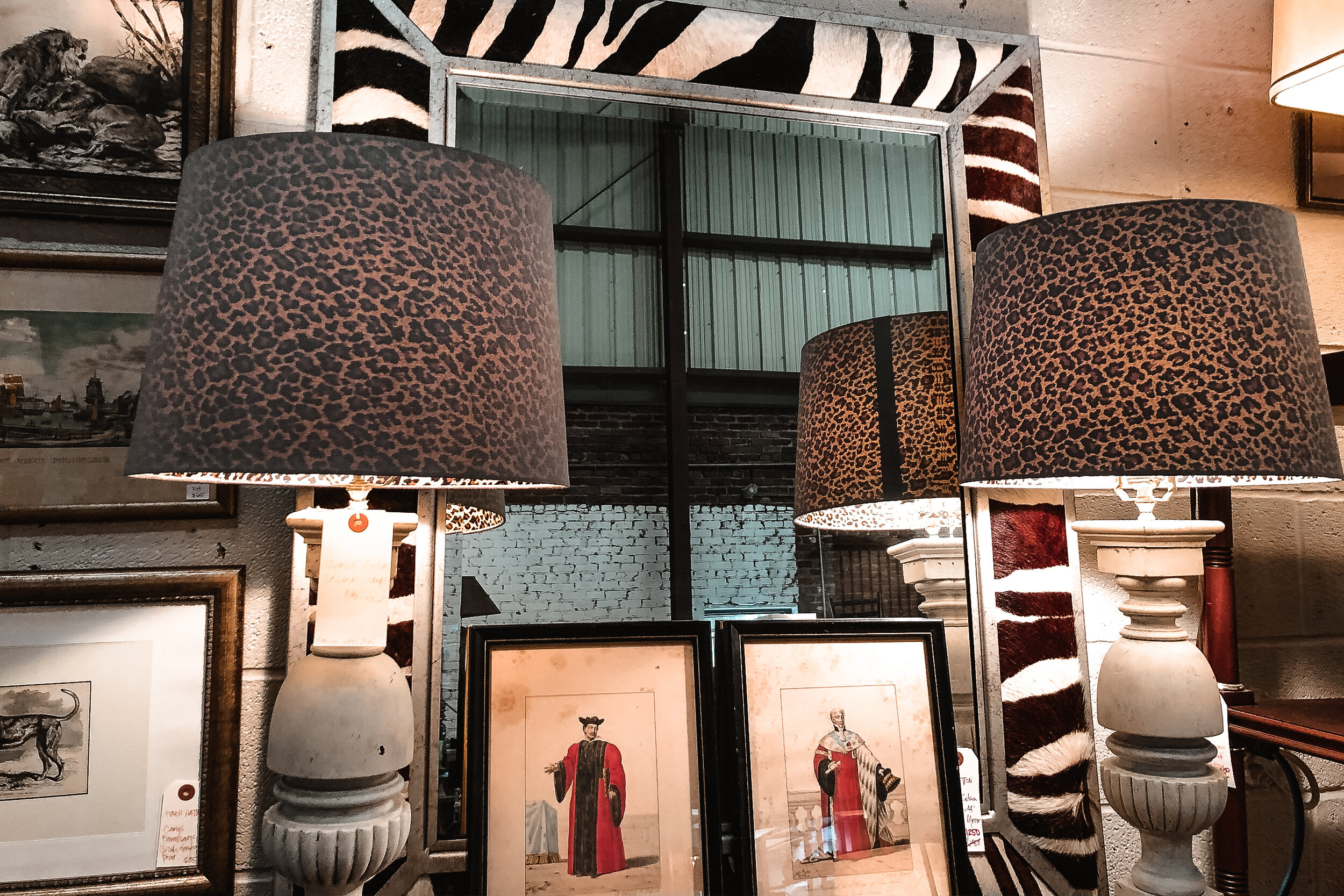
Merchant House Collective. An antique warehouse with mid to late 20th century furniture, home-goods and accessories. There is a plant shop and an upstairs with vintage tees, clothing and jewelry.
Frenchman Street Market. A nightly market located on Frenchman Street where artists sell illustrations, sculptures, jewelry, decor and perform live music.
Second Line Art & Antiques. An antique market with old wooden furniture, vintage clothing and taxidermy insects. It’s courtyard also doubles as an artist’s market.
Magazine Antique Mall. A classic antique mall located on Magazine Street with dozens of booths filled with miscellaneous items and treasures. We found some unique cookware and dishes.
Voodoo Authentica. A tiny shop in the French Quarter with a large selection of voodoo dolls. It’s an educational place to learn more about the modern practice of Voodoo.
French Market. A market under a series of sheds in the French Quarter with food stalls, flea market tables and souvenir vendors. Though nothing like a traditional French Market, we enjoyed walking through it after ordering beignets from the original Cafe du Monde.
Taste Everything!
If you come to New Orleans for one thing, come for the cuisine! There are so many dishes and drinks unique to this city alone. These are some of favorites:
Crawfish Mac n Cheese. A Cajun classic made with crawfish tails, rich gooey cheese and macaroni noodles.
Shrimp and Grits. A classic breakfast dish with creamy buttery grits and tender Gulf shrimp.
Po’boy. A classic Louisiana sandwich made on crispy bun with a fluffy center. It always has a protein, usually seafood, and comes “fully dressed” with lettuce, tomato, a pickle and mayo.
Fried Catfish. A slightly gamey and flaky white fish. We often ordered it on a Po’boy.
Gumbo. A traditional soup to New Orleans often eaten from October through March. It’s a savory melting pot of flavors and cultures having influences from the Indigenous Choctaw, West Africans, French and Spanish.
Chargrilled Oysters. Gulf Coast oysters that have been grilled with herbs and cheese.
The Sazerac. A sipping cocktail made from whiskey, cognac and absinthe usually garnished with a lemon peel.
The Hurricane. A sweet, fruity, tropical rum drink served in a tall curved glass.
Hand Grenade. A cocktail served on Bourbon St. by a few specific bars. It’s a very sweet drink served in a tall neon green plastic container with the shape of a grenade at the bottom. Basically a hangover waiting to happen…enjoy!

Restaurants
Commander's Palace. Commander’s is an unmistakable teal and white wooden restaurant located across the street from Lafayette Cemetery No. 1. It’s a family run business offering the best of high-end Creole cuisine in New Orleans. We tried the slow cooked gumbo, pecan crusted gulf fish covered in lump crab and a version of the crawfish linguini. For dessert, the bread pudding soufflé. Be sure to make a reservation and come dressed up.
Between dishes, the owner sat down with us to chat. She said “we go to the same church.” A discrete Southern way of identifying with other LGBTQ+ people. Needless to say, we felt very welcomed and even shared a dance in the courtyard towards the end of the evening.
Jacques-Imos. It’s hard to choose a favorite restaurant in New Orleans but this one is up there! Try the snail butter corn bread, Creole Bouillabaisse, Crawfish Étouffée and bread pudding. Make a reservation in advance and come ready to eat!
The Rum House. Located on Magazine St. and a gem for á la carte tacos. We almost hired the restaurant to cater our wedding.
Killer Po’Boys. The best spot in the French Quarter for po’boys. In addition to the classic seafood options, they offer vegan Po’boys like roasted cauliflower or sweet potato.
Effervescence. Relax by the outdoor fountain with a glass of Champagne, oysters and caviar served with a mother of pearl spoon.
Pechê. Recommended to us by a few locals, this restaurant in the offers Cajun and Gulf style seafood.
Green Goddess. A vegan restaurant in a romantic string lit alley in the French Quarter. It’s a nice reprieve from some of the craziness.
Basin Seafood & Spirits. Come for the Po’boys and Chargrilled Oysters.
Juan’s Flying Burrito. If you’re on Magazine St. and craving a burrito, Juan’s is the place to visit. They have two locations. One in Uptown and another in the Lower Garden District.

Cafes
The Vintage. A coffee shop with artisanal beignets by day and bar by night. We ordered a flight of 3, the matcha, pumpkin and raspberry.
Café Beignet. Another popular chain for beignets. Visit the Bourbon St. location for a beignet, cup of chicory and of course live jazz.
French Truck Coffee. A local chain cafe with amazing coffee, biscuit sandwiches, breakfast toasts and croissants. If it’s fully brewed, try the Oji coffee. It’s Japanese method of slow brewing 1 drop at a time over 24 hours.
Bear Cat Cafe. A breakfast and brunch spot with cajun meals, vegan options and fresh kombucha. We ordered the crab scramble and vegan biscuits + gravy. Make sure to try the breakfast potatoes.
City Donuts & Cafe. One of the best finds in the city. Come here for a donut breakfast sandwich! Literally egg and cheese sandwiched between two regular glazed donuts.
Orleans Coffee Espresso Bar. A great spot to relax with a coffee or cafe au lait.

Bars
Delachaise Wine Bar. One of our favorite spots in town. Come here for a glass of wine and to watch the St. Charles street cars pass by.
QiQi. A LGBTQ+ dive bar with inexpensive drinks, a laid back vibe and outdoor seating.
Hot Tin. A rooftop bar at the Pontchartrain Hotel with great cocktails and views of NoLa.
The Elysian Bar. A former church turned into a restaurant and cocktail bar. The nave of the church is now the main dining room with multiple parlors located throughout the rectory. It’s a funky and unique experience!
Old Absinthe House. A 200+ year old absinthe bar on Bourbon St. offering traditional absinthe drip cocktails. It stands out from the neon lit cocktail bars lining the street. The walls are covered in notes and business cards from generations of customers,
Good Friends Bar. One of the many gay bars in the French Quarter but also one of our favorites. The 2 floor bar is a hub for the gay community, locals and tourists.
Café Lafitte in Exile. Considered the oldest gay bar in the US. It’s a fun spot to grab a drink on Bourbon St.
Mini Excursions
Outside of New Orleans, there are a number of mini excursions to go on. We booked ours with Cajun Encounters, a local tour company.
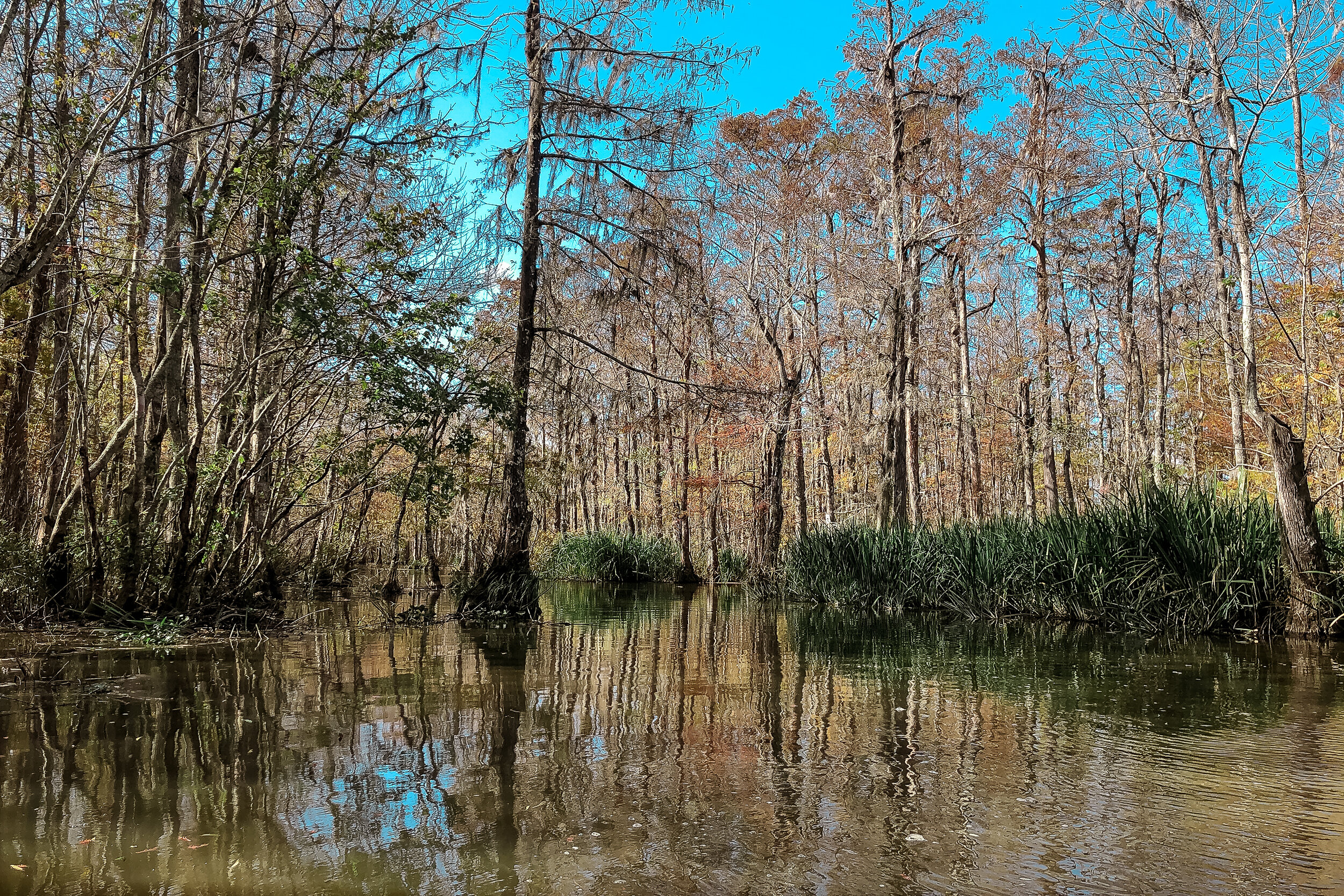
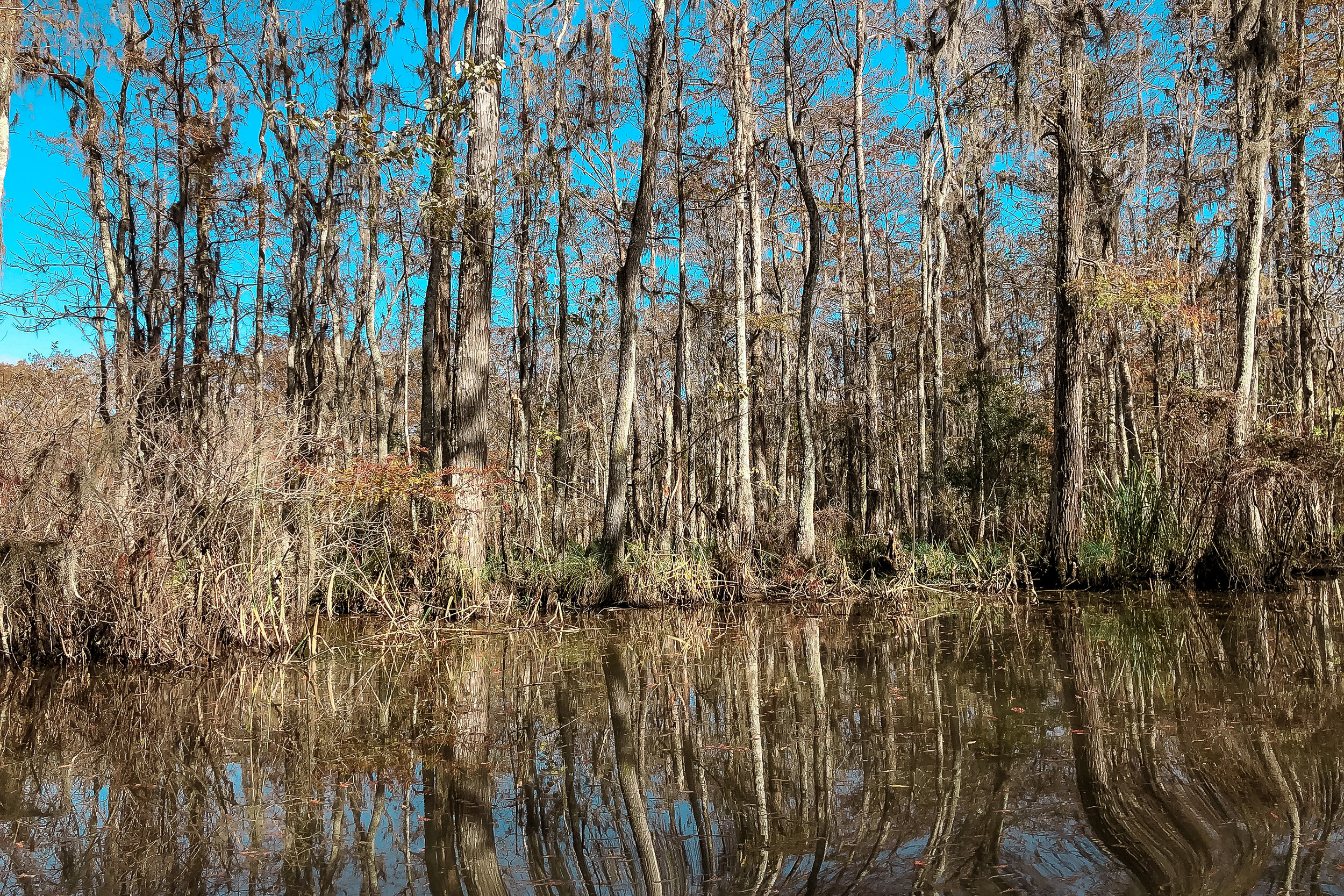
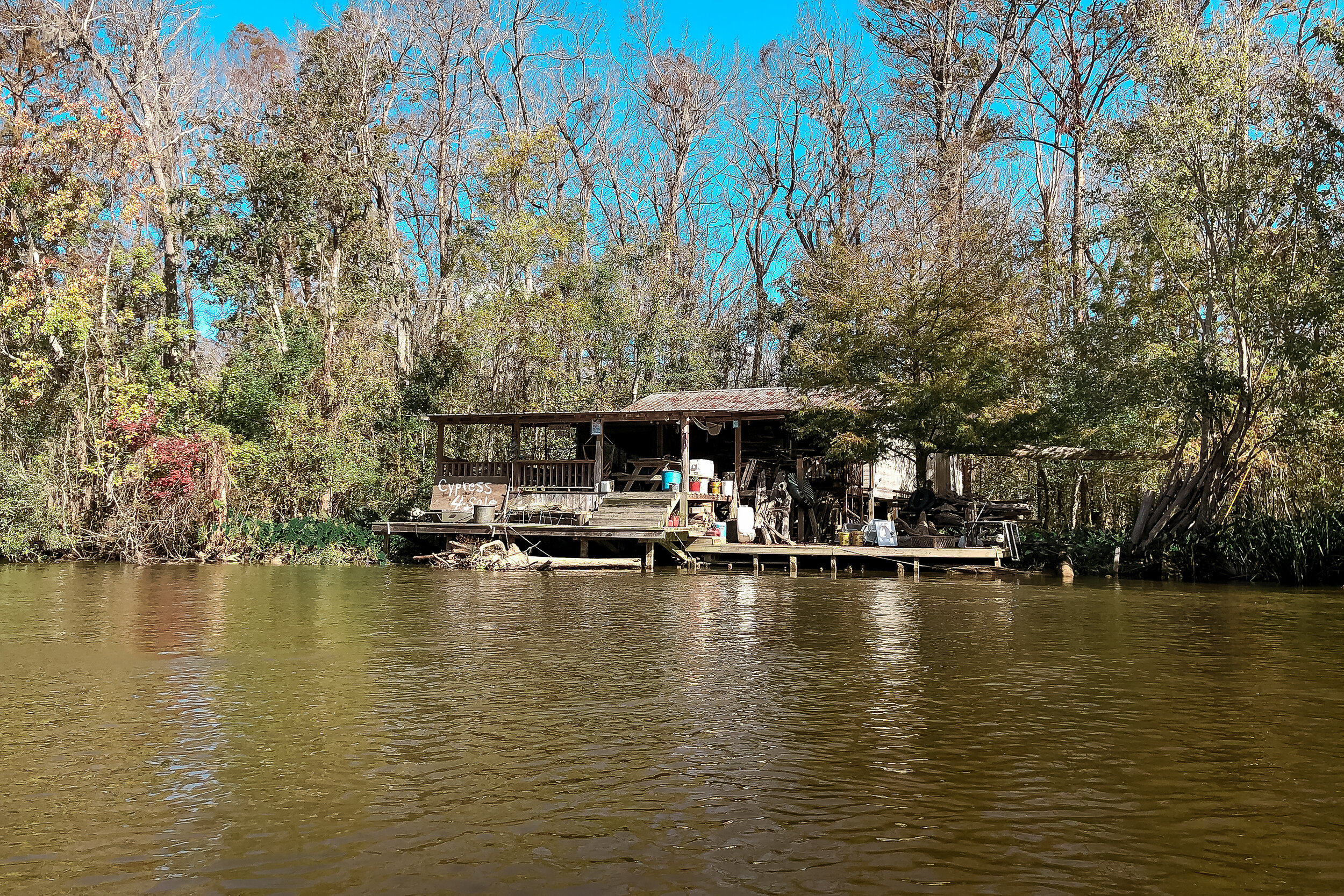
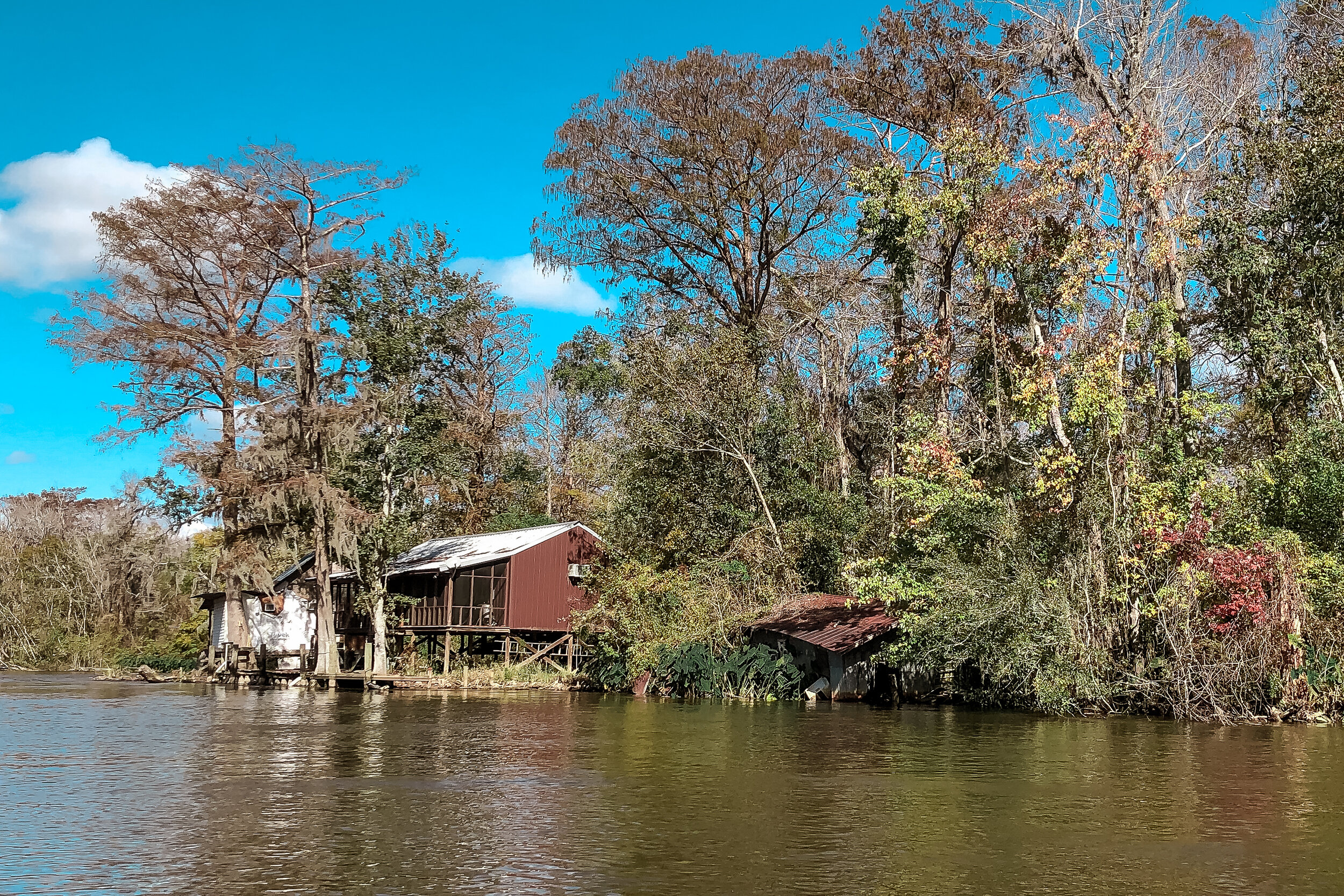
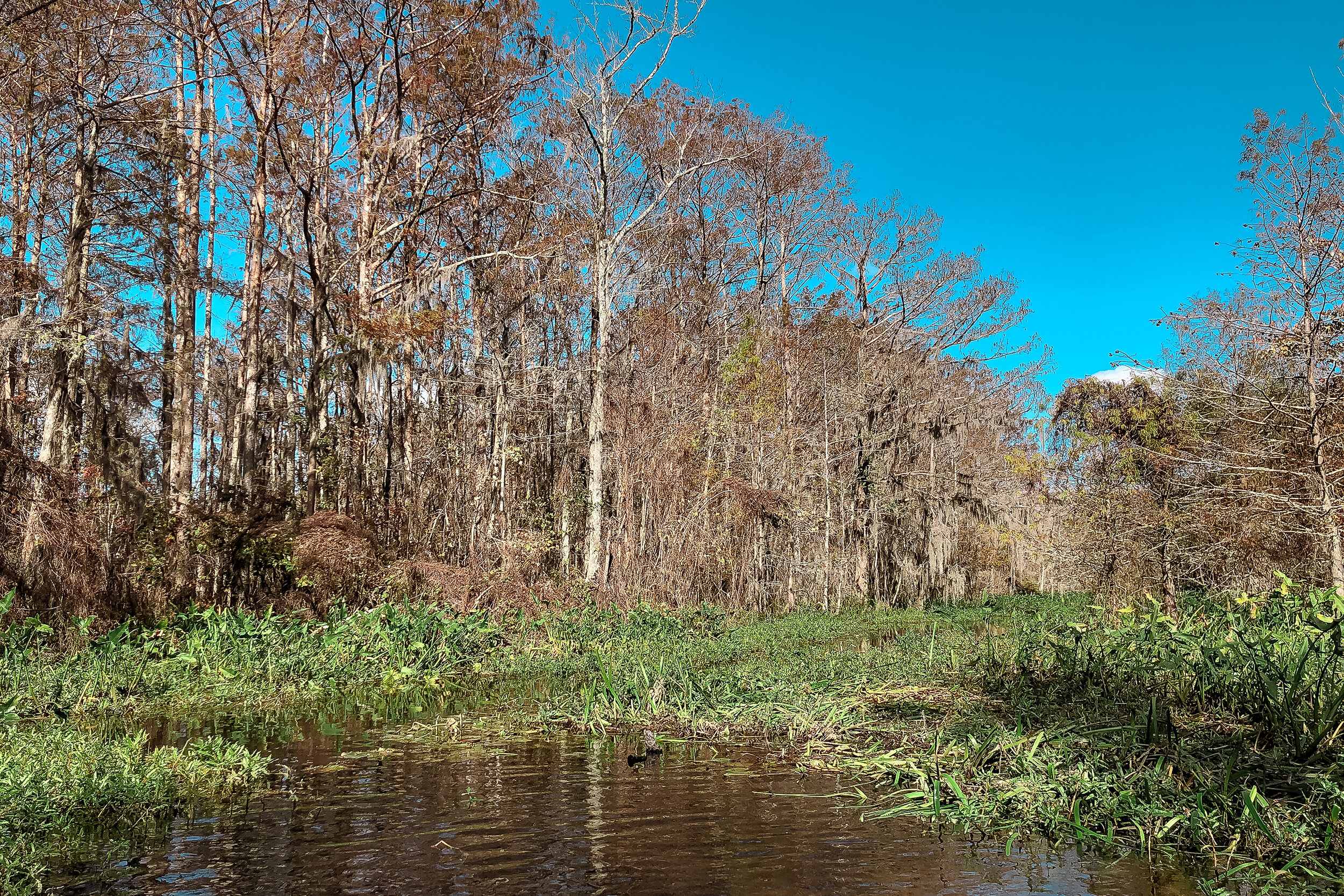
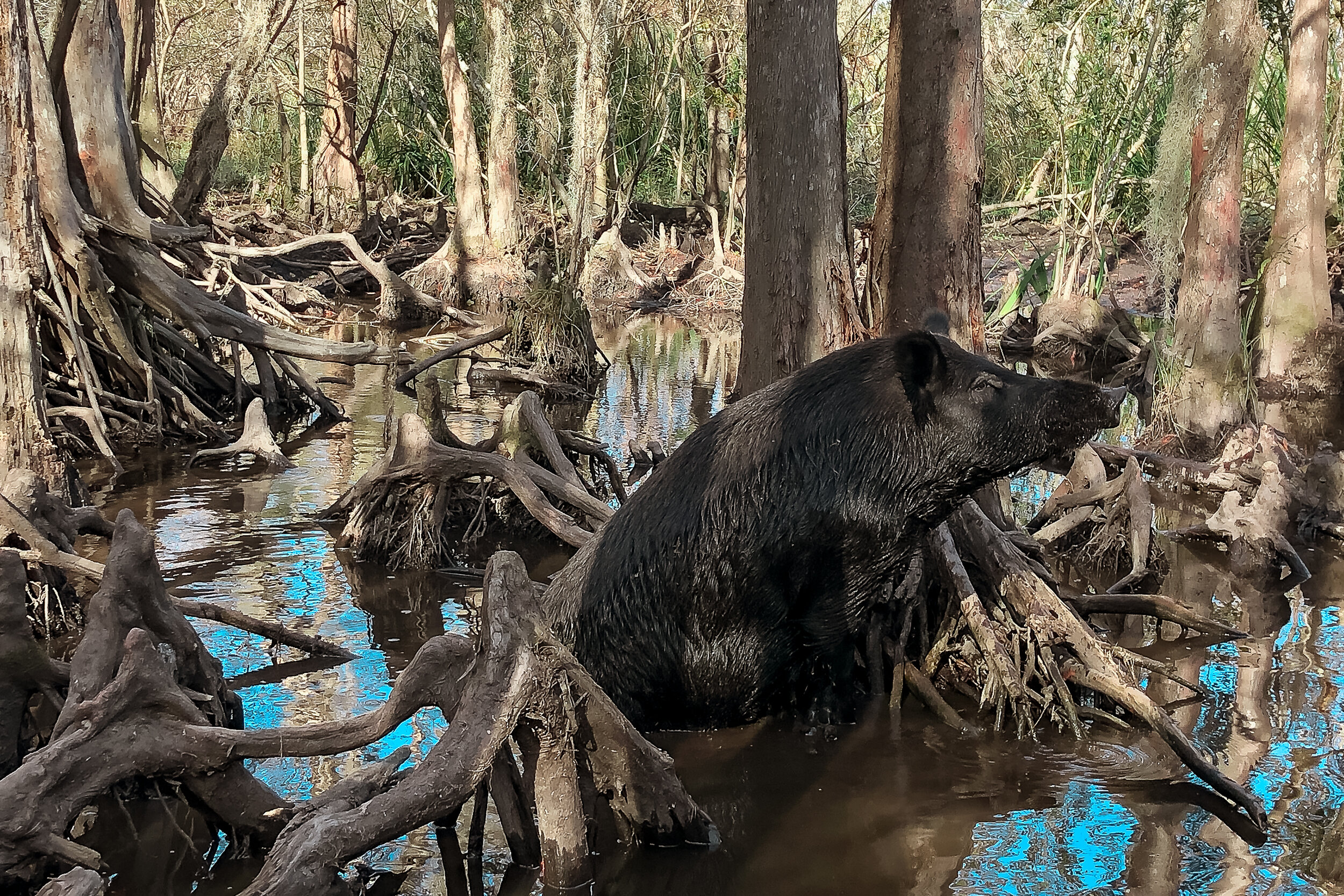
Swamp Tour. New Orleans is surrounded by swamps that have had a large influence on they city’s architecture, industry and cuisine. They are also natural buffers that offer protection from hurricanes. We visited the Honey Island Swamp where we saw wild bores, alligators, cypress trees and Spanish moss while boating through the bayous and past swamp houses.
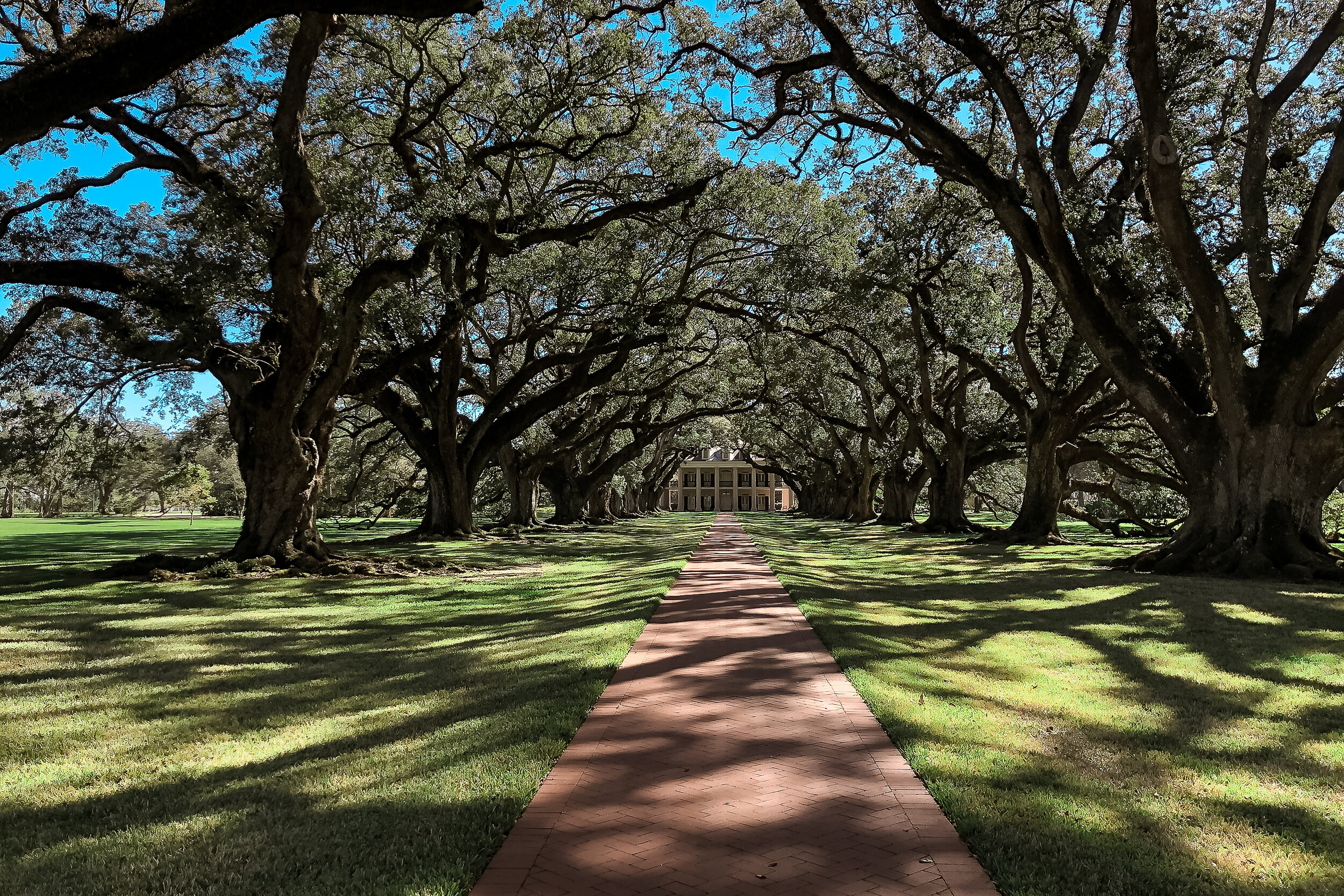
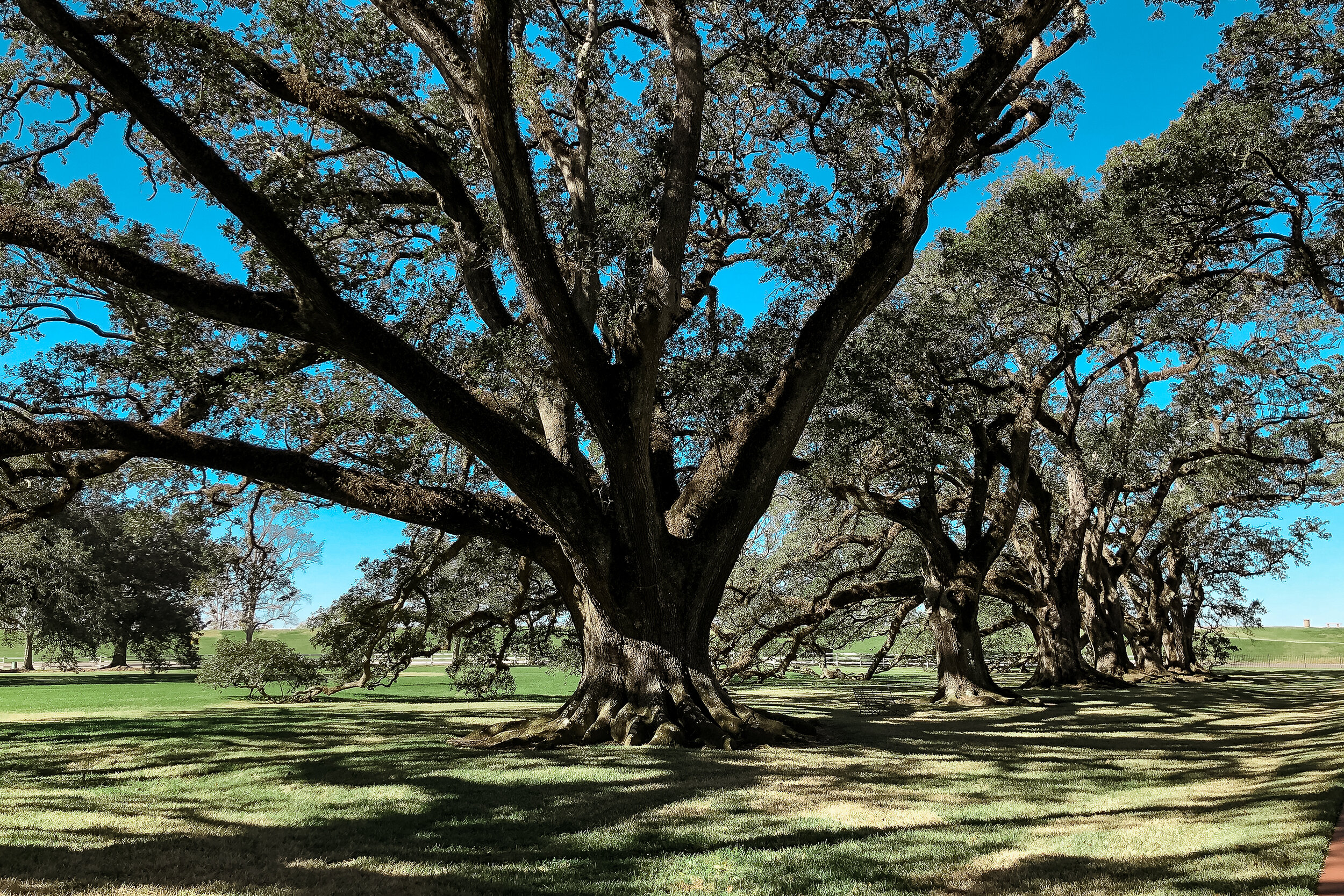
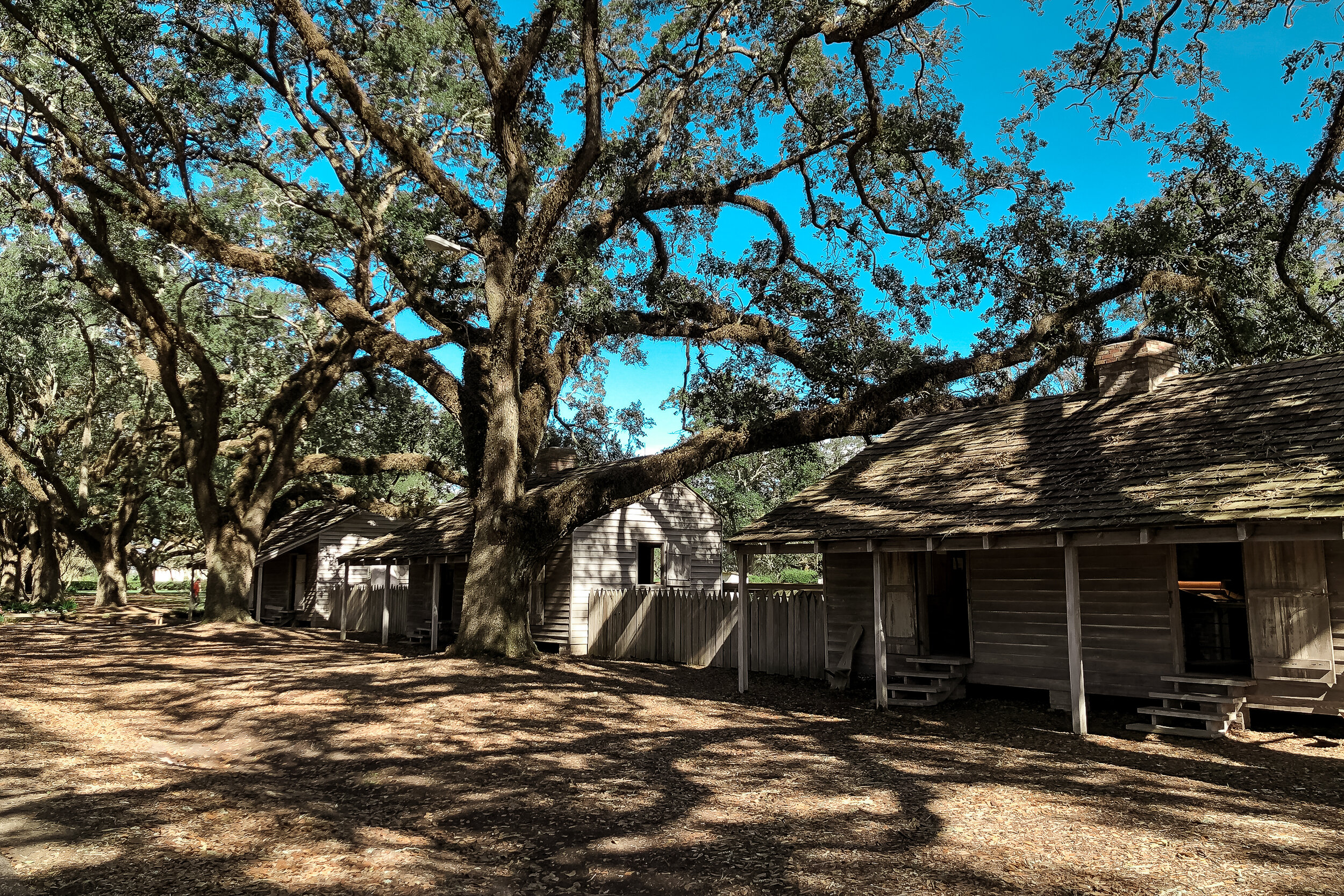
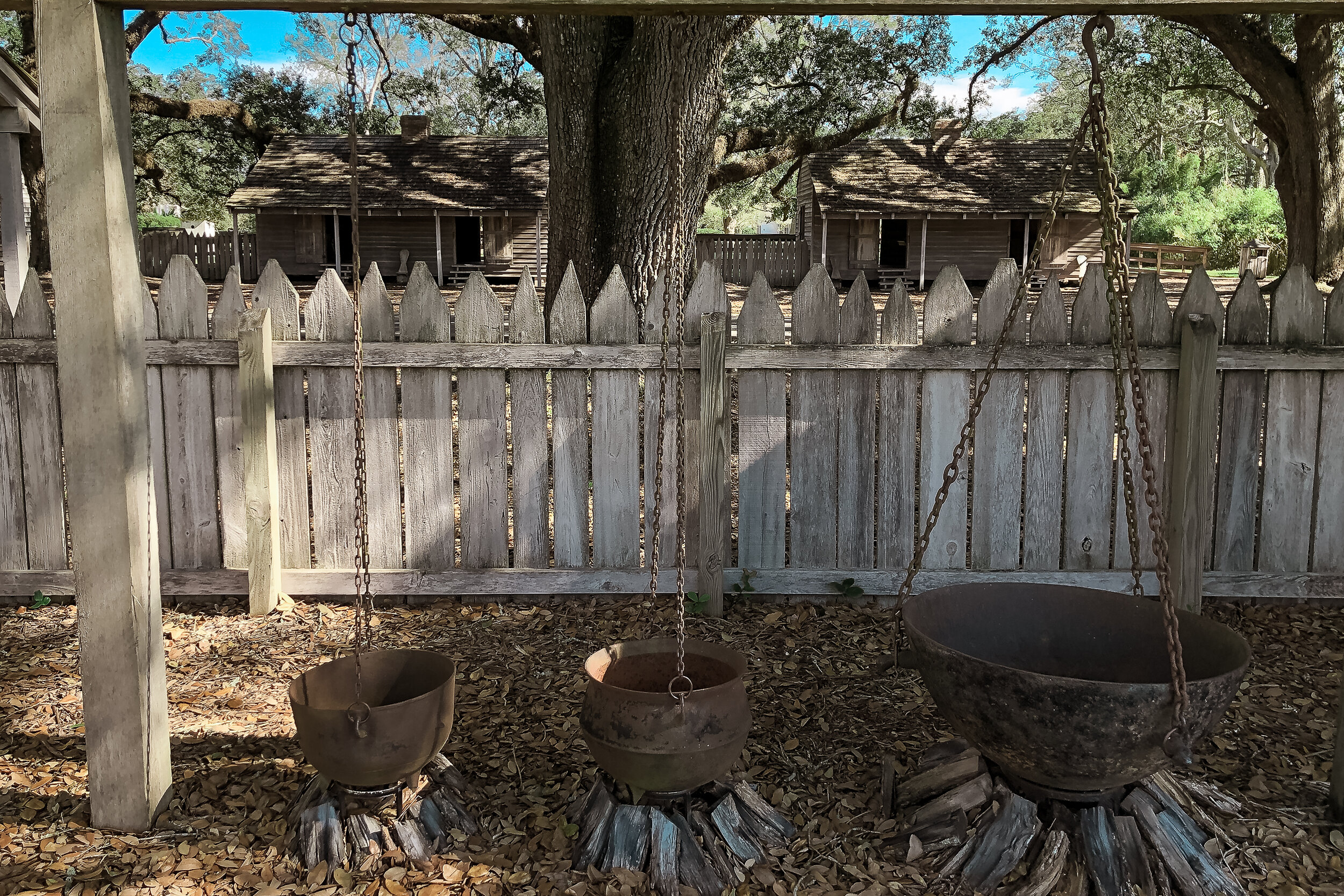
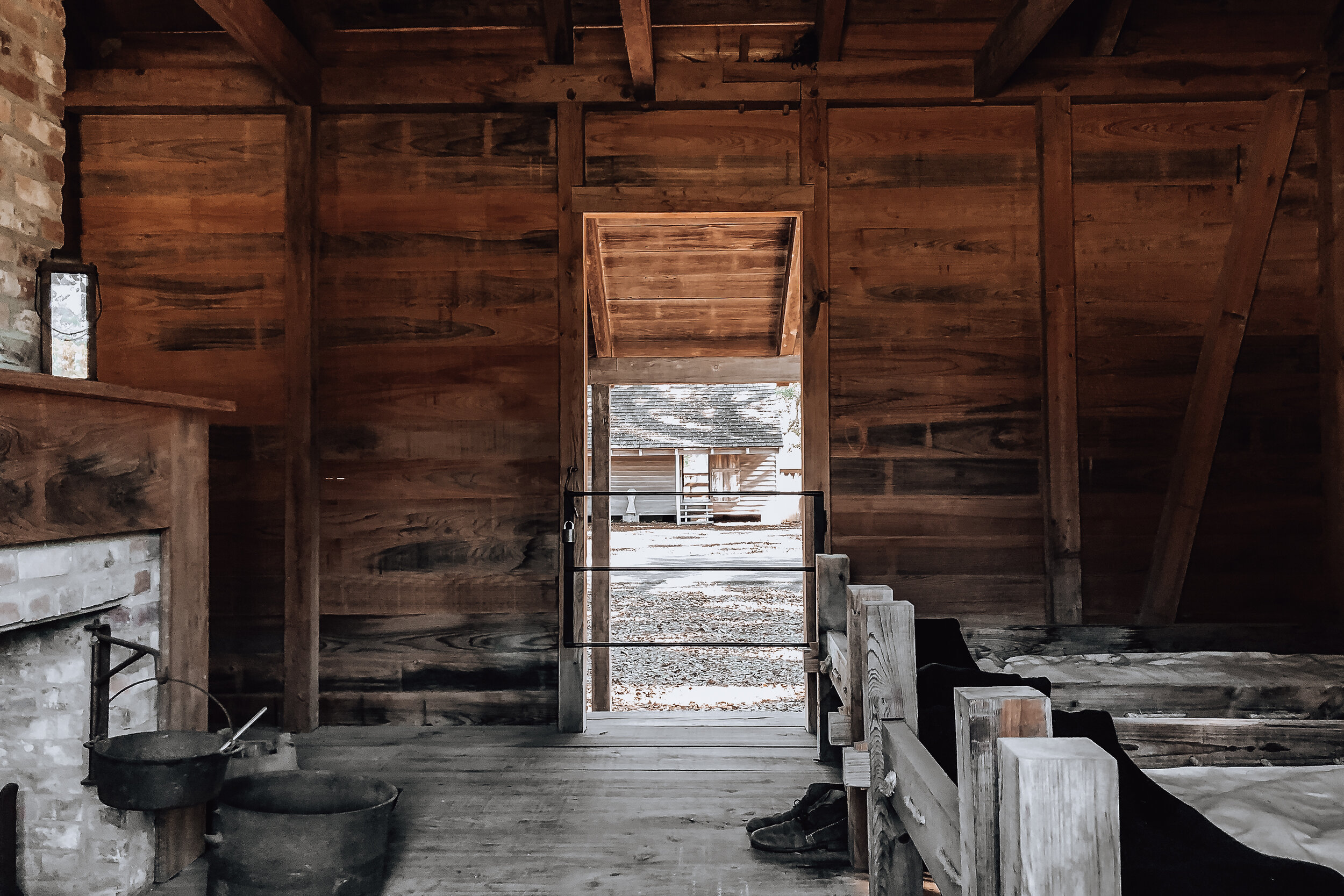
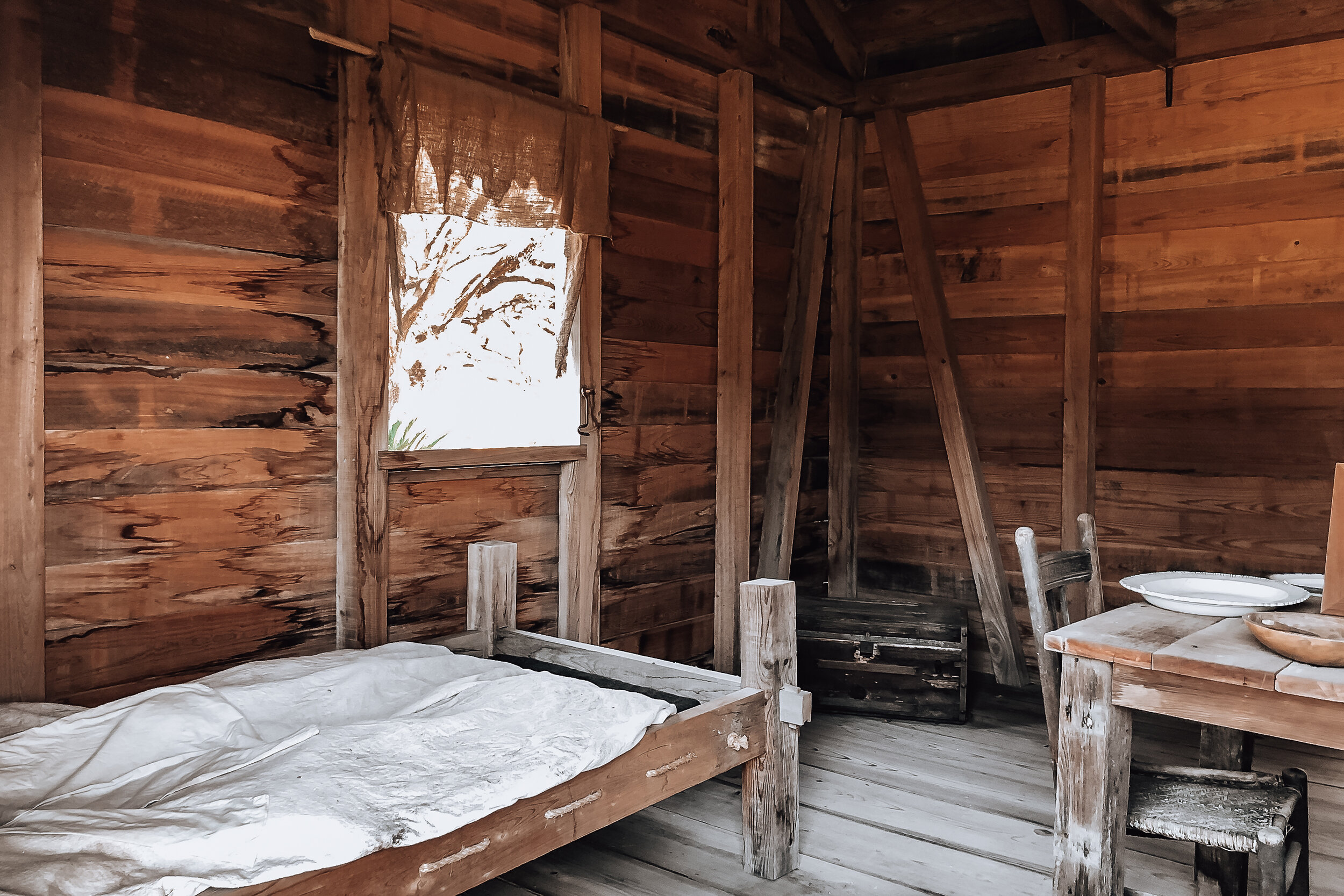
Plantation Tours. Educate yourself on the history of slavery. New Orleans’ past is one we chose to learn more about while visiting. About an hour up-river are a number of plantations offering tours. We visited the Oak Alley Plantation, named for its row of 300 year old oak trees. Here, we learned about the lives of the enslaved people that were forced to labor here, the conditions they lived in and the African influences they brought with them. There is also a great restaurant here. Order a Po’boys and a flight of Mint Juleps!
Pro tip: Book a tour or drive here yourself. Uber and Lyft don’t drive to this area.

Getting Around
Take the Street Car. There are 4 lines that branch out from Canal St in the city’s center to different neighborhoods. Streetcars are the easiest and most affordable way to get around town.
Download RTAGoMobile2.0 app to buy tickets.
Single ride pass costs $1.25
1 Day pass costs $3
3 Day pass costs $9
5 Day pass costs $15
On Foot. Grab a to-go cocktail and start walking. The city is so photogenic and great for exploring on foot.
Lyft or Uber. Overall, New Orleans is pretty easy and affordable to get around.
$10 for short distances
$10-$20 to get across town
$30 to/from the airport to Canal St.
Good to Know
NOLA is short for New Orleans, Louisiana
Dress casually chic to semi formal for higher end restaurants.
Riverside refers to the south side or area along the Mississippi.
Lakeside refers to the north side or area along Lake Pontchartrain
Watch out for scam artists on Bourbon St. If any ones bets they can tell you where you got your shoes…tell them you’ve got them on Bourbon St.
Next Time in New Orleans
With our wedding approaching, we will soon be back in New Orleans. We can’t wait to share our amazing experiences in this city with our family and friends!
We hope to return for Mardi Gras and Jazz Fest.
Tour St. Louis Cemetery No. 1 and Lafayette Cemetery No. 1 after their repairs are complete.
We would love to go sailing on Lake Pontchartrain.
Eat and drink more! Two places we wanted to try are Bar Marilou in the Warehouse District and Elizabeth’s in By Water.
Cheap Flights Checklist
Finding cheap flights can be hit or miss but persistence and flexibility is key to booking the best fares. Here is our checklist of well learned tips to booking affordable flights.

Our Checklist
Finding cheap flights can be hit or miss but persistence and flexibility is key to booking the best fares. Here is our checklist of well learned tips to booking affordable flights.
Track Multiple Destinations
If you’re like us and have a travel bucket list, keep checking flights to multiple destinations around when you’re planning to travel and book the cheapest option. This also helps us learn what prices are considered low or high to various places during different times of the year.
For instance, if you plan on traveling in 3 months from now and want to go somewhere tropical, you could track flights to various tropical destinations during that time and book the most affordable option.
Where to Search
We always begin searching on Google Flights. The search by map and calendar features make it easy to visually choose a destination and time to go.
We also like comparing across travel search engines like Sky Scanner, Hopper and Cheap Flights. These are our go-to search engines but we often check others as well.
Lastly, search directly through the airline’s websites. Some airlines have better routes and prices.
Know the Best Times to Travel
Have Flexible Dates and Times. Sometimes departing a day earlier or an hour later can mean saving hundreds of dollars on flights.
Travel During the Off Season. The weather might not be “perfect” but that doesn’t mean you won’t enjoy your trip. We’ve often enjoyed smaller crowds, better service and made stronger connections with local culture and other travelers during the off season.
Book the Red Eye Flight. It might not be the most comfortable time to travel, especially if you can’t sleep on airplanes, however the prices are almost always less than during mornings or mid-day.
Travel on Grim Dates. Flights are always cheaper on days like Friday the 13th or September 11th.
Travel on Thanksgiving. If you’re flying international from the US. Domestic flights are high but international ones are usually low.
Check Multiple Airports
Many major hubs have multiple airports. Flights to and from the smaller airport may be more affordable. Some examples are Newark vs JFK in NYC, Orly vs Charles de Gaulle in Paris, Narita vs Haneda in Tokyo or Ft. Lauderdale vs Miami in Florida.
If you’re based between multiple regional airports, flights from one vs the other may make all the difference.
Sometimes the best fares may be a flight away. While living in Chicago, we would often book trips out of NYC’s airports for the better fares, assuming flights from Chicago to NYC we’re also low.
Book One Way Flights
We’ve booked one way flights to hop between destinations. In one instance, we purchased one way flights from NYC to Mexico City to Cancun then back to NYC.
We’ve also booked one way flights to and from destinations through different airlines. We’ve purchased flights through JetBlue from NYC to San Juan, PR then returned with Spirit Airlines.
If you do it right, either option can end up costing less than round trip tickets.
Be Aware of Baggage Fees
We rarely check a bag however we always verify baggage fees and restrictions. They frequently change between airlines and countries. Before booking, confirm how many bags are included, what the weight/size restrictions are, if they can be carried on or have to be checked. Fees can quickly add up if you’re not paying attention.
Book the Budget Airline
We’ve all heard or been one of the horror stories on budget airlines however not all budget airlines or experiences are bad. Though there’s usually less leg room, higher baggage fees and overbooked flights, we consider it justifiable for the cost. We’ve purchased cheap flights and had great experiences with these airlines:
Jet Blue: $117/ticket direct roundtrip from Newark, NJ to San Juan, PR
Spirit: $114/ticket direct roundtrip from Newark, NJ to New Orleans, LA
Level Airlines: $288/ticket direct roundtrip from Newark, NJ to Paris
Ryanair: $67/ticket direct roundtrip from Madrid to Marseille
Norwegian Air: $280/ticket direct roundtrip from JFK to Oslo
China Eastern: $540/ticket roundtrip from JFK to Tokyo with a 4 hour layover in Shanghai
Don’t Wait to Book
If you feel good about a ticket’s price, don’t wait to book it. Chances are the price won’t be available less than 24 hours later.
Lottery for First Class
Some airlines like Norwegian Air have lotteries where you can bid to upgrade your seat to First Class. After booking, you can choose to pay more to upgrade your seat. If selected, you’ll be charged for your bid then upgraded, often for much less than the cost of First Class Tickets. We’ve flown First Class from JFK to Amsterdam and Oslo.
Volunteer if Asked
We’ve earned several hundred dollars in flight vouchers and Visa cards on multiple occasions by volunteering to take the next flight on overbooked flights.
Buy Travel Insurance
Though it’s usually an extra expense, we typically add on travel insurance to our flights. It’s come in handy a few times, especially during 2020.
Travel Credit Card
Sign up for a travel credit card to earn points that cover the cost of flights or other travel related expenses. We use the Chase Sapphire Reserve credit card. 1 point = 1.5 cents. For example, the sign up bonus of 60,000 points is equivalent to $900. The card costs $500 a year however we earn $300 back in travel credits. It also comes with a Priority Pass that offers access to various airport lounges. Any travel related expenses earn 3 points per dollar spent on the card. Over time, it adds up and more than pays itself off.
Persistence & Flexibility
If you’ve read this far, you can tell there are many ways to find the most affordable flights. It’s often a combination of methods on our checklist, the most important of which is persistence and flexibility. Being persistent about finding cheap flights and willing to be flexible to book them is often what lands us the best fares.

Traveling Sustainably
No matter the reason for traveling, there is always a reason to do so sustainably. Traveling sustainably is a great way to minimize our negative environmental impact and help preserve the natural environment.

Our Impact
No matter the reason for traveling, there is always a reason to do so sustainably. Traveling sustainably is a great way to minimize our negative environmental impact and help preserve the natural environment. Knowing how and putting it into practice is not difficult nor does not have to be expensive. Even some of the smallest efforts can do good. We’ve identified several ways we aim to reduce our negative impact while traveling. Everything from getting to the destination, choosing when to go and where to stay as well as the habits and activities we engage in all provide opportunities to travel sustainably.
Ways of Travel
Getting to the Destination . Air Travel is often the most efficient way to get to a destination but it is easily the largest contributor of emissions while traveling. There are multiple ways to help reduce or offset your emissions on a global and local scale.
Purchase Carbon Offsets. Carbon offsets do not reduce emissions but are designed to counteract them by investing in green energy, planting trees and funding the protection of vulnerable species and environments. A number of airlines offer ways to purchase carbon offsets separately from your tickets either on their site or through a partner company. Carbon Fund is an easy and reputable way to purchase offsets based on the number of miles flown.
Choose Direct Flights. The more times you take off, the more fuel is burned resulting in extra emissions. Choose direct flights whenever possible, especially for traveling short distances.
Travel by Bus or Train. If you’re traveling regionally, look into buses or trains. In some cases, these are often comparable in time, more cost effective and result in less emissions.
At the Destination. Once you’ve made it to your destination, minimizing your local impact is the goal. Here are a few ways to get around.
Choose to bike, walk or hike. In addition to being the best way to see and experience a destination, it results in little to no emissions.
Take public transit or shuttles opposed to taxis or renting a car.
If you do rent a car, opt for the eco model. Many rentals also allow you to purchase carbon offsets as well.
Depending on the destination, there may be alternative methods of travel like pedi-cabs, cable cars or electric scooters.
The Destination
When to Go. Travel to a place during the off season. This helps limit the strain on the environment and local community. We’ve found you’ll often have a much more enjoyable time with less crowds, better service and be able to make stronger connections with local culture and other travelers.
Where to Stay. Research your destination and the options available. We often stay at small and communal accommodations like hostels, eco-hotels, camp grounds, treehouses and bed and breakfasts. They typically have the least negative environmental impact and often benefit the local community.
Stay at a Hostel. Hostels often have a low environmental impact. They typically consume less energy and produce less waste than traditional hotels. In many cases, they’re often run by locals who care for and promote their community, culture and environment. Hostel World is a great place to book!
Book an Airbnb. Our favorite site to search for accommodations. You can search by property types including: earth homes, cabins, huts, tents and treehouses. These types of listings are often sustainable and make for unique places to stay!
Look for Eco Ratings. Many hotels, whether large chains or small boutiques, may have eco ratings. There are dozens or organizations that award ratings. The Global Sustainable Tourism Council (GSTC) serves as a basis for many of these. GSTC sets standards that other organizations follow as well as issues their own certifications. Look for any of their approved ratings here.
What to Avoid.
Avoid cruise ships, mega resorts and big hotels without eco-friendly ratings.
Don’t leave the AC, heat or lights on when not in your room.
Don’t request new/extra towels or sheets daily to avoid an extra wash and dry cycle.
Sustainable Habits & Activities
Outside of getting to the destination and where you stay, there are number of ways to minimize your emissions, waste and negative environmental impact.
Participate in low impact activities like visiting museums or parks, go on a picnic, take a snorkeling lesson, go hiking, zip-lining or stargazing.
Search for locally made souvenirs opposed to mass produced ones seen everywhere. Try visiting vintage shops, local markets and kitchenware stores. We usually bring home something small for our apartment or food items like spices, wine and chocolate.
Participate in a beach, trail or roadside clean up. Whether on your own or with a local organization, bring a bag and collect as much waste as you can carry in it. Recycle what you can.
Bring a reusable water bottle and metal straw. Don’t buy single-use or plastic ones.
Avoid using cosmetics and toiletries with harmful chemicals. Research the products you use regularly.
Wear reef safe sunblock and eco-friendly insect repellent, especially when visiting bodies of water.
Pay attention to waste/recycling bins. Color-coded bins often differ from country to country.
Eat more plant based and locally sourced meals. Visit a farmers market for local produce.
Don’t waste food, always take home leftovers or give them to someone in need.
Back Home
Many of these sustainable efforts can be practiced back home and continue to minimize our negative environmental impact on a daily basis. The privilege to travel is a wonderful thing, doing it sustainably helps ensure that the natural environment as well as the cultures and species it supports have a better chance at being preserved.

Traveling During Covid
Early during the lockdown, I remember looking into the sky and not seeing a single airplane for weeks. The pandemic, travel bans and lockdowns seemed to cause the world to stand still.

Lockdown
Early during the lockdown, I remember looking into the sky and not seeing a single airplane for weeks. The pandemic, travel bans and lockdowns seemed to cause the world to stand still. Our flights to Hawaii, Mexico, Japan and Morocco were all canceled. With the spare time, we started Afar Atlas as a way to remember and relive out past travels.
Eventually as lockdowns eased, we managed to take a couple regional trips to view wedding venues and get away during the winter. Though it wasn’t advisable to travel, we wanted to share the precautions we took and the considerations we made.
Travel Precautions & Considerations
Keep up to date with entry requirements. Many states have mandatory quarantines as well as ways to test out. Before traveling, we have gotten PCR covid tests with in 72 hours of traveling, had to fill out contract tracing forms and have quarantined from 3 to 14 days depending on the location.
Keep up to date with local lockdowns. Knowing what to expect before traveling and planning how to safely follow local mandates is key to enjoying your trip. Requirements change almost daily and differ from place to place. Some we encountered are mask mandates, occupancy limits, social distancing, contact tracing surveys, stay at home orders, curfews, alcohol bans and business closures. Follow the rules put in place in order to keep yourself and others safe.
Read up on airport procedures. Many airports limit terminal seating, ask travelers to distance themselves in lines and have control points set up on arrival by the National Guard to verify if you’ve been tested or not. Some airports also offer onsite rapid and PCR testing.
Read up on airline procedures.
Most airlines have HEPA filters installed inside their airplanes and re-circulate filtered air every 3-5minutes. Many have also adapted advanced cleaning methods, fogging the airplane with disinfectant after passengers deplane and before boarding. Many also offer wipes to clean your seat, window and tray table.
We flew Delta, which spaced out every other seat. We also flew Jet Blue, which did not. At the time Jet Blue did have free cancelations and re-bookings with no questions asked.
Our Daily Precautions
Whenever in transit, we wore KN-95 masks and sanitized our hands frequently. Bring extra masks and sanitizer.
We tracked our temperature, monitored for symptoms and checked our blood oxygen level with a pulse oximeter each morning and night.
We only dined outdoors at restaurants with social distanced and open air seating.
We walked whenever possible or had the windows open/cracked whenever in a taxi, even when it was cold or raining.
Because requirements differ so much from place to place, we would often defer to stricter guidelines and follow CDC advice. The main advice we followed and strongly encourage are wearing a mask, social distancing, sanitizing and getting tested.
Alternatives to Traveling
There are plenty of alternatives to traveling that we’ve engaged in over the past year. These are our 5 favorite:
Airbnb Virtual Experiences. Airbnb rolled out virtual experiences for people to connect with other cultures around the world. We’ve taken multiple cooking classes to experience the food and culture in other countries.
Balinese Cooking Class. We cooked Gado-Gado, vegetables with peanut sauce and Nasi Goreng, Balinese fried rice then toured the home of our hosts.
Okonomiyaki Cooking Class. We cooked Okonomiyaki, a savory Japanese pancake with a home cook in Osaka, Japan
Paella Cooking Class. We cooked paella and made sangria with a chef at a cooking school in Sevilla, Spain.
Experiences go further than cooking classes to local tours of neighborhoods, dance classes, drag shows and history lessons.
Start a Travel Blog. We had been wanting to start a travel blog for years. The spare time and loss of being able to freely travel gave us the perfect opportunity to start Afar Atlas. Pick out a Squarespace template and start blogging!
Plan Future Trips. Think about the first place you want to travel to after the pandemic ends and start researching the destination!
Go Near. Explore your own backyard, walk down the road less traveled, go on urban hikes or visit nearby nature sights & parks. It’s fun to reacquaint yourself with your local surroundings.
Travel on Google Maps. Choose a random location on the map and tour the streets of a foreign city or countryside, popping into places with photo sphere views. Start here and explore St. Helena.
Post Covid Travel
Until the pandemic officially ends, be smart and safe about how you travel and why. Though there’s still a ways to go, we look forward to society beating this pandemic, being able to travel to far out places, experience different cultures and interact with other travelers.
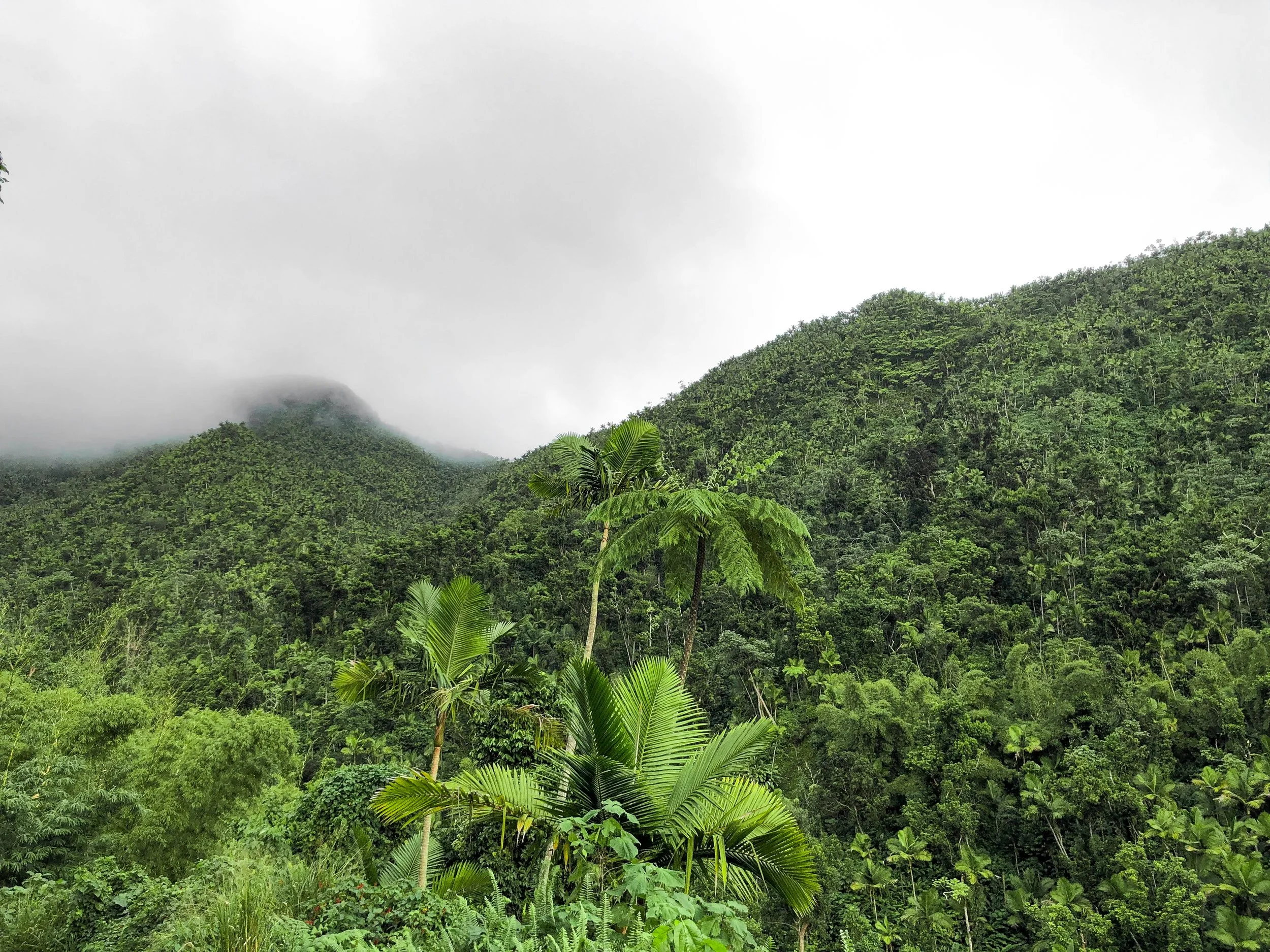
Eastern Puerto Rico
Puerto Rico is known as La Isla del Encanto, which translates to The Island of Enchantment. Eastern Puerto Rico is home to rainforest, waterfalls and beaches.
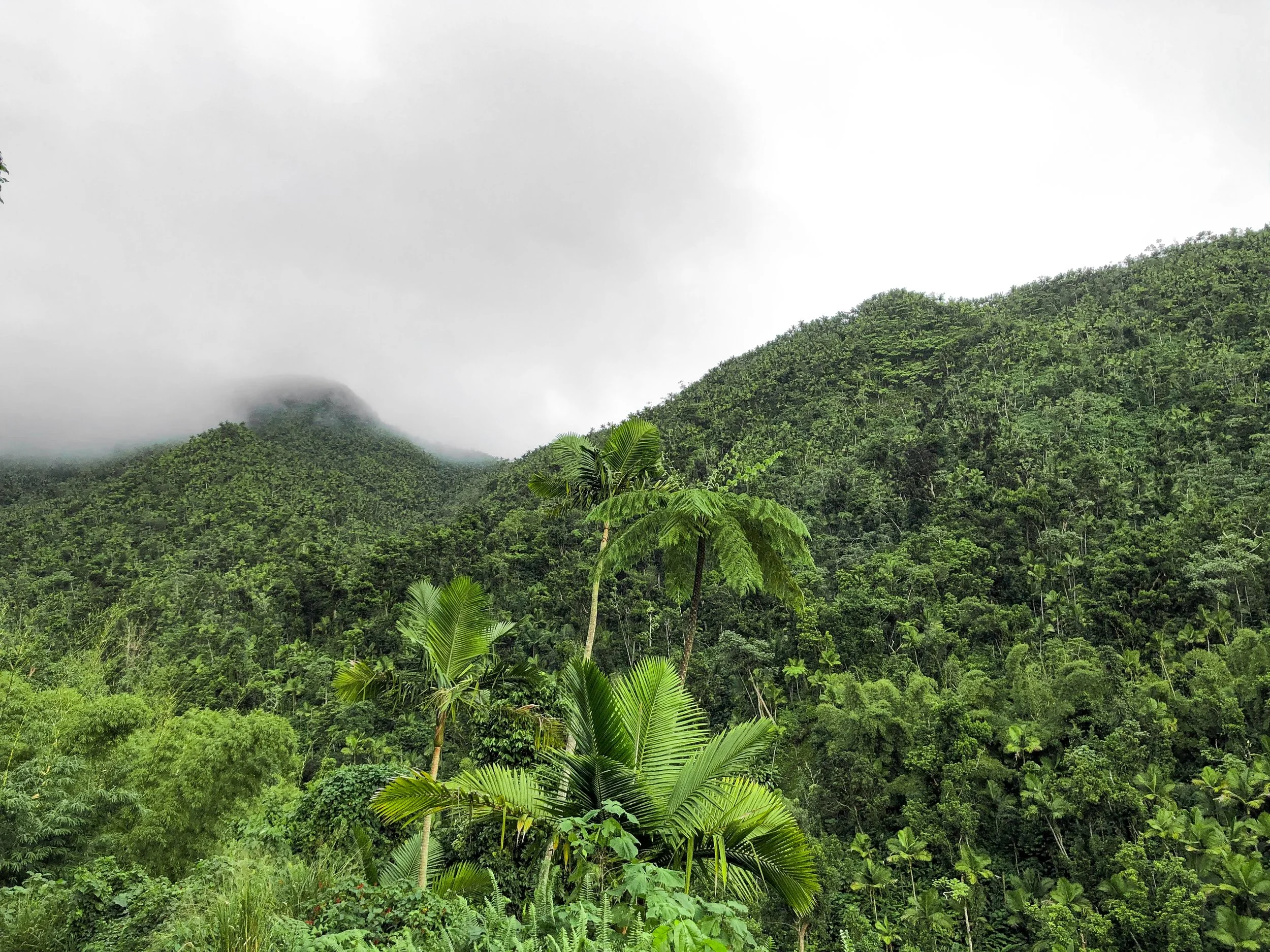
La Isla del Encanto
Puerto Rico is known as La Isla del Encanto, which translates to The Island of Enchantment. Eastern Puerto Rico is home to golden sand beaches, bioluminescent bays, verdant rainforests and waterfalls.
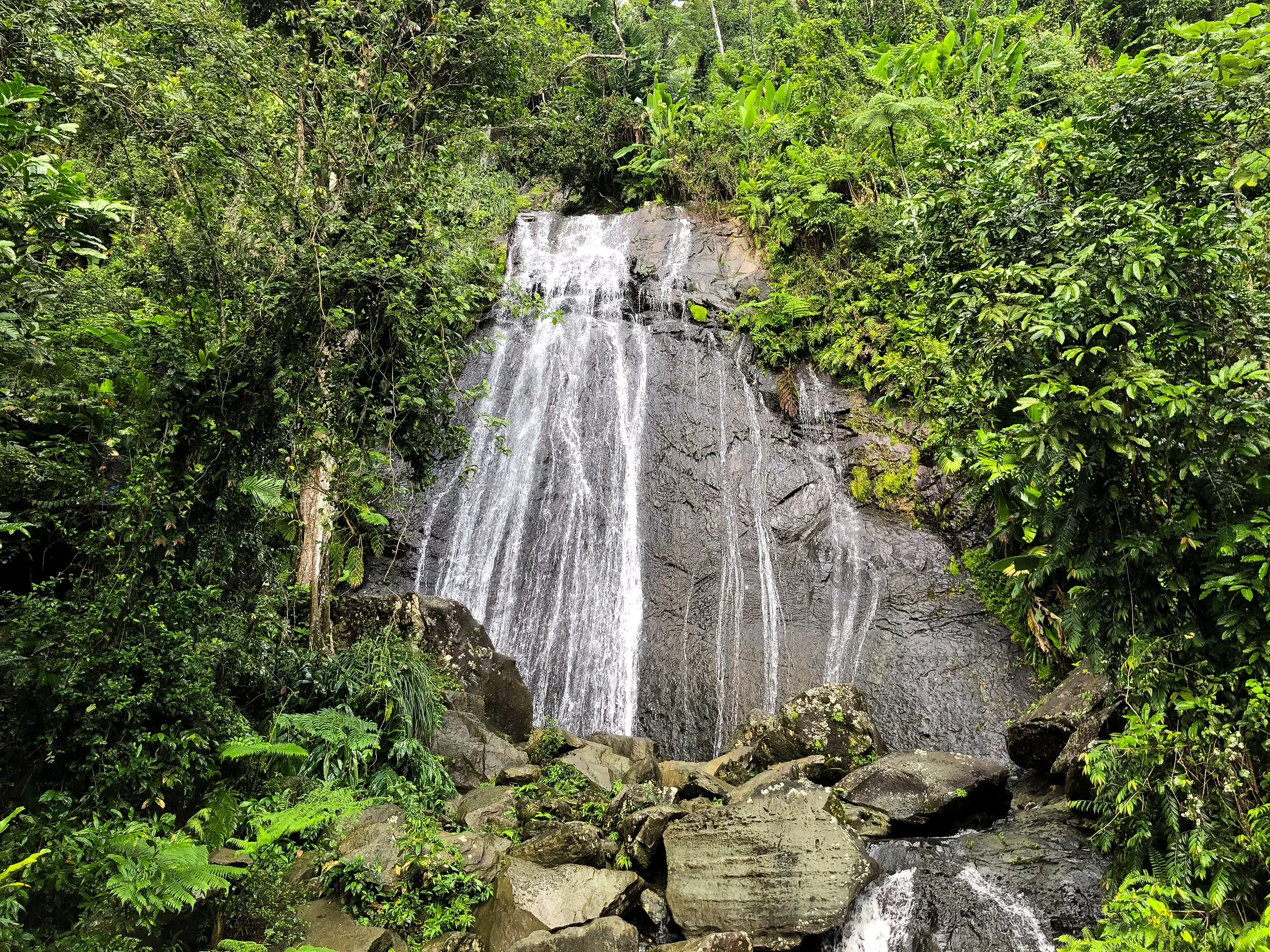
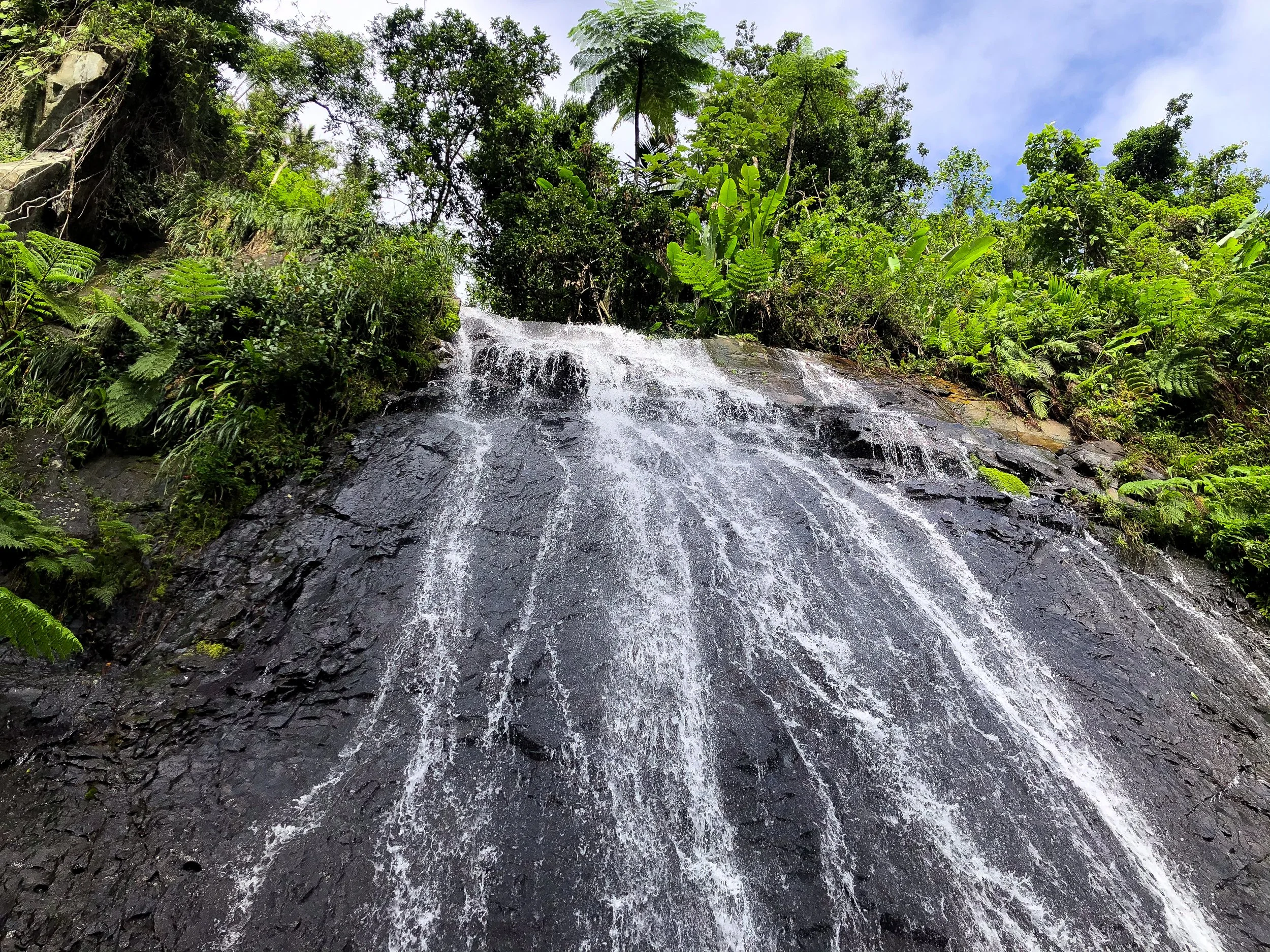
El Yunque National Forest
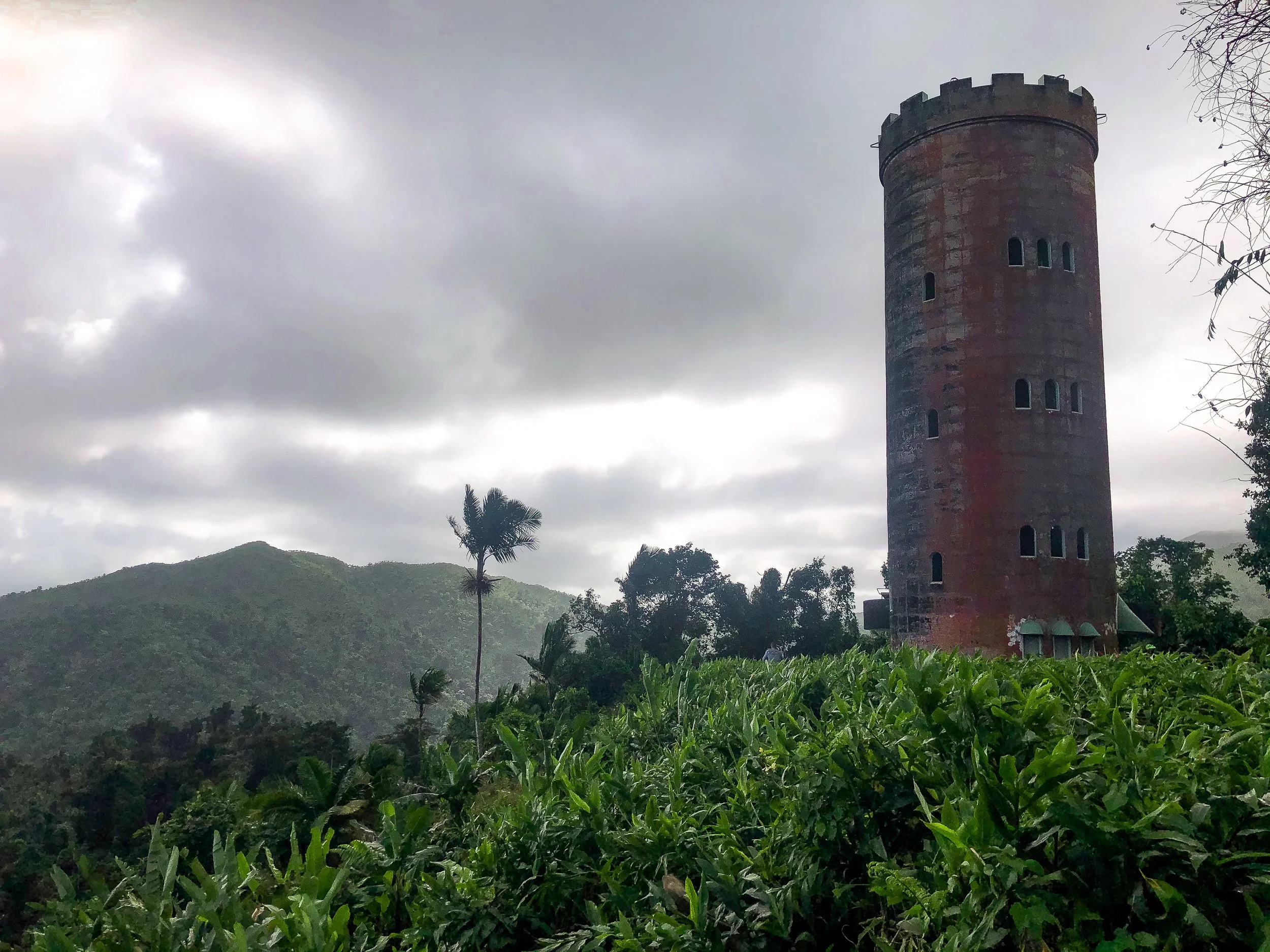
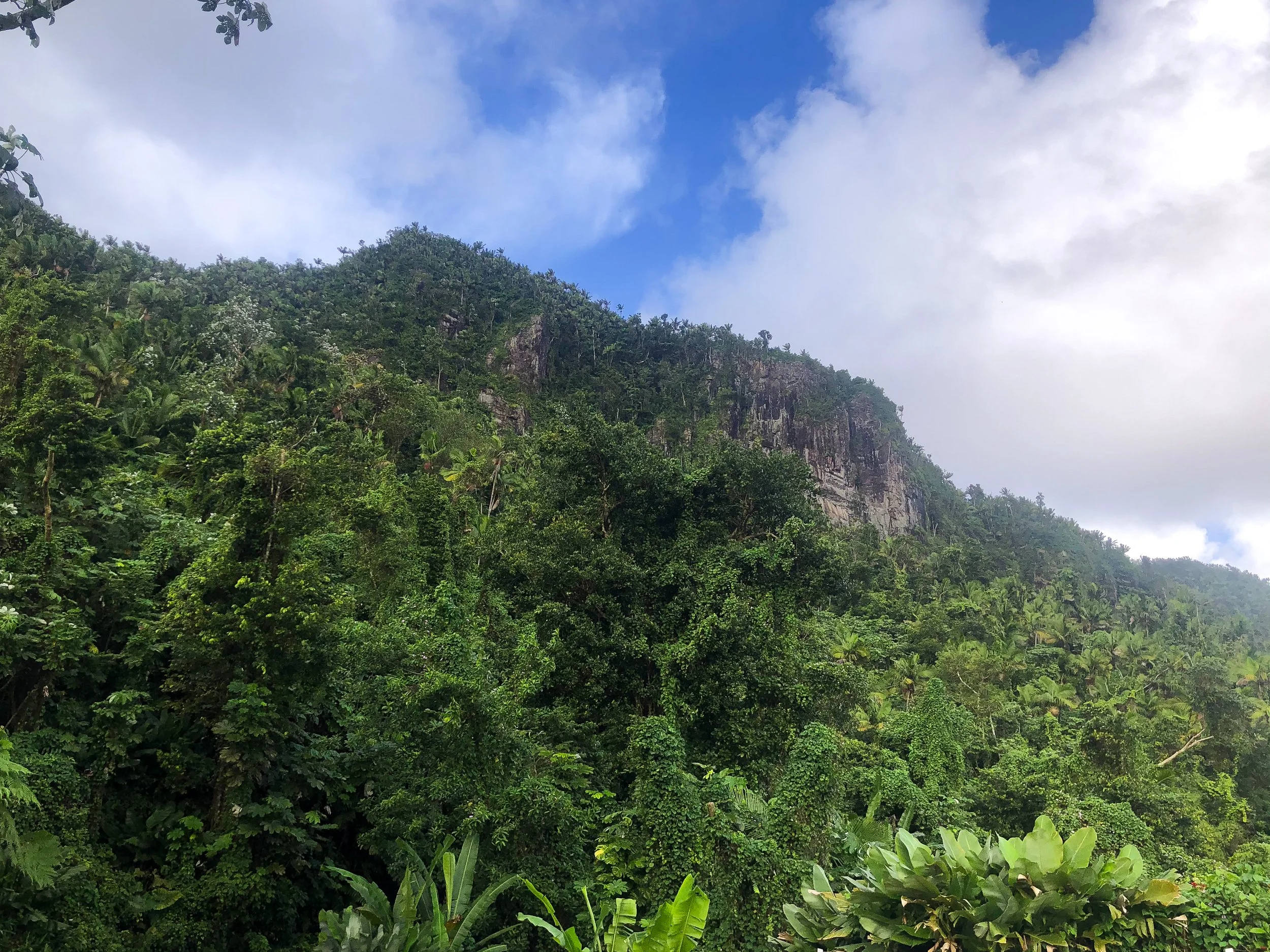
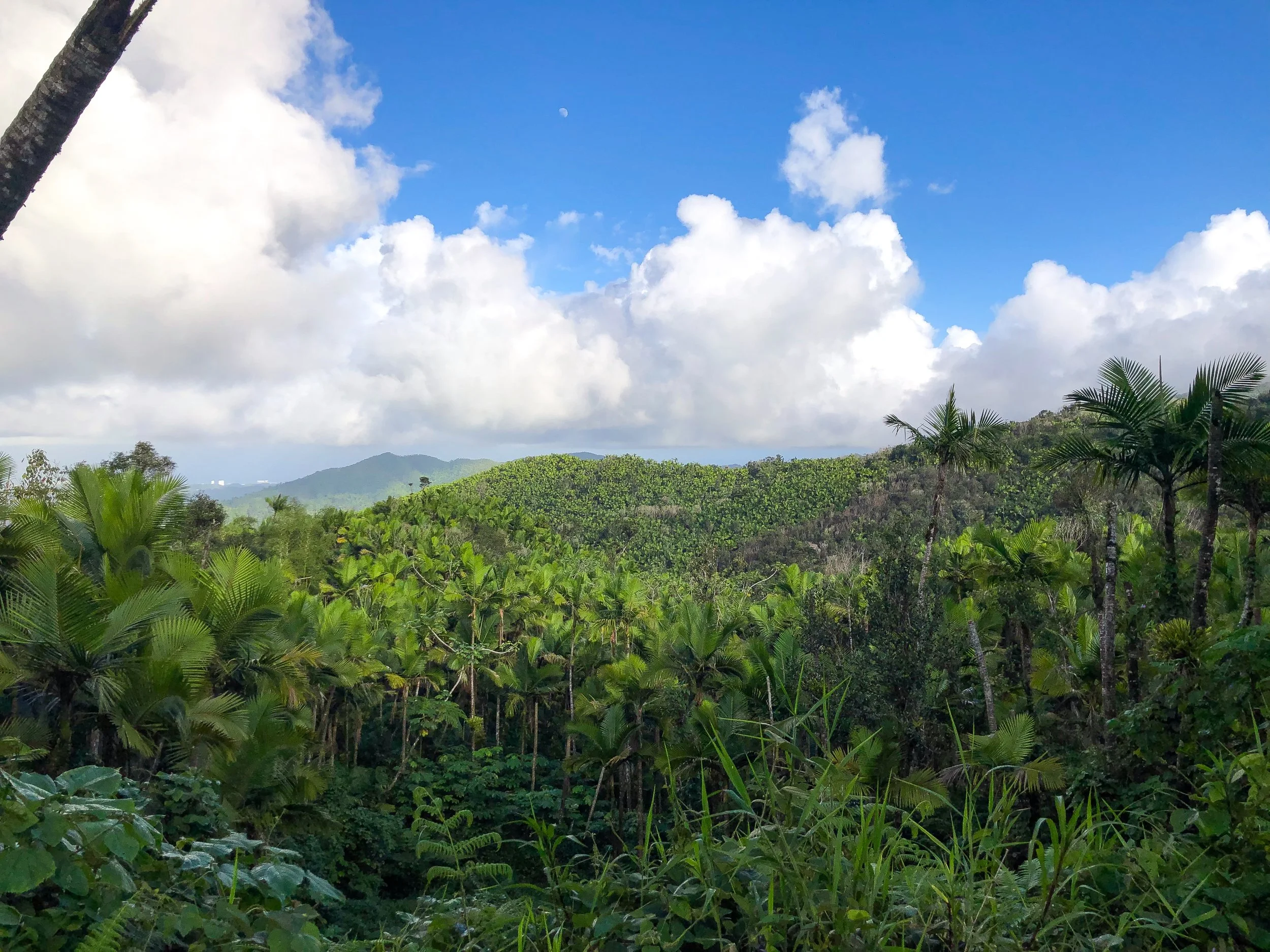
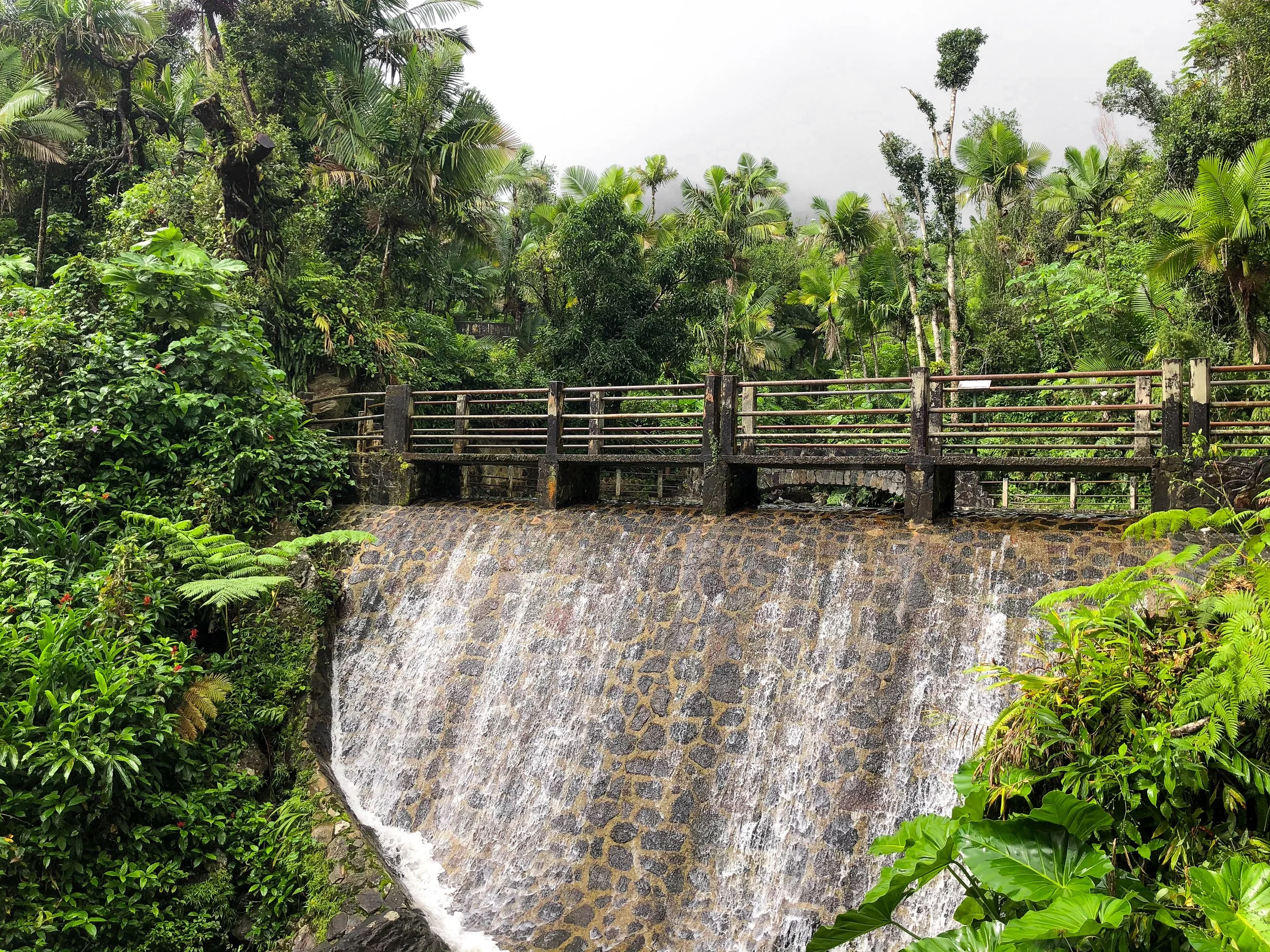
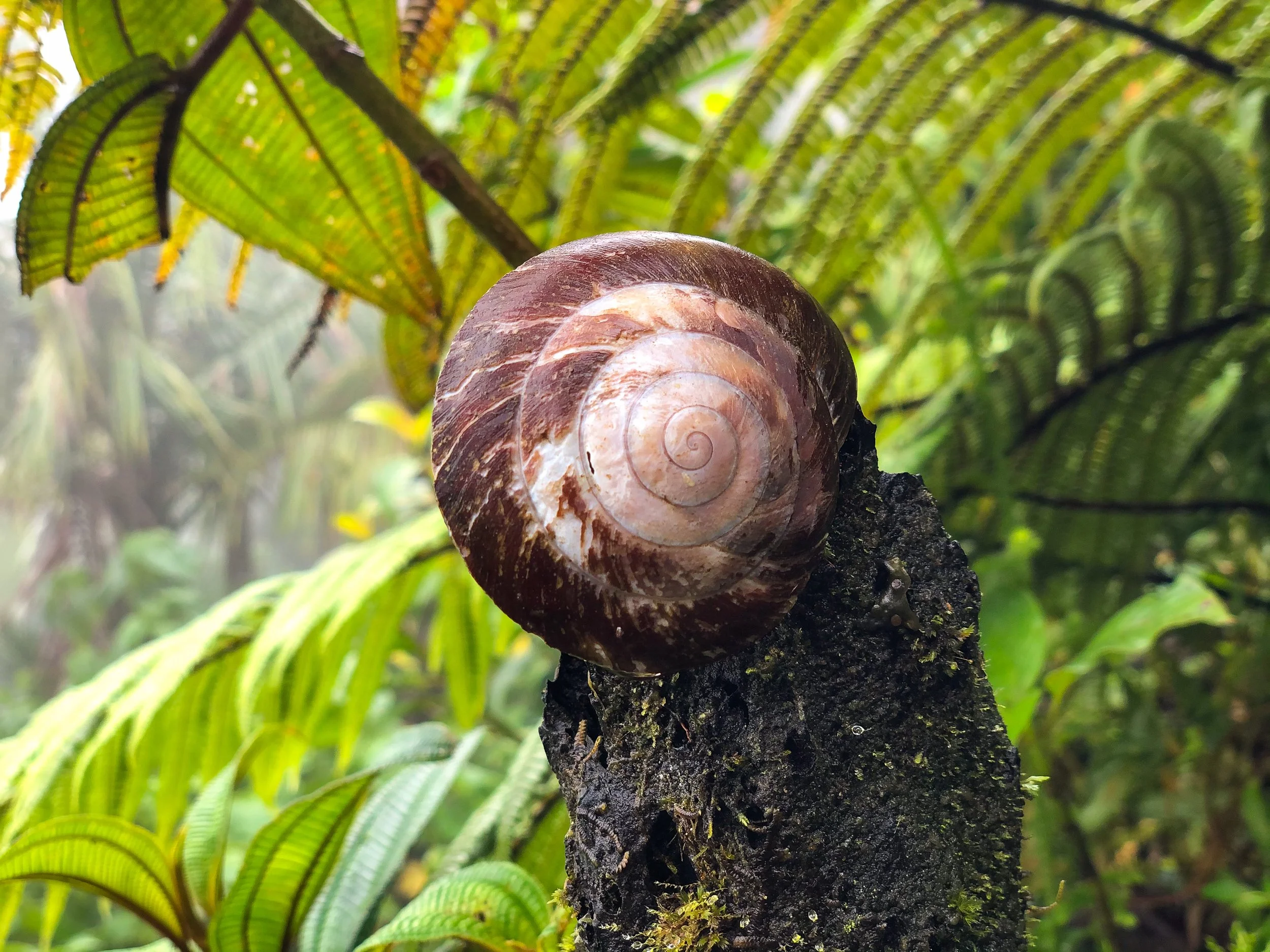
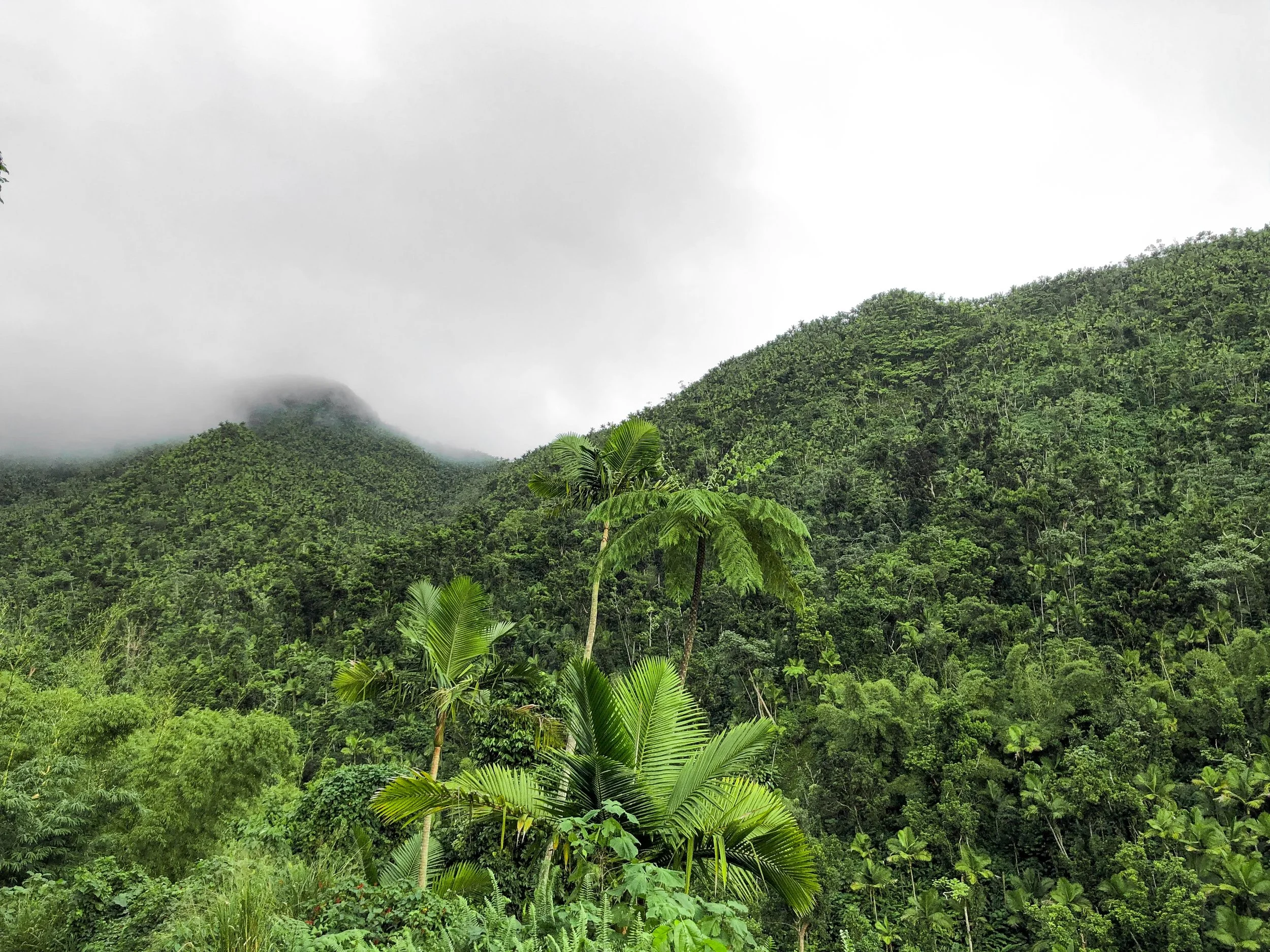
El Yunque is home the island’s only rainforest. The landscape is full of lush tropical vegetation, waterfalls with natural pools, hiking trails, lookout towers, tree snails and frogs. Here are a list of sights and trails in consecutive order past El Portal Visitor Center.
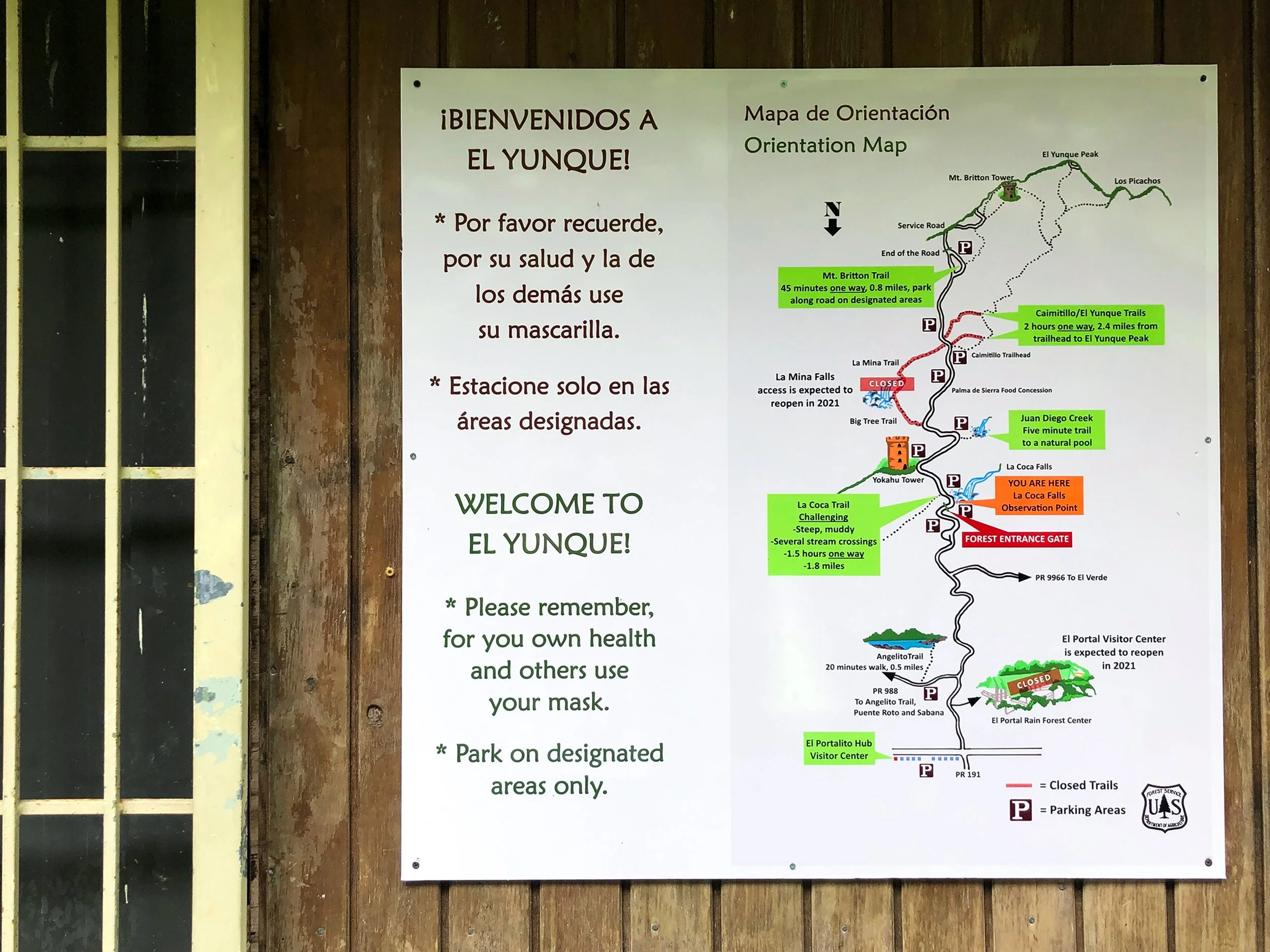
La Coca Waterfall. An 85ft tall waterfall streaming down the face of a large rock. It’s visible from the roadside waterfall shortly after entering El Yunque.
Yokahú Tower. An cylindrical observation tower perched on a clearing overlooking the rainforest. It’s located less than 1km past La Coca Waterfall.
Juan Diego Falls. A series of small waterfalls with natural swimming pools below. The water is cold and refreshing! The falls are reachable via a short and often muddy trail from the roadside.
Sierra Palm Picnic Area. The only restaurant in El Yunque with Puerto Rican dishes and drinks. It’s a great lunch option and picnic spot while in the forest.
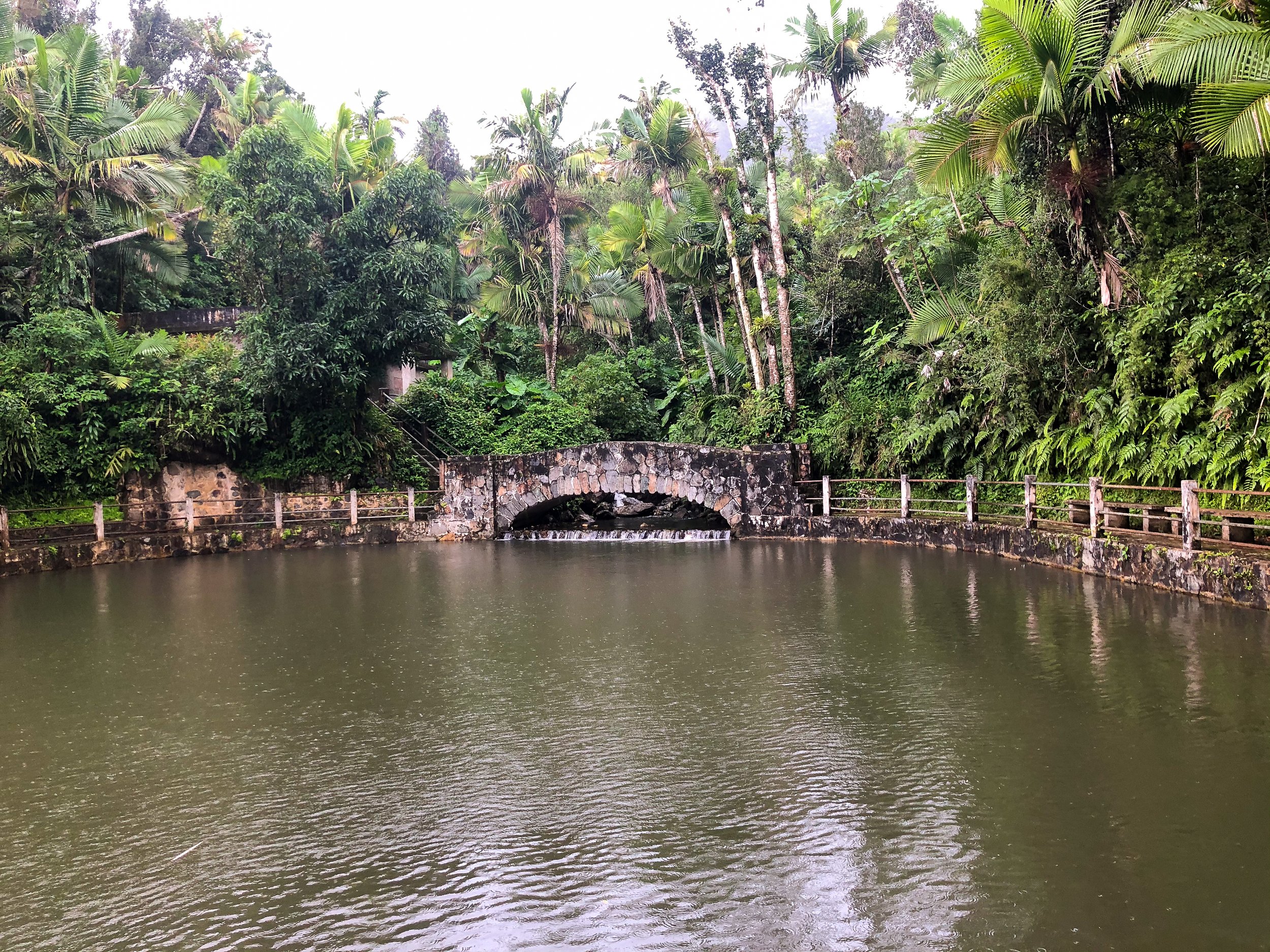
Baño de Oro. A historic swimming pool fed by rainwater and streams. It’s no longer swimmable, however pathways lead through the gardens surrounding it.
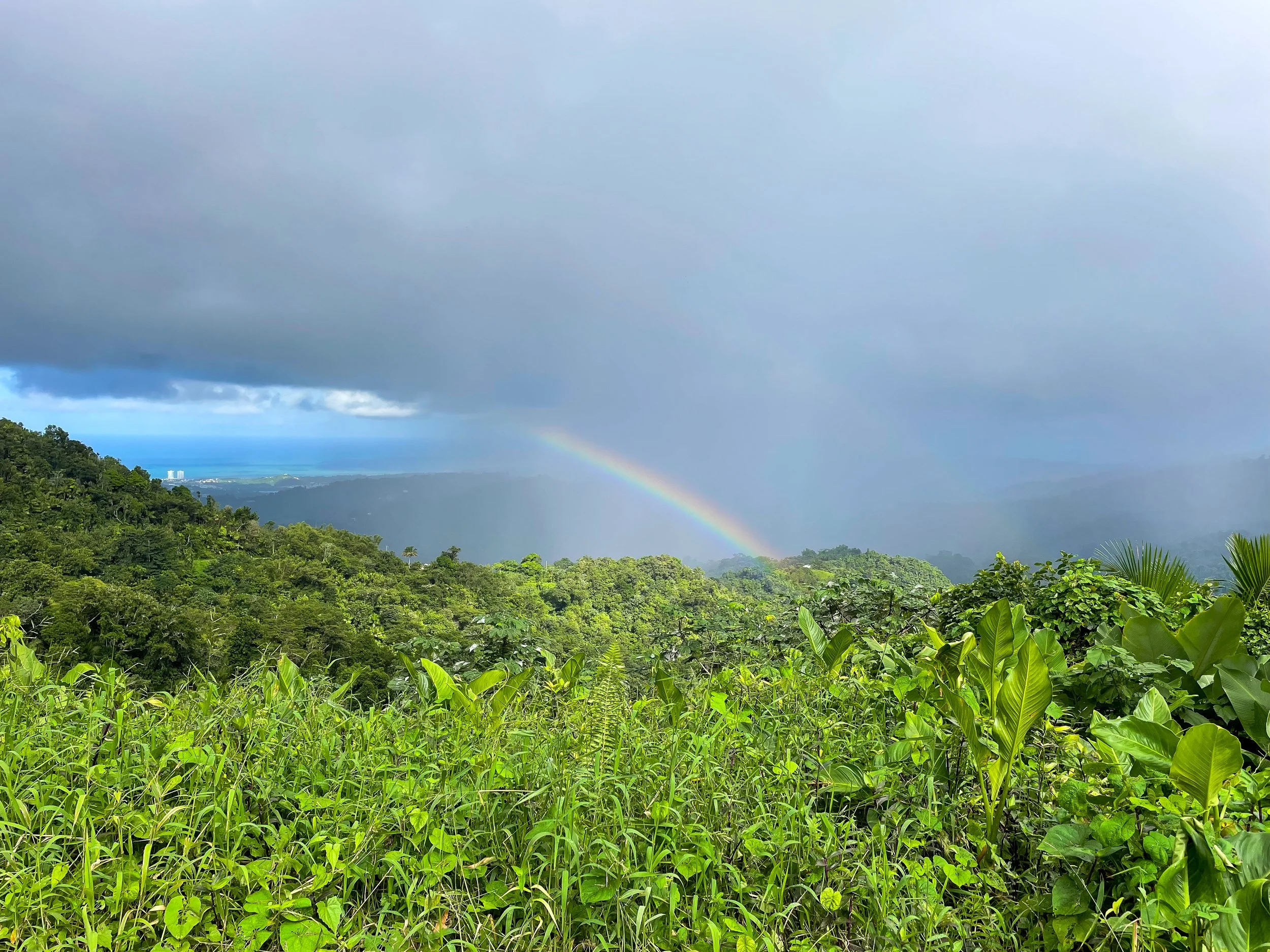
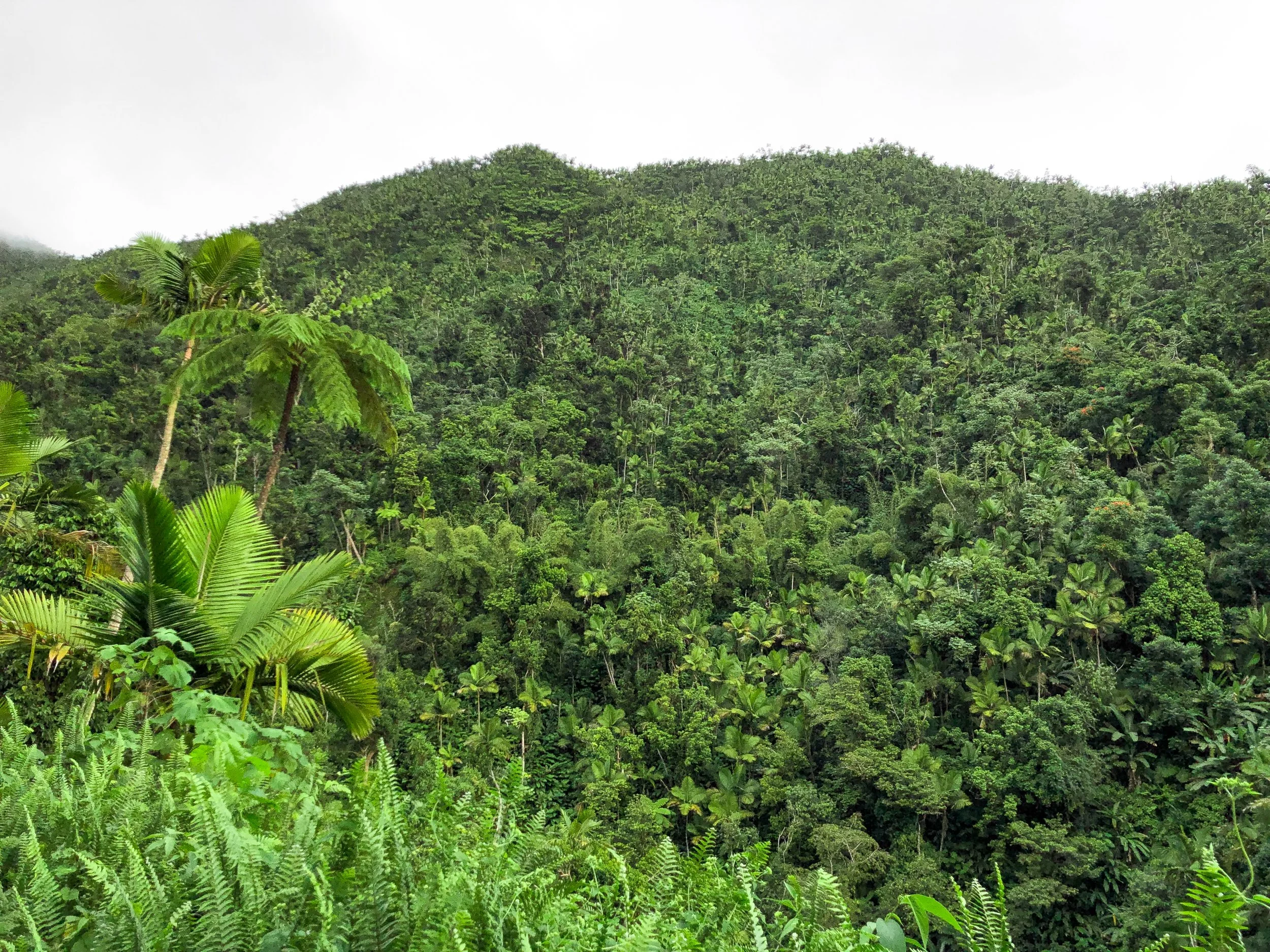
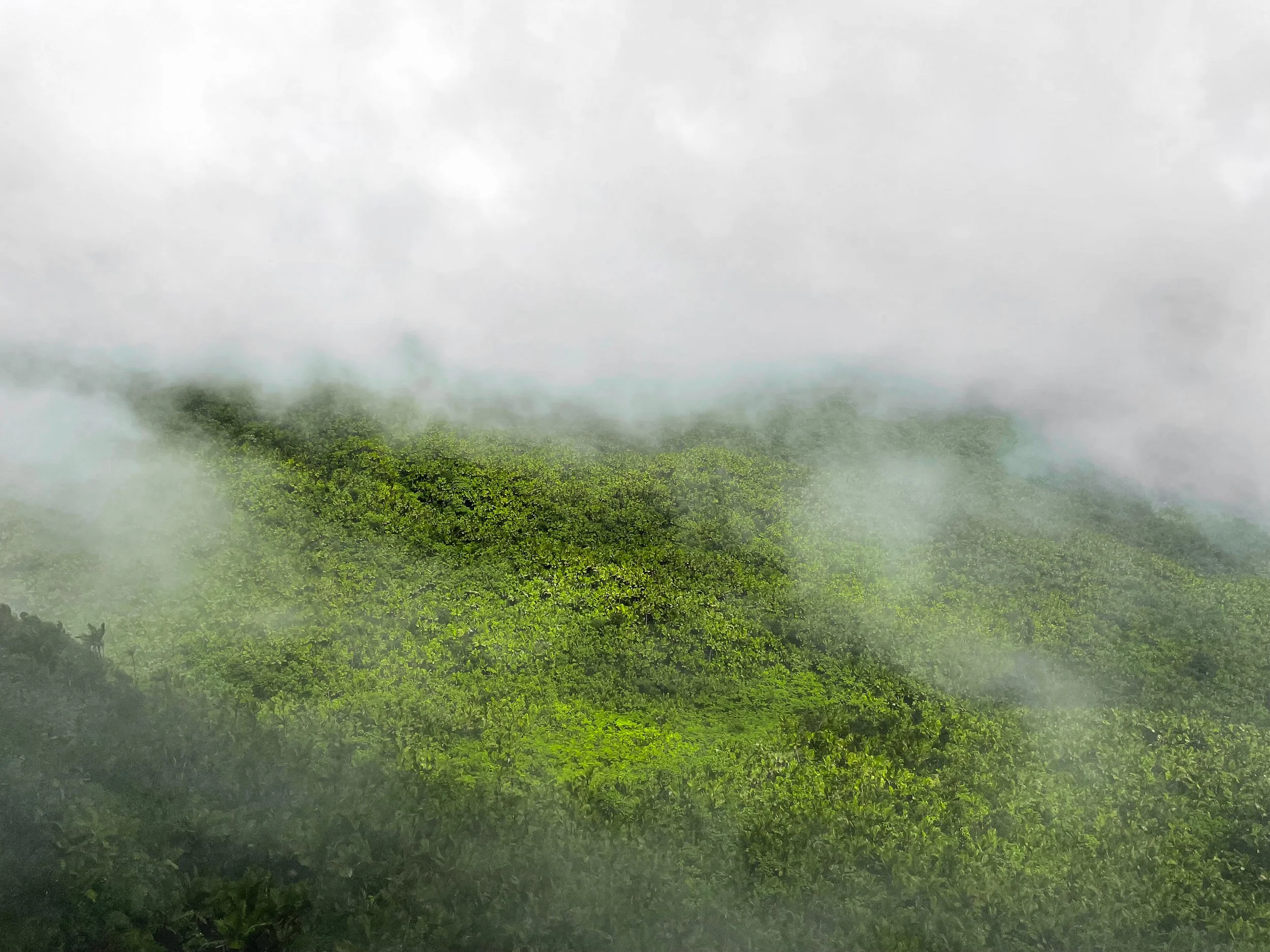
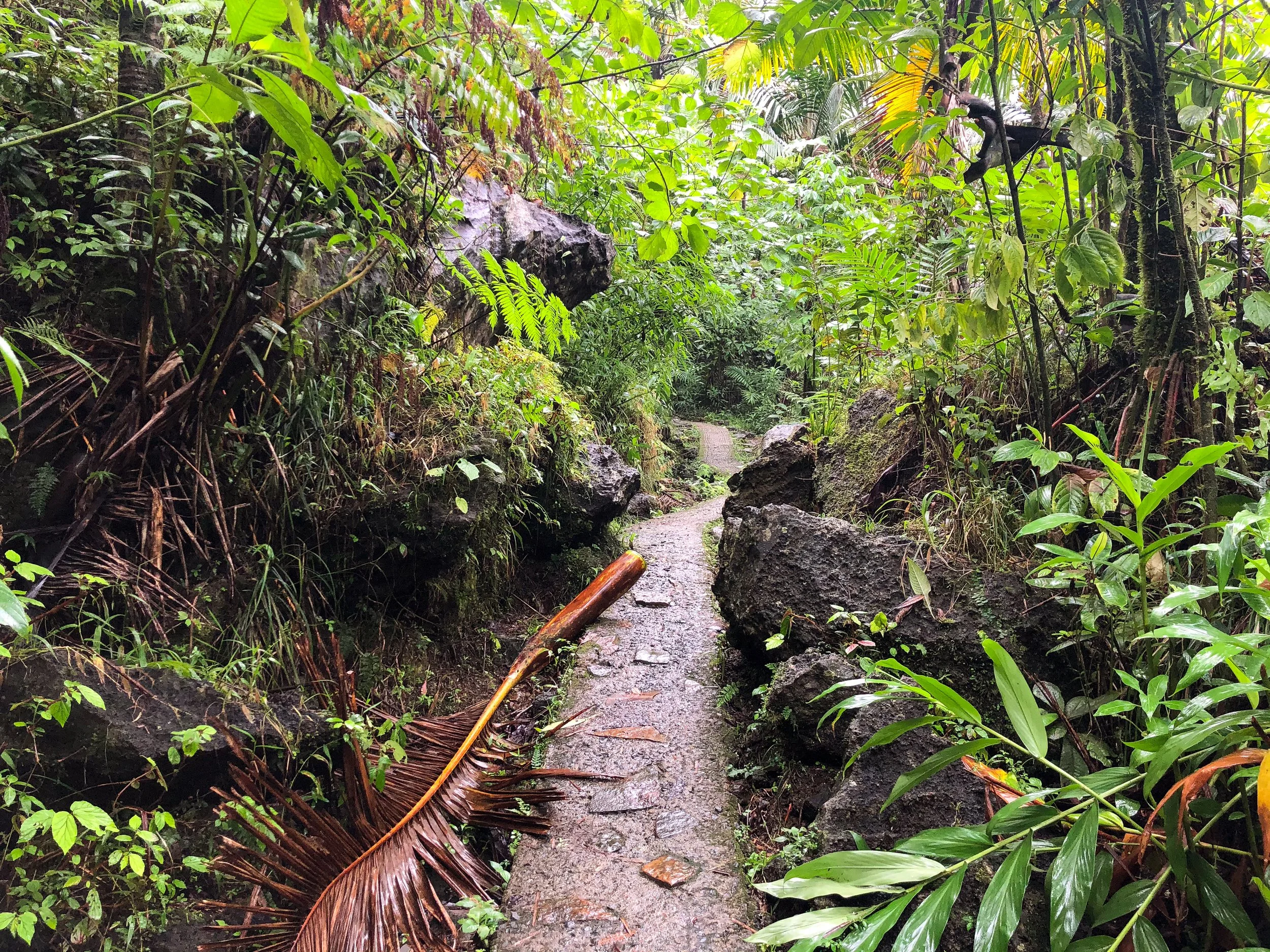
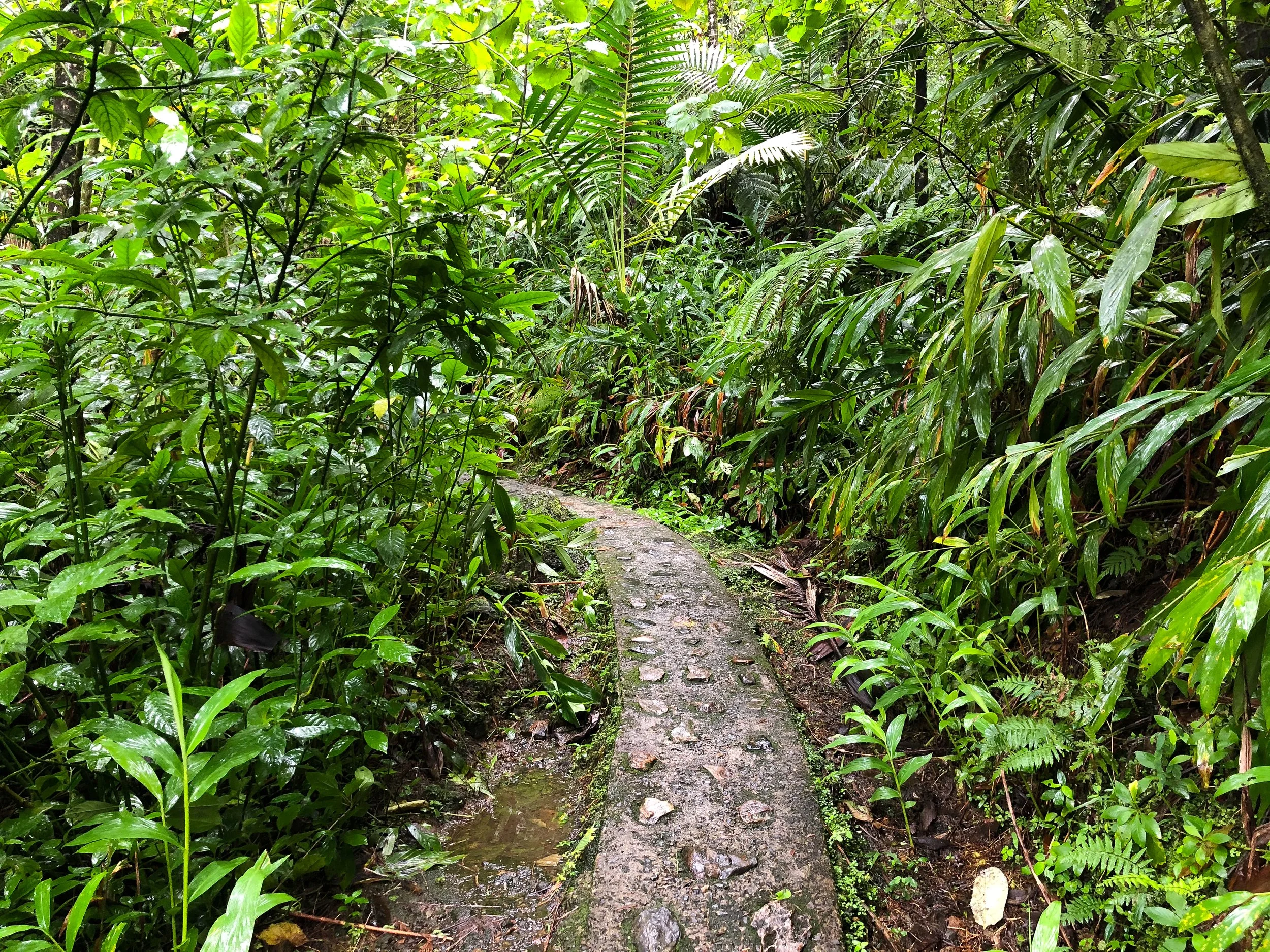
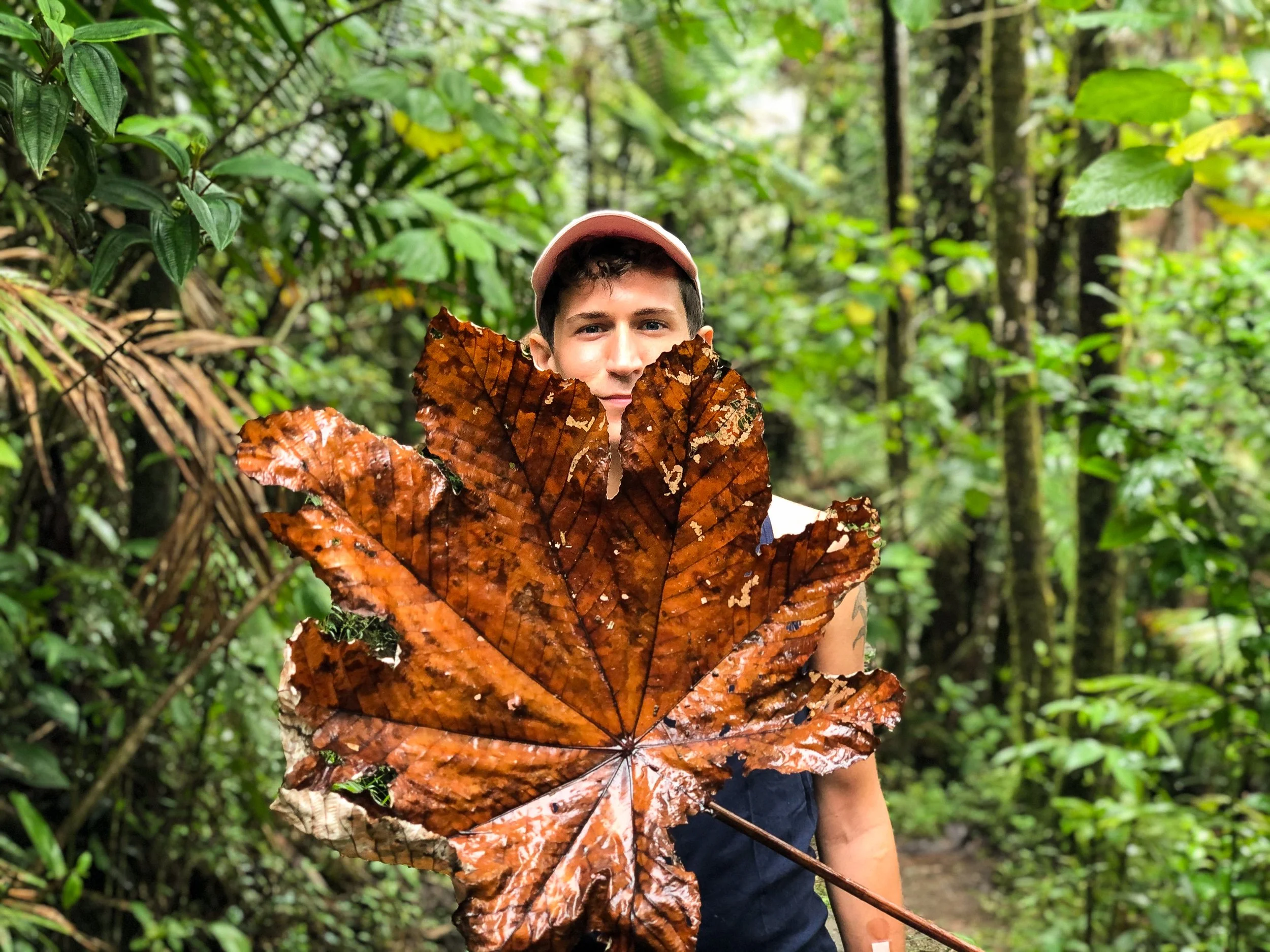
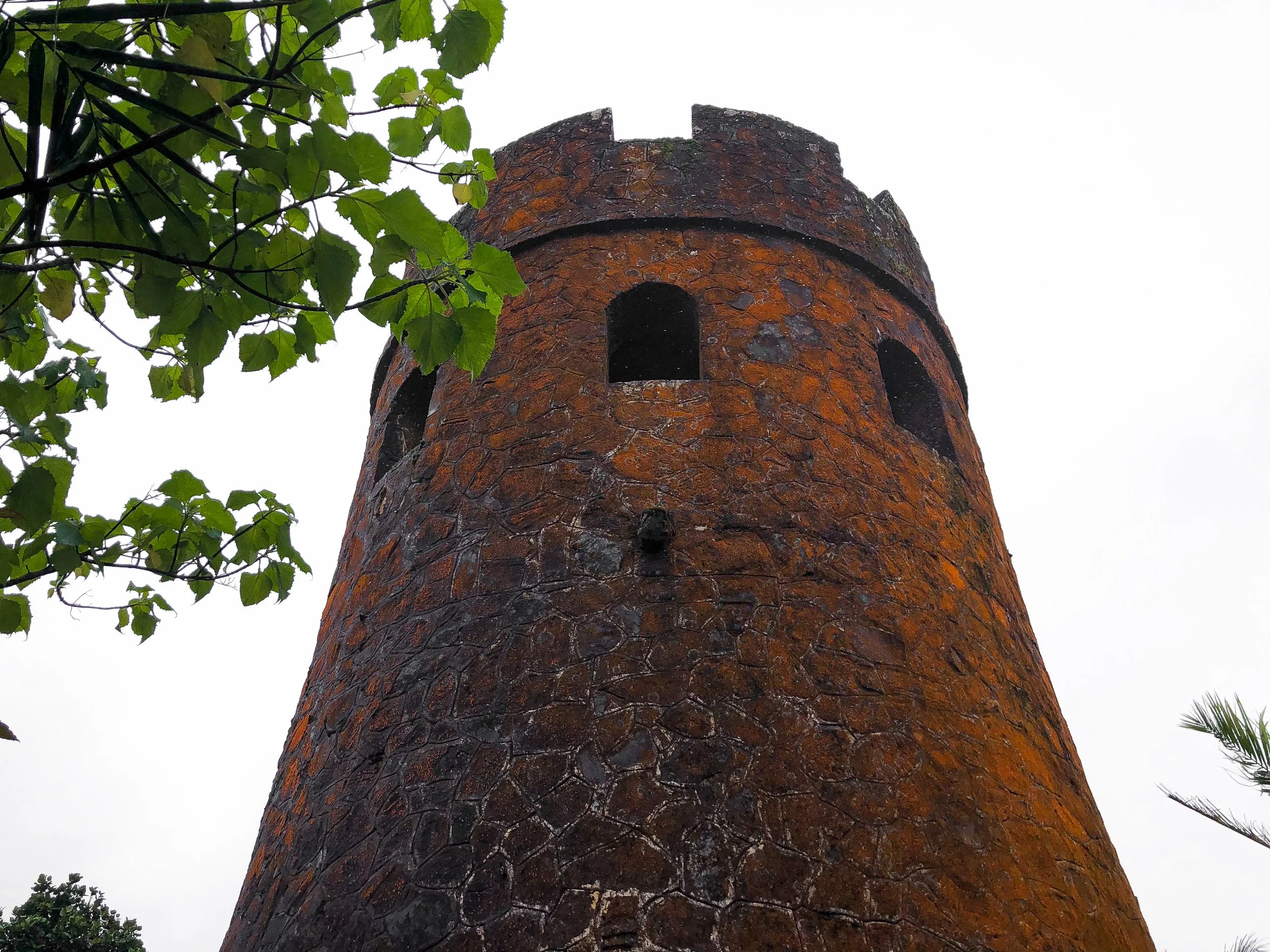
Mt Britton Trail. A thinly paved trail leading through the rainforest to Torre Mt Britton. It takes about 45 minutes from the trailhead to reach the peak.
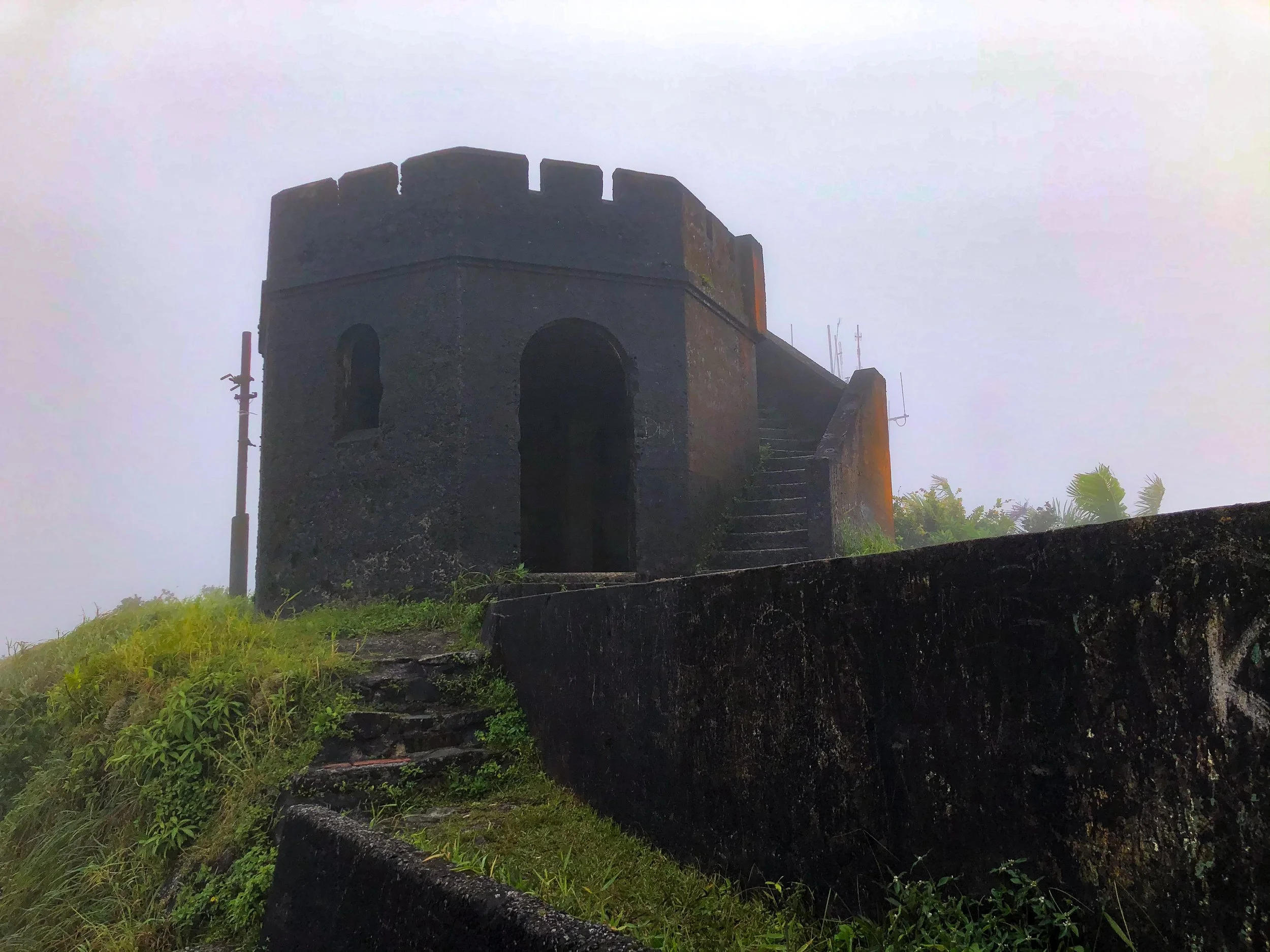
Torre Mt Britton. An observation tower at El Yunque’s second highest peak with cool breezes, rolling clouds and sweeping views of the Caribbean and Atlantic coasts.
Mt Britton Spur Trail. A trail connecting the Mt Britton Trail to El Yunque Trail just before the trail to Torre Mt Britton.
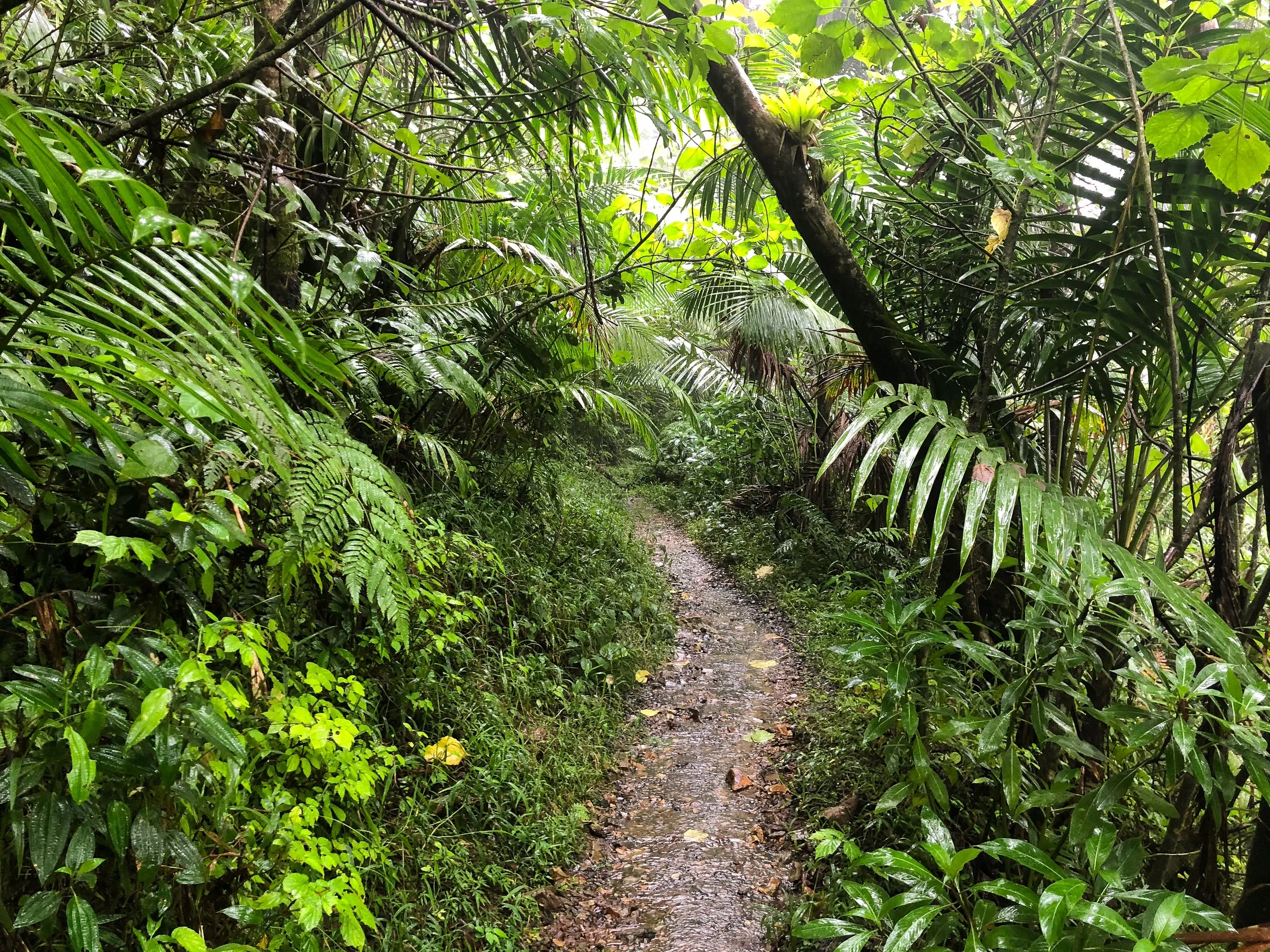
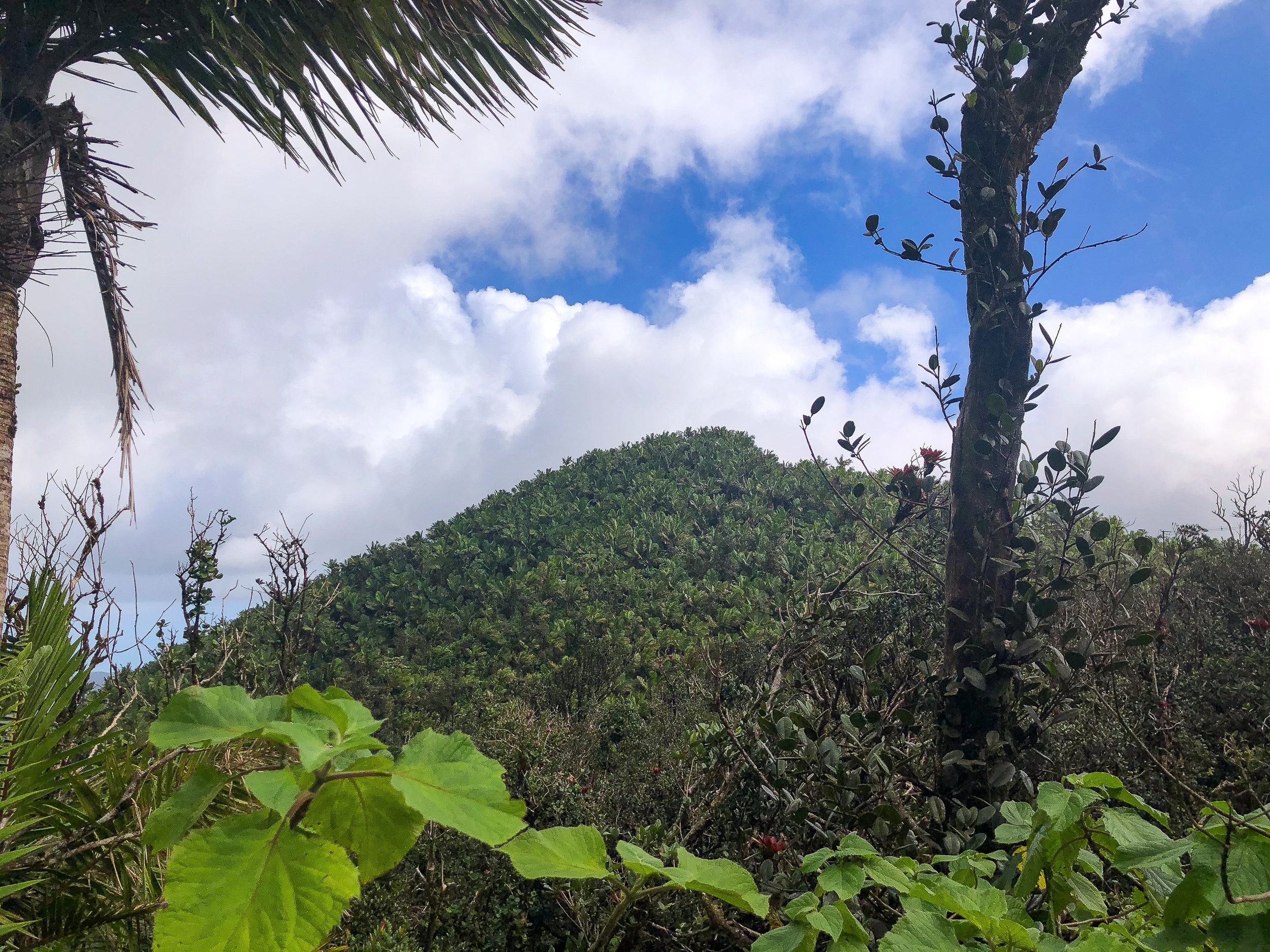
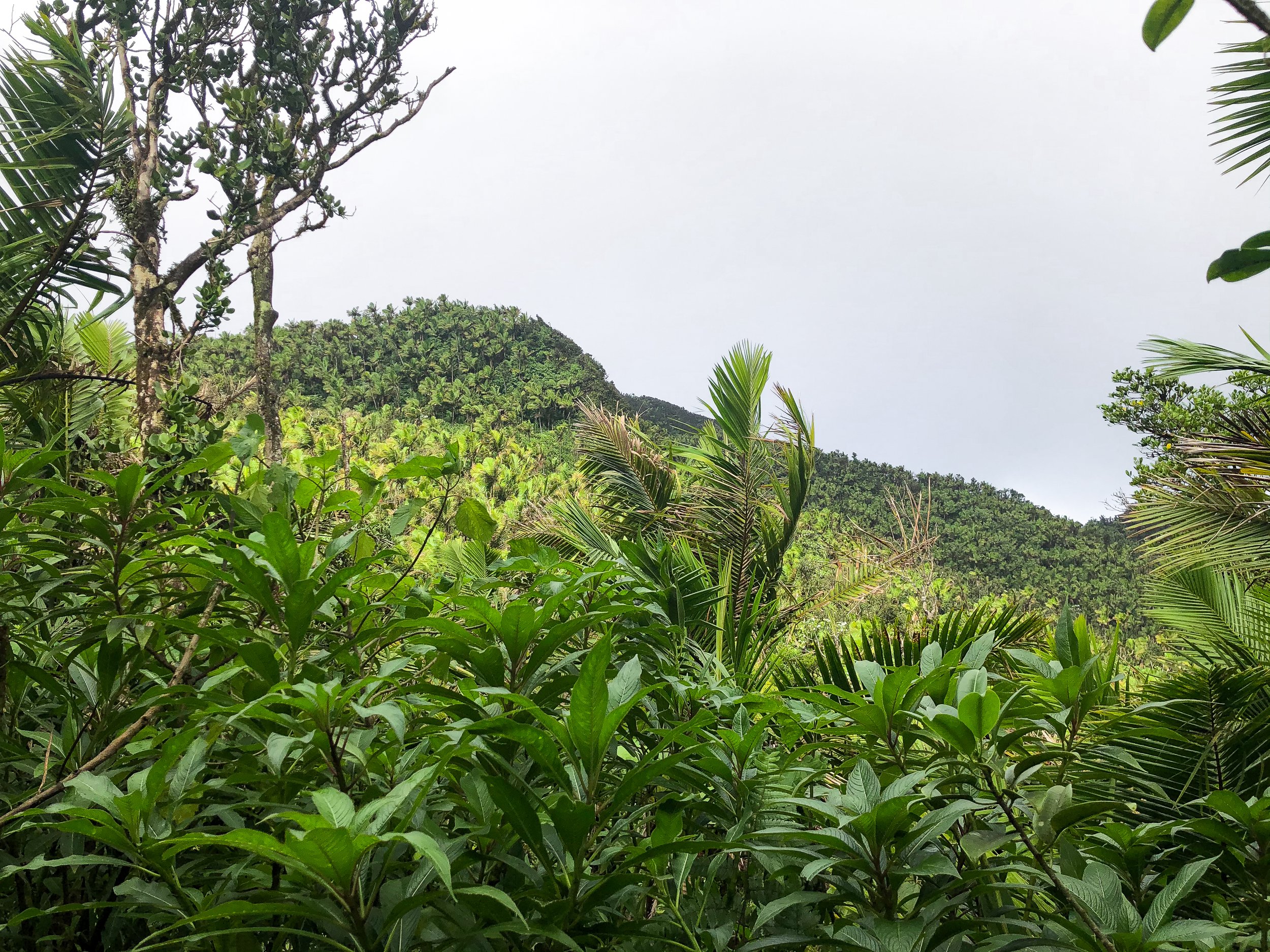
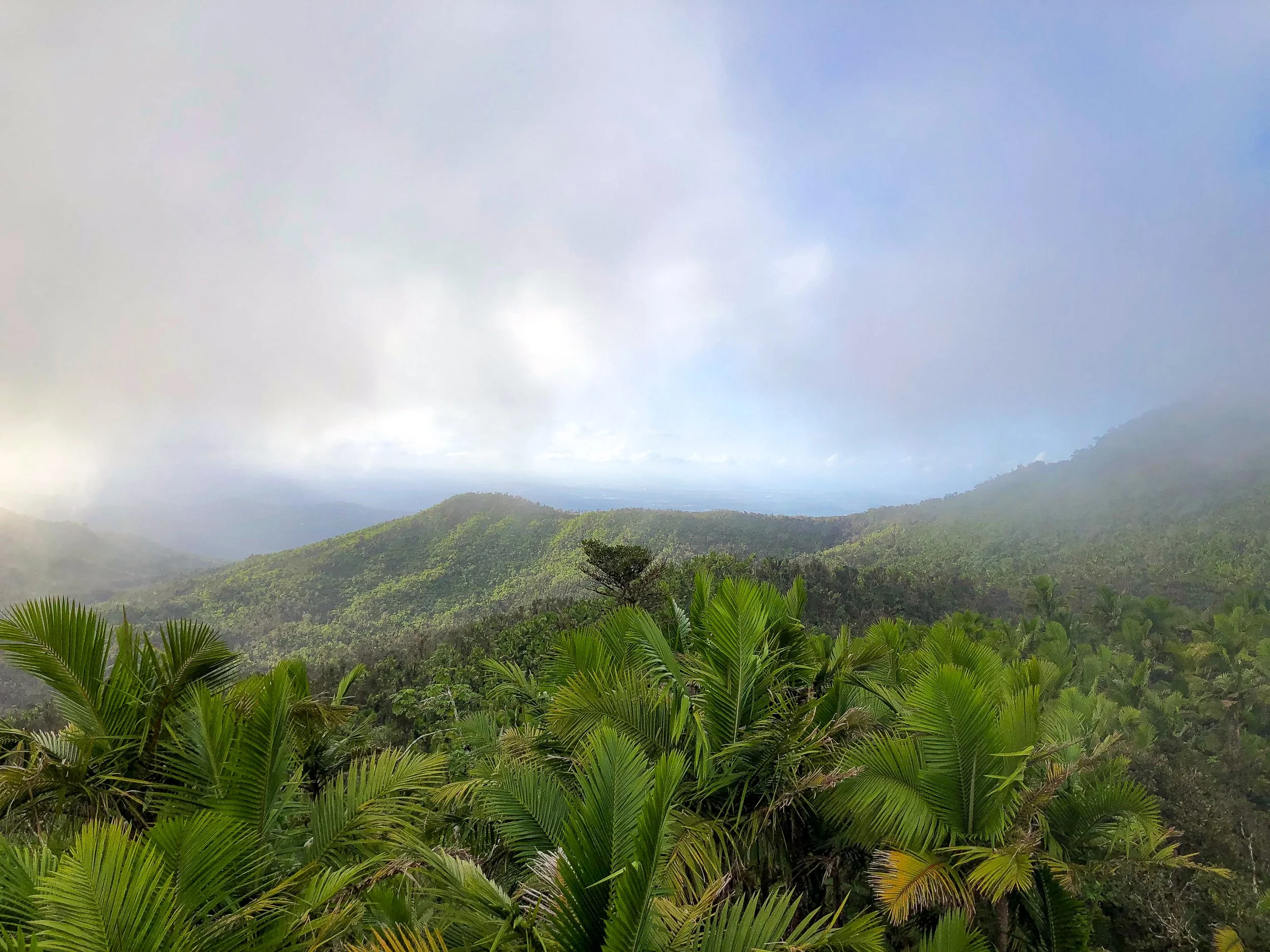
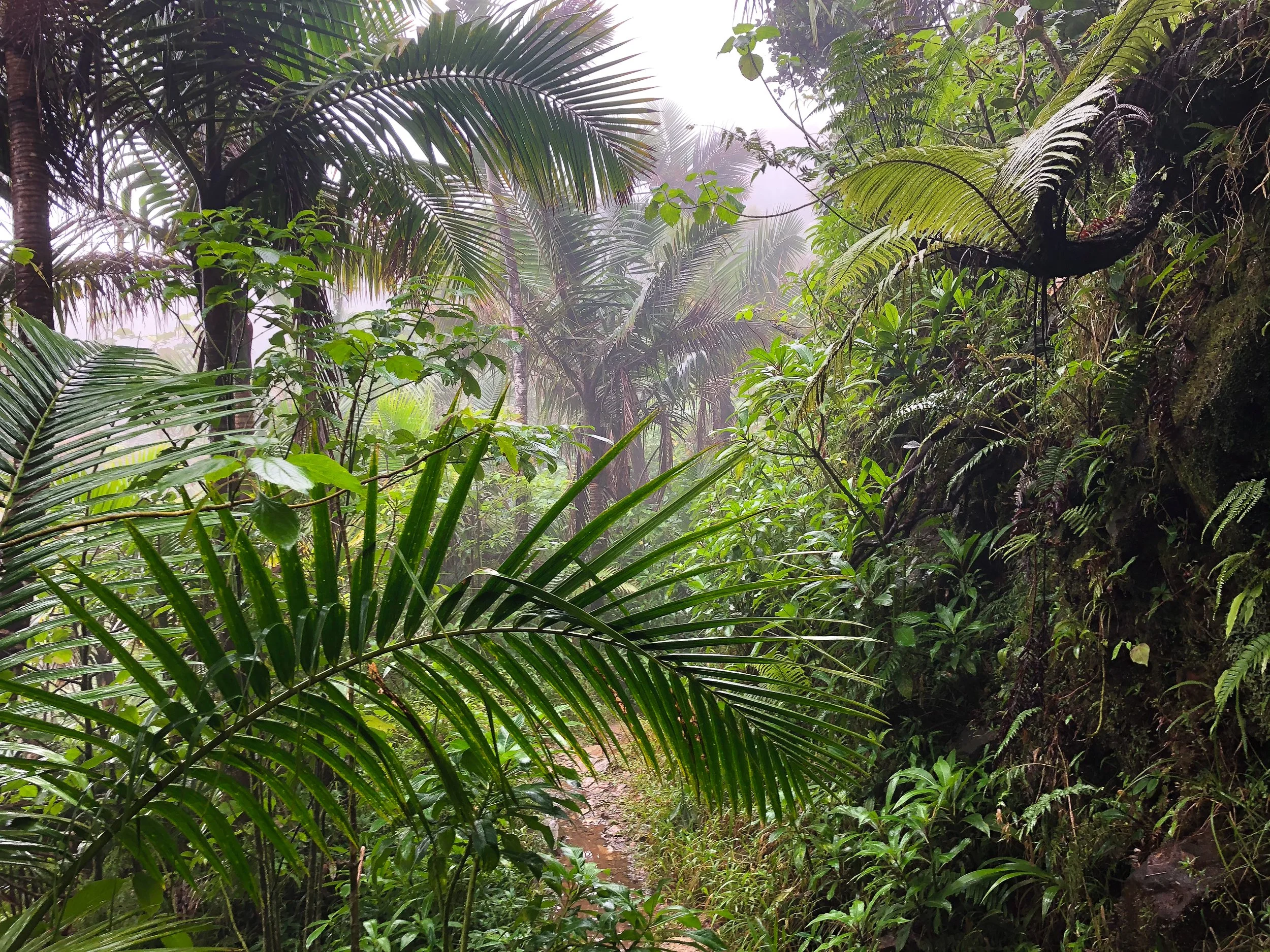
El Yunque Trail. The rainforest’s longest trail leading to El Yunque’s highest peak. It can be picked up from the Mt Britton Spur Trail. It takes an additional 45 minutes to reach the peak.
El Yunque Peak. Often within the clouds, the peak is surrounded by a forest of foliage with stunted growth due to the heavy rain, wind and erosion. There is also an abandoned medical building and series of antenna.
Good to Knows:
Bring water and snacks.
Wear hiking shoes with good treads, rocks are slippery (speaking from personal experience).
The temperature gets colder the higher in altitude you hike.
Expect it to rain, bring a raincoat or umbrella and change of clothes.
Rent a car. There are no Ubers or taxis allowed into the park. The drive is 1 hour from San Juan.
Take a photo of the map sign outside the visitor center before hiking.
Only park in designated parking zones. Rangers will ticket you.
Arrive early, parking spots fill up quickly.
Many trails not listed above are still under repair after damage from Hurricane Maria.
Reservations are no longer needed to enter the rainforest.
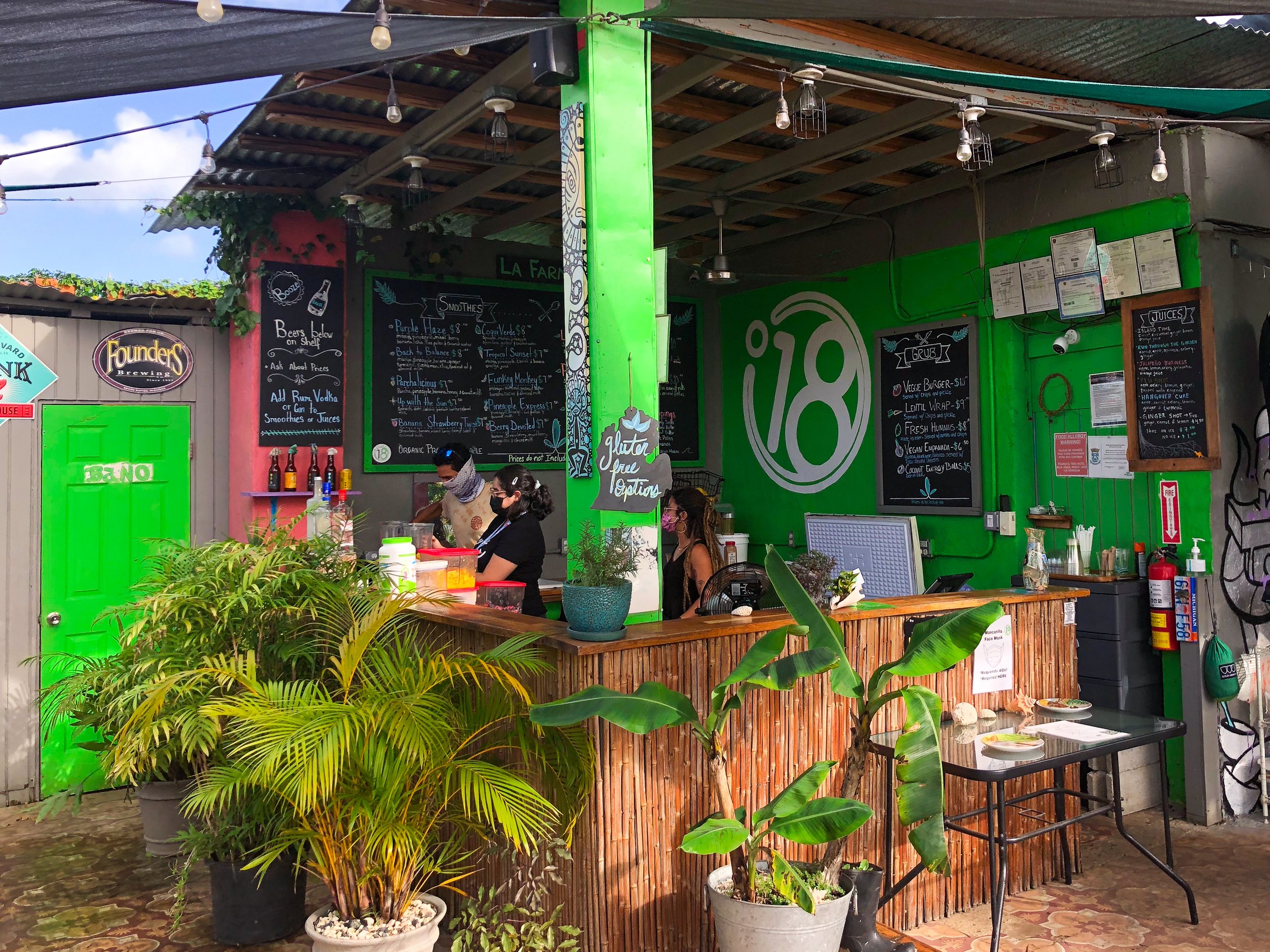
Degree 18 Juice Bar. Come here for a healthy pick-me-up after hiking in El Yunque. Located in the town of Palmer at the base of the mountain, they offer smoothies, vegan burgers and hammocks to relax in.
Rain Forest Zip Line Park. An adventure park at the base of El Yunque with 8 zip lines traversing through the lush rainforest canopy. One zip line spans 2,300 ft and is by far the most exhilarating part of the course. We visited here after a day hiking in El Yunque.
Luquillo
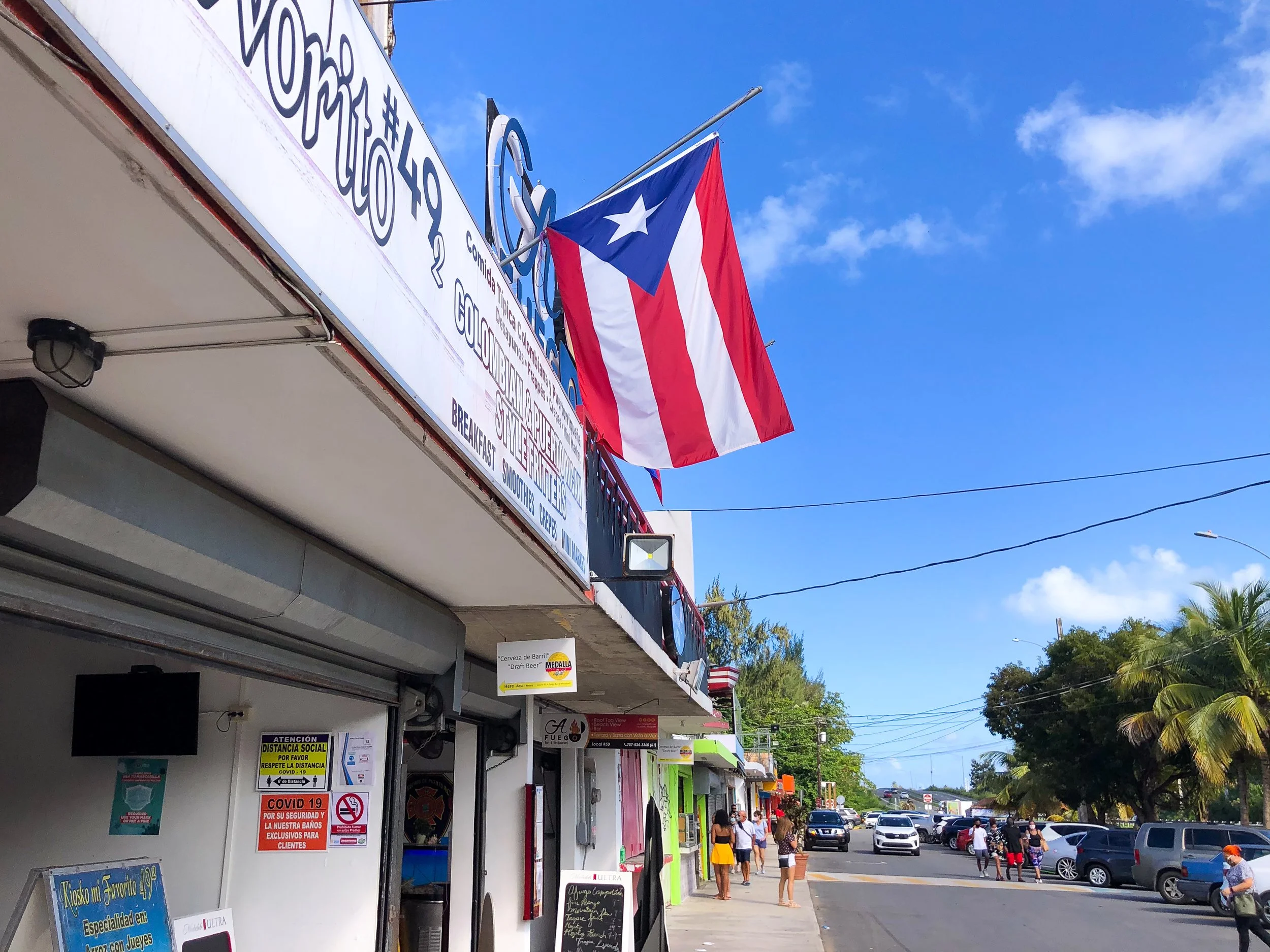
Nearby El Yunque is the town of Luquillo, known for the Luquillo Kiosks. Located along the highway, there are 60 street side stalls and restaurants selling Puerto Rican street food and classic Caribbean dishes.
Puerto Rican Cuisine
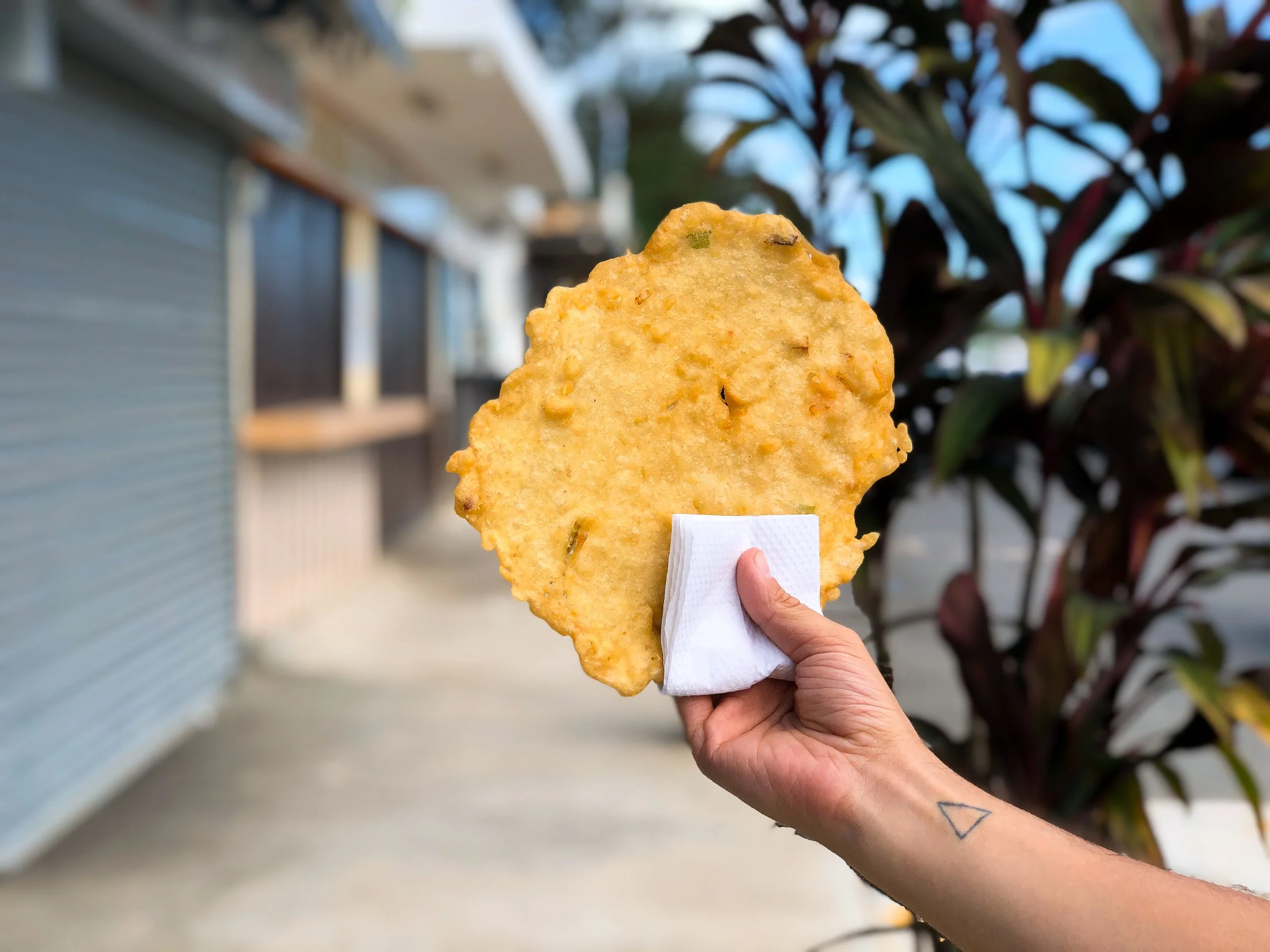
Bacalaítos. Large and flat fritters made with a mixture of batter and cod.
Whole Fried Red Snapper (Chillo Frito Entero). Whole fried fish, especially red snapper, is a typical Puerto Rican dish. The fish is fried until crispy from head to tail. The meat is tender and easily pulls away from the bones while the fins and tails break off like “chips.”
Caribbean Lobster. Also known as a spiny lobster, it lacks the large claws of a Maine lobster but is filled with much more meat. It’s grilled and covered in a mixture of Sofrito, a sautéed medley of pepers, onion, garlic and spices.
Mofongo. Fried green plantains that are mashed in a pilón (a wooden mortar and pestle) with oil, garlic and salt. Many restaurants make Stuffed Mofongo with seafood, vegetables or meat.
Carrucho. The meat of the queen conch. It’s often served raw as ceviche or salad either alone or with an arepa.
Salmorejo. A mixture of tomato and land crab strewed together. It can be gamey depending on the preparation.
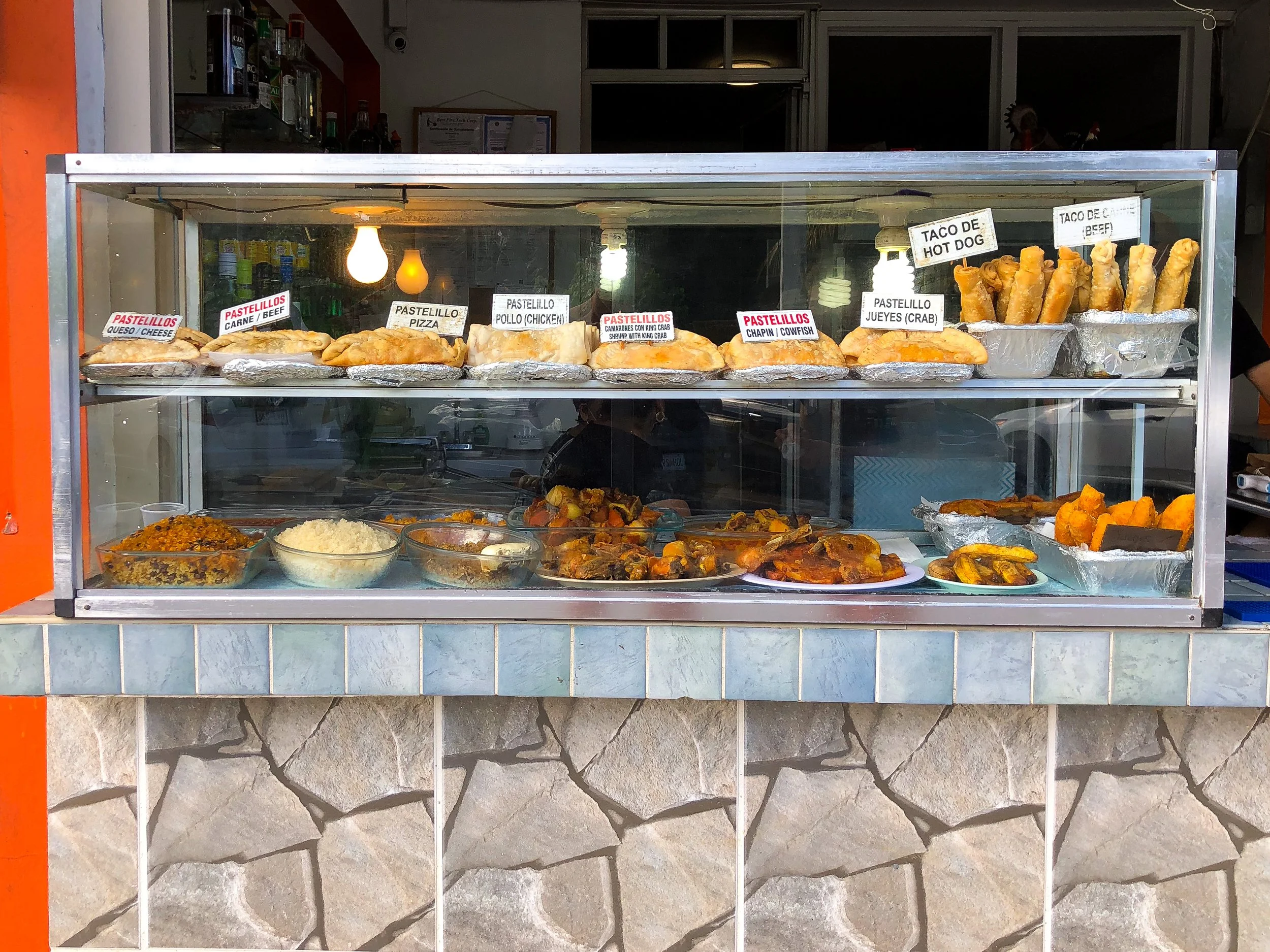
Empanadillas. Similar to empanadas but slightly flakier with rolled edges. Common fillings are meats, seafood, cheese and pizza.
Alcapurrias. A fritter made from green plantain and cassava molded with a leaf and fried. They’re typically filled with annatto oil and a meat or crab.
Kiosks to Visit
Kiosko #7 de Sonia & Peyin + Kiosco Mi Favorito #49 & #52 + El Castillo del Mar Kiosco #54. Visit any of these kiosks for Puerto Rican street food like empanadillas, alcapurrias, bacalaítos and seafood salad in an arepa.
La Parrilla Bar & Grill (Kiosko 2). For locally caught seafood & Caribbean lobsters
Terruño Comida Artesanal (Kiosko #20). For classic dishes like mofongo, carrucho, coconut rice and plantains.
Relle Na’o (Kiosko 40). For vegan options and build your own mofongo
Mojito Lab (Kiosko 42). For extra large mojitos & cocktails.
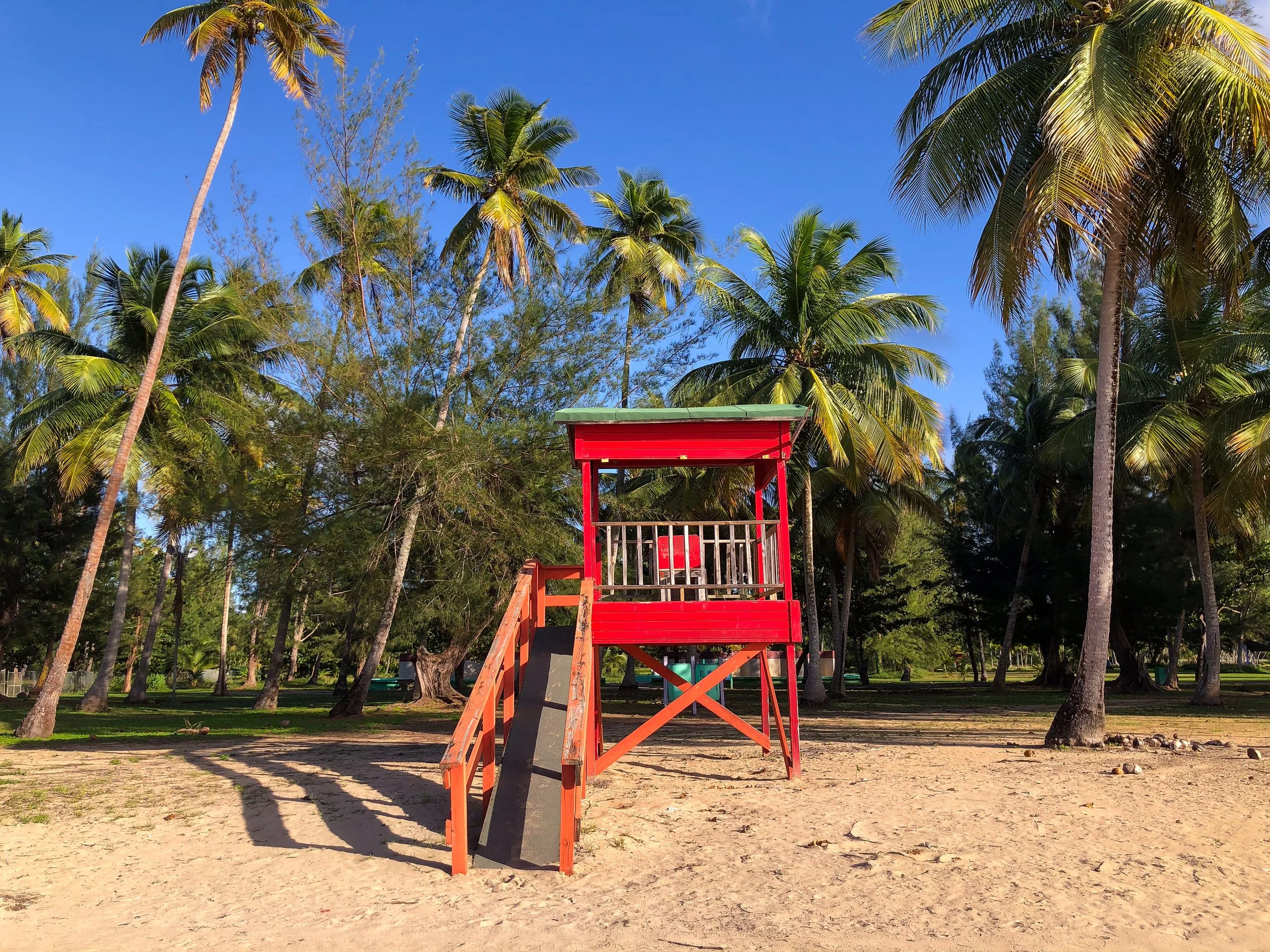
Luquillo Beach
After the Kiosks, head to one of the beaches. Luquillo Beach (Playa Balneario) is a swimmable palm lined beach behind the kiosks with more food stalls selling empanadas and pina coladas served in pineapples. Parking costs $5. Playa Azul, is the other main beach in Luquillo for swimming, snorkeling, paddle boarding, kite surfing, and kayaking.
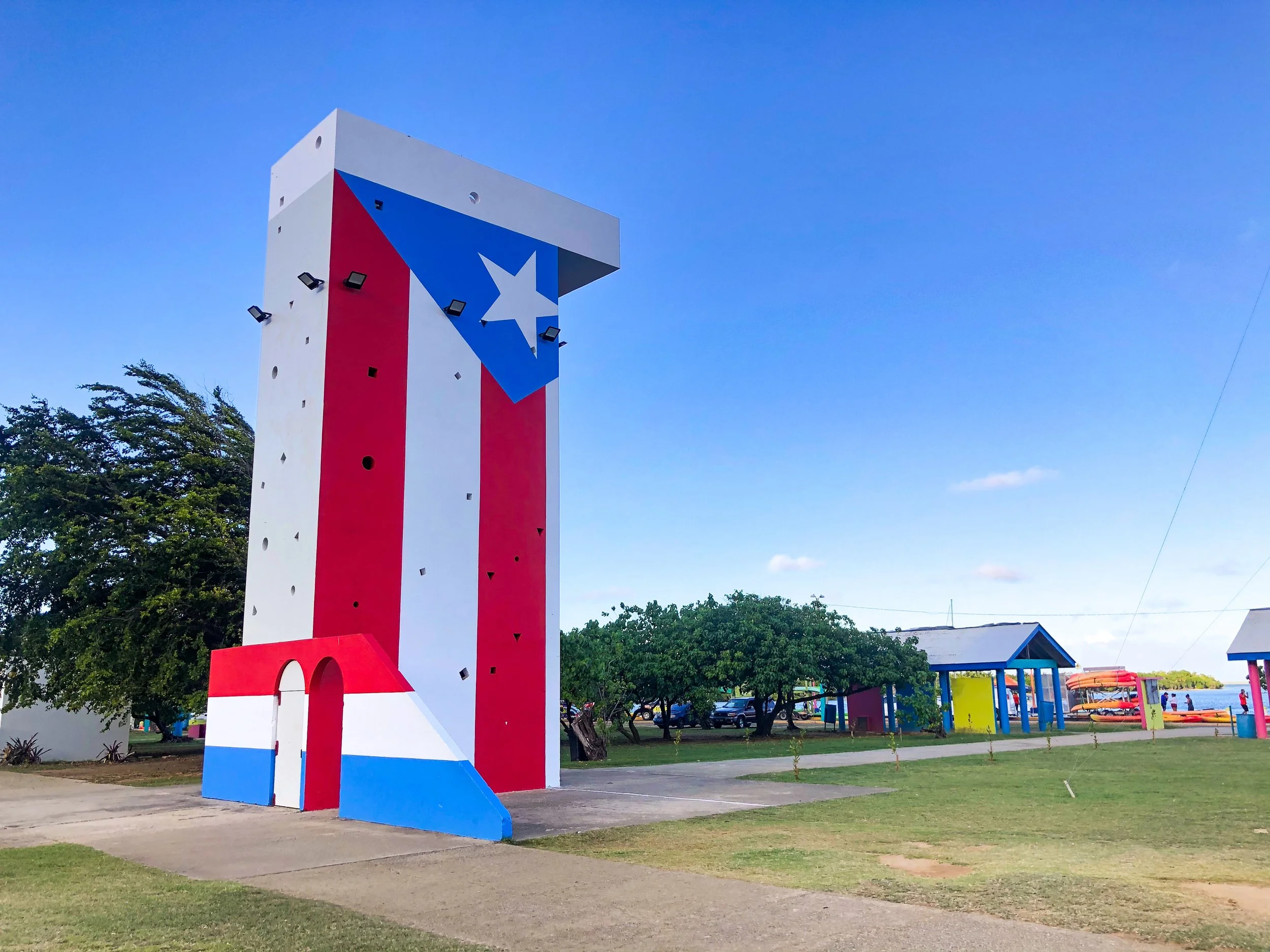
Las Croabas
Las Croabas is the furthest northeastern part of Puerto Rico. It’s a popular place for marine activities, exploring nature, relaxing on the beaches and kayaking to the bioluminescent bay.
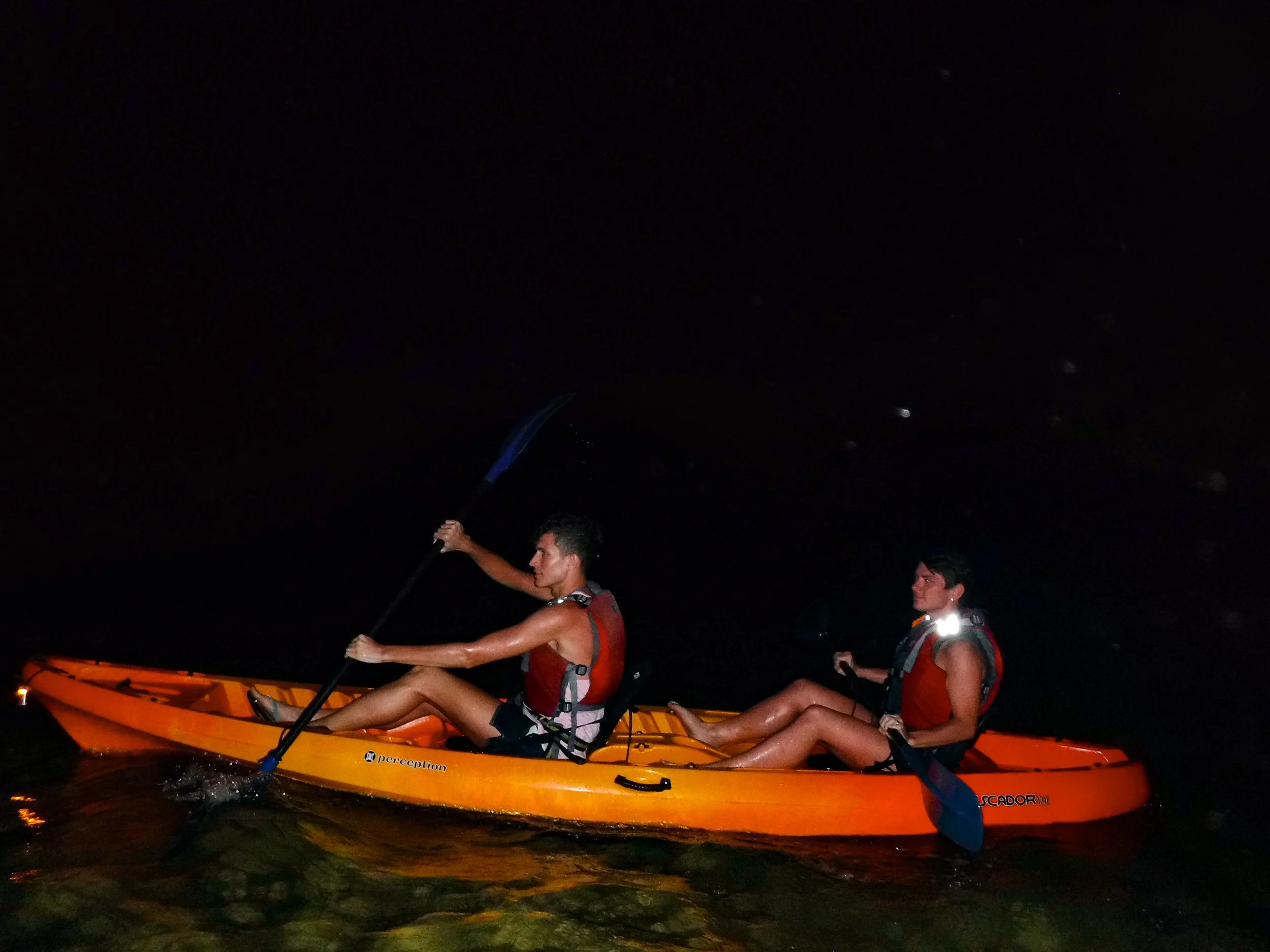
Laguna Grande (Bioluminescent Bay)
Kayaking through the mangrove forests at night to reach the bioluminescent bay is one of our favorite things to do in Puerto Rico! In the lagoon, you can run your hands through the water, let it run down your arms and splash around. Movement causes the dinoflagellates (bioluminescent plankton) in the water to glow a bright blue color.
Book a Tour. You need to book a tour to visit Laguna Grande. There are a dozen companies offering nightly tours from Parque Las Croabas. Most offer two tour times, one at twilight and one hours after sunset. The biggest difference between the twilight tour and nighttime tour is how much of the mangrove forest you can see while kayaking to the lagoon. Tours cost around $50/person and last 1h 30min. We’ve booked through Island Kayaking Adventure and Kayaking Puerto Rico.
Good to Know:
Visit on a sunny day, the dinoflagellates are more active at night.
Avoid going when the moon is full, the dinoflagellates are difficult to see. If you do, tour guides will bring tarps to cover the kayaks to block out the light.
Don’t bring your phone for pictures, they can’t capture the bioluminescence.
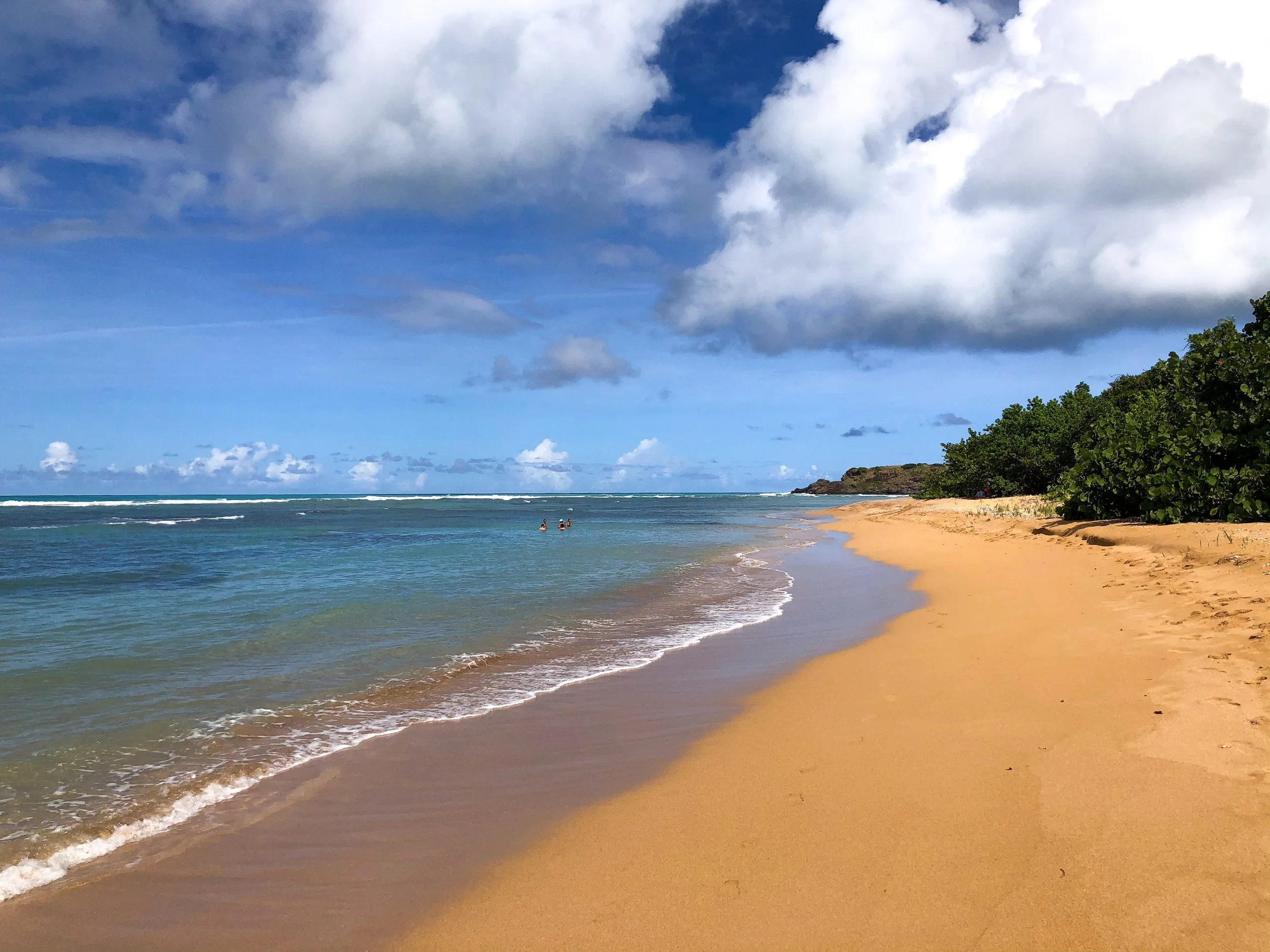
Visit the Beaches
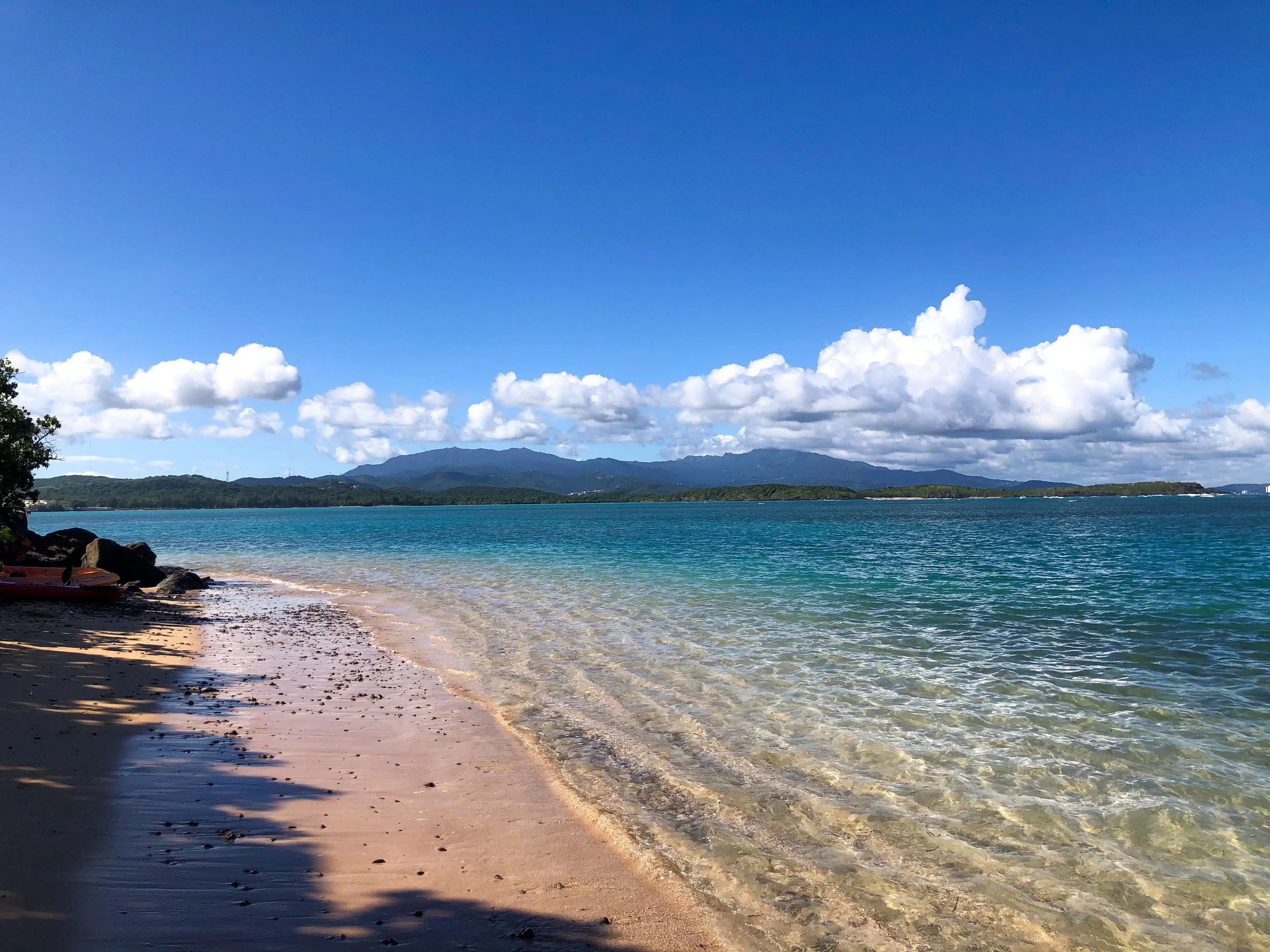
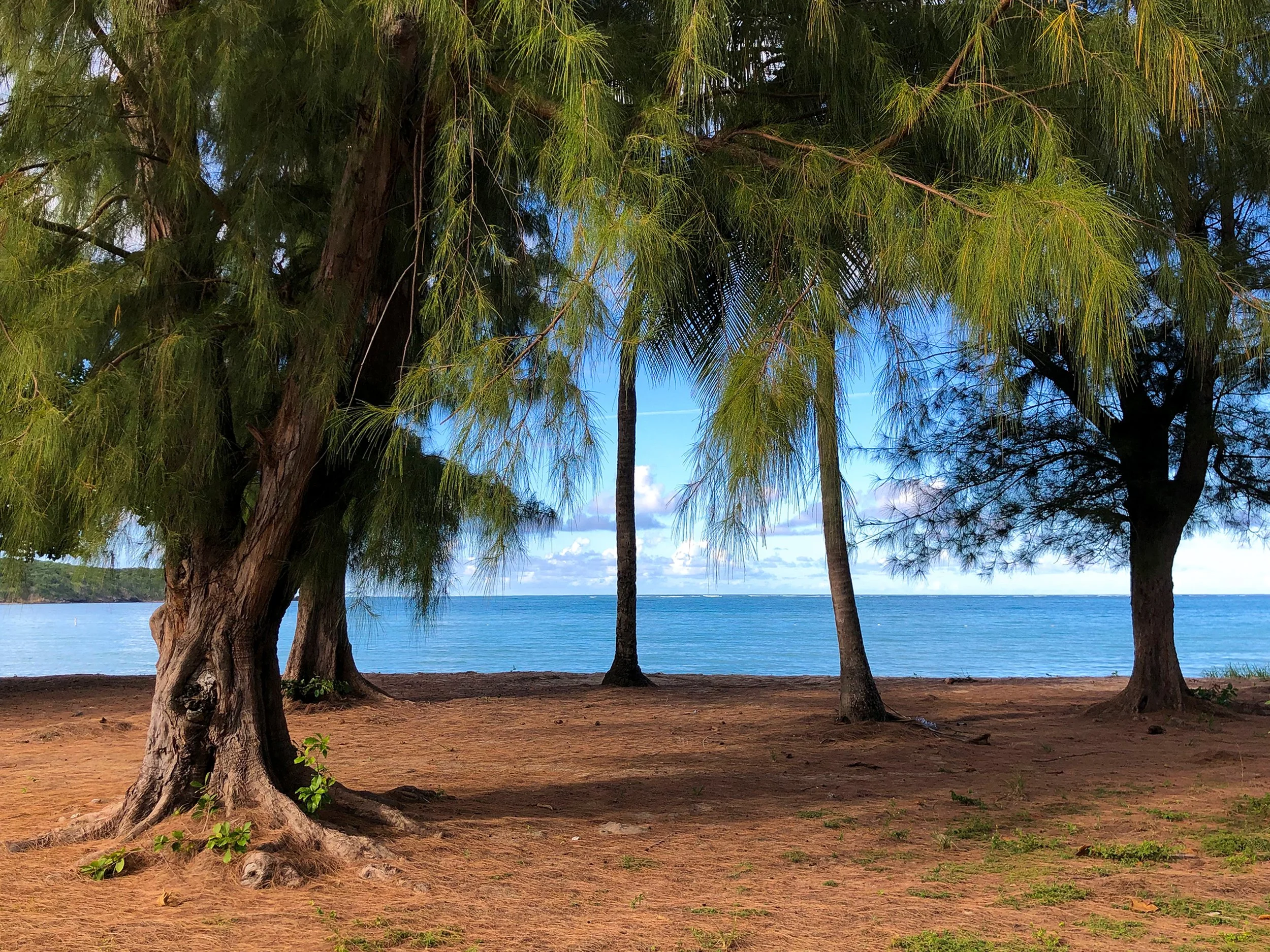
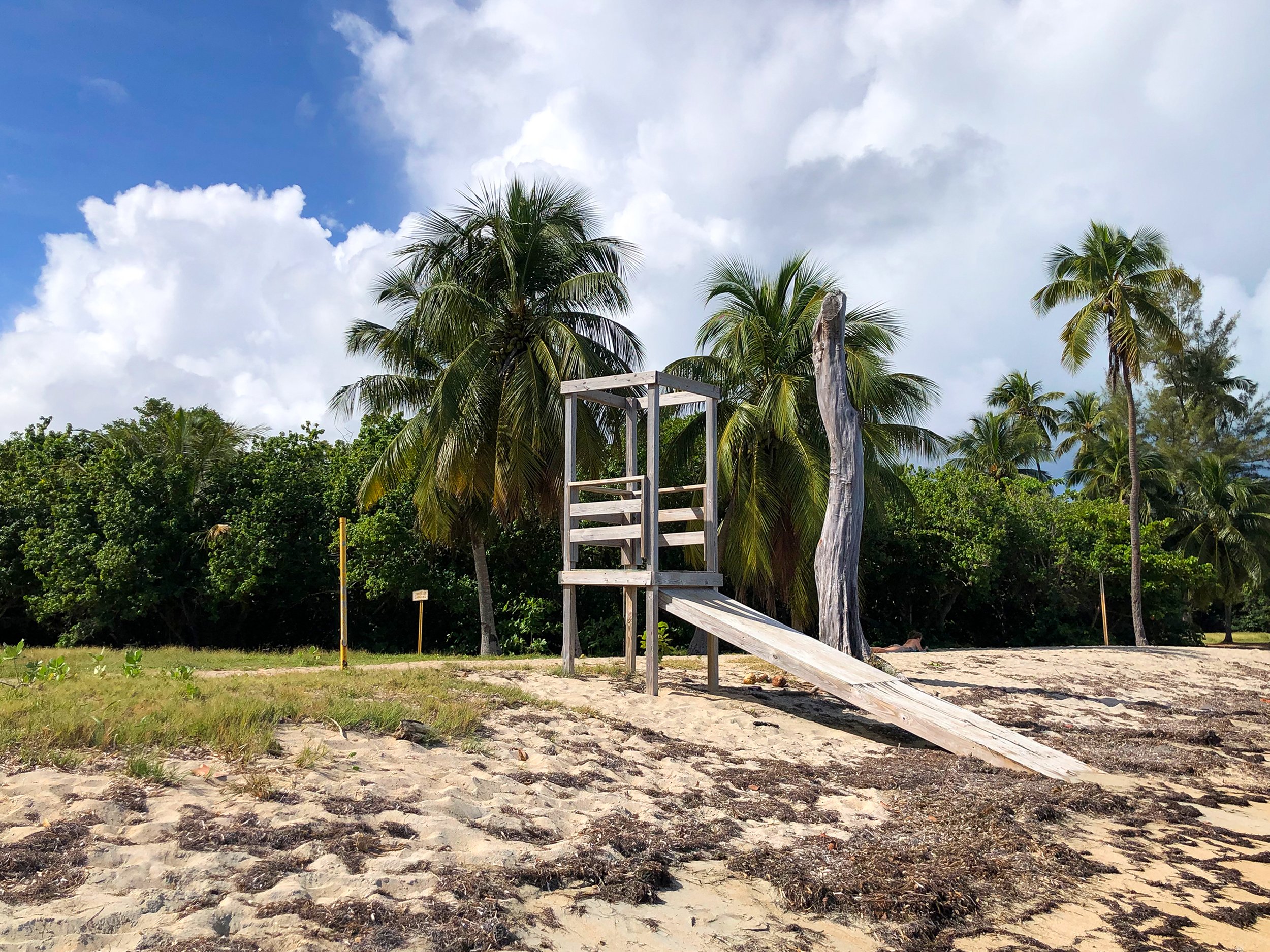
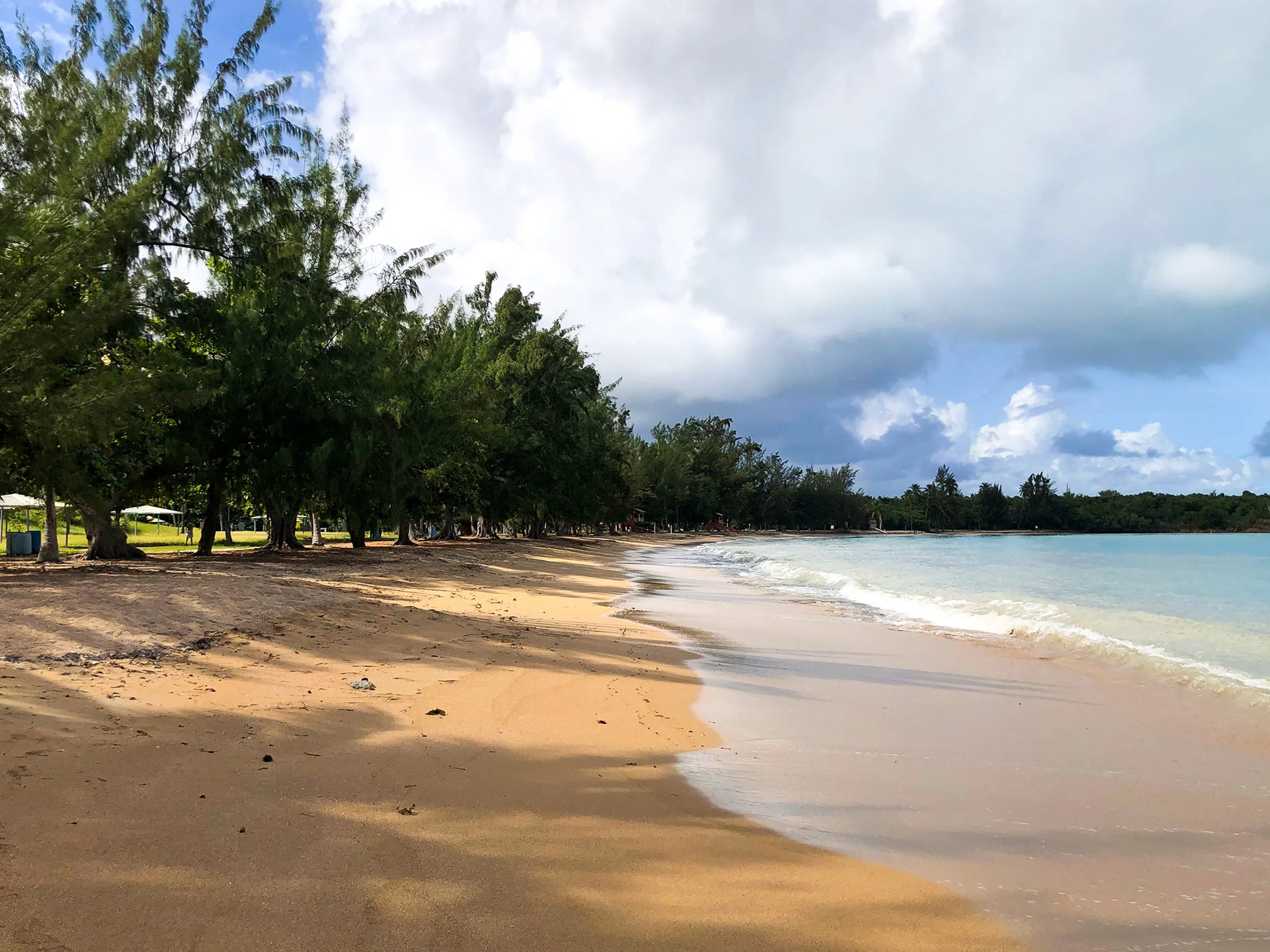
Seven Seas Beach. This is the main beach in Las Croabas. It’s great for swimming, snorkeling and renting kayaks or stand up paddles. The beach has a sandy shore with a rocky ledge several feet into the water. The beach is divided by a mobile home park. The east side is narrow but long and great for walking. The west side is larger with pavilions available for rent and a nature trail leading to Playa Escondida and Playa Colora.
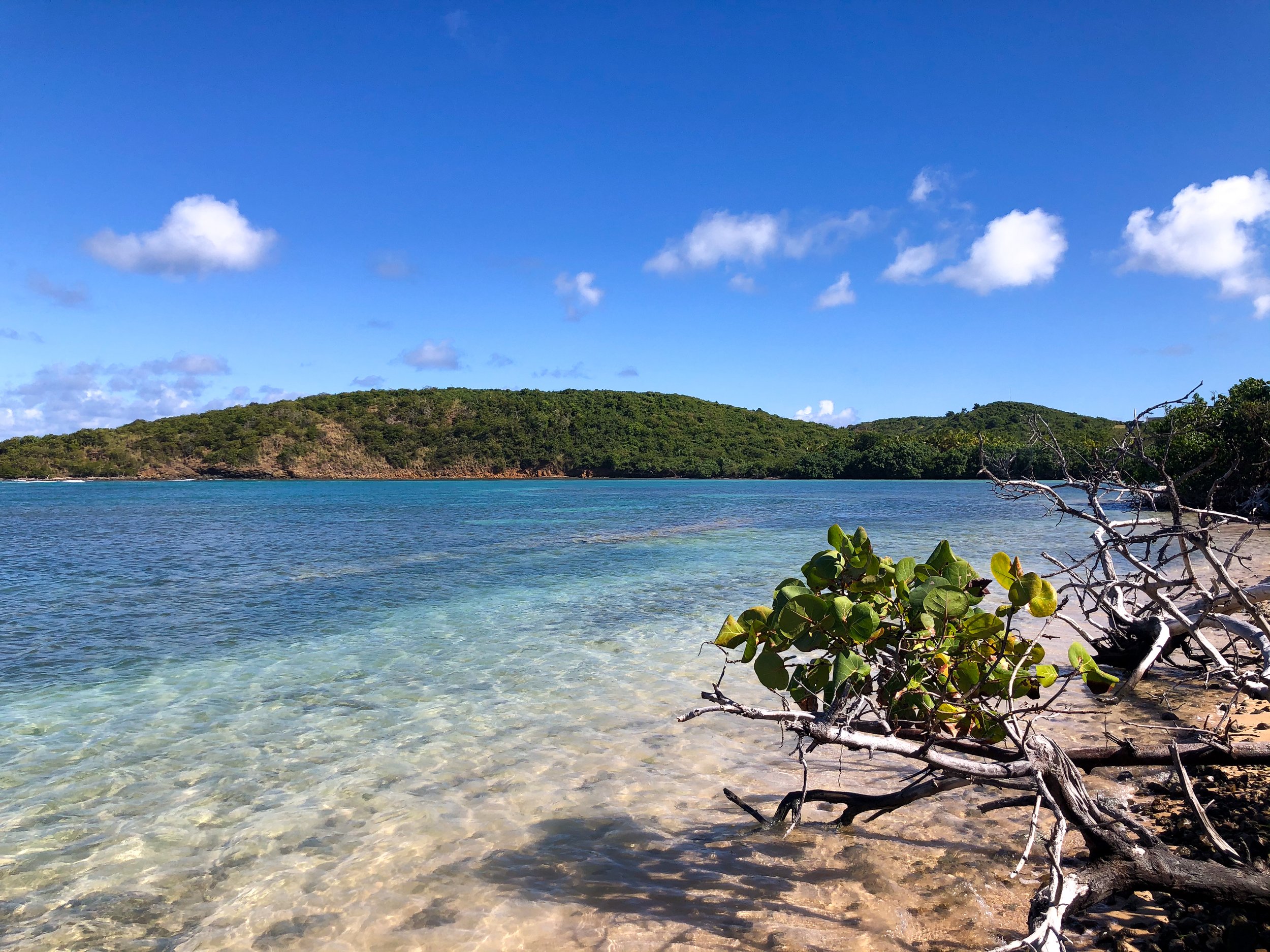
Playa La Matita. A semi secluded beach east of Seven Seas Beach. It’s a great destination to kayak to, look for conch shells or hike to La Zanja from.
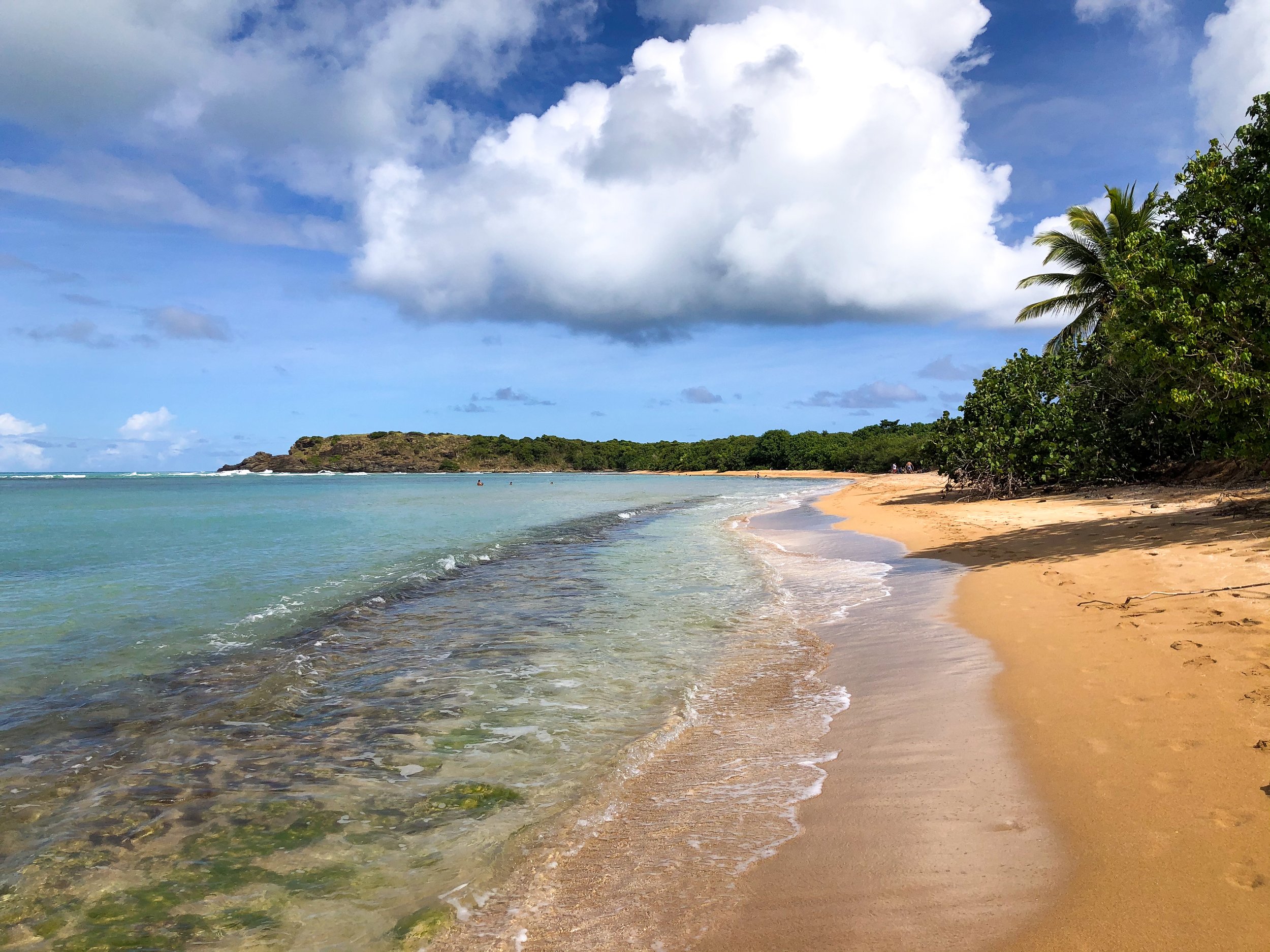
Playa Escondida. This long golden sand beach has calm and shallow waters perfect for lounging in. The shore is lined with sea grape trees offering shaded nooks to relax under. The beach is popular with all groups of people, especially the LGBTQ+ community. It’s one of those beautiful and welcoming places you’ll want to stay at all day!
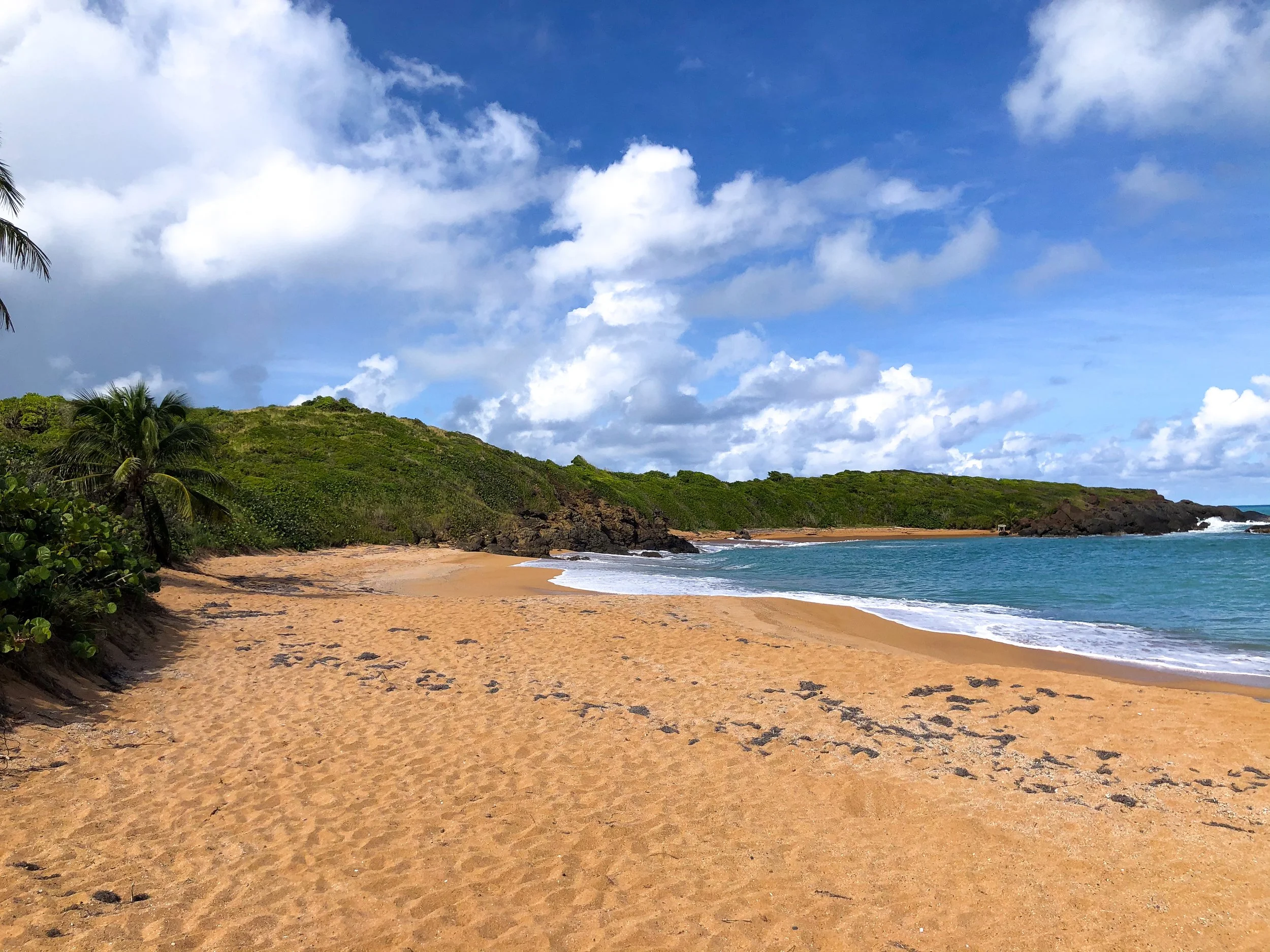
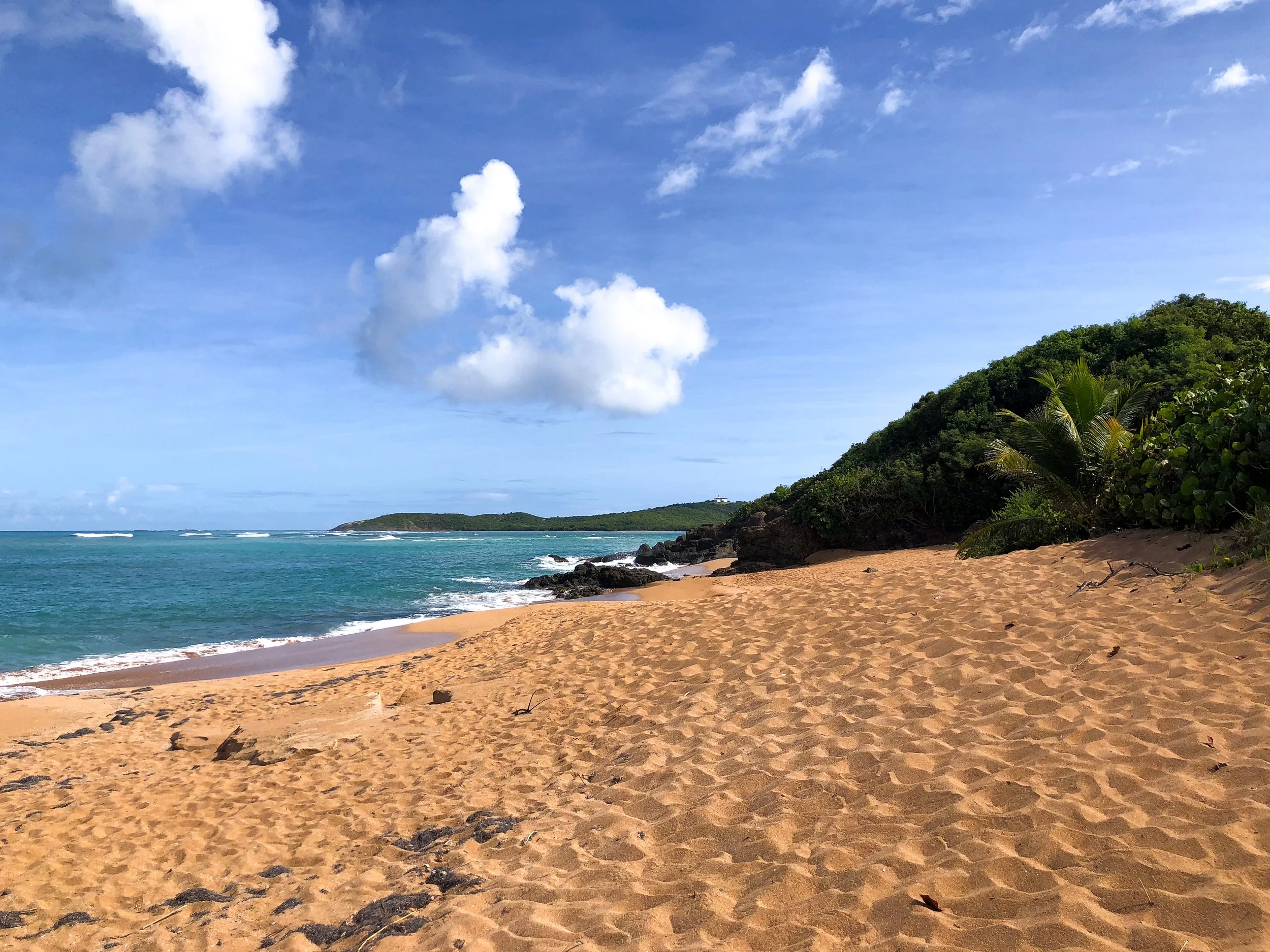
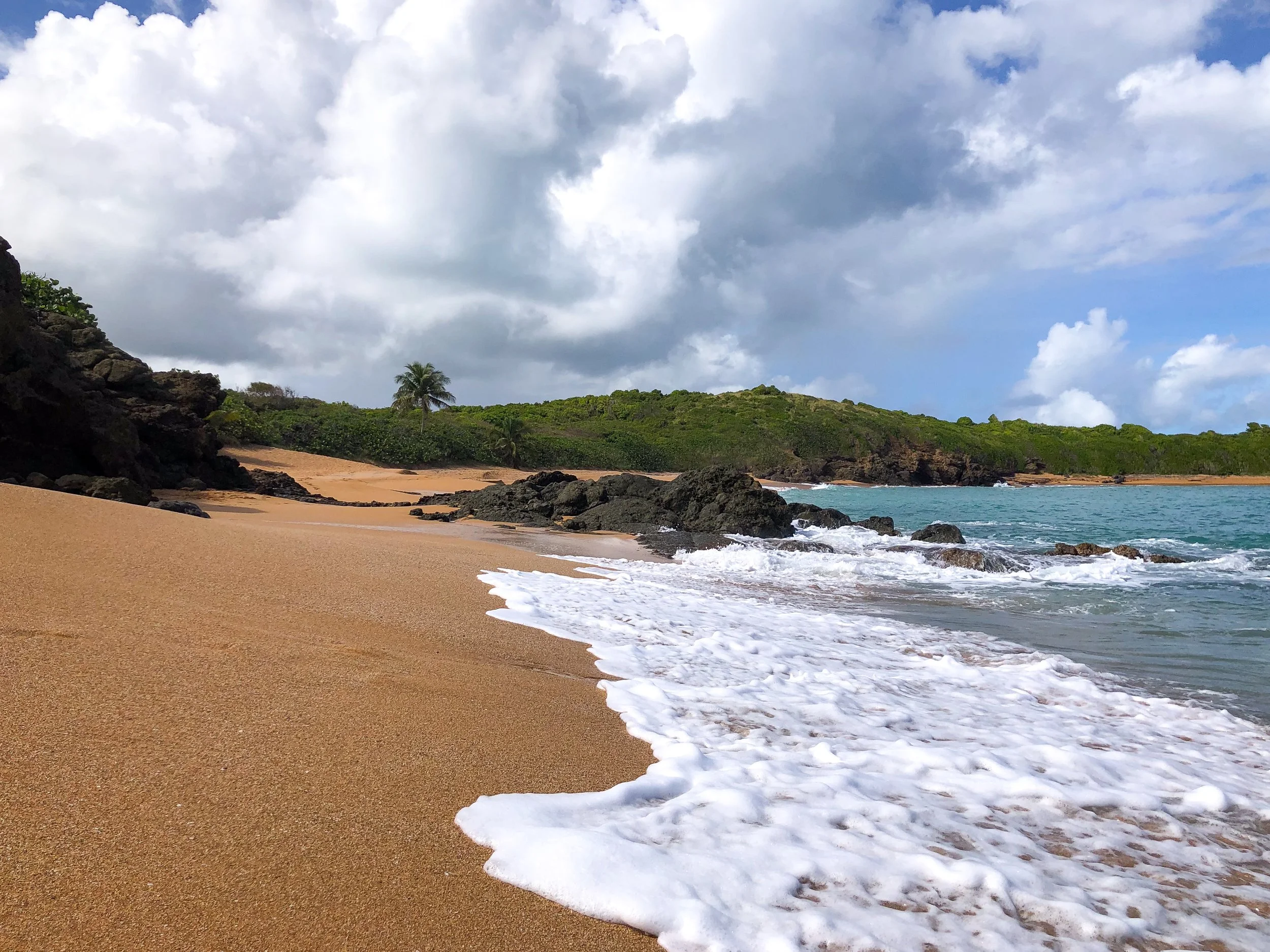
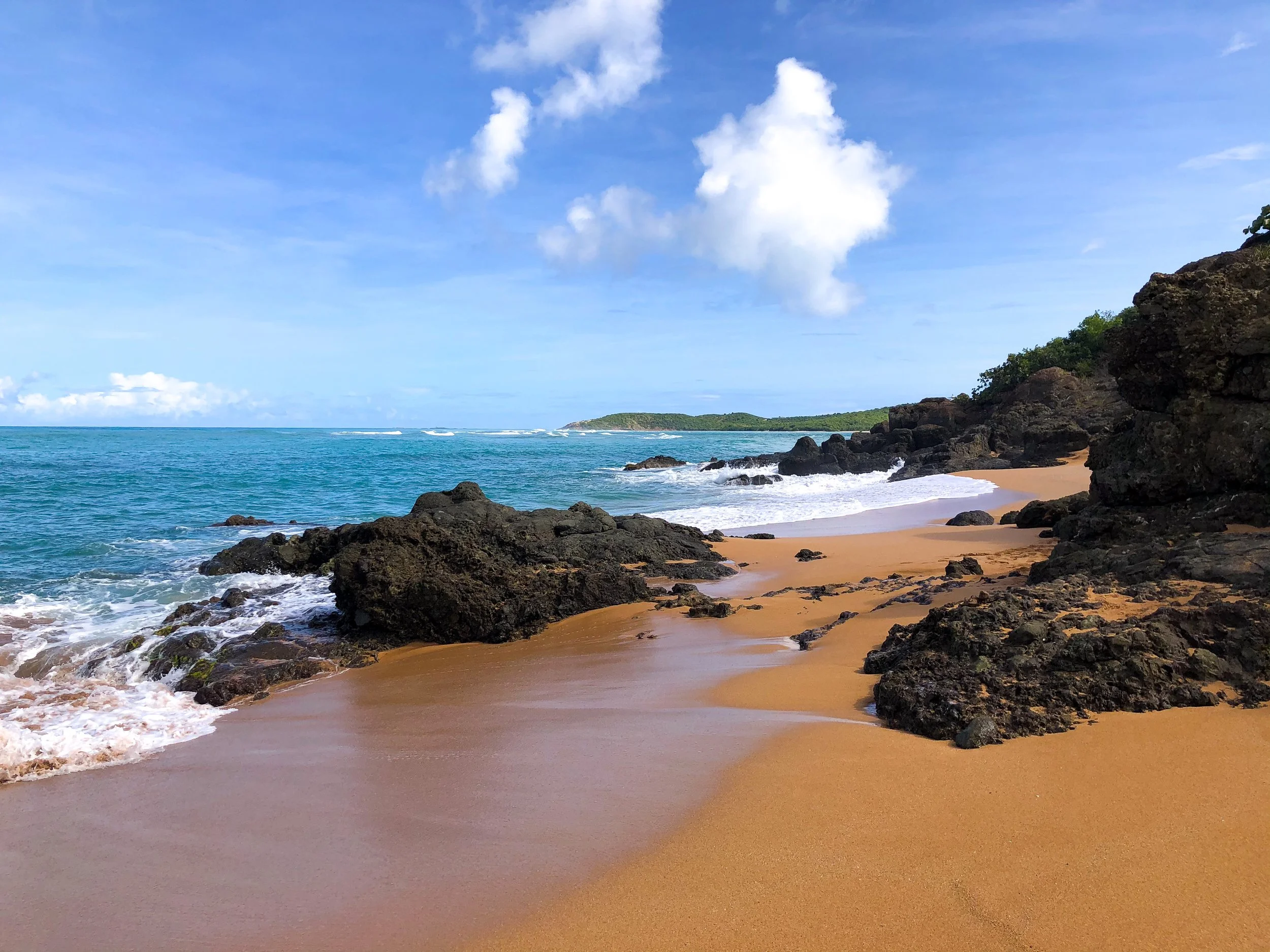
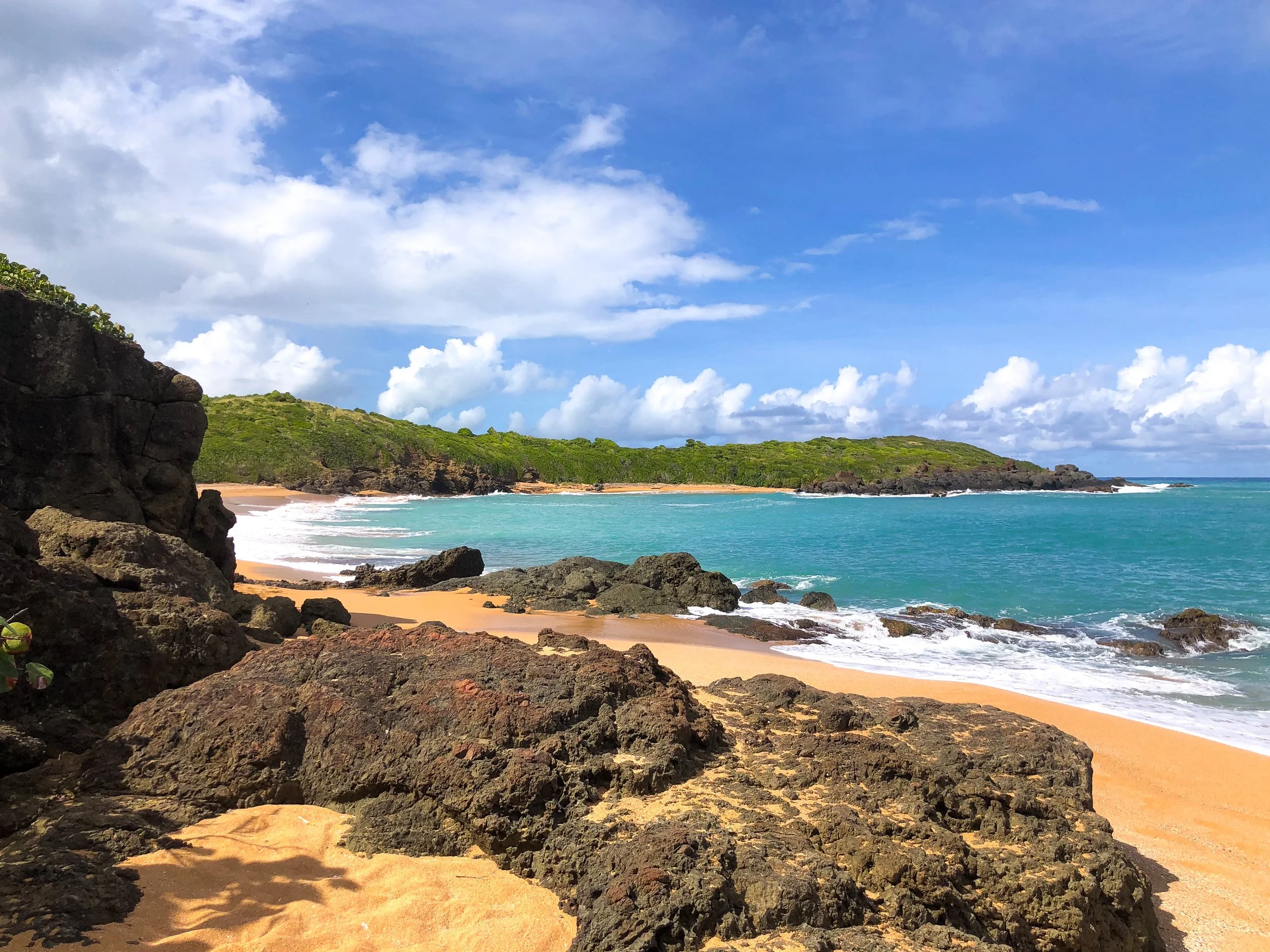
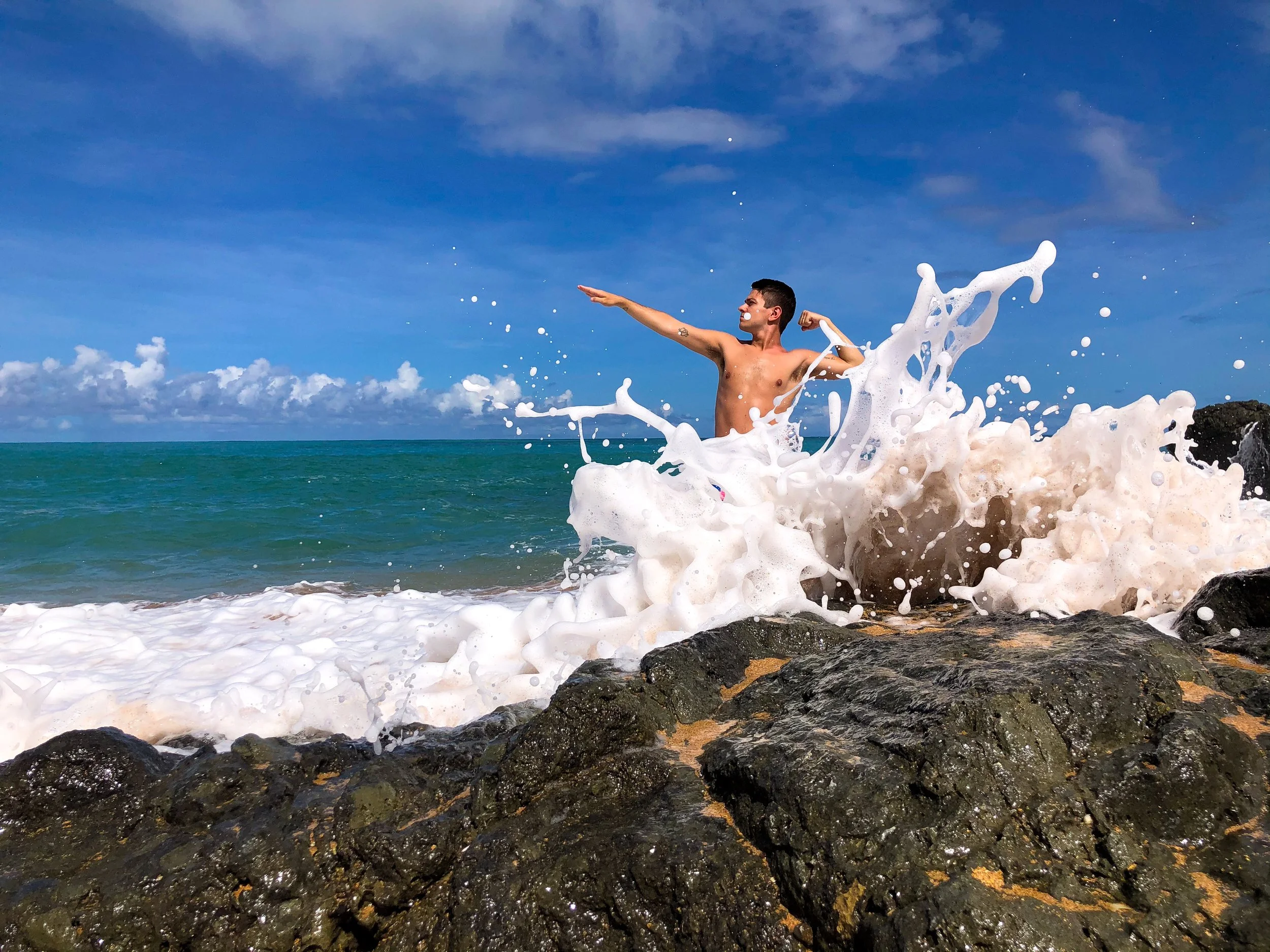
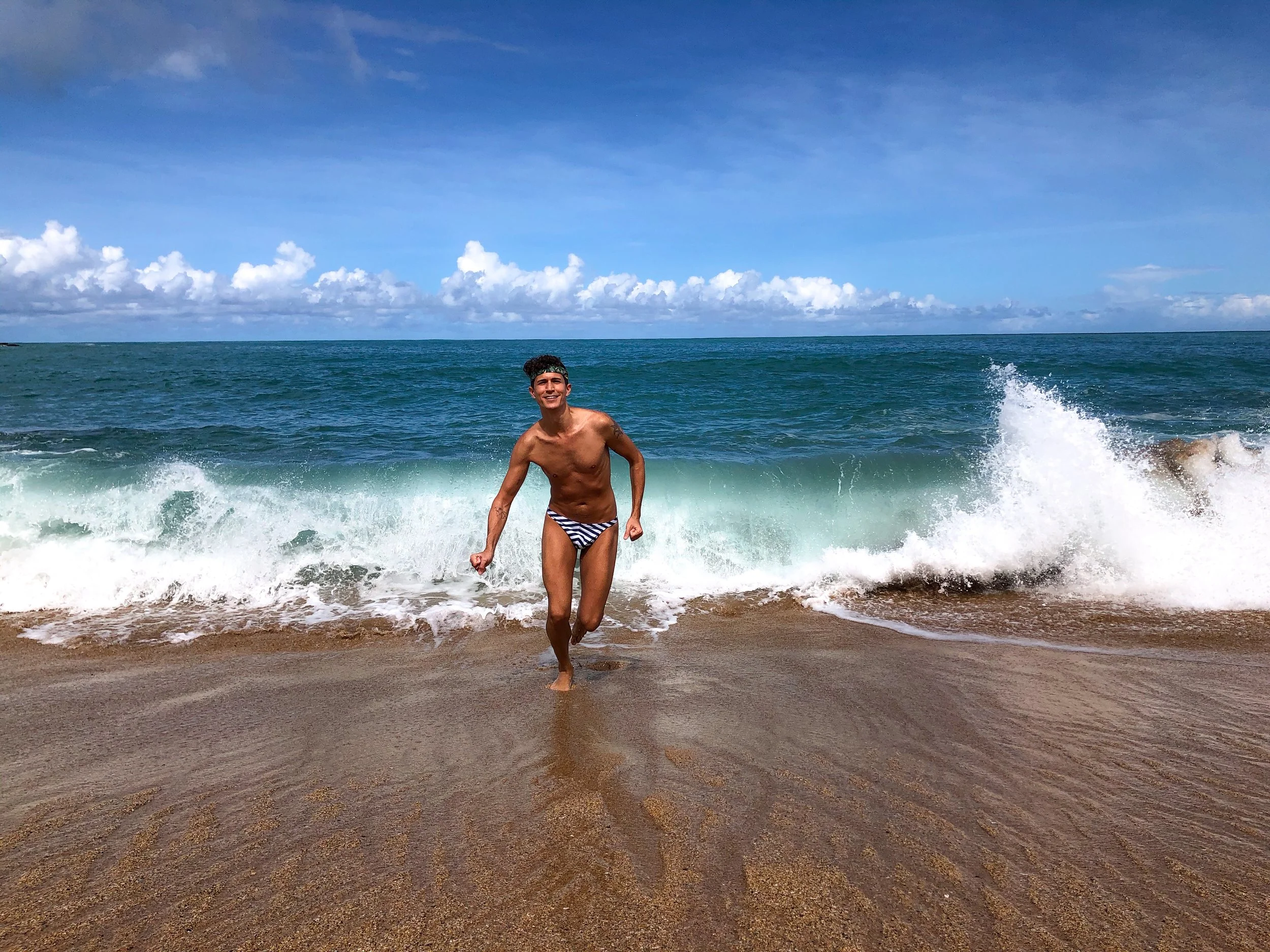
Playa Colora. A semi secluded beach great for sunbathing and enjoying nature. The waves are large and the undertow is strong making it un-safe for swimming. Though not an official nude beach, people come here to sunbathe naked near the rock formations to the right.
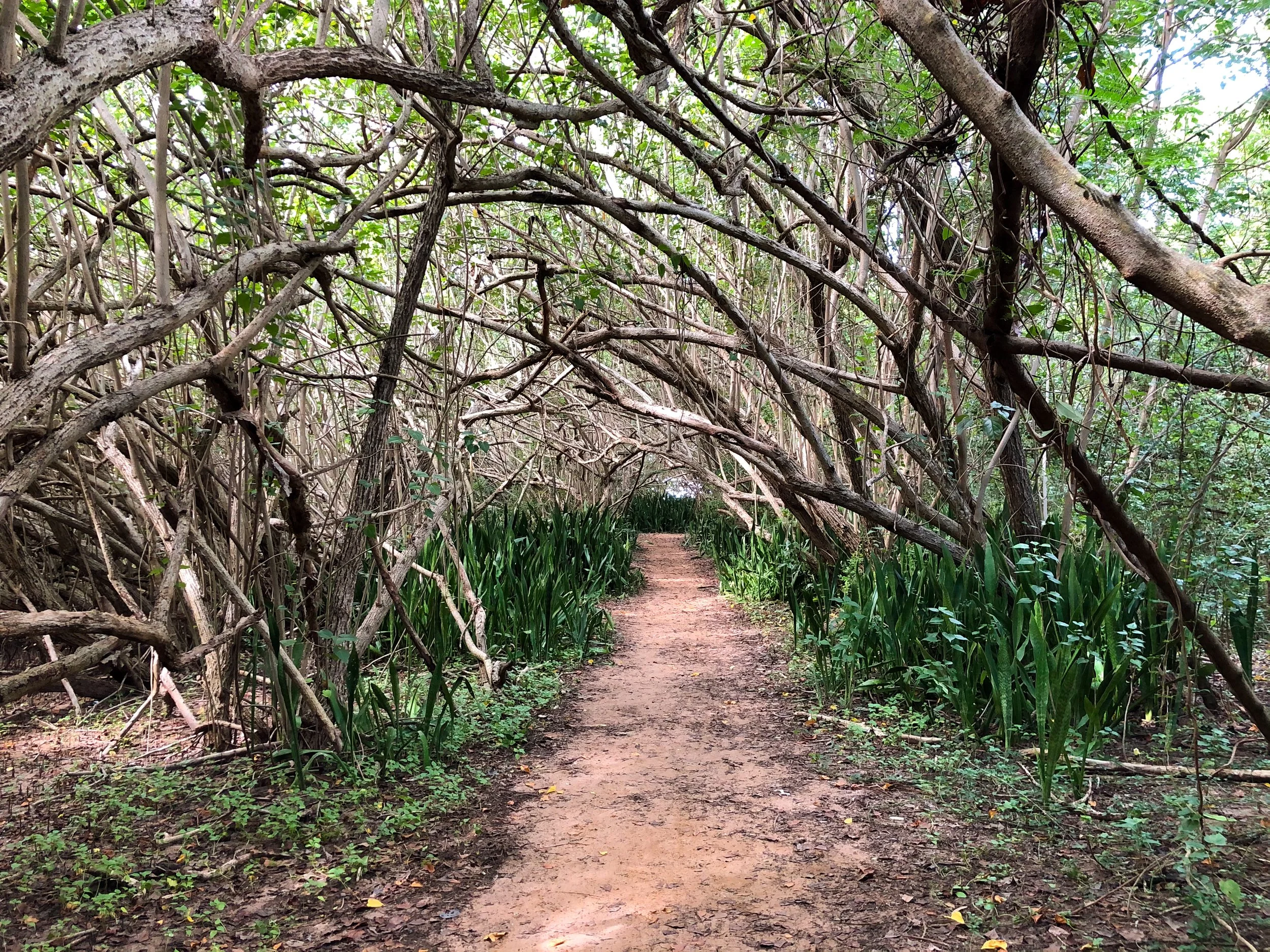
Getting to Escondida & Colora. Both beaches are accessible through a nature trail at the west end of Seven Seas Beach. It’s an easy walk that takes about 30 minutes. The trail forks after about 5 minutes, take a right and continue walking. This trails leads directly to Playa Escondida. A short path at the halfway point leads to Playa Colora.
Pro Tip. Please take your trash with you and don’t pile it up at the trail heads.
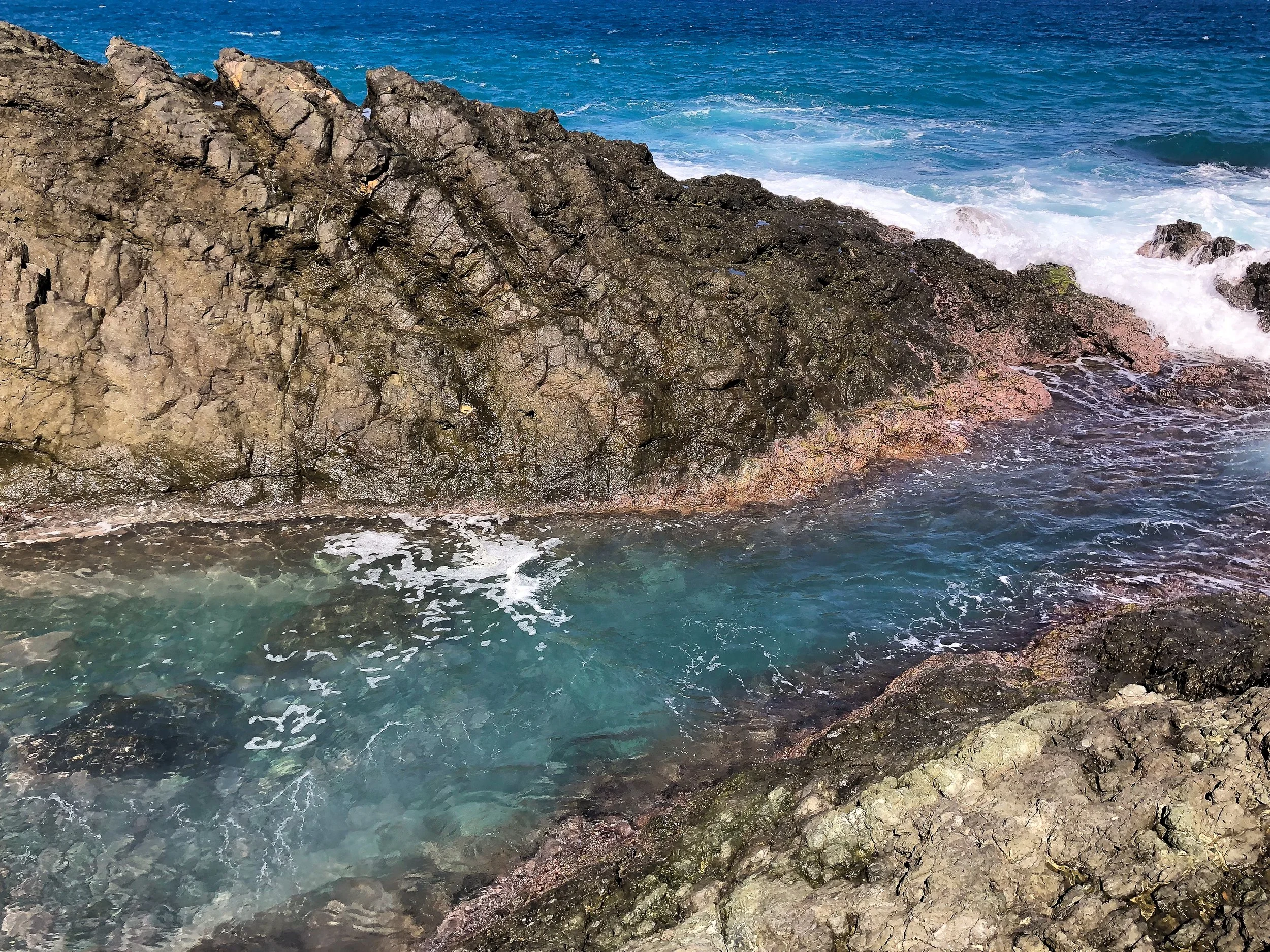
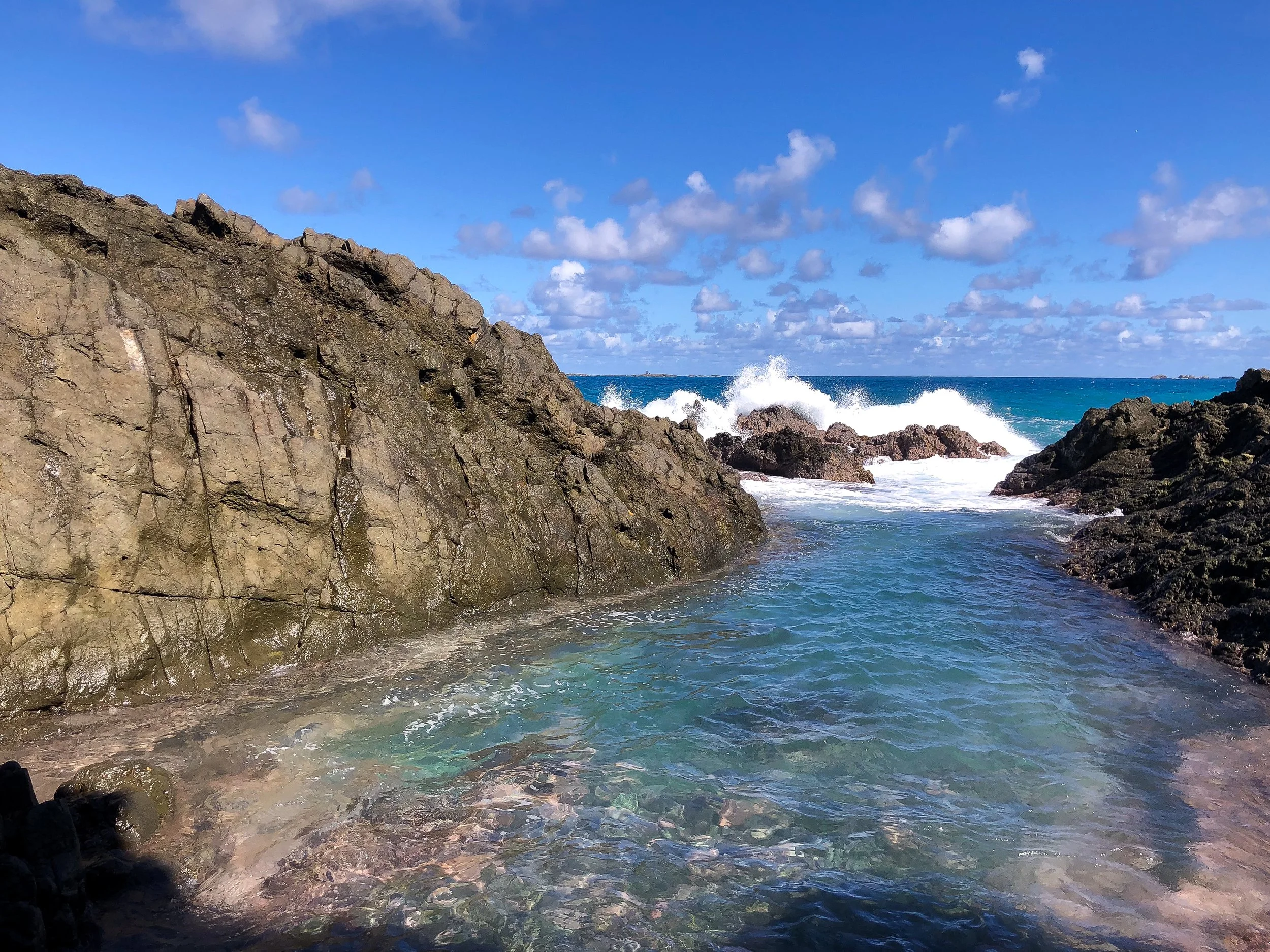
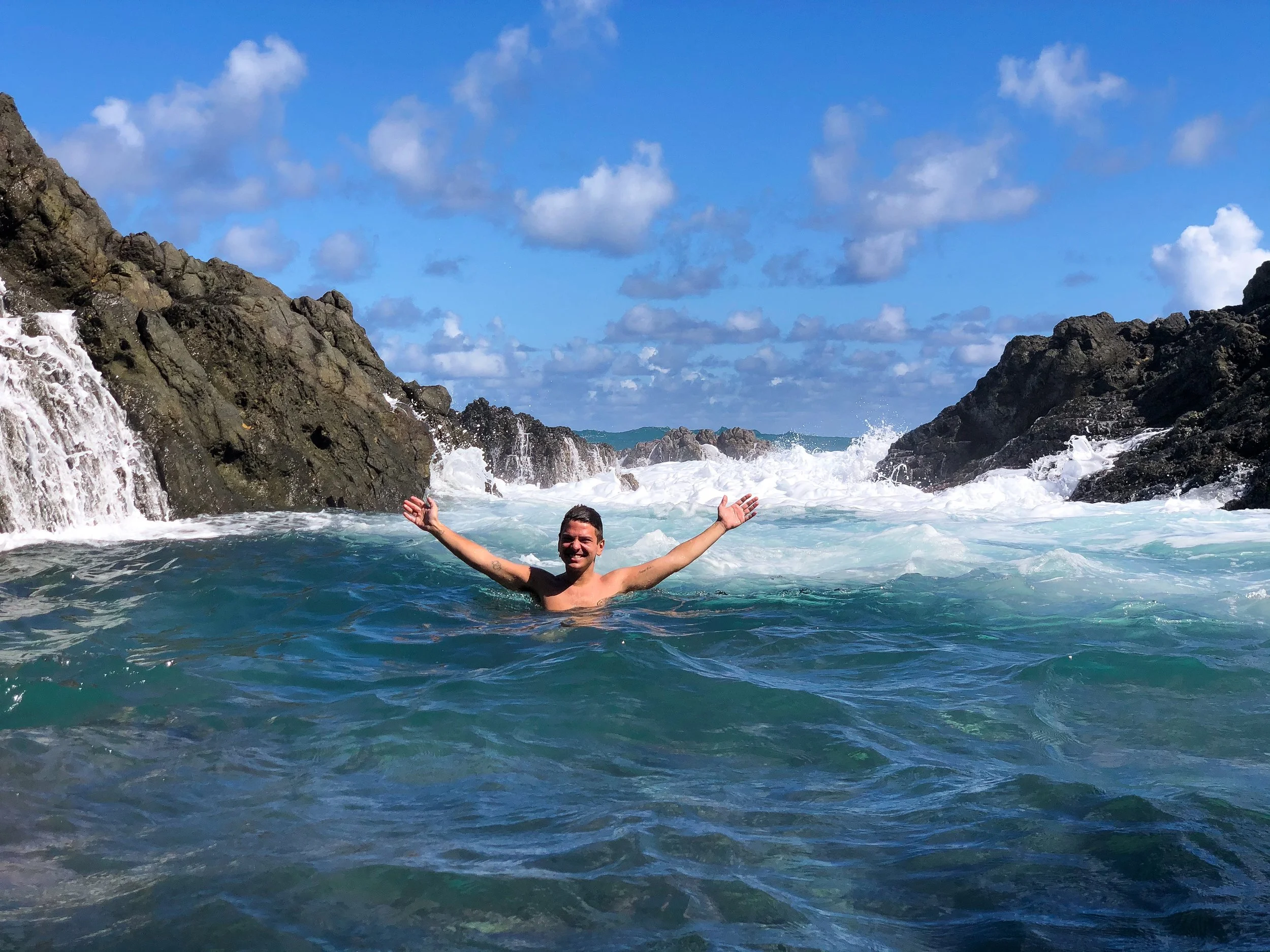
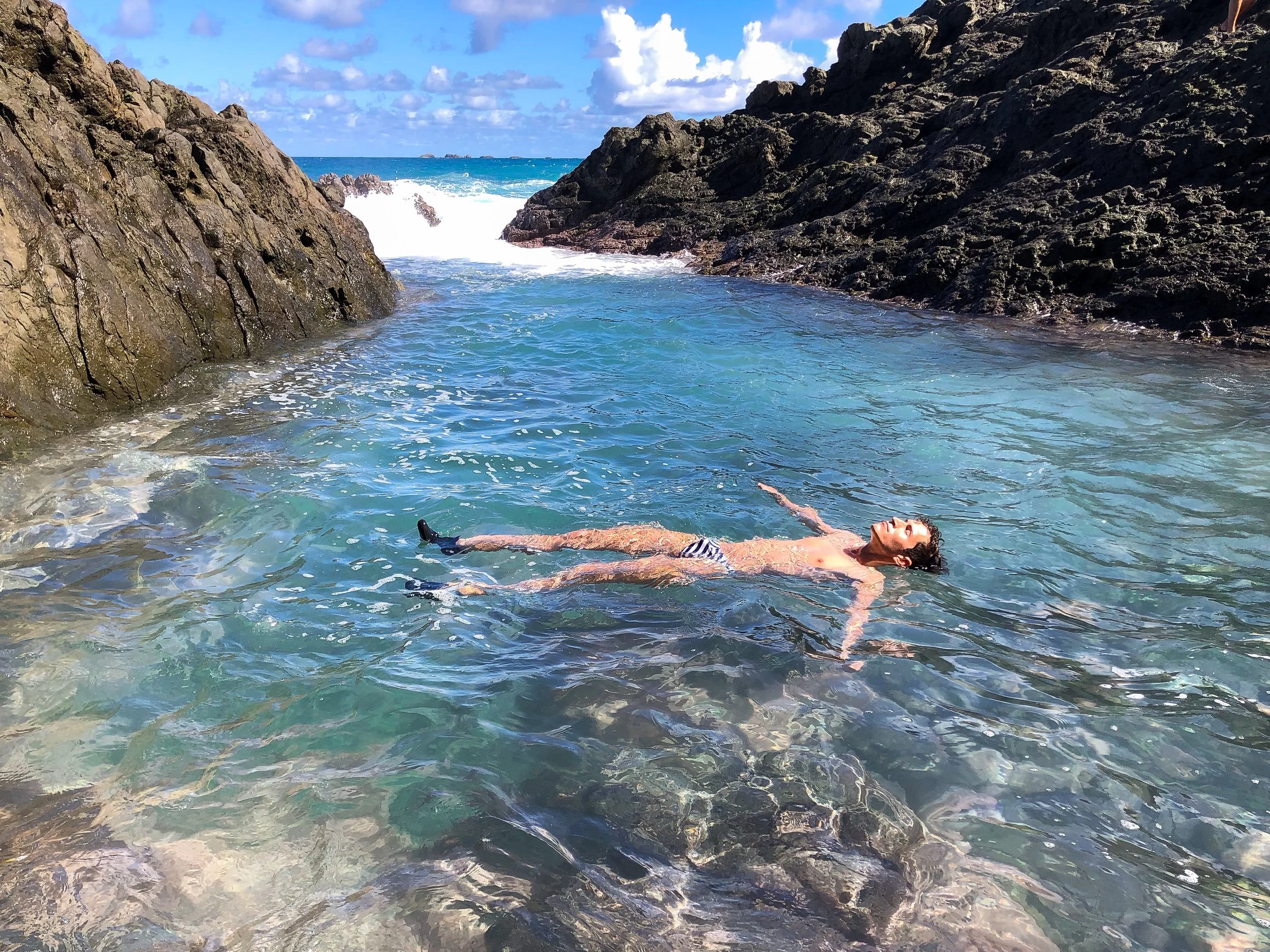
La Zanja
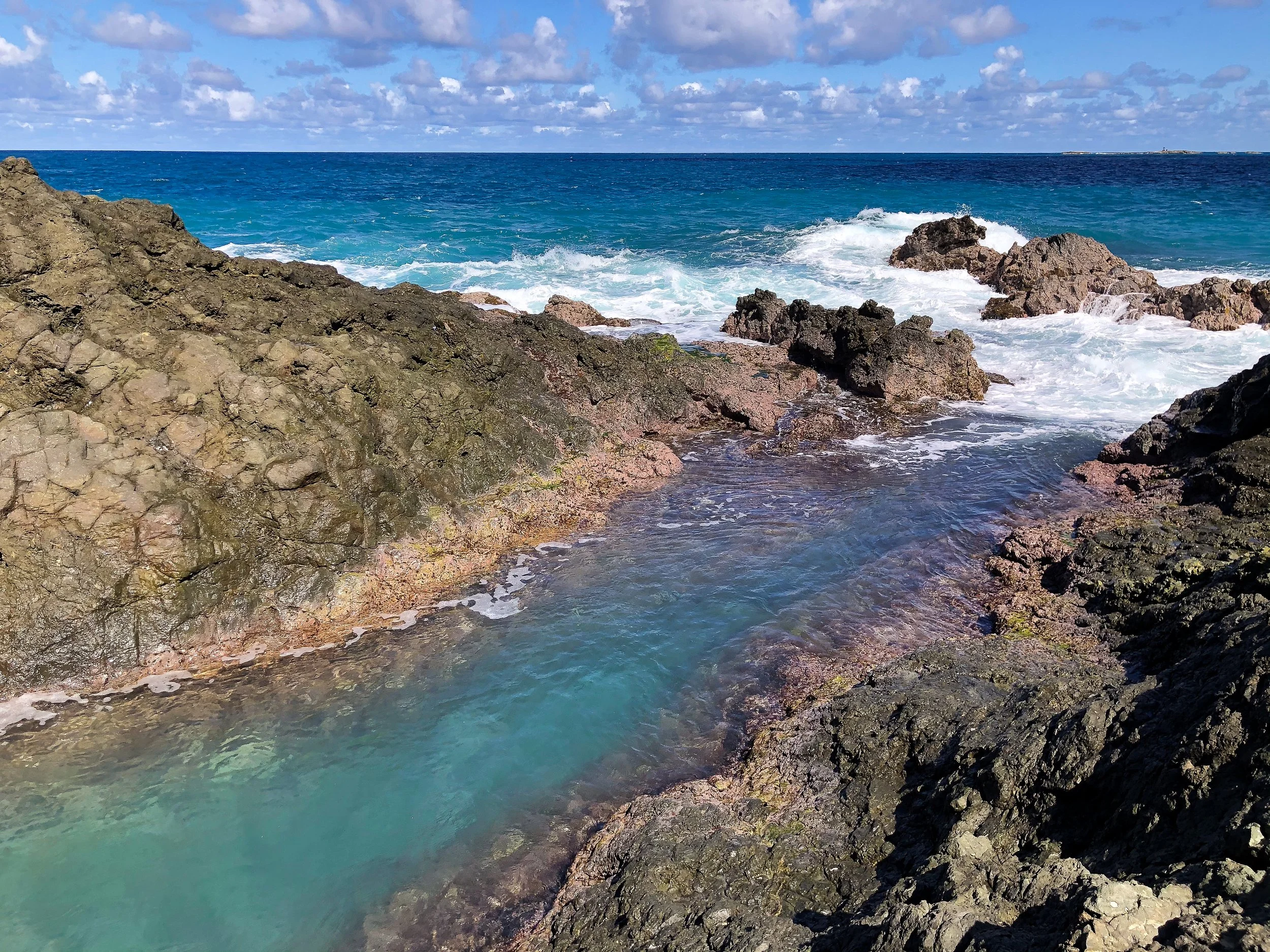
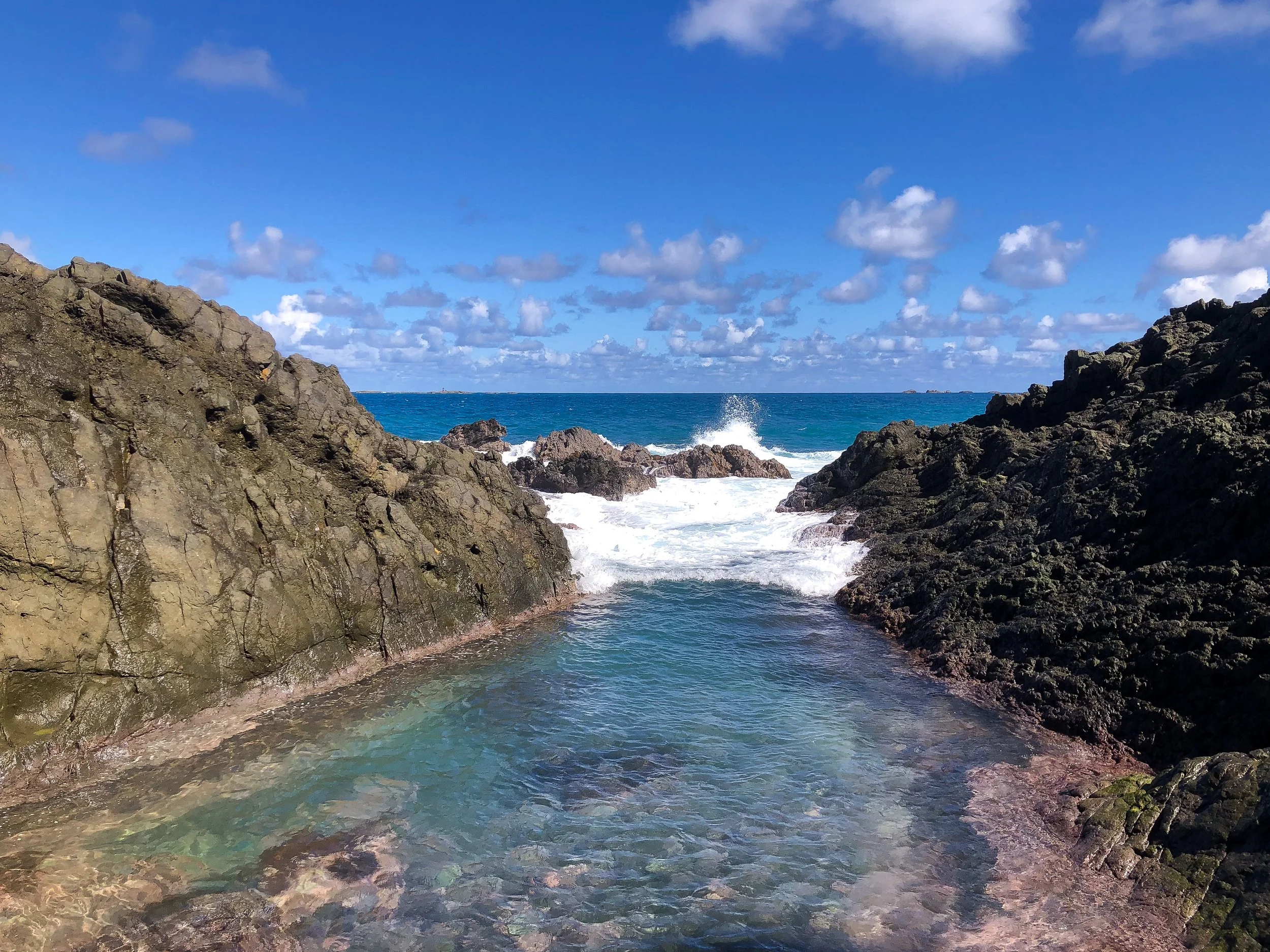
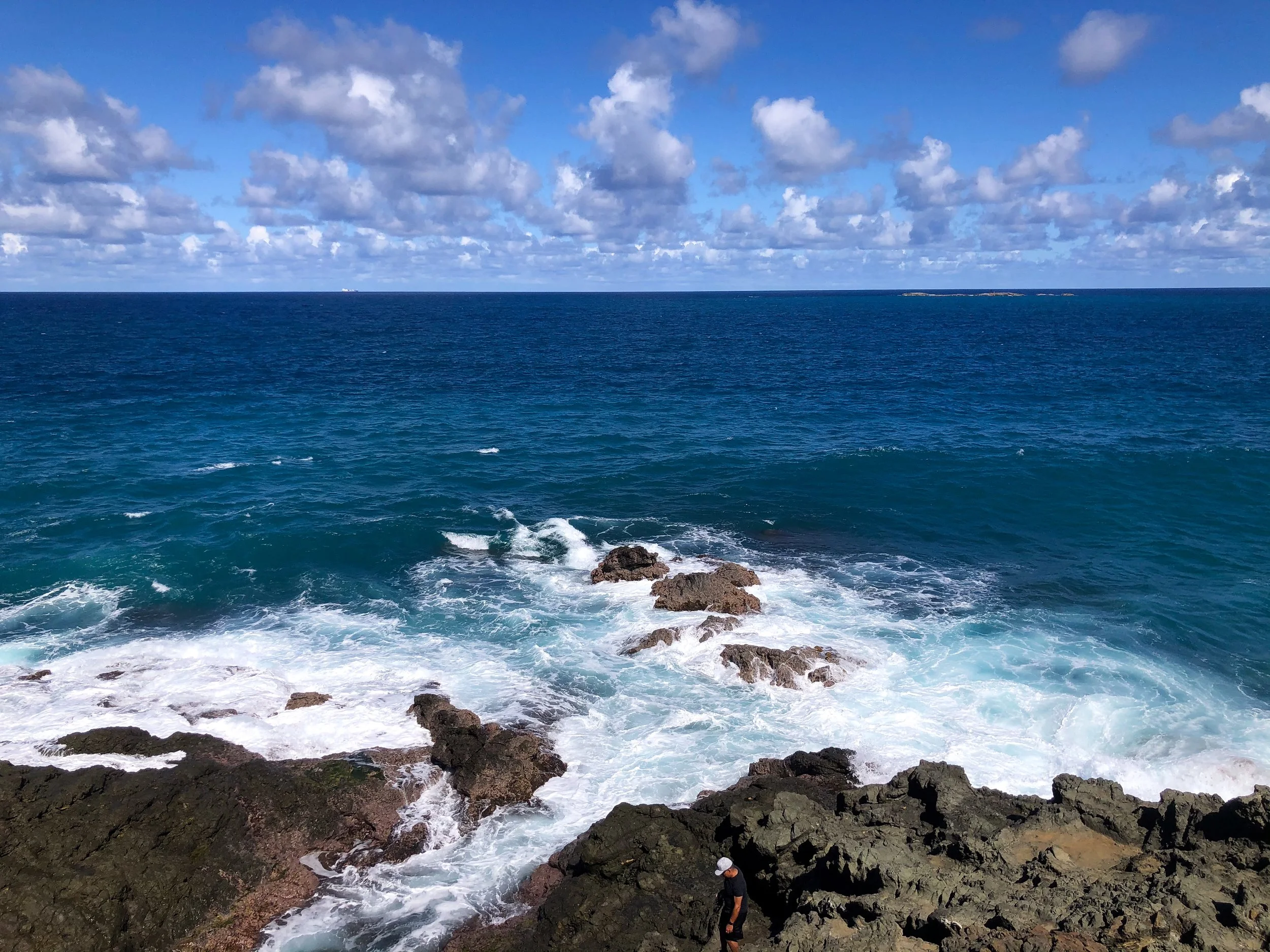
La Zanja is a natural tench-like wave pool nestled within a cliffside and protected from ferocious waves by large jagged rocks. The pool is a secluded and unreal place to swim and listen to the ocean.
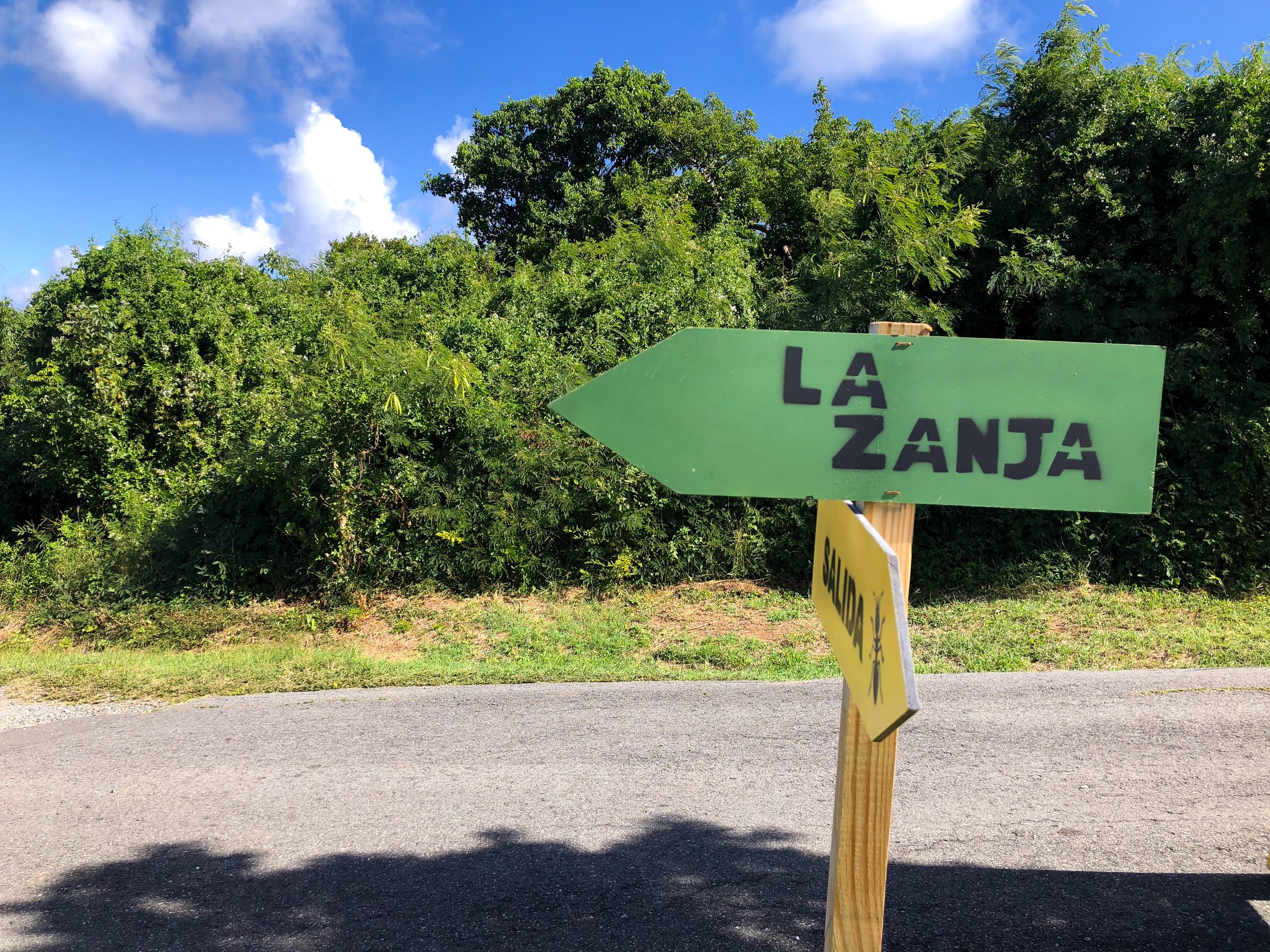
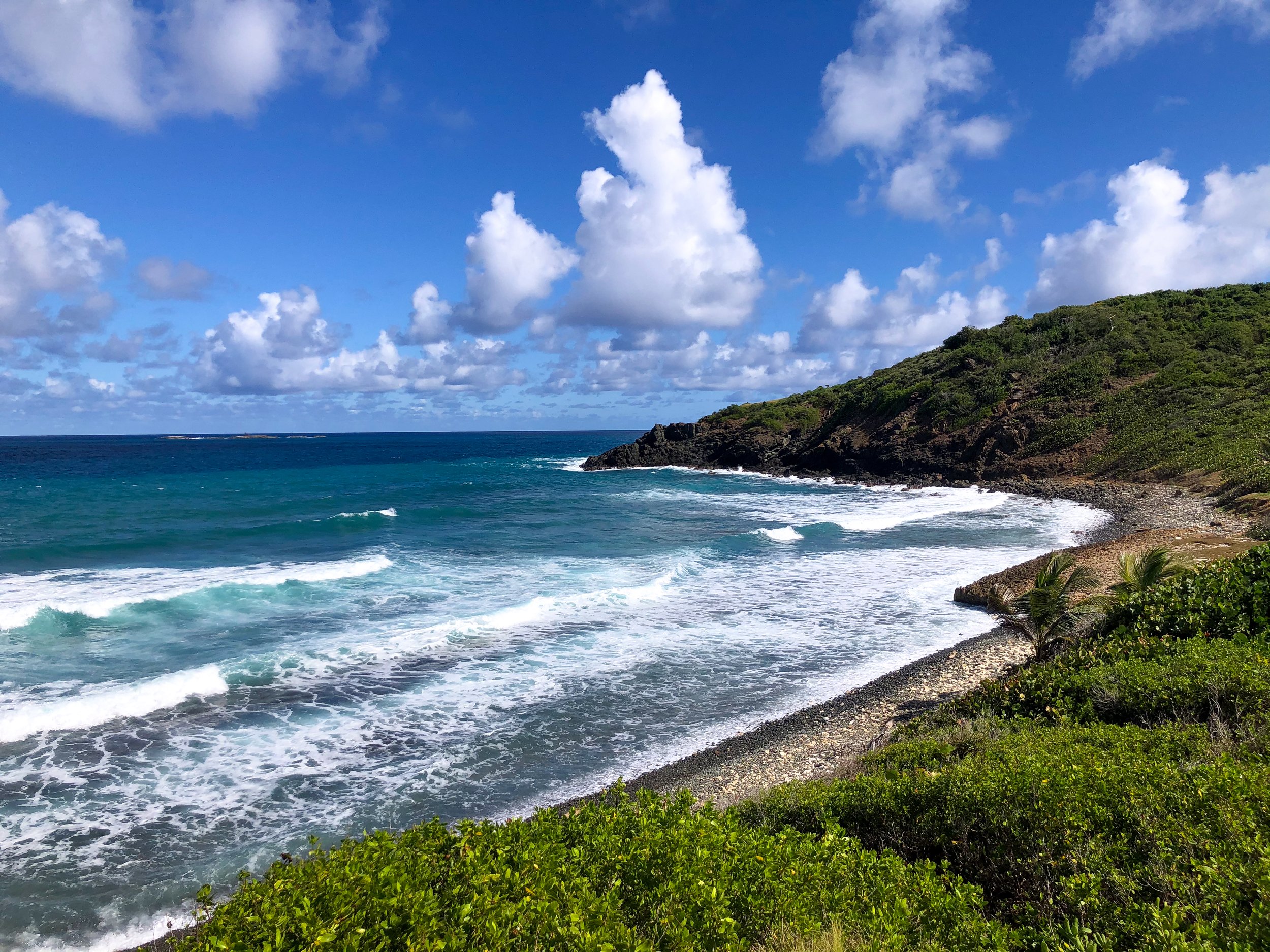
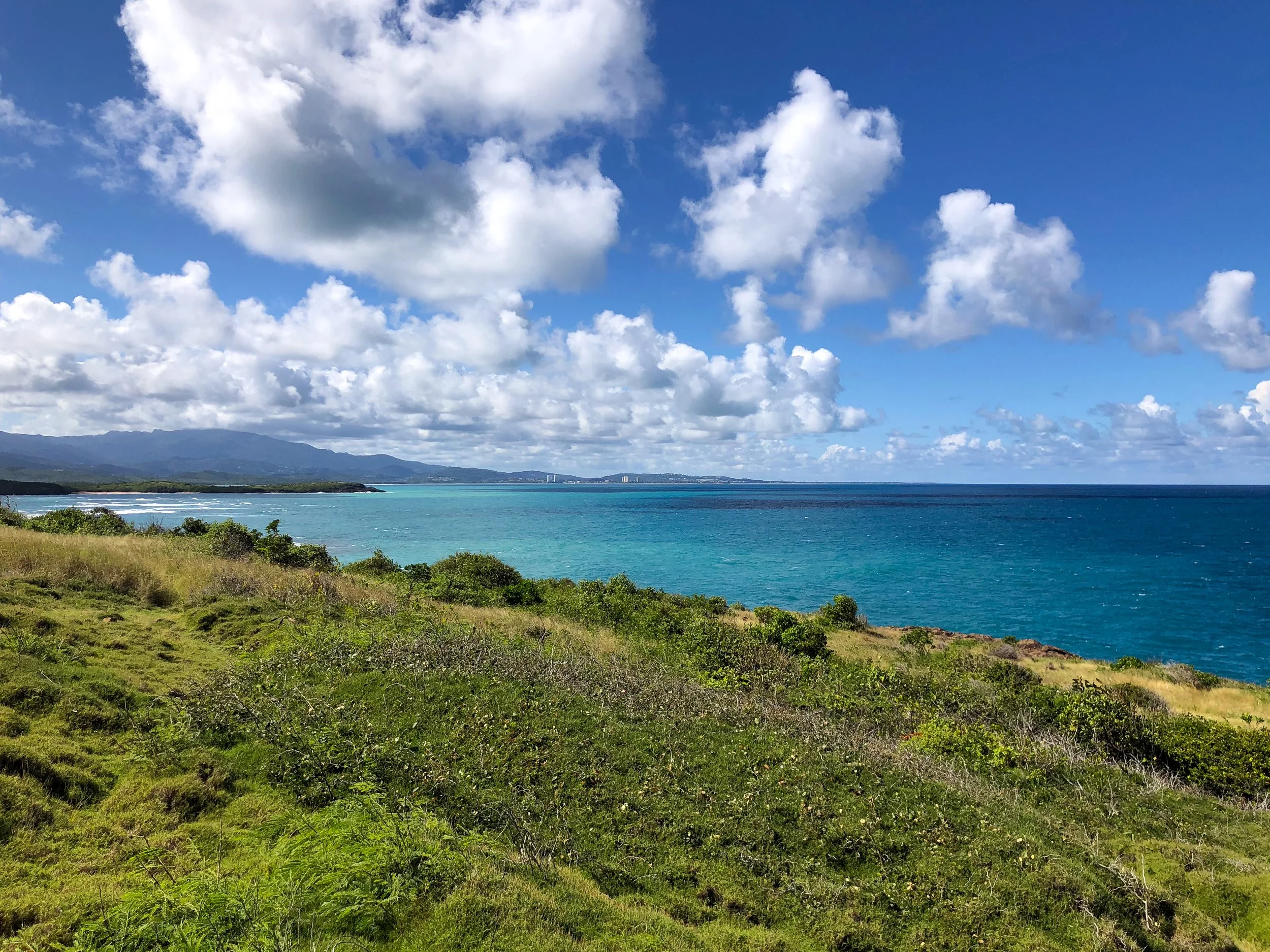
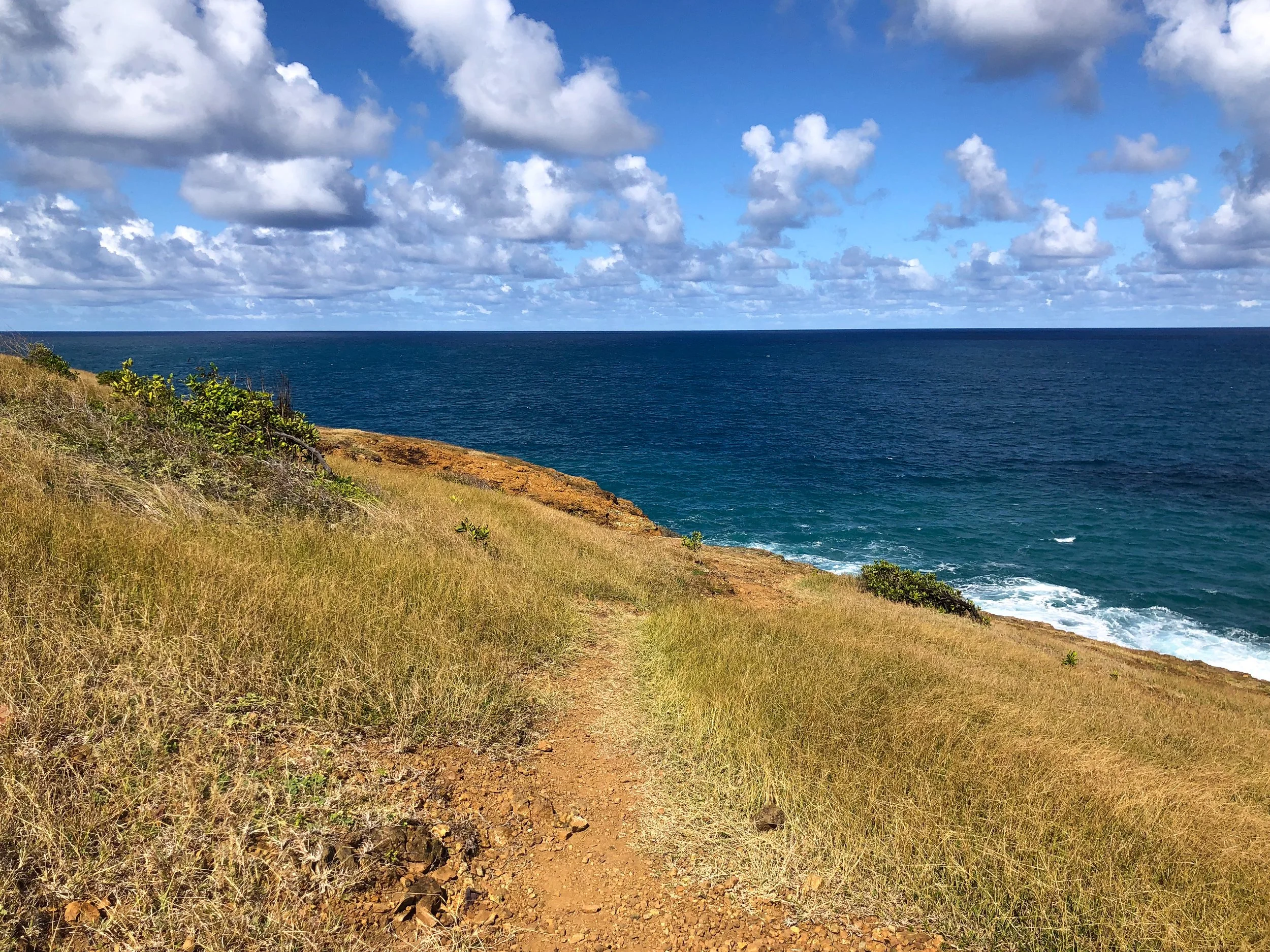
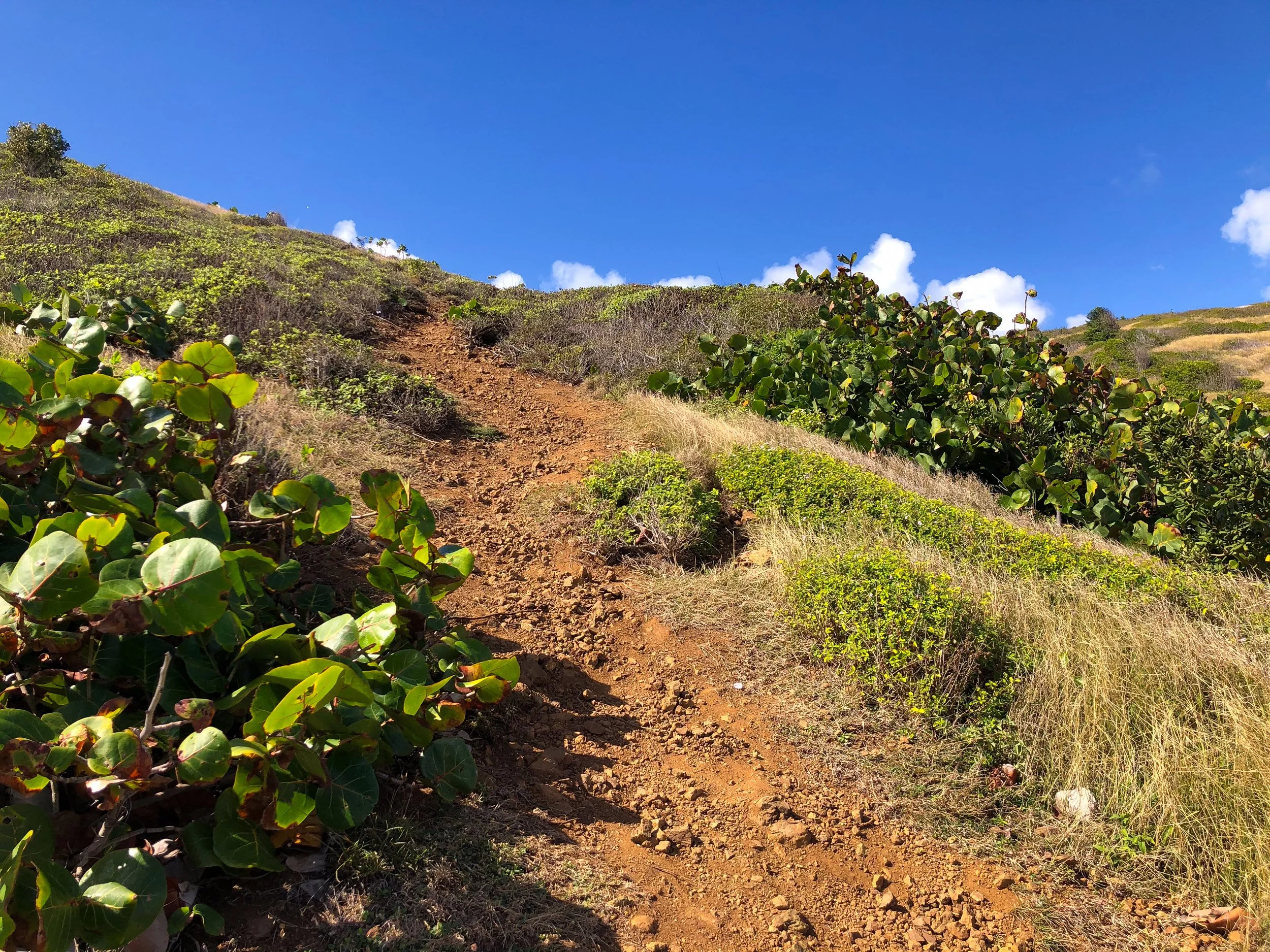
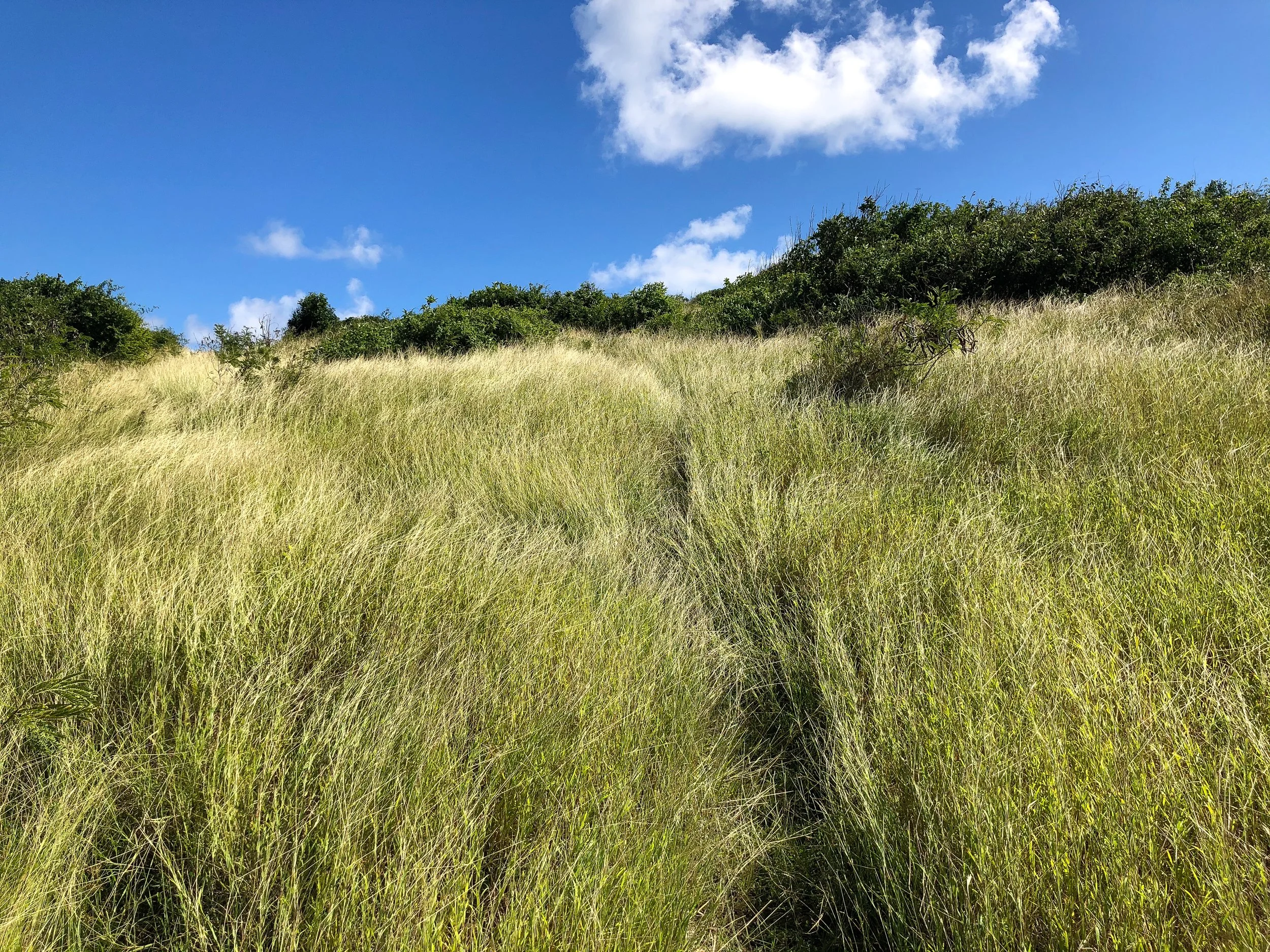

Getting to La Zanja. Walk down Seven Seas Beach, past Playa La Matita until it looks like you can go no further. From here there will be a trail leading into the tree-line. The trail forks at multiple points but all lead to a road. Take the road ending at a stoney beach. At the stoney beach, walk to the left until you see a trail leading up the hill and along the cliffside. This trail will lead you to La Zanja. From start to finish, it takes about 1 hour to reach.
Safety
Bring water shoes or wear shoes with good soles.
Do not attempt in flip flops or sandals.
Be very careful on the rocks and of waves
Be mindful of the current within La Zanja
Restaurants
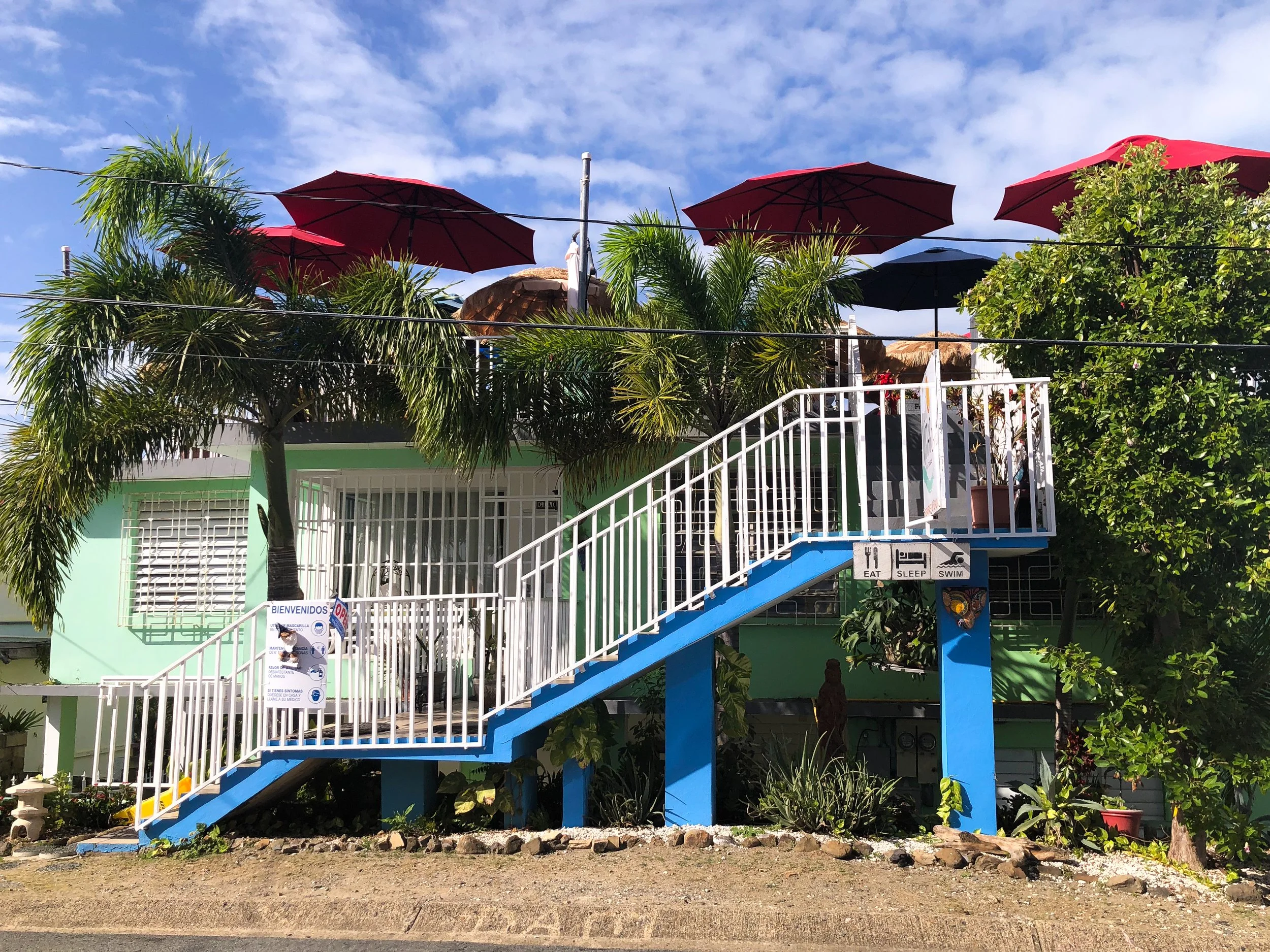
Las Vistas Cafe. A hidden gem and easily the best brunch spot in the area. The restaurant is located on the roof of a house with surrounding views of Las Croabas. Everything is handmade and takes a little longer but is well worth the wait. Try the fresh fruit salad and juices, strong coffee and brunch dishes like the French toast with bananas and coconut or eggs Florentine on a arepa.
El Pescador. Located in Parque Las Croabas, this is one of our favorite places to dine at for seafood and Puerto Rican dishes. Come here for a pan fried red snapper, the stuffed mofongo, creole crab salad, jumbo shrimp and anything with conch.
La Estacion. A former gas station turned into an open air jungle themed restaurant offering grilled and smoked meats and seafood specials.
Getting Around
Taxi. Getting around Las Croabas can be difficult without a car. There are no Ubers and are very few taxis. If you need one, call this number to be transferred to a driver: 939-644-2817
Elsewhere in Puerto Rico
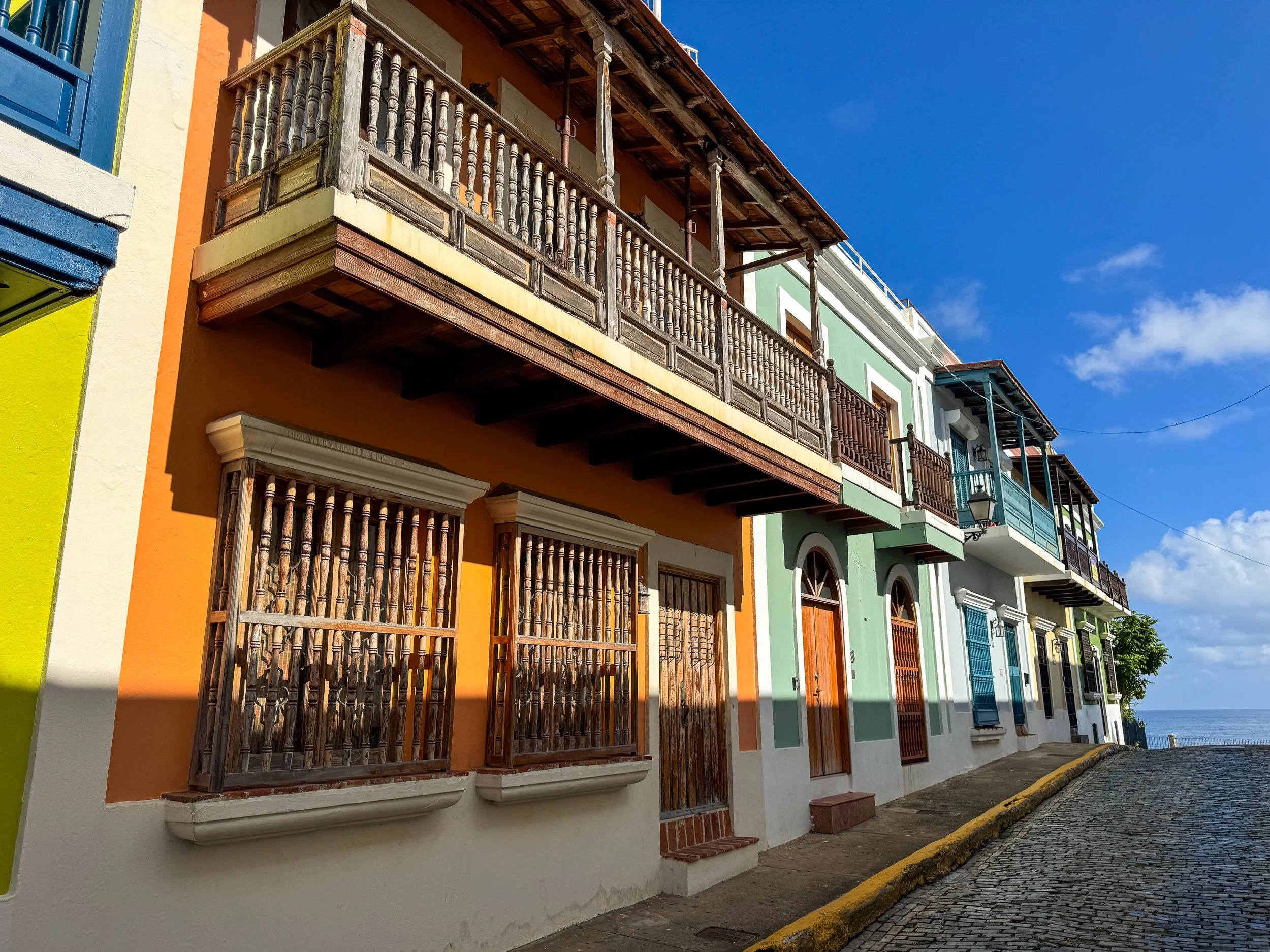
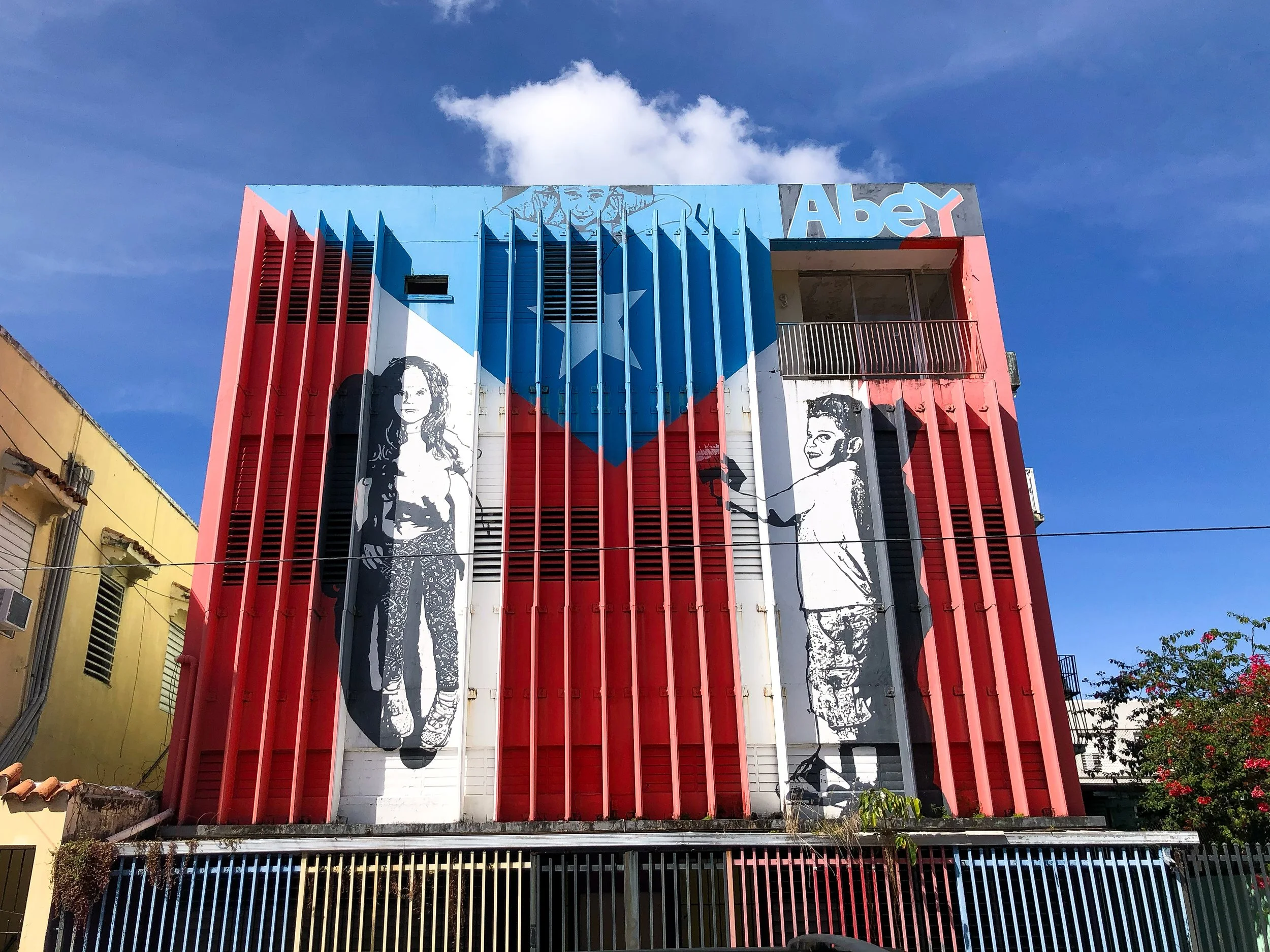
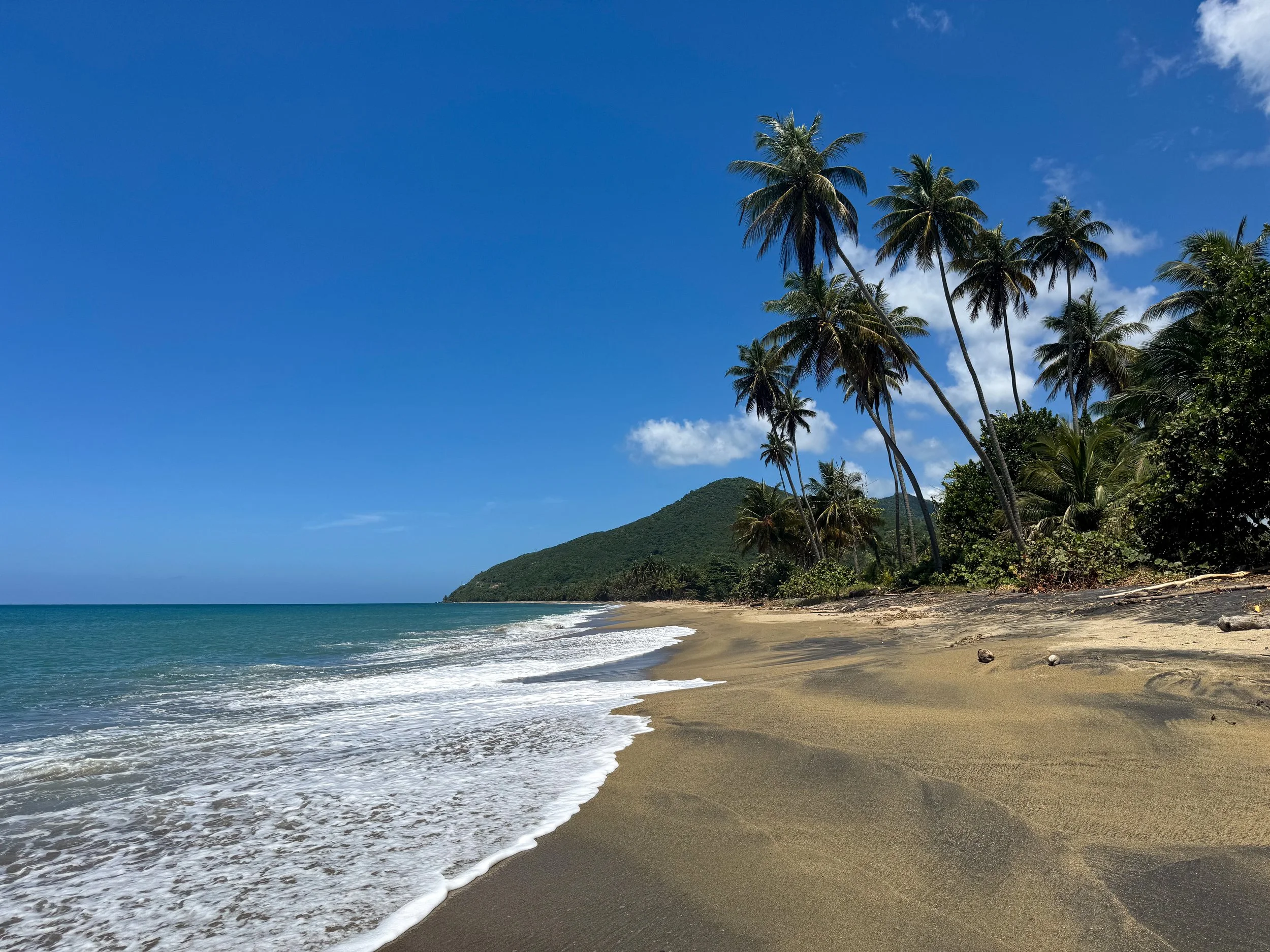
Having visited Puerto Rico nearly 20 times, we’ve experienced many places across the island. Though we don’t live here, we consider ourselves non-local experts and one day hope to call this beautiful island our home. Experience Puerto Rican culture in the capital city of San Juan. Explore the colorful and colonial streets of Old San Juan. Head to the southern coast of Caribbean Puerto Rico. Visit the surf towns along Western Puerto Rico. See the indigenous Taino sights of Central Puerto Rico. Get off the mainland to visit the islands of Culebra and Vieques.
For Next Time…
Whether a spontaneous weekend trip or planned vacation, we will certainly be back to Puerto Rico many more times! We have our eyes set experiencing things we’ve missed during past trips around the eastern side of Puerto Rico including:
Day Trip to The Icacos Islands. The Icacos are a key of many small islands with diverse sea-life, coral reefs, sandy beaches, migrating birds and marines sports like snorkeling, swimming & diving. They’re only accessible by boat. There are water taxi services or a catamaran tours that leave from Parque Las Croabas. From what we’ve heard, the best time to visit is mid-week to avoid the large crowds.
Las Paylas Waterfall. Nearby El Yunque and on private property is a natural river rock slide. An older gentleman who owns the property charges $5 admission. There are no official hours so you have to chance it if visiting. We tried but were turned away.

Coastal Bali
Bali’s coast is famed for its relaxing seaside neighborhoods, black sand beaches, water temples and marine activities.

Welcome to Bali
Bali is an Indonesian Island known for its rich culture and surreal nature with near endless things to do, see and try. During our two week trip, we ventured to various areas around the island: exploring the relaxed seaside neighborhood of Canggu, the tropical palm covered Gili Islands and the cliffside Bukit Peninsula. Read our guide on Ubud for more to do in Bali.
Canggu
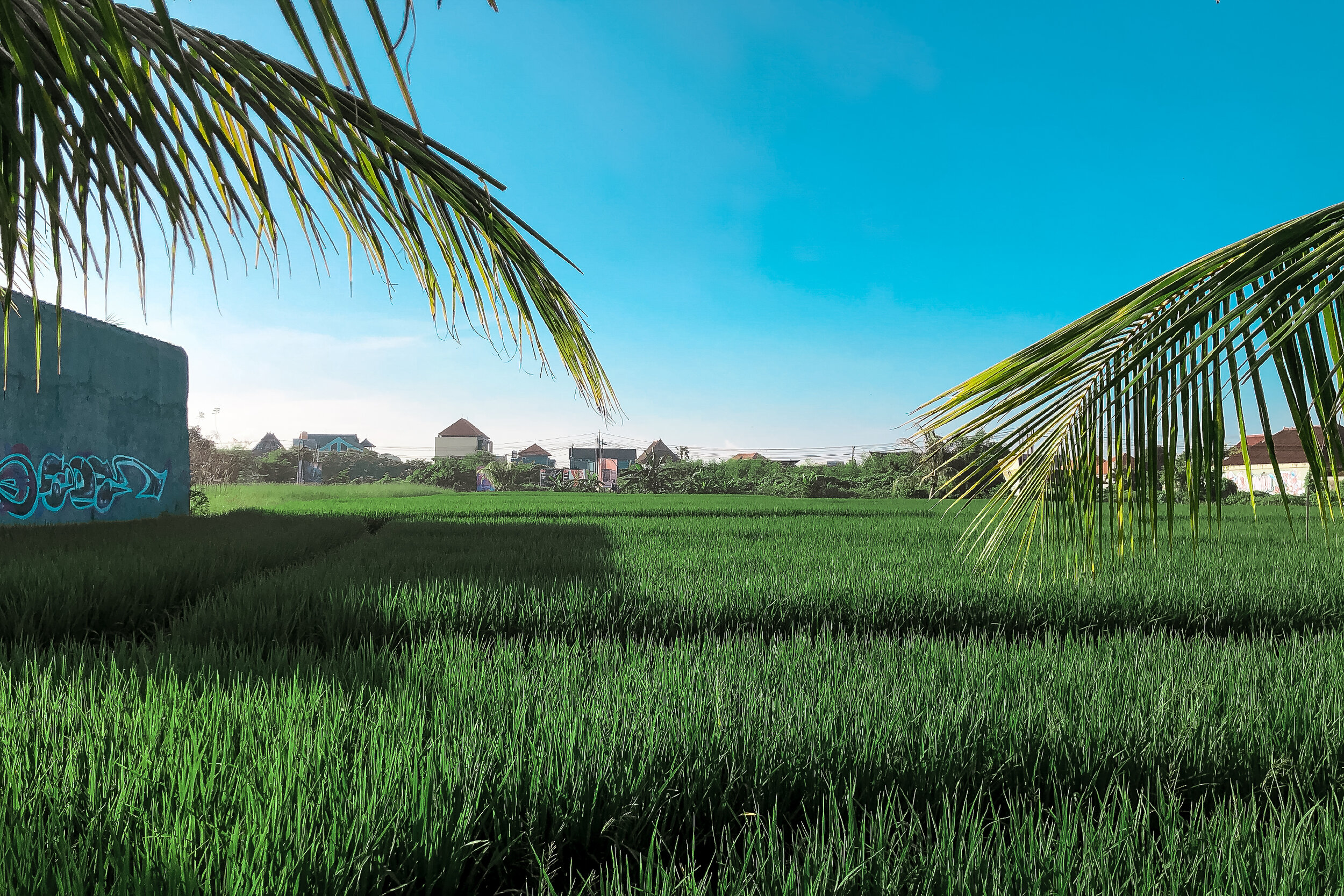
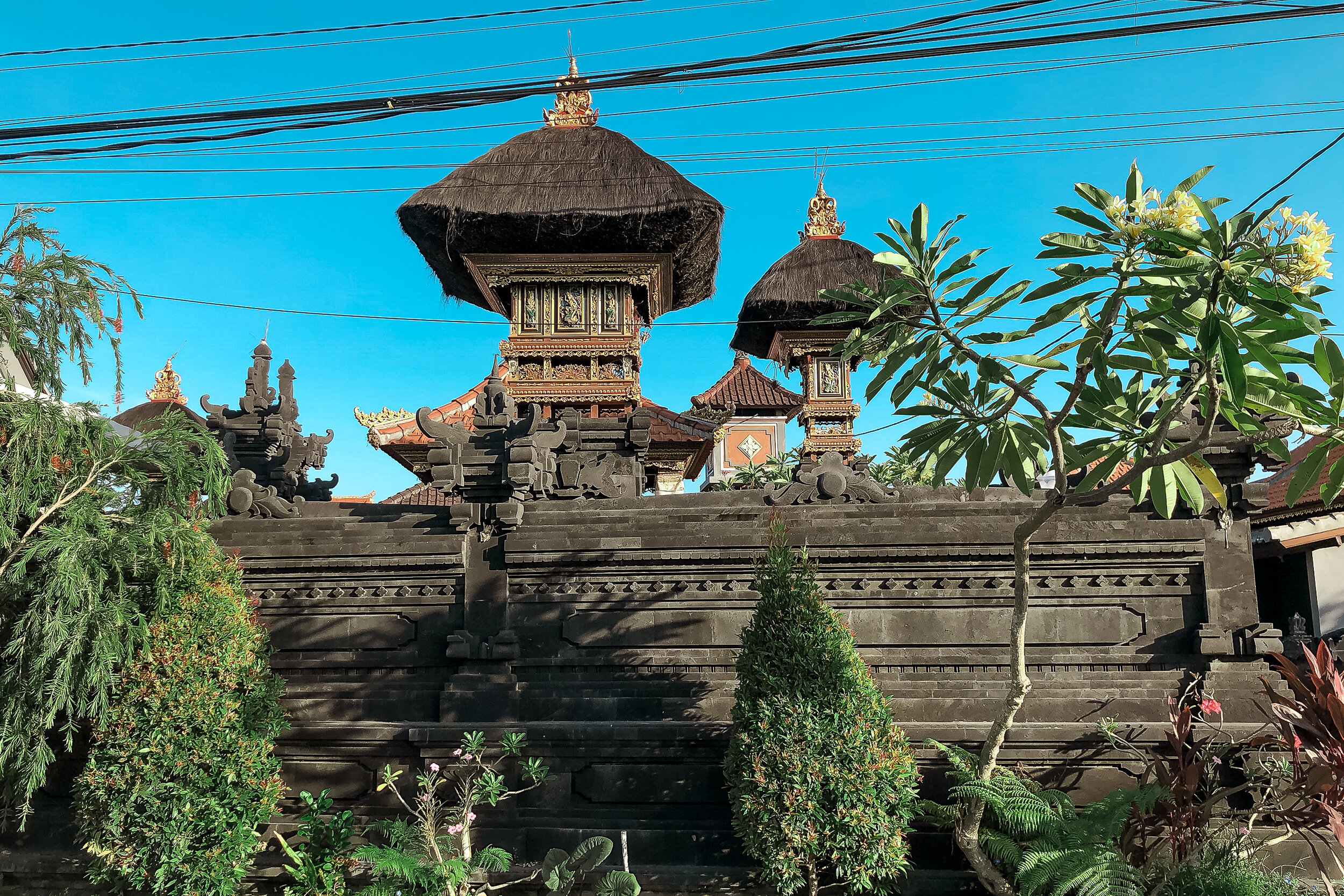
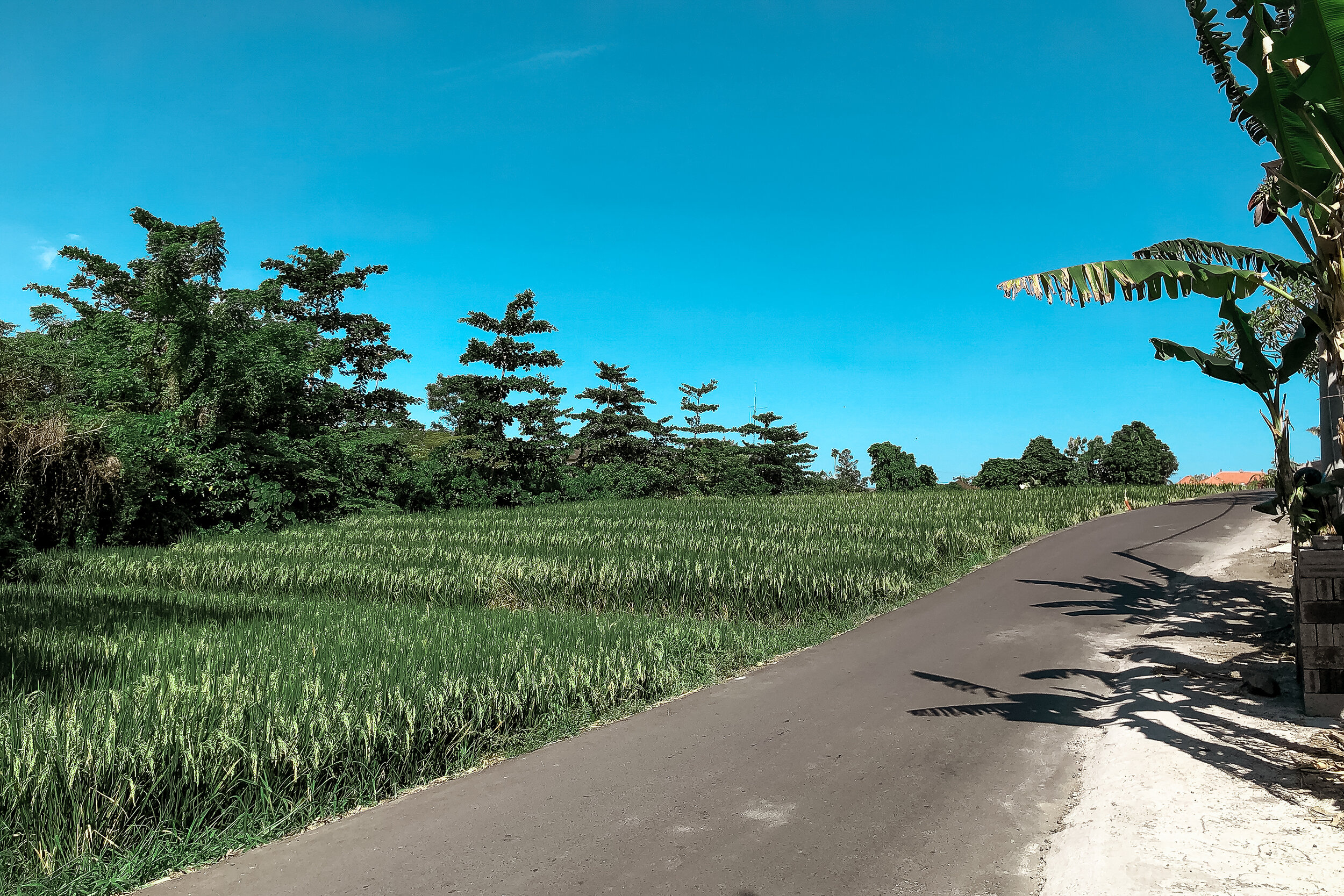
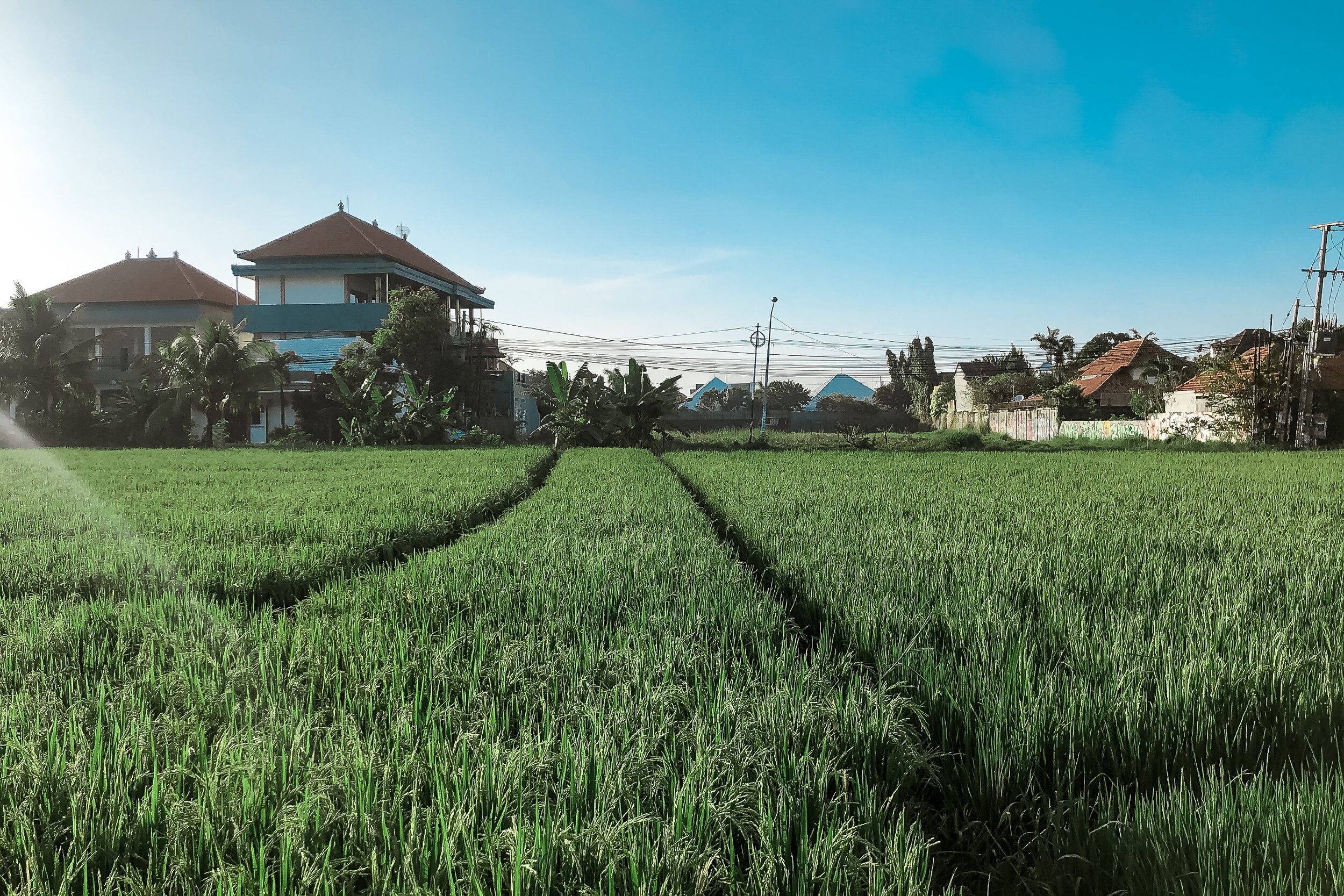
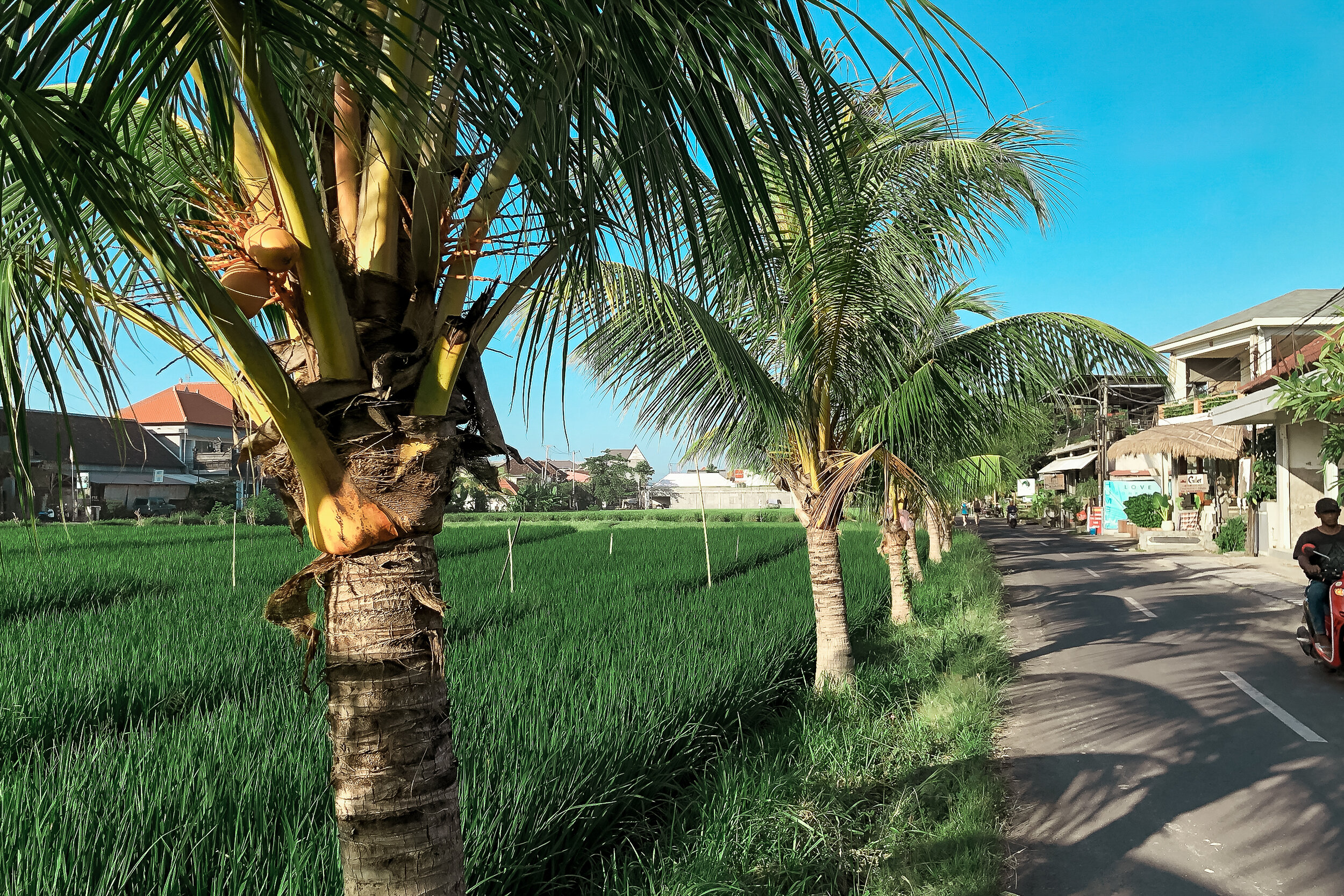
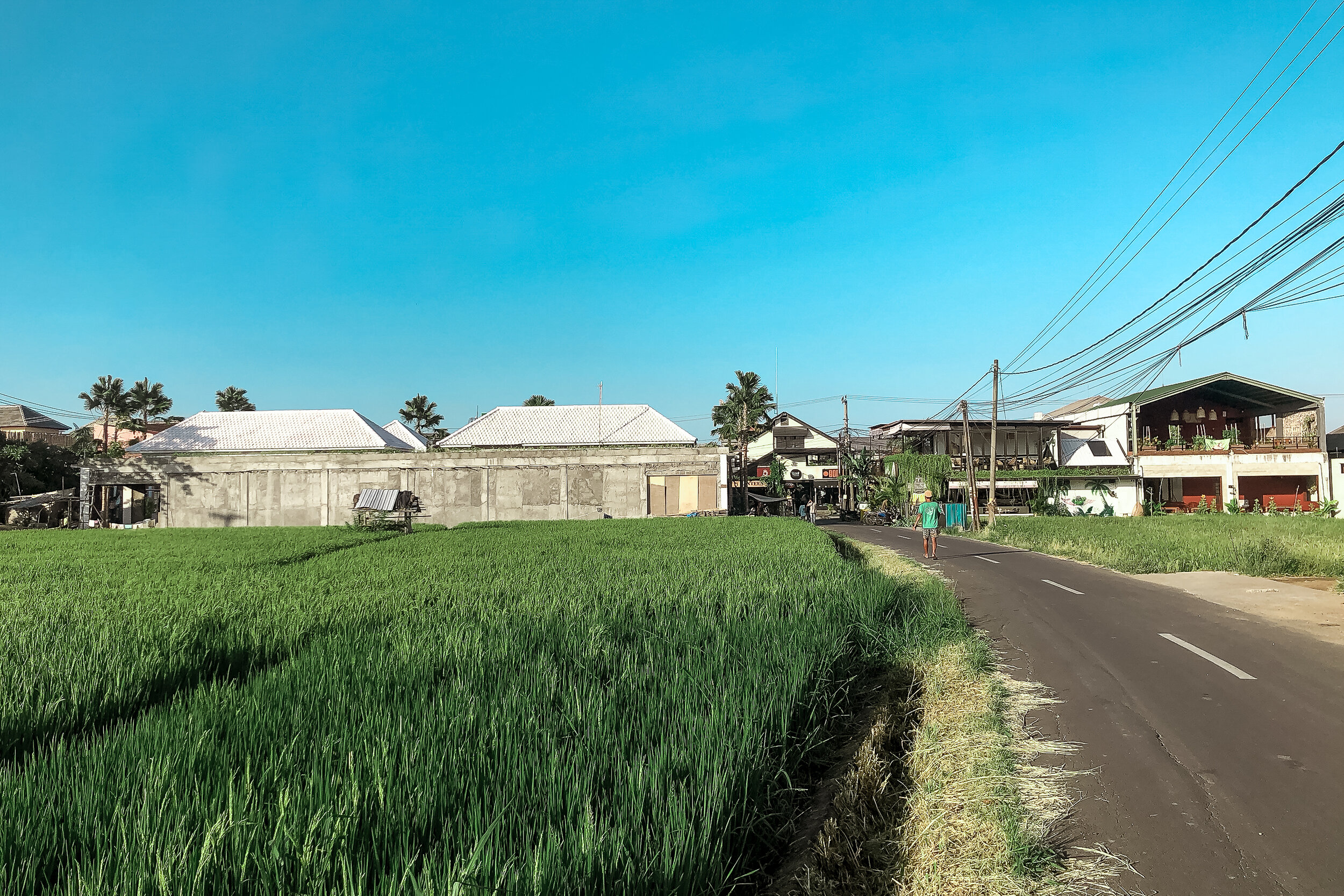
Canggu is a trendy and relaxing place to soak up tropical vibes, overcome jet lag, meet other travelers and get a better idea of what to do and see around Bali. It is a great entry point to spend your first couple of days on the Island. The neighborhood has a chill vibe with many surfers and digital nomads vacationing. There are cute shops, vegan cafes, black sand beaches and lush rice fields. Spend a good amount of time on the beach, day or night but also explore the streets extending deeper into Canggu. There are a ton of great restaurants, cafes and bars to stumble upon.
Getting Around
The fastest way to get around is by scooter but Canggu can easily be explored on foot.
Scooters range from 50-70K Rp per day (less than $5 USD) or 600K Rp per month ($43 USD)
For safety and to avoid a fine, always wear a helmet while riding a scooter
Carry a flashlight at night when walking along the roads. There are not many streetlights making it difficult to see and be seen.
Roads are often narrow and congested during rush hour.
Perpendicular from the shore are 3 main streets extending deep into Canggu. Also wander the side streets and pathways.

Beaches
Batu Bolong & Canggu Beaches. Easily the most popular and beautiful beaches in Canggu. There are plenty of restaurants, bars and beach clubs to find a lounge for the afternoon, watch the sunset, meet other travelers and enjoy the tropical vibes. Both beaches are known for their beginner and intermediate surf spots with many any beachfront businesses renting surf boards and offering lessons.
Echo Beach. Black sand beach with a seaside temple and a small cliff lined with cafes, barbecue restaurants and surf rentals.
Berawa Beach. A smaller and quieter beach away from the larger clubs with beach shacks, fisherman boats, rentable lounges and surf lessons.
Good to Know
Canggu, like many places in Bali have black sand due to the volcanic soil of the island.
The beaches are easily walkable with numerous surf snacks, beach clubs, restaurants and cafes to rent lounges, watch the sunset and enjoy a meal.
There are friendly stray dogs roaming around the island, you’ll often encounter several playing and looking for food along the beaches.
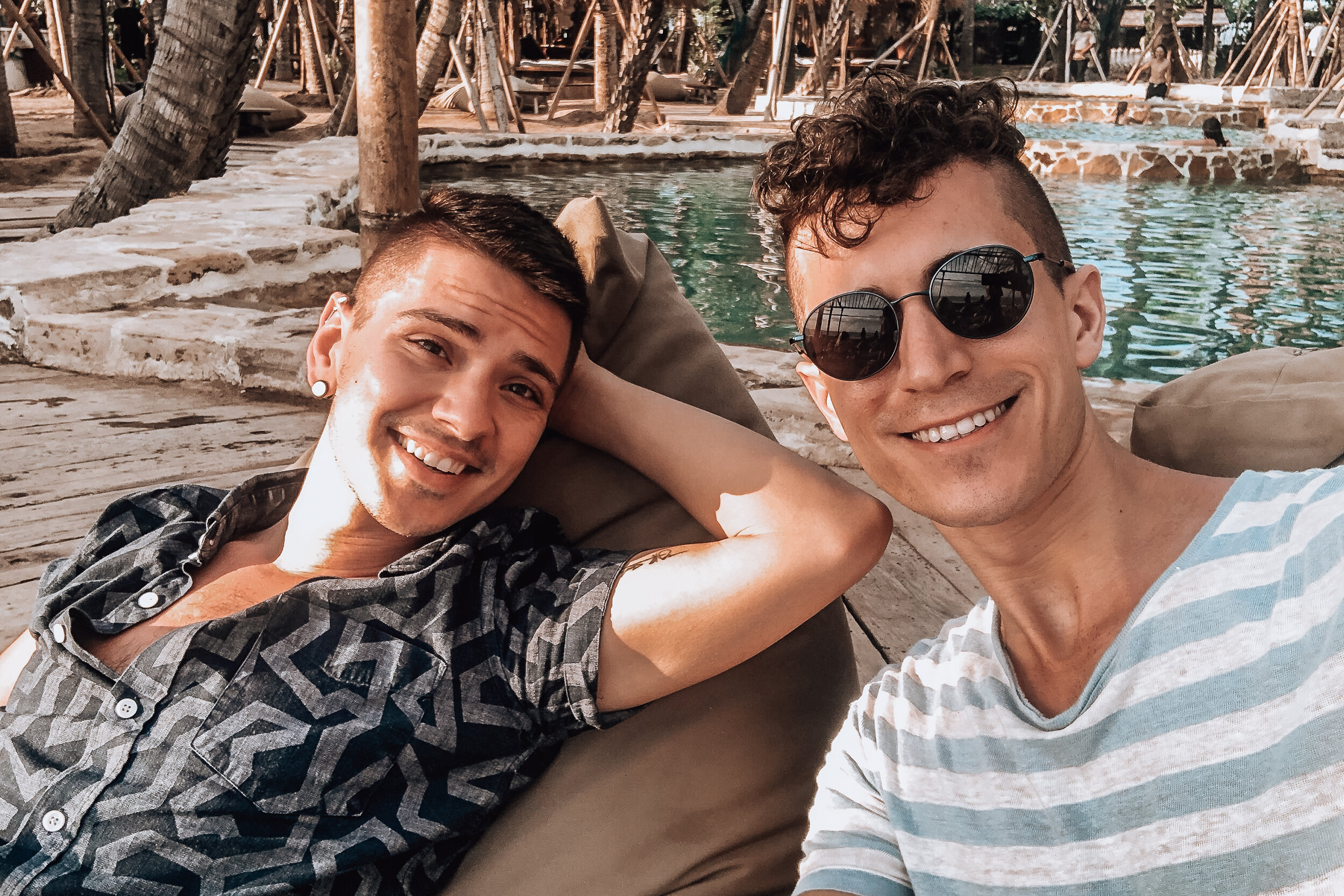
Beach Clubs
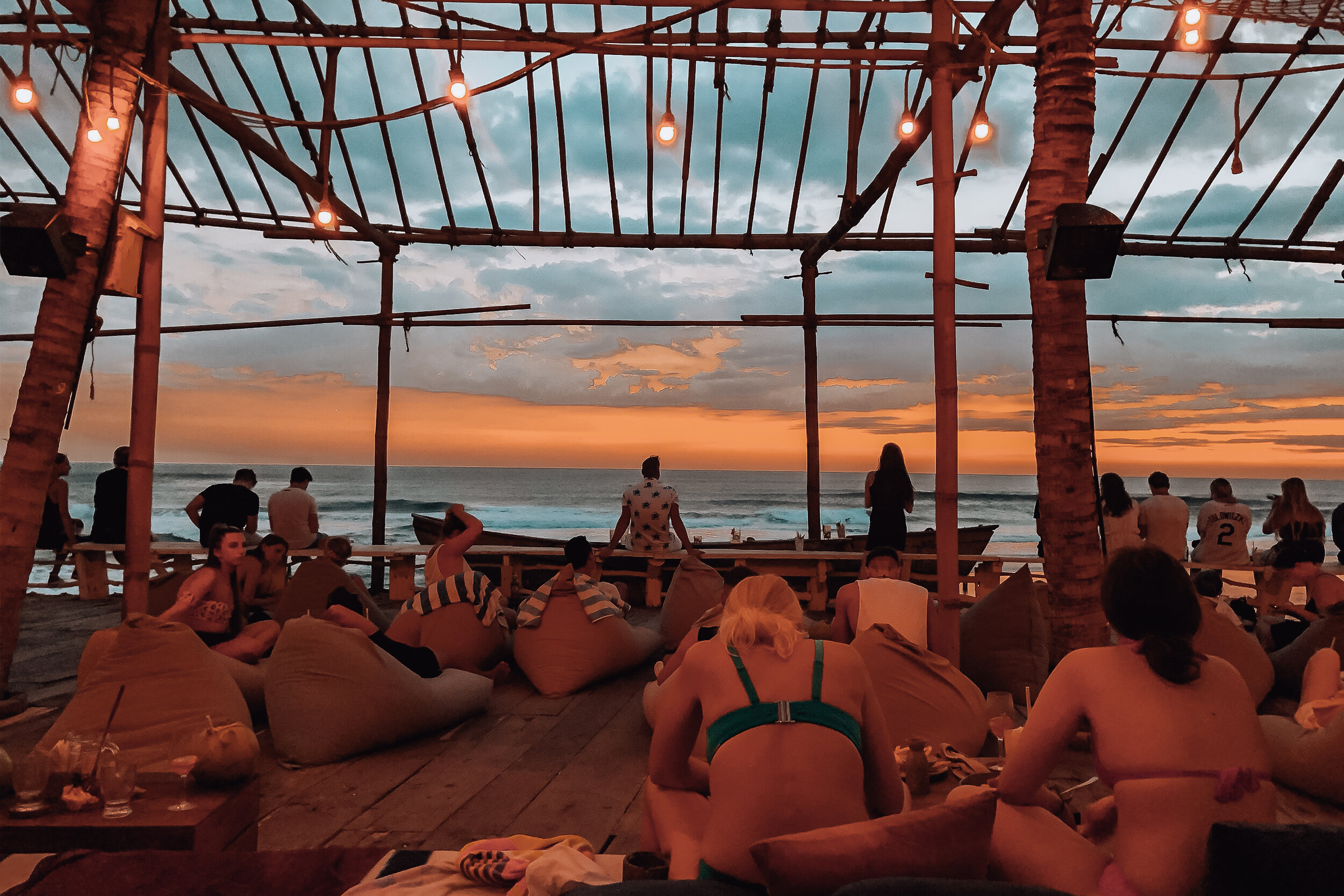
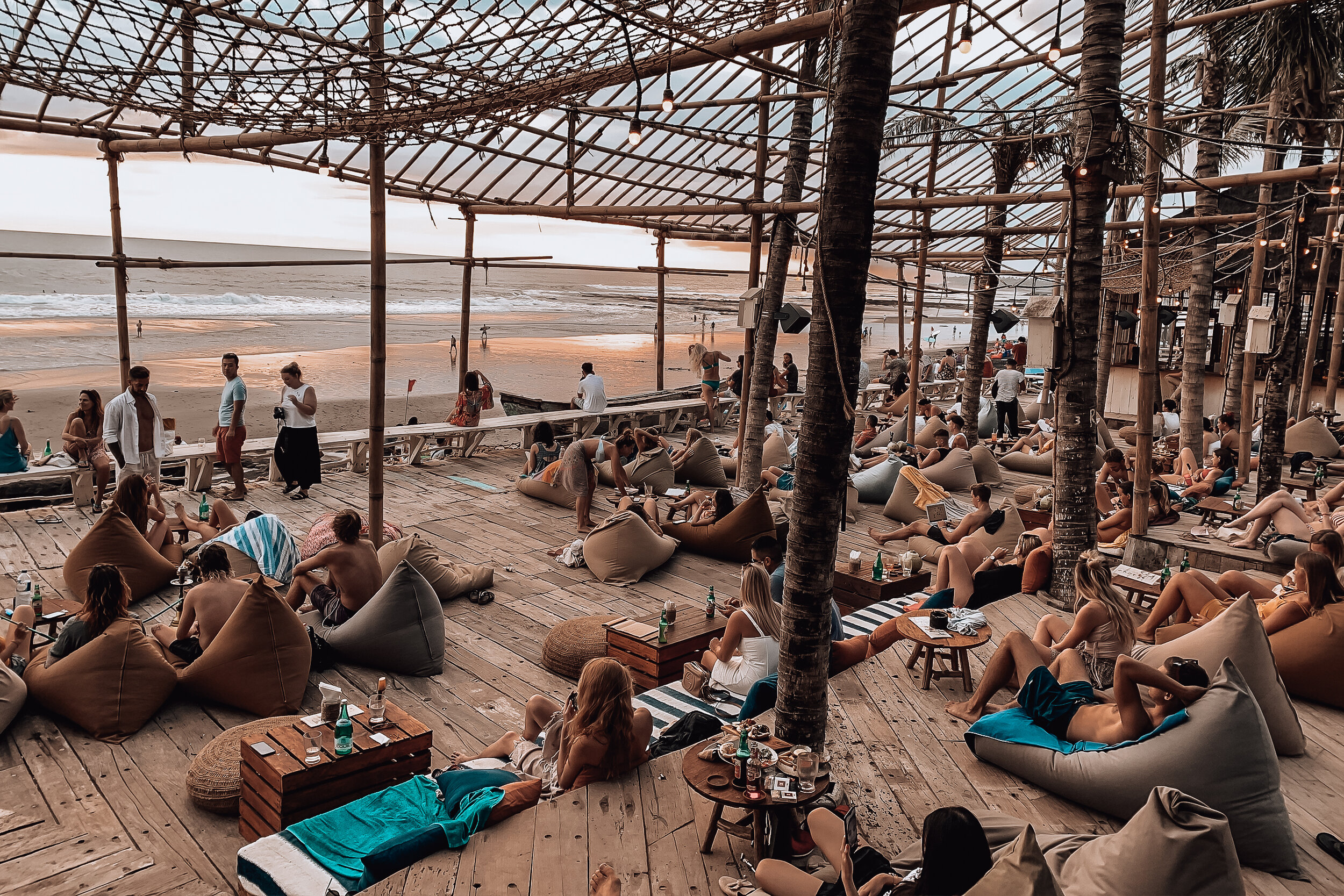
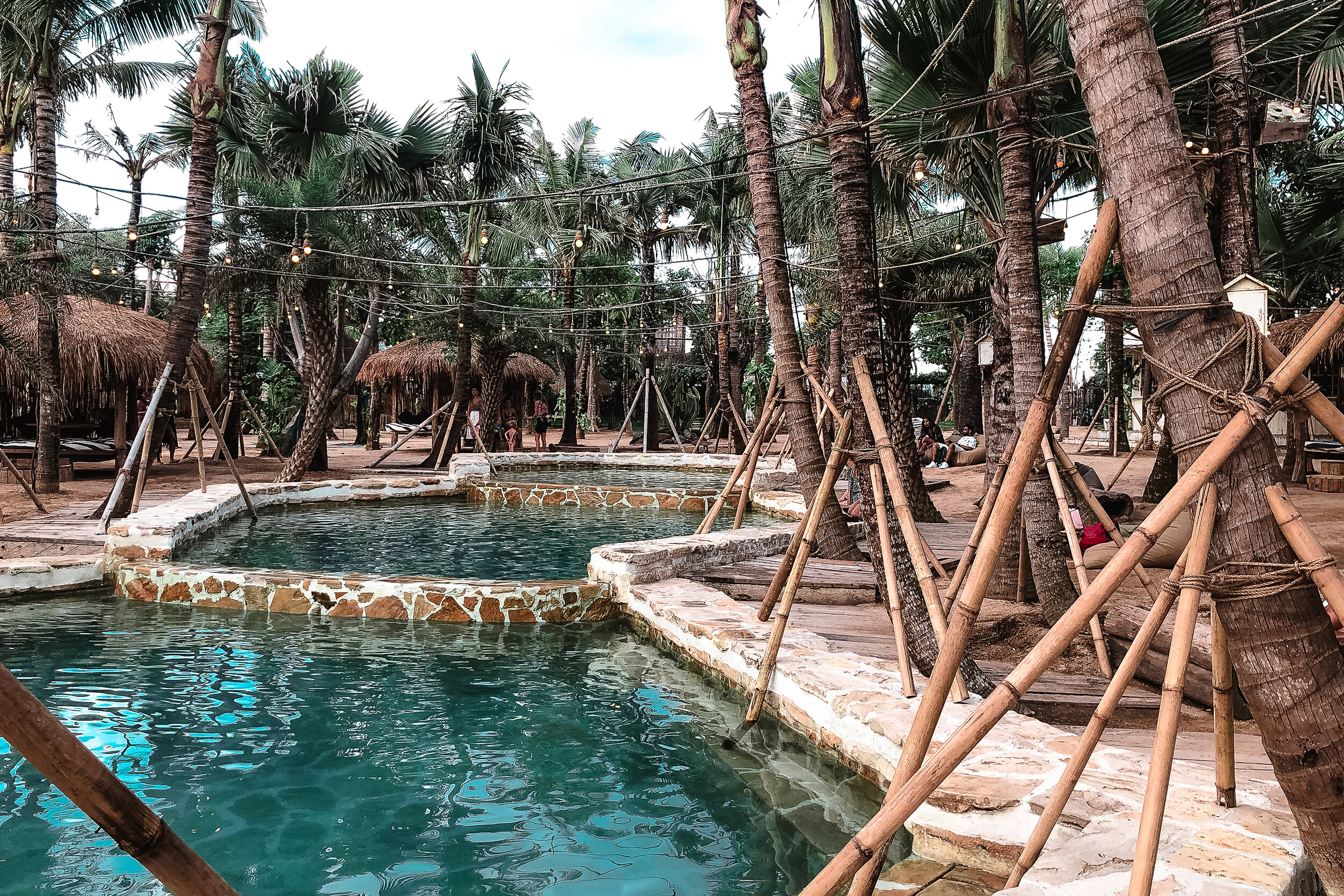
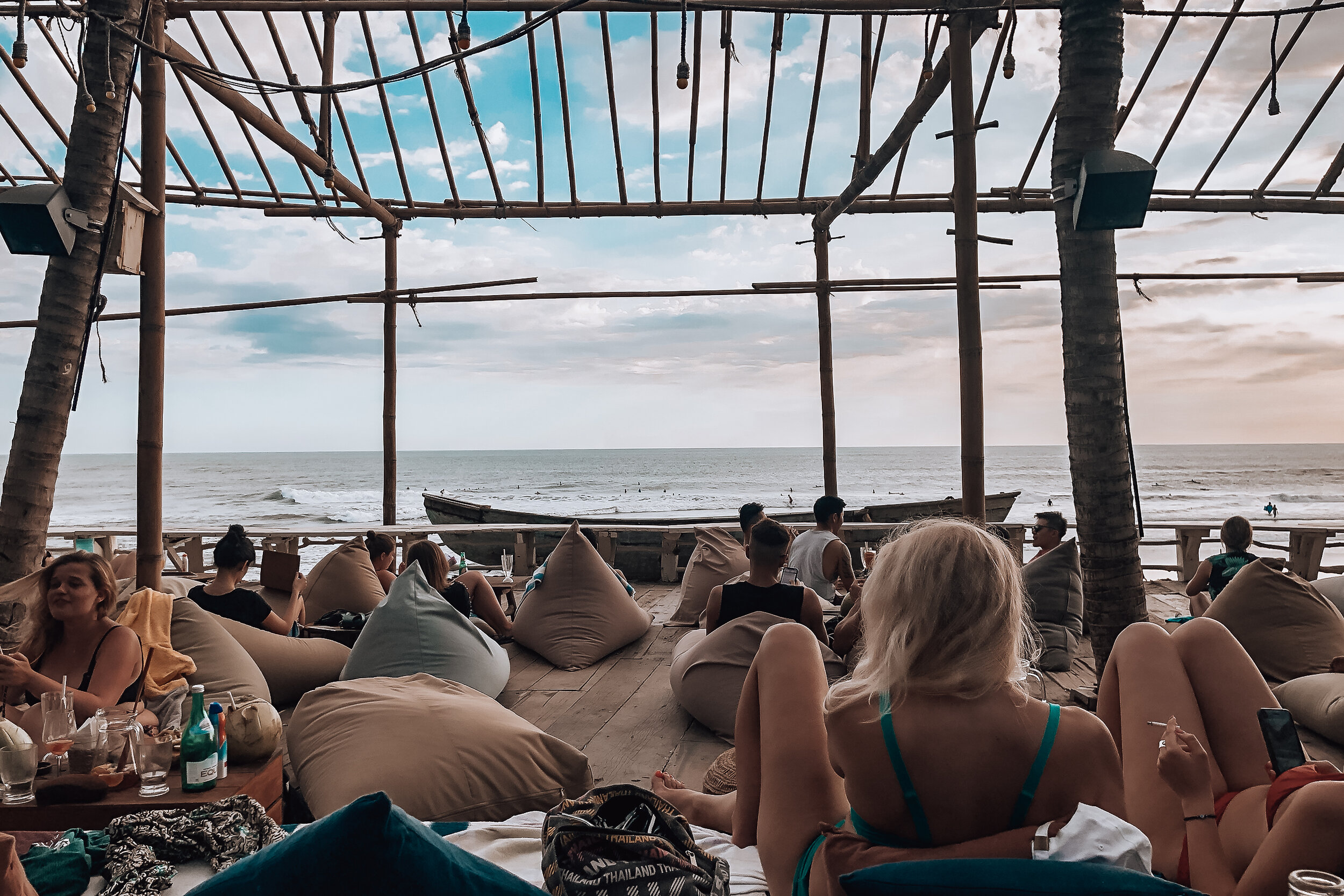
Beach clubs are a very popular way to enjoy the Balinese beaches. They can range from small oceanfront shacks offering lounges and drinks to large open air buildings with infinity pools, live music and several bars. They make for a great place to relax during the afternoon heat, enjoy the sunset or party at night.
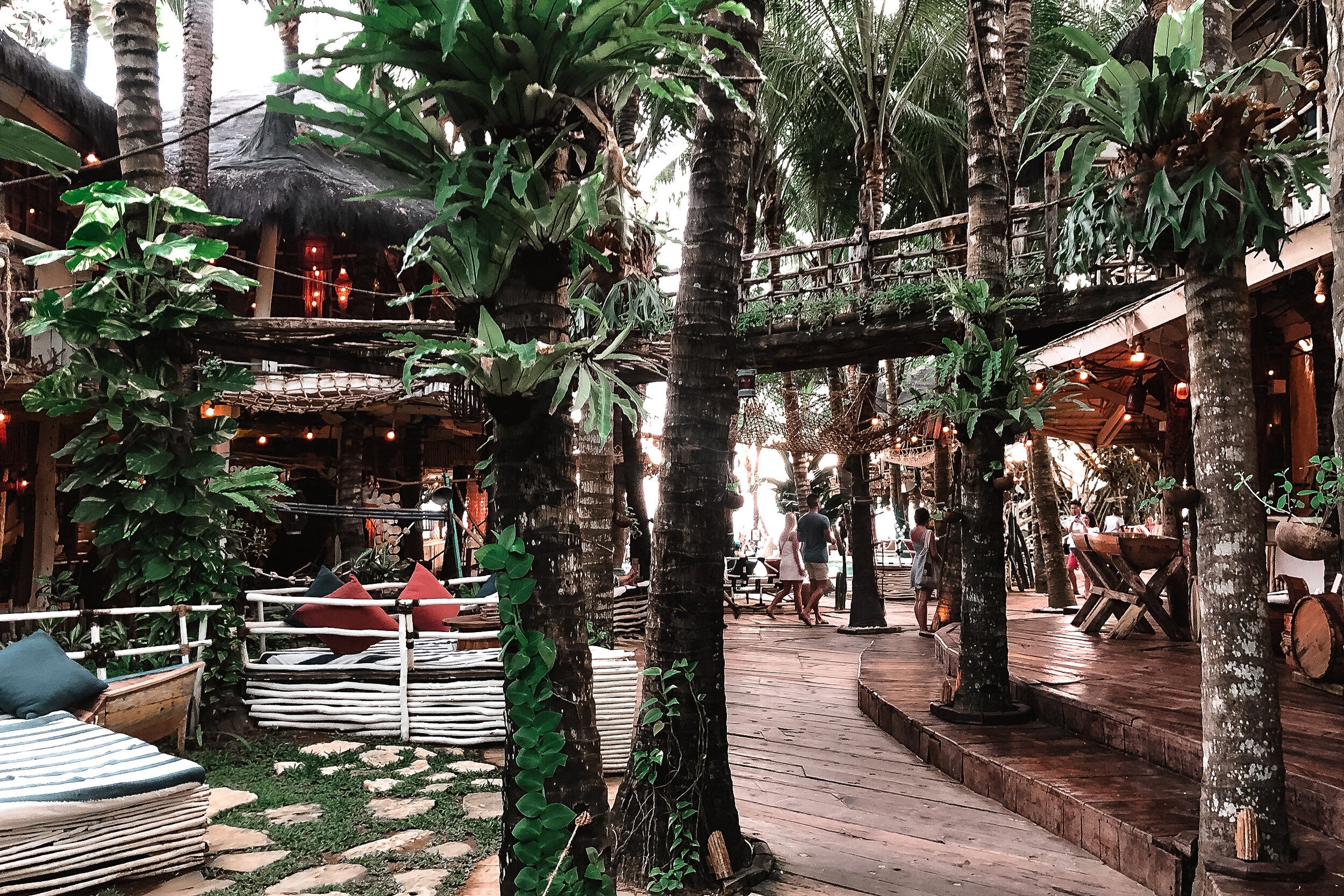
La Brisa. A beachside, mostly outdoor and open air restaurant that felt like walking through a tropical treehouse. The food and drinks here are delicious and the vibe was relaxing even during the busier hour of service. Like many places in Canggu, the sunset here was spectacular.
The Lawn. A casual beachside restaurant known for its faux lawn, infinity pool, cocktails and food.
Finn’s Beachclub. A large, high-end and popular beach club recognized by it’s giant bamboo and thatched building. Finn’s is home to several pools, restaurants and bars often playing live music. You pay 750K+ Rp ($53USD) to enter which reserves your lounge or table and can be redeemed for food and drinks.

Food, Restaurants & Cafes
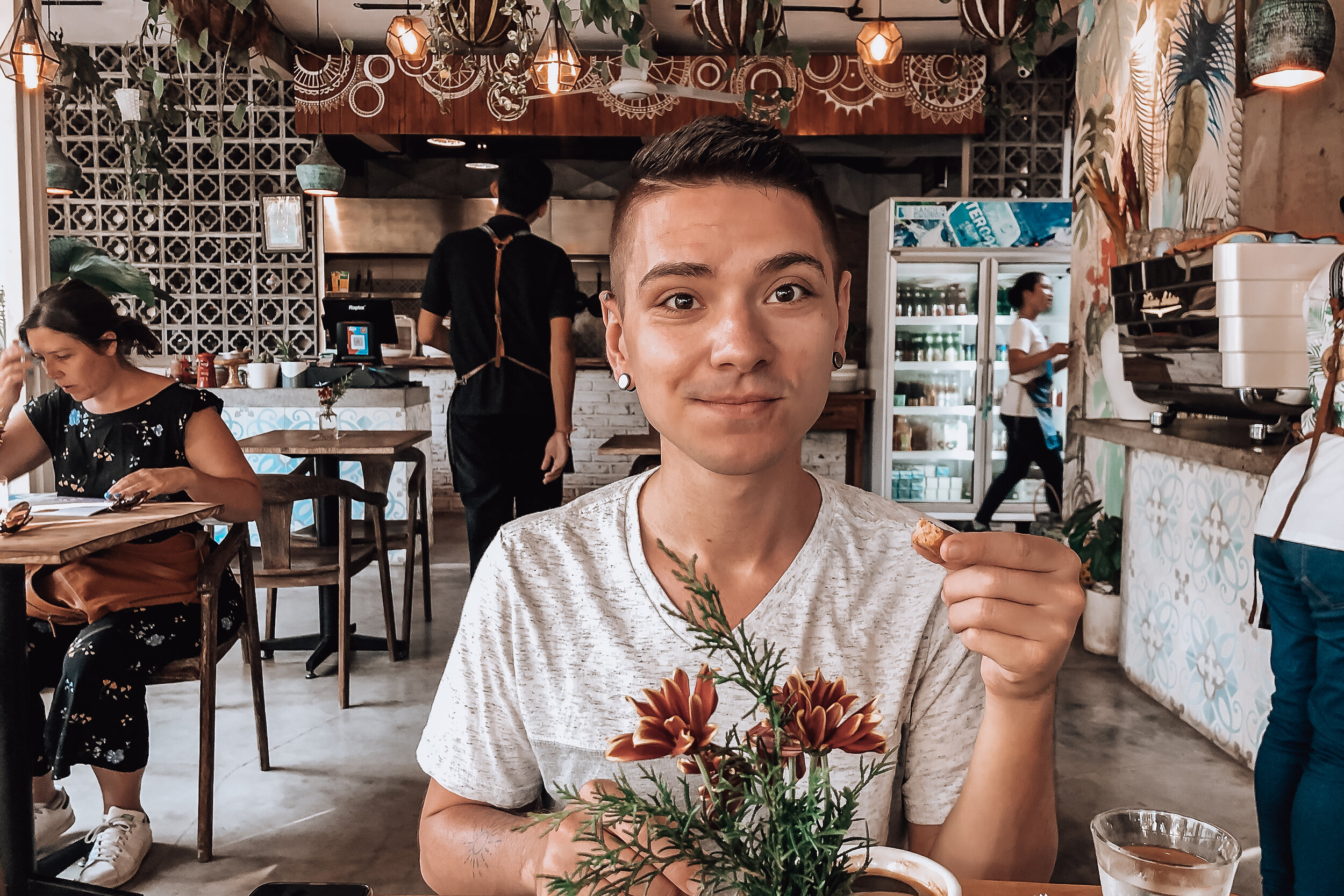
Canggu is known for its food scene. There are endless options to try traditional Balinese food, locally grown fruits, vegan meals and Australian inspired “brekkie.”
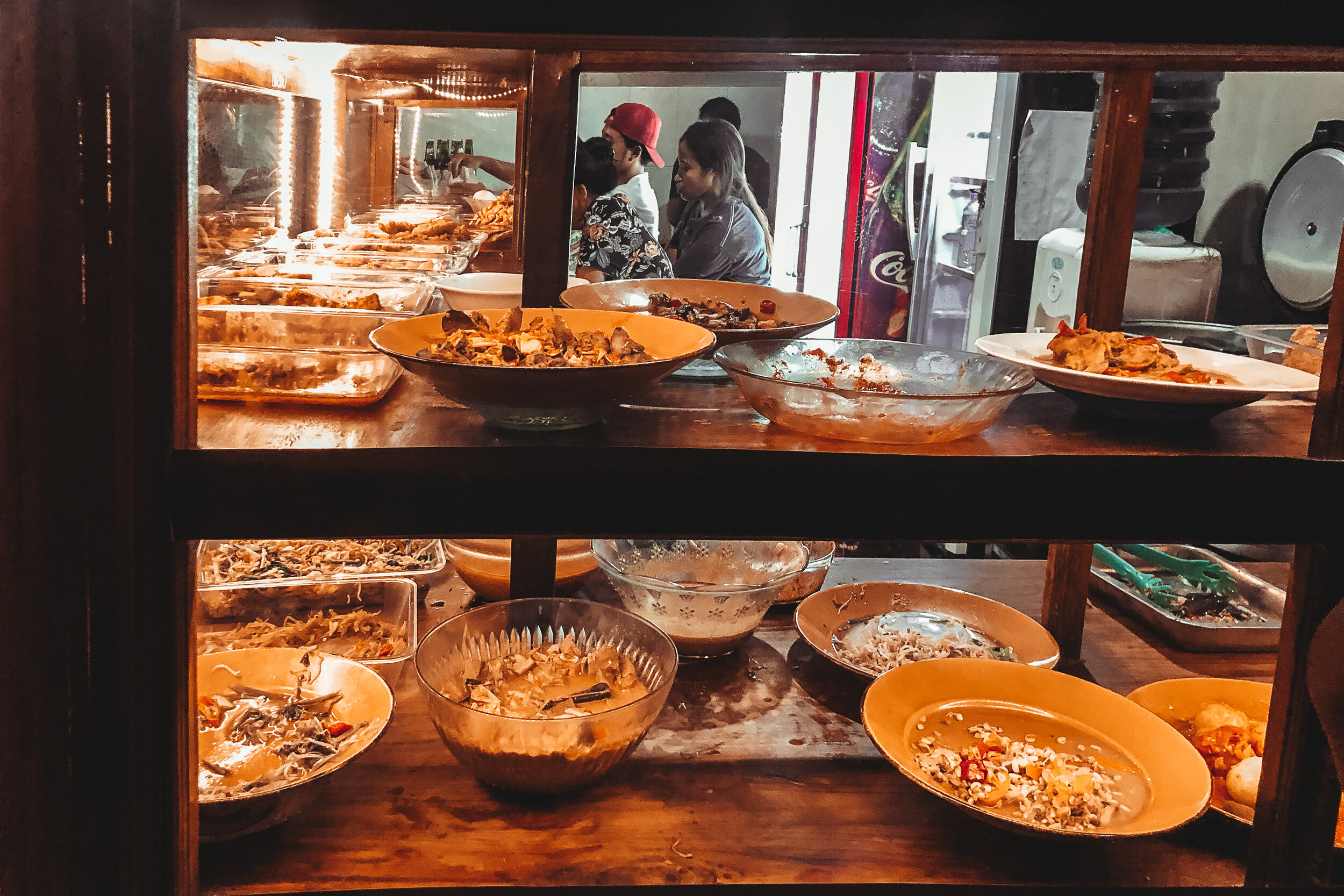
Warungs are restaurants serving a buffet of dishes and plates of fresh made, inexpensive and traditional Balinese cuisine.
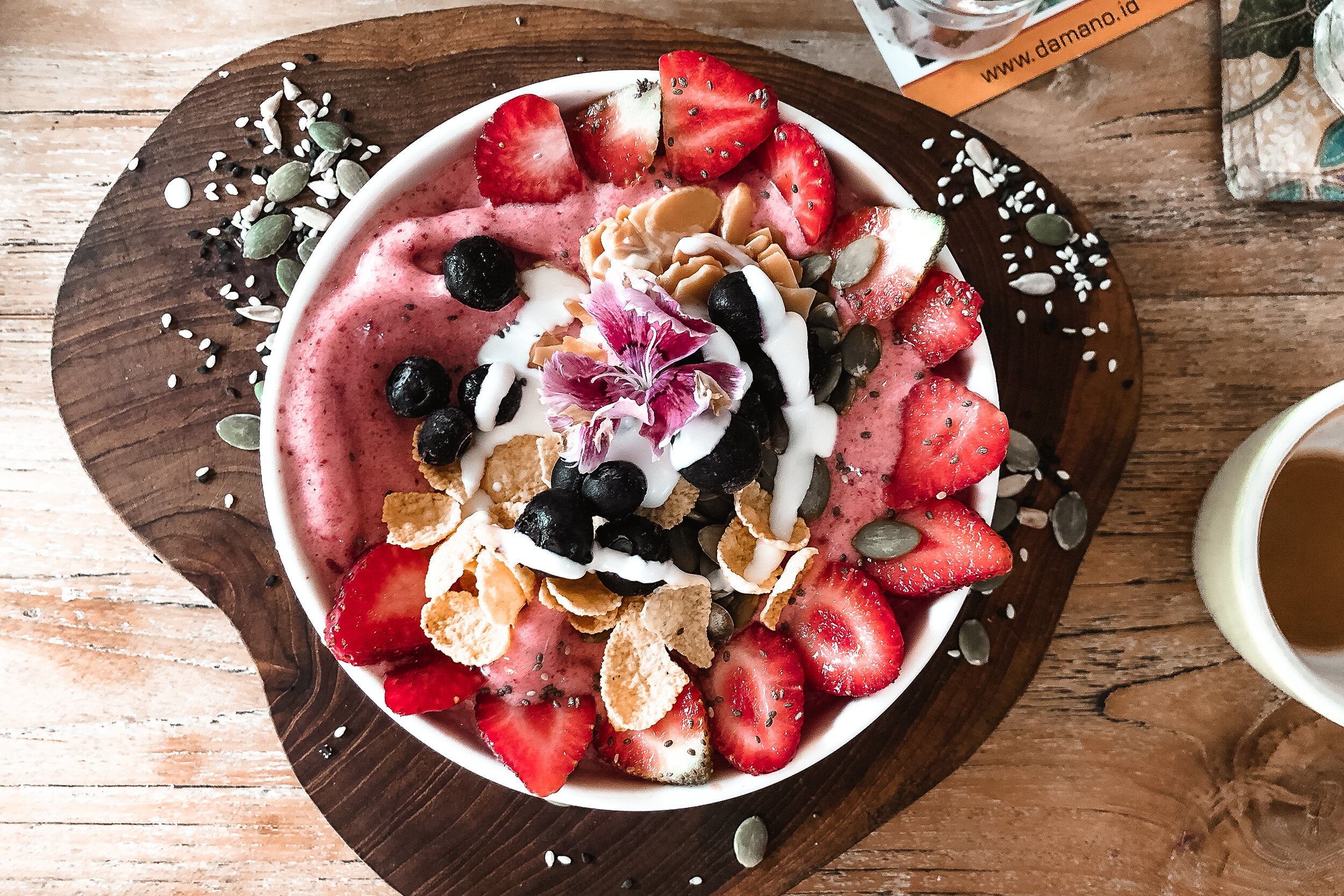
Bali Bowls or smoothie bowls are mixtures of puréed frozen fruits often decorated in fresh fruit, grains and flowers. They’re a healthy, filling and refreshing way to start the day. Almost every cafe offers their own versions.
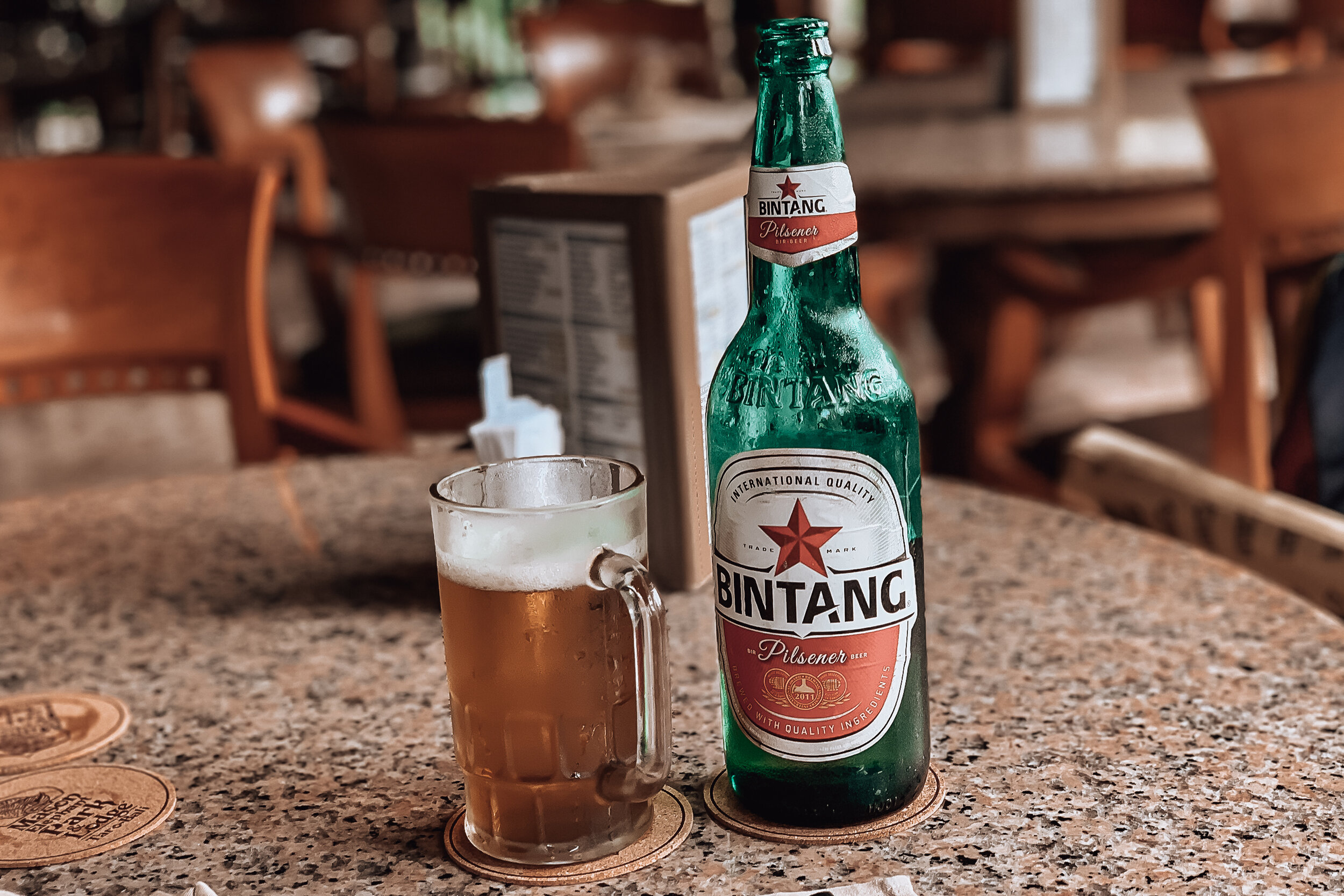
Bintang is Bali’s regional beer. It’s very light and sold almost everywhere for 15K Rp or $1.
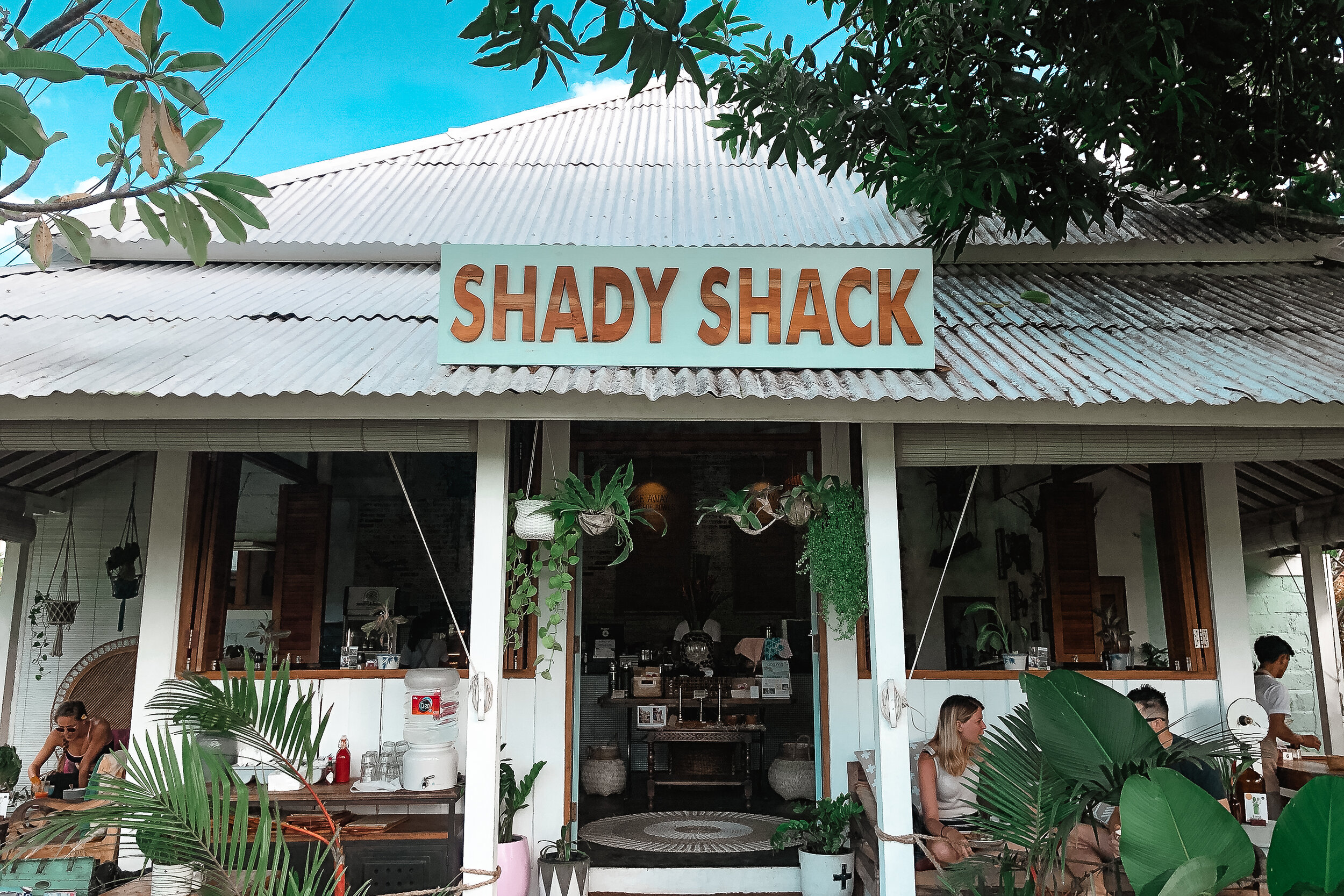
Shady Shack. Located across from a rice field in an outdoor patio covered in tropical trees and plants. The menu is full of all kinds of colorful and creative vegan dishes. This is the perfect spot to come for Bali bowls and to drink kombucha through a papaya stem straw.
Gypsy Kitchen. A great restaurant at any time of day but especially during breakfast for their delicious egg dishes and flavorful coffee.
Mocca. An open air cafe with Bali bowls, fresh coconuts, and vegan dishes made with jackfruit and tempe.

Temples & Offerings
The Balinese are very spiritual people, mostly practicing Hinduism. Their temples are easily recognized across the island and important places for families to gather.
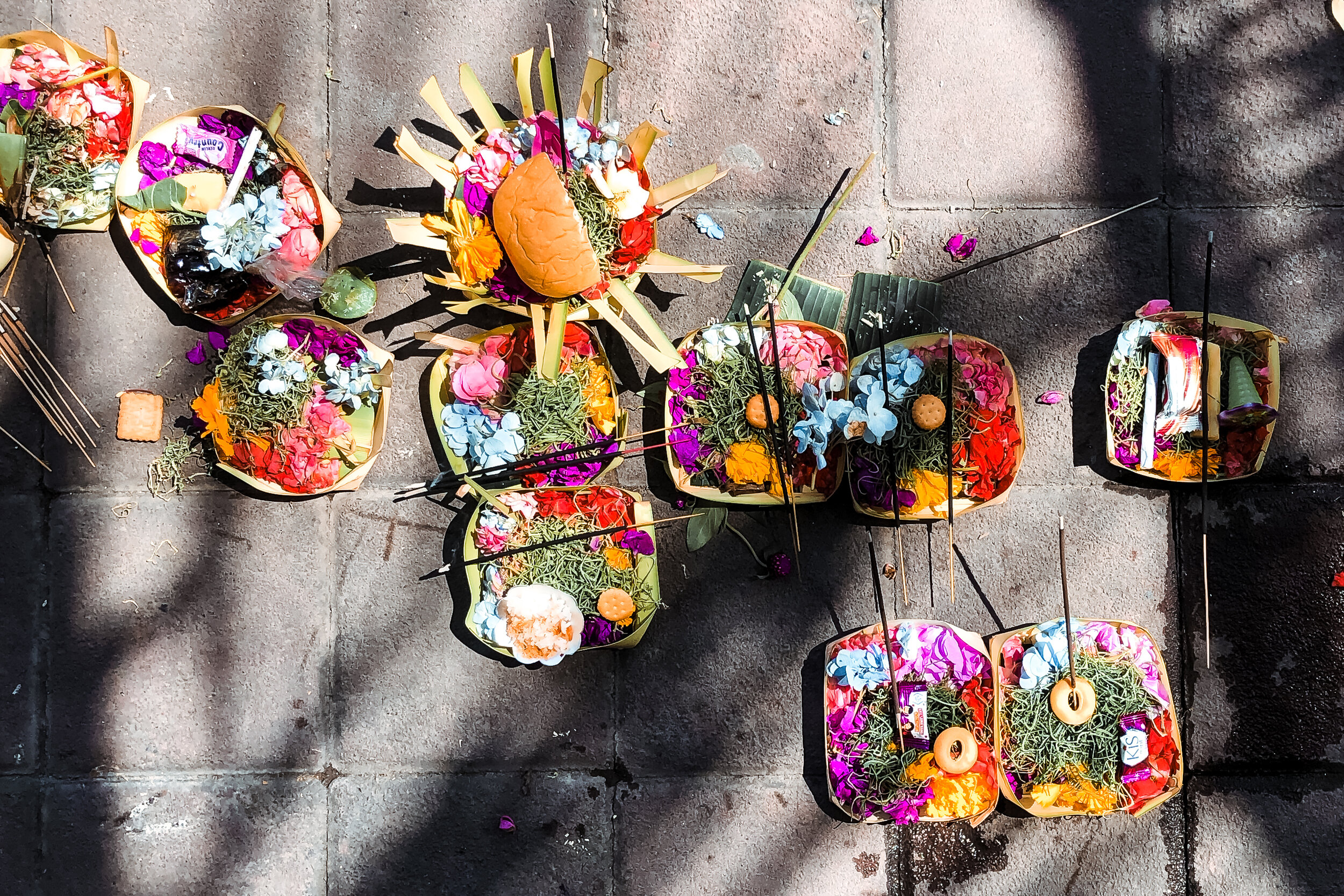
The Balinese leave daily offerings in front of their homes and business. These offerings are usually small, leaf woven baskets containing flowers, burning incense, cookies, candies and money. Out of respect, make sure not to step on them.
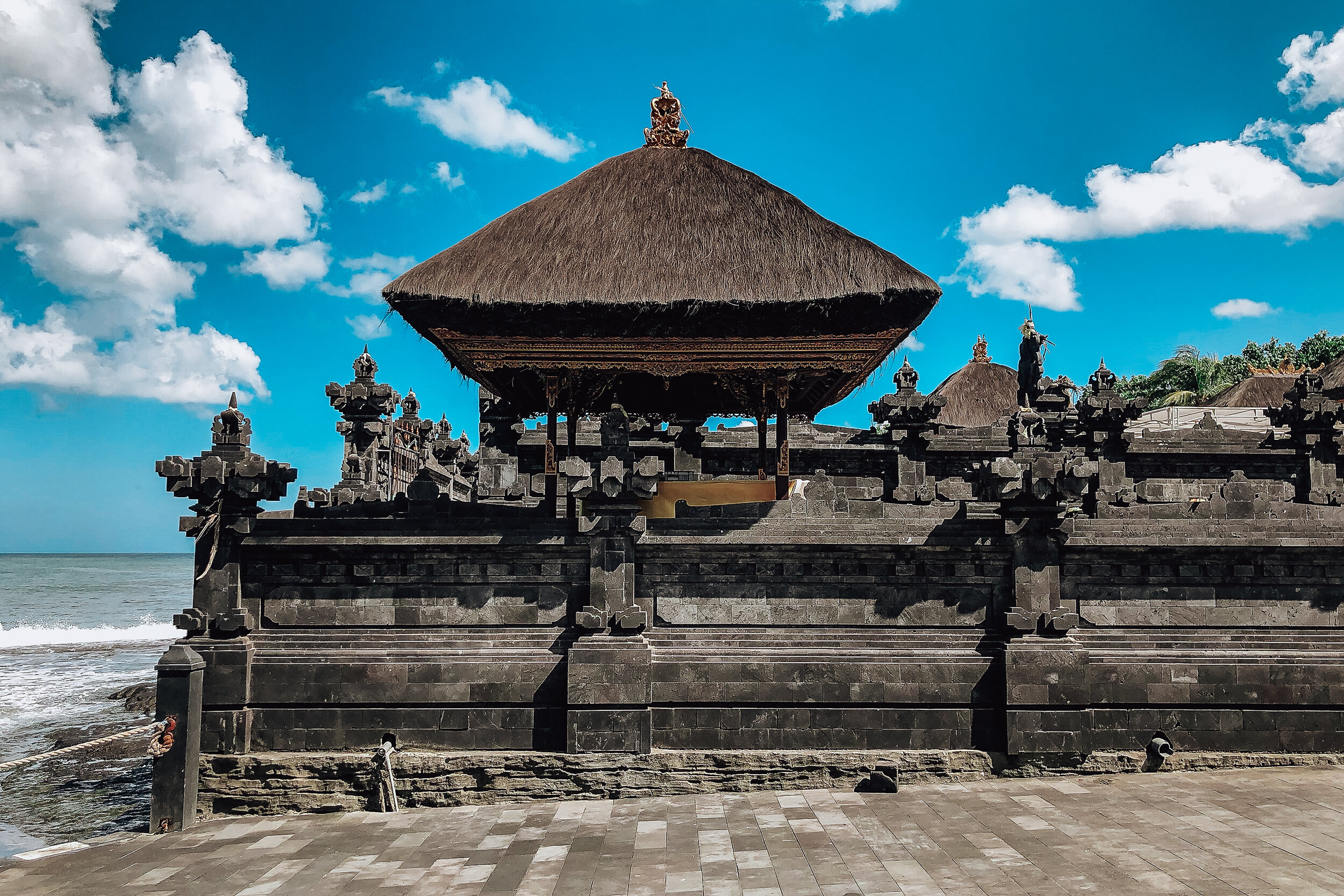
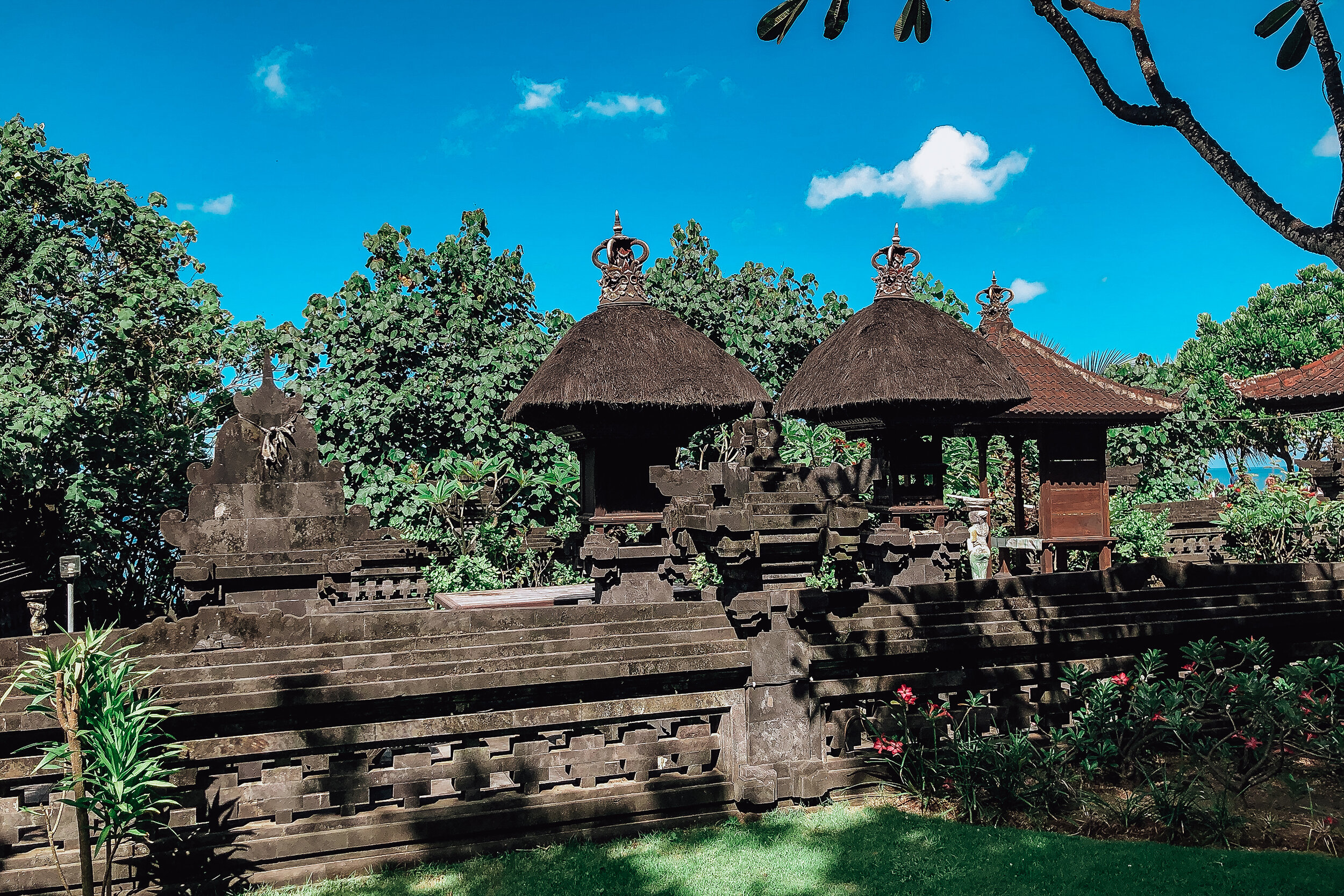
Tanah Lot Temple
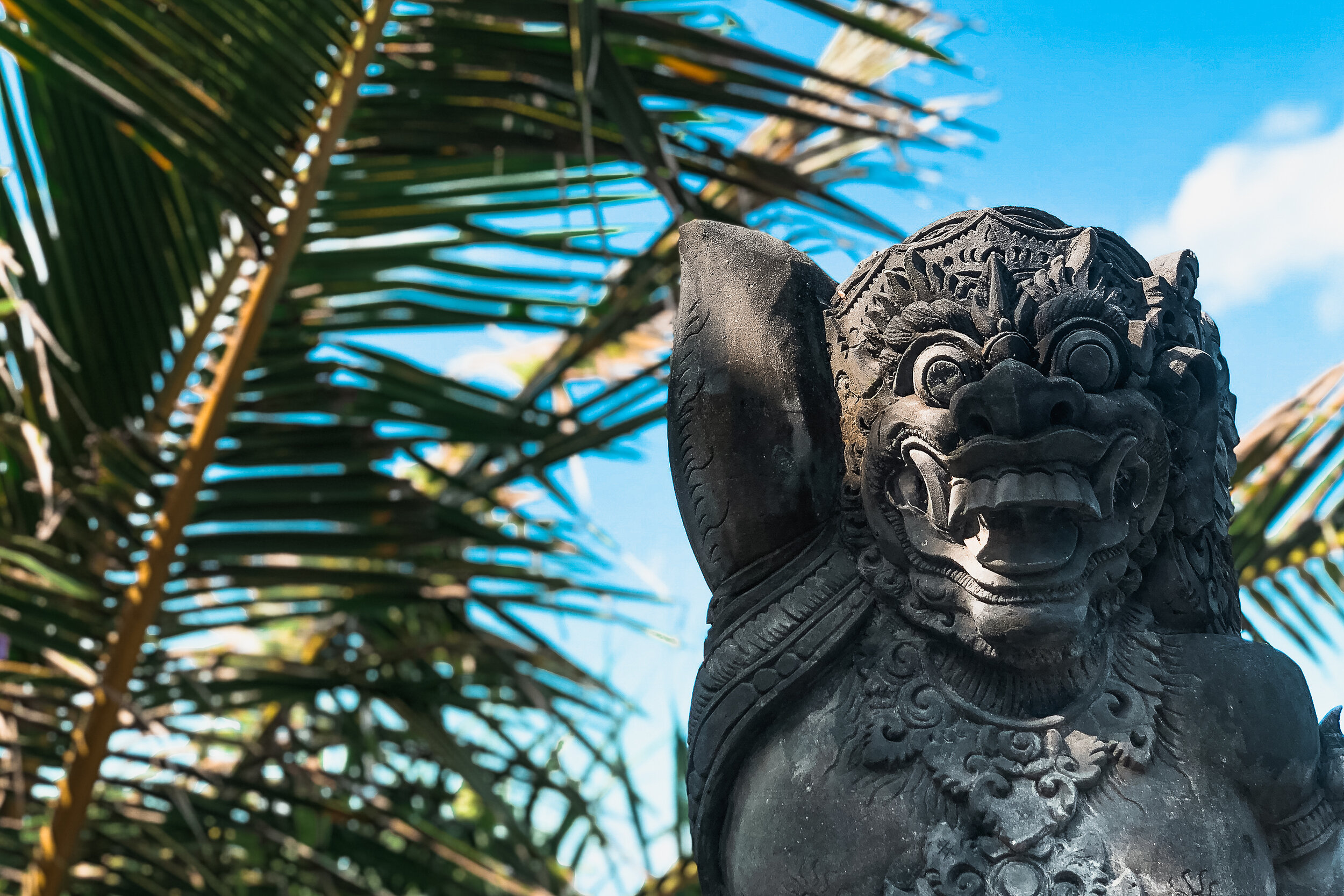
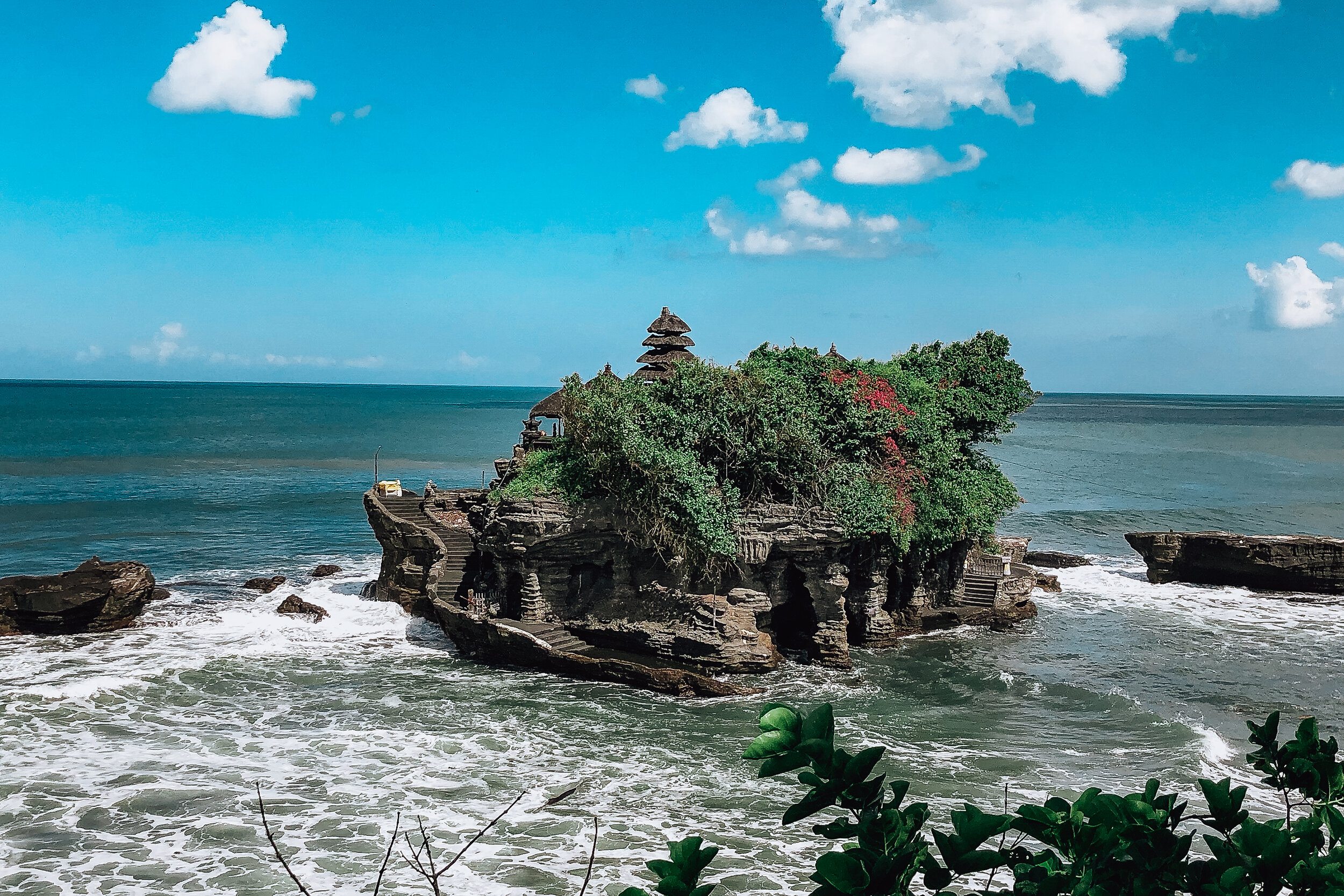
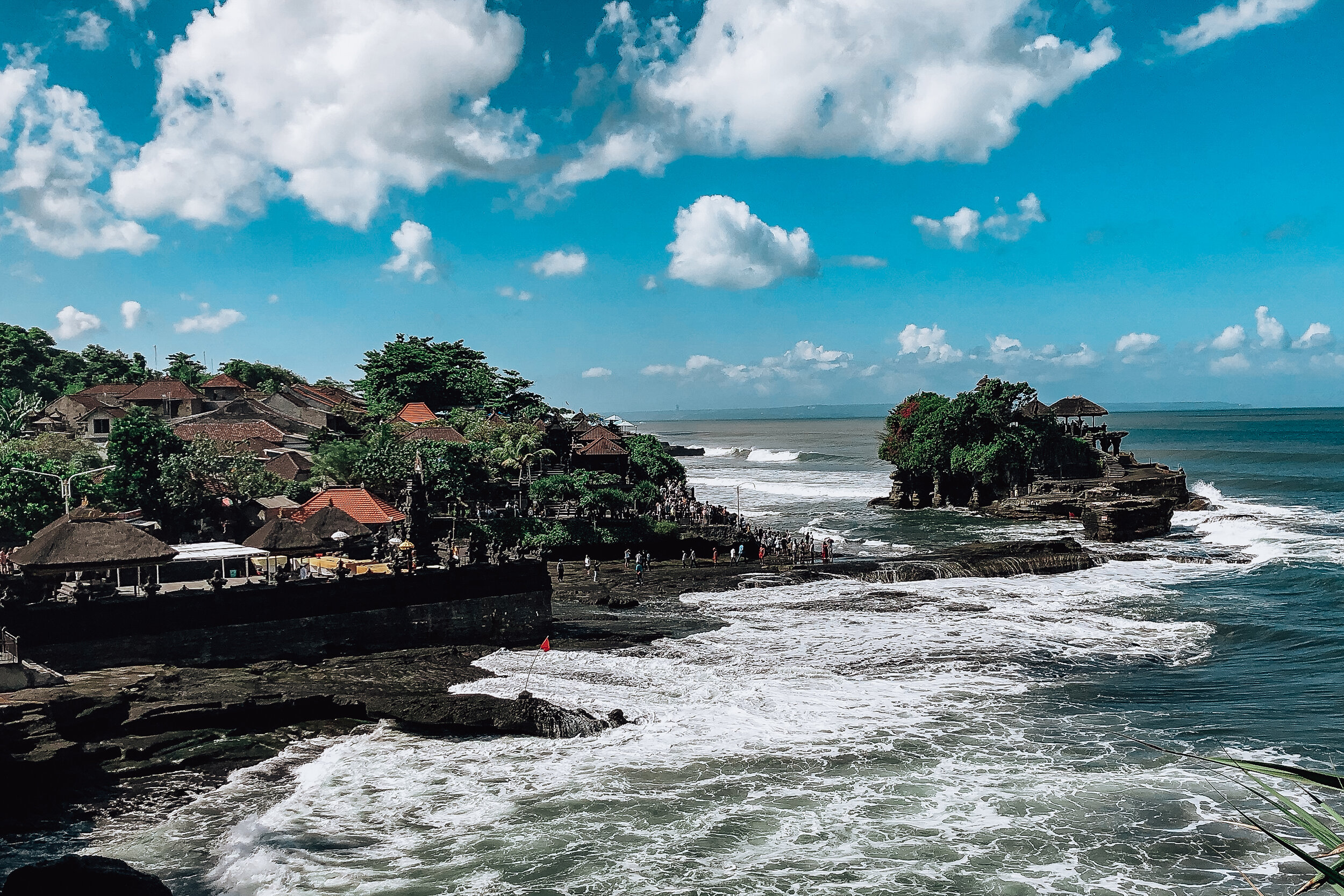
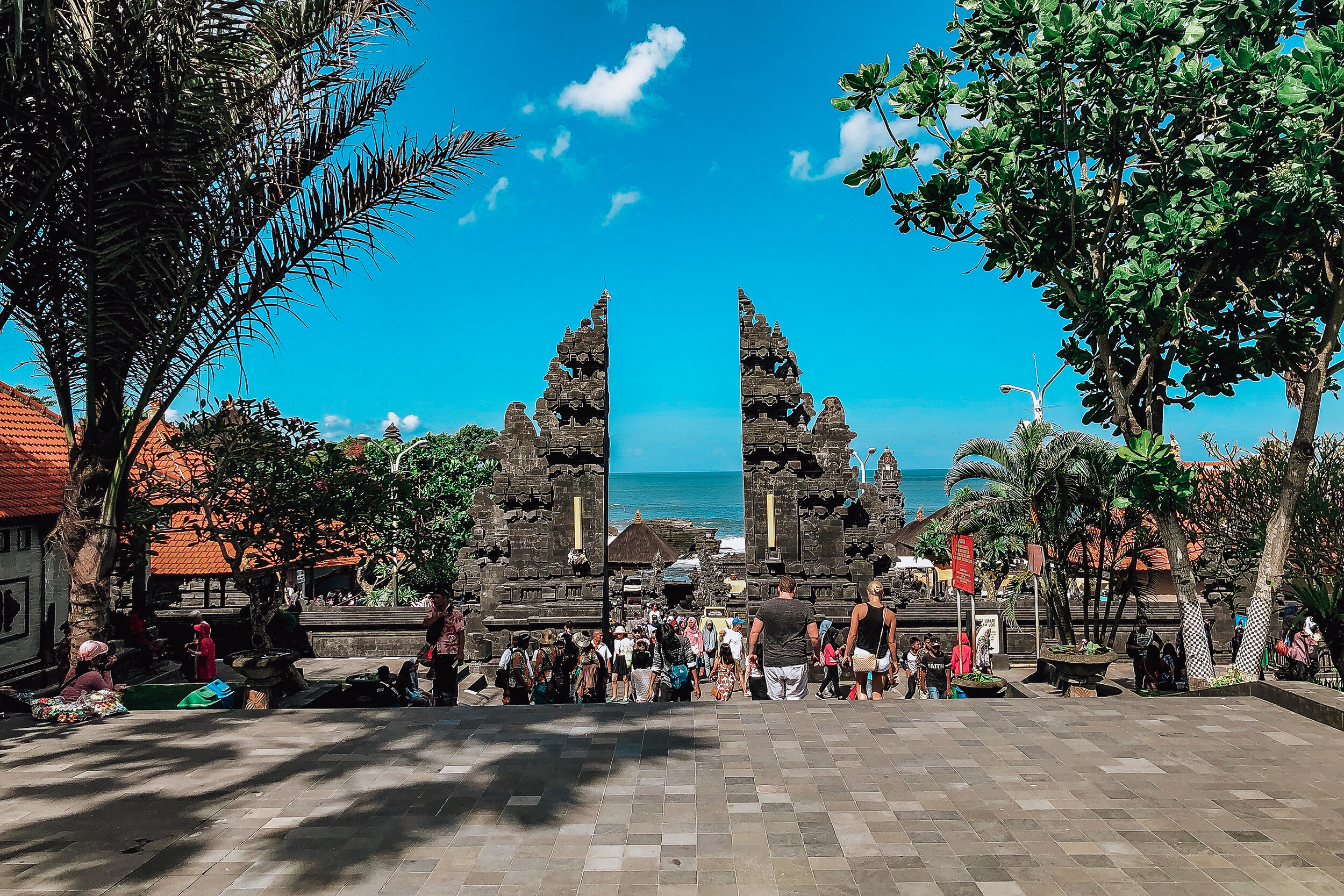
A short taxi ride from Canggu is Tanah Lot Temple. It holds a special importance to the Balinese as its 1 of 7 ocean temples built to protect Bali from evil sea spirits. The temple is perched on a rock formation only accessible during low tide. Non-Balinese are not allowed to enter but can view from the nearby cliffs and outcrops below. Nearby is are temple gates and a number of food stalls to buy young coconuts and klepon, a green rice ball with palm sugar inside and a coconut shaved exterior.
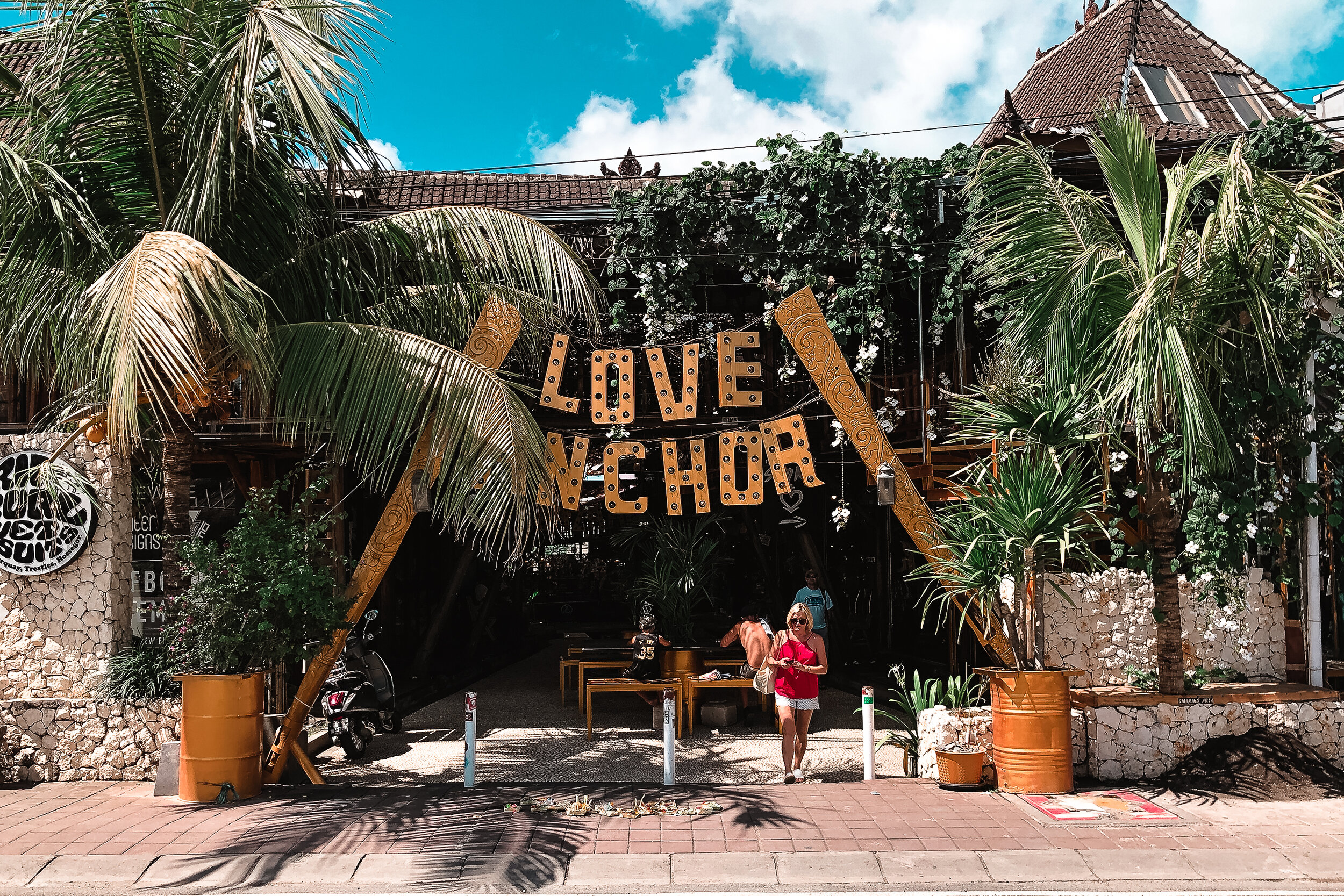
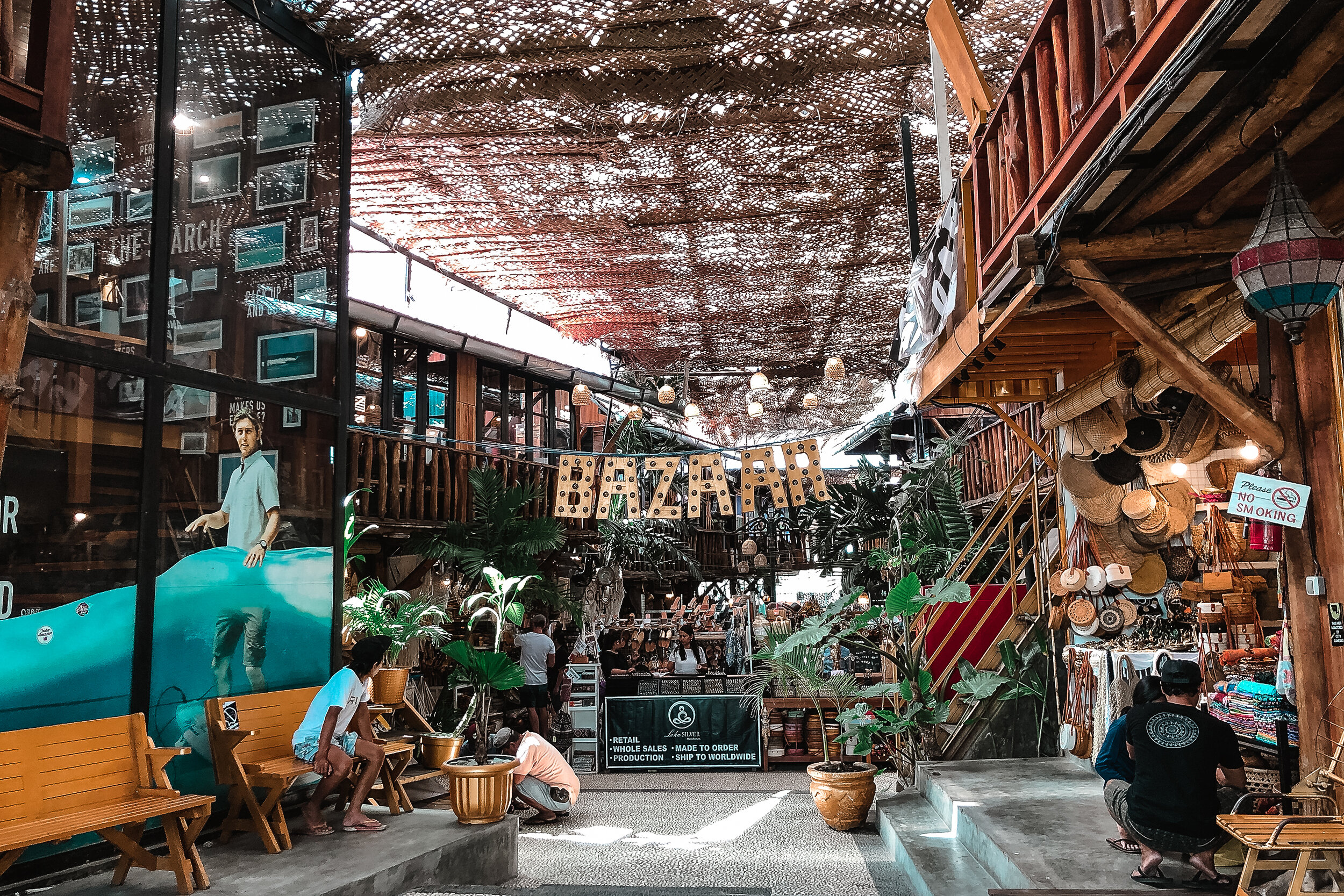
Markets
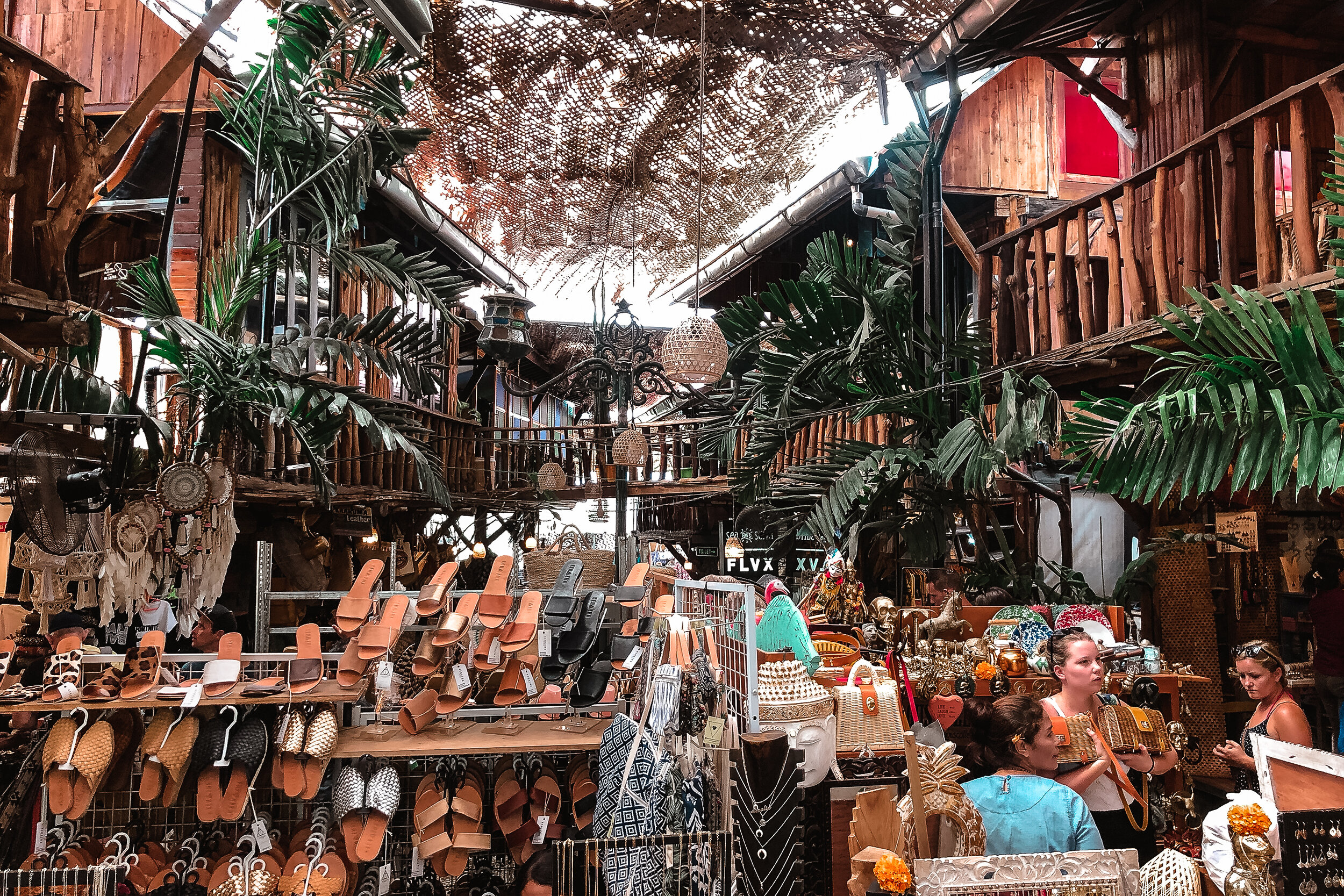
Love Anchor Canggu. An expansive indoor market with booths and vendors selling locally made home goods and crafts. You’ll often be offered a “special price.” Play along, haggle and never accept the first price. We picked up a pillow case and macrame plant holder for our apartment back in NYC.
Gypsy Market at La Laguna. A Sunday afternoon and evening market with live music, performers and vendors selling organic produce, cooked foods and hand made goods at La Laguna restaurant.
Old Man’s Market. Located in Old Man’s, a beer garden on Batu Bolong Beach, on the last Saturday of every month. The market hosts a mix of farmers, artisans, locals and expats all selling unique, sustainable and creative goods. If you’re not here while the market happens, the beer garden is a nice spot to grab a drink, watch the sunset or meet other travelers.

Things to Do
Take a Surf Lesson. The best surf lessons can be found by walking the beach. Many instructors and businesses have signs offering board rentals for 50K Rp ($3.50 USD) or 400K Rp ($28 USD) for a 2h lesson.
Get a Massage. Various types of massages are offered throughout Canggu and Bali in general for an affordable cost. Look for signs outside of businesses offering 60min or signature massage. It’s not uncommon to find one for 50-150K Rp ($3 - $11 USD)
Join a Beach Cleanup. At times, the currents bring in tons of plastic waste floating in the ocean. Join a beach cleanup or simply do your part to pick up any plastic you see.
Seminyak
Neighboring Canggu, this dense area is known for its expat community, street-food, international restaurants, high-end beach clubs, pockets of LGBTQ nightlife and white sandy beaches. We spent most of our time nearby in Canggu but ventured into this neighborhood as we walked down the shoreline and in-land for a floating brunch.
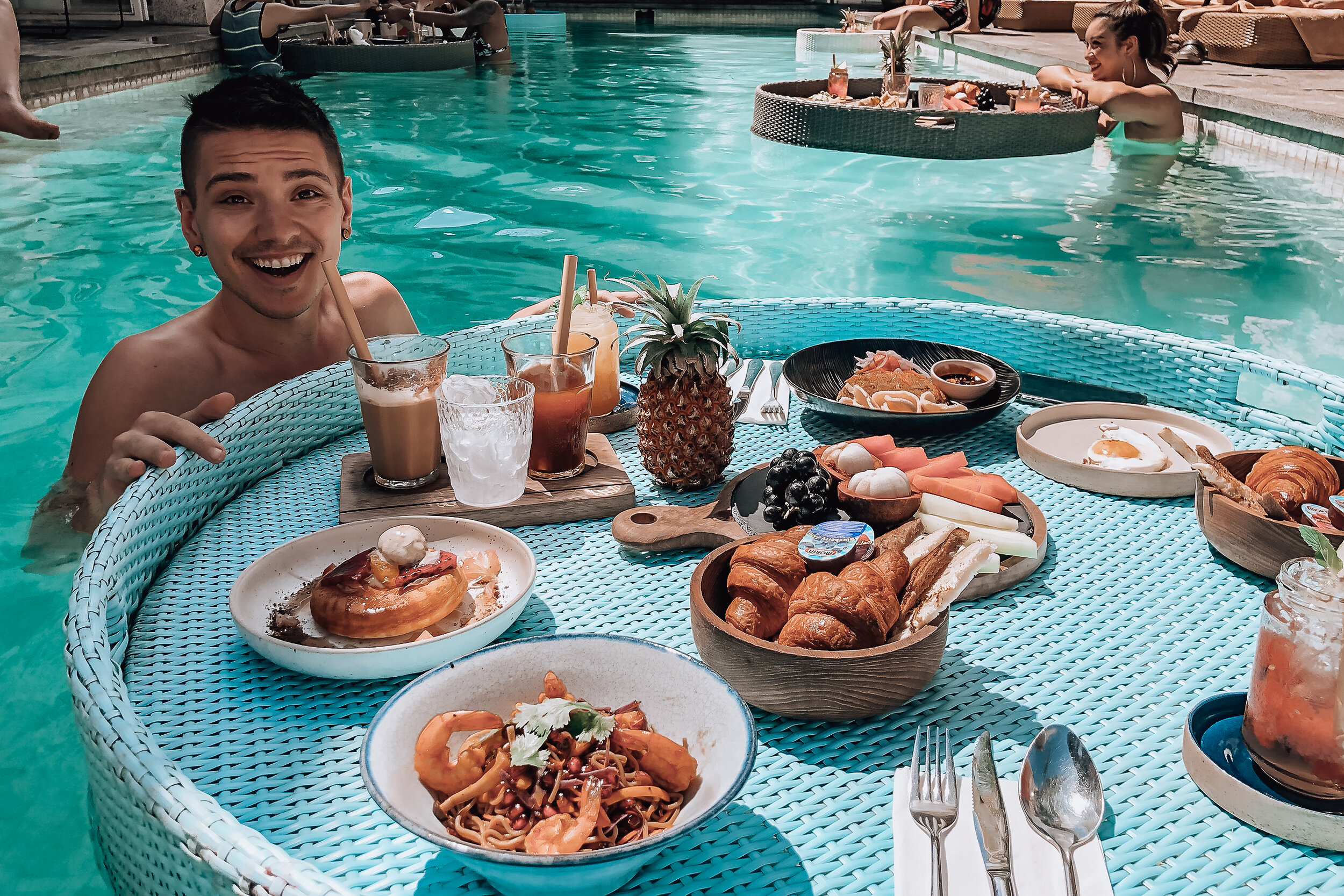
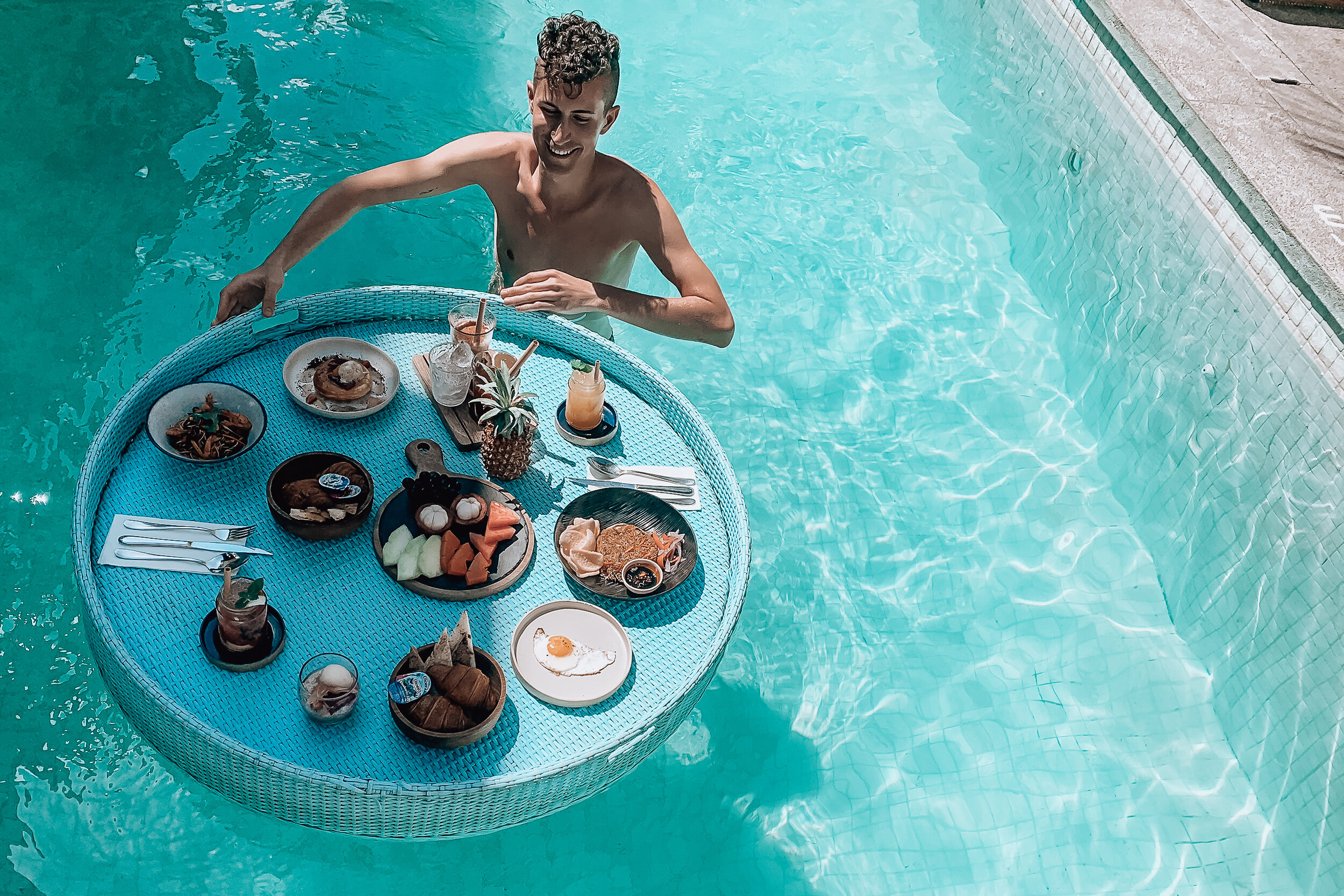
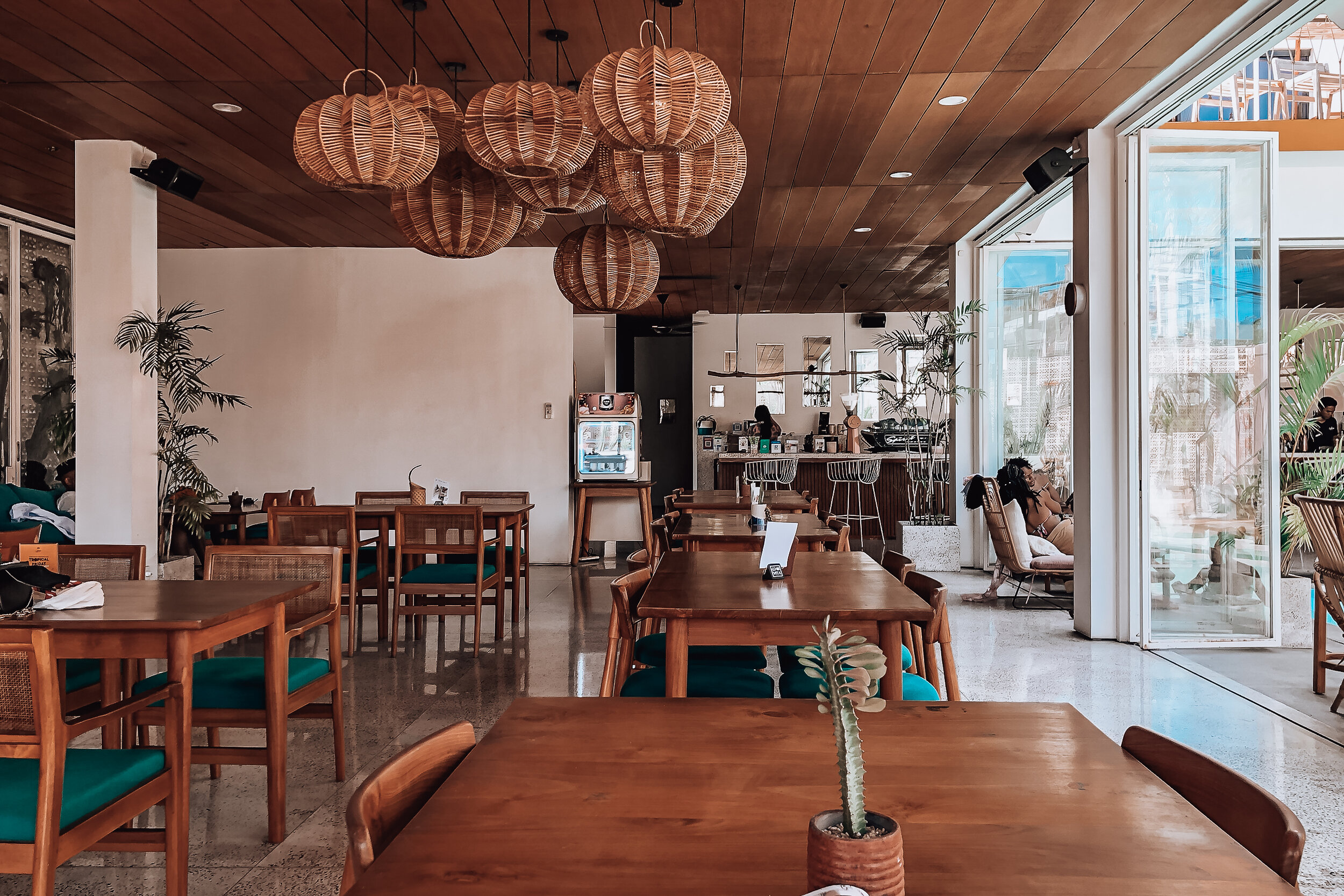
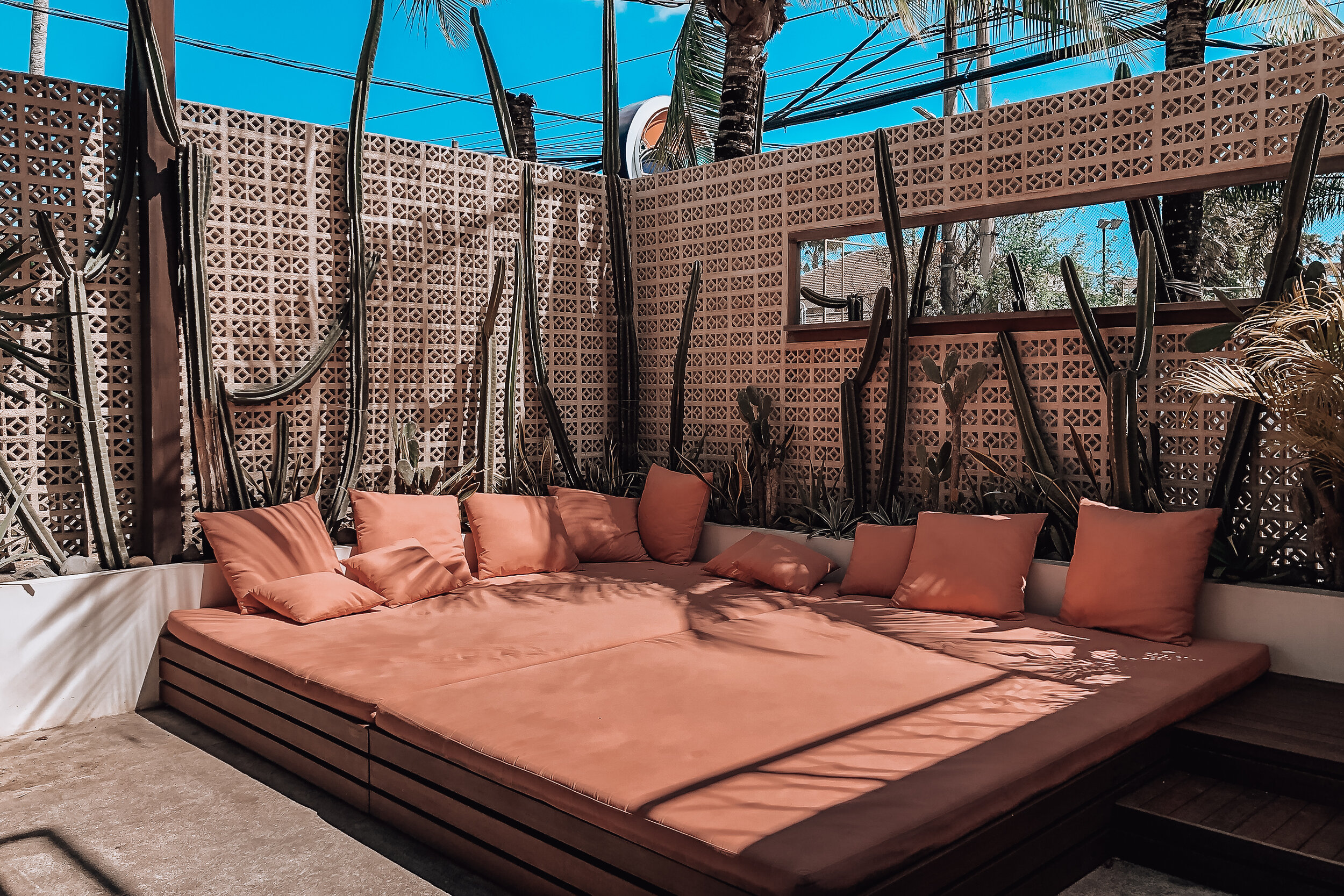
Floating Brunch
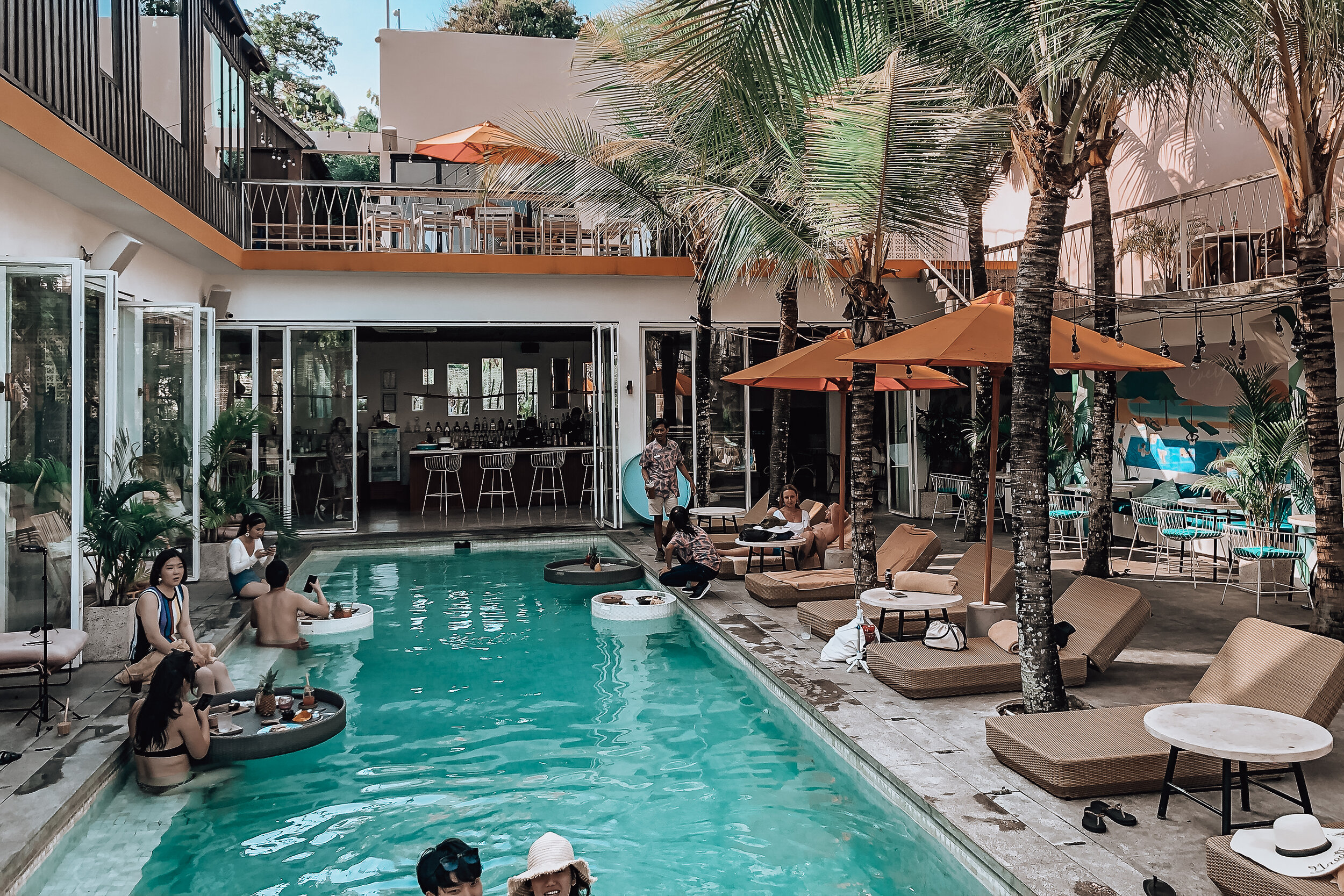
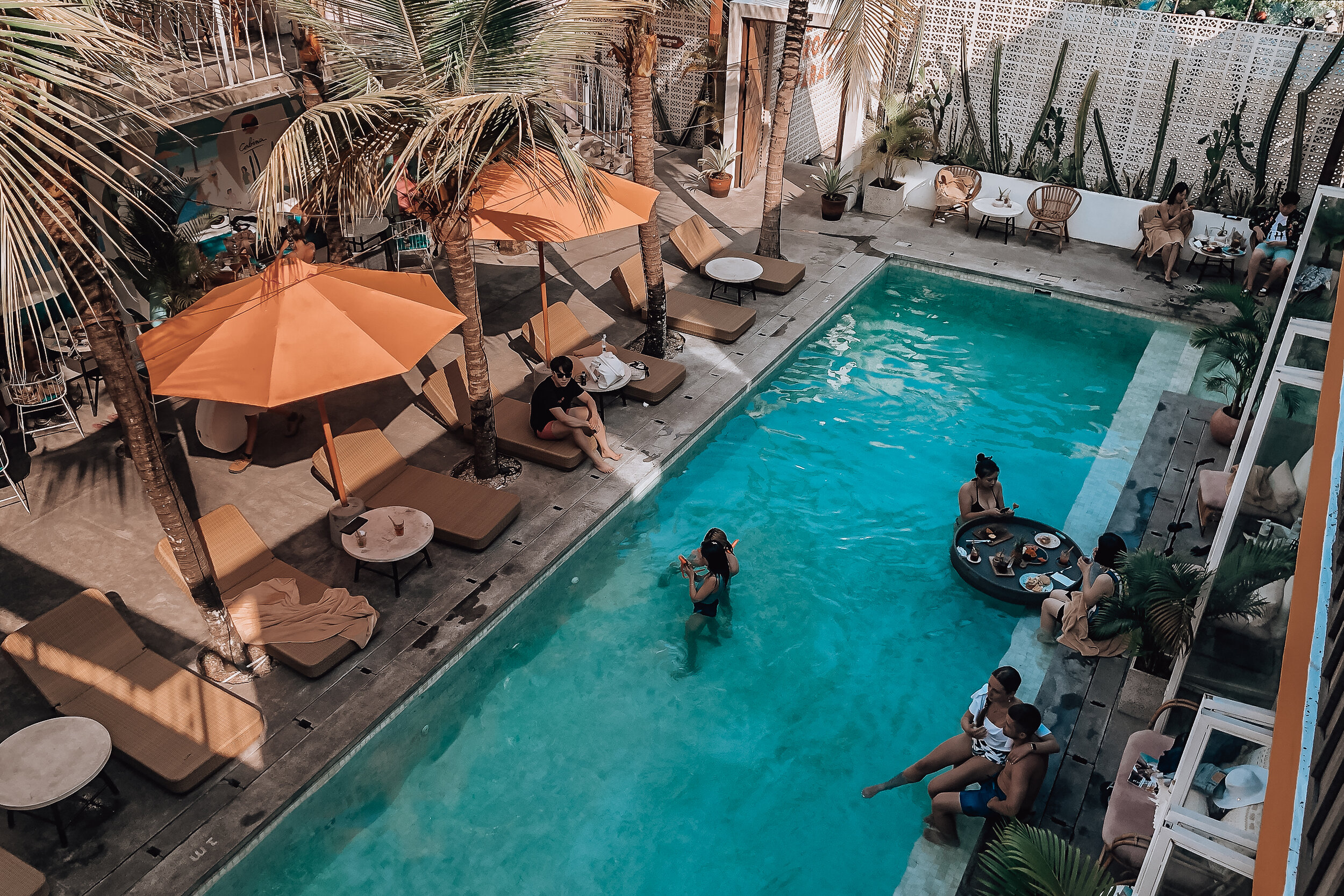
Making time for a floating brunch is a must do in Bali. It’s a poolside meal artfully presented in a floating basket. We visited Cabina, a restaurant with a turquoise pool, cacti & palm trees and comfy lounges surrounded by pink painted walls. Spending all afternoon here, we shared a tropical meal complete with fresh fruits & juices, fluffy pancakes and various Balinese bites.
Seminyak & Double Six Beaches
The shoreline walk from Canggu to Seminyak takes about 30 minutes, depending on how many beachside stops you make. The main beach, Seminyak Beach, is a long stretch of mostly white powdery sand with surfing, large beach clubs and resorts. Past Seminyak Beach is Double Six Beach, a popular tourist beach with inexpensive food, drinks, chair, lounge and surf rentals.
Gili Islands
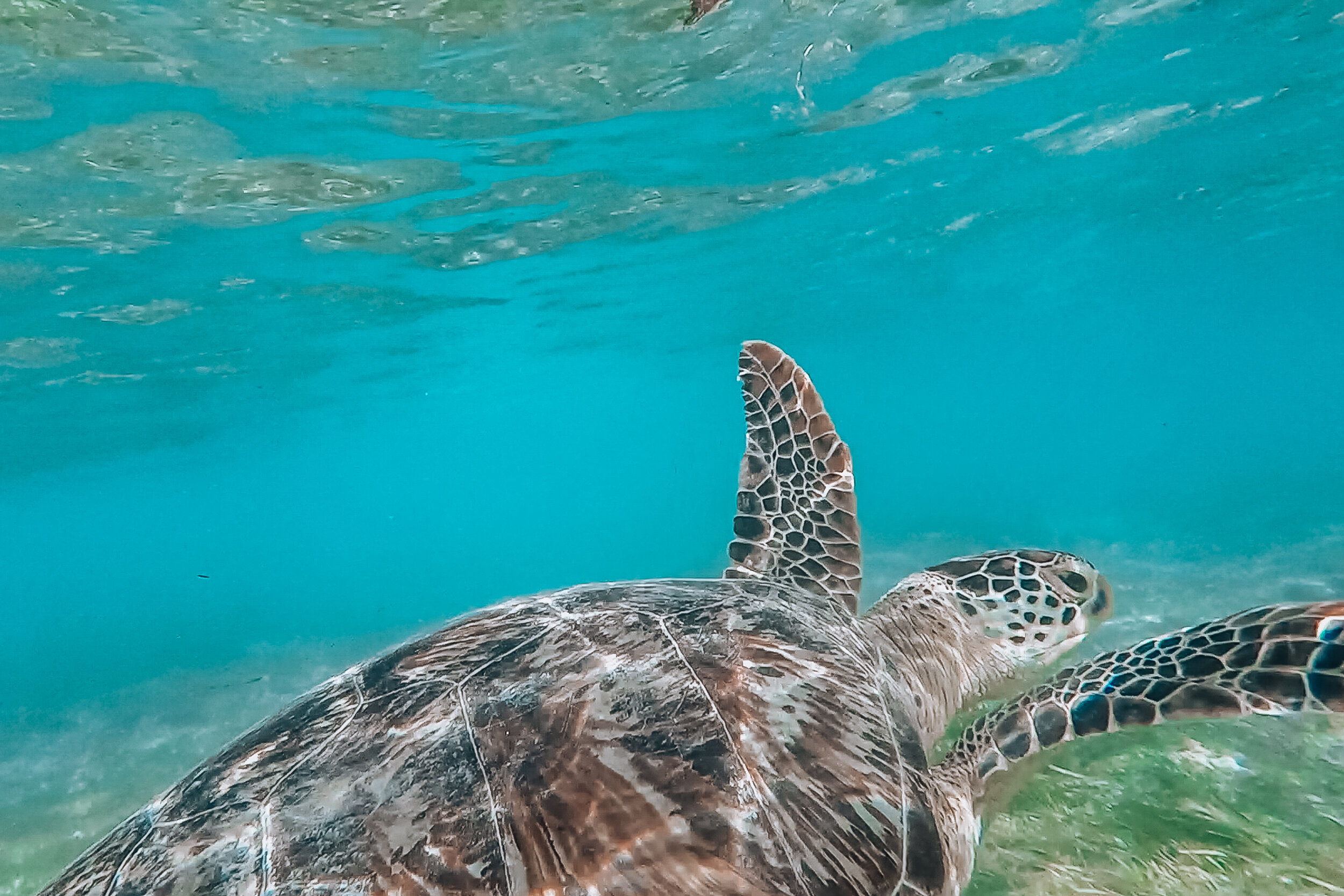
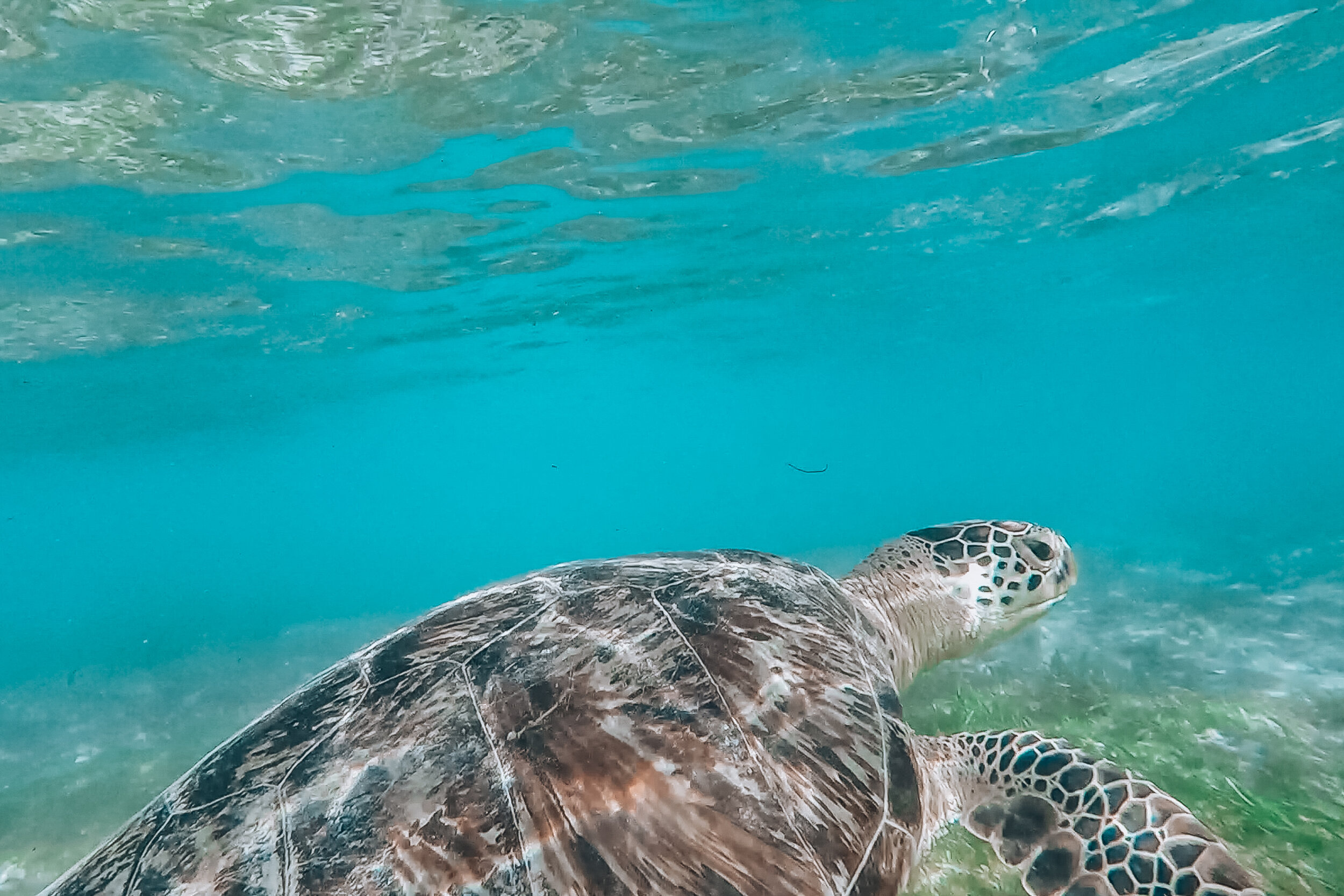
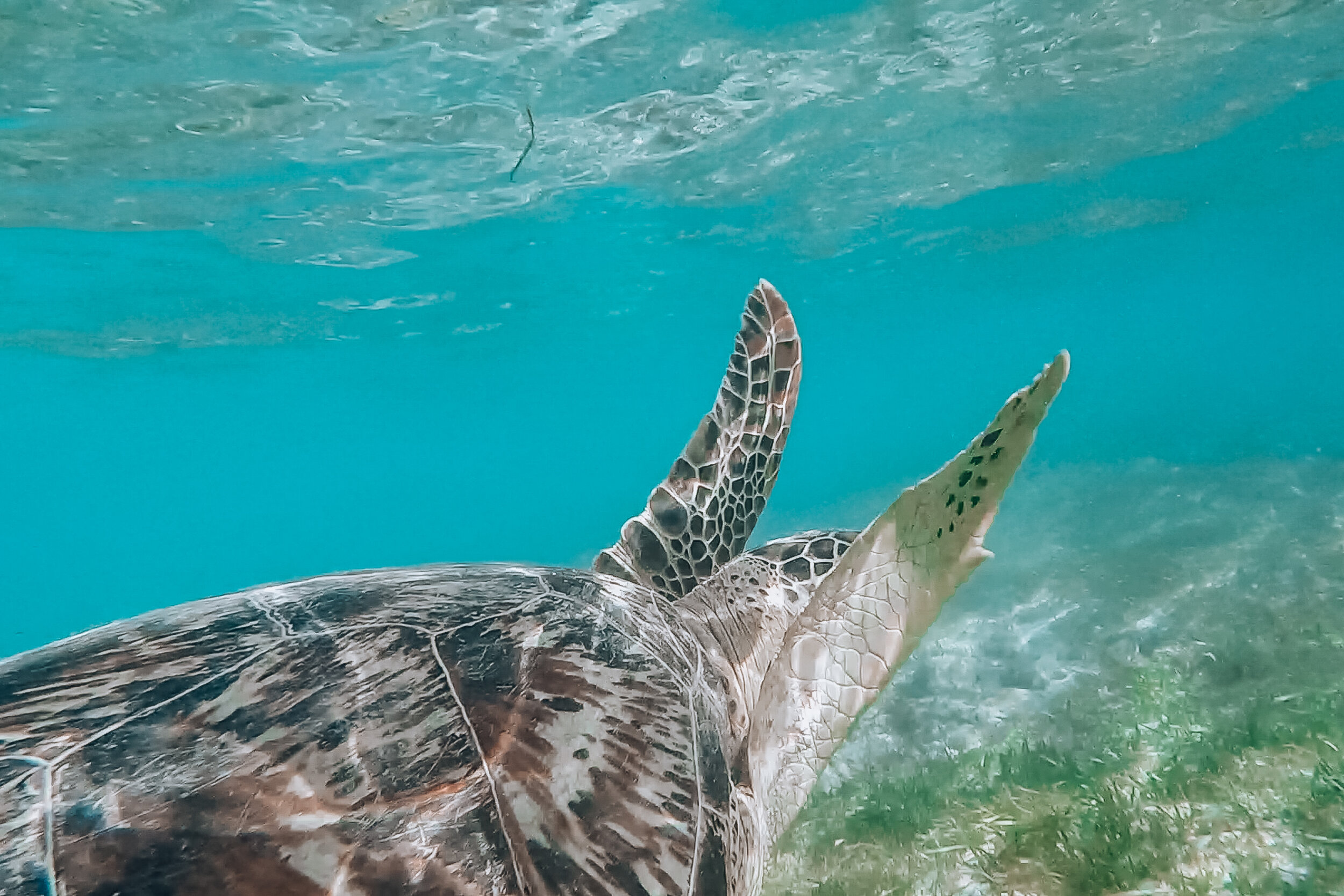
The Gili Islands are a series of three tiny islands off the coast of Lombok. We spent 4 days exploring the Gilis, bicycling through the palm groves, snorkeling in the ocean, watching for sea turtles and relaxing on the beach.
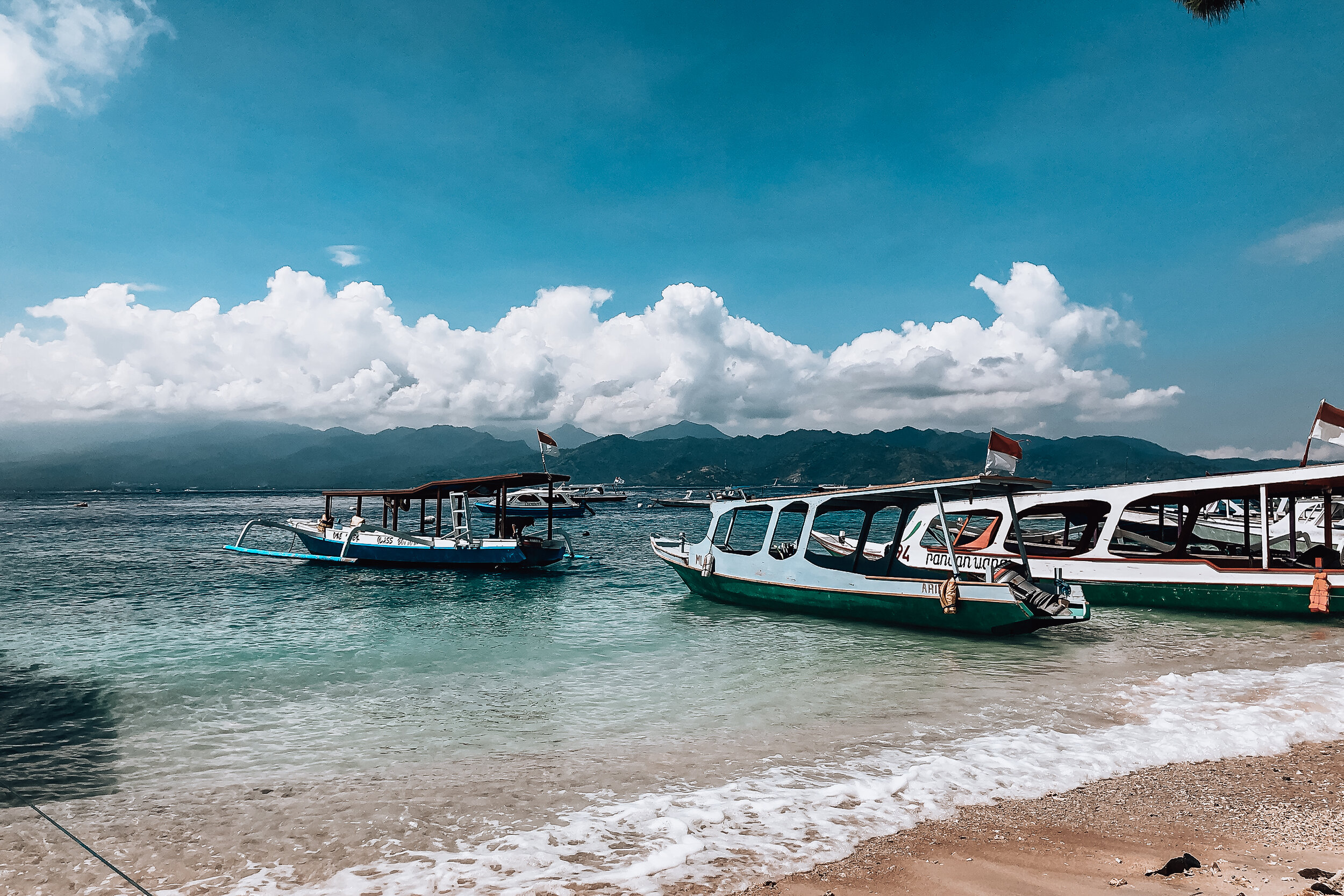
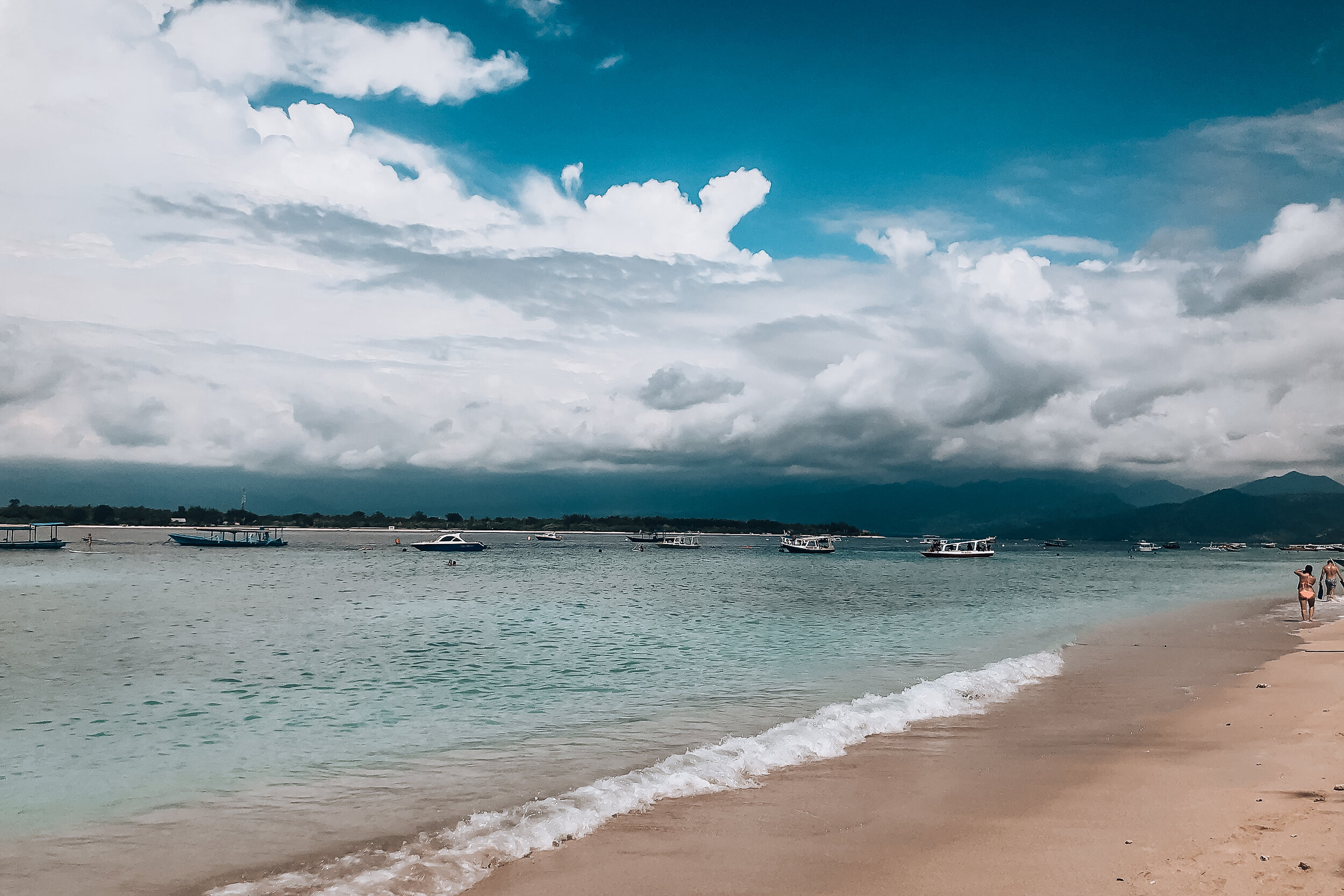
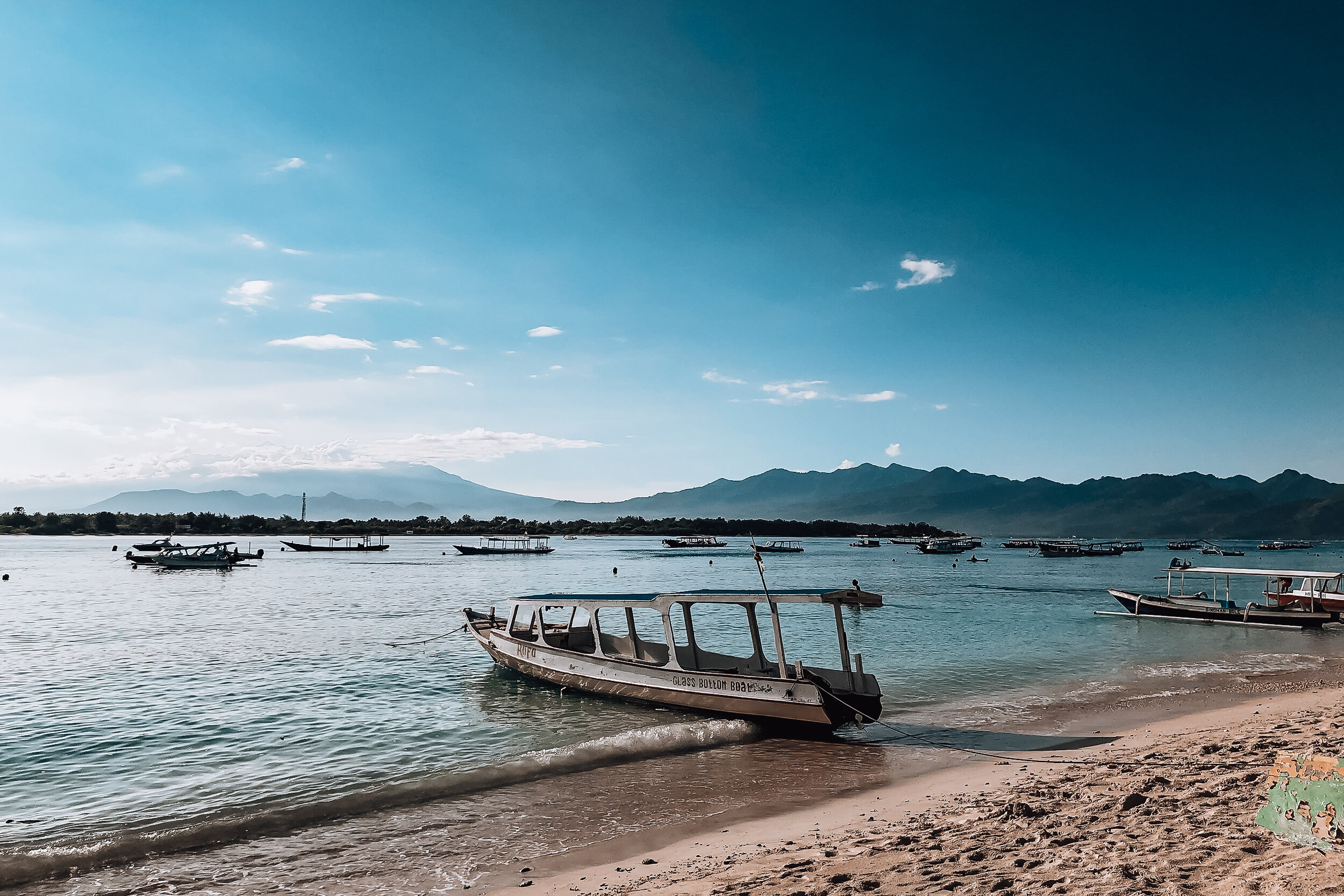
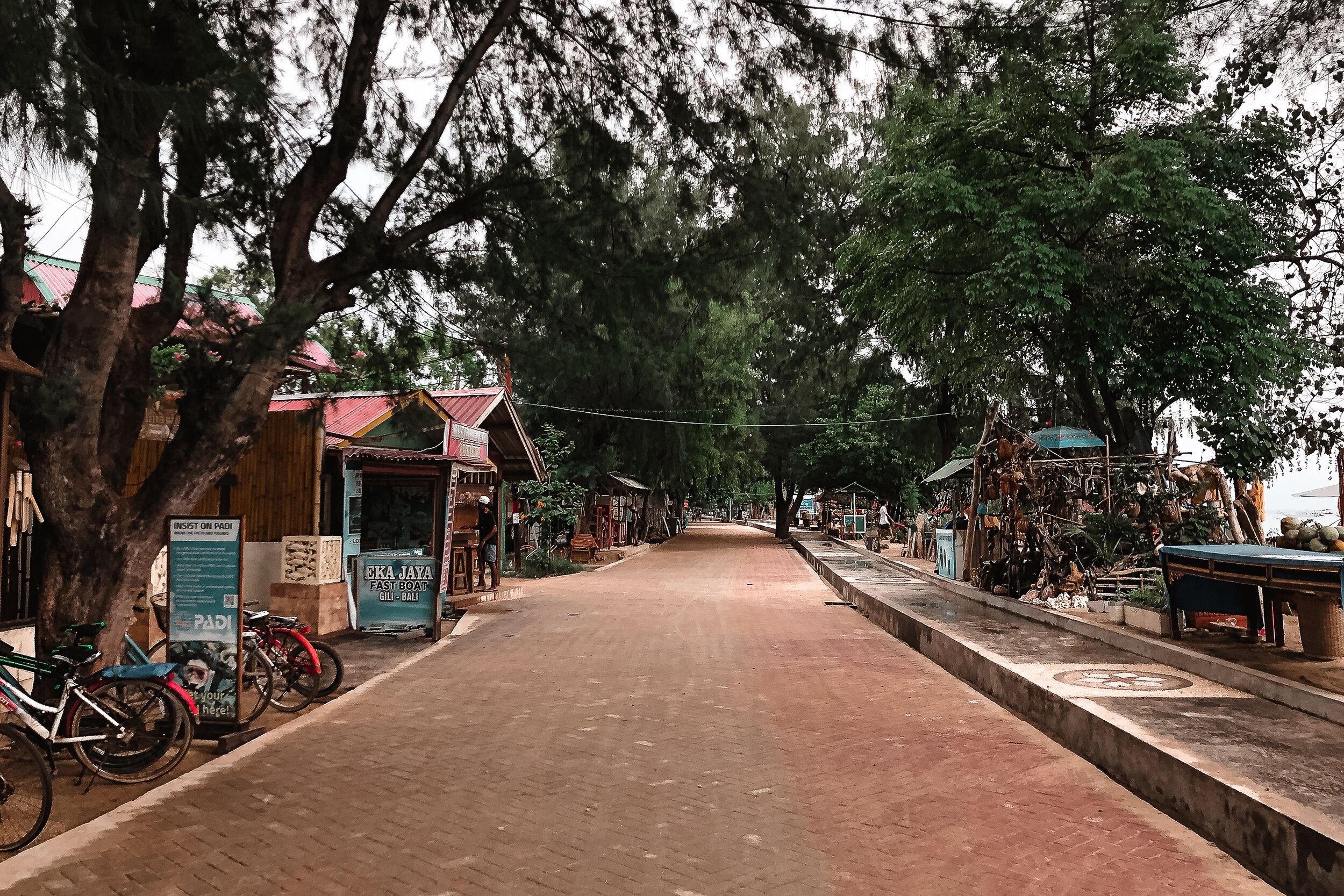
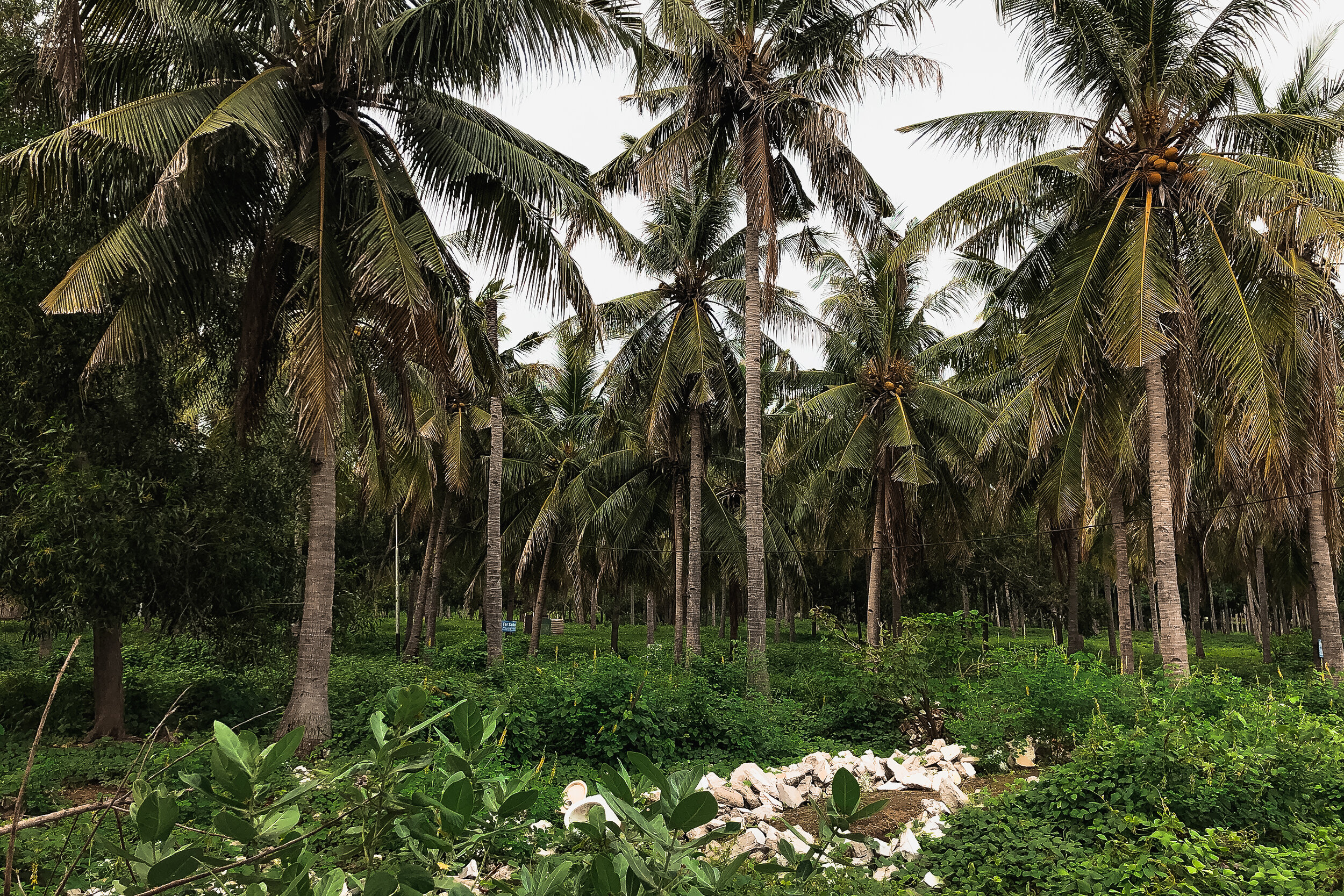
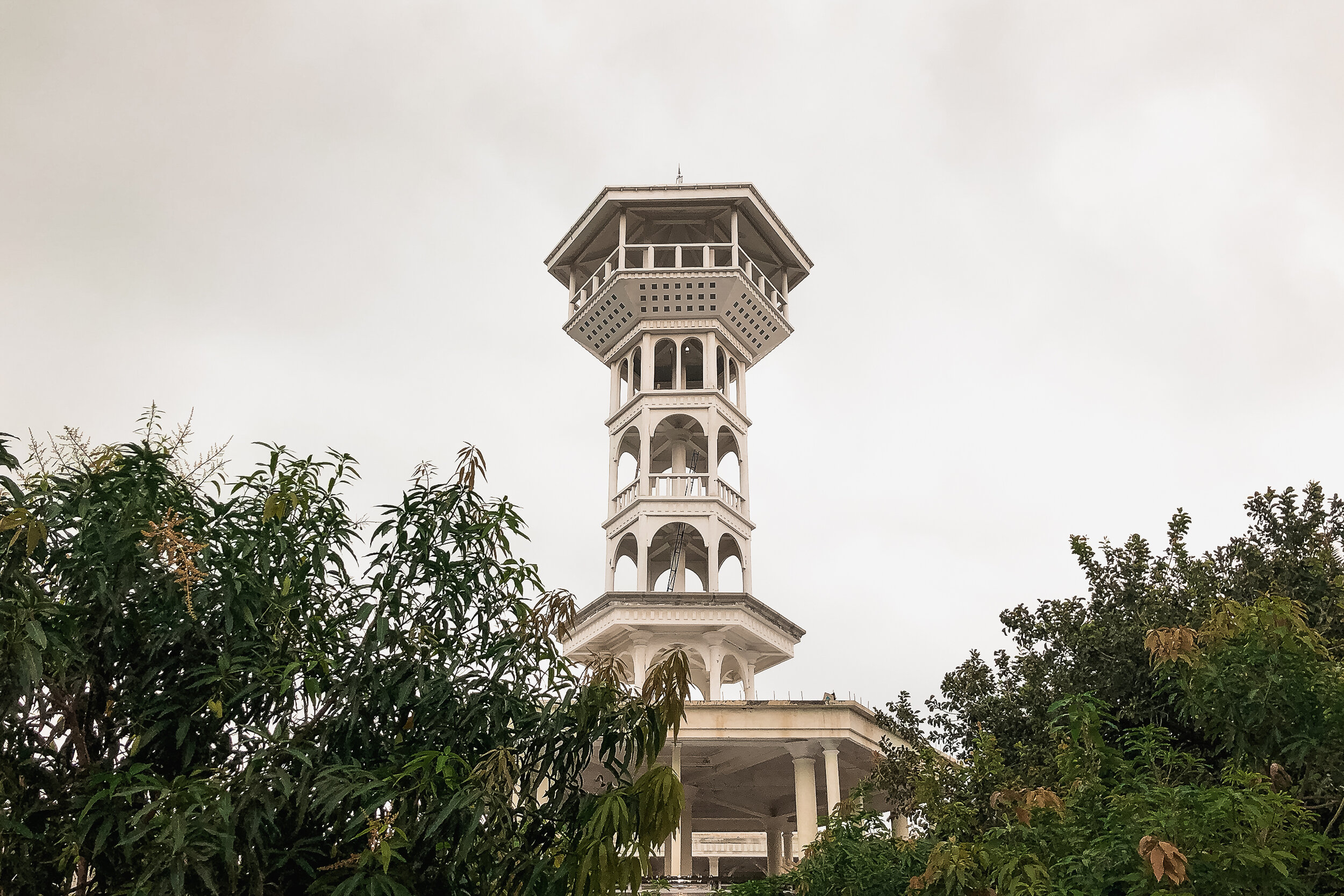
Gili Trawangan. Also known as Gili T, this island is the largest of the three Gilis. It’s the island where we stayed while visiting. It is the most lively and popular place to stay with a large number of restaurants, bars and places to stay around the perimeter of the island. The interior of the island is covered in palm groves and the homes of local families.
Gili Air. Located just across from Lombok, Gili Air has uninterrupted views of Mt. Rinjani. Similar to Gili T but smaller in size, it is known for its dining, nightlife, marine activities and ocean swings.
Gili Meno. Located in-between Gili T and Gil Air, it is the smallest, quietest and most relaxing of the three islands.
Getting Here
Take a speed boat. This is the fastest, safest and most hassle-free way to get between Bali and the Gili Islands. There are a number of departure points along the East side of Bali. Most speed boat companies can arrange transportation to bring you to the departure point from any location in Bali. We booked roundtrip tickets through Blue Water Express. Including luggage, transportation from Ubud and to our later accommodation in Bali, we paid 1.1m Rp each ($78 USD). Depending on your departure location, the speed boats can take anywhere from 2-4 hours.

Getting Around
Rent a Bike. The Gilis are very small. Though they’re easily walkable, the best way to get around is on a bicycle. You can ride around the perimeter of the largest island in less than an hour or cross its center in 15 minutes. Most accommodations rent bikes for around 50K rp per day ($3.50 USD)
Island Hopping. Public boats ferry between each island’s main harbors at infrequent times between 9am and 4pm. Each trip takes about 30min and costs 25-50K Rp ($1.75 - $3.50 USD) Fast boats take about 15min and cost 85K - 100K Rp ($6 - $7 USD)
Gili T Beaches
The island is essentially one giant beach paradise! Based on location, here’s our breakdown to exploring the different corners of the island.
East & South East. The sandiest beaches and shallowest waters for swimming and sunbathing. Closest to the restaurants and bars of the main street.
North East. Also known as Turtle Point, this is the best place to spot sea turtles. The shallow warm waters are home to sea grass where sea turtles feed. To spot them, rent a standup paddle or kayak and quietly wait in the water. The best time to go is before the snorkel tours show up at 10am. Eventually a sea turtle will poke its head above the water for air or even swim within feet of you.
North. Most beaches here are private for members of the resorts and hotels.
North West. There are several restaurants with smaller crowds than the on the Eastside of the island.
West. Nice restaurants to watch the sunsets and see Bali’s silhouette. The water is wavier due to the currents in the strait between Bali and Lombok.
Southwest. The best spot to watch the sunset over the Indian Ocean. A lot of diving tours frequent the waters on this side of the island to spot manta rays and sharks.
South. Mostly dead coral lining the beaches.

Coral Reefs
We had read about the stunning coral reefs home to all manner of sea-life. Unfortunately, many of the coral reefs have suffered extreme bleaching due to rising sea temperatures in the shallow waters. During our snorkel tour, we only saw the occasional sign of life among the black and grey decaying coral reefs covering the ocean floor. This was evident on shore, especially along the west half of Gili T. Vast stretches of the beaches were covered in piles of dead coral that had washed up.
To protect yourself and the living coral, bring water shoes and coral safe sunblock.
Things to Do
Go on a snorkeling tour! Many restaurants, dive school and guides along the main-street on Gili T will offer inexpensive snorkel tours around the Gili Islands. We only paid 50K Rp for a 4 hour snorkel tour ($3.50 USD)
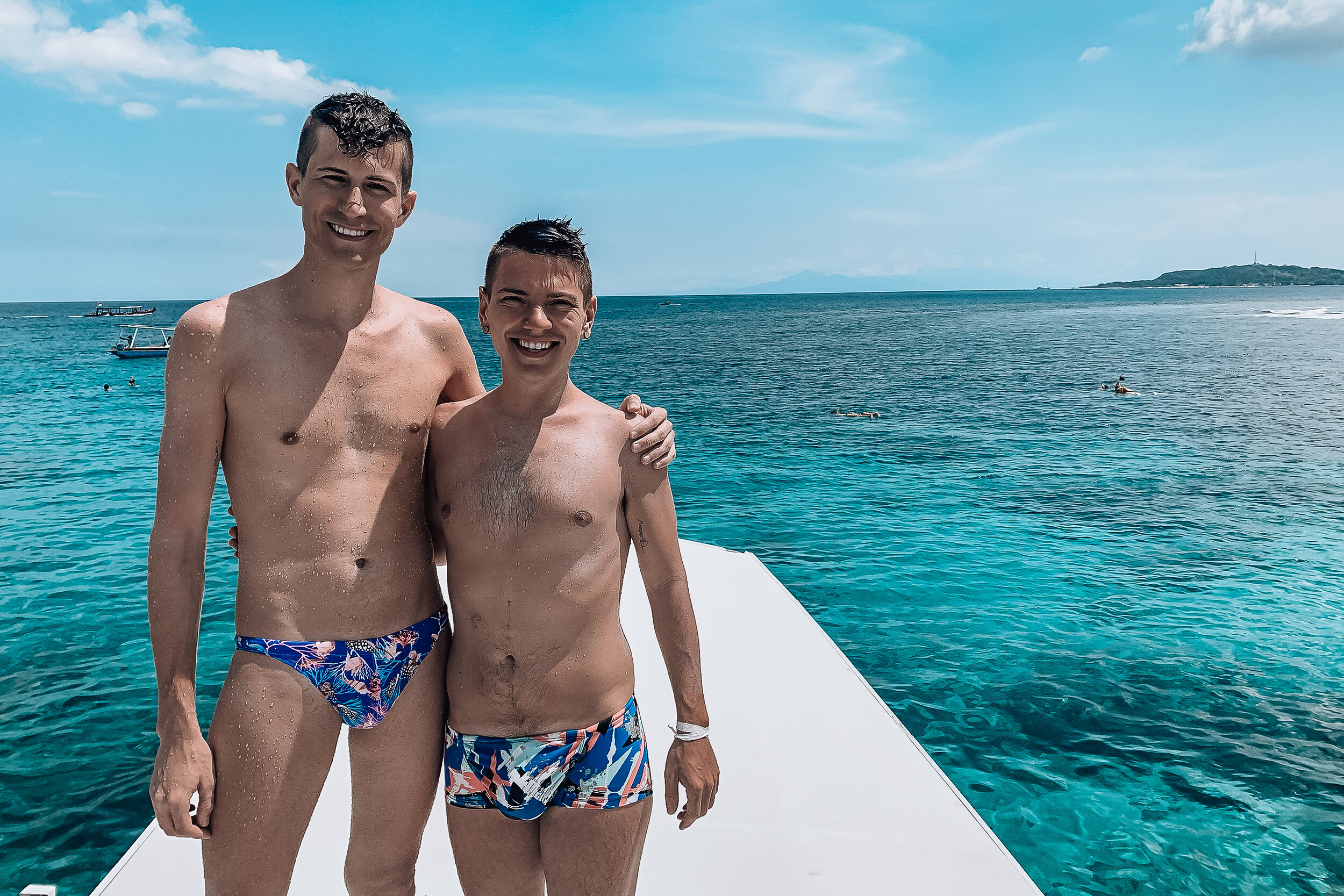
On our tour, we snorkeled around the coast go Gili Meno where we saw the bleached reefs and an artificial reef called The Nest. The Nest is an underwater sculpture of human figures standing in a circle. After snorkeling here, we moved to an area on the other side of Gili Air with many species of fish. It was incredible snorkeling several feet below the surface with the fish swimming in all directions around us.
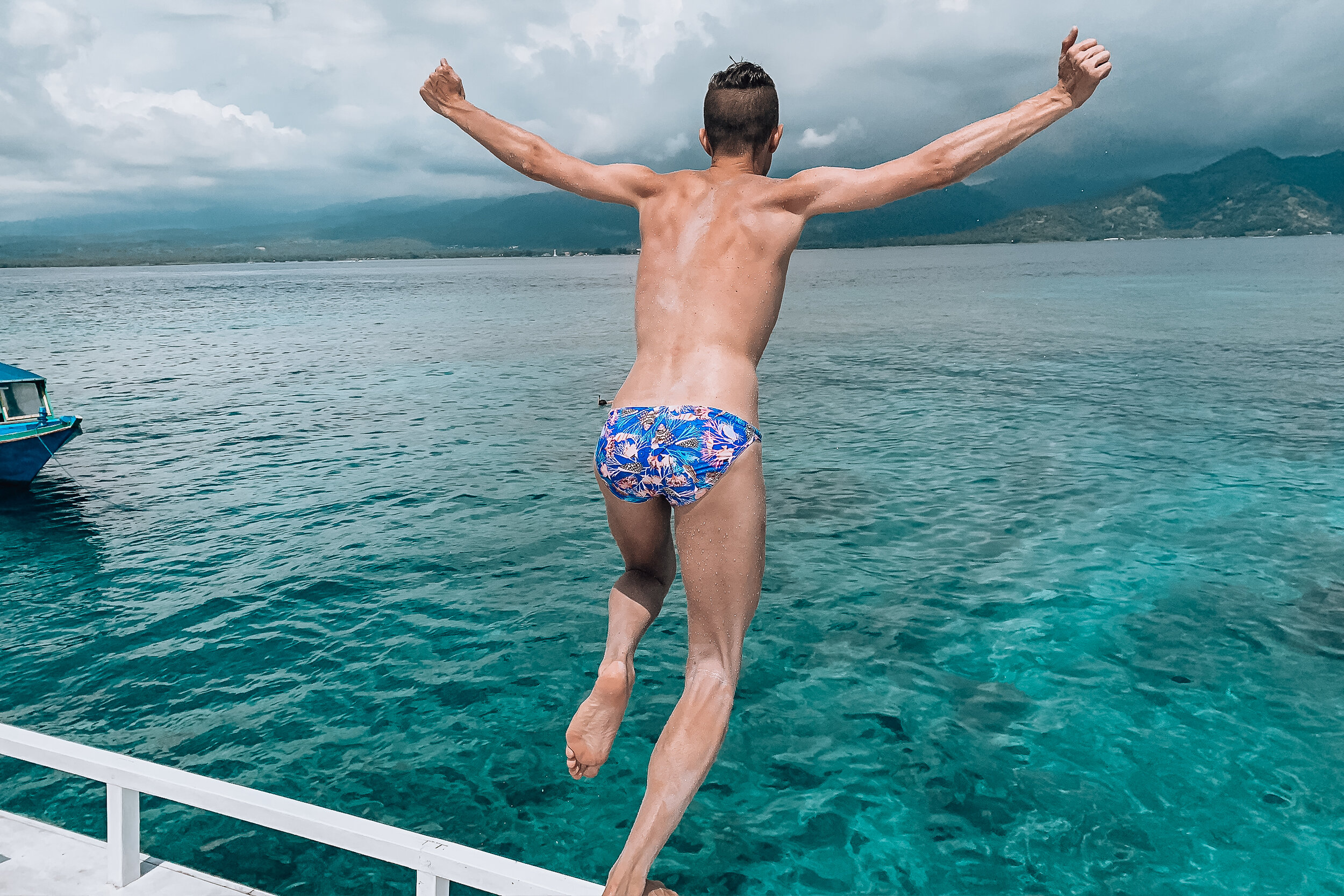
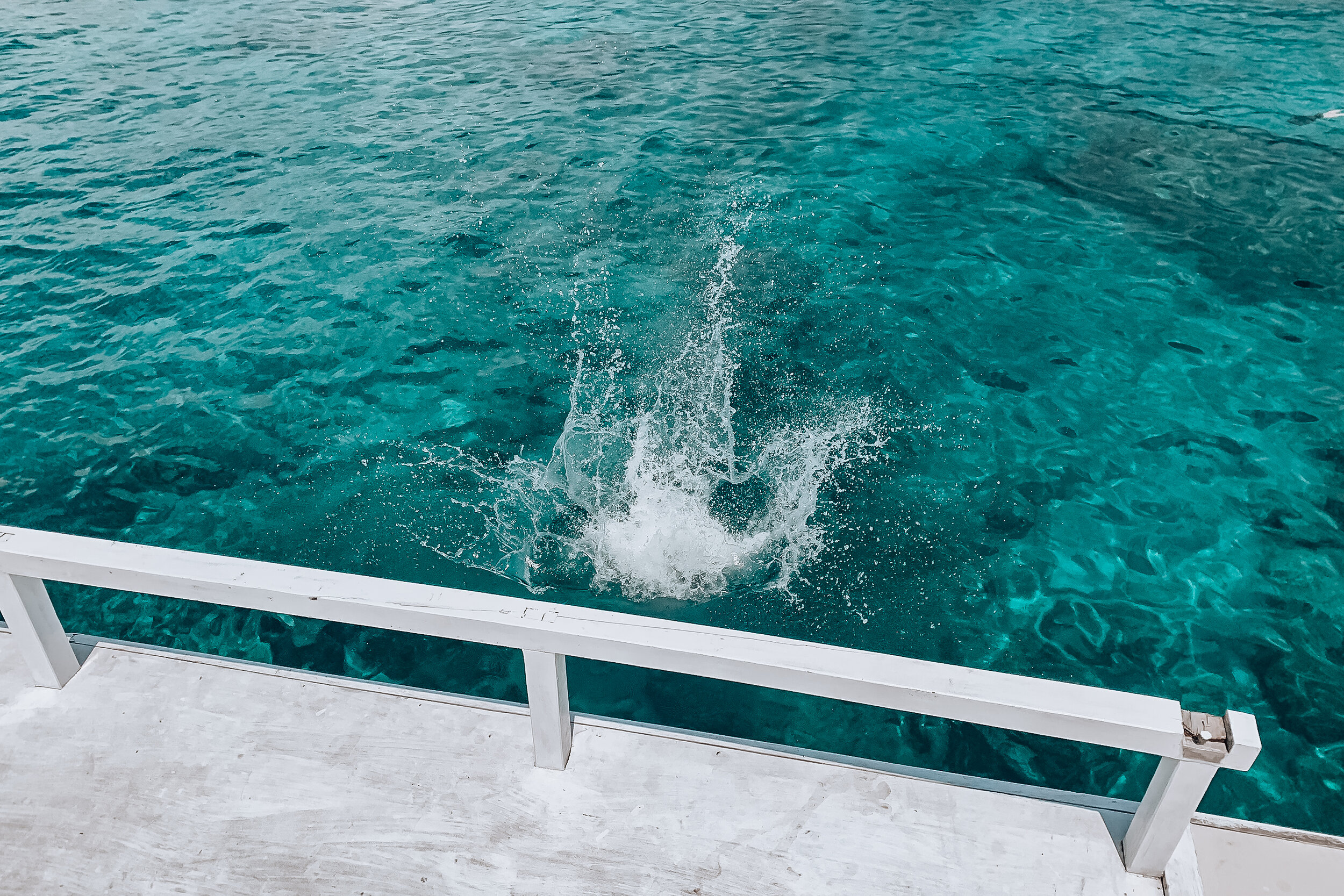
After snorkeling, we jumped and dove off the roof of the tour boat before stopping in Gili Air for lunch on the beach. It was a great experience and opportunity to meet travelers from around the world. We met some Brits on “holiday” and a group of siblings from Spain, one of which visited us later that winter in NYC.

Acrylic Kayaking. Rent an acrylic kayak and paddle around Turtle Point. Pro tip, select the kayak with minimal scratches on the bottom. The more scratches, the less you’ll actually be able to see though it.
Stand Up Paddle. Rent a stand up paddle and explore the strait between Gili T and Gili M. The water is usually calm making it easy to balance. This was another fun way to spot sea turtles.
Watch the Sunset. There are a number of beach clubs, restaurants and hotels with lounges, ocean swings and patios on the west and southwest sides of the island to watch the sunset.

Get a Bamboo Tattoo. A bamboo tattoo is simply a hand poked tattoo. There are a number of tattoo studios offering traditional bamboo tattoos across Gili T. We visited NoA The Master of the Bamboo Tattoo. Devin got a geometric elephant tattooed on his inner arm and I got a wave on my ankle. The process was sanitary and clean. We watched the artist clean all of his tools and present us with the an unopened package containing the needles he used for our tattoos. It’s worth it for the authentic experience!

Take a Cooking Class. One of the best meals we had on Gili T was the one we cooked ourselves at the Sweet & Spicy Gili Cooking School on the beach in front of Egoiste Restaurant. During the 2 hour cooking class we cooked multiple Indonesian staple dishes including:
Fried tempe and tofu in homemade peanut sauce
Mie goreng (spicy fried noodles and veggies),
Pepes ikan (fish cooked in a banana leaf)
Klepon (green colored rice balls filled with palm sugar)

Food & Drink
In addition to the traditional Indonesian dishes above, here are a couple of “foodie” things to know:
Look out for street carts selling grilled corn and satay skewers cooked over coconut husks.
Most restaurants are along the perimeter of the island.
The East Side has many local style restaurants and bars
The West Side has many beach club style restaurants and bars
If you’re visiting just before or during the celebration of Ramadan, there will not be any alcohol sales on the island.
Bukit Peninsula
The Bukit Peninsula is the southern most point in Bali. It’s known for its swimmable and surfable cliffside beaches, beach clubs and grilled seafood. We stayed here during our last few nights in Bali.
Getting Around
Plan for extra time. The peninsula is very hilly making it difficult to get around. There are only two main roads with smaller roads branching off causing frequent congestion.
Hire a taxi driver. Most drivers will offer to exclusively bring you around the peninsula. The advantage to this is that they’ll wait for you after dropping you off, be on call to pick you up and make great recommendations for things to do, sights to see and places to eat. Pro-tip: Download WhatsApp to keep in touch, negotiate pricing and never pay all at once. Daily drivers usually cost $250K Rp ($18 USD)
Rent a Scooter. Like throughout the rest of Bali, you can get around on a scooter. The only difference in the peninsula is that most places charge a 10-15K Rp parking fee (about $1 USD)
Where to Stay
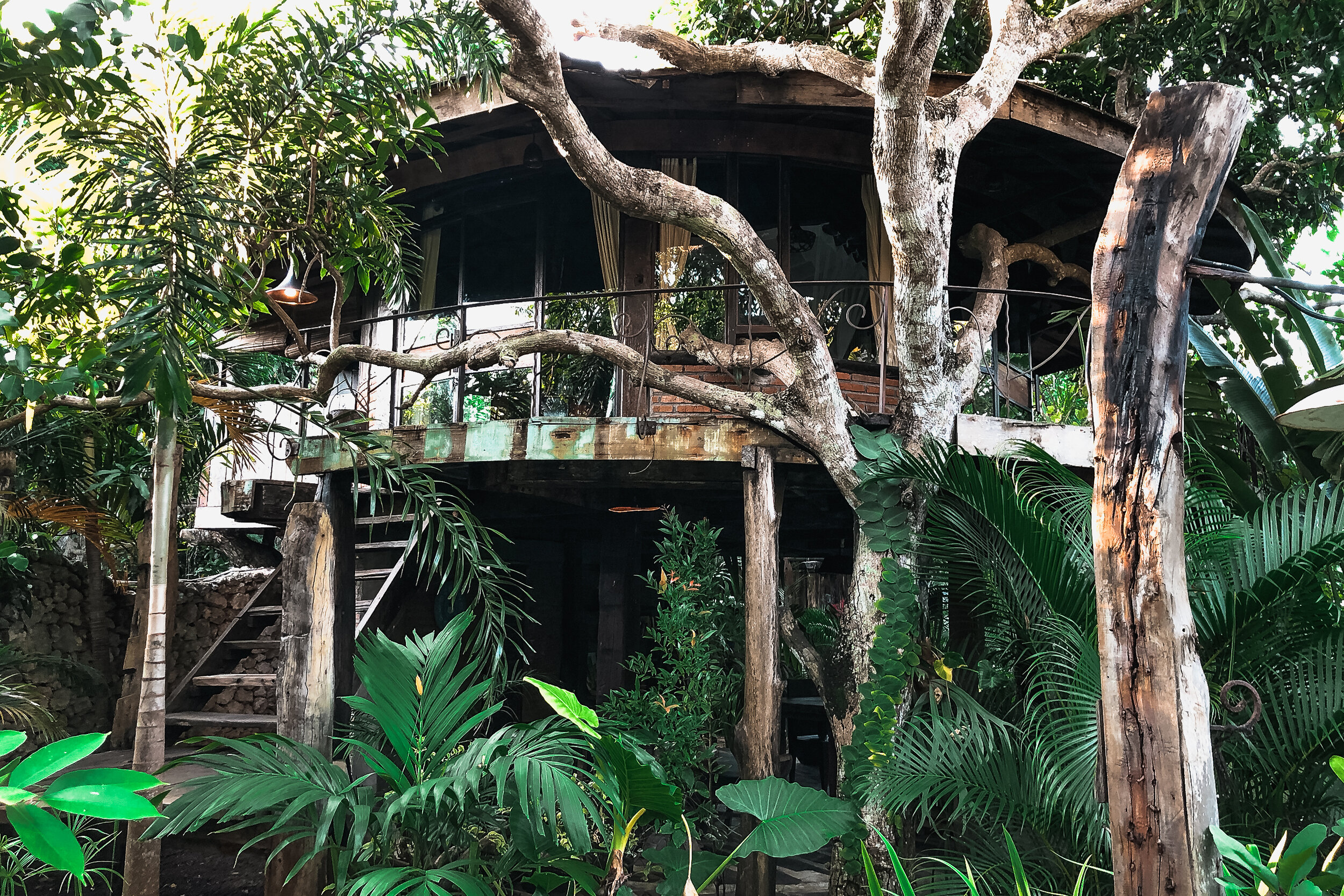
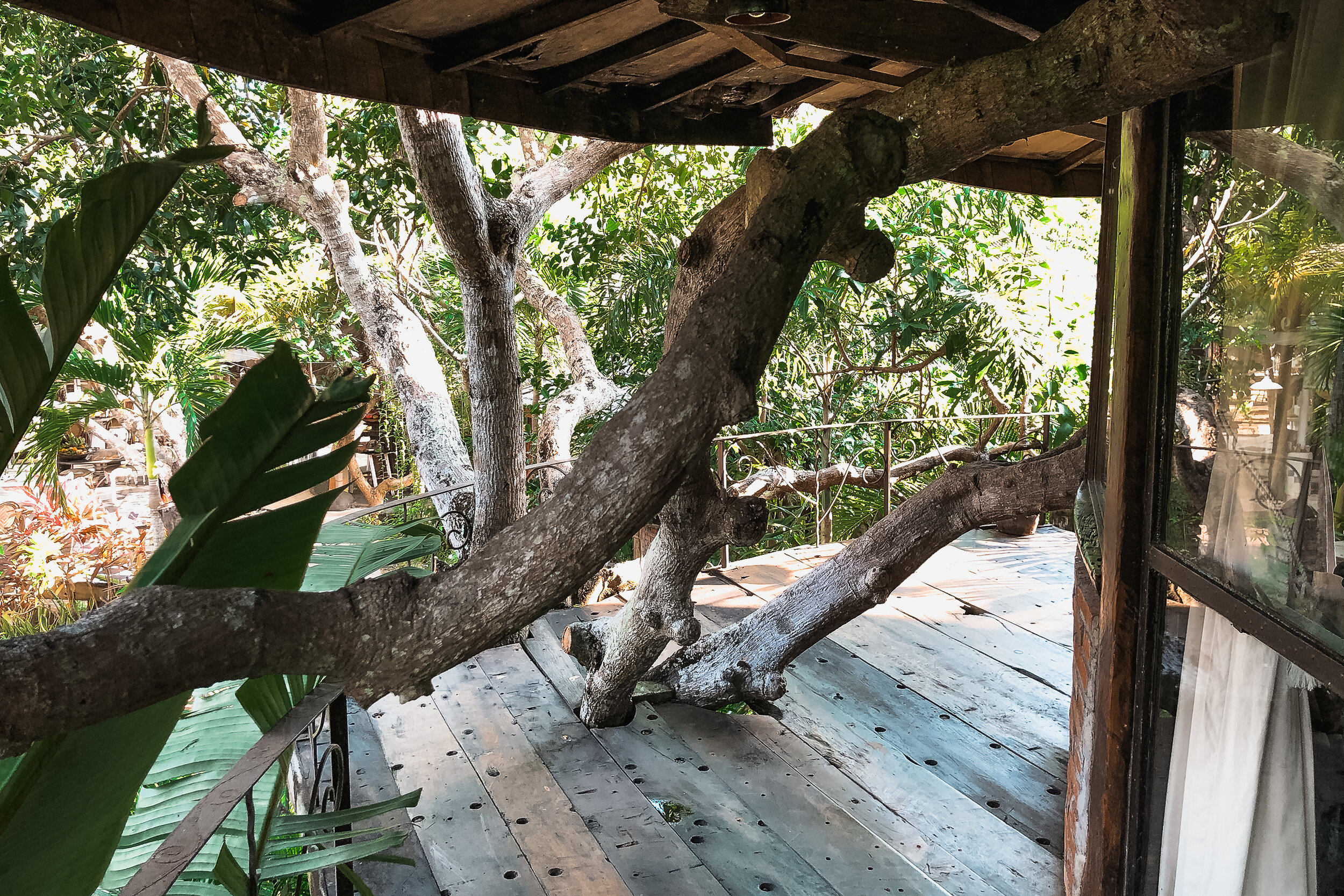
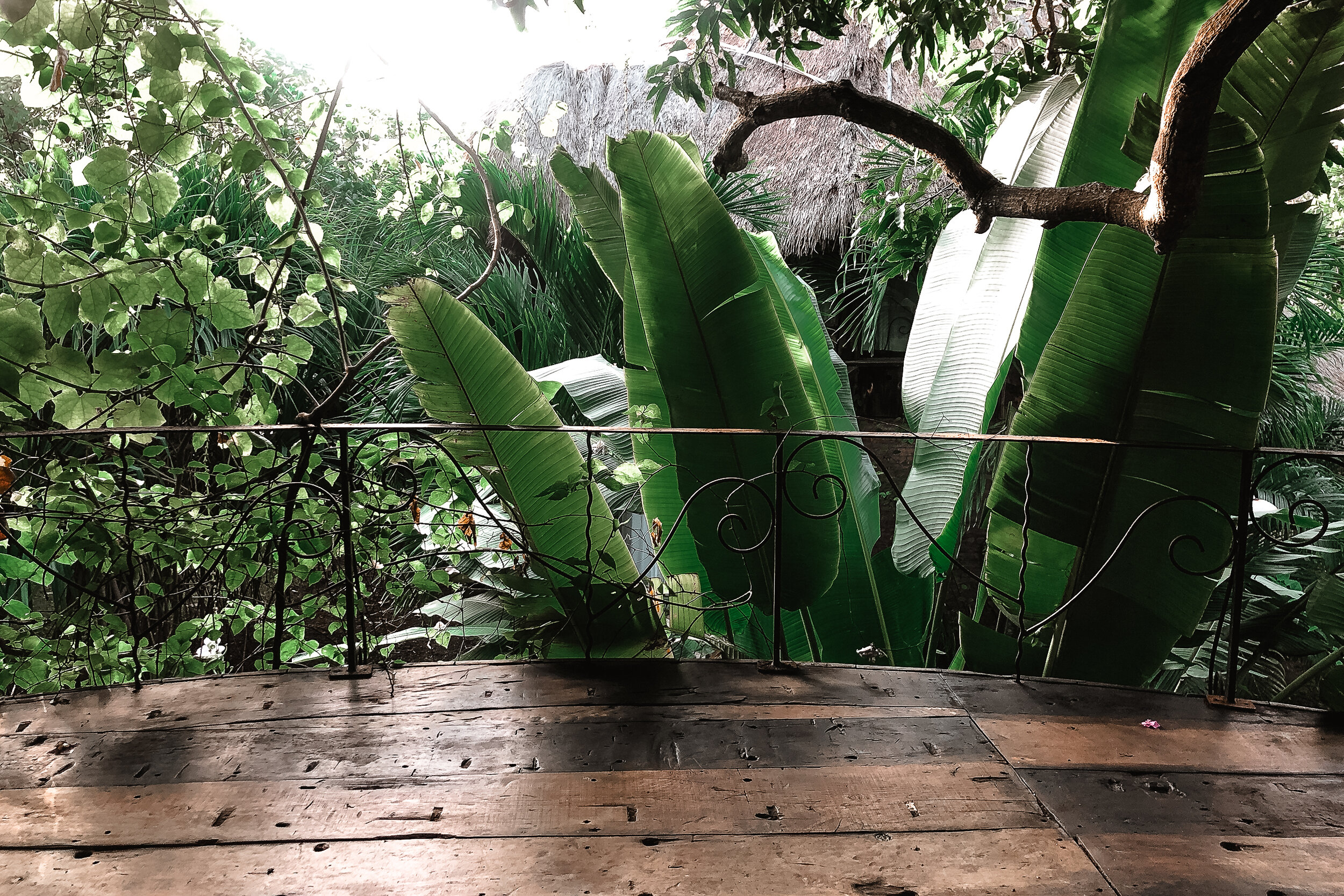
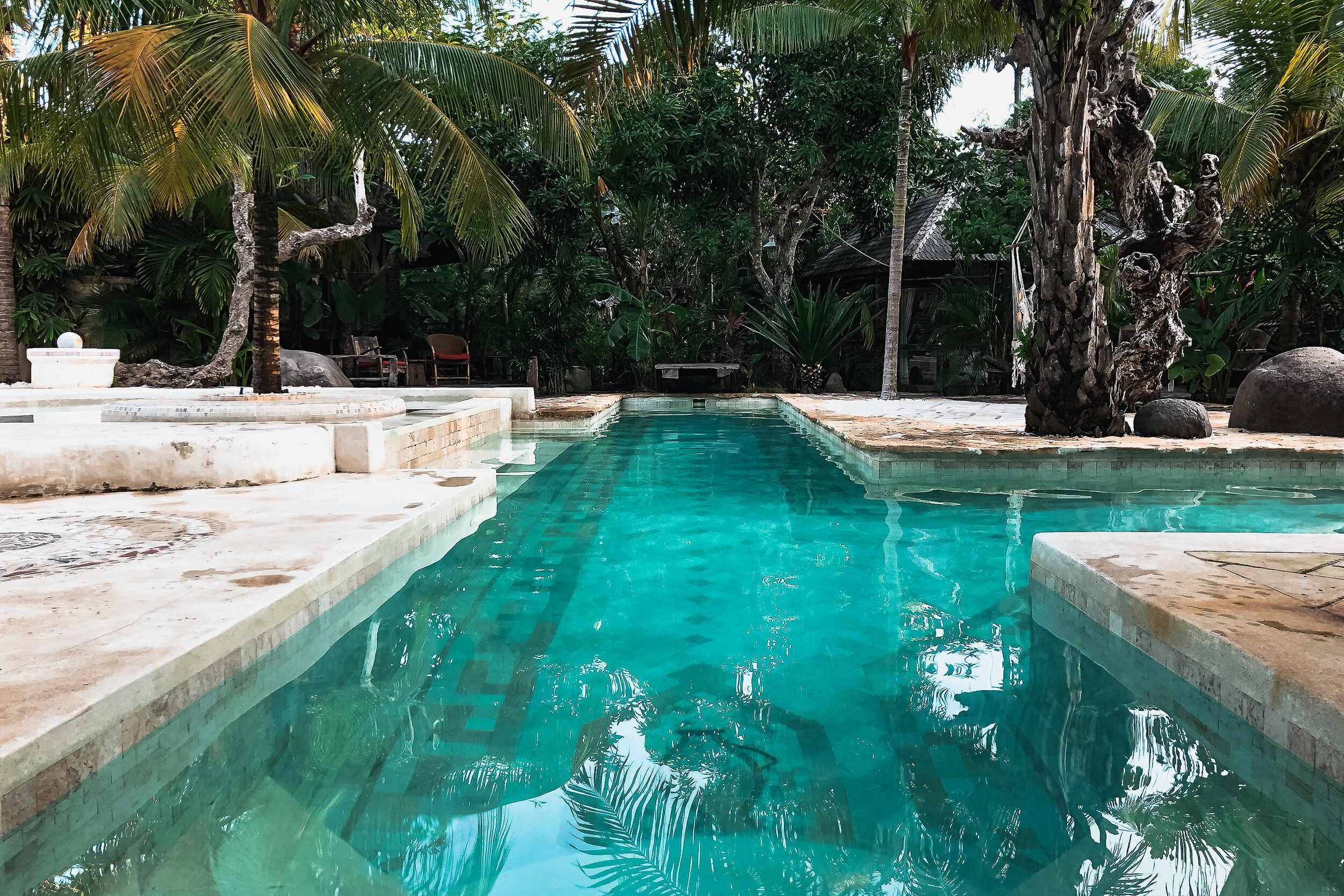
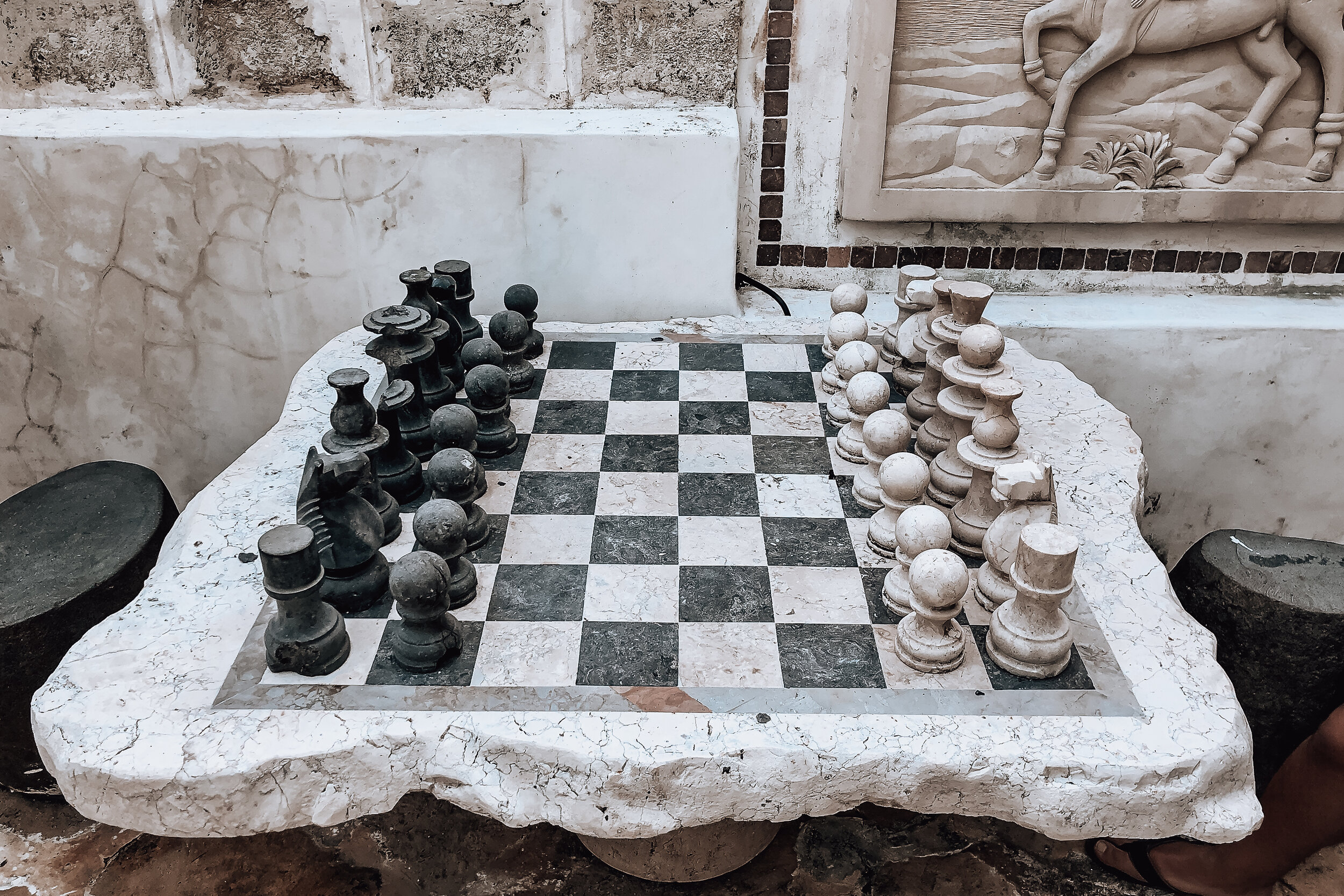
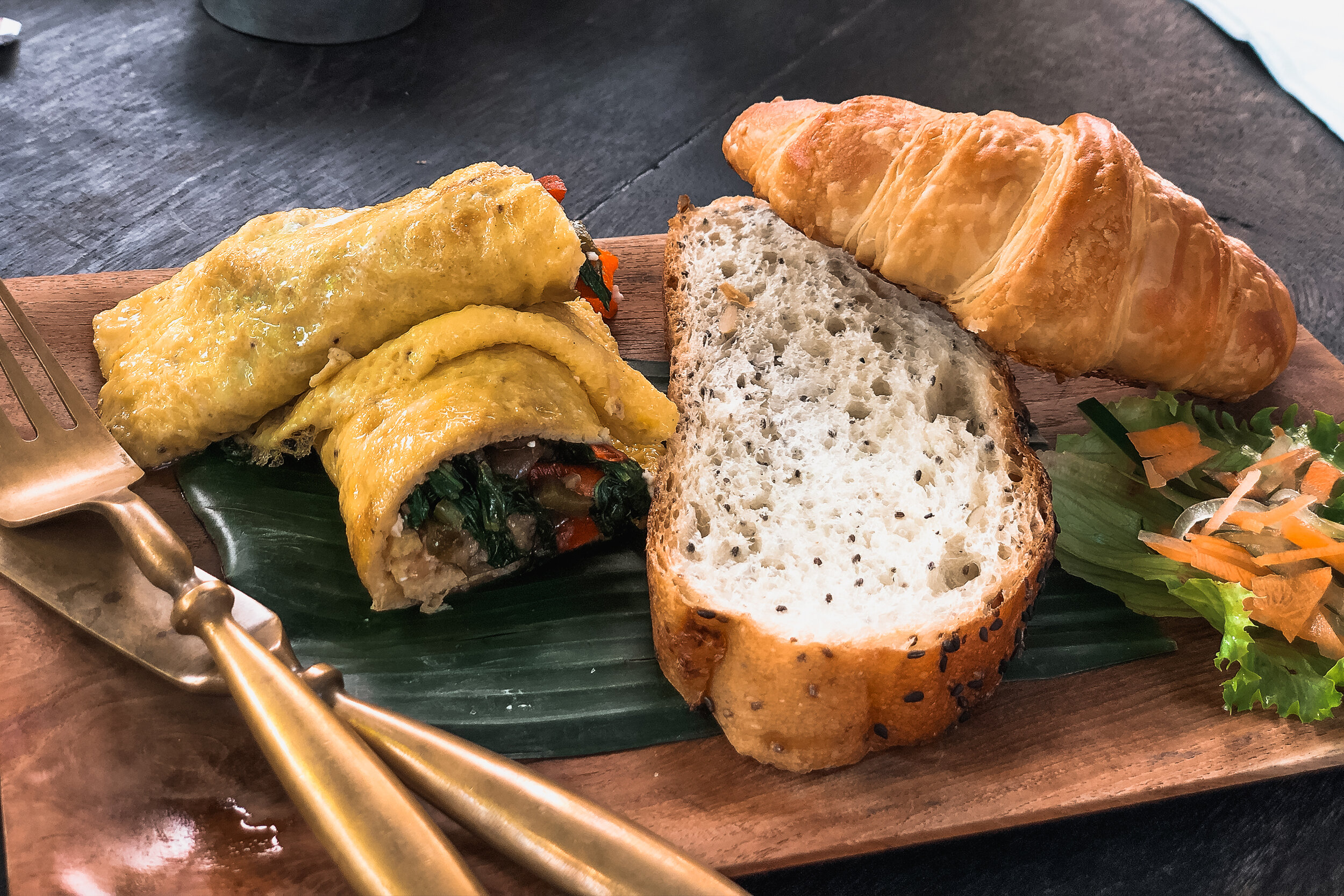
We stayed in a jungle tree house at an estate called The Alchemist, a relaxing and adventurous end to our stay in Bali. The property had a restaurant and bakery serving a mix of traditional Balinese and French cuisine which made for delicious breakfasts with tropical fruits, fresh croissants and poached eggs. The back of the property had a stunning lap pool, large stone chess set and a few cottages for other guests and the owners.

Things to Do
Have Bali High Tea. Visit the Orchid Tea Lounge late one morning for Bali High Tea. The tea room is a modern greenhouse decorated with hundreds of blooming orchids. The tea service was especially cute with all the cakes and treats either wrapped in or served on banana leafs.
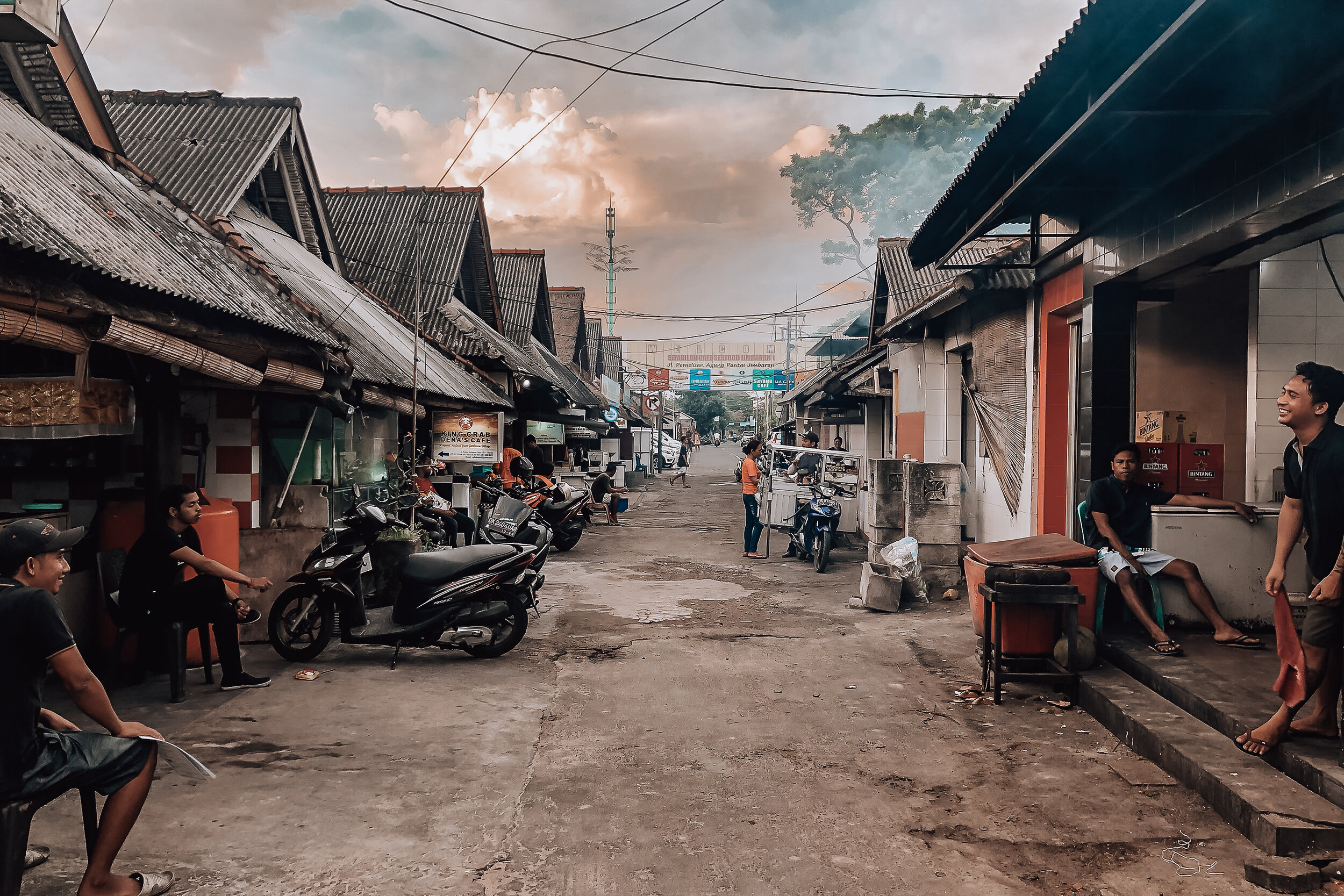
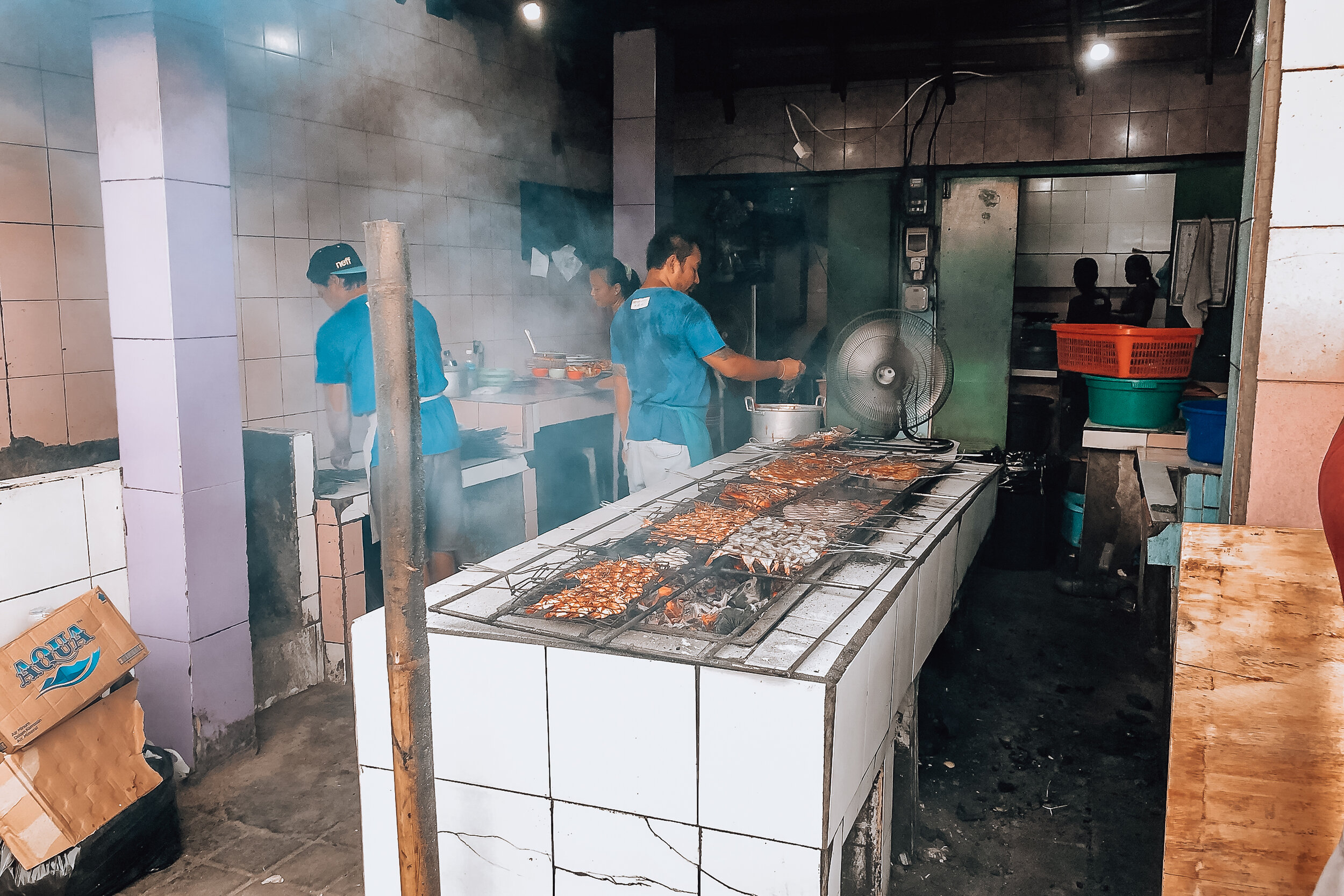
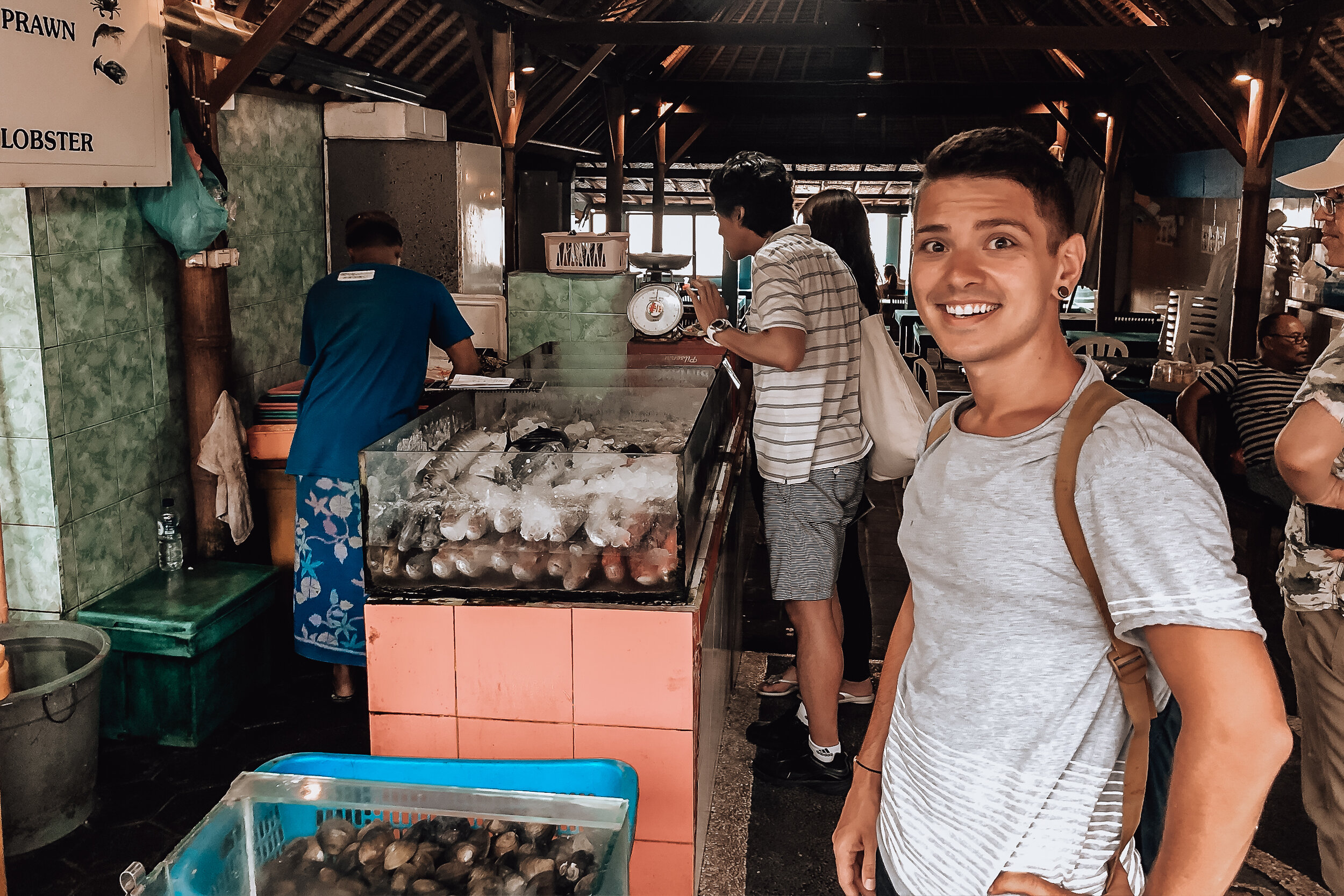
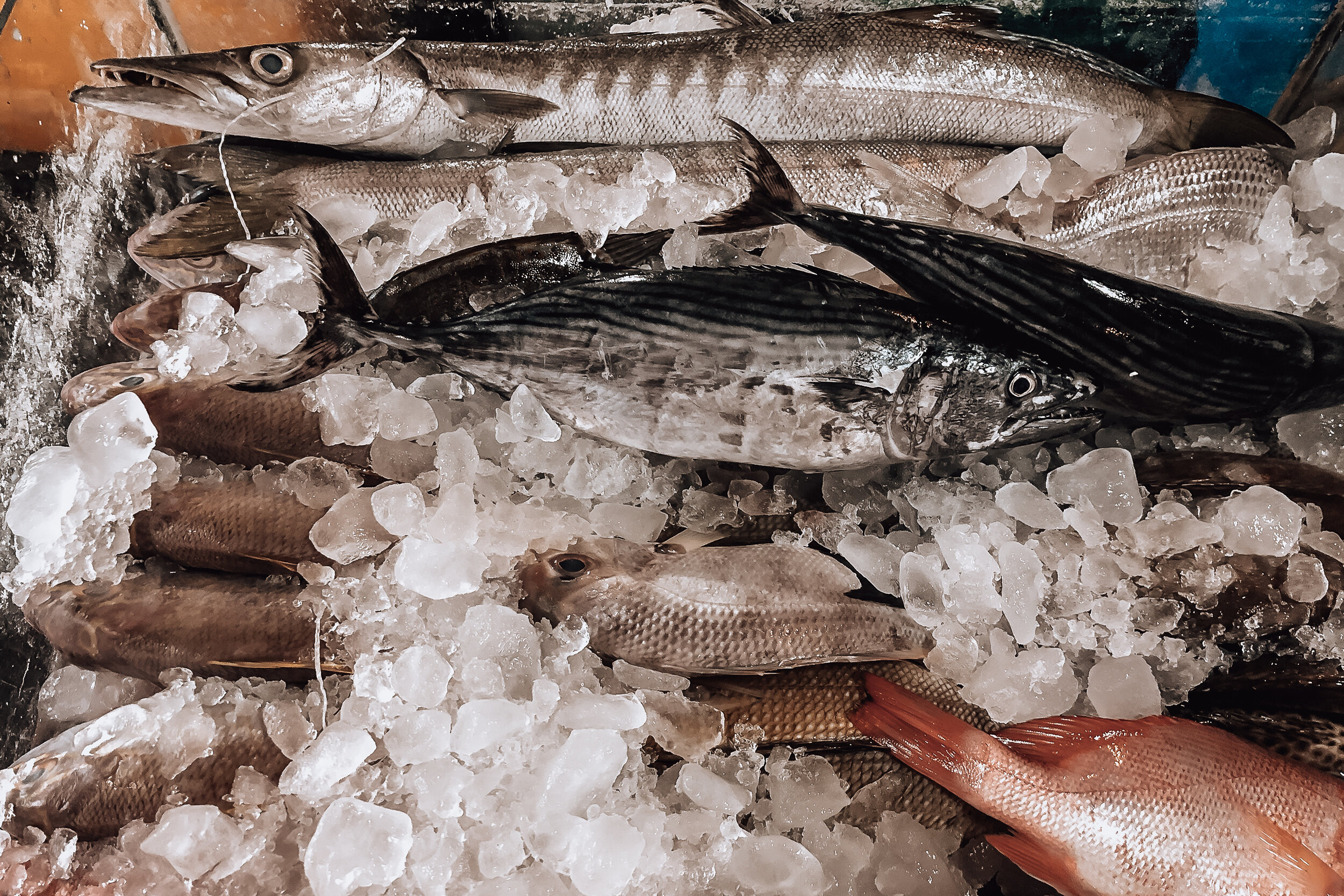
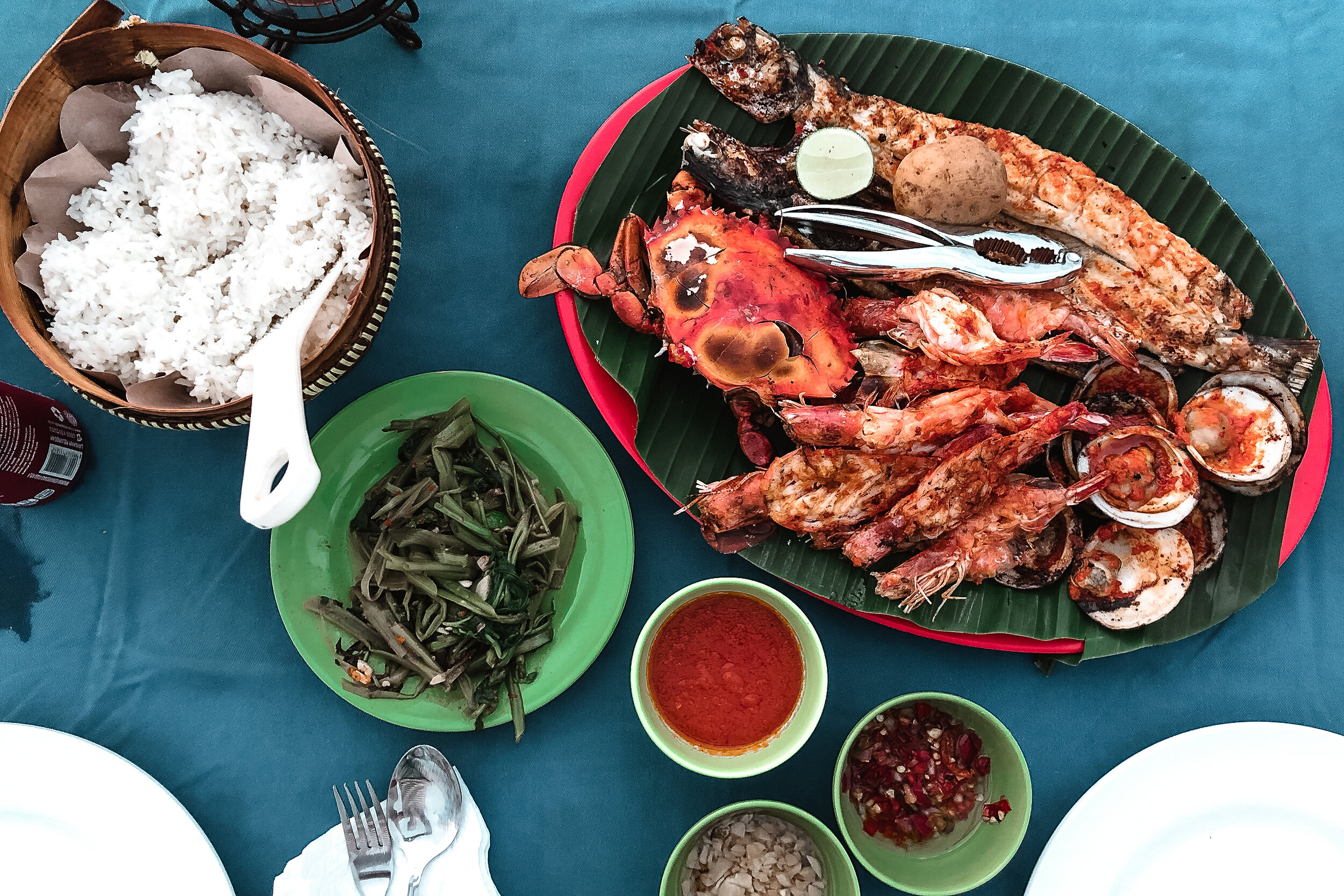
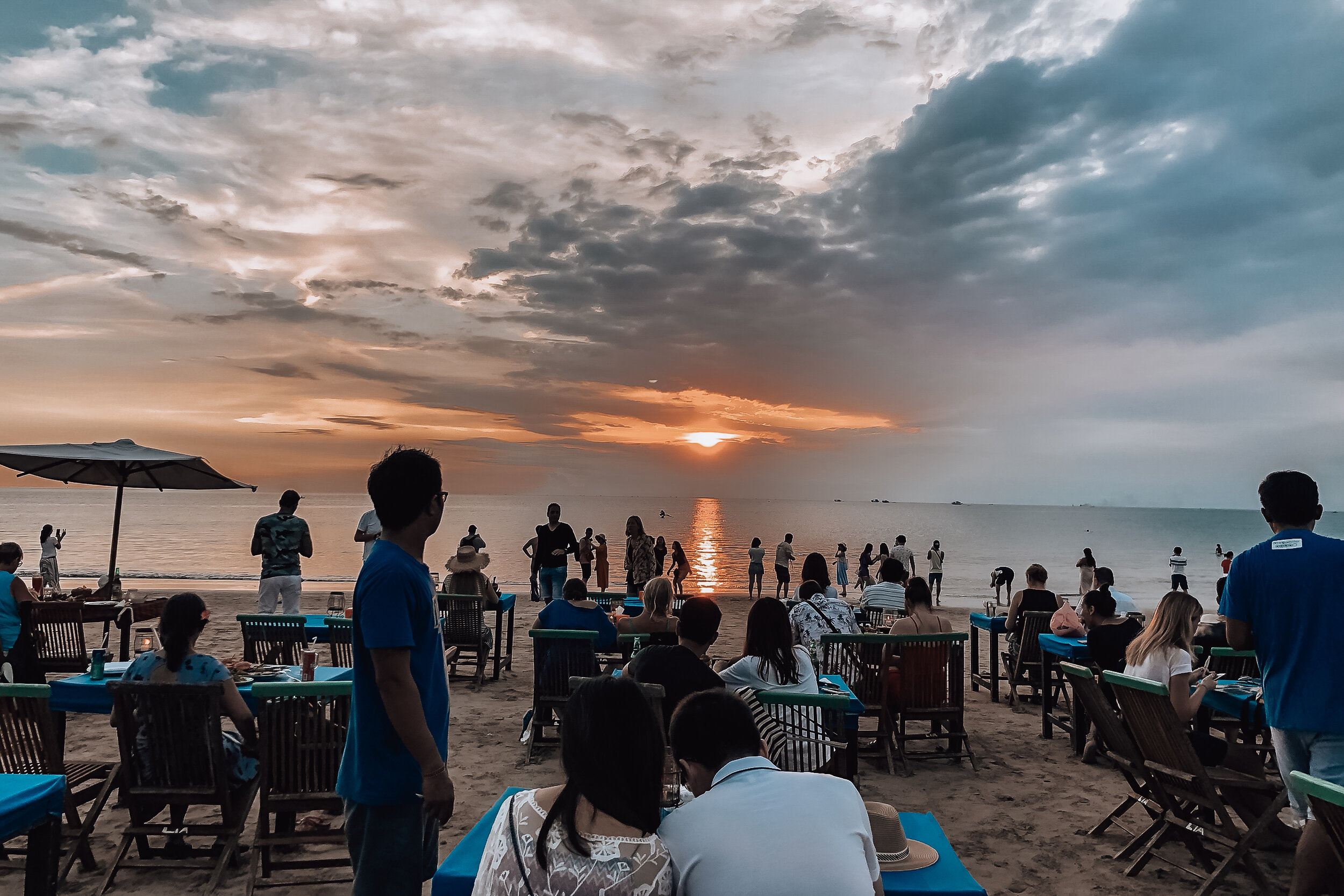
Eat Jimbaran Seafood. Jimbaran Beach is home to a finishing village lined with restaurants and sheds grilling all kinds of freshly caught and live seafood. The seafood is cooked over large grills burning coconut husks and fanned by the chefs. The selection is vast and ranges between vendors. We shared a platter of whole crab, prawn, barracuda and oysters plated on a banana leaf.
The best options are towards the south end. The seafood is cheaper, you can dine directly on the beach and the vibes are much better. We ate here during our last night in Bali, watching the sunset one last time over the Indian Ocean while being serenaded by an international mariachi band that could sing songs in your language based on your nationality. Avoid the higher-end restaurants towards the north, they’re tourist traps.
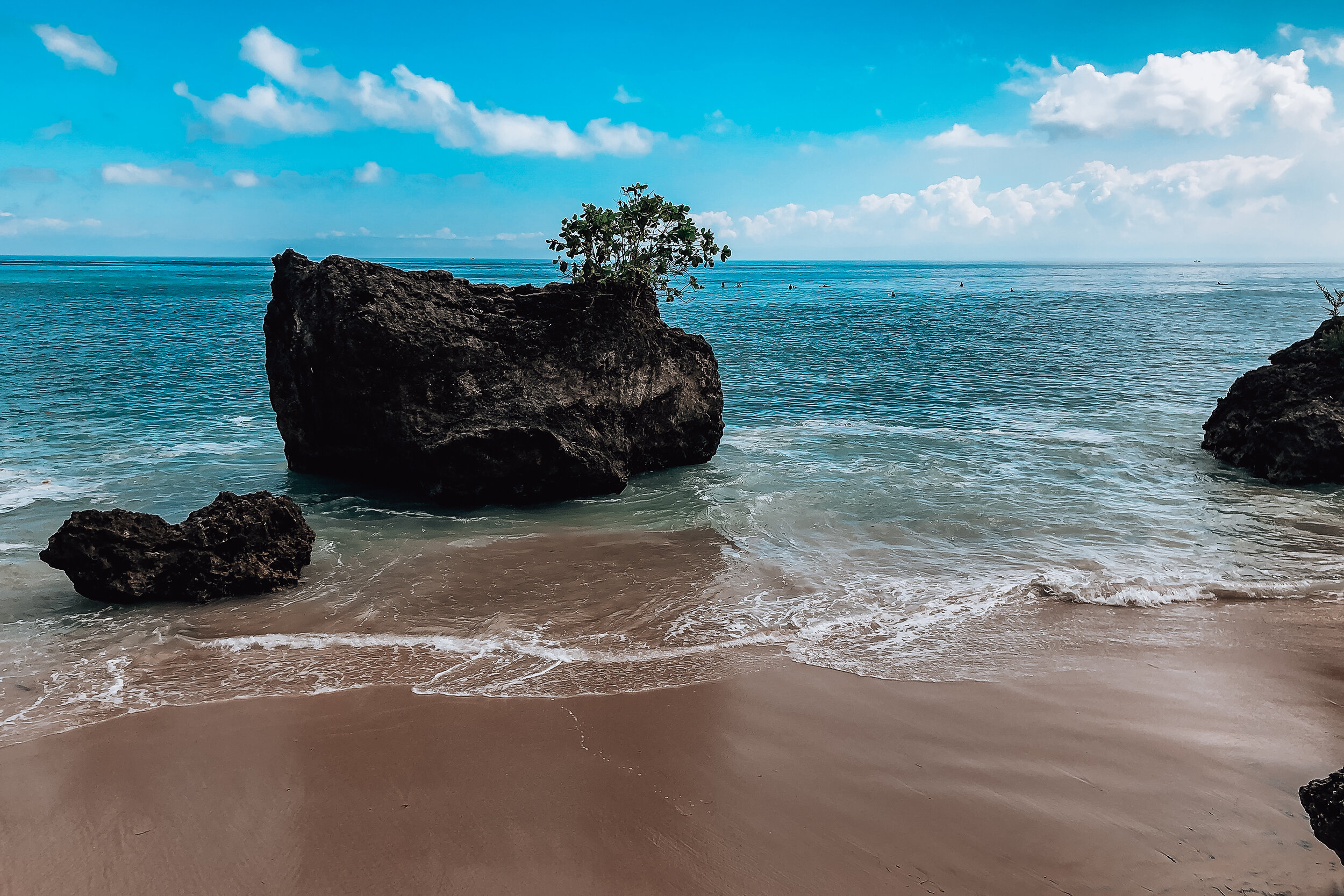
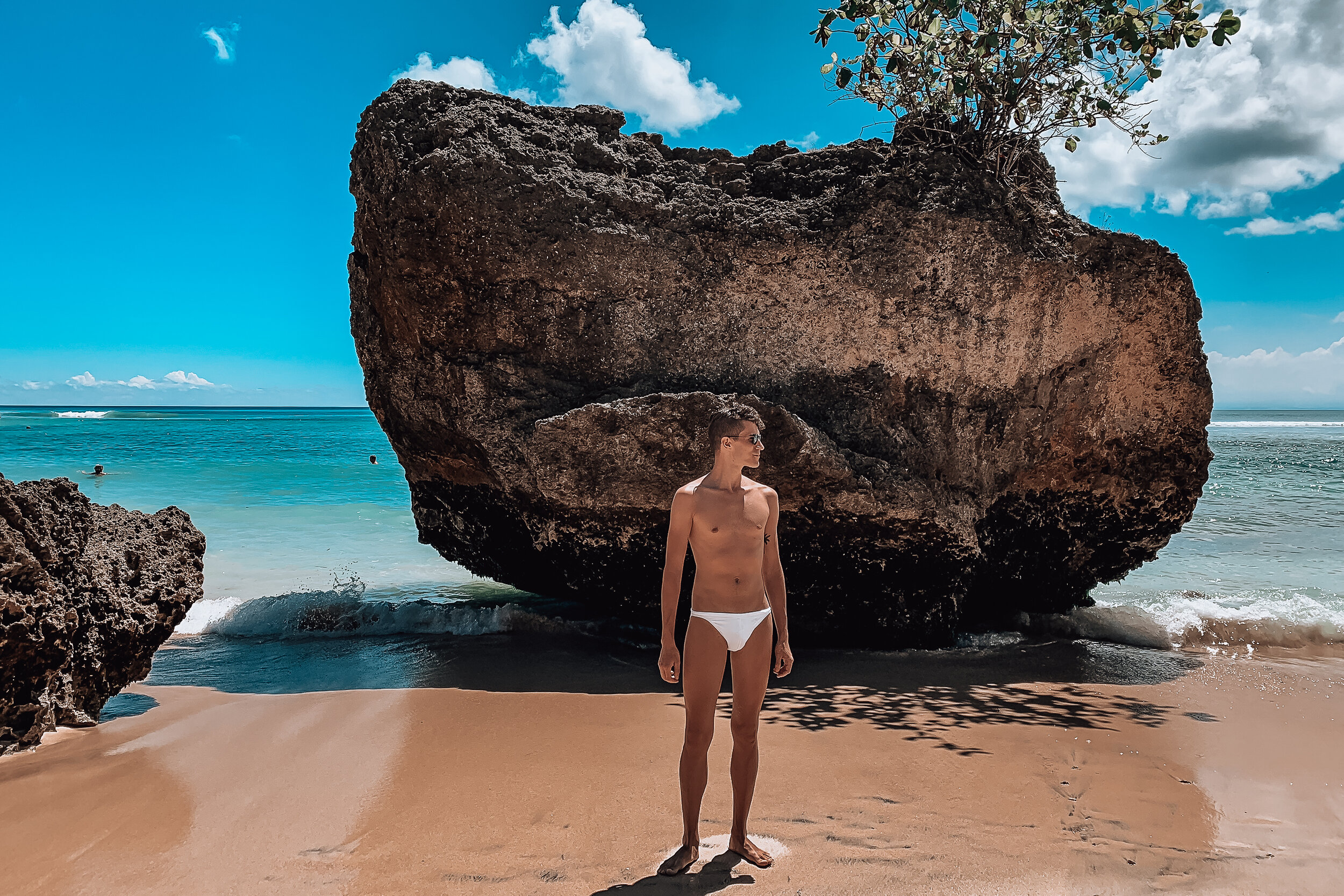
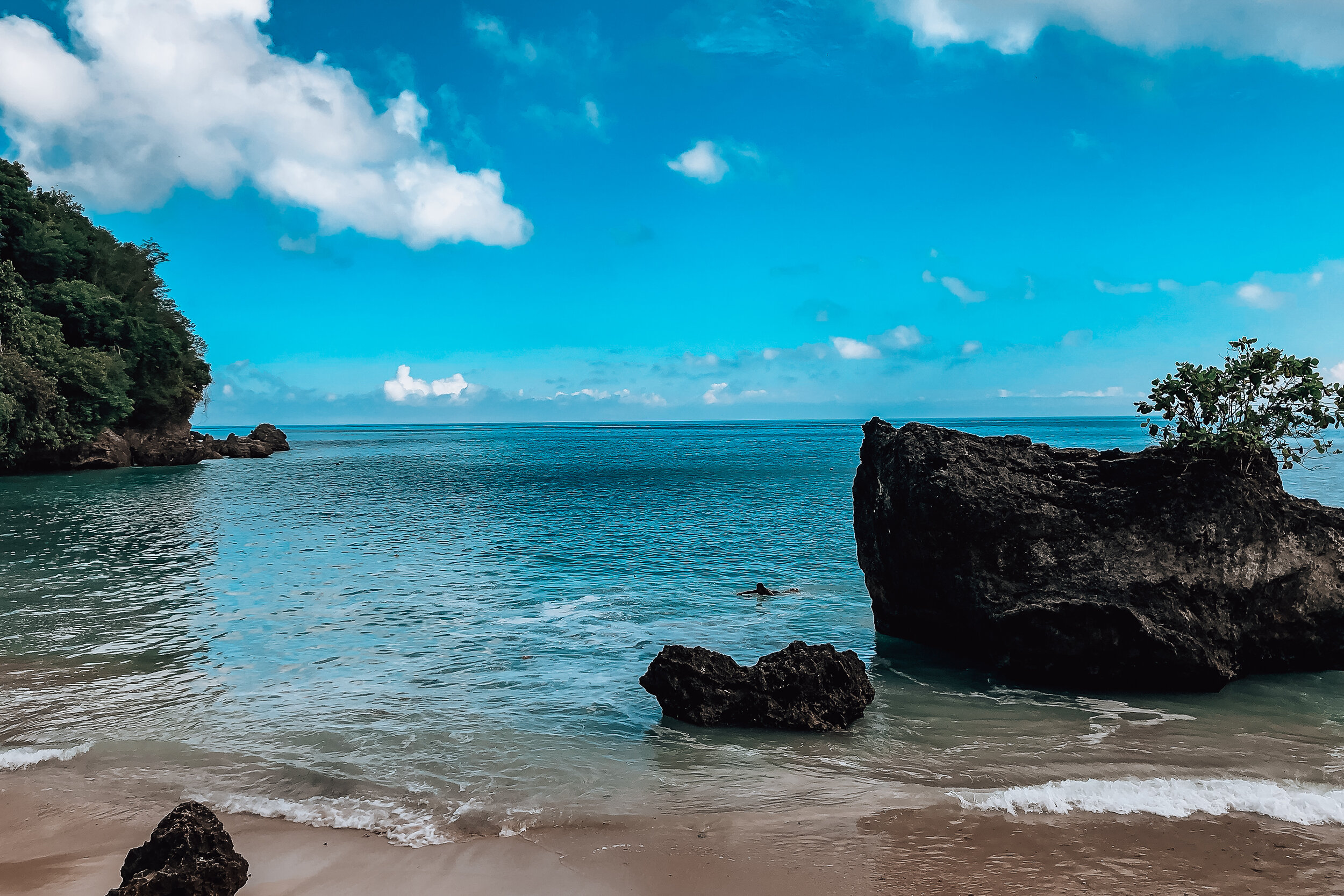
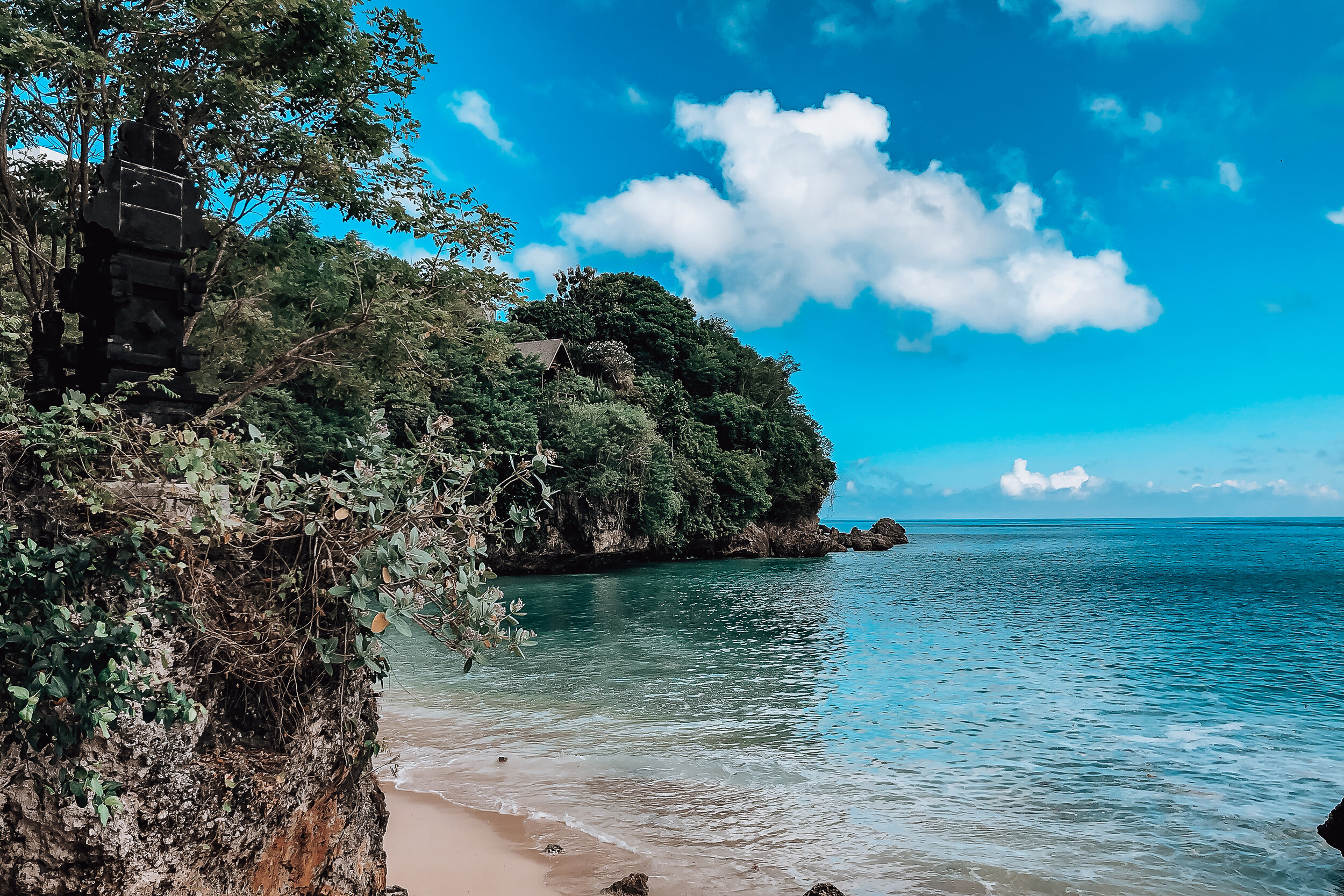
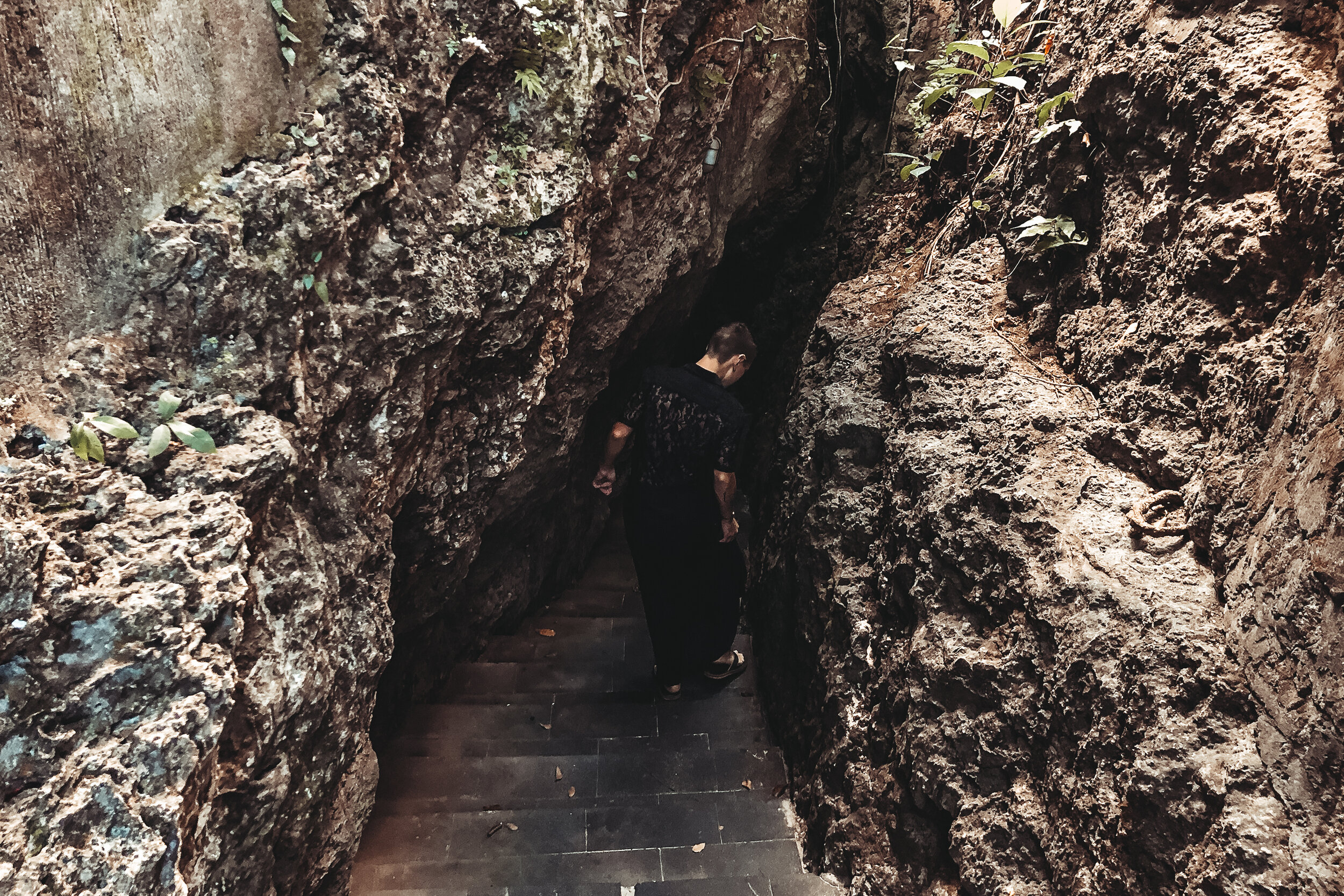
Padang Padang Beach. We visited a lot of beaches in Bali but this was one of our favorites! The small beach is nestled in a cove with protection from ocean currents making it easily swimmable.
It’s accessible via a set of stairs built within the crevice of the cliff above. There is an entrance fee of 10K Rp (less than $1 USD) Watch out for monkeys on steps and near the tree line along the beach. Like in the monkey forest, they’re mischievous and will try to snatch your belongings.
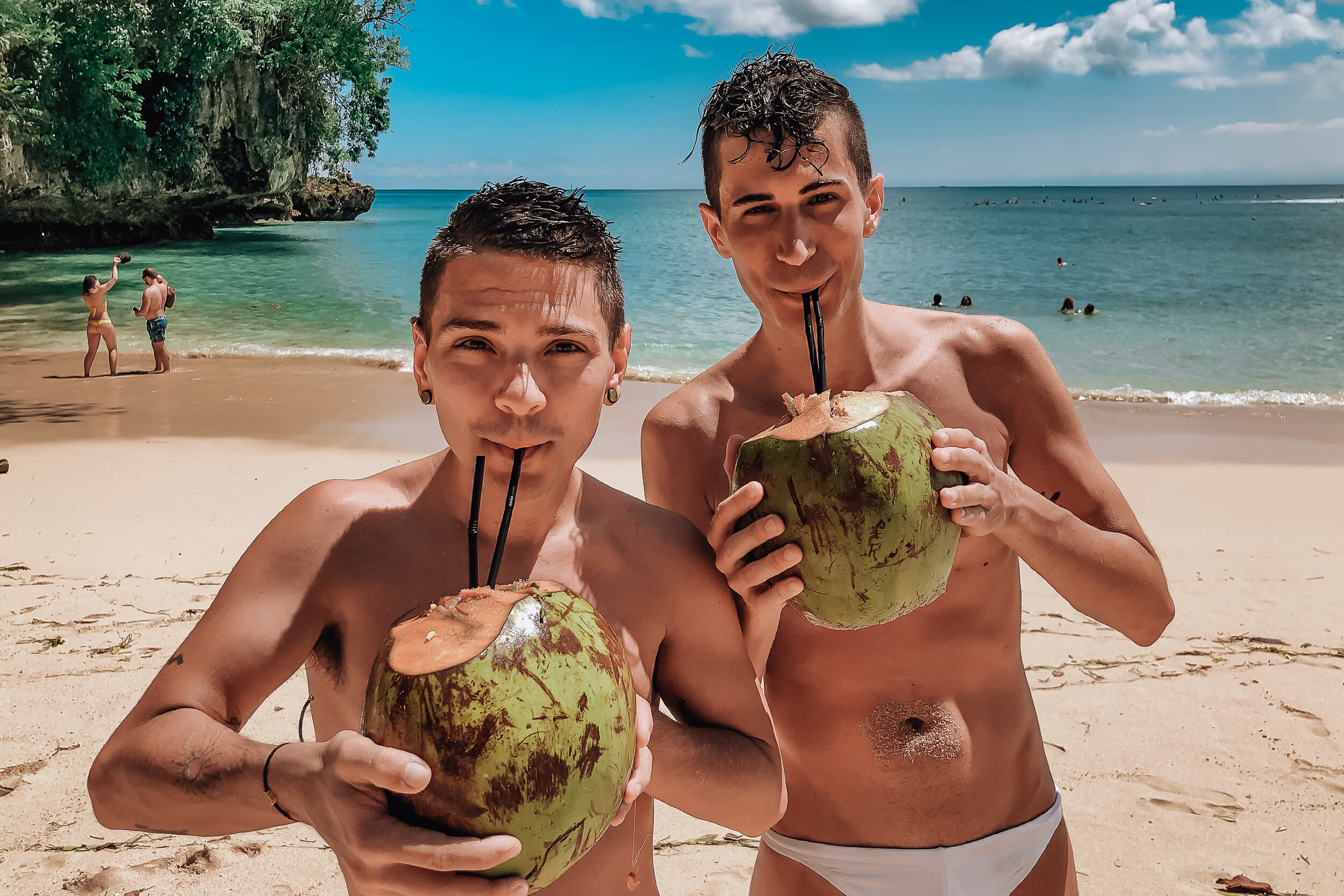
The beach is great for sunbathing with little shade, though you can rent an umbrella for 100K Rp ($7 USD). There are a number of warungs to grab a meal and vendors selling fresh coconuts to drink out of. Afterwards, they’ll chop them open for you to eat the meat from.
Nyang Nyang Beach
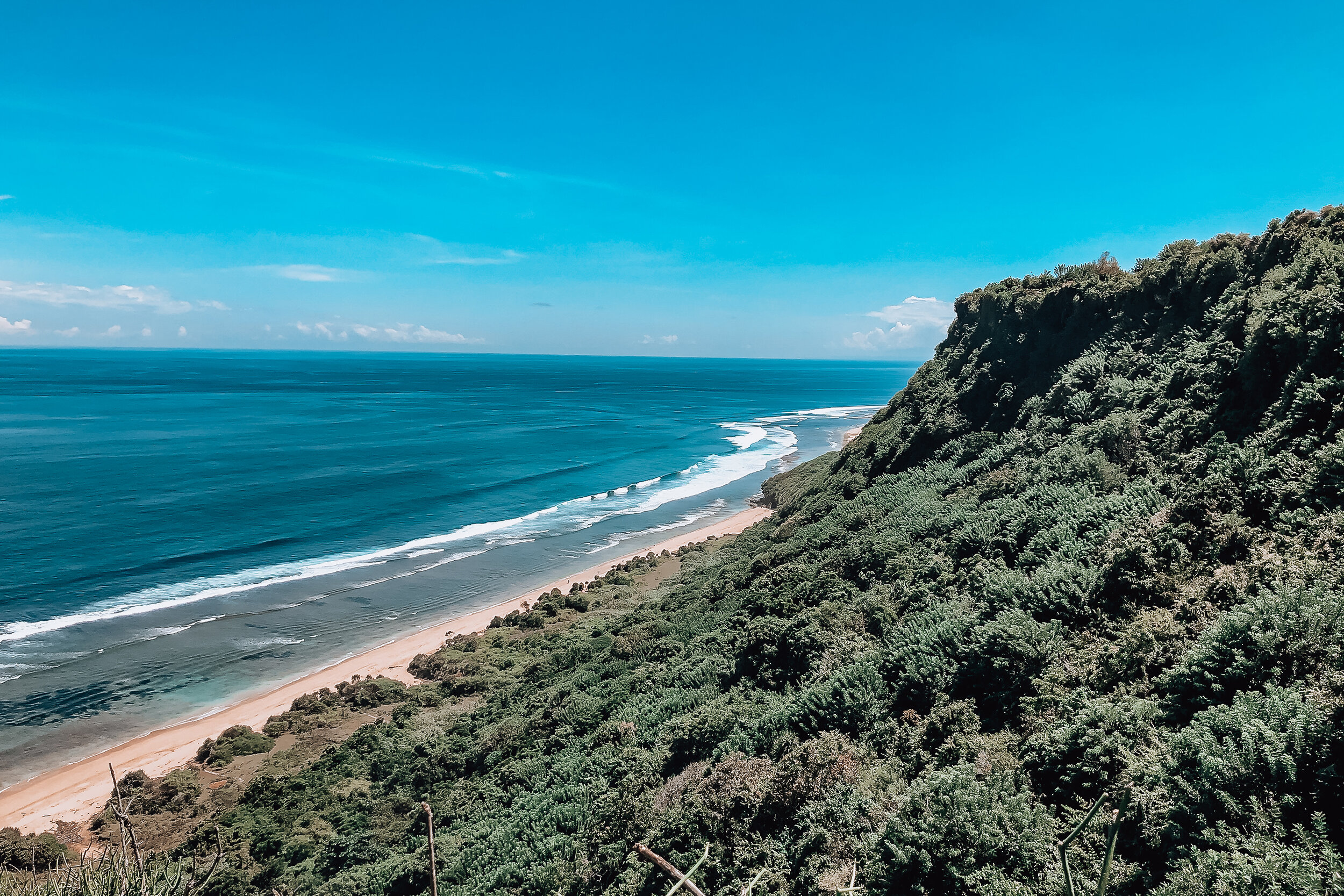
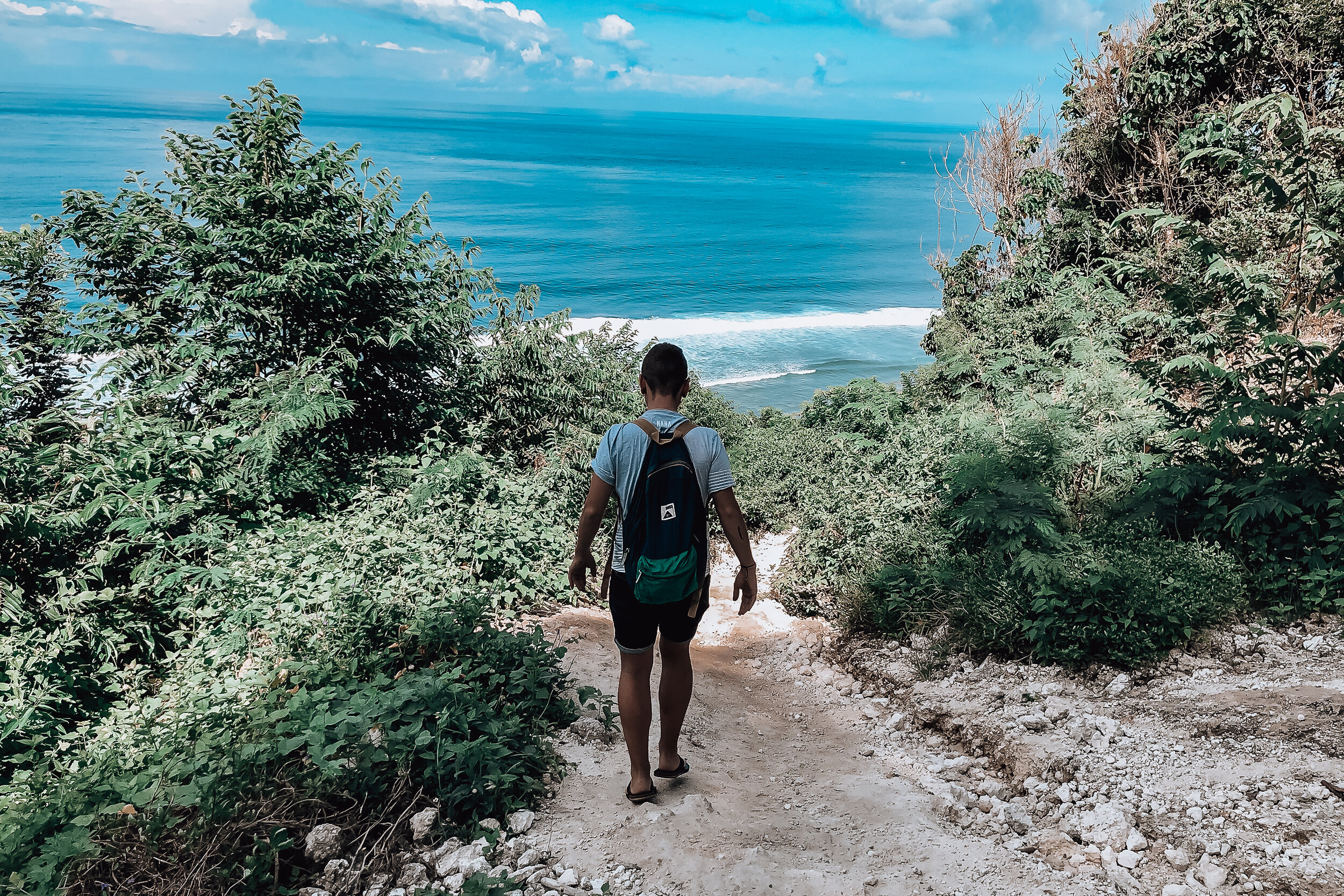
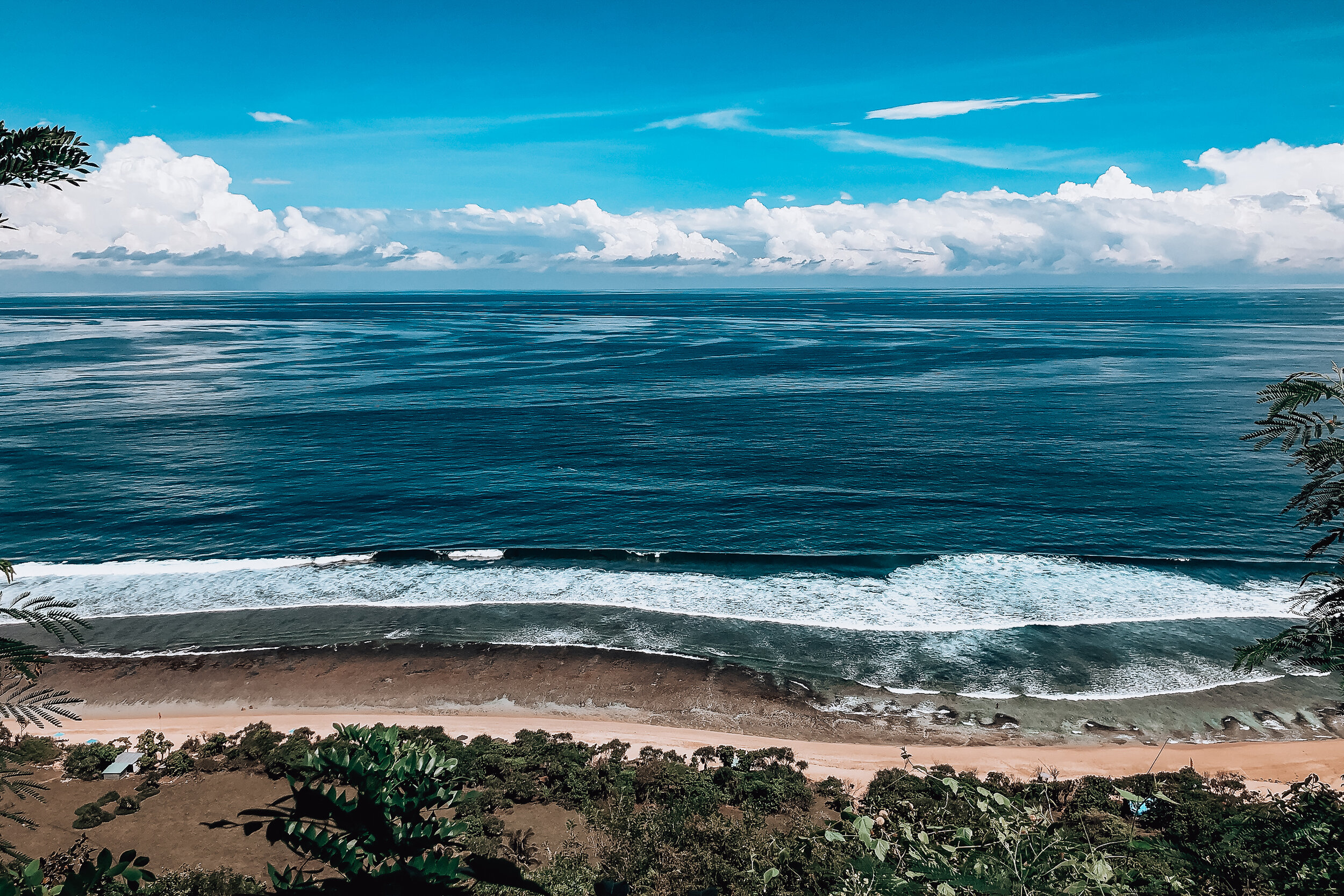
This remote beach takes a little effort to reach. If you enjoy hiking followed by a reward, this is the perfect spot for you! The beach is divided into 2 sections, the East and West sides. There is also a nearby paragliding camp offering flights from above the beaches.
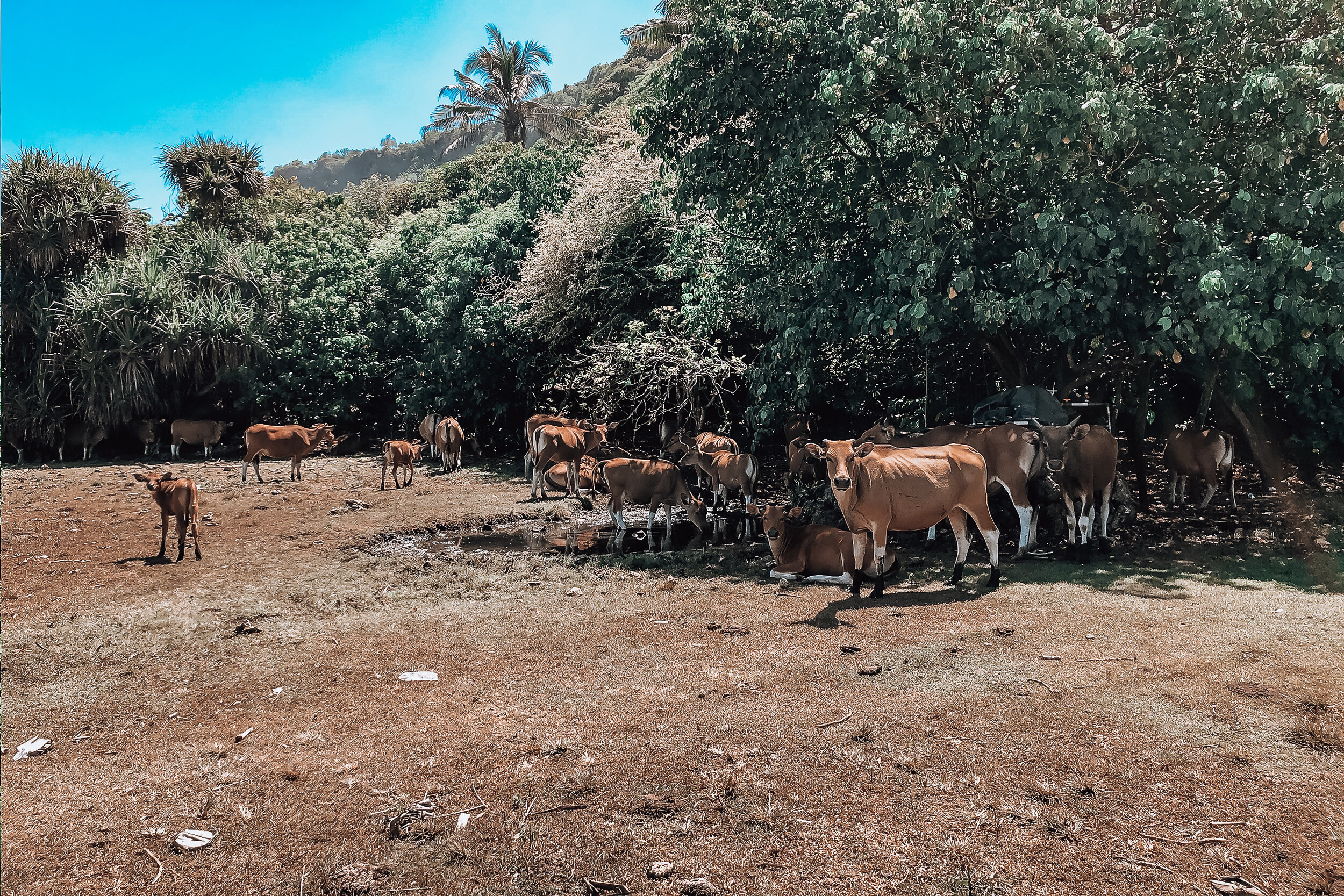
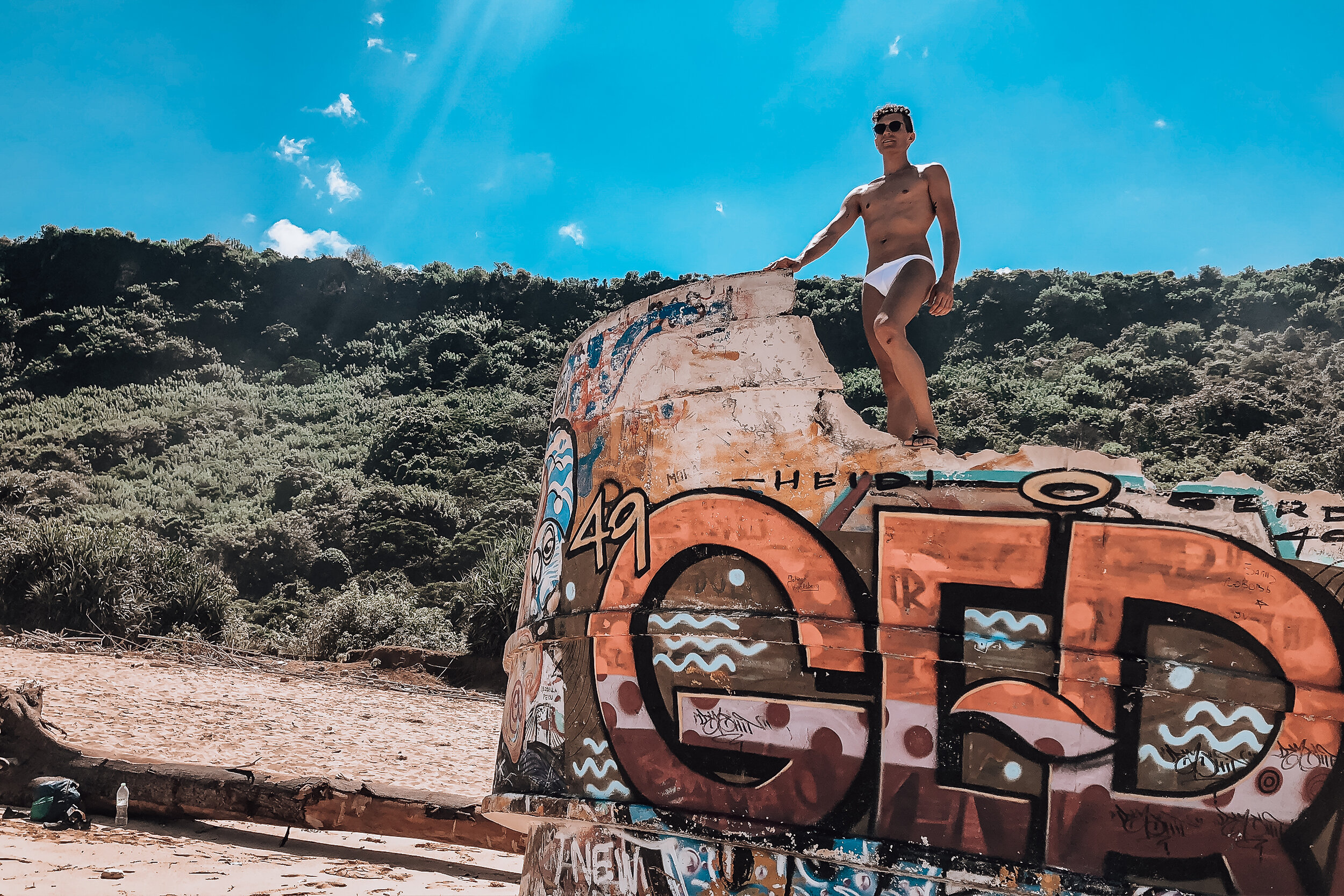
East Side. The sandy beach and shallow waters are perfect for swimming and lounging in. There are also a couple of warungs selling beverages, snacks and offering a shaded retreat from the sun. The most notable sight on the beach is the graffitied remains of a washed up shipwreck. The beach is accessible via a lush cliffside trail behind the Villa Plenilunino. There are a number of warungs along the trail to stop for a meal and drink. Once you reach the bottom, you’ll have to pass through a grassy field with a heard of grazing cows before reaching the beach. It’s best to avoid getting close to or startling them.
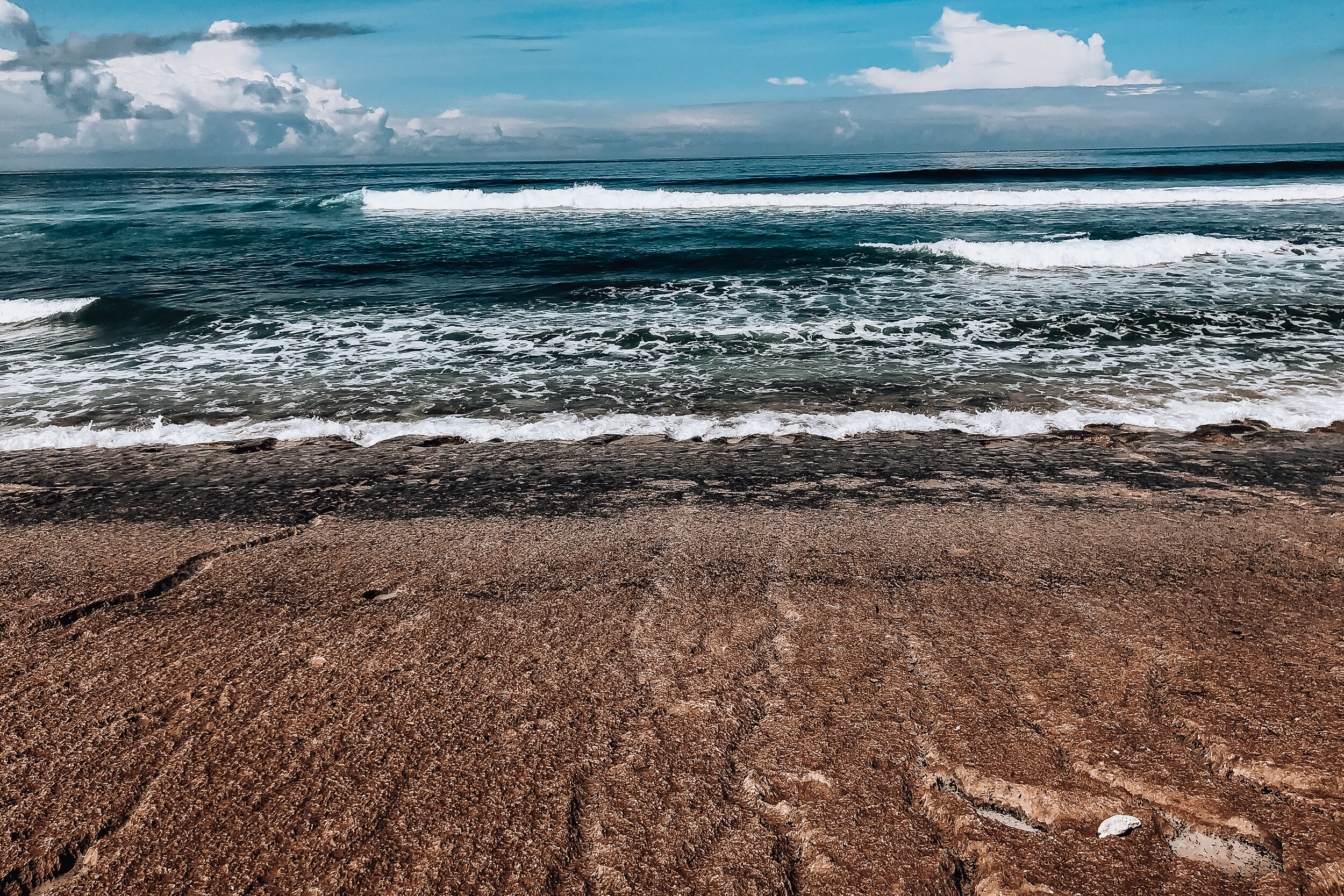
West Side. This beach is perfect if you want total seclusion. There are no warungs, so bring your own food and water. The sandy shoreline transitions to bedrock at the water. This combined with the waves and currents make it dangerous for swimming. Though the seclusion and sound of crashing waves makes this beach feel like your own personal desert island. The beach is accessible via a steep gravel roadway just beyond the parking lot adjacent to Nyang Nyang Warung.
Before You Go. Plan the section you want to visit. Both sides are separated by a 500ft stretch of jagged rocks covered in large crabs beneath an unstable the cliff. It’s dangerous and near impossible to cross. You do not want to get stuck here when the high tide comes in. Bring a bag to collect plastic. Due to the beach’s southern most point, the ocean currents often litter the shoreline in plastic waste.
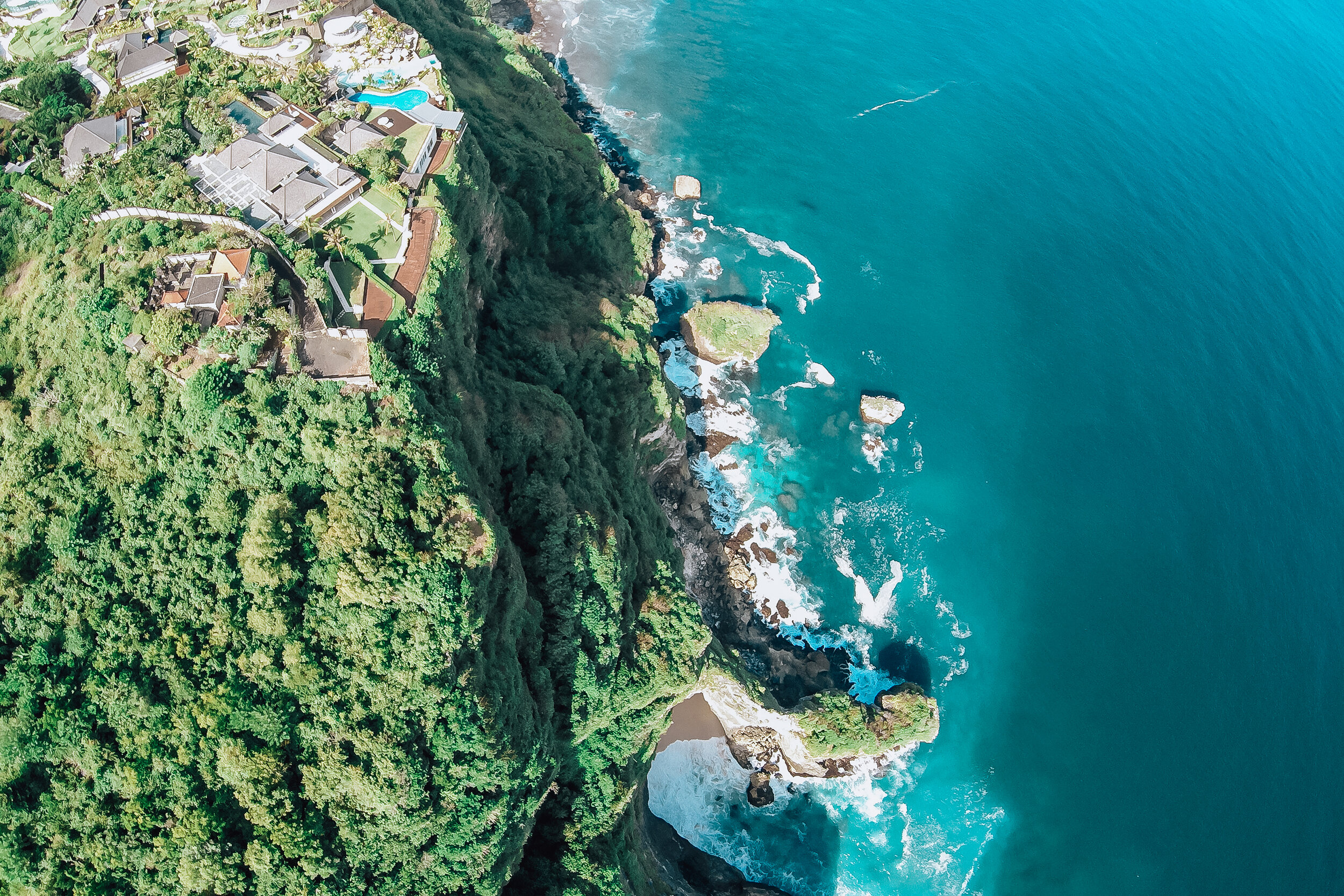
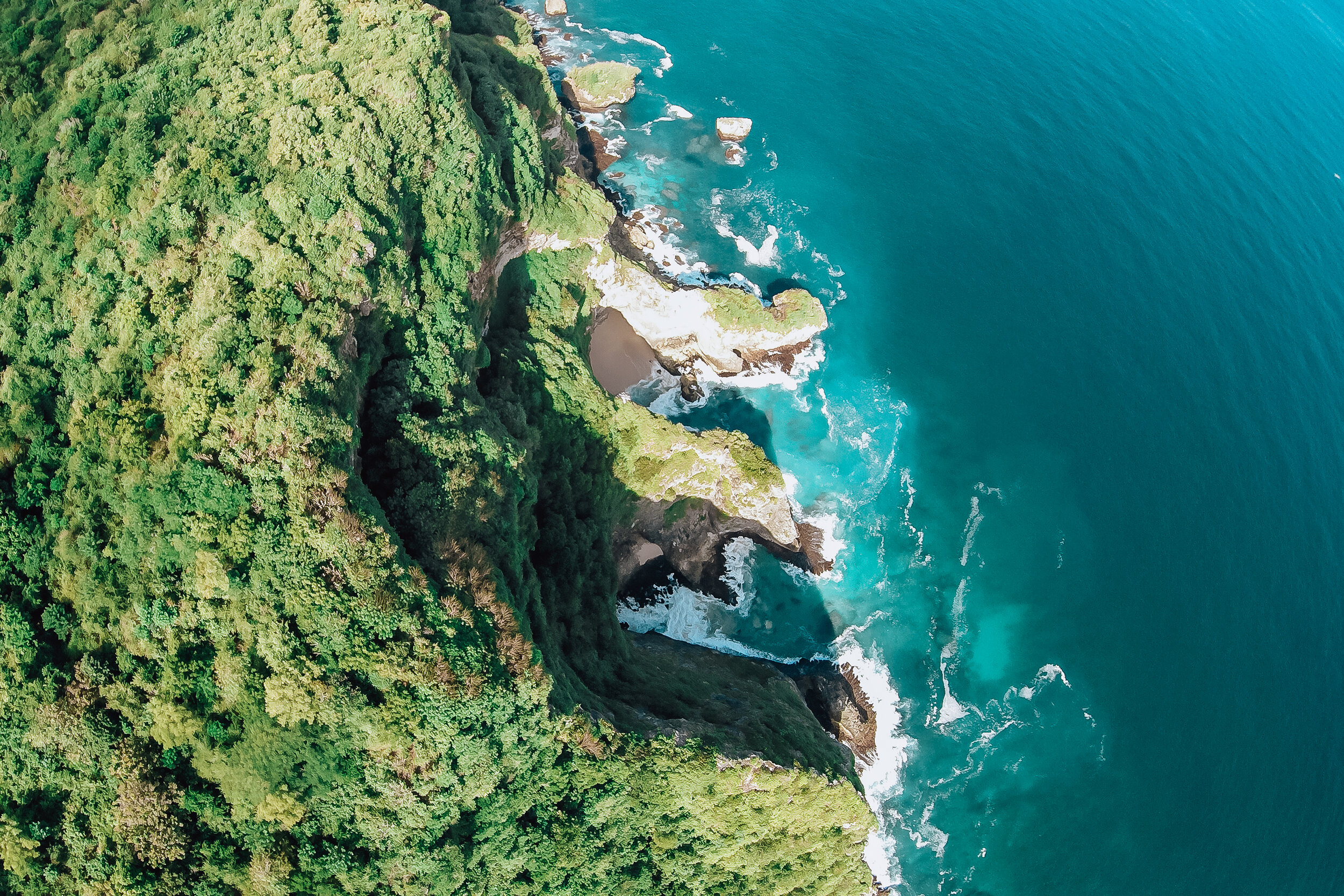
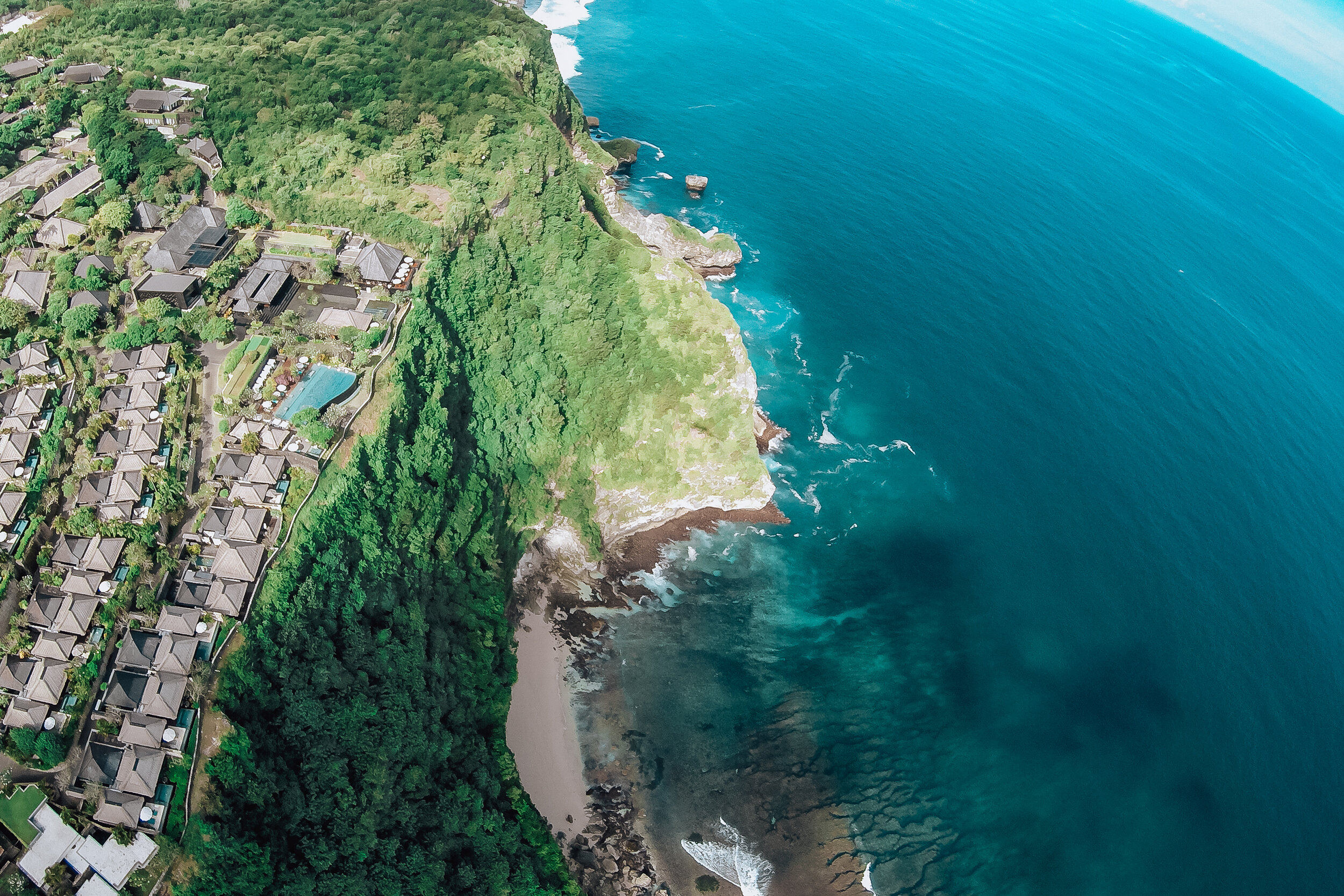
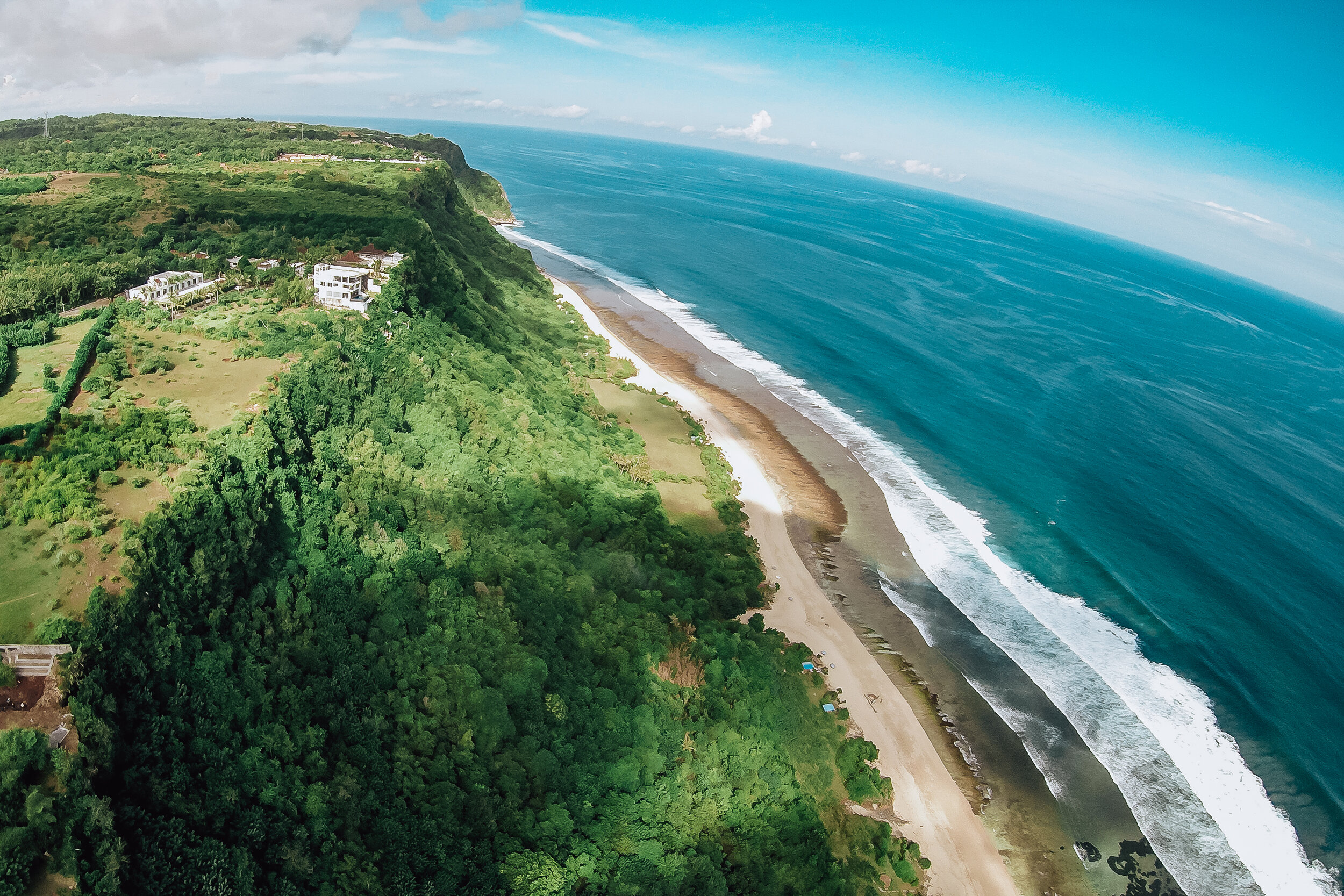
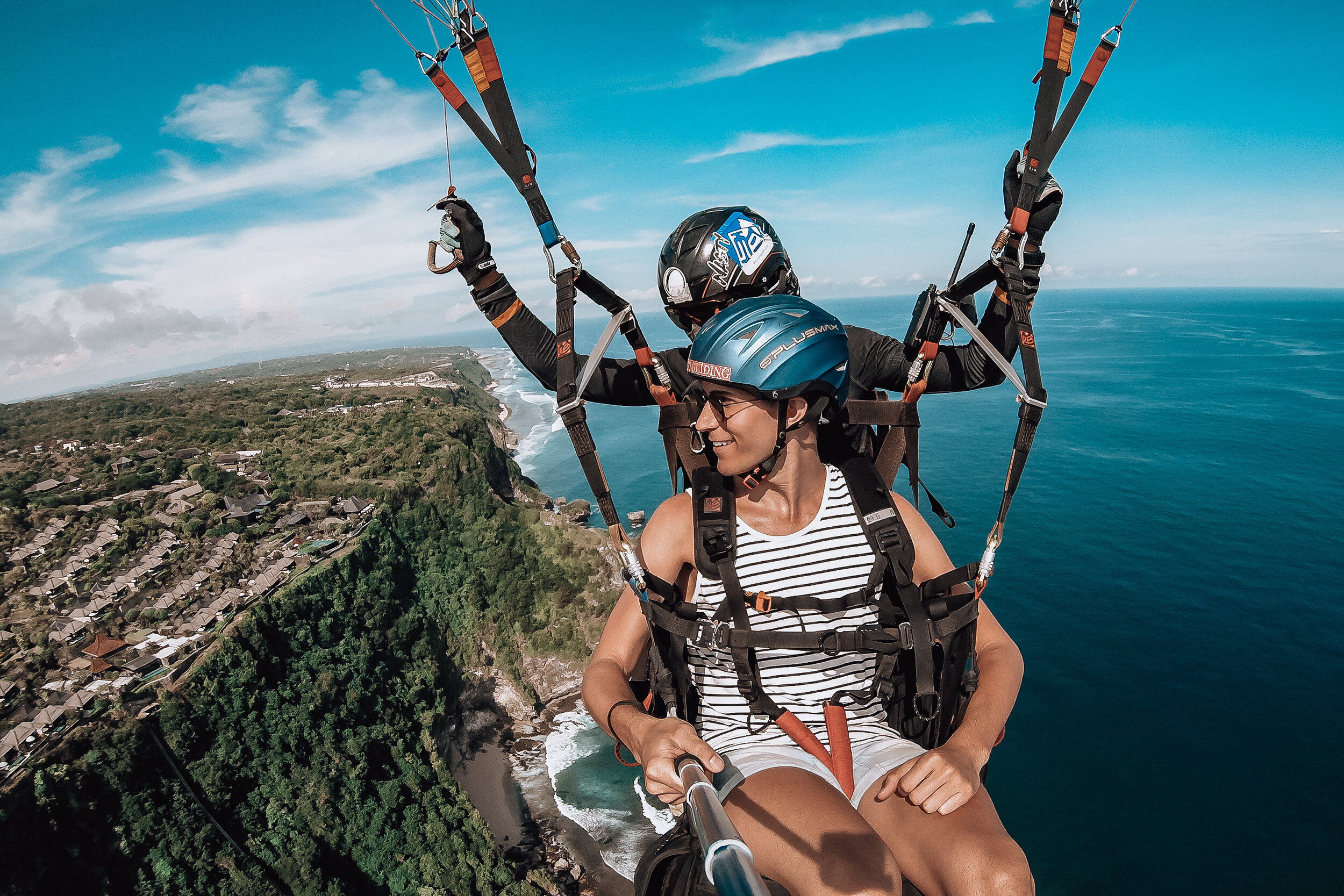
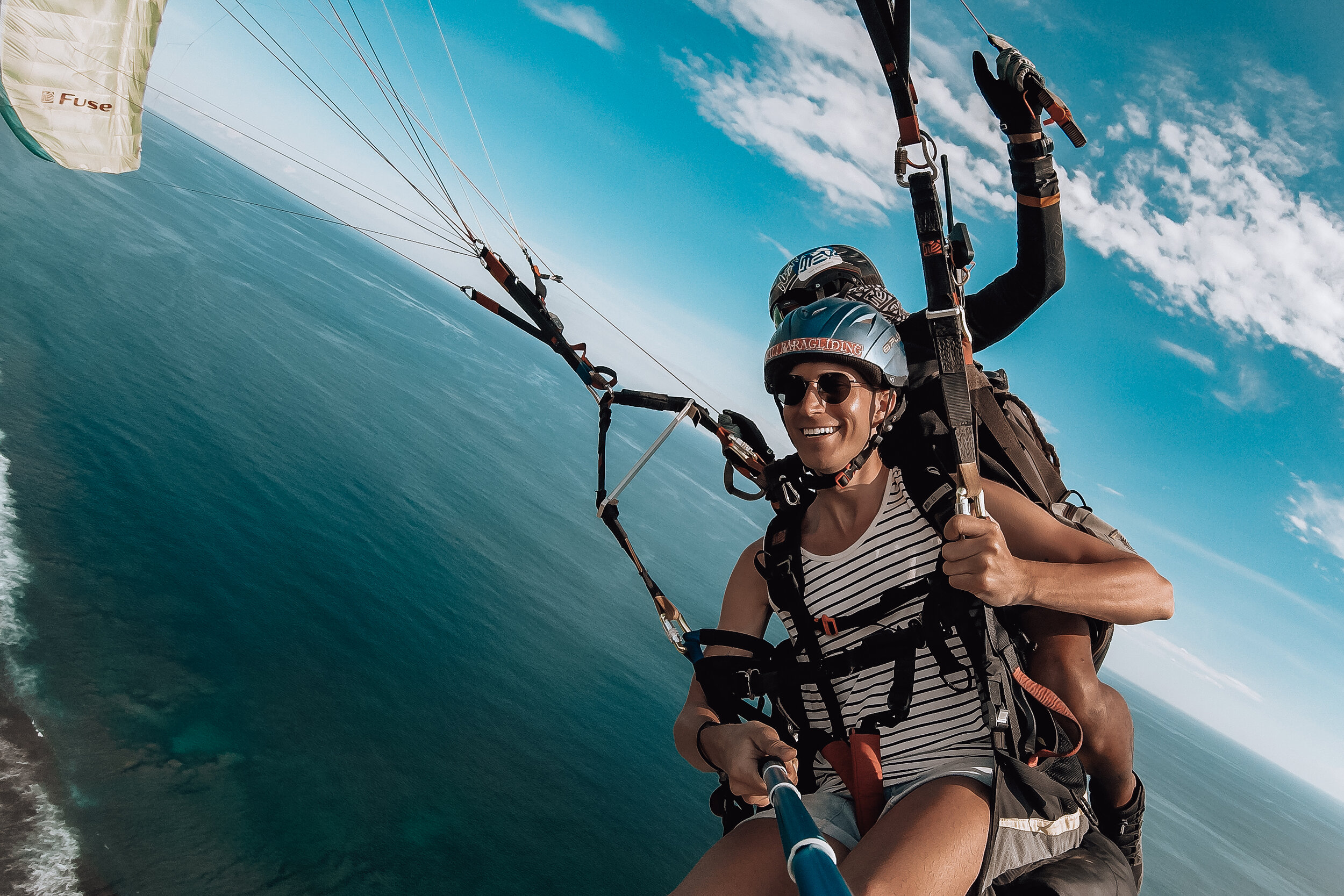
Nyang Nyang Paragliding. The southern winds hitting Nyang Nyang’s cliff make it an ideal spot for paragliding. We took a 20 minute tandem flight that soared several hundred feet above the coast. If the conditions are right, the pilot will perform some aerobatics such as spiraling and spinning the parachute. The cost is 900K Rp ($63.50) including go-pro photos and videos. Be ready to go as soon as you arrive. It was a little terrifying but within minutes, we were strapped in and lifted into the air. Opposite of this, you may have to wait if the winds are too weak.
Good to Know
Currency & Pricing
You can easily be a millionaire in Bali. 1,000,000 Rp converts to about $71 USD.
Money is qualified in the thousands. Many restaurants and businesses will drop the extra zeros on menus and price tags. For instance something costing 56,000 Rp may be listed as 56.
Carry a lot of smaller bills (5K, 10k and 20K) with you for donations and small fees.
Tipping is usually included in the bill under service. Anything extra is not expected.
Many beach clubs have entrance fees to reserve a table which is given back as a credit for food and drinks.
When exchanging cash or cards, use both hands out of respect.
Safety & Awareness
Bali is generally a safe place to travel too.
The biggest dangers in Bali are traffic and natural disasters.
You need to be alert and careful if driving a scooter or crossing a road.
Bali is a volcanic island and prone to earthquakes. The safest thing to do if one happens is to move to an open area. If you’re in a building, move to the center of a street. If you’re hiking or under palm trees, move to a clearing to avoid falling rocks and coconuts. Always cover your head.
After an earthquake, it’s best to leave the beaches and stay alert for tsunami warnings.
Move to higher ground if a tsunami warning is issued. Most areas have coastal evacuation routes.
Be aware of currents and waves while in the water. Most beaches will post warnings.
Language & Phrases
Bahasa Indonesian is the official language in Bali however many people know English.
People will often introduce themselves and bow their head when meeting you. You should reciprocate the response and gesture.
Common greetings we heard, especially from strangers or passersby are:
Hi. Where are you going?
Hi. Where are you from?
These greetings are often said to start conversation.
Common phrases:
Sukseme = Thank You
Sama Sama = You’re Welcome
Selamat Pagi = Good Morning
Selamat Siang = Good Afternoon
Selamat Sore = Good Evening
LGBTQ+
Bali and The Gilis are very LGBTQ+ friendly compared to the rest of Indonesia where being gay is punishable under the nation’s strict laws. Though it’s best to be cautious you likely will not run into any trouble, especially in the more westernized neighborhoods such as Canggu or Seminyak. The latter is home to pockets of LGBTQ+ nightlife and businesses.
If we had more time…
Like we said earlier on, there are near endless things to do and see in Bali. This guide should attest to that ;) Bali is definitely one of those destinations that you’ll want to return too! When we do, these are a number of the things we’re planing to seek out.
Nusa Islands
Full day tour visiting Manta Bay to snorkel and swim with the Manta Rays.
Hiked to Kelingking Beach on Nusa Penida. The beach is famous for its T-rex shaped peninsula and beach during low tide.
Cliff Diving on Nusa Ceningan and Nusa Lembongan
West Bali
Roadtrip - Drive west and explore the coastal and jungle towns
West Bali Park - A largely untouched wildlife refuge and jungle.
The Gilis
Spent more time exploring Gili Air and Gili Meno
Taken a 3 day scuba certification class at one of the diving schools then explored the further out reefs
Bukit Peninsula
Explored more cliffside beaches: Suluban, Balangan and Green Bowl.
Visited Uluwatu Temple, one of Bali’s most sacred. Perched on the island’s southern most cliff, It’s believed the Hindu gods, Brahma, Vishnu, and Shiva become here.

Ubud, Bali
Ubud is the adventurous & cultural heart of Bali. Come for the lush landscape, expansive rice terraces & temples.

Ubud
Ubud is the heart of Bali. It’s a place for all kinds adventurous activities and cultural experiences. The area is defined by its lush jungle landscape, expansive rice terraces and Hindu temples. We spent several days here and could have easily spent weeks exploring and discovering places to visit and see.
Eco Tourism
People in Ubud are physically and spiritually connected to nature. They care for their environment, eat, build and farm sustainably. This couldn’t have been any truer than at the eco-community where we stayed, New Earth Haven. Our accommodation was an eco-dome made from bamboo, canvas and thatched palm leaves. The dome was surrounded by rice fields and elevated from the ground. Separately, it had an outdoor shower and compositing toilet.
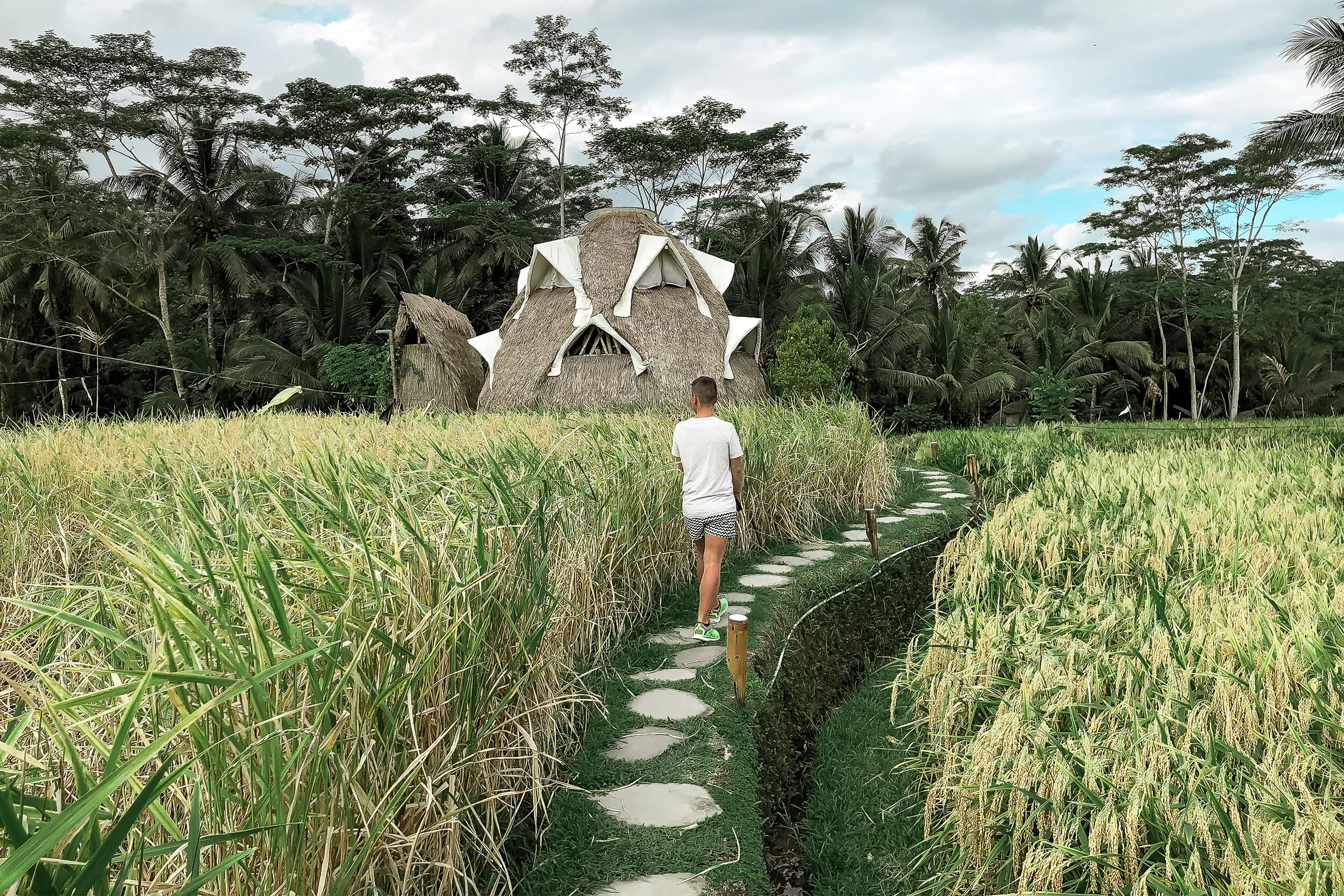
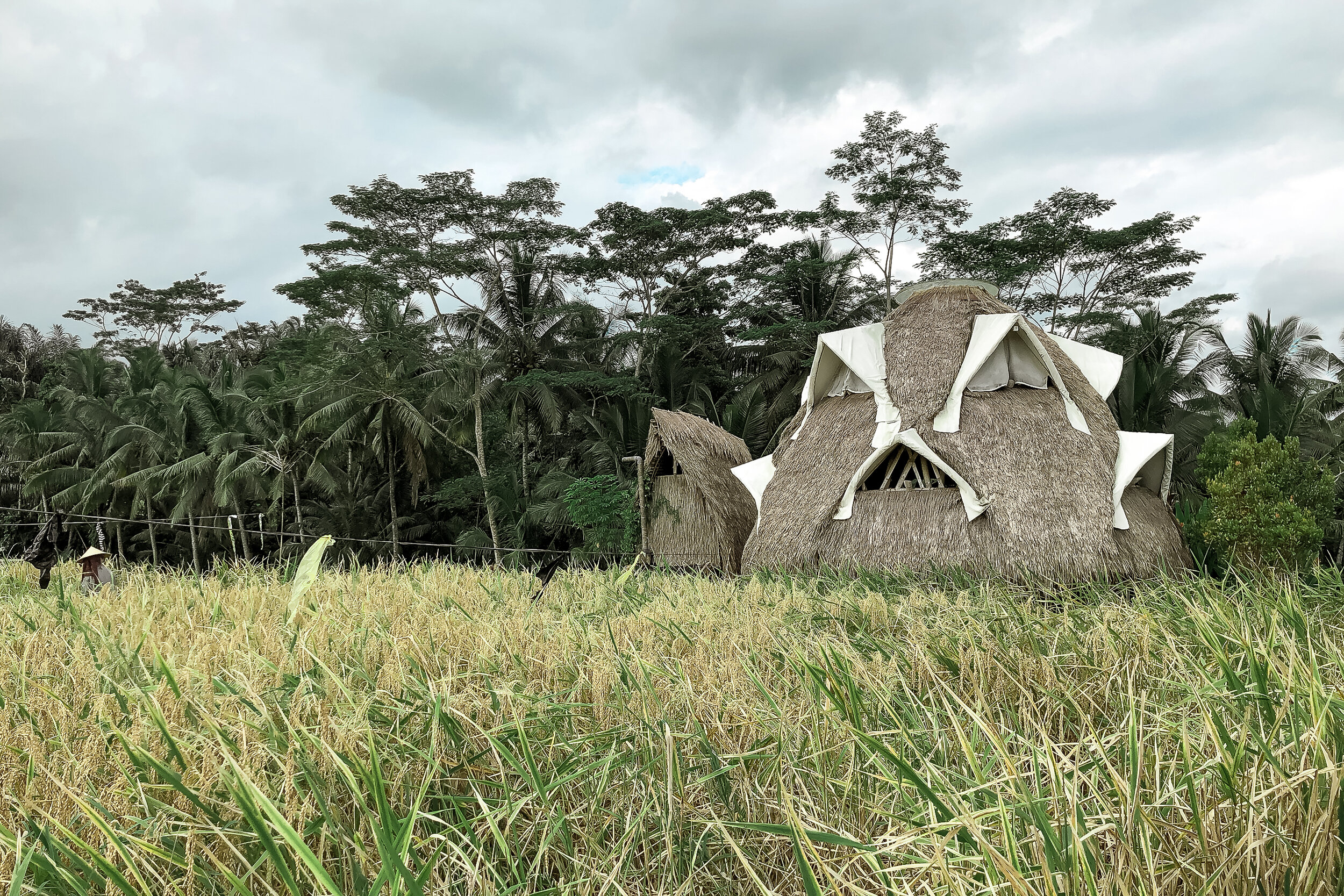
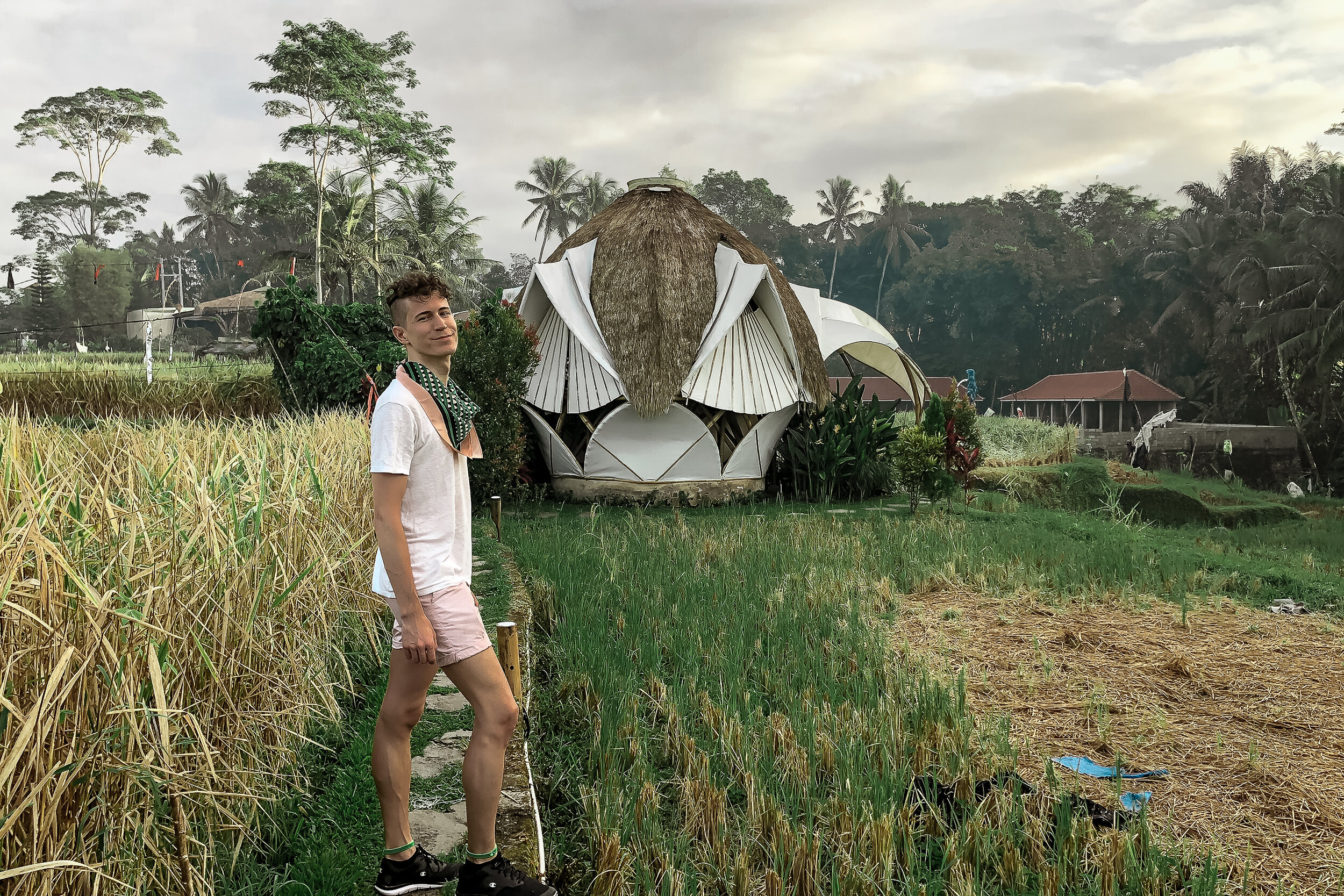
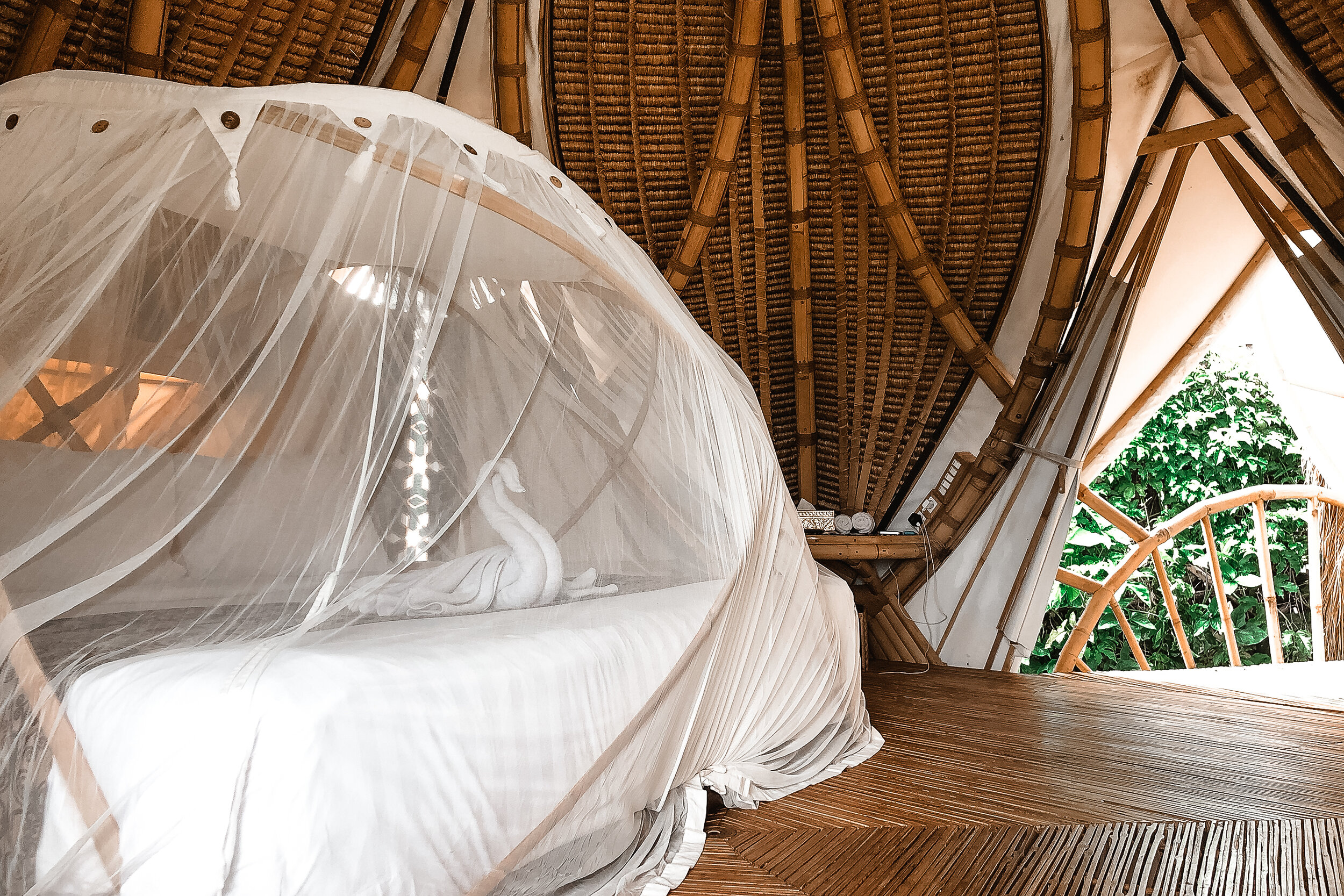
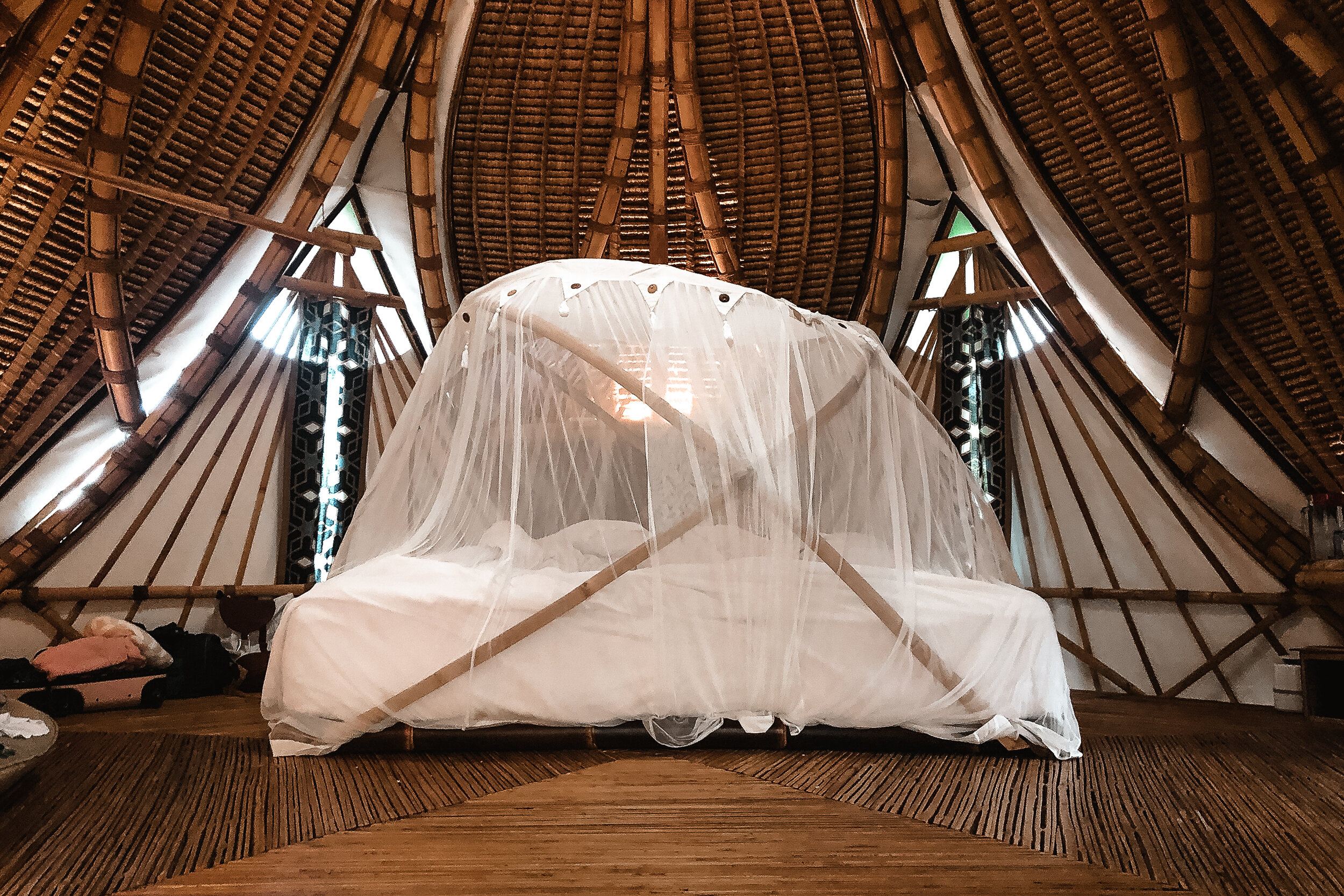
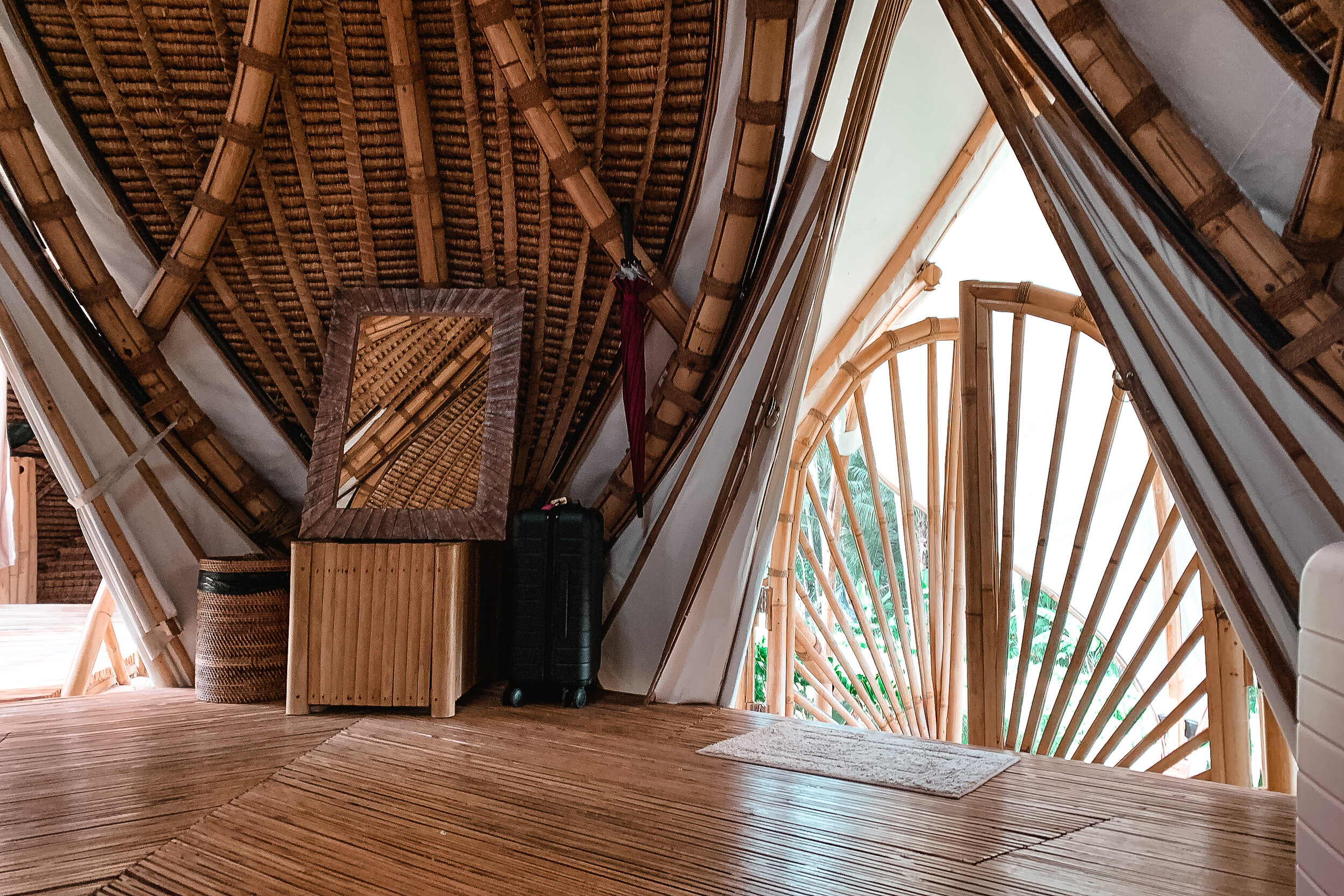
During our stay, we would often wake up to the farmers harvesting rice and herding baby ducks through the harvested plots resulting in natural fertilization. Across the rice fields was Akasha Restaurant. A larger open air bamboo framed restaurant focused on sustainability, vegan cuisine and hosting nightly events and festivals. We enjoyed most of our early morning and late night meals here.
From eco-domes to tree houses or hostels and villas in the rice patties, there are plenty of unique and sustainable places to stay in Ubud.
Getting Around:
Many accommodations in Ubud will help arrange transportation for you, especially to and from other areas of the island. Ubud and the surrounding area is vast and hilly making scooters and taxis the easiest way to get around. We often took Bluebird Taxi, known for its metered service, flat fees and street-side taxi stands.
Things to Do:
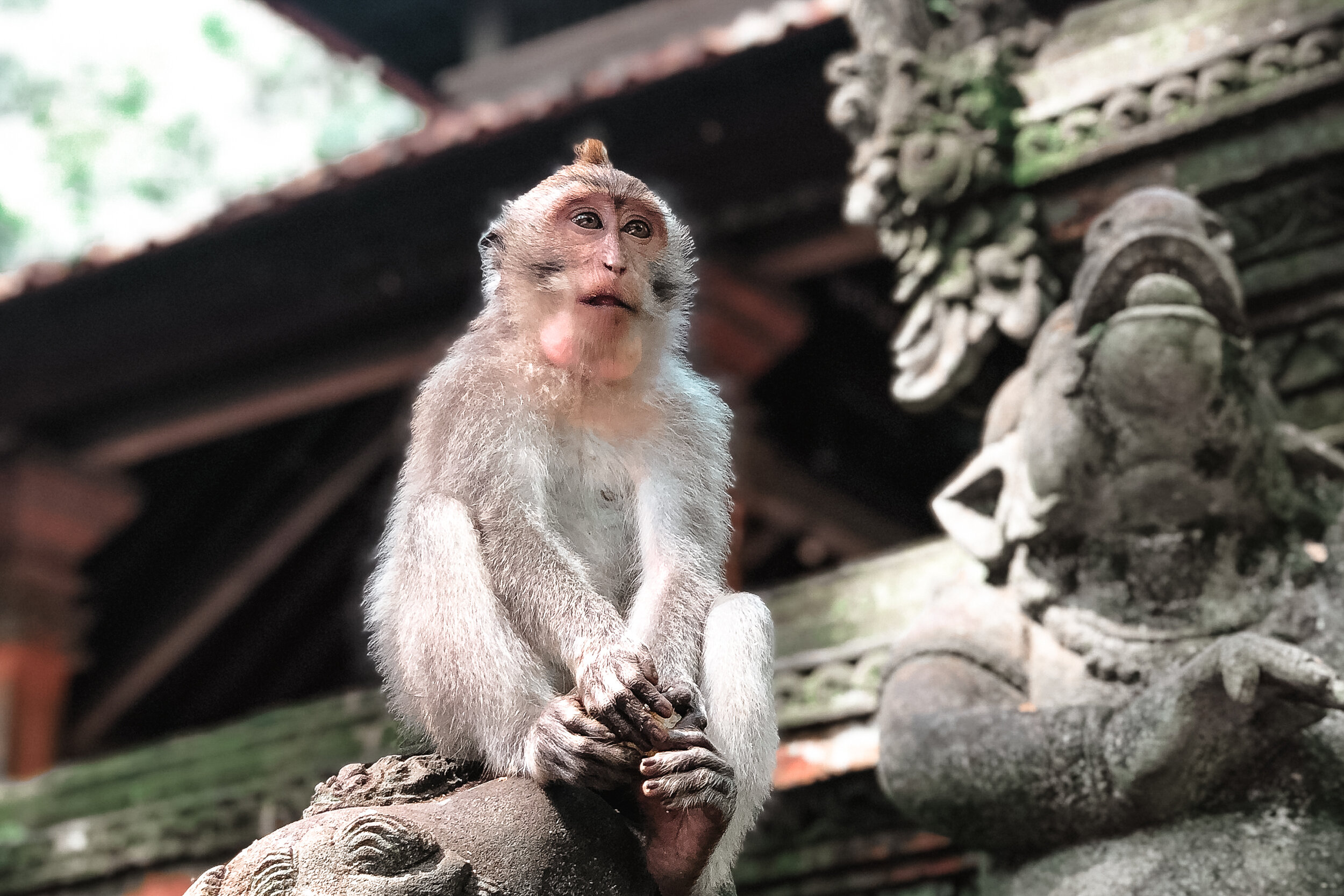
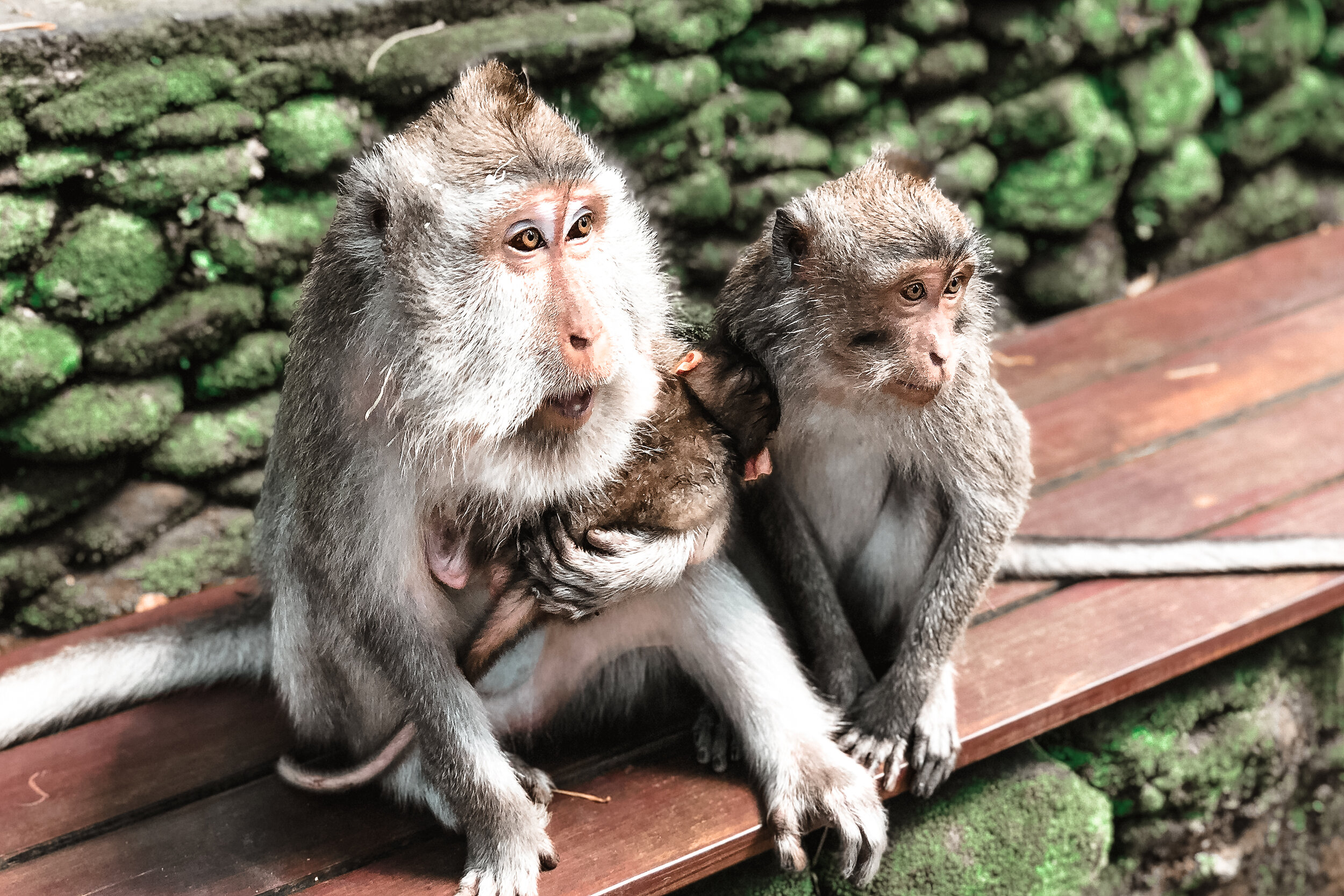
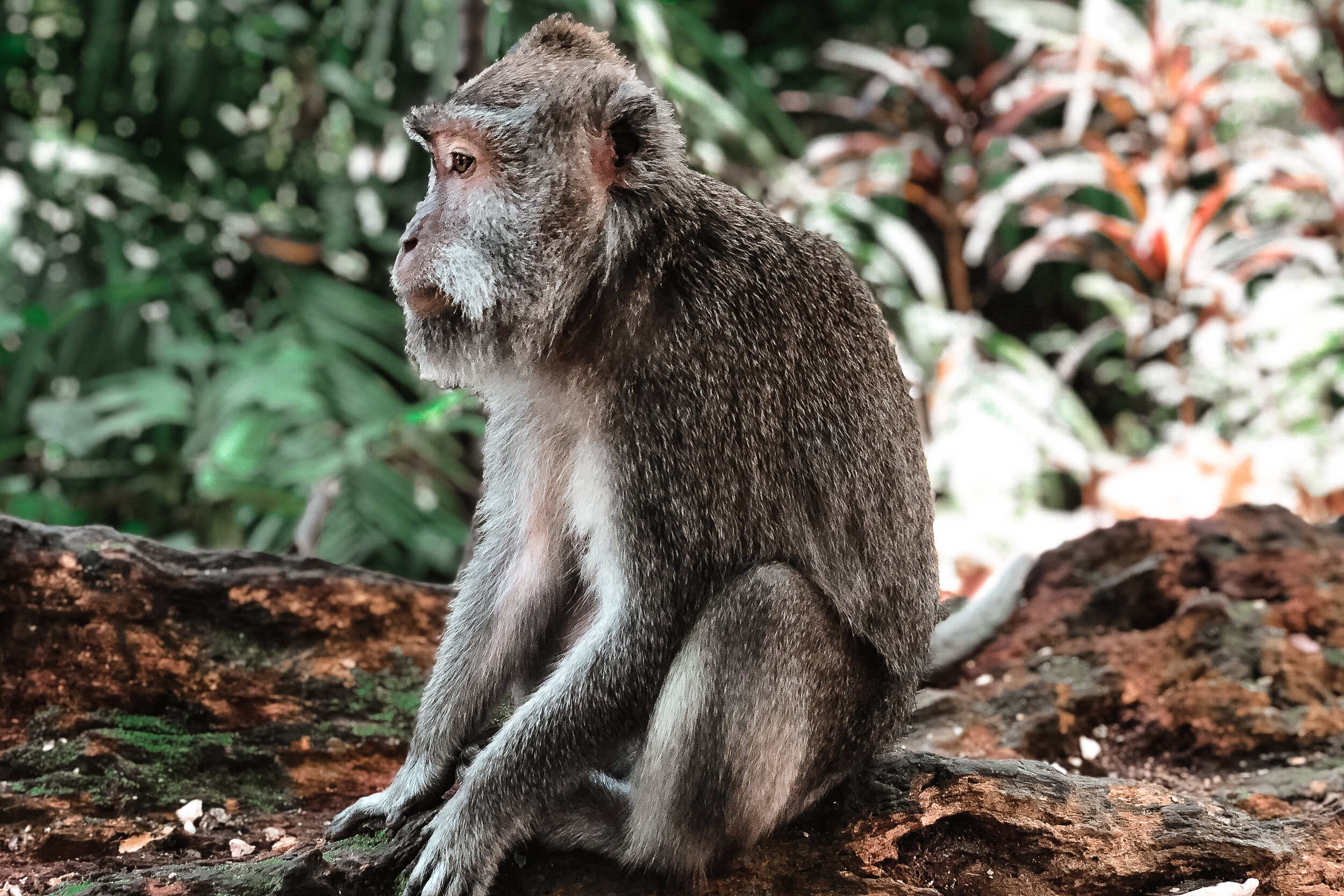
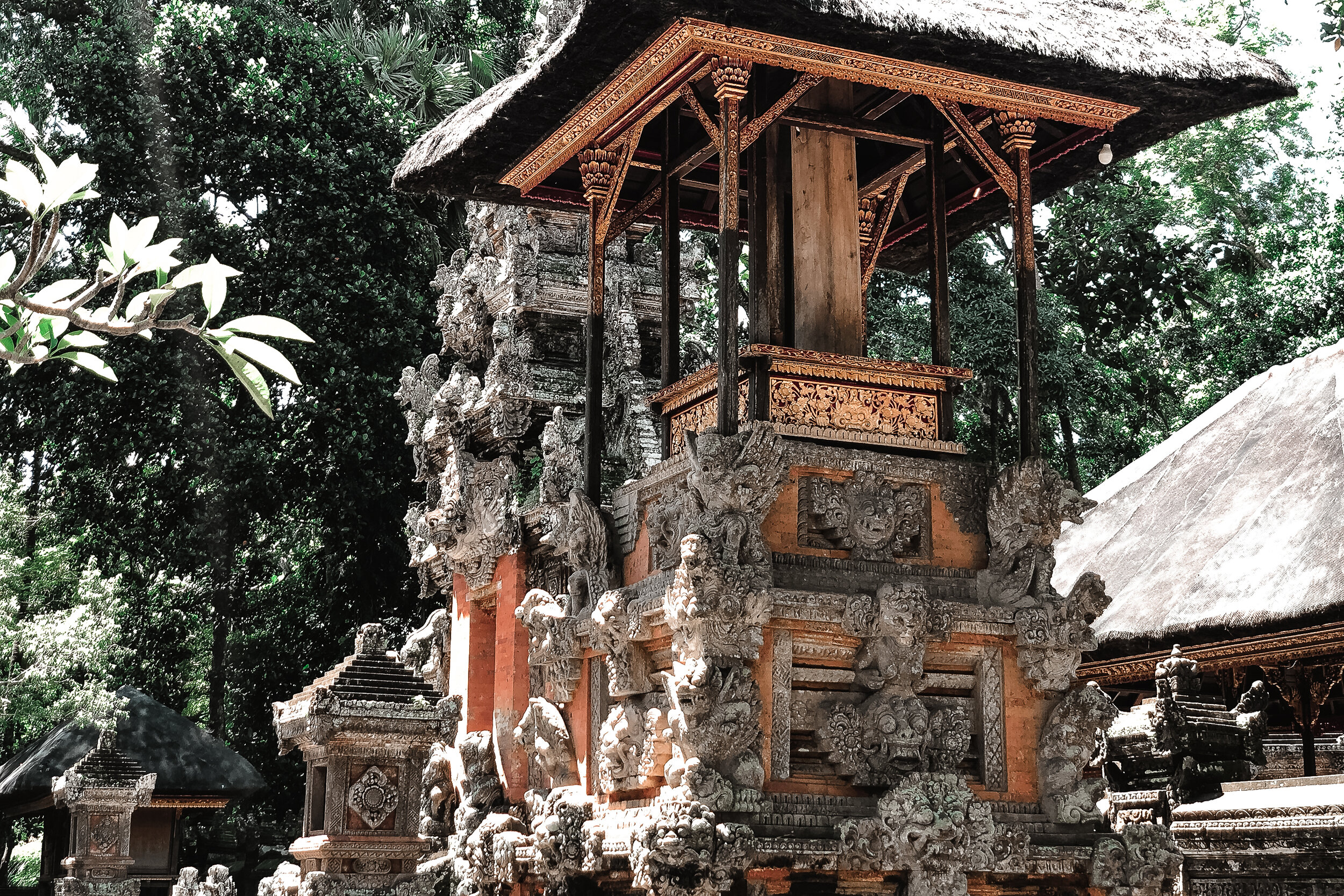
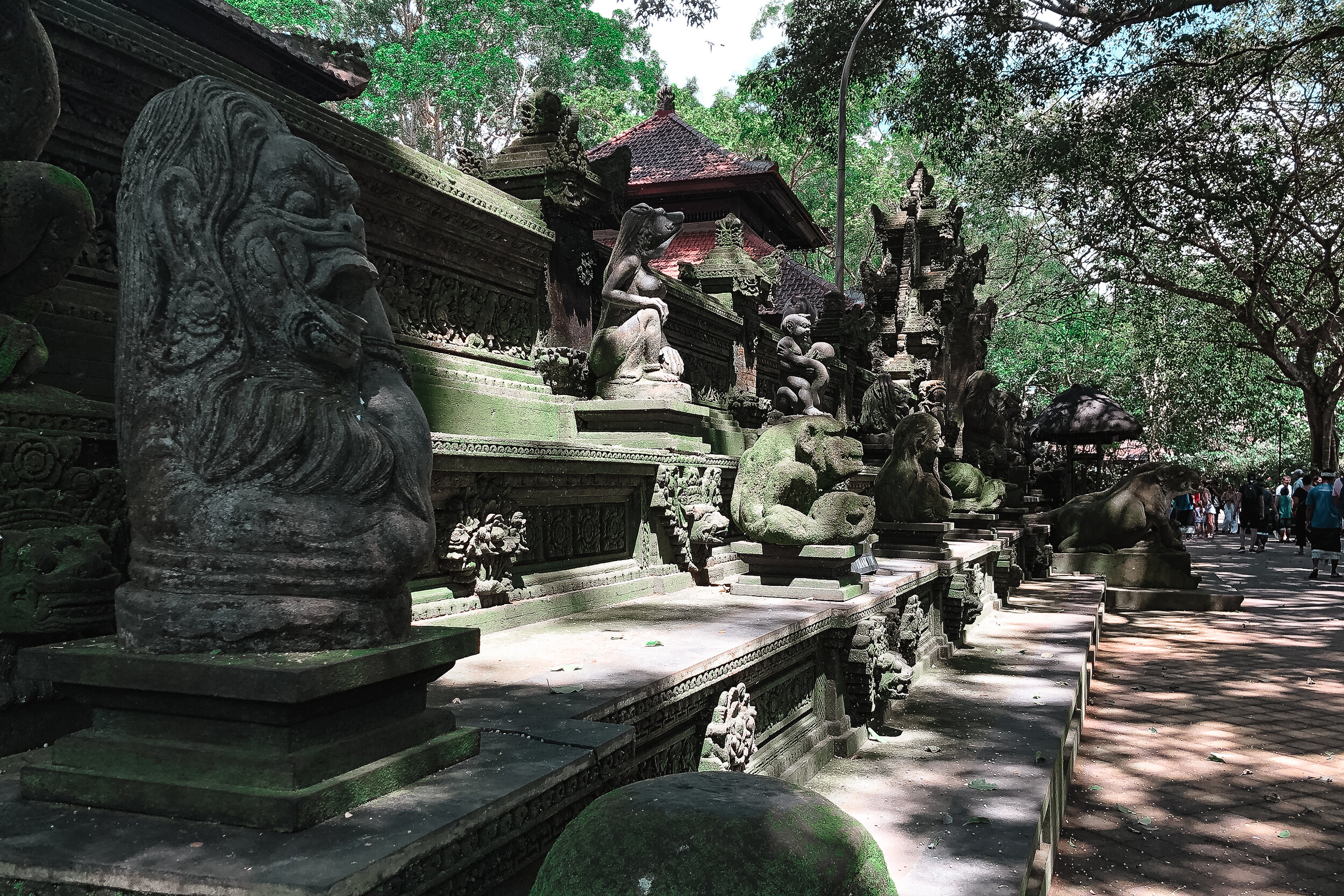
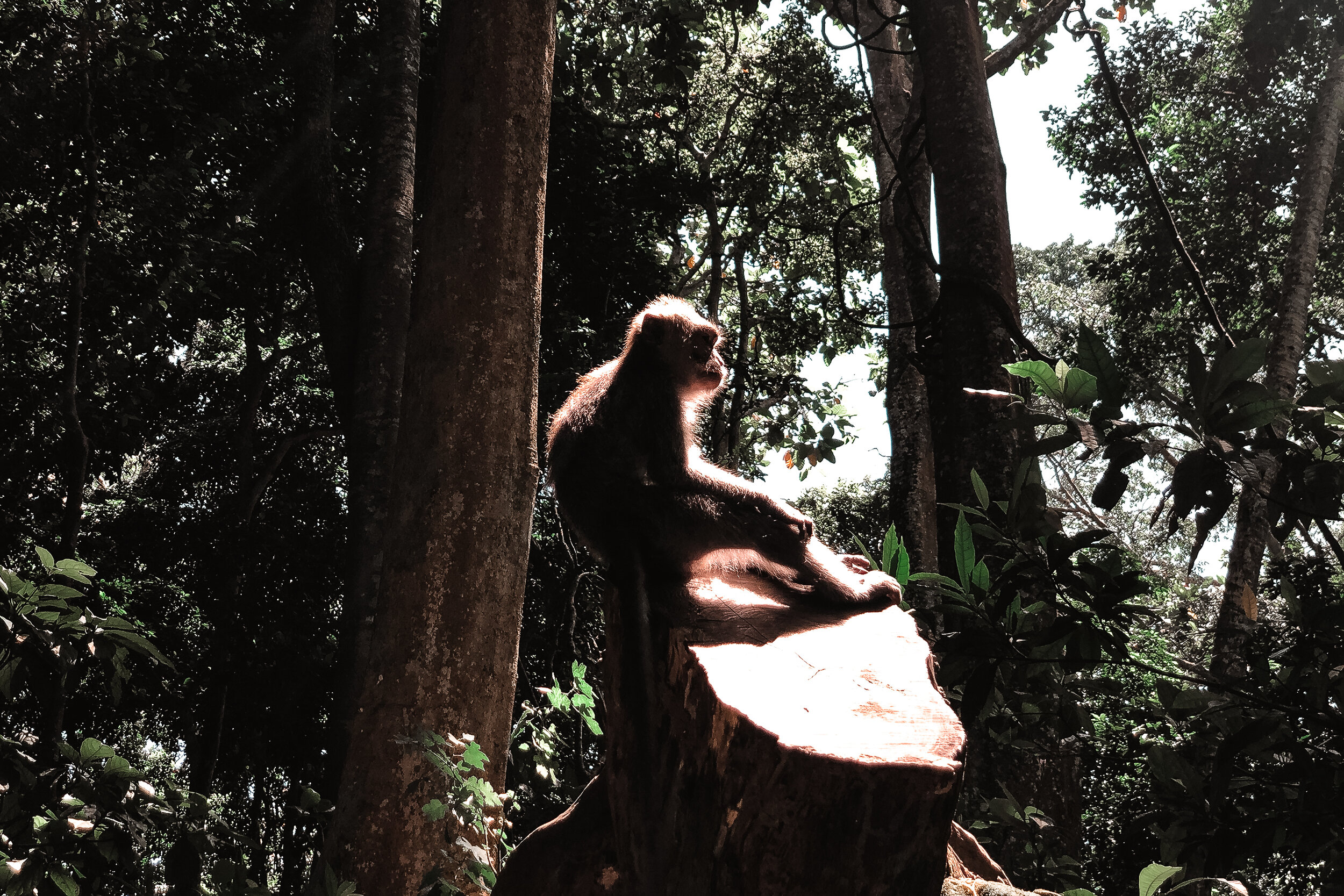
Sacred Monkey Forest:
The forest is covered in massive trees with dangling aerial roots, multiple ancient temples and acts as a sanctuary for hundreds of monkeys. The monkeys are everywhere, climbing in the trees, running across pathways, sitting on benches and making the temples their home. They are playful, mischievous and protective. If you’re not paying attention, one may try and take your phone, bag or hat. We saw this happen! You can truly get an up-close experience with them.
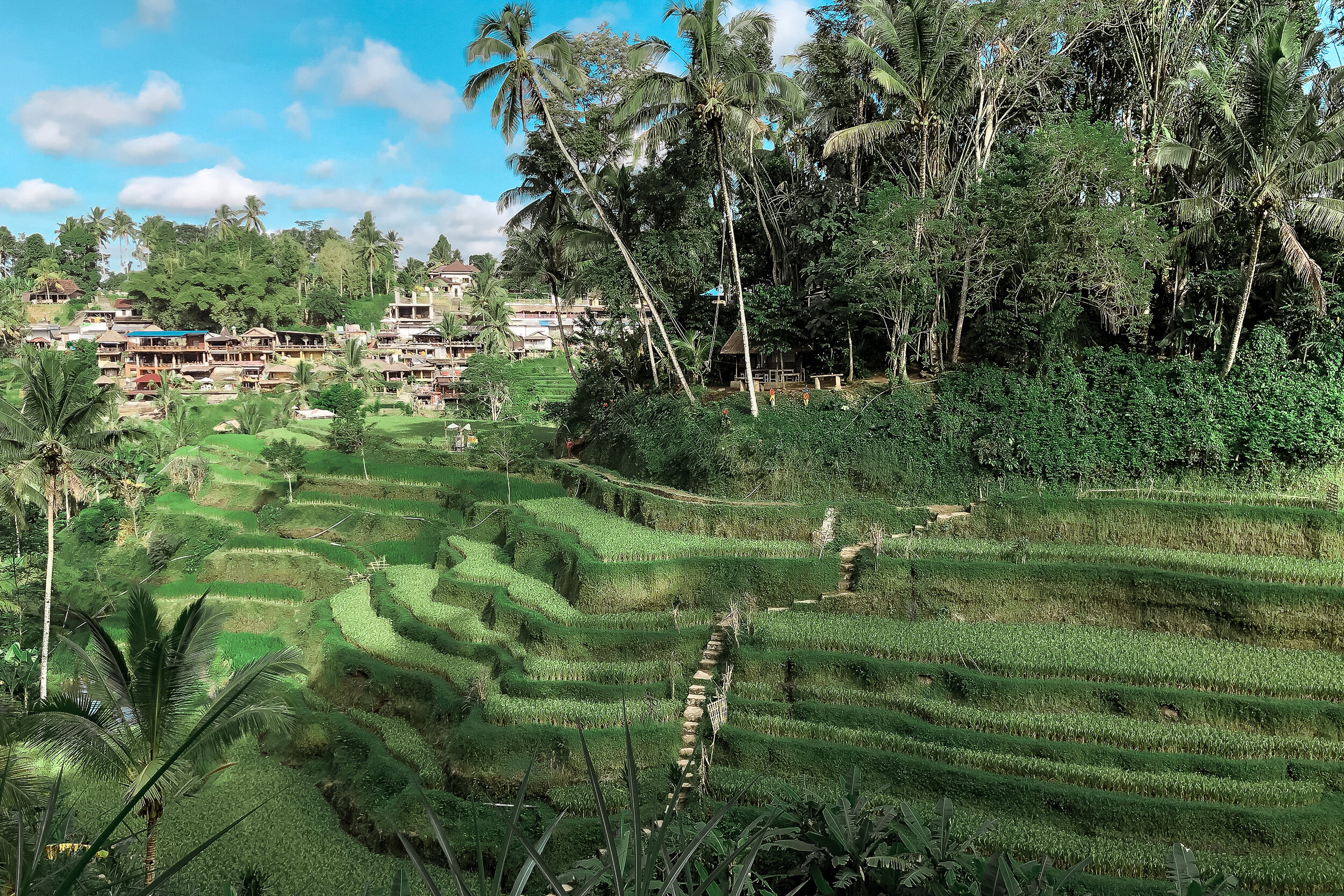
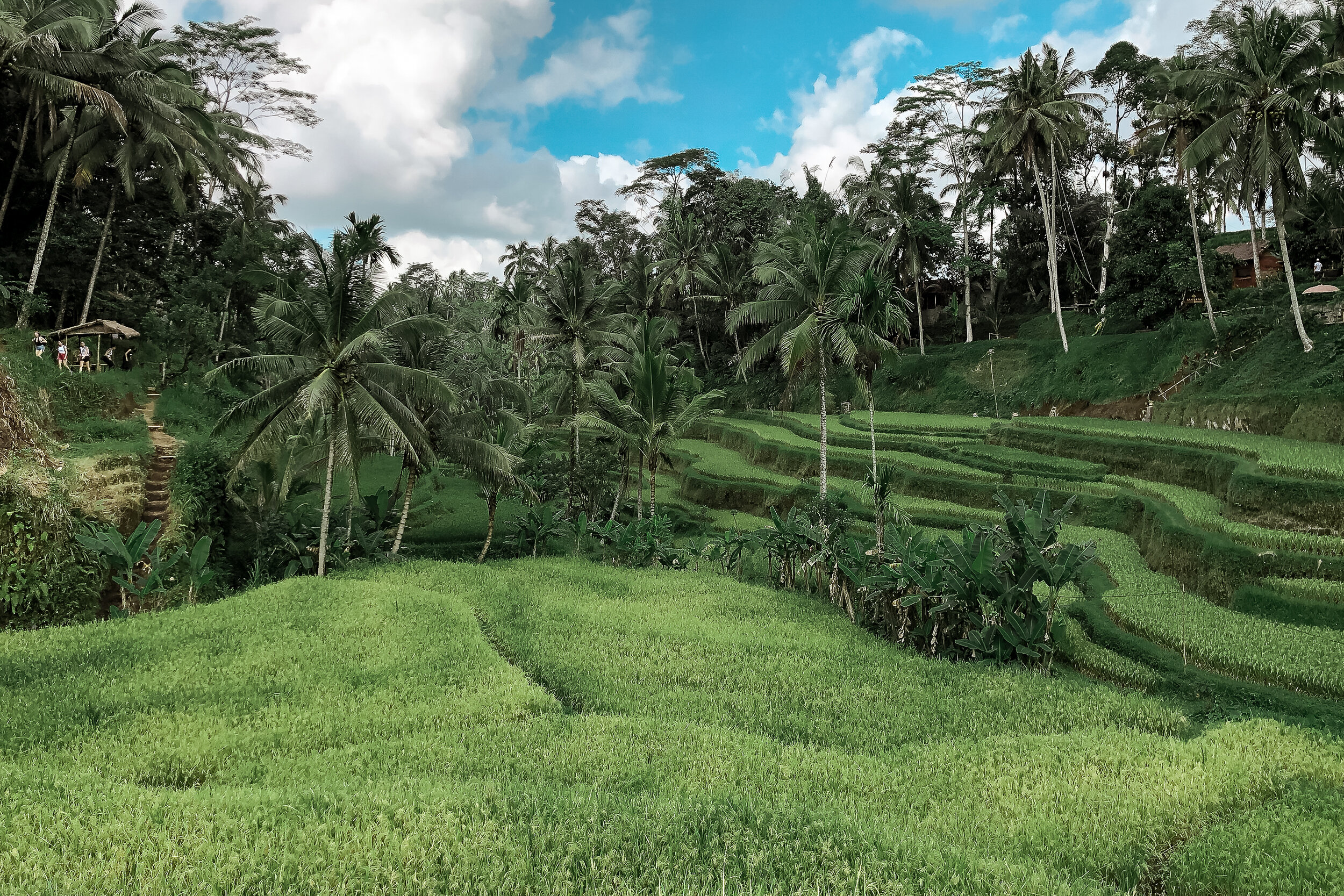
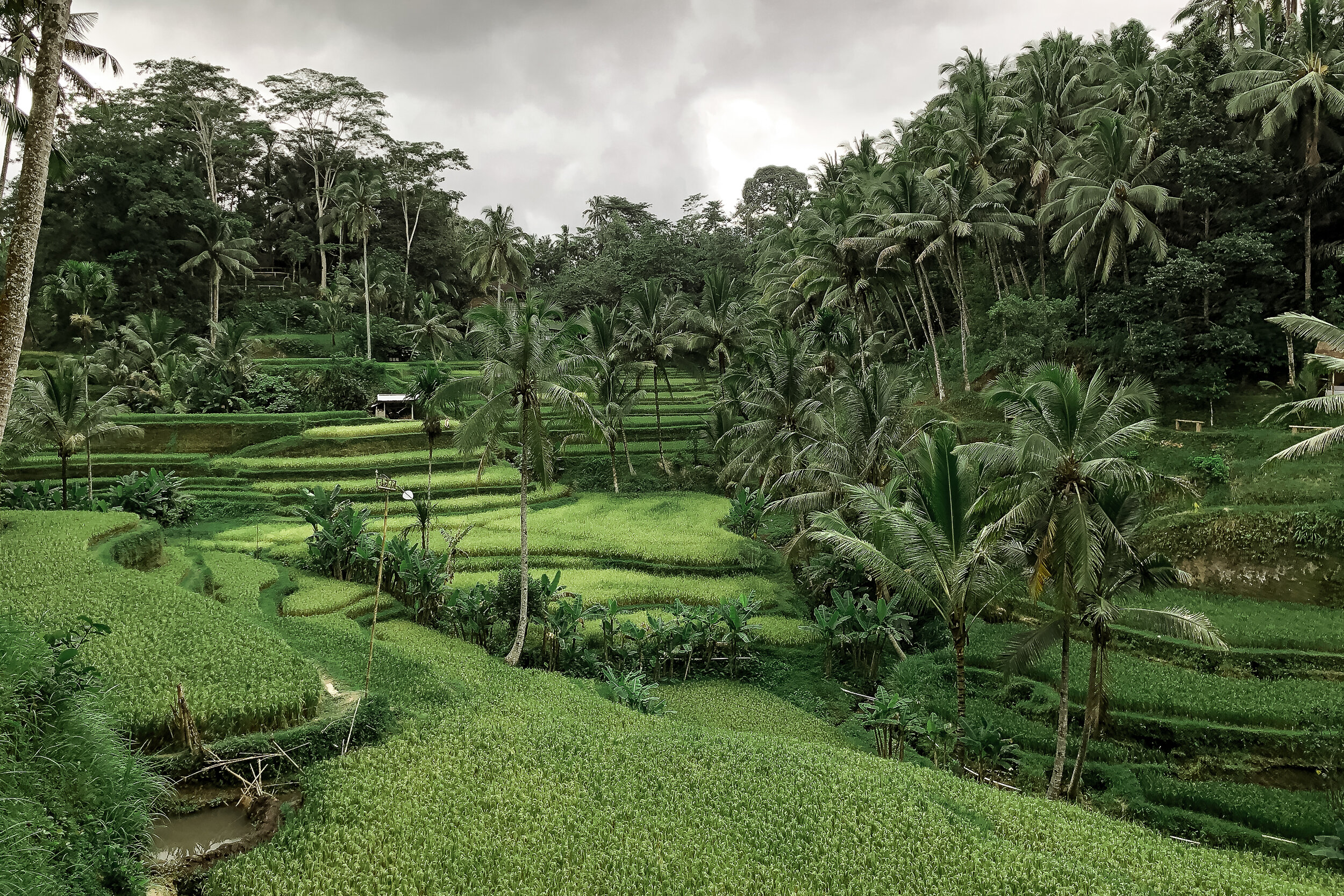
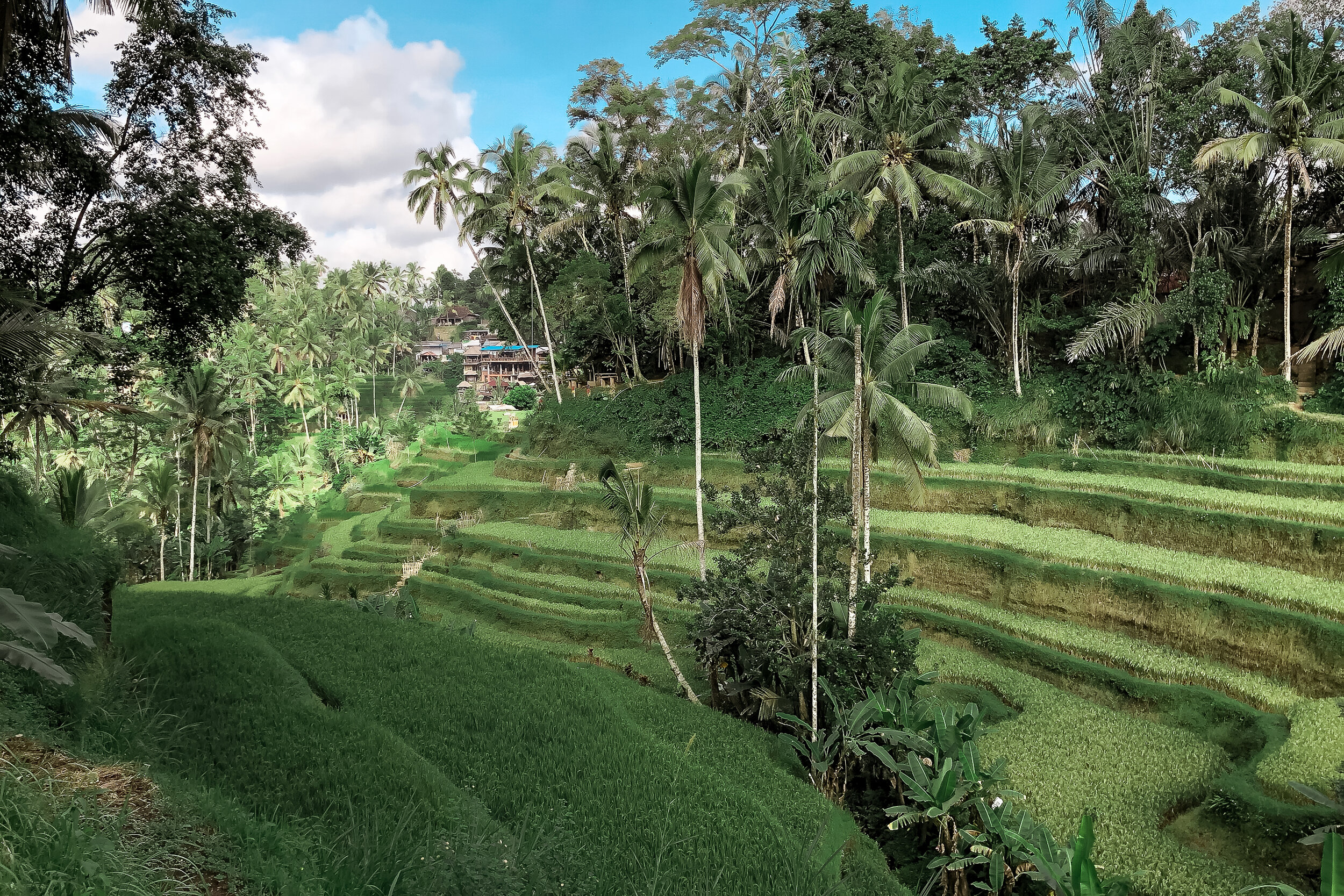
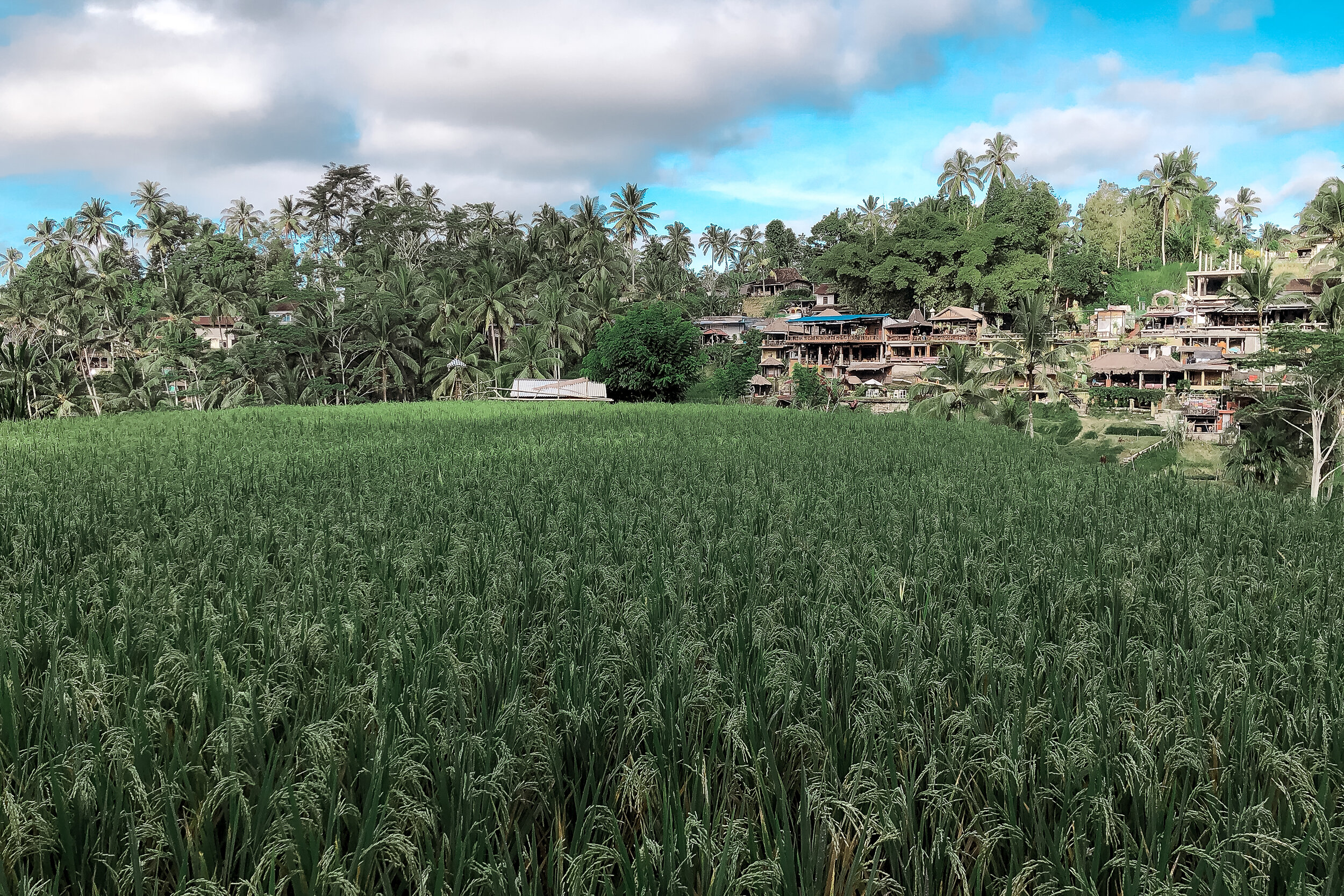
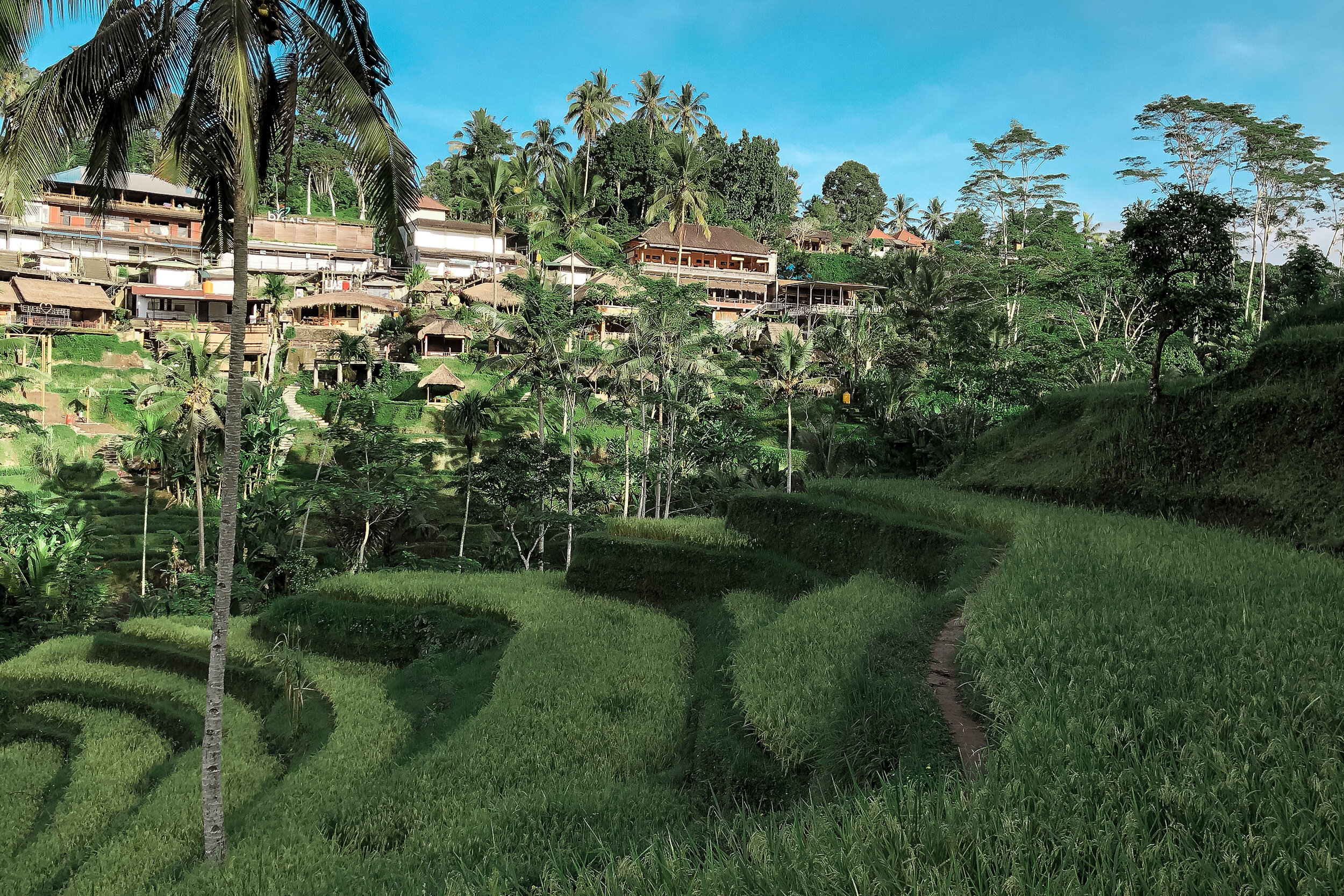
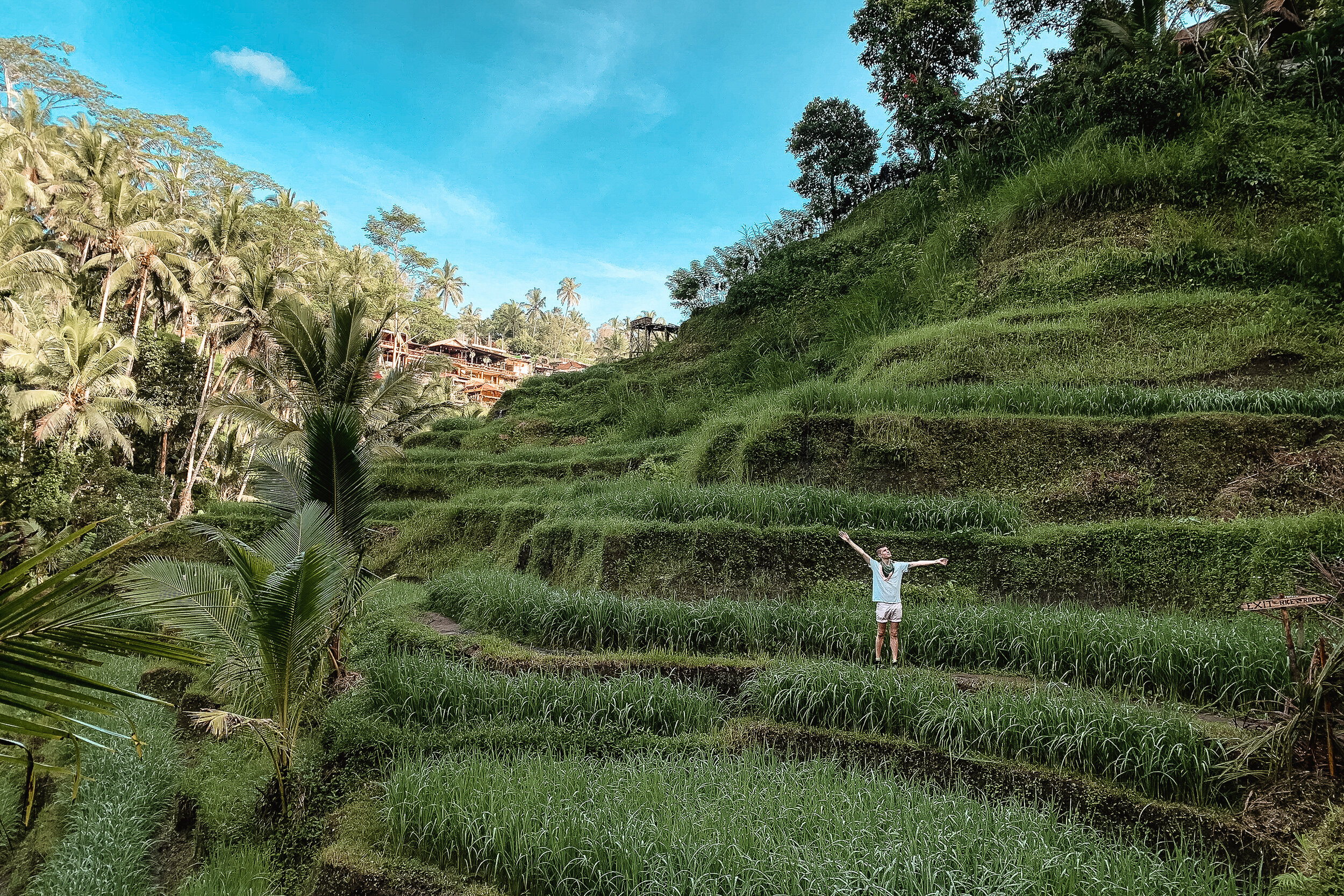
Tegalalang Rice Terraces
The lush, expansive hillside rice terraces were one of our favorite sights to explore in Ubud. We got here at 7am, hours before they filled up with larger numbers of tourists. We stayed until the early afternoon weaving through the vertical expanses and hiking to the furthest corners. At the entrance, there is a hillside village with restaurants, warungs, cafes and hostels overlooking the terraces. Throughout them are zip-lines, jungle swings and farmers stationed at various points who will ask for a small donation to help support their livelihood and maintain the walkways. Its best to donate 5K Rp each time (less than 50 cents).
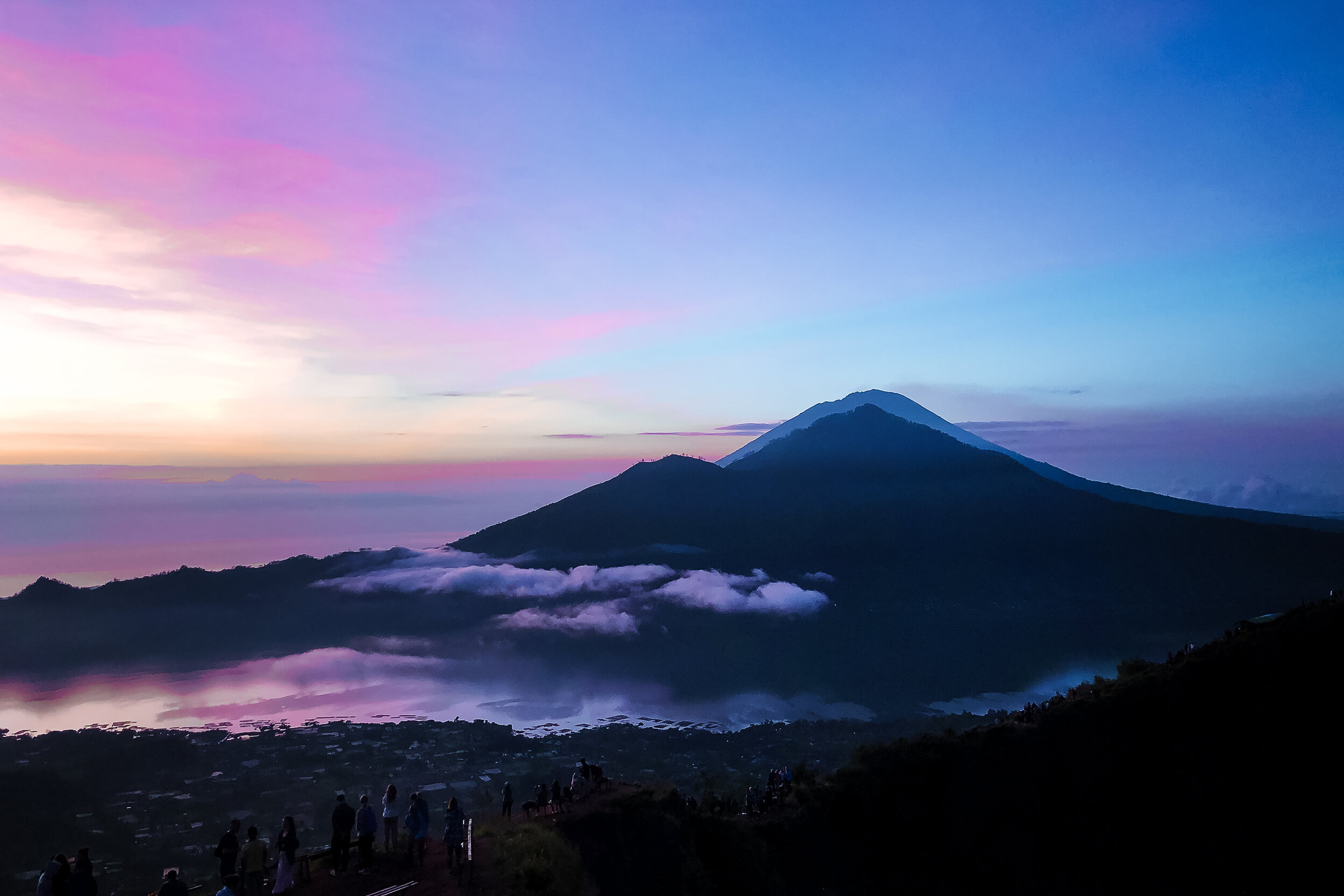
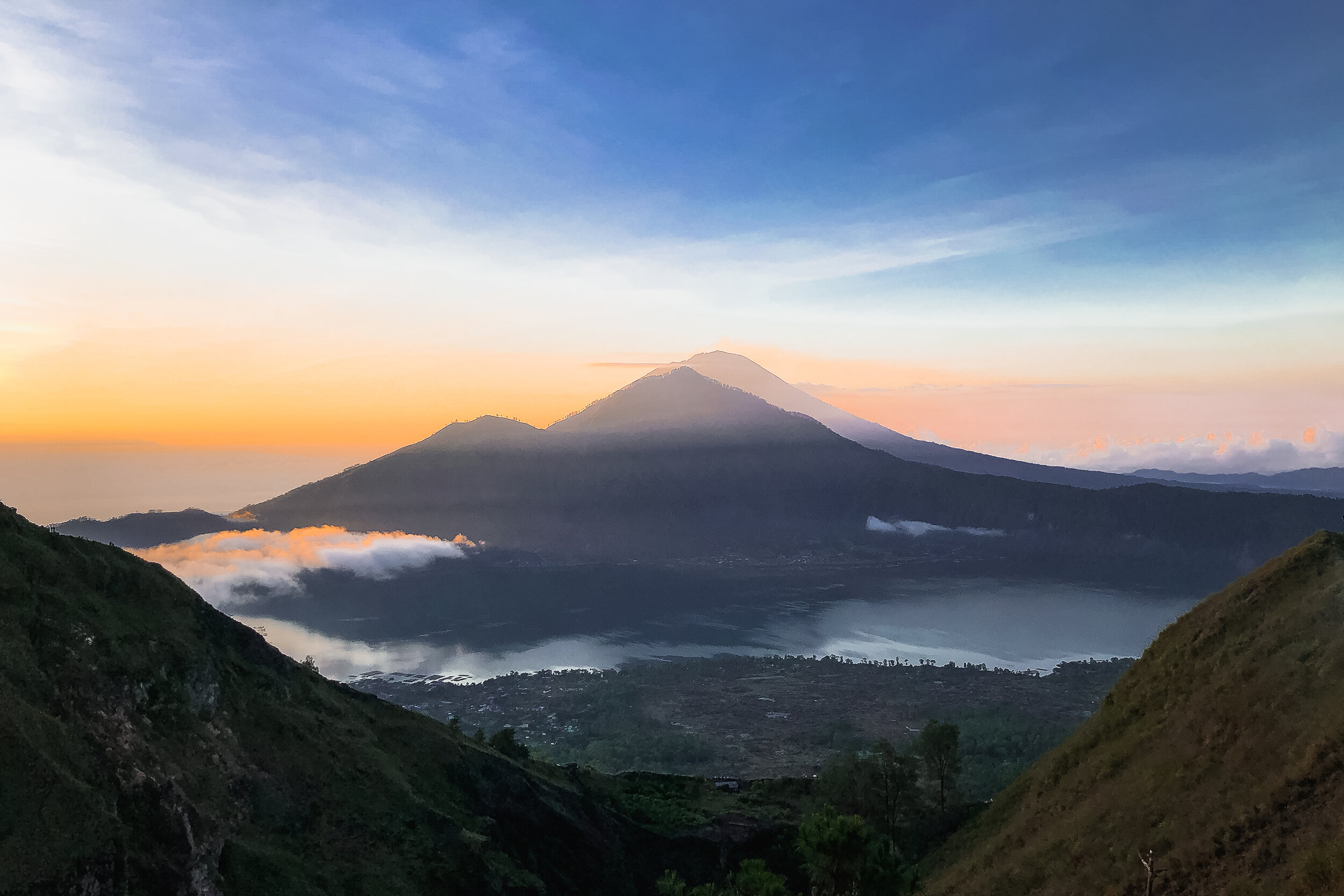
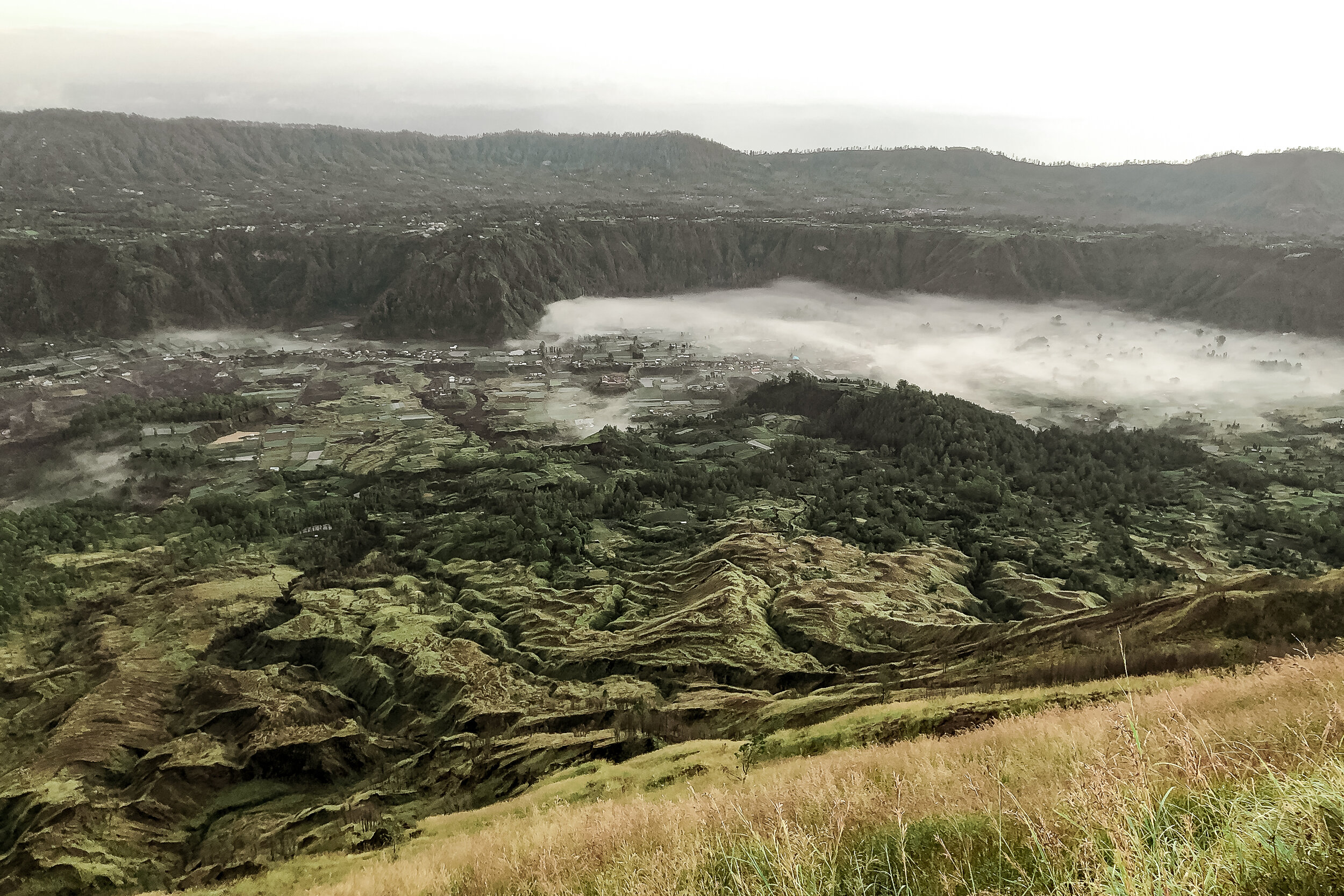
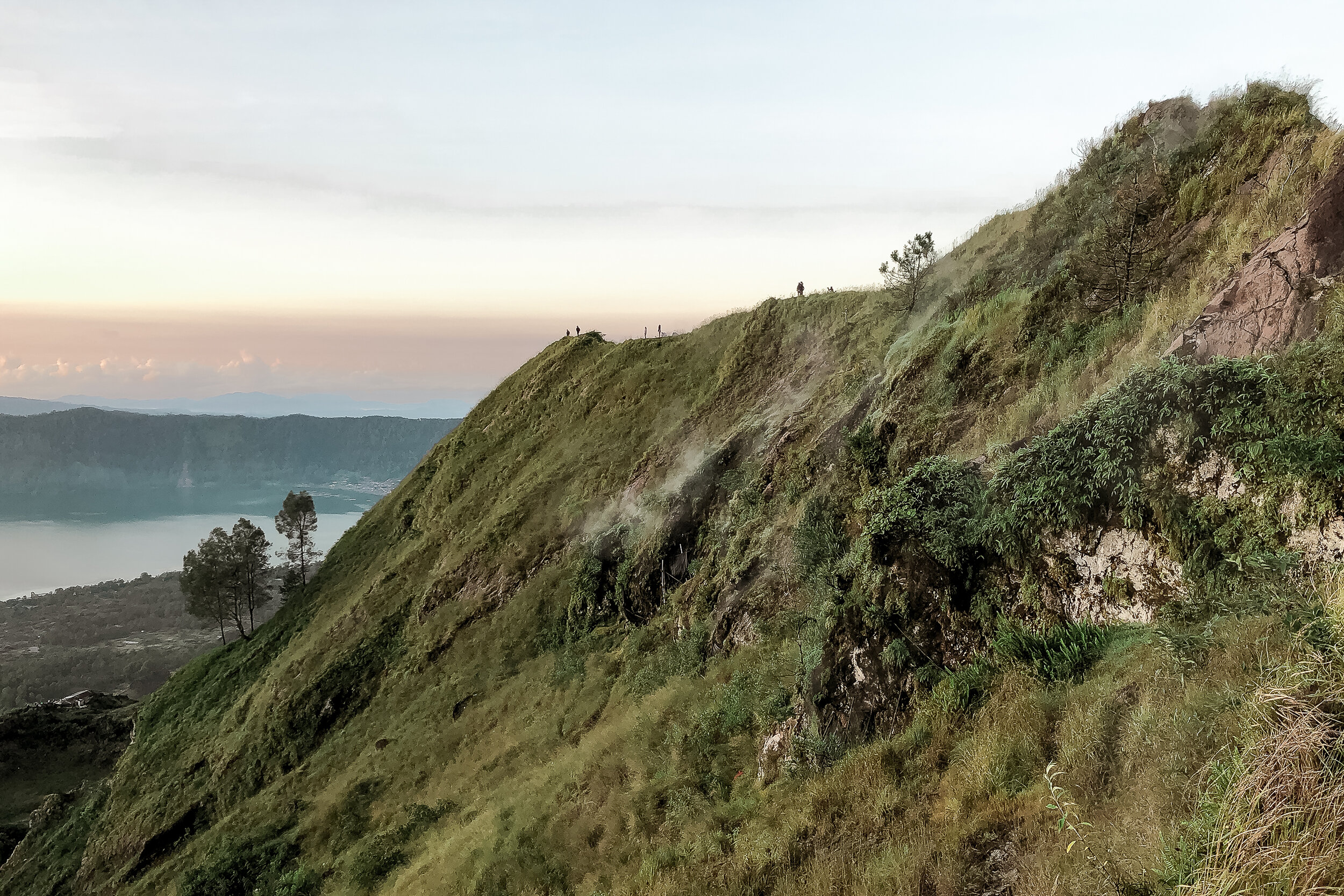
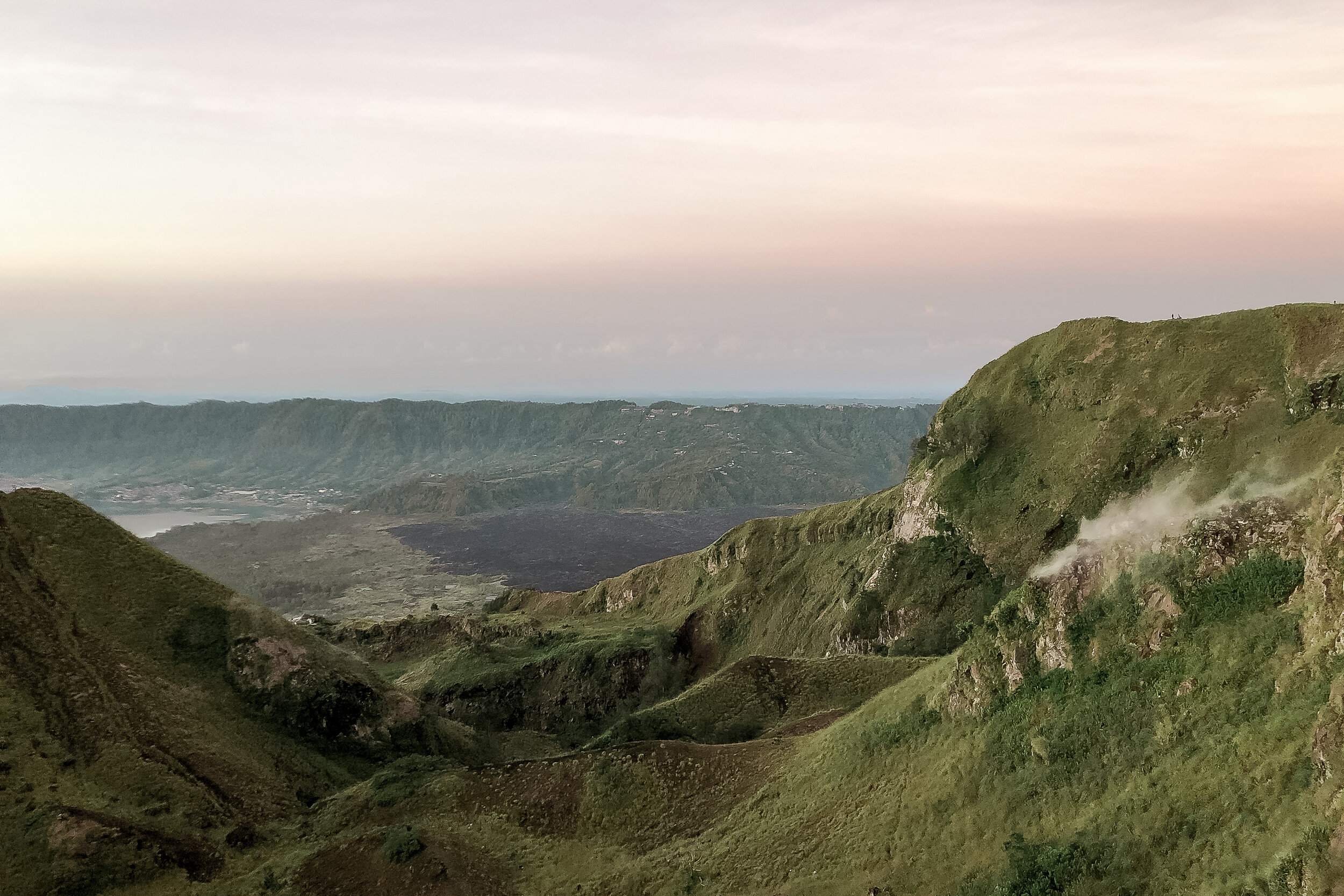
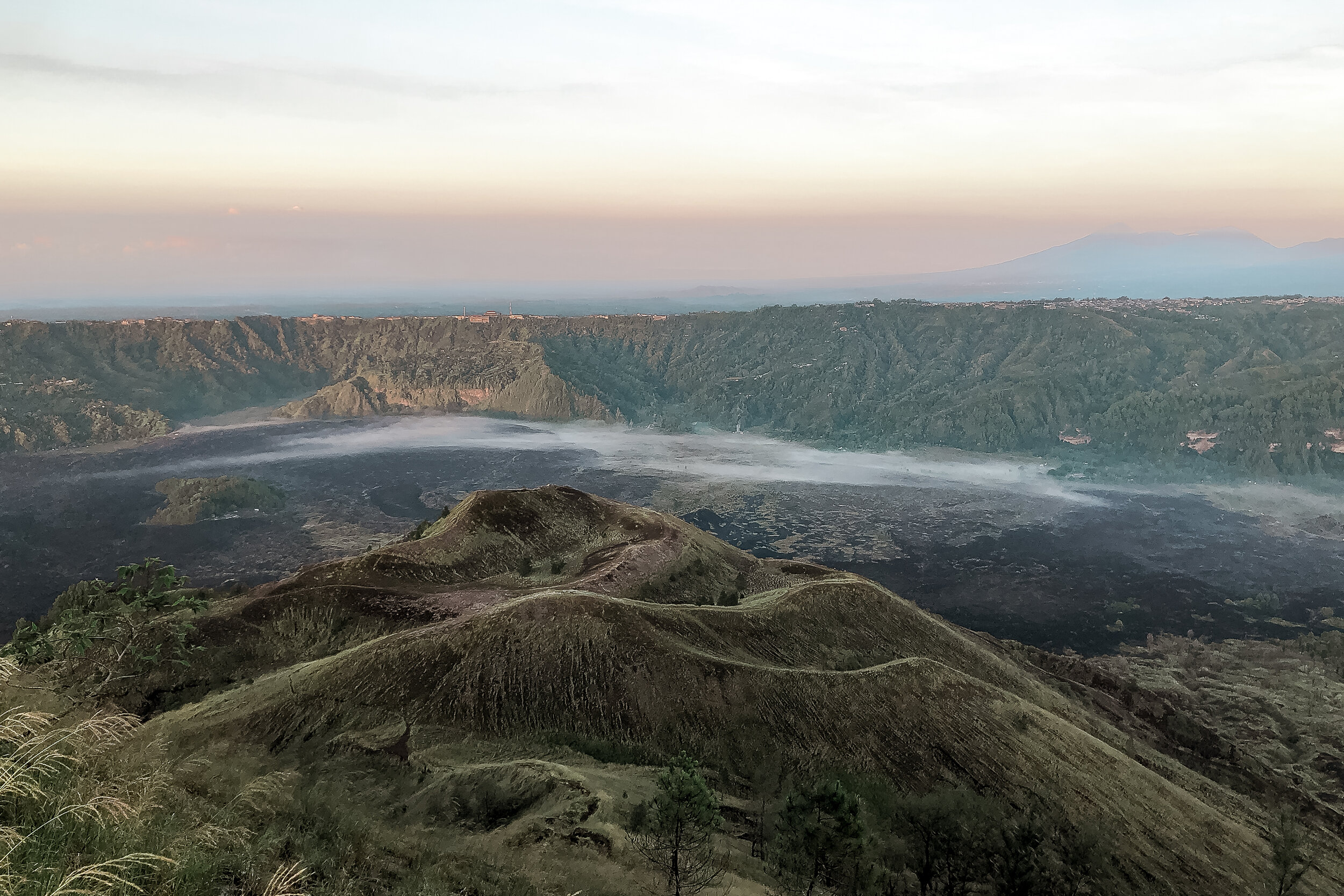
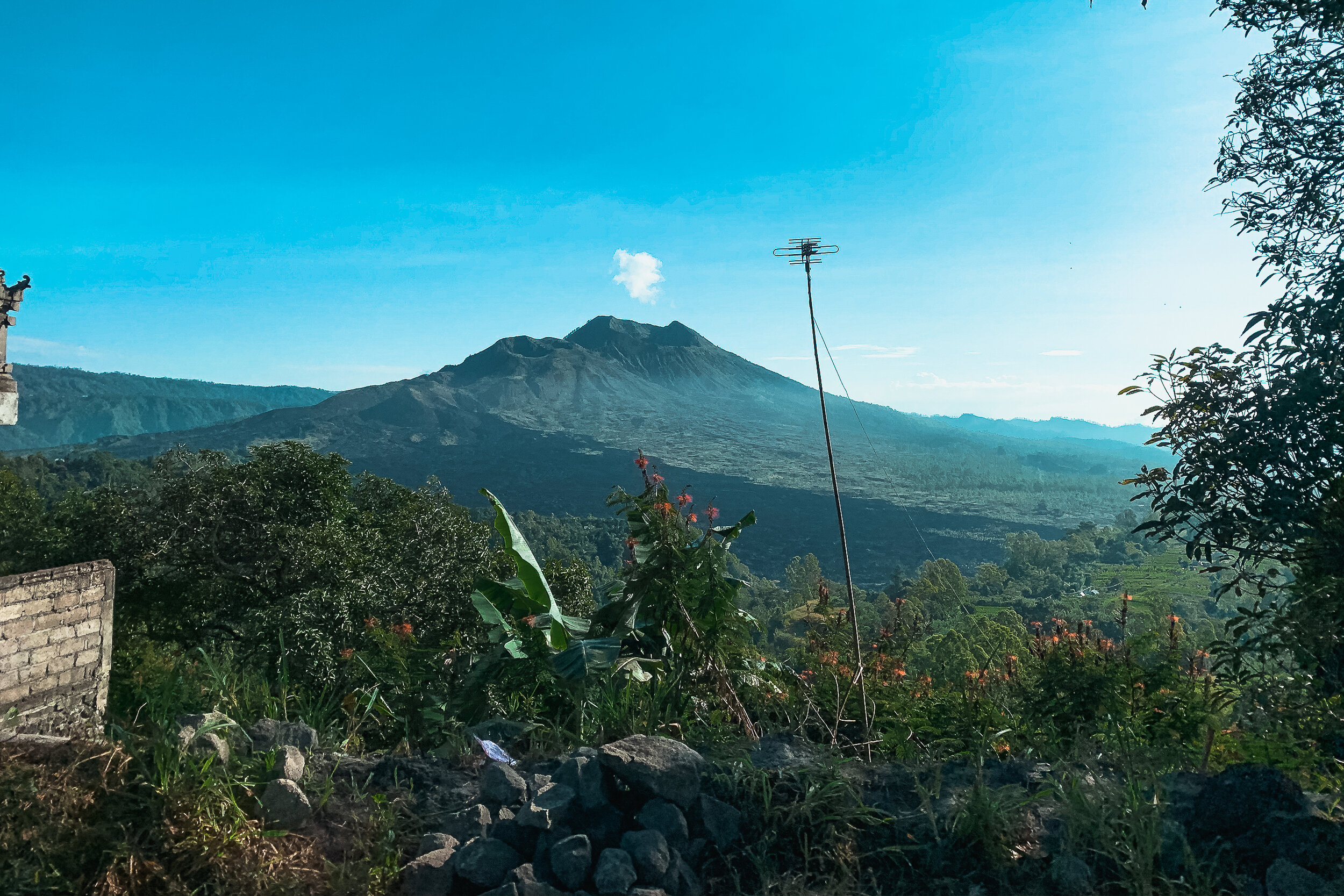
Sunrise Hike to Mt. Batur
Mt. Batur is Bali’s second highest peak and still an active volcano. One of the most adventurous things you can do on the island is hike to its summit and watch the sunrise. Wake up just after midnight and drive to the basecamp of Mt. Batur at Toya Bungkah. There will be hundreds of guides available for hire. Guides generally cost around 500K - 700K Rp for two people ($35-$50 USD)
From the summit, you can see the entire island of Bali and the nearby island of Lombok. There will also be vendors selling hot chocolate, coffee, water and various snacks. As Mt. Batur is still an active volcano, guides will often bring eggs to hard boil in the steam vents. Try one if you can, there’s something special about food cooked by a volcano!
What to Prepare:
Wear good shoes for traction. The pathways are covered in loose stones gravel.
Wear layers. It is colder the higher you hike in elevation but easy to overheat.
Bring a flashlight to see, though this isn’t always needed after your eyes adjust to the darkness (plus you can see the stars)
Bring water, you will get dehydrated as you climb.
Claiming some bragging rights, we were the first visitors to reach the volcano’s summit that morning. A first for our guide, Cynthia, even after years of near daily treks up Mt. Batur.
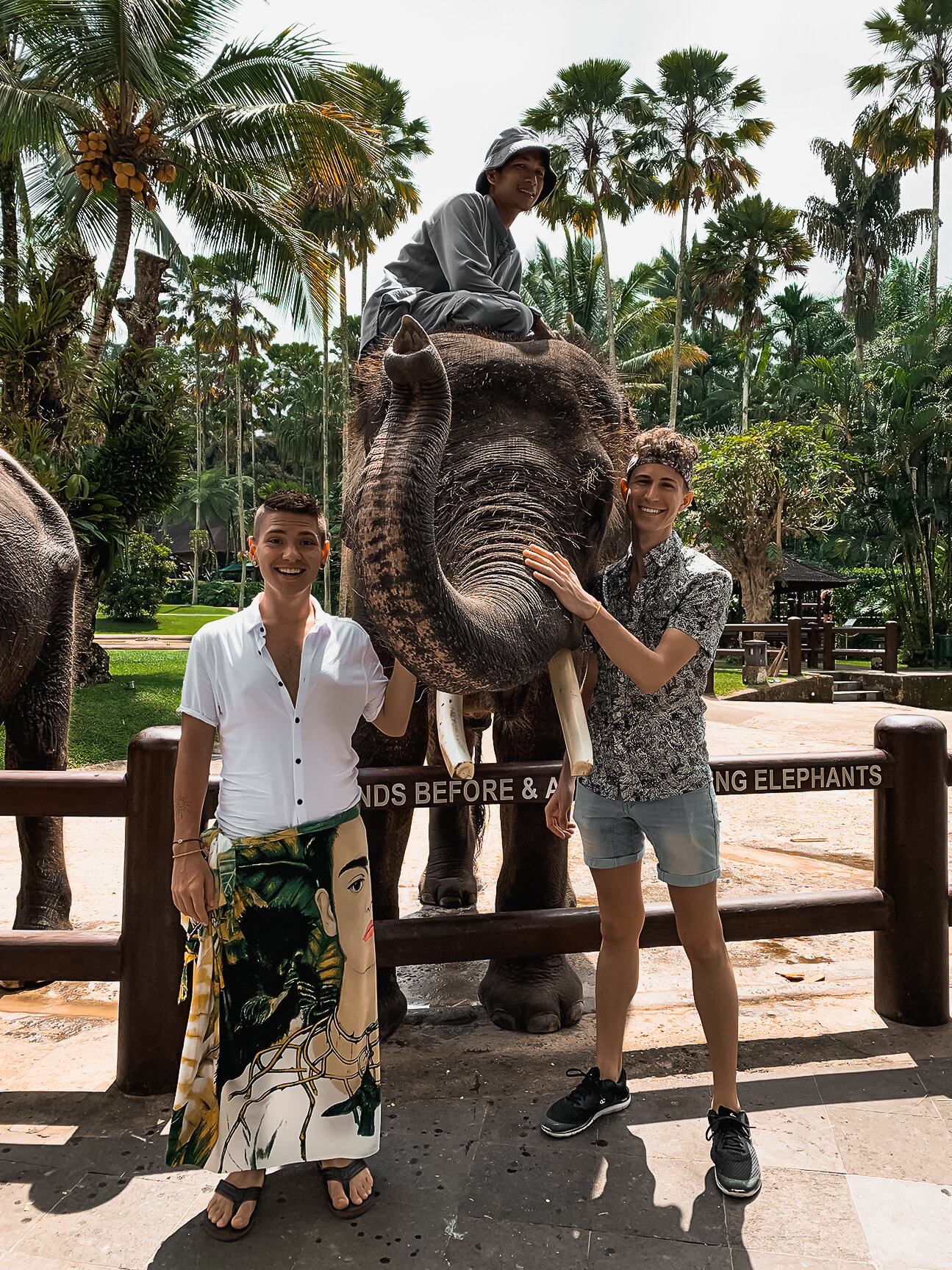
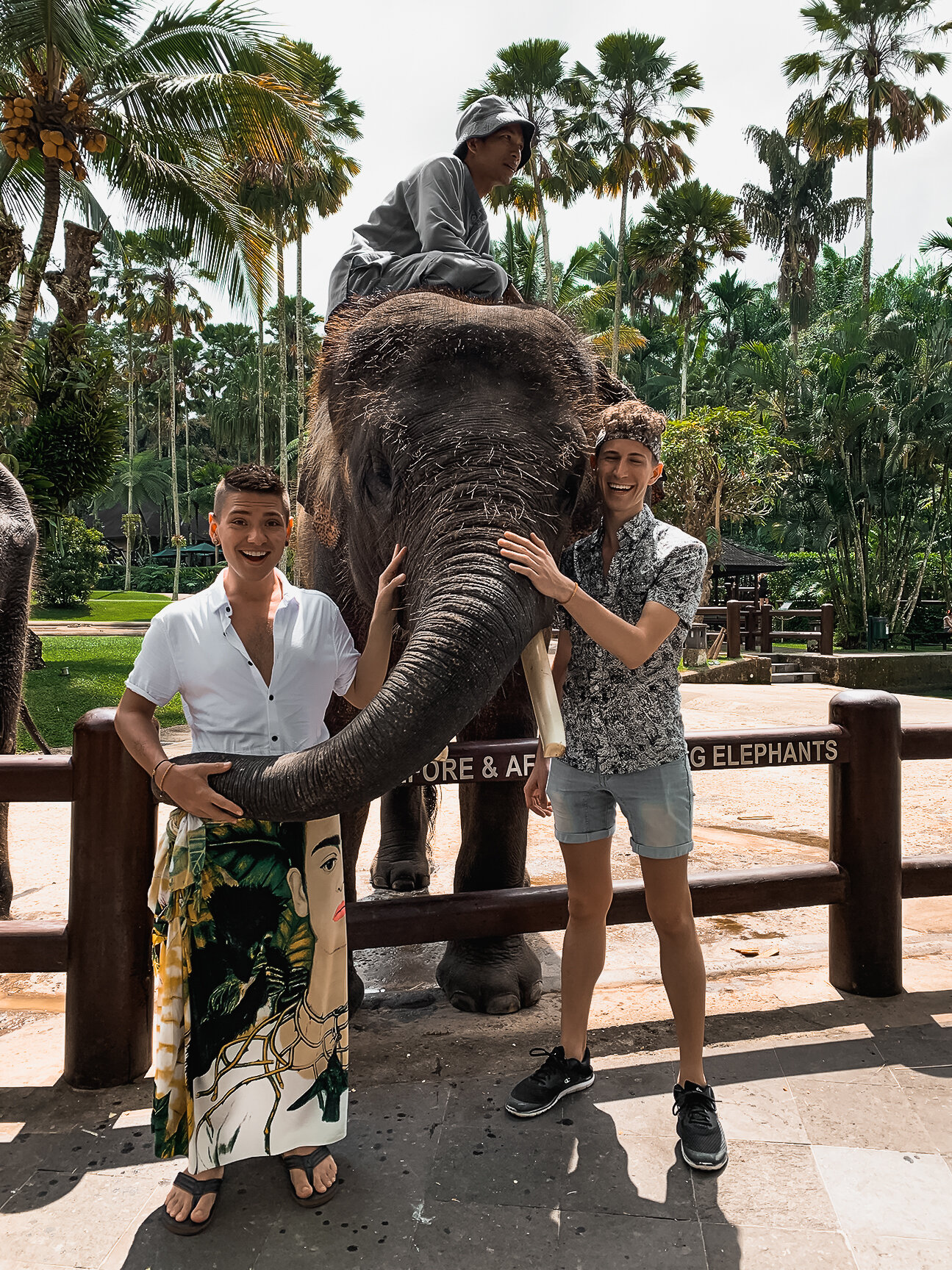
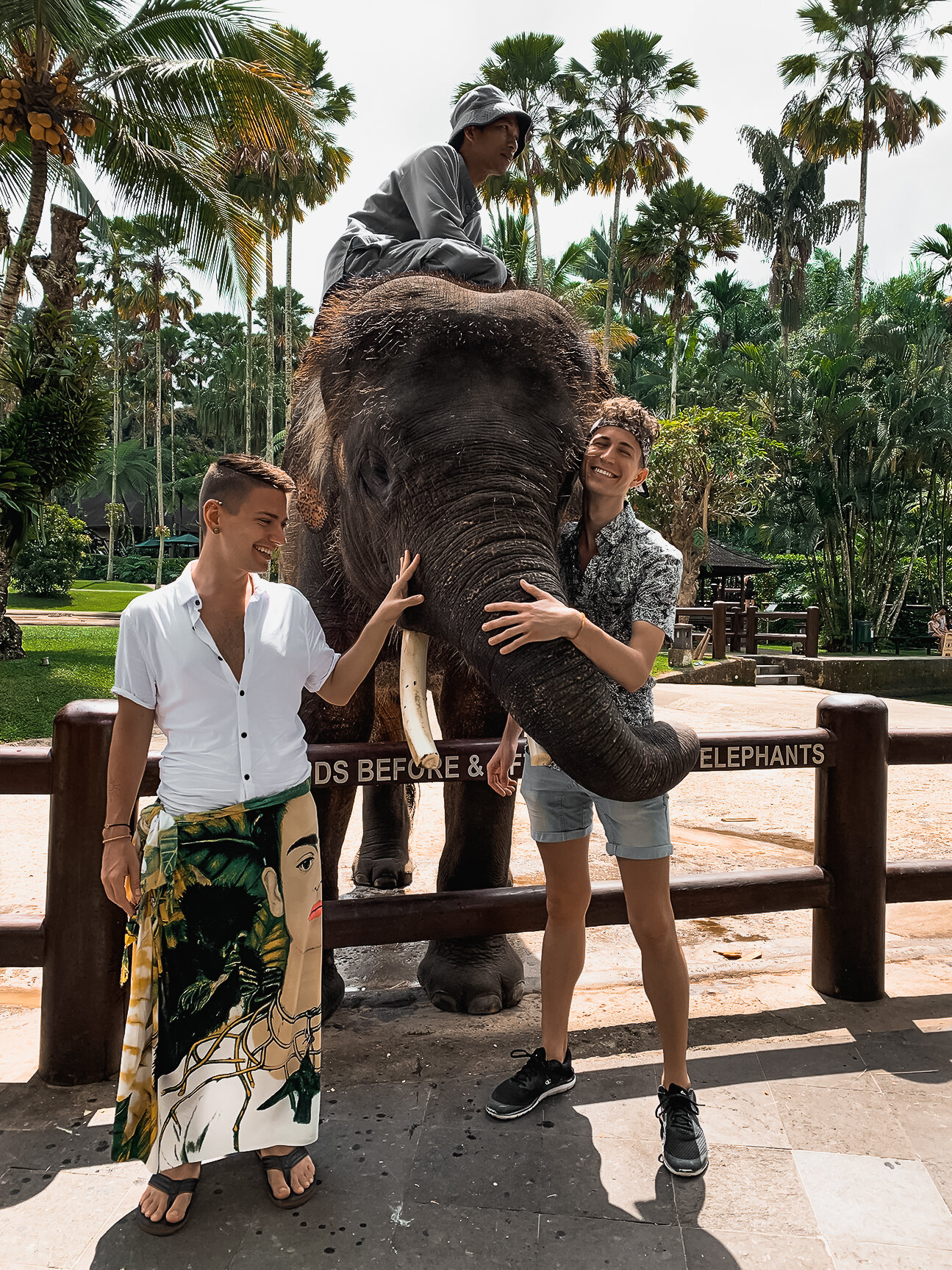
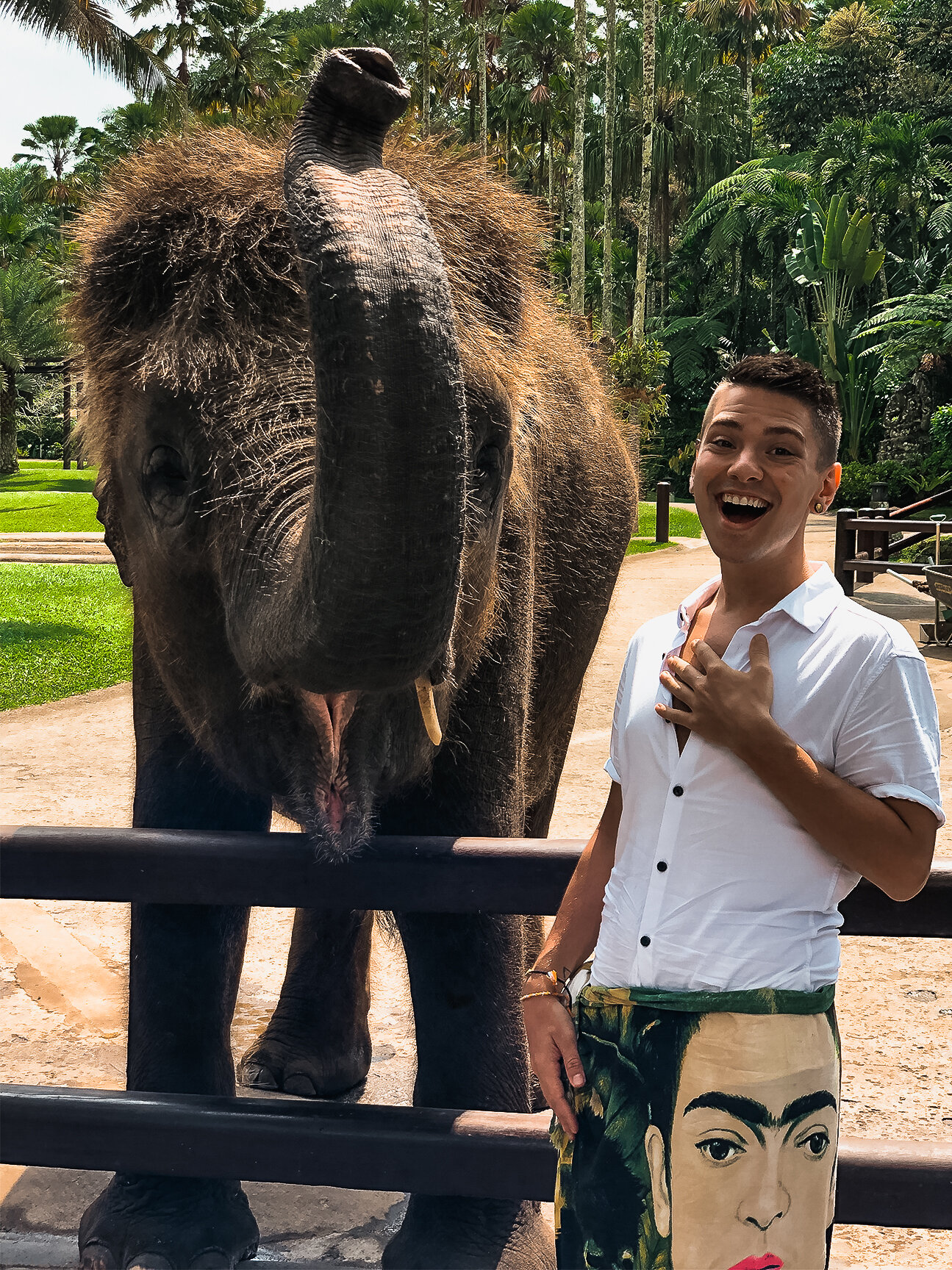
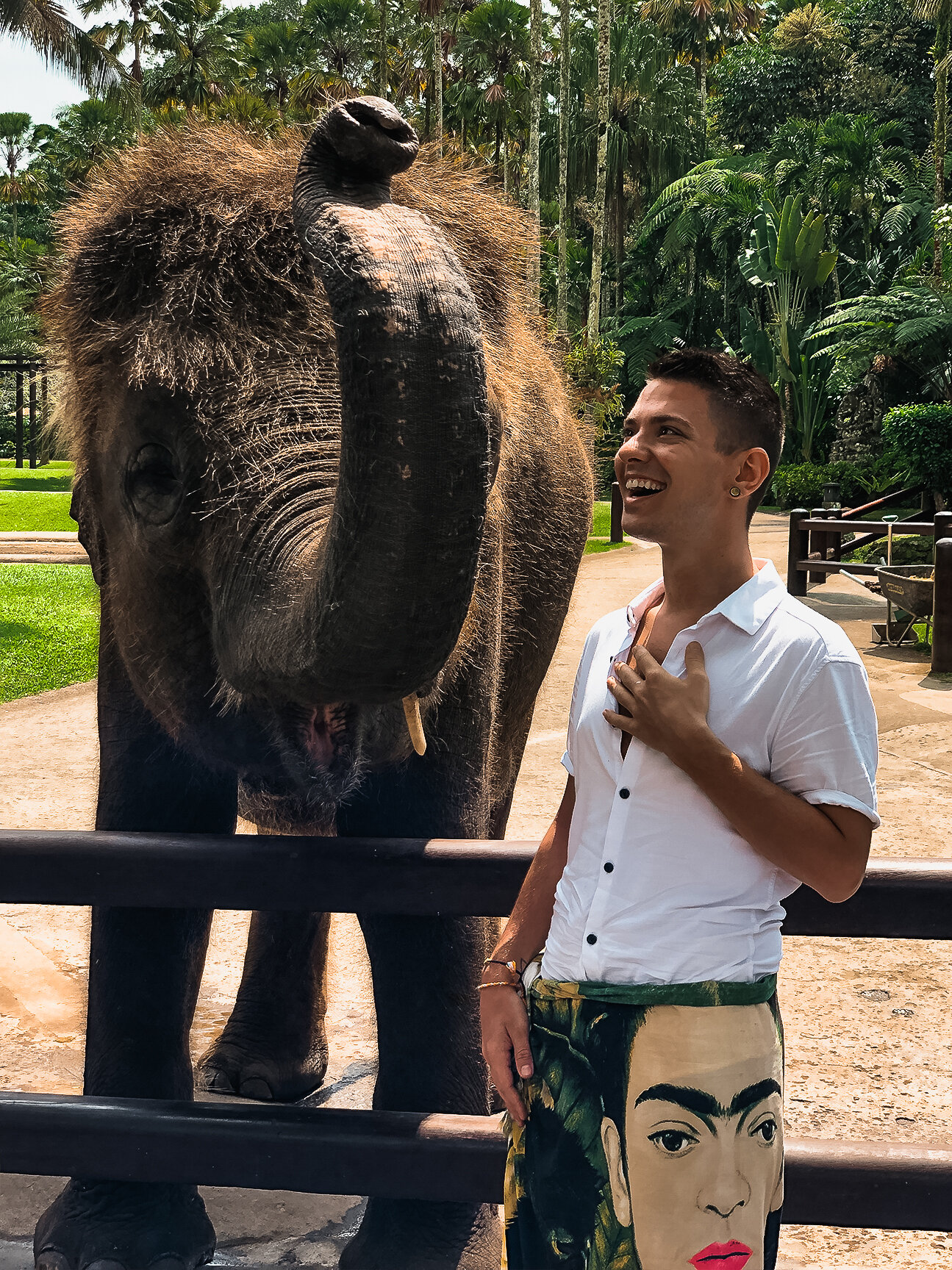
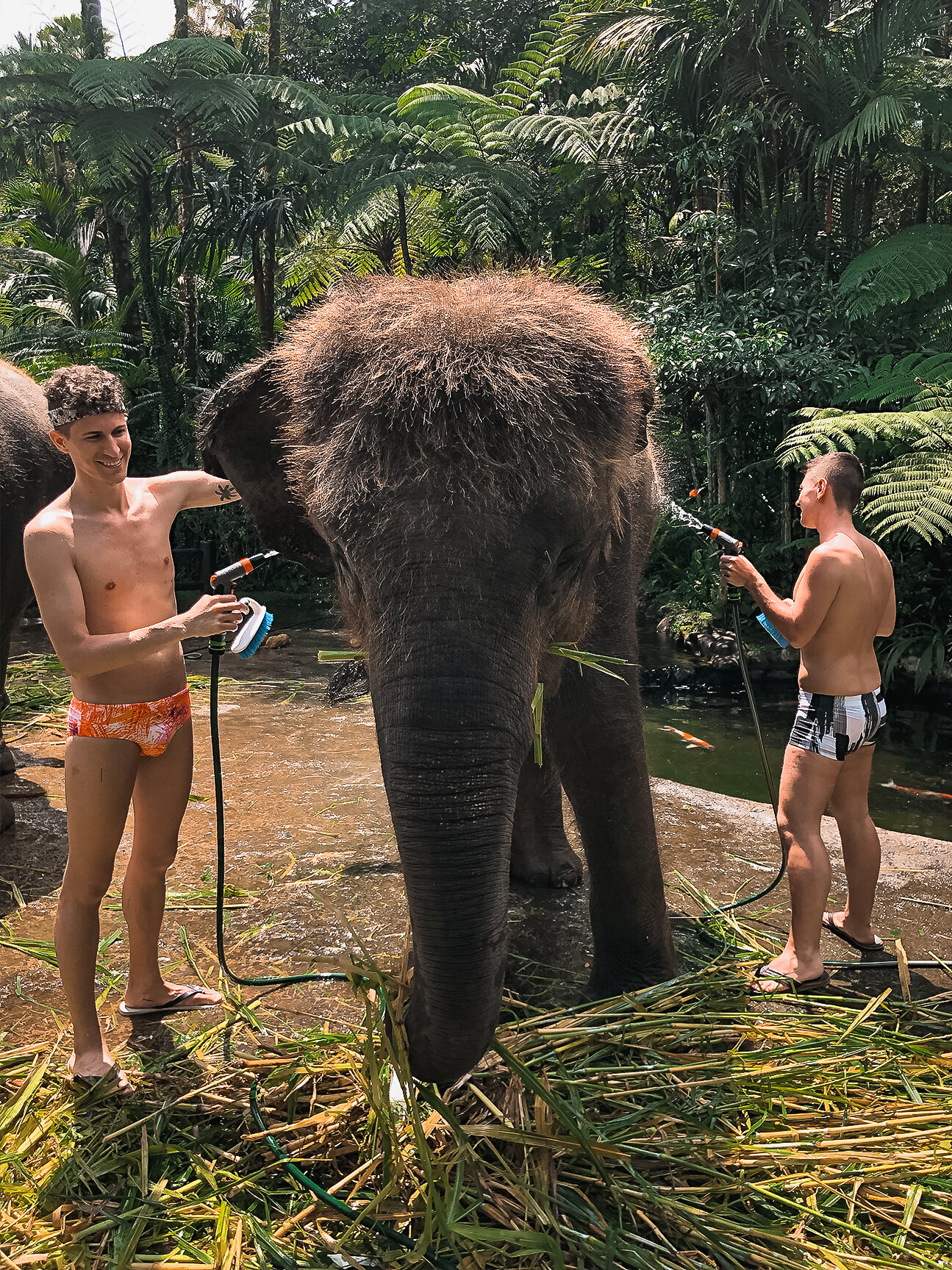
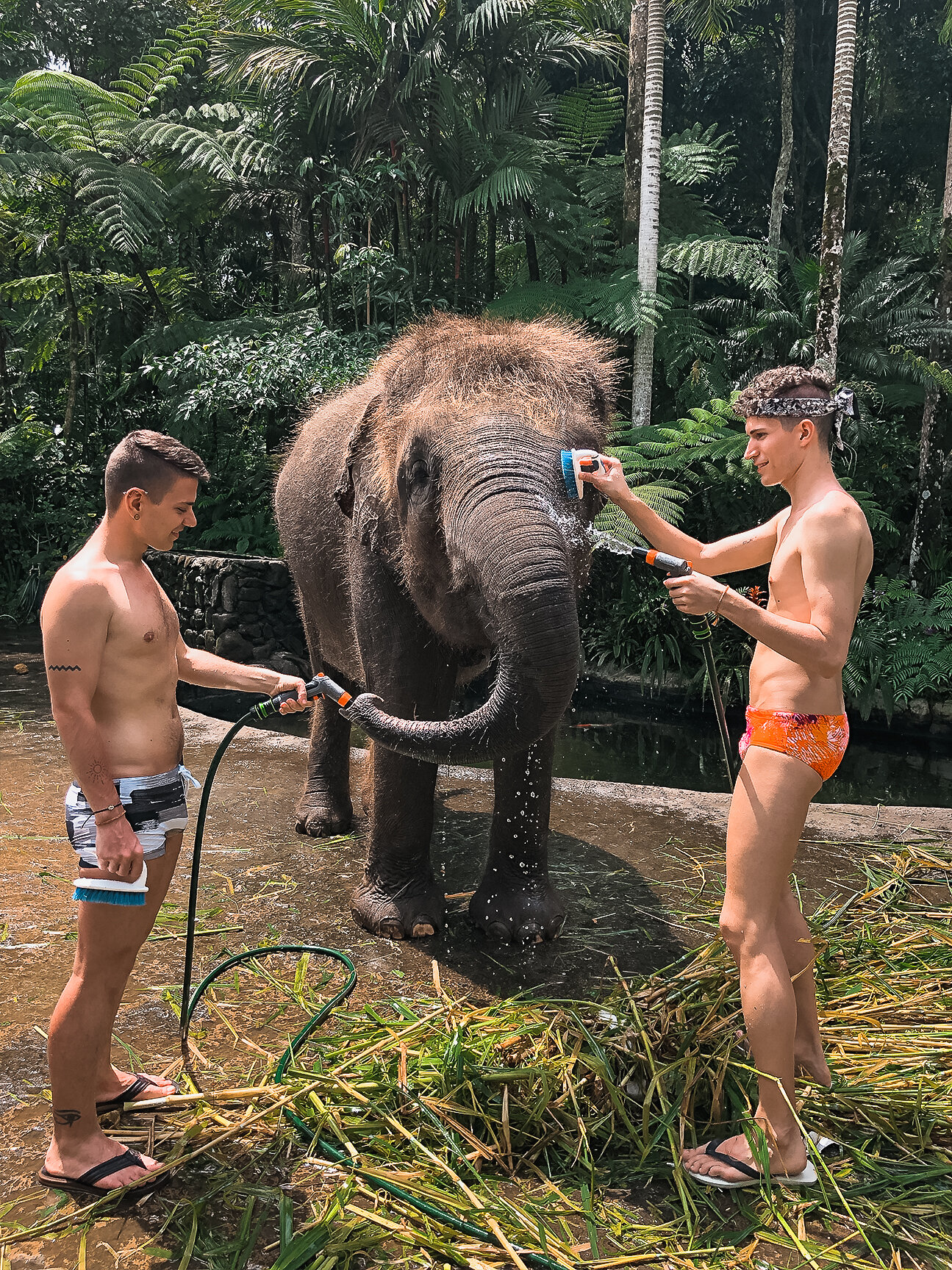
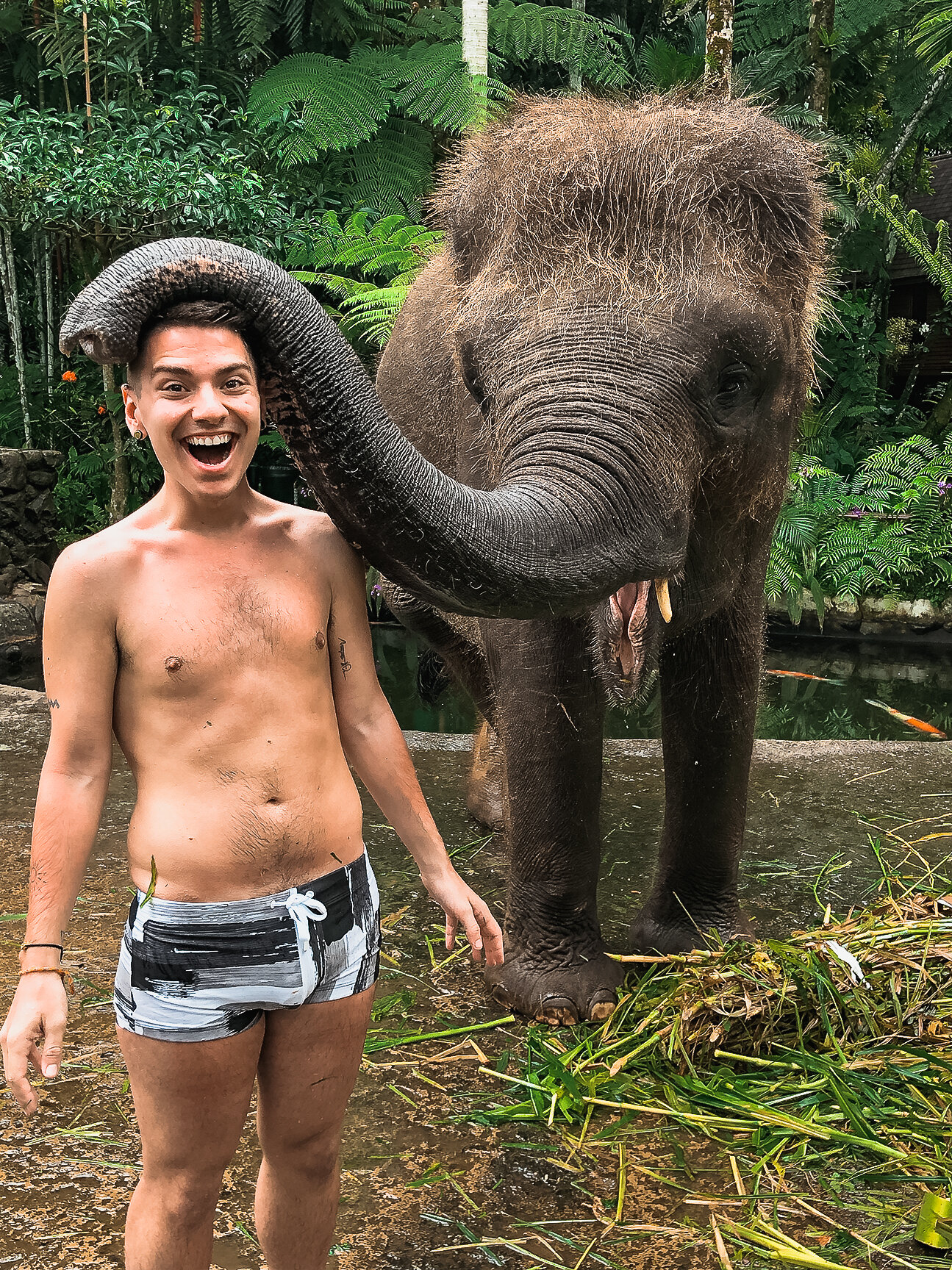
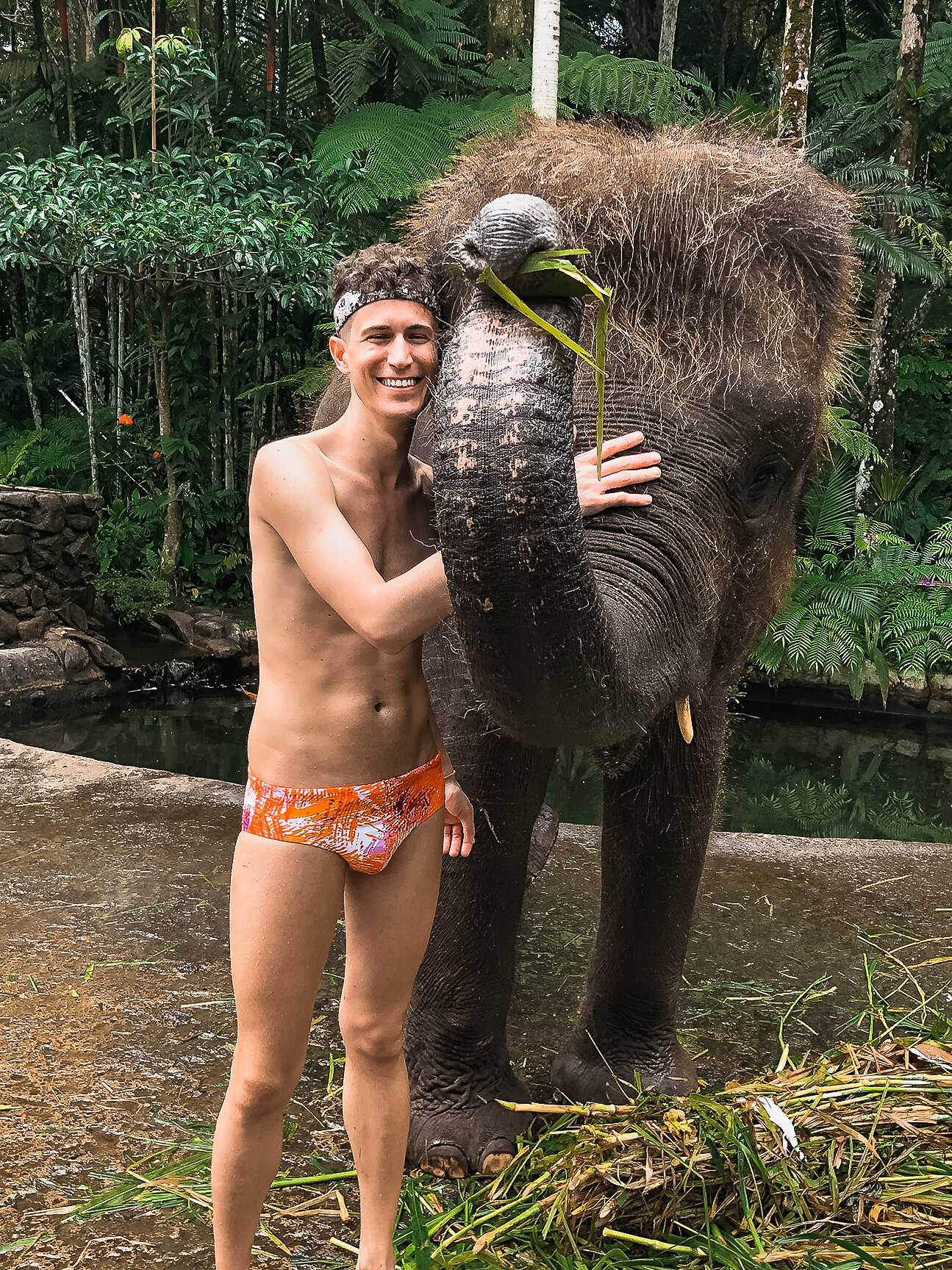
Mason Adventures Elephant Park
We came here to meet, feed and bathe an elephant! After entering the park, you can buy small baskets of produce for 50K Rp ($3.50 USD) to feed the elephants. It’s the cutest feeling as the use their trunks to take the food from your hands! After feeding, we met Risky, the elephant we scrubbed and bathed from trunk to tail. By the end of the experience, we felt like we had made a new friend but also needed a shower ourselves.
Many other visitors came to ride an elephant, something we didn’t ethically agree with and would discourage others from doing. Otherwise, the elephants seemed to be treated humanely, well fed and given space to roam.
Elephants are highly intelligent, creative and social animals. They can even use their trunks to paint. The park has a museum with elephant paintings on display and available for purchase. Needless to say, we now have a painting made by an adolescent elephant named Jegeg hanging in our bedroom.
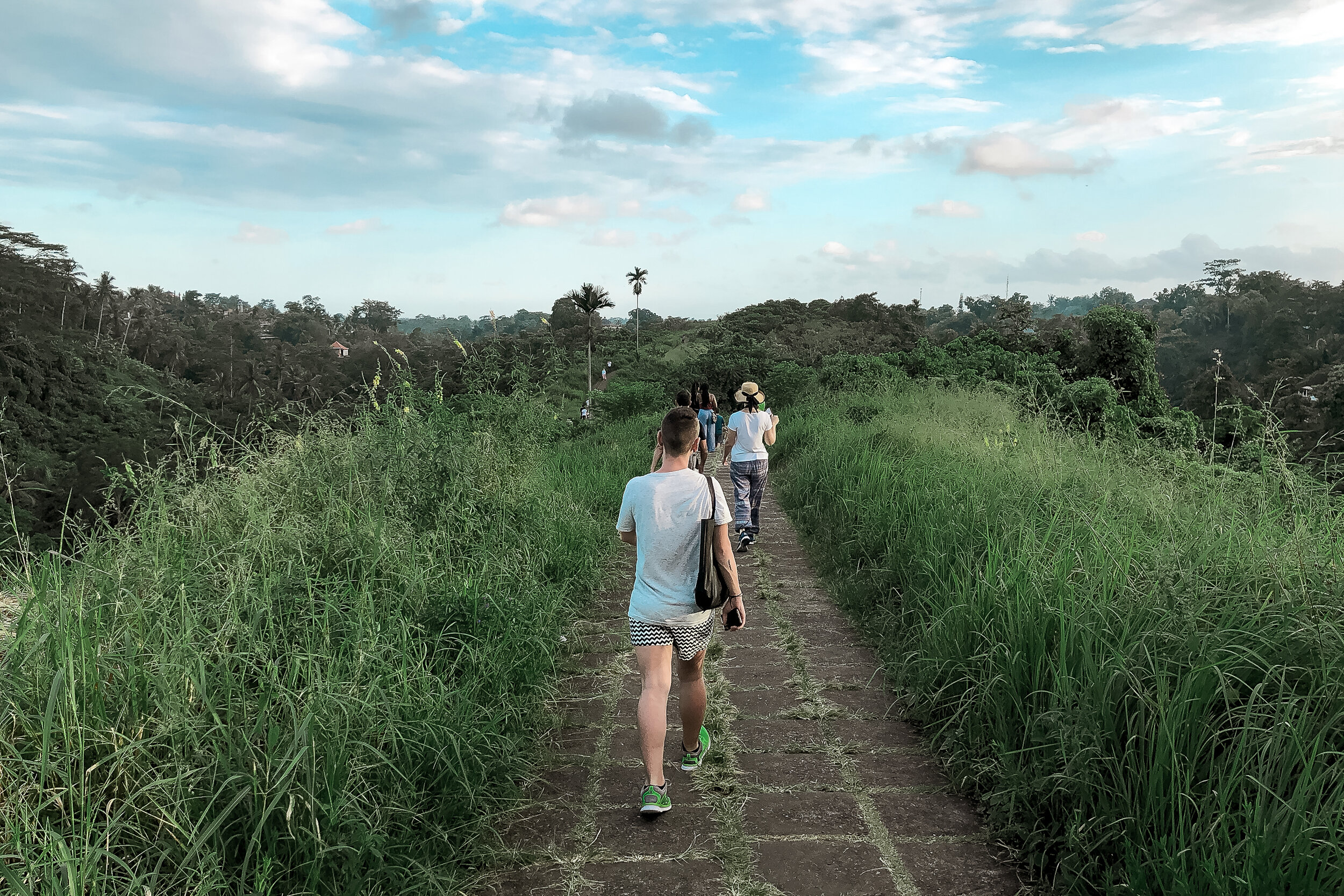
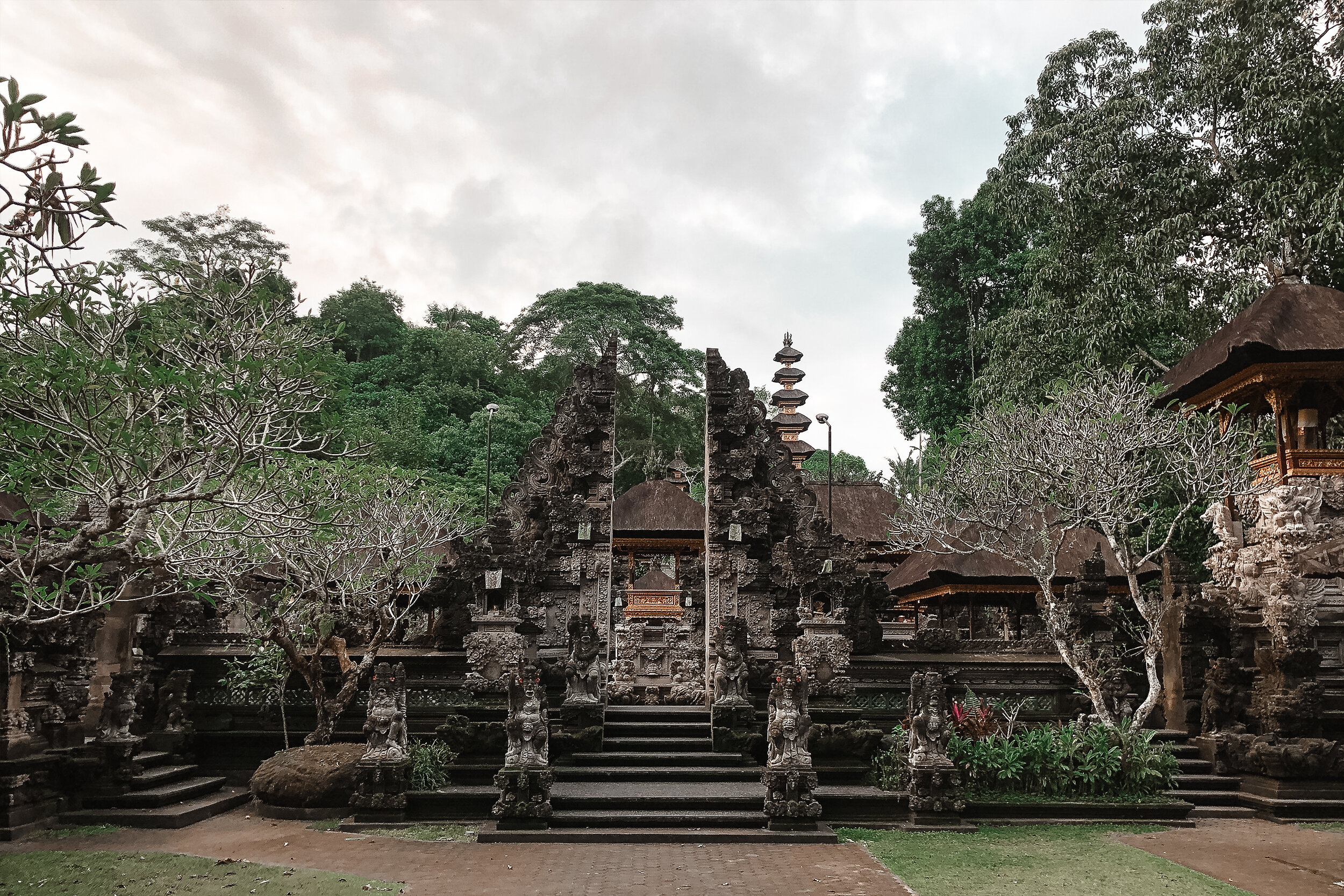
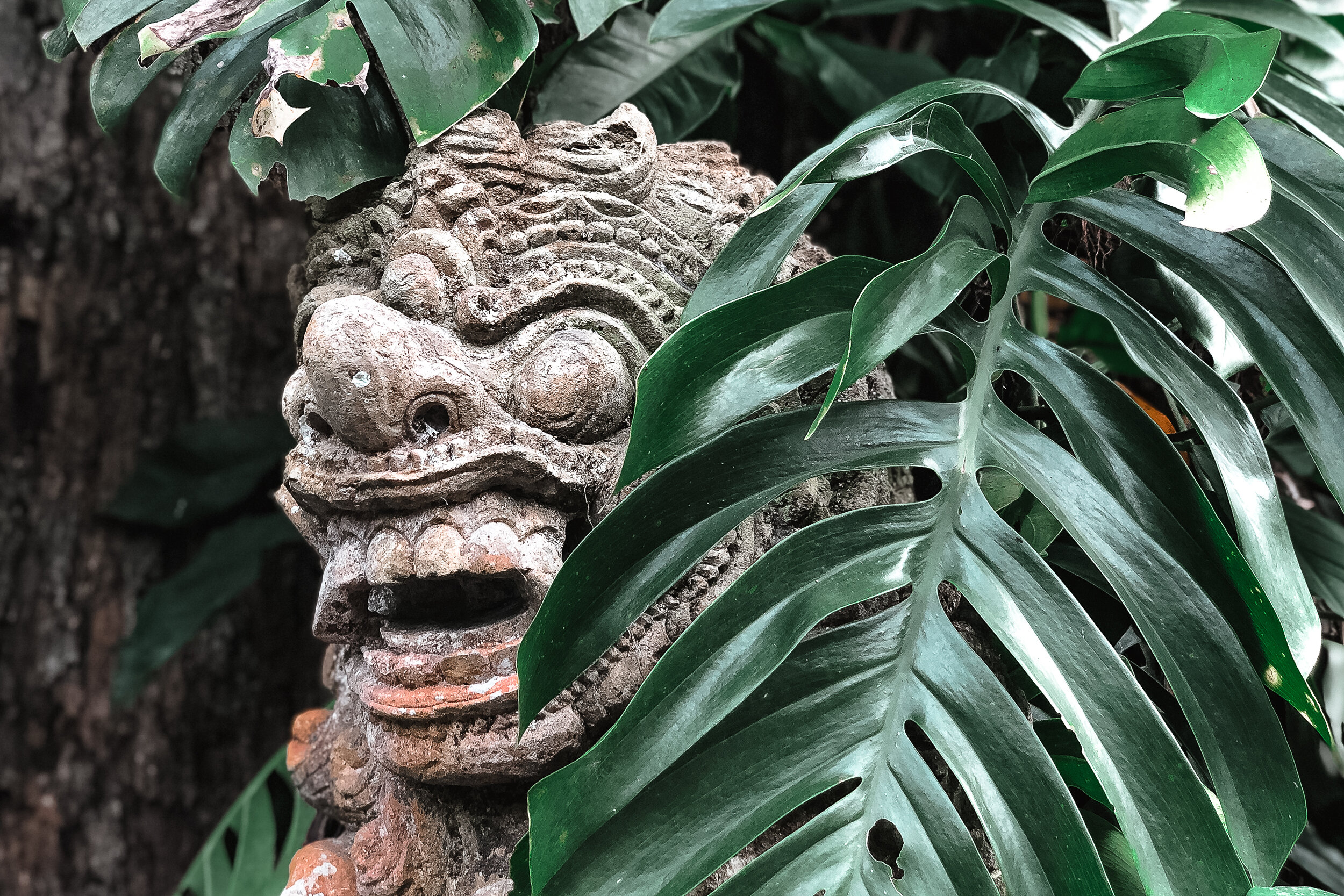
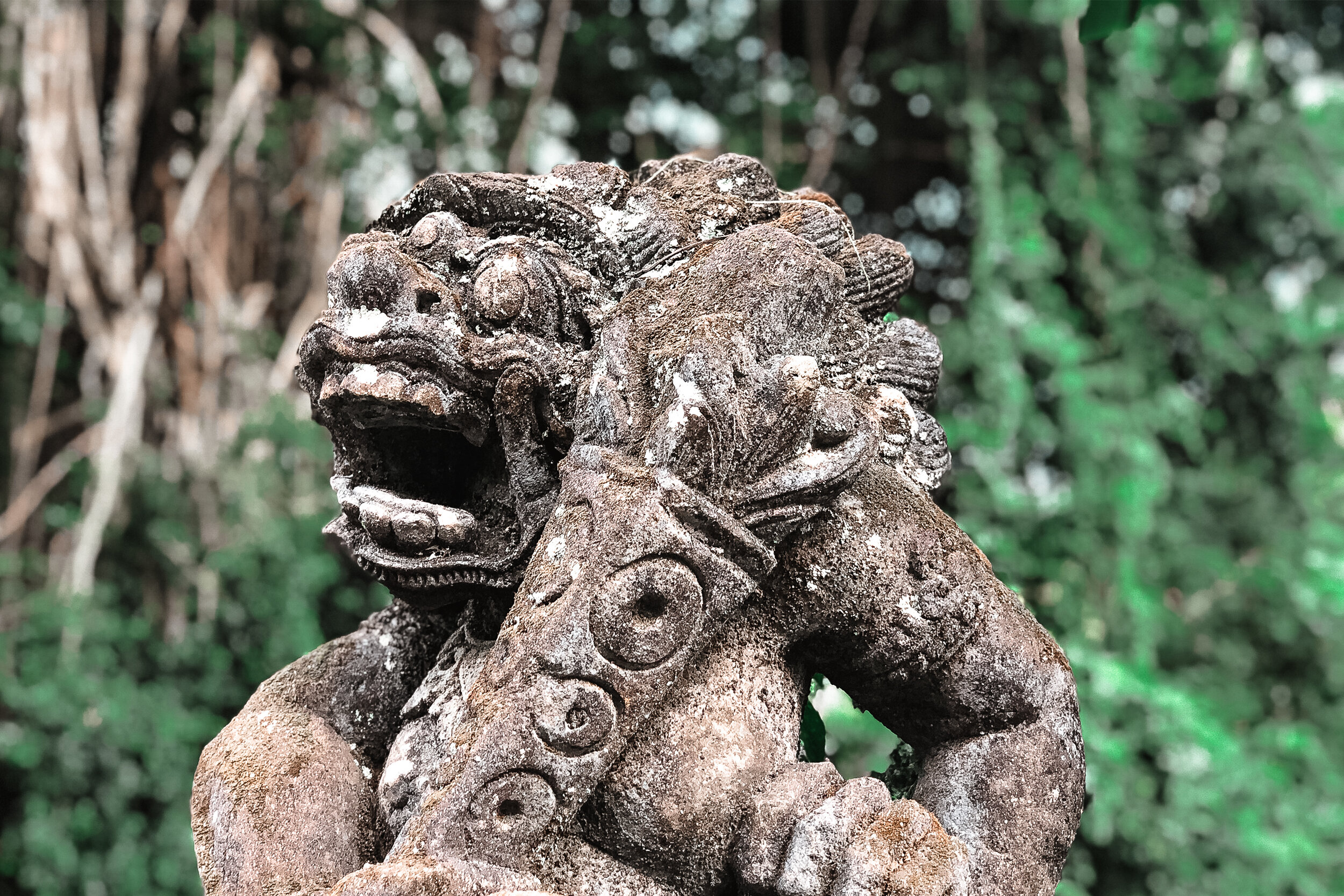
Campuhan Ridge Walk
The walk is an easy, scenic and lush 2km pathway on top of the Campuhan Ridge. To avoid the sun, we walked the path about two hours before sunset ending during golden hour. Enter on the north side, where there are a number of businesses selling fruit, water, Bintangs and massages. End on the south side at the breathtaking ancient Pura Gunung Lebah temple. From there you can walk down Jl Raya Ubud to the city center for dinner.
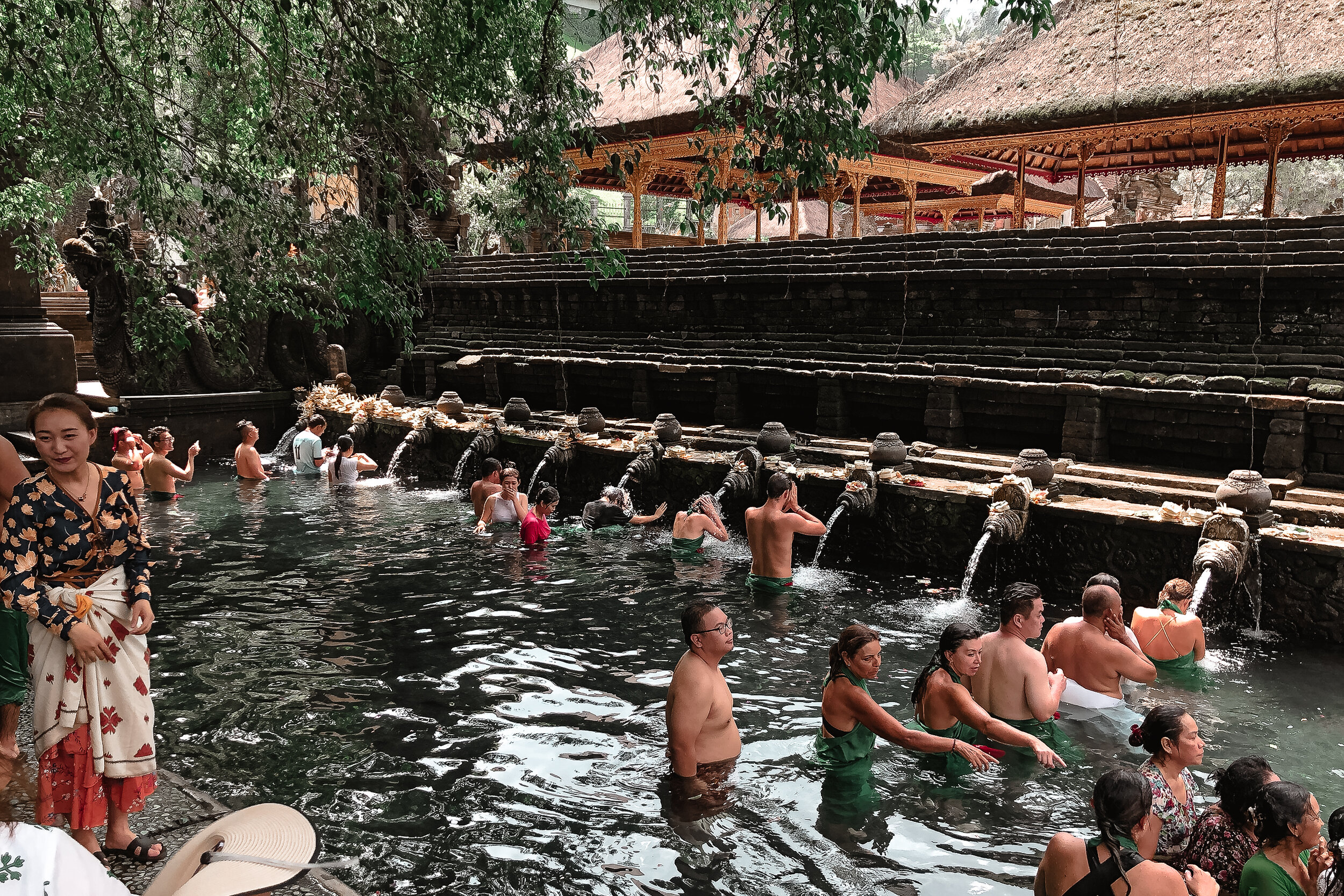
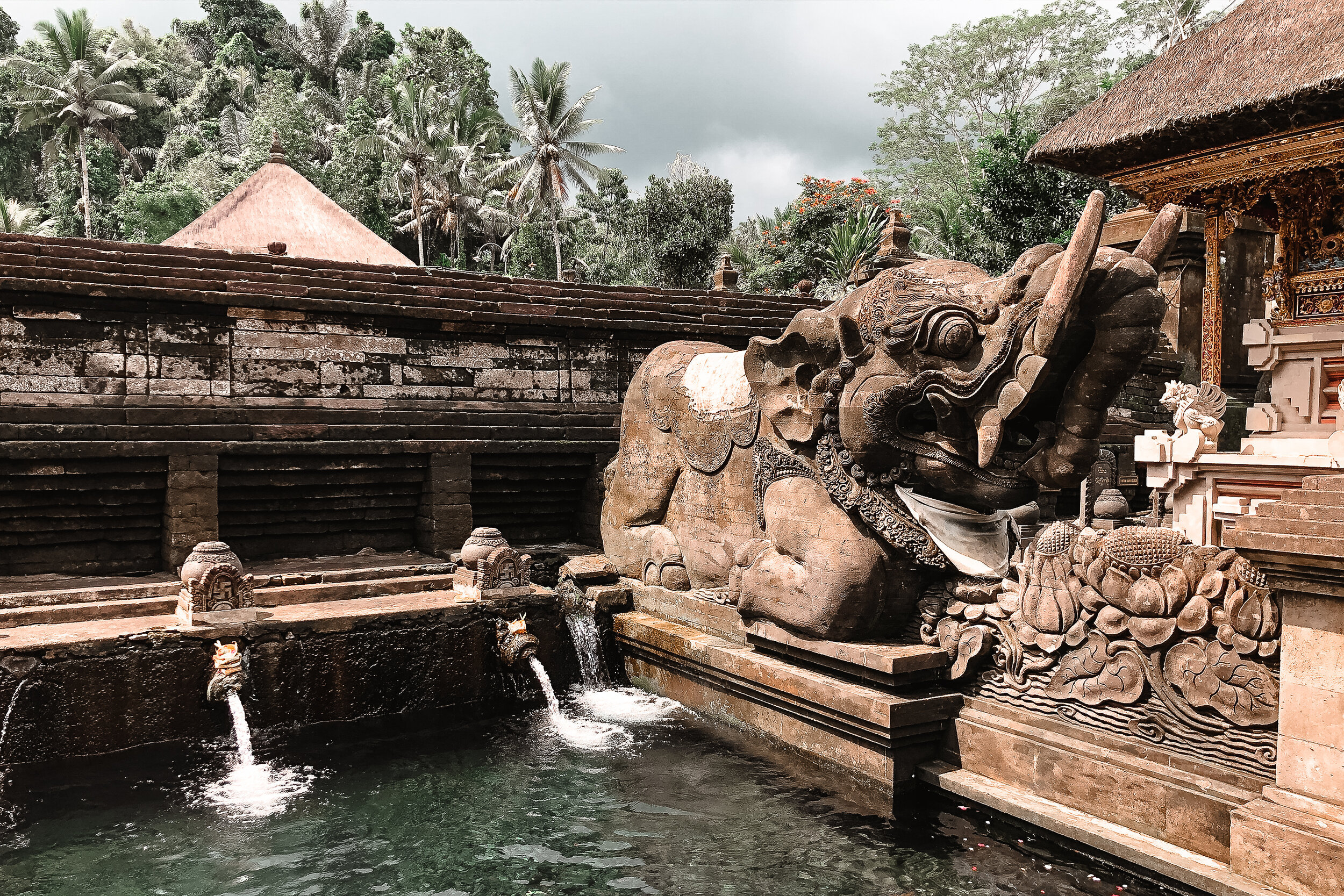
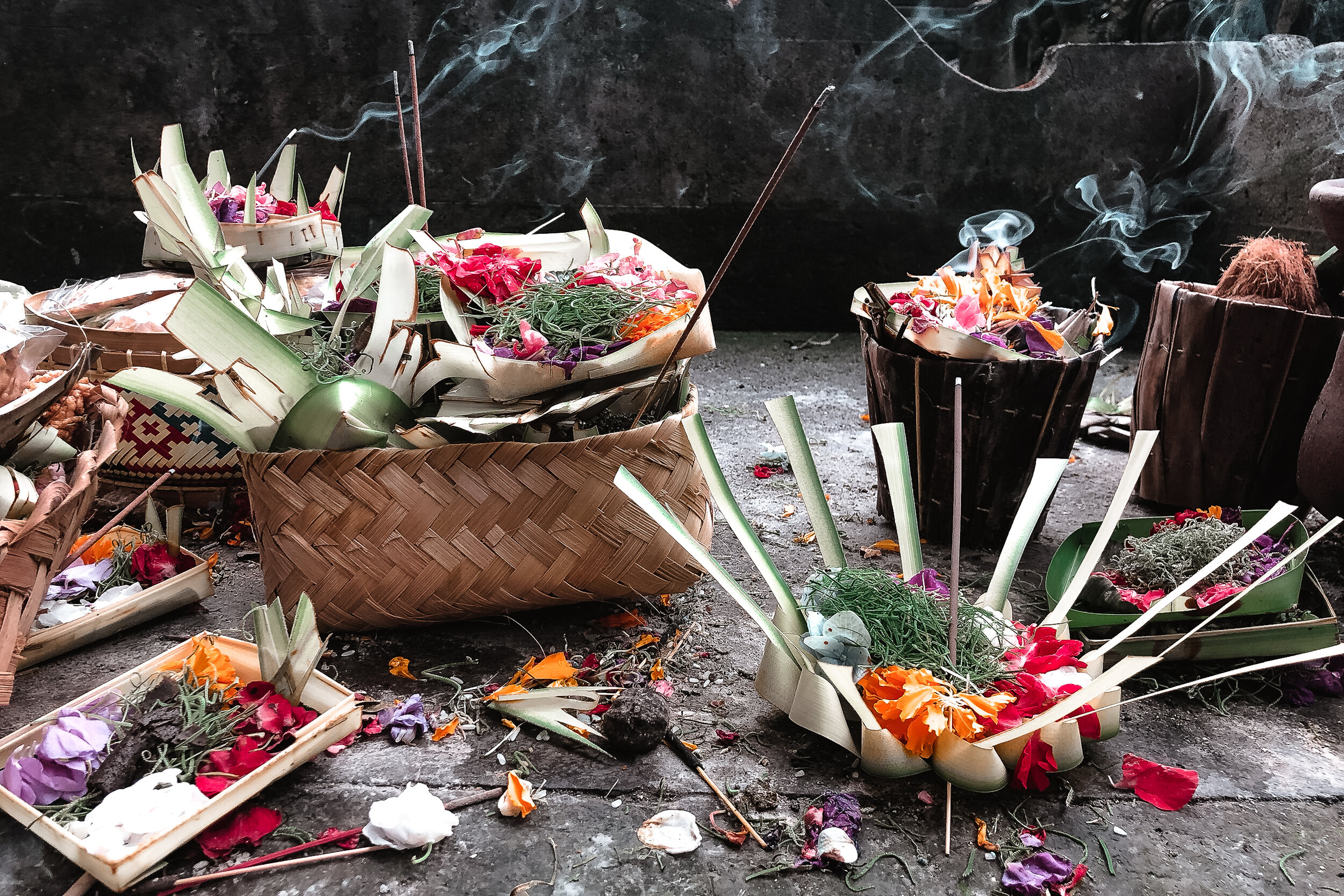
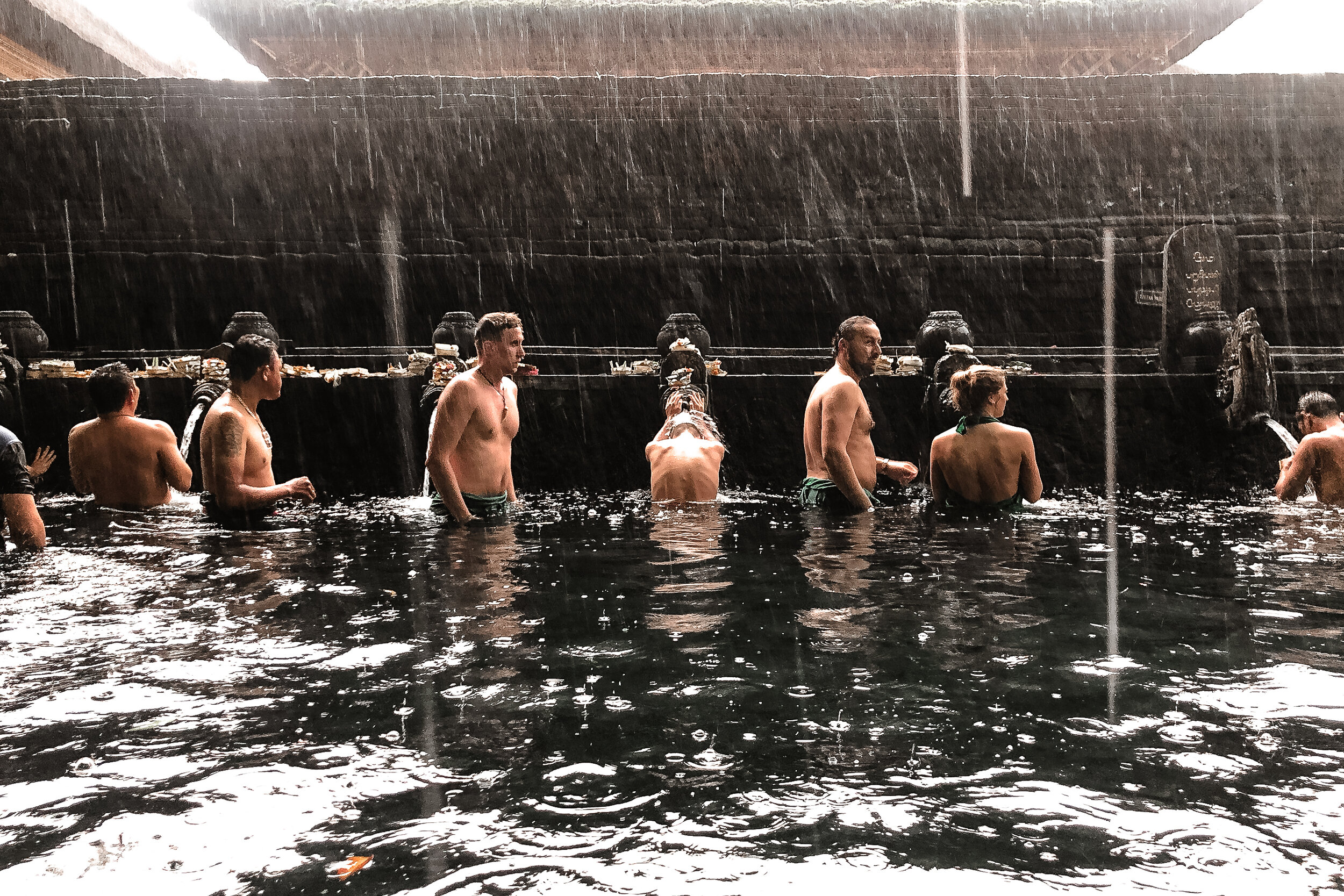
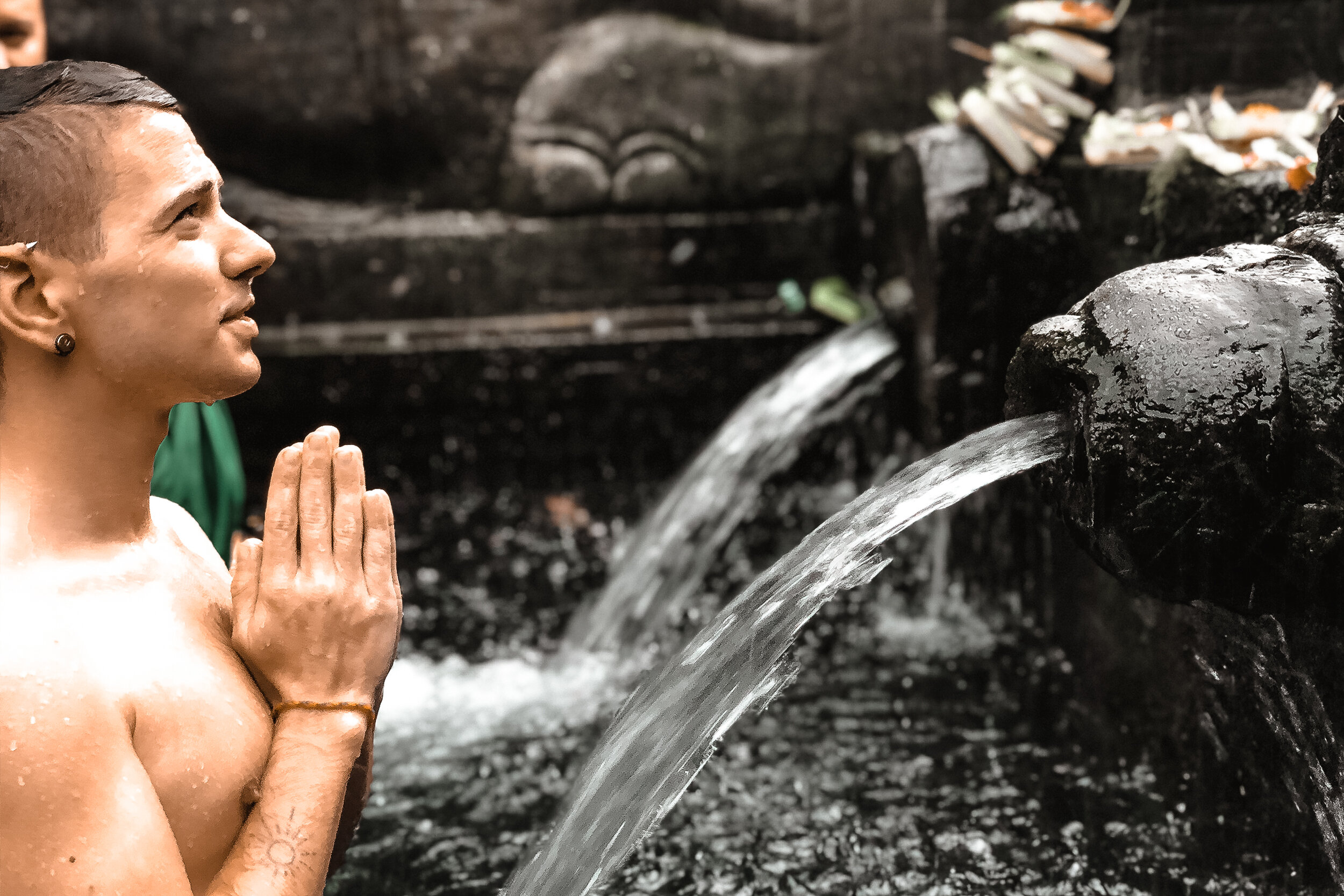
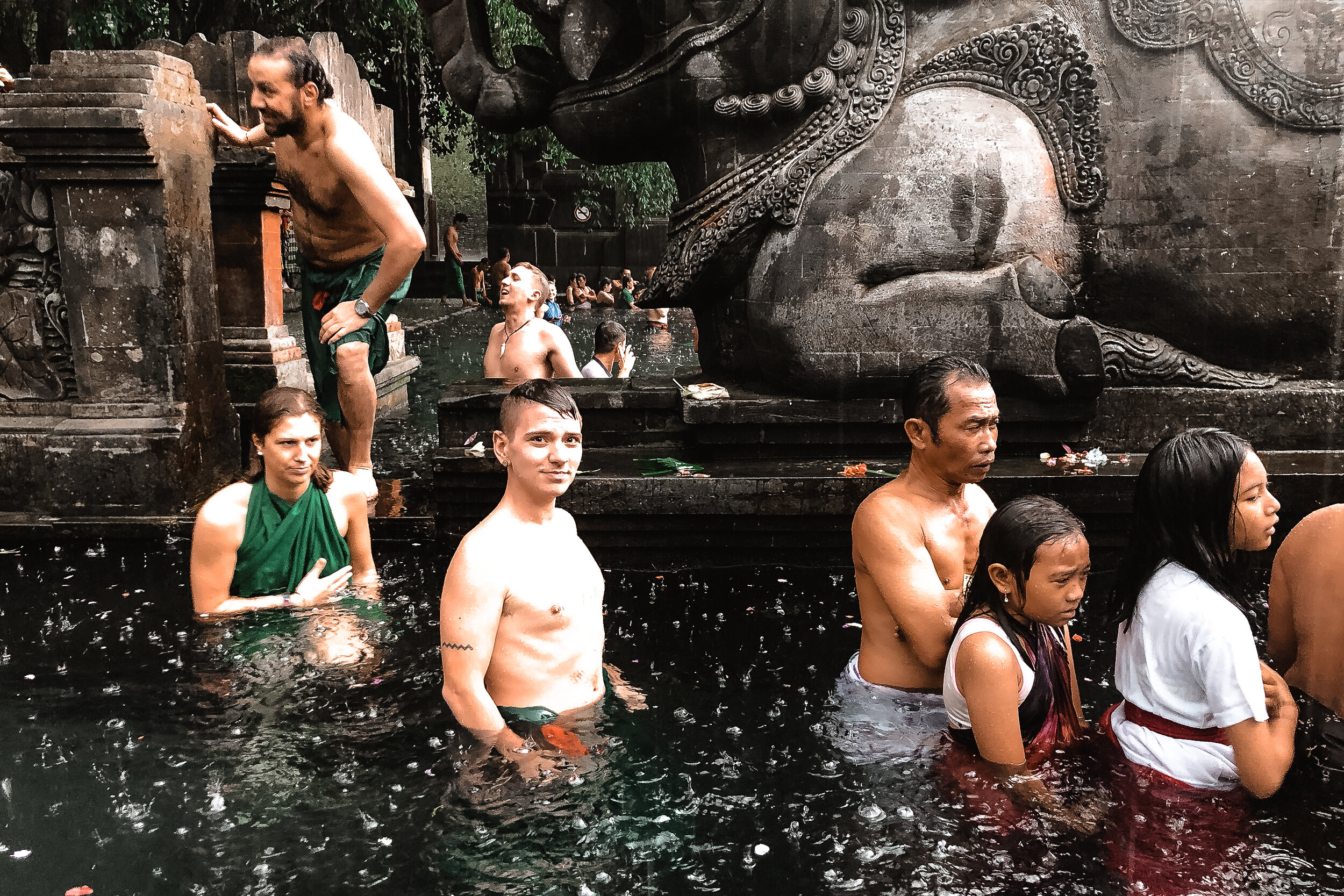
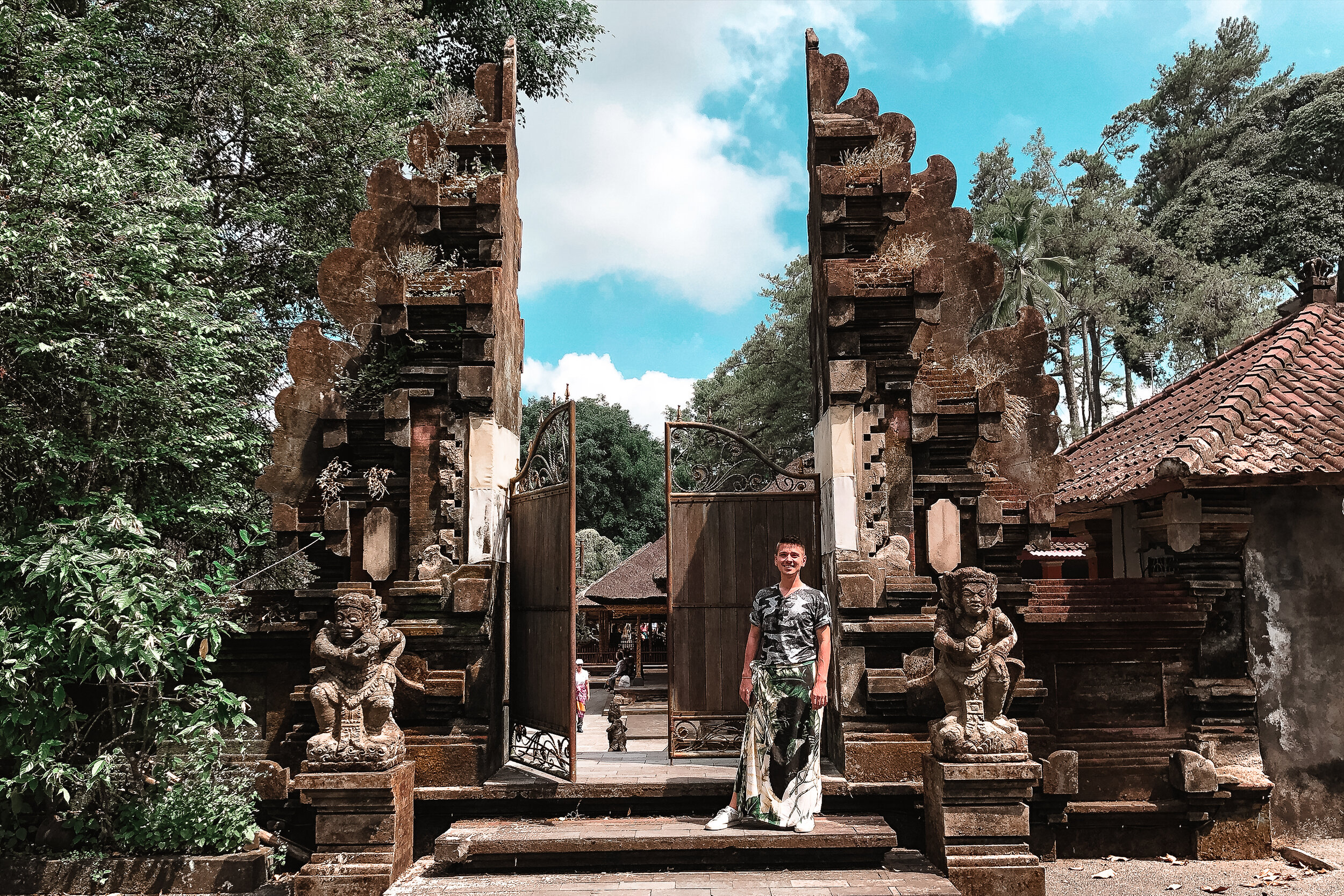
Tirta Empul - Water Temple
A 15th century temple known for its fountains and baths fed by a natural spring. It has a special importance to the Balinese for its purifying and healing waters. The best way to properly use them is to pay a temple guide for a handmade offering and ask them to explain the ritual process and meaning behind it. It’s well worth the experience to step out of your comfort zone, experience and reflect on whatever you’re thankful for.
We visited Bali during the dry season. Coincidentally, while visiting the water temple, a storm rolled in and lasted for the rest of the afternoon. It was the only time it rained during our two week trip.
What to Bring
A Sarong. Like with many temples across Bali, you need a sarong to cover up with before entering. They’re available to rent at Tirta Empul if you don’t have one.
A towel. To dry off with after cleansing in the waters
A lock. To secure your belongings in the lockers.
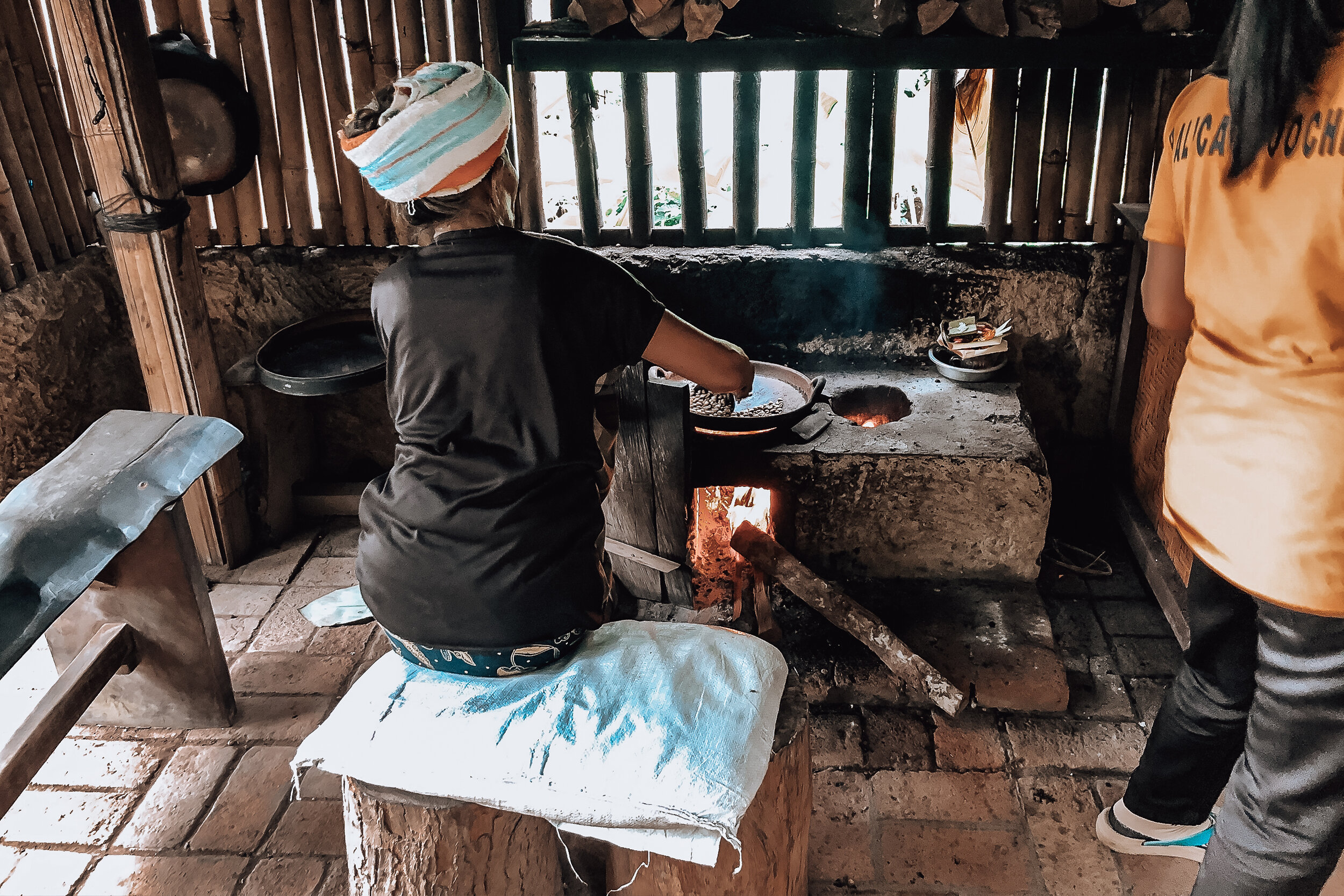
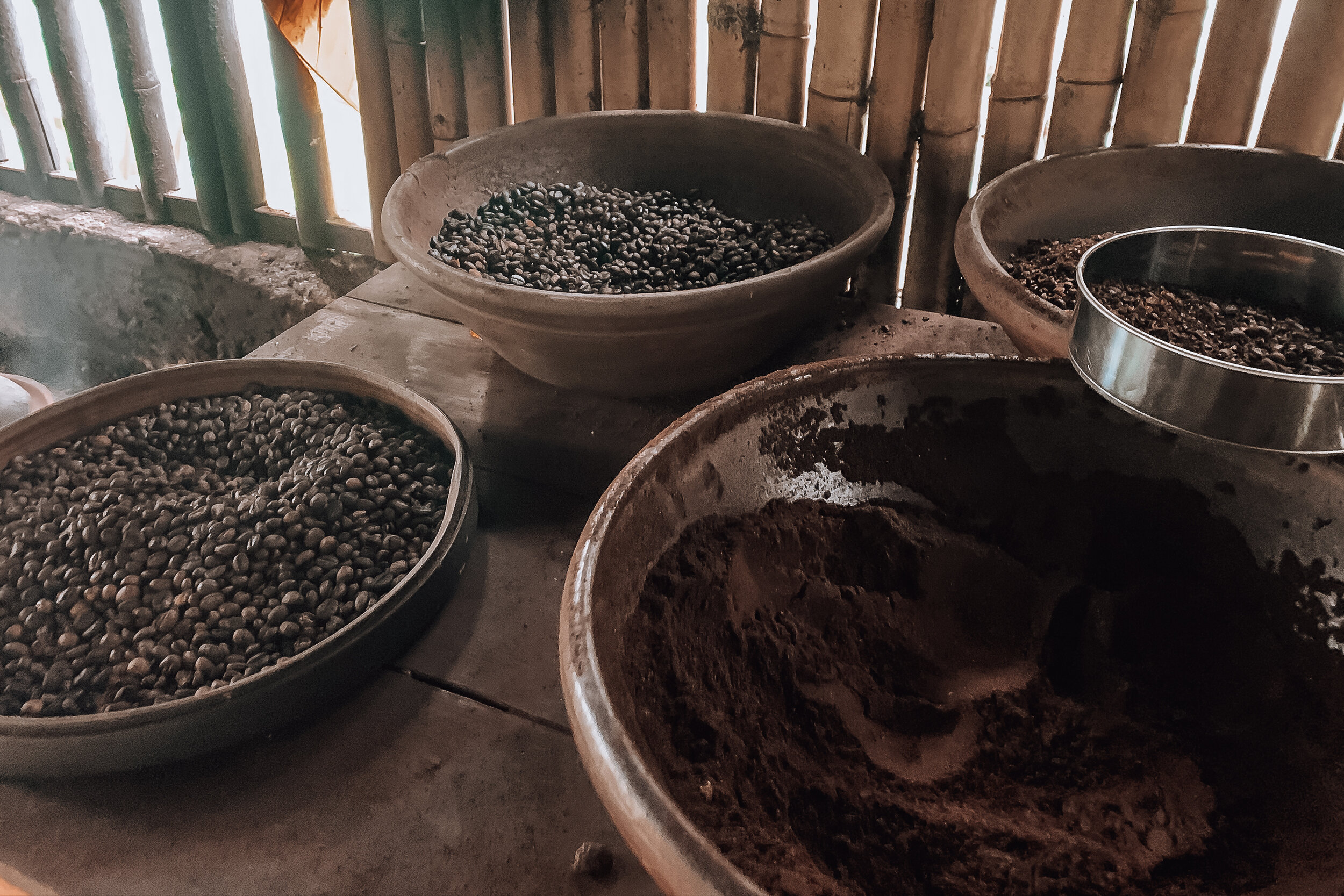
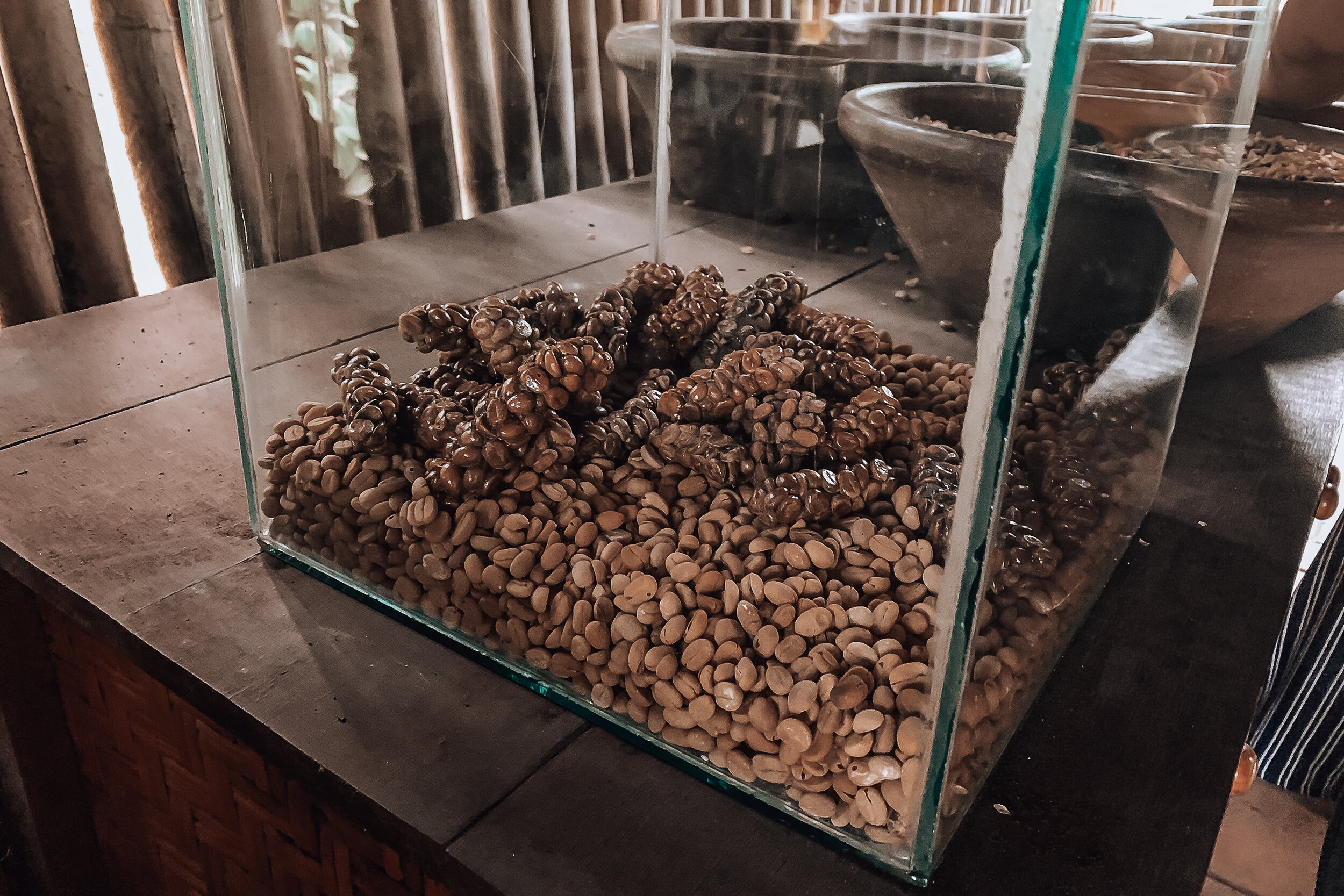
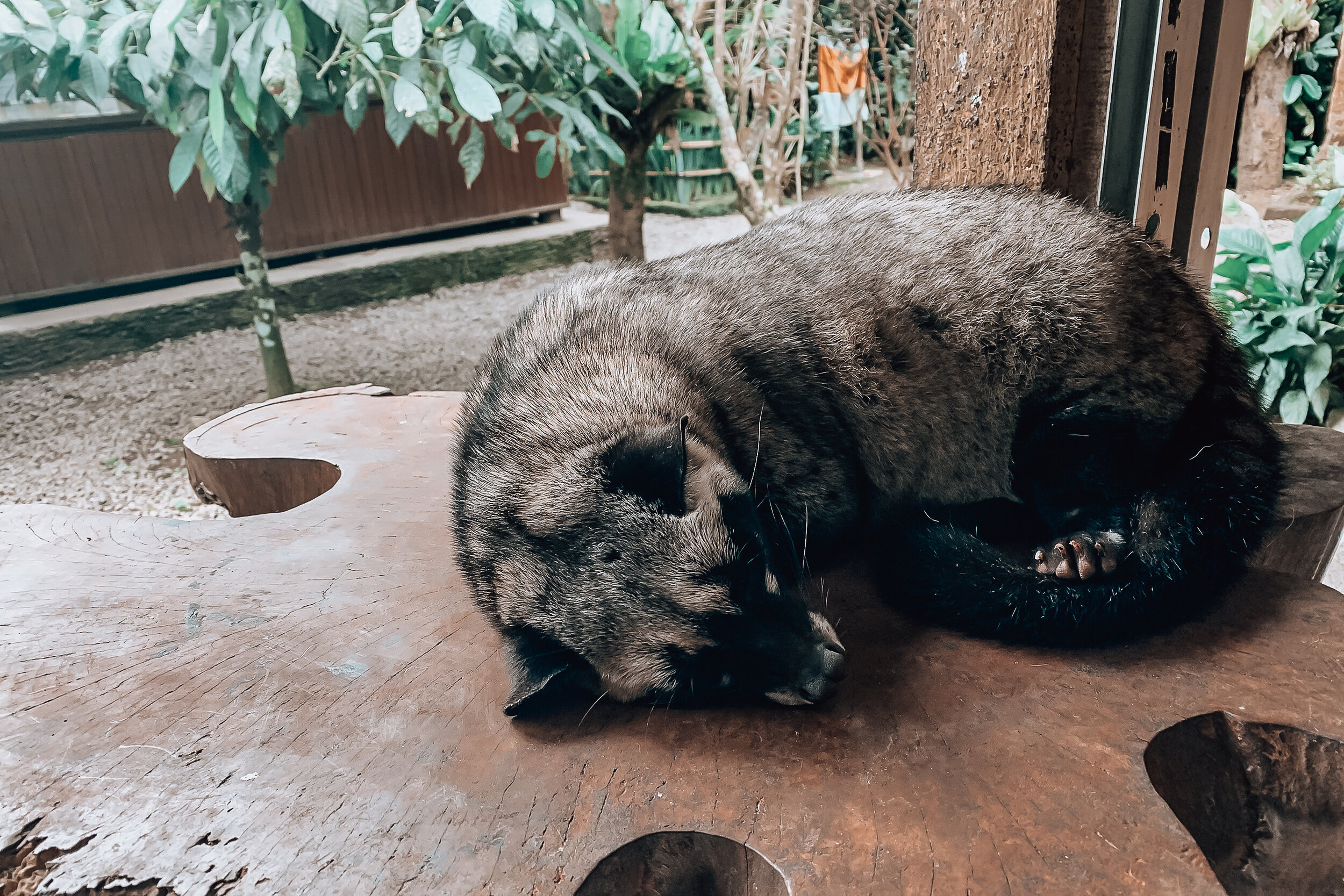
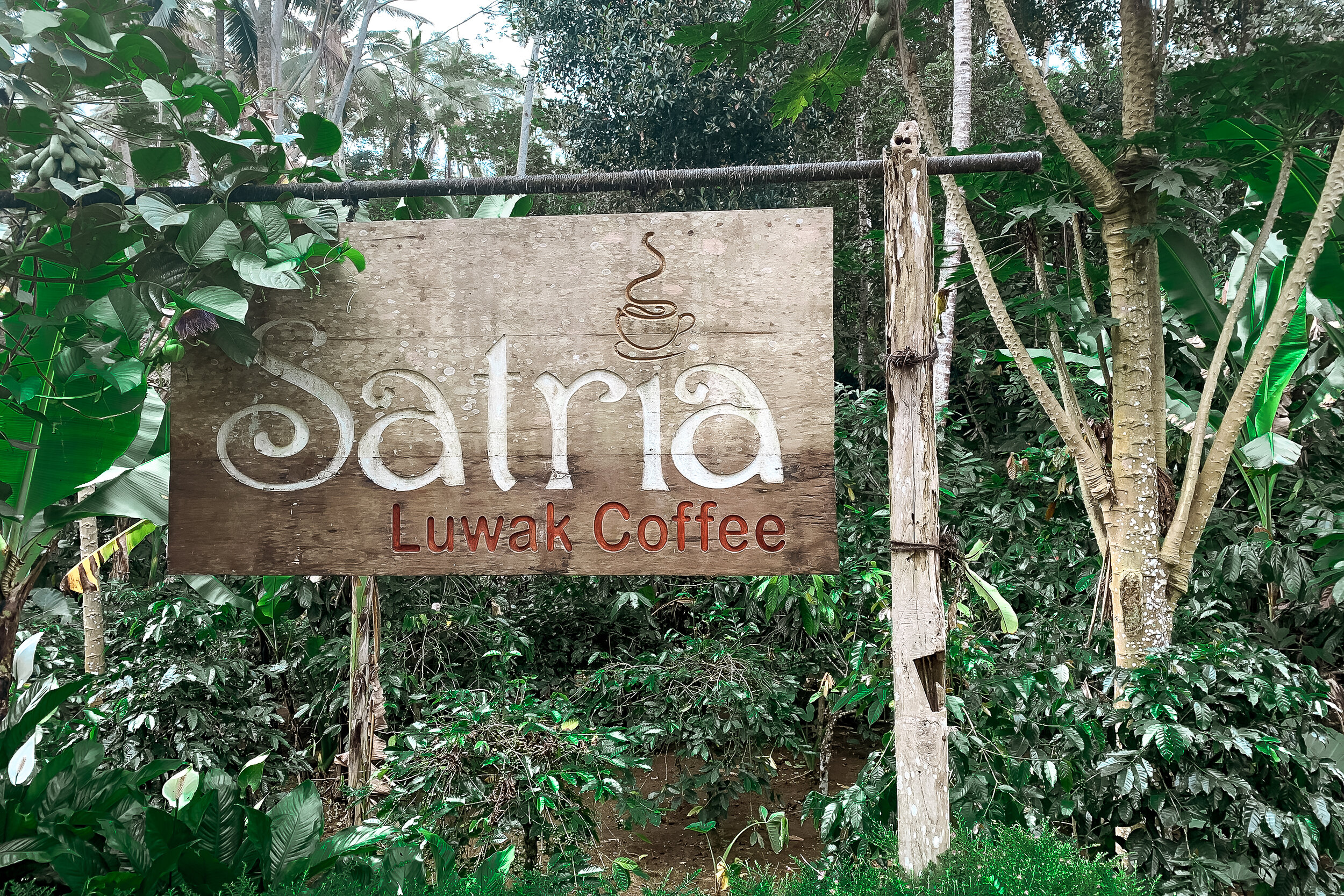
Satria Coffee Plantation
Famous for Luwak Coffee. If you’re unfamiliar, the coffee beans go through quite the process before becoming coffee. The fruits containing the beans are eaten by civets, a nocturnal cat-like mammal. The civets then digest fruit and poop out the beans. The beans are collected and roasted in small batches before being ground and turned into coffee. It’s an unappealing process but does result in a rich, mellow and flavorful brew worth trying at least once.


Museums
There are a number of museums showcasing Balinese art, artifacts, carvings and architecture throughout Ubud. The museums themselves are as much about the grounds and their temples as they are the artwork and artifacts within.
The three most important ones are:
Agung Rai Museum of Art (ARMA)
Museum Puri Lukisan
Neka Art Museum
We visited ARMA during the mid afternoon and were surprised to find the museum mostly to ourselves. We spent a few hours touring the galleries, walking through the grounds and talking with a few artists currently carving sculptures and painting in the gardens.

Restaurants
In Ubud, we learned that it’s customary to remove your shoes before entering most restaurants and business. You’ll often be cued by a row of shoes outside the business before entering. If you’re unsure, do it anyway. Other than Akasha Restaurant nearby our eco-dome and a few street meals, here are a few places we came to eat and drink:
Mudra
A really cute cafe nearby the Monkey Forest offering the most stunning Bali bowls on the island.
Hujan Locale
Slightly higher-end contemporary Indonesian cuisine with colorful and flavorful dishes as well as artisan cocktails. We shared a few appetizers end enjoyed the prawn and crispy whole fish as mains.
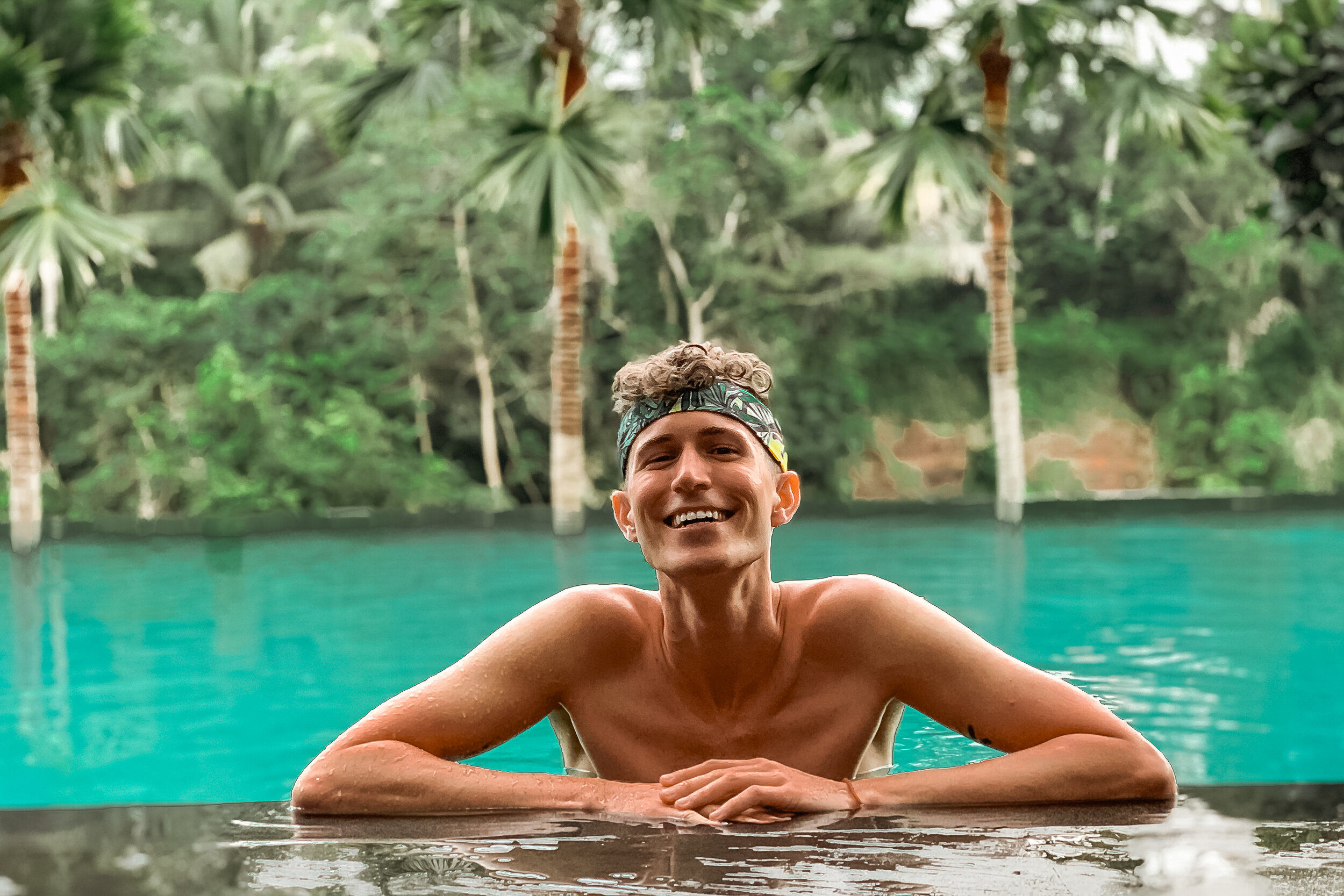
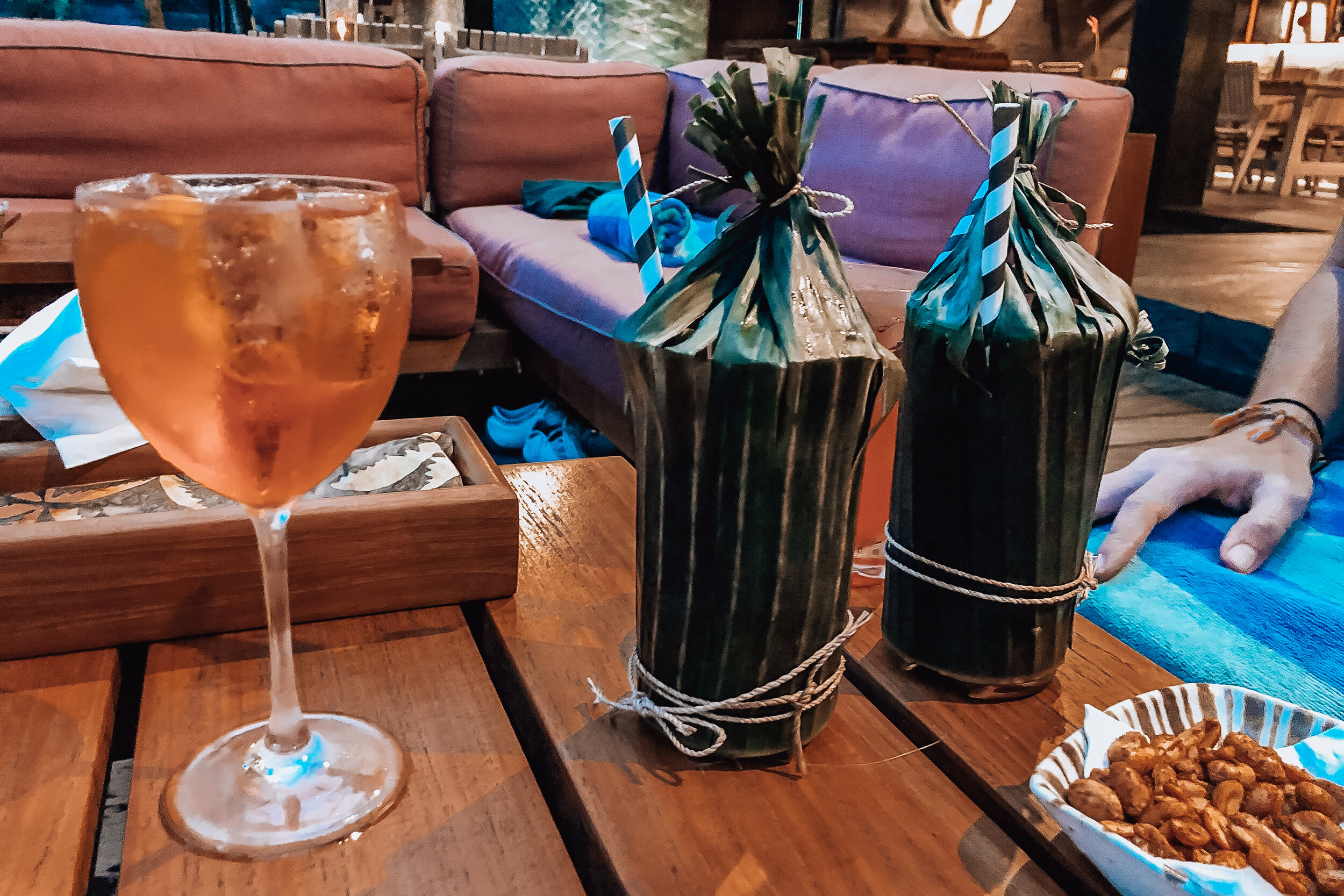

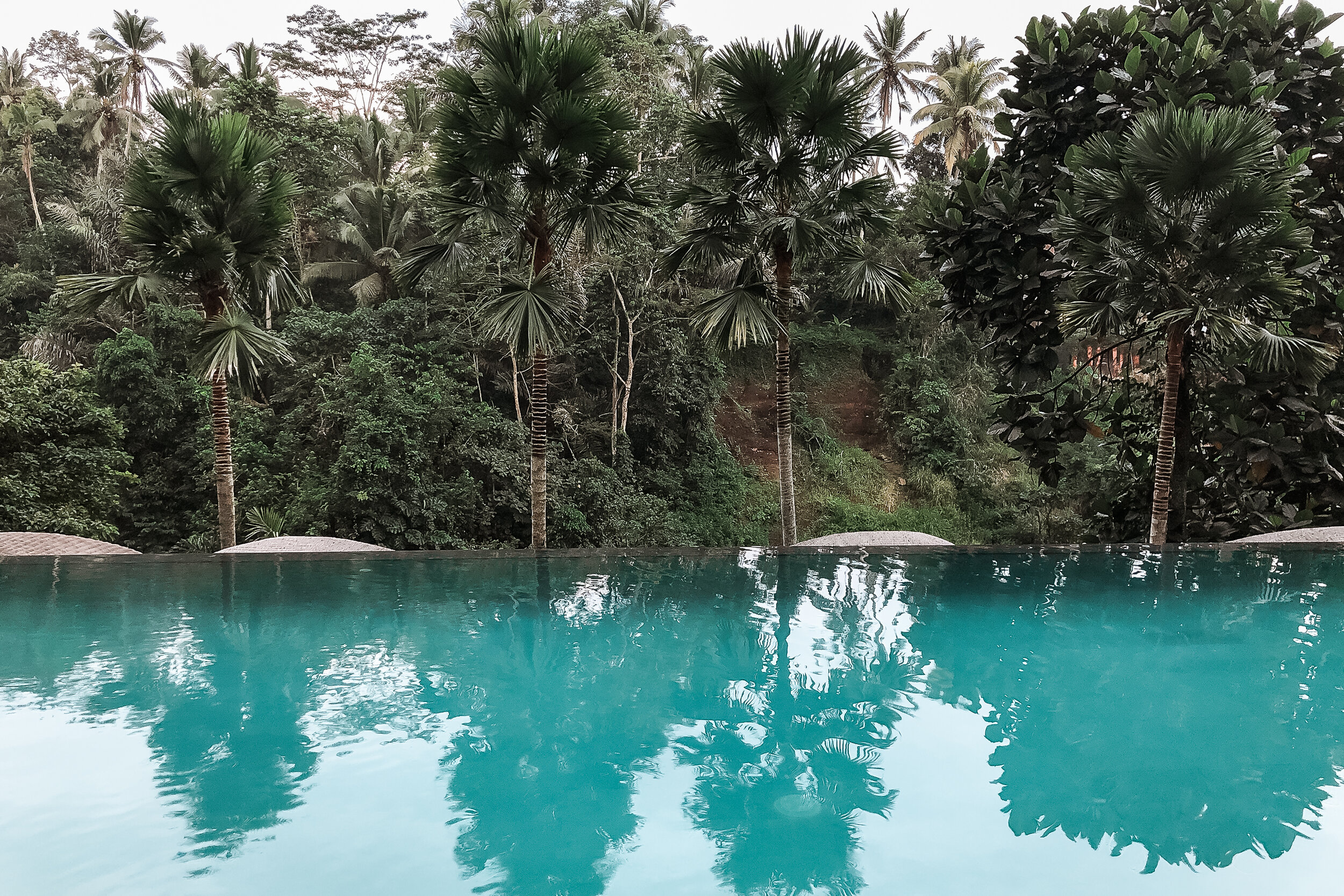
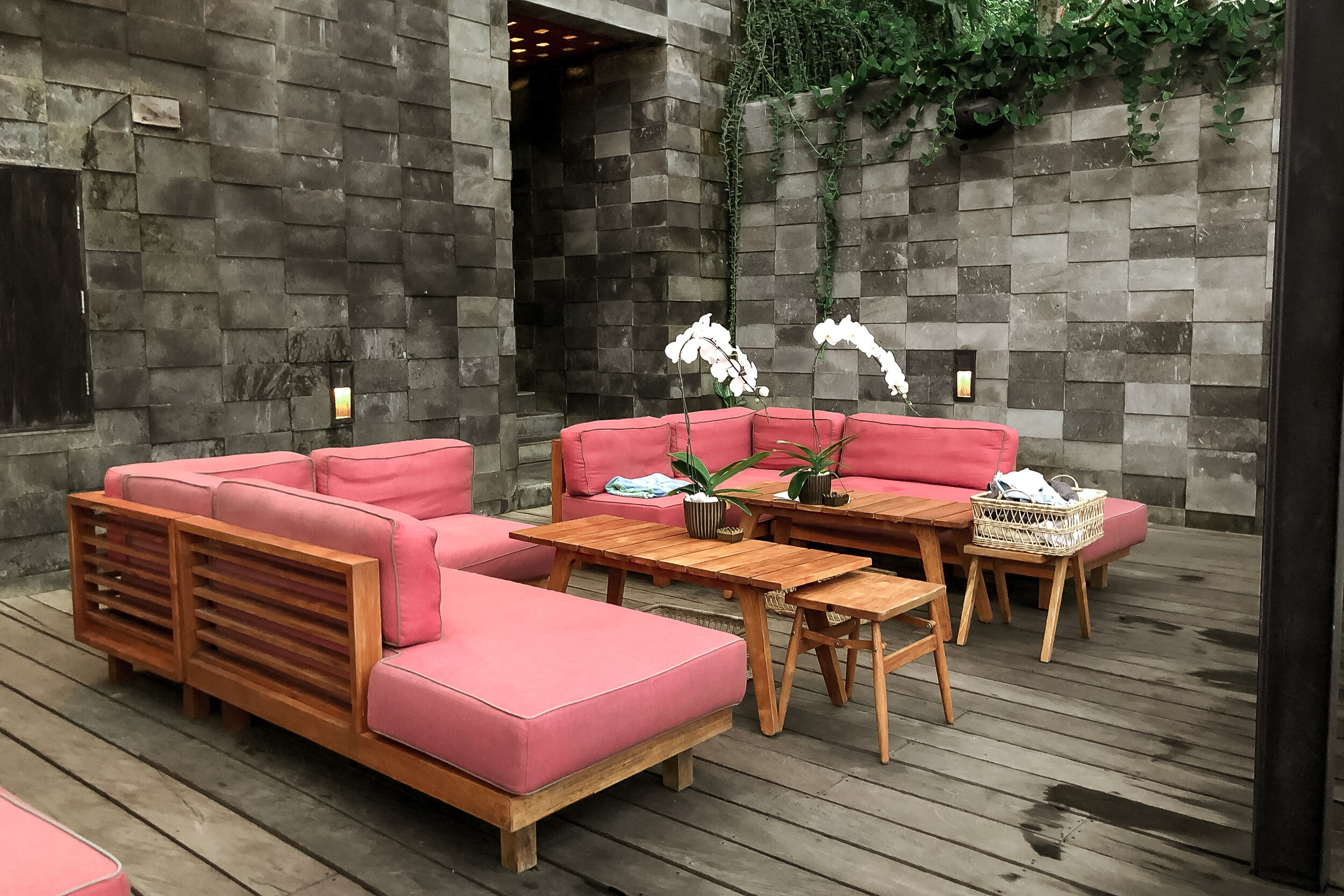
Jungle Fish
The best way to describe this place is a beach club in the middle of the jungle. The restaurant has an infinity pool overlooking the lush rainforest and multiple levels. The pool bar offers a selection of small plates and 2 for 1 drinks. We sampled every cocktail on the menu falling in love one wrapped in banana leafs.
Good to Know
Currency & Pricing
You can easily be a millionaire in Bali. 1,000,000 Rp converts to about $71 USD.
Money is qualified in the thousands. Many restaurants and businesses will drop the extra zeros on menus and price tags. For instance something costing 56,000 Rp may be listed as 56.
Carry a lot of smaller bills (5K, 10k and 20K) with you for donations and small fees.
Tipping is usually included in the bill under service. Anything extra is not expected.
When exchanging cash or cards, use both hands out of respect.
Safety & Awareness
Bali is generally a safe place to travel too.
The biggest dangers in Bali are traffic and natural disasters.
You need to be alert and careful if driving a scooter or crossing a road.
Bali is a volcanic island and prone to earthquakes. The safest thing to do if one happens is to move to an open area. If you’re in a building, move to the center of a street. If you’re hiking or under palm trees, move to a clearing to avoid falling rocks and coconuts. Always cover your head.
Language & Phrases
Bahasa Indonesian is the official language in Bali however many people know English.
People will often introduce themselves and bow their head when meeting you. You should reciprocate the response and gesture.
Common phrases:
Sukseme = Thank You
Sama Sama = You’re Welcome
Selamat Pagi = Good Morning
Selamat Siang = Good Afternoon
Selamat Sore = Good Evening
If we had more time…
Ubud was one of our favorite places in Bali, so much so we dedicated a full guide to it! Though we spent nearly a week here, there is still so much more left to experience. Here are a few of the things we plan to do when we return. Read our Coastal Bali Guide for more things to do and see around the island!
Pura Ulun Danu Bratan. Canoe between the floating water temples on Lake Bratan
Pura Taman Saraswati. A palace water temple surrounded by a large lily ponds where the traditional Balinese Legong dance is performed.
Goa Gajah. A 9th century cave temple with extensive carvings. You enter through the mouth of a demon.
Chase Waterfalls. The two main ones in Ubud are Tegenungan & Tibumana Waterfalls.
Canopying. The Tree Top Adventure Park offers courses canopying and zip lining through the tropical jungle.

Autumn in Amsterdam
Amsterdam is a cozy city to visit in autumn. Come to appreciate the historic canals, the city’s food scene and accepting attitude.

Amsterdam, Netherlands
We visited Amsterdam during autumn when the days were cool, the leaves falling and nights long. The crisp air and ability to dress in layers made it a cozy time to visit and appreciate the slim historic buildings lining the rings of canals. The city is rife with creative restaurants and bars, vintage and design shops, has an accepting attitude and a strong coffee culture.
See the City
Amsterdam is a city that’s meant to be explored! We spent a lot of time walking along the canals, wandering deep into the neighborhoods and parks, ducking in and out of shops and observantly looking at art in the museums. One of the best ways to see the city is on a canal cruise.
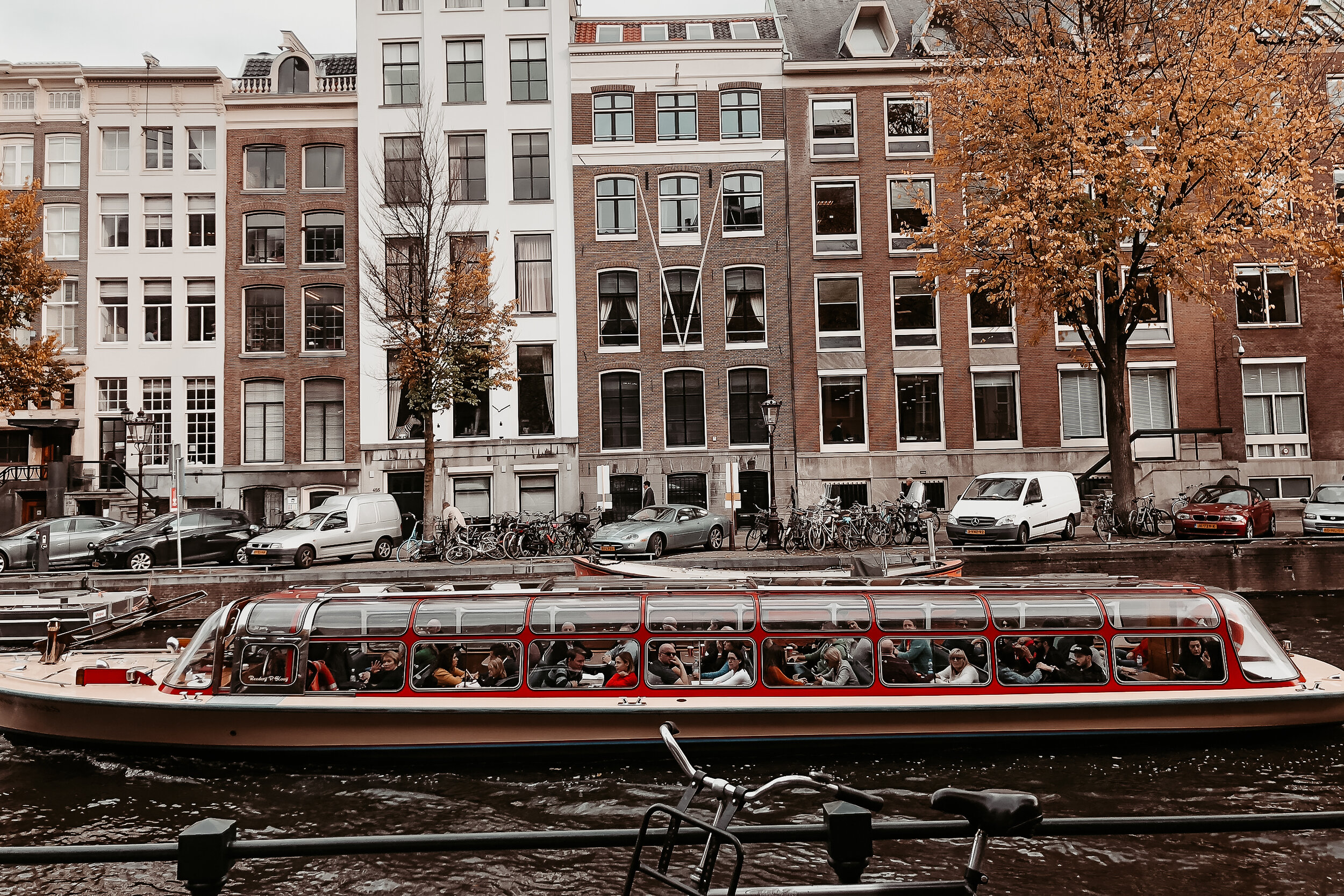
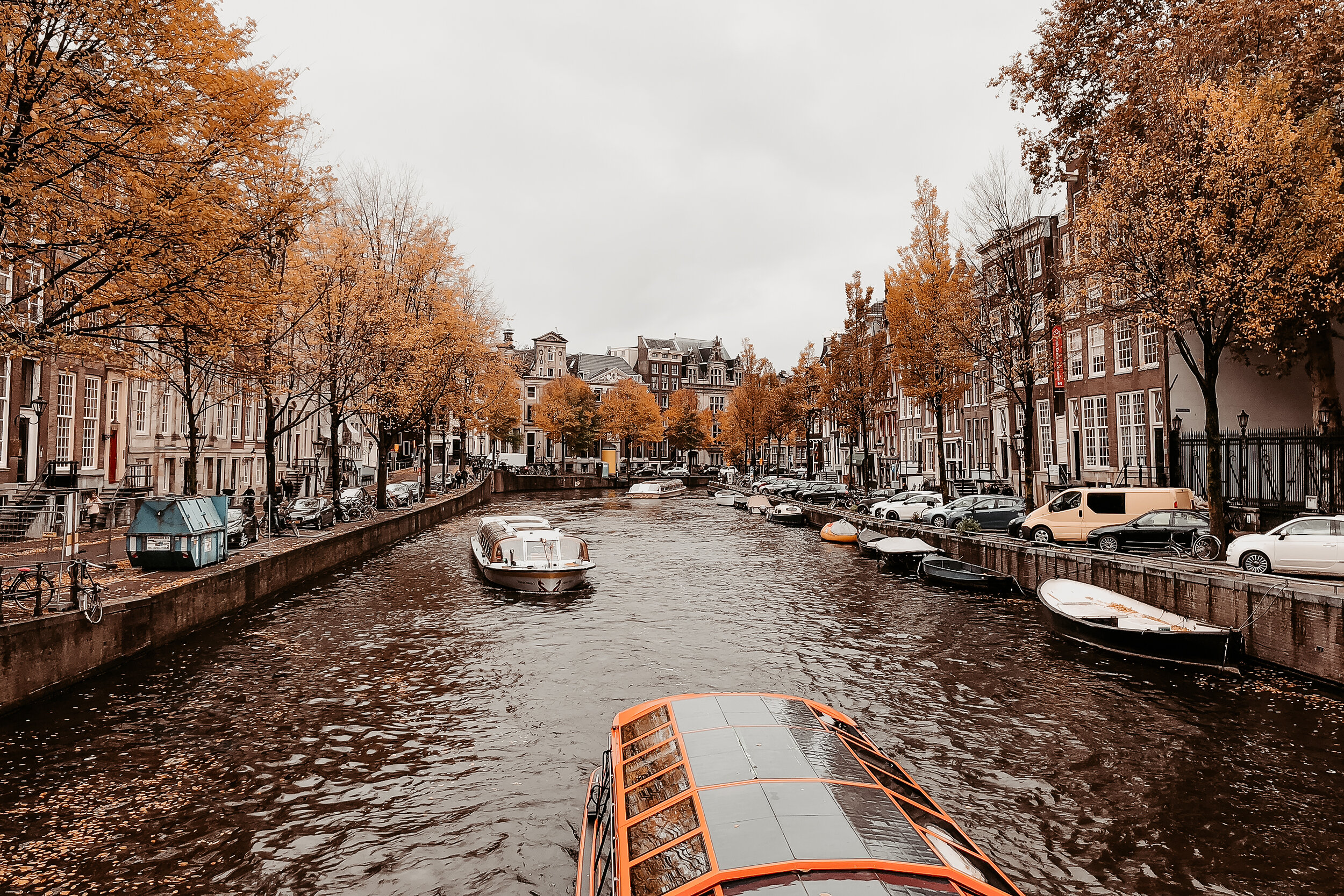
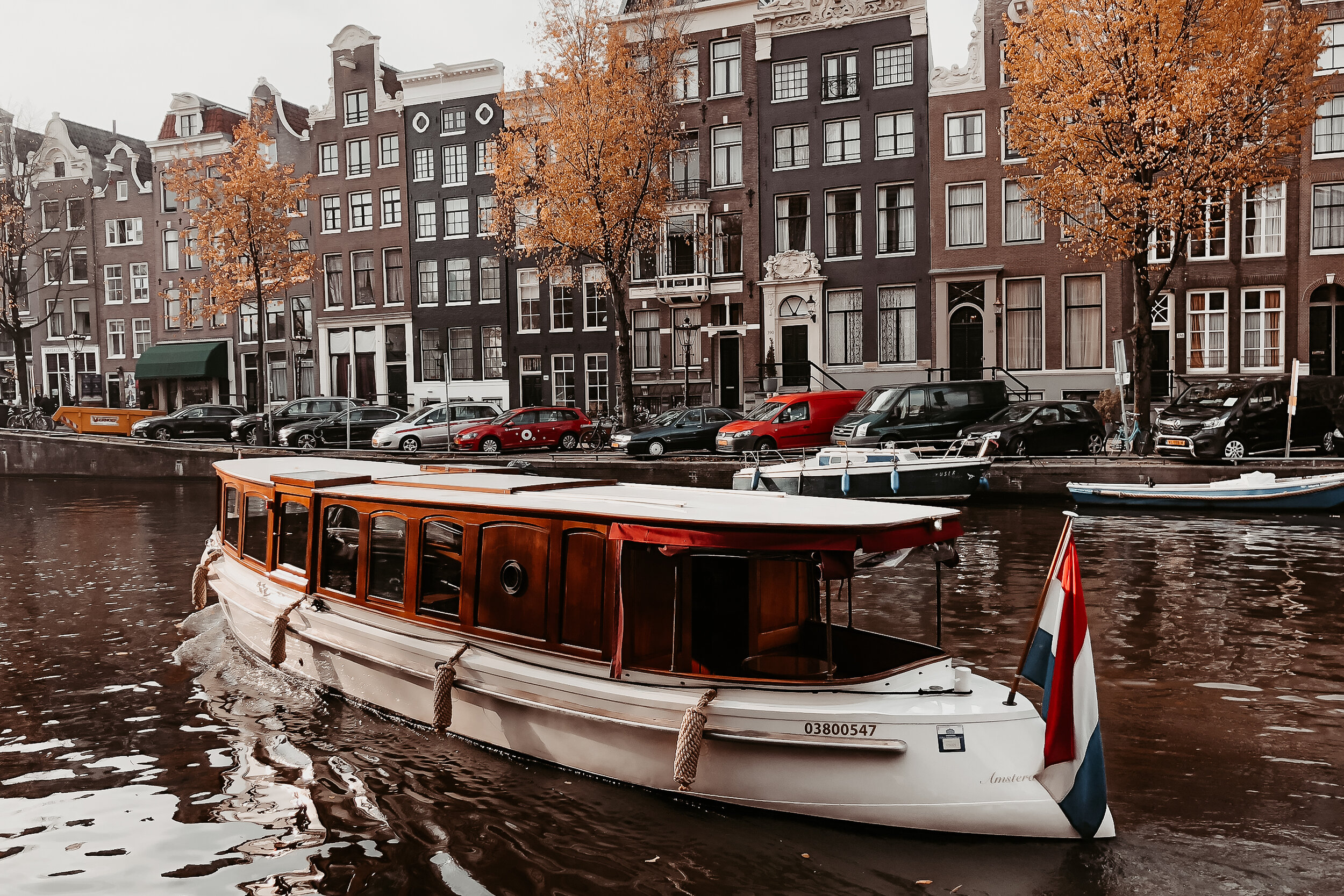
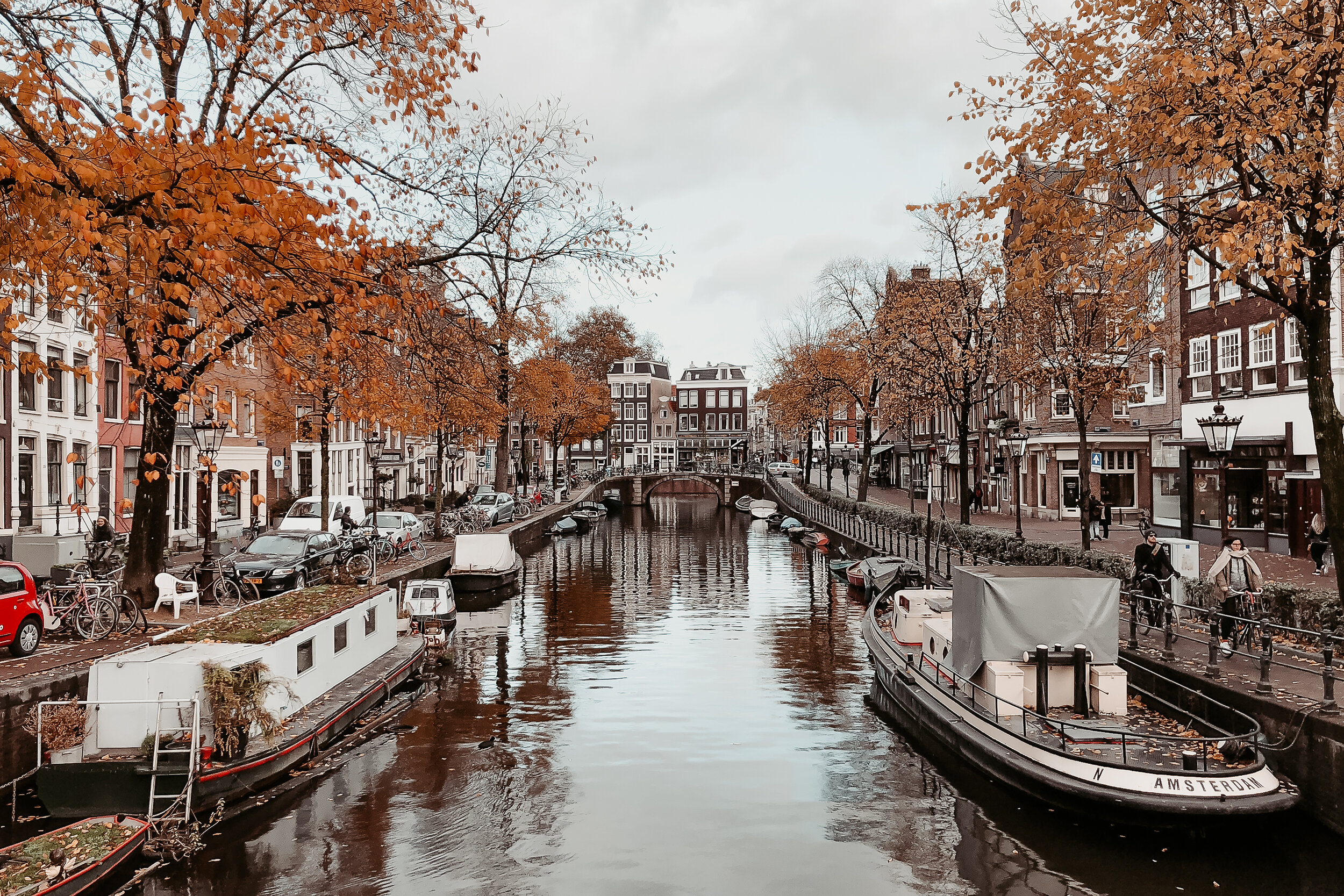
Cruise the Canals
During the first evening of our trip, we took a leisurely cruise through the canals while sipping on wine and sampling Dutch cheeses. From within the covered boat, we looked out at the beautifully illuminated buildings, into countless house boats and admired how effortlessly the captain seemed to navigate through the narrow passageways and low bridges. Maybe it was the jet-lag or all the wine but the cruise eased us into a perfect state of tiredness and relaxation.
There are several ways to easily experience the canals. Here are some of the other options we considered:
Canal Cruise. Multiple companies offer canal tours and rides too and from various points around the city. All of which are competitively priced, well reviewed and routinely operating. We booked through Stromma. Outside of the wine and cheese cruise, there are traditional sightseeing options, brunch or dinner cruises and open boat tours.
Plastic Whale. Go “plastic fishing” and help clean the waterways of plastic waste that would inevitably flow into the oceans. Book here.
Salon Boat. Charter a private or small group tour on one of these elegant wooden boats. Book here.
SUP or Kayak. Paddle through the canals on a stand up paddle or kayak.
Neighborhoods
De Pijp. The neighborhood has a local vibe and attracts less tourists than more central parts of the city. It is home to one of the city’s largest markets, Albert Cuyp Market, and numerous cafes and brunch spots. We went on a cafe crawl sipping on different brews across the neighborhood.
Oud West. This expansive neighborhood is a great place to visit for its many restaurants, bars, markets, vintage and interior design shops. It’s nearby the city’s largest park, Vondelpark, and home to Ten Katemarkt Market and the De Hallen Food Hall.
Amsterdam Noord. Is a former industrial neighborhood that’s become home to a large artist community. Many former warehouses have been transformed into waterfront bars, flea markets and art studios. It’s accessible via a ferry near Central Station.
IJburg. This neighborhood is located on the east side of Amsterdam on an artificial island built over the past 25 years. As a result, all the homes and building are ultra modern while remaining reminiscent of the canal houses in the older neighborhoods closer to the city center.
Red Light District. The RLD is one of the oldest and probably most well known neighborhoods in Amsterdam. It’s famous for its historic architecture, narrow streets, sex-workers, nightly peep shows and coffee shops. Even if you’re not inserted in the scene, it’s an exciting neighborhood to walk through day or night.
Reguliersdwarsstraat & Kerkstraat. Two streets with a number of gay owned businesses and nightlife
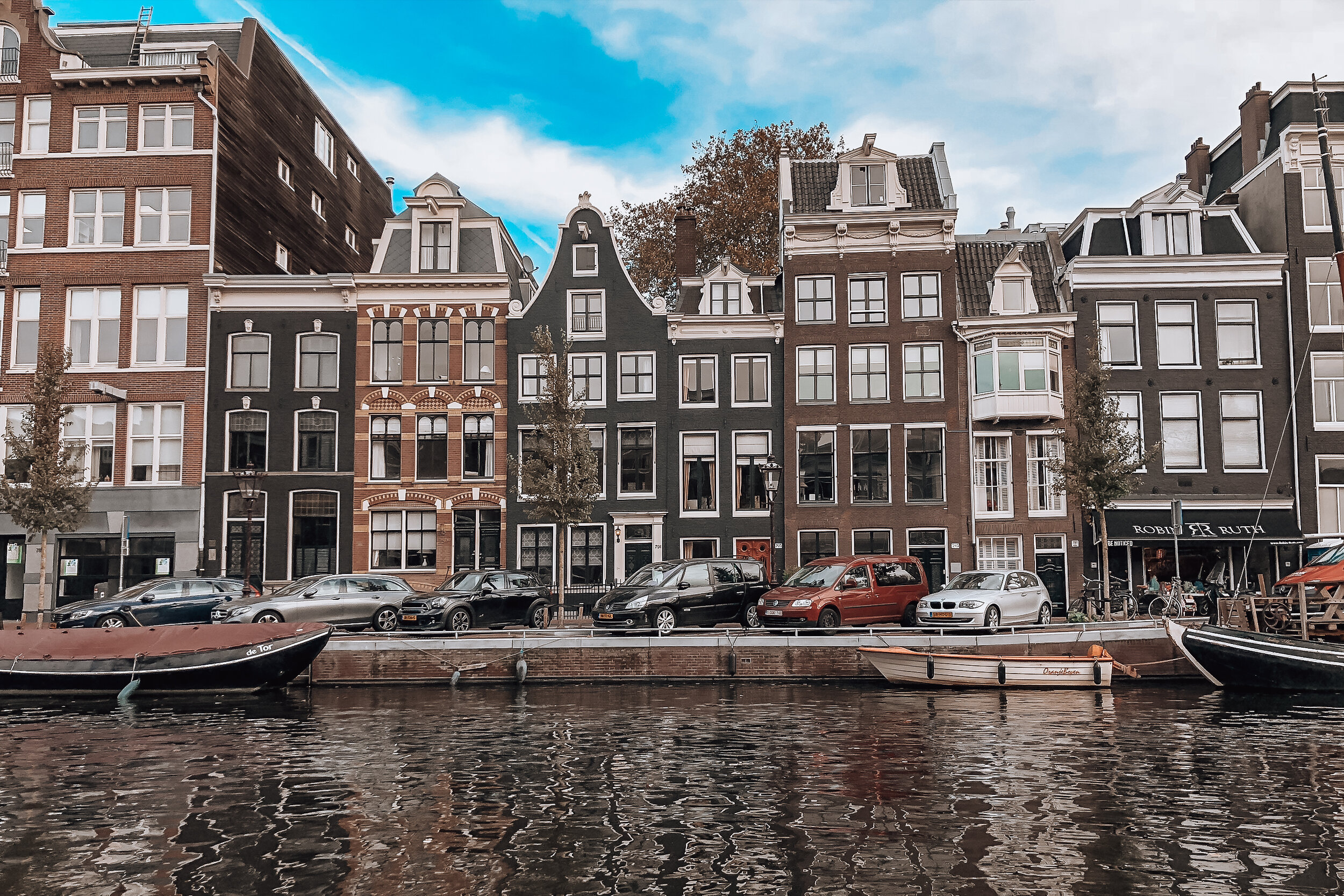
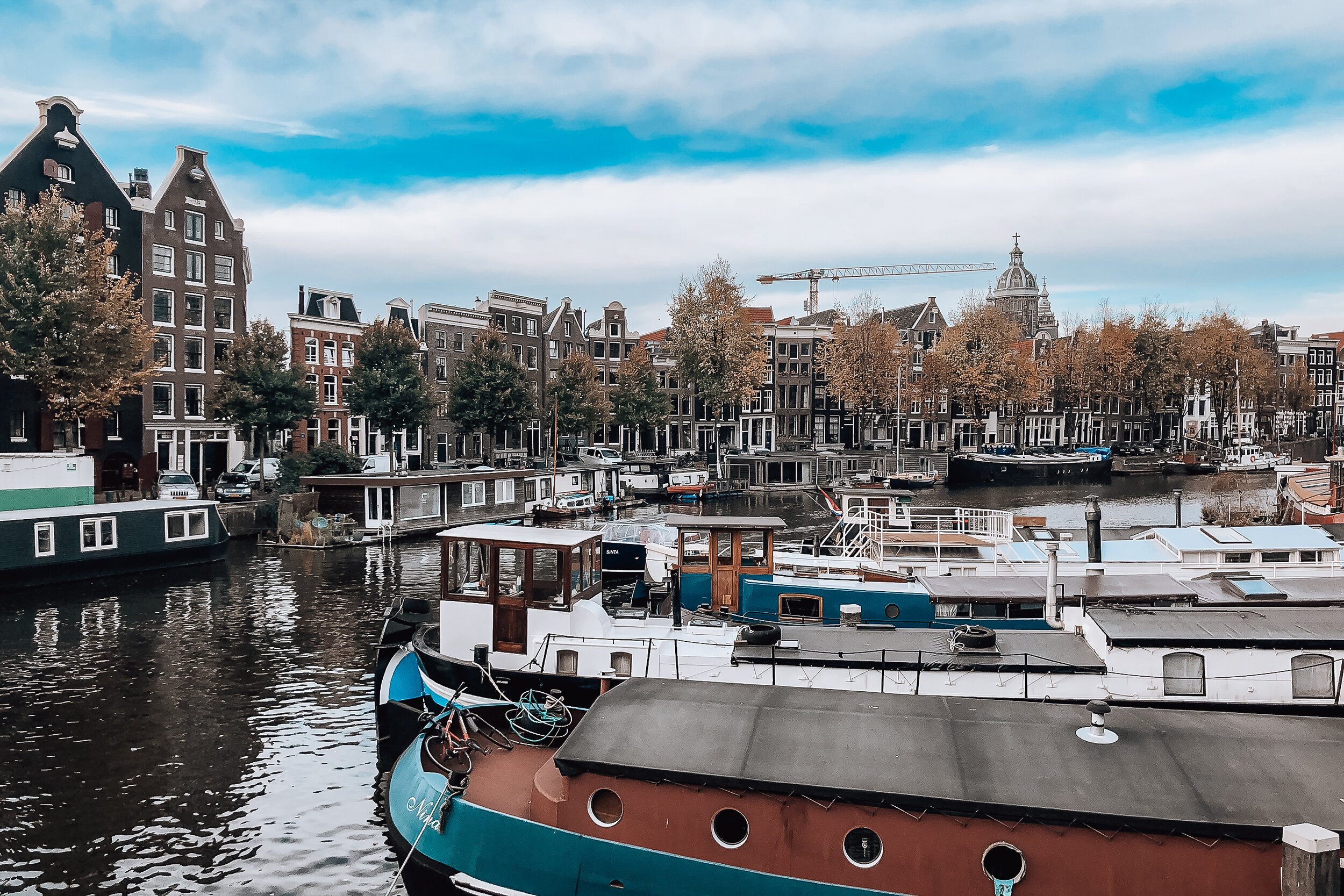
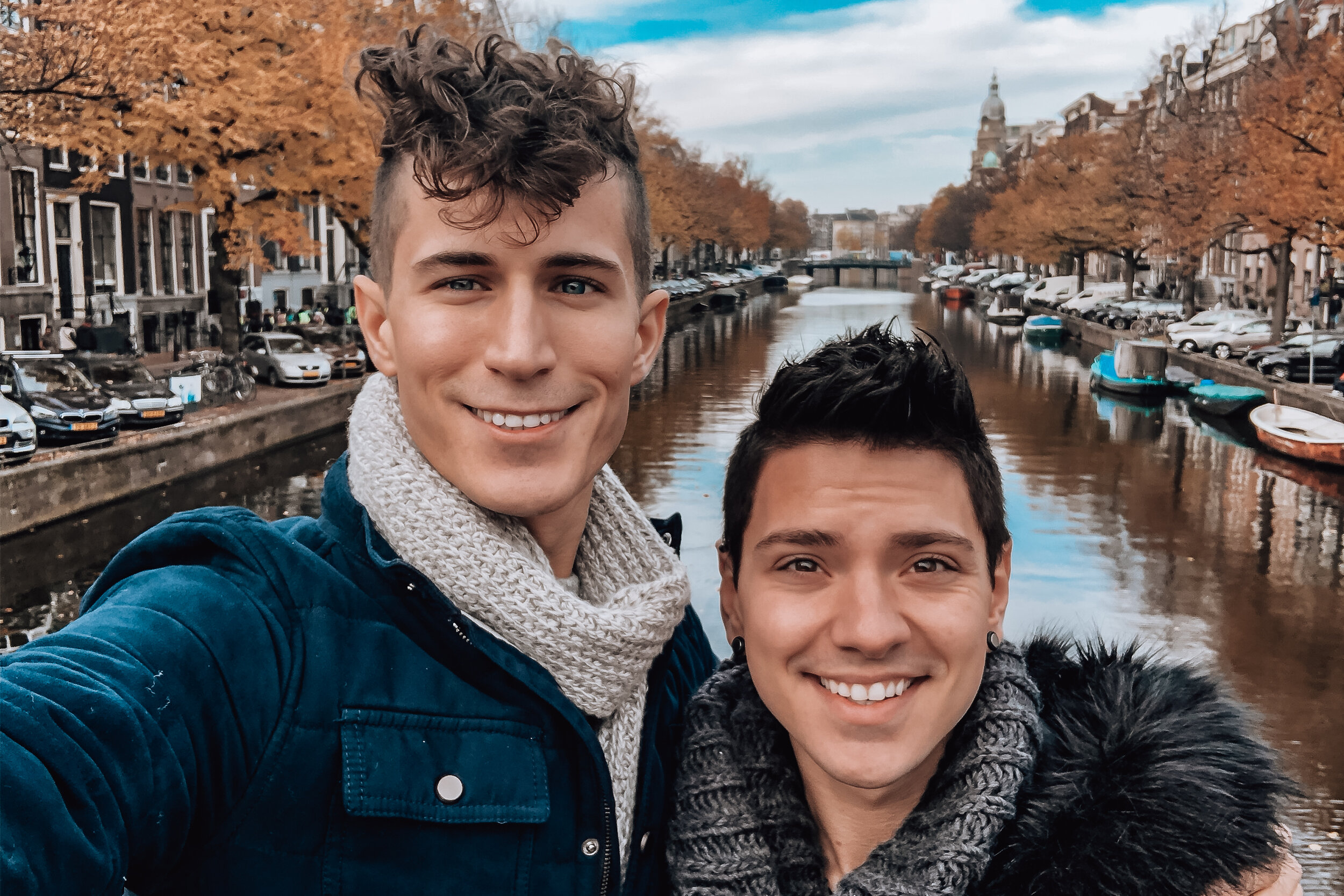
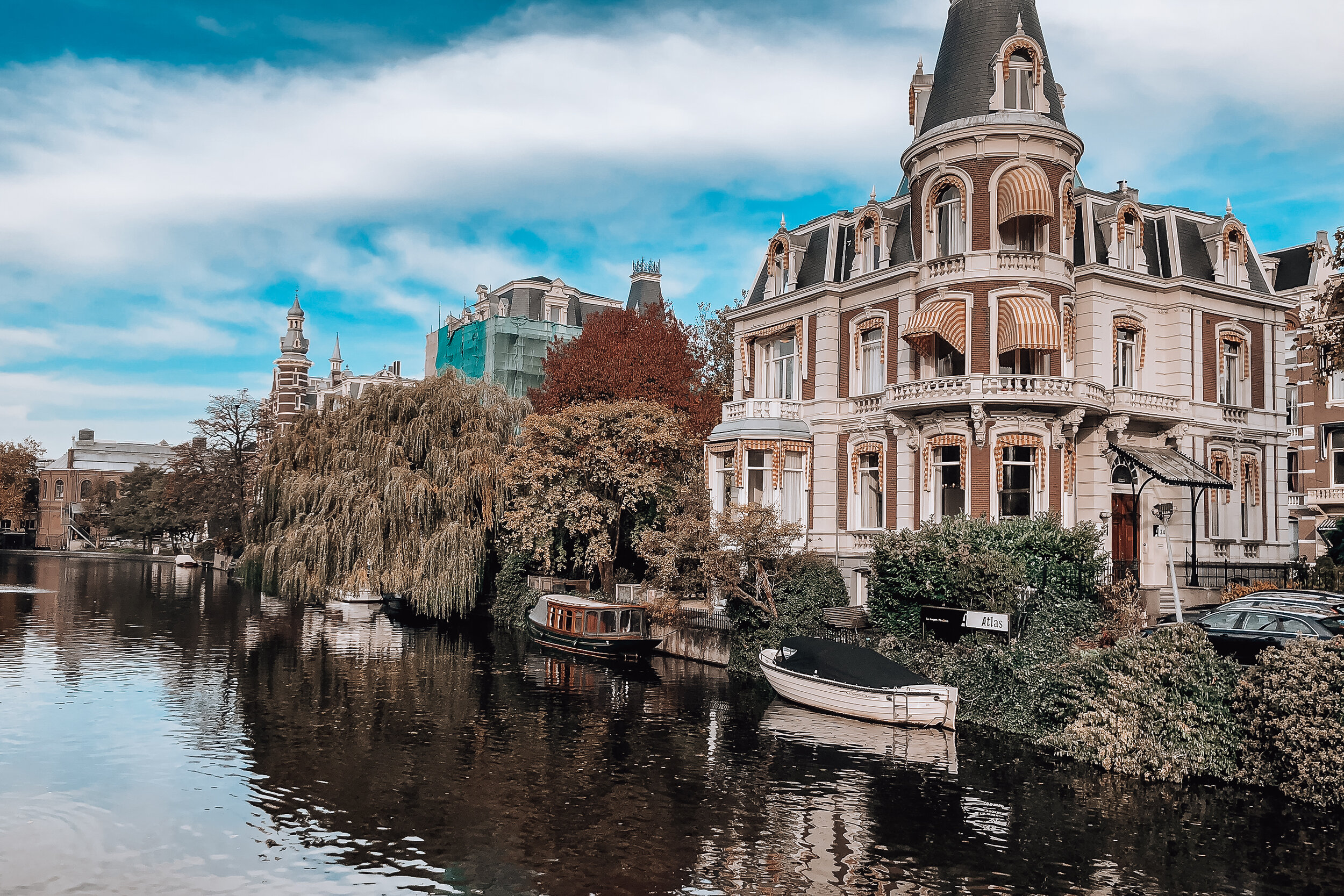
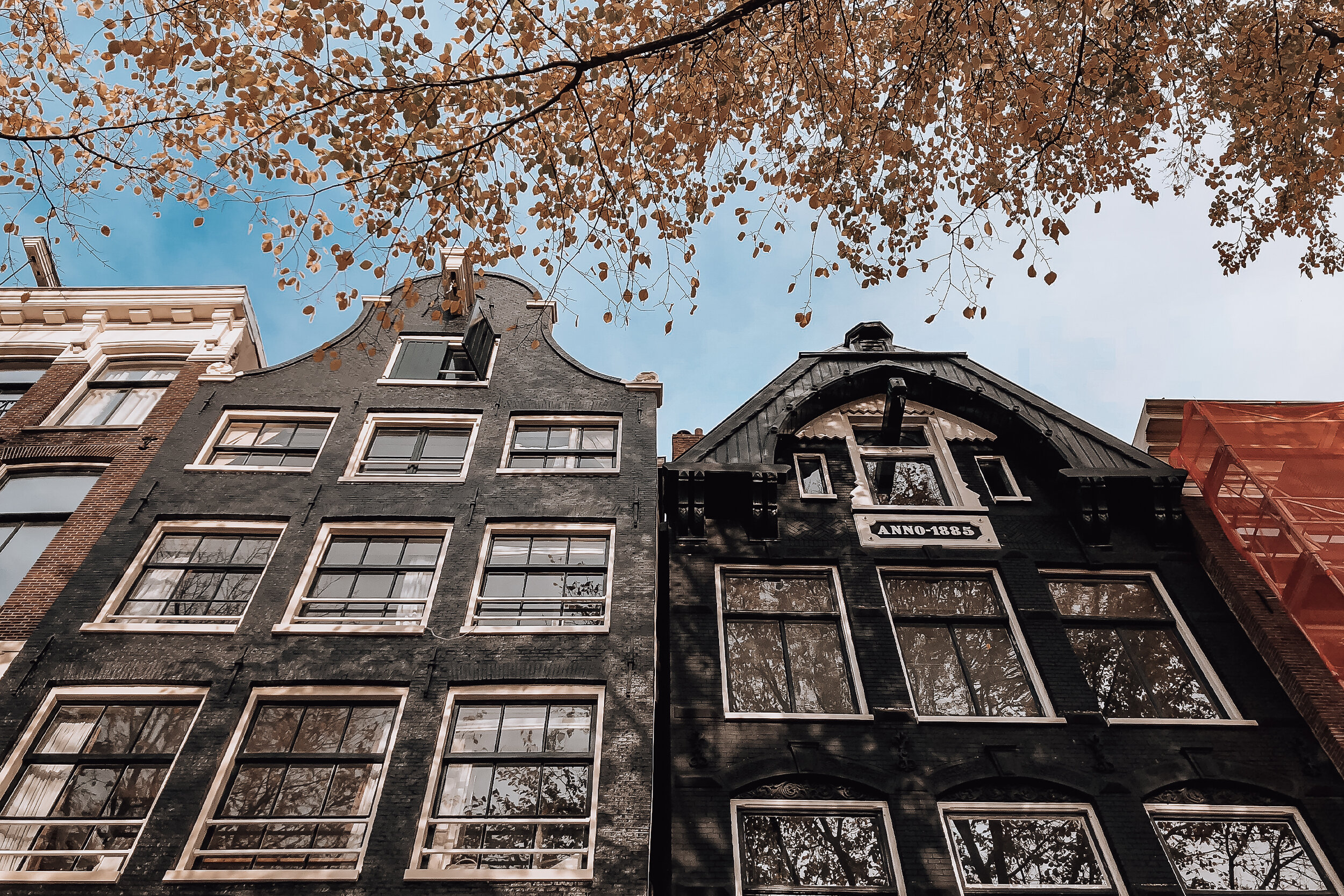
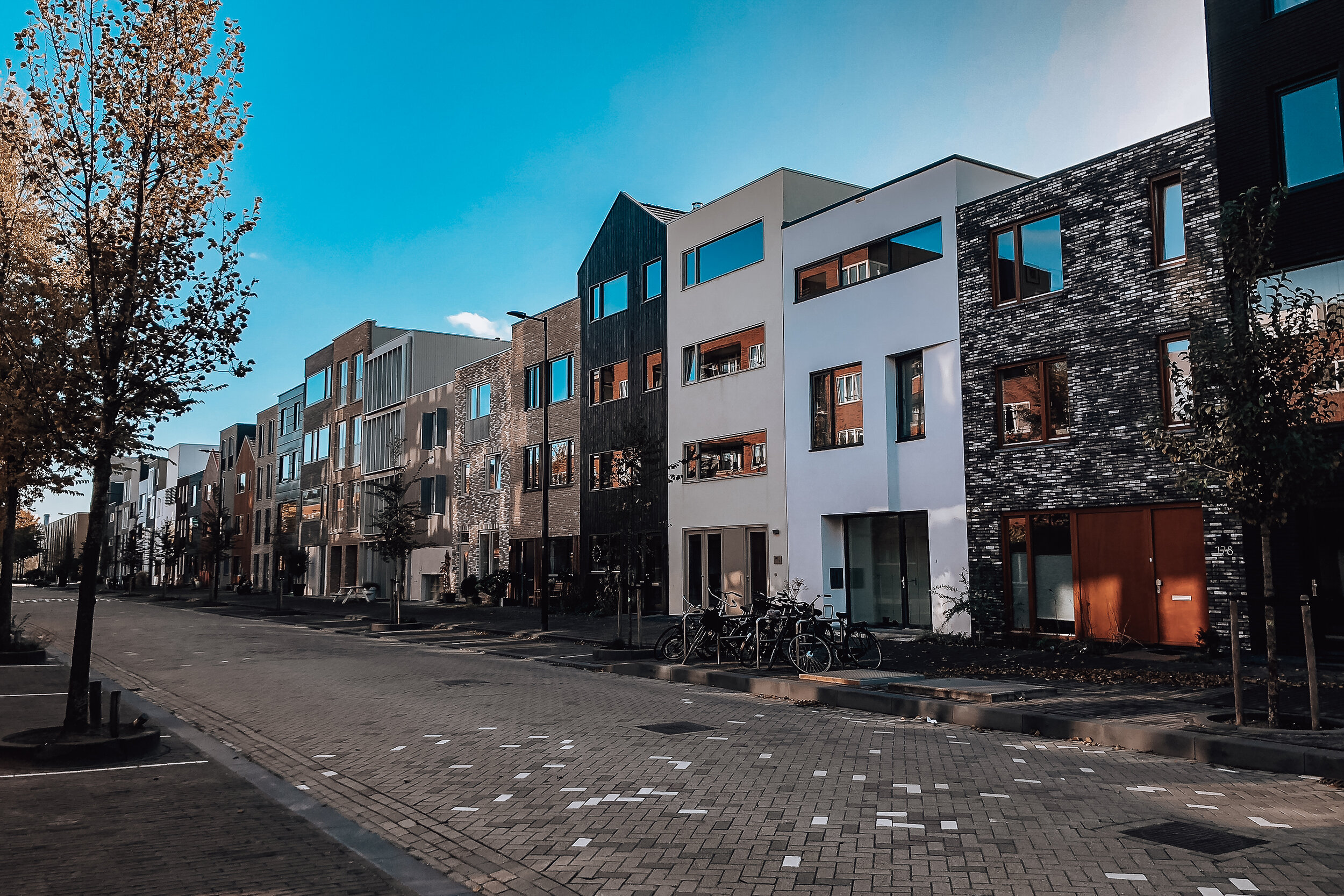
Sights & Museums
The Canal Belt. The canals define Amsterdam branching out in semi-circles from the city’s center. The inner 4 rings are designated as a UNESCO World Heritage Sight. Spend time exploring them, admiring the architecture and house boats.
Canal Houses. The narrow, ornate and sometimes slanted canal houses can be seen throughout Amsterdam.
Dancing Houses. A series of highly slanted canal houses along the Amstel
The Golden Bend. A bend along the Herengracht canal with the oldest and most stately canal houses
Twins. Look for twins, two identical houses built side by side
Museumplein. A public square surrounded by multiple museums. Come here to climb and sit on the I Amsterdam sign
Rijksmuseum. The national art museum housing Dutch works created throughout the past several centuries. The most famous pieces to see are Vermeer’s The Milkmaid and Rembrandt’s The Night Watch. The museum is also home to the Cuypers Library, a picturesque art history and research library
Van Gogh Museum. This museum houses hundreds of the artist’s works and tells the story of his life from when he began painting until his death. If you appreciate Van Gogh’s work, this museum is truly worth visiting. Some notable pieces include a variety of his self portraits, The Potato Eaters, Sunflowers and the Wheat Field with Crows.
Vondelpark. The city’s largest park and green space. It’s a calm area for picnicking, bicycling and escaping the energy along the canals and streets.
Begijnhof. A small grassy oasis surrounded by brick row houses.
Homomonument. A series of three triangular monuments built into the square to honor the LGBTQ+ people persecuted during the Holocaust. Next to it is the Pink Point, a resourceful gay tourist info center.
Anne Frank House. Visit the home where Anne Frank and her family hid from persecution during WWII.

Food & Drink
Stroopwafels. Thin waffle crisps with caramel layered in-between. Use them to cover your hot coffee until the inside gets gooey. The best place in town to buy them is Van Wonderen Stroopwafels. Outside of the classic version, they top and decorate artisan batches with coconut, marshmallows, chocolate, nuts and sprinkles.
Deep Dish Dutch Apple Pie. A classic dessert but even more special when baked deep dish. Check out Wenkel 43 or look for cafes serving it.
Pickled Herring. Raw herring served with pickles and onions. It can be found at street carts around the city, one of which is Haring & Co.
Frites & Mayo. Another street food, look out for Wil Graanstra Friteshuis. Order them twice fried!
Gouda. One of the most well known Dutch cheeses. Fromageries around the city liberally hand out samples of the different favors and ages.
Bitterballen & Kroketten. Two versions of a potato, sauce and meat mixture fried in a ball or cylinder.
Poffertjes. Dutch pancakes. They are fluffy, tiny, yeasted and buckwheat pancakes covered in powdered sugar.
Gin and Tonic. Almost every bar offers their own take on this classic cocktail by infusing the drinks and offering creative mixes.
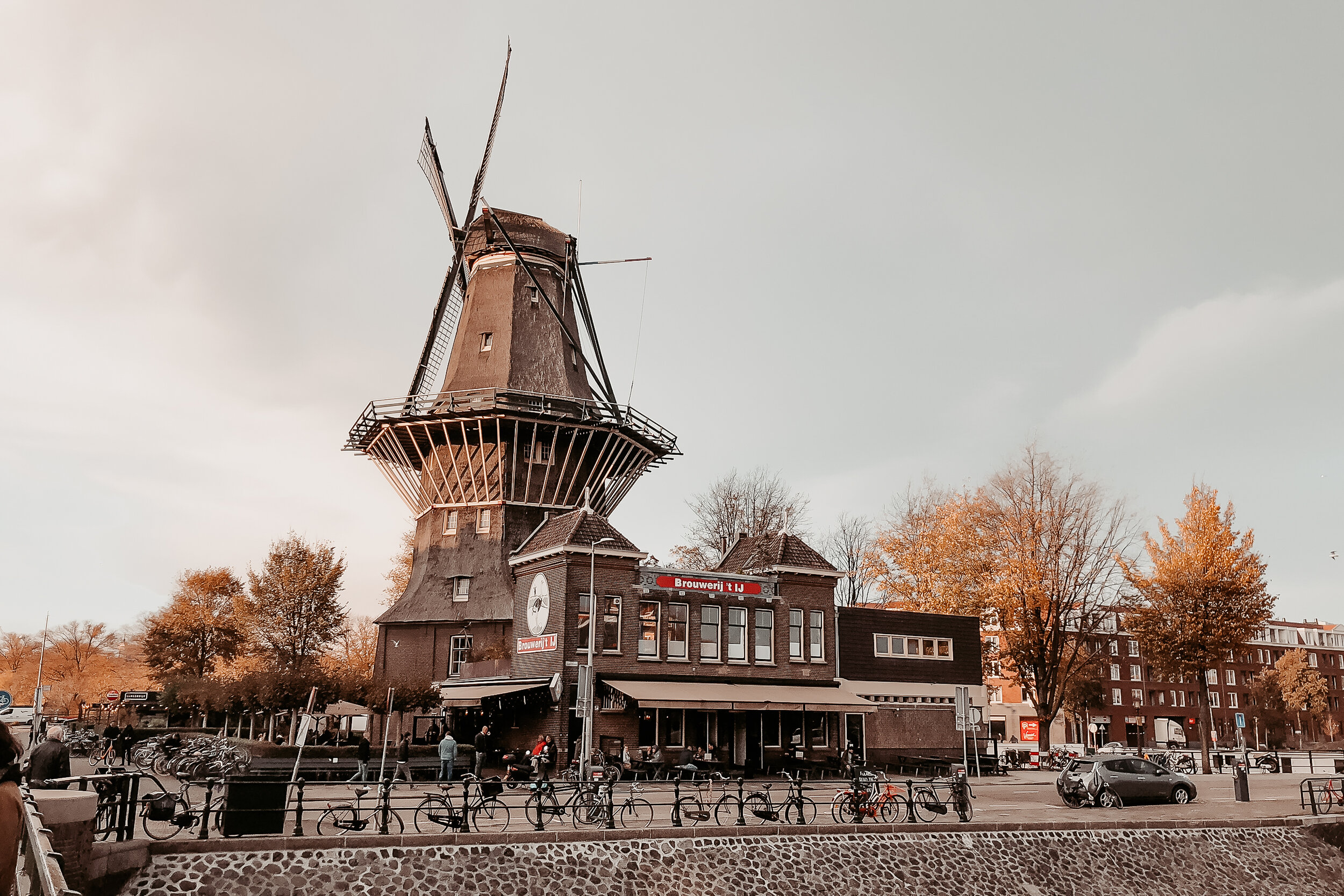
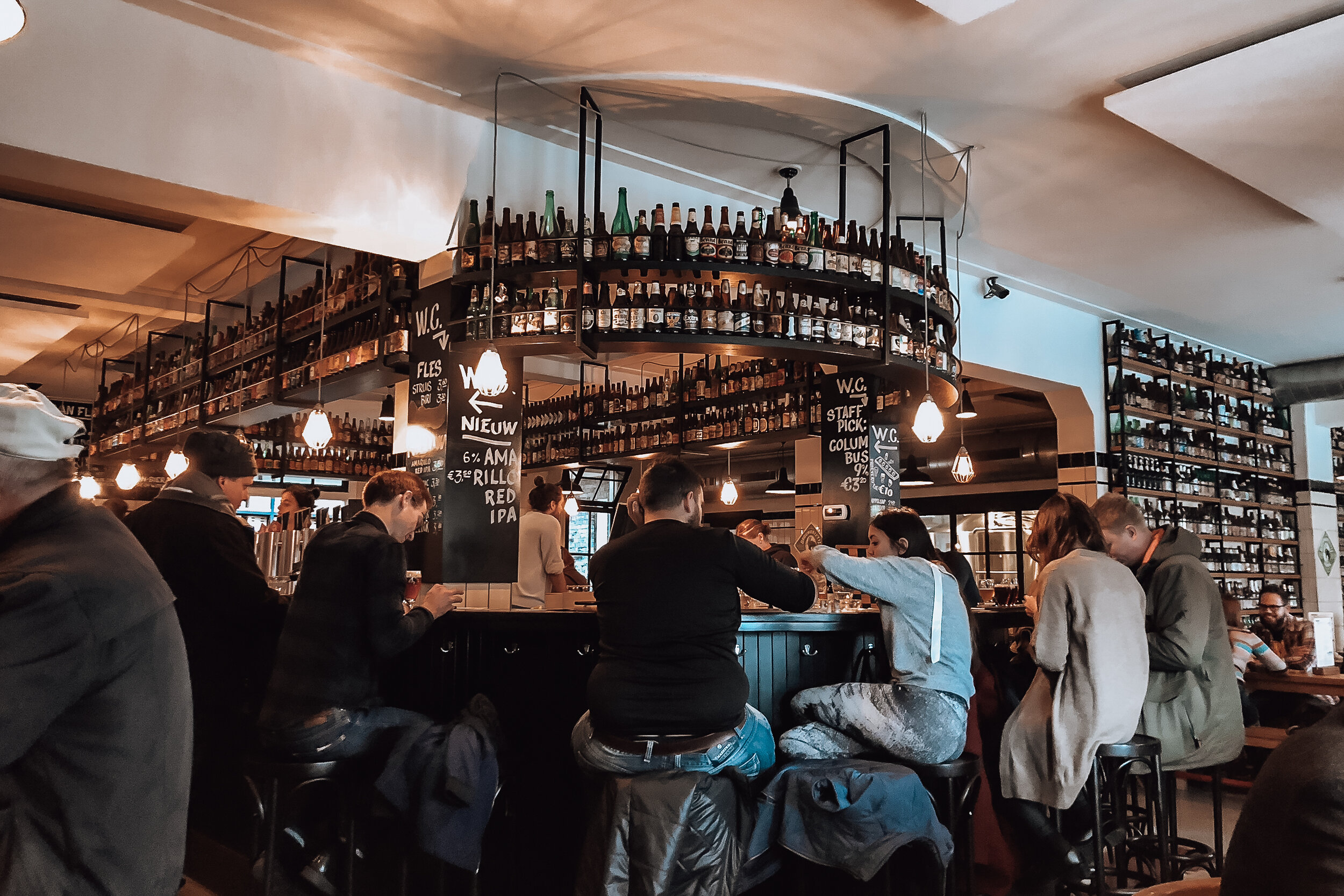
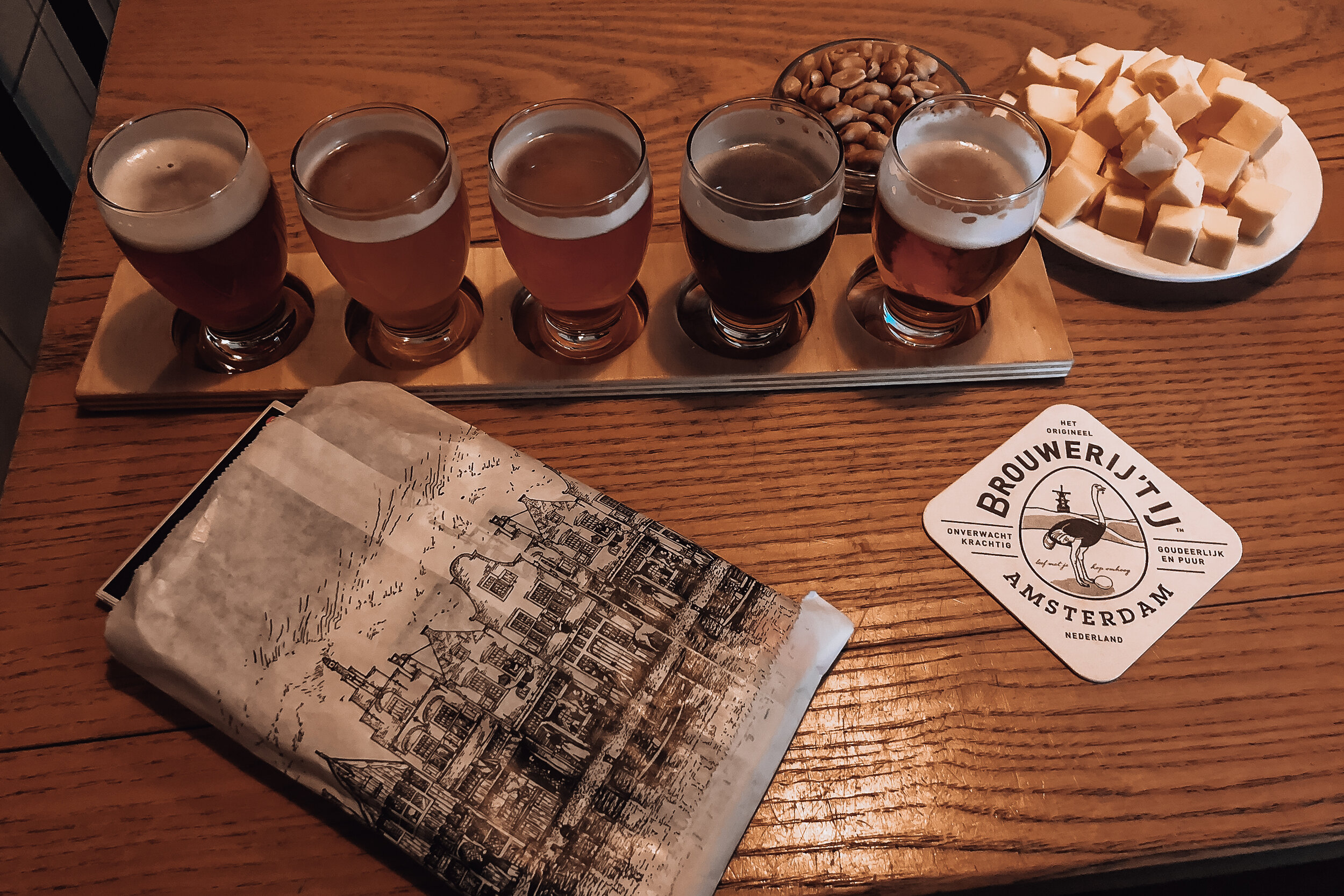
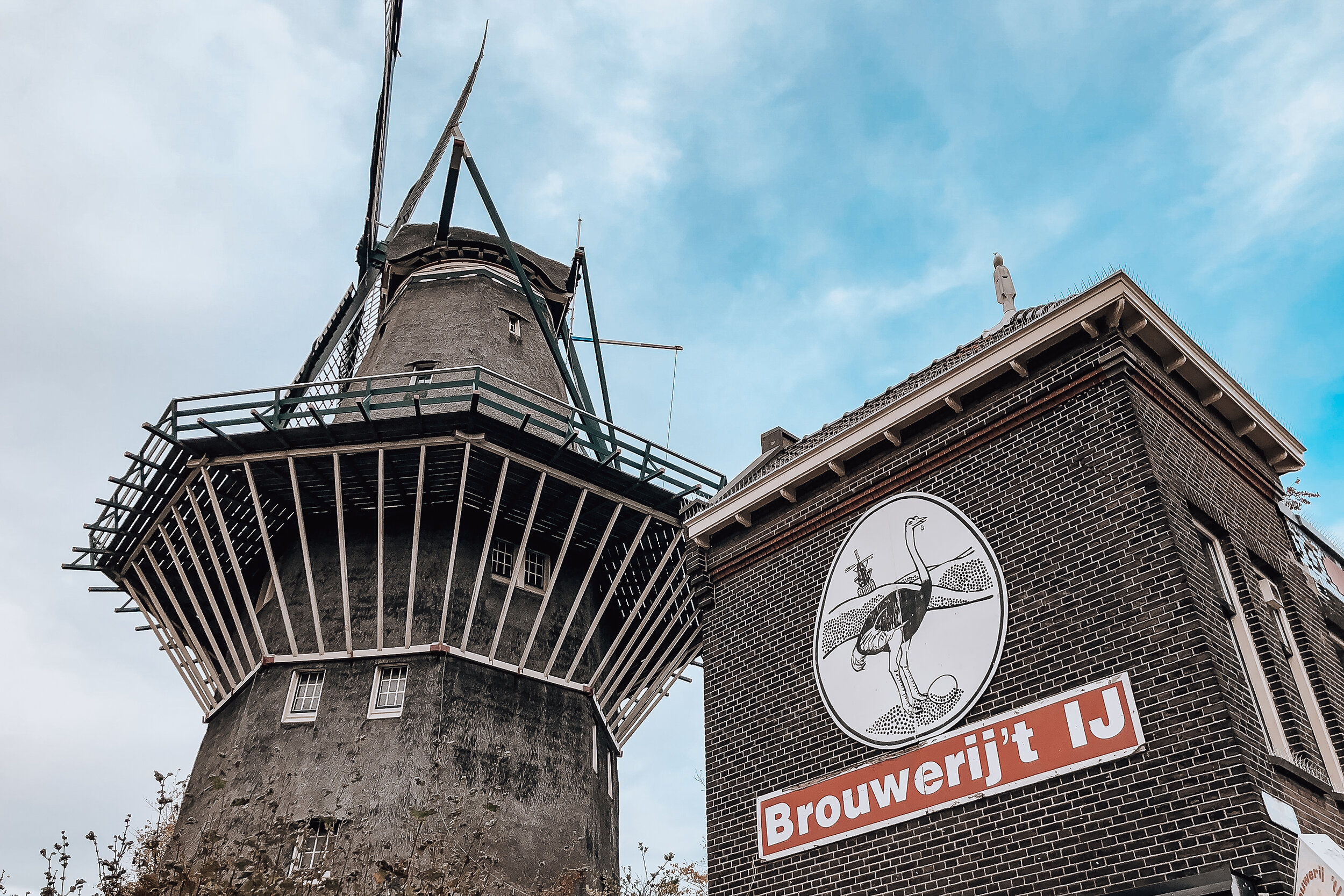
Restaurants & Bars
There are endless options when it comes to dining in Amsterdam. Whether along a canal, in a historic building, near a windmill or simply on the sidewalk. We never had a bad meal anywhere we dined. One thing we quickly learned is that you need a reservation for dinner at most restaurants at least 24 hours in advance, especially on weekends! Here are number of a favorite spots enjoy a meal or drink.
Bakers and Roasters. An amazing brunch spot with all types of eggs inspired by different cultures, several fruit dishes, vegetarian meals and strong coffee. We went for the banana nut French toast and eggs royal.
Van Speyk. A romantic brick walled restaurant with glittering chandeliers, Dutch classics and North Sea seafood.
Balthazars Keuken. A tiny homestyle restaurant with a daily three course menu. Make a reservation!
Cafe Restaurant Stork. A waterfront restaurant within a warehouse style building serving a variety of seafood.
IJ Brewerey. A brewery and beer garden located next to a 16th century windmill.
Pulitzer's Bar. A dark and moody reading room-like lounge offering high end cocktails and small bites
Café ‘t Mandje. A very eclectic and welcoming gay bar that’s been around since 1927.
Venus & Adonis. A cozy restaurant and cocktail bar specializing in craft gin & tonics
Cafes
Before visiting Amsterdam, we read somewhere that the Dutch consume more coffee per person than any other country in the world. As avid coffee drinkers ourselves, we decided to visit a number of cafes while in town. Here are a few of our favorite spots to sip on a coffee at any time of day.
Scandinavian Embassy. Slow and drip brewed coffees with cinnamon rolls.
Trakteren. A great spot for cappuccinos with cute latte art.
Lot Sixty One. House roasted coffee and tasty sweets.
Koffieschenkerij. A cafe located in the the historic sacristy of the Oude Kerk, Amsterdam’s oldest building, with a spacious outdoor cafe.
Back to Black. A corner cafe with a bohemian feel and an array of sweets.
Quartier Putain. A two level cafe located on the edge of the Red Light District.

Shopping & Markets
There are many opportunities to shop and visit markets in Amsterdam. The city is filled with small business and shops tucked into the first floors of the canal houses. Almost every neighborhood hosts its own market, whether it be mostly produce, clothes, antiques or a combination of them all.
De 9 Straatjes. This is probably one of our favorite areas to walk through. This district within the Canal Belt known for its picturesque streets lined with boutiques, design shops, concept stores and clothing retailers. We spent hours one afternoon walking from shop to shop, mostly looking, at all the pretty things in search of something affordable to bring home.
Nieuwe Spiegelstraat. A two block section of the street lined with antique shops and galleries.
Ten Katemarkt. An outdoor weekend market selling produce, cheeses, spices, breads, mushrooms, seafood, meats and street food located next to De Hallen, A large indoor food hall with a variety of Dutch and international cuisines, several bars offering local beers and artisan gin and tonics.
Flea Market Ij-Hallen. A large flea market with hundreds of booths scattered between two warehouses and an outdoor lot. It is a great places to buy vintage home goods, furniture, jewelry, clothing and misc items. The market is held on the second Saturday of every month.
Waterlooplein Market. A 300 booth vintage and flea market open from Monday - Saturday. The booths are filled with records, cameras, antiques and bohemian clothes. Several food carts serve Dutch favorites like stroopwafels, poffertjes, coffee and frites.
Coffeshops. Places that sell cannabis, edibles and space-cakes (cannabis infused desserts) They provide a place for people to enjoy them. Check out Boerejongens Coffeeshop Sloterdijk, a well reviewed coffeeshop located outside of the central neighborhoods and RLD.

Getting Around
Getting around Amsterdam is one of the most enjoyable ways to explore and experience the city! There are countless options from bicycling, taking a canal tour, riding the tram or simply walking.
Biking. The preferred method of transit. There are as many bikes as people in the city and a number of companies to rent from including: Ajax Bike, Yellow Bike and Mac Bike. Daily rentals range from €12 and €15, some rentals require a security deposit or minimal insurance fee incase of damage or theft.
Public Transit. The most reliable and economical option to quickly cross the city. There are multiple options that let you ride the bus, tram and metro all in one.
GVB Transit Card. Unlimited transit at on buses, trams and metros for 96 hours for €22.50.
GVB Transit Ticket. Individual 1 hour ticket for buses, trams and metros costs €3.20.
Amsterdam Card. Unlimited transit at on buses, trams and metros, includes access to the museums and a canal cruise. The pass last for 72 hours and costs €84.
Tickets can be purchased on any form of public transit (Pricing as of 2018)
Taxis and Ubers. The most expensive to get around the city. Luckily they’re almost unnecessary other than getting to/from the airport. They typically cost €45-€50 one way.
Ferry to Amsterdam Noord. Crosses the IJ River from the port behind Central Station to ADAM Tower. The ferry is free and usually departs every 15 minutes.
Tips to keep in mind
Be cautious riding bikes and watch out for cyclists when walking across streets.
Be respectful and don’t take photos of sex-workers in the RLD. This is strictly enforced.
Make reservations at restaurants you really want to eat at 24 hours in advance.
Like many places in Europe, tipping more that 10% is not required.
Avoid tourist traps near Dam Square and Central. Explore the inner canal rings and branch out further into the outer neighborhoods.
If we had more time…
The Moco Museum. Museum of Modern and Contemporary Art featuring a large collection of Banksy’s work, interactive and digital exhibits.
The Heineken Experience. Visit the Heineken Brewery, tour the facilities and cap our own bottle.
Take a Day Trip. With the countryside and multiple cities nearby: Utrecht, Rotterdam and The Hague. We recommend taking a day trip outside of Amsterdam if you have the time.
Hotel Inntel Zaandam. Spent a night at this uniquely designed hotel made to look like a stack of green country cottages typical of this area of the countryside.
Windmills. Also in Zaandam, see the several preserved Dutch windmills.
Visit during the Summer. Visit to the beach on Ijburg, kayak in the canals and participate in the Pride Festival.
Visit during the Winter. Visit when the Keizersgracht freezes over and becomes an ice rink.

A Romantic Weekend in Paris
Paris, known as the City of Love, is an enchanting place. It happens to be where we got engaged during a romantic weekend trip.

Paris, France
Paris, known as the City of Love, holds a special place in our hearts. It happens to be where we got engaged during a romantic weekend trip. Paris is an enchanting city to wander and do as Parisians do: sip on coffee at a sidewalk cafe, picnic along the banks of the Seine, admire the historic architecture and view some of the world’s most prominent artwork. While here, make an effort to speak a little French. It sounds romantic, even if you mispronounce every word. One phrase we can’t say enough is Je t'aime Paris.

Our Engagement
During our first night in Paris, we had a reservation at Les Ombres, a restaurant overlooking the Eiffel Tower. We started the night with wine on the terrace as our meals were being prepared. During dinner, we chatted about all the things we wanted to do and see during the long weekend. As we finished our meal, the sun had just set and a full moon was rising, when suddenly the Eiffel Tower began glittering in light. We picked up our glasses of wine and walked back out to the terrace for a better look.
It was only us outside, overlooking the Parisian rooftops watching the Eiffel Tower shimmer. That’s when Devin said, I have a question for you. He started by saying, “almost 6 years together and 10 countries visited” while pulling out a box from his bag. He opened the box and inside was the grape soda pin from Pixar’s Up and a thin white gold ring. Almost unable to hold it together, he asked me to marry him!! After screaming YES several times, he slipped it onto my finger and pinned the badge onto my lapel.
We called our waiter to take our photo then went back inside for celebratory Champagne and dessert before walking to the Eiffel Tower. We walked around the base of the tower, admiring it’s scale and structure from the ground before ascending to the first, second then third level at the top. The views from the top are absolutely stunning! We could see every amber glowing light and illuminated landmark in Paris. In addition to the view, there was a Champagne Bar serving flutes of French Rosé. Newly engaged, sipping on Champagne and overlooking Paris from the top of the Eiffel Tower is a fairy tale night we will never forget.
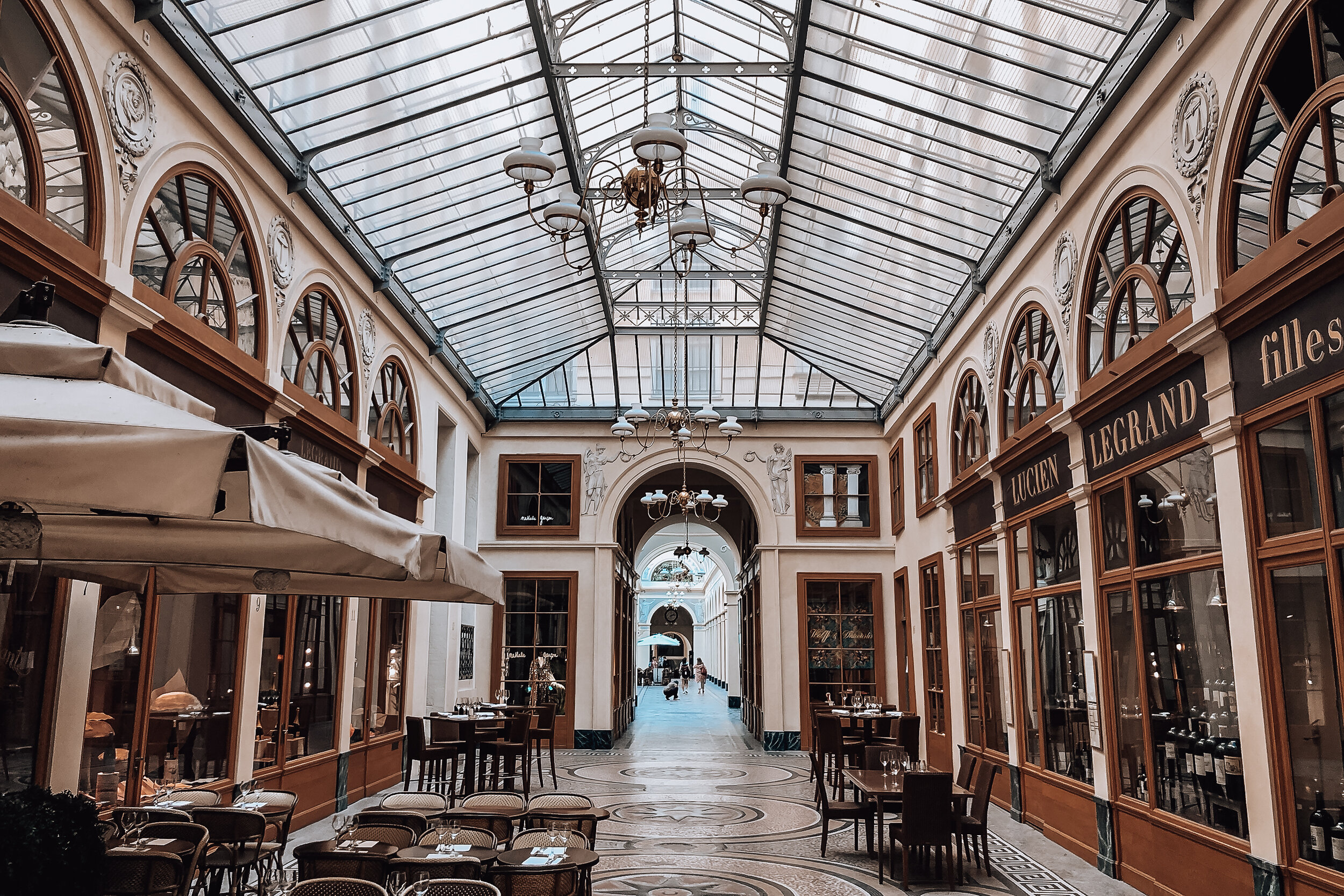
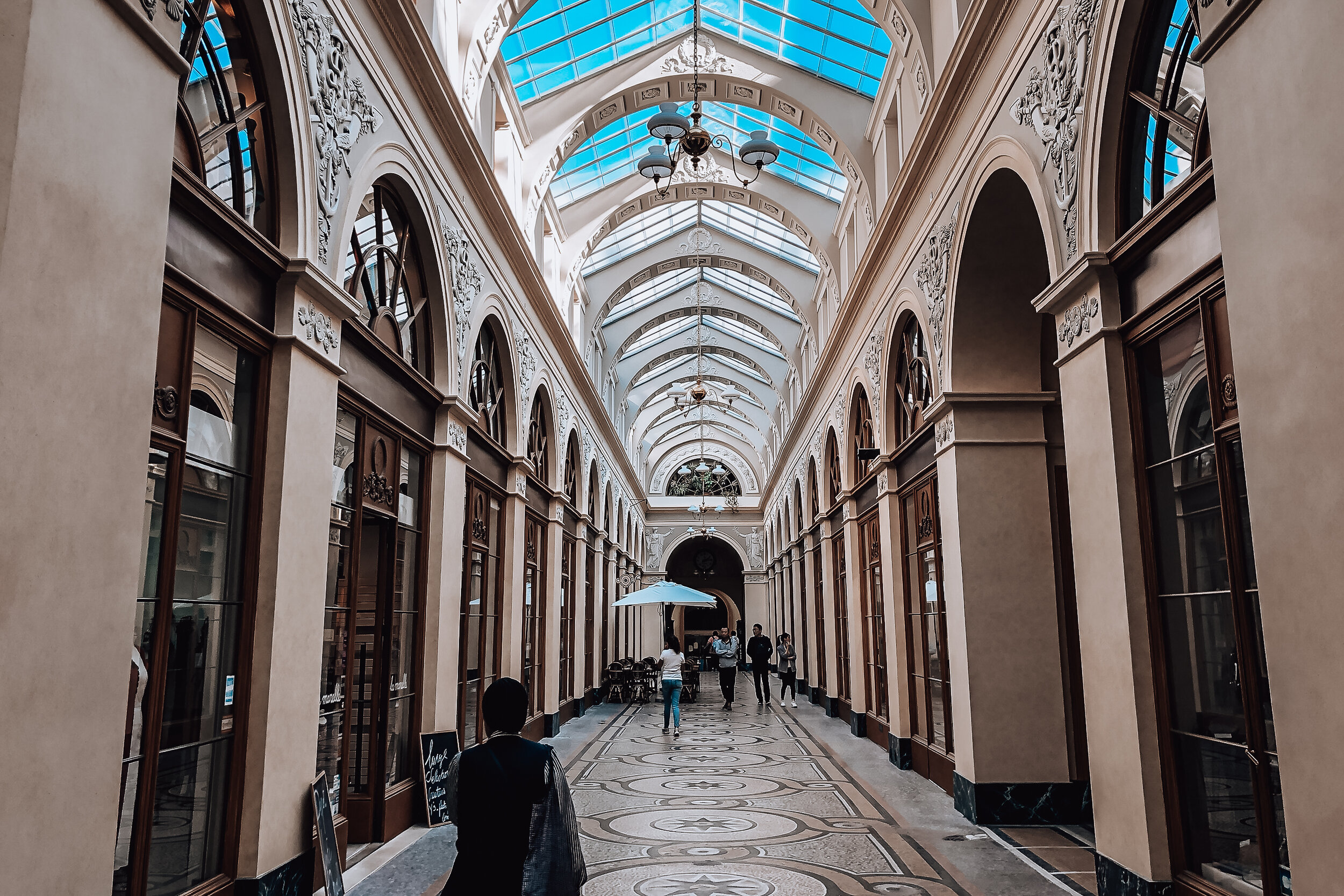
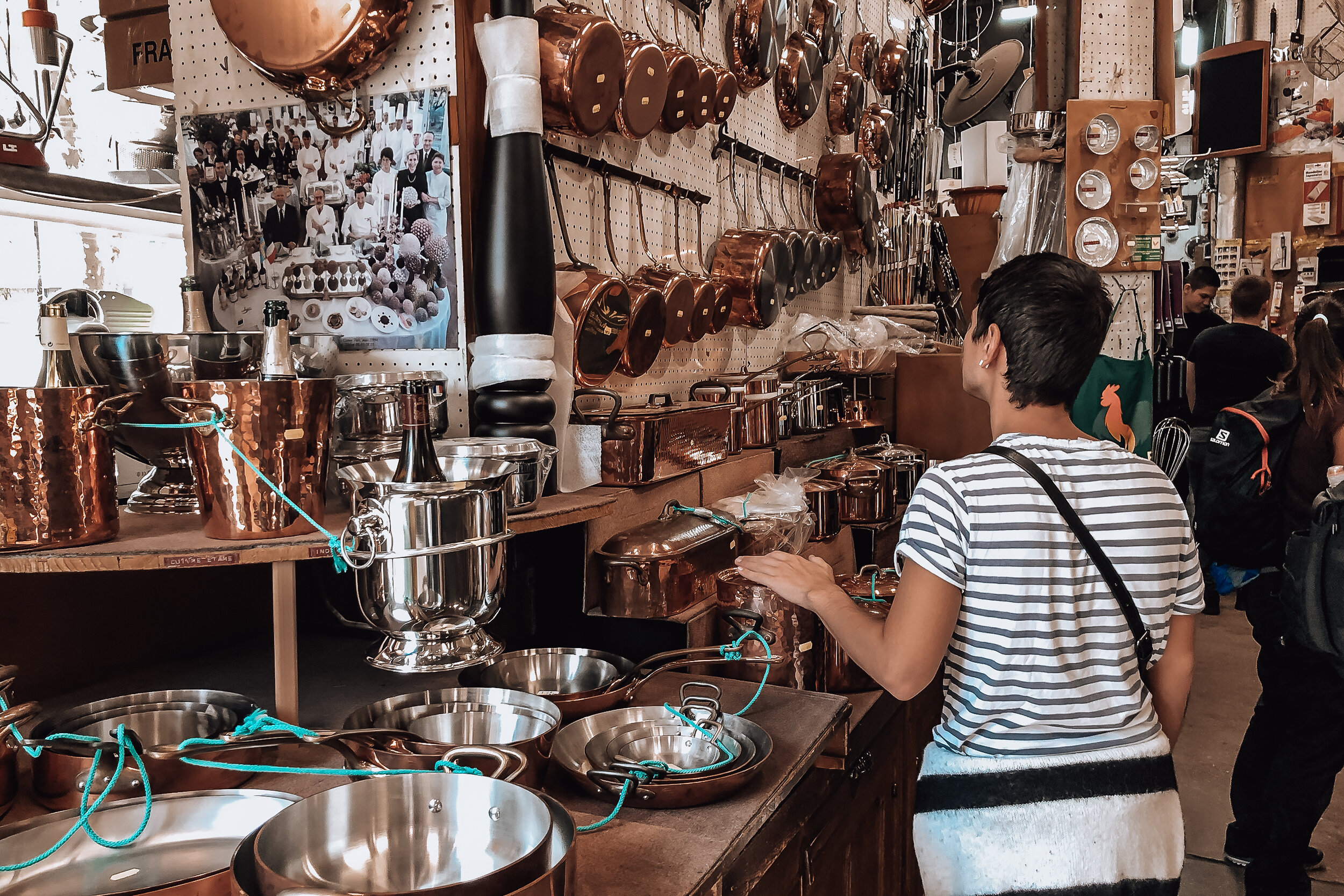
Things To Do
Visit an Arcade. Paris’ arcades are charming passages to discover and walk through. Most of them are home to a variety of shops, restaurants and cafes.
Galerie Vivienne. One of Paris’s most iconic arcades, known for its elegant storefronts and mosaic tile floor.
Les Passages Couverts. A series of hidden shopping arcades in the 1st, 2nd and 8th Arrondissements.
Passages des Panoramas. Paris’ oldest arcade. It has retained its vintage charm for over 200 years.
Walk in Julia Child’s Foot Steps. If you admire Julia Child as much as us, visit some of her old haunts:
Les Deux Magots. The cafe where Julia Child and her husband, Paul Child, often ate.
E Dehellerin. The 200 year old kitchen supply store where Julia Child used to shop for enamel, stainless and copper dishes.
Rue Mouffetard. One of the streets where Julia Child would shop for produce and meats.
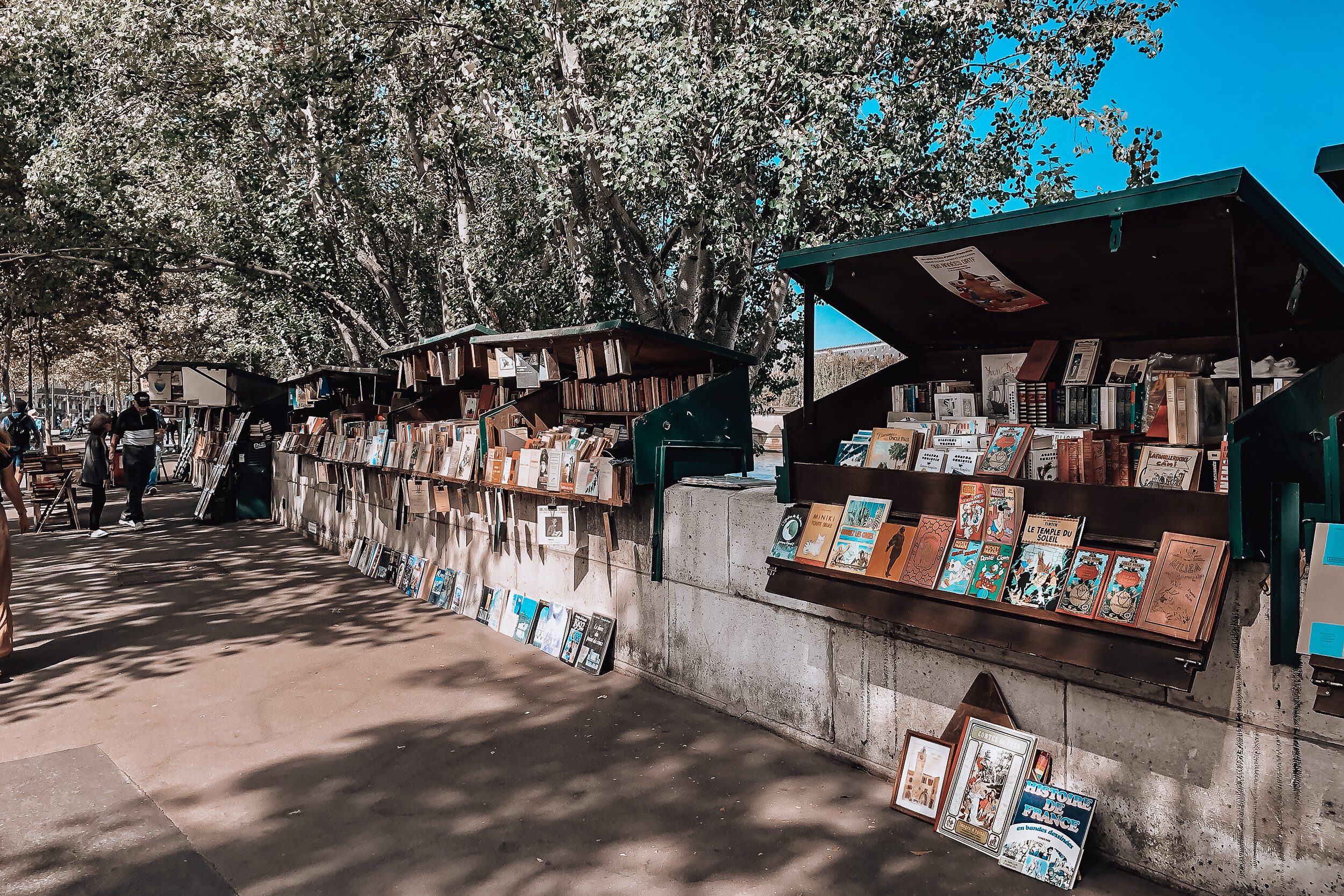
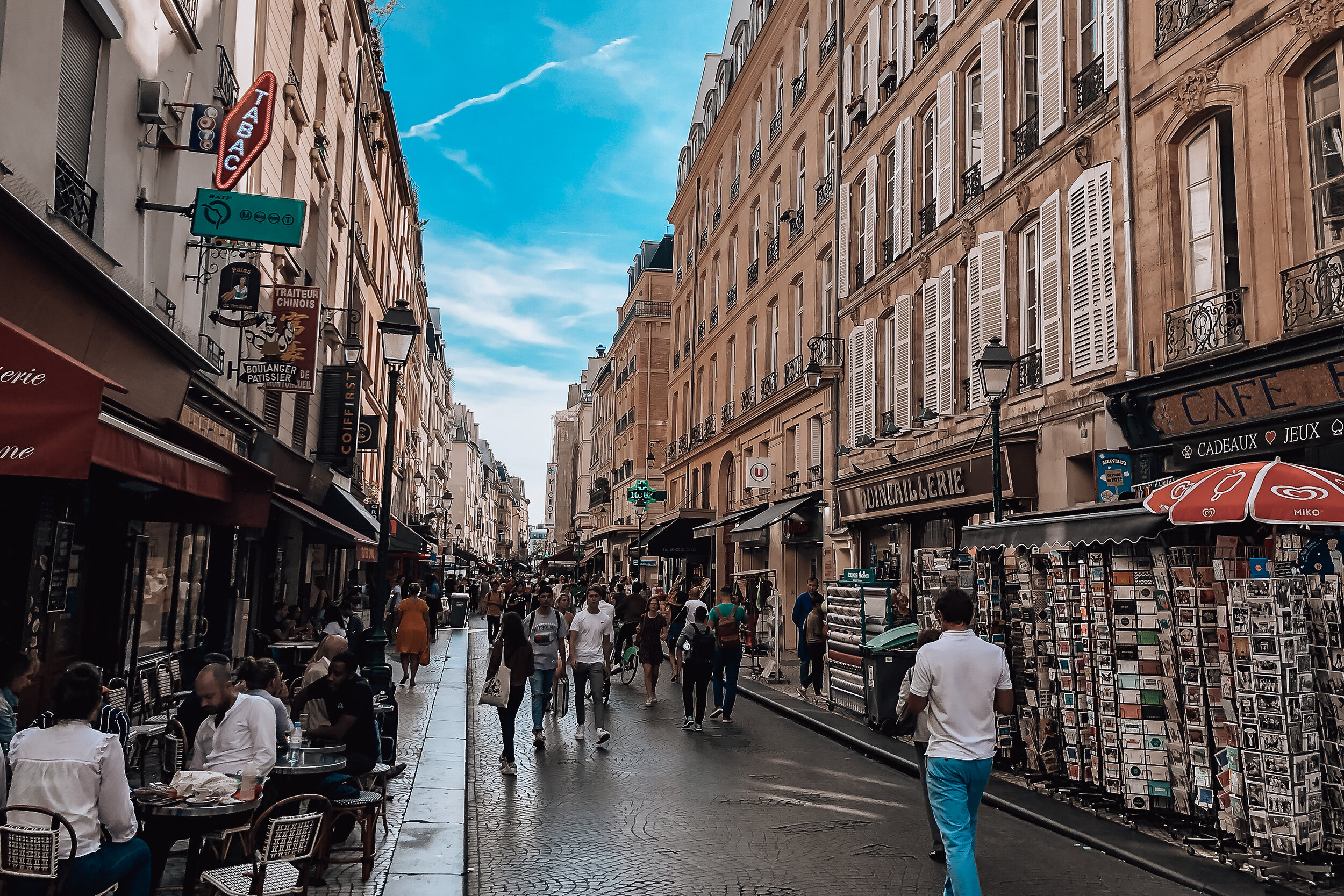
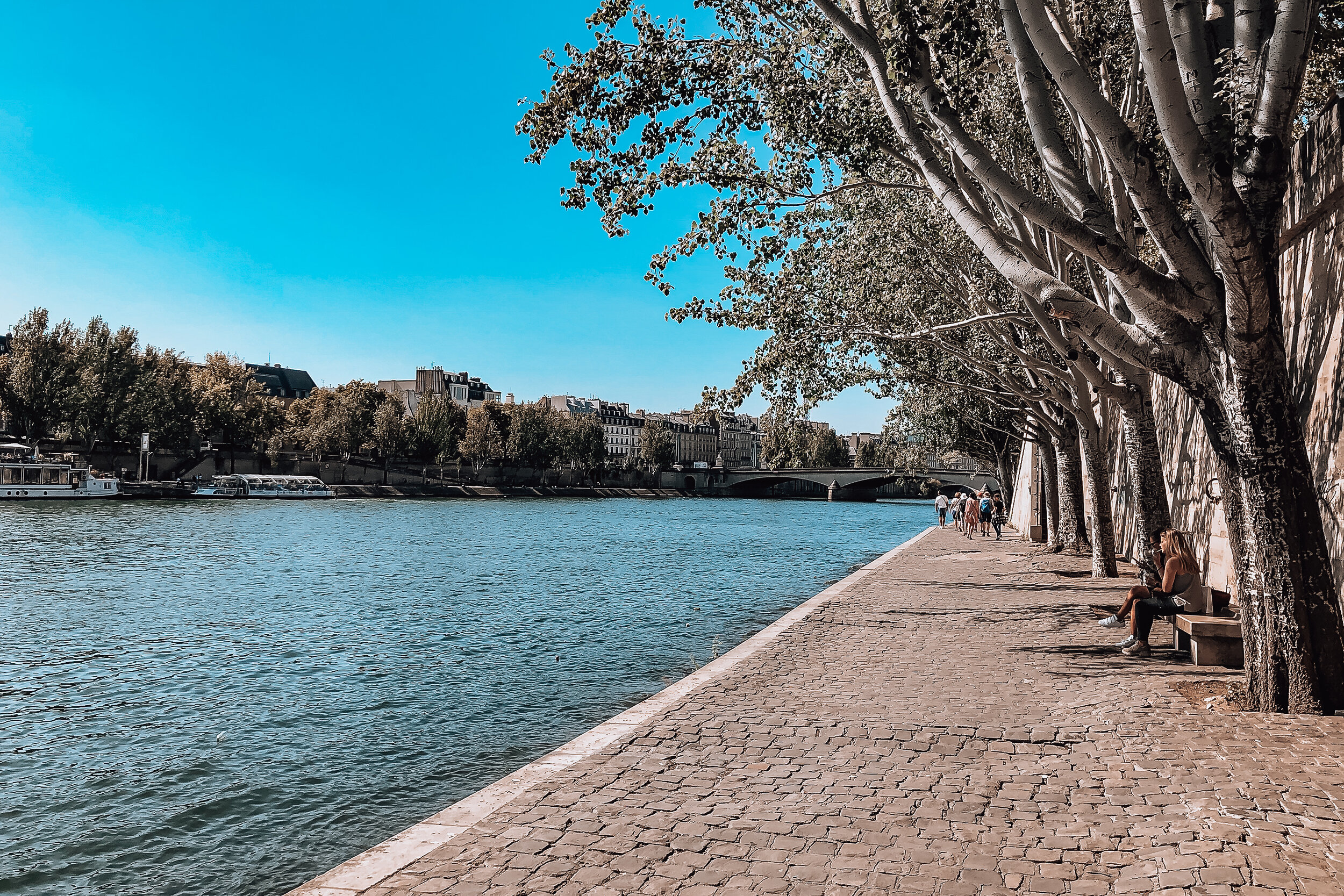
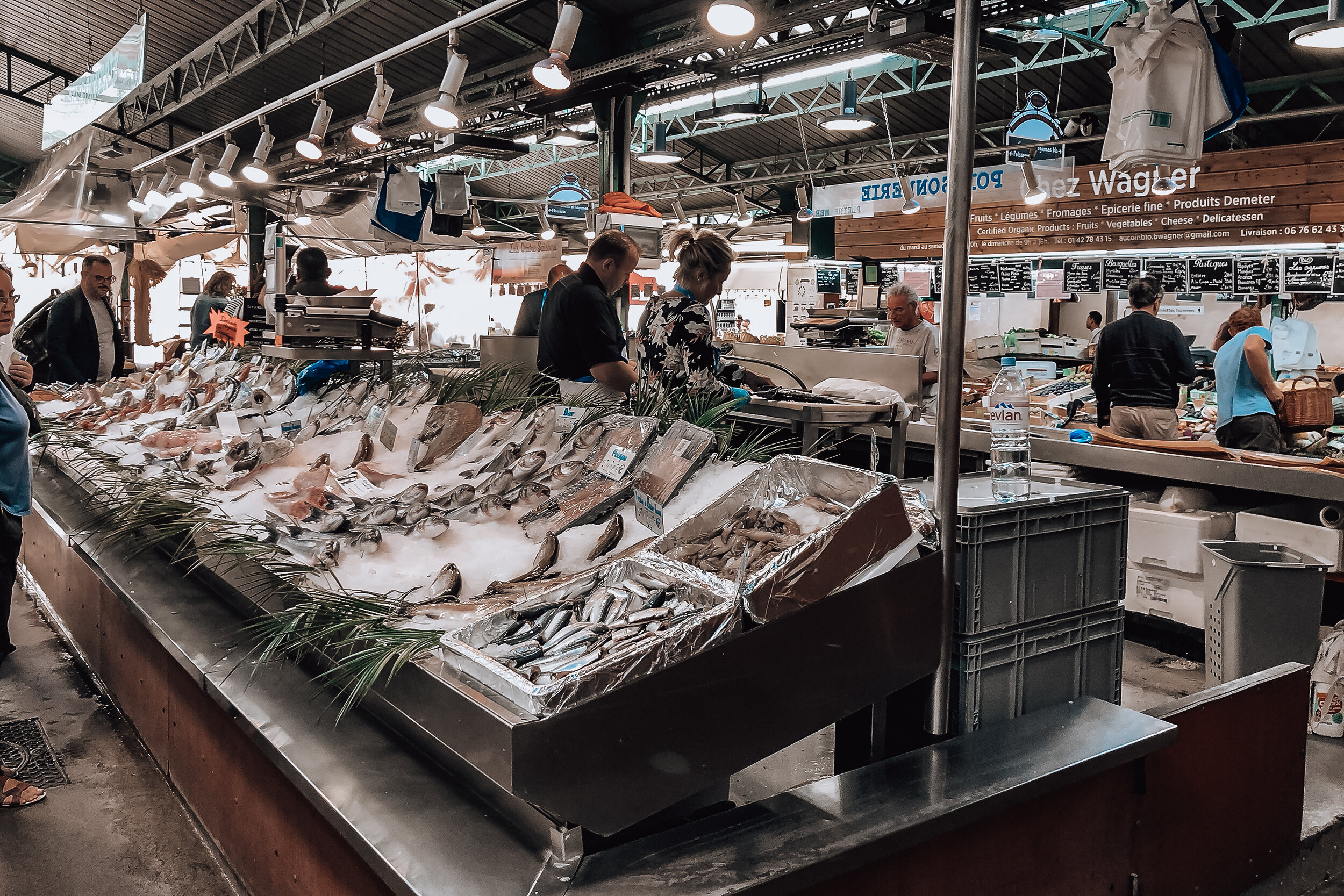
Dine at a Sidewalk Cafe. Practically a French pastime, enjoy a croissant and coffee at a bistro table overlooking the street scene and passersby.
River Cruise. Take a Champagne Cruise along the Seine at sunset. It was super touristy with bus loads of people but we didn’t let it distract us from Paris’ charm. Book here through Bateaux Mouche.
Shop at a Market. Walk through the stalls or streets of an actual French market.
Marché de Enfants Rouge. Paris’ oldest food market with a diversity stalls offering meals, fruits, veggies, cheese, meats and seafood. There are a number of tiny shops surrounding the market selling rustic and vintage items.
Rue Montorguiel. Vibrant central street with food markets, boulangeries, fromageries, patisseries, old world bars, restaurants and cafes.
Rue de Martyrs. Located in the 9th & 18th Arrondissements, this street is a giant market avenue with over 200 shops, restaurants and boutiques selling pastries, chocolates, coffee, seafood, etc.
Picnic. Pick up a baguette, some cheese, a bottle of wine and have a picnic. These are some great locations:
The Seine. The main river that passes through Paris. Find a shaded tree, a bench or simply dangle your legs over the edge and watch the boats float by.
Parc des Buttes Chaumont. A hilly & lush park in the 19th Arr. Stop by Rosa Bonheur for a glass of Rosé.
Champ de Mars. The park in front of the Eiffel Tower and perfect spot for picnicking. There are accordion players serenading couples and vendors selling roses and champagne.
Read French. Buy a book from one of these classic locations.
The Bouquinistes. Outdoor booksellers set up along the banks of the Seine.
Shakespeare and Company. One of the world’s most famous book stores, often seen in movies.
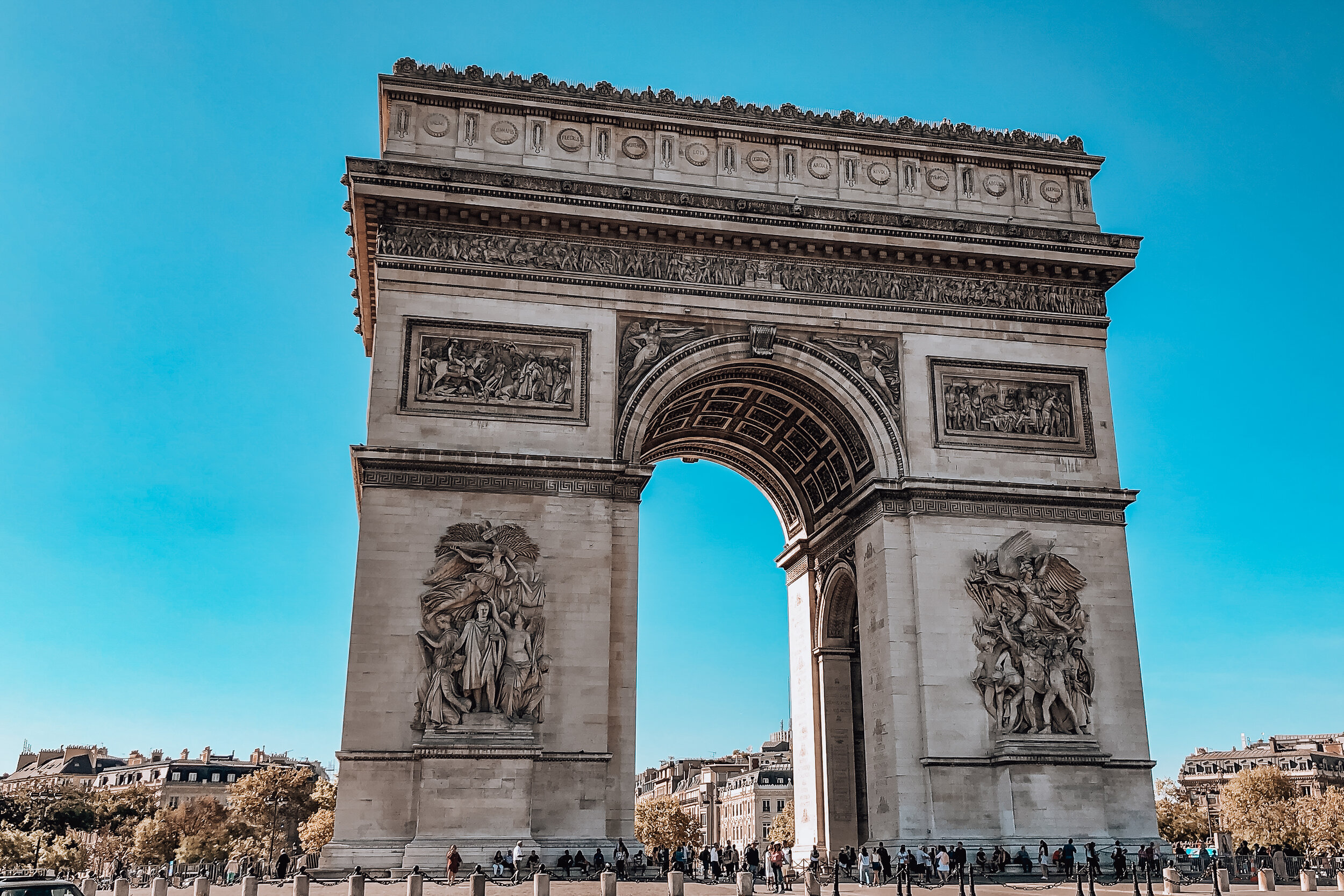
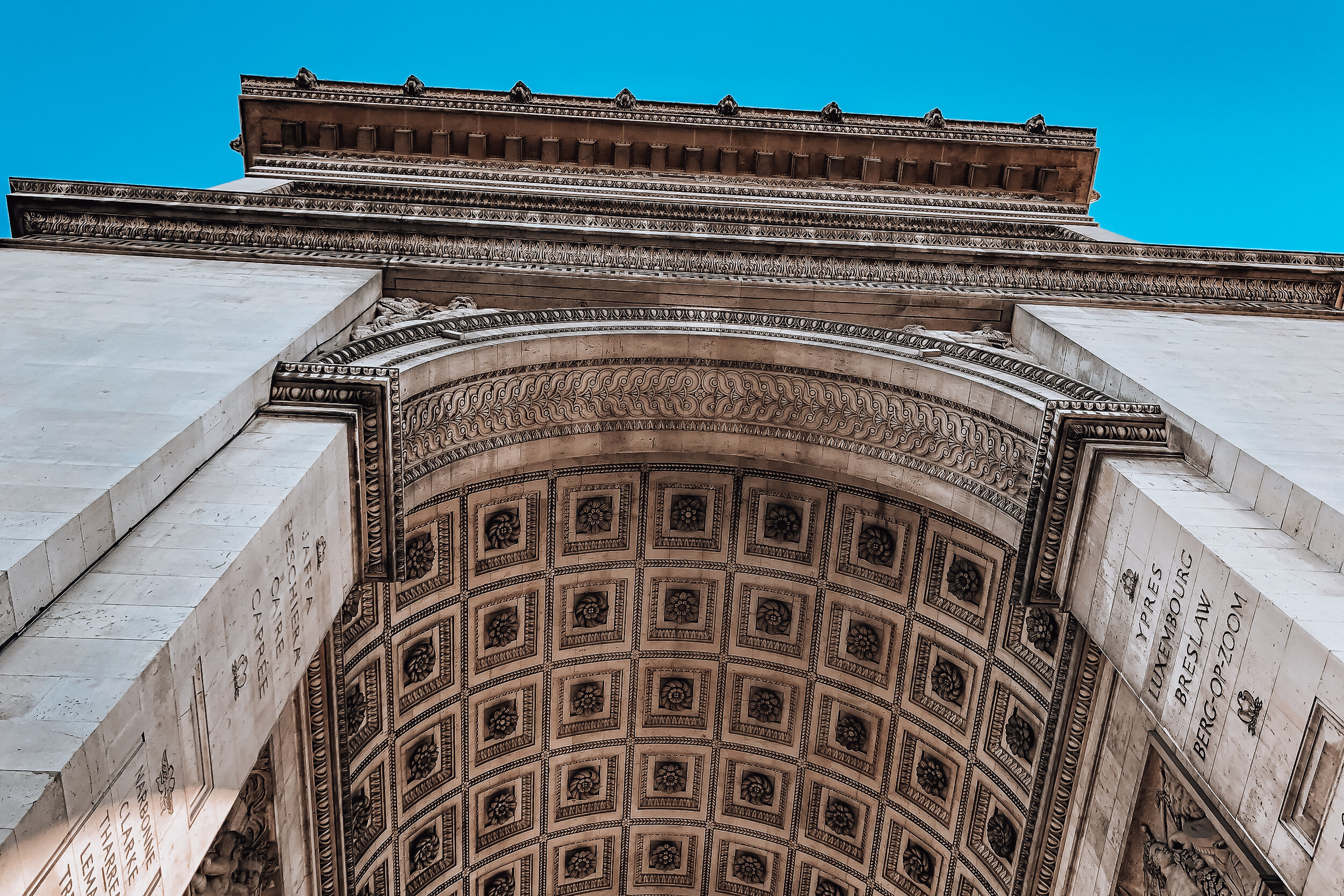
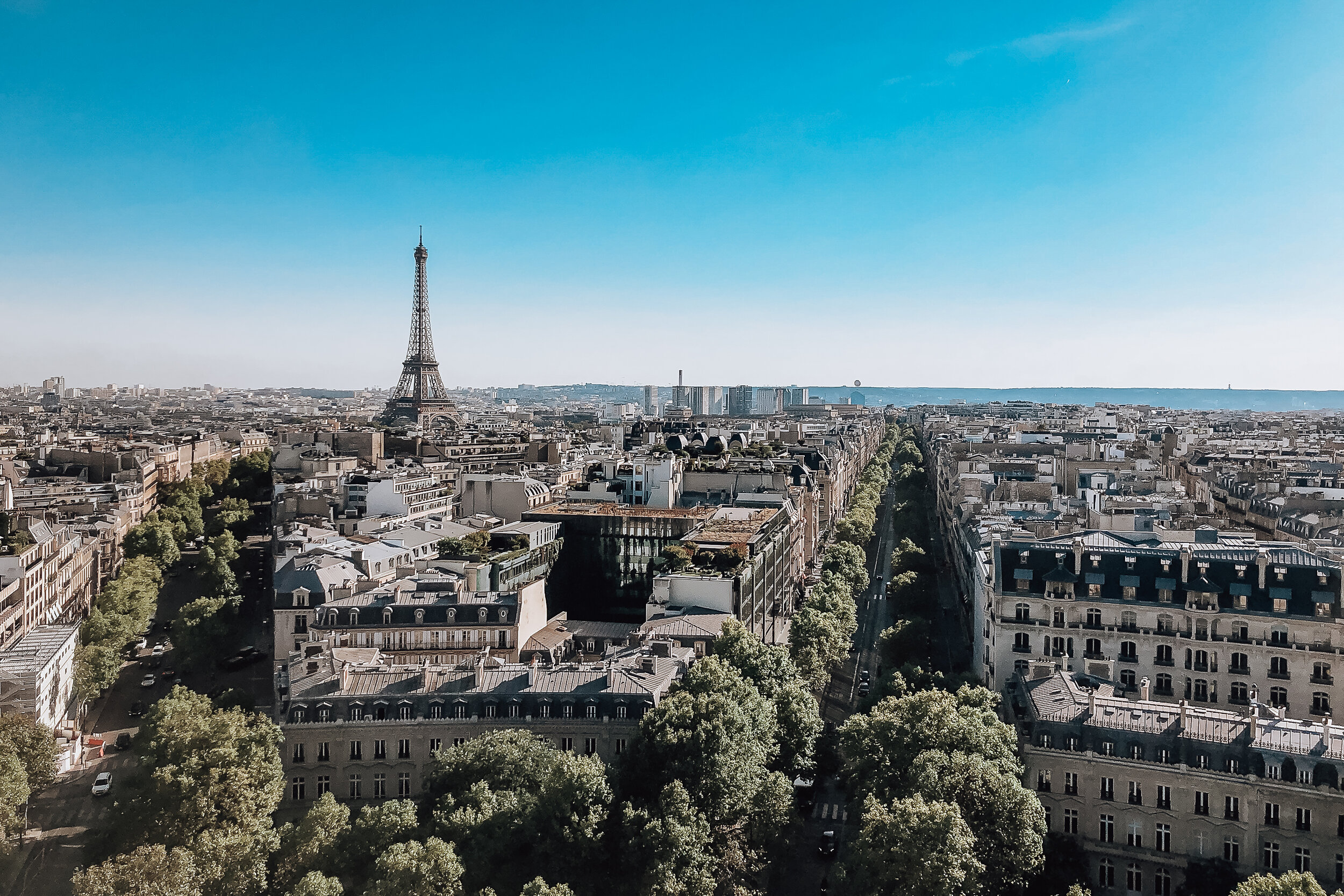
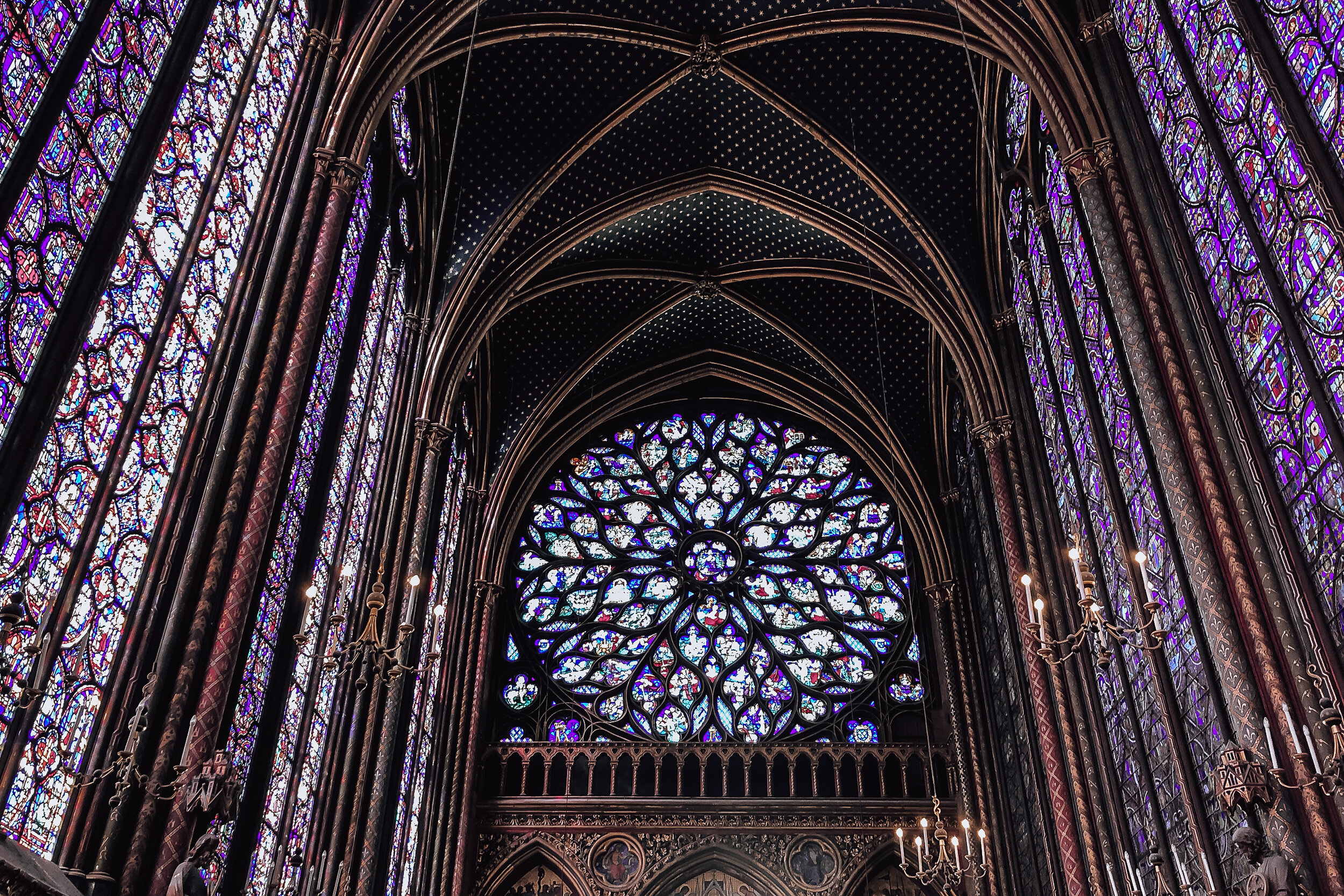
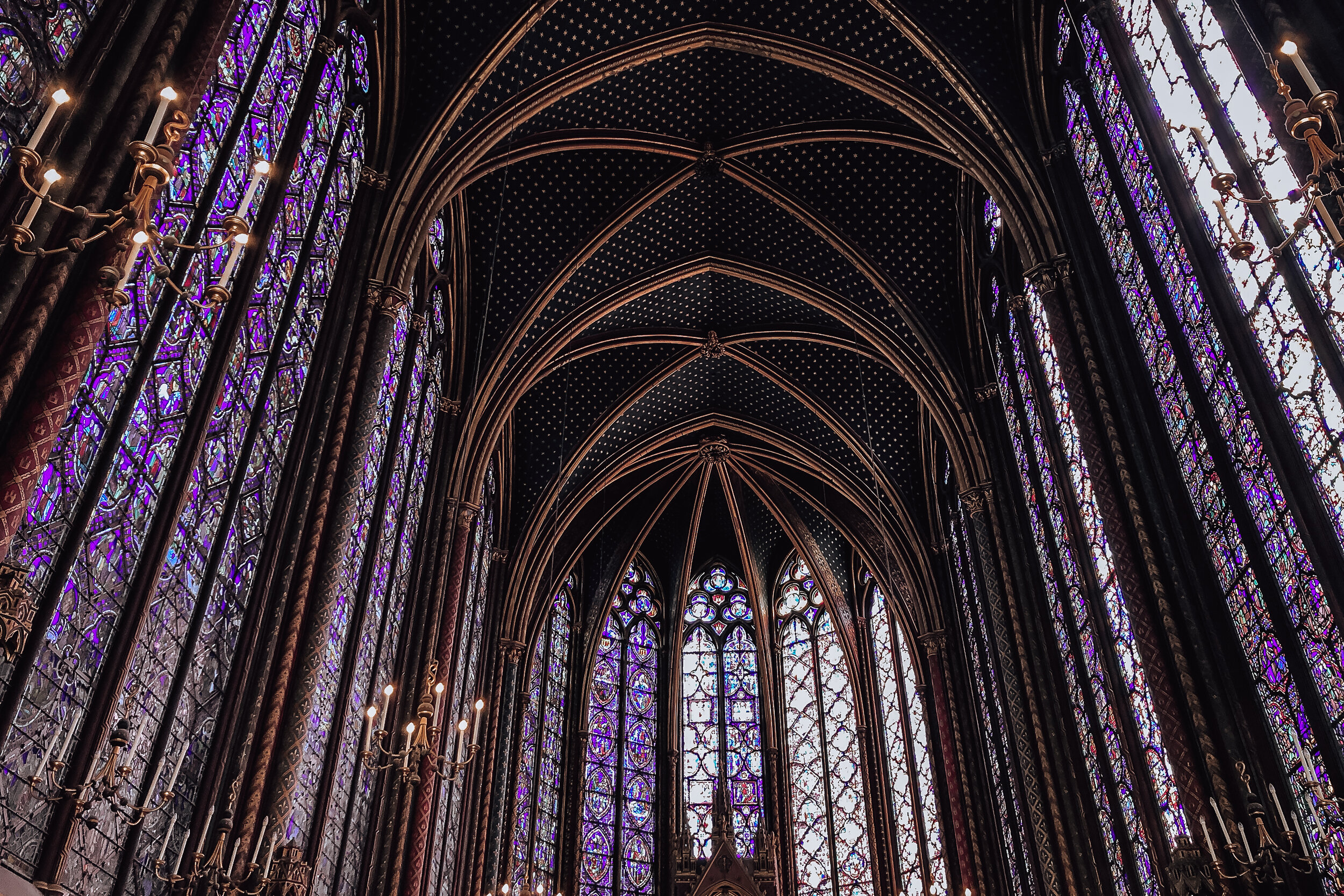
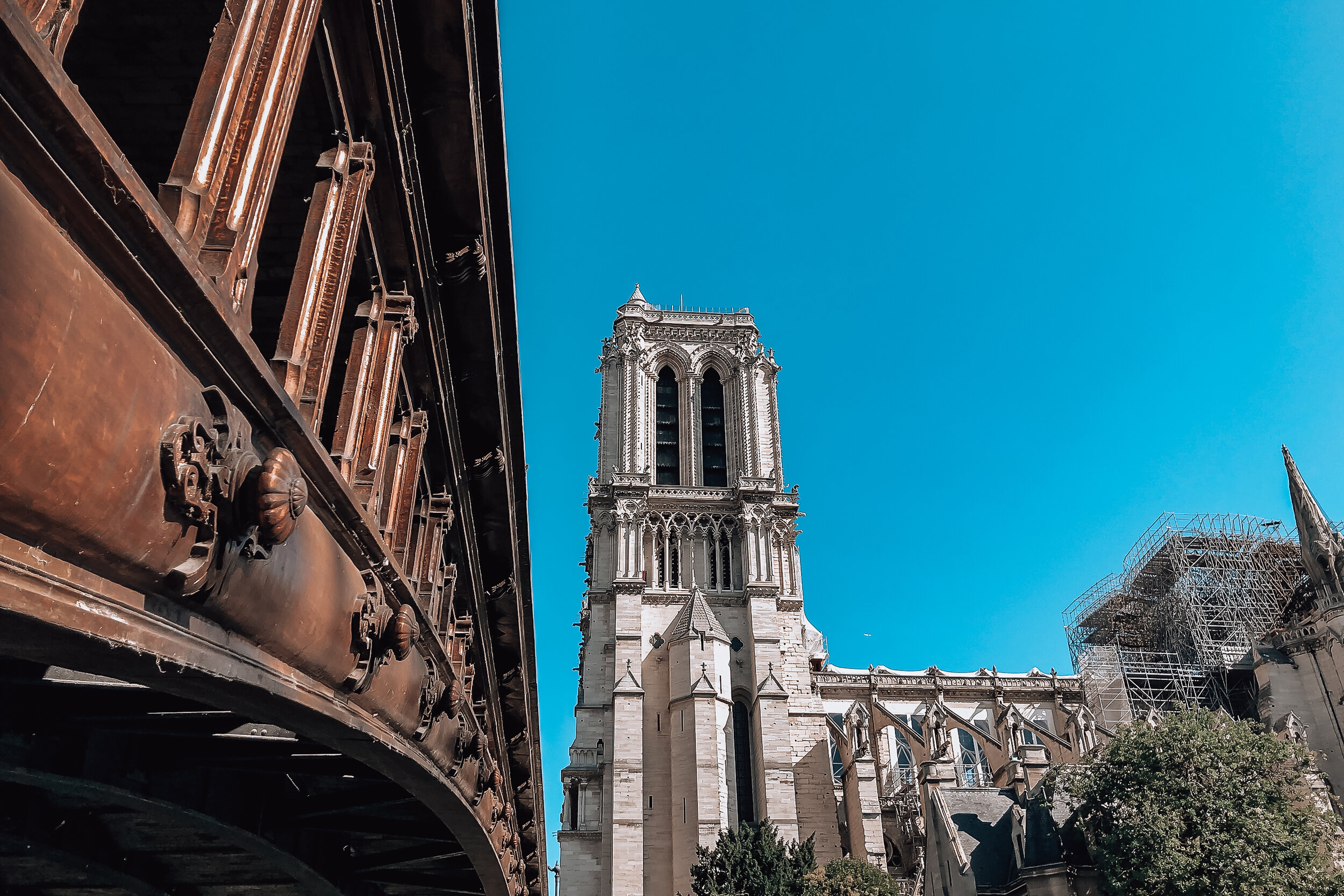
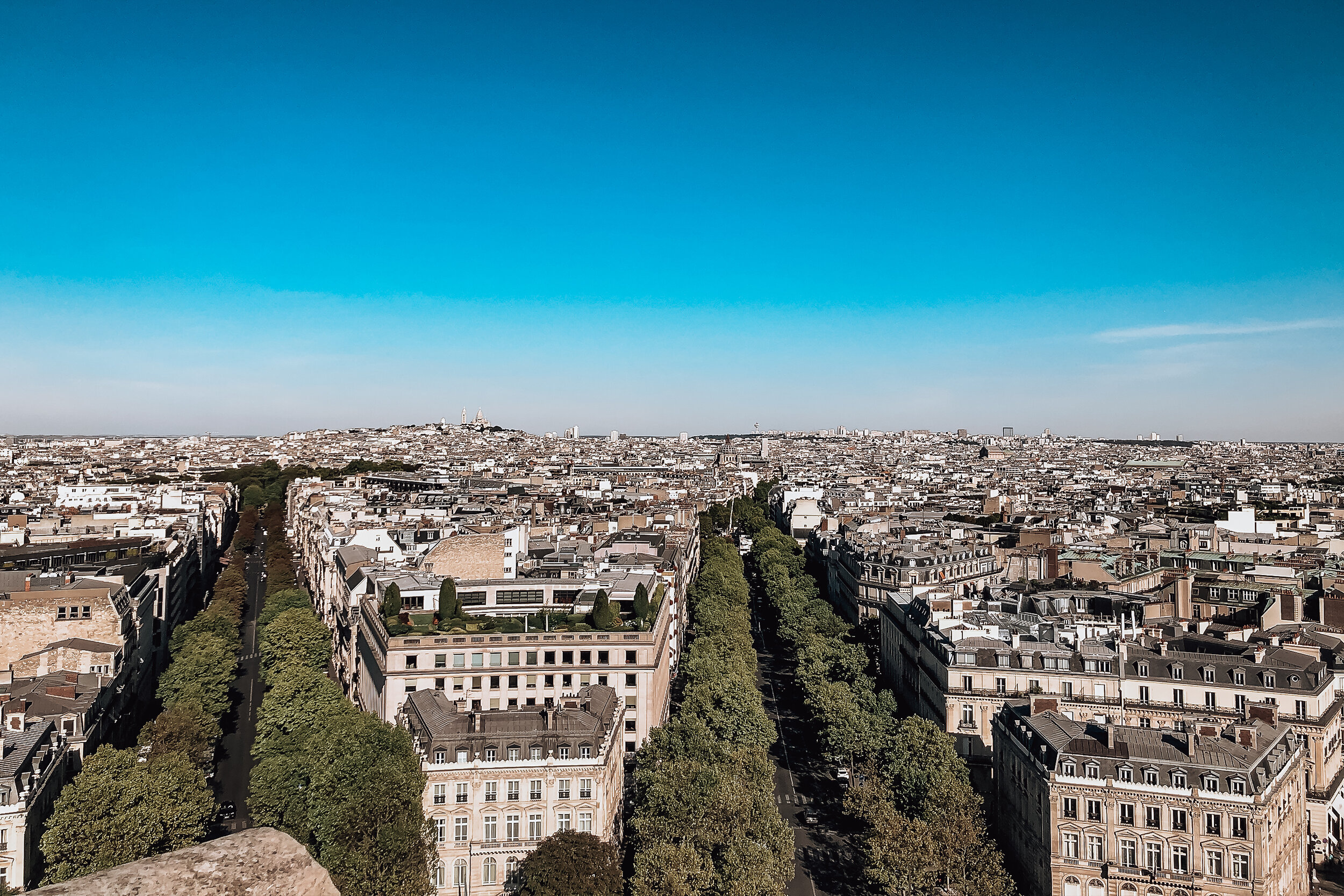
Visit the Sights
Arc de Triomphe. A Napoleonic War Monument along the Champs-Élysées. Climb the 284 interior spiral stairs to the rooftop for surrounding views of Paris.
Sainte-Chapelle. A 13th Century gothic chapel with stunning stained glass windows.
Notre Dame. The Gothic cathedral known for its rose windows, buttresses & gargoyles. We visited months after the fire that nearly destroyed the landmark. Though it was under repair, it’s a sight that shouldn’t be missed.
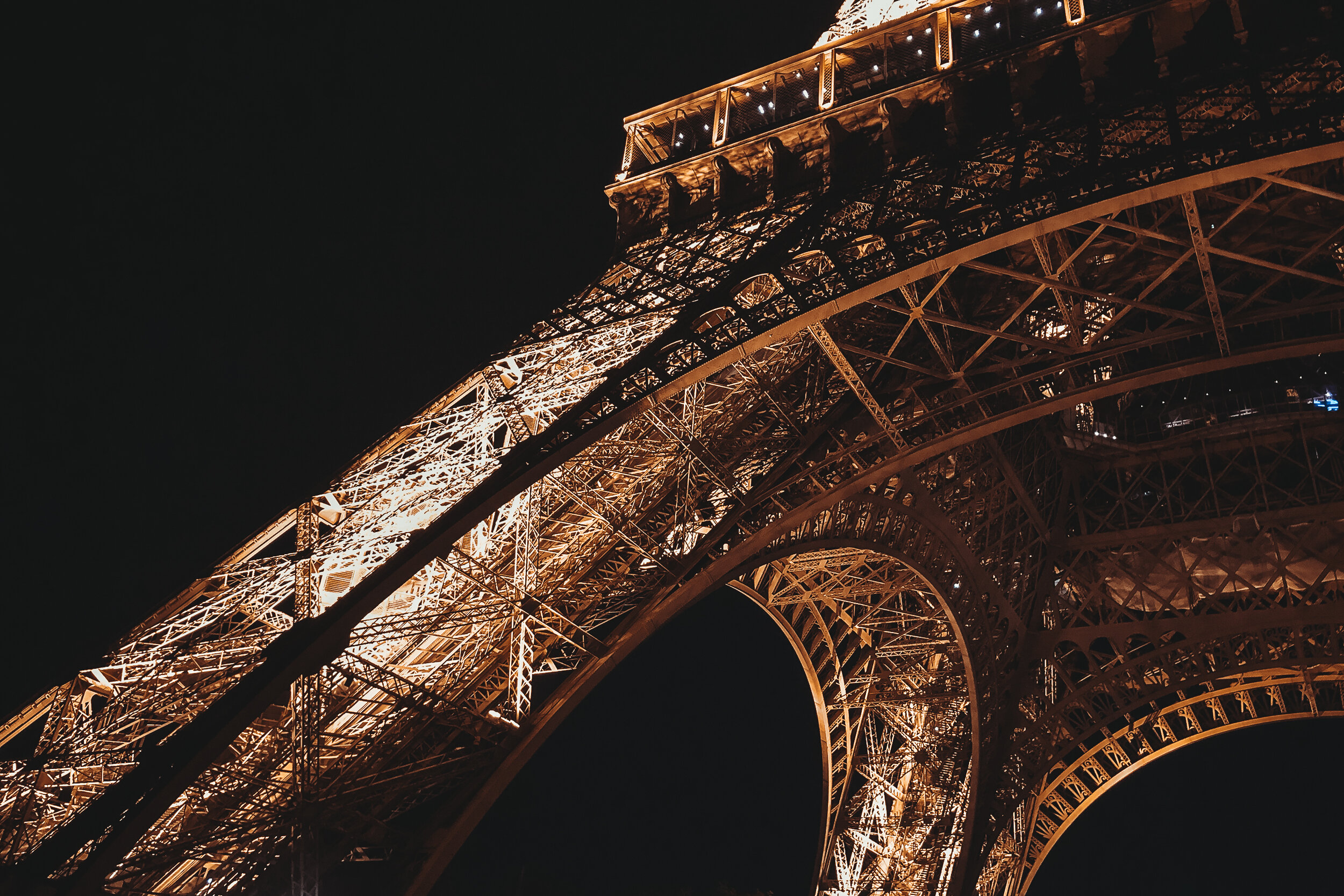
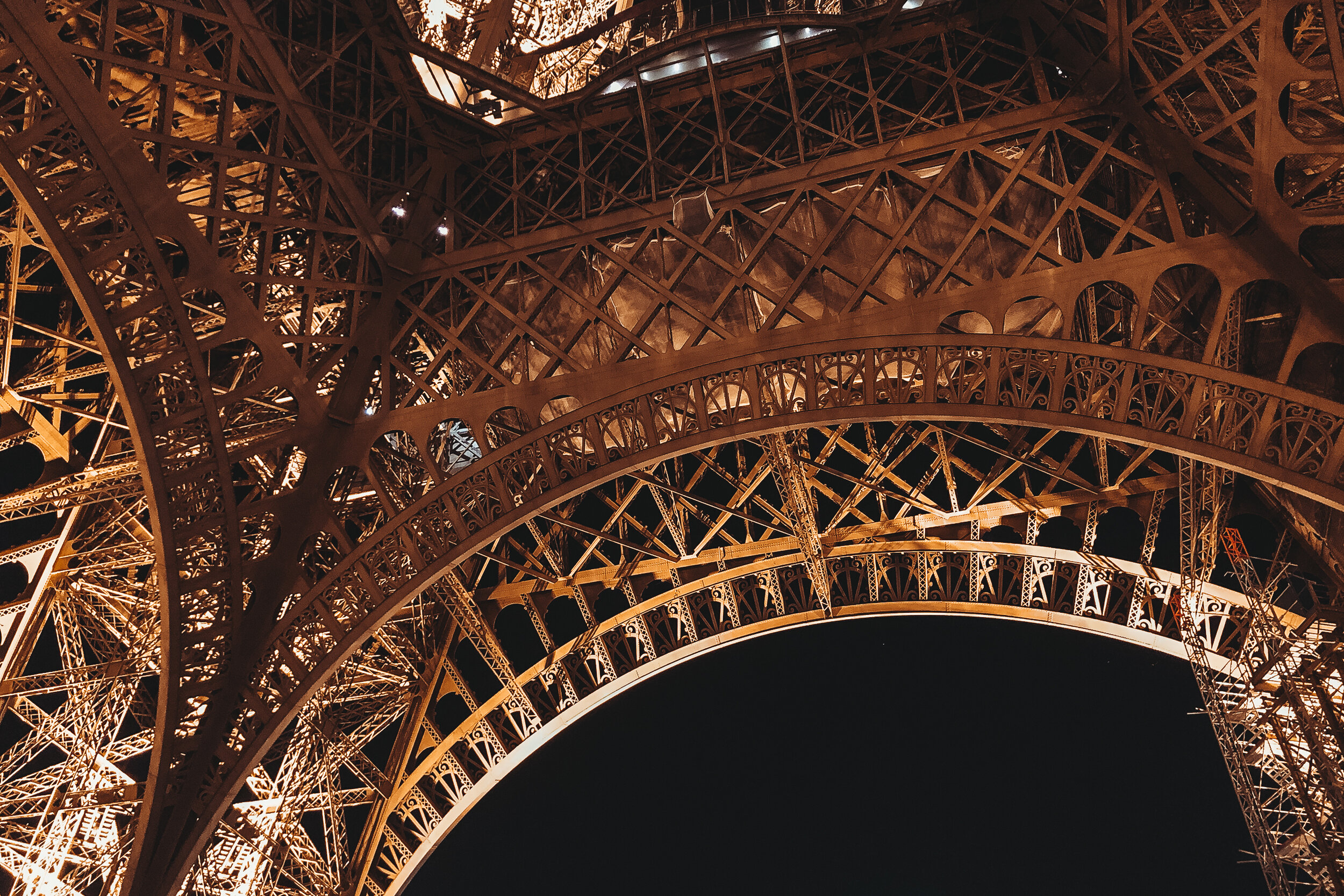
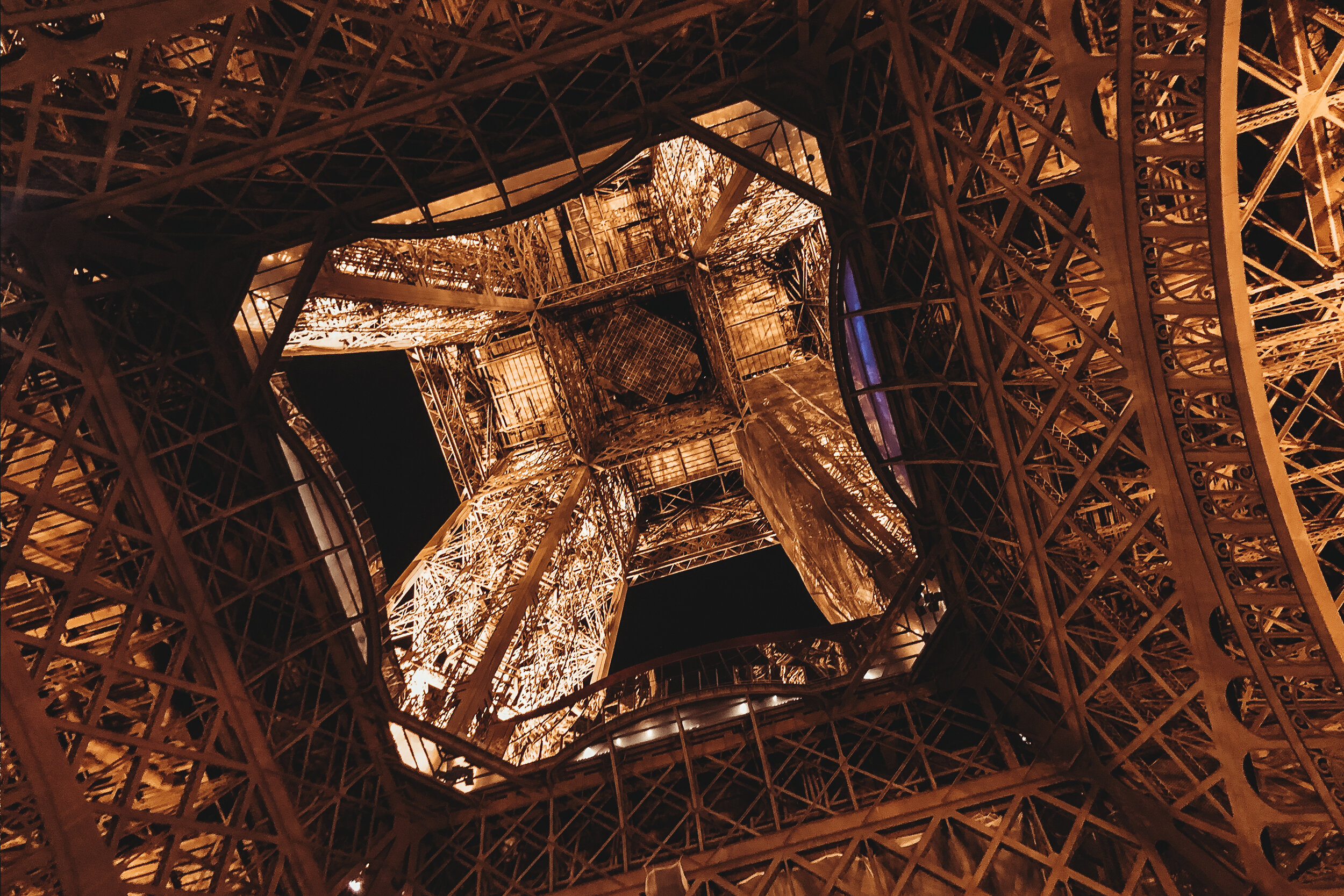
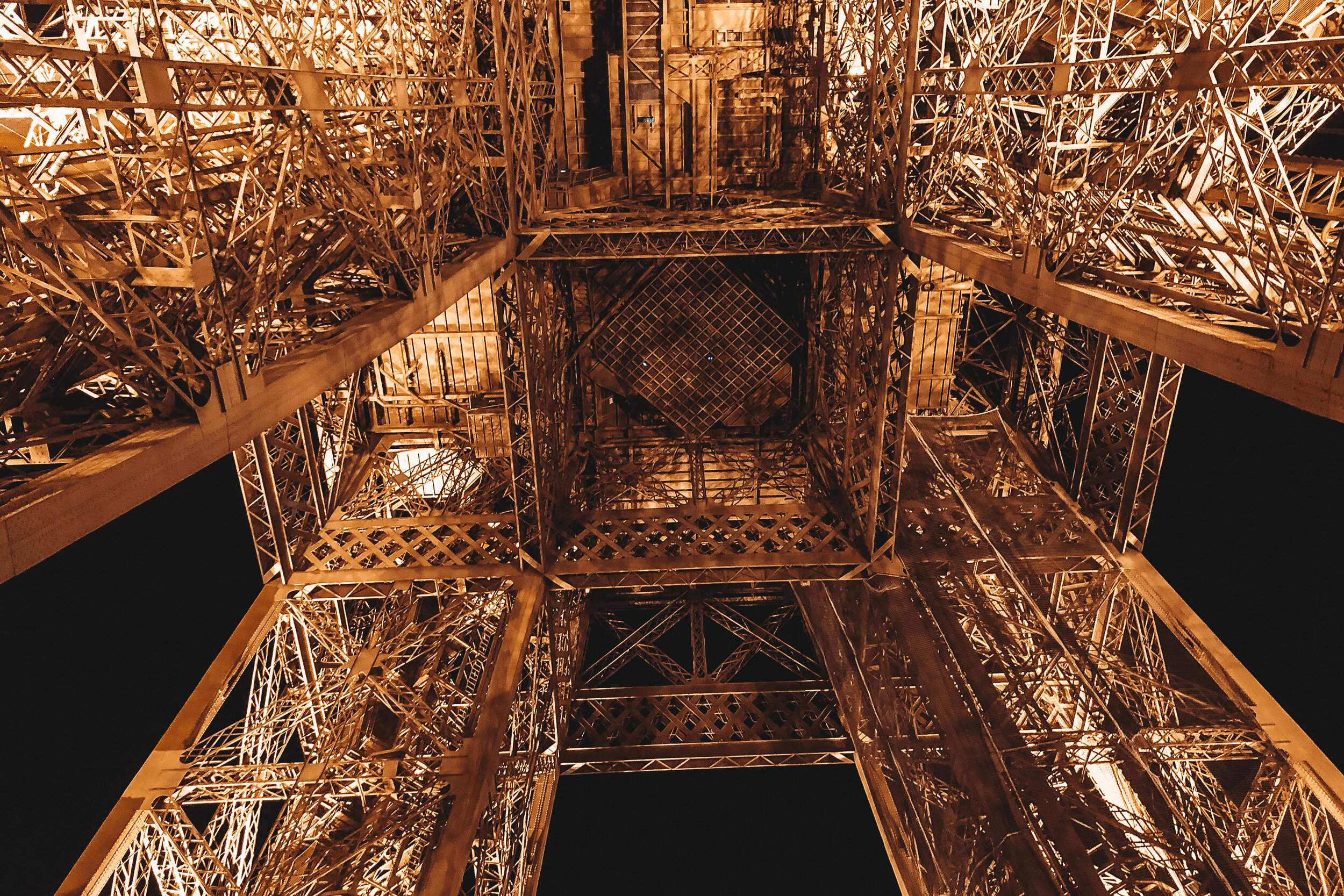
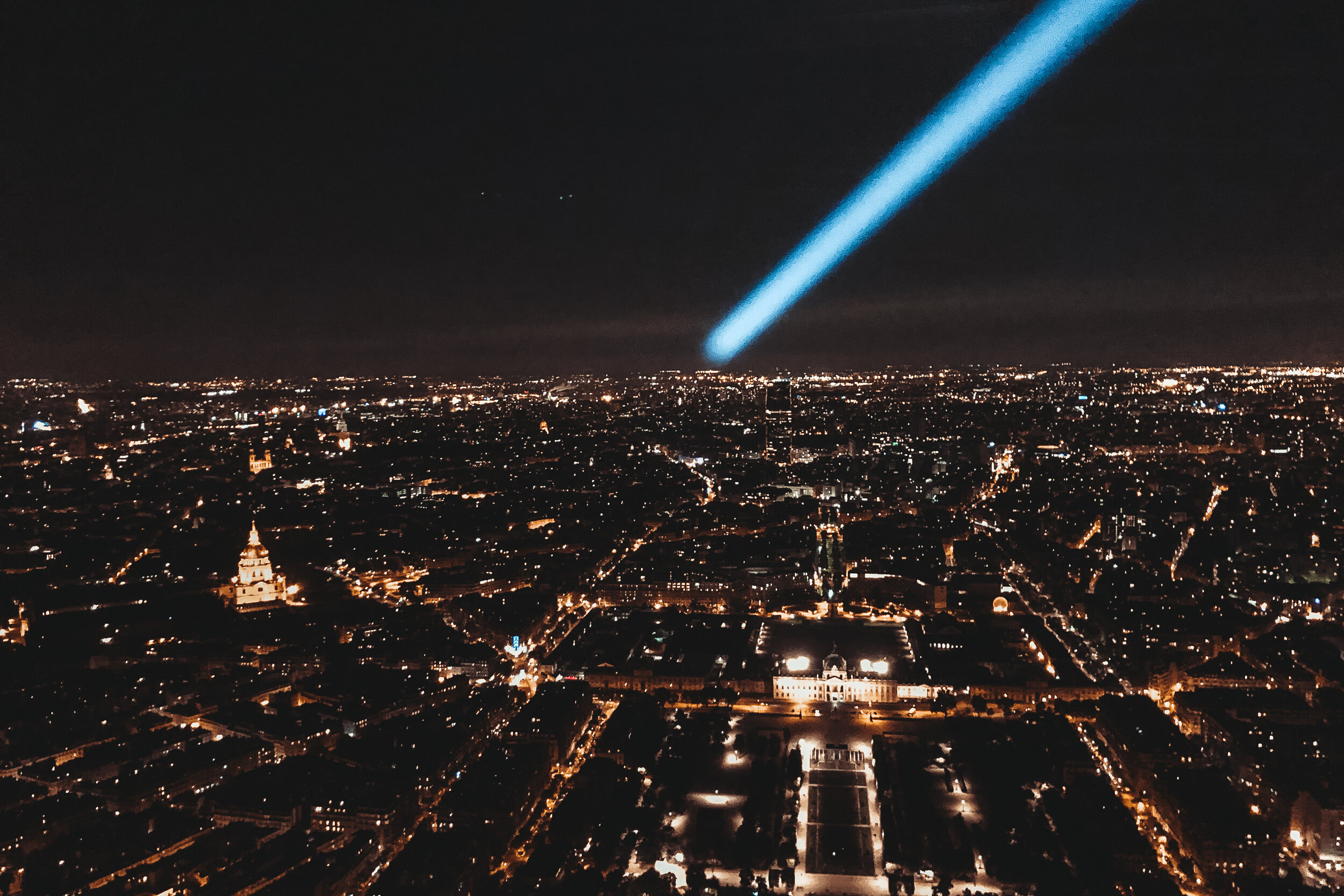
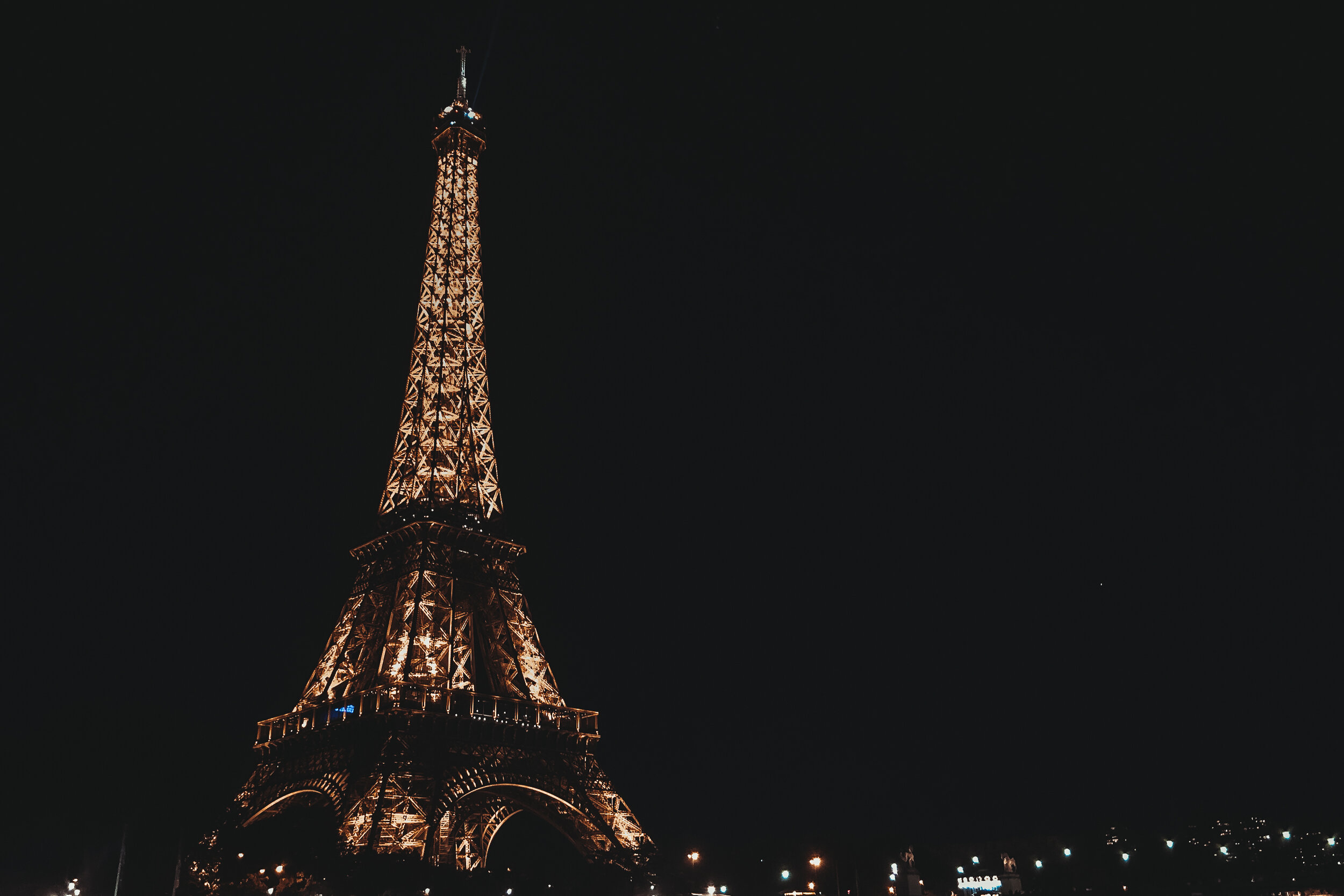
The Eiffel Tower
You can’t visit Paris for the first time without going to the Eiffel Tower. It is the symbol of the city and one of the most recognizable sights in the world.
The tower has three levels. The first two are accessible by stair and elevator. We took the elevator up and the stairs down, making for a leisurely descent, twisting and winding our way through one of the towers legs. Both floors have incredible views of the inner structure and iron lattices of the tower as well as a number of restaurants, shops and a Macaron Bar.
After wandering these floors we took the tiniest elevator to the third level, the top of the tower and highest point in the city. As mentioned earlier, the views from the top are absolutely stunning! On a clear night, you can see every amber glowing light and illuminated landmark in Paris. The top floor is home to Gustave Eiffel’s Laboratory and a Champagne Bar.
Tickets to the tower have to be reserved for a specific time slot in advance, book here.
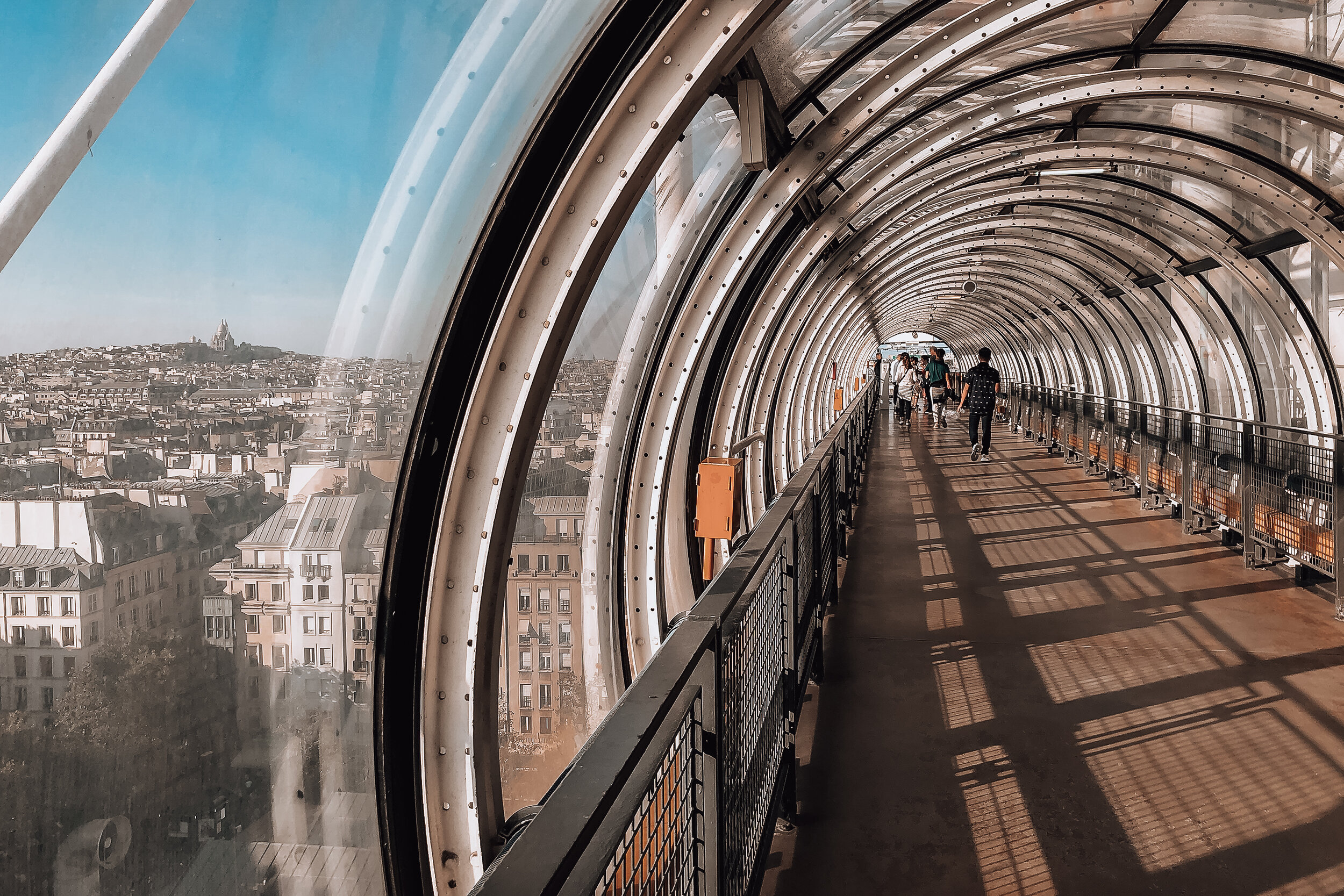
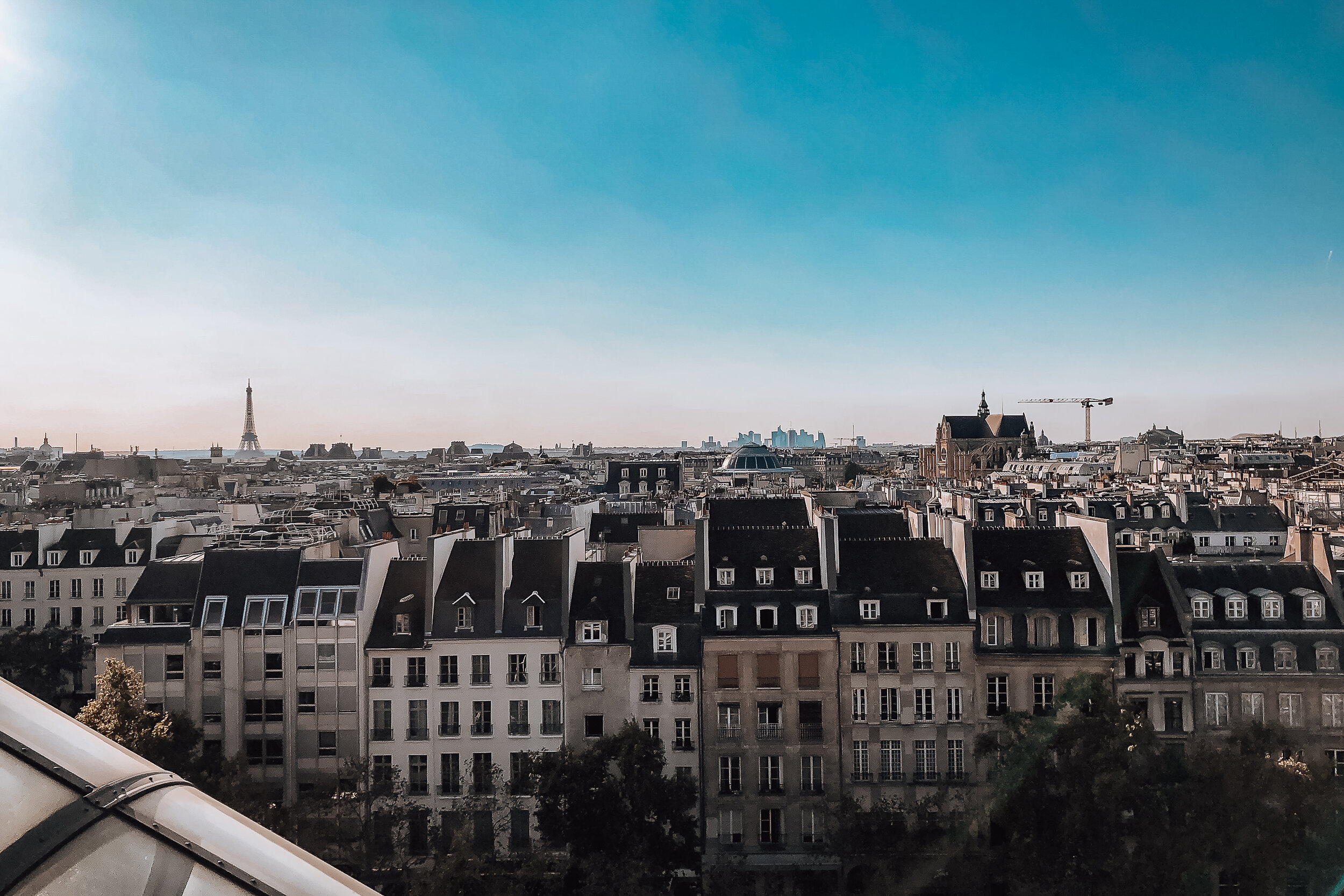
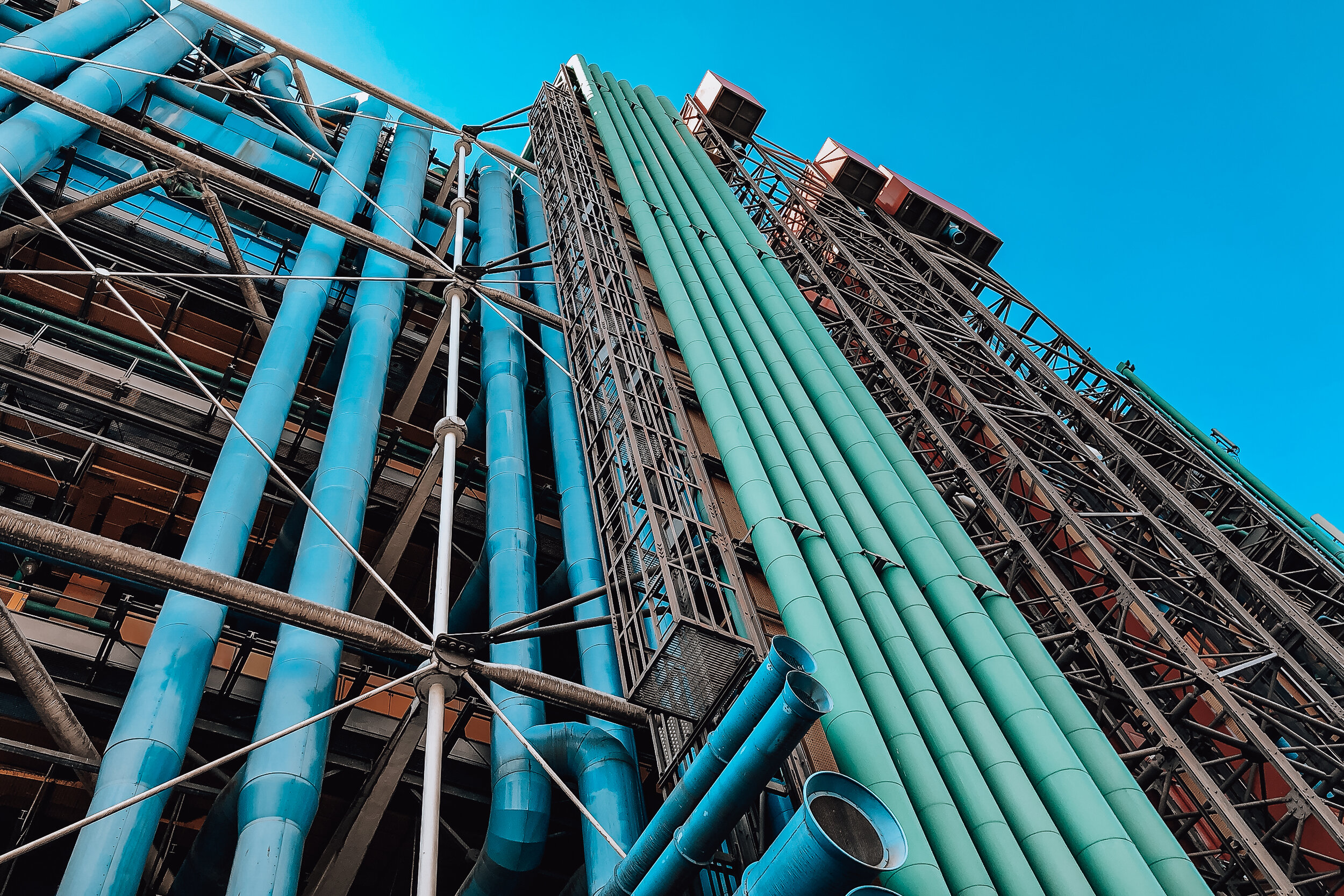
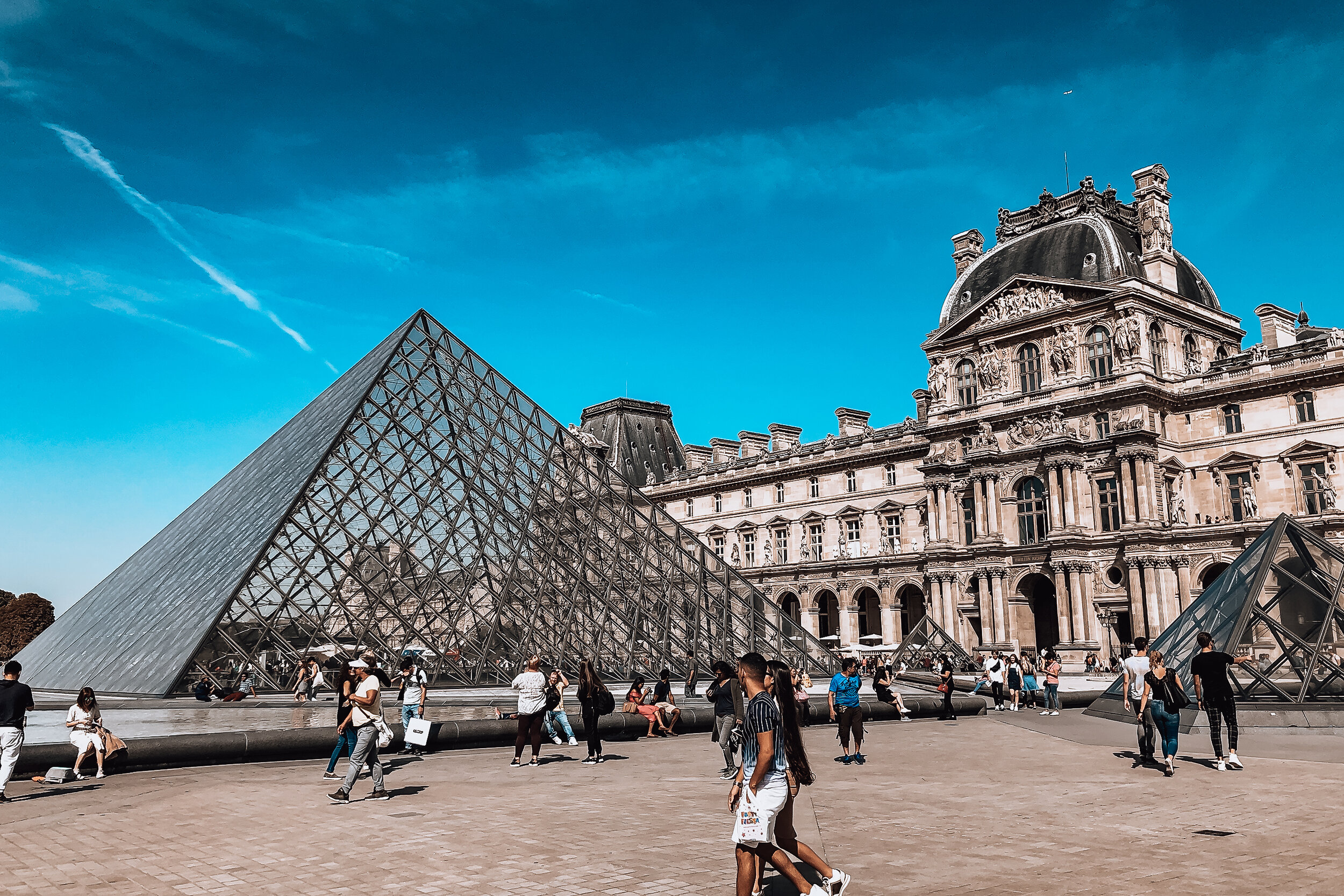
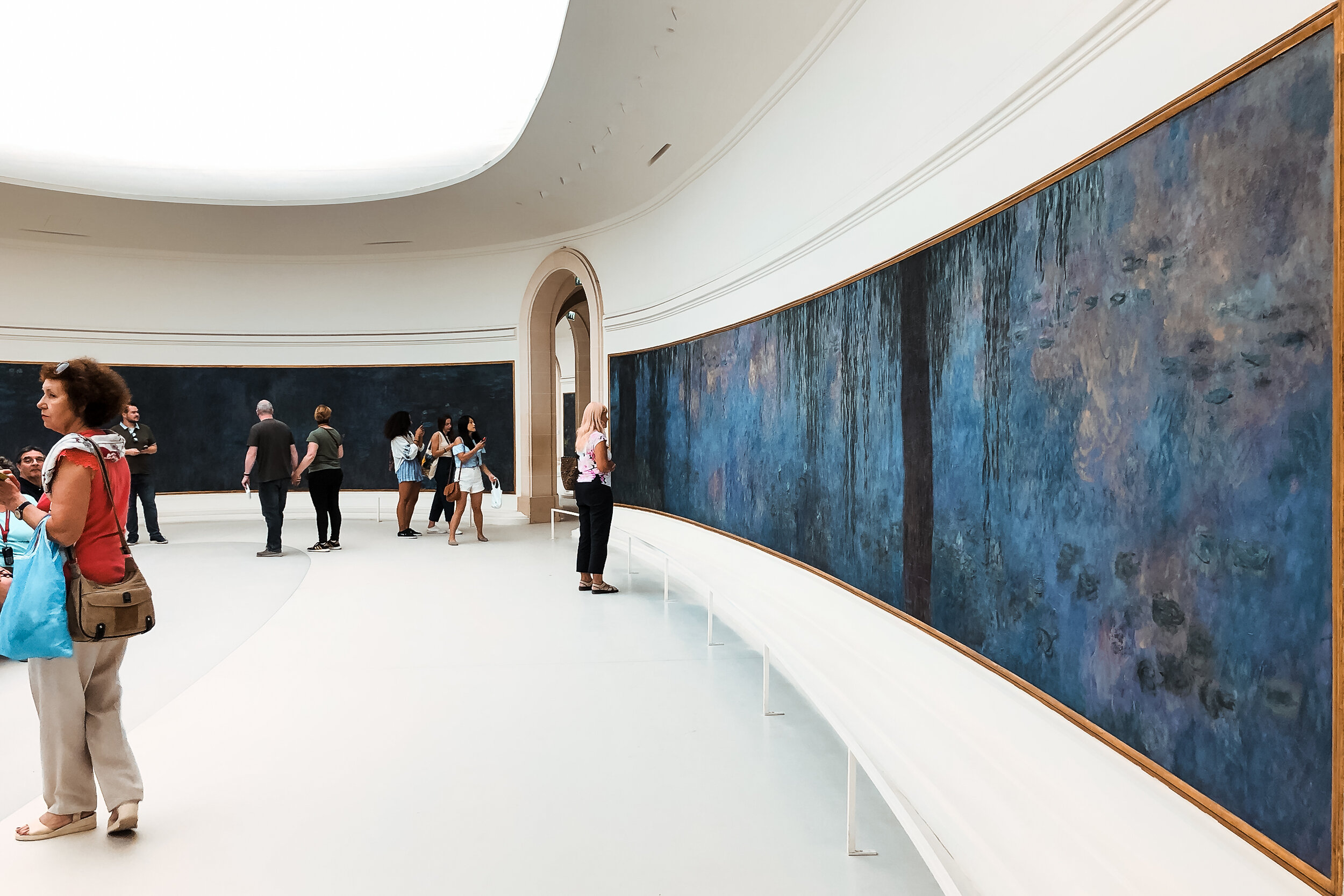
See Some Art
With a rich culture surrounding art and artists, Paris is the best place in the world to learn about art history and see some of the world’s masterpieces.
Centre Pompidou. A contemporary art museum built “inside out” with all the building’s equipment and escalators exposed leaving more room for gallery space inside.
Musee de’ L'Orangerie. An Impressionist art museum famous for it’s display of Monet’s Water Lilies.
The Louvre. The world’s most well known art museum, particularly for The Mona Lisa. The museum deserves a half to full day to explore but specific pieces can be seen in less time.
Street Art & Graffiti
Flamingo Wall. Search for the flamingo wall in Montmartre.
Banksy. There are a dozen artworks painted throughout the city, multiple can be found in the Latin Quarter.
I Love You Wall. A blue tiled wall with I love you written in 311 languages located in Montmartre.
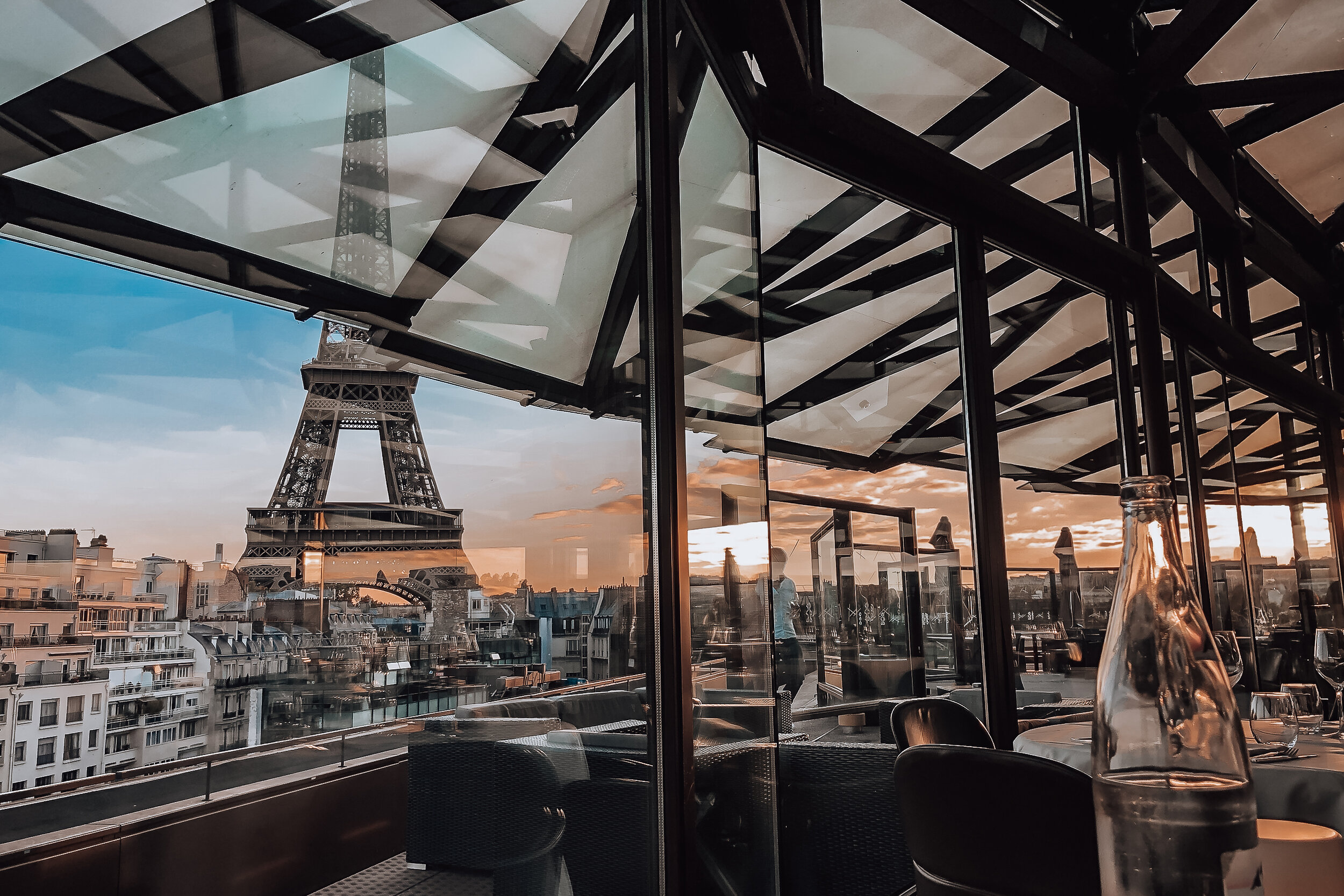
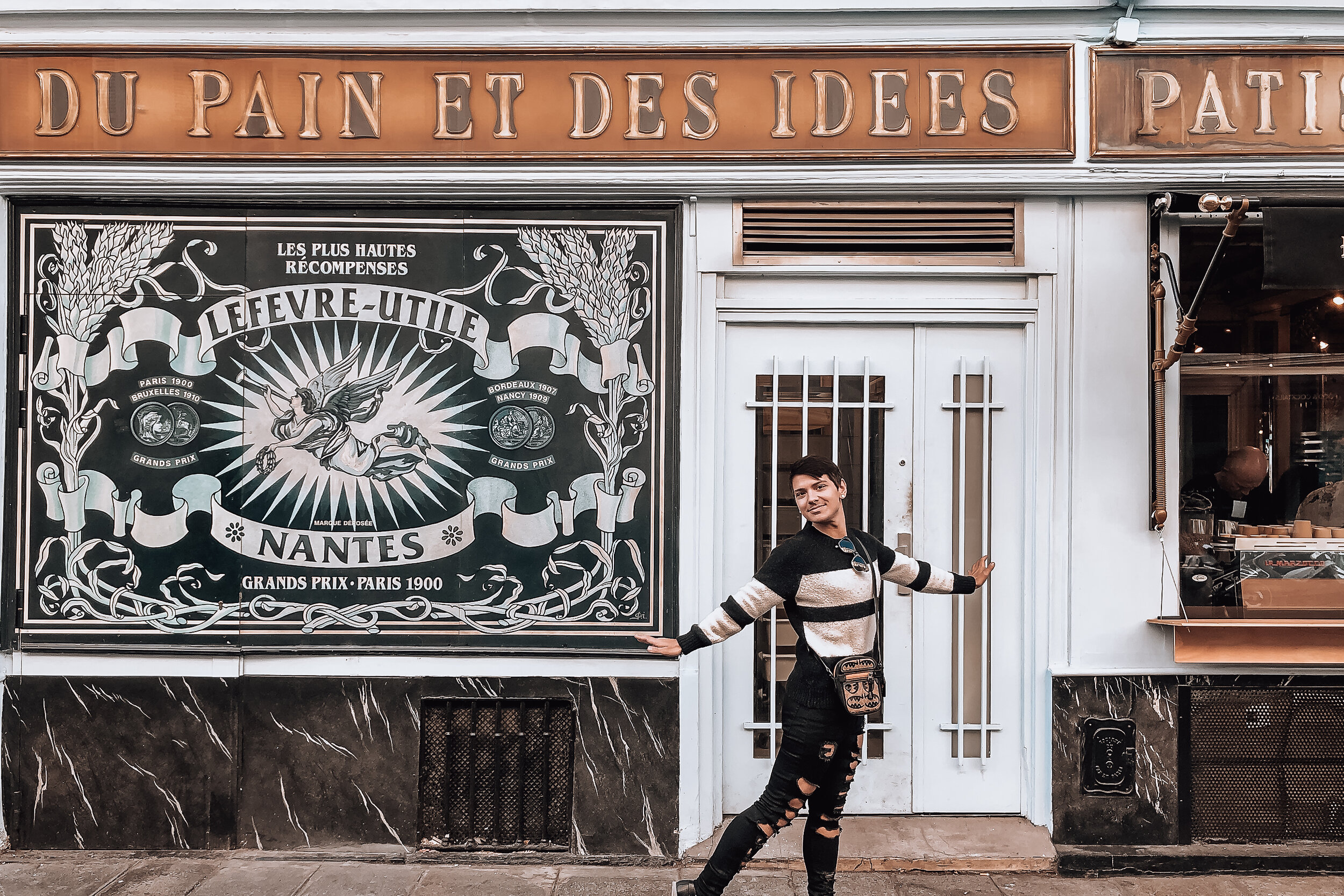
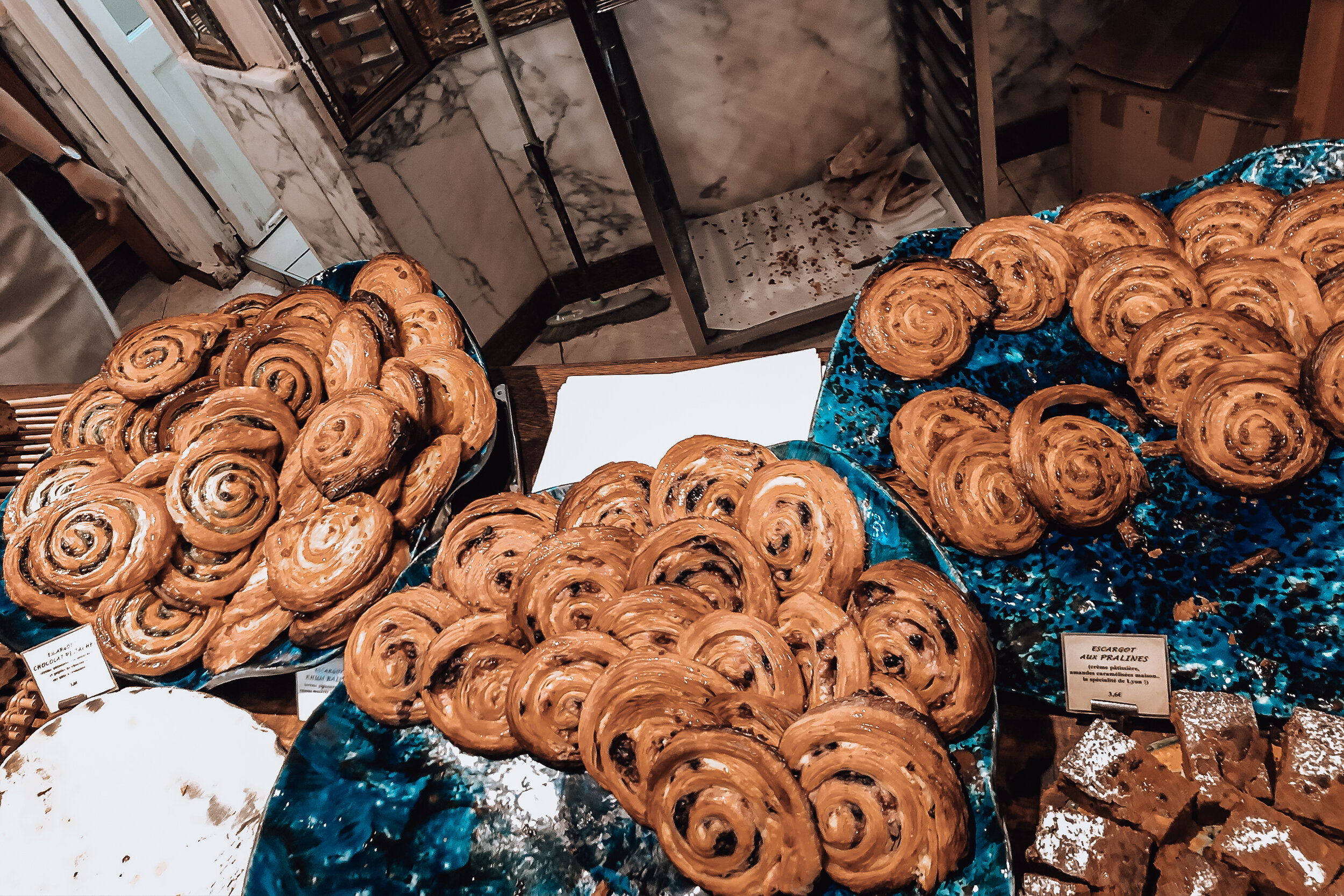
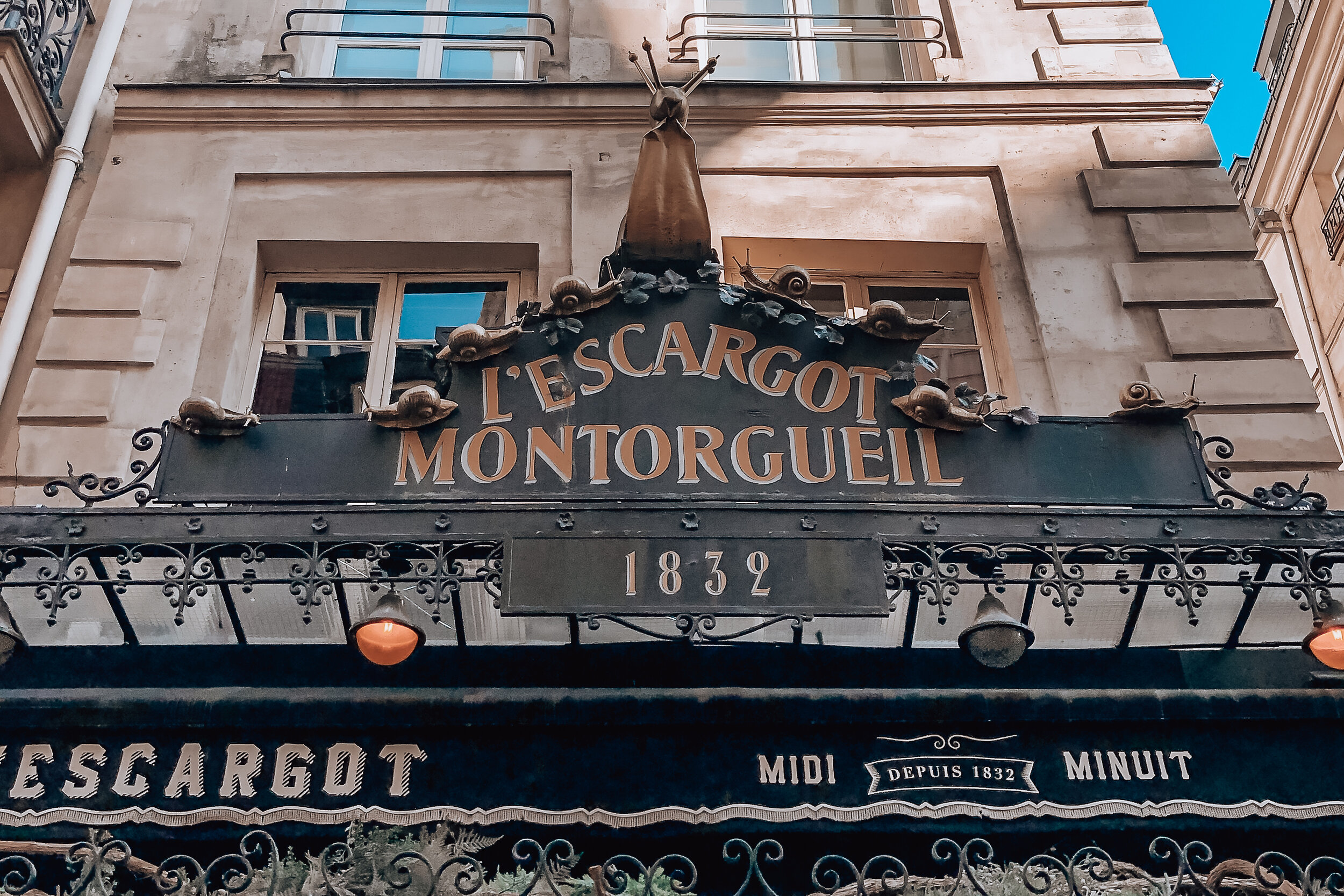
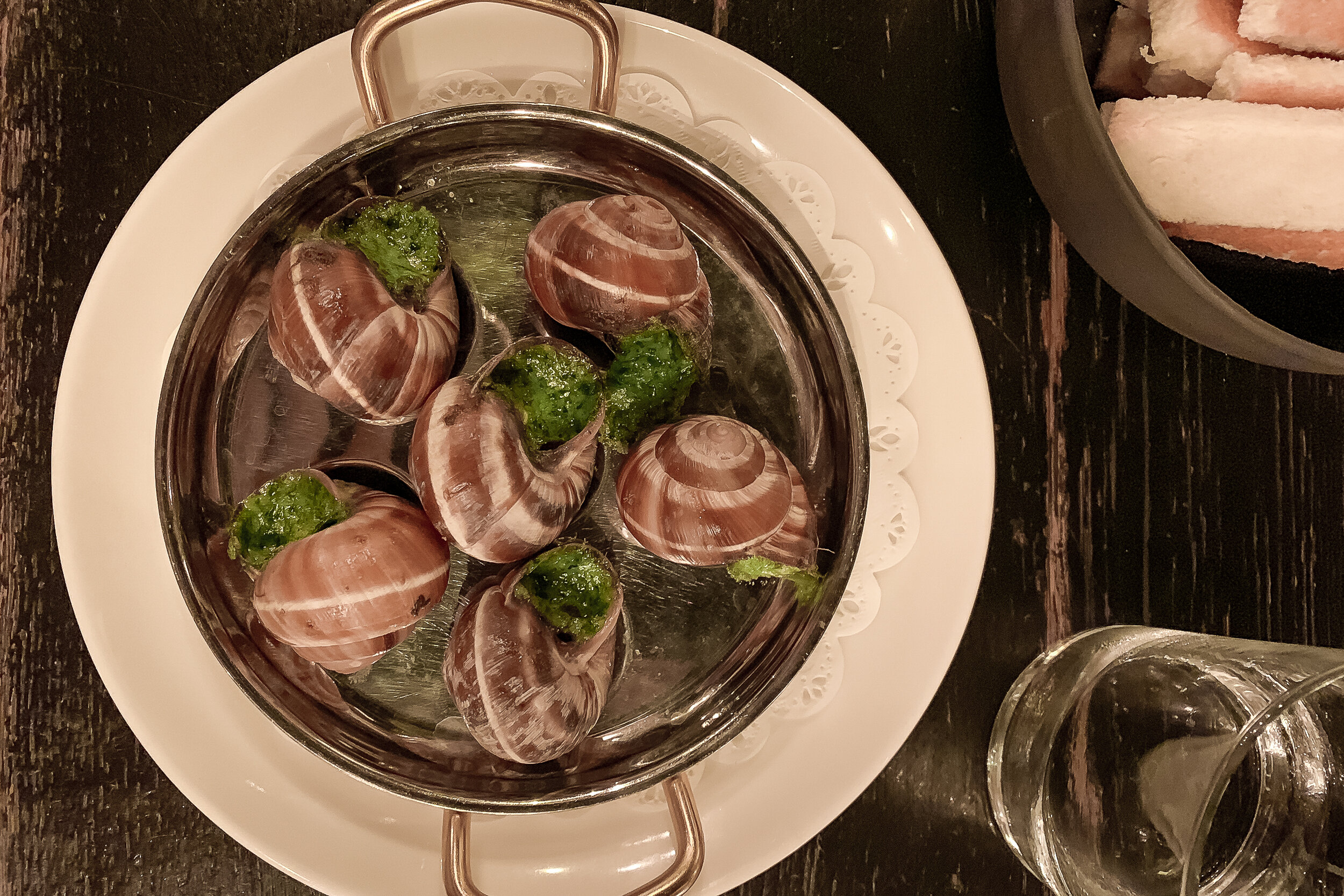
Taste Everything!
To quote Julia Child, “People who love to eat are always the best people.” This could not be truer than with the French. Here are a some of our favorite restaurants, cafes, bars and bakeries:
Les Ombres. A rooftop restaurant overlooking the Eiffel Tower serving modern French cuisine. The restaurant is enclosed in a fragmented glass structure inspired by the shadows of the tower. It’s also where we got engaged!
Du Pain et des Idées. A famous bakery, known for their pistachio chocolate escargot (named for the pastry’s shell shaped swirl)
L’Escargot. Serving the their namesake since 1832, this restaurant is known for their Burgundy snails in the shell. The restaurant has an old world feel and is adorned with a giant gold snails.
Brasserie Floderer. Classic French restaurant known for seafood, wine and ambiance.
Cafe Charlot. A small corner bistro with lovely sidewalk dining. It’s a great spot for breakfast or brunch.
Breizh Cafe. A crêperie known for their inventive crêpes and ciders.
Le Syndicat. A cocktail bar with drinks made from 100% French spirits, rated as one of the top 50 bars in the world.
Deviant. A tiny French kitchen serving serving seafood entrees with a large wine selection. The restaurant has a standing only bar inside and bistros on the sidewalk.
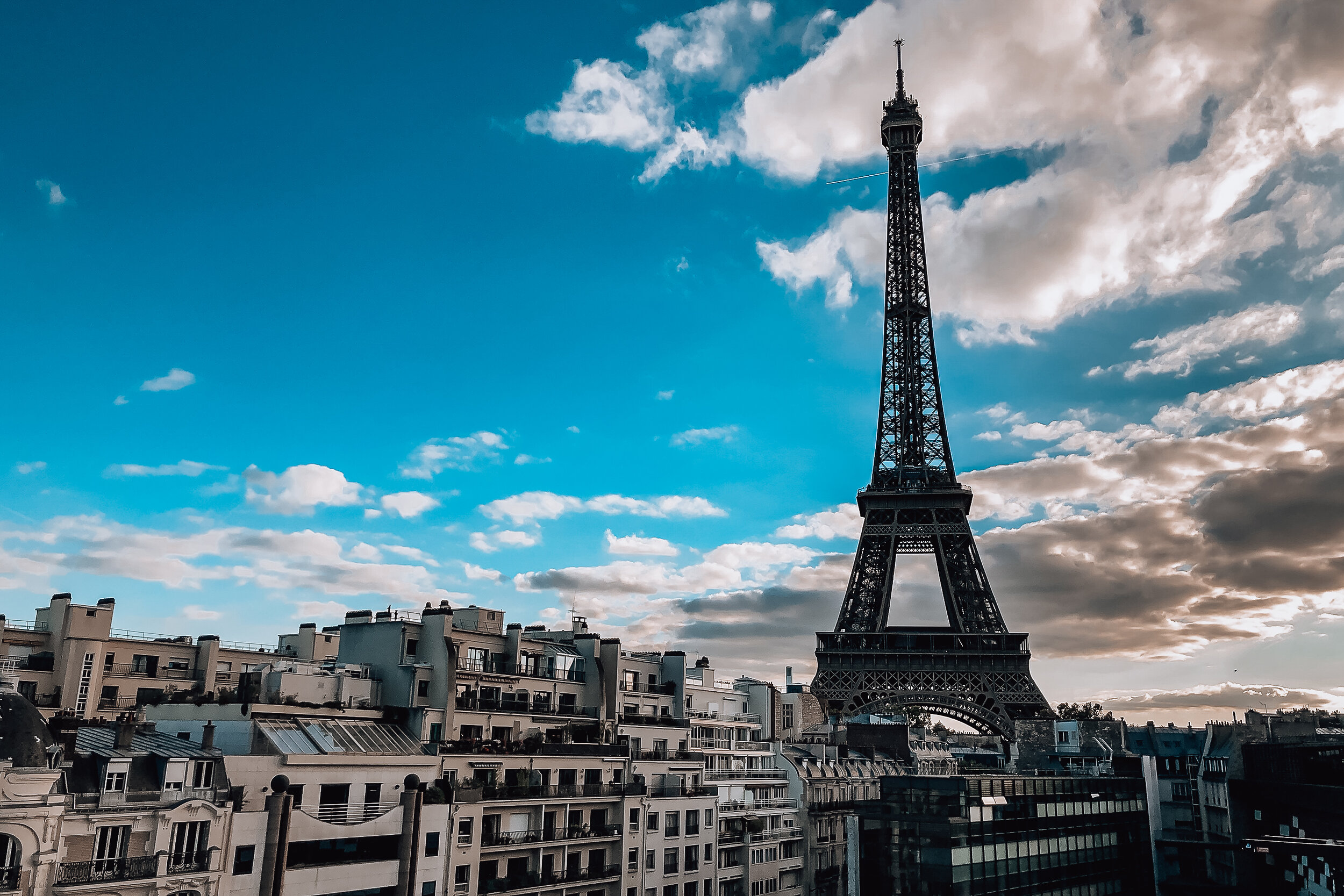
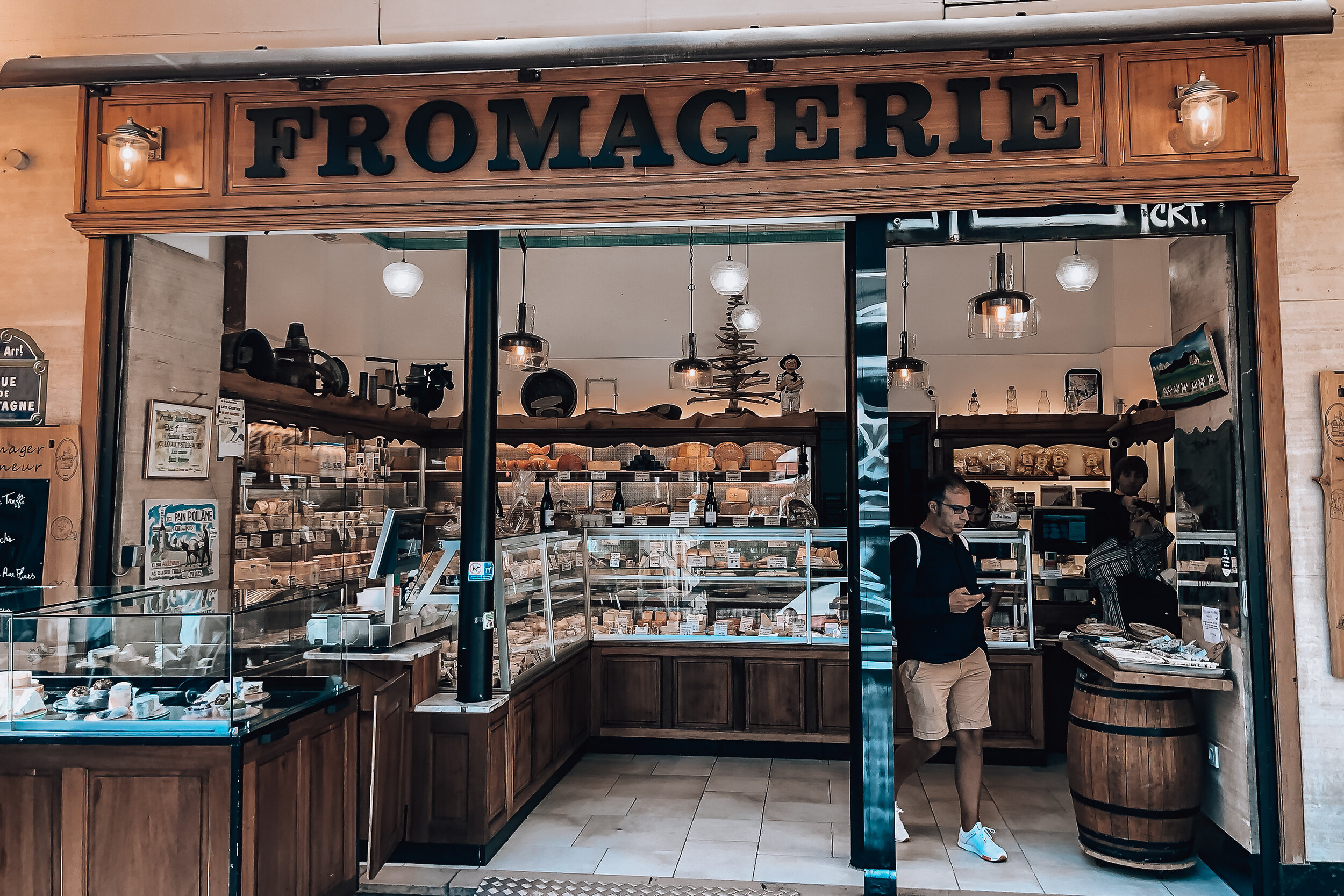
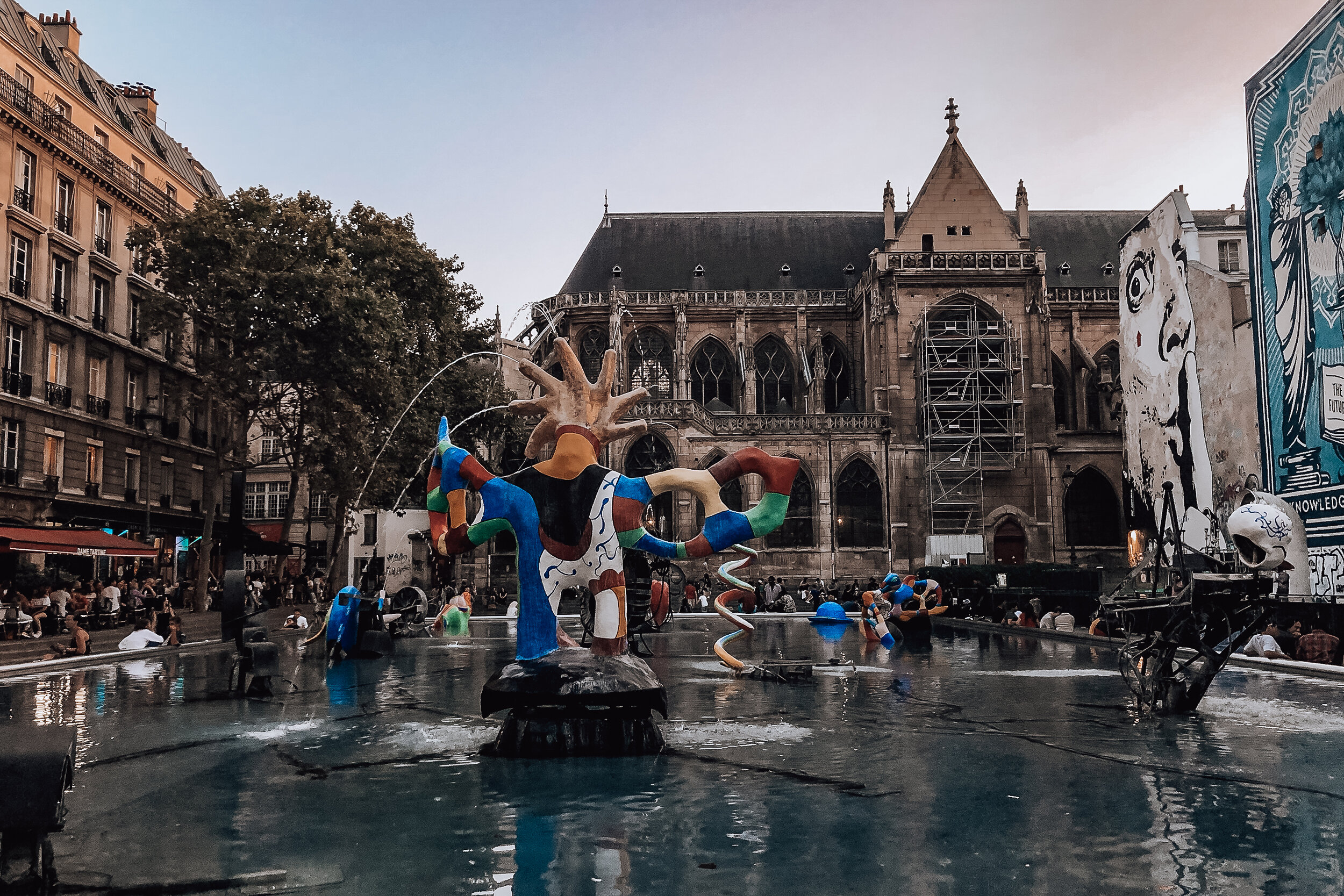
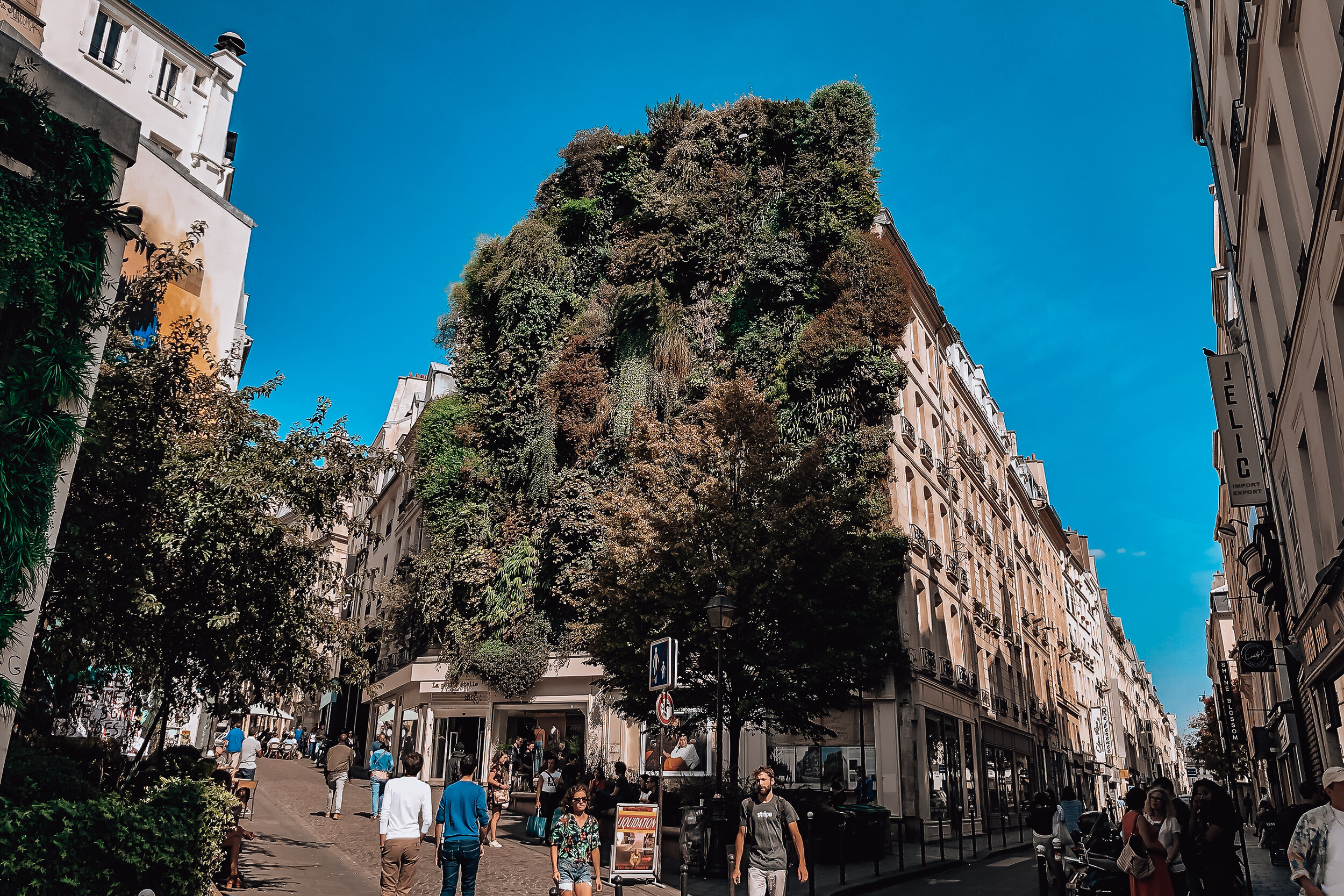
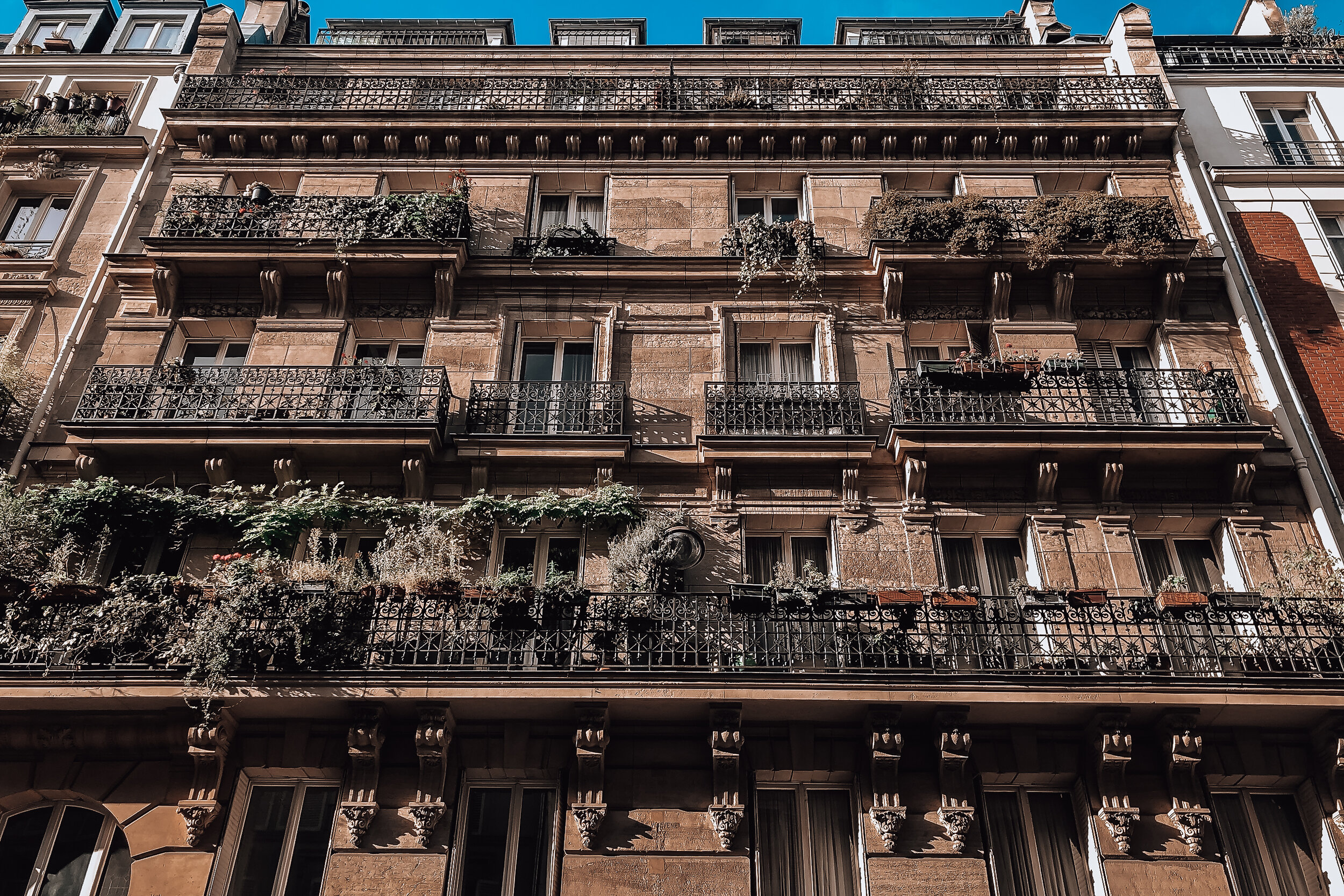
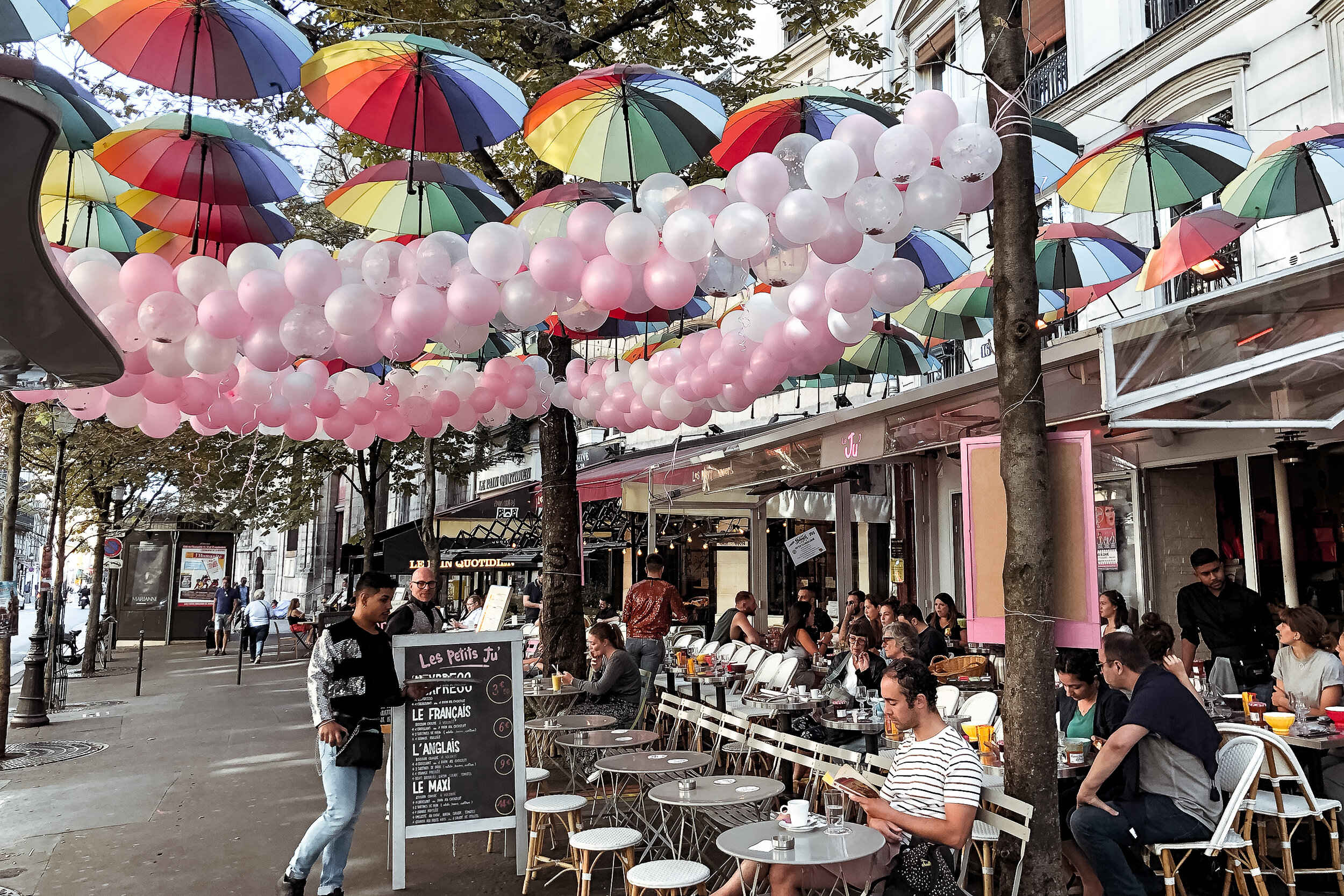
Arrondissements & Neighborhoods
Paris is broken up into 20 Arrondissements. Starting in the center of the city and spiraling out like a snail shell. Different neighborhoods correspond too and overlap multiple Arrondissements.
Montmartre. Located in the 18th Arr. and known as the neighborhood on the hill. The area is popular for its Impressionist history, artists, nightlife, and charming houses. Nearby sights include the Moulin Rouge and Basilica of the Sacre-Coeur. The neighborhood is accessible via a funicular or a large set of steps.
Le Marais. Located in the 4th Arr. This is oldest Parisian neighborhood and the center of the LGBTQ+ community. Known for its cobblestone streets, stately architecture, courtyards, cafes, cocktail bars and vintage shopping.
Latin Quarter. Located in the 5th Arr. A university neighborhood, this area of Paris is popular for its bars, cabarets and distance from large tourist attractions.
Saint Germain des Pres. Located in the 6th Arr. This neighborhood is home to many bookshops, galleries, cafes and design shops.
10th Arrondissement. A quiet neighborhood lining the Canal Saint Martin with plenty restaurants to eat at and street art to spot. We stayed here in an Airbnb that was once a bakery operated by nuns.
2nd Arrondissement. Known for its arcades, boutiques, fine dining and cocktail bars. The neighborhood is worth wandering and getting lost in.
Getting Around
On Foot. When we visited Paris, the city was in the middle of the largest transit strike in years. Trains, buses and all forms of public transit were shut down. As a result, we explored the city almost entirely on foot.
By Taxi. When the distance was too far to walk, we requested Ubers and called taxis. To get across town, they were rarely more than $20.
Airport Taxi. Taxis are the most direct way to leave/get to the airport but also the most expensive. You can expect to pay between €30 and €50 from either airport to get to the city center.
French Words & Phrases
Many people in Paris speak English however Parisians adore when foreigners try to speak French. Some of the most common words and phrases we used are:
Bonjour = Hello or Good morning
Au revoir = Goodbye
Bonsoir = Good evening
Merci = Thank you
Merci beaucoup = Thank you very much
S’il vous plaît = Please
De Rien = You’re welcome
Excusez-moi = Excuse me
La carte, s’il vous plaît = The menu, please
L’addition s’il vous plaît = The check, please
Je voudrais… = I would like…
Je t'aime = I love you
Next time in Paris…
A long weekend in Paris is great to see a number of the sights, neighborhoods and get a taste for the cuisine. We have a few ideas of what to do next time we’re back in Paris:
Marché aux Puces de Saint-Ouen. Paris’ most famous flea market for over 150 years with 3000+ merchants selling vintage items, antiques, artwork, books, furniture, etc.
See More Art:
Musee d’ Orsay - Impressionist and art nouveau museum in a converted glass train station.
Musee Picasso - The largest collection of Picasso’s art in the world.
Take a Day Trip:
Palace of Versailles - Spend a full day exploring the King Louis XIV’s famous palace and grounds.
Mont Saint Michel - Tour the medieval fortified city island surrounded by water during high tide located in Normandy, France.
Claude Monet Home - Visit the home where Monet painted many of his Impressionist works, including the famous Water Lillies.
Take a French Baking class
Le Cordon Bleu. 2 Day Traditional Bread Baking
Du Pain et des Idées. 3 Day Baking Class
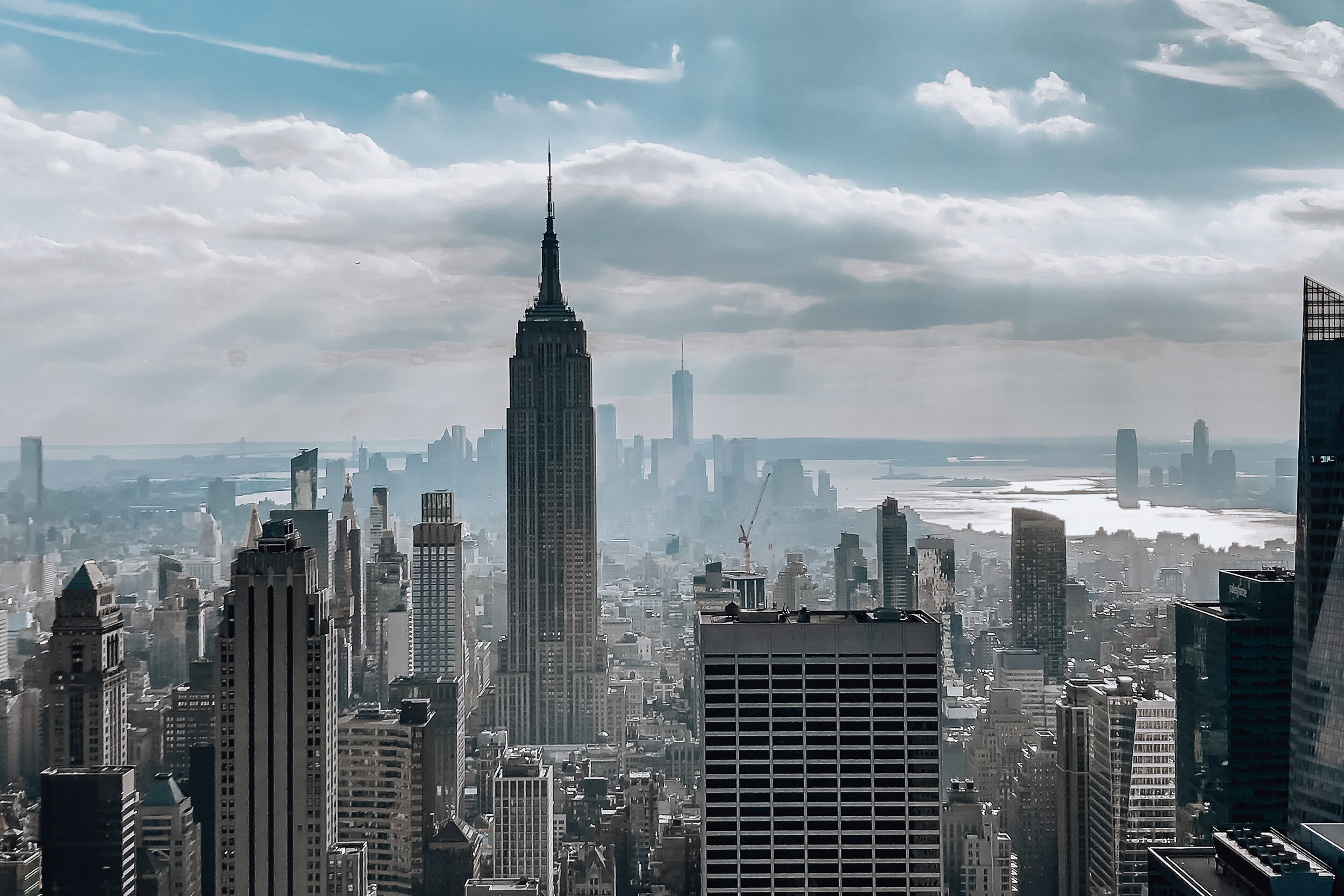
New York City
New York City is an ever-changing landscape of cultures, histories, movements, styles and cuisine. It is a worldly city, both glamorous and gritty.

Favorite Things in NYC
New York City is an ever-changing landscape of cultures, histories, movements, styles and cuisine. It is a worldly city, both glamorous and gritty filled with people from all walks of life. The city attracts dreamers and offers an endless supply of inspiration as well as its own challenges. Having lived here since early 2018, we’ve had the chance to explore and experience so much of what makes NYC unlike anywhere else. In no particular order, we’ve curated a list of sights worth visiting, hidden gems to appreciate, mouthwatering food to try and activities to do.
Urban Hiking
One of the best ways to see the NYC is on foot. We often spend our weekends walking down avenues, across bridges and though Burroughs to explore the neighborhoods, discover new restaurants and see areas we would typically pass under while riding the subway. Get lost wandering, as Alicia Keys puts it, “these streets will make you feel brand new.”
Eat at an All Night Diner
NYC is known as the city that never sleeps. This couldn’t be truer than at an all night diner. Characterized by their run-on menus, cake displays and signed photos of celebrities mounted to the walls, these comforting places are waiting to welcome you at any hour of the day.
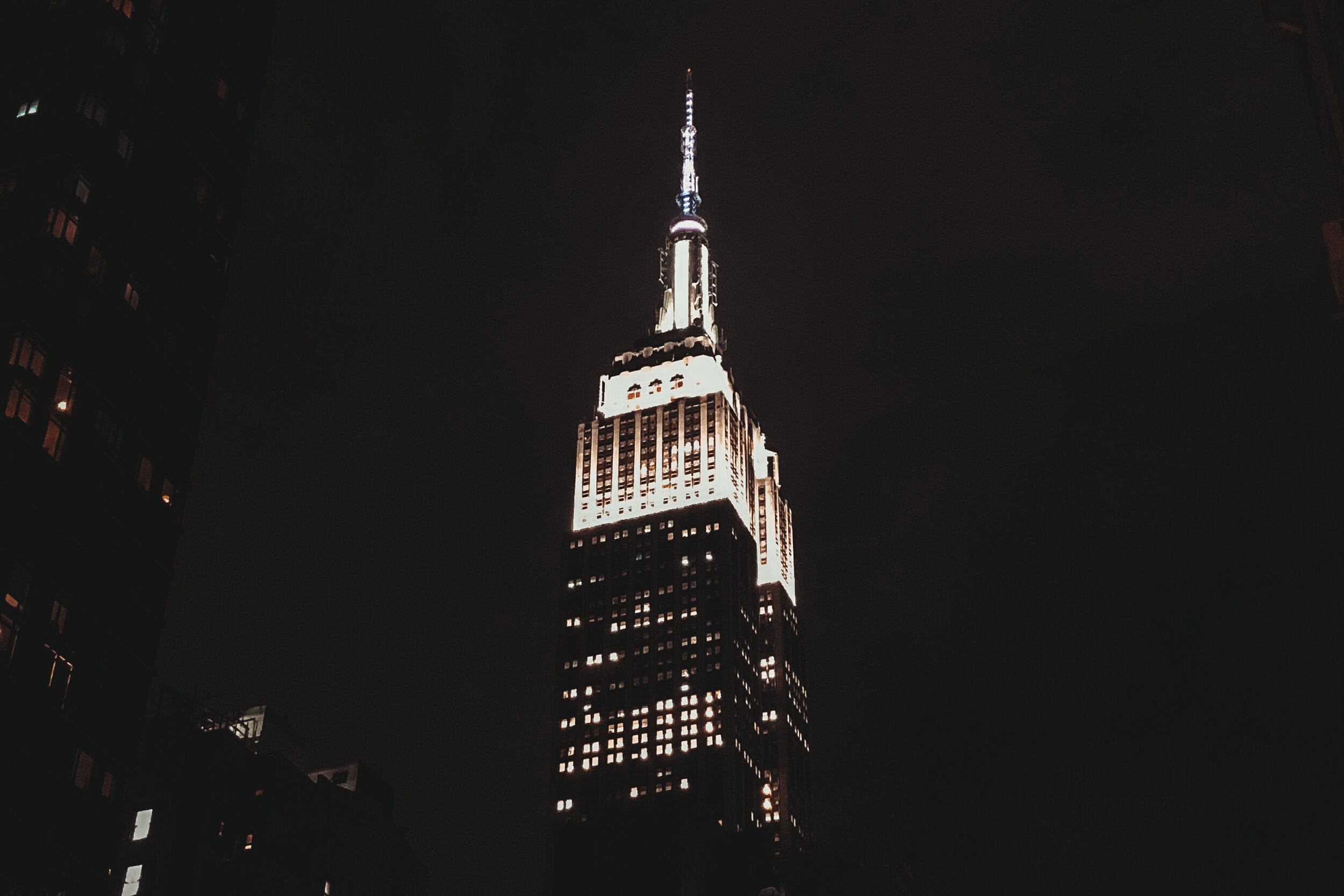
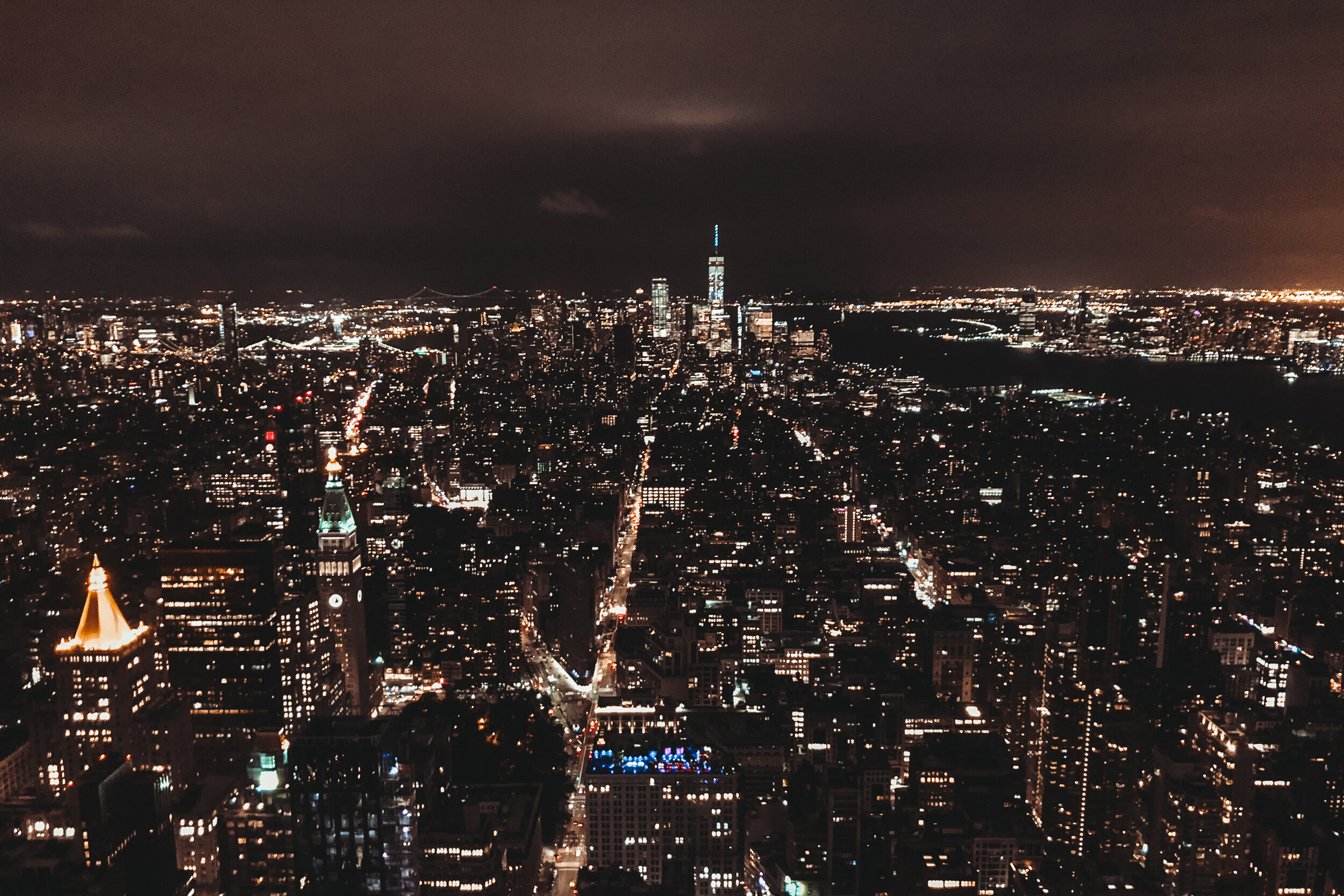
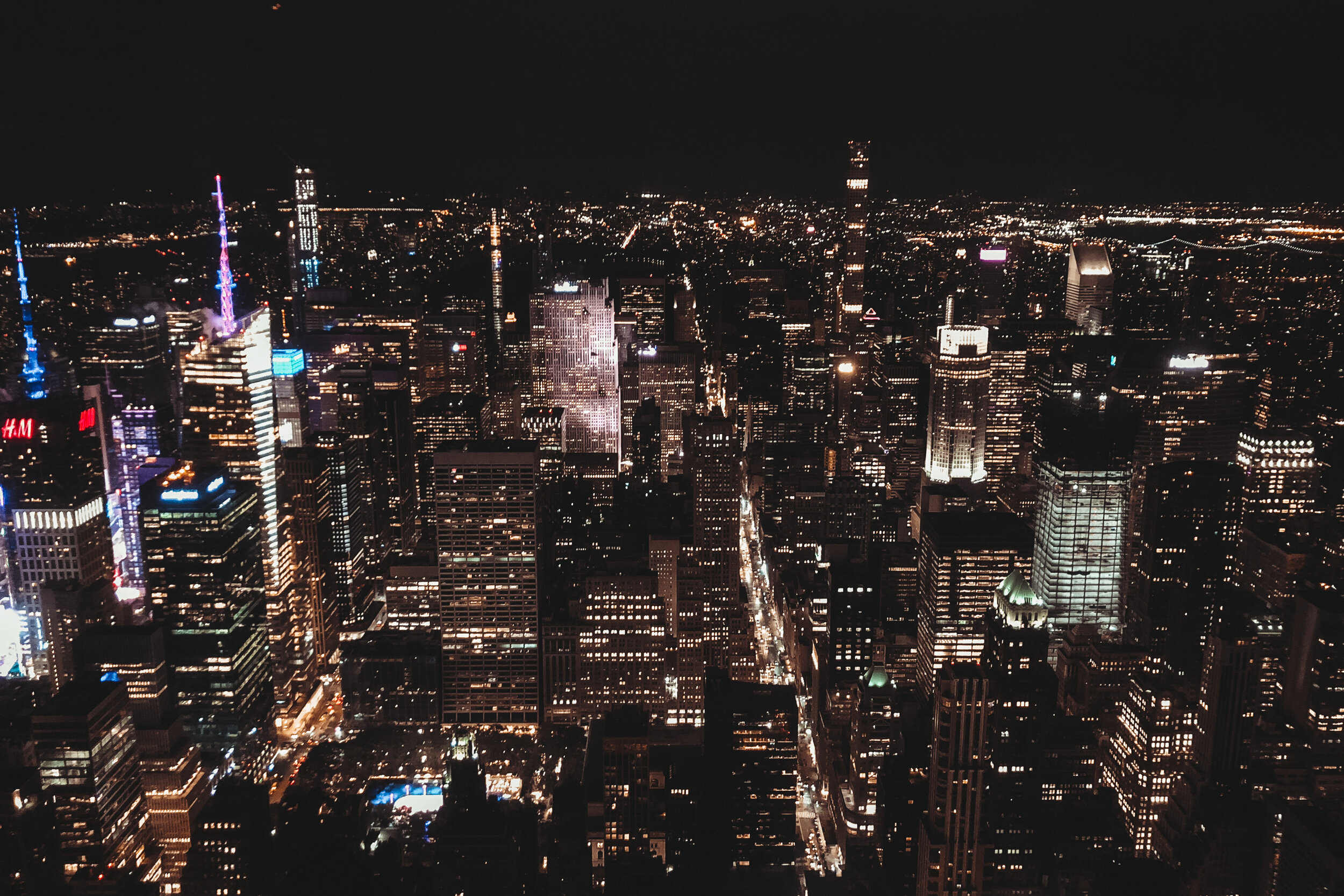
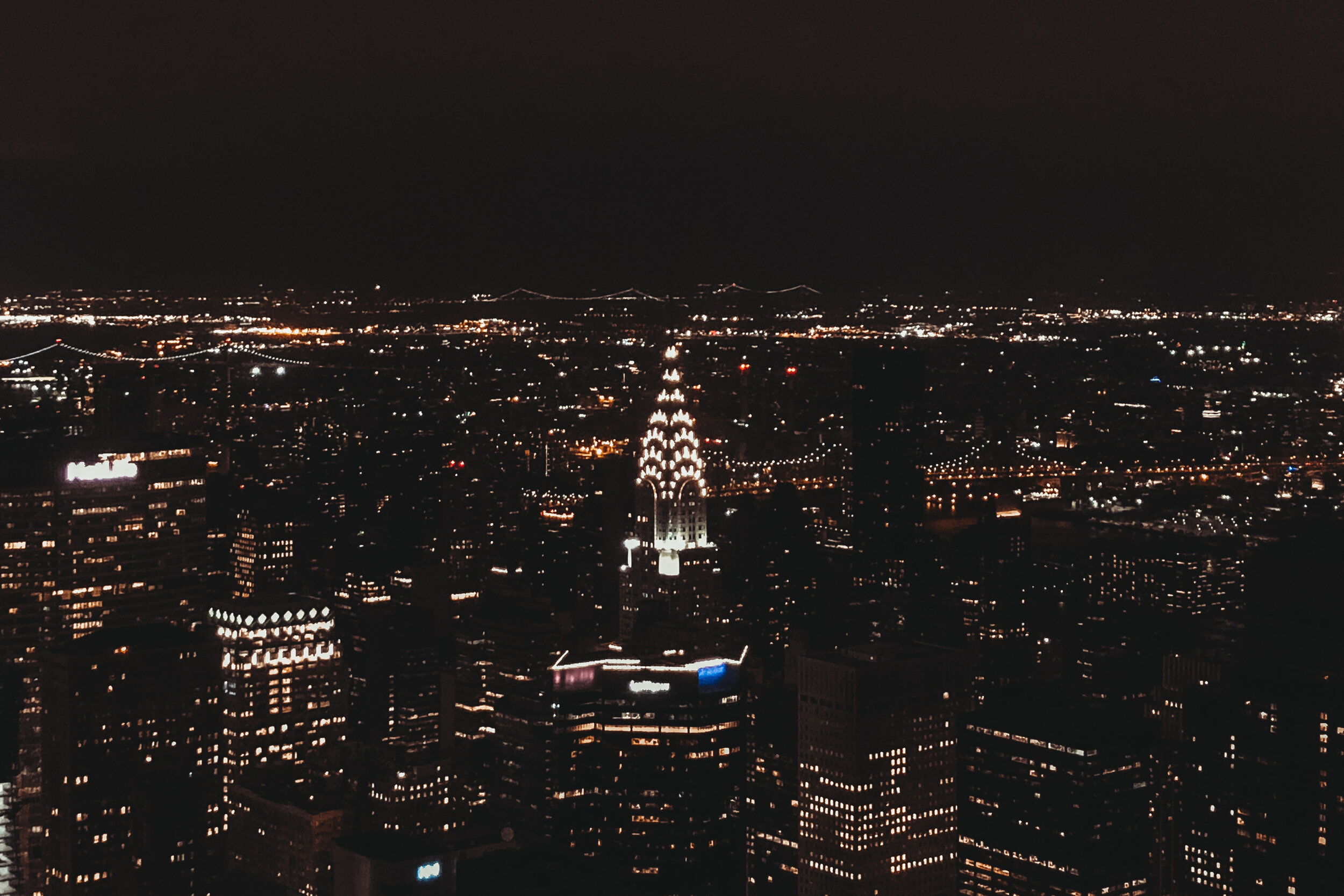
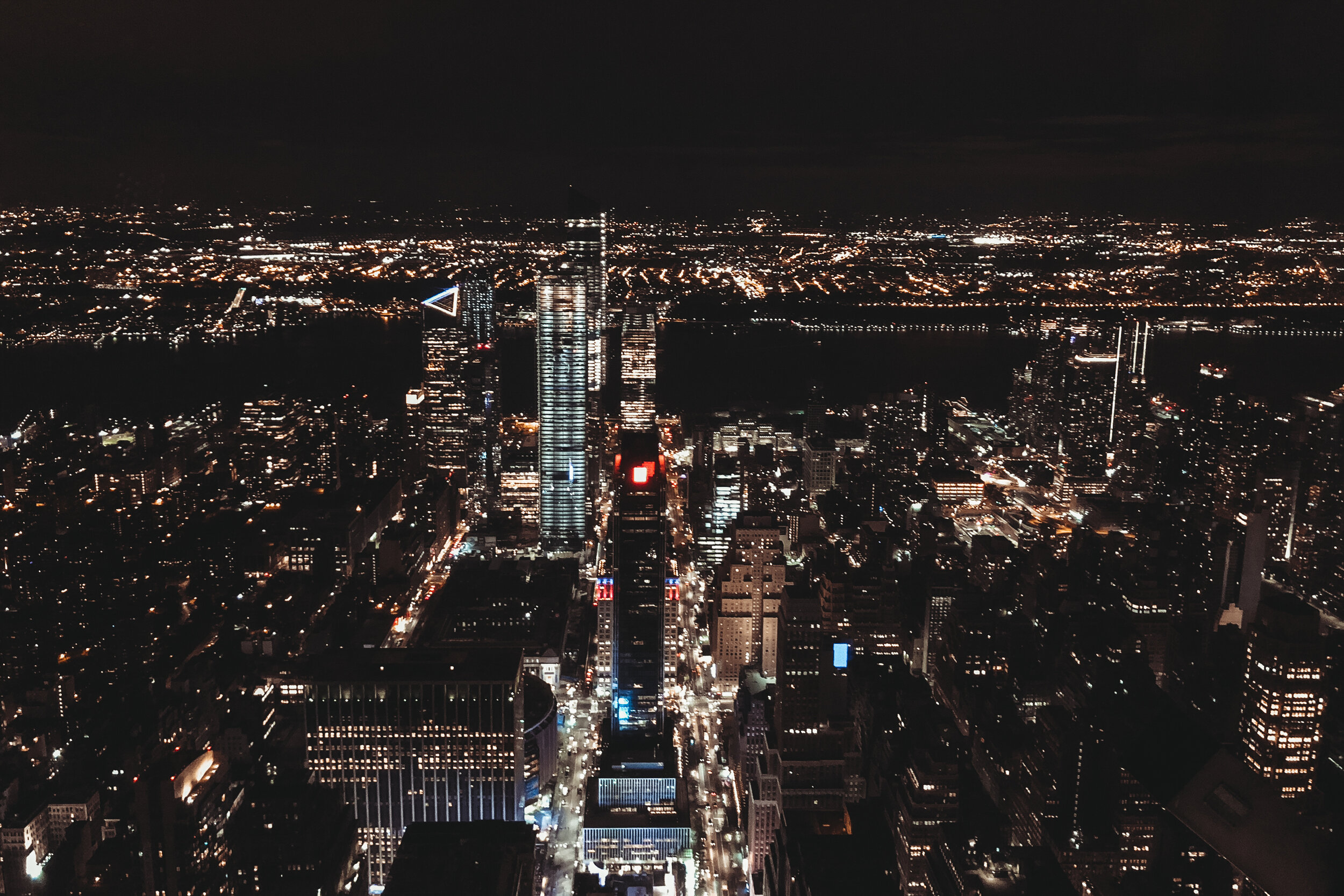
Empire State Building
The Empire State Building is easily the most recognizable sight in NYC. It defines the skyline and offers 360 views of the surrounding metropolis. Visit the observatory and outdoor deck on the 82nd floor then spend the extra $20 to visit the very top, at the 102nd floor. Views from both floors are well worth experiencing during day and night. At night, the building is illuminated in white or themed colorful lights. Try to spot the white lights twinkling! Other special times to see the building illuminated is during Pride, New Years Eve and Valentines Day.
Visit a Fortune Teller
Fortune Tellers are all over the city. For around $10, you can ask one look into the crystal ball or read your palm and predict your future.
Bagel Crawl
Go on a Bagel Crawl. The city is dotted with delis, bakeries, bodegas and food carts offering these quintessentially NY treats. Order from one and split it amongst friends. After your first bagel, set out for your second, third, fourth and so on…enjoying the moments in-between bites to walk off a few carbs and see the city. There is an abundance of bagel shops throughout the Lower East Side. If you only have one bagel in NYC, make sure it’s a bagel with lox (cured salmon).
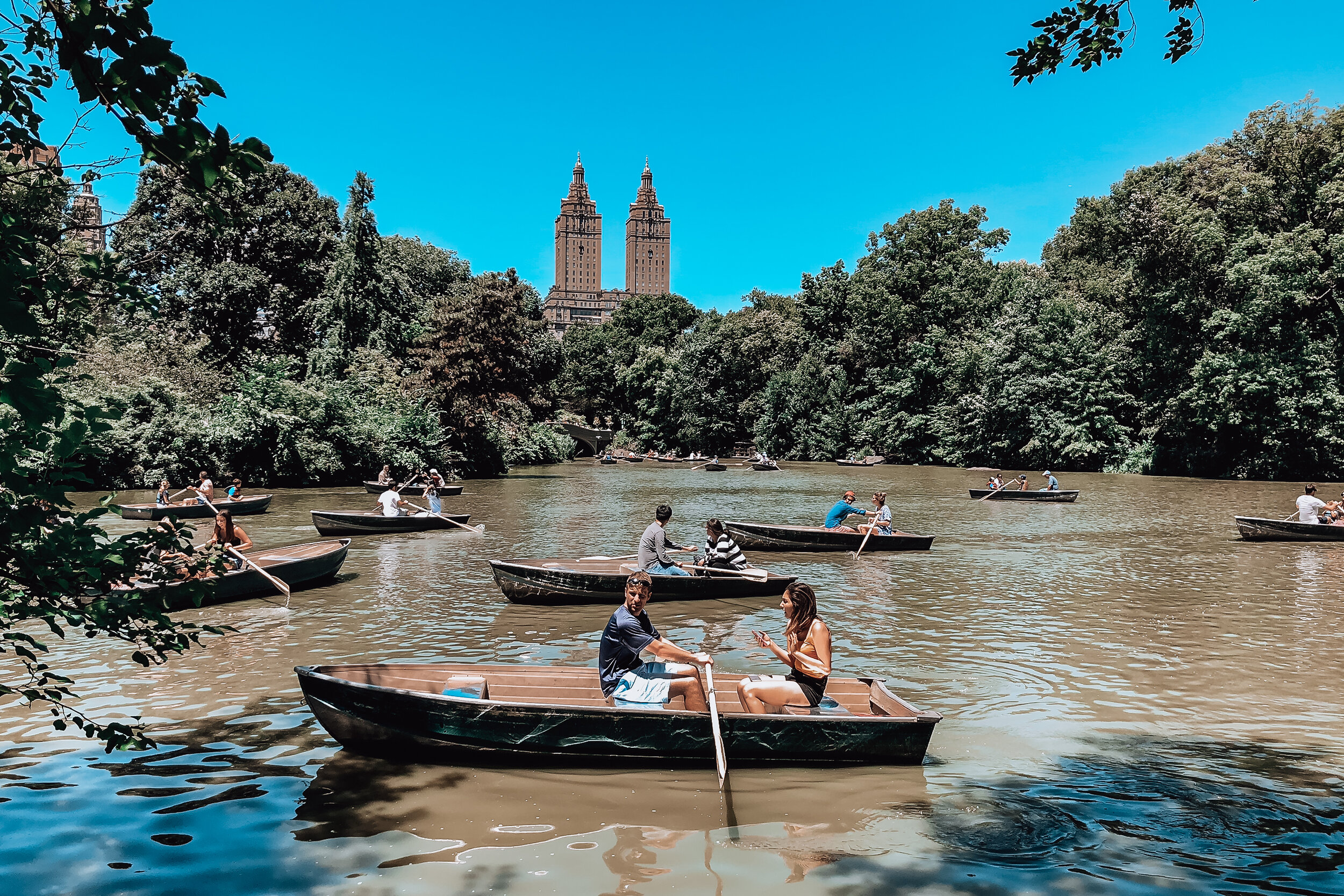
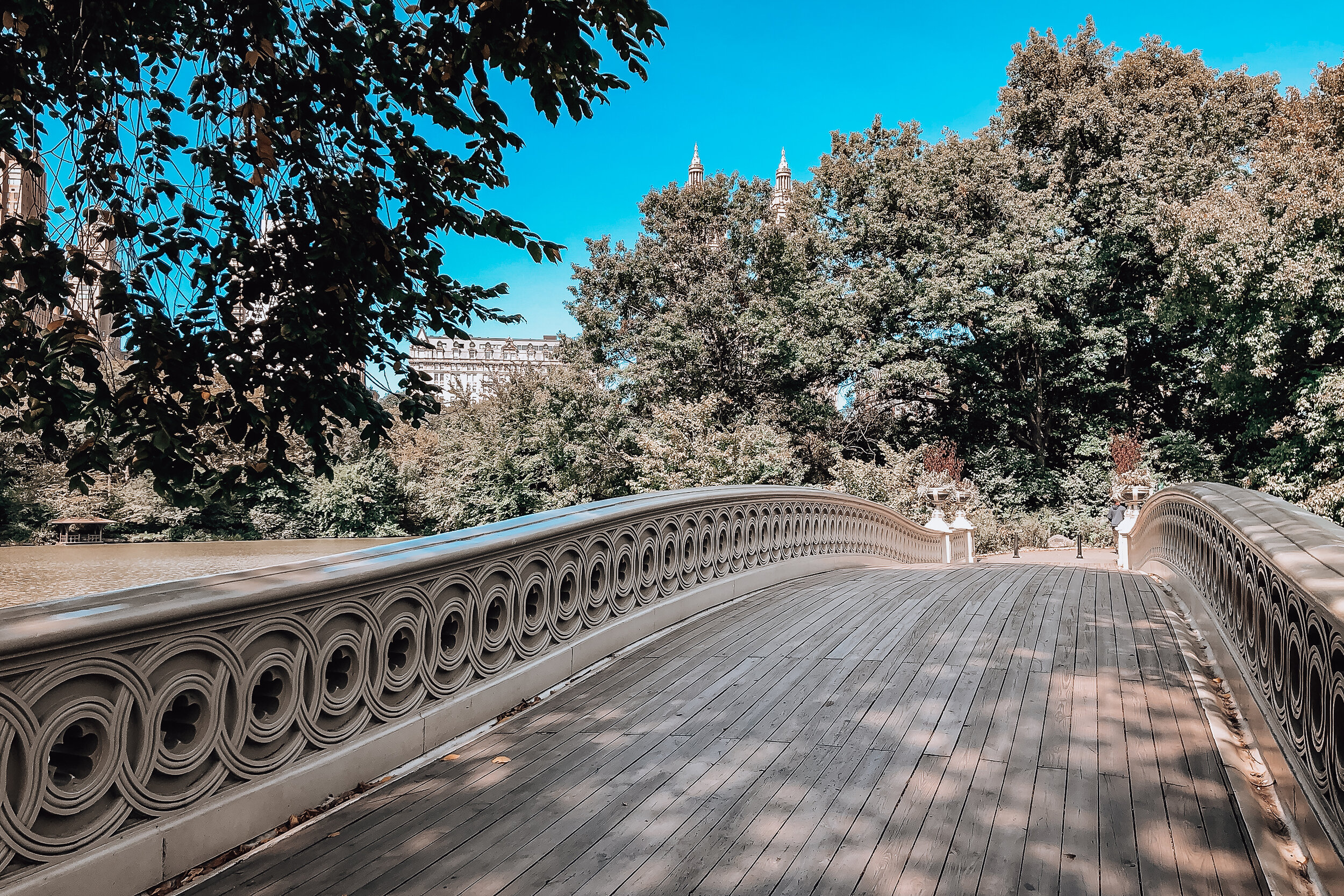
Central Park
Nestled within Manhattan’s grid of concrete and skyscrapers, is Central Park. The park acts as a retreat space for every New Yorker to escape the busy life of the city, spread out and re-connect with nature. These are our favorite reasons to visit the park:
Picnic! Gather some friends, bring a blanket, drinks, snacks and have a picnic. The park is filled with all types of lawns, fields and rock formations to choose from, finding a spot is never difficult to do. A few of our favorites are Umpire Rock, Sheep Meadow and Cedar Hill.
The Lake. With so many scenic spots nearby, the lake is one of our favorite areas in all of NYC. From here, you can listen to opera singers perform at Bethesda Terrace, share a kiss on the Bow Bridge, row across The Lake and get lost in the winding trails within The Ramble.
The North Woods. Located in the northwest corner of the park between 100th & 110th streets, The North Woods is a vast section of the park with old trees, rolling hills and plenty of roads and trails to hike.
Eat NY Style Pizza
Grab a slice of New York style pizza. Characterized by its crispy thin crust and wide slices, it’s a staple of NYC cuisine. Look out for pizzerias with long counters lined with dozens of pizzas all sold by the slice. Many of these shops are open 24 hours and constantly crank out new pies ensuring a fresh and delicious slice at any time of day. The East Village hosts a large number of pizzerias.

The Cast Iron District
Spend an afternoon strolling through the cobble stone streets of the Historic Cast Iron District in SoHo. Hundreds of ornately designed cast iron clad buildings define the neighborhood, many of which are now home to high end restaurants, residences, boutiques and nightlife.
Skyline Drive-In
A drive-in theater along the East River in Greenpoint, Brooklyn paying new releases and classics. The parking lot has multiple screens overlooking the skyline playing different movies every night. If you don’t own a car (like us) the theater has a separate screen with lawn chairs set up to
Speakeasies
In a city where something new lingers around every corner, some of the best surprises remain truly hidden. A few of these hidden gems are speakeasies. Here are a few of our favorites and how to get in.
Please Don’t Tell. The entrance is located through a phone booth inside Crif Dogs on St. Marks Place. After 6pm, enter the phone booth, pick up the receiver and dial 1. The other side of the phone booth will open leading into the bar. The bar itself is known for it’s mixologists, often crafting custom cocktails to your taste.
Basement. Located in Chinatown down a flight of stairs on Mott St is a Coca Cola refrigerator door. Behind the door is a basement bar with a subtle carnival theme, emphasized by a self serve popcorn machine.
Employees Only. The entrance, hidden behind the curtains of a fortune teller’s shop in Chelsea, leads to this classy cocktail bar. The speakeasy is known for its experimental drinks and prohibition era vibes.
Fig 19. A speakeasy in the Lower East Side disguised as a white box art gallery. Once inside, behind a hidden door is a cozy cocktail lounge. Friday nights can get surprisingly busy.
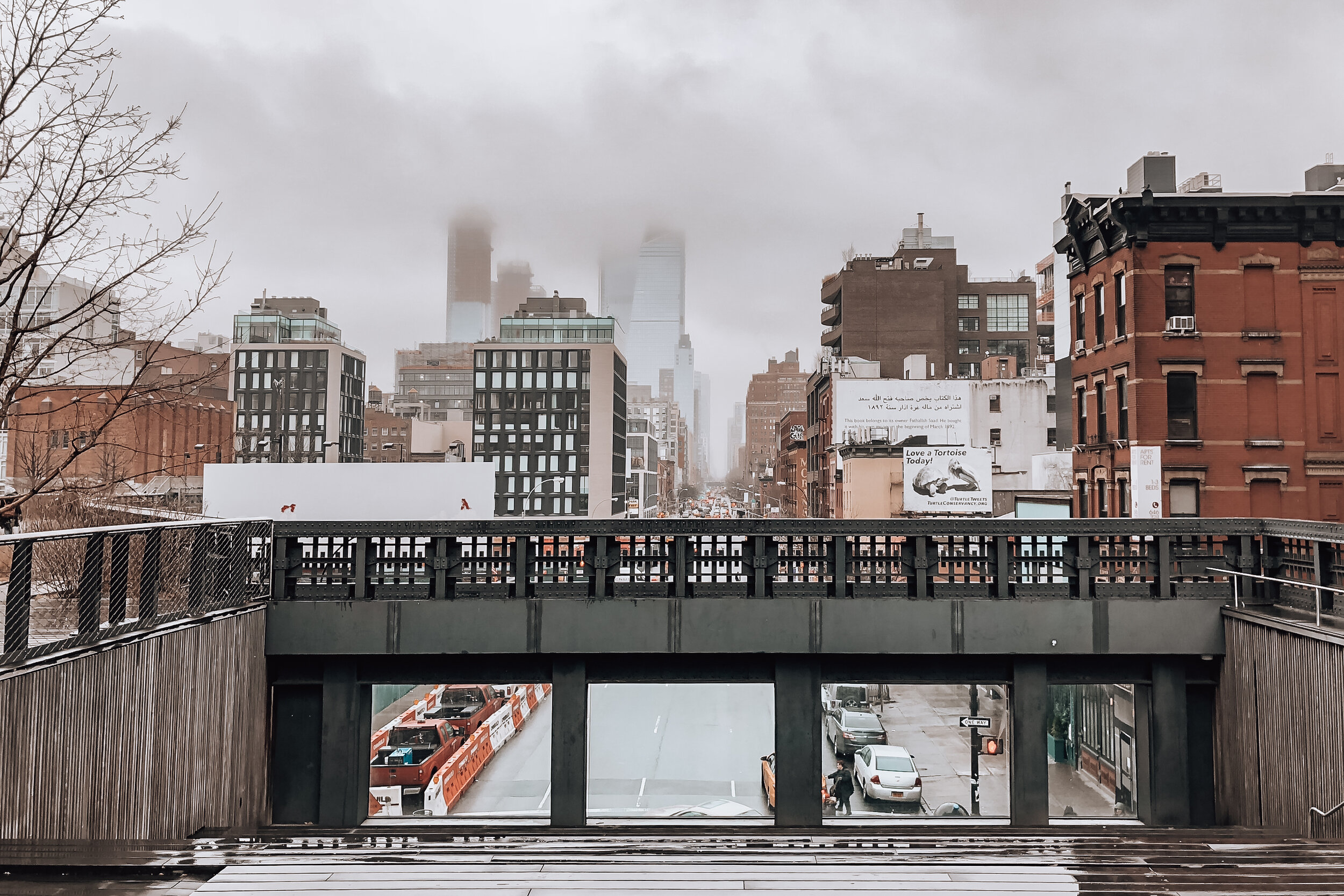
The High Line
Walk The High Line in Chelsea and Meatpacking. It’s an old rail line turned into an elevated park surrounded by contemporary architecture. It’s beautiful year round but our favorite time to visit is during autumn. Midway through, stop by Chelsea Market and eat your way through the food stands and restaurants.
Essex Market
Recently relocated into a modern food hall and market, this is one of best places to shop for groceries or experience many of the different flavors that make up the city’s diverse cultural and food scene. The market carries everything from vegan cheeses, imported seafood, Puerto Rican coffee, Japanese groceries, NYC bagels, Norwegian salmon and African spices.
French Row
Relatively located along West 4th Street between 7th & 8th Avenues are a number of incredible French restaurants. The French style bistros dotted between the be beautiful brick town homes and duplexes makes this area a relaxing place to stop for a meal and drinks.

Roof Tops
New Yorkers flock to roof top bars for weekend brunch, evening drinks and city views. Here’s a shortlist of some of our favorites:
Savanna Rooftop. Located adjacent to the Queensboro Bridge in Long Island City at the Z Hotel, this fully outdoor rooftop offers delicious small plates amazing drinks and unobstructed views of Manhattan.
Last Light. Located on Bowery at the Sister City Hotel, this rooftop offers craft cocktails, chill vibes and near 360 city views.
The Boom Boom Room. Located at the top of the Standard Hotel, this iconic and ultra glitzy spot embodies the glamour of NYC. Come for the high end cocktails, live music and make sure to check out the restrooms.
The Broken Shaker. Located on the roof of the Freehand Hotel, this 70s style tiki themed rooftop features multiple bars, tropical drinks and tasty small plates.
The MET Roof Garden Bar. Located on the rooftop of the MET, this seasonal bar features outdoor art installations, skyline views and overlooks the treetops of Central Park.
Spyglass Rooftop. This intimate rooftop with some of the best views of the Empire State Building. As it’s name suggests, it even has a viewing periscope pointed directly at the building.

Admire the Brownstones
Take the subway to Brooklyn to see New York’s historic Brownstones. These architectural beauties are scattered throughout the city with large concentrations in Bed Stuy and Park Slope. Characterized by their brown stone facade, elevated stoops and narrow width, these homes exude urban charm.
Janes Carousel
It’s not just for children, for $2, take a spin on Janes Carousel in Brooklyn Bridge Park.
Smorgasburg
Visit Prospect Park in Brooklyn for Smorgasburg. This reoccurring food festival is held every weekend and occupied with tents run by dozens of local vendors, restaurants and micro breweries. It’s a great spot to enjoy so many of the cuisines and cultures NYC is known for. There’s a smaller version of Smorgasburg held during the weekdays in Williamsburg at the East River Park.
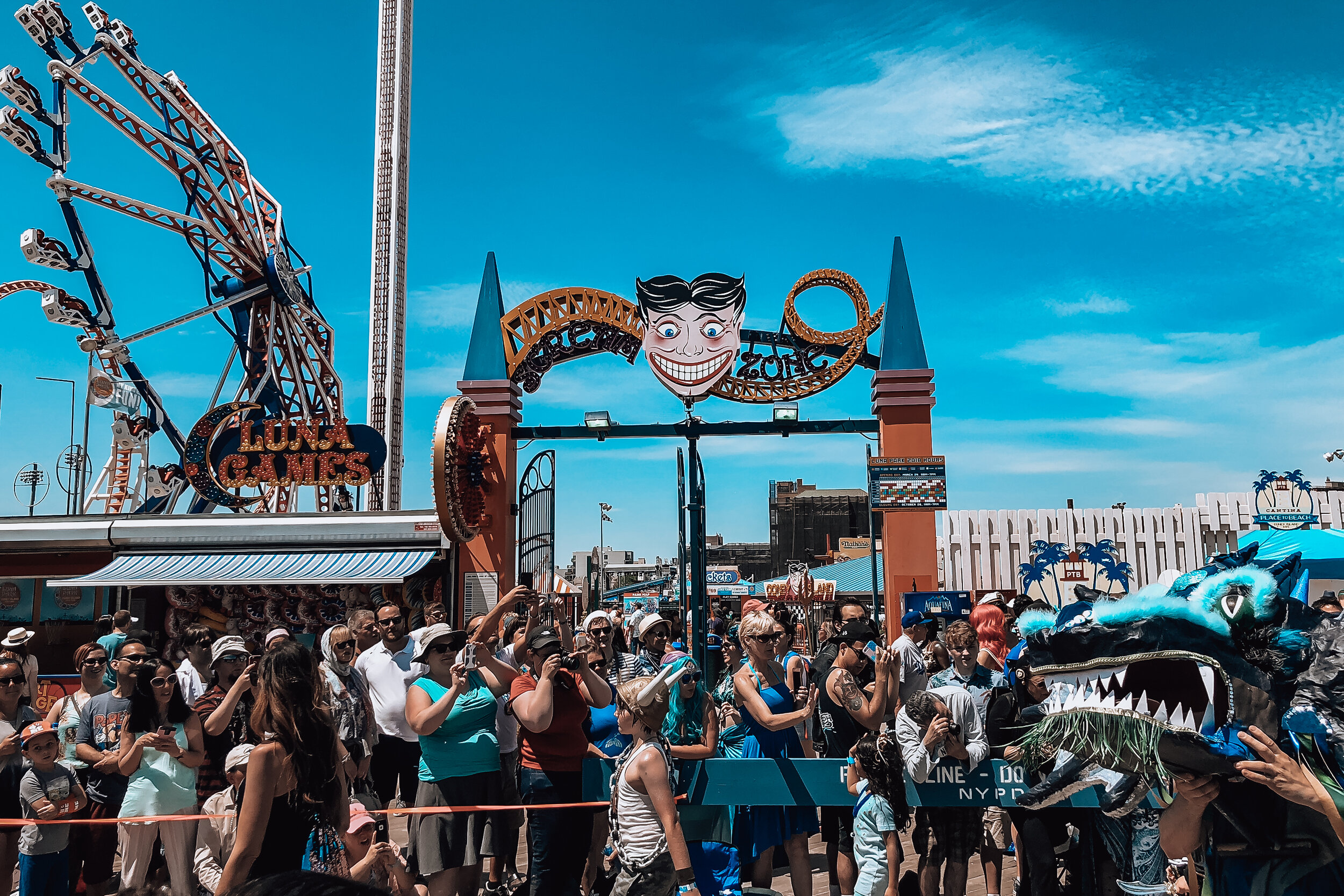
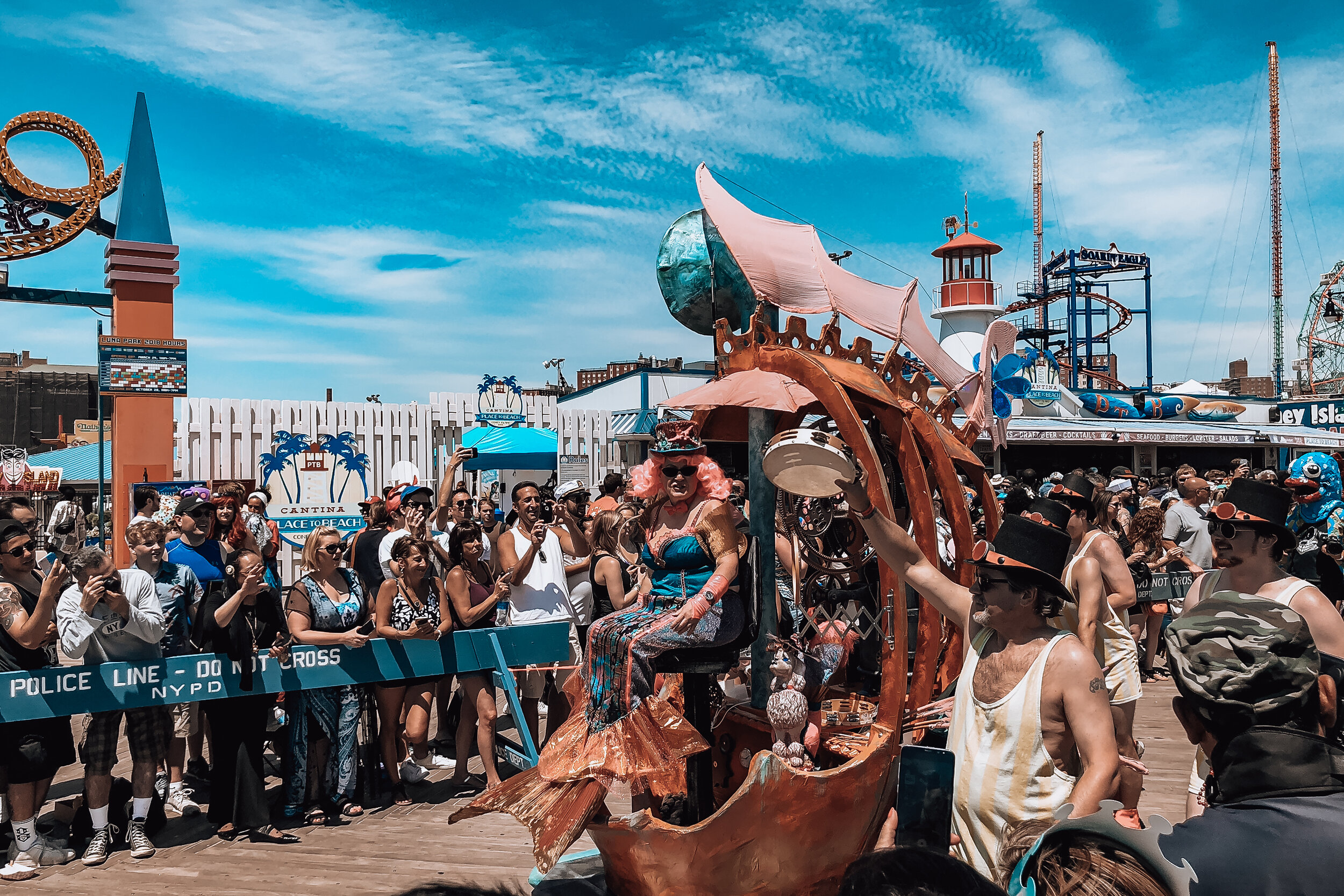
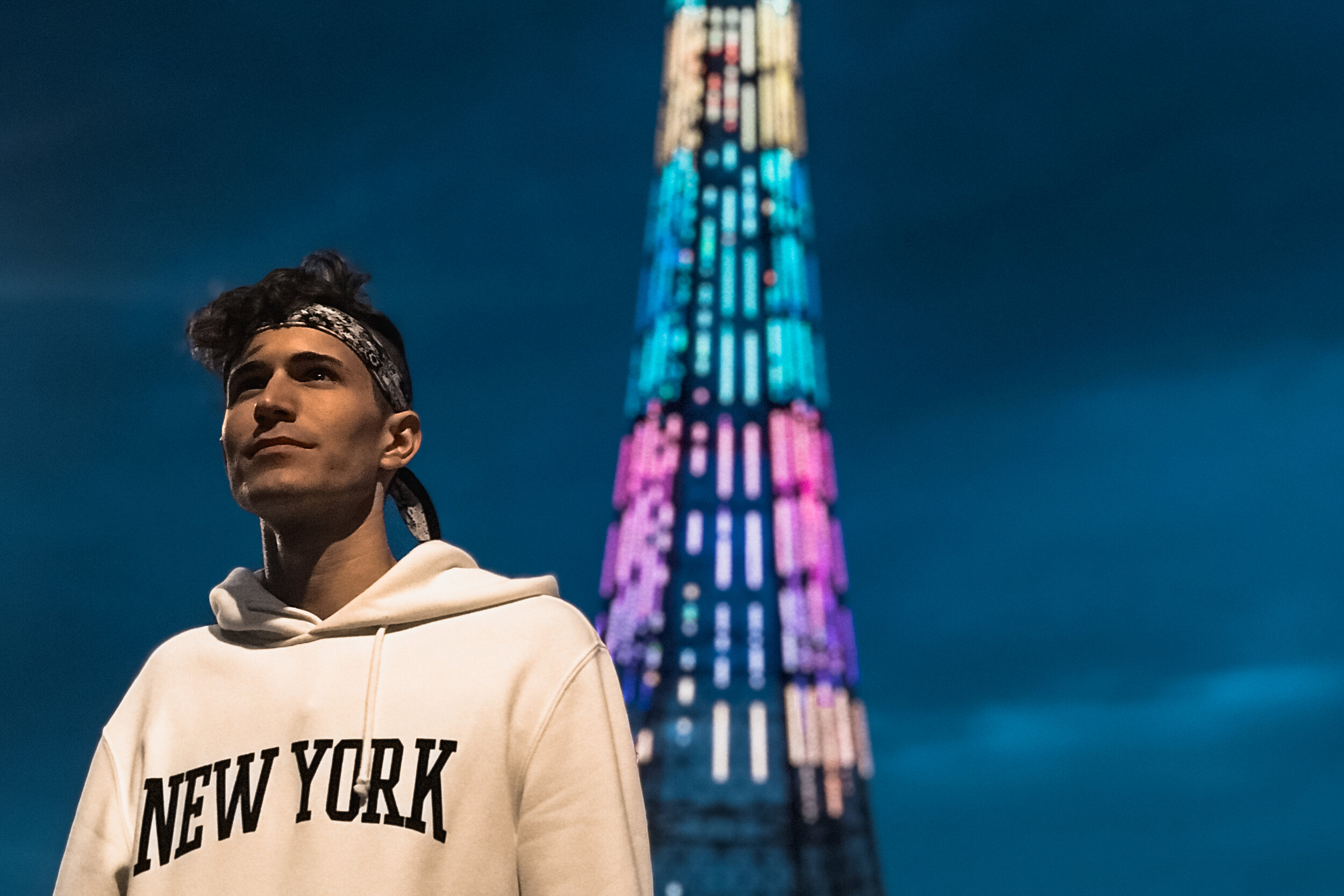
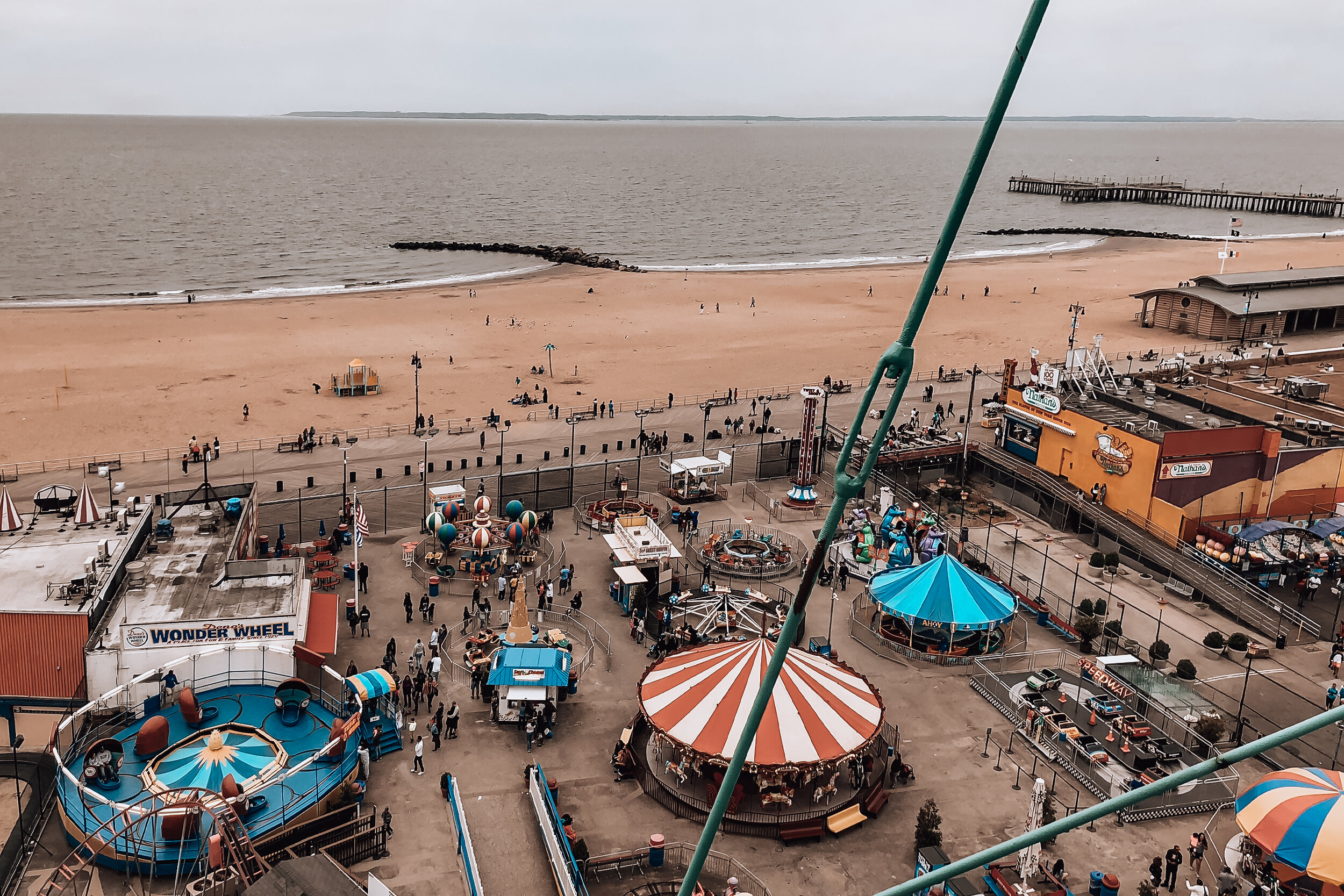
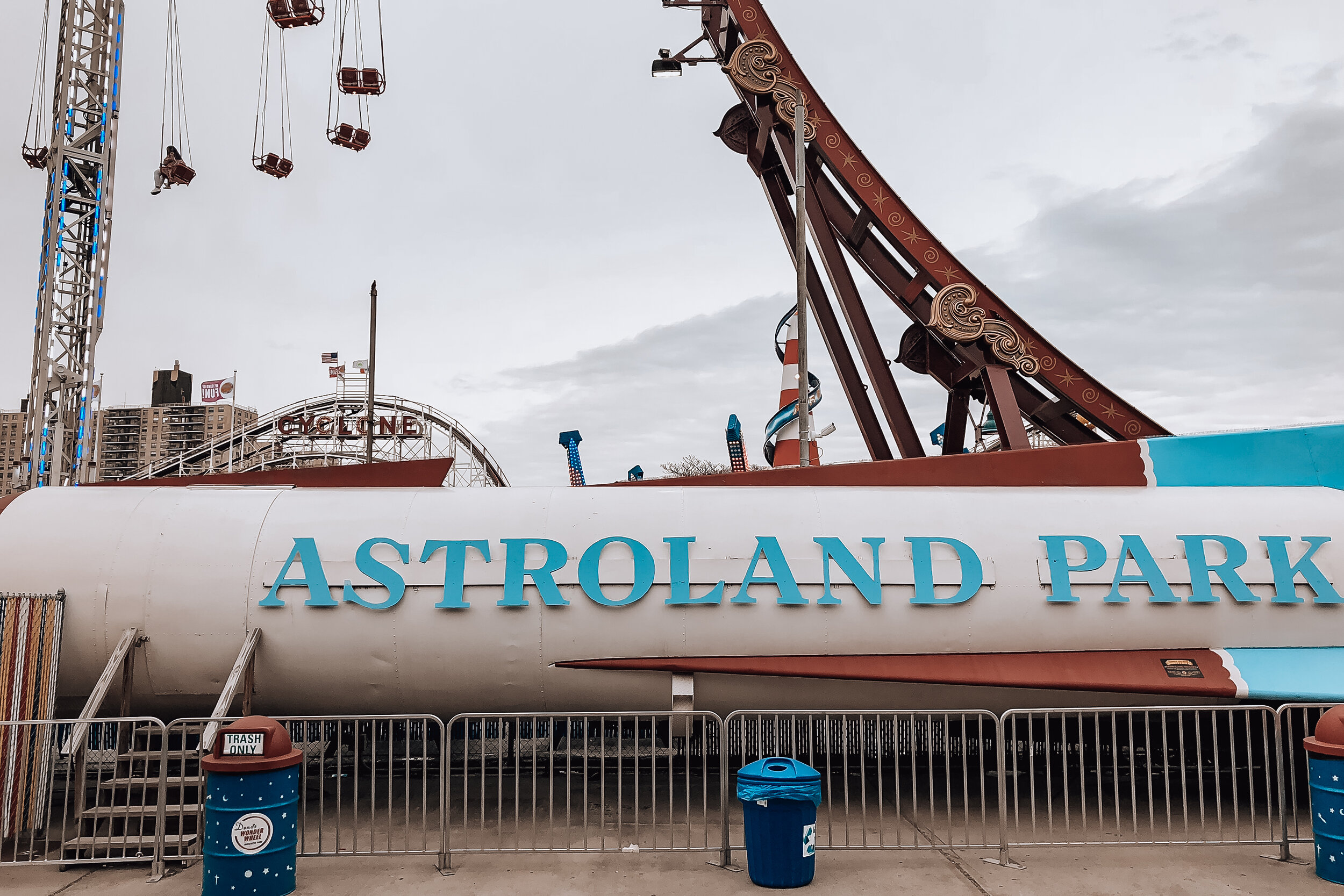
Coney Island
This nostalgic and eccentric place is a usual highlight of our summer. We often spend the day here riding amusement park rides, walking the boardwalk, relaxing on the beach and eating fried foods. If you’re in NYC during mid June, make your way out to Coney Island to witness or participate in the Mermaid Parade.

See Some Art
With renowned museums, countless galleries and entire streets covered in murals & graffiti, NYC is home to some of the best art in the world.
Museums. Visit the Guggenheim and experience the museum as it was intended. Take the elevator to the top floor then walk down the spiral ramp viewing the art as you descend. Other worth while museums are MoMA PS1, The Brooklyn Museum, the MET, the Whitney and MoMA.
Graffiti Walking Tour. There are numerous free and self guided walking tours across the city to see murals, street art and graffiti. Two of our favorites are the Bushwick Collective and the Coney Art Walls.
Gallery Hopping. Galleries are found everywhere in NYC, with a high concentration in Chelsea. Spend an afternoon hopping between galleries keeping an eye out for specialty pop-up galleries and exhibits.
Tawk like a New Yawker
Easily recognizable, the New York accent comes from the mix of ethnicities, social groups and cultural influences. It’s known for its combination of excitement, hand gestures, attitude, unique phrases, cursing and drawn out words. When you’re here, it’s hard not to notice and even harder not to try speaking.
Christopher Street Pier
A wonderful spot along the West Side Highway to layout or picnic with the gays after Sunday brunch or before late afternoon cocktails in Greenwich Village.
Restaurant Row
If you haven’t figured it out by now, you’ll soon realize that NYC is known for its food scene. With thousands of restaurants across the city, representing every cuisine, good food is never hard to find. A vibrant spot to enjoy a meal is Restaurant Row located on 46th St. between 8th & 9th Aves. Here you’ll find numerous restaurants, hole in the walls and an array of nightlife.

Roosevelt Island Tram
Ride the cable car connecting the Upper East Side to Roosevelt Island. The cable runs parallel to the Queensboro Bridge and can be ridden with the swipe of the same Metro Card used on subways and buses.

Ride the Subway
There’s hardly anything glamorous about riding the subway but it’s part of the NYC experience. Take the trains across town, look and listen for performers and don’t be afraid to ask strangers for directions.
Directions to keep in mind:
Uptown = Central Park/Harlem
Midtown = Times Square
Downtown = World Trade Center
Most trains pass through Times Square or Grand Central. From either, you can transfer almost anywhere.

Grand Central Station
An icon of NYC and well worth the visit with plenty to do and see outside of your typical commute.
Wander The Great Hall, admire the celestial ceiling and check time on the Connecticut Clock.
Try a seafood tower or whole lobster at the Oyster Bar.
Whisper sweet nothings in the Whispering Hall. Outside of the Oyster Bar is a vaulted ceiling with columns at each corner. Stand diagonally across from another person speaking directly into the column. You’ll hear each other’s voice carry across the noisy hall’s ceiling.
Drink a cocktail at The Apartment Bar, an old school NYC style speakeasy behind the restaurant on the south east corner of the great hall.
Shop for produce or souvenirs at the Grand Central Market. We usually grab specialty items from here on our way home; such as spices, seafood and Murray’s Cheese.
Buy Churros from the Churro Lady. Make your way to the 7 train platform and buy a paper bag of fresh churros for a few dollars. They’re always a delicious treat!

Manhattanhenge
Manhattanhenge is a rare spectacle when the sun lines up precisely with Manhattan’s east/west street grid. During this time, the sun rises and sets within they city’s canyon of buildings.

East River Ferry
For an inexpensive way to see the city by water, buy a ticket and hop on the East River Ferry. Ferries operate between Manhattan, Brooklyn, Queens and The Bronx for less than $3 one way. There’s also a bar on board and an outdoor deck. It’s an easy way to enjoy the waterfront, see the skyline and get to Rockaway Beach.
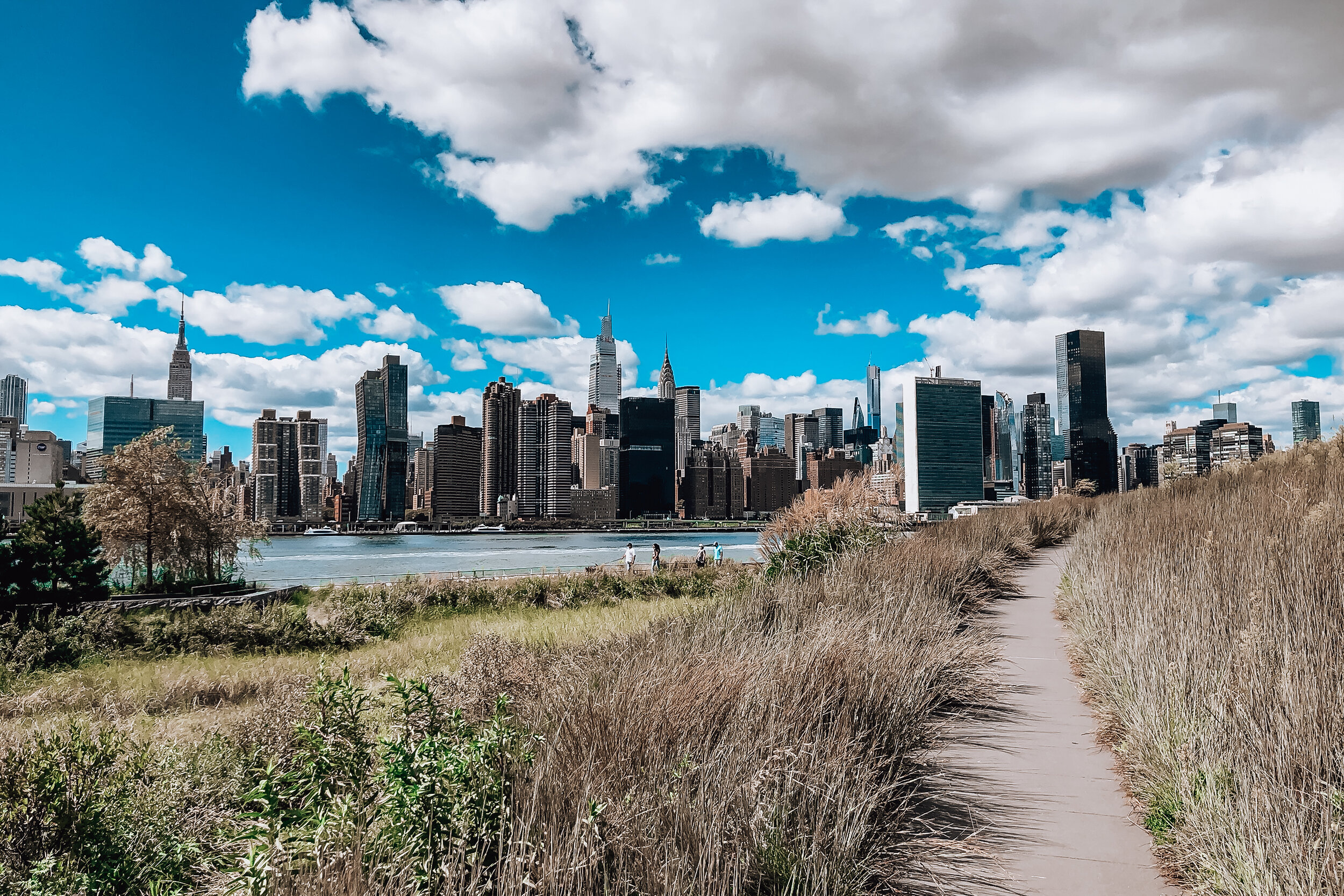
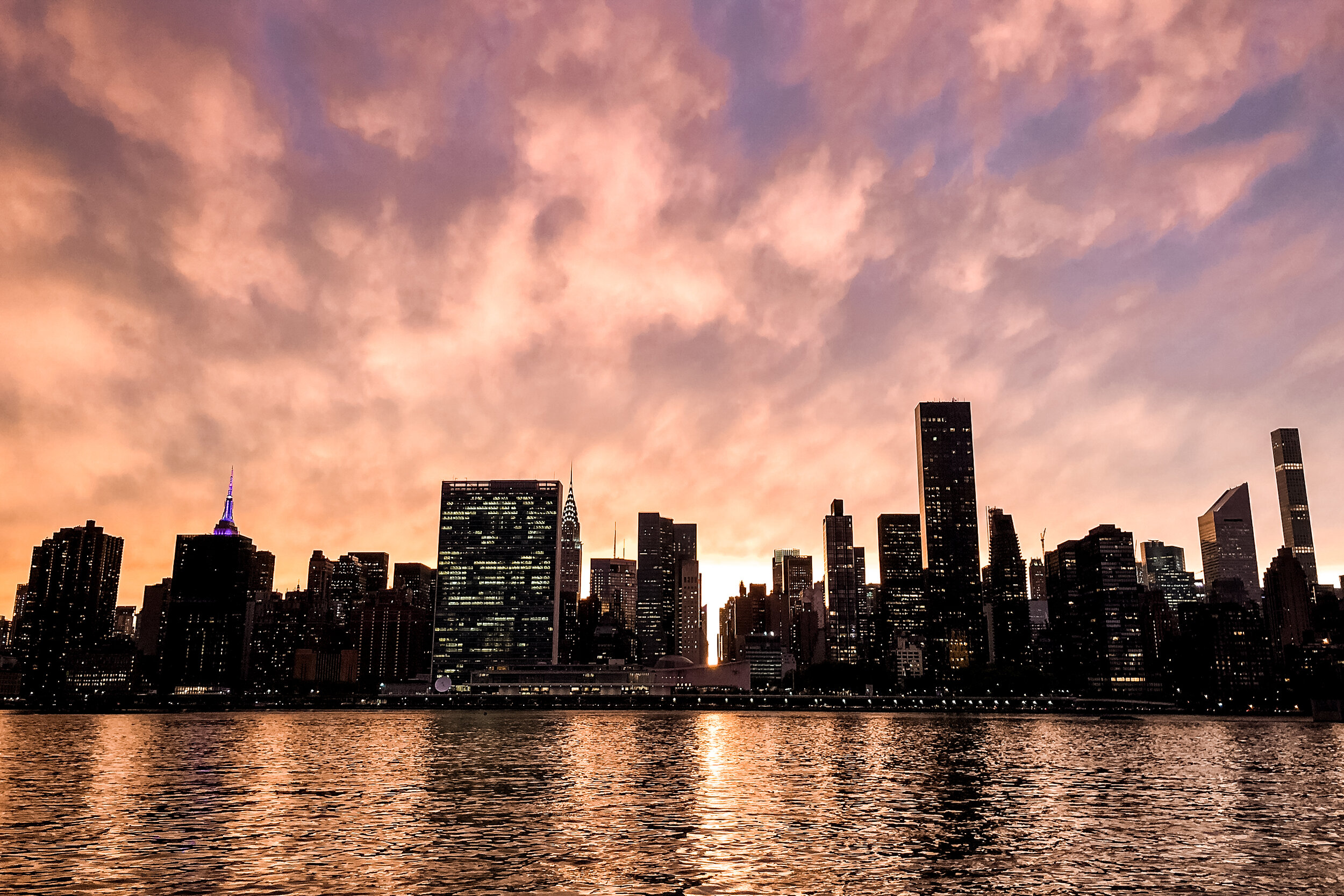
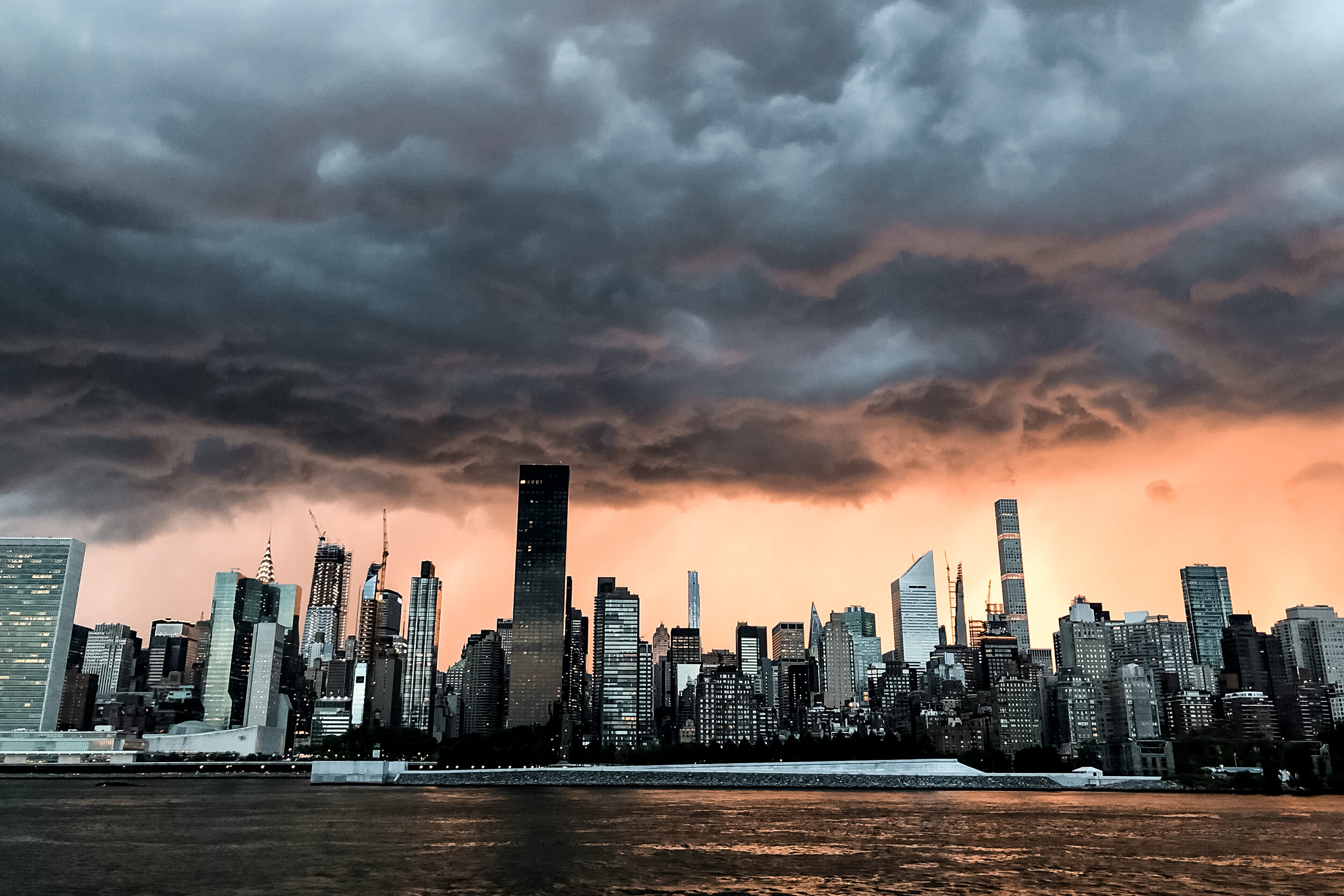
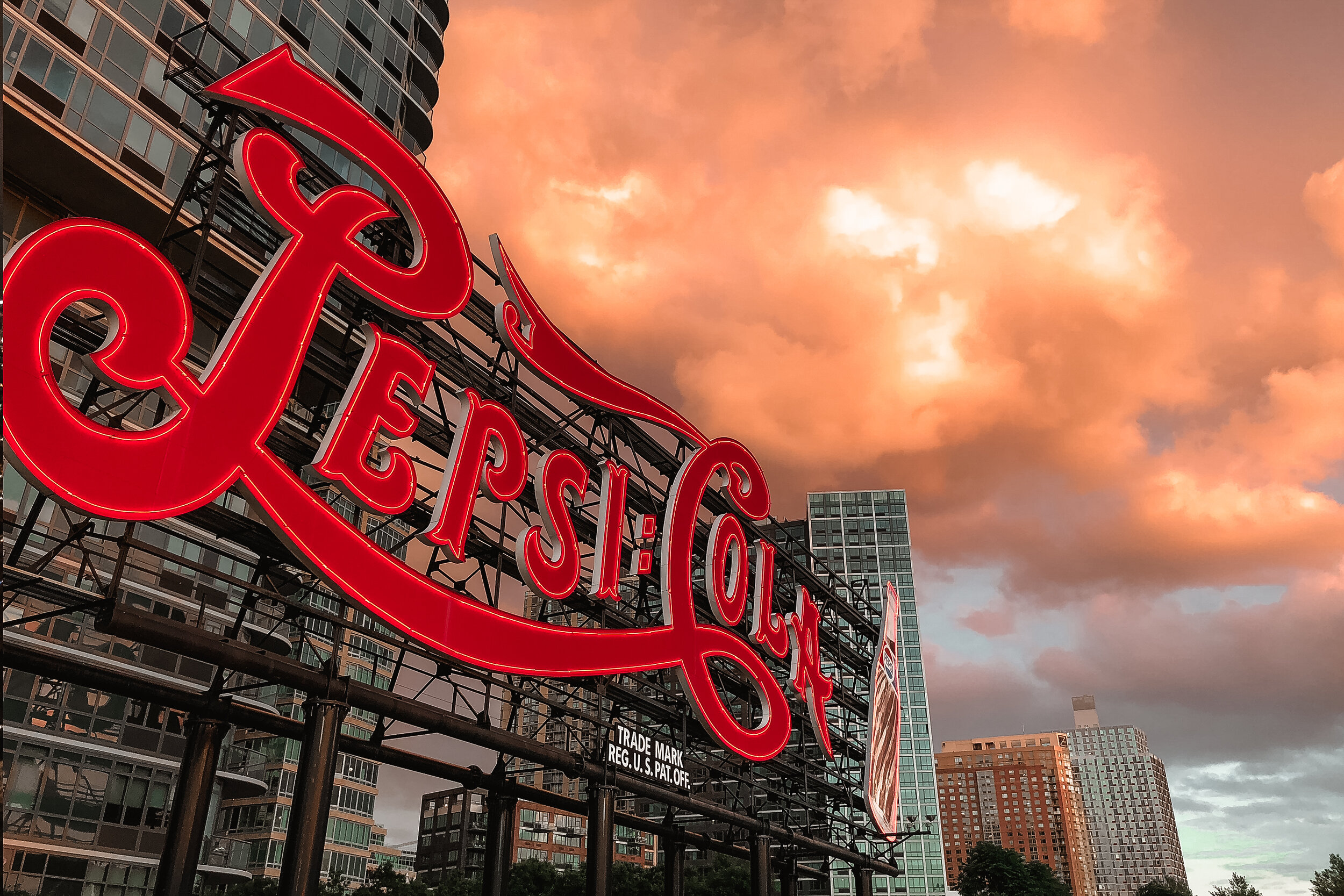
Long Island City Waterfront
The LIC waterfront is one of the most photogenic locations in NYC. This stretch of park provides sweeping views of Manhattan, especially at sunset. The north end is home to the Pepsi Cola Sign, a favorite spot of ours to picnic during the summer. The south end is a favorite for its contemporary pathways and semi-private alcoves. In-between is Gantry Plaza, where dozens of food carts line up during the late afternoon.
Both north and south ends have their own East River Ferry docks making them easily accessible. In addition, the neighborhood is only one subway station east of Grand Central via the 7 and one north of Brooklyn via the G. The surrounding neighborhood is home to several breweries, MoMA PS1 and a variety of restaurants and cafes. Try Sweet Chick for (veggie) chicken and waffles, Tournesol for southern French cuisine, Sweet Leaf for coffee or cocktails and Rockaway Brewery for beer.
If you happen to be in NYC during the 4th of July, anywhere along the LIC waterfront is the best location to watch the fireworks! It gets crowded so arrive early and bring water.

Plant District
Where the concrete jungle meets a leafy jungle. This district is located on 28th St between 6th & 7th Aves. Come here to stroll the street, walk through the shops and maybe haggle over a plant to bring home.
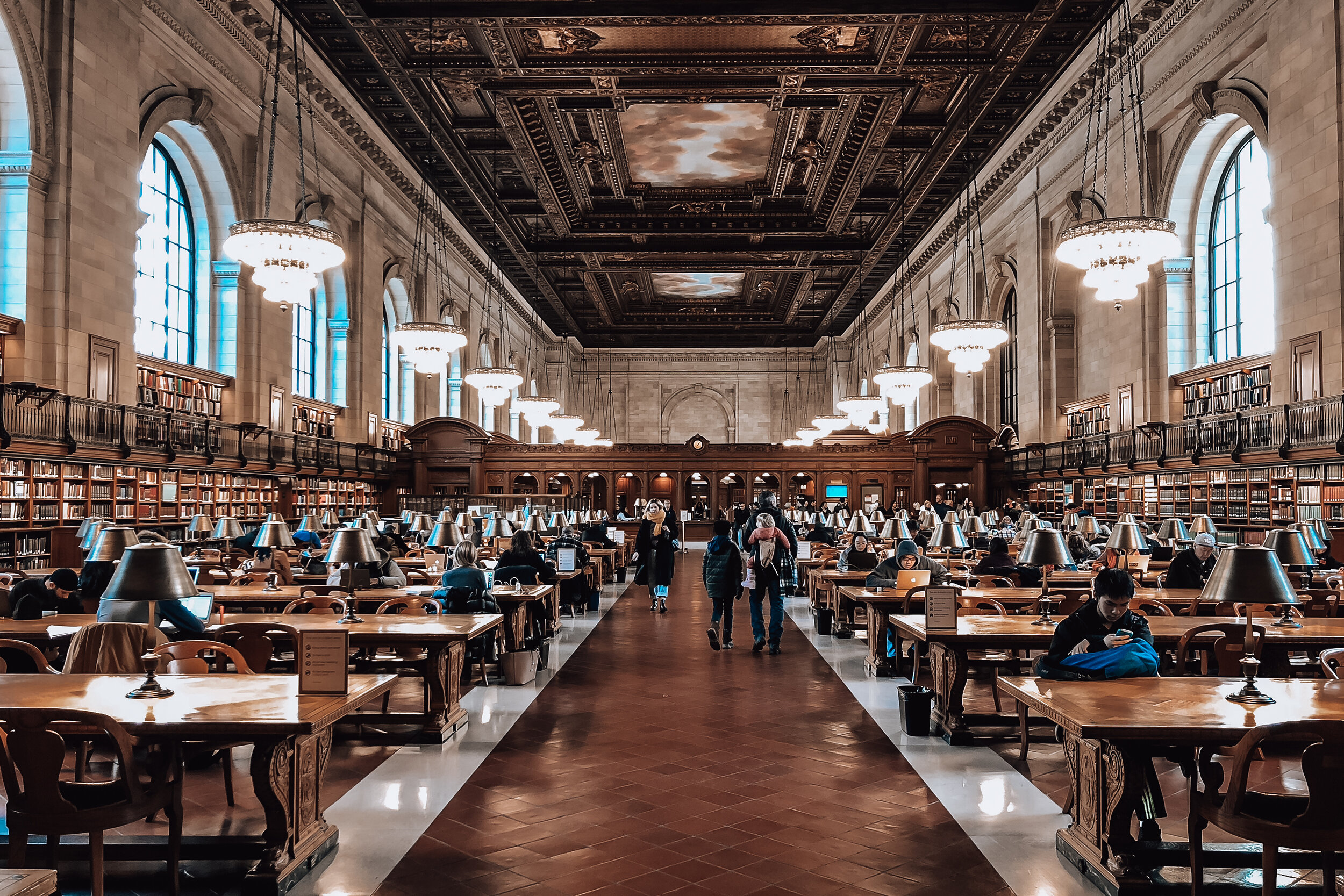
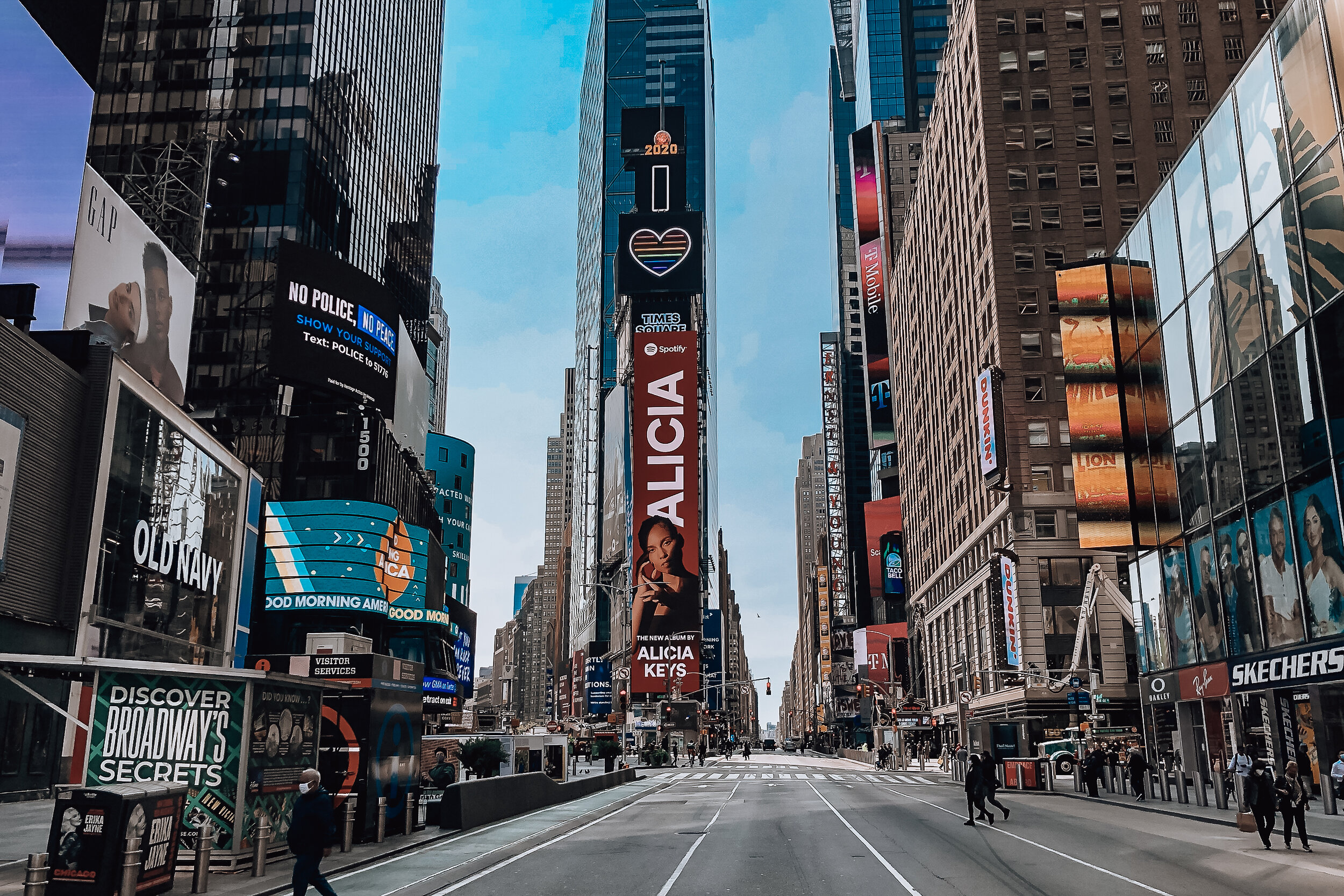
Bryant Park
This urban oasis is magical spot to relax and admire the city. Find an open chair or green patch of grass, sit back and listen to the hum of everything happening around you. The park is a few blocks from the energy and lights in Times Square and adjacent to the quiet and calm found within main branch of the NY Public Library. Bryant Park also hosts events year round from group yoga classes, to a square dancing and a seasonal ice rink.
Play Chess in a Park
Almost every park in the city has a series of tables with chess boards designed into their tops. Come prepared with your own pieces or test your skills playing against one of the professionals patiently awaiting their next opponent.
Order Street Food
Some of the best meals we’ve had have come from unassuming street vendors. Whether it’s tacos, falafel, kimchi or pretzels, there’s likely a street cart or food truck selling it.

Chinatown
Go to Chinatown for the food! This area of the city is packed with countless Chinese and Southeast Asian restaurants. Eat dumplings and buns, slurp on ramen, drink bubble tea and savor a purple yam ice-cream cone. The neighborhood is also known for its well priced grocery stores. If you’re cooking, buy live lobsters from one of the seafood markets, exotic fruits from a street vendor or hard to find ingredients lining shops’ shelves. Visit during Lunar New Year and participate in the neighborhoods festivities and traditions.

Little Italy
That's Amore! From pasta to pizza, visit Little Italy for authentic homestyle Italian cuisine. While looking for a place to eat, you can expect to be invited into every restaurant on the street by their respective hosts. No matter the choice, you can’t go wrong. For dessert, order a slice of tiramisu or a cannoli with espresso. If you happen to visit during September, go during the Feast of San Gennaro, the neighborhood’s yearly food festival and street fair.
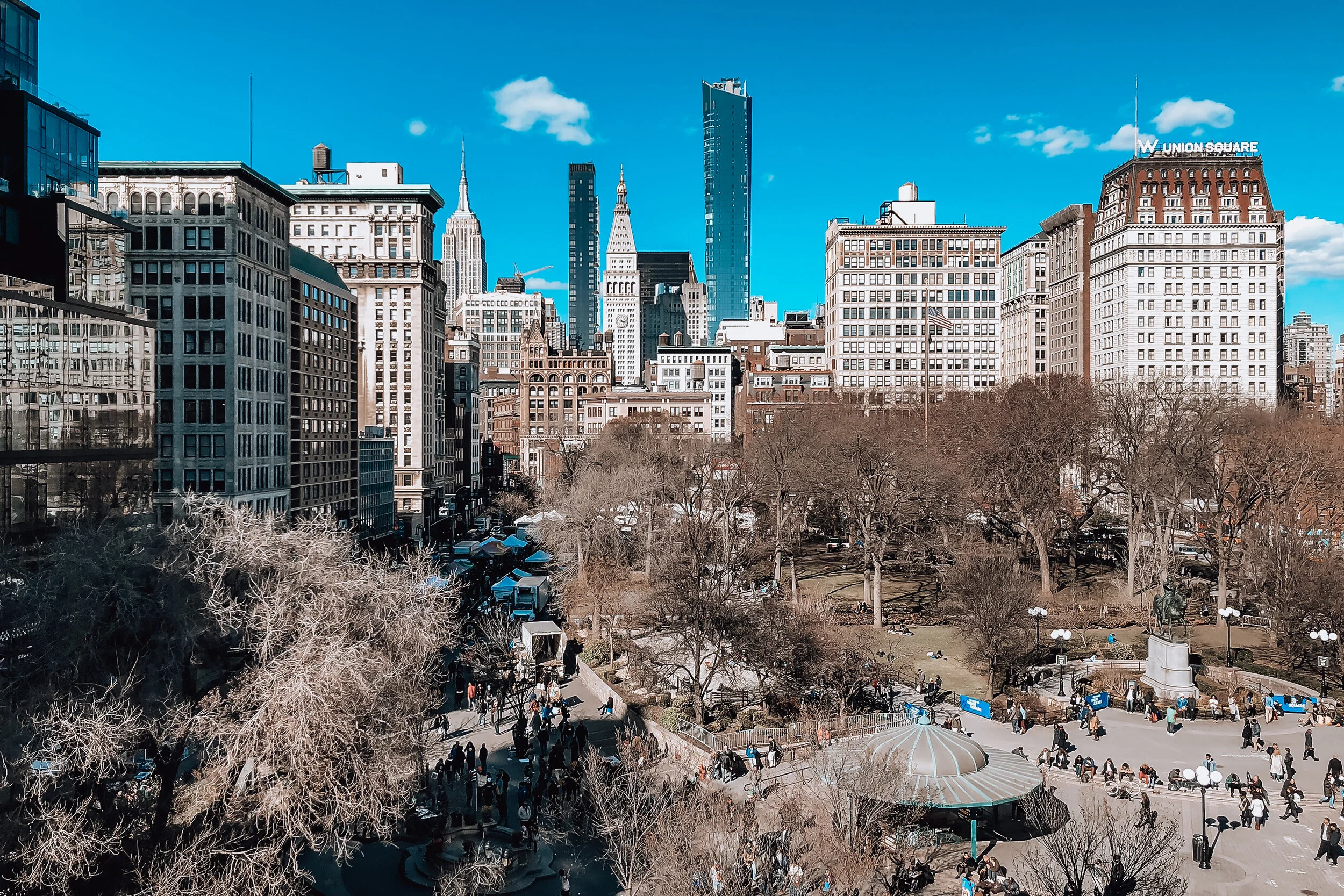
Union Square Market
Cook a meal using spoils from the farmer’s market in Union Square. Saturday is the best day to buy in season produce, artisanal bread, Brooklyn honey and other specialties from local and urban farmers.

TWA Terminal
If you find yourself at JFK, visit the TWA Terminal and Hotel. This Mid Century masterpiece is an iconic symbol of the golden age of flying. With numerous things to keep you occupied during a layover or night’s stay, it is a destination in itself. Order a drink in sunken lounge or outside in a converted airplane bar, enjoy fine dining at the Paris Cafe and watch airplanes take off from the hotel’s rooftop pool.

Arctic Adventure in Tromsø
Tromsø is a hub for Arctic adventures. The surrounding nature & city is a warm & welcoming winter wonderland.

Tromsø, Norway
Tromsø is a breathtaking city in Northern Norway, located about 200 miles north of the Arctic Circle. Our entire stay in Tromsø felt like we were living in a snow globe. The city and surrounding nature is truly a winter wonderland that felt warm and vibrant even during the darkest and coldest time of the year. During our stay, we saw the Northern Lights, snowshoed up a mountain overlooking a fjord, fed reindeer and learned about the indigenous Sami culture.

Gateway to the Arctic
Tromsø is considered to be the gateway to the Arctic. Its proximity to the Norwegian Sea and temperate climate for its position so far north have made it an ideal spot for Arctic explorers and expeditions throughout history. Its location under the Aurora Oval makes it a prime place to view the Northern Lights.

Polar Night & The Midnight Sun
For two months, from late November through late January, the sun does not rise above the horizon. During this time of the the year, known as Polar Night, nearly all hours of the day are dark. For a few short hours during the morning, the sky brightens up enough to feel like an extended dawn. The addition of snow makes the landscape feel even brighter as it reflects more natural light.
The opposite is true from late May through late July. During this time of the year, known as the Midnight Sun, the sun never sets below the horizon. It stays bright for all hours of the day however when the sun reaches closest to the horizon, the sky lights up with beautiful colors seen during sunset and sunrise.
The Northern Lights
One of the most popular things to do in Tromsø is watch for the Northern Lights. The city sits directly under the Aurora Oval, the ovular path the Northern Lights appear above Earth’s northern magnetic pole. As a result, if the conditions are right, the Aurora can be seen dancing and swaying above Tromsø during the evening. The best time of the year to see the Aurora in Tromsø is from late September through early April. We visited from late November through early December.
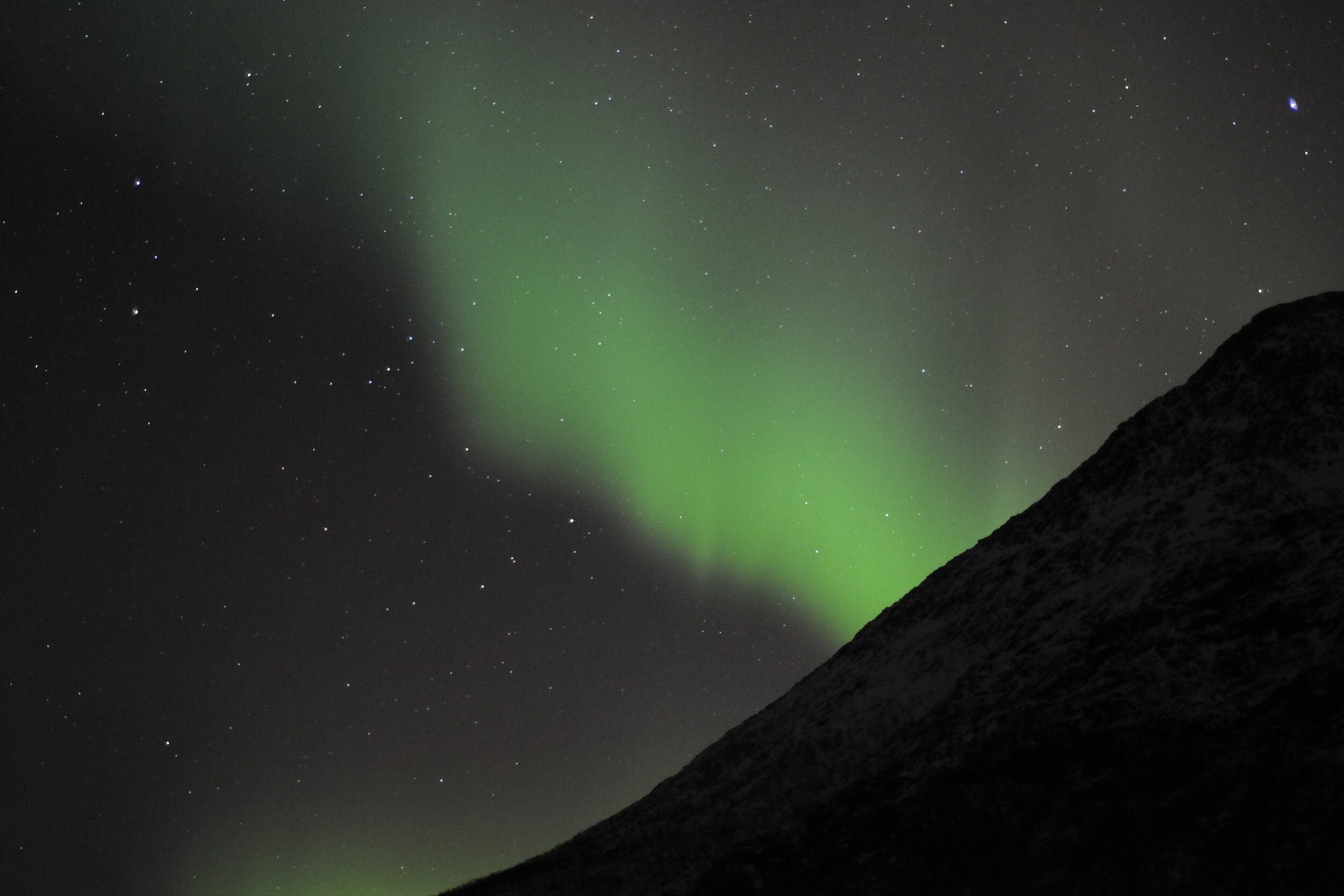


Northern Lights Safari
Though the Aurora can be seen above the city, the best way to see it is by traveling outside of Tromsø to escape from the light pollution. We managed to see the lights above the city one night during our stay but truly got to experience them during a “Northern Lights Safari” with a local guide. Local guides will take you outside the city to a nearby Fjord or as far away as Finland and Sweden to give you the best chance possible of seeing the lights. There are dozens of experienced guides and tour companies offering safaris to chase the Aurora. We booked with a company called Enjoy the Arctic.
We chose them over other companies because they offered smaller tours with a maximum of 8 people. It made for a more intimate and personal night as we waited for the Aurora to appear. We drove an hour outside the city to a fjord called Grøtfjorden where we were able to watch the Aurora dance across the sky nearly the whole evening. We even spotted a few meteors. Our guide helped us take photos, built a fire to keep us warm and provided us with warm drinks and veggie dogs to eat.
Aurora Spotting Tips
It needs to be very dark. Let your eyes adjust.
Keep flashlights pointed down or used red lights.
It needs to be a clear evening, preferably no clouds or haze.
Use an app called Norway Lights to watch the Aurora forecast. It told us what our chances were of seeing the Aurora based on our location and the time of night:
The human eye has a difficult time taking in enough light at night to recognize the Aurora’s true colors like cameras do. With your naked eye, it will appear mostly pale green or dark purple with the occasional flair of neon. Regardless of the intensity of its color, the Aurora is truly a sight to be see.
Any DSLR camera will be able to photograph the Aurora. Our DSLR settings were:
Camera (Nikon D300S)
50mm Lens
Aperture (F1.8)
ISO (1250)
Sutter Speed (2.5)
If you don’t have a DSLR but have an iPhone, you can buy a photography app called Northern Lights. It adjusts your phone’s camera to better photograph the Aurora.
Alway use a tripod to take photos. Your hands will be too shaky to take a clear image.
Dress in warm layers! It is going to be very cold and windy.
Sami Culture & Reindeer
The Sami People are a semi-nomadic nation spread throughout Scandinavia with a tradition based in reindeer herding. For thousands of years, they have established a livelihood using the reindeer for meat, fur and transportation. While in Tromsø, we booked an experience with Tromsø Arctic Reindeer, operated by a tour company and family of Sami people to promote their culture, share their stories and offer close experiences with their herd of reindeer.
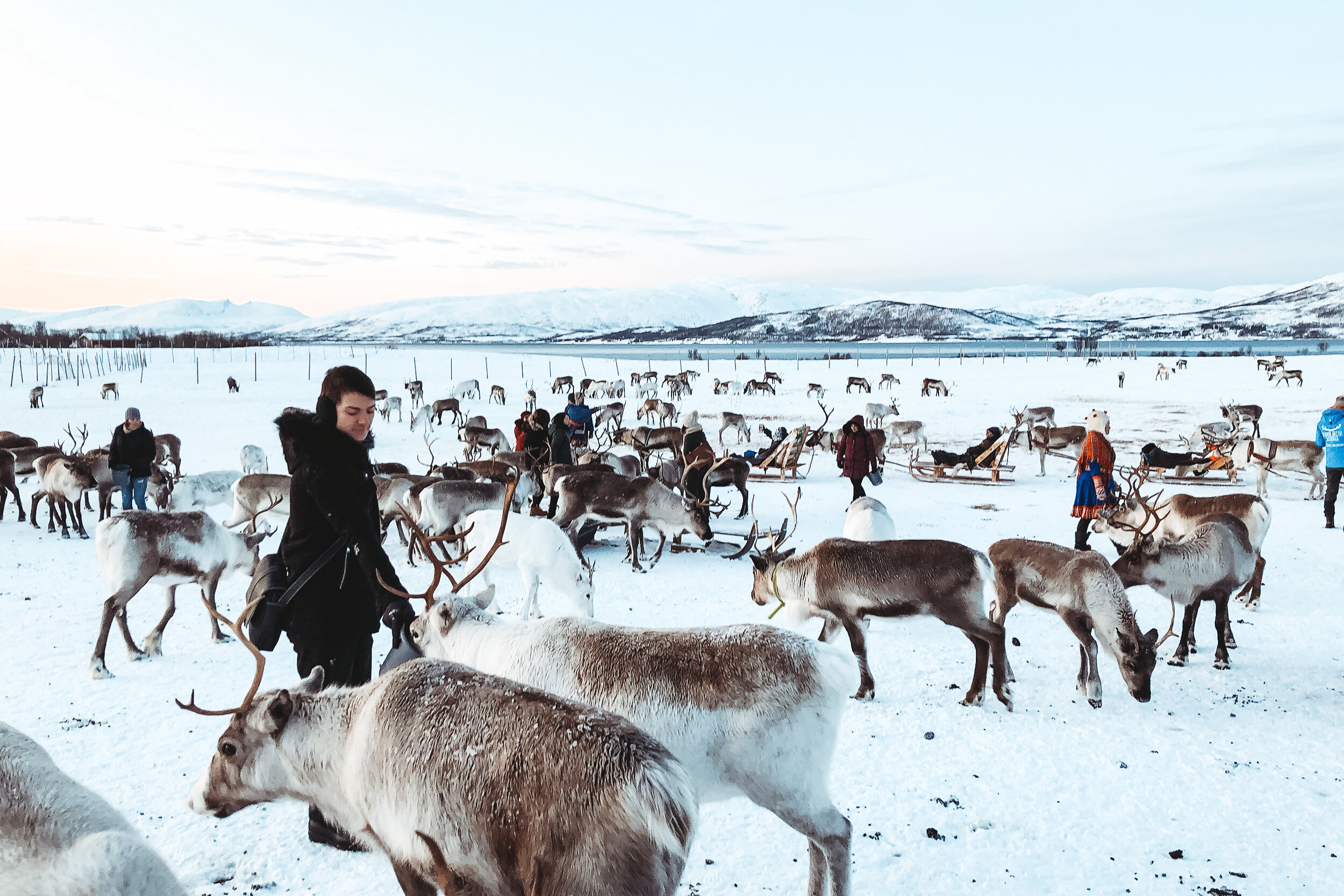
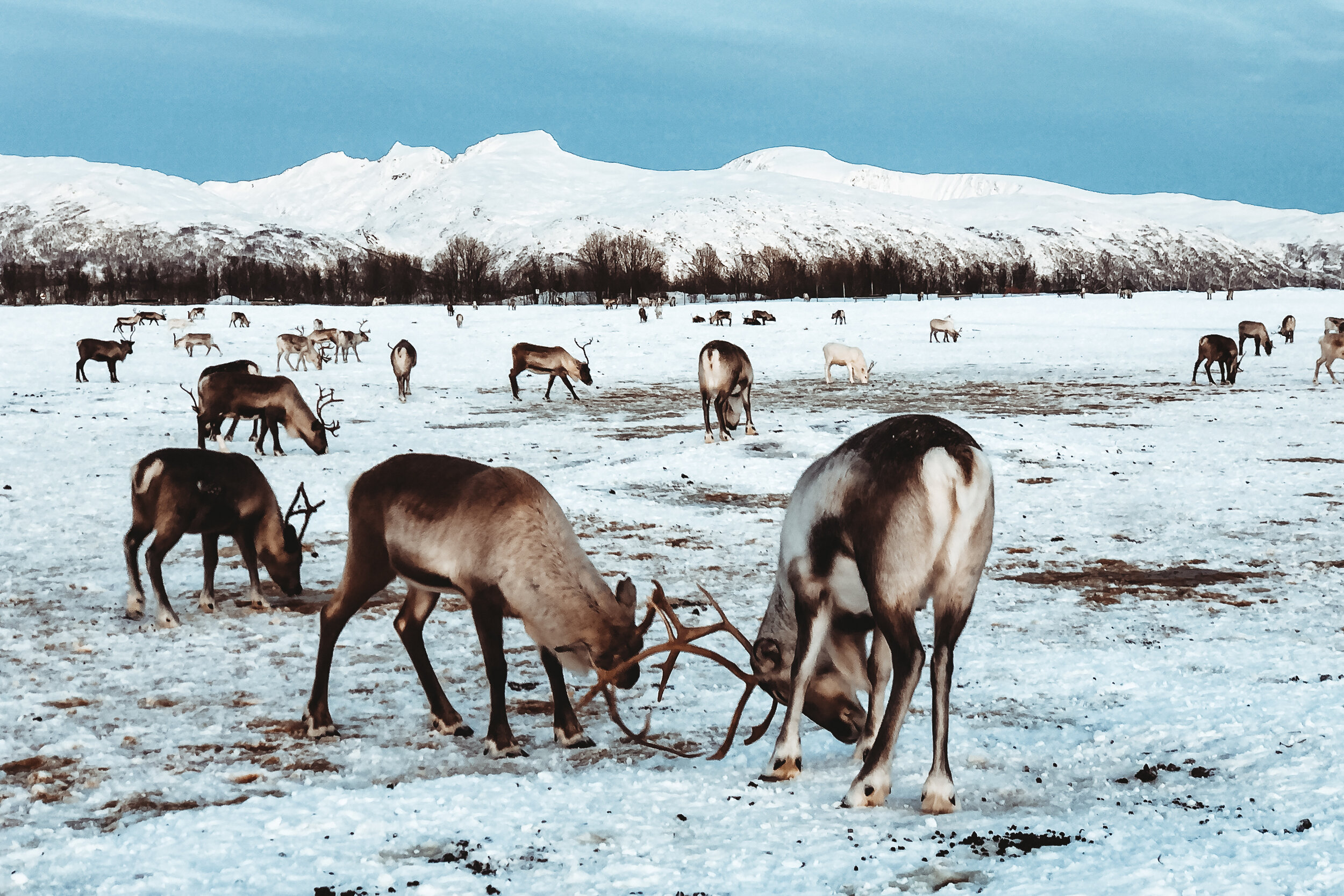
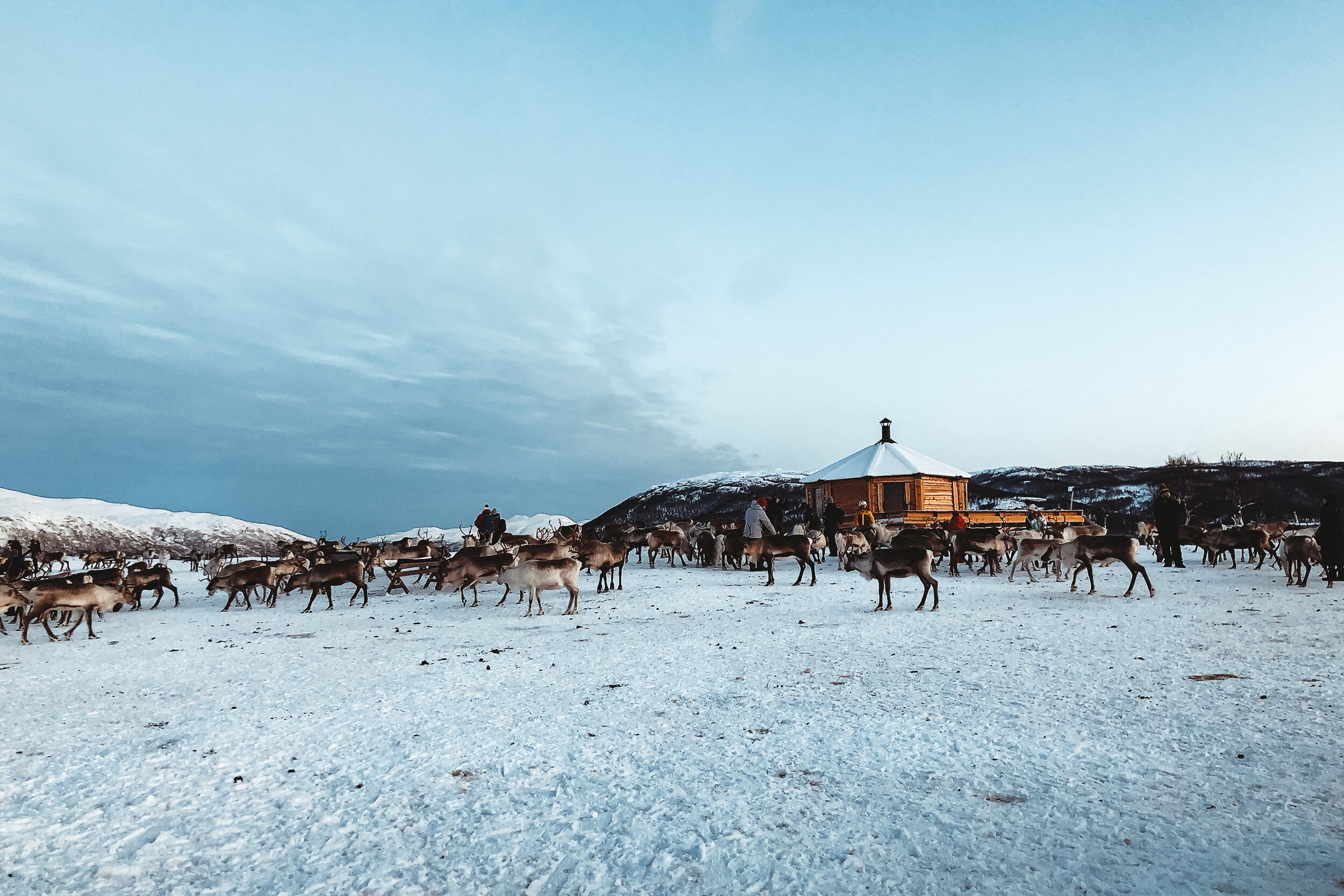
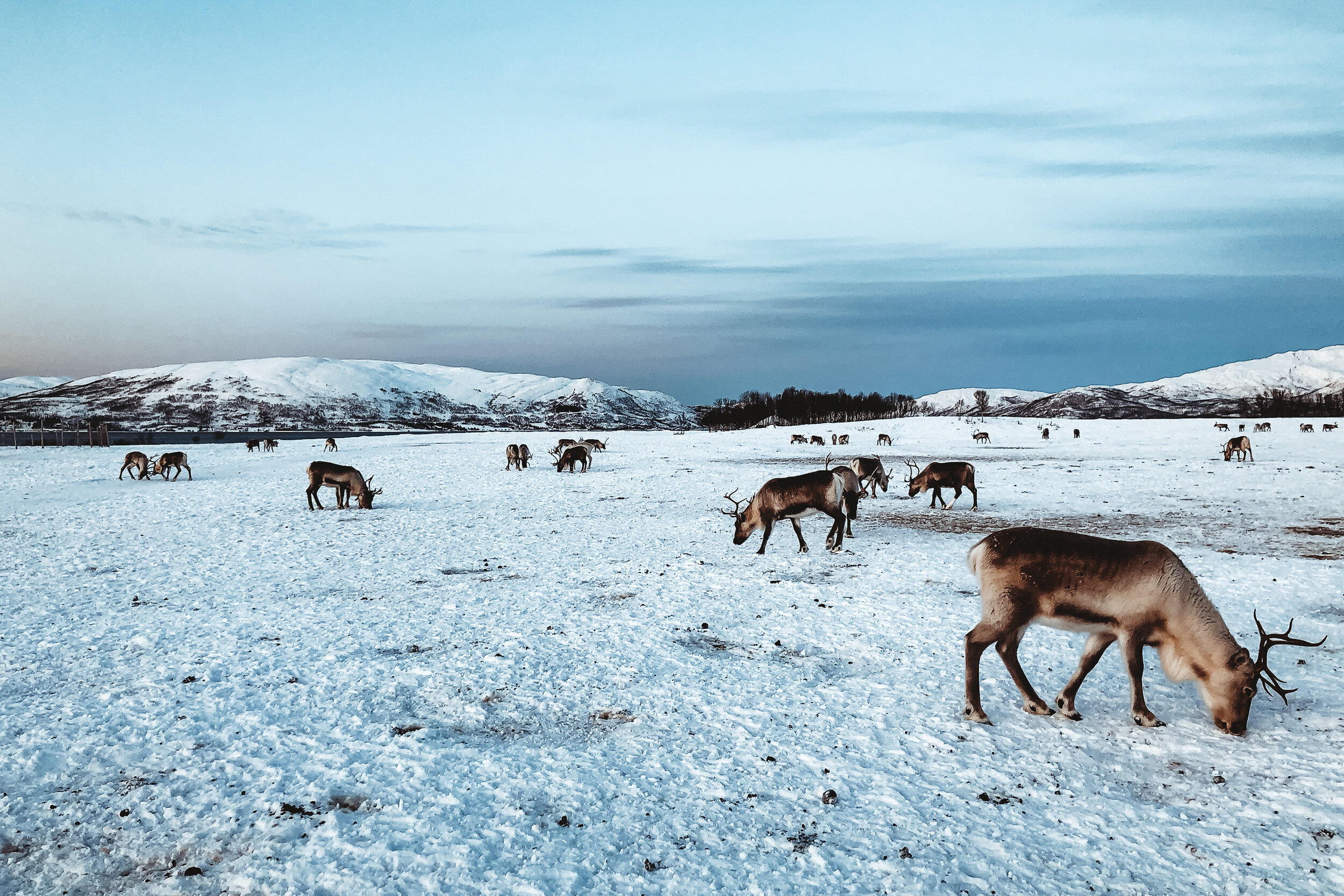
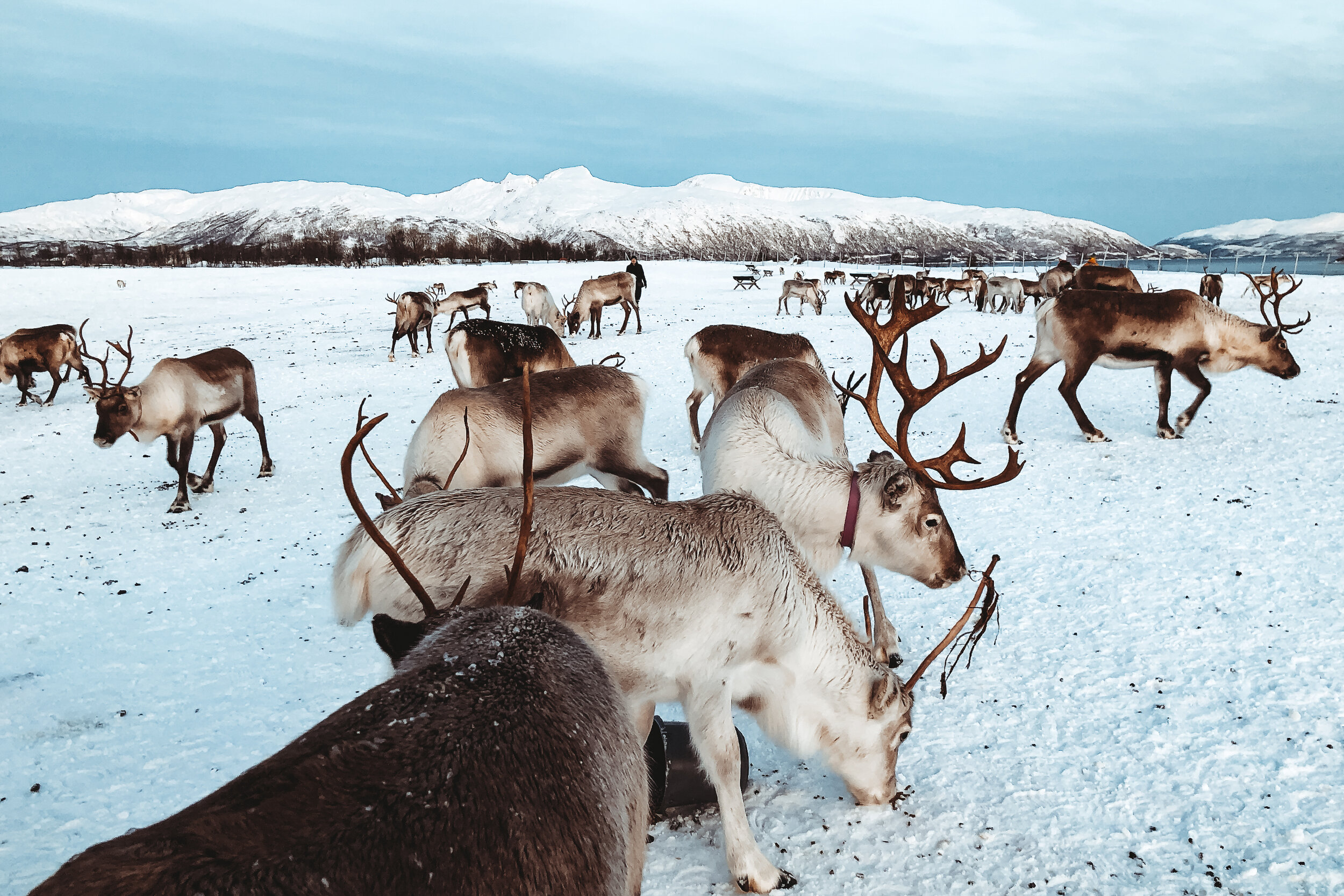
Sled Ride
To make it better, we then took a 30 minute sled ride. Guided by two Sami people, the reindeer slowly escorted us around their pasture. We were a little apprehensive about a sled ride at first but we quickly realized how well treated the animals were. They went at their own pace and didn’t seem tired or overworked in the slightest. The family genuinely showed care and love for the reindeer that they’ve herded for generations.

Reindeer Feeding
After our sled ride, we were able to feed them buckets of food (no, not the glitter and oats you toss outside for Santa’s reindeer) but hearty pellets of grain. They typically graze on the grass beneath the snow but once the snow is too packed down for them to break through they feed on pellets or relocate to a new field. The reindeer, still wild animals, were very excited for the food. They were gentle however at times one would nudge you for attention then burry their face into the bucket. It was amazing getting to be so up close and personal with these animals. Everyone, from children to their grandparents, had a memorable time interacting with the reindeer.

Sami Culture
After feeding them we went inside one of the tents where the family’s mother greeted us with hot coffee and cookies around a wood burning stove. We spent time here warming up before heading to a communal tent for dinner. Many people enjoyed the reindeer stew however we stuck to the vegetarian option. After dinner, we moved to a different tent, called a lavvu, known for communal gatherings and ceremonies. We sat around a log fire listening to the camp owner and multiple reindeer herders talk about their life and the Sami Culture.
They explained the purpose of the traditional clothing and items they carry, many of which were handmade from reindeer. They sung songs, called a joik, which is a traditional form of music sung to someone or something of importance in their lives. The eldest herder told us how he sings for the reindeer and to scare away predators. It was truly a one of a kind and educational experience getting to hear stories from the Sami people and feed their herd.
Snowshoeing & Fjord Tour
While in Tromsø, we wanted to take advantage of the incredible landscape and scenery of Northern Norway. The snow-covered mountain peaks and dramatic fjords were top of mind. We booked a snowshoeing excursion with another local guide company called Northern Horizon. They provided us with transport, an experienced guide, snowshoes, poles and a meal during our trip.

The Assent
Our guide took us and three others to a small town along the Norwegian Sea called Tromvik. The drive from Tromsø took a little over an hour and passed through, Grøtfjorden, the same fjord we watched the Northern Lights from. It was a beautifully scenic drive with remarkable fjord views.
From there, we drove further into the hillside before parking and ascending the mountain. We spent about 2 hours snow-shoeing the side of the mountain during the brightest hours of the morning before reaching one of its peaks. From the peak, we could look directly across the fjord at a salmon farm and straight out towards the Norwegian Sea.
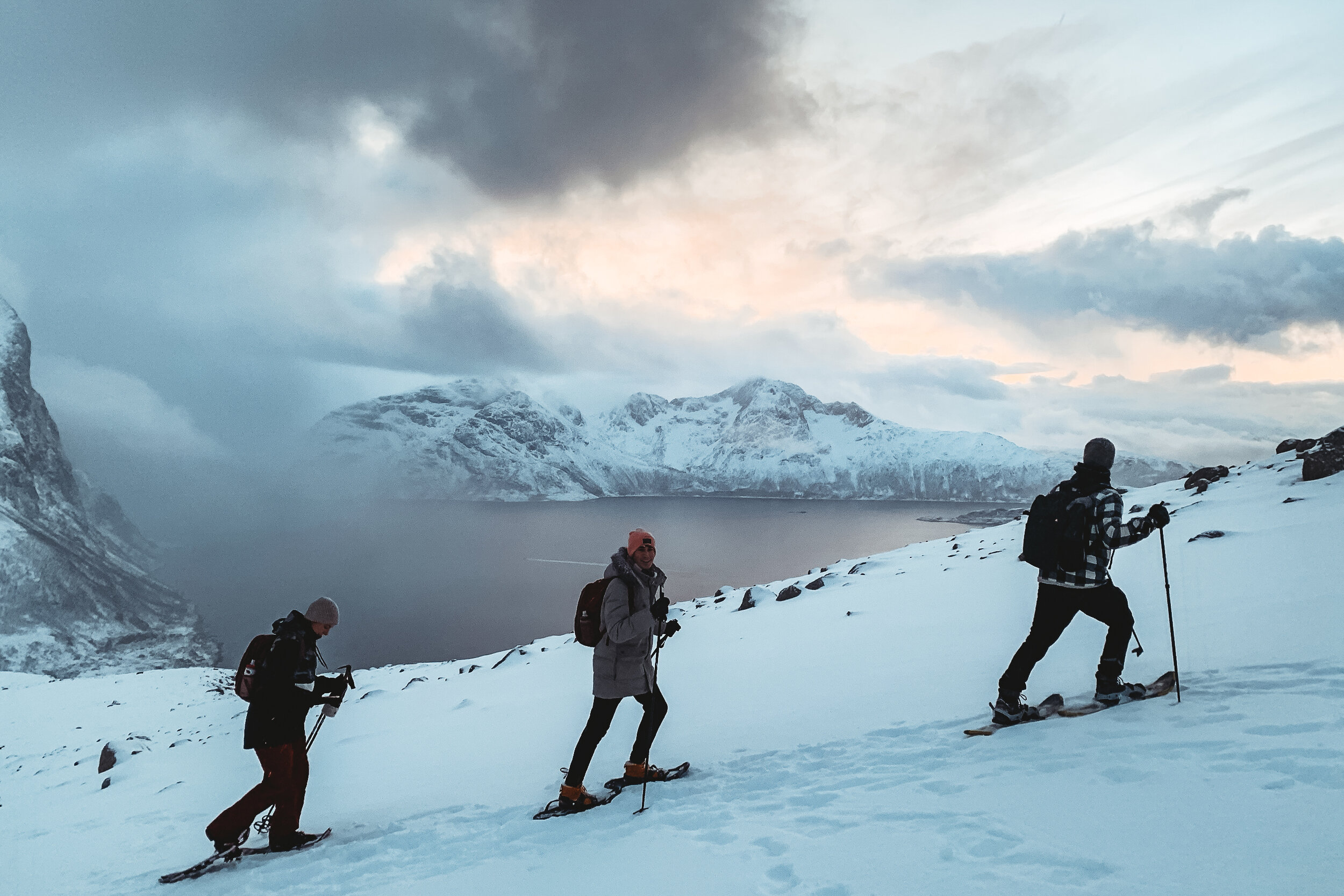
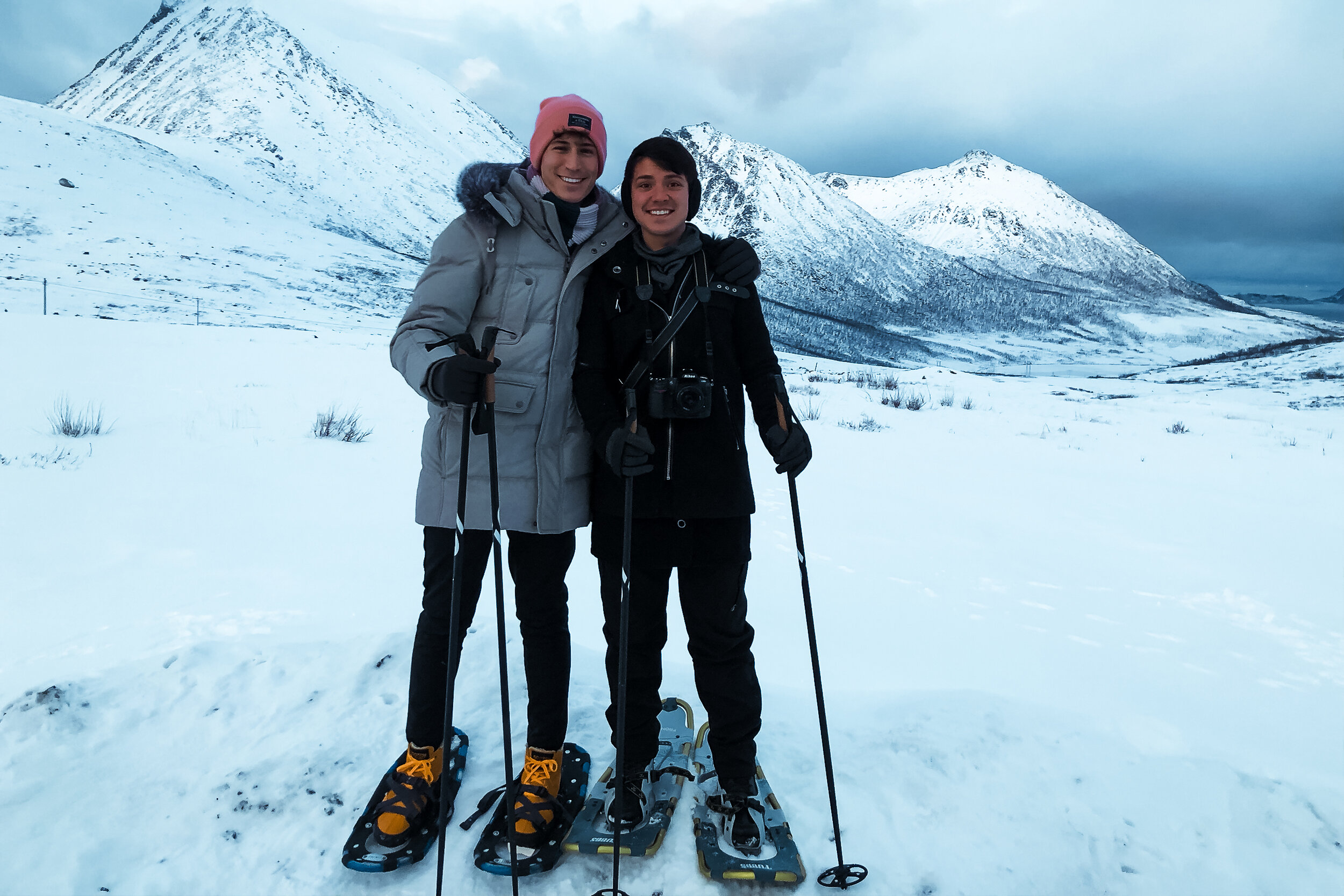
Prepare for the Weather
The hike wasn’t too difficult but it definitely helped having an experienced guide leading the way, watching out for icy crevices and incoming weather. The climate would change frequently. At times, the temperature would drop several degrees or a blizzard would roll in. This was especially true, the higher we climbed in elevation.


Norwegian Salmon
The decent down the mountain side took about 30 minutes. By the time we reached the car, it was nearly dark again. On our way back to Tromsø we stopped in a town called Kvaløysletta to visit Eide Handel AS, a grocery store with a deli counter displaying all types of Norwegian Salmon. They offered dozens of samples, which we tried, before buying a packaged smoked filet to bring home.
Sights & Museums

The Arctic Cathedral. Tromsø’s most recognized site is an Arctic architectural beauty. The modern cathedral, built in 1965, is inspired by the serene arctic landscape surrounding it. The 11 triangles that form its shape are reminiscent of snowy mountain peaks. The pews inside are made from local pine and cushioned in reindeer leather.
Tromsøbura. The 1km bridge connecting the island of Tromsøya, where most of Tromsø is located, to the adjacent island. The bridge has a pedestrian path which can be walked across in 15 minutes.

Fjellheisen (Tromsø Cable Car) Atop of the mountain across from the island of Tromsøya is an incredible lookout that offers views of the entire city and beyond. This is where we saw the Aurora on our first night. The view is accessible via a cable car or a series of 1,300 mountainside stairs. We took the cable car, however if you opt for the stairs and its snowy, make sure to wear spikes on your boots to prevent slipping and falling.
Storgata. The downtown Main Street lined with many restaurants, hotels, bars, cafes and shops.


Waterfront Warft. The city center and harbor surrounded by many contemporary buildings.
Skansen. A historic neighborhood located near Tromsøbura on Tromsøya with old painted wooden buildings from the 1850s.
Polaria. A poler aquarium designed to evoke the fractured ice floes seen throughout the Arctic waterways. Each shard of the building is stacked up against one another forming a giantess slanted mass.
The Science Center of Northern Norway. A planetarium with footage of the Aurora captured during a two year period. If we hadn’t seen the Northern Lights, this would have been the best alternative.
Lake Prestvannet. Fairly central on the island, the lake is surrounded by a number of hiking and cross country skiing trails.
Our Favorite Restaurants, Cafes & Bars
Fiskekompaniet. A higher end restaurant specializing in Norwegian seafood, this is where we had one of the best meals during our trip. We started with a creamy fish soup. It was served in a bowl with a delicate pile of smoked salmon and white fish. The server then poured a kettle of creamy broth over the fish filling the bowl. I enjoyed a crusted filet of cod with a side of potatoes and dill. Devin went for a Norwegian staple, Lutefisk. For desert, we shared a plate of cocoa and coffee ice cream.
Dragoy. Located along the waterfront warft. Dragoy is a deli counter that sells and cooks up fresh seafood. We shared cold water prawns with artesian mayonnaise on a large slice of sourdough bread. They’re also known for their fish and chips.
Bardus Bistro. Located inside an old yellow wooden house, this charming restaurant offers a small menu of traditional Norwegian dishes.
Bardus Bar. Located next door to Bardus Bistro, this bar offers the best cocktails in town. It’s great spot to stop before or after dinner next door.
Olhallen. This is the city’s oldest pub and brewery with a selection of nearly 50 different selections of beer.
Raketten. A historic outdoor kiosk offering hot chocolate, mulled wine, reindeer and veggie sausage. Next to the kiosk is a patio with seating and a warm log fire.
Smørtorget. A cafe offering pastries and open face sandwiches. It’s a great spot to have breakfast before setting out on an excursion.
FRØ. An inventive cafe, they make healthy sandwiches from thin waffles and also known for their pistachio cream buns.
Norwegian Food & Drink
Lutefisk. Air-dried white fish that goes through a several day process involving soaking in water and lye to rehydrate the fish. As the fish rehydrates, it looses a portion of its protein becoming slightly gelatinous. The fish is then cooked and served with potatoes and multiple condiments and sides including peas, pickled veggies, brown cheese, melted butter and mustard.
Norwegian Salmon. Caught and farmed in the fjords of Norway, Salmon is prepared and served in many ways. The most common styled is smoked though it is also often fried, boiled or served raw.
Pickled Veggies. Almost every meal we enjoyed was topped with pickled veggies. Carrot, fennel, beed, cucumber and onion were quite common. They added extra flavor and color to each dish.
Lefse. Traditional Norwegian flatbread made with potatoes, flour, butter, and milk.
Buns. A pastry that ranges from sweet rolls, to swirls or knots.
Mulled Wine. Hot spiced wine was very popular. The Norwegian way of making it is by adding a spoon full of chopped nuts and raisins before serving.
Getting Around
Getting to Tromsø. To fly into Tromsø, you’ll likely need to transfer in Oslo. Booking directly through Norwegian Airlines is usually the most convenient and affordable option. Tromsø is about a 2 hour flight from Oslo.
To/From Tromsø Airport. Use Flybussen, the airport express bus. It routinely travels in a loop from the airport to multiple hotels in central Tromsø. It costs roughly $18 for a round trip ticket.
Getting Around Tromsø. The city and surrounding area is walkable, though a bit hilly and icy during the winter. The main street, Storgata, has heated sidewalks that keep snow and ice from freezing. Outside of this, it’s best to be cautious while walking on the snow and ice. We had a few slips ourselves but were layered in enough clothing to keep us from bruising. We noticed that many people wore spikes on their boots for extra traction. Just remember to take them off before entering indoors. One of the cutest things we saw were mother’s pushing their children in strollers with sleds instead of wheels.
Taxi. Taxi’s can be pricy but are convenient when trying to get around outside the Main Street. The two main taxi companies are Tromsø Taxi and Din Taxi. Uber is not yet an option here. This is a general breakdown of cost:
Around Town: $10 - $15 (From downtown to the cable car)
Across Town: $16 - $35 (From the airport to downtown)
Outside of Town: $36 - $60 (From Tromsø to a nearby town)
Getting Outside of Town. Renting a car is the best option to get between Tromsø and anywhere else outside the city. Nearly all excursions will include transportation to and from.
What to Wear
If you’re visiting in the wintertime like we did, you need to dress warm. It is the Arctic after all. You’ll need a base layer, mid layer and outer layer. Tuck your base and mid layers into each other to better hold in heat and prevent wind from getting under your clothes. In addition to layers, we also used thermal toe and hand warmers while we were snowshoeing and watching for the Northern Lights.
Base Layer
Thermal underwear
Thermal long sleeve shirt
Wool socks
Wool gloves
Mid Layer
Jeans or pants
A cute Norwegian sweater (you can buy one in town)
A lightweight quilted jacket (down or down alternative)
More socks (you’ll need to double up)
Outer Layer
Snow pants (mainly for extended periods outdoors)
Winter coat (you’ll want something that will break the wind and truly keep you warm)
More gloves (you’ll need to double up)
A warm scarf and hat
Boots (bring strap on spikes or cleats)
If we had more time…
Vulkana Spa Boat. This boat has a saltwater hot tub, sauna, steam bath and zen lounge with a fireplace. The crew also provides dinner and facilitates cold water plunges in the harbor.
Husky Experience. The are various companies that multiple types of Husky experiences. Some experiences include husky mushing, dog sledding and even cuddling with the cute puppies. Experiences can vary from short 30 minute trips, to hour long excursions and overnight stays watching for the Northern Lights.
company we looking into is Aurora Husky Trekking
Whale Spotting / Fjord Tour. Orcas and Humpbacks are frequently seen in the winter months from November - February while hunting for herring. There is a number tour companies offering boat trips through the fjords and sometimes into the Norwegian Sea. Two of the companies we looked into are Wild Seas and Pukka Travels Rib Boats.
Wild Seas specialized in protecting, researching and observing the whales. They’re an ethical company that will take you on a full day tour using special equipment to listen for whales and observe from a healthy distance.
Pukka Travels offers multiple fjord tours where you can go sightseeing, whale watching and arctic fishing.

Southwest Roadtrip
The Southwest is a playground of incredible rock formations, other worldly deserts, endless highways and roadside attractions.

The Southwest
The Southwest is a playground of incredible rock formations, other worldly deserts and endless highways. The region overlaps several states, includes many Native American reservations and is home to some of the country’s most cherished National Parks.
Road Trip
There’s something so freeing and spontaneous about road trips: listening to good music, driving with the windows down, stopping at roadside attractions and drive through meals. With Devin and his brother, Desmond, we booked a one way flight from NY to LA, rented a car once we landed and made the rest up as we went. For about 10 days, we drove though Southern California, into Nevada, Utah and all across Arizona. I even used this trip as an opportunity to roll out the retro vibes with my polaroid camera and fanny pack.

Southern California
Los Angeles
After landing in LA, we drove to where Route 66 meets the Pacific Ocean, Santa Monica, a fitting start to our road trip. We spent the evening walking the pier, listening to the electronic violinists perform and watching the ocean tide roll in. For dinner, we ate at The Lobster, a staple seafood destination overlooking the pier. Here we treated ourselves to some West Coast seafood while drinking a couple rounds of Pacifico before calling it a night.
Randy’s Donuts
The next morning, on our way out of the city, we stoped at the original Randy’s Donuts in Inglewood for breakfast. Randy’s is a landmark donut shop easily recognized by the massive donut resting on top of the bakery. It’s been featured in video games, movies, tv shows and referenced across Hollywood. We ordered a half dozen classic glazed donuts and coffee. Randy’s took it a step further and gifted us another box of artisanal donuts including: fruit loops glazed, apple fritter, sprinkled, blueberry iced and devil’s food. They hardly survived the first day of driving.

Cabazon Dinosaurs
Located just off the highway in Cabazon, CA, these dinosaurs captured our attention and imagination. This roadside attraction, considered to be one of the greatest, features two giant dinos: A pinkish brachiosaurus named Dinny the Dinosaur and a green t-rex named Mr. Rex. We reveled at, walked under, around and even climbed inside both of them.

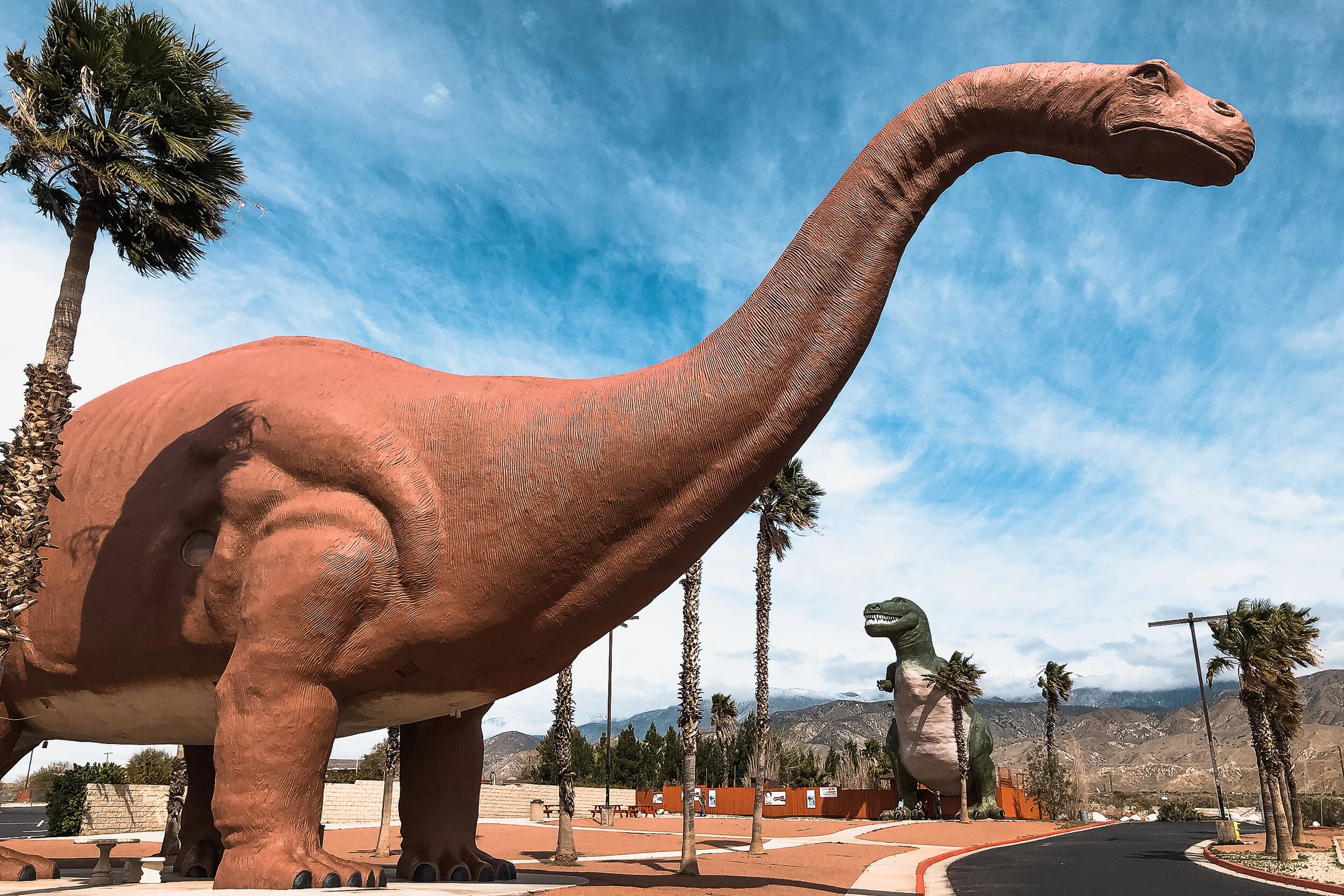
Palm Springs Wind Mills
We didn’t make it to Palm Springs but along our way to Joshua Tree, we passed a wind farm with thousands of spinning windmills. They’re hard to miss and mesmerizing to watch as you drive by.
Joshua Tree National Park
The park is famous for its namesake, the Joshua Tree. The tree itself is a multi-armed, spike leaved, desert growing plant. They are a fragile and enduring symbol the the Mojave Desert where the park resides, thriving in harsh conditions with little water and persistent sunlight. In addition to the Joshua Tree, the park is home to many species of cacti, nocturnal animals and smoothed rock formations.

Hiking Trails
There are miles of designated trails to hike throughout Joshua Tree. After entering the park through the west entrance, we drove a little ways and began hiking. I still can’t figure out what trail we hiked but I think it was a combination of several. We spent hours hiking through a forest of Joshua Trees, along some large rock formations and through an area with a wash where we saw a few desert tortoises.
Willow’s Hole Trail
During our second day in the park, we hiked to Willow’s Hole. Considered to be one of the more difficult hikes in the park, we began late in the afternoon and ended at sunset to avoid the heat. The hike is mostly flat, stretches over 7 miles round trip and takes about 4 hours at a normal pace. This trail offers a variety of the entire Joshua Tree landscape ending at a desert oasis surrounded by willow trees.
The hike starts off through a flat terrain surrounded by large rock formations, Joshua Trees and all other kinds of cacti and fauna. Along this part of the trail we saw countless whitetail and jackrabbits. The second half of the trail, leading to Willow’s Hole winds through a canyon of incredible cliffs and washes.
The closer we got towards Willow’s Hole, the wetter the path got. We had to climb over large boulders in order to avoid some the larger pools and streams of water. Near one of the pools, we noticed paw prints from a coyote. We eventually made it to the oasis, it was a serene and peaceful spot to stop and relax before making our way back. The hike back was just as beautiful as the way in, we enjoyed the golden glow of the sunset across the terrain before watching the sky show off its colors.

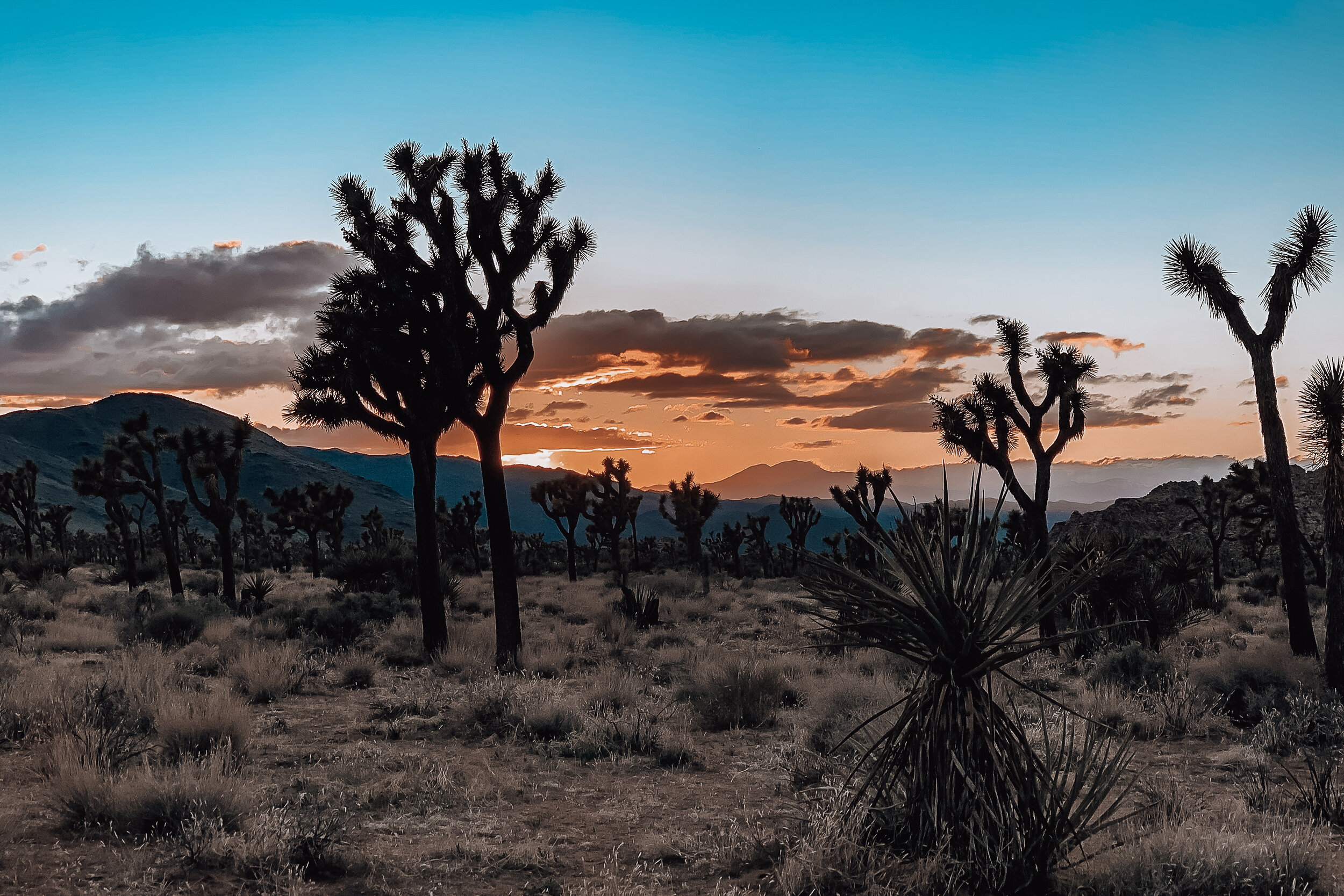
Maps & Park Pass
Pick up a map from one of visitor centers when buying your park pass. The park pass costs $25 per car and is valid for 7 days. Ask a park ranger where to hike. They often give great recommendations based on what you want to do or see. Click here for a map and list of trails.
Set up a free account with All Trails. Their platform offers detailed info on all of the parks routes from info curated by other hikers.
What to Bring
Water
Food/Snacks
Sunblock/A Hat
Flashlight
A Map
Other Sights
Skull Rock. One of the many rounded rock formations in the park. As the name notes, this one is famous for its skull shape.
Pinto Basin Road. This main road winds from the north to south end of the park and takes about an hour to drive. Most Joshua Trees are located in the High Mojave Desert to the north while the Colorado Desert to the south is known for its its cacti patches.
Pinto Basin. A vast swatch of cacti covered desert surrounded by mountains. It’s easily viewed from the Pinto Basin Road.
Chola Cactus Garden. Located midway along Pinto Basin road is this incredible cactus garden filled with Chola cacti. Watch your step along the trail and don’t touch them.

Ocotillo Patch. Located near the south end of Pinto Basin road is an extensive patch of Ocotillo Cacti. These massive cacti grow several feet high and gracefully sway in the wind.
Night Sky. The High Mojave Desert is located far enough from any major cities making light pollution very minimal and offering incredible night sky views.
Where to Stay
There’s no shortage of places to stay around Joshua Tree. The park itself has a few campgrounds. There are many quaint desert resorts, motels and unique Airbnbs outside of the park. We stayed in an Airbnb Airstream about 20 minutes from the park’s west entrance. It

Salvation Mountain
Salvation Mountain is a massive art piece located in the California Desert started by Leonard Knight in the mid 80s. The site is inspired by the scriptural passages with the simple message, “god is love.” Love, in our opinion is the true theme of this place. The mountain is covered in colorful and peaceful imagery of waterfalls, flowers and the yellow brick road centered around the most prominent word, love, situated above a giant heart. The structure is built from a mixture of hay, packed clay and layers of paint. All materials used have either been donated or salvaged.
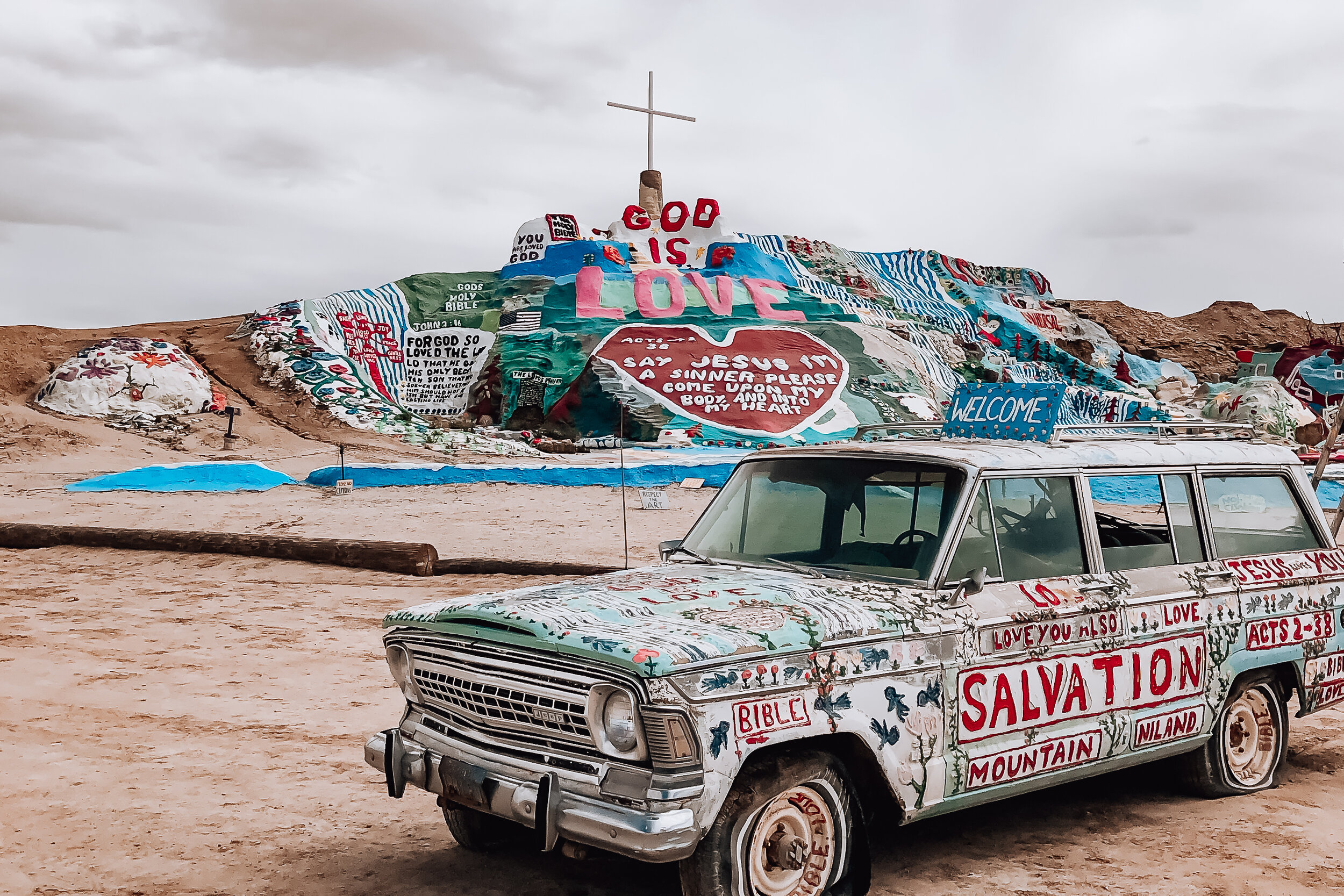
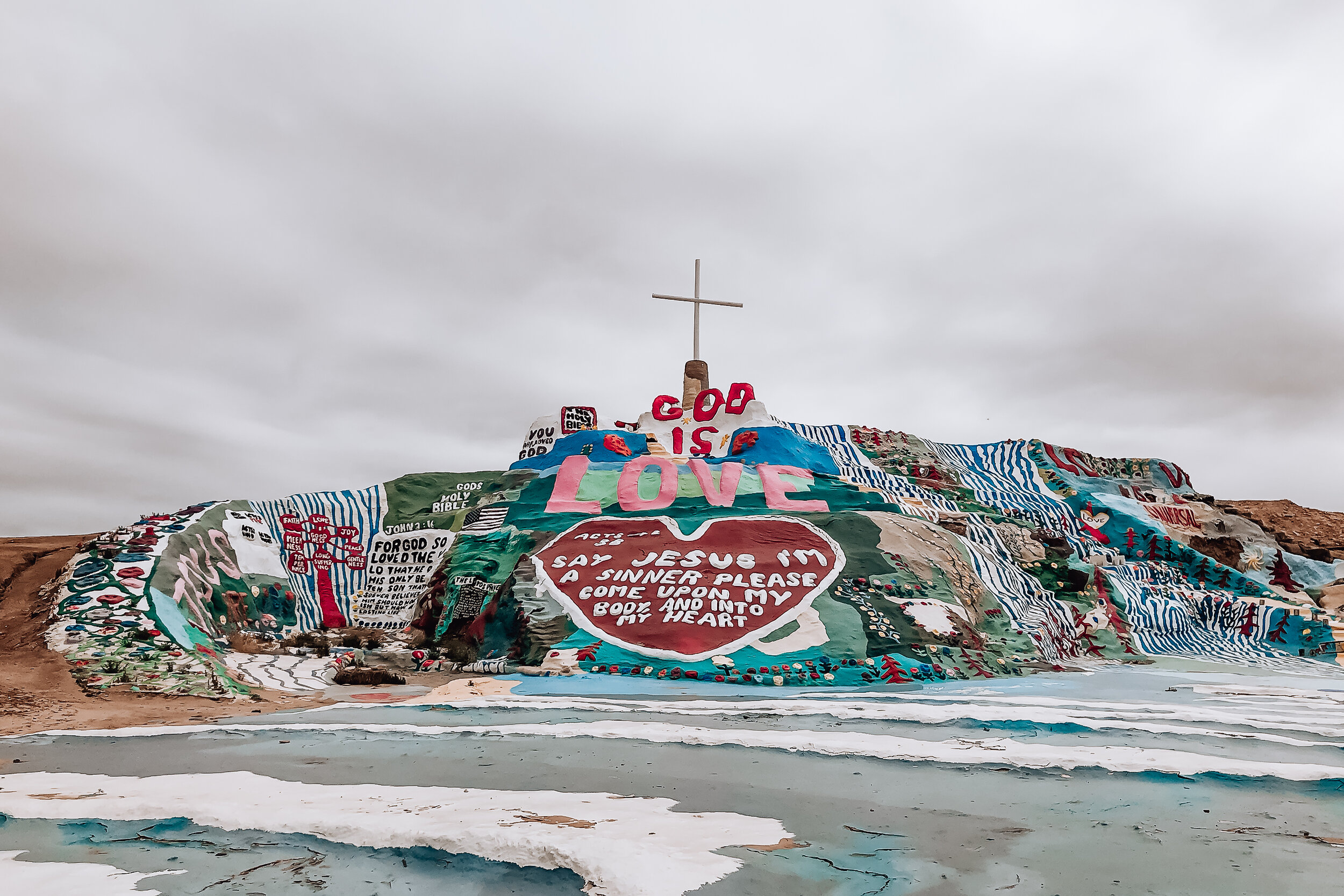

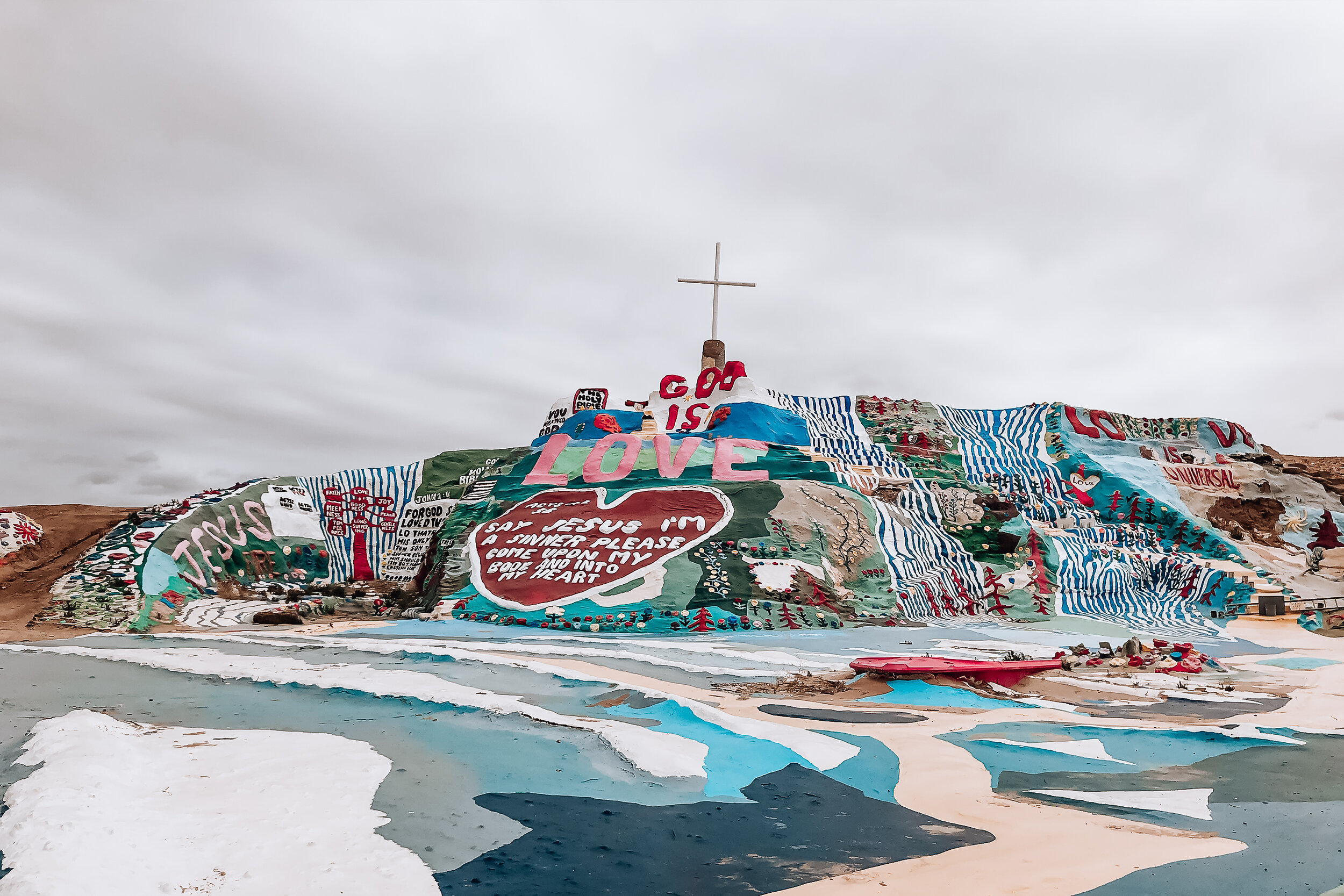
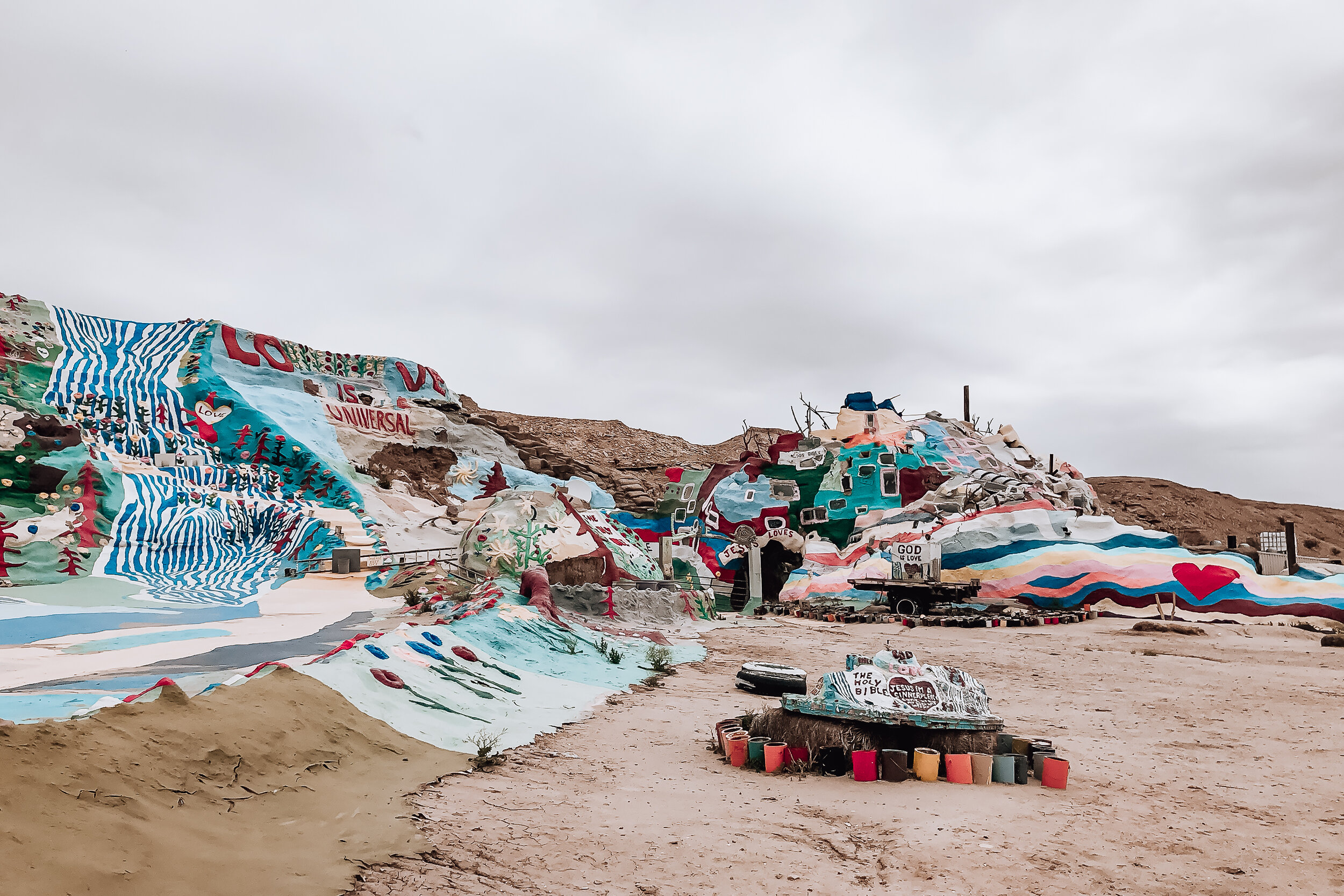
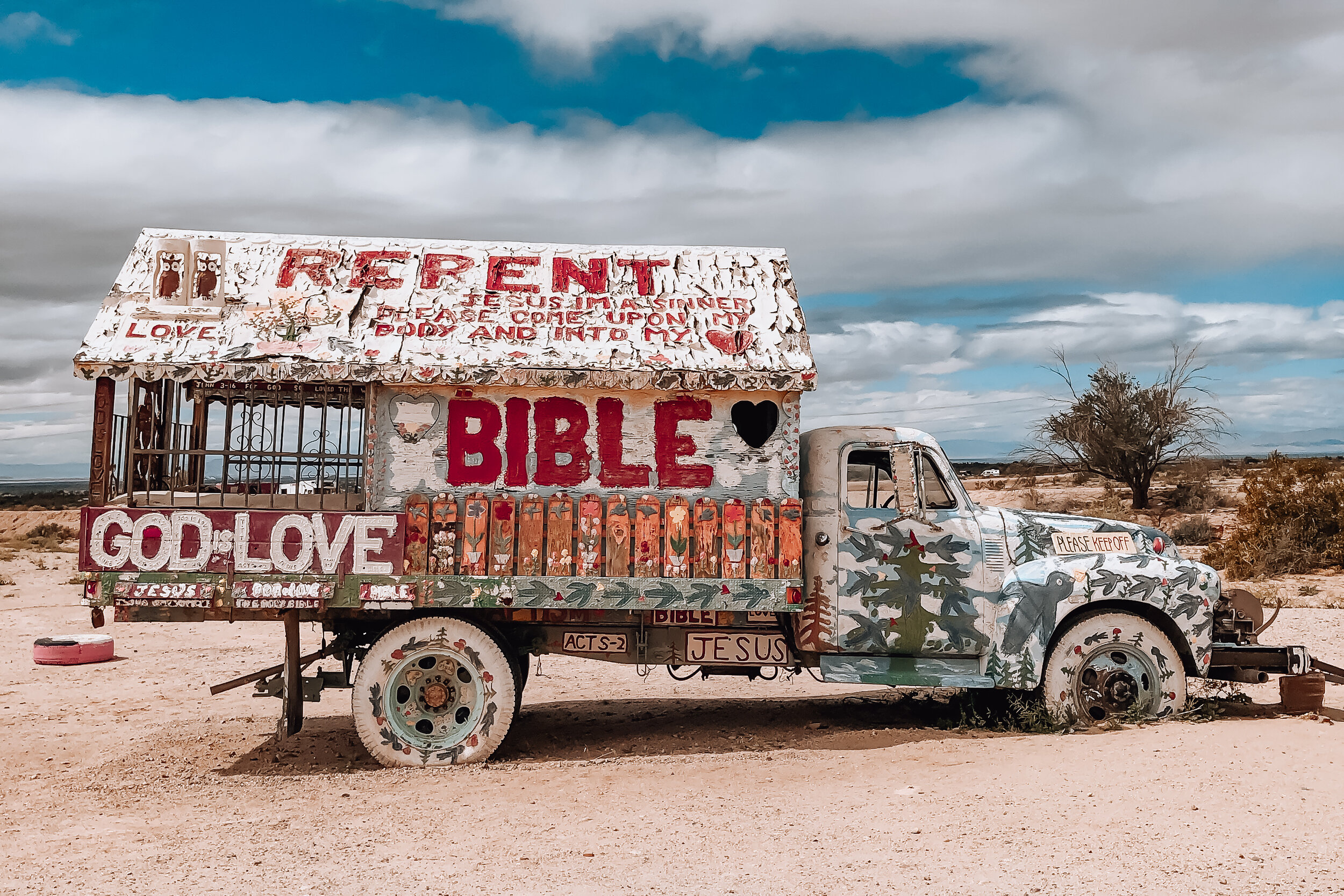
While visiting, we met Ron, the preservationist of Salvation Mountain. He’s leads the repairs and preservation of the massive art piece in line with the artist’s original vision. Ron has been living onsite for several years and mentioned having repaired the entire landmark, area by area, at least twice over since beginning his work here. He reminded us that the desert is a very harsh environment. Something as exposed to the elements as Salvation Mountain requires a massive amount of patience and care.
While we visited, the monument was off limits and only available for viewing. A storm had swept through the area a few days prior causing damage to one of the faces and interior rooms. Ron estimated it might take 6 months to a year to fully repair. Though damaged, this place will never loose its heart. Even from a distance, visiting this place felt special.
Slab City & East Jesus
Located just beyond Salvation Mountain are two off the grid alternative living communities, Slab City and East Jesus. We spent hours wandering, observing and talking with some of the locals to get a better perspective on the places they call home. If you visit Salvation Mountain, you need to come here with an open mind. There is no where else quite like it.
Slab City. This community gets its name from the remnants of concrete slabs left behind after the demolition of a military training camp. The slabs are home to RVs, permanent trailers, make shift buildings and piles of debris. Many of the folks who live here have come to live off the grid while others are here as a result of poverty. There is no electricity, running water, waste management or government. Despite that, there is a certain since of community with its own library, golf course, clubs and music venues.
East Jesus. A sustainable and habitable art installation focused on creative re-use. The experimental community is built from discarded materials and salvaged waste. It’s inhabited by artists, musicians, writers and other creatives.
Salton Sea & Bombay Beach
Our route to Salvation Mountain lead us along a road with countless washes depositing agricultural runoff into the Salton Sea. Curious, we stopped at a state park and walked up to the sea’s edge, only to notice the decomposing remains of fish and dried clay leading up to the shoreline. Further down the road, we drove through the town of Bombay Beach, a once thriving seaside community catering to celebrities, retirees and vacationers during the mid century. The town, now mostly forgotten is a place stunted in its growth but still inhabited by a number of families and artists. We passed a man painting television screens on the street, two children seamlessly sweeping dirt for leisure and a woman sitting alone on a chair in the middle of an empty lot. Many homes have been left behind due to the toxicity of the sea and damage caused by the salinity in the air. A sobering place, the town and the sea has an incredible history that should’t be overlooked or looked down upon.

Northern Arizona
The Grand Canyon
The Grand Canyon is revered as one of the greatest natural sights on earth. Its size at 1 mile deep and up to 18 miles wide, reveals millions of years of layered sediments and colorful rock. After leaving Southern California and heading for Arizona we decided we had to visit. By the time we reached Flagstaff, it had began snowing. As we ascended further into the mountains, the snow turned into a blizzard. Once we reached the South Rim of the Grand Canyon, it was a white out. As we overlooked the canyon, all we could do was laugh, barely able to see a thing. One day, we’ll be back.
Horseshoe Bend
Horseshoe Bend is a 1000 ft steep bend of the the Colorado River in the shape of a horseshoe. It’s an incredibly breathtaking sight and truly awe inspiring. We spent the late afternoon wandering the rim and admiring its beauty. It completely made up for not being able to see the Grand Canyon the day before. Located just off the highway outside of Paige, AZ and accessible by a 1.5 mile hike to the rim. The overlook is open daily from sunrise to sunset for an admission of $10 per car.

Lake Powell & Navajo Canyon
Lake Powell is a manmade lake created by the Glenn Canyon Dam with over 2000 miles of shoreline. We decided to rent a boat for the afternoon from Antelope Point Marina to explore Navajo Canyon. Navajo Canyon is 16 miles long with massive orange and brown cliffs ranging in height on all sides. The canyon is pretty wide but narrows in areas with tiny offshoots speckled throughout. We slowly and carefully explored one of these before pulling out and boating to the end of the Canyon.


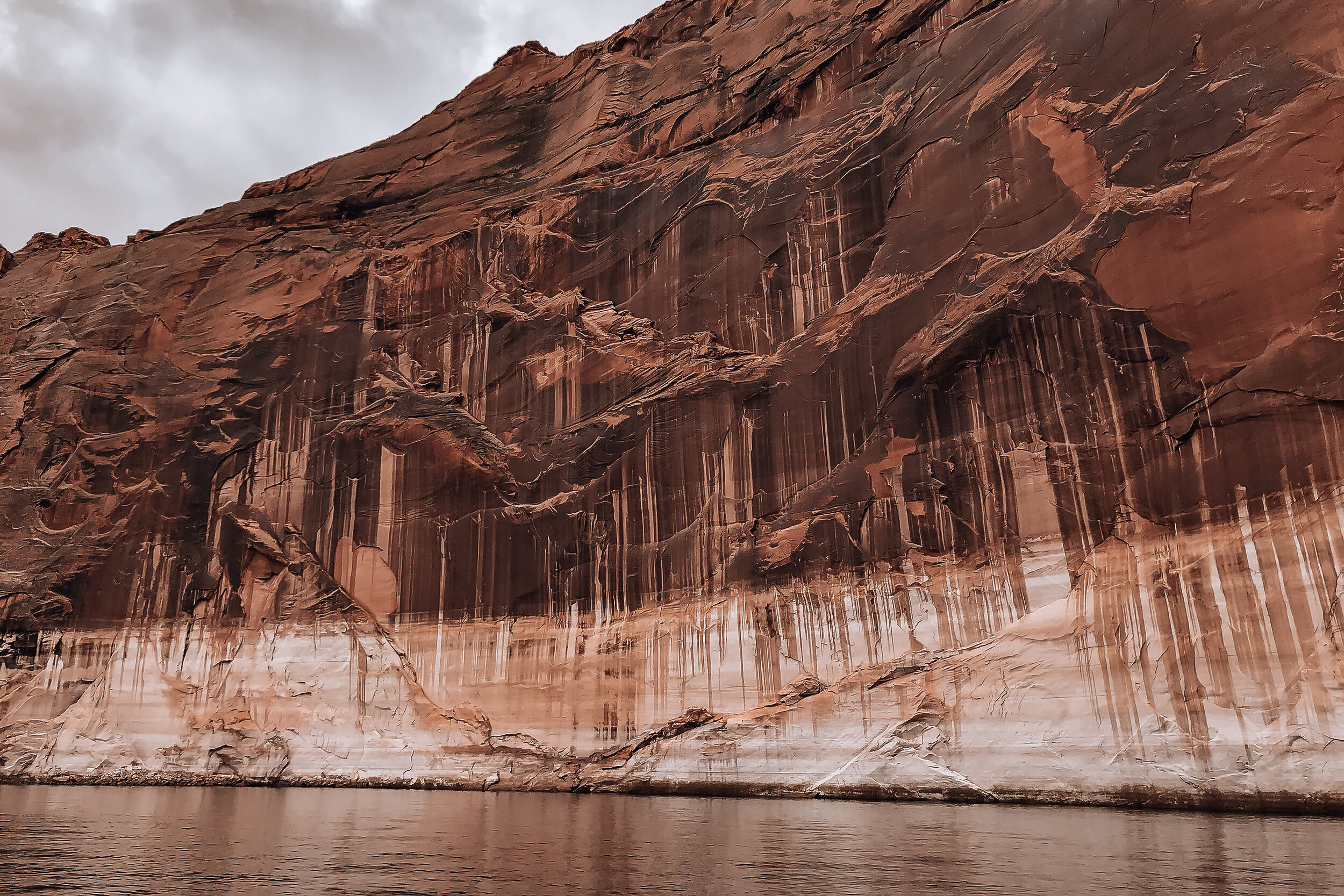
Navajo Cliff Dwellings
On the way to Monument Valley we took a detour to visit the Navajo National Monument and overlook the Betatakin Cliff Dwellings. At its peak nearly 800 years ago, it was home to hundreds of people and contained over 120 sandstone structures, many of which still survive today. It can be viewed at the end of a short hike from the Navajo National Monument Visitor Center

Antelope Canyon. A picturesque, narrow and winding sandstone canyon. It can only accessed via a Navajo tour guide.
Vermilion Cliffs. A sweeping wave of orange and golden shades of sandstone
Tower Butte. A towering 5000ft sandstone butte in the middle of Glen Canyon. There are helicopter companies offering rides to the top of the butte overlooking the sounding landscape
Utah
Monument Valley
Monument Valley offers views of the most quintessential western scenery and landscapes. The valley is made up of massive crumbling rock formations known as buttes. The buttes were formed millions of years ago by tectonic activity and erosion forming the structures visible today.

As we drove towards Monument Valley, we could see some buttes rising above the horizon and the clouds becoming a tinted orange color. We learned this is due to red dust particles in the clouds as well as the reflection of the soil.
The valley resides on the boarder of Utah and Arizona within the Navajo Nation. When we visited, the park had just closed due to the outbreak of Covid-19. However, many of the buttes and mesas are visible from roadside overlooks. Within the park is a loop of road that drives through the center of the three most famous buttes: West Mitten Butte, East Mitten Butte and Merrick Butte.
Staying in Monument Valley, with a host on Airbnb, we were still able to hike around the valley outside of the park. Our host directed us to the nearby Sentinel Mesa which had a trail leading to its plateau. Lead by a local dog, we hiked and climbed our way to the top. The path was a bit ambiguous the steeper we hiked but we eventually found our way. Once we reached its plateau, we saw what I would say is the highlight of our trip. We stood overlooking the valley with picturesque views of the entire landscape.

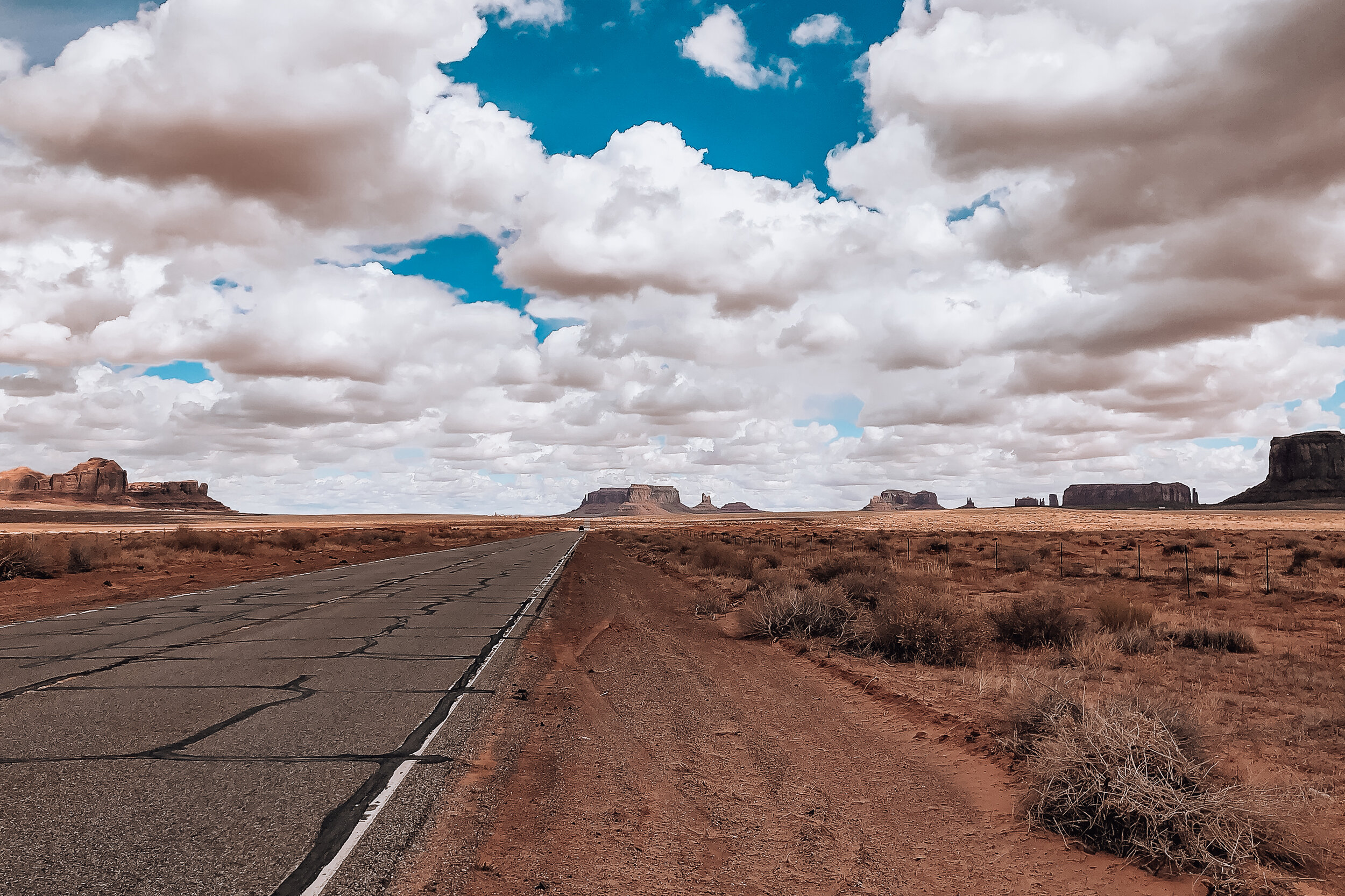
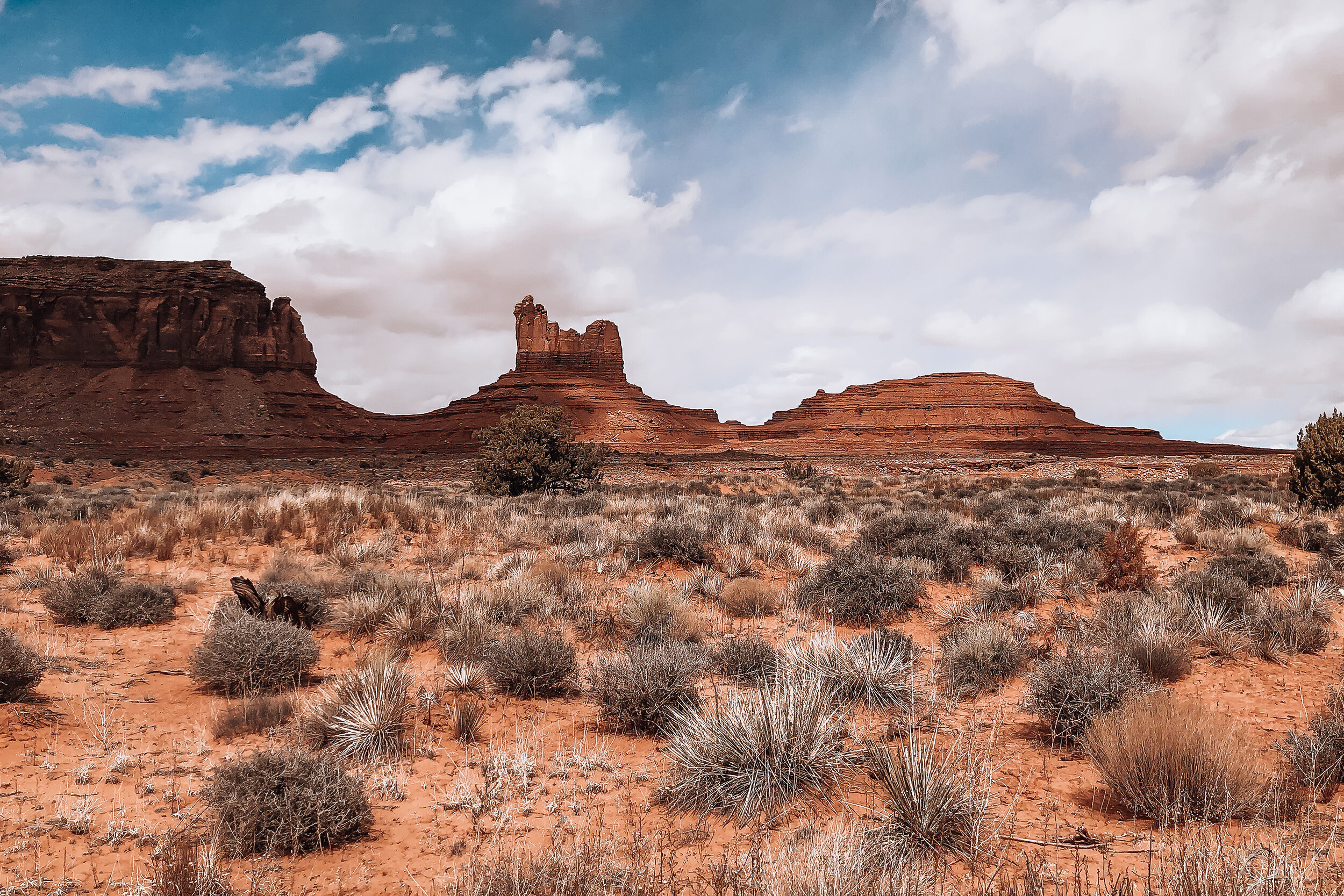
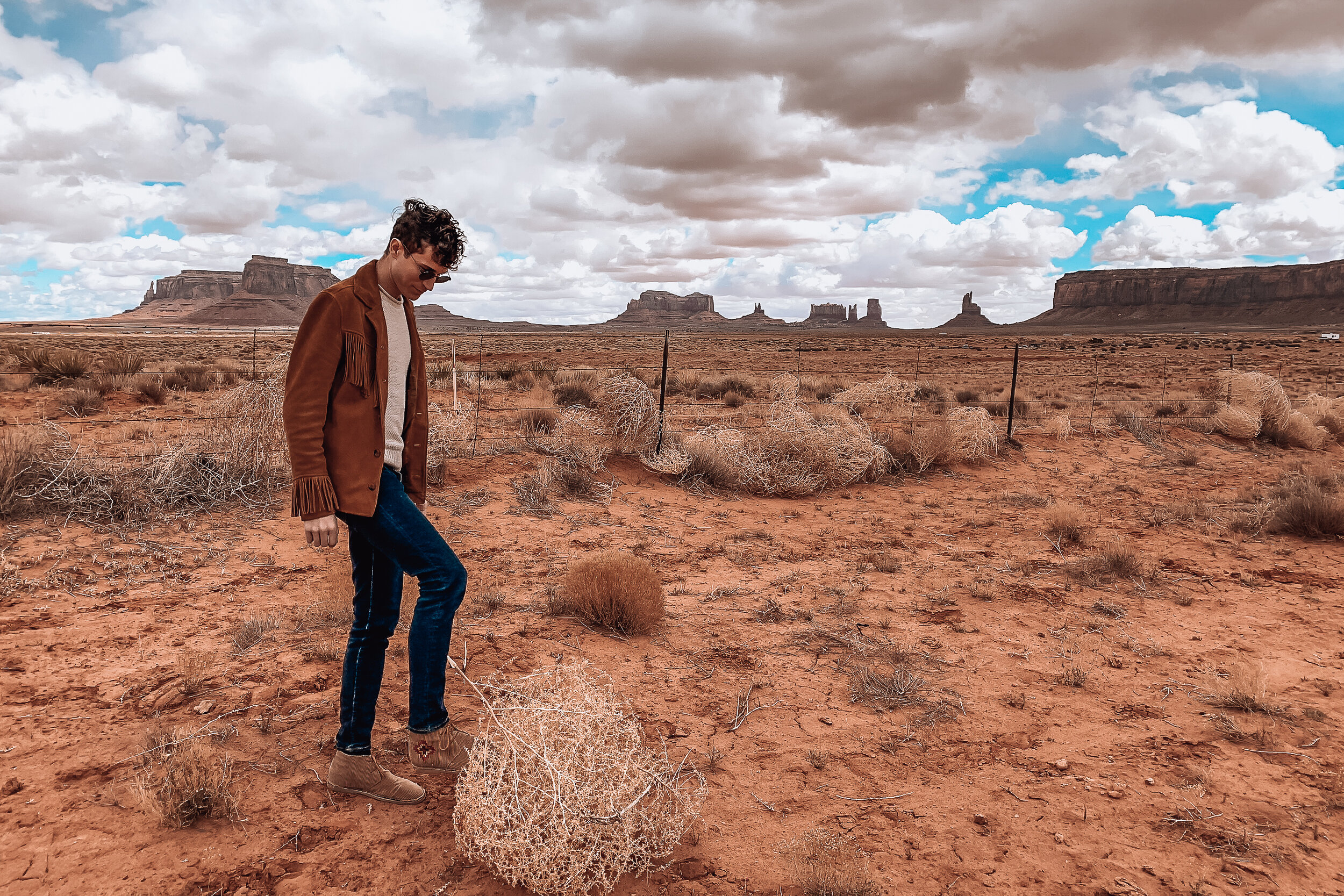
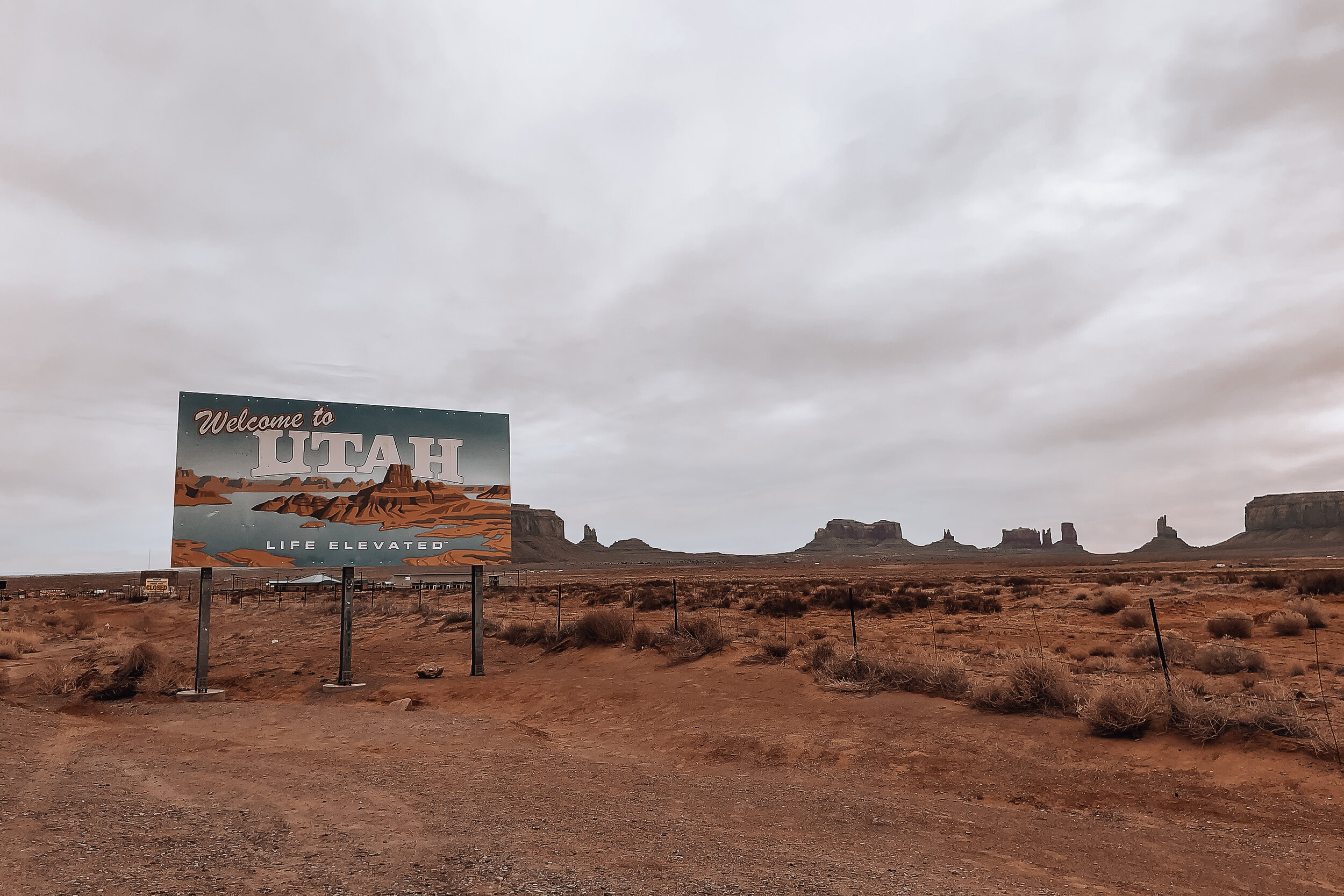
Hogan
Staying within the valley was an unforgettable experience. We spent the night in a Hogan, a traditional Navajo home. The Hogan is a domed structure built from cedar trees and covered in sand and clay offering a level on insulation from the heat and cold. The interior was rustic and cozy with multiple beds and a wood burning stove. The one we stayed in was built in 1934 and has been maintained ever since. Today, most Navajo People live in modern homes but keep a Hogan on their property for guests and ceremonial purposes.

Forest Gump Hill
Many movies and Hollywood scenes have been filmed in Monument Valley. One of the most notable, non-westerns, is a scene from Forrest Gump. Along the stretch of road through the valley is Forest Gump Hill. This is the spot Tom Hank’s character stopped running after 4 years crossing the country.
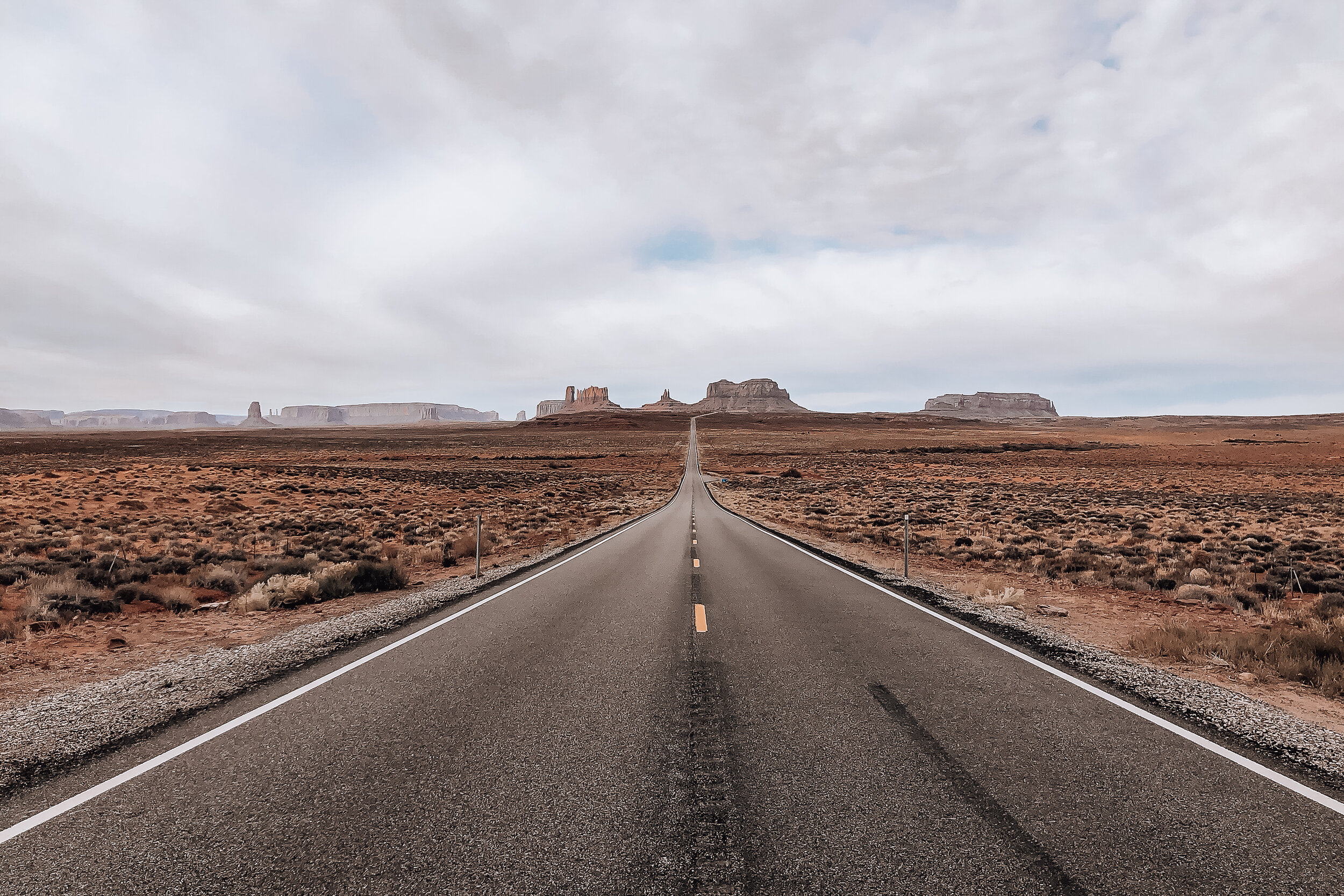
Mexican Hat
Mexican Hat is a rock formation named after A large flat rock, precariously balanced on top of a small vertical base protruding from the hillside. You can hike around the base and climb up to the underside of the “hat.” From here, there are beautiful views of the green and orange hillside carved out by the San Juan River.
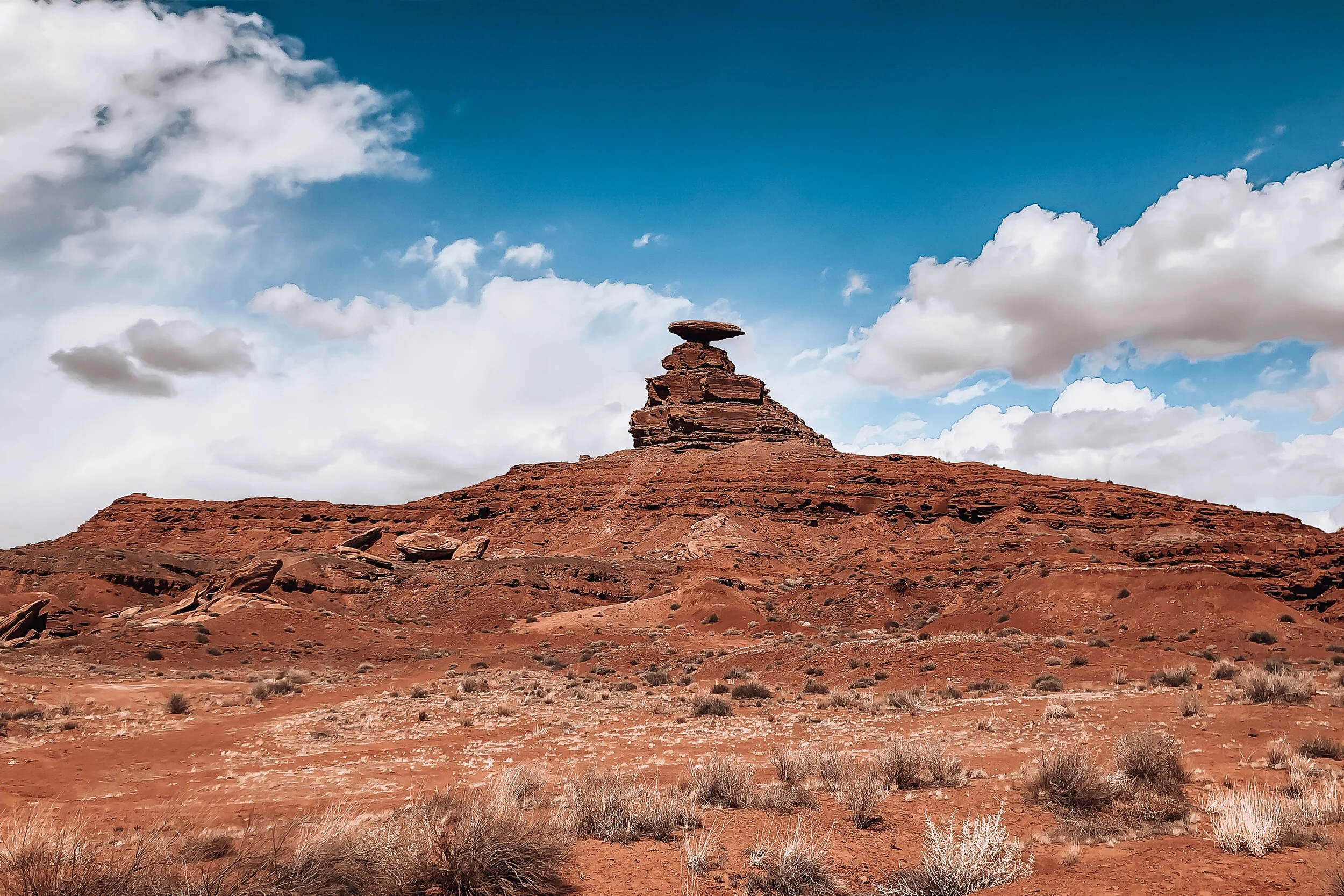
Valley of the Gods
Near Monument Valley and Mexican Hat is another area famous for its rock formations, buttes and mesas. It is a smaller scale version of Monument Valley with grand views and hiking trails.
Navajo Frybread
One of the staple foods we ate was Navajo Frybread. It is a flat piece of dough fried in oil. We had it served two ways. The first way was as a taco, covered in bean, tomato, lettuce, onion and cheese. The second way was lightly covered in a sugary syrup. Devin being a baker, bought a 5lb bag of Navajo Frybread to bring home.
Central Arizona
One thing we learned across our road trip is that Arizona is massive. The climate and landscape changes from desert to mountain, cacti to pine forests and snowy to scorching heat. On our way to the southern side of the state we visited a number of roadside sights and national parks.
Holbrook, AZ
Midway through the state is the town of Holbrook. This town is famous for its roadside Americana charm and western history. Located off old Route 66, the downtown stretch is lined with old buildings surviving from the wild west, retro roadsigns and its famous tee pee themed hotel. The town is nearby the Petrified Forest National Park and has its share of rock shops and attention grabbing roadside dinosaurs.

Wigwam Motel
We stayed the night in Holbrook at the Wigwam Motel. This is the famous concrete and steel formed tee pee motel lined with vintage cars and a retro neon road sign. The motel has 15 tee pees, each acting as their own guest room. The stay was incredibly cute and felt like we had transported to a different era.

Petrified Forest National Park
The Petrified Forest is a National Park covering a flat area of desert that was once home to an ancient rainforest. Preserved under the soil and exposed due to erosion are the remains of fossilized trees from the forest that existed over 200 million years ago. Some of the trees are so well preserved that you can count the rings and feel the grain of the bark.
Located about an hour from west of Holbrook, we drove through the Petrified Forest. We stopped to explore the Blue Mesa, an area of the park eroded by rain revealing colorful bands of blue, purple, grey and red soil as well as the petrified wood. We drove around the exterior loop, wandered its interior then walked through the Blue Mesa trail. Throughout all areas are massive logs and fragments of the trees laying across the ground. It was crazy to think that we were walking across land where the dinosaurs roamed and a forest thrived over 200 million years ago.

Barringer Meteor Crater
Midway through the state is a giant meteor crater formed over 50,000 years ago and measuring nearly a mile across and over 500ft deep. The crater is accessible to view through the park’s visitor center and has two decks that overlook the crater from its rim. Within the visitor center are a large number of meteorites on display as well as small fragments of it for sale.

Meteor City
Further down the highway is the abandoned roadside attraction of Meteor City. It was started in the late 30s as a gas station, grocery store and souvenir stand along the old Route 66. It’s an eerie spot to walk around and watch trains pass by.
Southern Arizona
Saguaro National Park
Located within in the Sonoran Desert outside of Tucson is Saguaro National Park, home to the Saguaro Cactus. The Saguaro is the classic symbol of the Southwest with its tall waxy green trunk and multiple arms. The park is divided into two separate districts located on opposite sides of Tucson. The Tucson Mountain District is to the West and the Rincon Mountain District to the East. We visited the east park and easily spent the whole day here.

Throughout the day we drove around the park’s loop surrounding the Cactus Forest, stopping to explore multiple hiking trails. The hike through the Cactus Forest was our favorite. It took us through a desert terrain densely populated with mature saguaros. There was one main trail through the forest any many offshoots which made it easy to get lost while exploring. Luckily, we knew the forest was surrounded by road so we weren’t too worried about loosing our way. Though so close to civilization, it truly felt like the wild west. We even spotted a diamond back rattle snake slithering across our path.
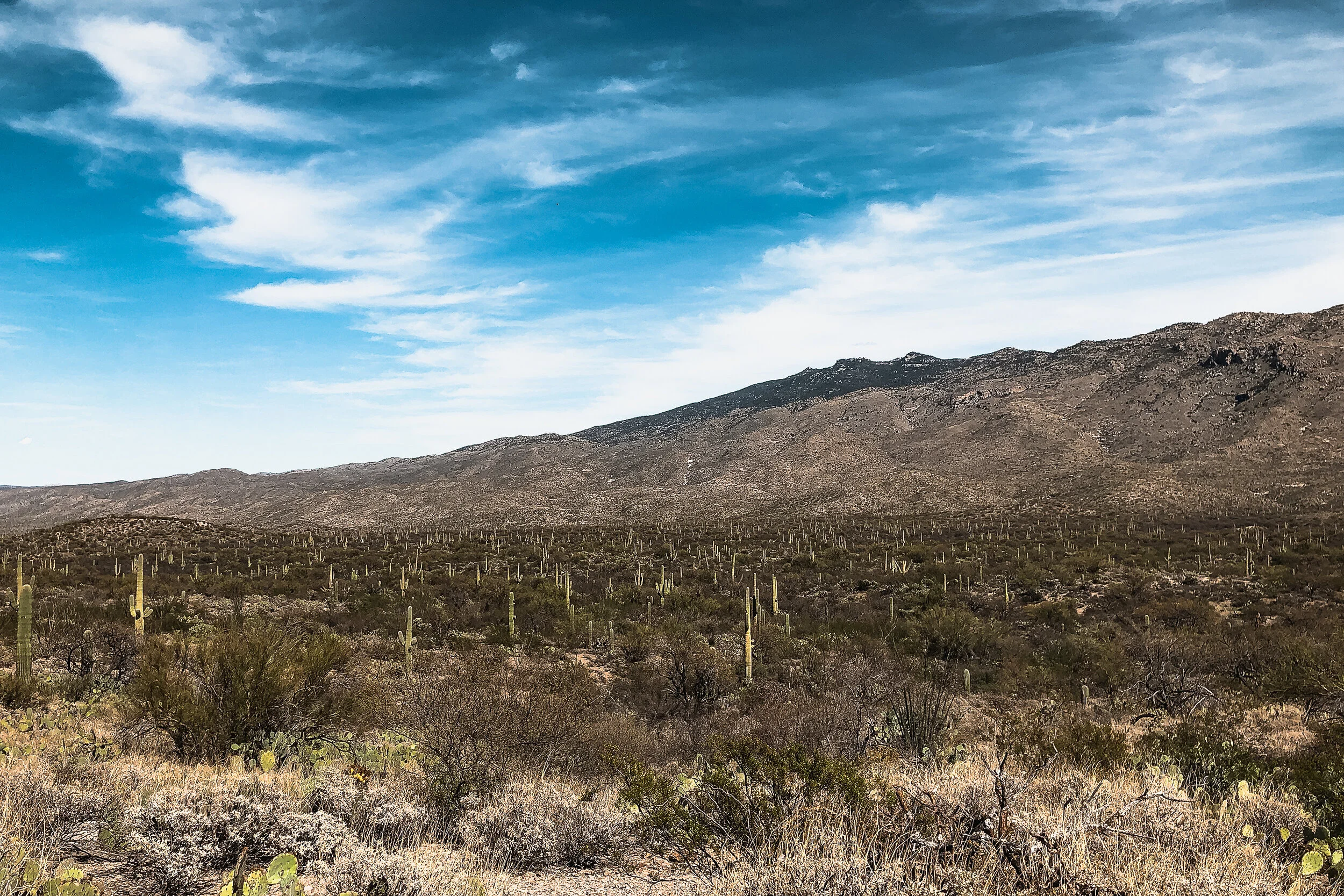
Tucson’s Barrio Viejo
A historic neighborhood with old adobe buildings, all painted vibrant colors and landscaped with desert cacti. Barrio Viejo is one of Tucson’s first neighborhoods, influenced by Mexican American heritage. It is a stunning area to explore and imagine living in.

Getting Around
For a road trip, you need a car and at least a half tank of gas at all times. Not owning one ourselves, we rented. Throughout the trip, we drove nearly 3000 miles, more than I’ve driven in the past 6 years combined. Once we began driving, the miles seemed to pass by. However, while driving long distances, it always took longer to get somewhere than expected. We found it best to allow extra time for roadside stops, detours and traffic. For our first road trip, we consider it a success. We can’t wait to revisit the southwestern highways and visit many of the other sights the region has to offer.
If we had more time…
If we had at least two more weeks to aimlessly drive throughout the Southwest, I can guarantee there is so much more we would have stopped to see and do. Below is a short list of some of those places:
Spent more time in LA
Drove up the Pacific Coast Highway in California
Visited Sequoia and Death Valley National Parks
Stuck around the Grand Canyon and hiked
Visited some of the sights we missed in Paige, AZ
Stayed the night in Sedona, AZ
Spent time in Albuquerque and Santa Fe New Mexico
Tried to track down the lightening rod project in New Mexico
Visited the West District at Saguaro
Crossed the boarder into Mexico an afternoon

LGBTQ+ Travel Safety
Traveling as a same sex couple is an amazing way to explore the world, but it requires extra awareness to plan carefully, stay safe and travel confidently.

LGBTQ+ Travel Safety
Traveling as a same sex couple is an incredible way to explore the world, but it often requires an added level of awareness to plan confidently and stay safe while traveling. While many destinations are becoming more LGBTQ+ friendly and recognizing the rights of the queer community, others still have restrictive laws or lower levels of social acceptance.
The Statistics
As of 2026, more than 60 countries still criminalize same sex relationships, making it important for LGBTQ+ travelers to understand the legal environment before visiting a destination. In some places, same sex relationships can result in serious penalties including fines, deportation, imprisonment, forced anal examinations or even death sentences. Many countries do not recognize same sex marriage or nonbinary gender markers on identification documents, which can create additional challenges when passing through immigration.
Our Experience
In our travels as a same sex couple, we’ve visited many welcoming places as well as some that were less accepting. That doesn’t mean you should avoid destinations that are more challenging, but it does mean being informed and prepared. Even in LGBTQ+ friendly places, situations can arise. Through our experiences, we share recommendations and resources to help LGBTQ+ travelers navigate destinations respectfully and safely.
Do Your Research
As travelers in a marginalized group, it’s important to research the laws, cultural norms and general attitudes toward LGBTQ+ people before visiting a new destination to avoid unexpected challenges. Legal protections, religious beliefs, and social attitudes toward LGBTQ+ individuals can vary widely from country to country. Taking time to research your destination, including any layovers, in advance is one of the most important steps LGBTQ+ travelers can take to plan a safer and more informed trip. Here are some of the resources we reference before and during our travels.
Equal Dex. A valuable resource for understanding how a country or region currently compares in terms of LGBTQ+ equality. The Equality Index tracks the status of LGBTQ+ rights, laws, and freedoms, along with public attitudes toward LGBTQ+ people around the world.
Amnesty International. An international organization dedicated to preventing and ending human rights abuses worldwide. They publish current articles and reports on human rights issues across the globe, making it a useful resource for finding the most up-to-date information about a country.
IGLTA (International Gay and Lesbian Travel Association). An organization dedicated to advancing LGBTQ+ tourism and promoting equality worldwide. They offer LGBTQ+ tailored travel guides, safety recommendations as well as highlight events, tours and accommodations that are welcoming to the community.
Western Governments. Many Western countries provide detailed and up-to-date guidance for LGBTQ+ travelers. We often review multiple sources before a trip to compare perspectives and gather the most current information.
Precautions for Unfriendly Destinations
When traveling as a same sex couple to destinations that may be less accepting, especially in places where being gay is criminalized or punishable by law, we have taken a number of difficult but necessary precautions before and during our trips to help maximize our safety.
Review Accommodations. Book stays with well reviewed hosts or at international hotel chains. Make sure accommodations have separate beds or multiple bedrooms. This raises less questions and prevents assumptions. Make sure both beds or bedrooms look utilized.
Expect Personal Questions. Expect people to ask personal or insinuating questions. Plan responses and rehearse them for times when it could be dangerous to share the truth. If traveling as a same sex couple, decide who responds to avoid answering at the same time. Here are some common questions we’ve been asked and the responses we’ve given:
Question 1. “Are you gay?”
Response 1. “No” Respond firmly and seem insulted. Quickly change the subject, end the conversation or remove yourselves from the situation.
Question 2. “Are you married?”
Response 2. “No. I prefer to be single.” This answers the question and redirects the conversation away from related follow up questions.
Question 3. “Are you a couple?”
Response 3. “No. We’re step brothers.” This answers the question and creates slight moment of awkwardness for the person asking. It helps explain why you seem close, look different and have different last names.
Never Volunteer Information. We enjoy meeting people while traveling, but in certain places it’s important to keep your distance and be careful about what you share. Avoid volunteering personal information, as there is a risk of entrapment, miscommunication or someone overhearing.
Have A Code Word. When traveling as a same sex couple, we often use a code word or phase to quietly raise our alert or let the other know we’re uncomfortable in a situation. Choose a phrase that can be easily woven into conversation. Often, we would say something related to “ice cream.” Some examples being, “I’m craving ice cream.” or “Let’s find somewhere to get ice cream.”
Avoid PDA. Avoid all displays of public affection such as standing too close to one another, making long eye contact, holding hands, kissing, using pet names, etc.
Manage Your Appearance. Remove wedding rings or leave them at home before traveling. Dress modestly, either try to blend in or look like the average tourist. Avoid wearing shorts, most of the world wears pants. Don’t wear anything with rainbows or LGBTQ+ symbols.
Social Media. Make social media accounts private and log out before entering or exiting immigration. Avoid sharing profiles with strangers. Avoid tagging locations if posting while in the country.
Stay In Contact. Maintain contact and communication with close family or friends back home. Share your itinerary and travel documents before traveling and send daily updates with selfies while traveling.
Register With Your Embassy. Register your travel plans with country’s embassy or consulate prior to traveling. Save their location and keep their contact information accessible during your travels.
Purge Devices. Remove photographs together from home and lock screens. Hide or remove photos and certain apps. Turn off fingerprint and Face ID. Lock devices and apps with a passcodes. Turn off devices when transiting immigration. Do not completely wipe your devices. All of this helps if your device is lost, stolen or confiscated.
Have A Burner Phone. Purging devices takes a lot of work. The easiest alternate is bringing an old phone with minimal information stored on it.
Final Thoughts…
We’ve learned not to let who we are keep us from exploring the world and experiencing new cultures. Safety is always a priority when we travel, especially in destinations that may be less accepting. These precautions have helped us many times, but ultimately it comes down to your own judgment and comfort level. To quote Anthony Bourdain, "Travel isn't always pretty. It isn't always comfortable. Sometimes it hurts, it even breaks your heart. But that's okay. The journey changes you; it should change you. It leaves marks on your memory, on your consciousness, on your heart, and on your body. You take something with you. Hopefully, you leave something good behind."

Why Travel is Important
Travel is important for so many reasons. It cultivates connections, builds empathy, makes us more worldly and appreciative of other cultures.

Our Perspective
Travel is important for so many reasons. It cultivates connections, builds empathy, makes us more worldly and appreciative of other cultures. Traveling becomes a part of our own self discovery.
On our first international trip together, to Foz do Iguacu in Brazil, we met another gay couple from Peru on a city bus tour. They didn’t speak English and our Spanish wasn’t the best but we kept chatting as we toured the city. We ended up spending the entire day together, laughing, enjoying meals and becoming friends before going our separate ways. The following year, they invited us to visit them in Peru. During the week we visited, we stayed at their home, with their relatives, toured Lima where they live and explored the Peruvian coast visiting numerous towns by bus. To this day, that week is one of our most memorable of times. You can read more about our adventures along the Peruvian Coast here.
These types of connections that are so important to make while traveling. Our first two trips together have driven our passion for travel, exposed us to new ideas, allowed us to welcome unique experiences, given us the opportunity to make friends abroad and celebrate our cultural differences and diversity.

Responsible Travel
A level of responsibility comes with traveling. Travel allows us to step outside of our comfort zone, build empathy and expand our world view.

Our Perspective
As a citizen of the world, a level of responsibility comes with traveling to different destinations. You should be open-minded to other cultures, peoples, ways of living and perspectives. Travel allows us to step outside of our comfort zone, build empathy and expand our world view. In our opinion, it’s what makes every trip so memorable.
Responsible Travel Tips
Below are some things we’ve learning while traveling. We hope they’ll be useful to you on your adventures.
Remember that you’re a guest in a foreign land, be respectful of local customs, laws and traditions.
Read up on local customs, foods and phrases. Having an understanding of the culture before arriving will make your experience more authentic.
Knowing a few phrases in the local language or dialect always goes a long way. Saying hello, thank you, good-bye shows locals you have an interest in them and their culture.
Often, many people in the tourist or hospitality industries will enjoy conversation and practicing speaking with you. Be patient and open to the conversation.
Always be cautious when taking photographs of sights and people, you should ask first if you’re unsure.
Get cultured. Visit museums and learn about your destination’s history, art and heritage.
Support local businesses. Whether a corner cafe, a hostel, a solo tour guide, a boutique, etc… Locals often thrive on a healthy level of tourism.
Try to visit off the beaten path places to avoid over tourism or consider traveling to trendy destinations during the off season.
Know if you need a Visa or not before entering a country.
Recycle, compost, and manage your personal waste responsibly. Pollution is a serious issue around the world and we can all do our part to reduce it.
Be open to new perspectives. Many cultures live differently than you might. Our differences are what makes us all so unique. Use these opportunities to learn.
Always have your host country’s currency on hand. Many places don’t accept credit, especially when you’re in remote areas.
Know the value of the local currency compared to yours. It helps with budgeting, spending and tipping.
Know if it’s acceptable to tip after meals or drinks. Research how much to tip.