Culebra and Vieques
The Puerto Rican Archipelago
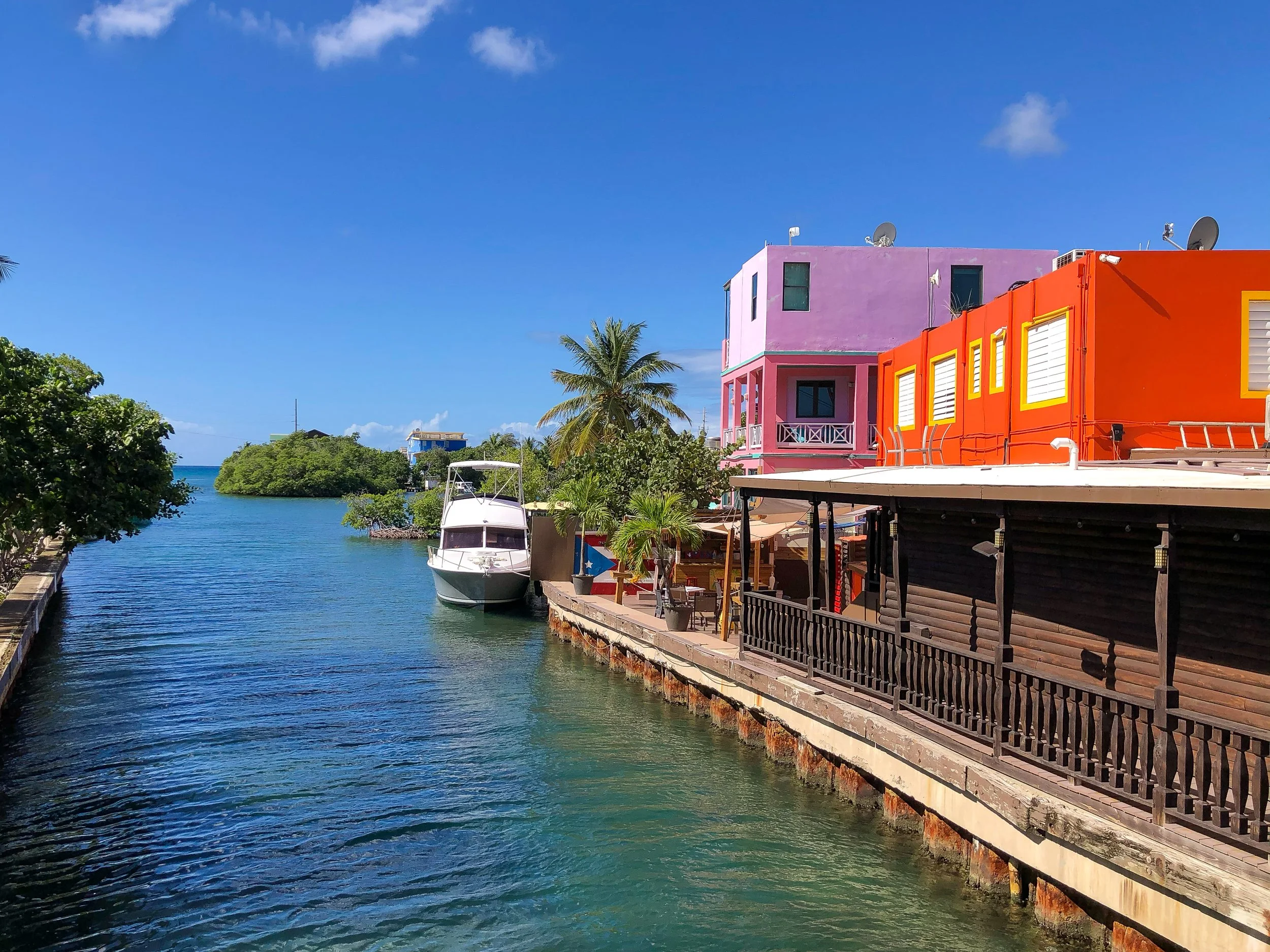
Culebra and Vieques are two islands off Puerto Rico’s eastern coast known for their sleepy vibes, tropical atmosphere, natural landscapes and Caribbean beaches. They’re lesser traveled to and equally as enchanting as other areas of Puerto Rico with unique character of their own.
Culebra
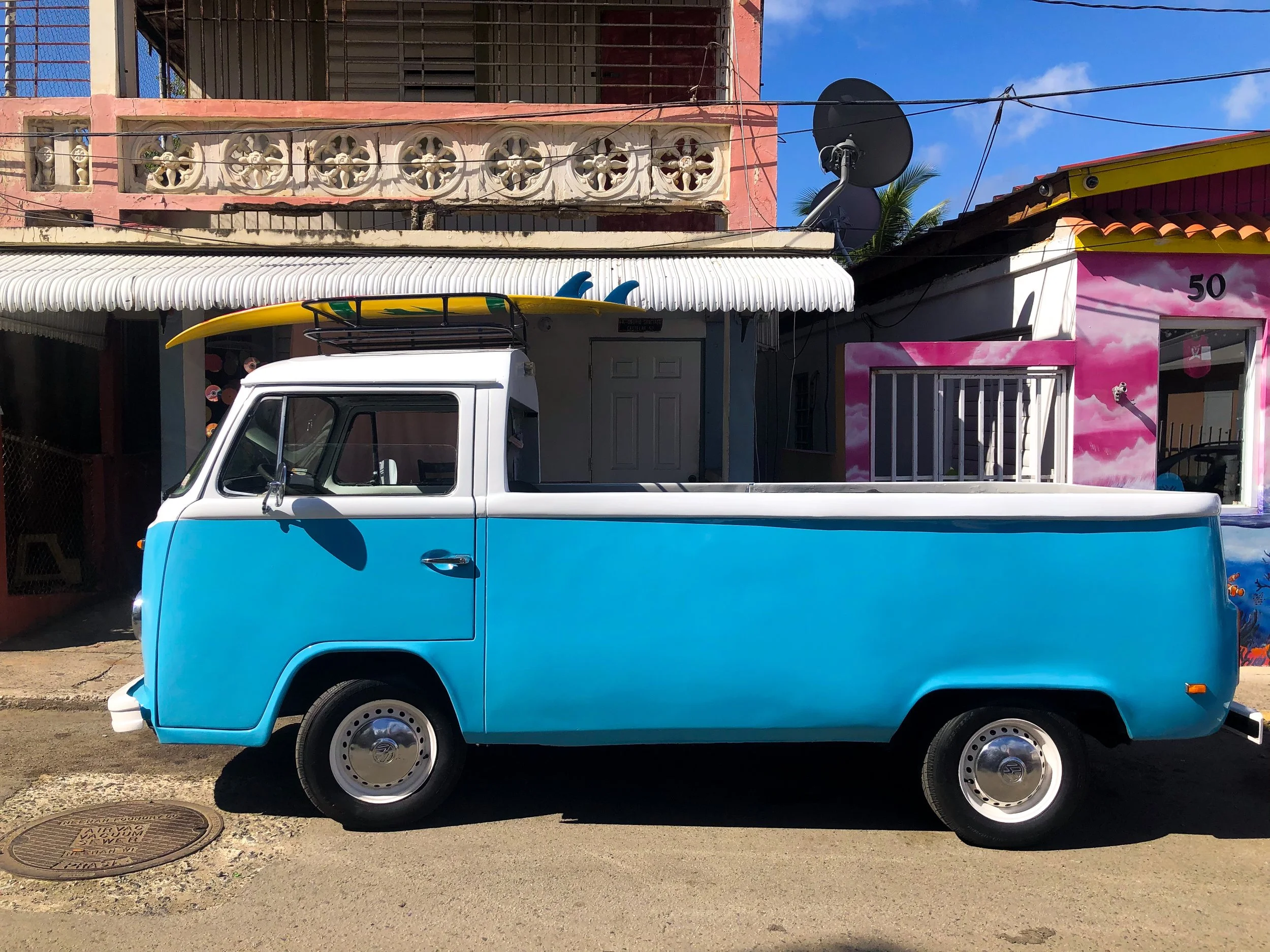
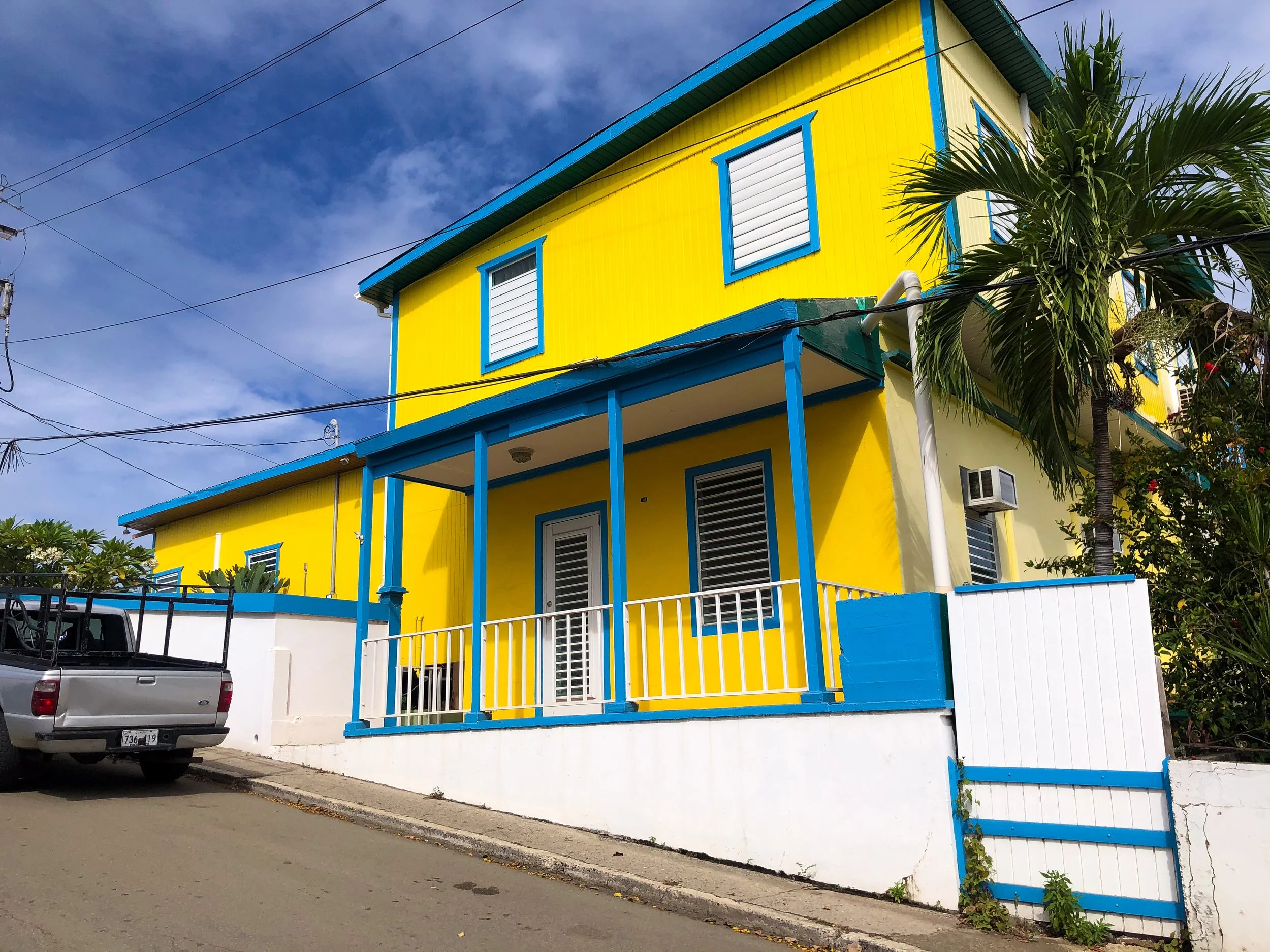
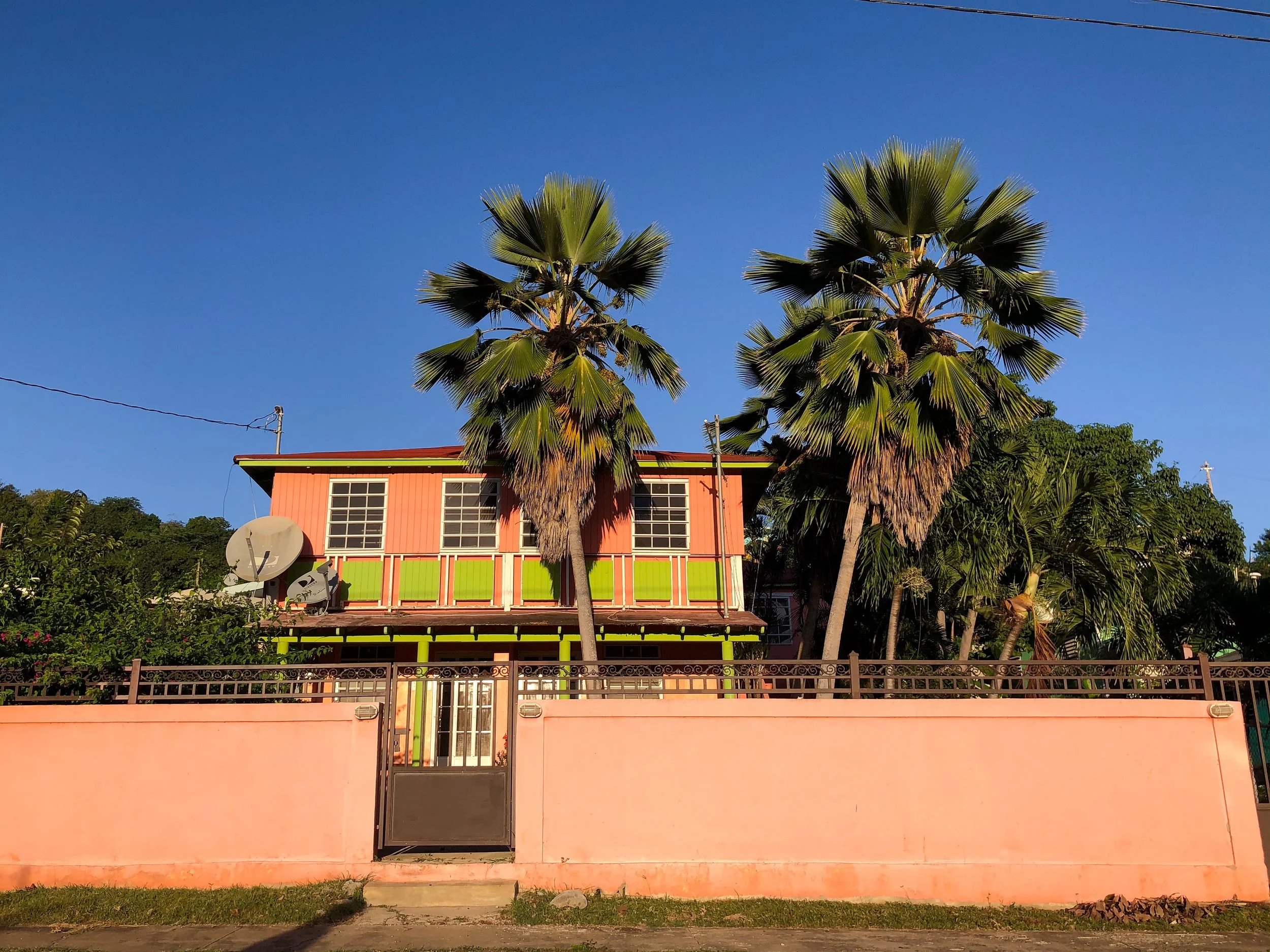
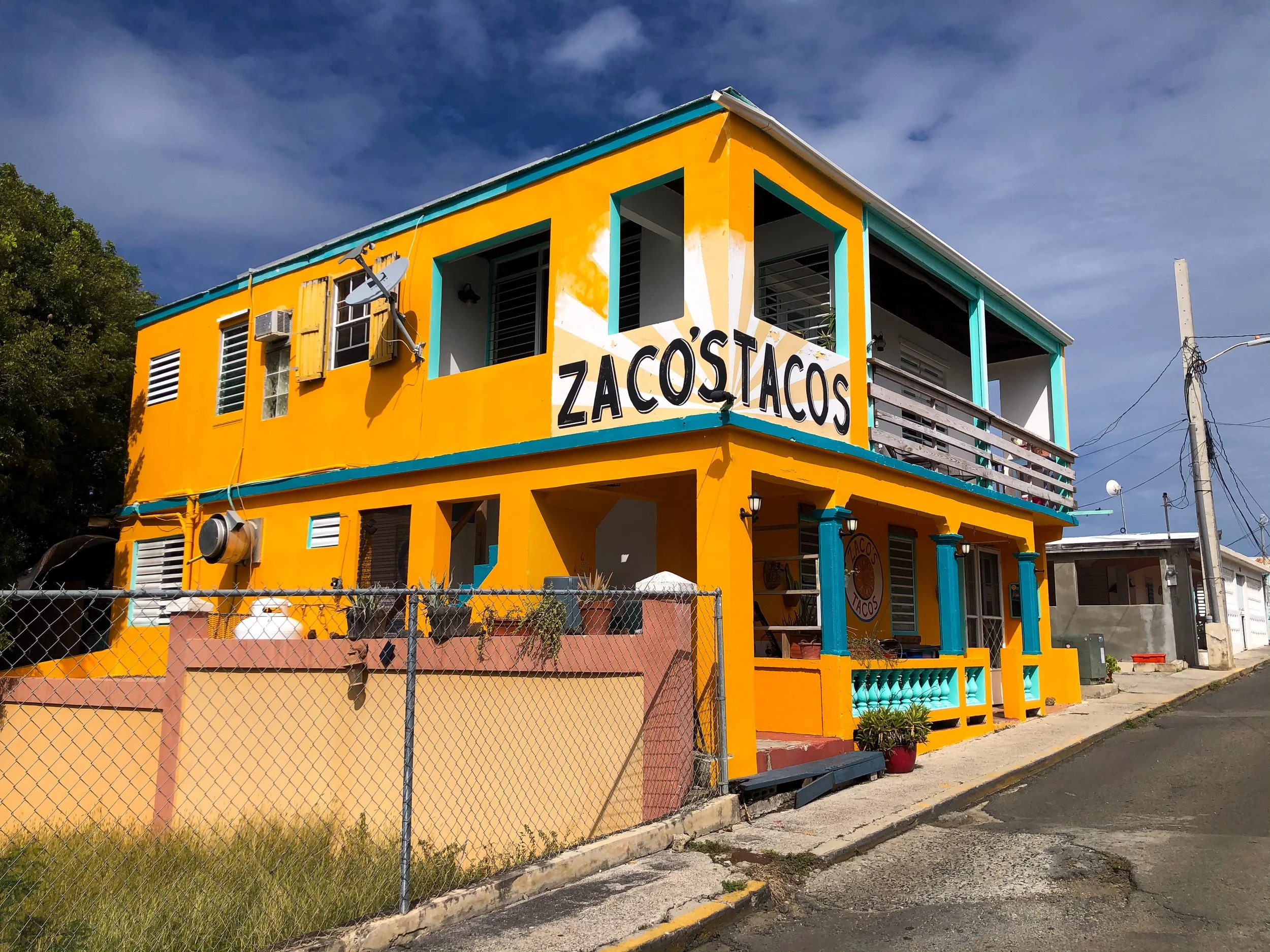
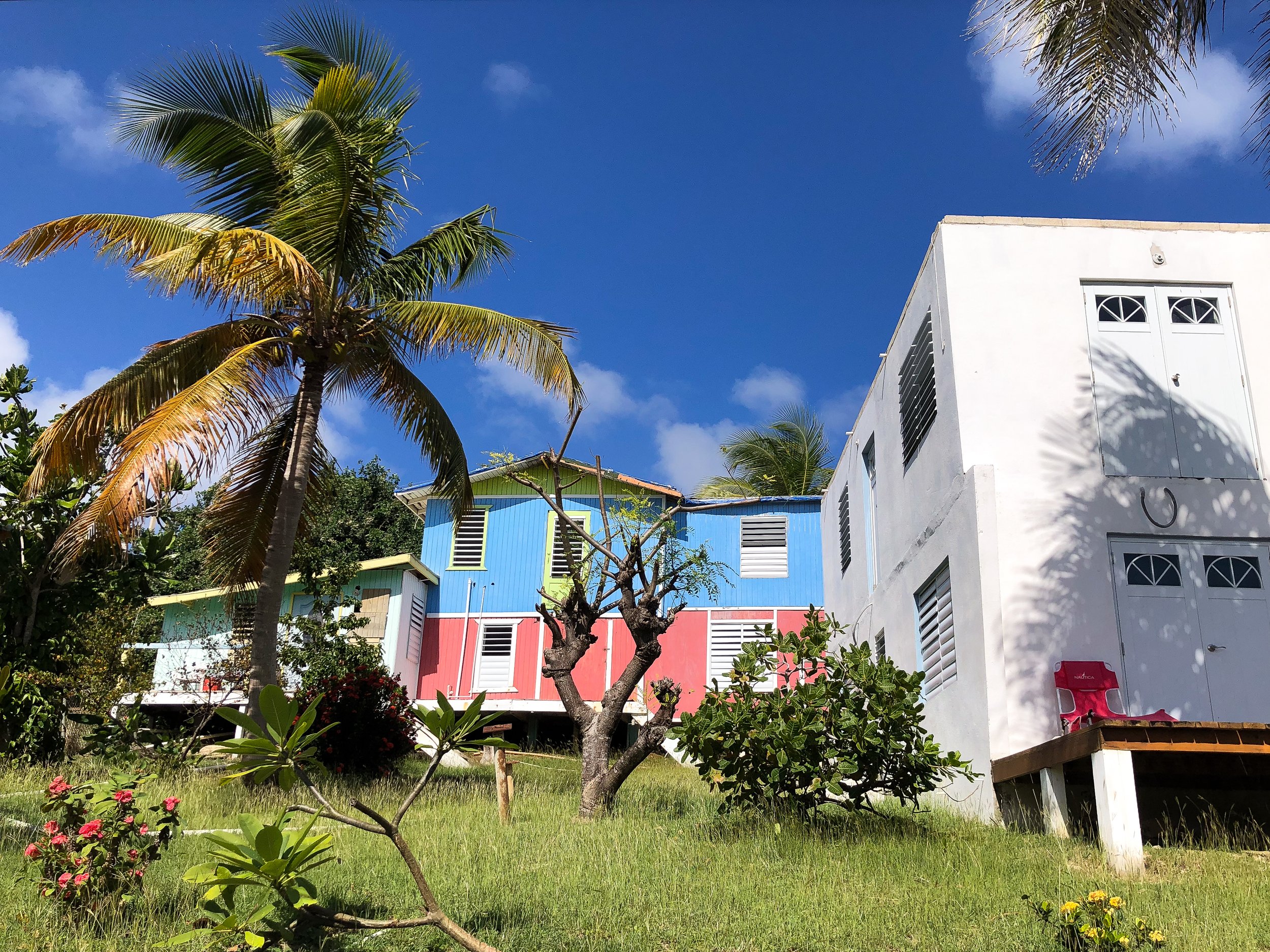
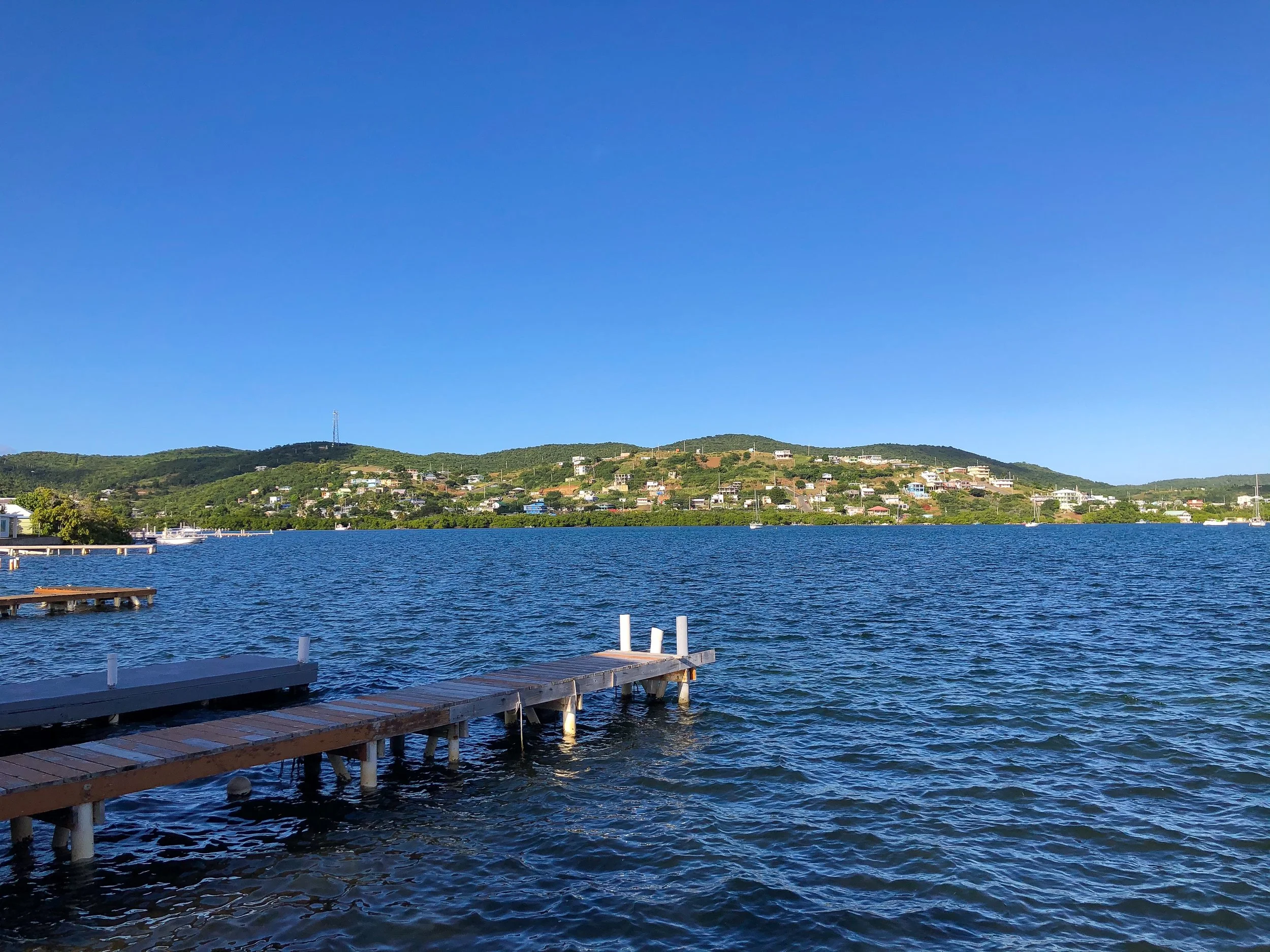
Culebra is a tiny island half way between “mainland” Puerto Rico and the US Virgin Islands. Things move a little slower here making it a great place to relax and appreciate life. The island has a small town with great restaurants, is home to multiple nature reserves and a variety of beaches.
Things to Do
There are many things to do while exploring Culebra, primarily focused on outdoor activities like snorkeling, beach hopping, hiking and watching the sunset.
Explore Dewey. Culebra’s only town can be walked from end to end in minutes. Though small, its main road is home to restaurants, cafes, guest houses and the ferry terminal.
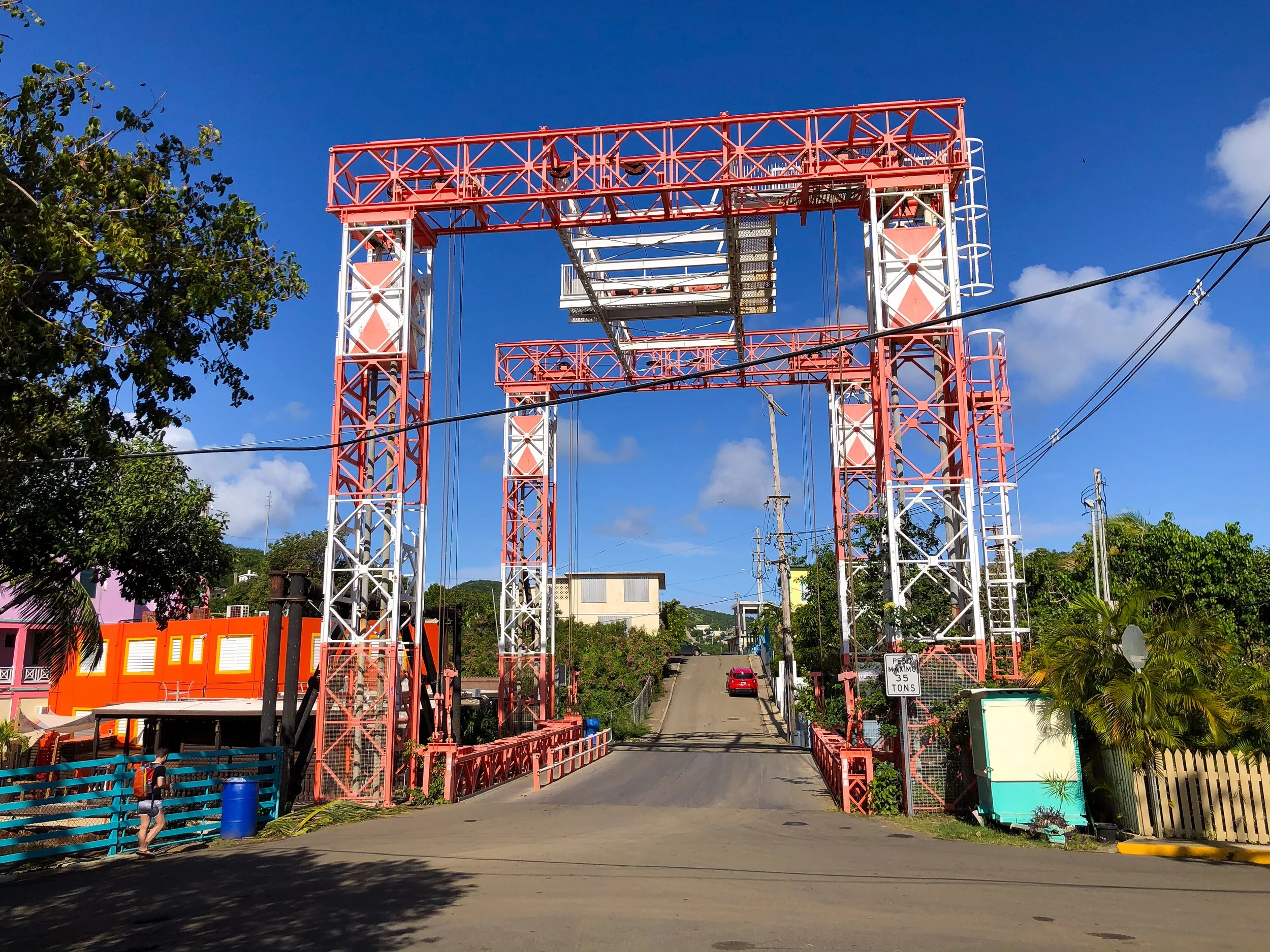
Jump from the Bridge. Join locals and jump from the Dewey bridge into the canal. Wear water shoes to protect your feet from the mussels and urchins.
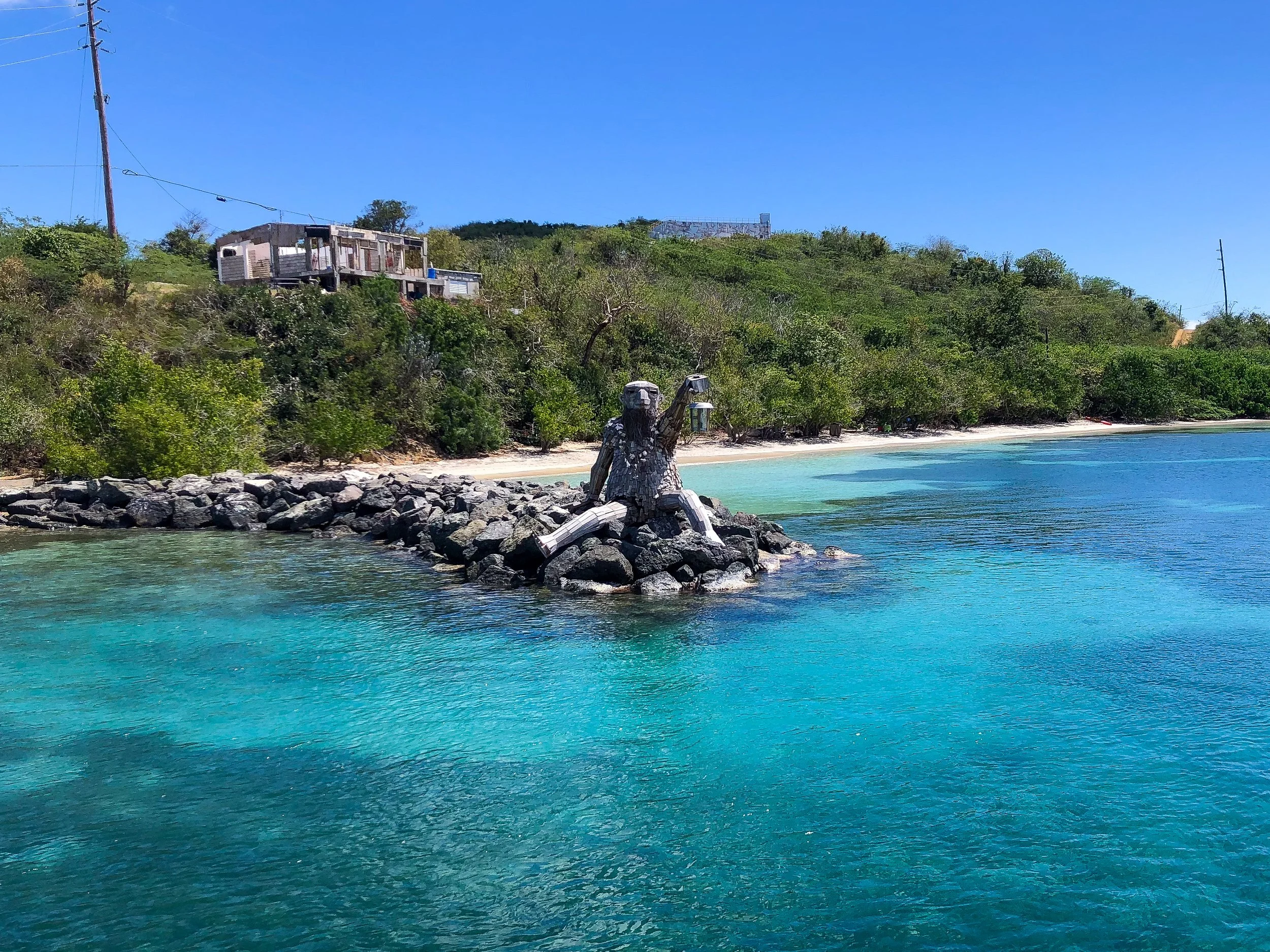
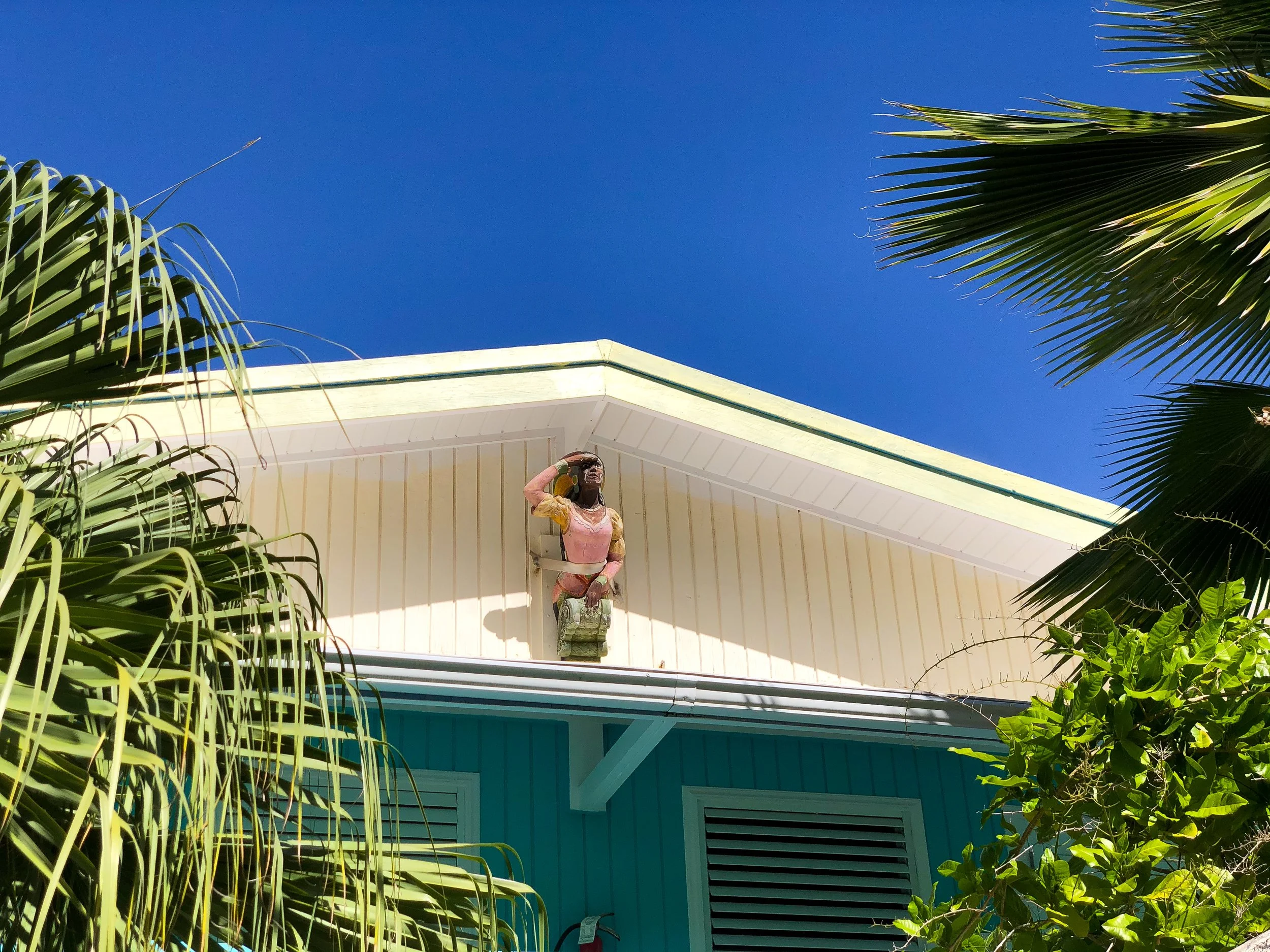
Hector the Protector. Walk along the rock break wall across from the ferry terminal and visit Hector the Protector, a planked wood human figure holding a lantern.
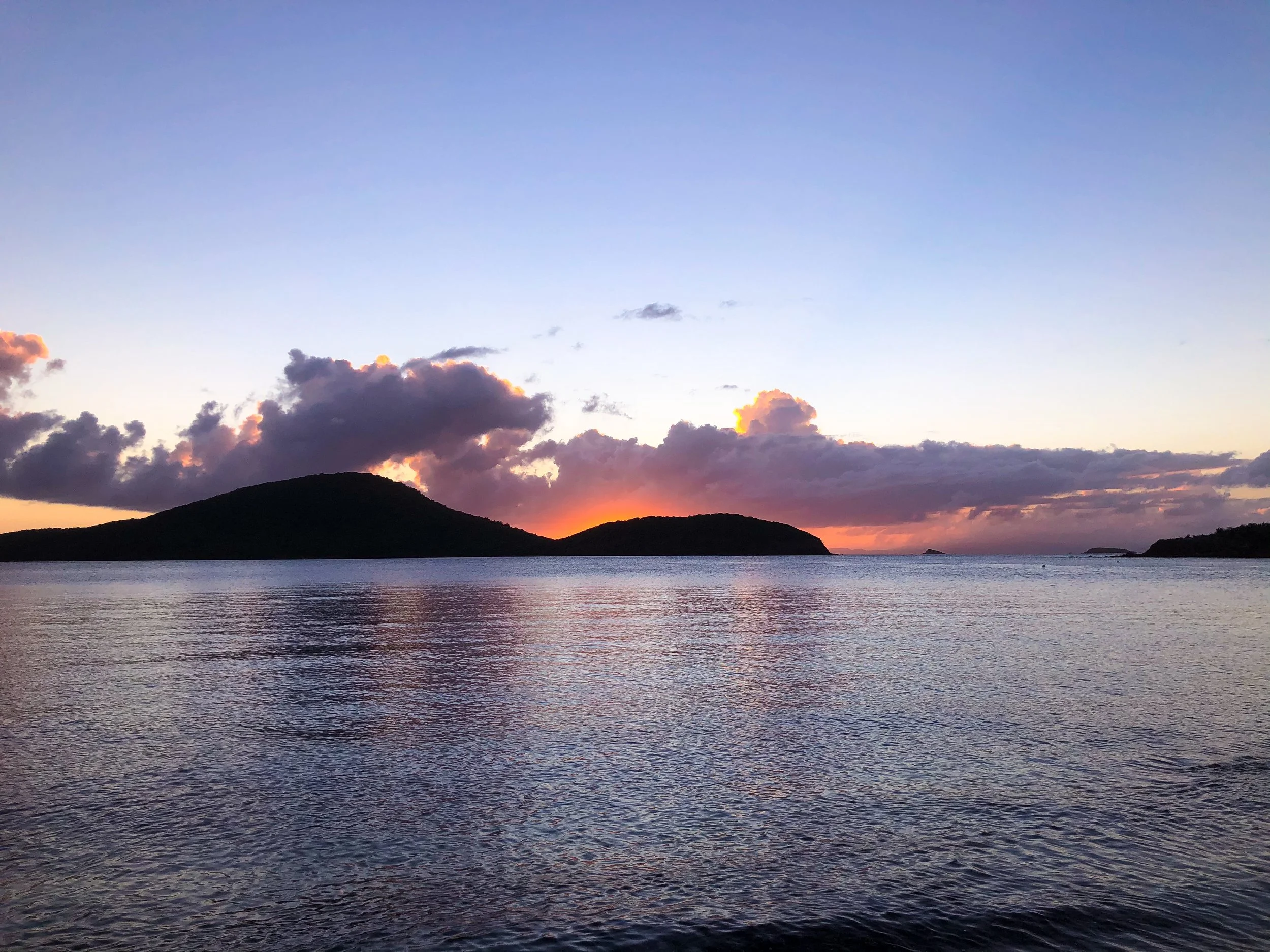
Watch a Caribbean Sunset. Many of the western beaches like Tamarindo, Punta Soldado or Carlos Rosario are peaceful places to watch the sunset below the Caribbean.
Visit the Beaches
Culebra has many great beaches all worth visiting for different reasons. There are white sand beaches, rocky beaches, remote beaches and unofficial nude beaches.
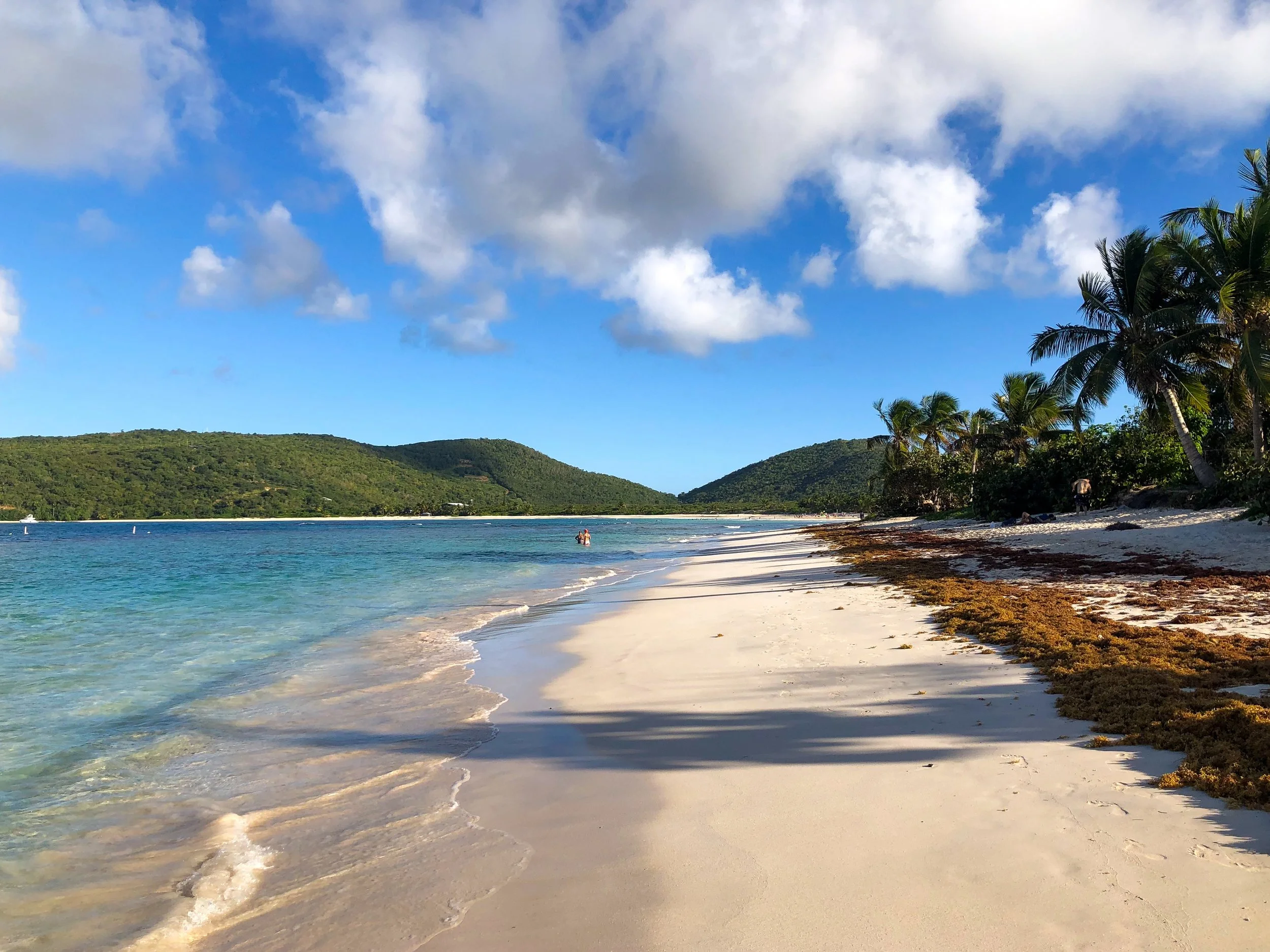
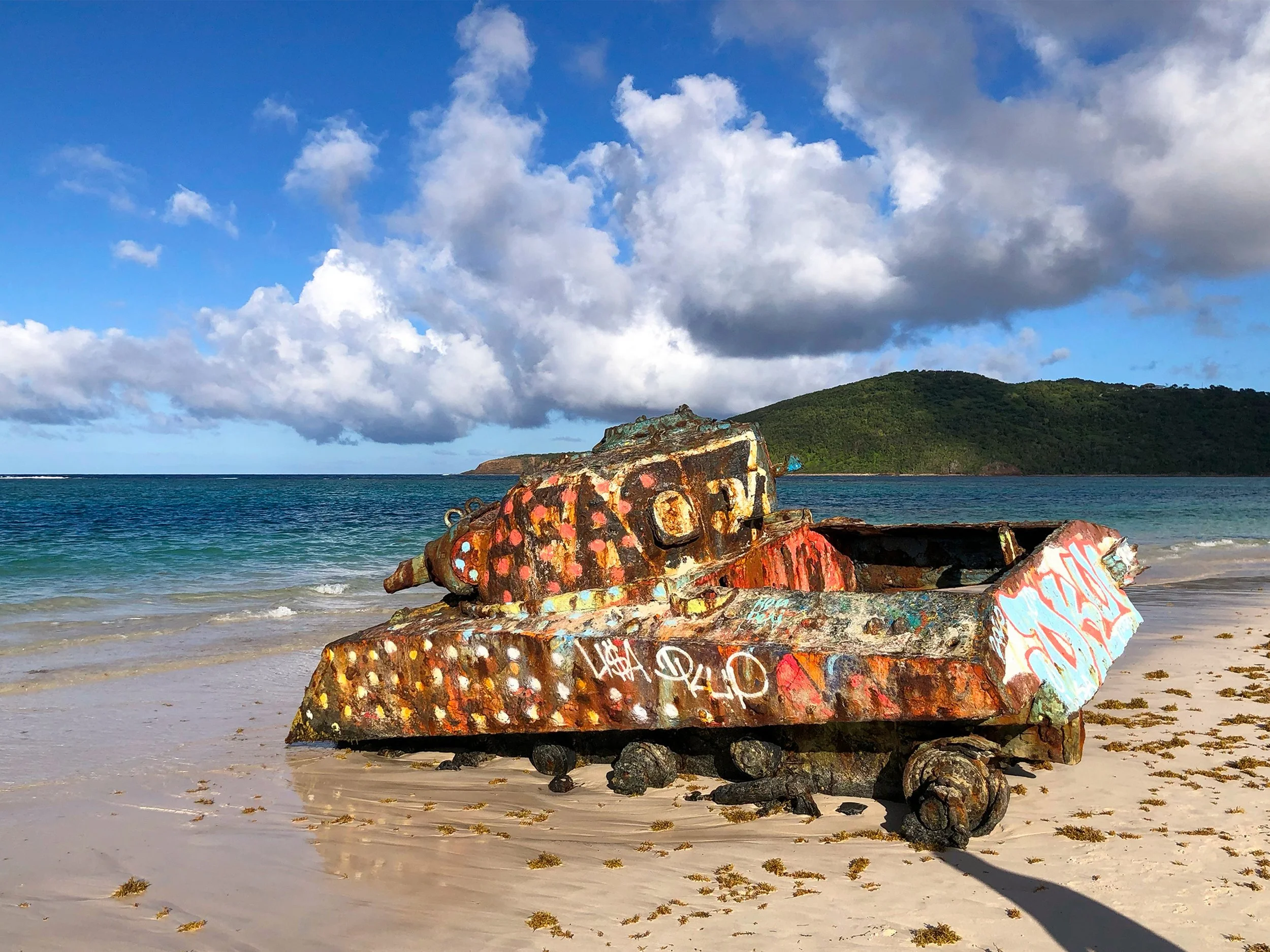
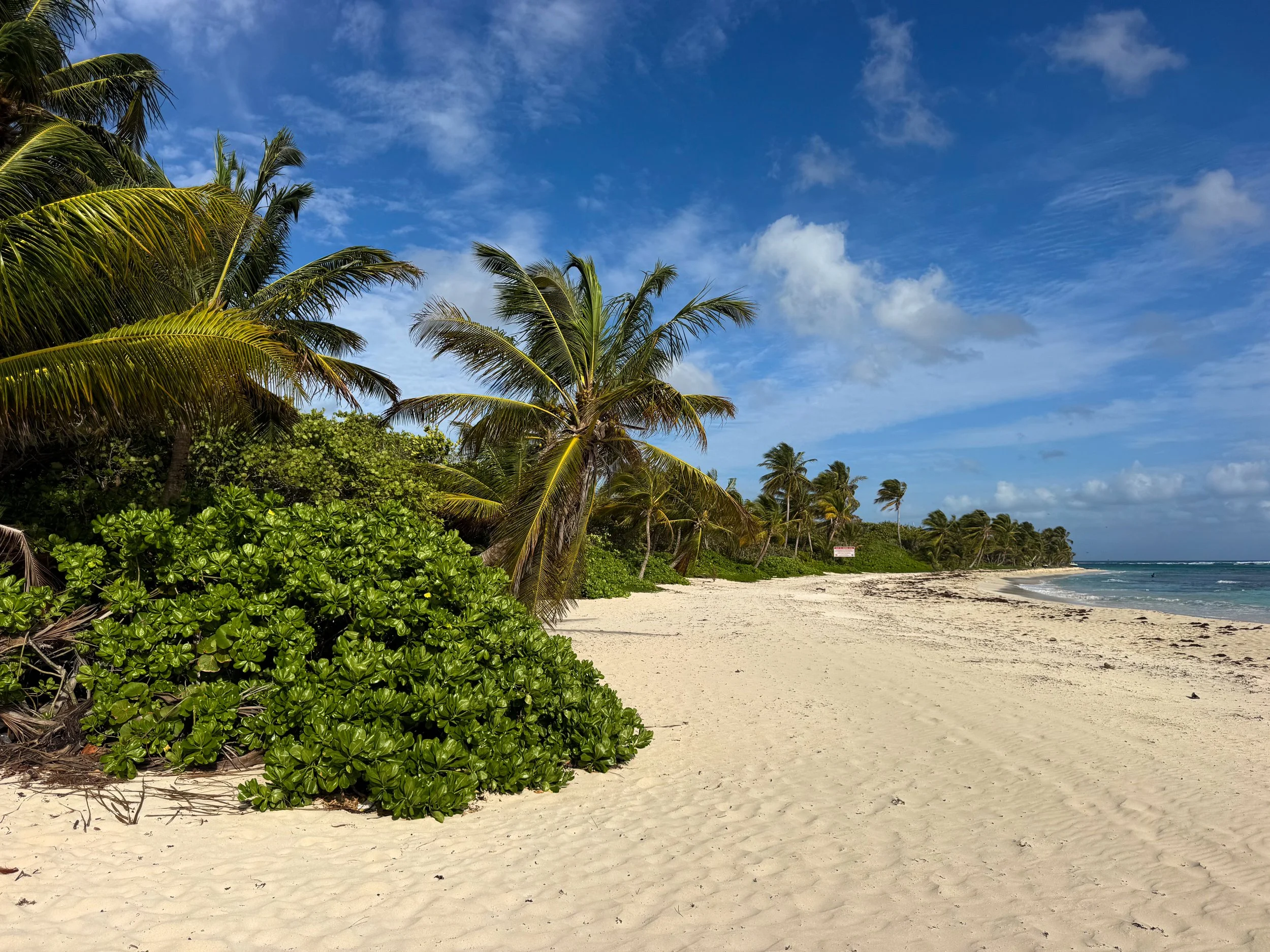
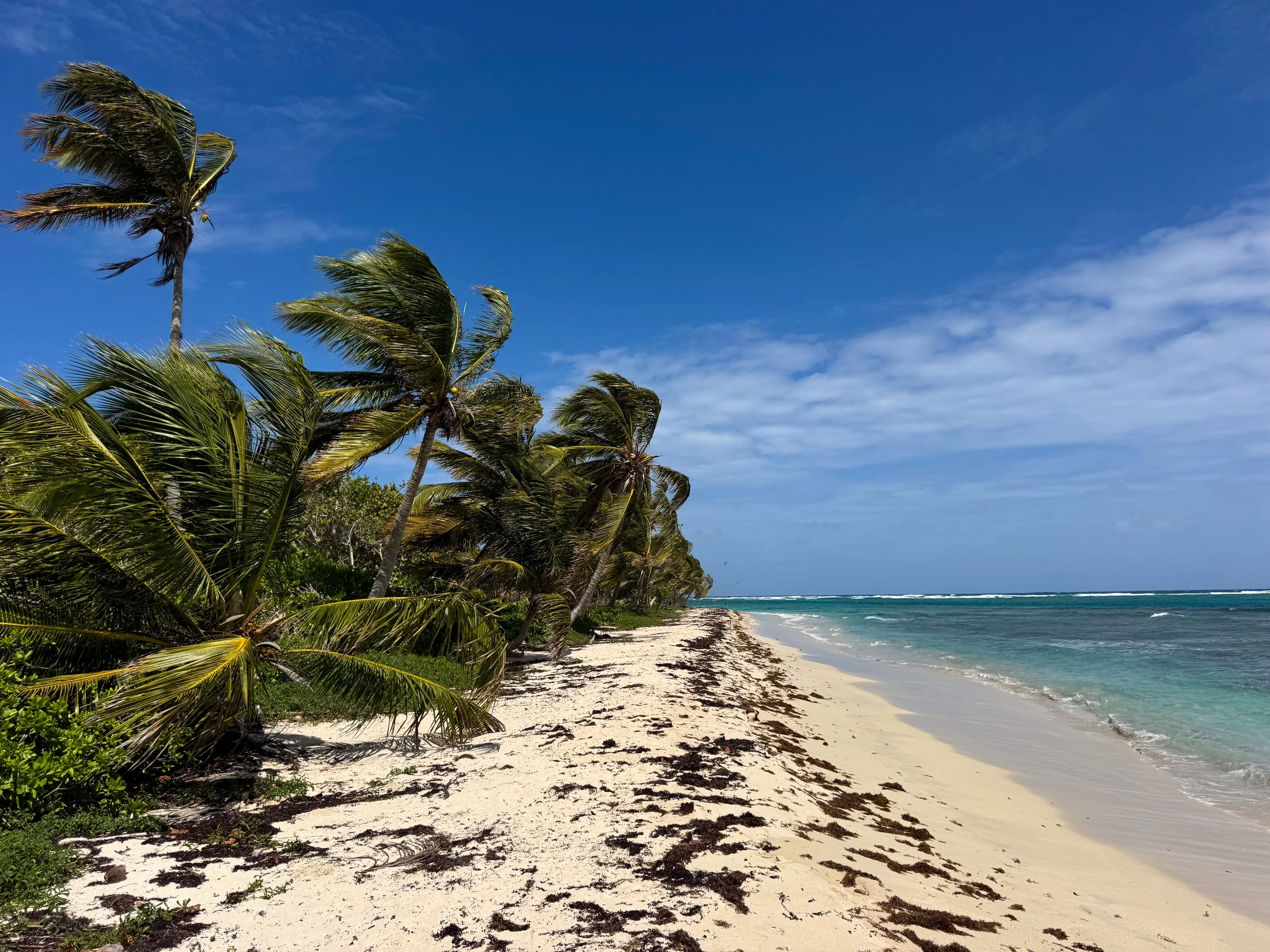
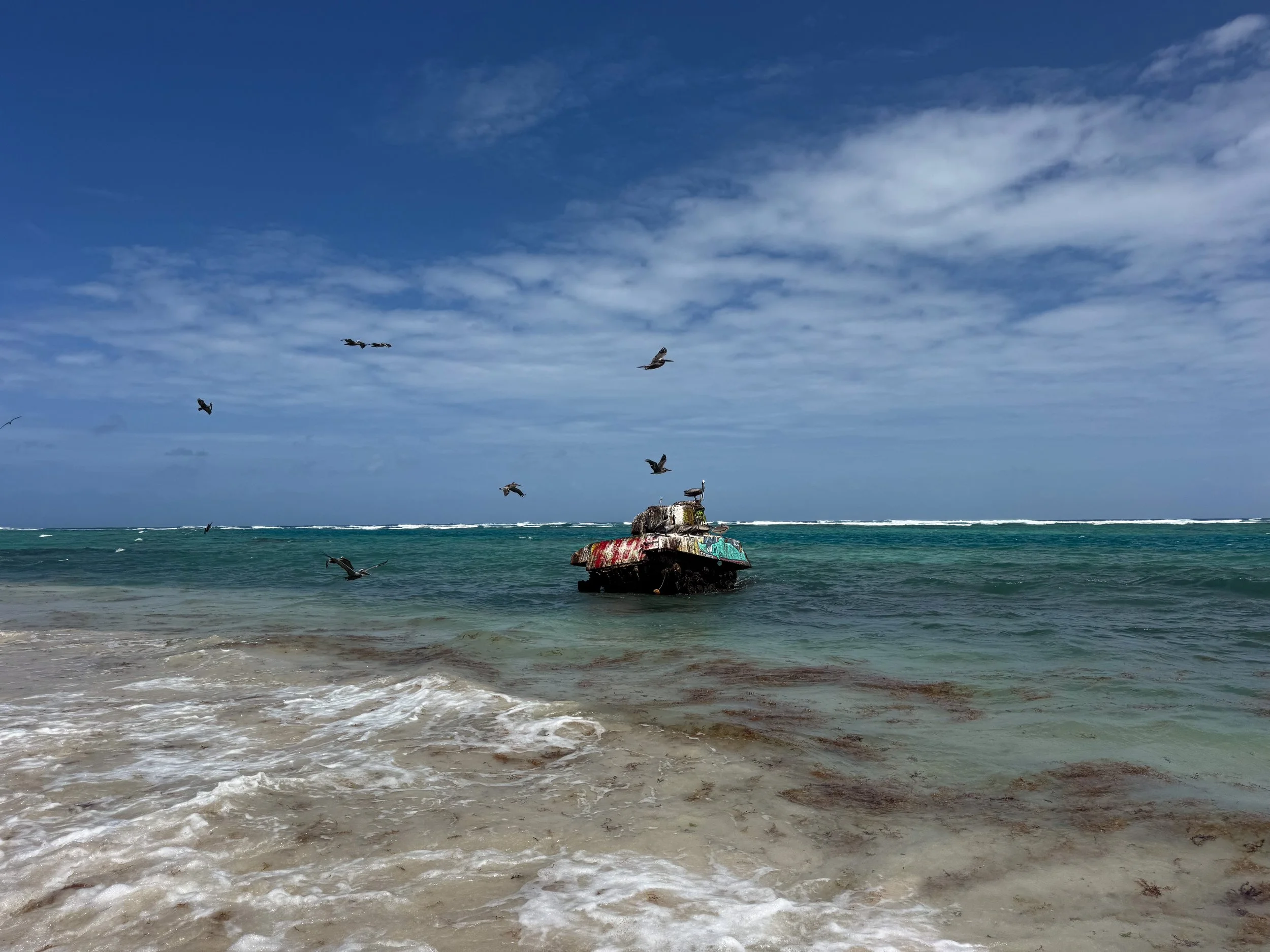
Flamenco Beach. Flamenco Beach is beloved for its powdery white sand shore that wraps around a turquoise blue bay. Come here to relax in under the heat of the Caribbean sun or shade of a swaying palm tree. The beach is famed for its graffitied tanks. home to a campground and offering of beach services and amenities.
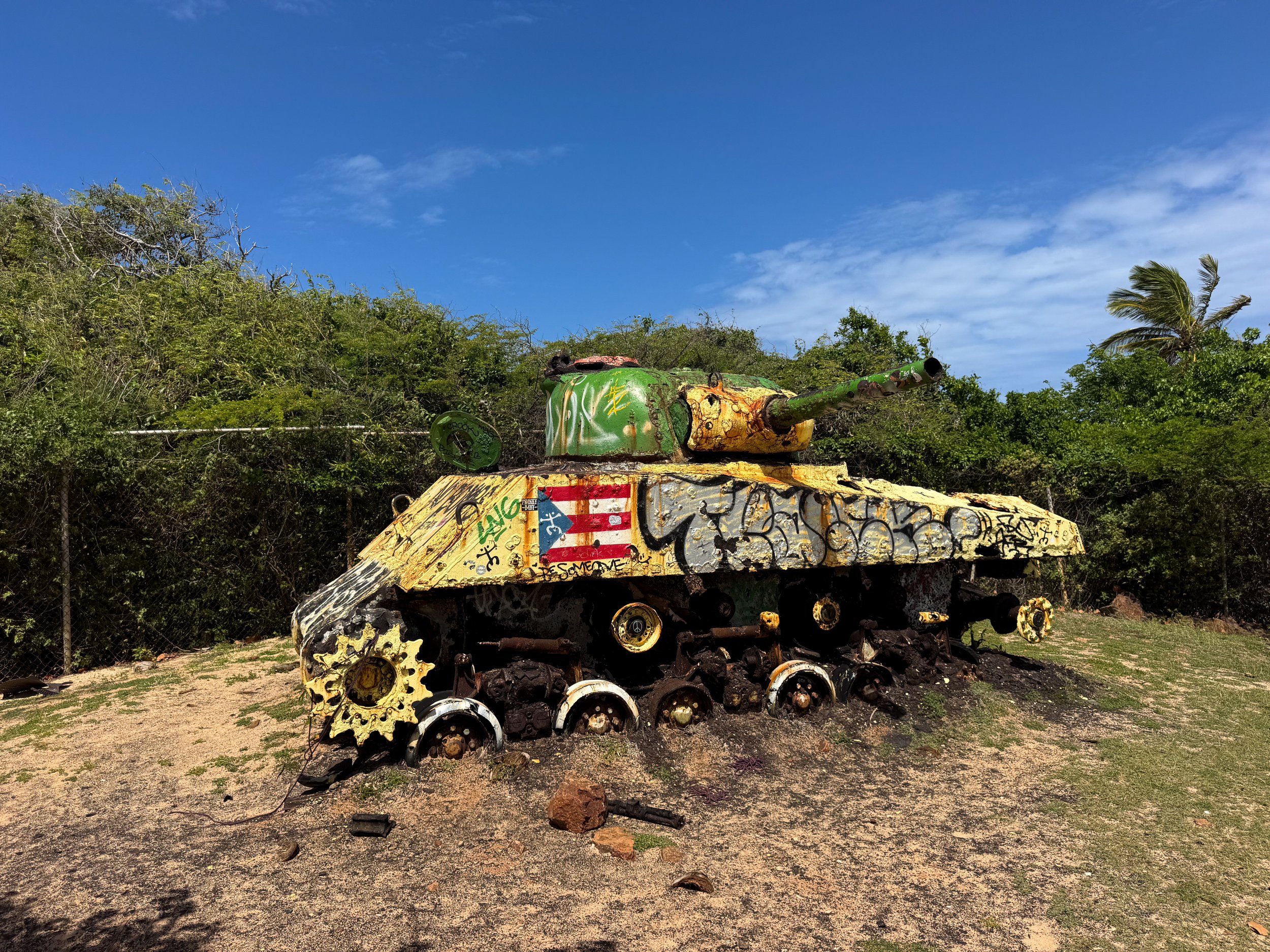
Flamenco’s Tanks. Flamenco Beach is famed for its graffitied tanks. The shoreline surrounding the most iconic tank has been swept away by recent storms. Though still accessible, it’s now a pelican nesting ground. The second tank resides on a small hill nearby.
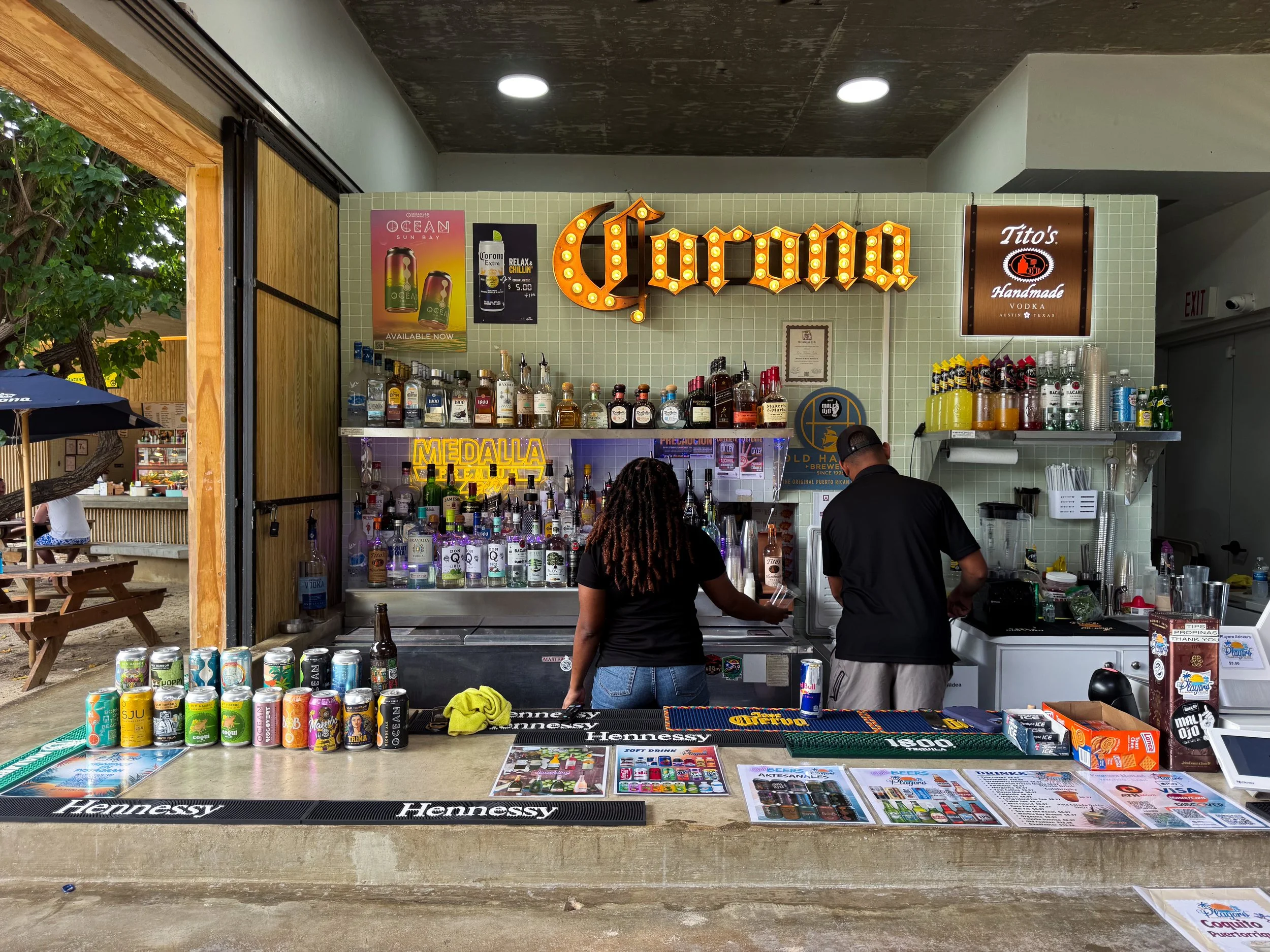
Beach Services. Flamenco Beach has a range of services and amenities making it easy to stay here all day.
Fees. Parking costs $5 per vehicle and $2 per person.
Amenities. Restrooms, showers and lockers are available 24/7. Lockers cost an additional fee to use. Bring your own hand soap for the restrooms.
Kiosks. A series of modern kiosks offer food, beverages, ice cream, beach supplies and souvenirs. Try the traditional Puerto Rican snacks like empanadillas, bacalaitos, alcapurrias and pinchos. Pair them with a boozy tropical cocktail, local beer or fruit juice.
Rentals. Two kiosks offer beach rentals including chairs, umbrellas, snorkel masks, life jackets and floaties.
Lifeguards. Life guards watch over designated swimming areas.
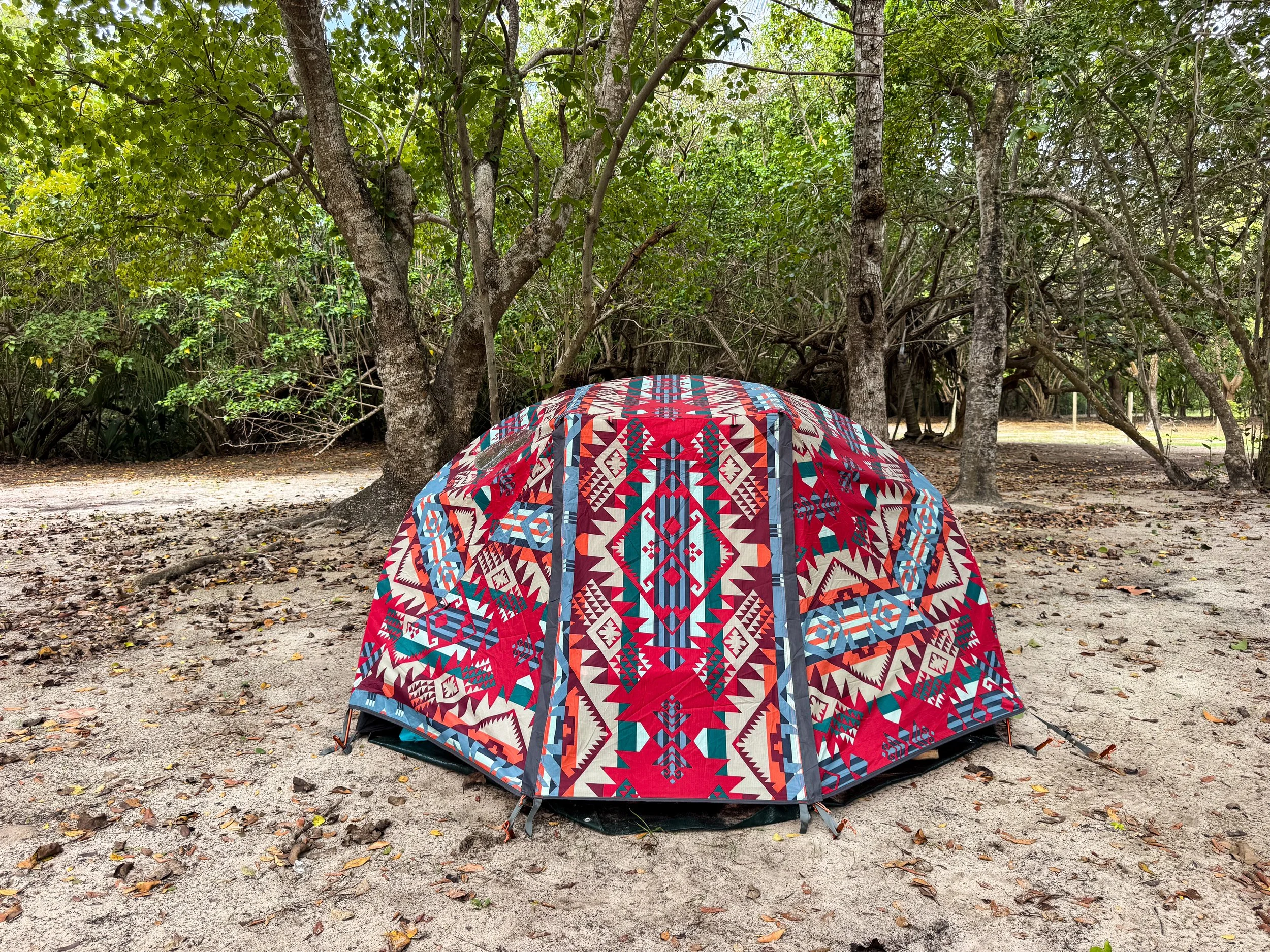
Flamenco Beach Camping. Camping at Flamenco Beach is one of the most enjoyable ways to maximize beach time and experience Culebra’s pristine nature. We camped here for a long weekend on our most recent trip to the island. Ten under the stars, fall asleep to the sounds of crashing waves and wake up to the calls of roosters.
Camping is DIY. Bring your own gear: tent, sleeping bags, air mattress, hammock, beach chairs, flashlight, etc.
Where to Camp. The official camping area is located after the kiosks and behind the beachfront tree line. It’s an expansive and shaded area with plenty of space to set up undisturbed.
Fees & Bookings. Camping costs $35 per night per tent. Call ahead for a reservation or book at the beachfront ticket office. The office hours are from 8am-5pm. If showing up after hours, return the next day to register and pay. For reservations and information, call (787) 742 0700.
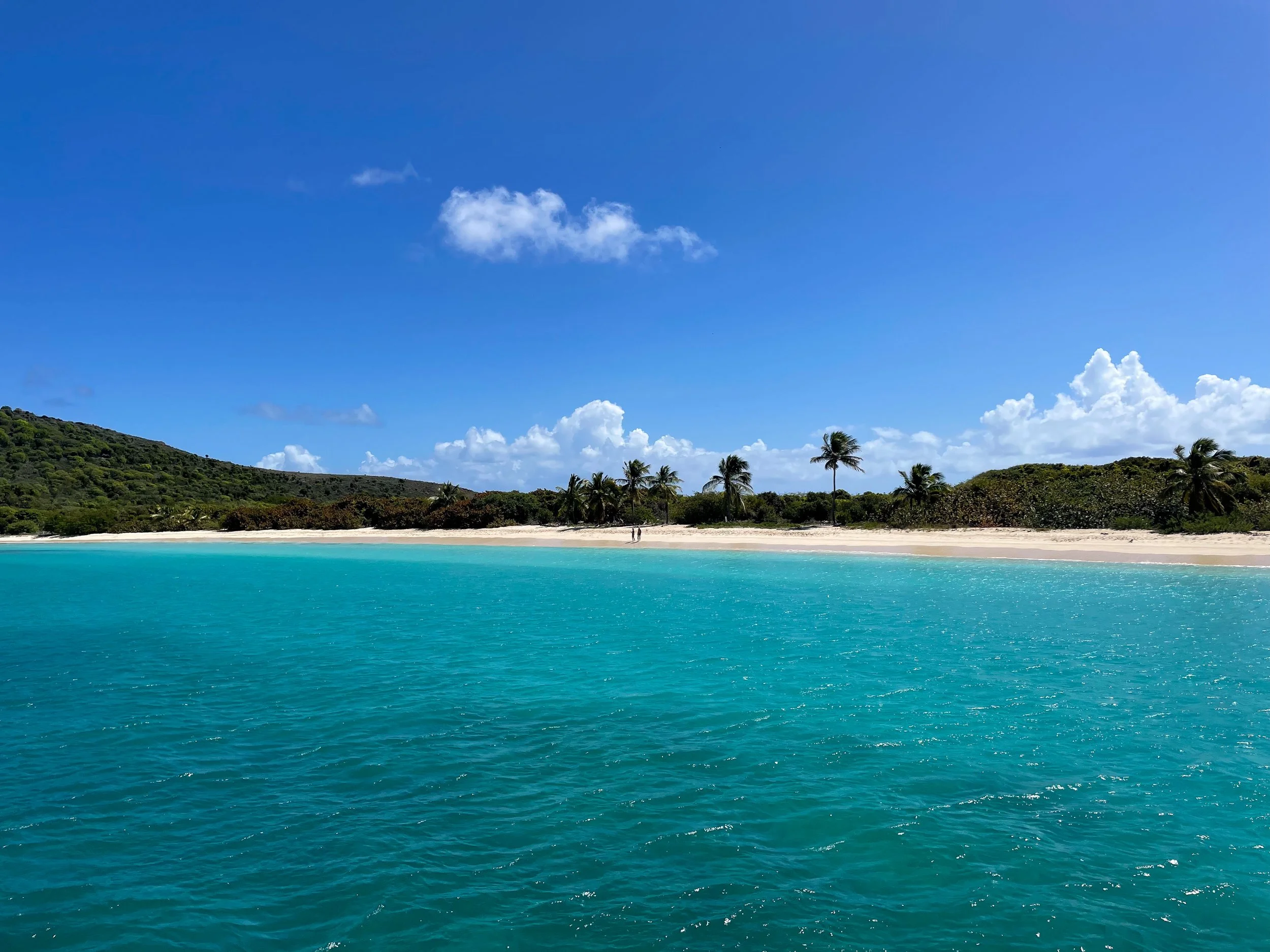
Culebrita Beach. A crescent shaped beach with a narrow white sand shore and calm aquamarine water. It’s located on the island of Culebrita (Little Culebra) and requires a boat to reach. We sailed here on a catamaran with a group of friends through East Island Excursions. The tour brought us to coral garden off the coast of Culebra to snorkel before mooring off shore from Culebrita Beach. We spent the afternoon diving from the catamaran, dancing to Reggaeton music, swimming between the boat and shore, relaxing on the beach and enjoying an unlimited supply of rum cocktails.
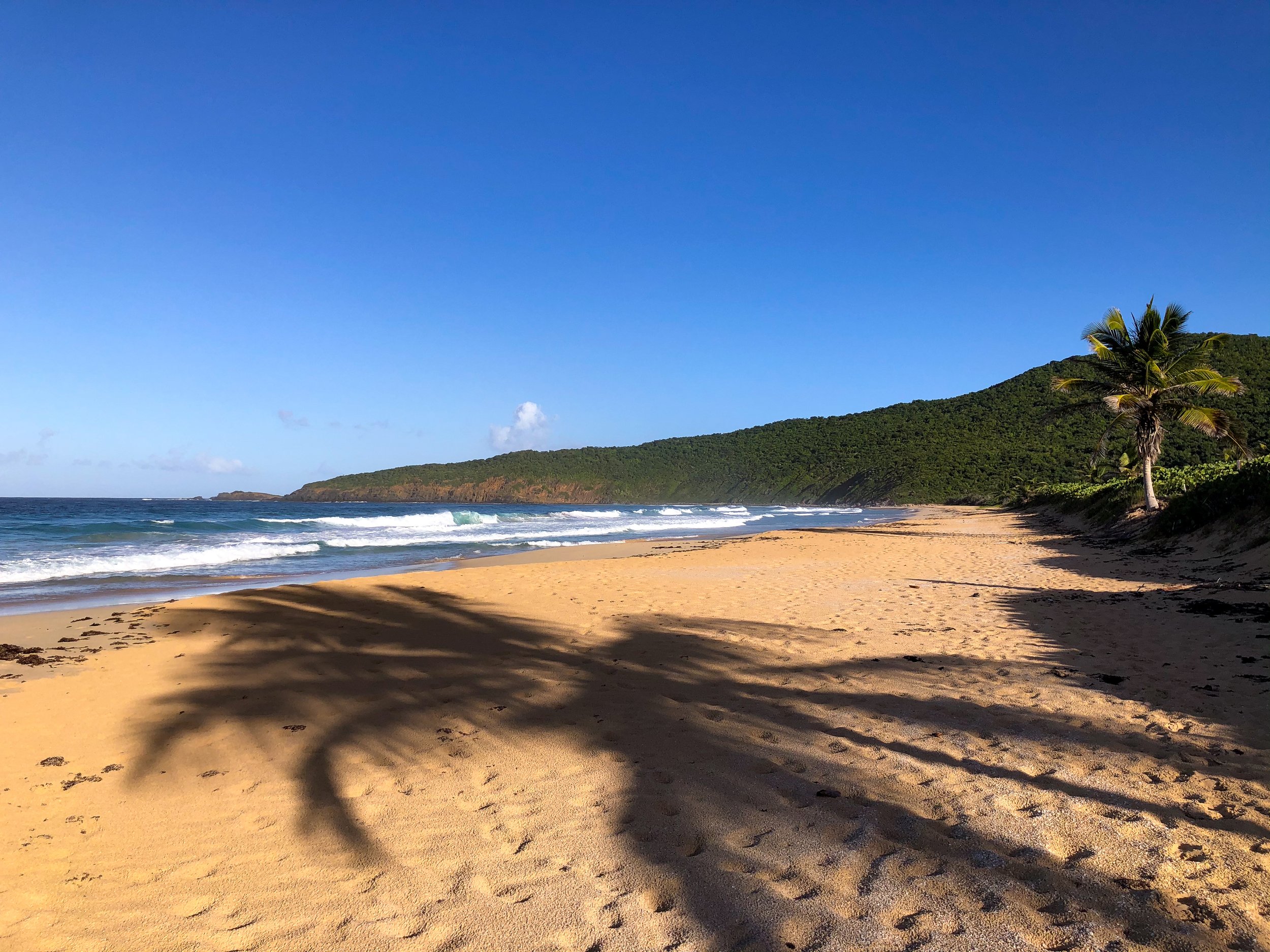
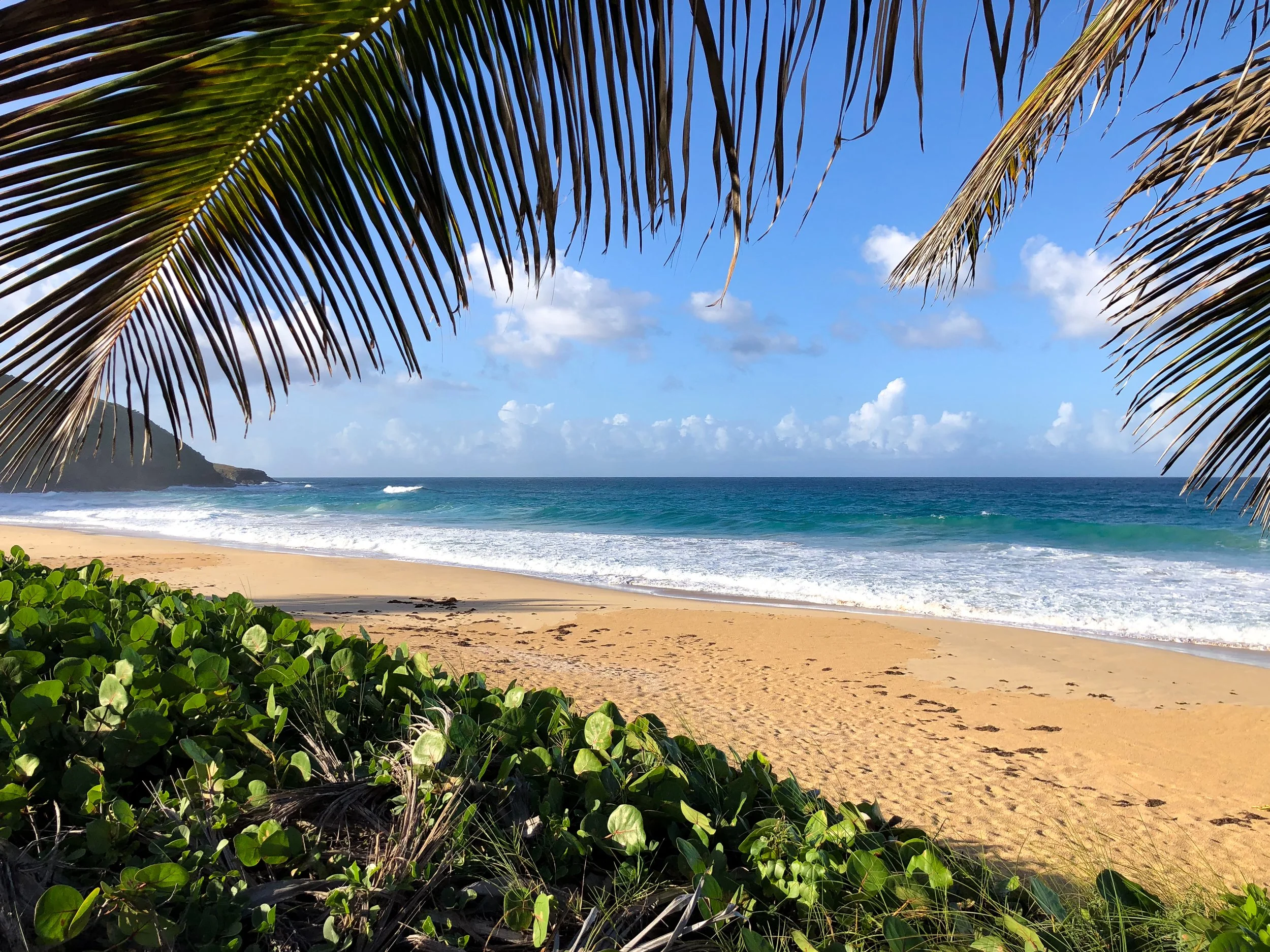
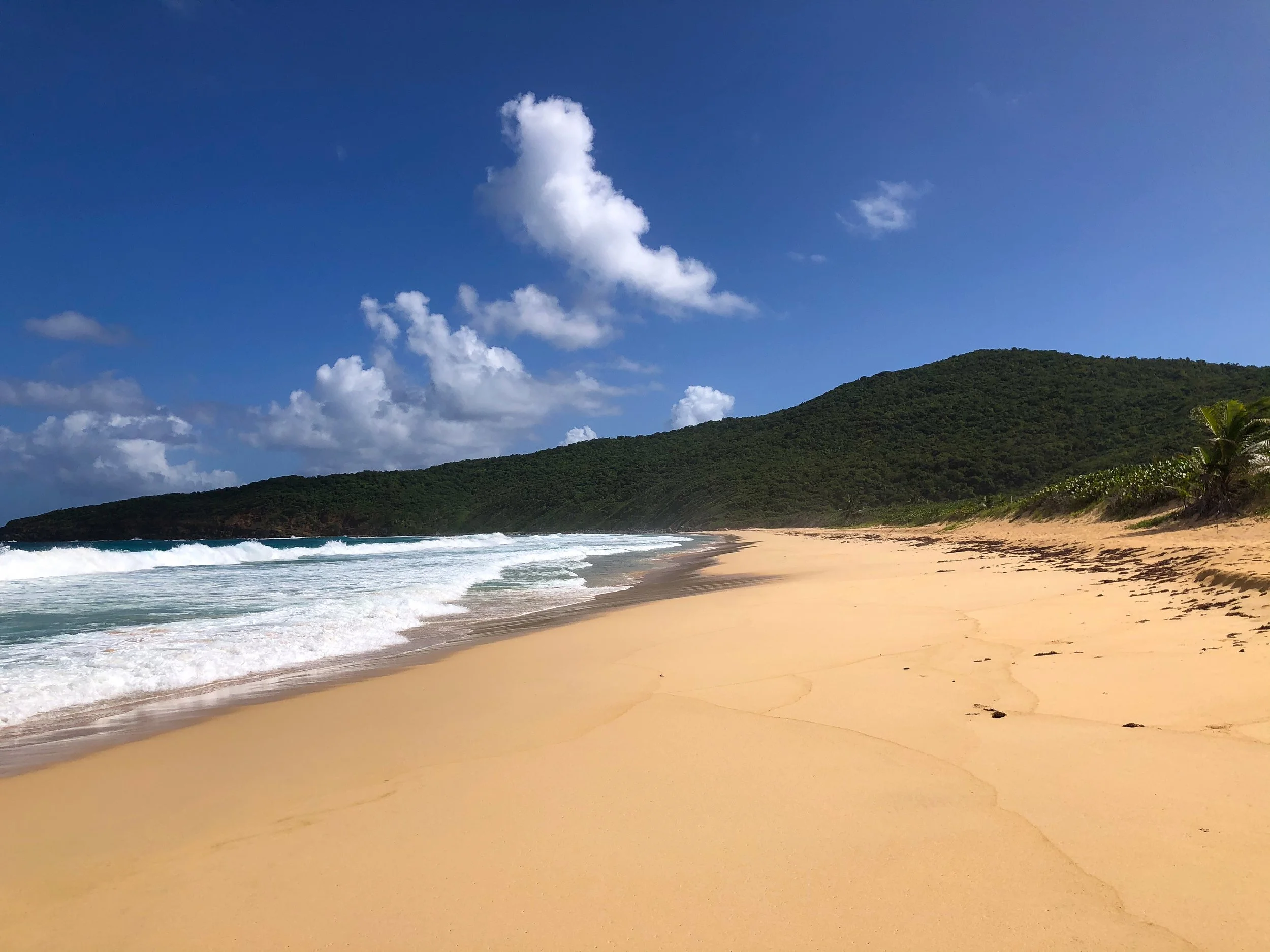
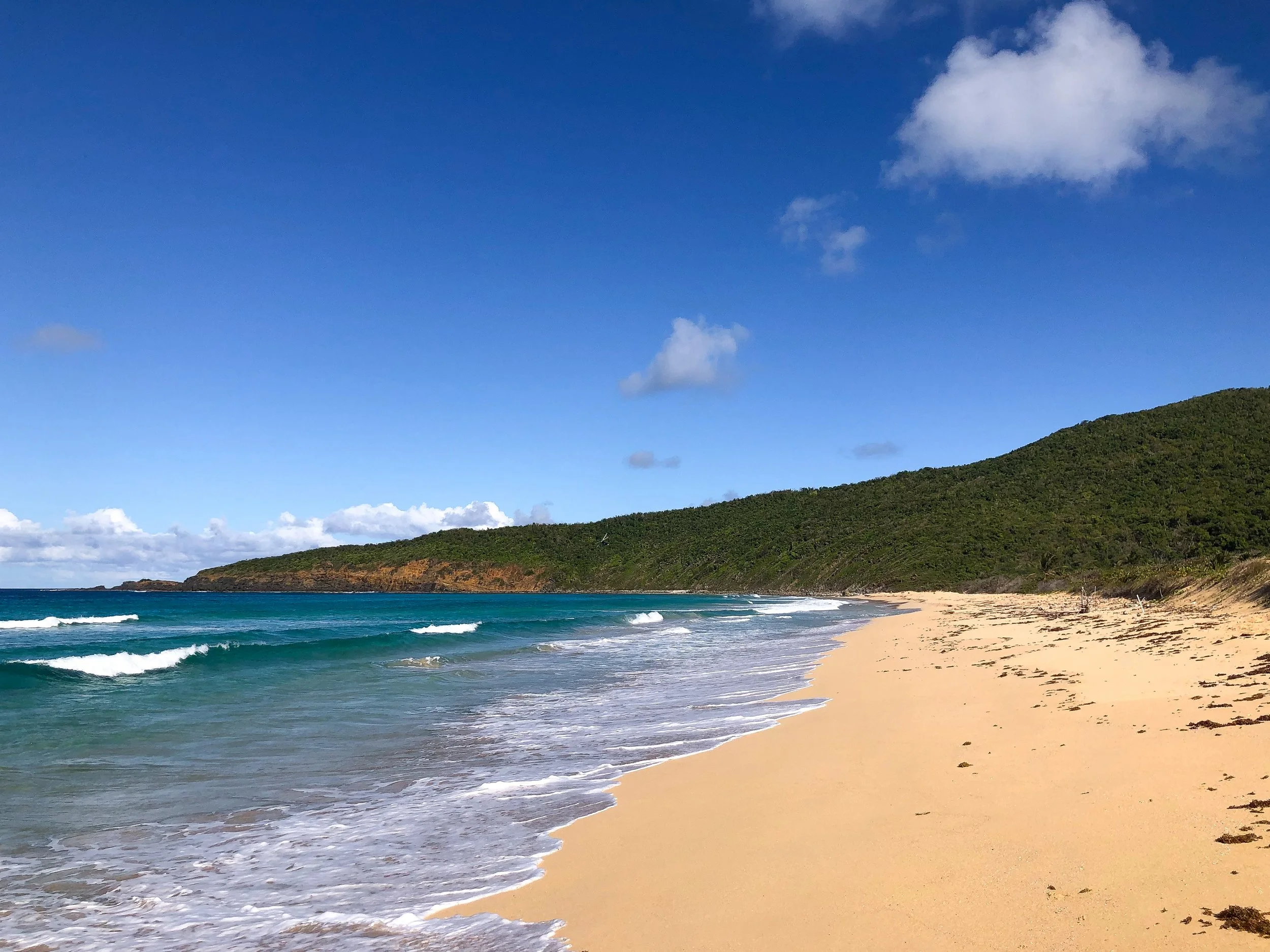
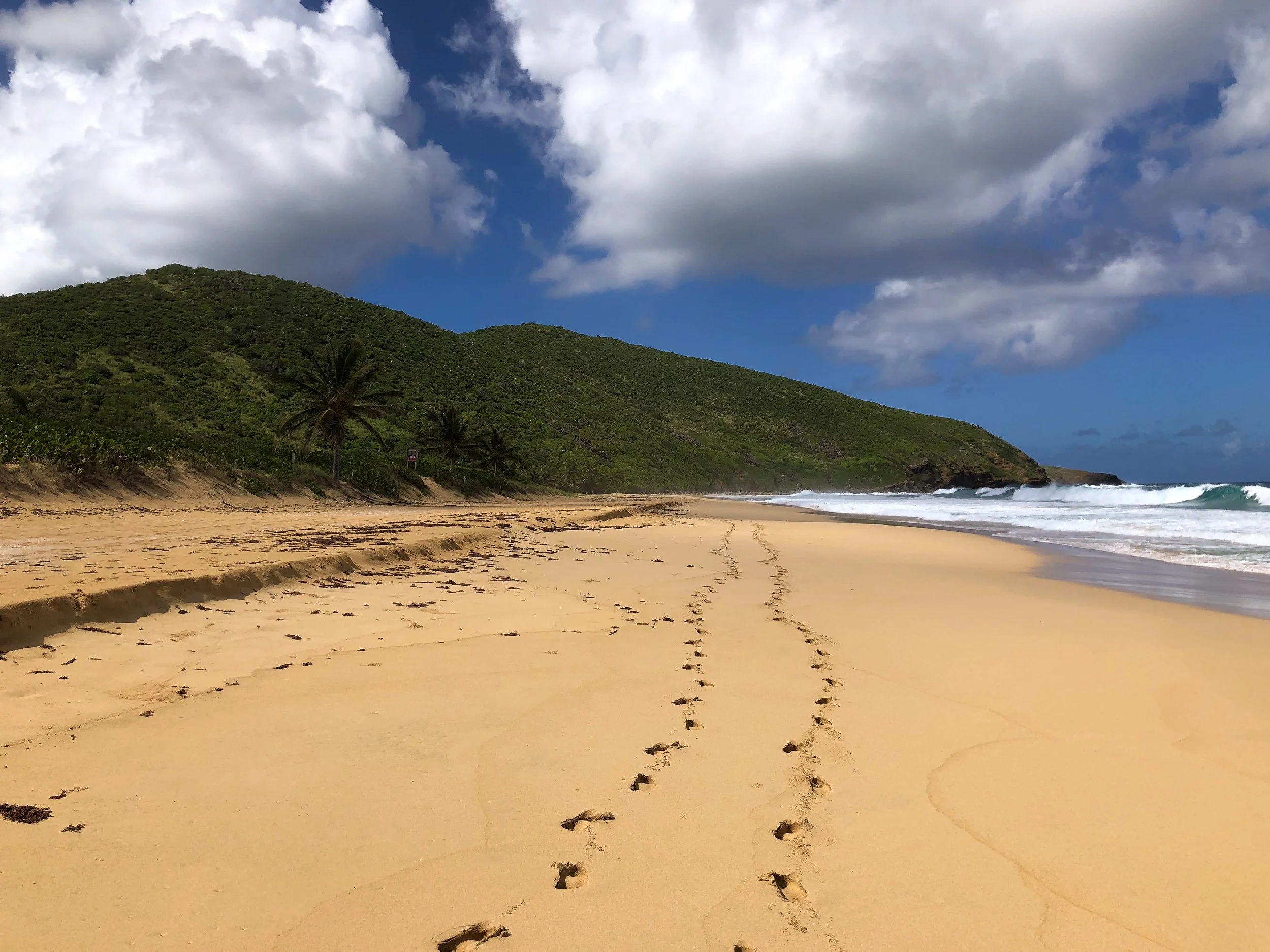
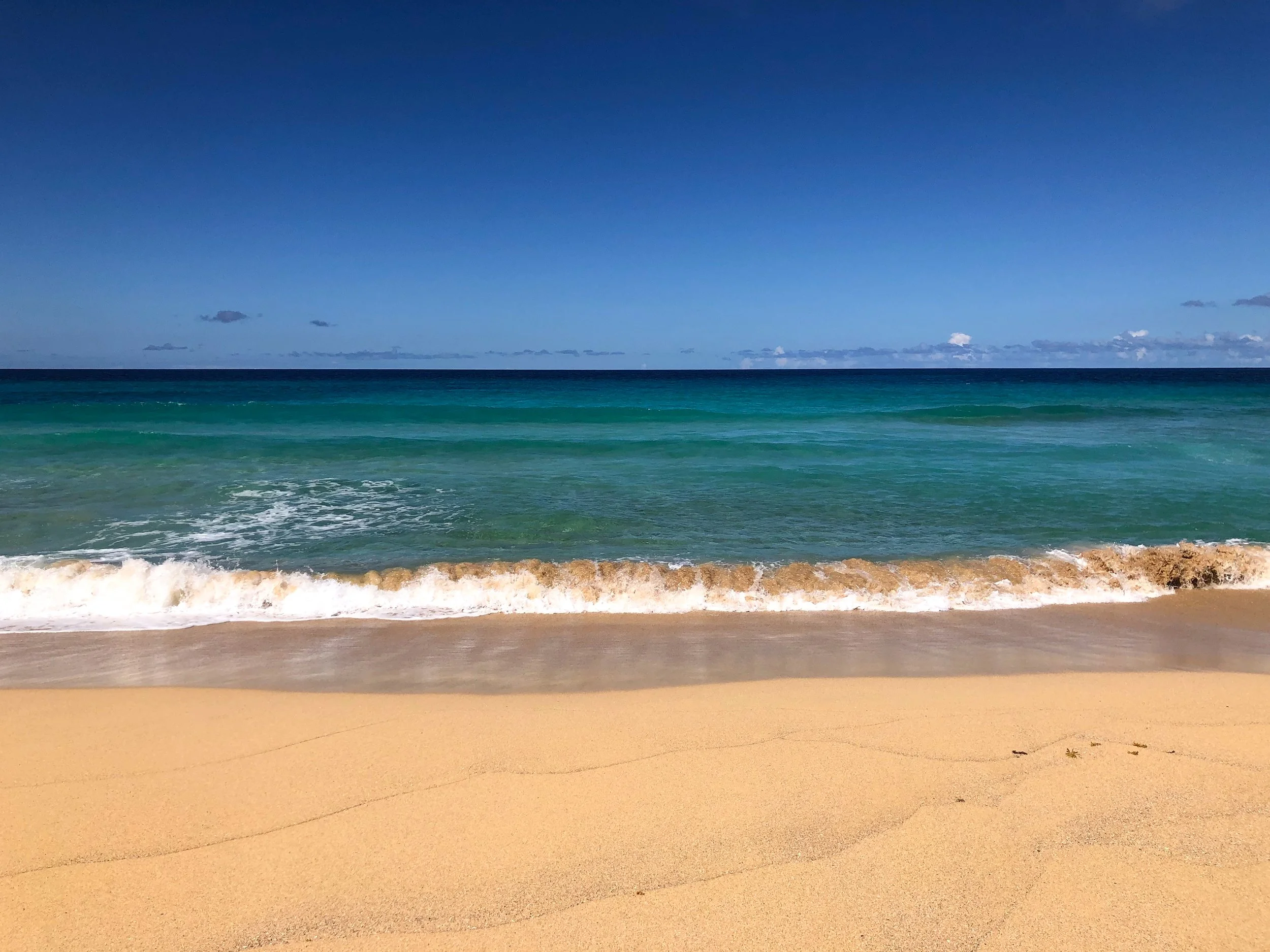
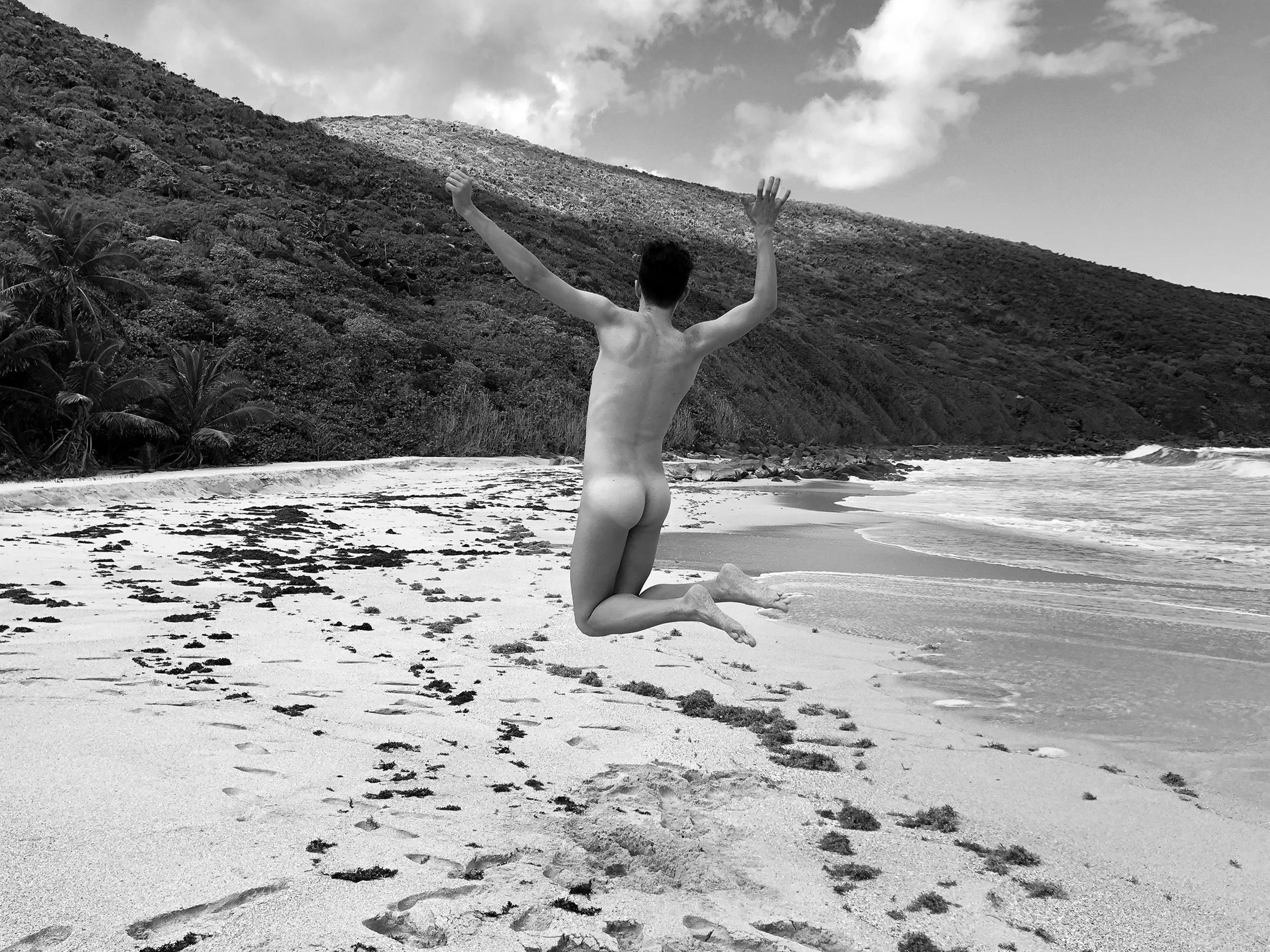
Playa Resaca. This beach is as much about the journey as it is the destination. After a rigorous hike, you’ll reach a vast beach that you’ll likely have to yourself the entire day. The only swimmable area is the shallows at the far east end of the beach. Because it’s so remote, it’s the perfect place to get naked ;)
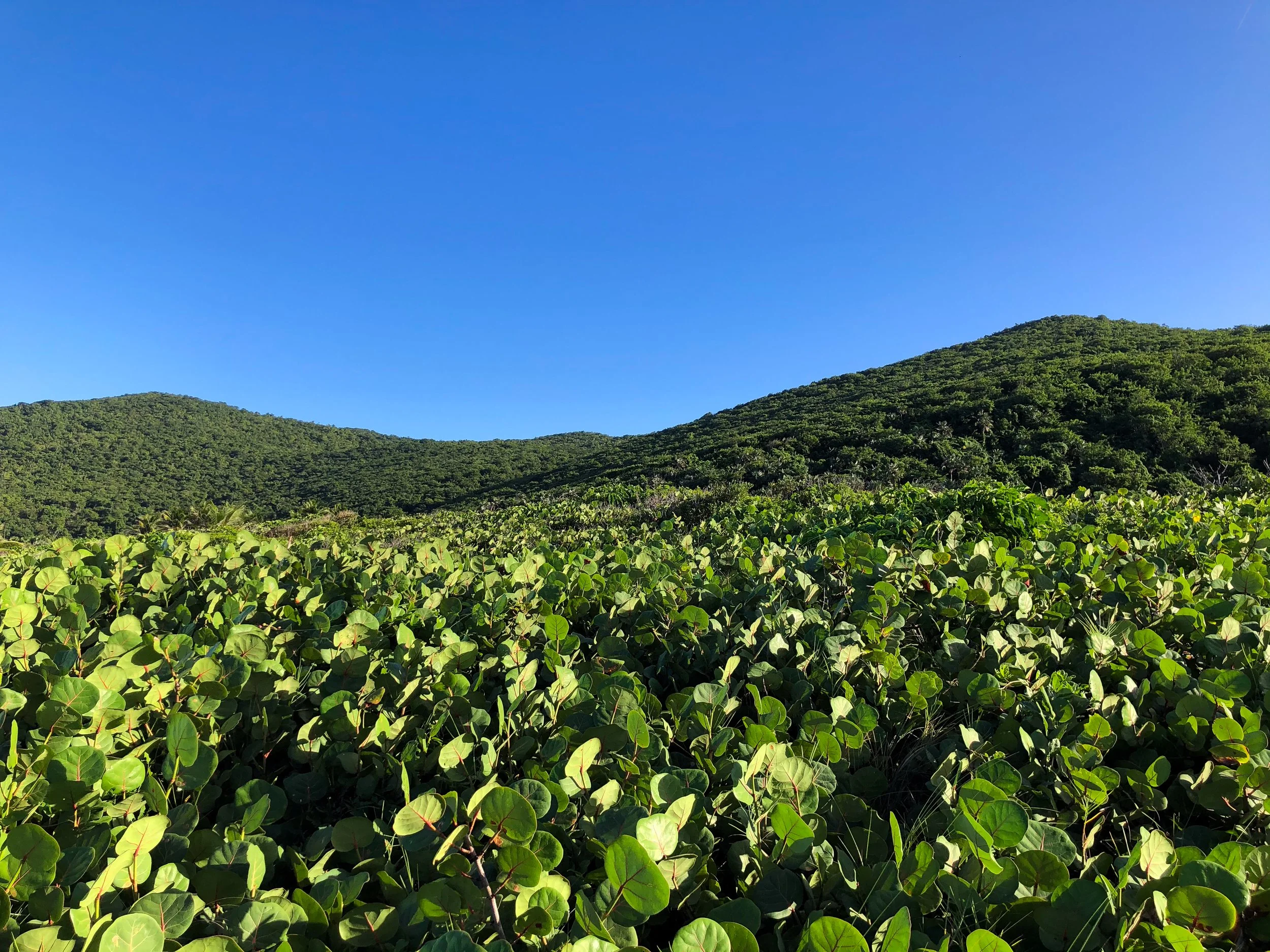
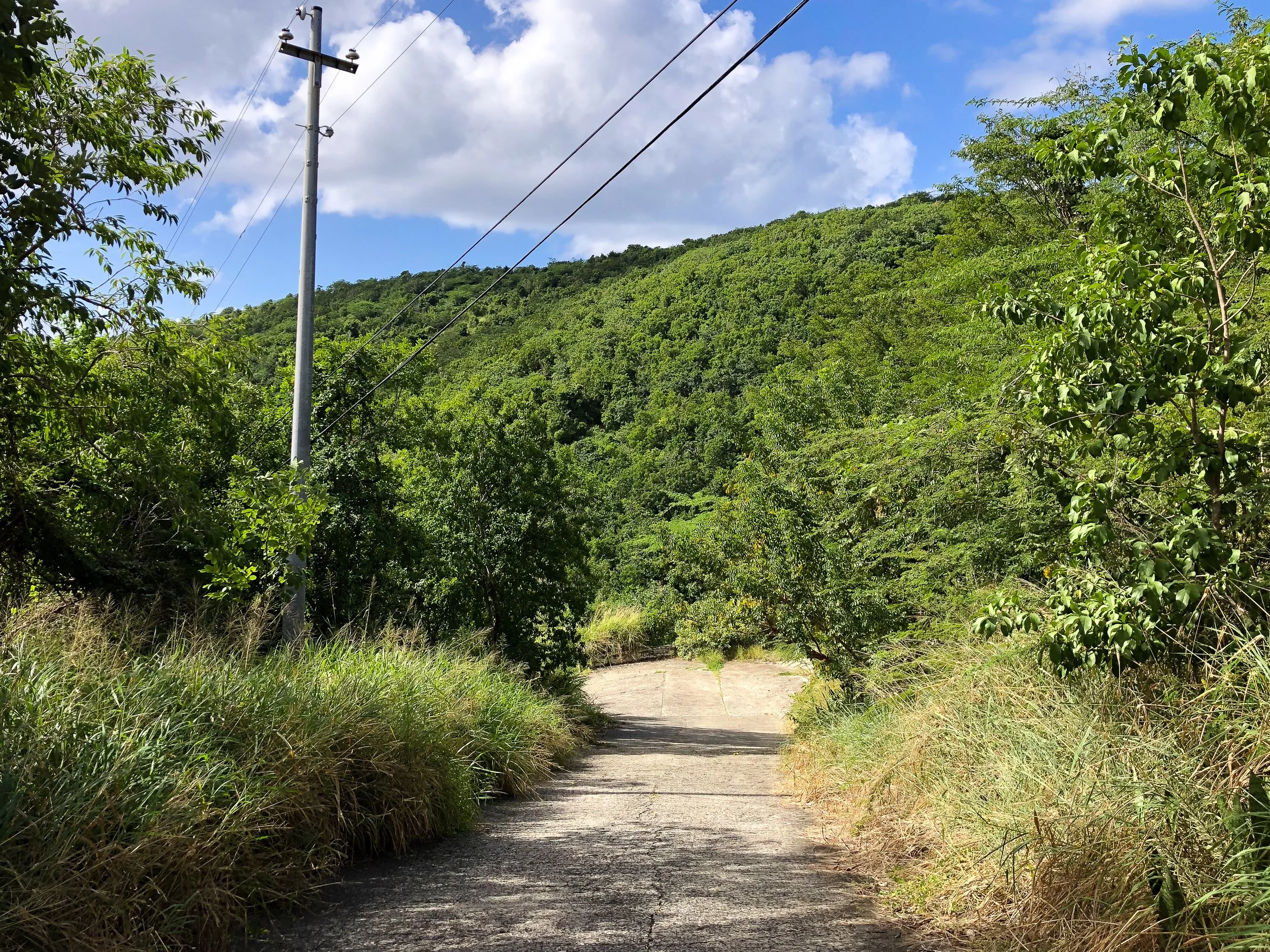
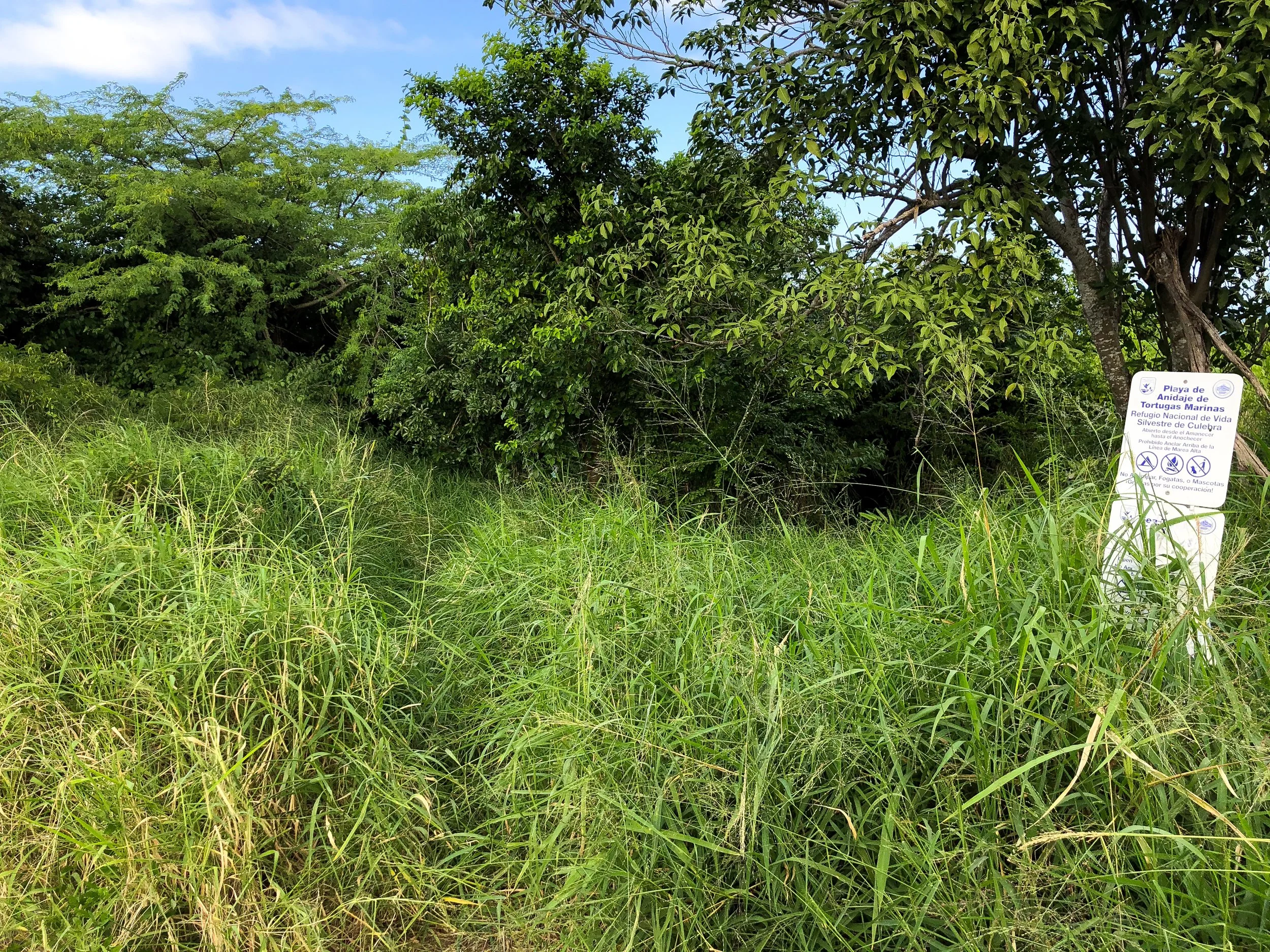
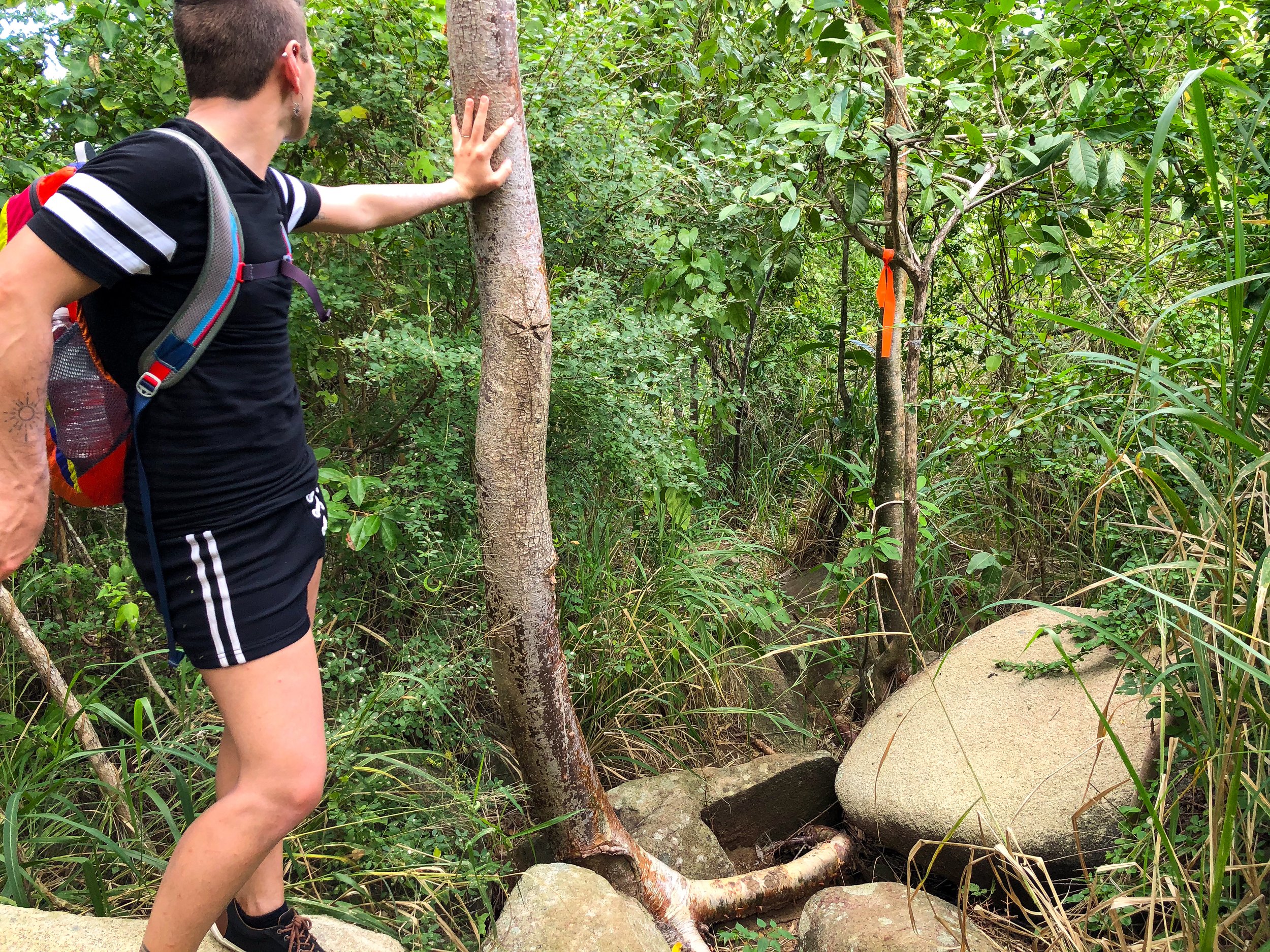
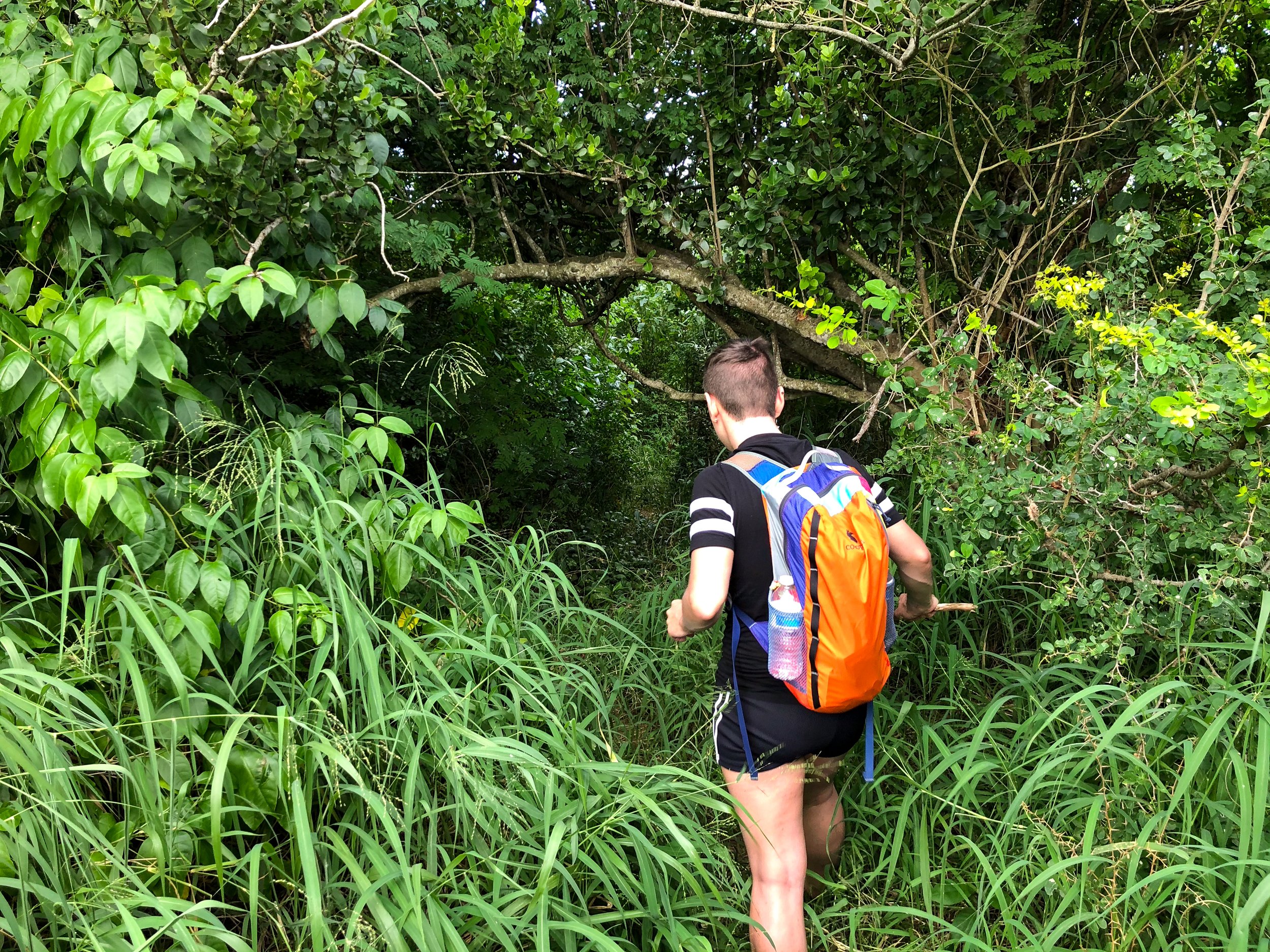
Hiking to Resaca:
Follow a paved road up the hill past the airport. There will be a parking lot at the top. Walk through the waist high grass behind the sign to locate the trail.
The further you descend, the more rigorous the trail gets. You’ll have to walk over boulders and duck under tree branches. We recommend wearing pants, hiking shoes and bringing a stick to knock away spider webs and thorny plants.
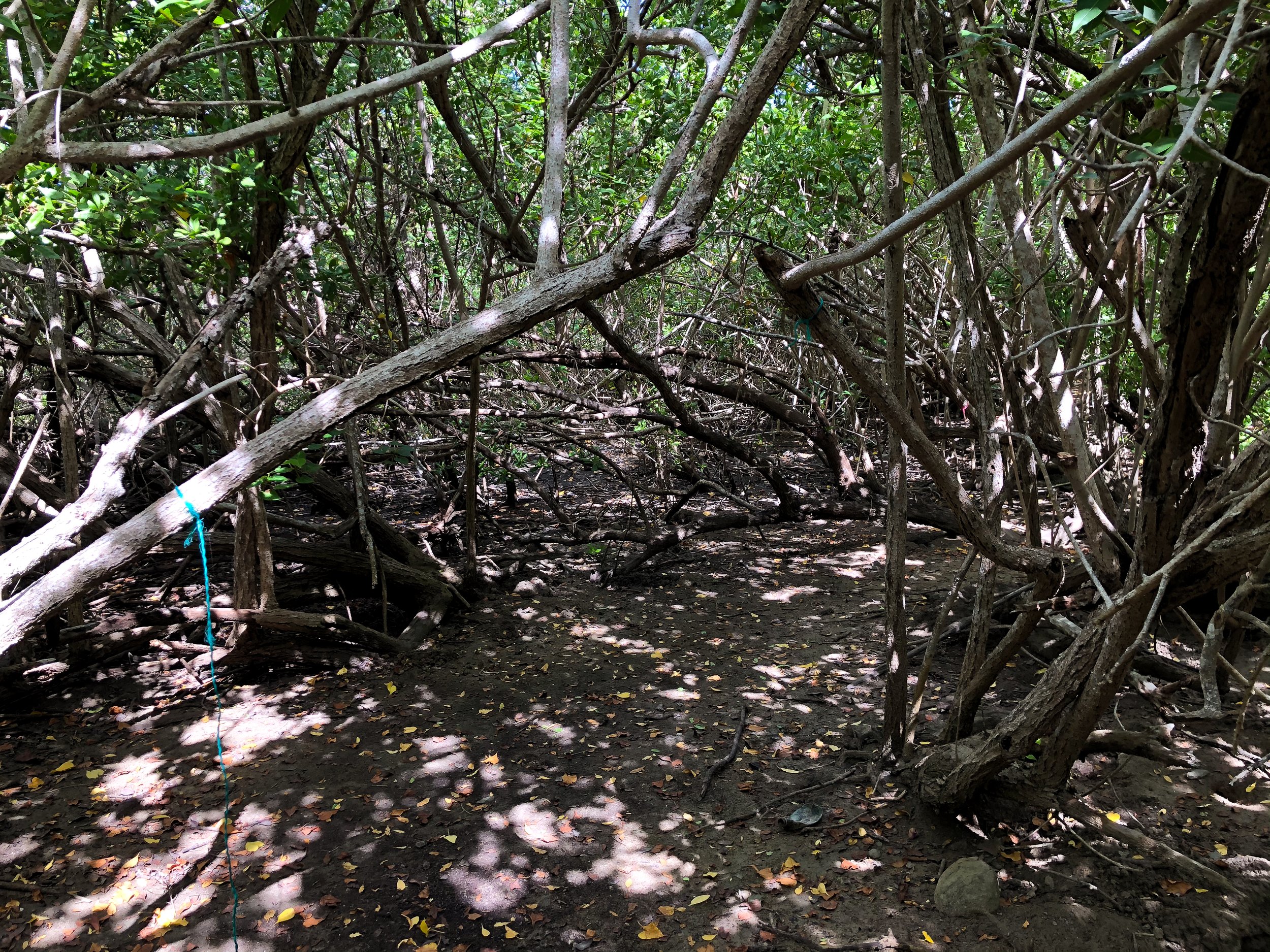
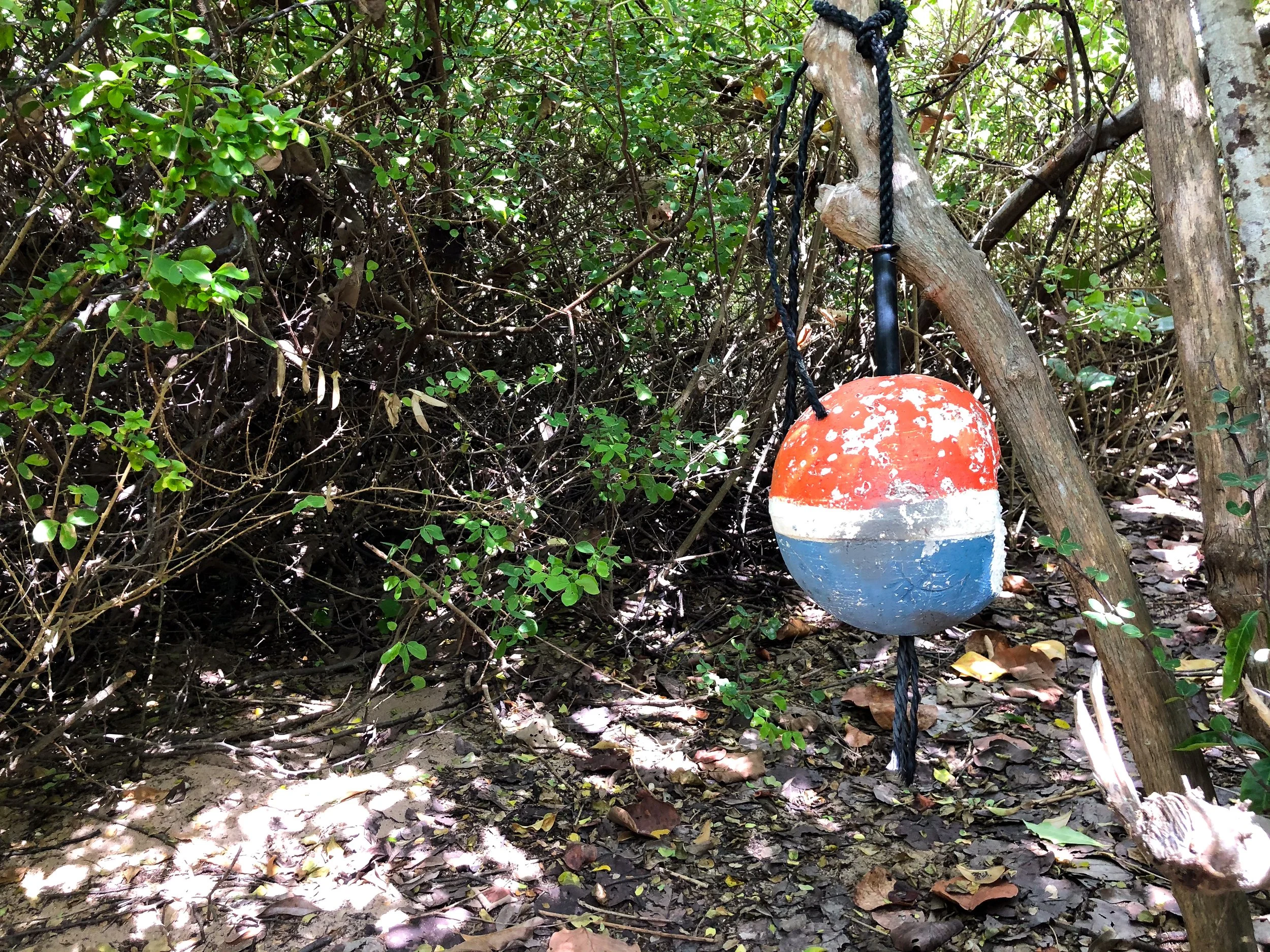
The trail ends at a mangrove forest just before the beach. There will be pink and orange ribbons, nautical debris and water bottles strung along the trees guiding you through it. Follow these markers, even if you think you’re on the path, or you will get lost!
The final stretch leads through a thicket of beach grape trees ending at a lone palm tree overlooking the beach. From the parking lot, it should take 45min to reach Playa Resaca. Plan to leave the beach at least 1 hour before sunset.
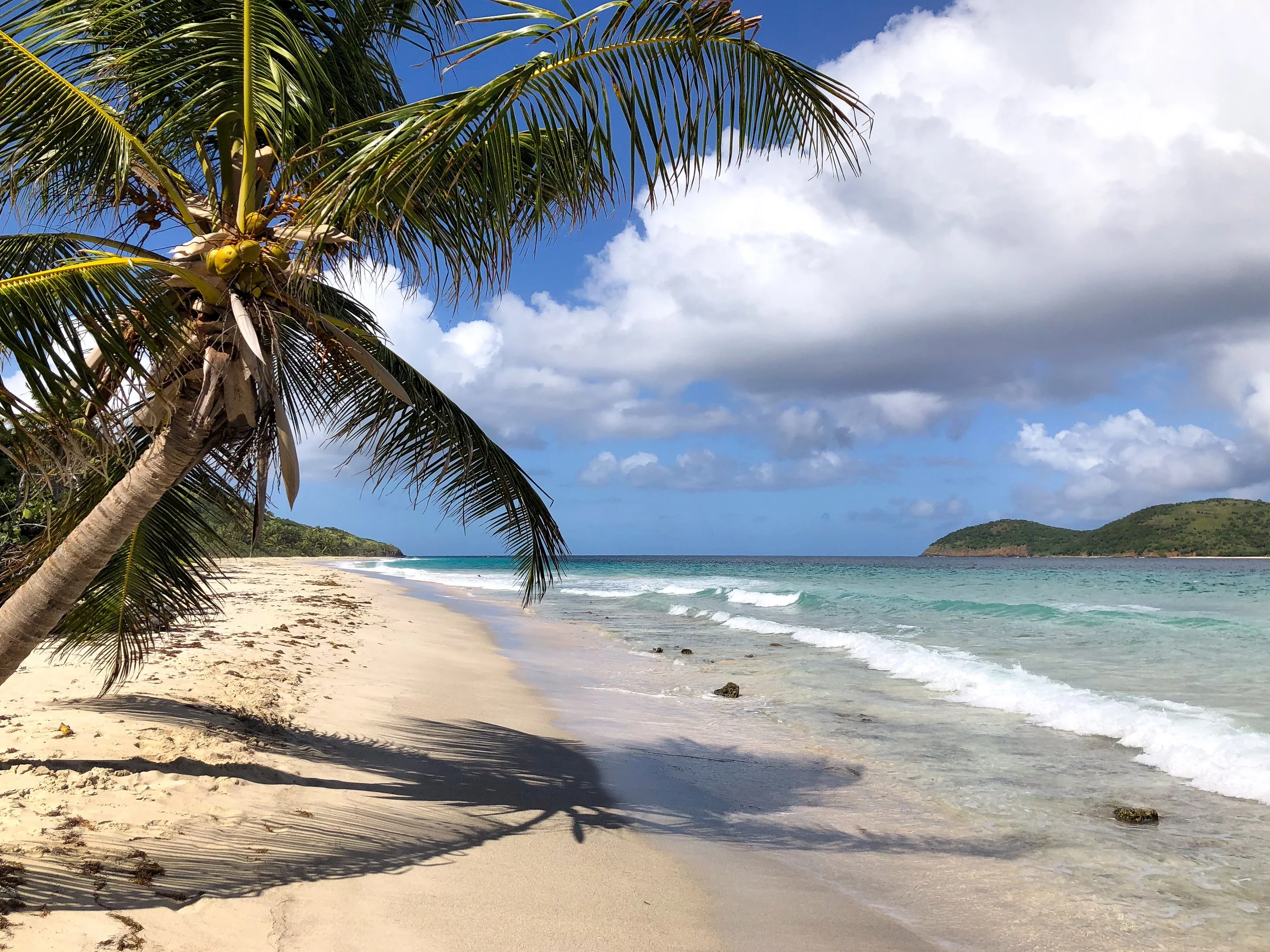
Playa Zoni. A white sand beach equally as beautiful as Flamenco. It’s located on the northeast side of the island, easily reachable by car though rarely that busy. Outside of free parking, there are no amenities.
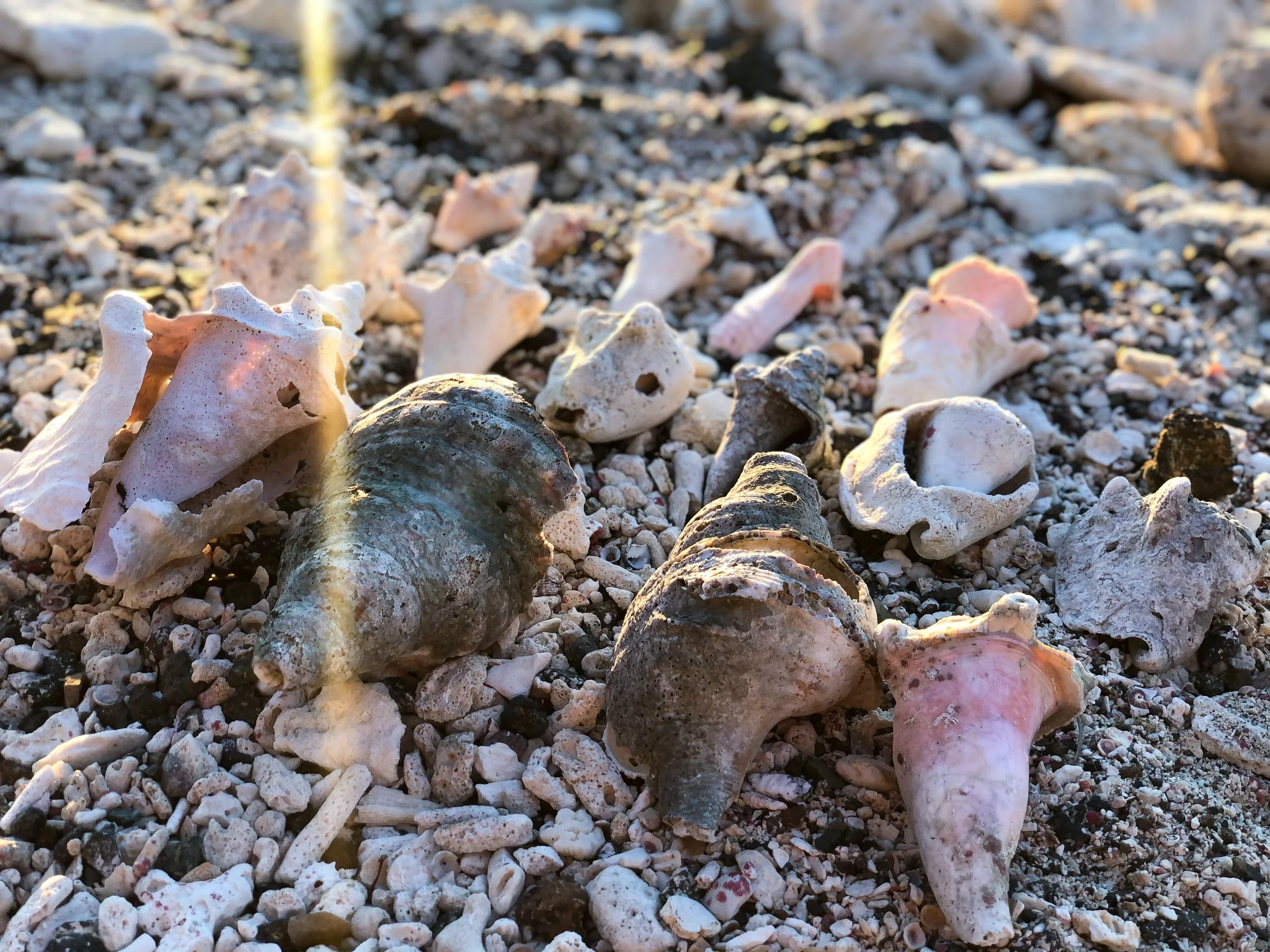
Playa Punta Soldado. A rocky beach great for finding conch shells. You’ll find a lot of fragments and occasionally a whole shell. Supposedly it’s a good spot to snorkel though we’ve never tried here.
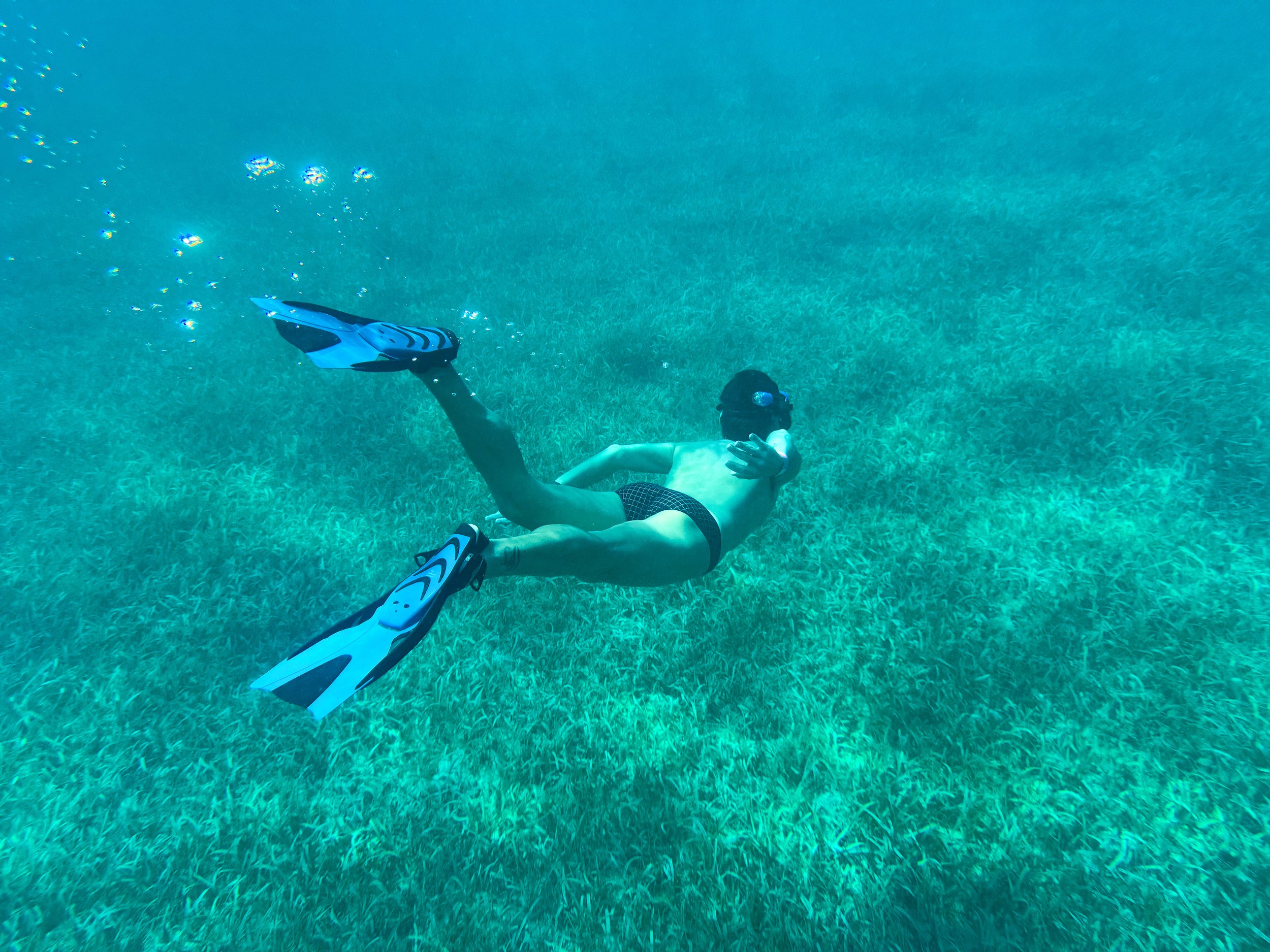
Snorkeling Beaches
Culebra is beautiful place to snorkel with multiple reefs easily accessible from shore. The beaches along the southwest coast of Culebra are the best on the island for snorkeling.
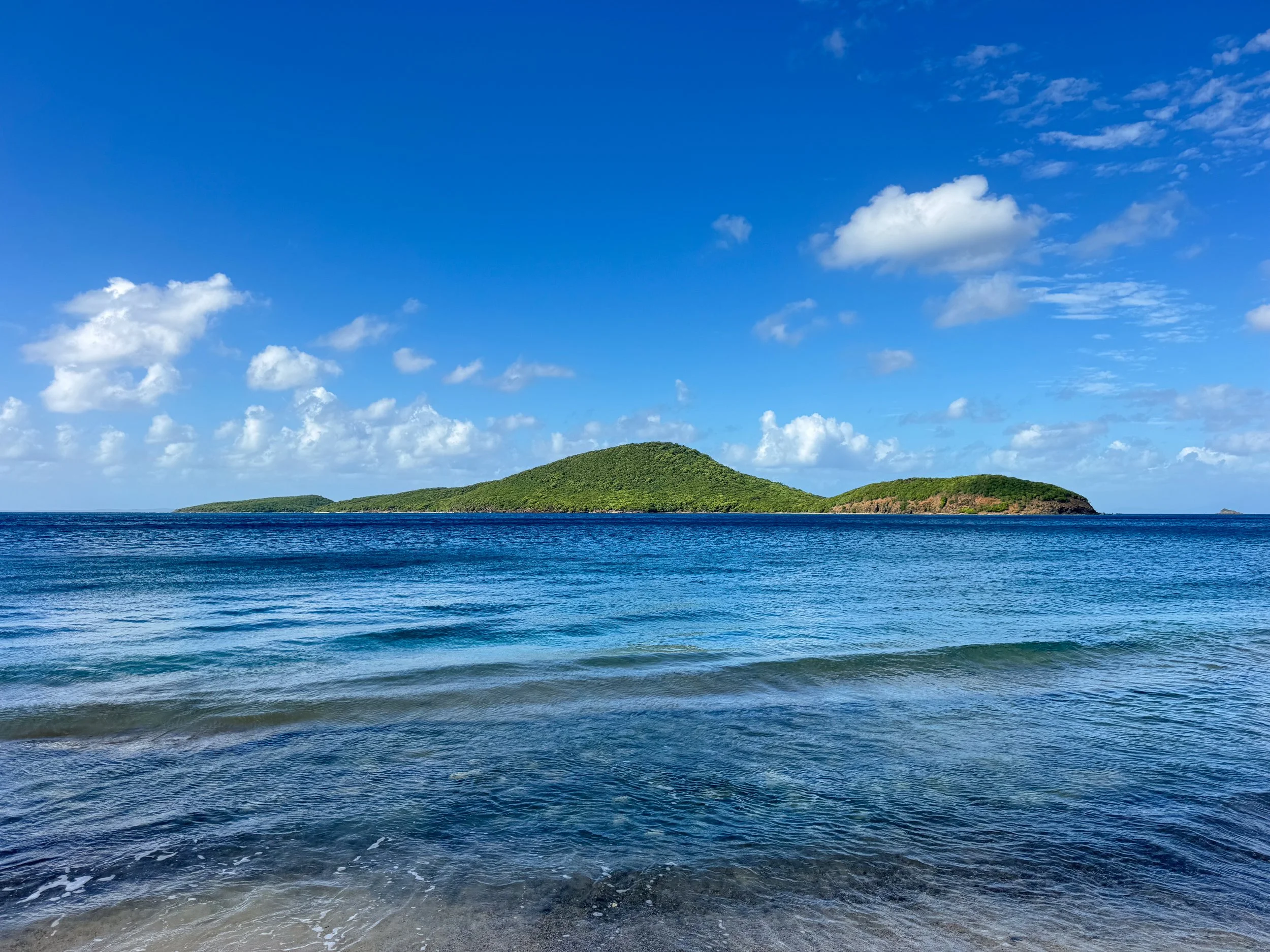
Reserva Natural Canal Luis Peña. A canal and protected nature reserve separating Culebra and Cayo Luis Peña. It’s home to coral reefs, sea grass meadows, an abundance of sea life and views of Caribbean sunsets.
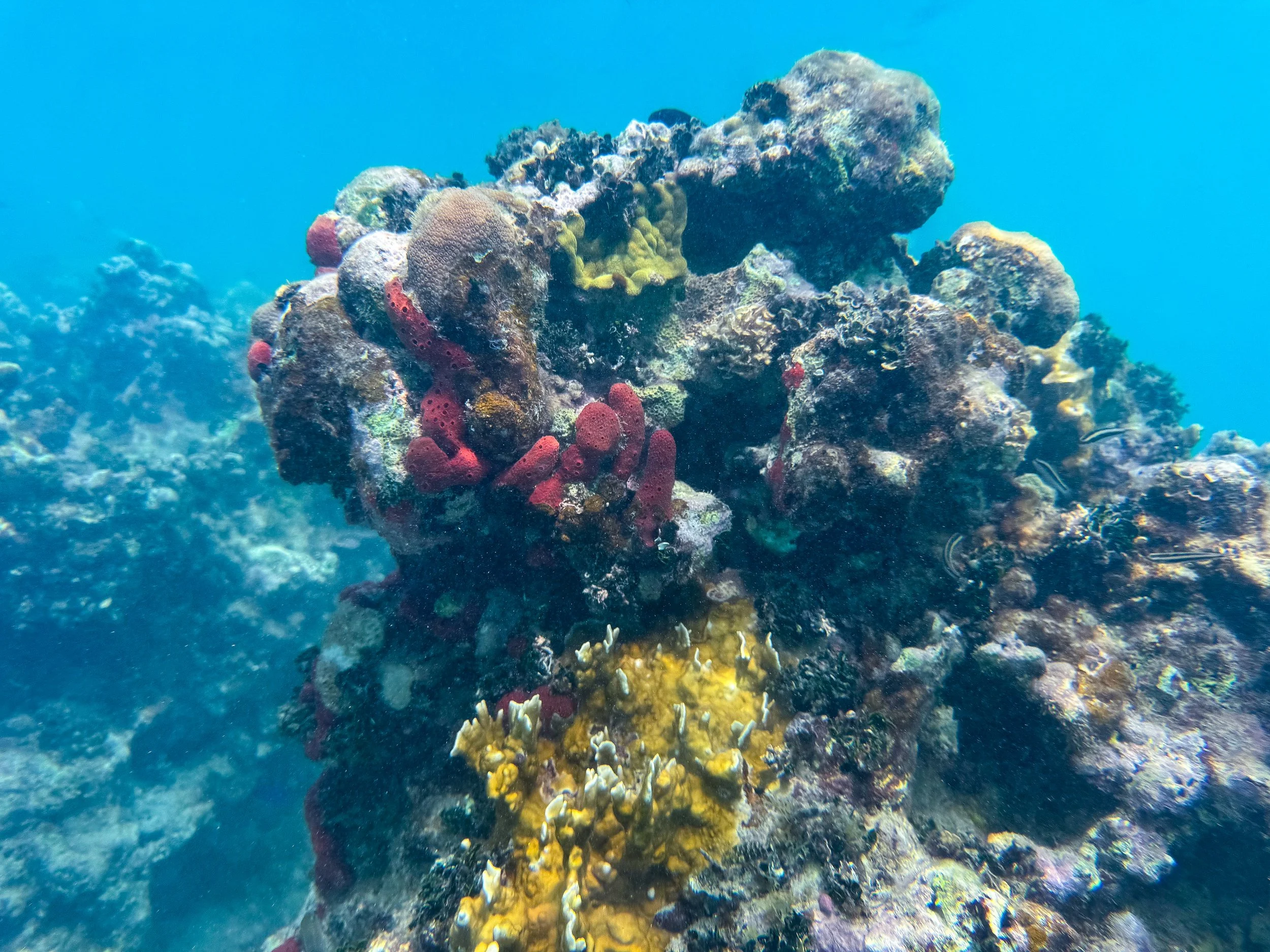
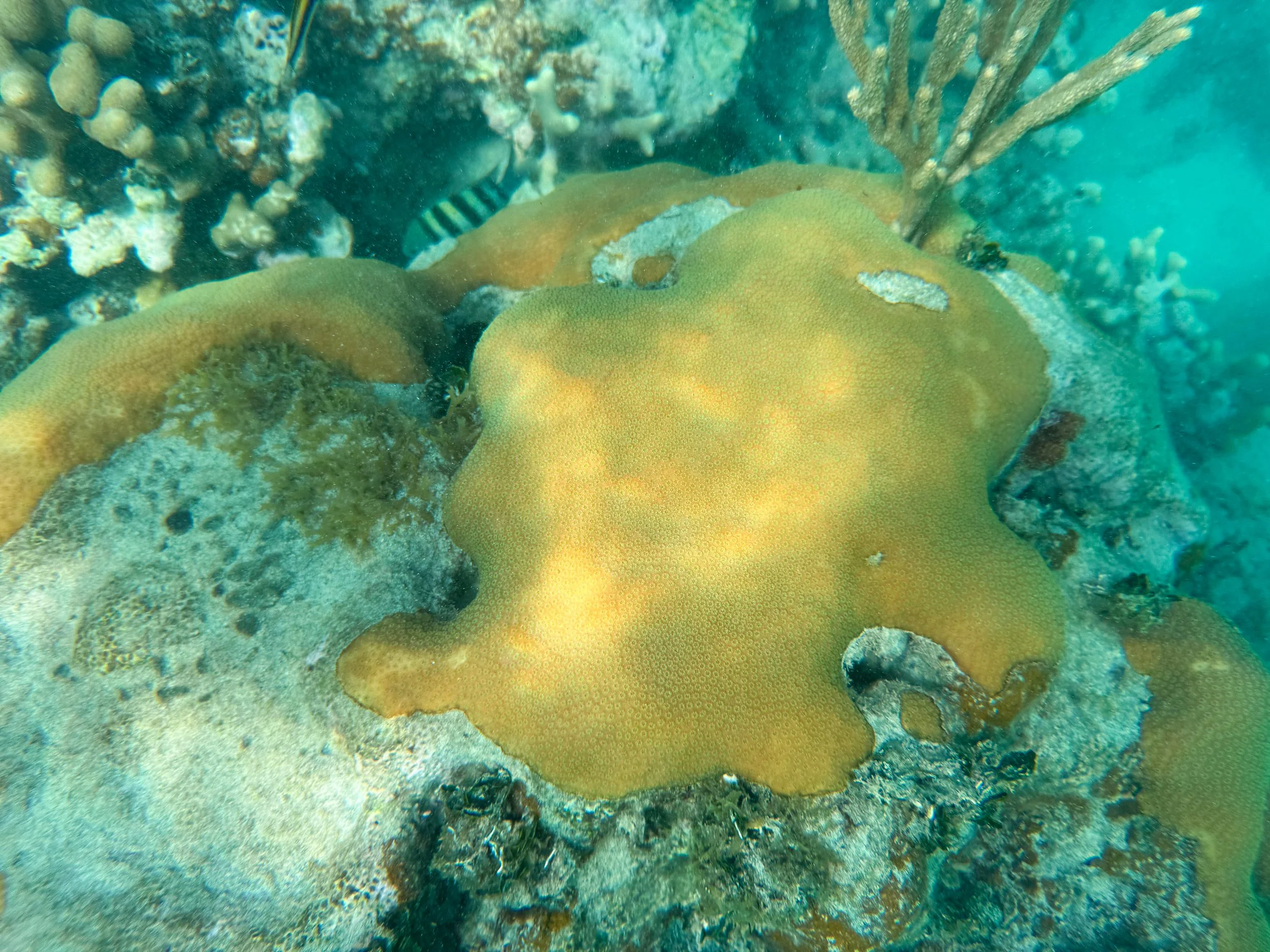
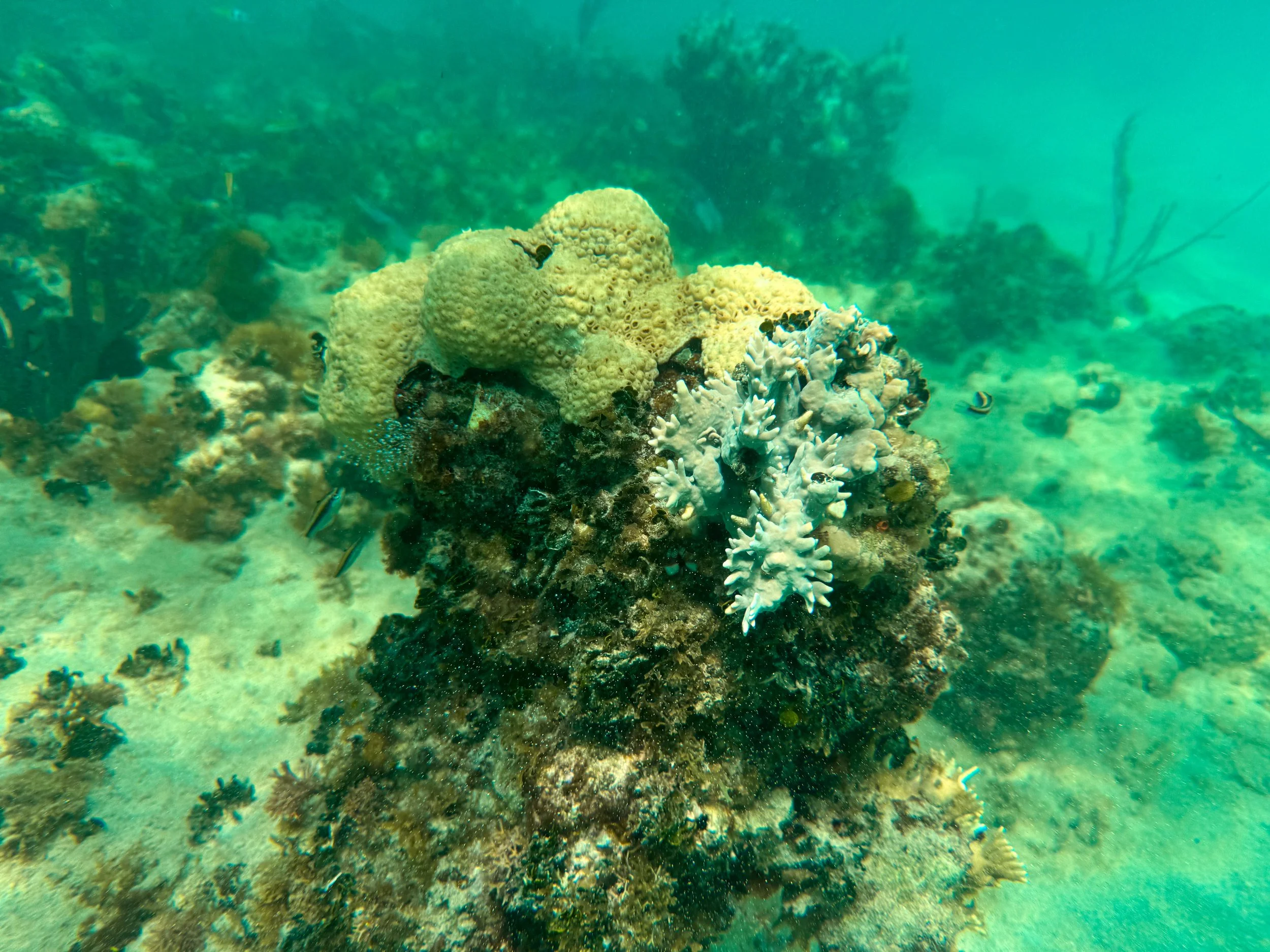
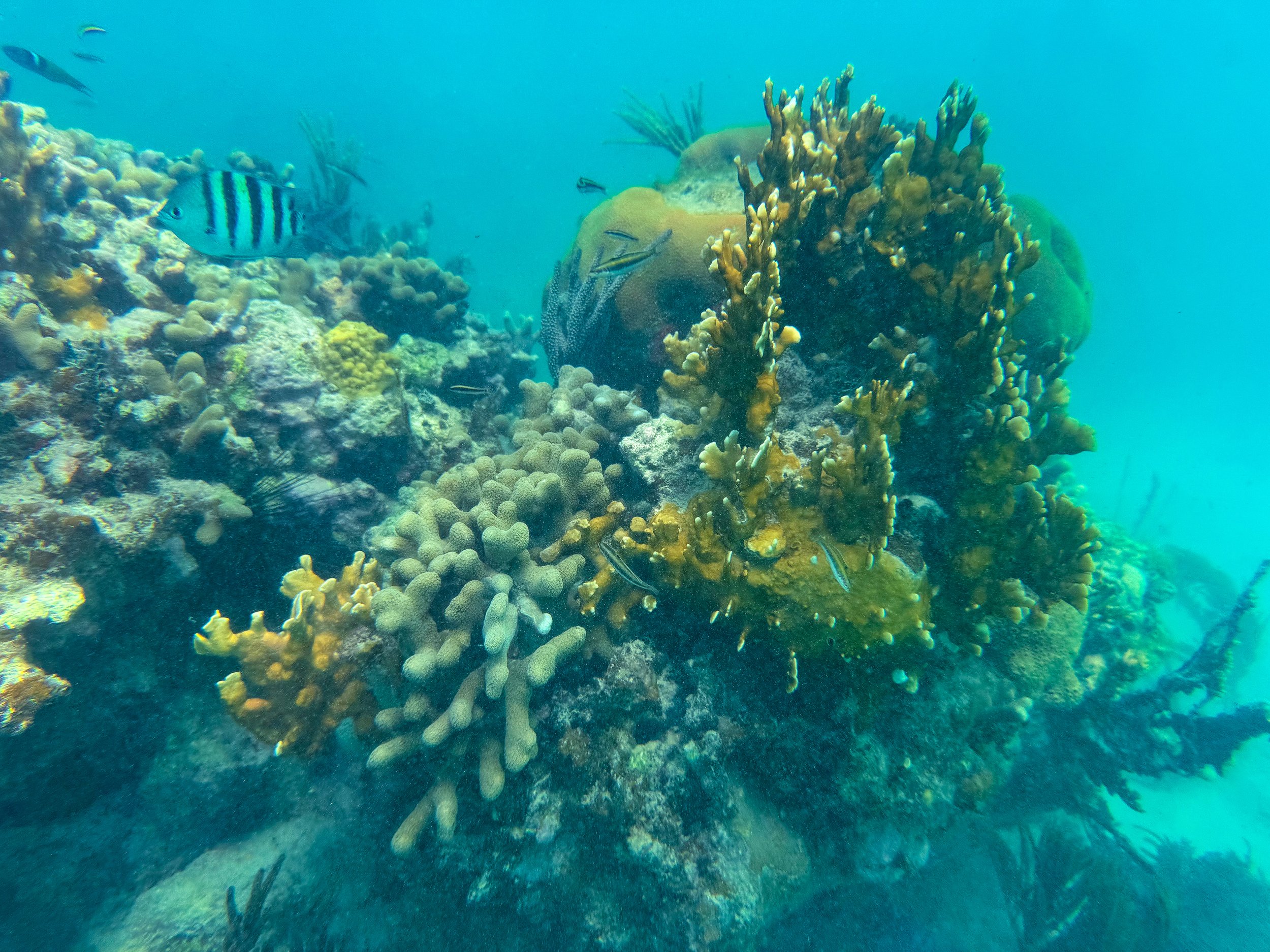
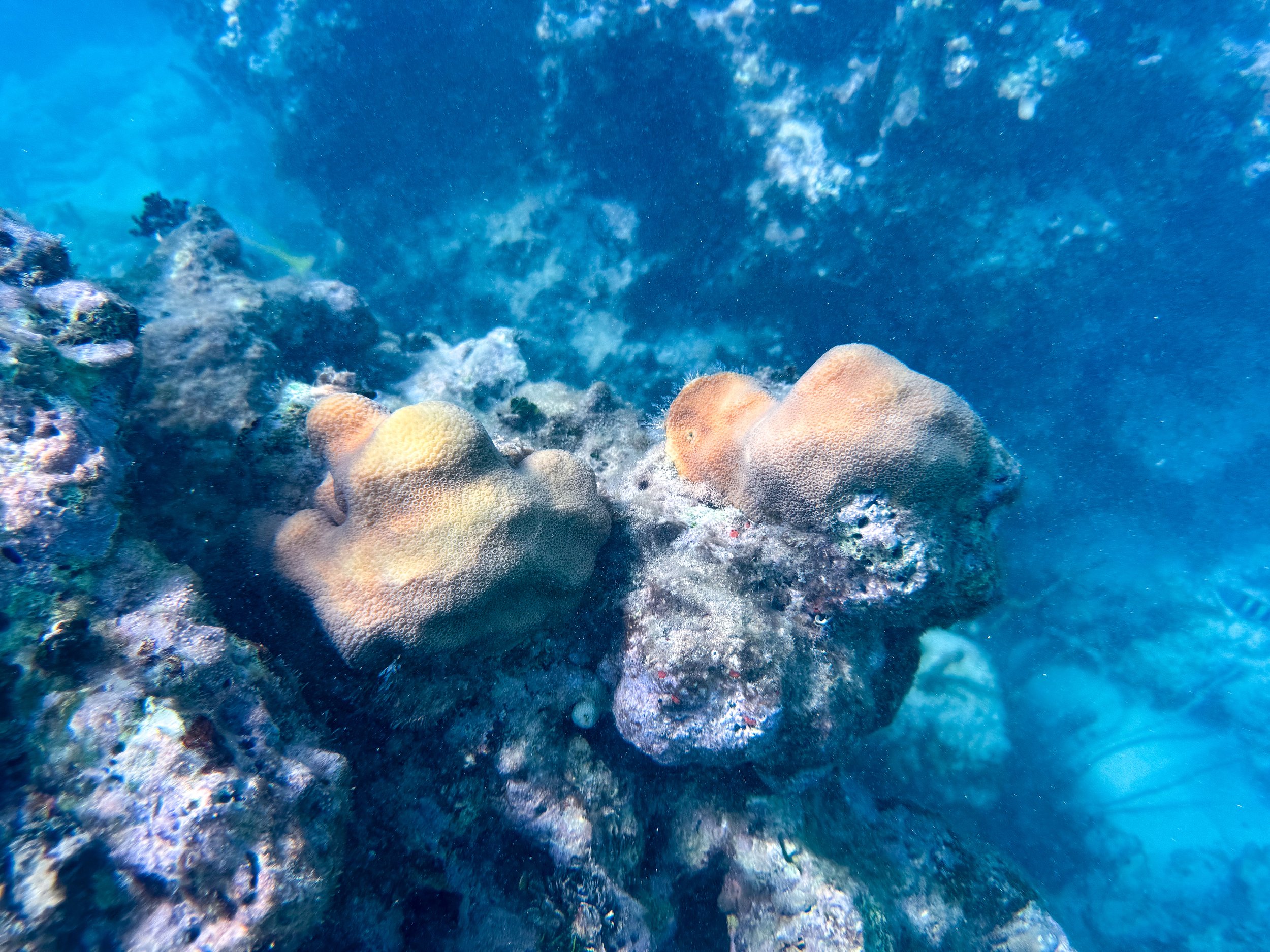
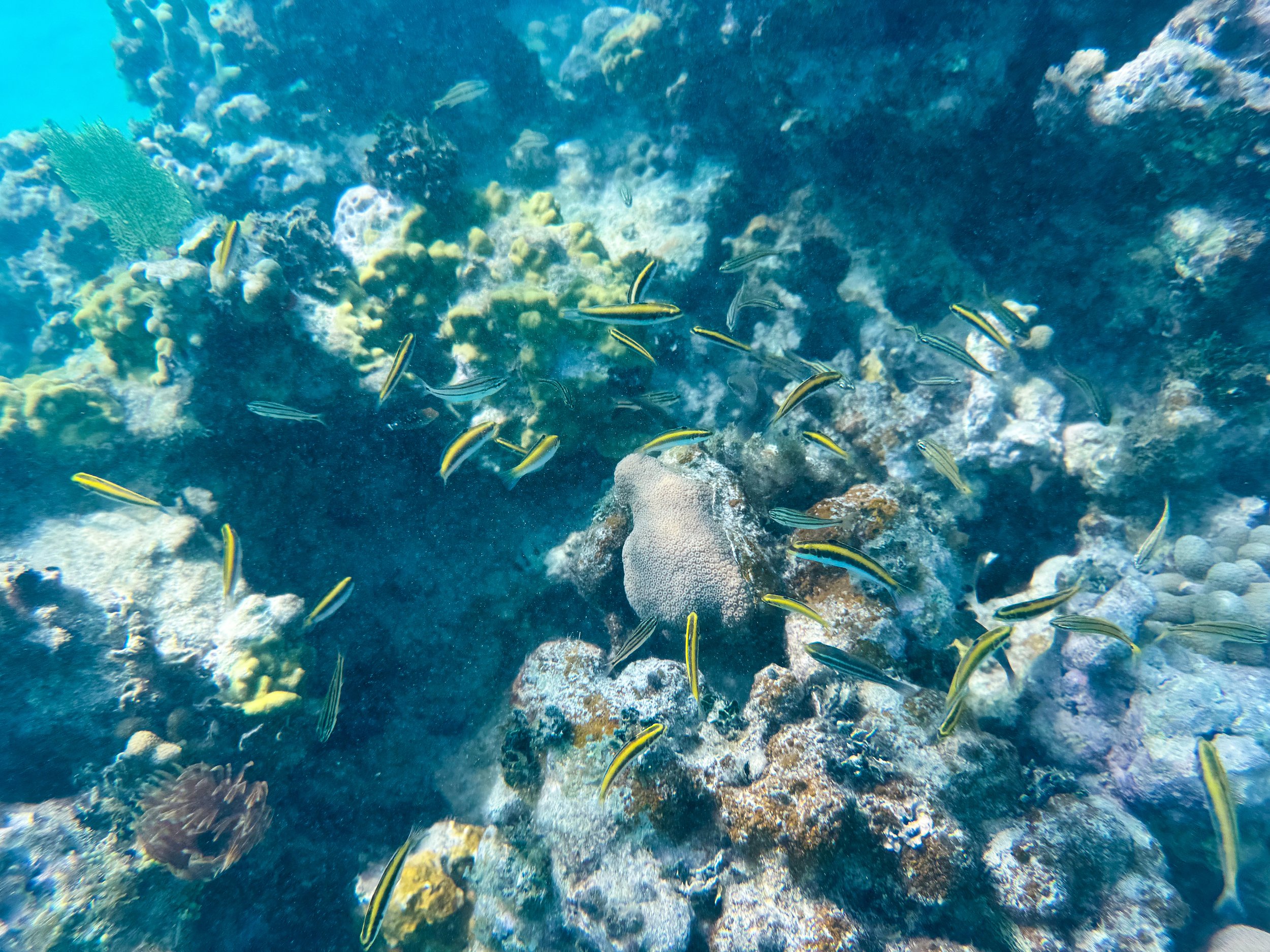
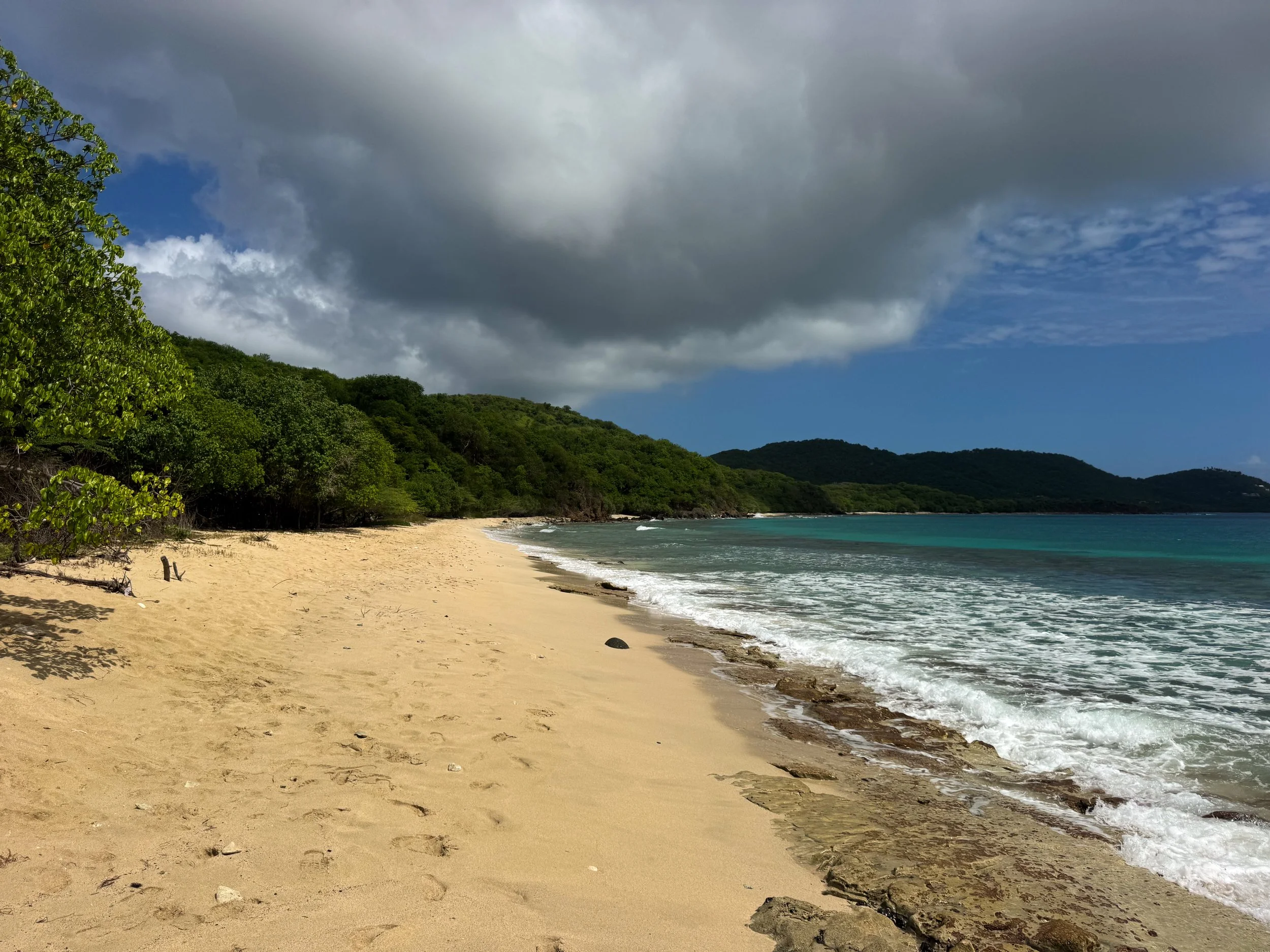
Playa Tamarindo Grande. A secluded beach along the Canal Luis Peña, accessible via the Carlos Rosario Nature Trail. Just offshore is a vibrant reef with all types of lively and colorful corals. For the best snorkeling, enter the water near the green beach sign at the center of the beach, swim about 25 feet out, then follow the reef to the left. Water shoes are recommended due to jagged rocks near the shore.
Carlos Rosario Nature Trail. A nature trail leading from the parking lot of Flamenco Beach to Playa Tamarindo Grande and Playa Carlos Rosario. The hike is relatively easy, leading over a hilltop crest, taking about 20 minutes one way. Along the trail, watch out for skittish lizards, hermit crabs and the occasional gardener snake.
Good to Know. Stay on the trail as unexploded munitions from military testing are believed to be in the area.
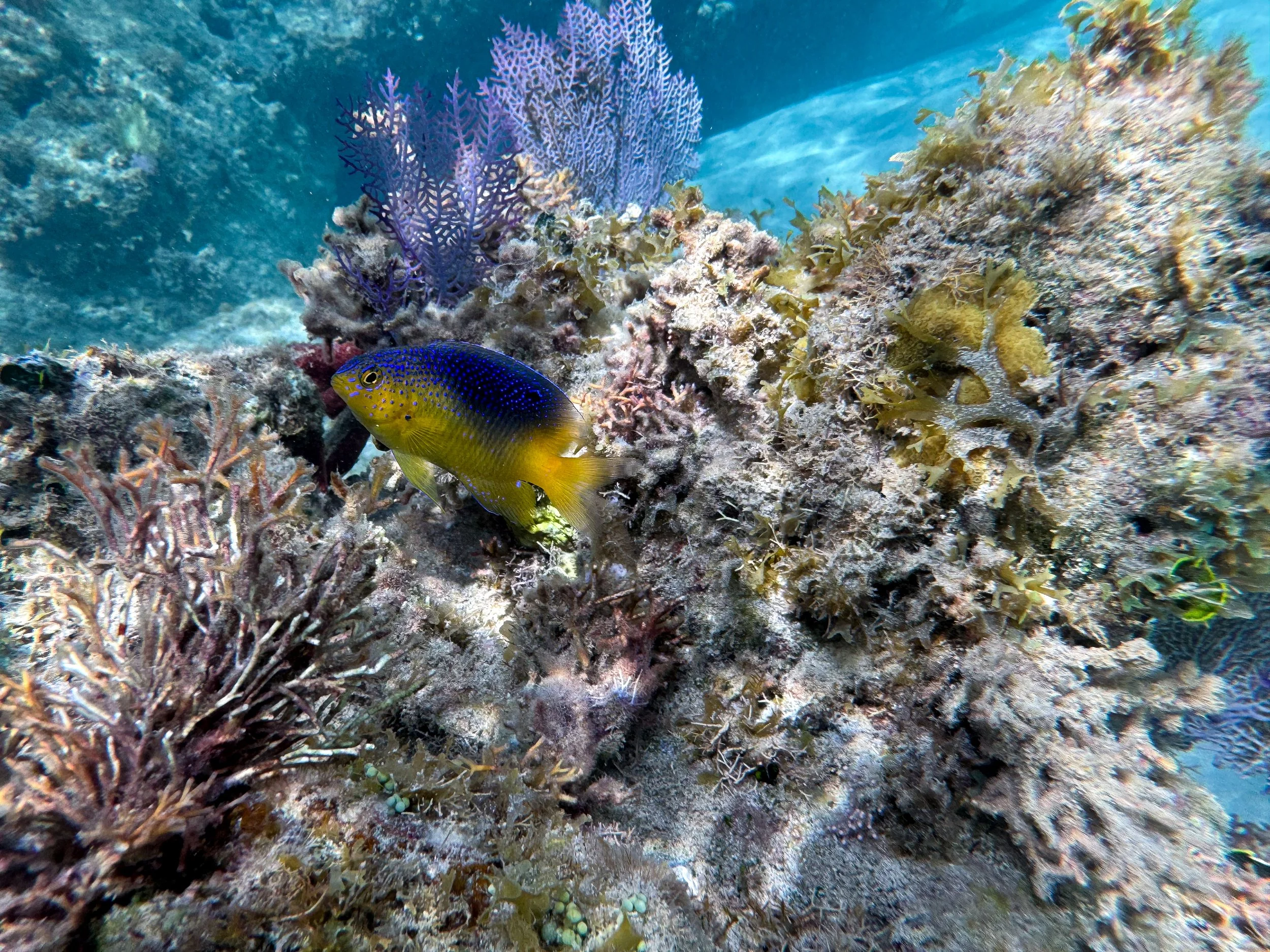
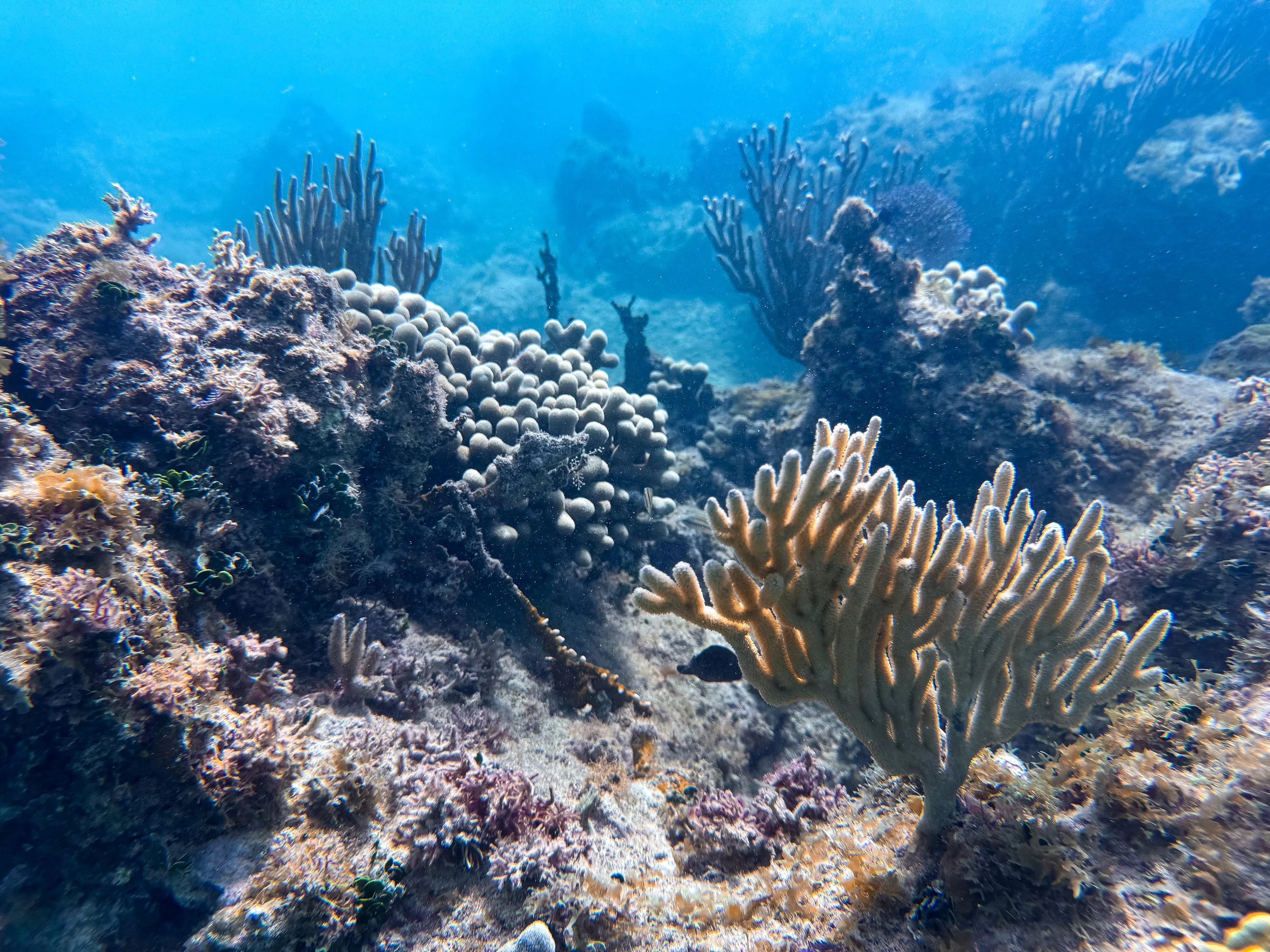
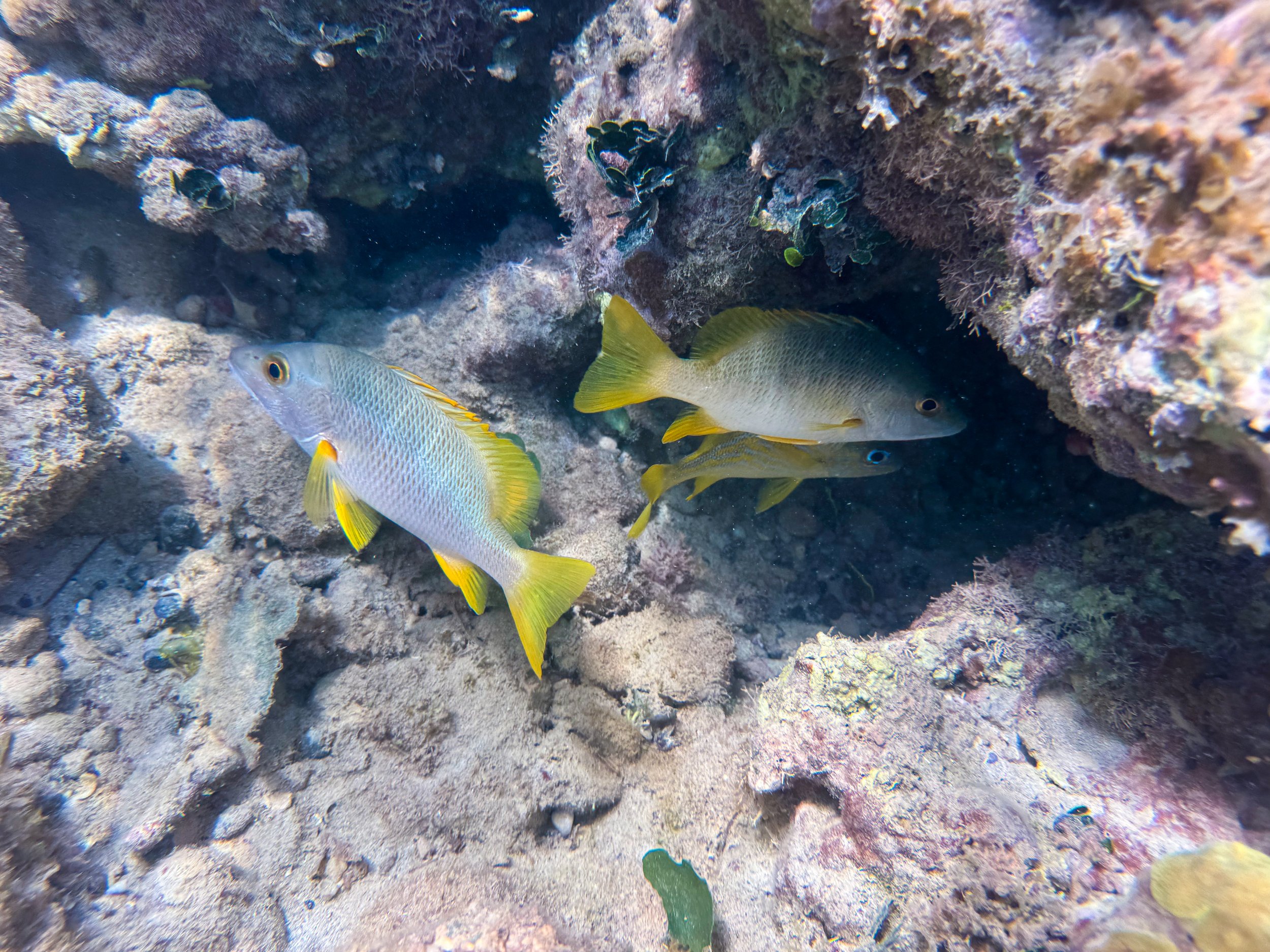
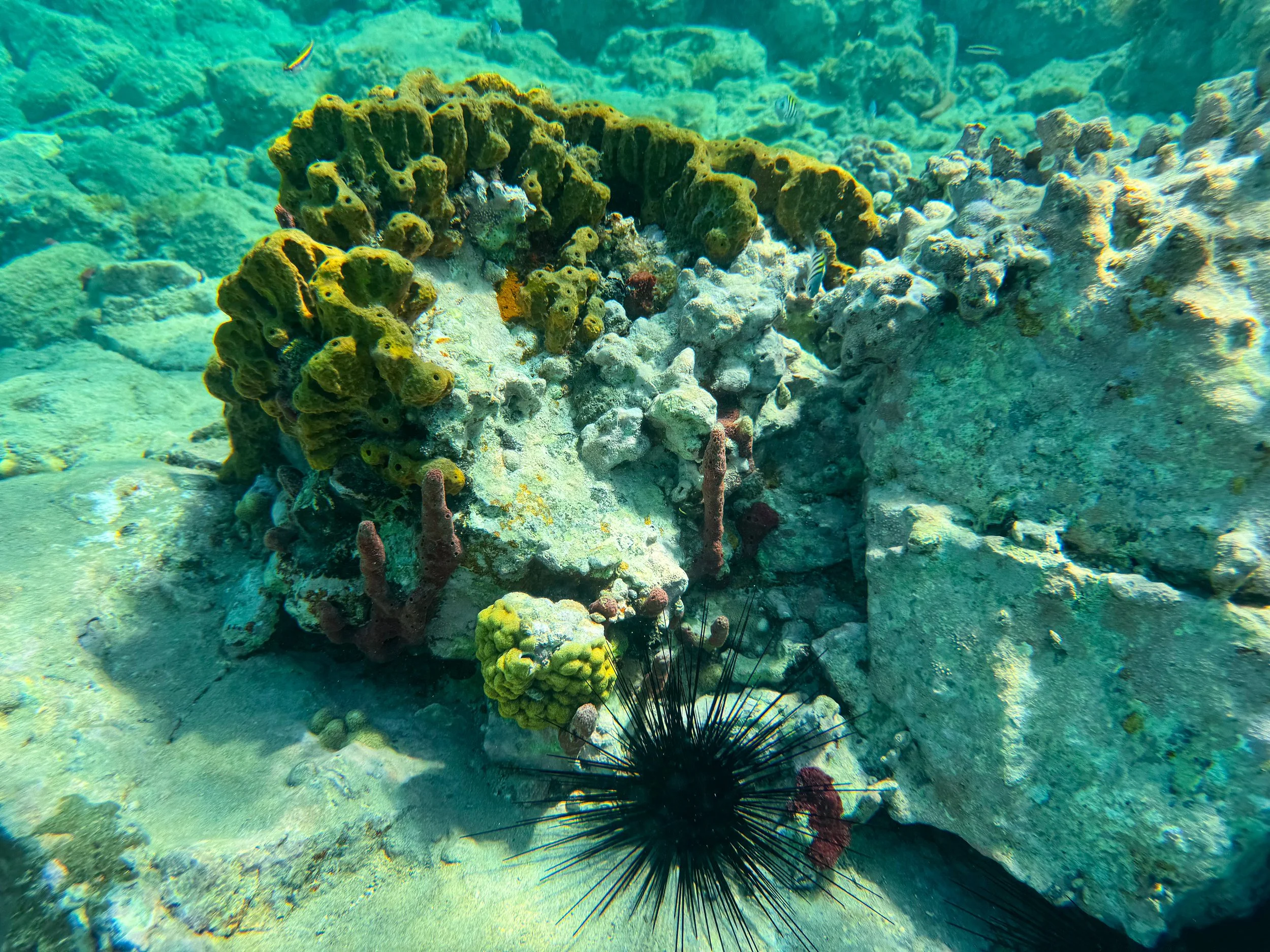
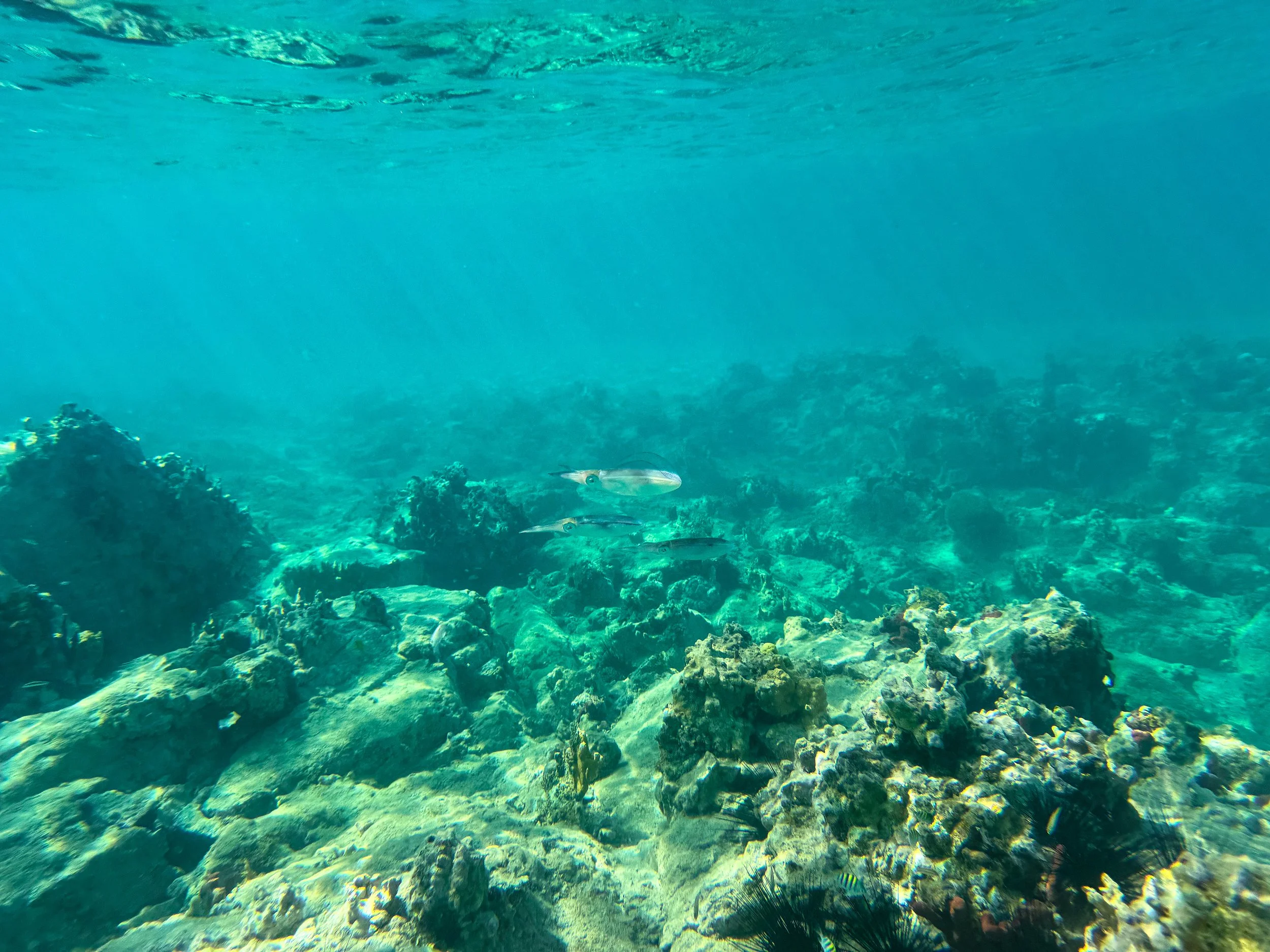
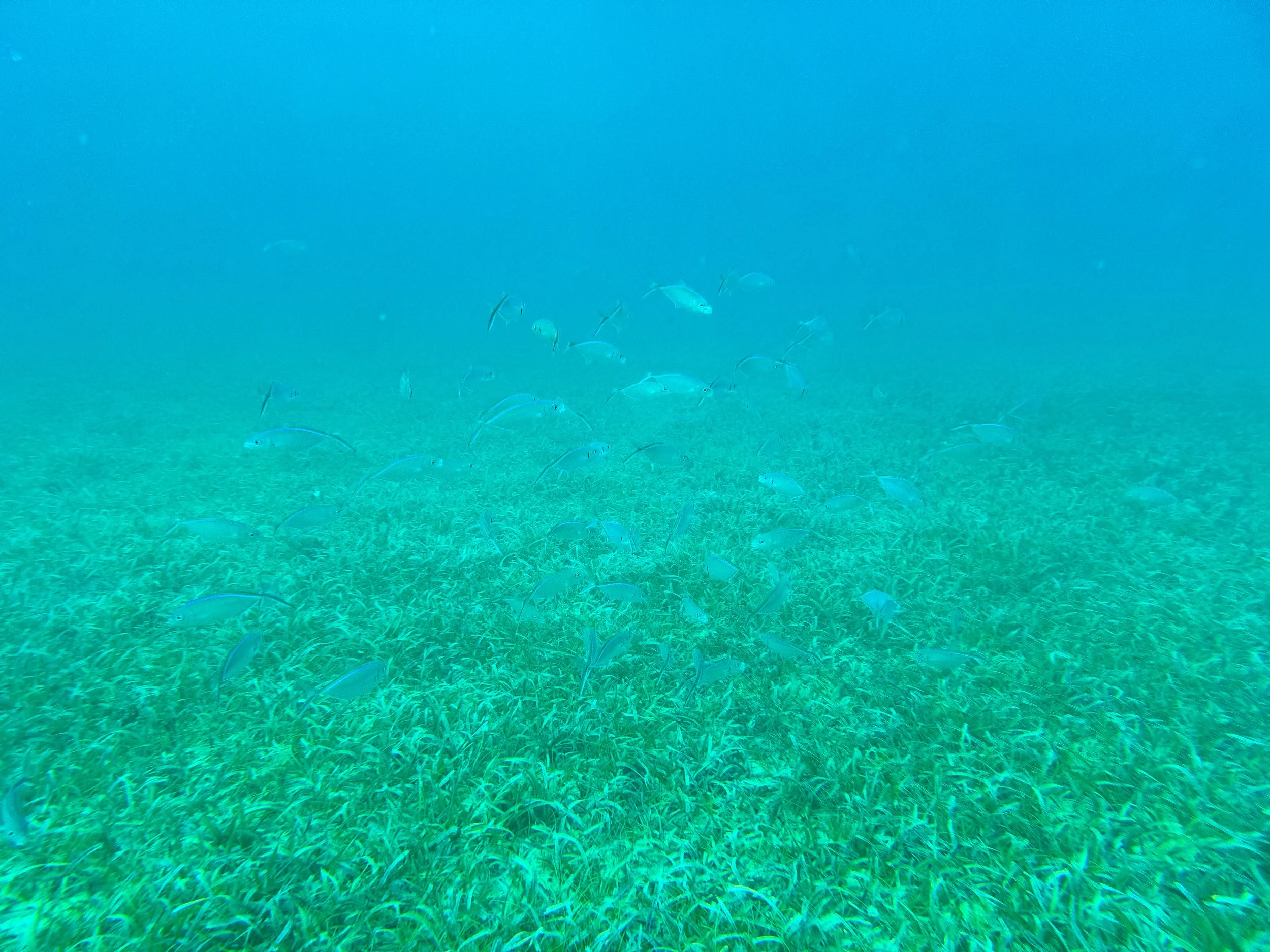
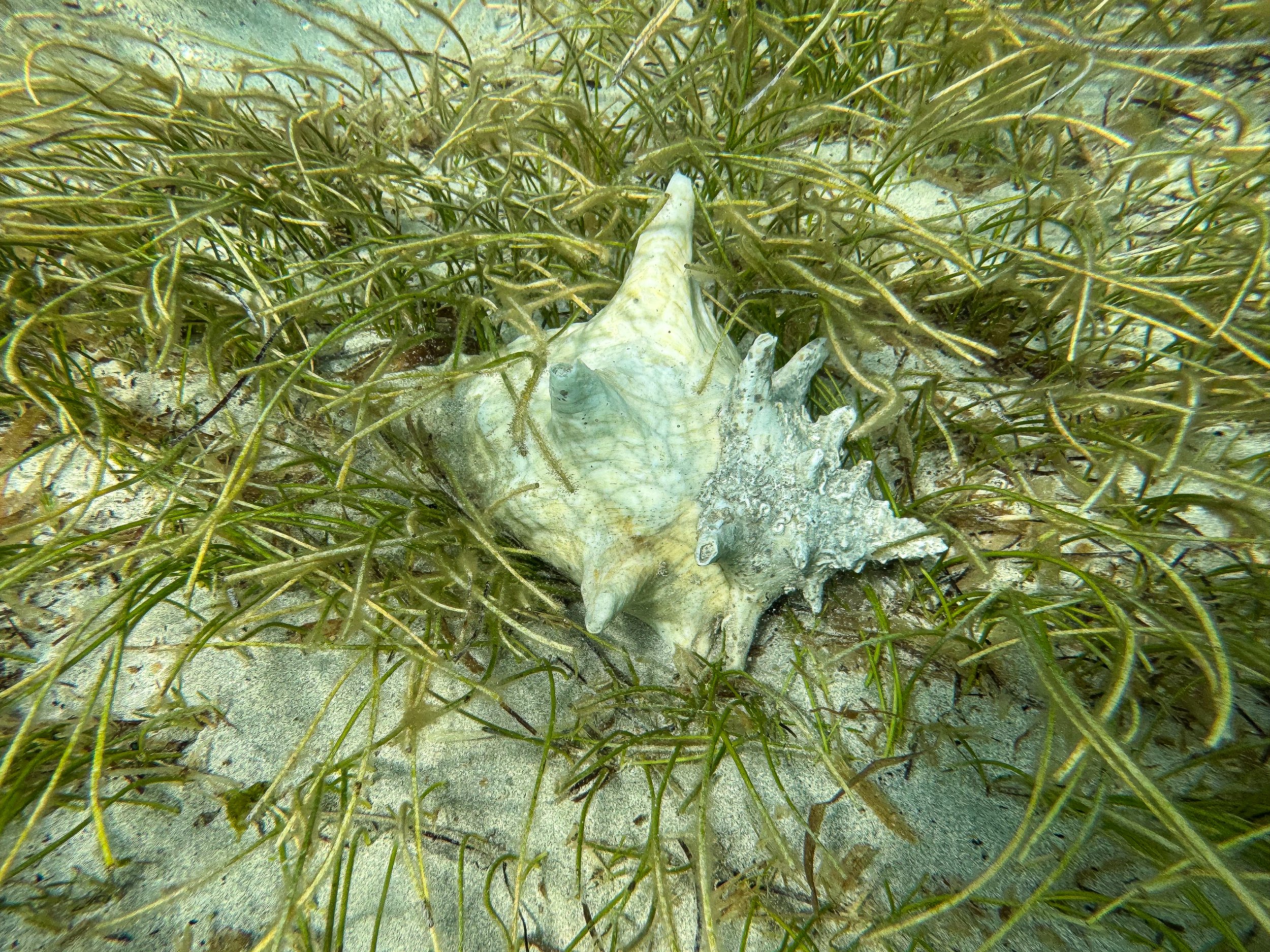
Playa Tamarindo. A beautiful beach with salt and pepper pebbles and a narrow stretch of white sand. This easily accessible spot is popular place for snorkeling. A small and colorful reef home with tropical fish resides just offshore to the far left while a vast meadow seagrass meadow begins about 50 feet out. Sea turtles, eagle rays and reef squids can be seen gliding through these waters.
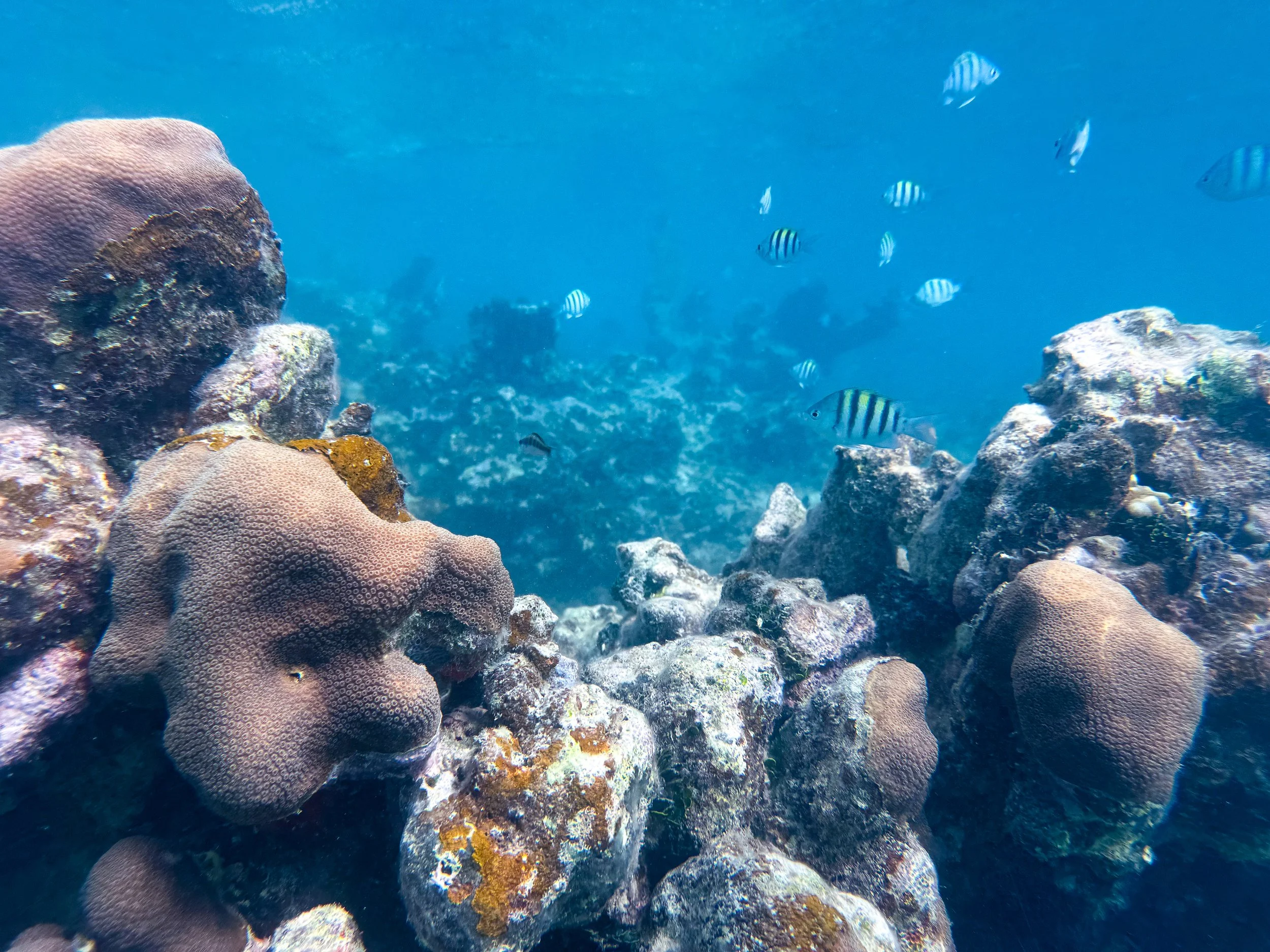
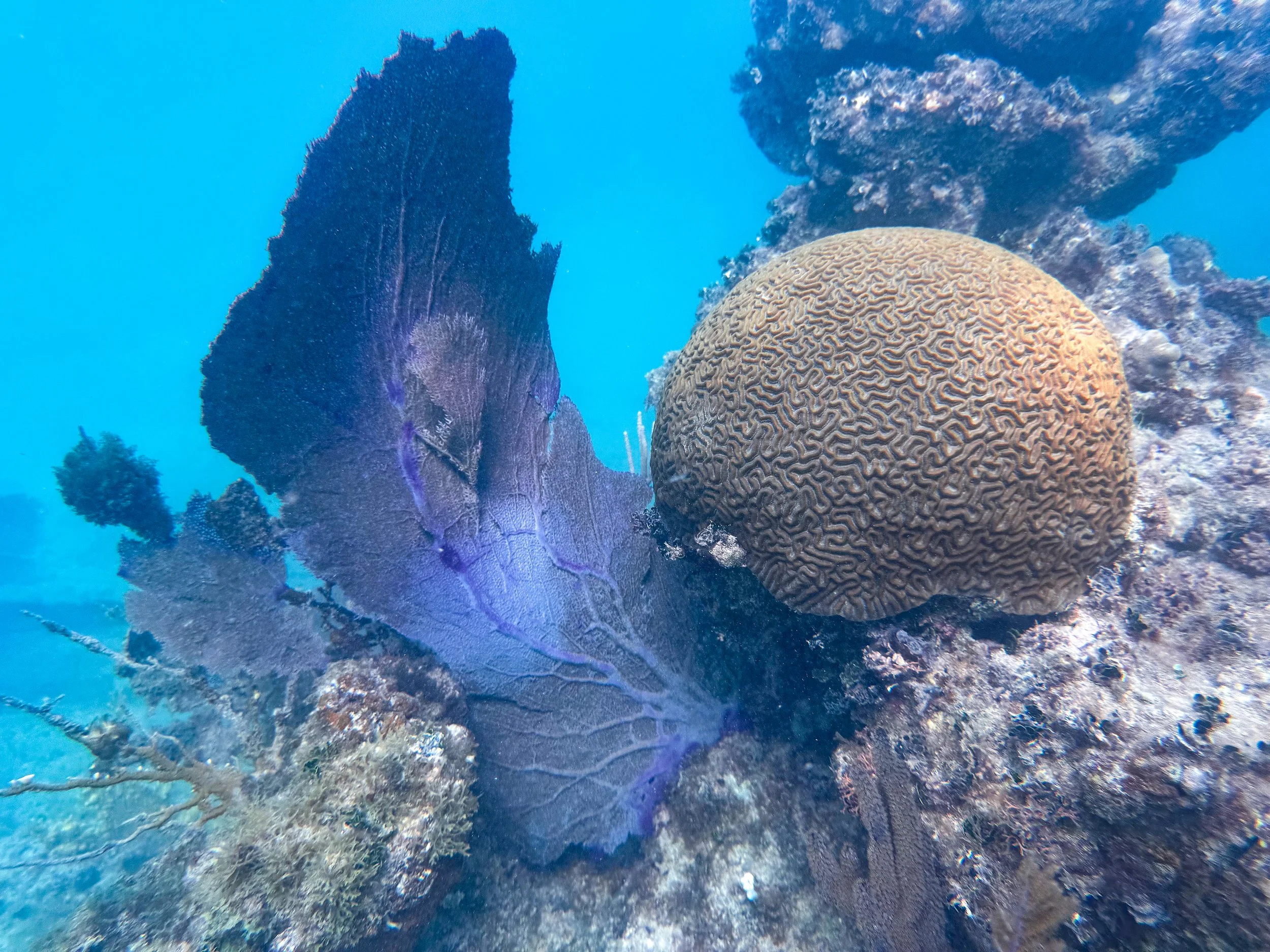
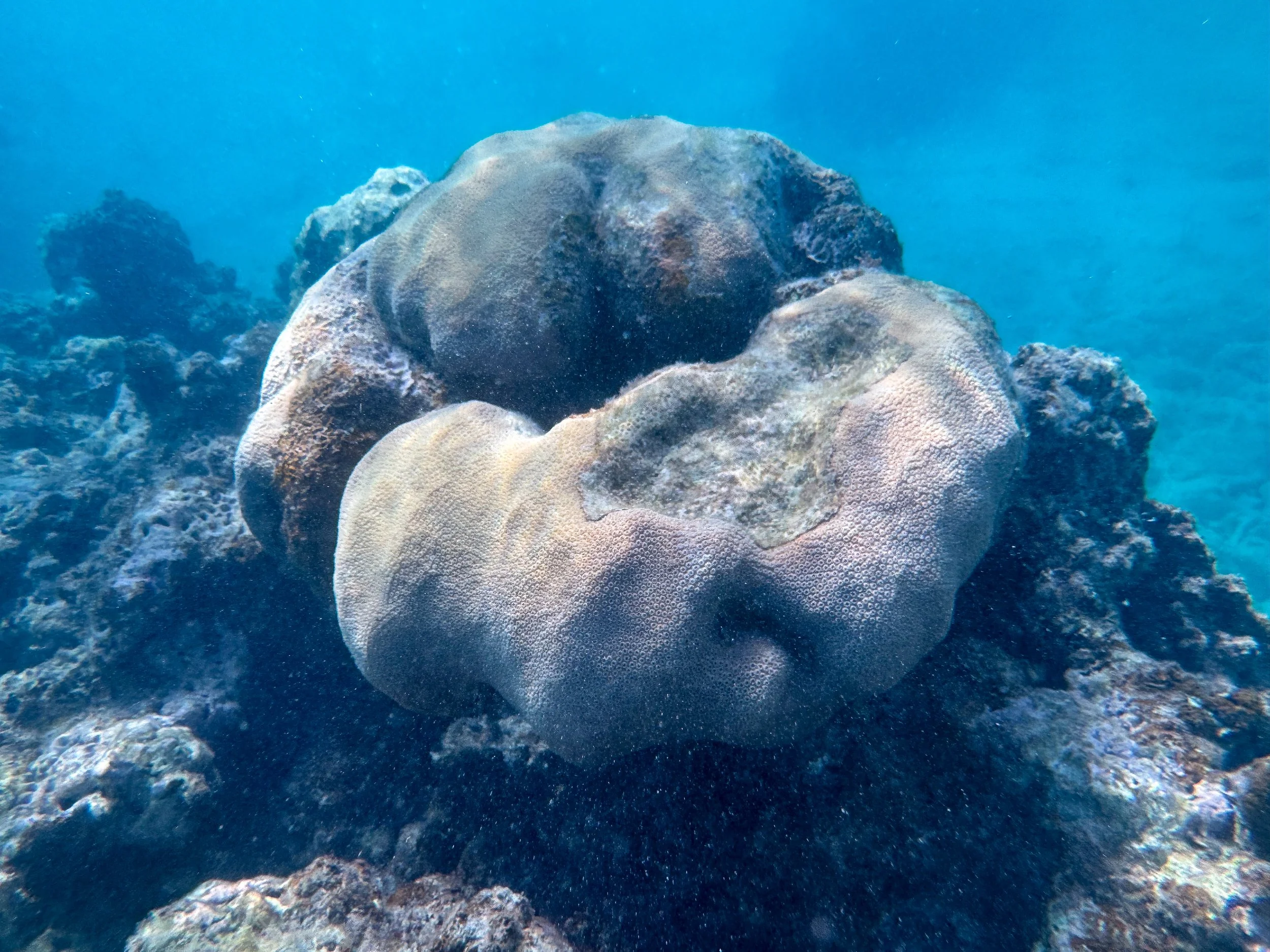
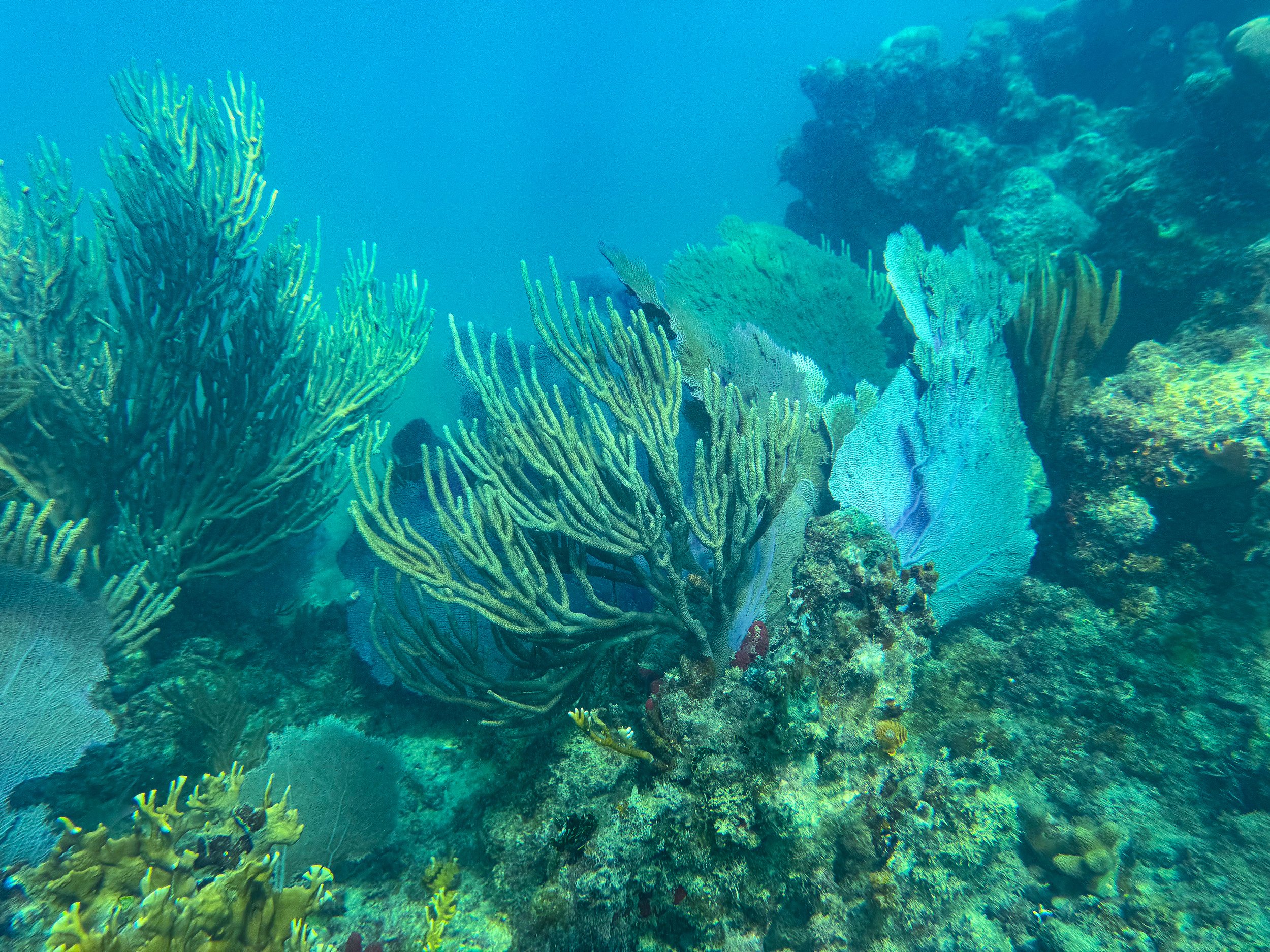
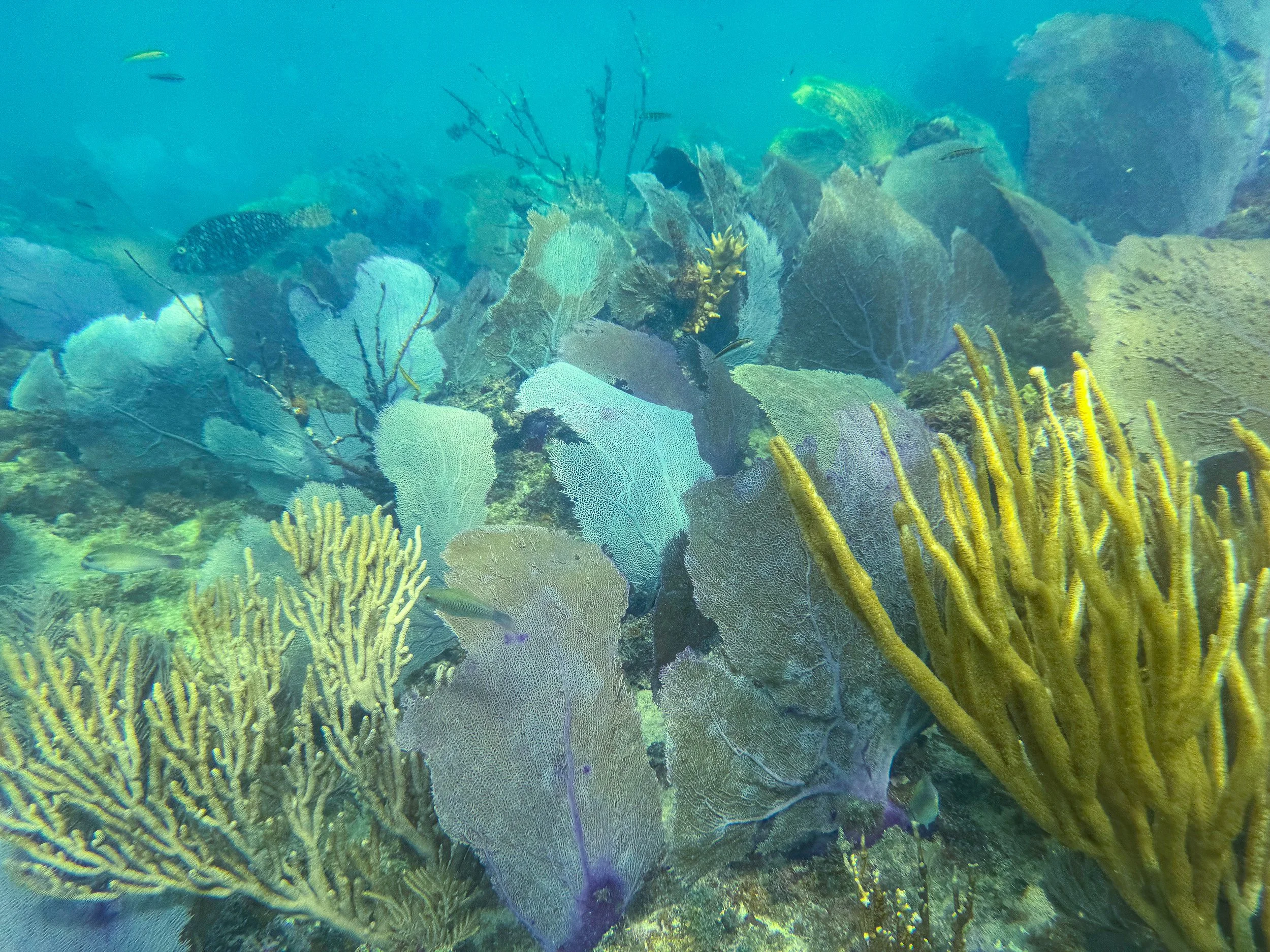
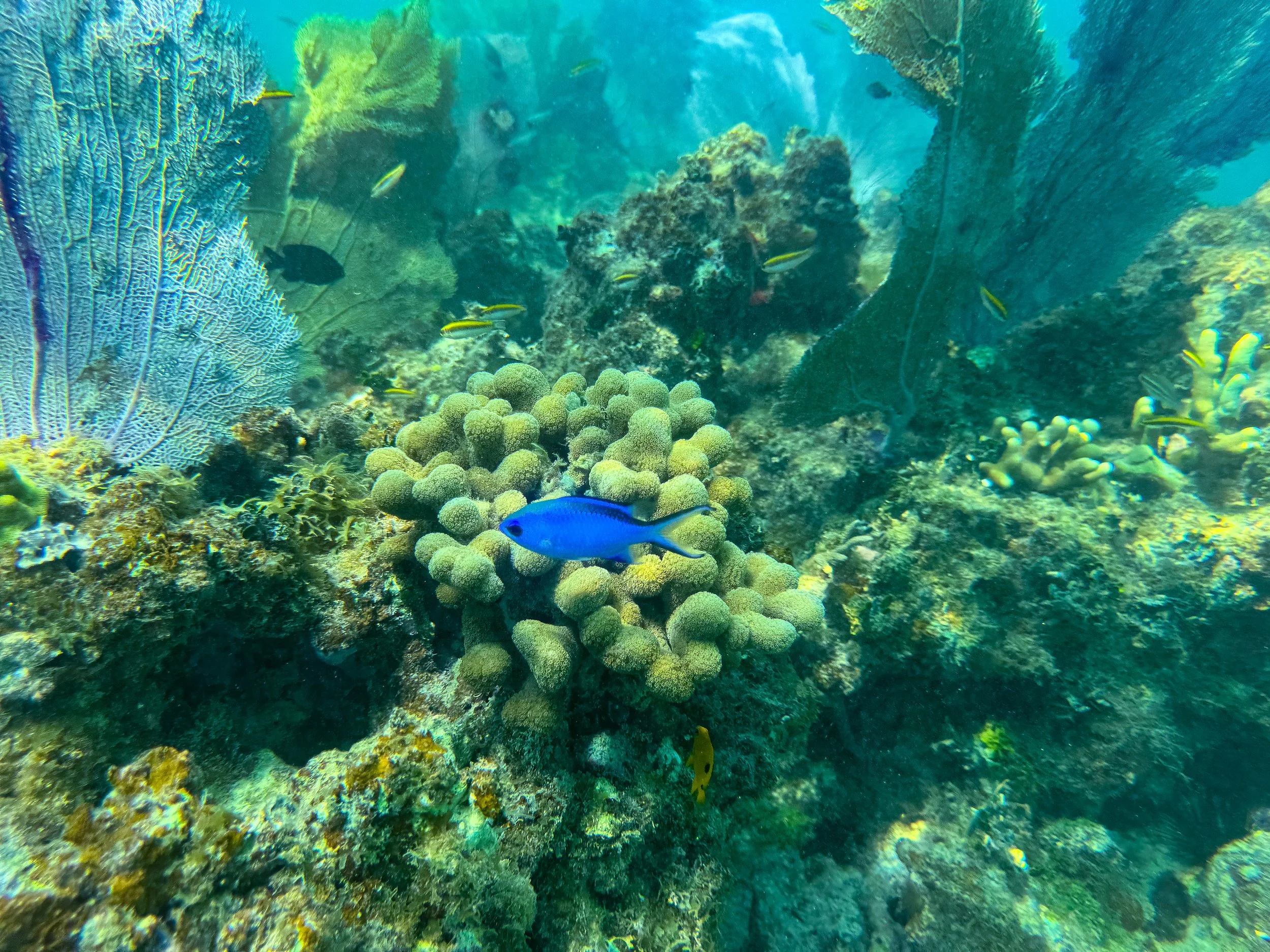
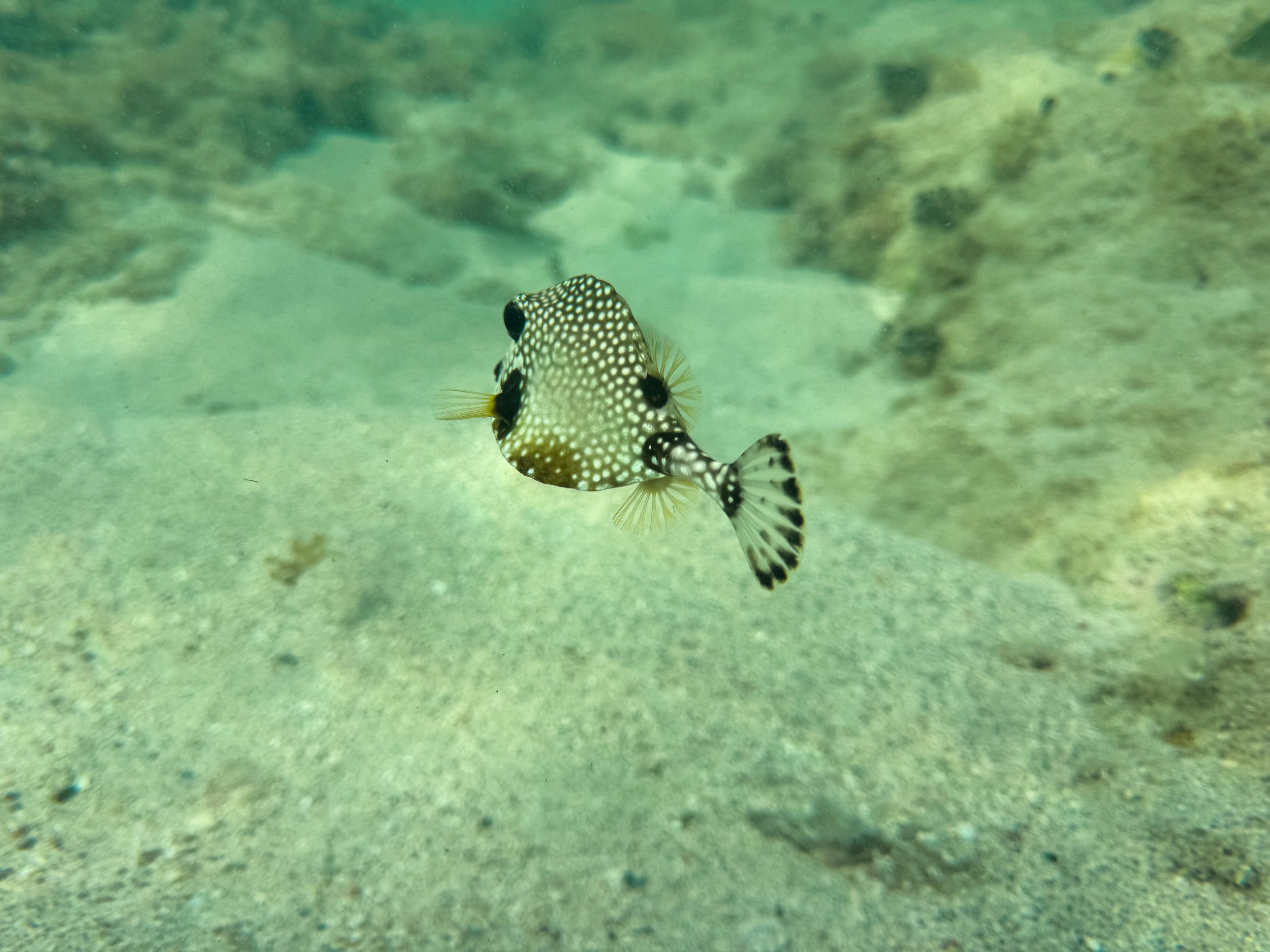
Playa Melones. A small and unassuming beach with a rocky shoreline and breathtaking coral reef. Enter the water at the center of the beach then swim out and towards the rocks on the right. Beneath the surface are large formations brimming with colorful corals and tropical fish. Green, purple and yellow corals sway in the currents as fish swim between and lurk within crevices. It’s some of the best snorkeling on Culebra!
Tips for Snorkeling in Culebra:
Snorkel Gear. Bring your own snorkel gear or rent it from Blue Water or Culebra Divers, both located next to the ferry terminal.
When to Snorkel. The sea life is most active before 10am and an hour before sunset.
Sunblock. Wear reef safe sunblock to avoid harming the corals.
Underwater Camera. Capturing photos underwater is possible with most smart phones and a specialty case. We used the Pictar Waterproof Smartphone Caseavailable on Amazon.
Places to Eat and Drink
For a tiny island, Culebra has a range of great restaurants, cafes and bars, mostly centered around Dewey.
Dinghy Dock. A popular restaurant overlooking the island’s inner bay, frequented by boaters on inflatable dinghies. Come here for tropical cocktails and fresh caught seafood dishes like grilled Mahi Mahi and Chillo Frito Entero (whole fried red snapper). Feed the scraps to the giant tarpon waiting dockside.
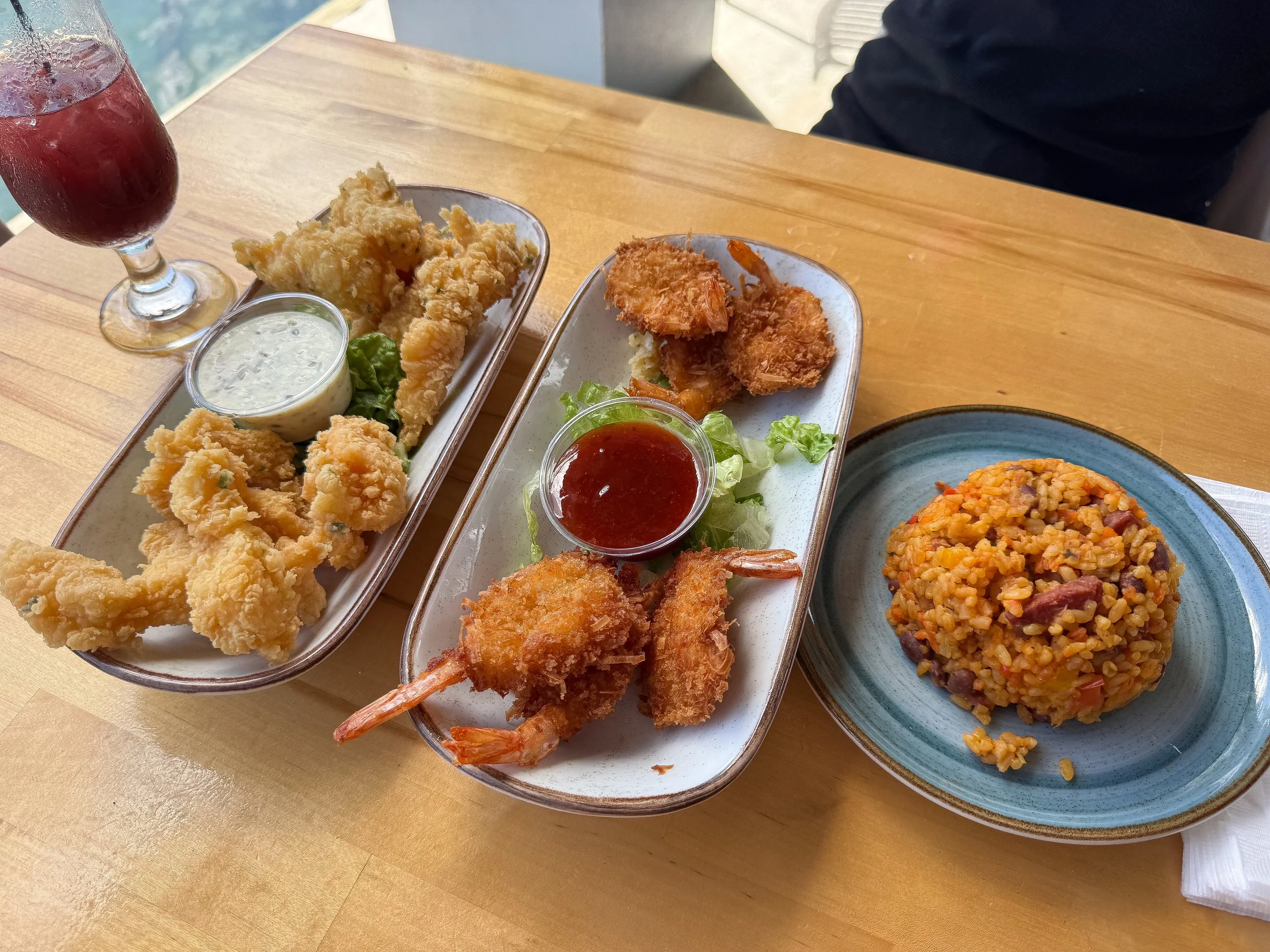
Mamacita’s. A lively restaurant and bar located along the narrow canal in the middle of town. It’s a favorite spot of ours to come for boozy cocktails and sharable appetizers like coconut shrimp, mahi mahi bites and tostones. Like Dinghy Dock, come here to feed the tarpon.
La Cocina del Navigante. An elevated restaurant overlooking the island’s inner bay. Their kitchen specializes in seafood dishes like Caribbean lobster, filets of red snapper, shrimp stuffed mofongo and paella!
El Batay. A roadside bar and local hangout located halfway between town and the airport. Come here to play a game of pool, sip on drinks or order one to takeaway.
Pan Cafe. A very popular bakery serving pastries, breakfast sandwiches and coffee. Try the Mallorca, a bready Puerto Rican pastry shaped into a swirl and sprinkled with powdered sugar.
Hotel Kokomo. The perfect go to for an inexpensive meal or quick lunch, especially while waiting for the ferry. We’ve ordered fish sandwiches and empanadas.
Black Flamingo Coffee. Our favorite breakfast spot on the island. Come here for their coffee, homemade sourdough toast and breakfast tacos.
Culebra Coffee. A coffee shop selling mango and acai bowls, egg dishes and baked goods.
Tips for Dining Out in Culebra:
Most places accept credit cards however it’s good to have cash. There’s an ATM in town near the ferry terminal.
Make reservations at places you want to eat. Service ends early and places can book up.
Be patient, people and businesses move slower here.
Grocery Stores
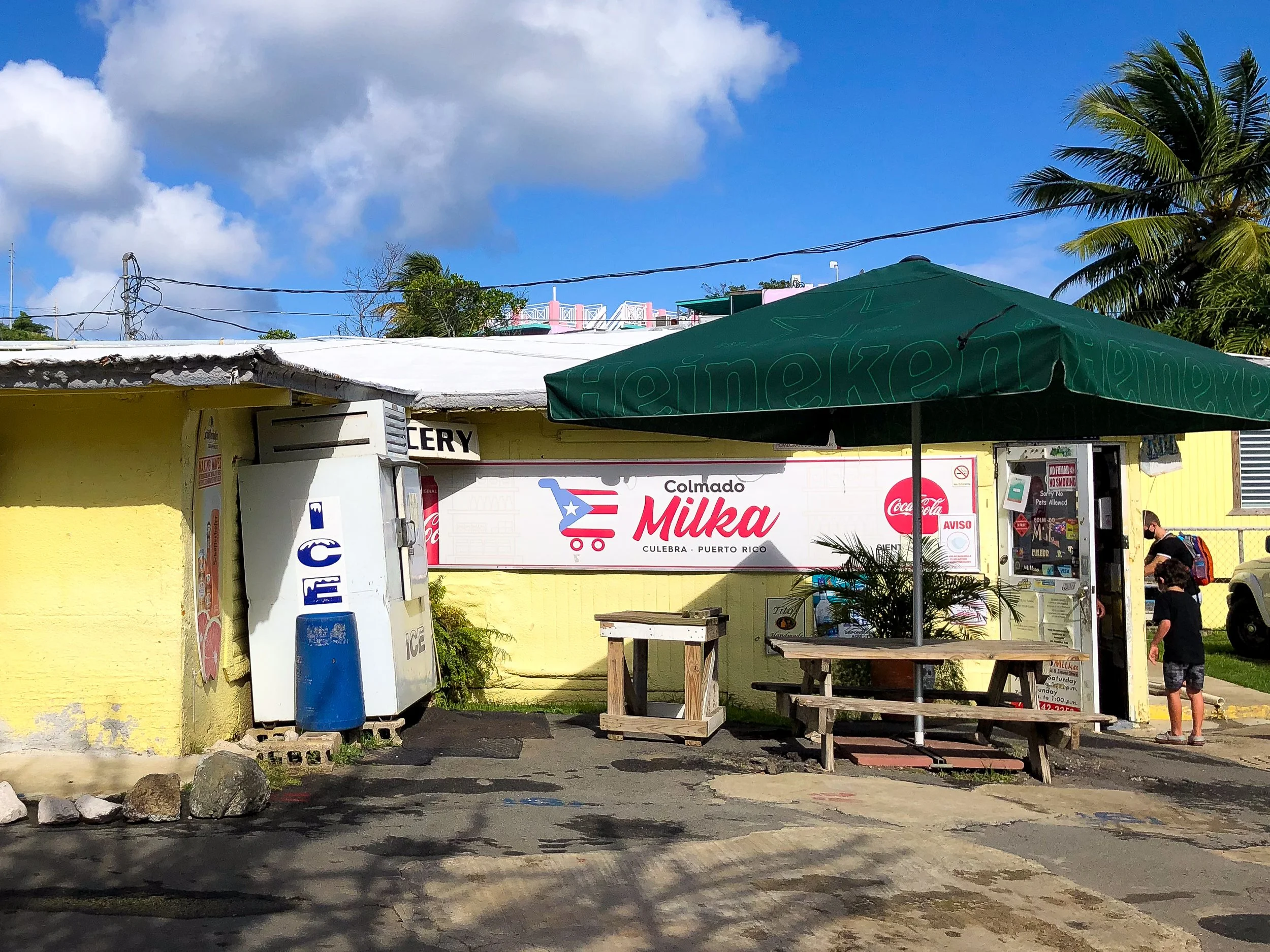
There are two grocery stores on the island. Colmado Carniceria Milka, located in town and Colmado Costa del Sol, located next to the airport. Both offer all the basics and necessities of any grocery store. They’re also good spots to buy snacks and drinks for the beach.
Getting to Culebra
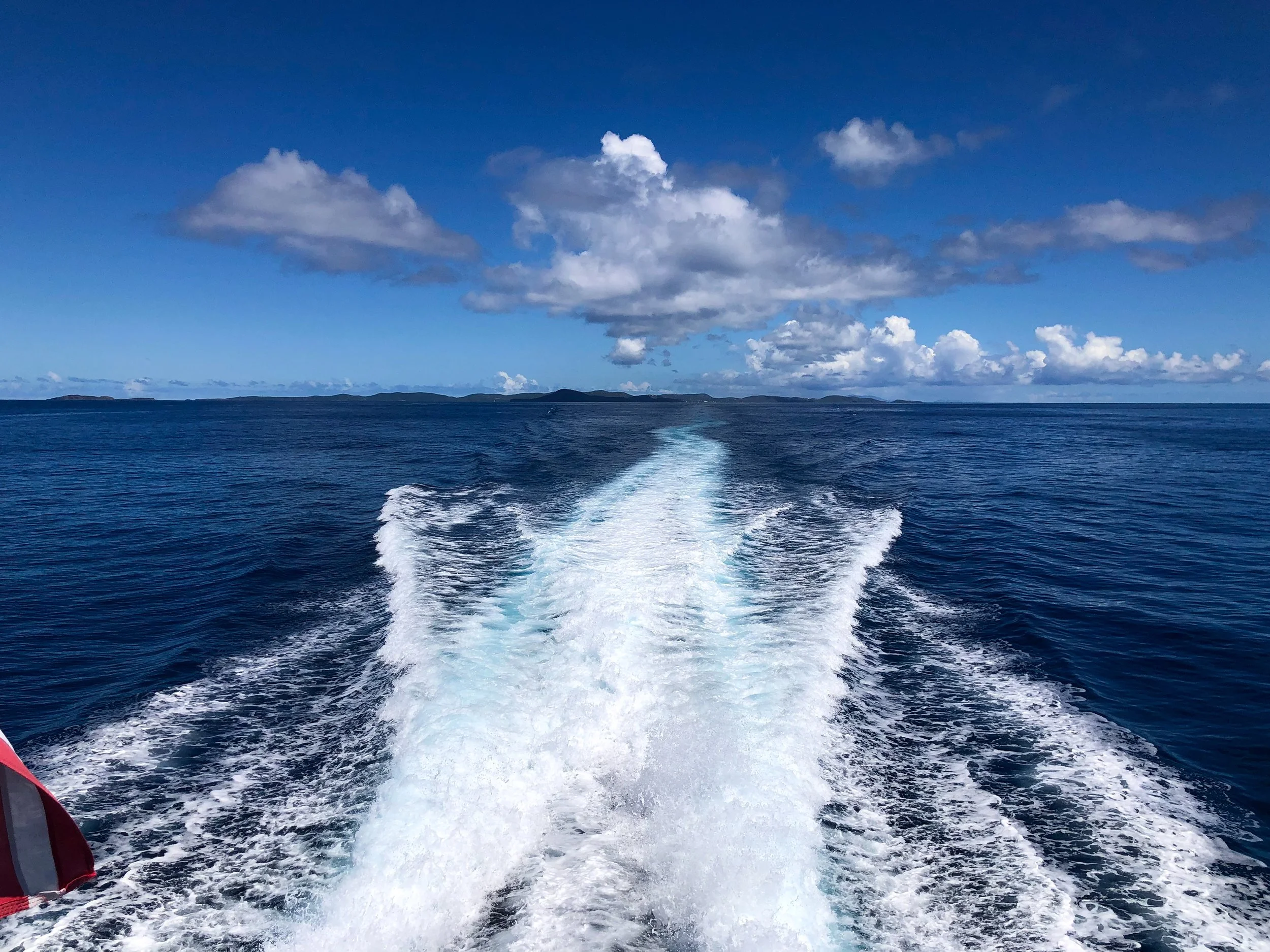
By Ferry. Take the Puerto Rico Ferry from Ceiba to Culebra. It’s an efficient and cost effective way of reaching the island. The ferry operates on a strict schedule. You need to buy tickets at least 1 week in advance, especially if traveling on a weekend. It can take anywhere from 1-2 hours depending on the type of boat and sea conditions.
Getting to Ceiba. Preschedule an Uber or Lyft. Rides typically cost around $100 one way. The drive from San Juan to Ceiba takes on average 1 hour 30 minutes depending on traffic and time of day.
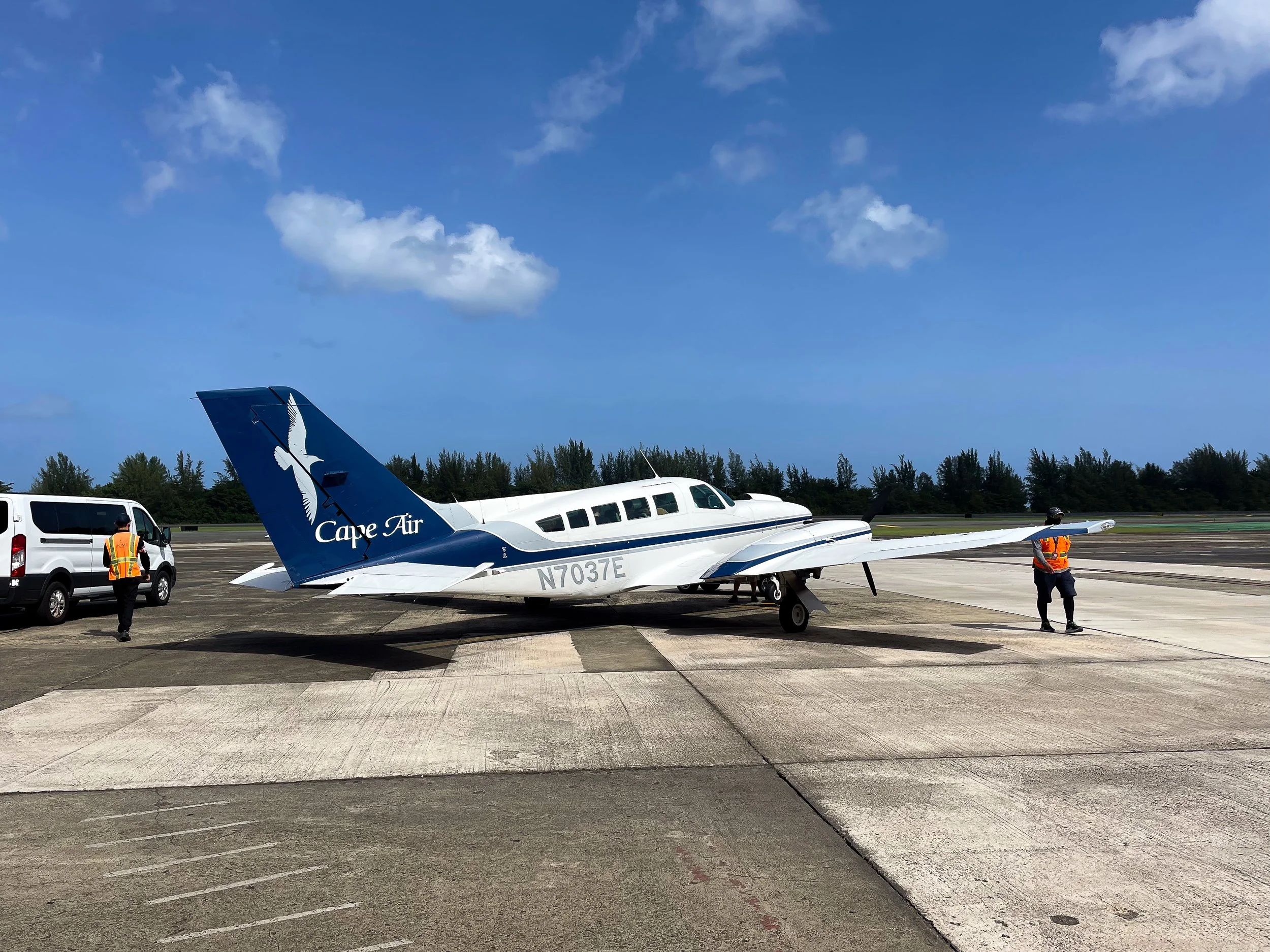
By Plane. Book flights on a puddle jumper through Cape Air. Flights take less than 30 minutes from San Juan. Roundtrip tickets can cost between $200 and $300 per person. Due to cost, we typically opt for the ferry.

Getting Around Culebra
Golf Cart Rentals. A golf cart is the most efficient way to navigating Culebra on your own. UTV Rental PRoffers a range of rugged club cars for $70-$85 per day
Jeep Rentals. Having a Jeep is helpful for getting around on your own schedule but can be expensive. We’ve rented from Jerry’s Jeep Rental and Carlos Jeep Rentalon past trips for around $150 per day. It’s often more adoptable to rent a golf cart or call a taxi when needed.
Culebra Taxis. Local drivers provide taxi services around Culebra. The typical ride costs $20 for up to 4 people. Expect to pay in cash or by payment link. Here are some reputable taxi drivers.
Angel (787) 455 1892
Damaris (787) 455 1893
Abner (787) 237 5313
On Foot. Though Culebra is a small island, getting around on foot outside of the town is difficult but not impossible. Many people are friendly enough to stop and give you a ride. Carry a flashlight when walking at night.
Where to Stay
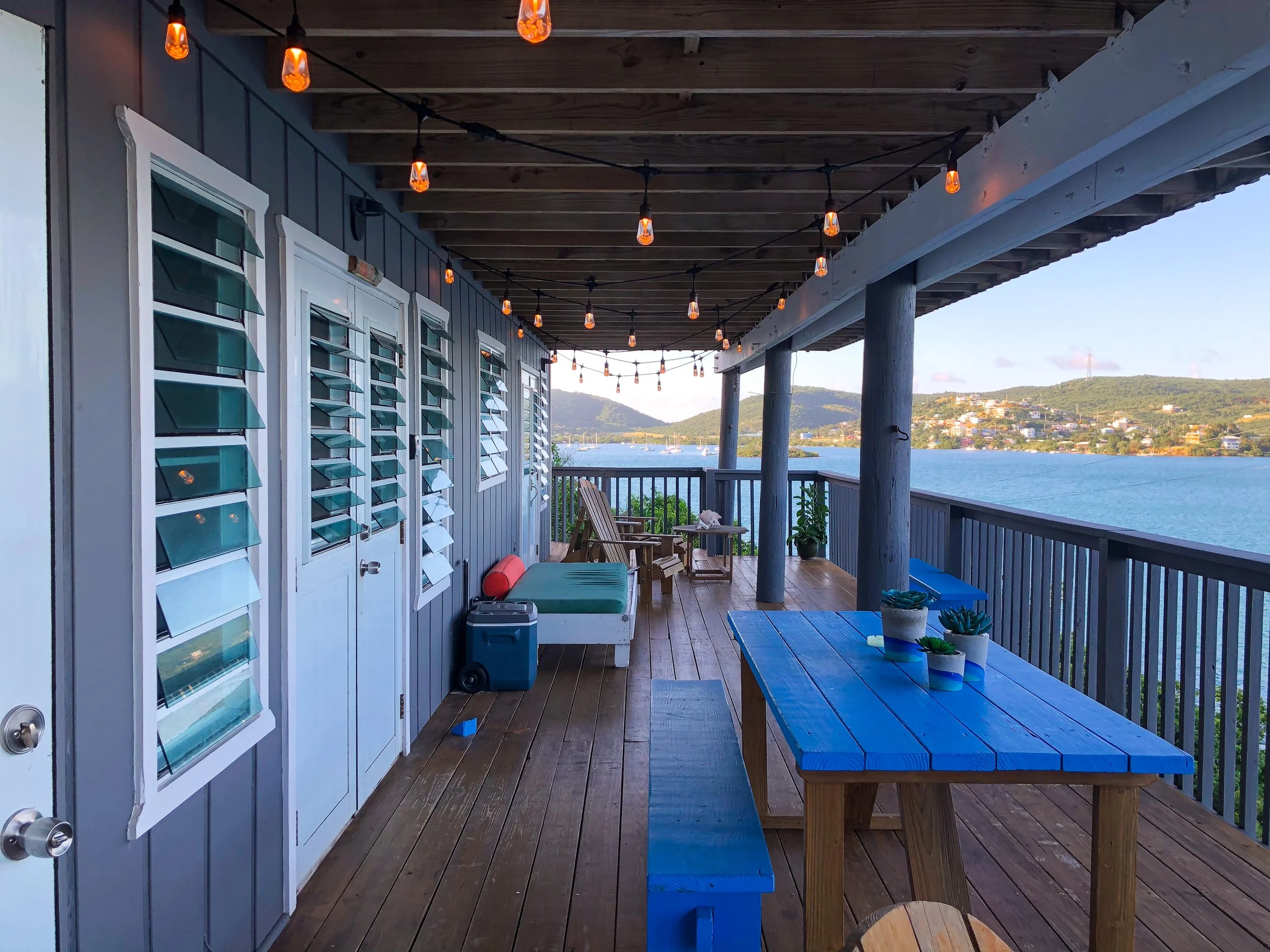
Having visited Culebra three time, we’ve camped, stayed in Dewey and further away along the bay.
Mamacita’s Guest House. A hub for activity on Culebra and a lively place to stay in the center of town. The rooms are simple but well equipped for a relaxing stay. Make sure to visit the restaurant and bar for dinner and drinks. Book on Airbnb.
Oceanfront Villa. A vacation rental with panoramic views the island’s inner bay. The villa has private suites and shared balcony. It’s located about 20 minutes on foot from Dewey or 5 minutes by car. Book on Airbnb.
Vieques
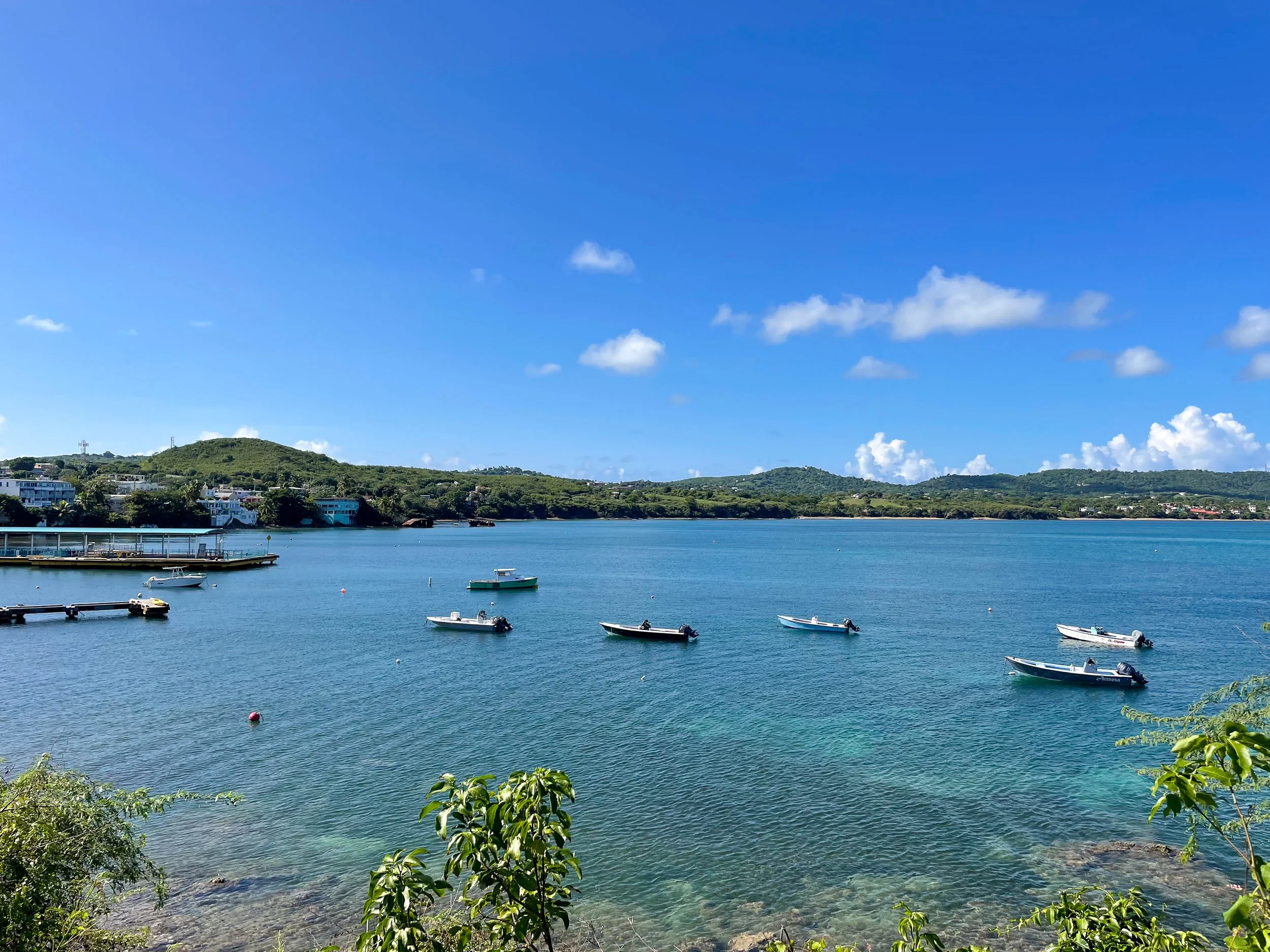
Vieques is an island 6 miles off the coast of Puerto Rico. It’s home to a bioluminescent bay, free roaming horses, white and black sand beaches, turquoise swimmable water and marine reserves.
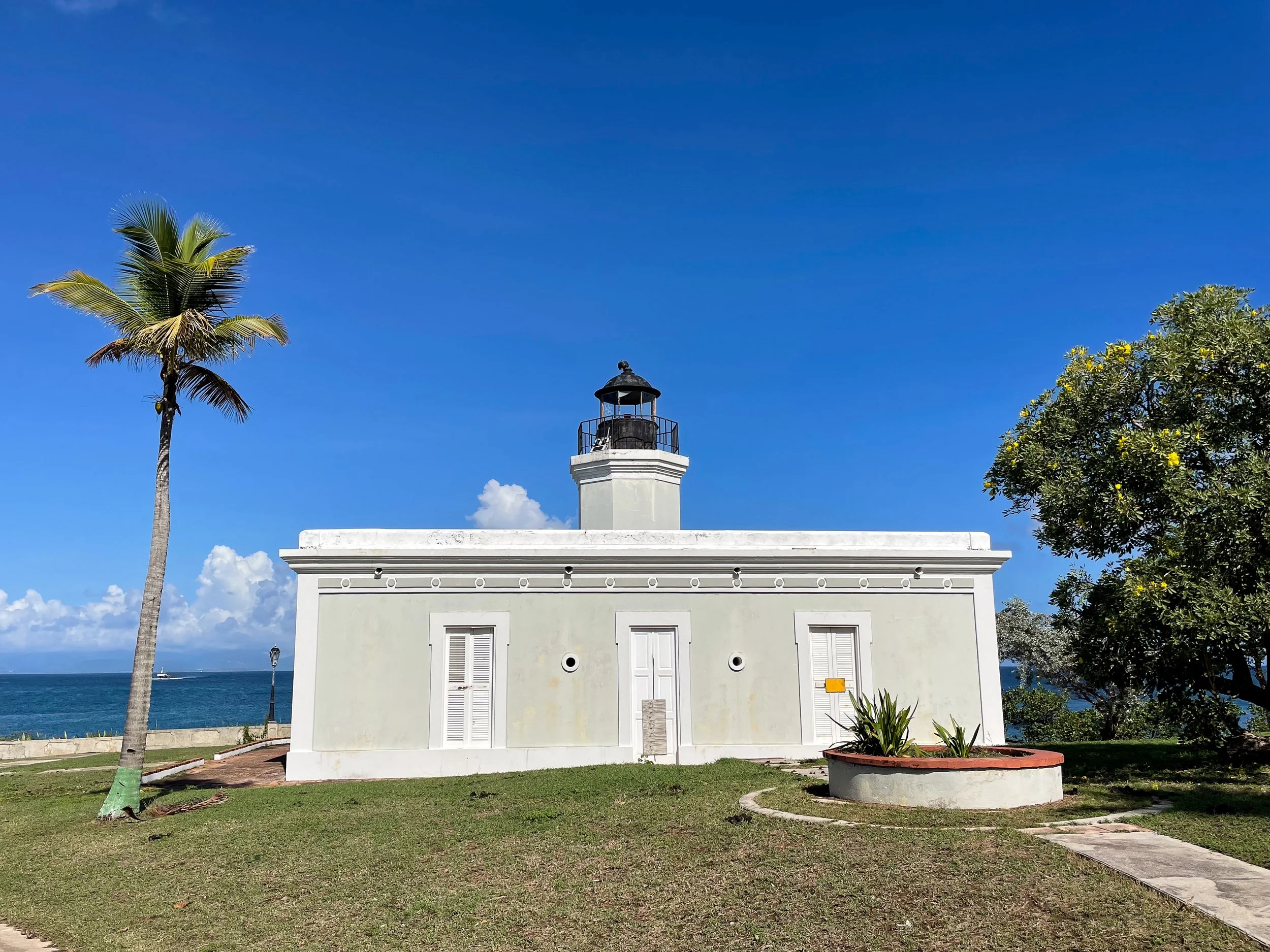
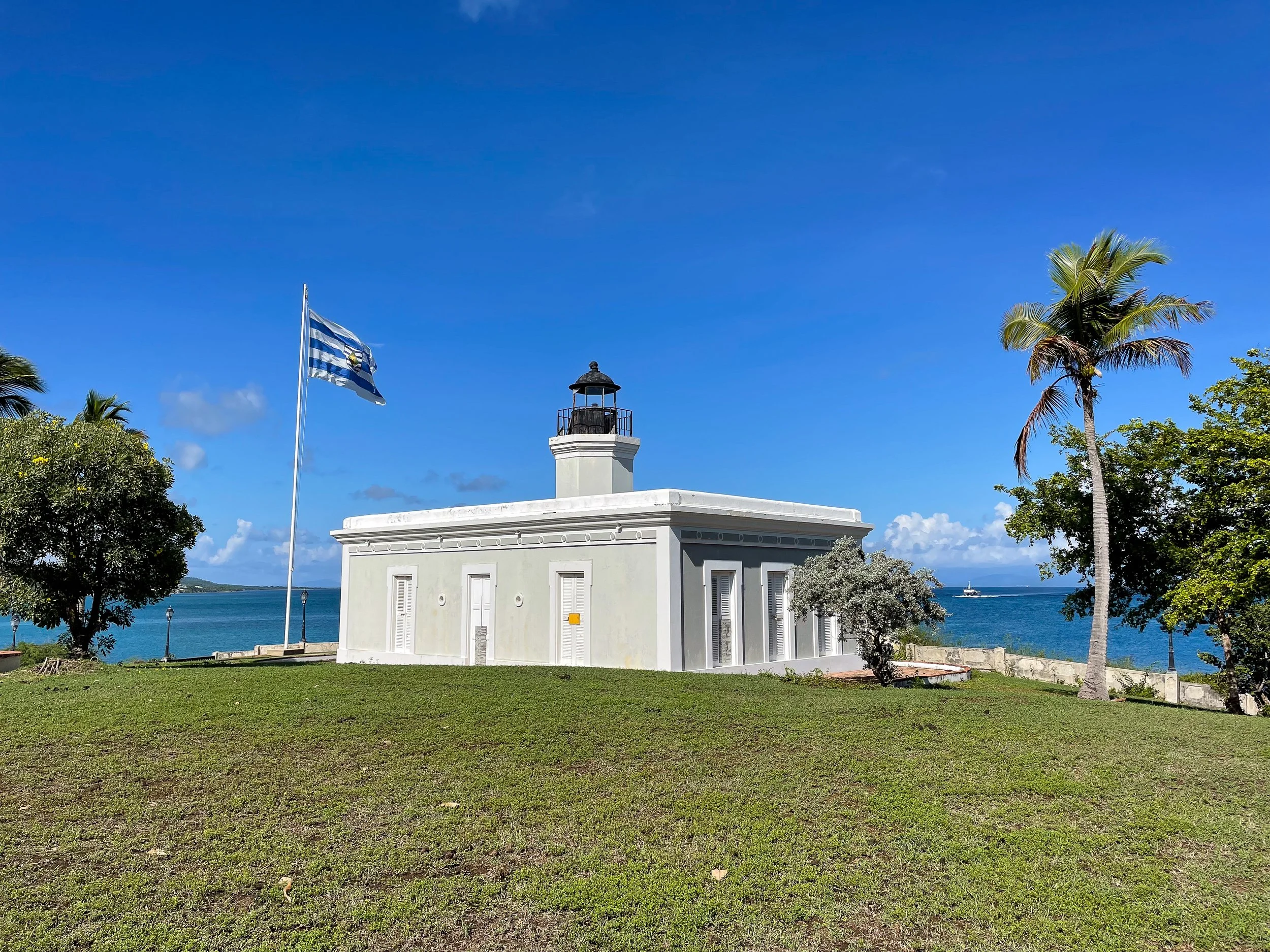
Faro Puerto Mulas. A small abandoned lighthouse overlooking Isabella Segunda.
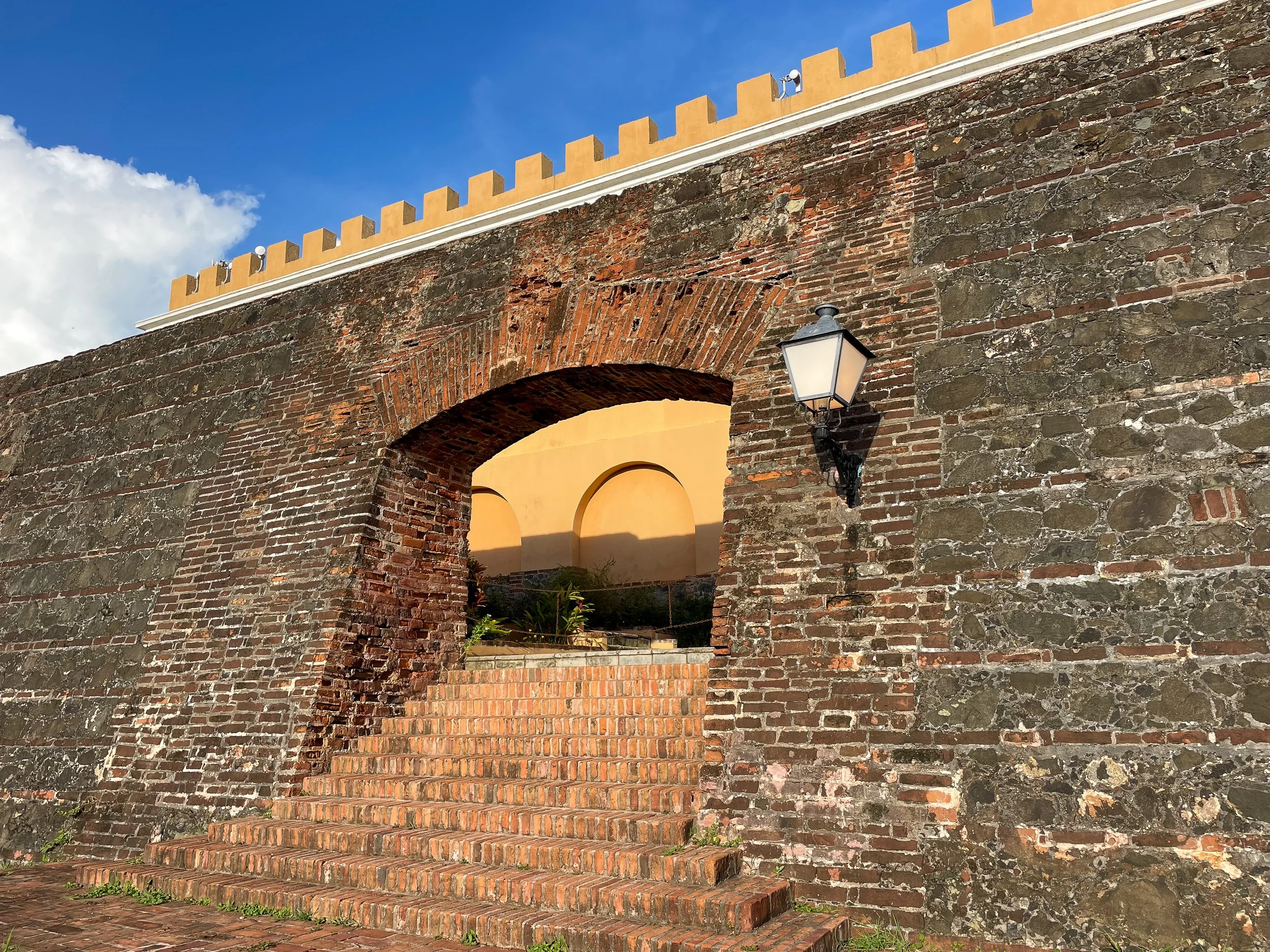
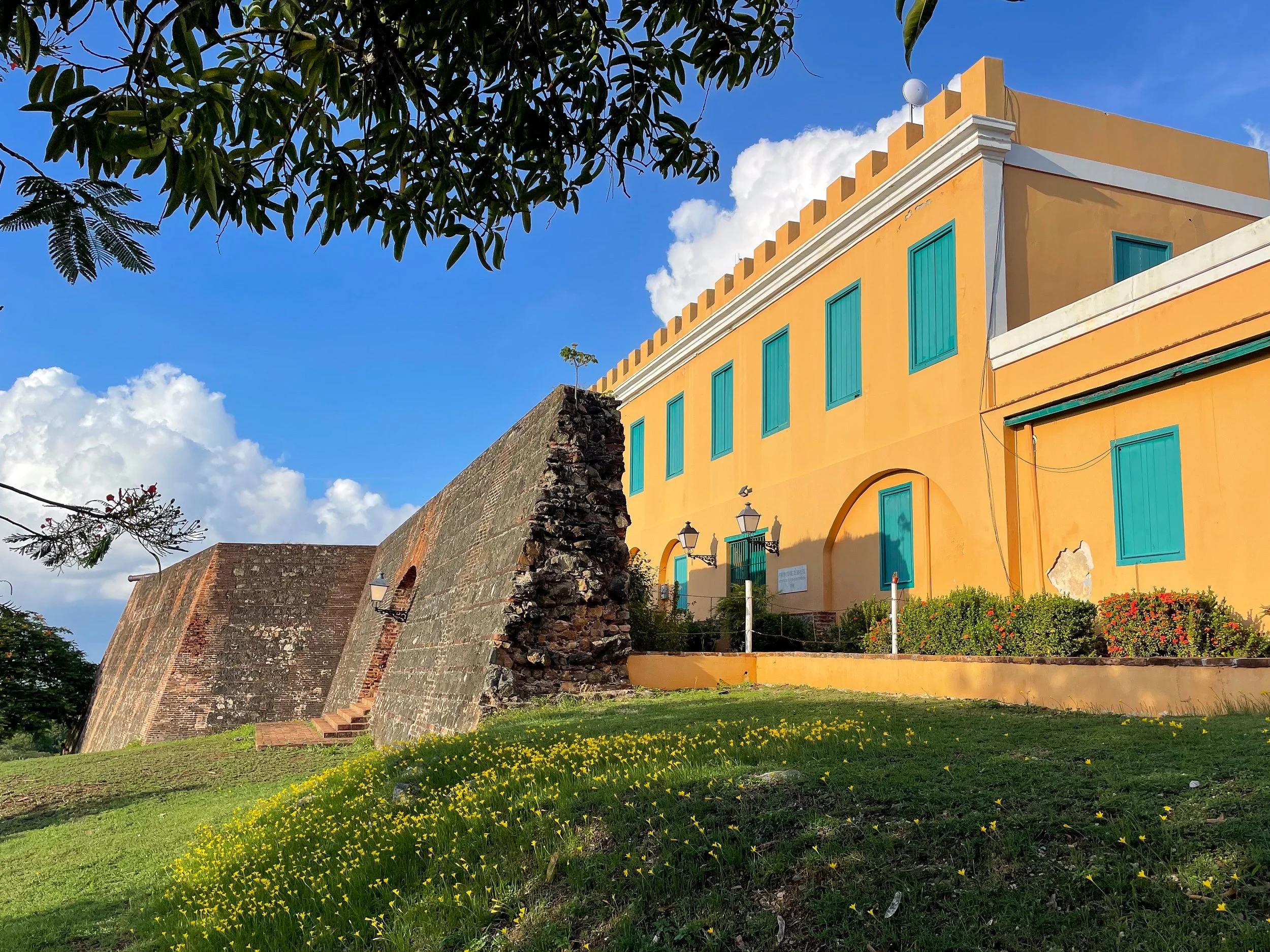
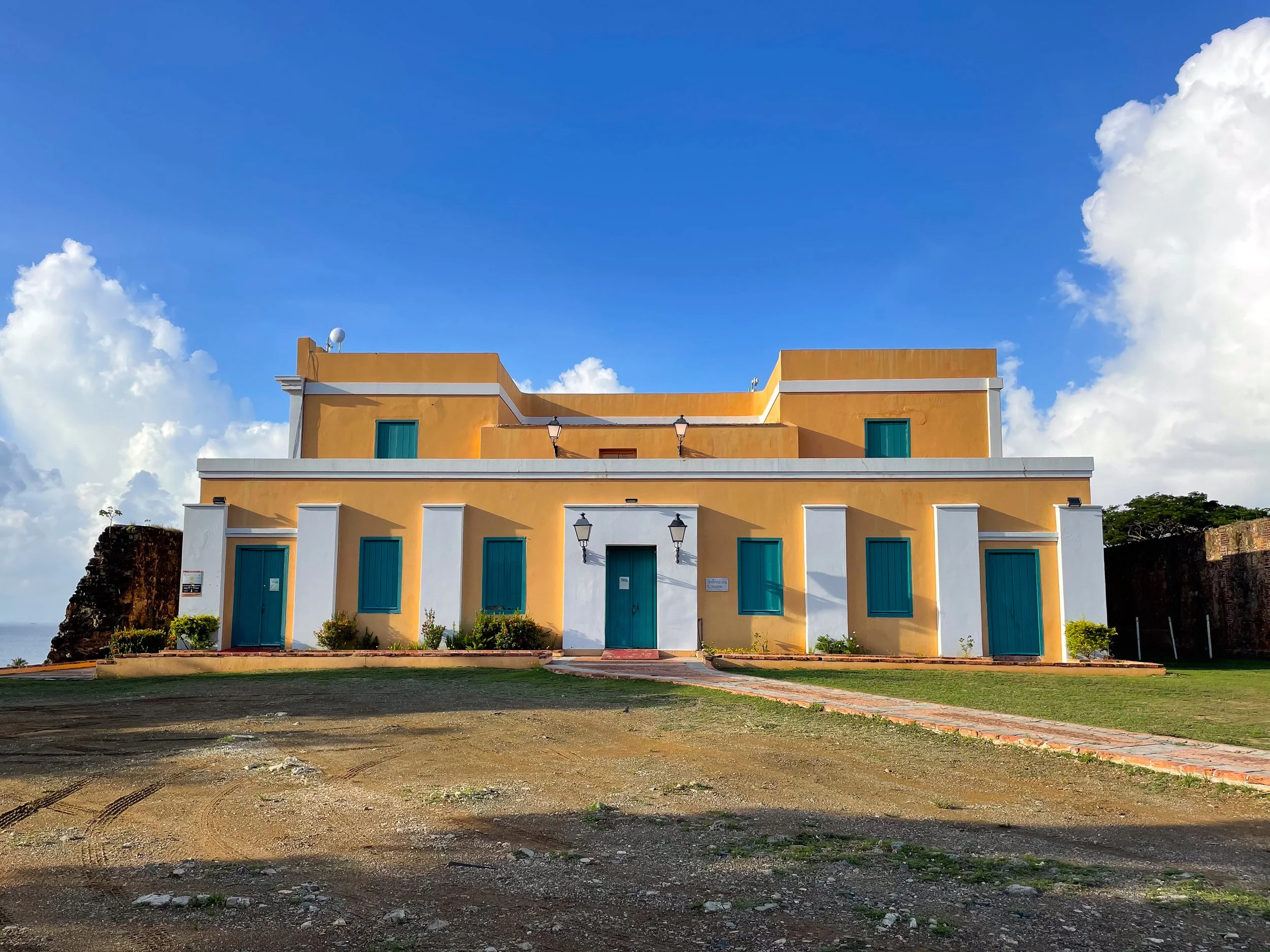
El Fortín De Conde Mirasol. A small Spanish fort overlooking the town of Isabel Segunda surround a blue and orange painted museum.
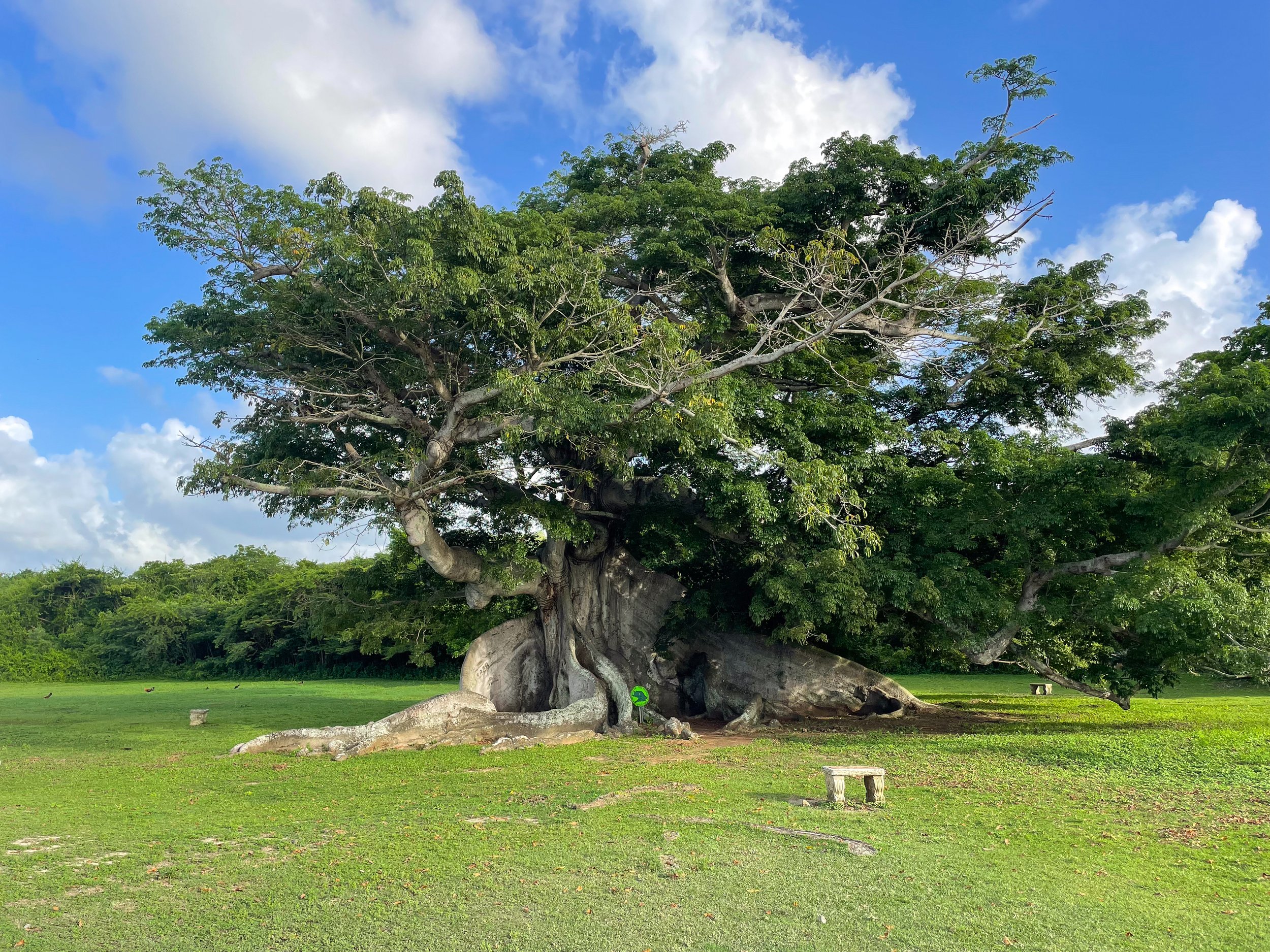
300 Year Old Ceiba Tree. A sacred tree known for its age and impressive root structure. It’s located between the airport and Mosquito Pier.
Mosquito Pier. A mile long pier on the north side of the island. Come here to spot marine life including manta rays, sea turtles and jelly fish.
Paso Fino Horses. The island is home to over 2,000 free roaming horses. They are tame and can be found walking the beaches, grazing in fields and along the road sides. Watch out for piles of horse manure. Various company’s offer riding tours along the beaches.
Vieques National Wildlife Refuge. A nature reserve that covers more than half the island and includes bays, mangrove forests, salt flats, hiking trails, beaches and coral reefs.
Things to Do
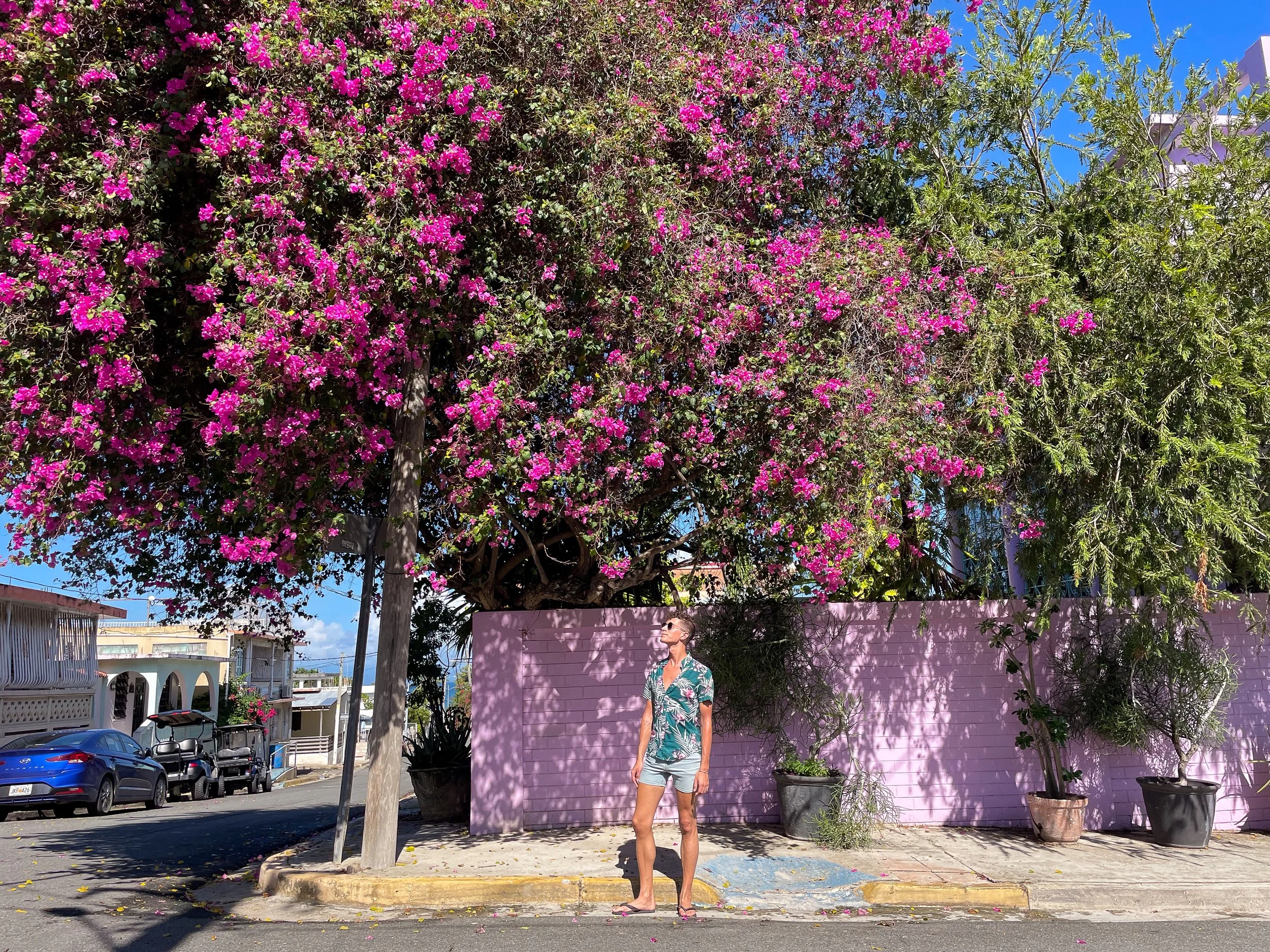
Explore the Small Towns. Vieques is home to two small towns on opposite sides of the island.
Isabel Segunda. The main town on the north side of the island with the ferry terminal, grocery stores, restaurants, hotels and souvenir shops.
Esperanza. A beach town on the south side of the island with restaurants, hotels, tour companies and a range of beaches.
Crab Island Rum Distillery. Visit the island’s on rum distillery! Crab Island produces 14 month, 3 year and orange flavored rums. Most bars and restaurants on the island serve their rum. Go to Bili for a Rum Island Iced tea made from all three!
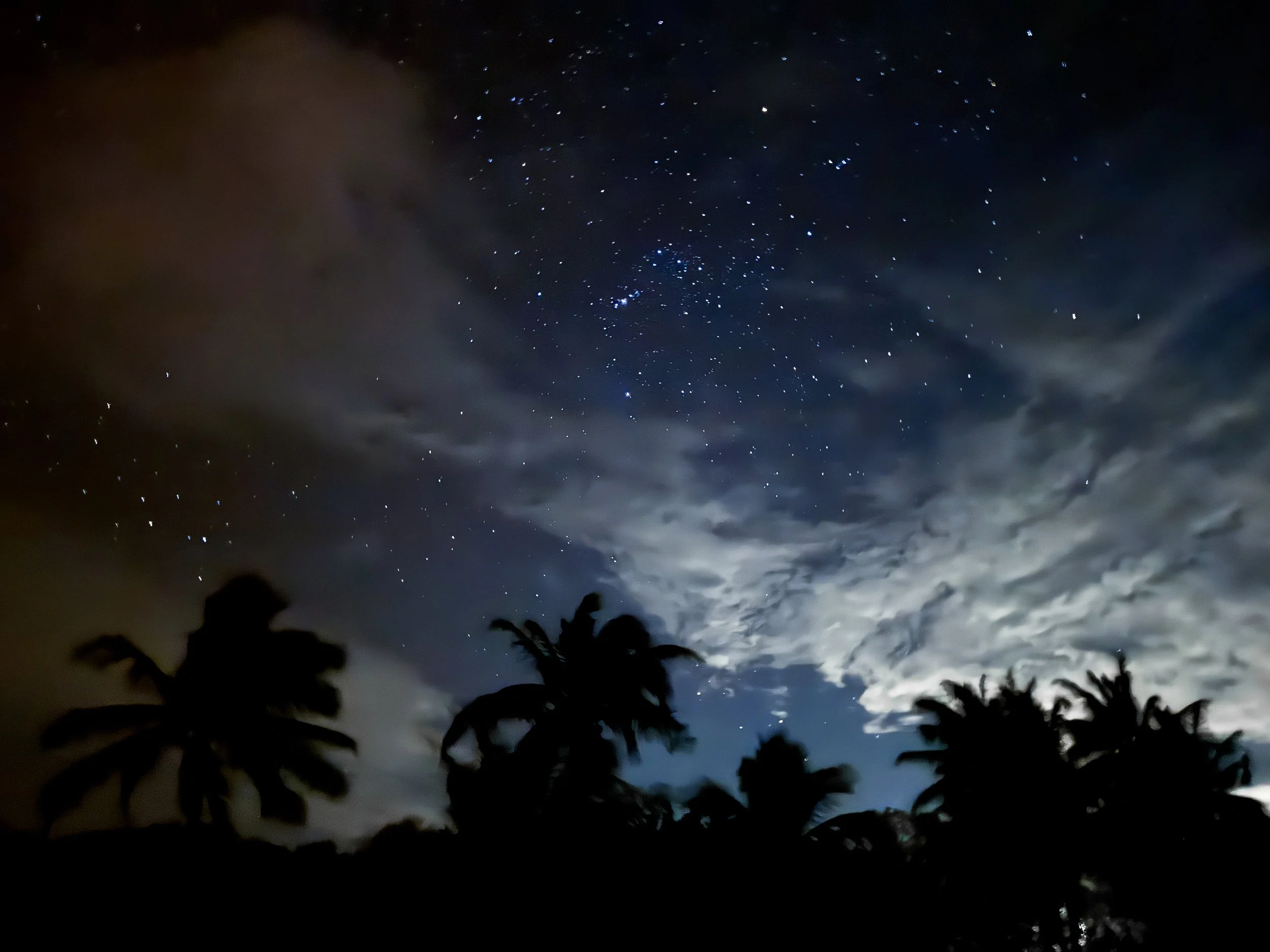
Go Stargazing. Given the remote location and lack of city lights, the sky is often dark for brilliant stargazing. Download the free Sky Tonight app to identify constellations, planets and distant stars.
Kayak in the Bioluminescent Bay (Mosquito Bay). Recognized as the brightest bioluminescent bay in the world. We came here to kayak at night to experience the bioluminescence. Immediately after paddling away in our kayak, the water began to sparkle around us, our paddle illuminated vibrant streaks of bioluminescence and swimming fish left a glowing trail behind them. It was truly an unreal experience that felt like the Manta Ray in Moana or a patronus charm in Harry Potter. Book with Abe’s Snorkeling and Bio Bay Tours. They offer snorkeling tours across the island and kayaking tours in the bio bay and mangrove channels.
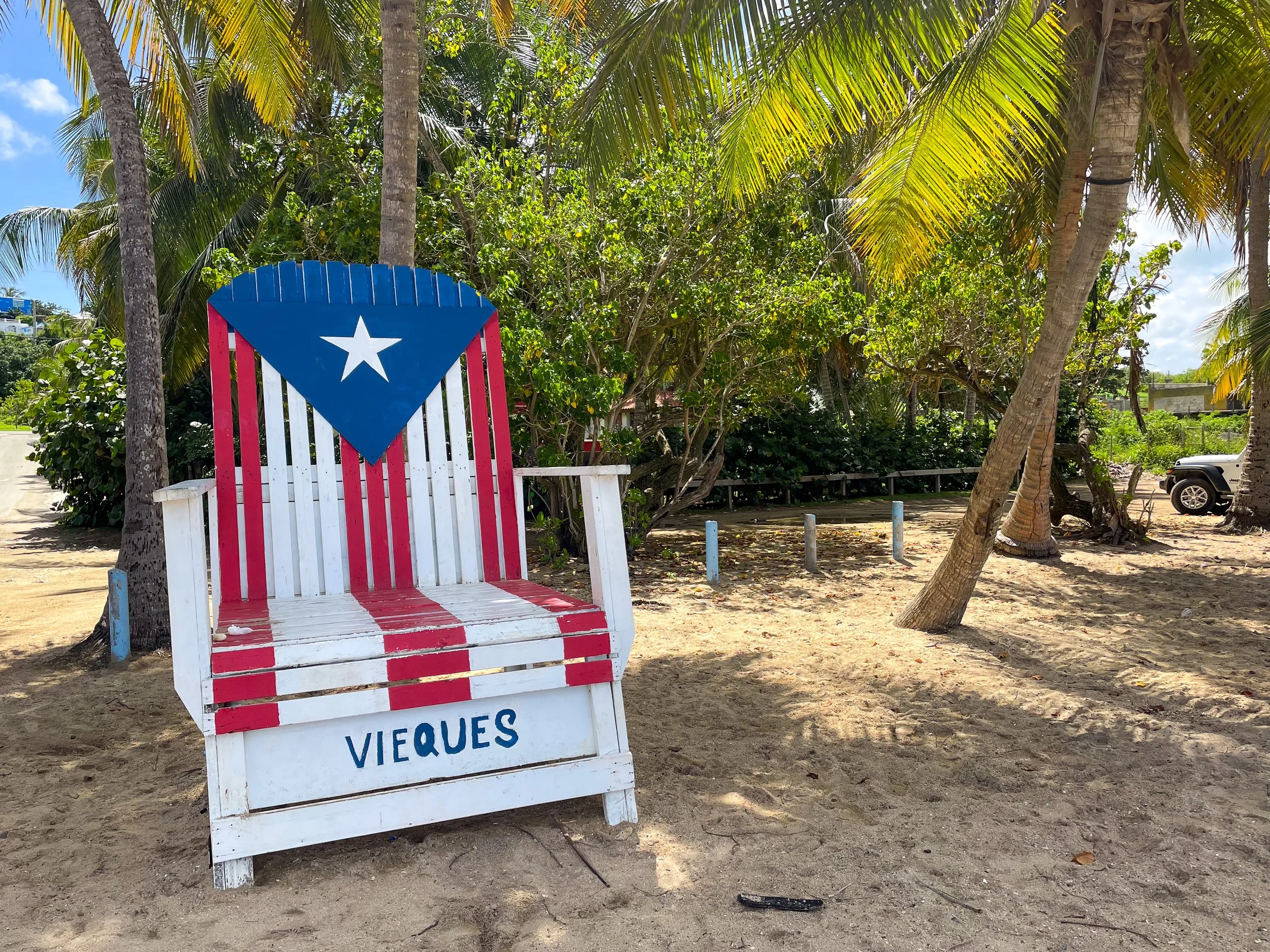
Beach Hopping
Rent a car and spend time beach hopping across the island. Vieques is home to numerous beaches ranging in size, swimmability and accessibility. The most popular and swimmable beaches are on the south side of the island. The most remote are located in the Vieques National Wildlife Refuge.
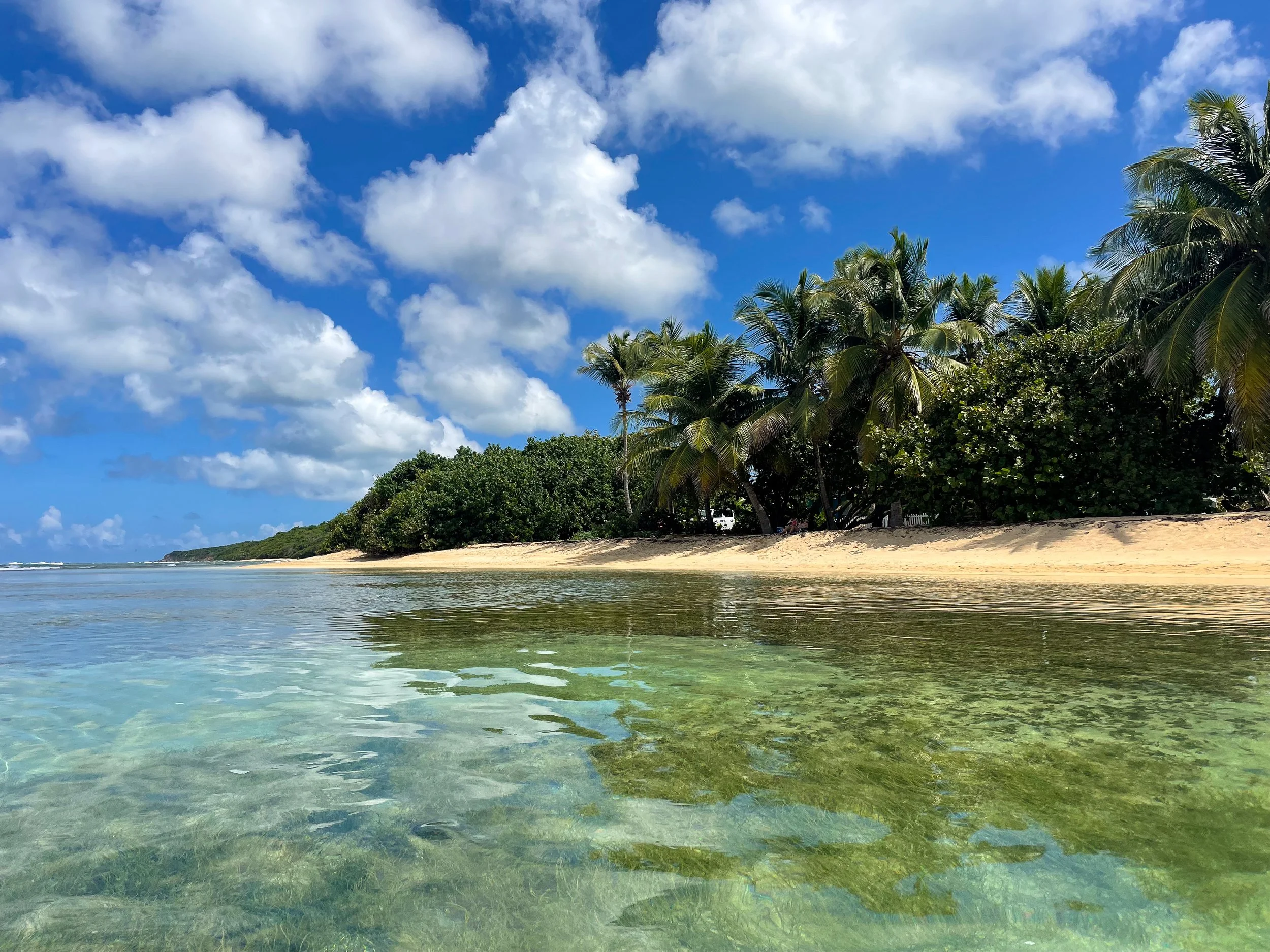
Bastimento Beach. A long meandering beach with turquoise water, a sandy shore, coral reefs, a protected tide pool and snorkeling on the north side of the island.
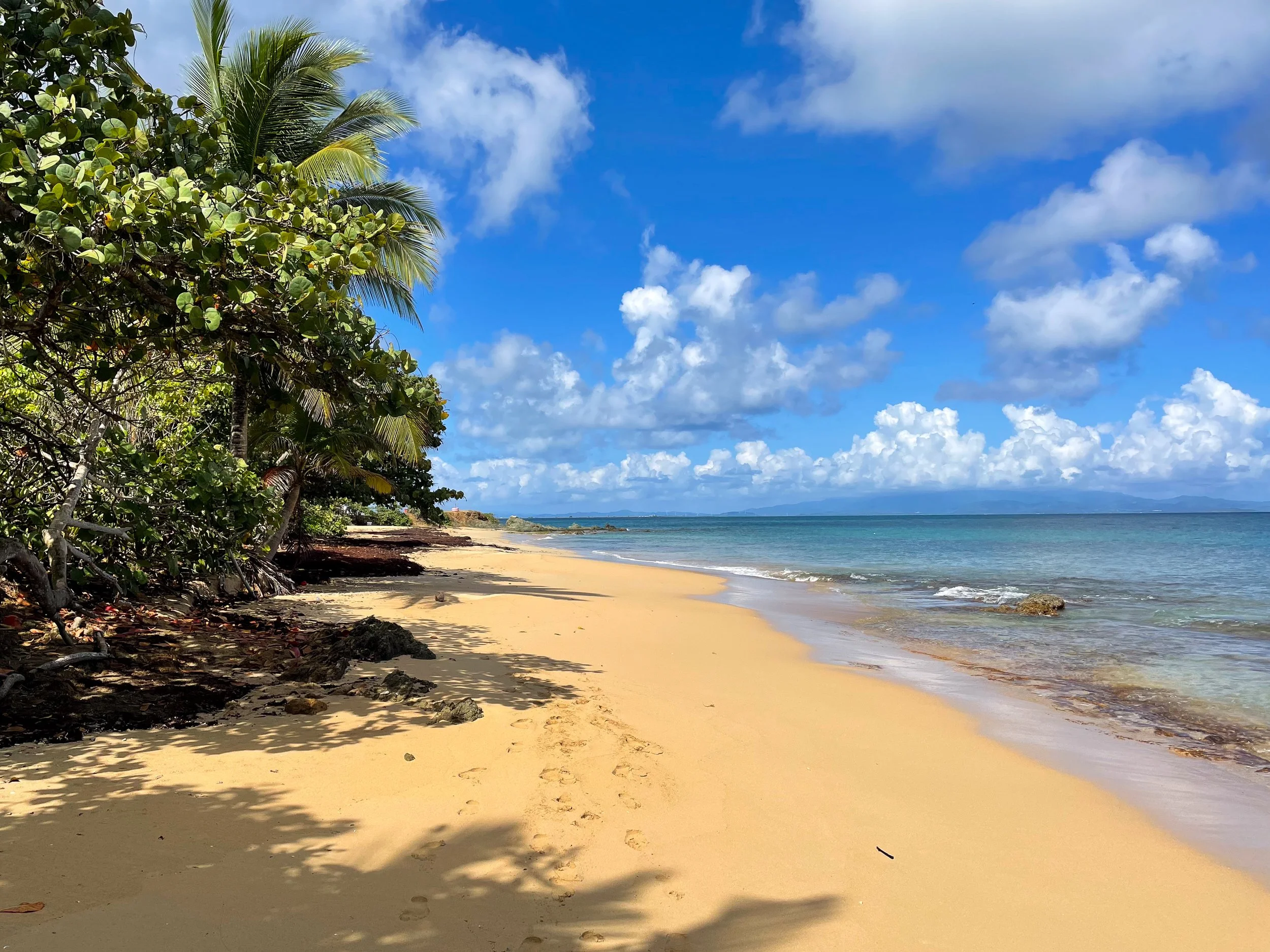
El Gallito (Gringo Beach). A roadside beach with a sandy shore, short palm trees and views looking towards the mainland of Puerto Rico and Culebra.
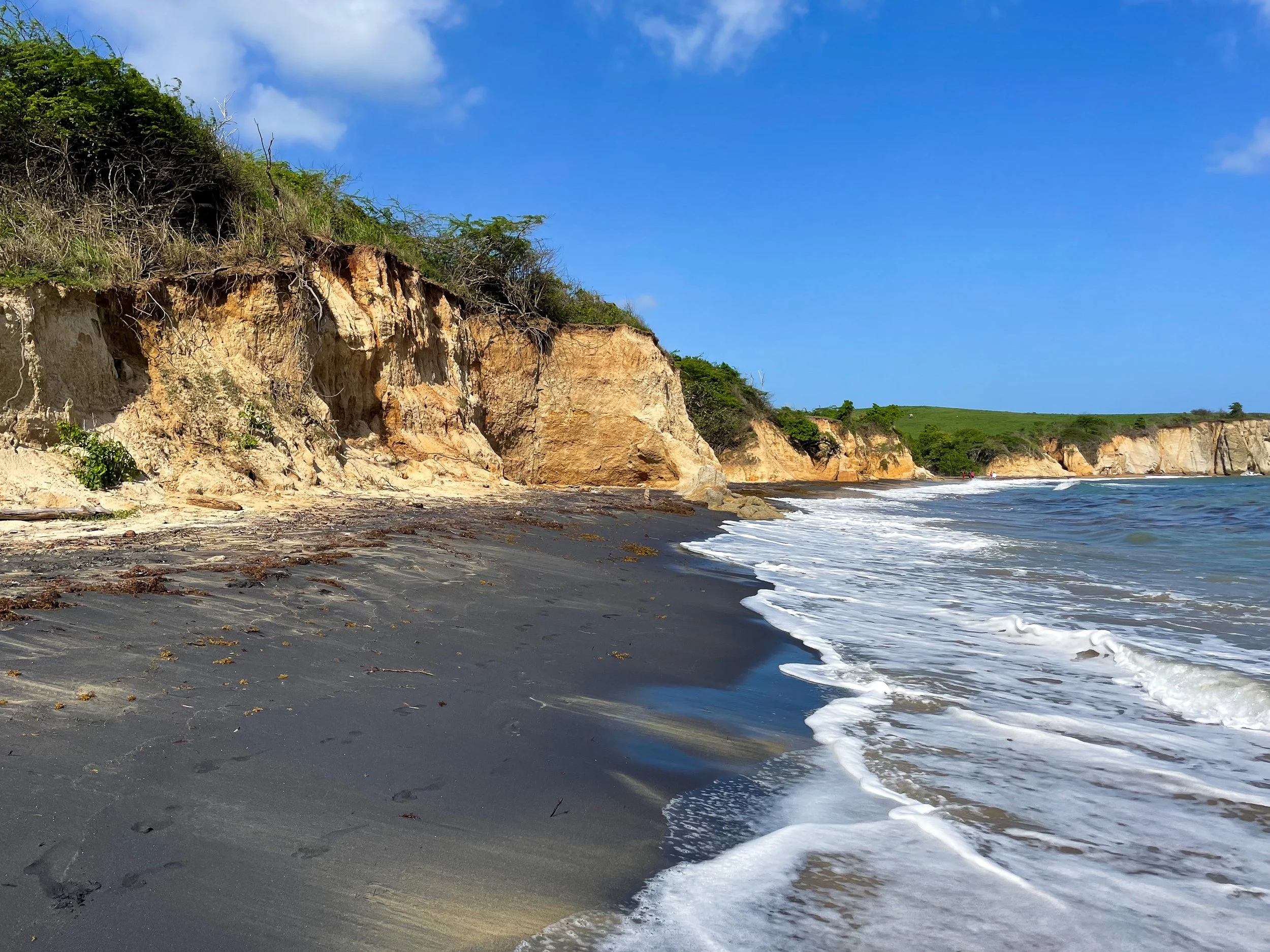
Playa Negra. A semi remote cliff side black sand beach. There is a small parking lot nearby Playa Negra Fine Foods. Follow a trail to get here (technically a stream) and walk for 15 minutes until reaching the beach. It’s not the safest for swimming due to rocks and currents. It’s located on the south side just west of Esperanza.
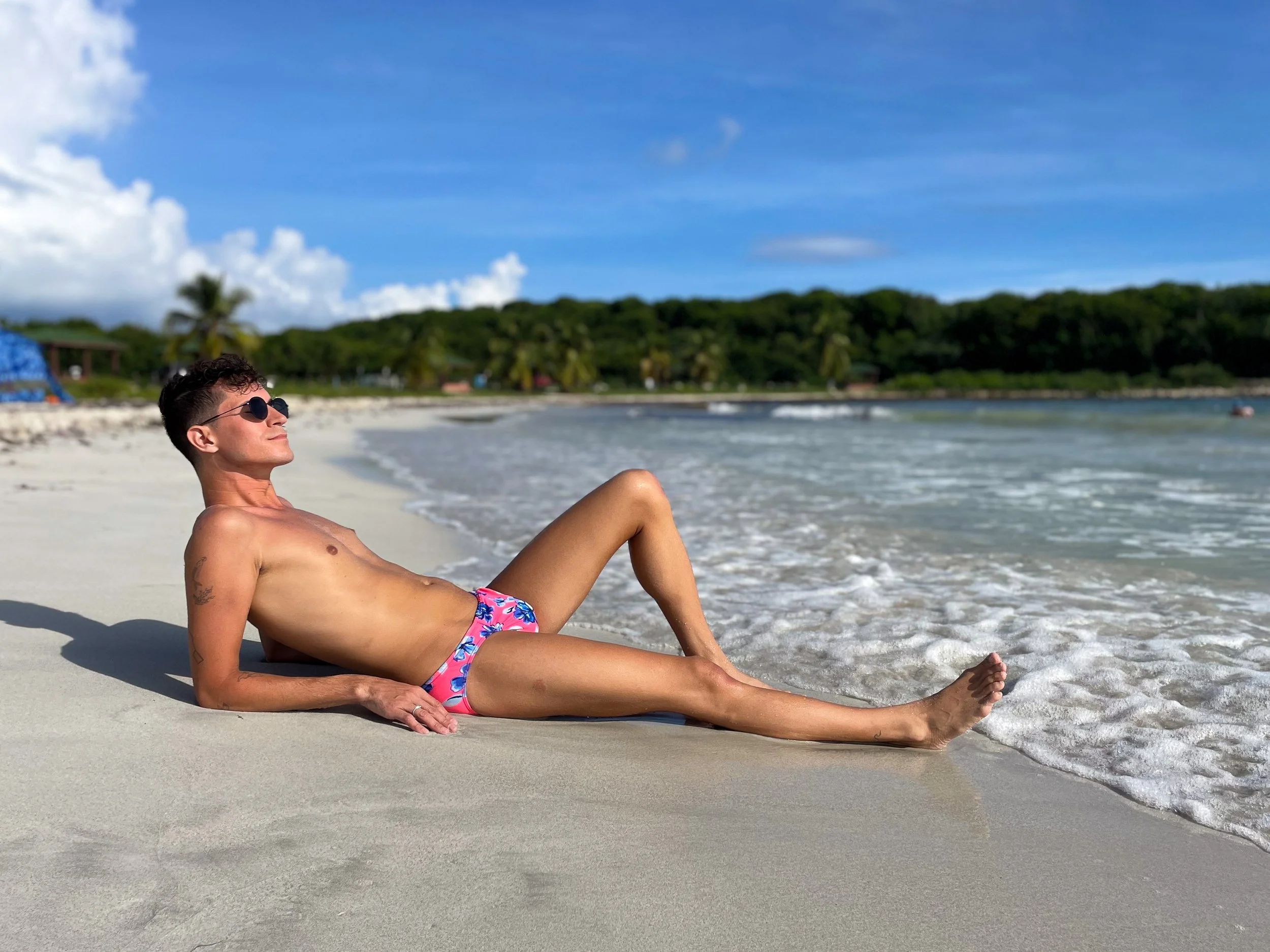
Playa Caracas (The Red Beach). A beach with white sand, palm trees, turquoise water and shard gazebos. It’s located in the Vieques National Wildlife Refuge.
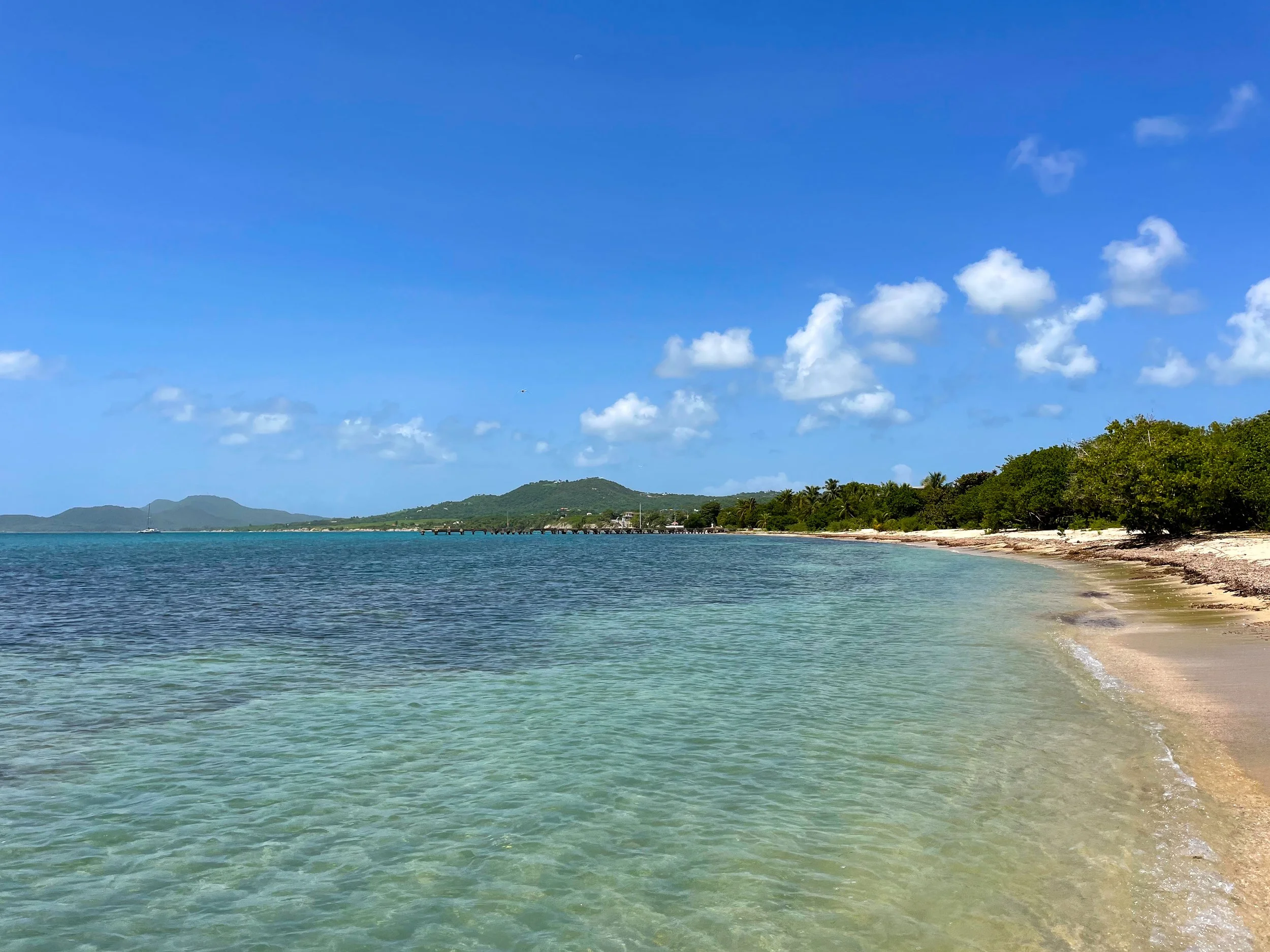
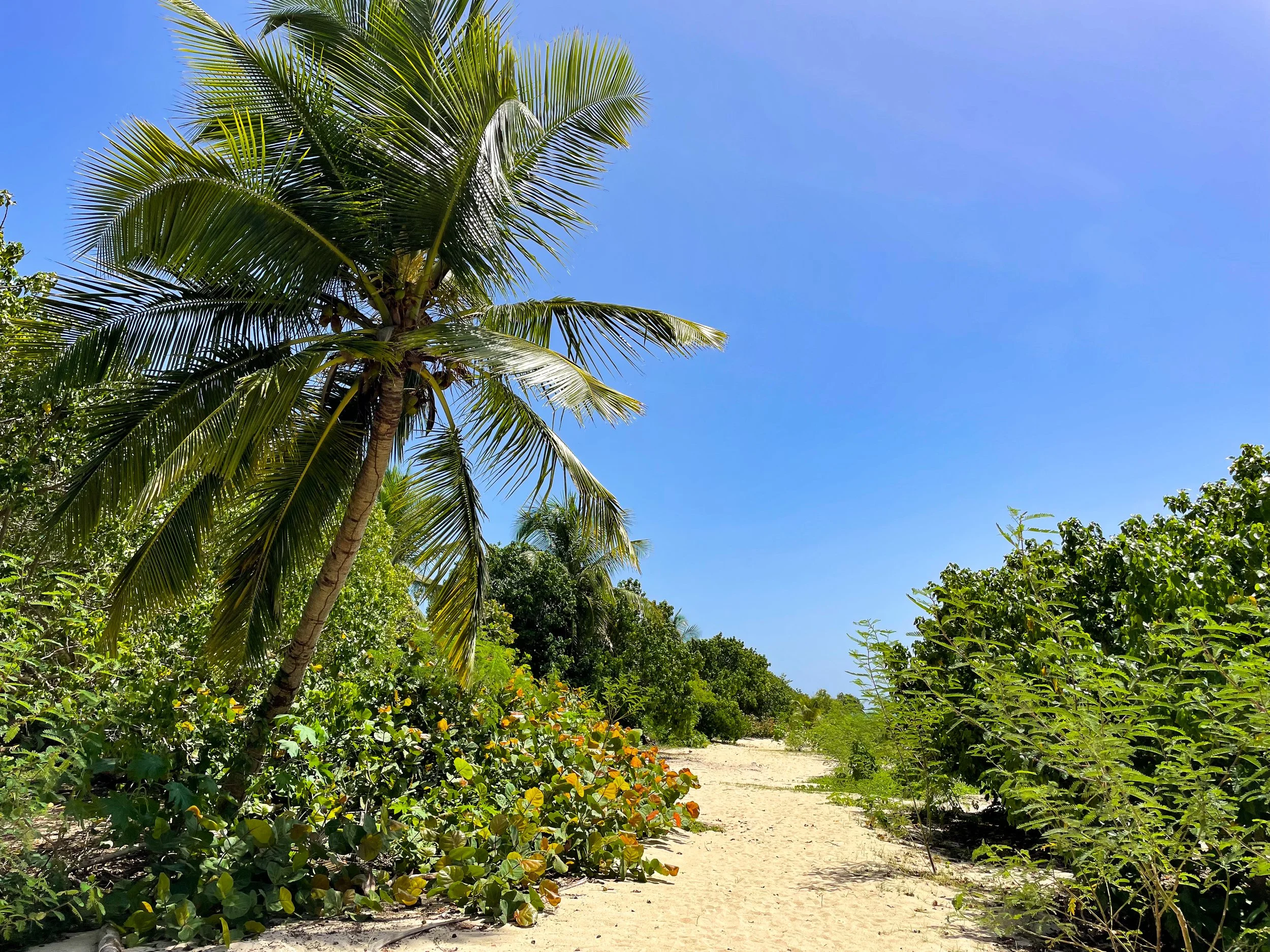
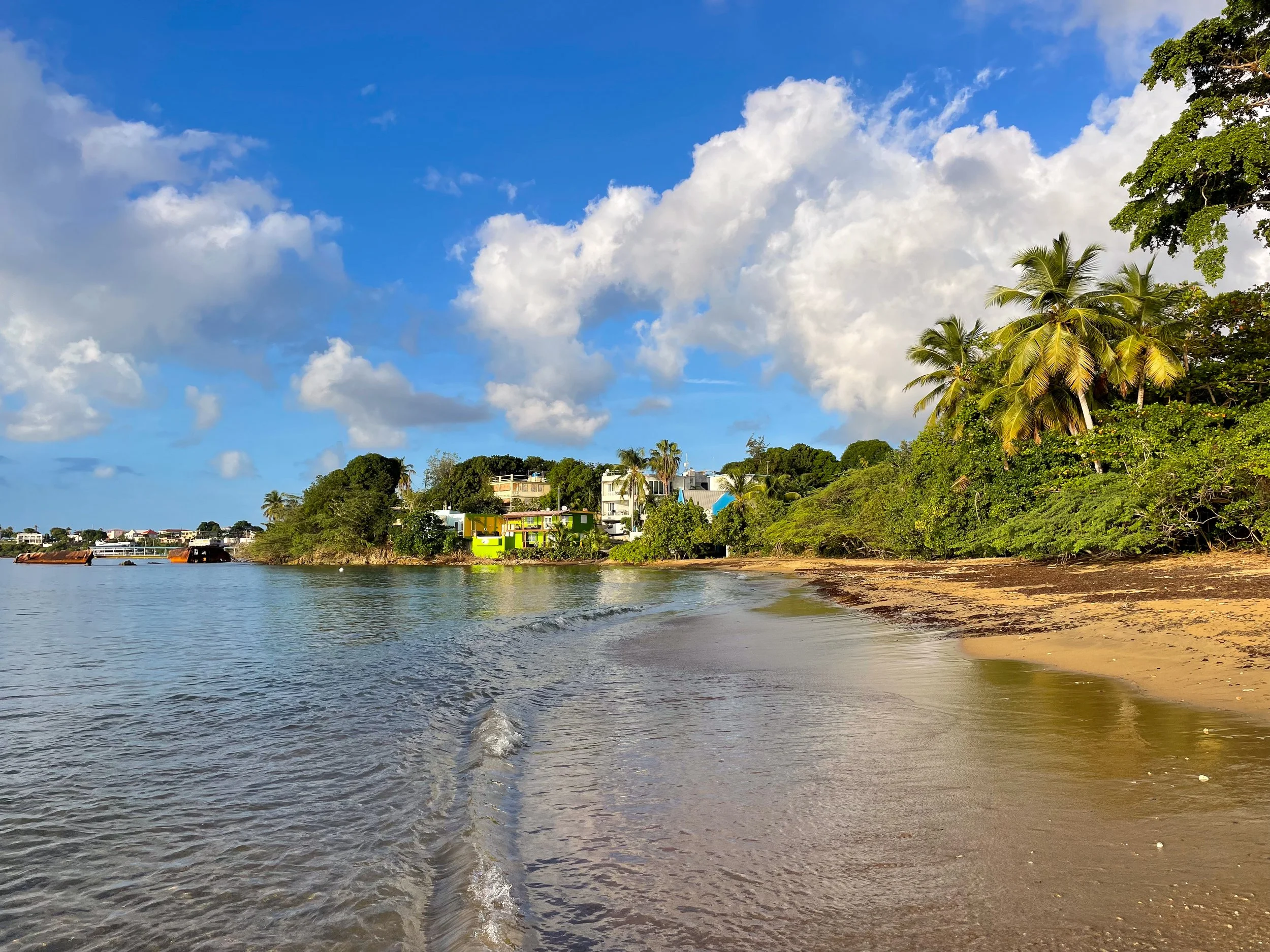
Esperanza Beach. A popular beach nearby town on the south side of the island with kiosks, restaurants, bars and kayak rentals.
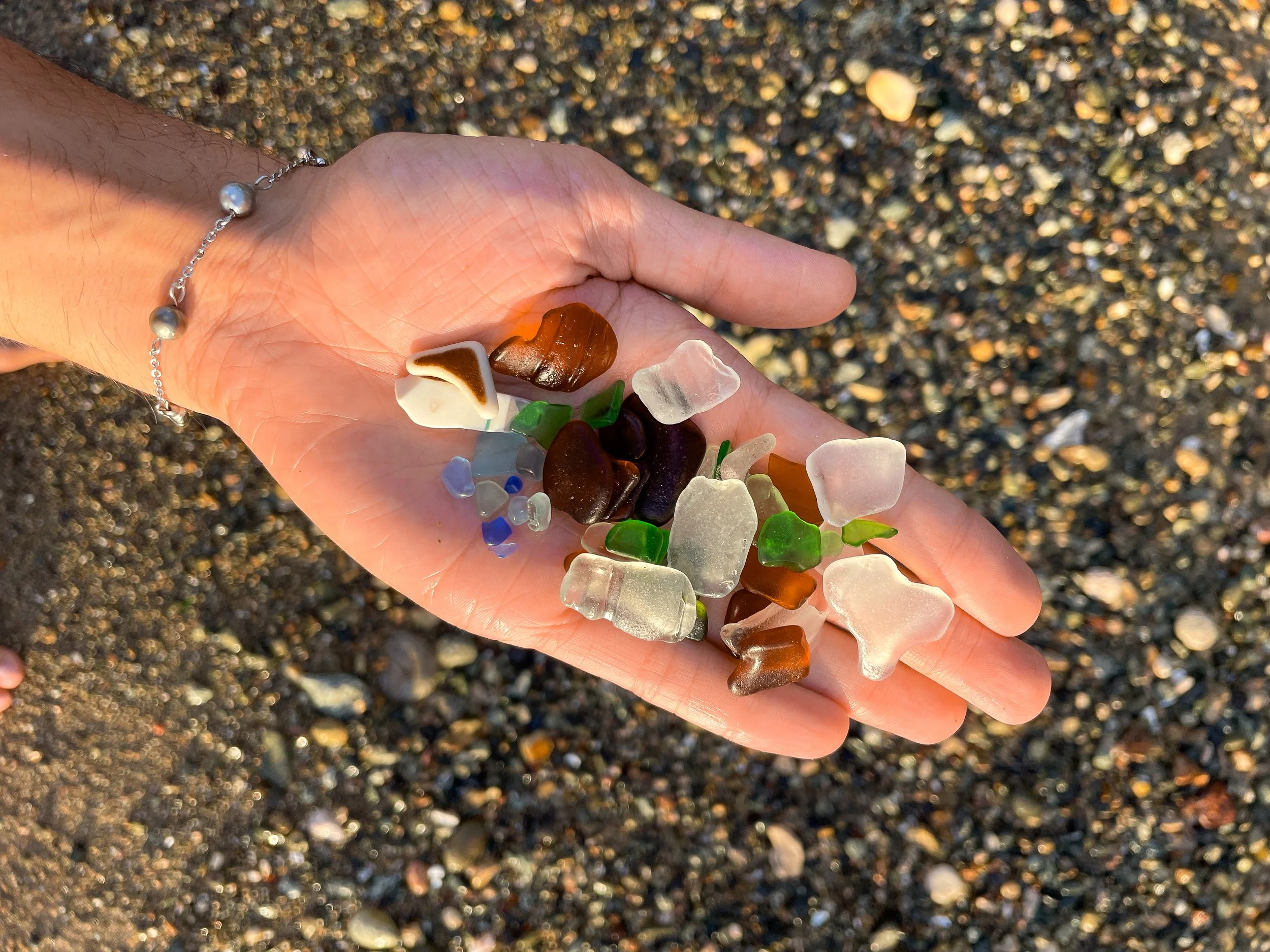
Sea Glass Beach. A small beach to collect handfuls of sea glass within minutes of beach combing. It’s located in the town of Isabel Segunda.
Playa Pata Prieta (Secret Beach). A secluded beach popular for swimming and snorkeling. It’s a 10 min drive east of Playa Caracas.
Playa Chiva (Blue Beach). A long powder white sand beach with calm with turquoise and navy blue water. Come here to swim and snorkel. It’s a 5 min drive east of Playa Pata Prieta.
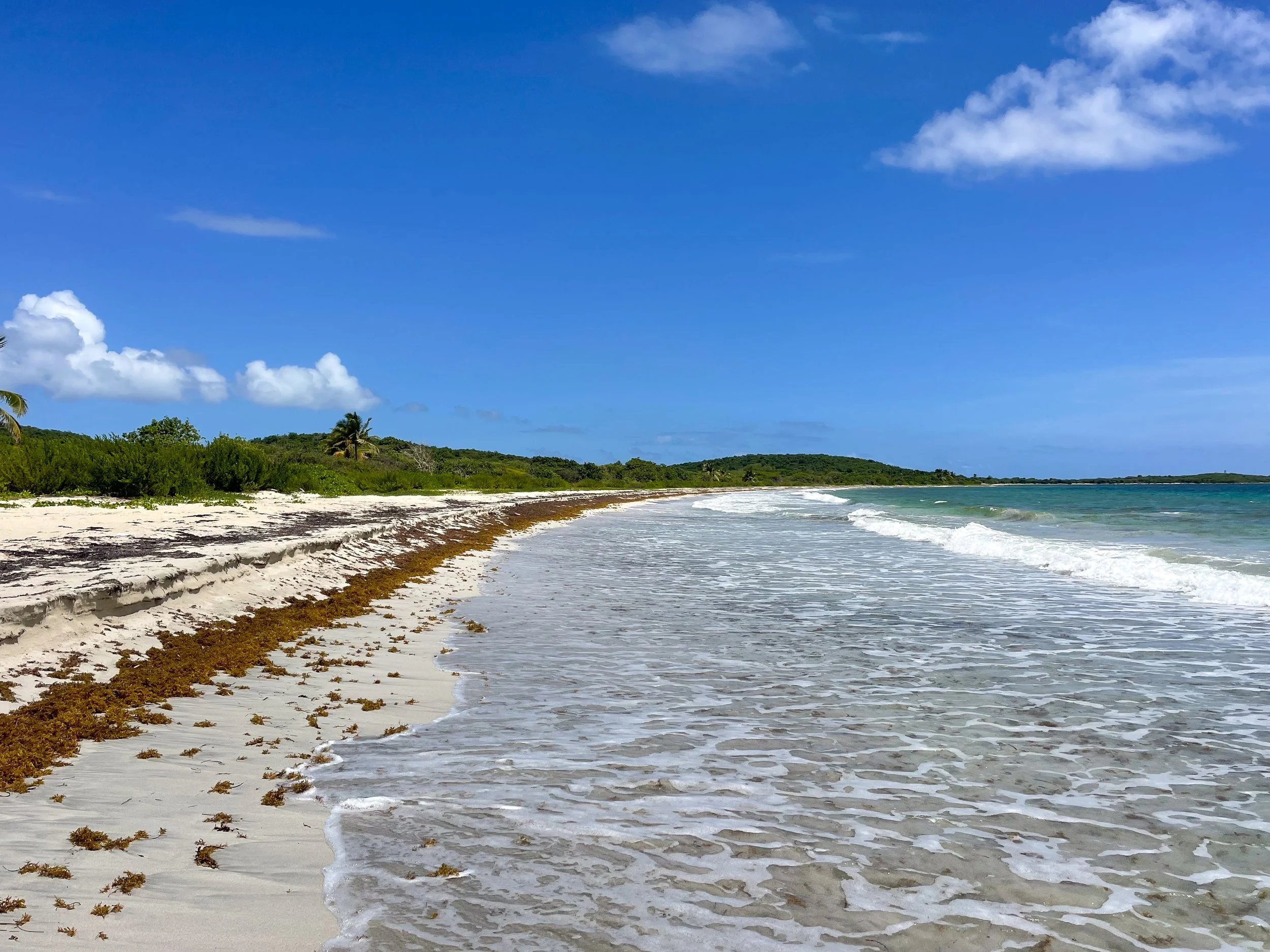
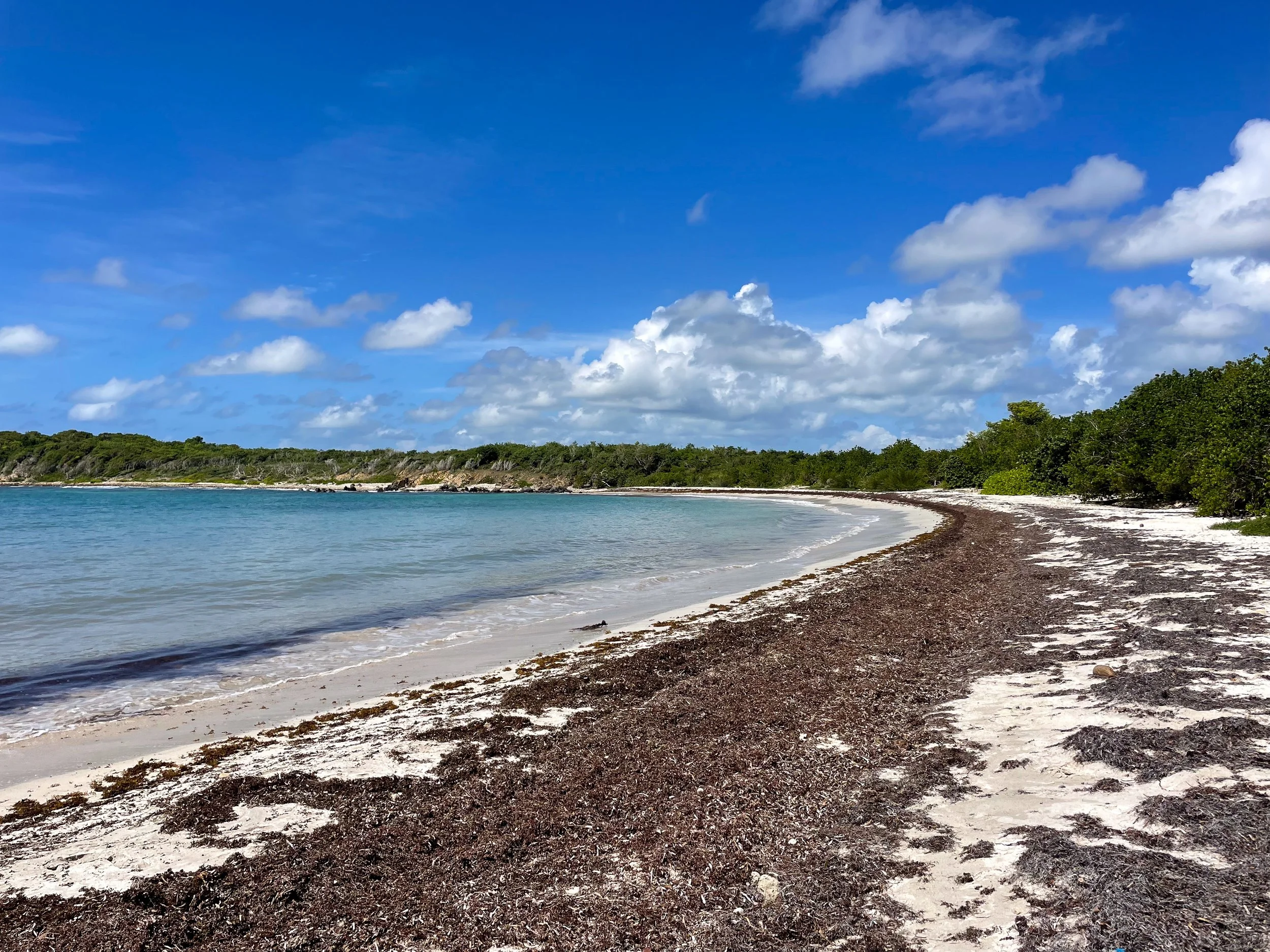
Escondida Beach. A small beach with some snorkeling. It can frequently be covered in sea weed. Located a 15min walk east of Playa Chiva.
Playa Plata. A semi private white sand beach with crystal clear turquoise water for swimming and snorkeling. Located a 5min drive east of Playa Chiva.
Places to Eat & Drink
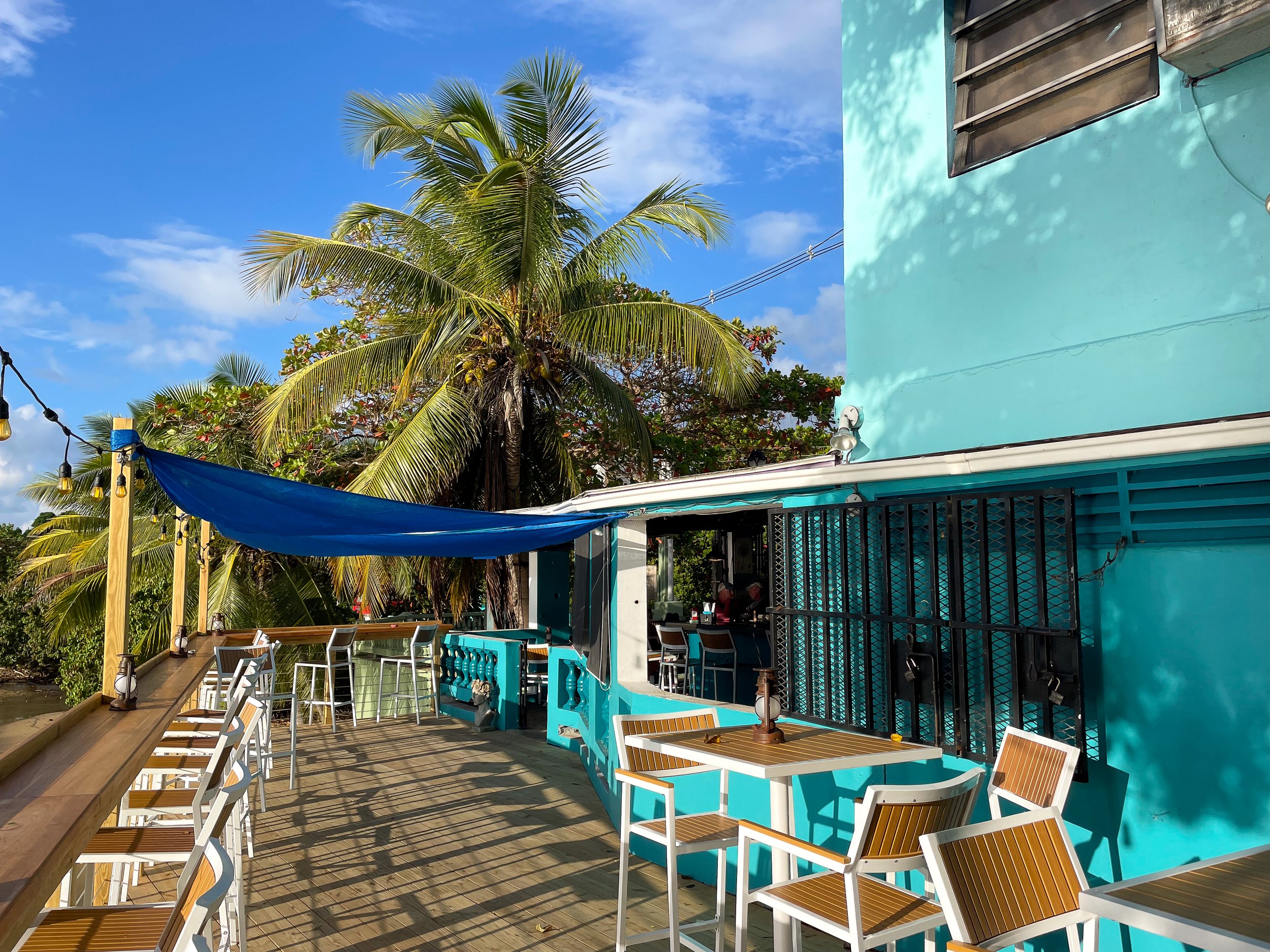
Saint Voodoos Mar Azul. A waterfront bar with a deck overlooking the Caribbean. Come here for cocktails and lite bites at sunset.
Lazy Jacks. A restaurant and bar near Esperanza beach for tacos, sandwiches, salads, beers and cocktails.
Lydia’s Bakery. A bakery with breads, sandwiches, pastry’s and coffee.
Bili. A restaurant with an impressive seafood menu including Caribbean lobsters, grilled mahi mahi and octopus. Come here for their Crab Island Long Island.
Vieques Food Park. A food truck park with several restaurants. We came to Rincon Cafe for breakfast and coffee.
Bar La Nasa. A beach front bar with cocktails, beer and music.
Family Market Centró Ahorras. A grocery store located in Isabella Seguda. Come here to stock up on water, beers and snacks before heading to the beach.
Getting to Vieques
By Air. We booked a one way flight with Cape Air, from San Juan to Vieques. It’s a quick 20 min flight over the El Yunque rainforest and scenic way to travel. They offer multiple flights daily for around $100 one way.
By Sea. We booked our return trip on the Puerto Rico Ferry, from Vieques to Ceiba. From Ceiba we took an Uber to San Juan. One way ferry tickets cost $2 and the Uber costs around $100.
Getting Around Vieques
By Car. Vieques is a large island. The best way to get around, see all of the sights and explore is by renting a car. We booked with Maritza’s Car Rental for about $110 per day with insurance.
By Taxi. Taxis were readily available across the Island bringing people between Isabella Segunda, Escondida, the airport and accessible beaches.

Where to Stay
Tropical Guest House. A beautifully decorated home in Isabella Segunda with a comfy bed, kitchenette, outdoor grill, beech chairs, umbrellas and snorkel equipment. Book here on Airbnb.
Location Specifics
Respect the Culture. Puerto Ricans are very proud of their island, culture and heritage. Please show respect when discussing local issues and topics. Don’t be afraid to ask questions and learn about the culture and island.
US Territory. Puerto Rico is a US Territory meaning US Citizens can visit the island without a passport.
Language. Spanish is the primary language spoken in Puerto Rico. English is widely spoken as a second language. Knowing basic Spanish words and phrases is helpful and beneficial when visiting.
Currency. Puerto Rico uses the US Dollar.
Metric vs Imperial. Puerto Rico uses a combination of the Metric and Imperial systems. Speed limits are in marked in mph while distances are marked in kilometers. Gasoline is sold by the liter instead of by the gallon.
Cash vs Card. Credit and debit card is widely accepted across the island. Cash is preferred by most vendors at markets, kiosks and some businesses.
Power Outages. The electrical grid is fragile due to devastation from past natural disasters. While power outages rarely affect tourists, they do happen. It’s a difficult part of life for many Puerto Ricans.
Tap Water. Tap water is generally safe for consumption around the island.
Tropical Weather. Puerto Rico experiences tropical weather. Carry an umbrella incase of afternoon and evening rain storms. Tropical storms and hurricanes are possible from June through November with September through October being the most active.
Swimming. Mind the warning signs and red flags advising about dangerous ocean currents. Pay attention to where others are and are not swimming.
Sun Protection. The harsh UV is dangerous in Puerto Rico. Wear sun block when outside, even on cloudy days.
Insect Repellent. Mosquitos are prevalent across the island with mosquito borne illnesses on the rise. Wear insect repellant to minimize bites.
Clothing. Shorts and tank tops are generally acceptable to wear, keep the swimwear for the beach and plan to change into pants while dining out or visiting local spots.
Elsewhere in Puerto Rico
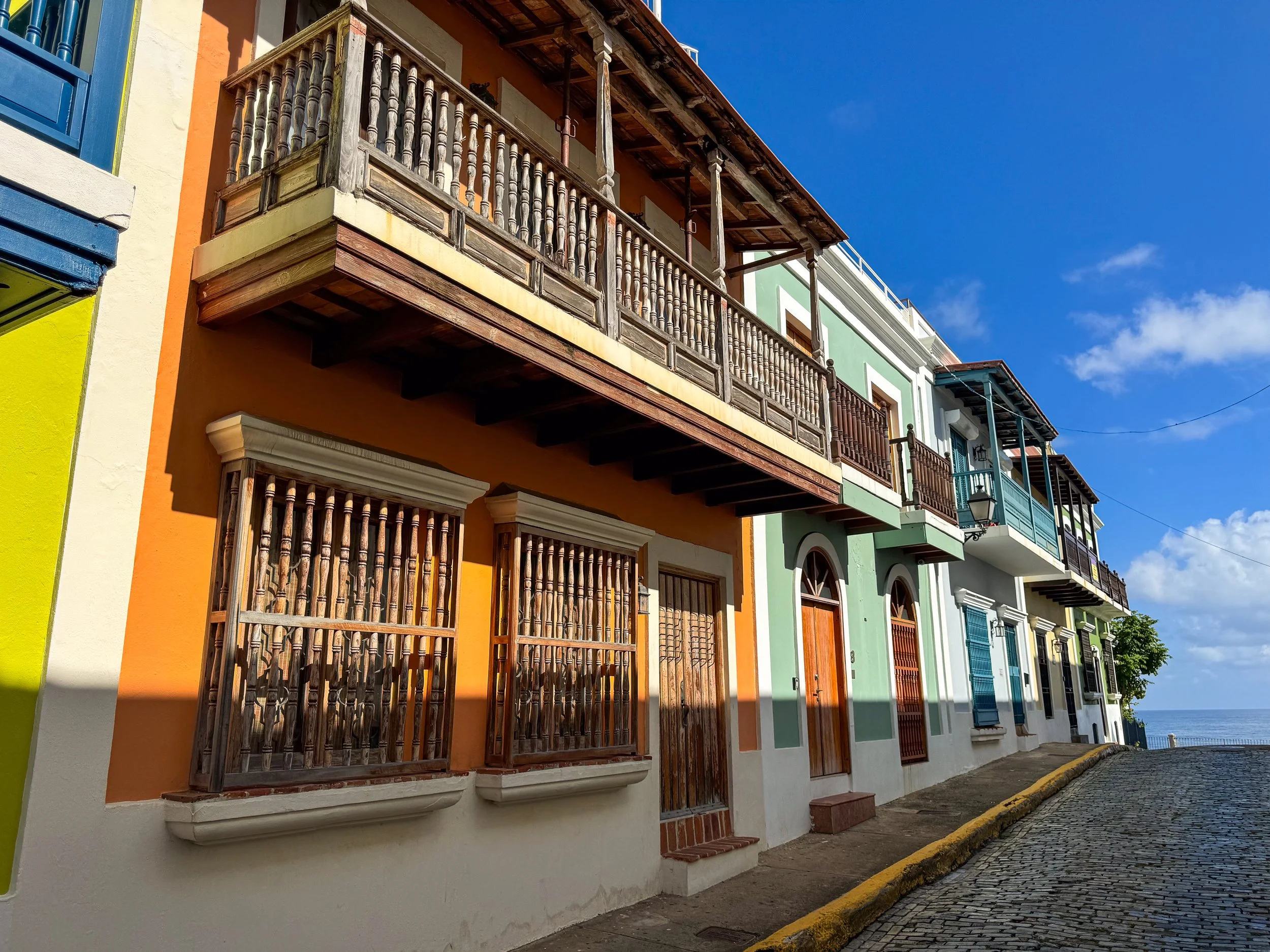
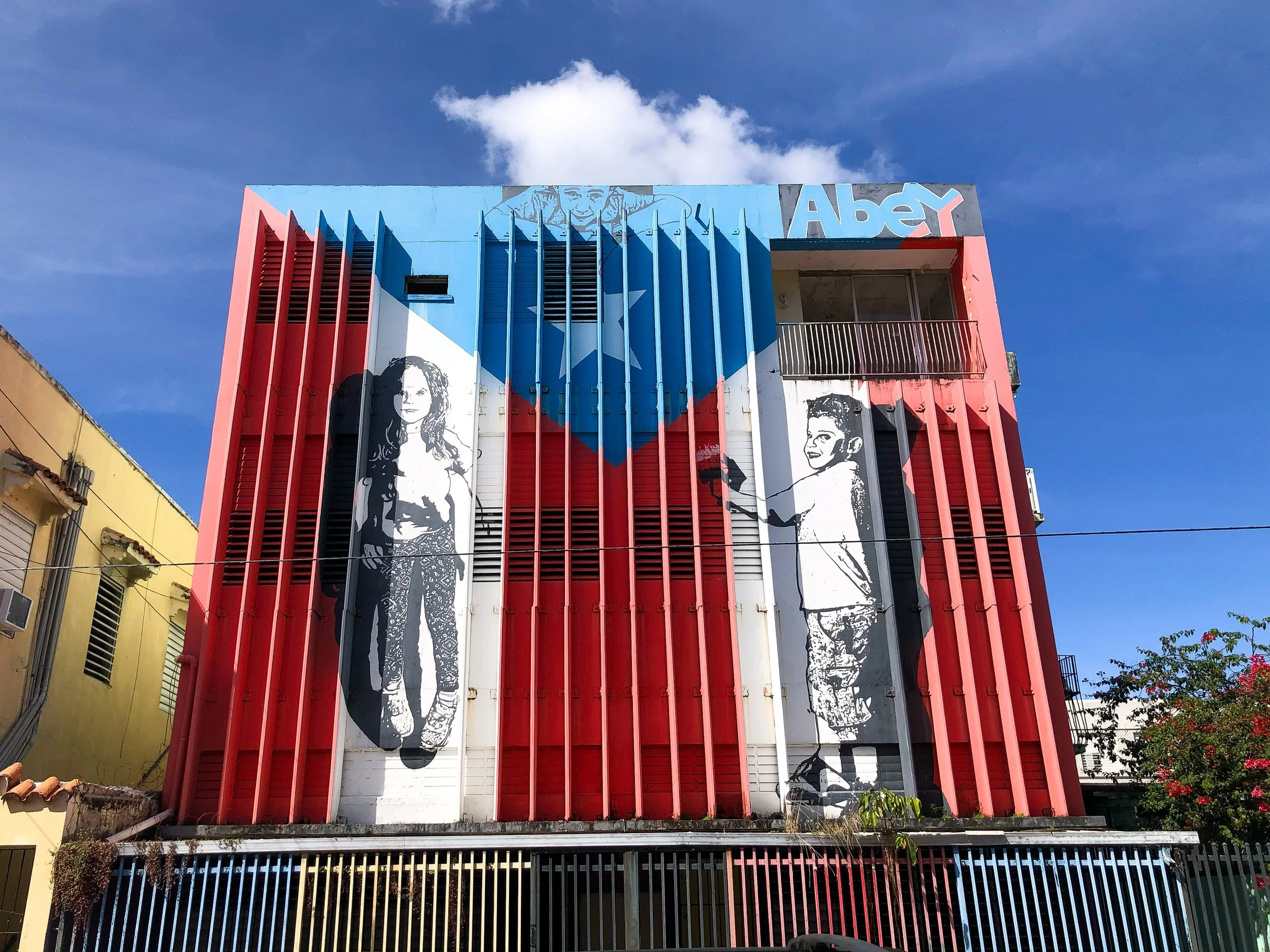
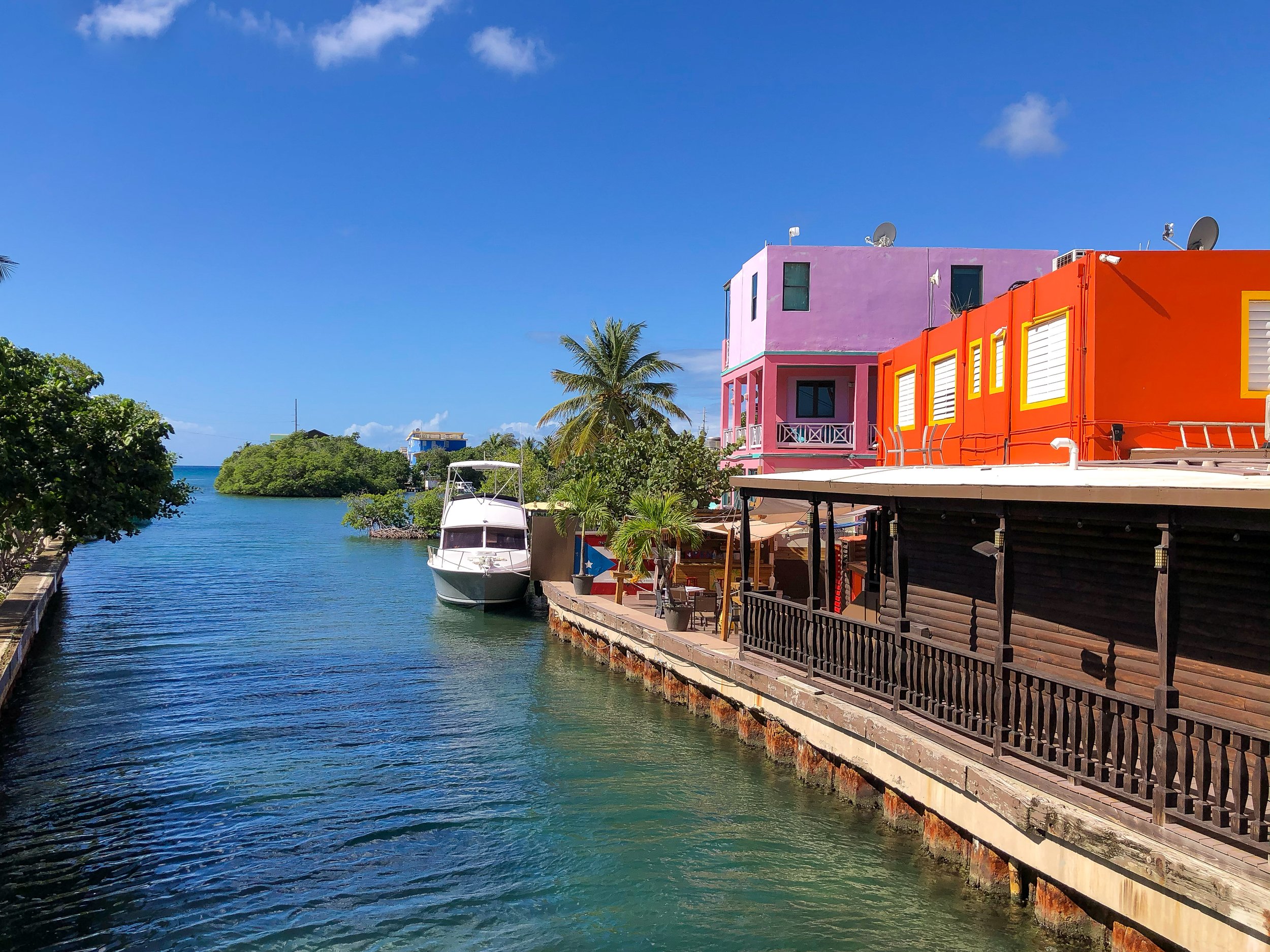
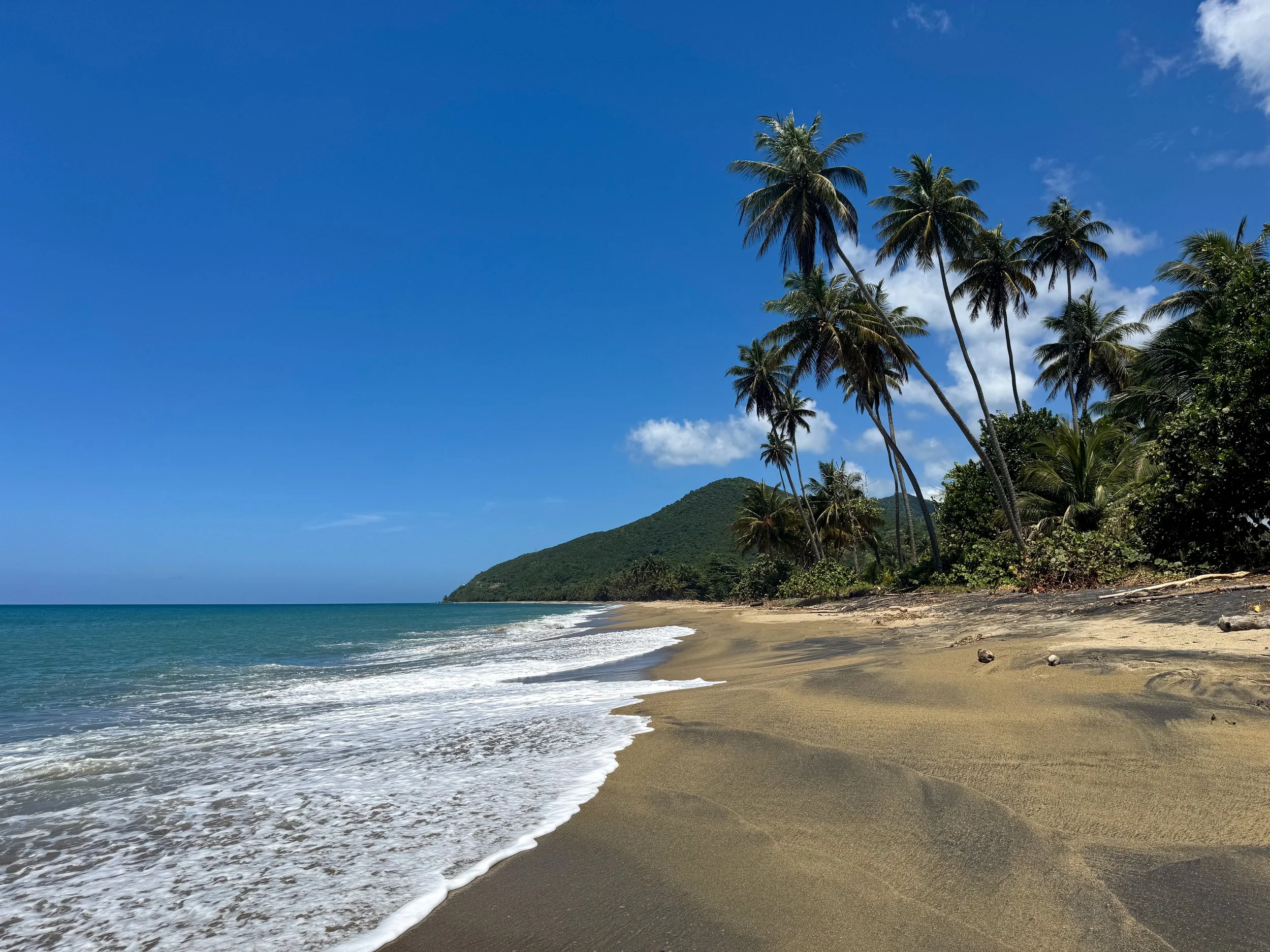
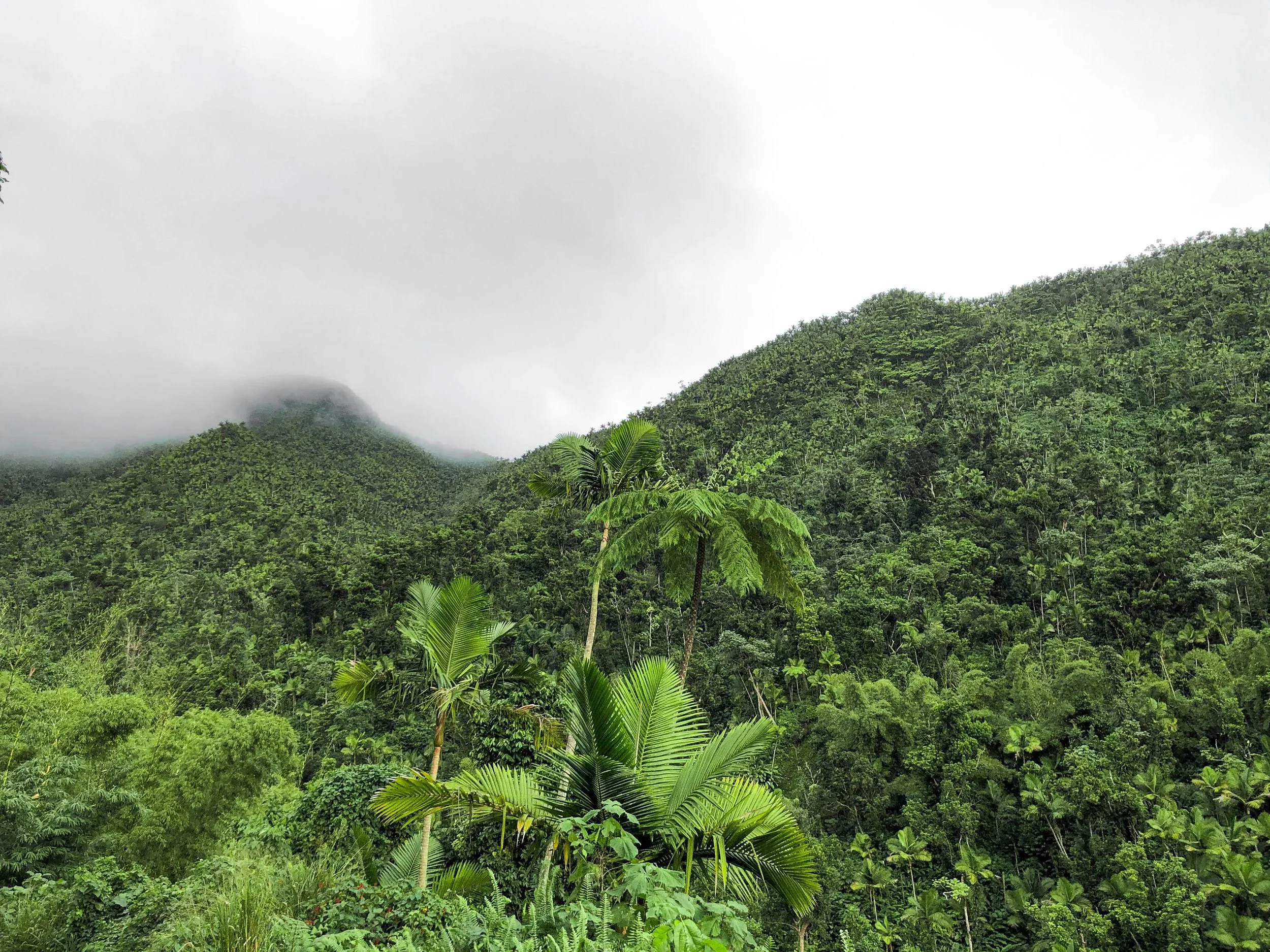
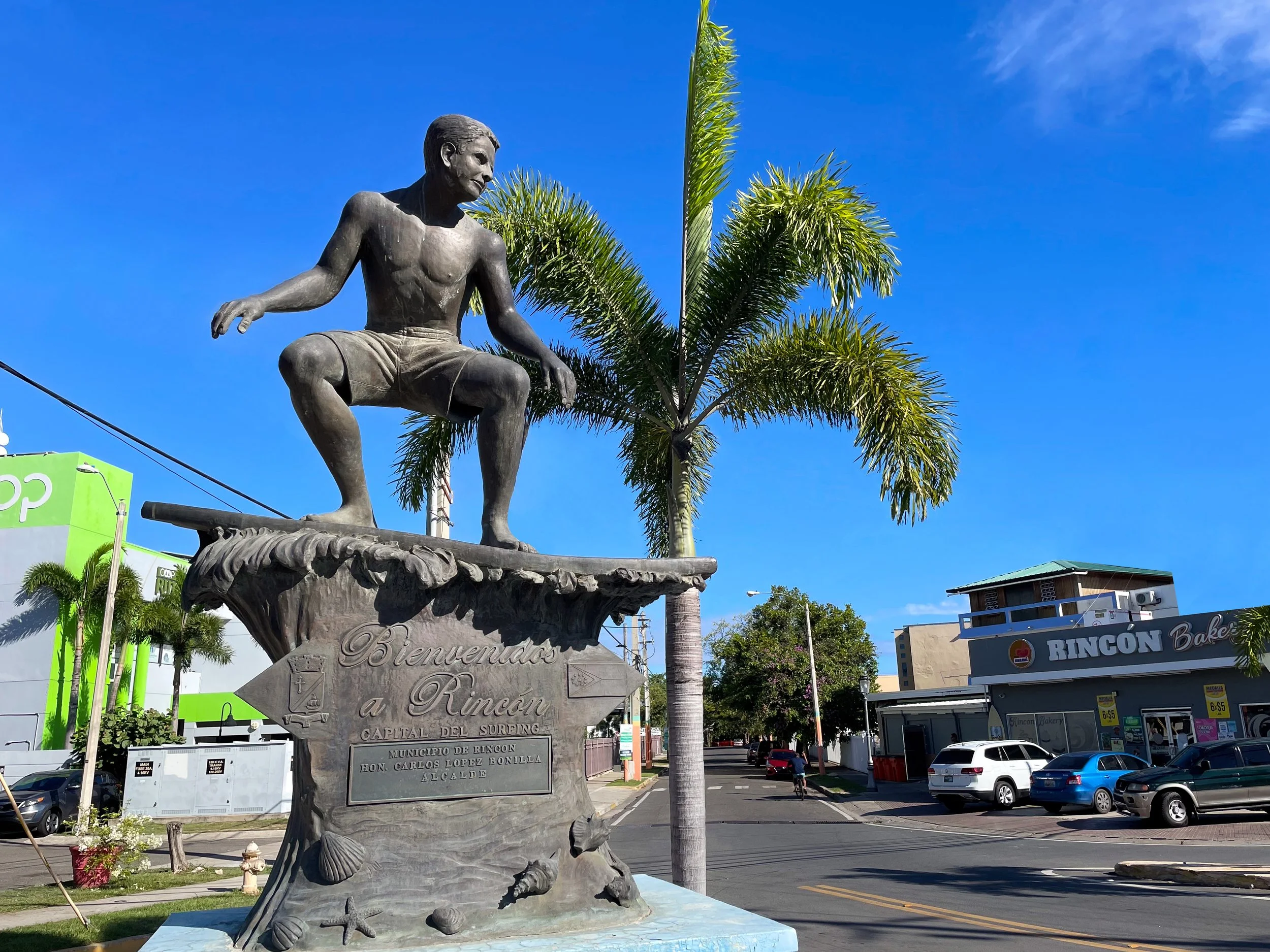
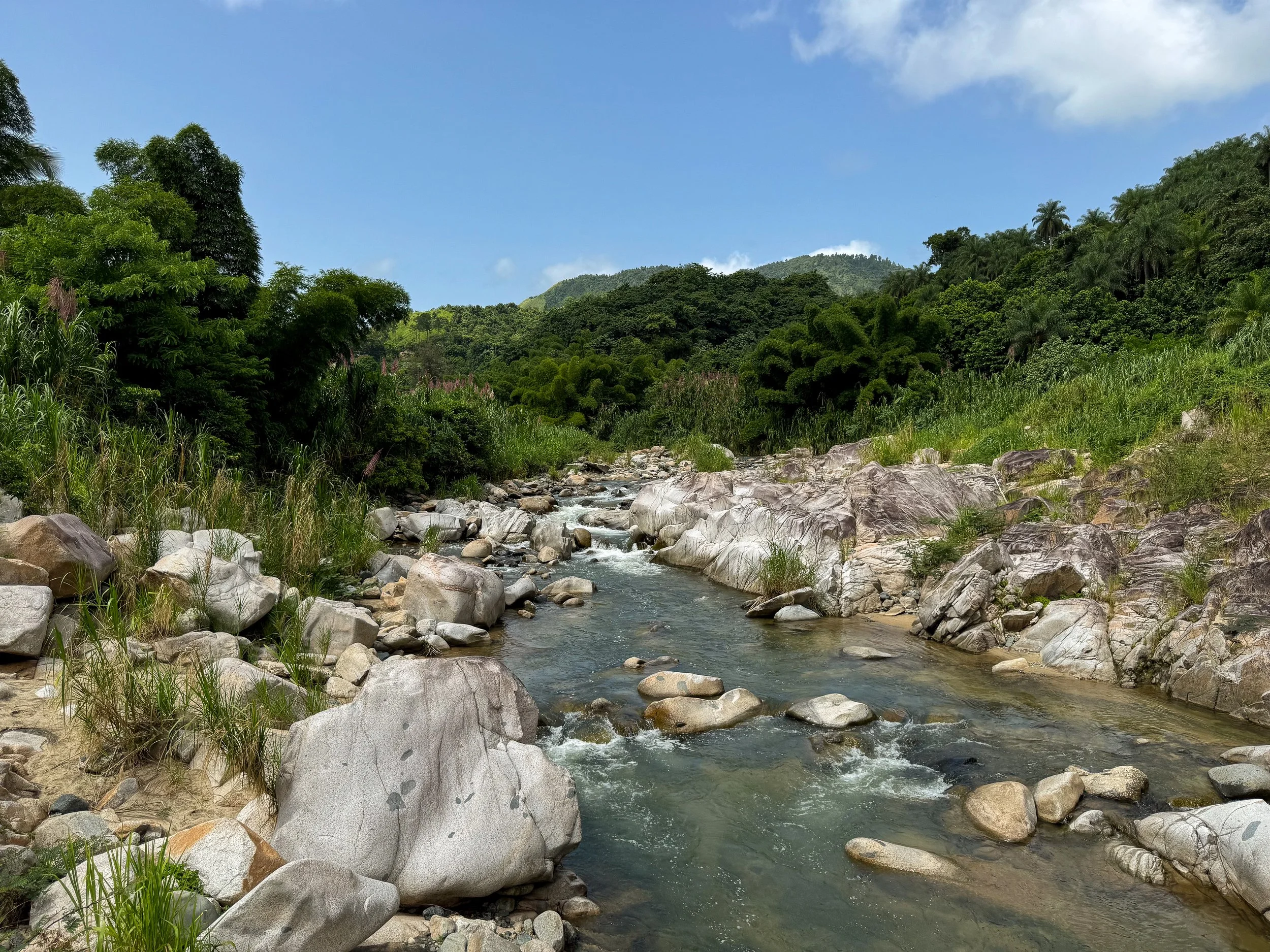
Having visited Puerto Rico nearly 20 times, we’ve experienced many places across the island. Though we don’t live here, we consider ourselves non-local experts and one day hope to call this beautiful island our home. Experience Puerto Rican culture in the capital city of San Juan. Explore the colorful and colonial streets of Old San Juan. Participate in Carnival during the Festival of Masks in Puerto Rico’s second city, Ponce. Hike the El Yunque Rainforest in Eastern Puerto Rico. Visit the surf towns along Western Puerto Rico. Head to the Caribbean Coast of Southwestern Puerto Rico. See the indigenous Taino sights of Central Puerto Rico.
For Next Time…
Whether a spontaneous weekend trip or planned vacation, we will certainly be back to Puerto Rico many more times! We have our eyes set experiencing things we’ve missed during past trips to Vieques including:
Mt. Pirata Observation Post. Hike to tropical summit of the tallest point on Vieques measuring nearly 1,000 feet above sea level.
Horseback Riding on Vieques. We have our eyes set on a beach sunset horseback riding tour.