Central Puerto Rico Travel Guide: Mountains, Hiking & Taíno Sites
A Lush & Rugged Landscape
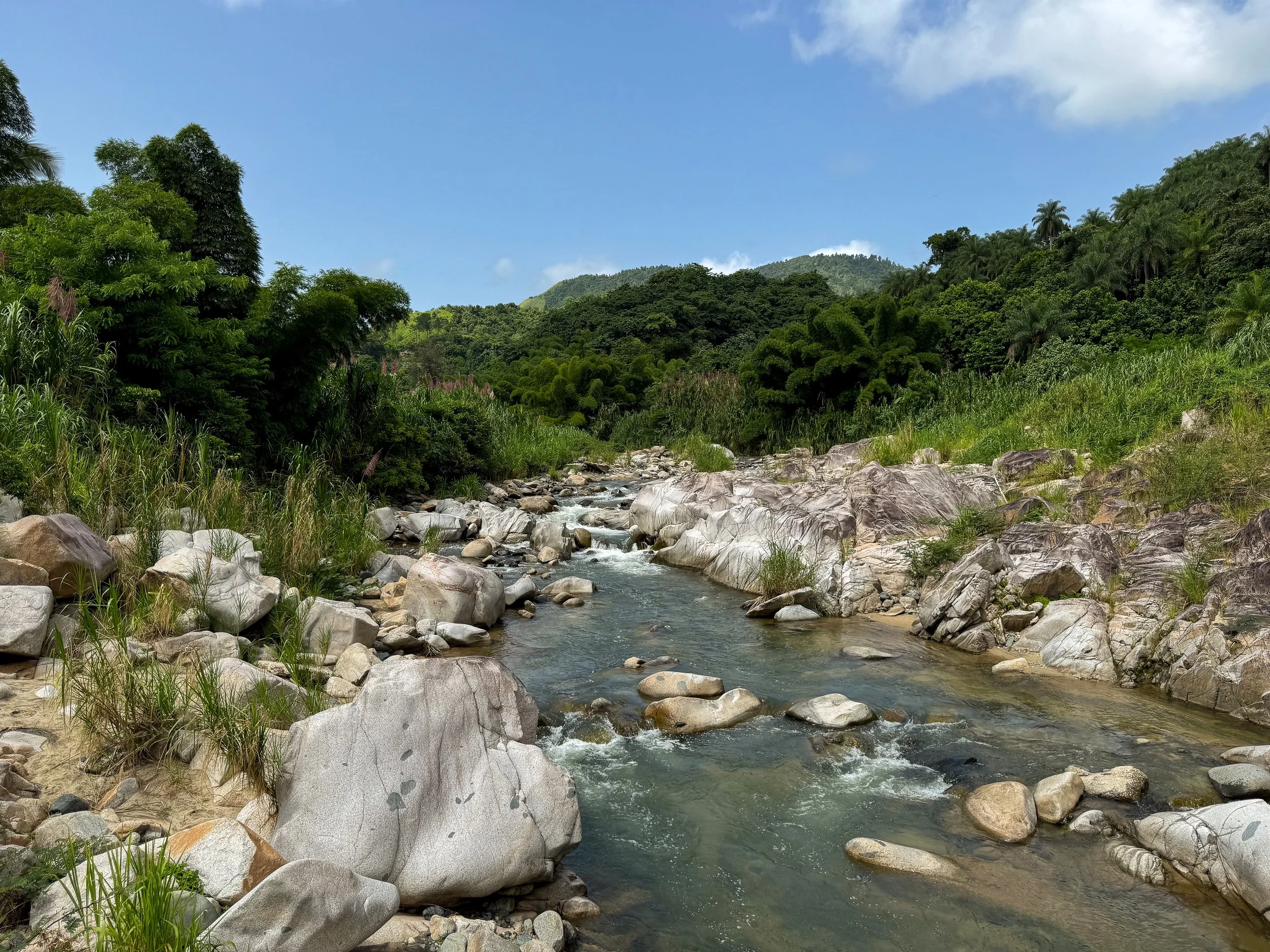
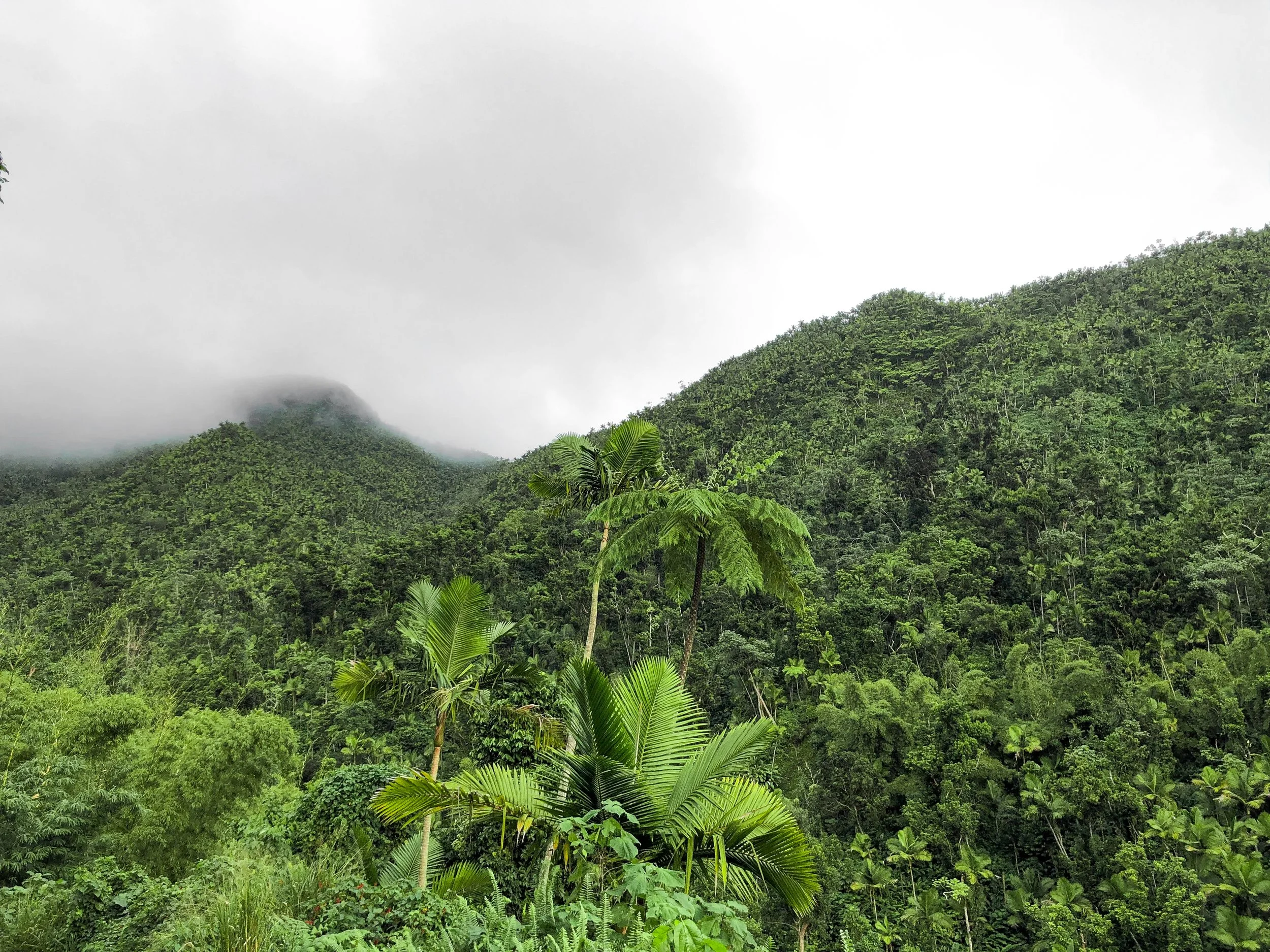
The central mountainous region of Puerto Rico is a lush and rugged landscape with tree covered mountains, ancient cave systems, breathtaking canyons, mesmerizing waterfalls, scenic hiking trails, coffee haciendas and Taíno archeological sites. We’ve ventured to the interior of the island on previous trips, getting to explore more of its natural landscapes, biodiversity and learn about its history.

Natural Landmarks
The interior of the island is home to many natural landmarks worth visiting. Rent a car and road trip through the interior to swim below waterfalls, explore caves, traverse canyons and overlook the mountains from scenic lookouts.
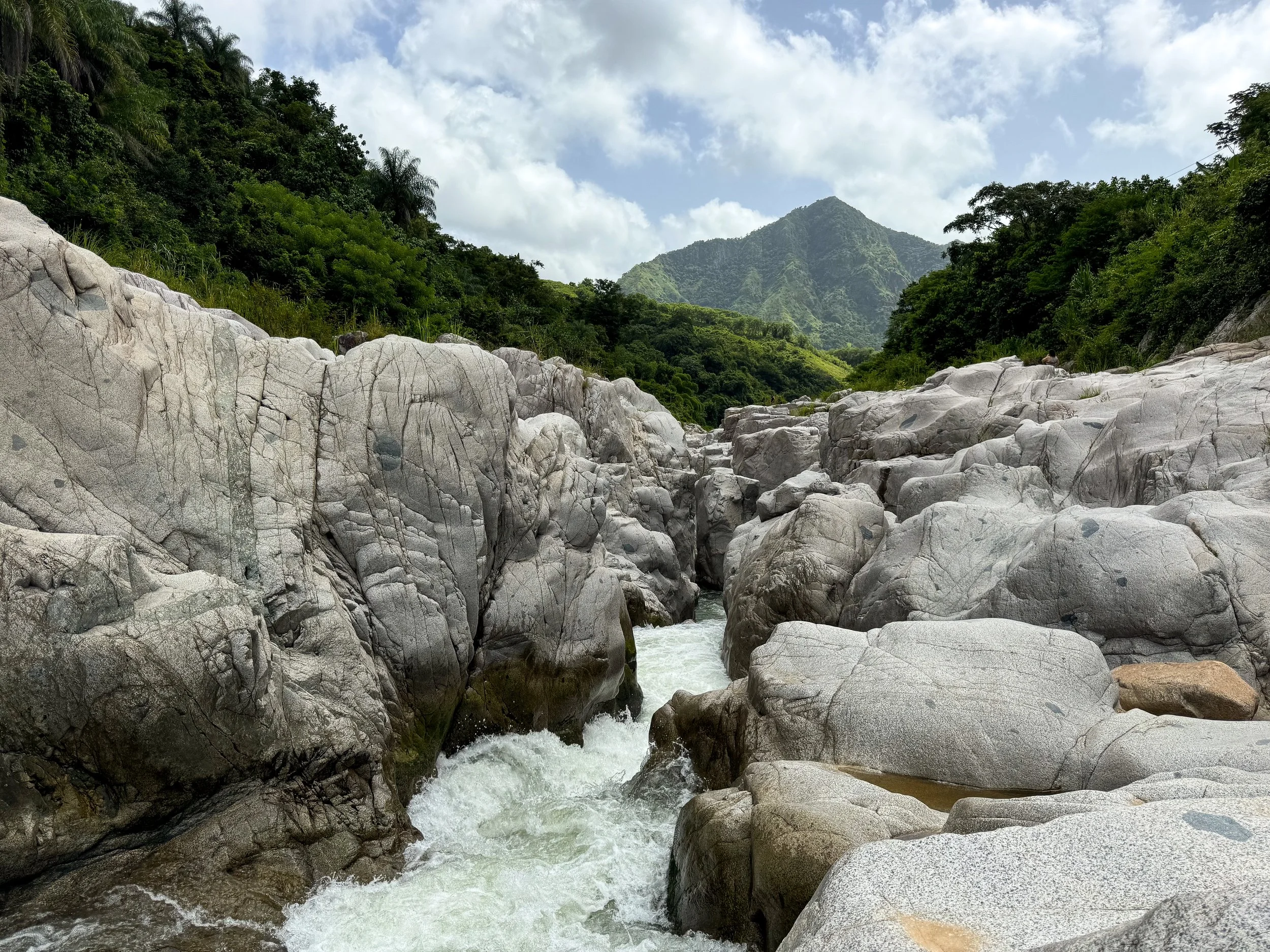
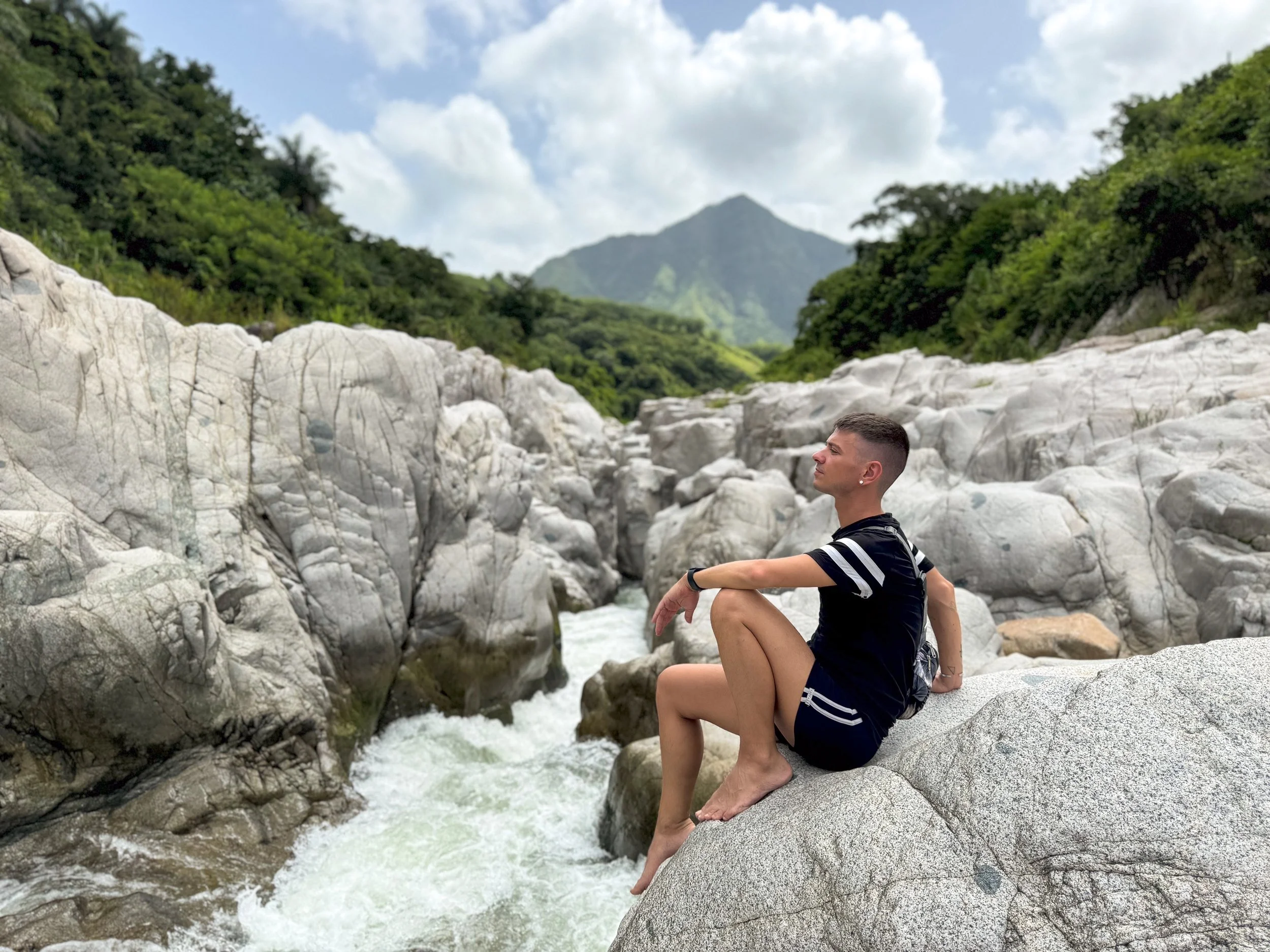
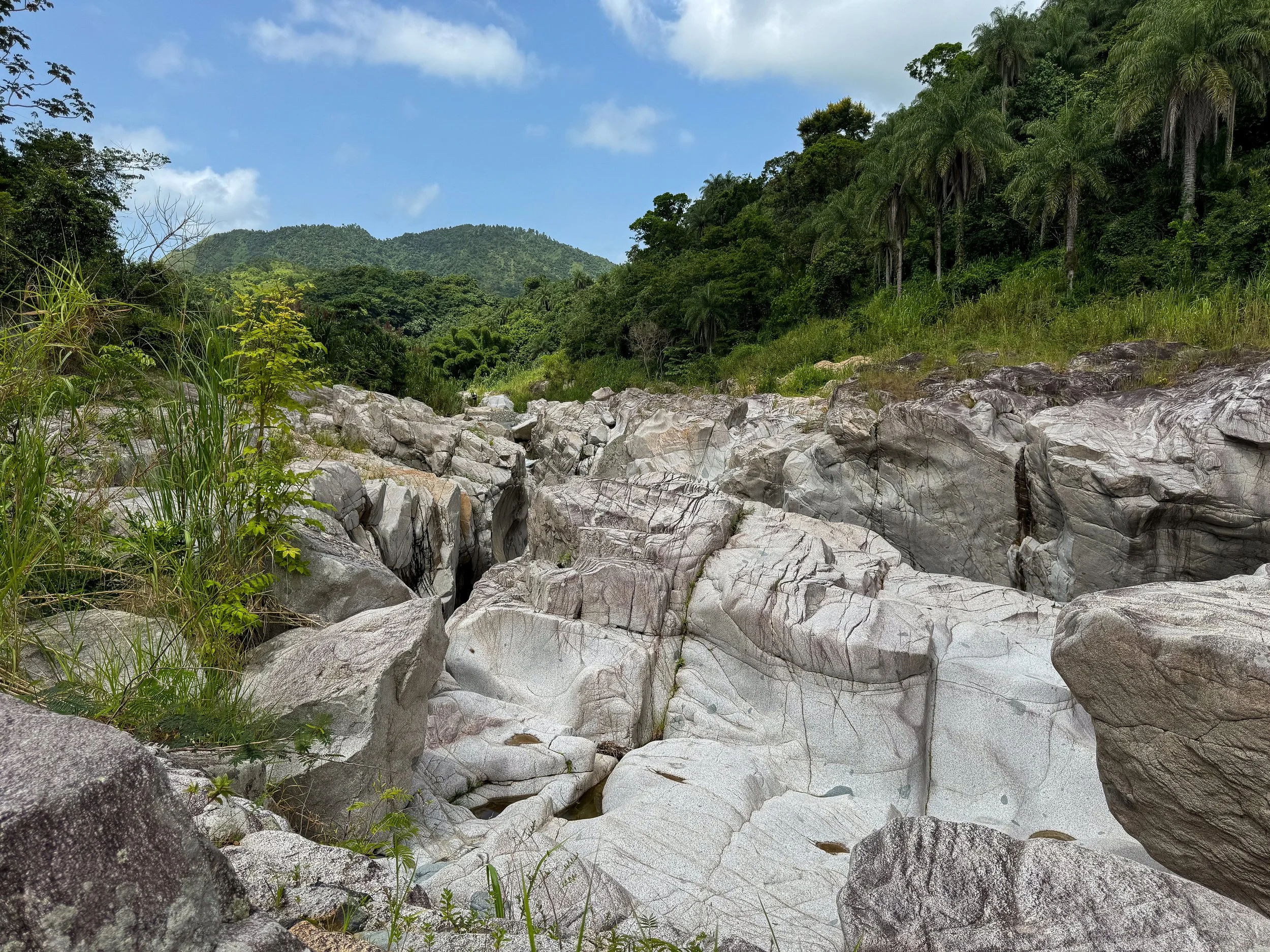
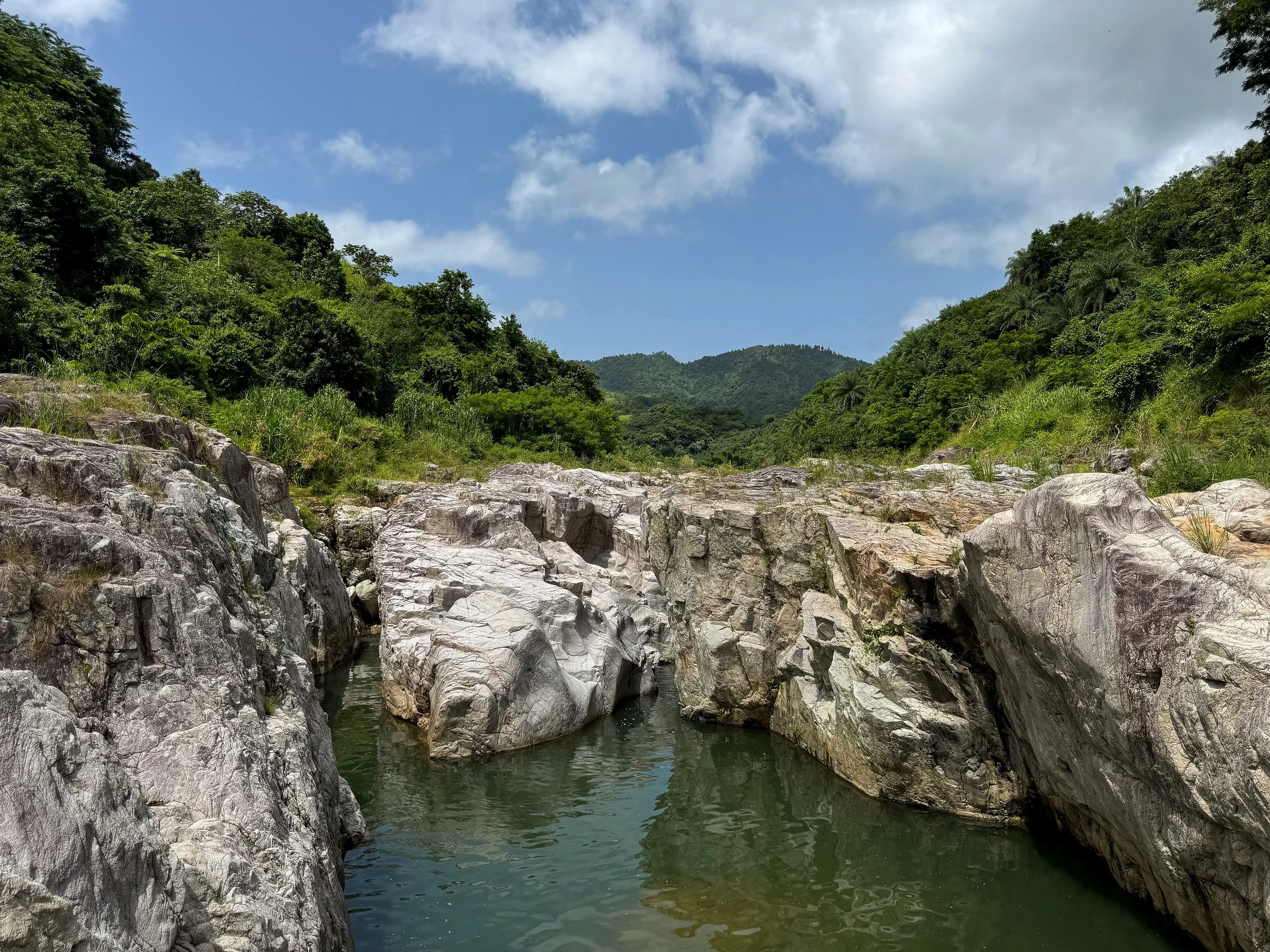
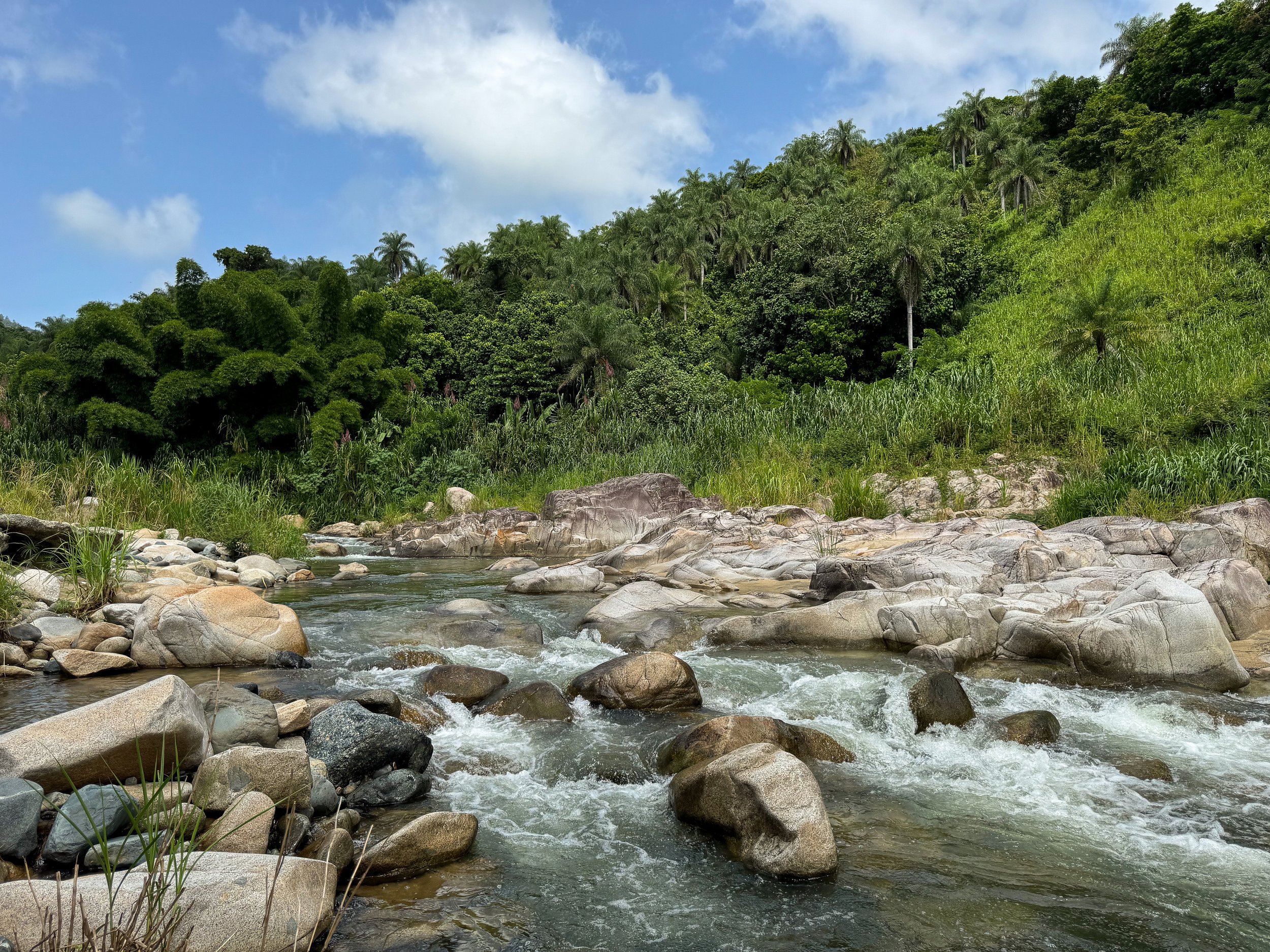
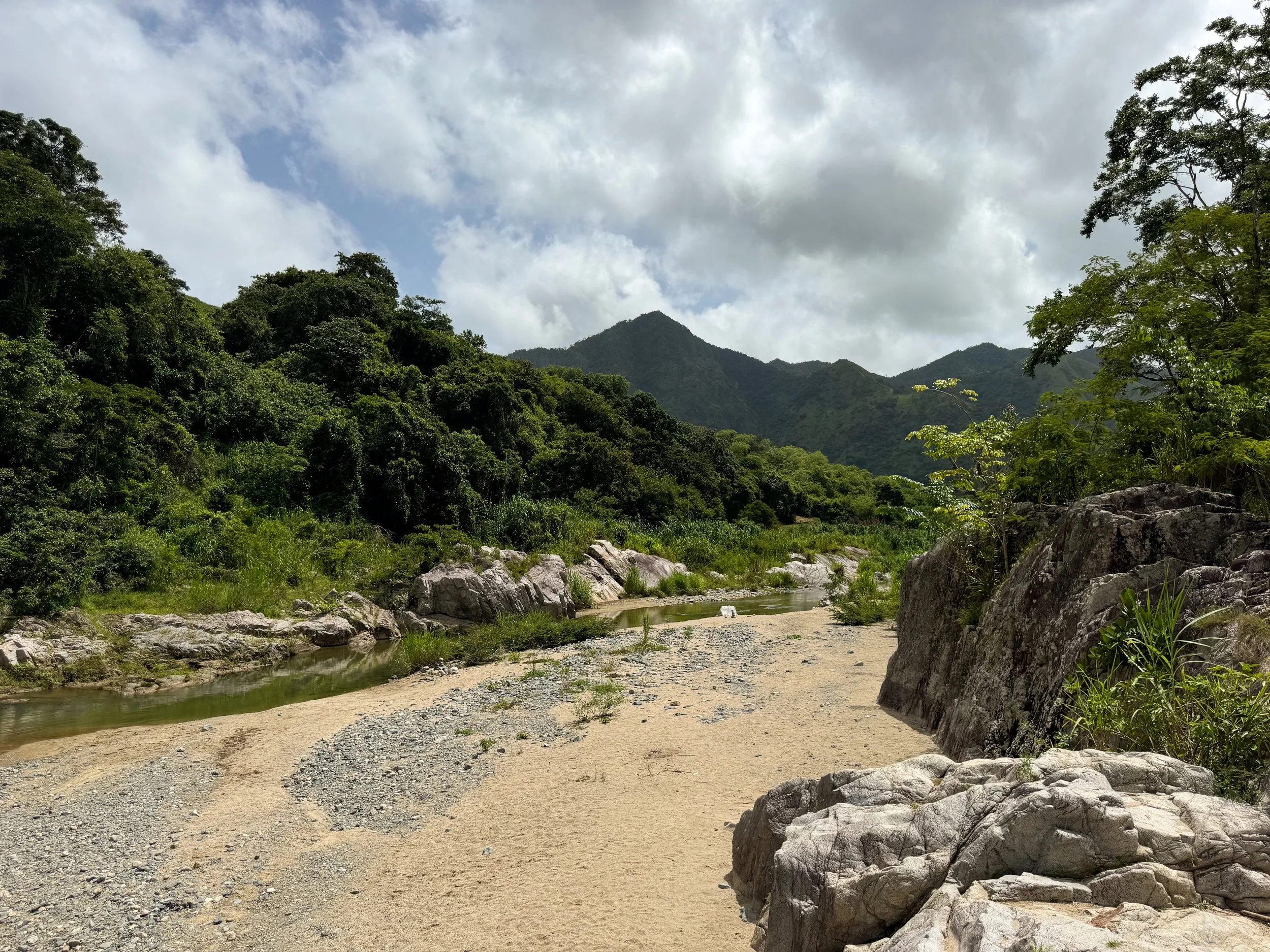
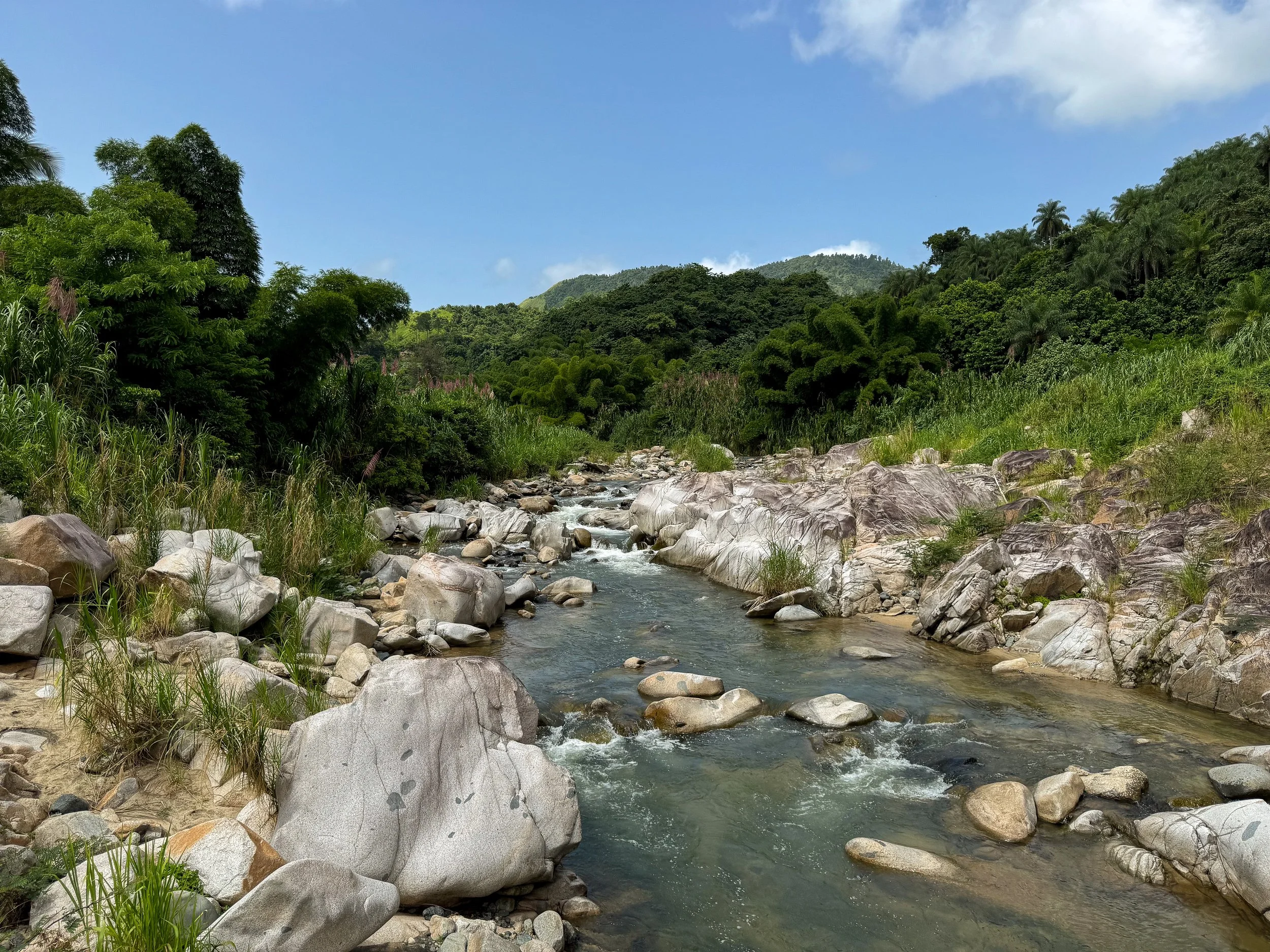
Canyon Blanco. A canyon with large white rocks and cliffs polished smooth by the river. There is a trail leading along the canyon with Taíno petroglyphs, a small beach and views of the surrounding mountainside.
Petroglyphs. There are well defined Taíno petroglyphs dating back hundreds of years carved into some boulders throughout the canyon. The most notable are figures of babies swaddled in blankets. They’re unmarked but easily visible if you’re looking. The petroglyphs are primarily located on large boulders downriver from the bridge before entering the canyon.
Getting Here. Take PR-140 and park at “Parking For El Sofa” just before a small bridge over the river. Walk down the west bank of the river and wade through it on foot before the rapids to reach the canyon trail. Alternatively, there is paid parking at Private Property a few minutes past the bridge for $10 with access to the canyon and trail.
Good to Know. The canyon is one of the most beautiful sights on the island but is difficult to reach. There is no cell service here. Download offline maps before traveling to the canyon. Don’t go on rainy days. Flash floods and rising waters are common.

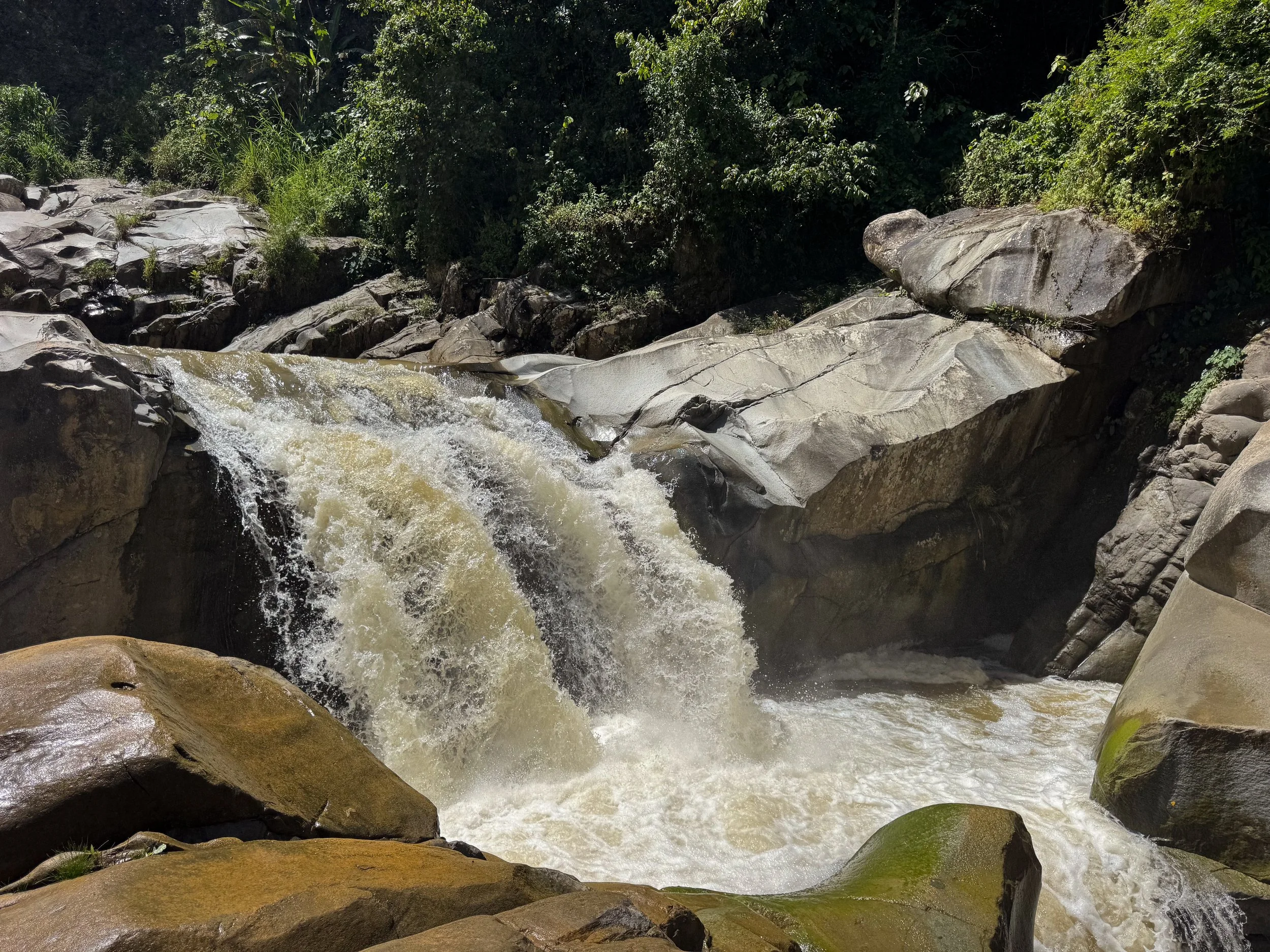
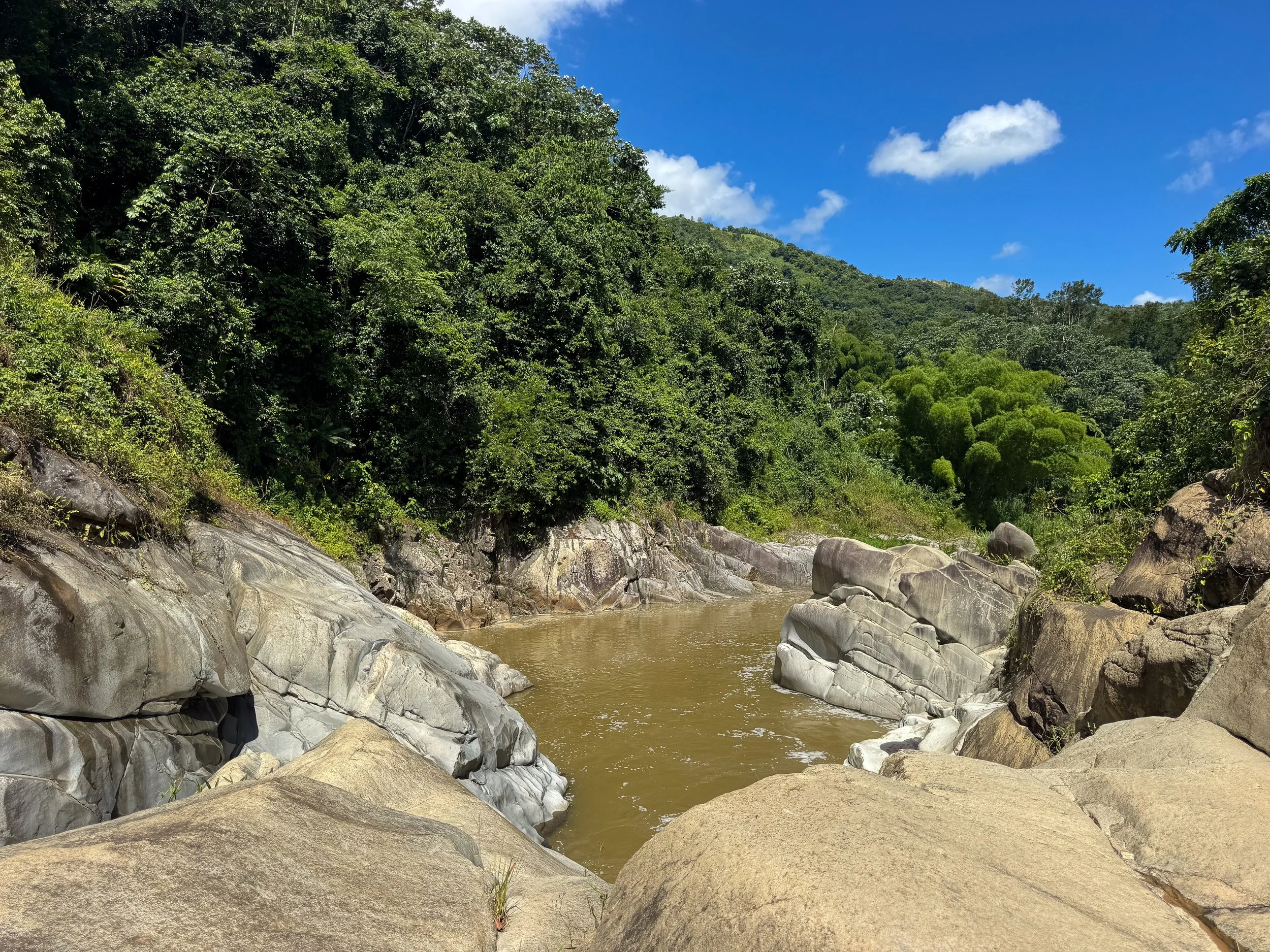
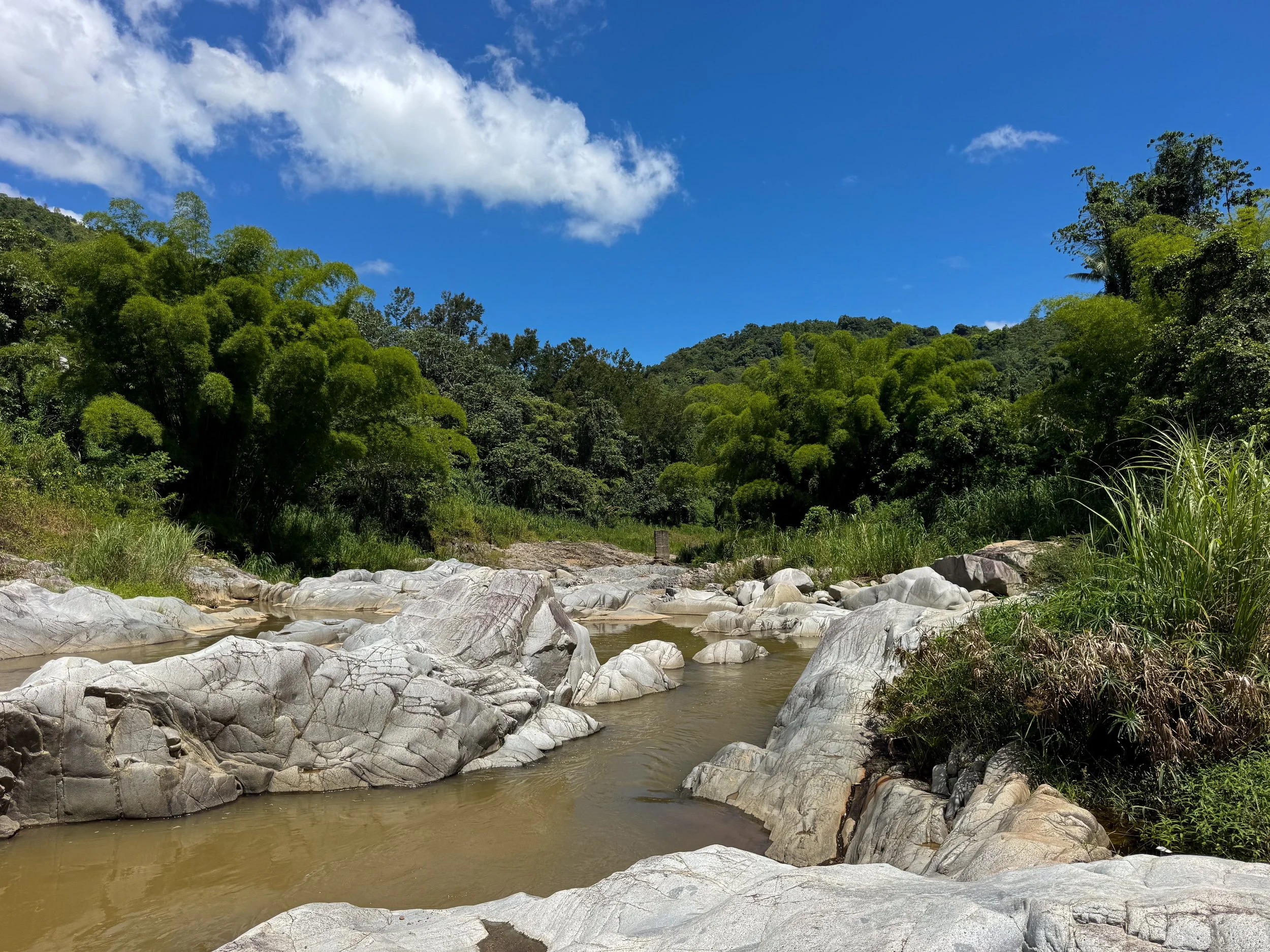

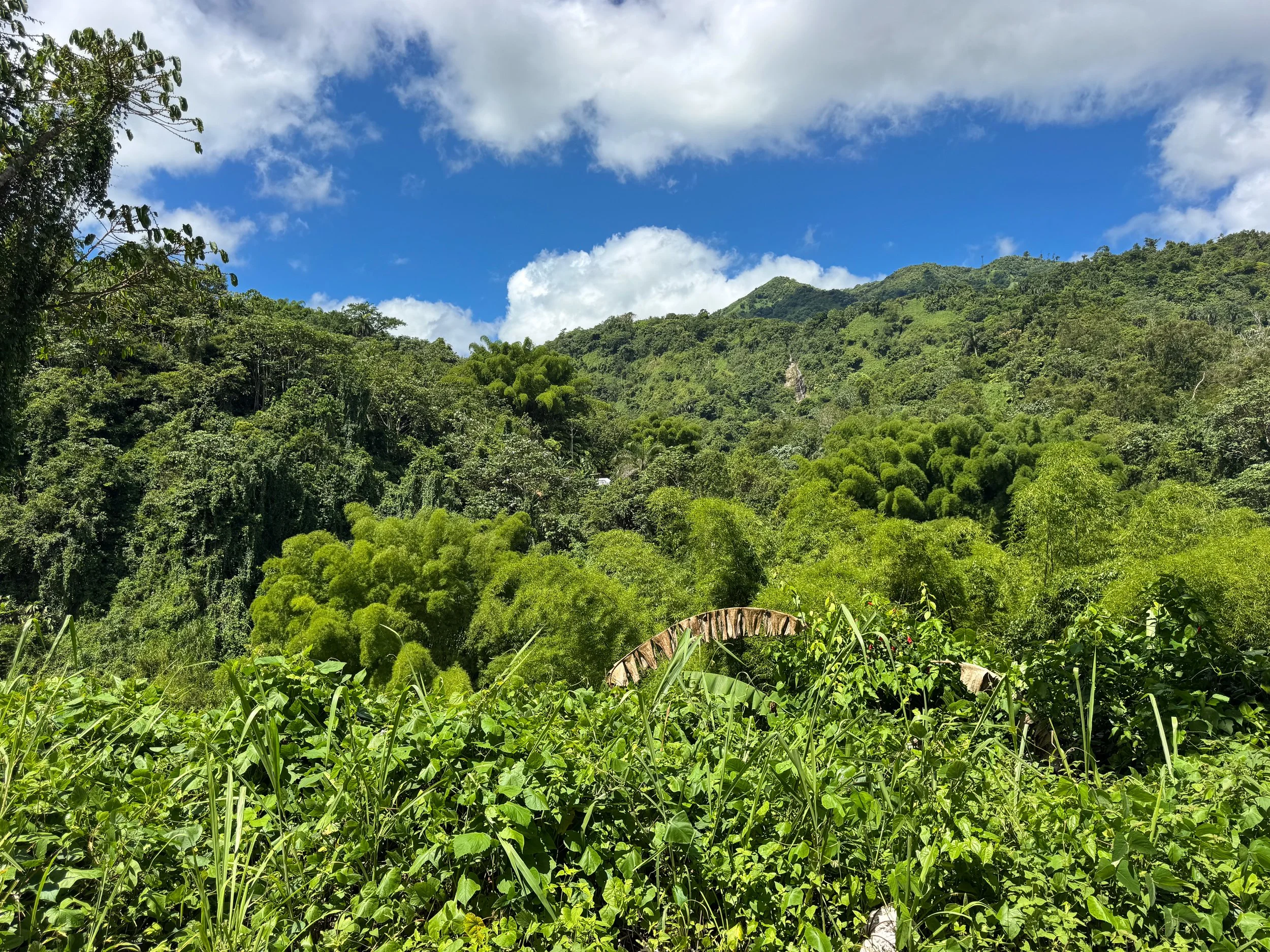

Charco Los Morones. A remote waterfall and river canyon along the Río Guaonica in Utuado. A trail leads from the roadside to a rocky path with views of the cascading waterfall, river pools and verdant mountainside. Indigenous Taíno petroglyphs are carved into the tops of several rocks along the riverbank and canyon wall.
Getting Here. Park anywhere along the roadside on Highway 123 (Antigua Puerto Rico 10). The steep trail begins just beyond the Zona Protegida sign. Use this Google Map Pin.

Piedra con Petroglifo. A large river rock covered in dozens of Taíno petroglyphs including faces, full human figures, swirling patterns and a symbol representative of the sun.
Getting Here. Wade into the Río Guaonica at the Cam Bañadero bridge. Walk about 150 feet downstream to the largest rock on the lefthand side. Use this Google Map Pin to locate it.
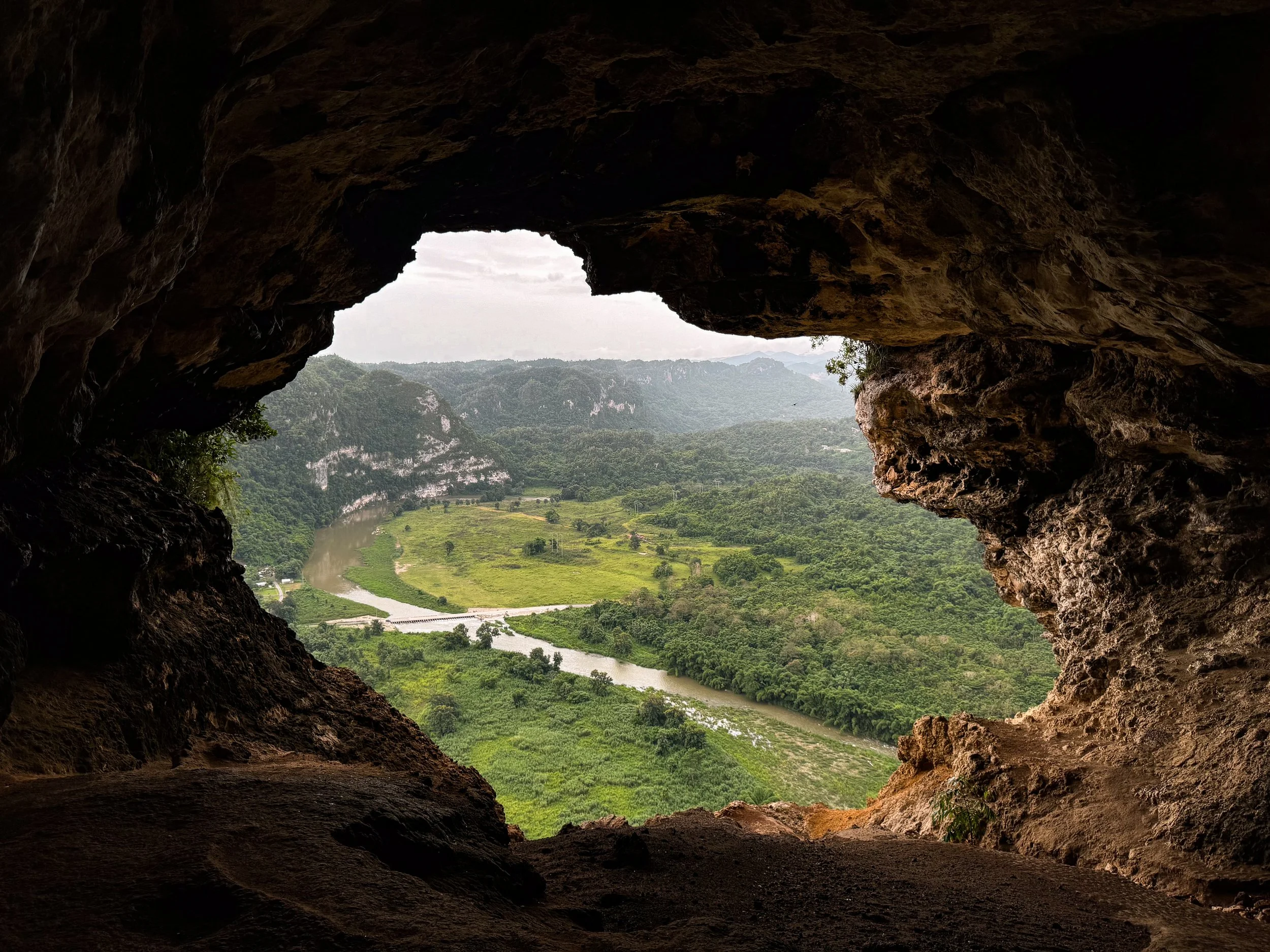
Cueva Ventana. A cave that leads underground through multiple chambers with bat colonies, stalactites and stalagmites before reaching a cliffside opening that overlooks the valley and river below. From here, Taíno petroglyphs can be seen as cave birds and bats flutter into and out of the window like opening of the cave. It’s located 15 minutes from the city of Arecibo. Make reservations online ahead of time.
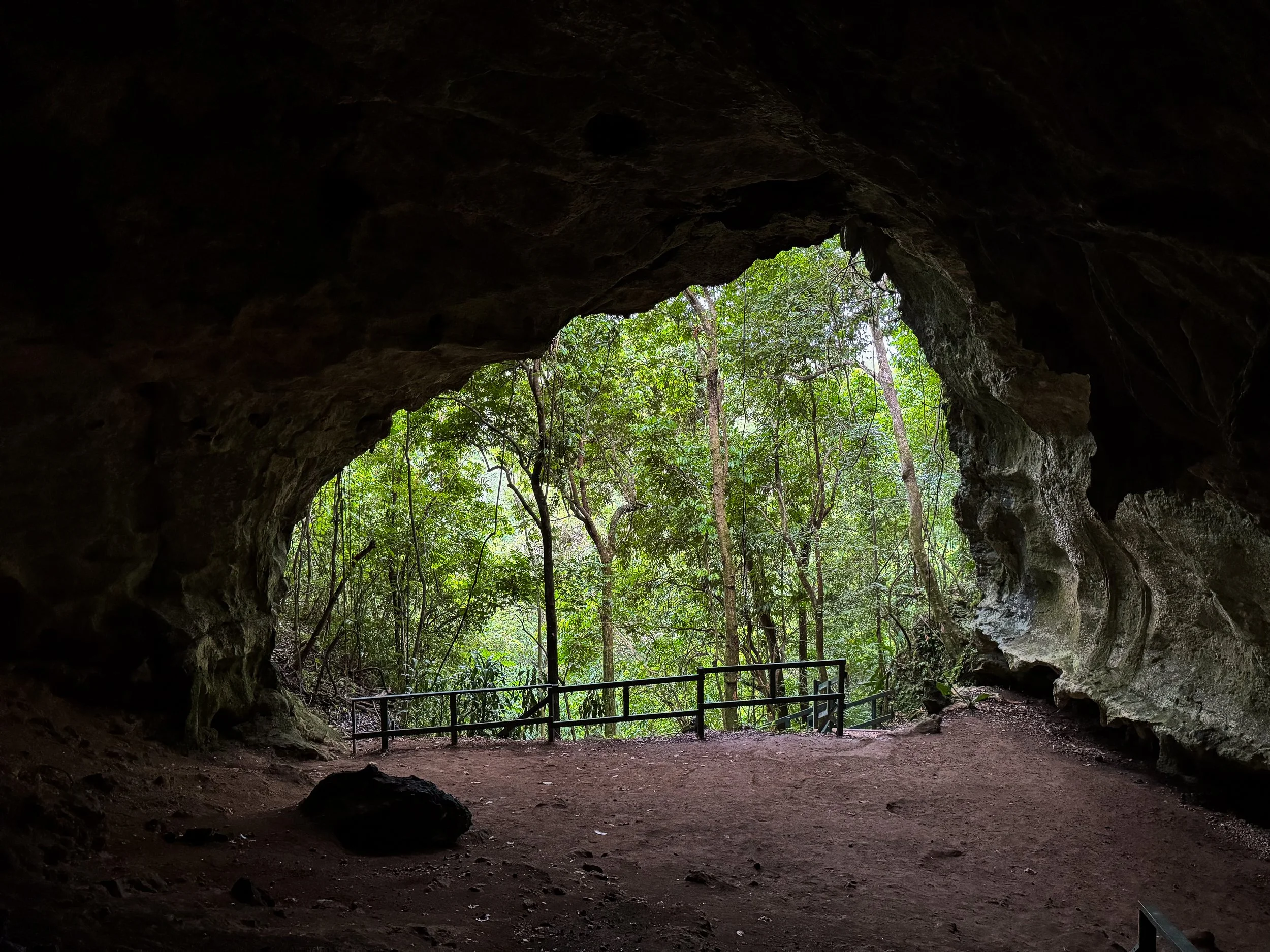
Cueva La Clarito. A cave with a large chamber, giant flow stone, stalactites, stalagmites and petroglyphs dating back thousands of years. It’s accessible along the tour to Cueva Ventana.
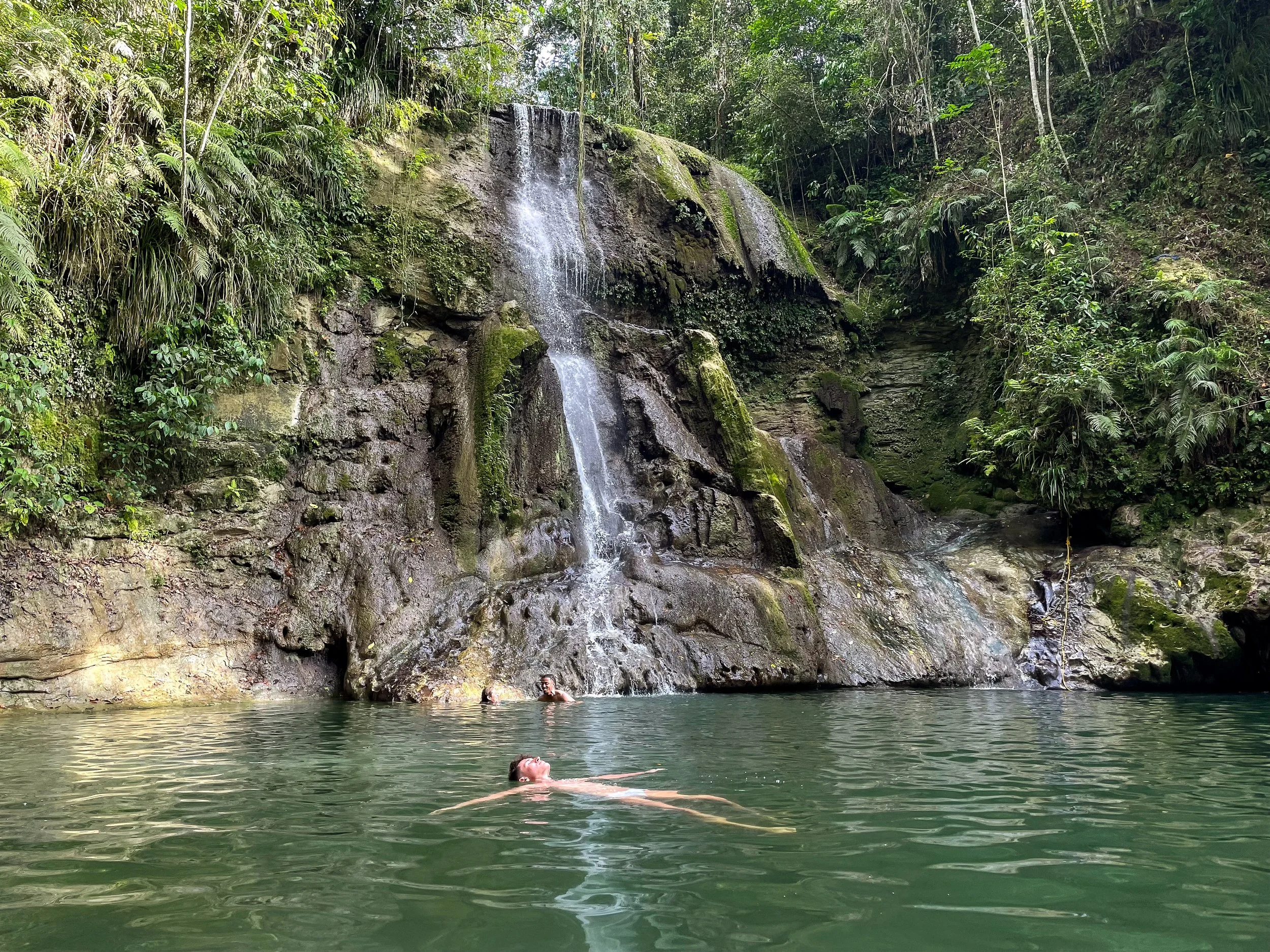
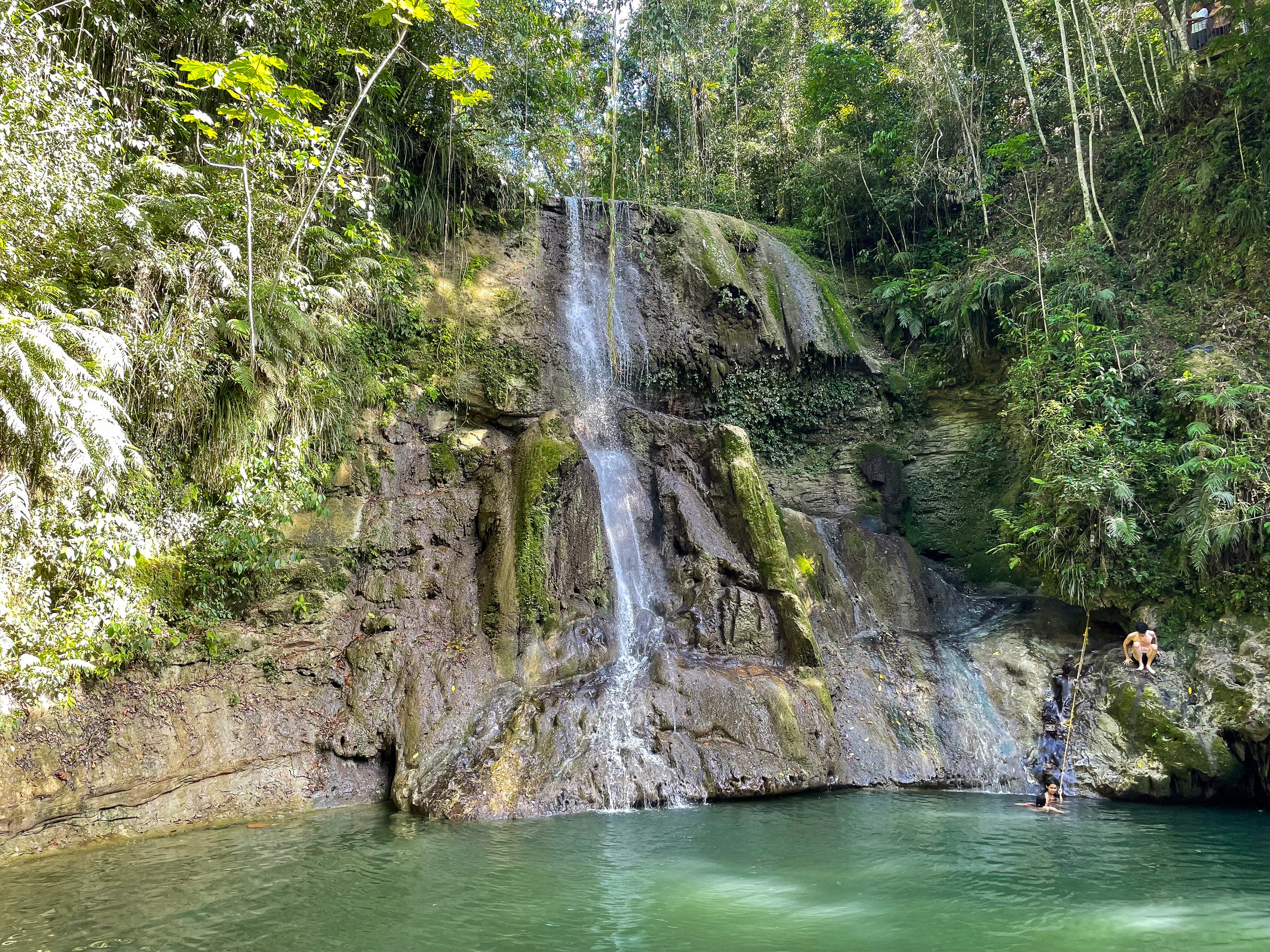
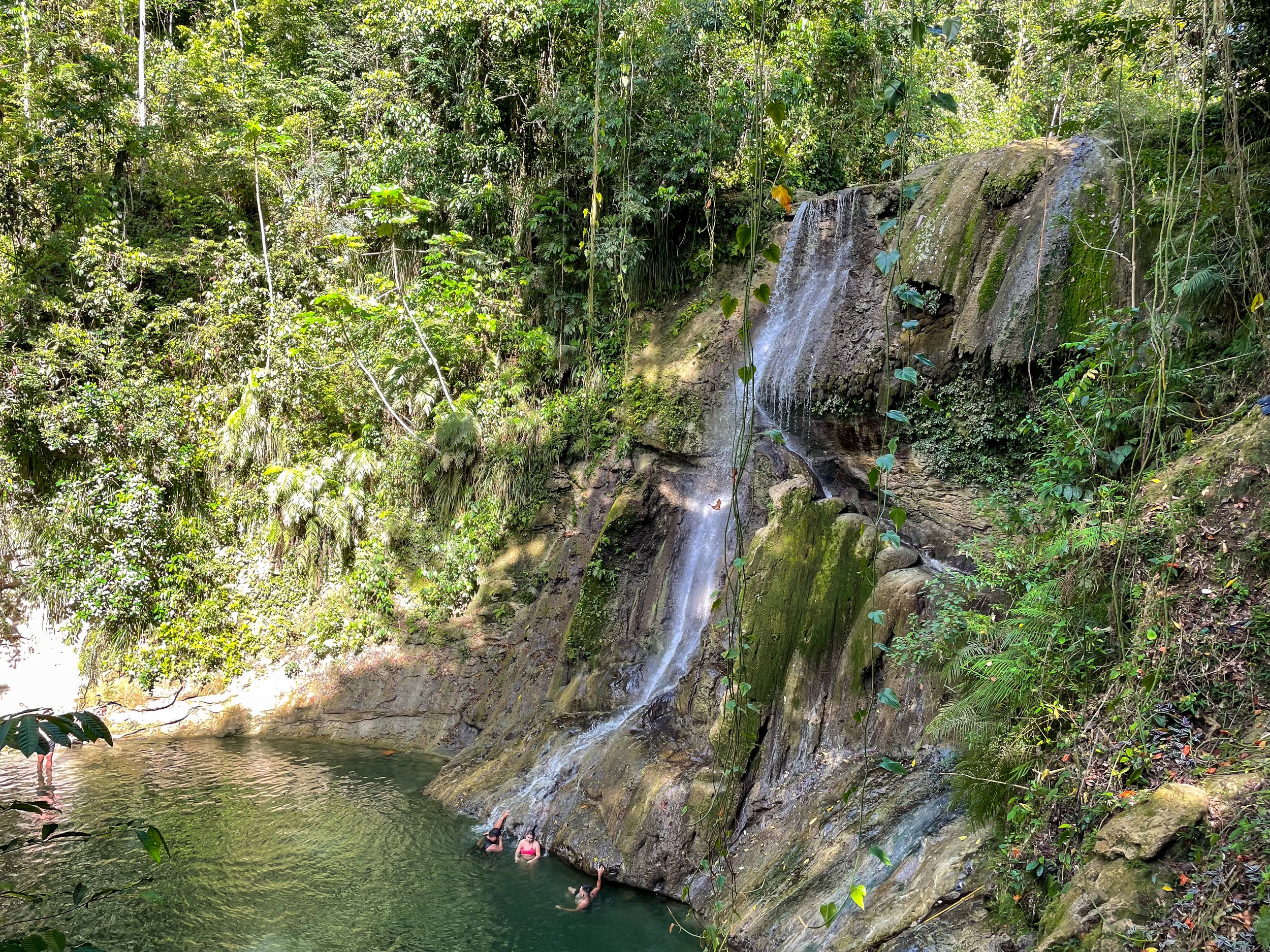
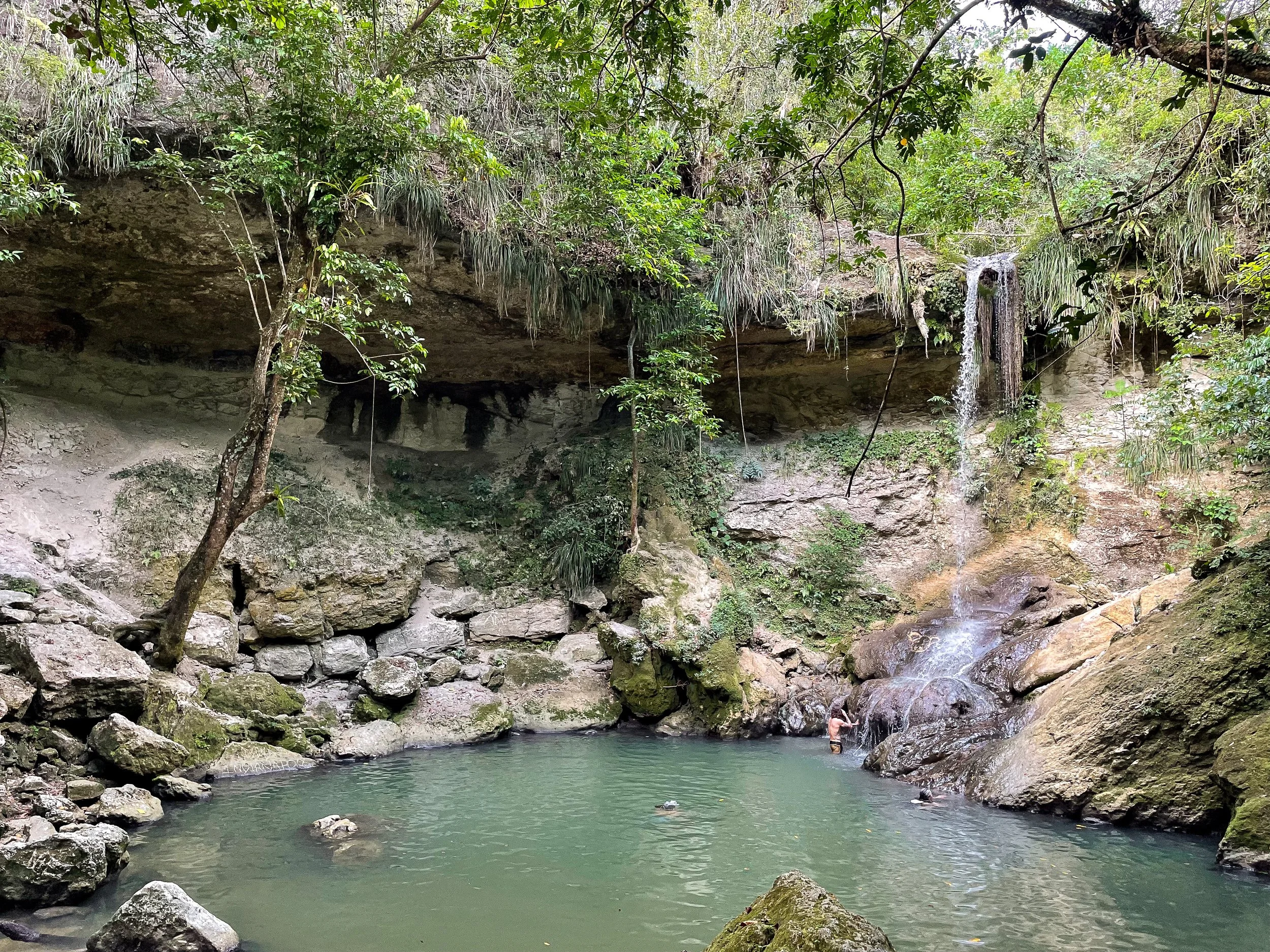
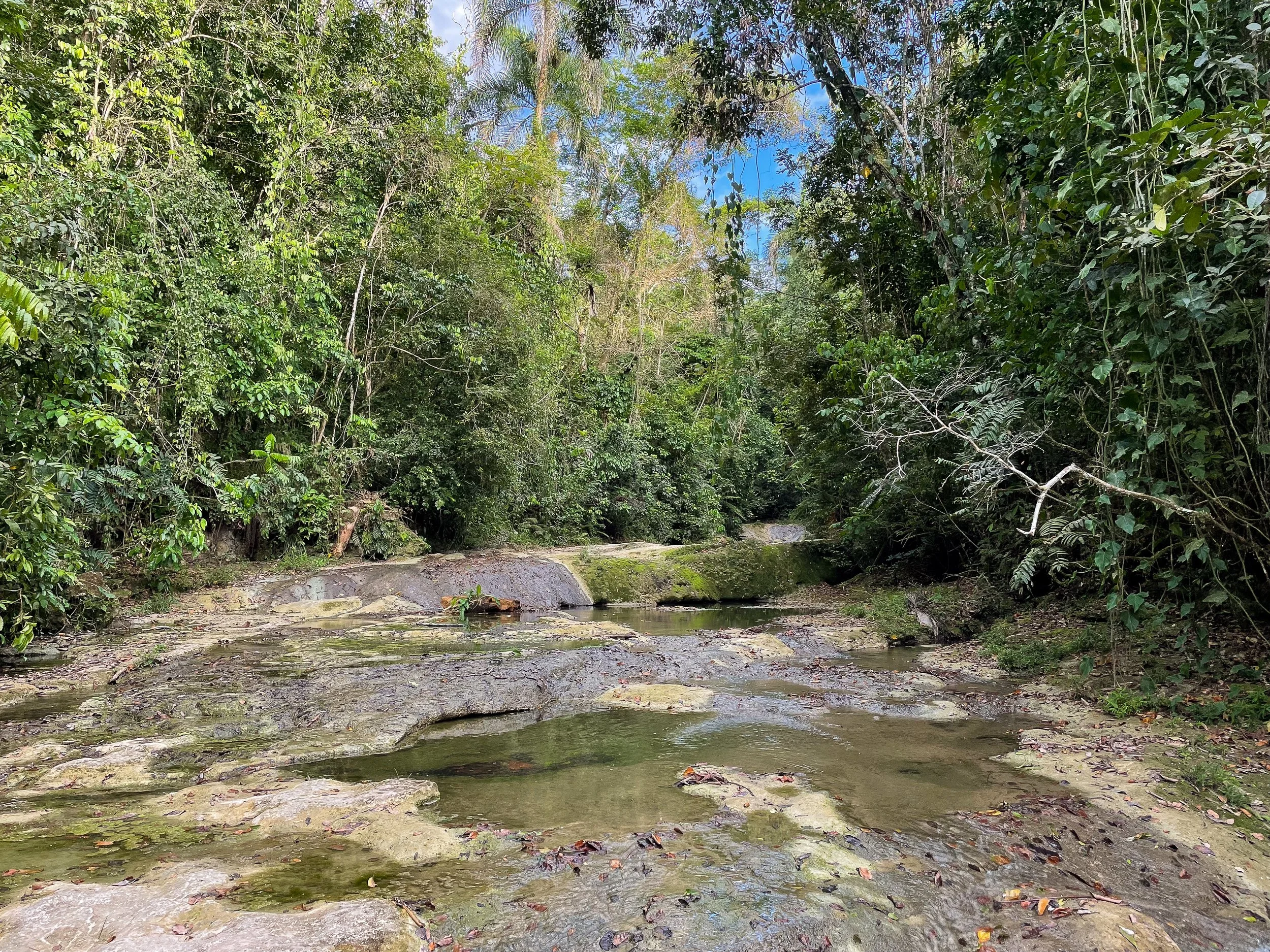
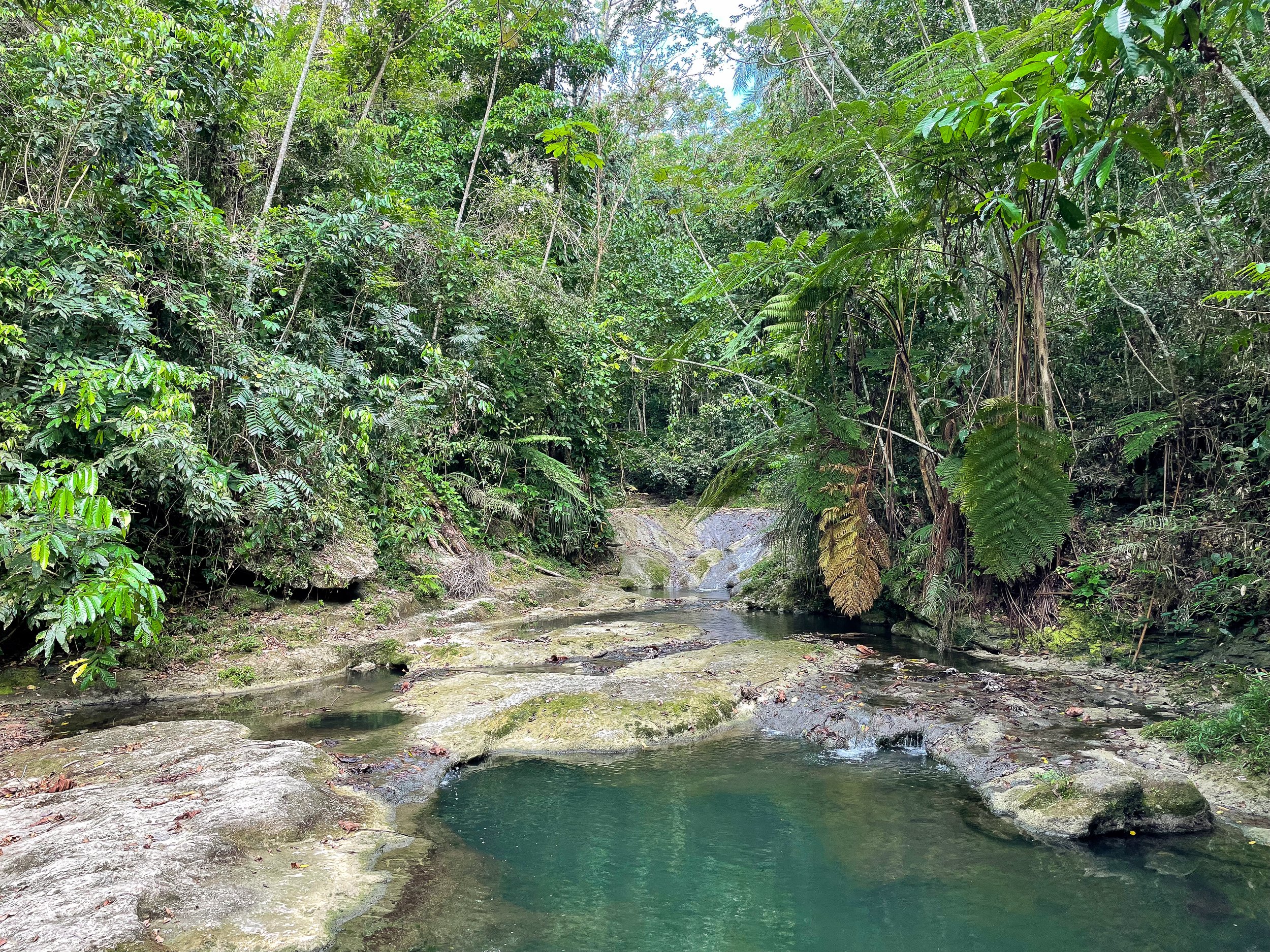
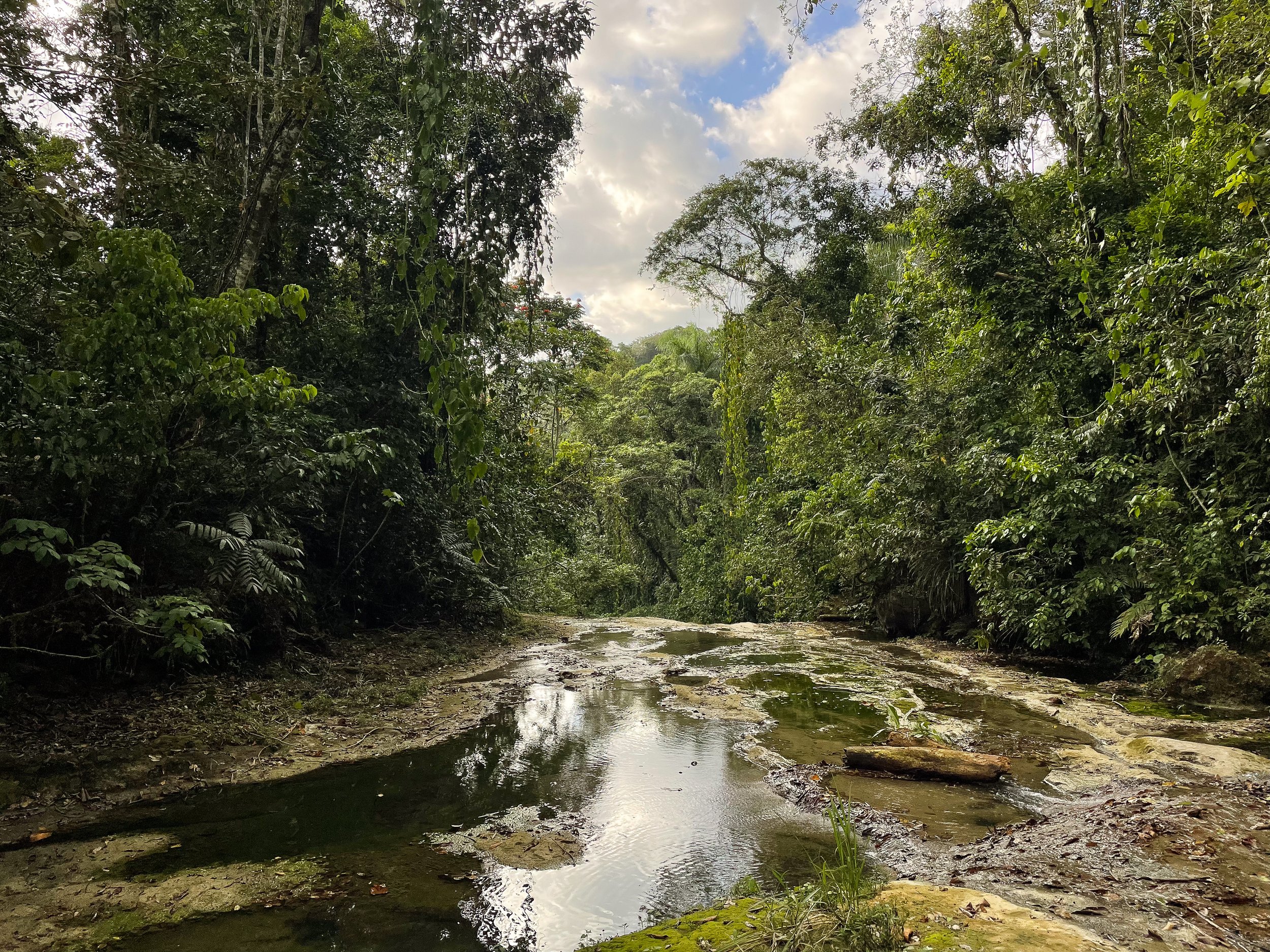
Gozalandia Falls. A waterfall over a smooth rock cliff with a natural swimming pool below it. Upstream are several river pools and another waterfall with a natural swimming pool. Parking costs $10. There is a restaurant and bar at the entrance selling fresh coco frio (cold coconuts).
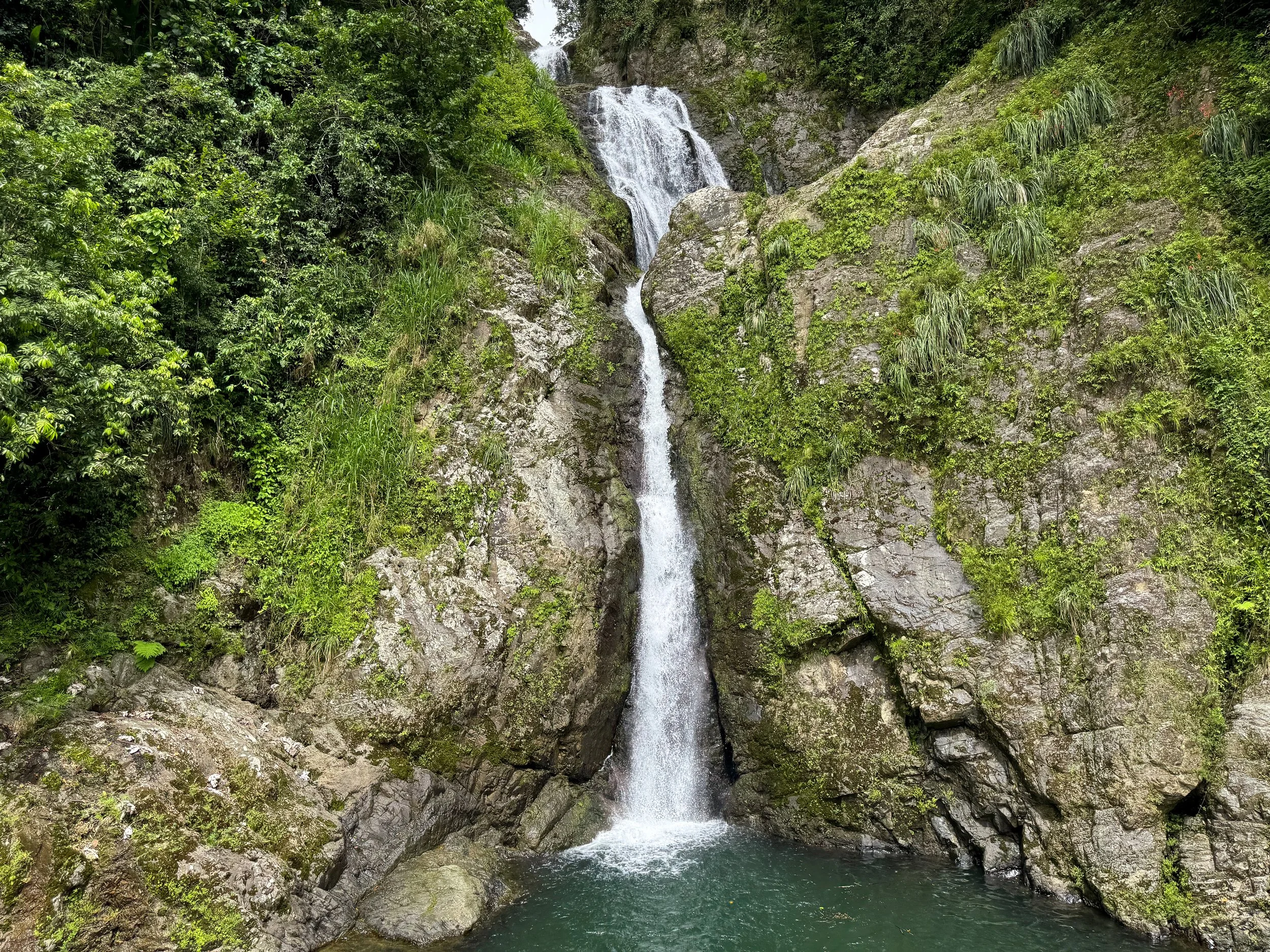
Doña Juana Waterfall. A 100ft tall waterfall with a swimming pool at its base. It’s a popular roadside stop in the central mountains with a restaurant and bar.
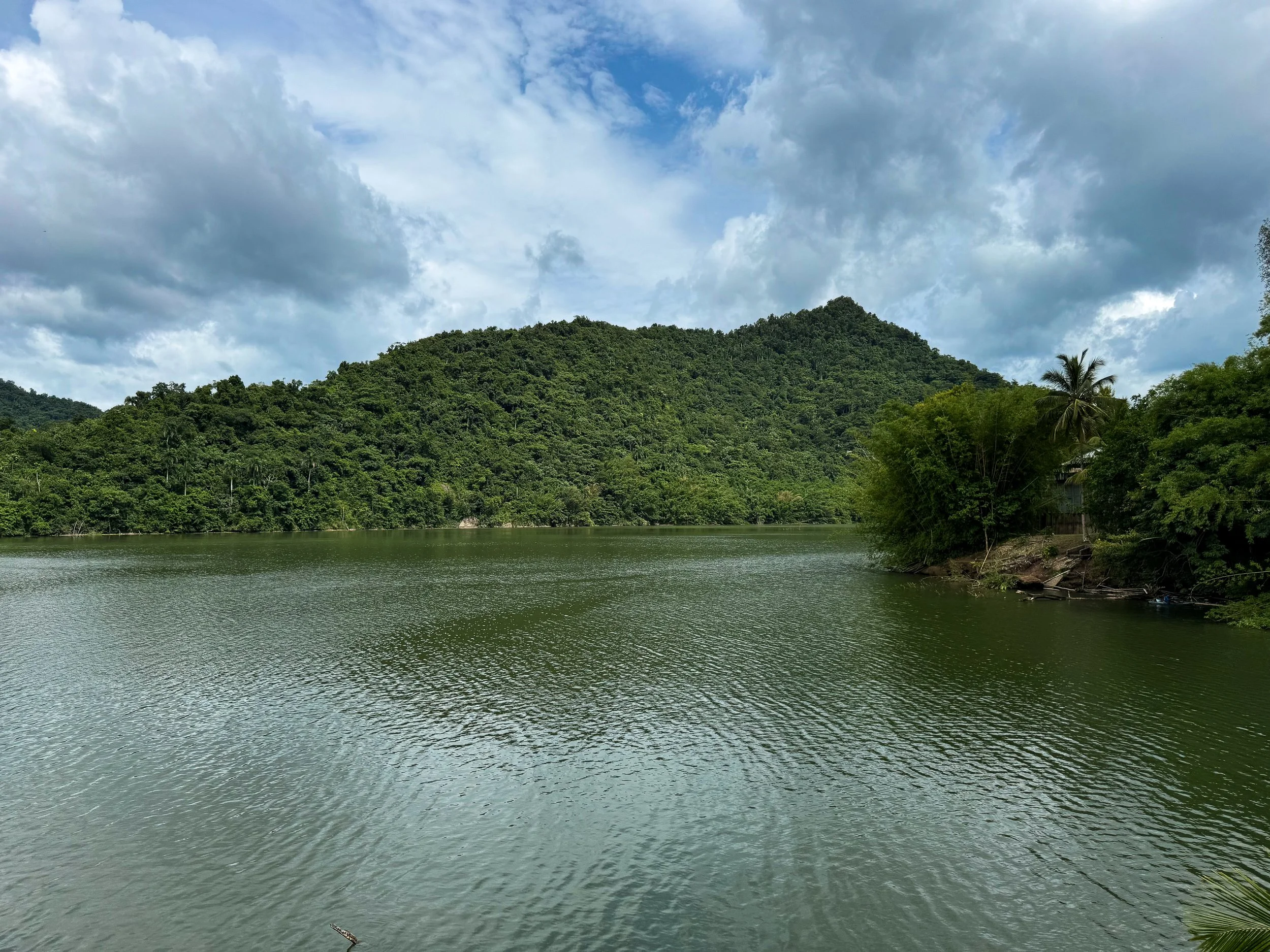
Lago dos Bocas. A mountain lake created by a dam popular with locals for fishing and kayaking. It’s located 20 minutes from the city of Arecibo.
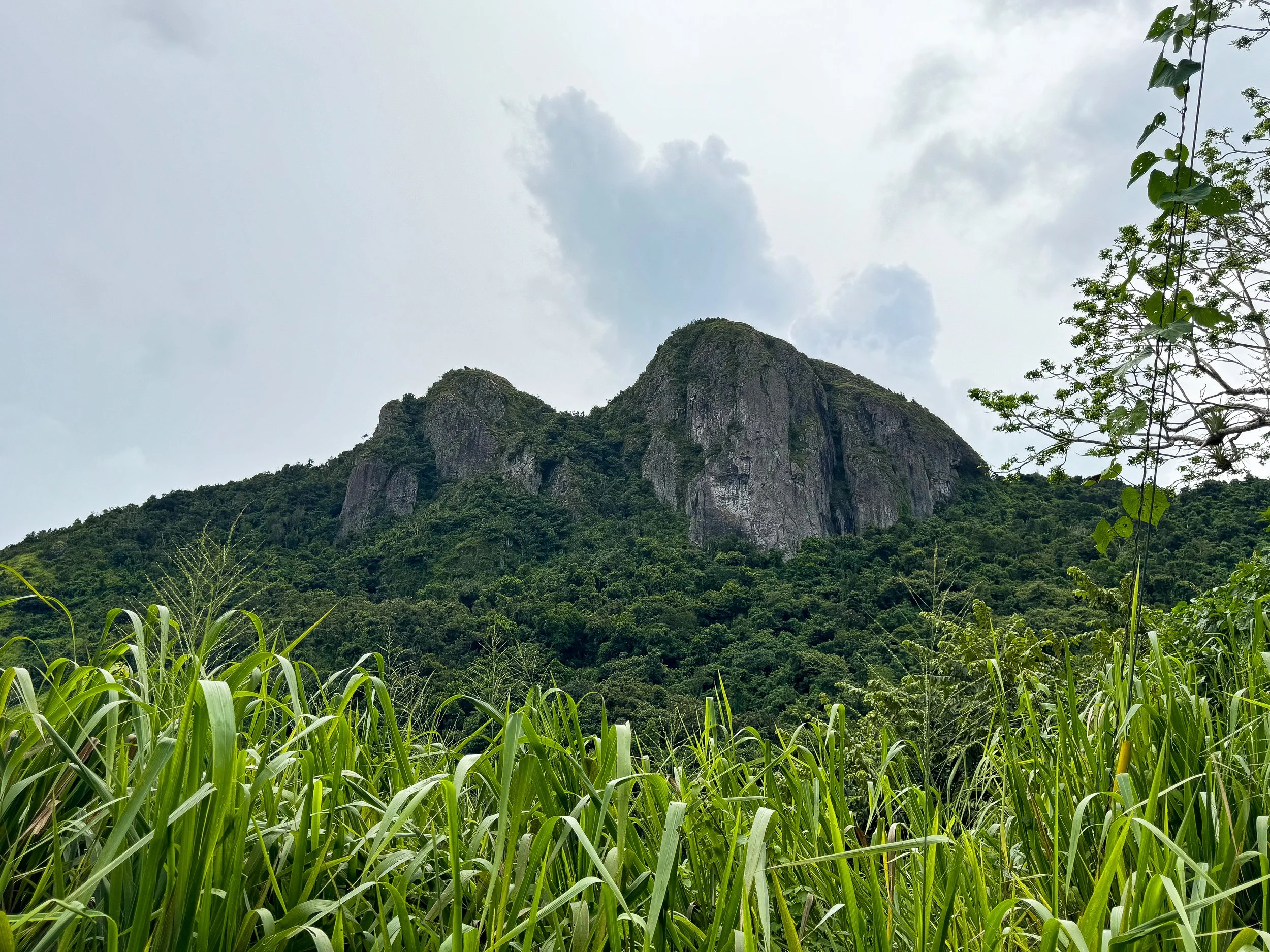
Cerro Las Tetas. A mountain range known for its twin peaks that resemble a pair of breasts. It’s visible from various roadside overlooks and pull offs along Highway 1 in Salinas.
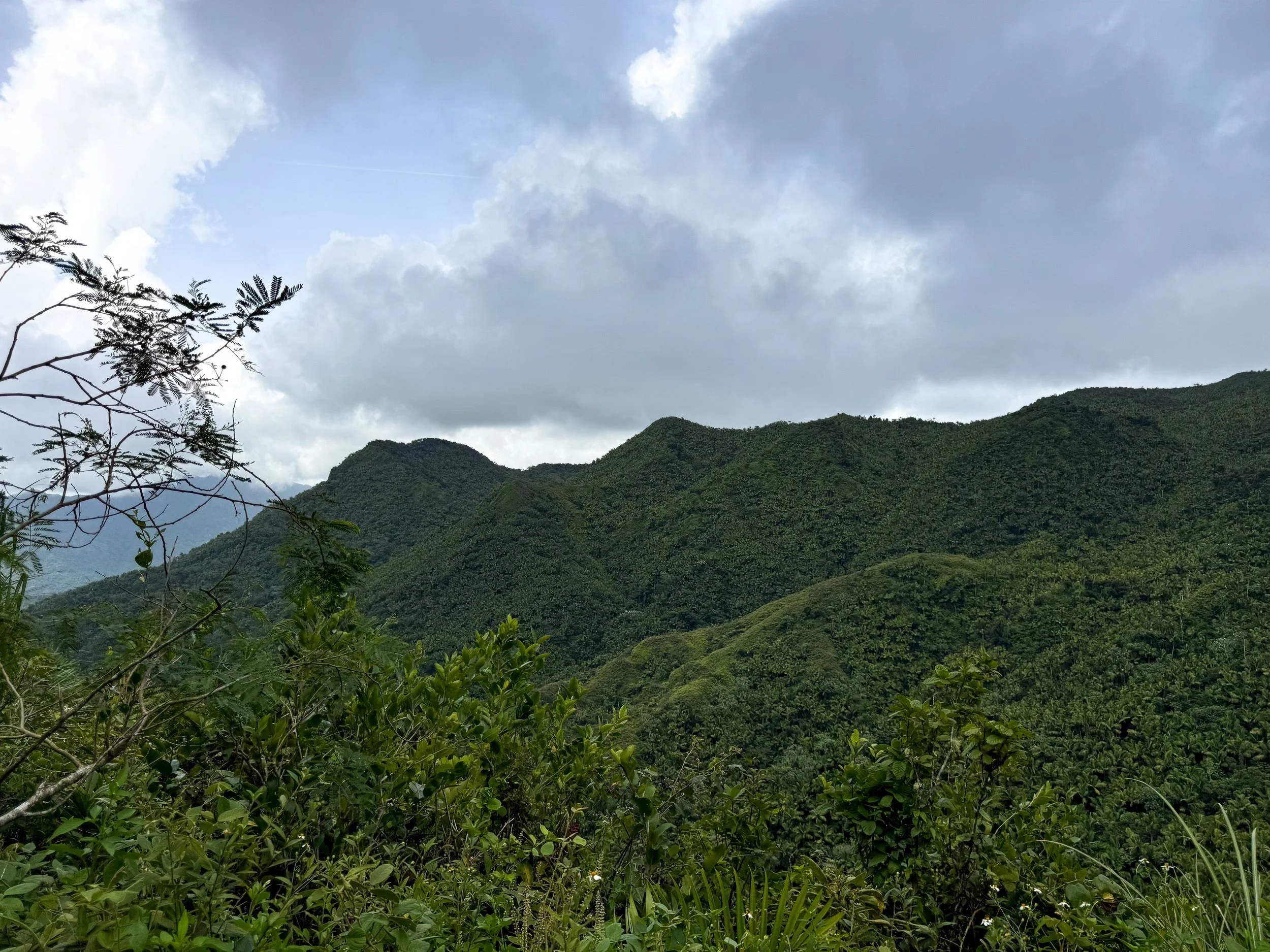
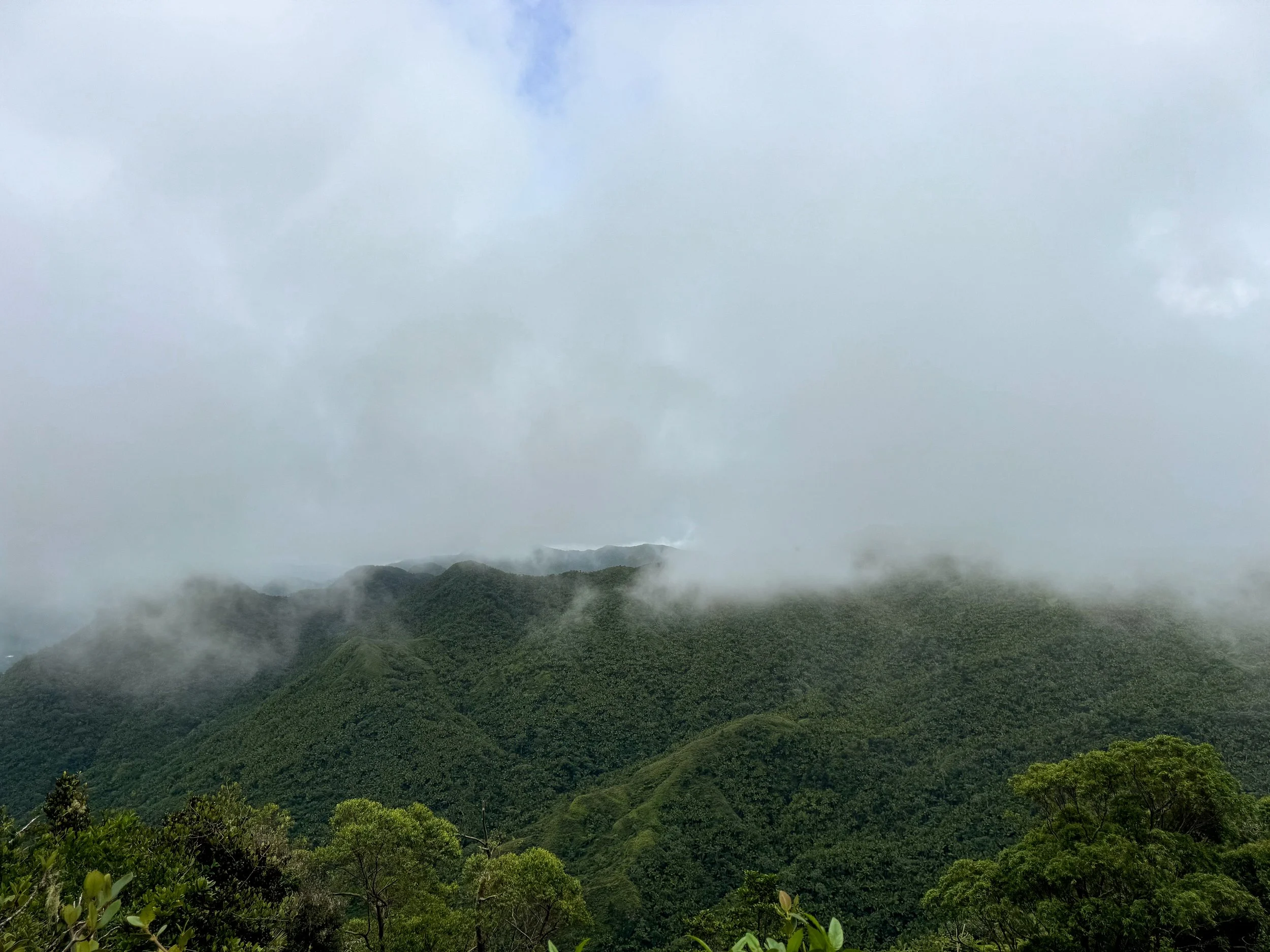
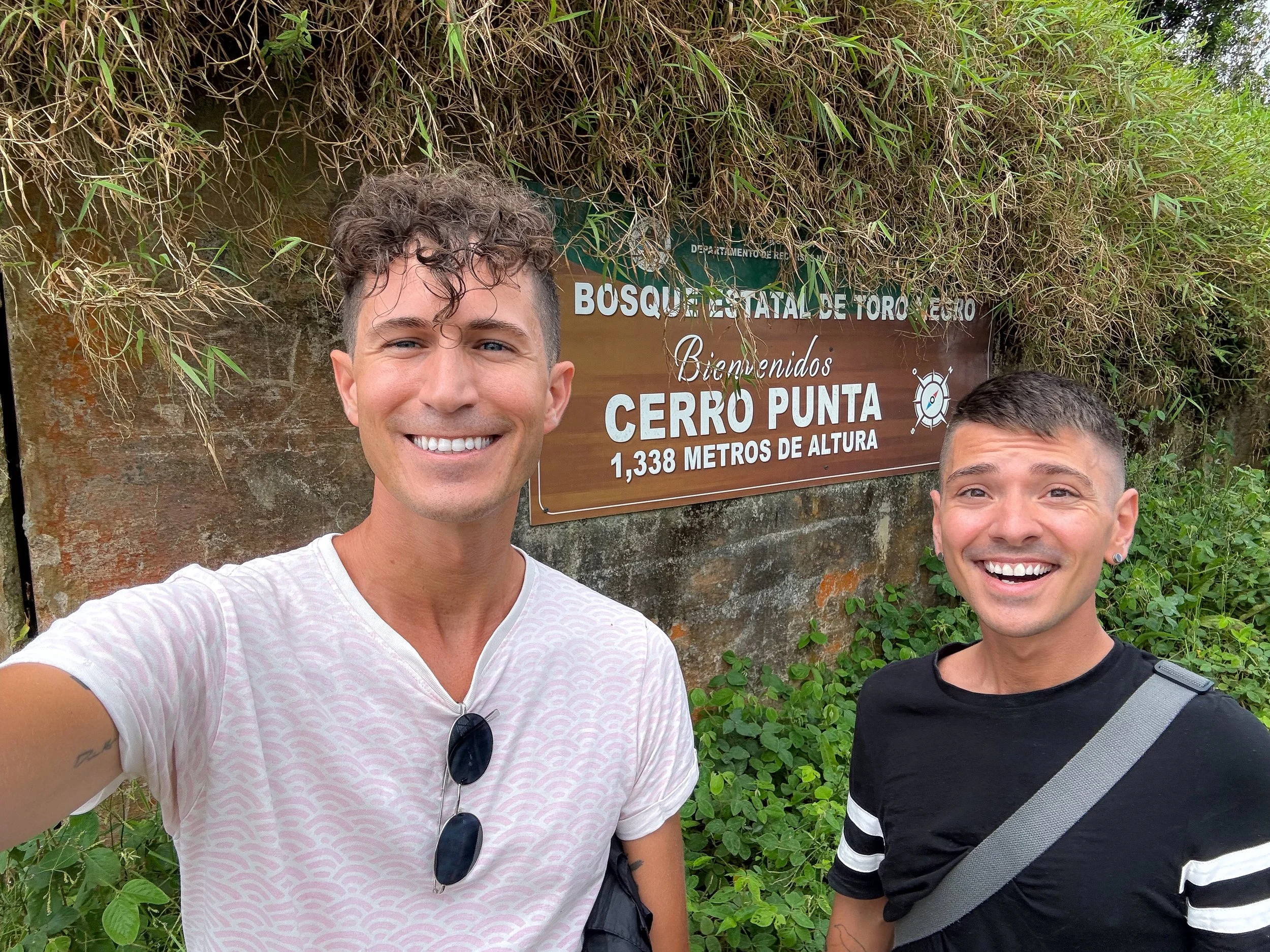
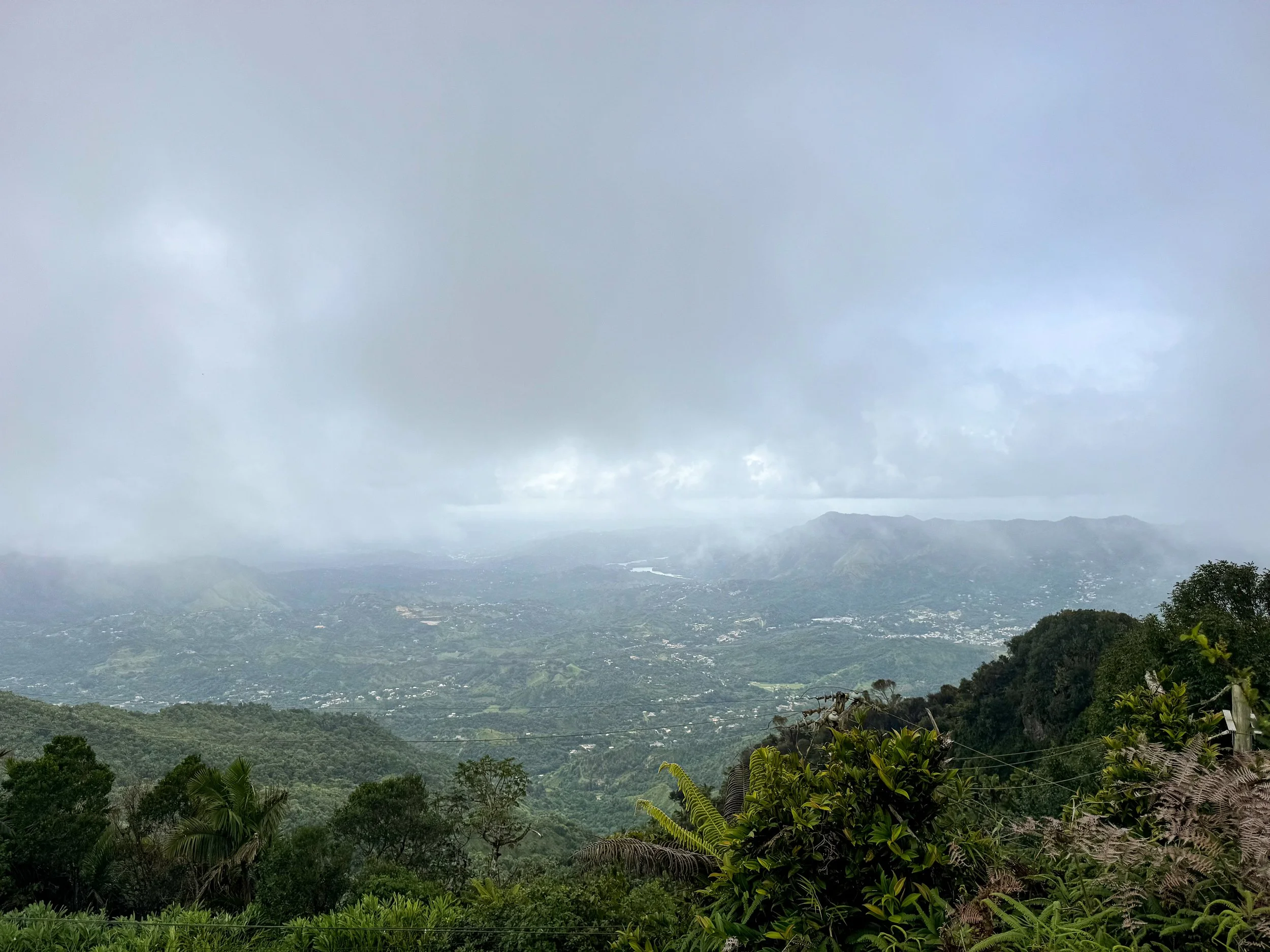
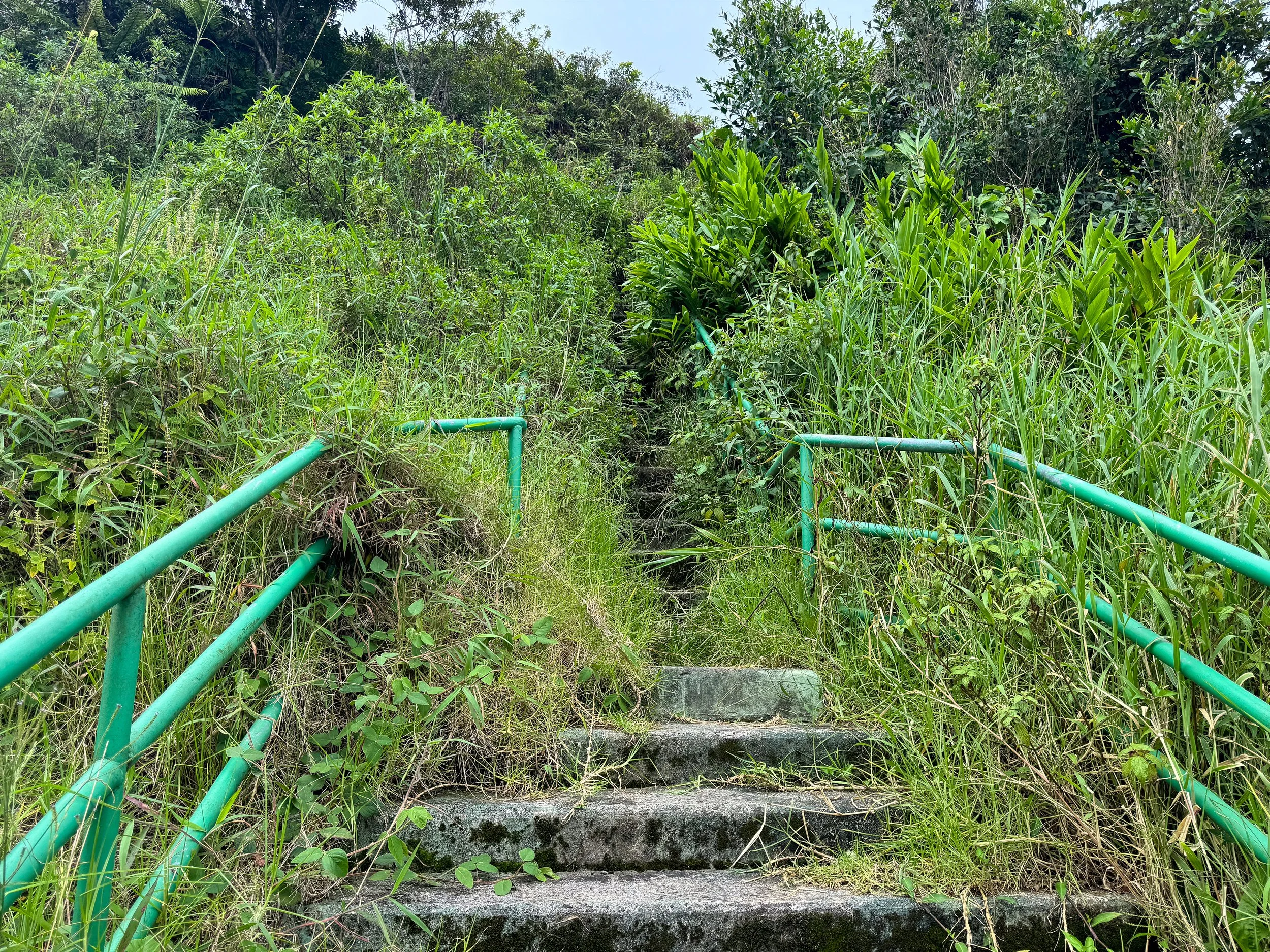
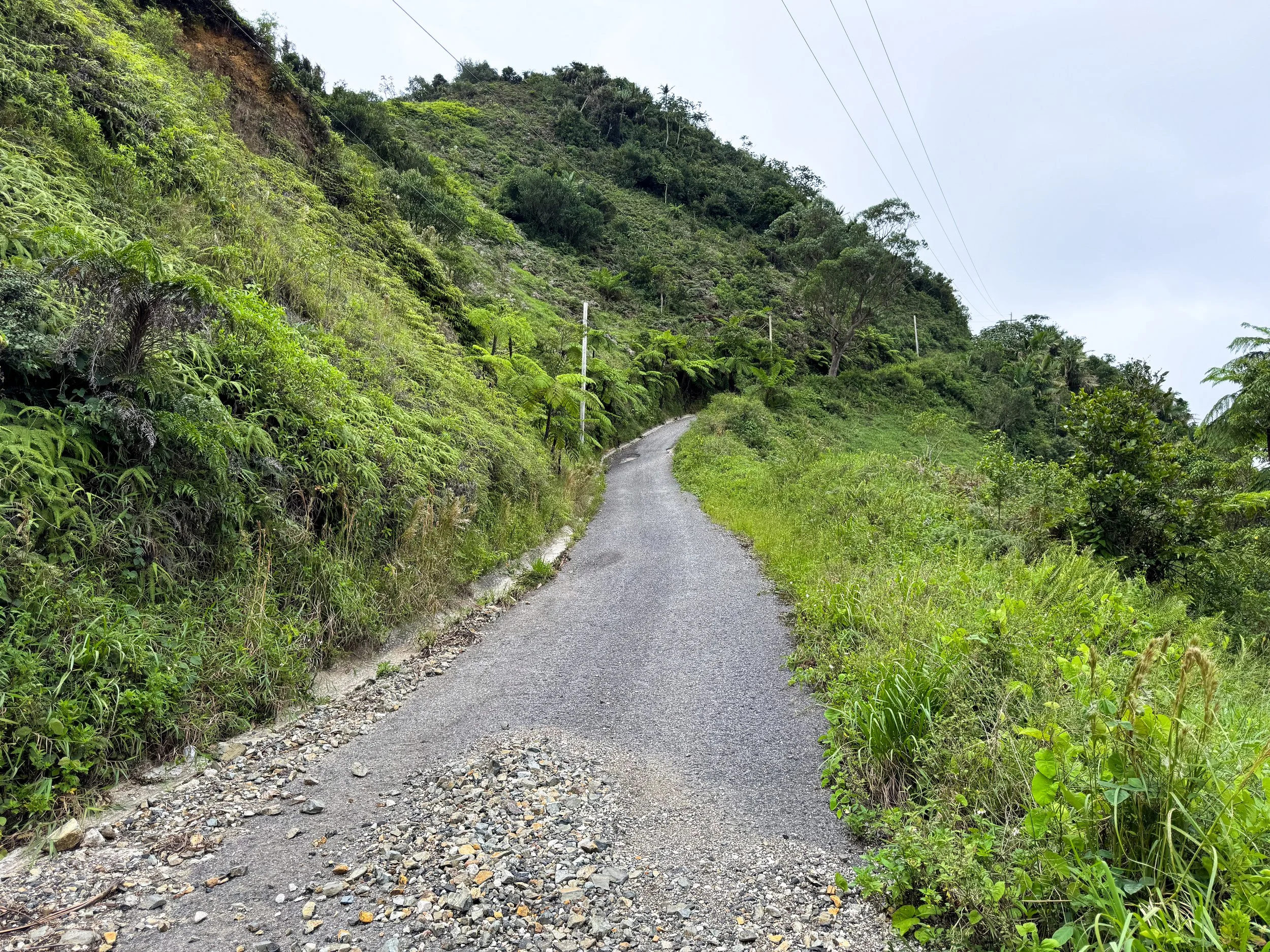
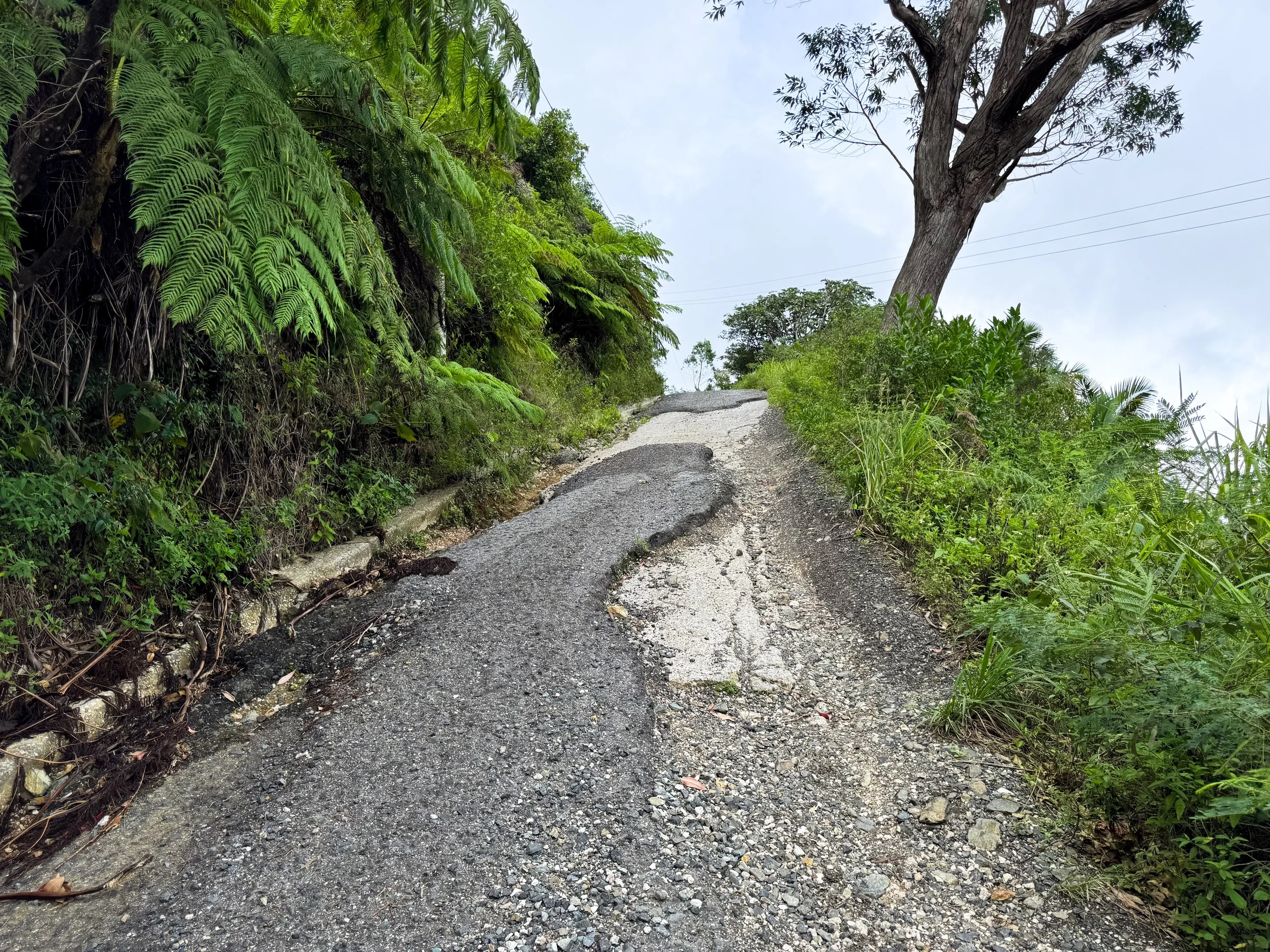
Cerro de Punta. The tallest point on the island measuring 4,390 feet above sea level. Park along the road, Ruta Panoramica (PR-143), at the trail head and hike about 20 minutes to reach the summit. On a clear day, there are views across the island. Be cautious of the wasp nests in the bushes at the lookout.
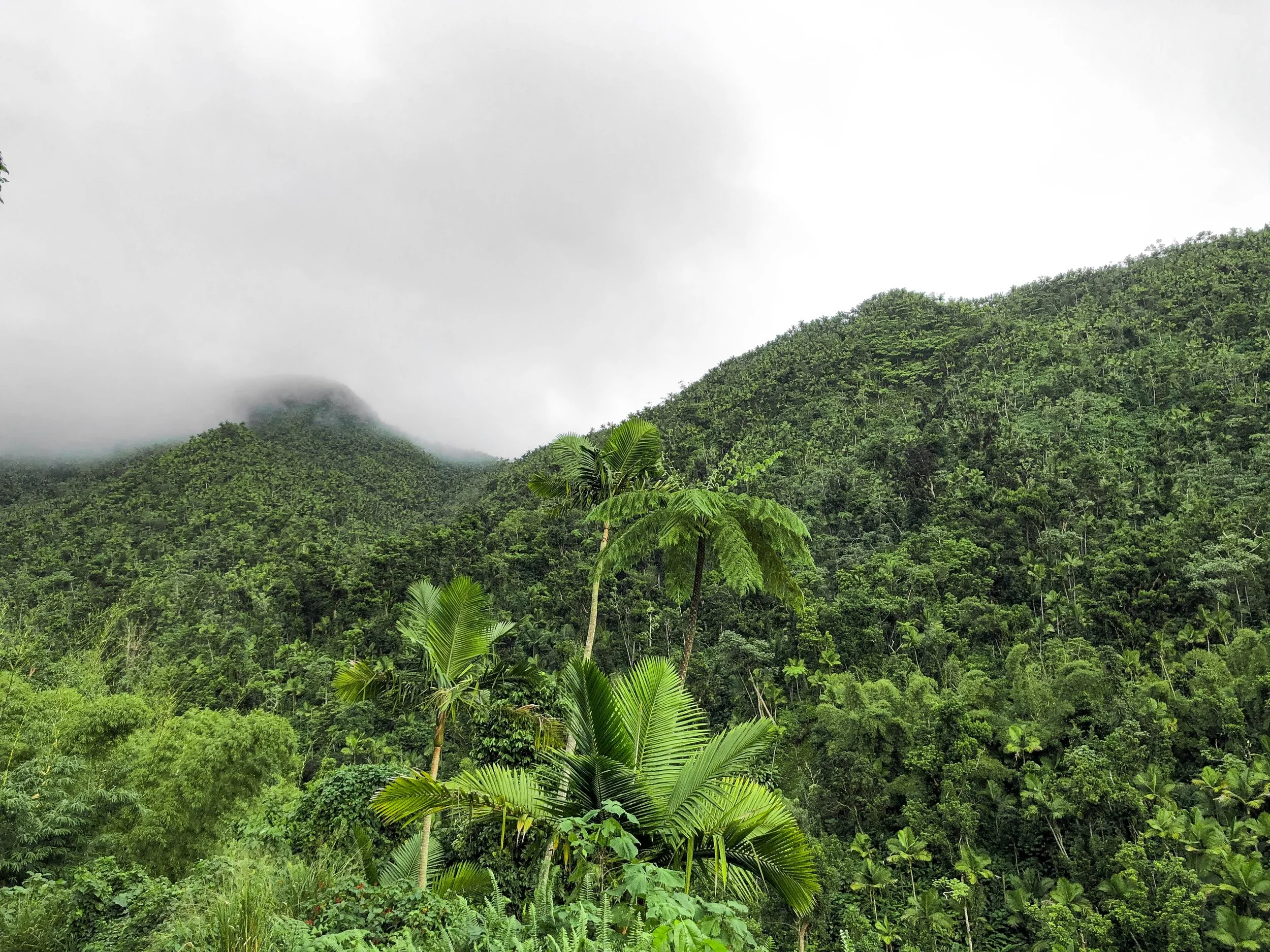
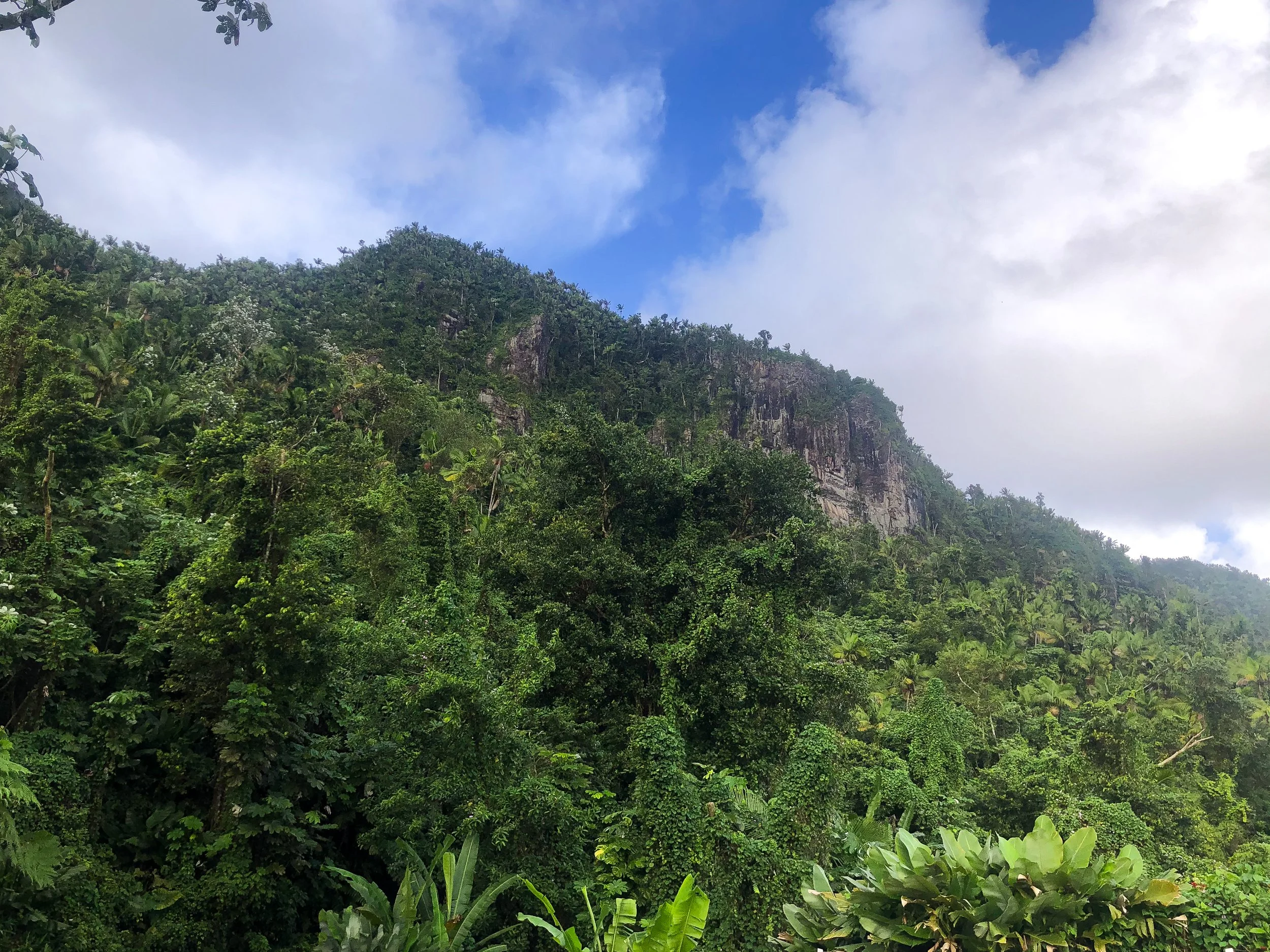
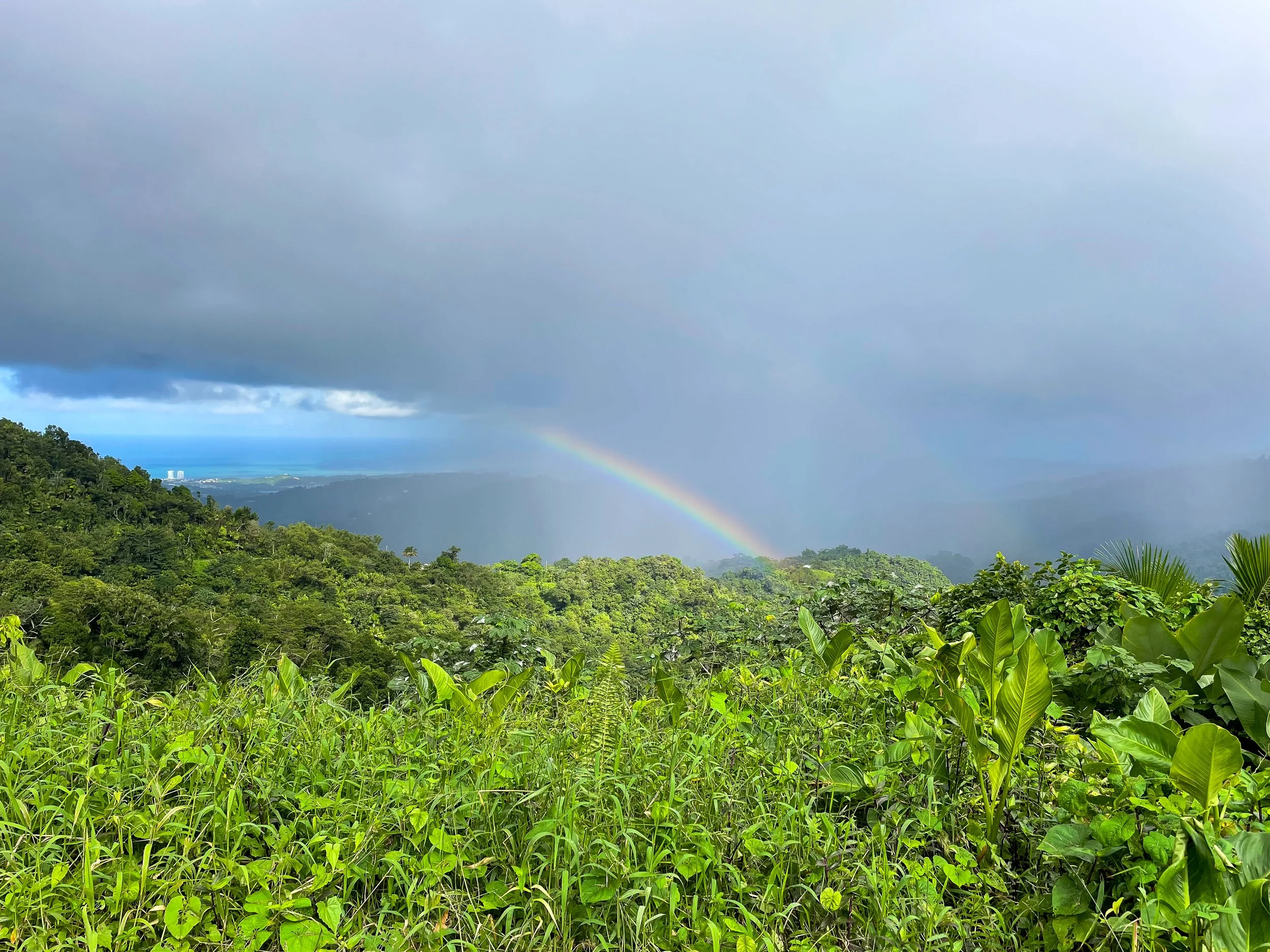
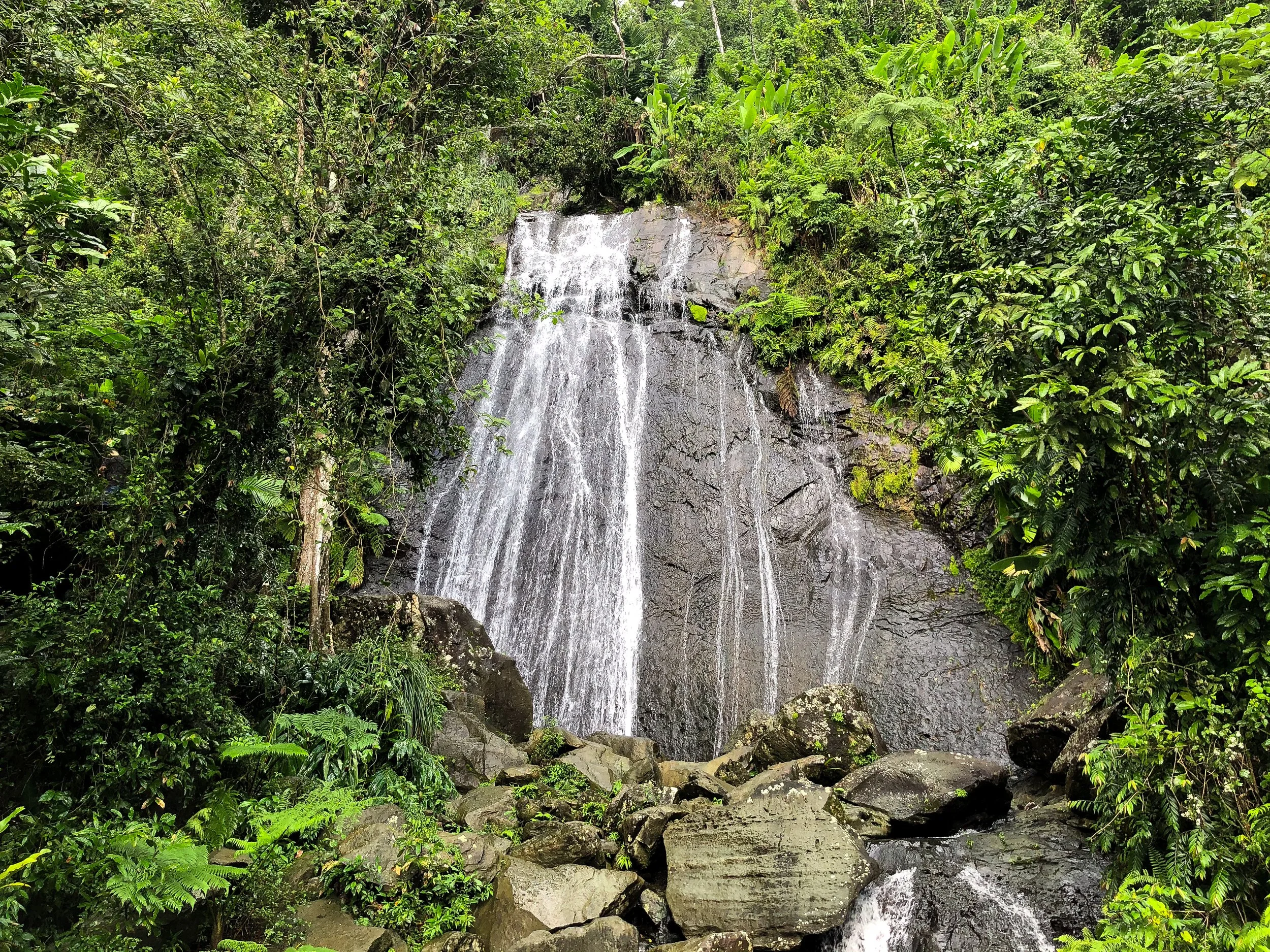
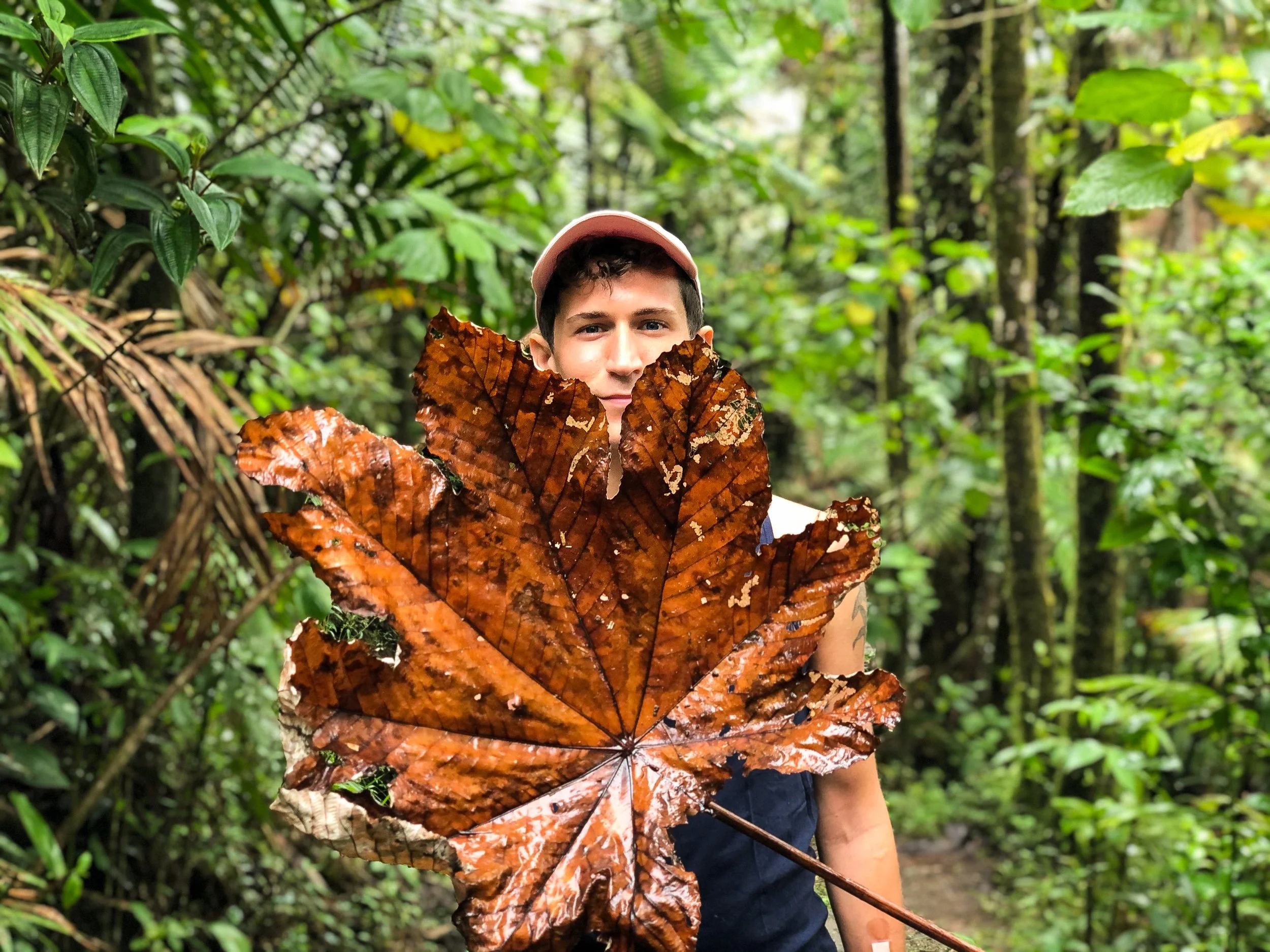
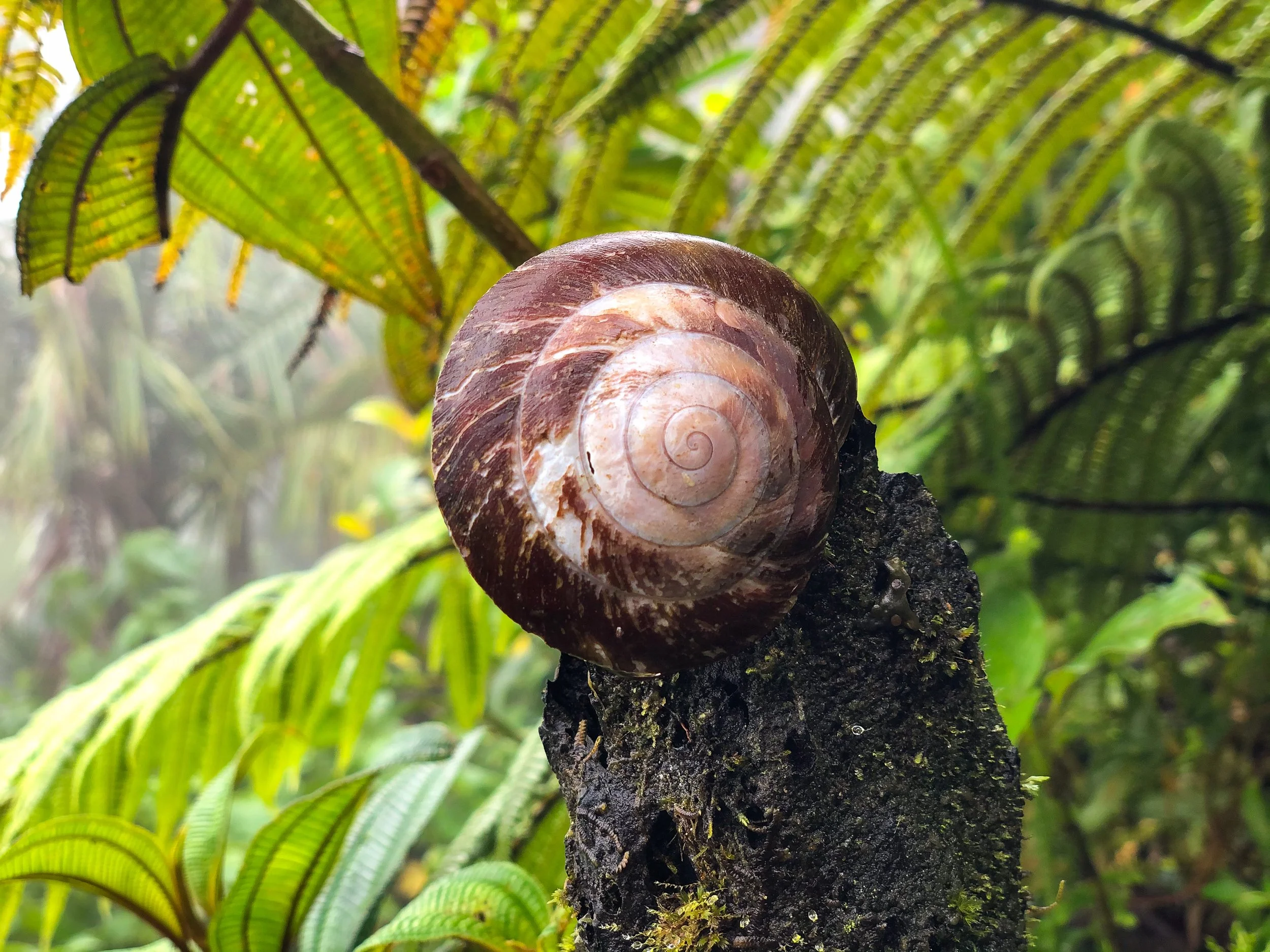
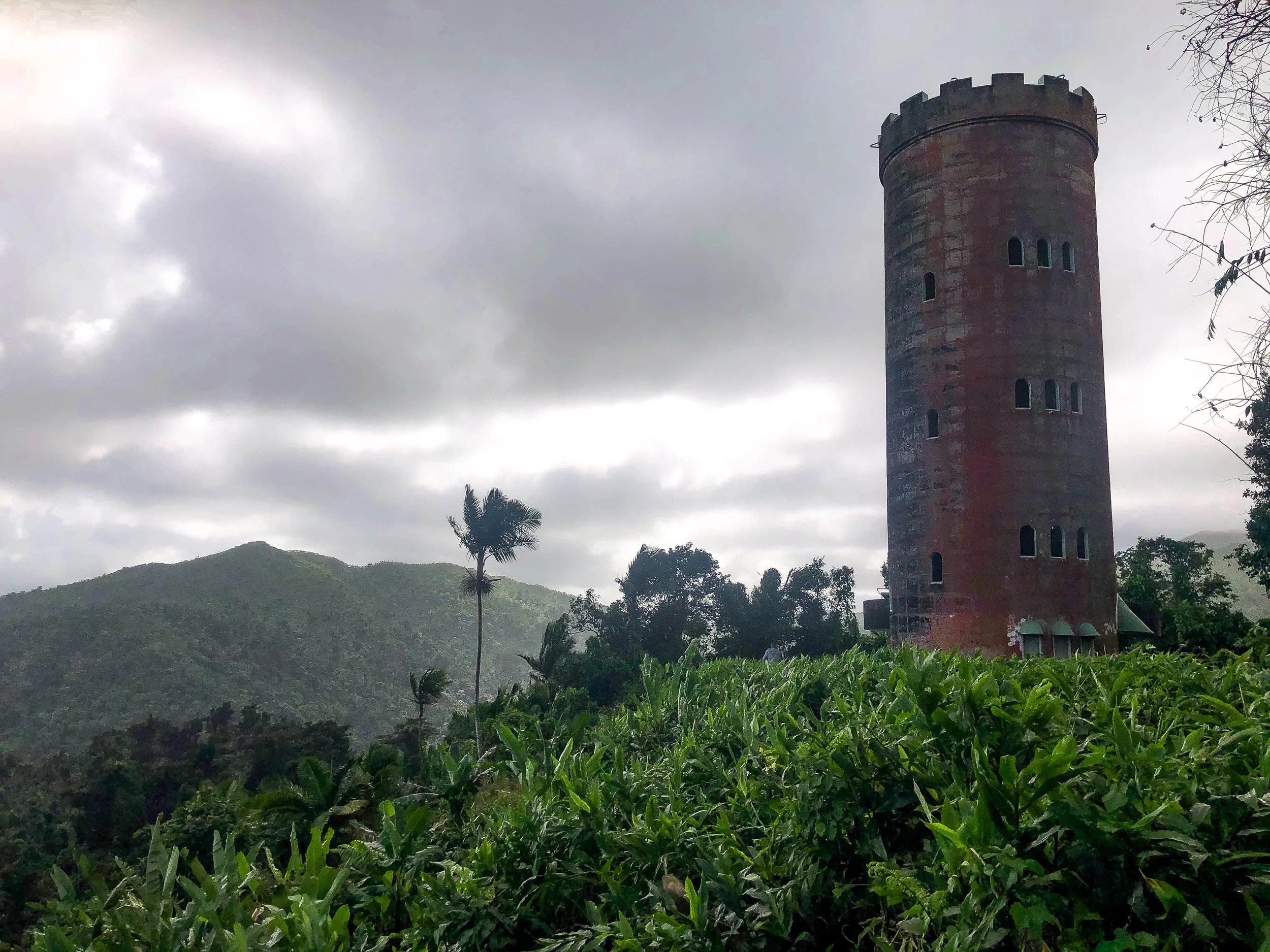
El Yunque National Forest. A rainforest full of lush tropical vegetation, waterfalls with natural pools, hiking trails, lookout towers, tree snails and frogs. Read more about El Yunque in our Eastern Puerto Rico Travel Guide.
Adventure Tourism
The rugged interior of the island is a popular place for adventure tourism and contrasts with the golden beaches surrounding the island. Come here to overlook Puerto Rico from its tallest peak, speed down one of the world’s longest zip-lines and hike miles up a river canyon.
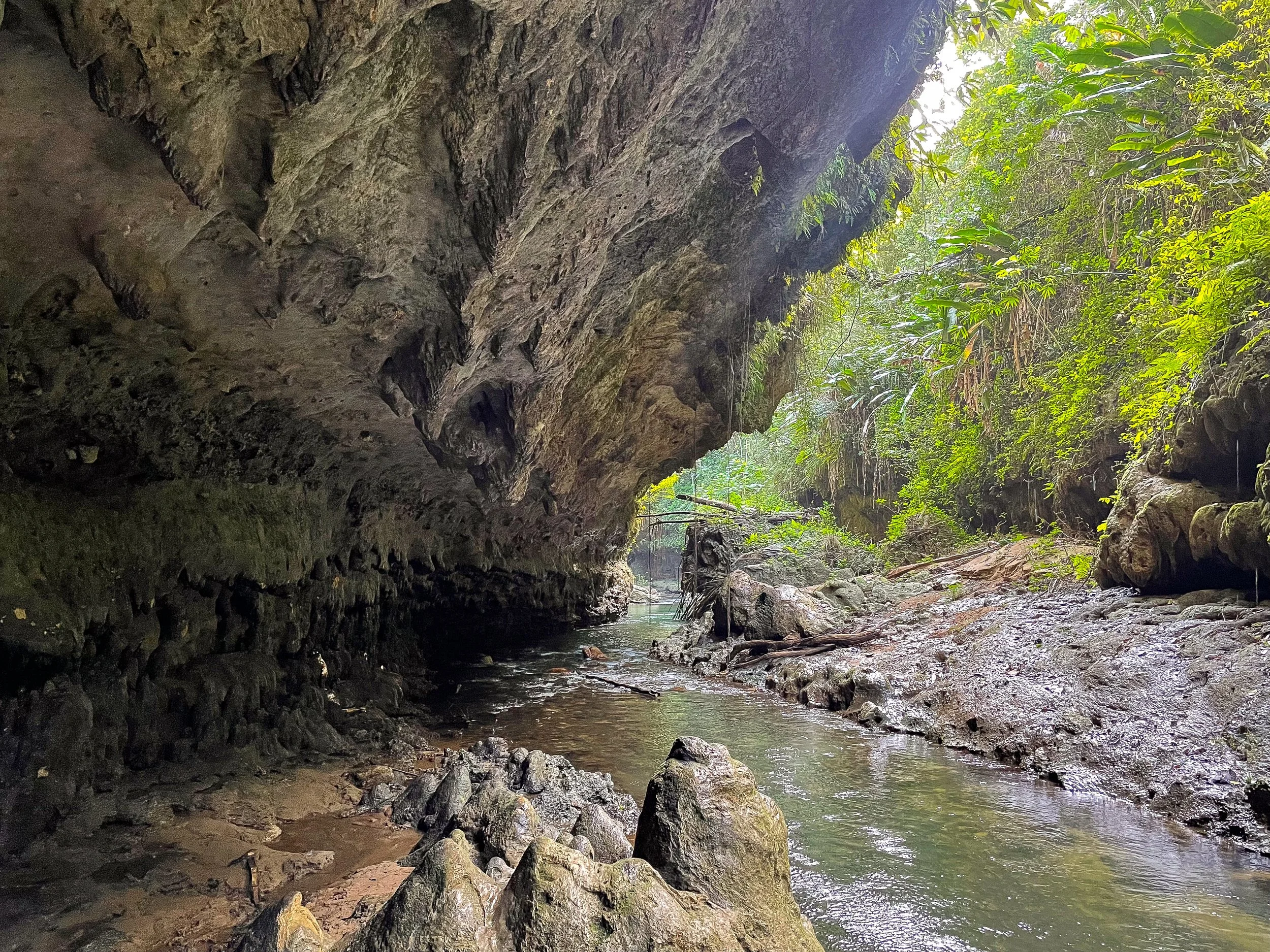
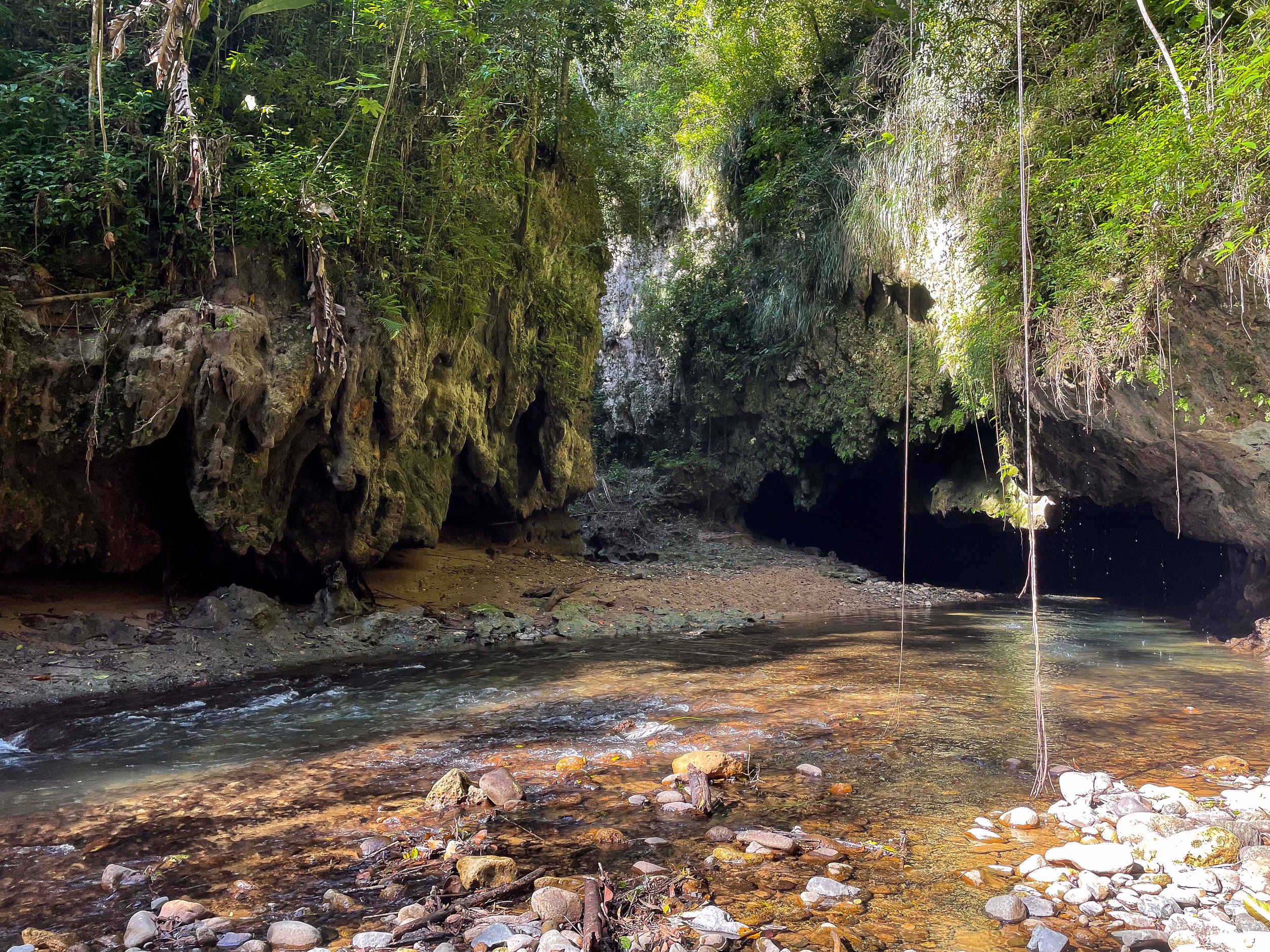
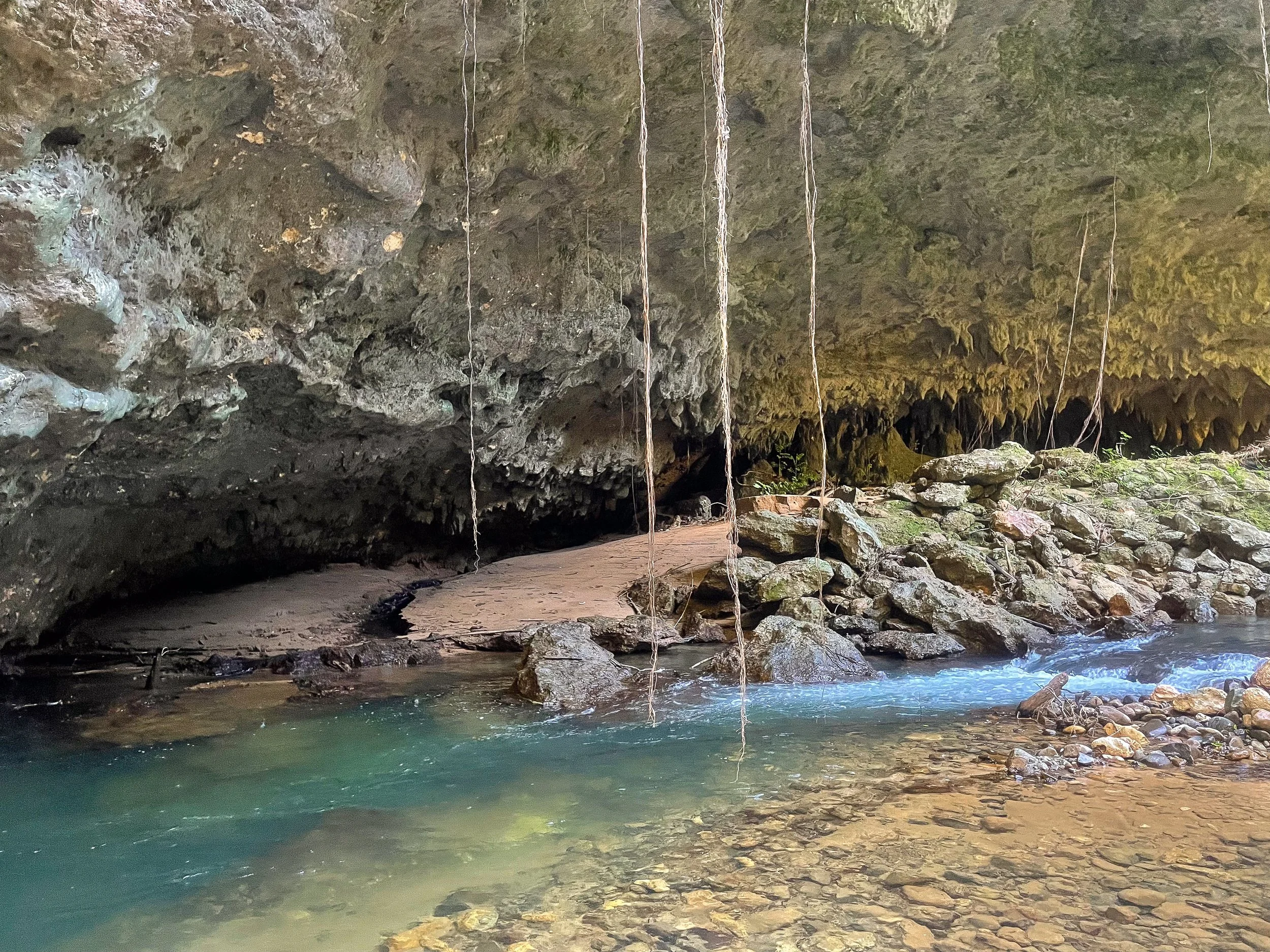
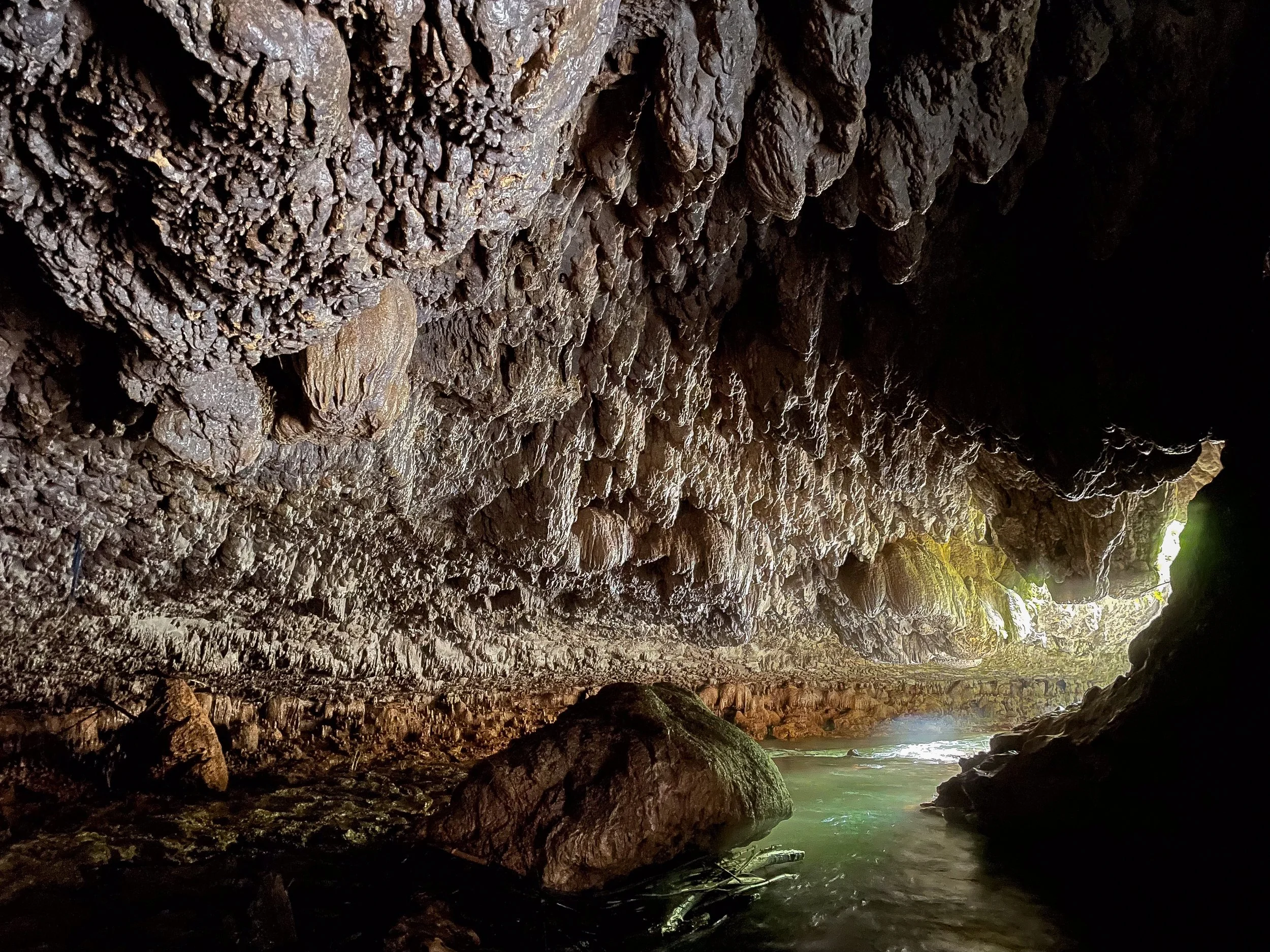
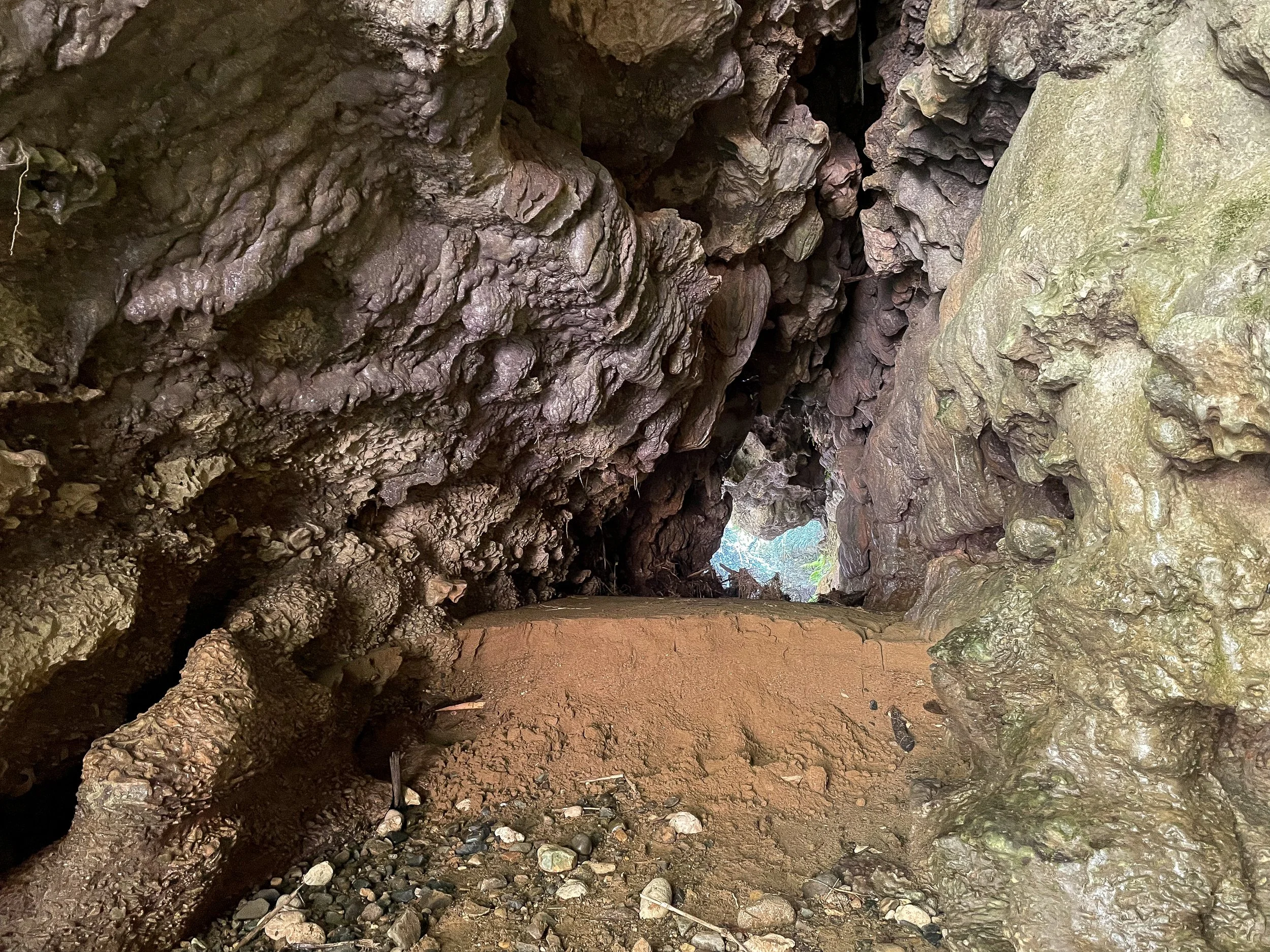
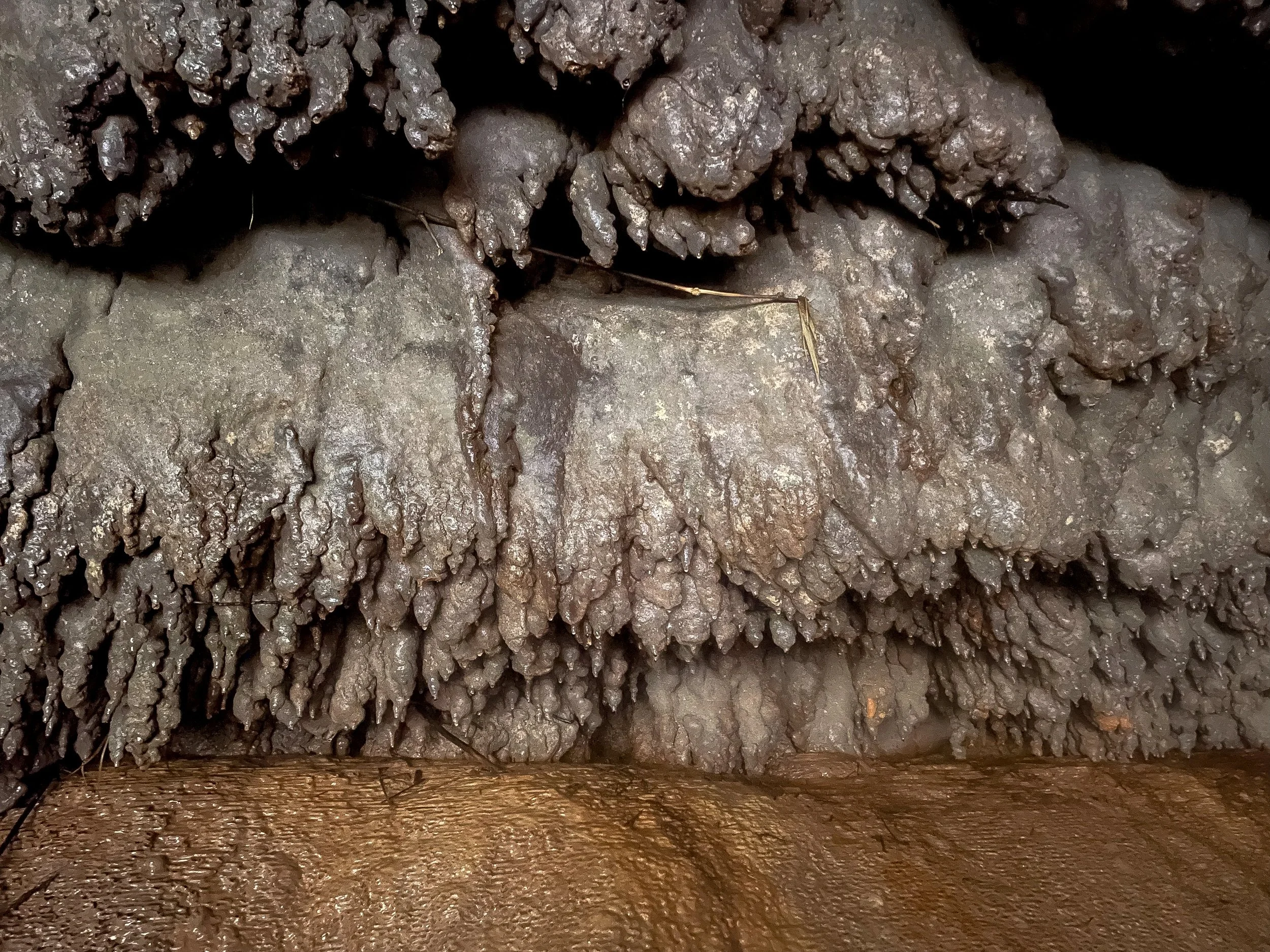
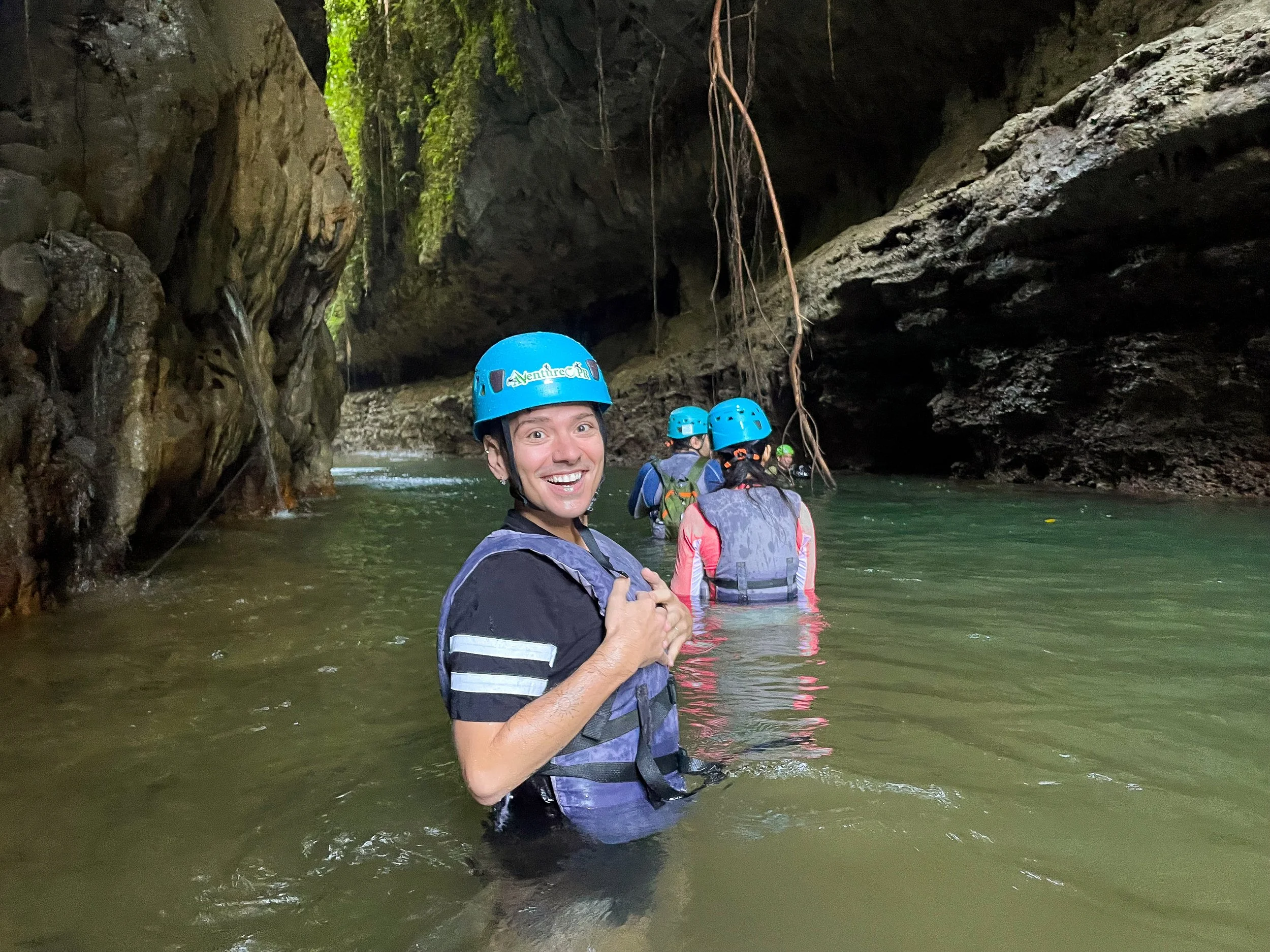
Tanama River Eco-Adventure. On a guided tour, we hiked up the Tanama River, a river located in a canyon with steep walls, overgrown cliffs, small waterfalls and stalactite covered caves. Hiking through the forest to reach the river, our guide pointed out flora invasive to the island, toxic vegetation and medicinal plants. Once reaching the river, we plunged in and began a miles long journey upstream, swimming against the current, wading through the water and crawling into dark caves. On our return, we floated downstream and let the current lazily carry us back to the starting point. Along the way, we learned that the Tanama River is the original route the Taíno people traveled to navigate between the coast and the mountains. We booked the experience through Viator.
Toro Verde Adventure Park. An adventure park high in the mountains known for two of the world’s longest zip lines, suspension bridges and smaller zip lines.
The Monster. The zip line measures over 1.5 miles long and spans between two lush mountains above a 1,000 feet deep canyon. Unlike typical zip lines, on The Monster, you lay flat in a cocoon flying between the mountains reaching speeds over 90 miles per hour.
The Beast. The park’s other super long zip line. We have yet to ride this one but have it on our list for next time.
Toro Bikes. A zip line with bikes attached to the cable and used to pedal back and forth between towers.
Good to Know. The park is located about 2 hours from San Juan. Book tickets online in advance and prepare to wait in-line for over an hour for your chance at riding The Monster or The Beast. Phones and cameras are not permitted. Photos are available for sale.

The Land of The Taínos
The central mountainous region was home to the Taíno people, a pre-Columbian culture that populated Puerto Rico and other Caribbean islands hundreds of years ago. Today, several archeological sites including ceremonial grounds, detailed petroglyphs and museums with artifacts from the Taínos are on display throughout the region.
Cemí Mountain. A mountain with 3 distinct peaks that held spiritual and cultural importance to the Taíno people. Many artifacts have been found shaped in the likeness of the mountain.
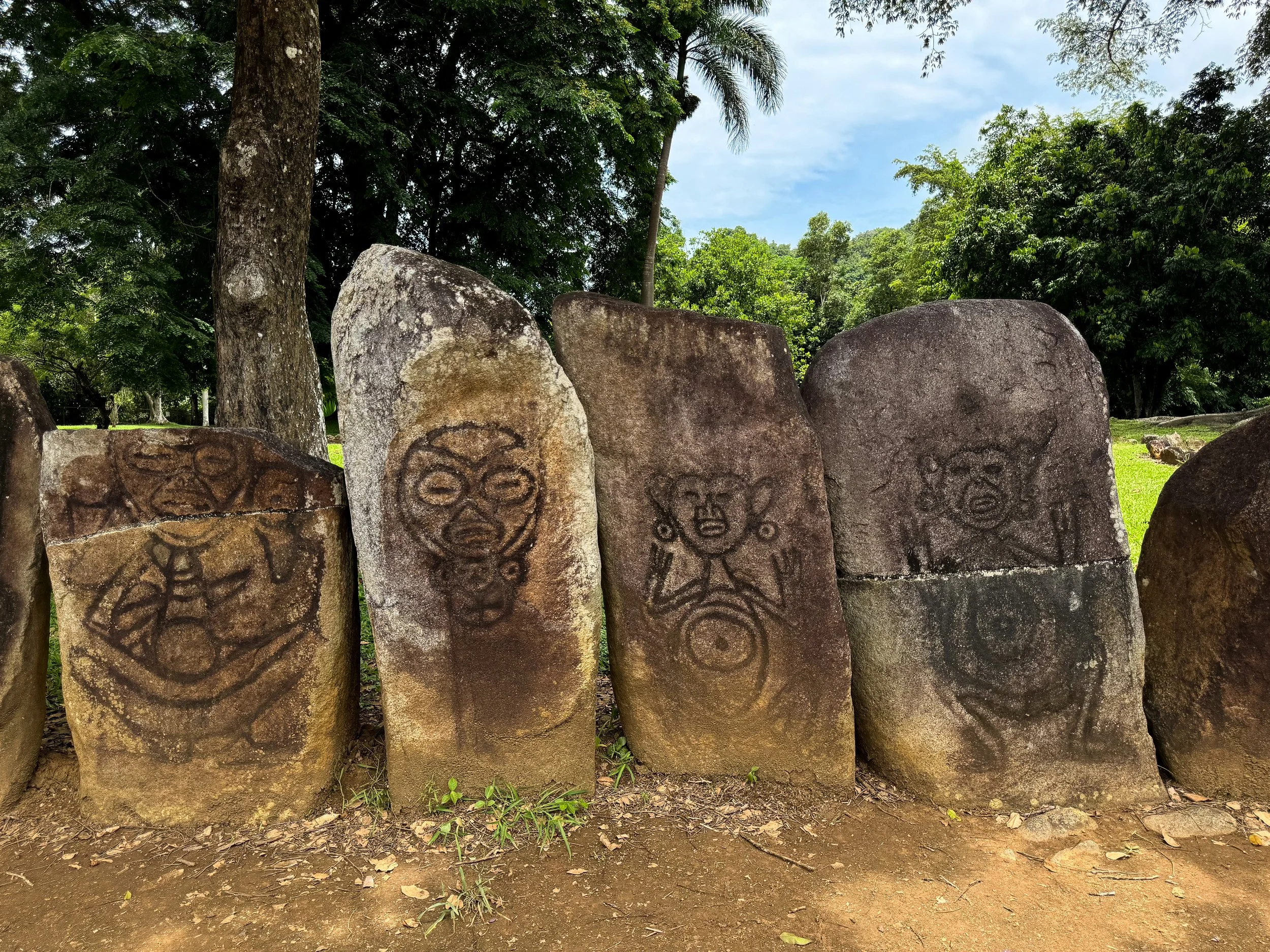
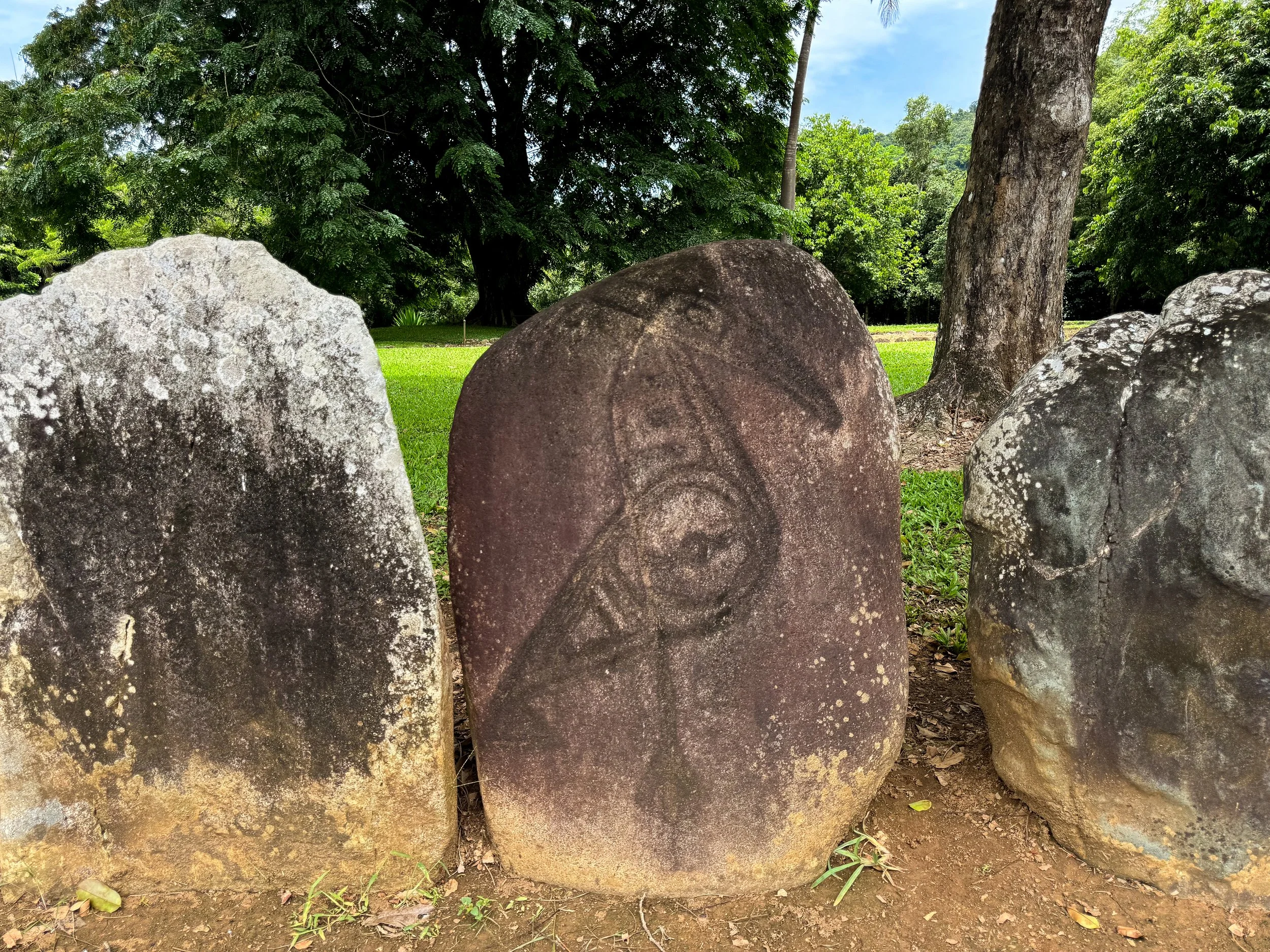
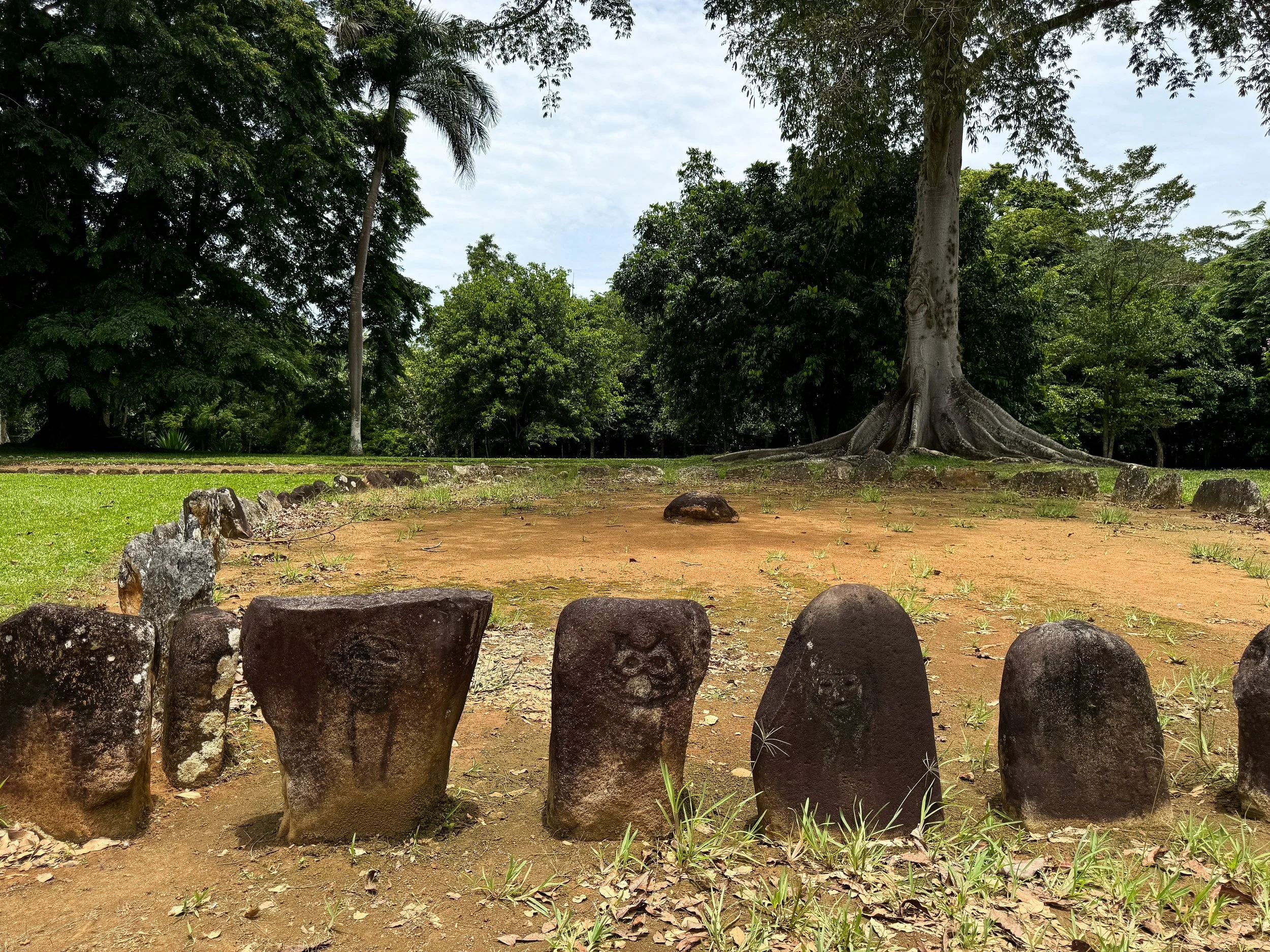


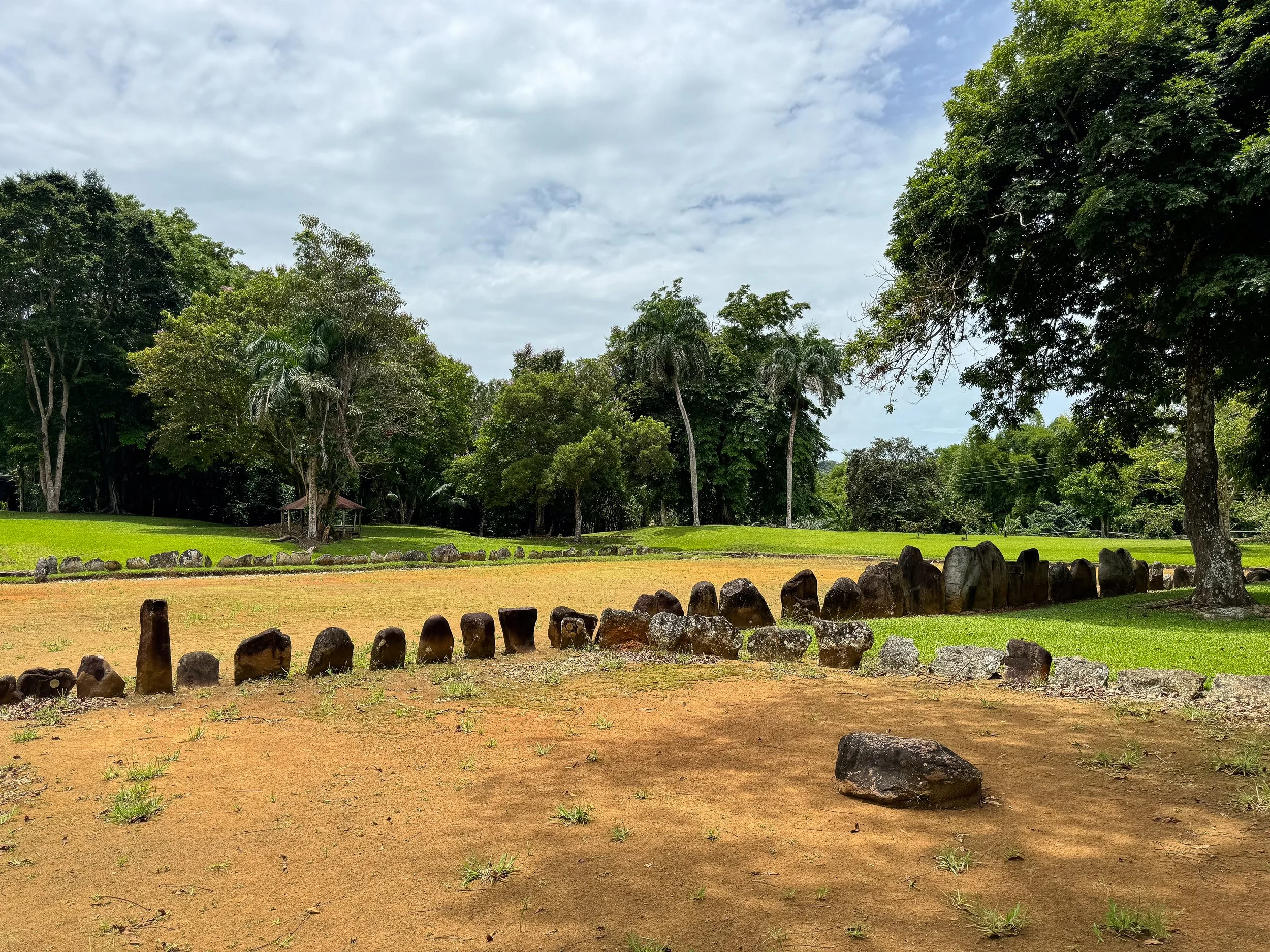

Caguana Ceremonial Indigenous Heritage Center. A Taíno archeological park at the base of the sacred Cemí Mountain with outdoor ball courts and stone monoliths carved with ornate petroglyphs of humanoid figures, condors and a fish. The sight is one of the most important Taíno archeological sites in the Caribbean.

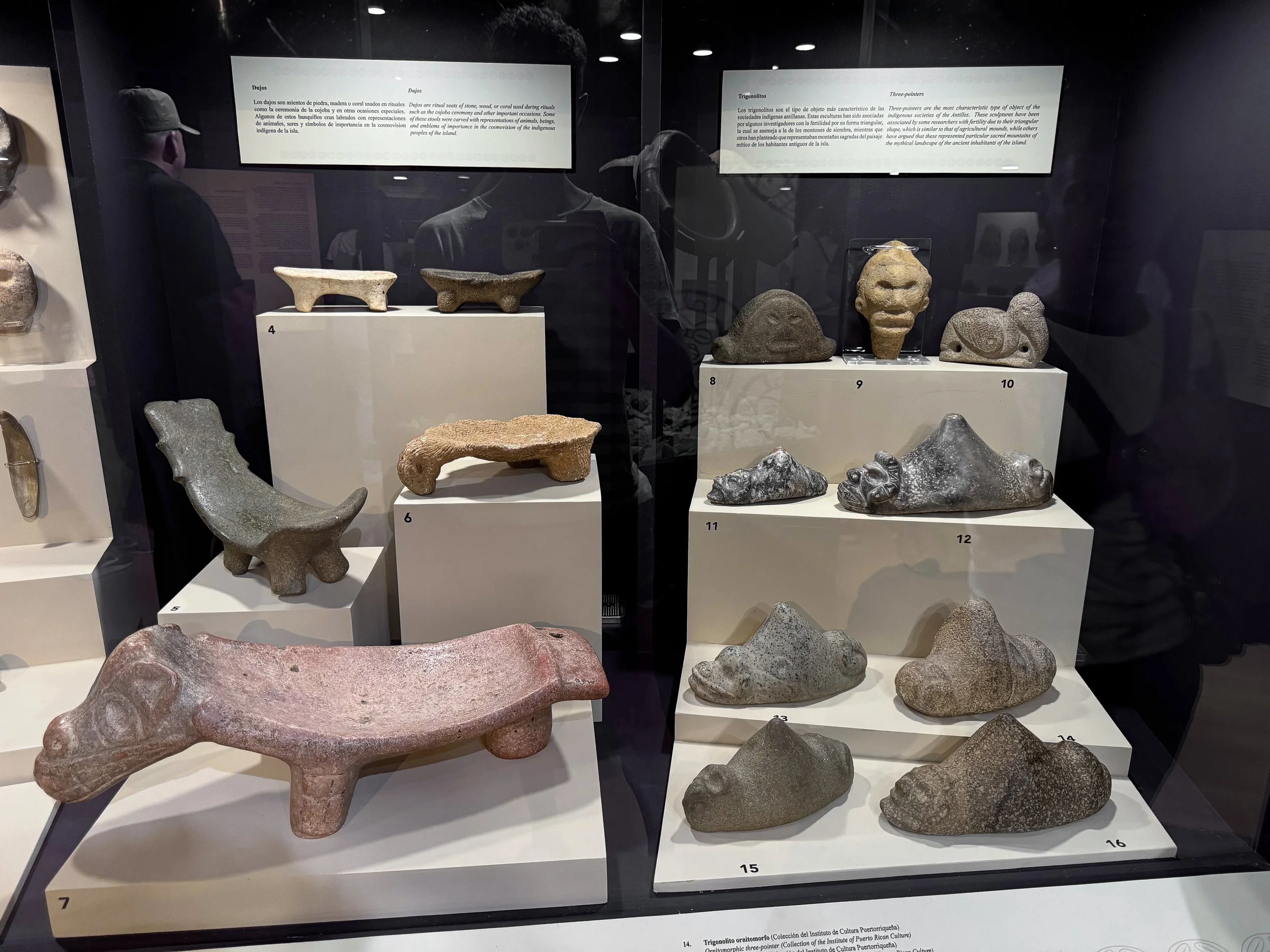


Caguana Ceremonial Indigenous Heritage Museum. A museum with hundreds of Taíno artifacts including: tools made from manatee bone and shells, remnants of clay pottery, stone axe heads, stone ceremonial belts and statues representing the Cemí Mountain.
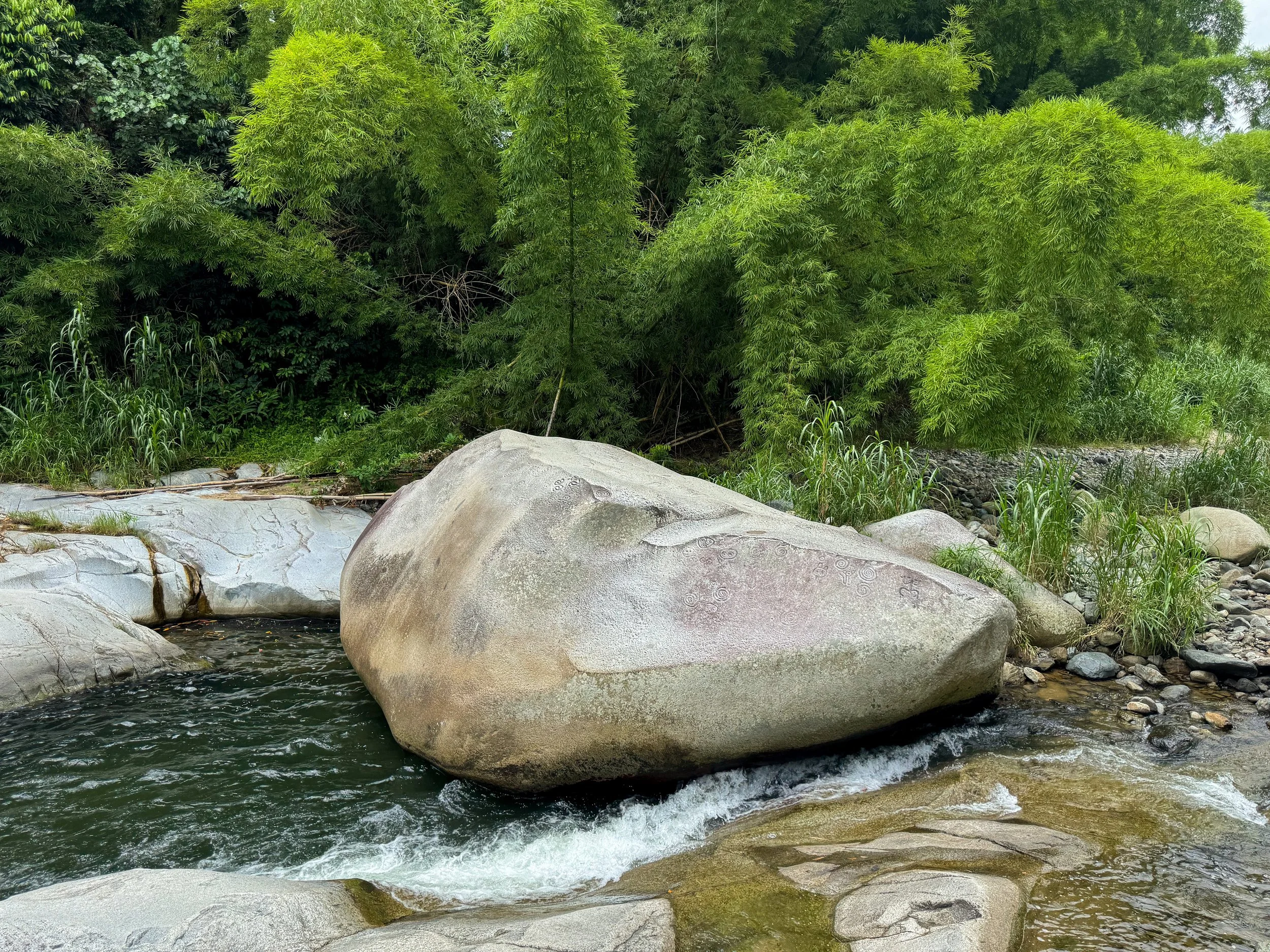
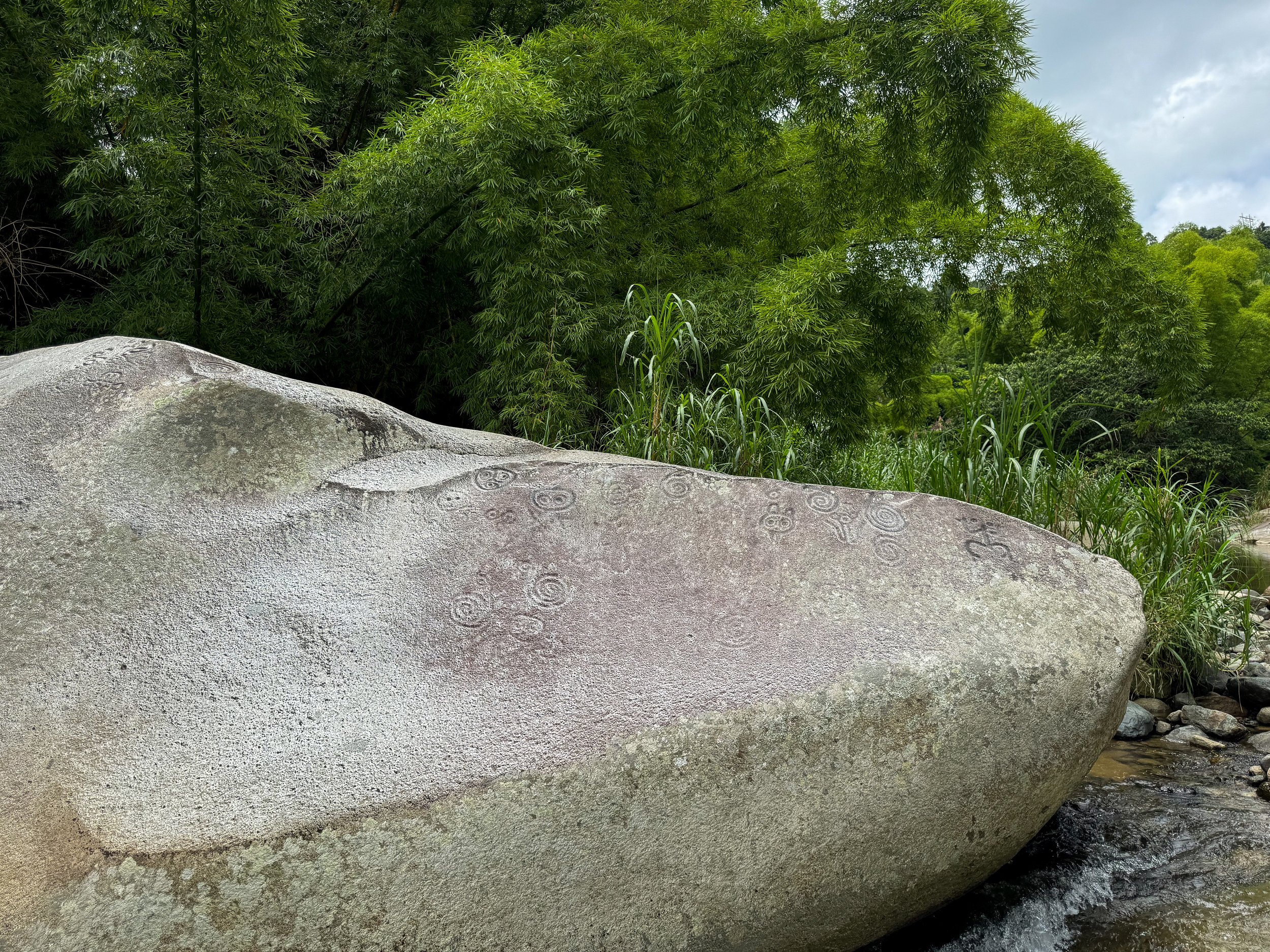
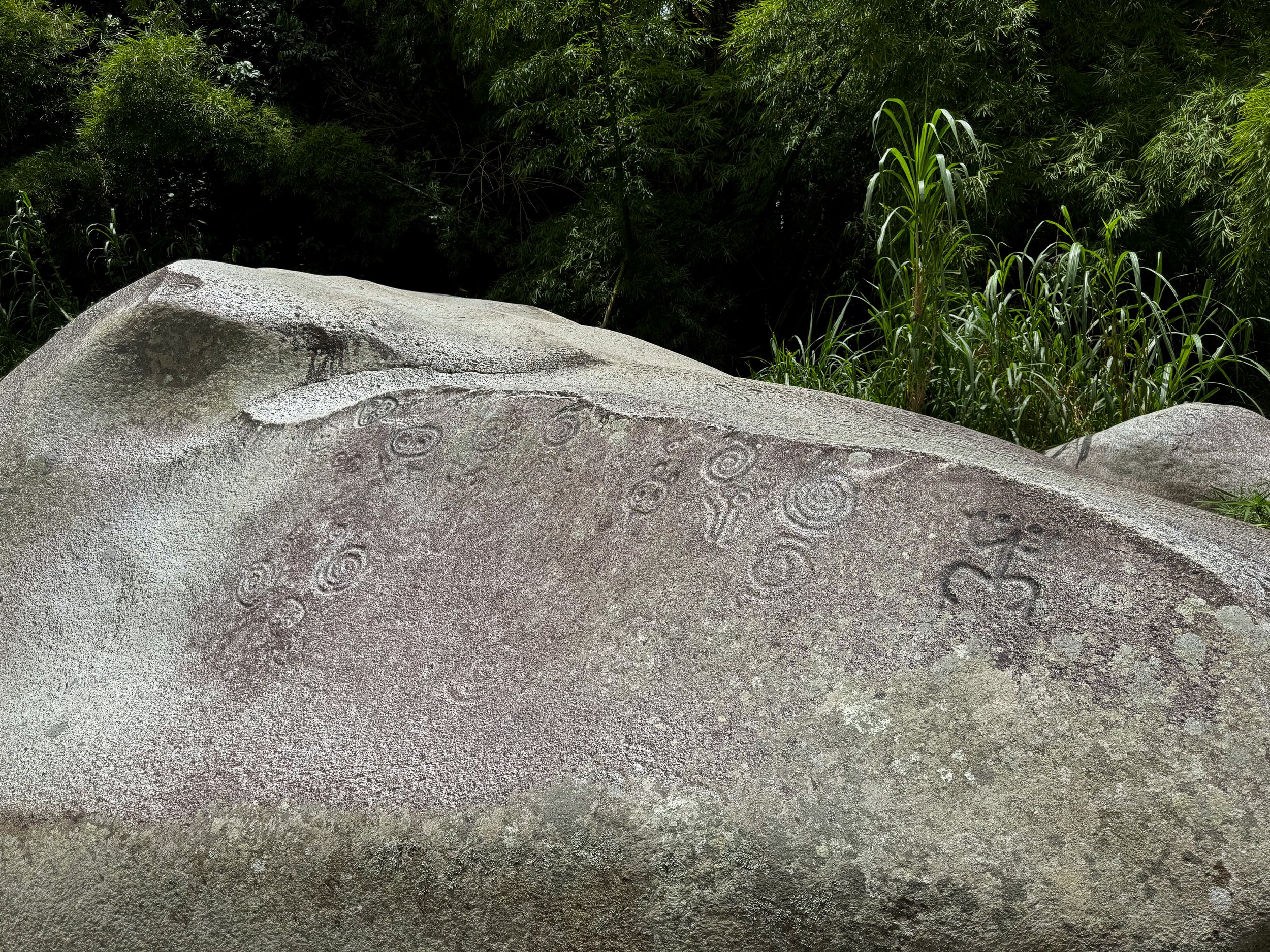
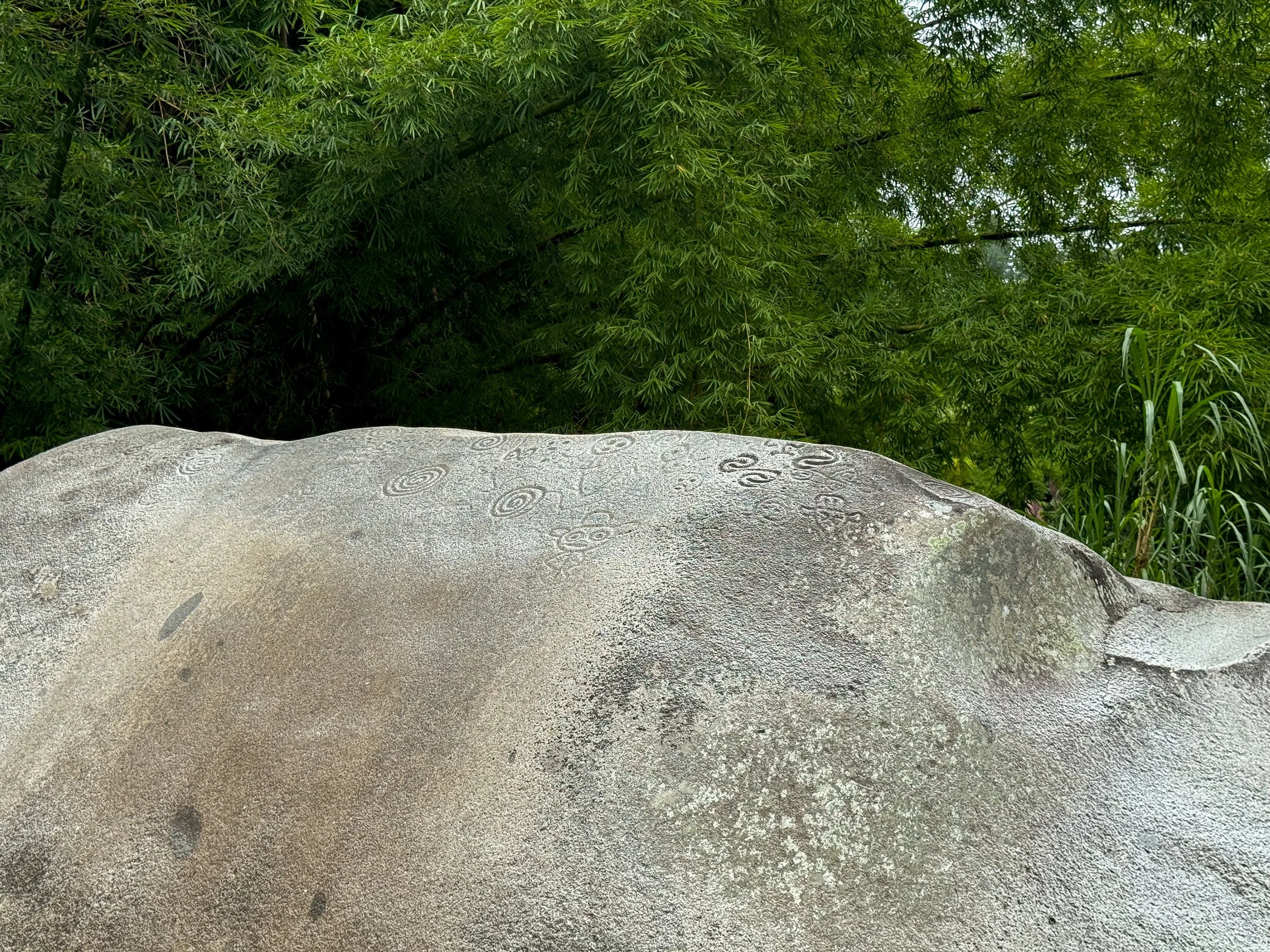
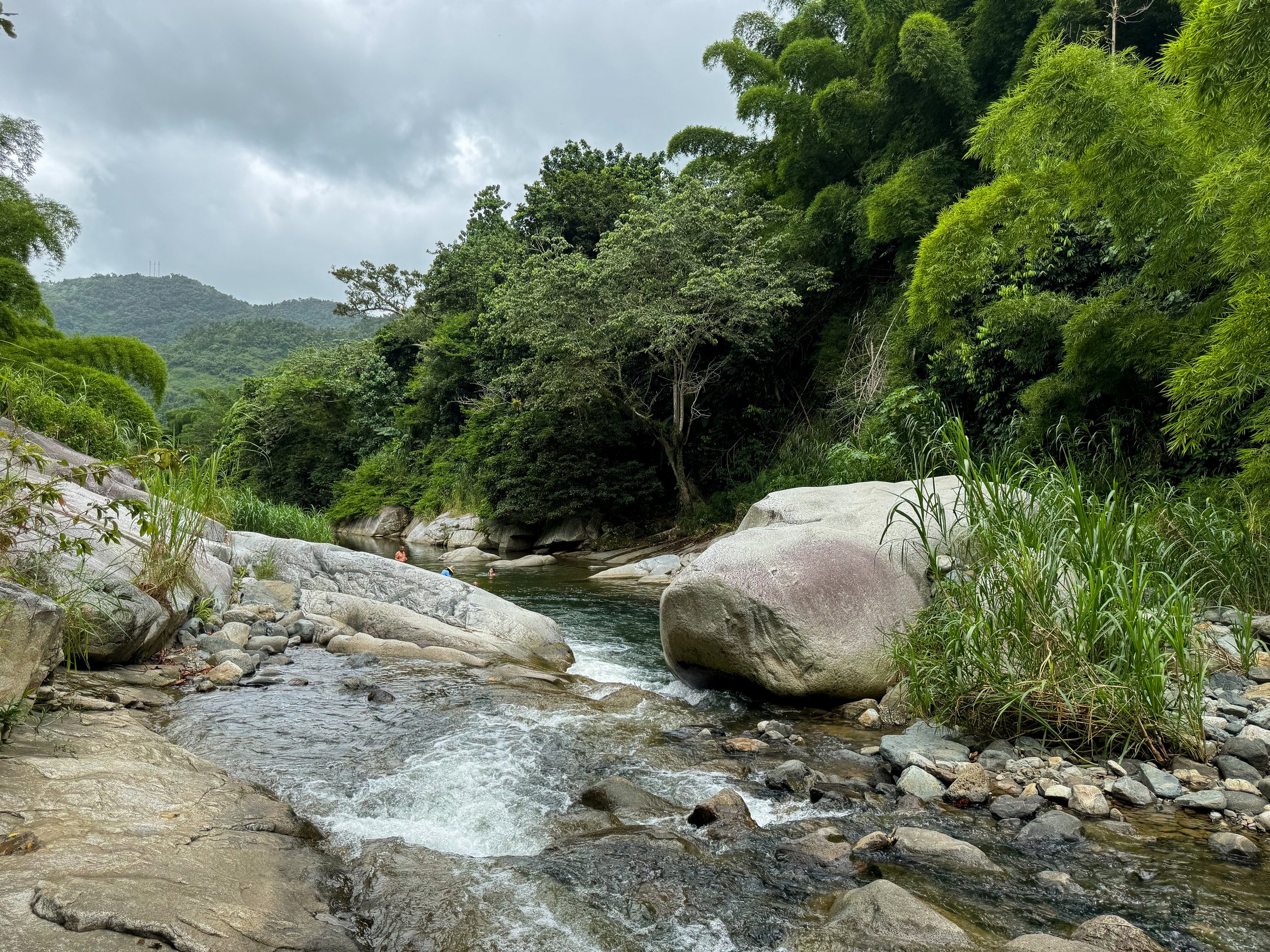
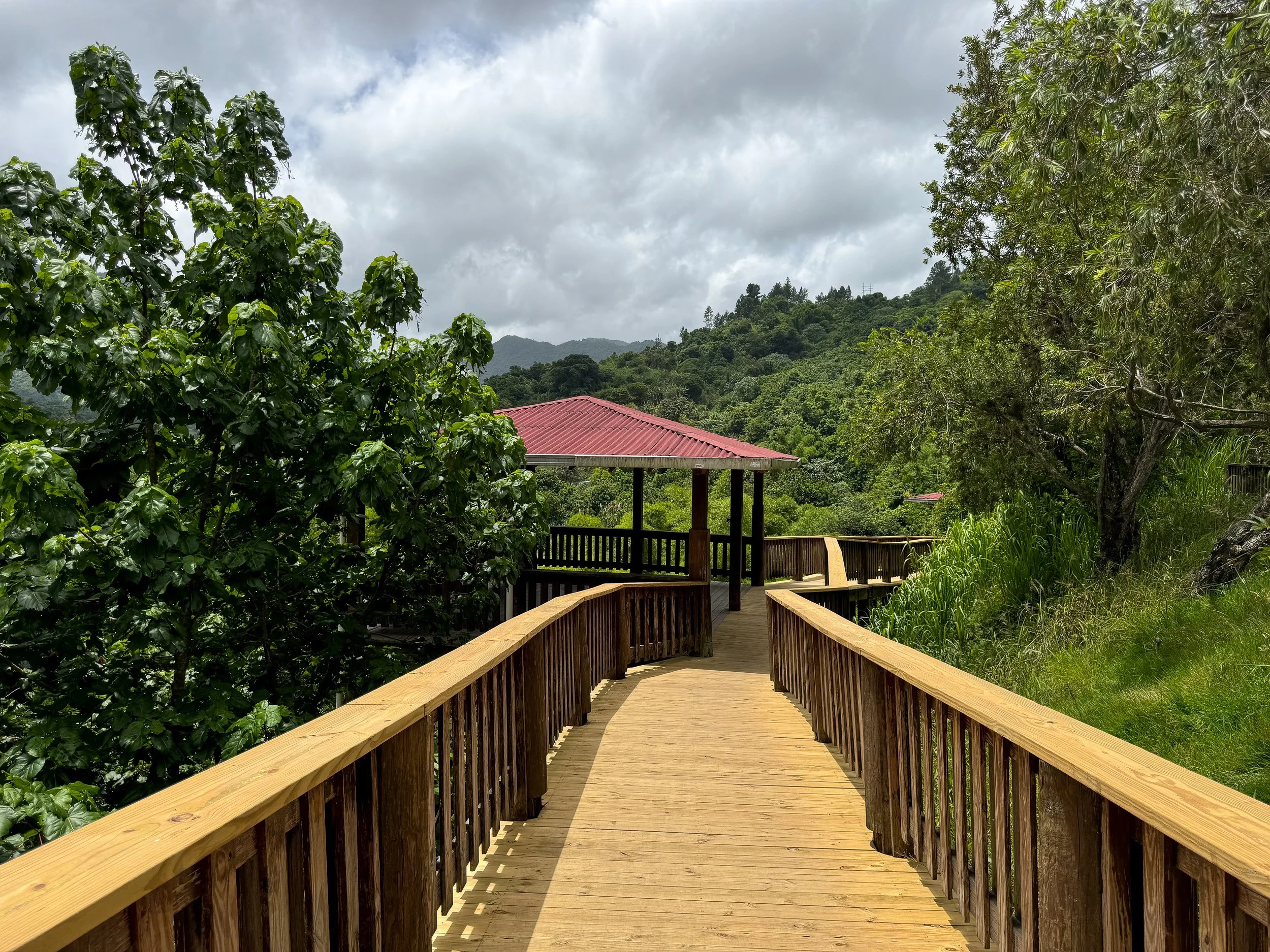
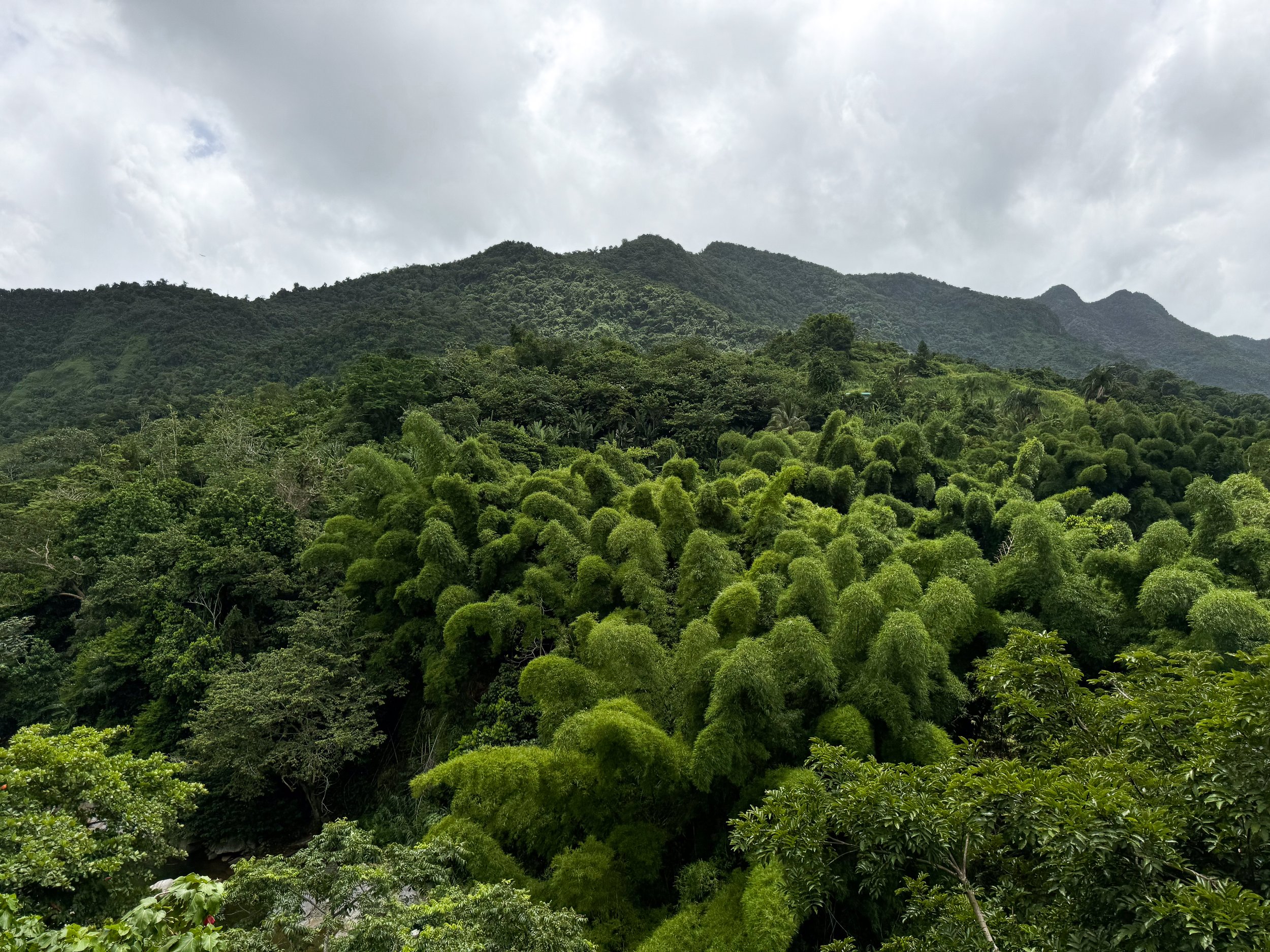
La Piedra Escrita. A massive river boulder with Taíno petroglyphs including faces, swirling formations and an iconic frog. Many locals come here to swim in the natural pool at the base of the boulder.
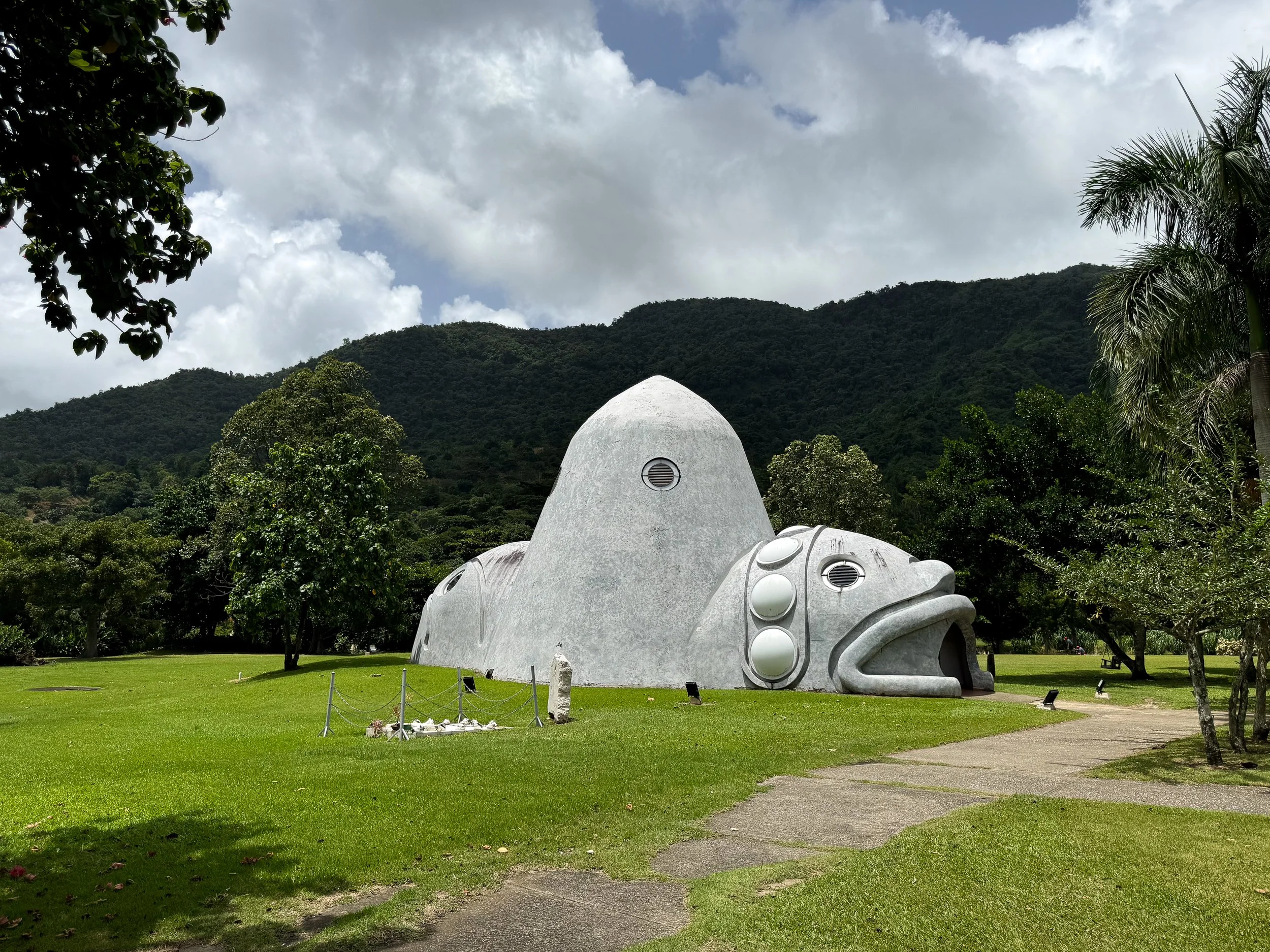
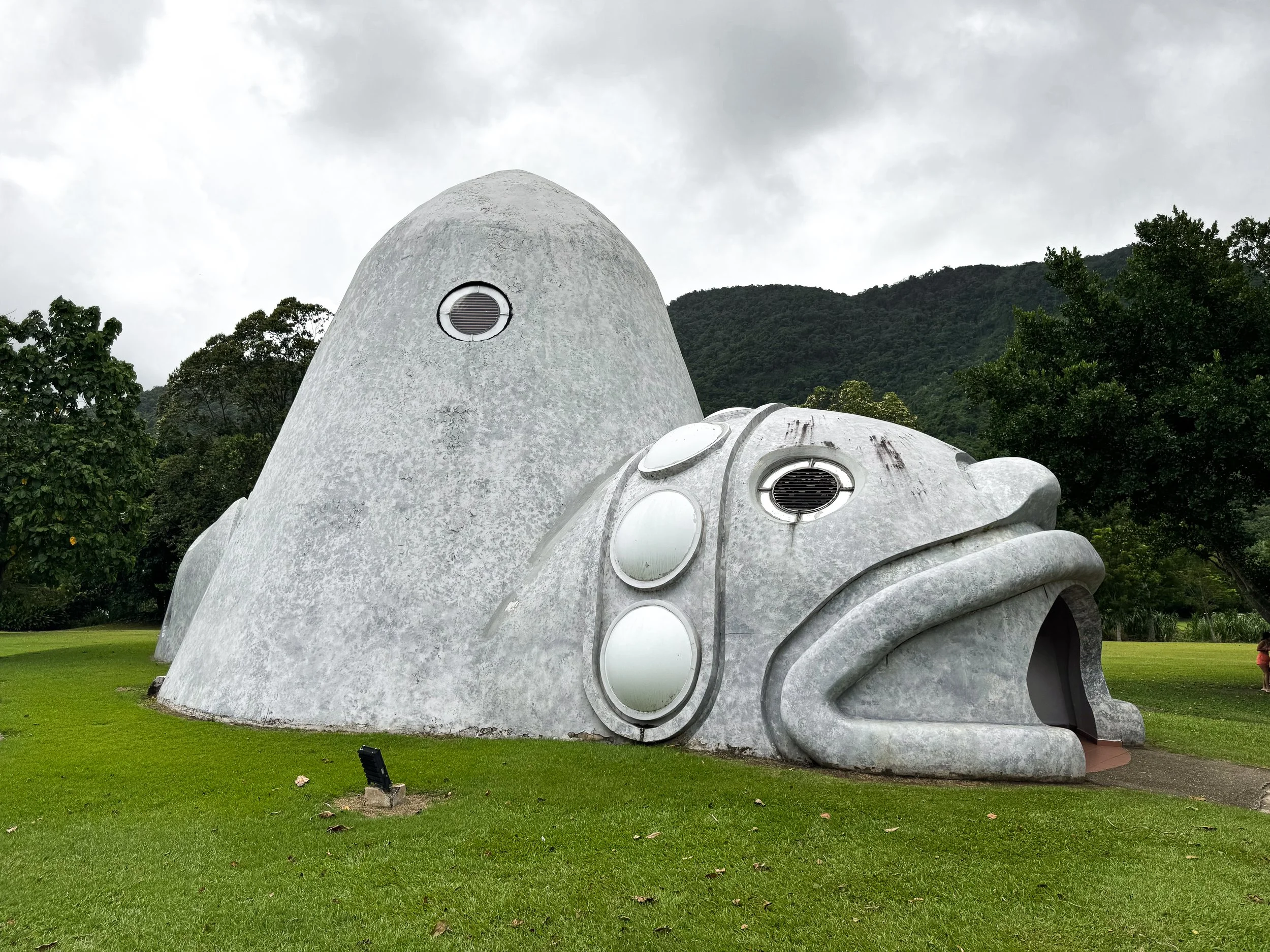
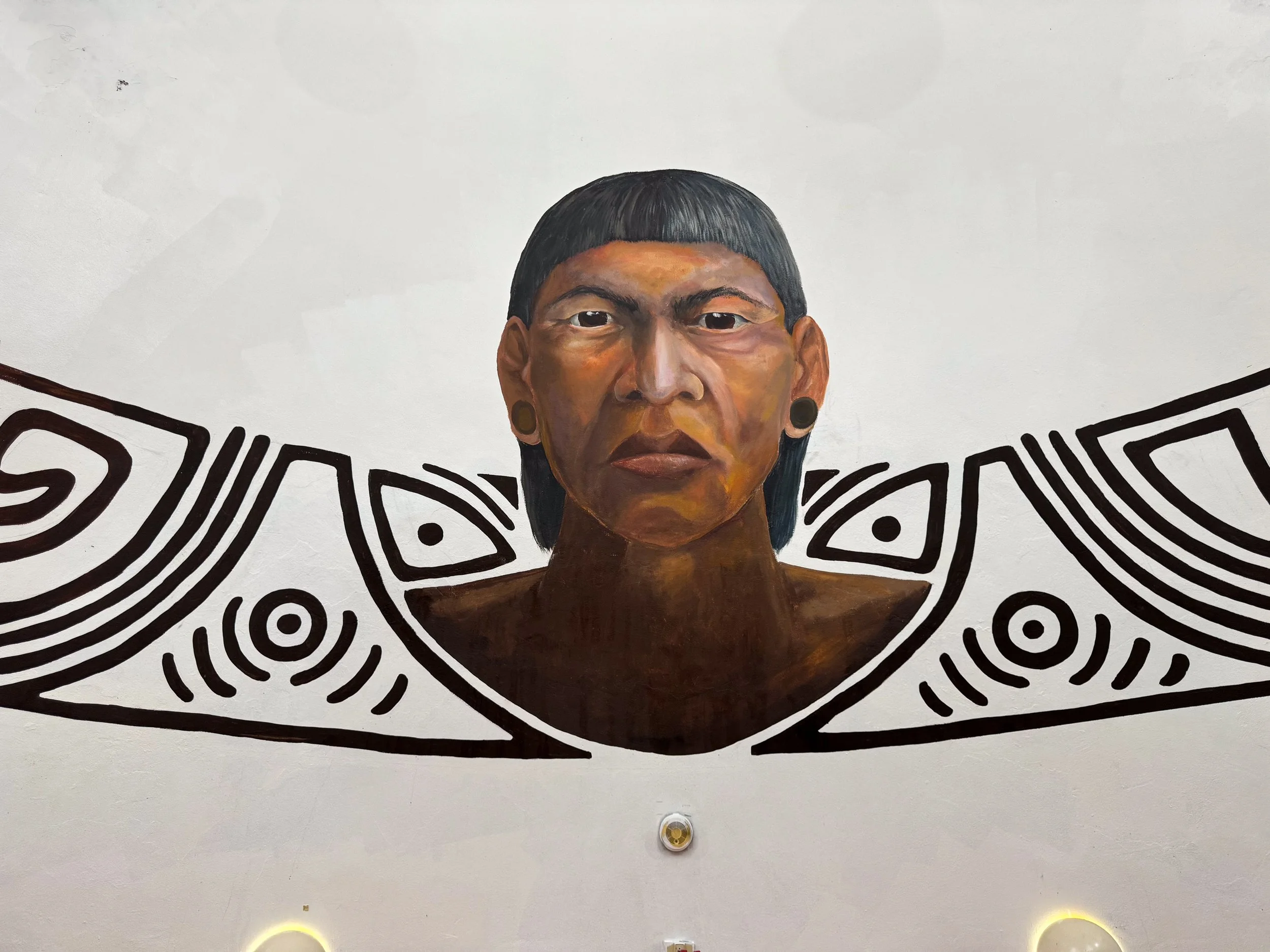
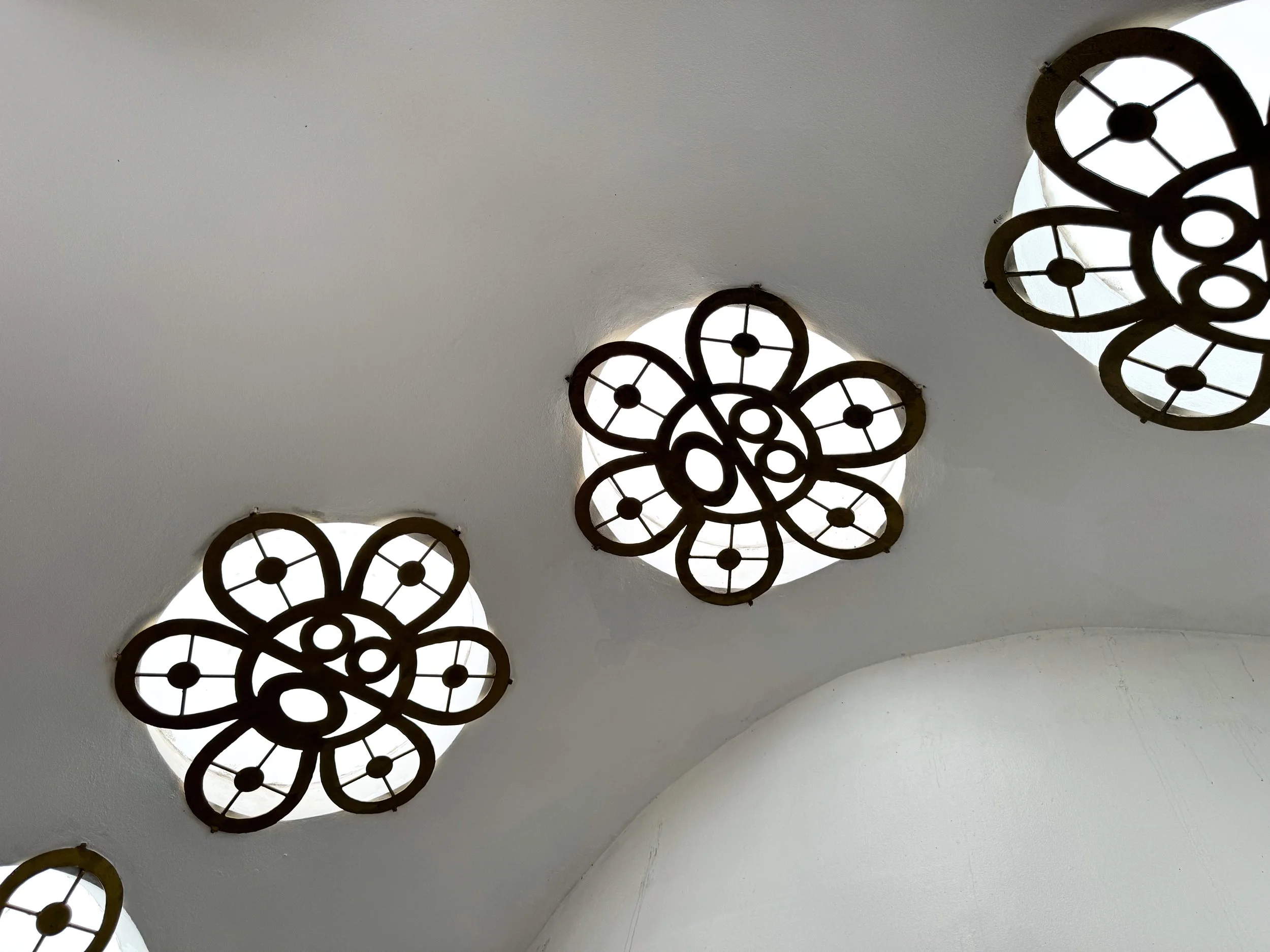
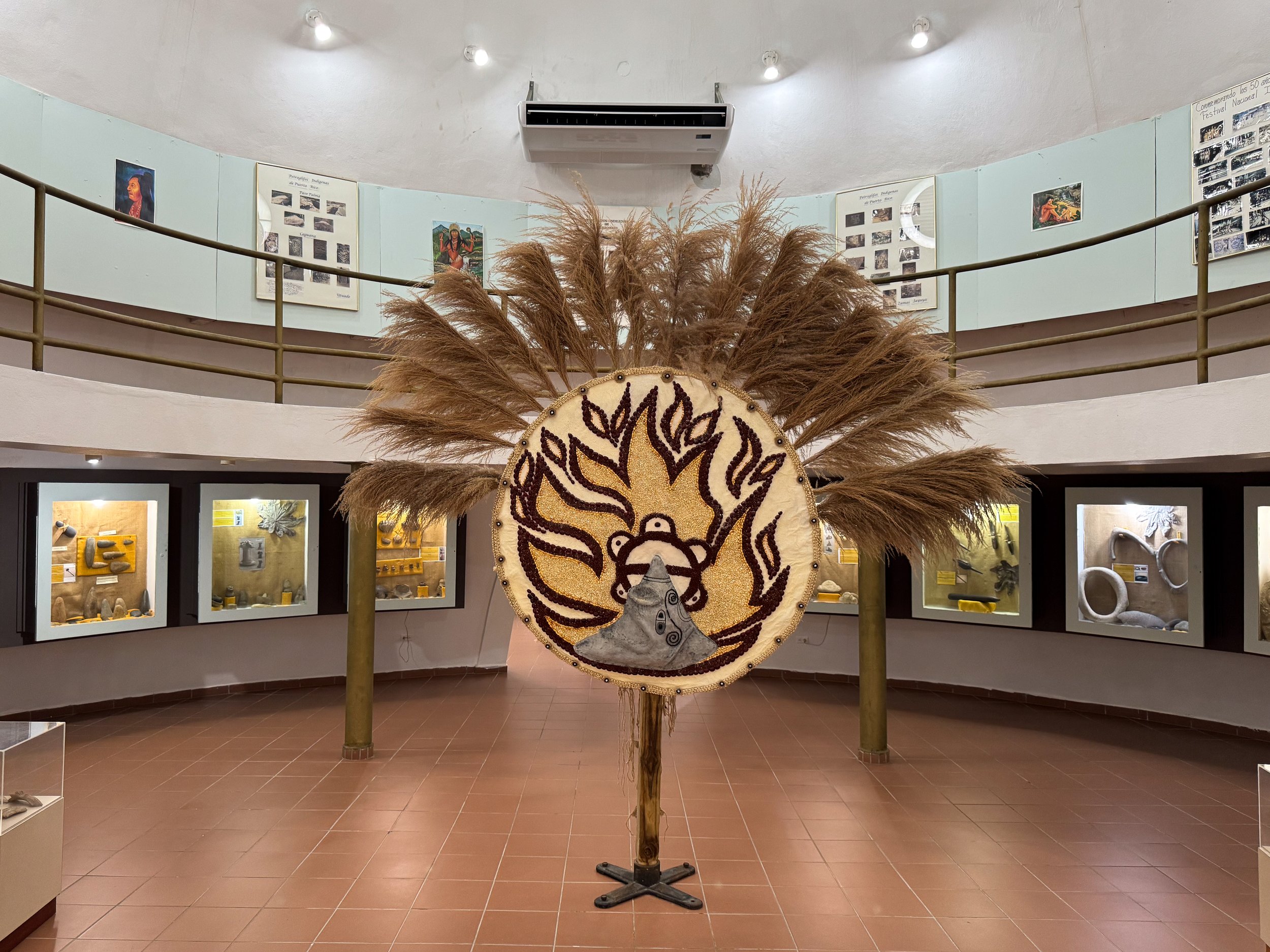
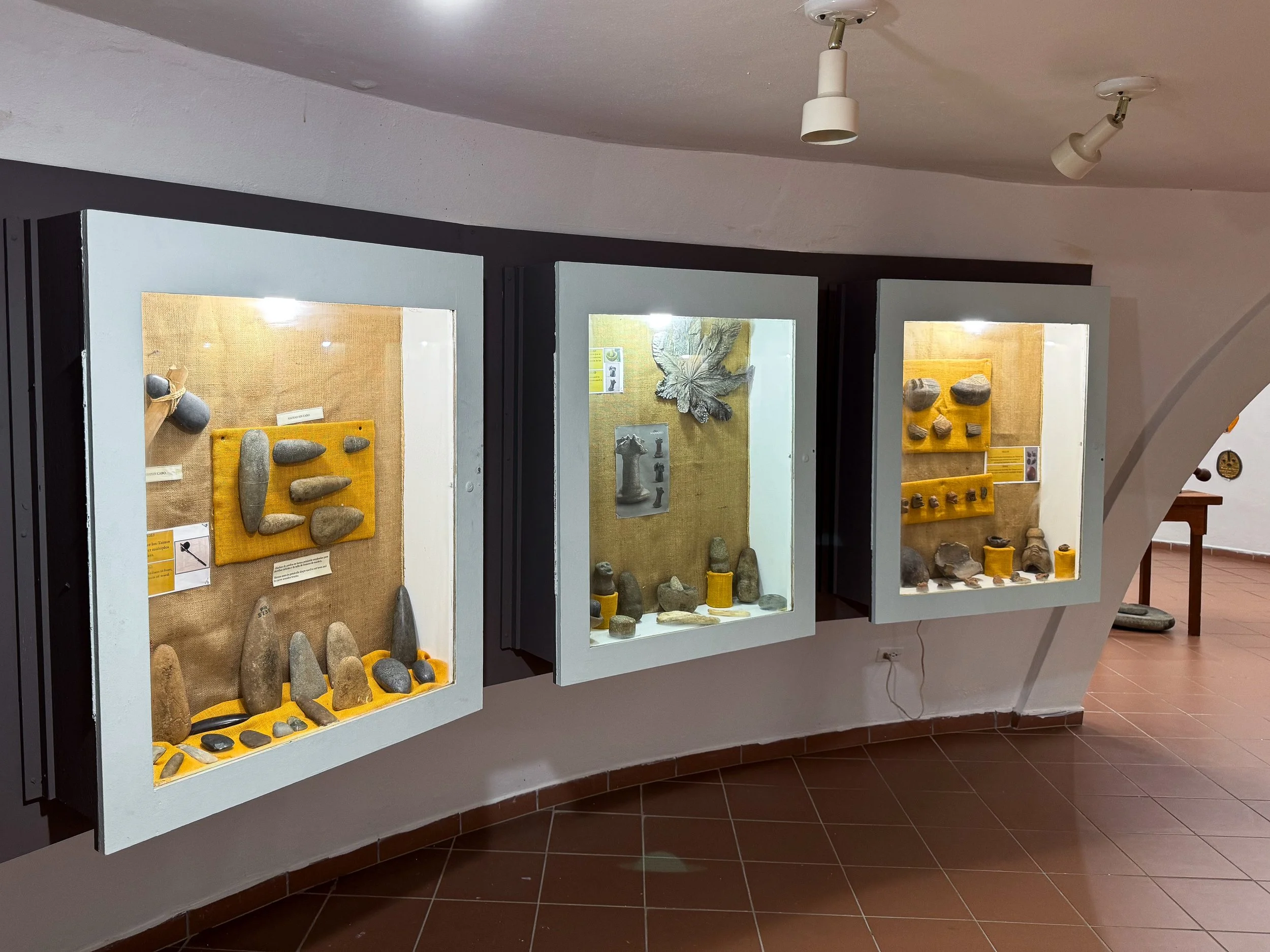
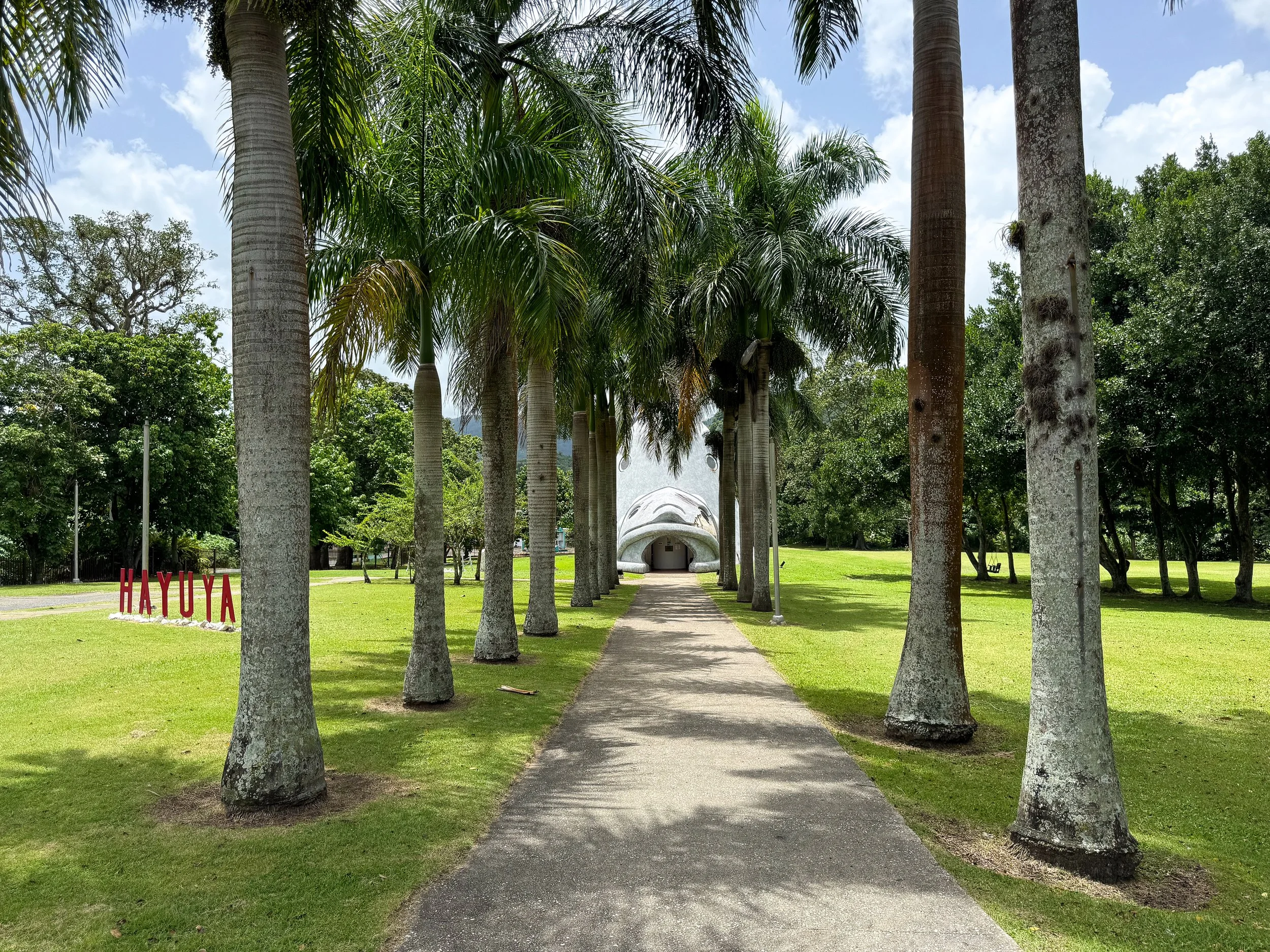
El Cemí Monument Museum. A museum built in the shape of a giant Cemí with exhibits that promote and celebrate the Taíno culture and people. It houses Taíno artifacts including wooden vomit spatulas, tools made from bone and shells, clay pottery, stone axe heads and statues representing the Cemí Mountain. There is a grave of a Taíno woman outside of the museum.
Coffee Haciendas
The mountainous region provides the perfect climate and conditions for coffee farming. There are dozens of coffee haciendas across the region growing beans for cafes across the island and offering tours of their farms.
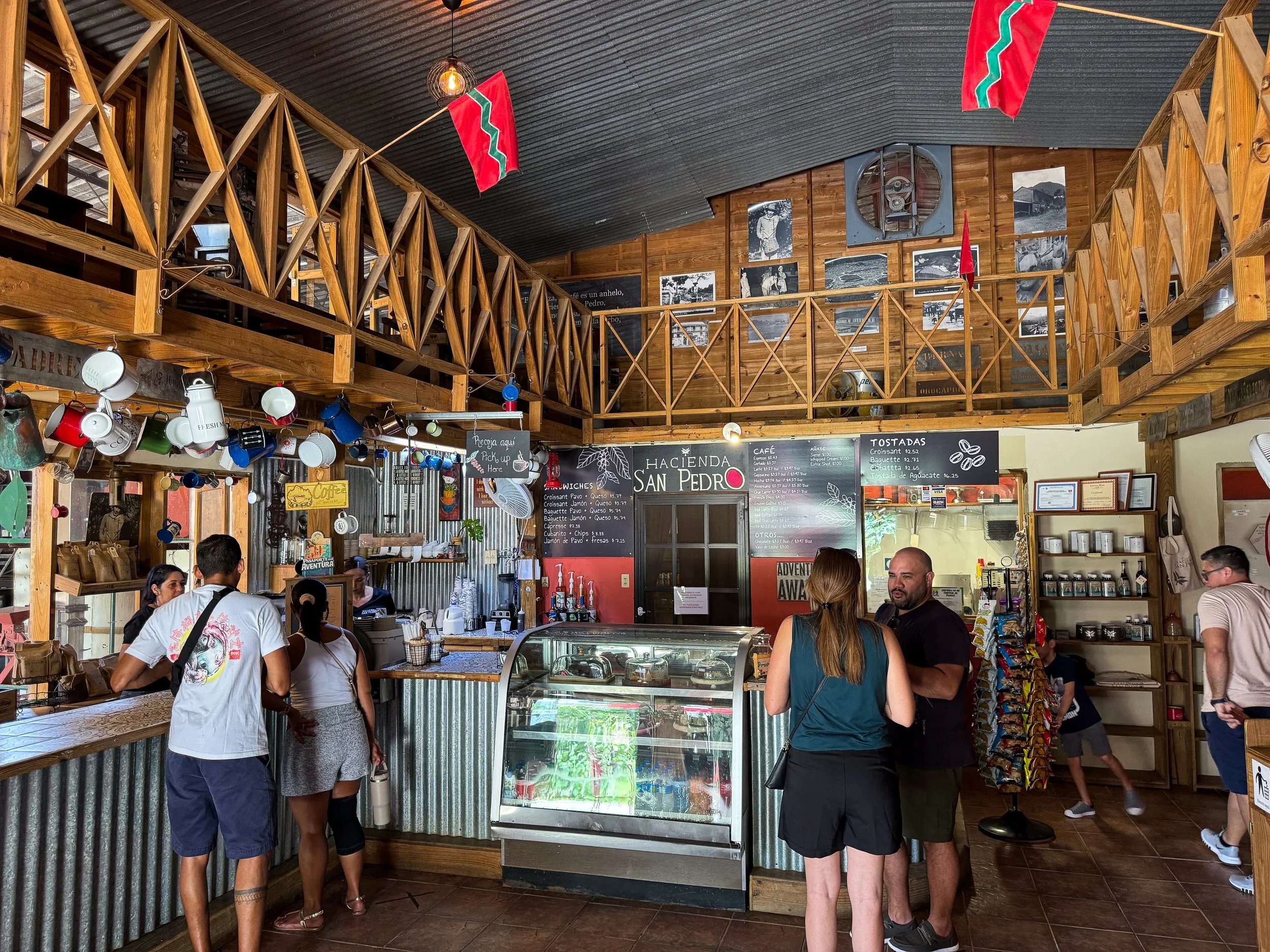
Hacienda San Pedro. A coffee hacienda with a cafe, shop, museum, processing factory and farm stand with local produce, honey and juices.
Good to Know. Many of the coffee haciendas are remote and have inconsistent hours making them difficult to visit. Call ahead to confirm hours and availability.
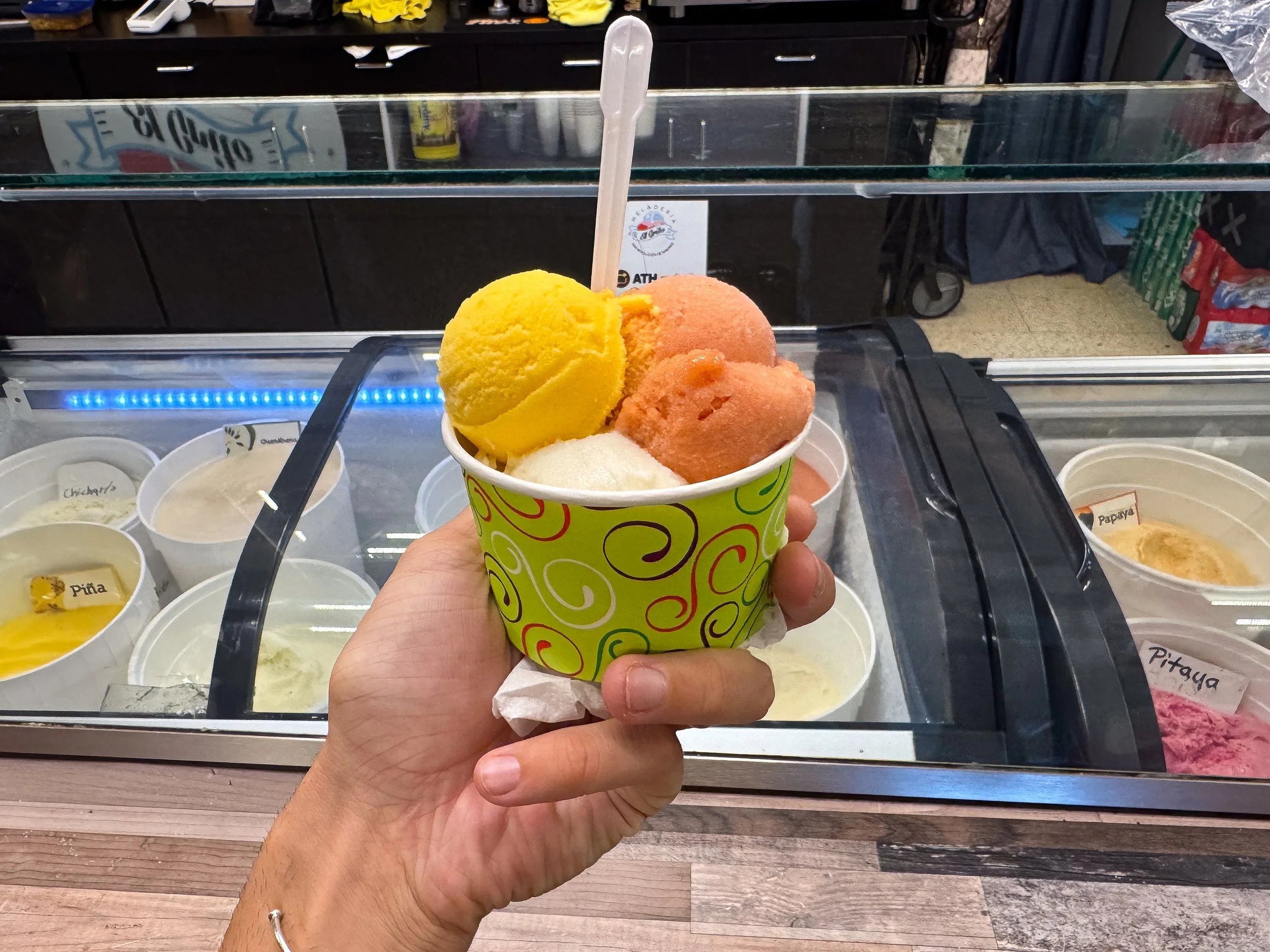
Ice Cream in Lares
Lares is a small and historic mountain town famed for its ice cream shops serving a large variety of exotic flavors including: sweet corn, sweet potato, carrot, garlic, ginger, anise, cinnamon, almond, coffee, bizcocho, coquito, piña colada, chichaíto, pineapple, mamey, soursop, guava, banana, avocado, papaya, dragonfruit, passionfruit and tamarind. Visit either Heladería El Grito or Heladería Lares.
Getting Around
By Car. The only way to get around the central mountainous region is by car, preferably one with all wheel drive. Many of the roads twist and turn around the mountainsides and steep valleys.
Location Specifics
Respect the Culture. Puerto Ricans are very proud of their island, culture and heritage. Please show respect when discussing local issues and topics. Don’t be afraid to ask questions and learn about the culture and island.
US Territory. Puerto Rico is a US Territory meaning US citizens can visit the island without a passport.
Language. Spanish is the primary language spoken in Puerto Rico. English is widely spoken as a second language. Knowing basic Spanish words and phrases is helpful and beneficial when visiting.
Currency. Puerto Rico uses the US Dollar.
Metric vs. Imperial. Puerto Rico uses a combination of the Metric and Imperial systems. Speed limits are marked in mph while distances are marked in kilometers. Gasoline is sold by the liter instead of by the gallon.
Cash vs. Card. Credit and debit cards are widely accepted across the island. Cash is preferred by most vendors at markets, kiosks and some businesses.
Power Outages. The electrical grid is fragile due to devastation from past natural disasters. While power outages rarely affect tourists, they do happen. It’s a difficult part of life for many Puerto Ricans.
Tap Water. Tap water is generally safe for consumption around the island.
Tropical Weather. Puerto Rico experiences tropical weather. Carry an umbrella in case of afternoon and evening rain storms. Tropical storms and hurricanes are possible from June through November with September through October being the most active.
Swimming. Mind the warning signs and red flags advising about dangerous ocean currents. Pay attention to where others are and are not swimming.
Sun Protection. The harsh UV is dangerous in Puerto Rico. Wear sun block when outside, even on cloudy days.
Insect Repellent. Mosquitos are prevalent across the island with mosquito borne illnesses on the rise. Wear insect repellent to minimize bites.
Clothing. Shorts and tank tops are generally acceptable to wear, keep the swimwear for the beach and plan to change into pants while dining out or visiting local spots.
Elsewhere in Puerto Rico
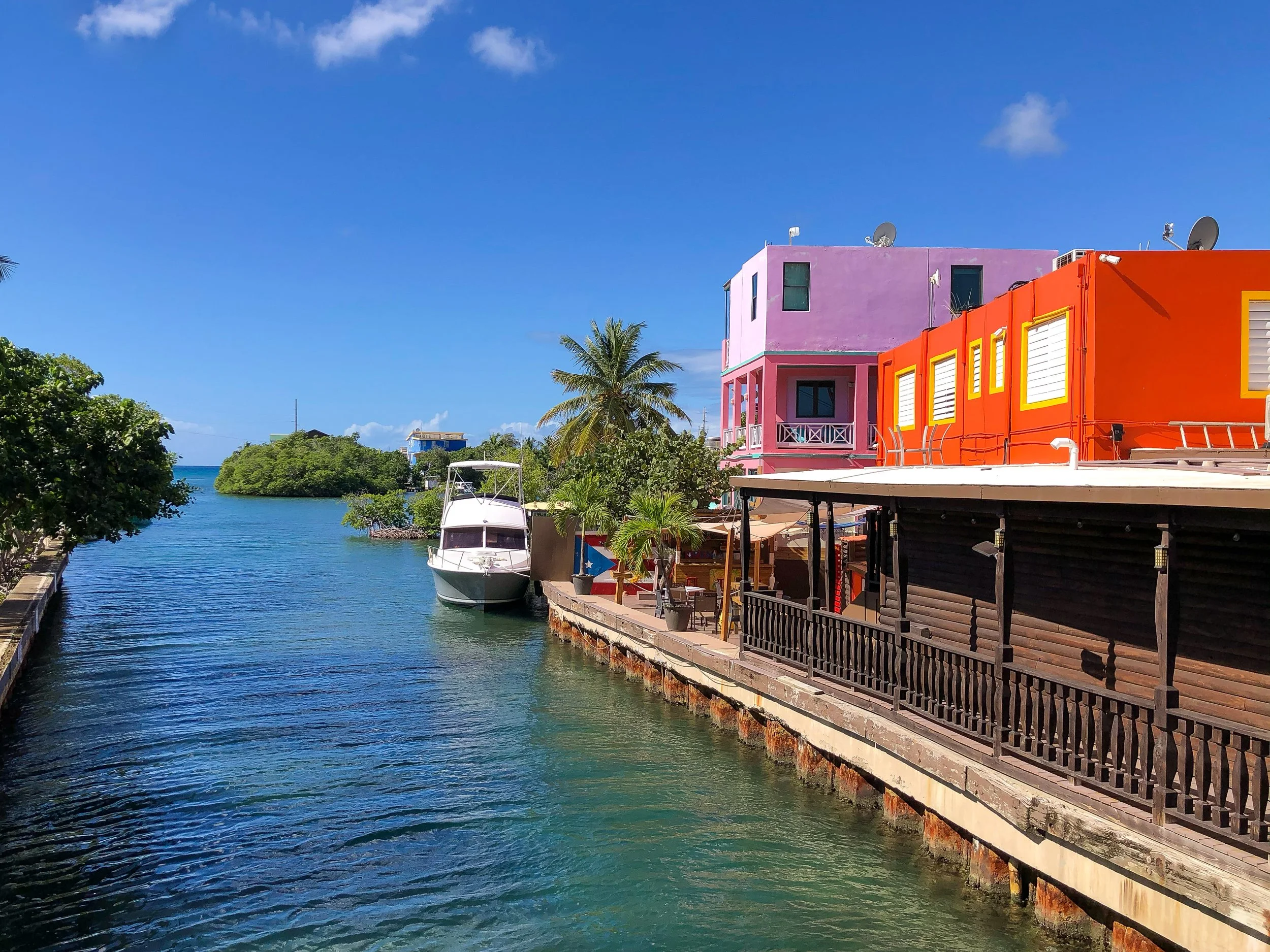
From colonial streets and Caribbean beaches to offshore islands and bioluminescent bays, discover more of Puerto Rico beyond the mountains through these travel guides:
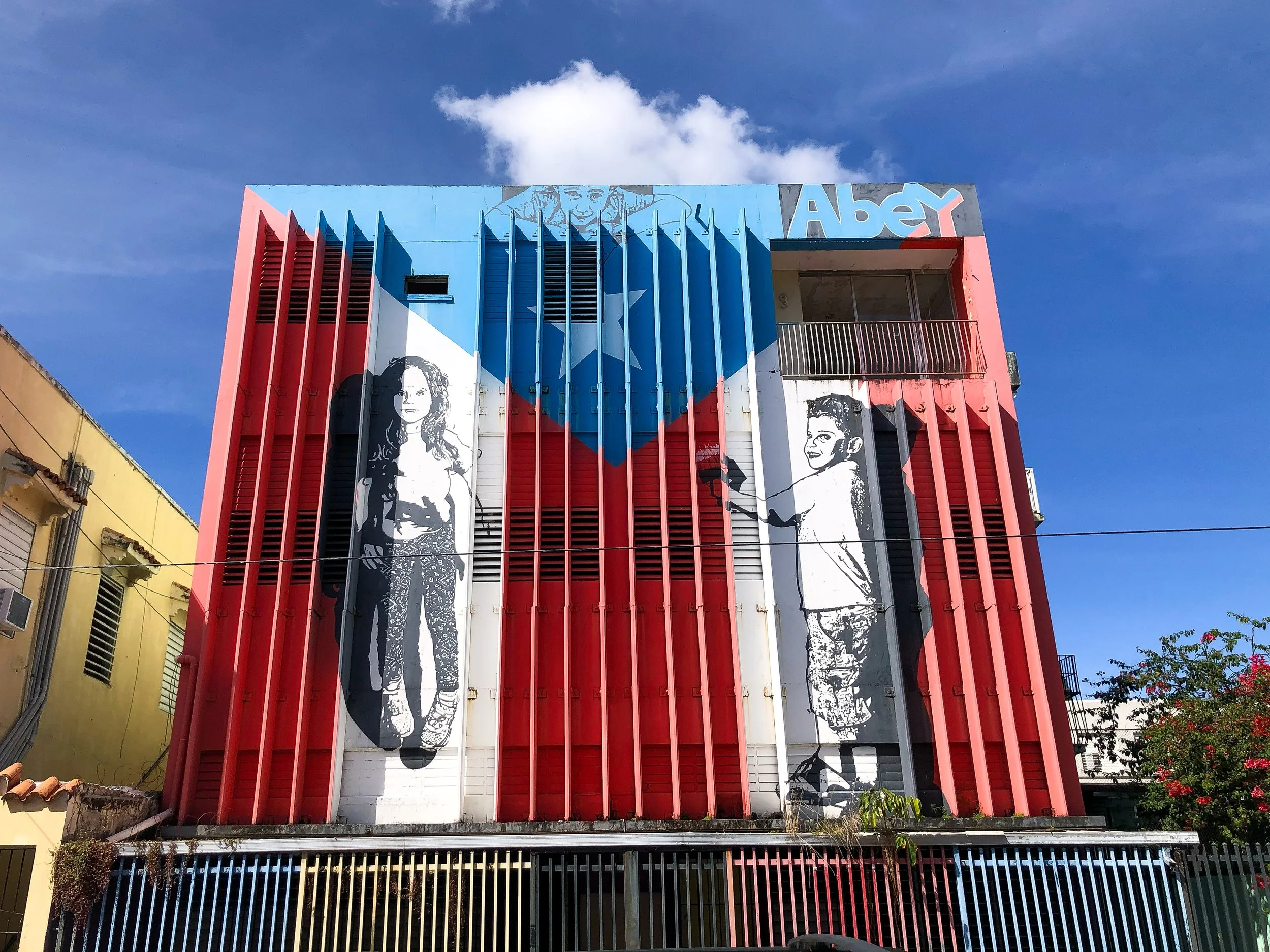
San Juan Puerto Rico Travel Guide: Beaches, Food & Local Culture. Wander between San Juan's sunny beaches, lively plazas and colorful neighborhoods while experiencing the food, music and culture that makes Puerto Rico unique.
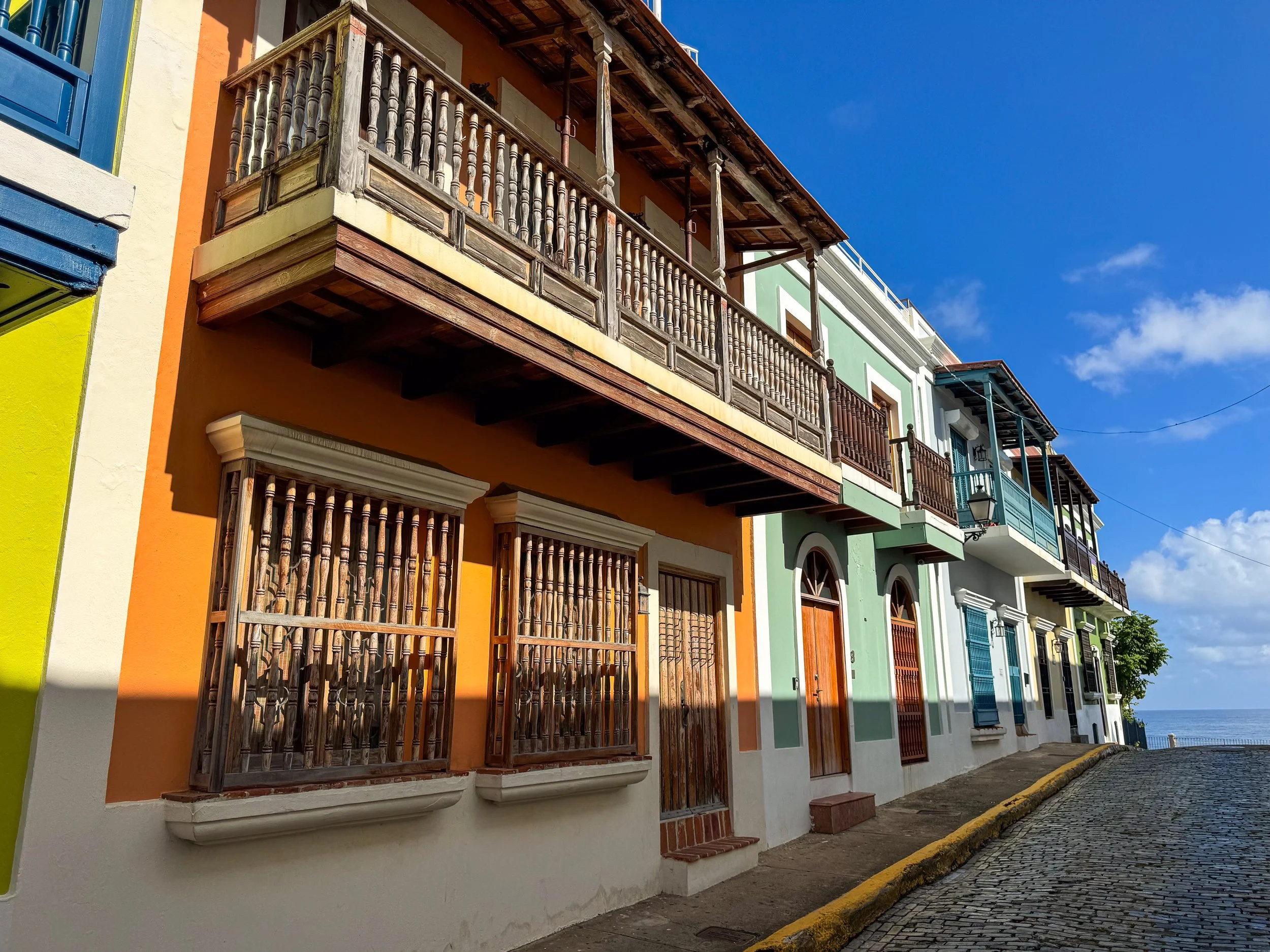
Old San Juan Travel Guide: Historic Streets, Food & Colonial Charm. Stroll through Old San Juan's cobblestone streets, historic forts and colorful architecture while discovering the colonial charm of Puerto Rico's most iconic neighborhood.
Eastern Puerto Rico Travel Guide: El Yunque, Bioluminescent Bays & Beaches. Explore Eastern Puerto Rico's lush El Yunque rainforest, glowing bioluminescent bays and tropical beaches where island adventures and local culture converge.
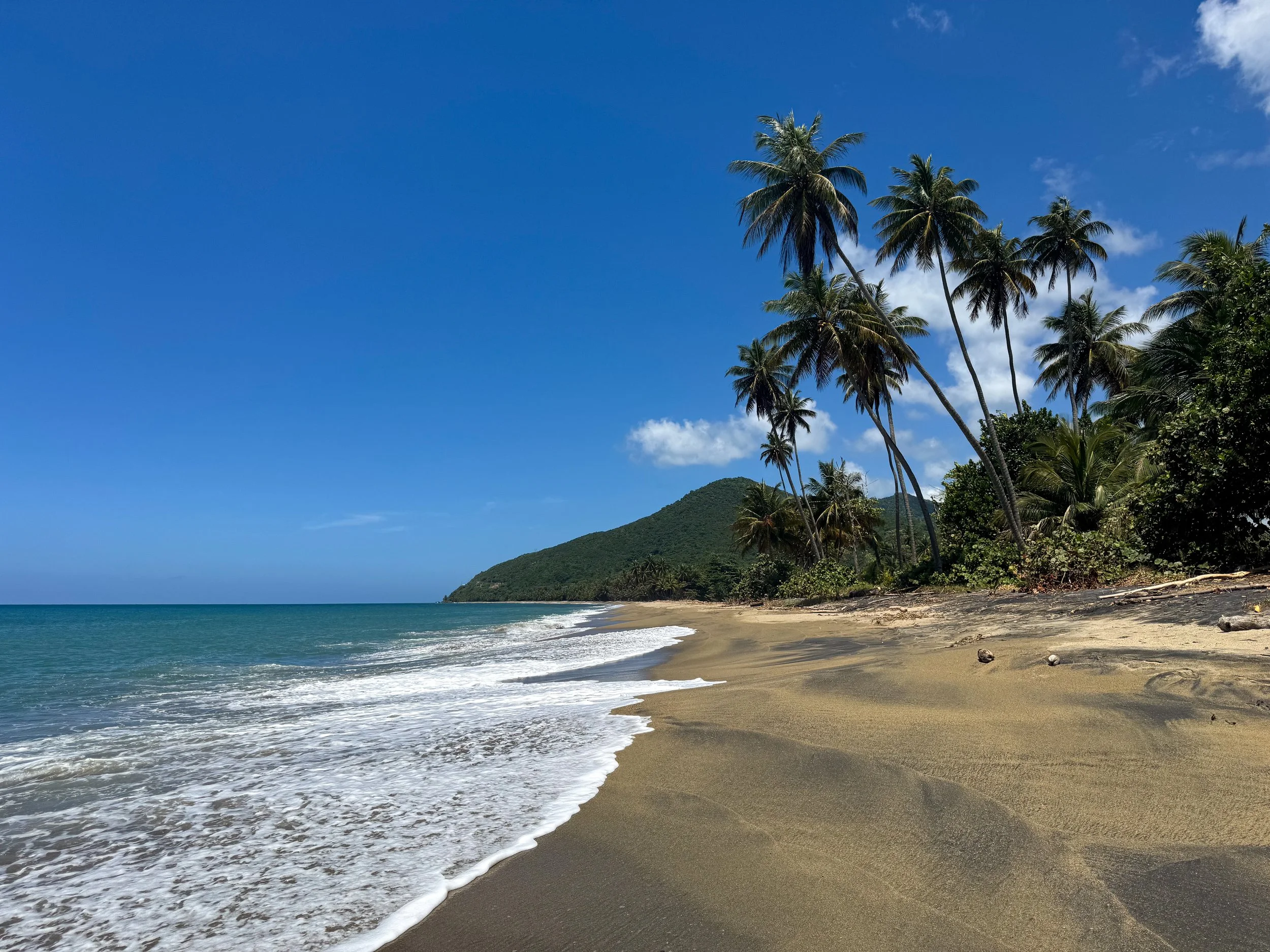
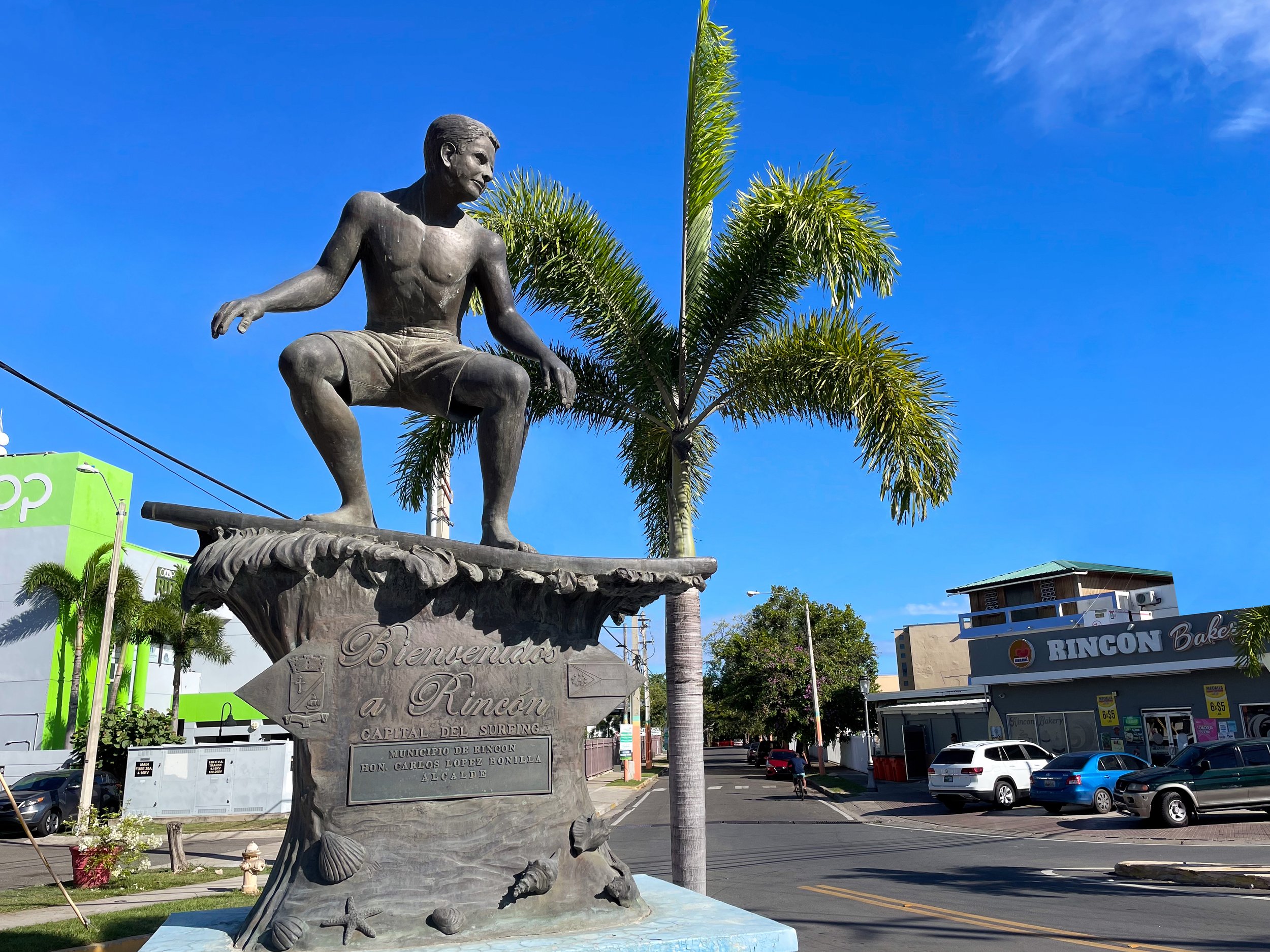
Western Puerto Rico Travel Guide: Rincón, Beaches & Surfing. Chase waves and sunsets across Western Puerto Rico's tropical beaches, sleepy surf towns and coastal landscapes where island life and adventure converge.
Southwestern Puerto Rico Travel Guide: Cabo Rojo, La Parguera & Beyond. Journey through Southwestern Puerto Rico where historic towns, Caribbean cayos, pristine beaches, bioluminescent bays and dry forests reflect the island’s diverse character.
Ponce Puerto Rico Travel Guide: History, Architecture & Local Culture. Experience Ponce's historic architecture, cultural landmarks, Taíno archaeological sites and annual carnival traditions in Puerto Rico's Pearl of the South.
Vieques Puerto Rico Travel Guide: Mosquito Bay, Beaches & Island Adventures. Island hop to Vieques to experience the bioluminescent waters of Mosquito Bay, wild horses and black sand beaches on an unforgettable island adventure.
Culebra Puerto Rico Travel Guide: Beaches, Sea Turtles & Island Adventures. Voyage to the tiny island of Culebra to discover its pristine beaches, turquoise waters, vibrant marine life and a sleepy beach town.
For Next Time…
Whether a spontaneous weekend trip or planned vacation, we will certainly be back to Puerto Rico many more times! We have our eyes set on experiencing things we’ve missed during past trips around the interior and mountainous regions of Puerto Rico including:
Explore Arecibo. Spend a weekend exploring the beaches, sea arches and caves in Arecibo.
Río Camuy Caves. A vast cave system with an underwater river, large caverns, stalactites, stalagmites, rock formations and colonies of bats. It’s located about an hour from San Juan between the central mountains and the town of Arecibo.
Hike Cerro Mime. A steep grassy mountain peak with views of the surrounding valleys.
Toro Negro State Forest. A forested area in the central mountainous region with hiking trails, waterfalls, mountain peaks and campgrounds.
River Caving Tour. Join a kayaking tour through one of the mountainous rivers and caves. El Batay Adventures across from the Caguana Ceremonial Indigenous Heritage Center offers excursions.