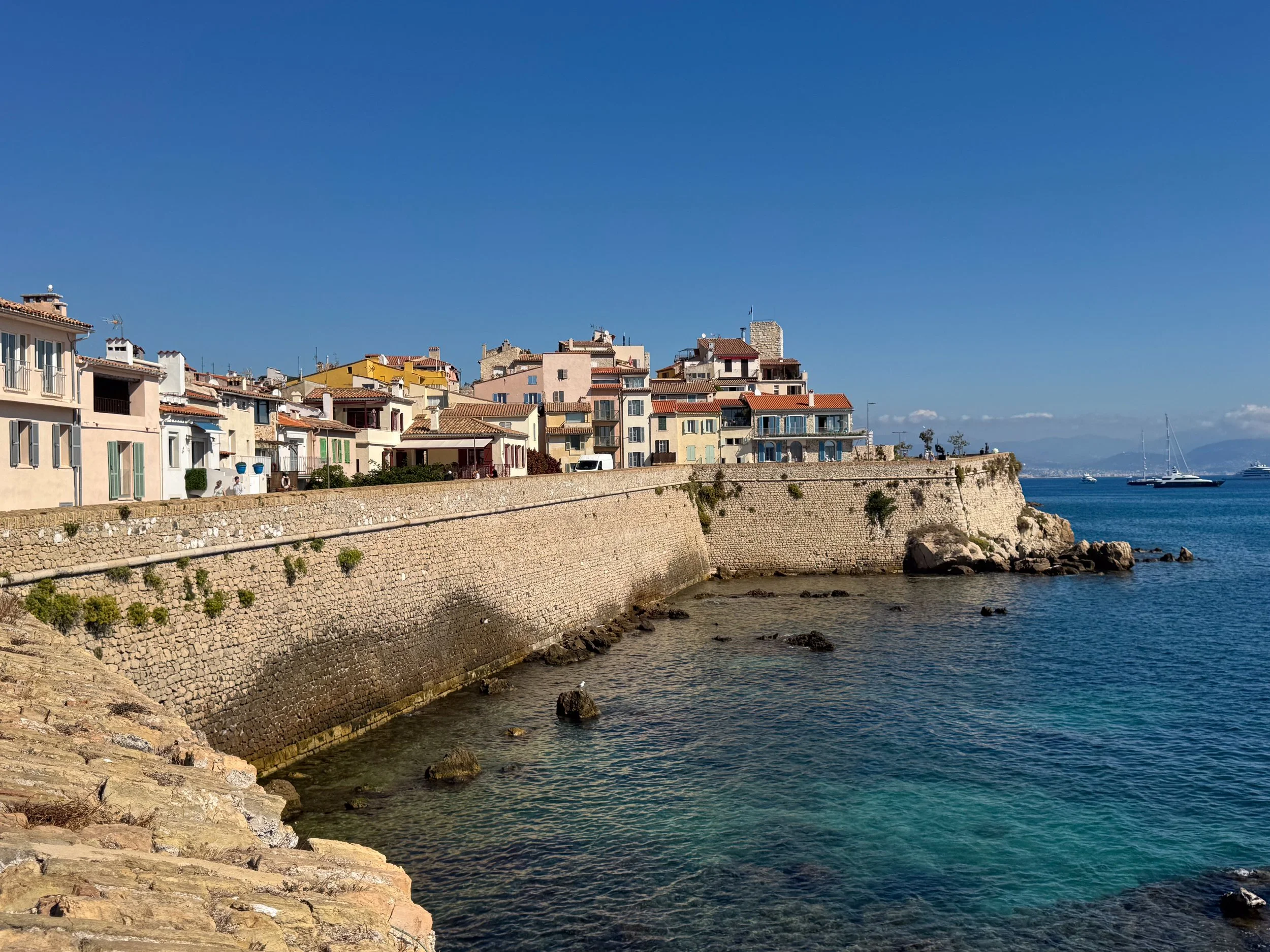
Cannes & The French Riviera
Cannes is an elegant coastal city on the French Riviera, known for its prestigious film festival, Mediterranean beaches and Belle Époque architecture. Grand hotels and palm trees line the waterfront promenade while sun kissed beachgoers lounge beneath umbrellas on golden sand. Restaurants, boutiques and cocktail bars fill the city center while bistros spill onto cobblestone alleys in the hilly old town. Farmers markets sell local Provençal produce while bakeries display fresh baked breads and pastries. Sailboats fill the old port as ferries depart for nearby islands and coastal villages. Cannes is a central location along the French Riviera to stay while taking day trips to nearby towns.
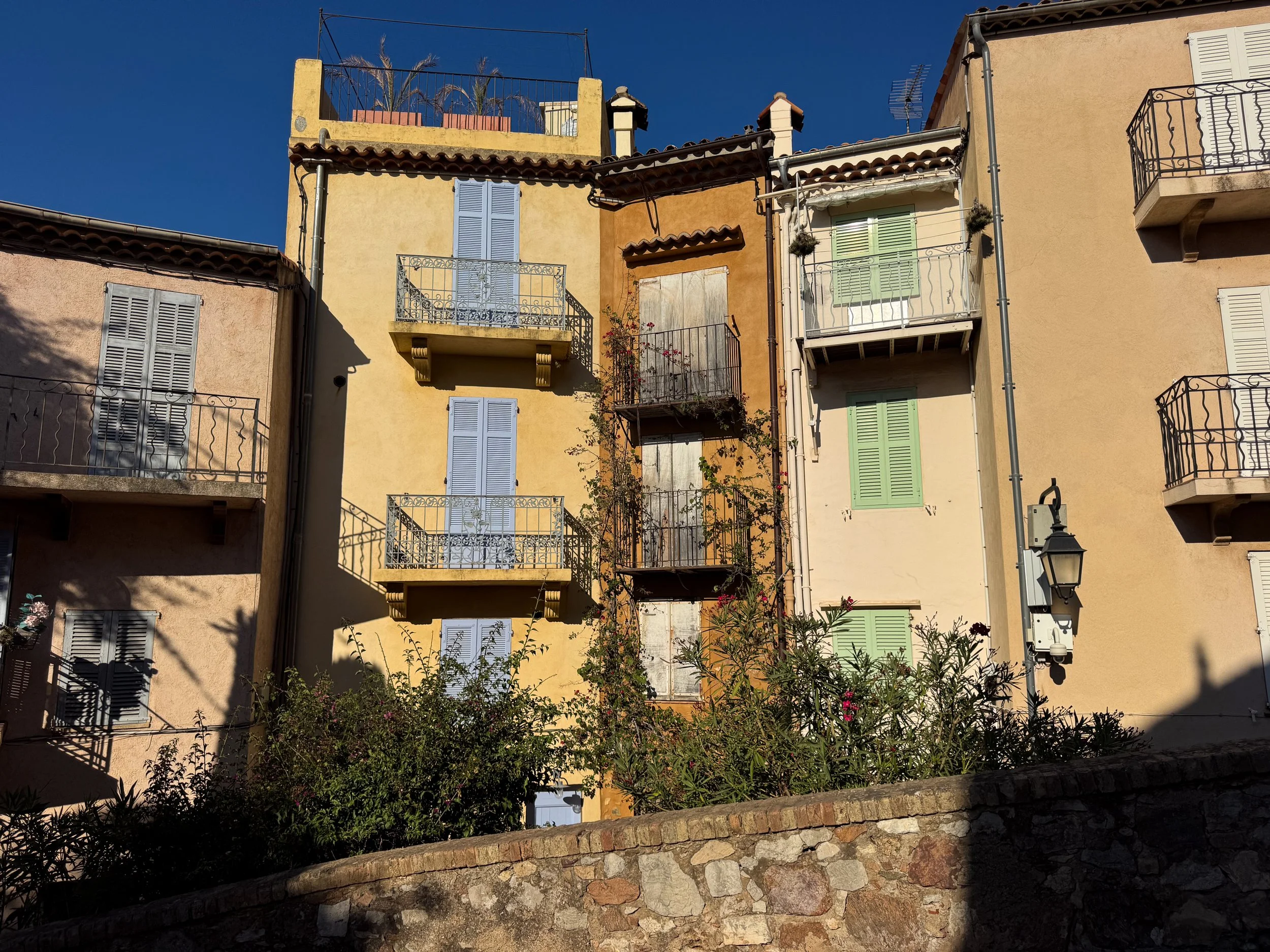
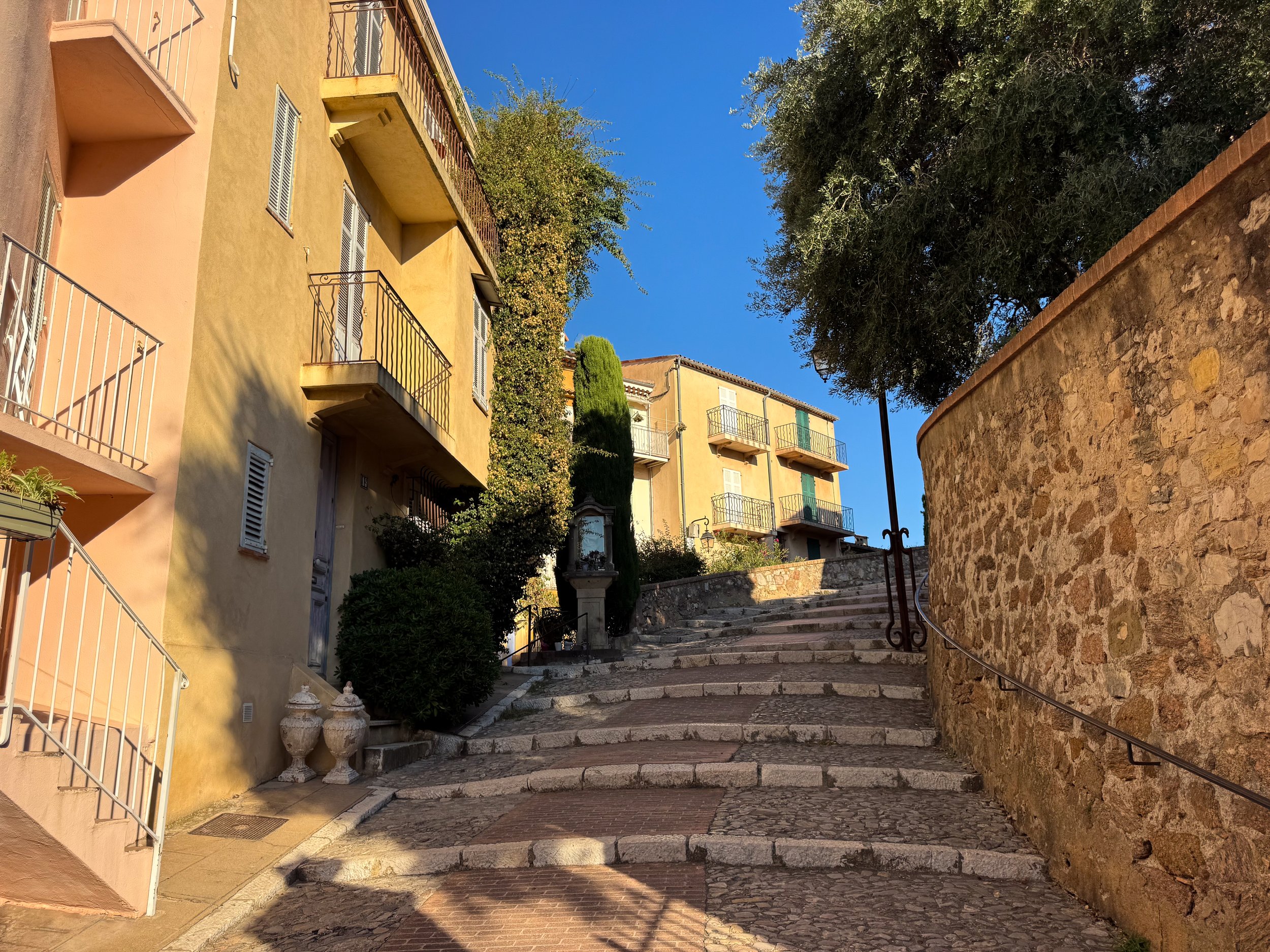
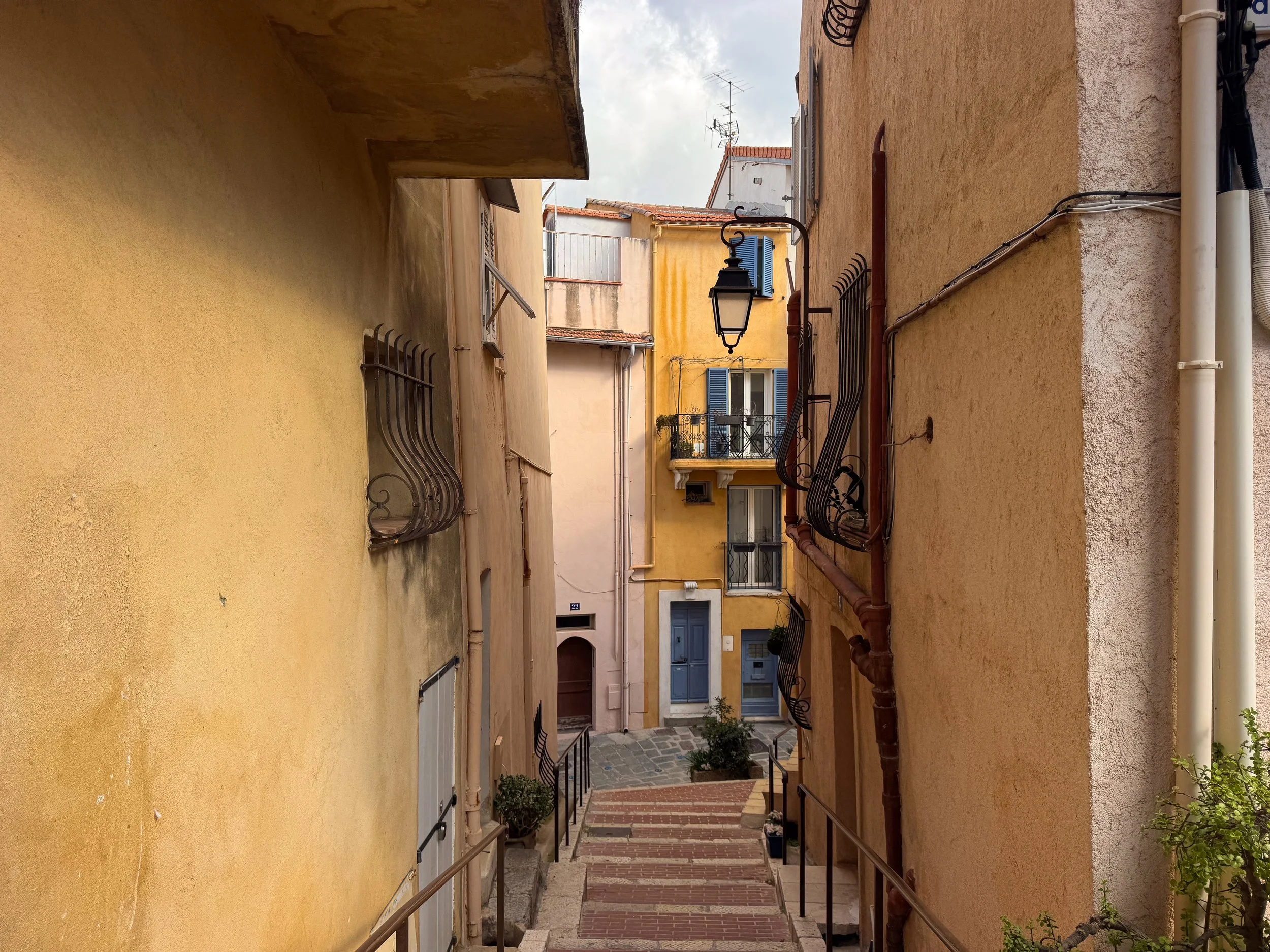
Neighborhoods & Streets
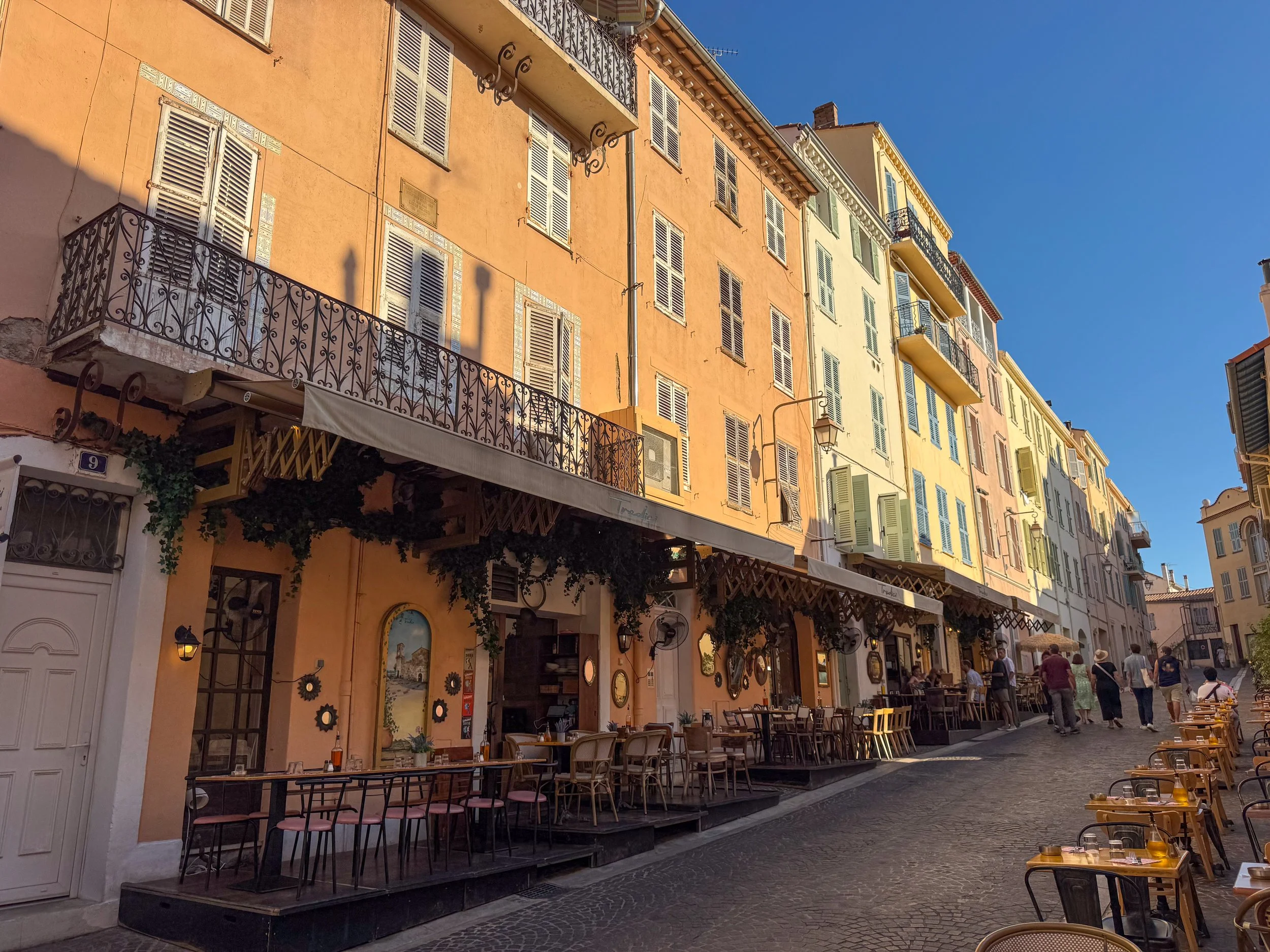
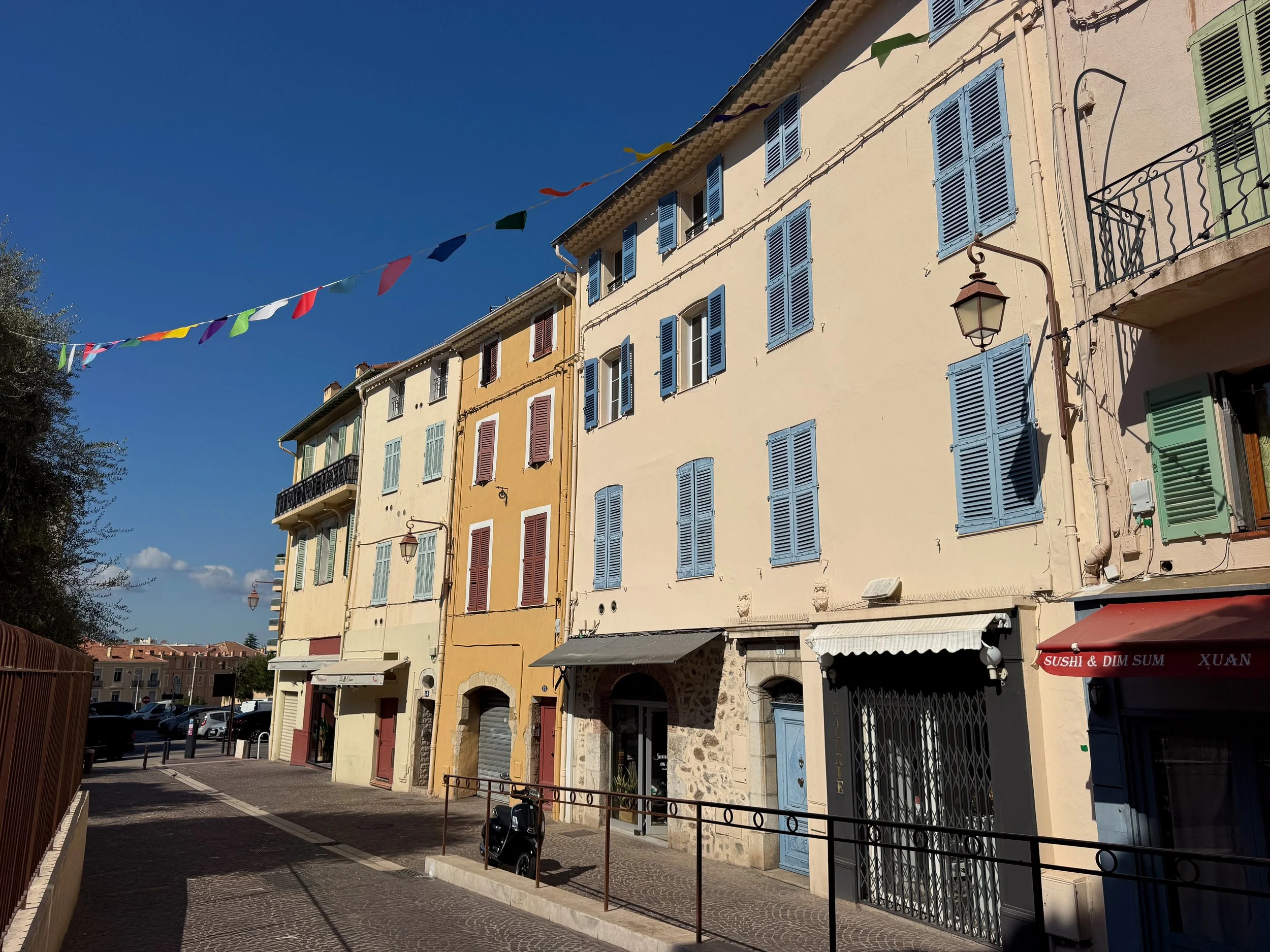
Le Suquet (Old Town). The city’s historic old town, a neighborhood built on a hillside with views overlooking the port. Cobblestone alleys wind past pastel painted buildings climbing to a stone clock tower, historic church and medieval castle. Restaurants serve French and Mediterranean cuisine while vaulted stone cellars hide cocktail and wine bars.
Place du Suquet. A small cobblestone plaza in the heart of the old town with a local atmosphere. Locals look out from windows framed by sky blue and mint green shutters as children kick around a football below. Tourists enjoy scoops of gelato beneath overhead streamers and twinkle lights.
Rue du Suquet. A narrow cobblestone street climbing from the base of Le Suquet to Place du Suquet. The steep street is lined with French and Mediterranean restaurants, bakeries, wine cellars, cocktail bars, art galleries and souvenir shops.
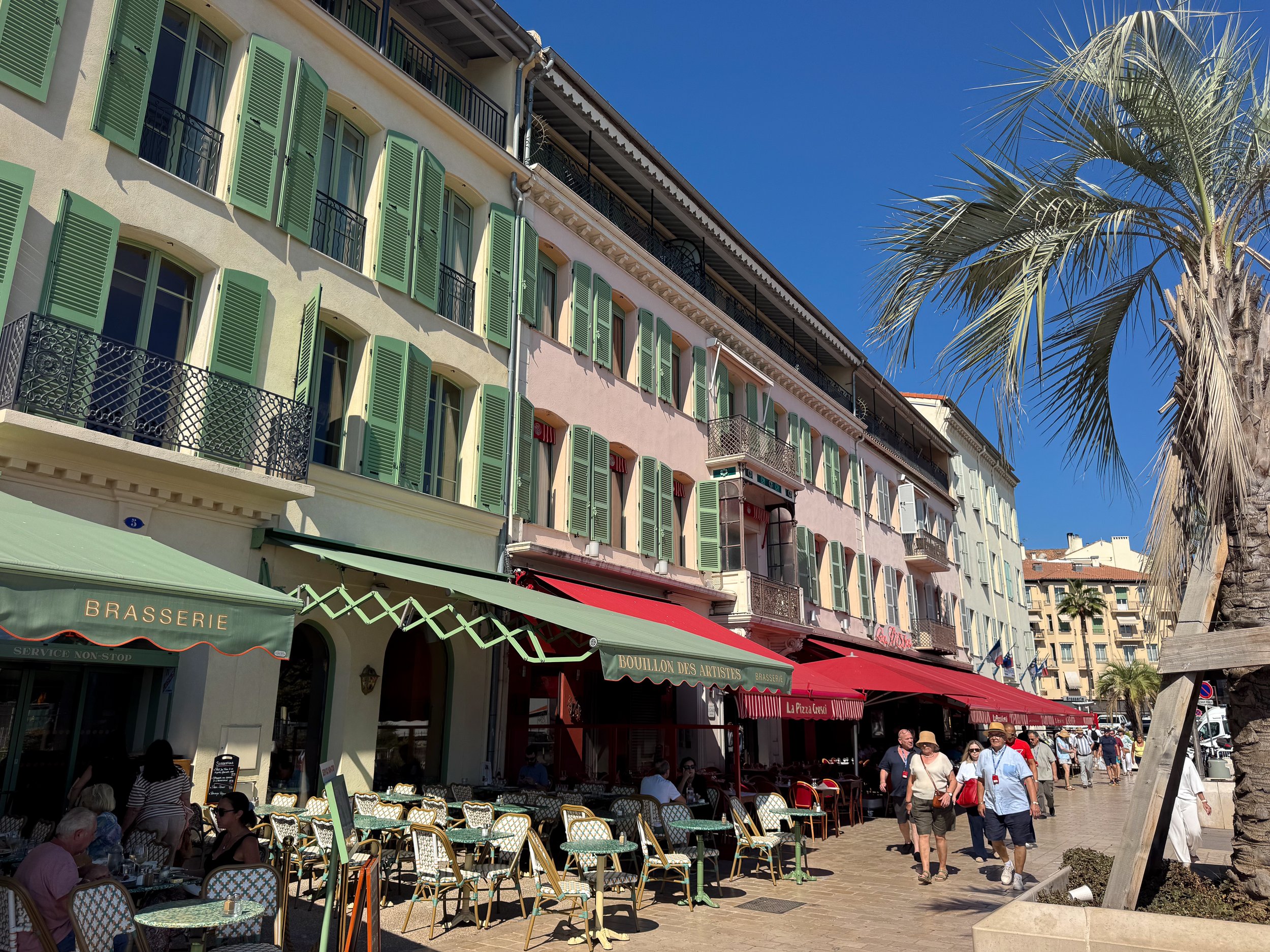
Quai Saint-Pierre. A promenade along the western side of the Vieux Port, lined with bistros, cafes, gelaterias and cocktail bars. It's a beautiful place to have a meal or drink beneath the canopy of striped awnings or admire the old town and ship lined port while walking past.
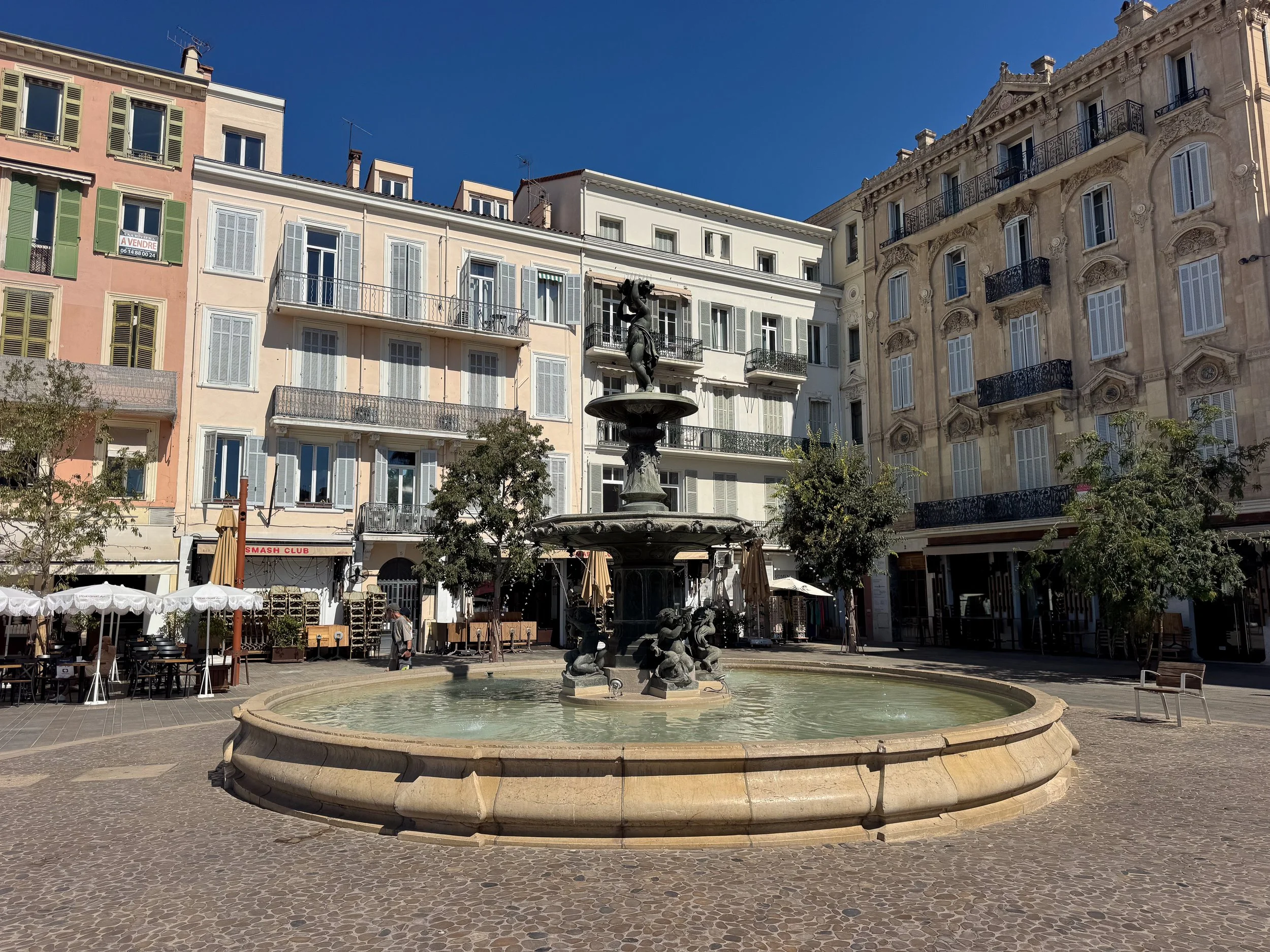
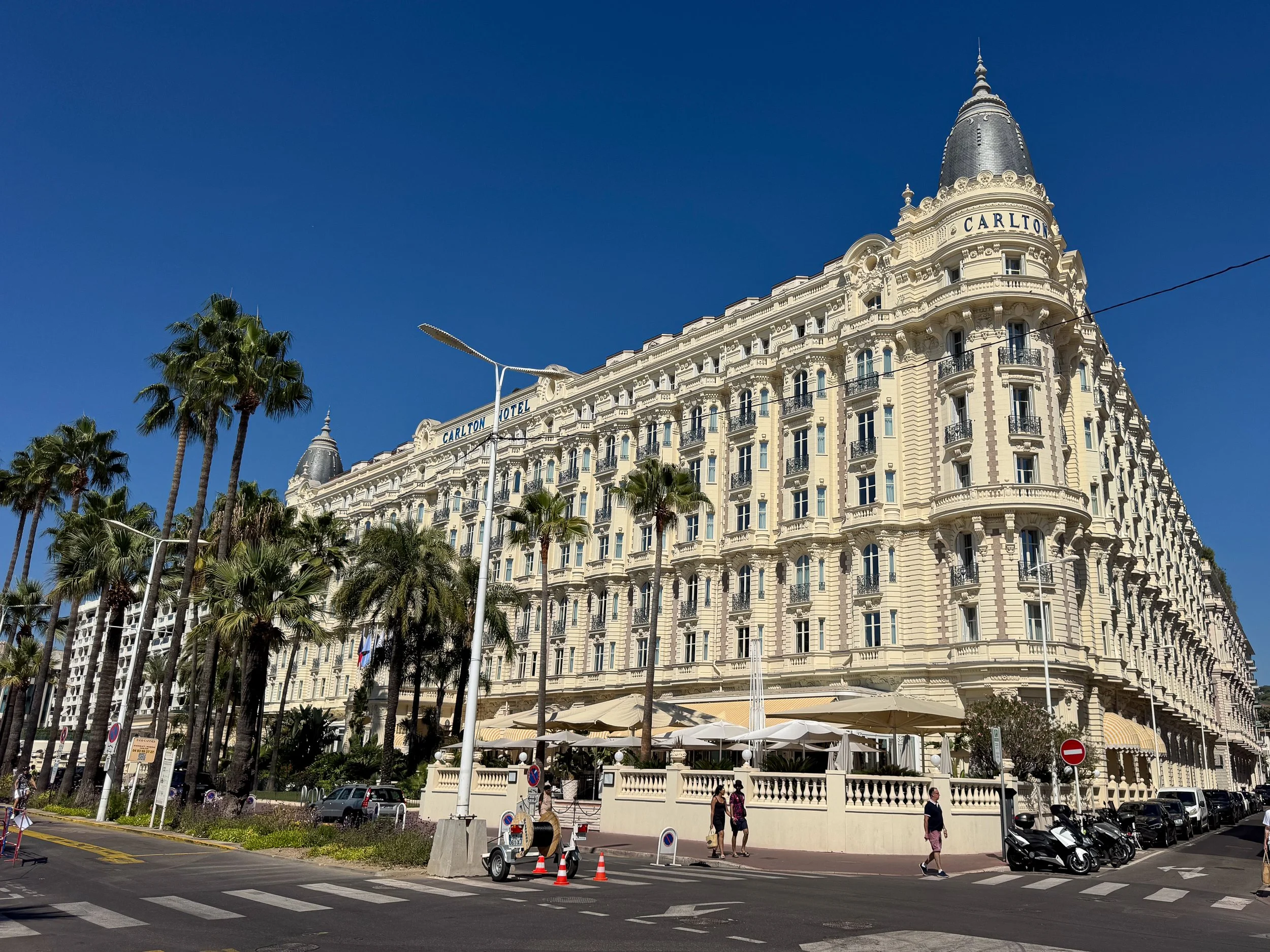
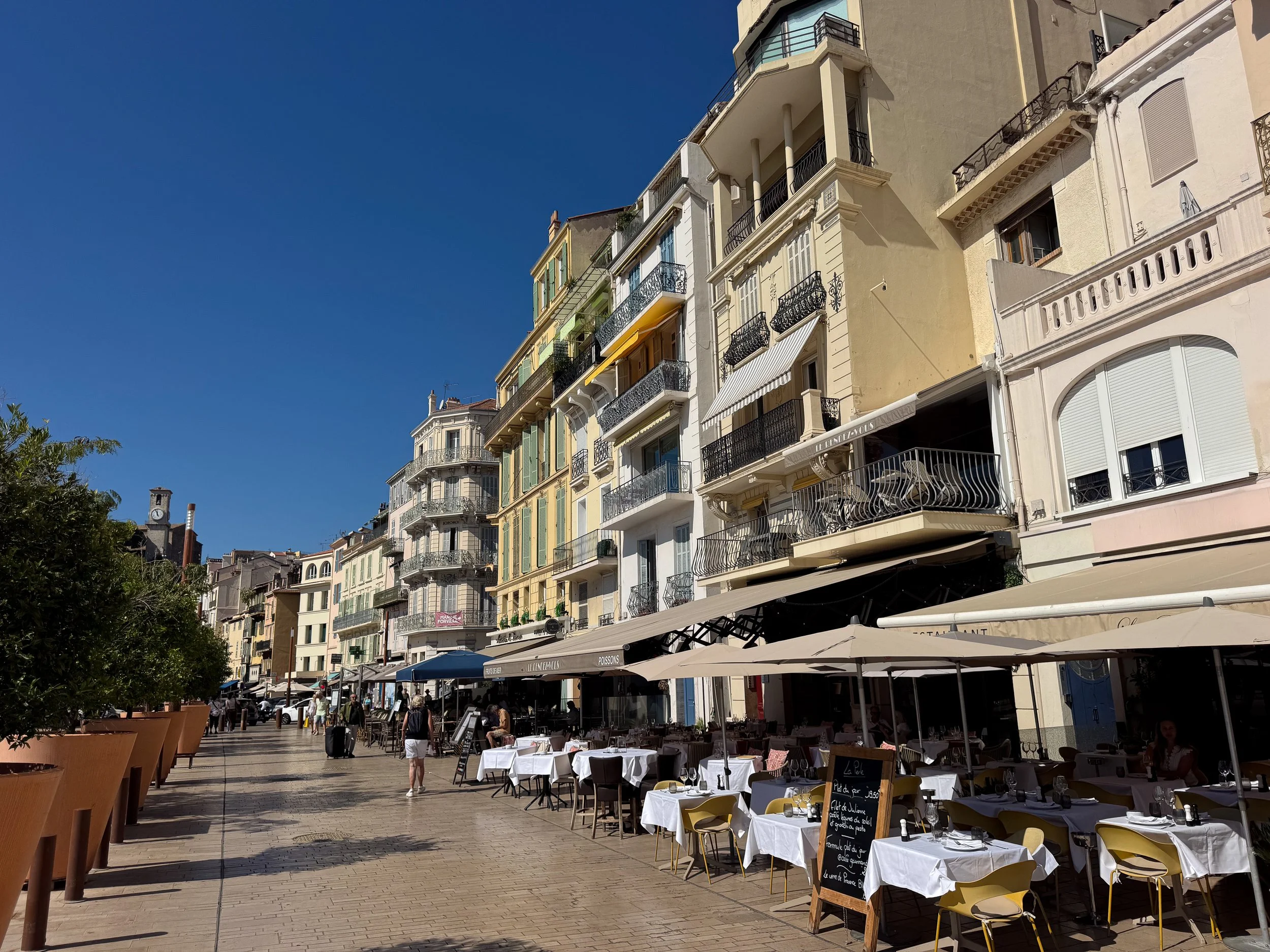
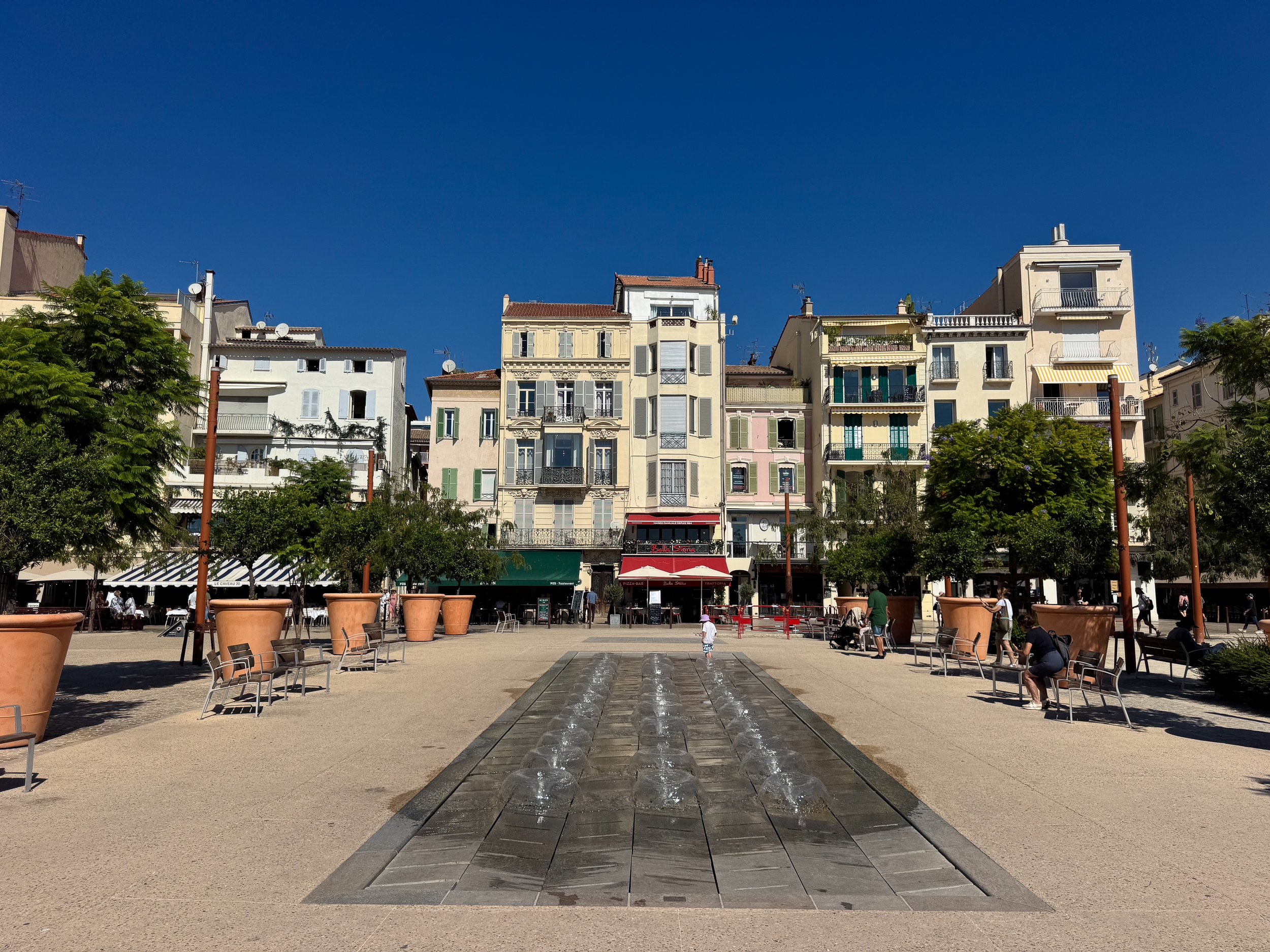
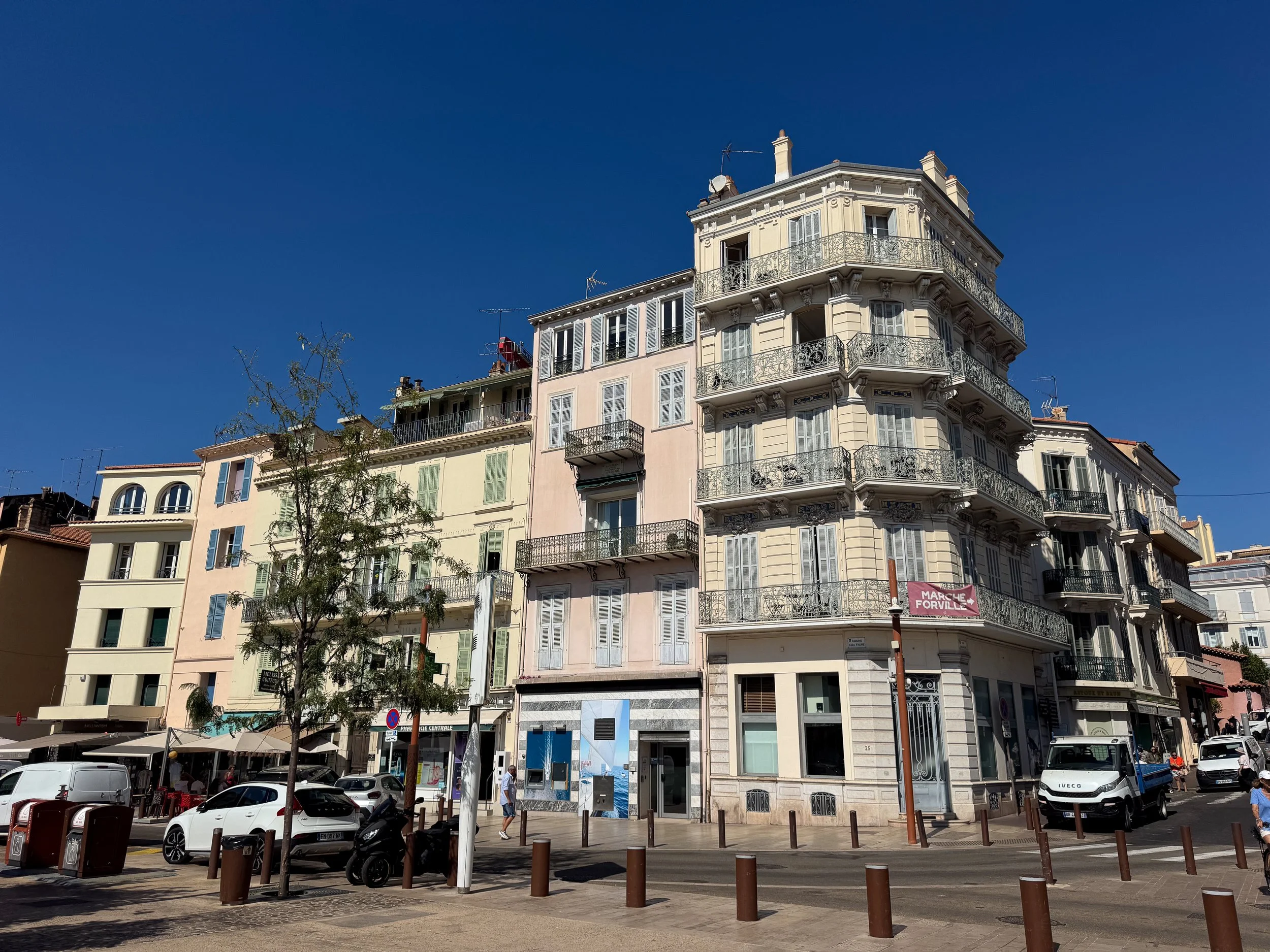
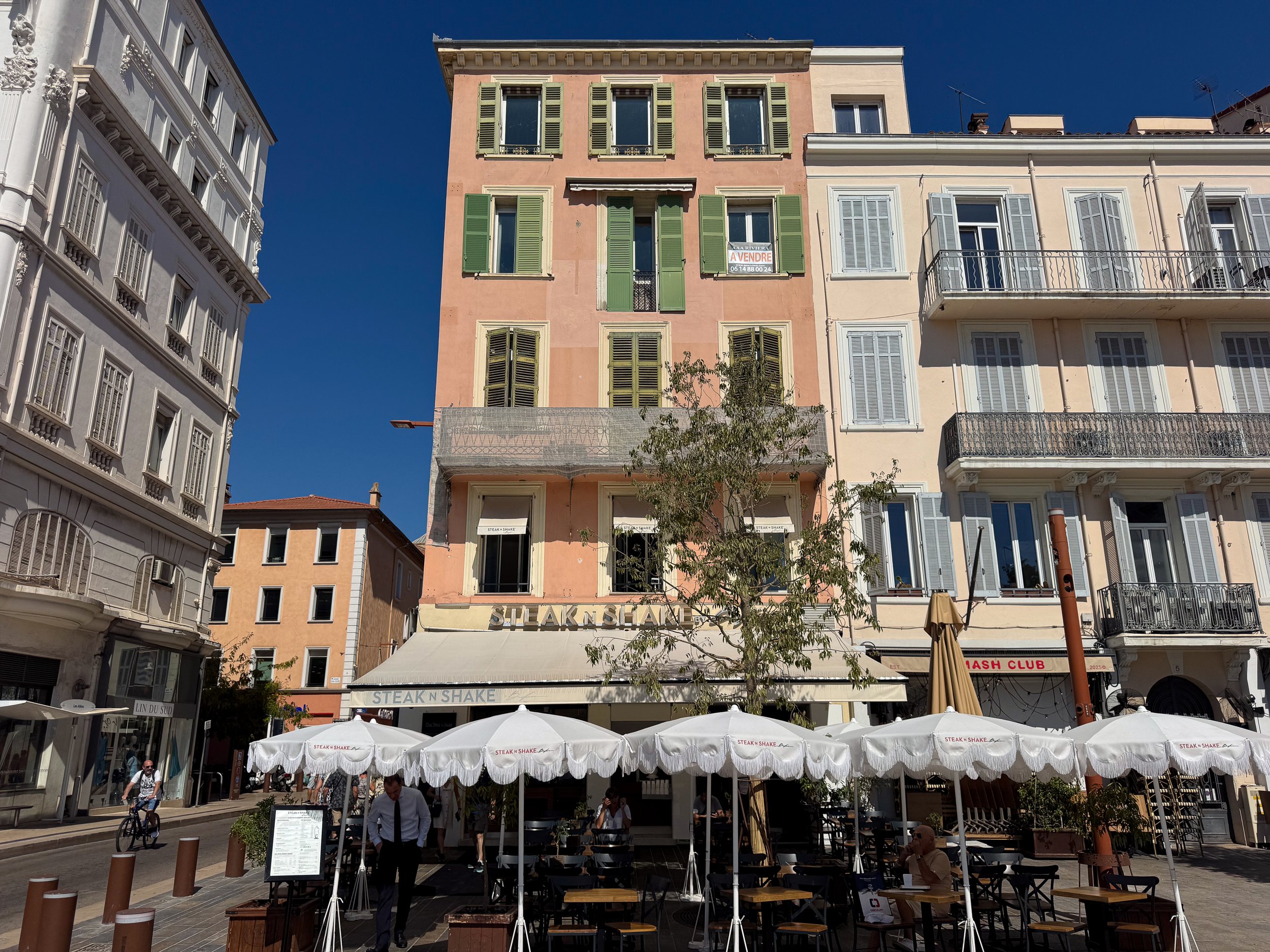
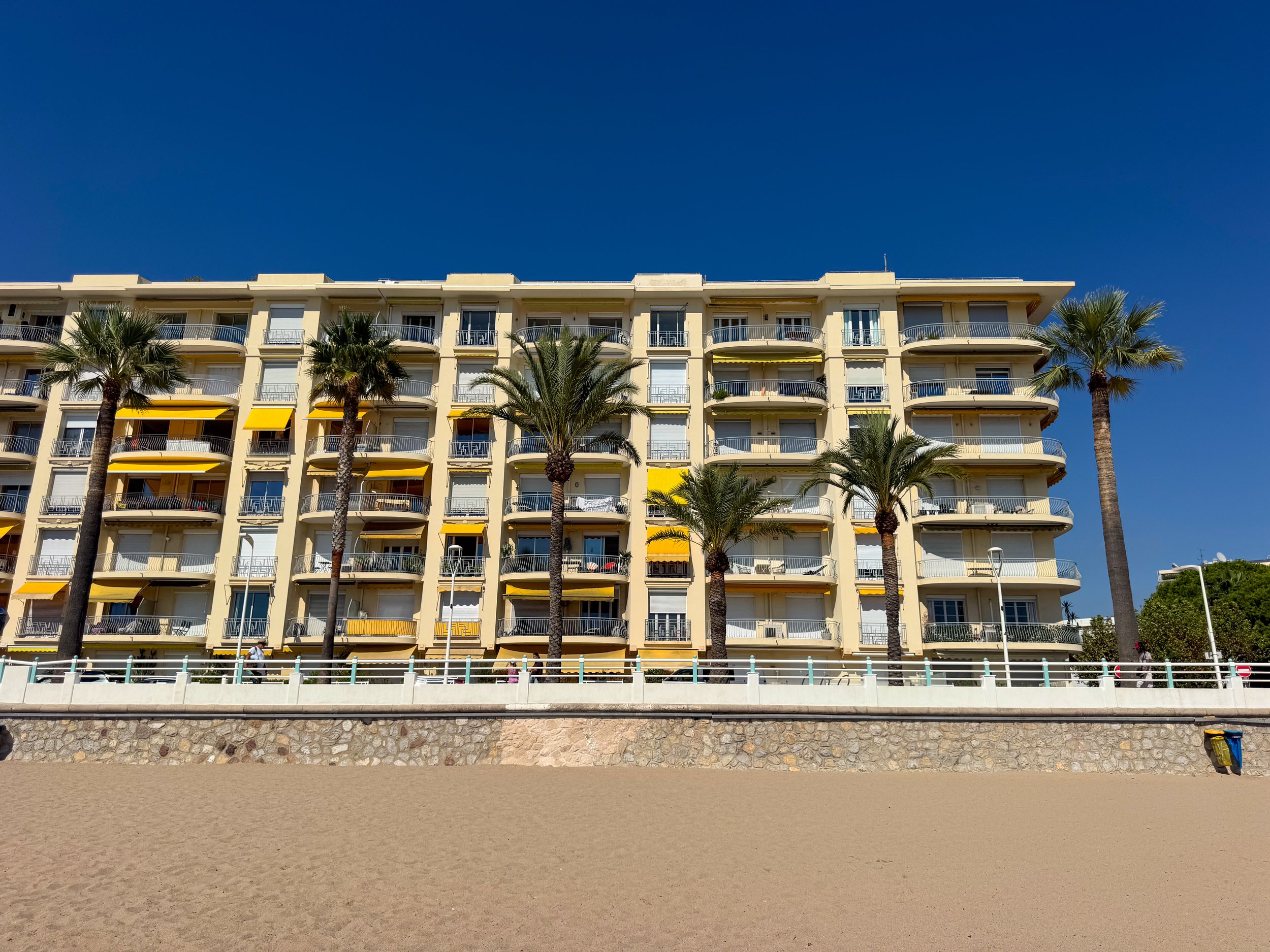
Centre Ville. The city center of Cannes is a hub for dining, nightlife and sightseeing. Fashionable shopping streets are lined with glamorous Belle Époque buildings, while lively plazas flanked by restaurants and sidewalk cafes create an energetic culinary scene. Luxury hotels front the palm fringed promenade, steps from pristine beaches, elegant beach clubs and the red carpeted festival center.
Rue Félix Faure. The bustling heart of Centre Ville's dining scene, where dozens of restaurants spill onto the street serving French, Italian and Mediterranean dishes. Spritzes and glasses of wine sit at nearly every table as diners enjoy leisurely afternoon and evening meals.
Rue d’Antibes. A shopping street, stretching a kilometer from Rue Félix Faure to the edge of Centre Ville. Boutiques, brand name stores and designer shops line its length, selling clothing, shoes, leather goods, lingerie, accessories, sunglasses, jewelry, cosmetics and perfumes.
Rue des Frères Pradignac. A trendy street at the heart of Centre Ville's nightlife quarter surrounded by cocktail bars, pubs and clubs. It’s popular with locals, college students and in the know travelers. Happy hours run from 7-10pm with most places open until 2:30am or later.
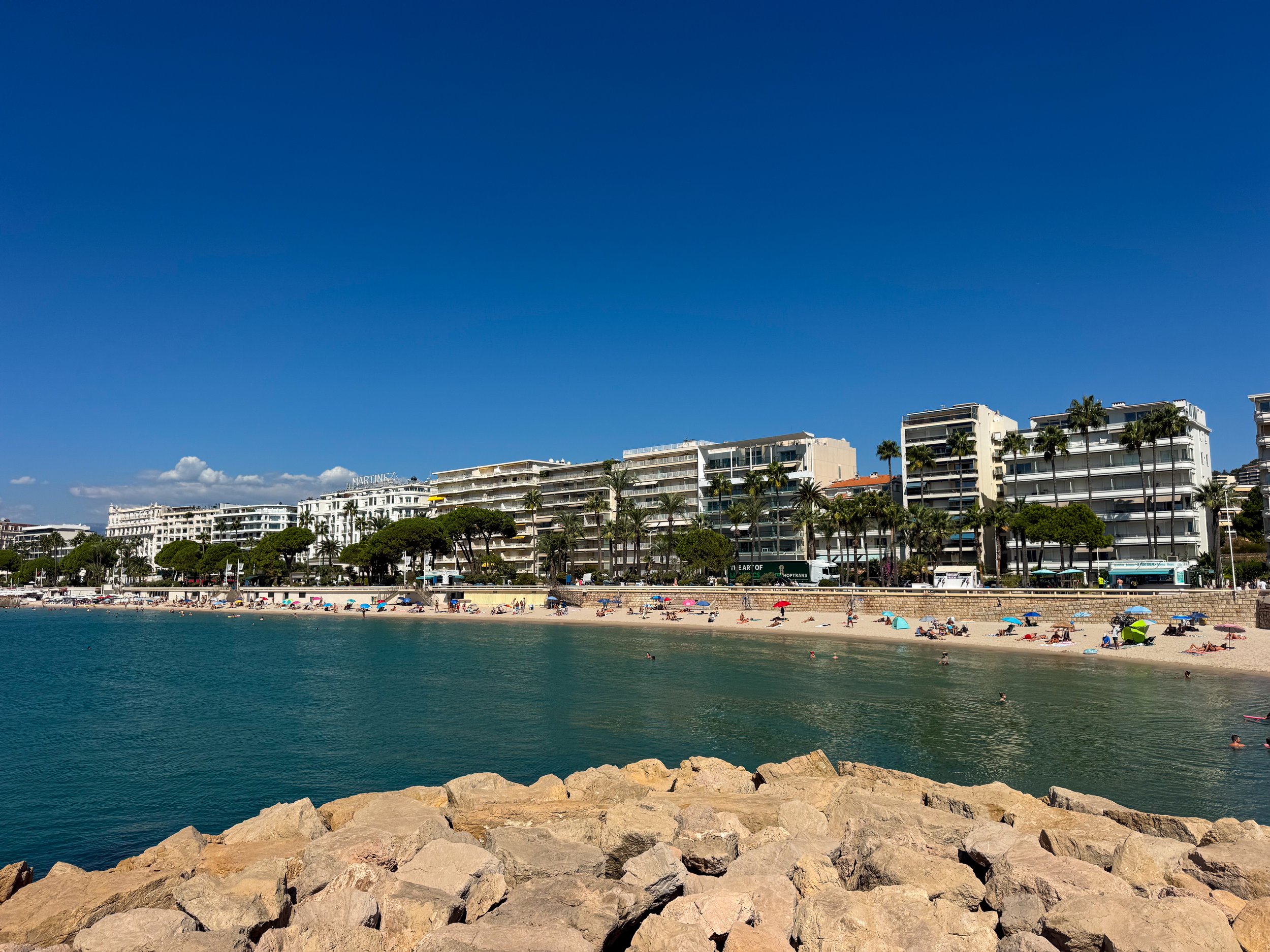
Boulevard de la Croisette. A palm fringed promenade home to historic hotels, golden sand shores and high end beach clubs. Come here to claim one of the famed blue chairs overlooking the Mediterranean or exercise on foot before cooling off in the sea.
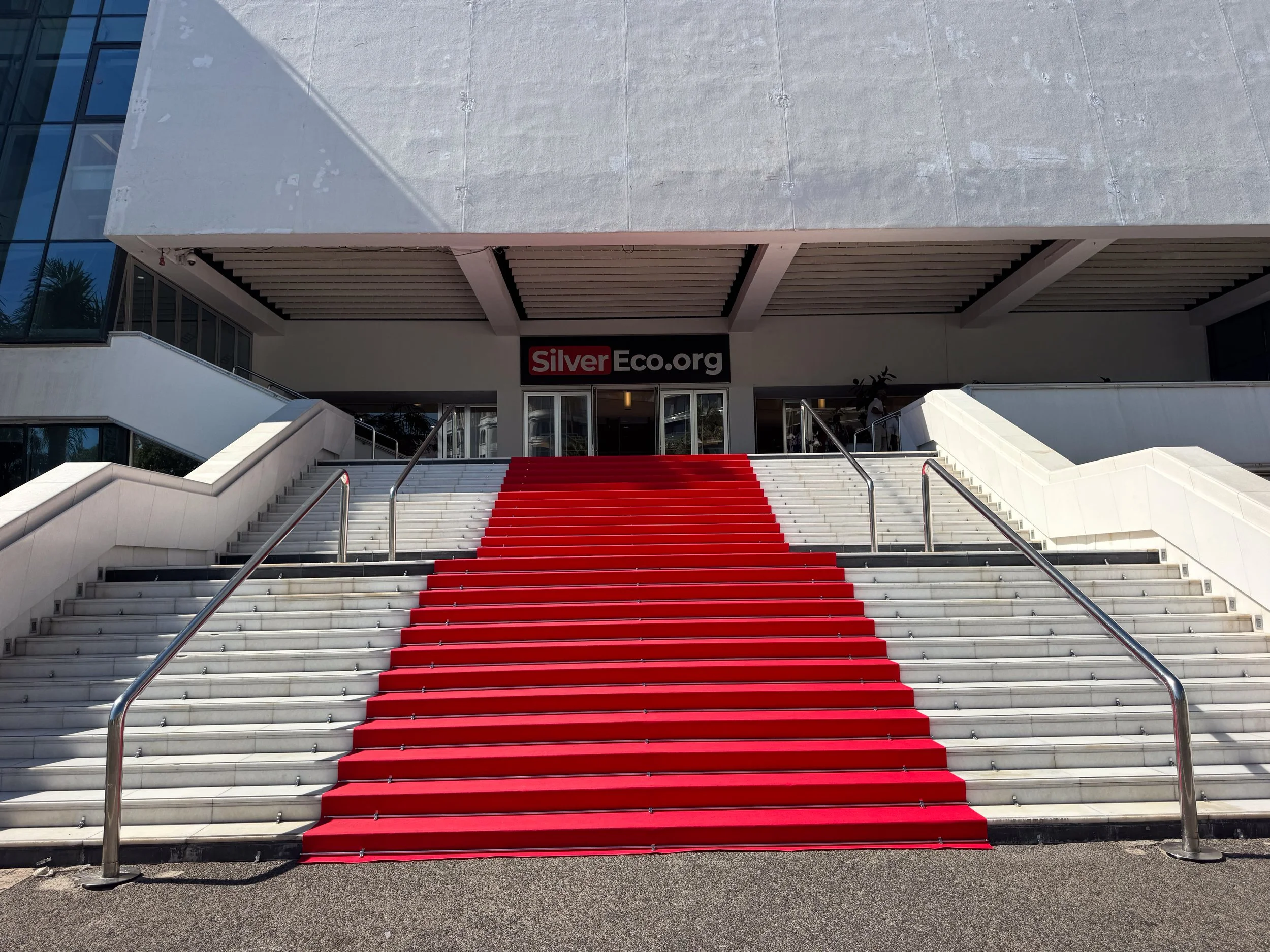
Palais des Festivals. The famed home of the Cannes Film Festival, where a red carpet drapes down the steps annually graced by entertainment's biggest names. Unless a private event is underway, the stairs are open to the public, for a photo on the red carpet.
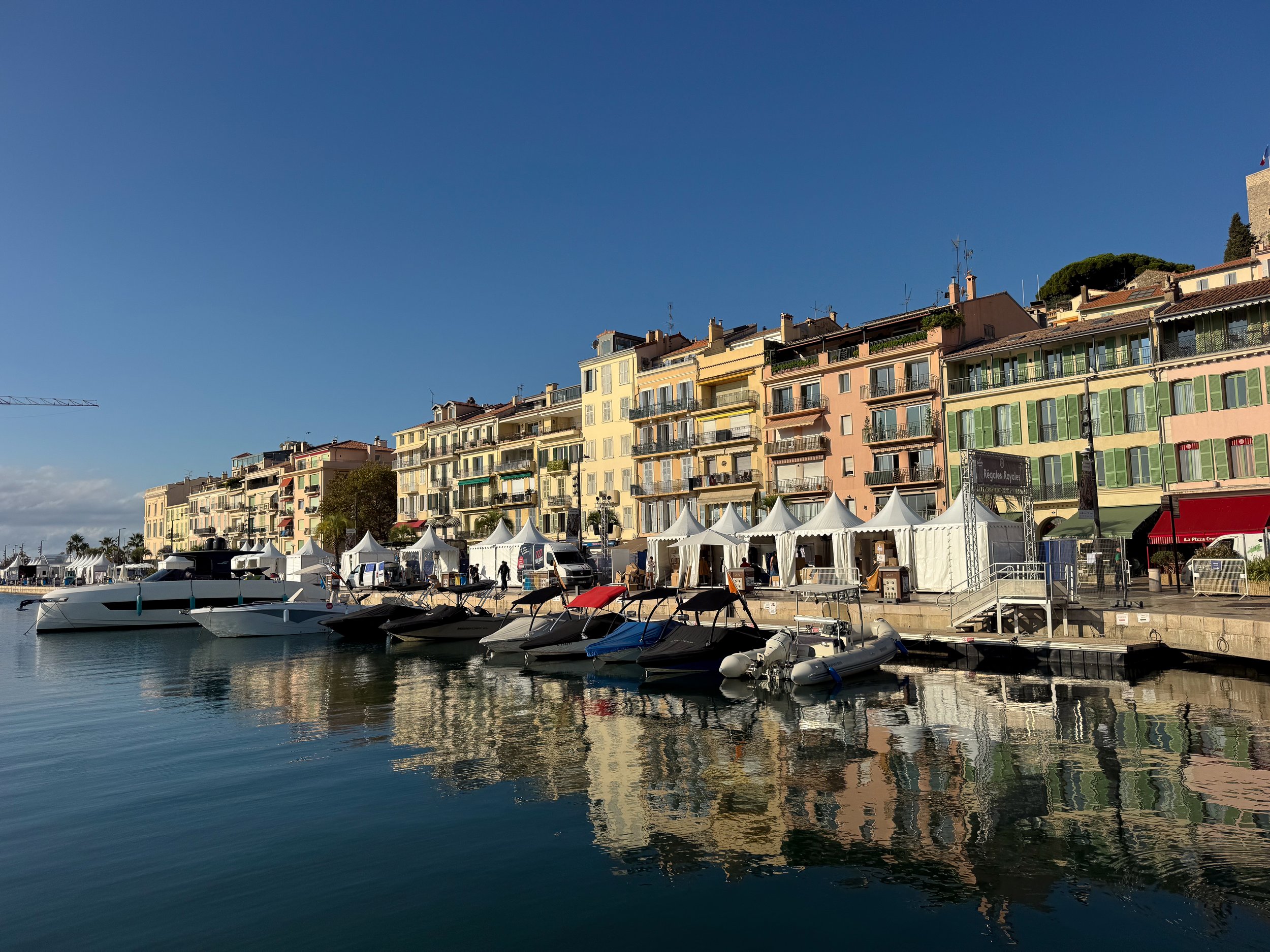
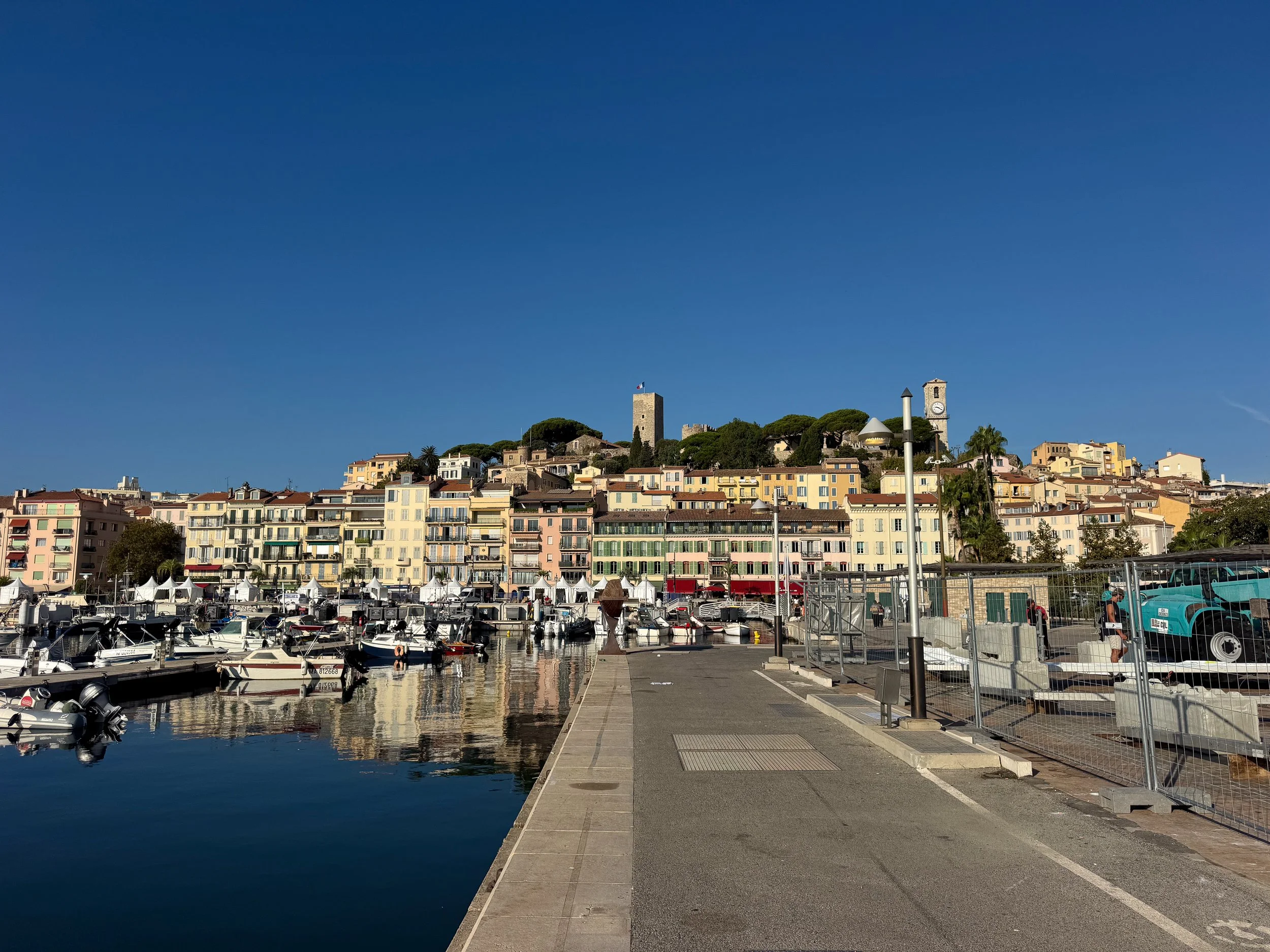
Vieux Port. A picturesque harbor at the base of Le Suquet and Centre Ville where luxury yachts, sailboats and small vessels line the piers. Ferries depart from here for offshore islands and nearby coastal towns.
Hilltop Sights
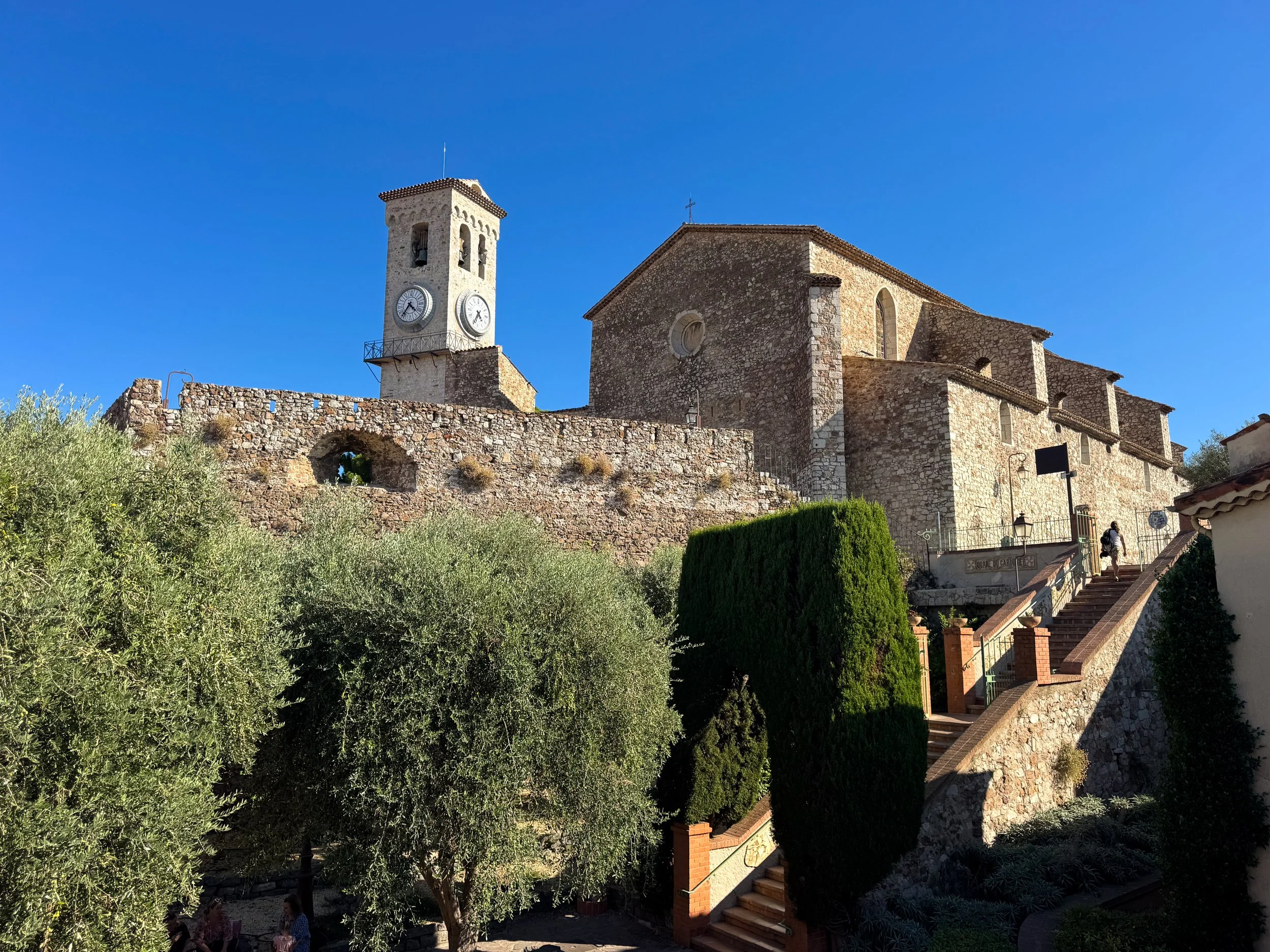
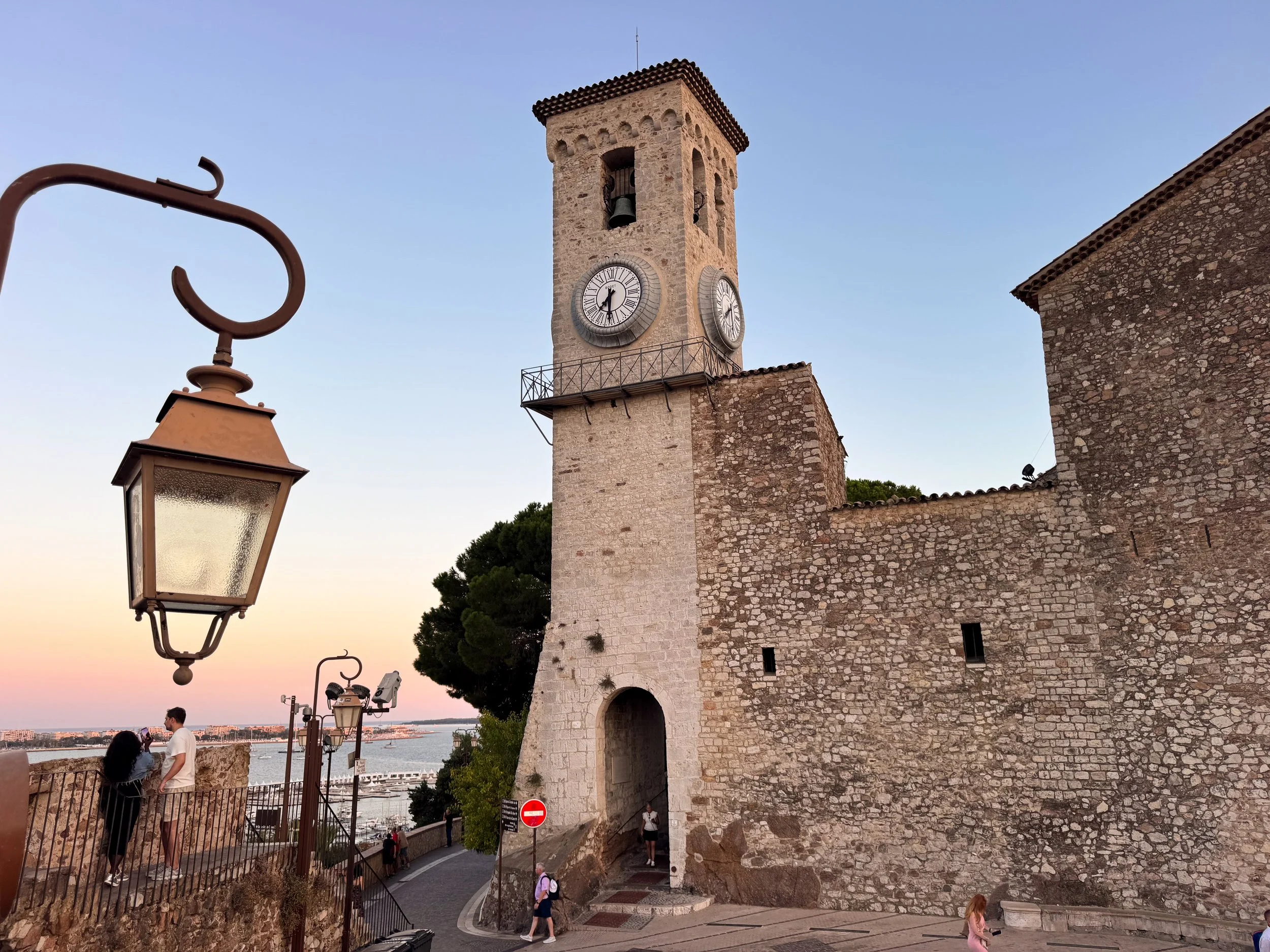
Église Notre-Dame d'Espérance de Cannes. A Gothic church with a stone bell and clock tower crowning the hilltop in Le Suquet. The dimly lit nave rests beneath a vaulted ceiling with aisles of wooden pews and ornate chapels dedicated to different saints.
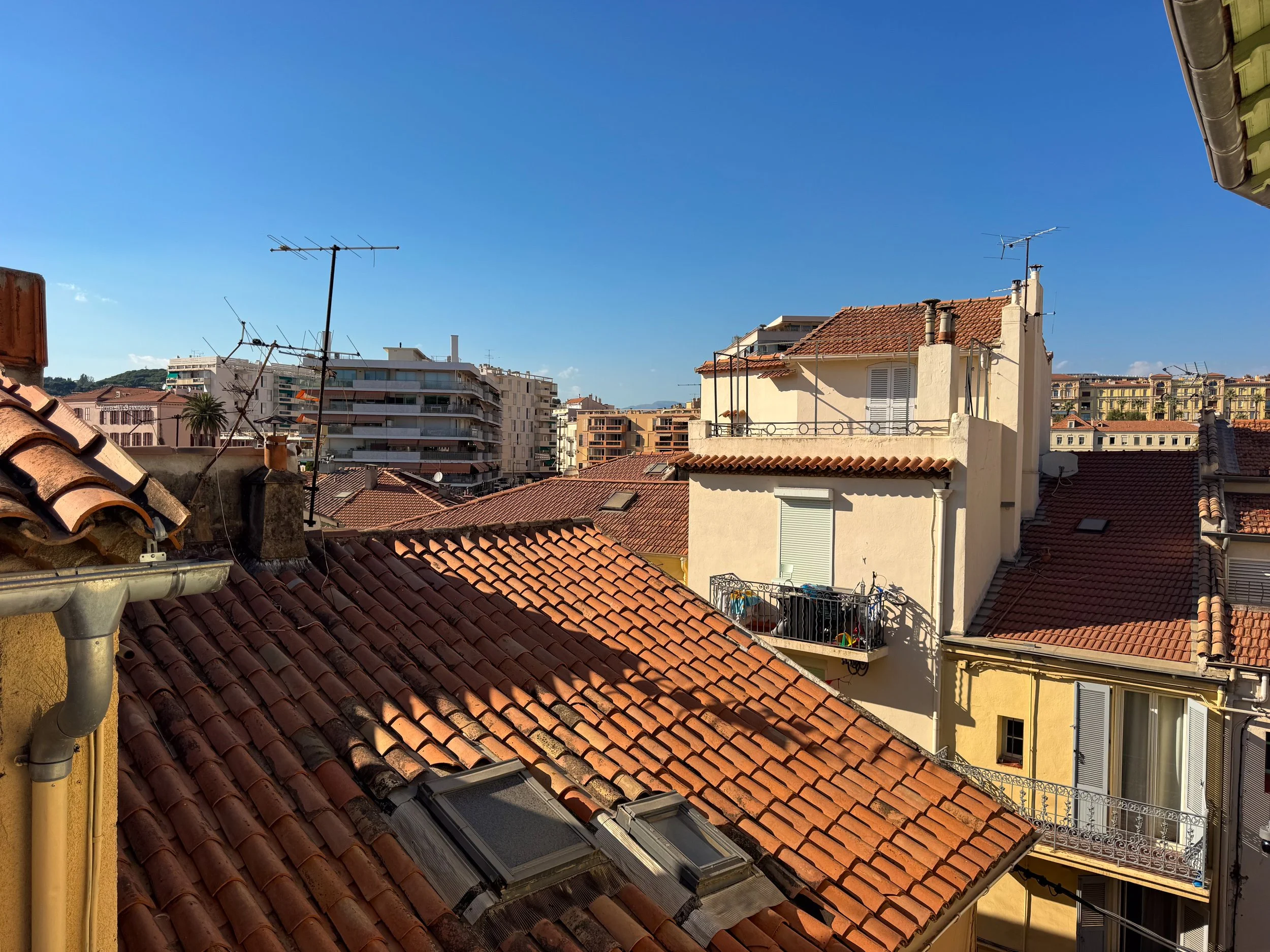
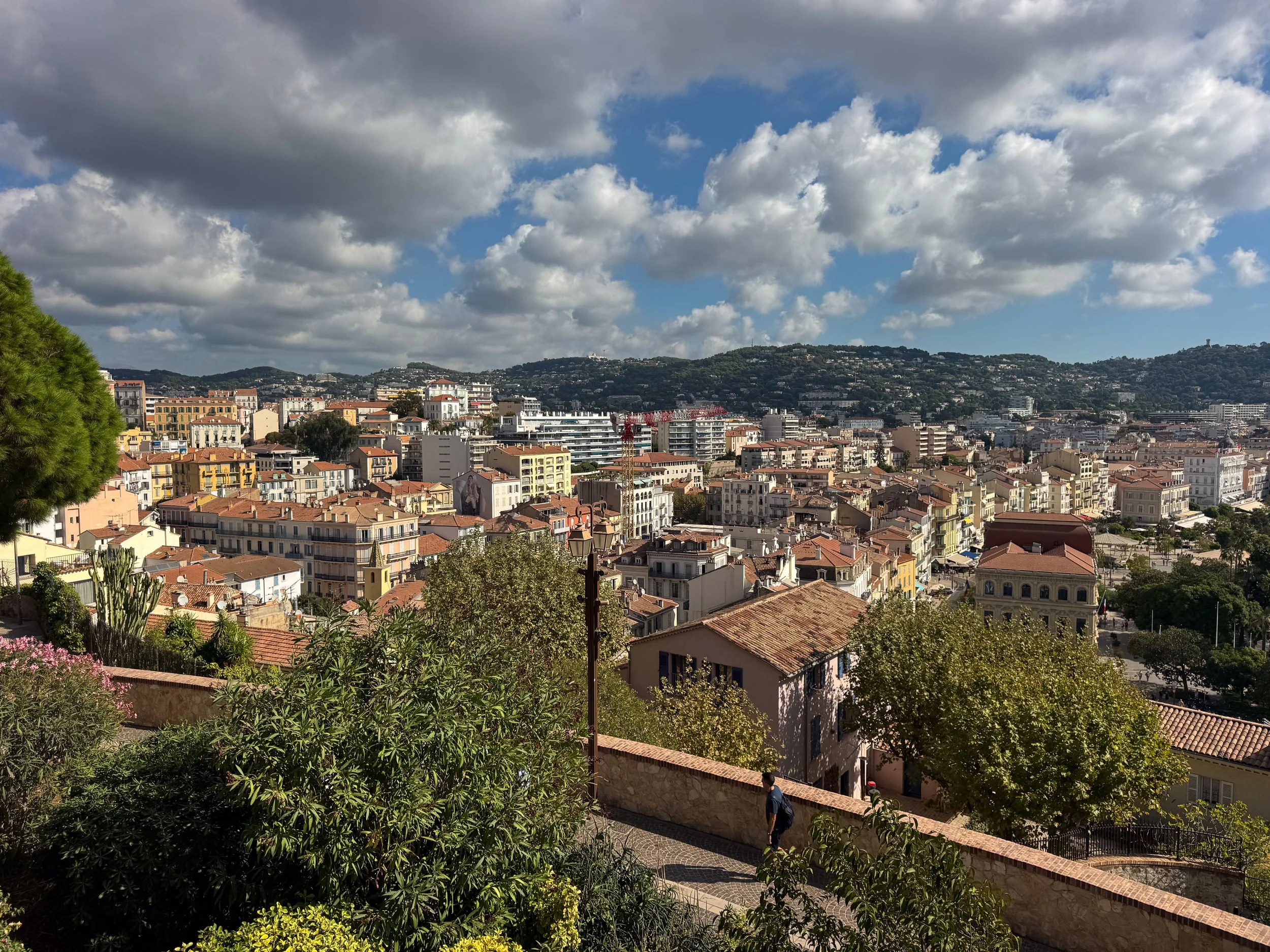
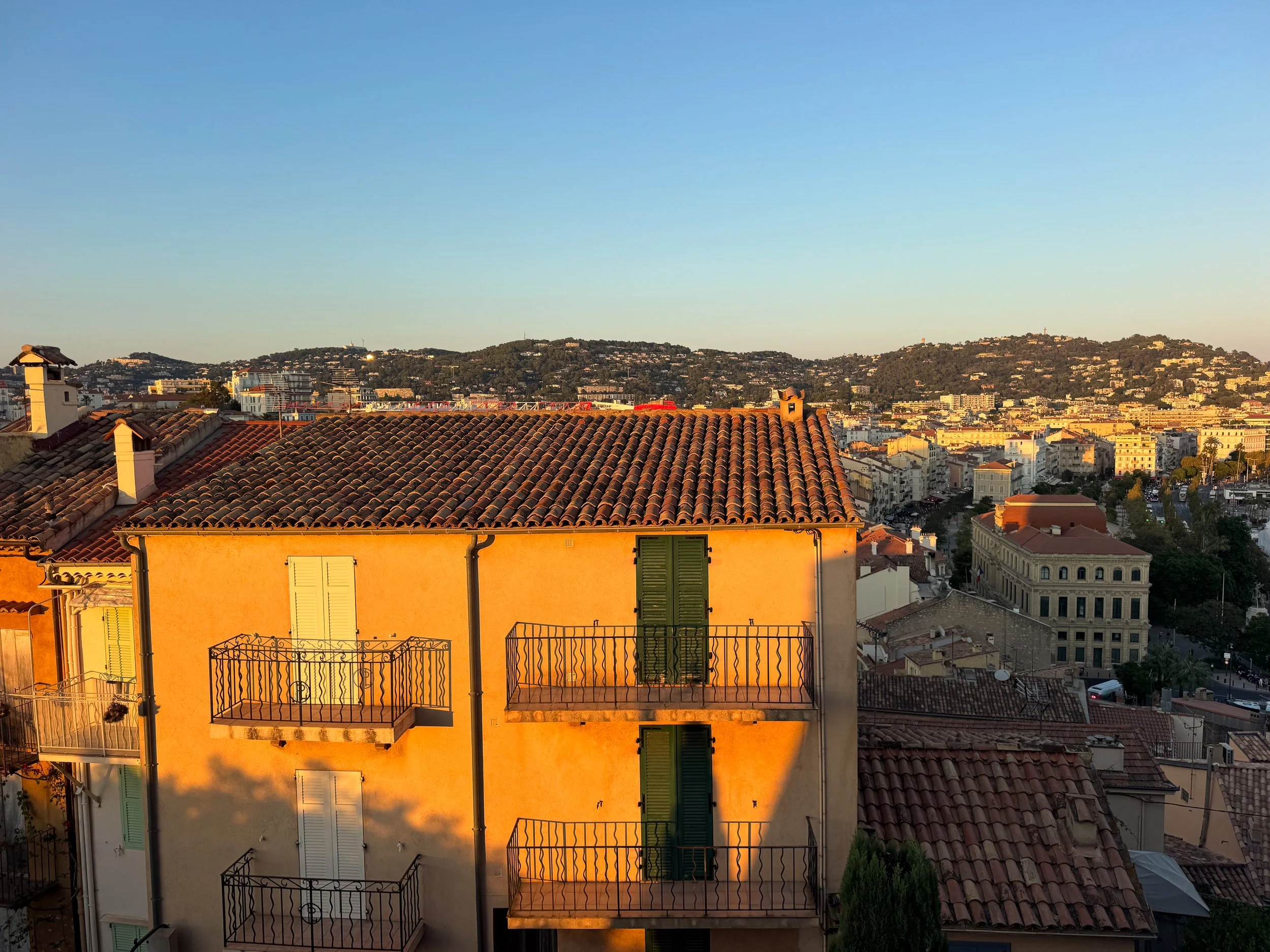
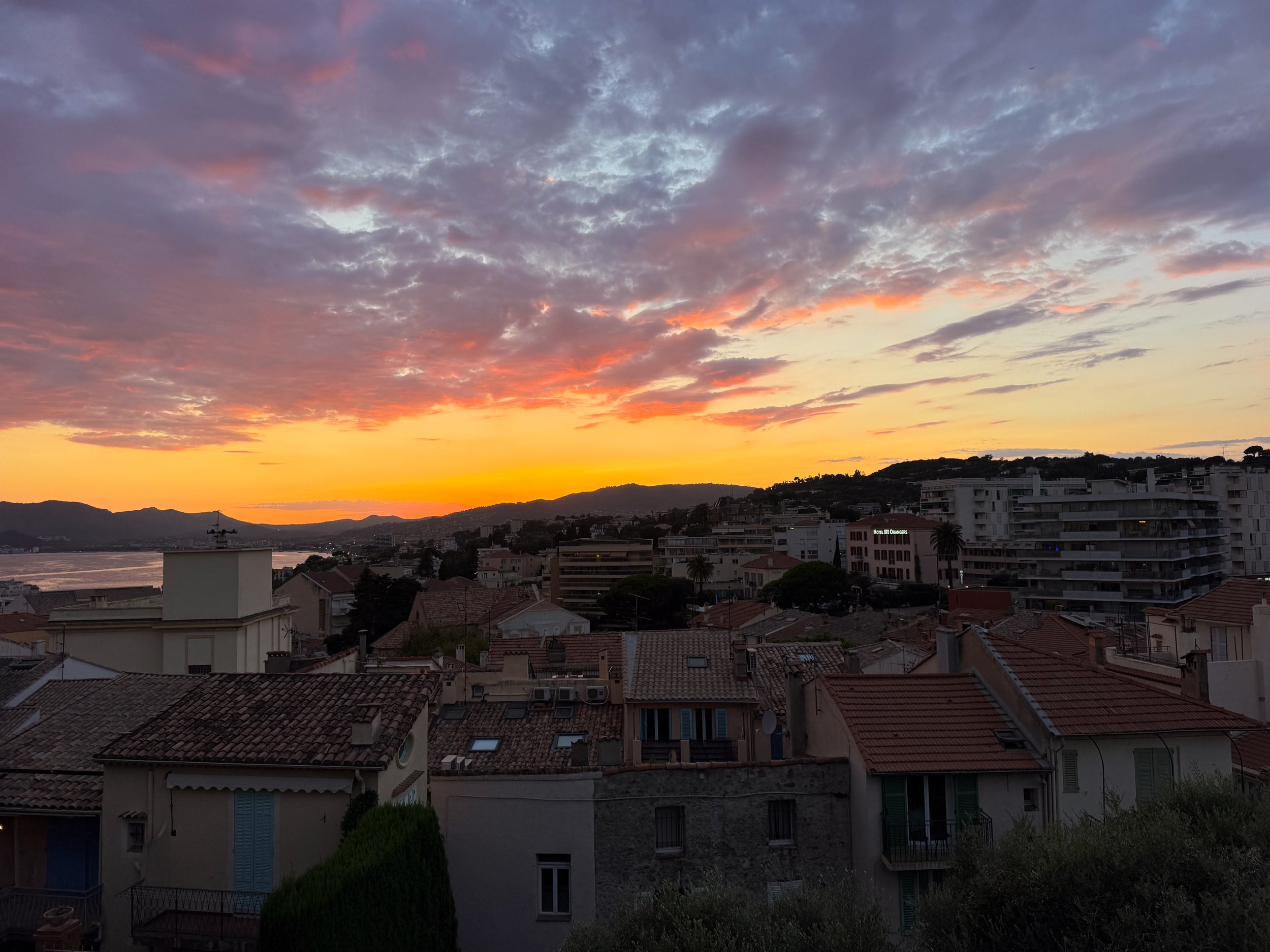
Place du Chanoine Paul Grau. A stone paved plaza with a historic battlement beside the church and clock tower. It offers panoramic views over the city’s terracotta rooftops and verdant hillsides, making it a romantic spot to watch the sunset.
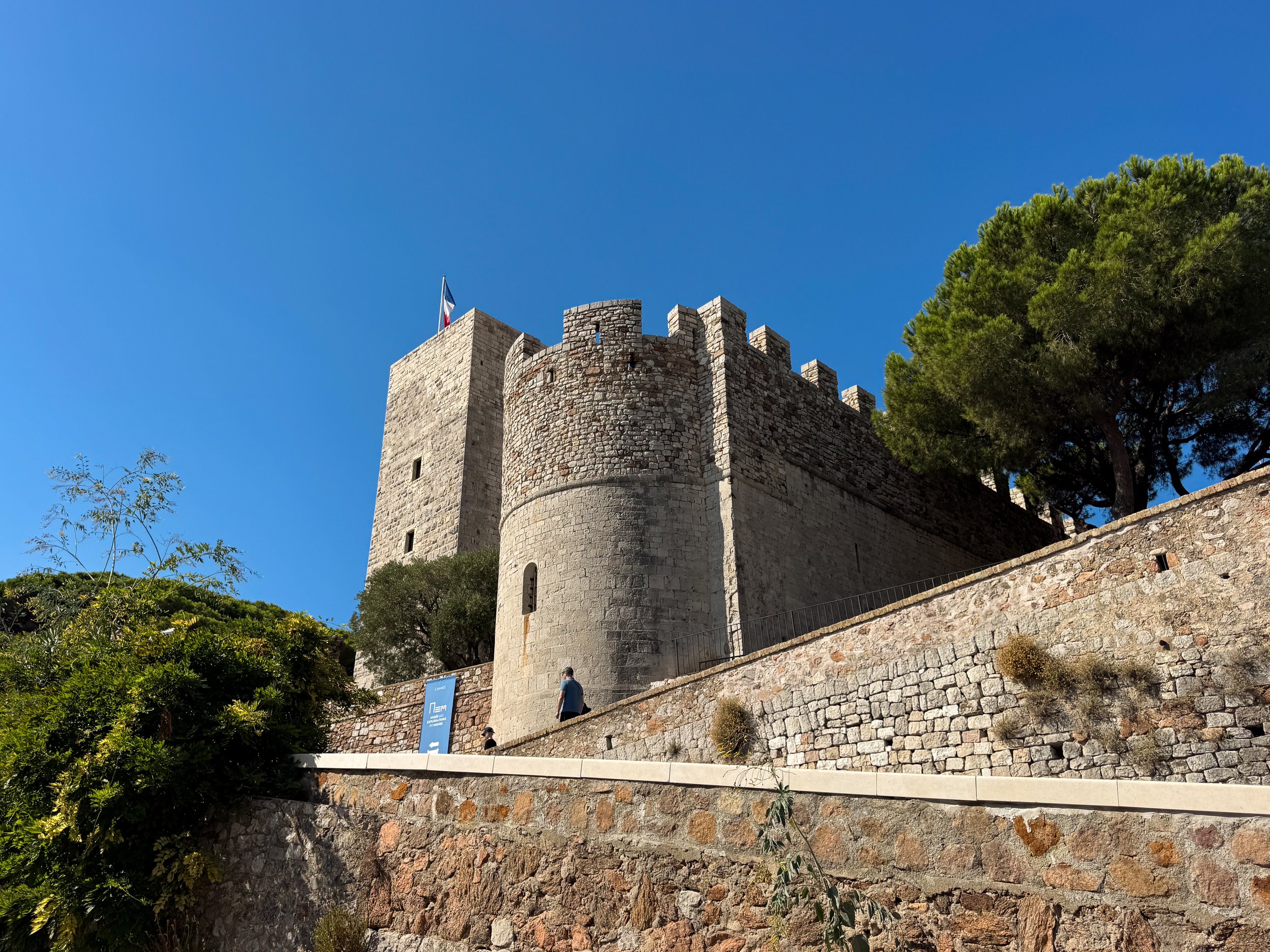
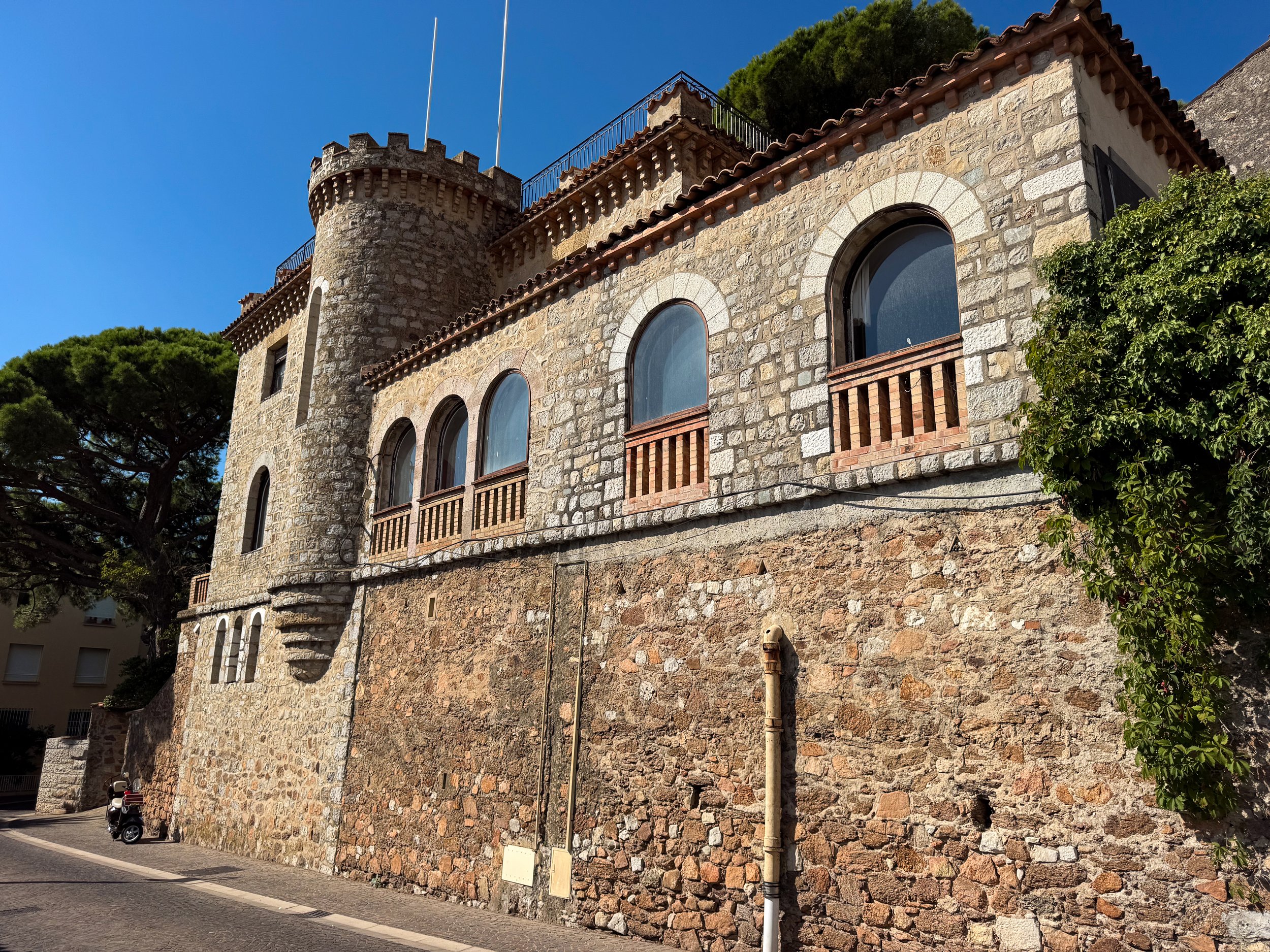
Château de la Castre. A historic hilltop fortress connected to the church, now home to a museum of artifacts, artworks and musical instruments from cultures around the world. It was closed for renovations during our visit, but its stone walls and guard towers were still worth admiring from outside.
Square du Caroubier. A tiny park tucked beneath the church and battlement walls, with manicured hedges, olive and pine trees and a friendly neighborhood cat. It's a quiet place to pause on the way to or from the hilltop landmarks.
Sandy Beaches
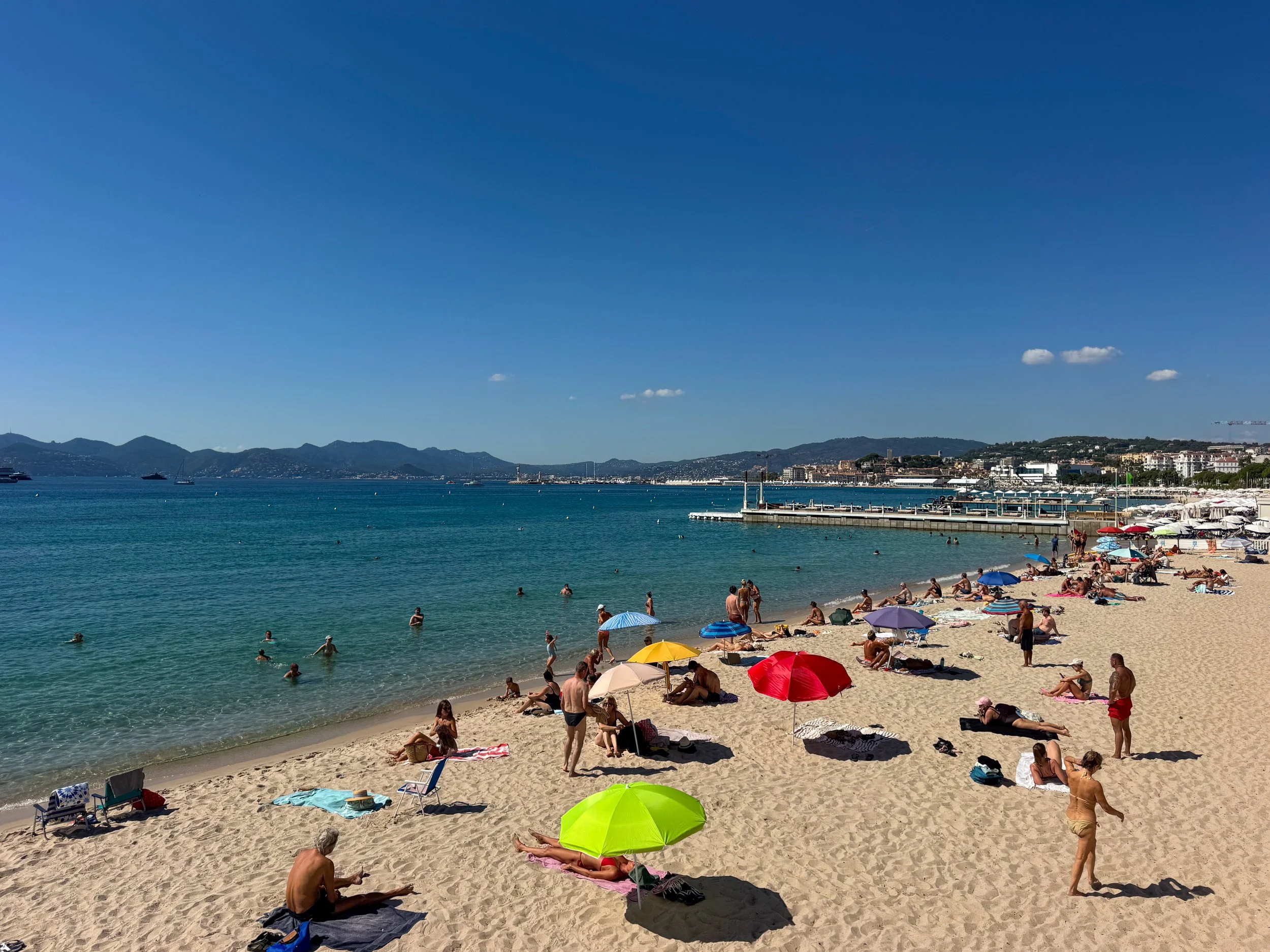
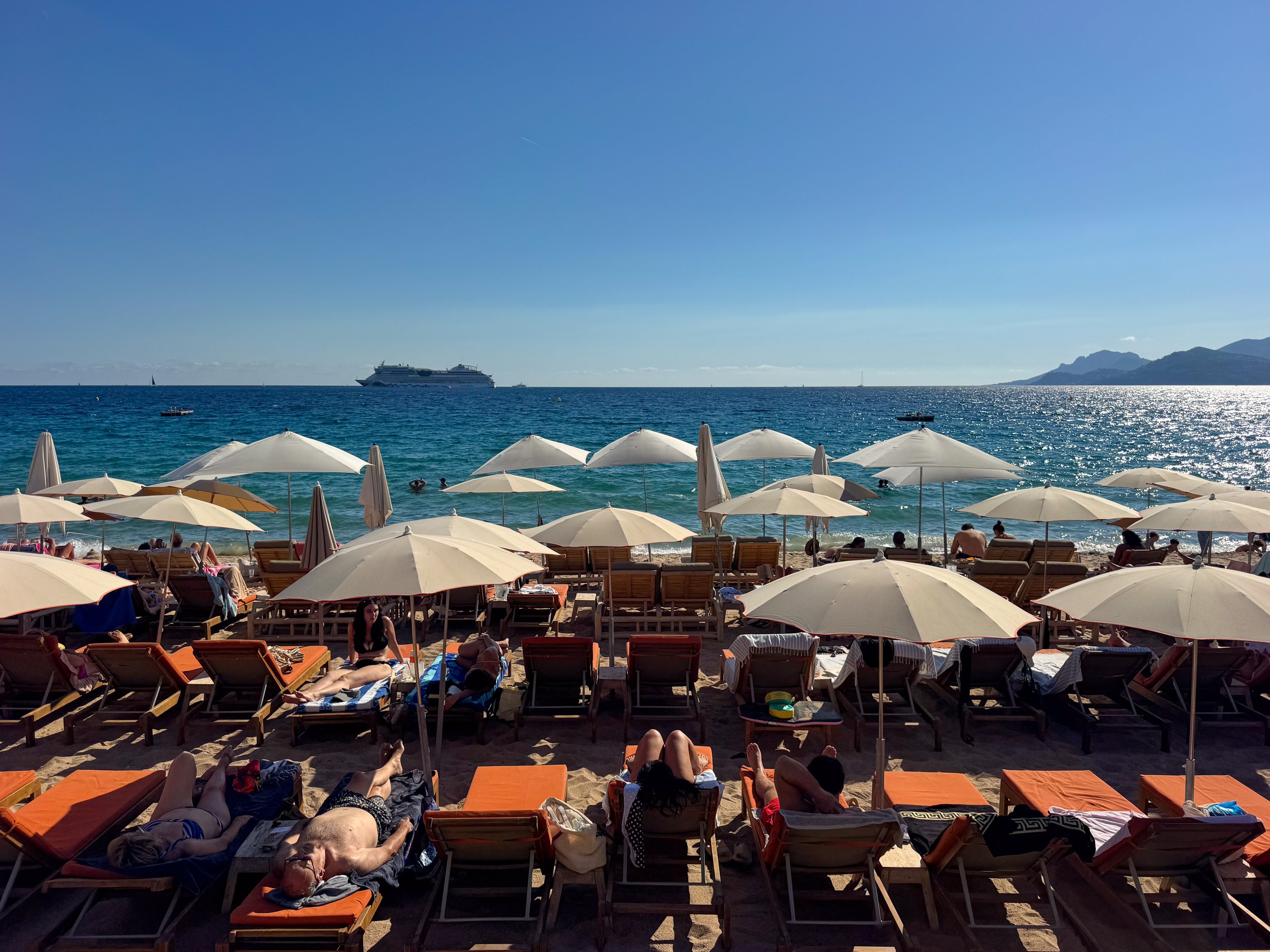
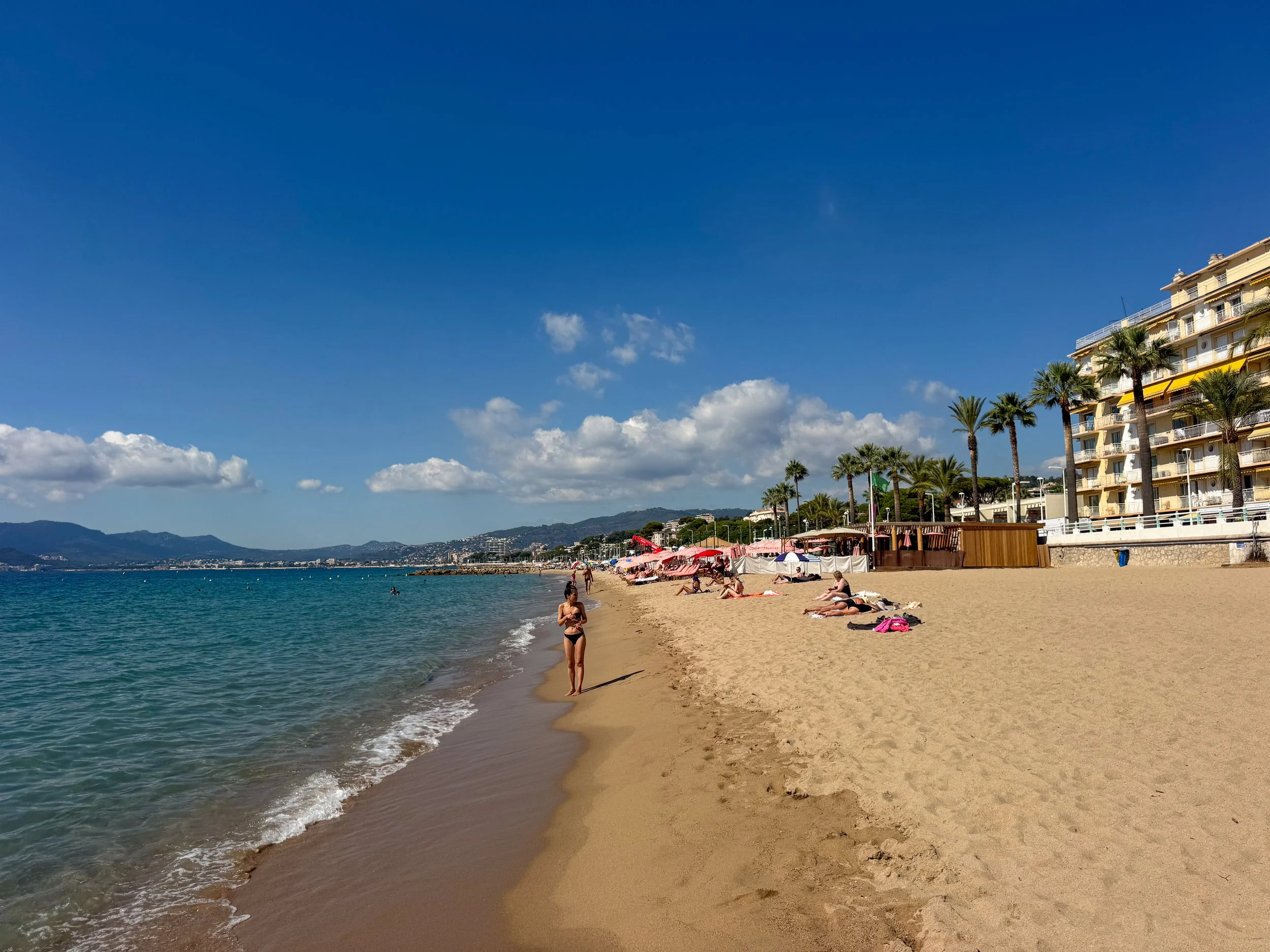
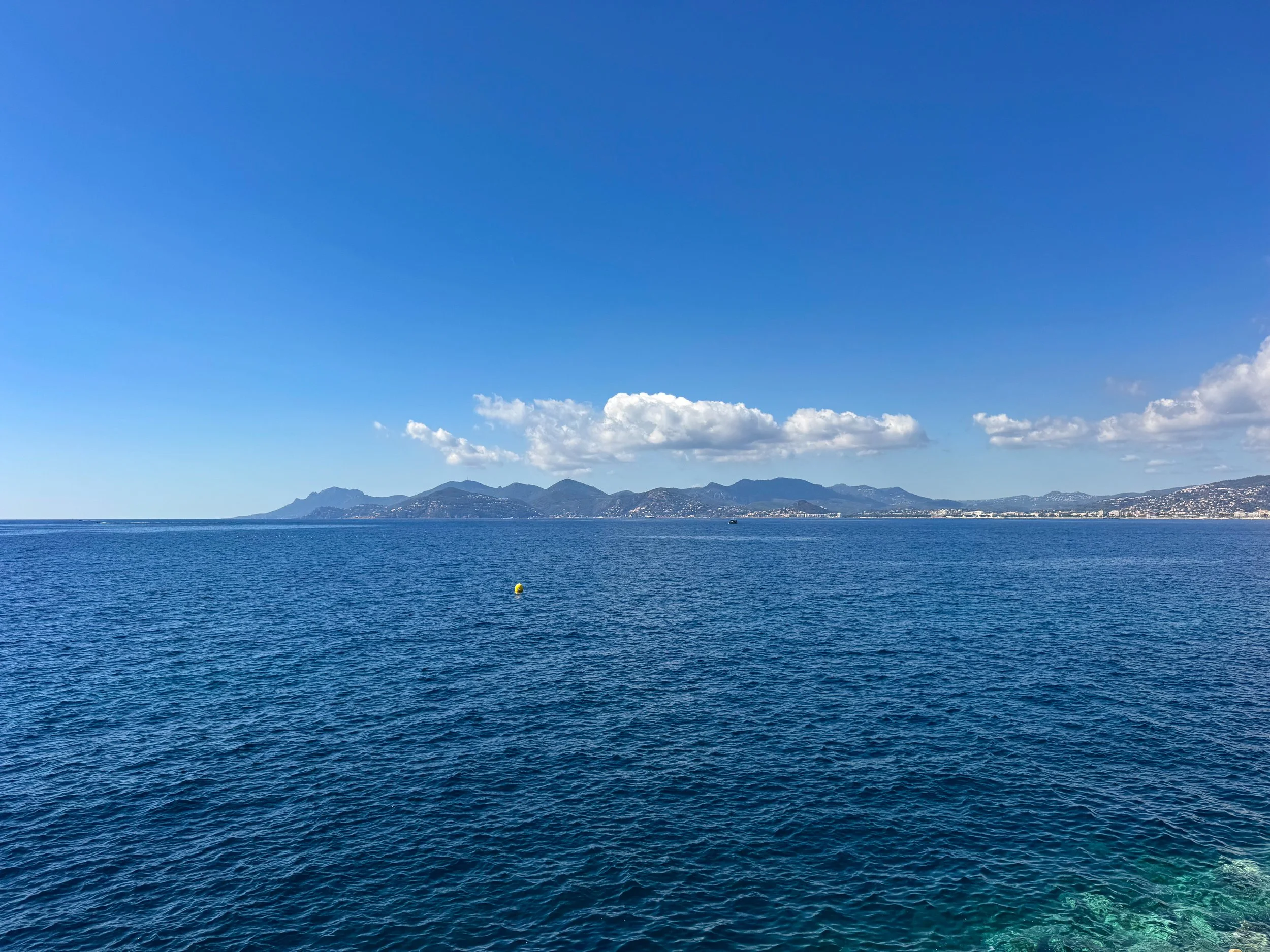
Plage de la Croisette. A long golden sand beach along Boulevard de la Croisette, lined with dozens of high end beach clubs. Rows of umbrella shaded sun beds stretch across the sand and out onto wooden piers above the turquoise Mediterranean. There are free public sections at both ends.
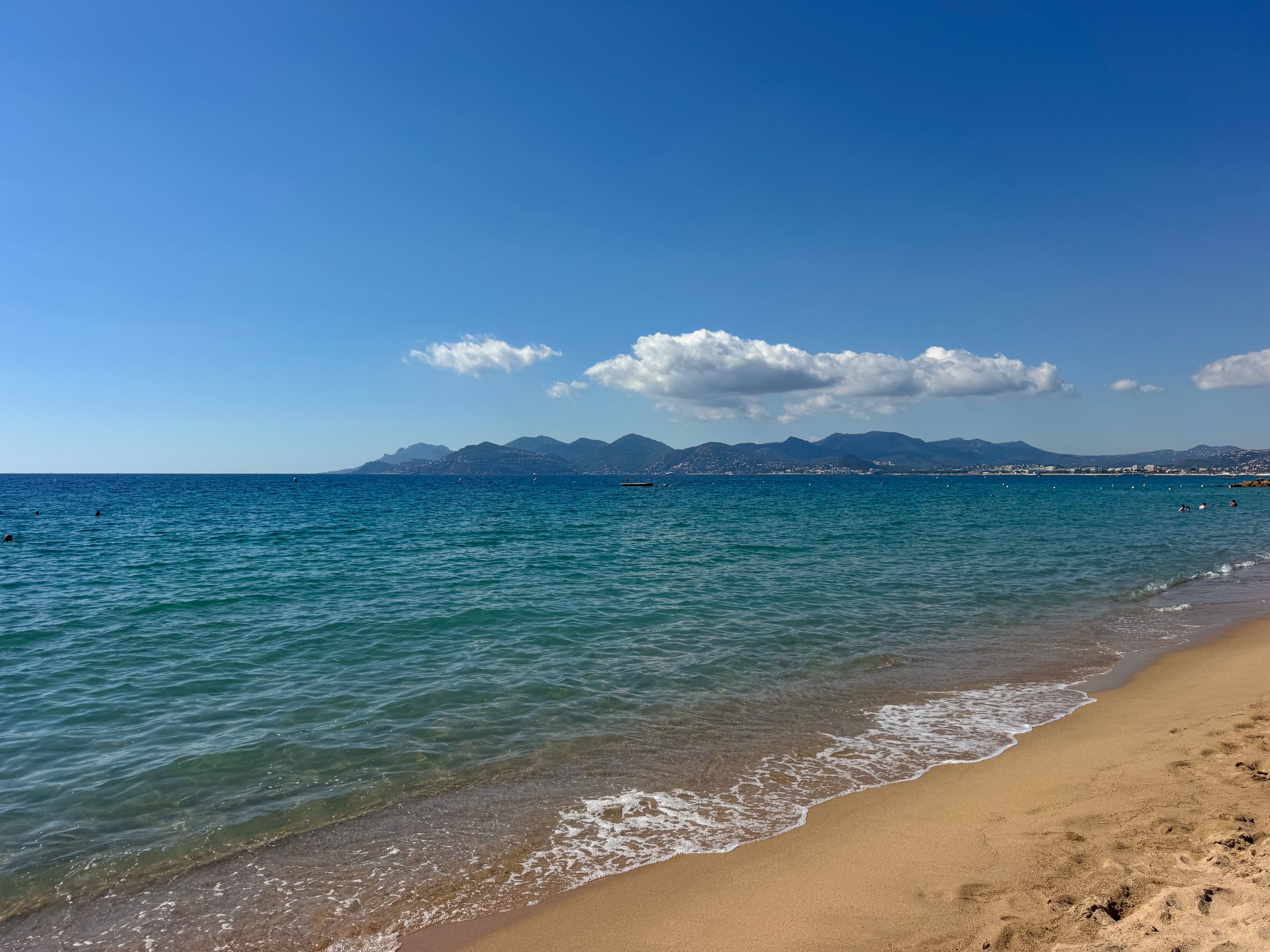
Plage du Midi. A sandy beach at the base of Le Suquet with a few beach clubs and spacious public sections. Find a spot near the water to sunbathe, picnic or relax by the sea. Small docks float about 100 meters offshore, offering swimmers a place to rest and sunbathers a secluded perch.
Bijou Plage. A small but popular golden sand beach tucked into a sheltered cove at the far eastern end of La Croisette with calm and swimmable turquoise waters.
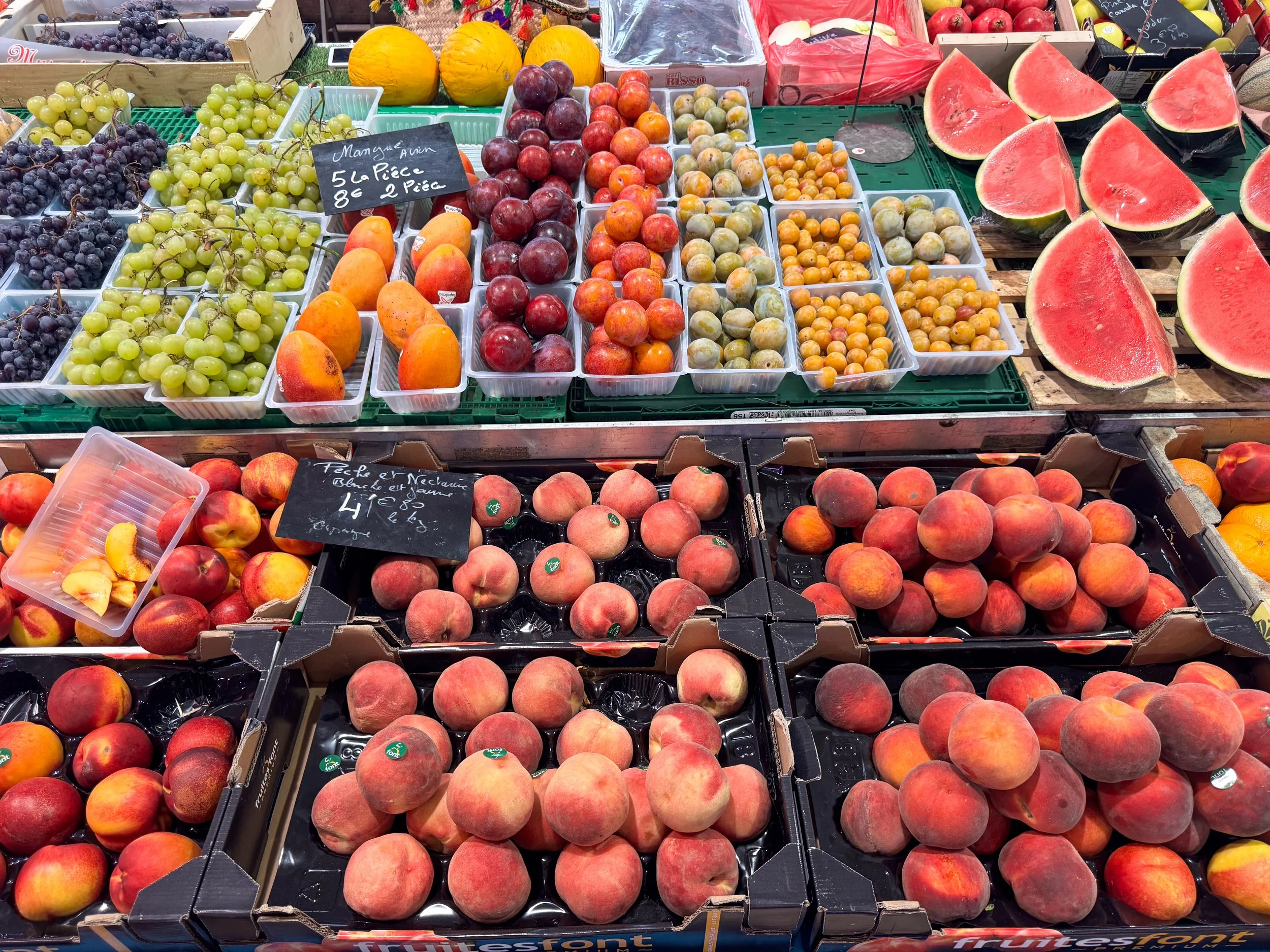
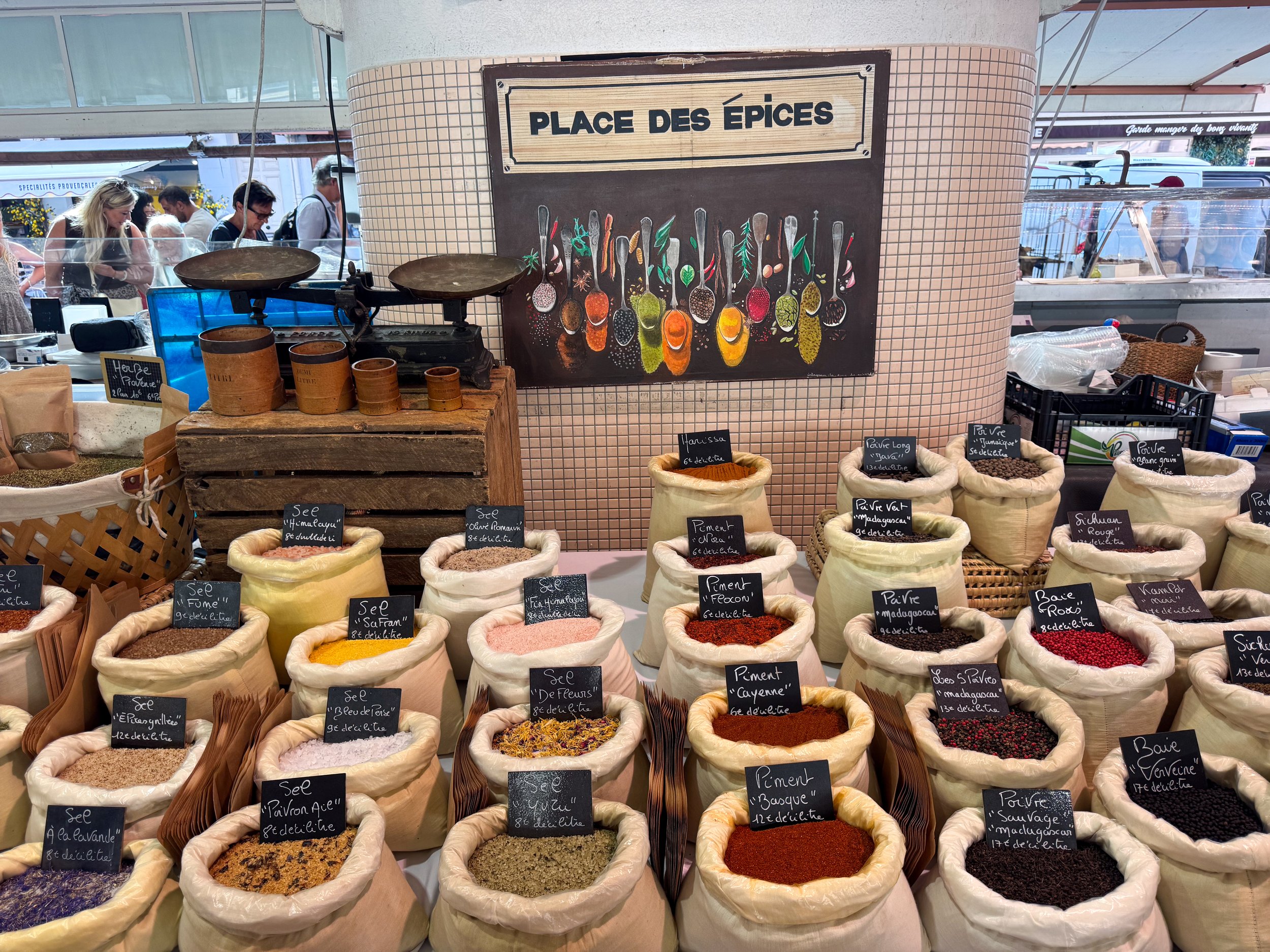
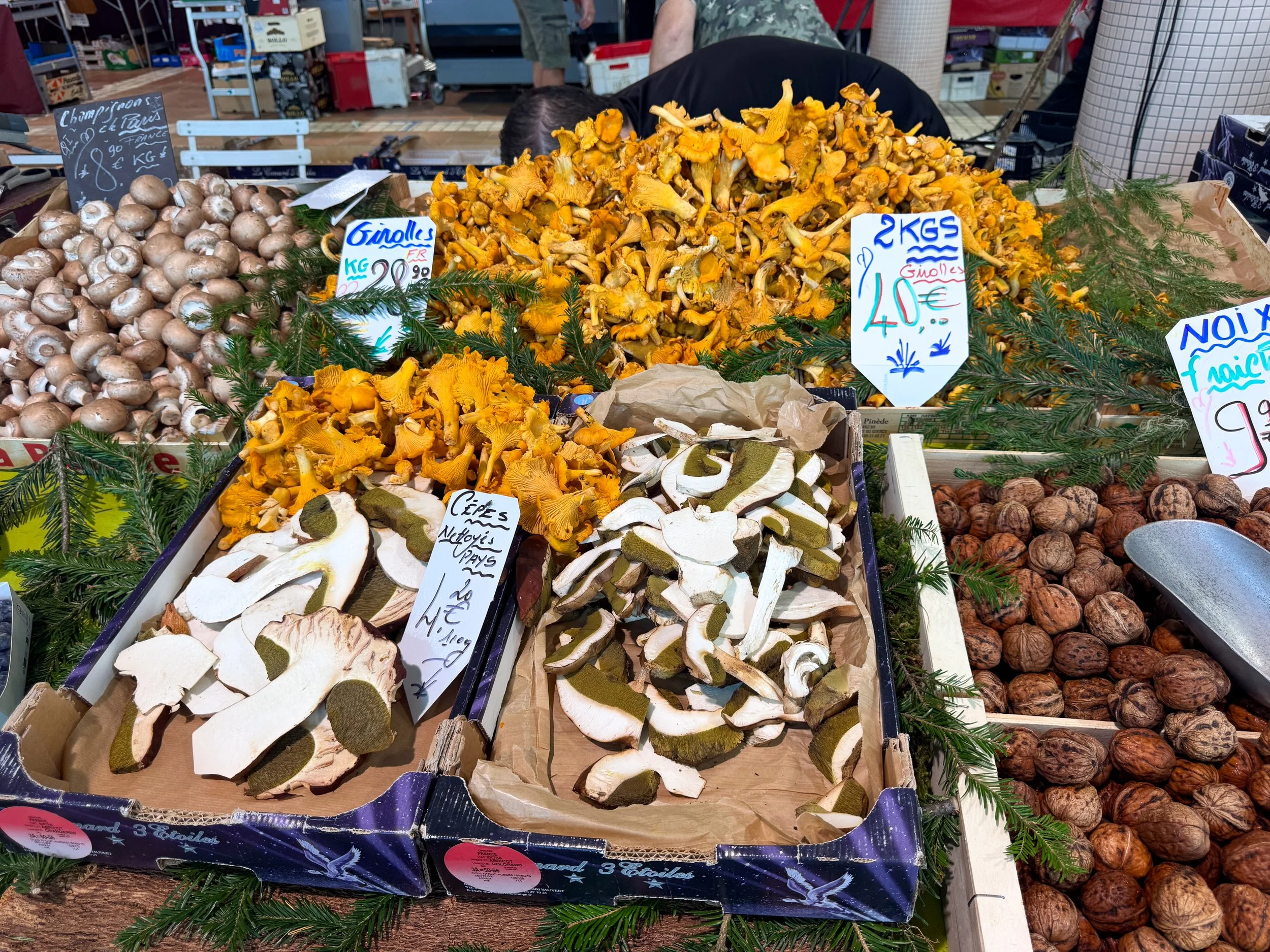
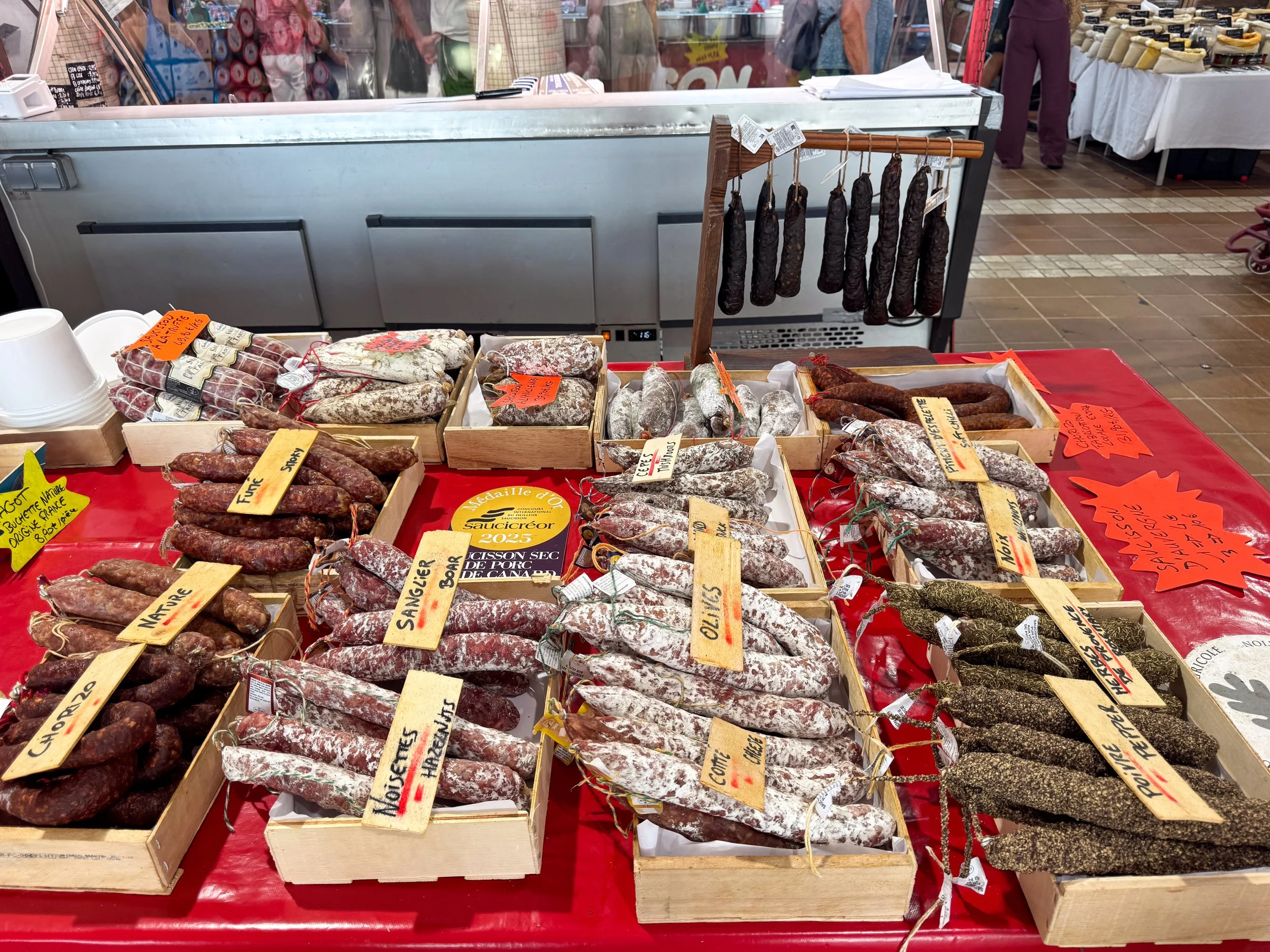
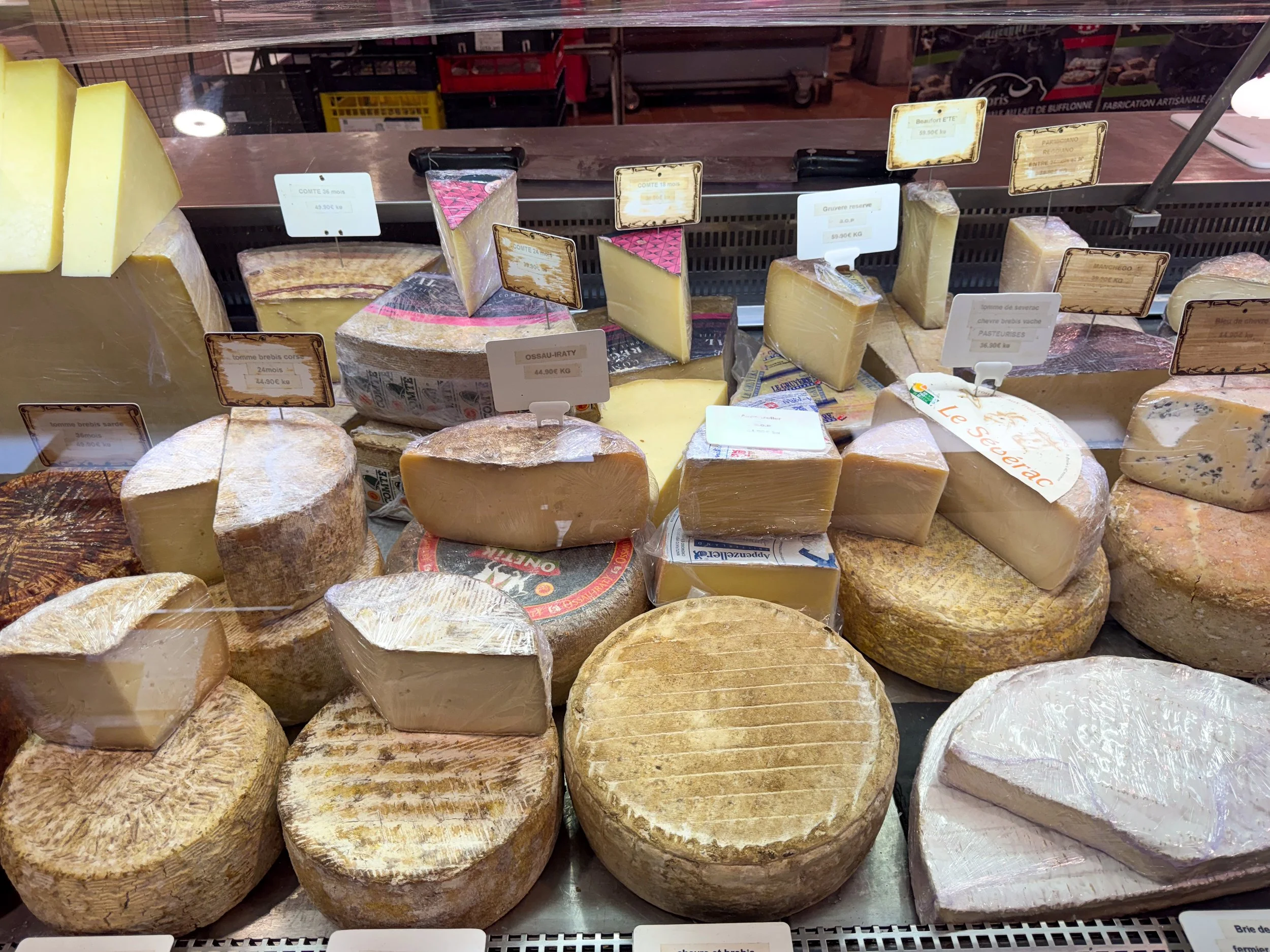
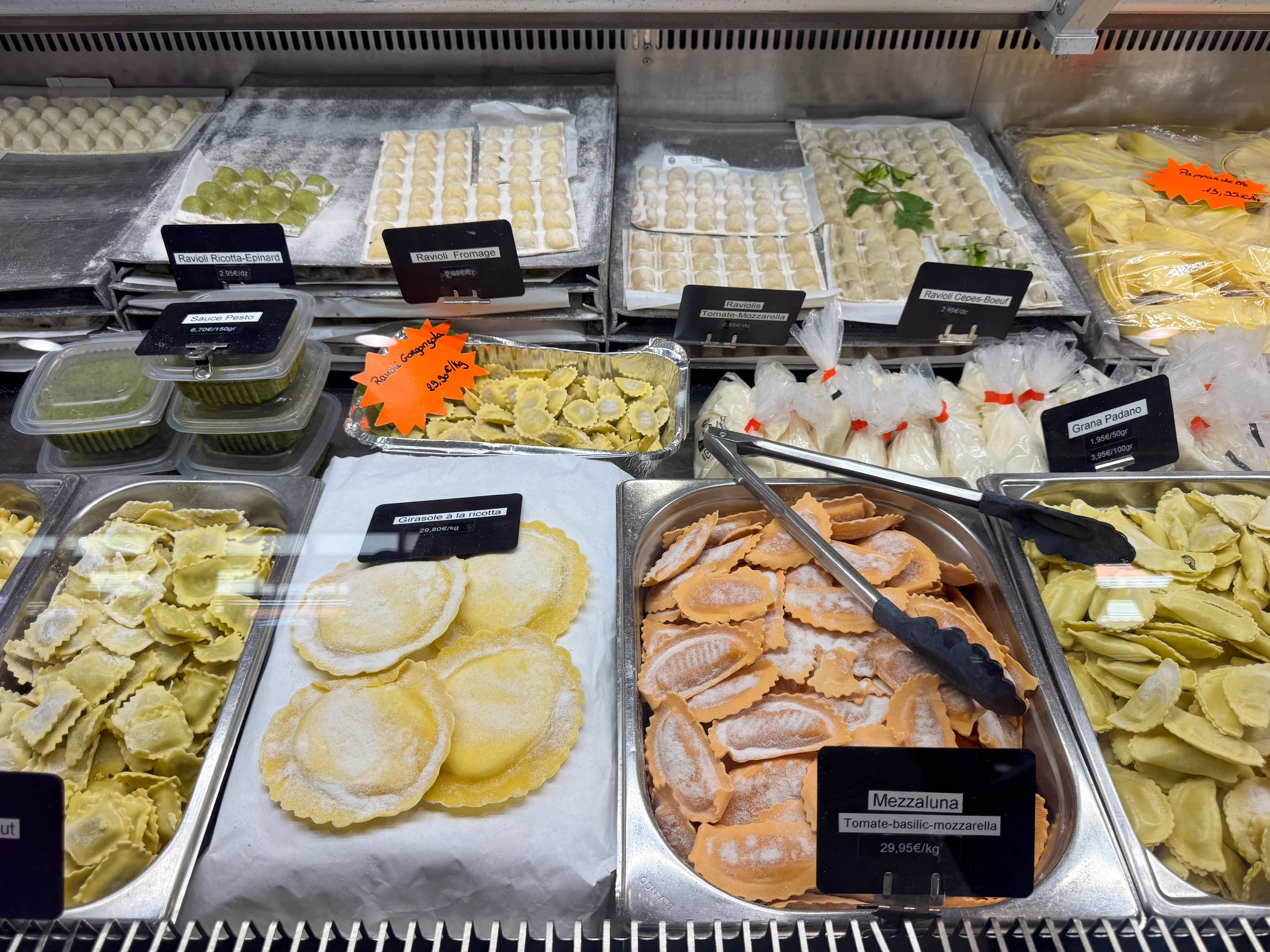
Marché Forville Farmers Market
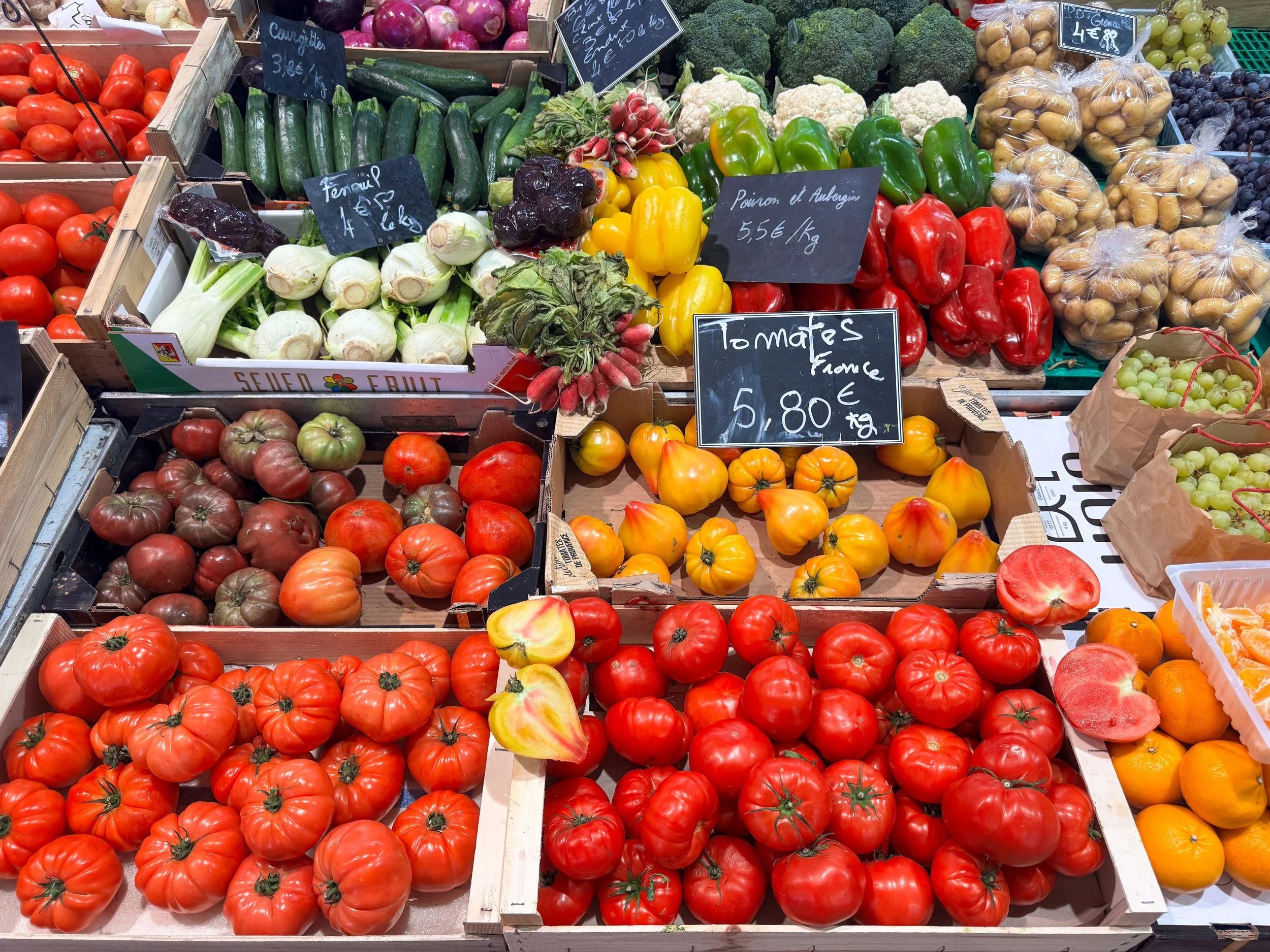
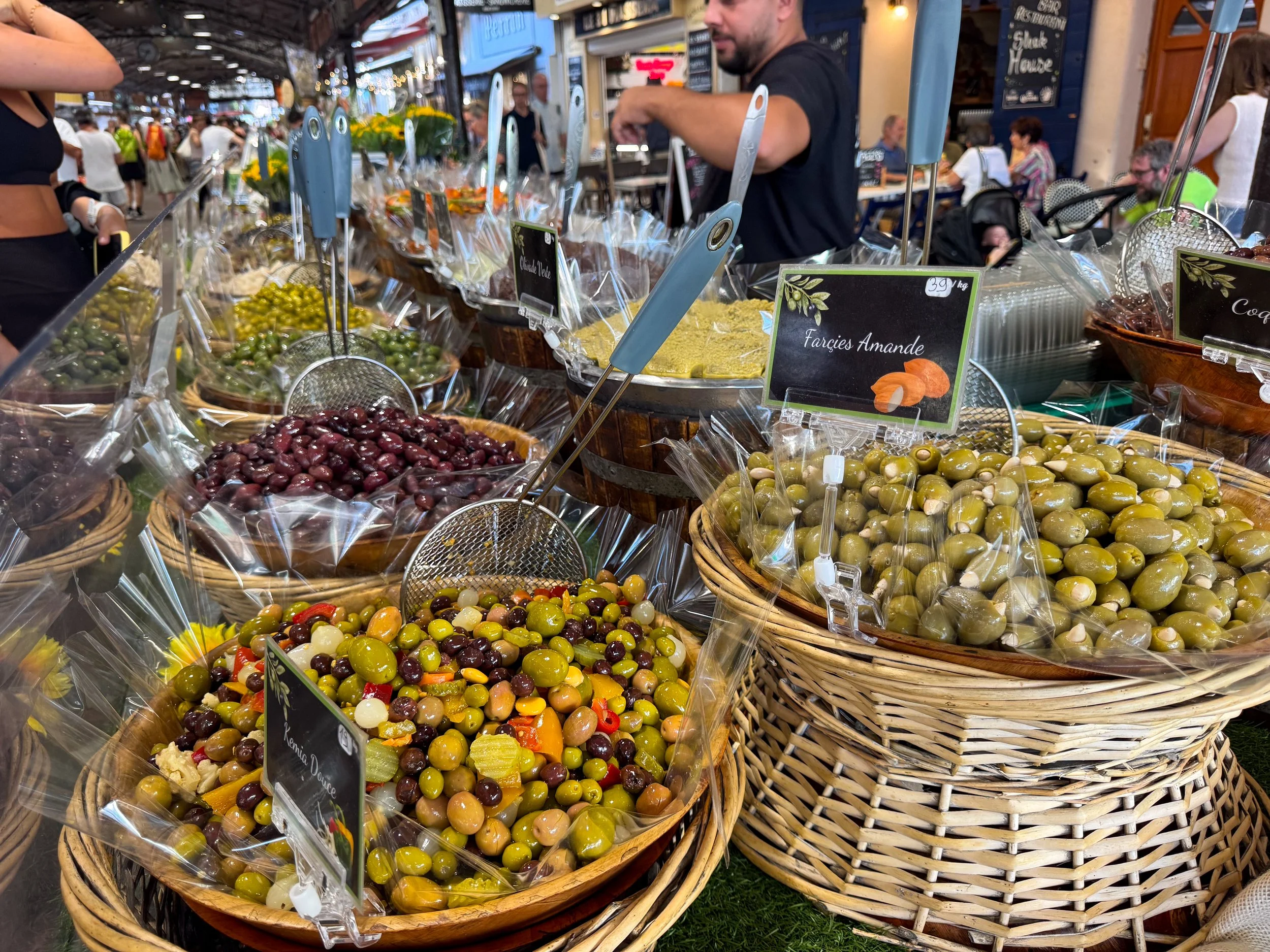
A historic farmers market fills an open air pavilion in the heart of Centre Ville with wildflowers, artisan cheeses, spices, cured meats, homemade pasta, olives, breads, pastries, oysters and fresh fish. Provençal produce like heirloom tomatoes, figs and chanterelles shares space with prepared dishes from North Africa. Shop here during the mid-morning to gather the makings of a beachfront picnic.
Where to Eat & Drink
Local Restaurants & Bistros
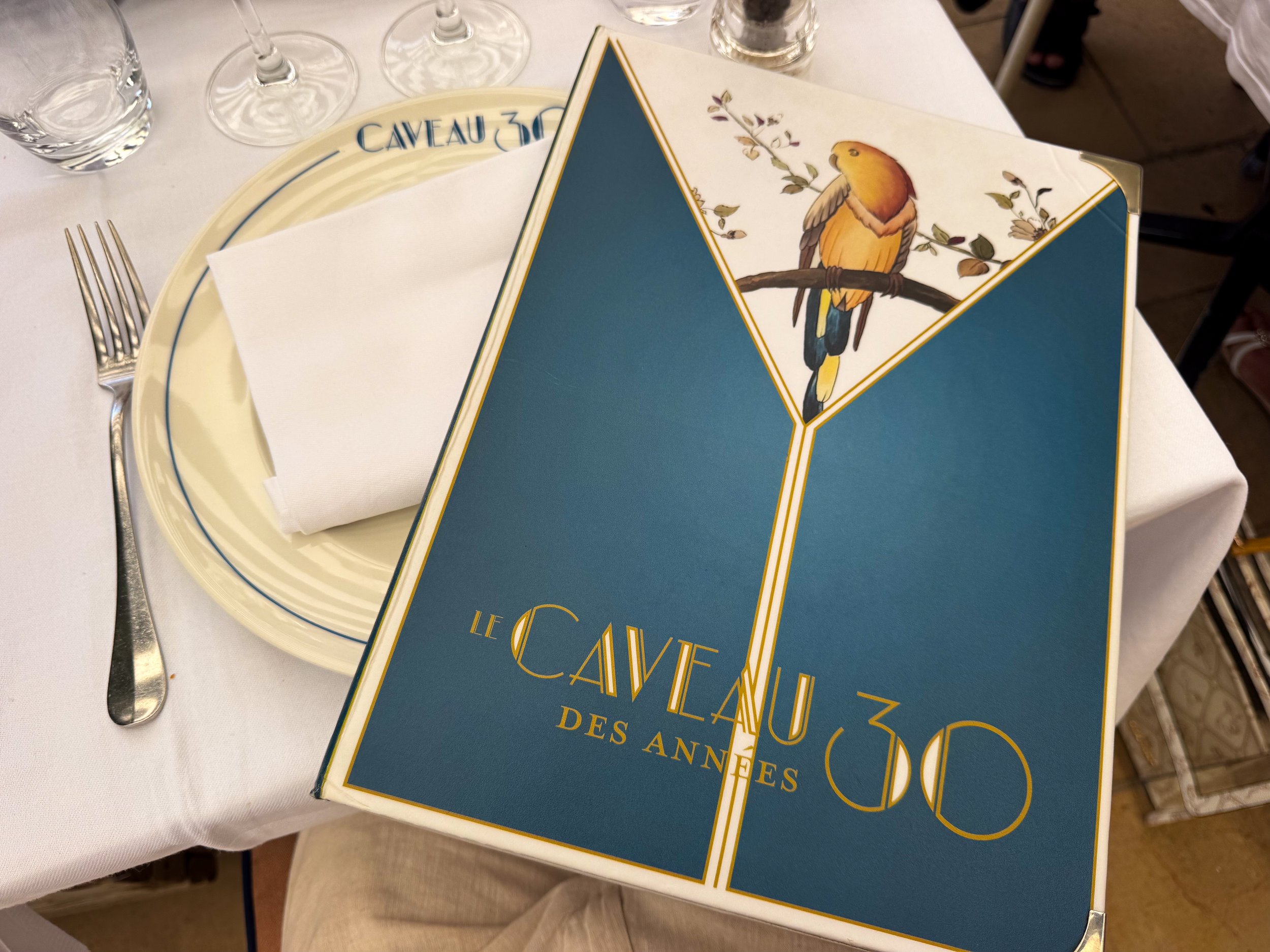
Le Caveau 30. A popular restaurant on Rue Félix Faure, best known for its “formule du midi,” a fixed price lunch with a starter, main and dessert. Order the pan seared sardines, Salade Niçoise and île flottante, paired with a glass of Provençal rosé.
Le Bistrot de l’Ecailler. A seafood bistro in Centre Ville, popular with locals for its Mediterranean dishes like seared scallops, grilled sea bass and moules-frites. It's rarely too busy, since most tourists gravitate toward the bustle of Rue Félix Faure.
Tredici. A sprawling restaurant lining Rue Louis Perrissol in Le Suquet. It's locally beloved for its traditional Neapolitan style pizzas and Mediterranean small plates like octopus carpaccio and burrata.
Maëma. A chic beach club on Plage du Midi with shoreline sun loungers and an elegant restaurant and bar. Order the ratatouille, ceviche and a French-style mai tai while soaking in the Riviera atmosphere.
Wine & Cocktail Bars
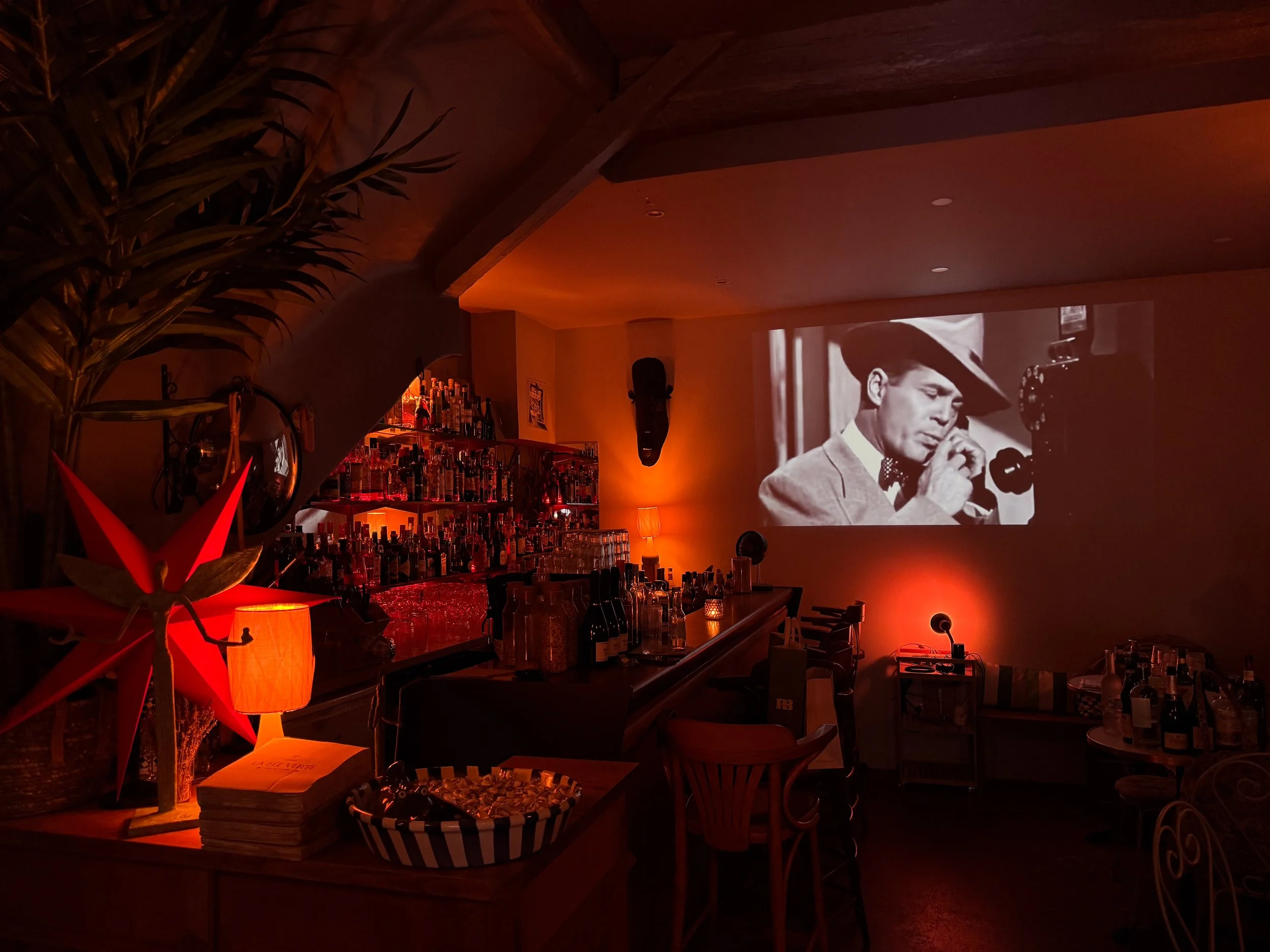
La Fée Verte. A cocktail bar specializing in Negronis and spritzes, with at least a dozen variations of each made from different liquors and aperitifs. Stop by for the daily happy hour from 5 to 7pm, with discounts across the menu.
Carline. An old town wine bar pouring French wines by the glass, carafe or bottle alongside cheese boards and charcuterie. Settle into the stone vaulted medieval cellar or grab a table on the bustling cobblestone street.
Barracuda Cannes. A rhum bar in Centre Ville's nightlife quarter with an interior styled like a pirate ship and wooden barrels for tables. Order a rhum cocktail or a house infusion made with herbs, fruits or spices.
Coco Loco. A Cuban themed cocktail bar in Centre Ville's nightlife quarter. Come for tropical cocktails and Latin music. Leave your mark on the Sharpie covered wall before closing at 2:30am.
Madeleines, Pastries & Gelato
Les Madeleines de Forville. A tiny bakery across from the market specializing in artisan madeleines flavored with fruits, citrus, chocolate and salted caramel.
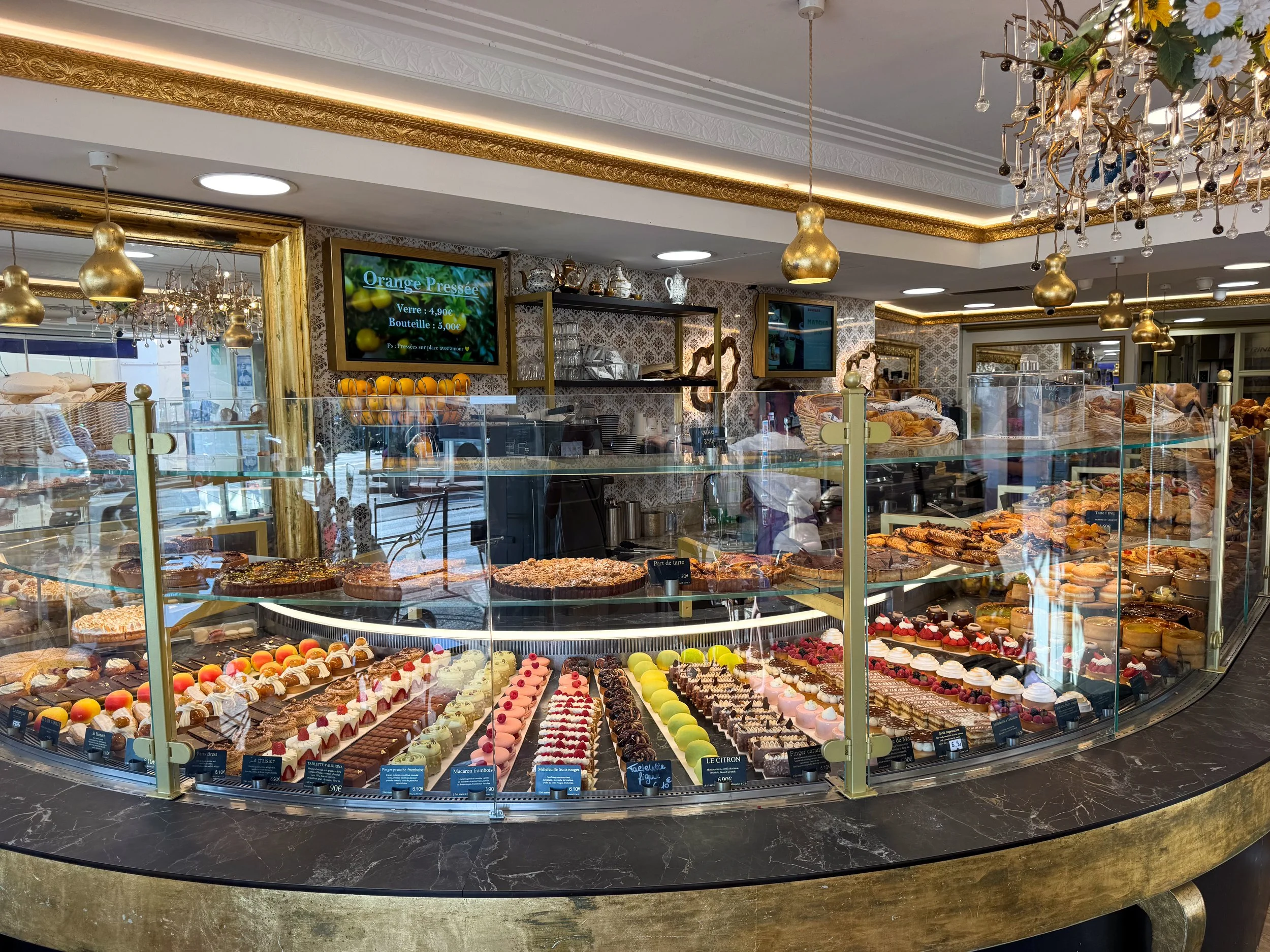
Le Saint Antoine | Boulangerie Pâtisserie. A popular bakery whose counters overflow with French breads, sandwiches, fruit tarts, savory quiches, flaky croissants, artisan pastries and dozens of other baked goods.
La Gelateria. A traditional Italian gelateria at the center of Place du Suquet, scooping flavors like pistachio, chocolate, passion fruit and tiramisu. One heads-up, they won't let you mix flavors when ordering multiple scoops.
Getting Around Cannes
On Foot. Cannes and its neighborhoods are easily walkable and best explored on foot.
By Train. A regional transit network with train routes throughout the French Riviera. Operated by SNCF. Search and purchase tickets online here.
Where to Stay in Cannes
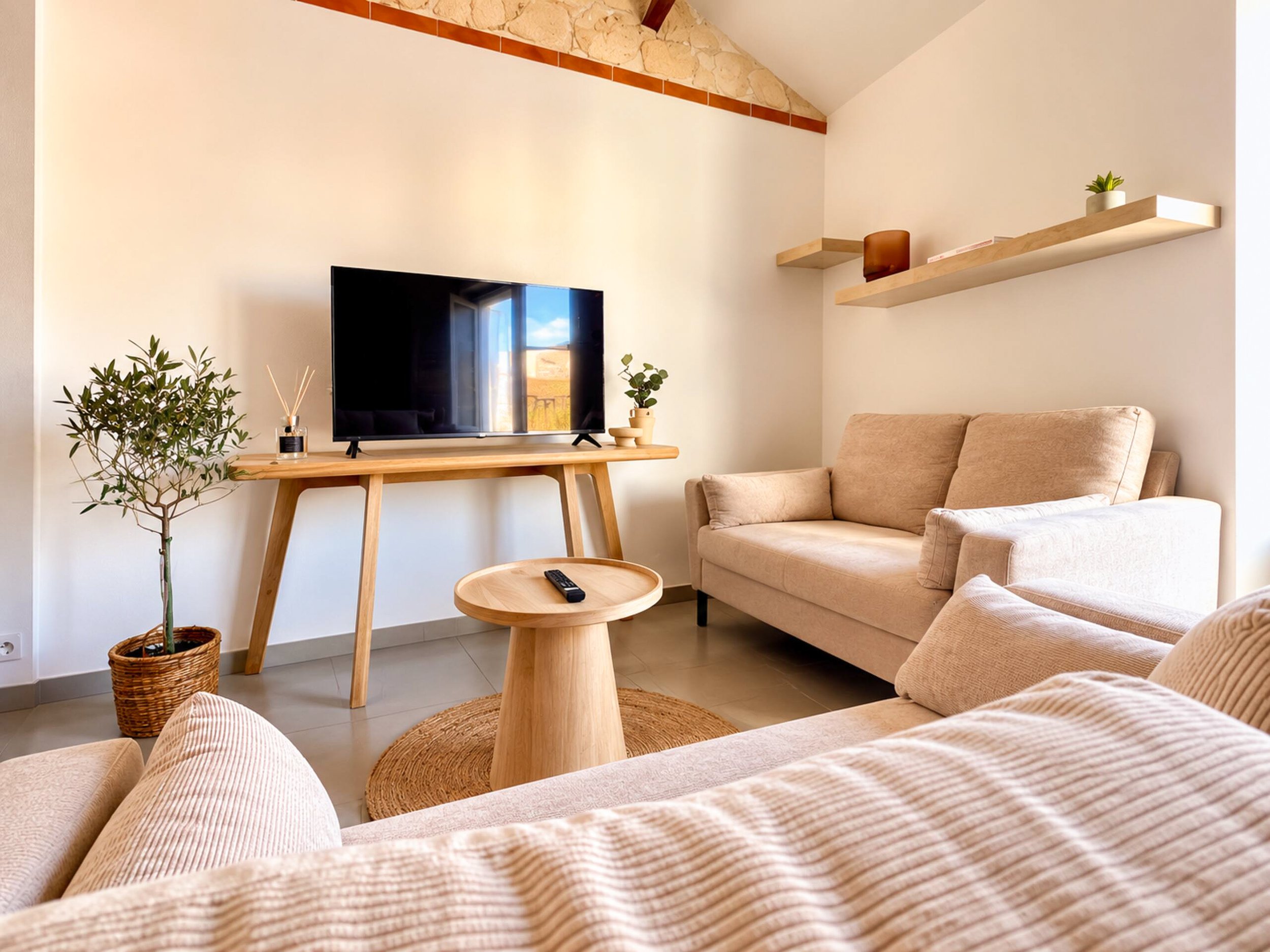
Le Suquet Apartment. A spacious third floor walk up apartment in a historic old town building with two balconies, one overlooking the city’s terracotta rooftops and the other framing a picturesque view of the hilltop church and clock tower. Book on Airbnb months in advance.
Lérins Islands Day Trip from Cannes
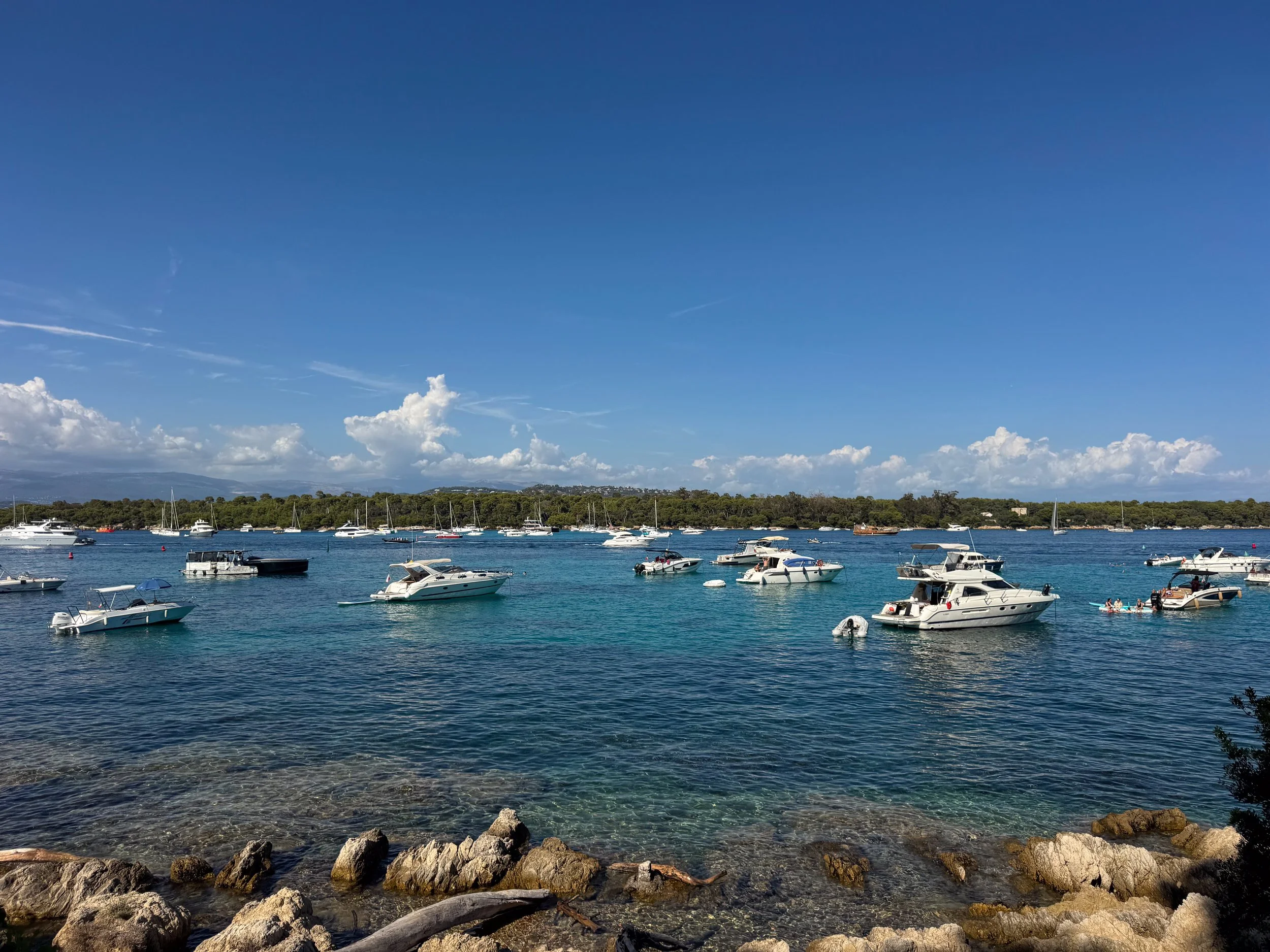
An island chain just off the coast of Cannes, anchored by two main islands with distinctly different atmospheres. Spend the morning on Île Sainte-Marguerite exploring its fort, nature trails and beaches. Ferry to Île Saint-Honorat in the afternoon to visit its historic abbey and monk run vineyards.
Île Sainte-Marguerite: Fort Royal & Island Trails
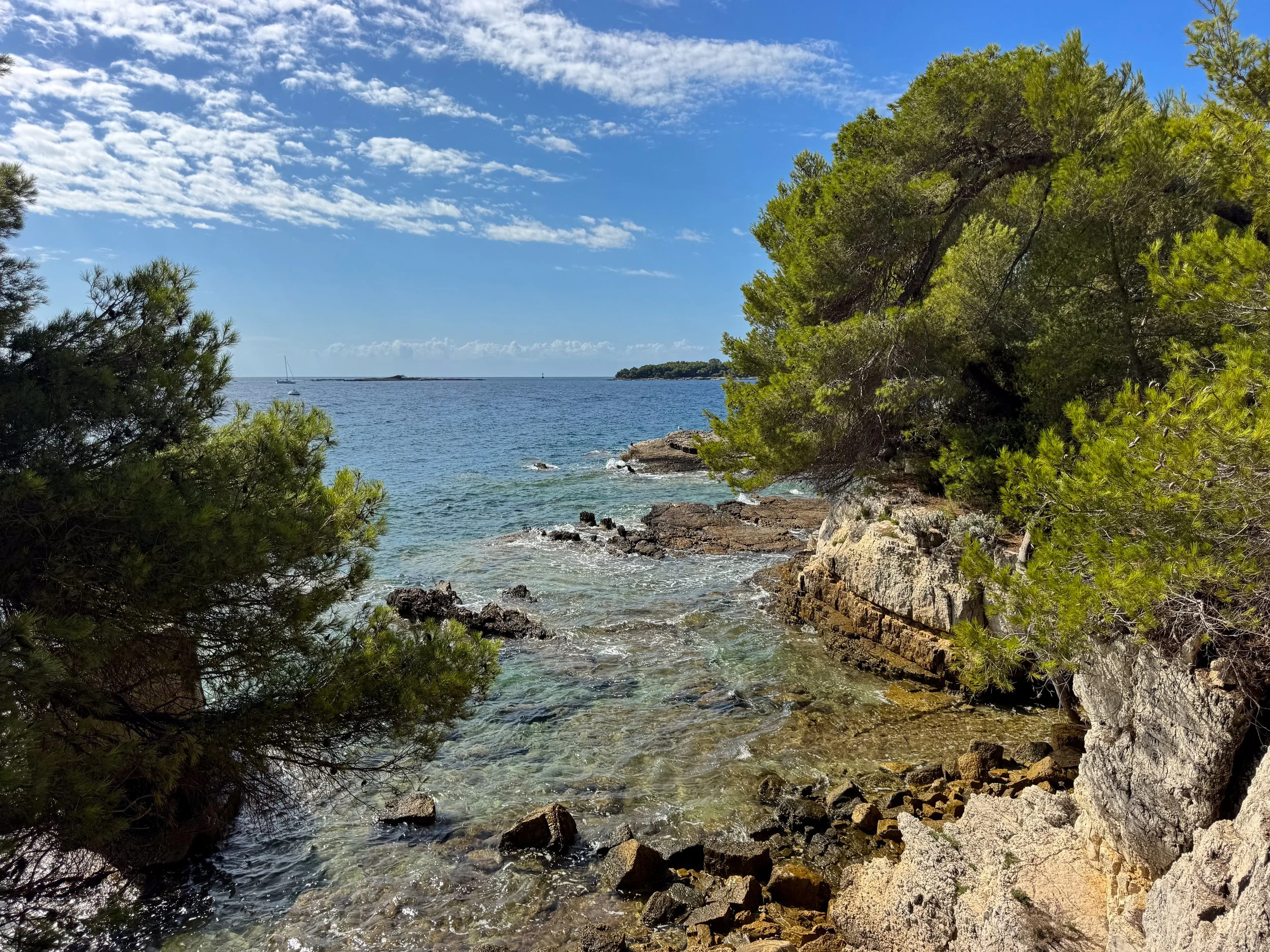
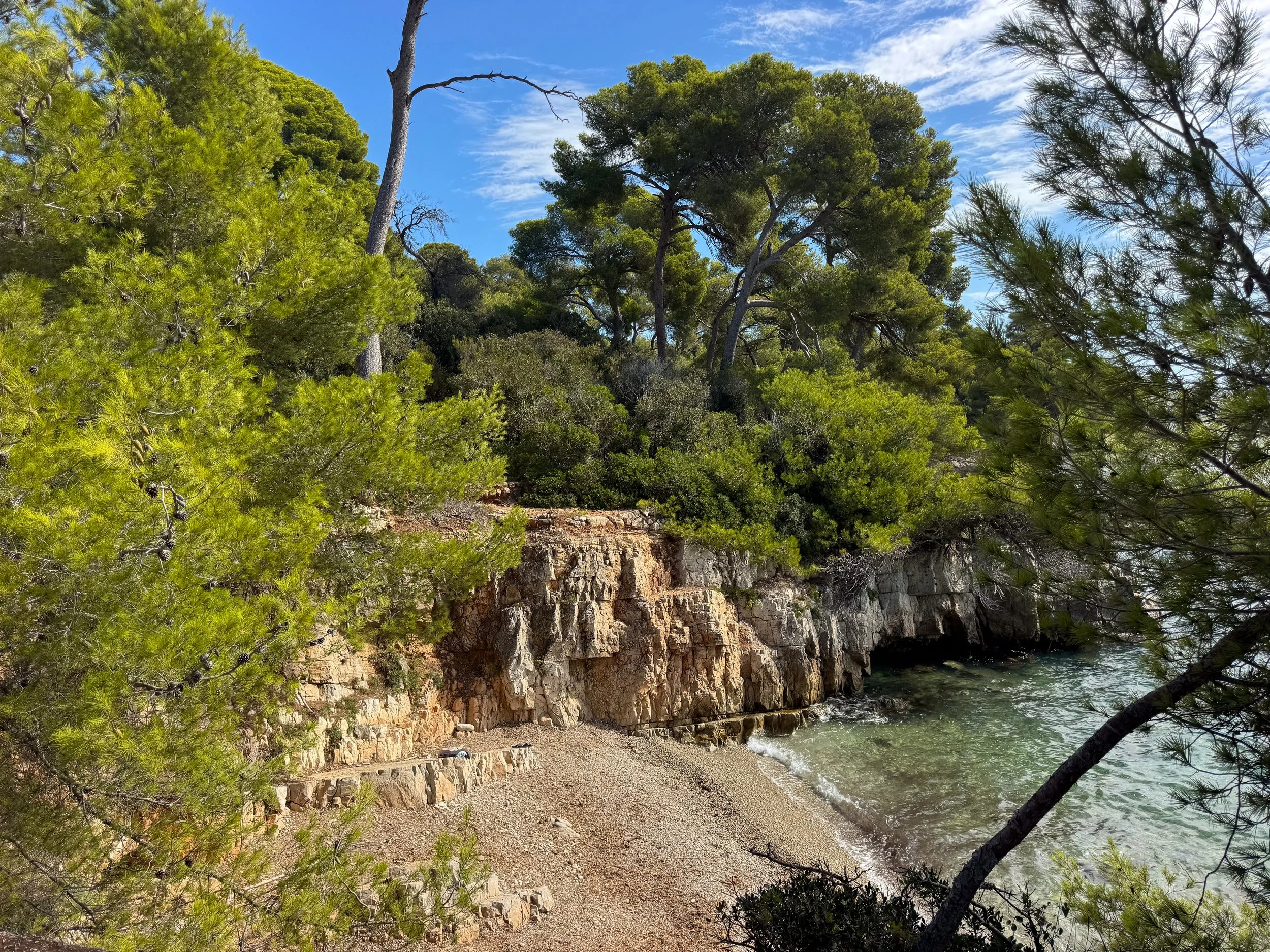
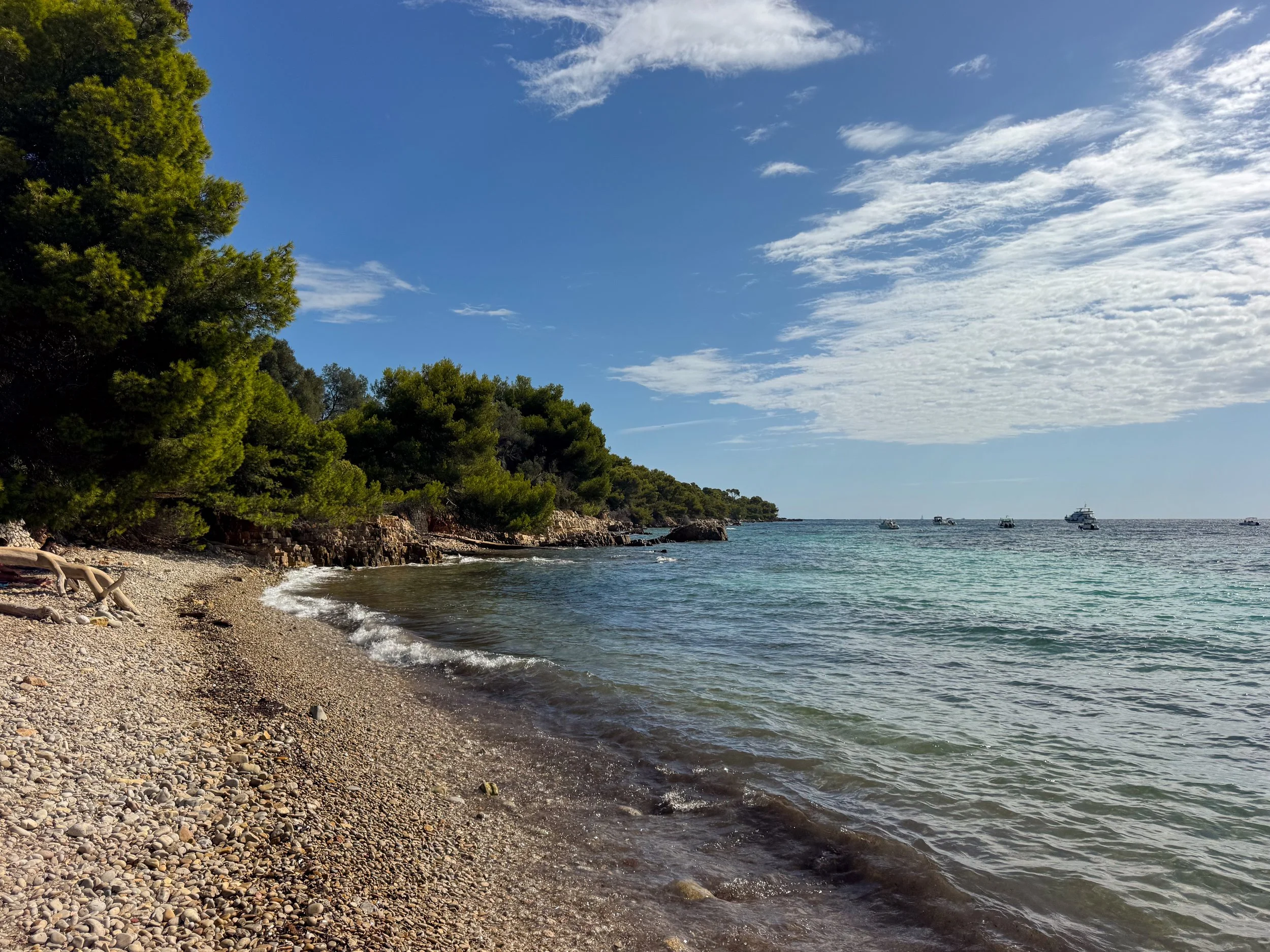
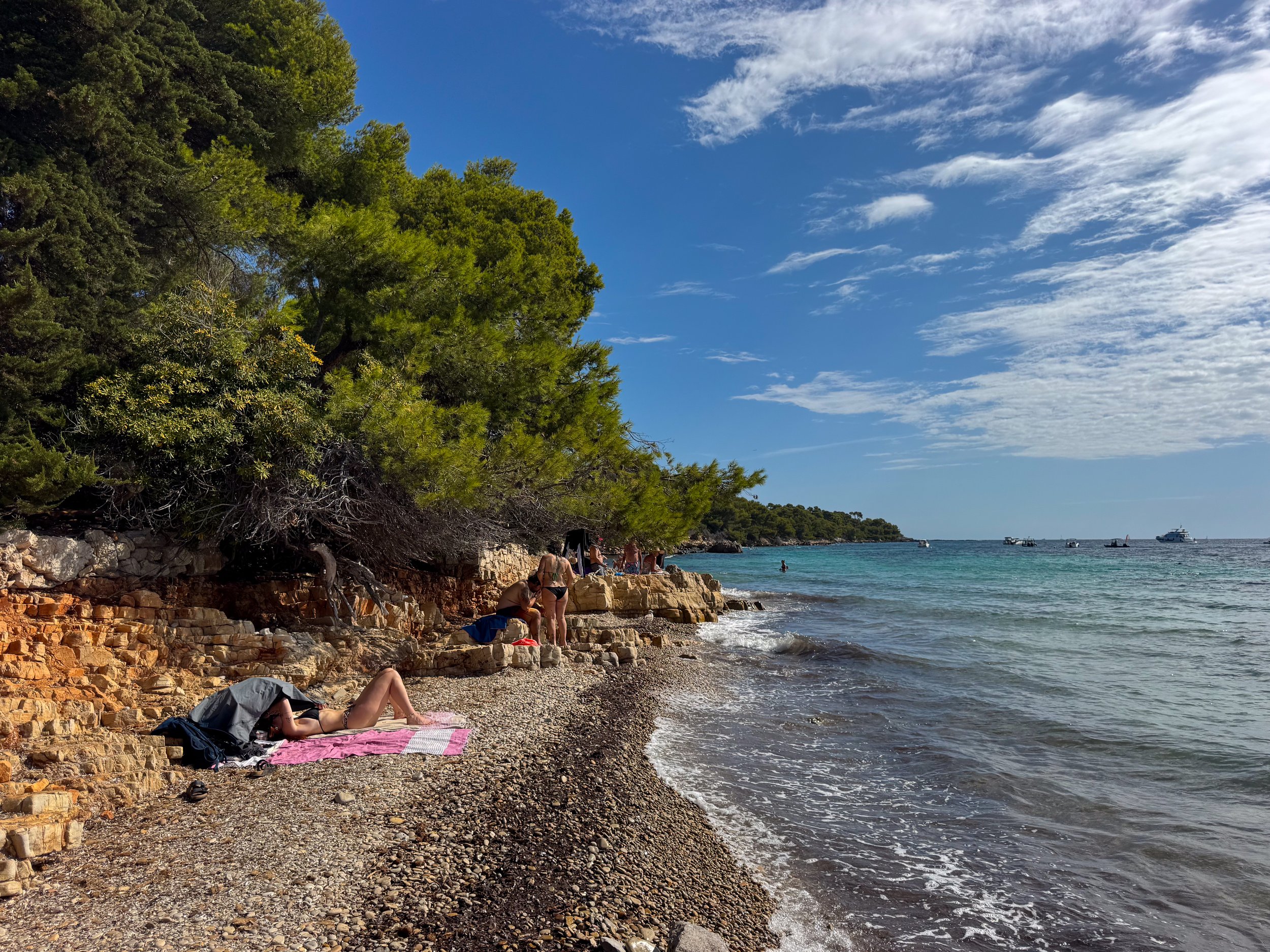
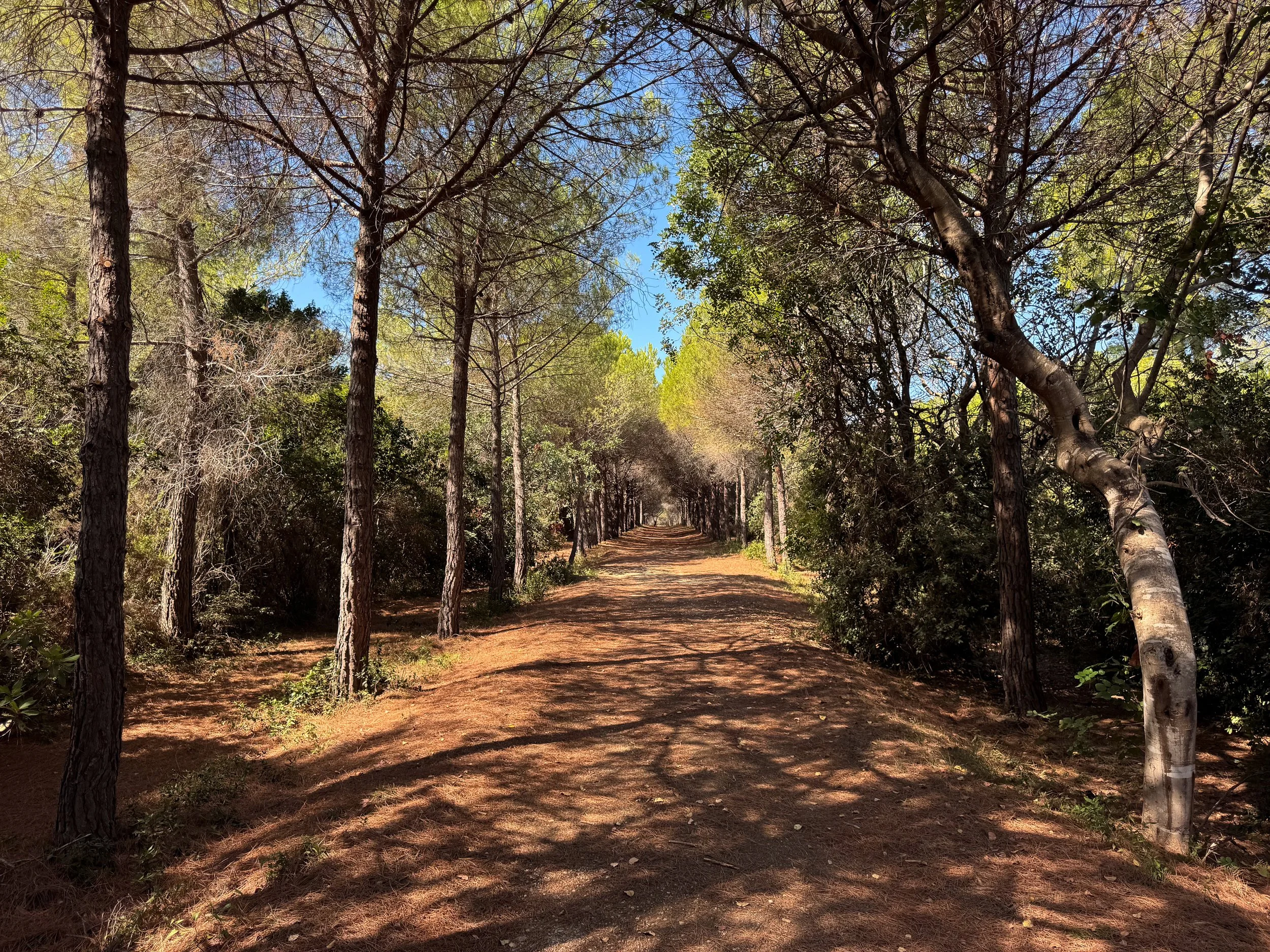
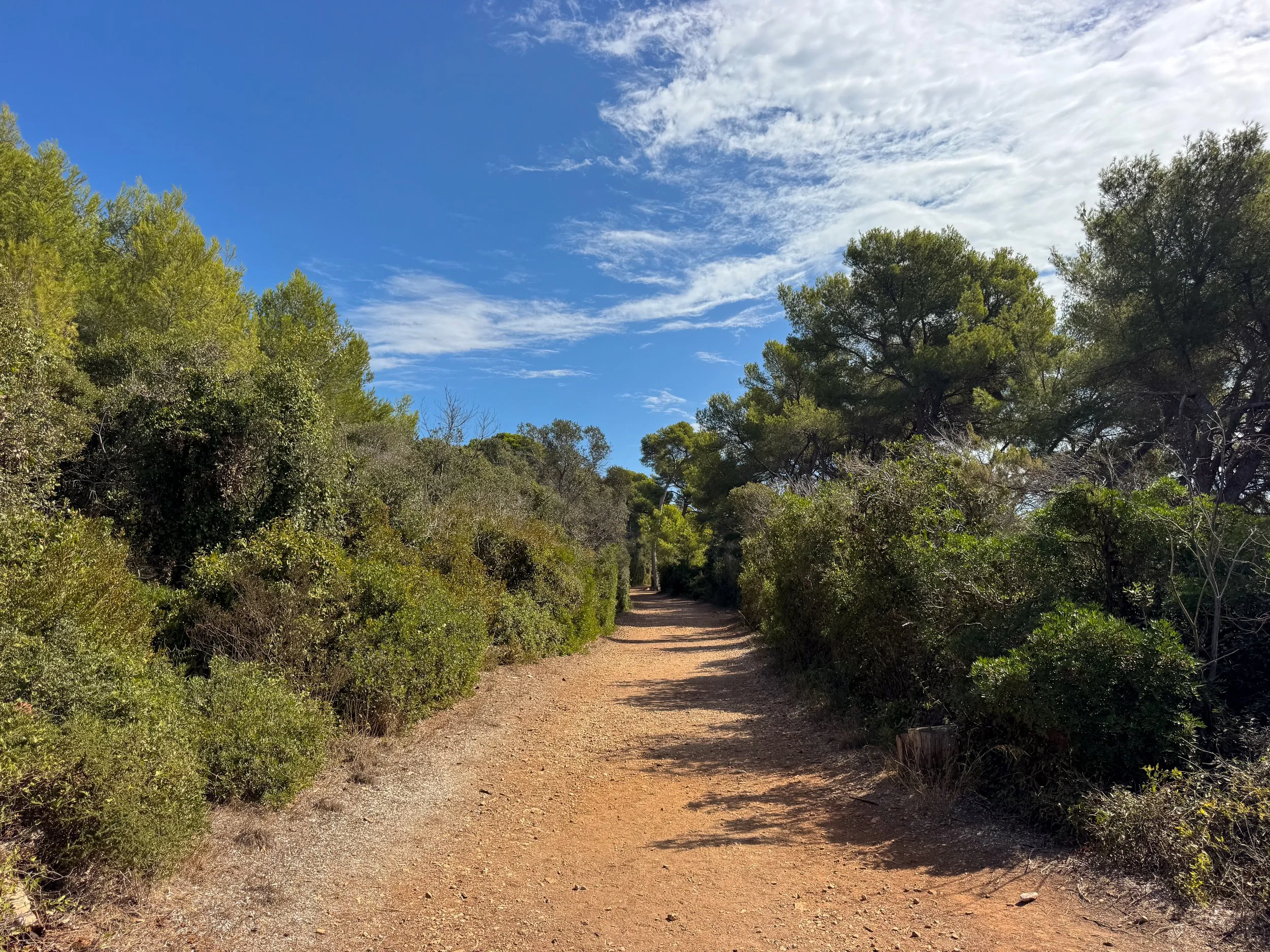
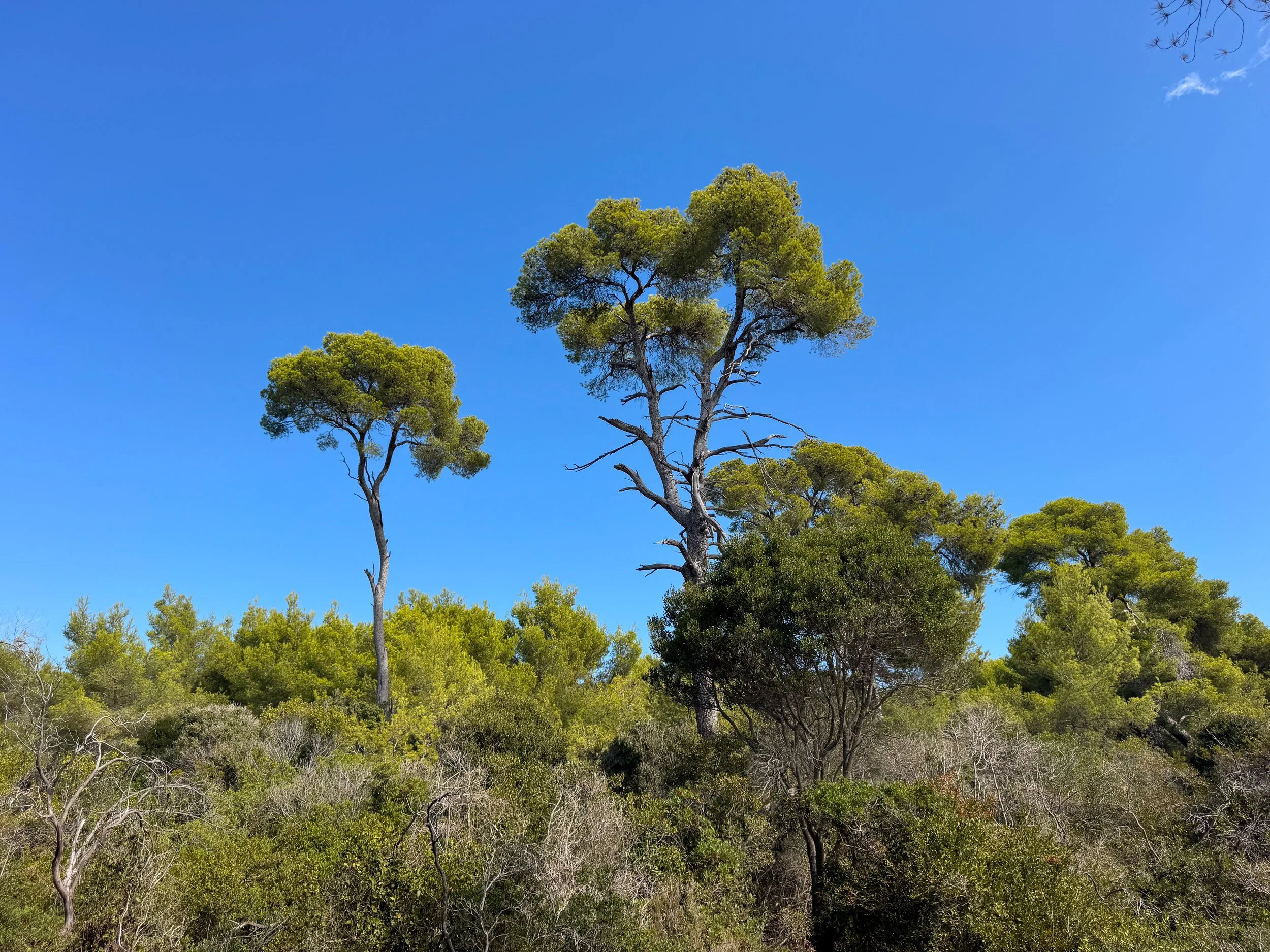
The largest of the Îles de Lérins with a historic fortress and views back toward Cannes. Over 22 kilometers of trails wind through fragrant pine and eucalyptus forest to secluded coves, where pebble beaches offer solitude and clear waters provide perfect conditions to snorkel and spot Mediterranean sea life.
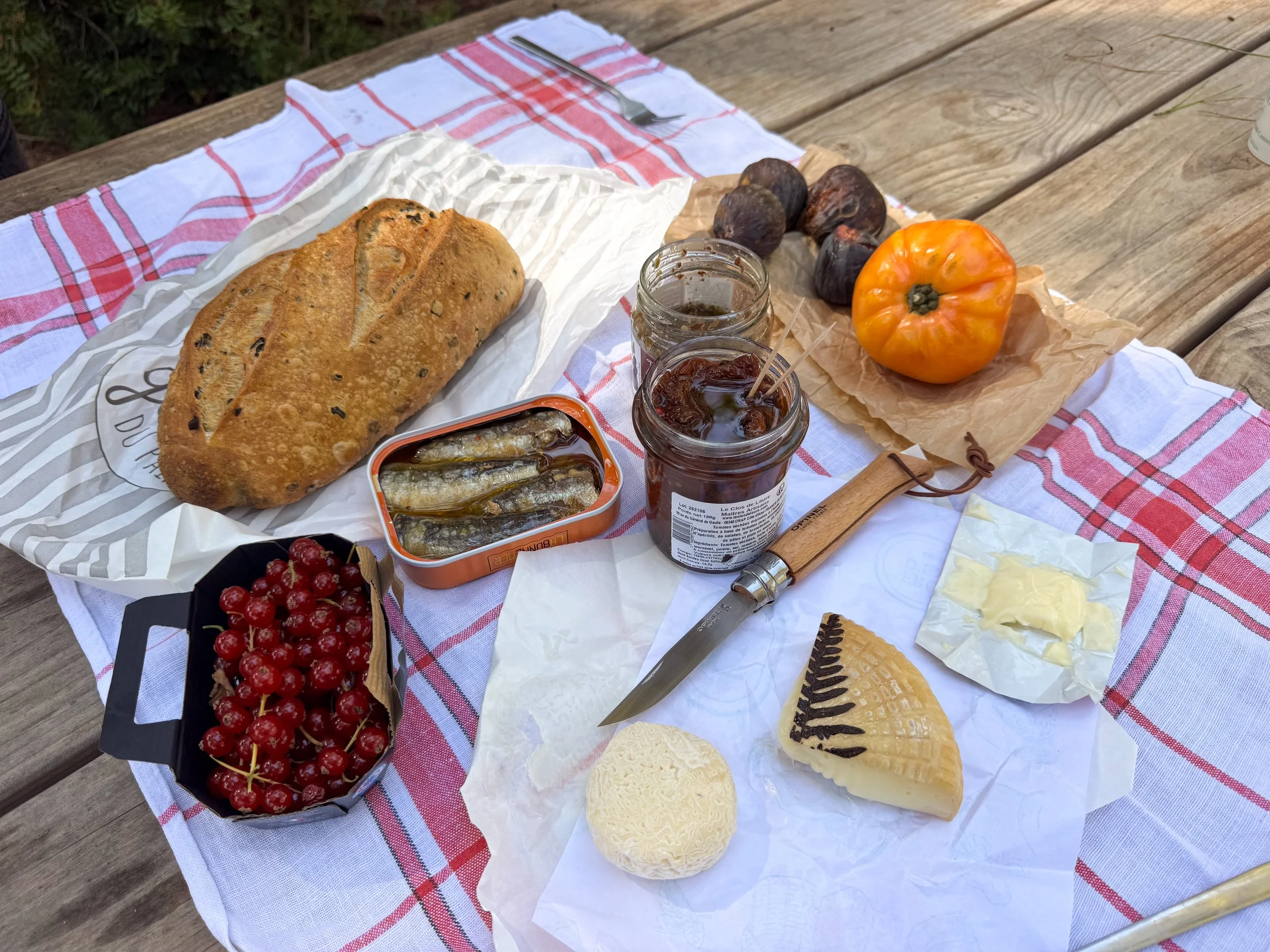
Provençal Picnic. Food options on the island are limited to a few kiosks near the pier, so bring a picnic lunch stocked with spoils from Marché Forville. Shaded picnic tables sit in the forest near the pier and at the island's western tip.
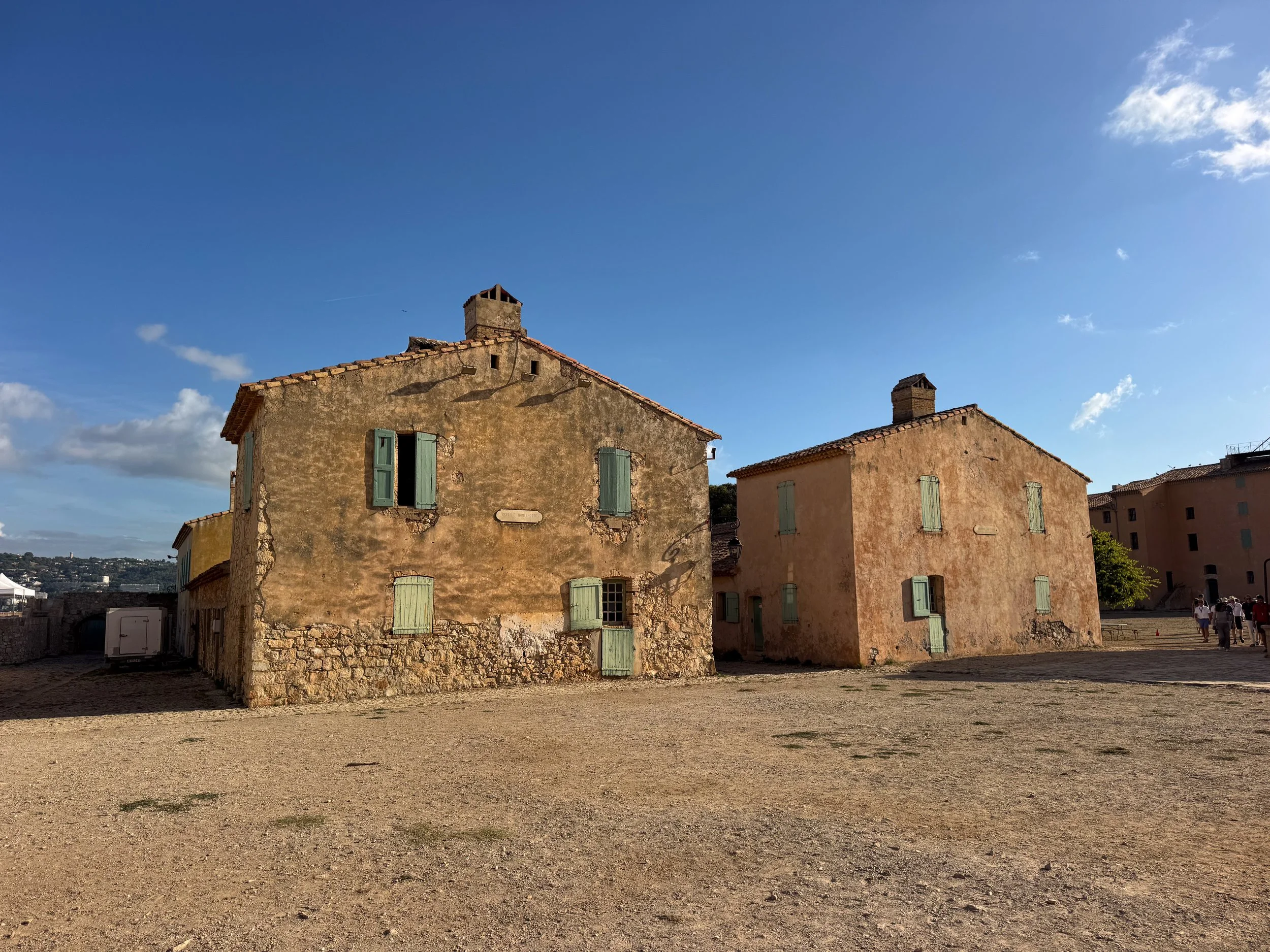
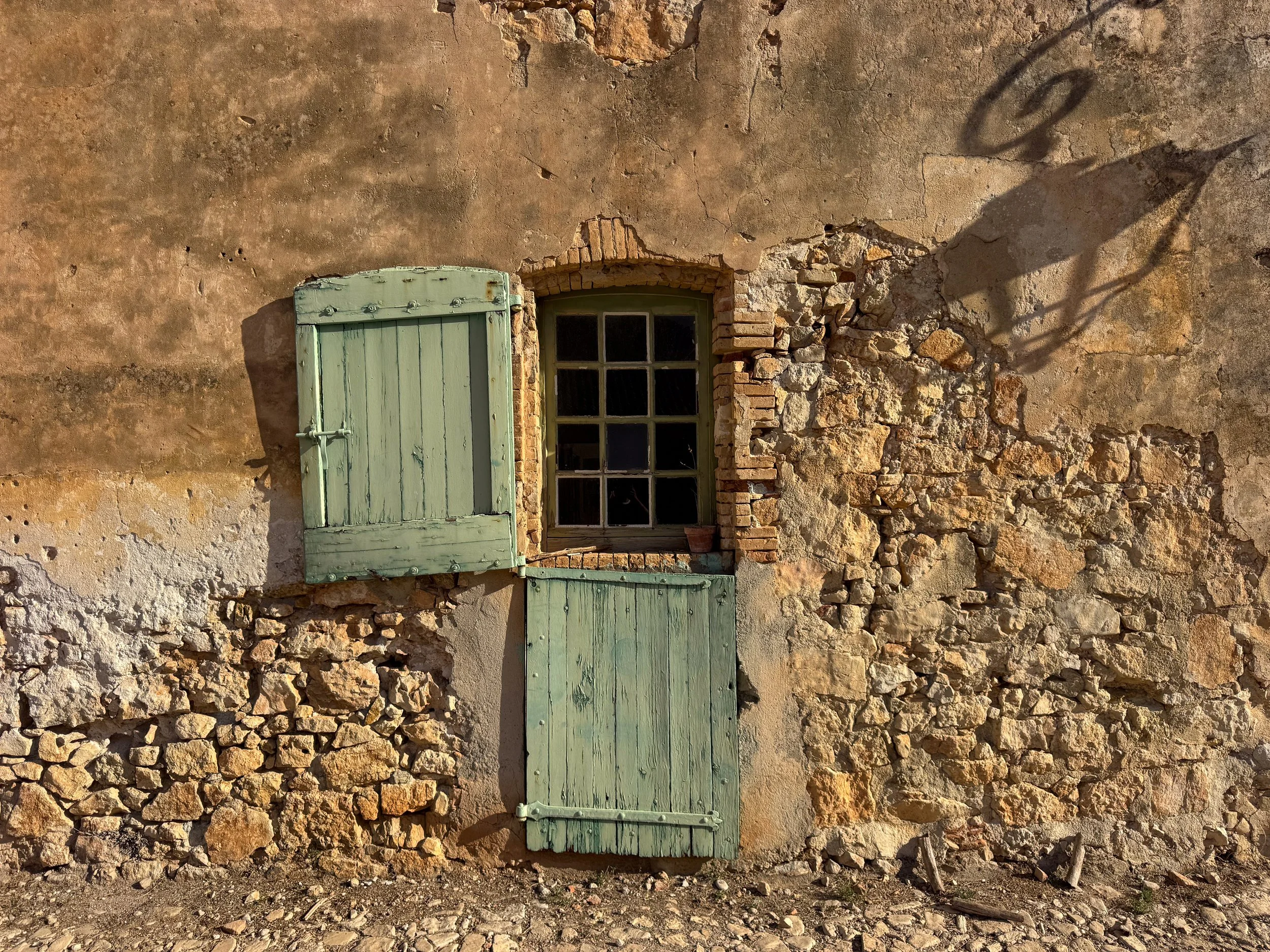
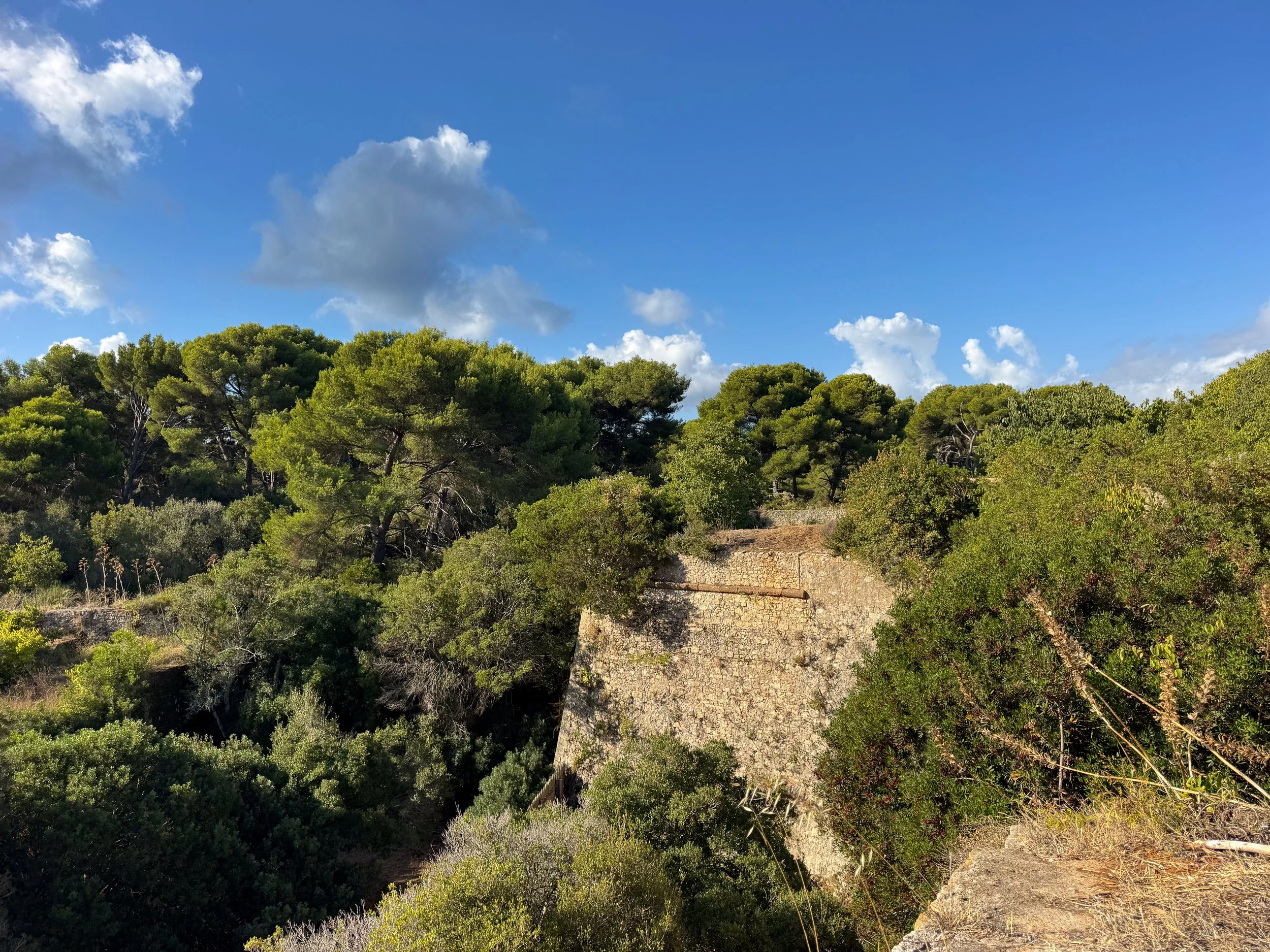
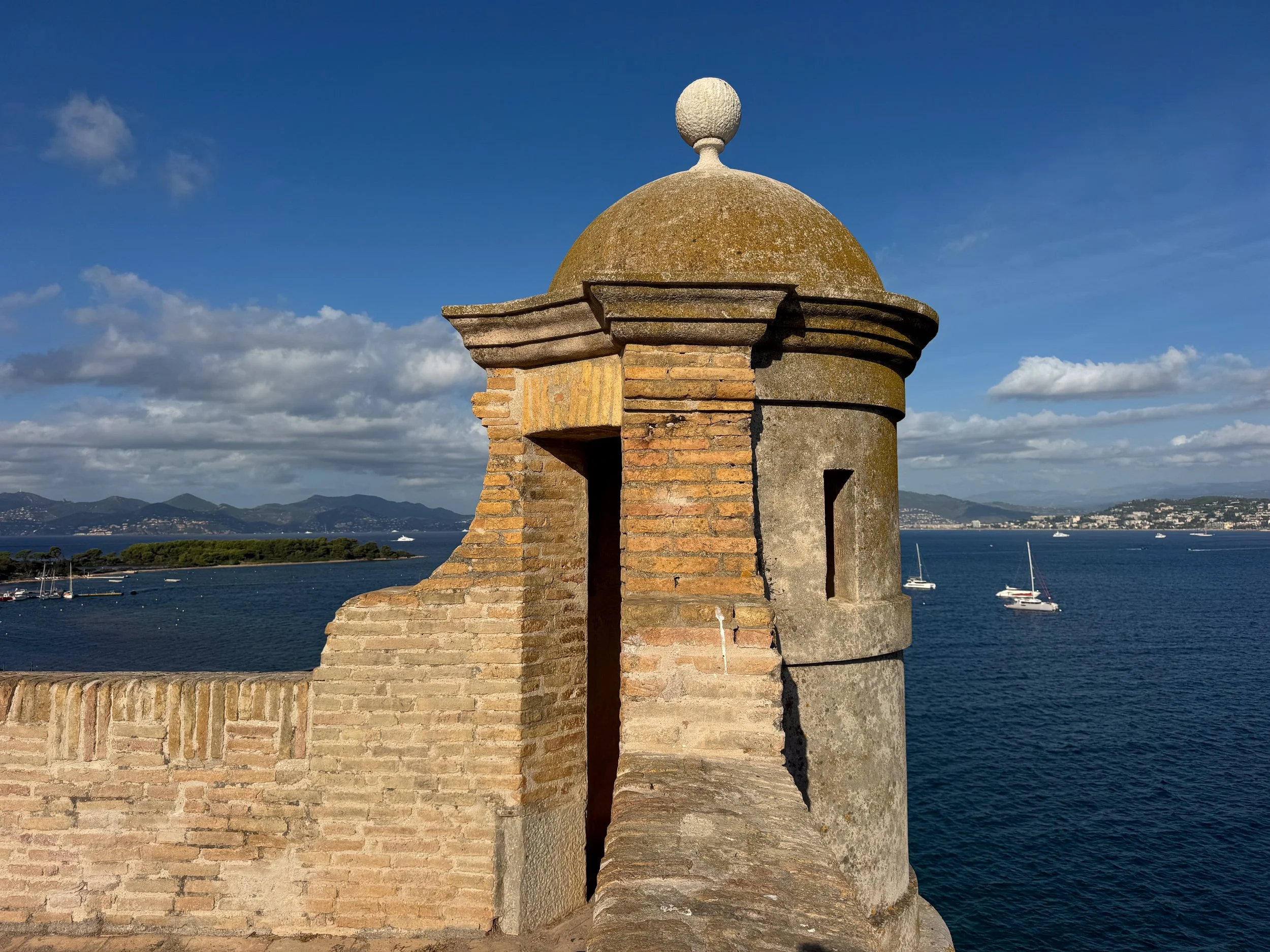
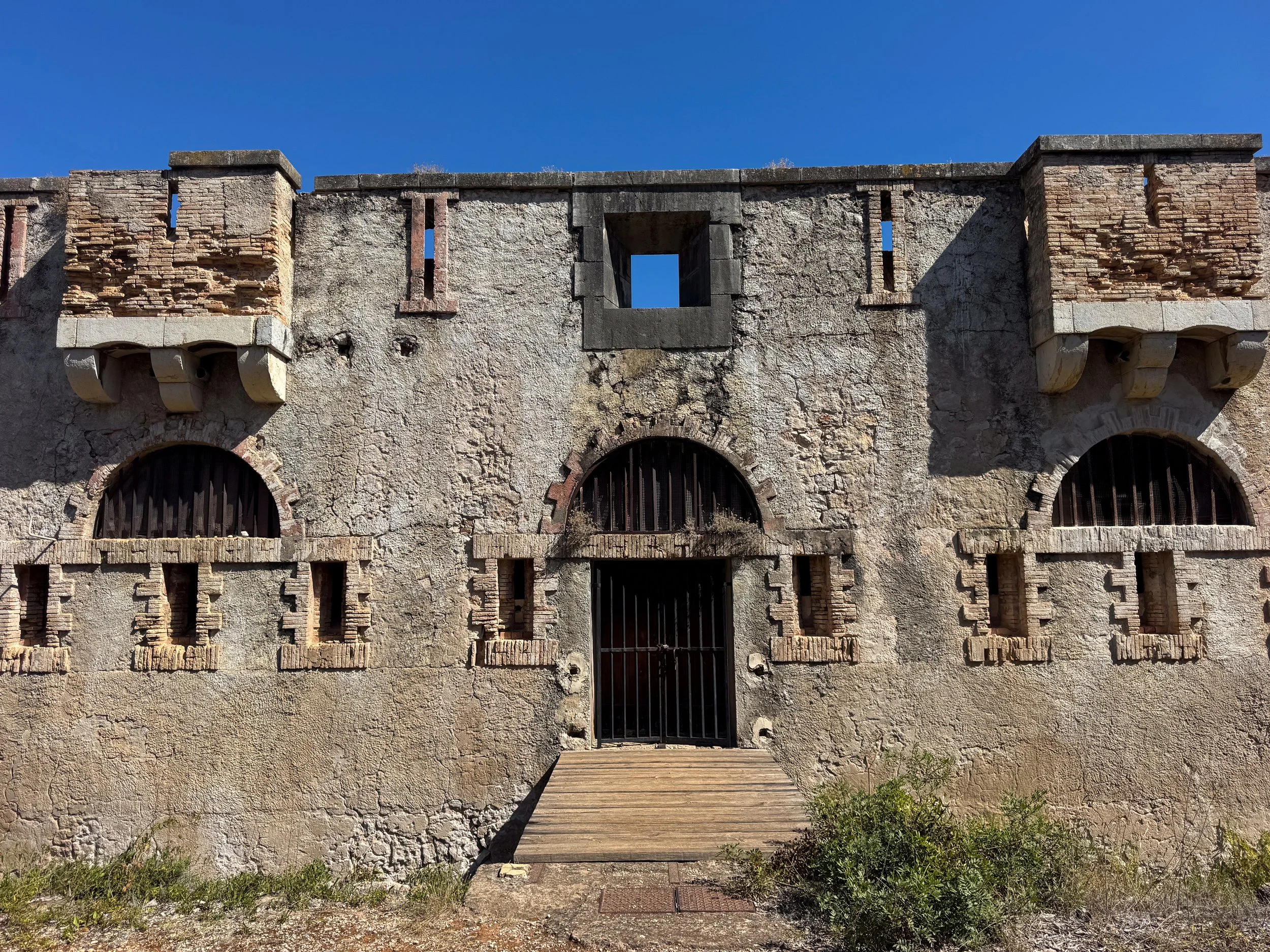
Fort Royal. A clifftop stone fortress on Île Sainte-Marguerite, with origins dating back to the Roman period. Expanded in the 17th century, it served as a military prison and remained in use through the 20th century. Today, visitors can tour its grounds and former cells.
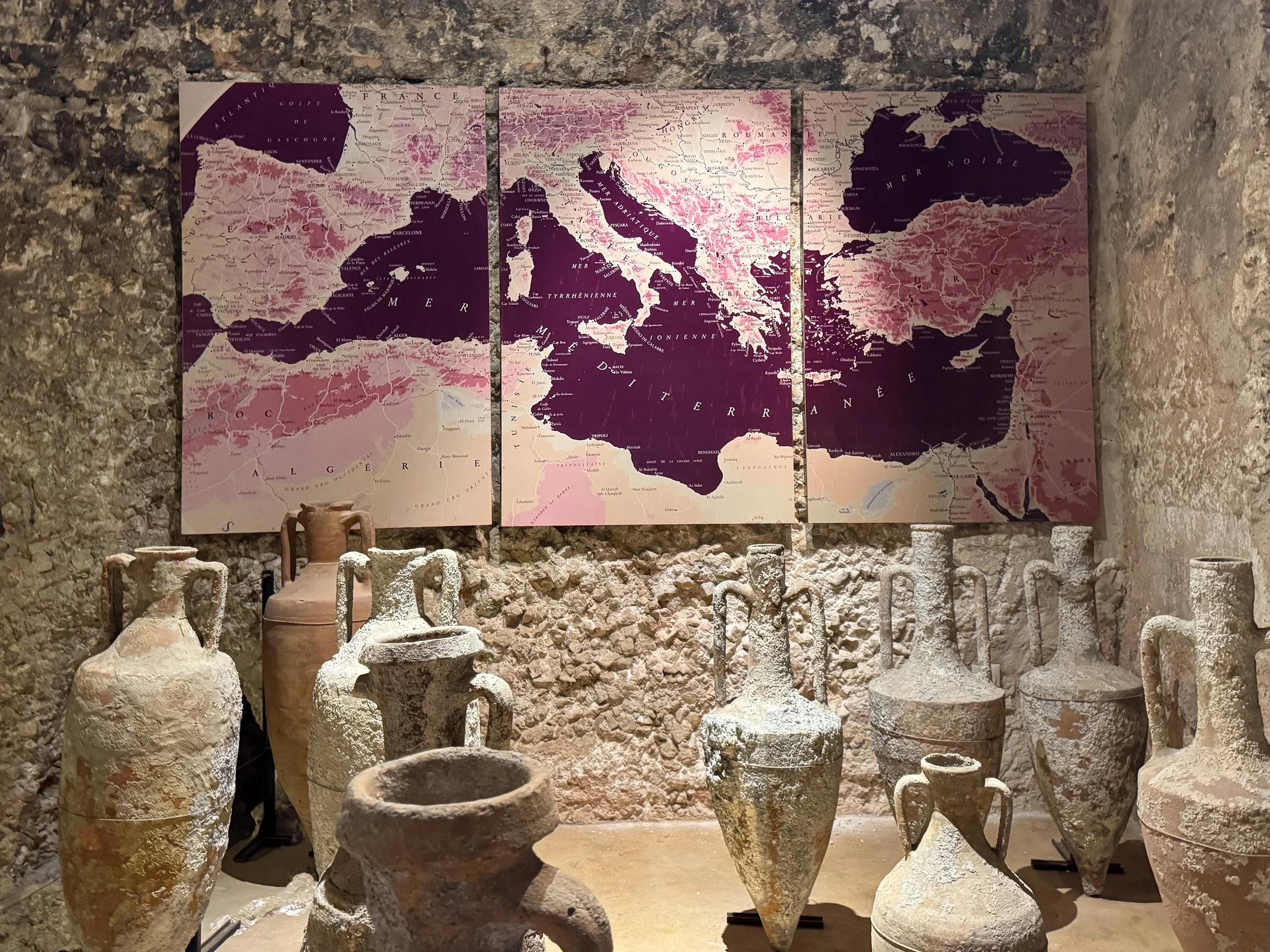
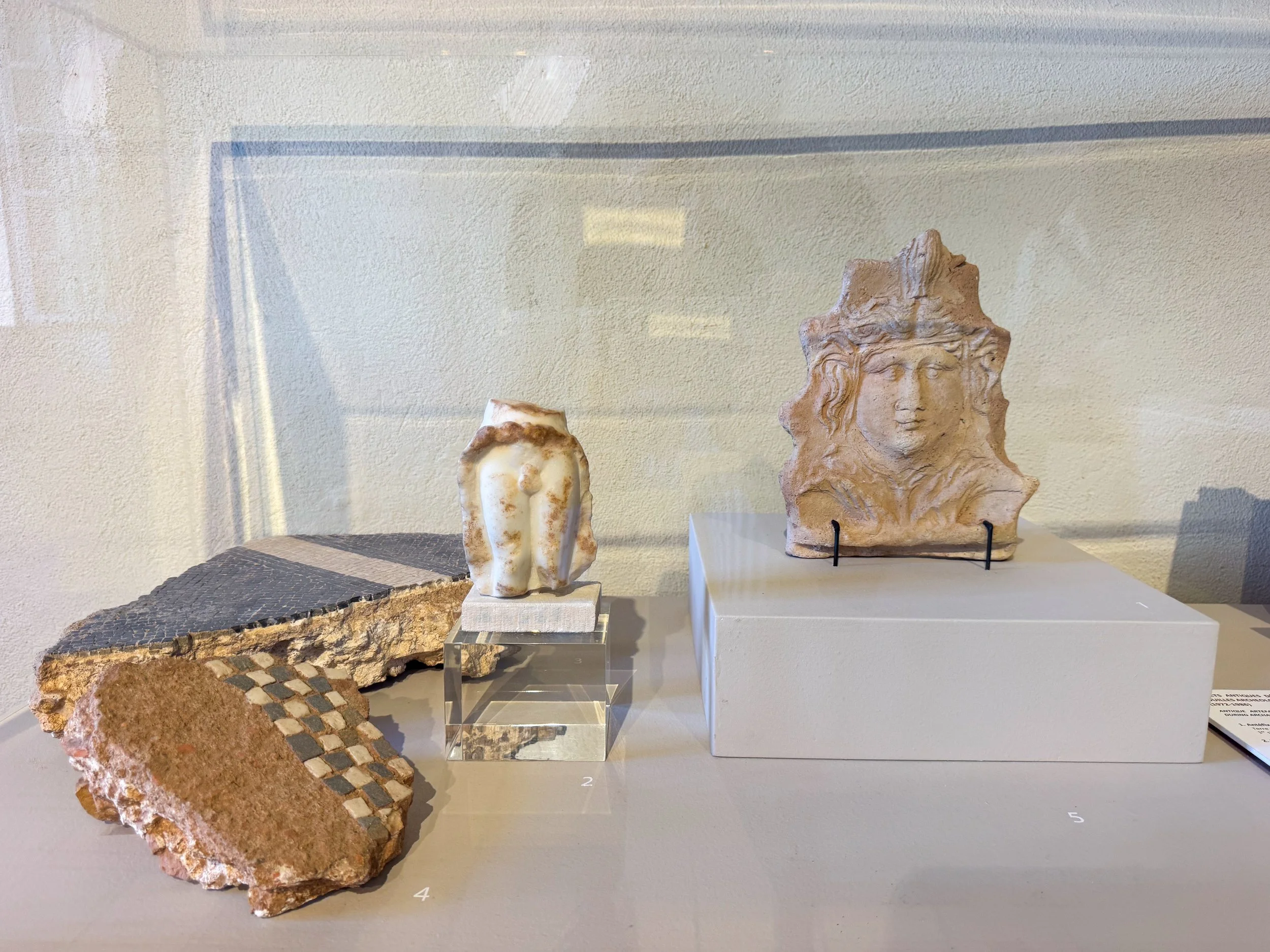
Musée du Masque. Set within Fort Royal's former prison, whose cells once held enemies of the crown, prisoners of war and the Man in the Iron Mask, rumored to be Louis XIV's secret twin or older brother. The museum also displays ceramics, statues and mosaics recovered from Roman shipwrecks.
Le Méditerranoscope. A small nature museum exploring Mediterranean sea life and ecosystems, with aquarium tanks of fish, crustaceans, urchins, starfish and sea grass found in the waters around the island.
Bastion de la Convention. A small, square fortress on the island's eastern tip, encircled by a moat with drawbridges on each side. It can only be admired from the outside.
Île Saint-Honorat: Lérins Abbey & Monastery Vineyards
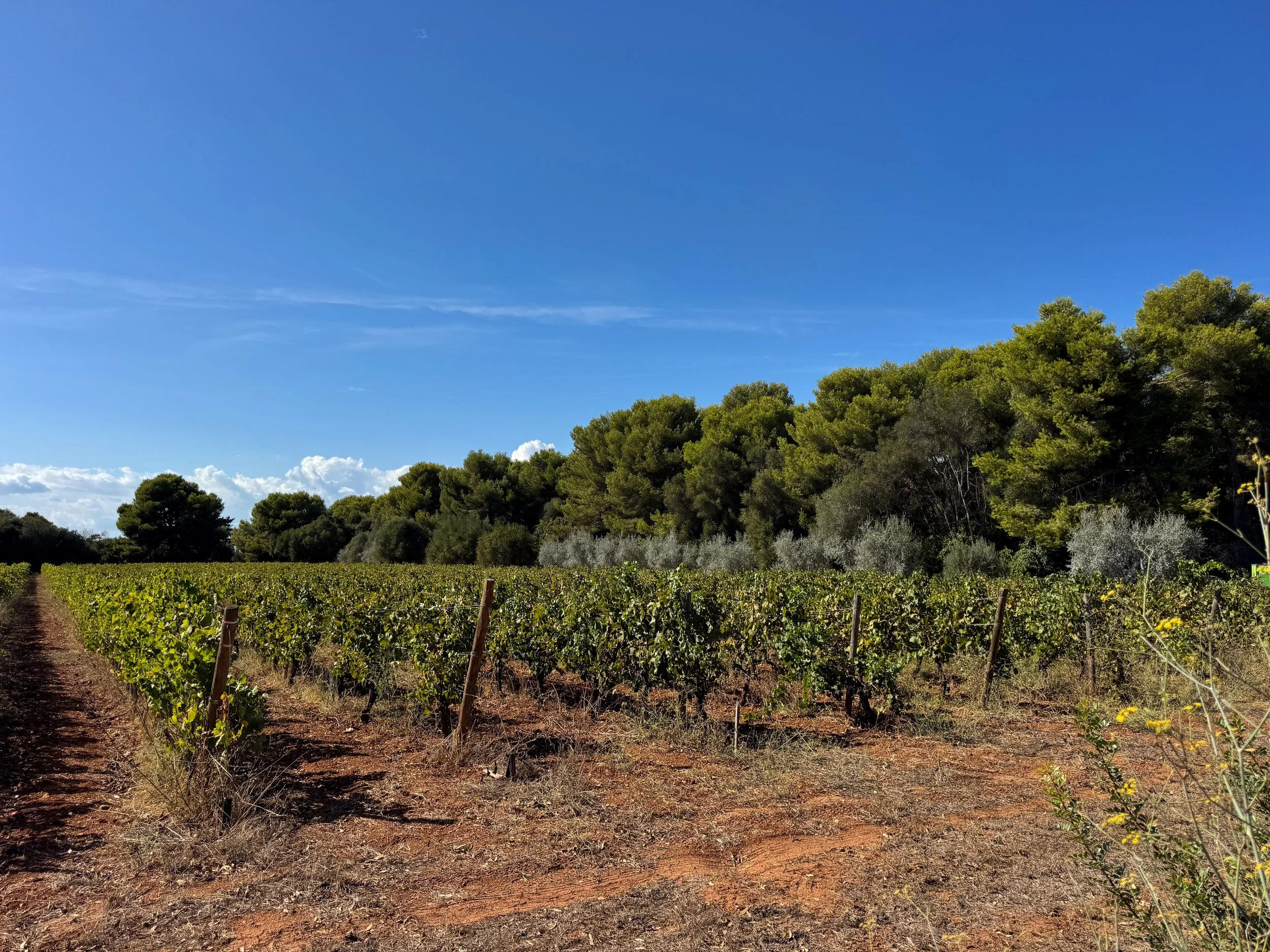
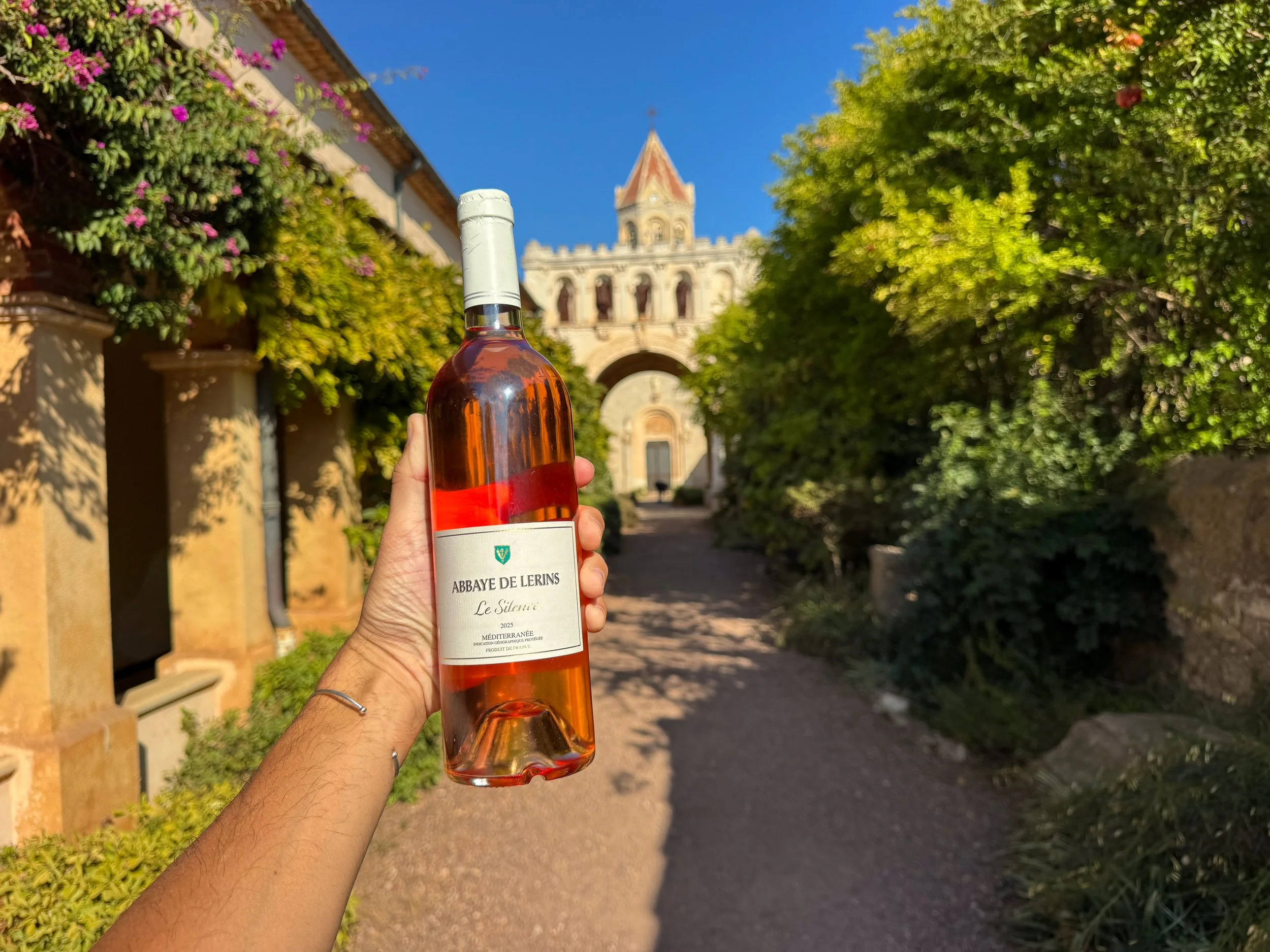
The second largest of the Îles de Lérins, home to an abbey inhabited by monks since the 5th century. Today's Cistercian monks, in black and white hooded robes, tend the vineyards and olive groves at its center, producing wine, olive oil and herbal liqueurs to taste and buy at La Tonnelle. Trails circle the island past small chapels and rugged beaches, ideal for a waterside picnic.
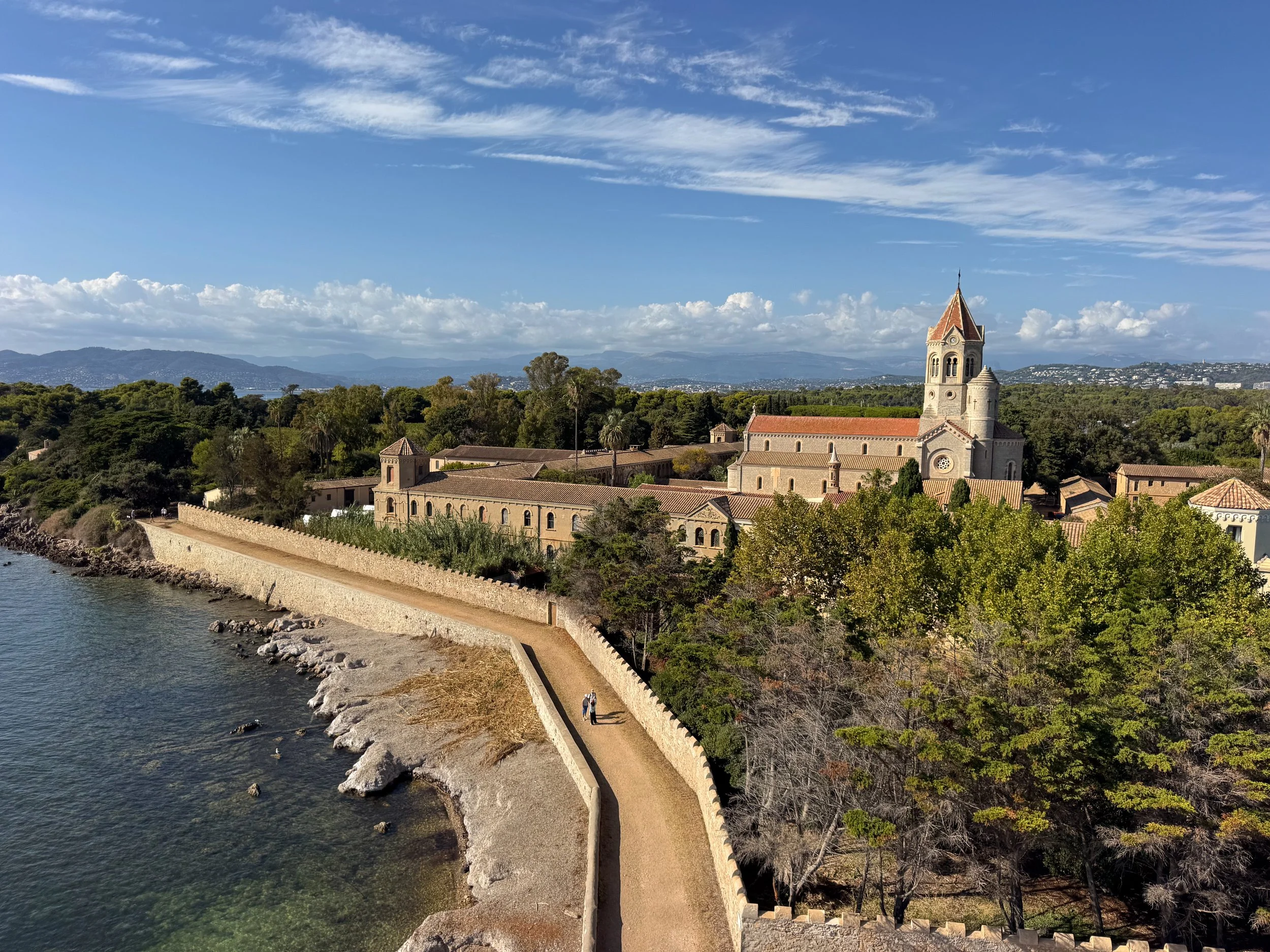
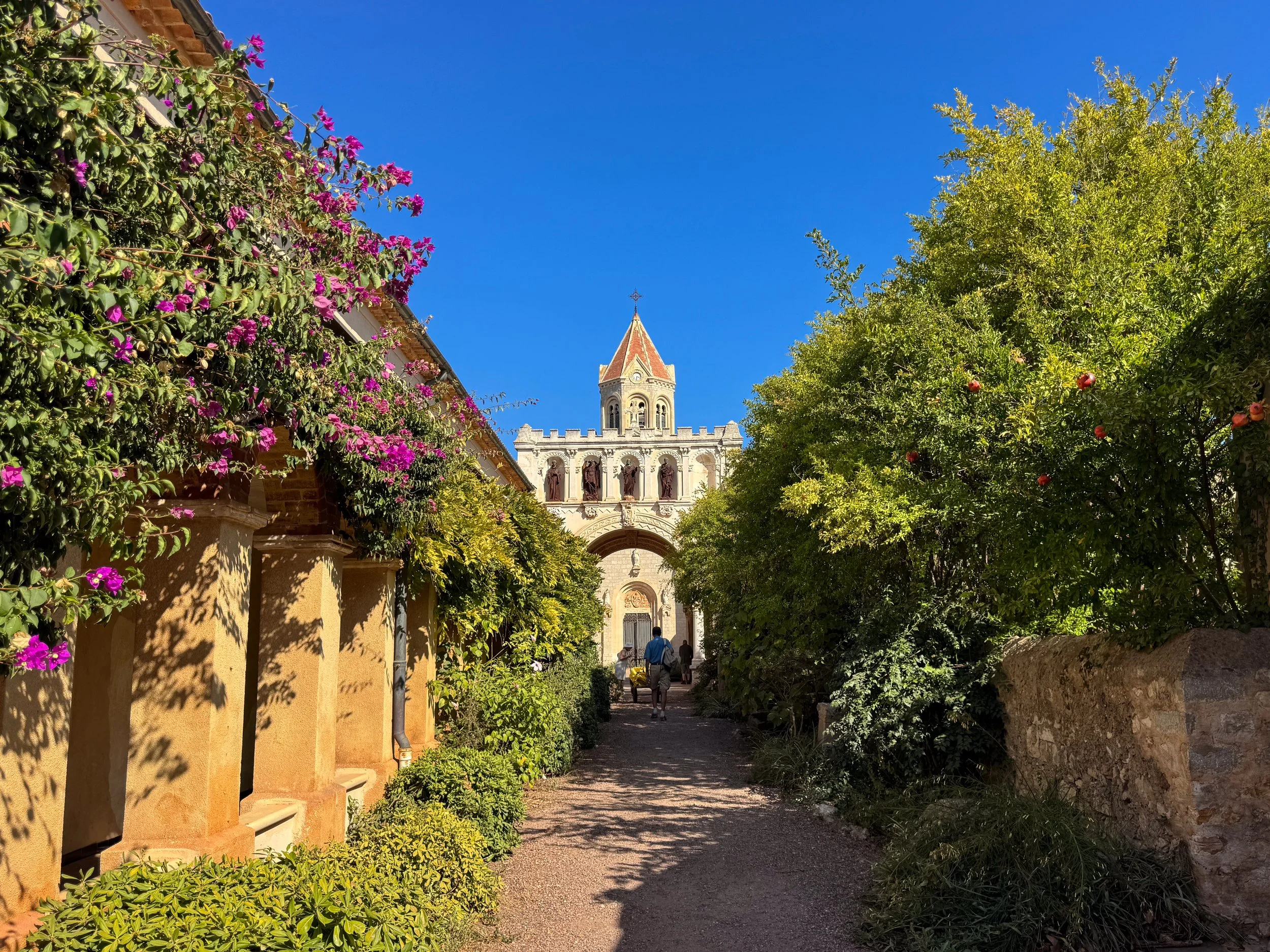
Abbaye de Lérins. An 11th century monastery at the island's center, where Cistercian monks live, work and pray. Wander its vine-covered cloisters to the abbey church, staying silent inside and keeping voices low across the island out of respect for the monks.
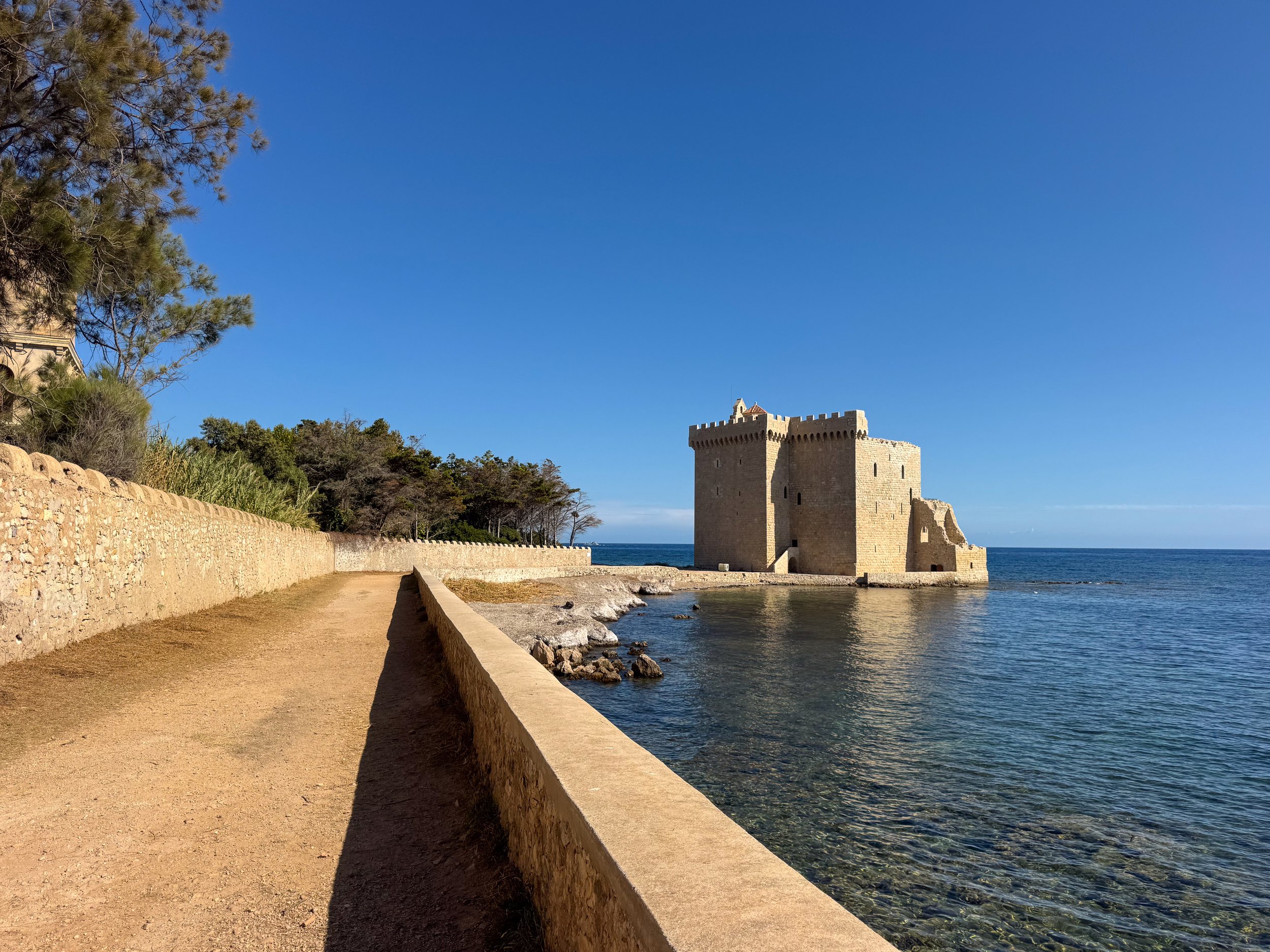
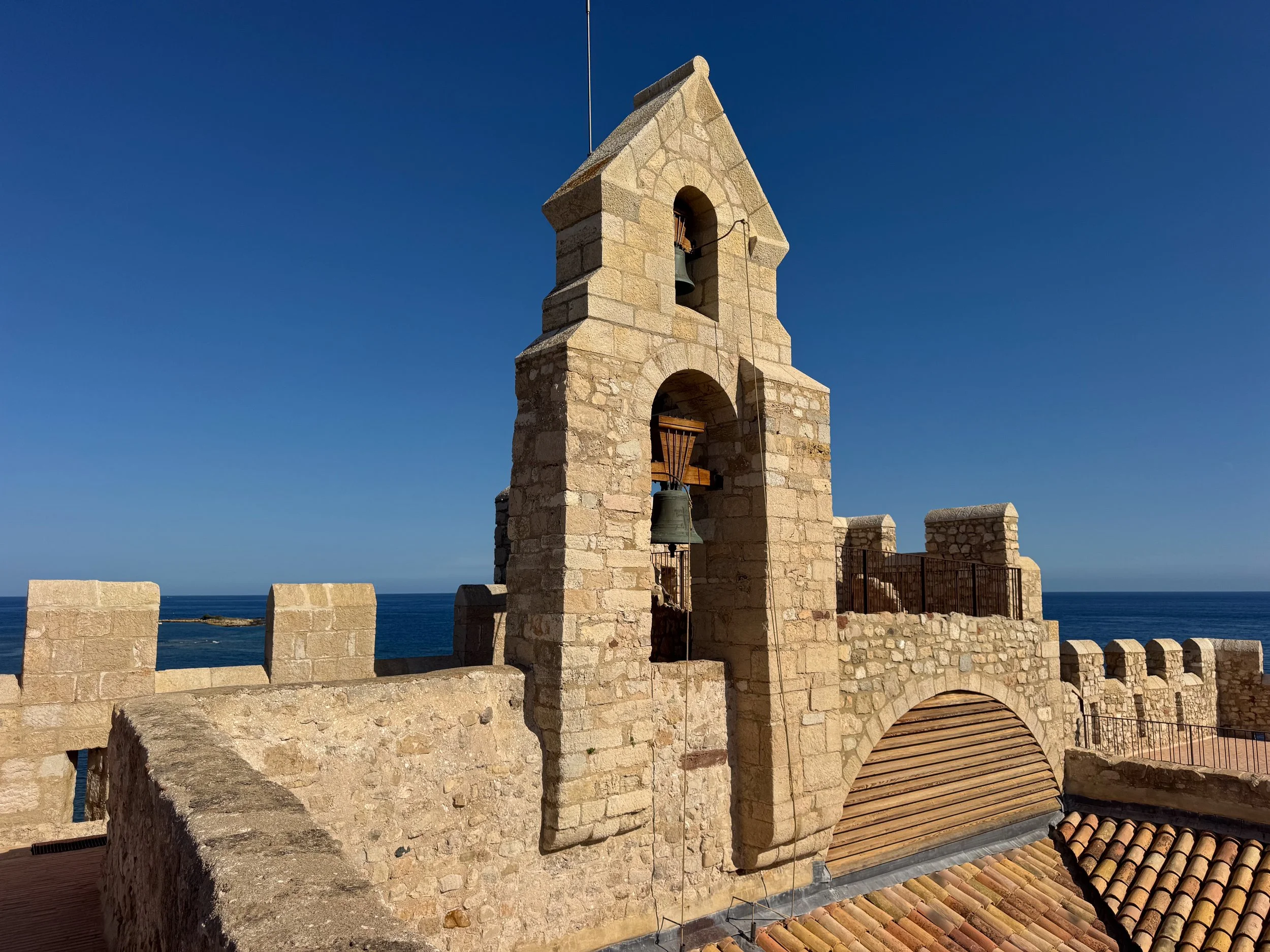
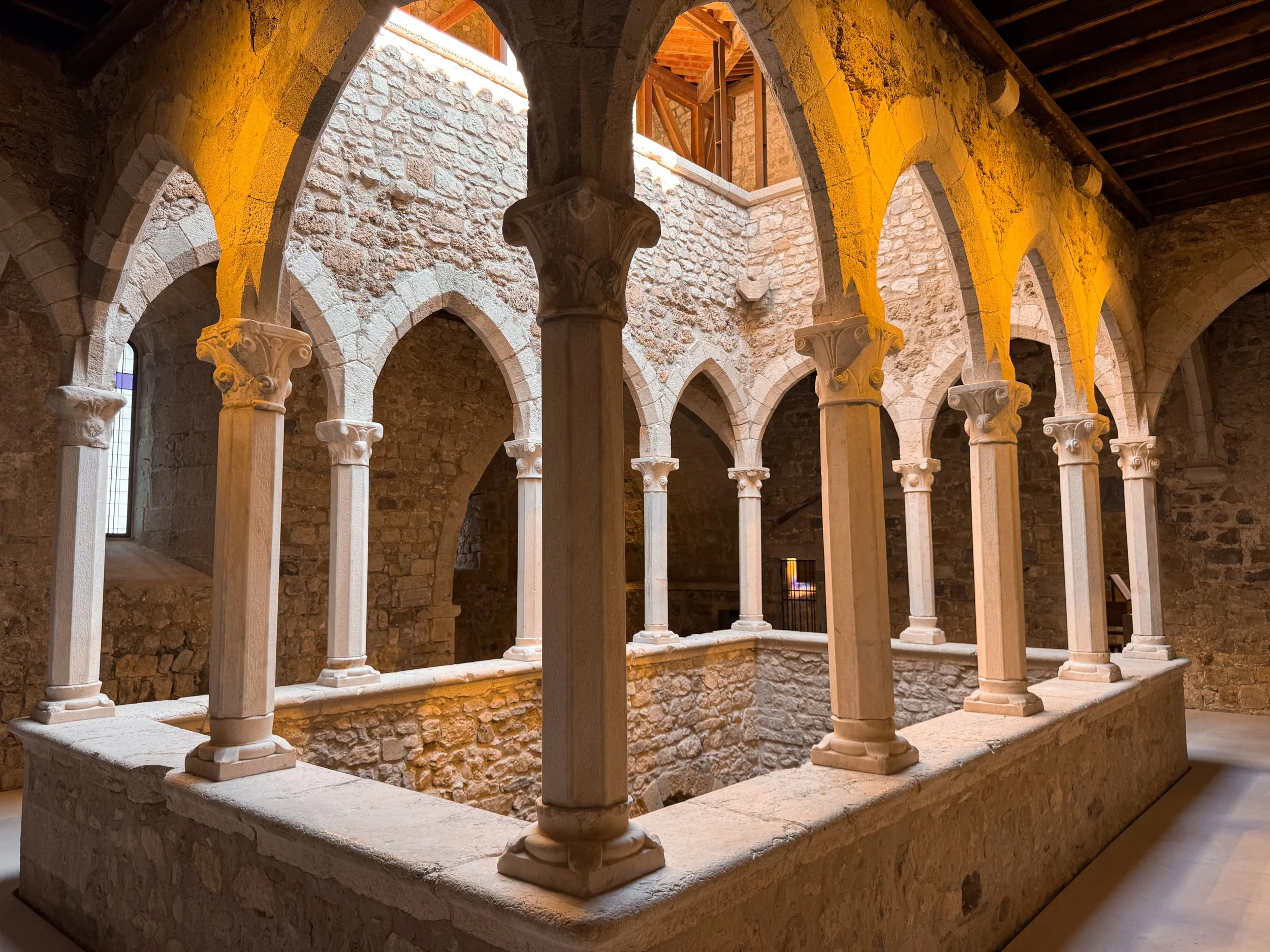
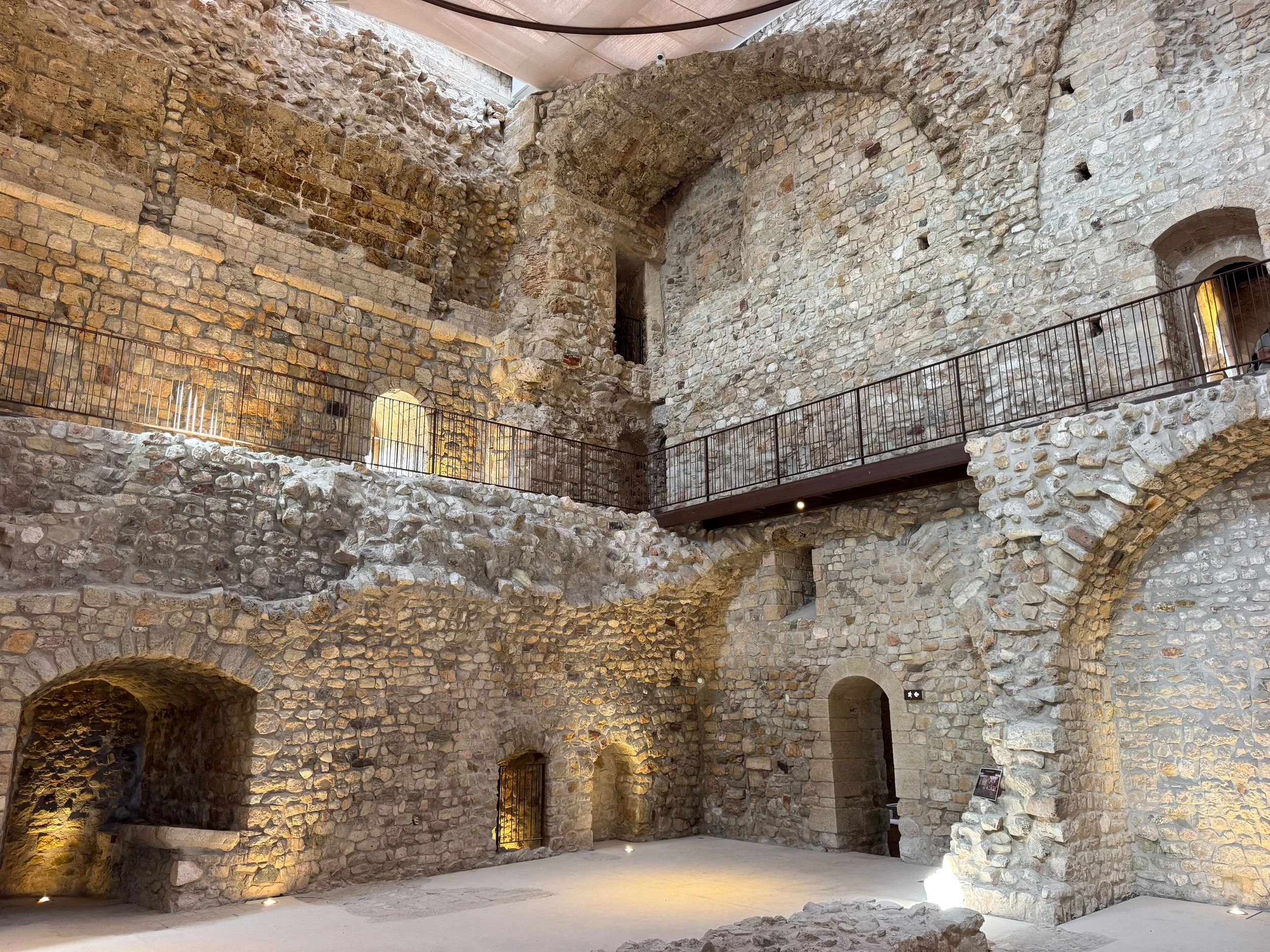
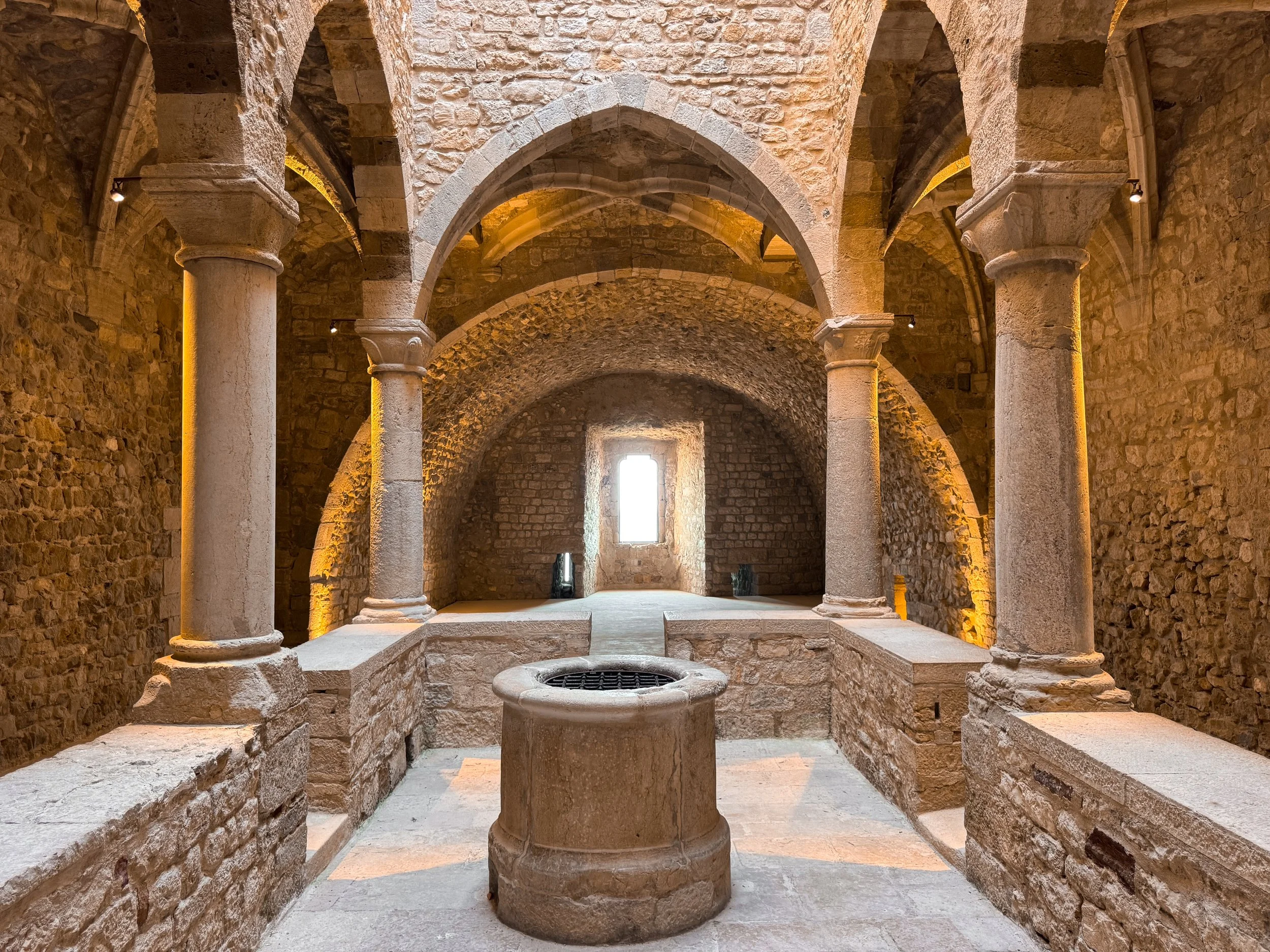
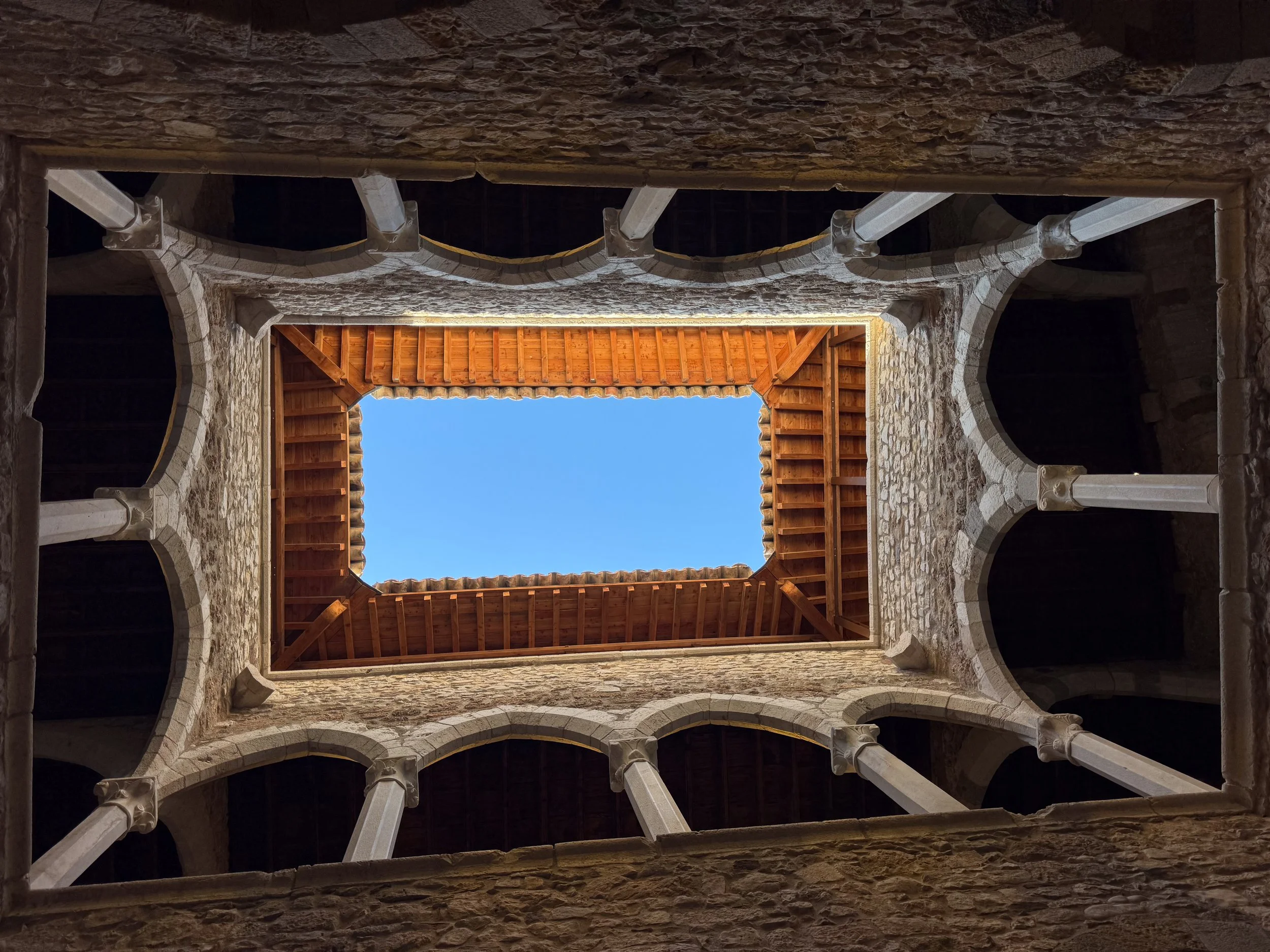
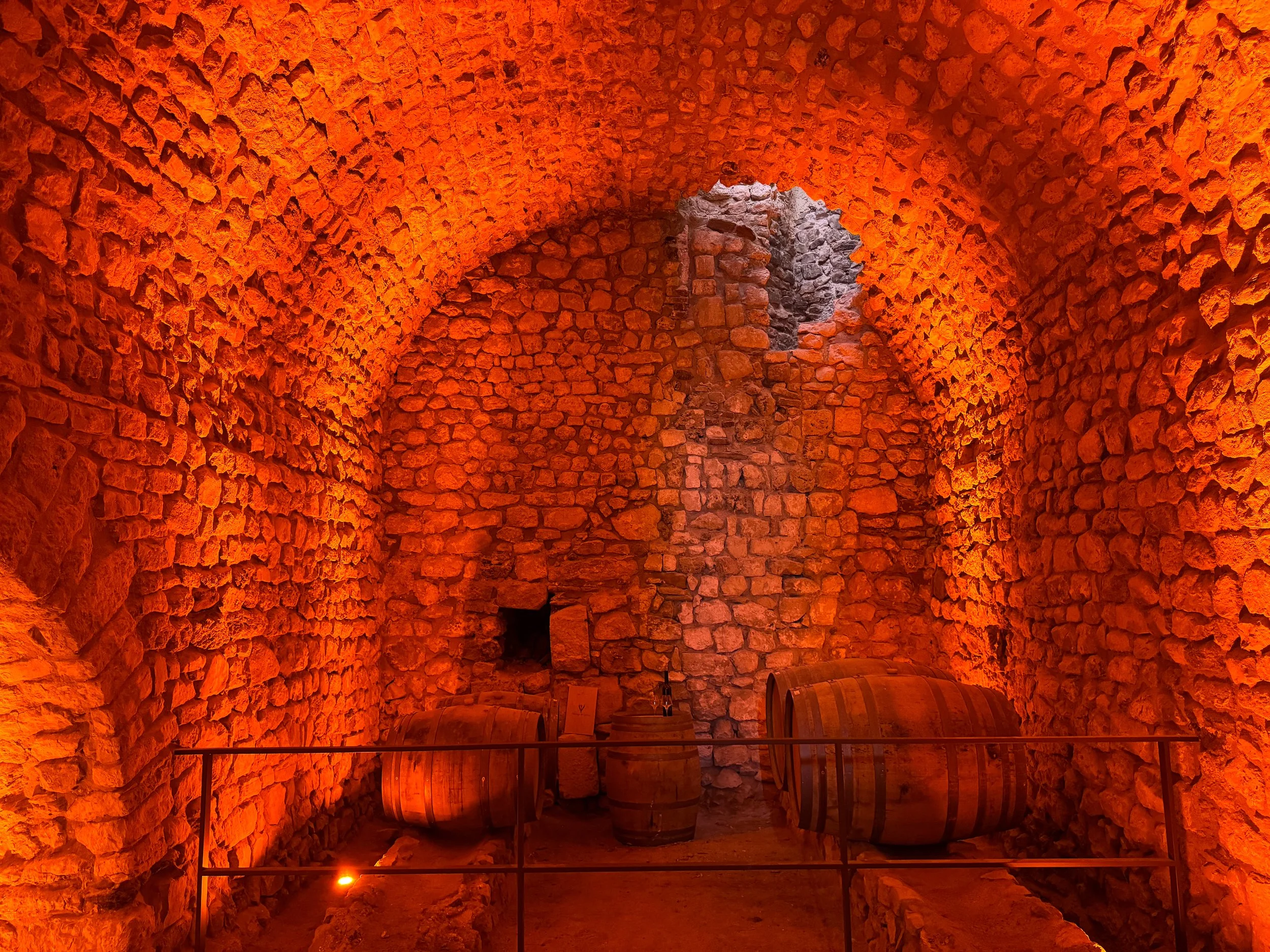
Forteresse de Saint-Honorat. A restored medieval fortress towering over the island's southern coast, built to shield the monks from invaders and pirates. Explore preserved rooms where monks lived, prayed and made wine. A cloistered light well opens to the sky as a spiral staircase climbs to the rooftop for panoramic views of the abbey and coastline.
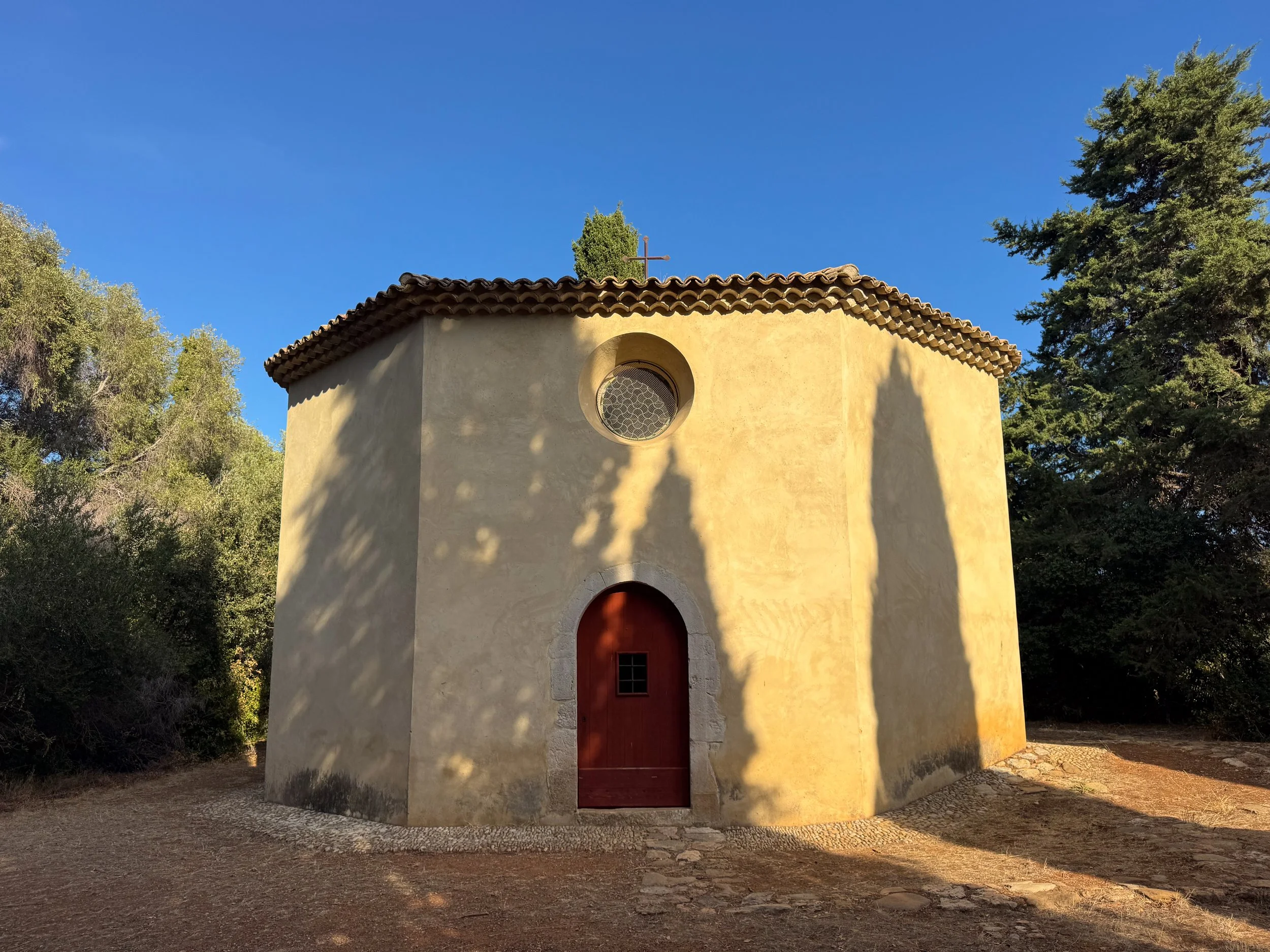
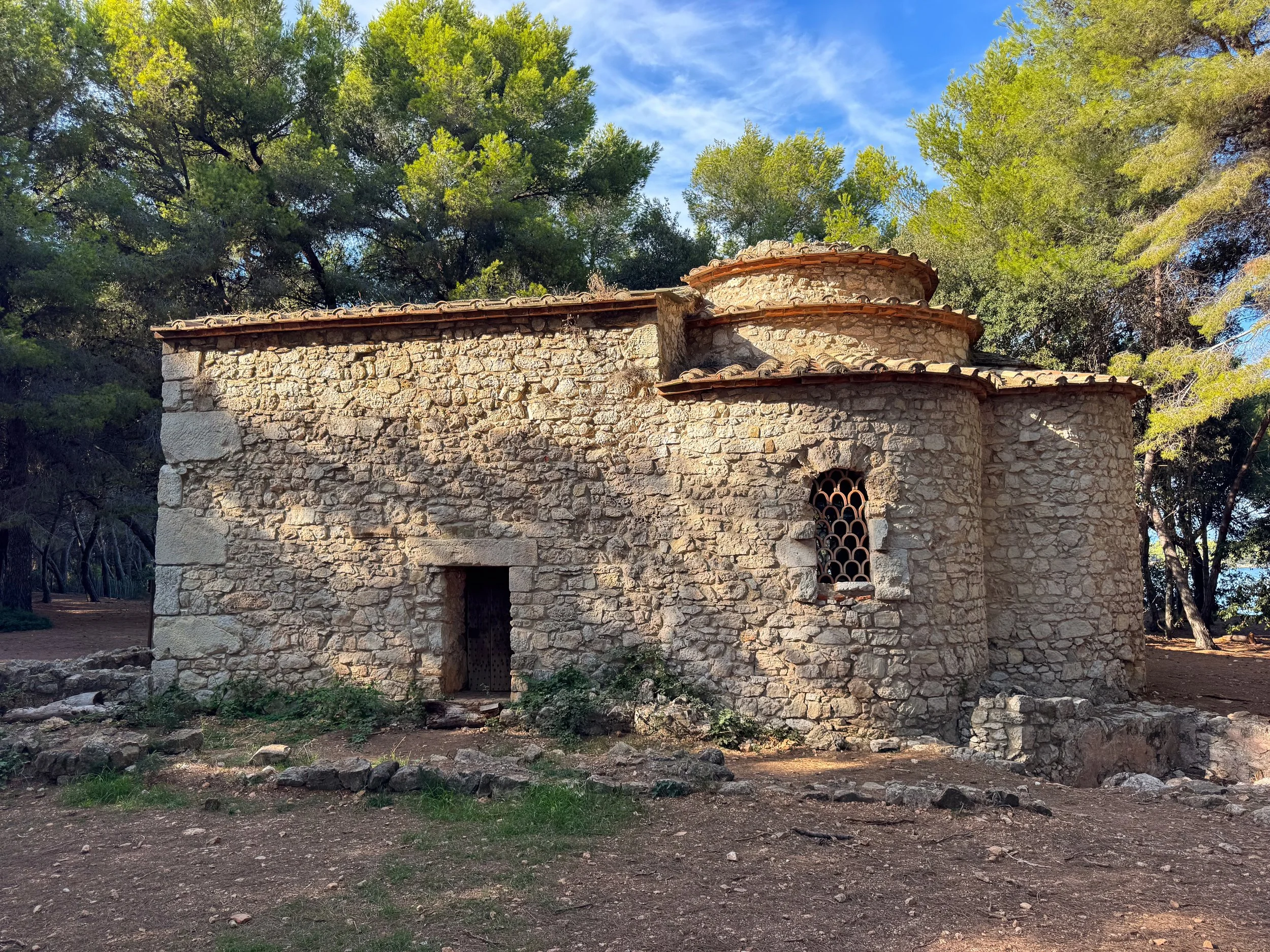
Island Chapels. Several chapels dot the island's nature trails. Near the eastern tip, the medieval Chapelle de la Trinité was a traditional prayer stop for monks and visitors, while the octagonal Chapelle Saint-Sauveur sits on the western side among vineyards and olive trees.
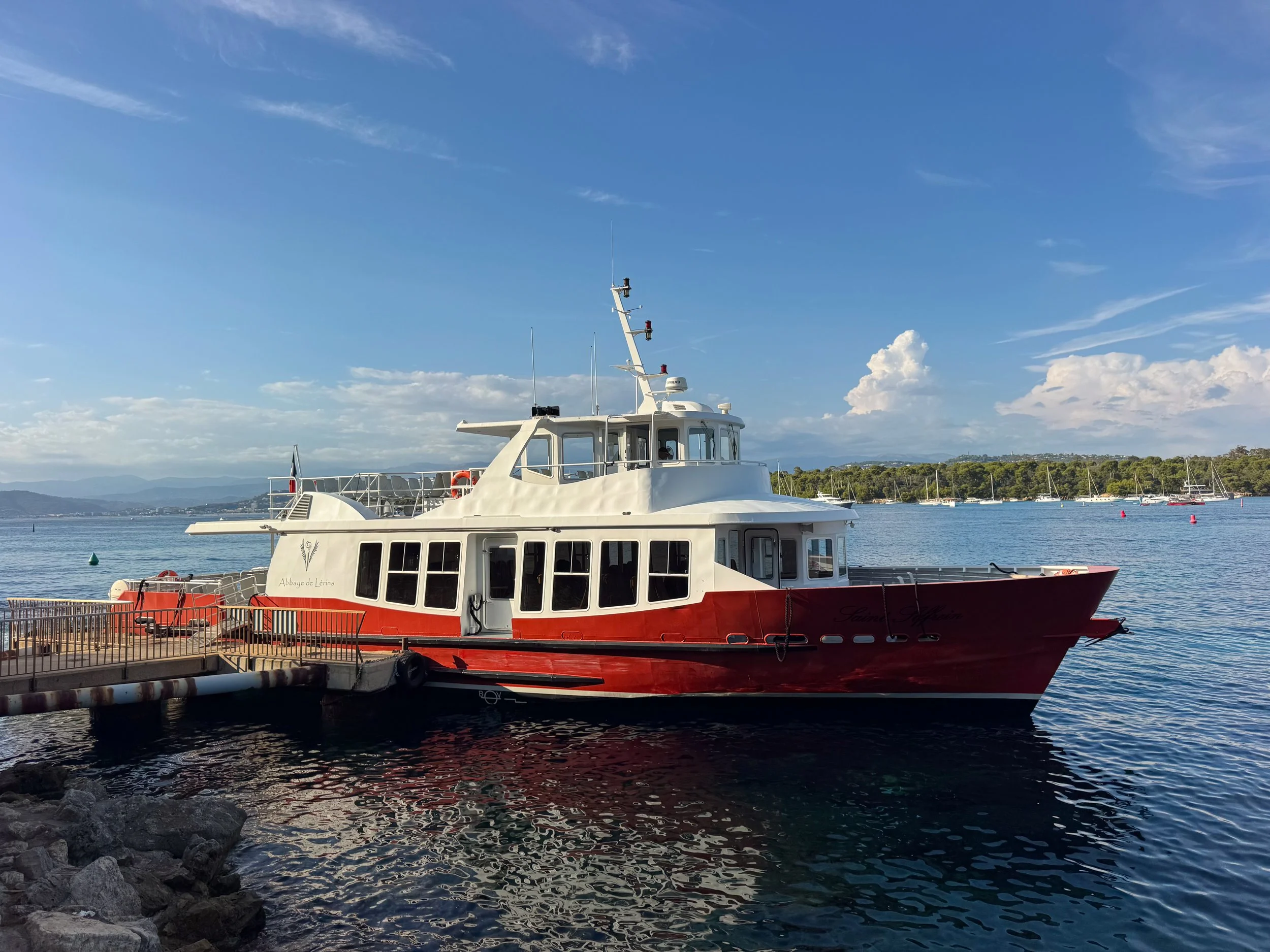
Cannes to Lérins Islands by Ferry
Ferries to the Îles de Lérins depart from Cannes' Vieux Port. Tickets are sold day of by Trans Côte d'Azur at the ferry kiosks. Schedules change seasonally, and since all tickets are round trip to a single island, visiting both in one day means returning to Cannes and buying a separate round trip ticket for the second island.
Antibes Day Trip from Cannes
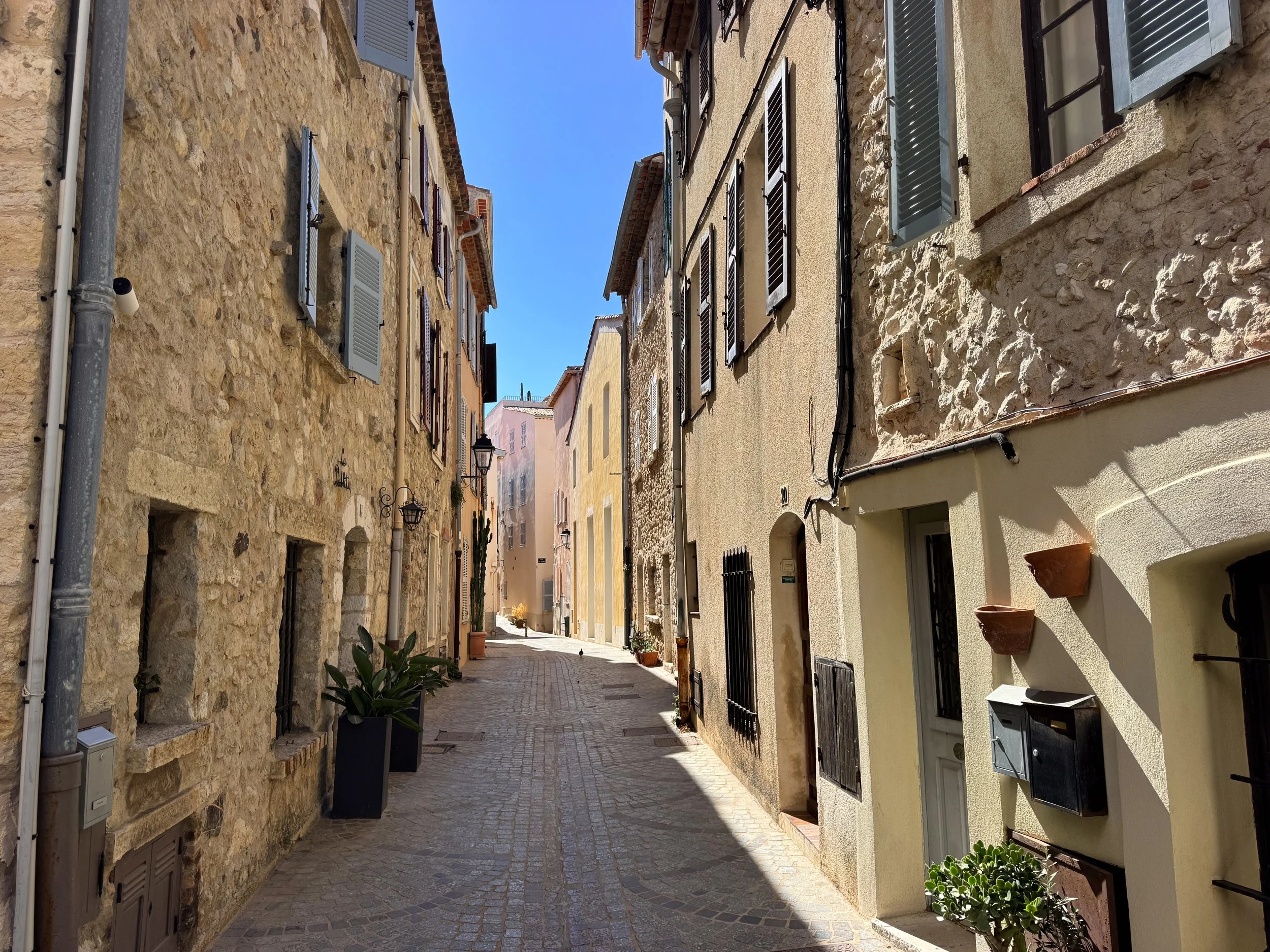
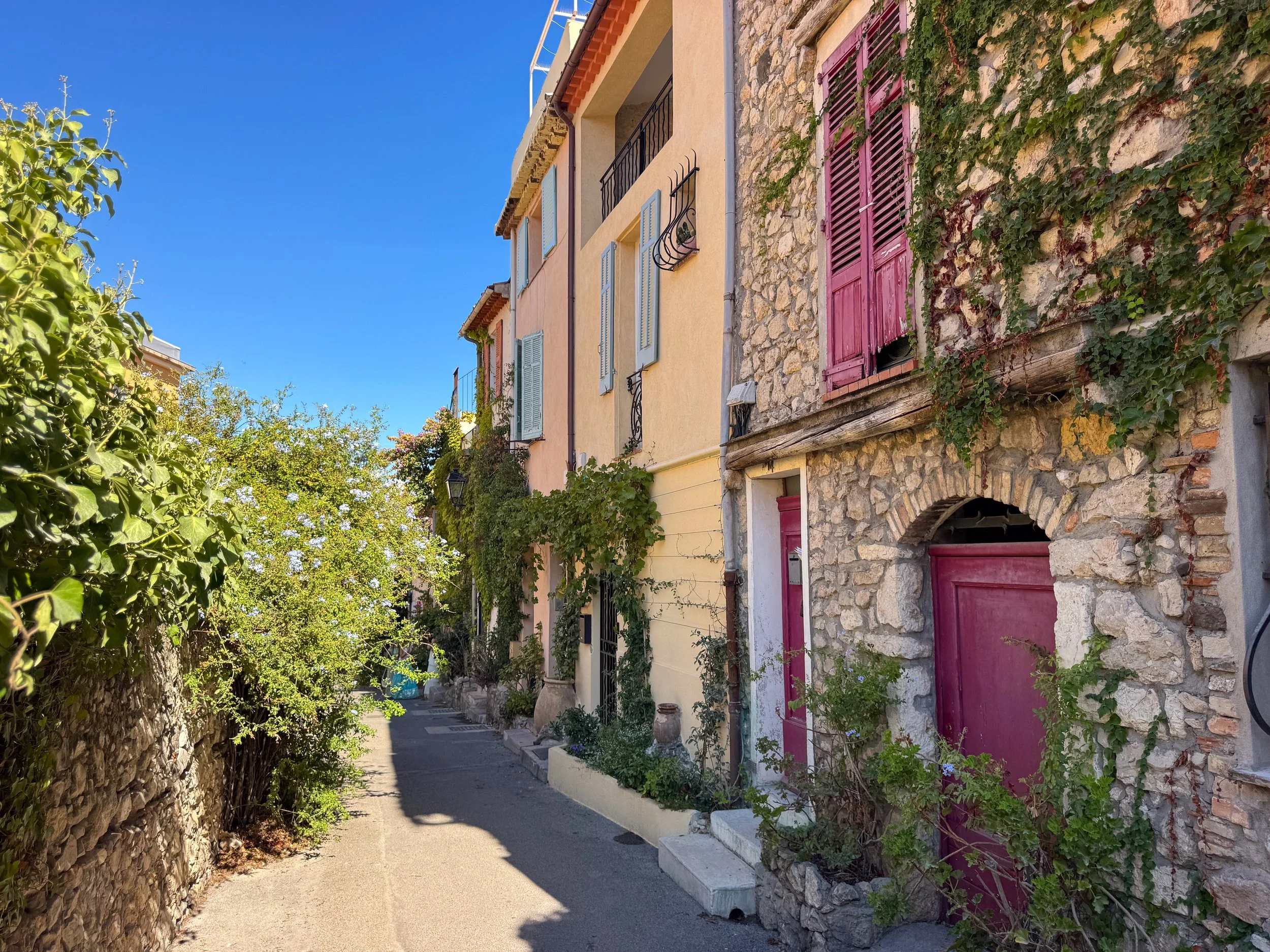
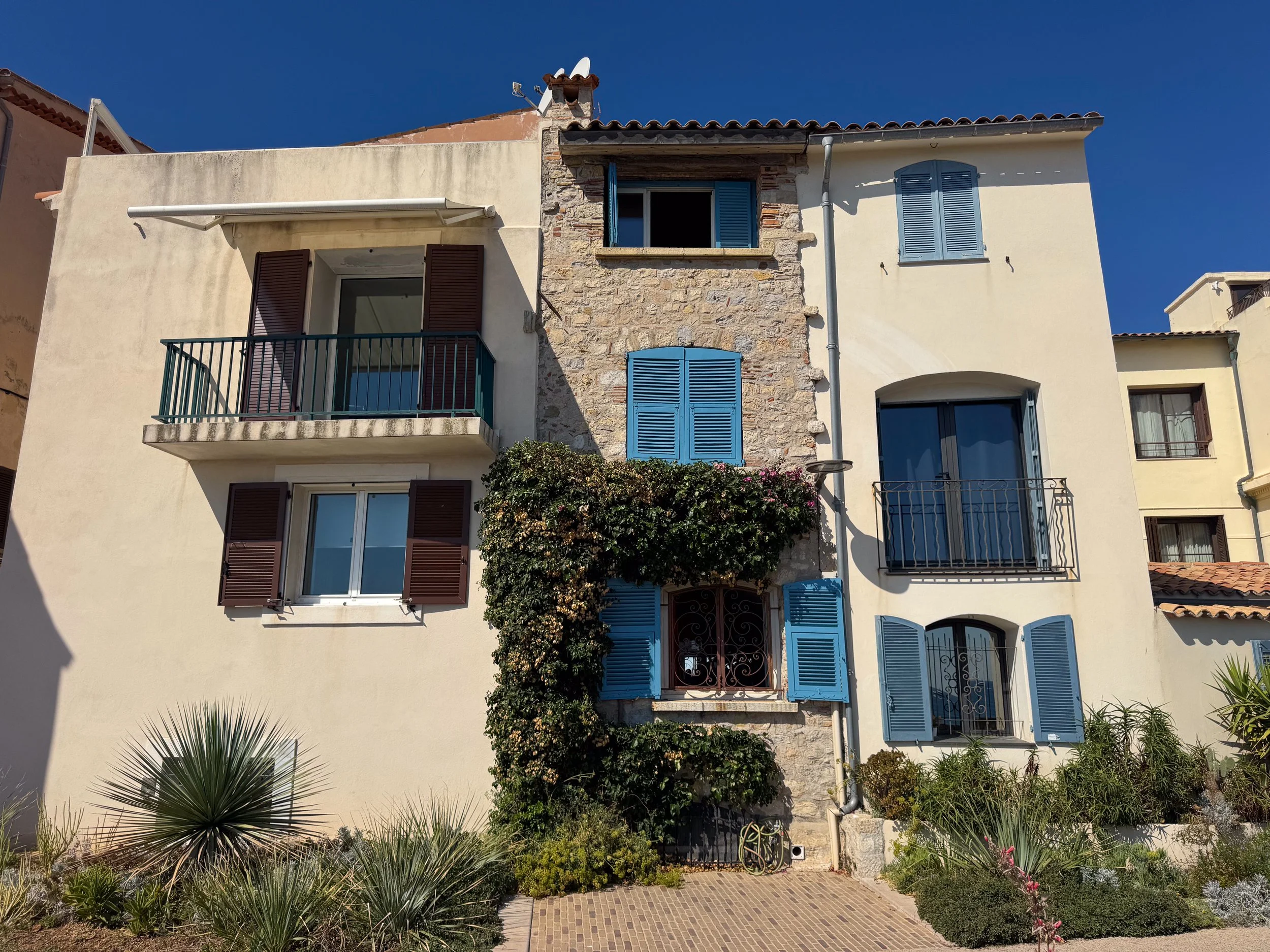
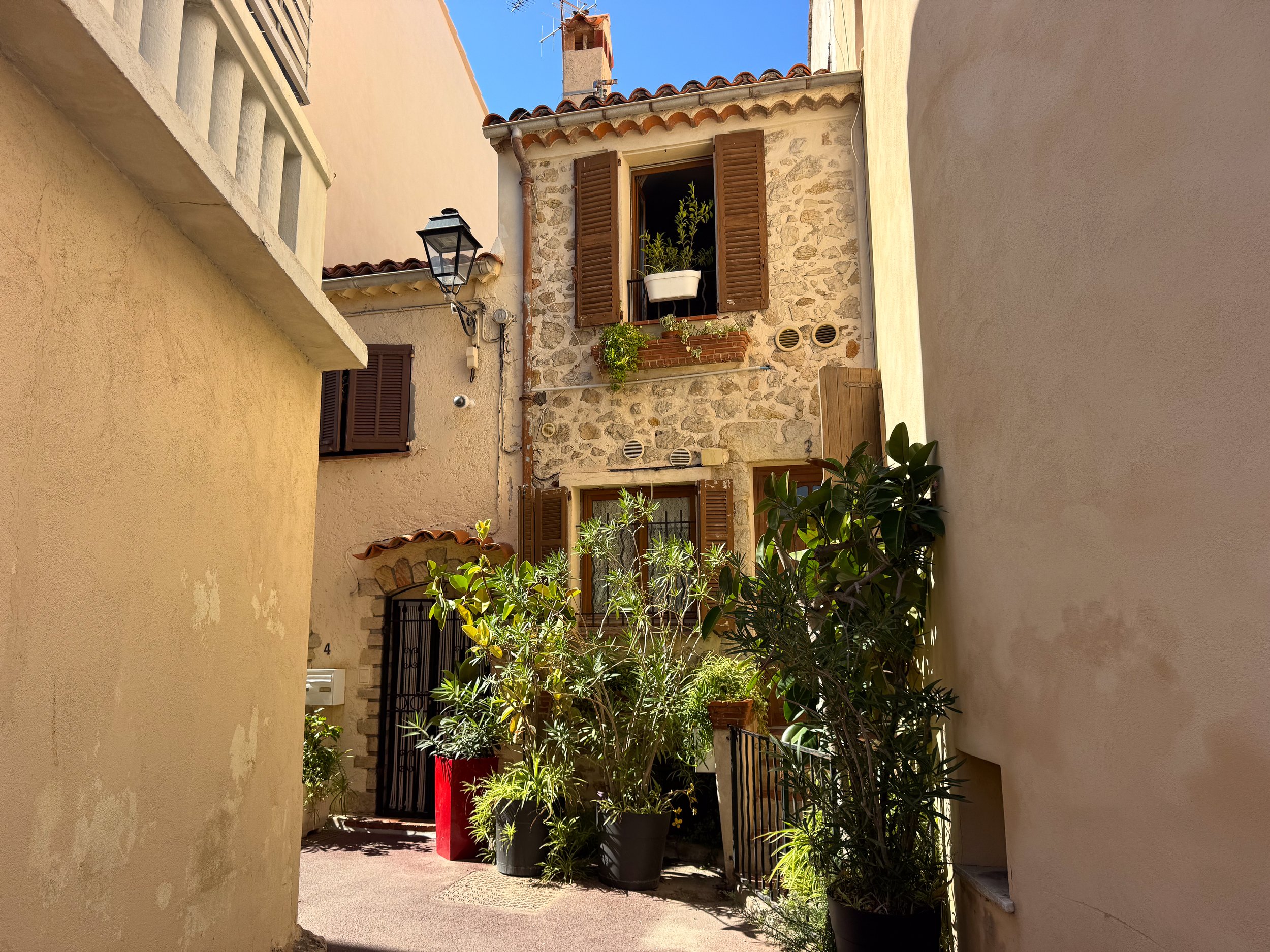
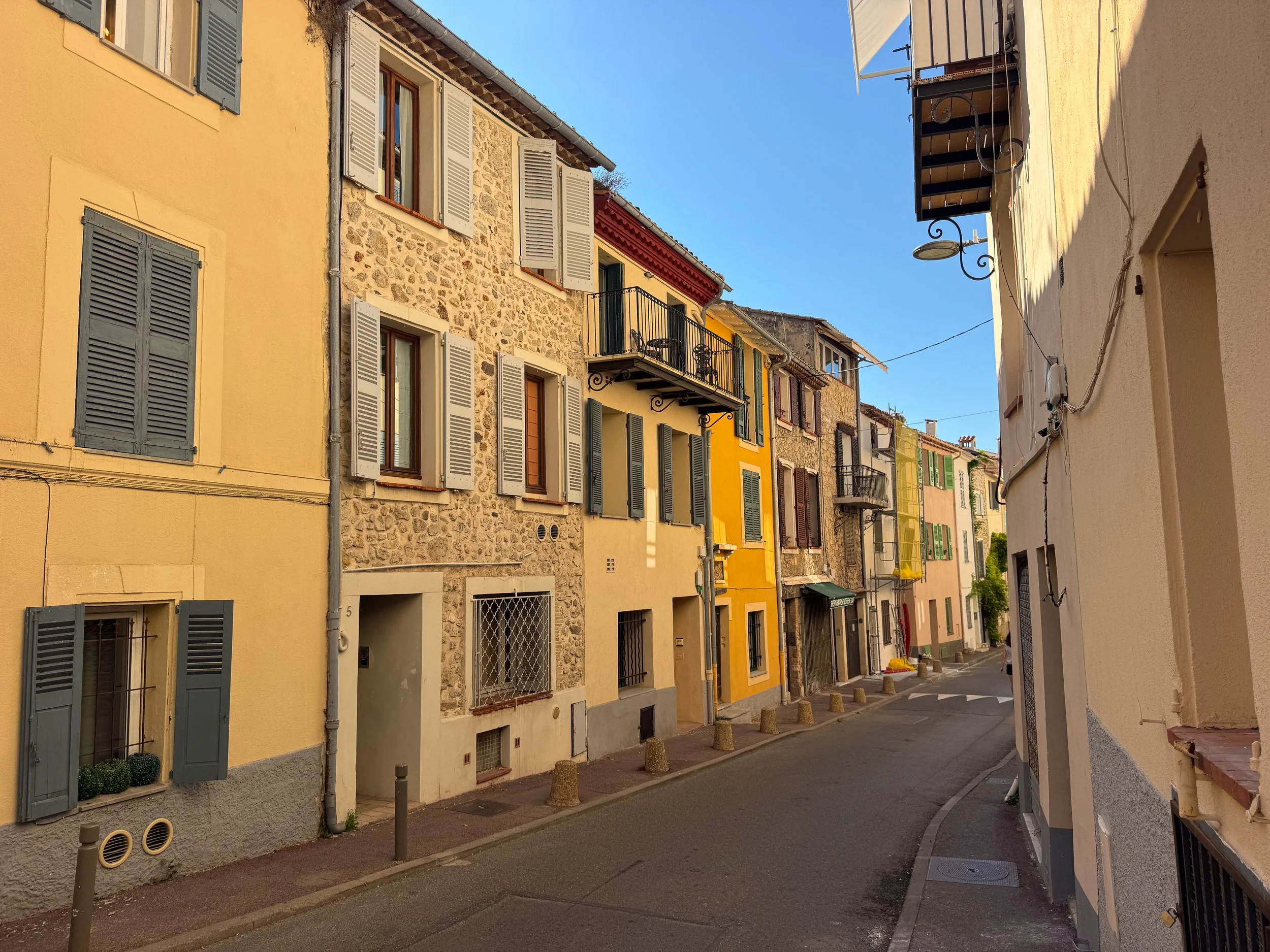
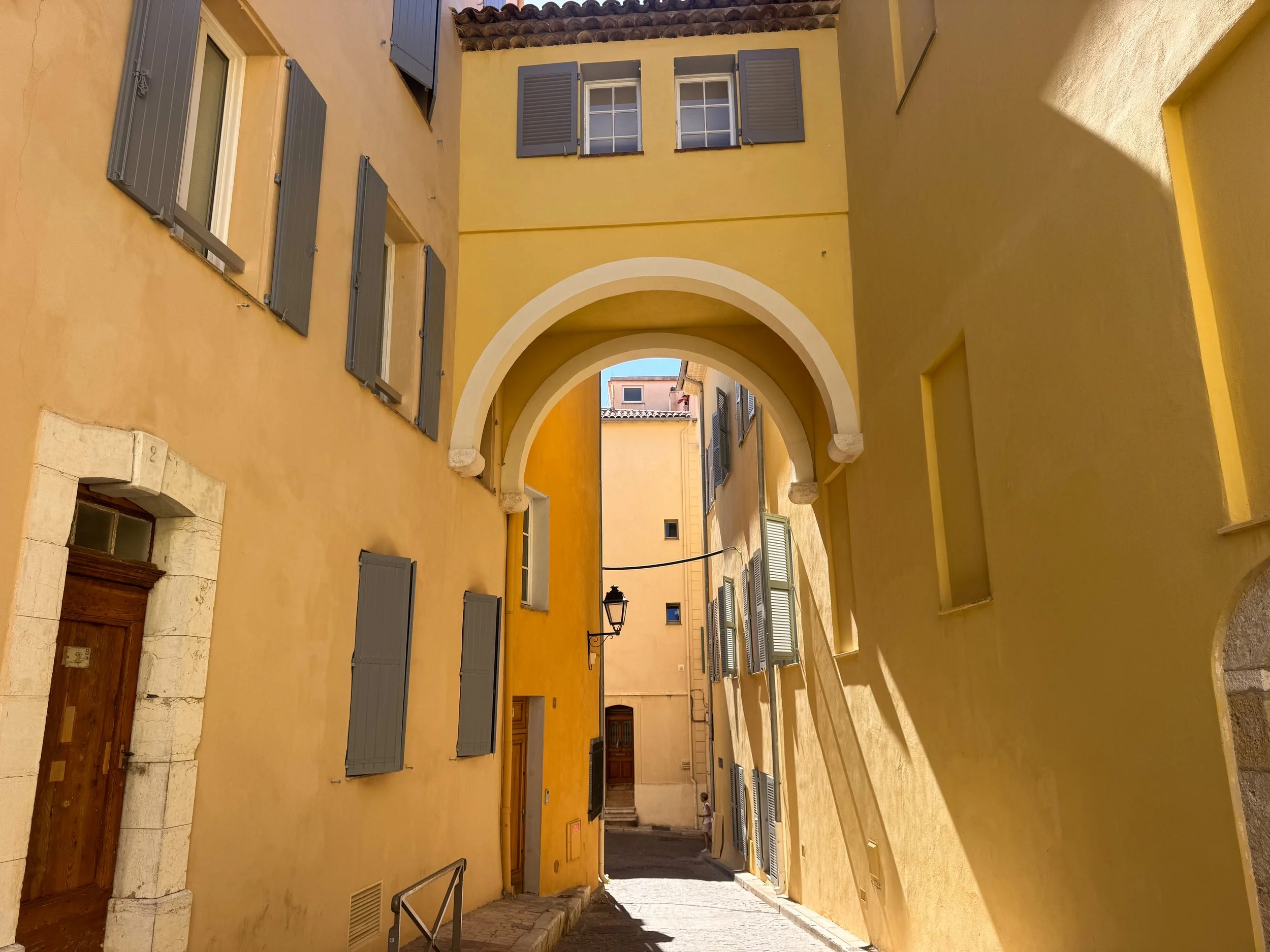
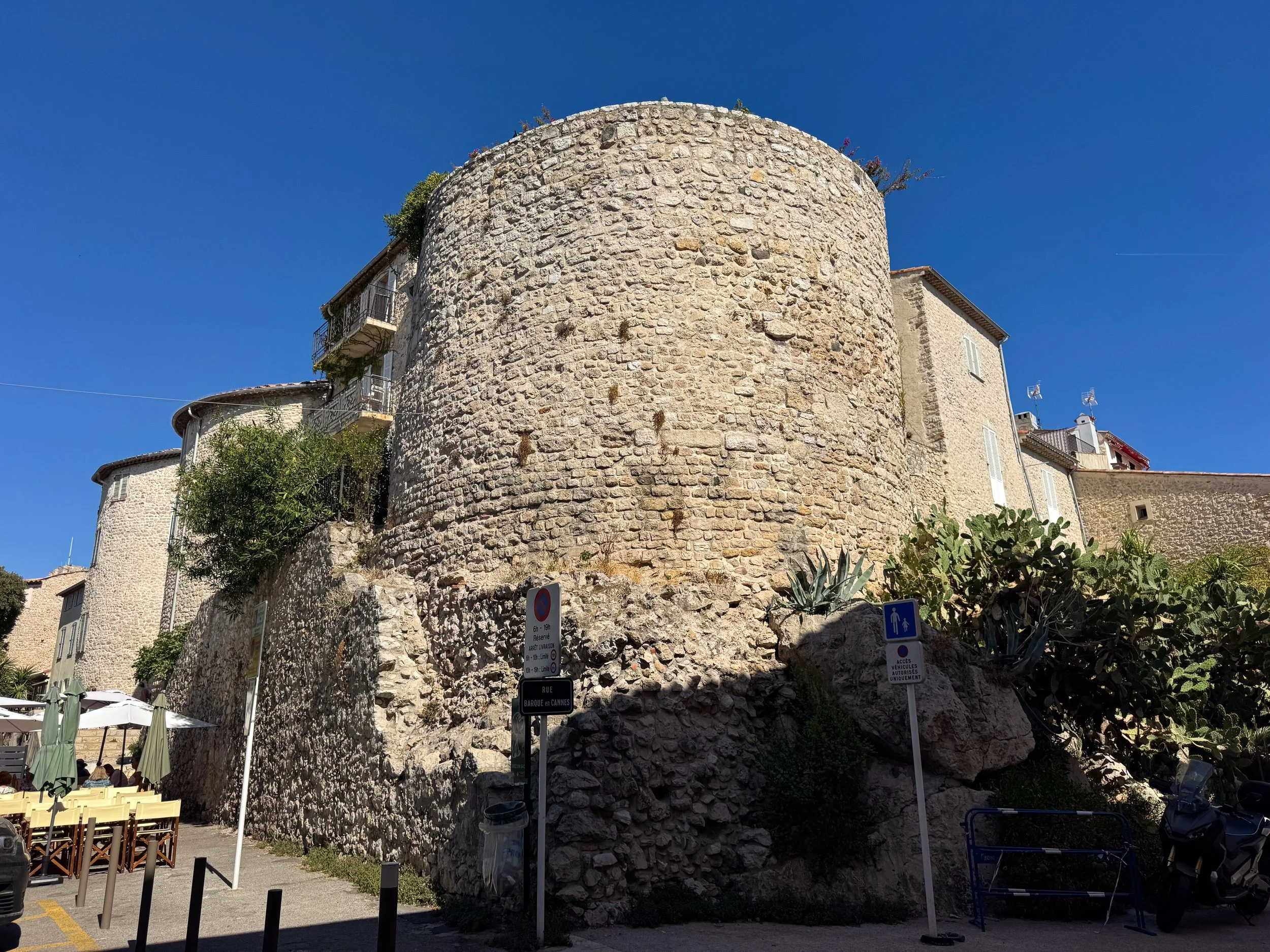
Antibes is a stunning coastal town with roots reaching back to Roman times. Cobblestone streets flanked by pastel buildings wind through its medieval center. Clifftop ramparts guard the medieval town while plazas brim with restaurants, boutiques and weekend markets selling Provençal goods and antiques. Tan sand beaches hug turquoise bays as mega yachts make port at one of the Riviera’s largest harbors. Antibes is an ideal day or overnight trip from Cannes.
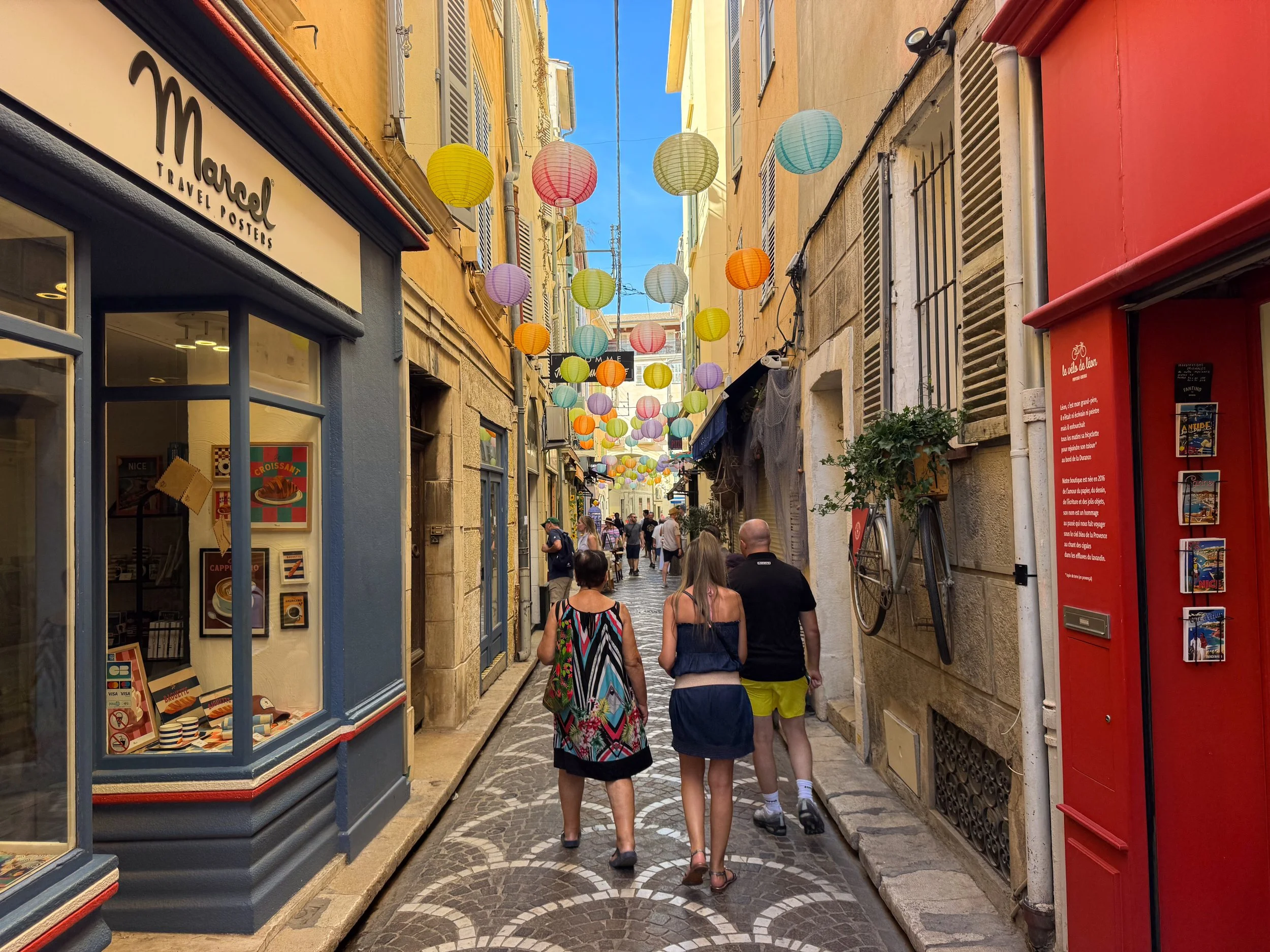
Vieil Antibes (Antibes Old Town)
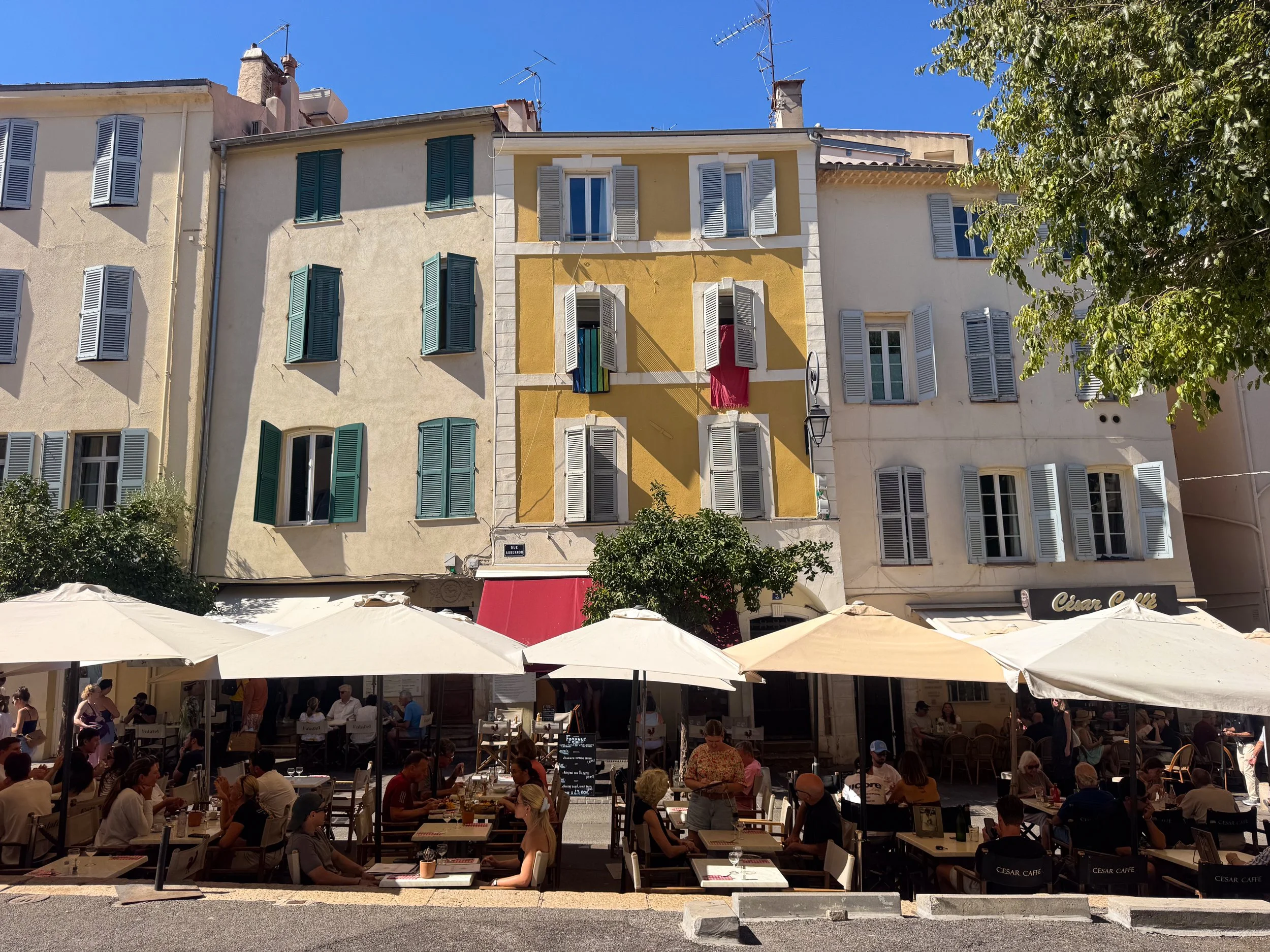
The historic center of Antibes is best discovered on foot. Large squares buzz with cafes, bakeries and bars while narrow alleyways of exposed stone and painted façades conceal boutiques. Stroll the seaside ramparts for coastal views and beach access. Browse museums spanning ancient artifacts to modern art, and catch the farmers and antique stalls that set up each weekend.
Cours Masséna. Anchored by the covered Marché Provençal, this old town street is a hub for dining out. Bistro tables sit beneath shaded umbrellas and awnings, where restaurants, cafes and bars serve everything from morning coffee to evening cocktails.
Rue de la République. A bustling old town shopping street linking three central plazas. Small cafes serve local bites like pissaladière and socca, alongside chocolatiers, wine cellars, fromageries, boulangeries, pâtisseries and boutiques selling clothing and shoes.
Rue des Revennes & Rue James Close. Two narrow streets paved in black and white stone beneath a canopy of colorful lanterns. Historic buildings open into small galleries and boutiques selling everything from stationery, jewelry, clothing, artwork and perfume to home decor, spices, cheese and wine.
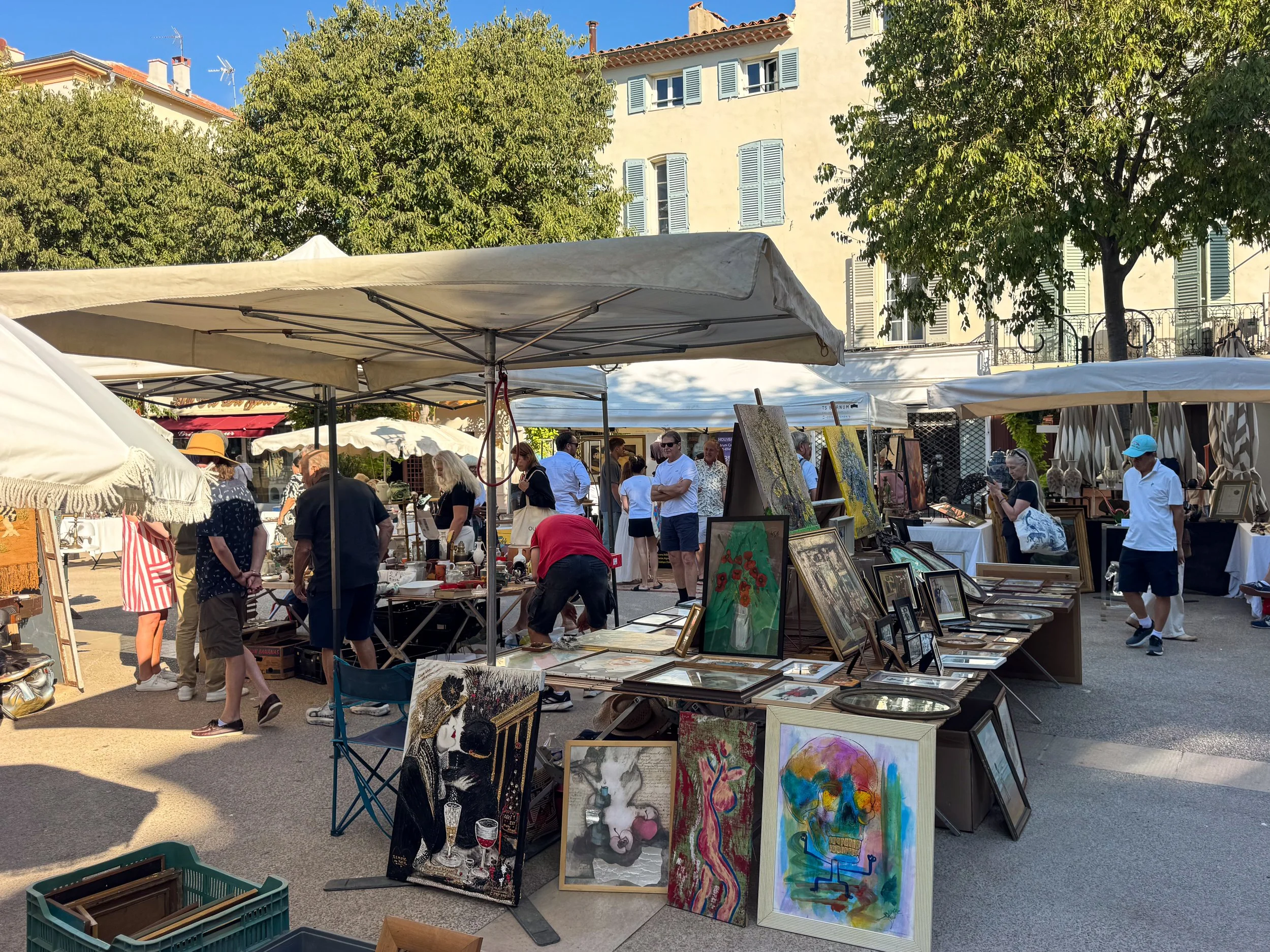
Place Nationale. A large plaza at the center of the old town, flanked by cafes, restaurants, gelato shops and clothing stores. On Saturdays, an antique and flea market sets up on one side while sprawling bistro terraces fill the other.
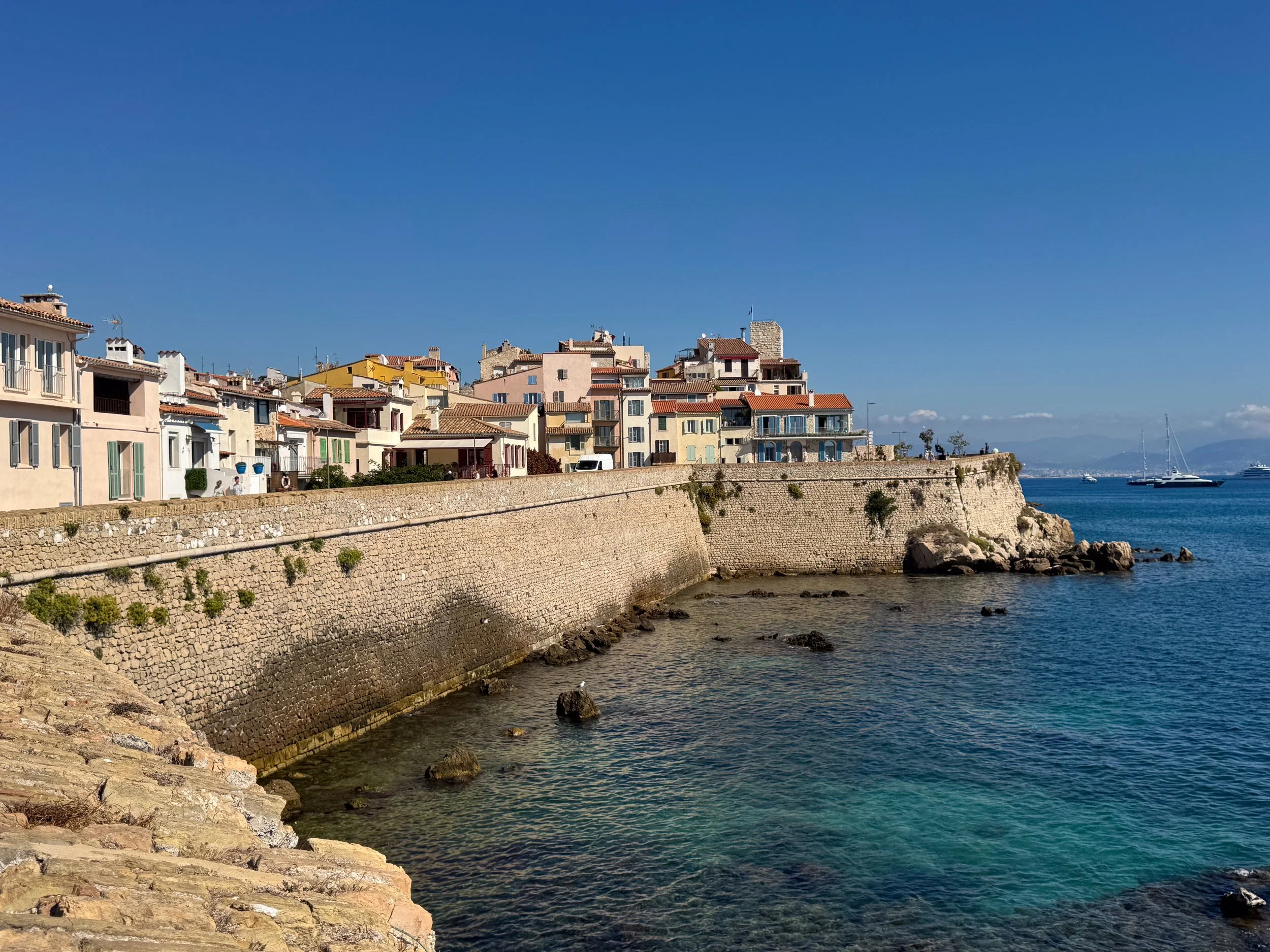
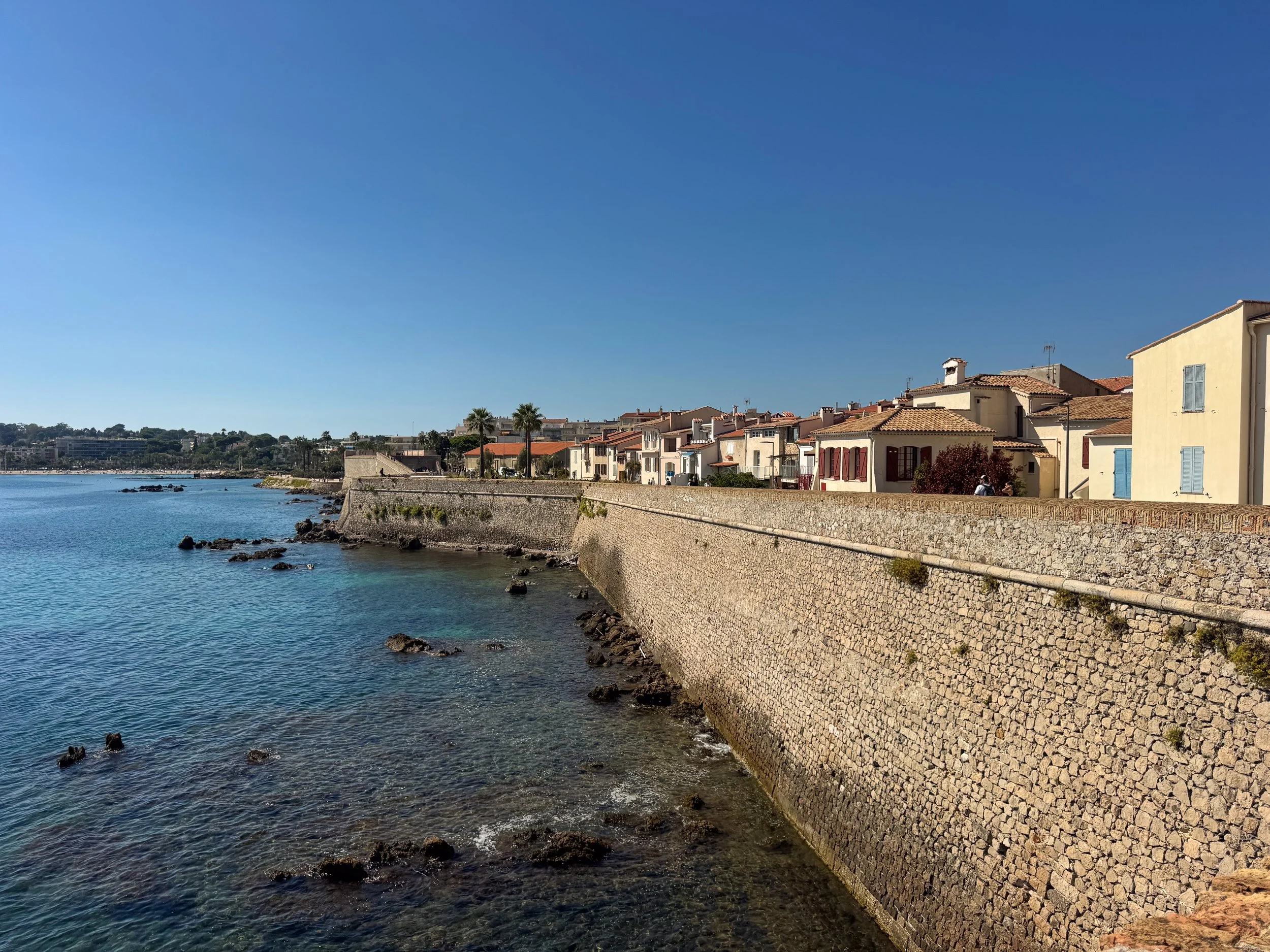
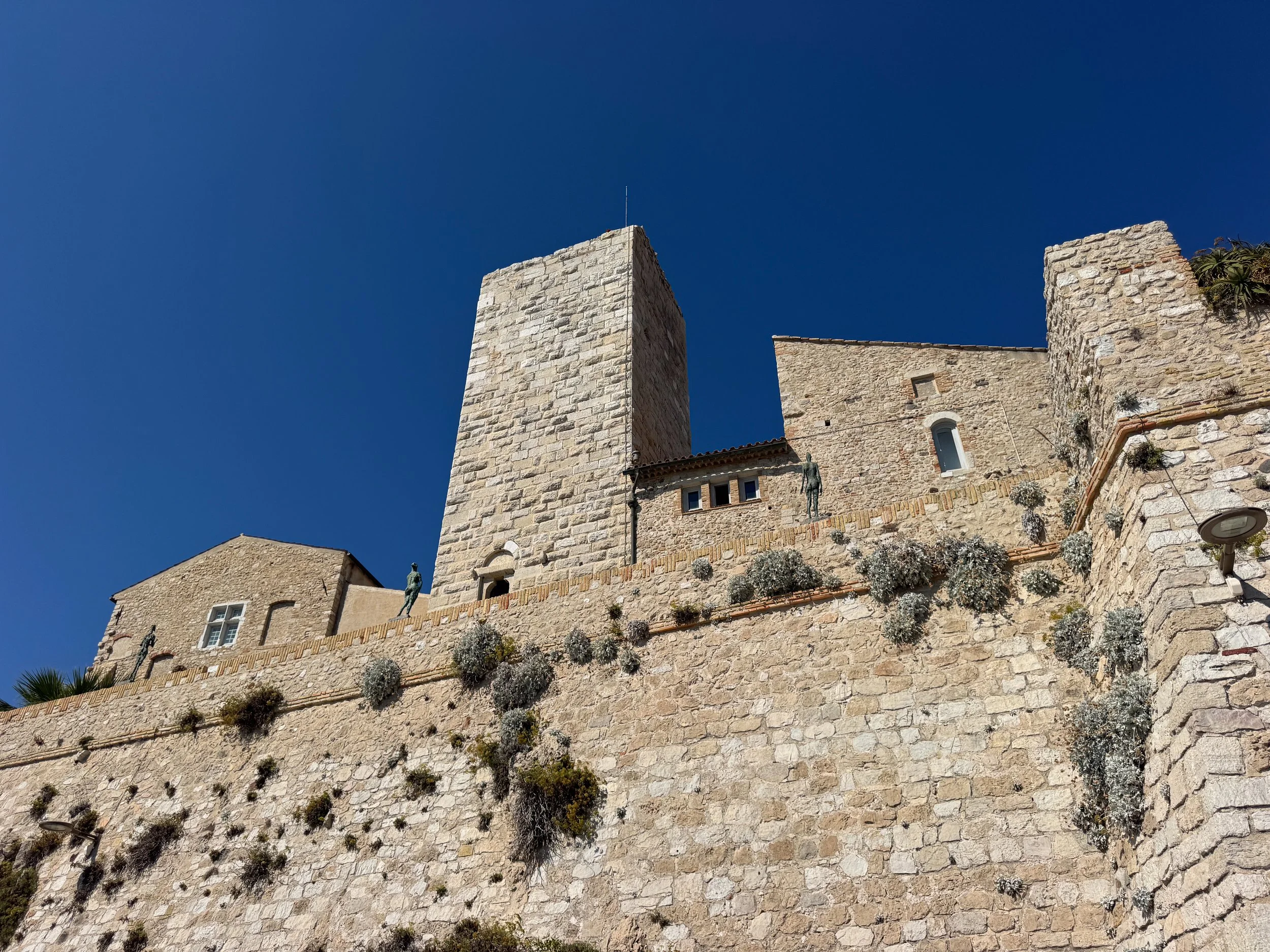
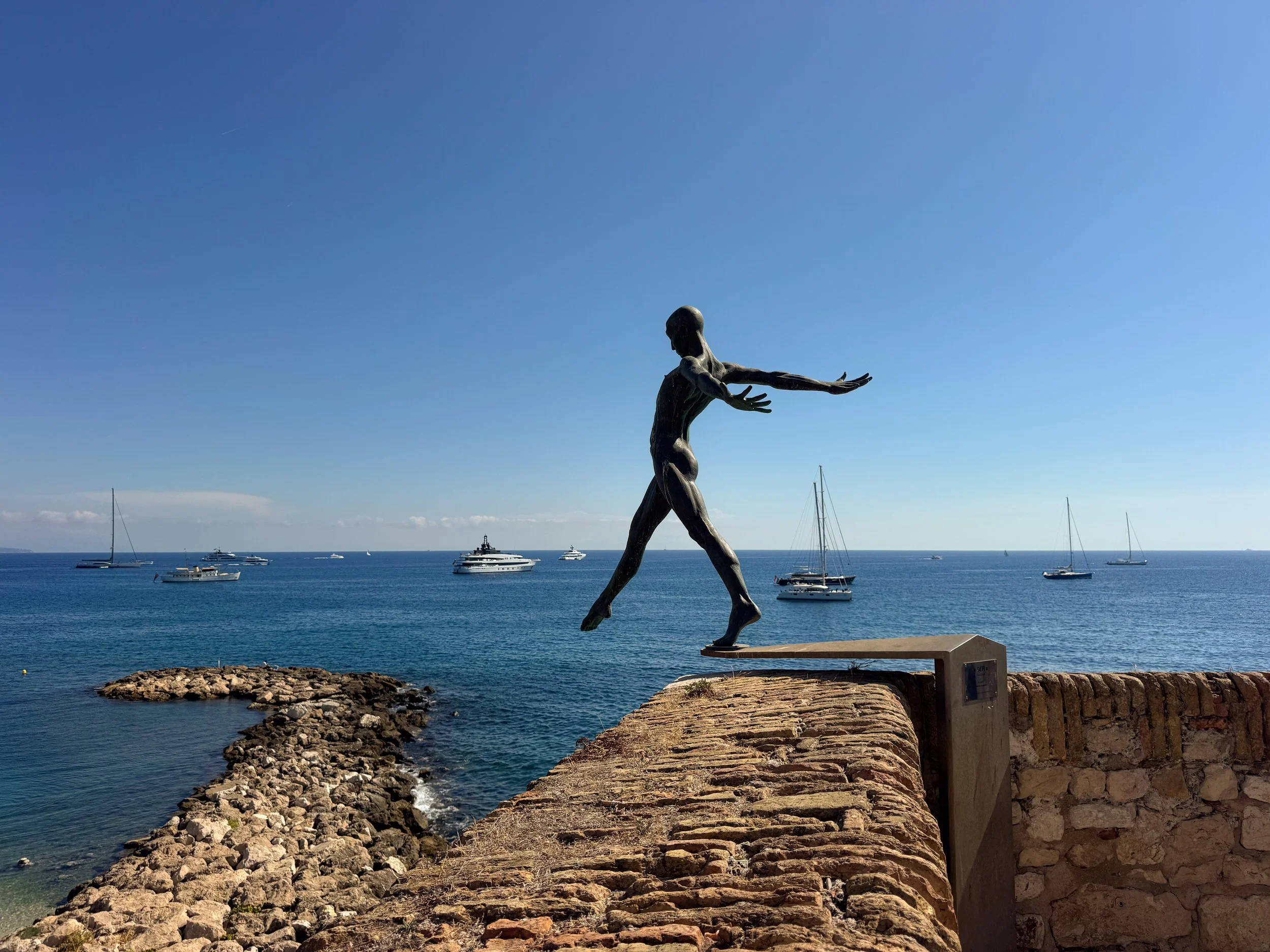
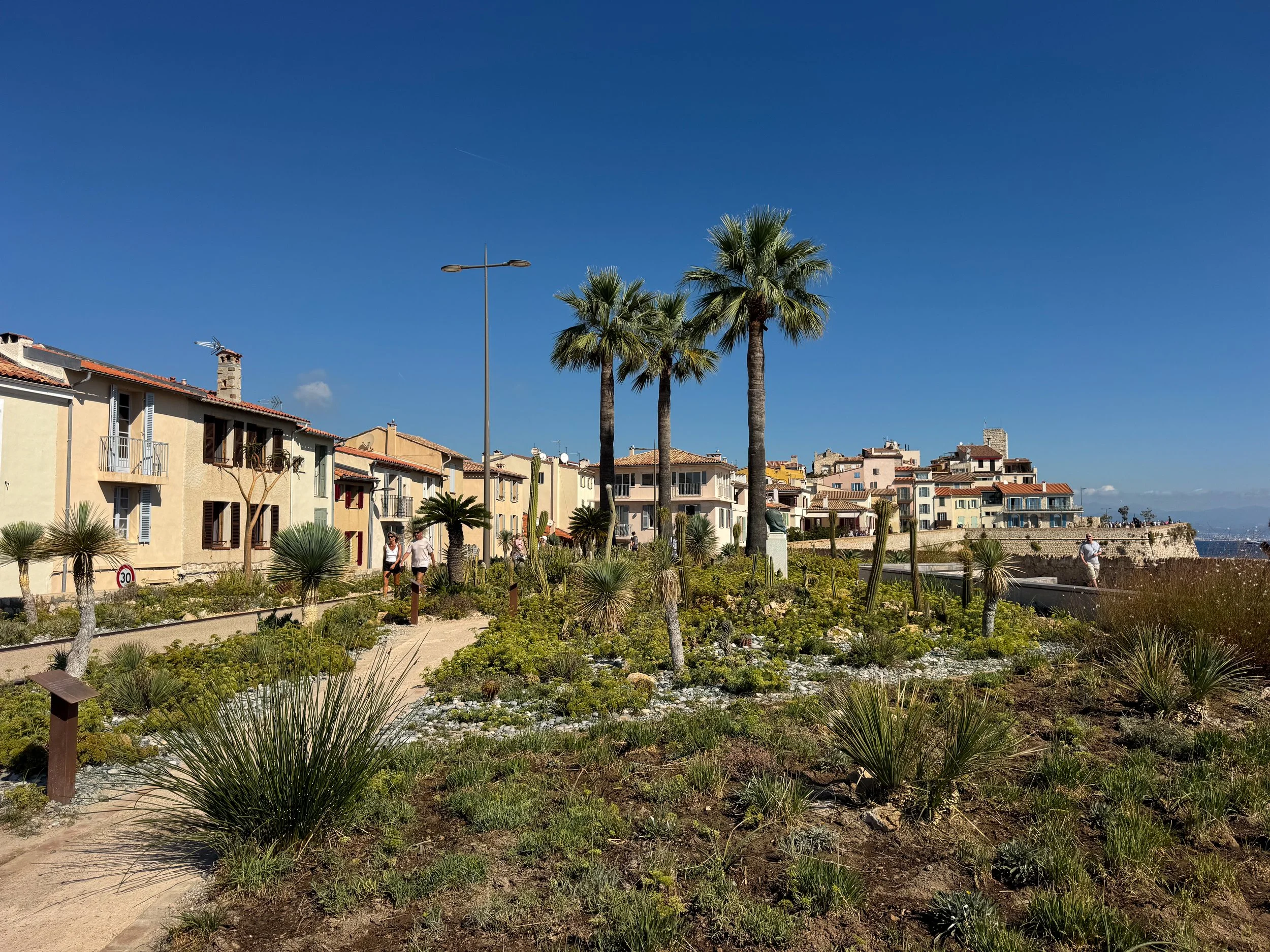
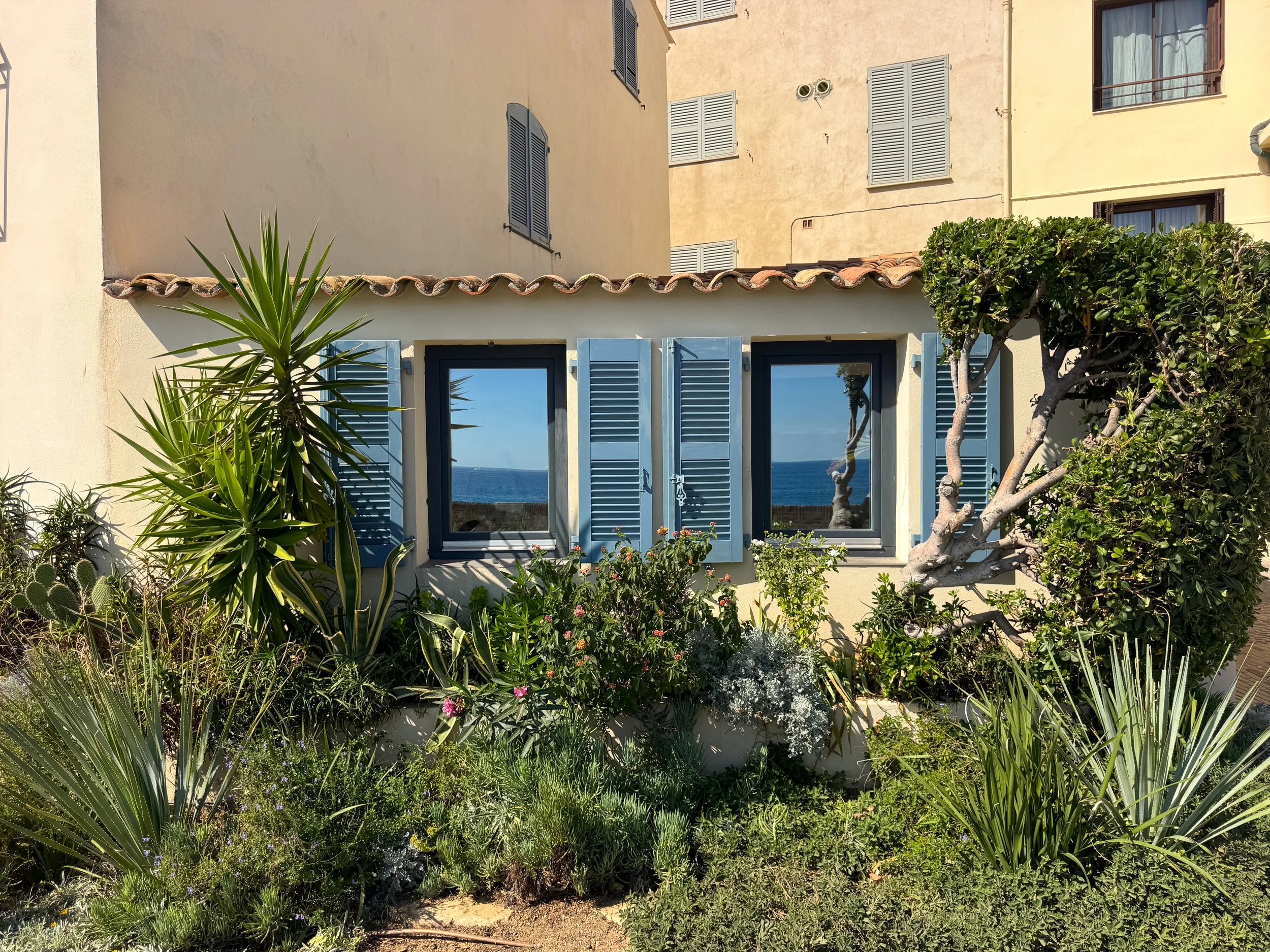
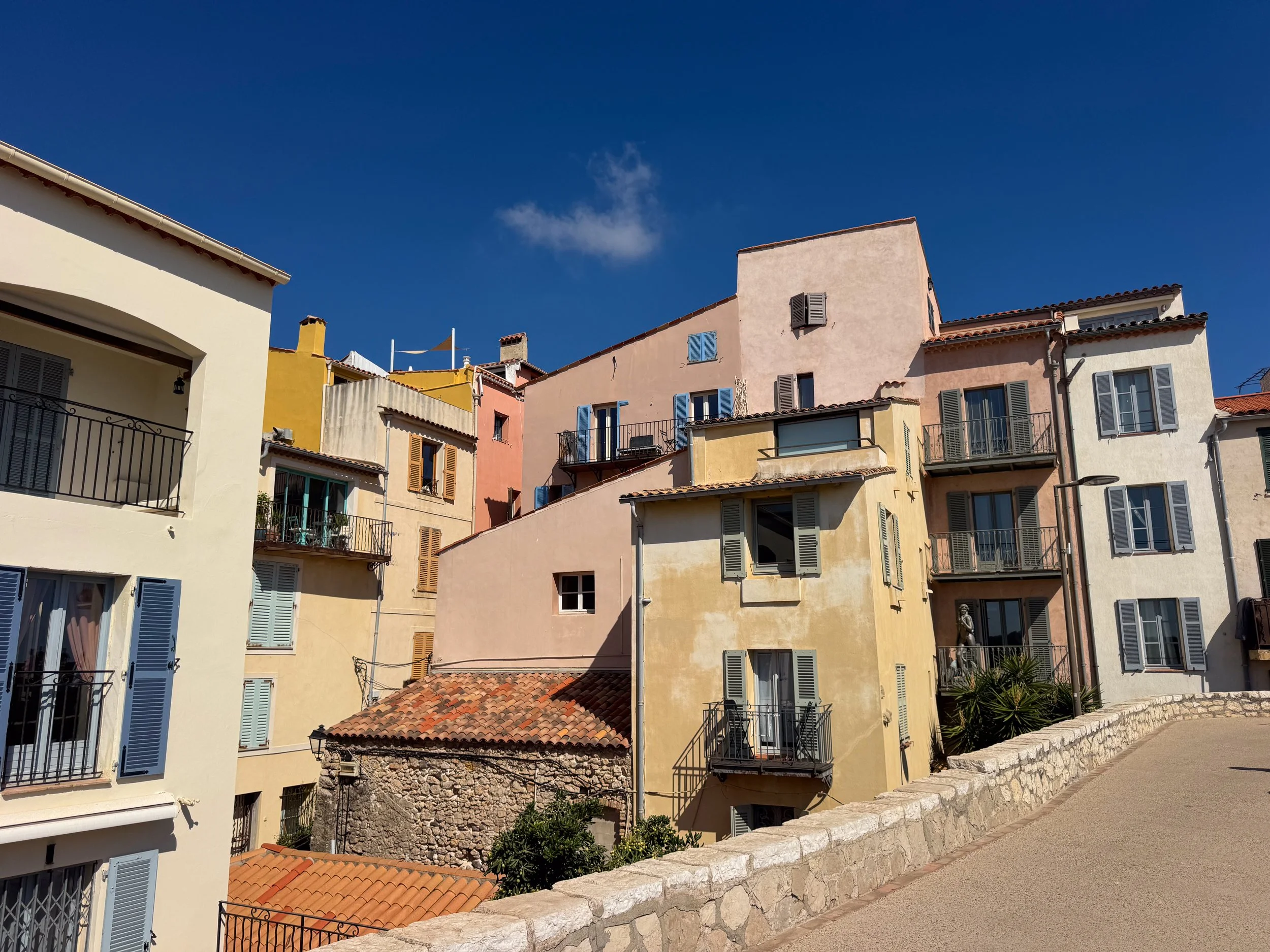
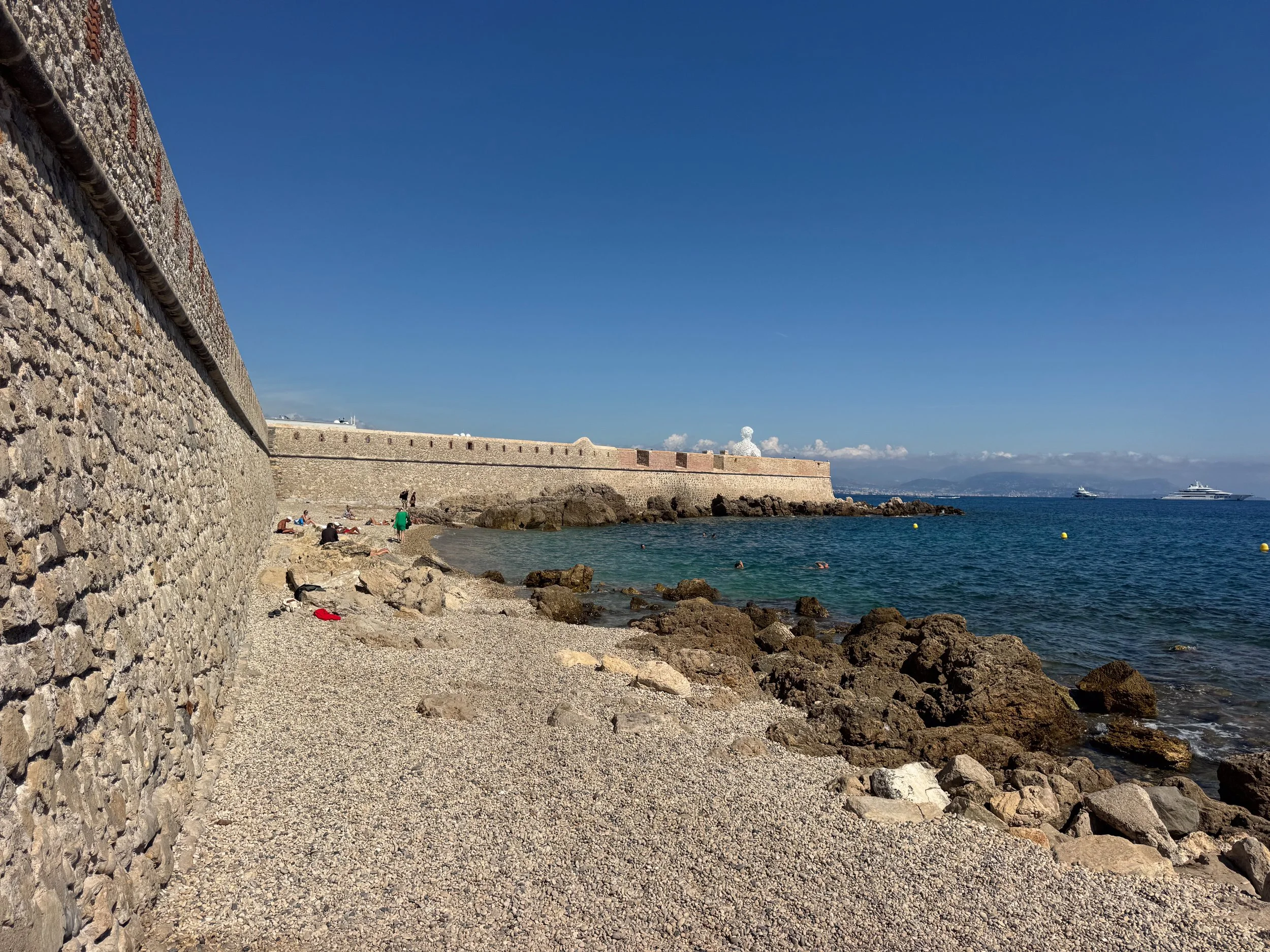
Promenade Amiral de Grasse (Les Remparts). A coastal walkway atop the 16th century stone ramparts with scenic views of the city and sea. Layers of colorful homes and former stone buildings rise from inside the protective walls while the Mediterranean, expansive port and beaches stretch beyond. Along the way, landscaped gardens with cacti, succulents and palm trees are dotted with bronze statues of Roman gods.
Beaches & Port Vauban
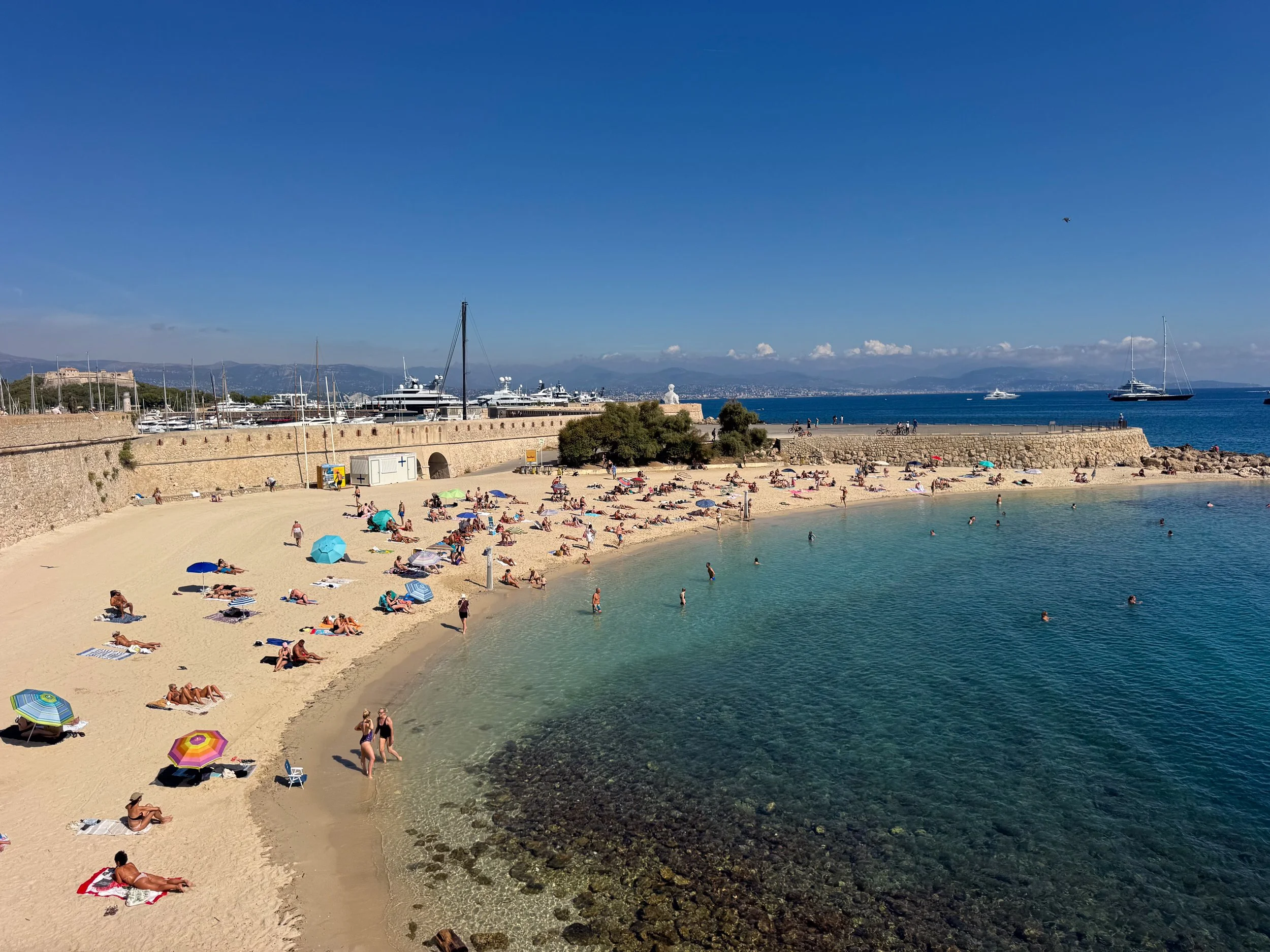
Plage de la Gravette. A tan sand beach tucked into a turquoise cove at the outer base of the ramparts. Colorful umbrellas and beach towels blanket the sand, making it a lovely spot to sunbathe and swim. It’s reached through arched passageways in the old stone walls.
Plage du Port. A narrow pebble beach with a swimming area just outside the ramparts by the port. Less visited than its sandy neighbor, it's a peaceful escape for anyone happy to trade sand for stones.
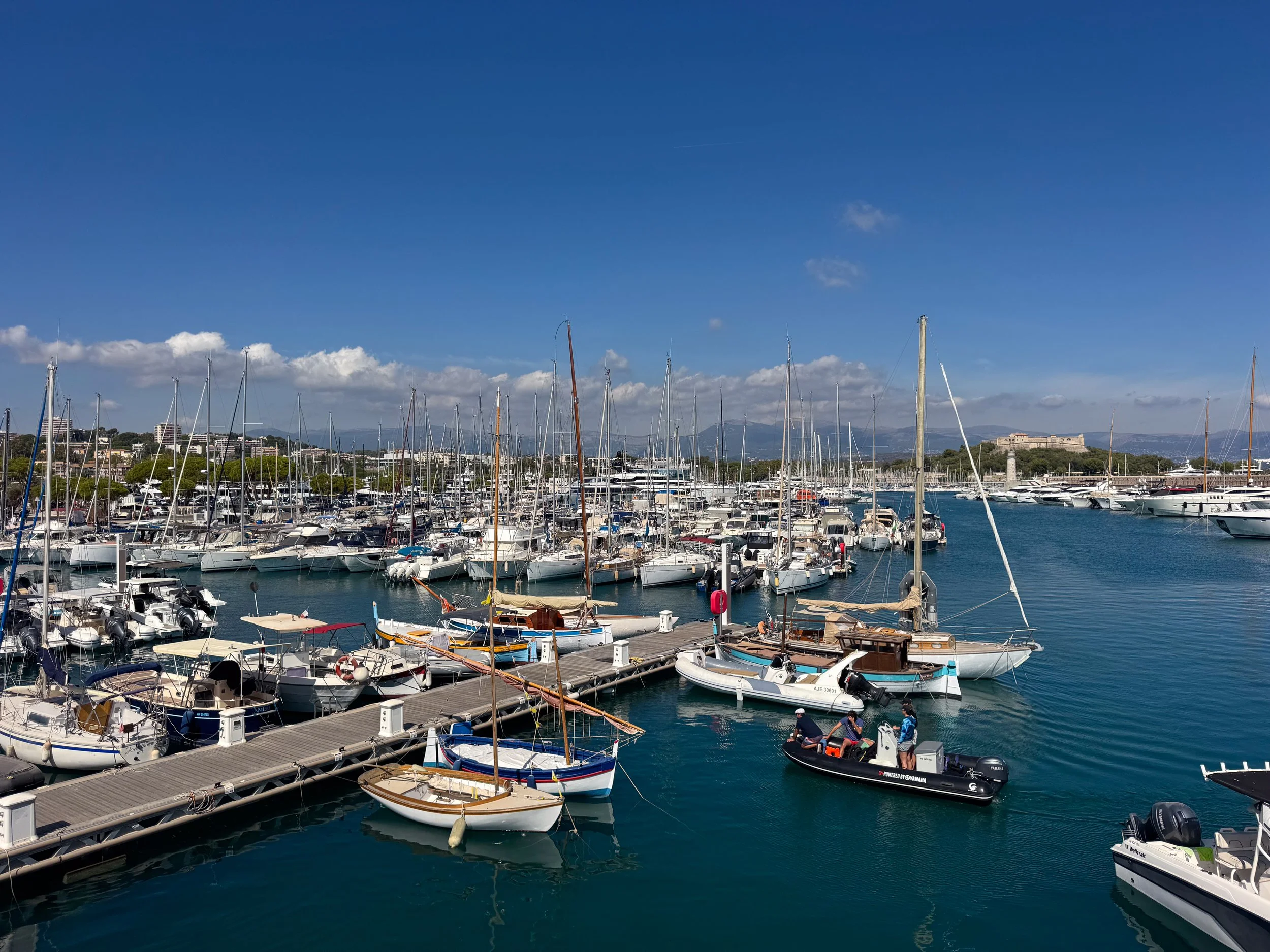
Port Vauban. Considered Europe's largest marina, with roots predating the Romans, it harbors more than 1,000 vessels, from tiny dinghies and sailboats to mega yachts. Stroll the quay and use the MarineTraffic app to look up the historic boats and superyachts docked along the piers.

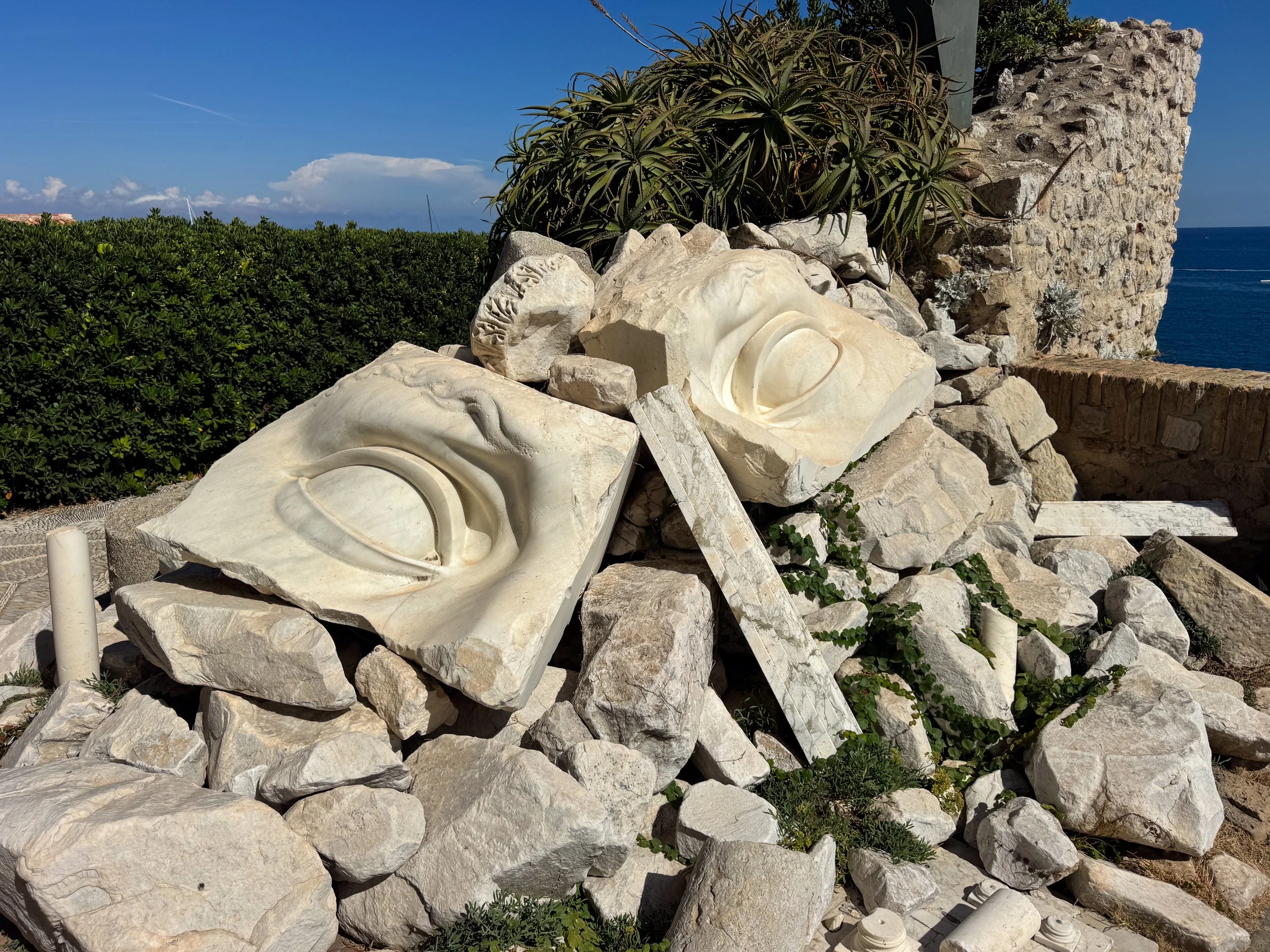
Sights & Museums
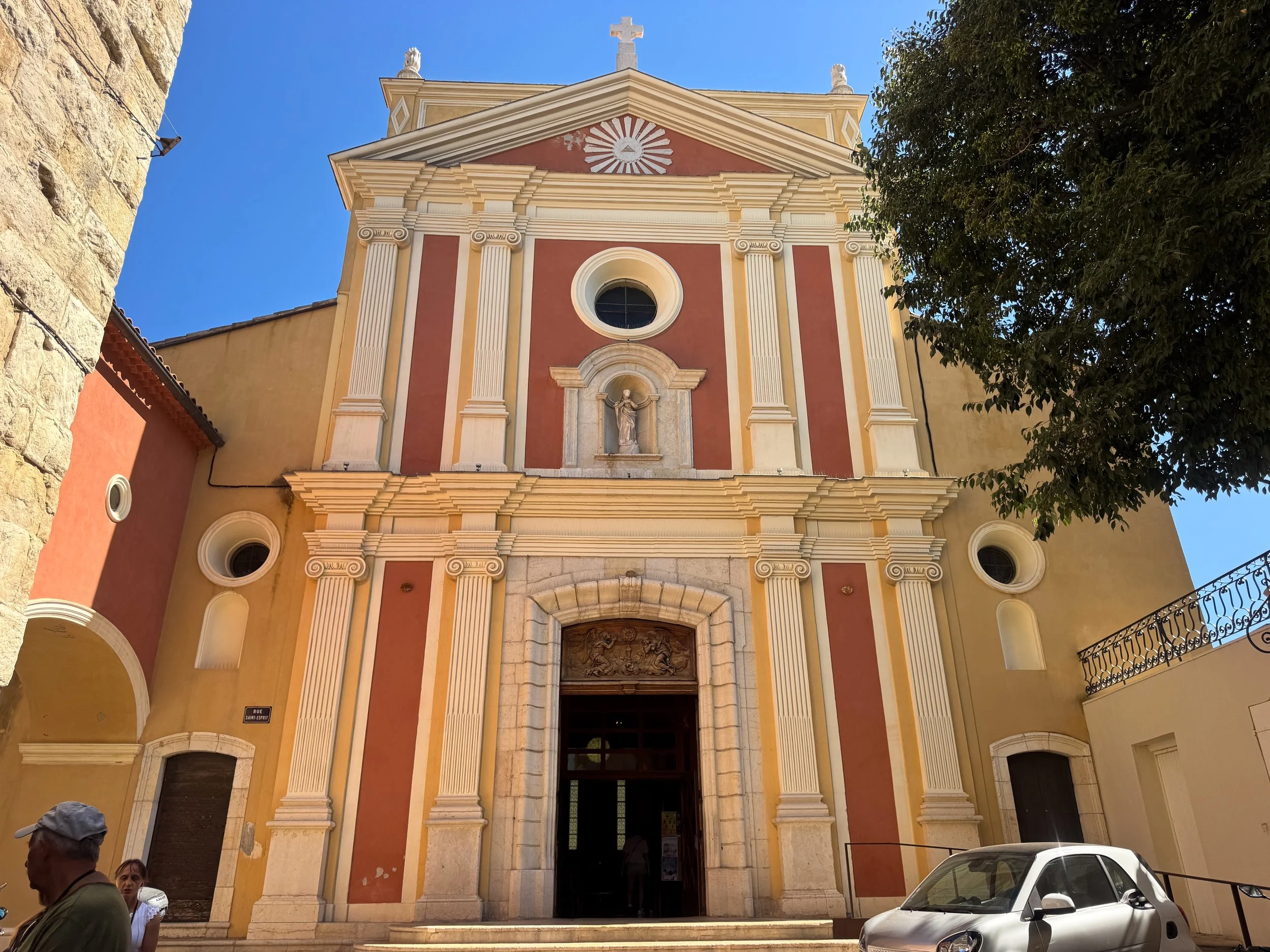
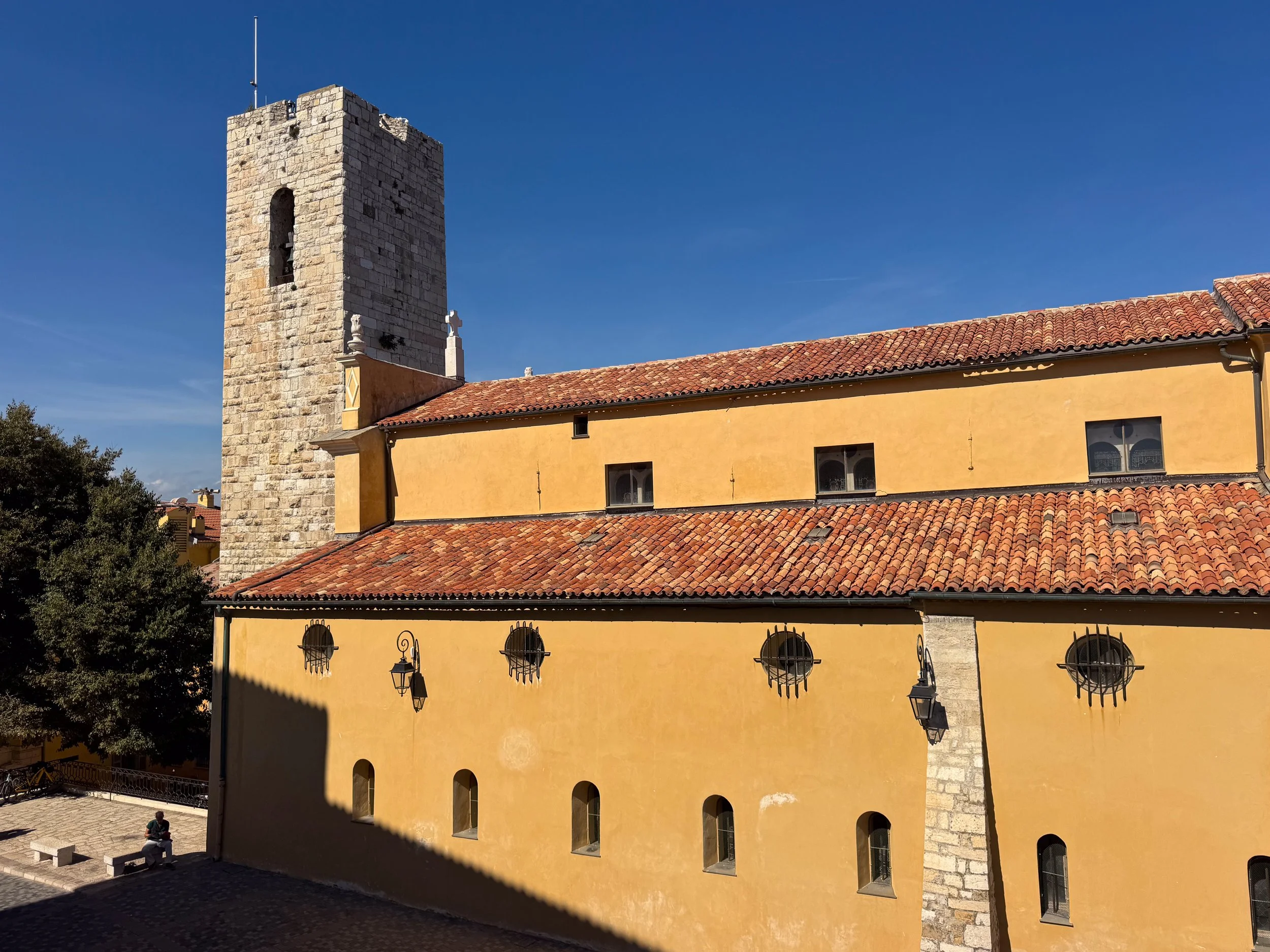
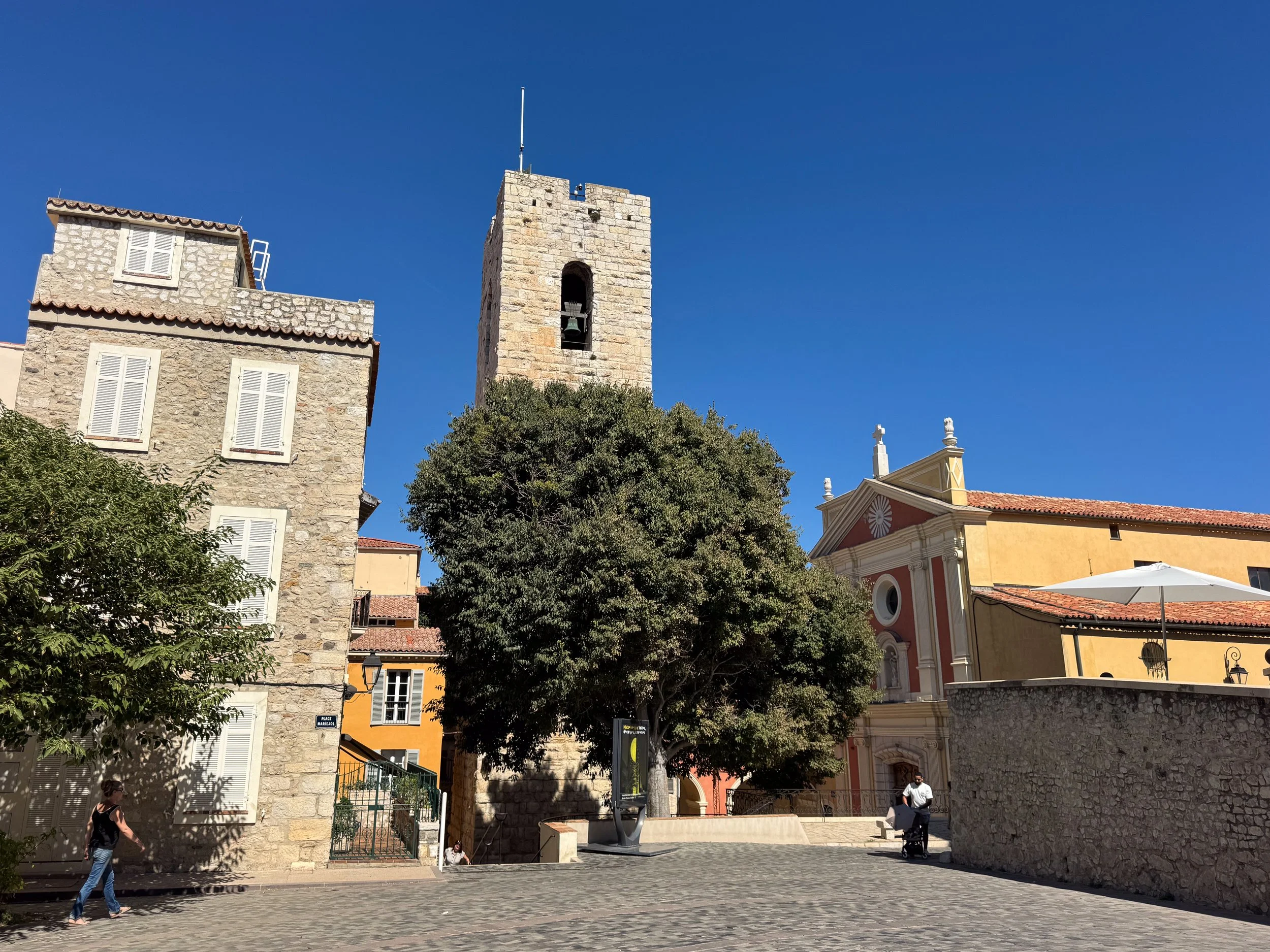
Antibes Cathedral. A yellow cathedral in the old town. Its simple vaulted nave is lit by tiny stained glass windows while arched columns frame side chapels with historic paintings and gilded altars. The stone Grimaldi Tower serves as its bell tower just across the way.
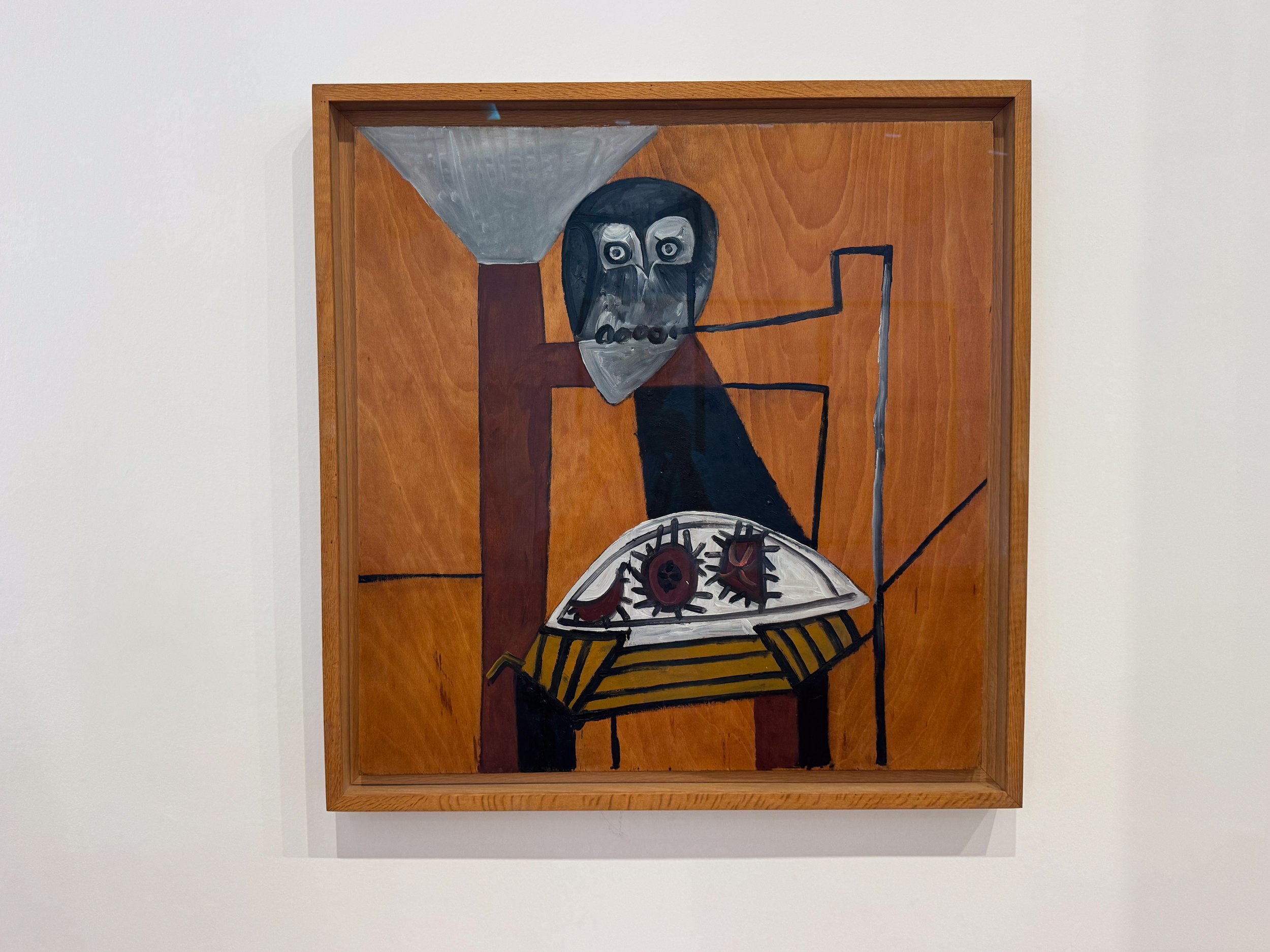
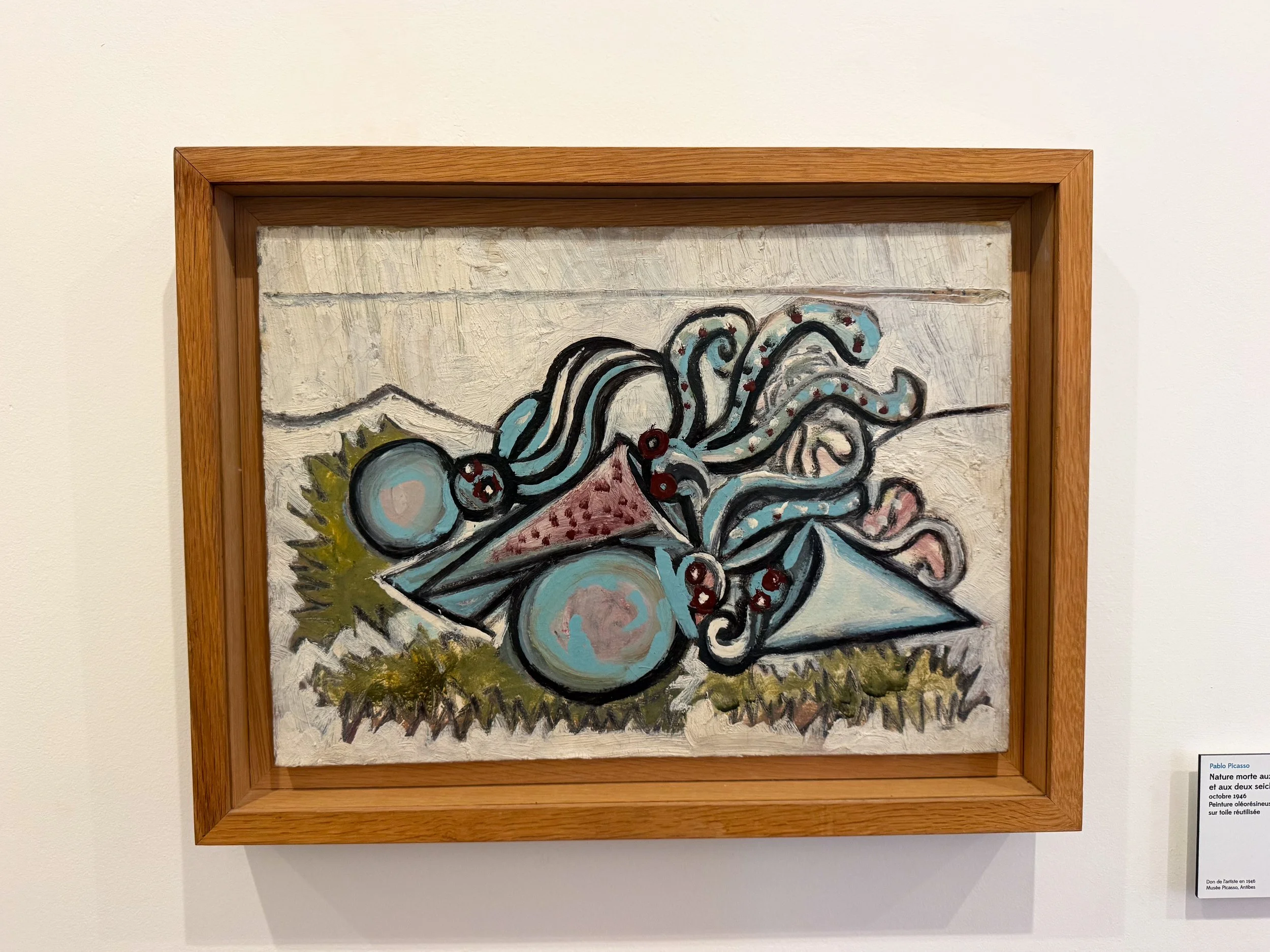
Musée Picasso. A museum housed in Château Grimaldi, a former home of Monaco's royal family, dedicated to Picasso’s works created during his time in Antibes. Paintings and sketches explore Greek and Roman mythology and Mediterranean life. Arrive before the morning or afternoon openings to avoid long ticketing queues.
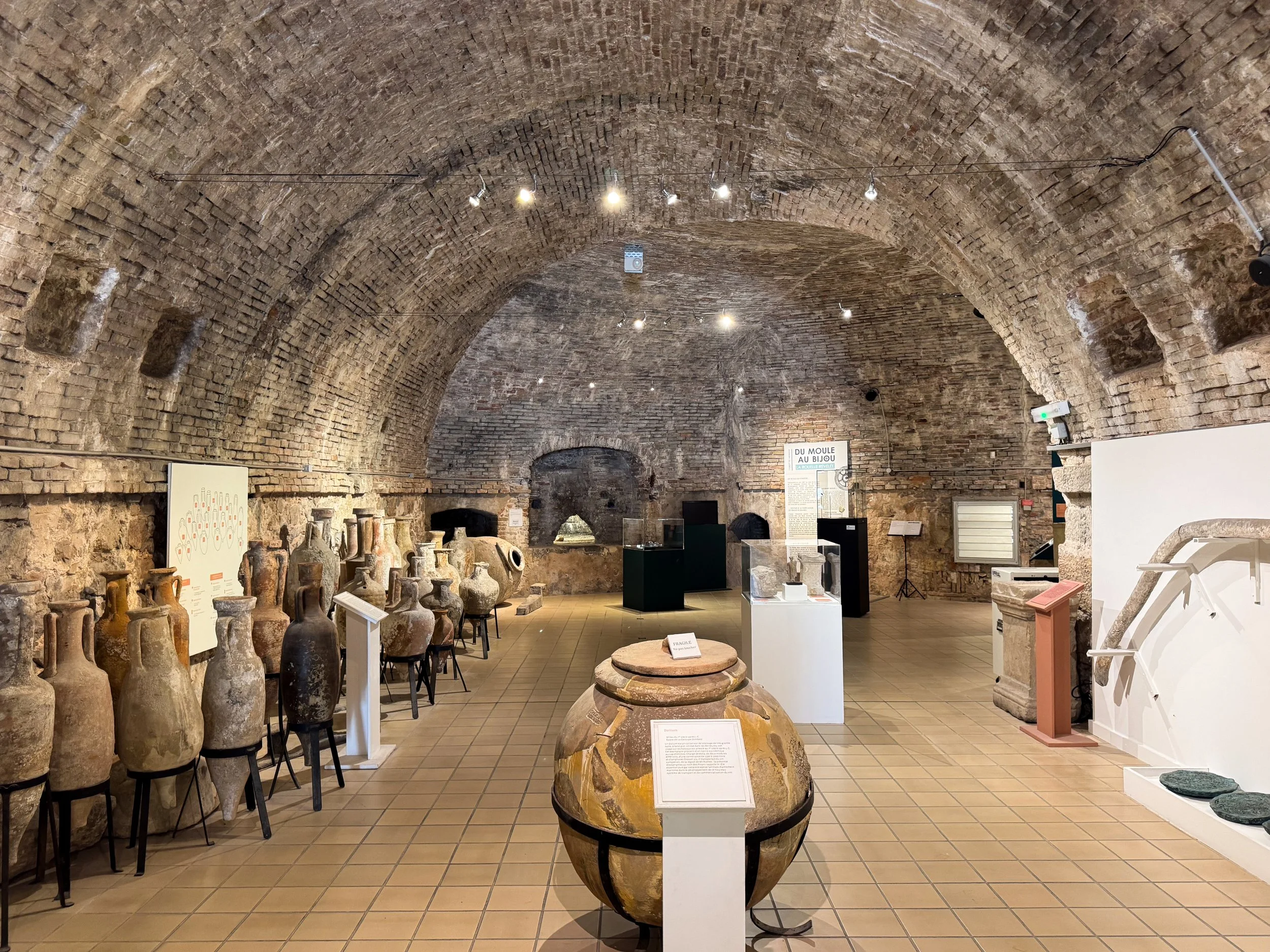
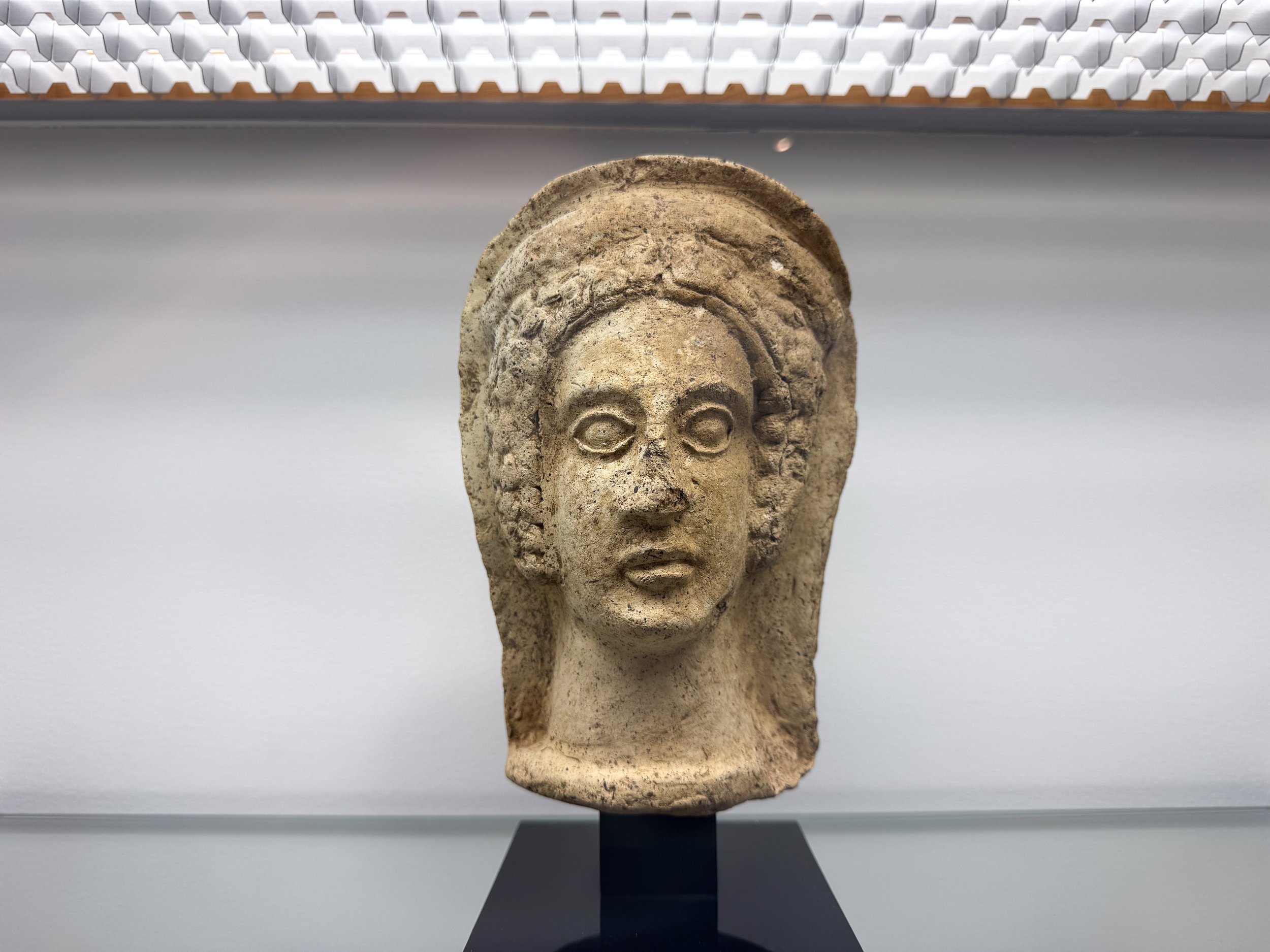
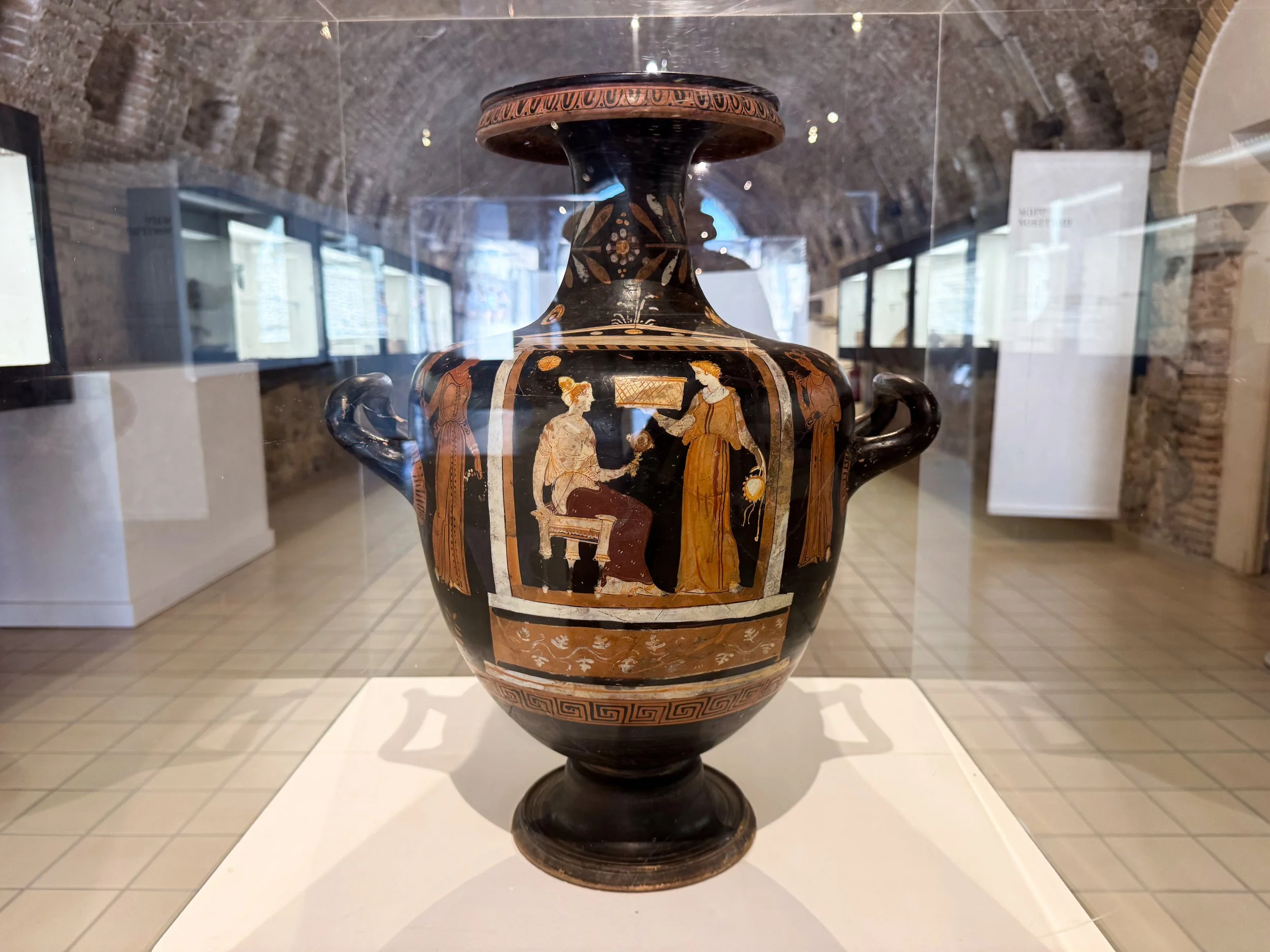
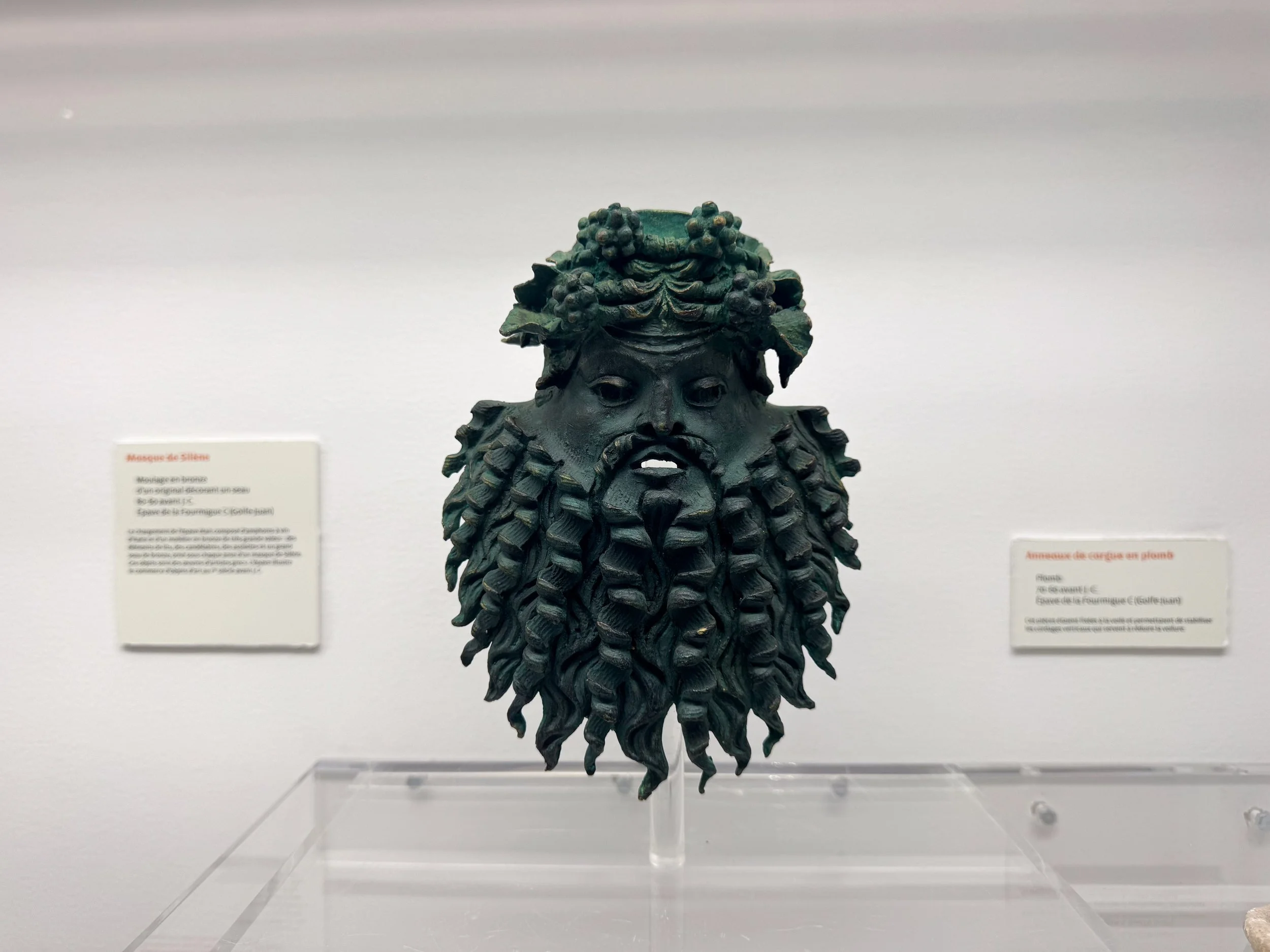
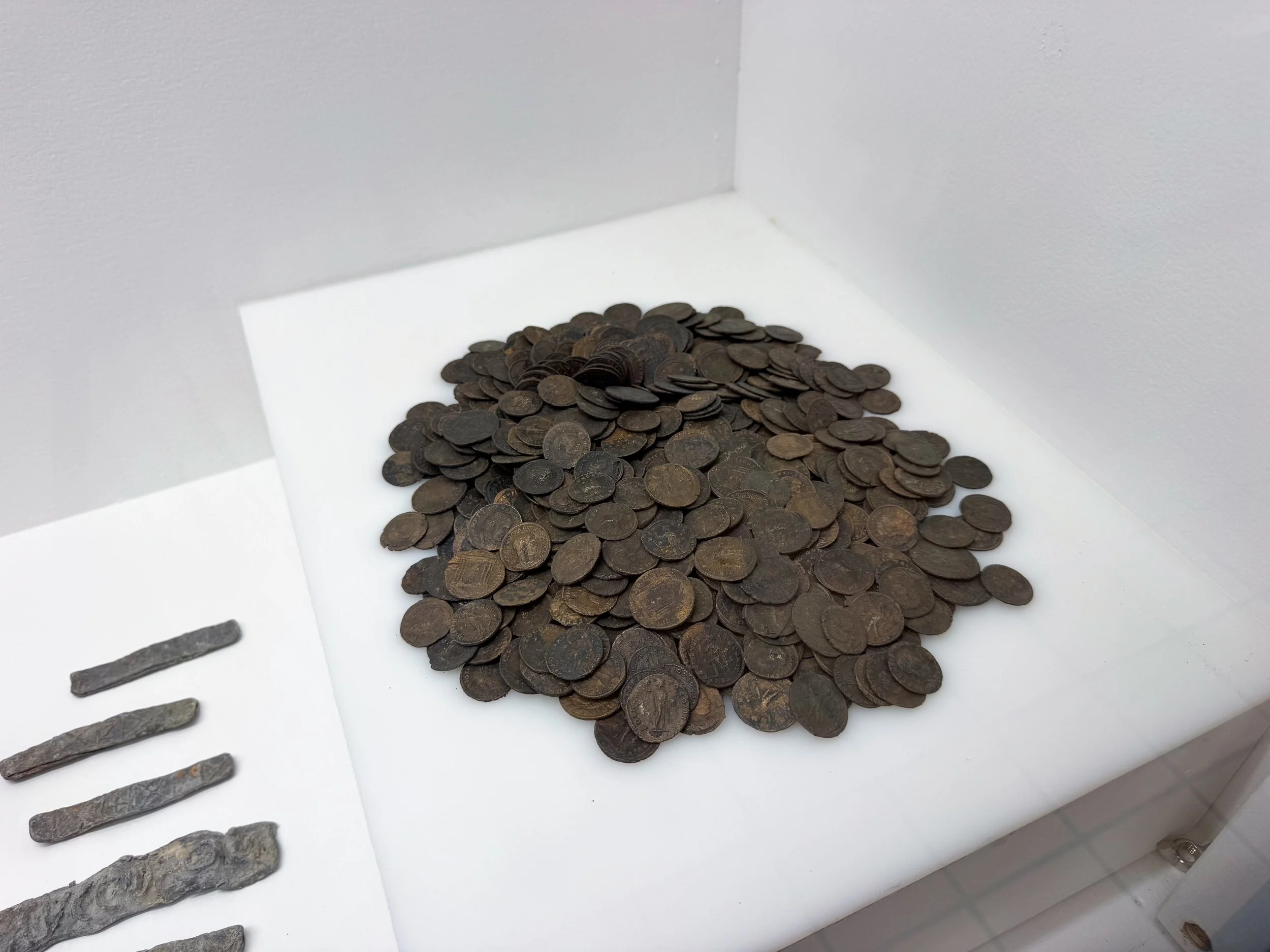
Musée d'Archéologie d'Antibes. Set in a bastion along the ramparts, this museum traces Antibes to its Greek and Roman roots. Brick vaulted galleries hold 2,000 years of artifacts, from pottery and stone busts to bronze coins, glass urns and lead anchors.
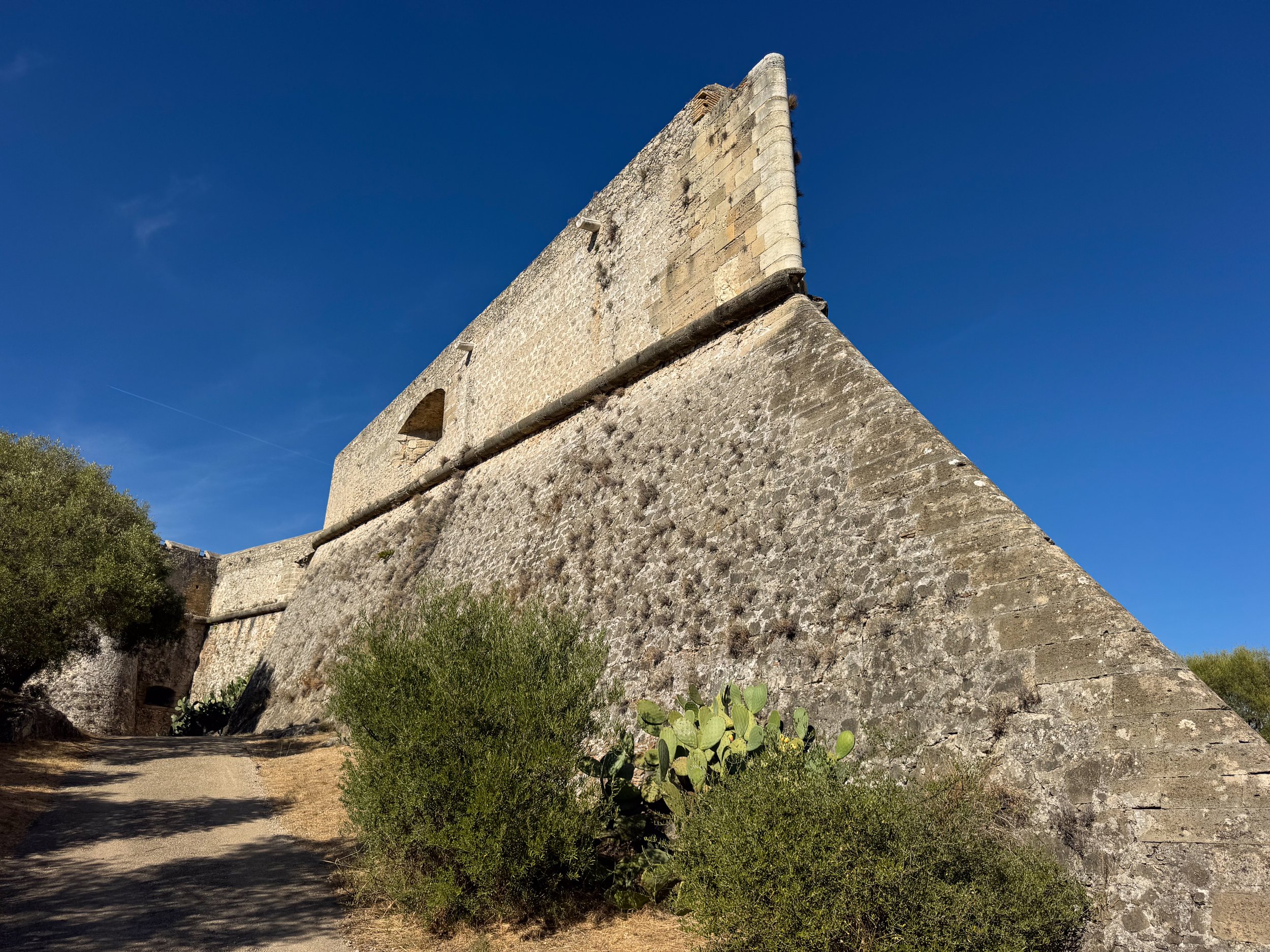
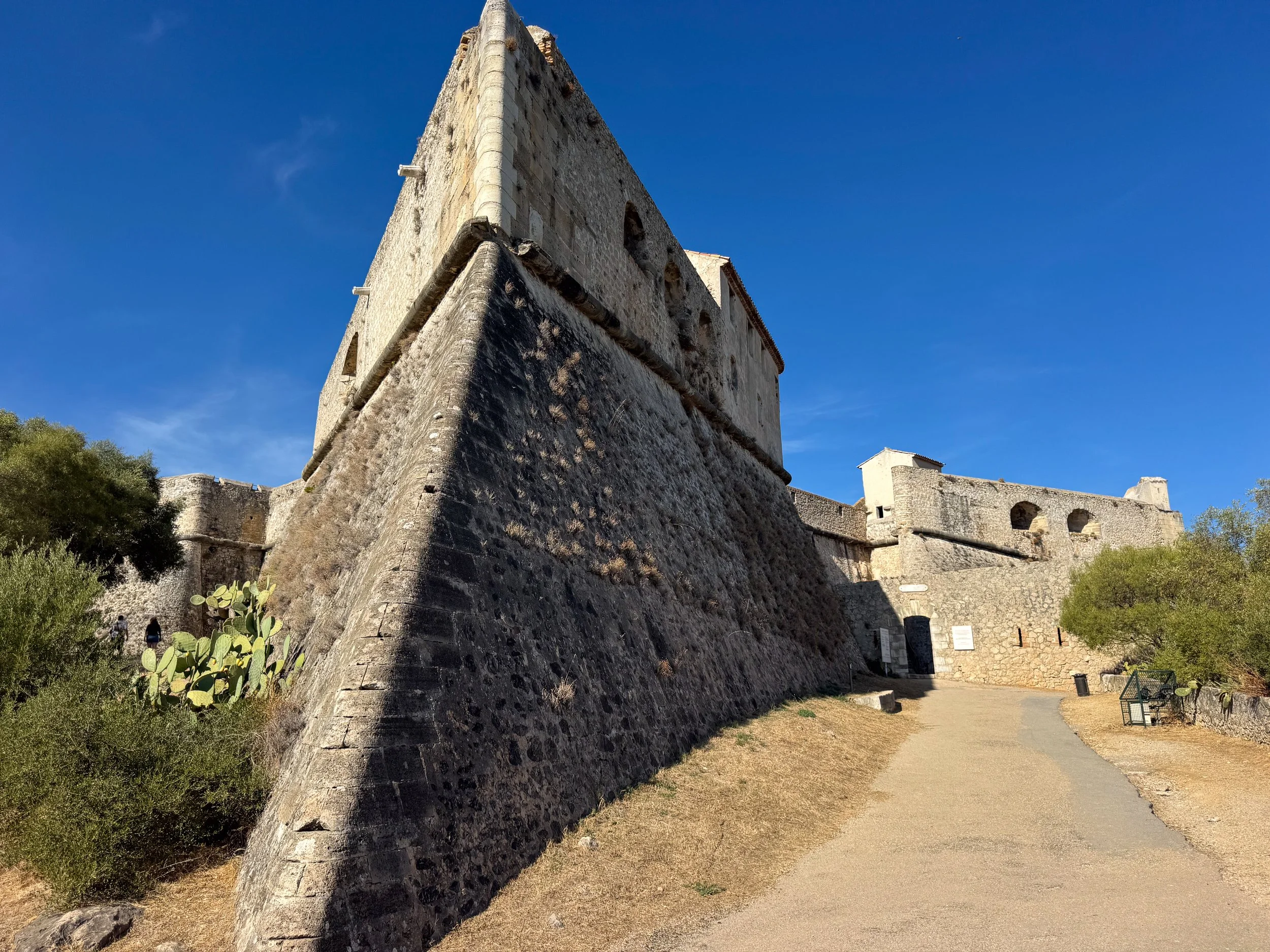
Le Fort Carré. A star shaped fortress on a peninsula overlooking Port Vauban. Admire its steep, angular walls from the nature trails of the surrounding wildlife preserve. Stop to spot red squirrels and kestrels hiding among the dry grasses and olive trees. Arrive at least an hour before closing to explore inside.
Marché Provençal & The Antique Market
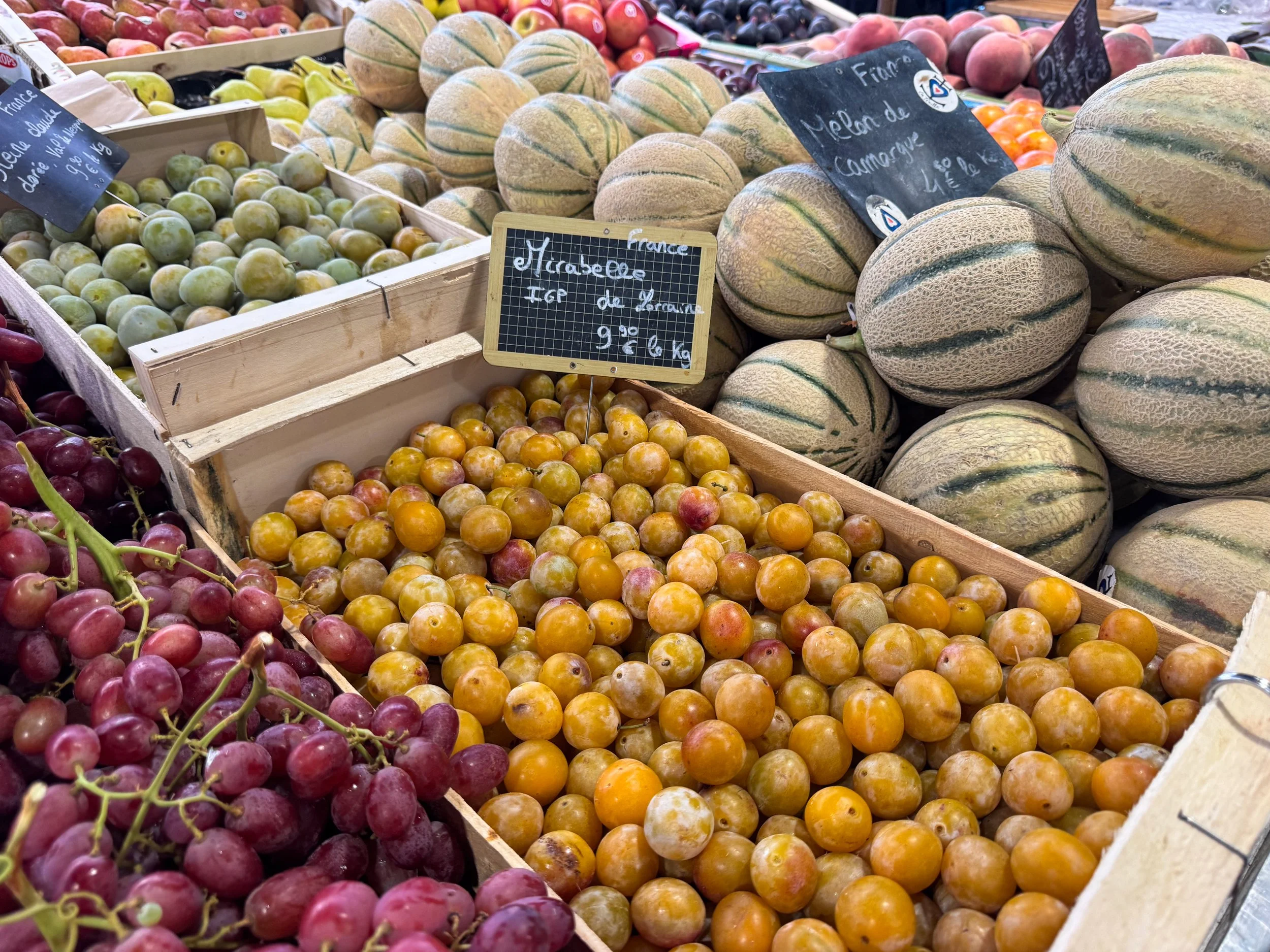
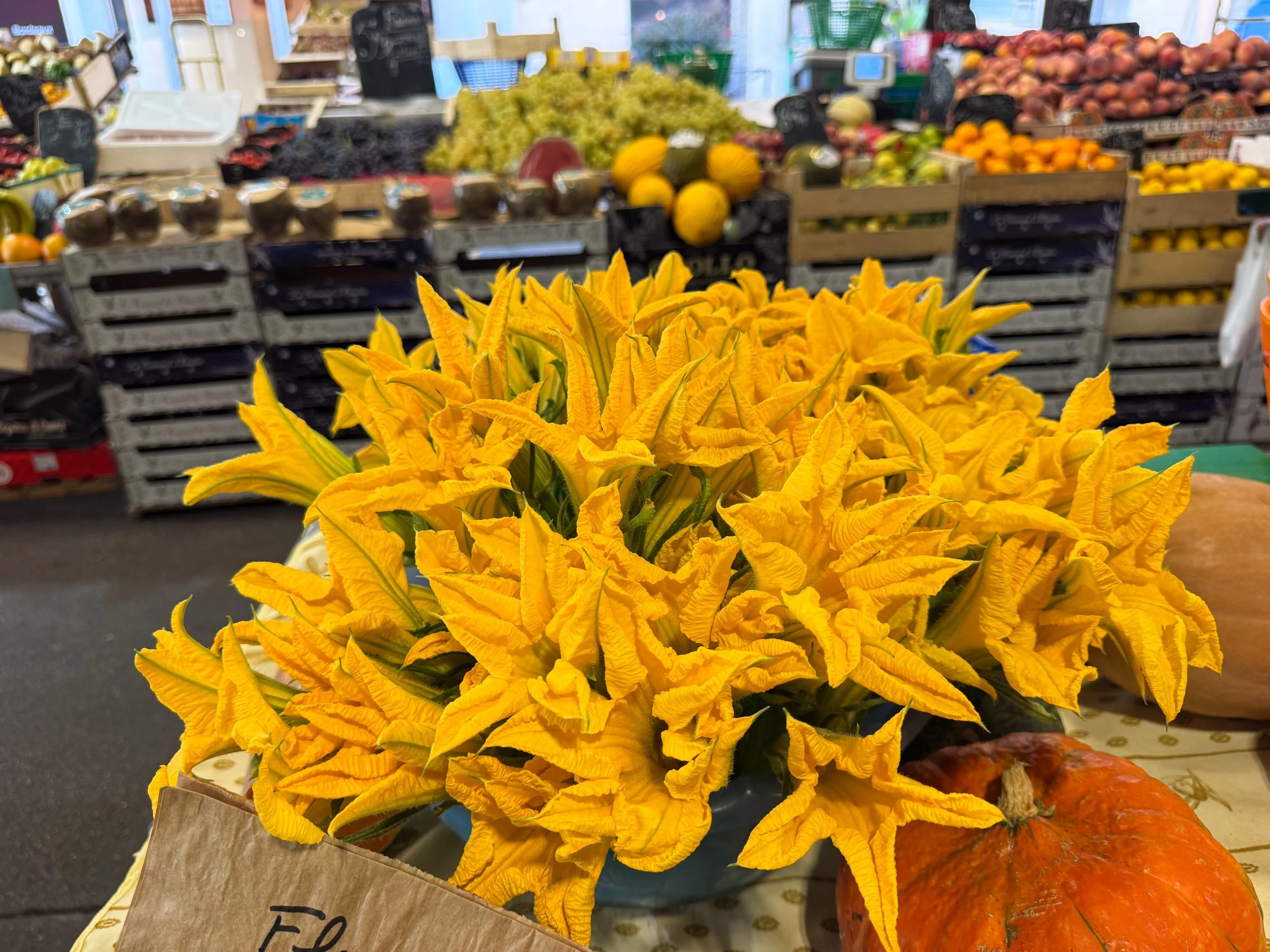
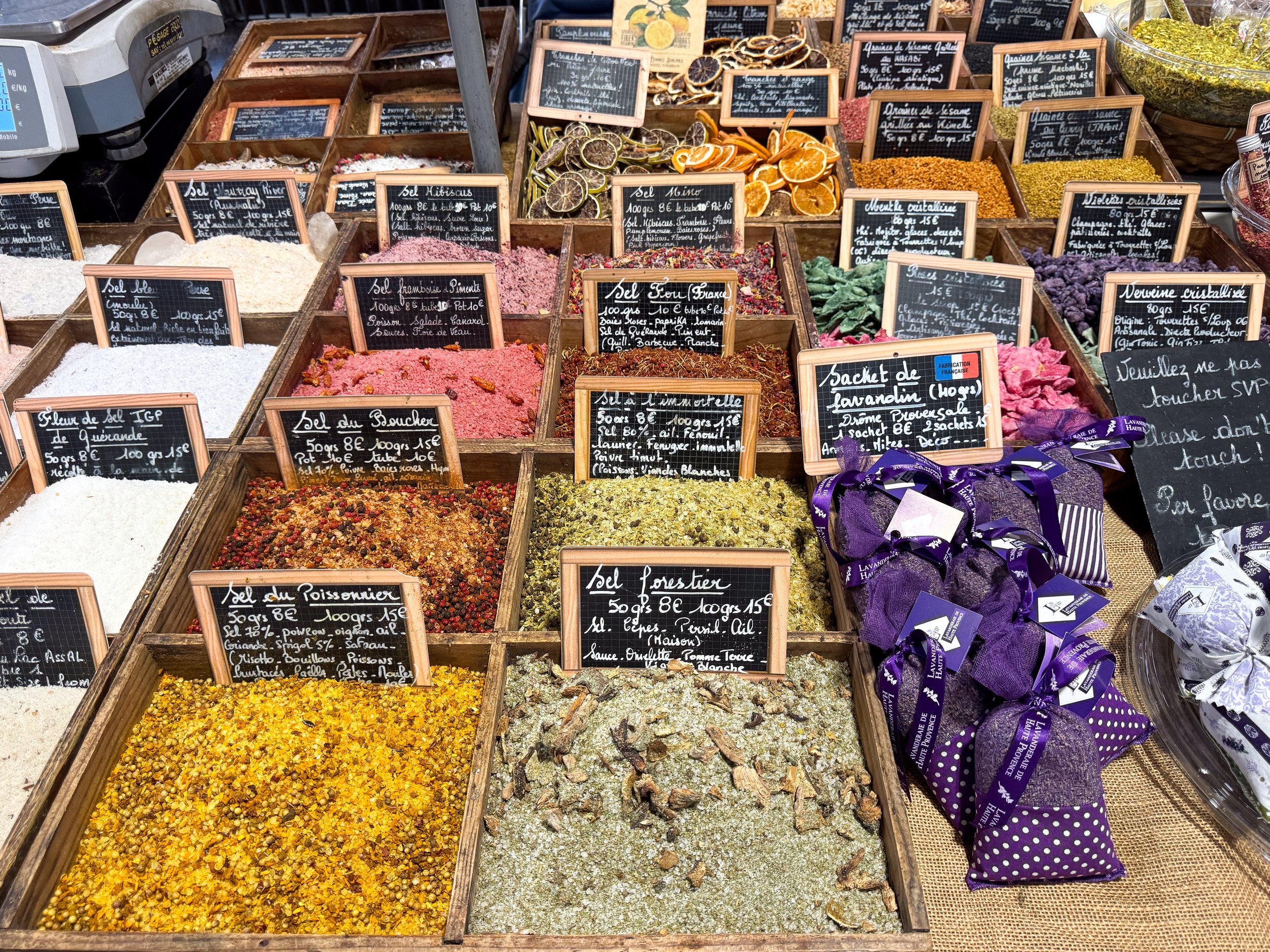
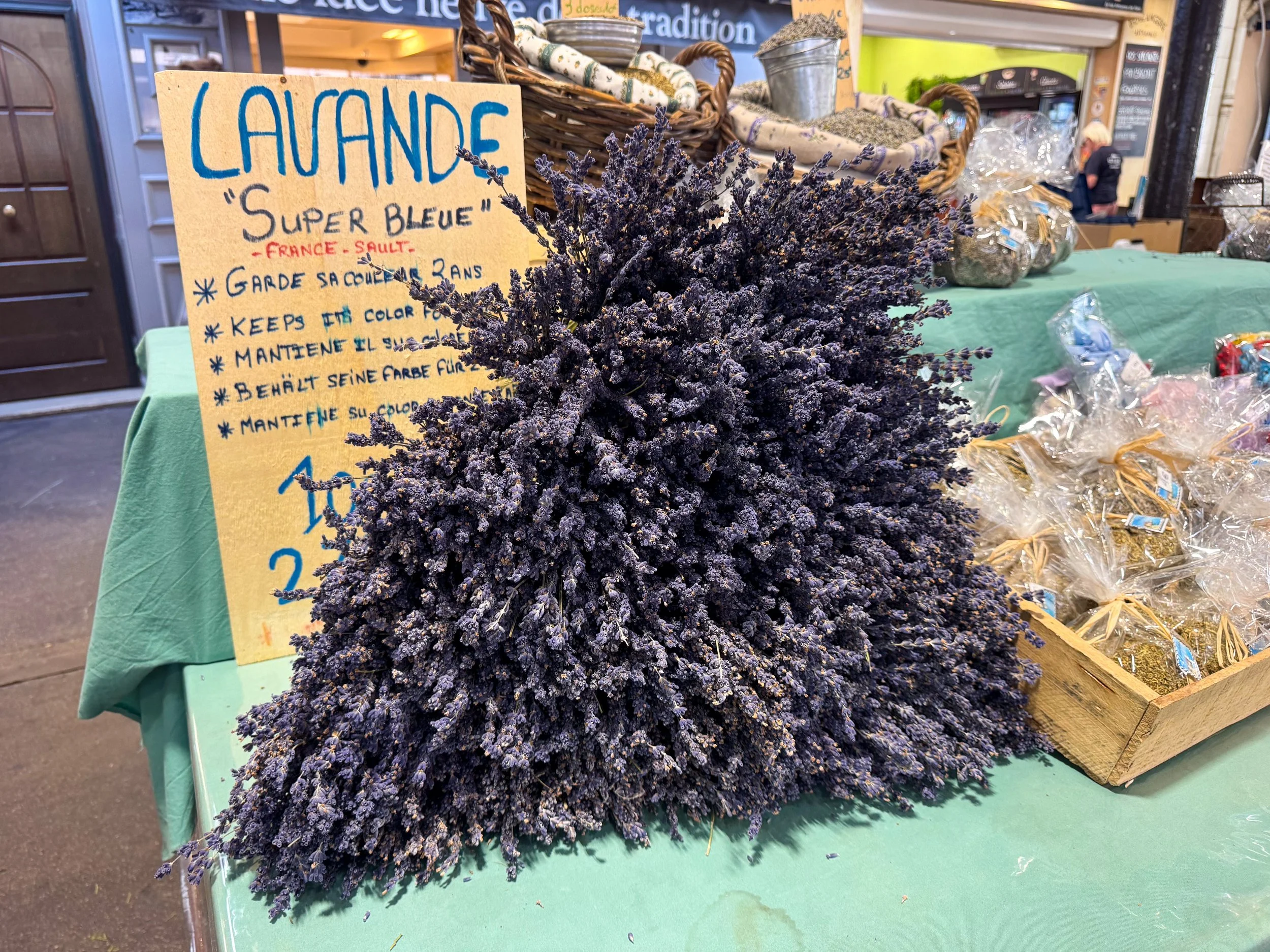
Marché Provençal. A covered market on Cours Masséna where dozens of vendors sell Provençal goods like seasonal produce and fruit, freshly caught fish, French cheeses, cured meats, brined olives, cut flowers, dried lavender, spices, teas and jarred preserves. It’s open every morning from 7am to 1pm except on Mondays.
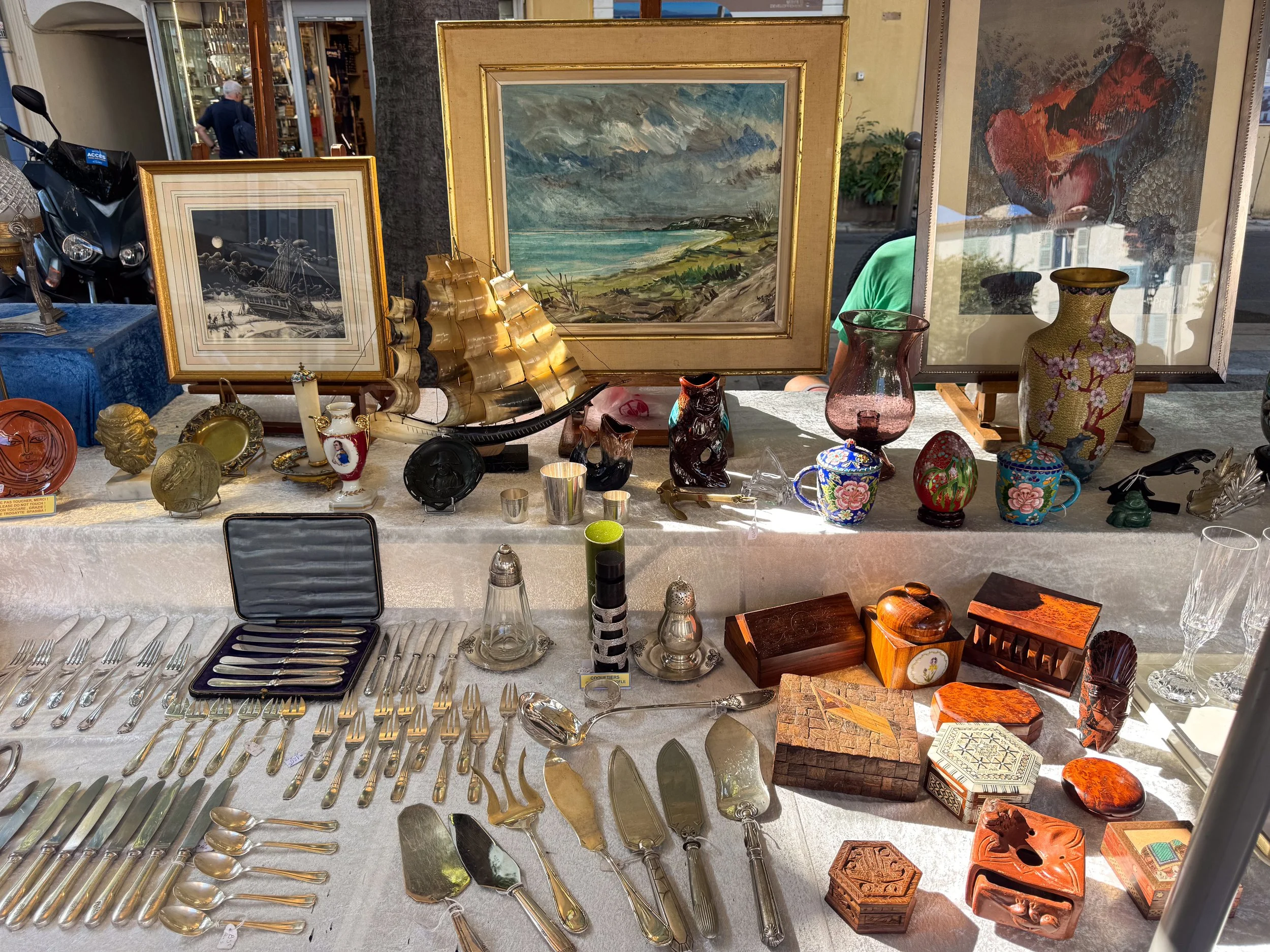
Place Nationale Antique Market. An antique market spread across one side of Place Nationale, where vendors display paintings, silverware, crystal glassware, jewelry, old books, clothing and all manner of curiosities. Browse the tables and displays in search of unique finds and lost treasures.
Where to Eat & Drink
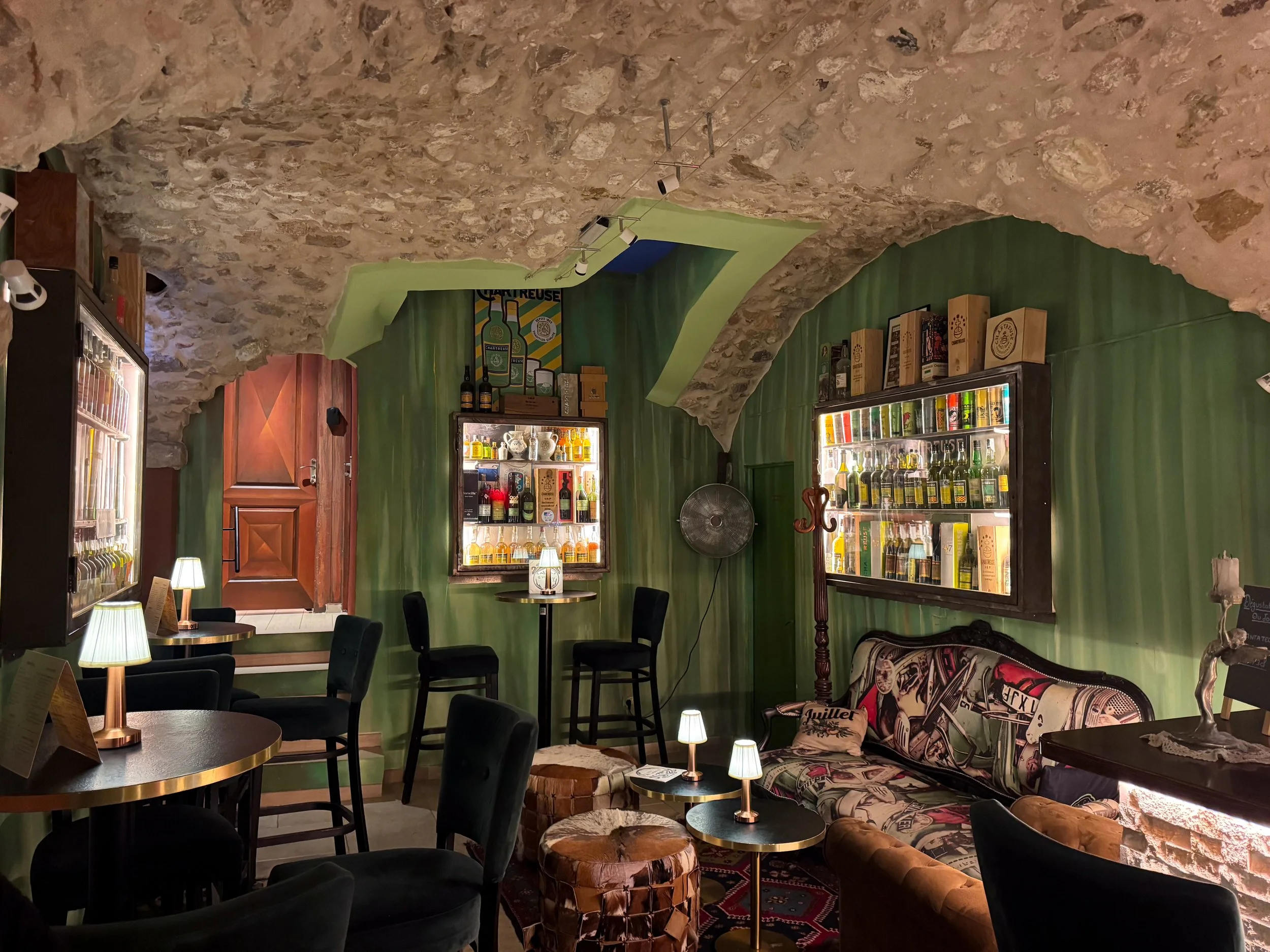
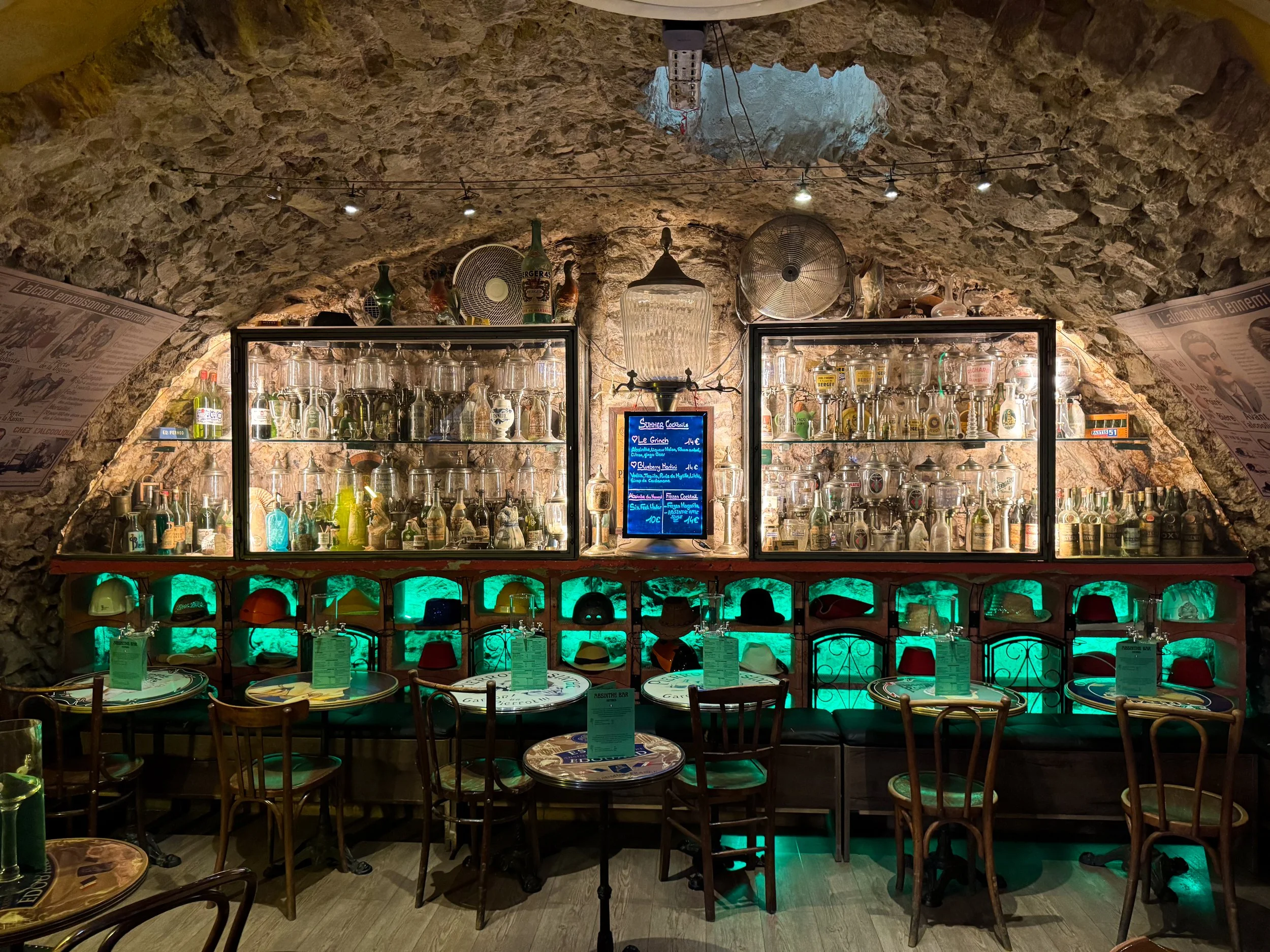
Musée de l'Absinthe. An underground bar specializing in traditional absinthe drips and absinthe based cocktails. Sit in the dimly lit stone cellar, decorated with vintage absinthe posters and illuminated by green glowing display cases.
Le Salon Chartreuse. A speakeasy devoted to Chartreuse, France's other famed herbal liqueur. Venture beyond a secret door for tasting flights of classic green and yellow Chartreuse, rare vintages and Chartreuse based cocktails.
Lilian Bonnefoi. A brunch spot built around locally and regionally sourced ingredients, serving egg dishes, toasts, pancakes and salads. It doubles as a chocolatier and pâtisserie, with homemade chocolates and pastries. Make reservations and don't miss the pain au chocolat!
L'Oursin. A seafood restaurant with an ice bar stocked with the day's catch, an expansive outdoor terrace and an elegant dining room styled like a vintage sailboat cabin. Come for freshly shucked oysters, seafood platters, bouillabaisse and squid ink pasta.
Getting to Antibes
Cannes to Antibes by Train. Antibes is located about 30 minutes from Cannes by train. Take the SNCF Train from Cannes Station to Antibes Station.
Getting Around on Foot. The train station is located about 20 minutes on foot from the city center. Antibes is easily walkable and best explored on foot.
St. Tropez Day Trip from Cannes
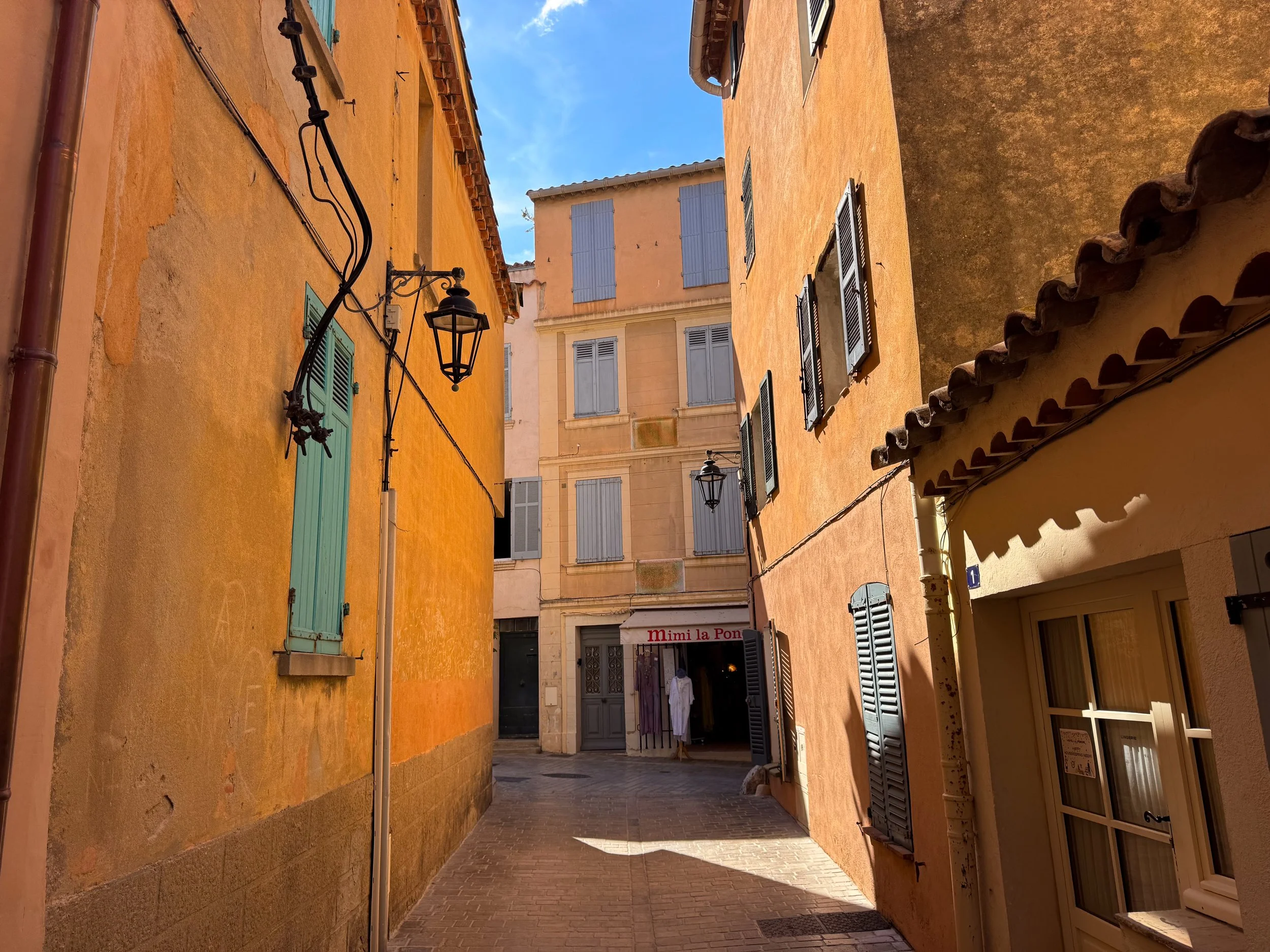
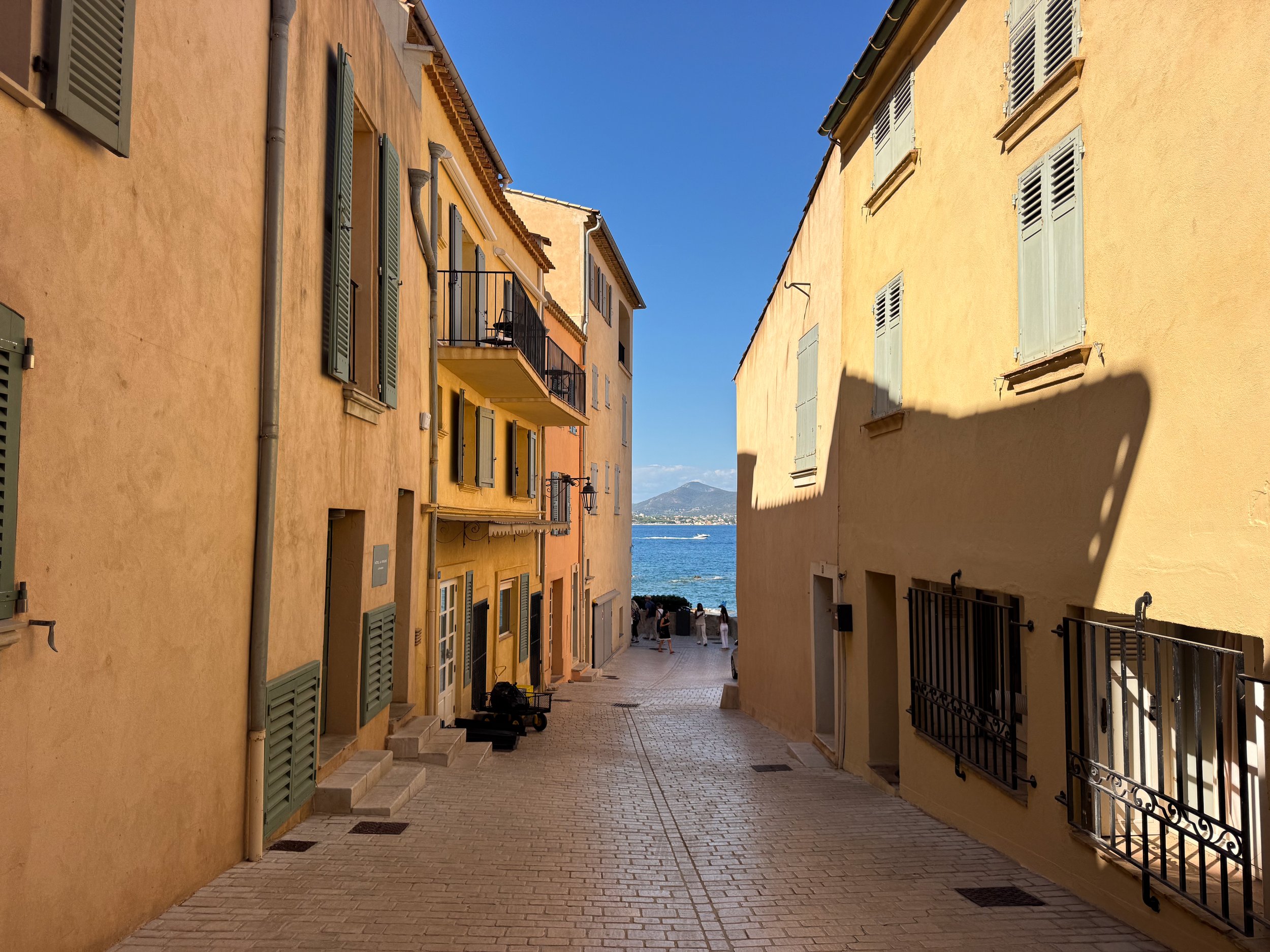
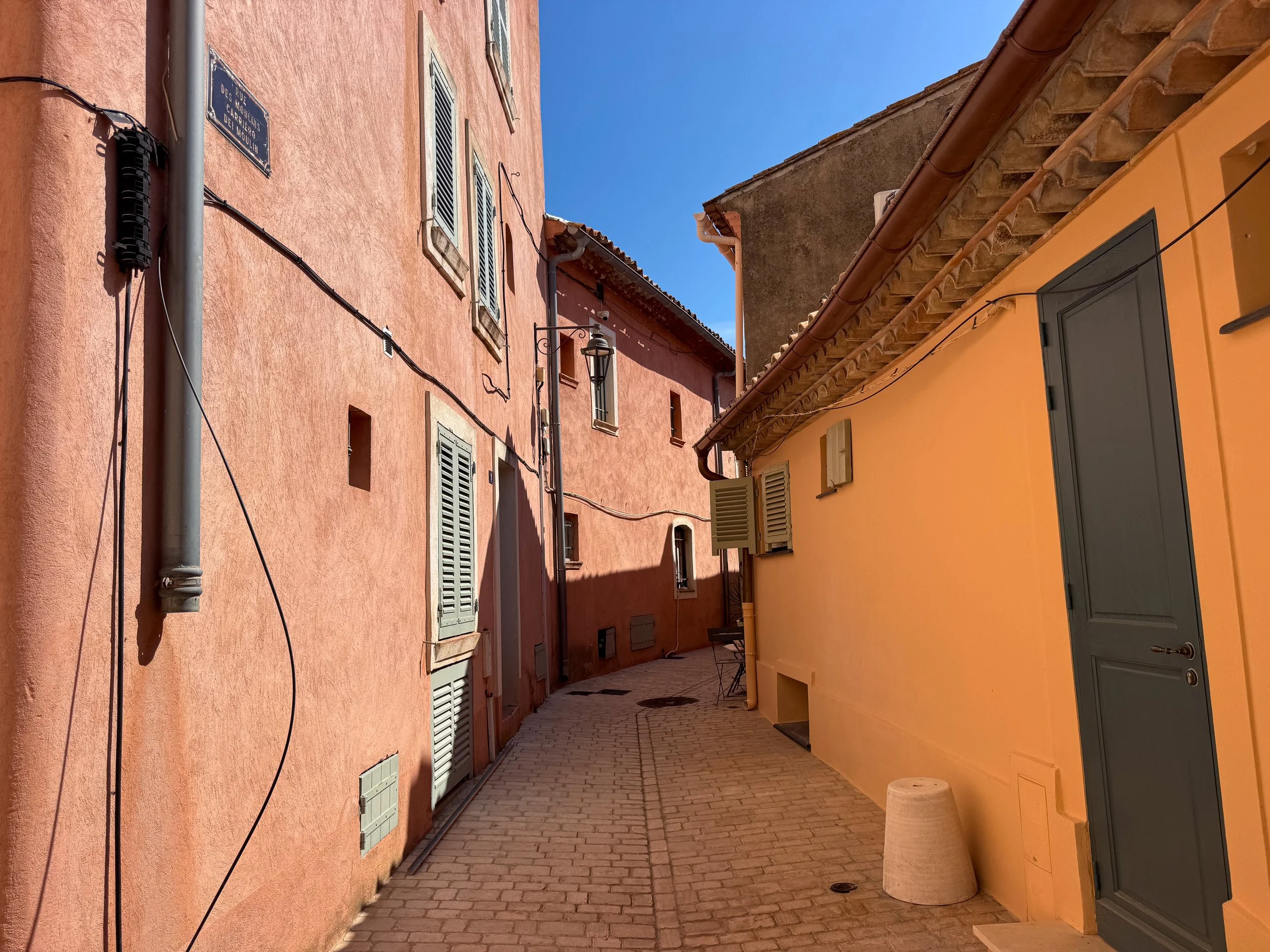
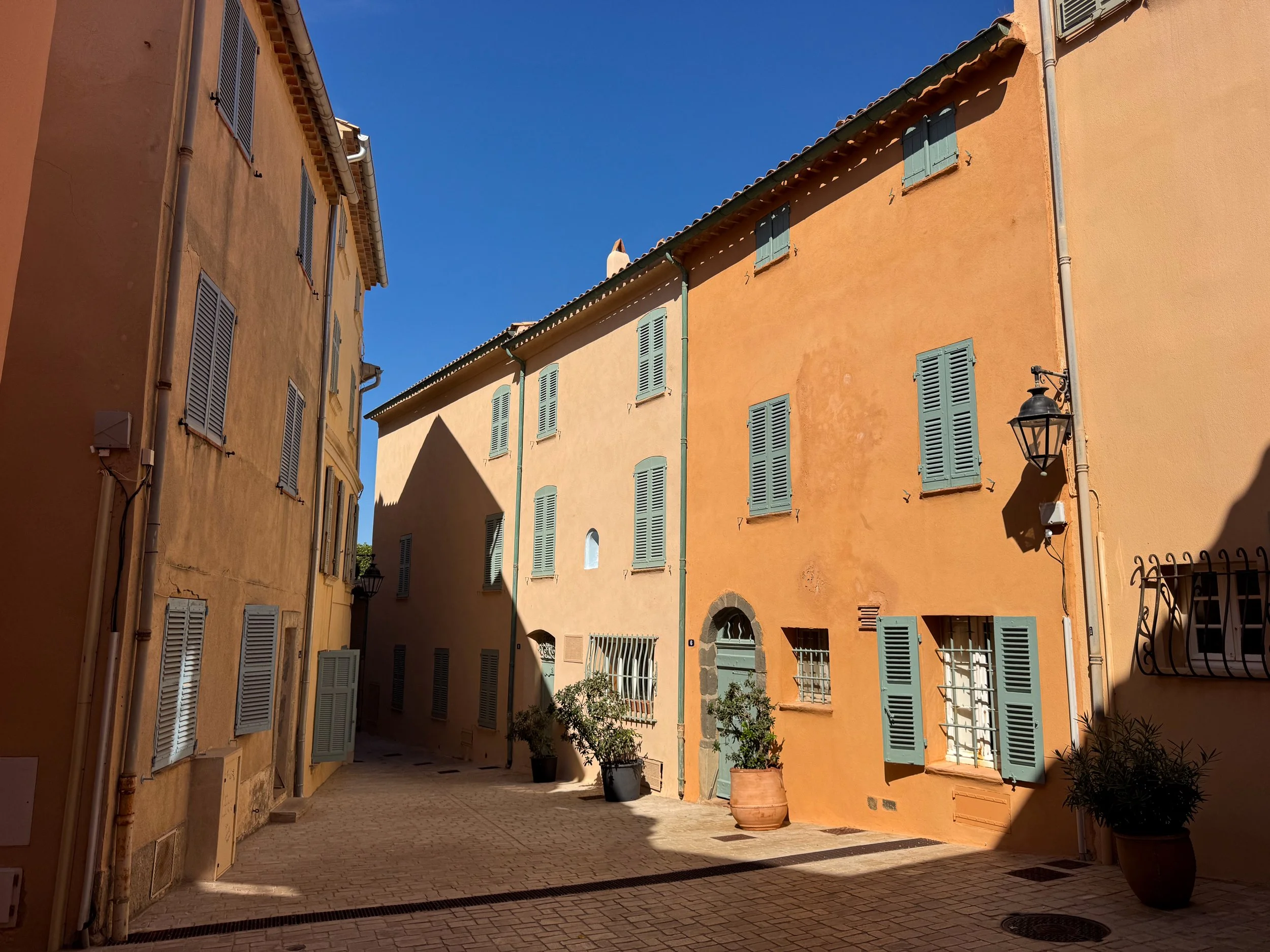
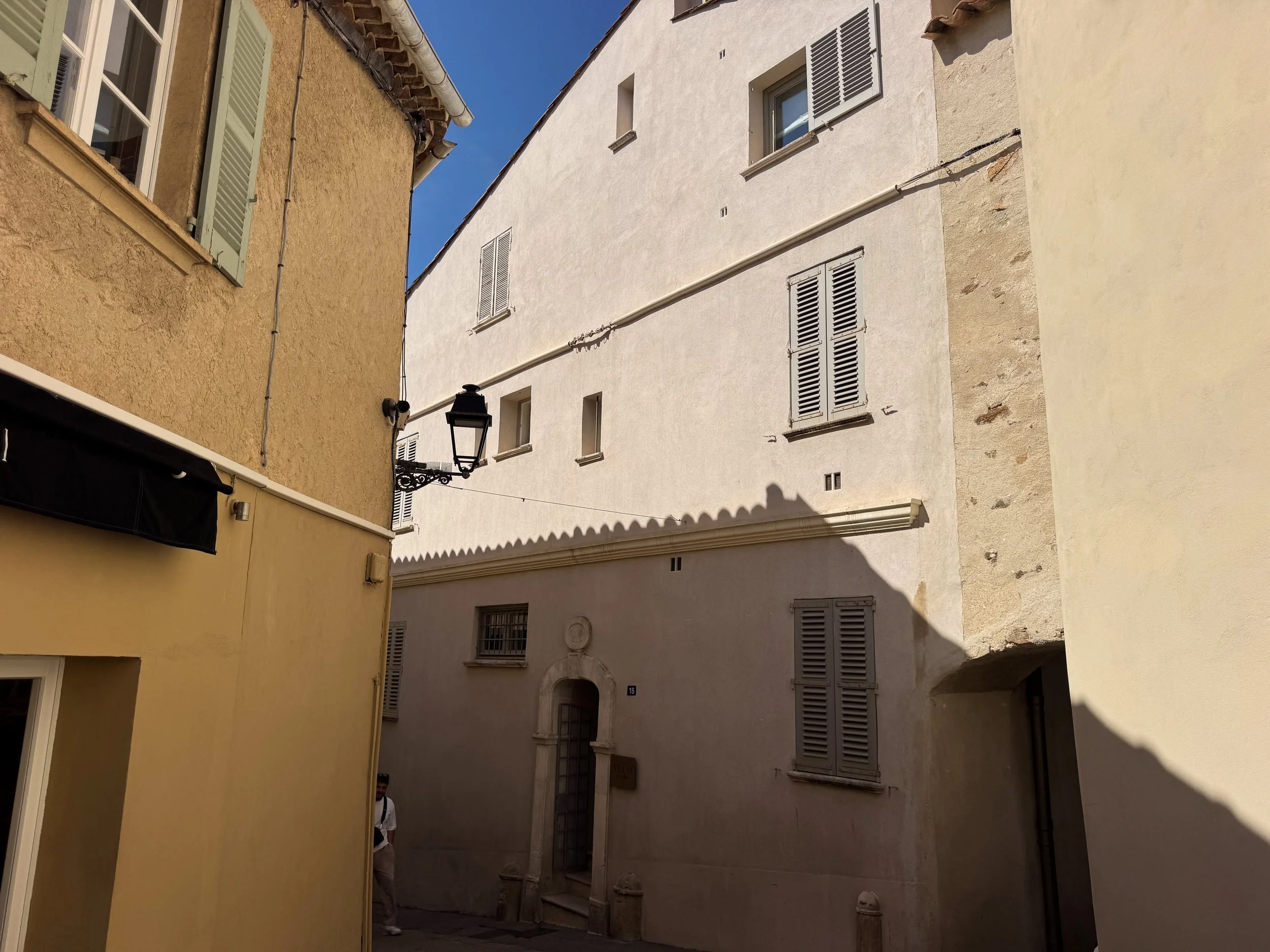
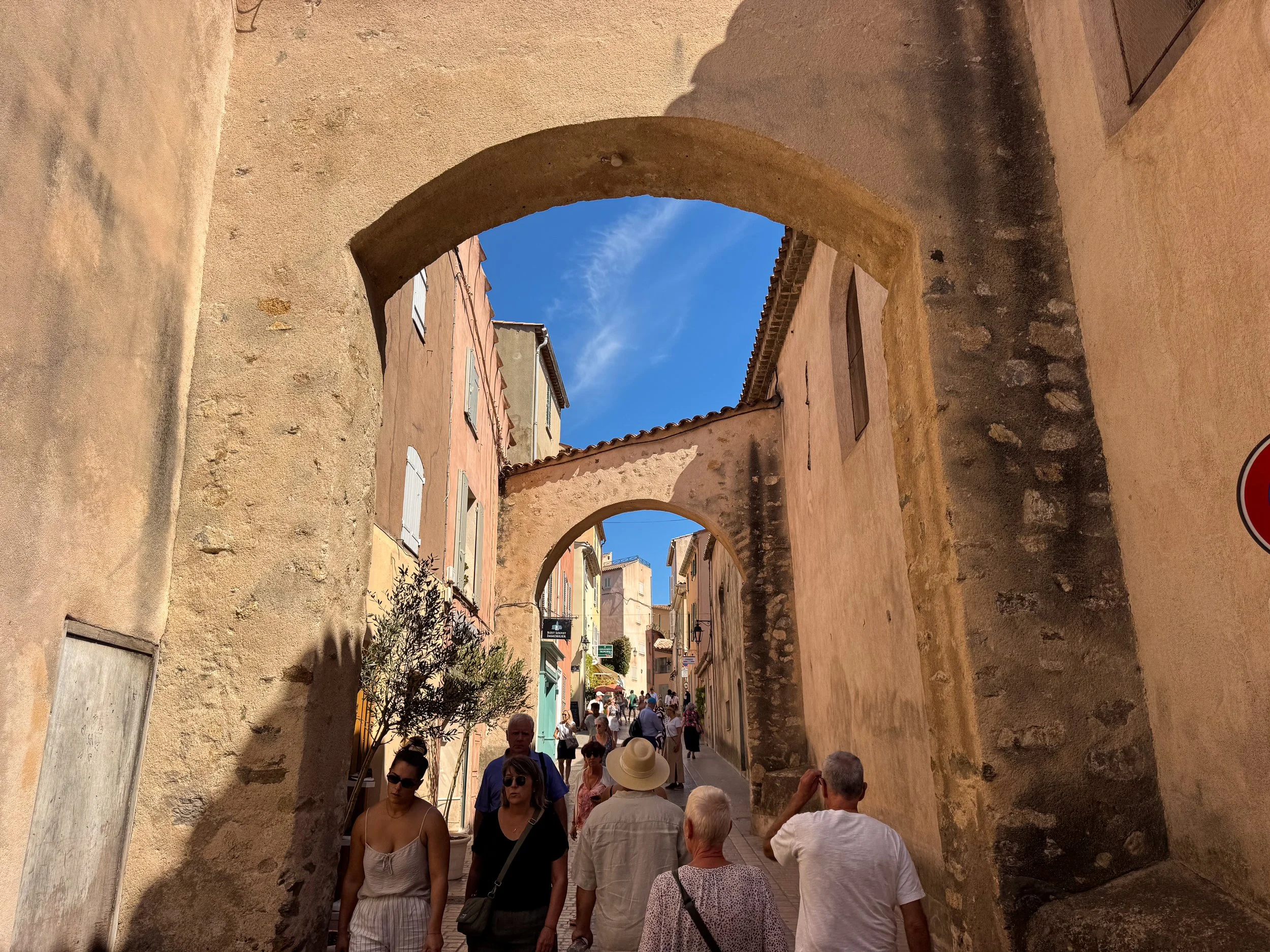
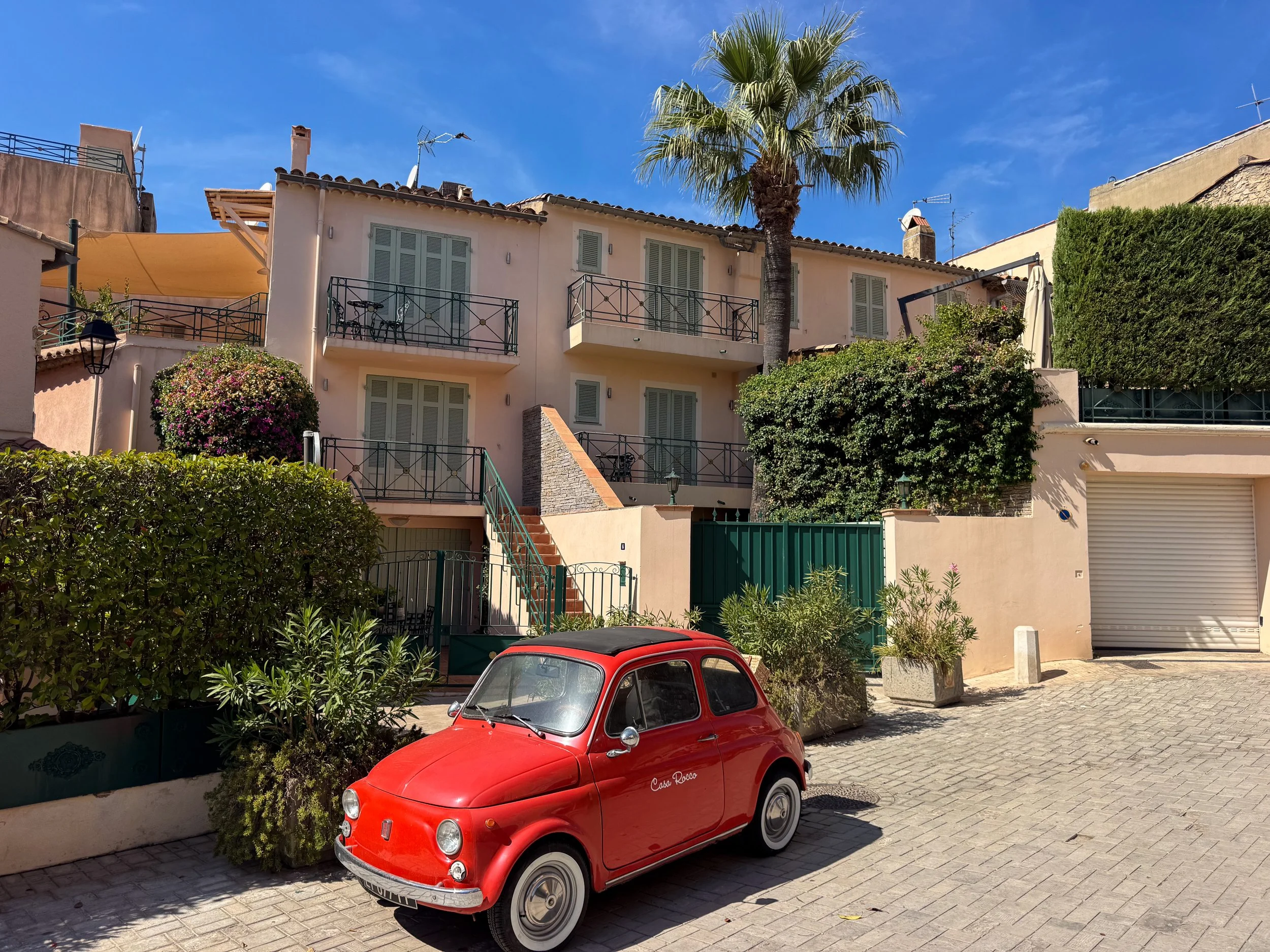
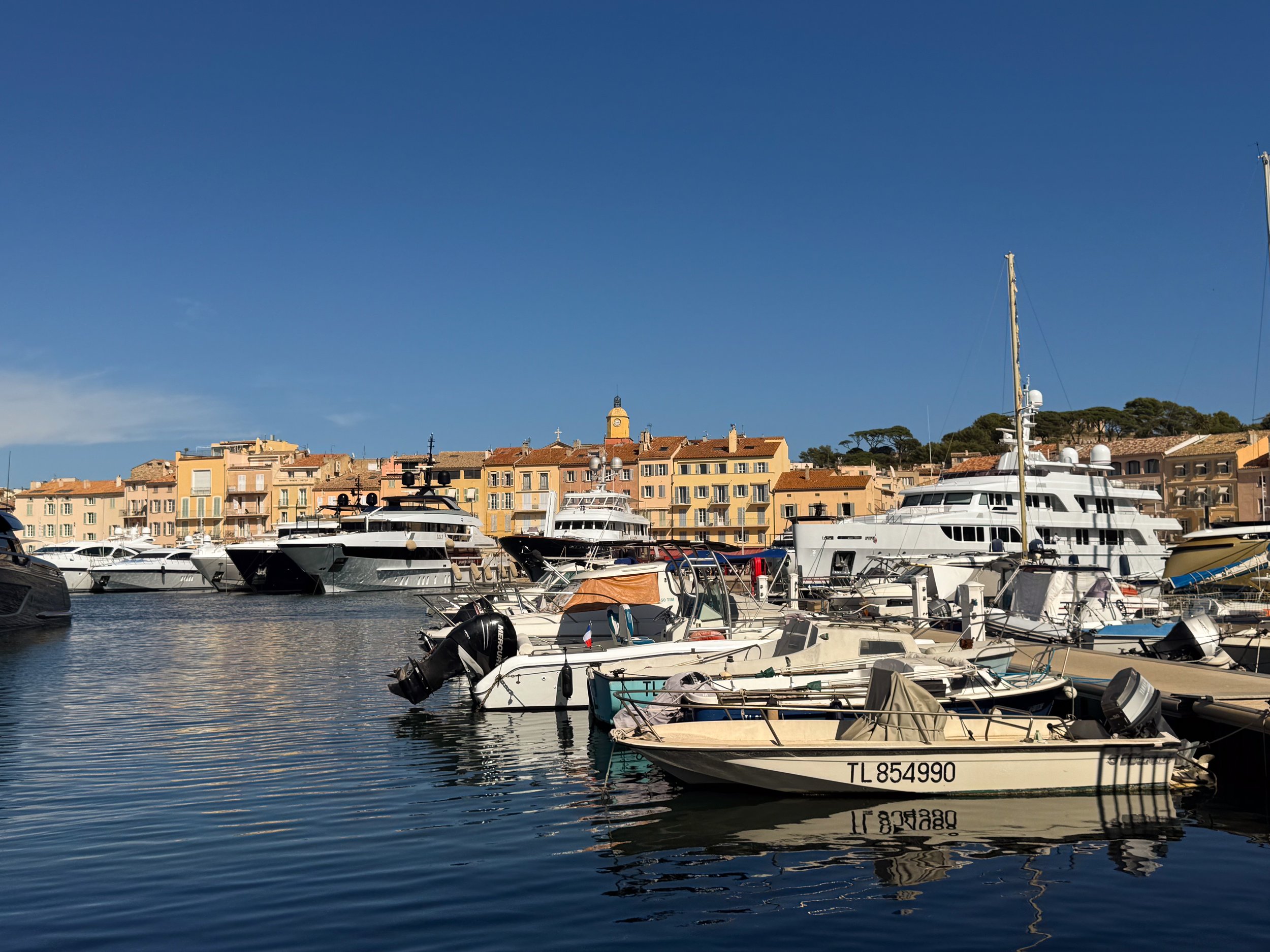
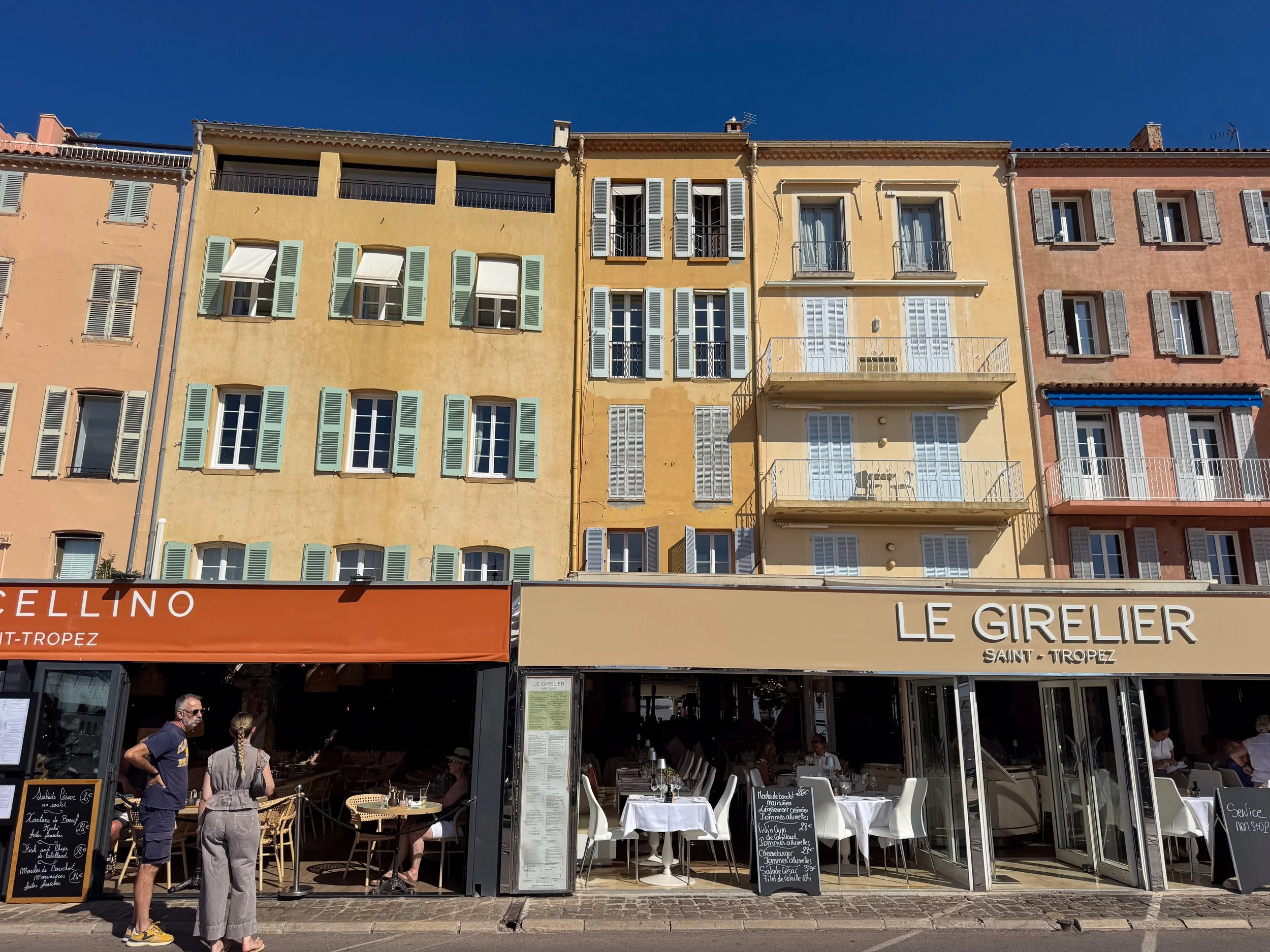
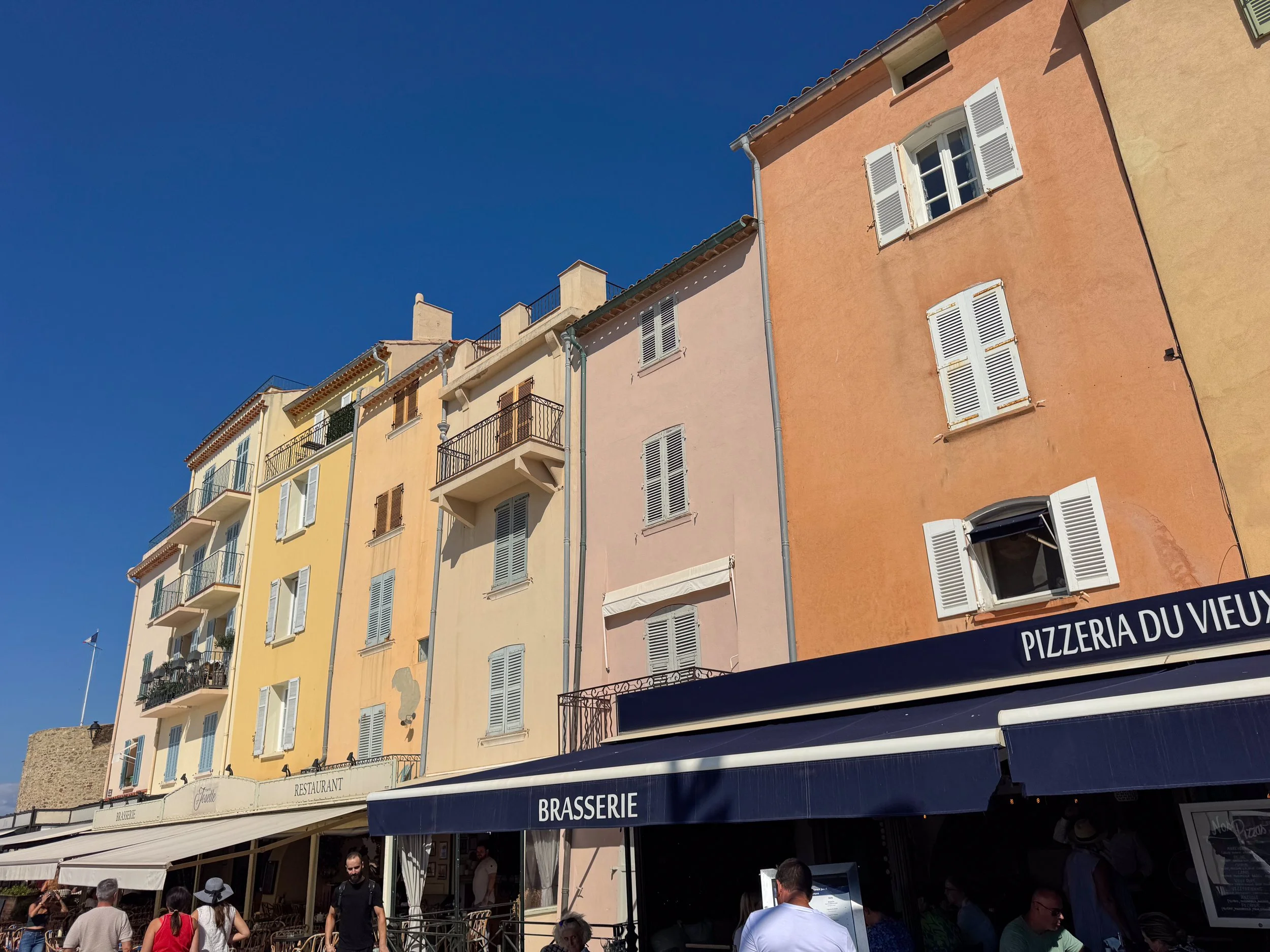
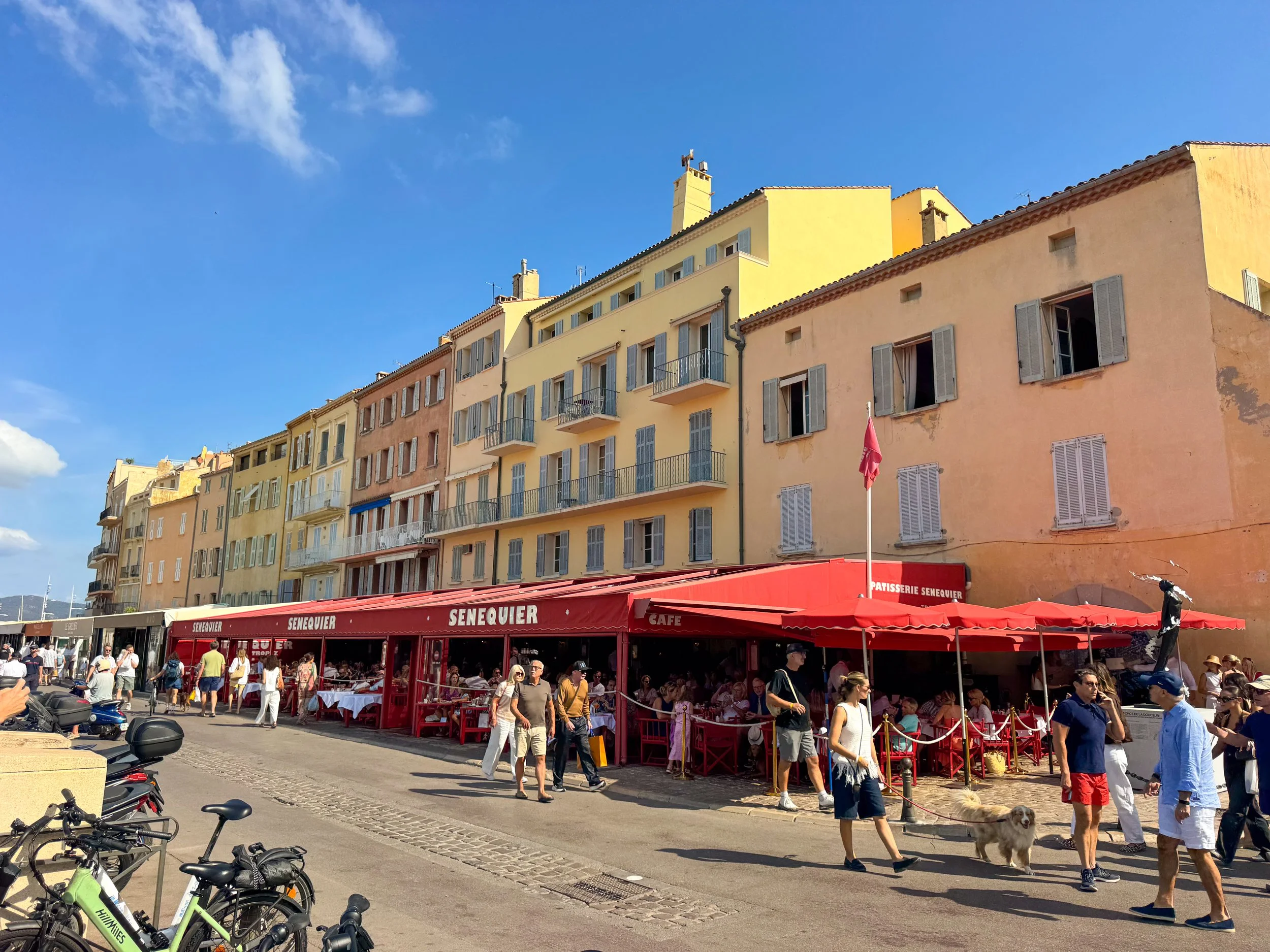
Once a quaint fishing village, St. Tropez is now one of the French Riviera's most glamorous port towns. Warm pastel hued buildings surround a boat filled harbor. Romantic cobblestone streets pass designer shops, luxury brands and high end boutiques. A historic citadel and maritime museum offer sweeping coastal views while the lively Saturday market draws visitors from across the region. The enchanting town is a scenic ferry from Cannes, making it an idea day or overnight trip.
Port of St. Tropez
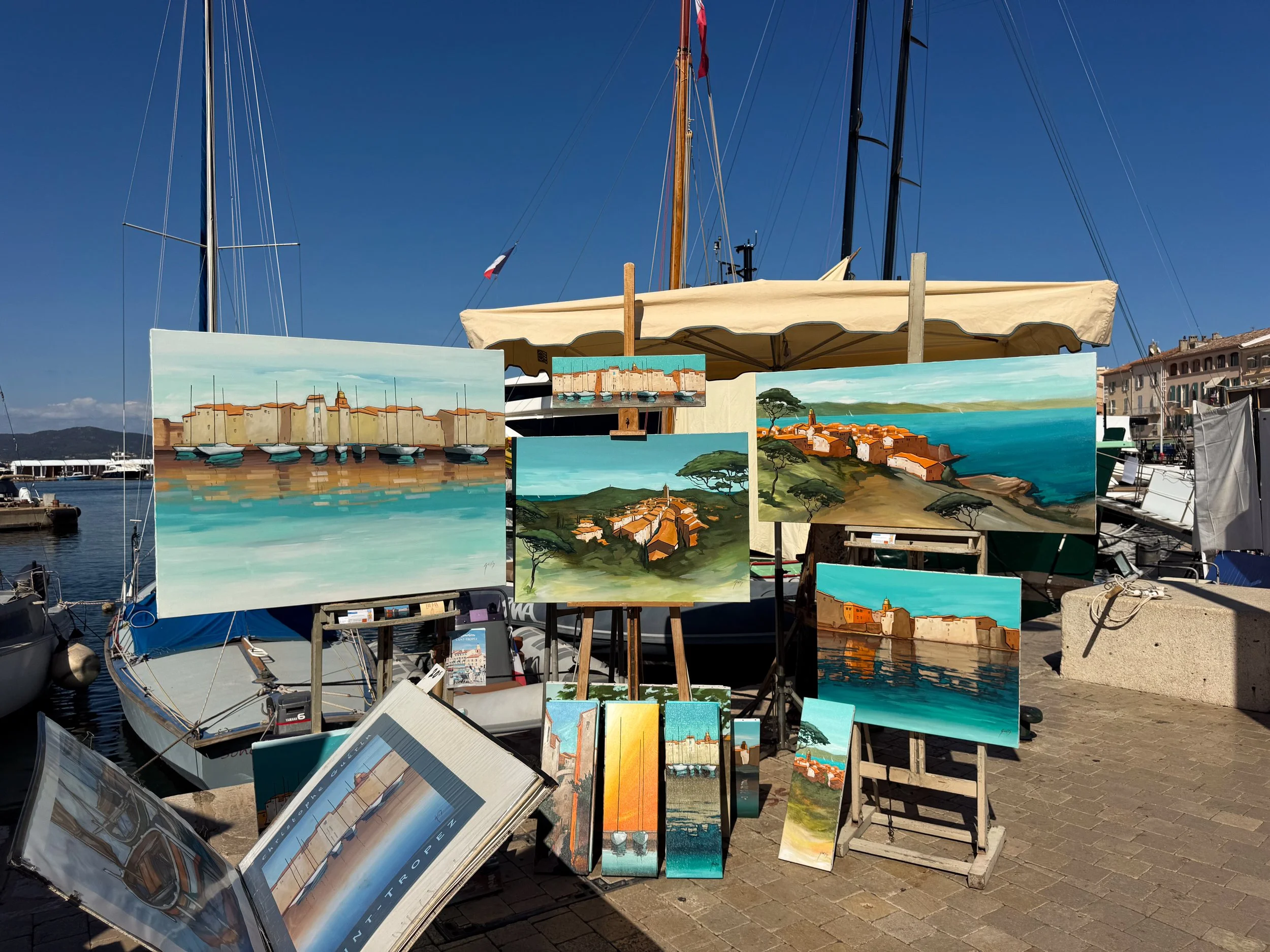
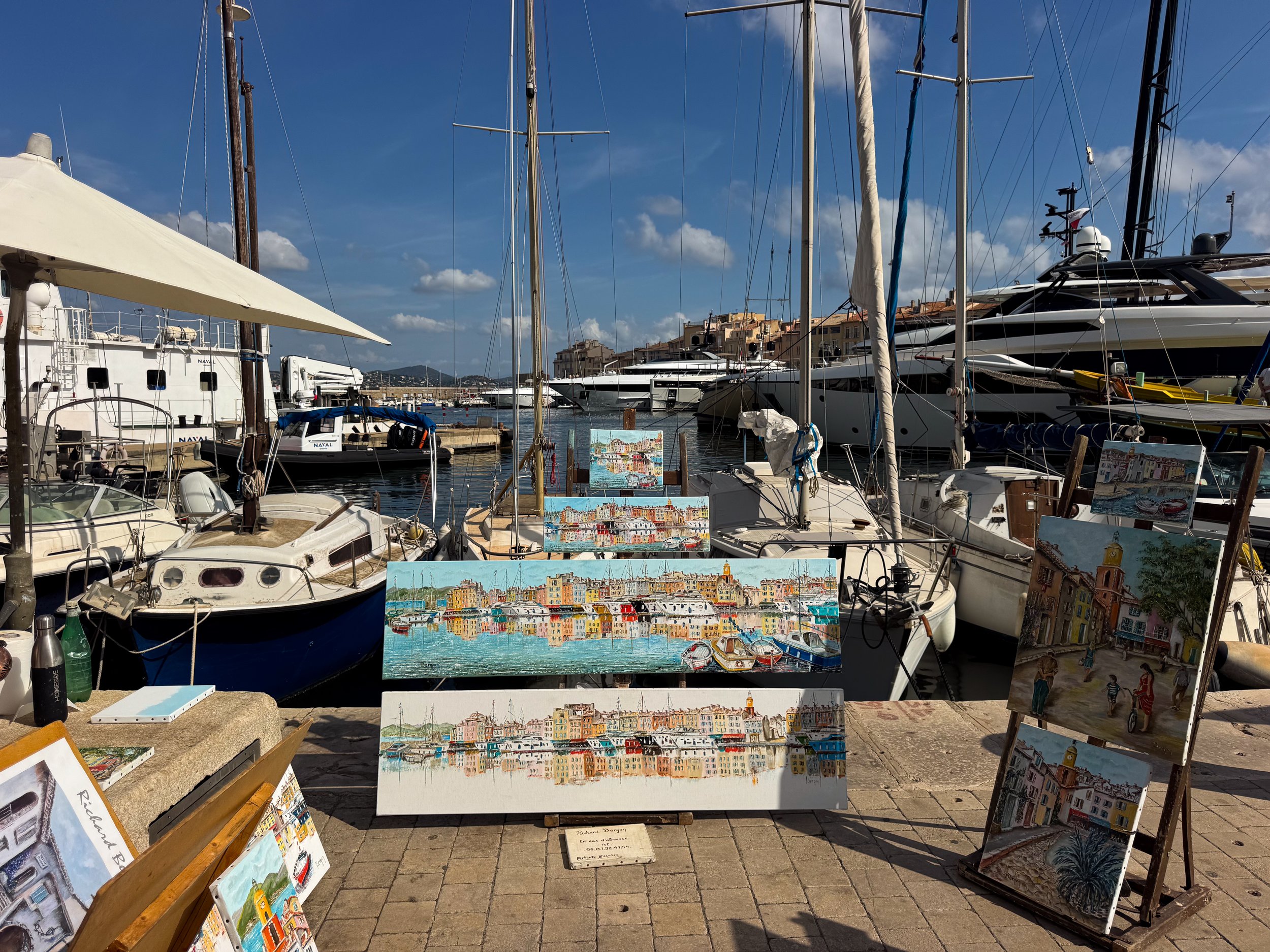
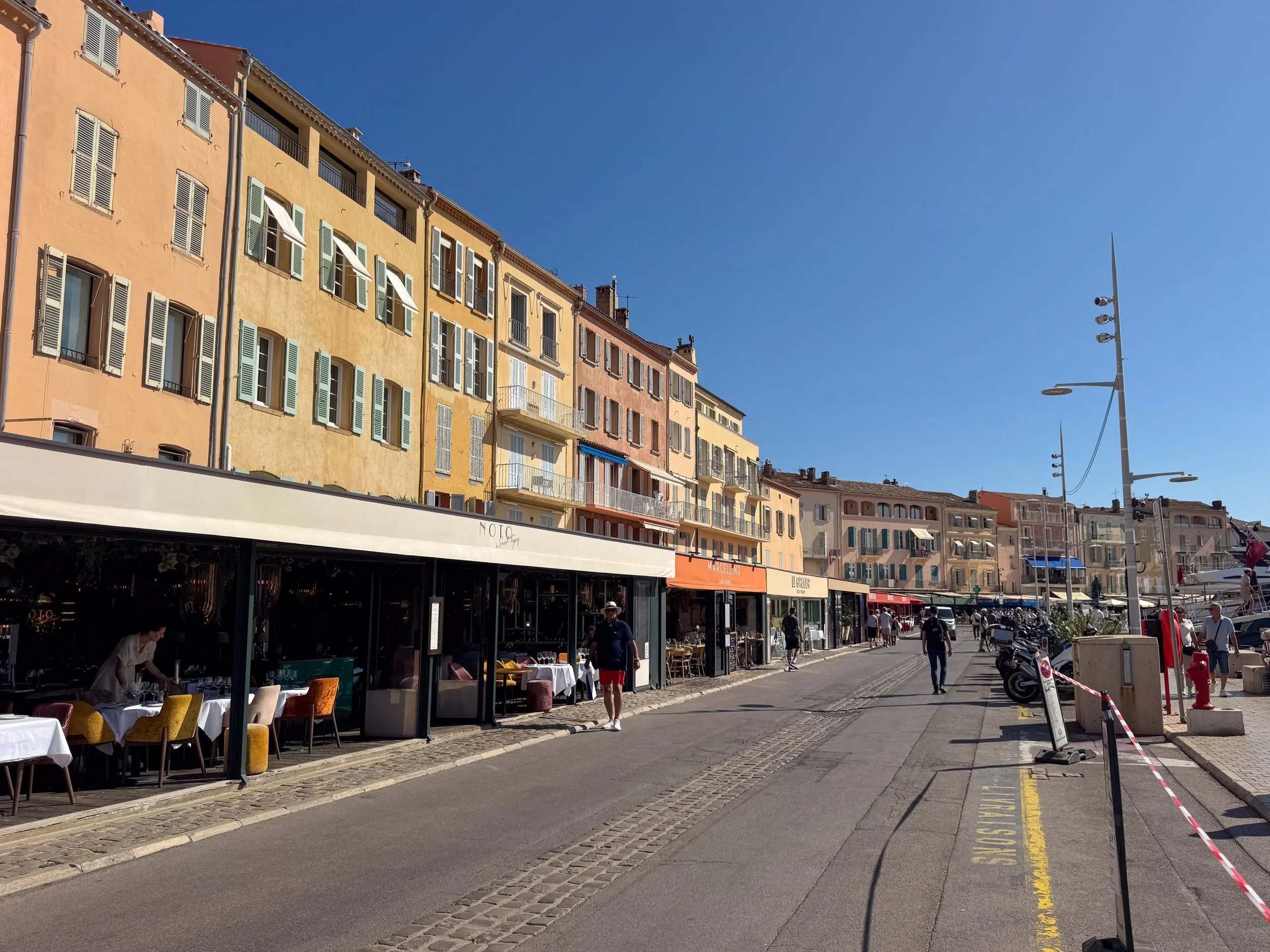
A scenic port at the center of town where sailboats and yachts line the berths. A skyline of pastel painted buildings frames the waterfront promenade as restaurants and cafes spill onto the sidewalks below. Along the water, artists set up easels displaying paintings of the port and its colorful skyline.
La Ponche & Designer Shopping Streets
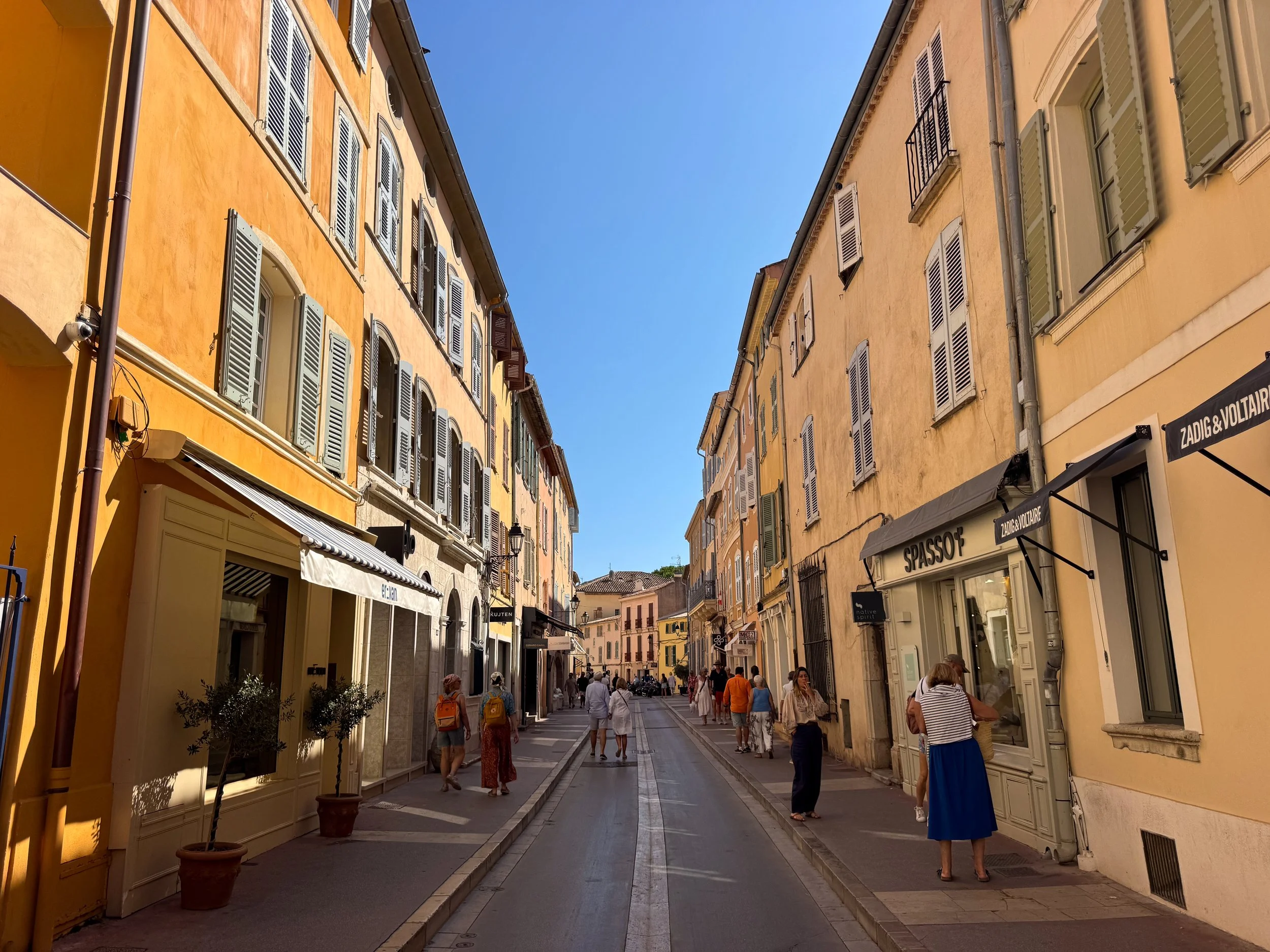
La Ponche is the old fishermen's quarter of St. Tropez, where narrow cobblestone alleys wind past pastel Provençal houses, historic sights, sidewalk cafes and luxury boutiques.
Rue Gambetta. A beautiful street lined with independent boutiques selling home goods, clothing, jewelry, accessories, shoes, perfumes and soaps.
Rue François Sibilli. A shopping street lined with luxury French and Italian fashion houses, including Dior, Louis Vuitton, Saint Laurent, Gucci, Bottega Veneta, Fendi, Valentino, Bulgari and Balenciaga.
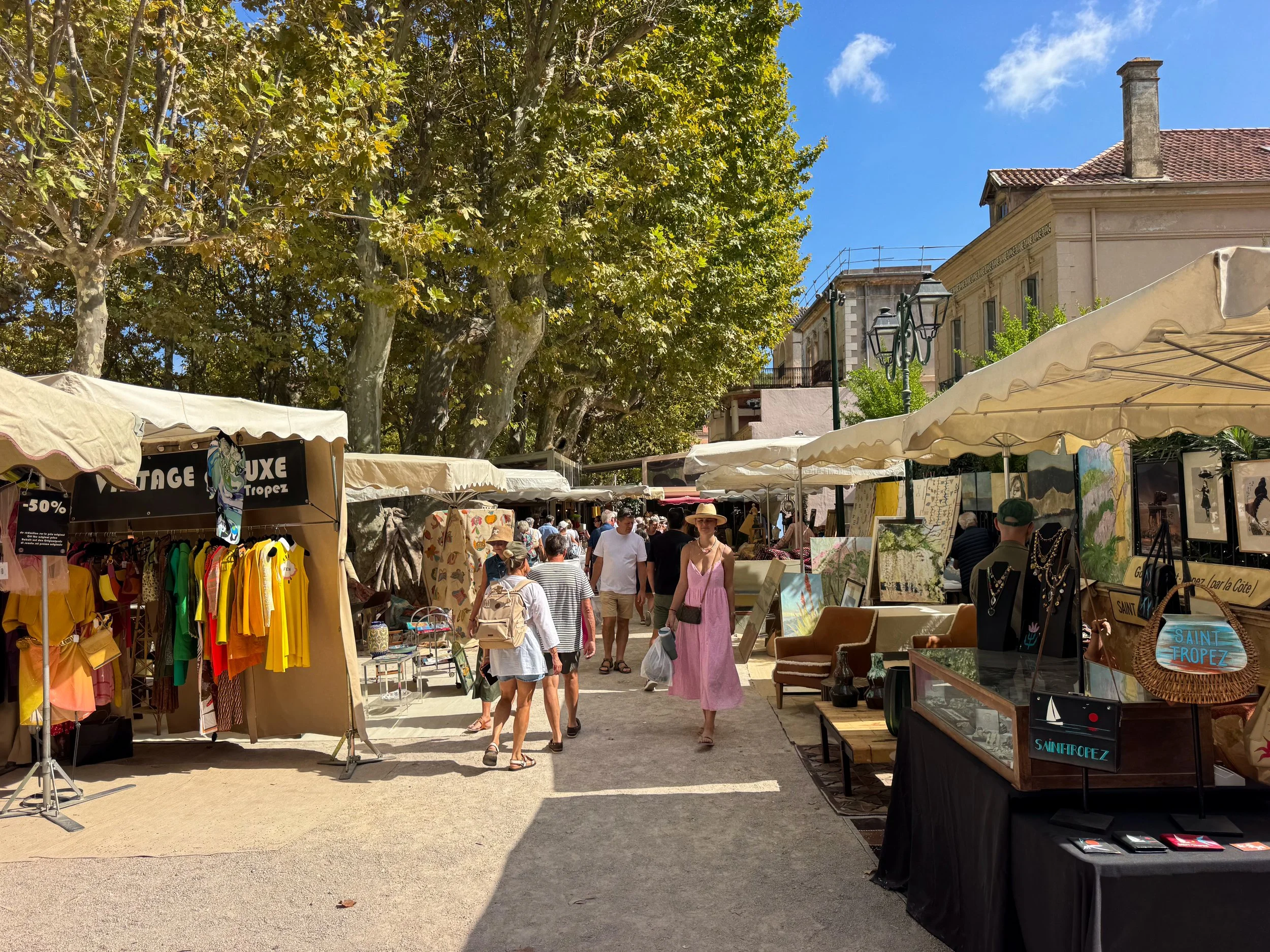
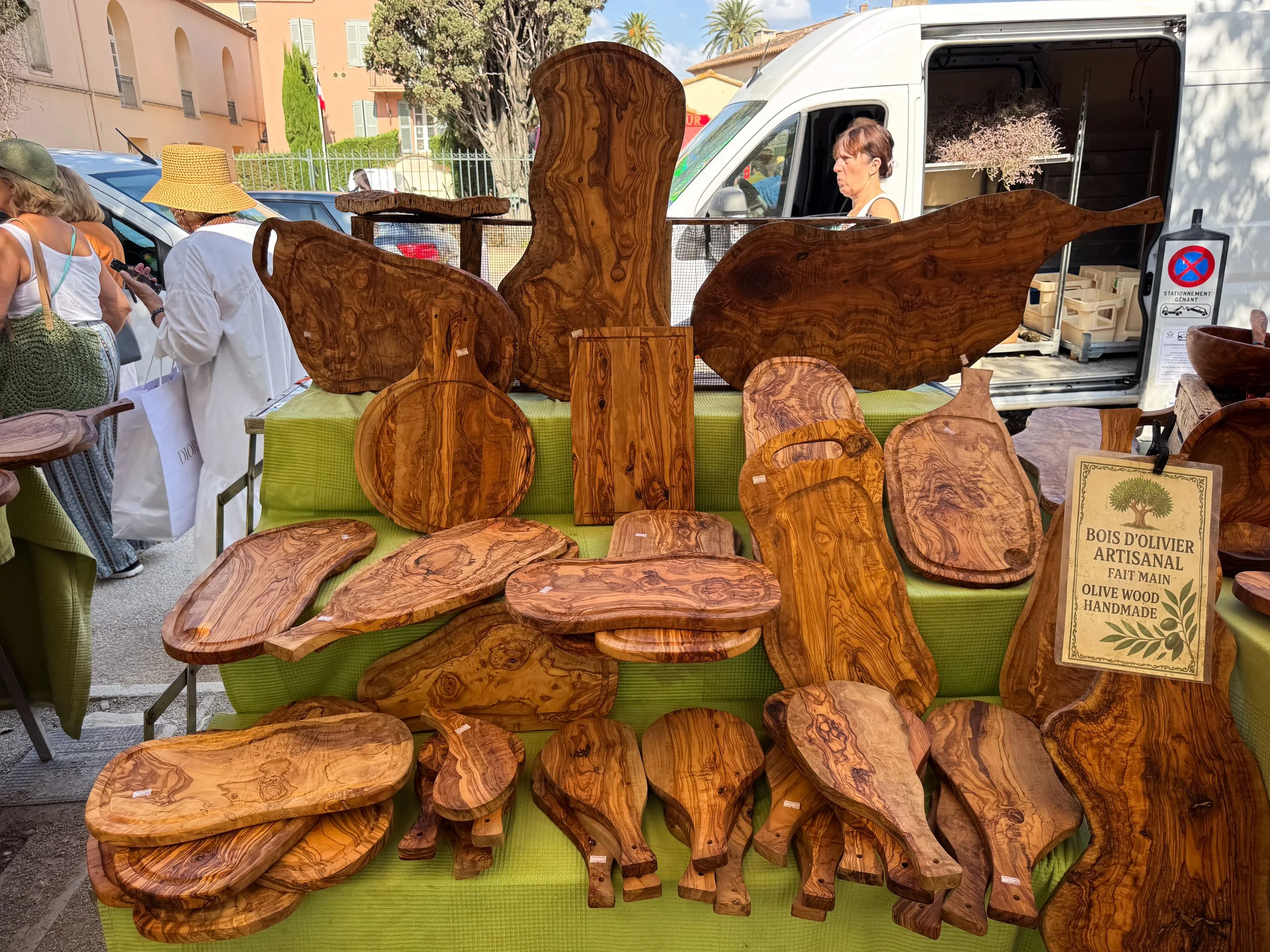
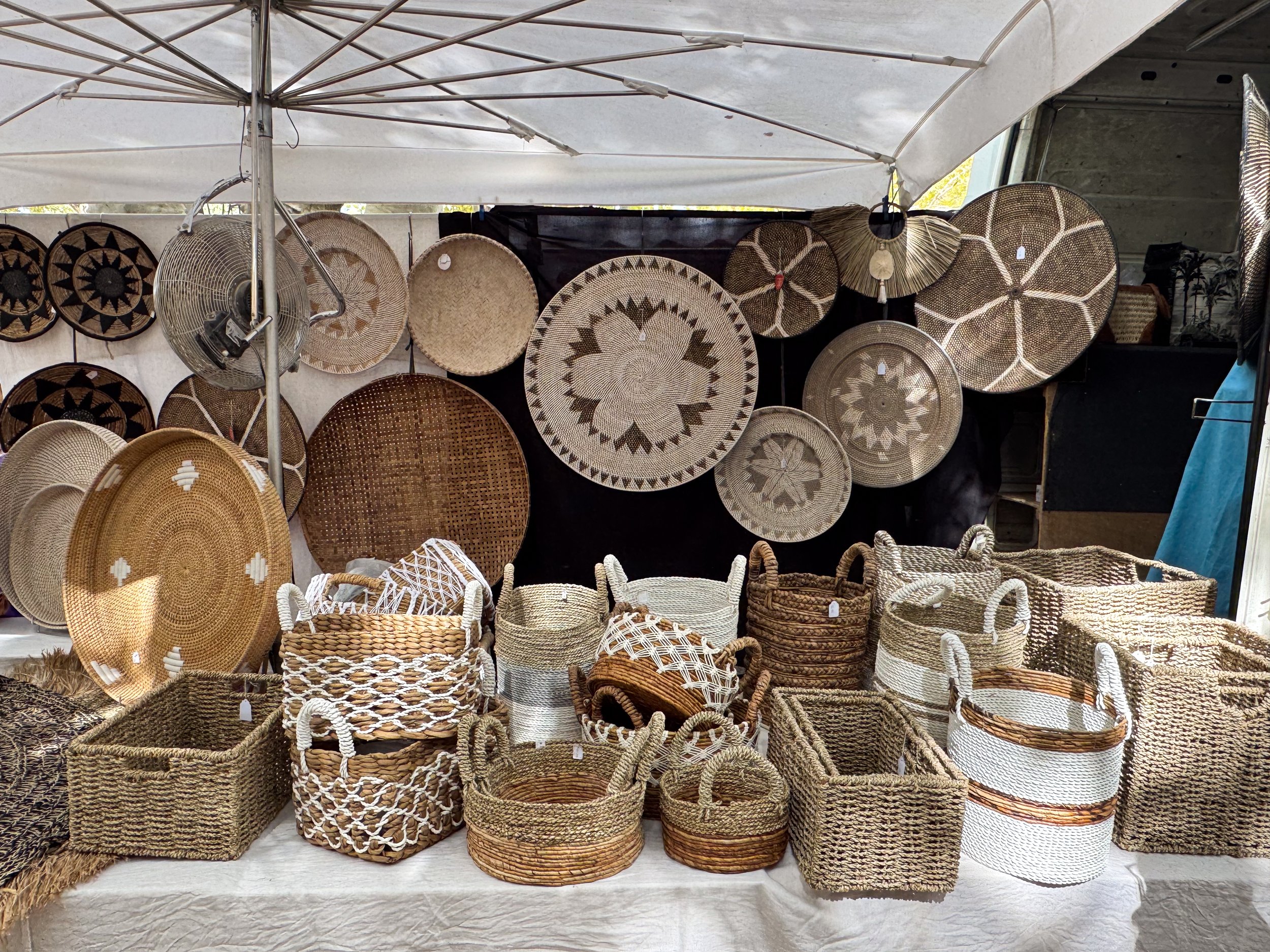
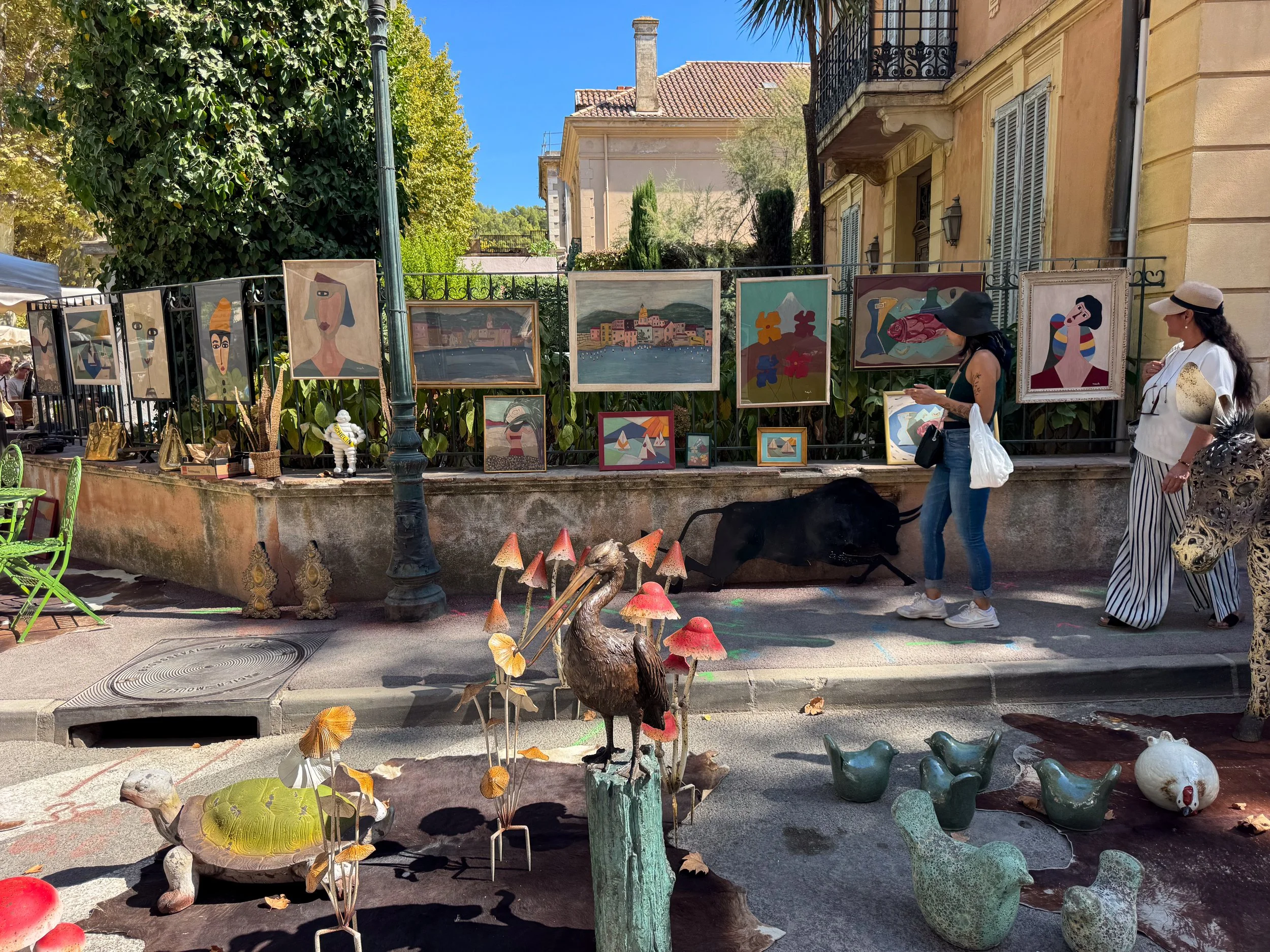
Saturday Market at Place des Lices
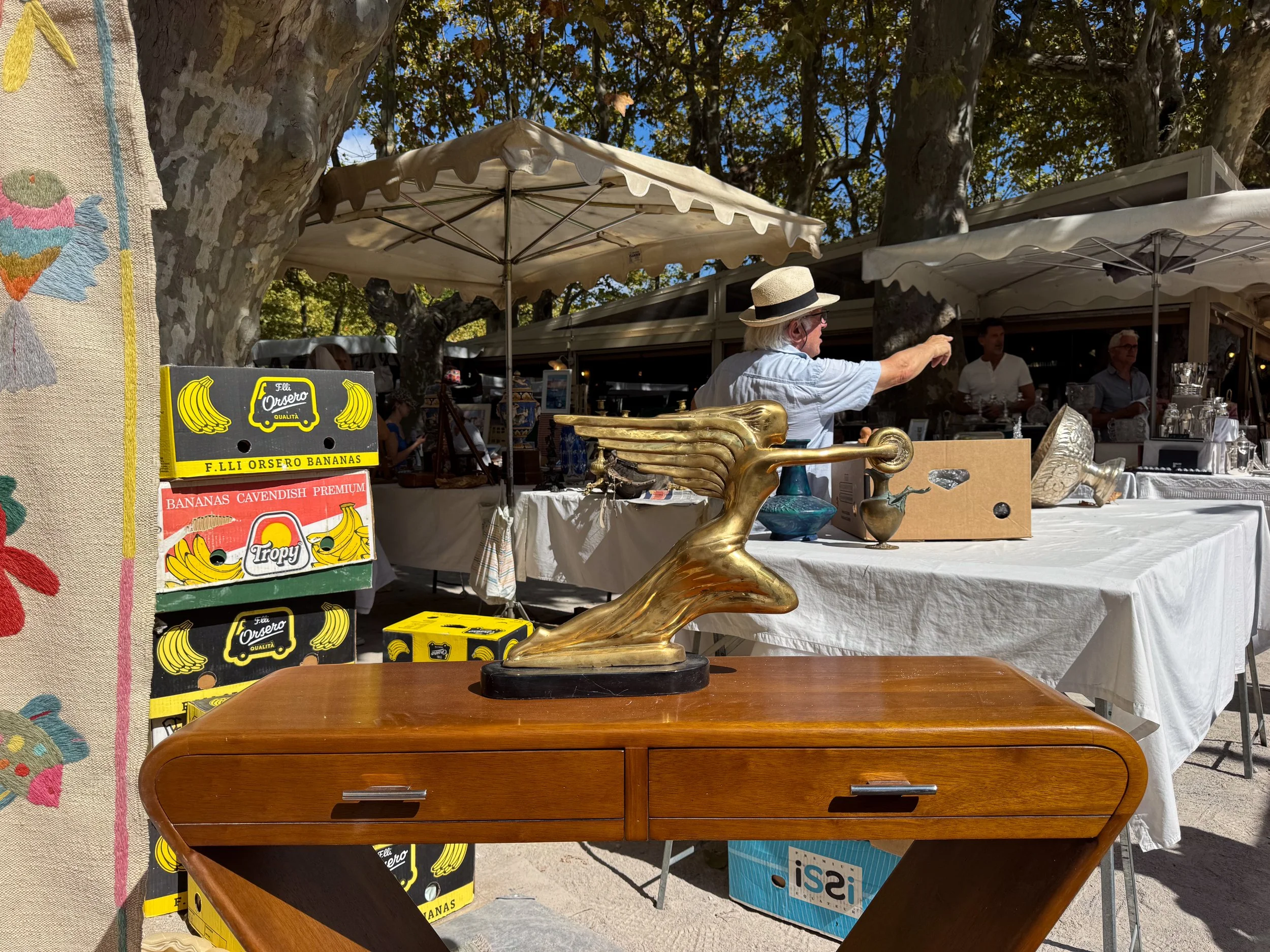
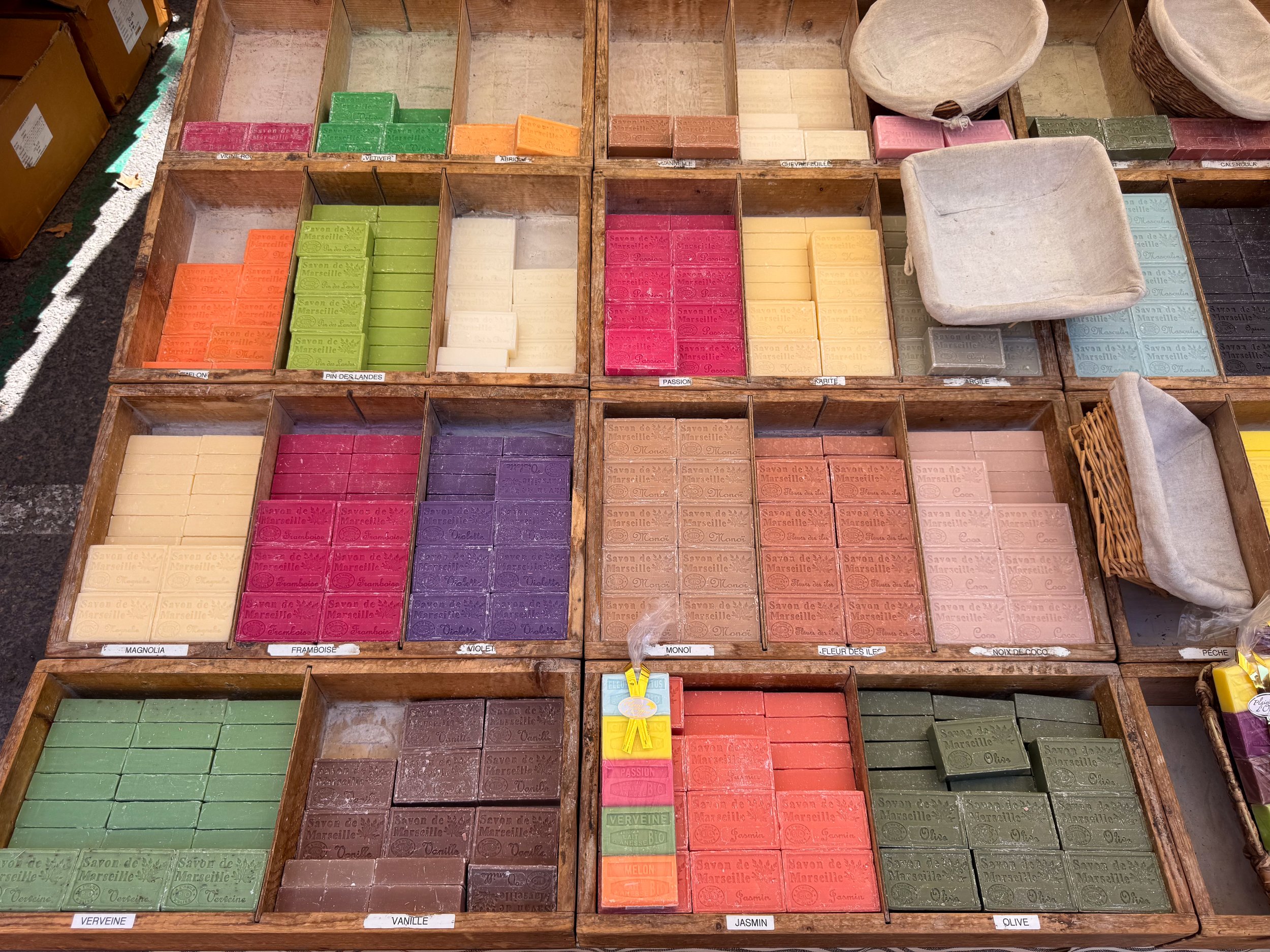
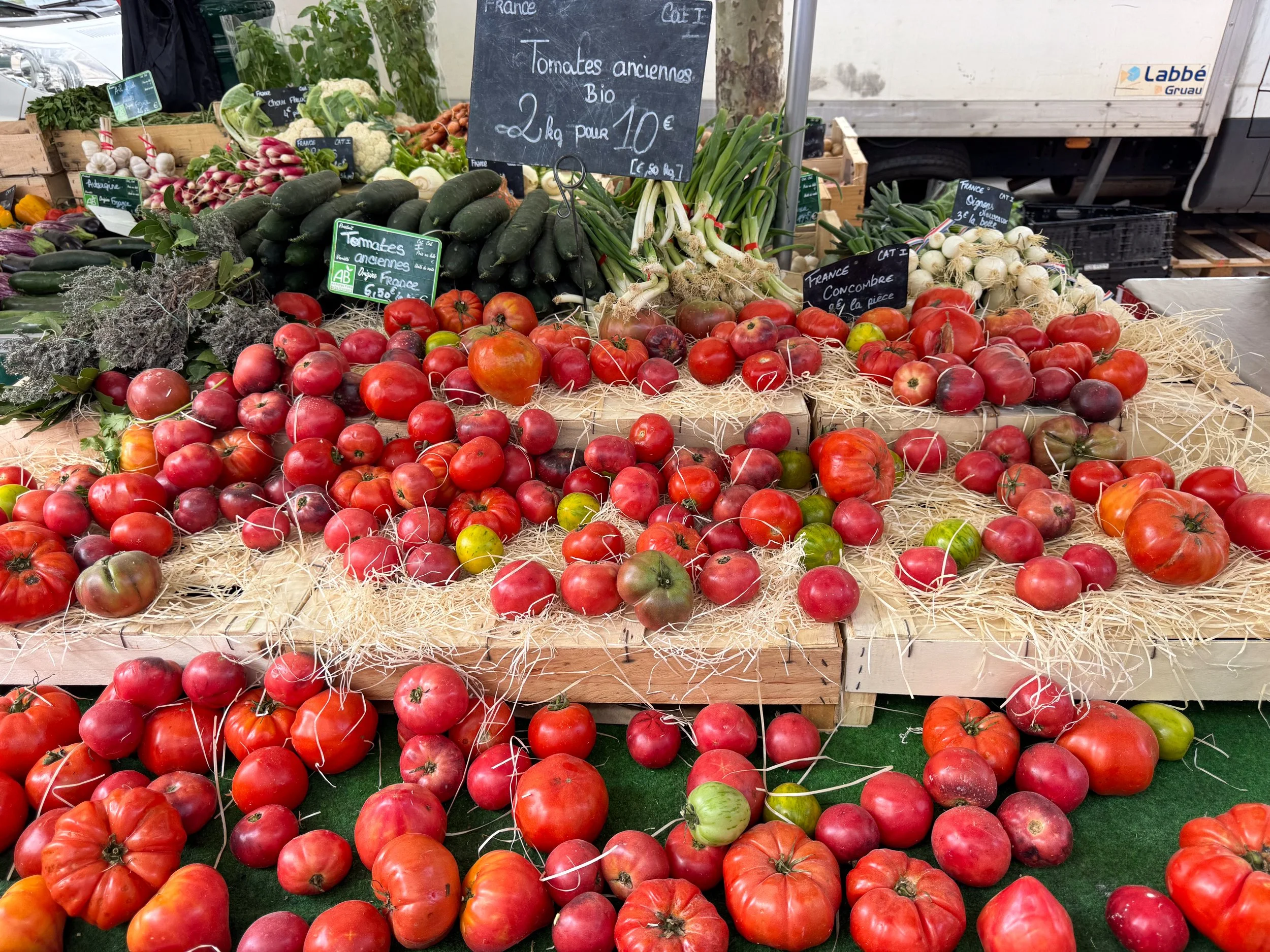
A sprawling Saturday morning market is held beneath the leafy canopy of Place des Lices. Bustling aisles mix linen outfits, straw hats, leather goods, olive wood kitchenware, soaps, woven baskets, antiques and vintage jewelry with stalls of produce, flowers, cheeses, olives, pastries and takeaway food. Try the locally famous Tarte Tropézienne, a brioche pastry sliced and filled with crème pâtissière and buttercream. Look out for De L'Olive à la Tapenade, a vendor selling black truffle tartines and truffle pizzas.
Sights & Museums
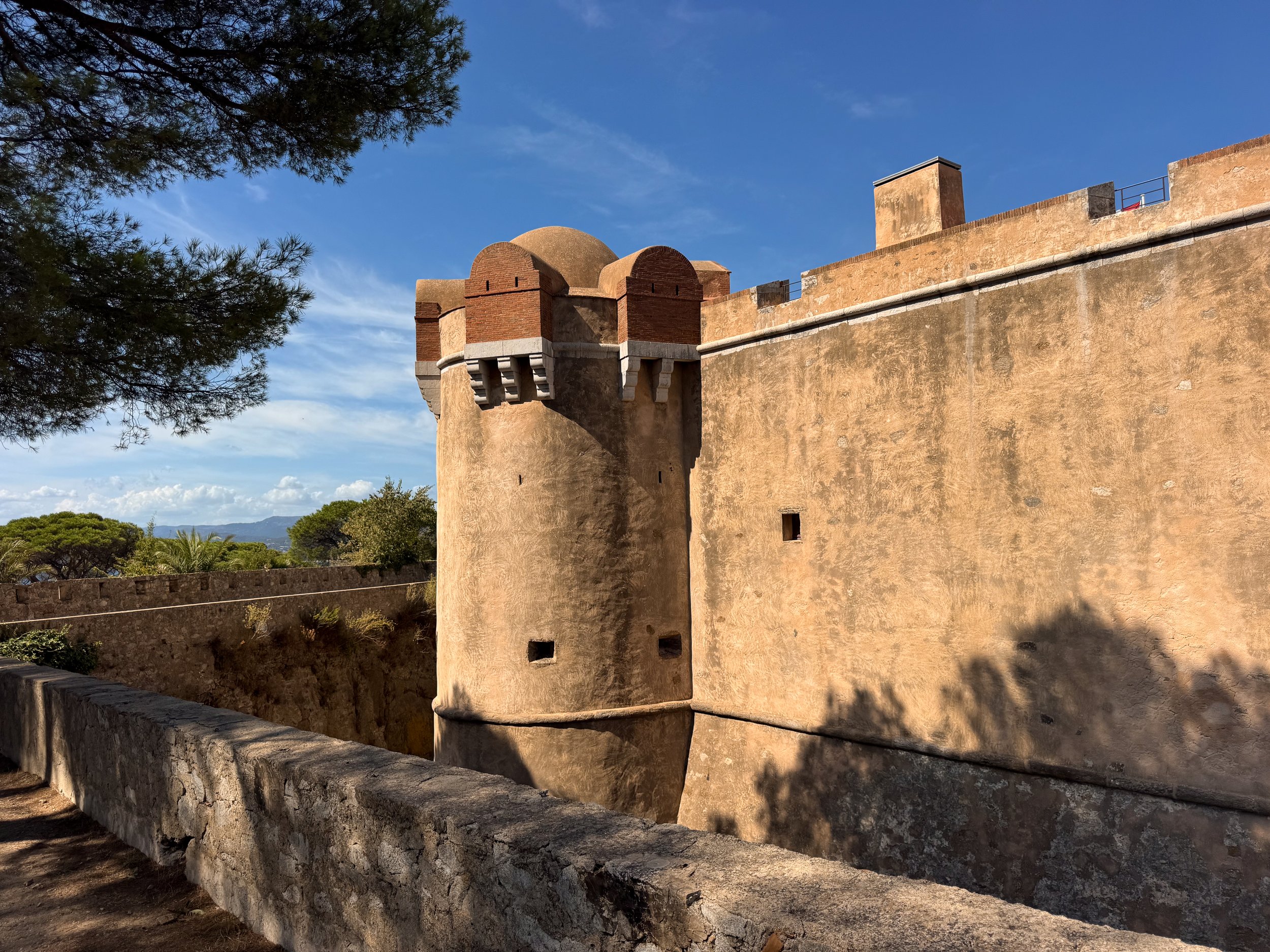
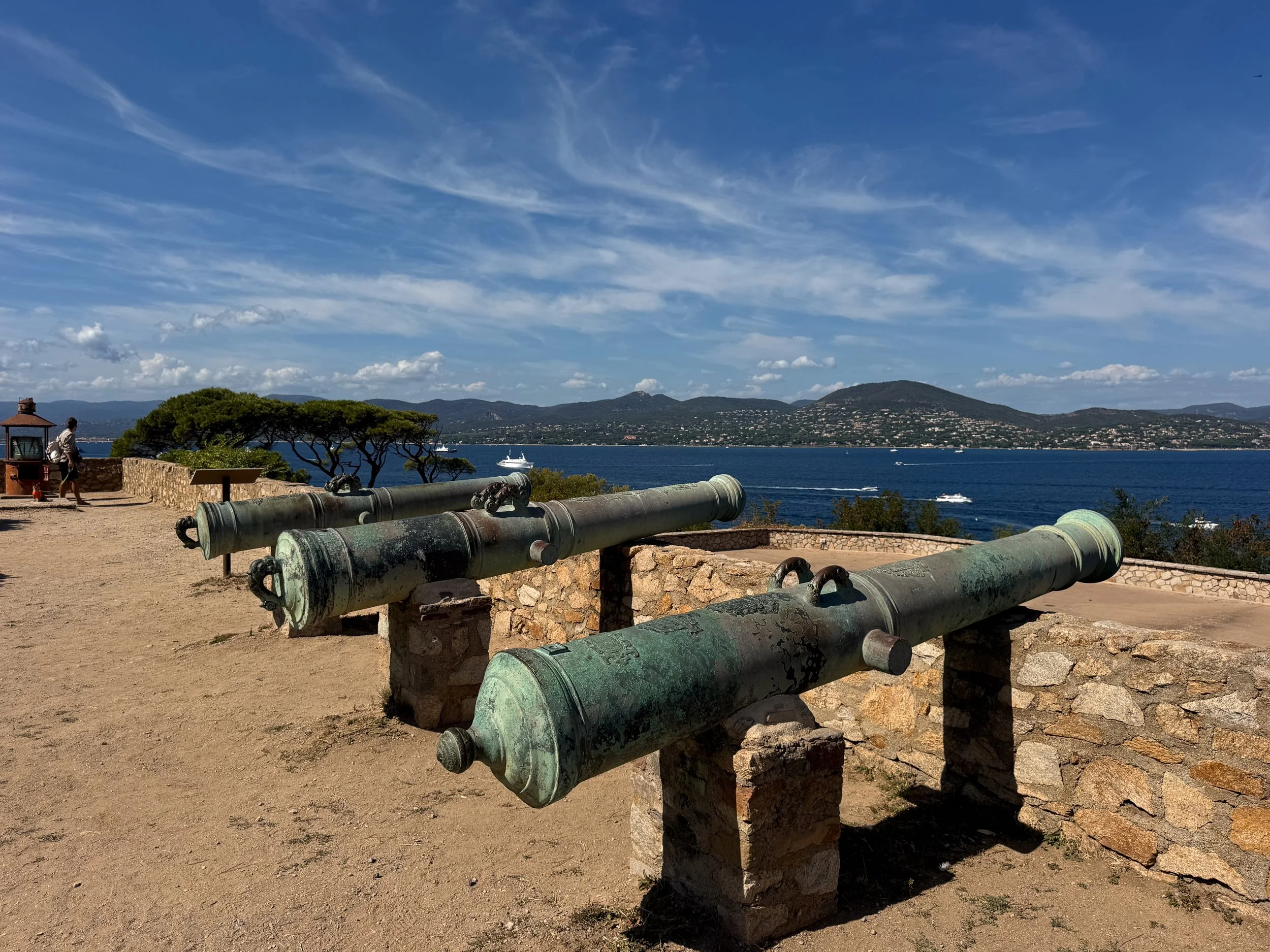
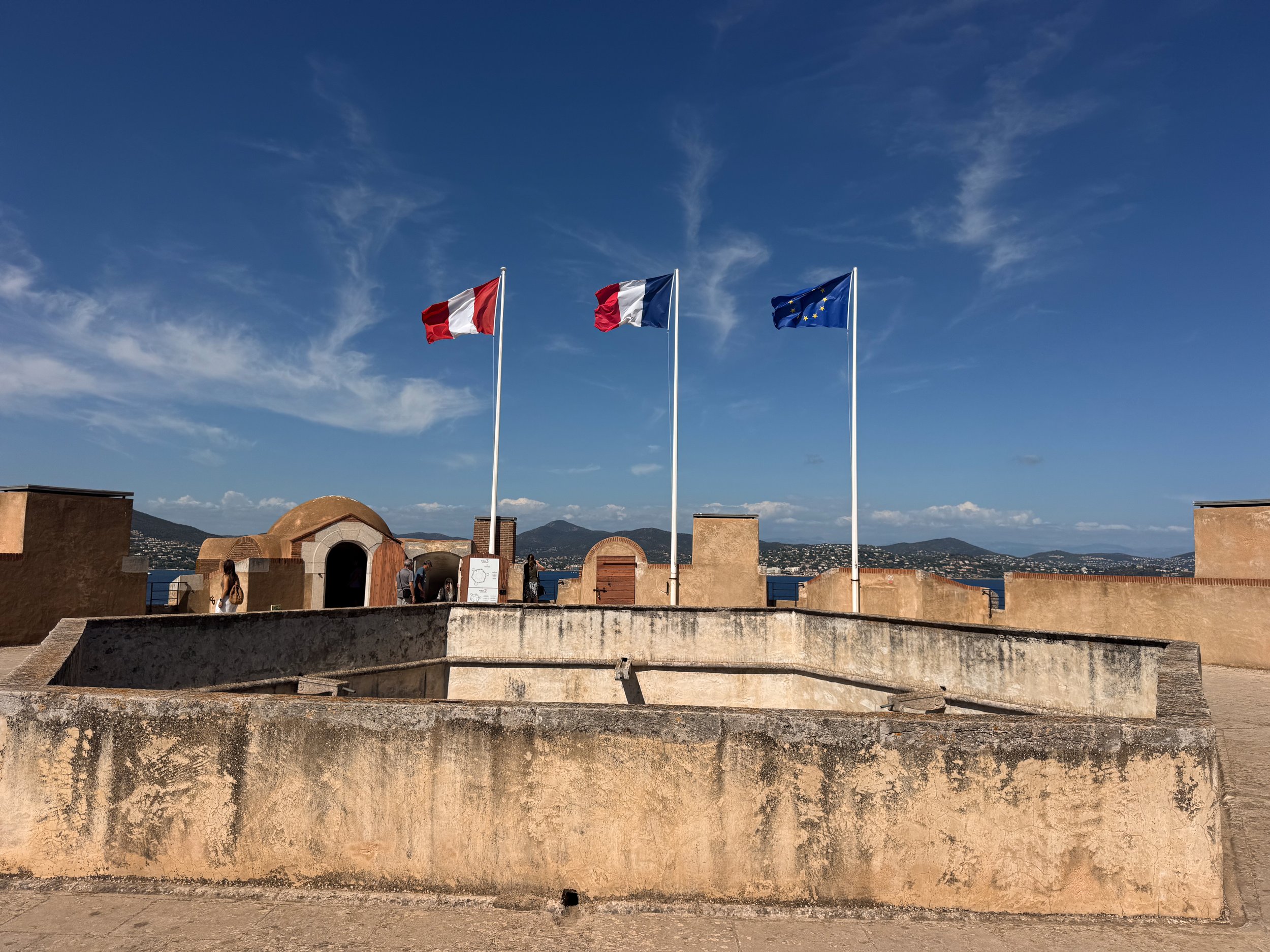
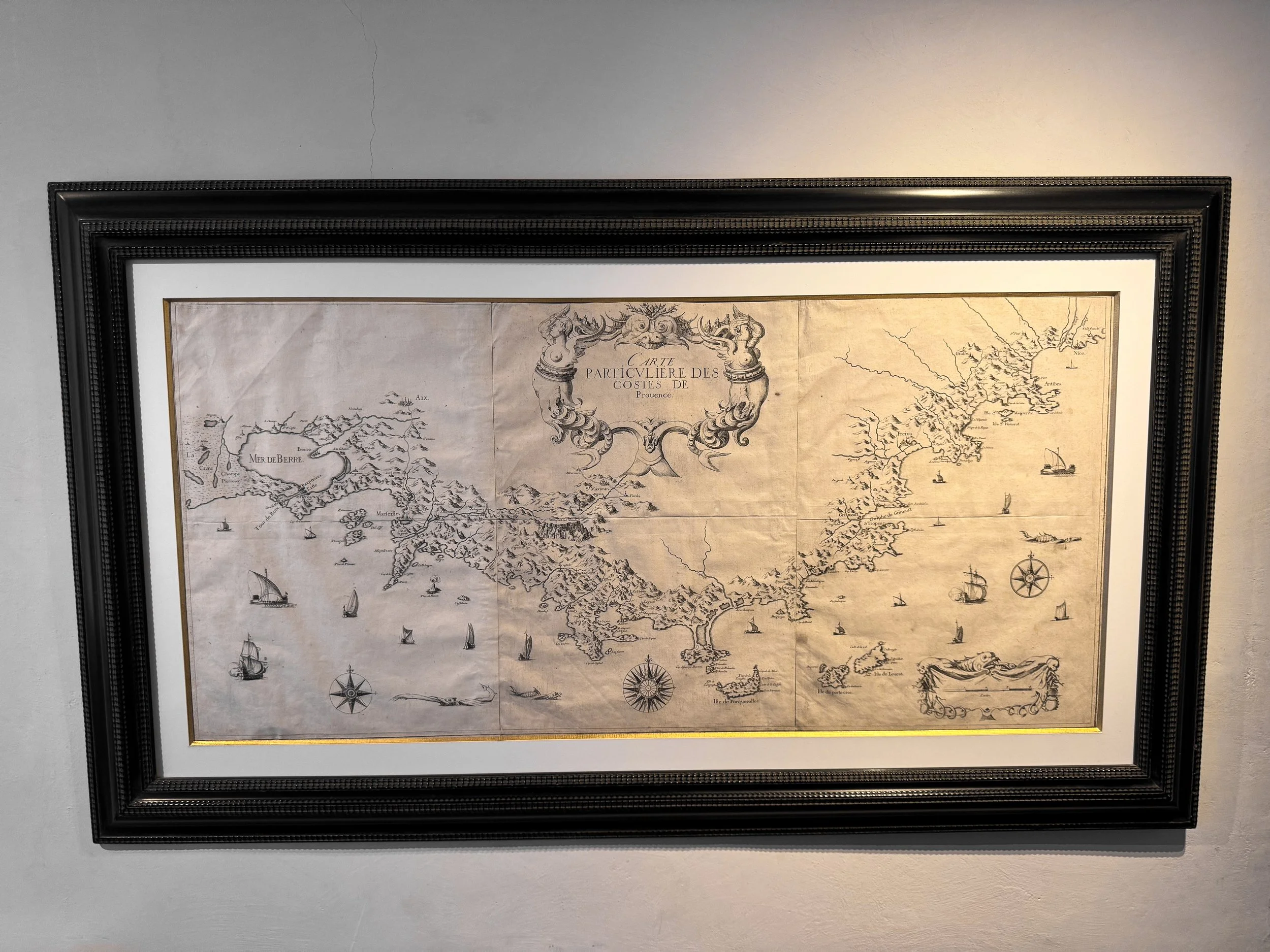
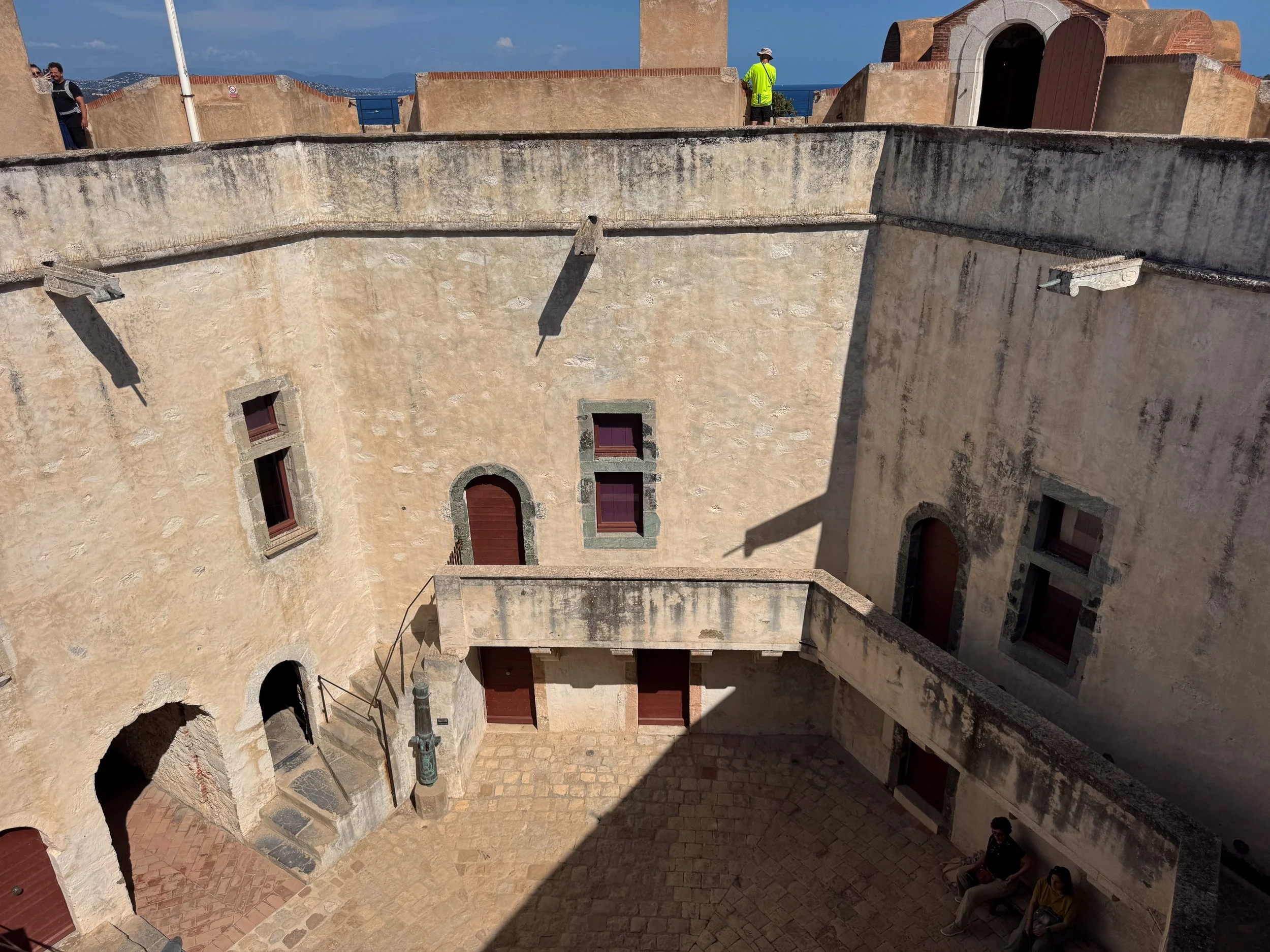
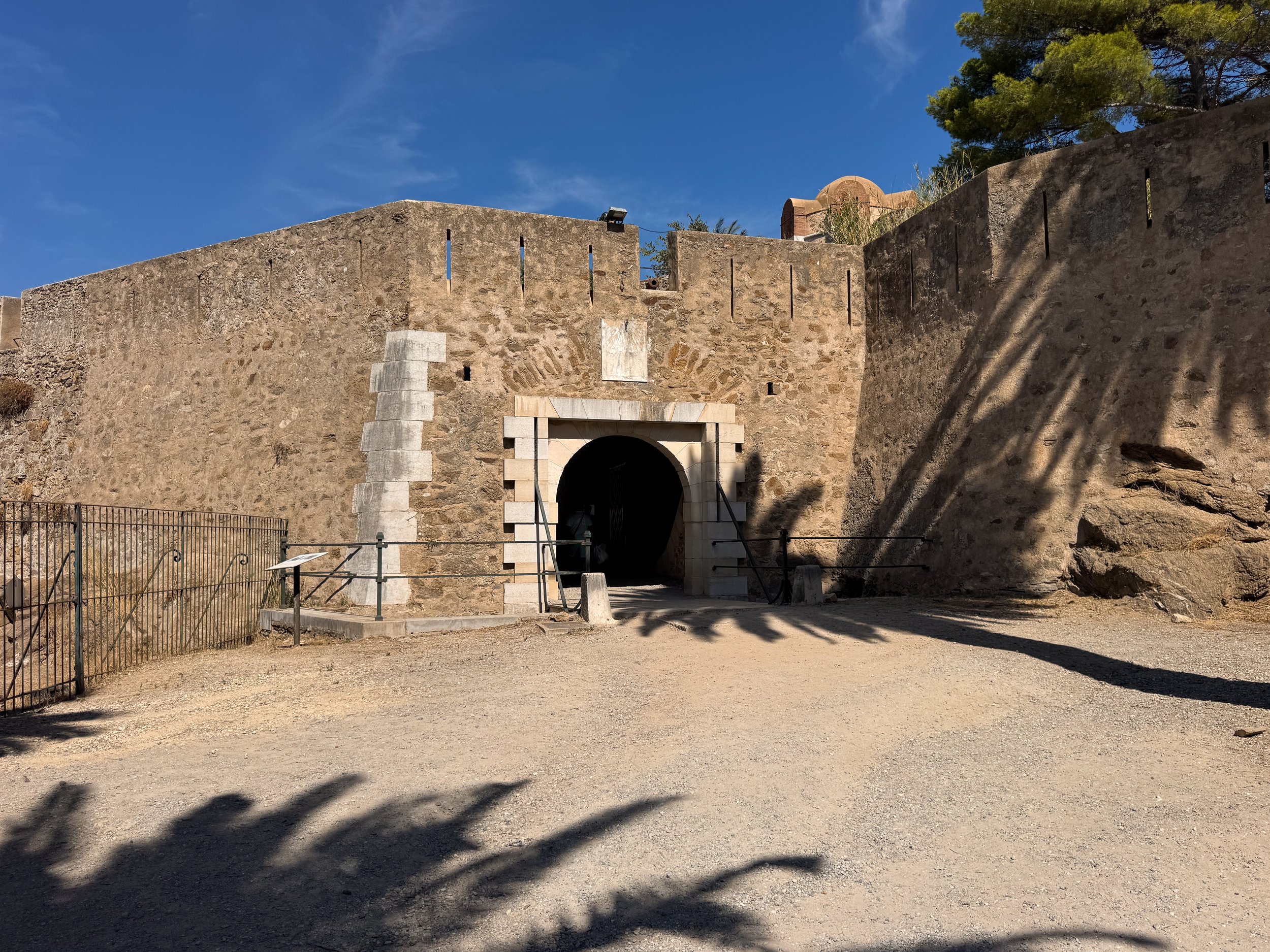
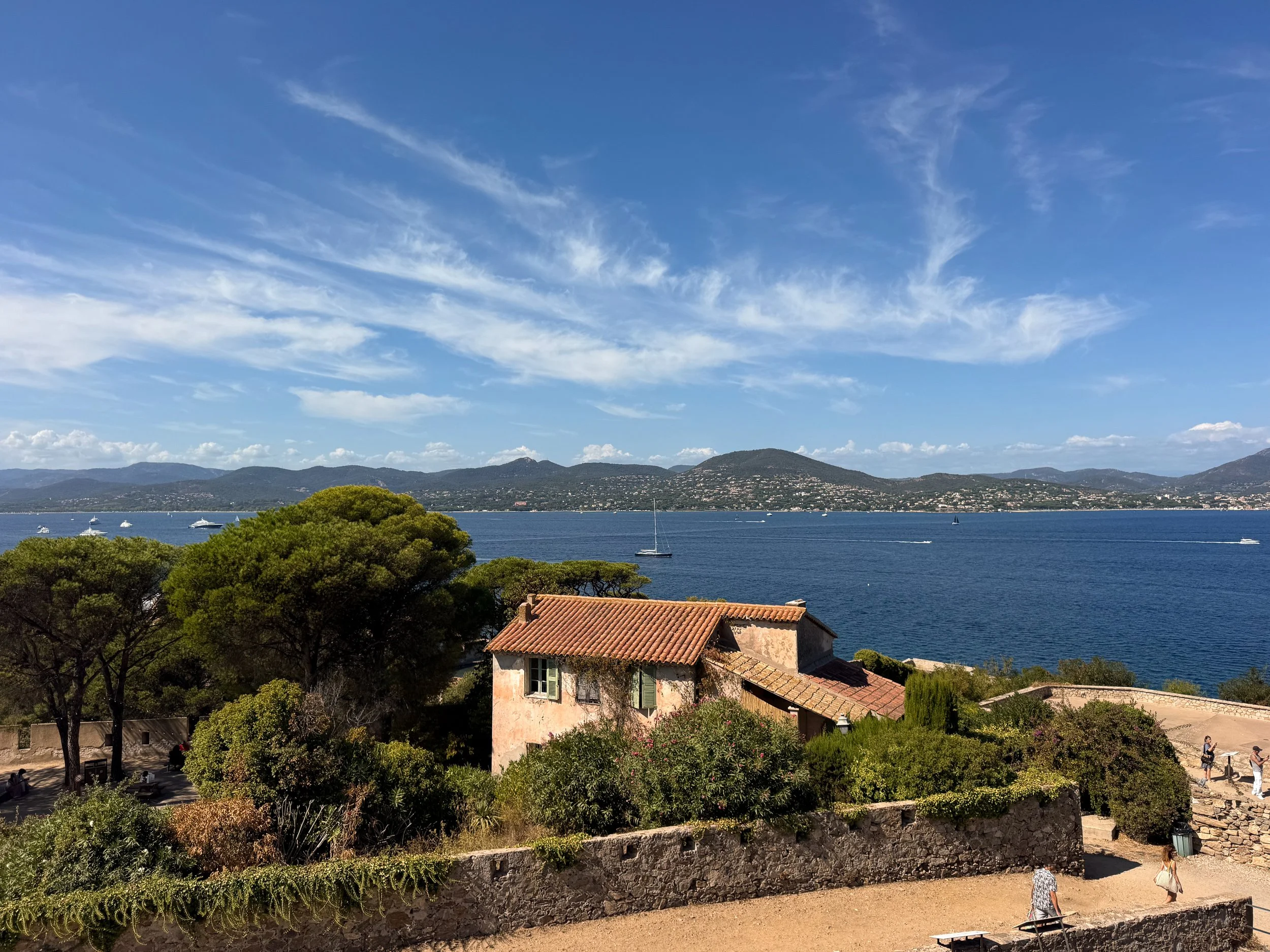
Citadelle de Saint-Tropez. A 17th century hexagonal fortress above town, ringed by a moat and entered by drawbridge. Scenic terraces with bronze cannons overlook the old town and Gulf of St. Tropez. Inside, a maritime museum tells the stories of French sailors and explorers through model ships, navigational charts, paintings and weaponry.
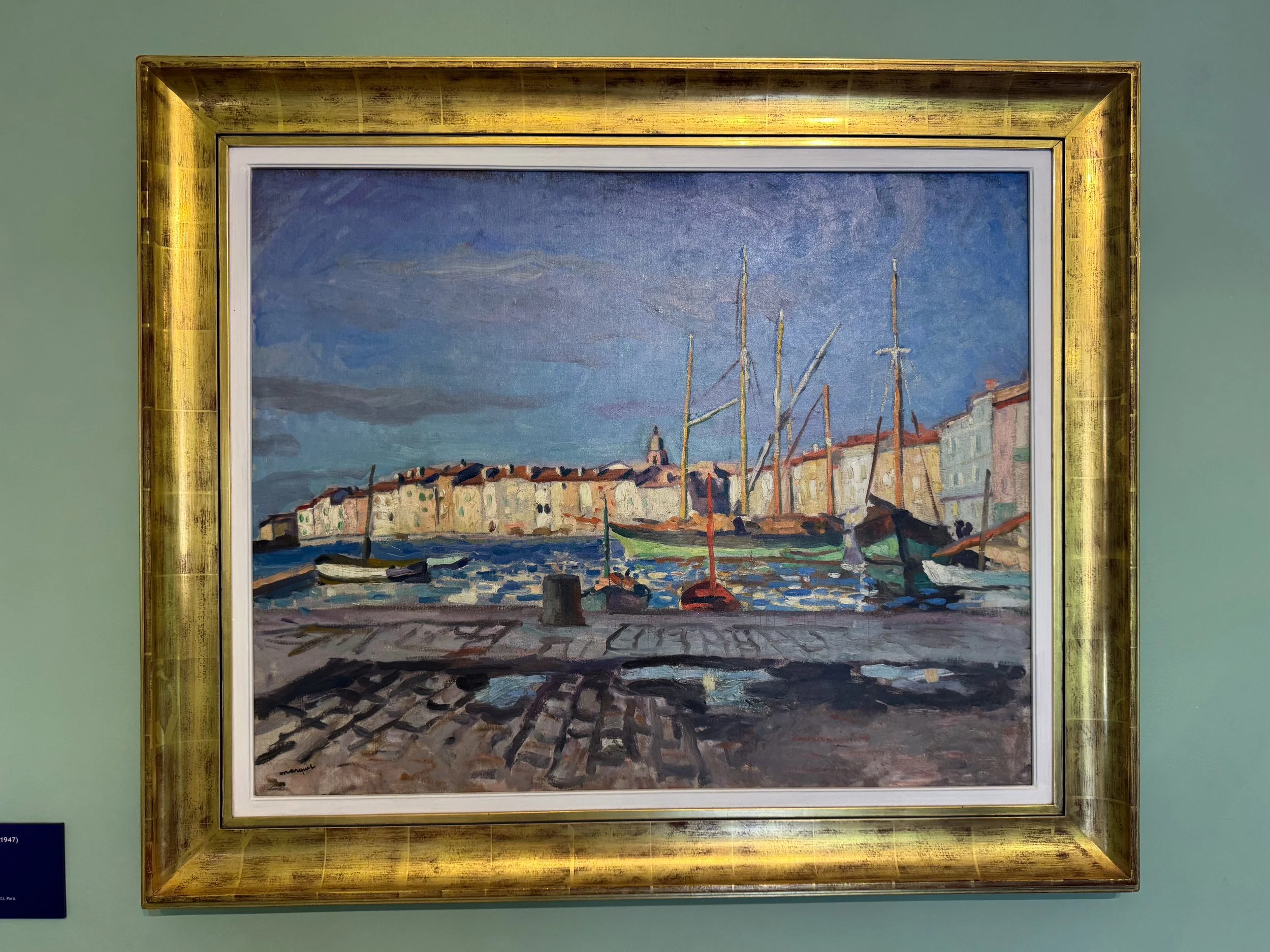
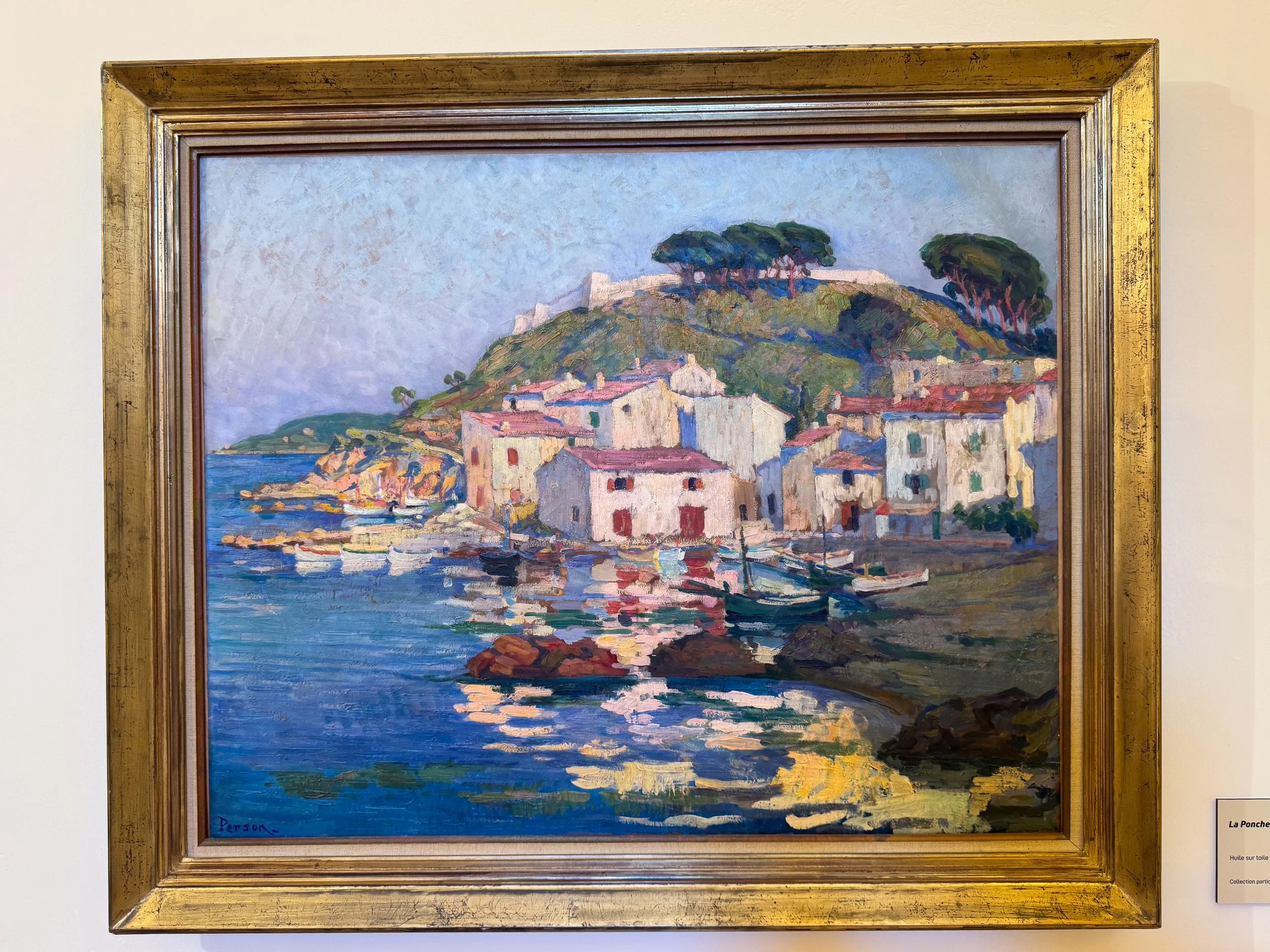
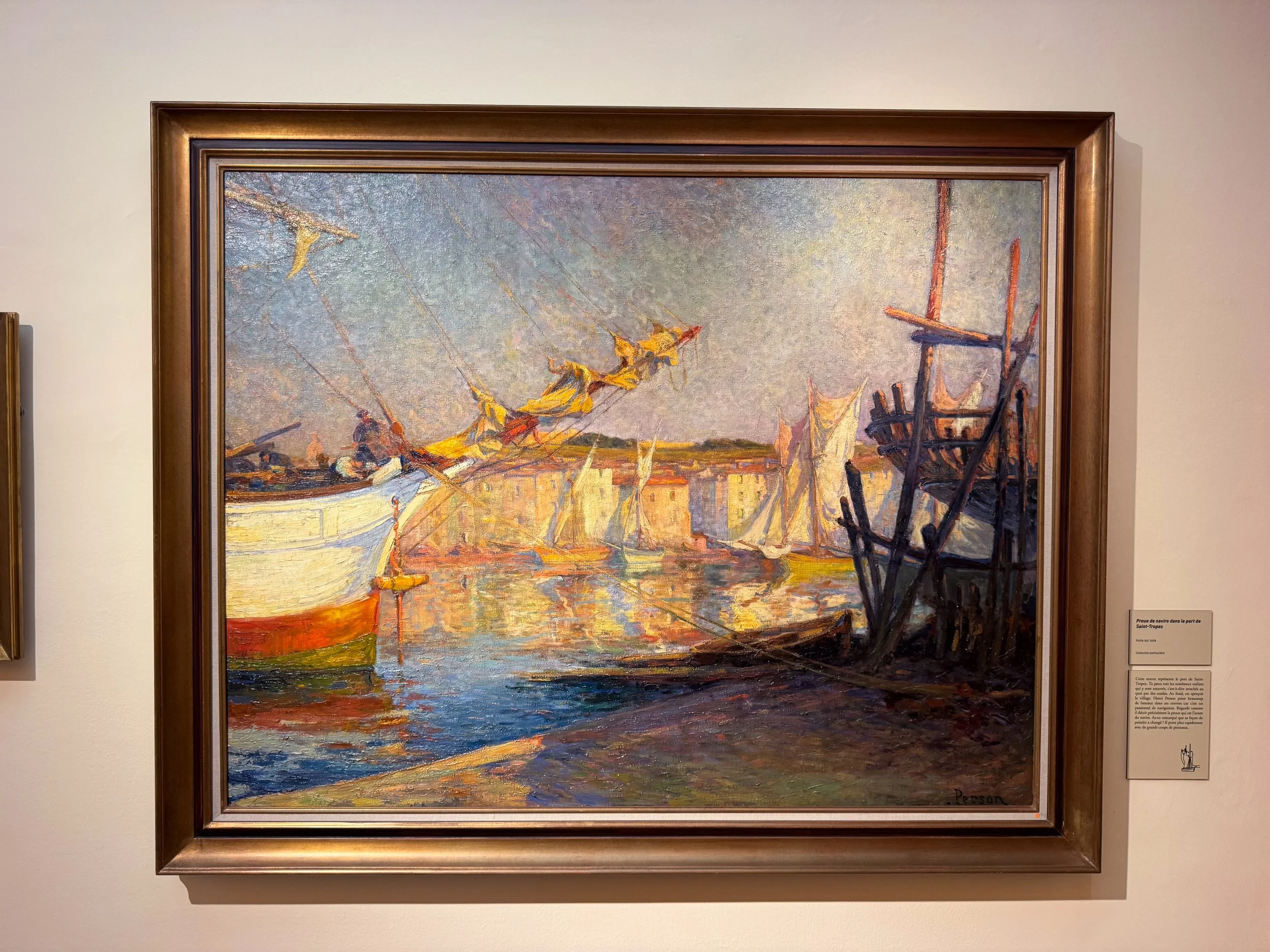
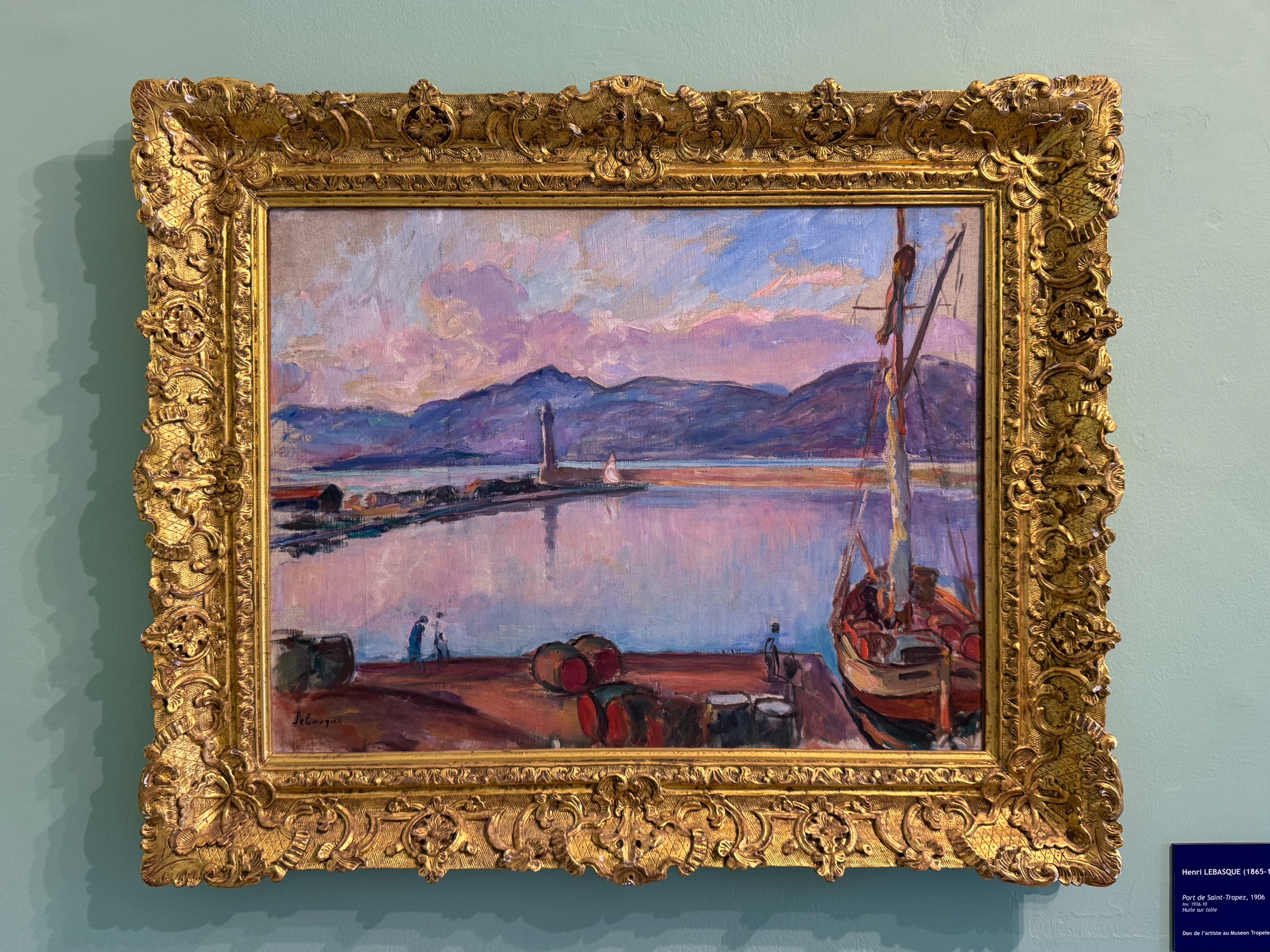
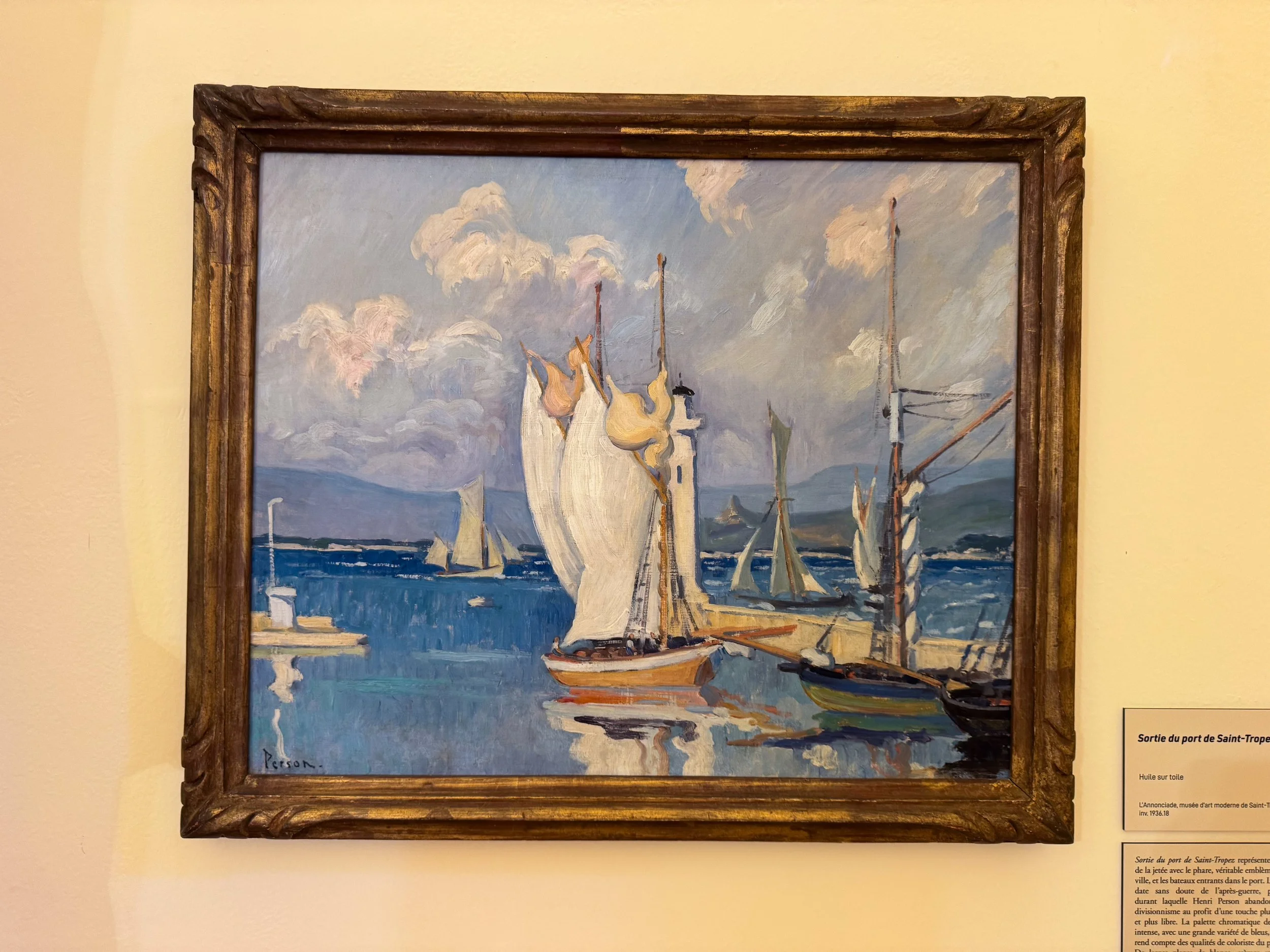
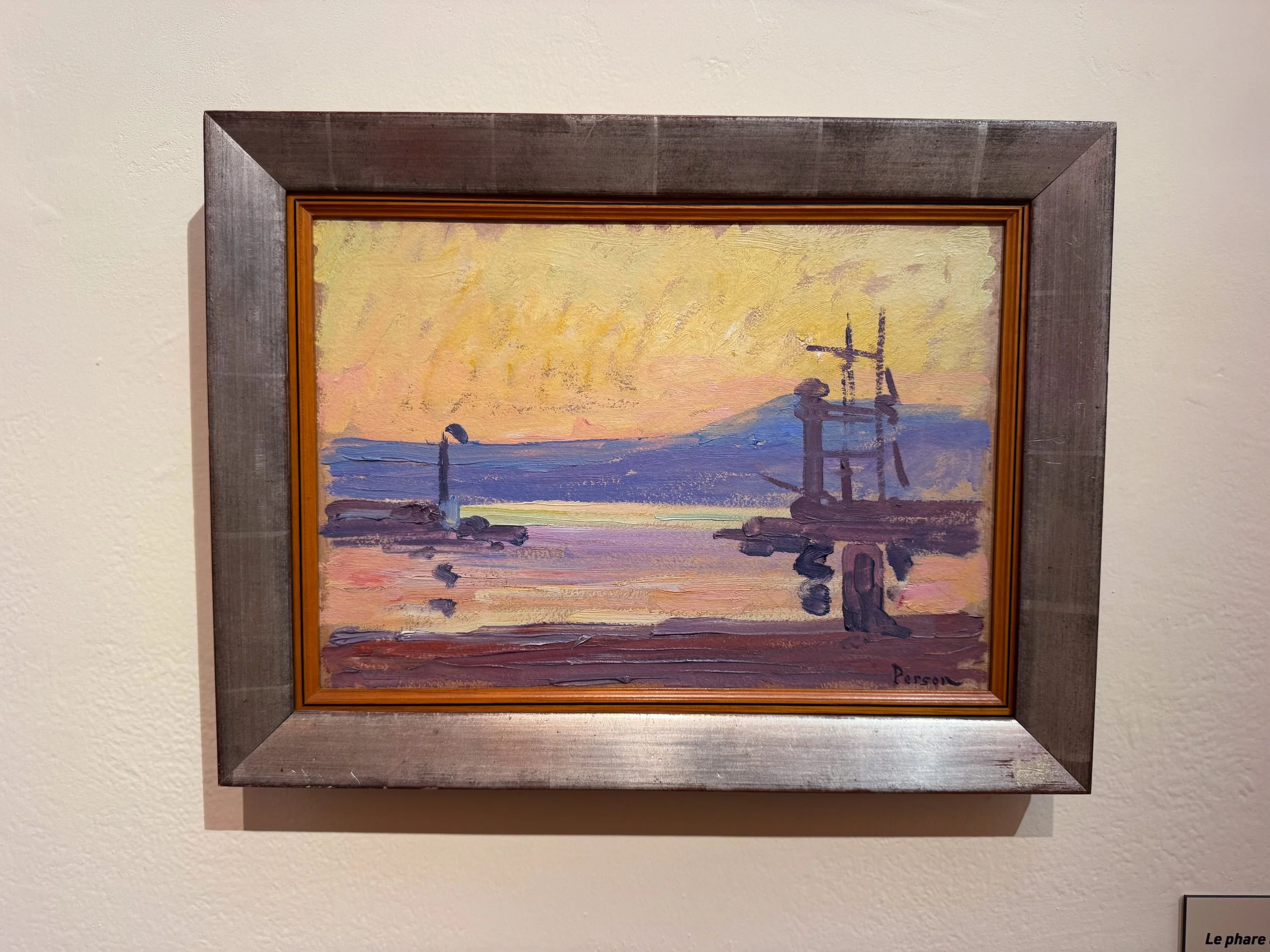
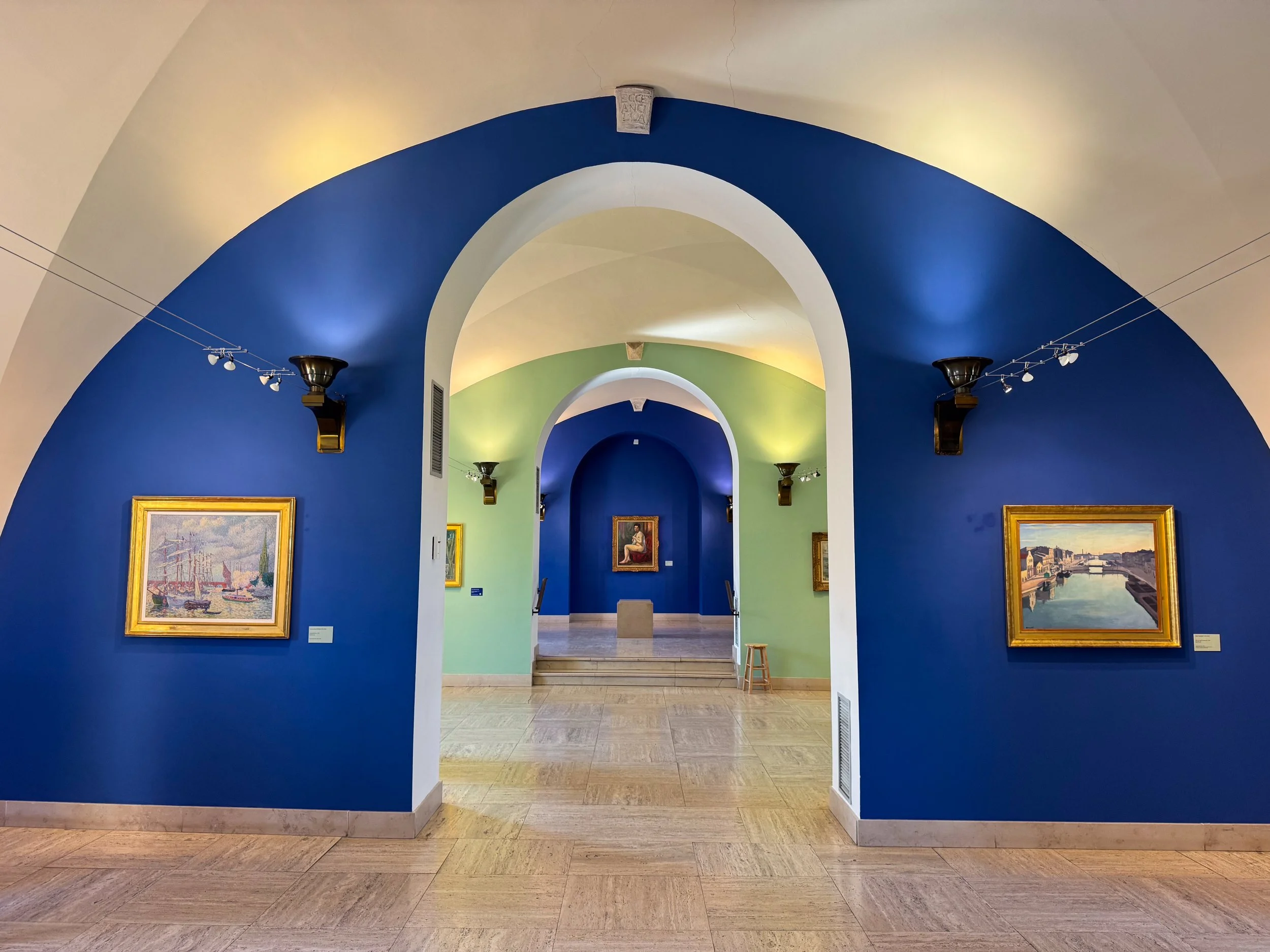
Musée de l'Annonciade. A port side art museum devoted to painters who spent time in St. Tropez. Its galleries are filled with Impressionist works depicting the historic port, city streets and coastal landscapes, including a large collection by French painter Henri Person. Some century old canvases show the town nearly as it looks today, minus the mega yachts.
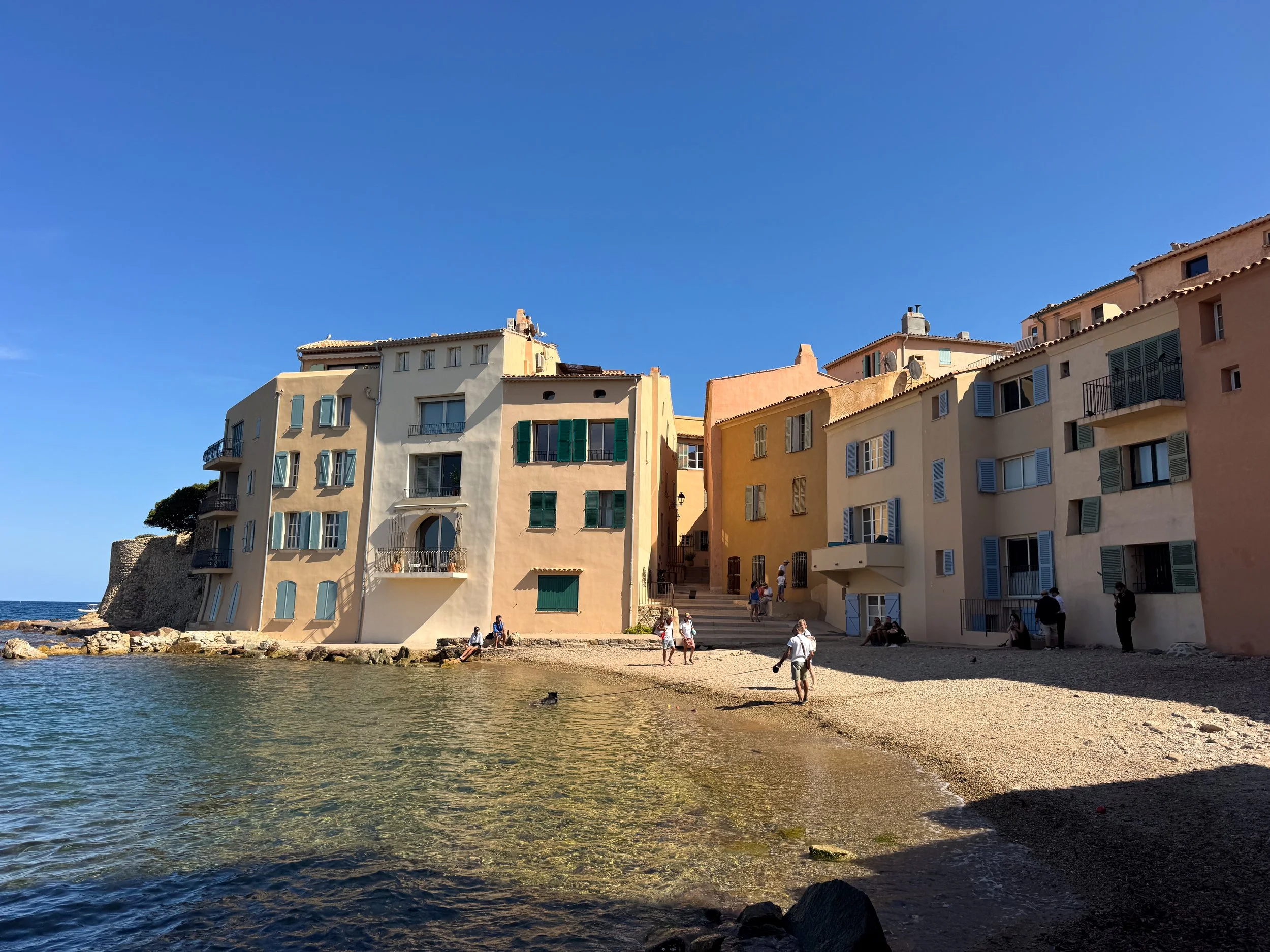
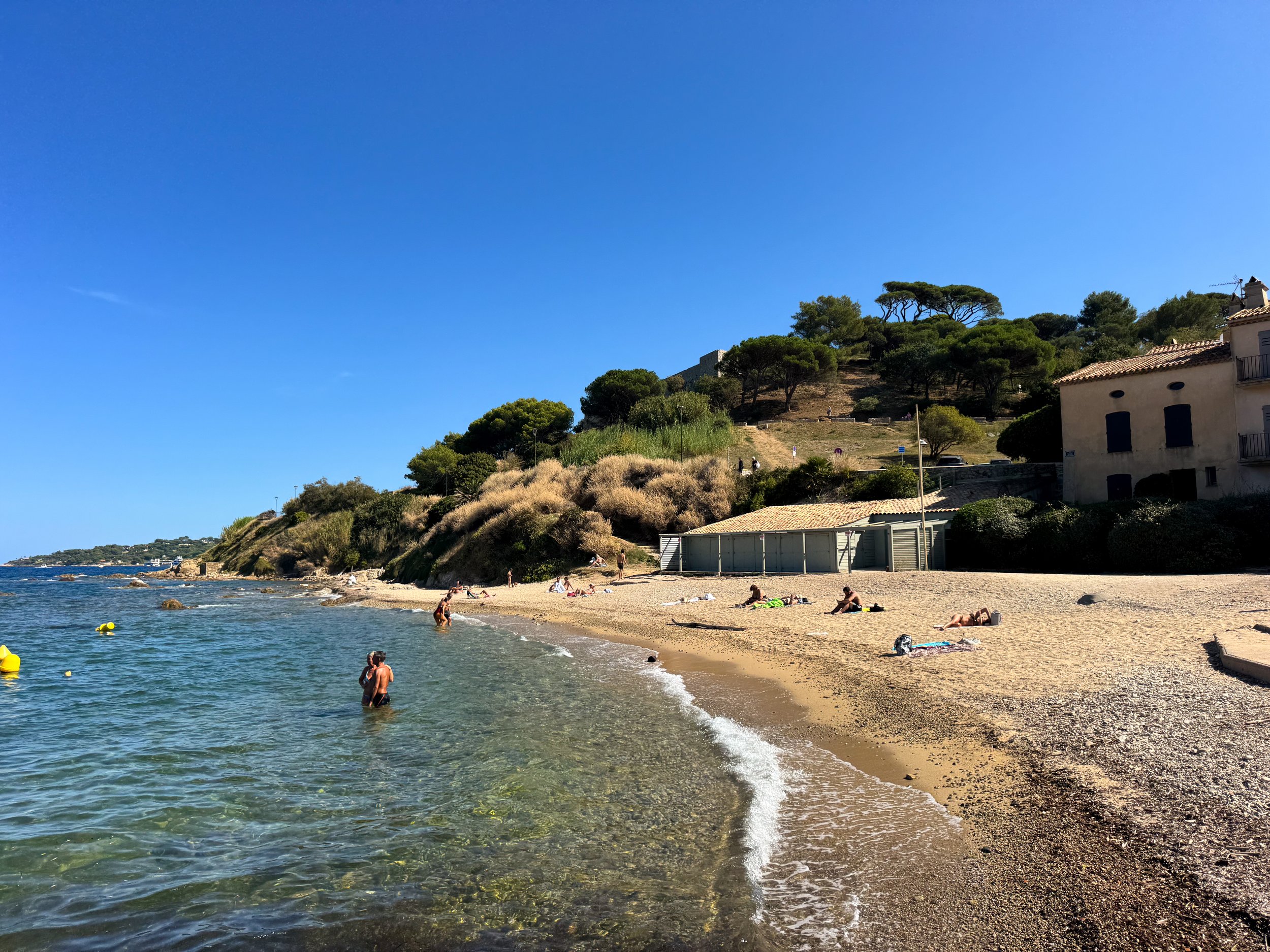
Pebble Coves & Sandy Beaches
Beaches are one of St. Tropez's biggest draws. Pebble beaches are an easy walk from the old town, while larger white sand beaches are just a quick taxi ride away.
Plage de la Glaye. A small pebble stone beach tucked into a cove among the old town's pastel buildings. Reach it through a tunnel beneath a peach building at the corner of Rue Saint-Pierre. For the best views of the beach and its colorful backdrop, head to the cobblestone quay behind the Tour du Portalet.
Plage des Graniers. A small white sand beach on the far side of the citadel, where locals and visitors come to swim, sunbathe and relax at its lone beach club.
Plage de Pampelonne. The largest and most popular beach near St. Tropez, where a long stretch of white sand meets swimmable turquoise water. Resorts, campgrounds and beach clubs line the shore. It’s a 15-minute taxi ride from the town center.
Good to Know. A day trip from Cannes doesn't leave enough time to both enjoy St. Tropez's beaches and explore the town, so unless the beach is your sole purpose, consider staying overnight.

Getting to St. Tropez
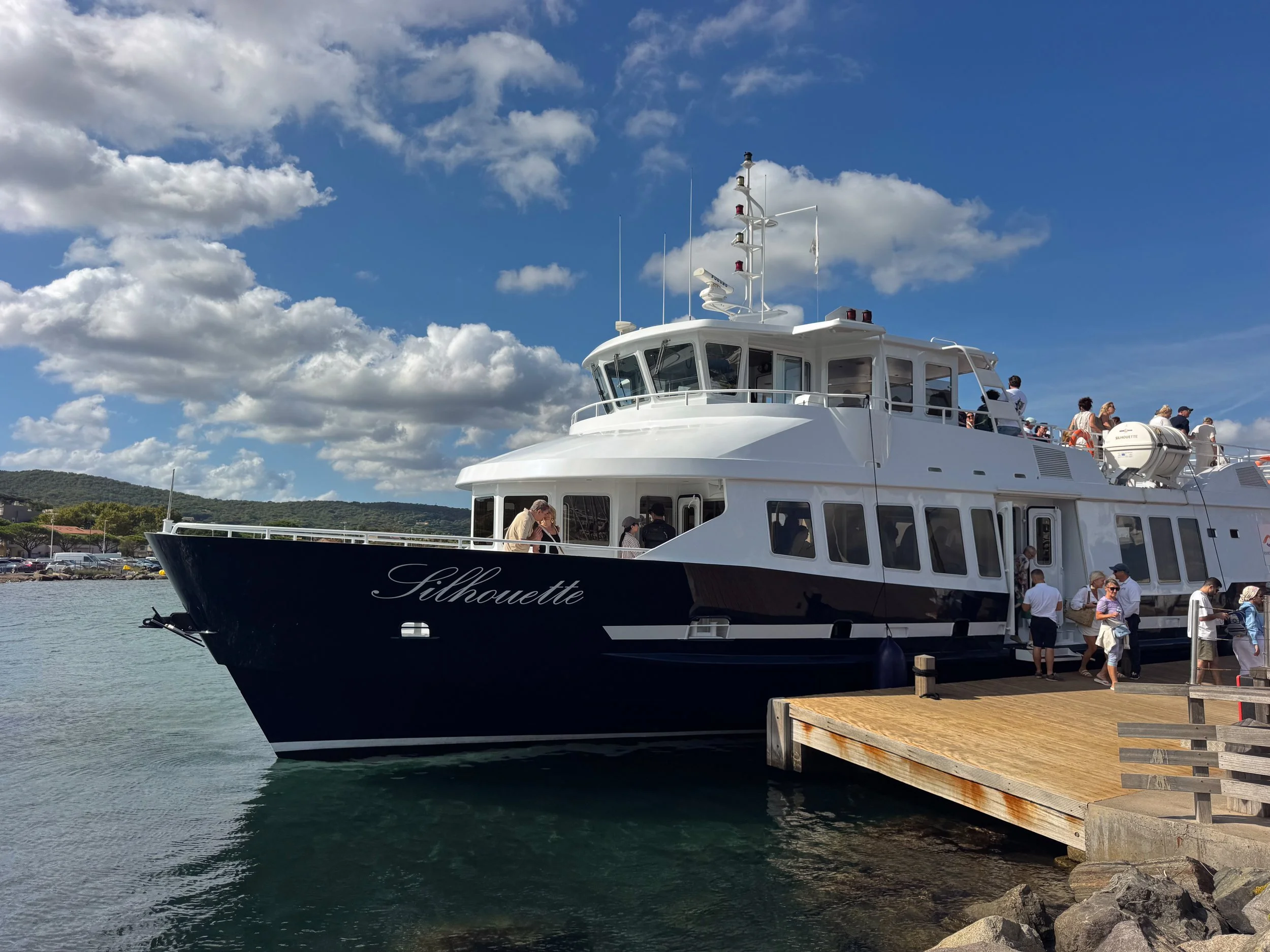
Cannes to St. Tropez by Ferry. St. Tropez is one of the most remote towns on the French Riviera. Unlike many of its coastal neighbors, it isn't reachable by regional train. The easiest way to visit is by ferry from Cannes. The scenic ride along the coastline takes about an hour and a half each way, leaving roughly five hours in town to shop, sightsee and hit the beach. Book with Trans Côte d'Azur.
Getting Around on Foot. St. Tropez is compact and best explored on foot, with most of its sights, museums, markets and shopping streets within a 15 minute walk of the port and historic center.
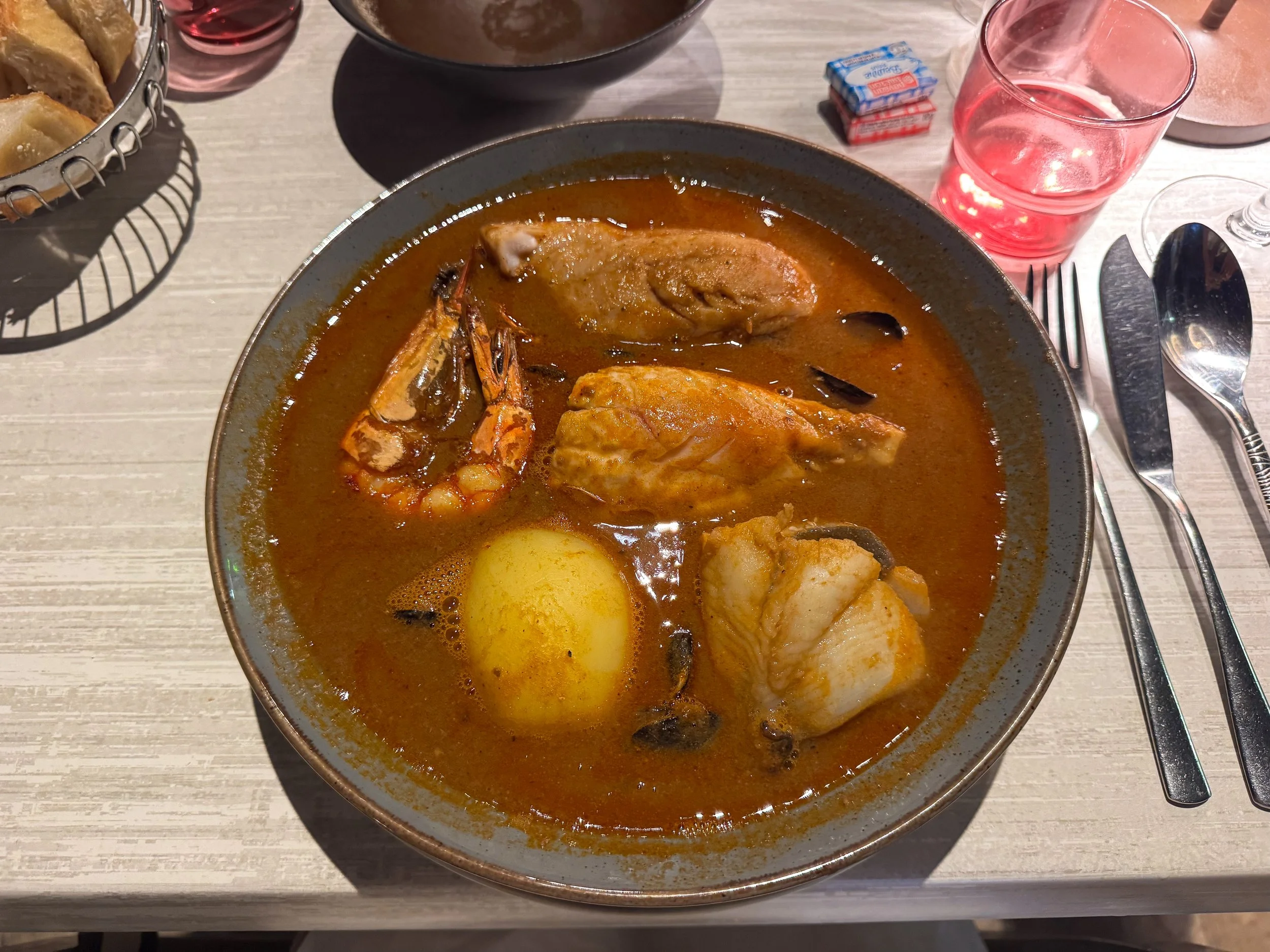
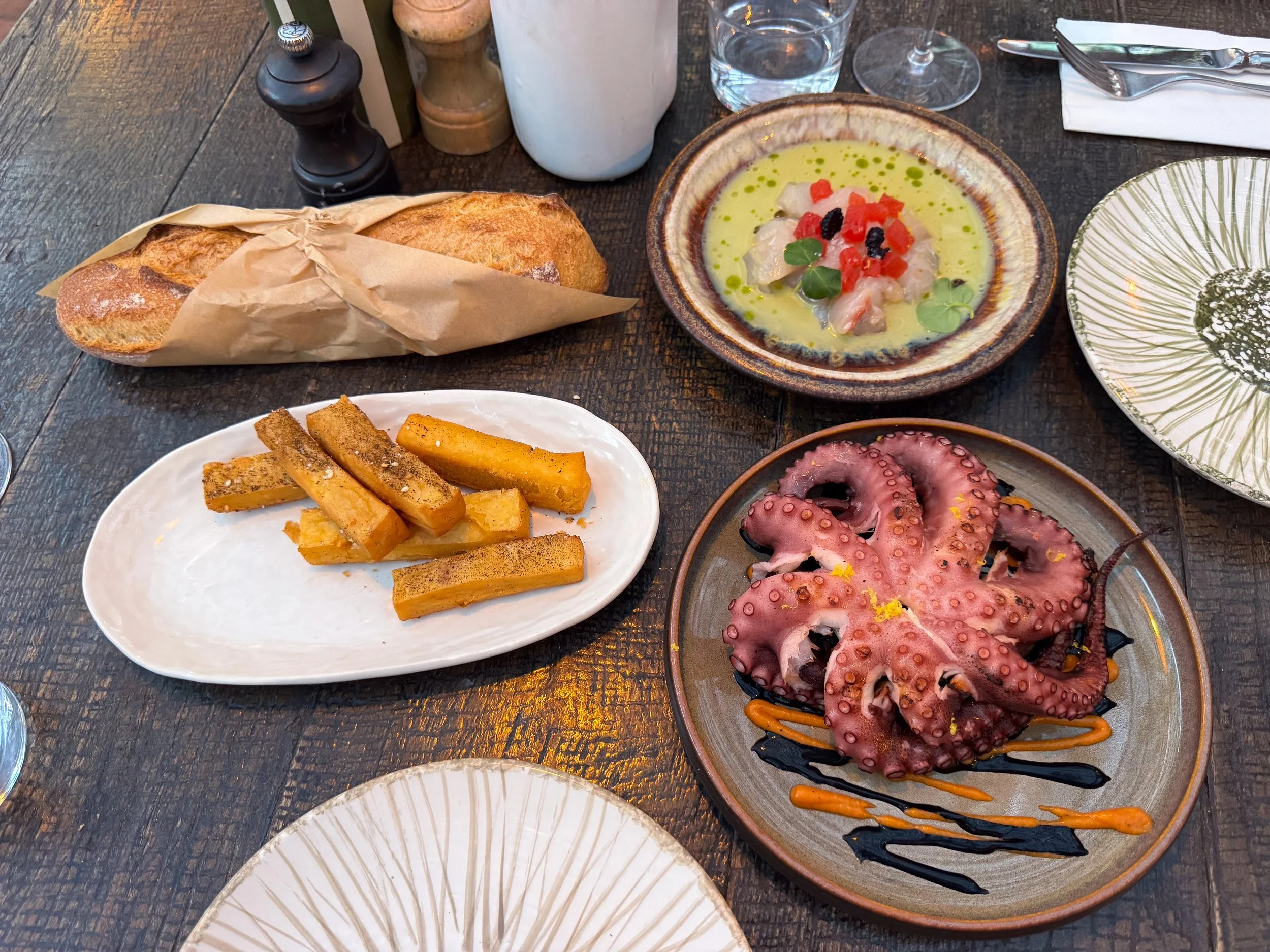
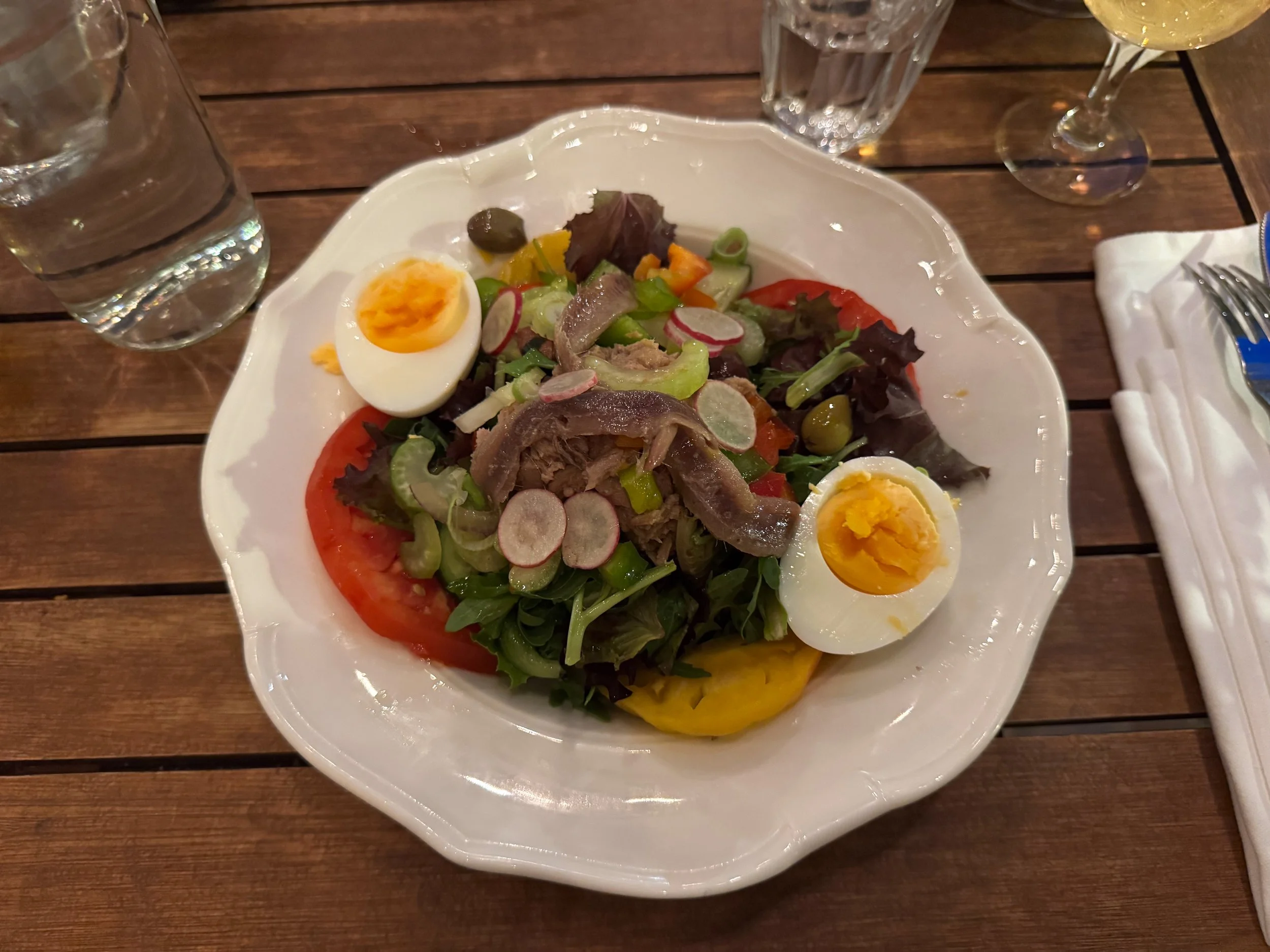
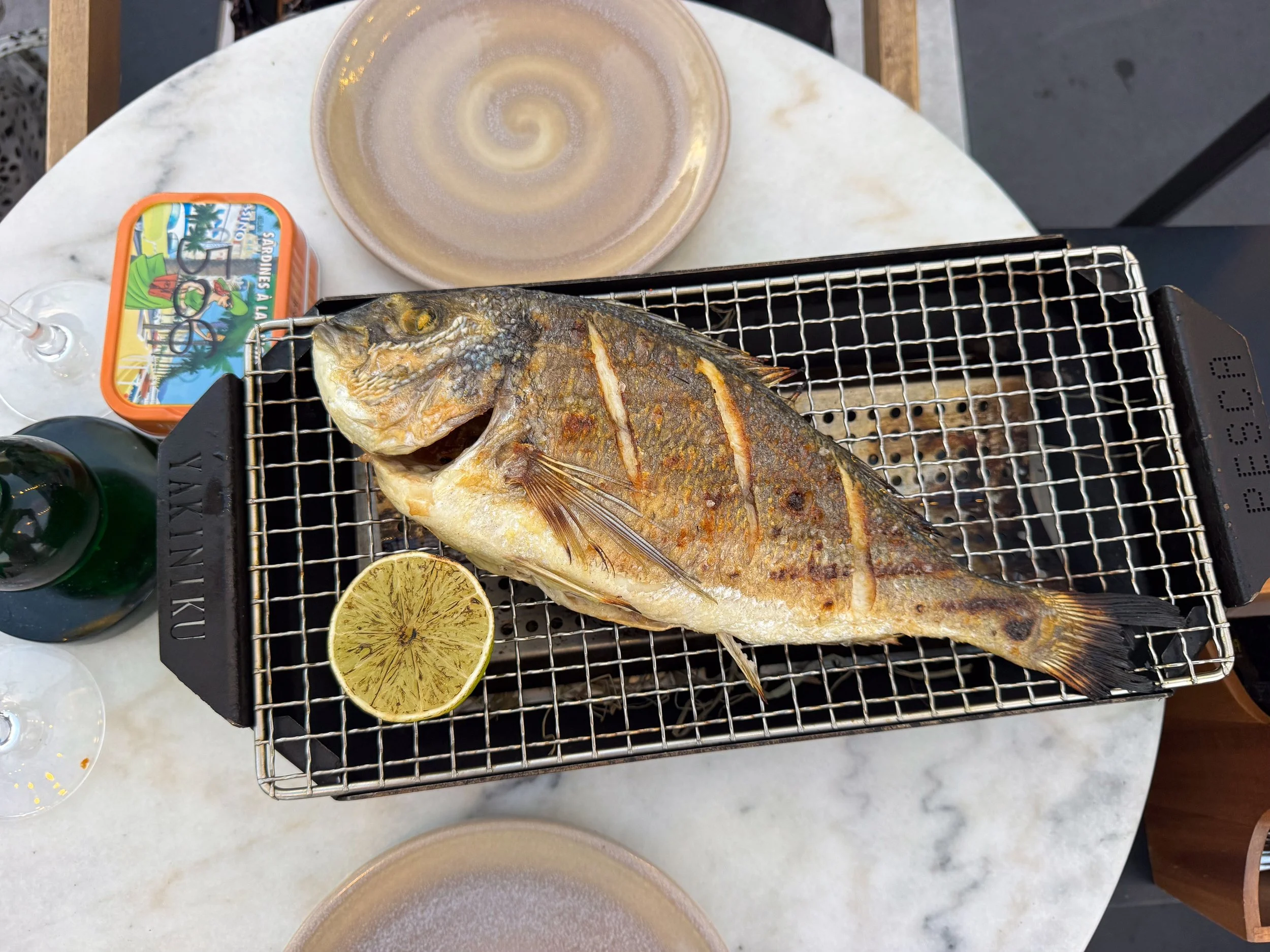
Provençal Food of the French Riviera
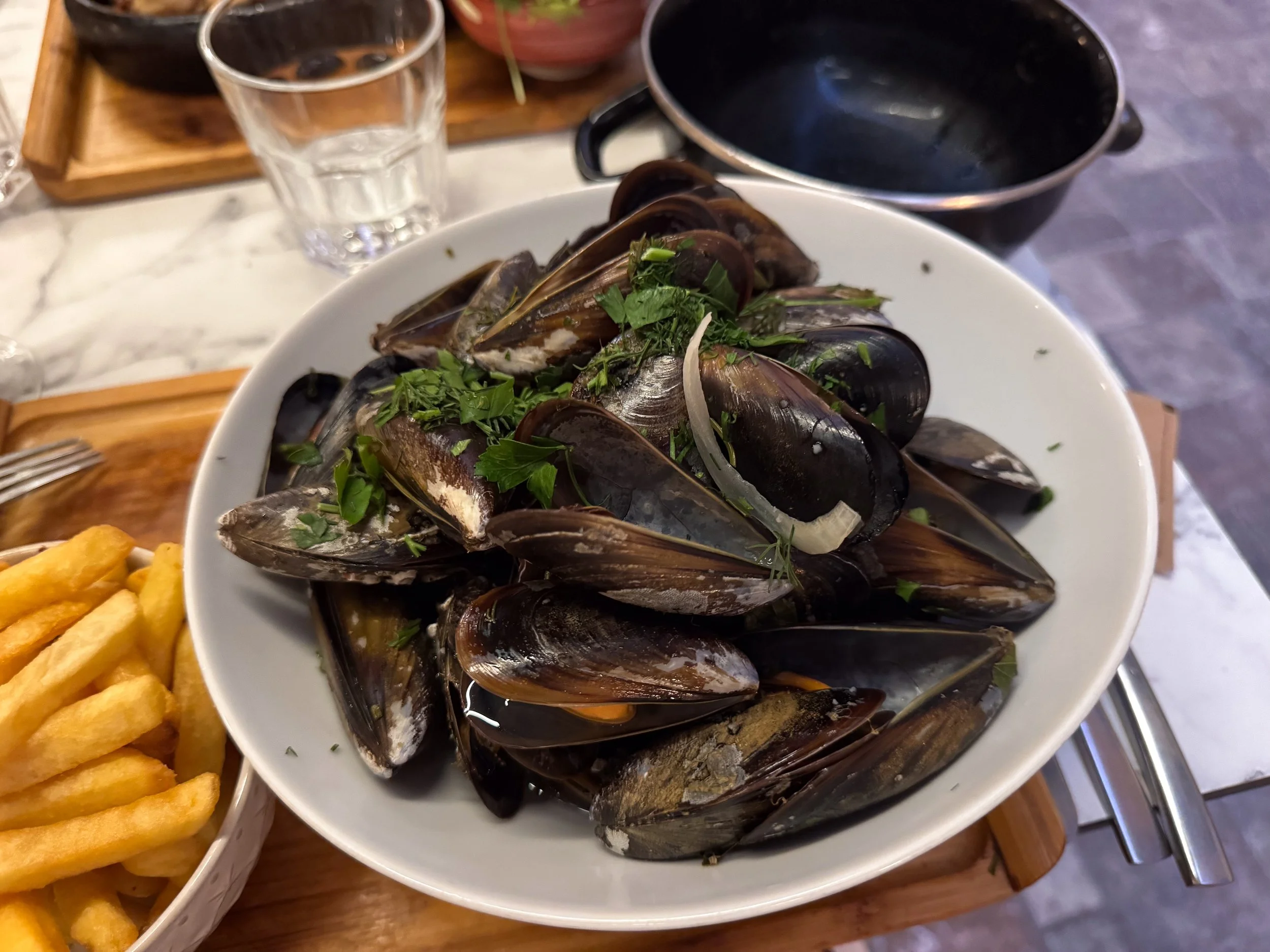
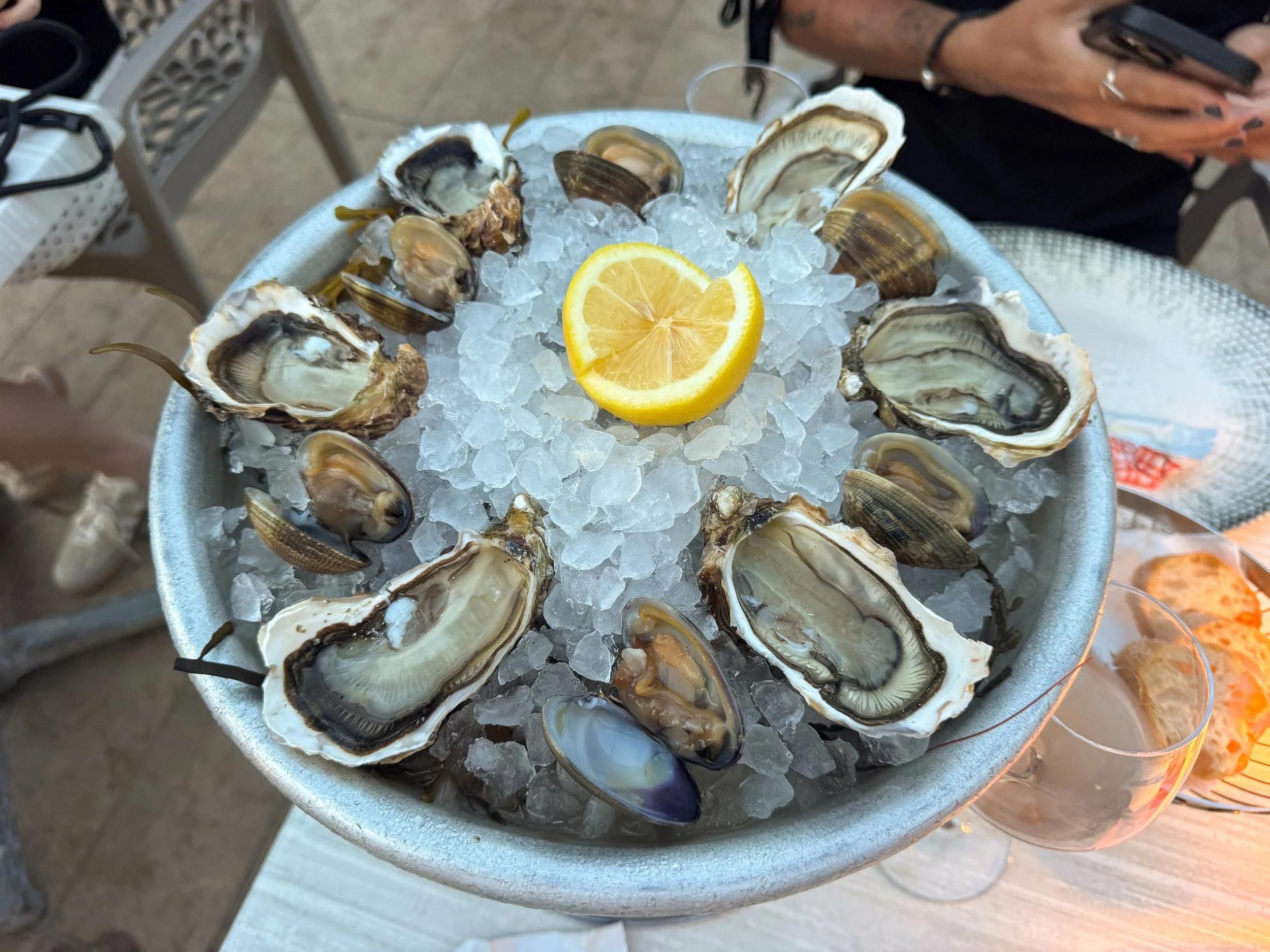
Mediterranean Seafood. The French Riviera's place on the Mediterranean gives it some of the freshest, tastiest seafood around, most often served grilled, as tartare or piled high on raw seafood platters.
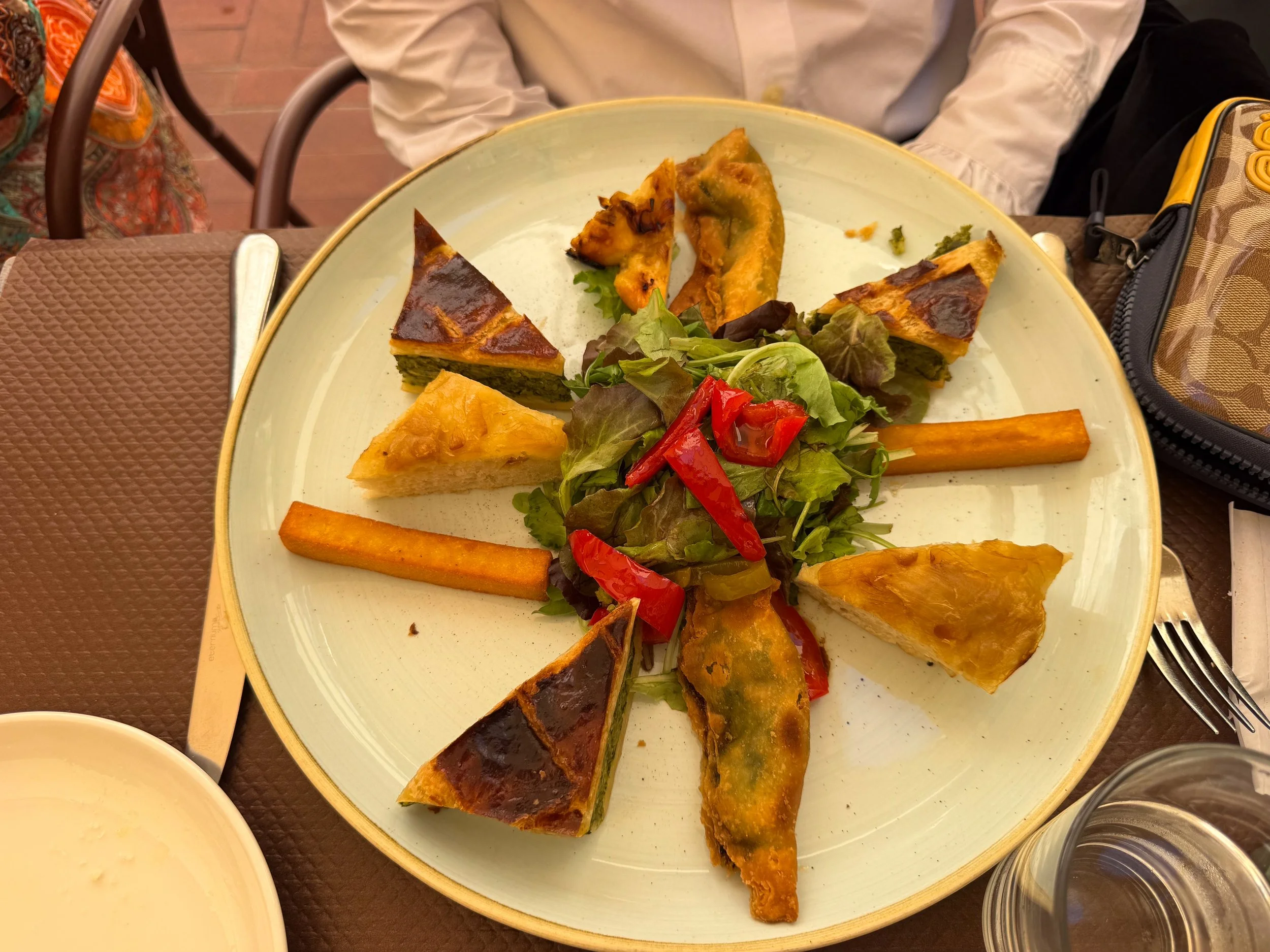
Seasonal Produce. Freshly grown fruits and vegetables fill the markets and menus of the French Riviera. In late summer, look for squash blossoms, artichokes, eggplant and tomatoes.
Salade Niçoise. A traditional salad from Nice made with lettuce, tomatoes, capers, olives, celery, radishes, anchovies, canned tuna and hardboiled eggs. Elsewhere in France, it's often served with boiled vegetables like green beans and potatoes.
Pan Bagnat. A round sandwich filled with many of the same ingredients as a Salade Niçoise, a favorite for eating on the go, packing for a picnic or beach day.
Pissaladière. A baked flatbread spread with a layer of caramelized onions and topped with anchovies and olives.
Tourte de Blettes. A pie filled with Swiss chard, rice and pine nuts in an olive oil crust. It can be served savory or dusted with sugar as a sweet treat.
Socca. A griddled chickpea flatbread, a popular snack sold by street food vendors.
Olive Oil. Locally produced olive oil is one of the French Riviera's signature products, found in countless dishes and sold in shops and markets across the region.
Tapenade. A spread of olives, anchovies, capers and olive oil, served with bread as an aperitif.
Tomatade. A tomato tapenade made with sun dried tomatoes, garlic, olive oil and herbs.
Know Before You Go
Stone Beaches. Sandy beaches are rare along the French Riviera, where most shorelines are covered in smooth grey stones or tiny pebbles. They're surprisingly comfortable to lie on and far less messy than sand. Pack water shoes to make getting in and out of the sea easier.
Informal Dress Codes. Save swimsuits and beachwear for the beach, and dress up a bit when heading out to dinner in the evening, with pants and proper shoes.
Dining Hours. Meal times on the French Riviera are fairly relaxed. Breakfast is usually a pastry, coffee and fresh orange juice anytime in the morning. Lunch runs from noon to 2pm, when many shops close. Le Goûter, a light snack often paired with a spritz or glass of wine, happens around 4pm. Dinner is served from 7-8pm until 10-11pm.
Reservations. Dinner reservations are recommended most evenings. Call ahead, book online or stop by the day before to reserve with the host.
Cash vs Card. Credit cards are widely accepted across the French Riviera. Carry some Euros for market vendors without card readers and coins for public restrooms.
Tipping. Tipping isn't expected on the French Riviera. If you're inclined, or the option is offered, there's no need to leave more than 10% of the bill.
Language. French is the primary language across the French Riviera. Italian and English are widely spoken, but it's best to learn a few simple French words and phrases to get by:
Bonjour = Hello / Good Day
Bonsoir = Hello / Good Evening
Bonne Journée = Goodbye (during the daytime)
Bonne Soirée = Goodbye (during the evening)
Au Revoir = Goodbye
Merci = Thank you
S’il vous plaît? = Please
Merci Beaucoup = Thank you so much
De Rien = You’re Welcome
Où sont les toilettes? = Where are the toilets?
L’addition, s'il vous plaît? = The check, please
Drinking Water. There's no need to order overpriced bottled water at restaurants. Thanks to strict regulations and standards, the tap water here is among the best in Europe. Simply ask for "une carafe d'eau" to get free tap water.
General Safety. The French Riviera is a very safe destination, but as in much of Europe, watch out for pickpockets on crowded streets, on public transportation, at the beach and while dining out.

Elsewhere in France
From the romantic boulevards and iconic landmarks of Paris to Marseille’s rugged coastline and the Mediterranean charm of the French Riviera, continue exploring France’s diverse regions through these travel guides:
Paris Travel Guide: Eiffel Tower, Montmartre & Romantic Experiences. Get lost wandering the historic streets of Paris, where charming cafés, timeless architecture and French culture turn every corner into a romantic discovery.
Marseille Travel Guide: Calanques, Vieux-Port & Mediterranean Culture. Explore Marseille's gritty streets and the historic Vieux-Port where Mediterranean culture, bustling markets and seaside charm meet rugged coastal landscapes.
Nice, France Travel Guide: Day Trips to Monaco, Èze & Menton. Explore the French Riviera from Nice where colorful old towns, bustling markets and coastal promenades capture the charm of the Mediterranean.
For Next Time in The French Riviera
There is so much more to see in Provence outside of the French Riviera. On our next trip to the region, we plan to venture inland to explore mountain villages, scenic national parks and the countryside.
Grasse. A mountain town considered the perfume capital of the world.
Verdon Gorge. An alpine gorge with steep canyon walls and bright turquoise waters fed by glacial melt.
Lavender & Sunflower Fields. Two of Provence’s famed flowers are lavender and sunflowers. Both fields typically bloom in late June to mid July.