Nice & The French Riviera
Nice is a glamorous city at the heart of the French Riviera. It’s famed for its Mediterranean beaches, romantic old town, bistro culture, shopping streets and daily markets. Beyond its own charms, Nice is also the perfect hub for reaching other destinations across the French Riviera.
Neighborhoods & Streets
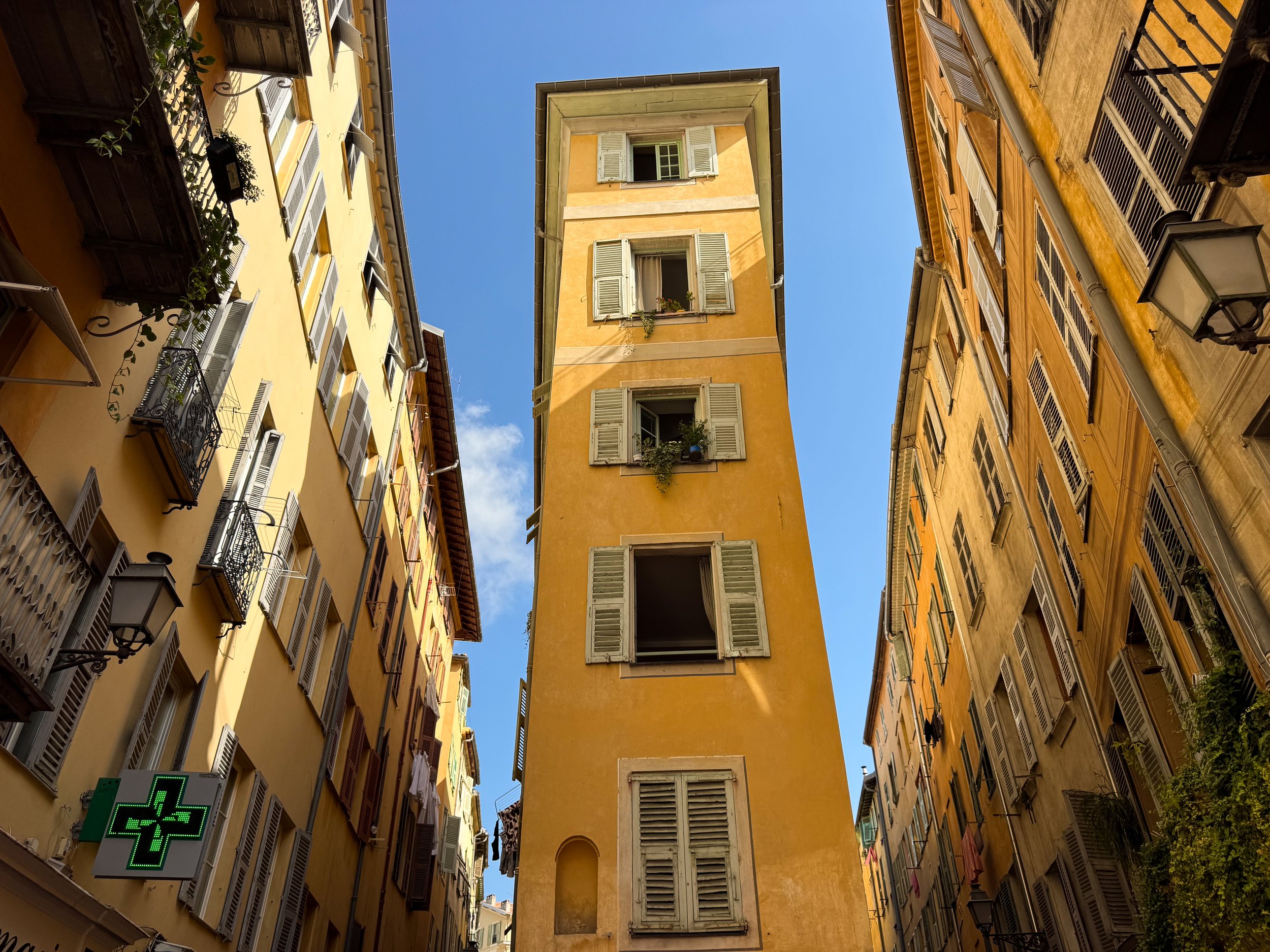
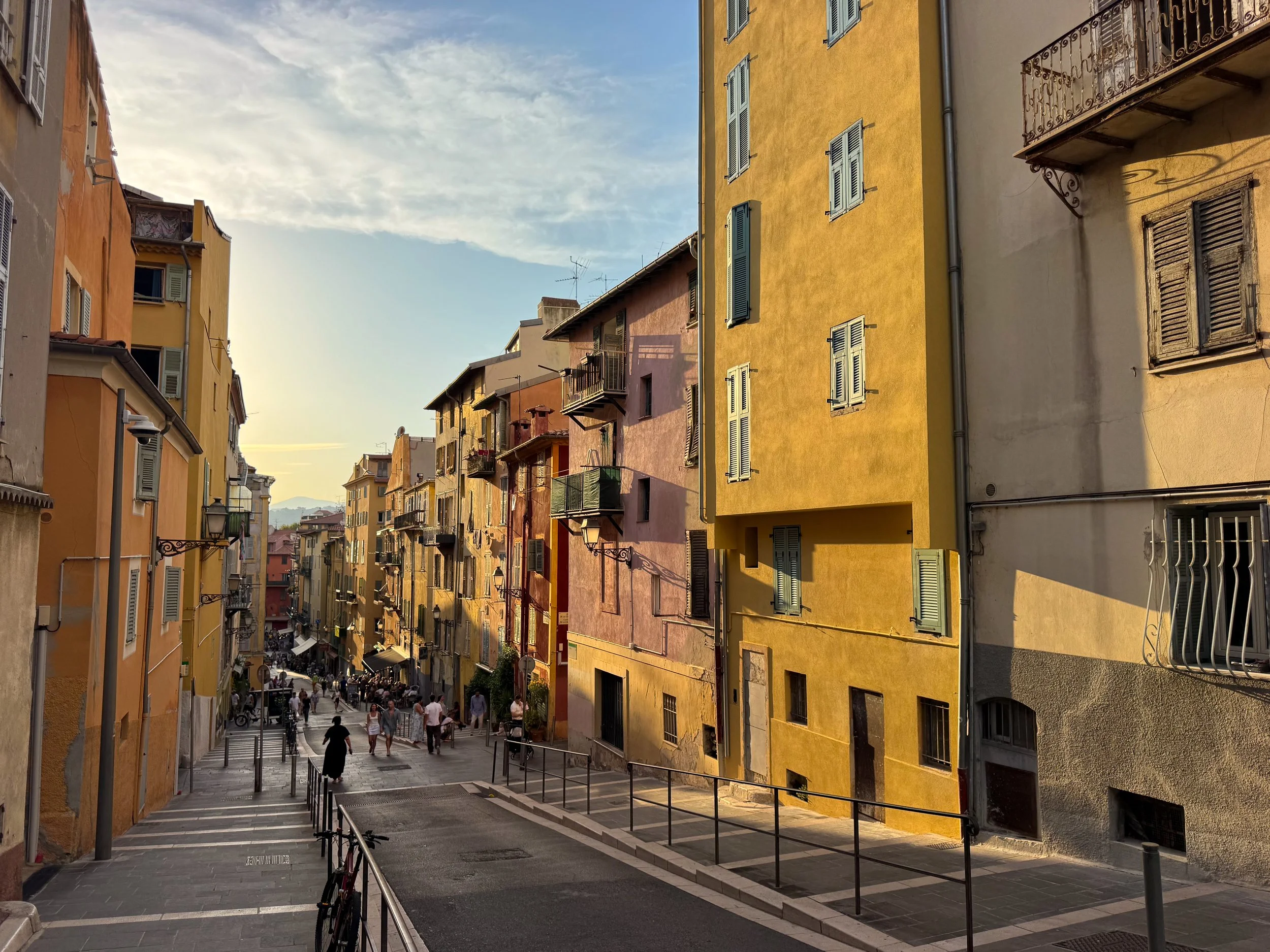
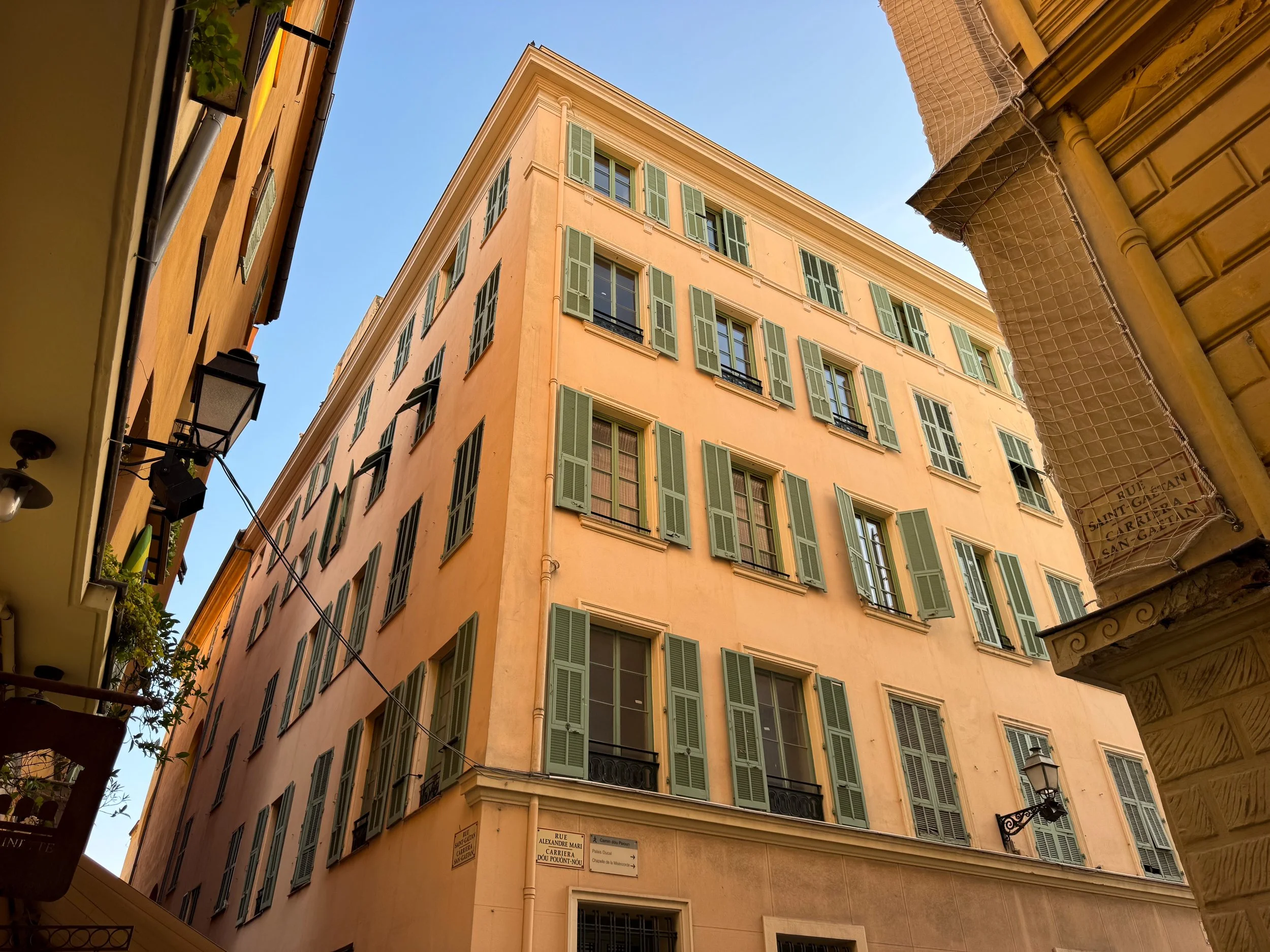
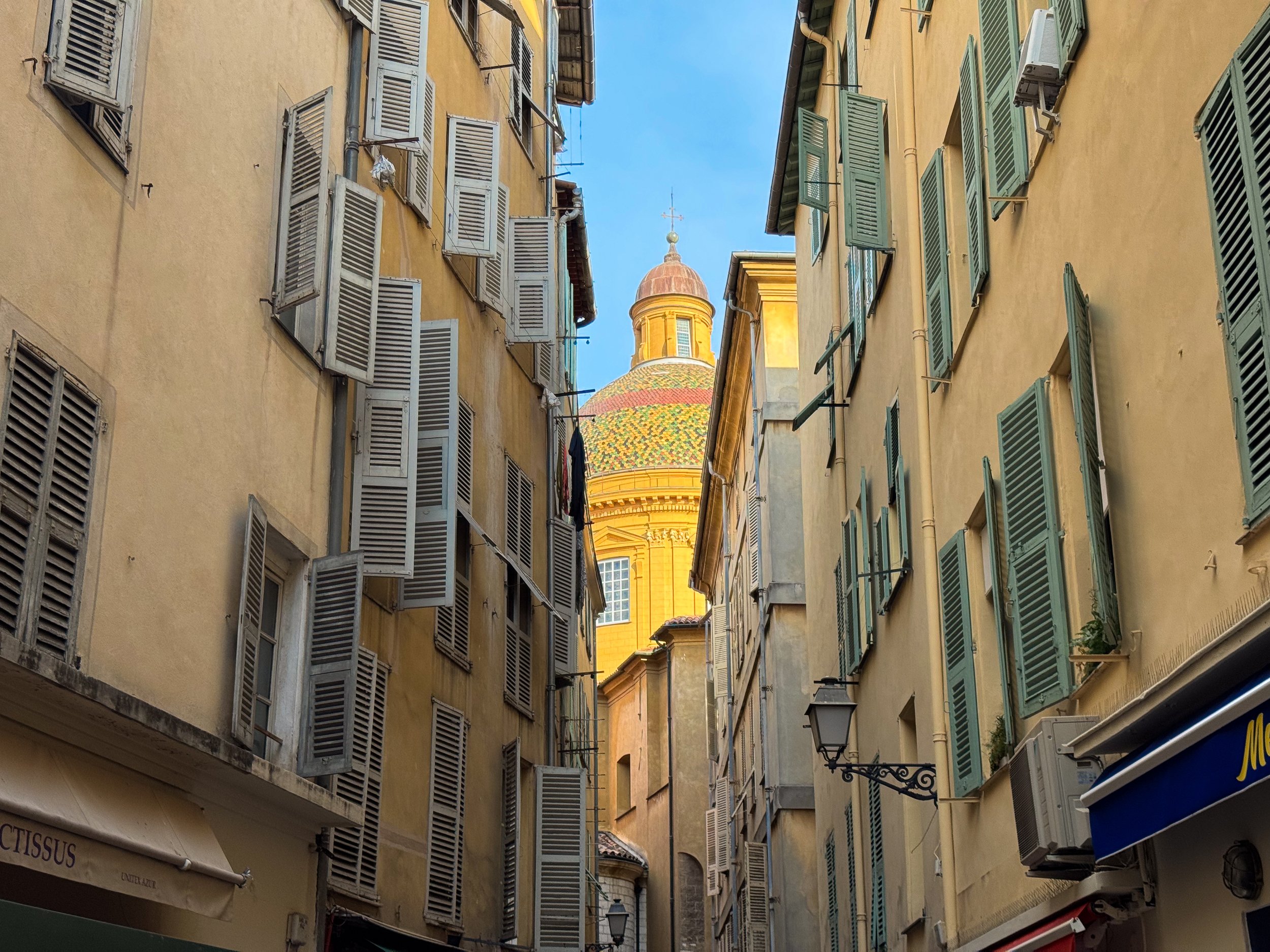
Vieux Nice (Old Nice). Vieux Nice is the city's vibrant old town and most historic quarter. Narrow alleyways weave between warmly painted buildings adorned with mint green window shutters. Laundry dries on balconies as the occasional local overlooks the street with a fuming cigarette in hand. Ornate lanterns hang overhead by day and cast a warm glow by night. Plazas are centered on stately landmarks while playing host to farmers and antique markets. Storefronts lead into perfumeries, chocolatiers, wine cellars, boutiques and gelato shops, while window displays tempt with pastries and pissaladière. Cafes and bistros serve Provençal and Mediterranean dishes as diners spill onto the streets.
Rue du Marché. A narrow shopping street with dozens of vendors selling everything from perfumes, dried lavender, jewelry, leather goods, baskets, clothes and souvenirs. It starts at the corner of Place du Palais de Justice and continues through the old town to Place Saint François.
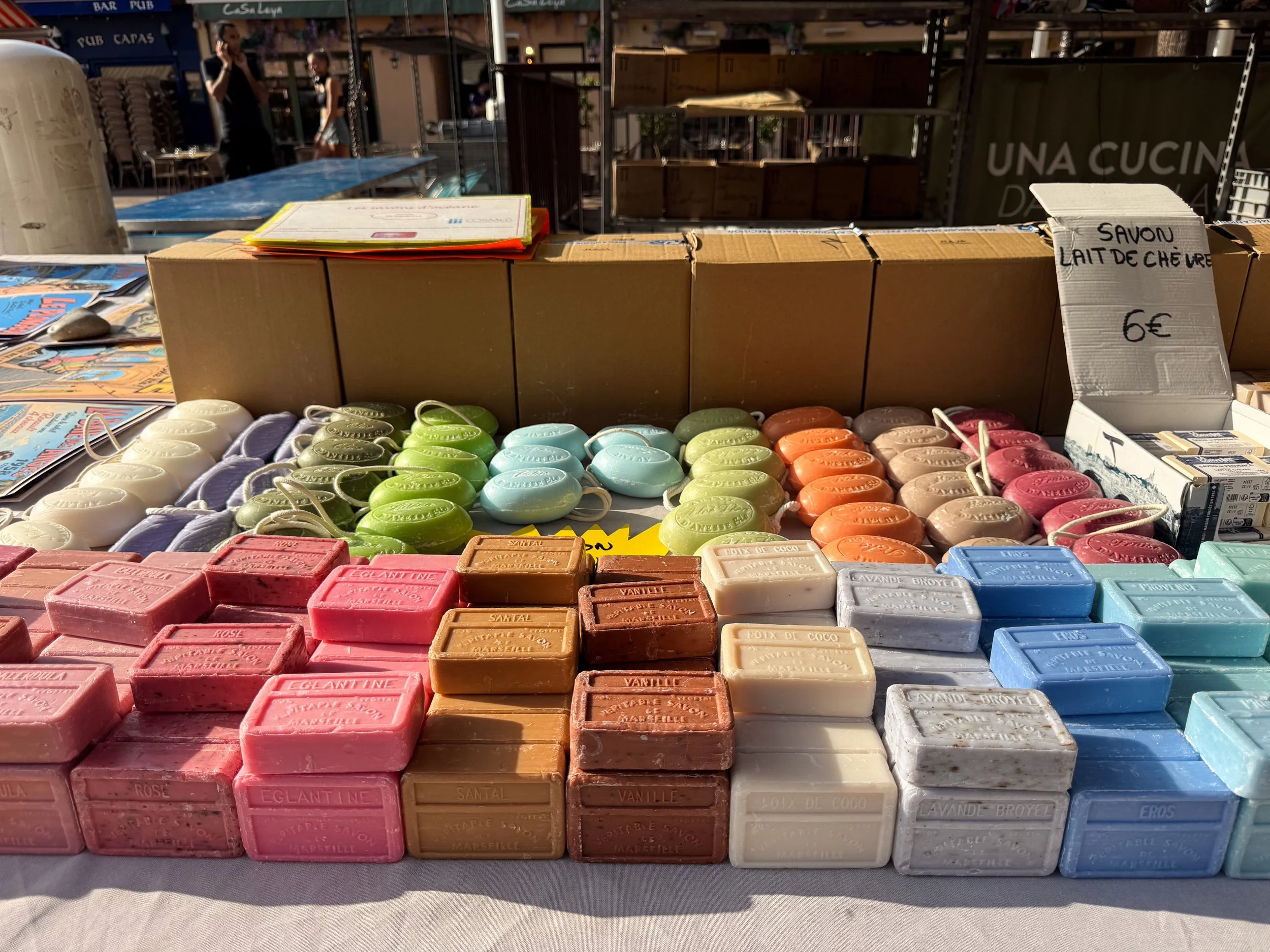
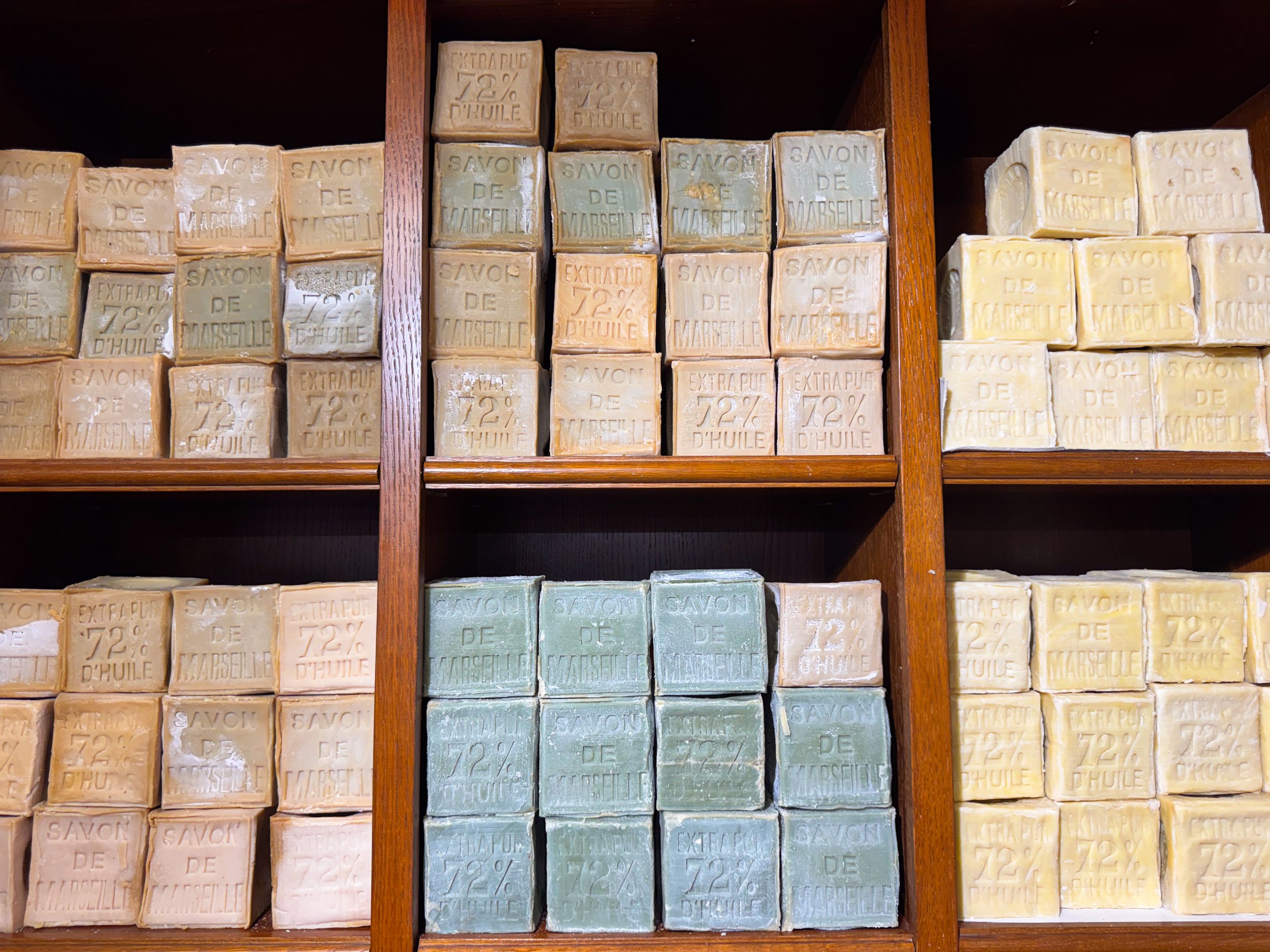
Rue Pairolière. A continuation of Rue du Marché starting at Place Saint François and letting out near Place Garibaldi. In between cafes, the street is lined with shops selling aromatic spices, herbs, cured meats, cheeses, chocolates, olives, teas and soaps.
Cours Saleya. A vibrant dining and market street in the heart of Vieux Nice. Bistro settings spill onto the pavement from dozens of cafes and restaurants lining its sides. A French market sets up beneath a canopy of awnings most mornings, giving way to an antique market that lasts into the late afternoon.
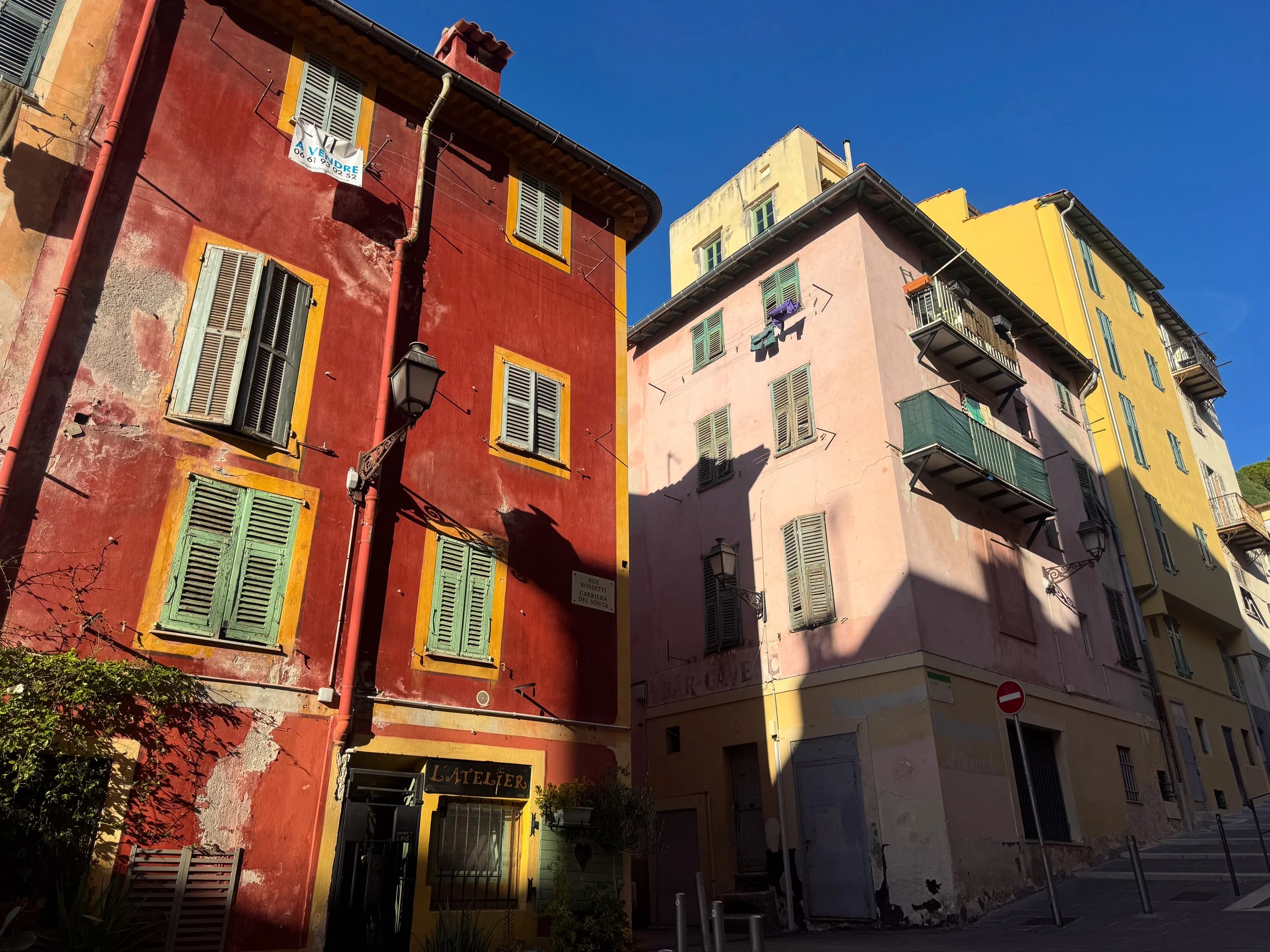
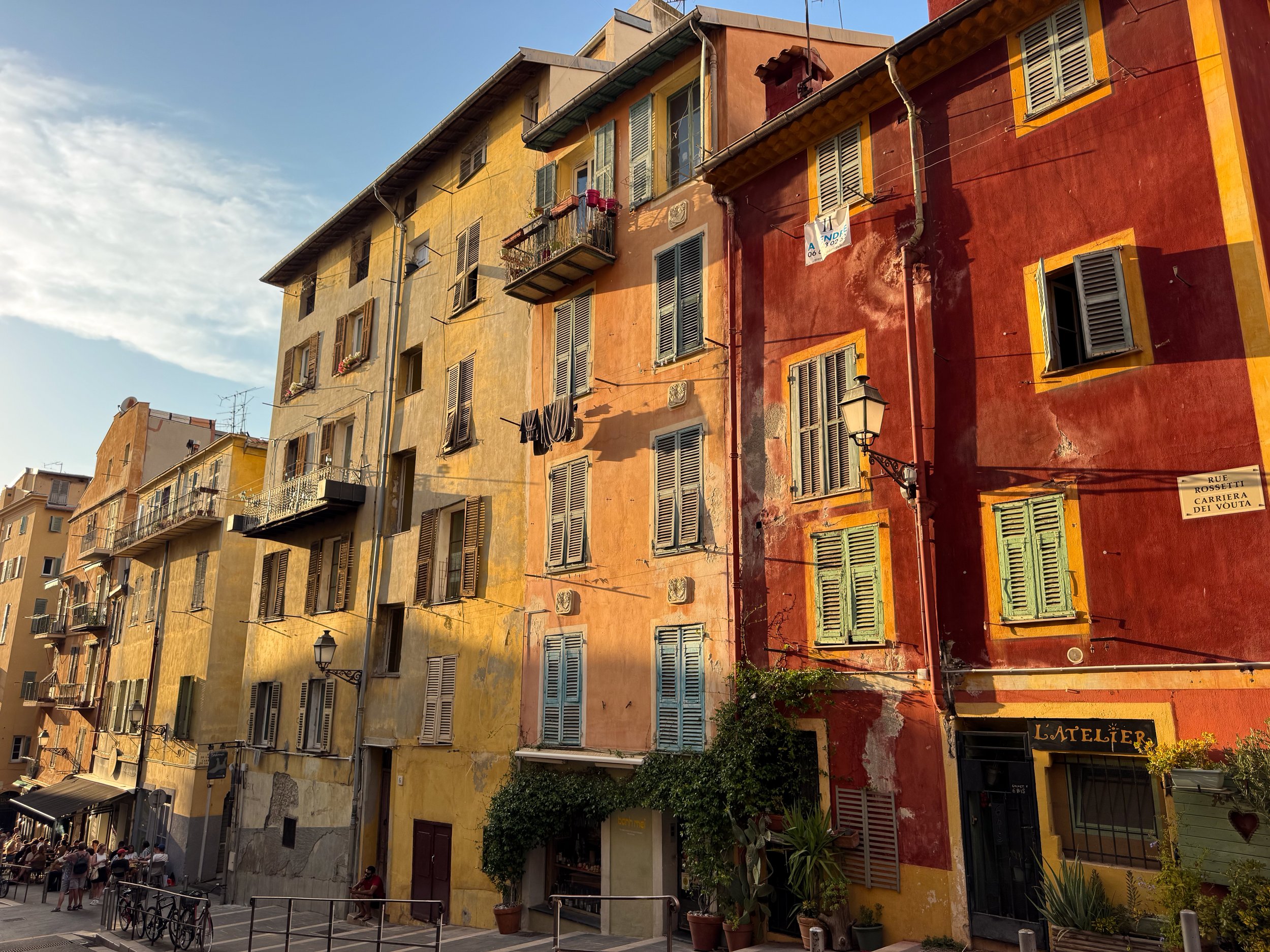
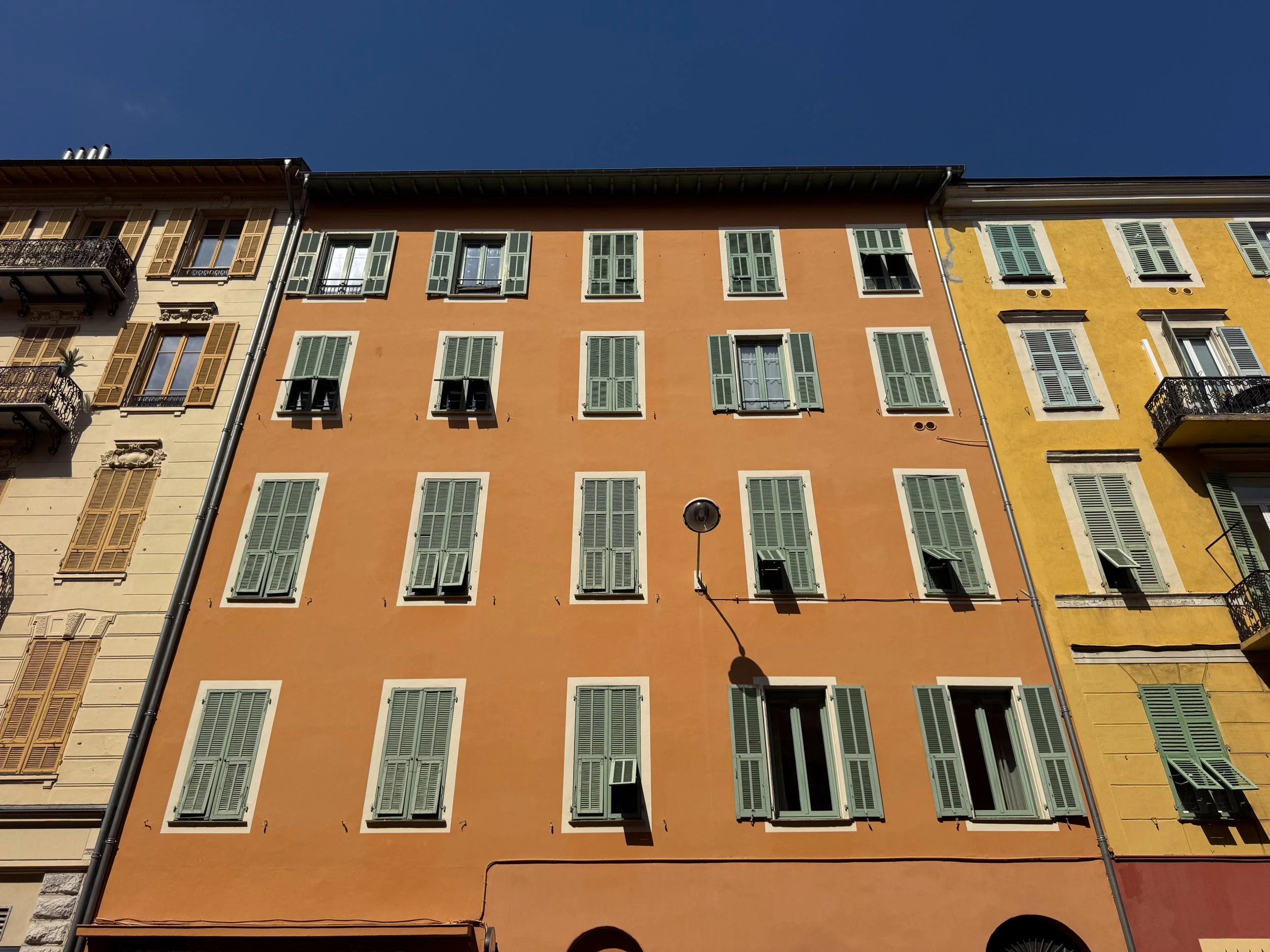
Rue Rossetti. A wide and hilly street in the middle of the old town, climbing from Place Rossetti to the base of Colline du Château. Flanked by ochre, orange and terracotta painted buildings with French-style shutters and iron balconies, it's one of the best streets for appreciating the architecture of Old Nice.
Place Rossetti. A lively plaza centered on the historic Cathédrale Sainte-Réparate de Nice. Gelato shops and restaurants line its edges as bistro tables and chairs spill into it as street musicians perform.
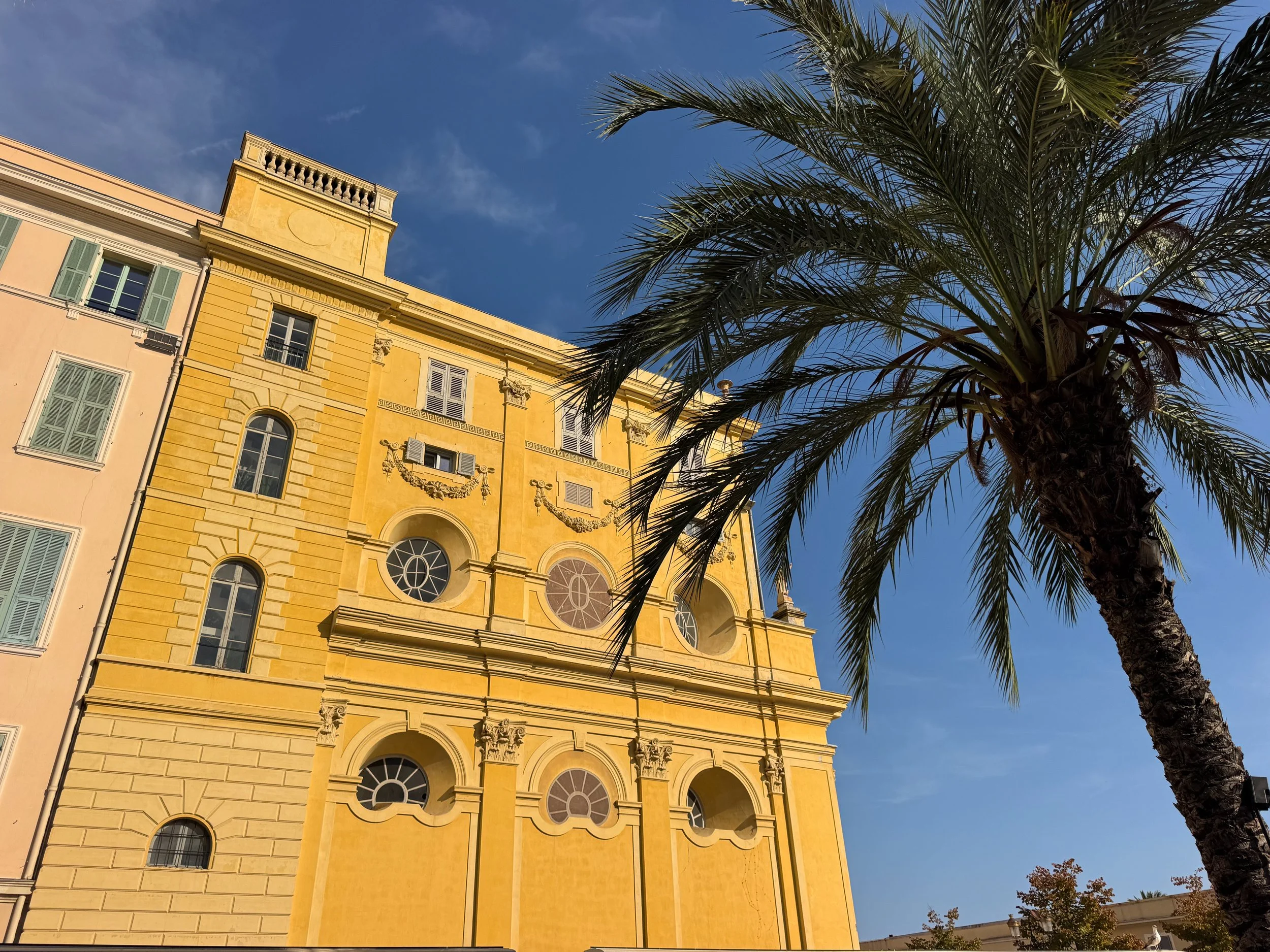
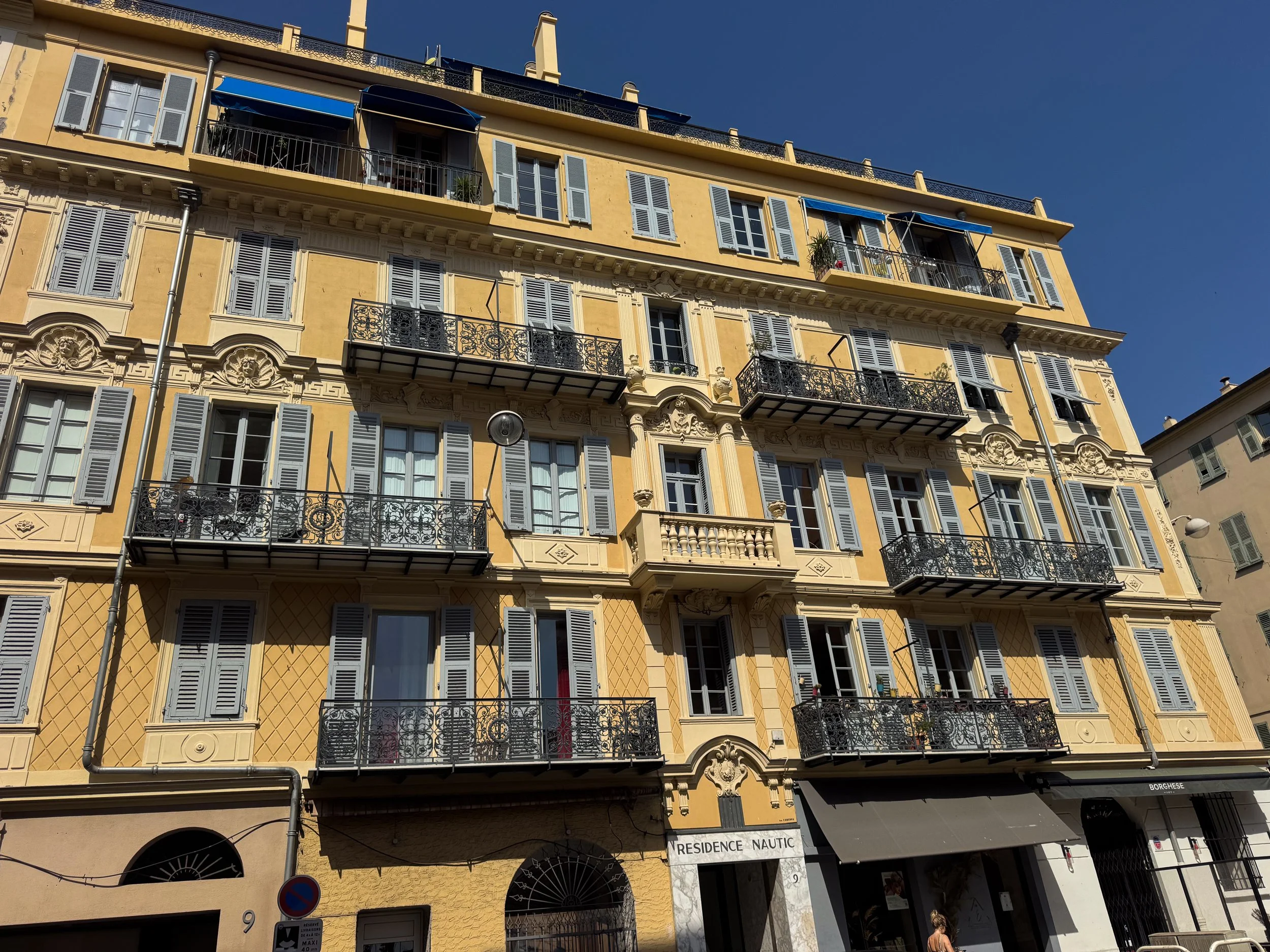
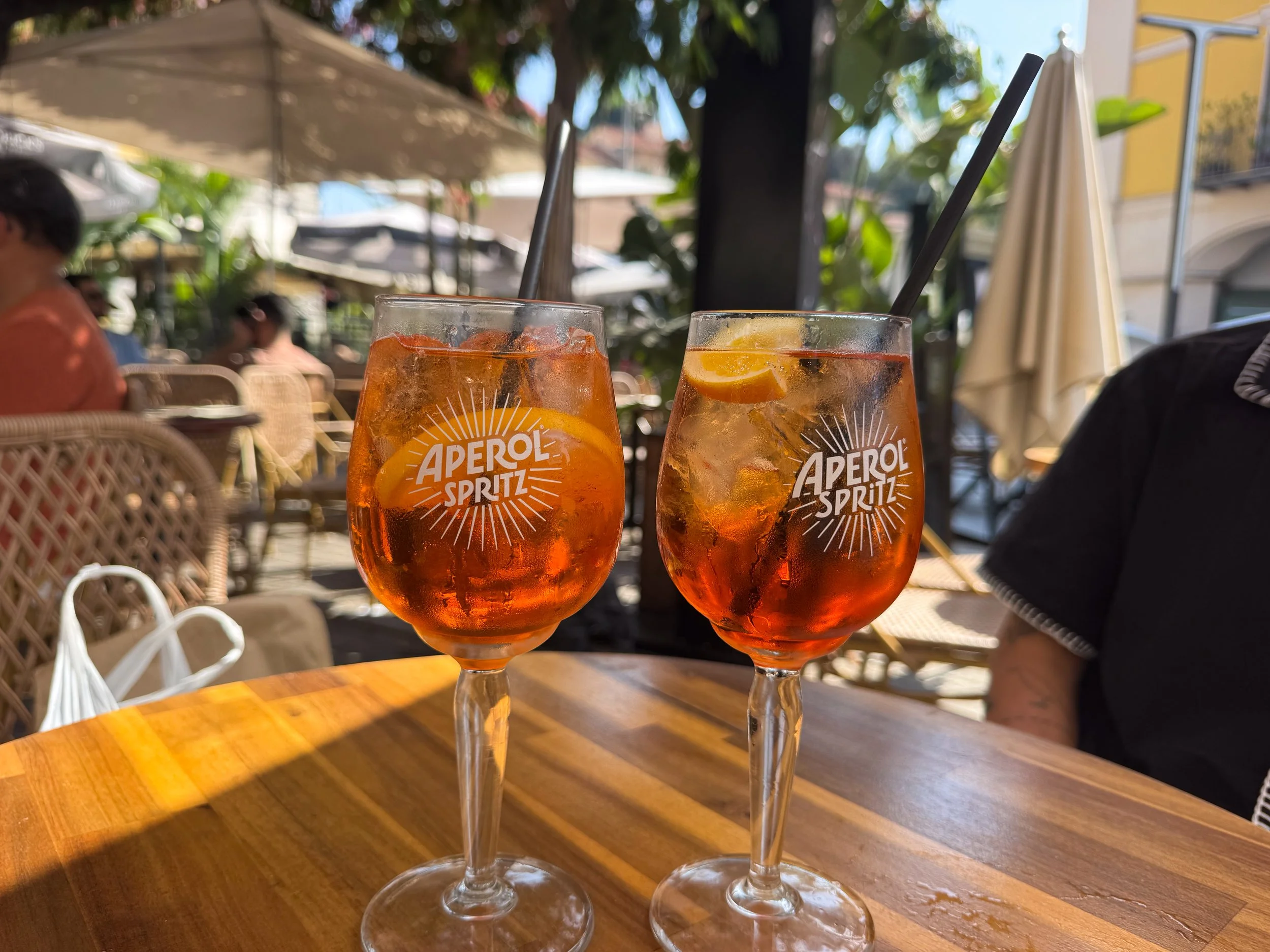
Place Garibaldi. A large plaza surrounded by yellow hued buildings with faux painted moldings and architectural details surrounding windows and shutters. Sit down for a mid-afternoon spritz at one of the many bistros surrounding the plaza to admire the optical illusion.
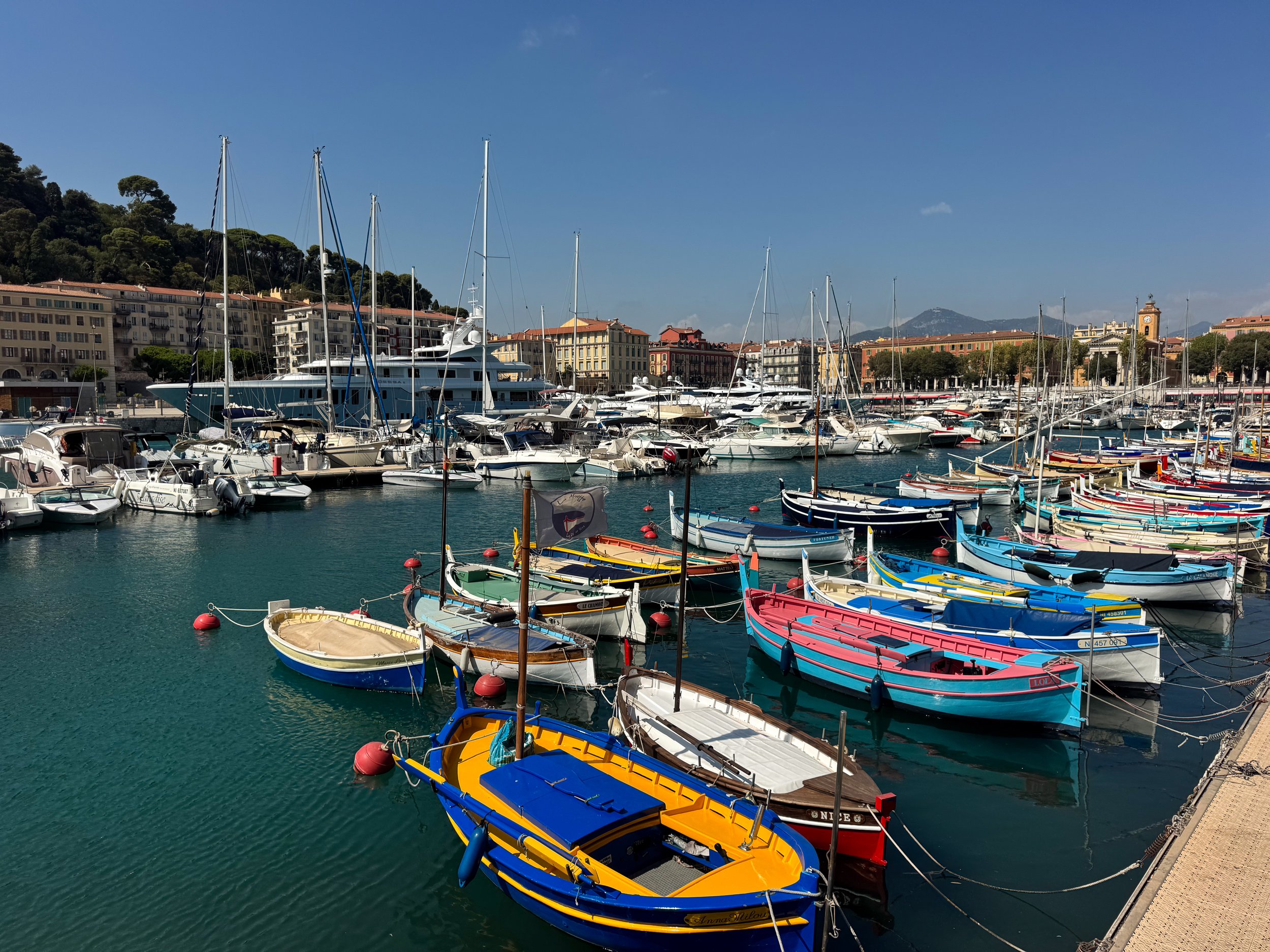
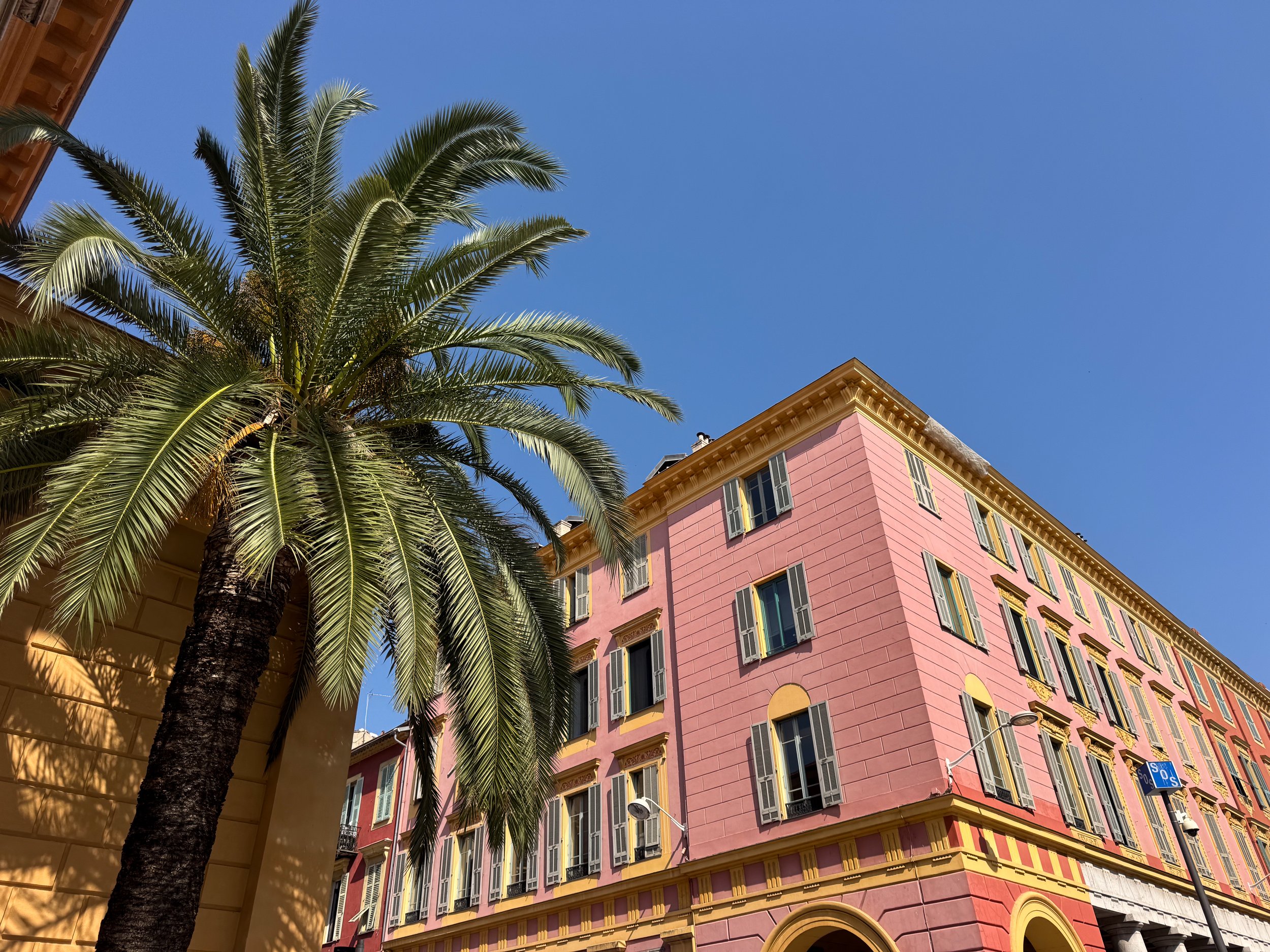
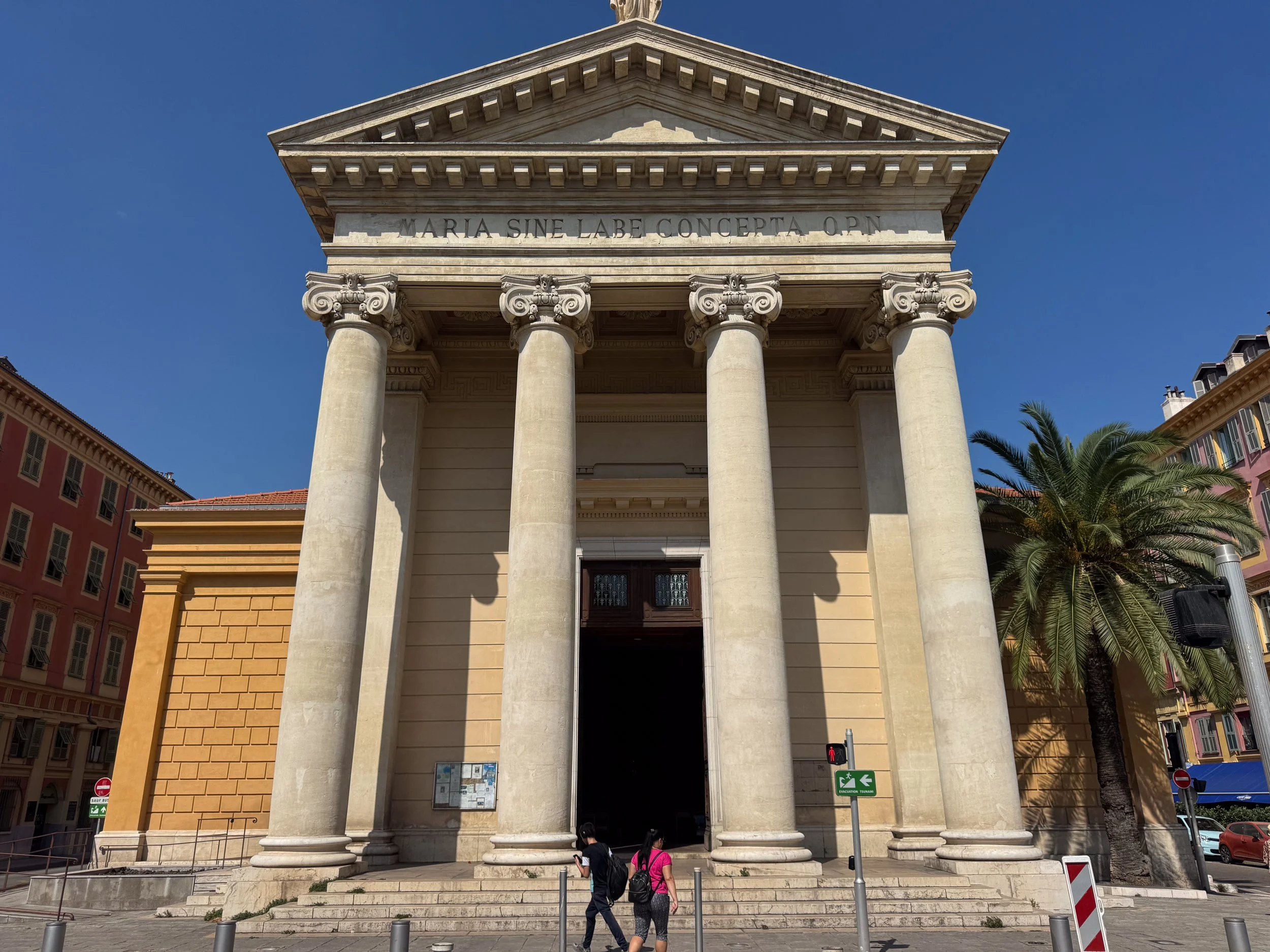
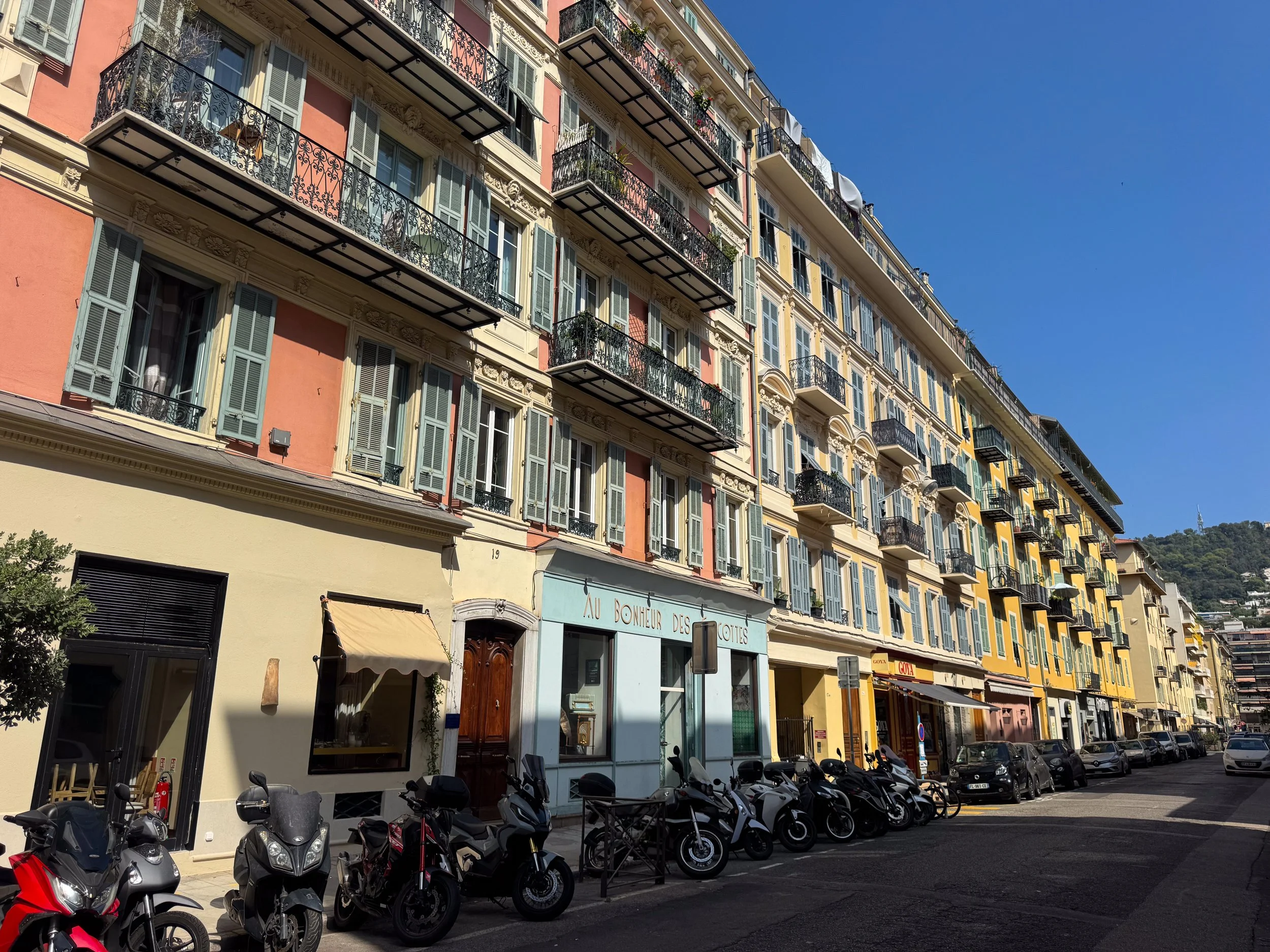
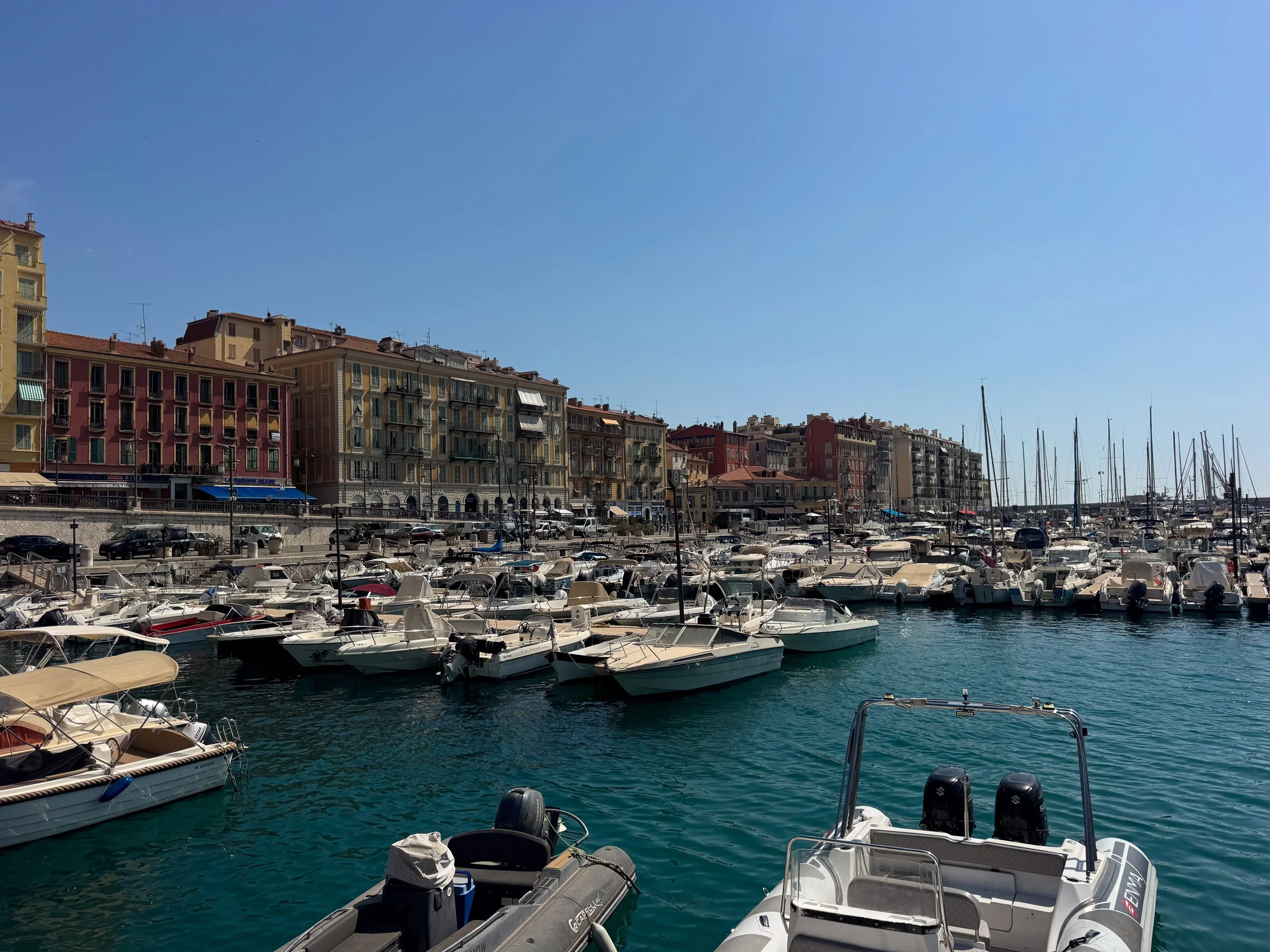
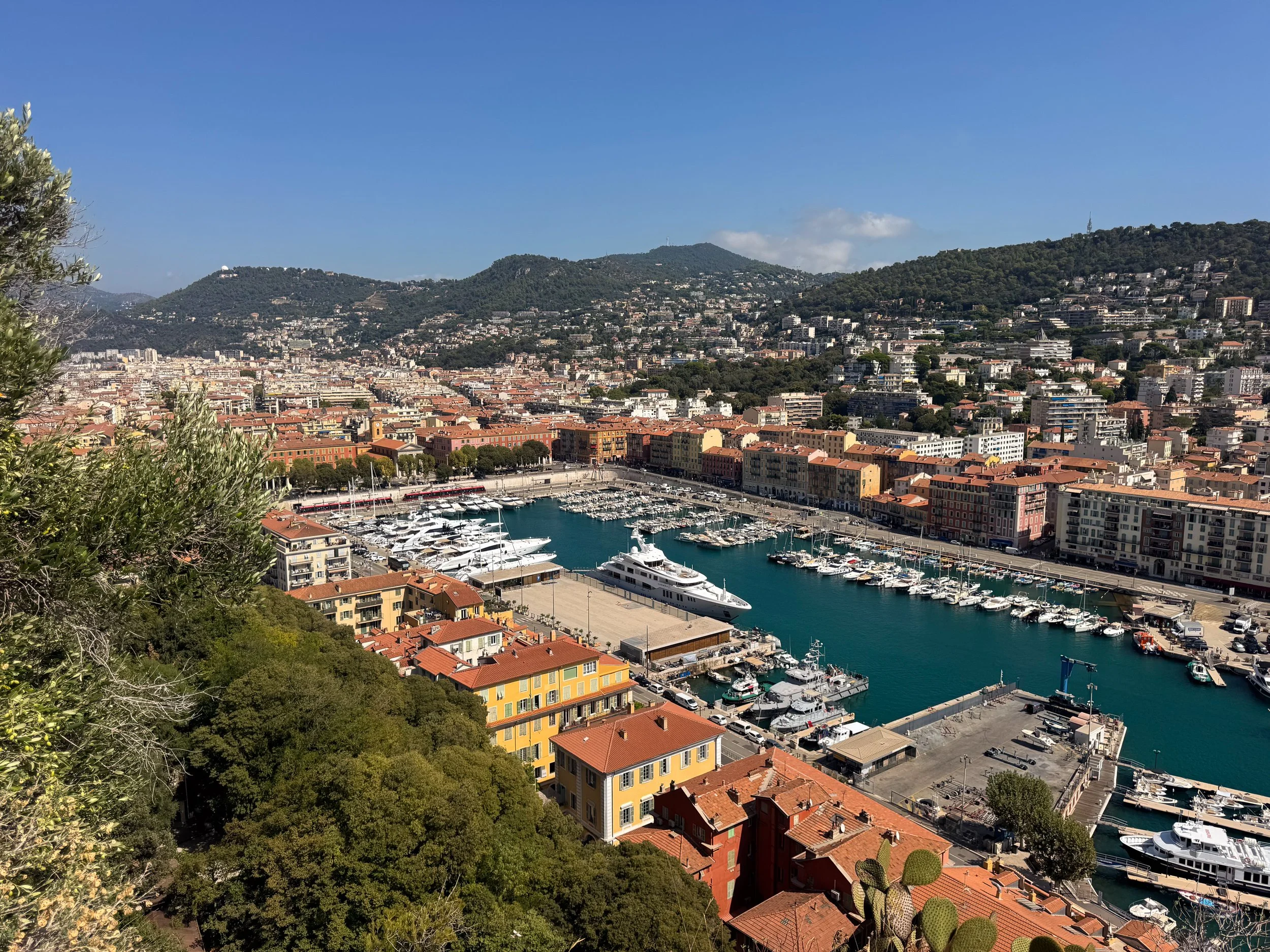
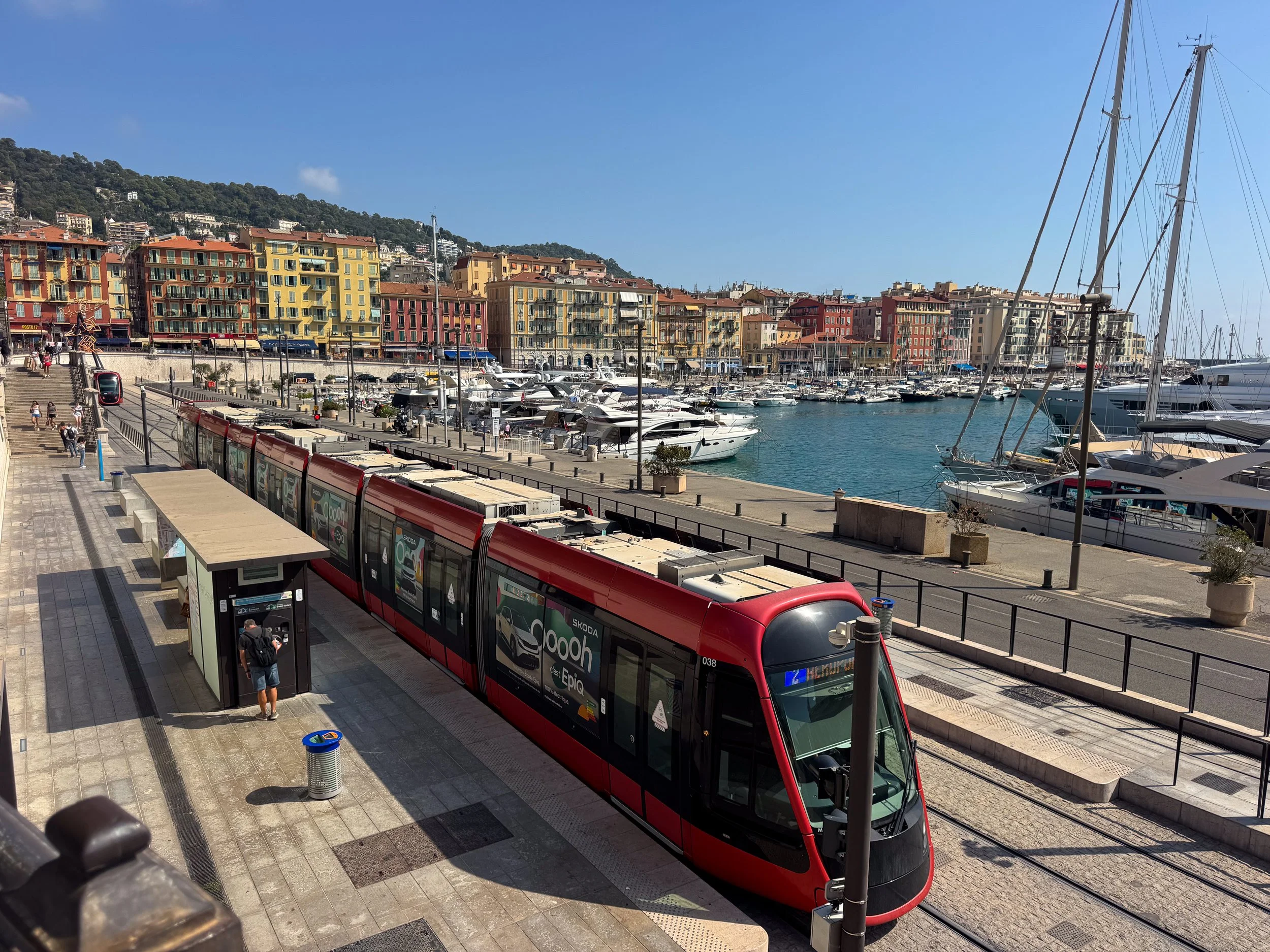
Quartier du Port. Le Port is a trendy and youthful neighborhood surrounding Port Lympia. Small boats and fishing vessels dock on one side of the harbor, juxtaposed by mega yachts and luxury sailboats on the other. Wide streets are lined with historic buildings painted in an array of warm colors, their ground floors filled with cafes, restaurants and bars that keep the neighborhood buzzing at all hours of the day.
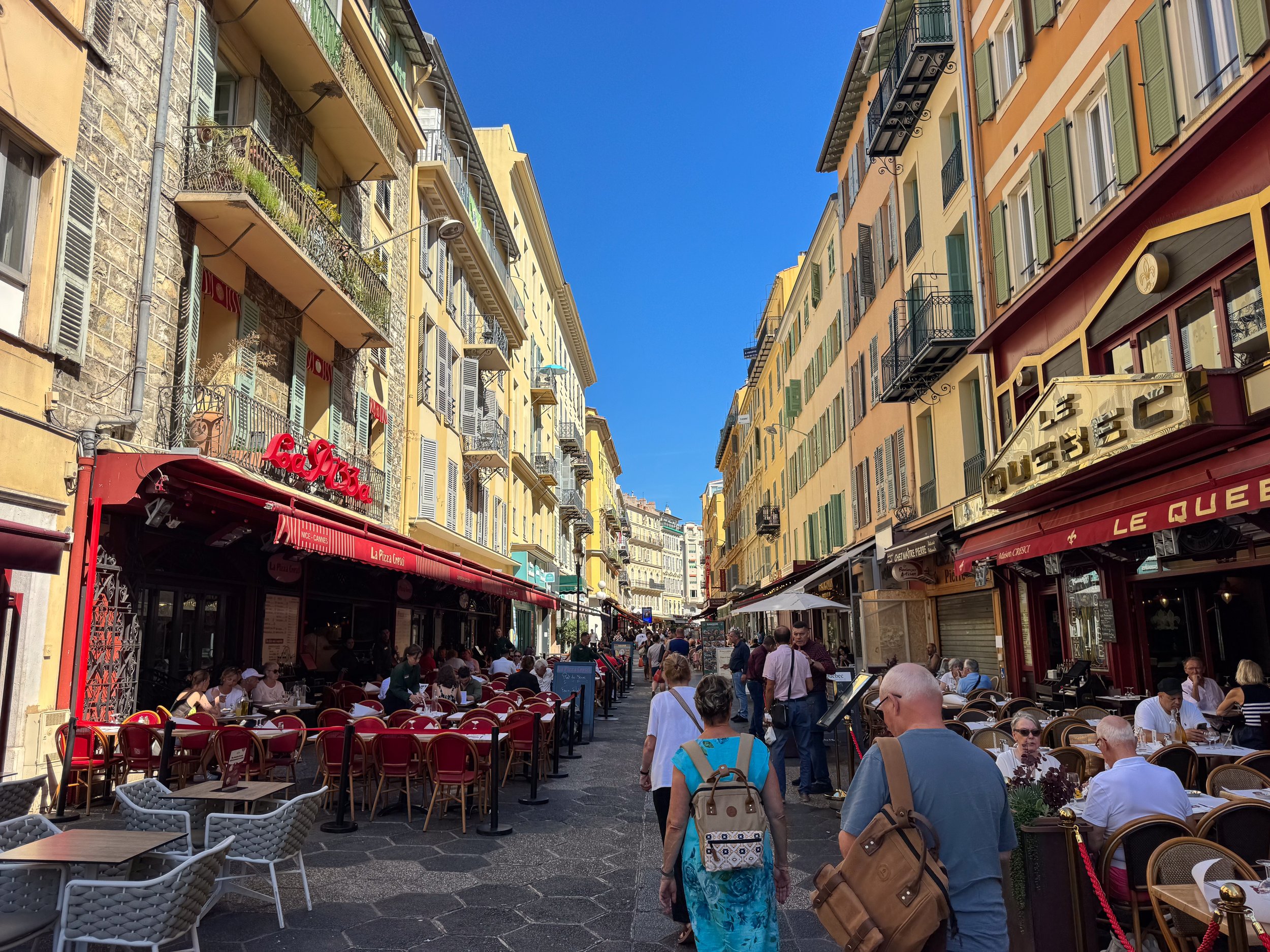
Centre Ville. Nice's city center is a large neighborhood comprised of brand name shops, artisan boutiques, luxury hotels, apartment blocks and grand cafes, with streets lined with dining options. It sits central to many of the city's main sights while holding on to its historic character.
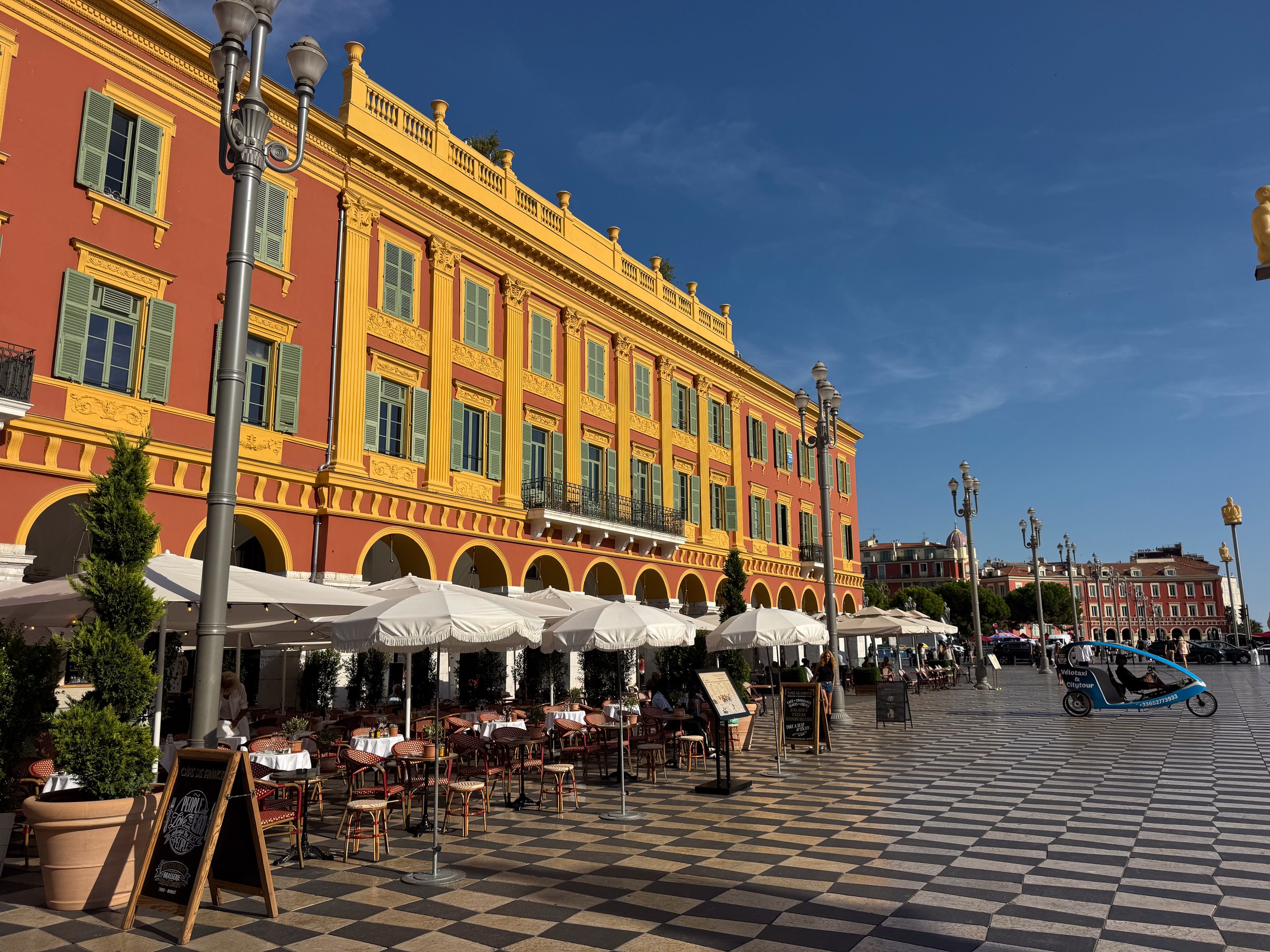
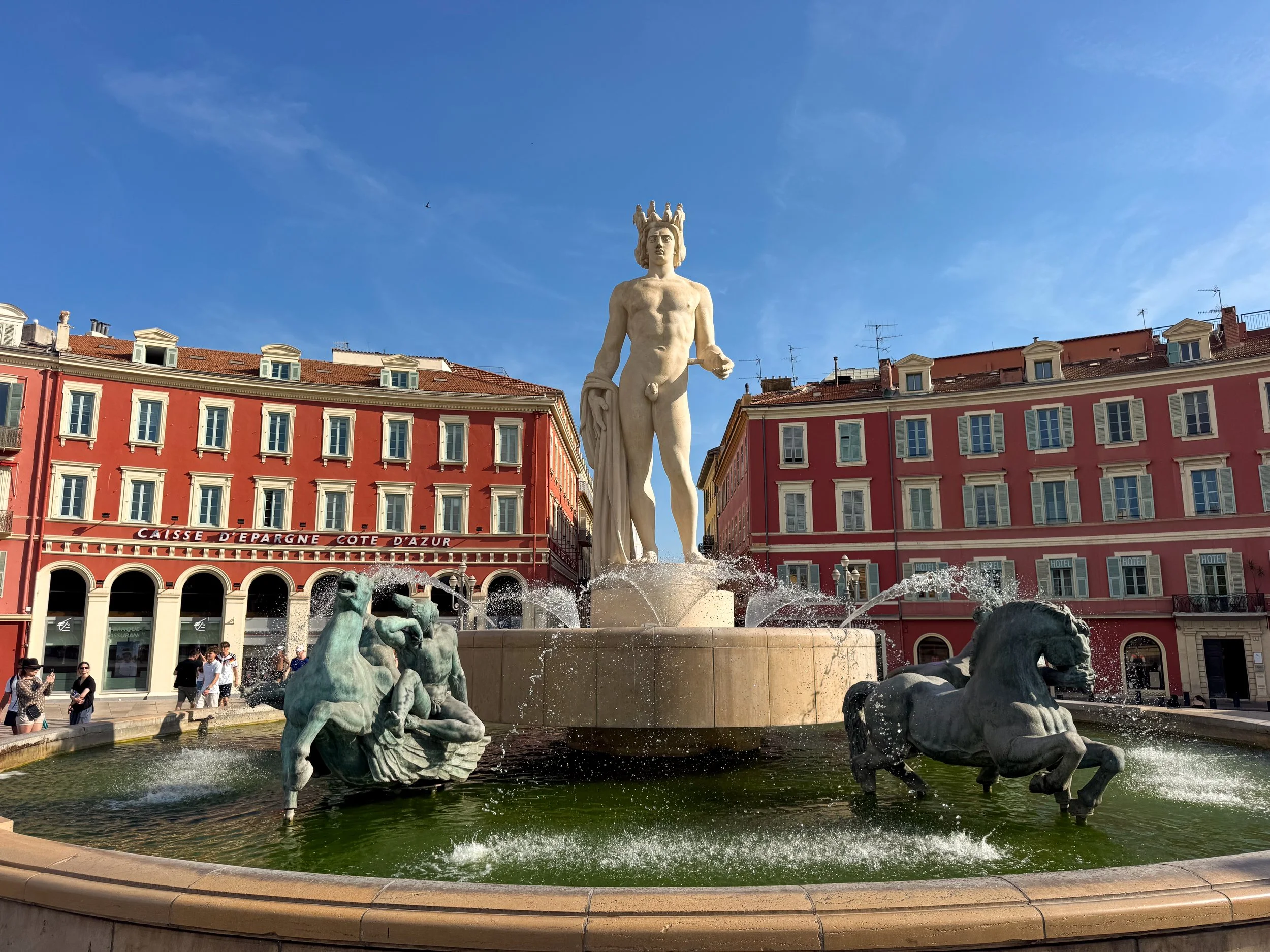
Place Masséna. A large plaza paved in alternating black and white stone and flanked by red, orange and yellow neoclassical buildings that glow golden in the sun, especially in the late afternoon. Bistros and restaurants spill onto the square, making it the perfect spot for a goûter (afternoon snack) while people watching.
Rue Masséna. A lengthy pedestrian street branching off Place Masséna, lined with a sea of street side bistros. Between them, stores and boutiques sell clothing, home goods, accessories, jewelry, souvenirs and French made products.
Rue Longchamp. A boutique shopping street with storefront displays of eyewear, fashionable clothing, designer accessories, vintage goods, high end cosmetics, kitchenware and books.
Landmarks, Museums & Roman Ruins
Fontaine du Soleil. A grand fountain with a marble statue of a nude Apollo standing confidently at its center. Framed by the square's red buildings at one end of Place Masséna, it marks the entrance to Vieux Nice.
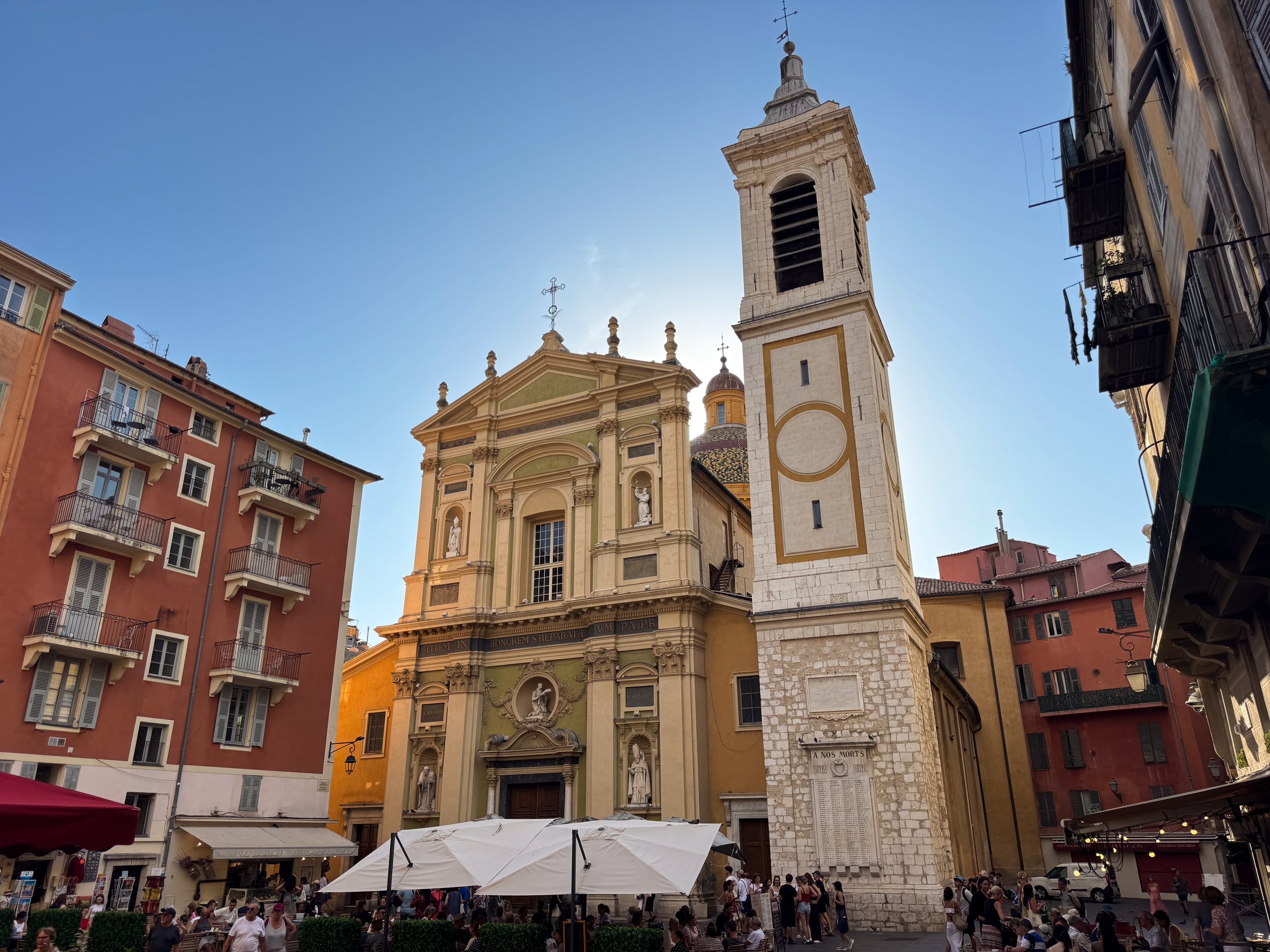
Cathédrale Sainte-Réparate de Nice. A 16th century cathedral with a large tiled dome, Italian style stone facade and baroque interior centered on Place Rossetti.
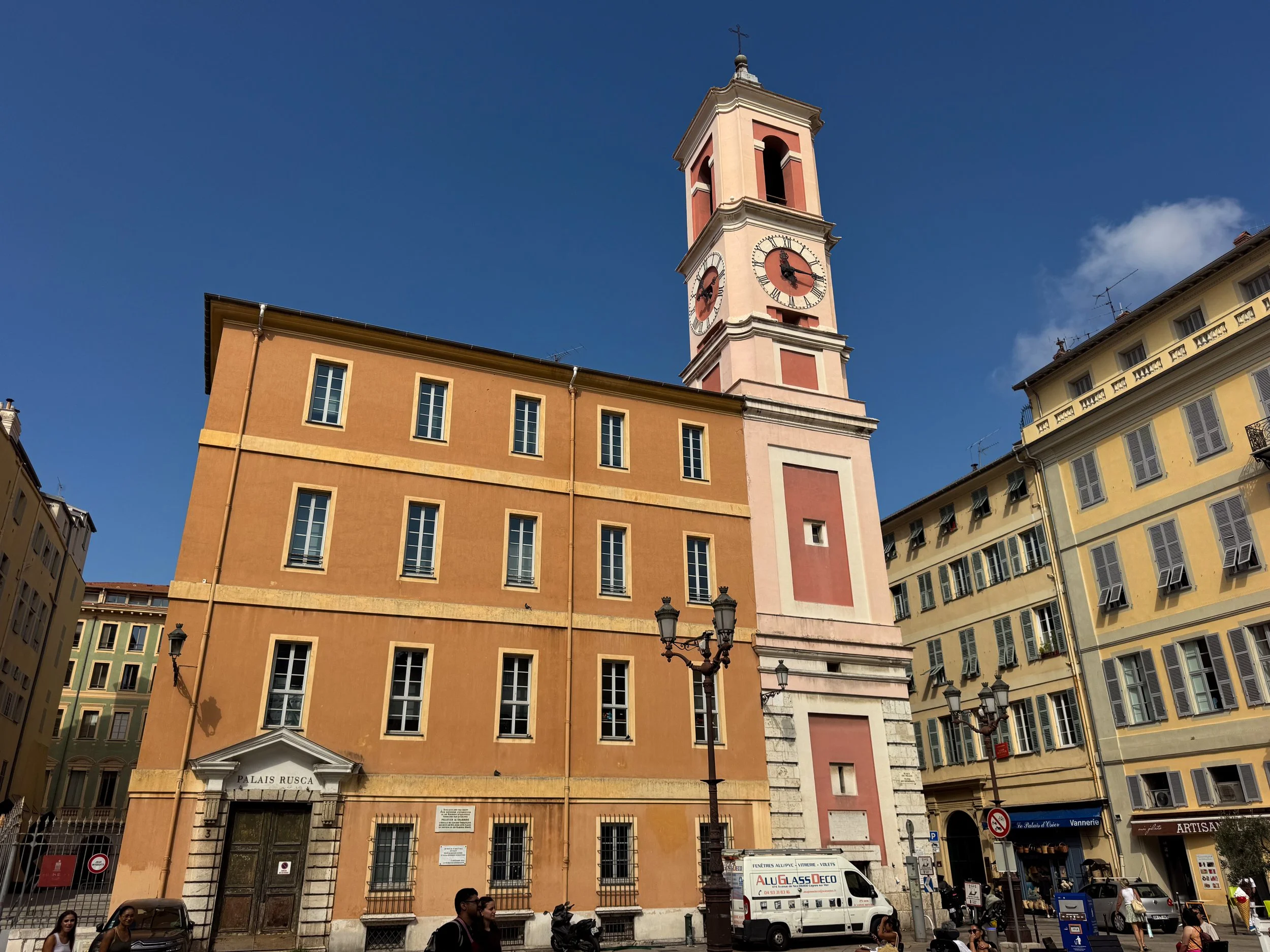
Tour de l'Horloge. A pink clocktower at one corner of Place du Palais de Justice with a large clock on each of its four sides beneath the arched belfry.
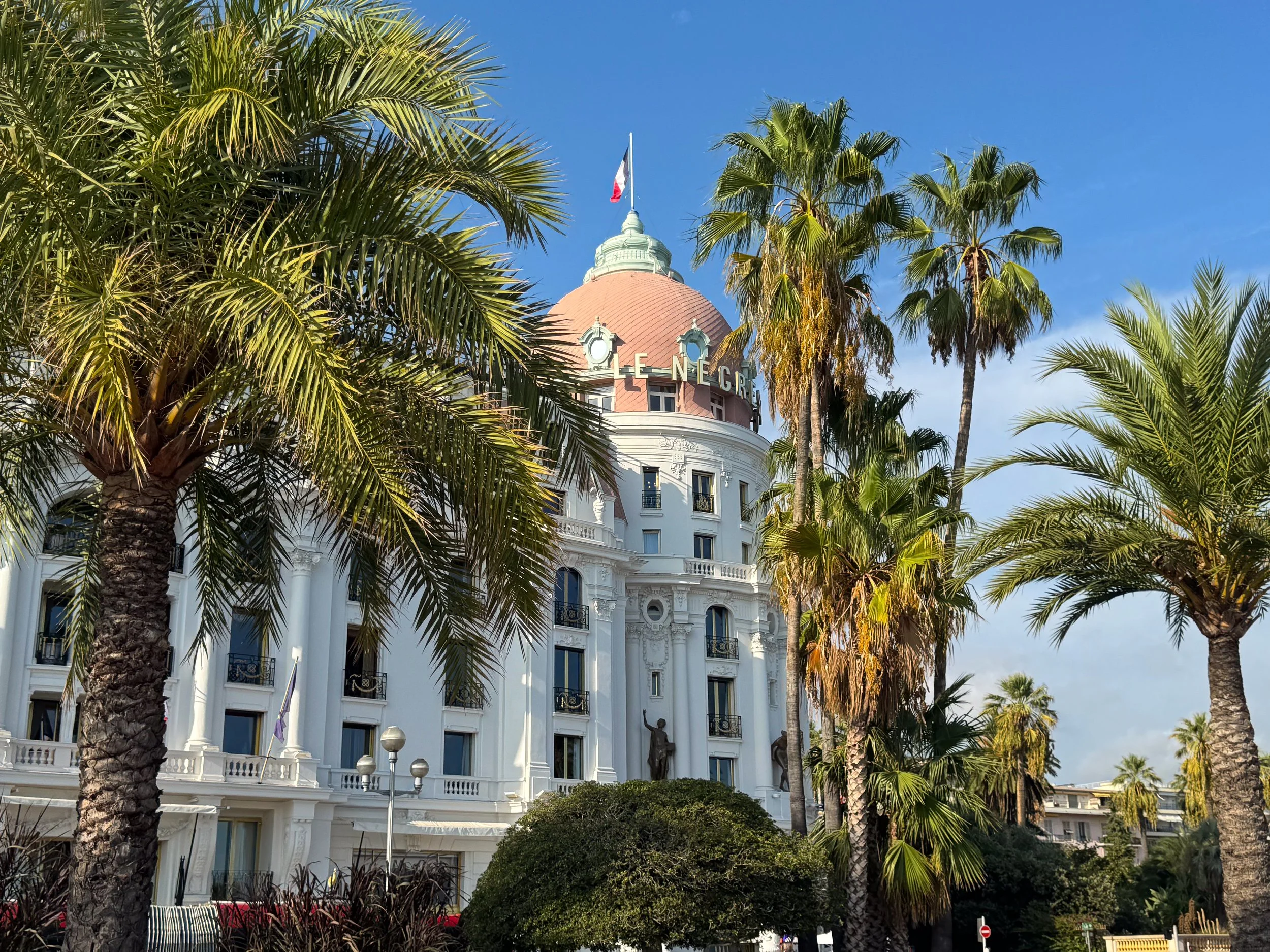
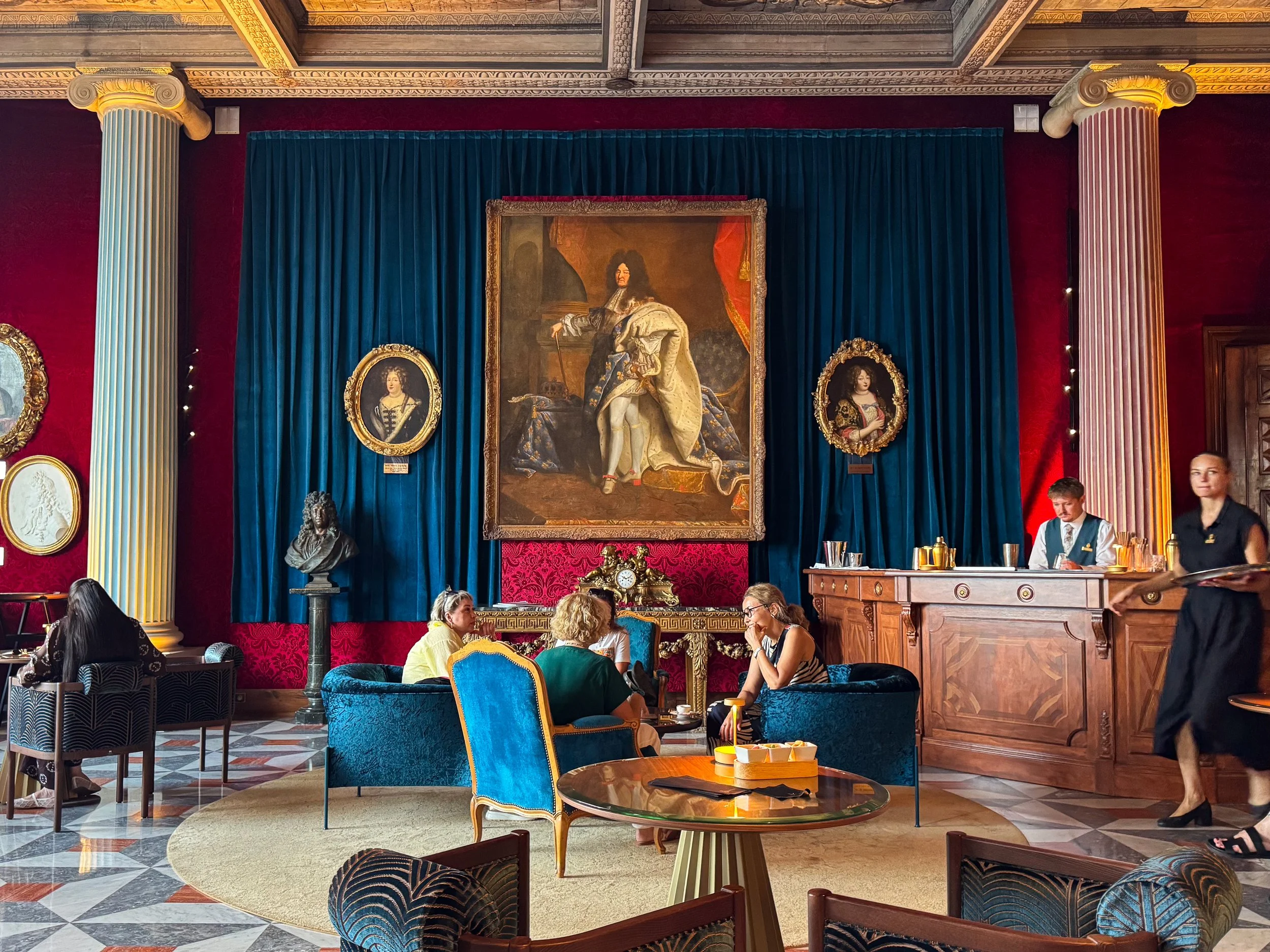
Le Negresco. A historic landmark on the Promenade des Anglais, instantly recognizable by its pink dome and ornate façade. Beyond its luxurious rooms, the hotel is famed for a collection of French artwork spanning five centuries. Stop into the Lobby Bar, styled after the Palace of Versailles and presided over by a grand portrait of King Louis XIV. No reservations are needed, but expect a wait, especially in the evening. Elegant attire is expected, though not strictly enforced.
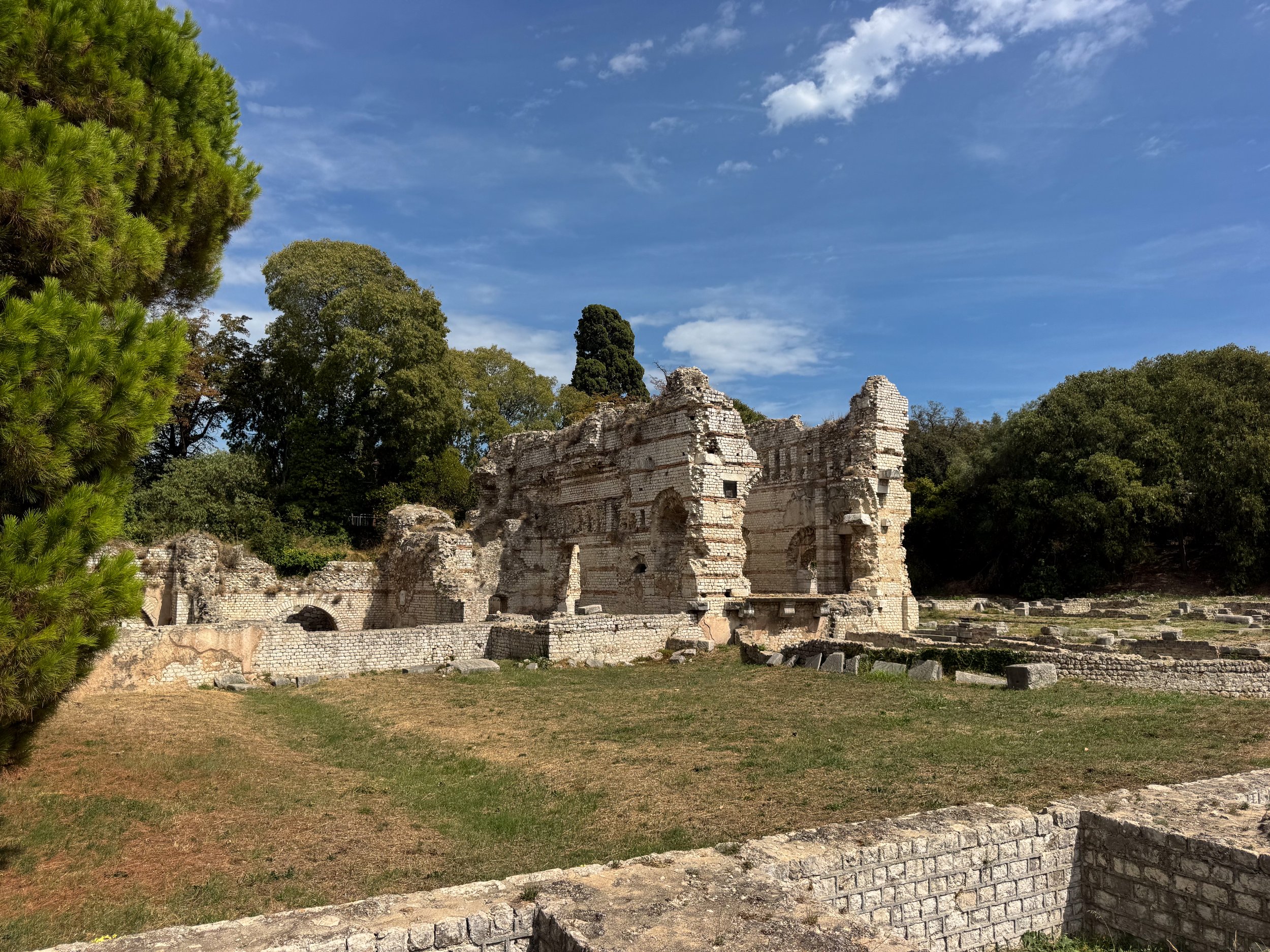
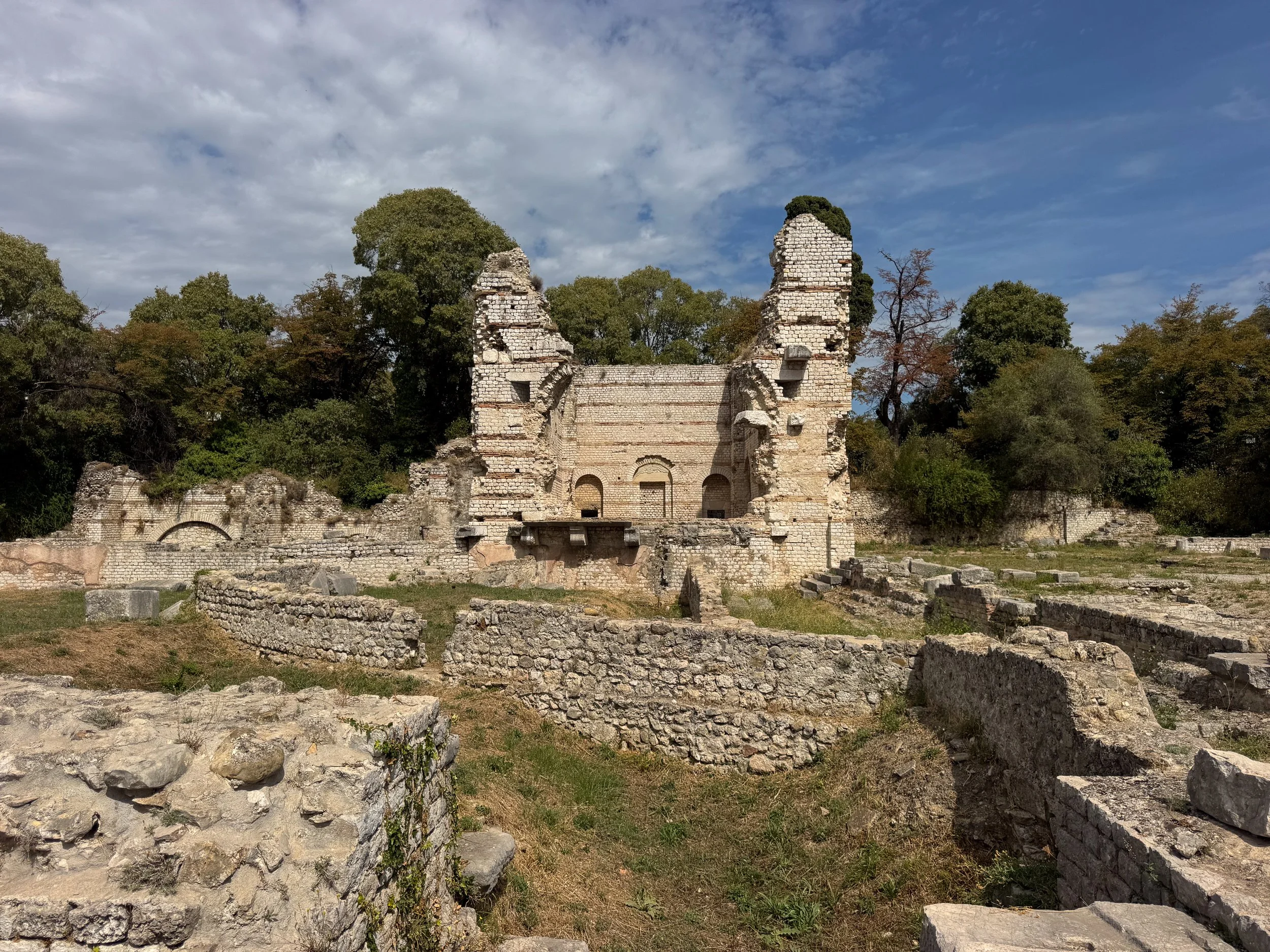
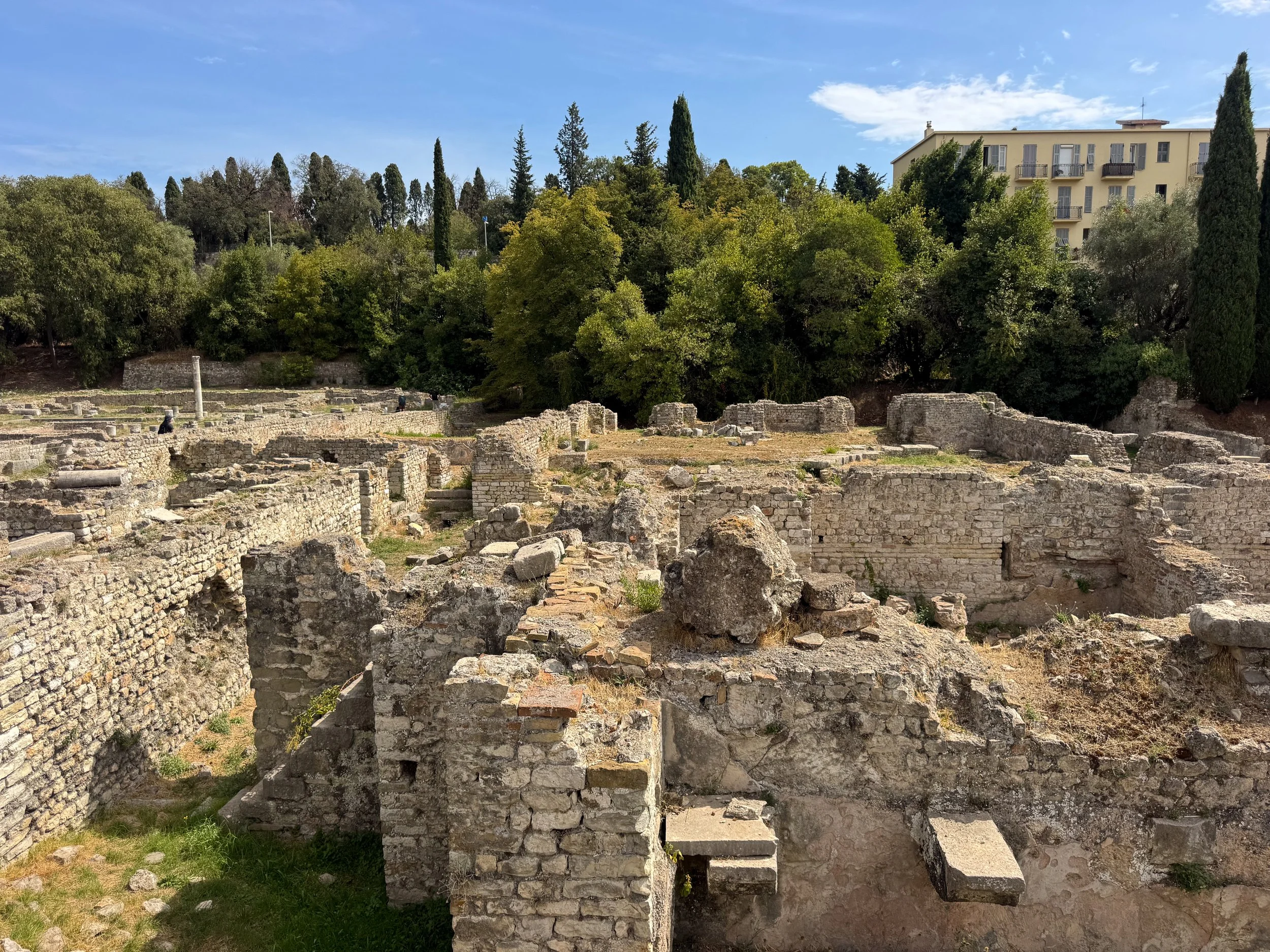
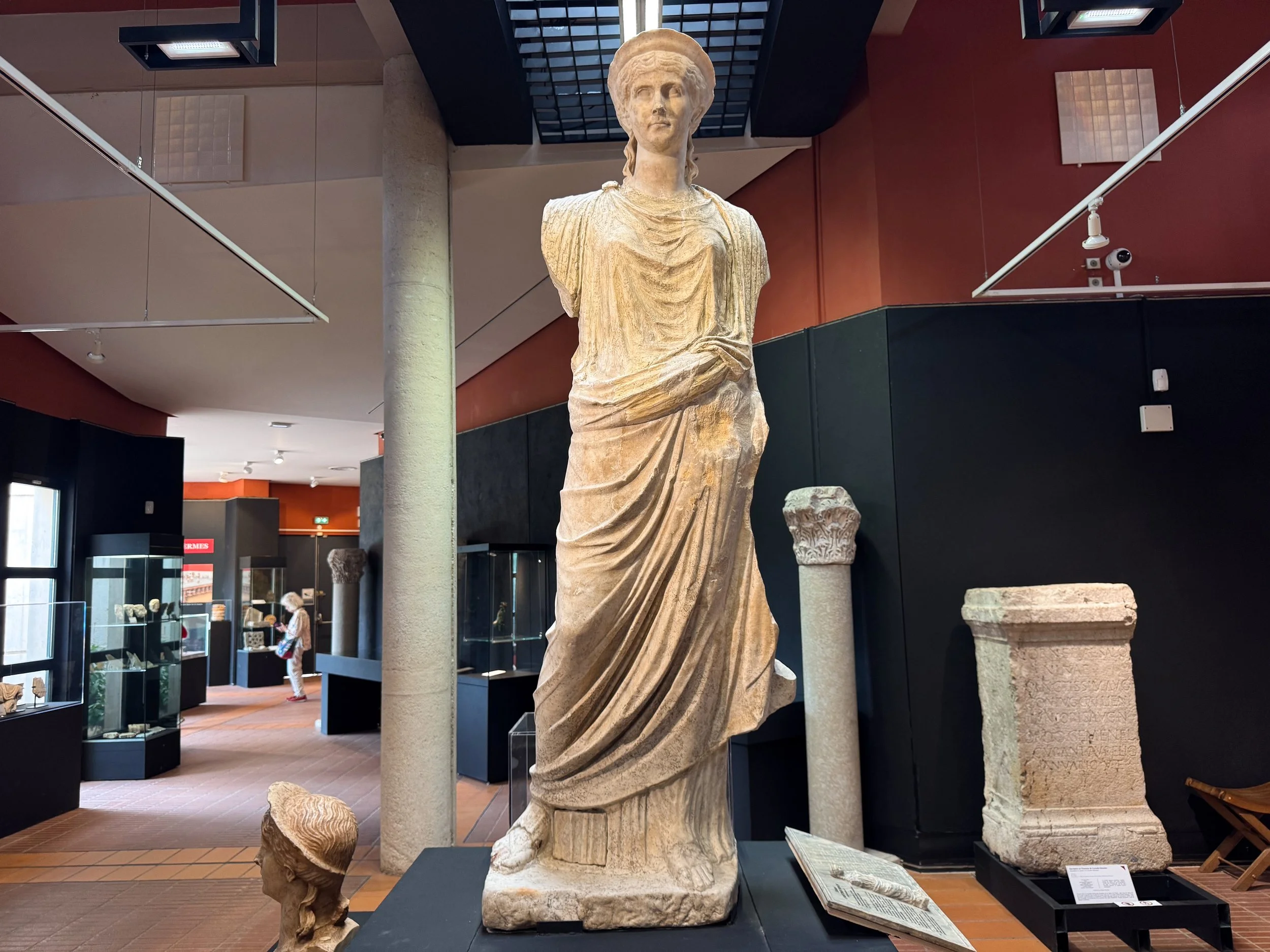
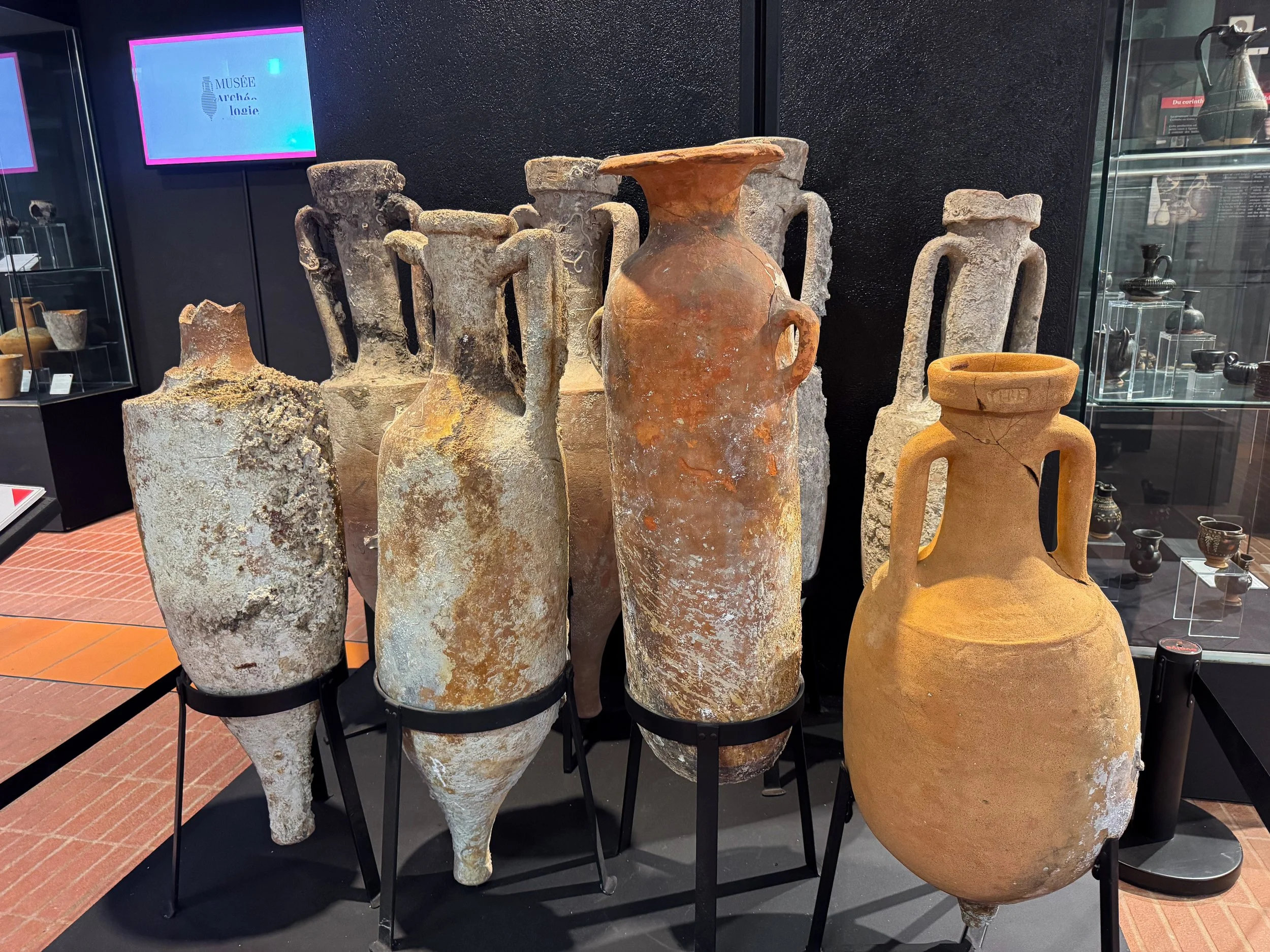
Musée d'Archéologie de Cimiez. An archeological site that preserves the open air ruins of the ancient Roman city of Cemenelum. Its grounds include an amphitheater, thermal baths, paved streets and the foundations of residential neighborhoods. Inside, the museum displays a vast collection of Roman artifacts unearthed on the site and across Nice, from bronzes, jewelry and coins to statues, columns, ceramics, urns, sarcophagi and lead anchors.
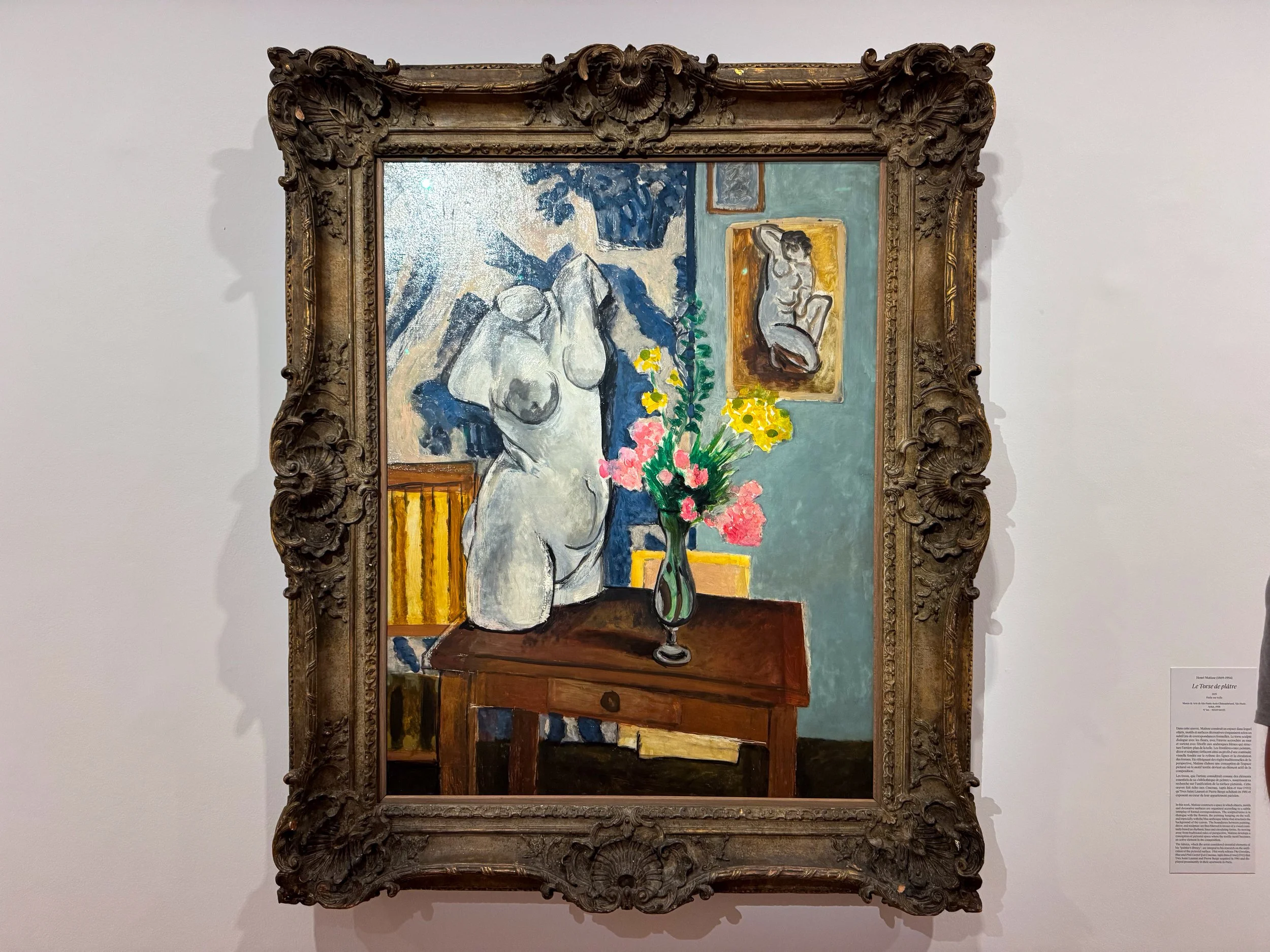
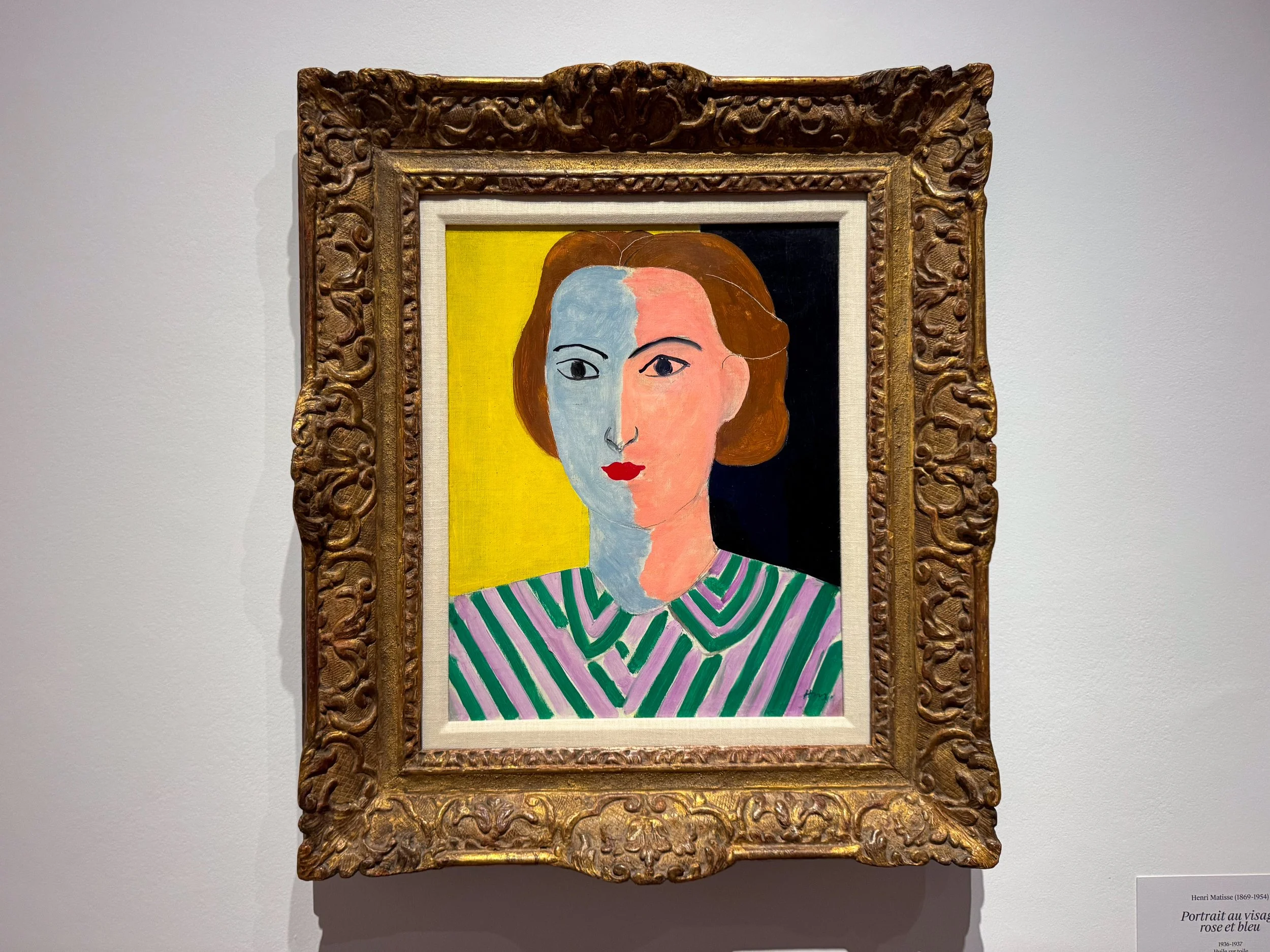
Musée Matisse Nice. A museum dedicated to the French artist, Henri Matisse, displaying hundreds of his works including colorful paintings, sketches, sculptures and objects from his studio.
Castle Hill & City Parks
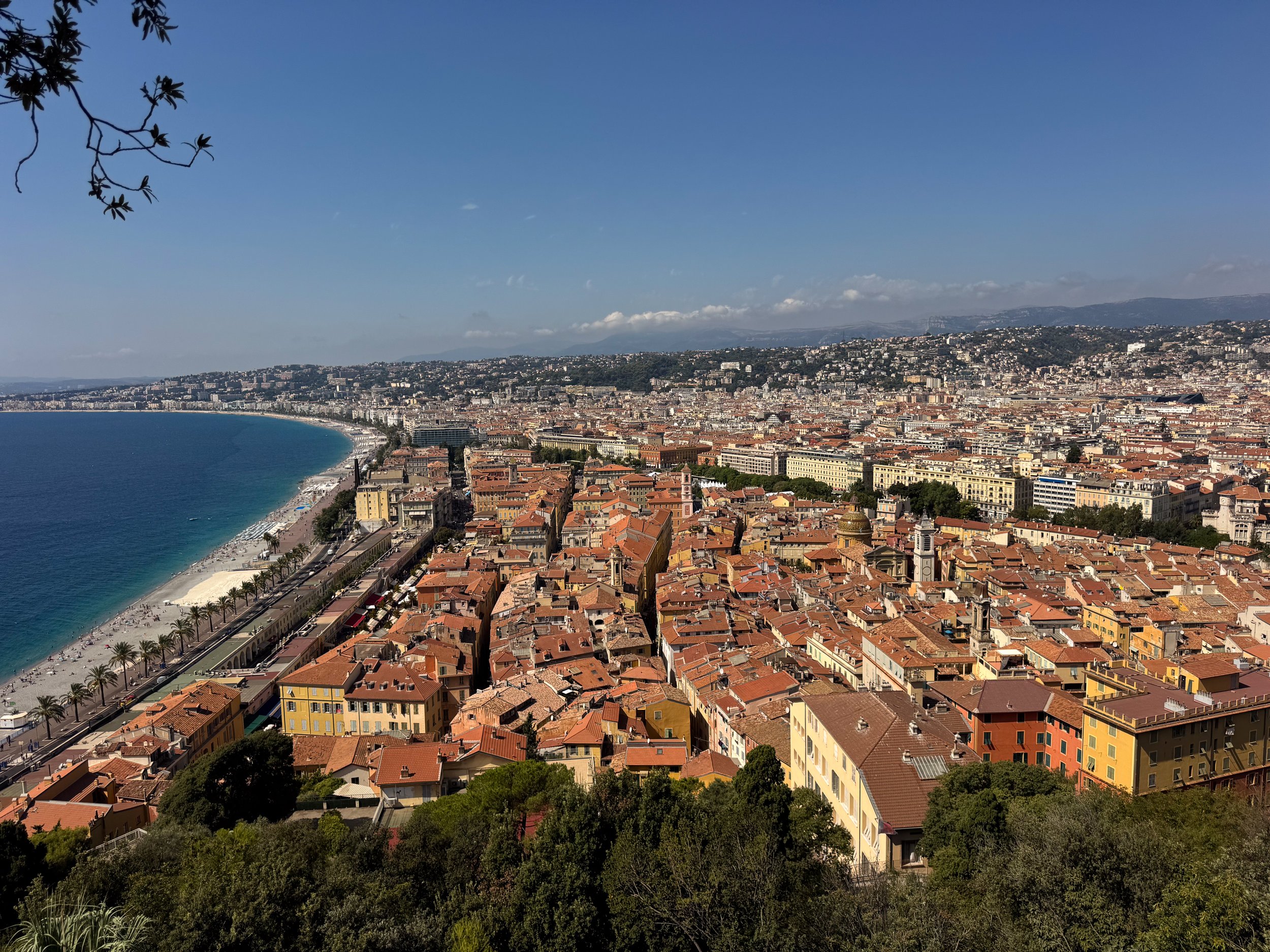
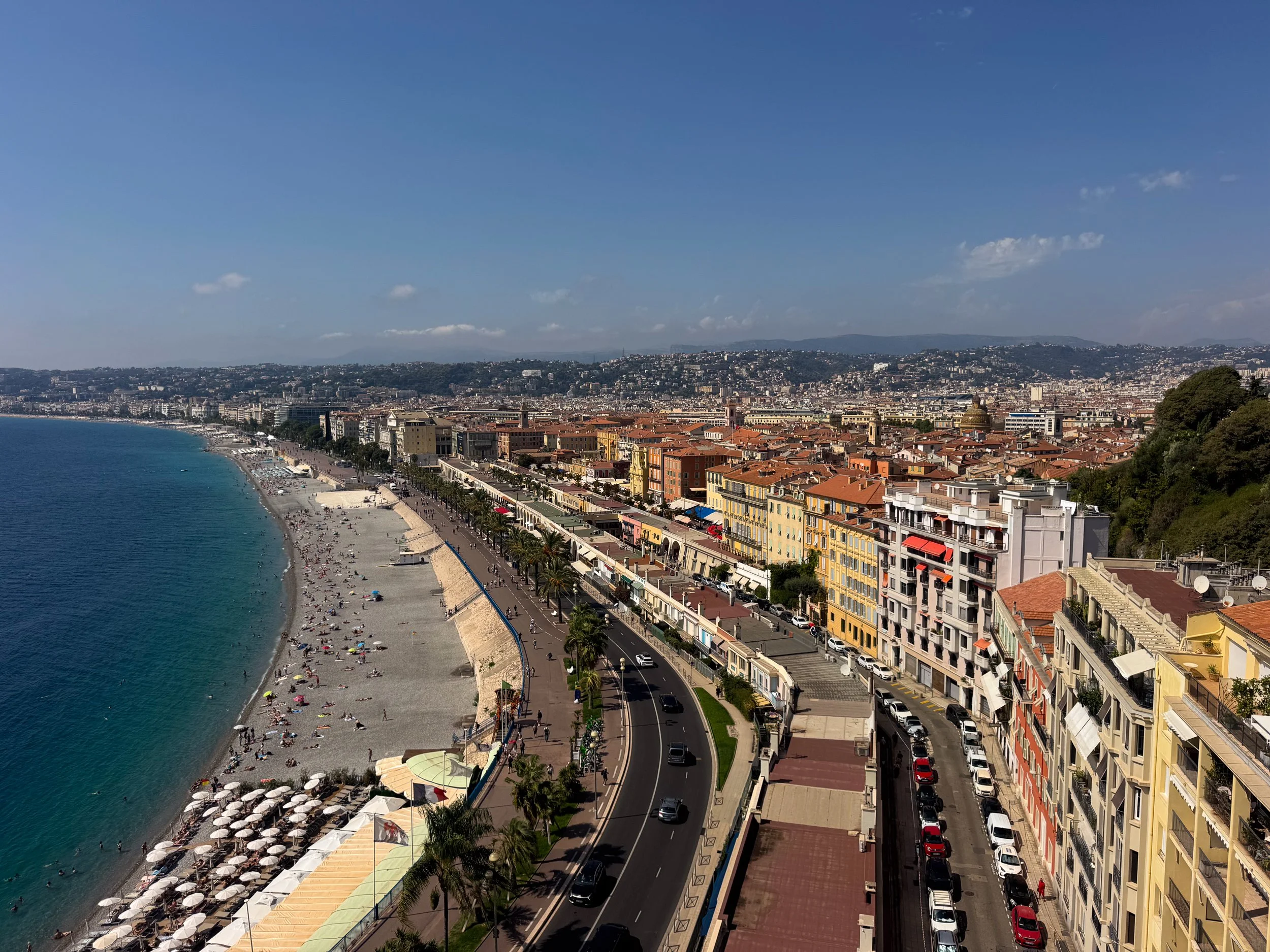
Colline du Château (Castle Hill). A hilltop park of nature trails, stone ruins, an artificial waterfall and panoramic lookouts over Vieux Nice, Le Port and the Mediterranean Sea. It's a tranquil place to spend a few hours in the afternoon, especially beneath the shade of a tree with a picnic of goods picked up from the city's markets and provision shops.
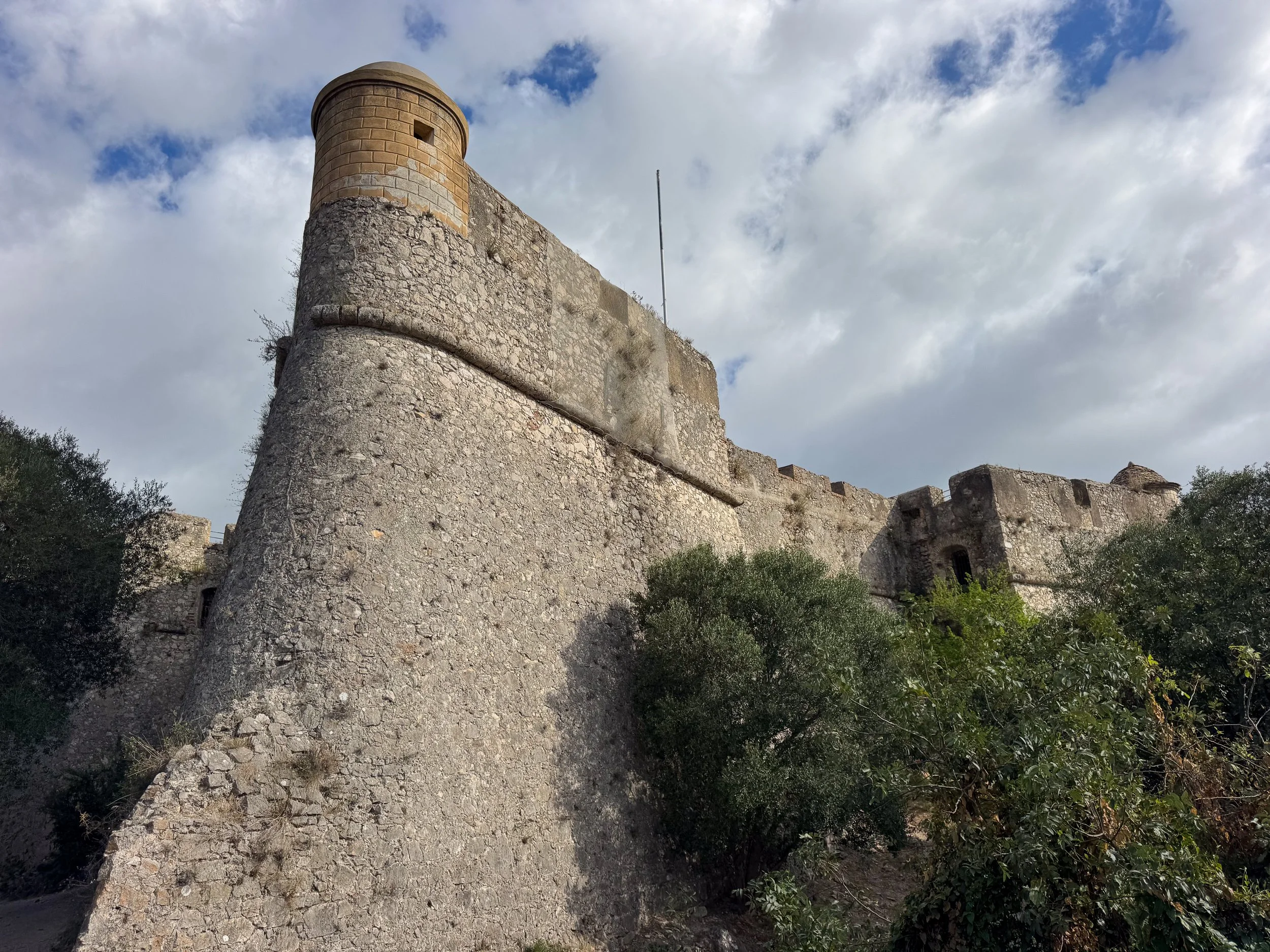
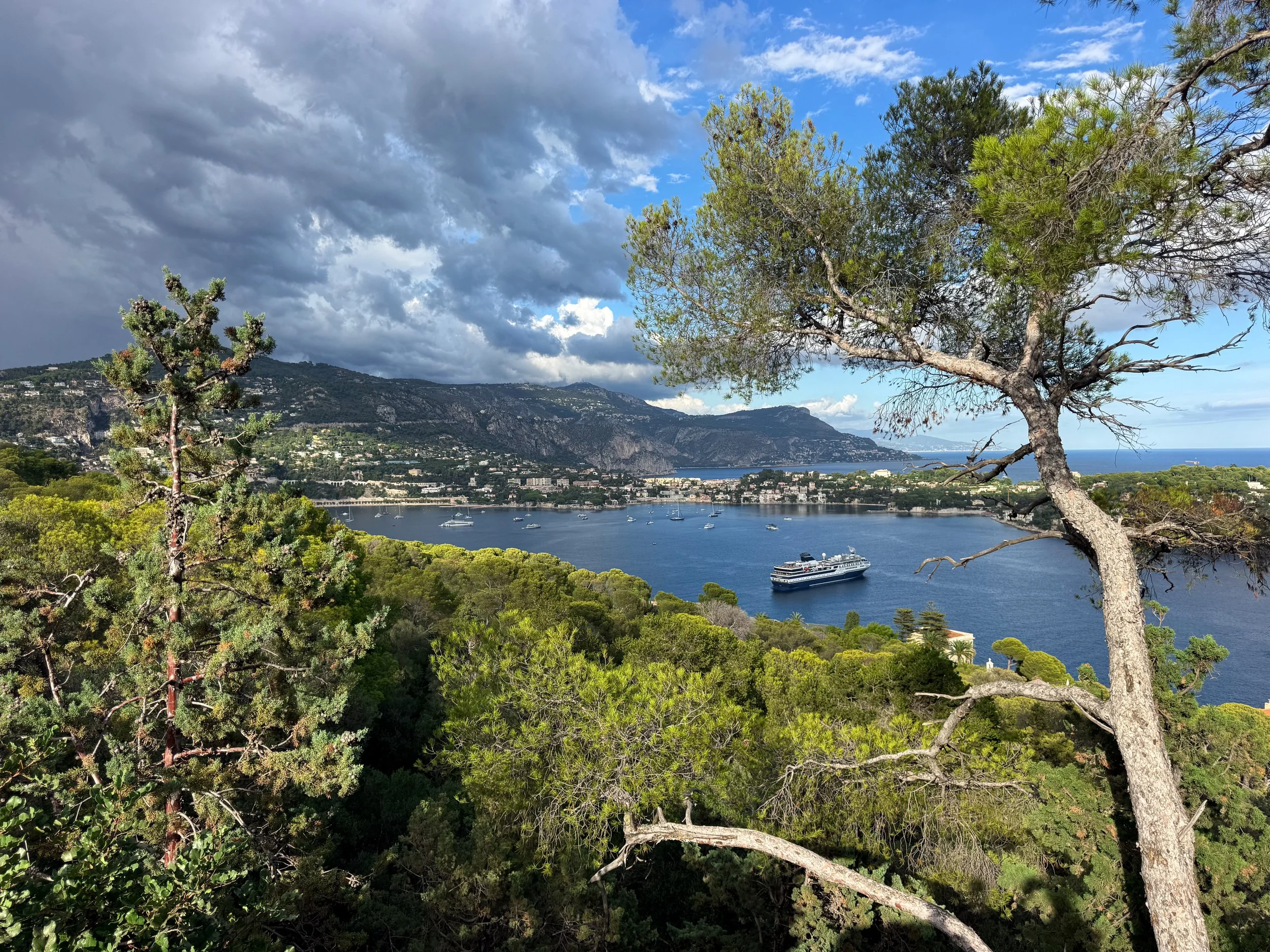
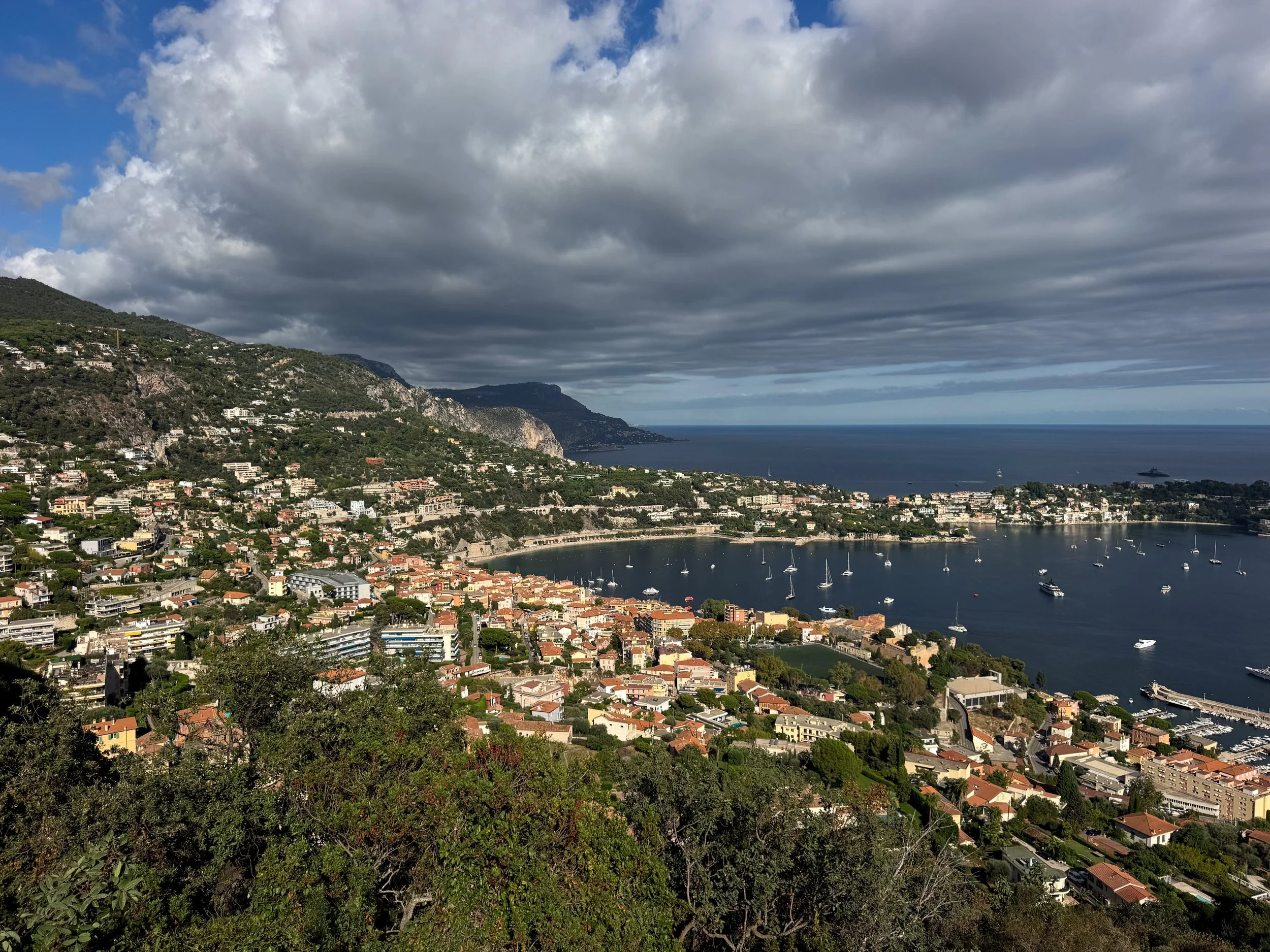
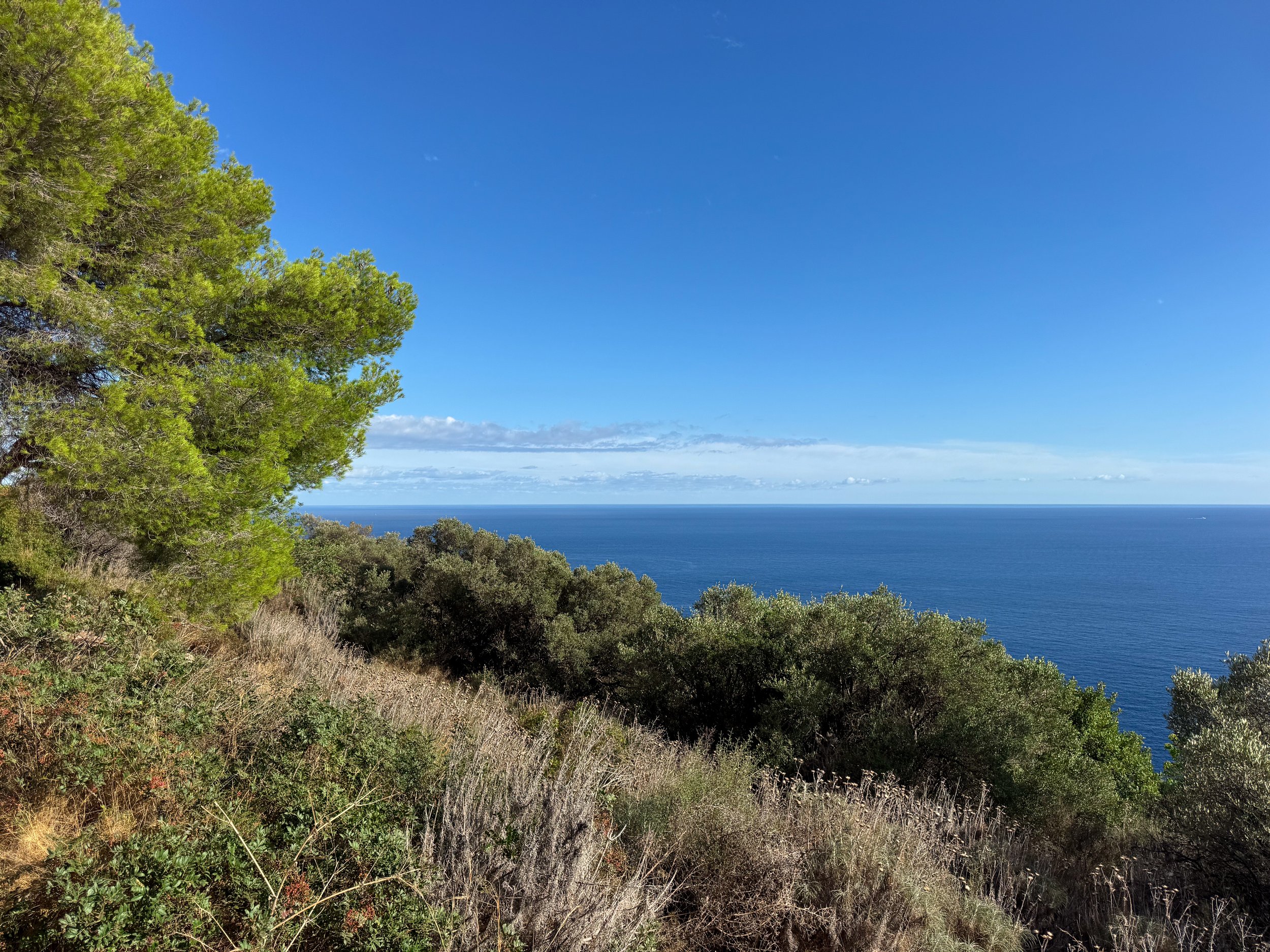
Parc du Mont Boron. A mountain blanketed in pine and eucalyptus trees between Nice and the town of Villefranche-sur-Mer. Hiking trails and paved roads wind up past luxury homes to panoramic viewpoints, bocce courts and a historic stone fortress. Hike the gravel trail from a small parking lot along Avenue du Fort in Villefranche-sur-Mer, or follow the Route Forestière du Mont-Boron up from Nice.
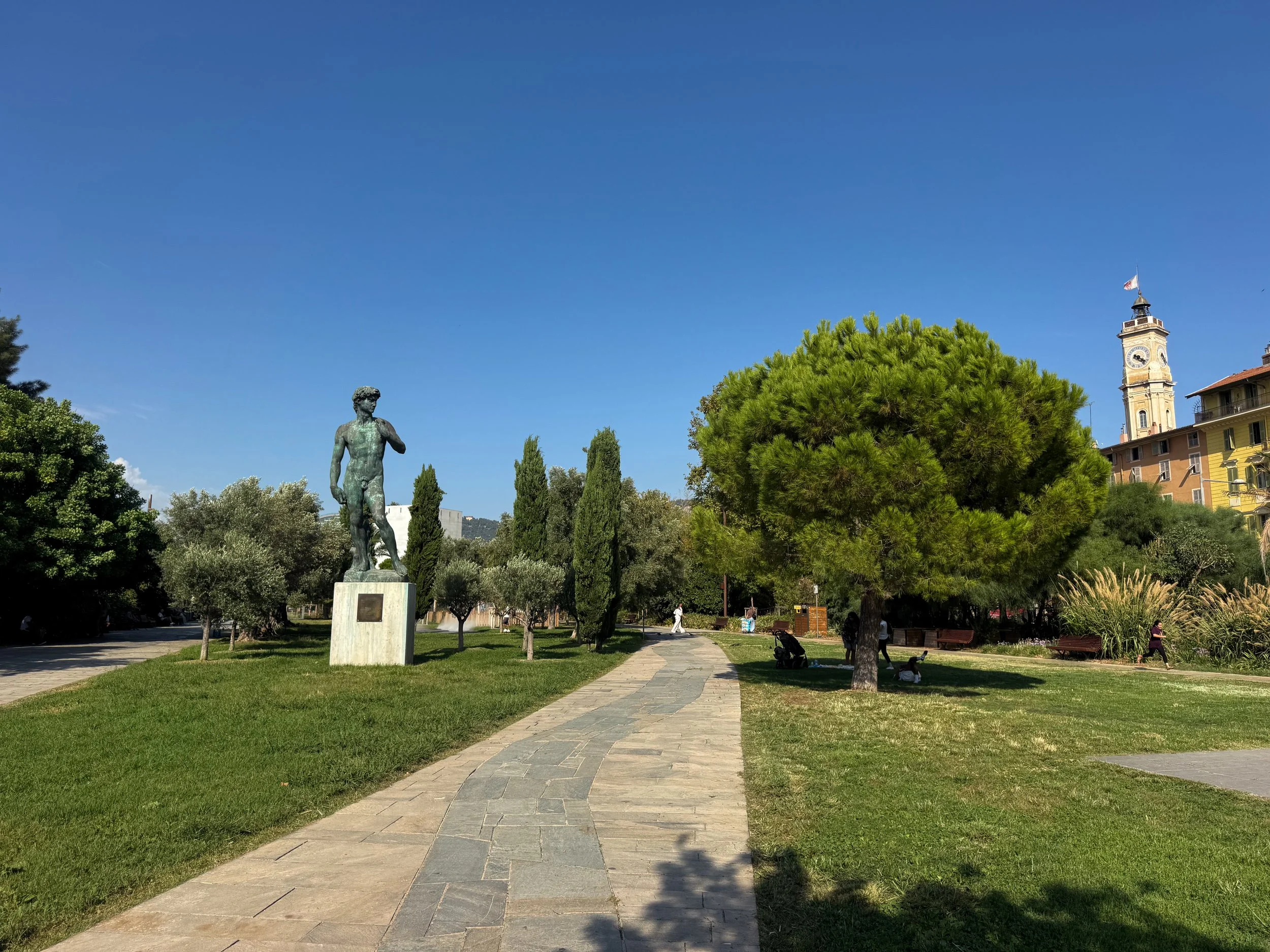
Promenade du Paillon. A large greenway that begins at the coast and meanders into the city, wrapping around the western side of the old town. Its walking paths are lined with shaded benches, verdant lawns, lush trees, fragrant gardens and sculptures.
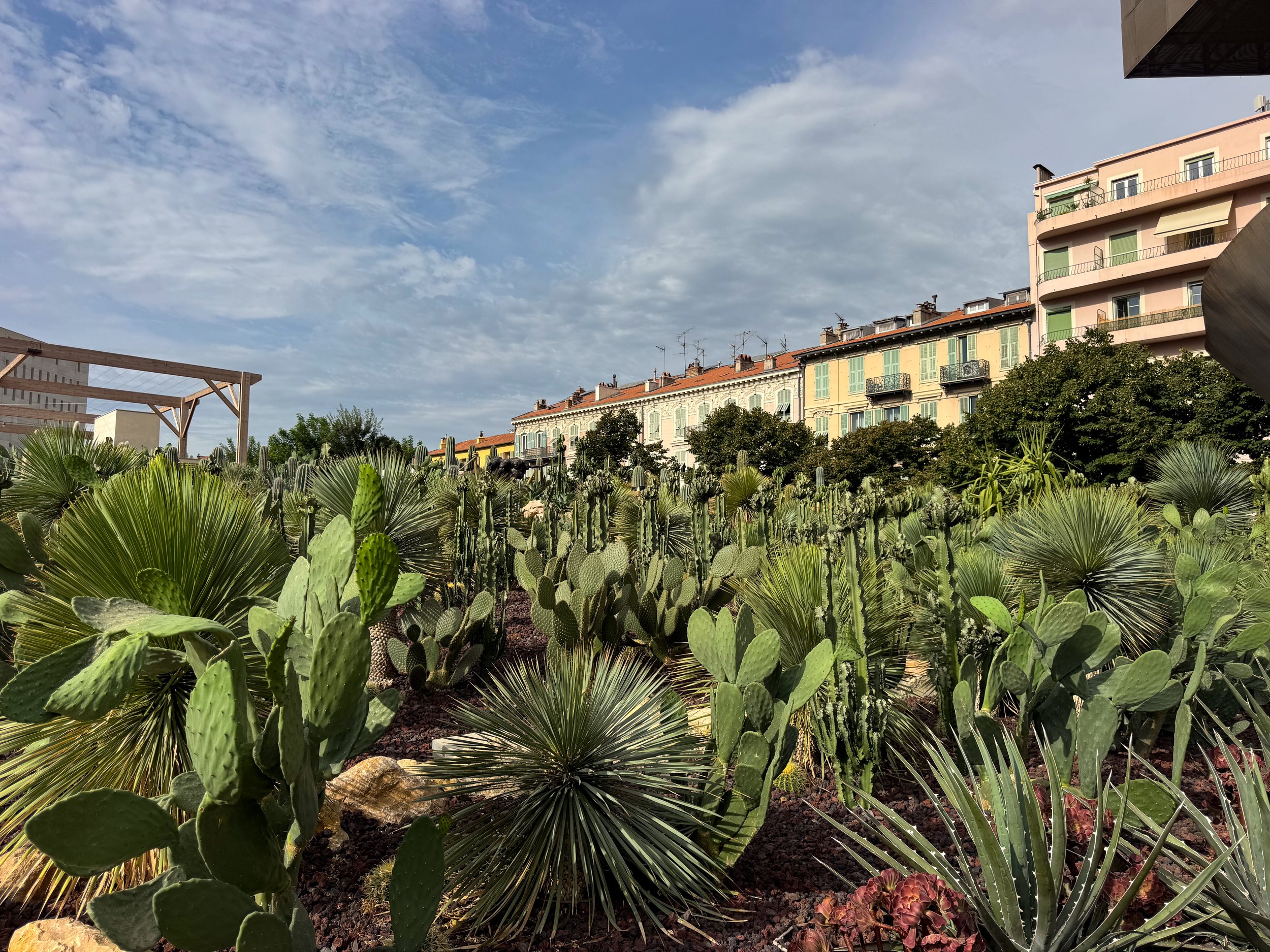
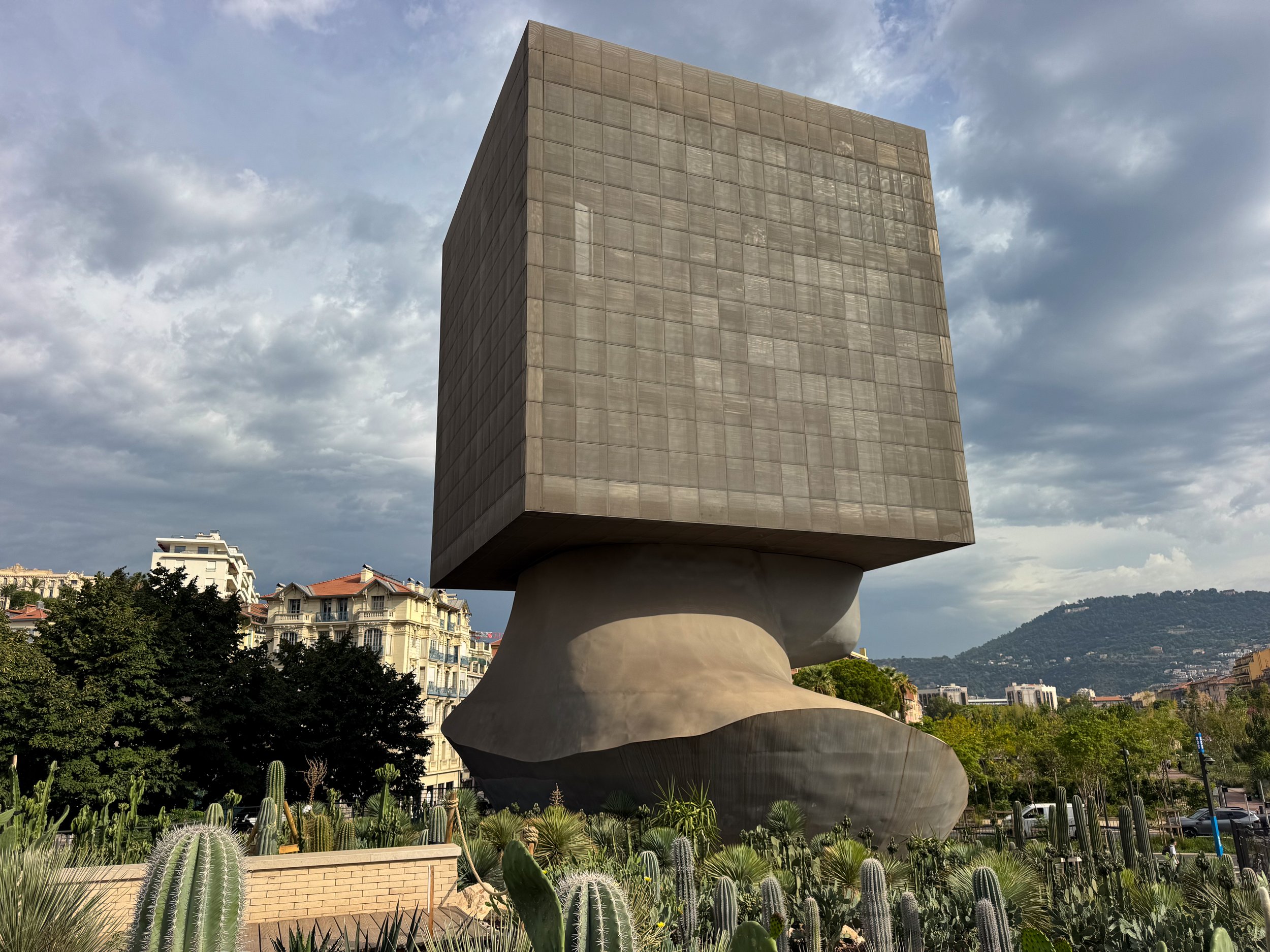
Jardin Sacha. A contemporary botanical garden with geometric boardwalks that wind between cactus gardens filled with desert plants, palms and cacti. Its most imposing feature is the Tête Carrée, a monumental sculpture of a head emerging from a giant cube.
Promenades & Pebble Beaches
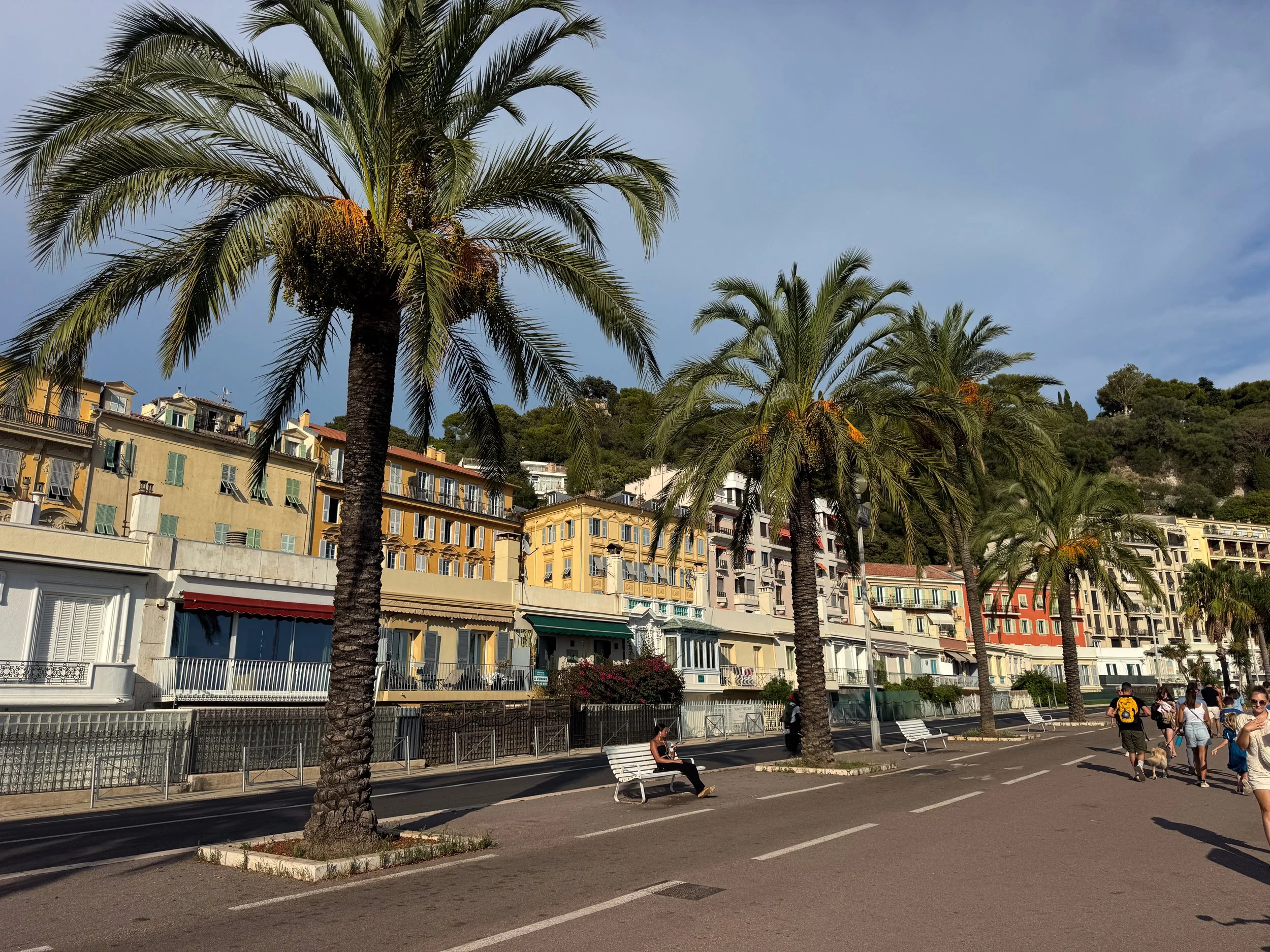
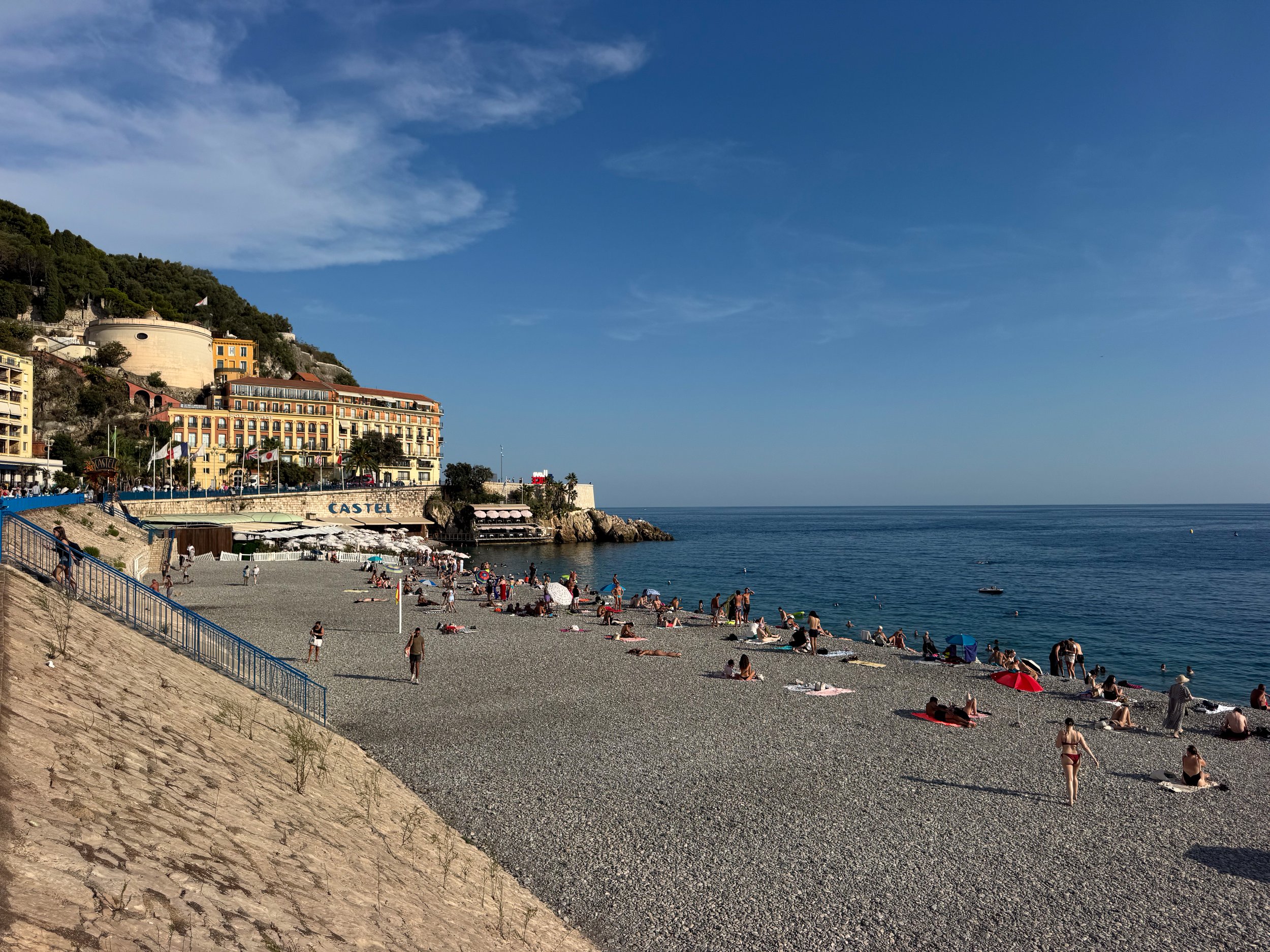
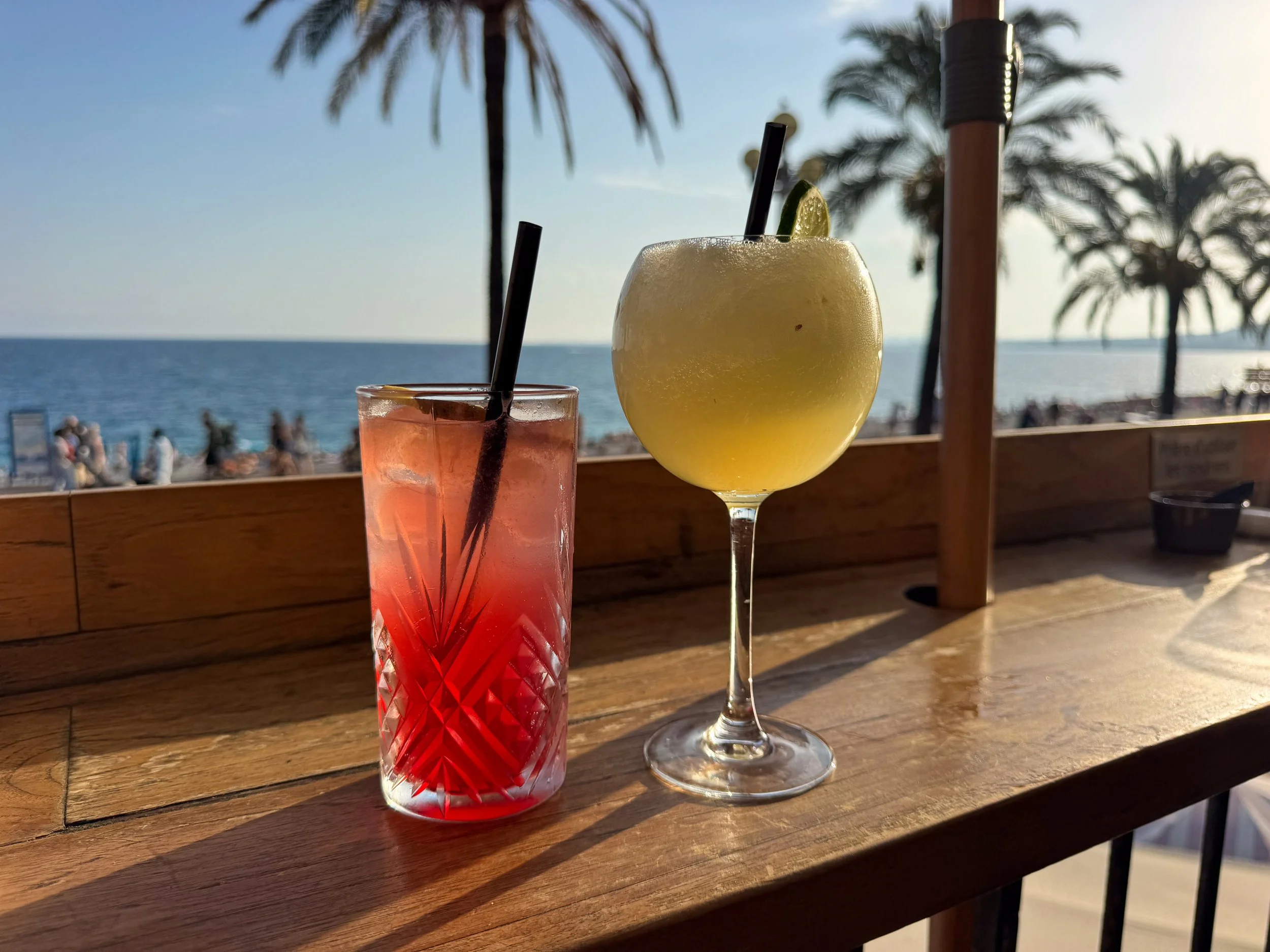
Quai des États-Unis. A palm lined walkway running between Vieux Nice and the beach. Its former ramparts are now home to multi-level bars and restaurants overlooking the sea. Stop by Waka Bar for a happy hour cocktail and watch the sunset from its second floor terrace.
Promenade des Anglais. A lengthy waterfront promenade stretching along the coast from the city center toward the airport, lined with palm trees, beaches, beach clubs, grand hotels and elaborate architecture. Locals come here to walk, run and bike, take in golden hour and watch the sunset over the sea.
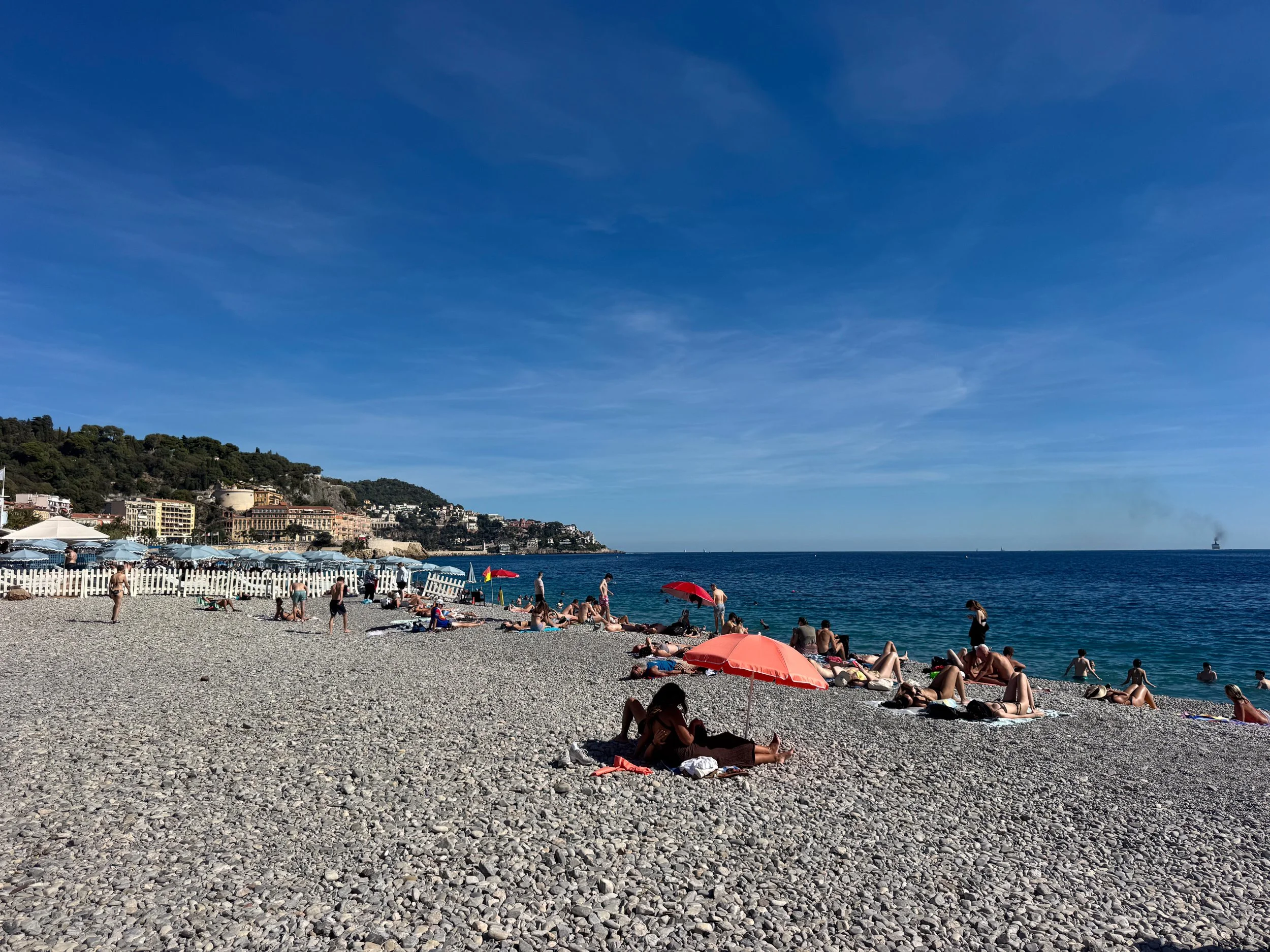
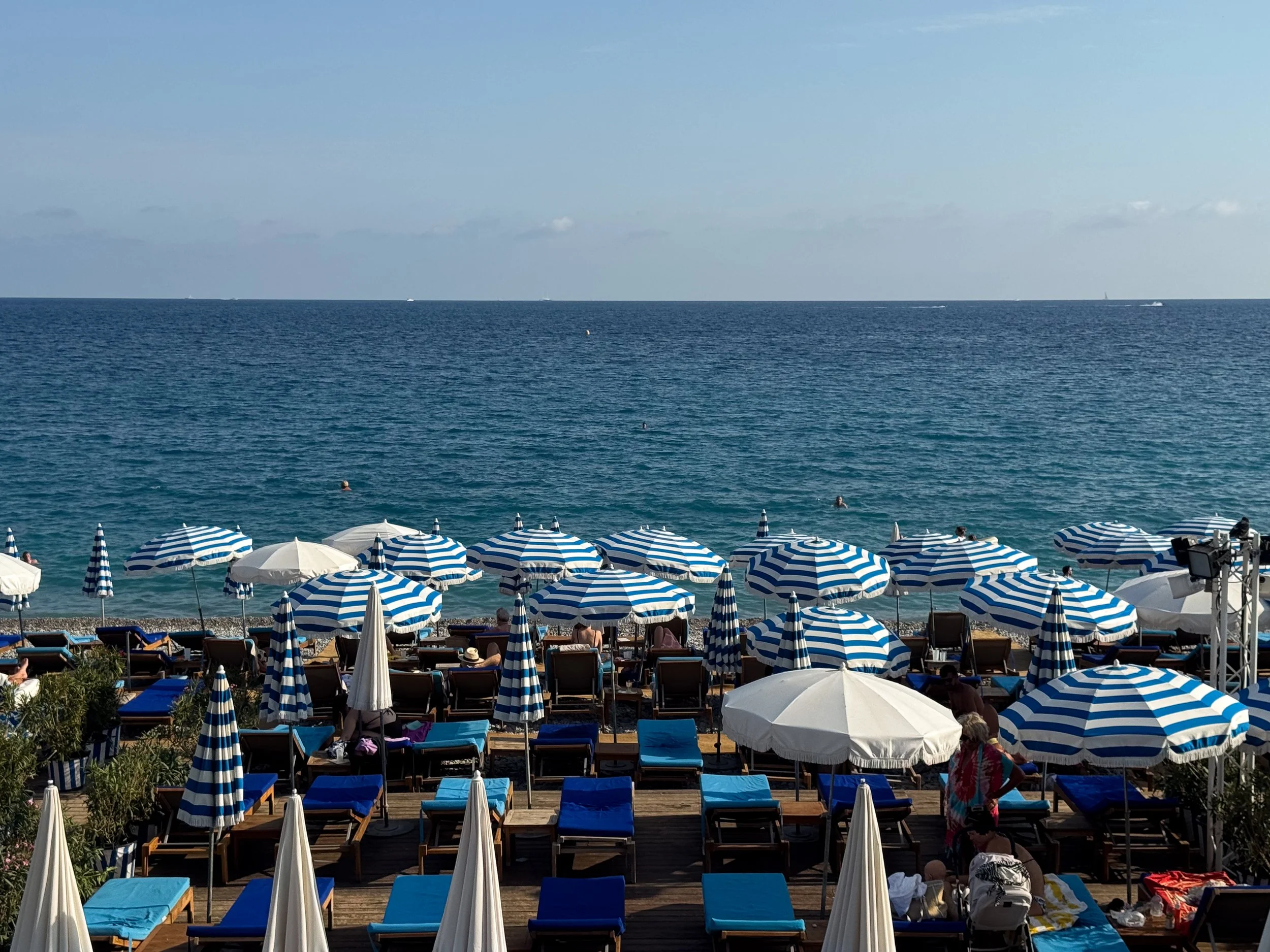
Plage des Ponchettes. A large public beach along the Quai des États-Unis, popular for its proximity to the old town. Smooth pebbles cover the shore, which drops off quickly into the deep blue Mediterranean. Public stretches sit alongside ritzy beach clubs as sun-kissed bathers sprawl out on towels and under umbrellas until sunset.
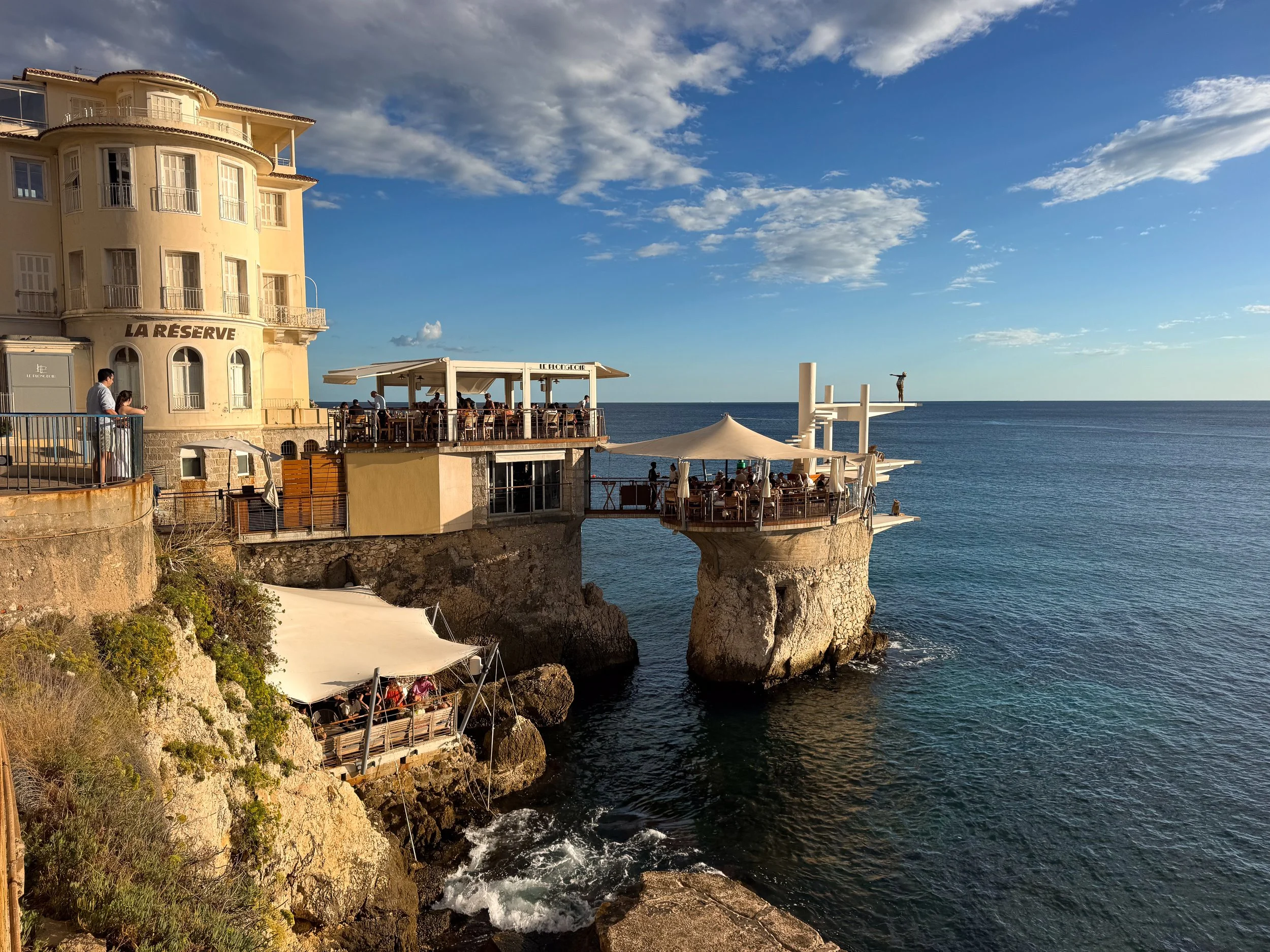
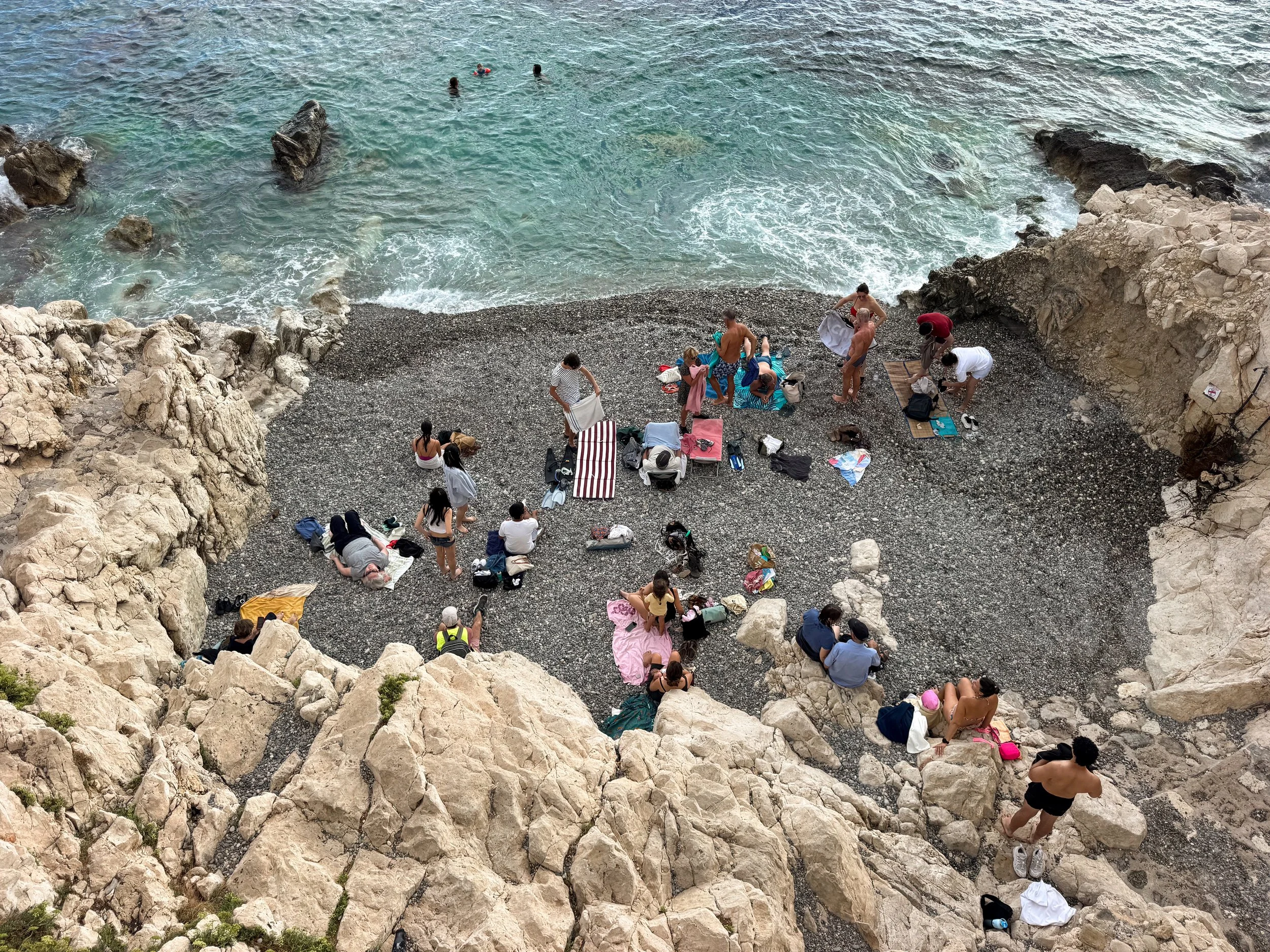
Blvd Franck Pilatte. A coastal road with access to small pebble beaches tucked between rocky coves and outcrops. It overlooks Le Plongeoir, one of Nice's most famous restaurants, perched on a freestanding rock above the Mediterranean, and leads to the Sentier du Littoral, a coastal nature trail that wraps around Mont Boron.
Farmers Markets
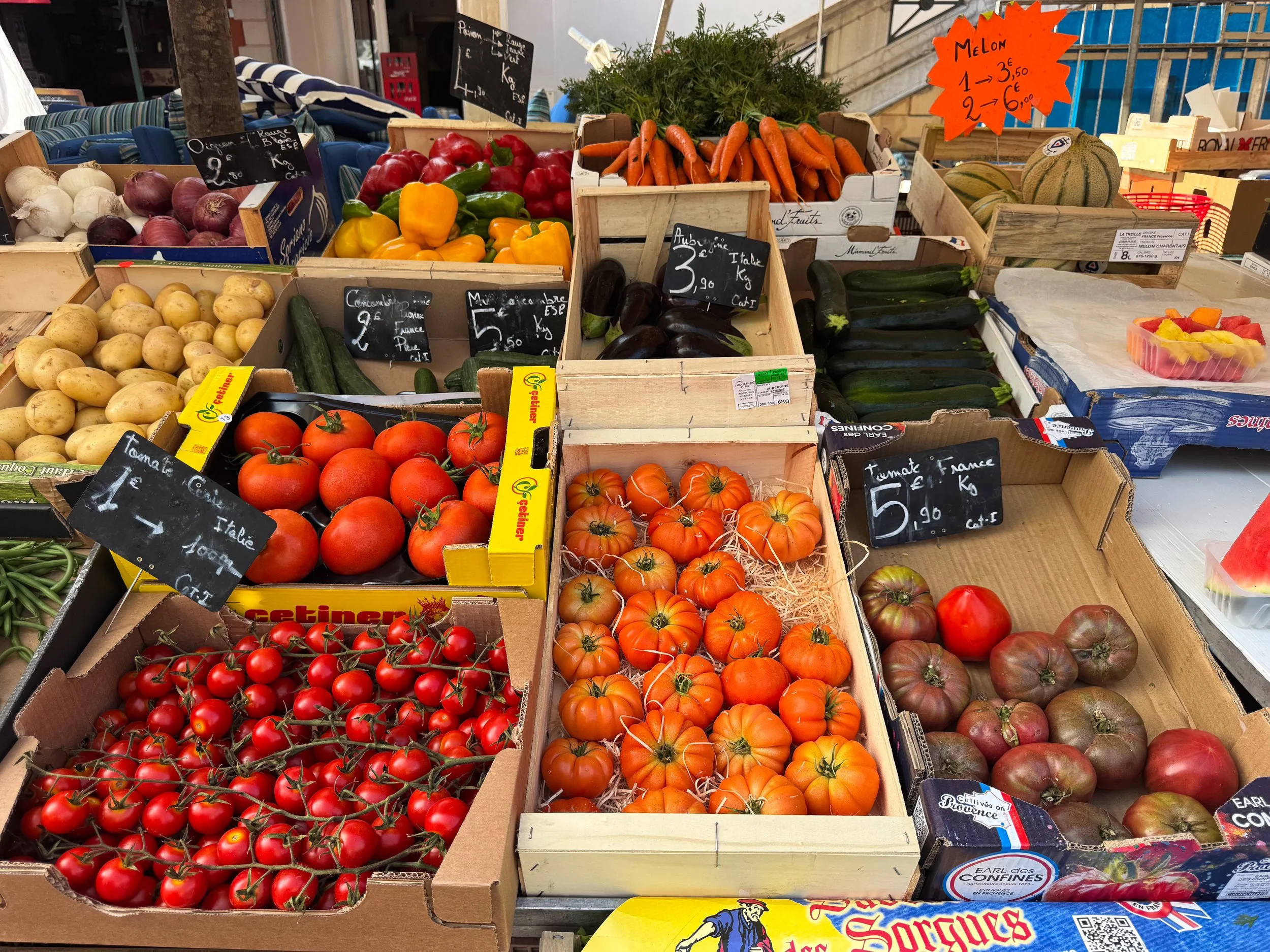
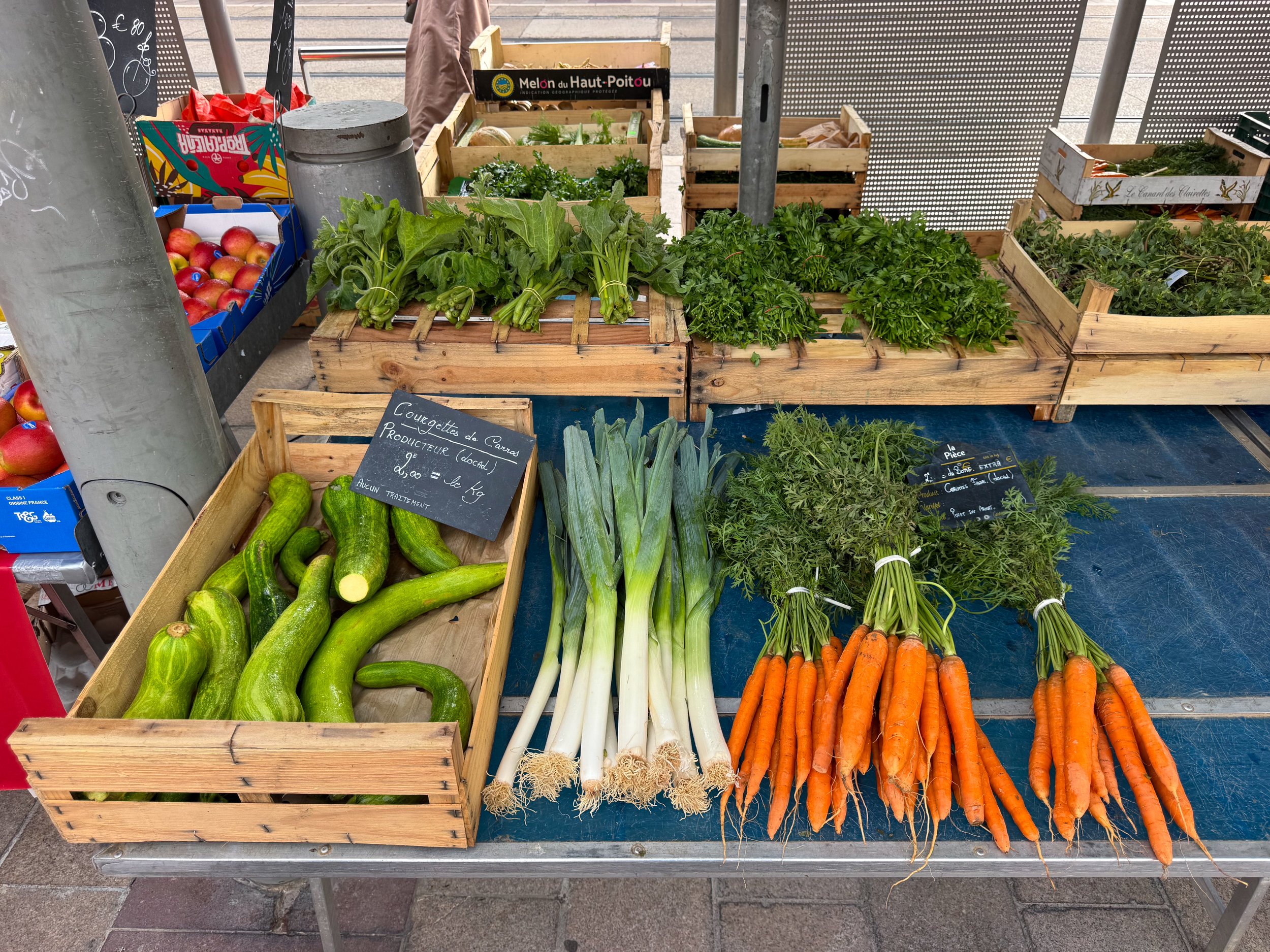
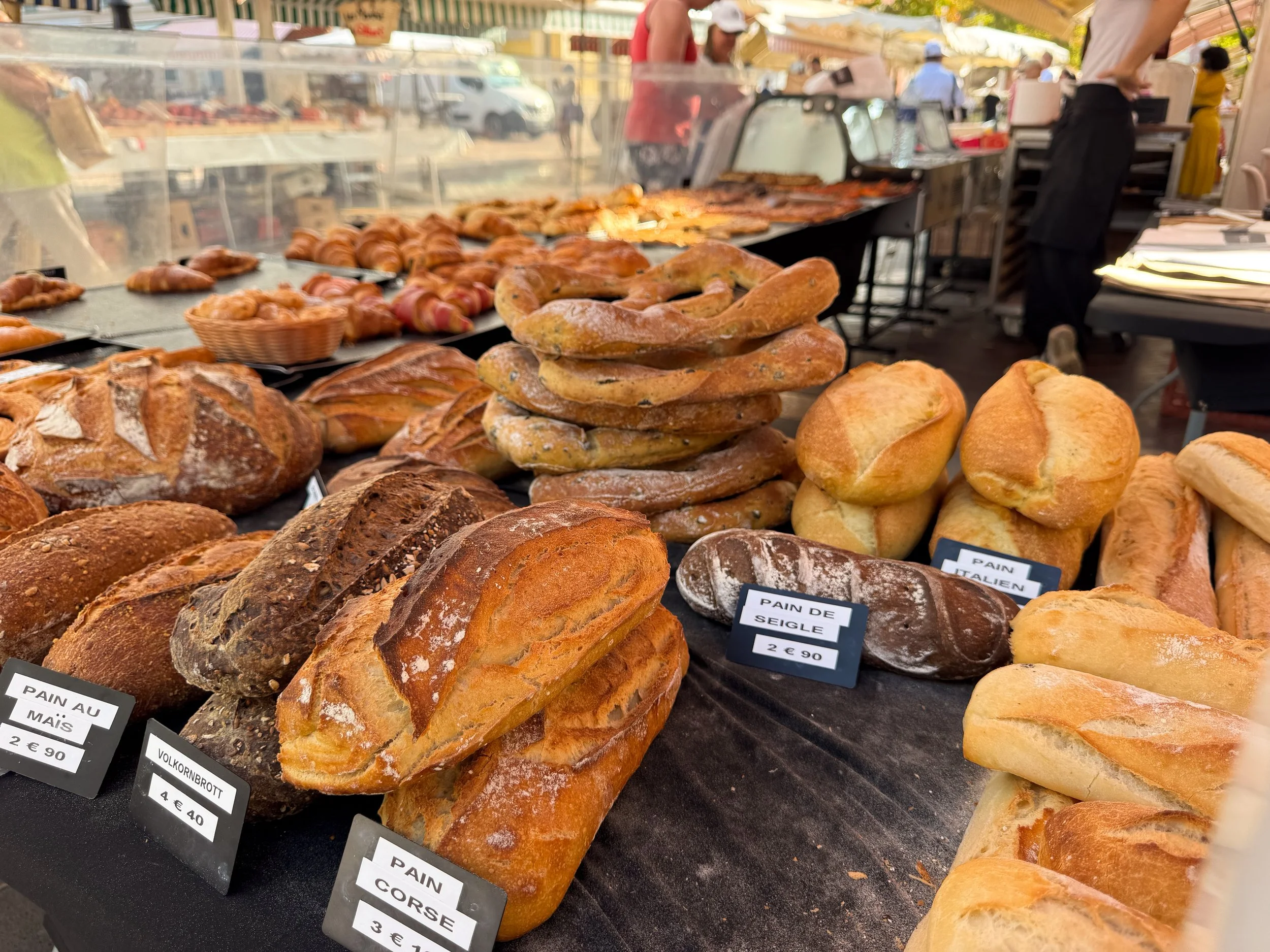
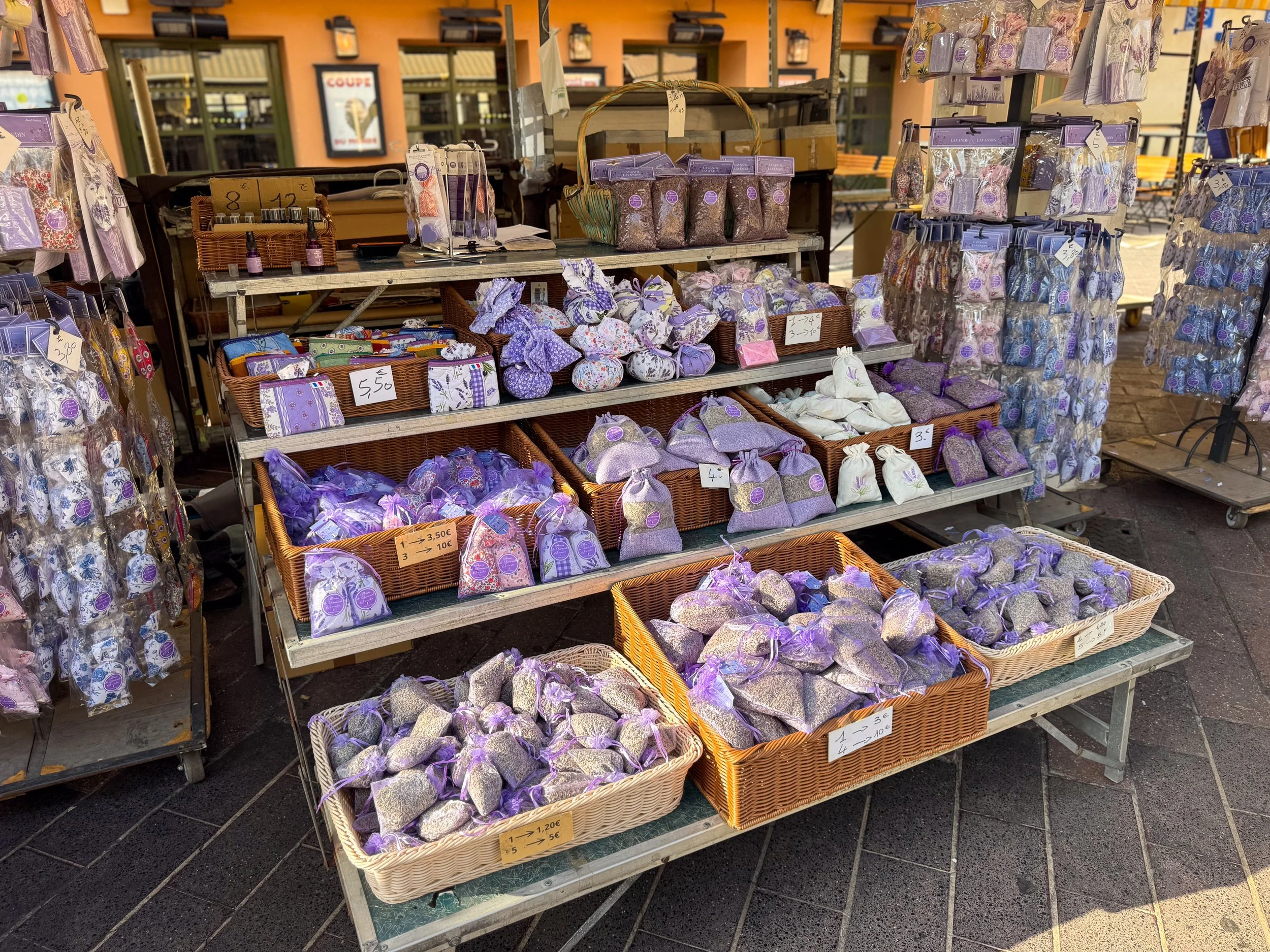
Marché aux Fleurs. A farmers market held on Cours Saleya with covered stalls selling flowers, cheeses, meats, herbs, spices, produce, pastries, breads, Niçoise style street food, soaps and souvenirs. Come here to shop for the makings of a picnic in one of the city parks or along any of the beaches. The market operates each morning, except on Mondays.
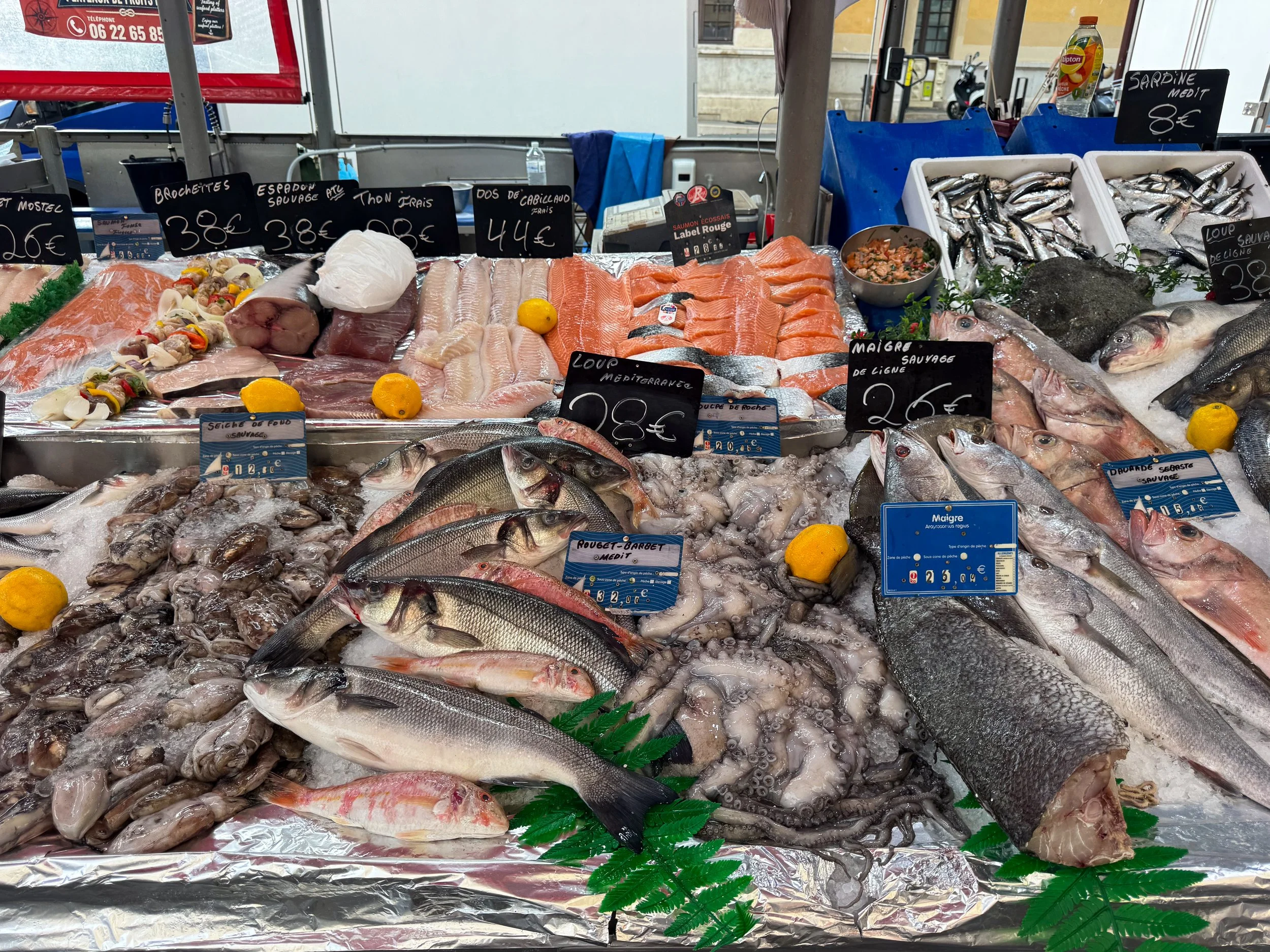
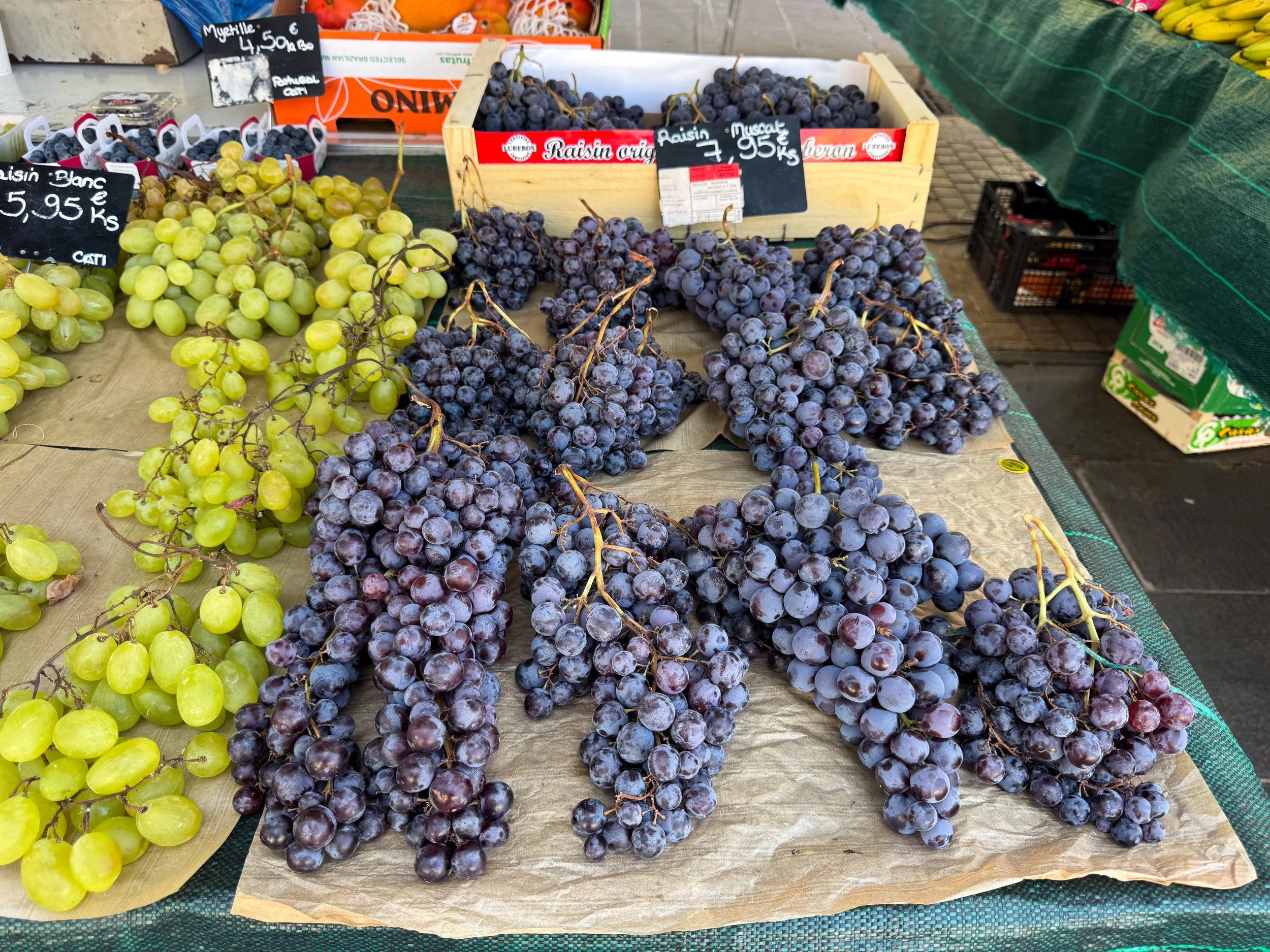
Marché de la Libération. A sprawling open air farmers market with covered stands and tents piled with colorful seasonal fruits and vegetables, breads, pastries, cheeses and snails. A large section is devoted to fishmongers selling freshly caught Mediterranean seafood and shellfish. It caters mostly to locals and operates each morning, except on Mondays.
Place Saint-François. A small square with a daily fish market with iced displays piled with Mediterranean seafood, from whole fish and prepared fillets to shellfish, snails, octopus, squid and crustaceans. The market operates each morning, except on Mondays.
Antique Markets
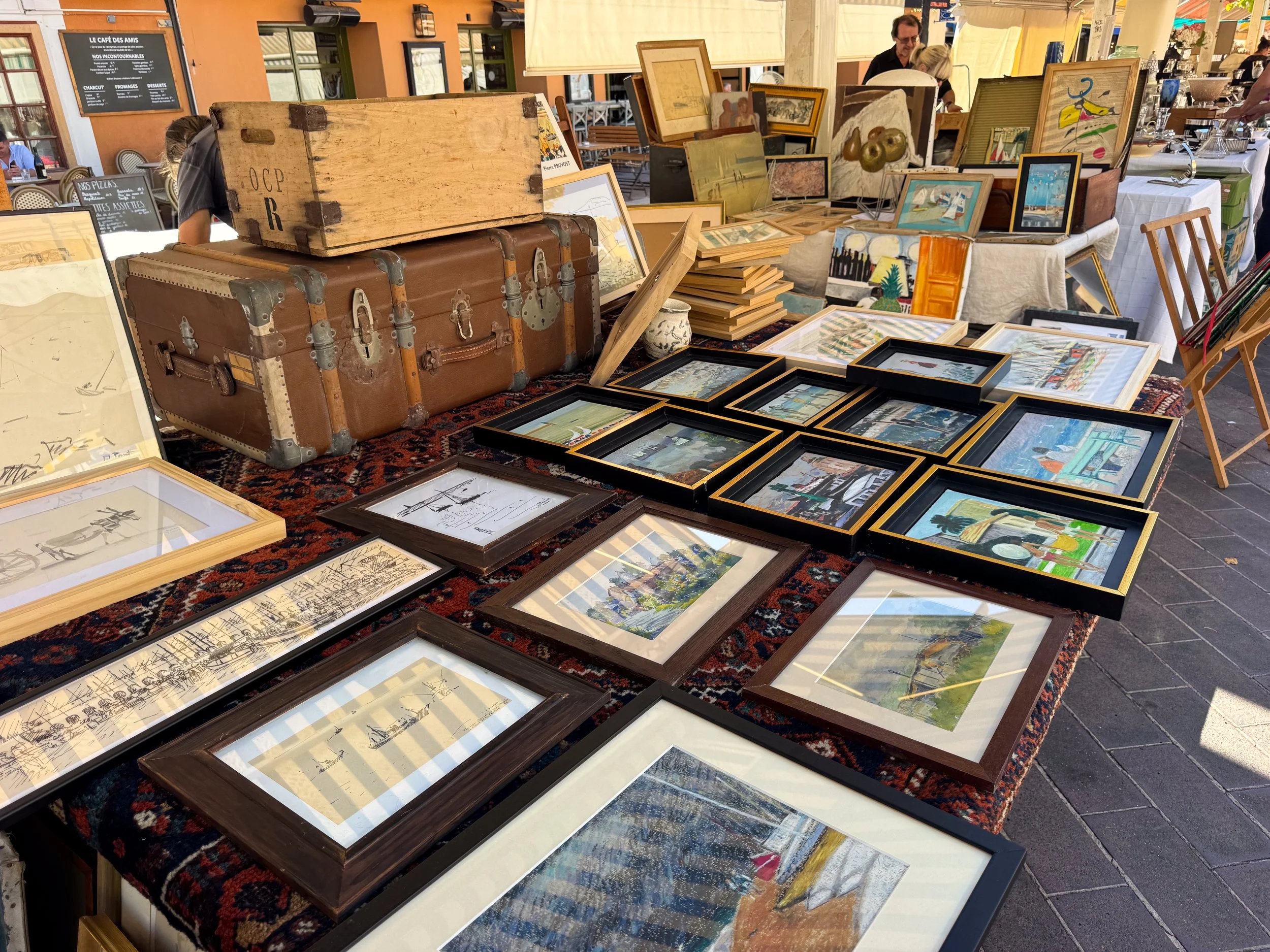
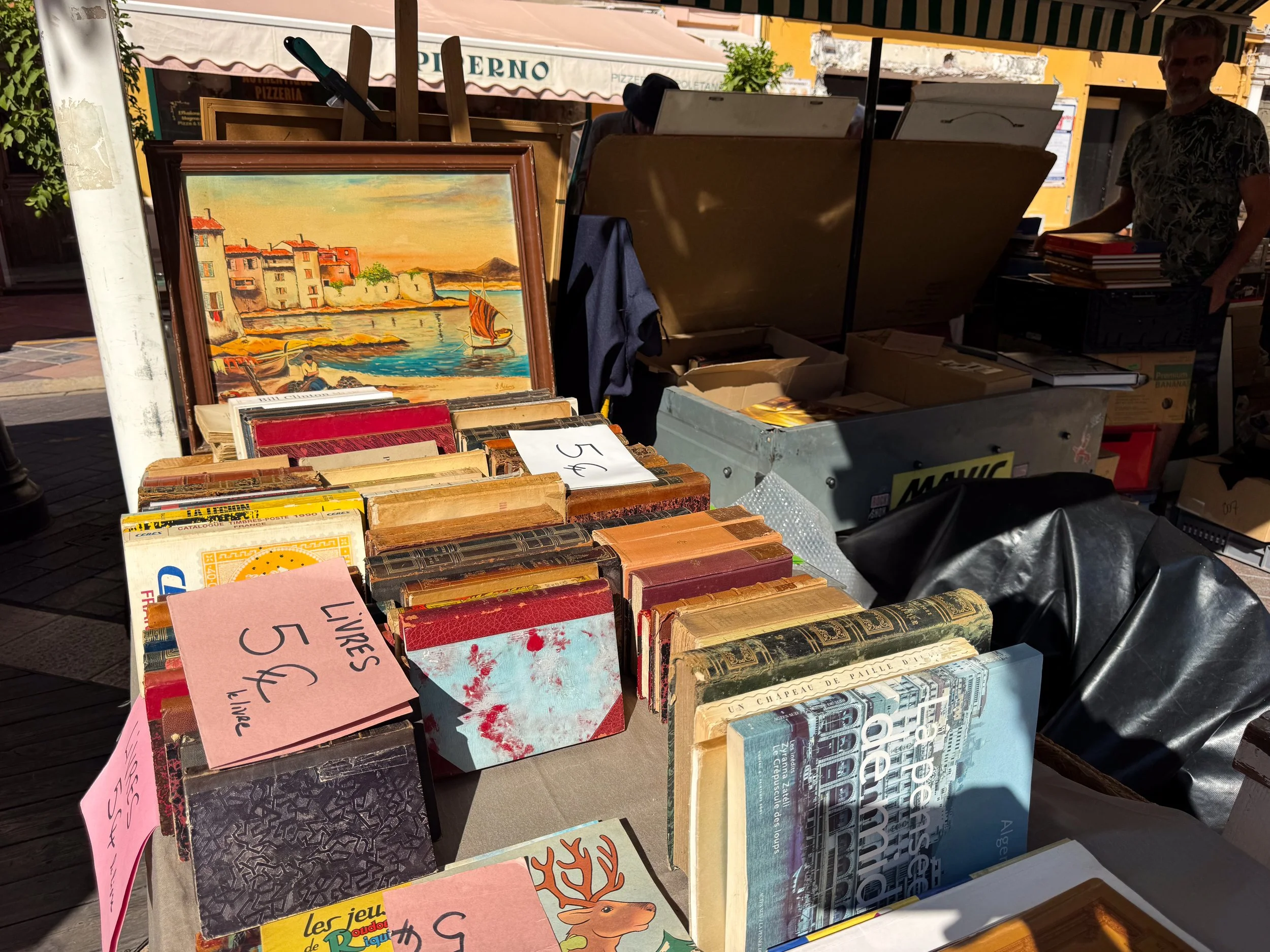
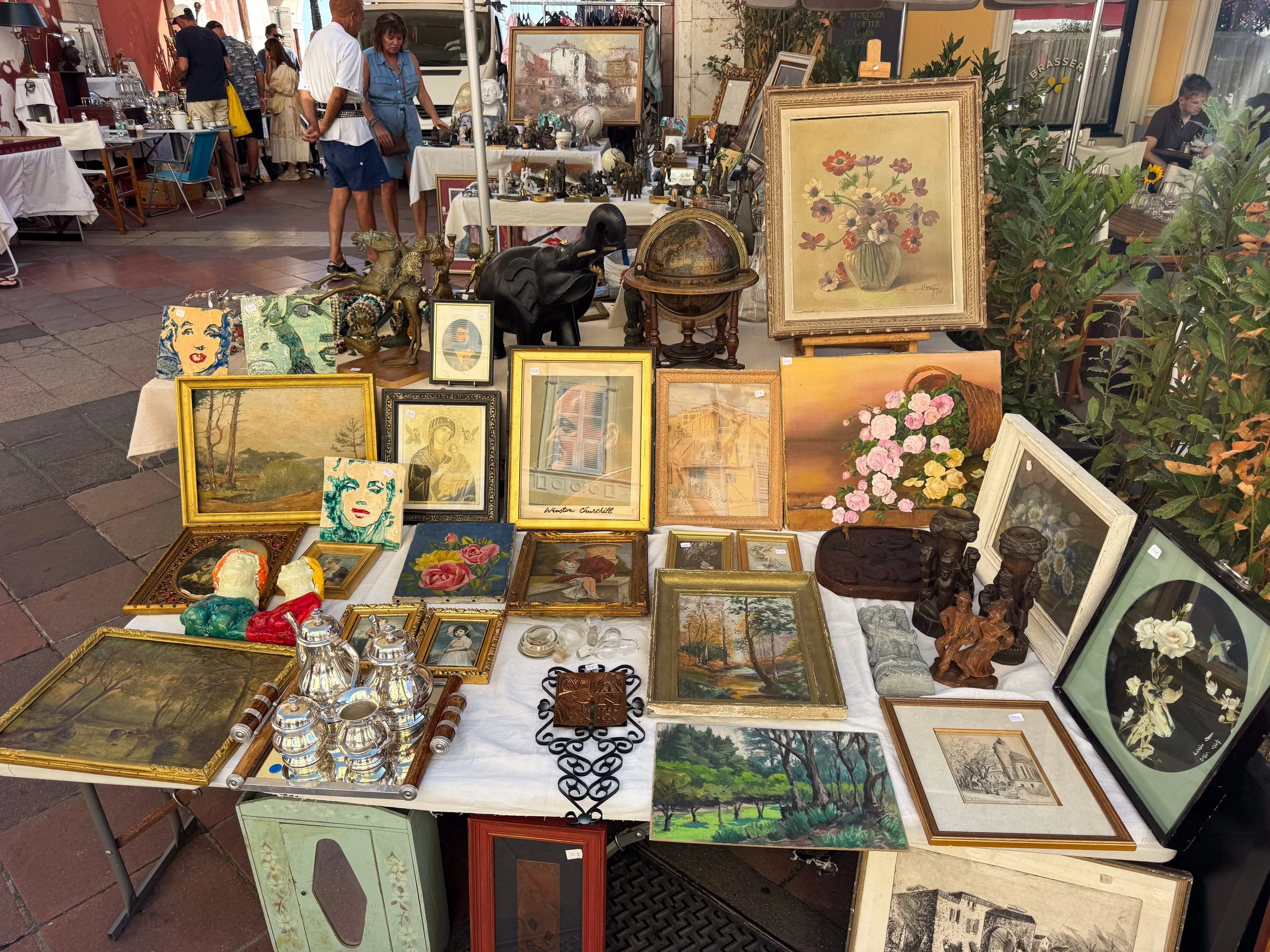
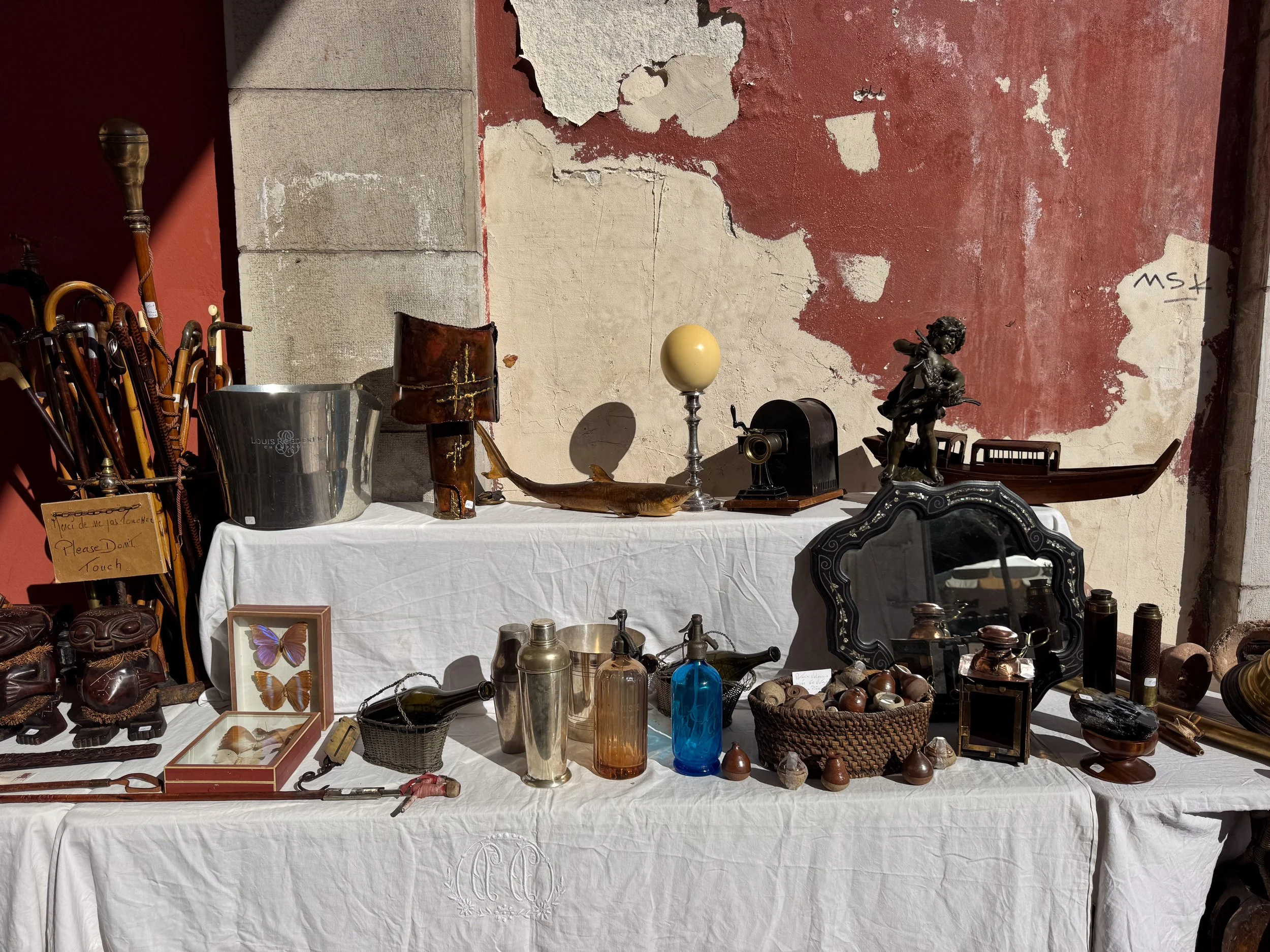
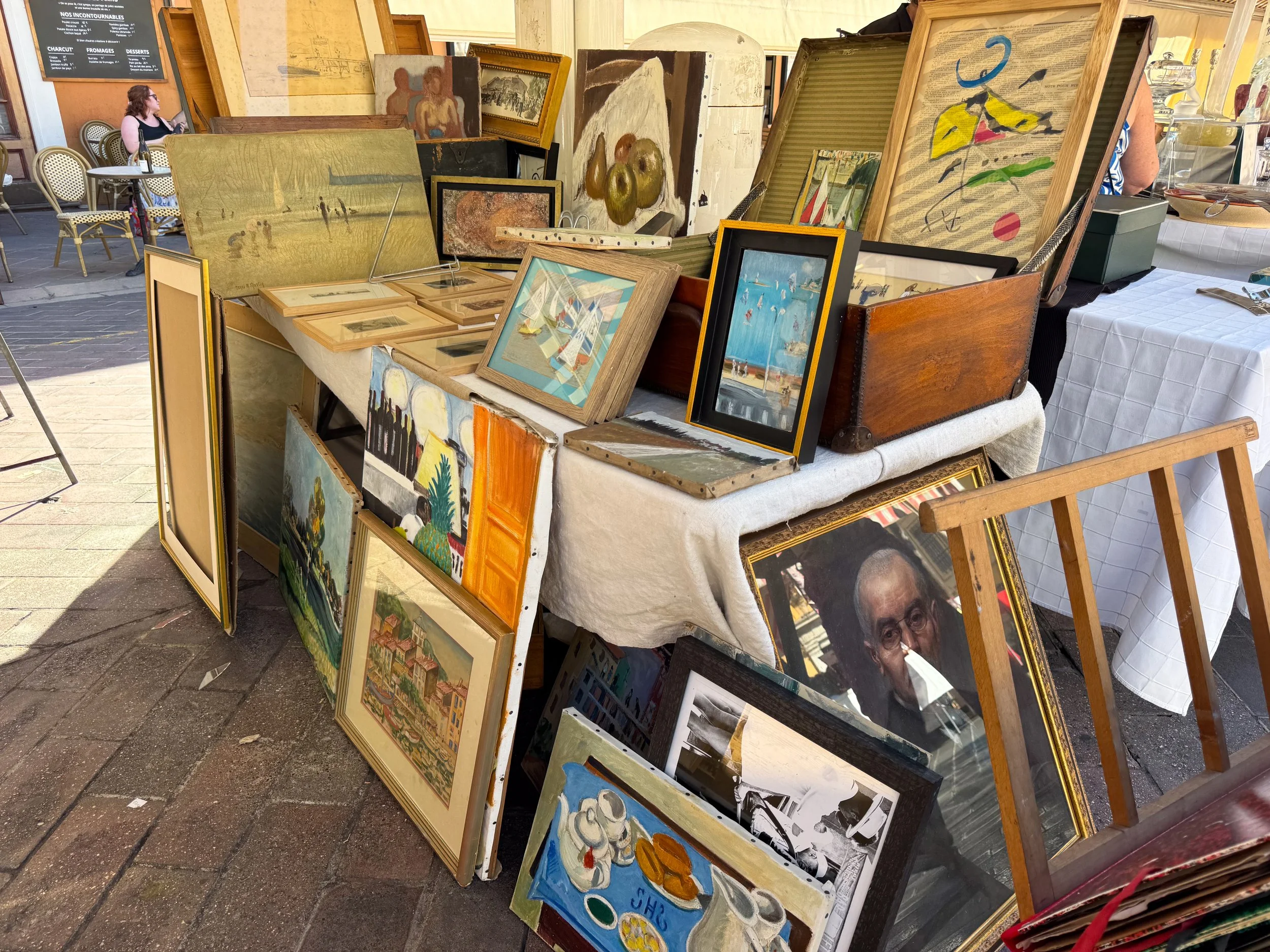
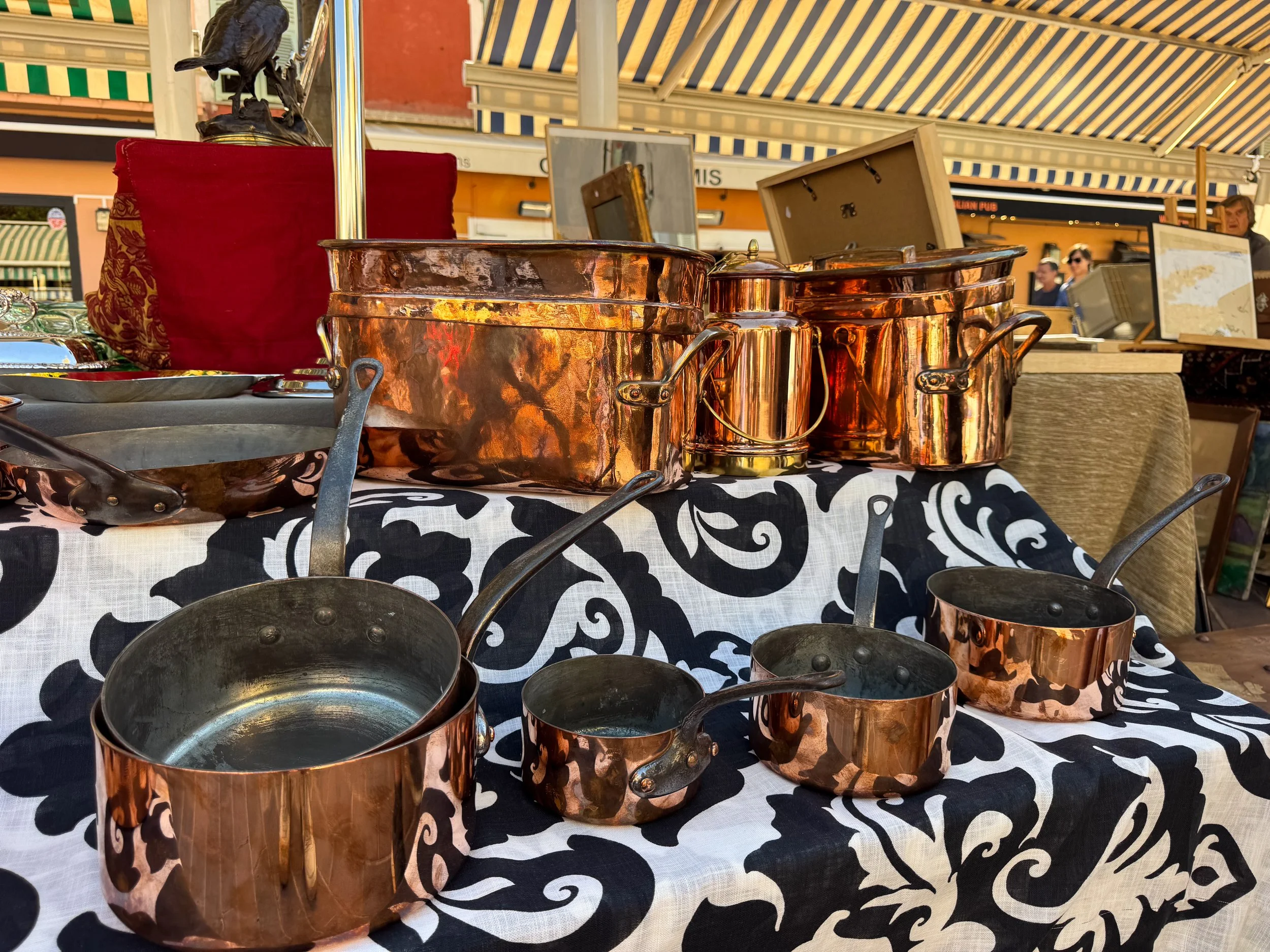
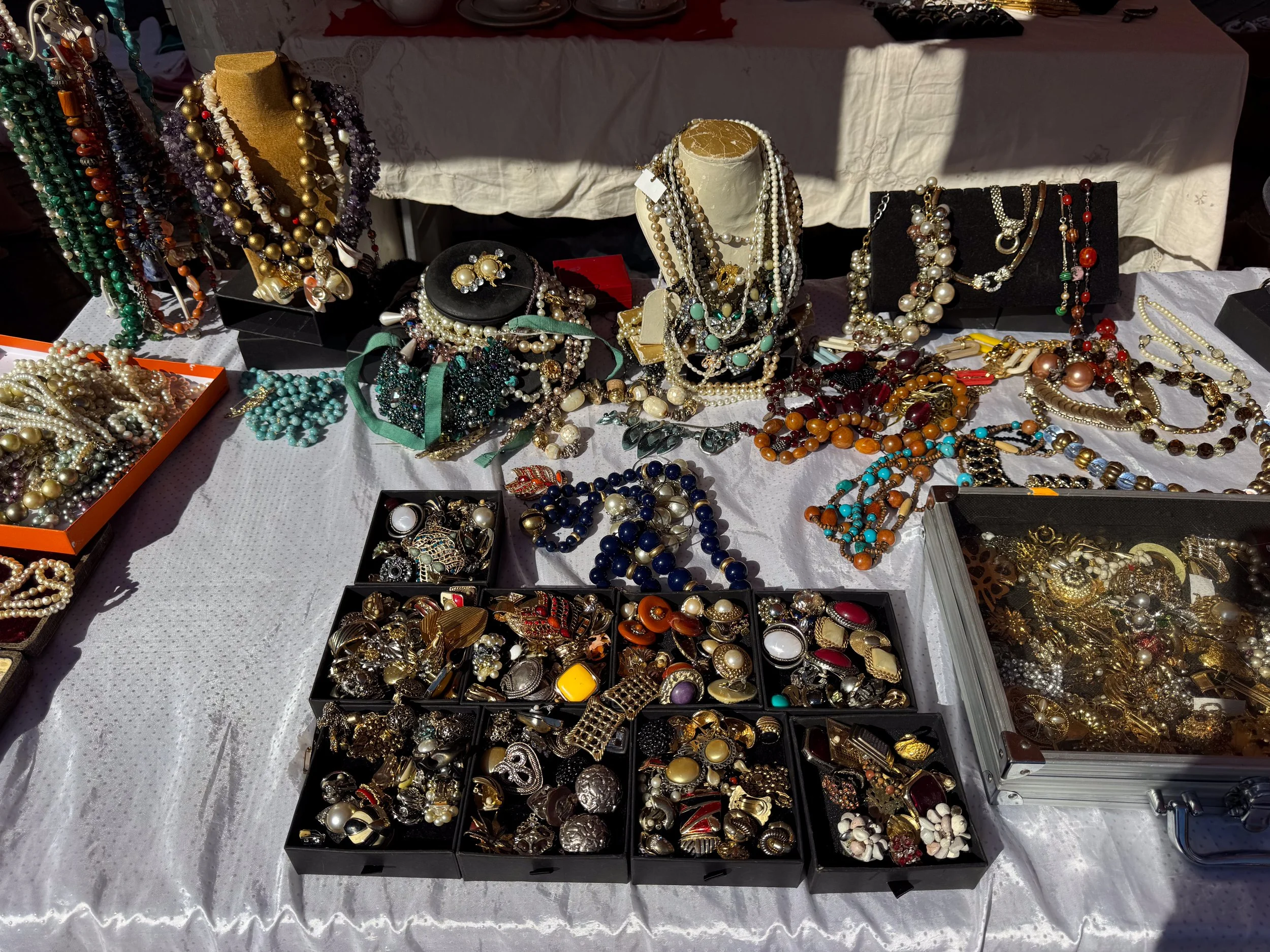
Marché à la Brocante. An antique and flea market spanning the length of Cours Saleya, where dozens of vendors sell antique furniture, dusty books, framed paintings, hand-sketched drawings, ceramic dishware and silver utensils. Racks of vintage clothing and designer handbags sit alongside glass cases glittering with hundreds of pins, brooches, trinkets and jewelry. The market happens every Monday morning and lasts until the mid-afternoon.
Place du Palais de Justice. A plaza in Vieux Nice centered on a neoclassical courthouse and clocktower with a Saturday antique and book market. Vendors display tables of French and English language books alongside antiques and vintage goods.
Les Puces de Nice. A small flea market near the port, with covered stalls of antique, vintage and mid-century modern furniture and decor. Portfolios hold of posters, paintings and sketches while glass cases display designer accessories and jewelry. Open Tuesday through Saturday, 10am to 6pm, closed noon to 2pm.
Where to Shop: Perfumes, Spices & Provisions
AromaSud - Parfumerie. A perfume store specializing in natural scents made using Provençal ingredients from Grasse, the perfume capital of France. Scents range from earthy and woody to delicate and floral, making them accessible to anyone looking for a new perfume or cologne.
Girofle et Cannelle. A dry goods shop with a vases holding a variety of peppercorns, herbal and floral teas, seasoned salts and numerous spices and blends.
Herboristerie du Vieux. A herbalist with a range of floral and herbal tea blends, essential oils and medicinal remedies.
Le Clos de Laure. A provisions shop with locally jarred sweet jams and savory spreads including olive tapenade, tomatade and confits.
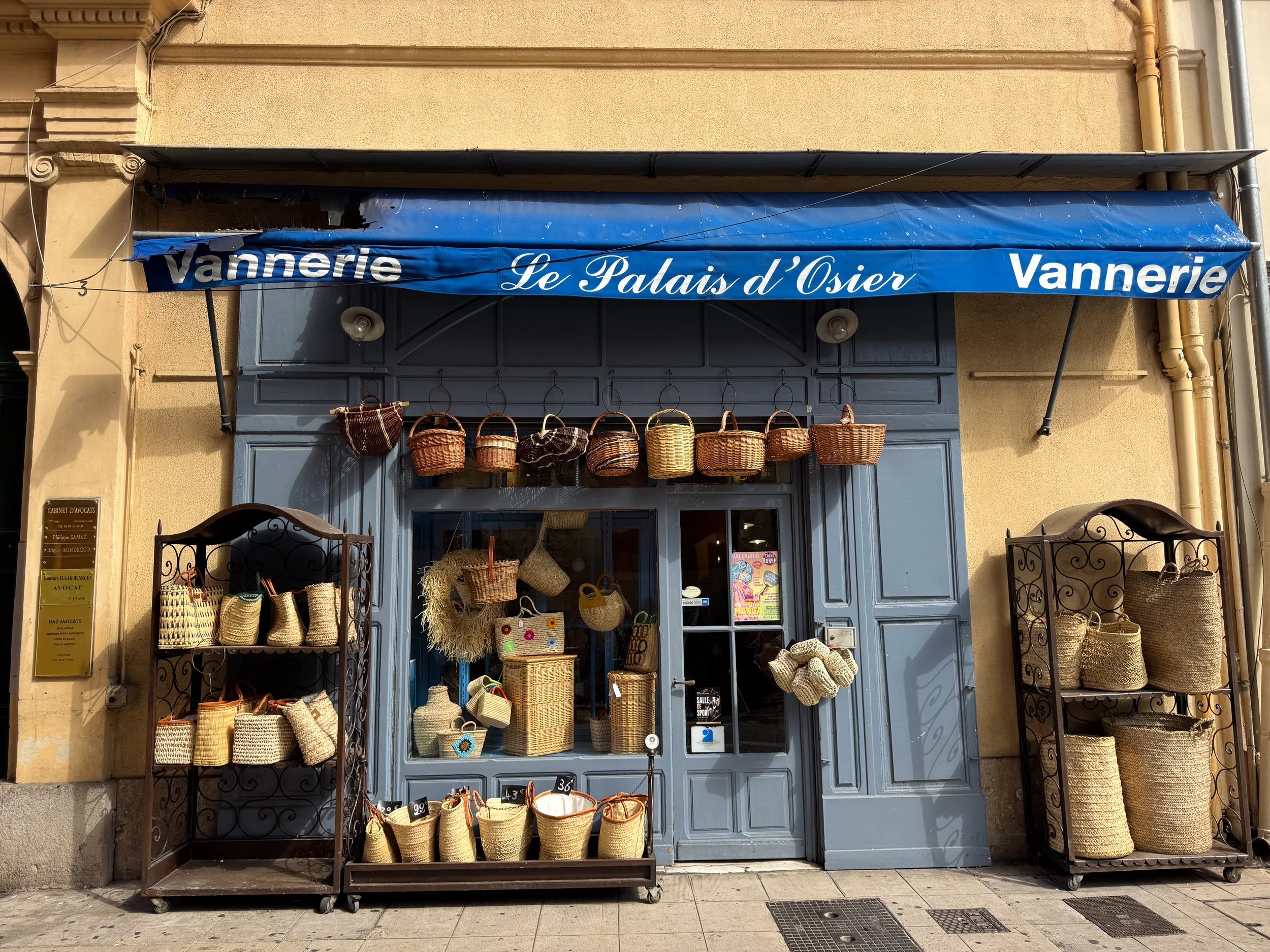
Le Palais d'Osier. A wicker store with handmade picnic baskets, tote bags and purses.
Maison Auer. A traditional French confectionery shop with candied fruits and chocolates.
Where to Eat & Drink
Croissants, Cafes & Gelato
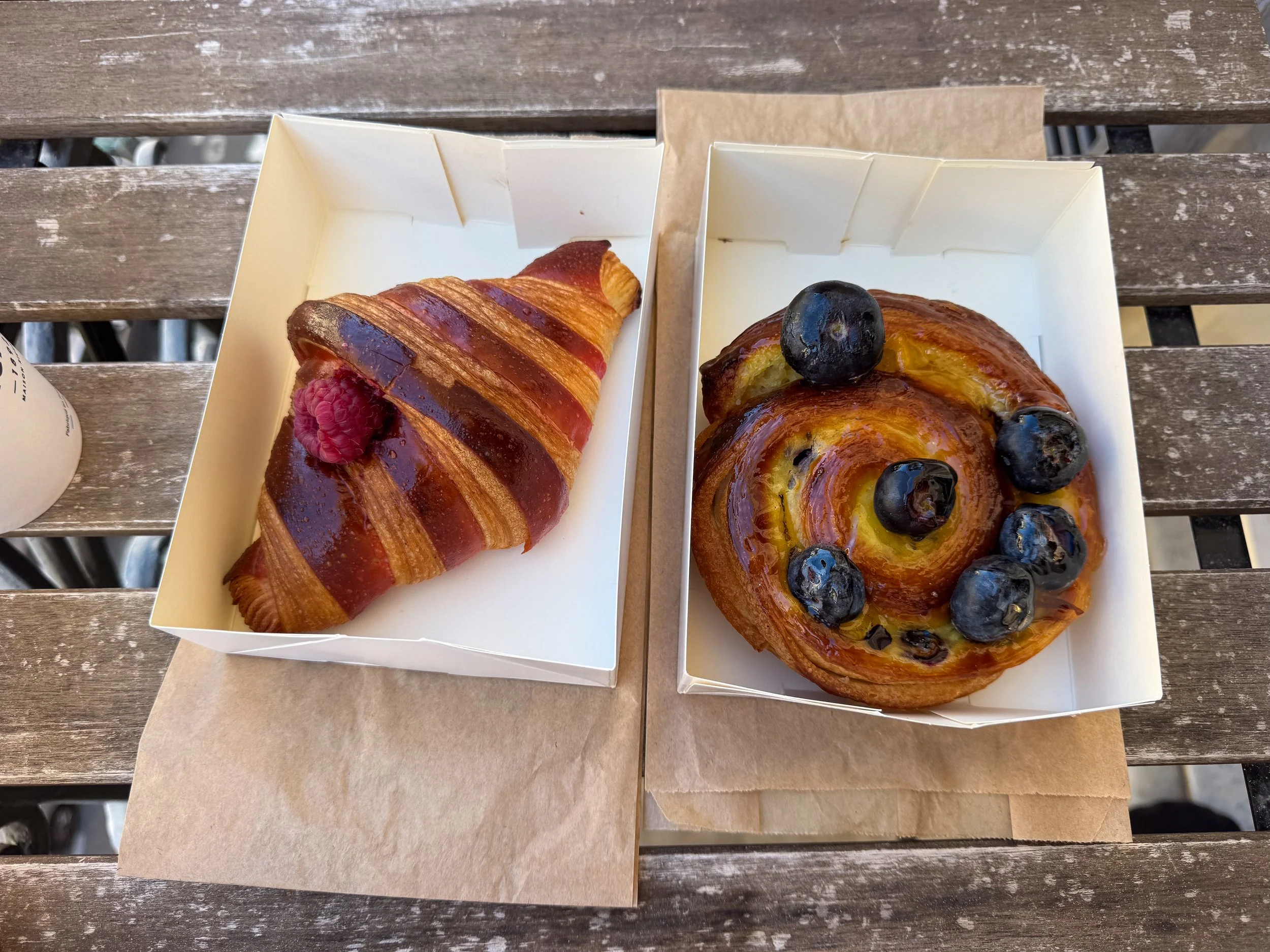
La Boulangerie Par Michel Fiori. A bakery and cafe with large buttery and flaky croissants including specialty versions filled with fruit jams, nut pastes and custards.
Grand Cafe de Fleurs. A popular cafe on Cours Saleya with Niçoise style dishes and set breakfast menus. Come here after exploring the morning market for a coffee, fresh squeezed orange juice and croissant.
Kiosque Tin Tin. A small cafe with a walk up window and dining area in a plaza. Come here before or after shopping at the Liberation Market for Niçoise specialties like pan bagnat, Swiss chard pie and pissaladière.
Mets and Café. An unassuming local cafe and one of the best places in Nice to get a classic French omelette.
Glacier Fenocchio. A famed gelateria with dozens of unique flavors including florals, herbs, spices, fruits, nuts, candies and spirits. Come here to try flavors like thyme, rosemary, lavender, violet, orange blossom, pistachio, olive, tomato basil and pepper.
Patisserie LAC. An artisan pastry shop selling elegantly presented tarts, cakes, macarons and chocolates.
Local Restaurants & Bistros
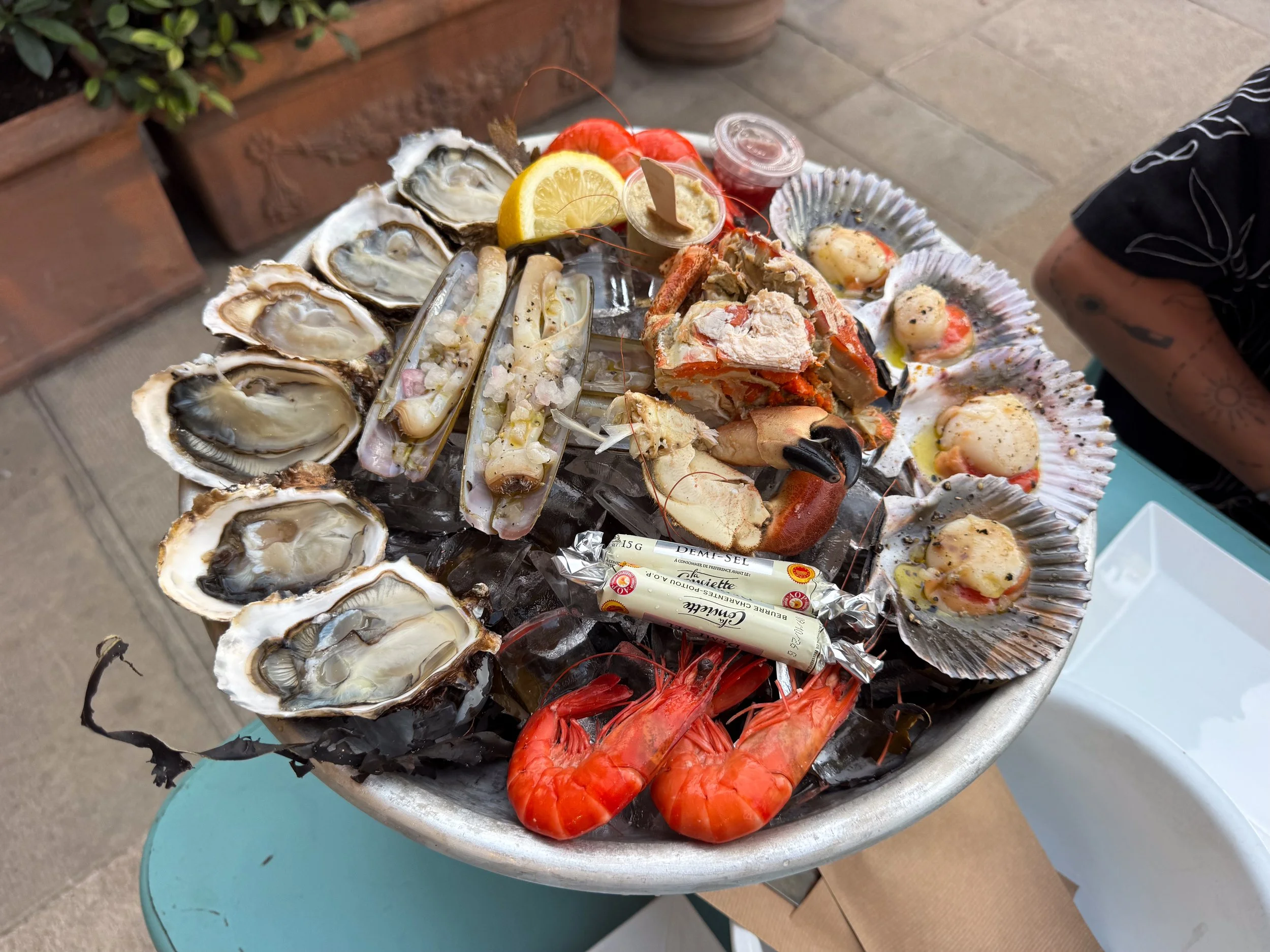
Coquillages Bouchet Nice. A tiny seafood restaurant near the port specializing in raw seafood platters with scallops, shrimp, razor clams, mussels, lobster, crab and urchins. Arrive at opening or make a reservation ahead of time to avoid waiting.
Le Maquis. A traditional French bistro nestled along a narrow alleyway in the Old Town with a street side patio and menu composed of regional dishes from Provence and Corsica made with seasonal ingredients.
Les Mimosas du Cours. A Niçoise restaurant in Old Nice with a range of local and regional dishes. Come for the Niçoise salad, potato gratin and pan fried sardines.
Bocca Nissa. A very popular rooftop restaurant in the Old Town with Spanish and Mediterranean tapas and wine. Come for the ceviche, grilled octopus and burrata.
Chez Pipo. A locally recommended eatery serving traditional Niçoise style snacks like socca, swiss chard pie, pissaladiere and house bottled beers.
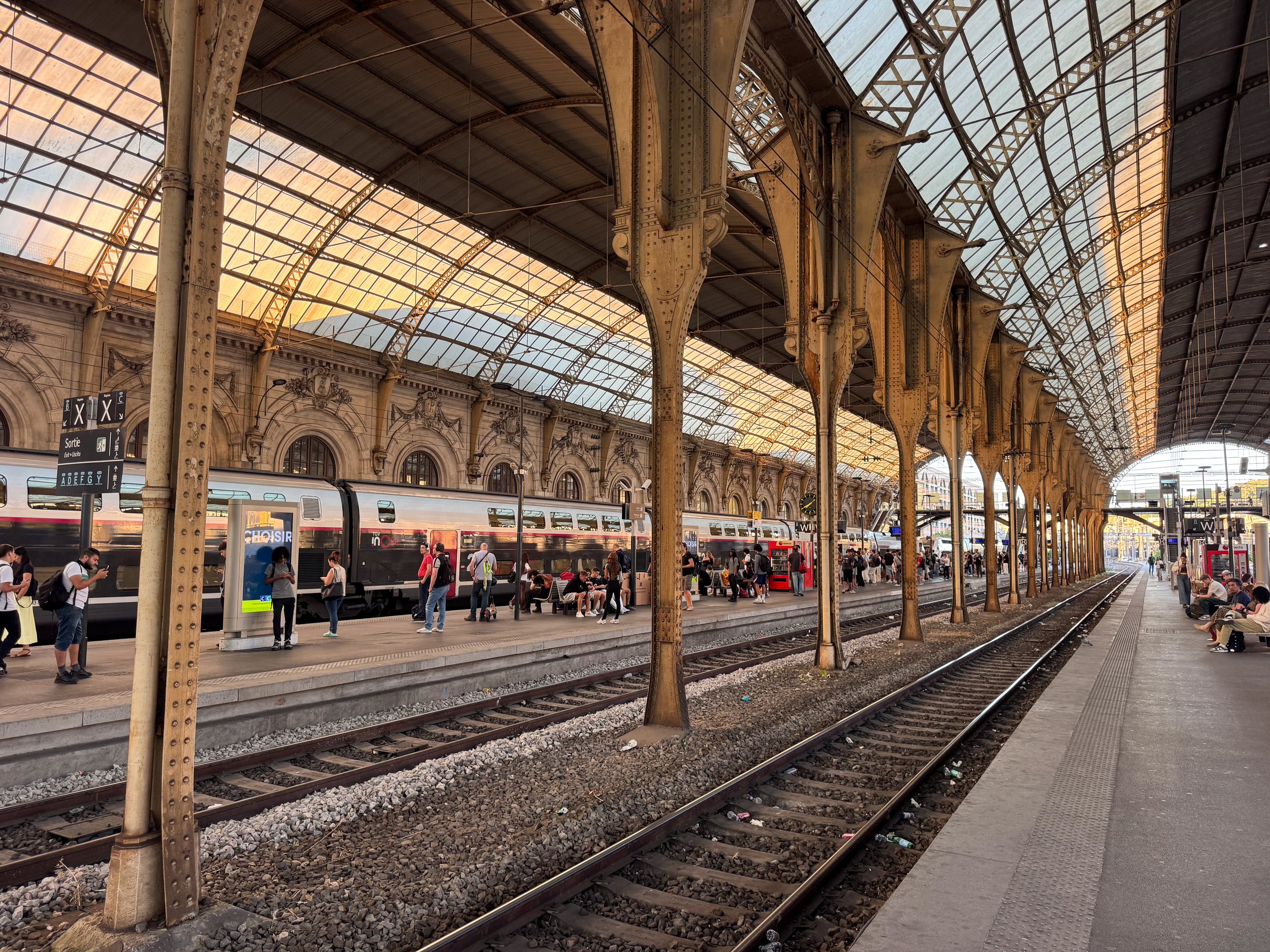
Pesca Seafood Restaurant Nice. An elevated seafood restaurant on the rooftop of the contemporary Nice Ville train station. Select your seafood directly from the raw bar then specify how you would like it cooked or let the chef decide. Move onto the wine bar to sample French vintages before selecting a bottle to pair with dinner.
Wine Cellars & Cocktail Bars
La Cave Du Cours. A wine and charcuterie bar in a stone vaulted cellar of Old Nice. Allow the sommelier to recommend wine based on your preference and pair with French cheeses.
Les Dolies d'Edmonde. A cocktail bar with a range of unique concoctions and specialty gin & tonics made using Provençal flavors. Try the Candice for a tangy vanilla cocktail made with passion fruit and gin or 44N de Grasse for a floral cocktail made using local citrus and flowers.
Mama Tzigane. A divination themed cocktail bar with mystical concoctions made using floral tonics, herbal potions and inventive infusions. All cocktails are served with a tarot card while psychics offer readings on weekends.
Zitto Speakeasy. A hidden speakeasy located behind a secret door at the back of GiGi Tavola. Come here for a variety of specialty cocktails, many of which are garnished with a flavorful layer of foam.
Thomas Bouilhol Fleuriste & Jardinerie. A flower shop and cocktail bar with refreshing drinks like Aperol, Elderflower and Hugo spritzes.
Getting Around Nice: Airport, Tram & Train
From the Airport. Depending on where you’re staying in Nice, there are two direct routes to the city from the airport.
Option 1. From Terminal 1, walk 10 minutes to the Saint-Augustin SNCF Station. Buy a ticket to Nice Ville Station, one stop away to reach the city.
Option 2. Alternatively, take the tram directly from either terminal to Nice - Port Lympia. Buy a ticket or pass from the kiosk at the tram station.
Tramway. A series of trams that meander through the city’s neighborhoods and to the airport.
T1. A tram line with stops including Nice Ville Station, Place Masséna and Place Garibald
T2. A tram that connects the Nice Côte d’Azur Airport and Port Lympia
La Carte (Tickets). Buy a reloadable transit card for €2. Single rides cost €1.70 per person. A single card can be used for multiple people. Purchase a pass: 1 day €7, 2 day €13 or 7 day €20. Tickets can be purchased from kiosks at tram stations.
On Foot. The old town of Nice and surrounding neighborhoods are easily walkable and best explored on foot.
Where to Stay in Nice
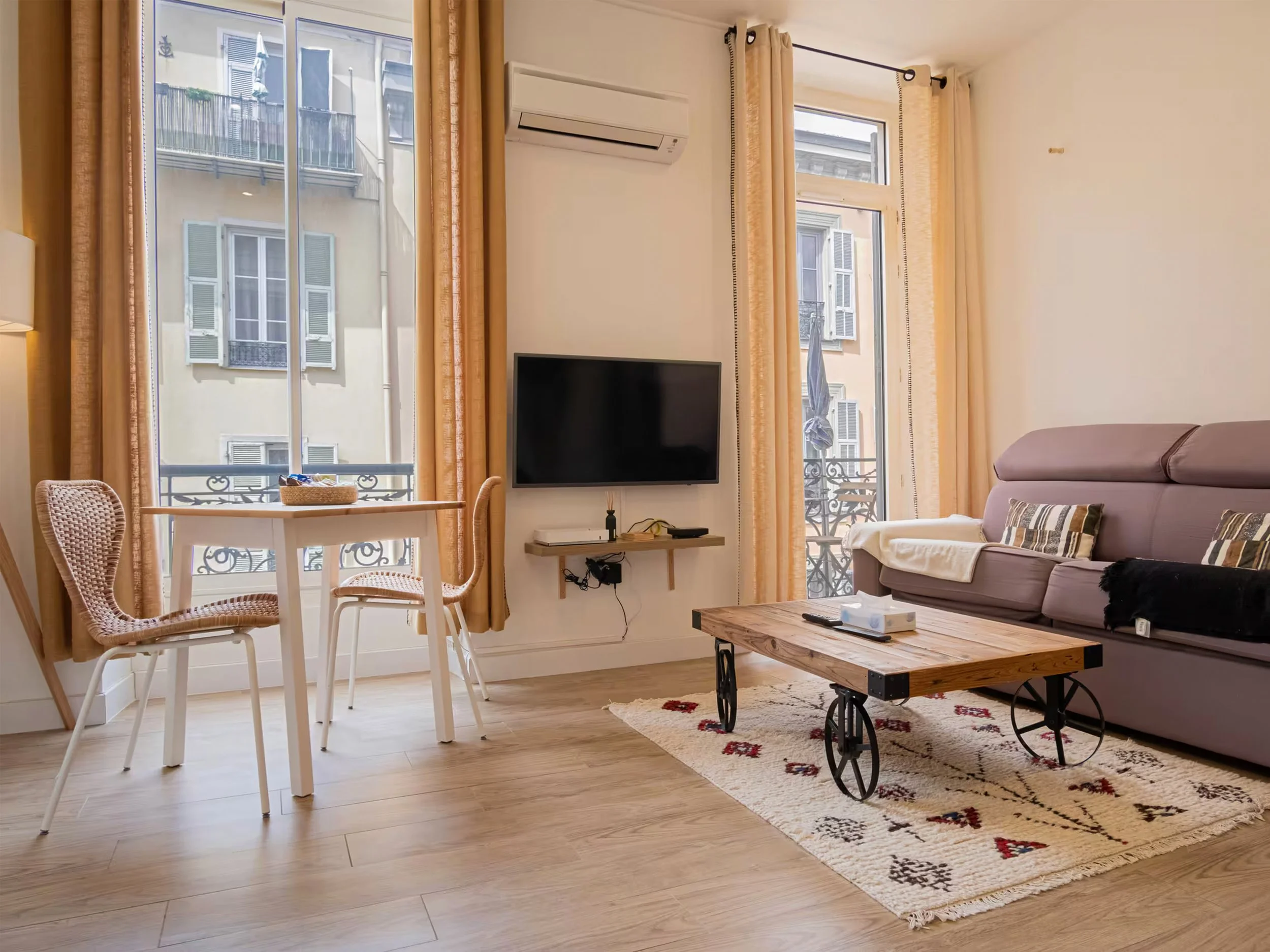
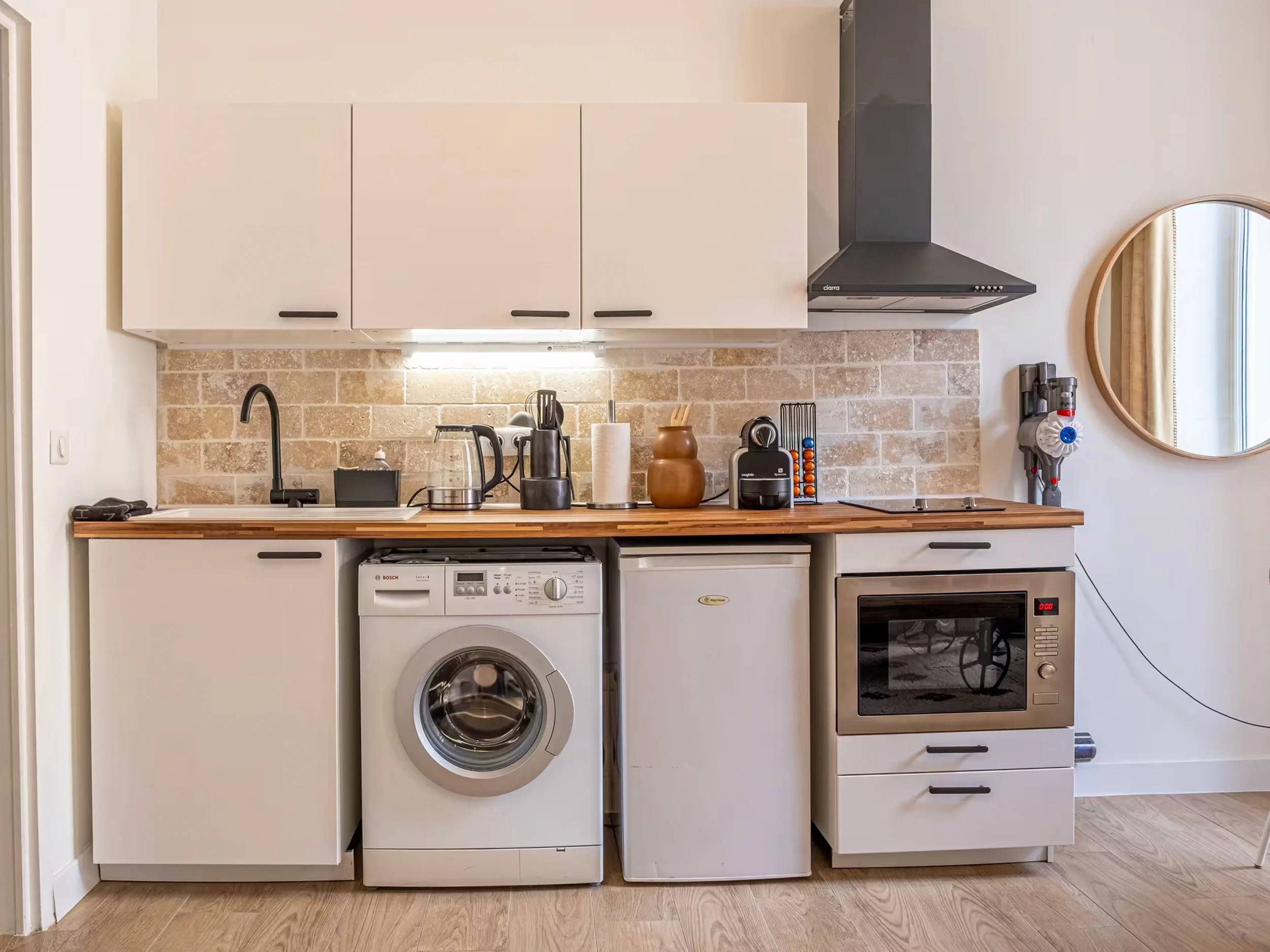
Nice Studio. A small but well equipped and stylish studio with a pull out sofa, kitchenette, private bathroom and in unit laundry. It’s located in Nice’s Jean-Médecin neighborhood, less than 10 minutes on foot from the Nice Ville SNCF Station. Book on Airbnb.
Villefranche-sur-Mer Day Trip from Nice
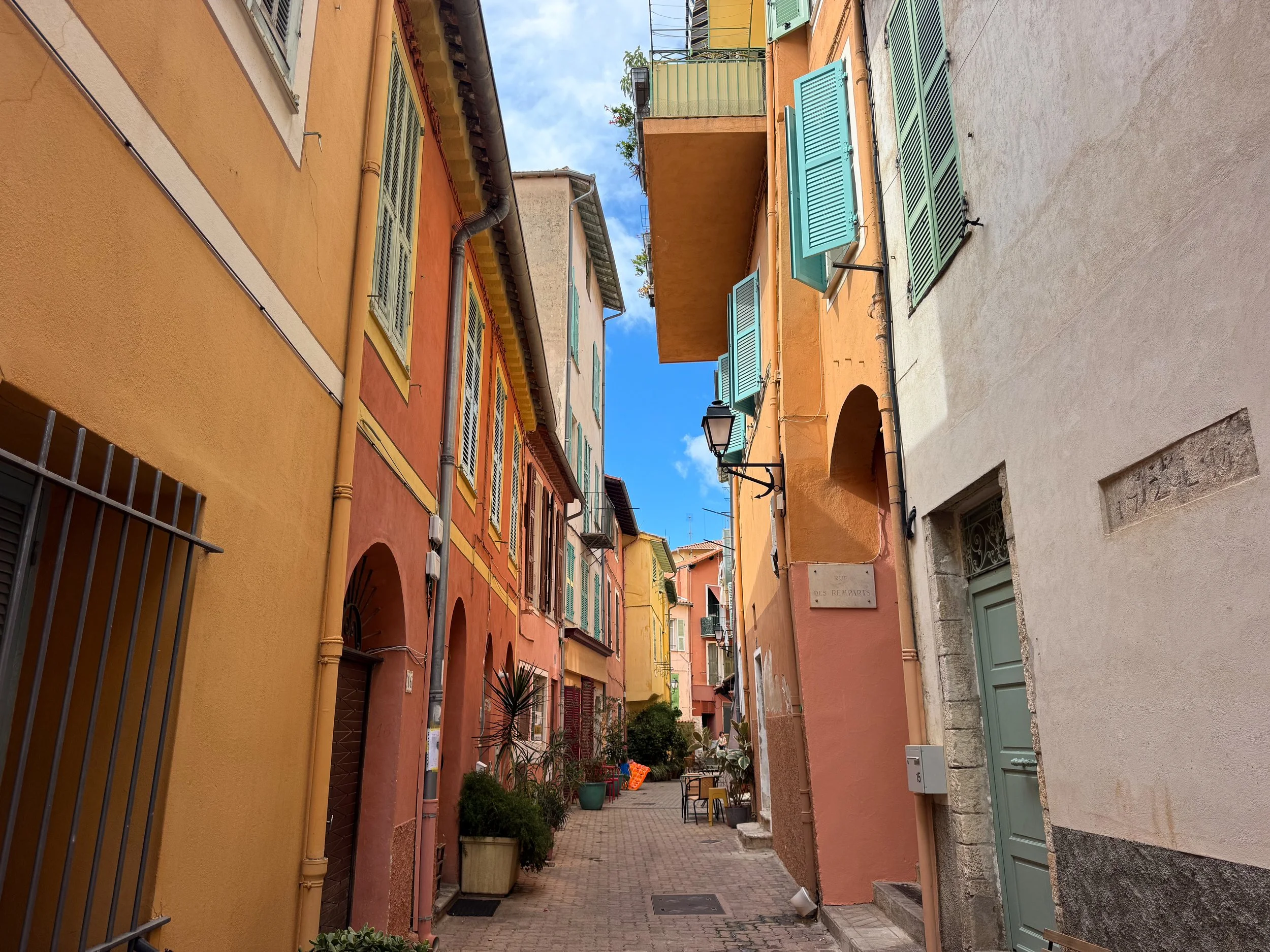
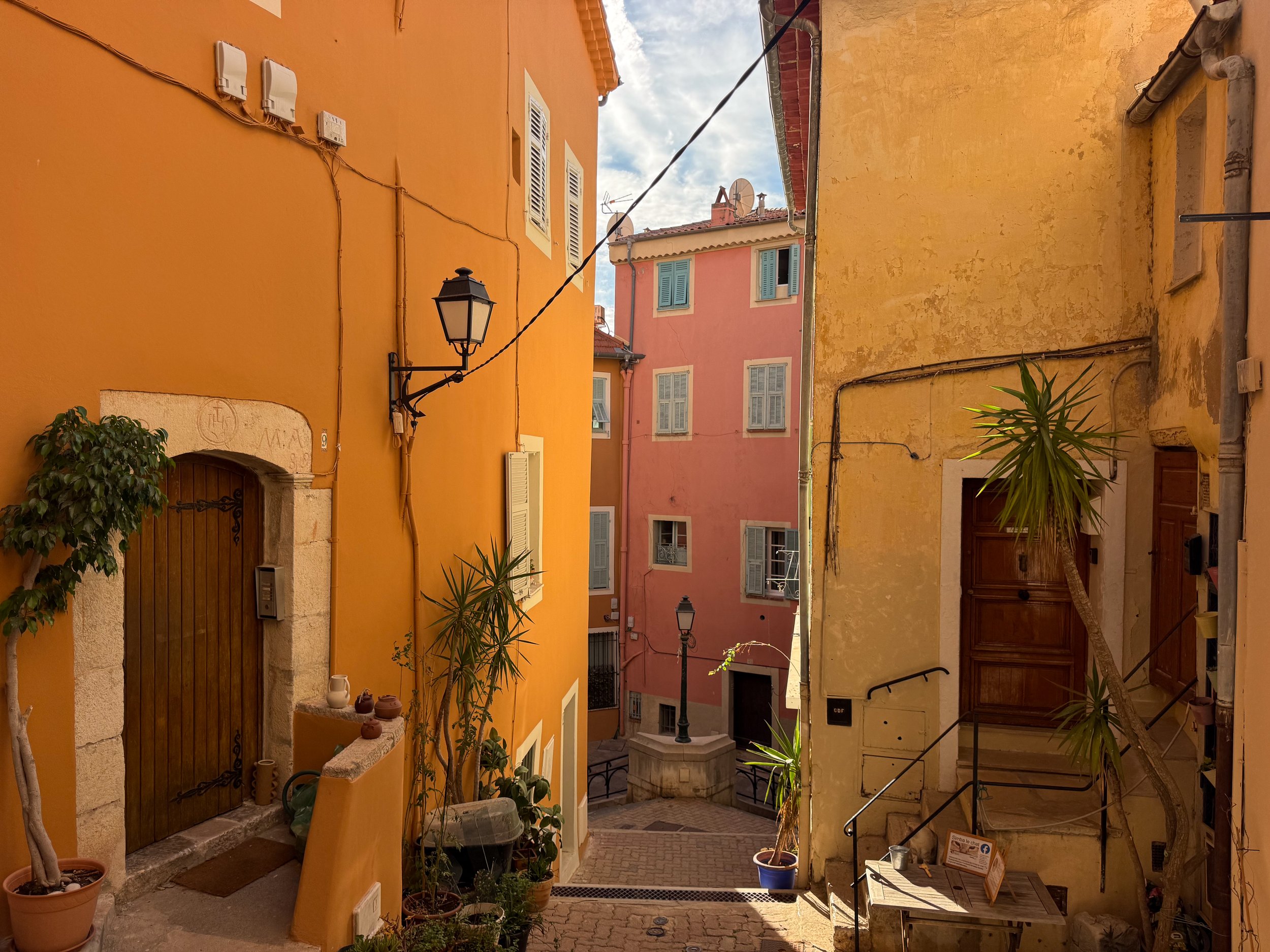
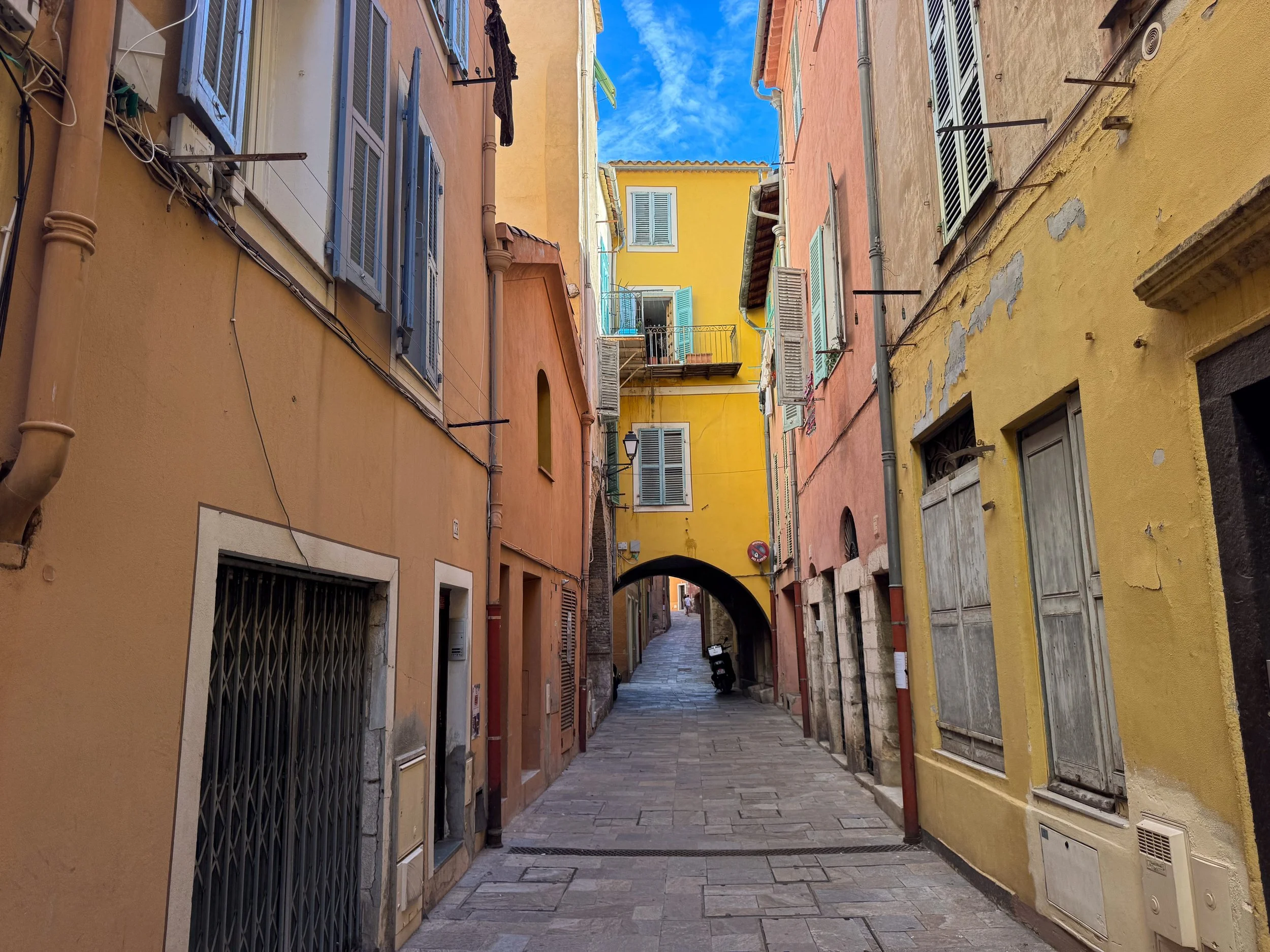
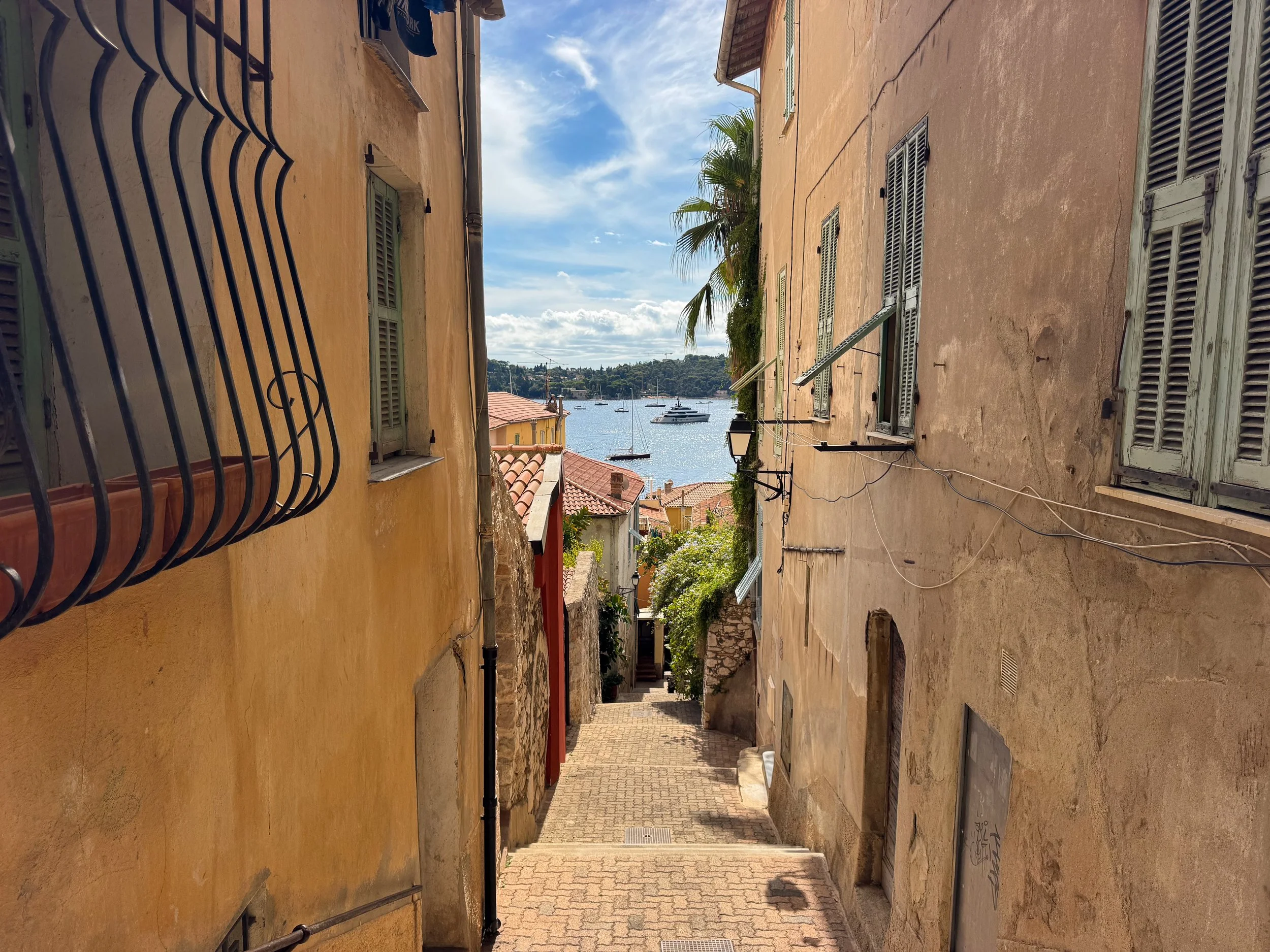
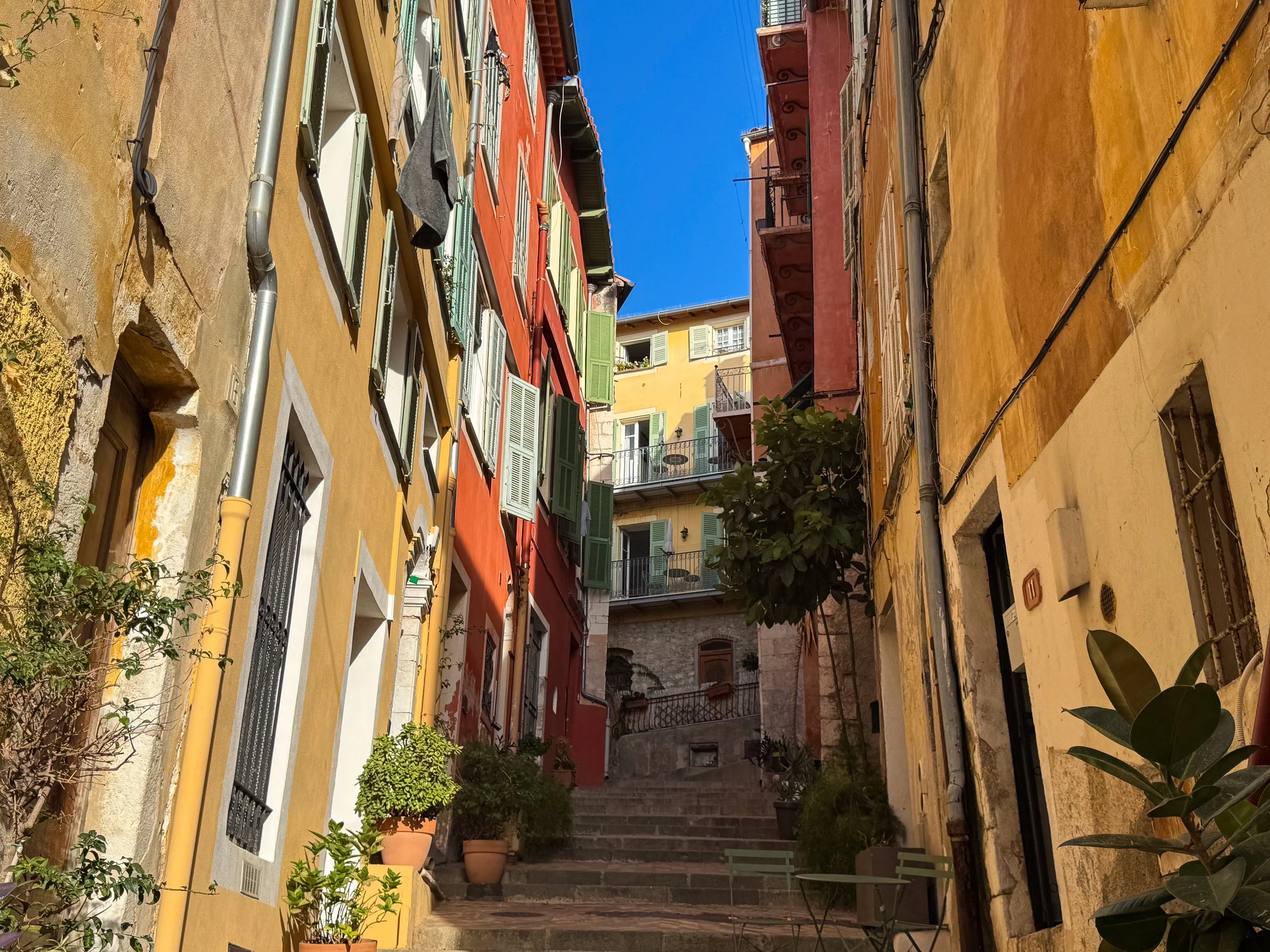
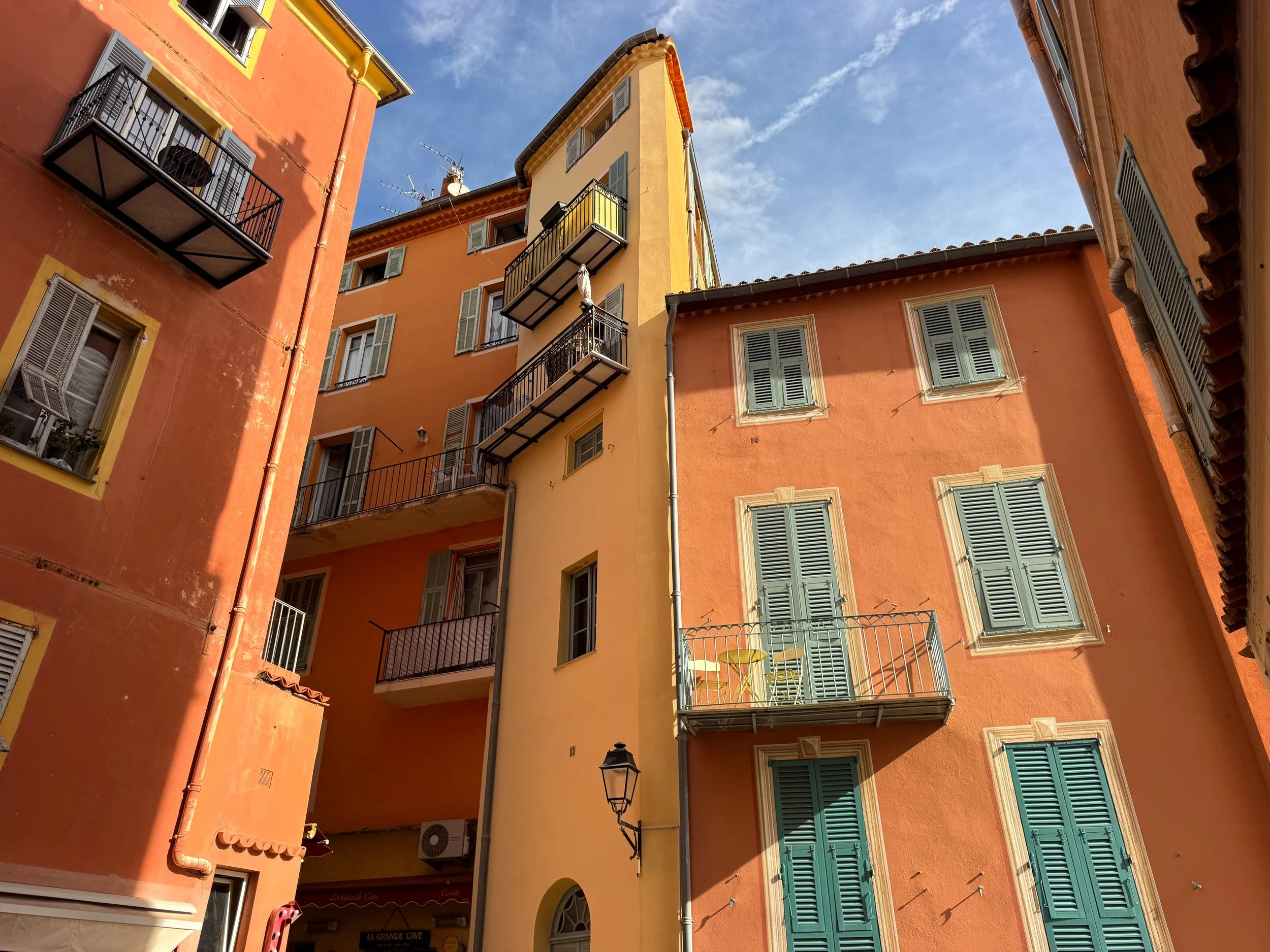
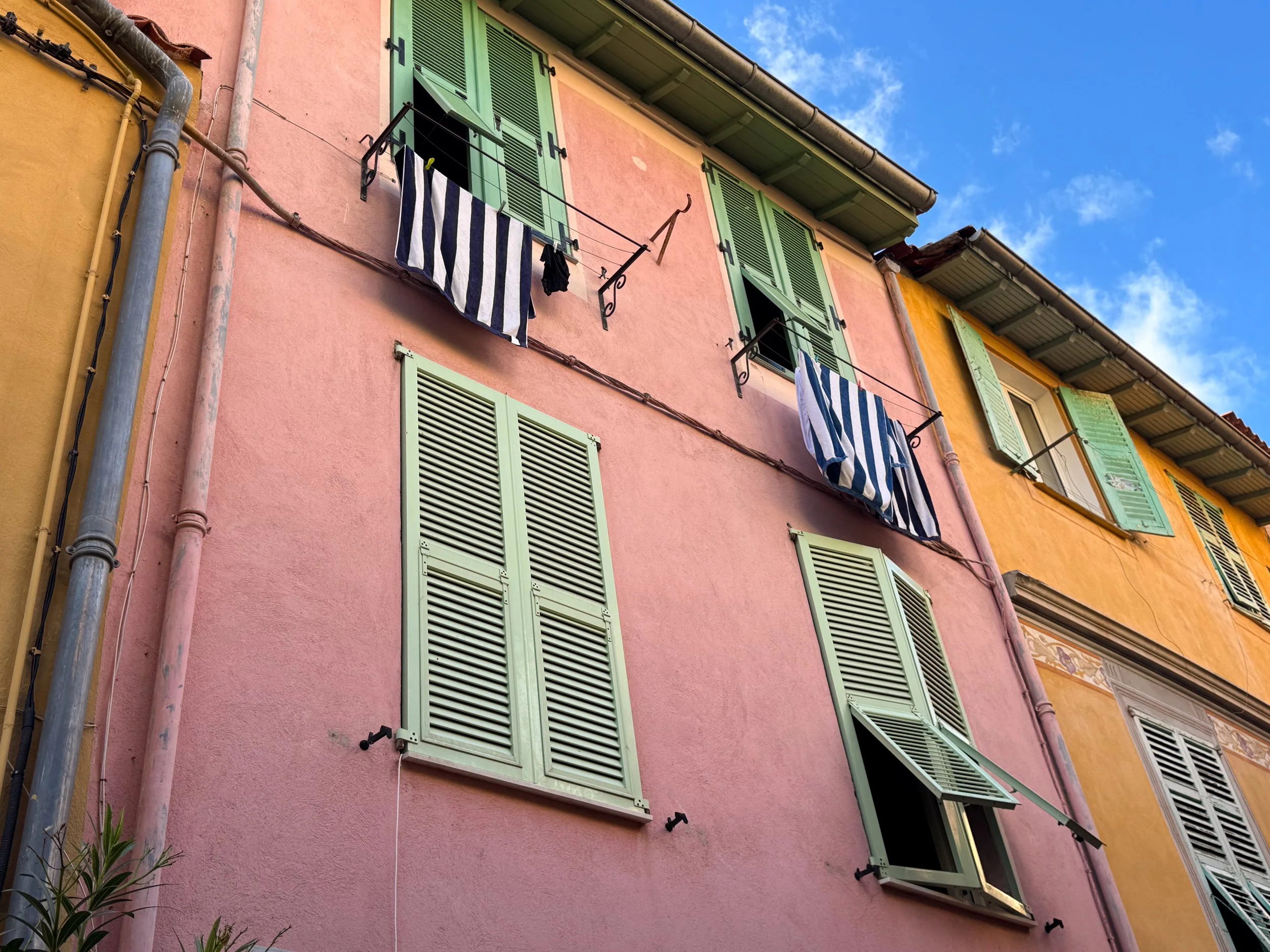
Villefranche-sur-Mer is a charming seaside village with pastel colored buildings linked by steep stairways and winding streets. Picturesque plazas are ringed with small shops, gelaterias and bistros, while lush hillsides and a stone fortress overlook the town and water below. Restaurants and small boats line the waterfront and promenade as a sandy beach hugs the bay.
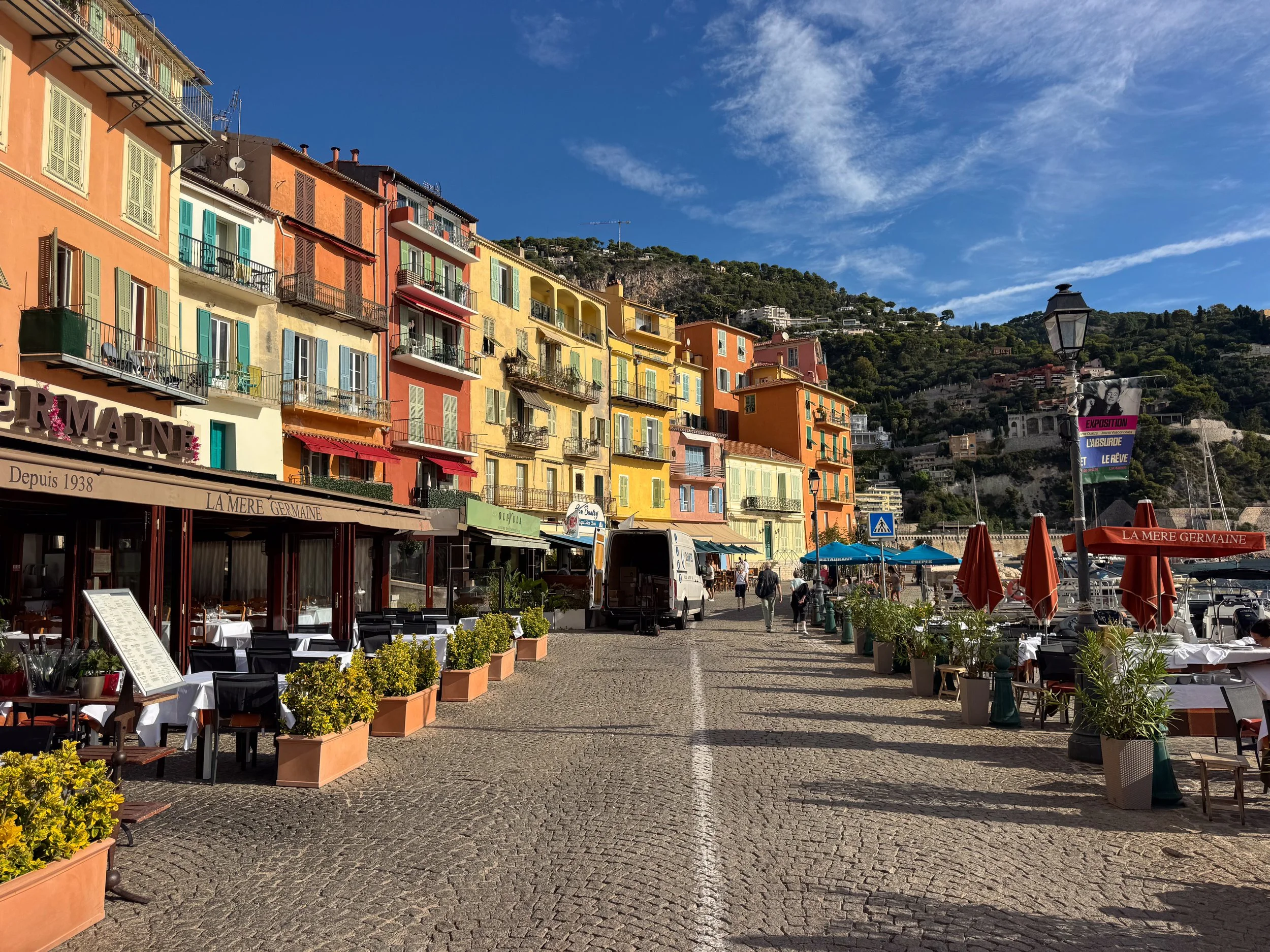
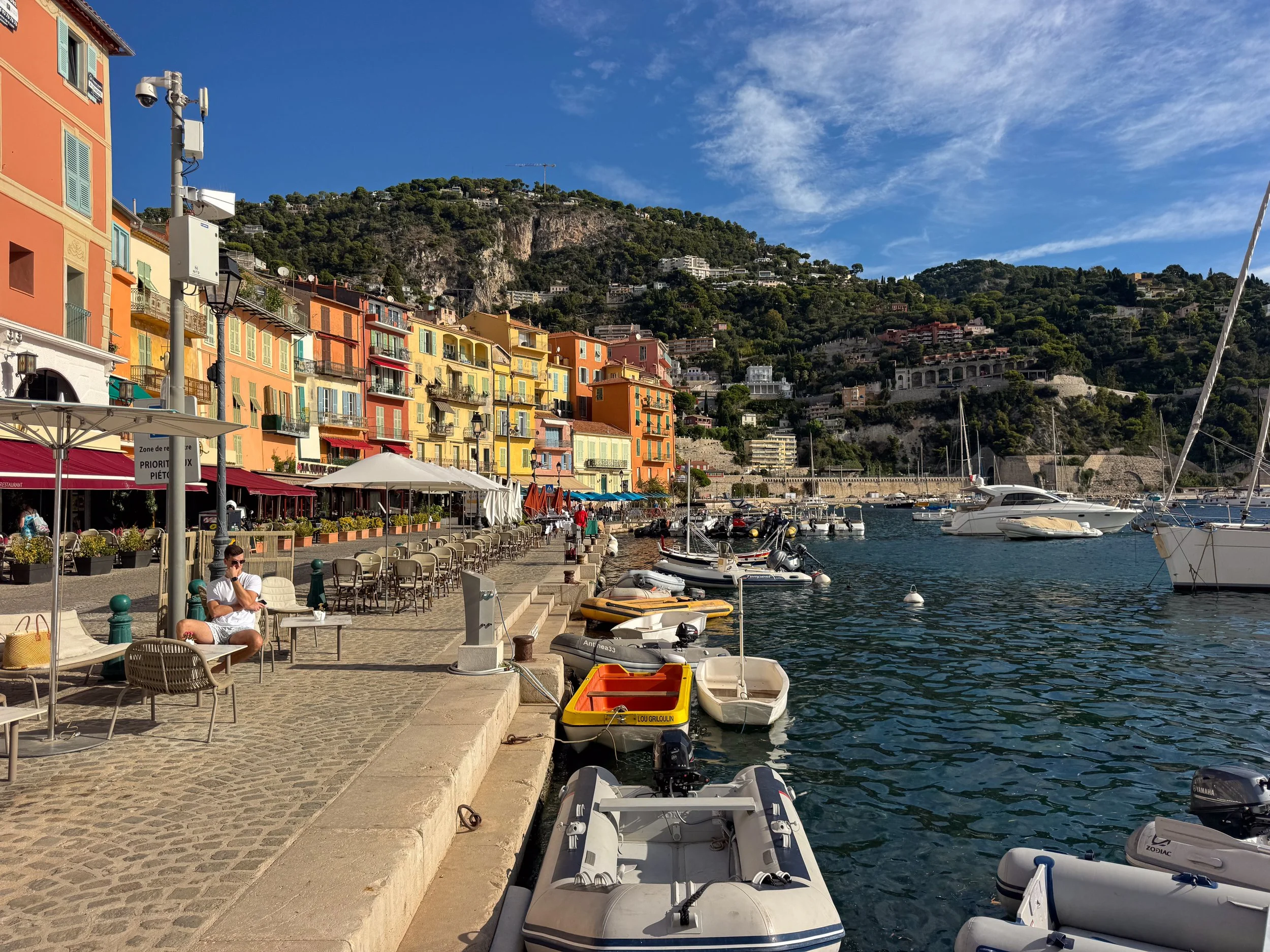
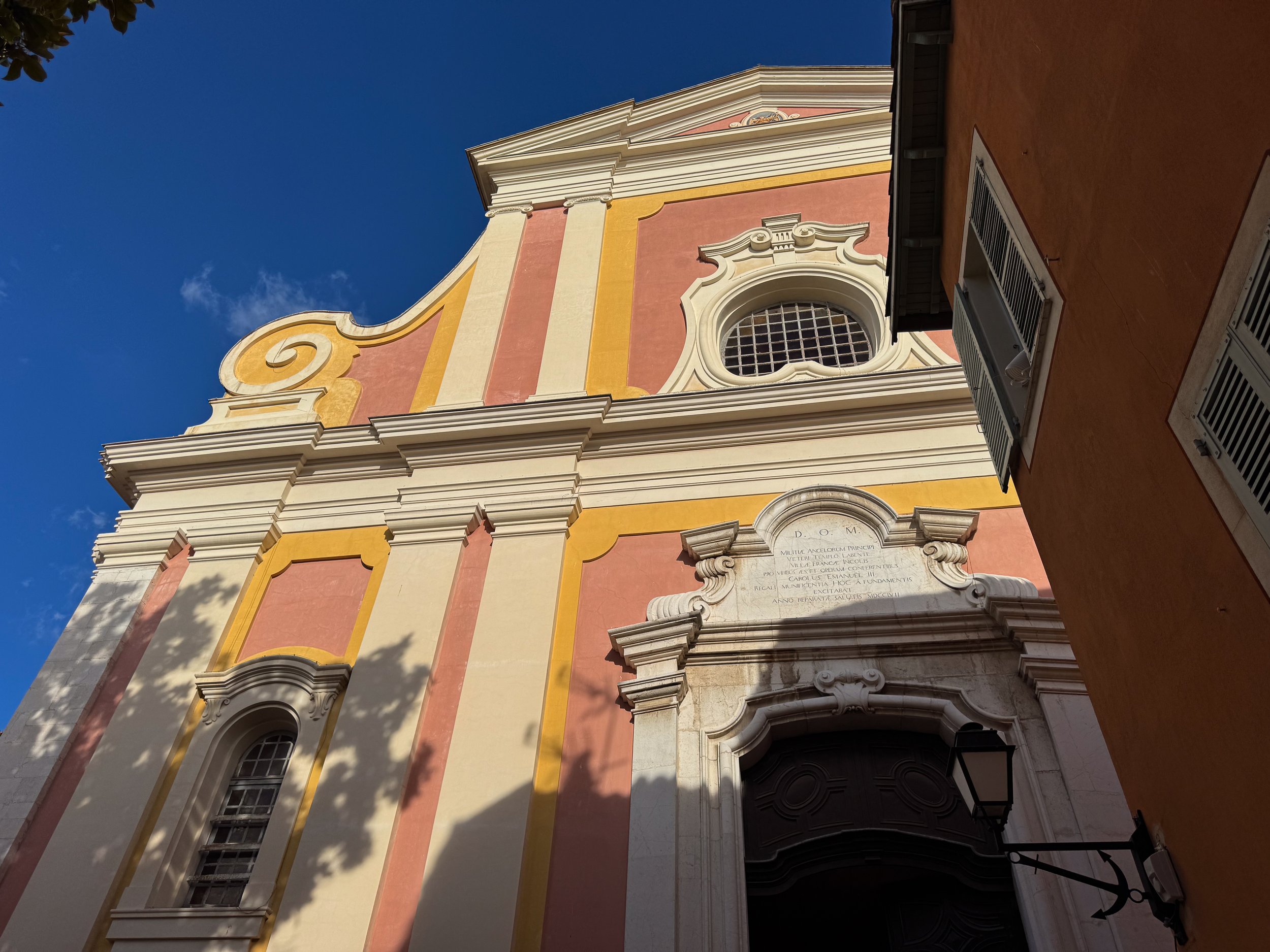
Quai de l'Amiral Courbet. A cobblestone promenade with views of Villefranche's colorful skyline and its expansive ship dotted harbor. Dining tables and dinghies line the water's edge, making it a tranquil spot for a romantic meal or a shared bottle of wine. Reserve a table at La Mère Germaine, a seafood restaurant serving French classics like bouillabaisse and sea bass in beurre blanc sauce.
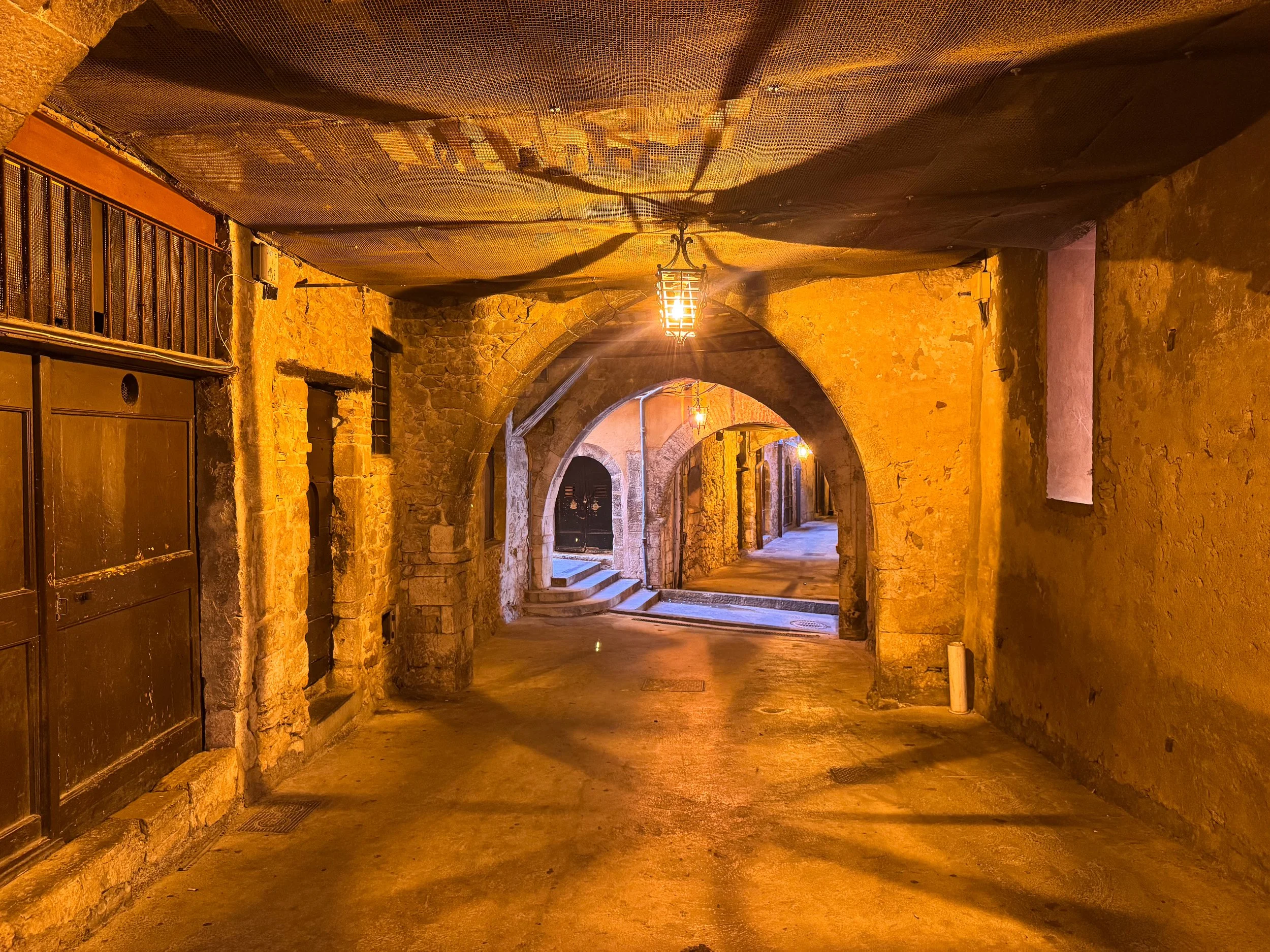
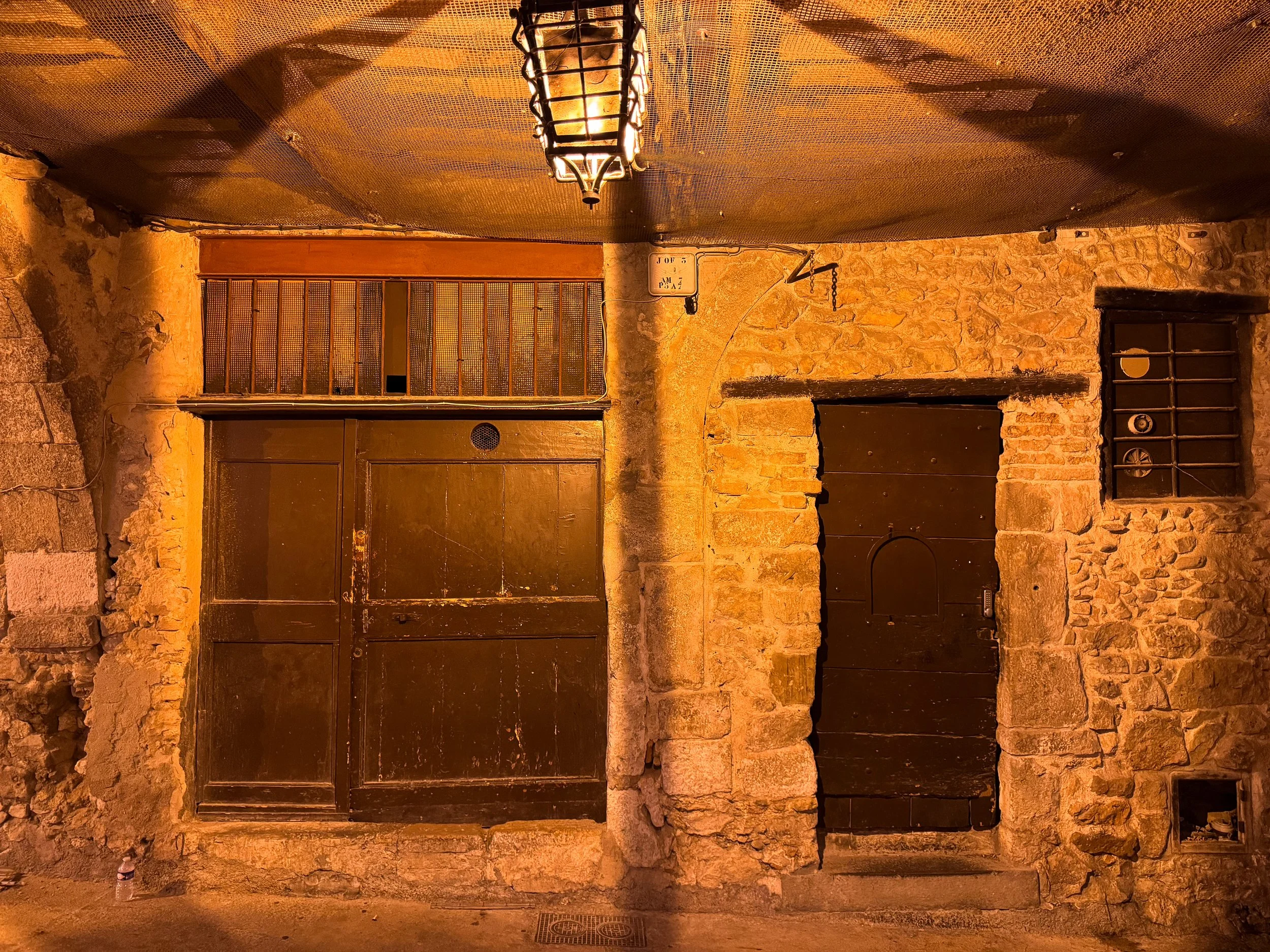
Rue Obscure. A covered medieval street that feels like a tunnel running beneath the town. Arched stone passageways frame the streets while dimly lit lanterns illuminate its depths.
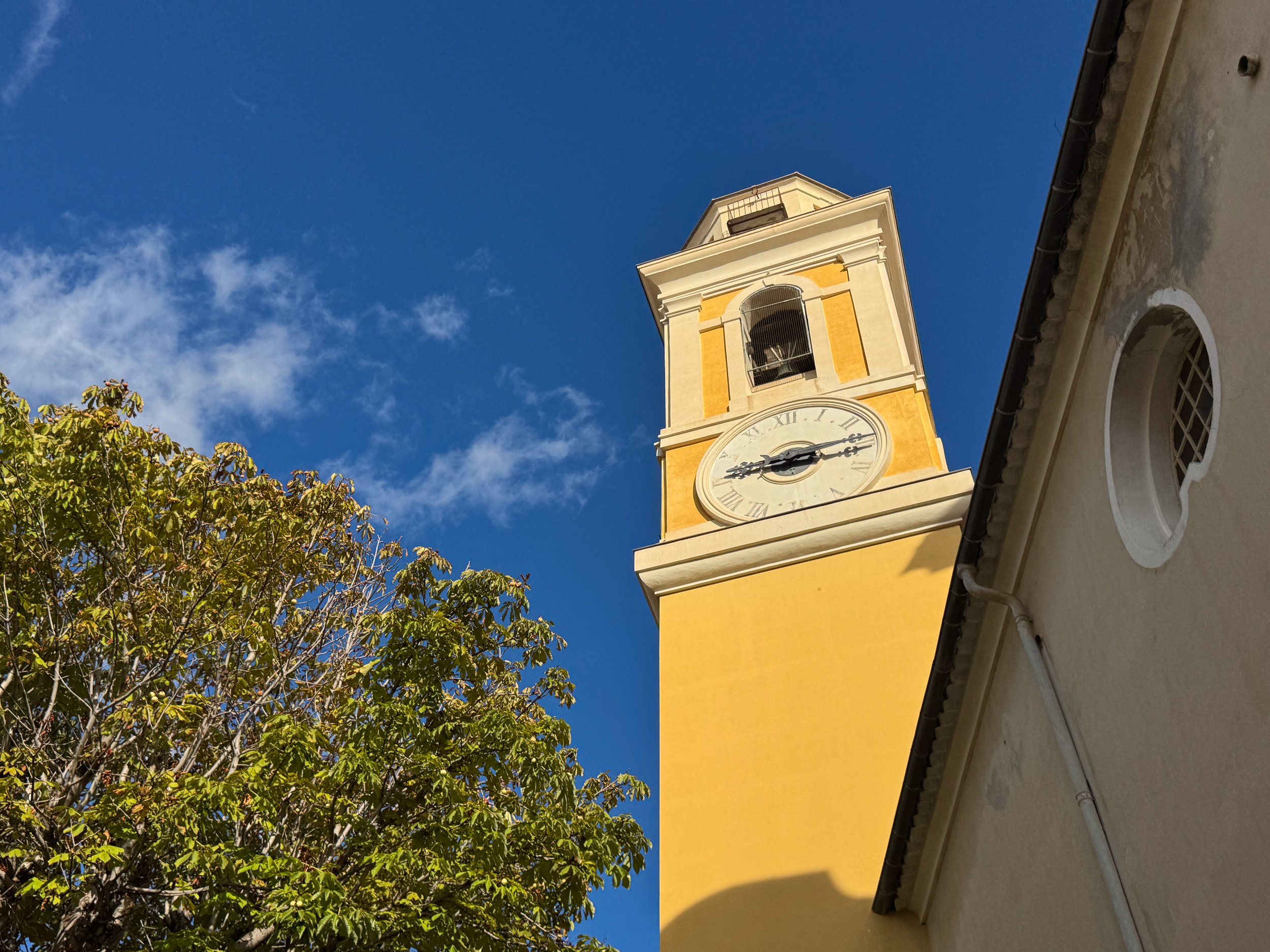
Église Saint-Michel. A historic church with a yellow clocktower located at the center of the town.
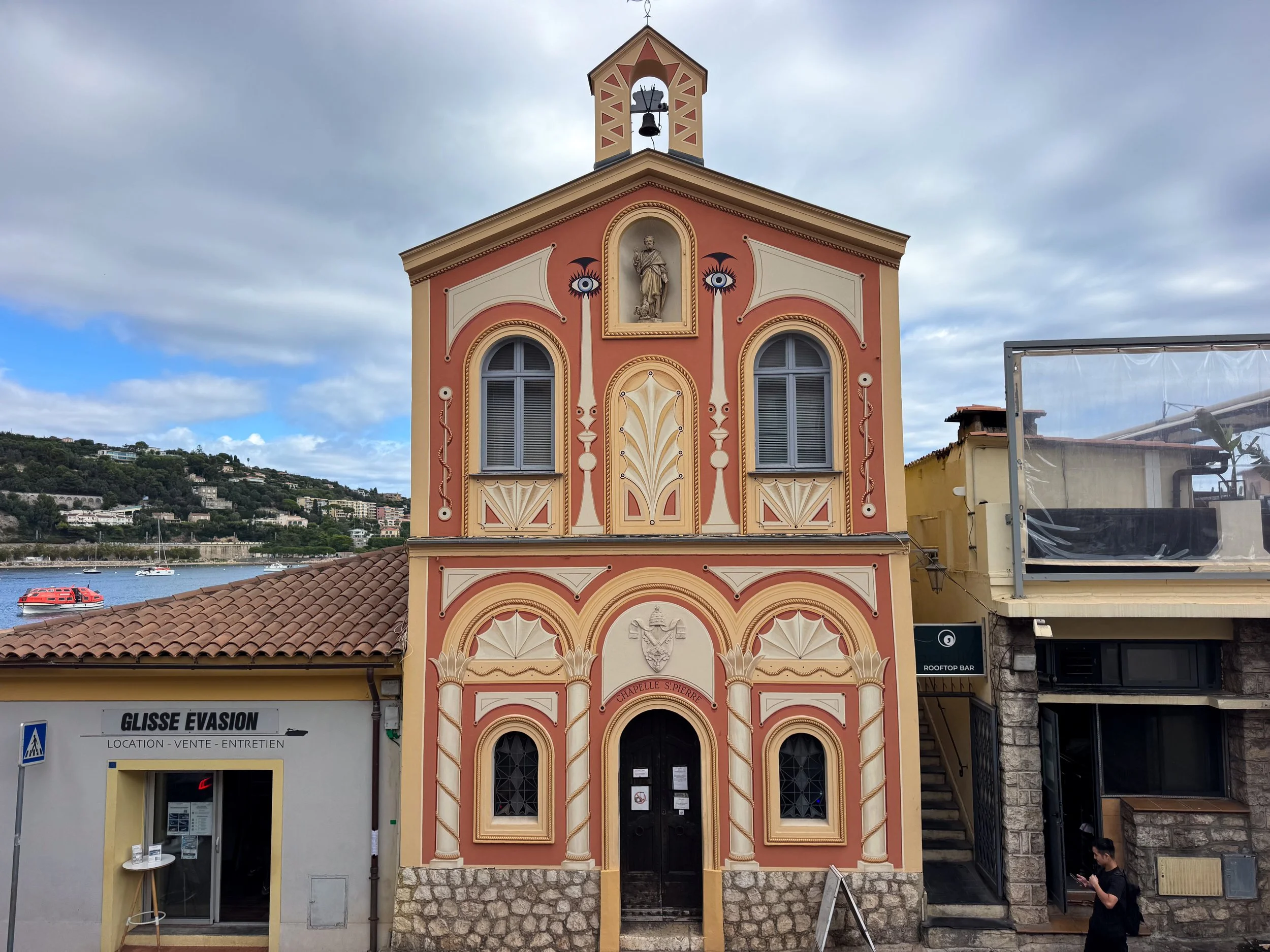
Chapelle Saint-Pierre. A small fisherman’s chapel near the port recognizable by its painted facade and stylized design resembling two large painted eyes.
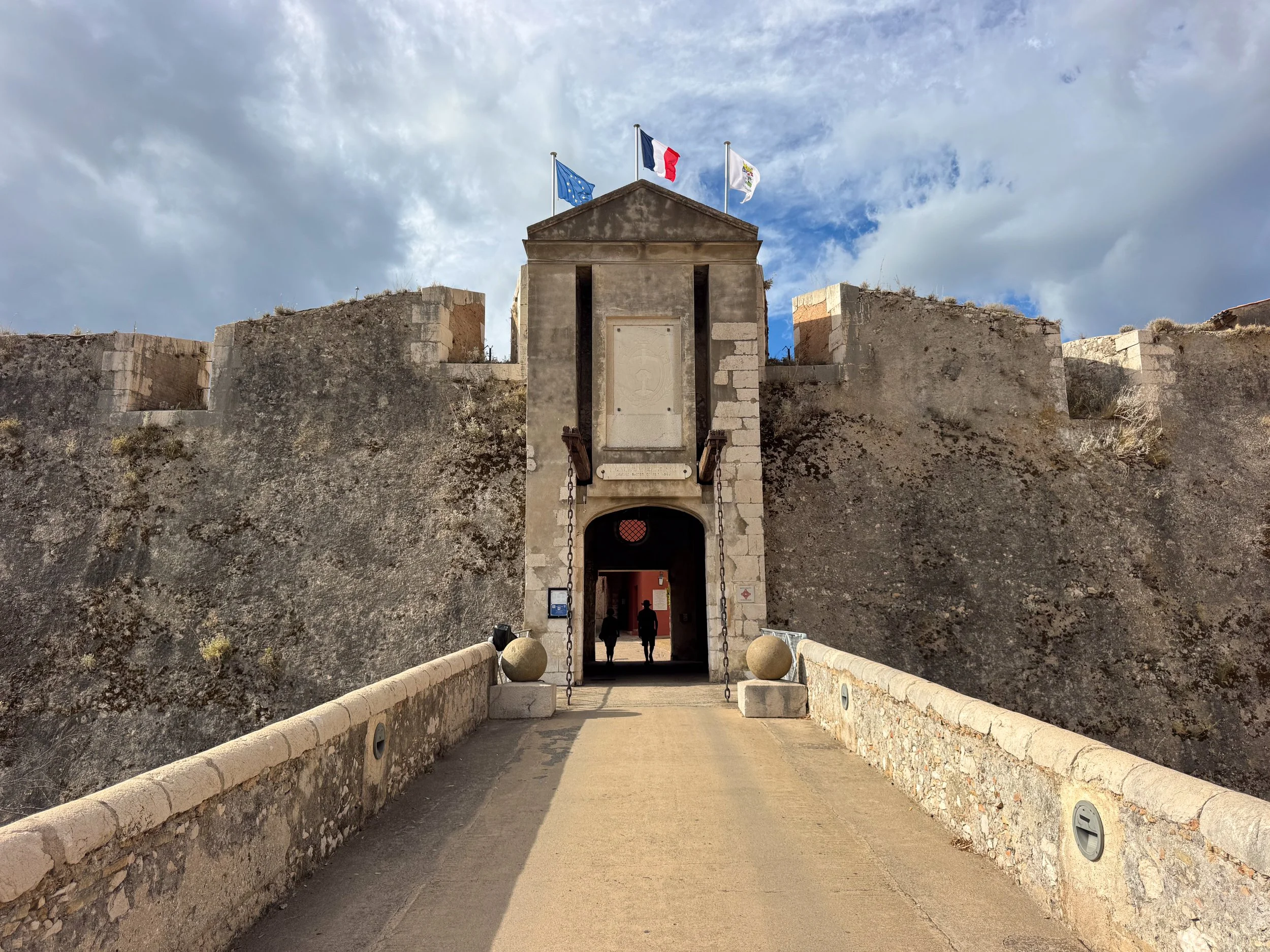
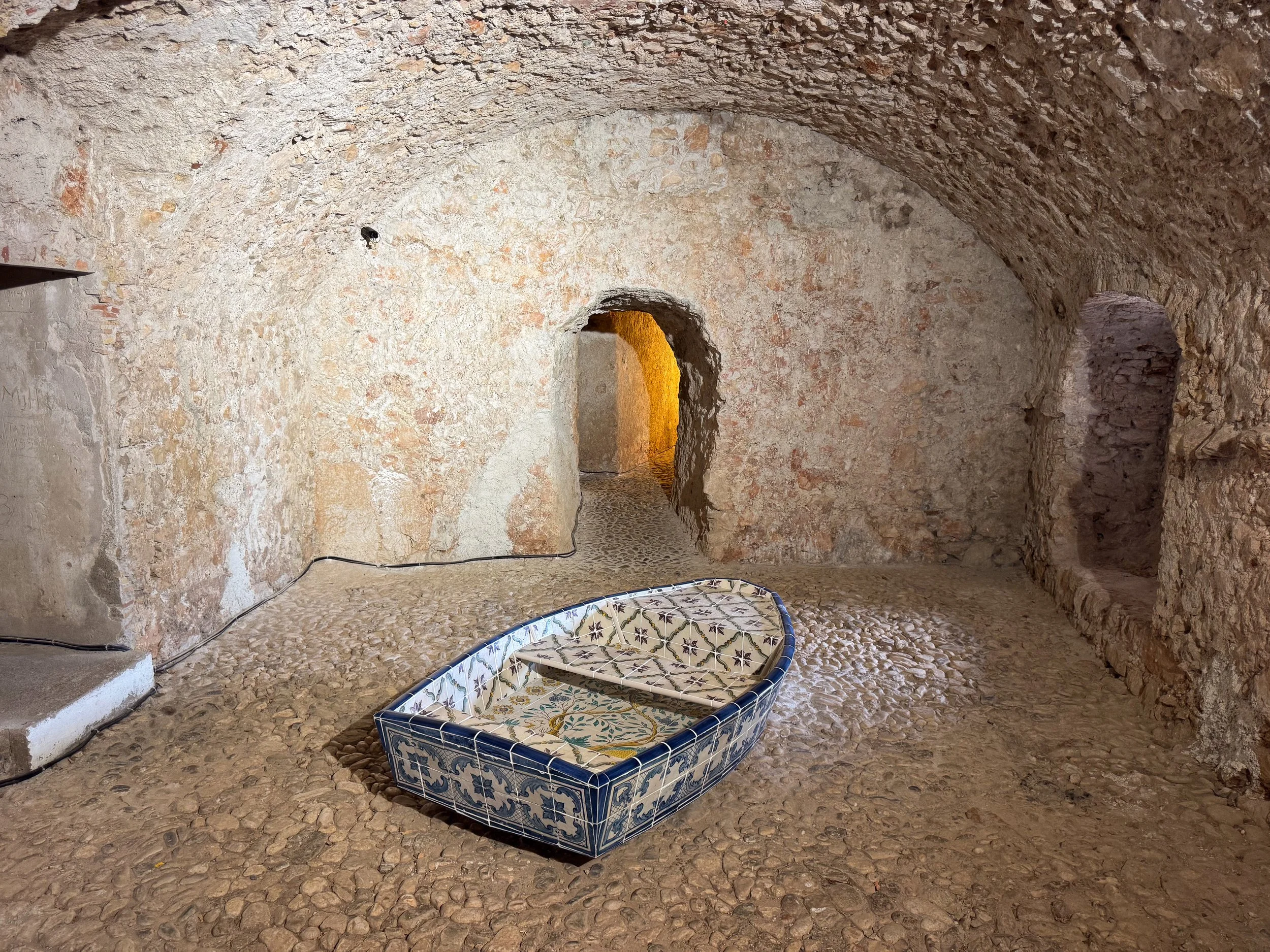
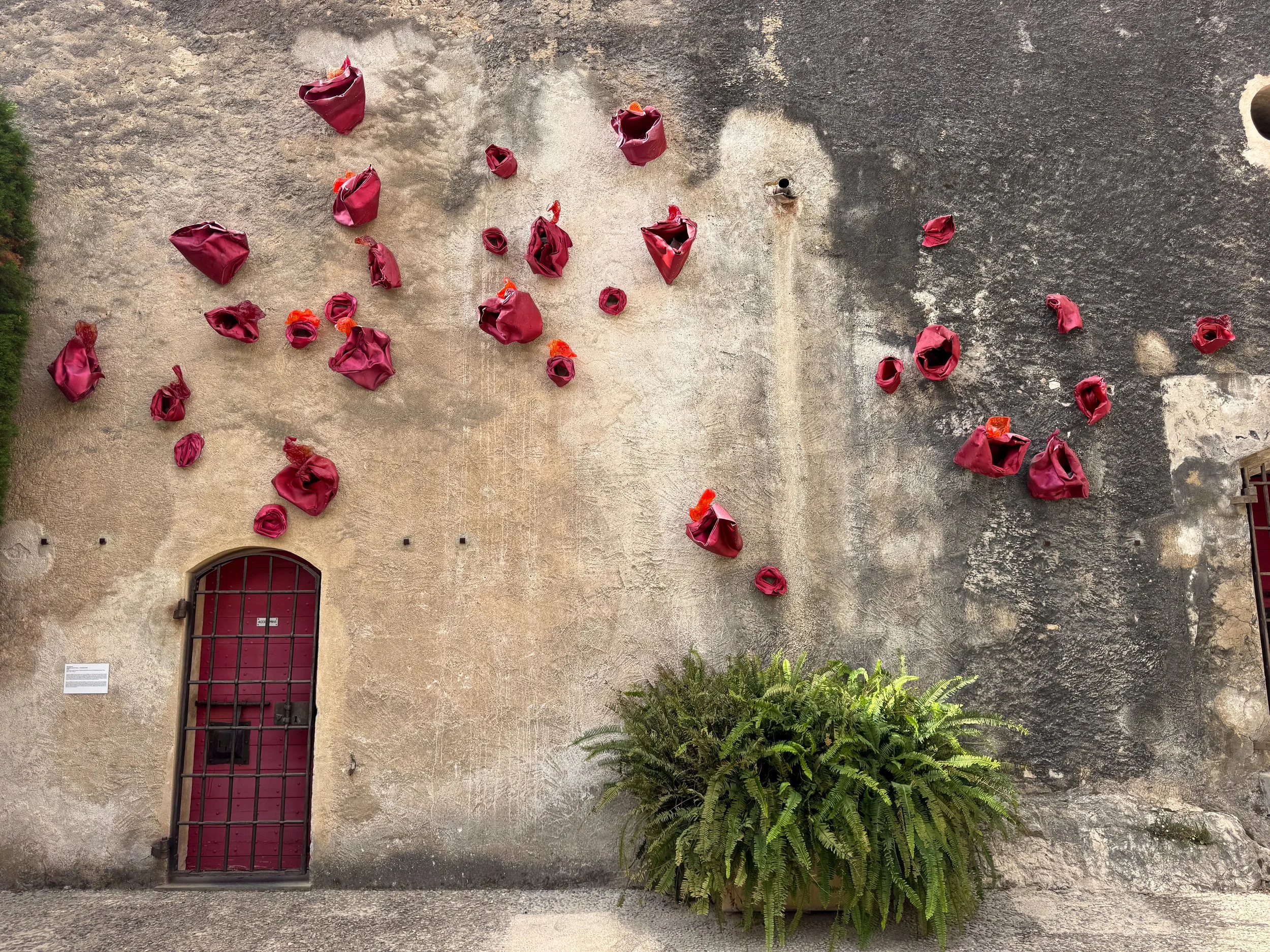
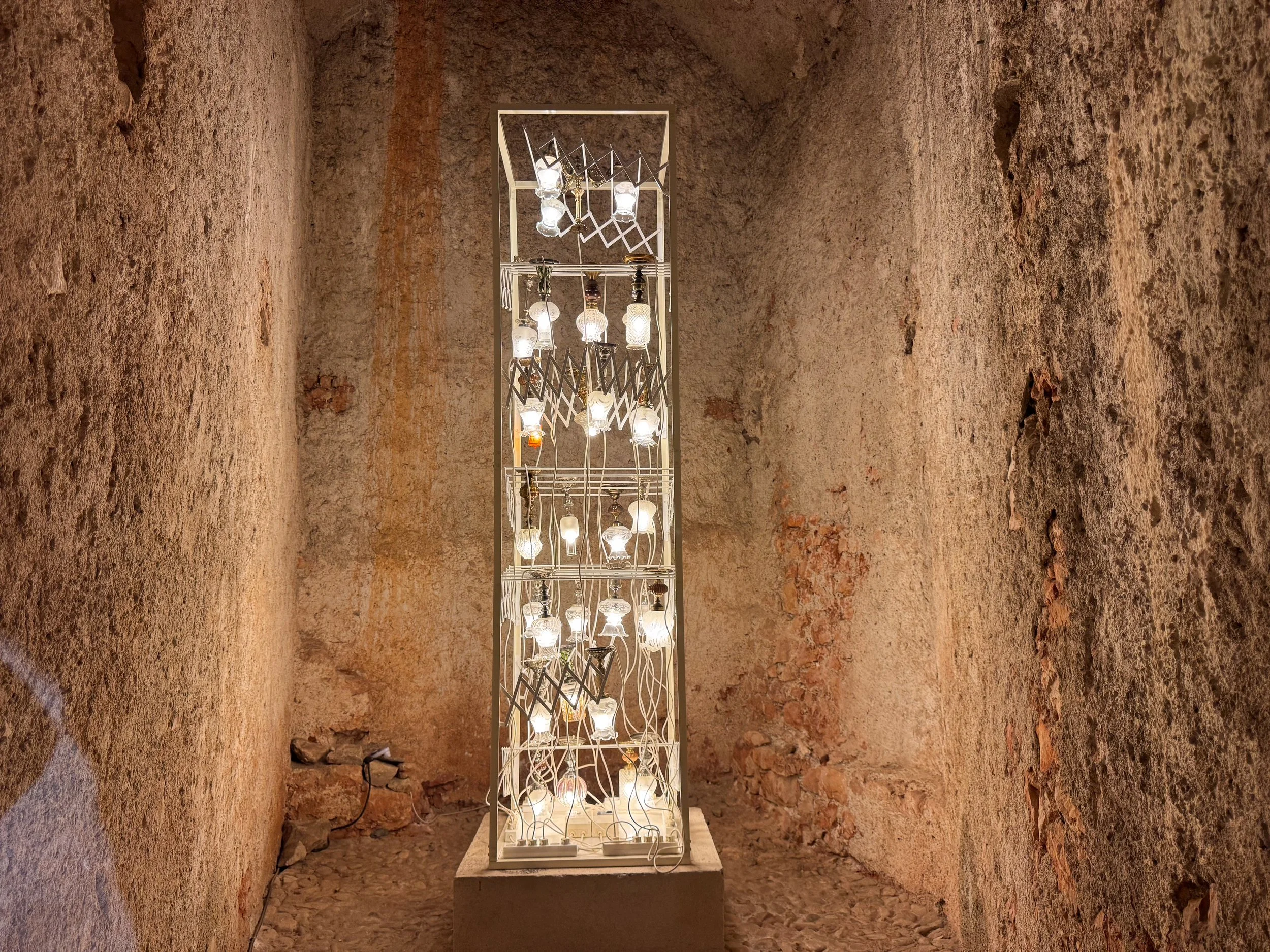
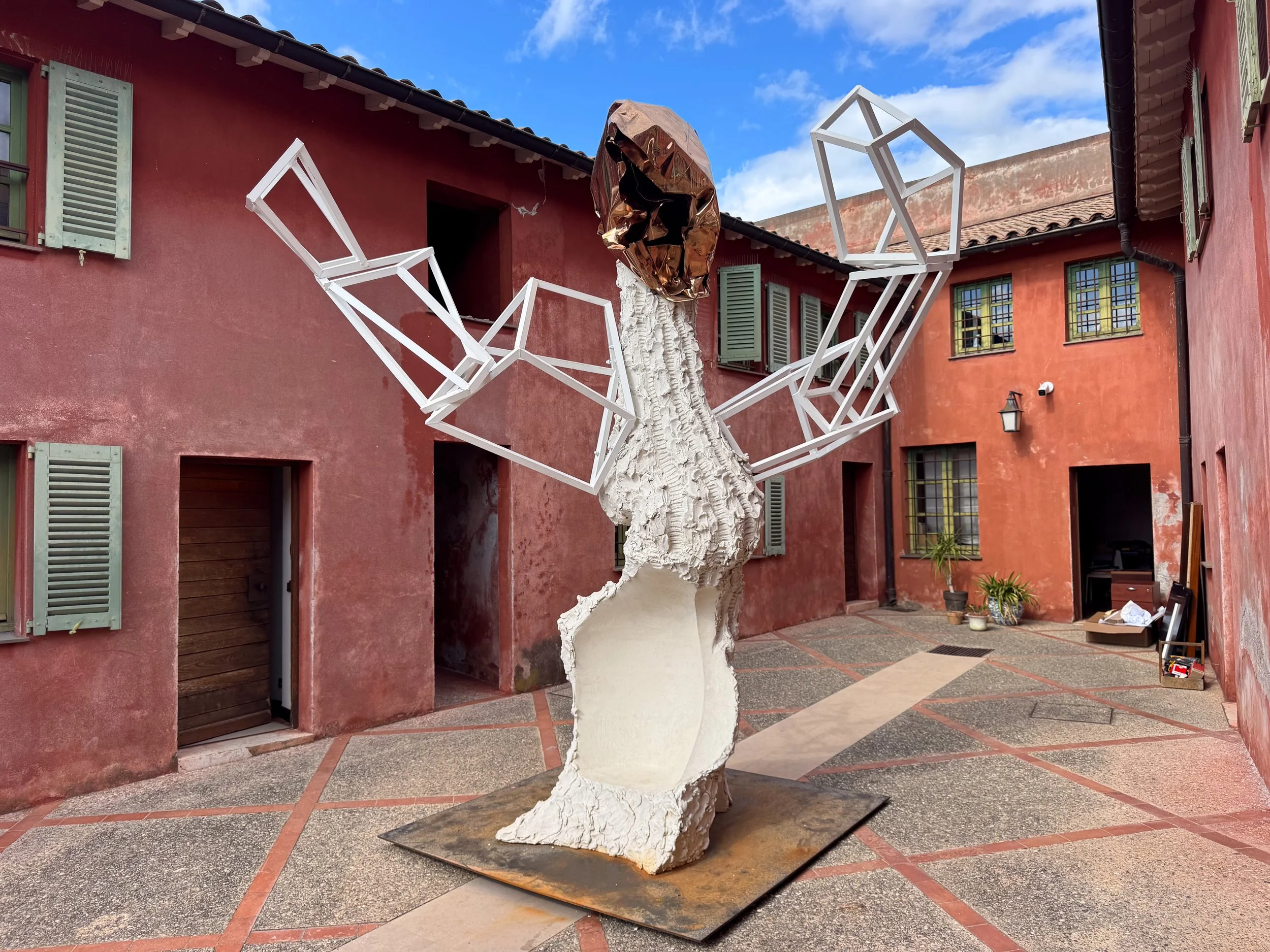
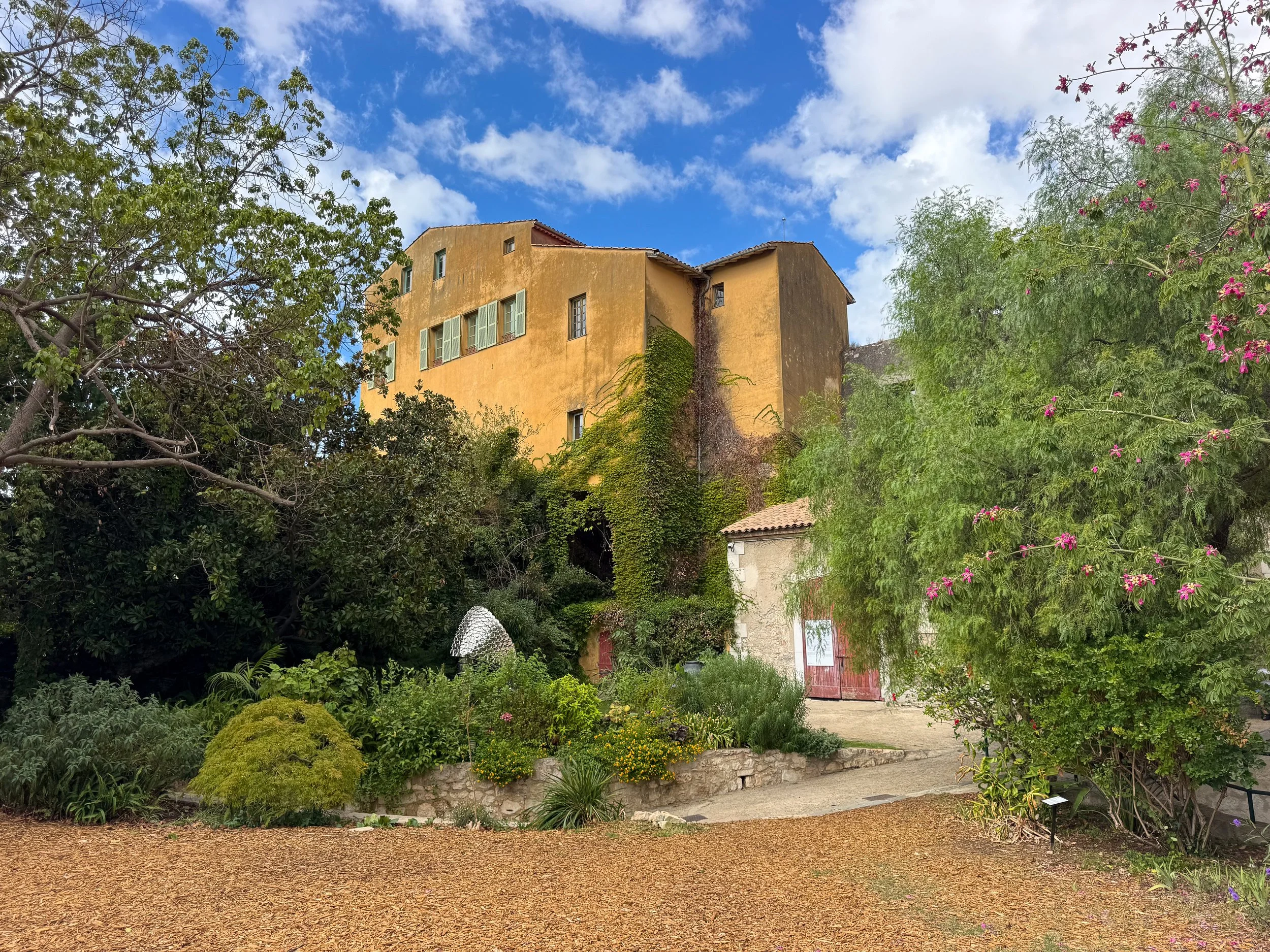
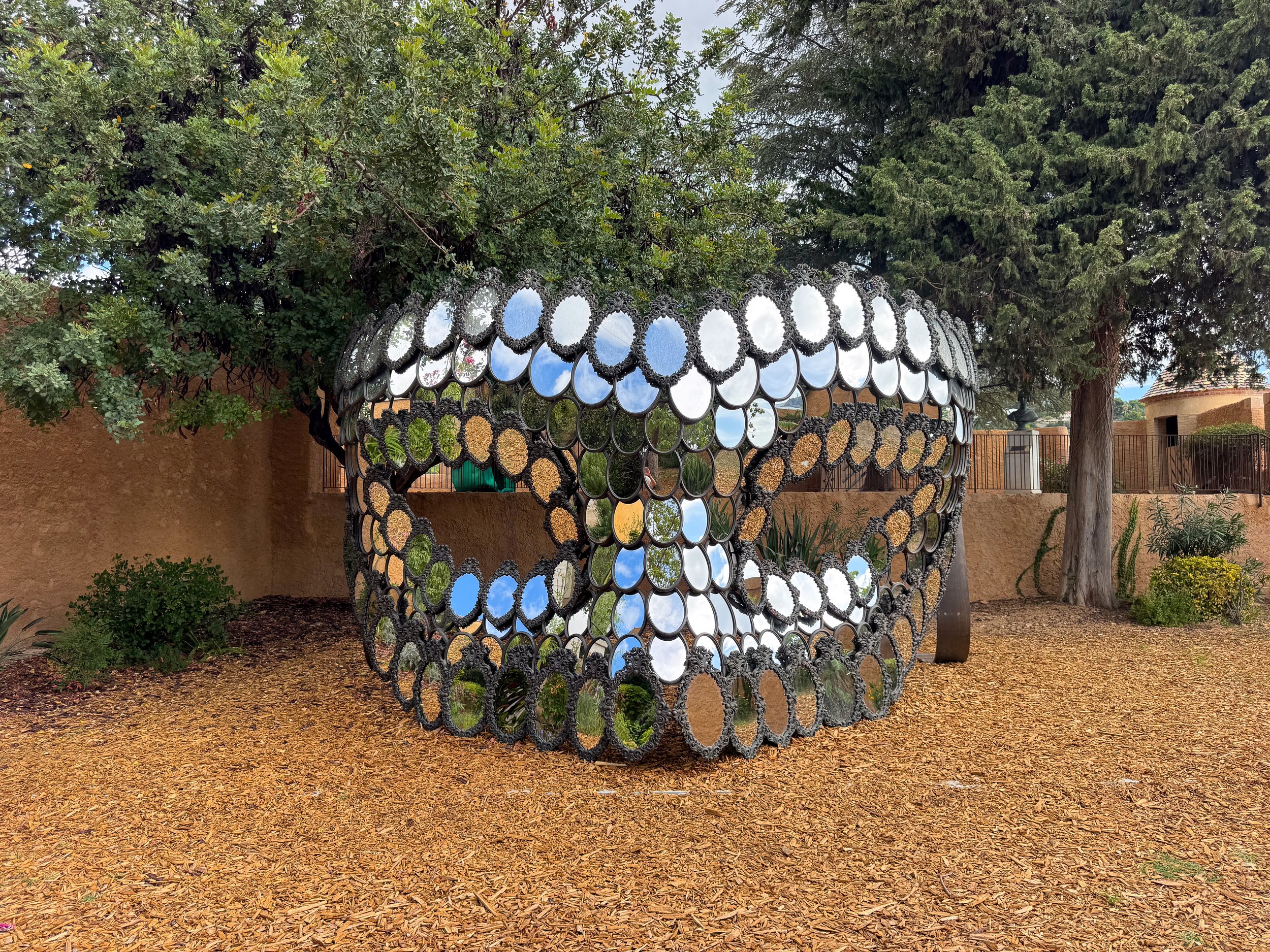
La Citadelle. A 16th century fortress perched on the hillside above Villefranche, its ramparts and walls flanking the bay below. A drawbridge leads through the imposing stone walls to a verdant garden, a series of courtyards and an open air theater, while passageways wind into chambers within the fort. Abstract sculptures are displayed throughout the citadel, playing with form, sound, color, reflection and light.
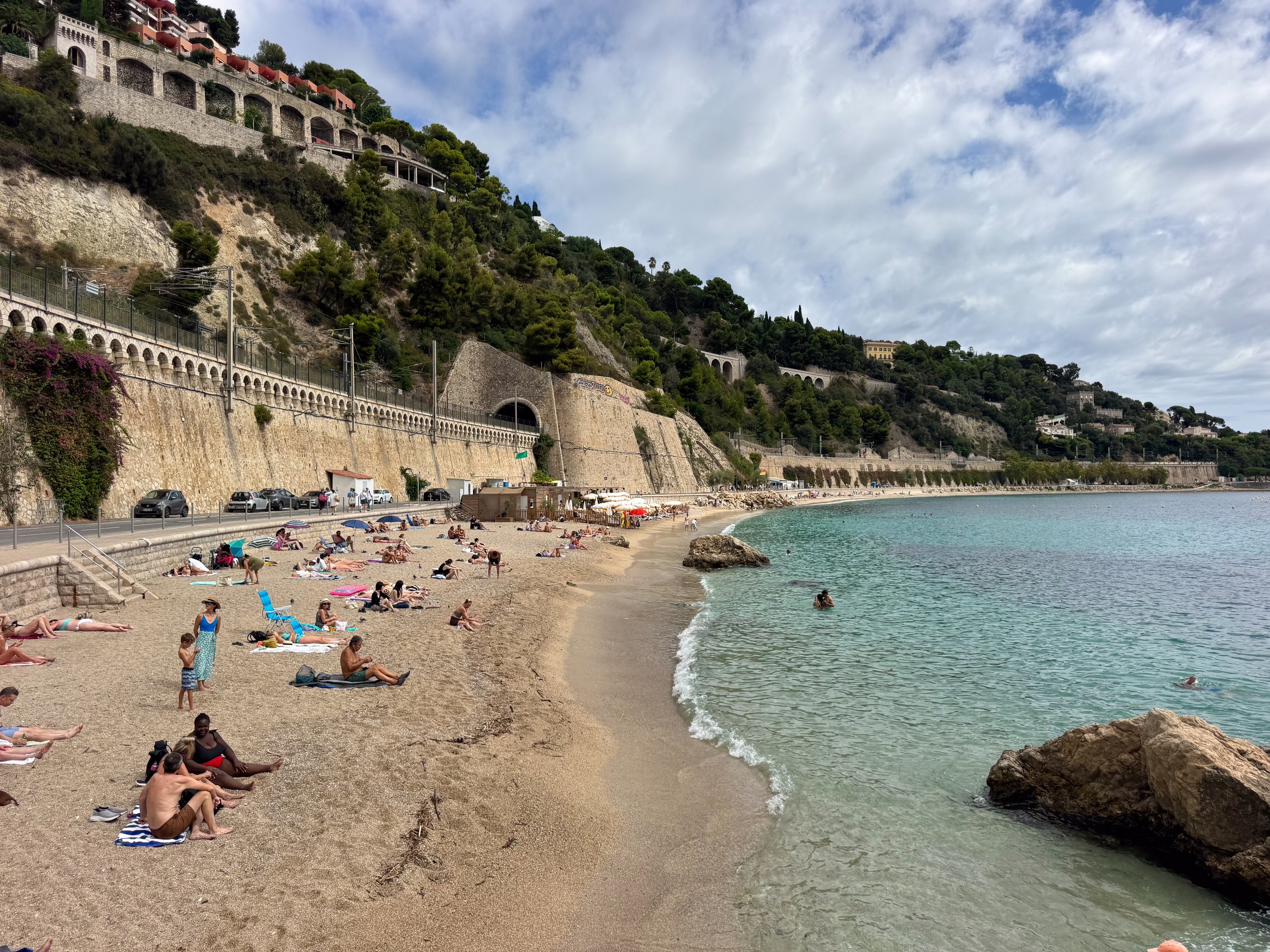
Plage des Marinières. A sandy beach overlooking the deep blue bay of Villefranche-sur-Mer. It’s one of the few sandy beaches on the French Riviera. Sheltered by the bay, its calm waters are perfect for swimming. A few beachside kiosks serve takeaway food and drinks, with a beach club just steps from town.
Getting Here. Located minutes from Nice Ville on the SNCF Train, Villefranche-sur-Mer is easy to reach, making it popular for half day trips. Arrive before 9am to beat the crowds and explore the town unencumbered.
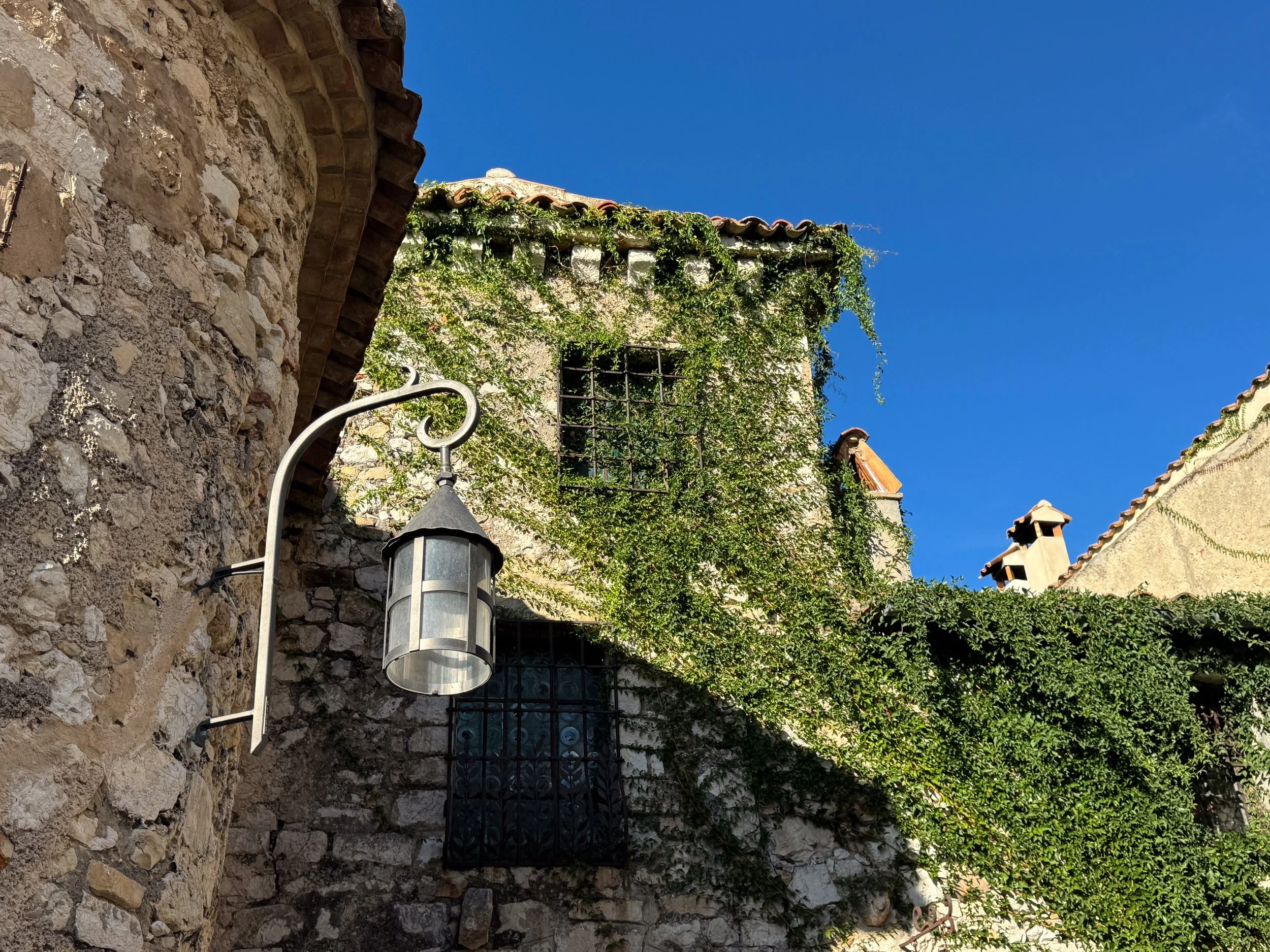
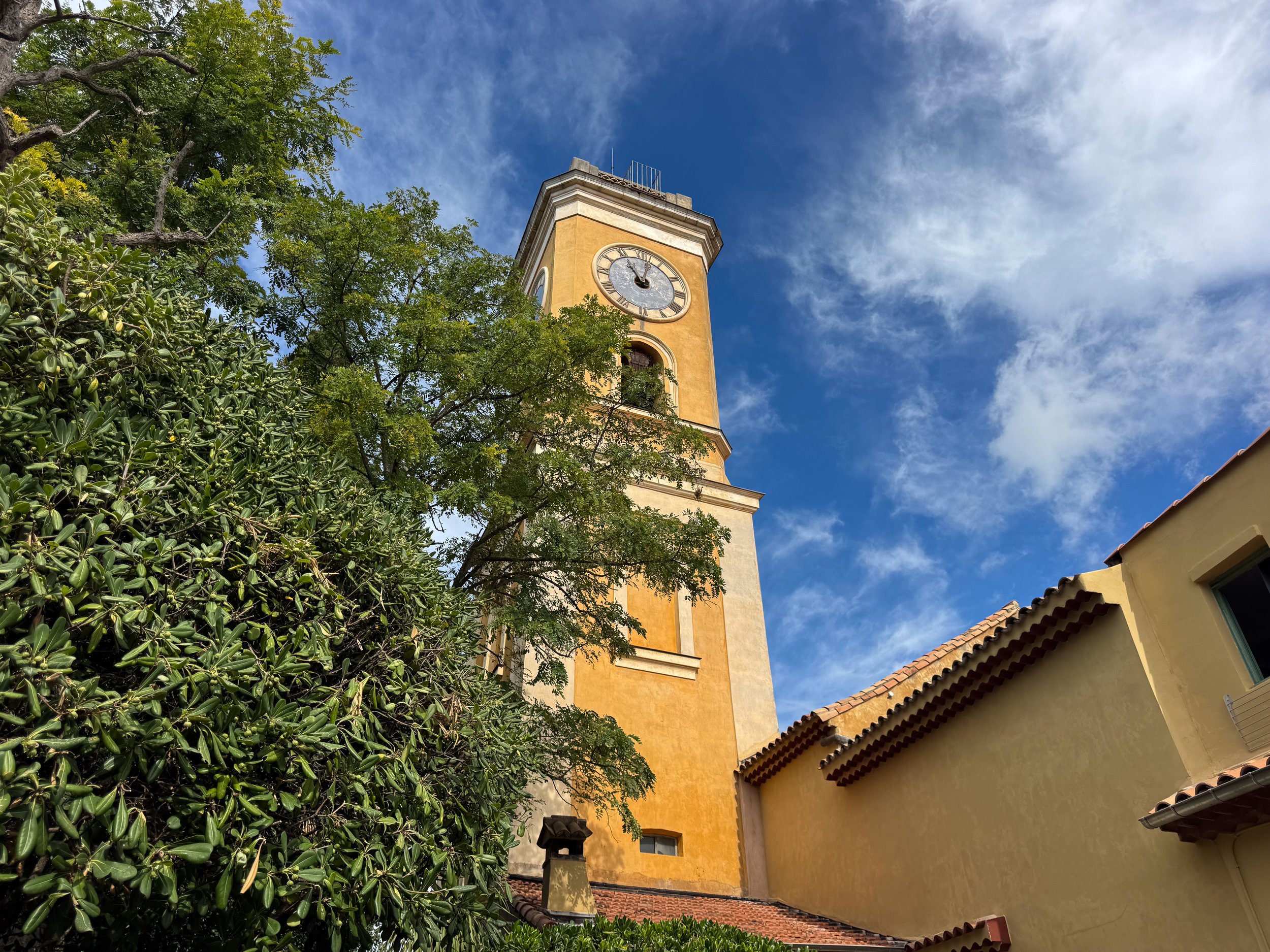
Èze Village Day Trip from Nice
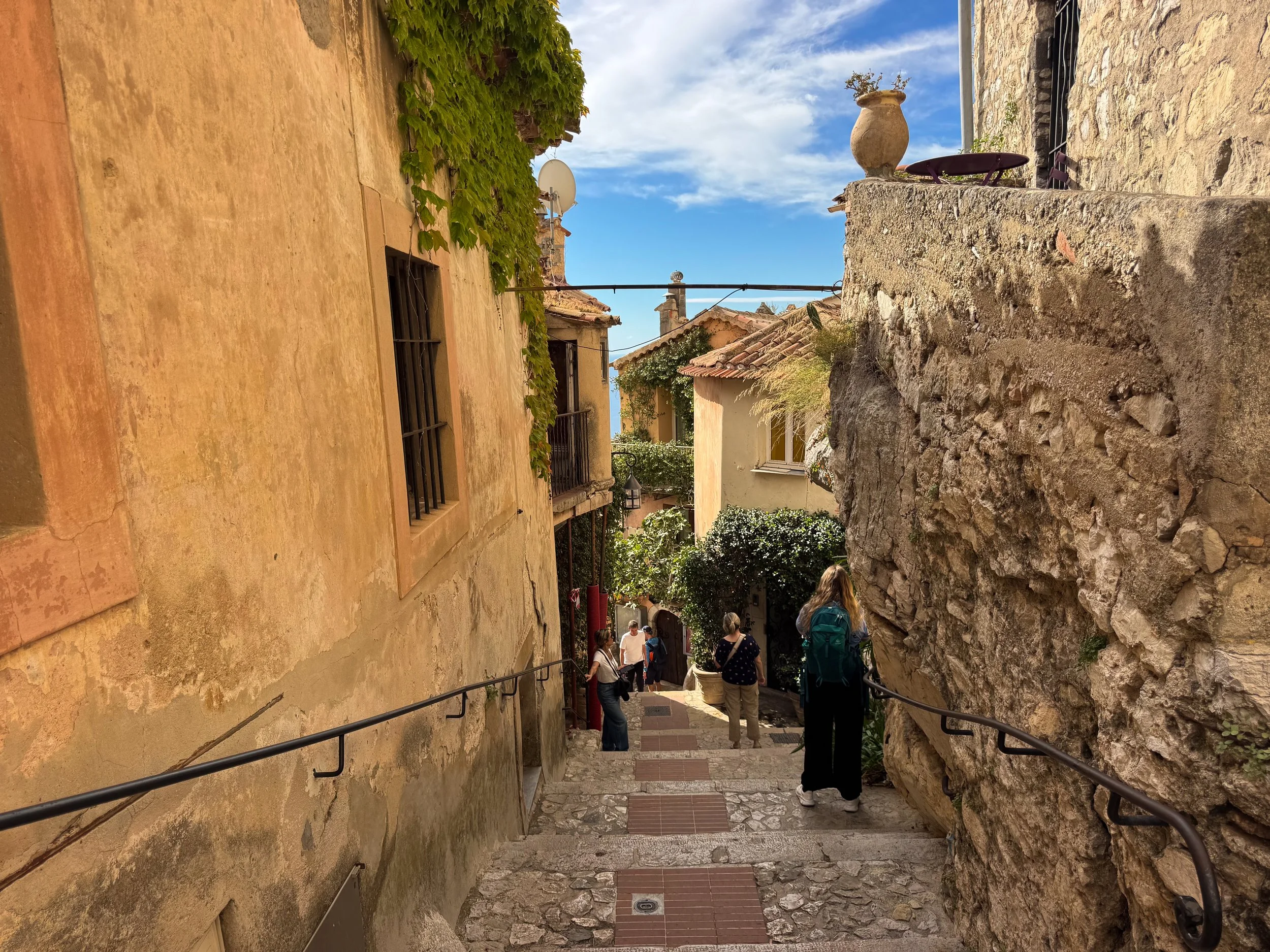
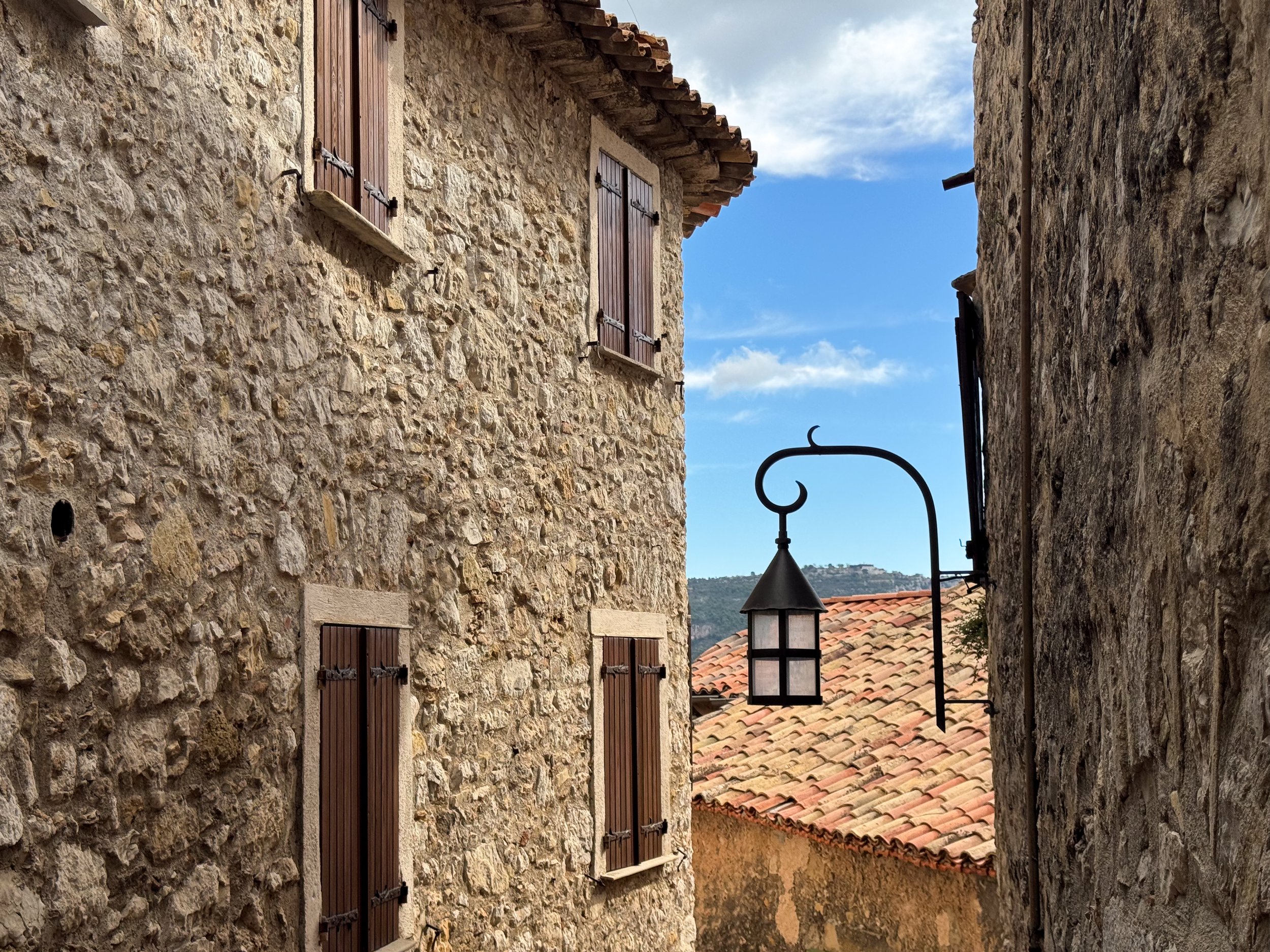
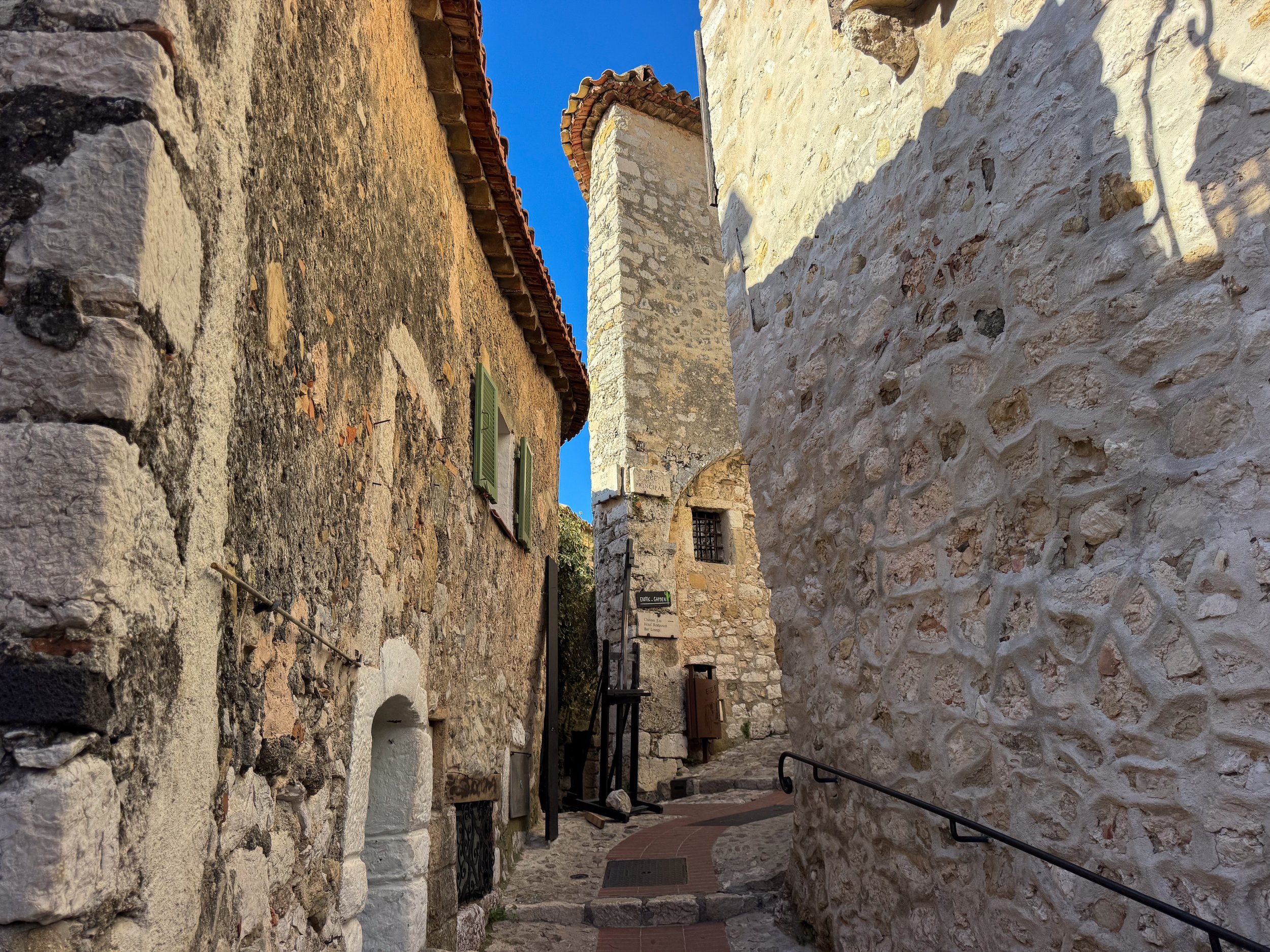
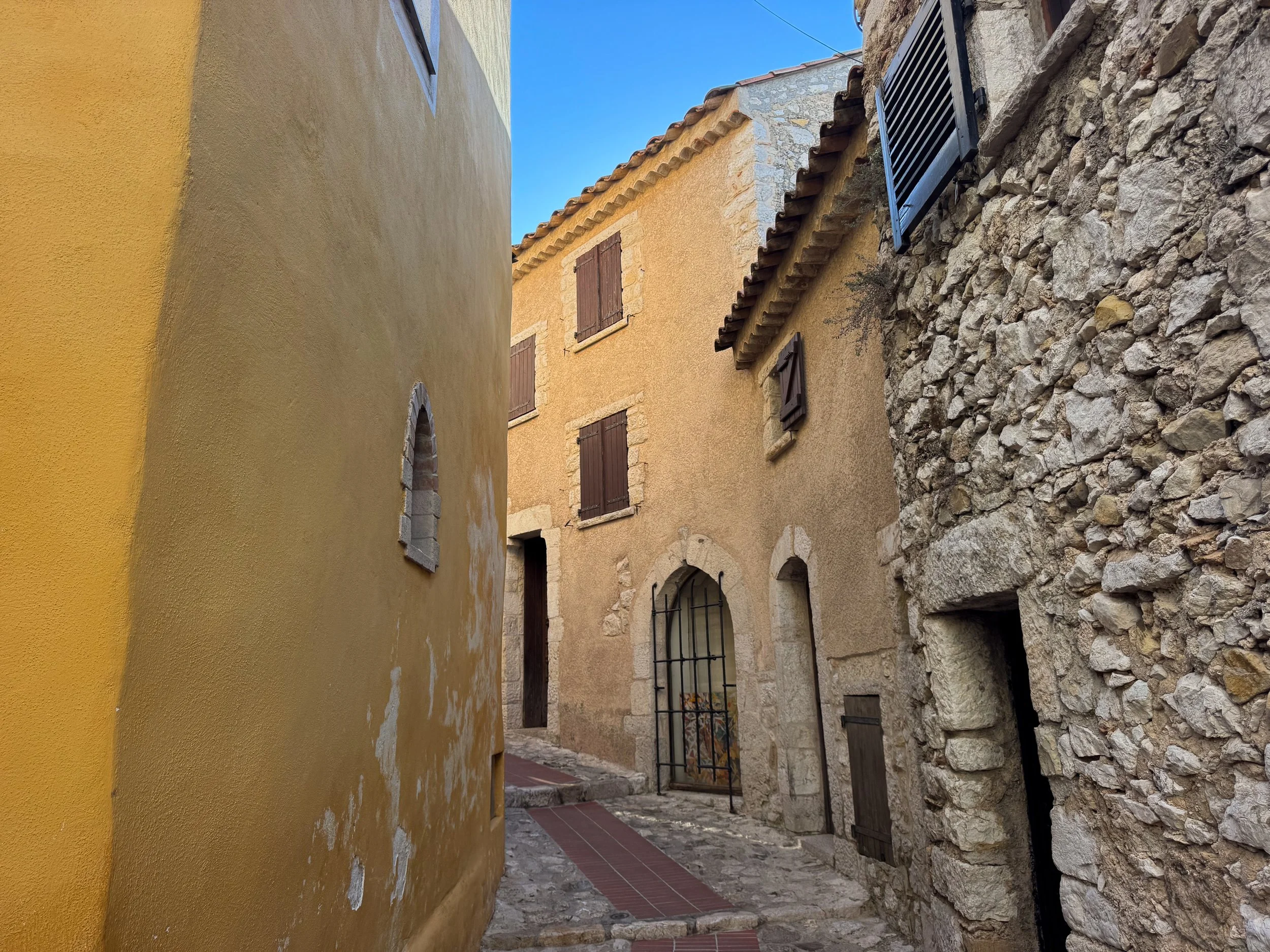
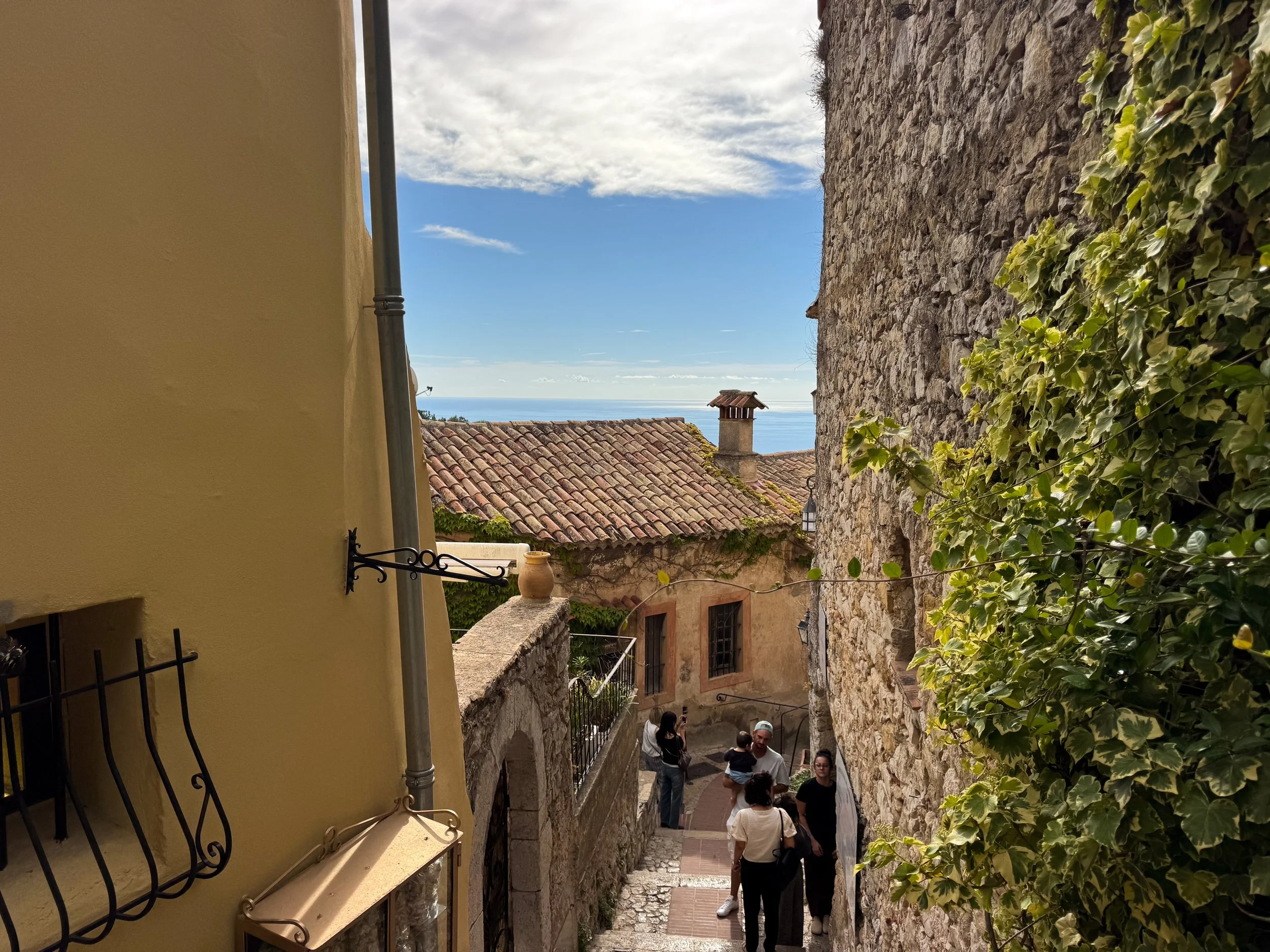
Èze is a medieval village perched high in the hills above the Mediterranean coast. It boasts panoramic views of the sea while its narrow cobblestone alleys and pedestrian only streets meander past stone houses, boutiques and art galleries to a clifftop botanical garden and ancient ruins.
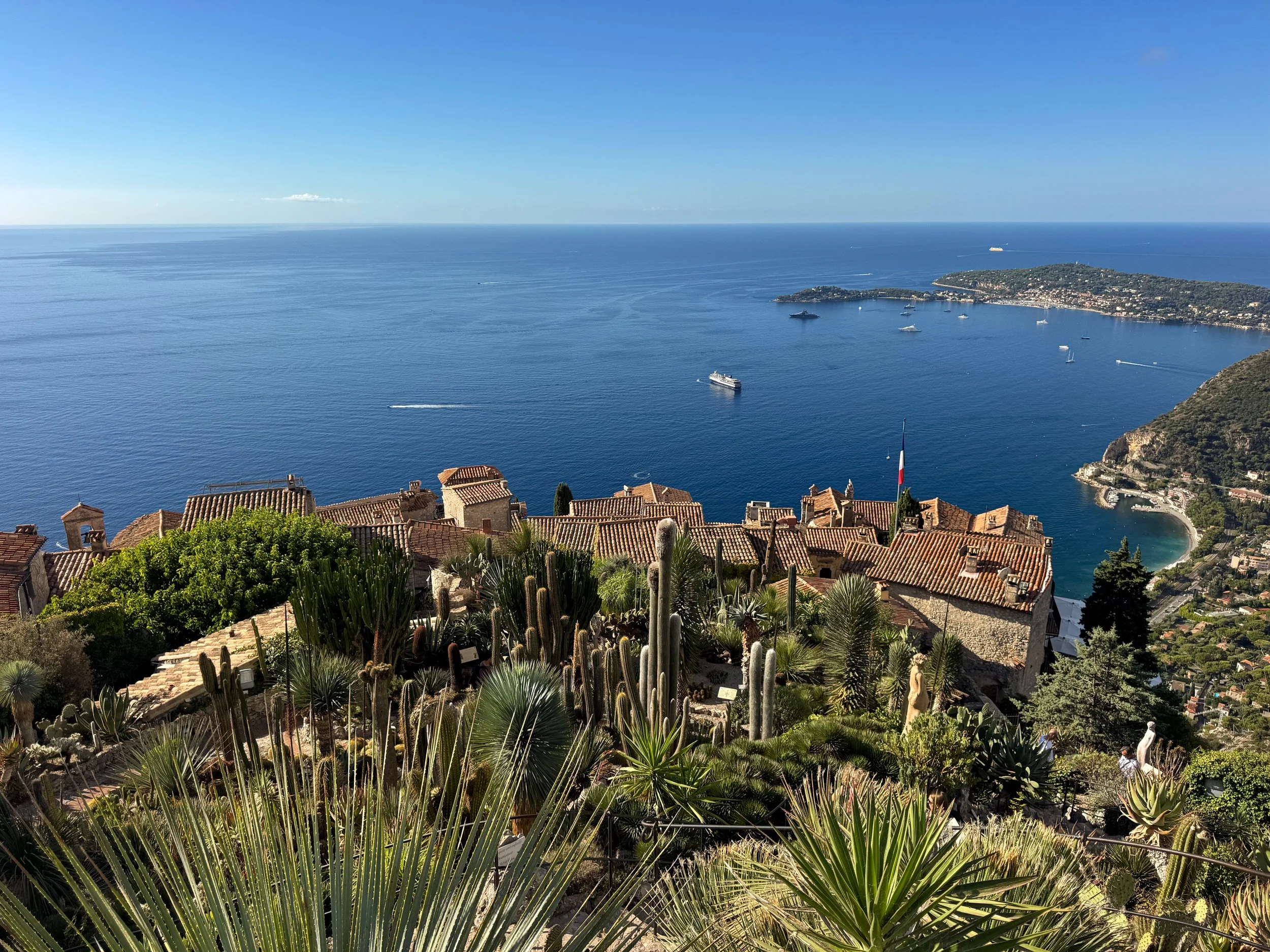
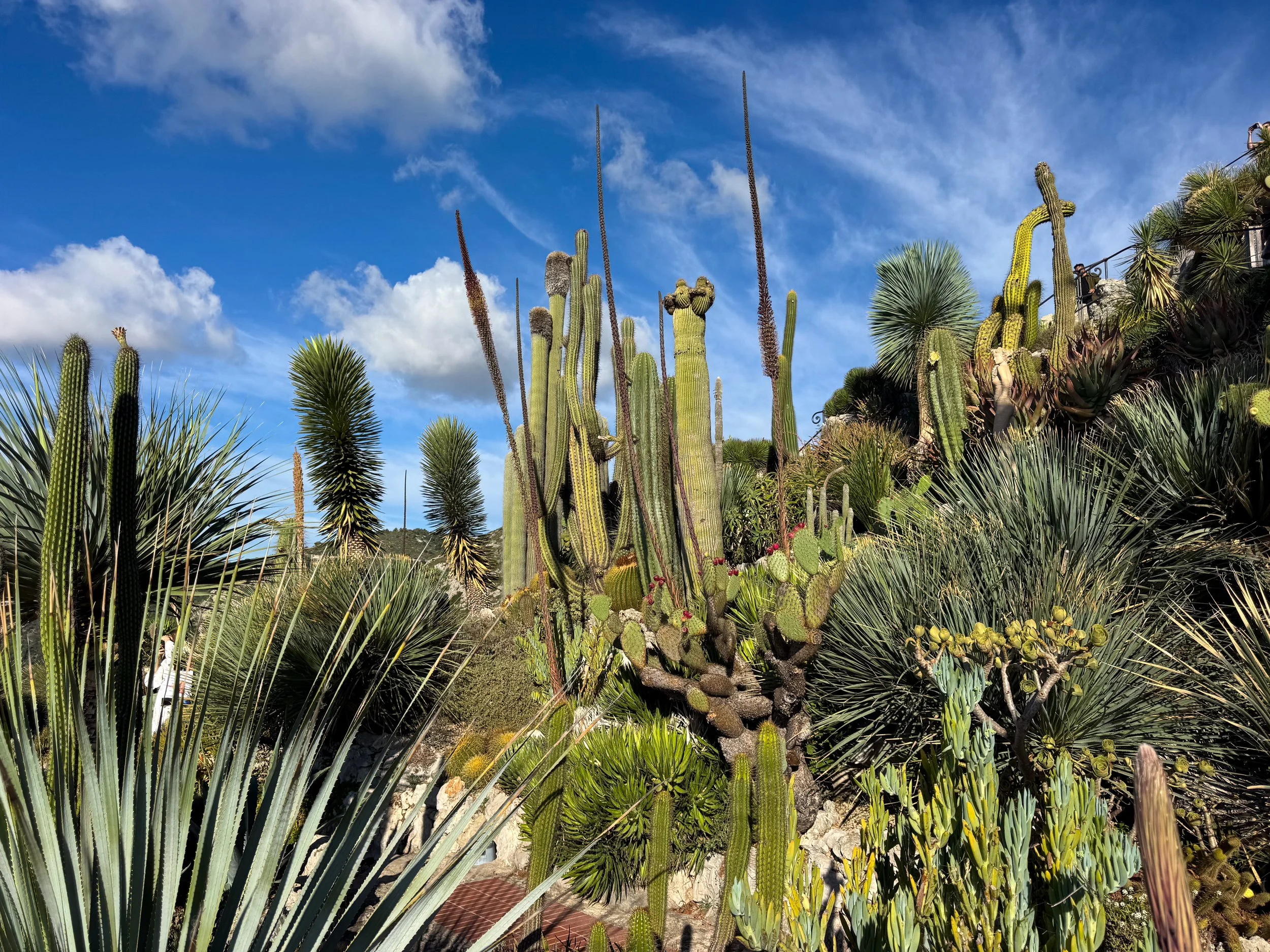
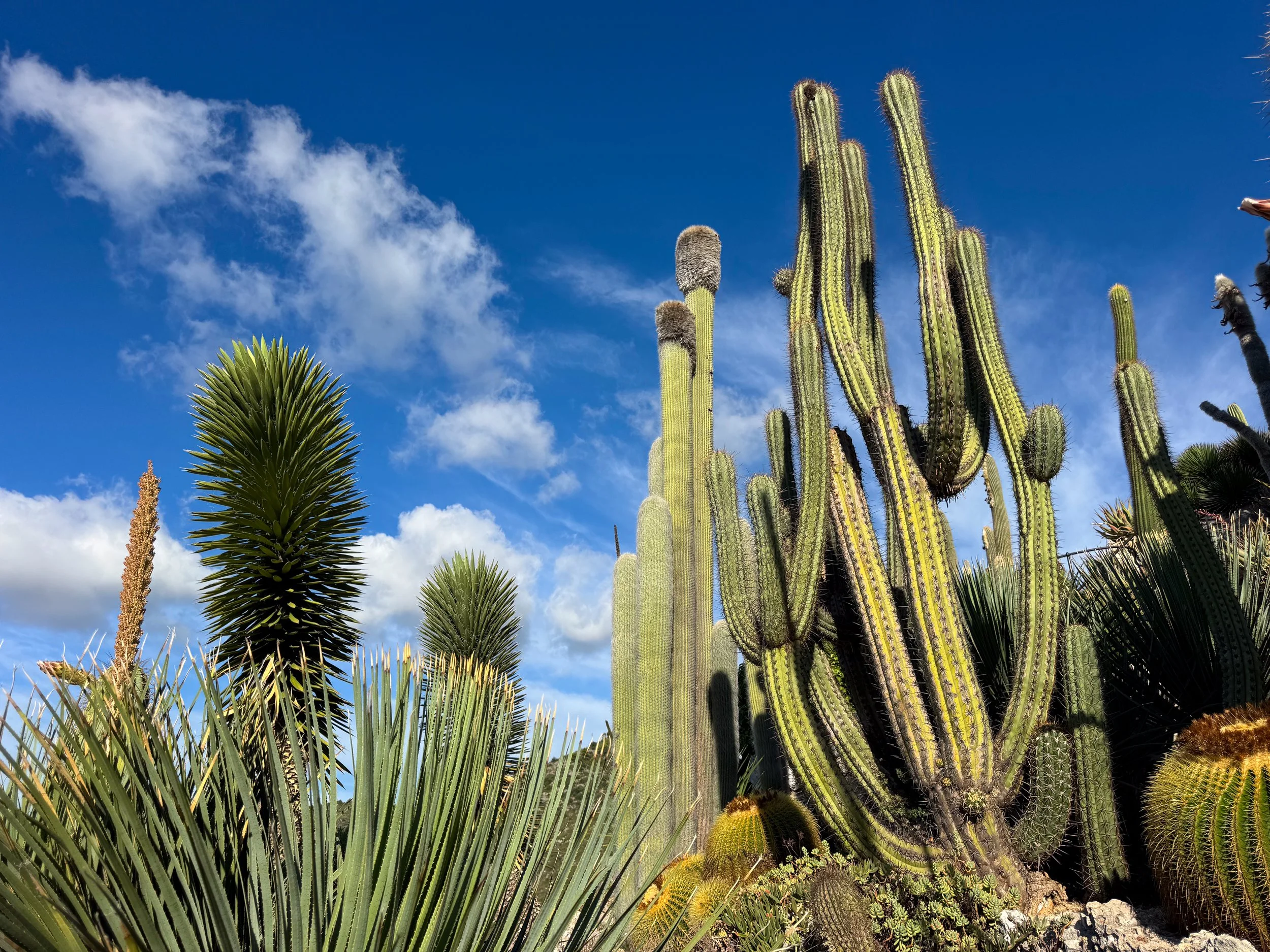
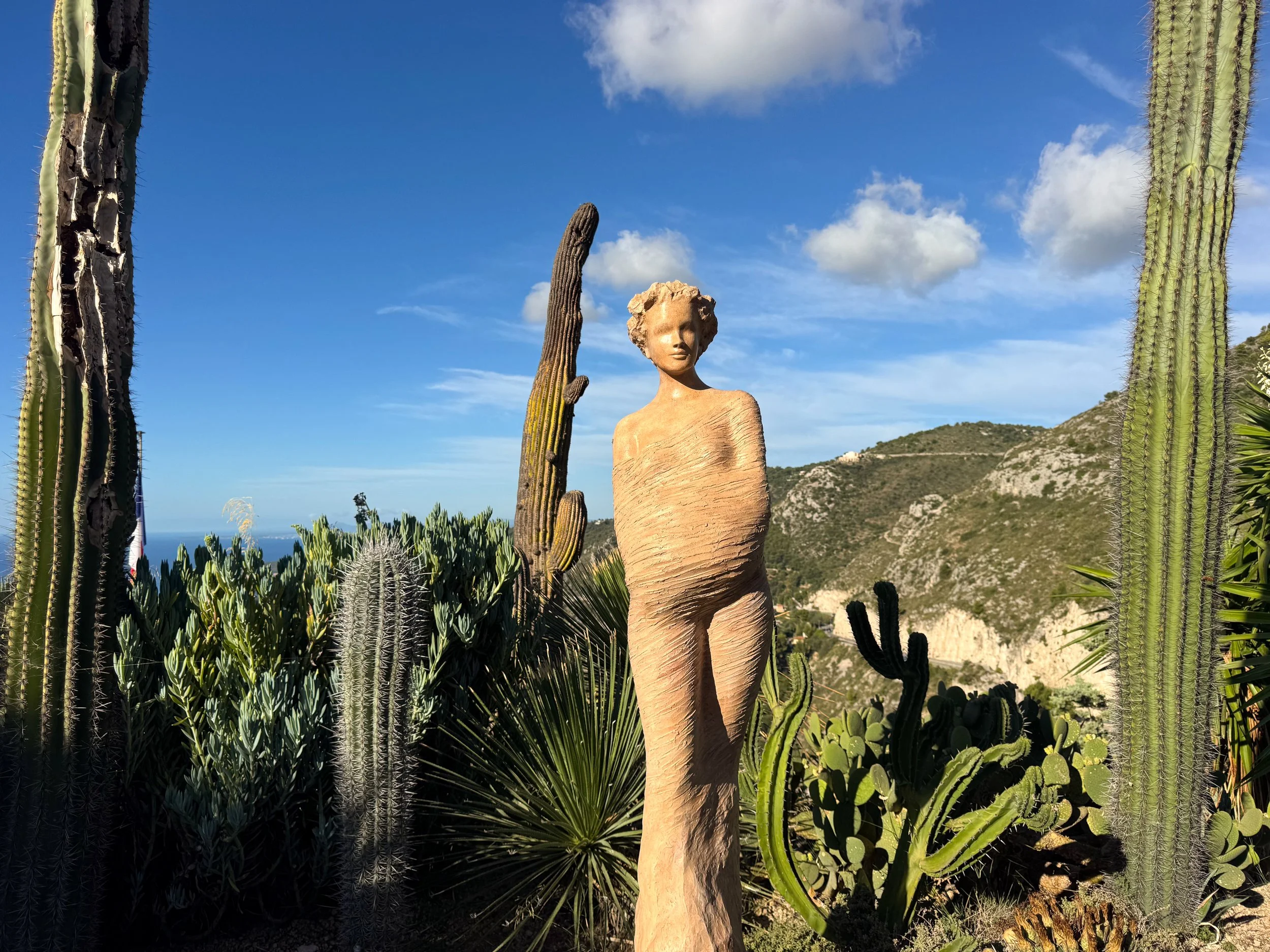
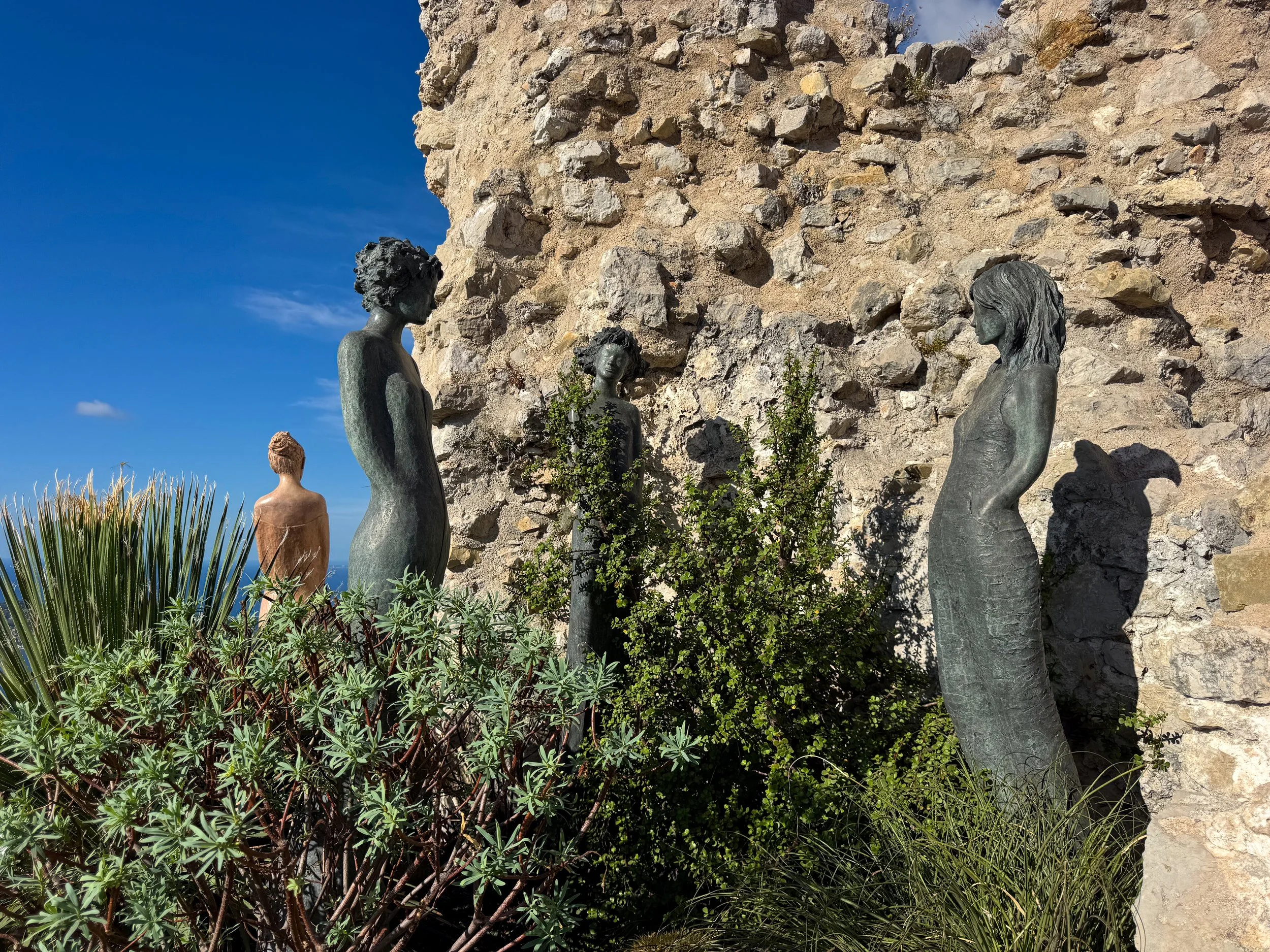
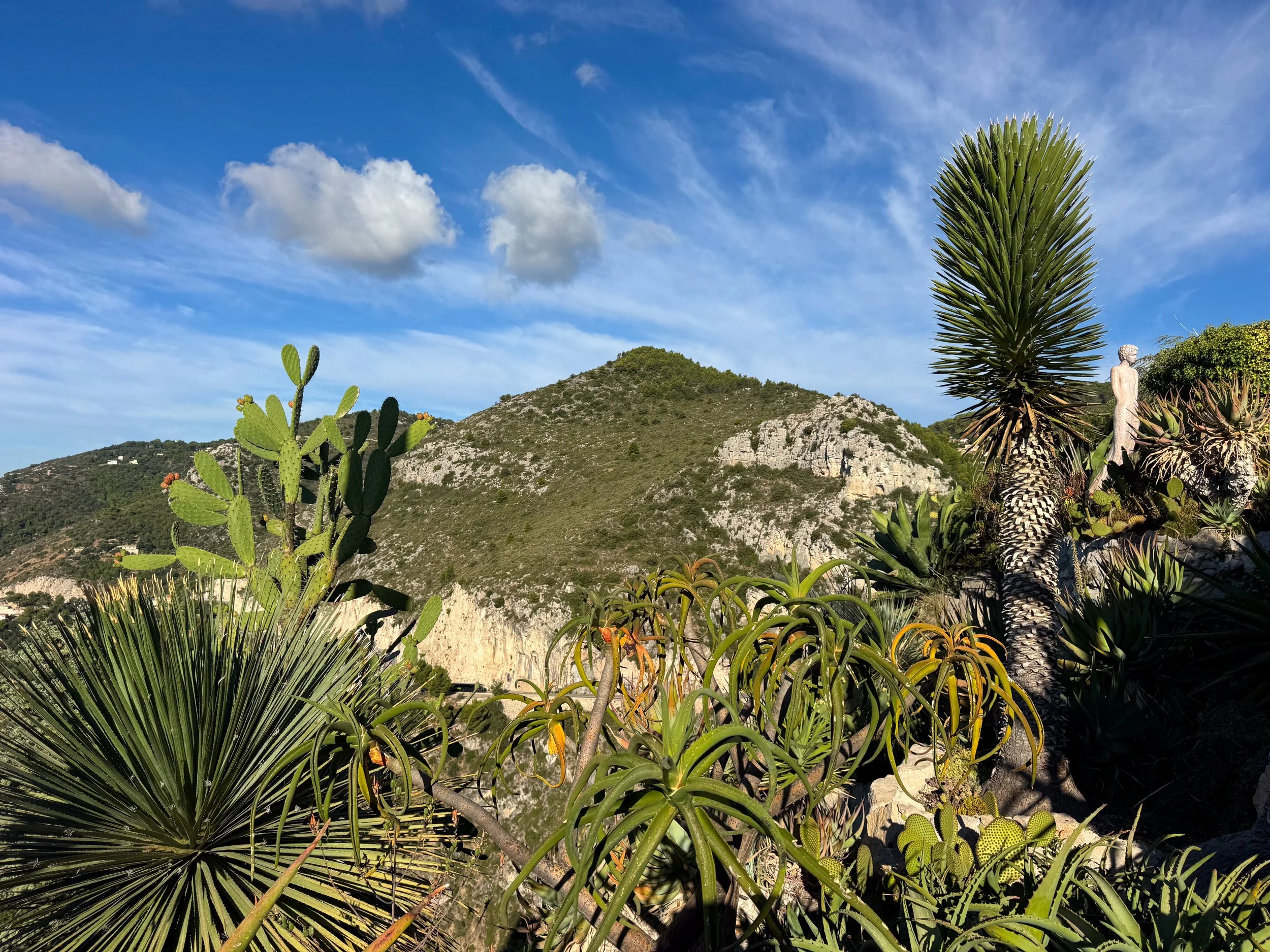
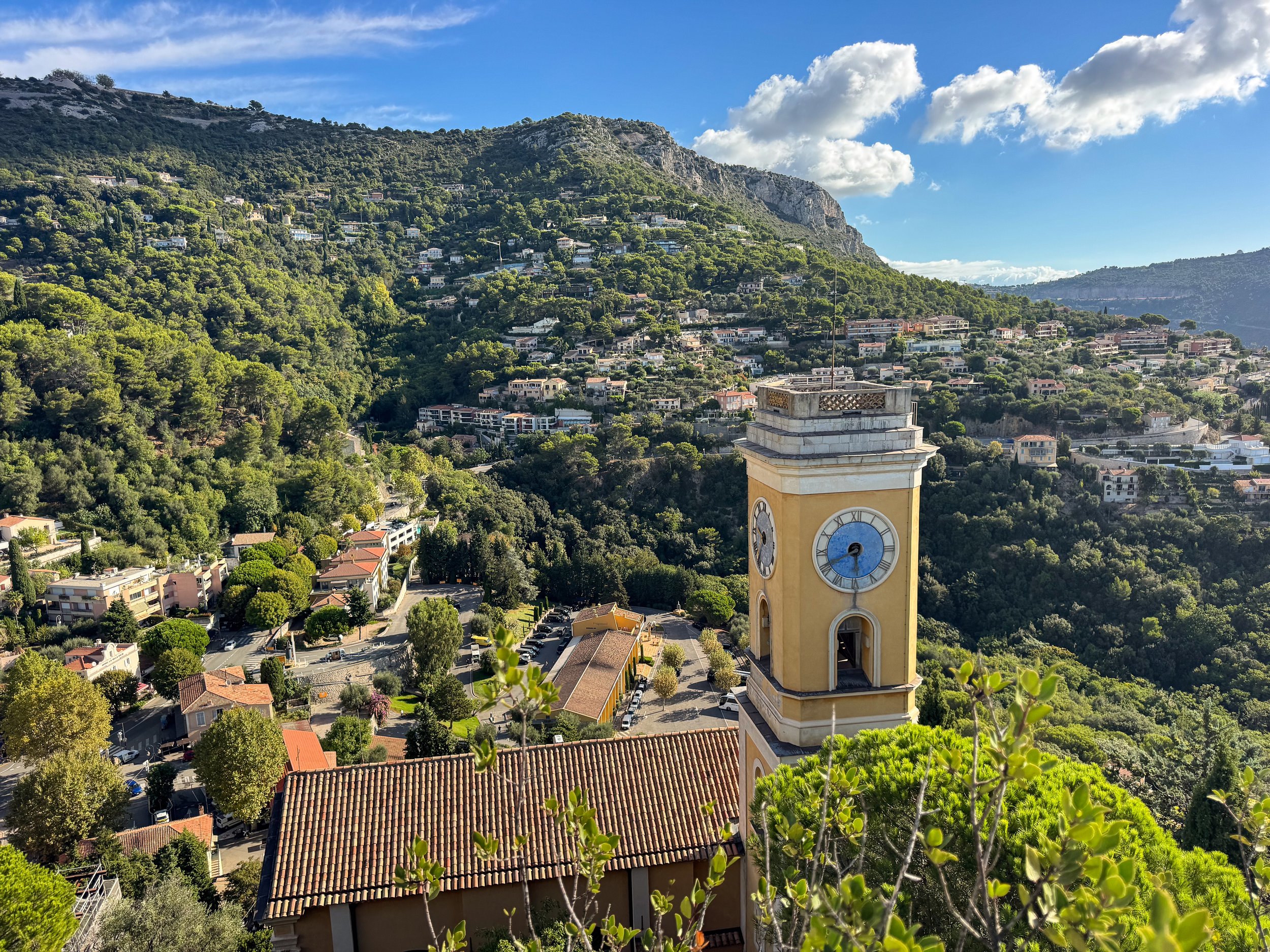
Jardin Exotique d’Èze. A hillside garden of exotic plants, succulents and cacti not native to the region. Hilly trails meander past sculptures and botanical identification plaques up to a hilltop plateau with medieval ruins and a human history predating the Roman Empire. From the top, panoramic views stretch across the sea and surrounding landscape.
Pro Tip. Only travel to Èze on a clear day to appreciate the view.
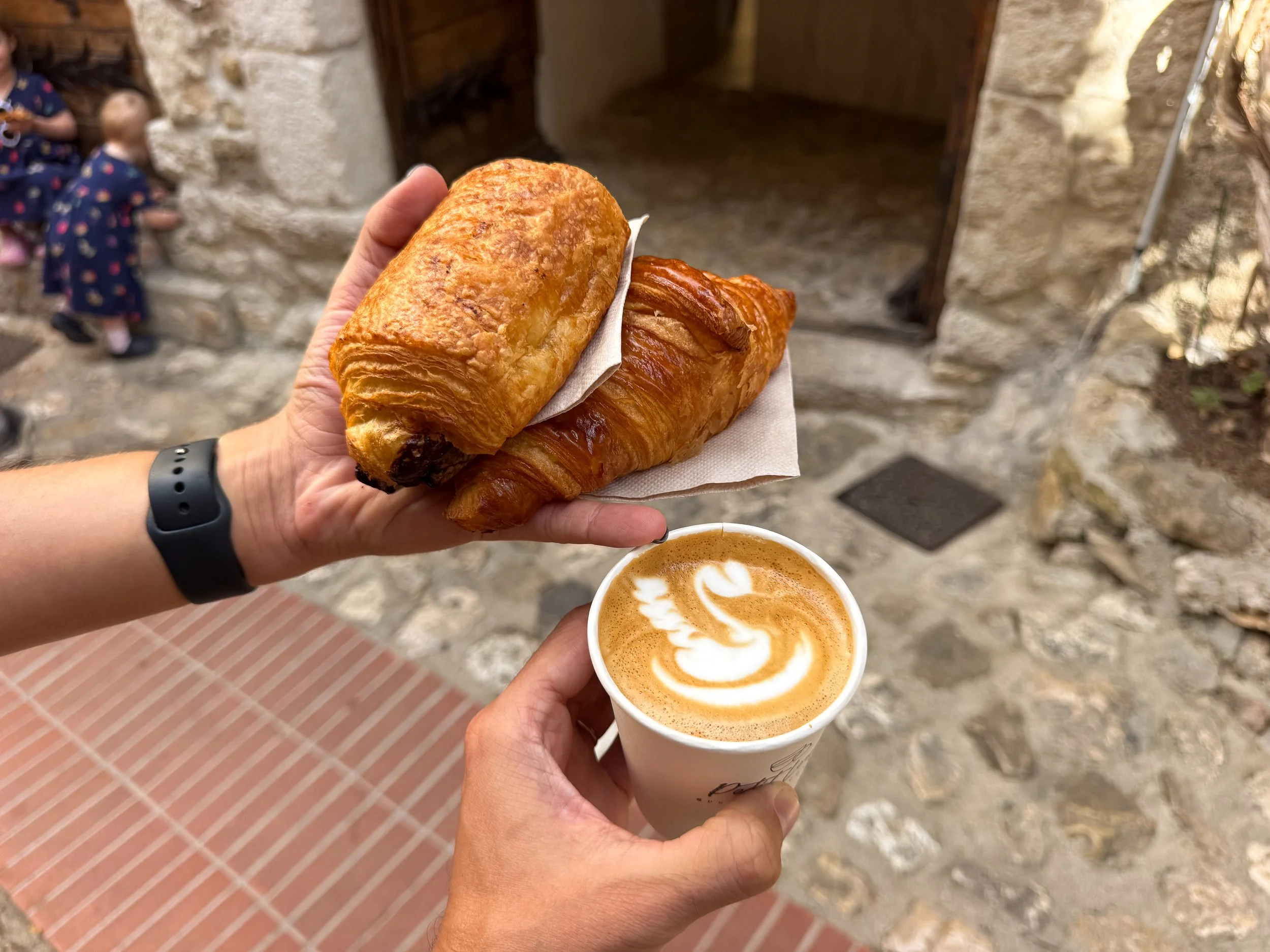
Petit Loup Specialty Coffee. A tiny cafe built into a stone vaulted nook of the medieval village with a barista serving artisan coffees and fresh baked pastries. Arrive early before the croissants and pain au chocolat are sold out.
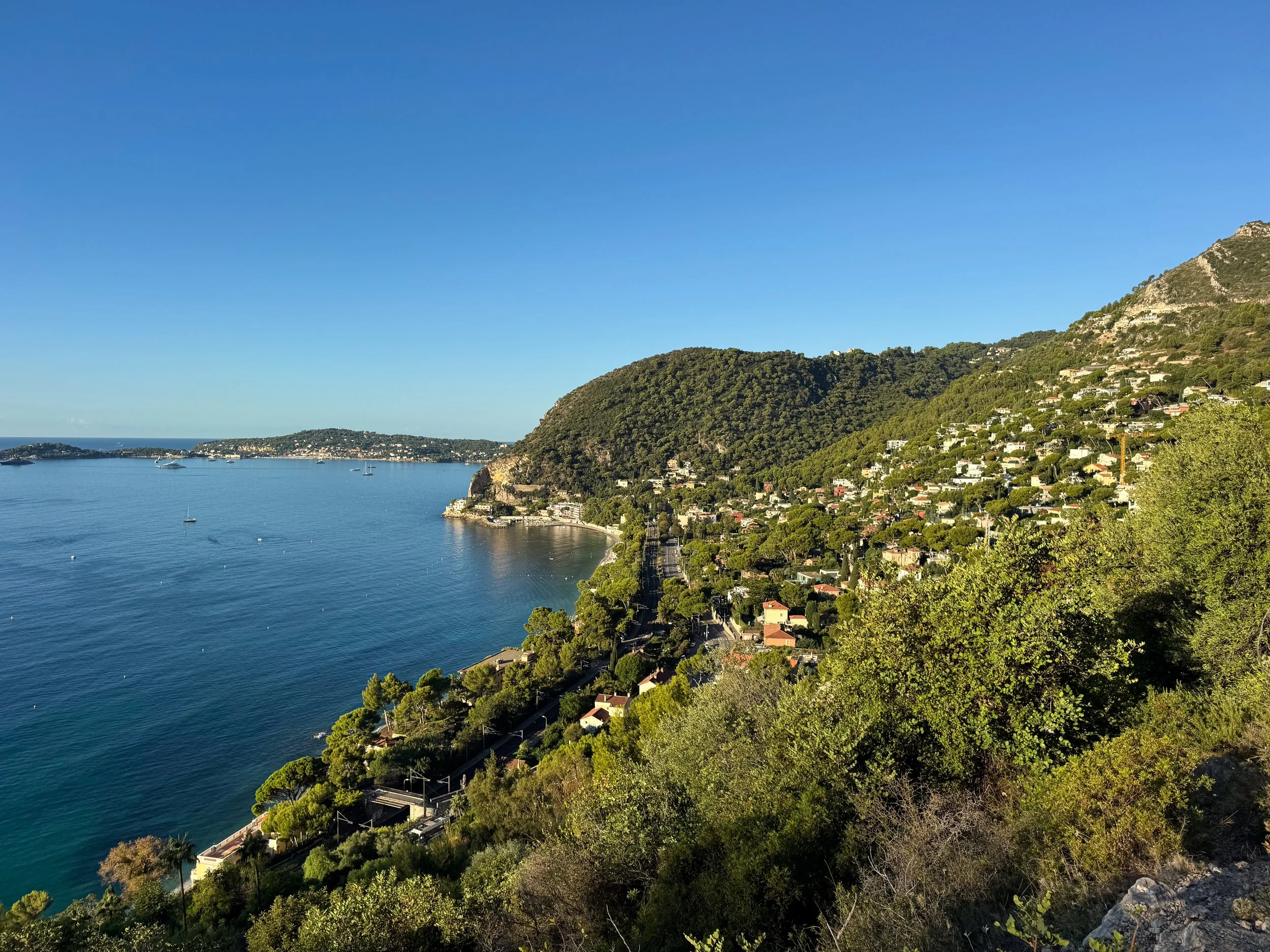
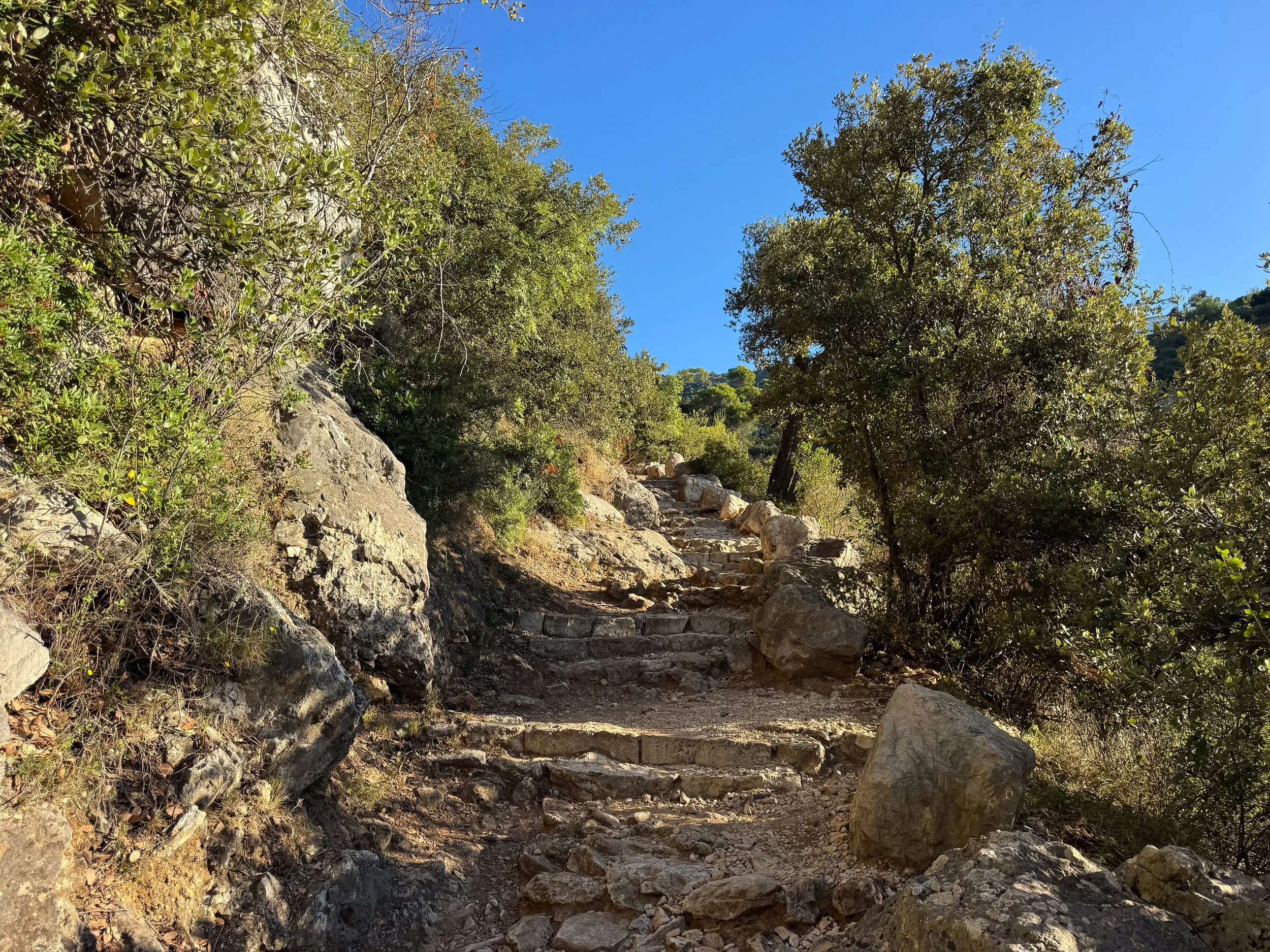
Nietzsche Trail. A rugged hiking trail meandering the lush hillside from Èze-sur-Mer at sea level to Èze Village. The route offers a scenic way to experience the Mediterranean outdoors and coastal landscape. It's a steep hike, gaining about 1,400 feet (over 400 meters) in elevation, taking roughly an hour one way. The trail head is located here on Google Maps.
Getting Here. If planning to hike the Nietzsche Trail, take the SNCF Train from Nice Ville to Èze Station. The train ride takes about 15 minutes.
Good to Know. The village is very touristed. Arrive before 10am to avoid large crowds. Begin hiking by 8:30am to have time to freely explore. Plan to enter the Exotic Garden at opening.
Saint-Jean-Cap-Ferrat Day Trip from Nice
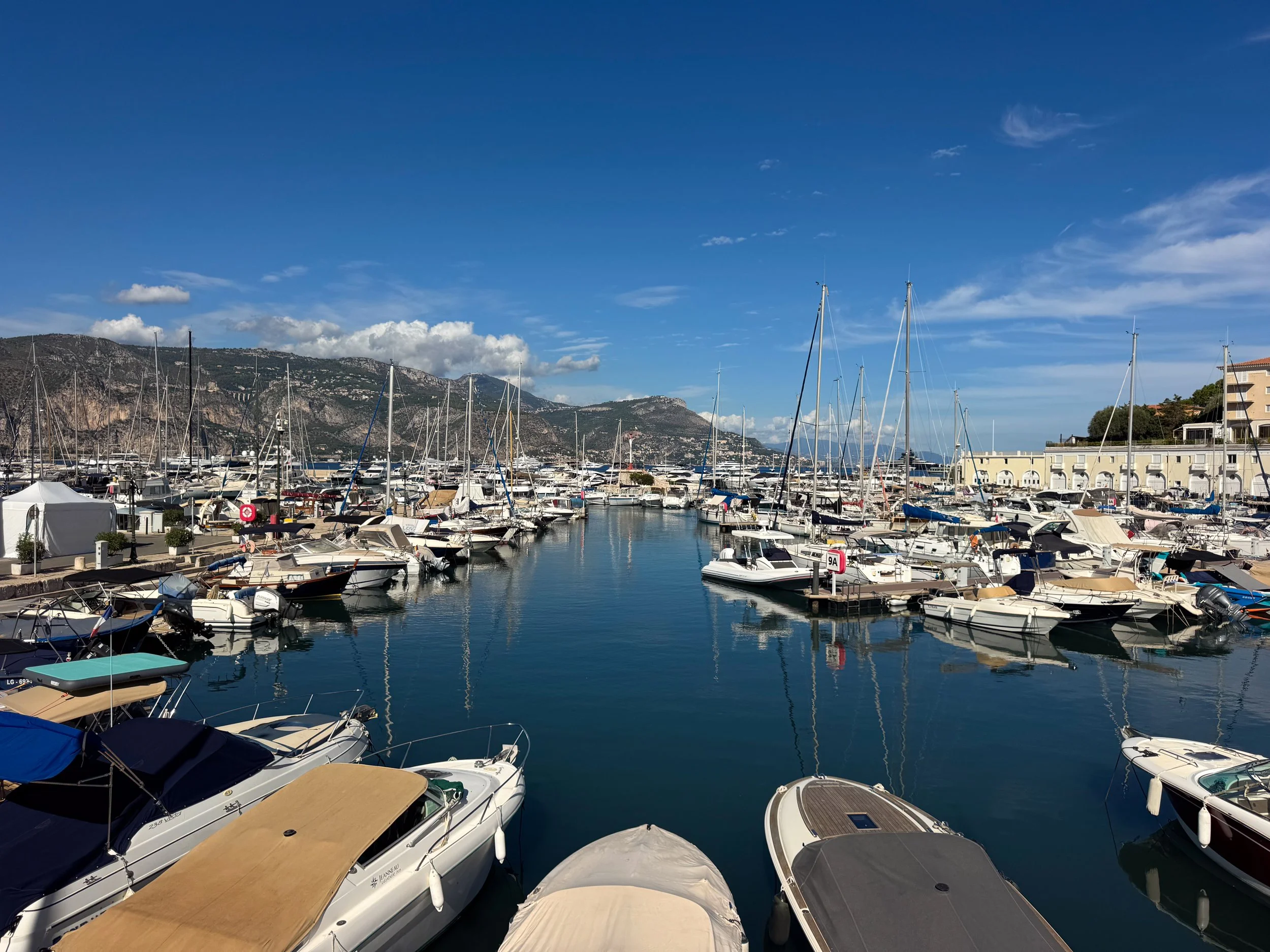
Saint-Jean-Cap-Ferrat is a large peninsula reaching into the Mediterranean, home to luxurious mansions and residences. Coastal hiking trails and walking paths wrap around its shoreline, while a marina and small port town, public beaches and private beach clubs round out its charms.
Plage des Fourmis. A beach at the base of the peninsula, reached from the town of Beaulieu-sur-Mer. Its shoreline is made up of fine pebbles rather than sand or larger stones, with a mix of public sections and private beach clubs.
Promenade Maurice Rouvier. A seaside walking path linking Plage des Fourmis to the port of Saint-Jean-Cap-Ferrat. Nestled between luxury residences and the sea, it offers scenic views across the bay and the mega yachts moored in its deeper waters. The walk takes about 30 minutes.
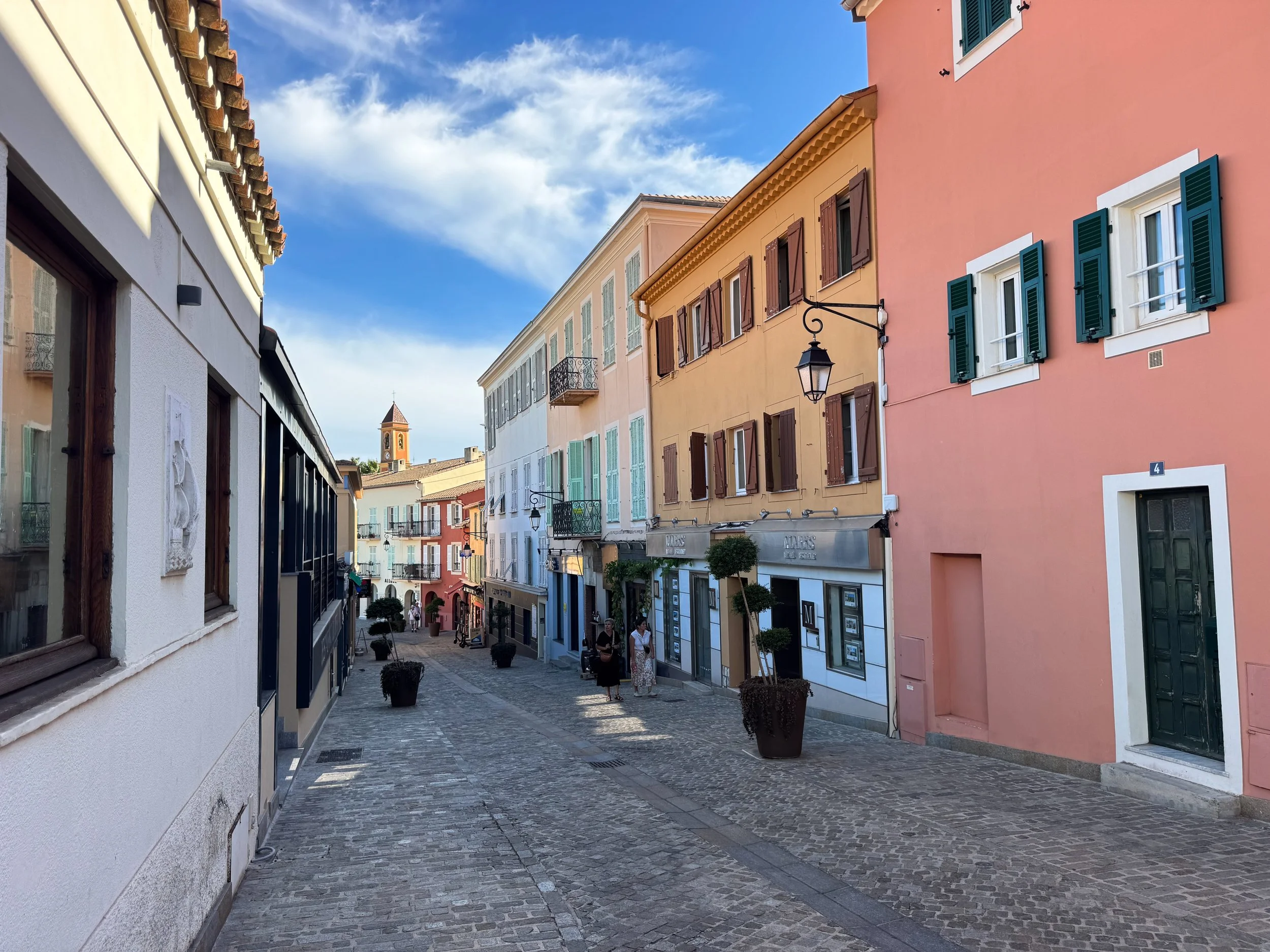
Port of Saint-Jean-Cap-Ferrat. A port town centered on the peninsula's main marina, home to hundreds of docked boats and ships. Portside restaurant terraces overlook the harbor, while just beyond lies a small historic center of cobblestone streets and colorfully painted buildings. Stop into Restaurant Le Saint Jean for a mid-afternoon snack and a spritz.
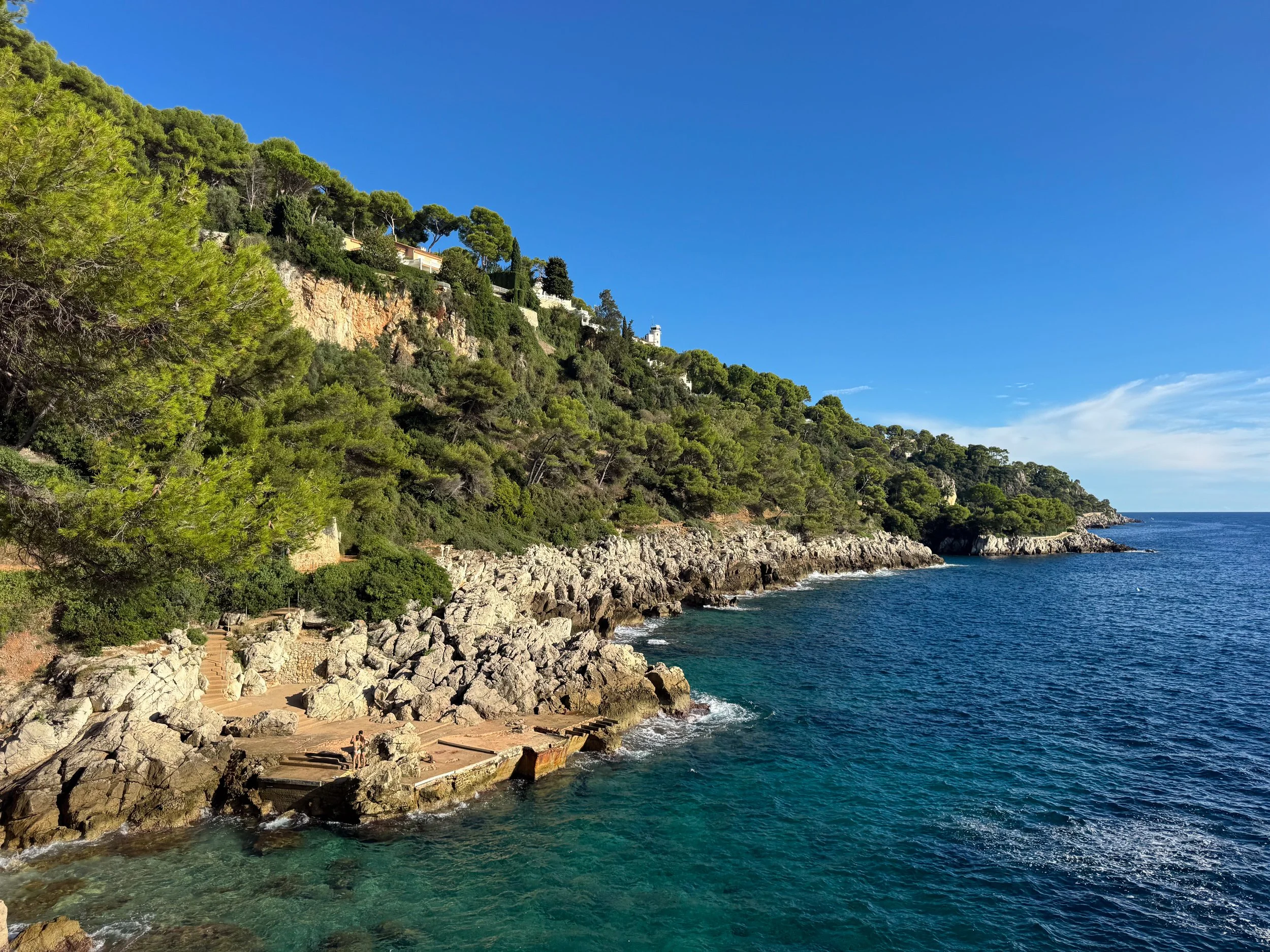
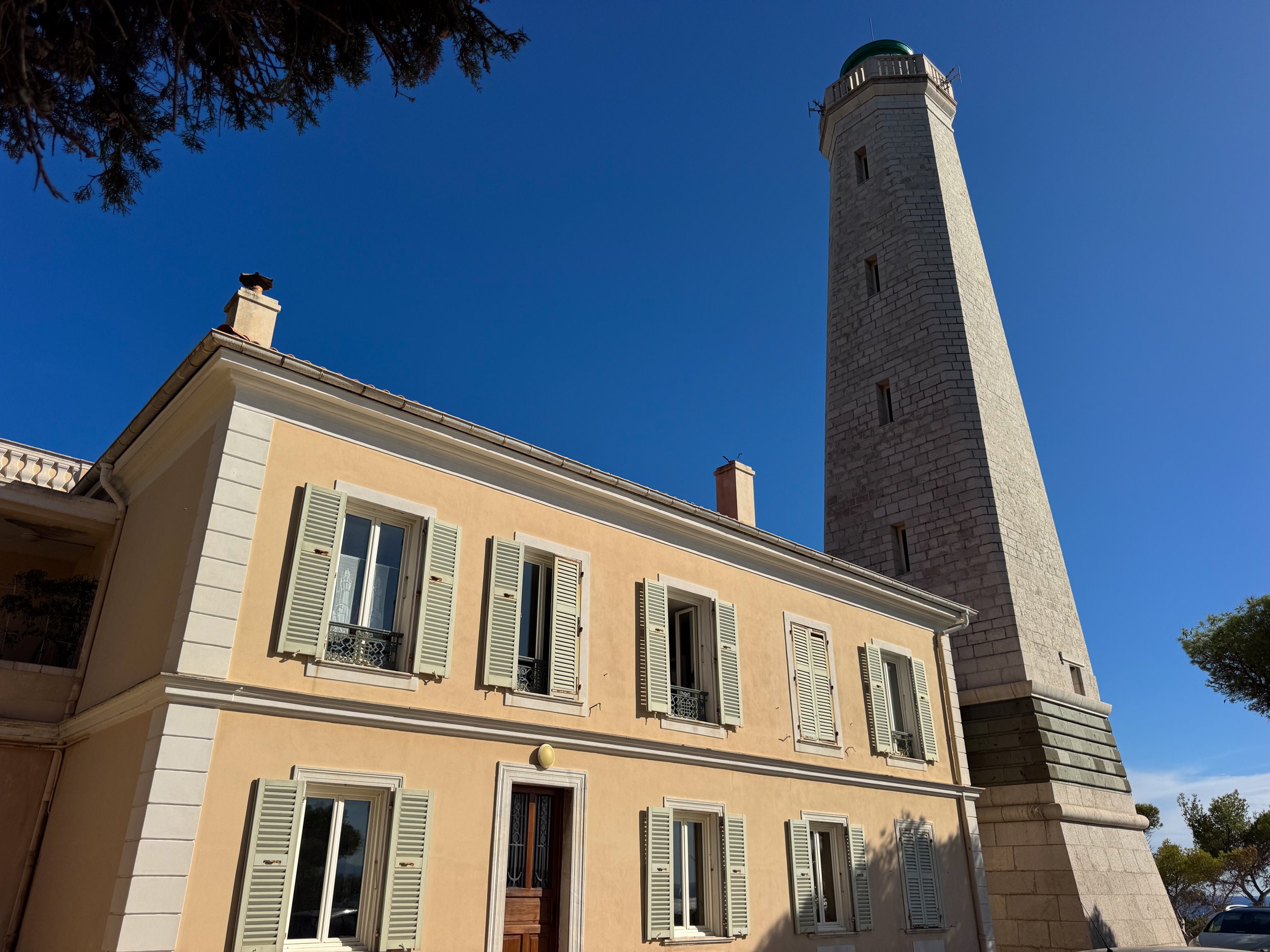
Le Chemin des Douaniers. A coastal walk wrapping around the peninsula, past rugged seaside cliffs and pine forested hillsides. Carved staircases descend to quiet pebble coves, rewarding spots to swim and sunbathe. At the midway point, the trail passes Phare du Cap Ferrat, a lighthouse at the peninsula's tip.
Allow at least two hours to complete the trail. One end of the trail is located near a graffitied bunker at the end of a residential street. (Use this Google Map Pin). The other end of the trail is located at the end of a road near Plage Publique de Passable. (Use this Google Map Pin).
Monaco Day Trip from Nice
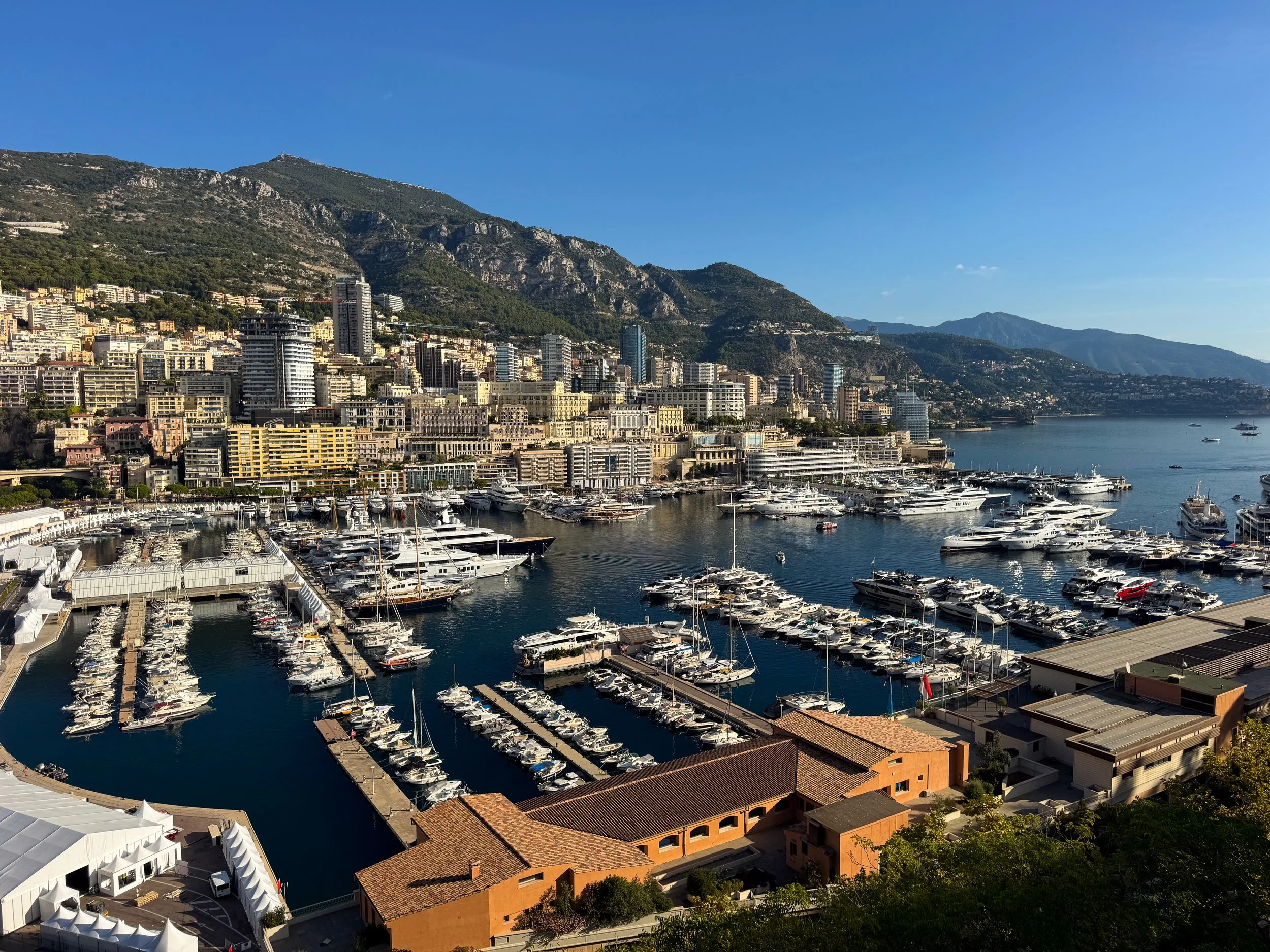
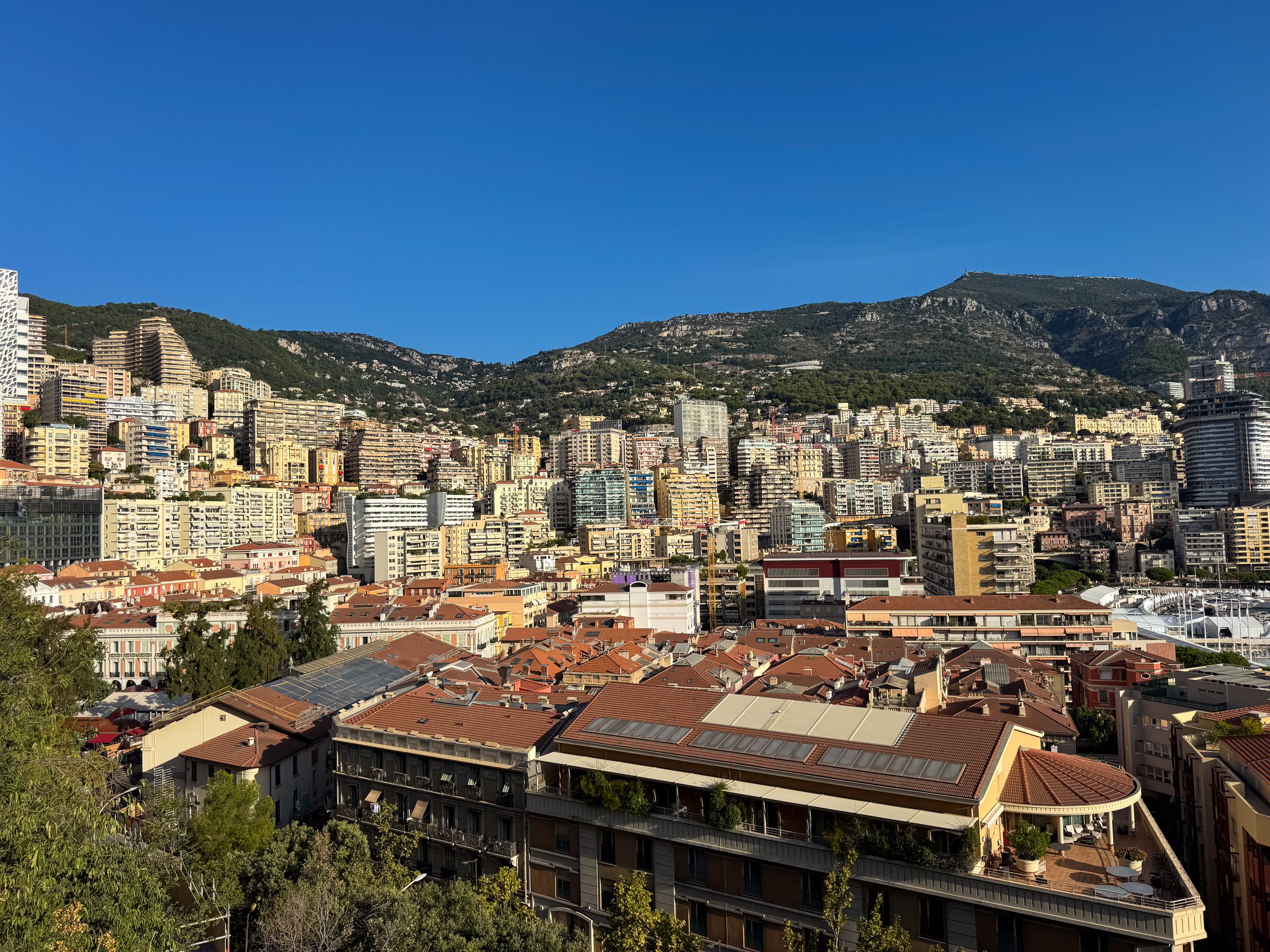
Monaco is a glittering city state famed for its historic casino and winding roads that double as the Grand Prix race track. Belle Époque architecture and modern skyscrapers crawl up the hillsides from the mega yacht lined harbor. Much of the country can be seen on a day trip from Nice.
Le Rocher: Prince’s Palace & Old Town
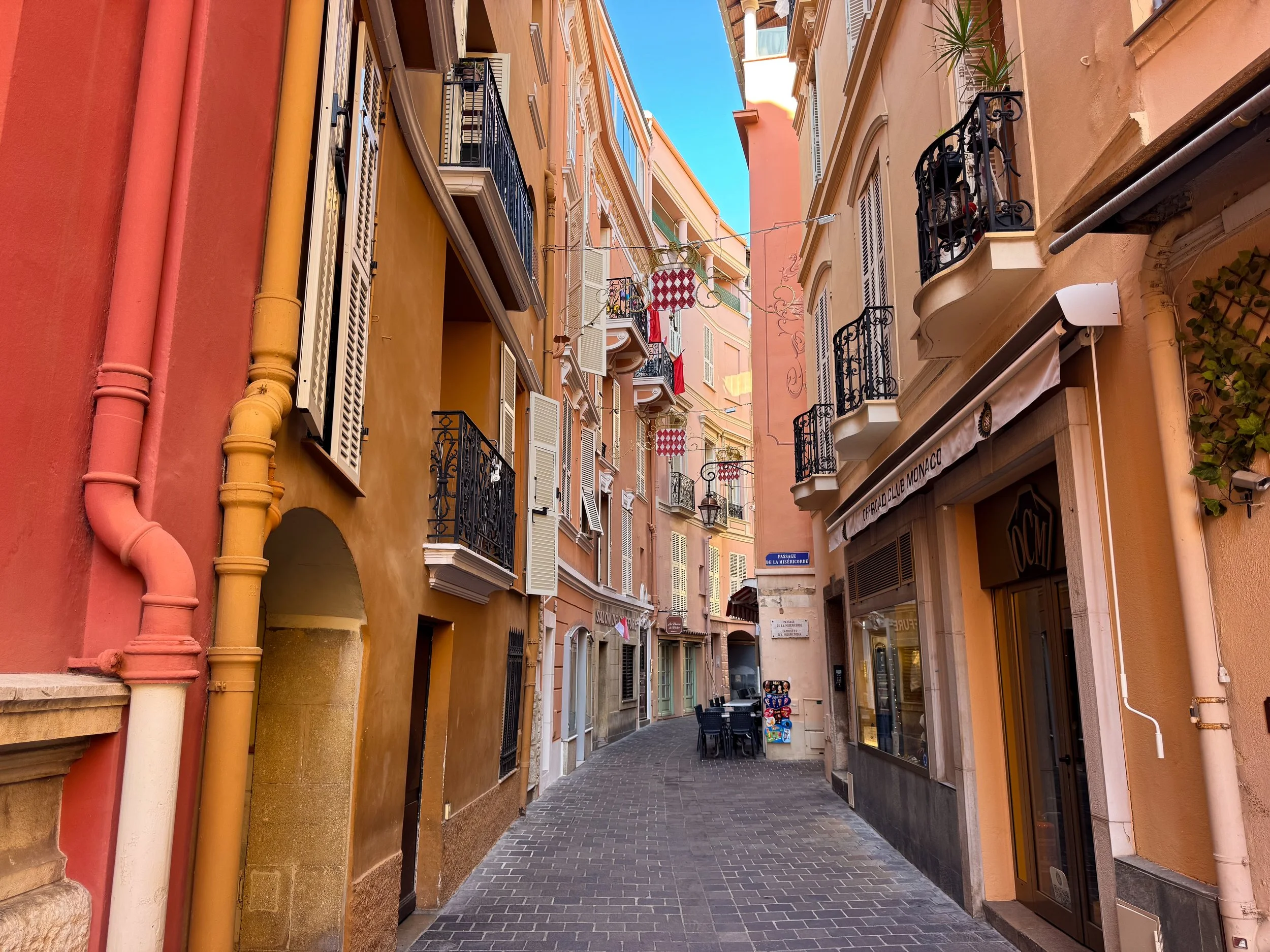
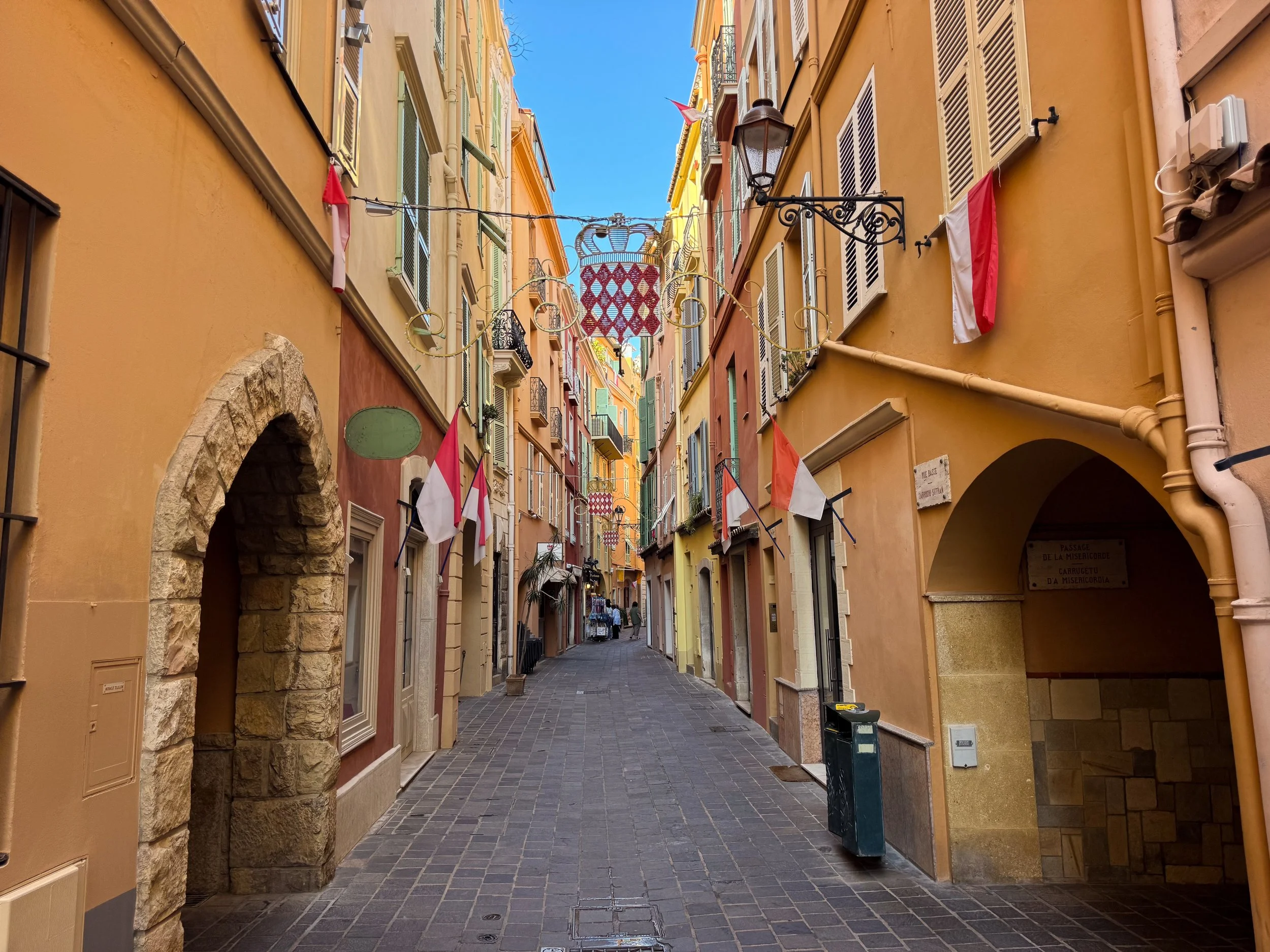
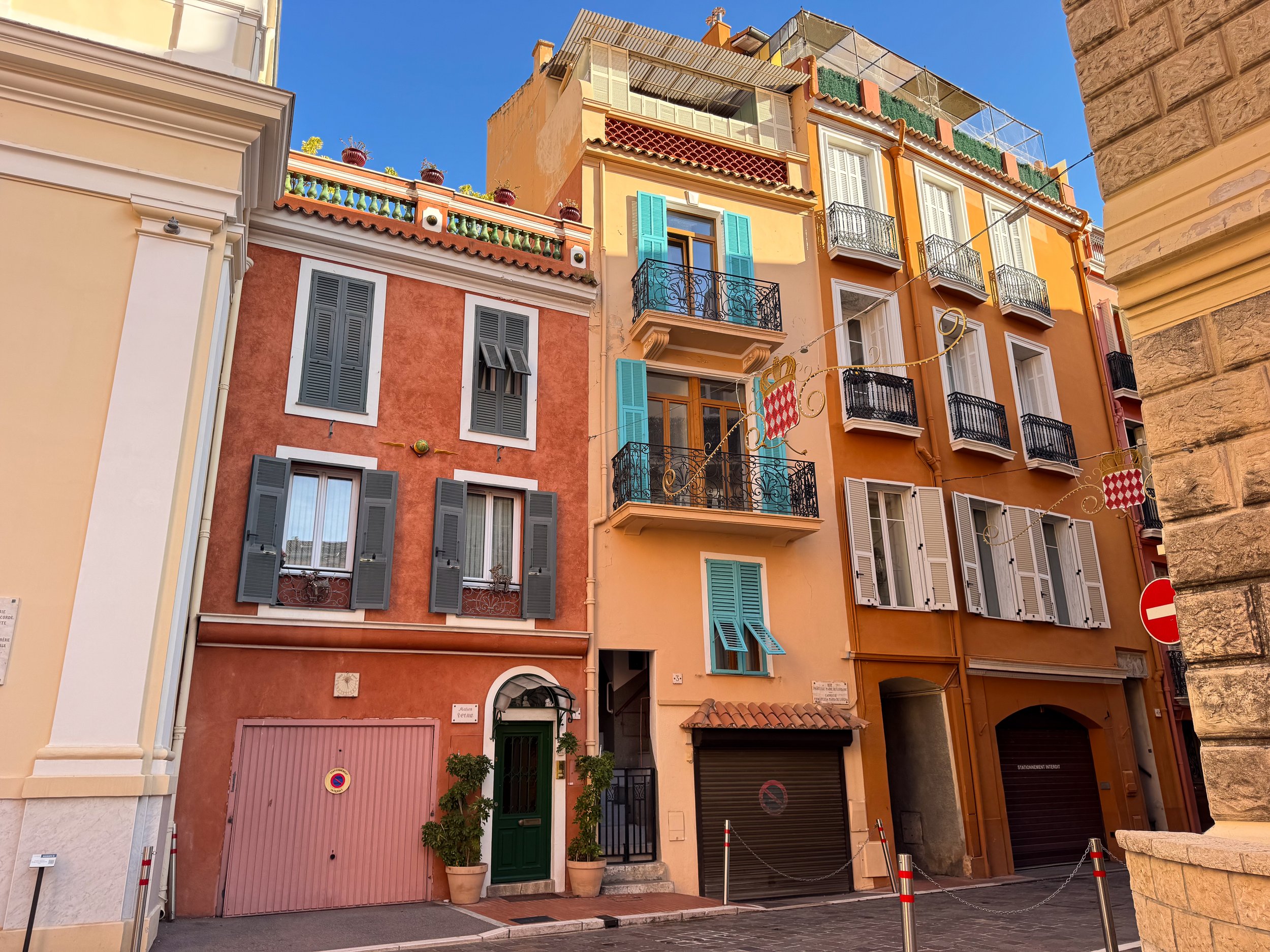
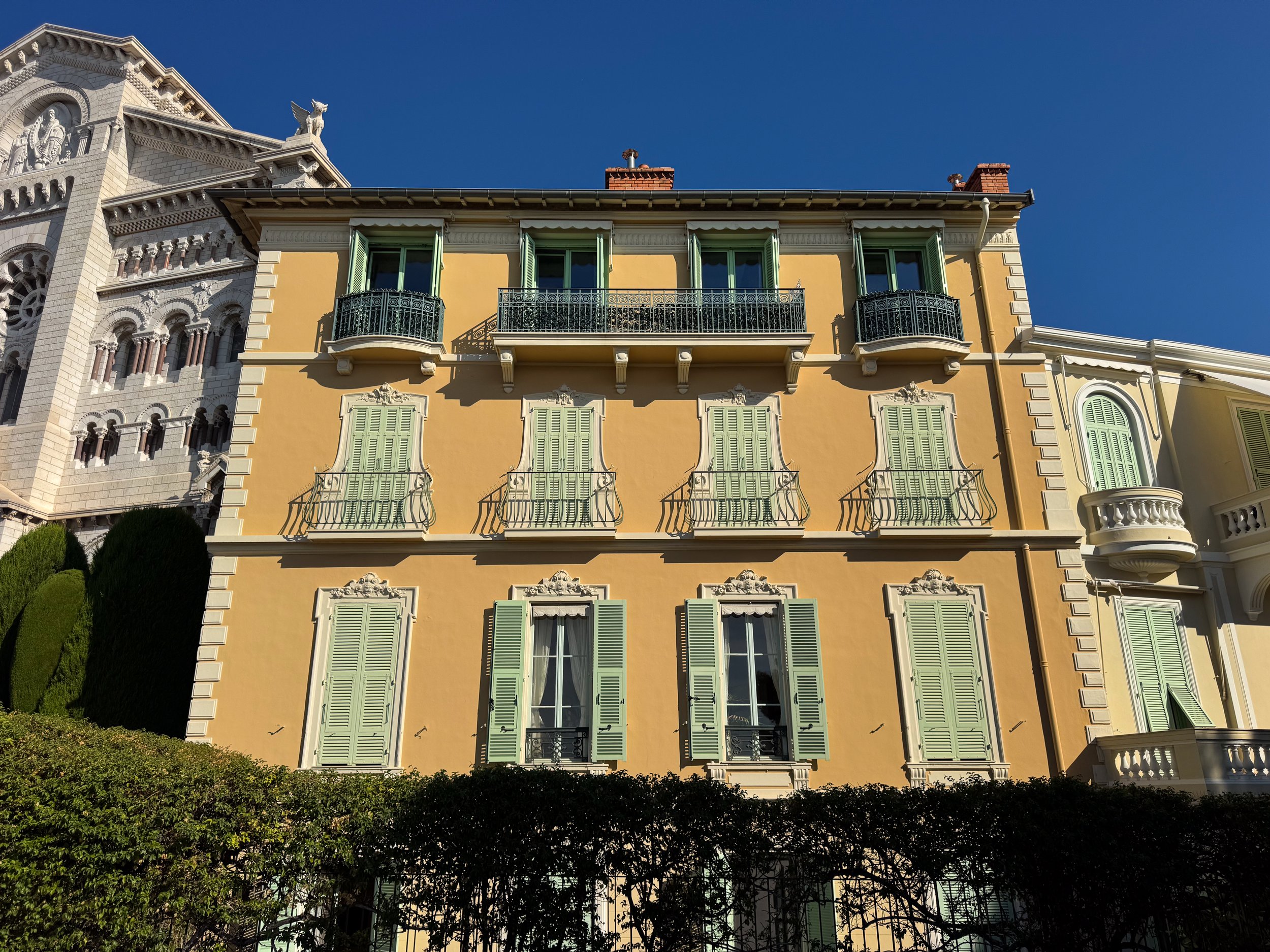
Le Rocher, the old town of Monaco, is perched on a rocky plateau above the Mediterranean Sea. It's home to the Prince's Palace, panoramic viewpoints and landmark monuments. Narrow cobblestone streets wind through its historic center beneath royal seals of the country's monarchy.
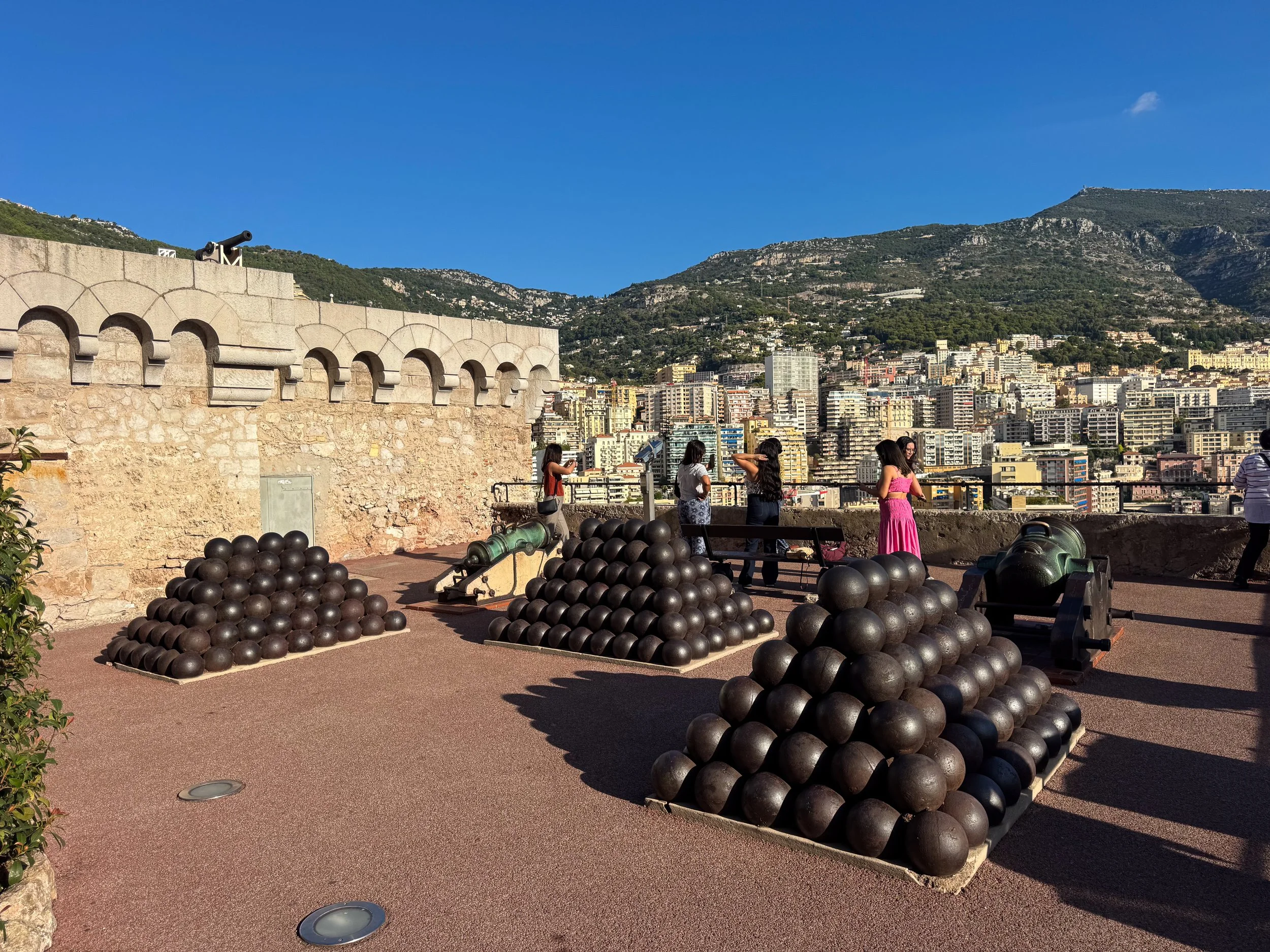
The Terrasse du Palais. A panoramic lookout beside the Prince's Palace, with sweeping views of Monaco's harbor, skyline and mountainous backdrop. Preserved cannons and pyramids of stacked cannonballs line the terrace. From here, Rue des Remparts leads to a second lookout, Vue Panoramique sur Monaco, with equally impressive views.
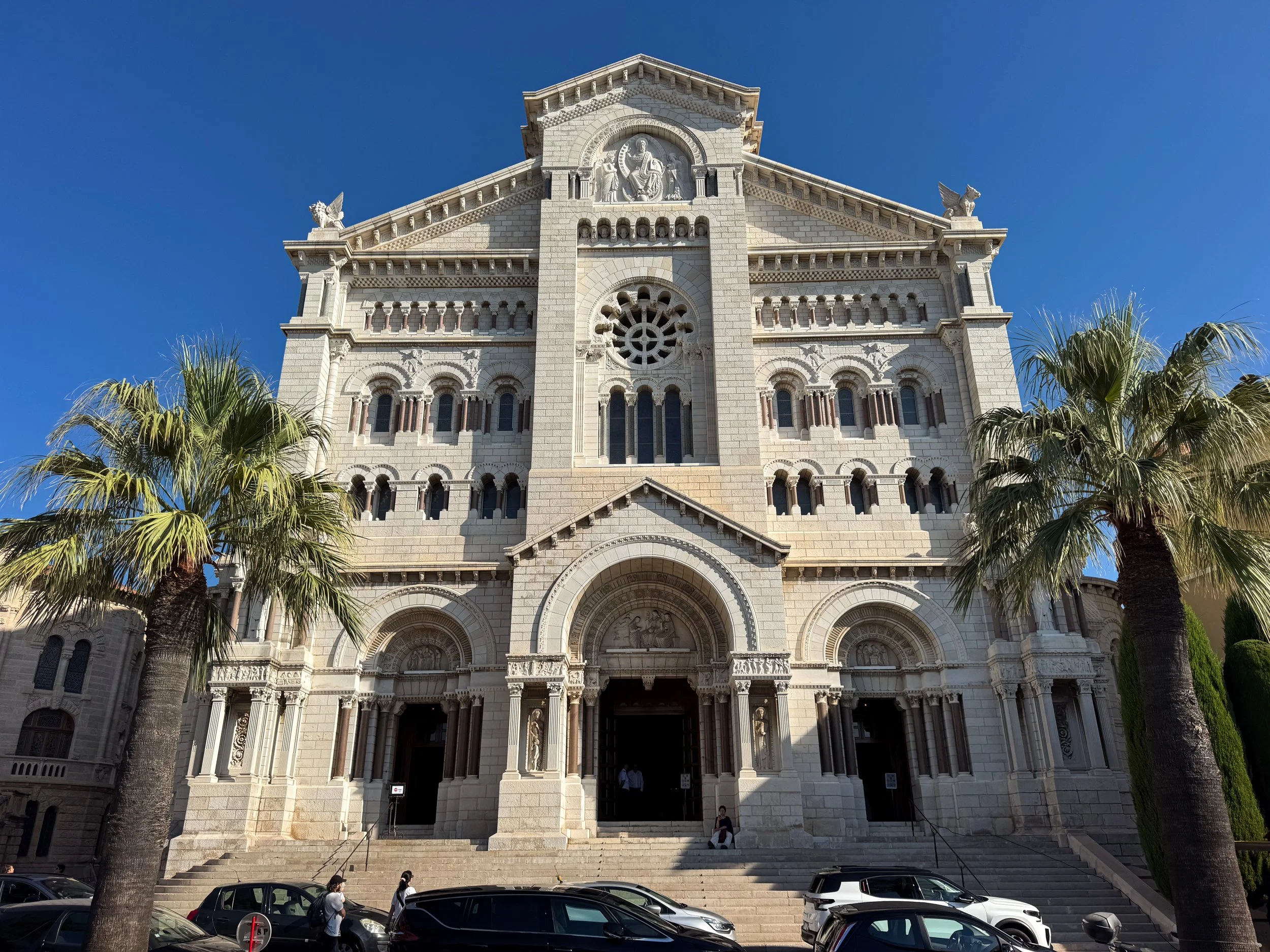
Cathédrale de Monaco. A Romanesque-Byzantine cathedral built of white stone and the final resting place of Monaco's past princes and princesses. It stands on the site of a medieval church, with architectural remnants of the original scattered around its base.
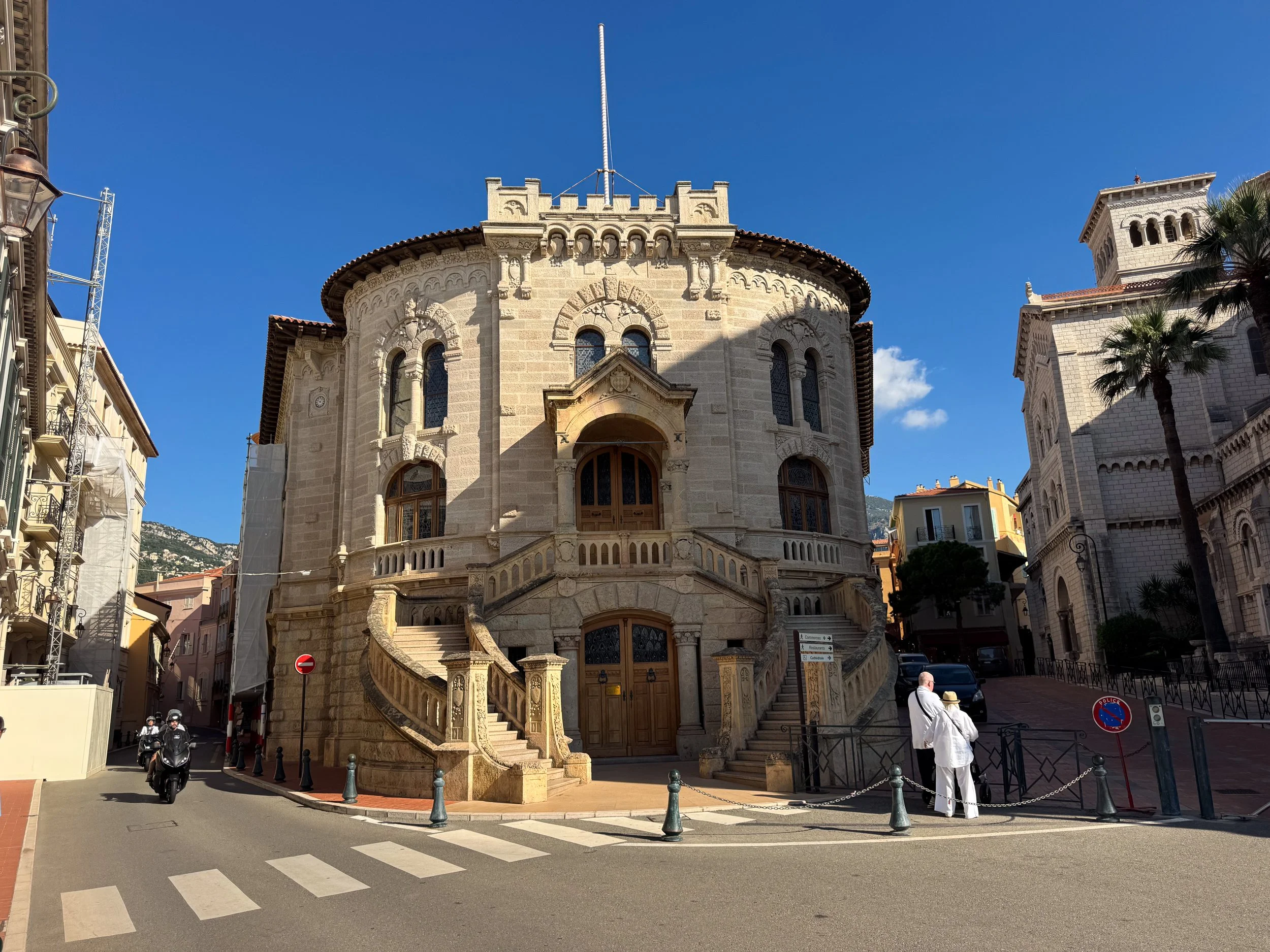
Monaco Courthouse. A small but intricately designed courthouse with a double curved staircase and a coarse stone façade made of sea tuff. It's closed to visitors but can be admired from outside.
l’Express. A popular old town restaurant serving Monégasque, French and Italian cuisine, with a cozy outdoor dining room tucked into a small plaza behind the cathedral. Come here to try local dishes like tourte, pissaladière, barbajuans and panisses.
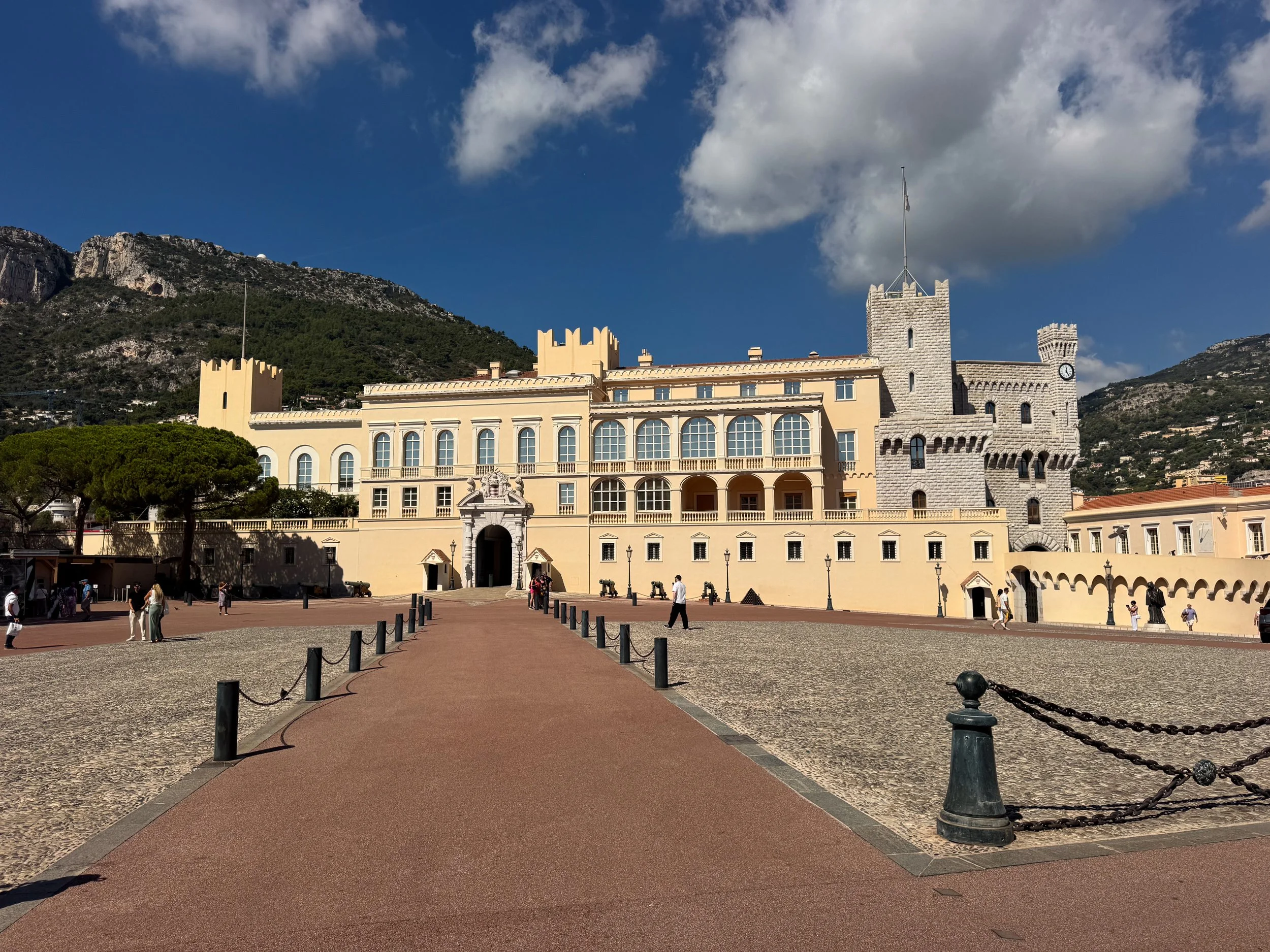
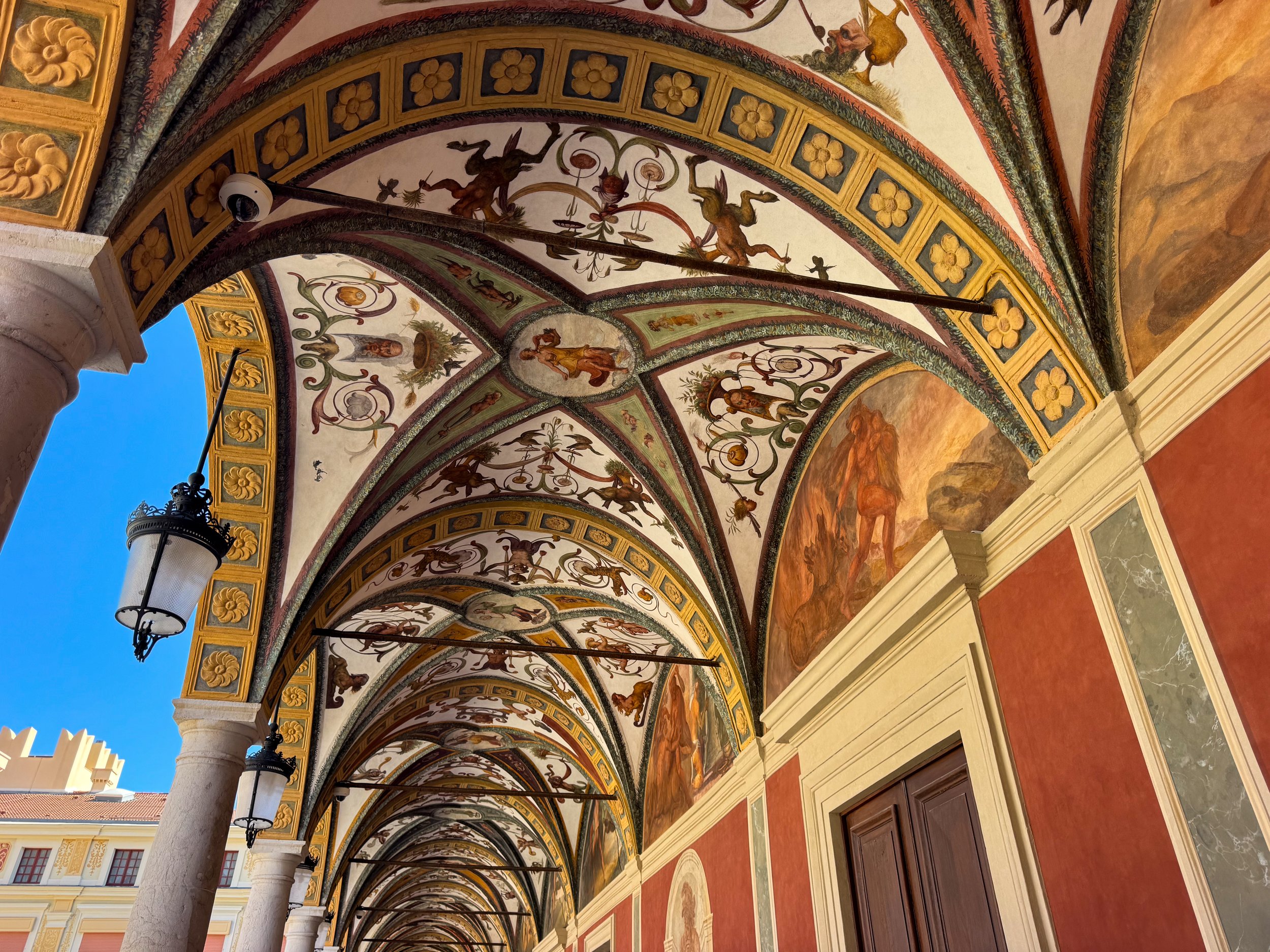
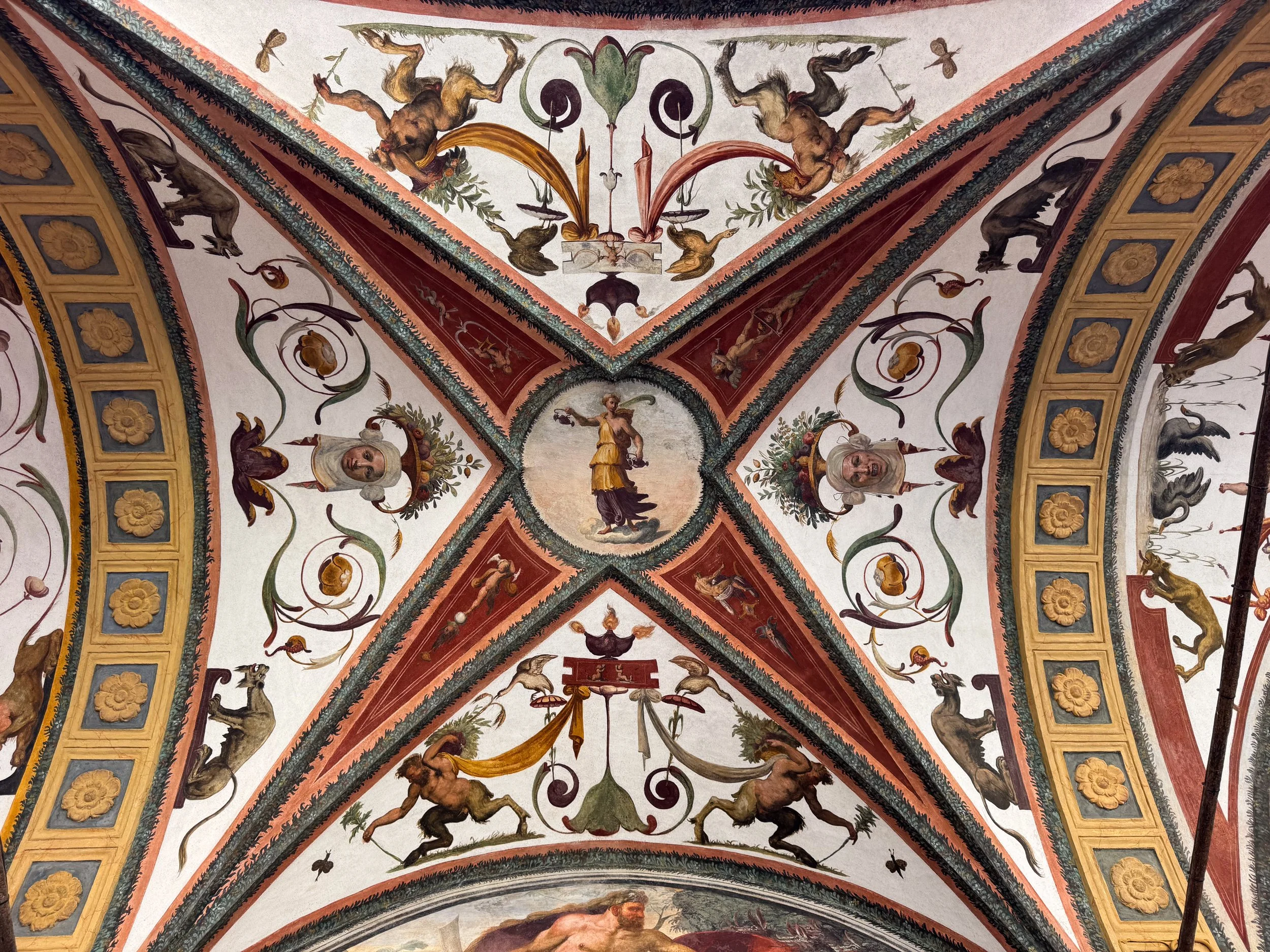
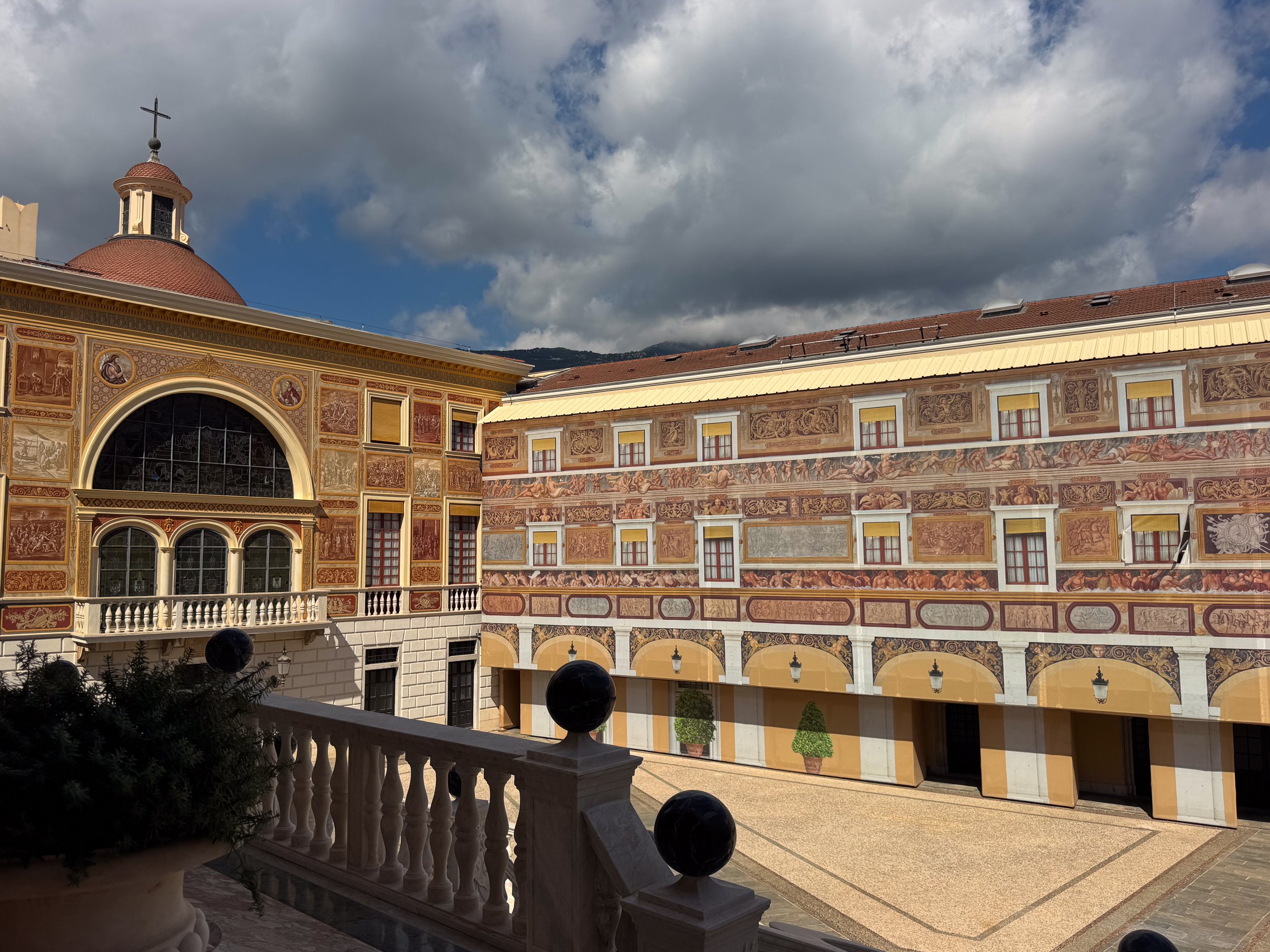
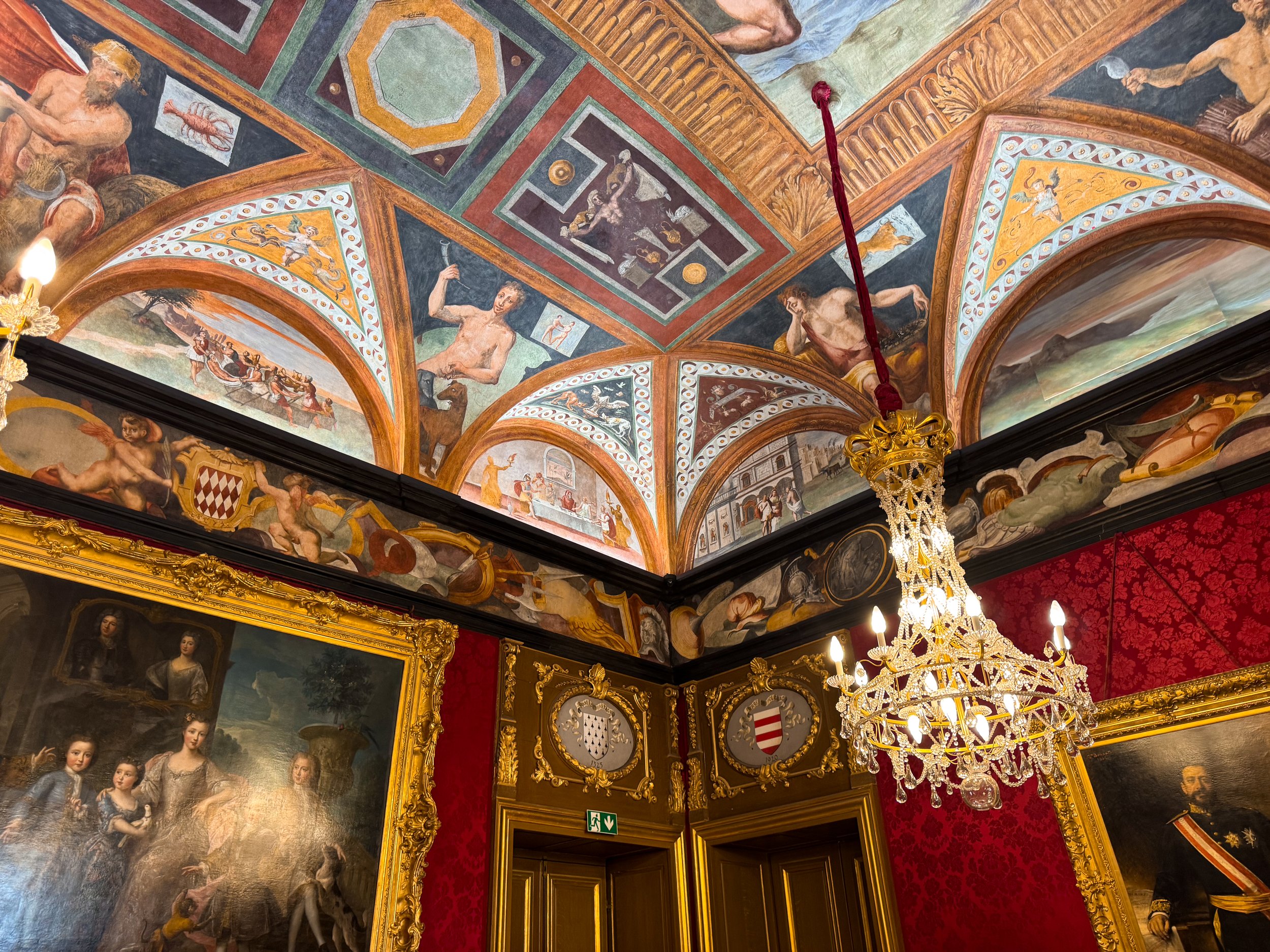
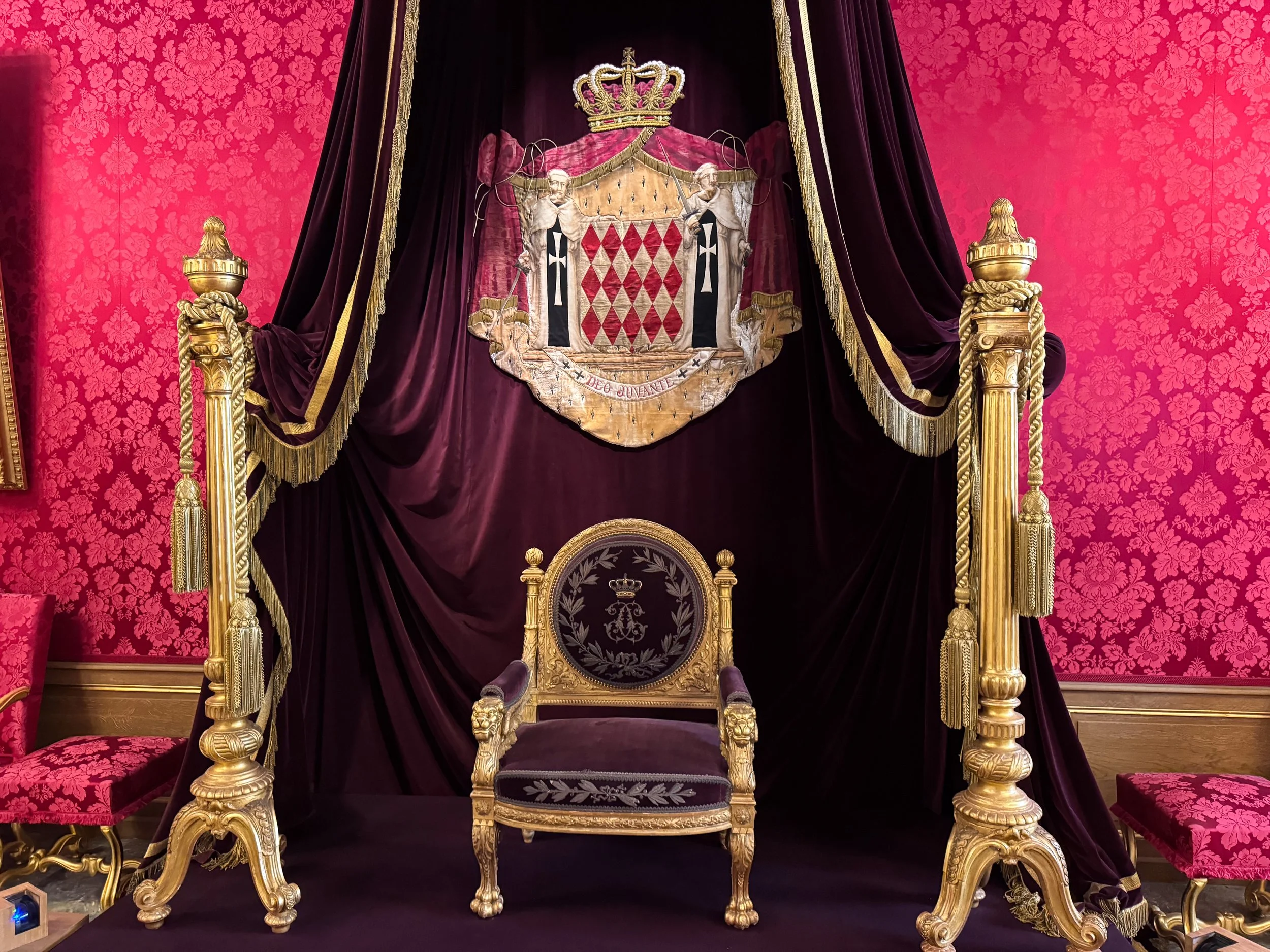
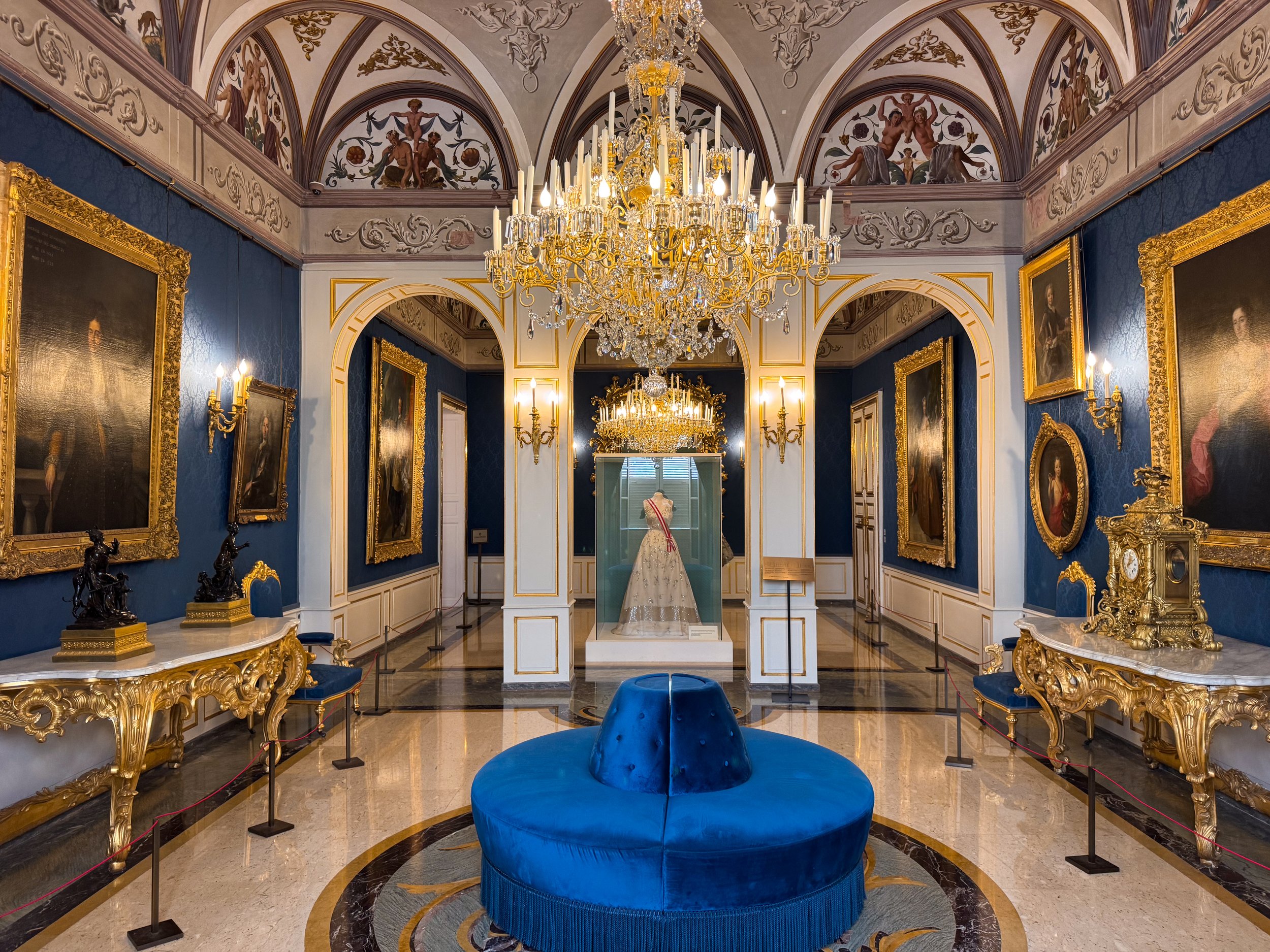
Prince's Palace of Monaco. A 12th century palace and the continuous residence of Monaco's royal family. A stone clocktower rises from the palace’s minimal facade as royal guards, flanked by bronze cannons, patrol the palace grounds. Inside, a Baroque courtyard is ringed by an arched arcade with vaulted ceilings frescoed with Roman mythology. Audio tours lead through the state apartments and throne room, filled with the family's artifacts, portraits, busts and antique furnishings. Ongoing restoration continues to uncover long hidden frescoes on the ceilings and walls of several rooms.
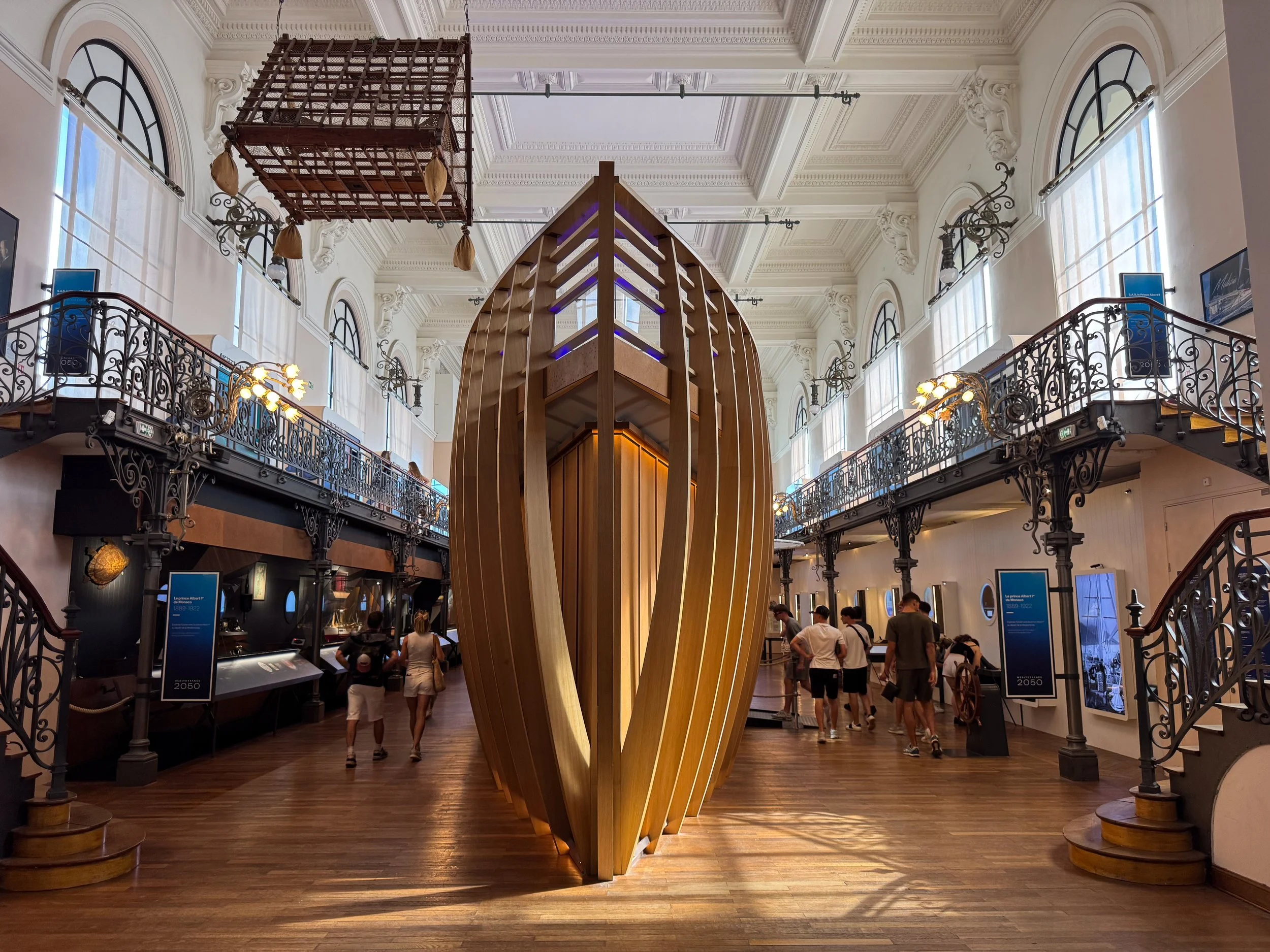
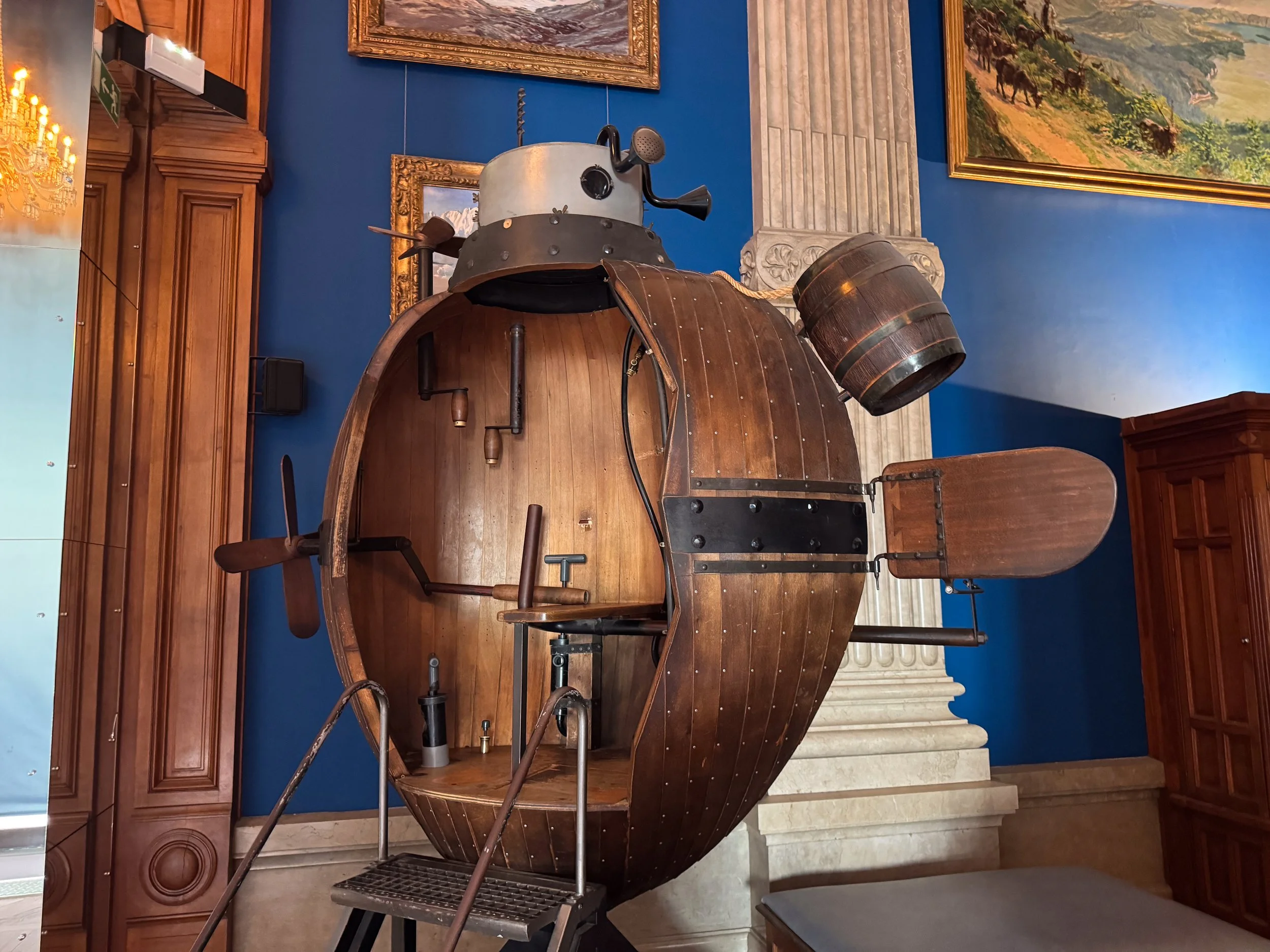
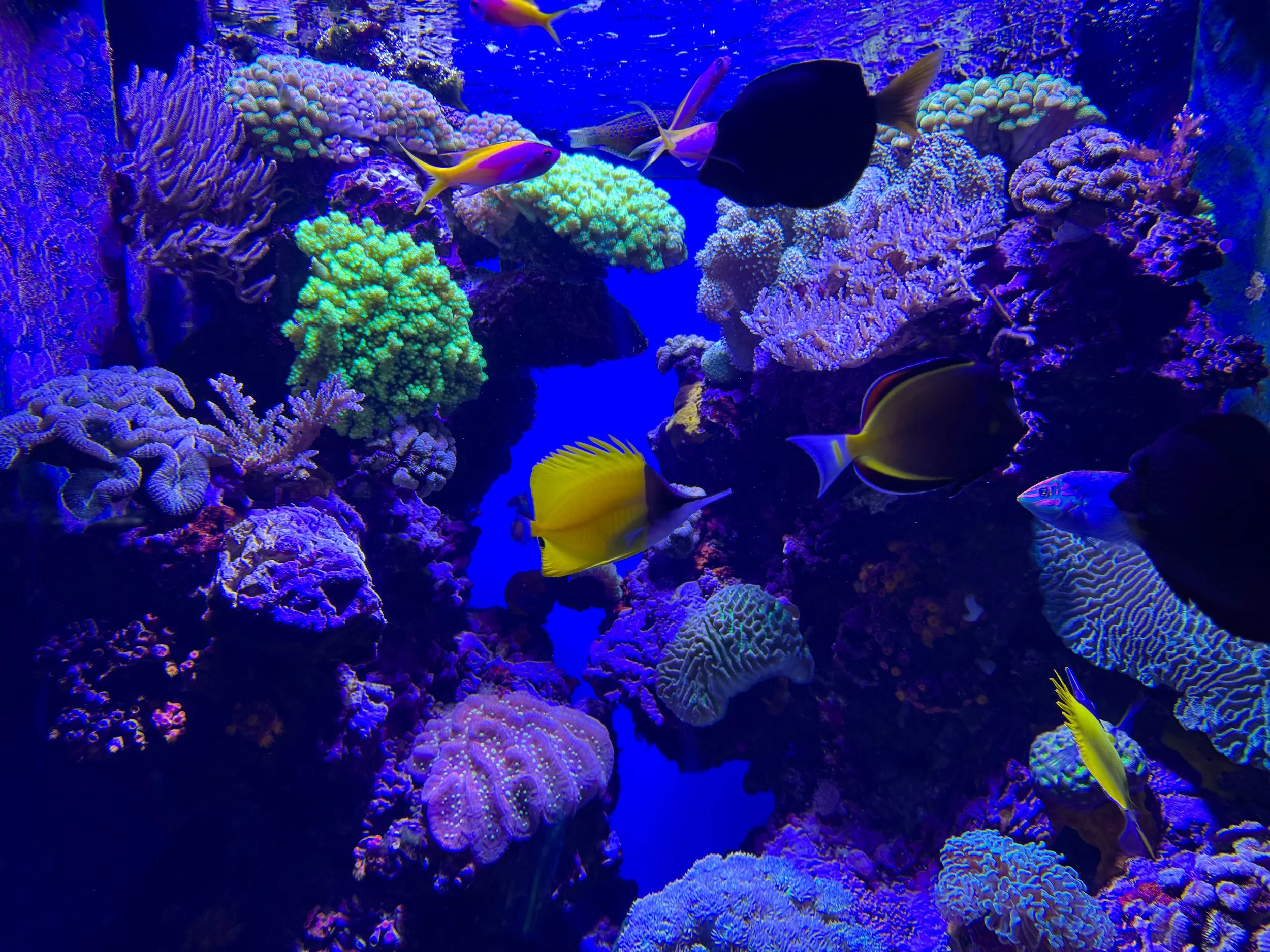
Musée Océanographique de Monaco. A lavish cliffside aquarium and oceanographic museum. Its aquarium showcases an extensive variety of species from the Mediterranean and tropical seas. A grand museum hall displays artifacts from the ocean expeditions of Prince Albert I, including paintings, preserved marine life, curiosities, encyclopedic sketches, journals and navigational tools. Considered one of the world's premier oceanographic museums, it also hosts ocean seminars and environmental conferences.
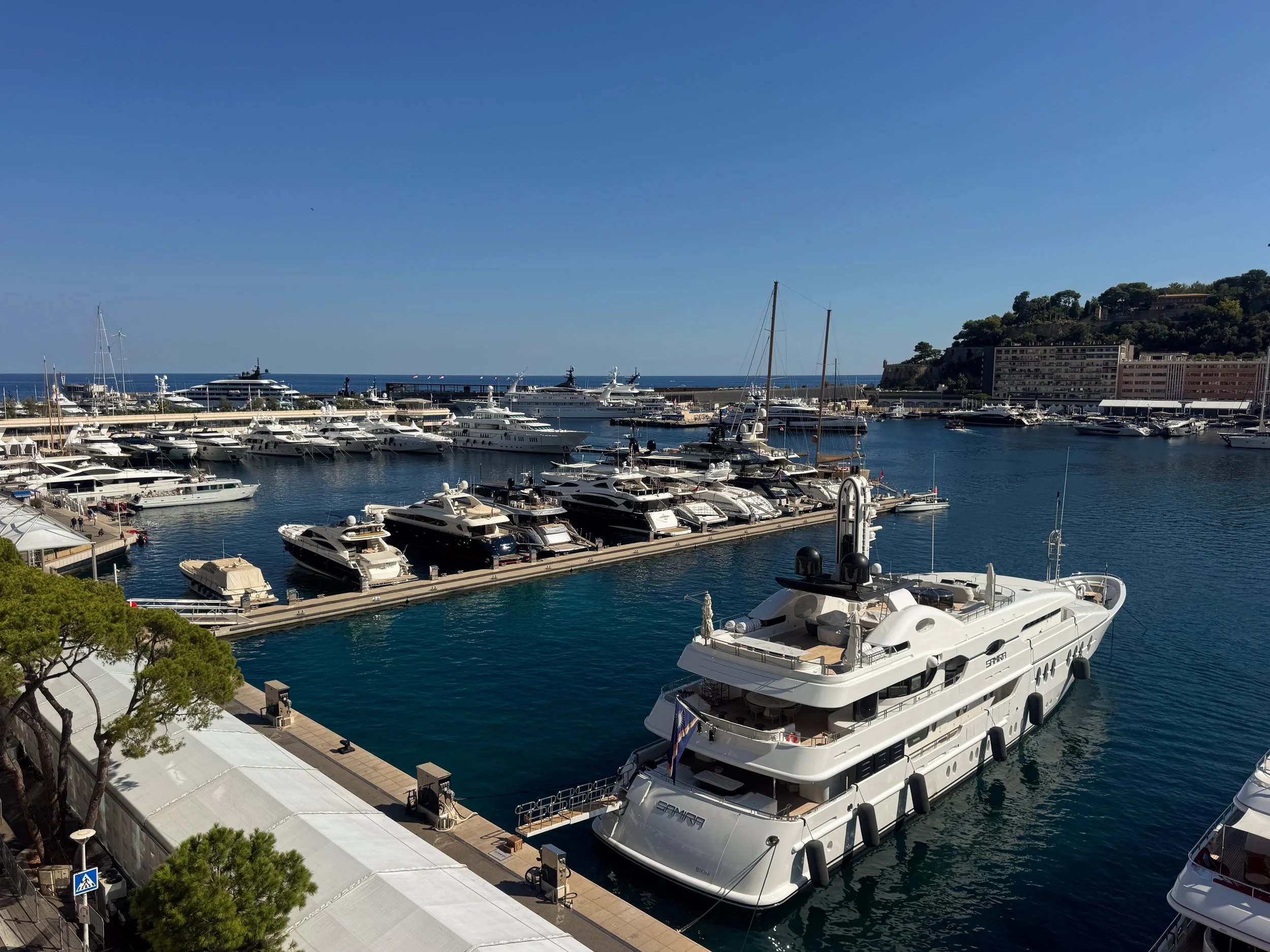
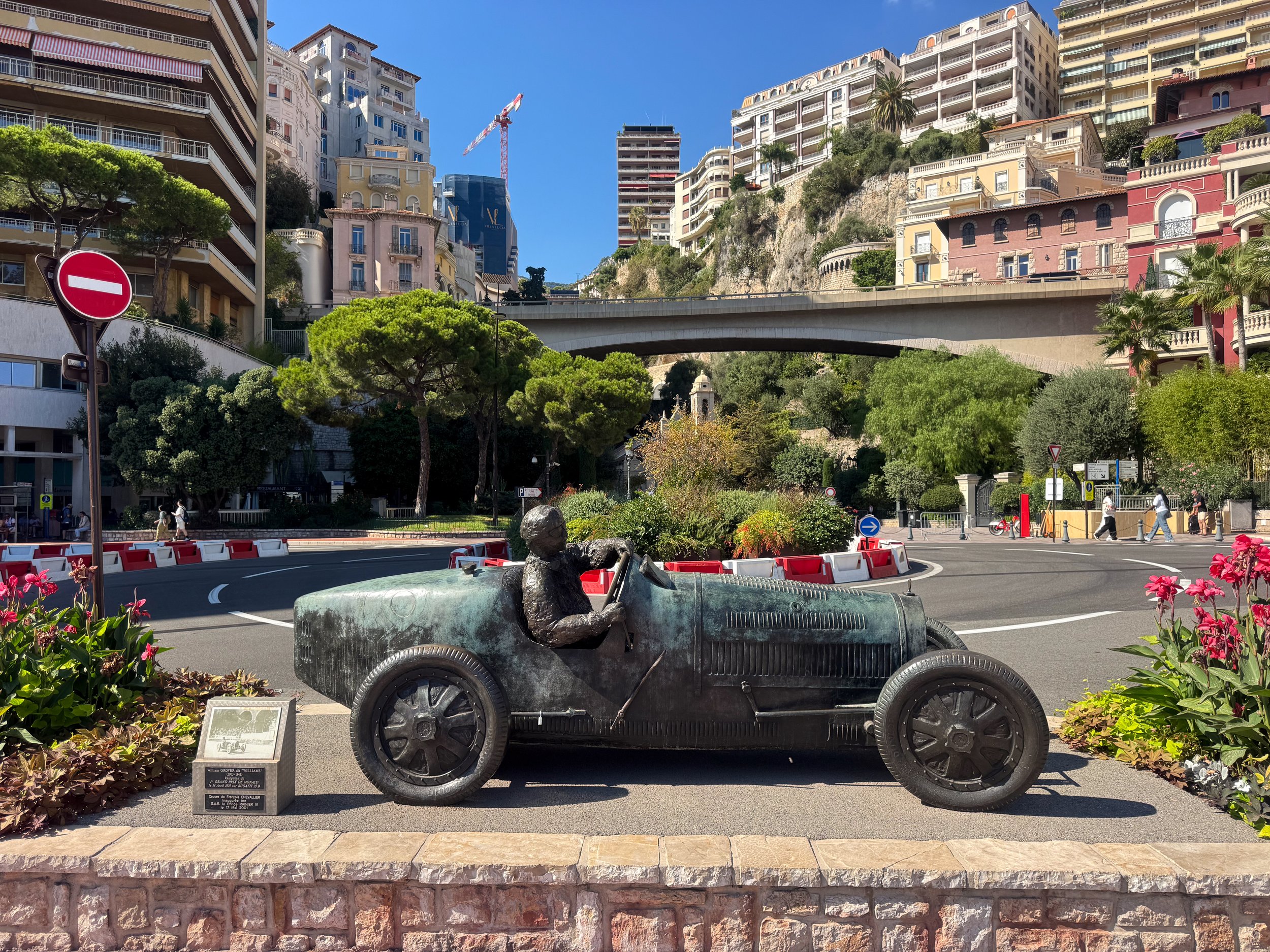
La Condamine & Port Hercules
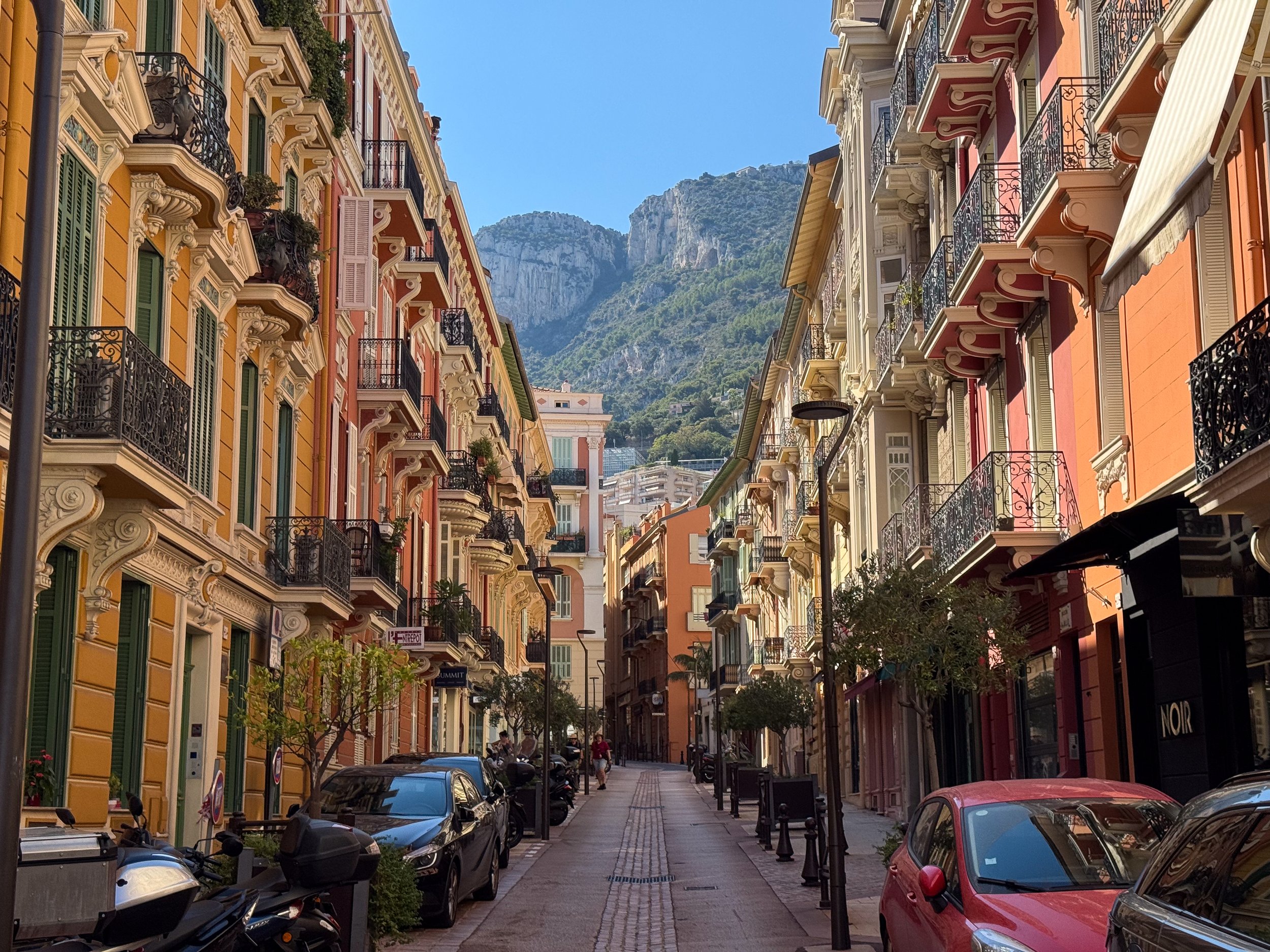
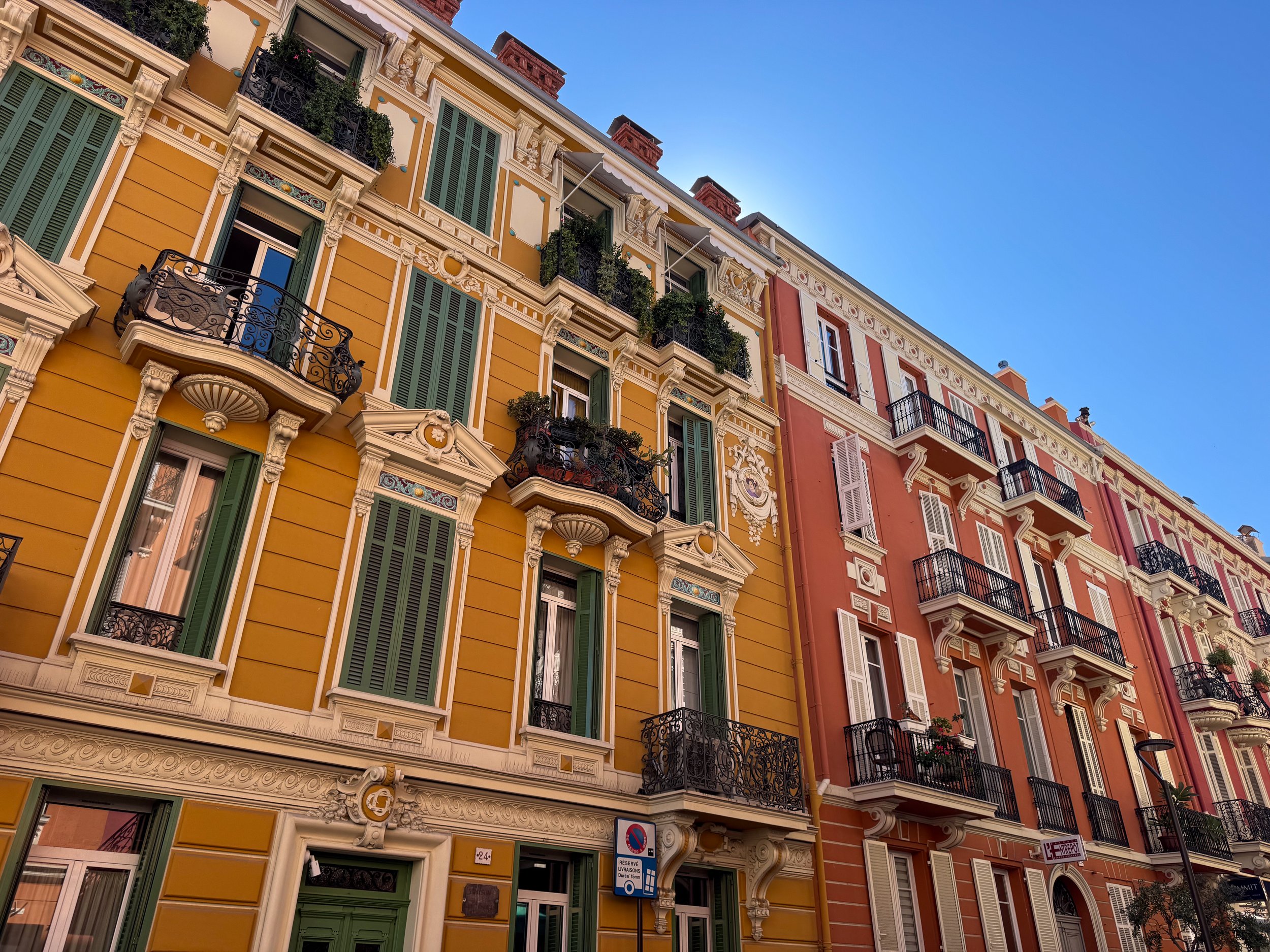
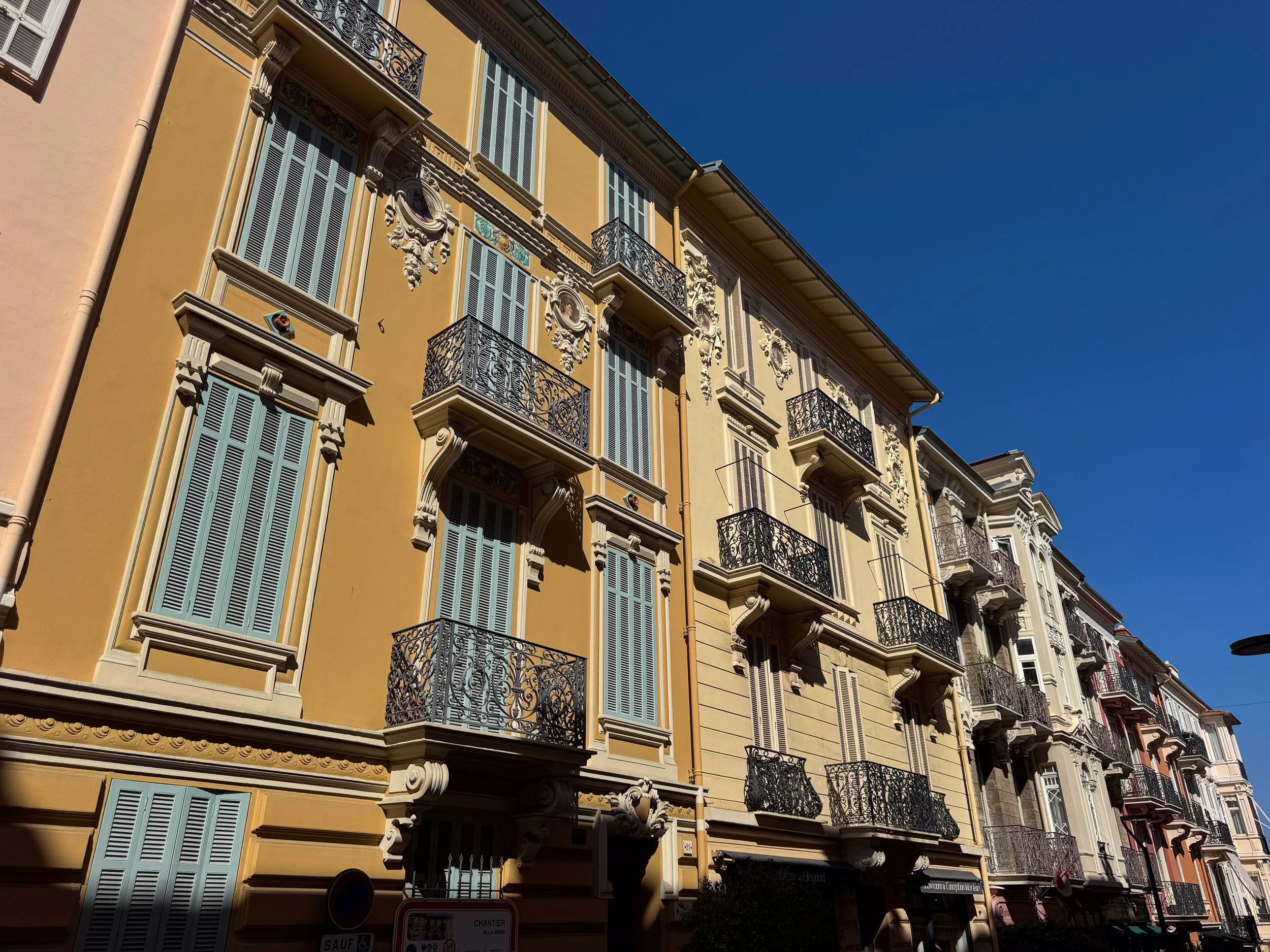
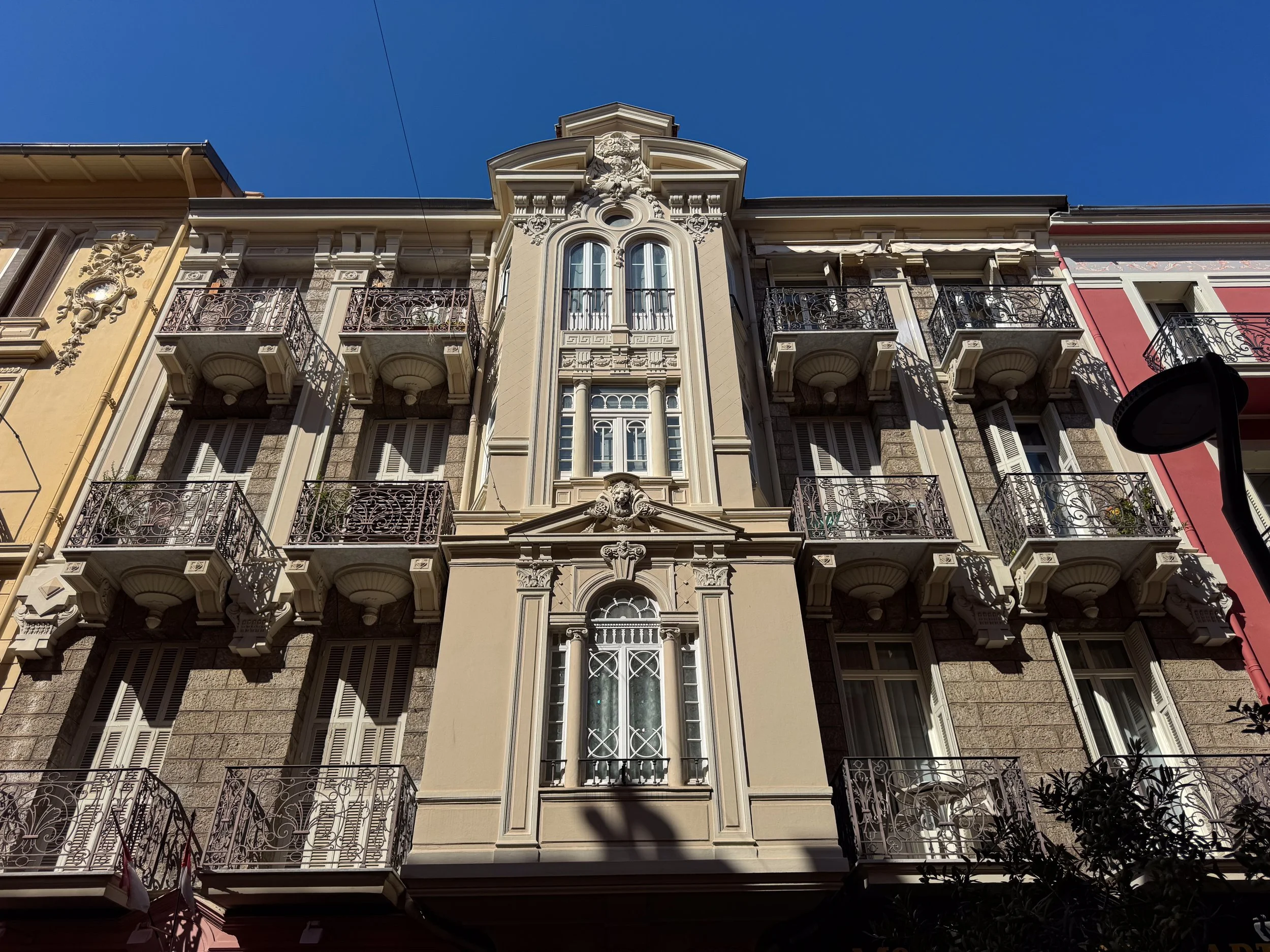
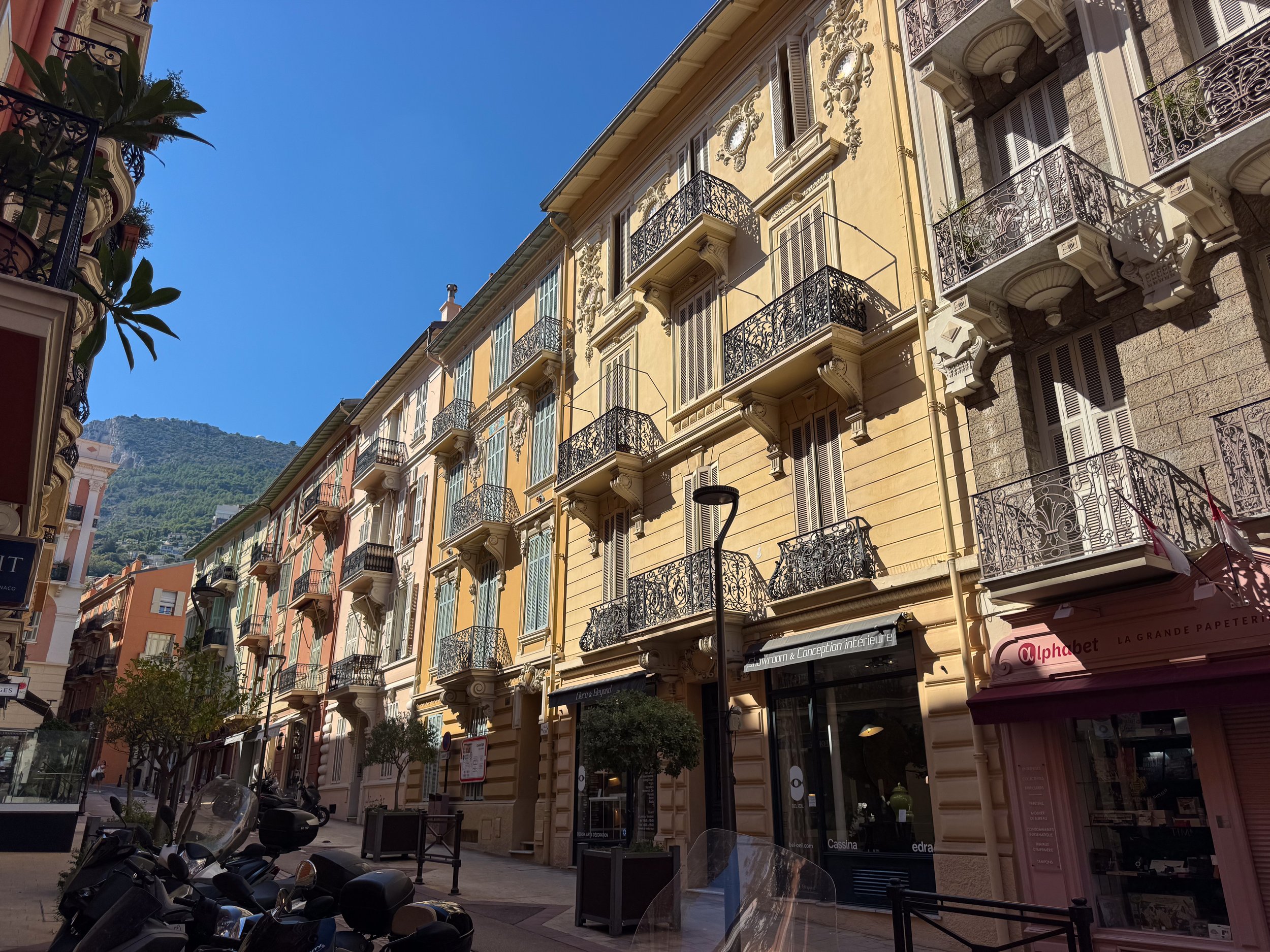
La Condamine is a ritzy neighborhood surrounding Port Hercules, Monaco’s famed harbor filled with mega yachts and sailing vessels. Its streets are lined with a mixture of modern and historic buildings housing luxury residences, boutiques, restaurants, cafes and bars. It's a central spot to watch the annual Grand Prix, with permanent monuments commemorating the race placed along the waterfront. In the plaza outside of the Marché de la Condamine, dozens of vendors sell fish, fruit, produce, flowers, meat, baked goods, local products and affordable Monégasque specialties.
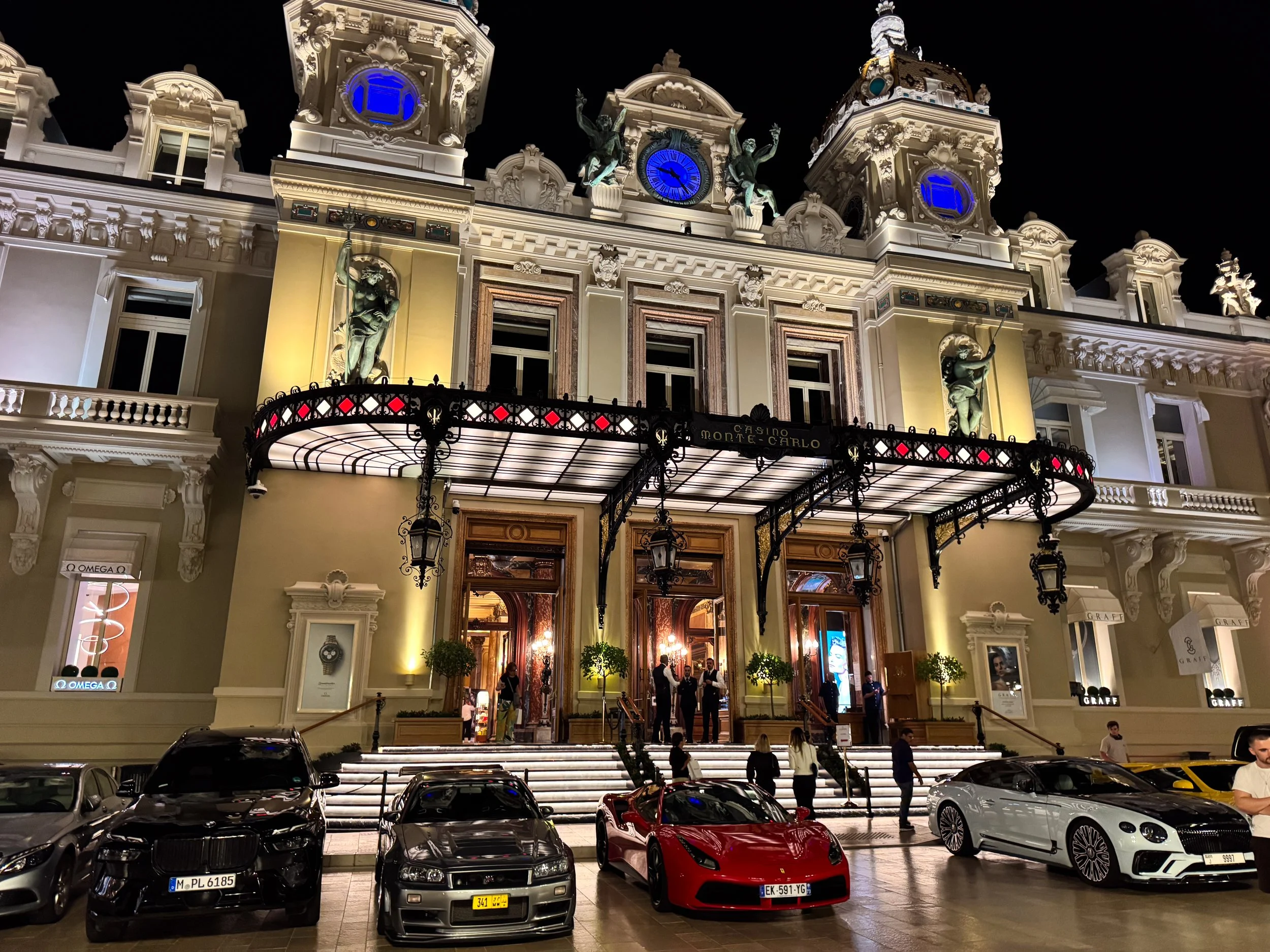
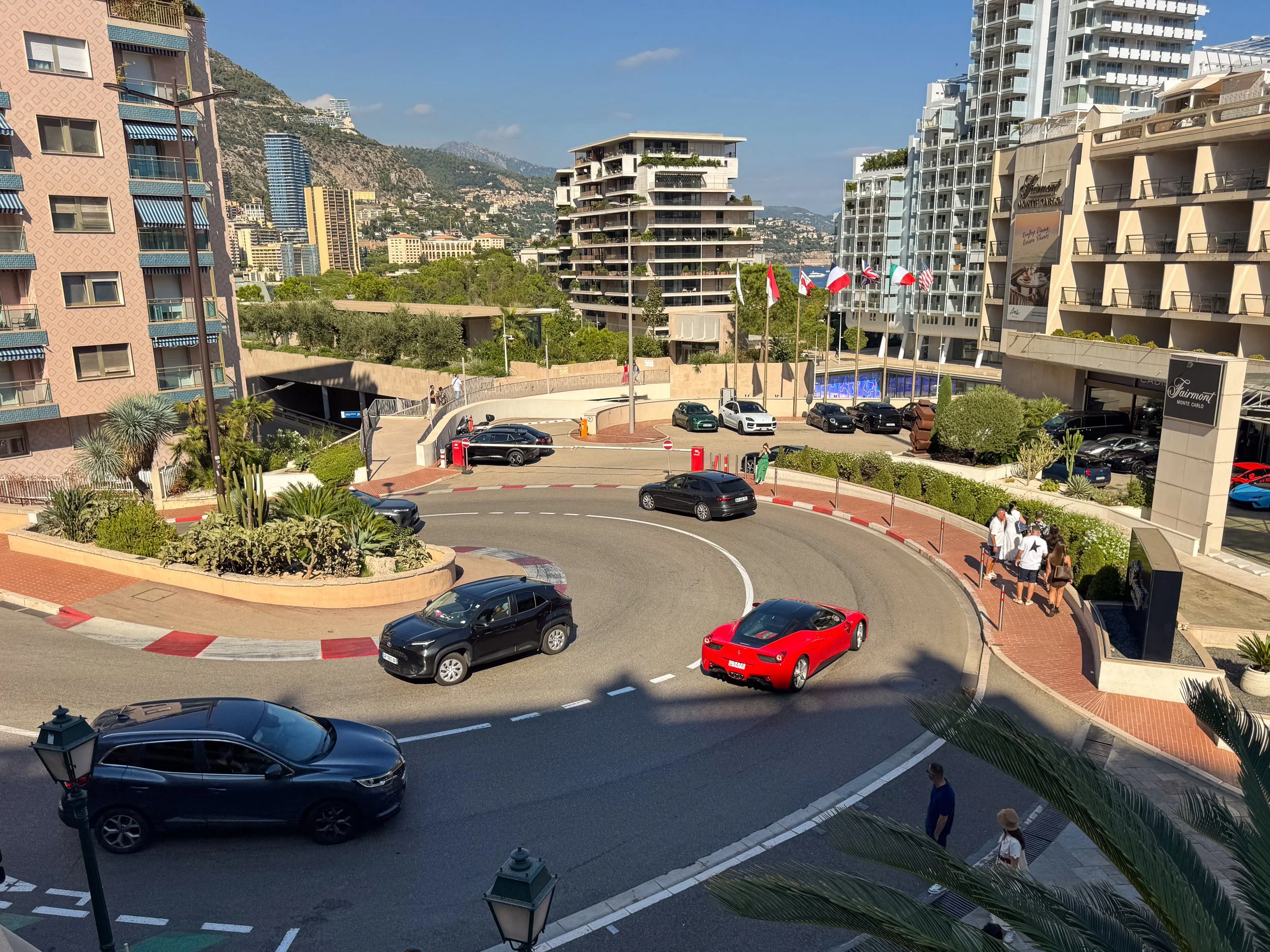
Monte Carlo Casino & The Grand Prix Circuit
Monte Carlo is Monaco's most iconic neighborhood and home to the renowned Monte Carlo Casino. Designer fashion houses, high-end boutiques, opulent hotels and lavish residences line its twisting streets, where colorful sports cars and luxury vehicles cruise past. Belle Époque architecture defines its historic character, while contemporary high-rises and verdant gardens speckle the landscape.
Monte Carlo Casino. A famed casino where flashy sports cars line the front steps of its Belle Époque façade. Inside, domed glass ceilings, stone columns and gilded surfaces set an opulent stage for the game rooms and luxury restaurants. Gamblers test their luck at blackjack, roulette and craps tables or place bets at modern slot machines. Buy a chip from the money exchangers to keep as a souvenir. Then order a gin martini, shaken not stirred, and watch the action from the tables or the cozy lounges flanking the game rooms.
Good to Know. A passport is needed to enter the game rooms while a €20 entry fee is waived with a reservation at one of the casino restaurants. Elegant attire is requested but loosely enforced, while the no photography rule in the game rooms is strictly enforced.
Le Salon Rose. An opulent dining room adjacent to the main game room with an outdoor terrace overlooking the Mediterranean, French and Italian dishes and casino themed desserts.
Fairmont Hairpin. A sharp 180 degree turn along Monte Carlo's twisting roads, in front of the Fairmont Hotel. Grab a spot on the steps overlooking the bend to watch supercars, luxury vehicles and vintage models speed by.
Larvotto Beach & The Japanese Garden
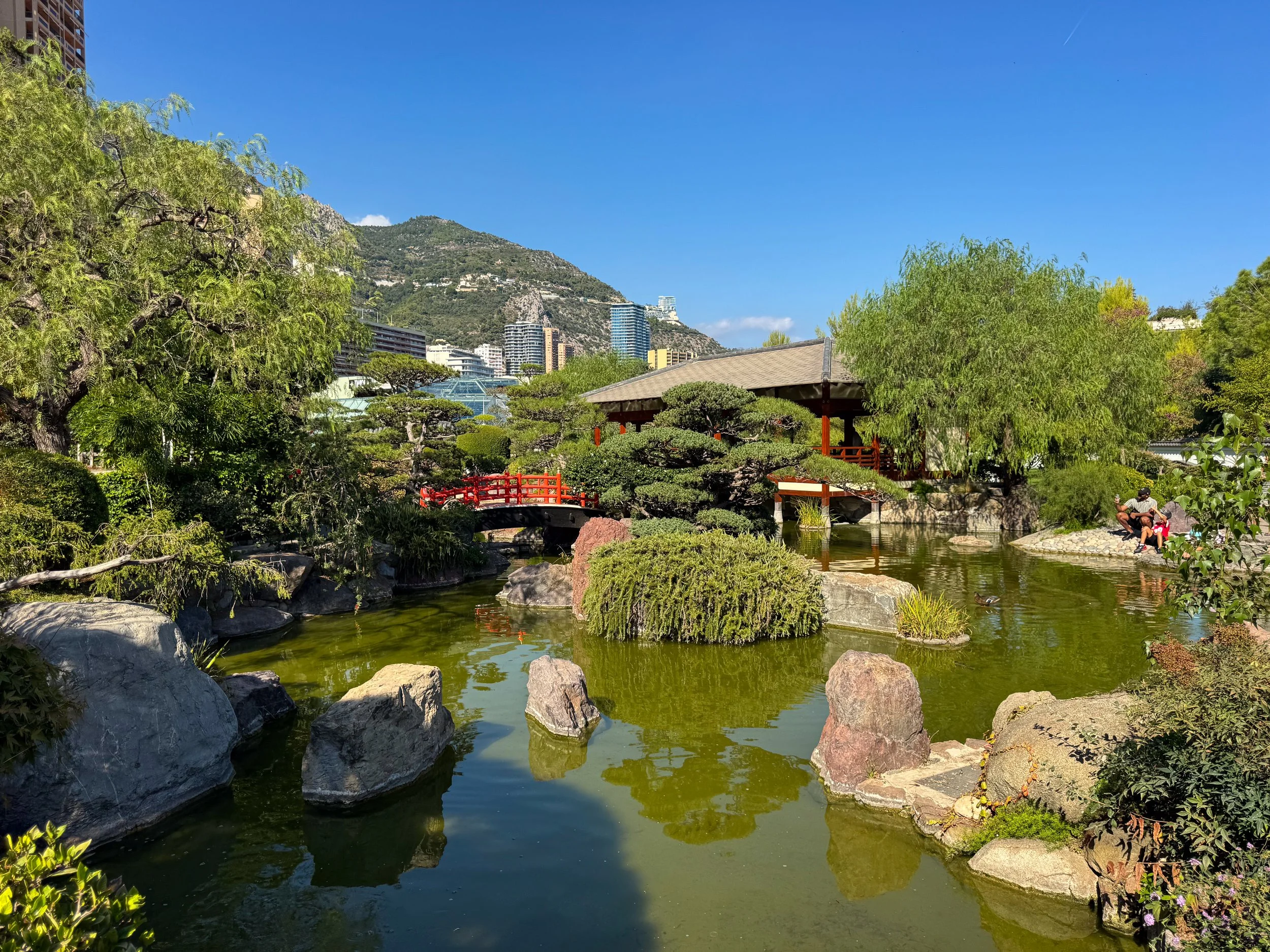
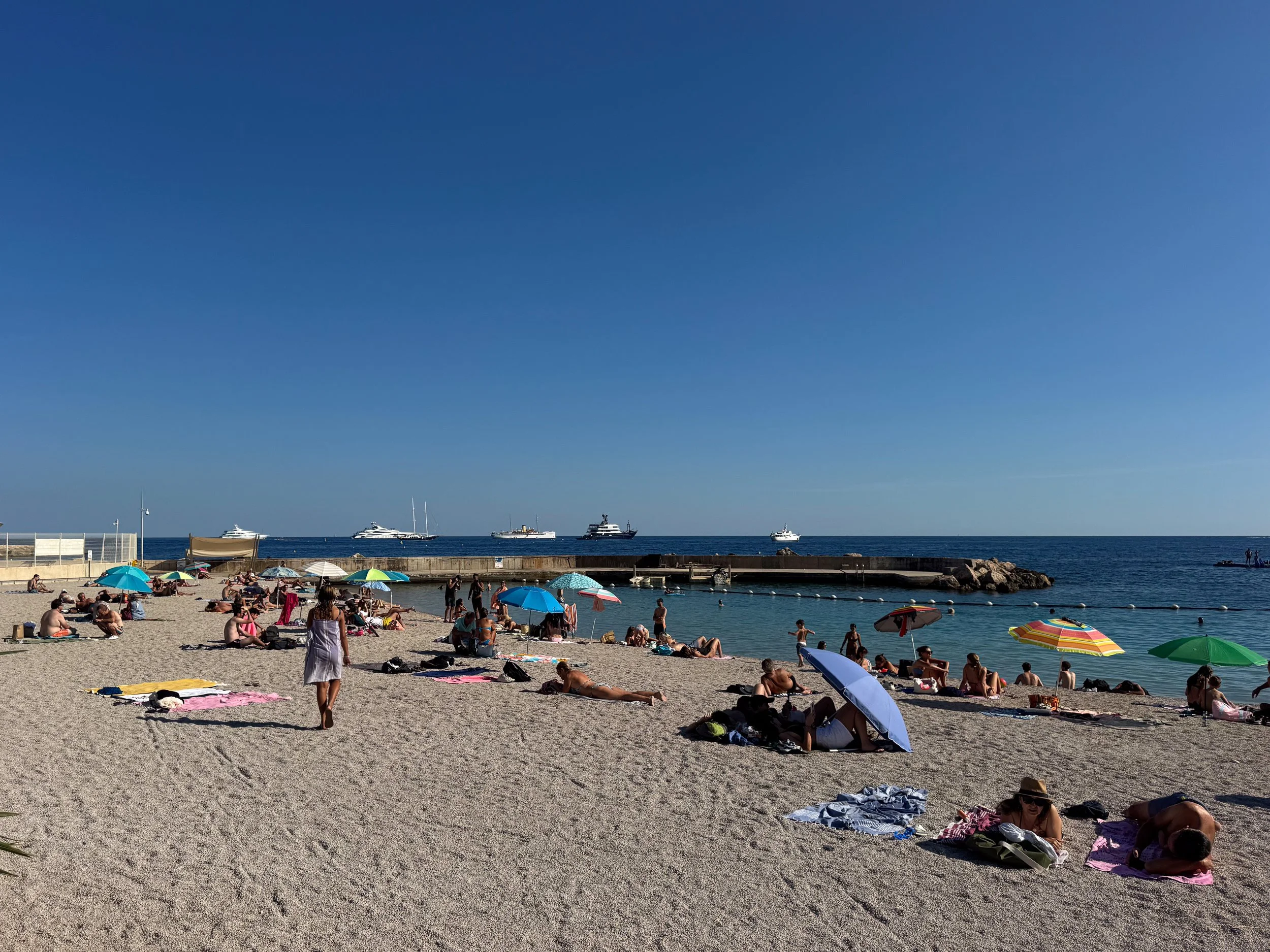
Larvotto is Monaco's easternmost neighborhood and home to the Plage du Larvotto, the country's largest beach, where coarse white sand meets swimmable turquoise waters. Public sections sit alongside a variety of beach clubs, backed by a scenic promenade of boutiques, restaurants and luxury resorts. A tranquil Japanese Garden provides a moment of calm with its red painted bridges, pagoda style pavilions and koi pond.
Getting to Monaco
Nice to Monaco by Train. Monaco is located about 30 minutes from Nice by train. Take the SNCF Train from Nice Ville Station to Monaco Monte Carlo Station.
Getting Around on Foot. The entire country can be walked across in an afternoon. Steep staircases, escalators and outdoor elevators lead uphill while walkways lead through verdant neighborhoods and tree lined promenades.
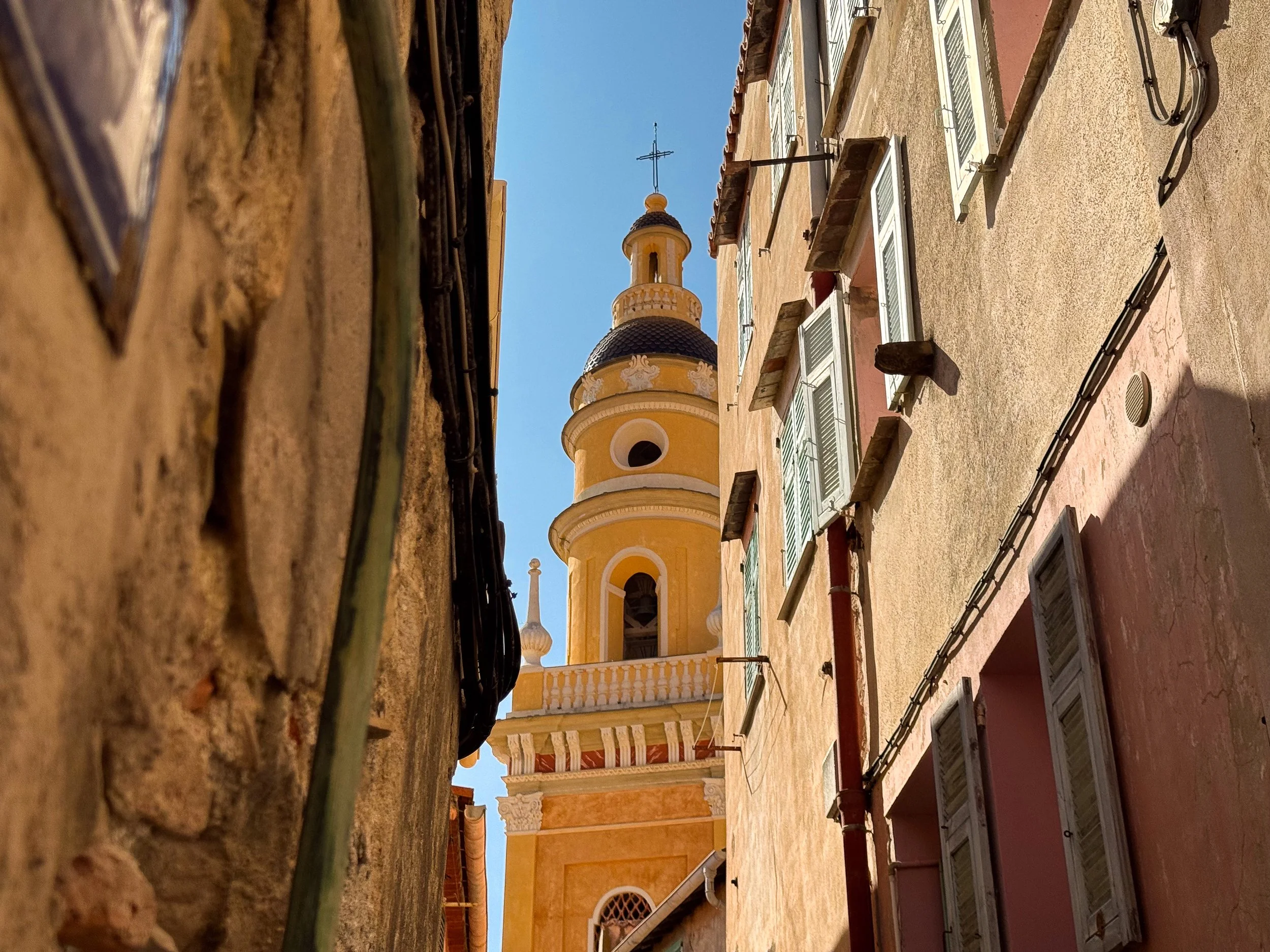
Menton Day Trip from Nice
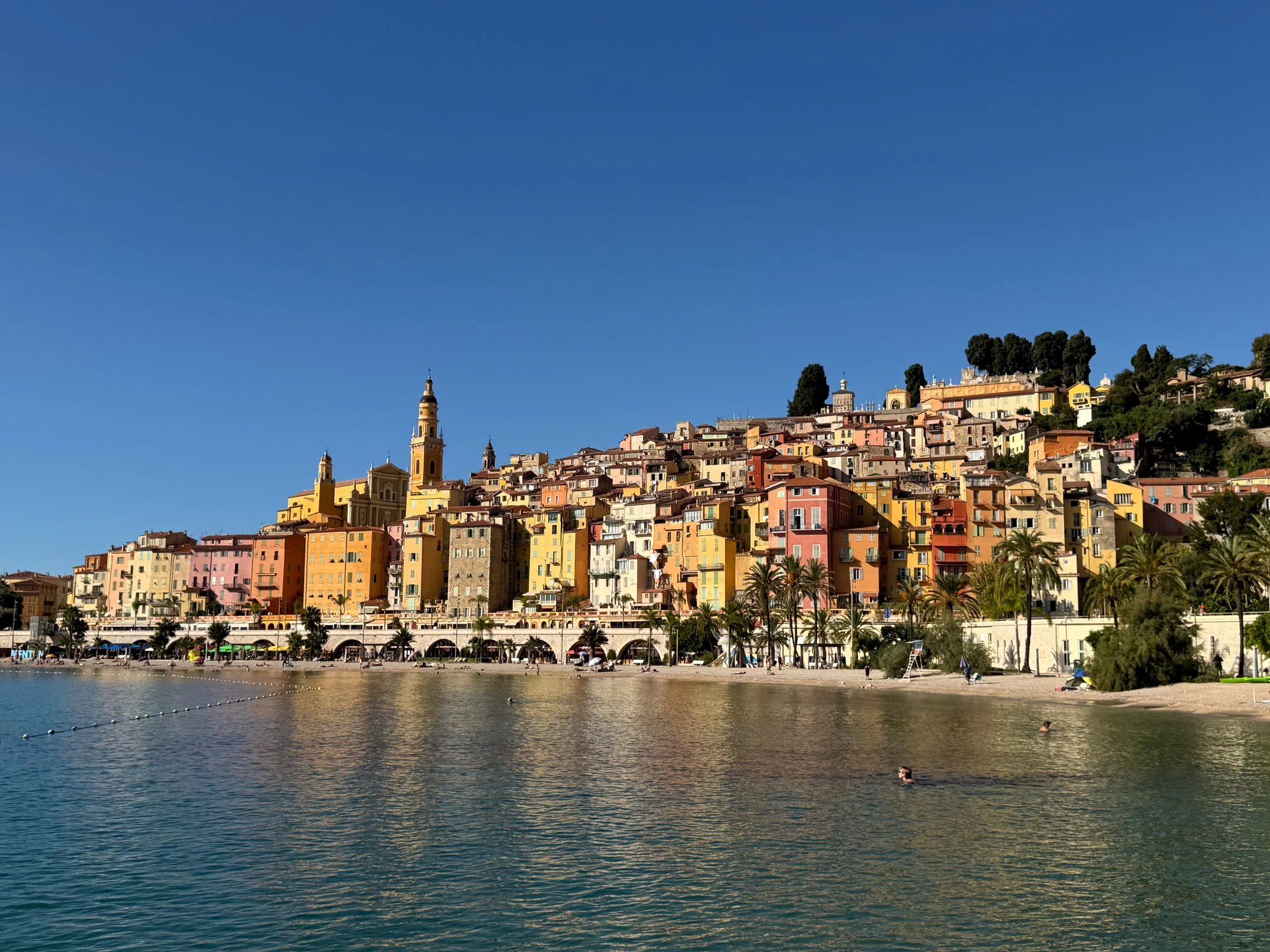
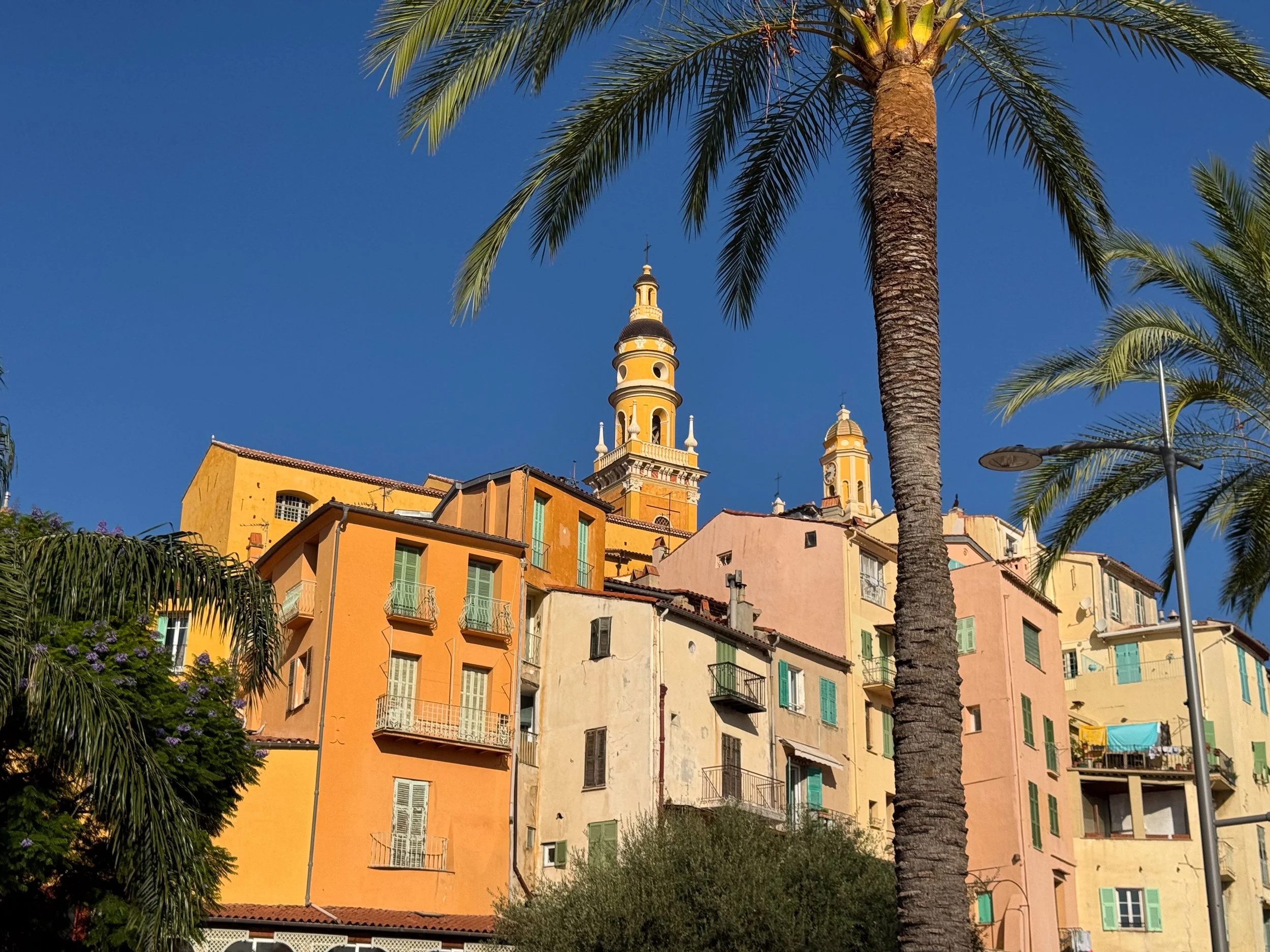
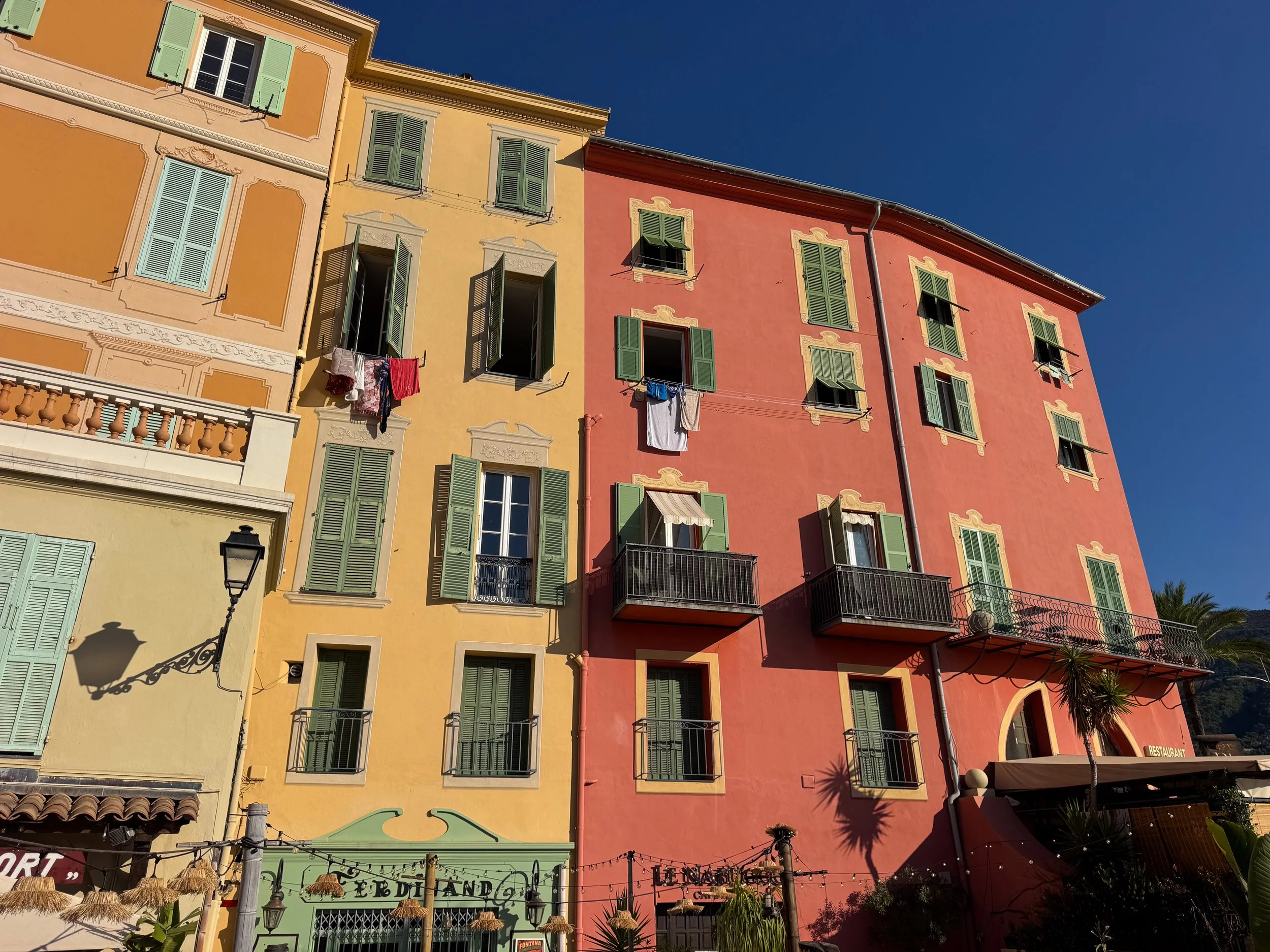
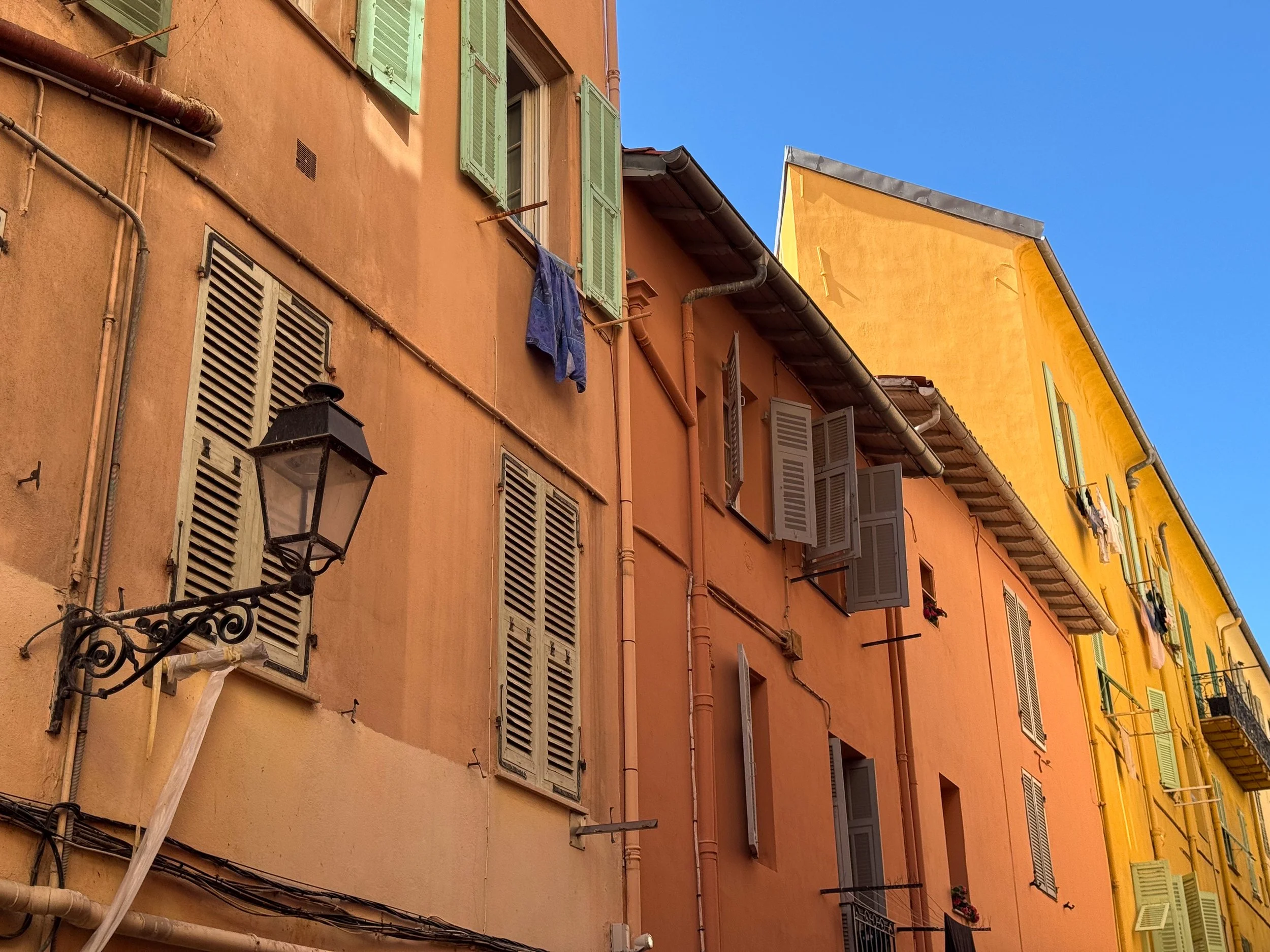
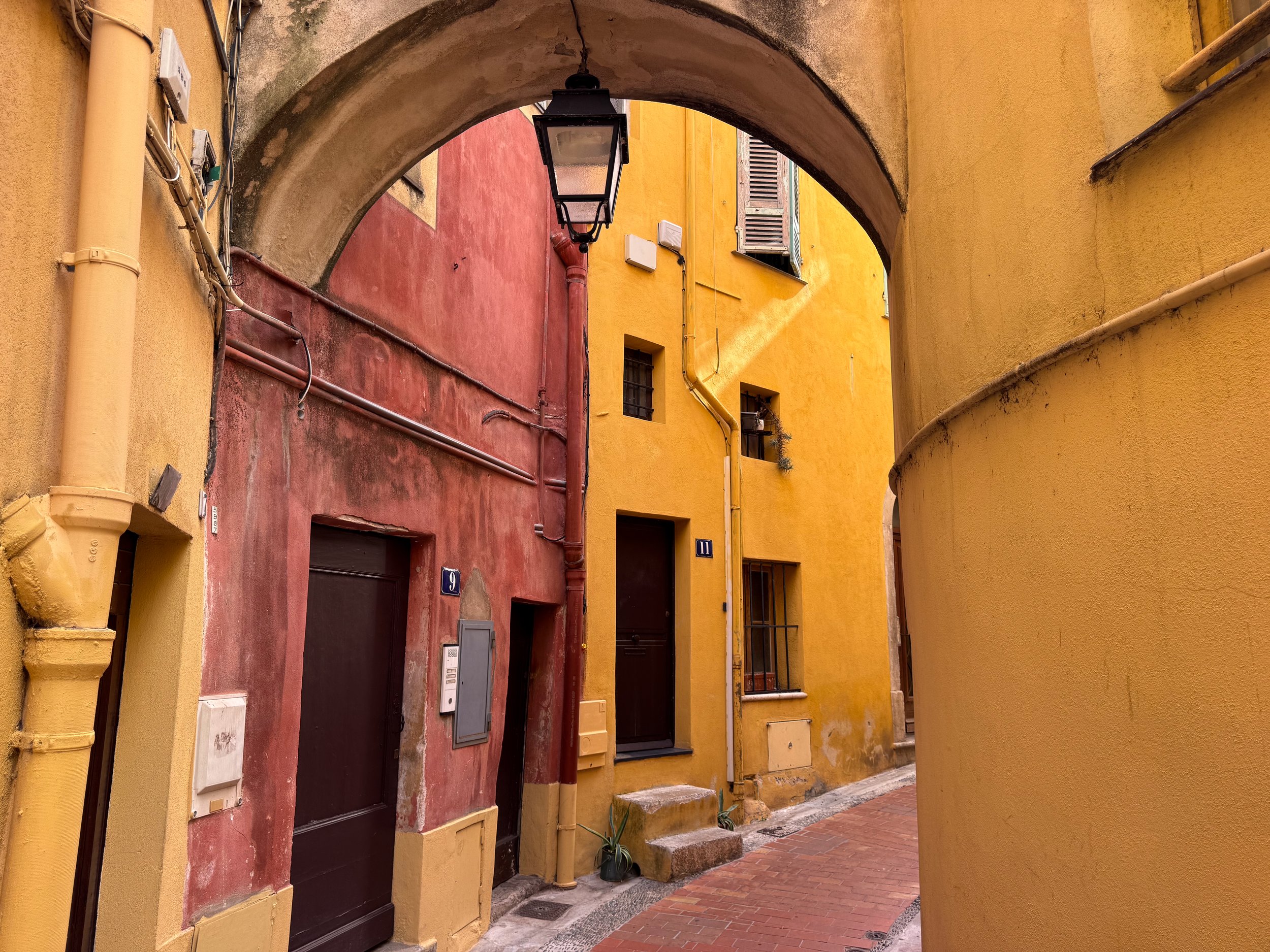
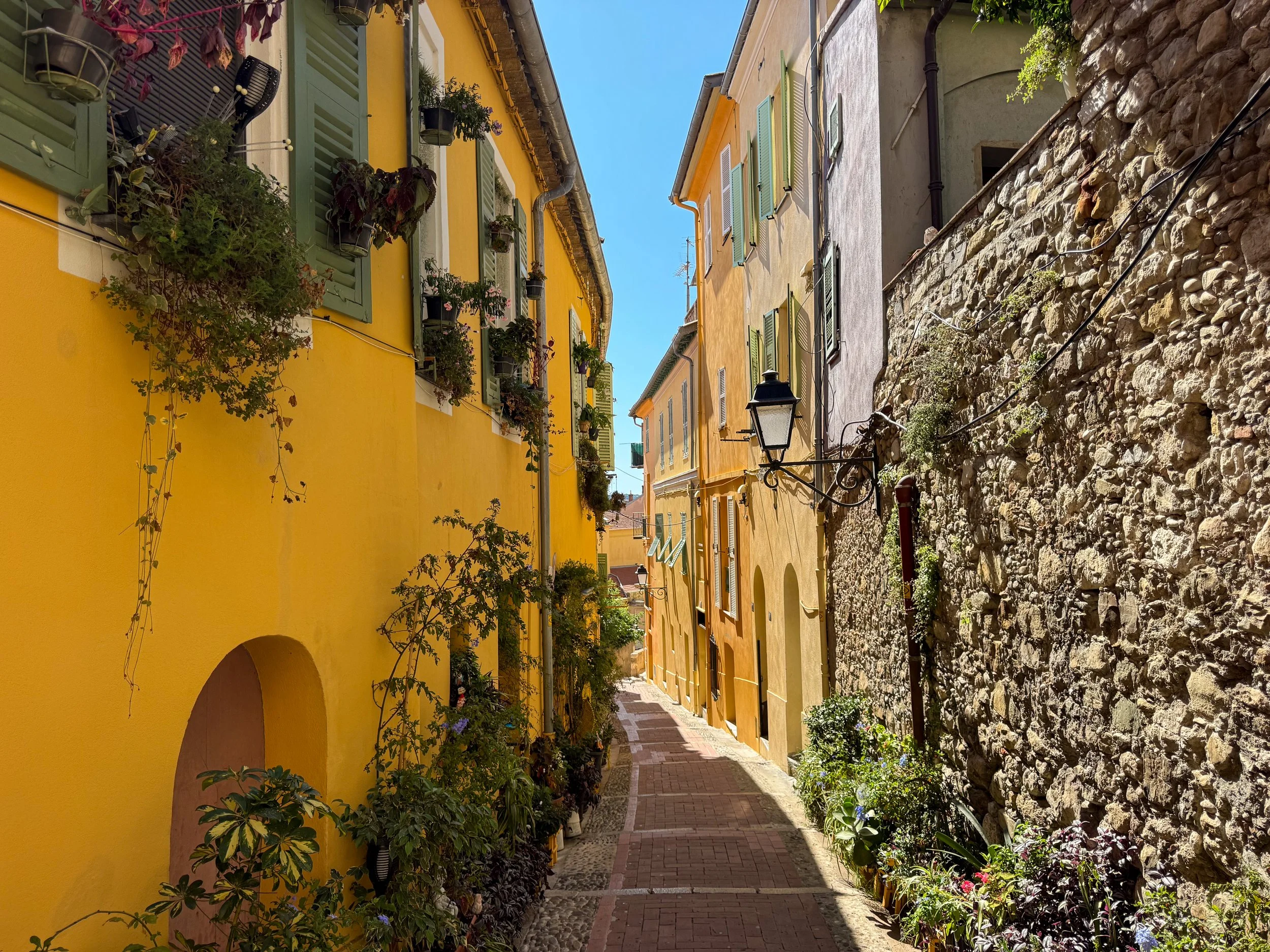
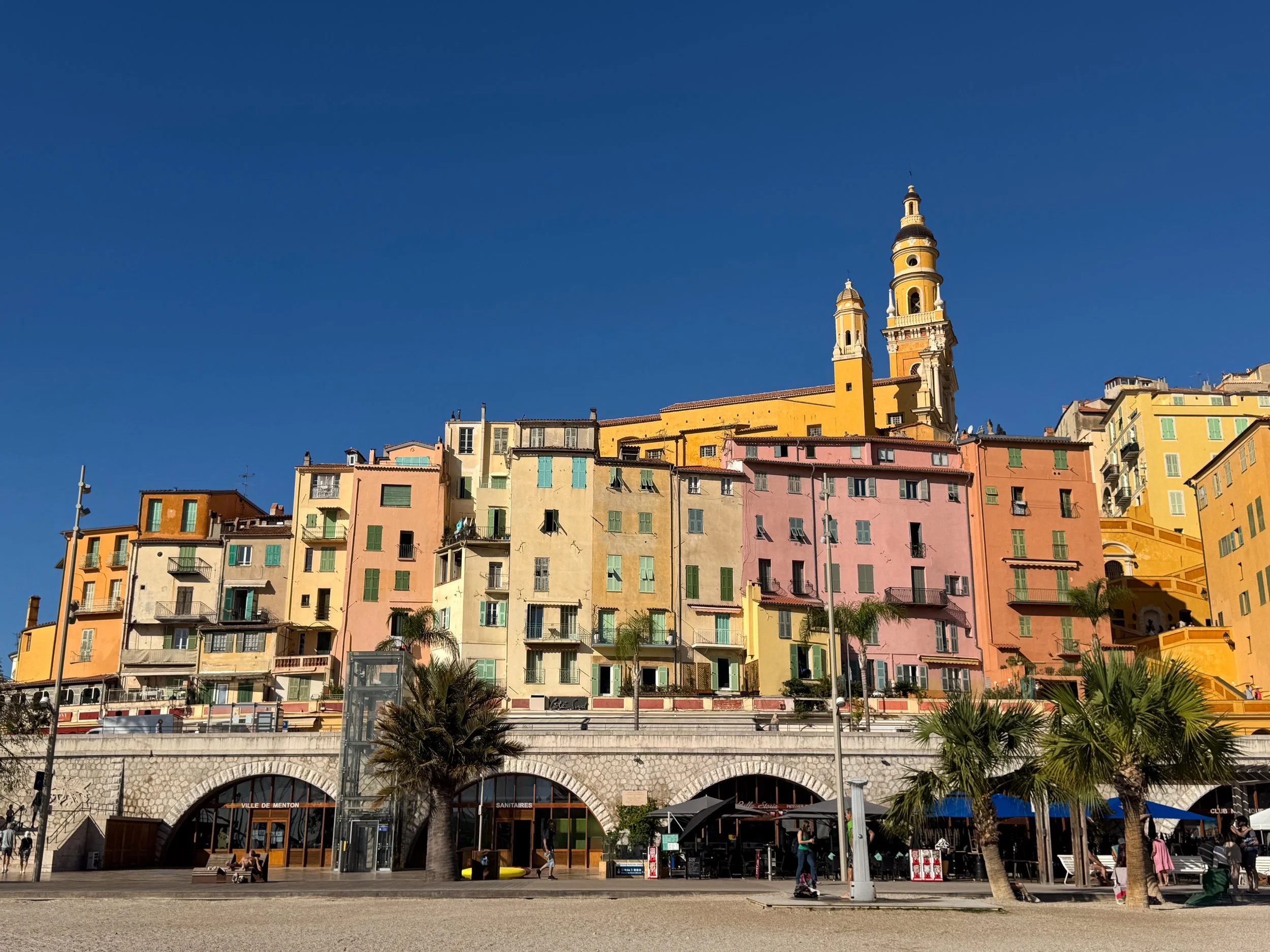
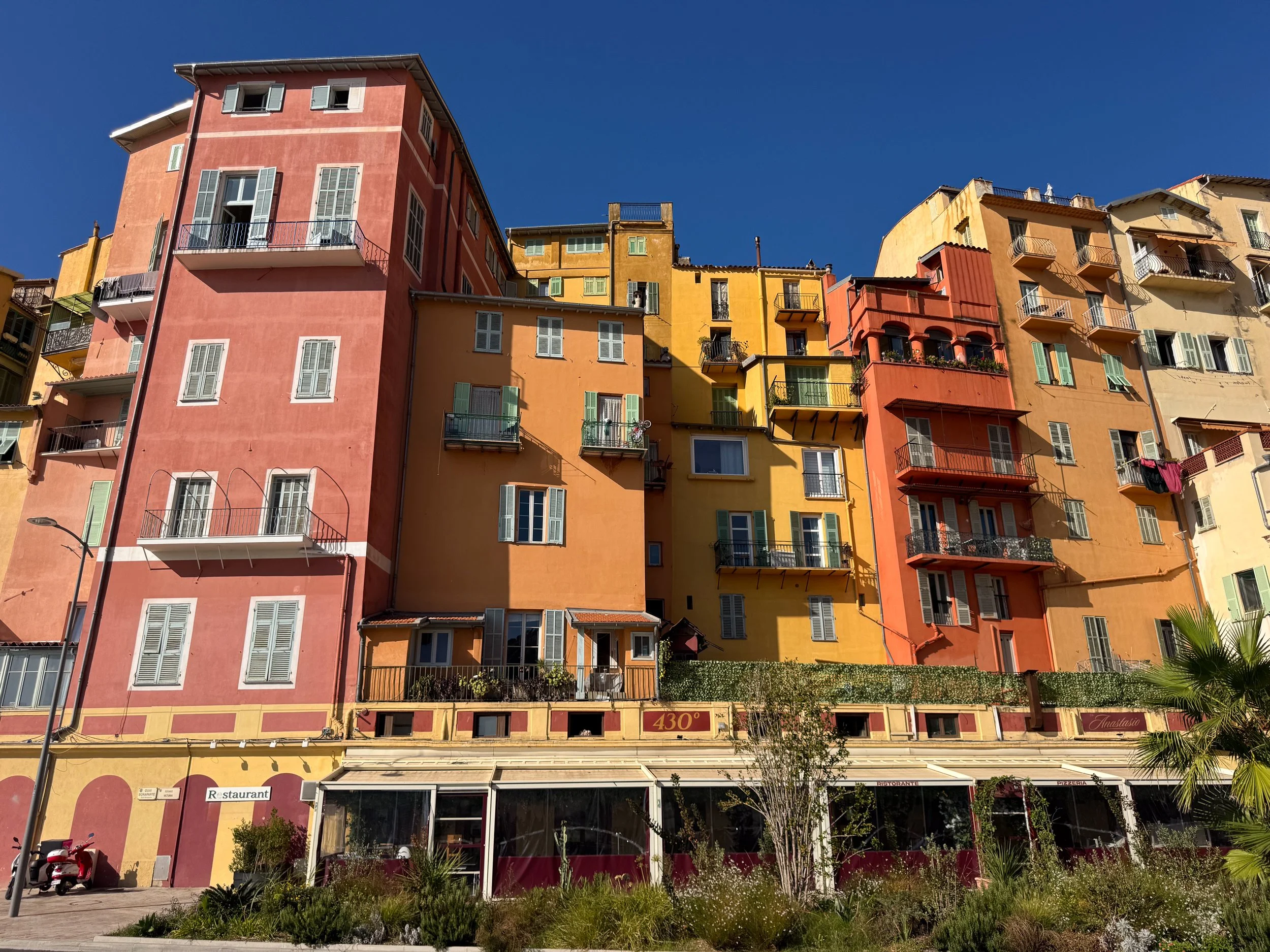
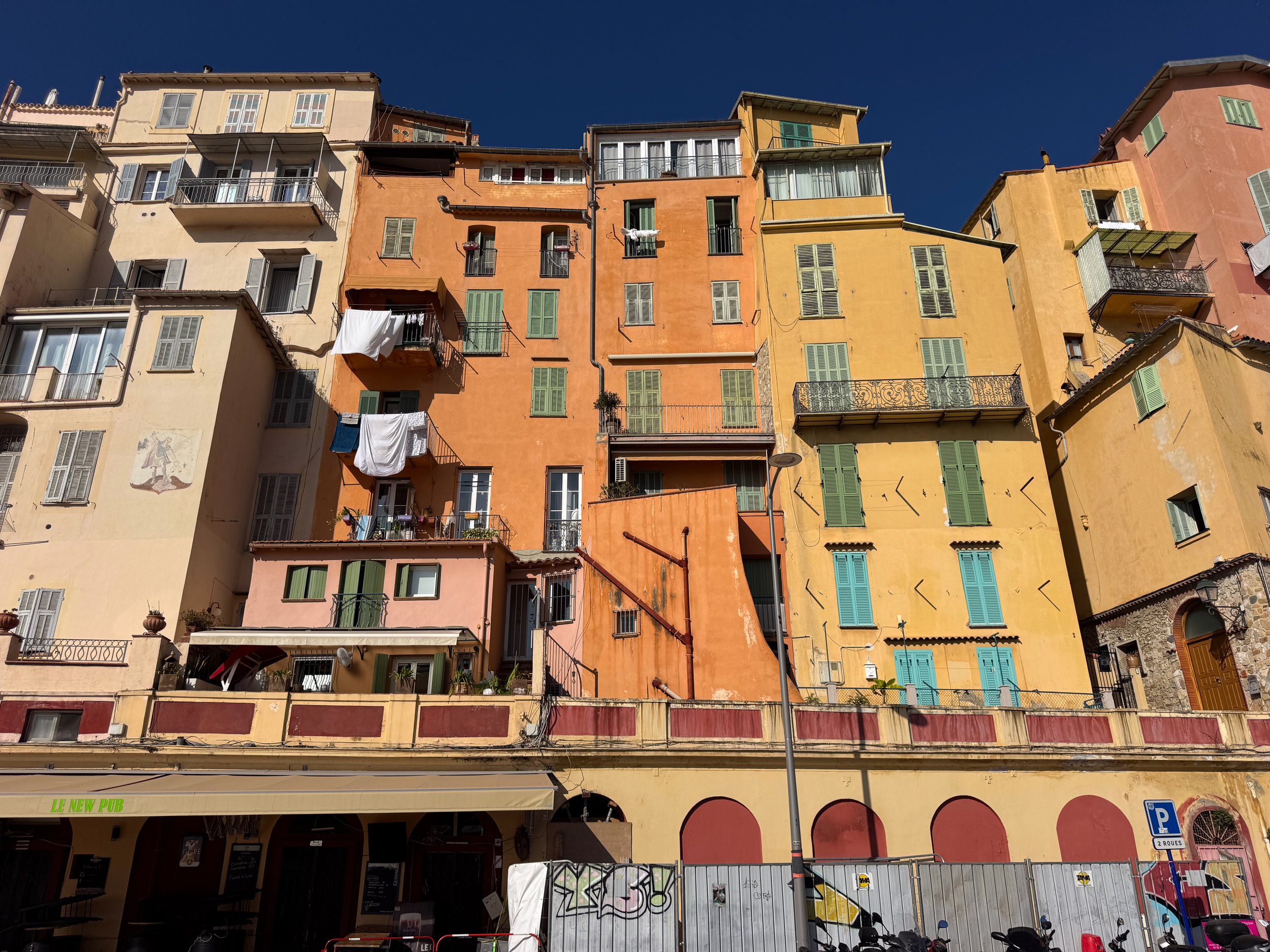
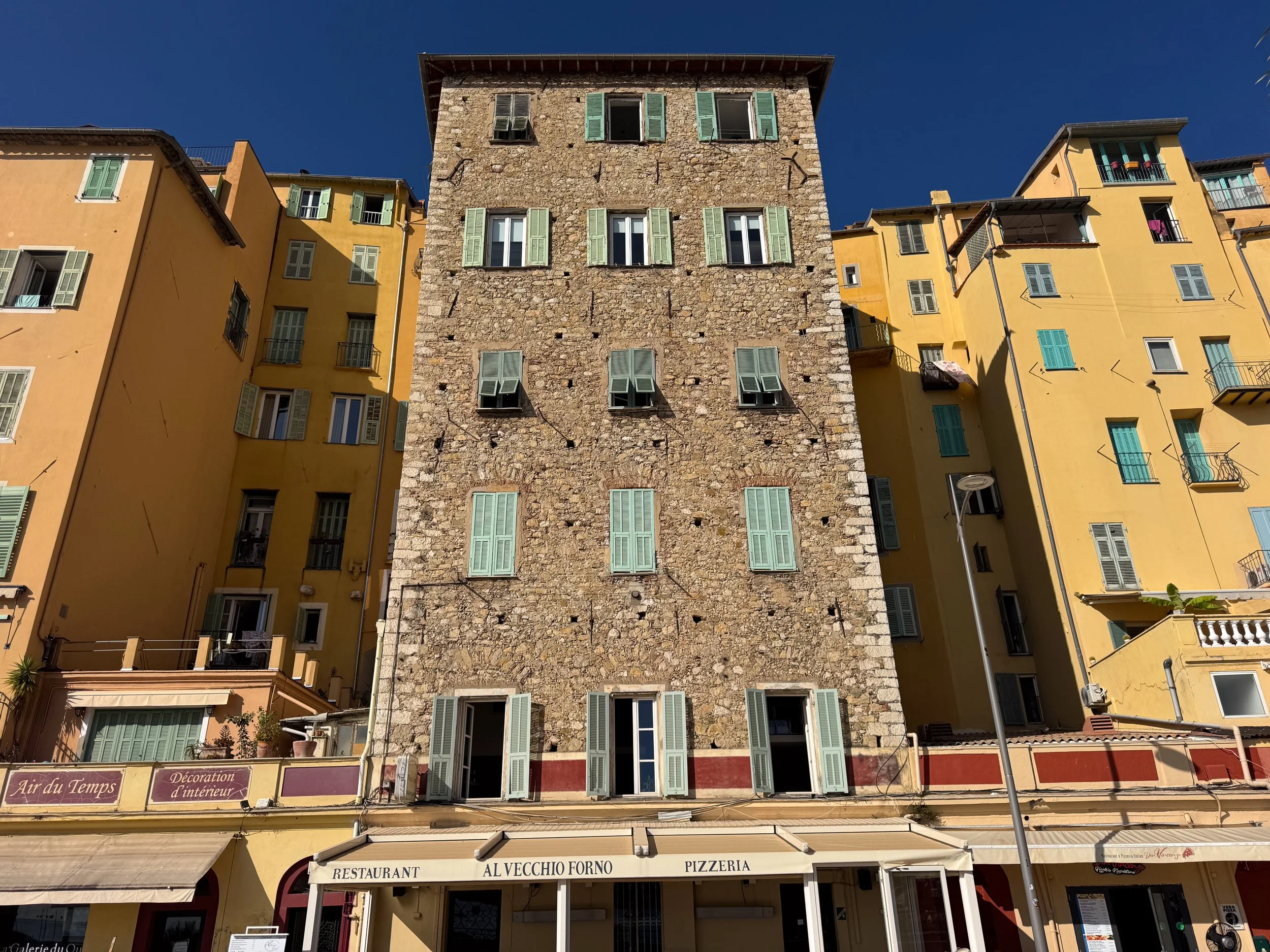
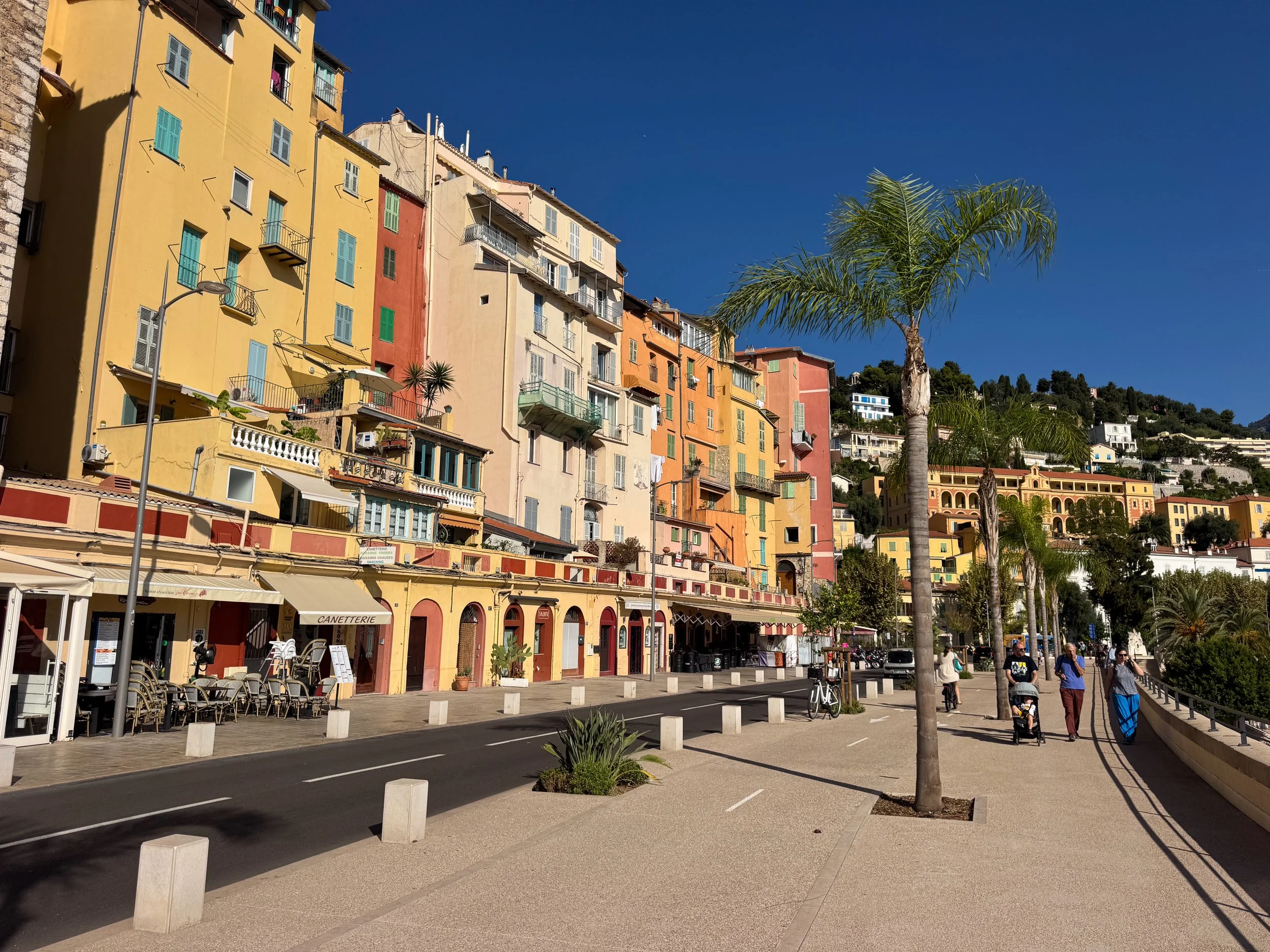
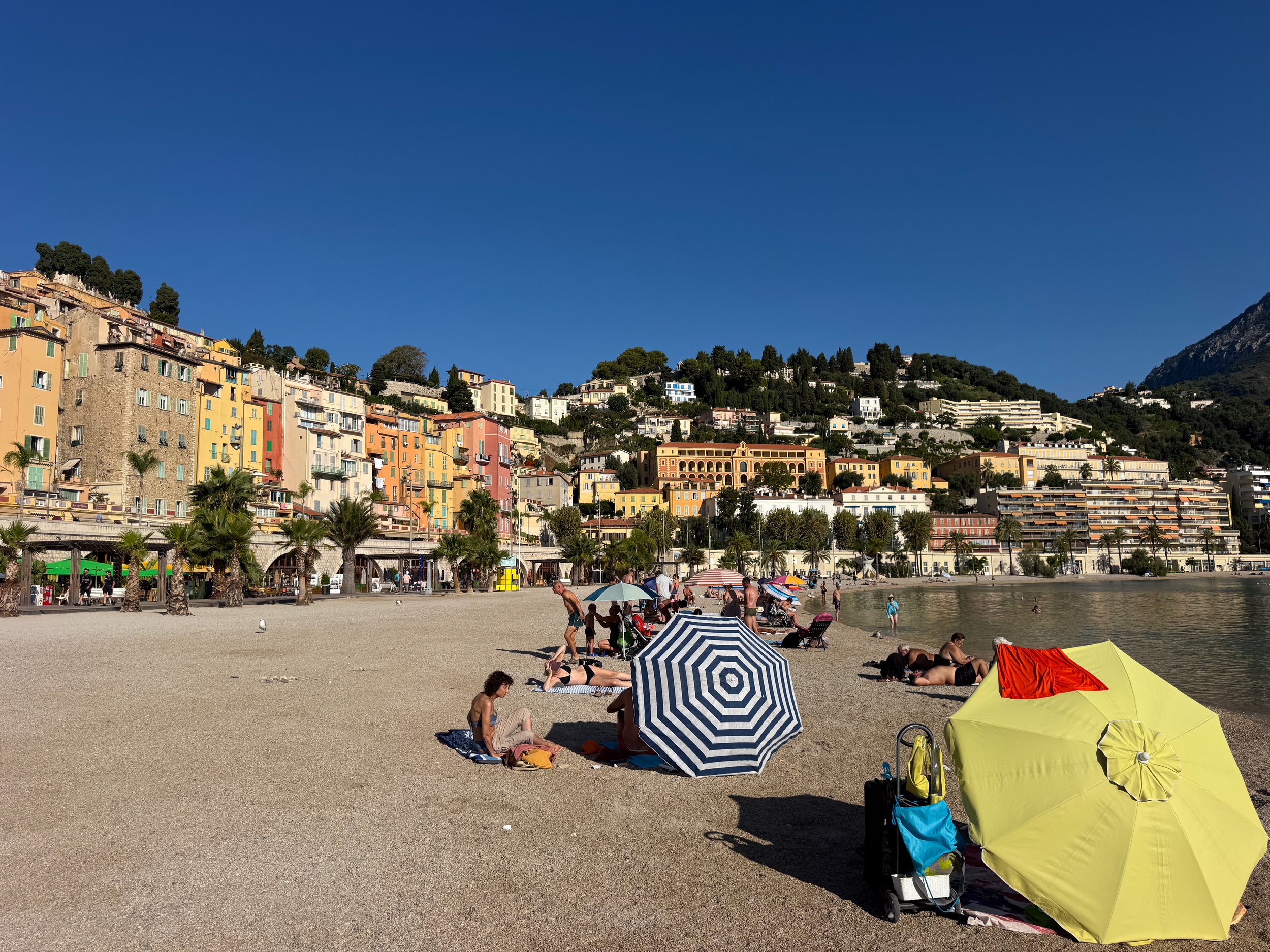
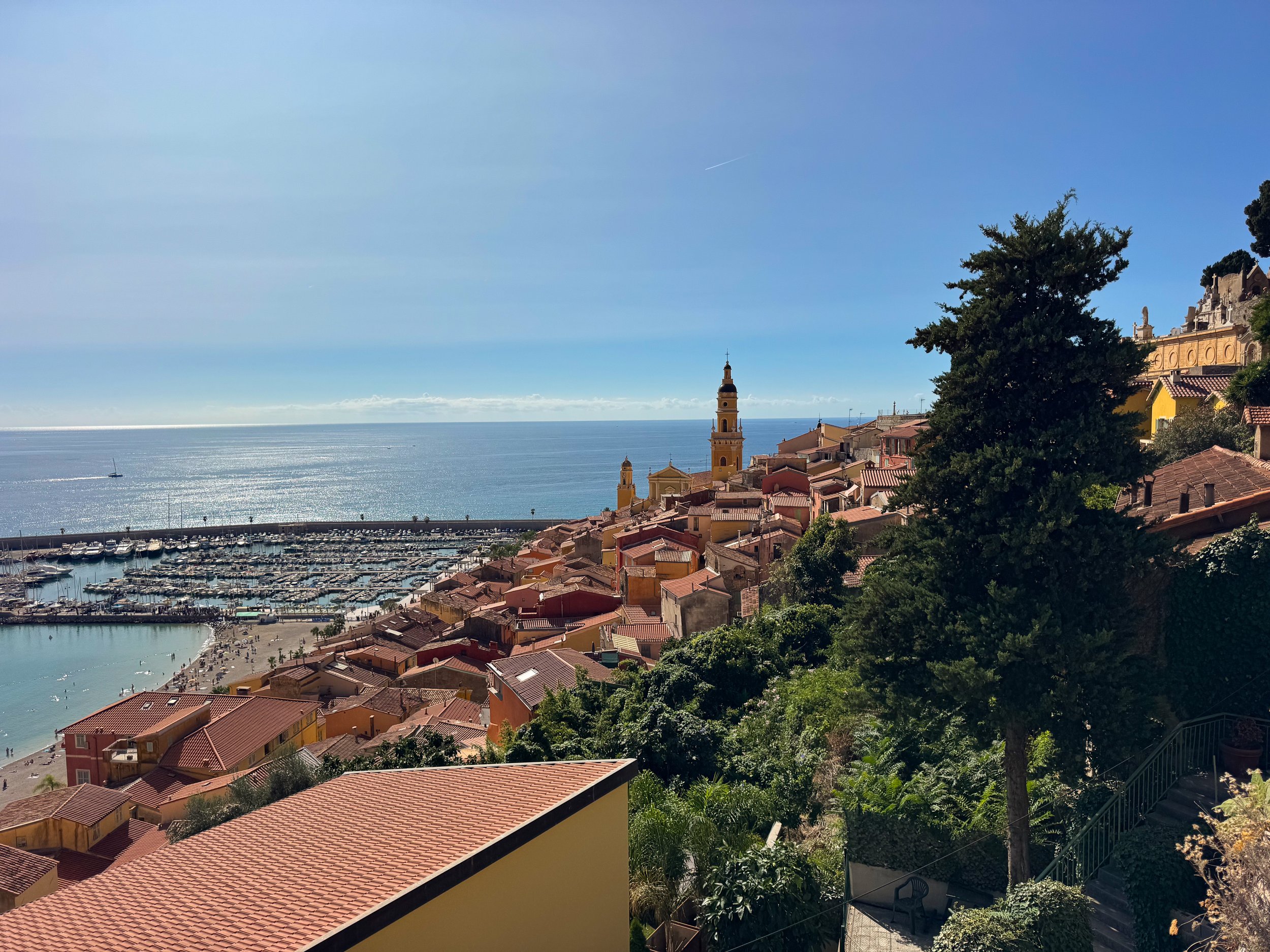
Menton is a port town on the border of France and Italy, blending the cultural and culinary influences of both. Pastel buildings in warm pinks, oranges and yellows climb the hillside, where the historic center's steep cobblestone streets lead to Baroque churches and Mediterranean lookouts. Below, sandy beaches and boat lined harbors hug the shoreline, palm and lemon trees shade the plazas and weekly markets offer fresh produce and regional goods.
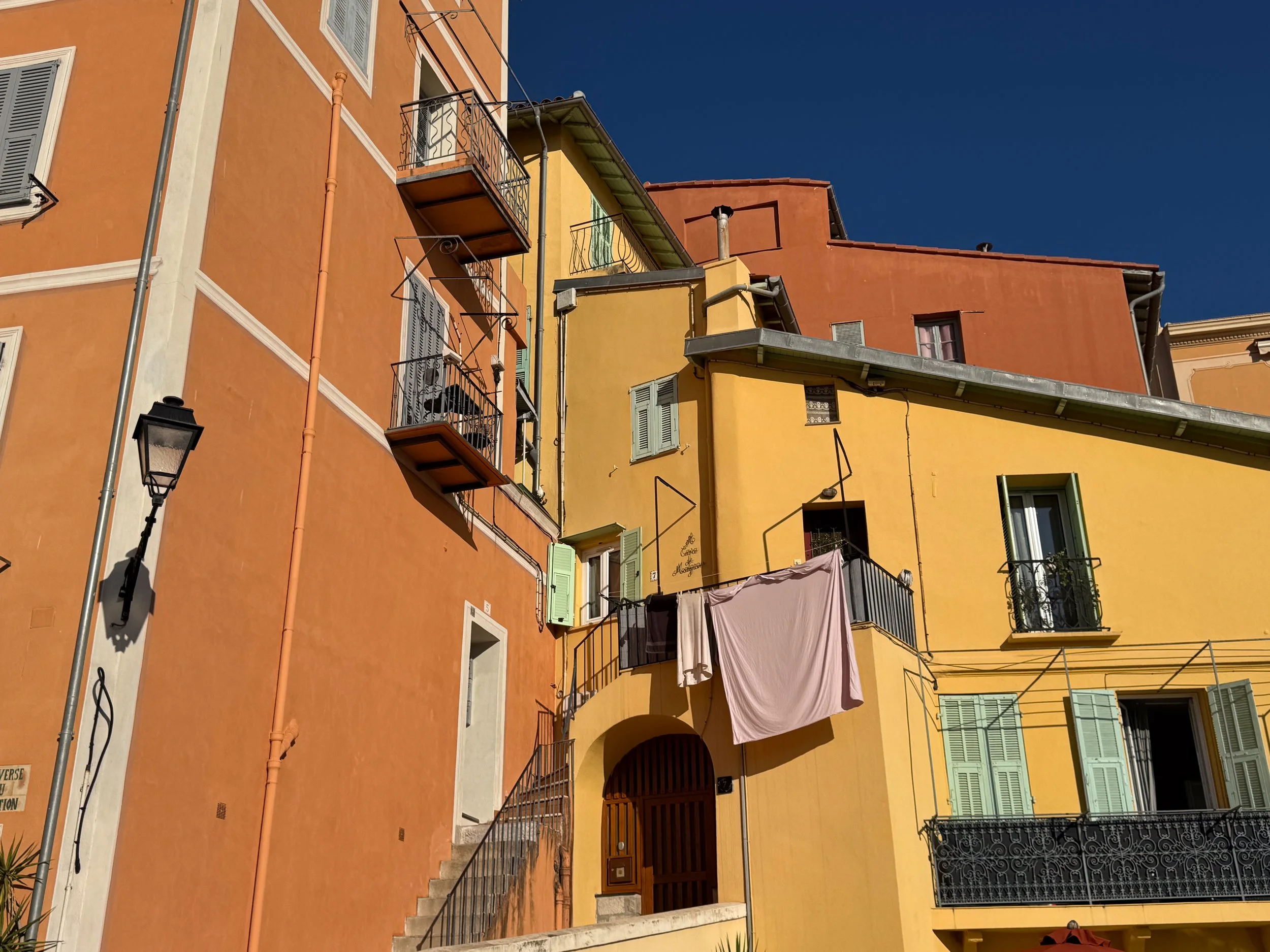
Rue Longue. A narrow street meandering past photogenic buildings in alternating warm and pastel hues, their windows strung with drying laundry. Along the way, stepped passageways climb deeper into town toward its historic sites.
Rue Saint-Michel. A pedestrian street at the heart of the old town, lined with restaurants, cafes, bars and boutiques. Browse local shops for citrus and lavender sweets and scented soaps, then settle beneath an awning covered patio with a glass of wine, a scoop of gelato or a plate of Mediterranean seafood.
Beaches, Promenades & The Old Port
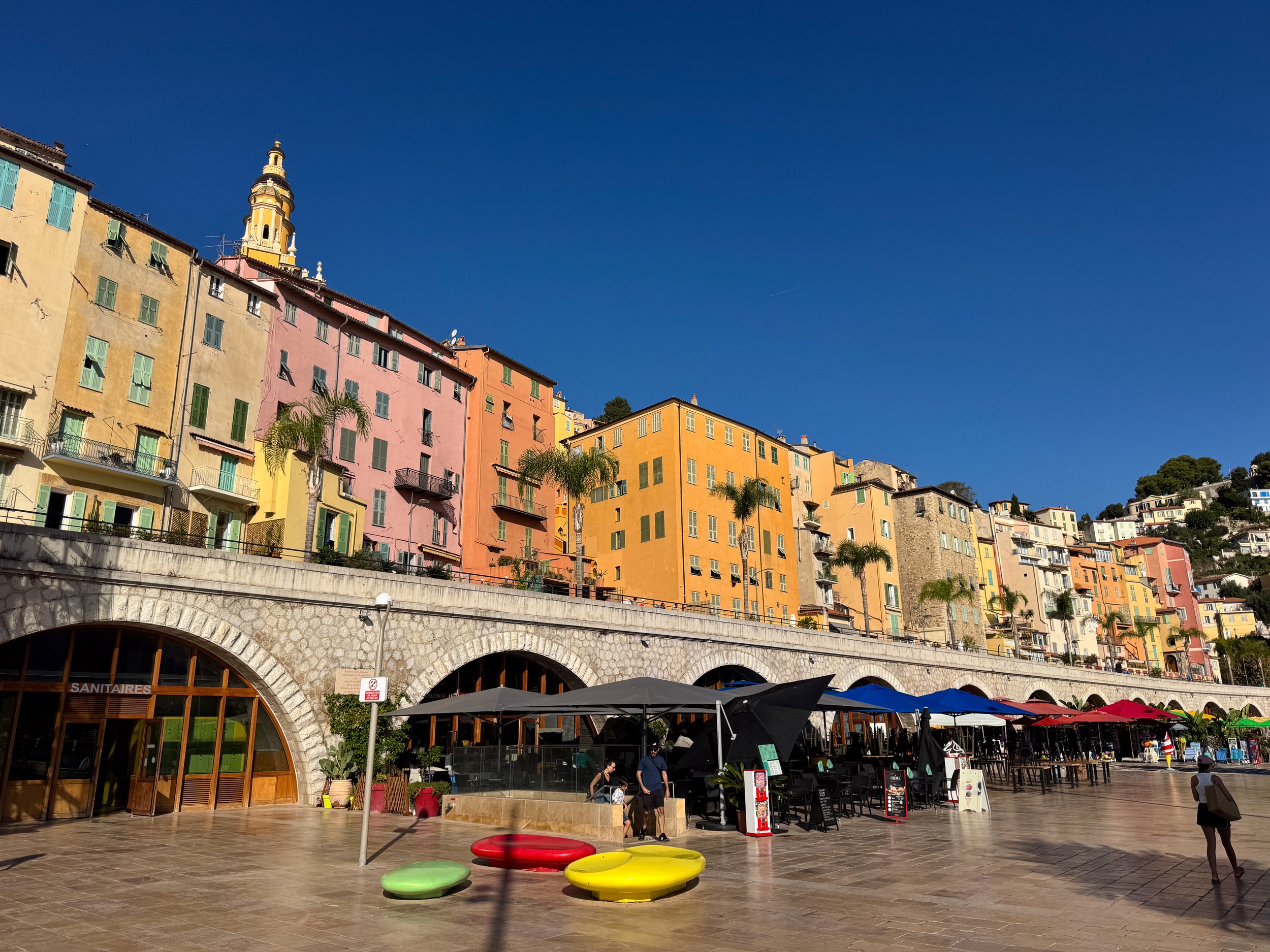
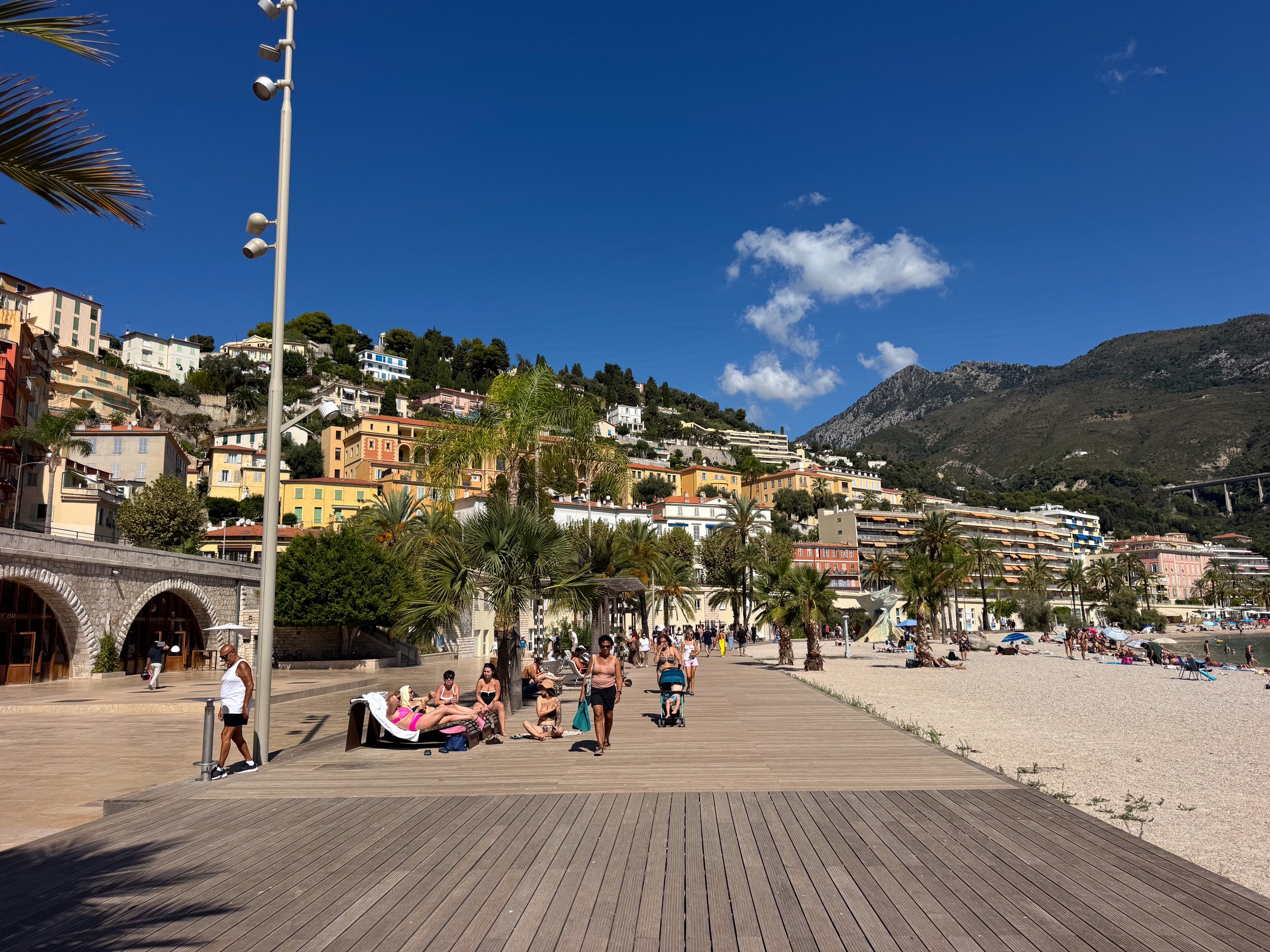
Promenade du Soleil. A lengthy palm lined coastal promenade with umbrella covered patios, restaurants and access to Menton’s beaches.
Quai Bonaparte. A road running between the historic center and the beachfront promenade, with views of Menton's colorful skyline. Built atop the old ramparts, it's home to restaurants, cafes and gelato shops that spill onto the boardwalk below.
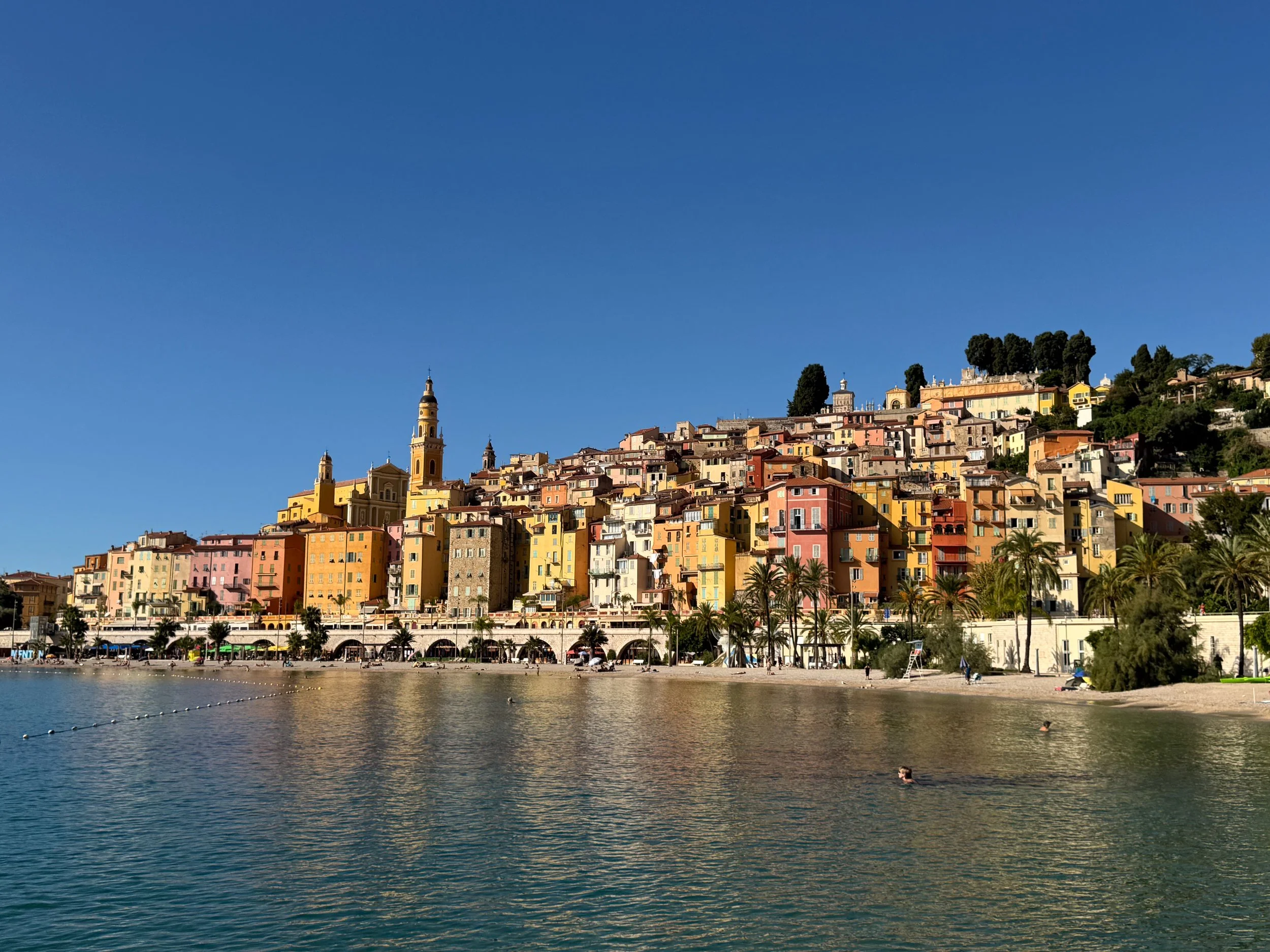
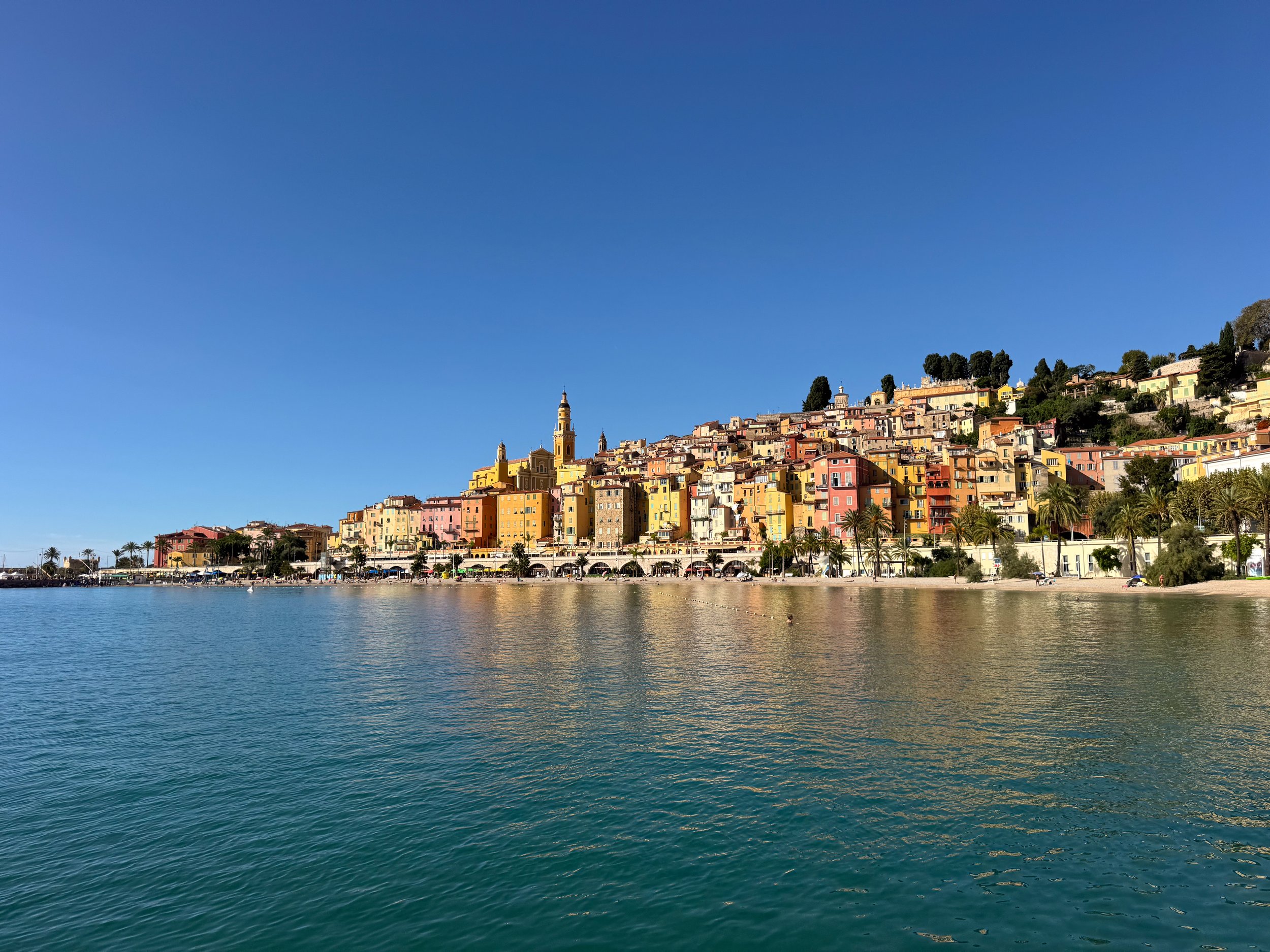
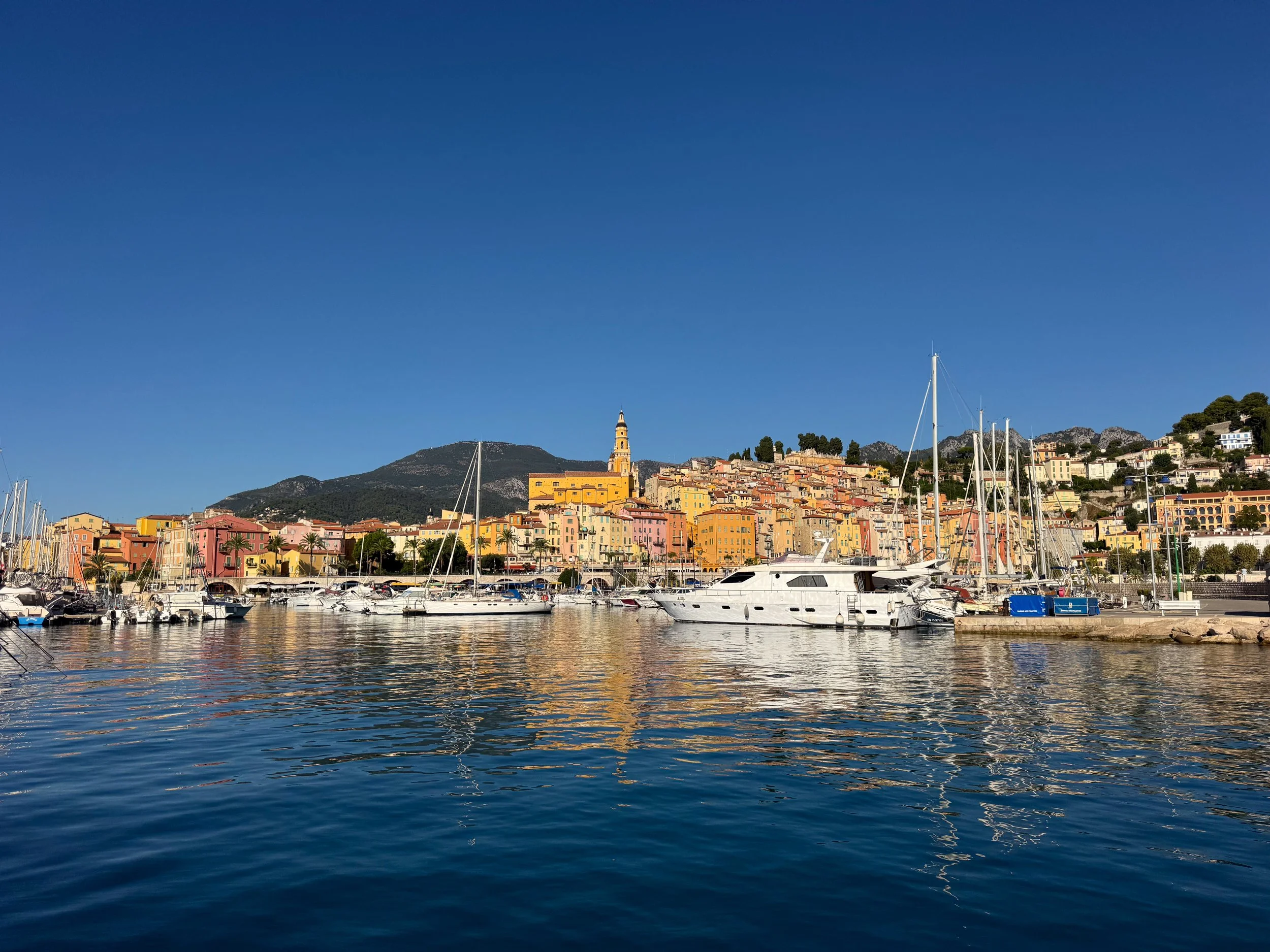
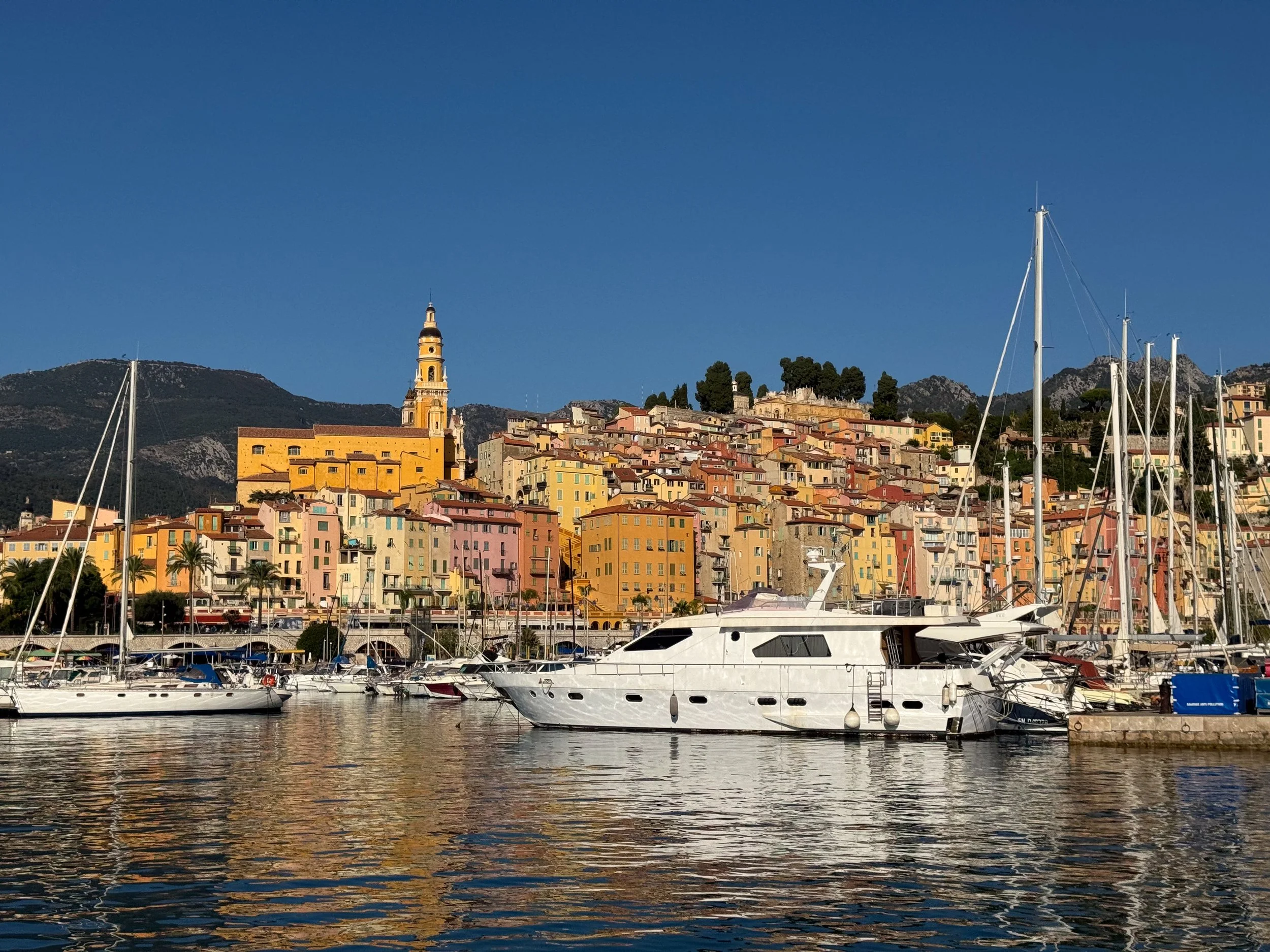
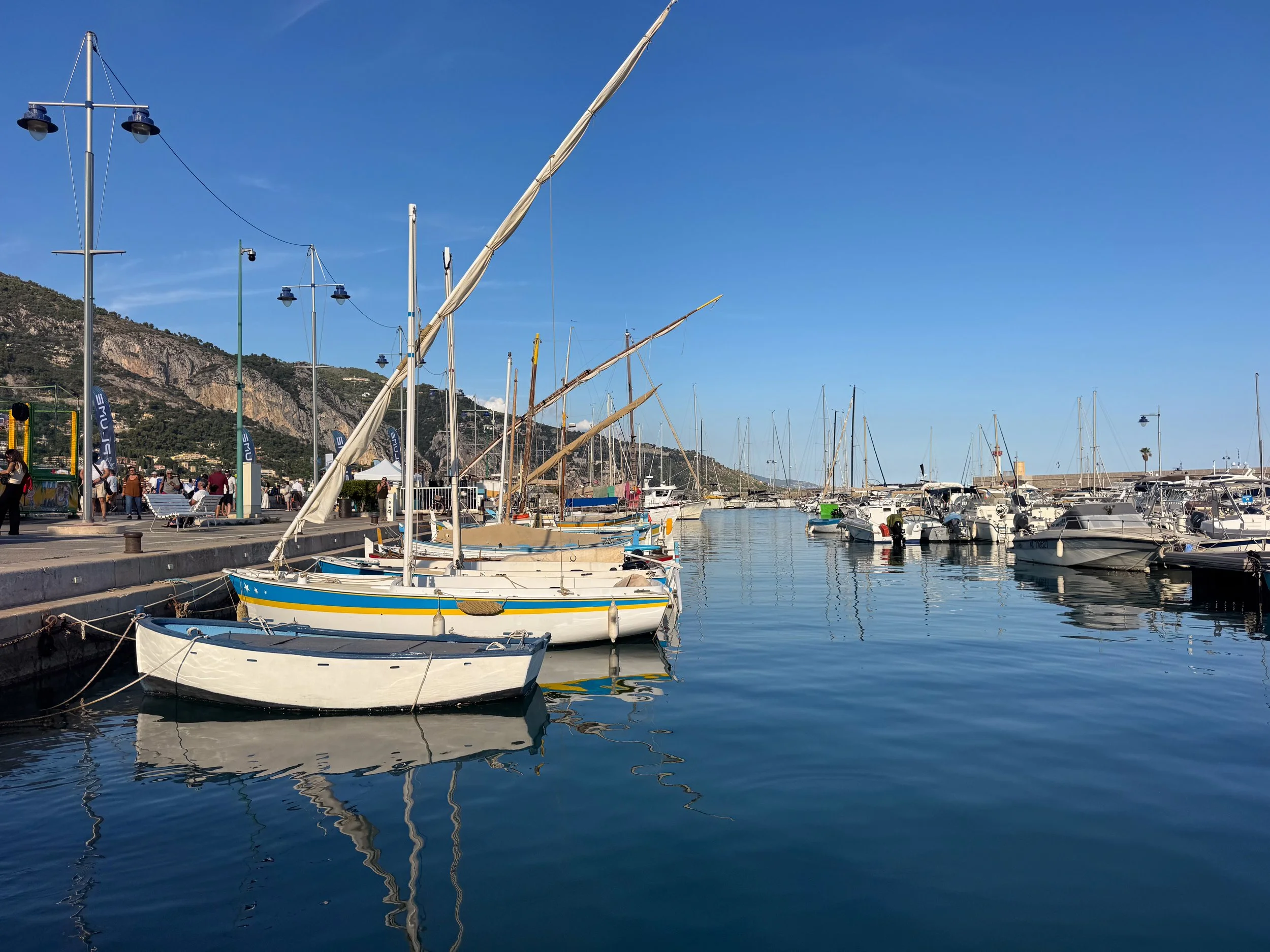
Vieux Port de Menton. The old port sits at the base of the historic center, its piers lined with sailboats and small vessels. A walkway along the quay leads out to a lighthouse with panoramic views of Menton.
Plage des Sablettes. A pebbly beach in front of Menton's historic center, with a public stretch on its west side and upscale beach clubs lining the east. Come to sunbathe, swim or stroll the boardwalk with views of the old town.
Vue de Menton. A viewpoint along the pier dividing Plage des Sablettes Ouest and Est, with picturesque views looking back at Menton's colorful skyline.
Baroque Churches & Old Town Sights
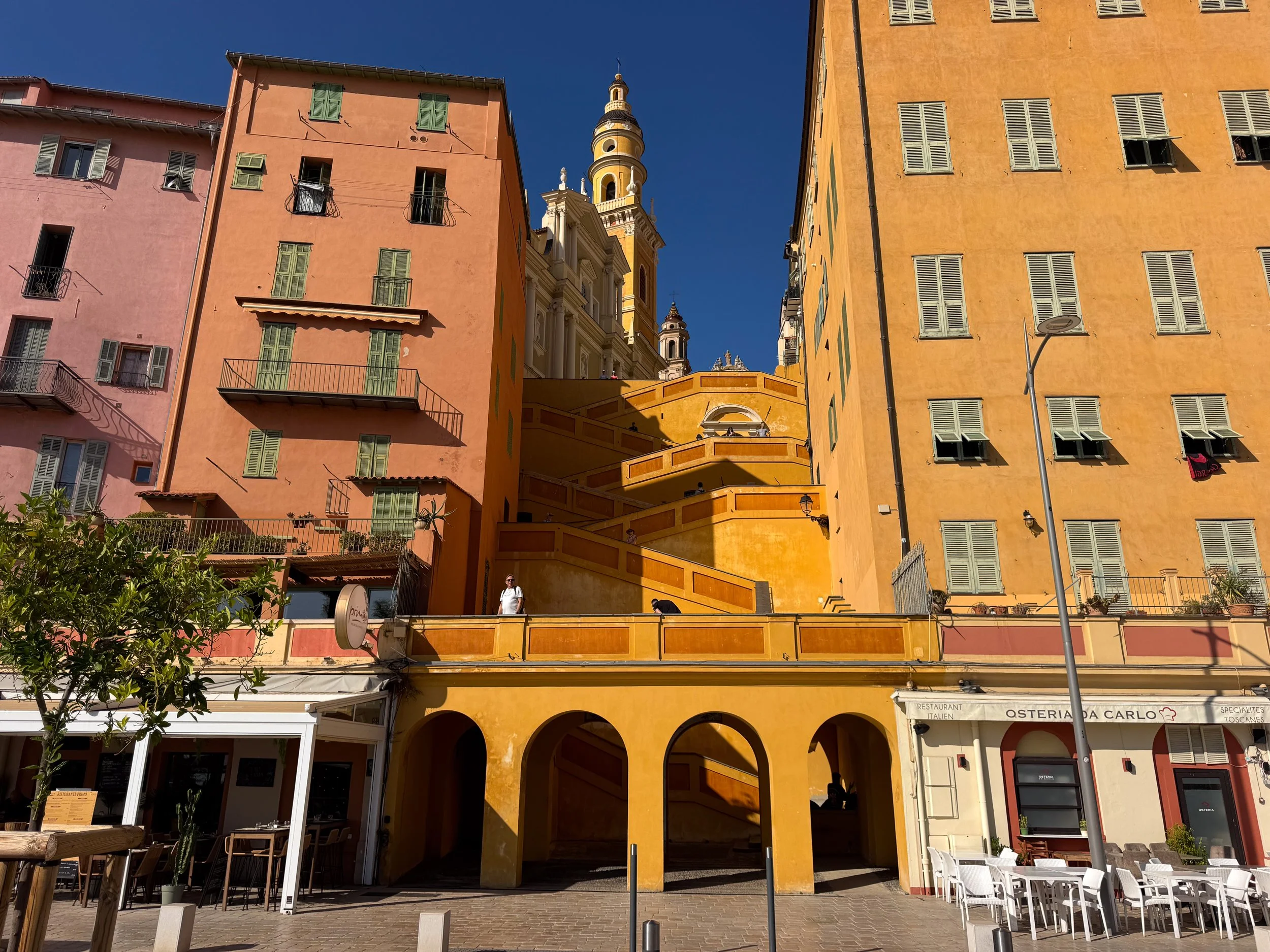
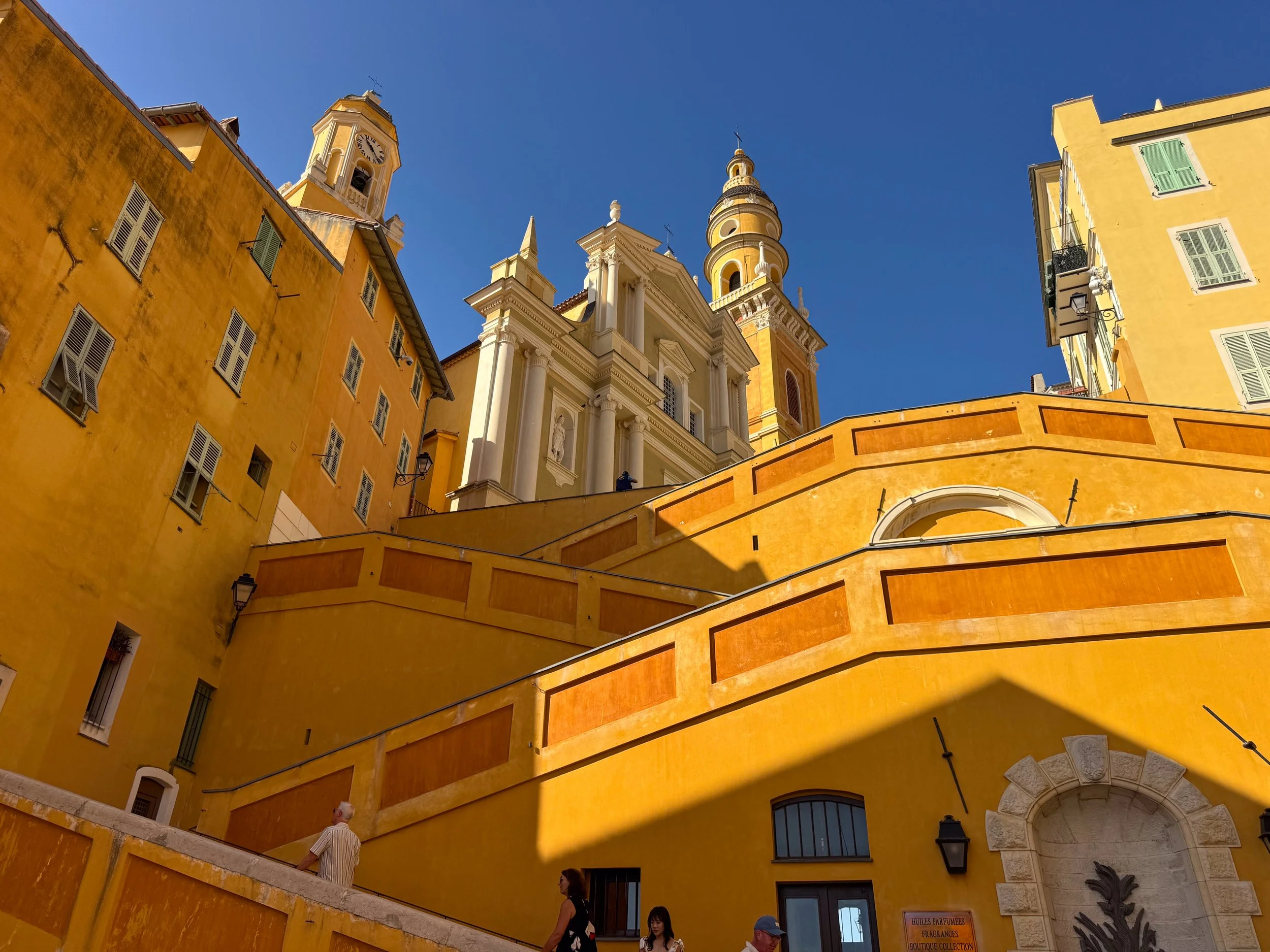
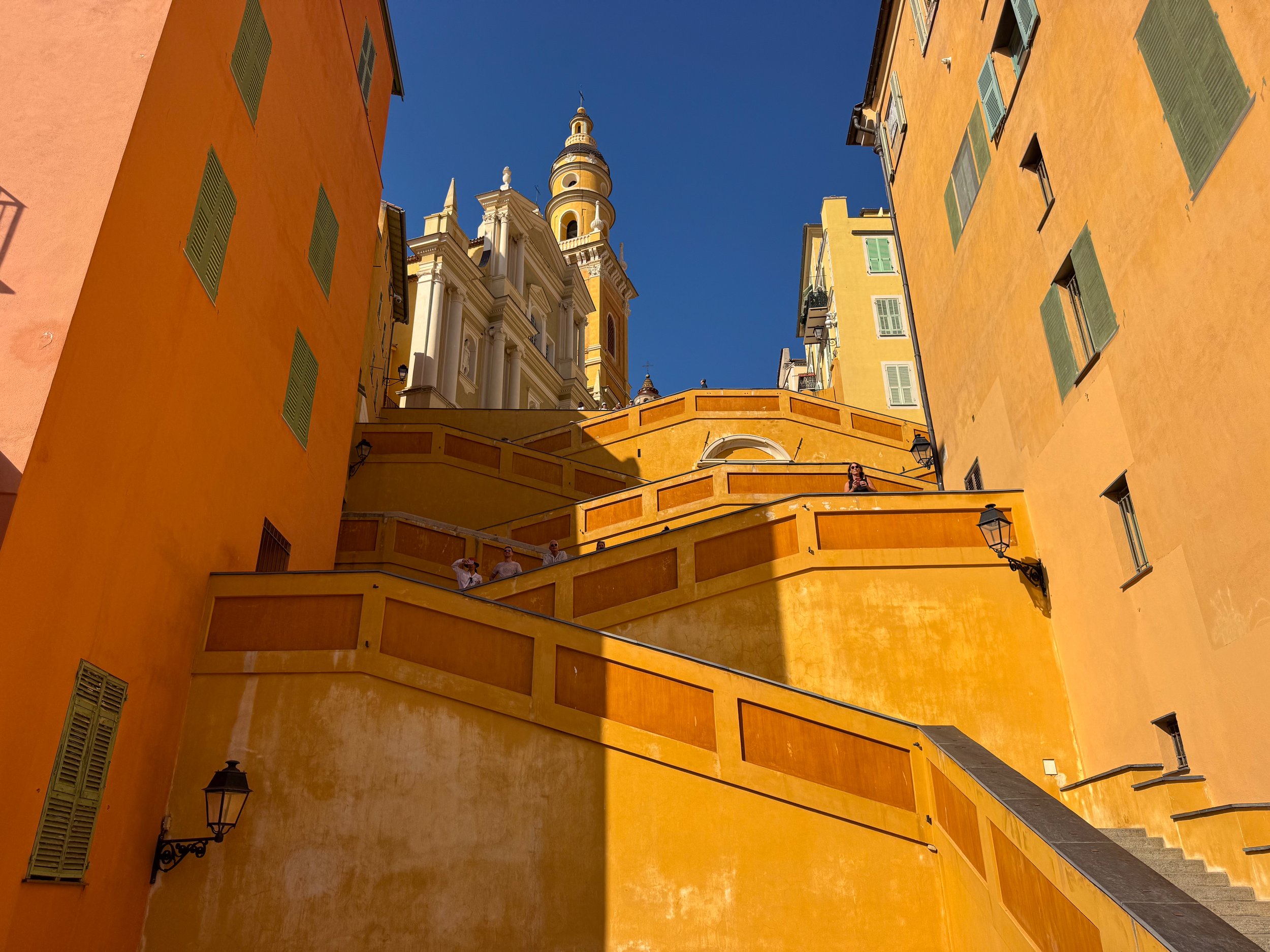
Les Rampes Saint-Michel. A series of orange and yellow switchback steps climbing from Quai Bonaparte into the old town. One of Menton's most photographed spots, they offer views of the church above and the turquoise sea below.
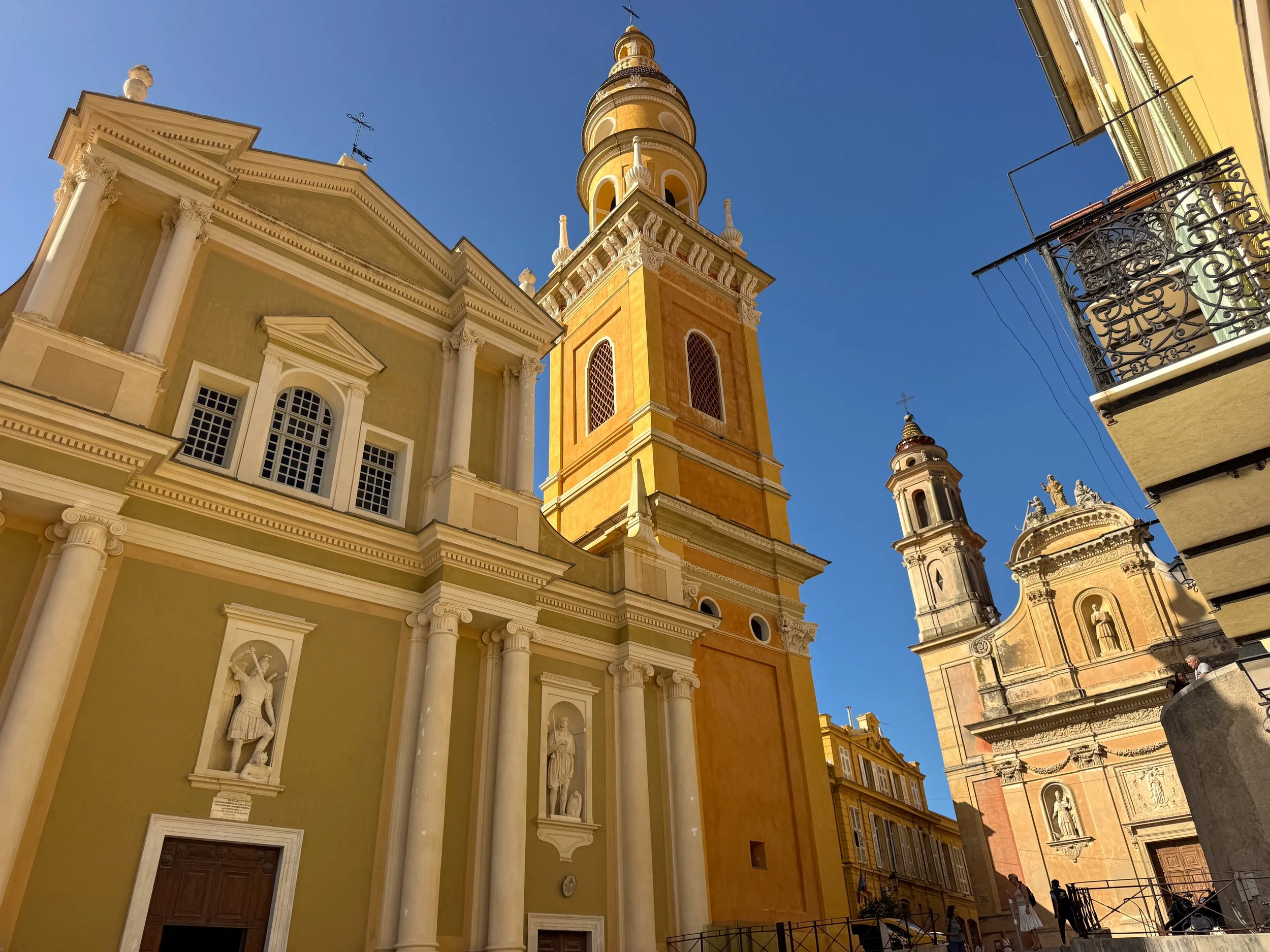
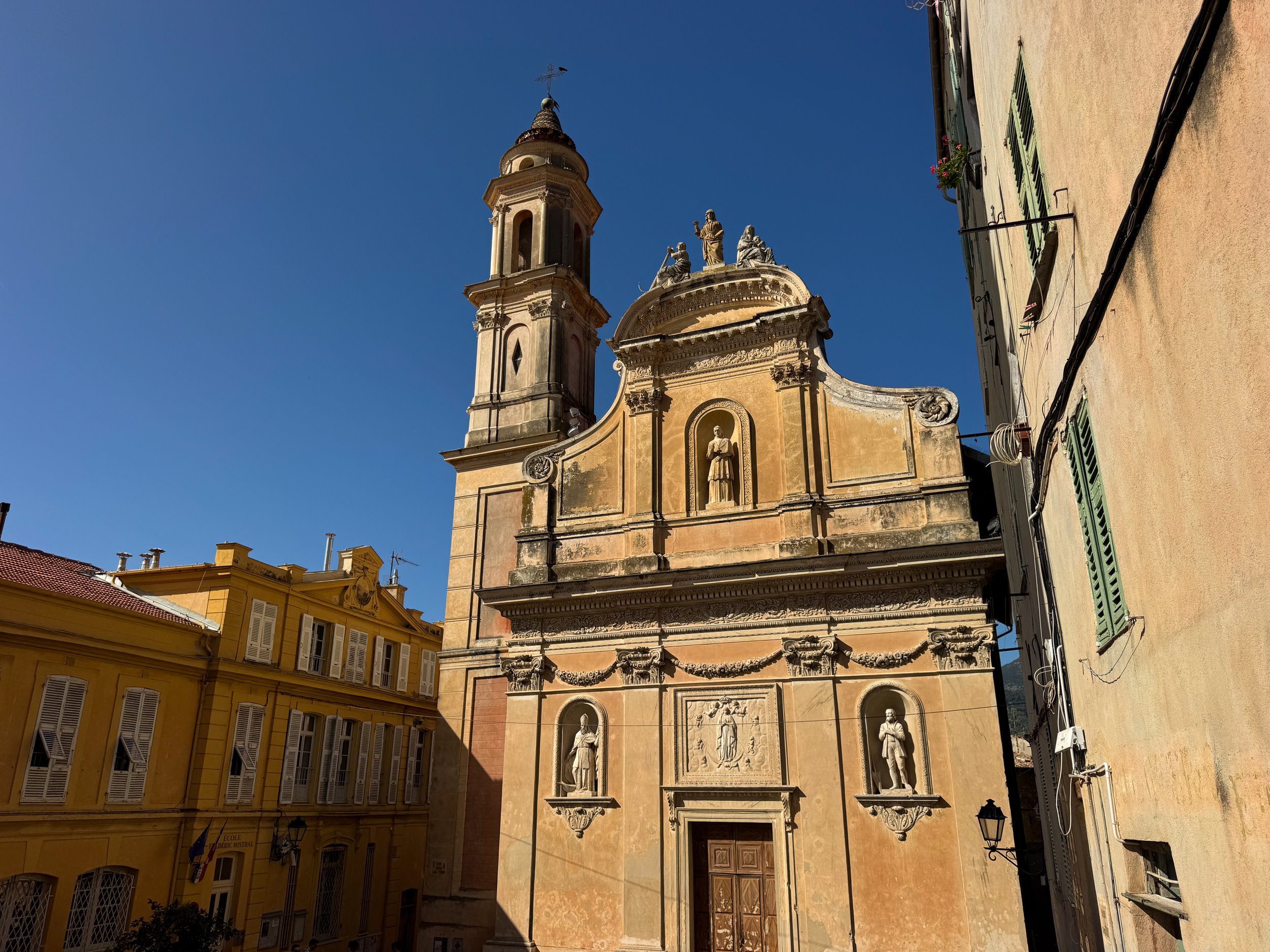
Basilique Saint-Michel-Archange. A large Baroque church at the heart of the old town, crowned by a towering spire and filled with 17th-century frescoes. It shares a stone paved plaza with the neighboring Chapelle des Pénitents-Blancs.
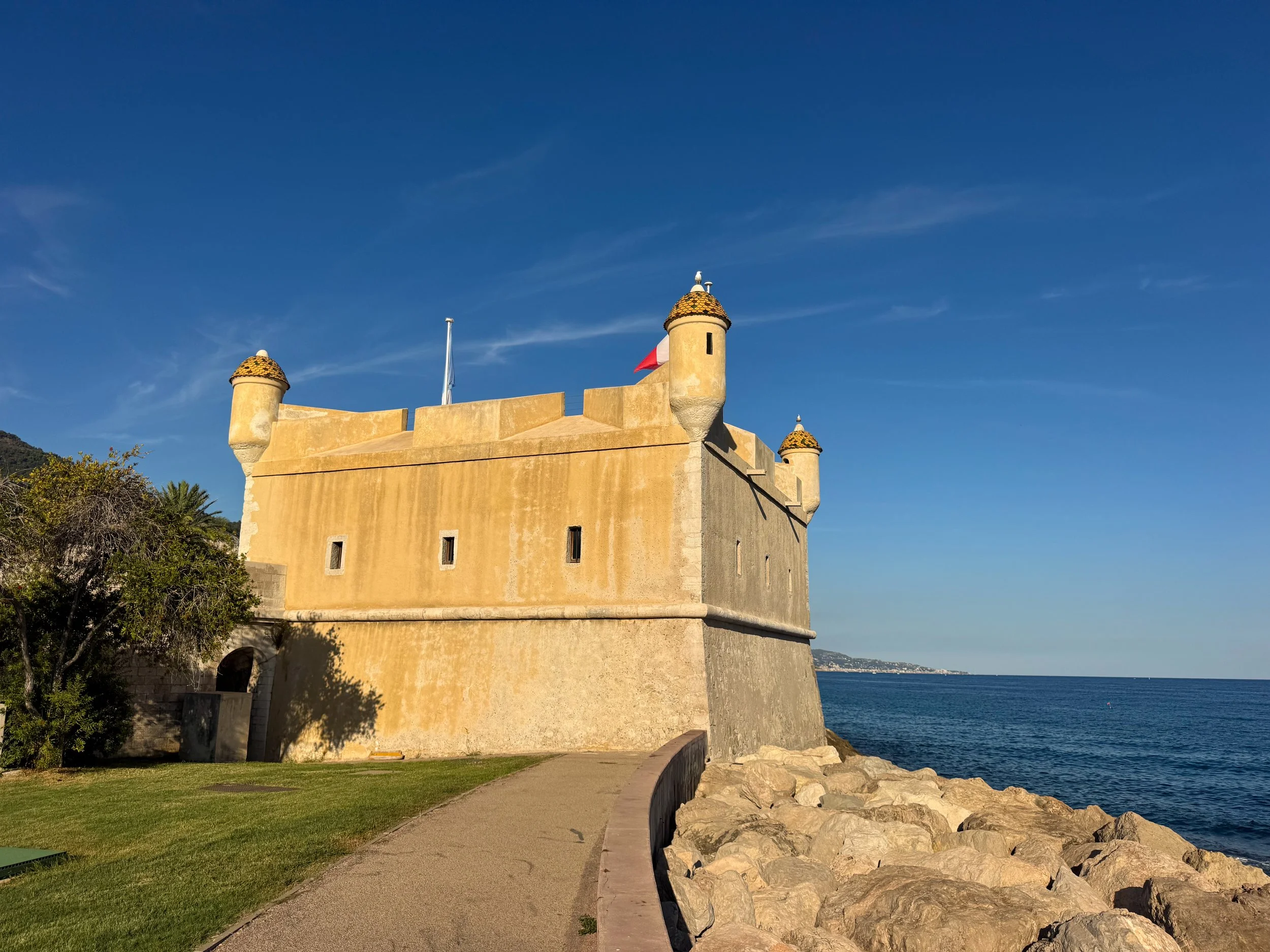
Le Bastion. A 17th century fort on the waterfront between the Promenade du Soleil and the Vieux Port. Its four sided, castle-like walls house a museum dedicated to the artist Jean Cocteau.
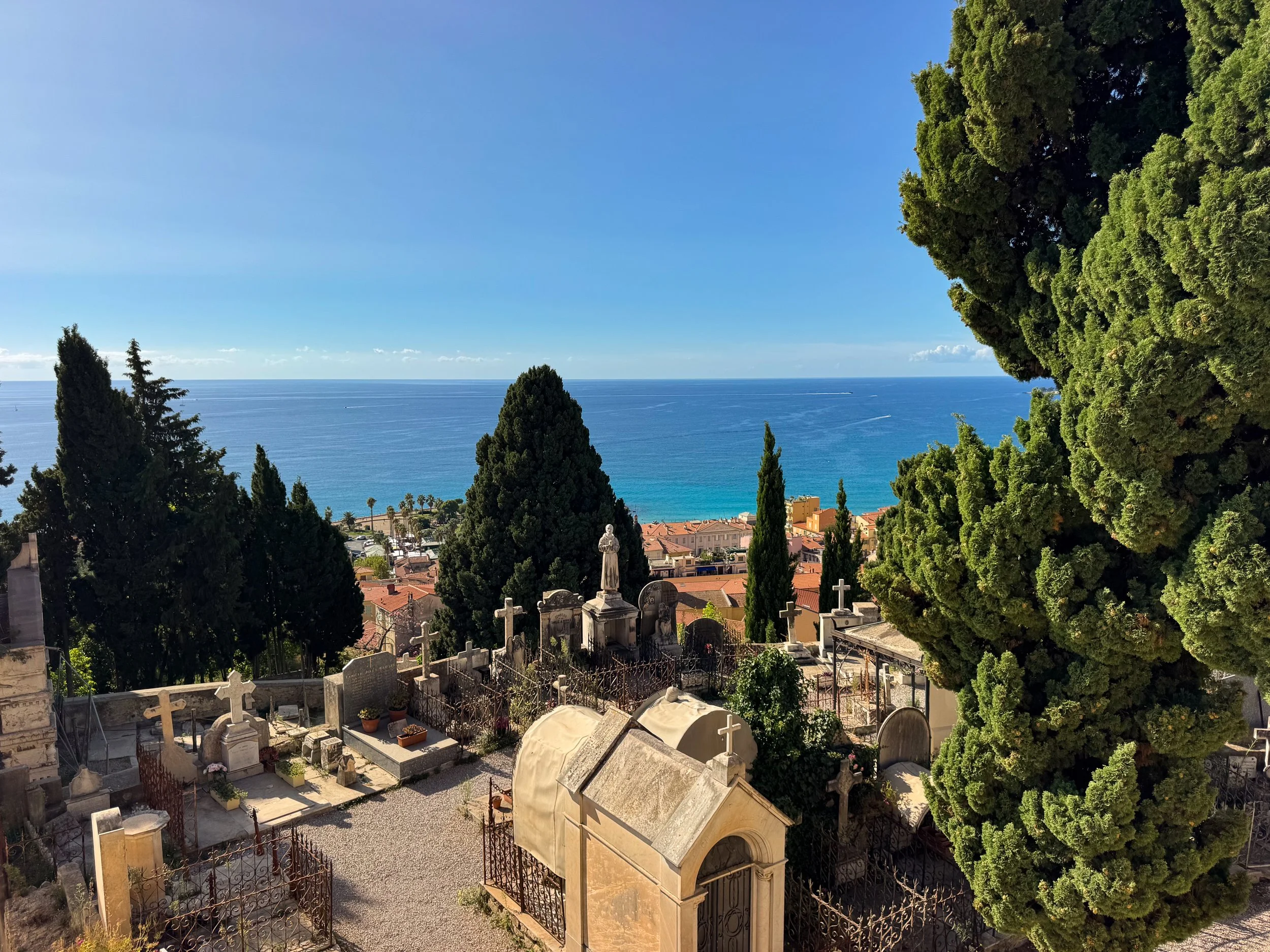
Le Cimetière du Vieux Château. A hilltop cemetery with historic graves dating back to the late 19th century and sweeping views over the town and sea.
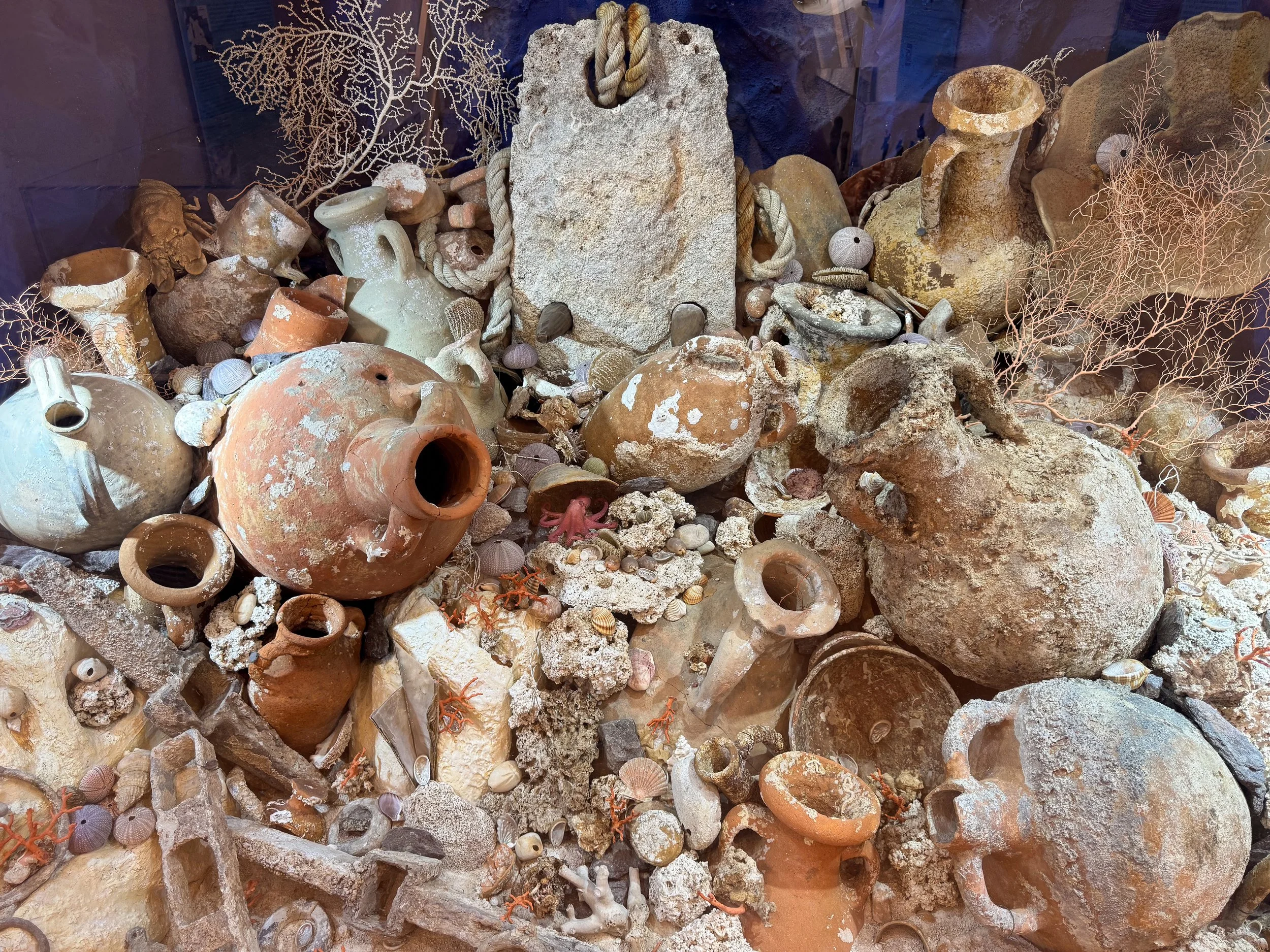
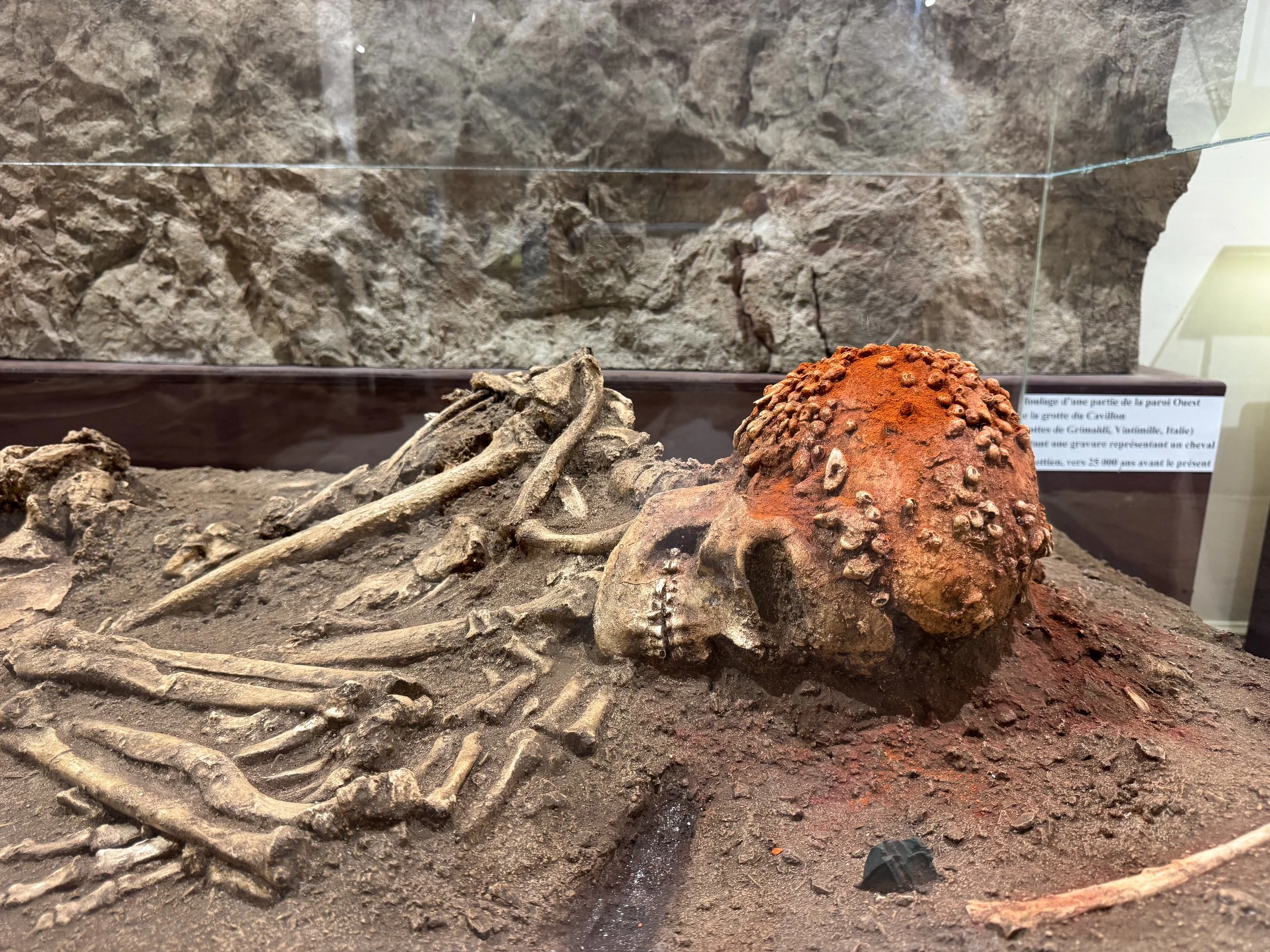
Musée de Préhistoire Régionale. A small yet informative museum with archaeological artifacts, fossils and skeletal remains unearthed beneath Menton and recovered from its coastal waters. Its collection also spans objects from ancient Mediterranean societies, including the Romans, Greeks and Egyptians.
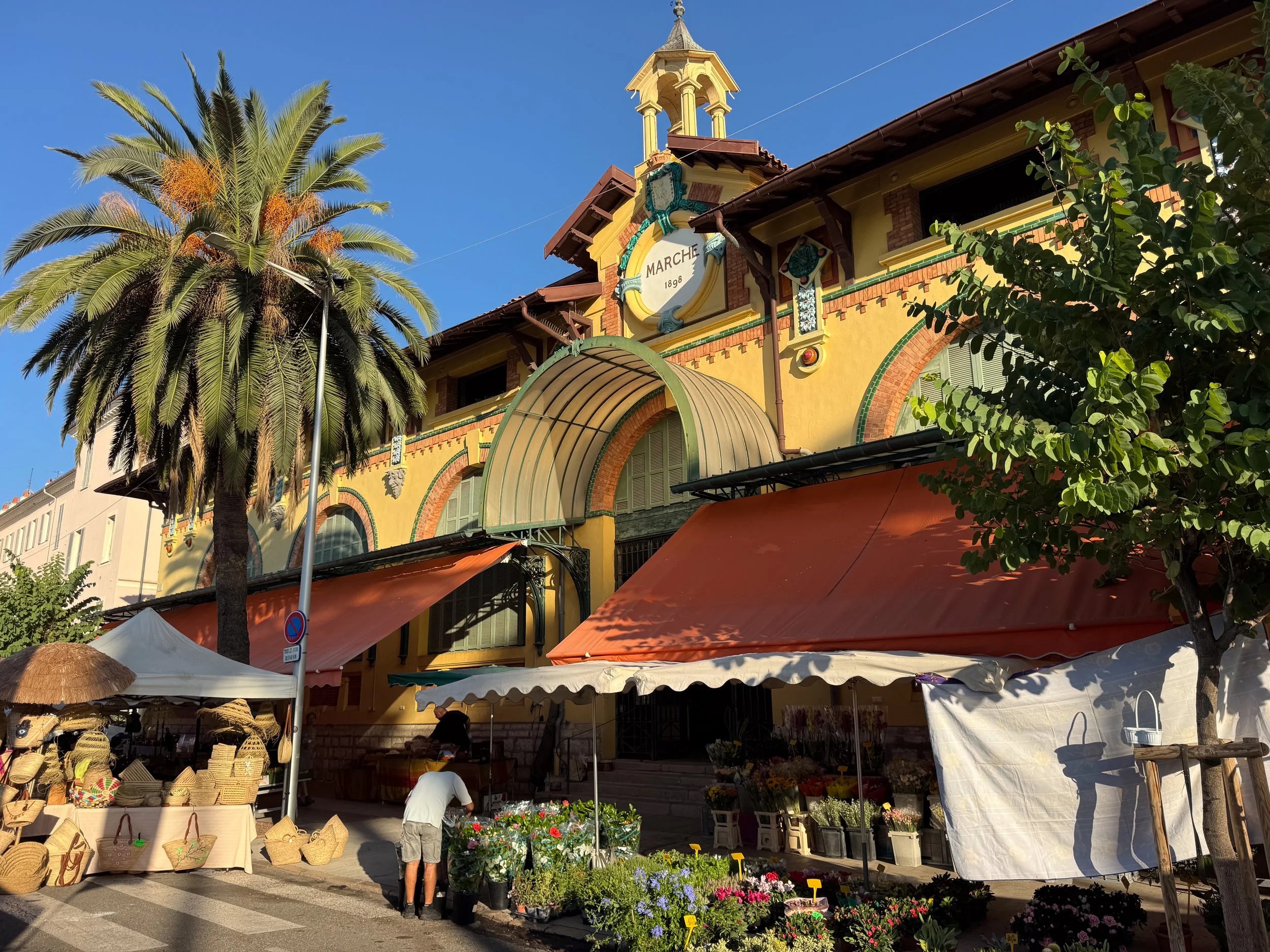
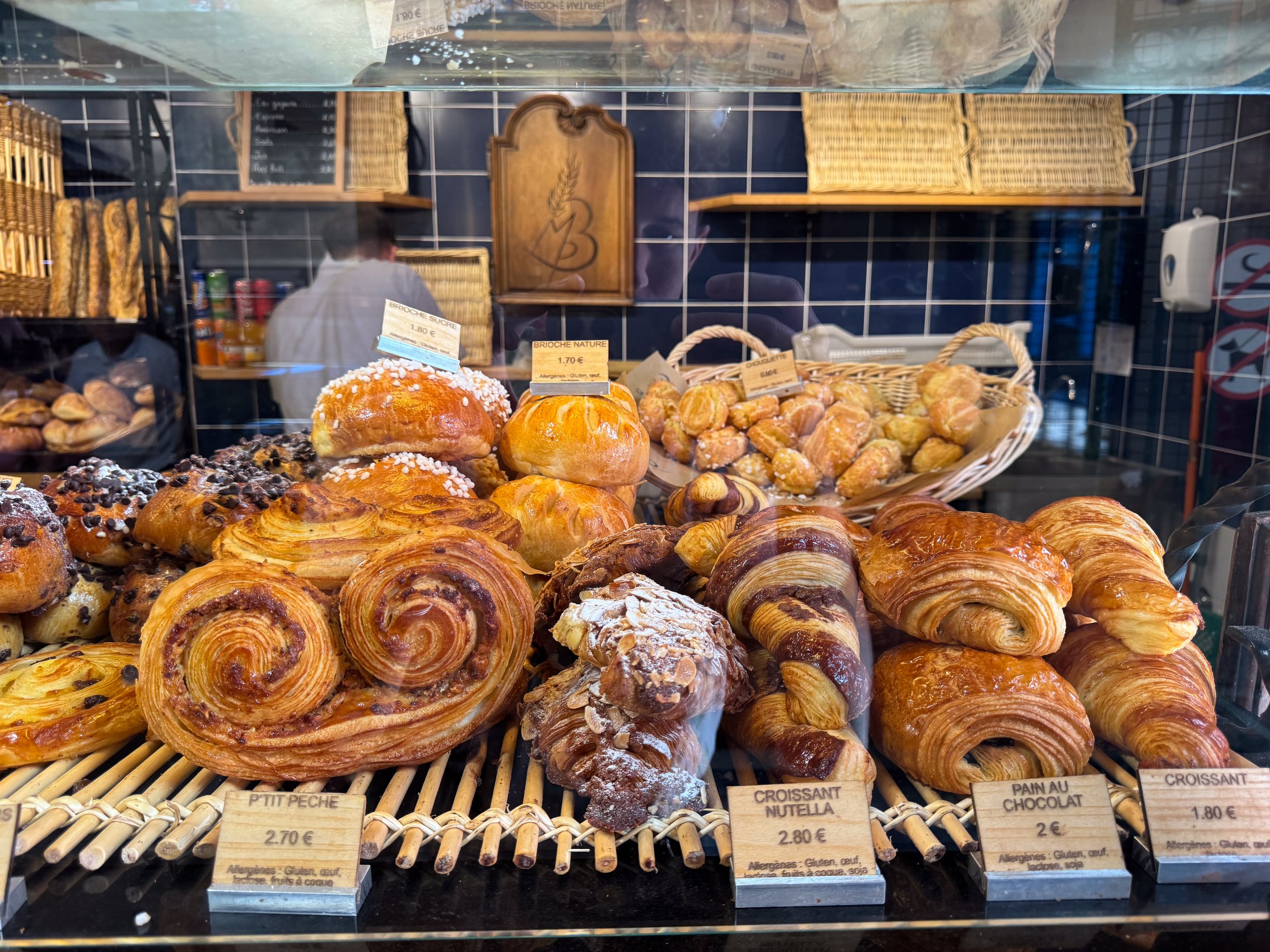
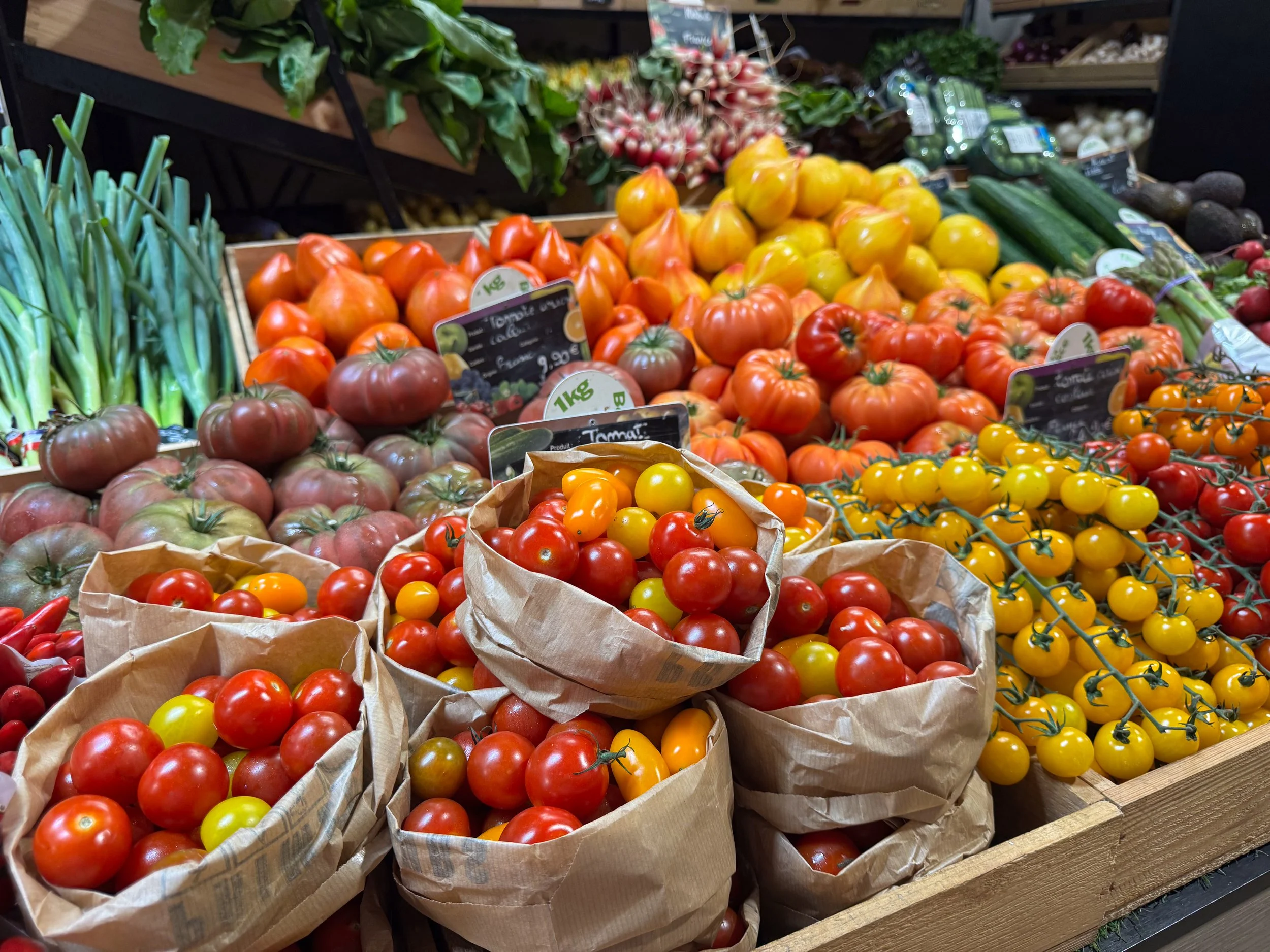
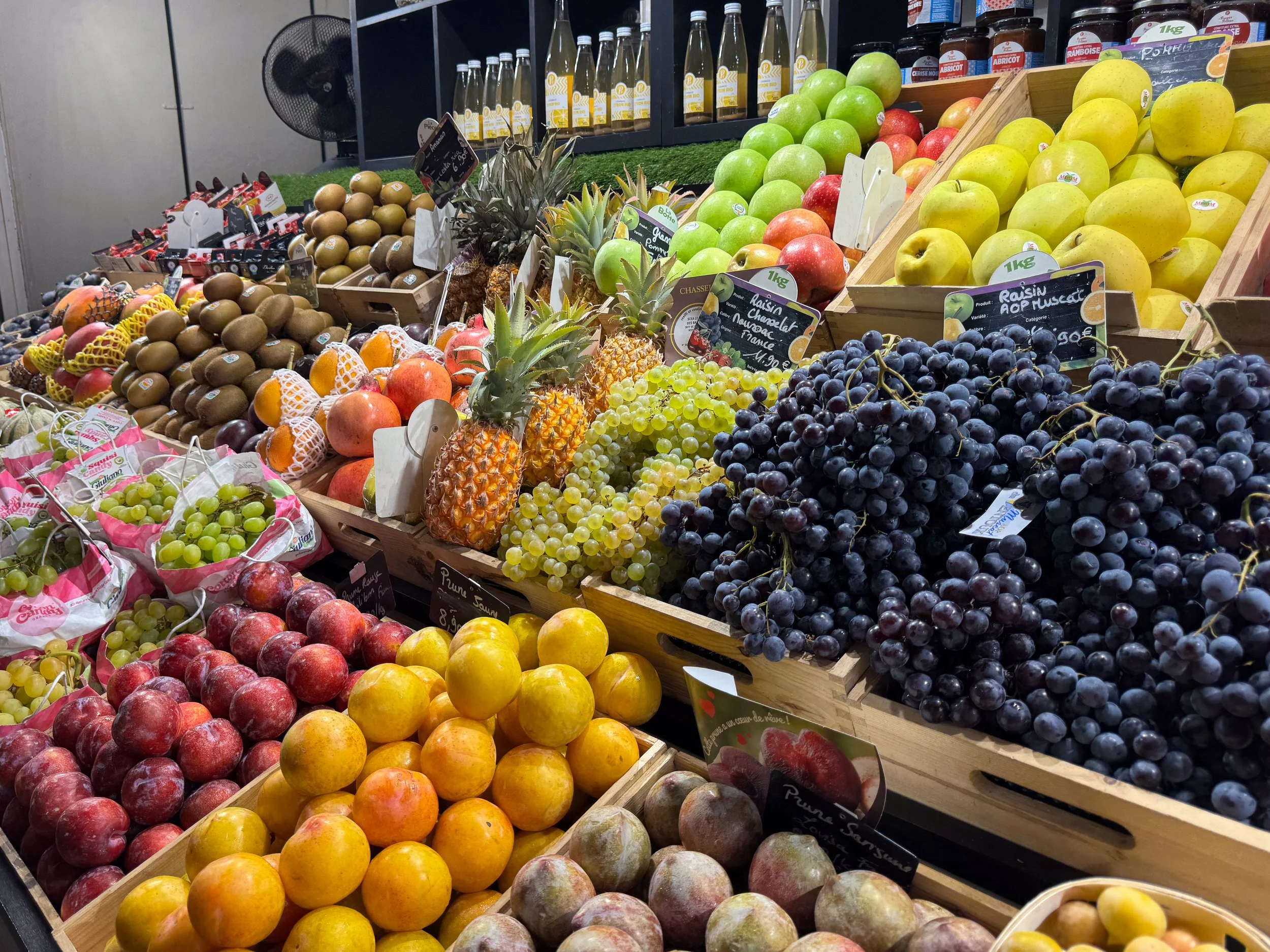
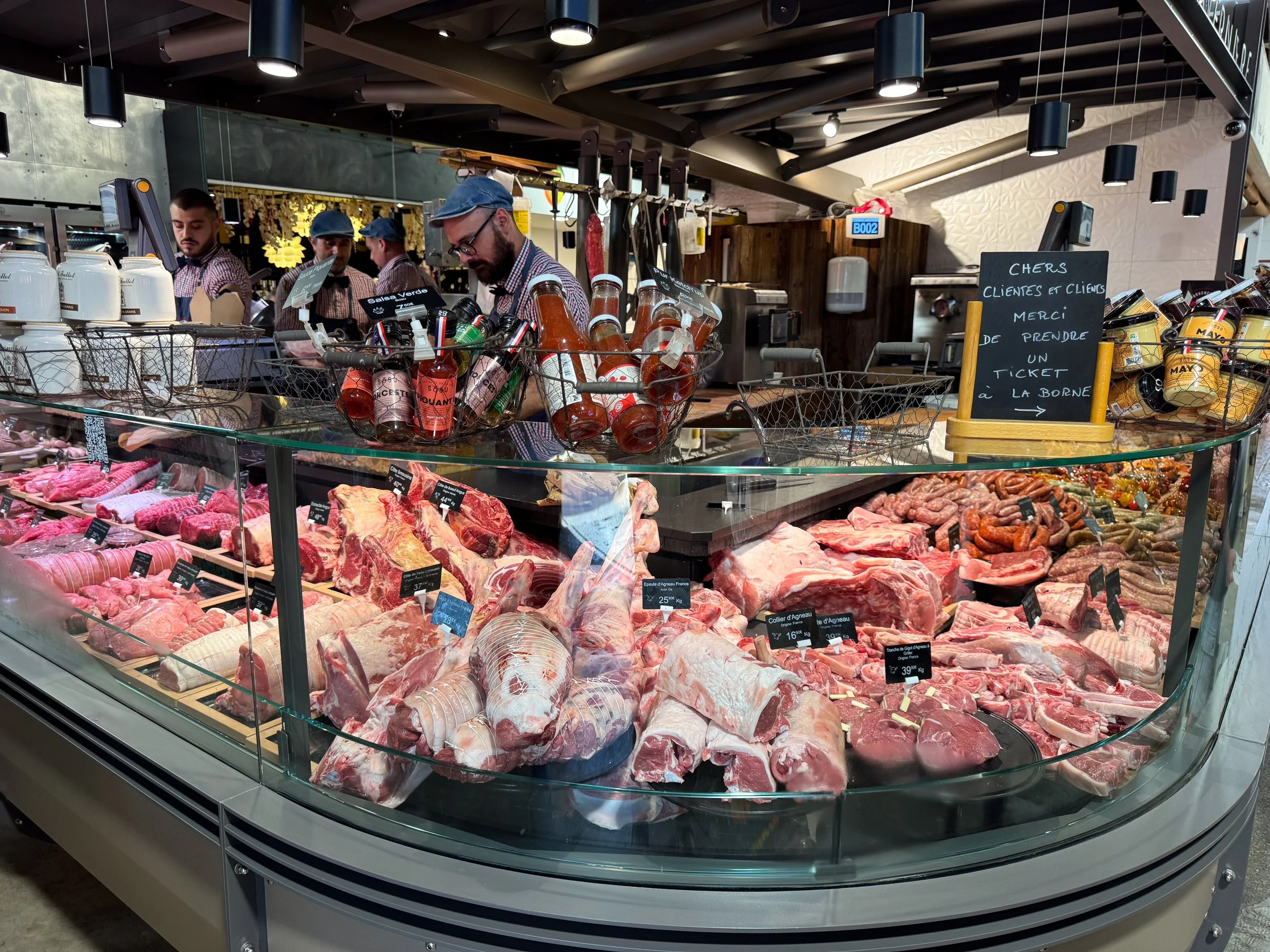
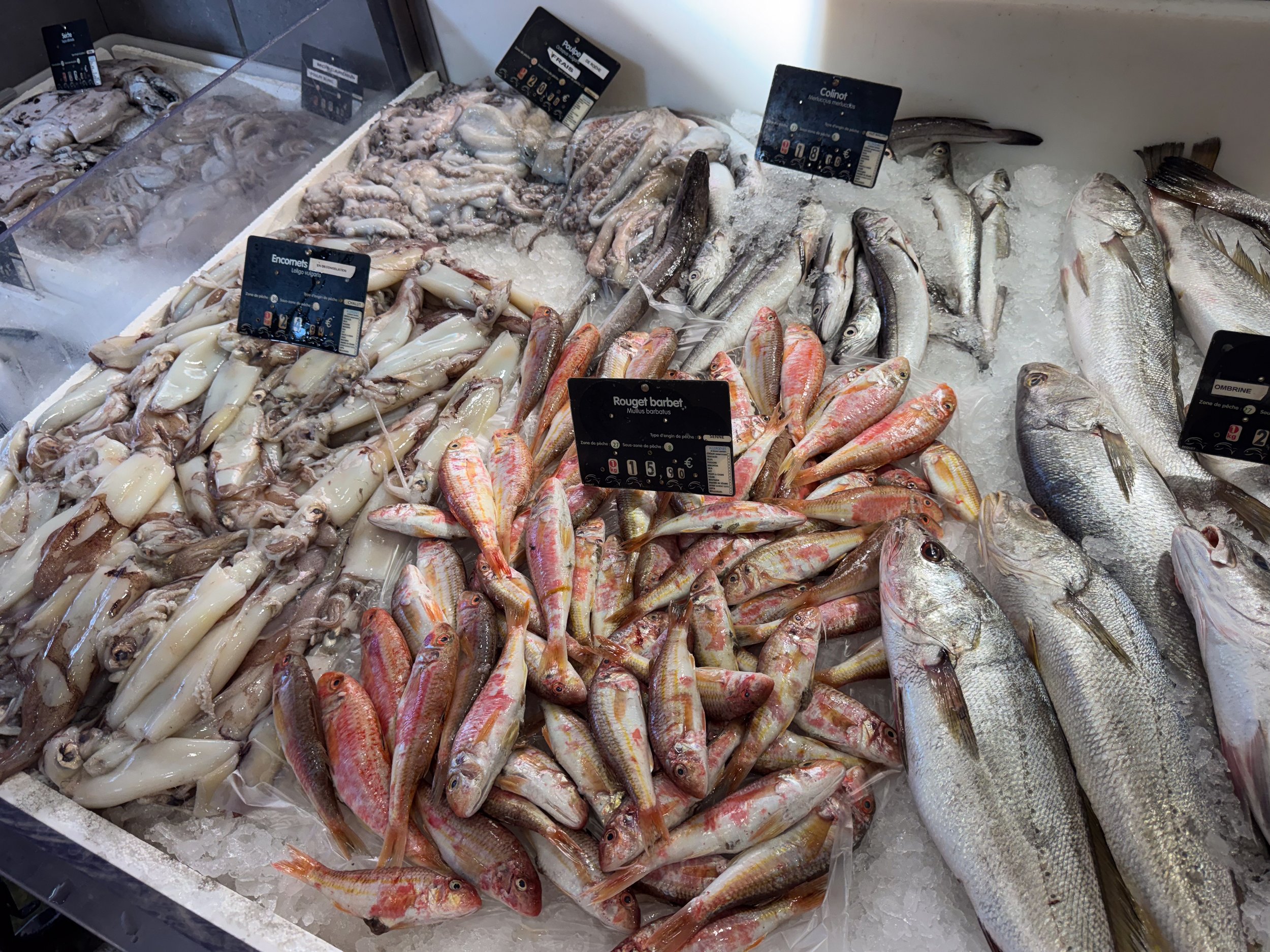
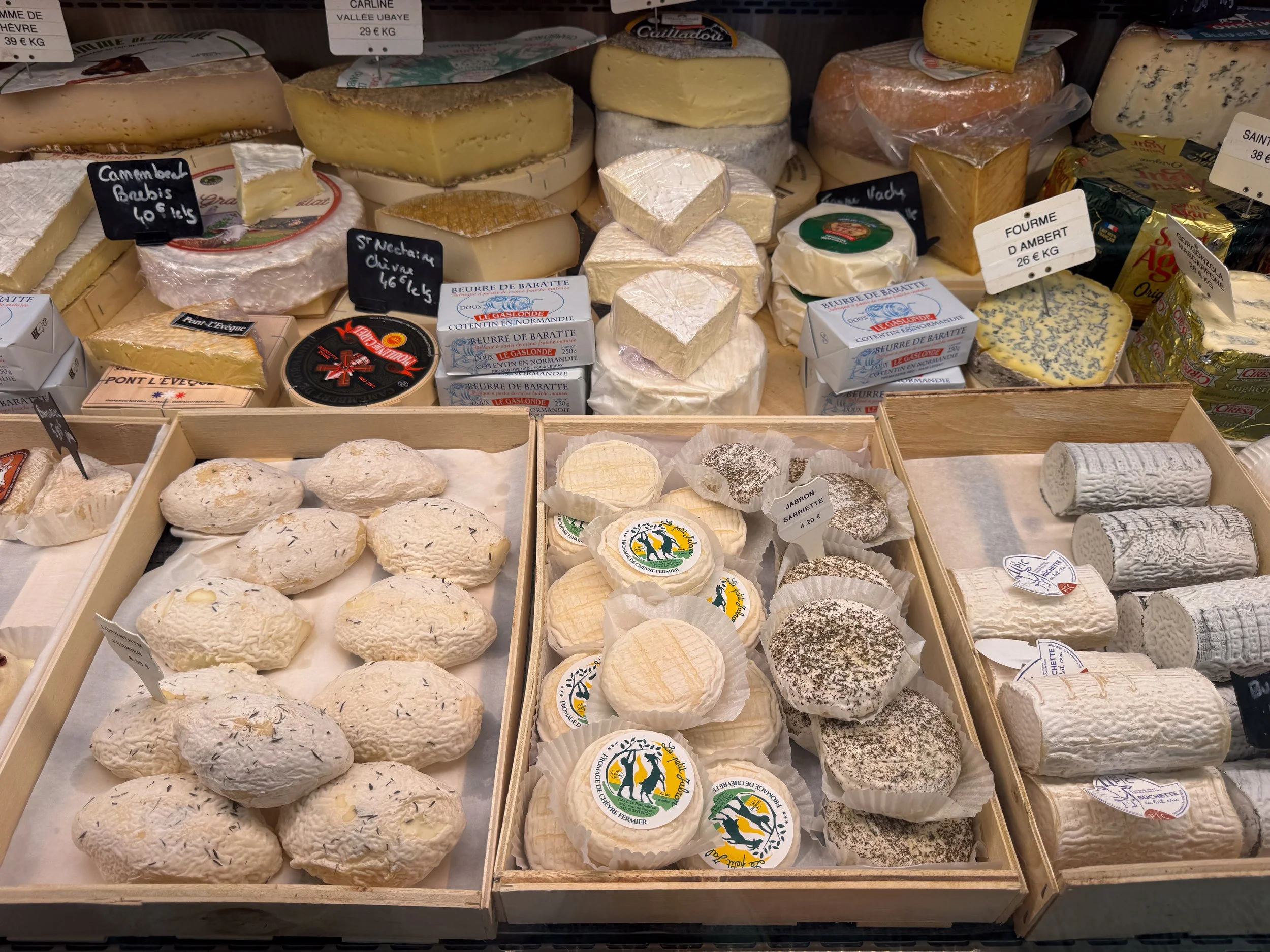
Marché des Halles. A French market selling cheeses, flowers, produce, breads, meats, wines, pastas, olives, baked goods and fresh seafood, open mornings into the early afternoon except Monday. On Saturdays, stalls spill beyond the historic pavilion with clothes, handbags, shoes, accessories, leather goods and souvenirs.
Place du Cap Flea Market. A Saturday flea market fills Place du Cap at one end of Rue Saint-Michel, where vendors sell antiques alongside jewelry, clothes, posters, books and home decor.
Where to Eat & Drink
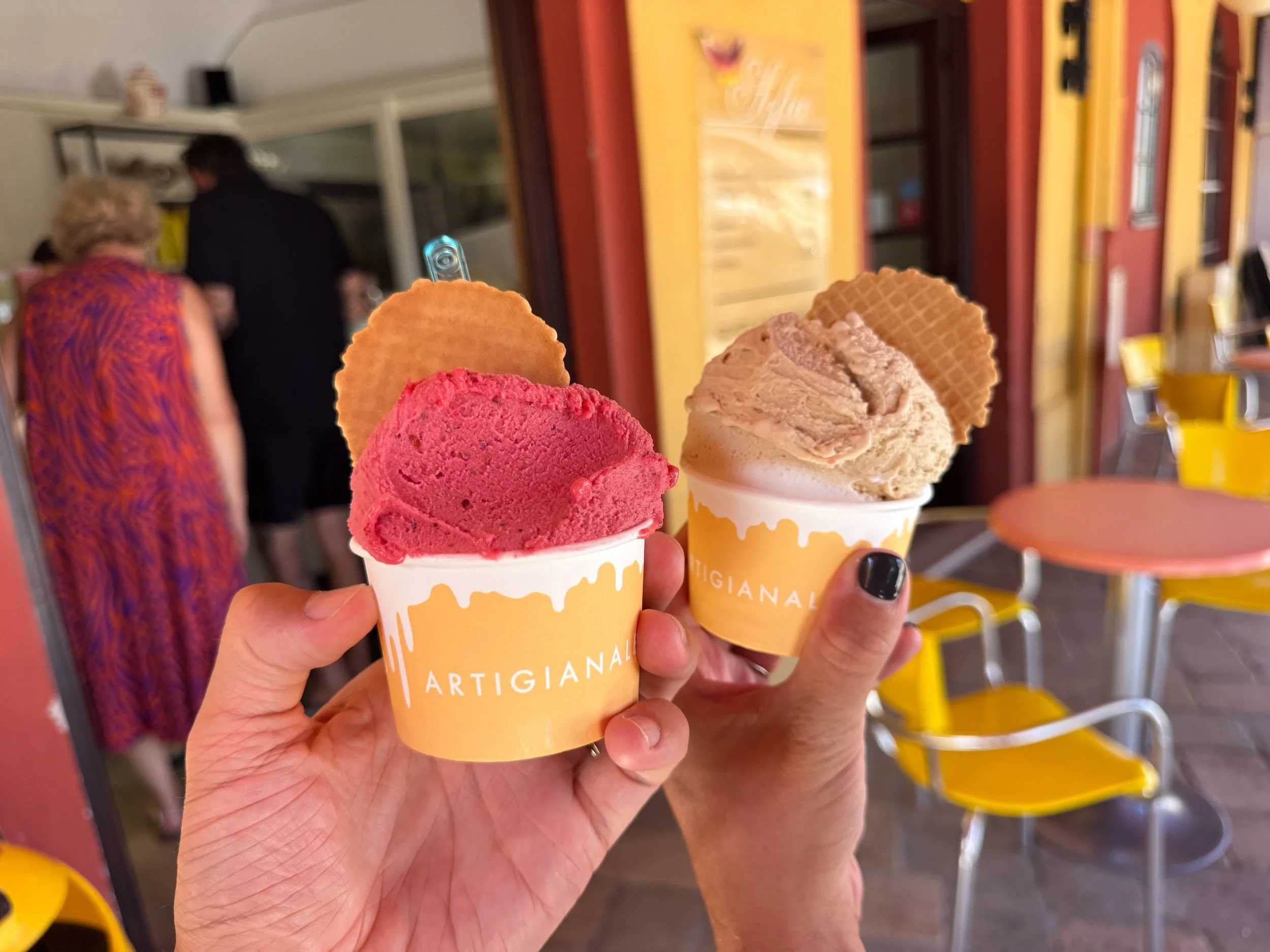
Gelateria Sofia. A gelateria in Place du Cap scooping local flavors like pistachio, stracciatella, lavender and lemon.
Ma Première Boulangerie. A bakery at the Marché des Halles with a generous spread of pastries, breads, quiches, sandwiches and coffee, the perfect first stop before shopping the market.
Mitron Bakery. A bakery on Rue Piéta famed for its citrus pastries. Don't leave without trying the lemon custard tart.
La Pecora Negra Menton. A waterfront pizzeria baking traditional Neapolitan style pizzas, tiramisu and limoncello spritzes. Reserve ahead to secure a table.
Les Enfants Terribles. A popular seafood restaurant on Place du Cap serving moules-frites, raw platters, paella and bouillabaisse, paired with an extensive list of French and Italian wines. Reserve ahead to guarantee a table.
Ferdinand. An eccentric tropical rum bar set in a stone vaulted space, pouring more than 200 rums and rum based cocktails. Expect a lively atmosphere that flows out onto a charming outdoor terrace.
Getting to Menton
Nice to Menton by Train. Menton is located about 45 minutes from Nice by train. Take the SNCF Train from Nice Ville Station to Menton Station.
Getting Around on Foot. Menton is a small town and easily walkable. The train station is located about 20 minutes on foot from the city center.
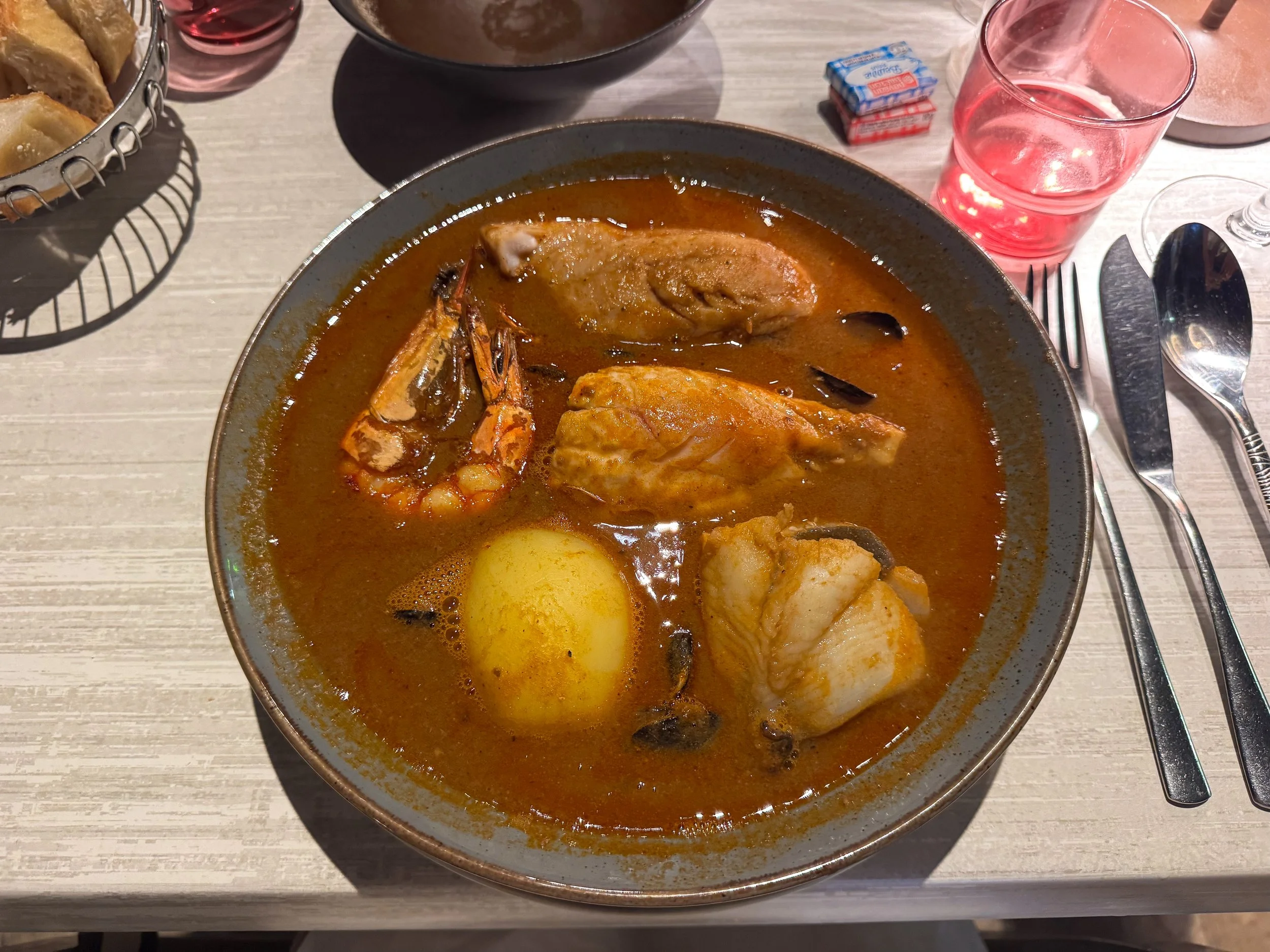
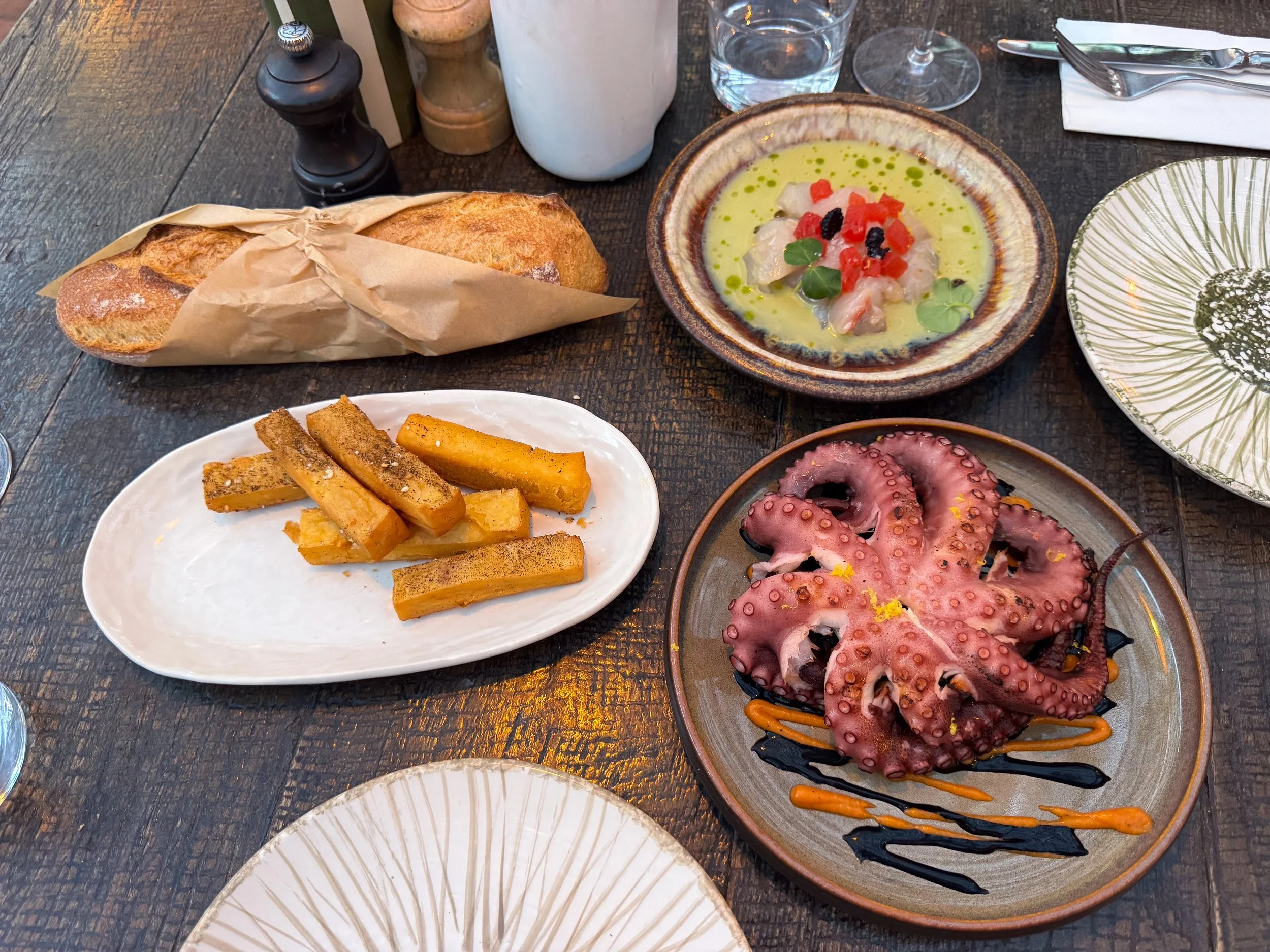
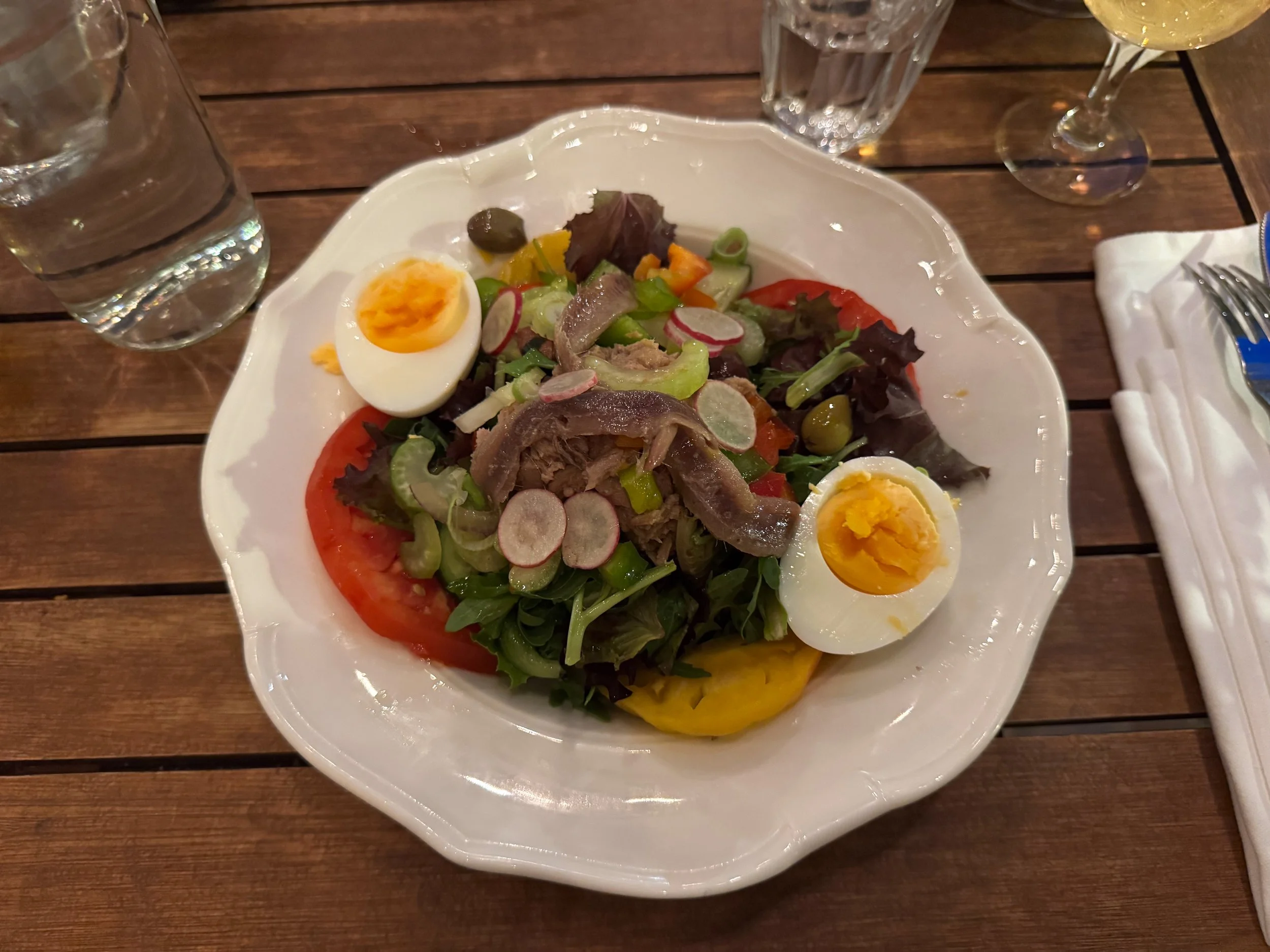
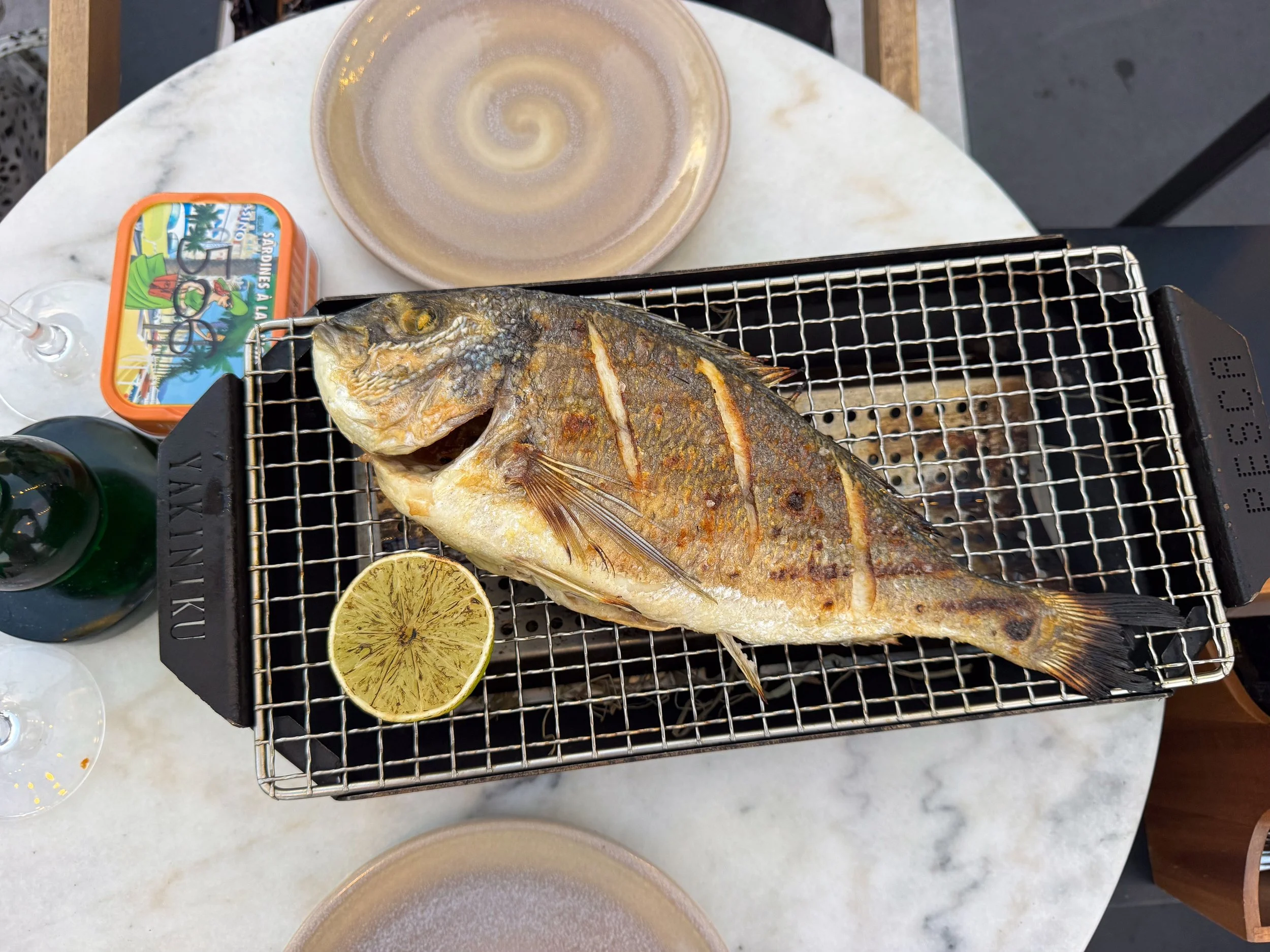
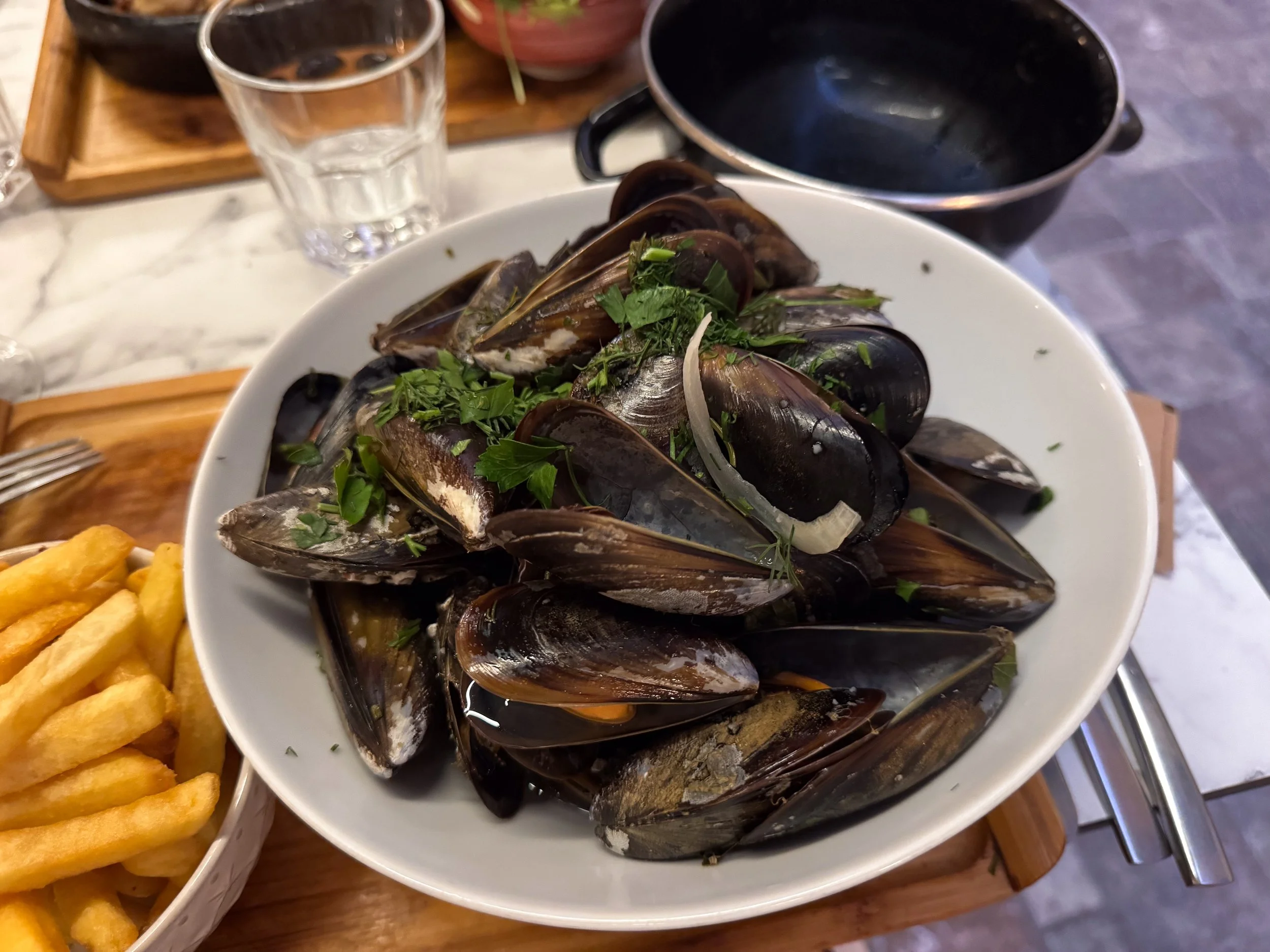
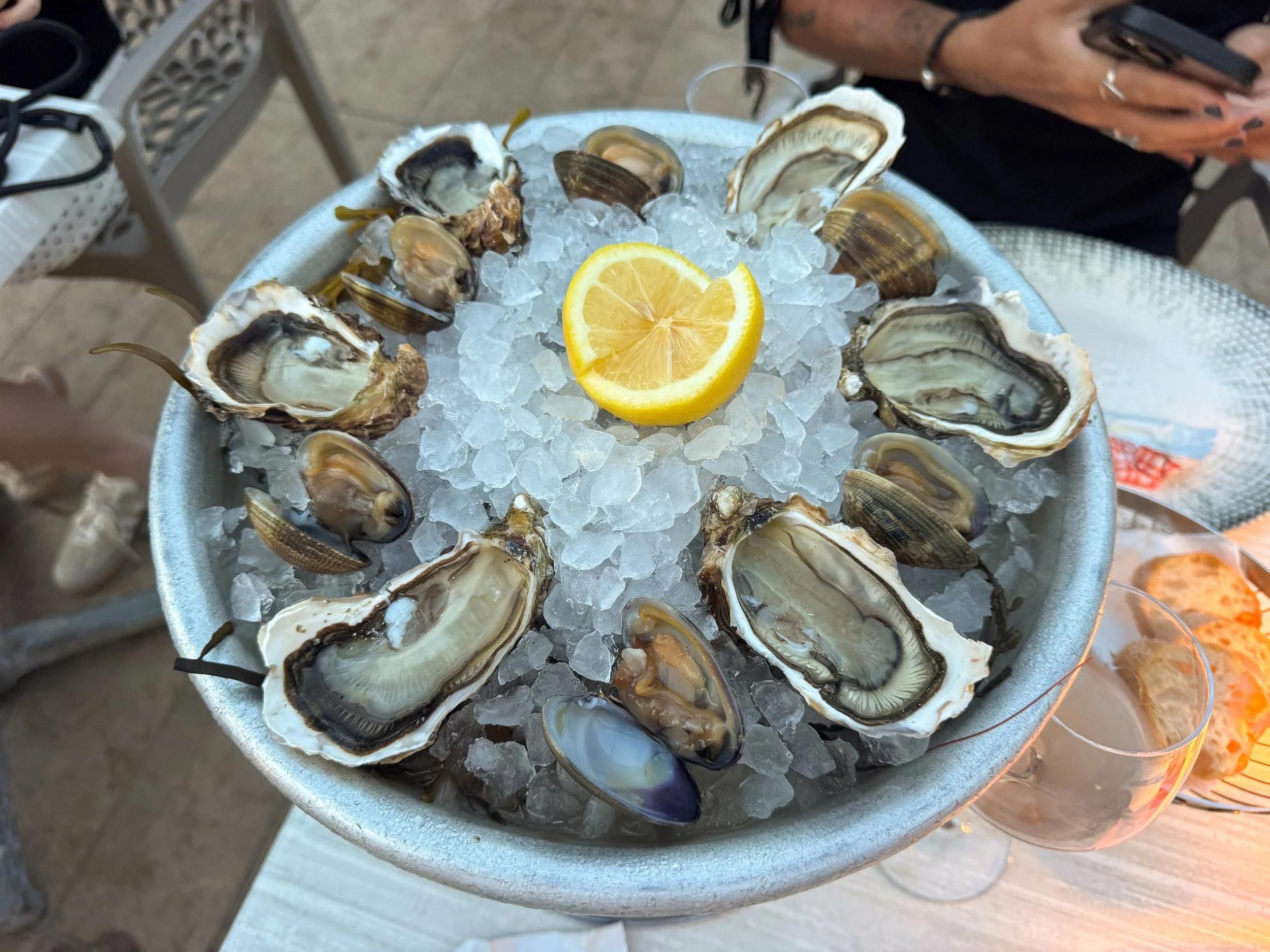
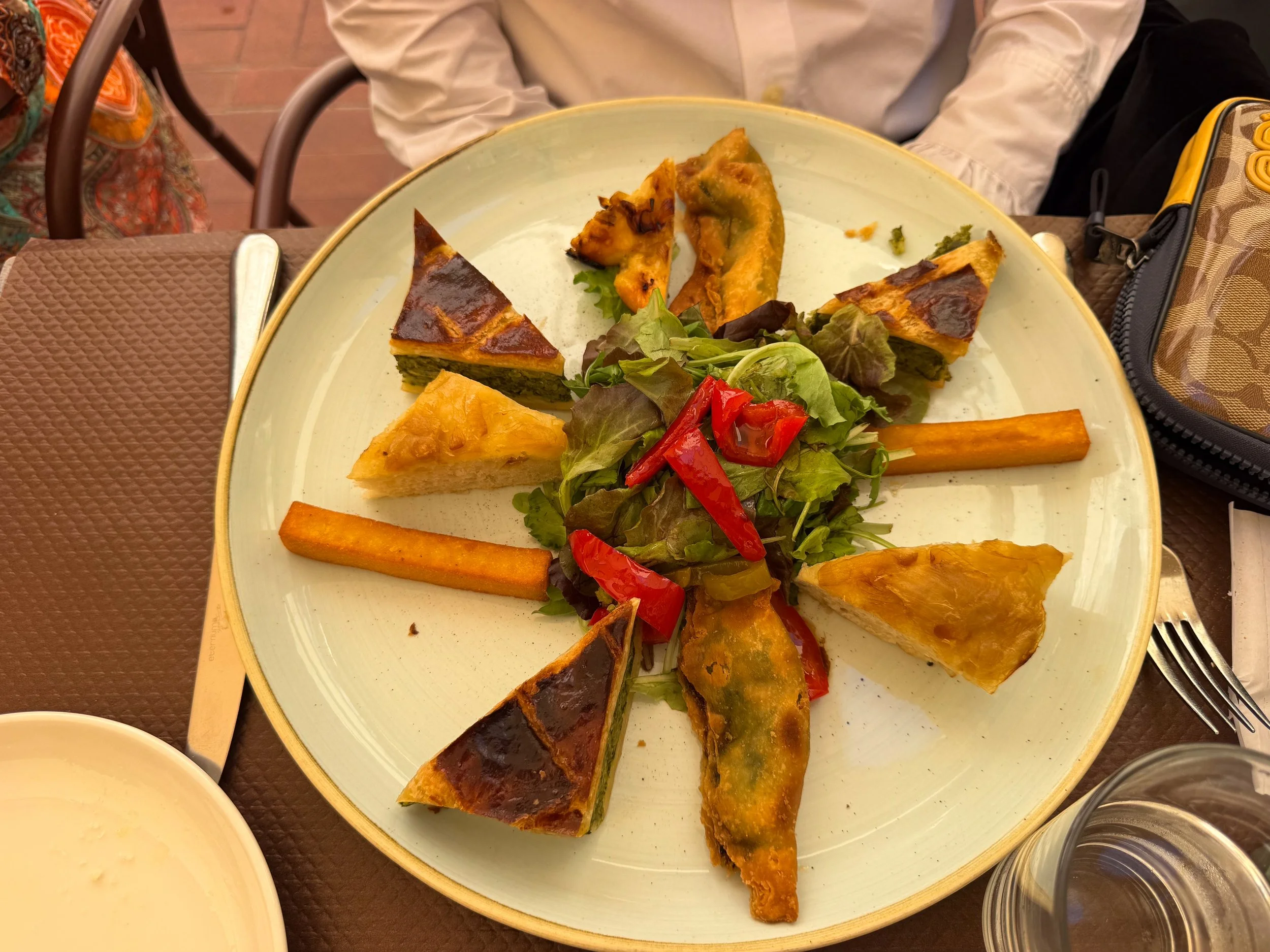
Niçoise Food of The French Riviera
Mediterranean Seafood. The French Riviera's place on the Mediterranean gives it some of the freshest, tastiest seafood around, most often served grilled, as tartare or piled high on raw seafood platters.
Seasonal Produce. Freshly grown fruits and vegetables fill the markets and menus of the French Riviera. In late summer, look for squash blossoms, artichokes, eggplant and tomatoes.
Salade Niçoise. A traditional salad from Nice made with lettuce, tomatoes, capers, olives, celery, radishes, anchovies, canned tuna and hardboiled eggs. Elsewhere in France, it's often served with boiled vegetables like green beans and potatoes.
Pan Bagnat. A round sandwich filled with many of the same ingredients as a Salade Niçoise, a favorite for eating on the go, packing for a picnic or beach day.
Pissaladière. A baked flatbread spread with a layer of caramelized onions and topped with anchovies and olives.
Tourte de Blettes. A pie filled with Swiss chard, rice and pine nuts in an olive oil crust. It can be served savory or dusted with sugar as a sweet treat.
Socca. A griddled chickpea flatbread, a popular snack sold by street food vendors.
Olive Oil. Locally produced olive oil is one of the French Riviera's signature products, found in countless dishes and sold in shops and markets across the region.
Tapenade. A spread of olives, anchovies, capers and olive oil, served with bread as an aperitif.
Tomatade. A tomato tapenade made with sun dried tomatoes, garlic, olive oil and herbs.
Know Before You Go
Stone Beaches. Sandy beaches are rare along the French Riviera, where most shorelines are covered in smooth grey stones or tiny pebbles. They're surprisingly comfortable to lie on and far less messy than sand. Pack water shoes to make getting in and out of the sea easier.
Informal Dress Codes. Save swimsuits and beachwear for the beach, and dress up a bit when heading out to dinner in the evening, with pants and proper shoes.
Dining Hours. Meal times on the French Riviera are fairly relaxed. Breakfast is usually a pastry, coffee and fresh orange juice anytime in the morning. Lunch runs from noon to 2pm, when many shops close. Le Goûter, a light snack often paired with a spritz or glass of wine, happens around 4pm. Dinner is served from 7-8pm until 10-11pm.
Reservations. Dinner reservations are recommended most evenings. Call ahead, book online or stop by the day before to reserve with the host.
Cash vs Card. Credit cards are widely accepted across the French Riviera. Carry some Euros for market vendors without card readers and coins for public restrooms.
Tipping. Tipping isn't expected on the French Riviera. If you're inclined, or the option is offered, there's no need to leave more than 10% of the bill.
Language. French is the primary language across the French Riviera. Italian and English are widely spoken, but it's best to learn a few simple French words and phrases to get by:
Bonjour = Hello / Good Day
Bonsoir = Hello / Good Evening
Bonne Journée = Goodbye (during the daytime)
Bonne Soirée = Goodbye (during the evening)
Au Revoir = Goodbye
Merci = Thank you
S’il vous plaît? = Please
Merci Beaucoup = Thank you so much
De Rien = You’re Welcome
Où sont les toilettes? = Where are the toilets?
L’addition, s'il vous plaît? = The check, please
Drinking Water. There's no need to order overpriced bottled water at restaurants. Thanks to strict regulations and standards, the tap water here is among the best in Europe. Simply ask for "une carafe d'eau" to get free tap water.
General Safety. The French Riviera is a very safe destination, but as in much of Europe, watch out for pickpockets on crowded streets, on public transportation, at the beach and while dining out.
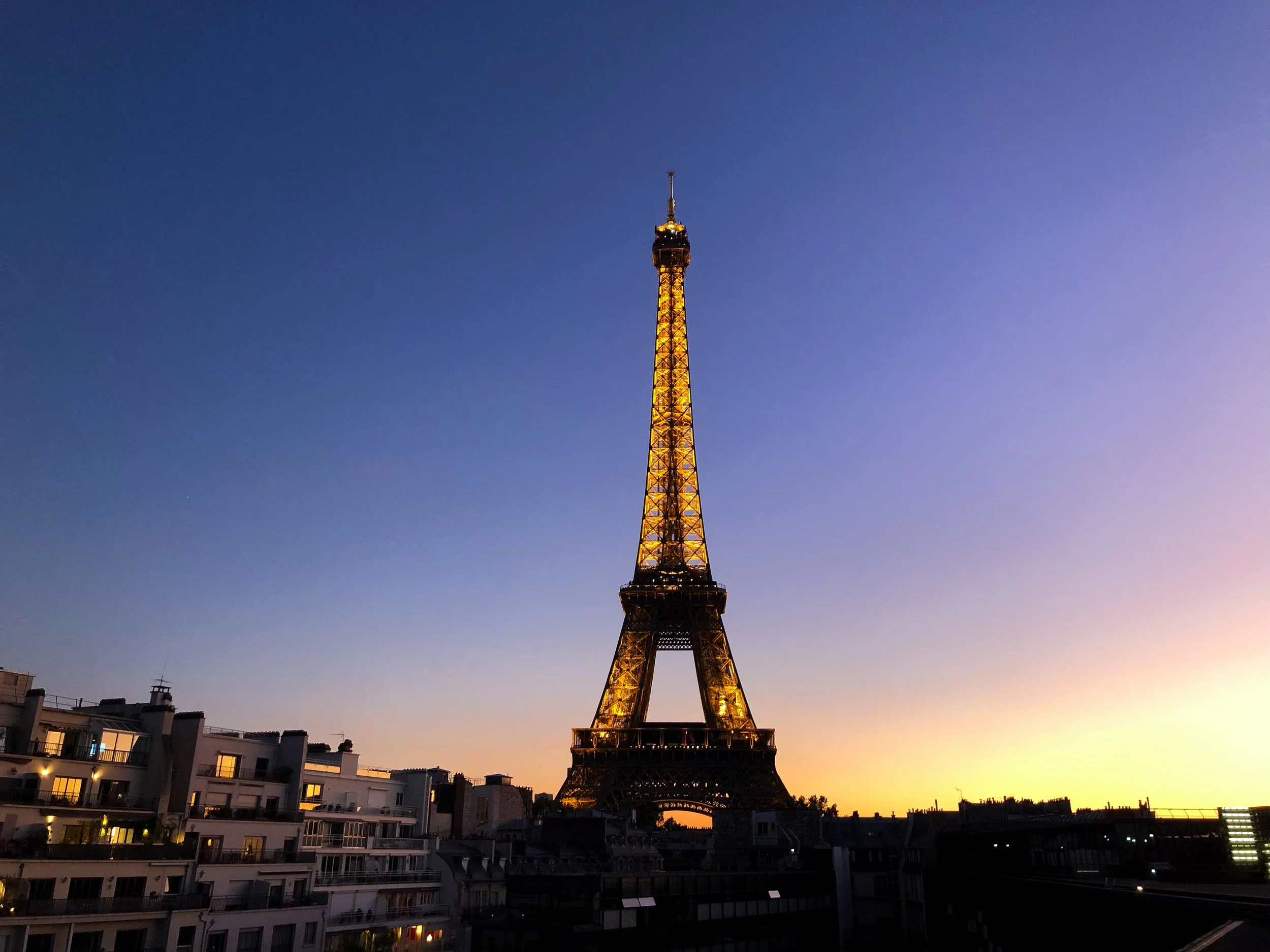
Elsewhere in France
From the romantic boulevards and iconic landmarks of Paris to Marseille’s rugged coastline and the Mediterranean charm of the French Riviera, continue exploring France’s diverse regions through these travel guides:
Paris Travel Guide: Eiffel Tower, Montmartre & Romantic Experiences. Get lost wandering the historic streets of Paris, where charming cafés, timeless architecture and French culture turn every corner into a romantic discovery.
Marseille Travel Guide: Calanques, Vieux-Port & Mediterranean Culture. Explore Marseille's gritty streets and the historic Vieux-Port where Mediterranean culture, bustling markets and seaside charm meet rugged coastal landscapes.
Cannes, France Travel Guide: Day Trips to Antibes & St. Tropez. Bask in the glamour of Cannes where golden sand beaches, Provençal markets and a hilltop old town create the perfect base for exploring the French Riviera.
For Next Time in The French Riviera
The French Riviera is dotted with coastal towns and hilltop villages, and a few near Nice are already on our list for our next trip to this corner of France:
La Turbie. A town high above Monaco, crowned by the Trophée d'Auguste, an ancient Roman monument built in 6 BCE. The white stone columns and central tower of its towering ruins still rise above the town.
Roquebrune. A historic mountain village between Monaco and Menton, home to a medieval castle, olive shops and romantic restaurants.
Cagnes-sur-Mer. A city west of Nice with a hilltop medieval village and a museum dedicated to Renoir.
Saint-Paul-de-Vence. A medieval village perched on a hilltop, famous for its ramparts, cobblestone streets, historic atmosphere and artistic legacy.